
REVIEW: NATO & Czech Air Force Days 2025
The NATO Days in Ostrava & Czech Air Force Days 2025 weekend (20–21 September) returned to Leoš Janáček Ostrava Airport for the event’s 25th anniversary edition, with Italy headlining as Special Partner Nation. After last year’s cancellation due to severe flooding, this felt like a proper “back with a bang” reset - bigger crowds, bigger hardware, and a flying programme built around genuine one-off opportunities rather than filler.
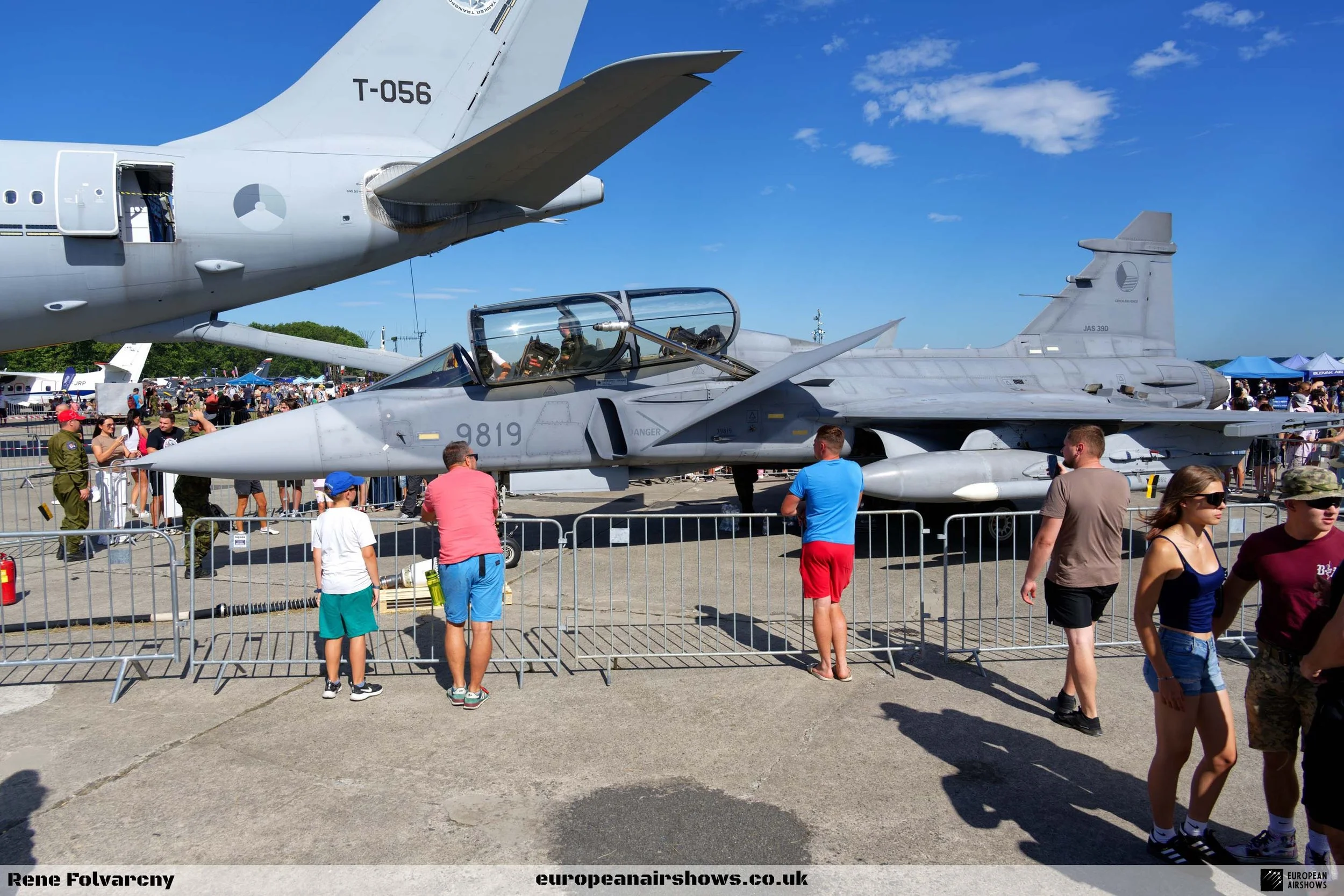
Both days delivered blue skies and serious heat (touching the high 20s), but also the inevitable price of success: packed crowd lines, long waits for food and drinks, and a static park that was often near-impossible to photograph cleanly without people in the frame. Visitor guidance beforehand proved spot-on: plan for traffic, bring a raincoat (umbrellas aren’t allowed), and rely on the event app because there’s no paper programme.
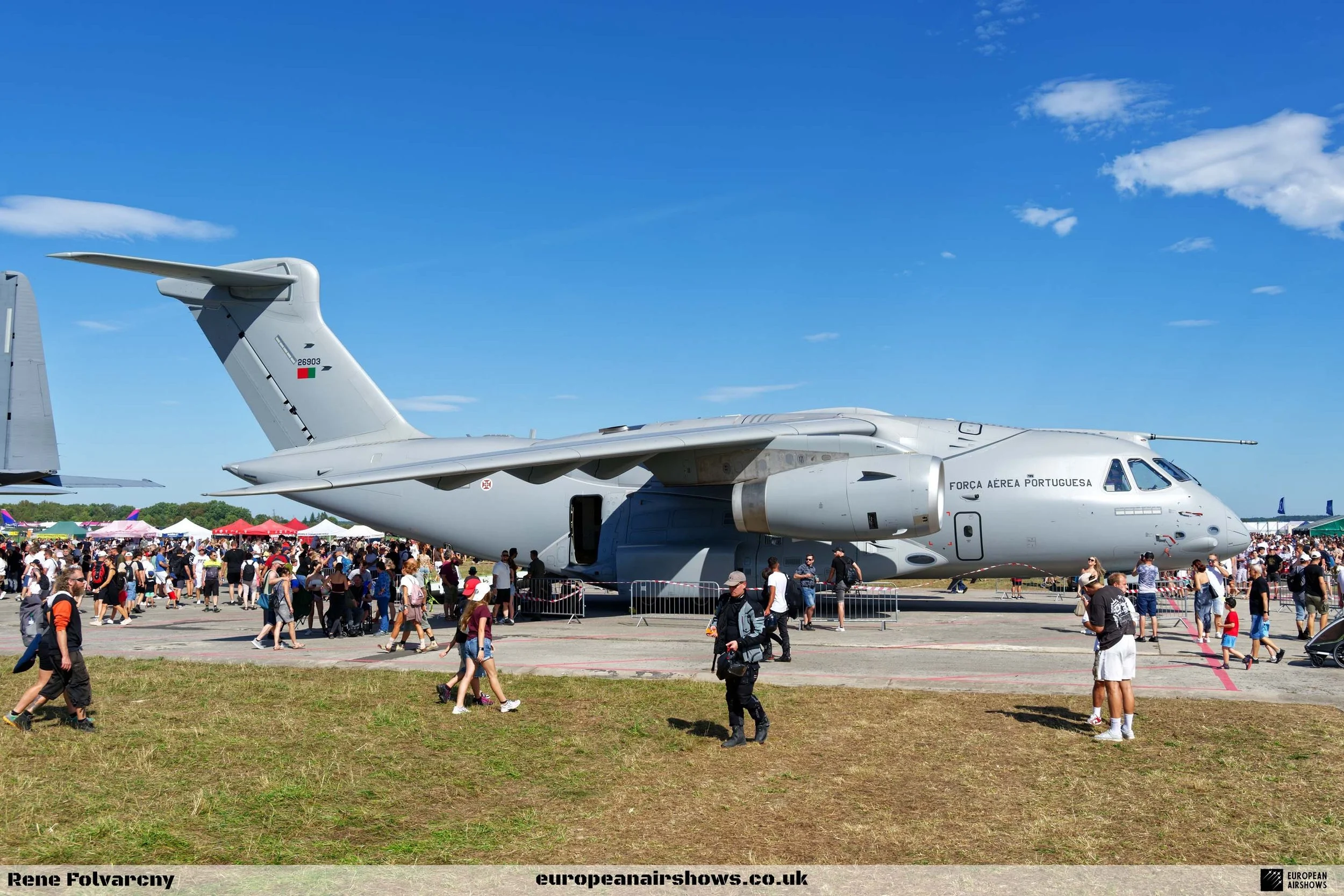
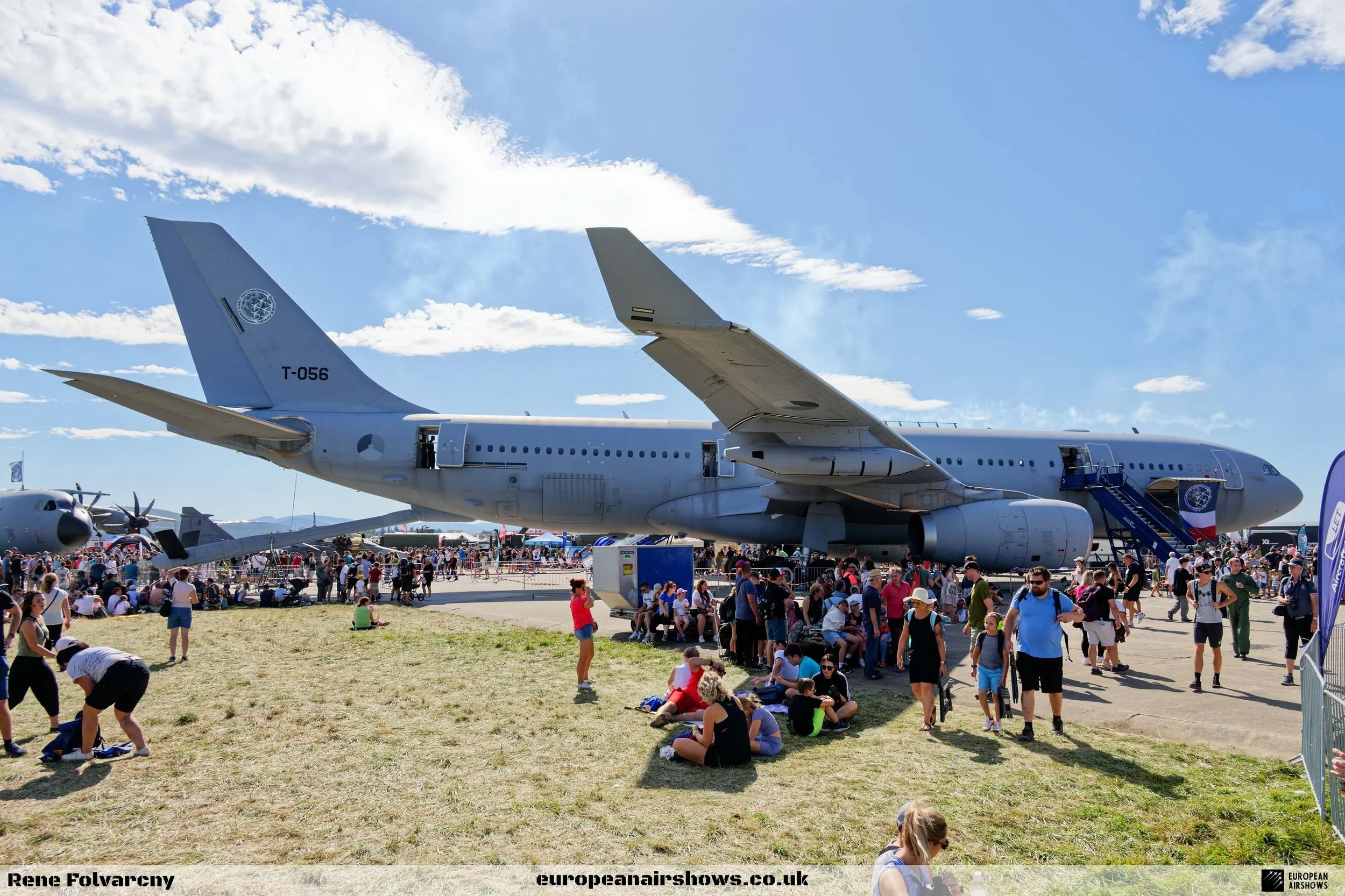
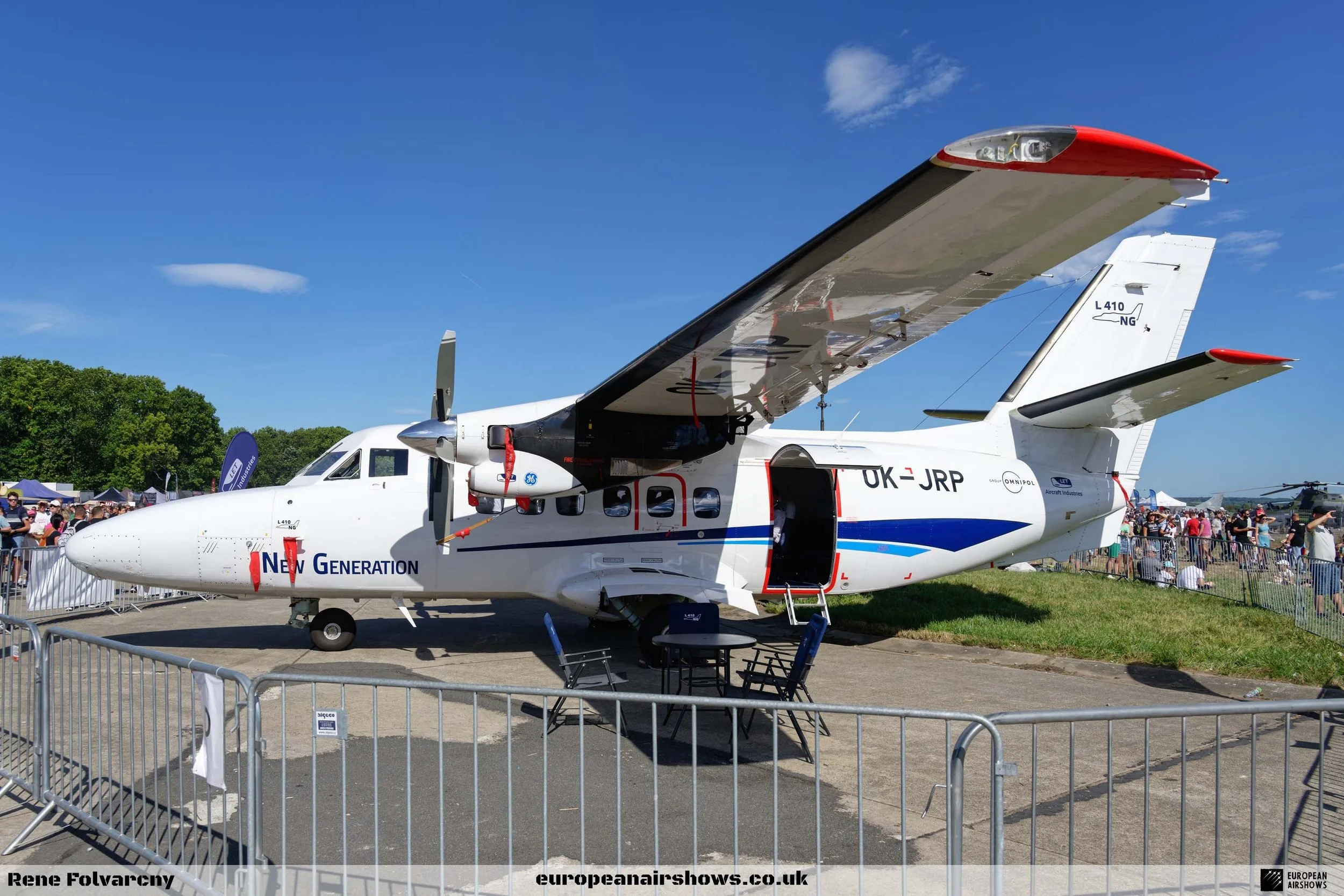
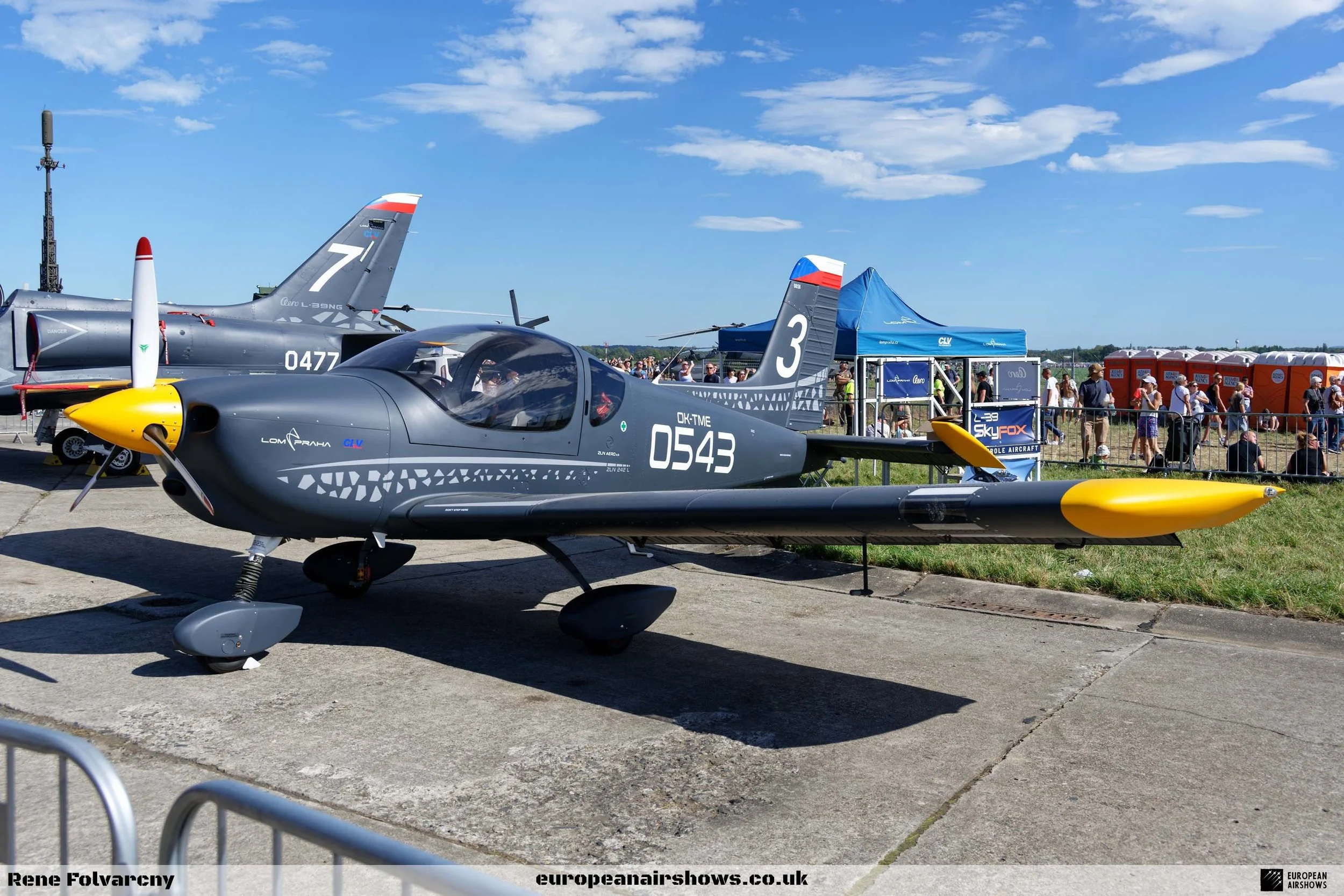
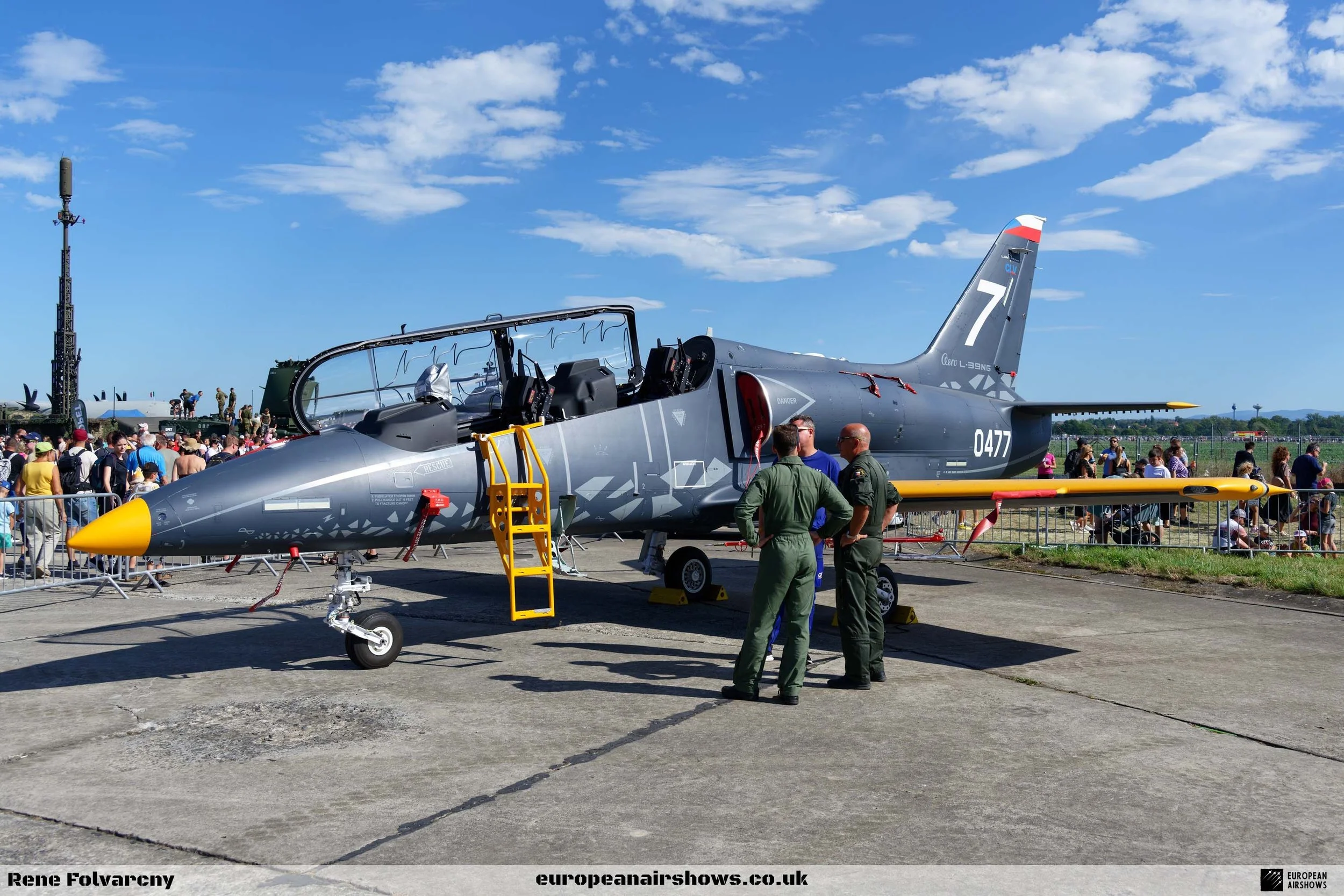
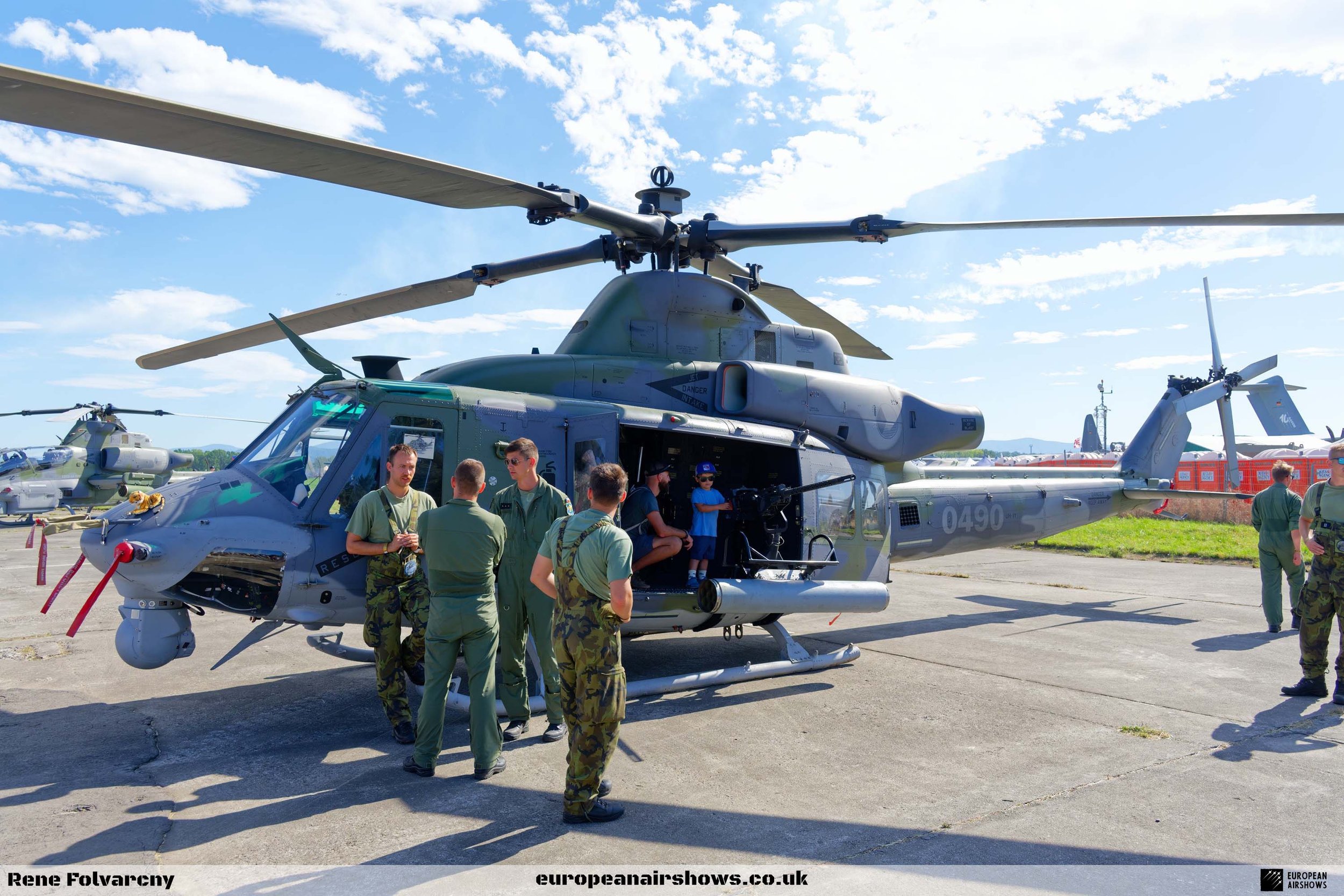
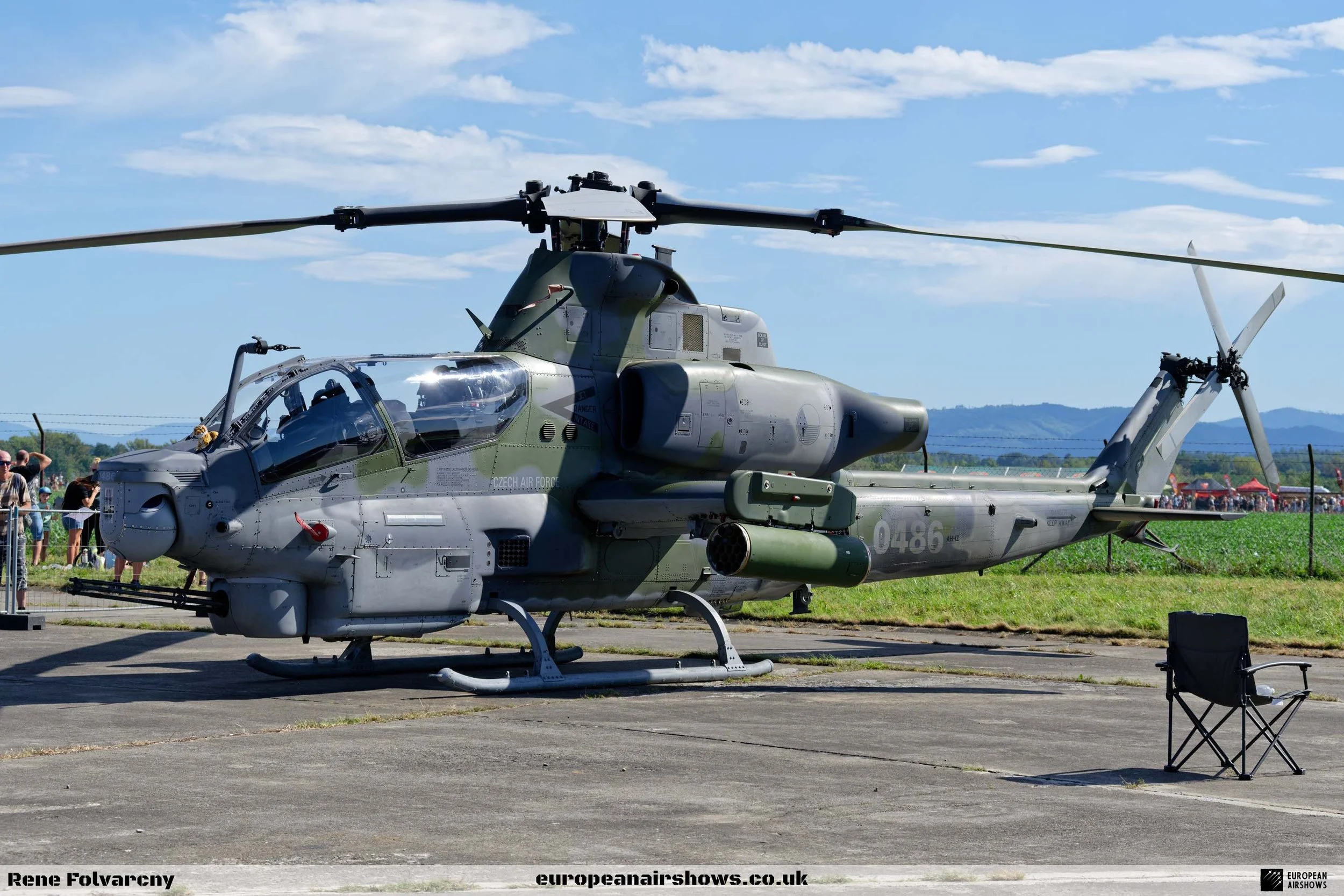
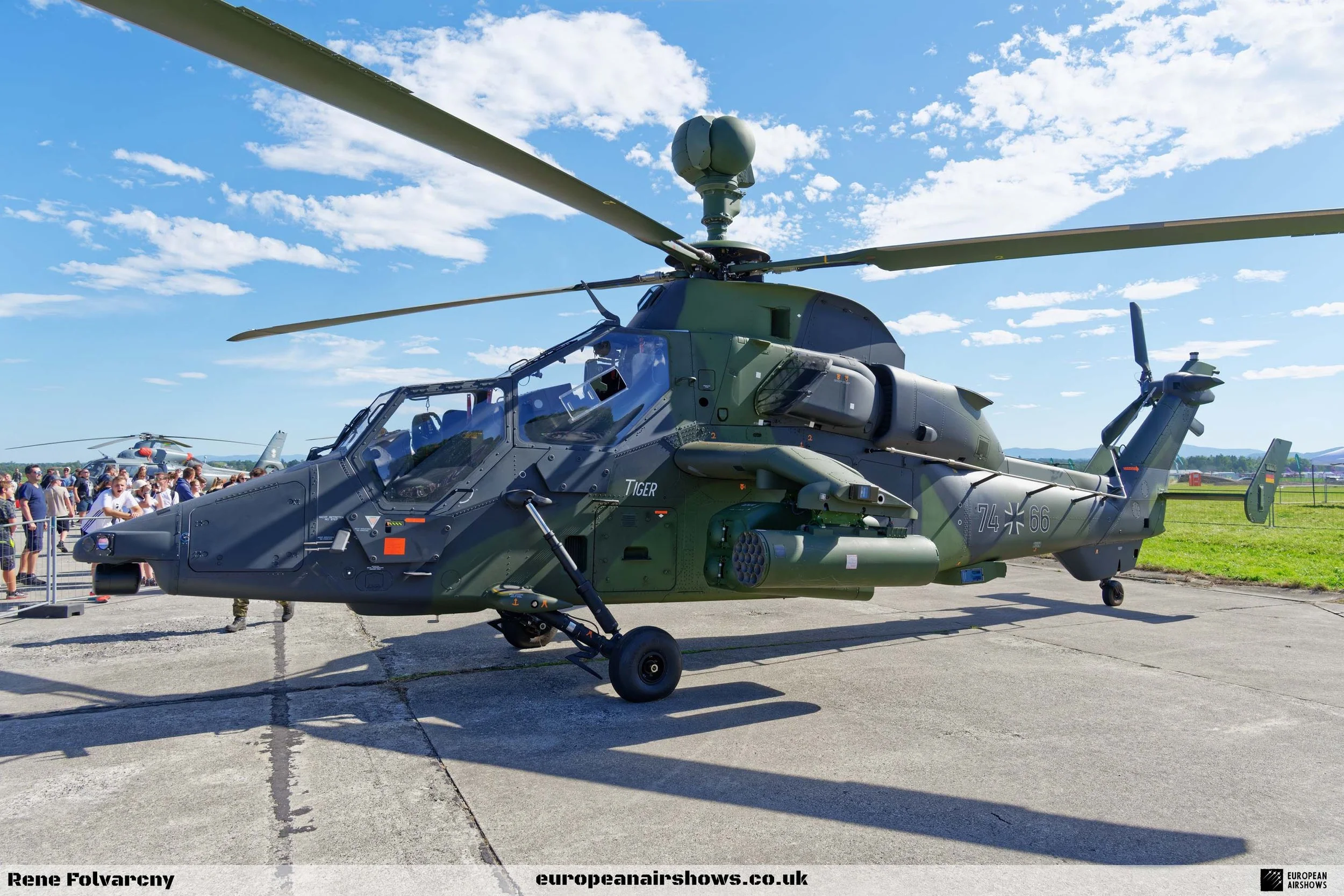
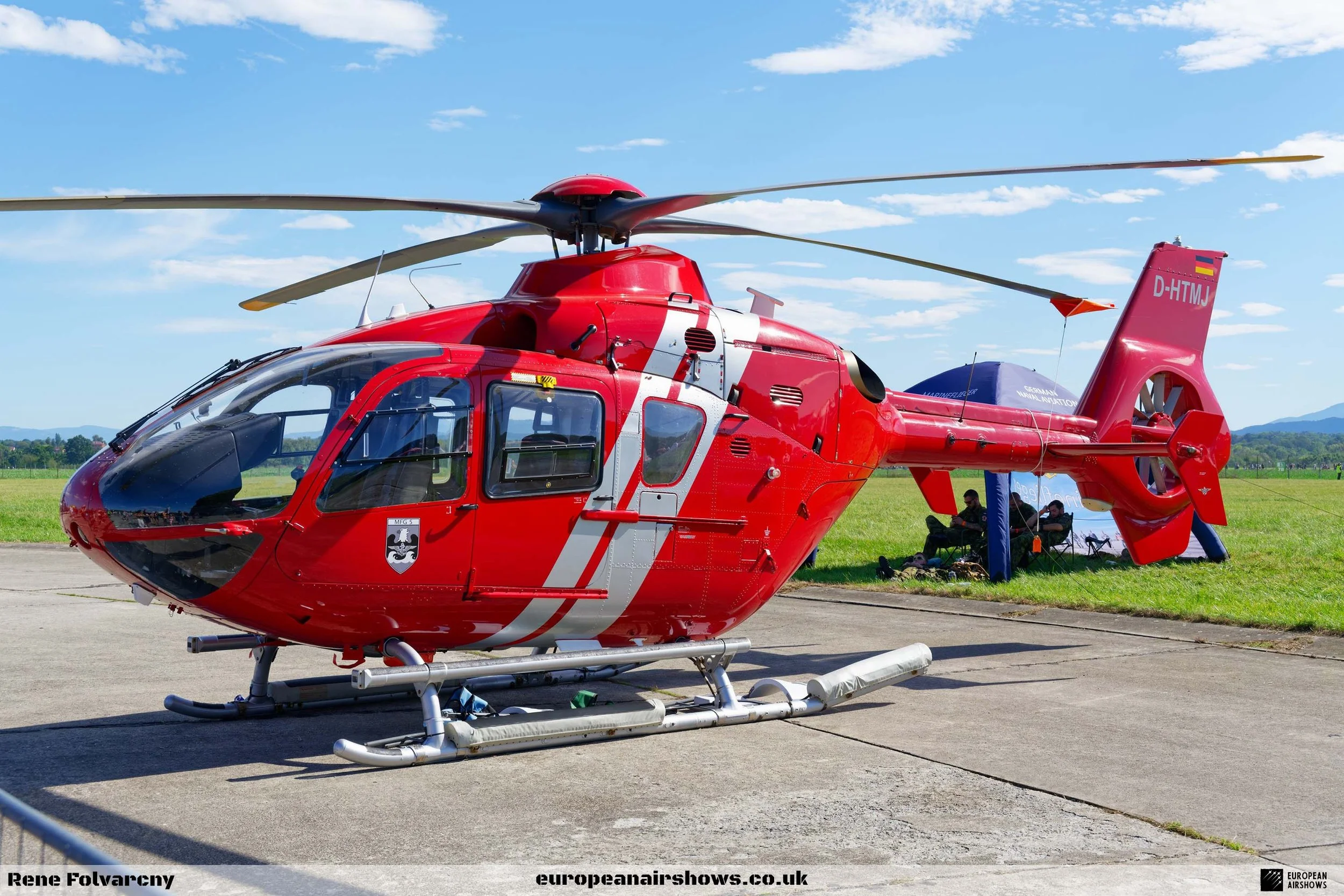
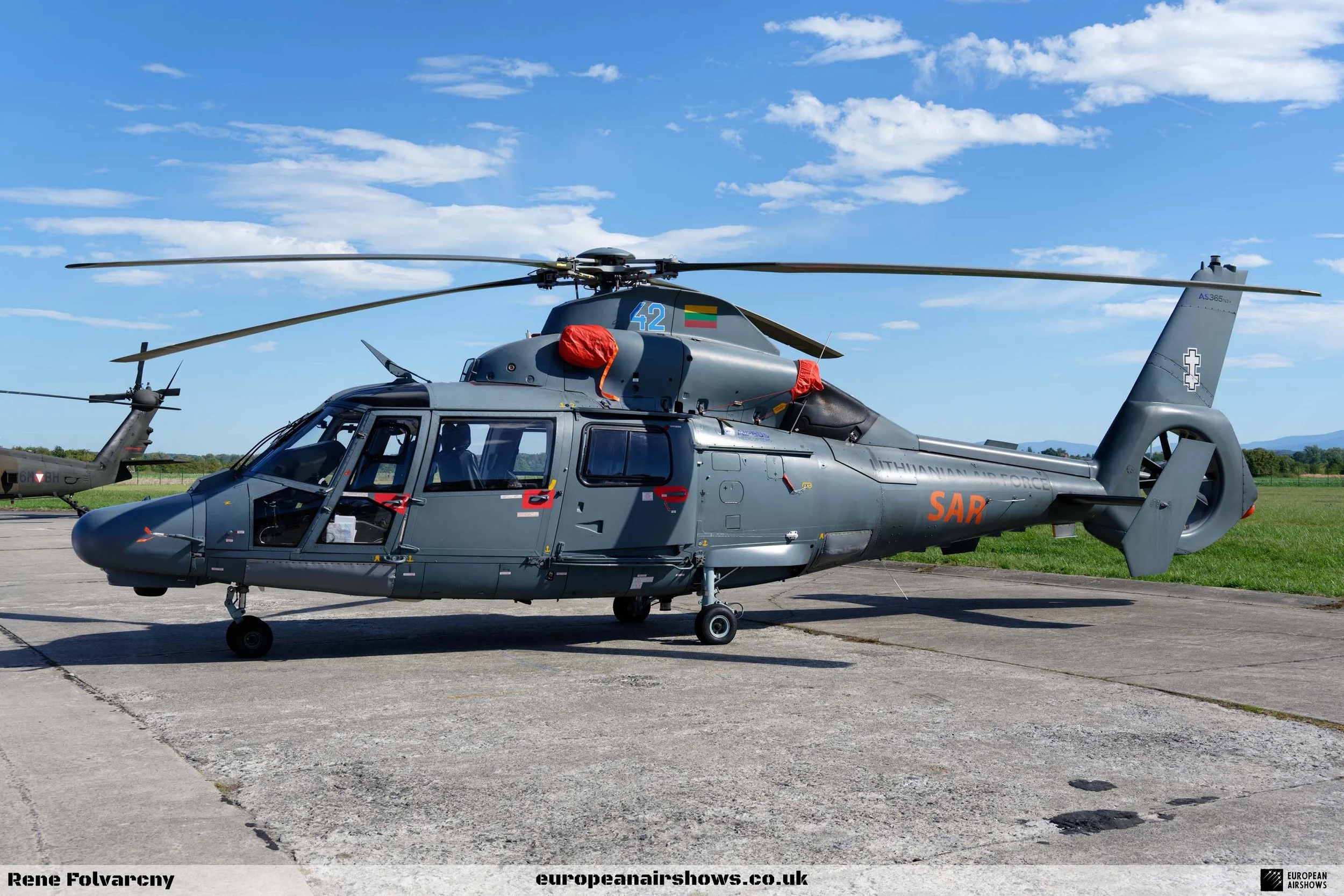
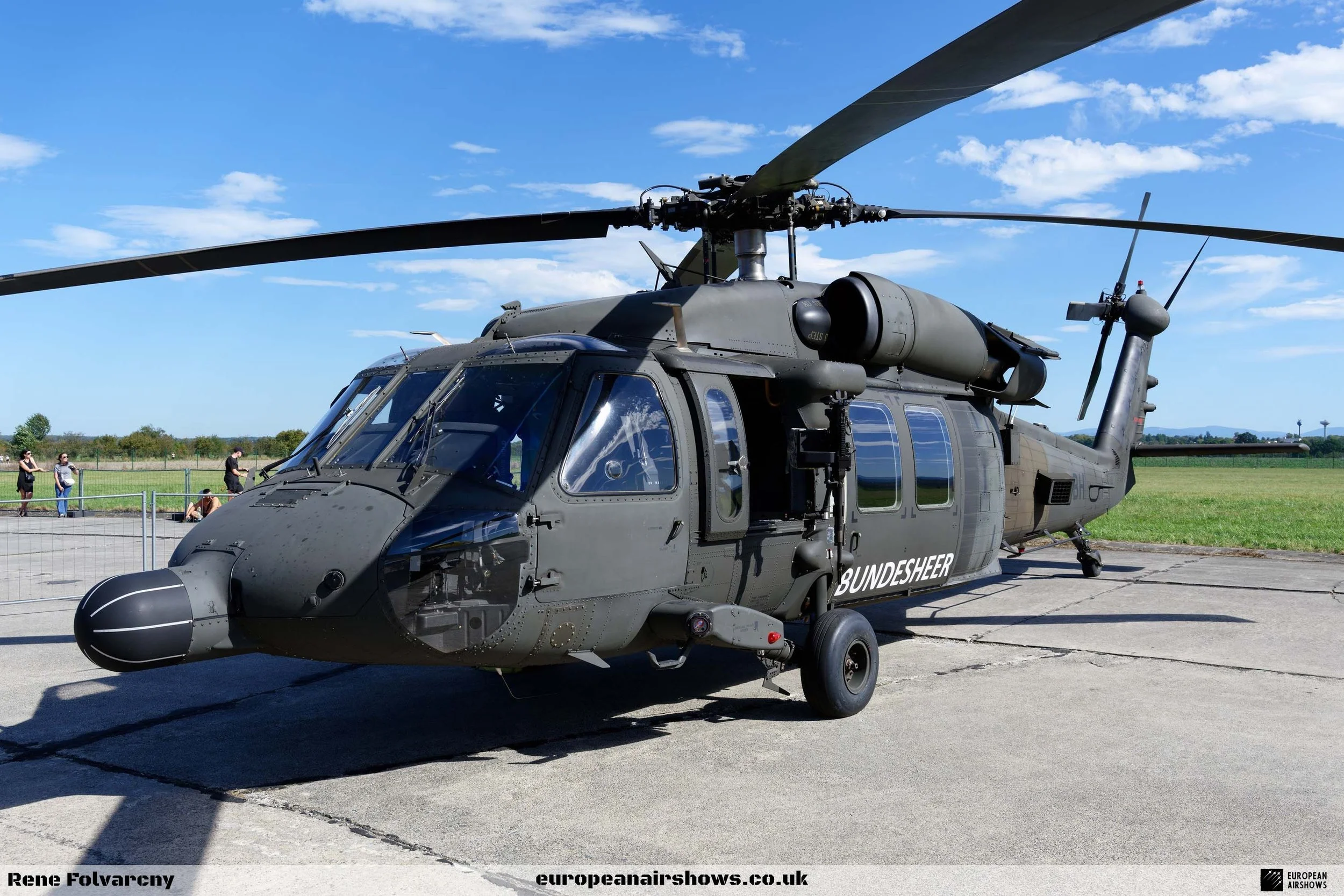
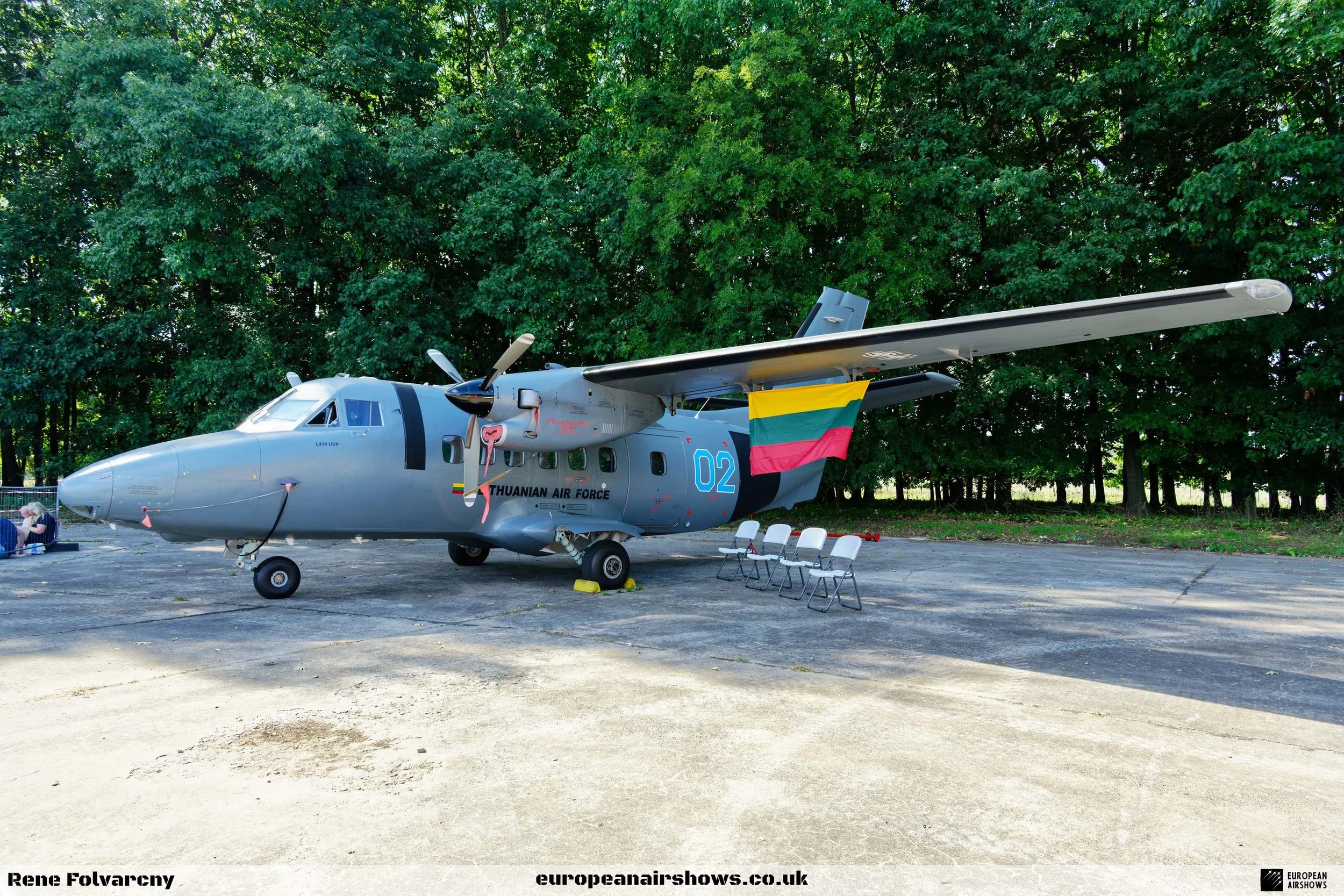
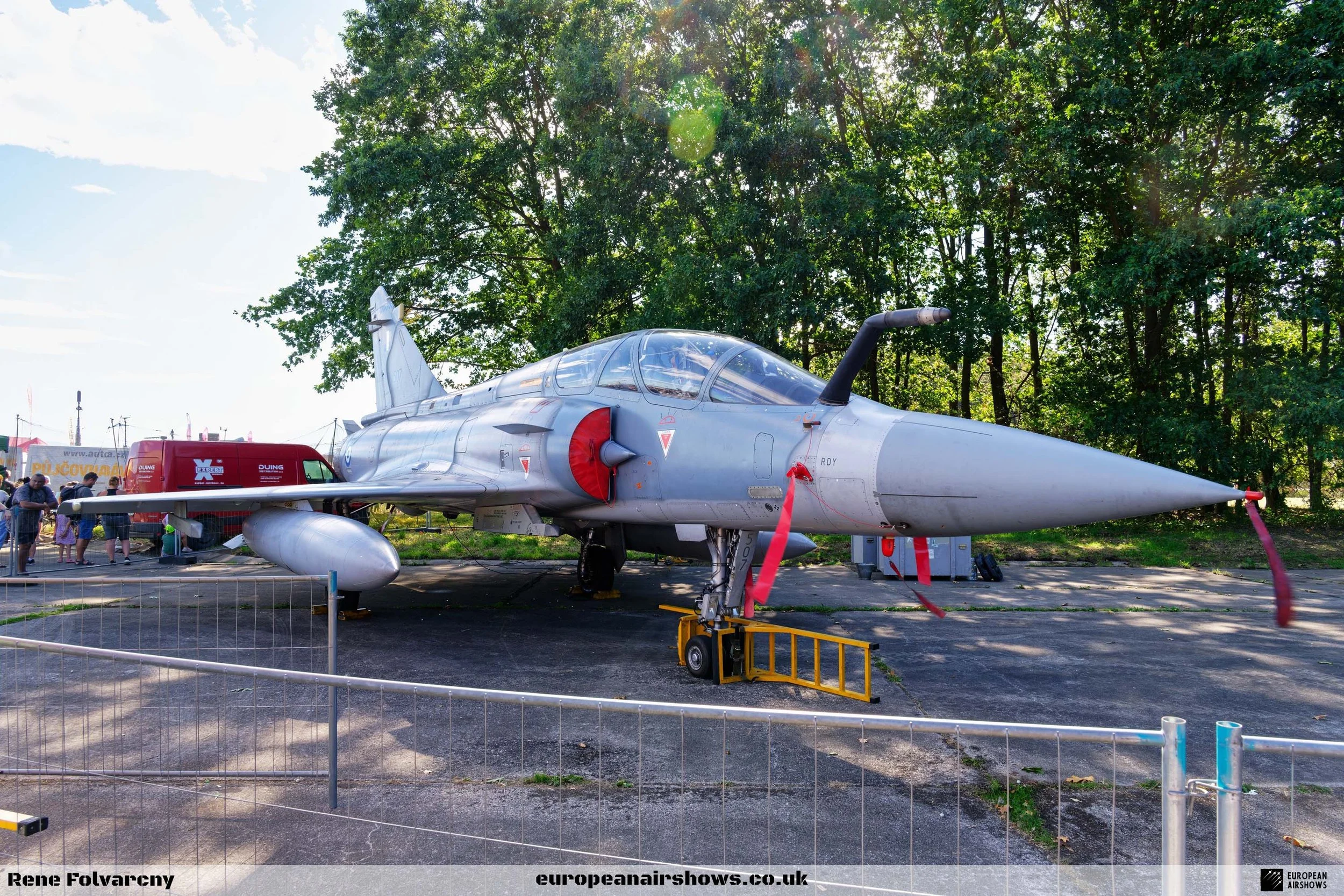
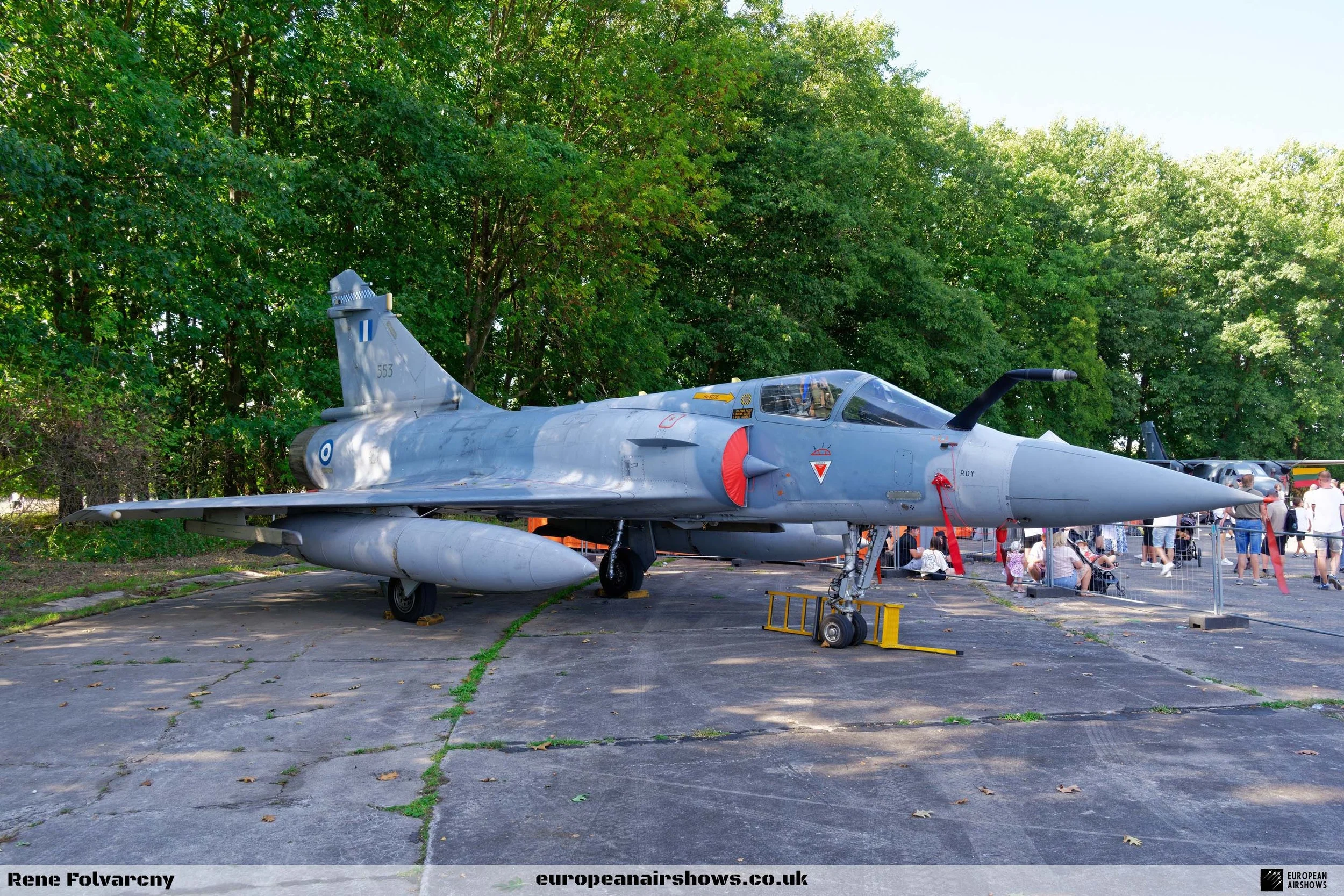
On the ground, NATO Days remains what it does best: not “just an airshow”, but a full-spectrum security and defence showcase - military, police, rescue services, customs and more - running in parallel with the flying. The dynamic arena kept the tempo high with modernisation-themed set pieces: the Czech heavy brigade future was showcased through CV90 and Leopard 2 elements (including the newer Leopard 2A8), while the local defence industry pushed the latest PANDUR 8x8 EVO into the spotlight.
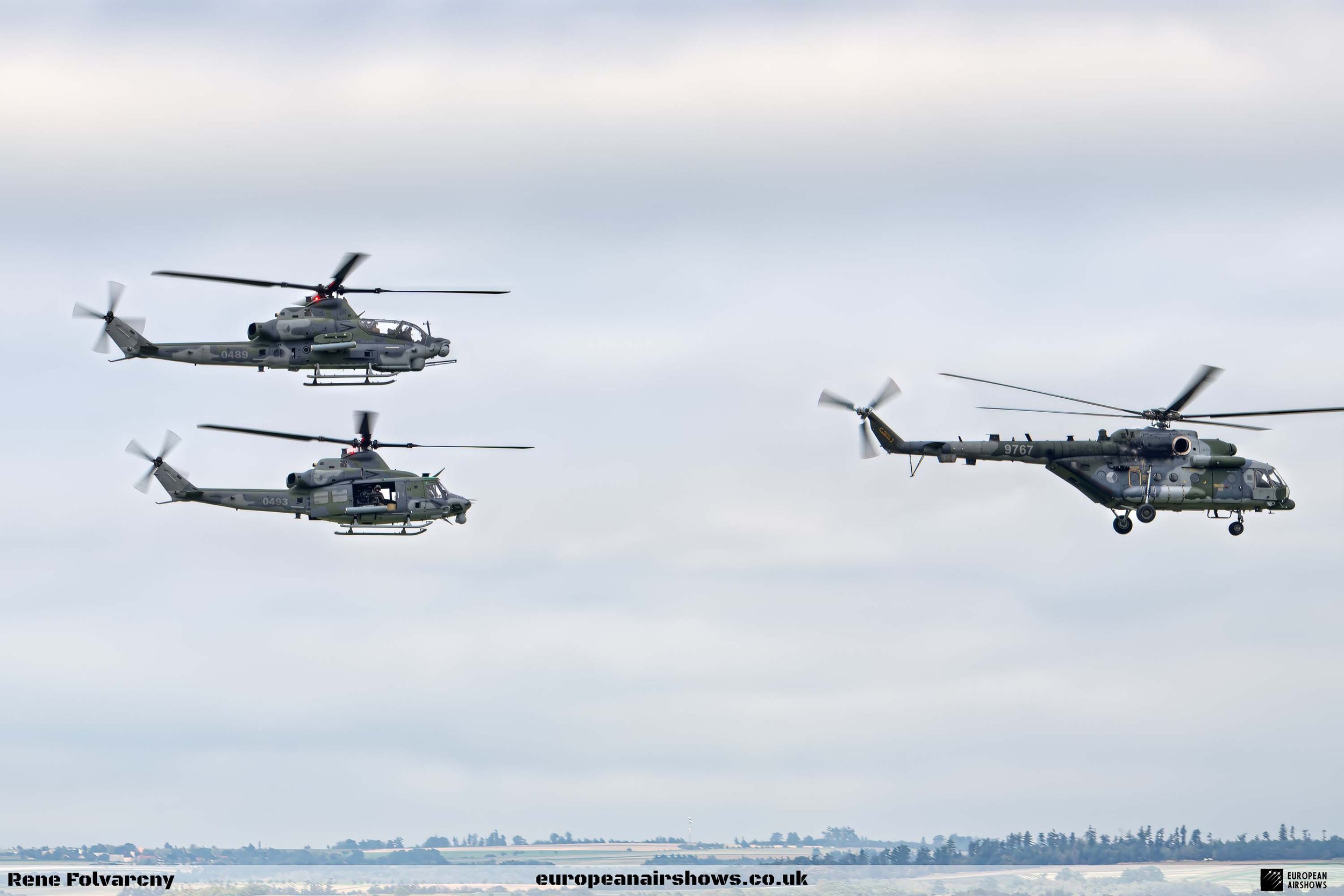
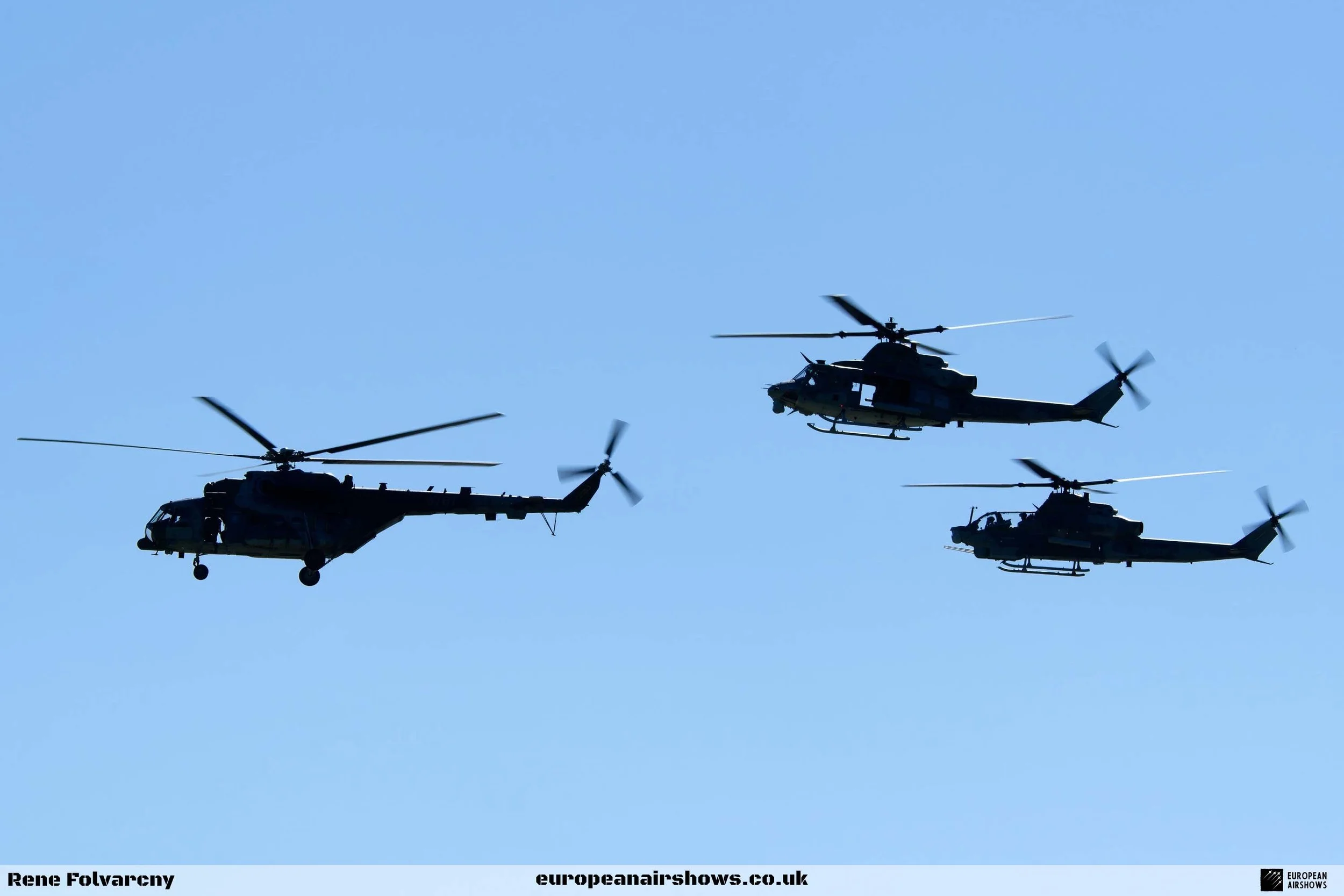
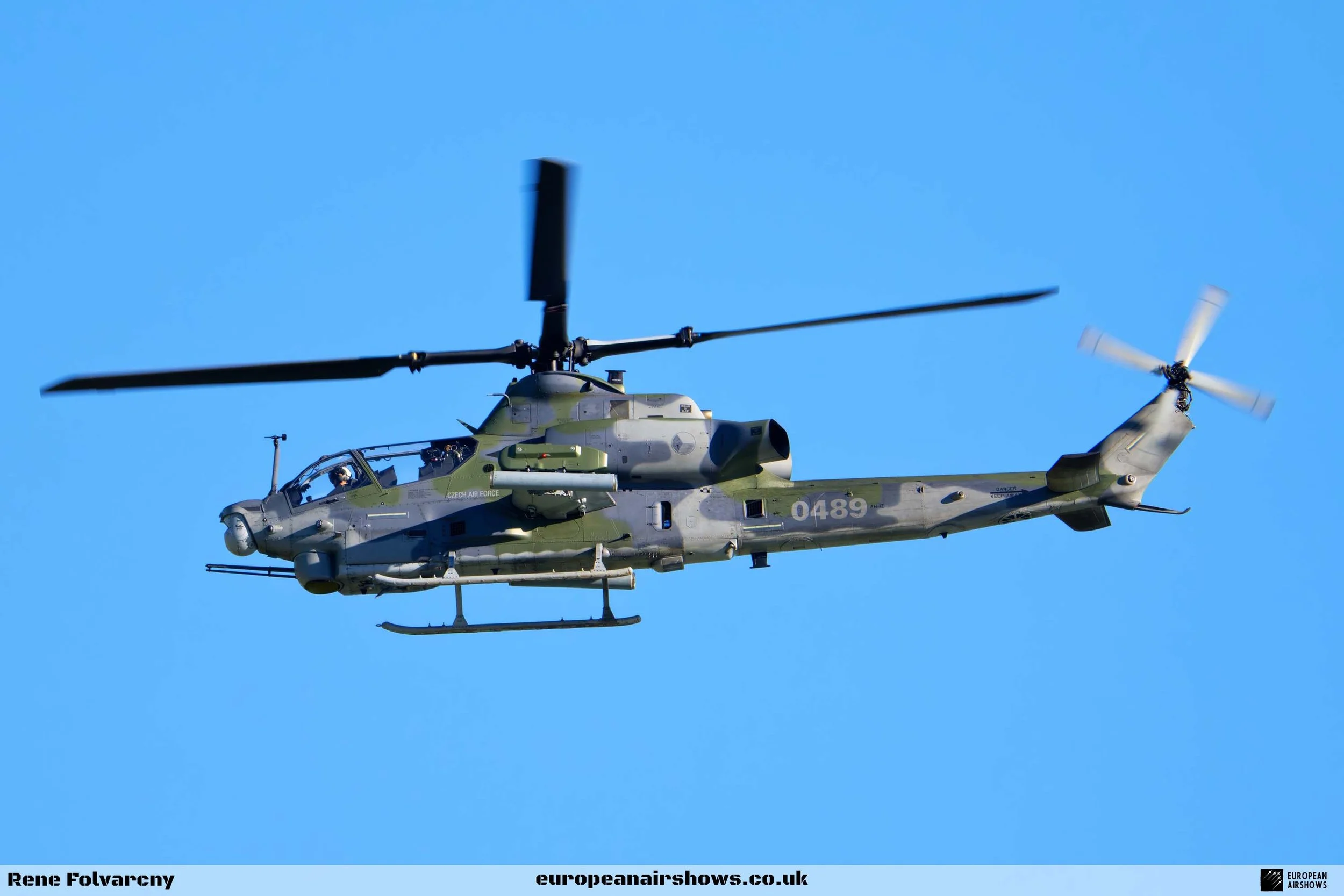
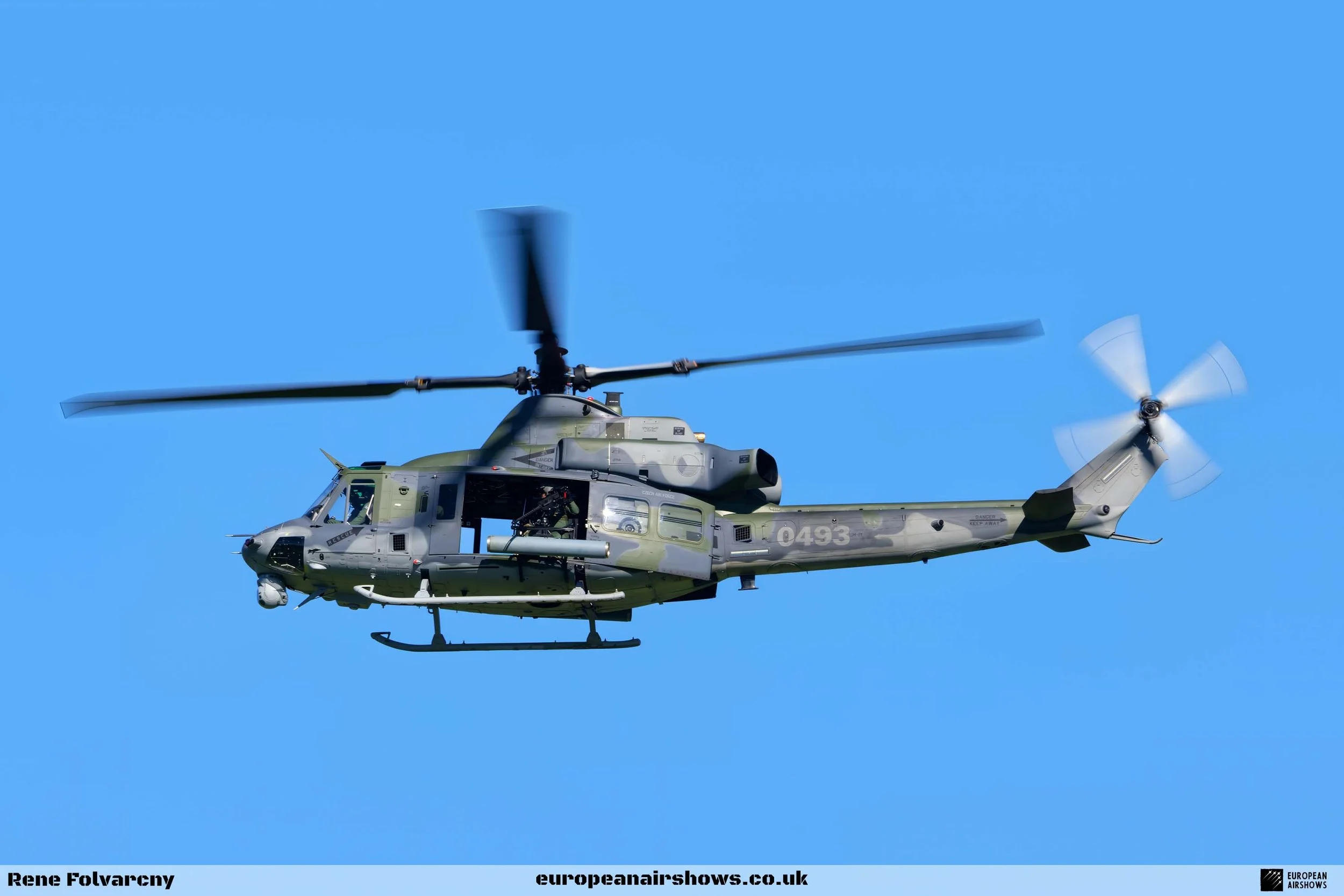
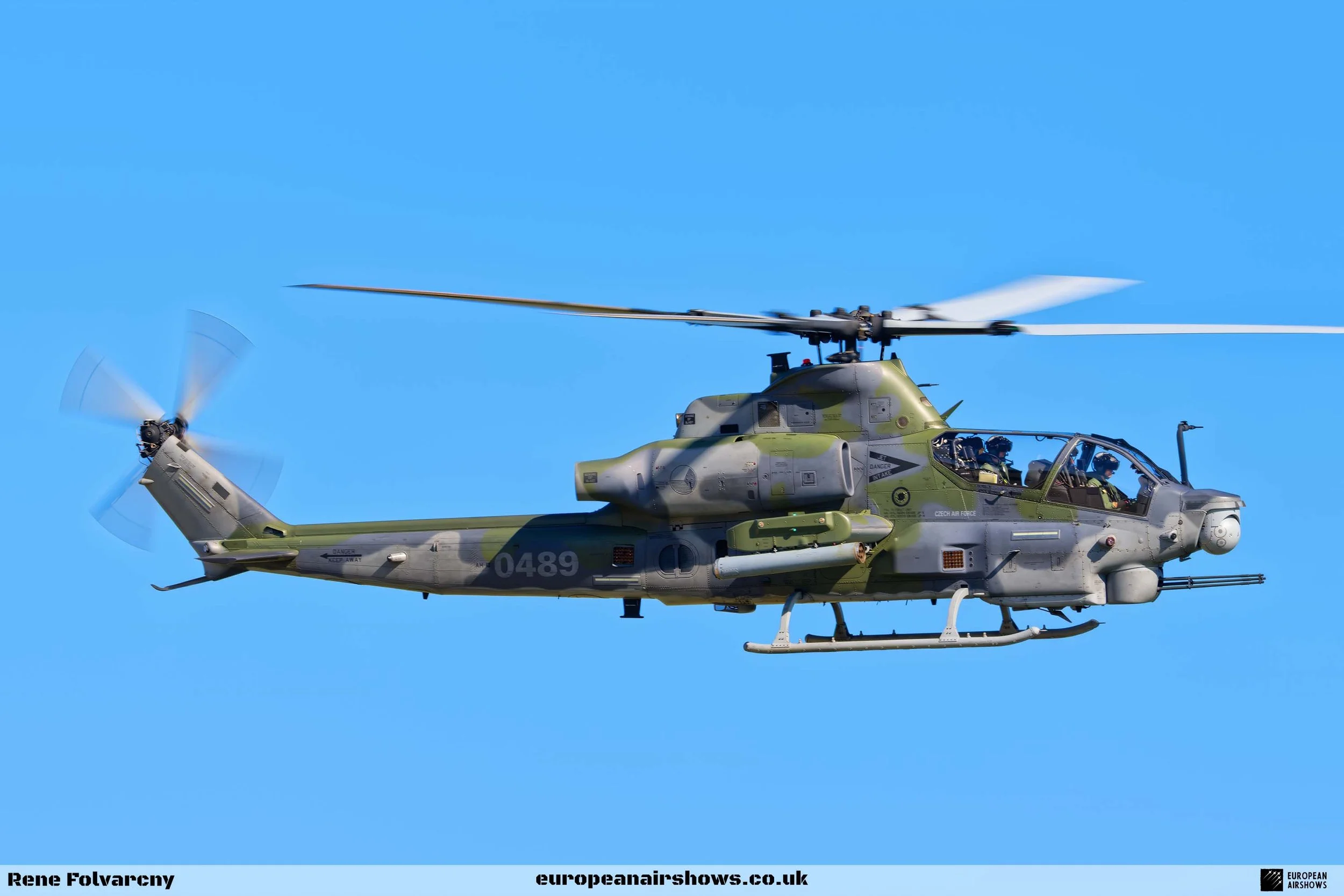
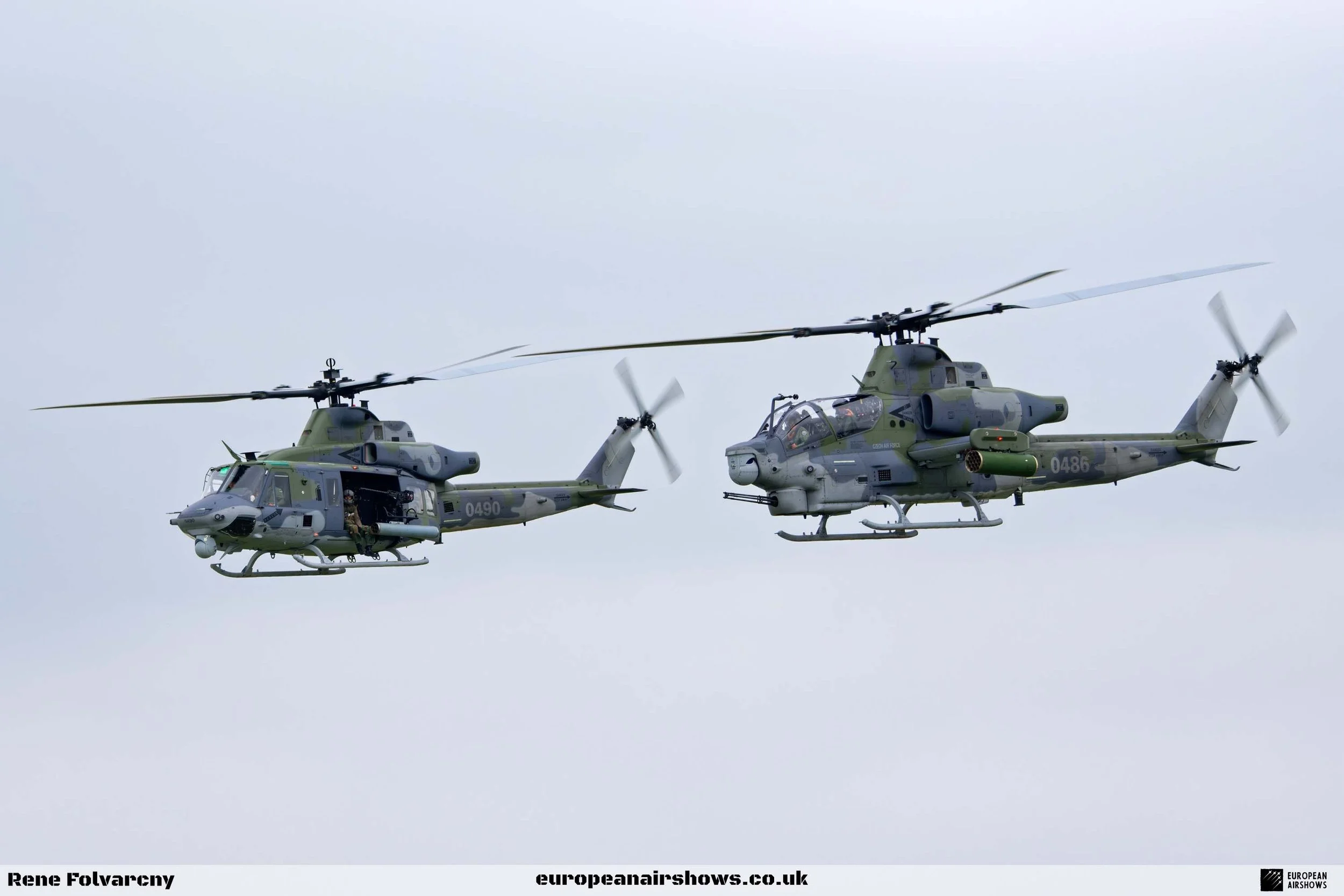
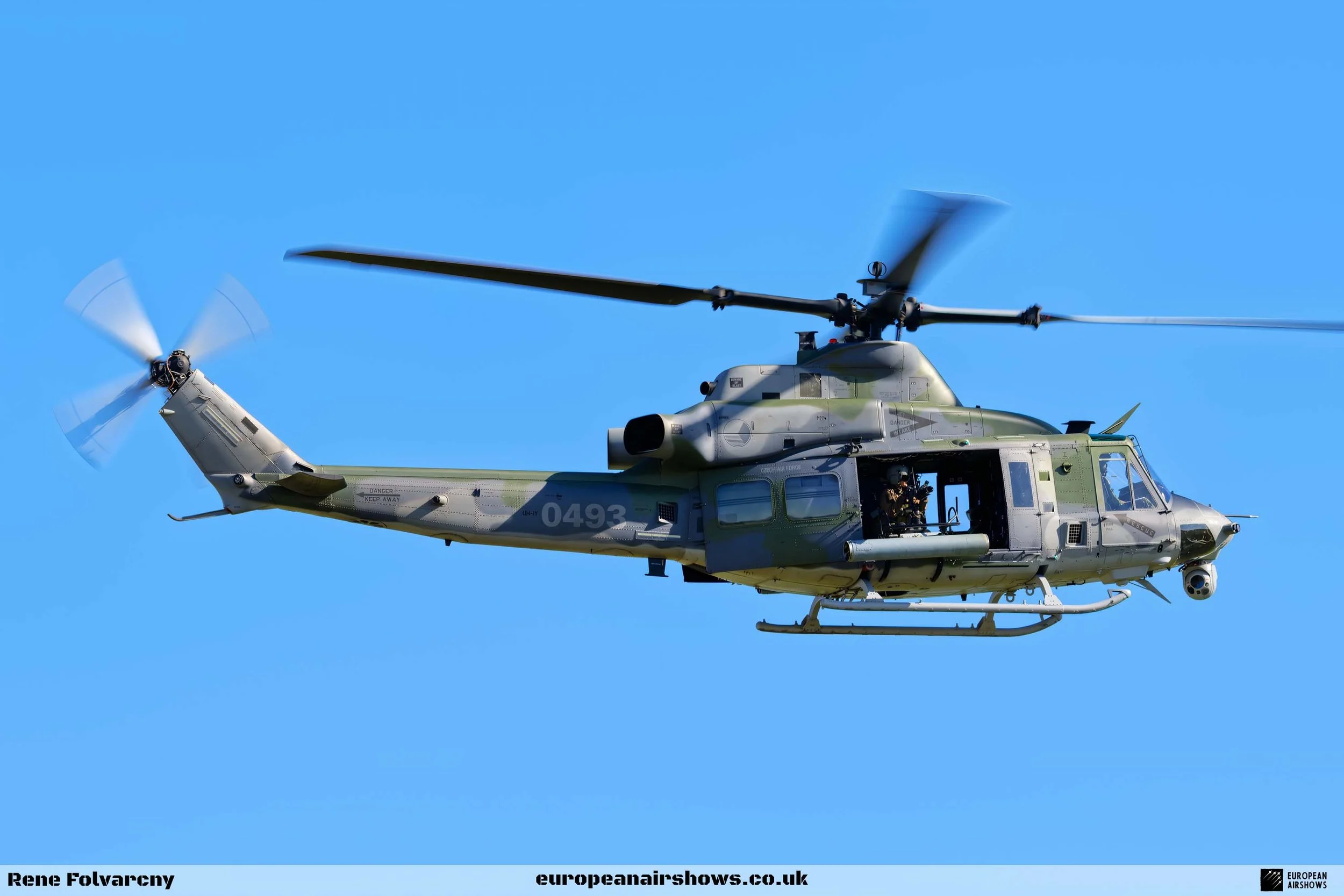
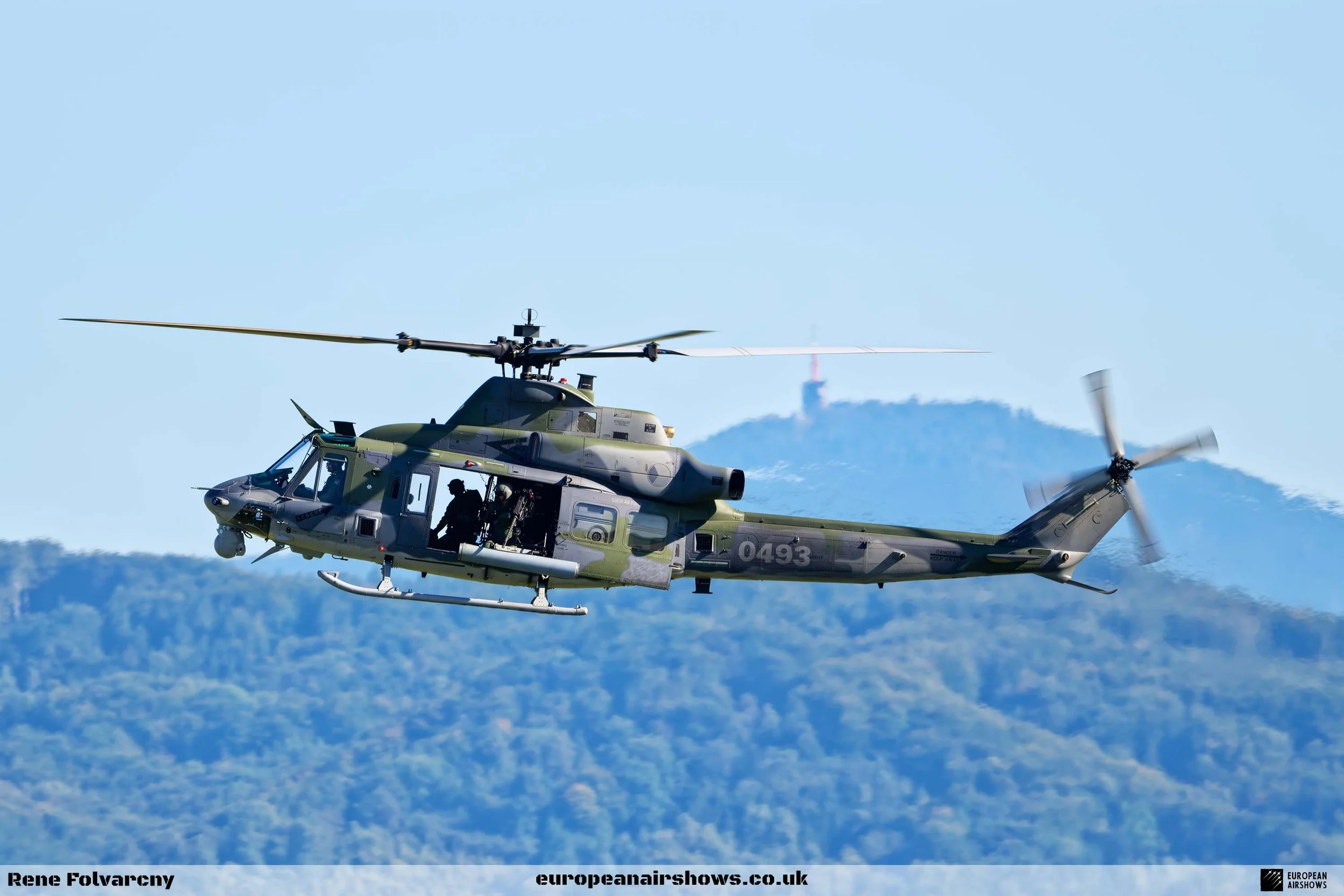
The most “NATO Days” moment of all was the integrated combat-style theatre: an “Attack on the front edge of defenses” scenario mixing the retiring BVP-2 fleet with the Czech Air Force’s brand-new H-1 system assets - Bell AH-1Z Viper and Bell UH-1Y Venom - plus the supporting rotary element, to show how modern capability is stitched together in real operations. That blend - hardware you can touch, then watch in action - continues to be the event’s secret weapon.
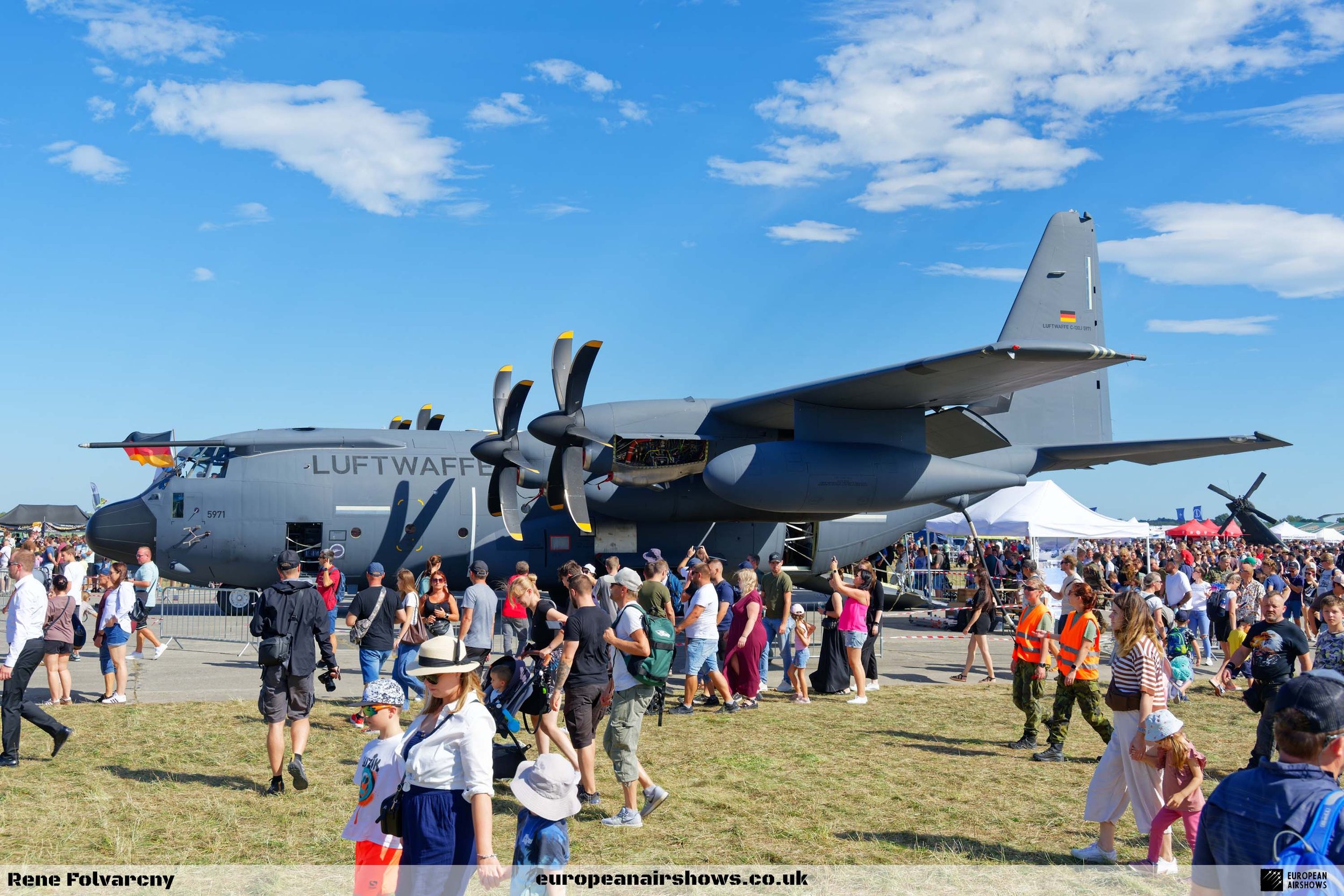
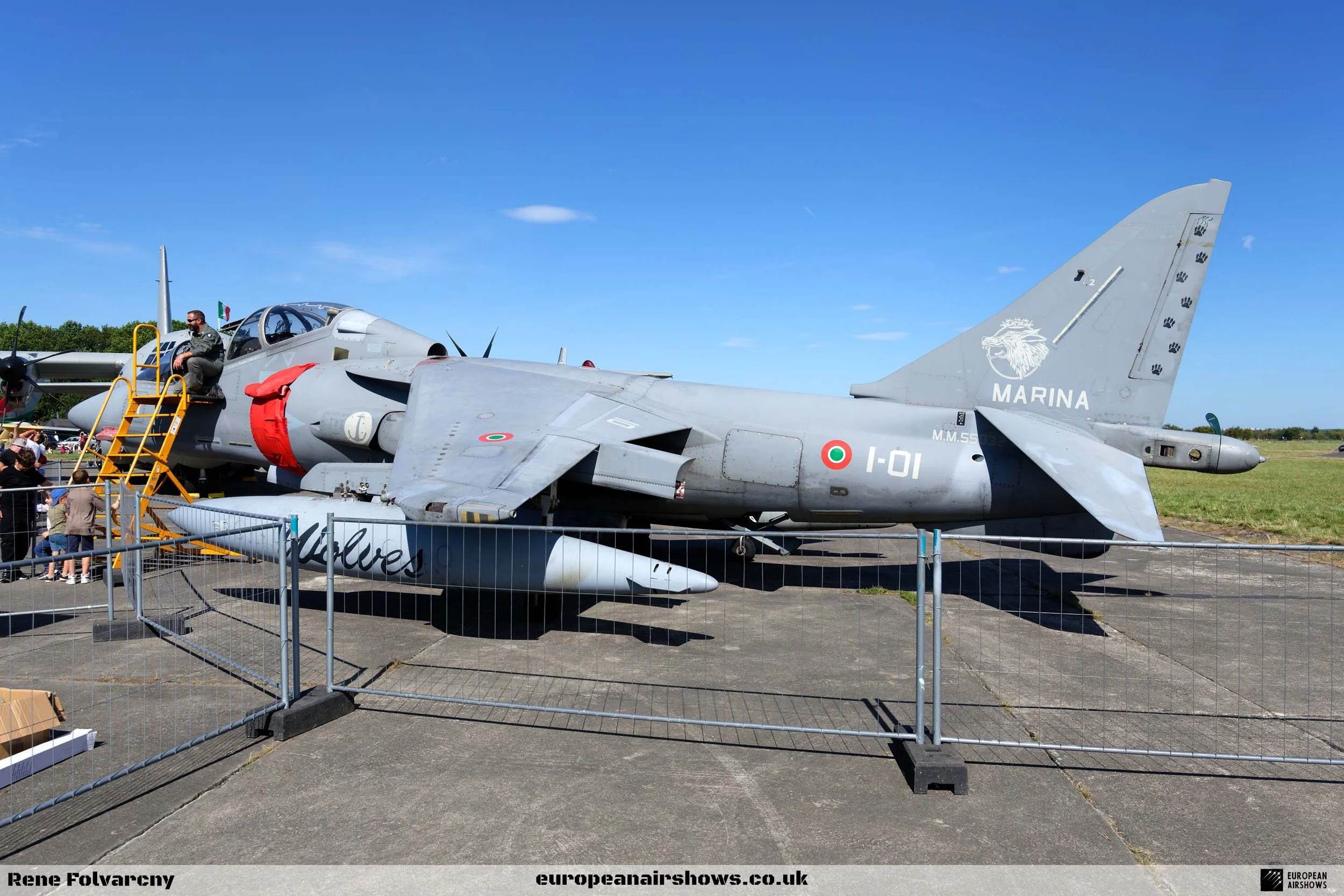
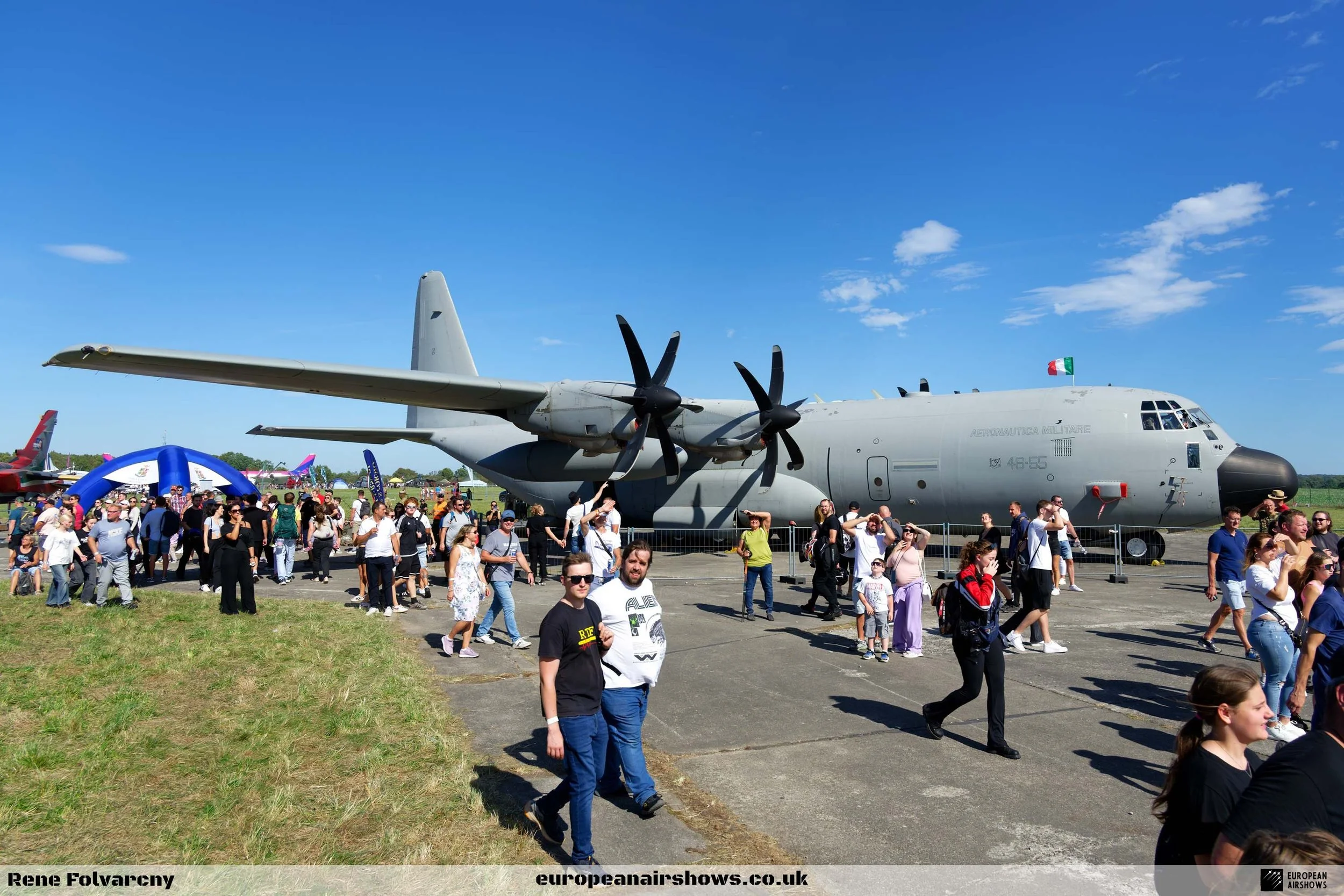
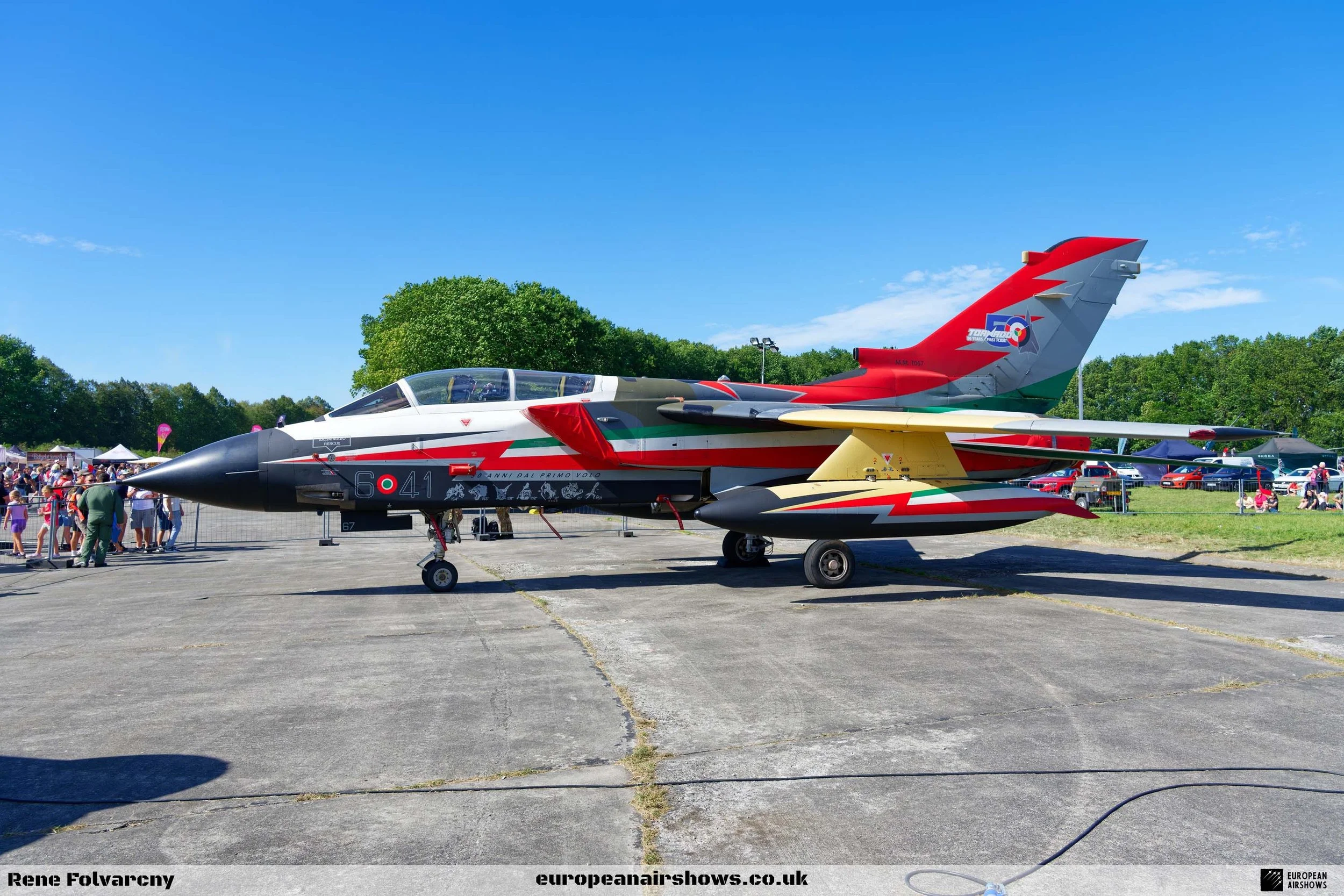
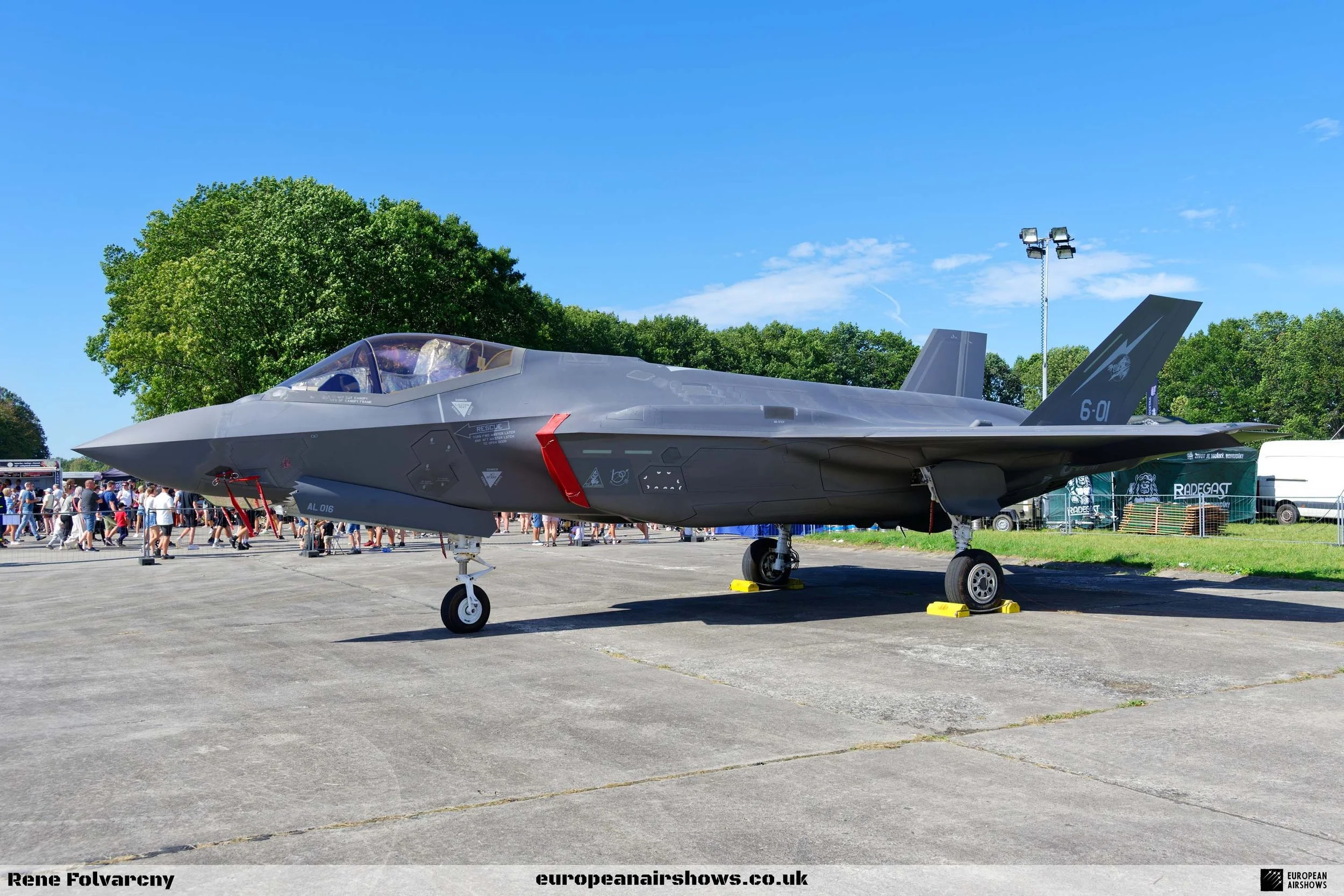
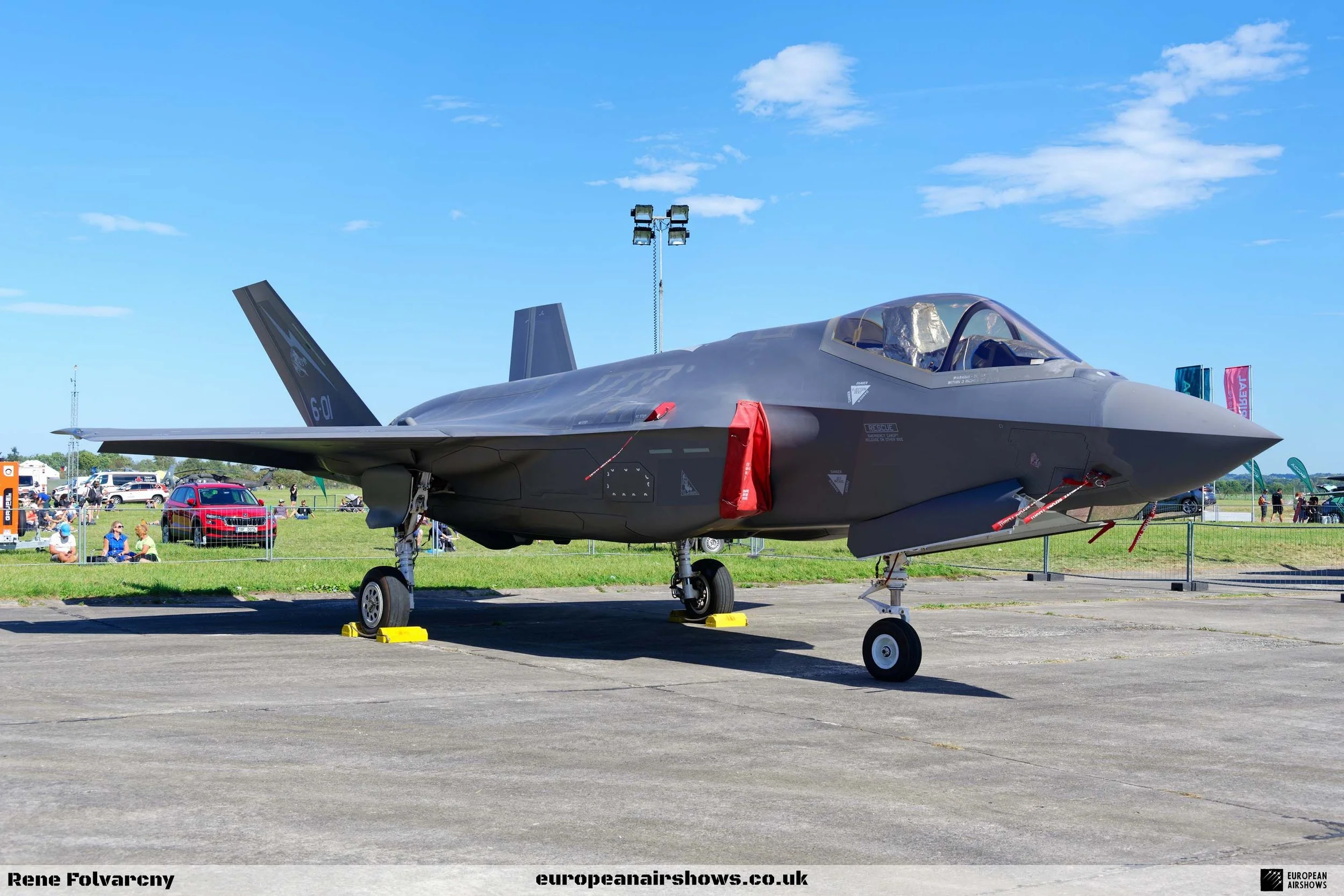
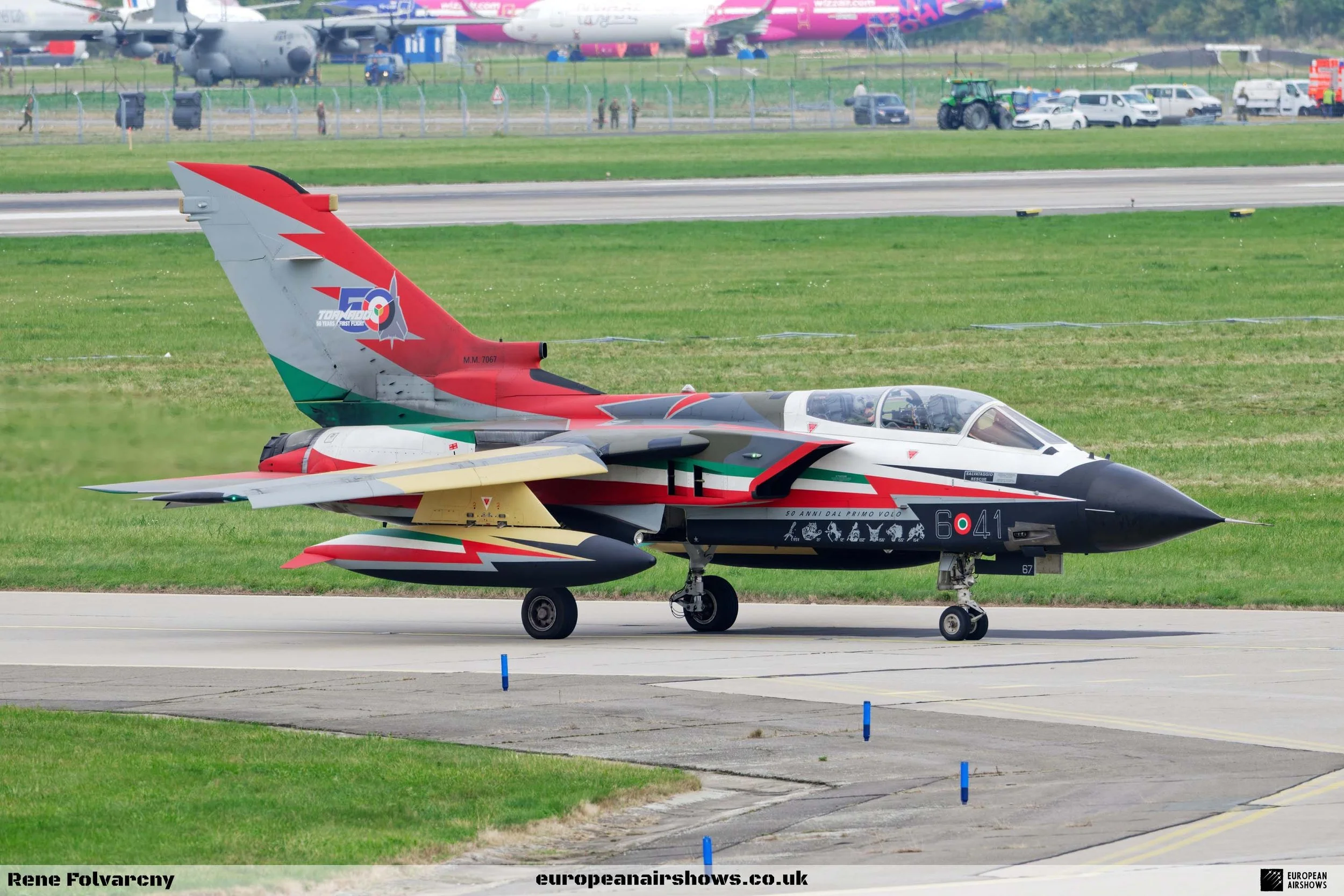
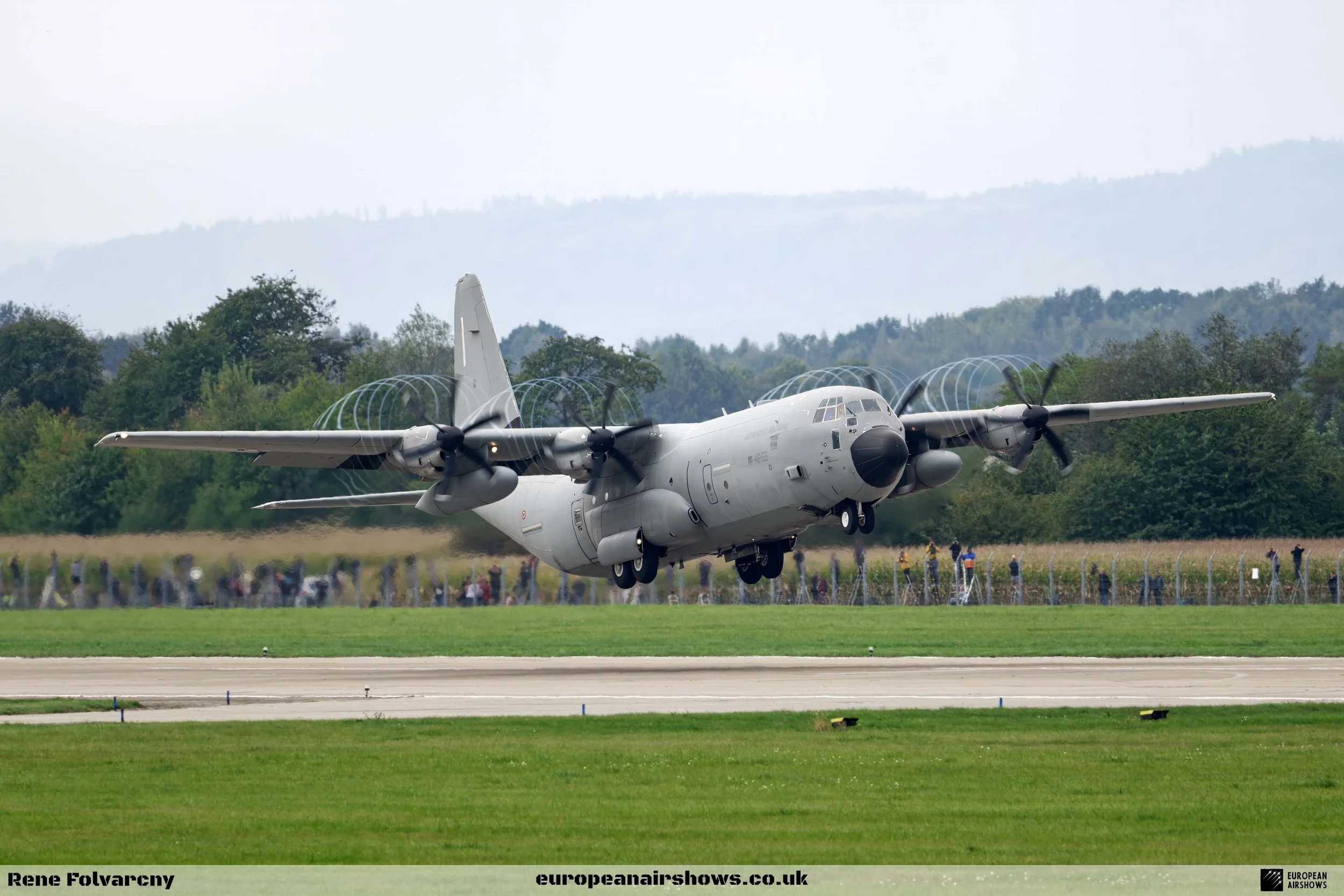
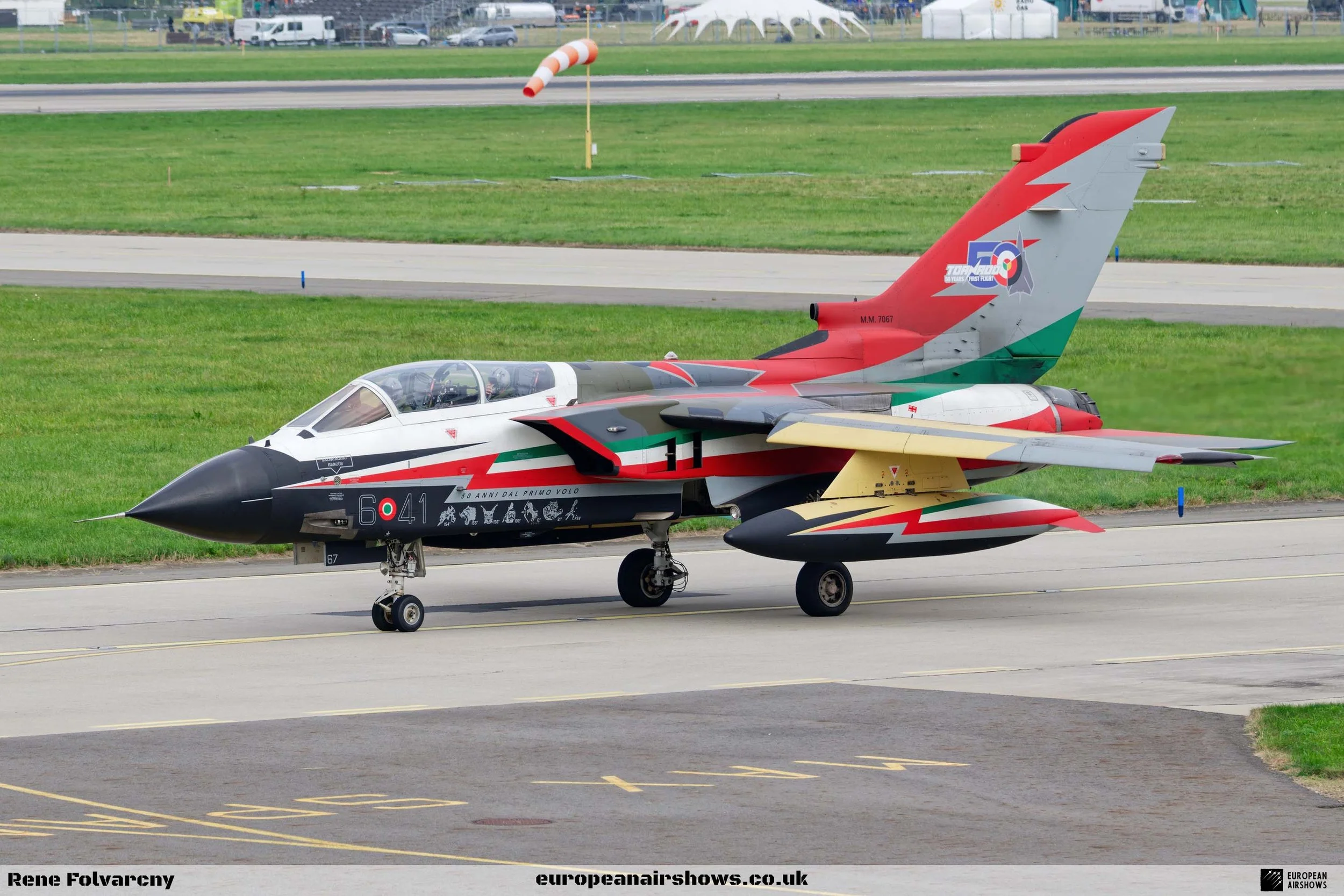
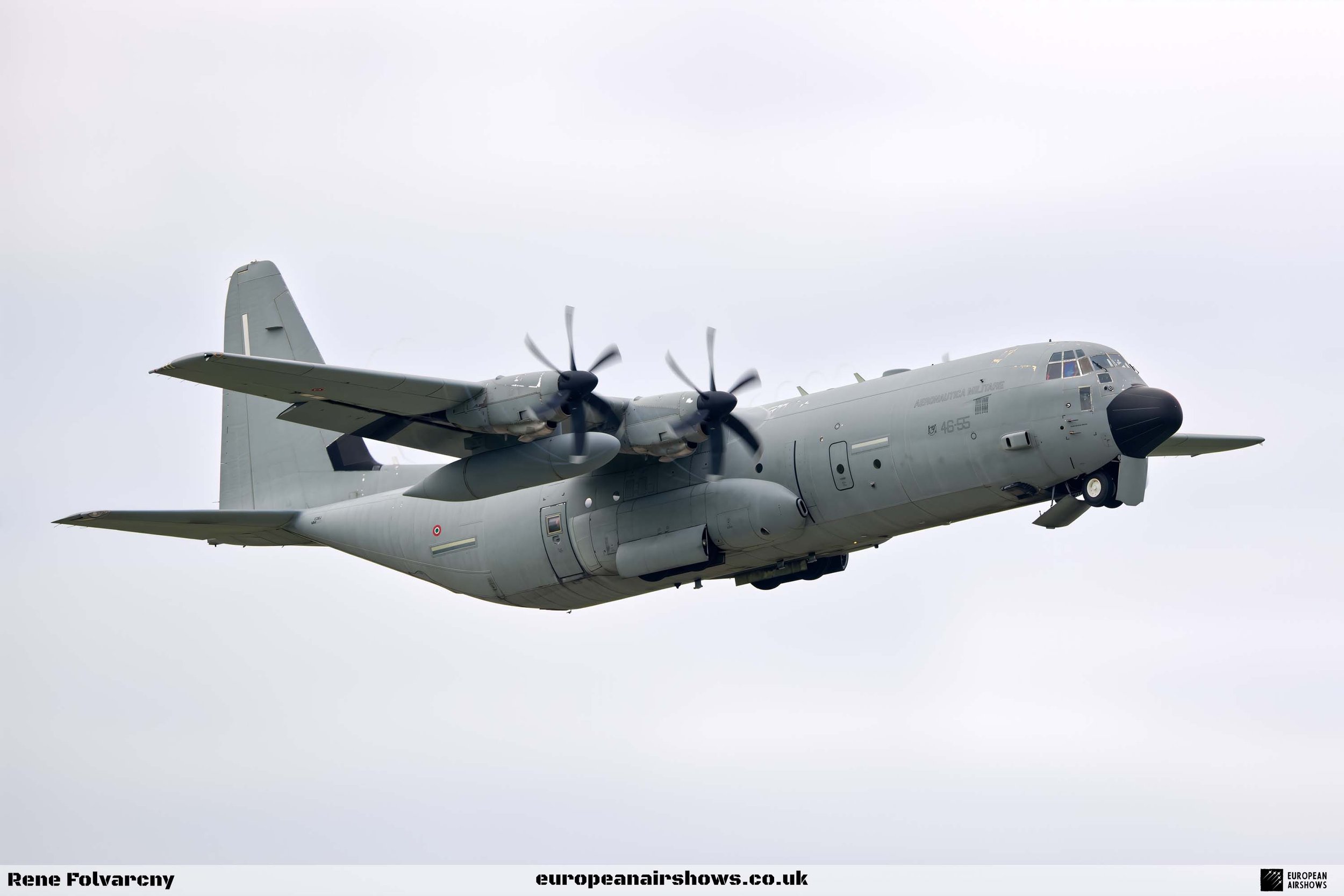
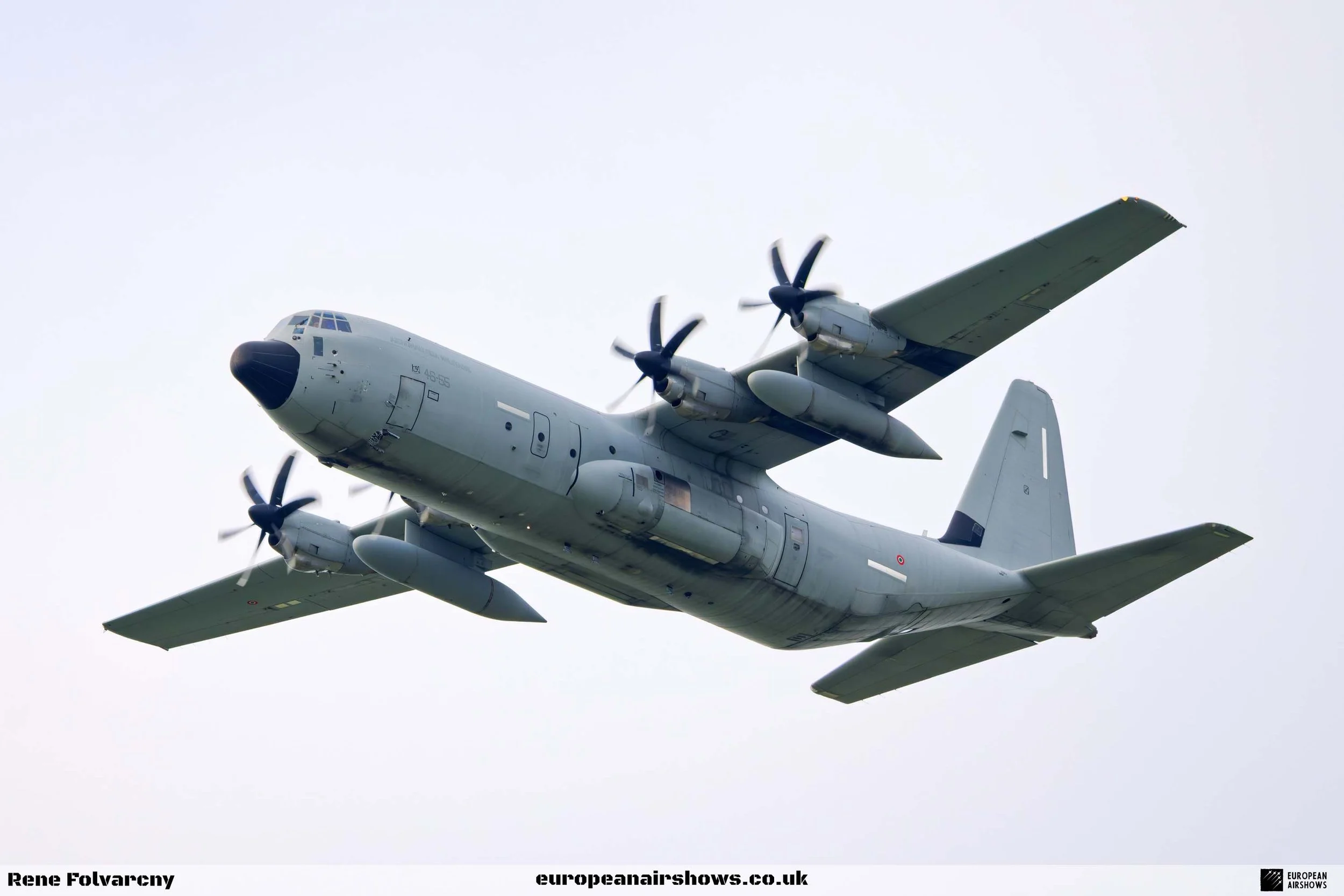
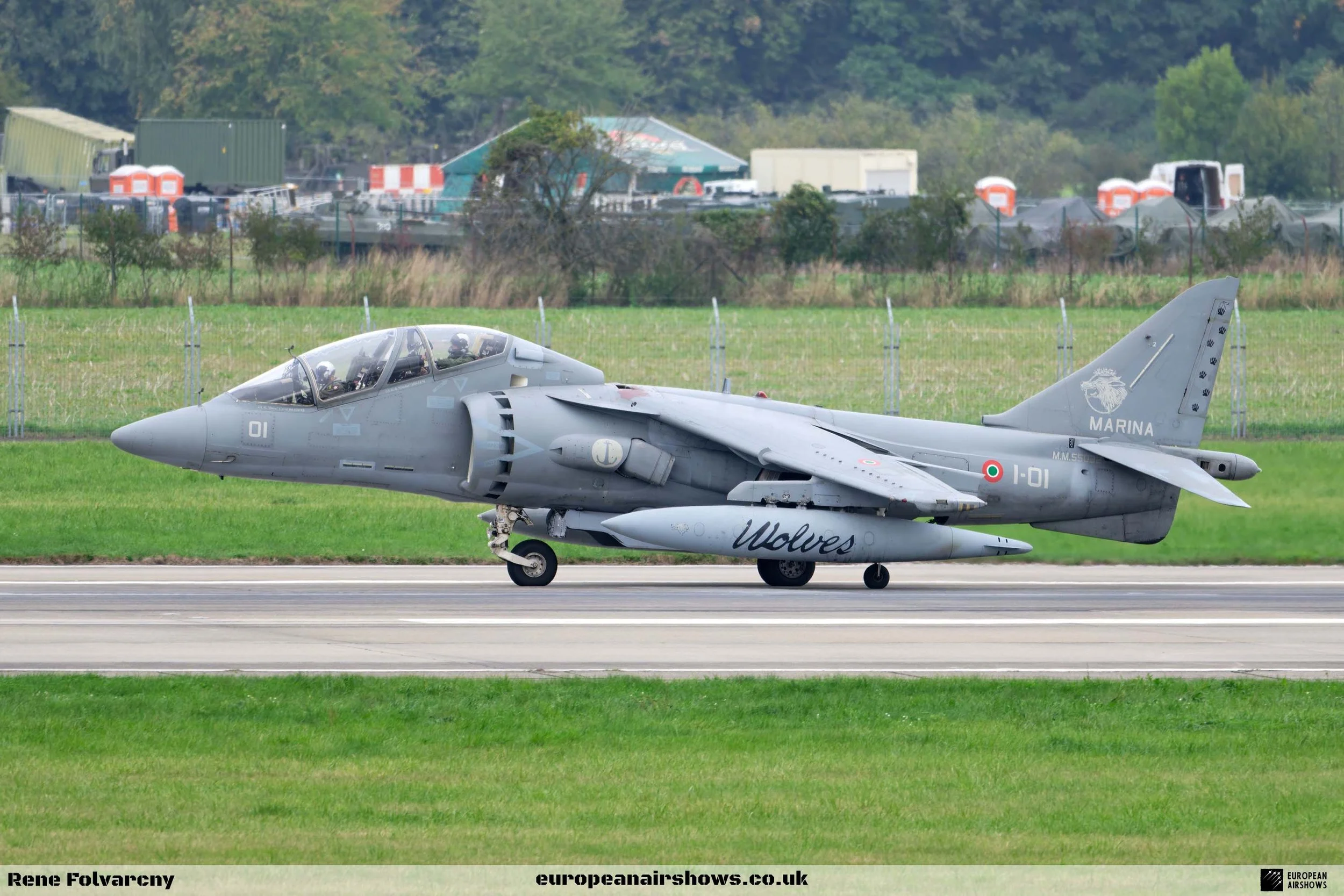
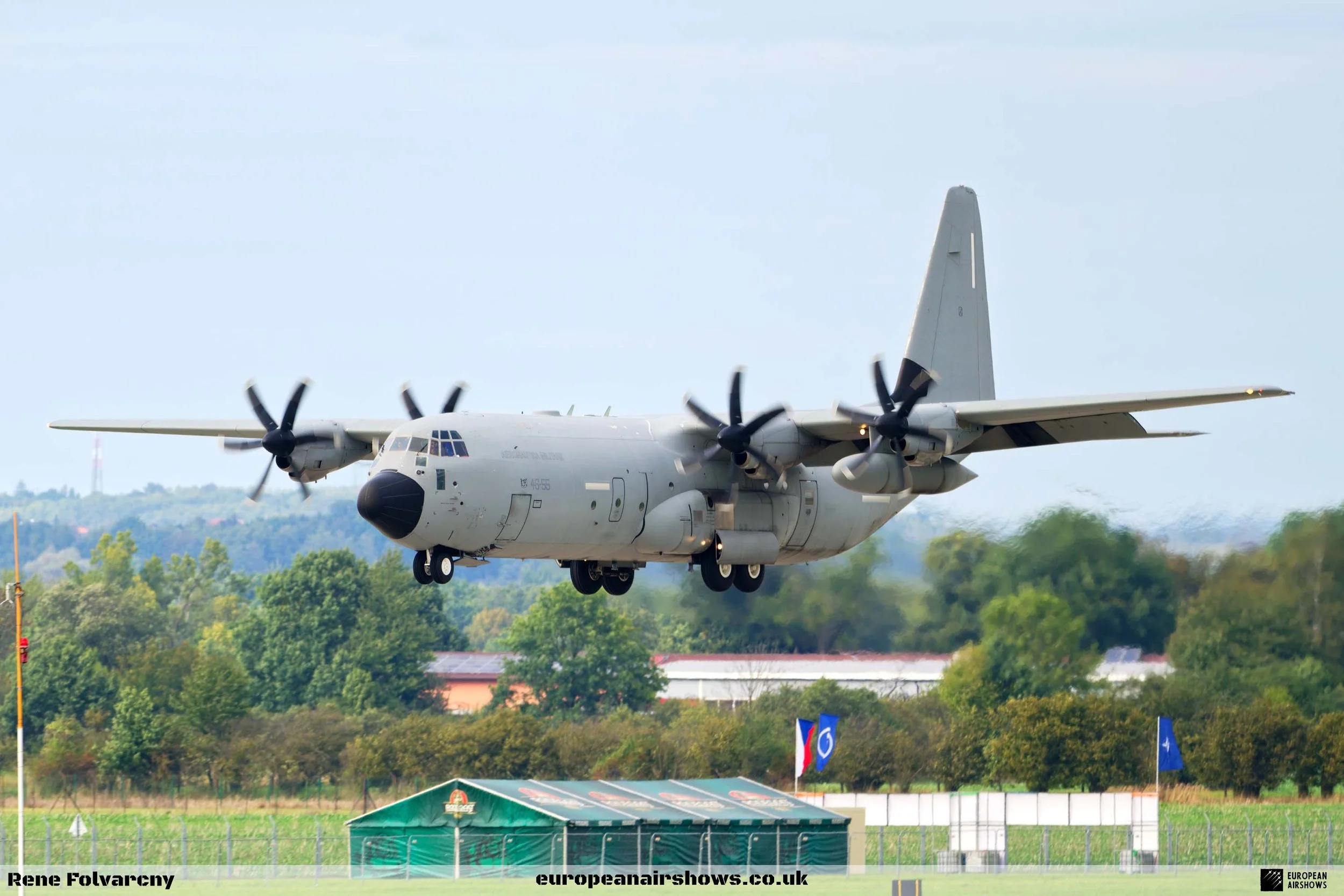
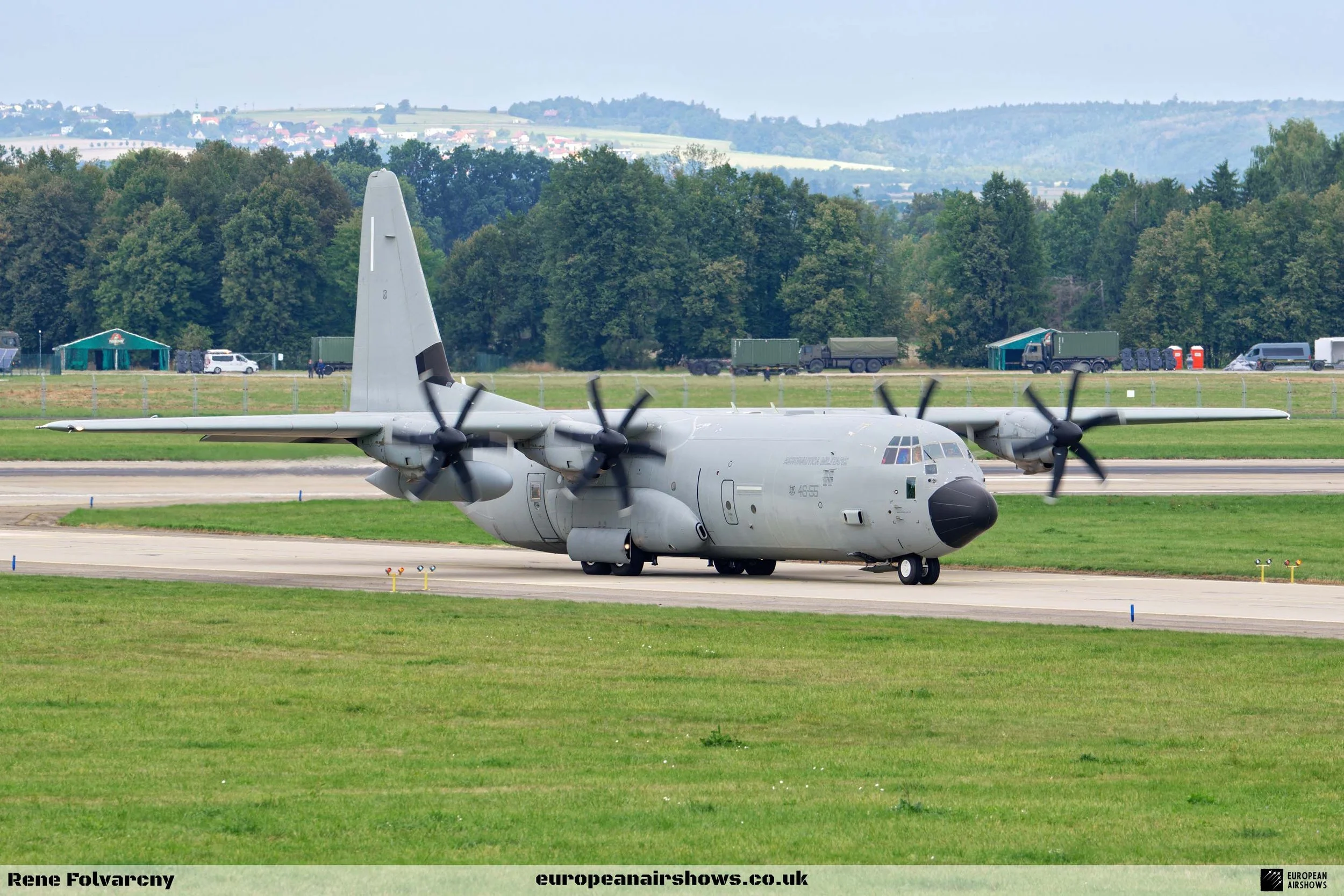
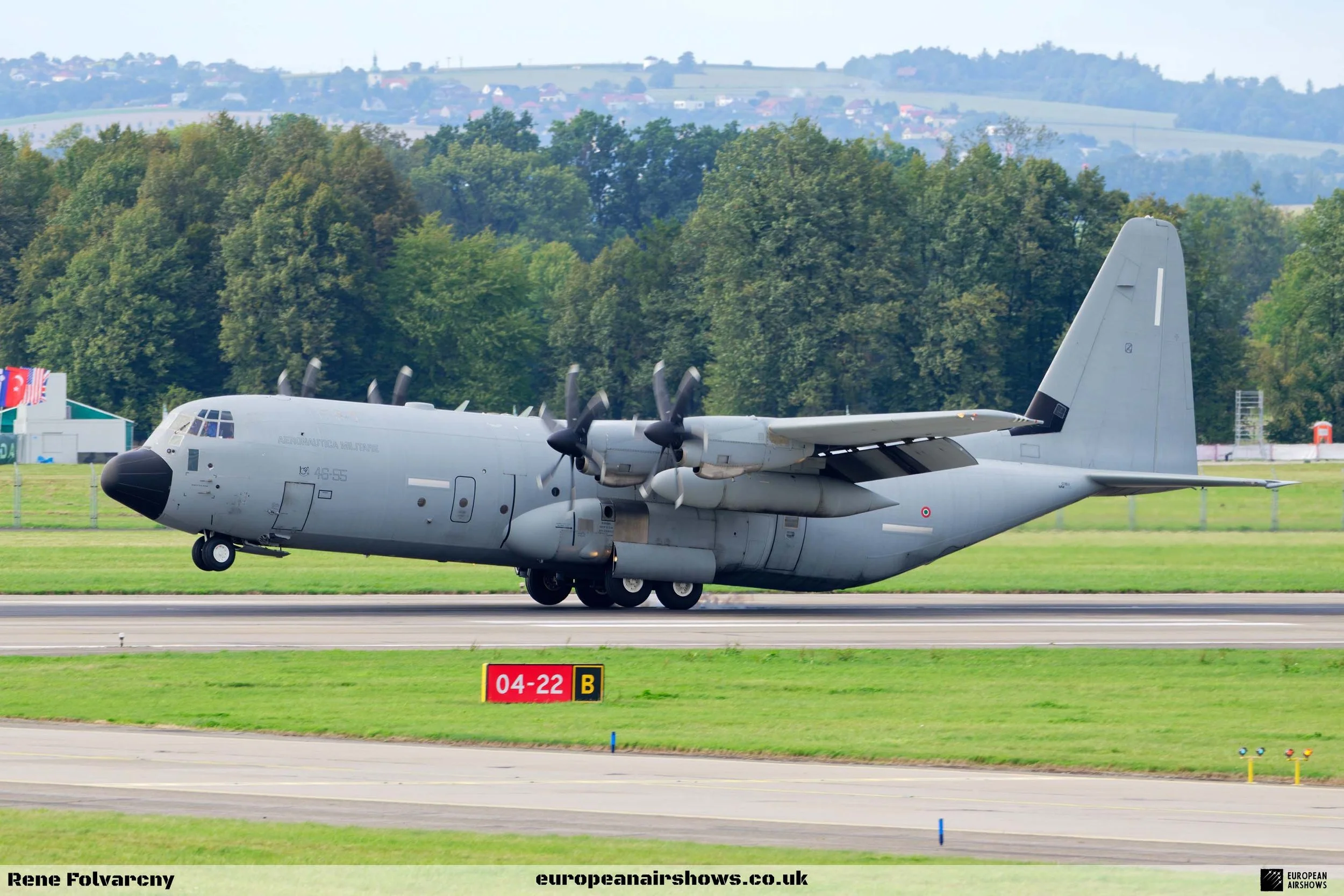
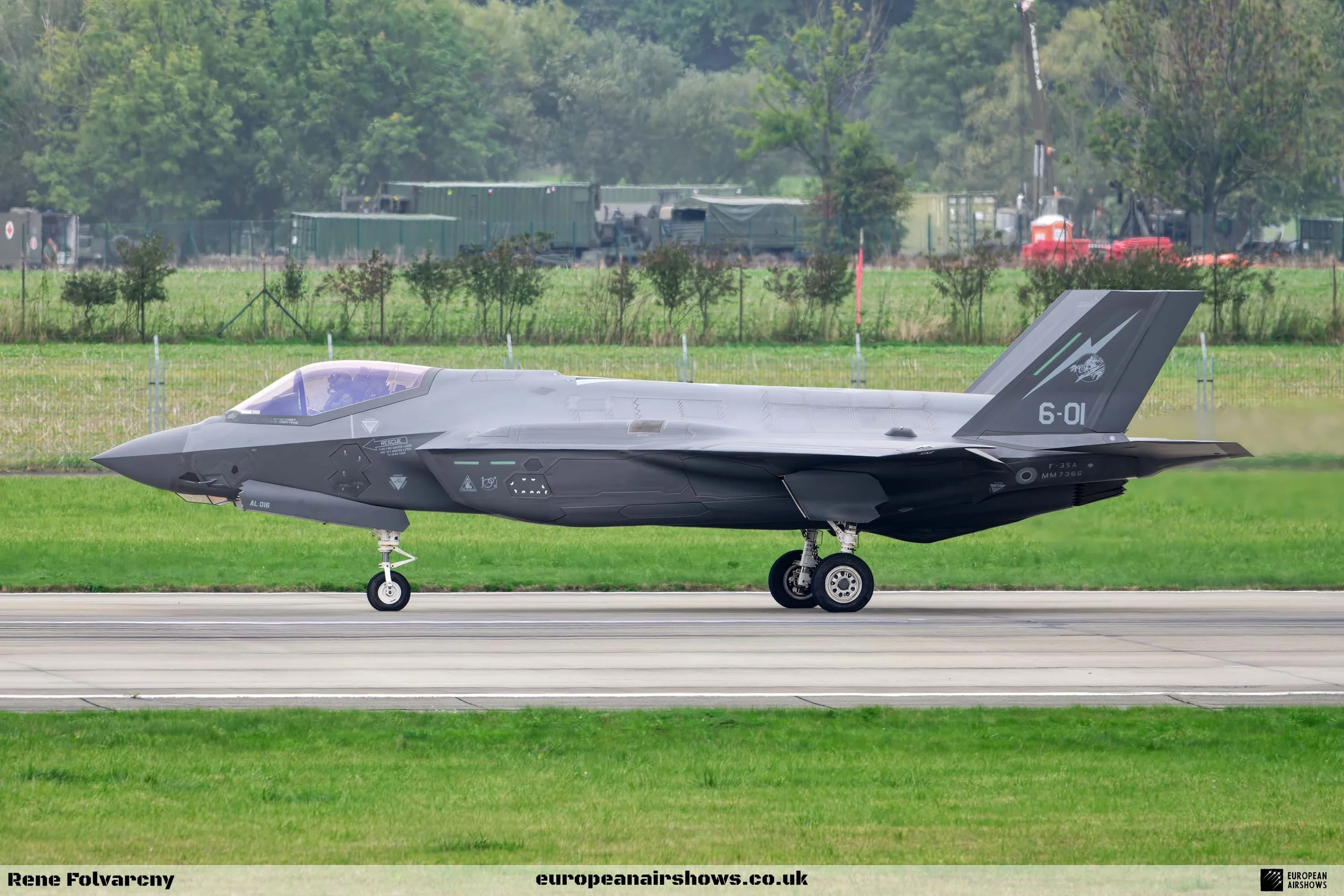
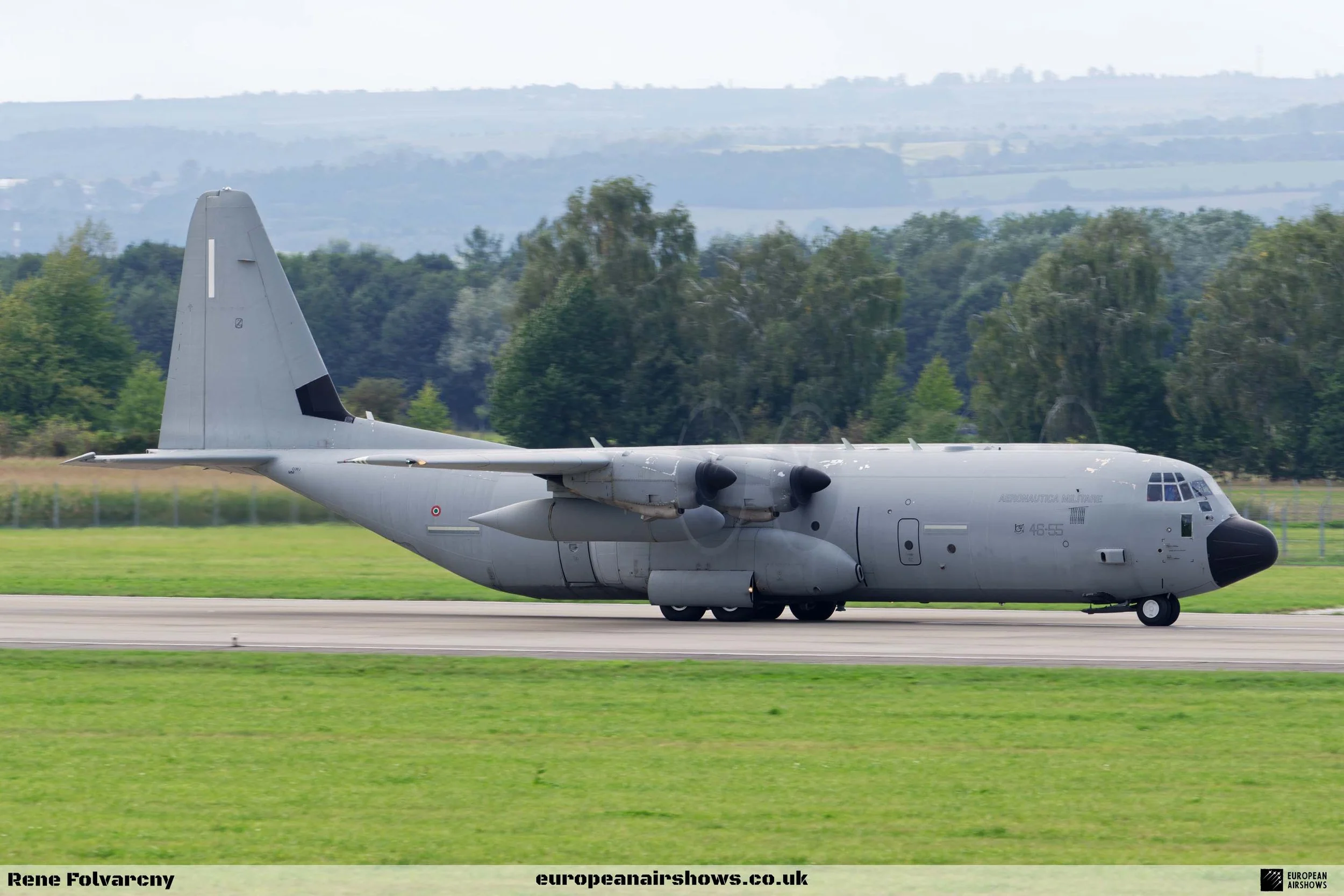
Static display strength is where 2025 really separated itself, because Italy didn’t just “turn up”—it arrived. The Special Partner Nation line-up included the static crowd-magnets Lockheed Martin F-35A Lightning II, Panavia Tornado, Lockheed Martin C-130J Super Hercules, and the rare two-seat TAV-8B Harrier II, plus support presence like the Piaggio P.180 Avanti. On the ground side, Italy also brought heavyweight firsts for Czech audiences with the C1 Ariete and B1 Centauro.
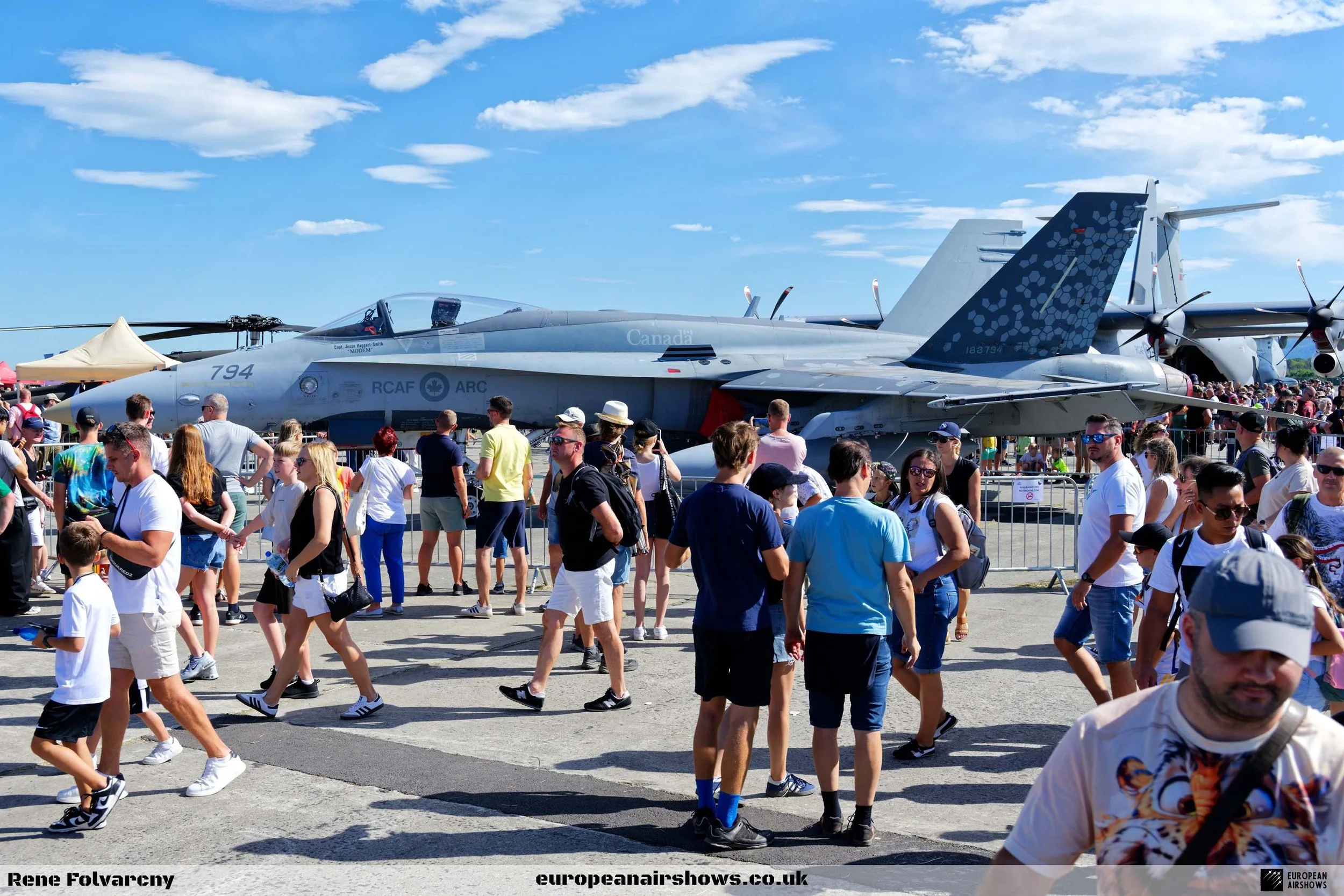
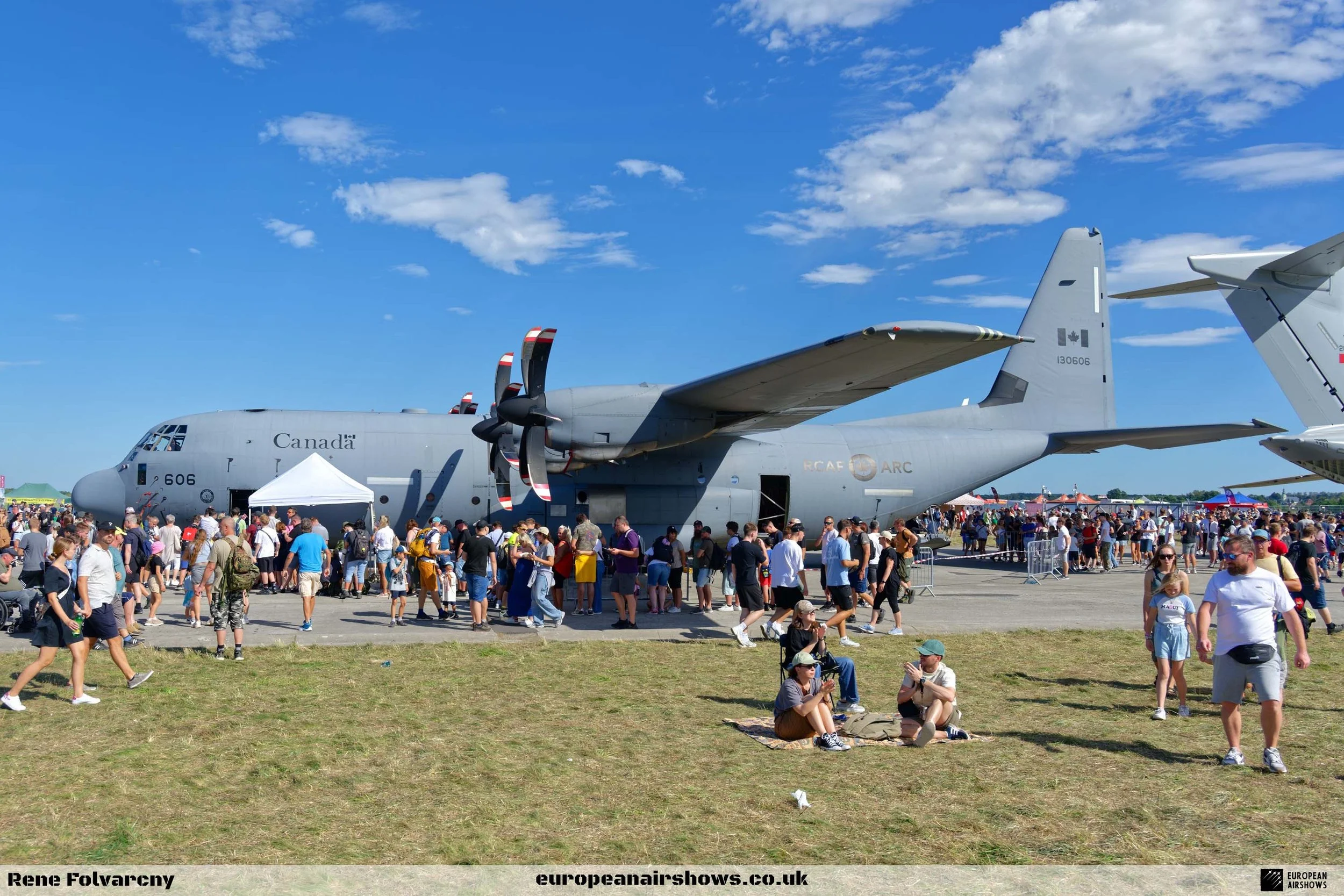
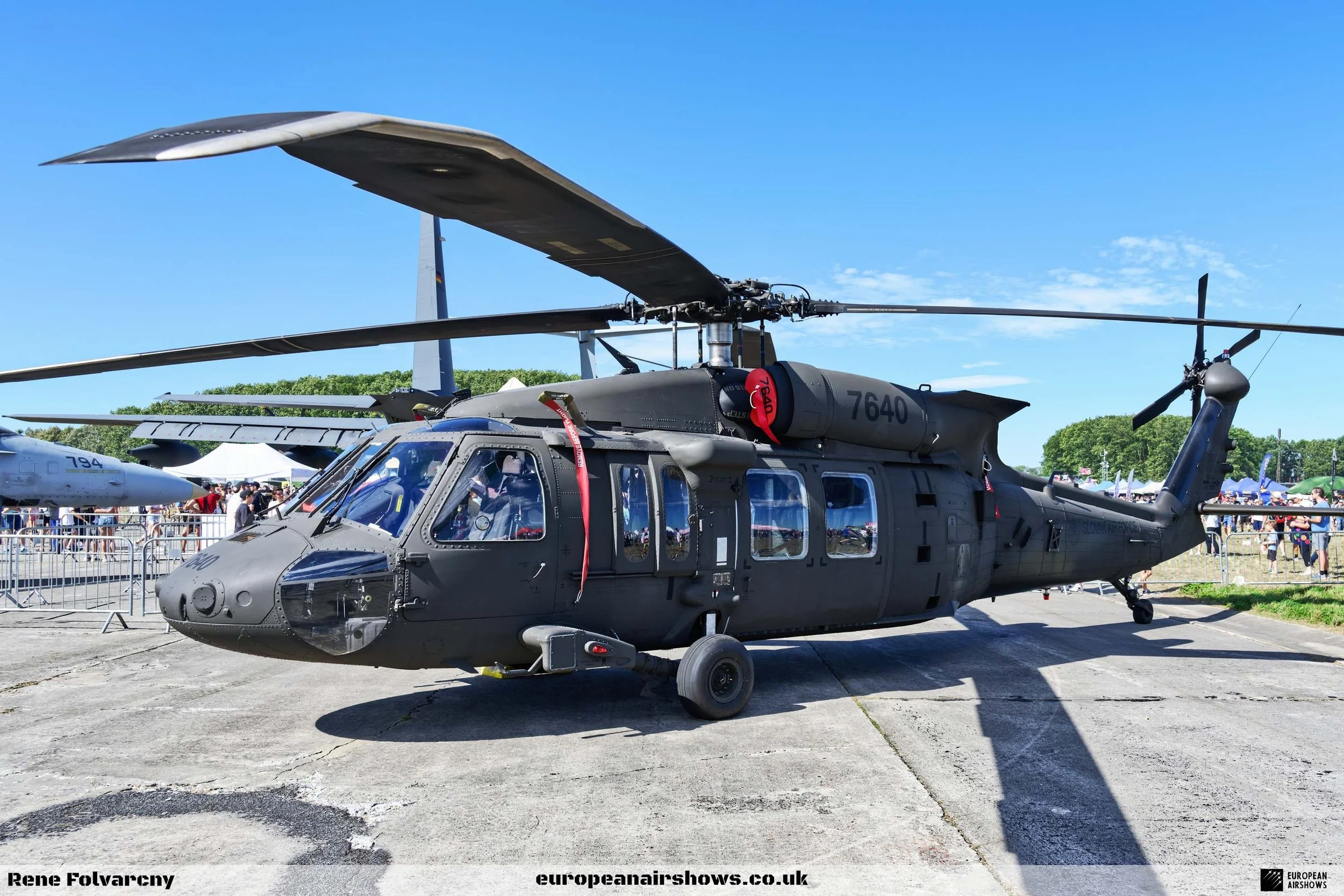
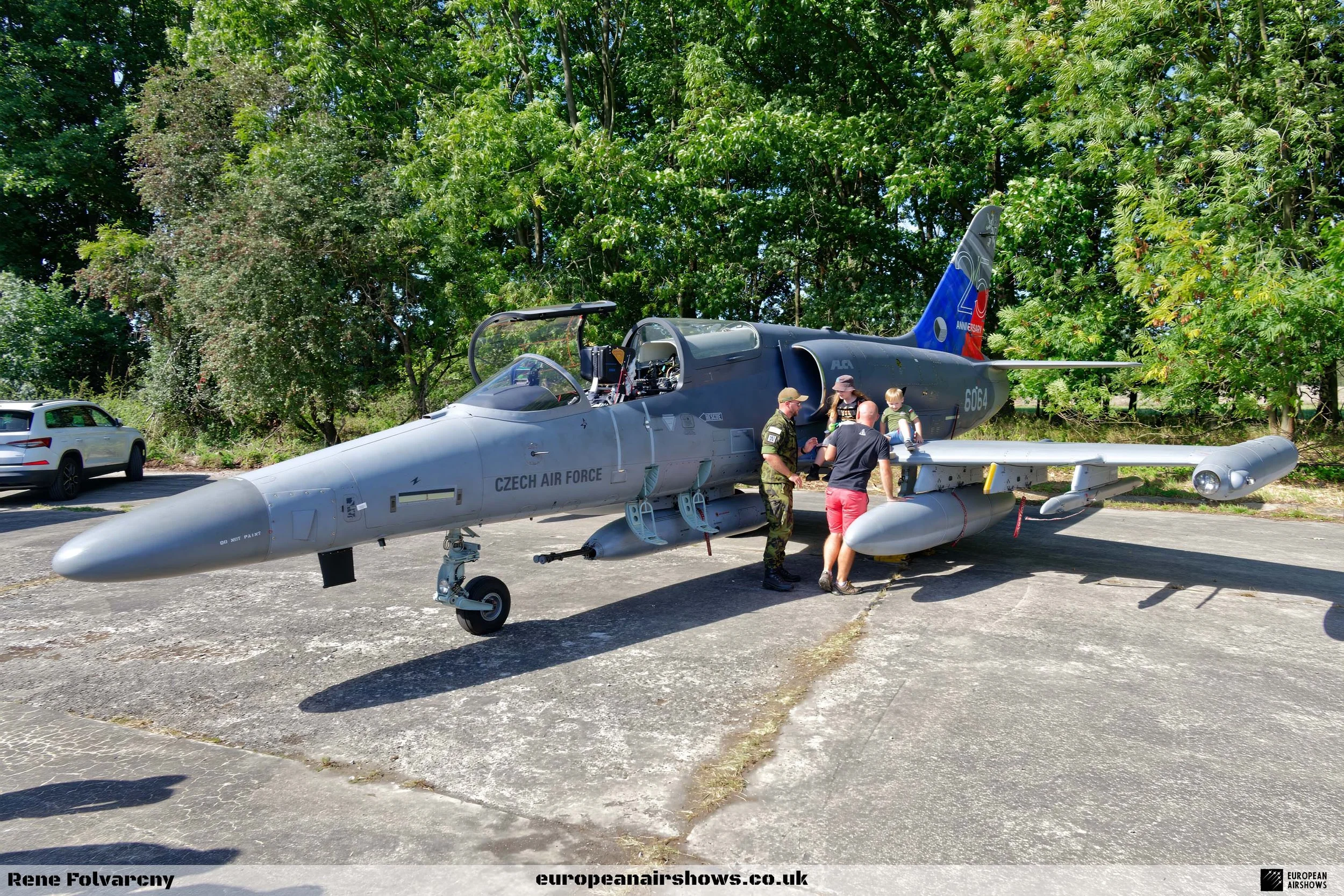
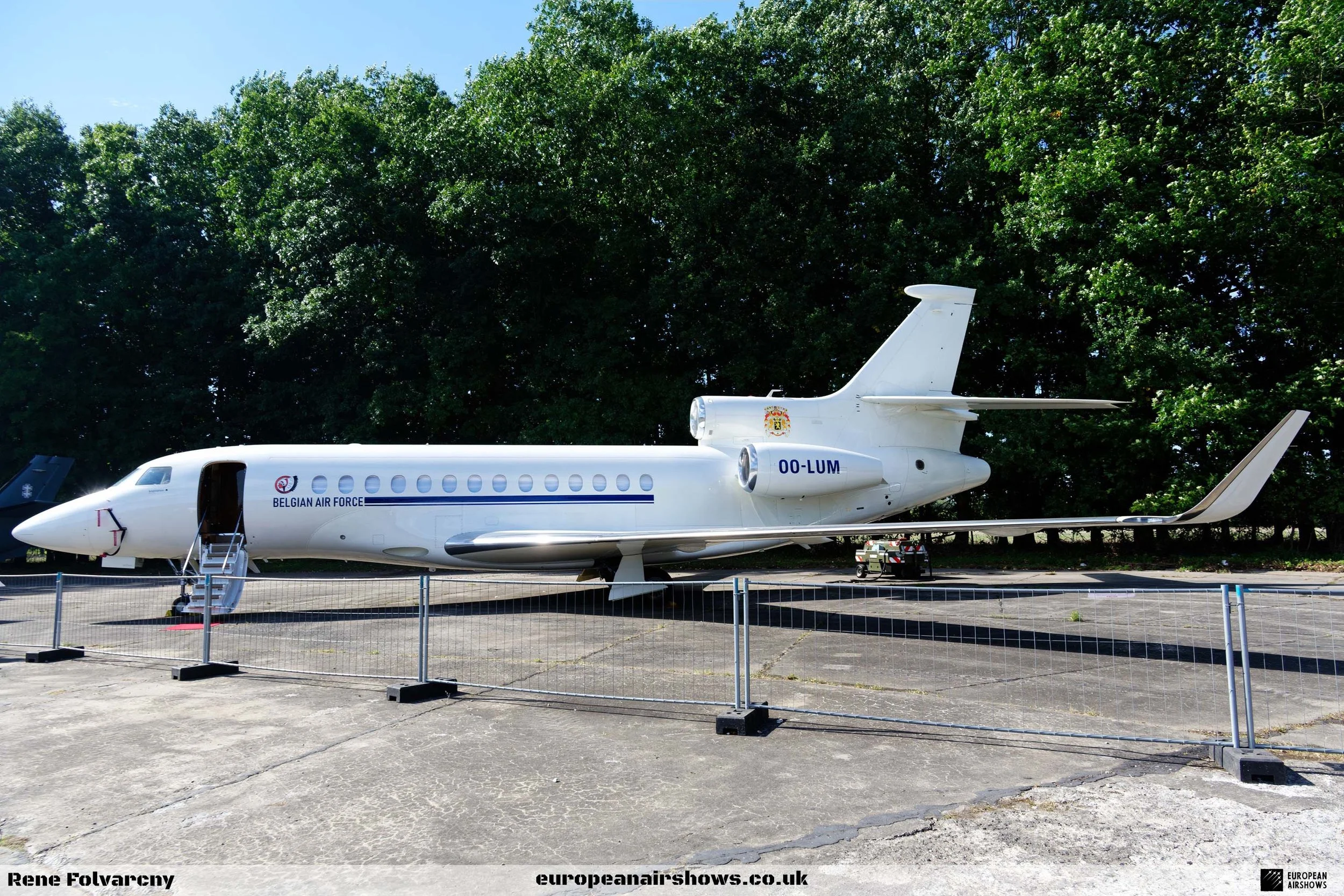
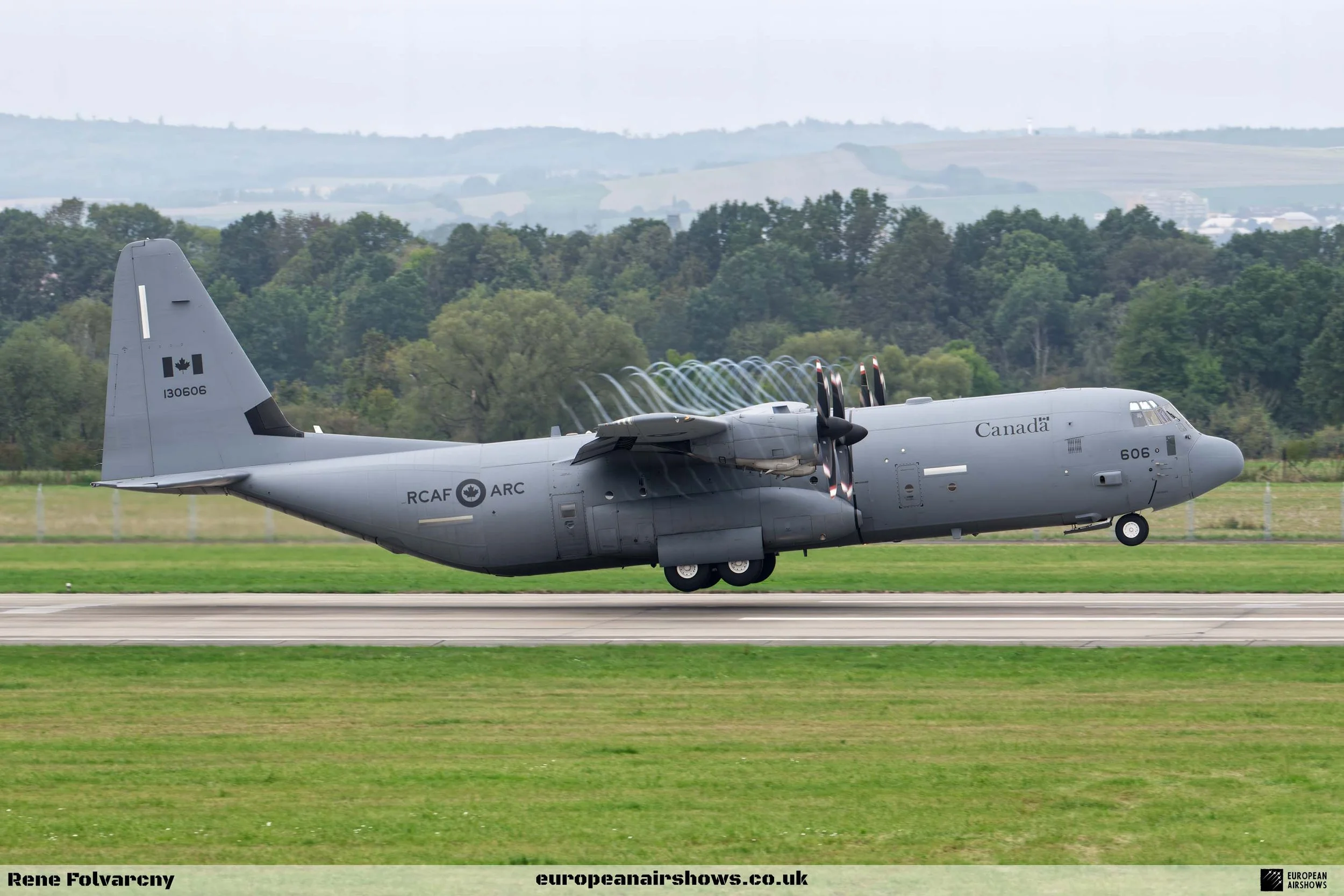
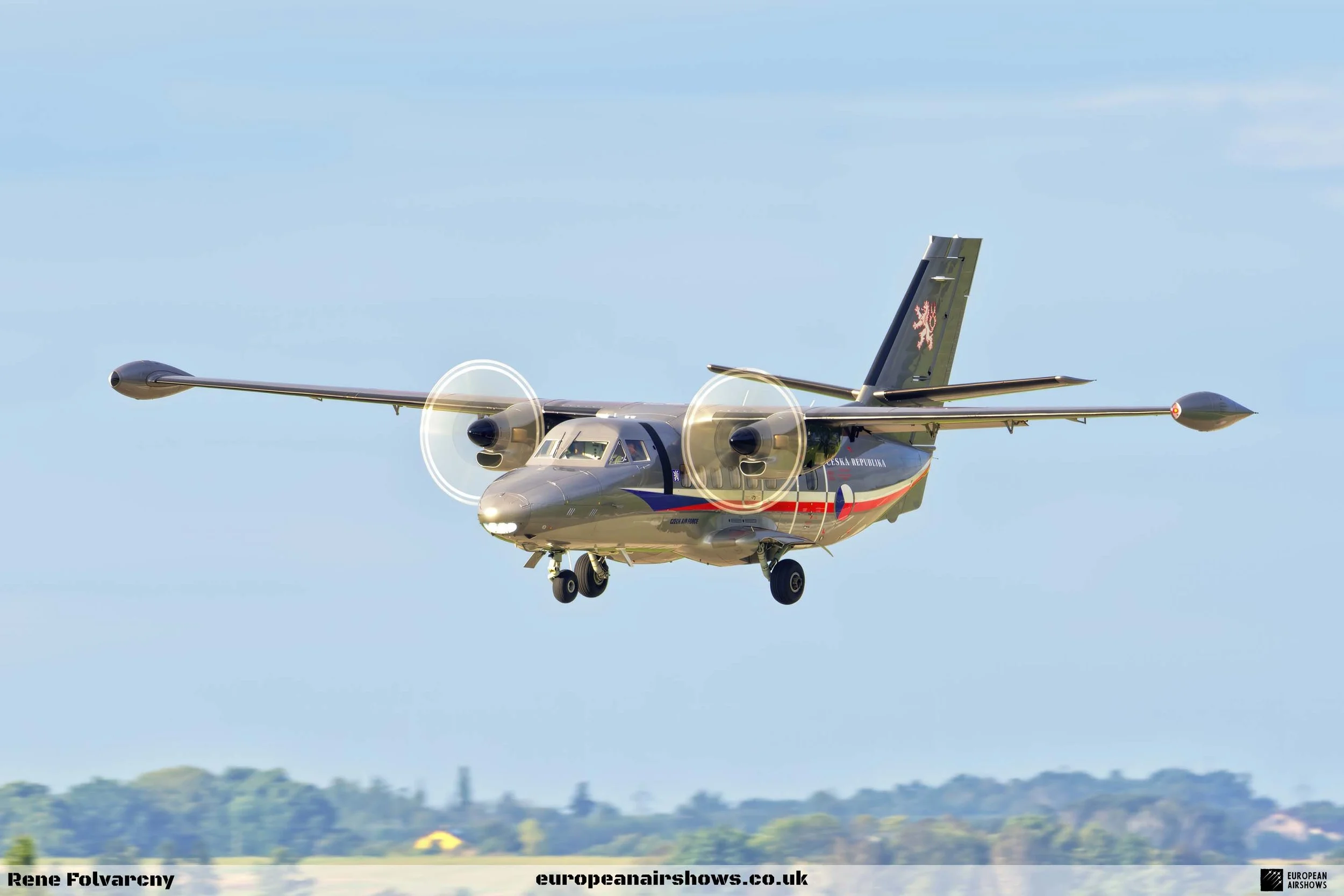
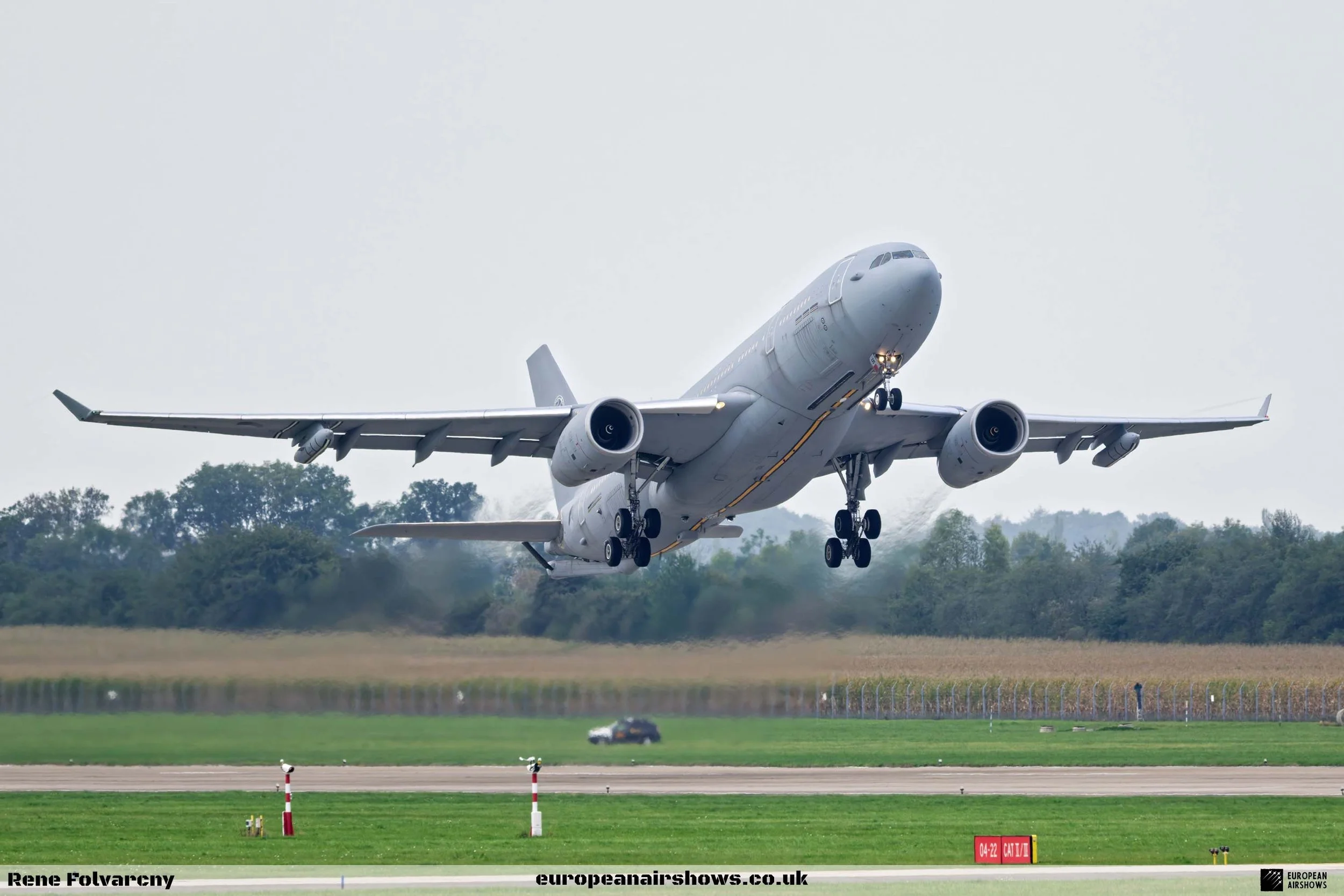
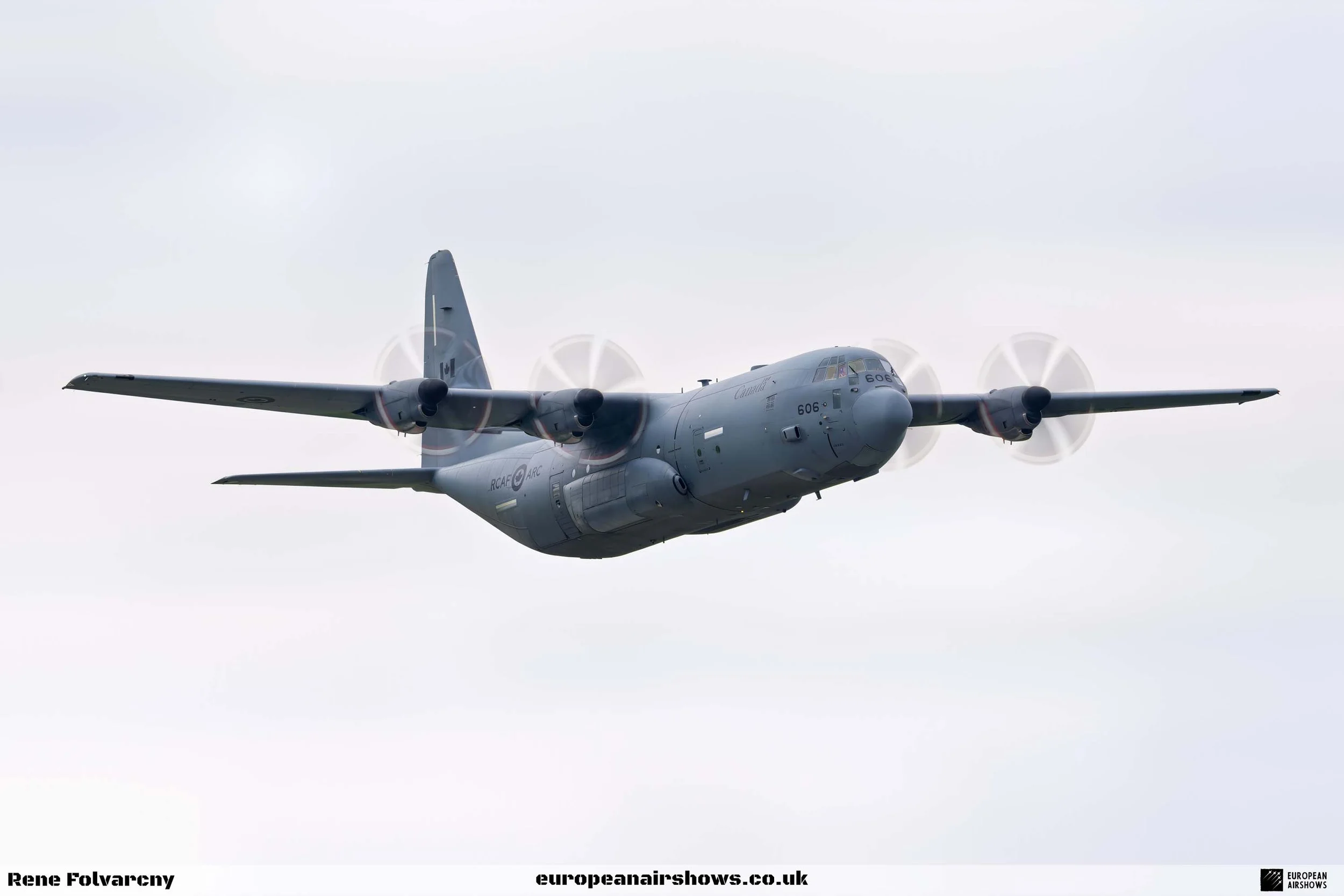
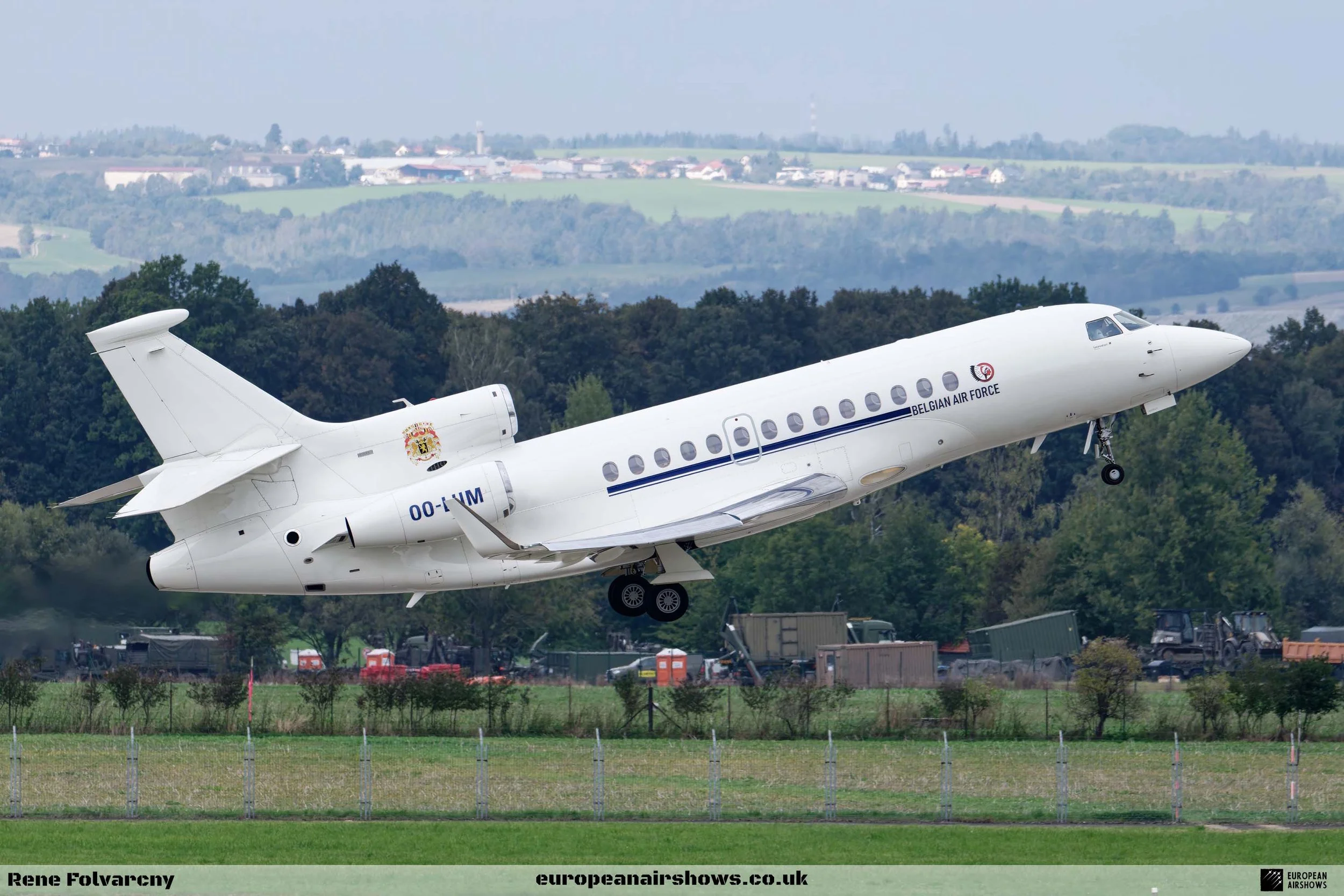
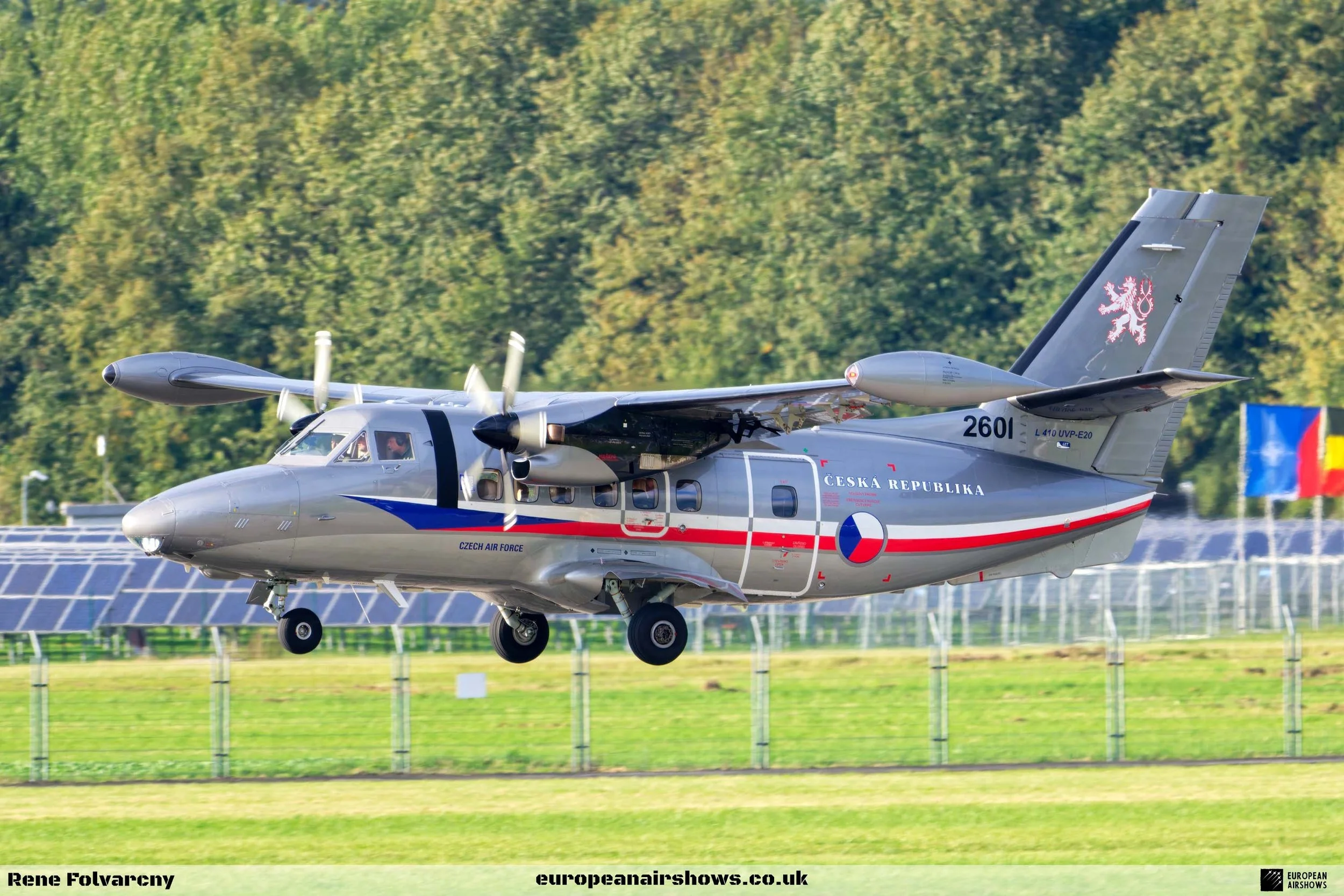
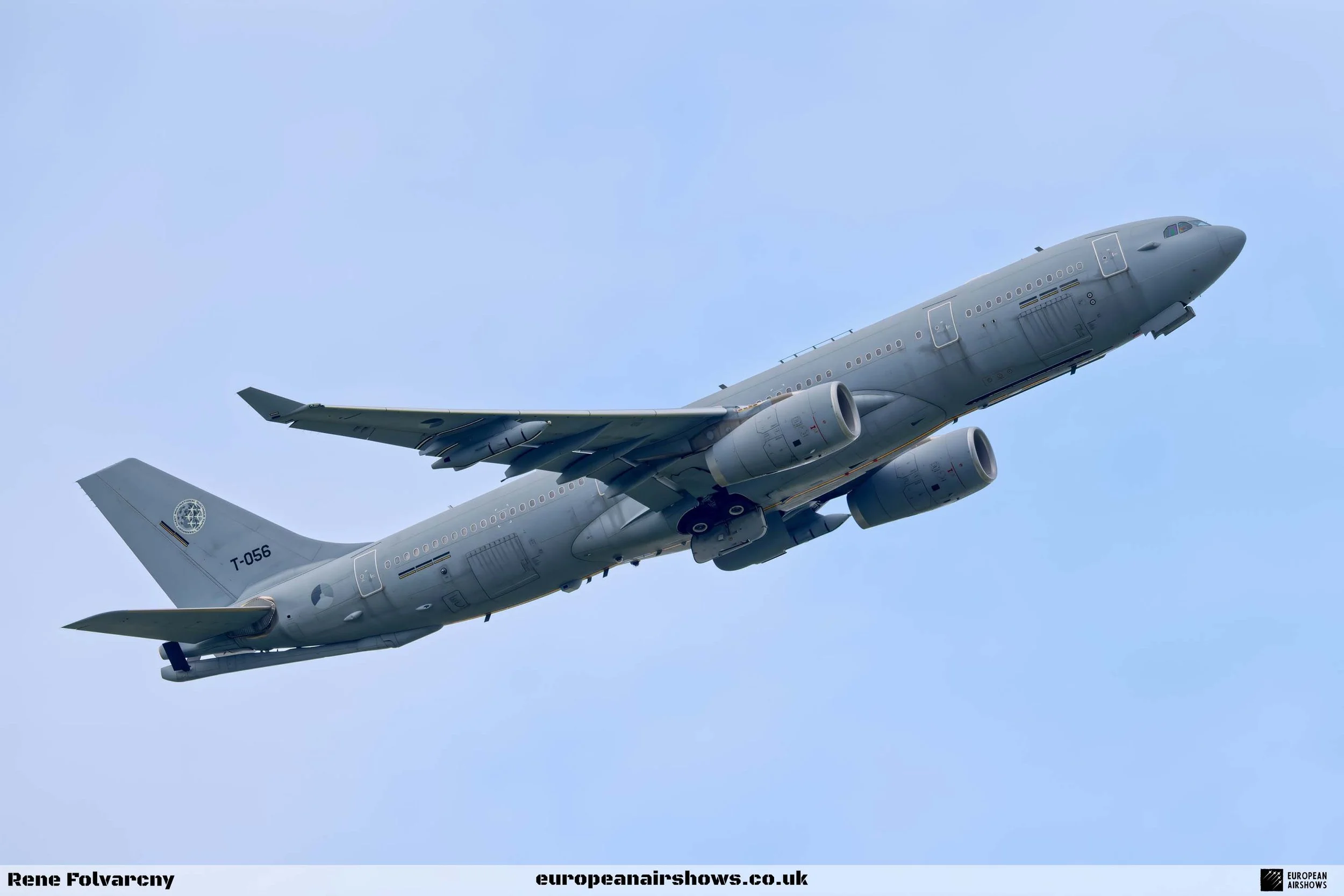
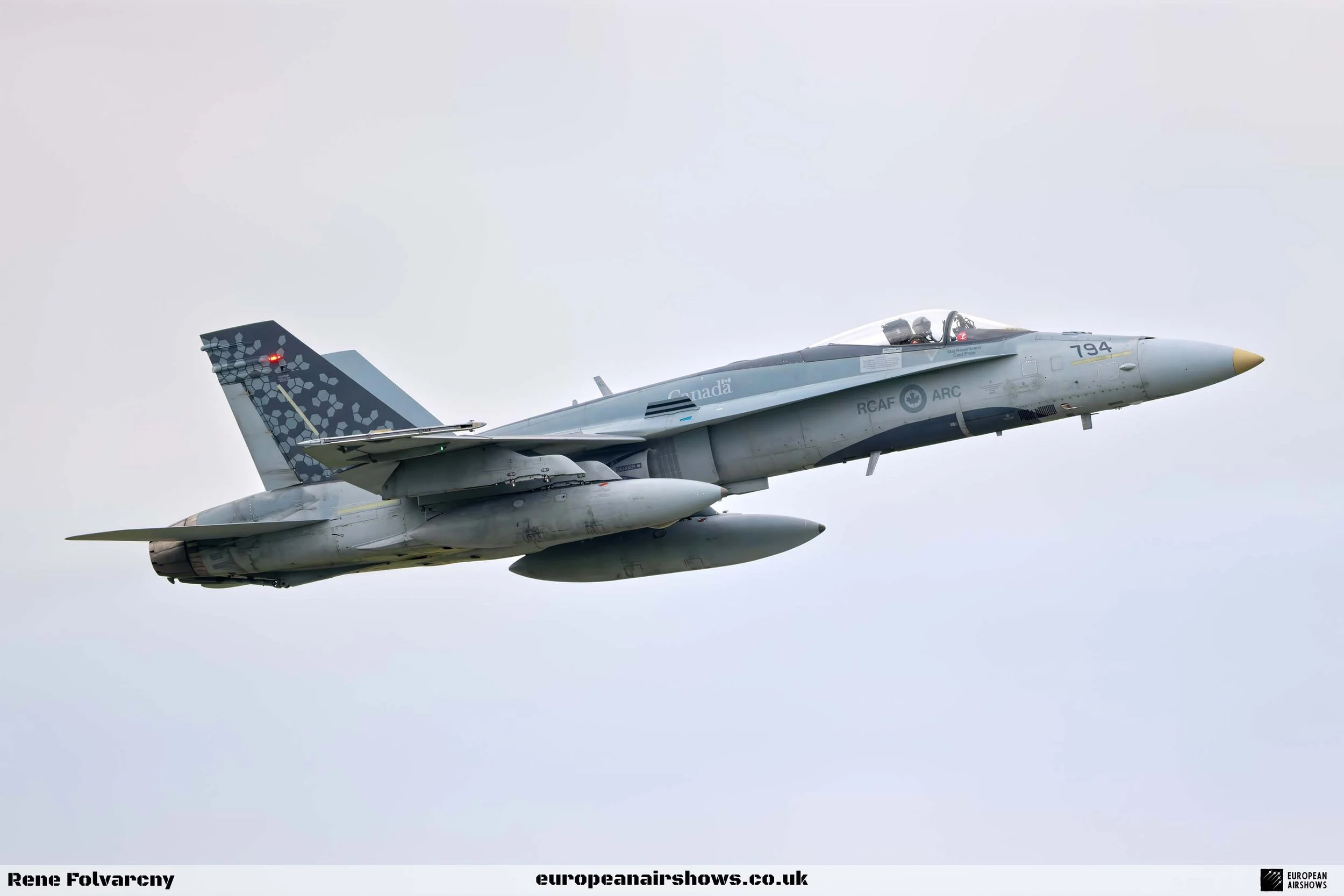
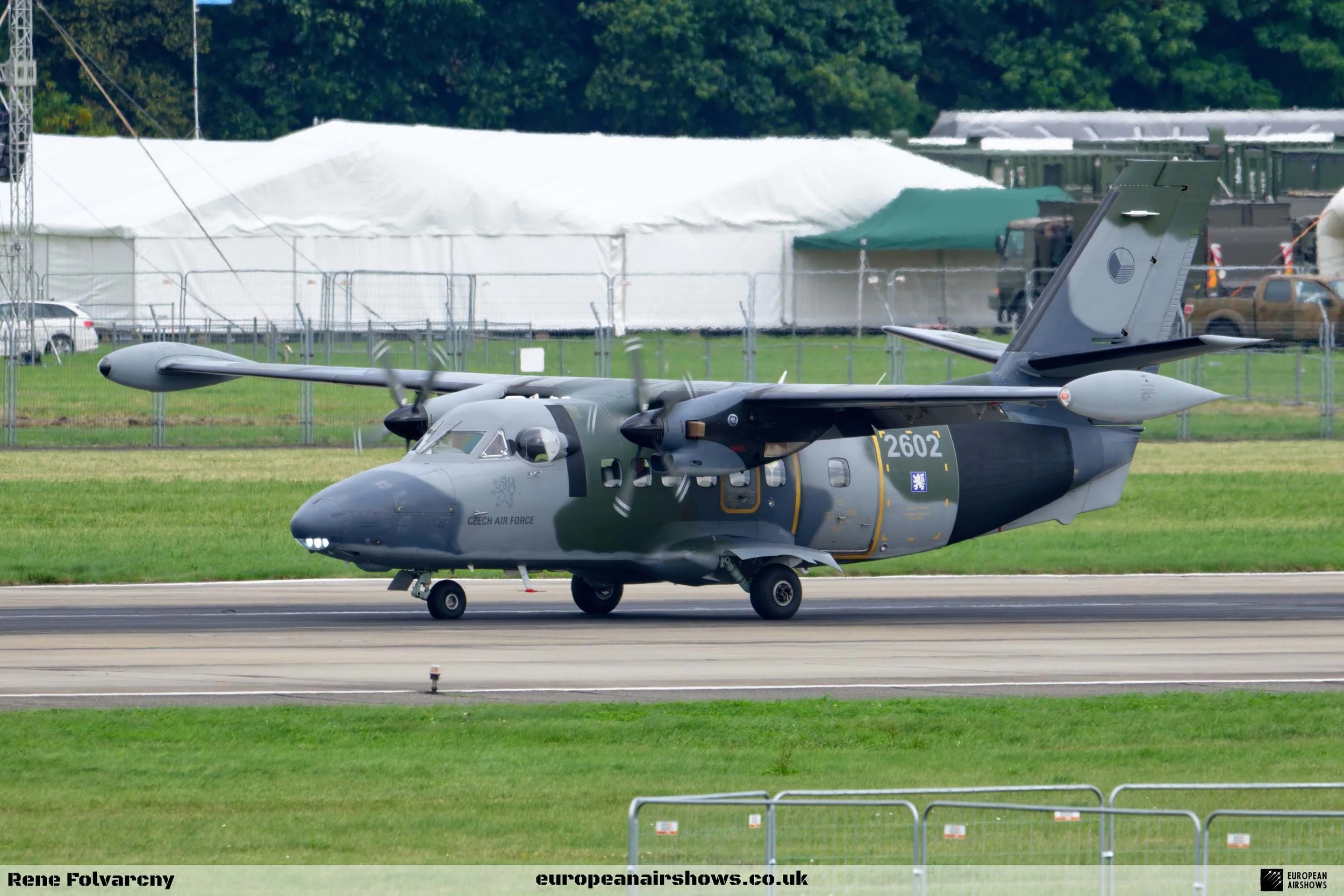
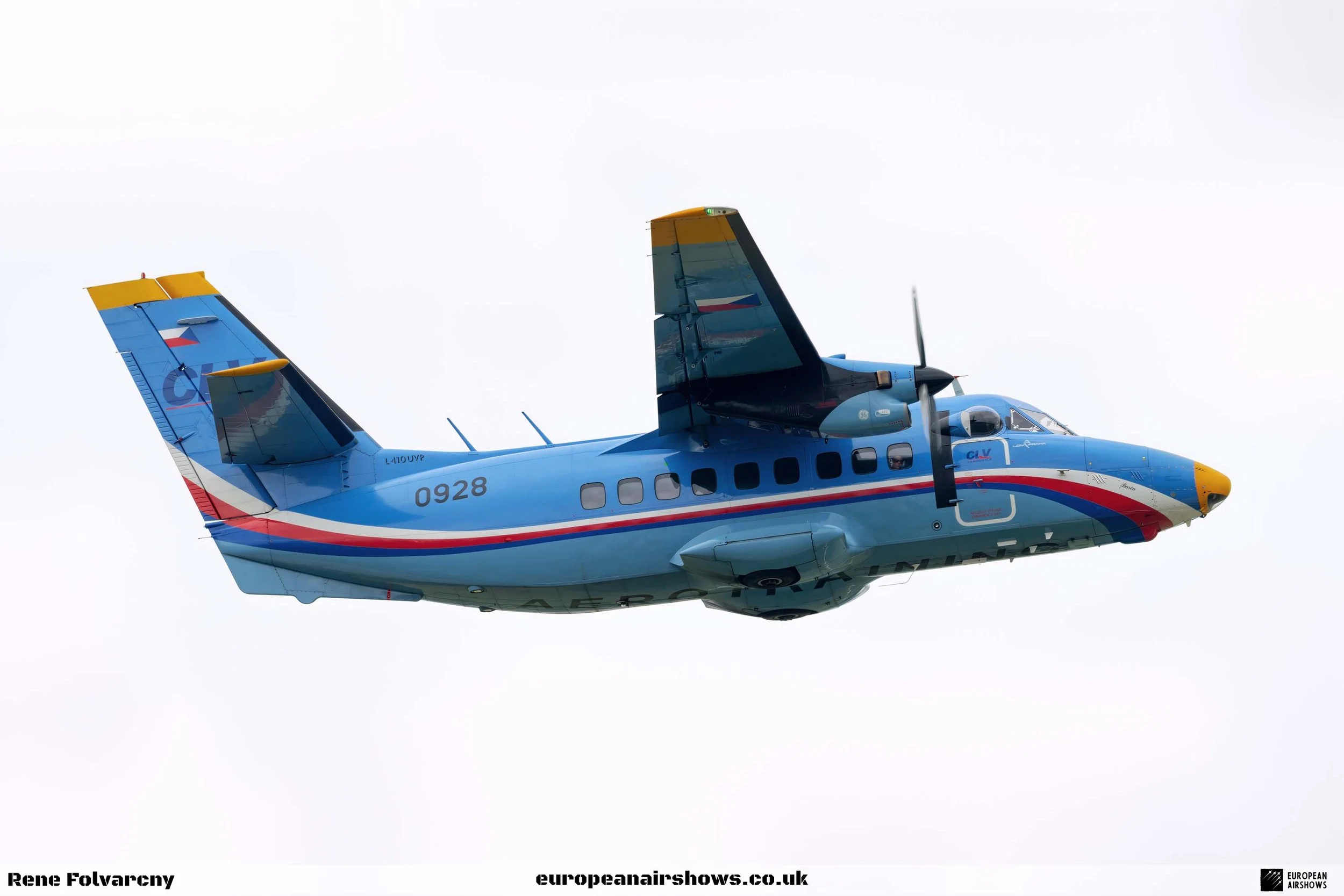
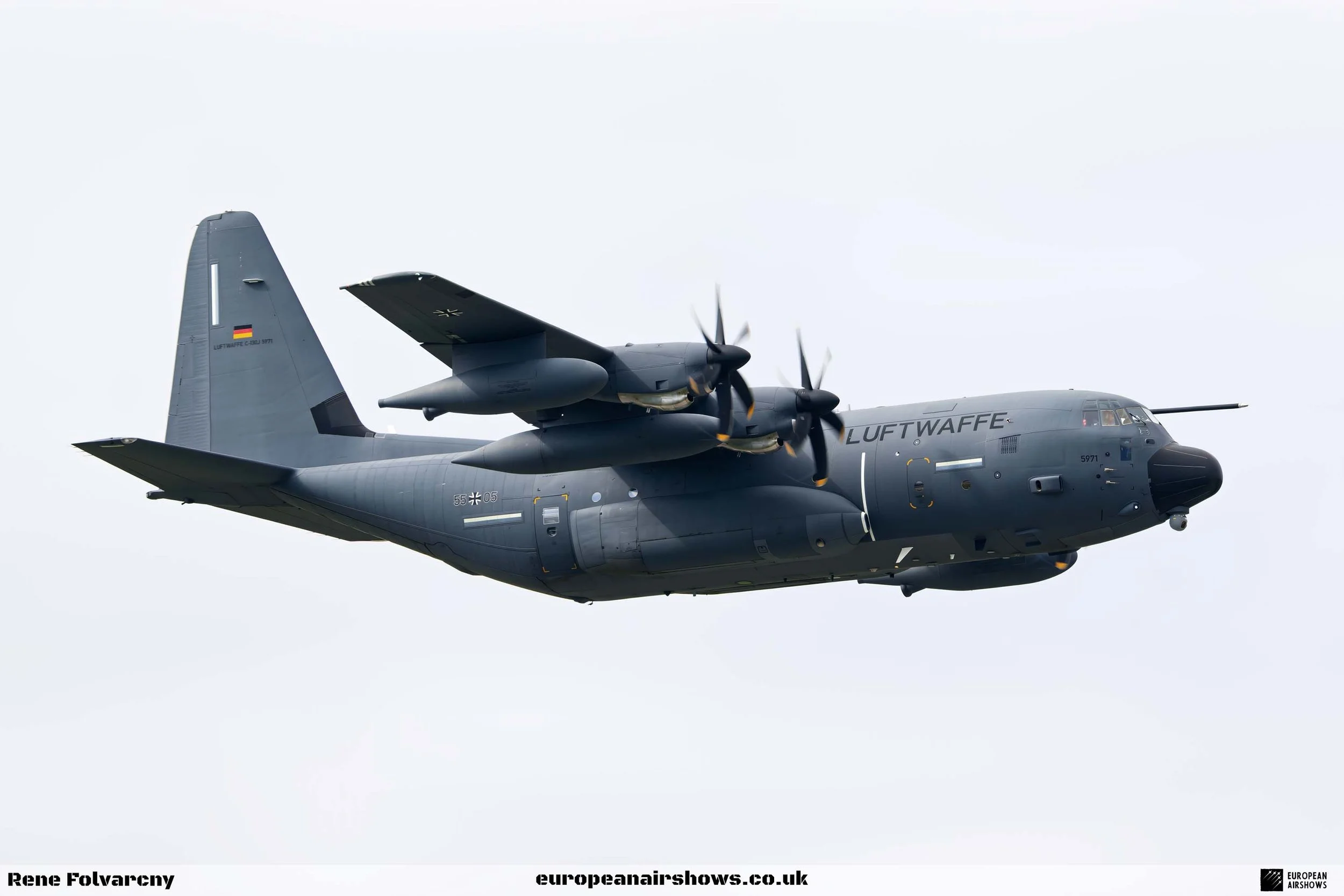
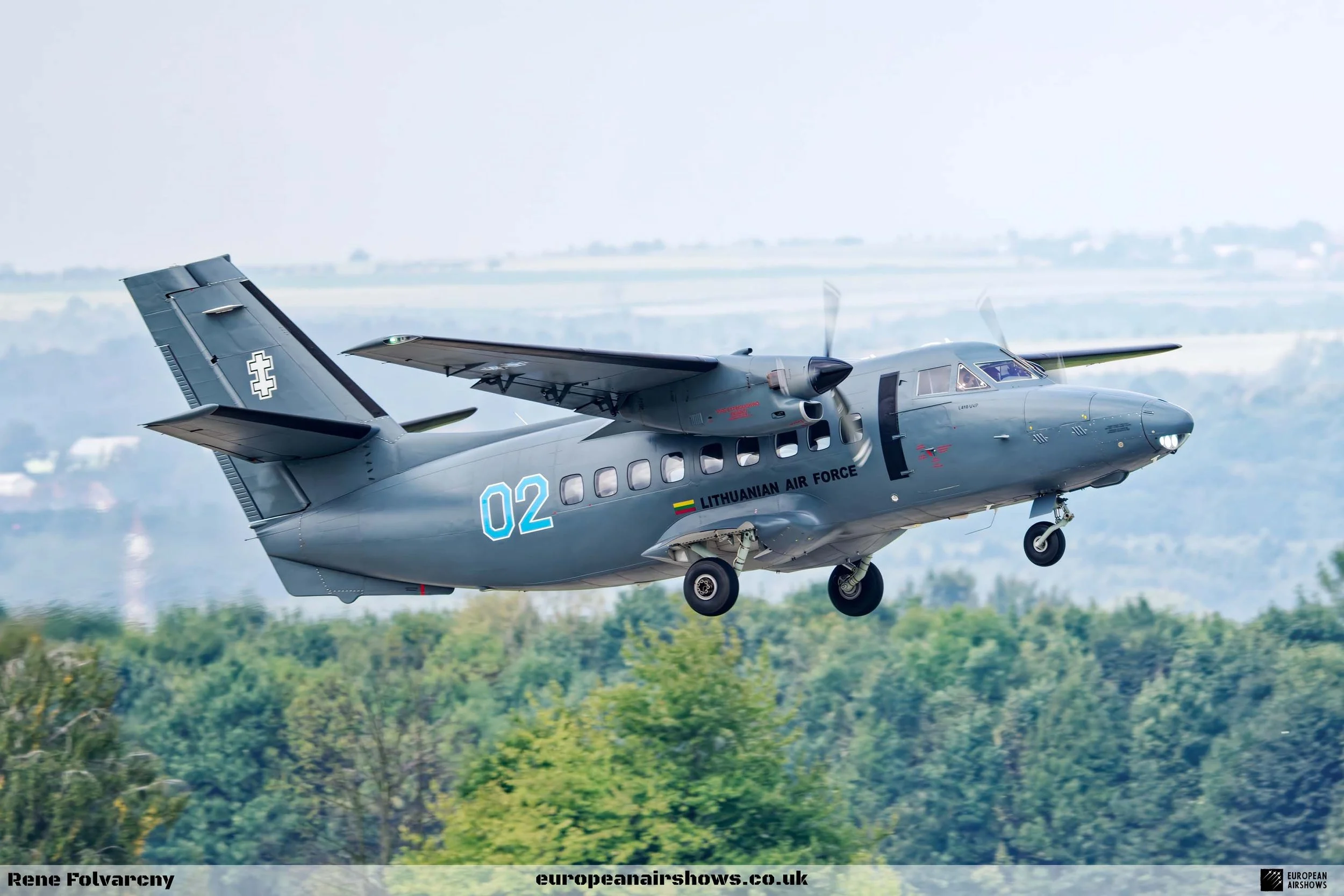
Away from the Italian block, the ramps were stacked with variety: Sikorsky S-70A Black Hawk (Austria), Dassault Falcon 7X (Belgium), McDonnell Douglas CF-188 Hornet and Lockheed Martin CC-130J Super Hercules (Canada), Airbus A330 MRTT (MMF), plus a thick spread of regional types including Let L-410, Airbus Helicopters AS365+ Dauphin, Airbus Helicopters H135 (EC135), Aero L-39 Skyfox, Let L 410 NG, and Zlín Z-242L Zeus.
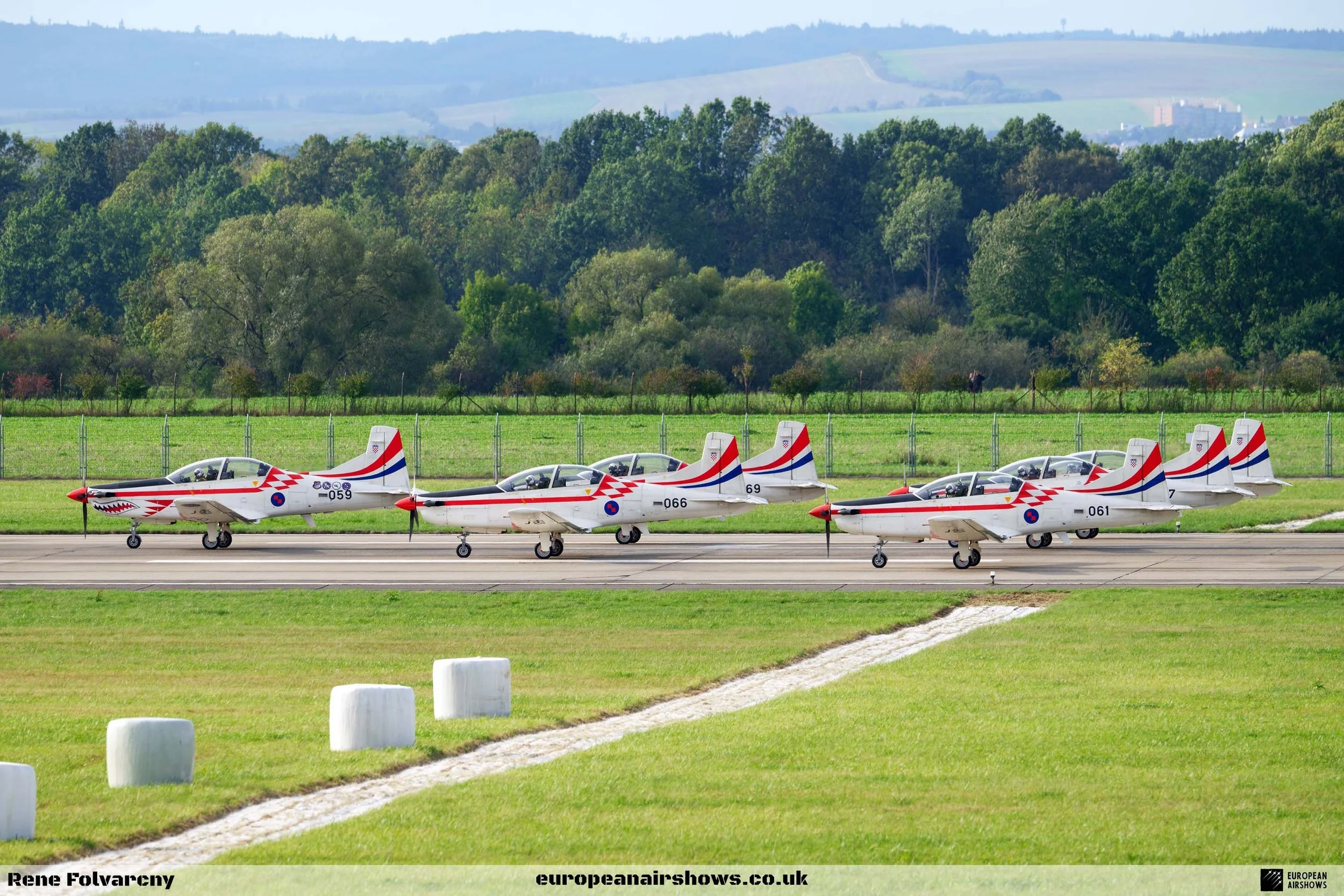
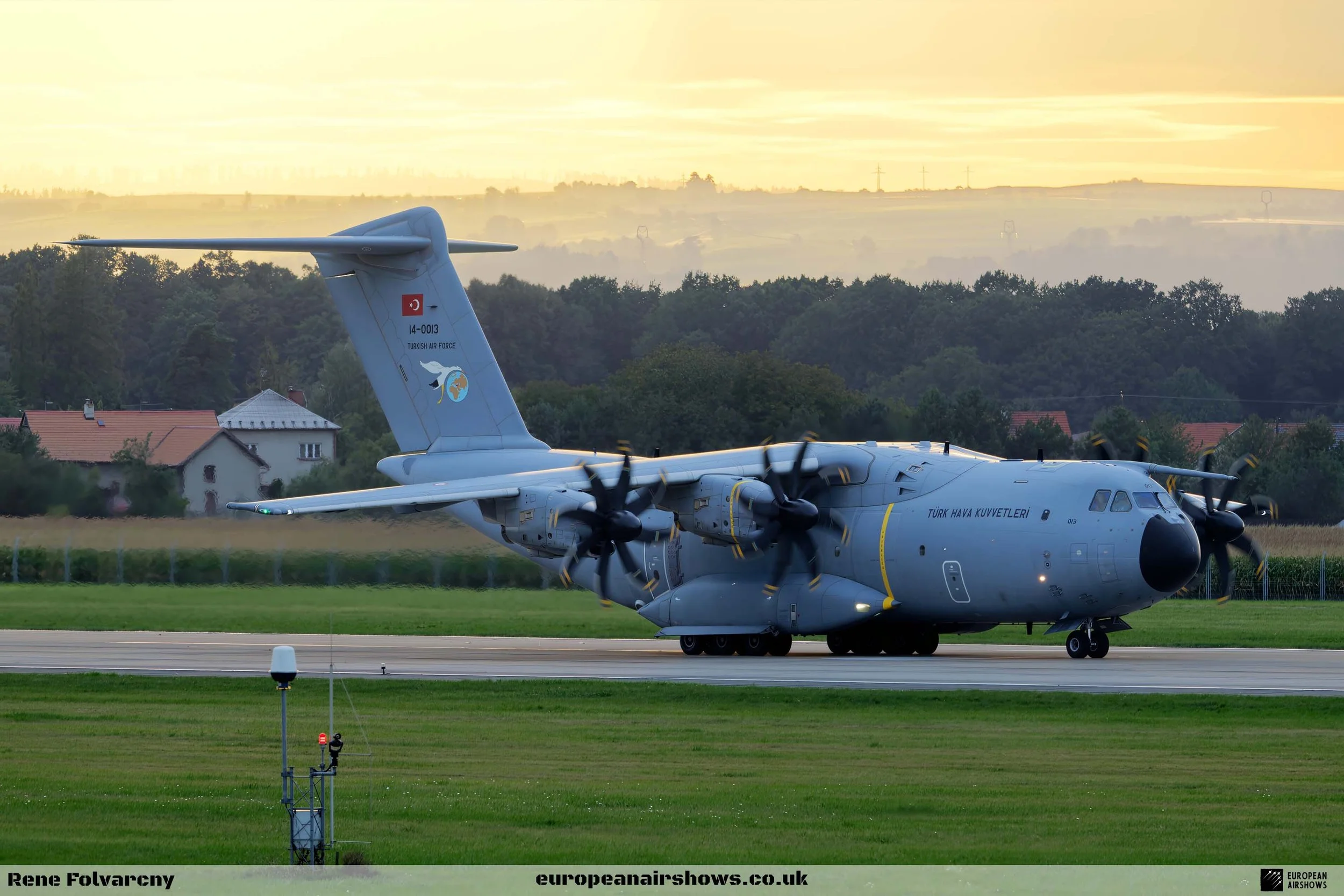
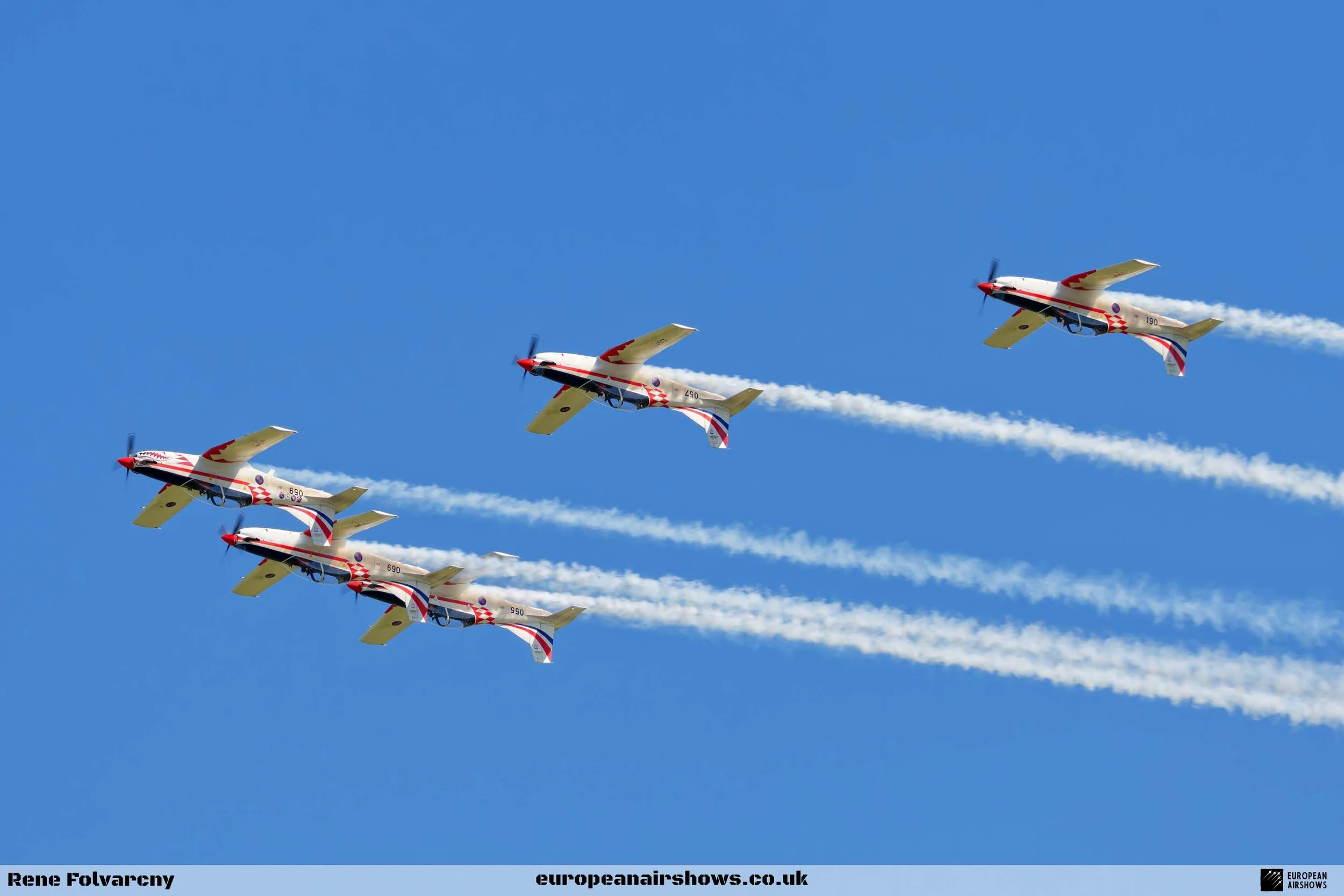
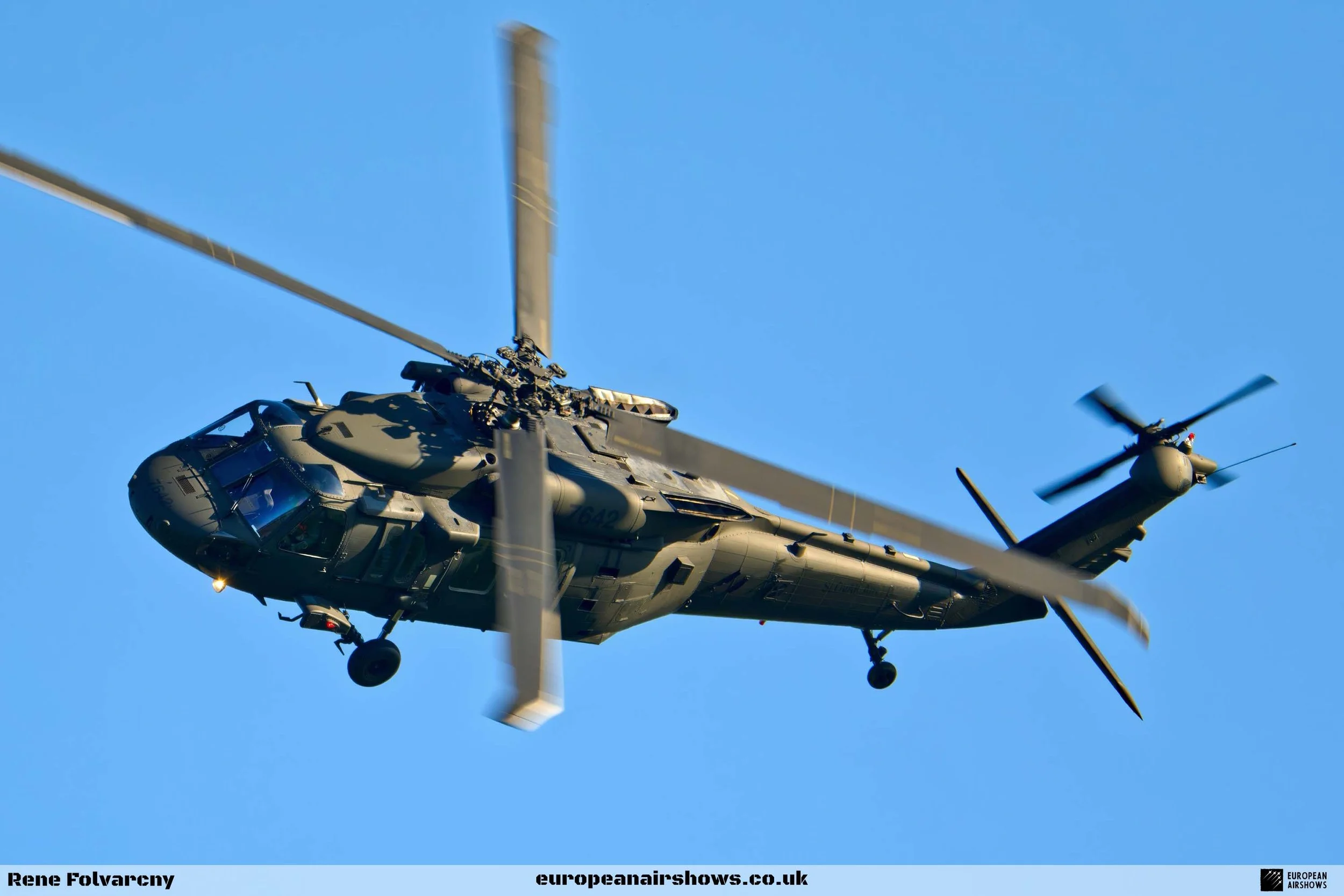
If there was a single theme to the flying programme, it was “capability - then character.” Early on, the rotary-wing displays set the bar. The Sikorsky UH-60M Black Hawk from Slovakia returned after a break with a properly energetic routine, and it was immediately obvious this wasn’t a token helicopter slot: sharp direction changes, low-level power runs and tight turns that made it feel far more aggressive than a utility helicopter has any right to.
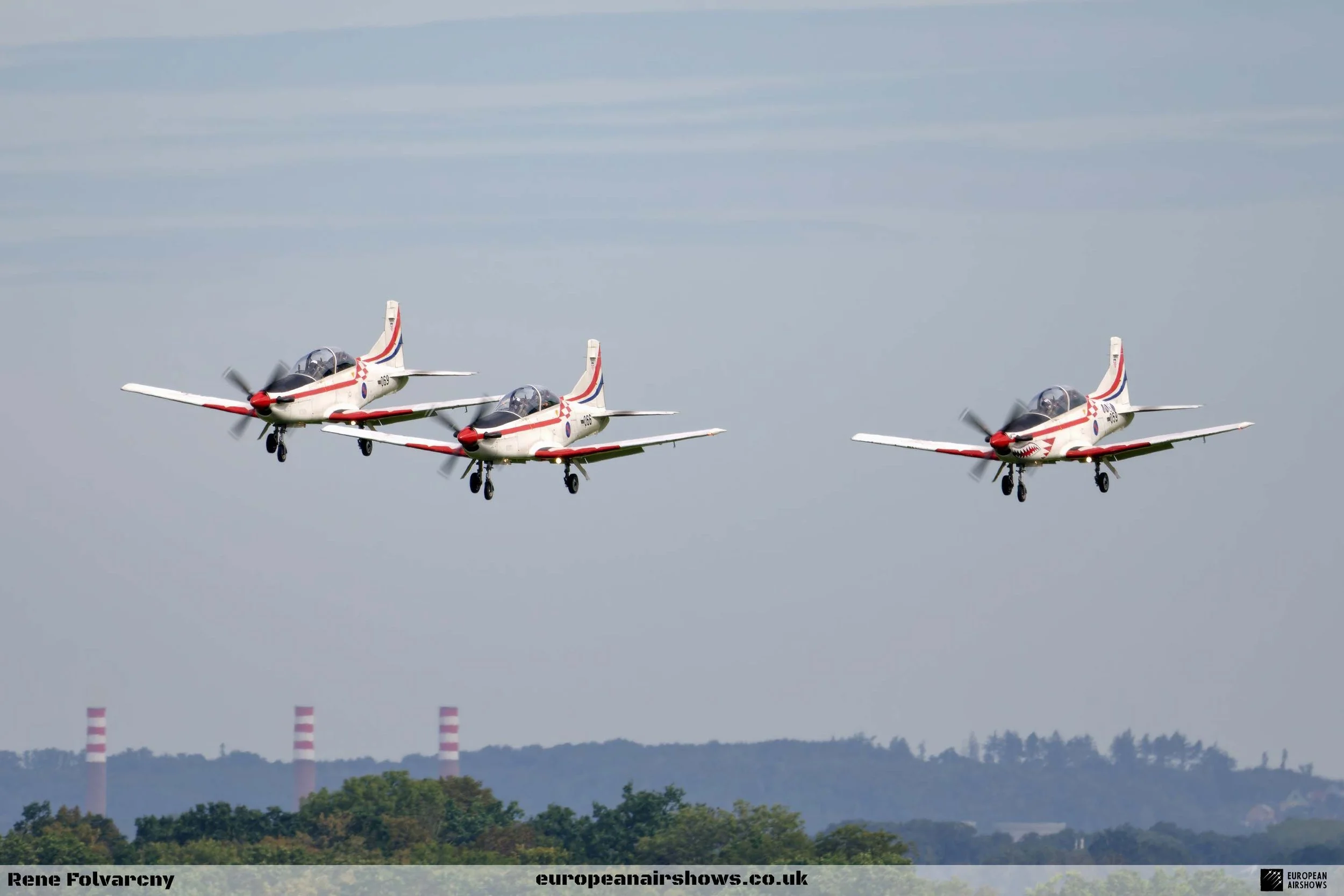
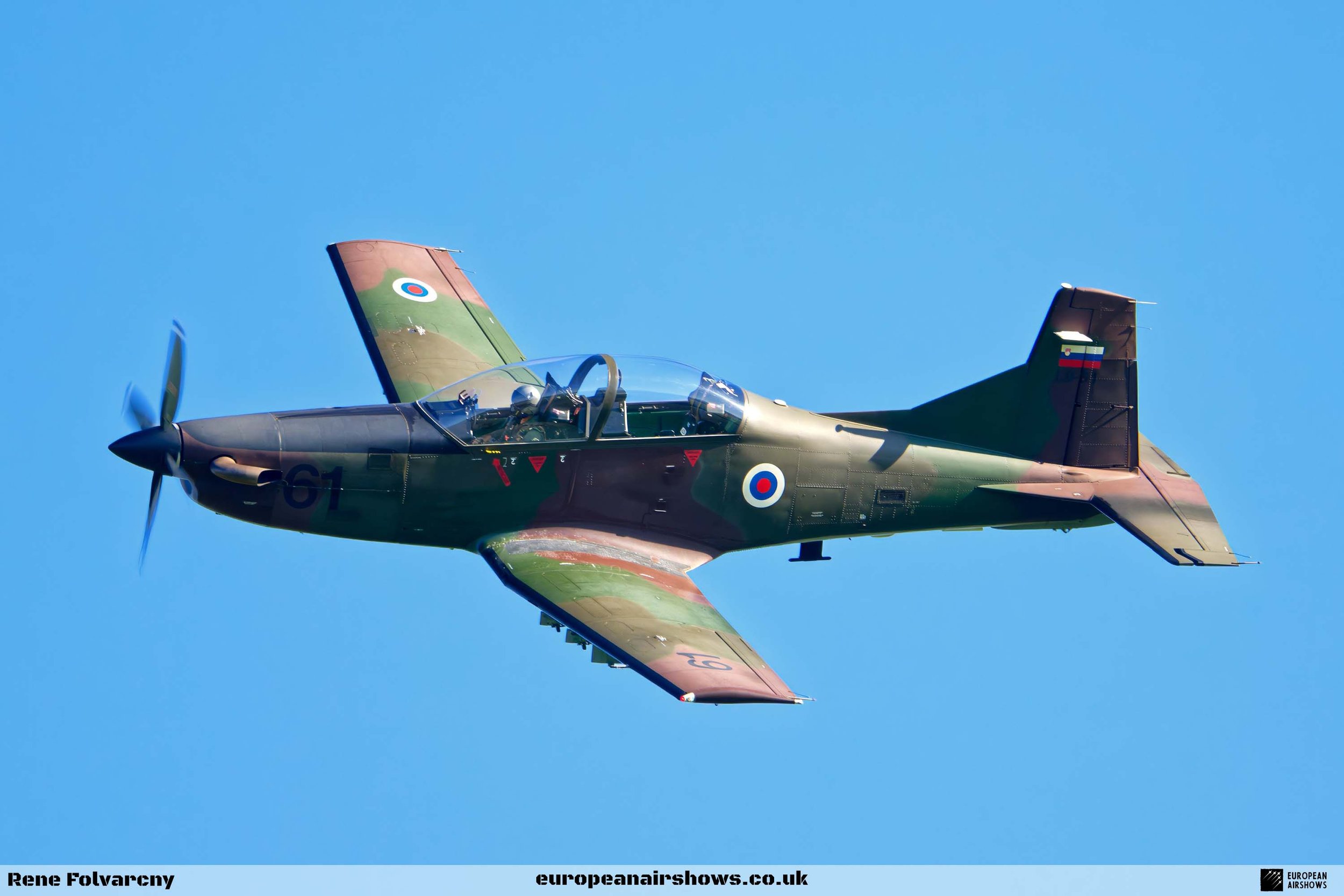
From there, the pace stayed high with one of the most enjoyable turboprop solos on the circuit: Slovenia’s Pilatus PC-9M Hudournik. It’s the kind of aircraft that can look “too small” on paper, but it flies like it has something to prove - tight, snappy manoeuvres and a display built around agility rather than noise.
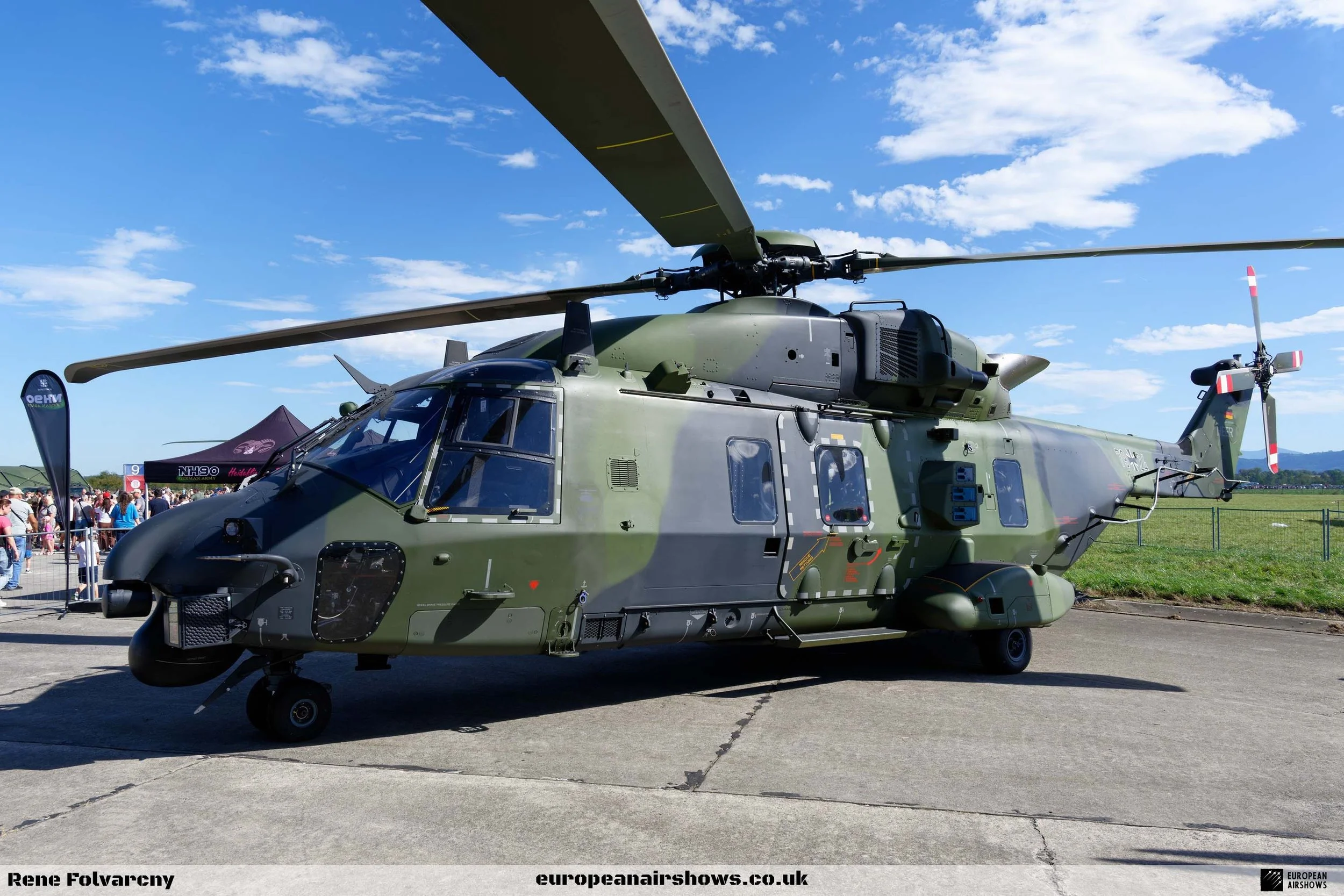
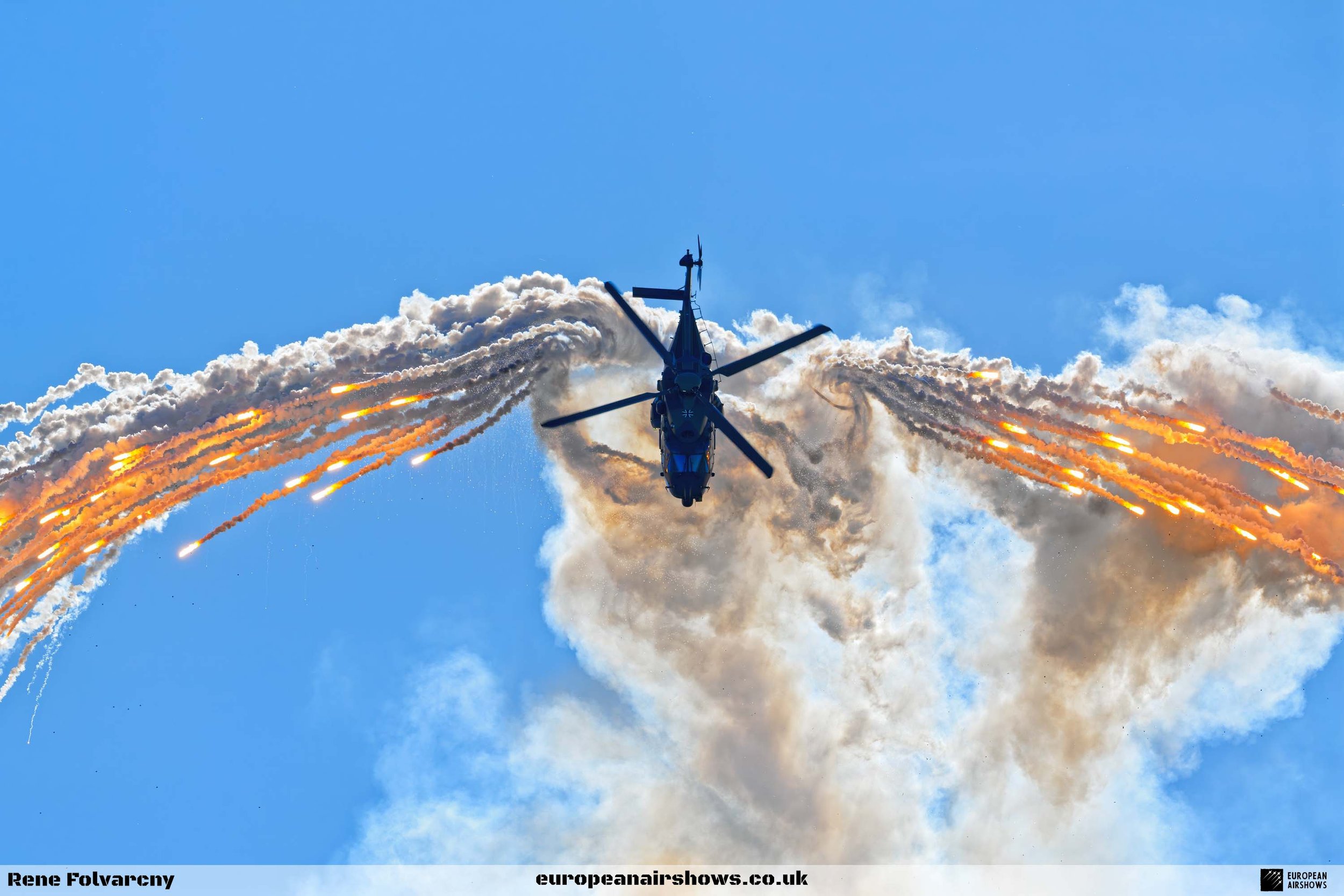
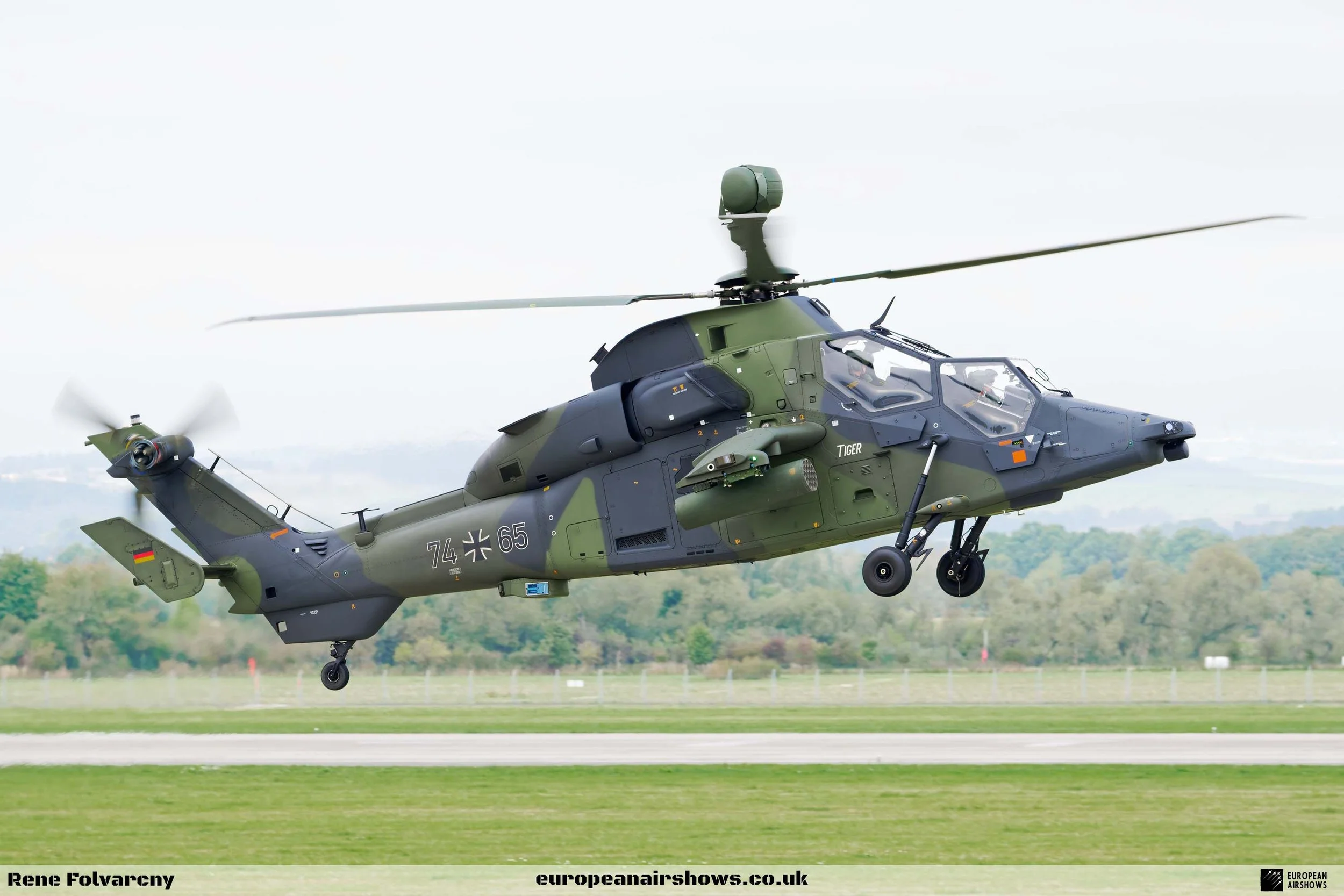
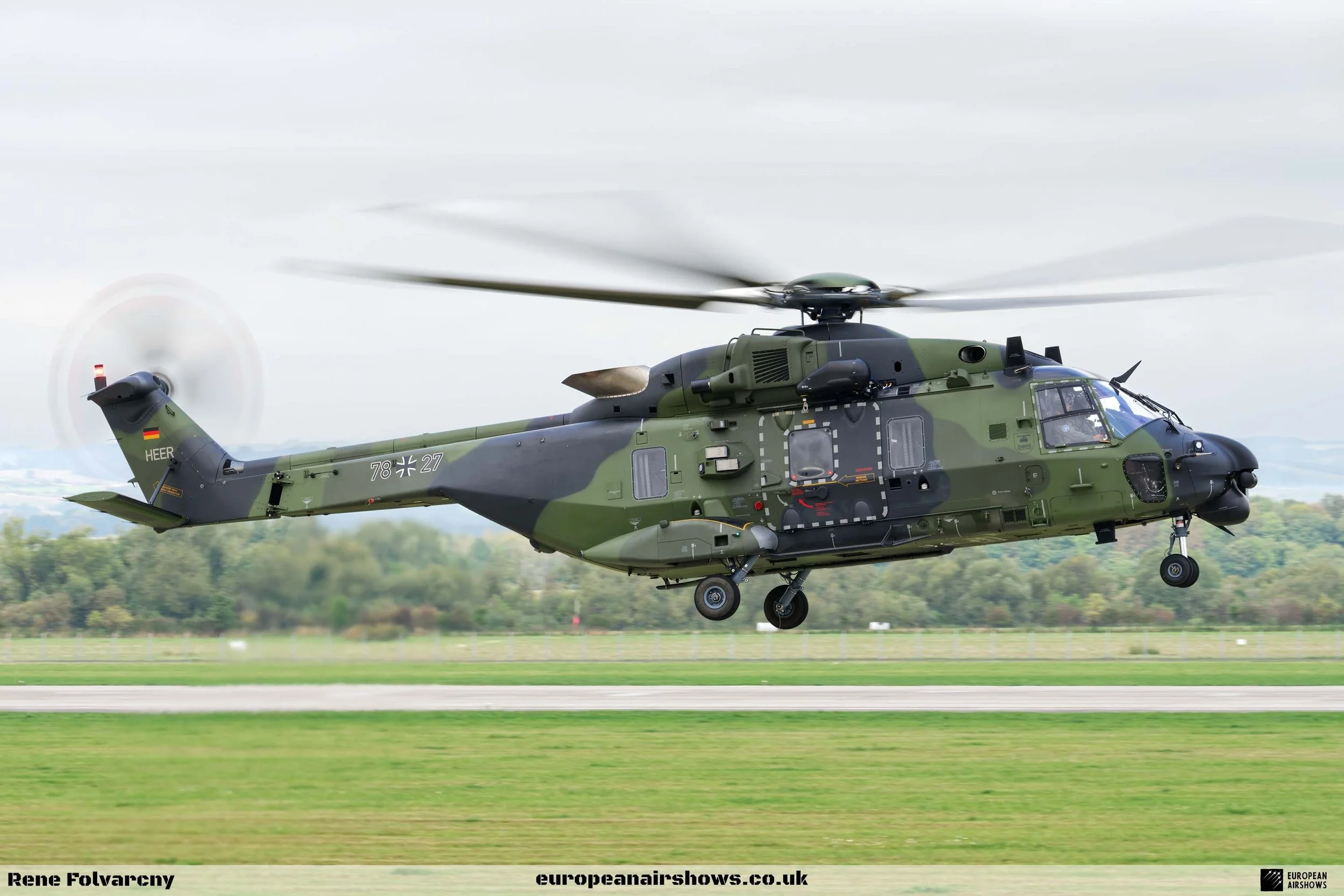
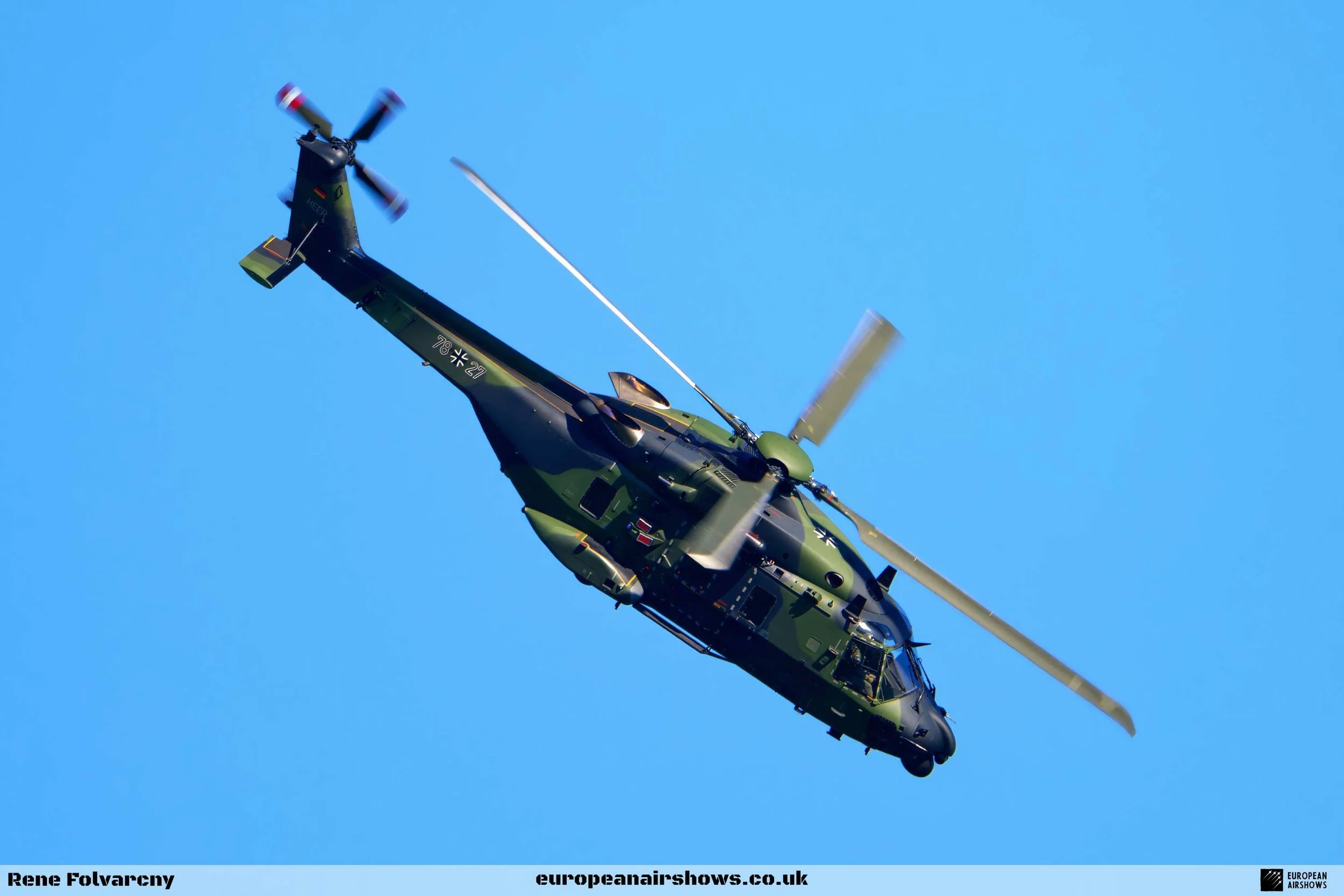
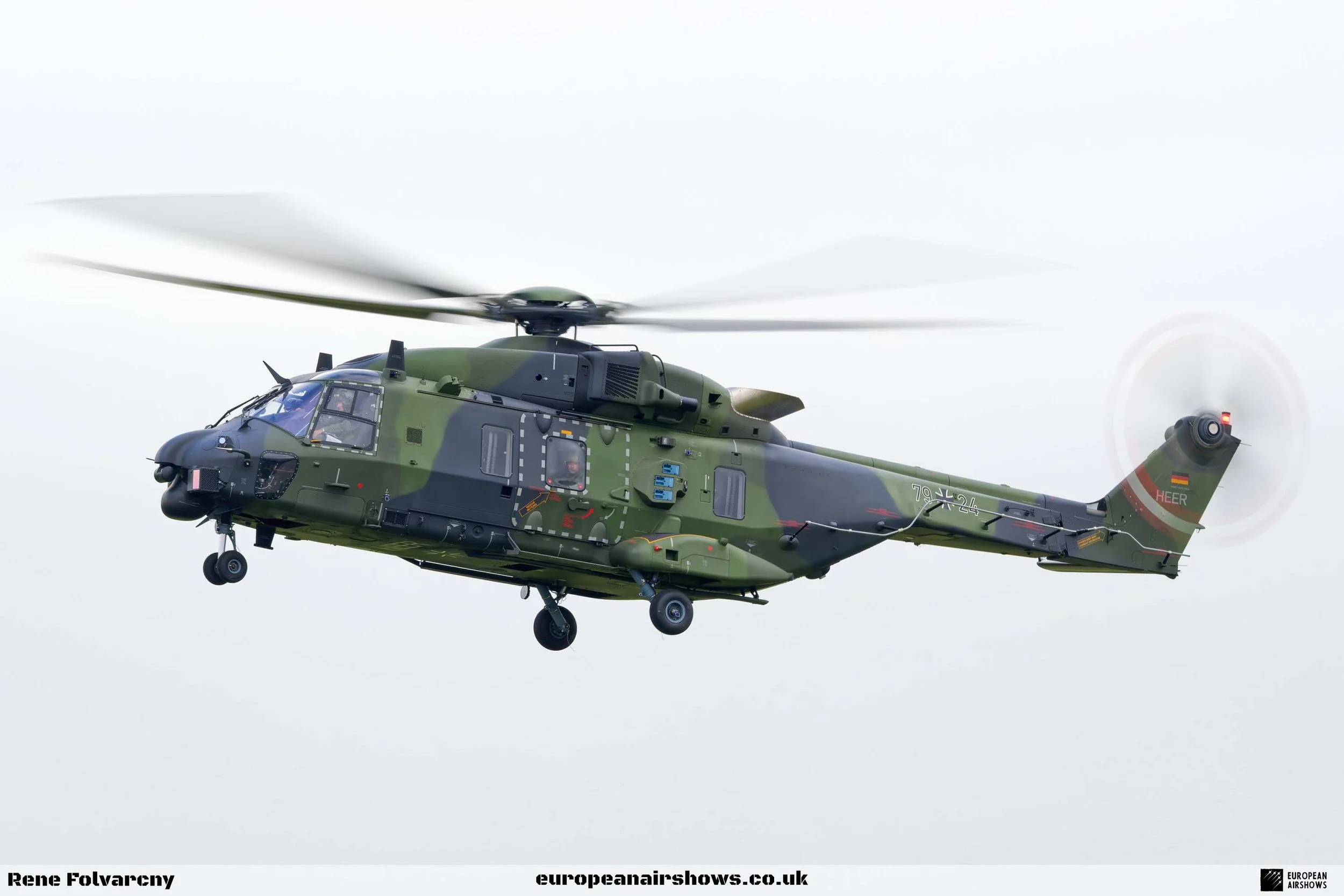
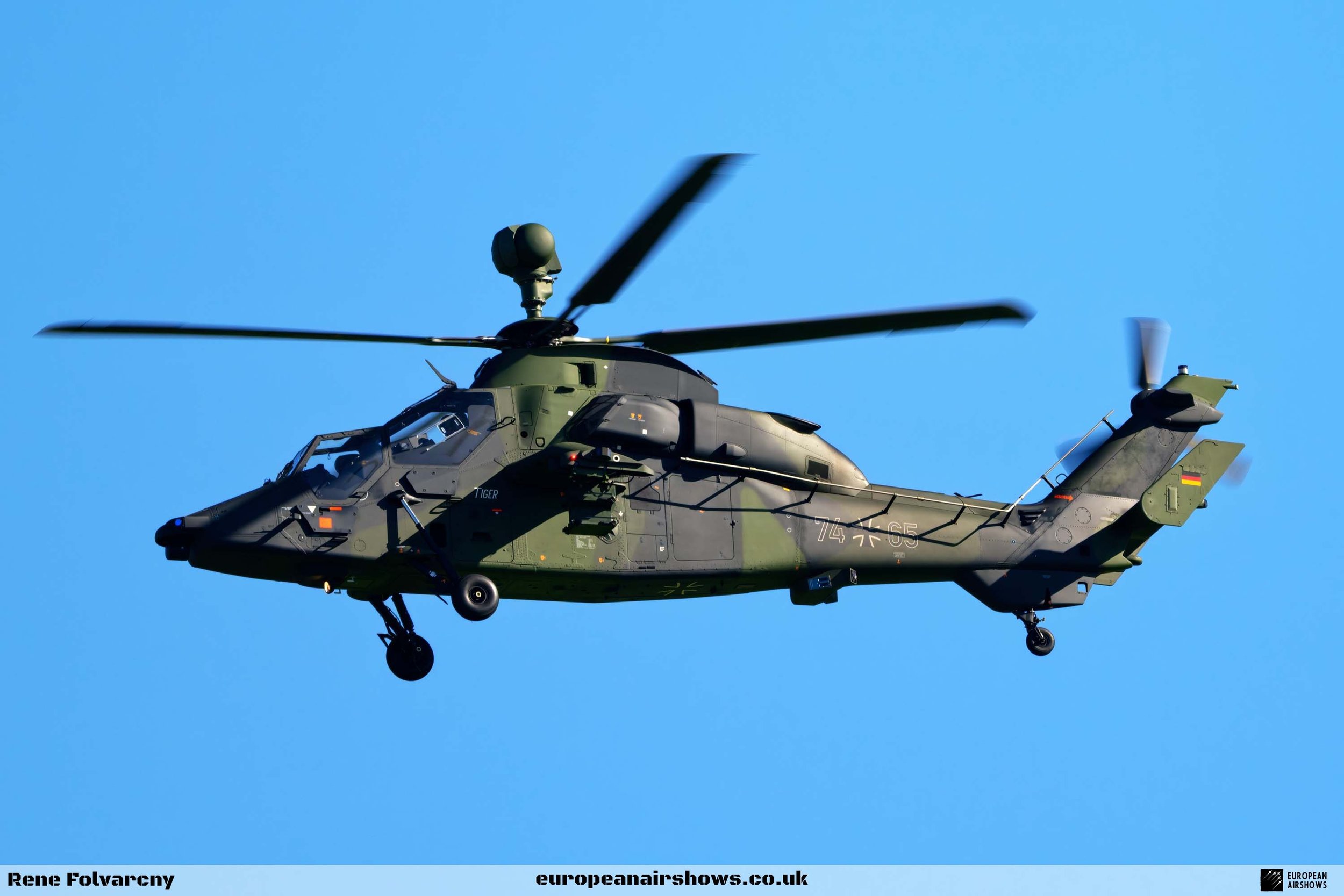
Germany’s helicopter pair then delivered two very different flavours of modern European rotorcraft: the NHIndustries NH90 TTH (notably featuring its iconic flare sequence - this year, the only flares of the weekend) and the Eurocopter EC665 Tiger, appearing for the first time in the NATO Days flying programme.
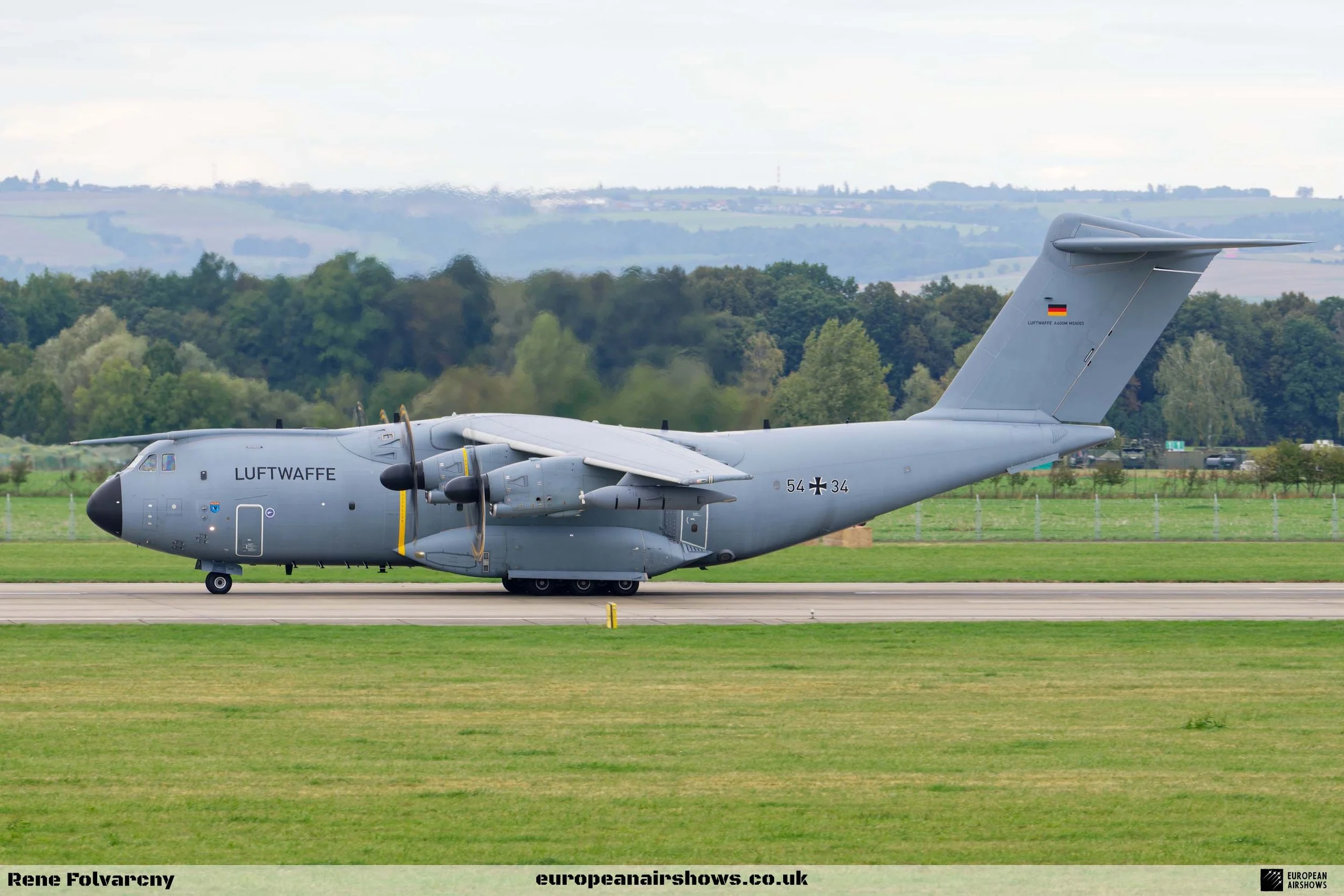
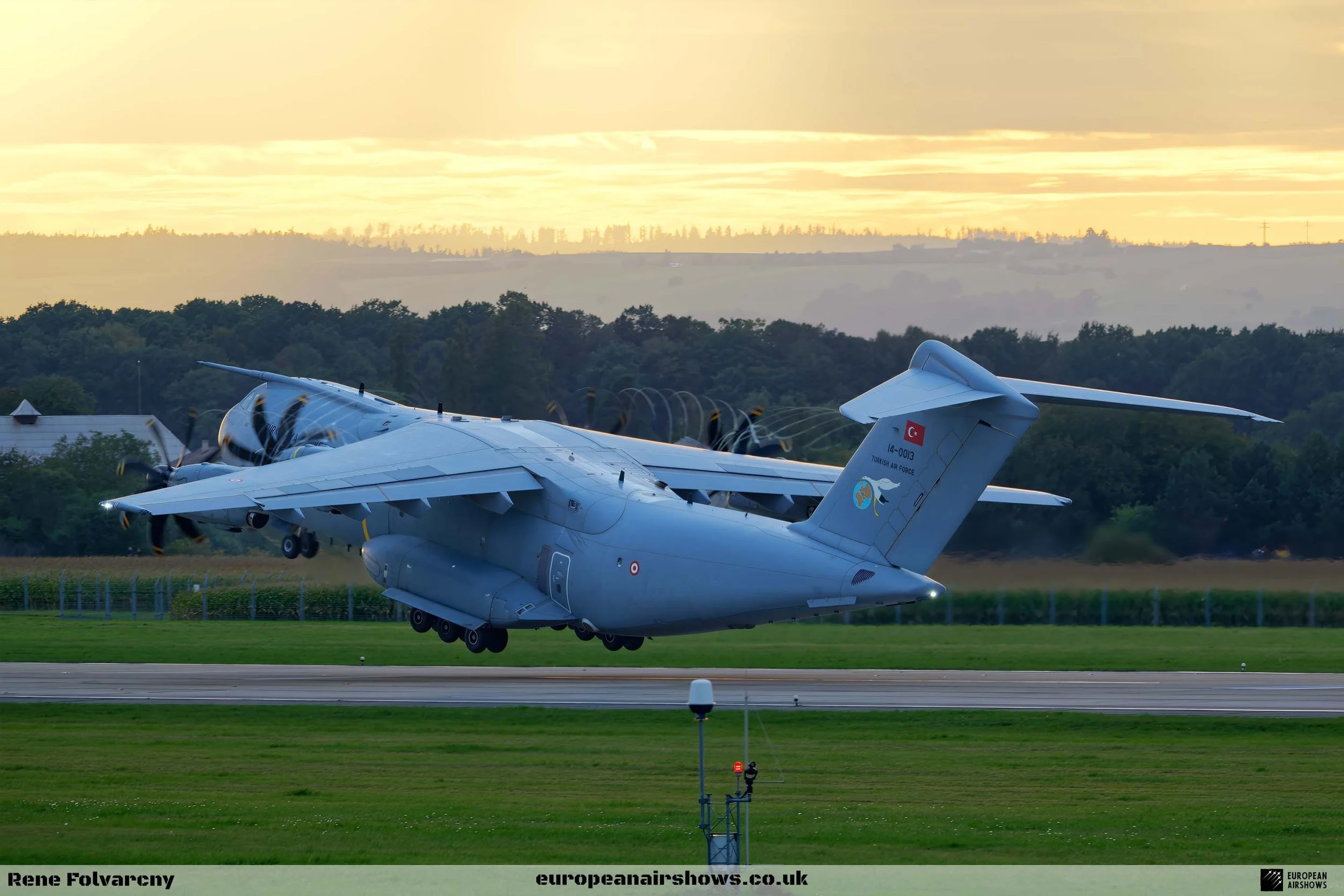
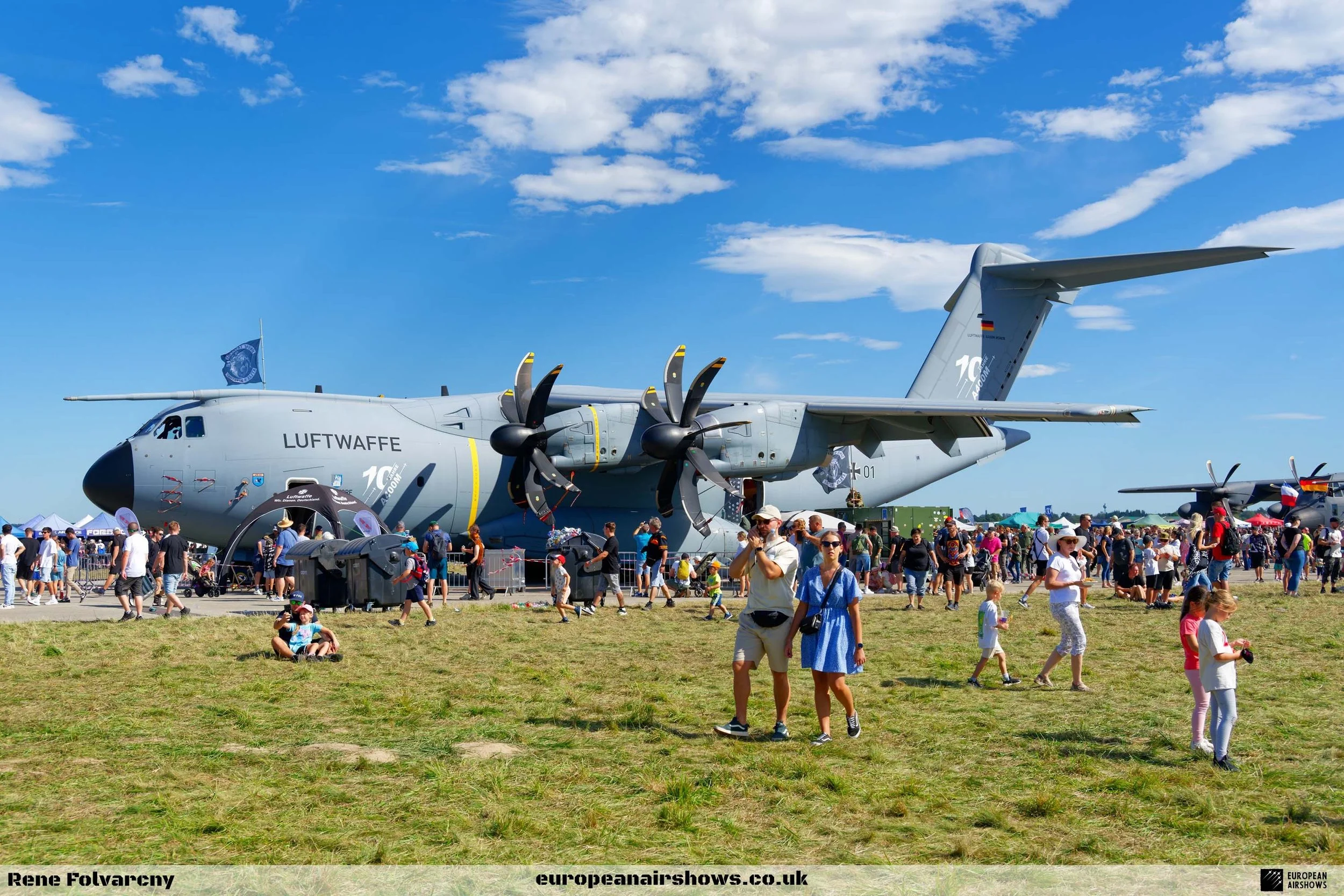
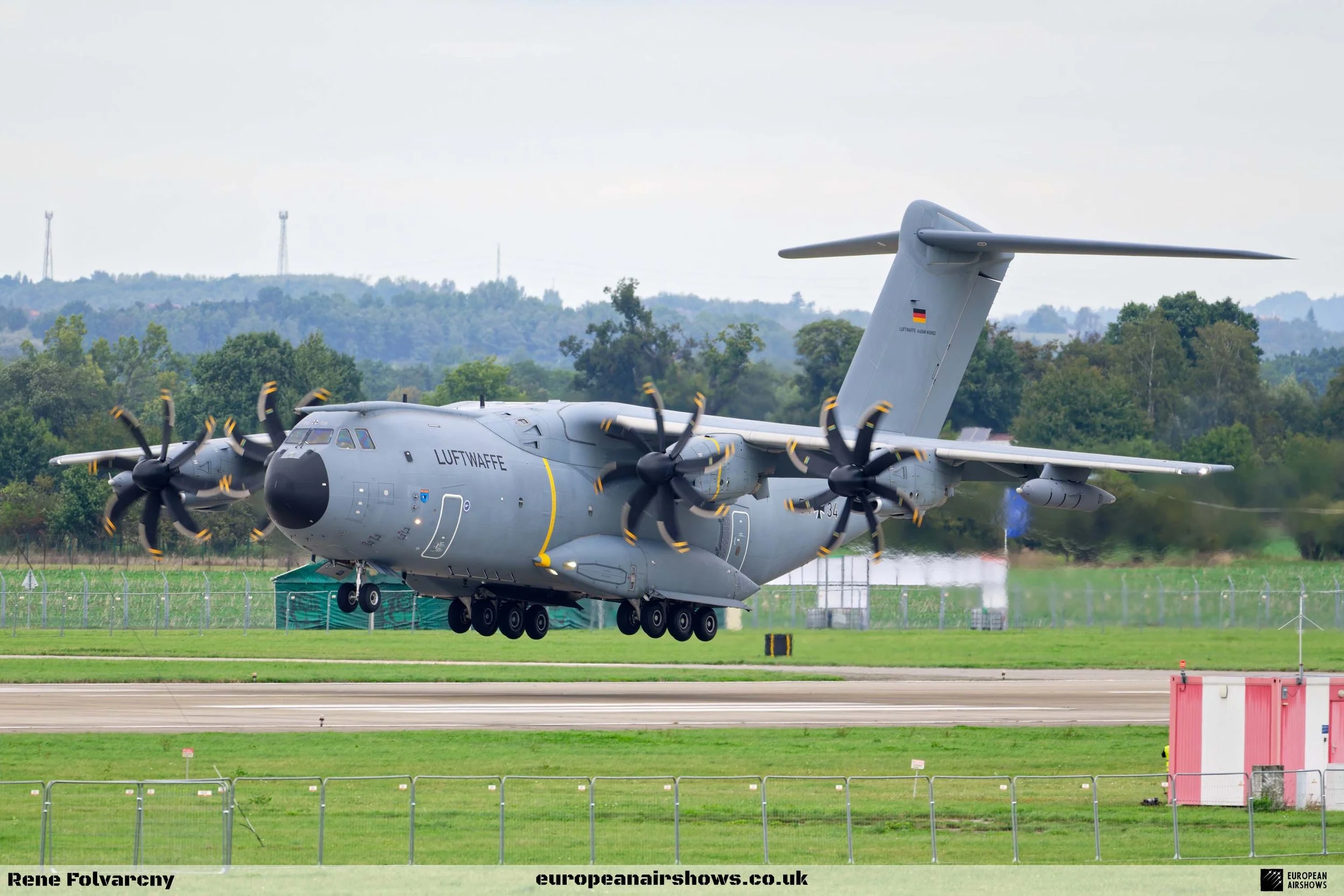
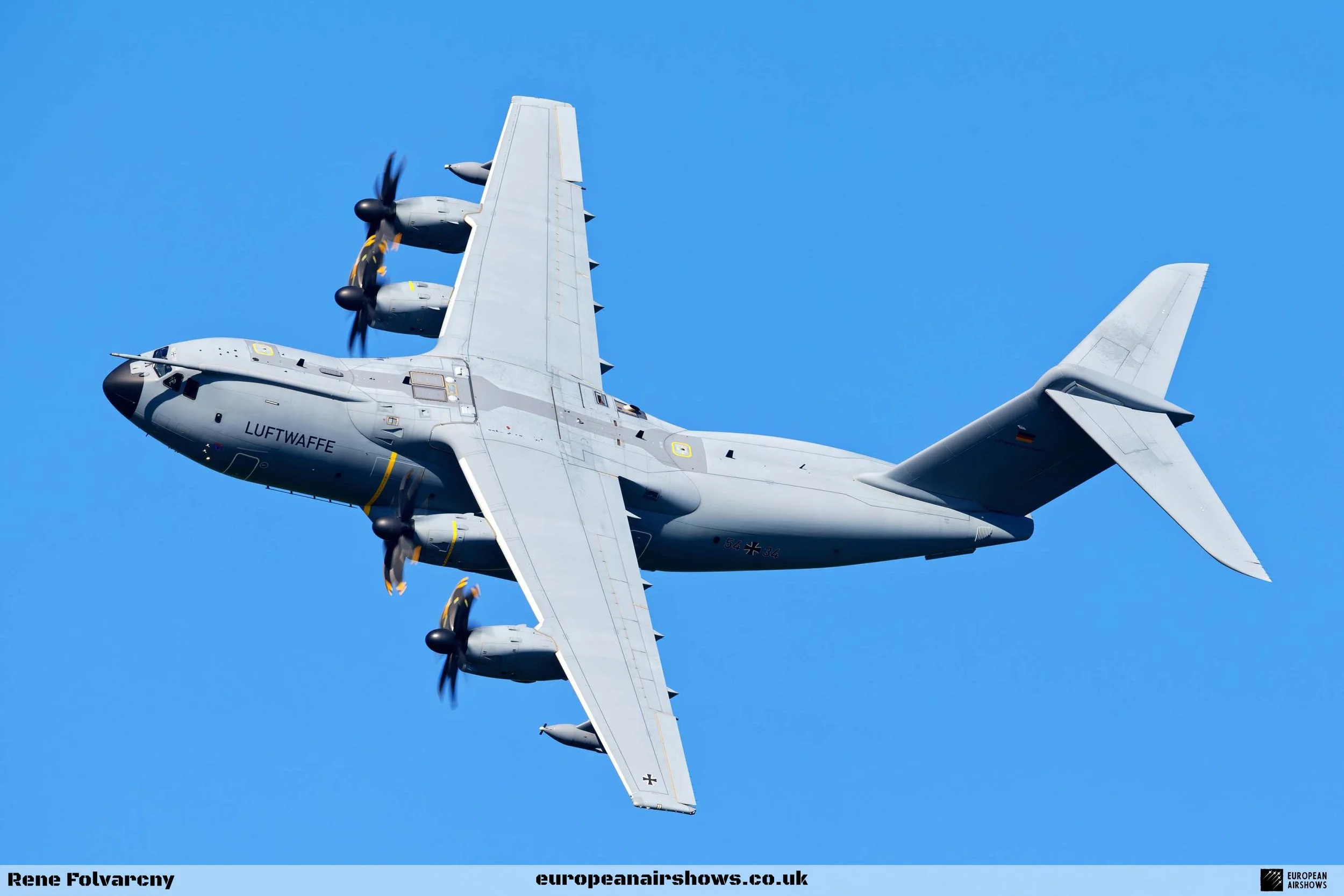
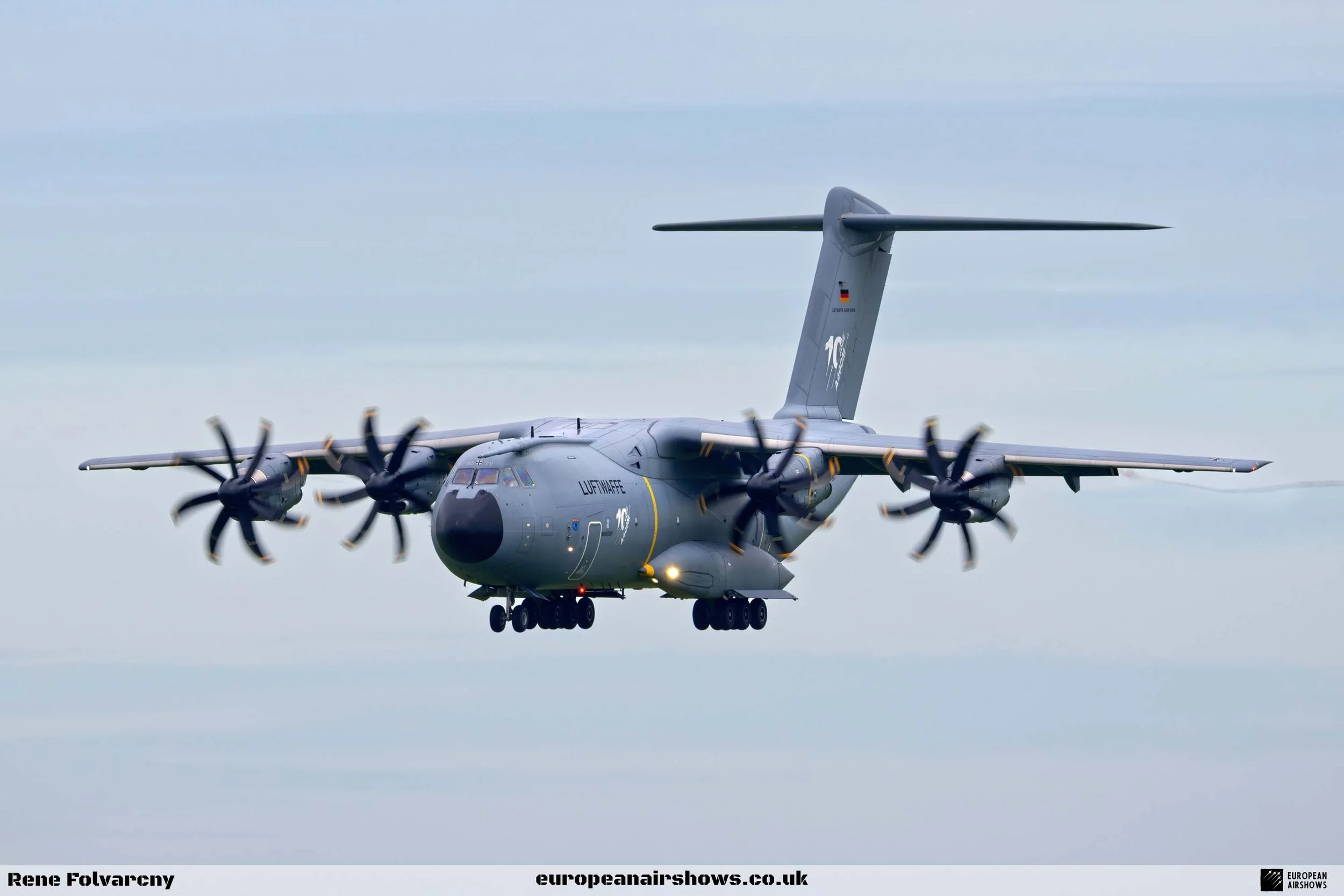
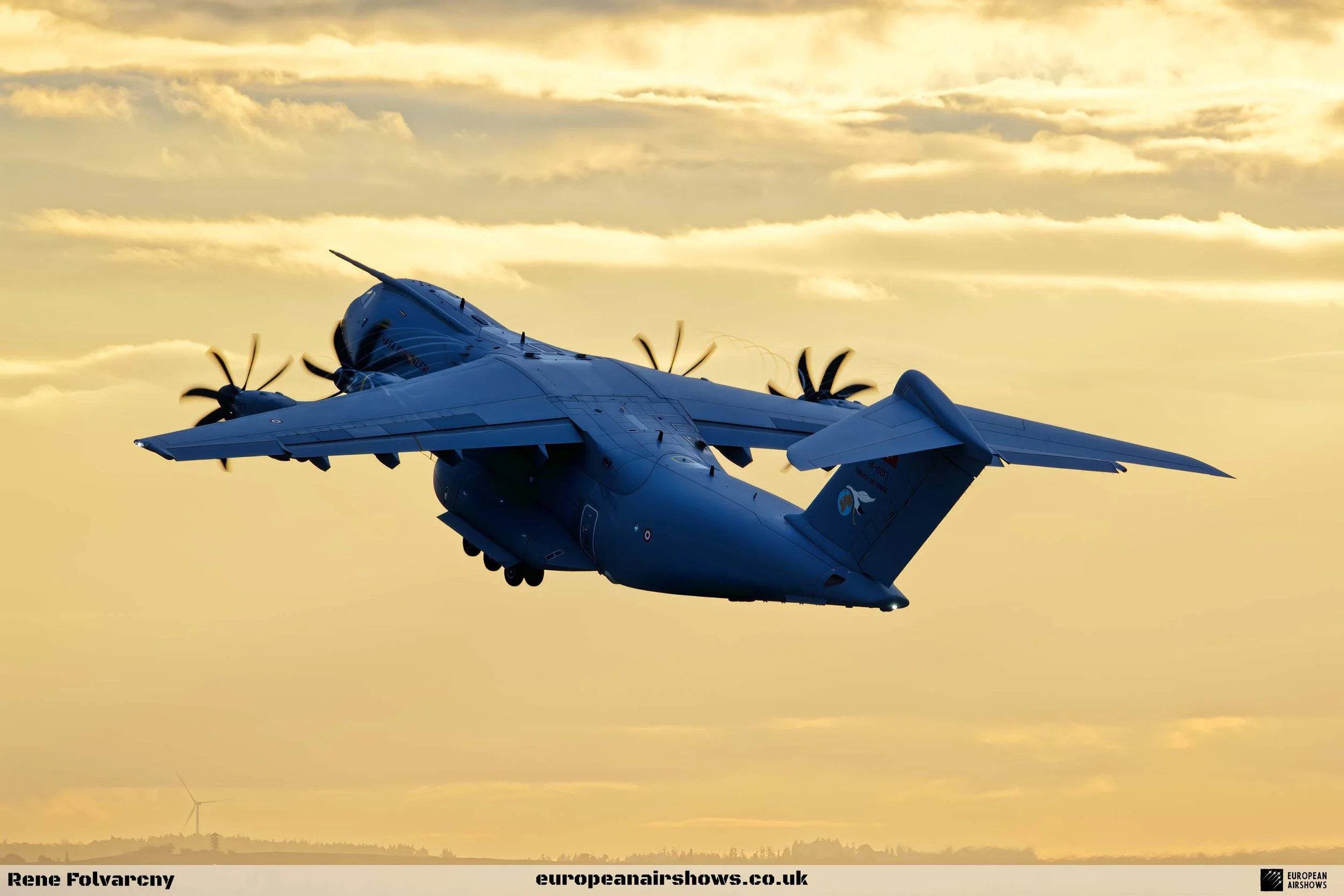
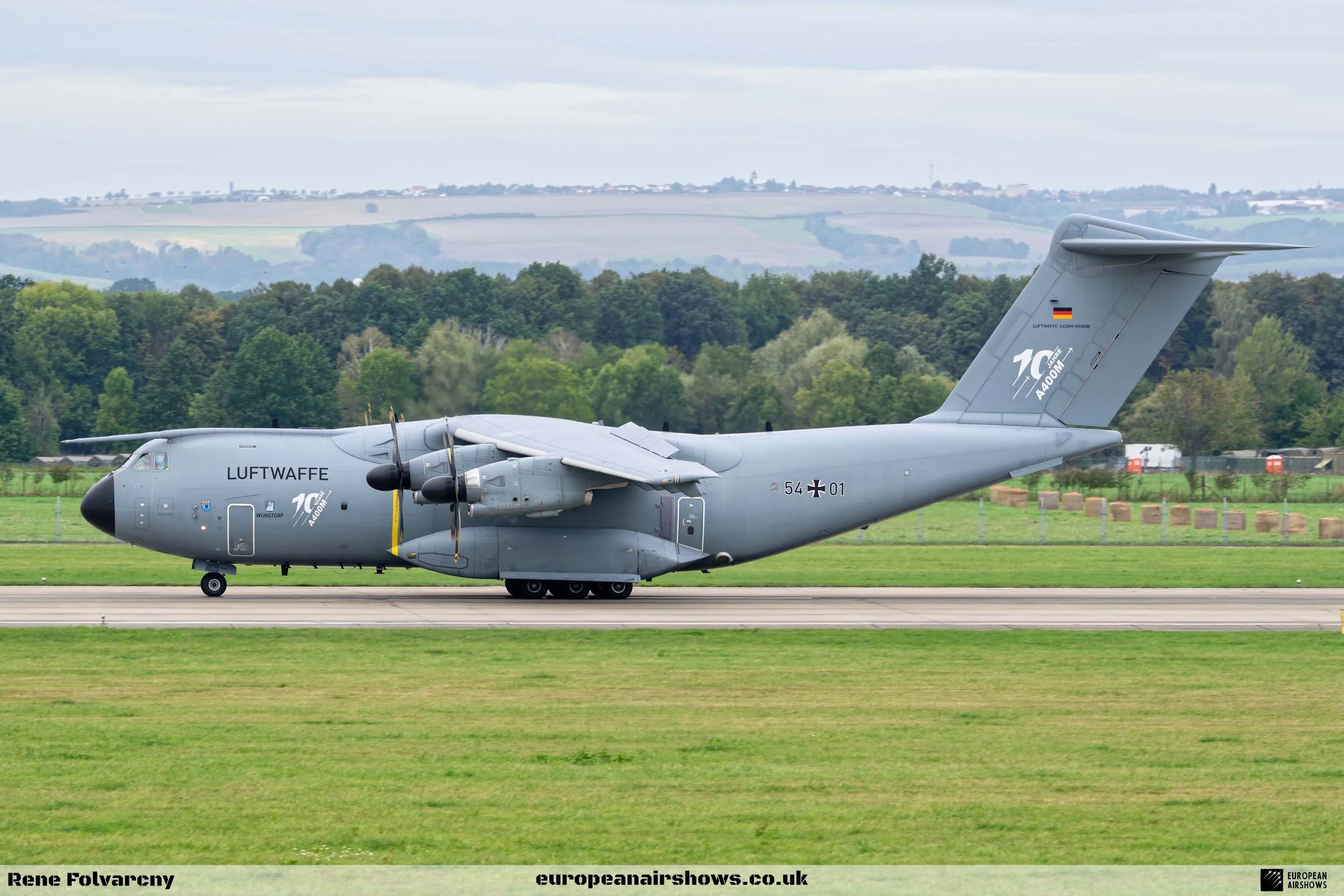
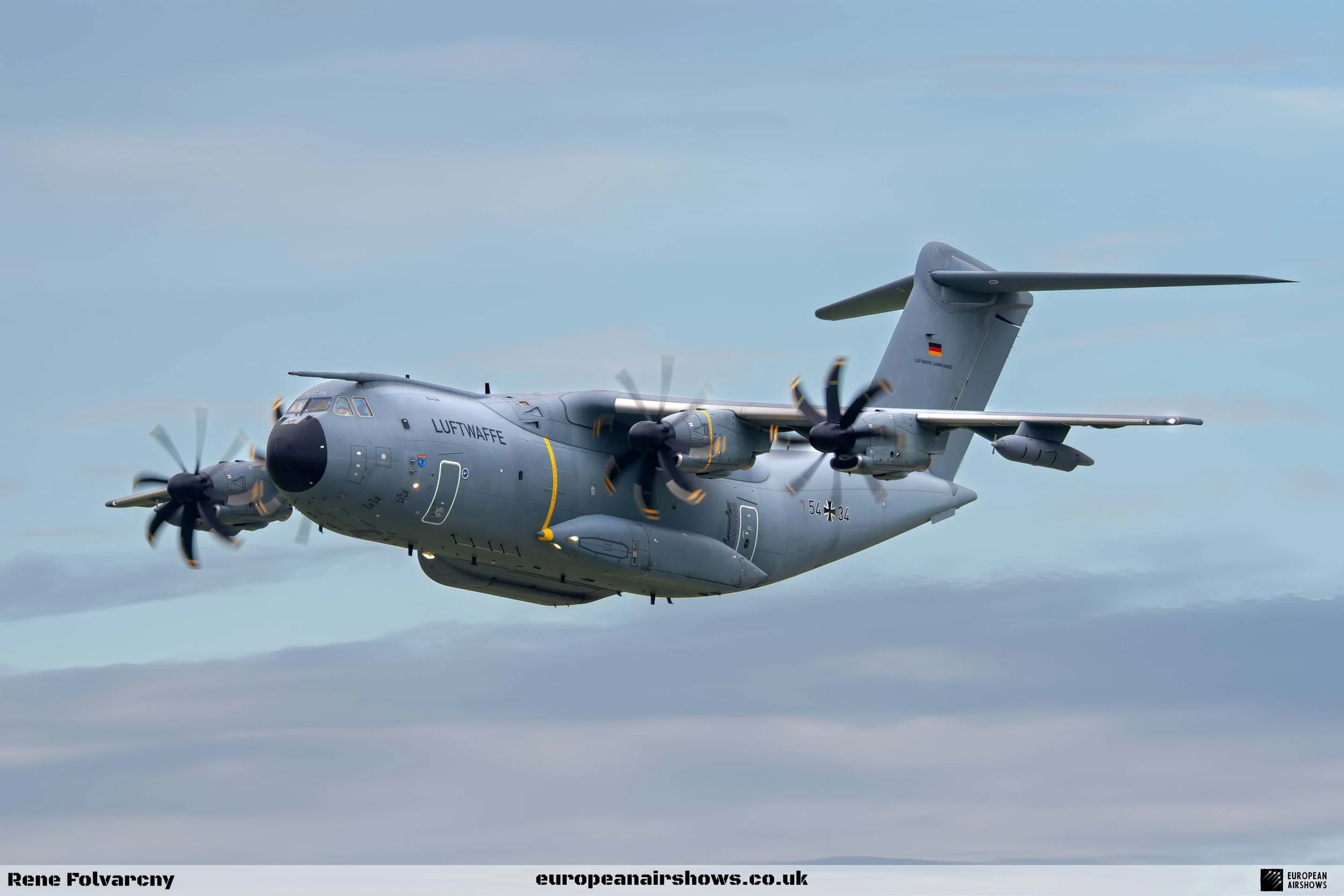
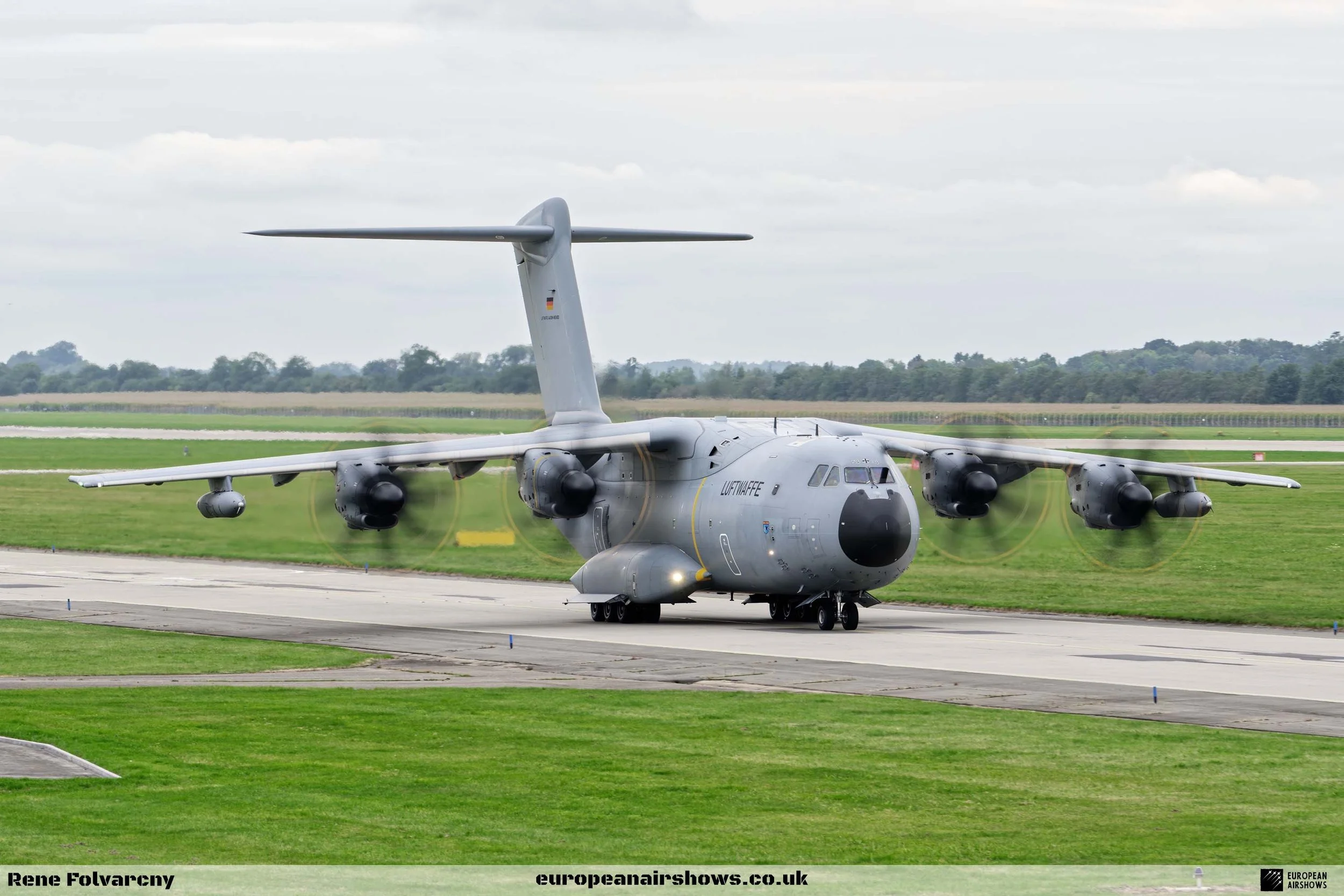
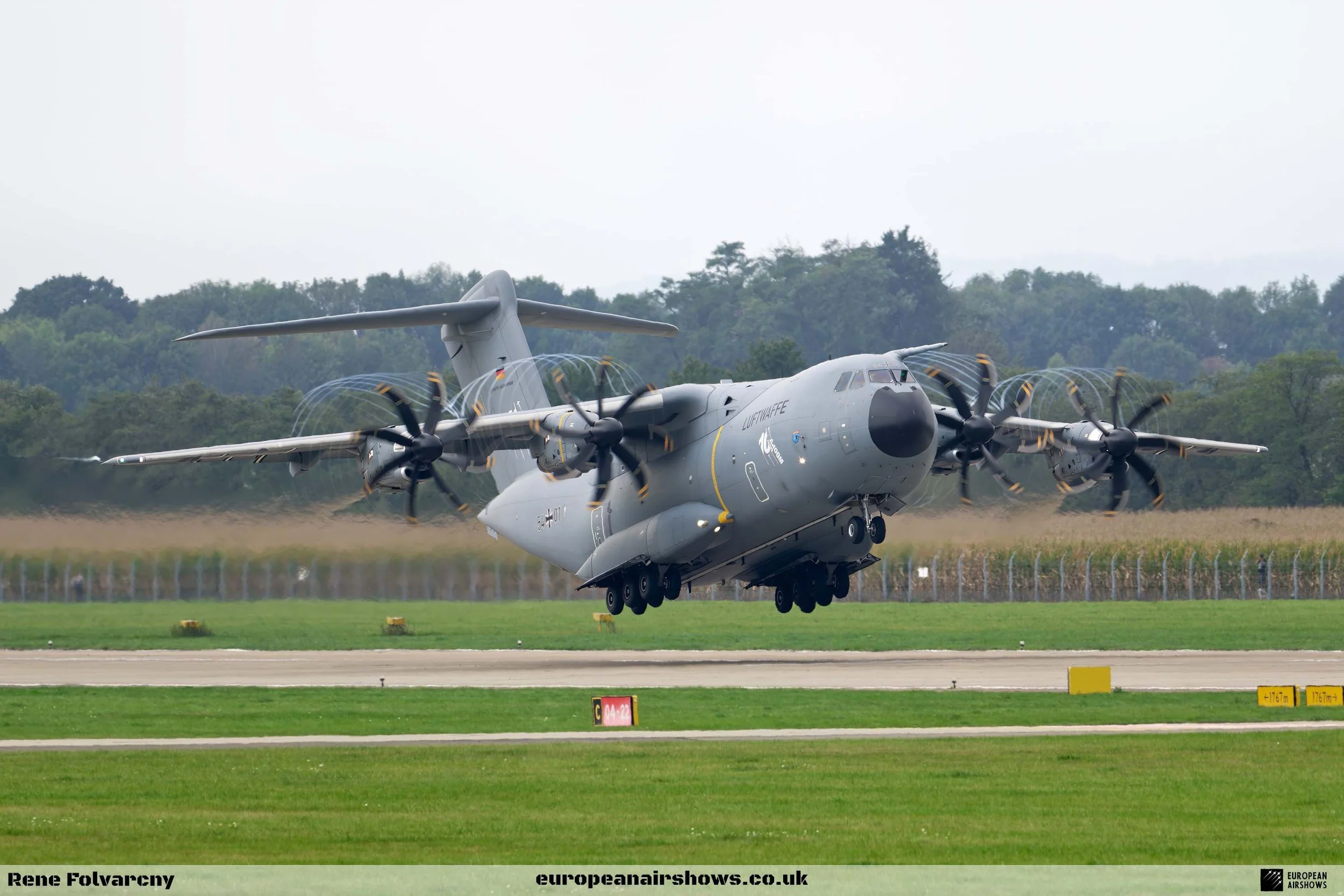
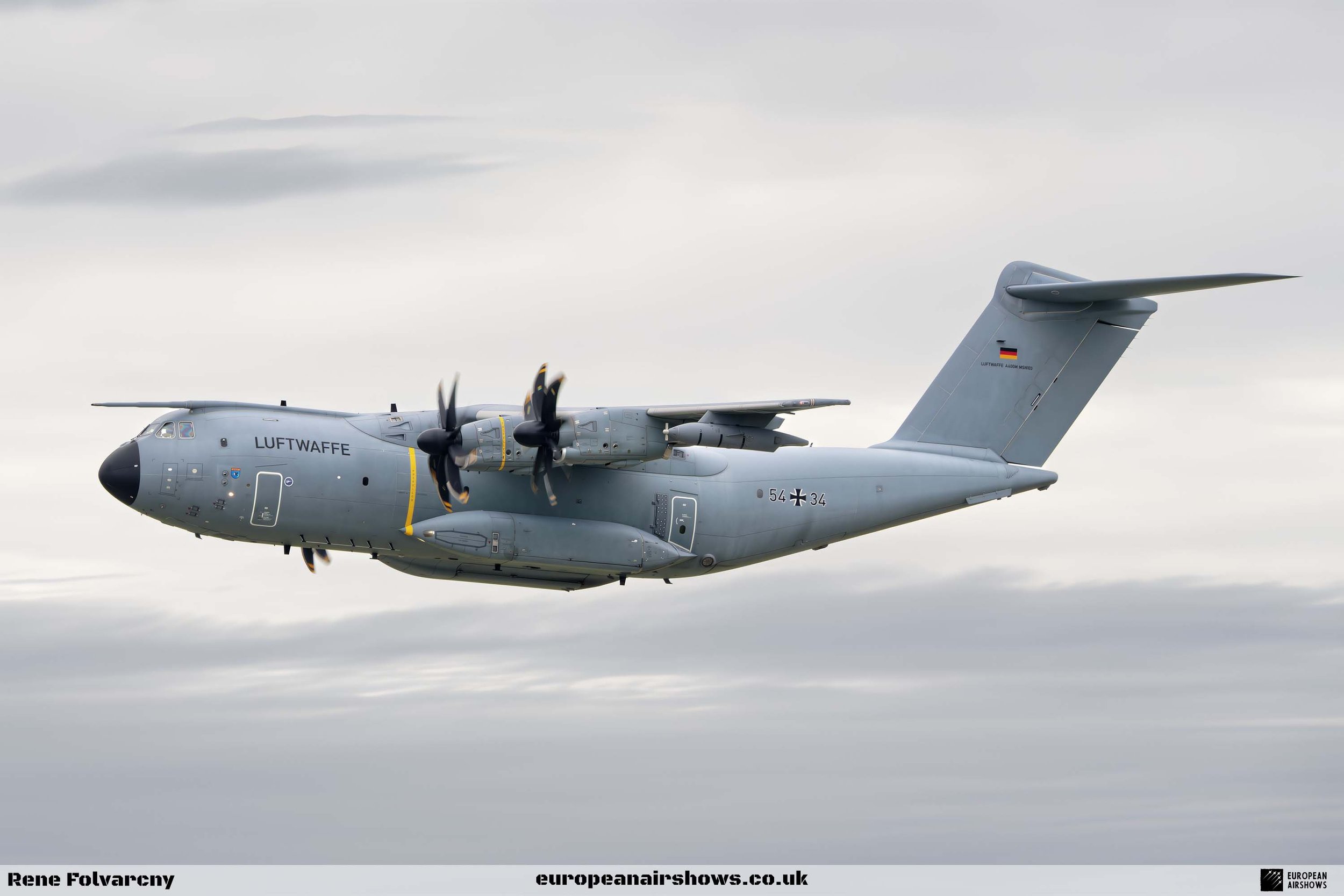
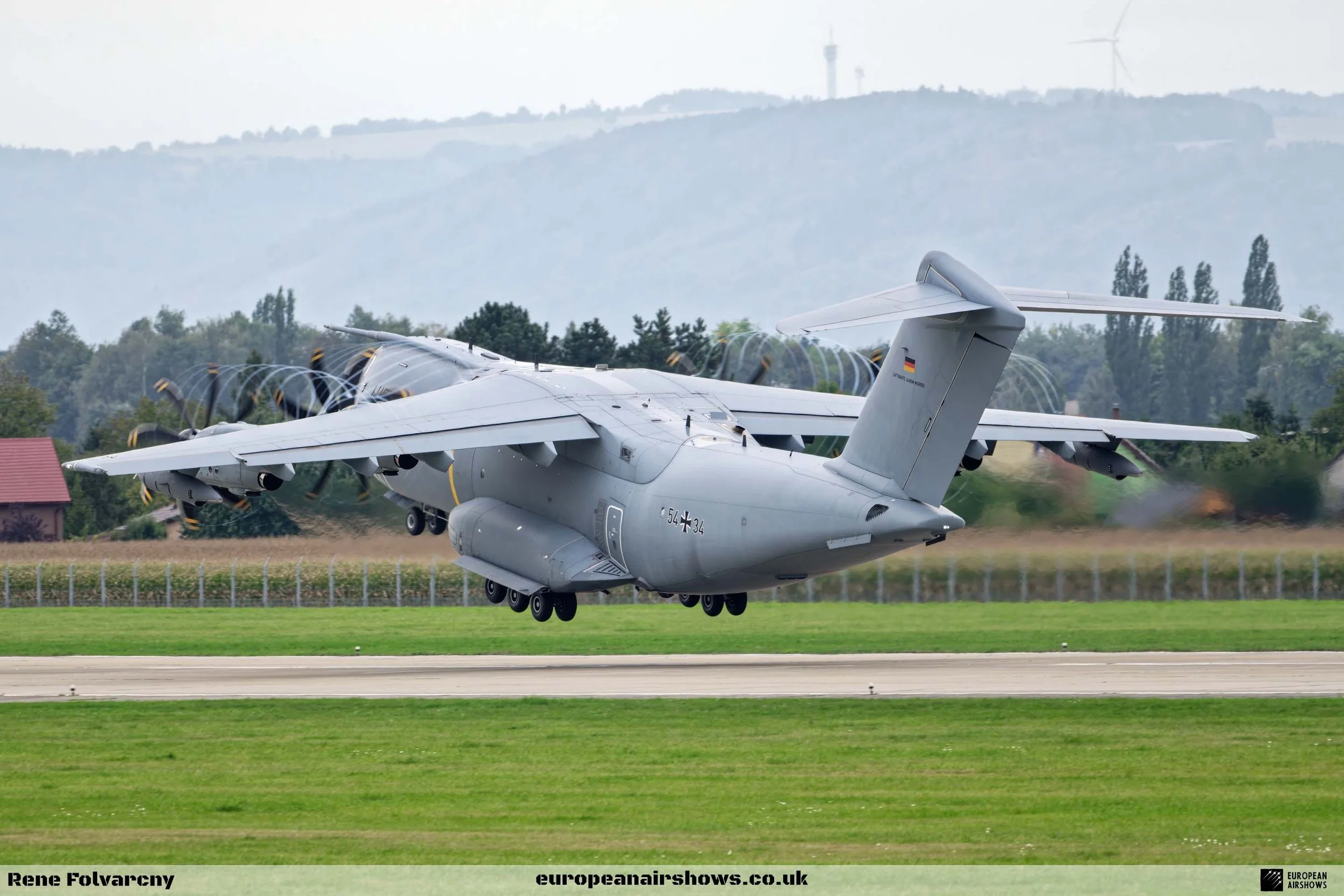
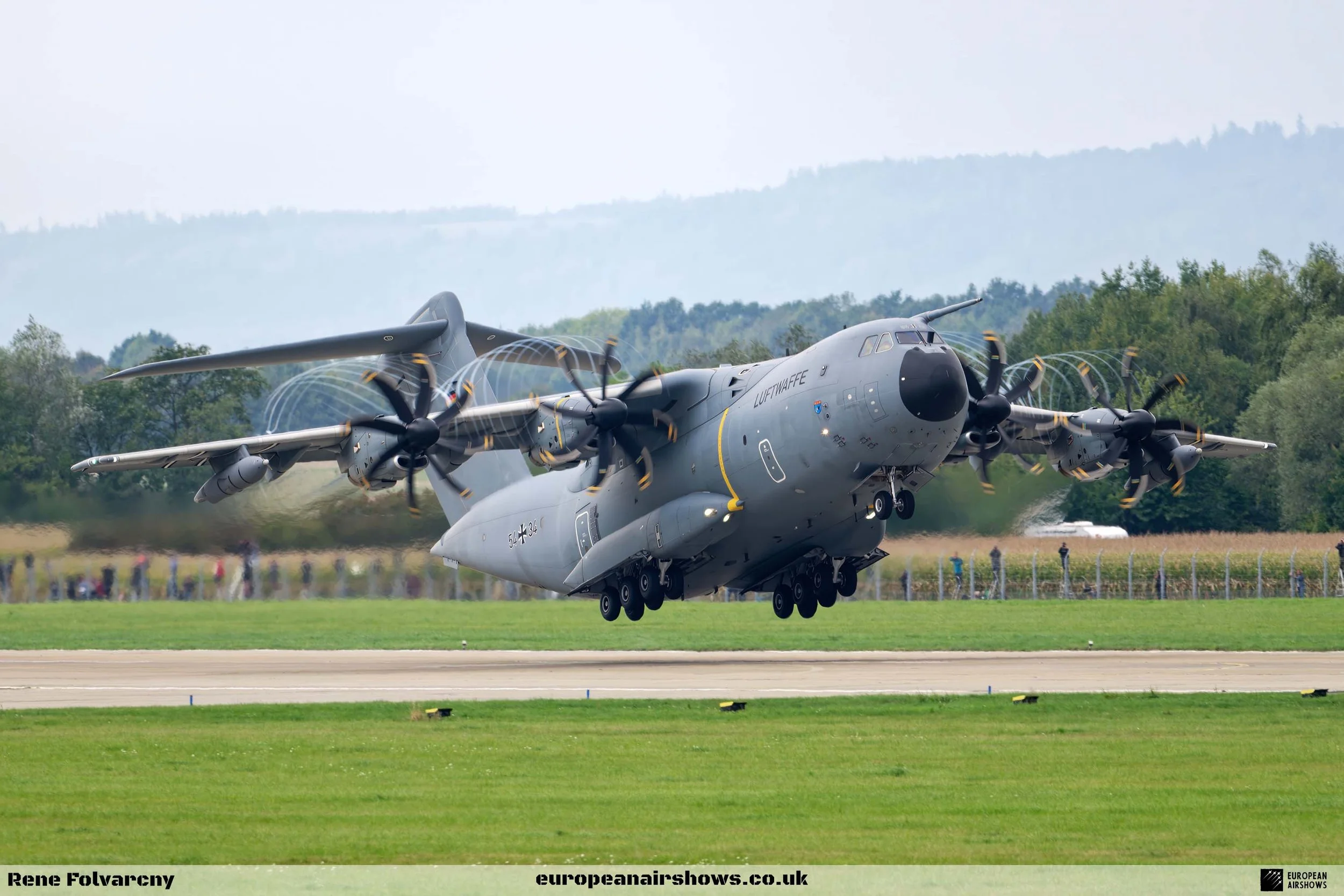
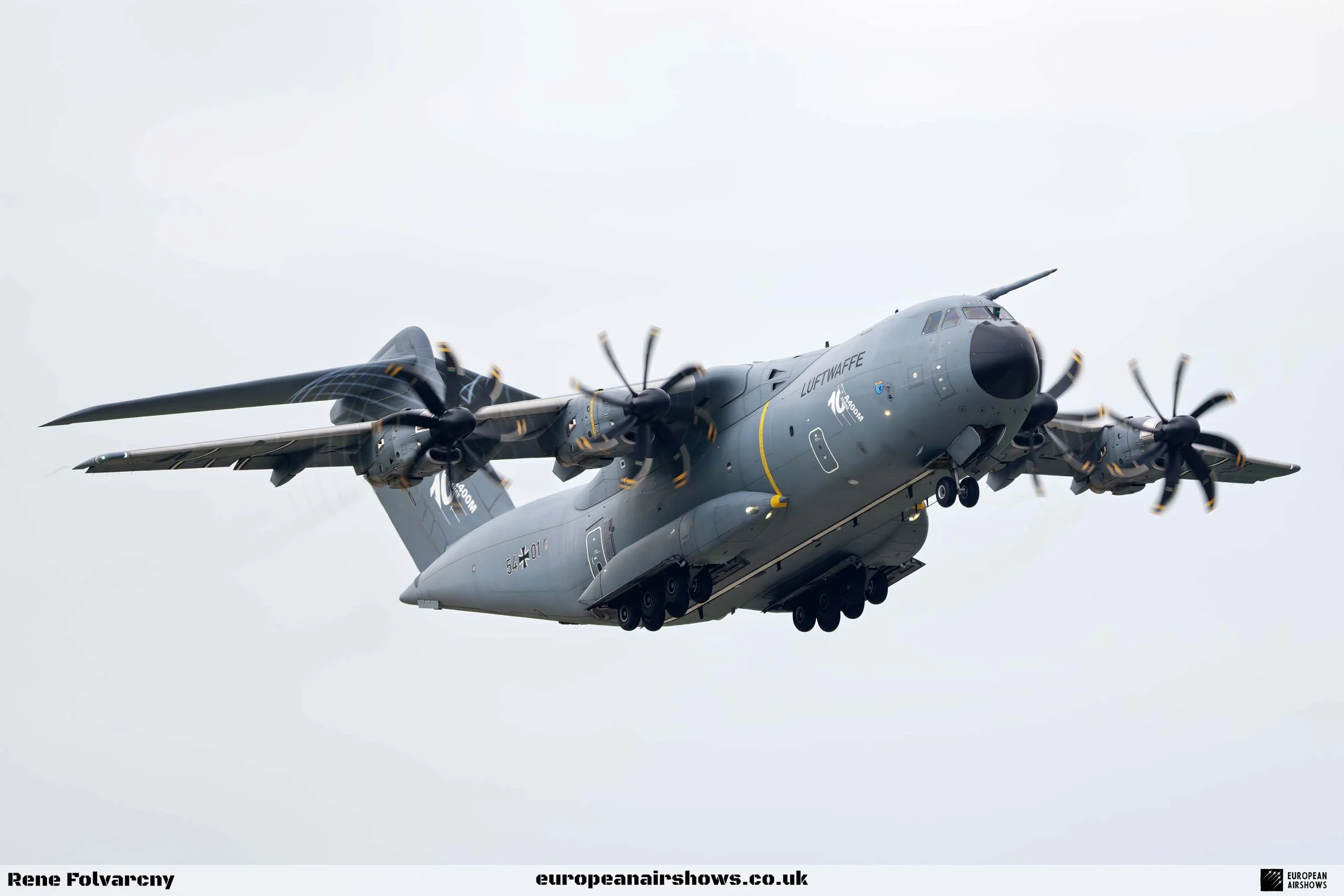
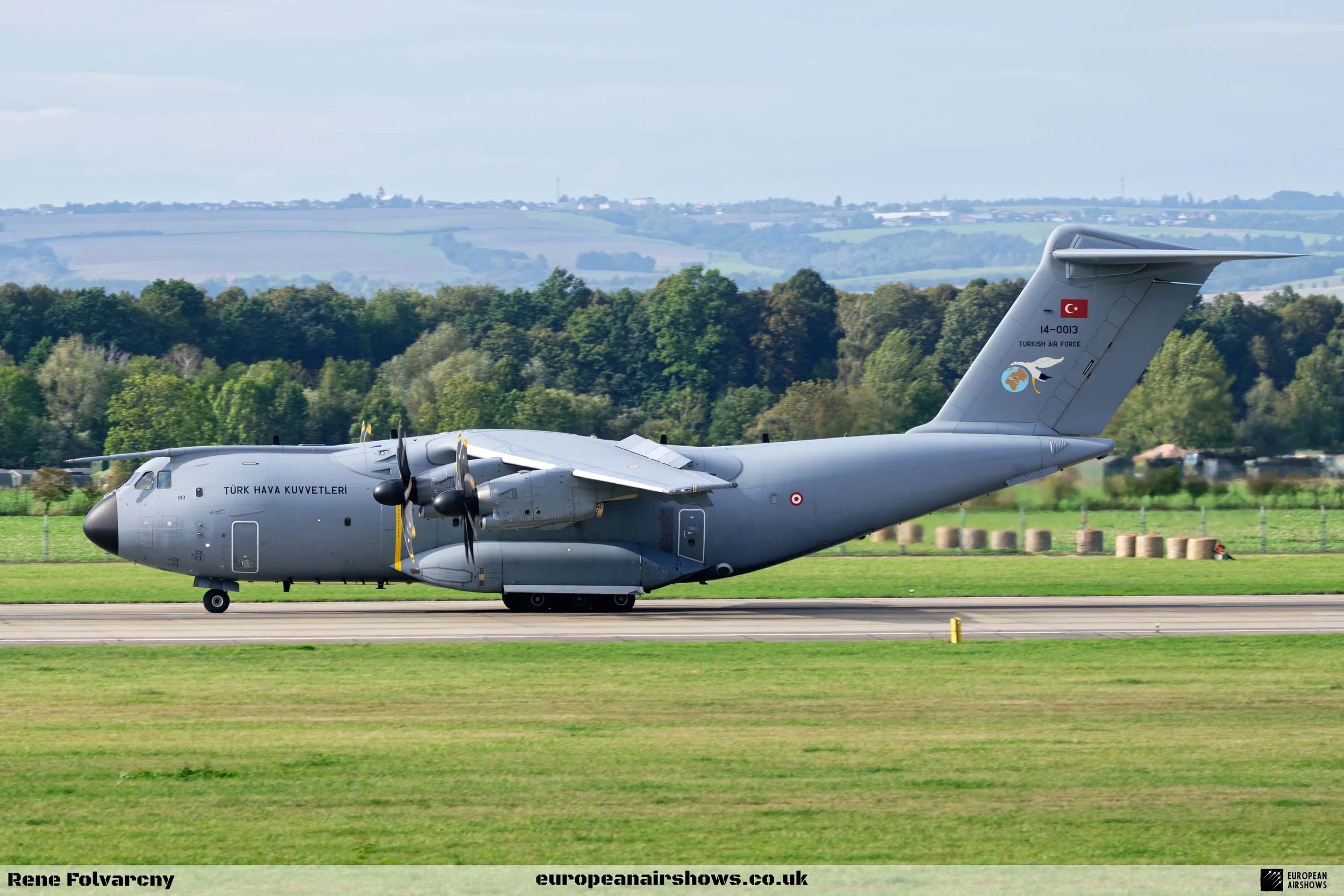
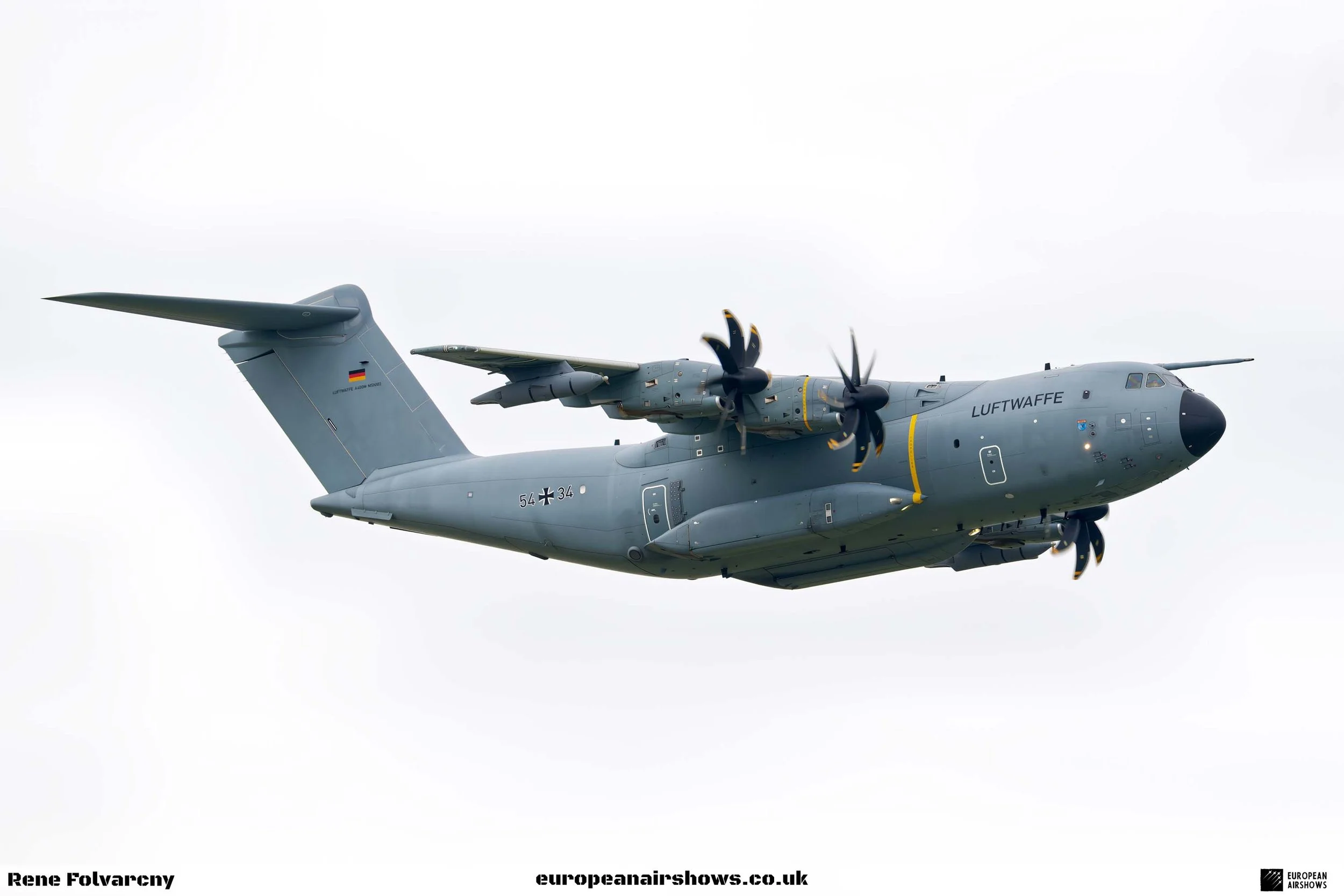
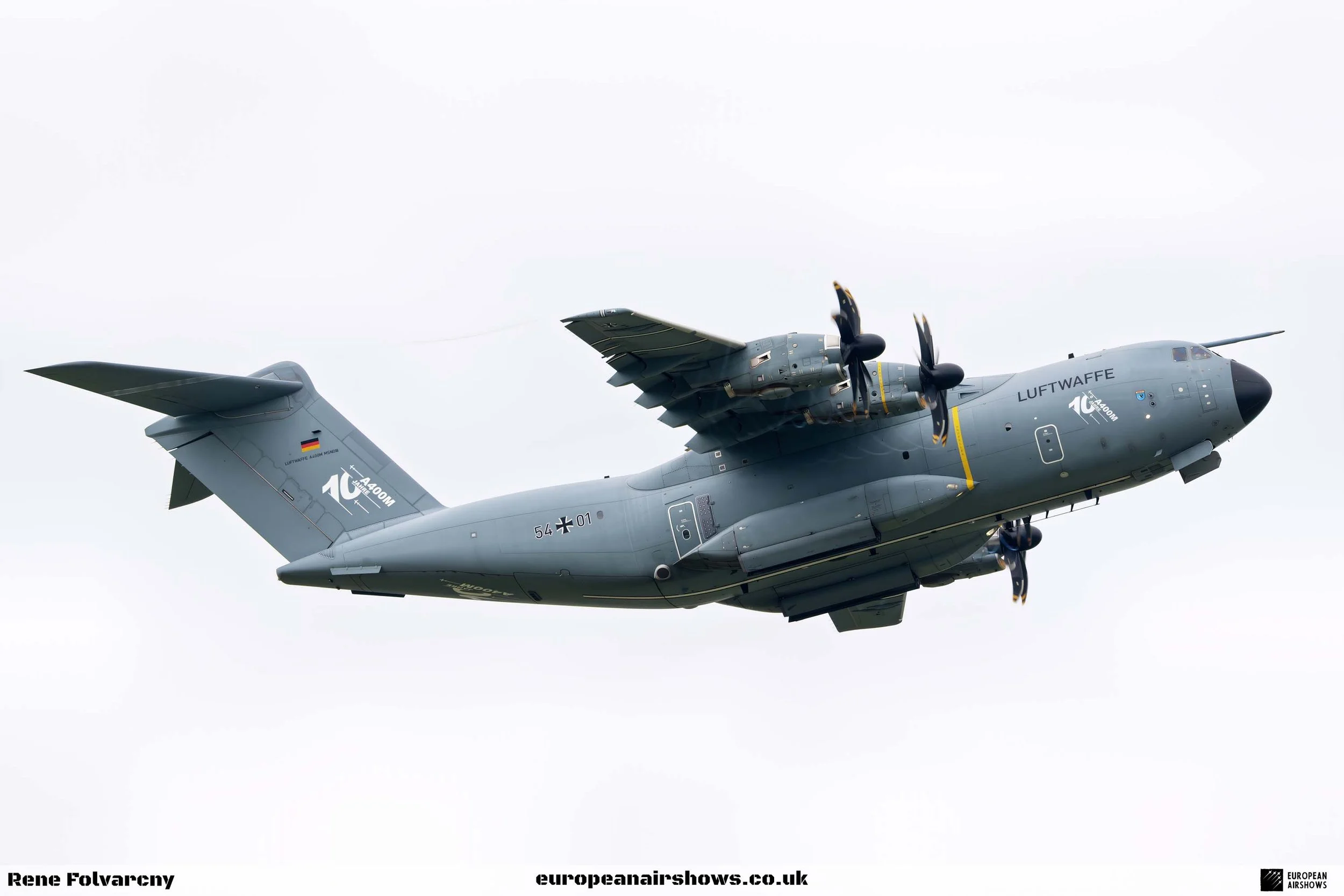
Fixed-wing “muscle” arrived in the best possible form: the German Airbus A400M Atlas remains one of those rare transports that can steal a show, and 2025 was no exception - agile as ever, with that signature sense of an aircraft far more athletic than its size suggests. The display pilot and organisers again leaned into what makes the type special, even calling out the Atlas’ counter-rotating propellers as part of why it can be pushed so hard and still look composed. The cherry on top was the arrival flair: after landing, the Atlas reversing back on the runway area is still one of the coolest “this isn’t an airliner” moments you’ll see at any European show.
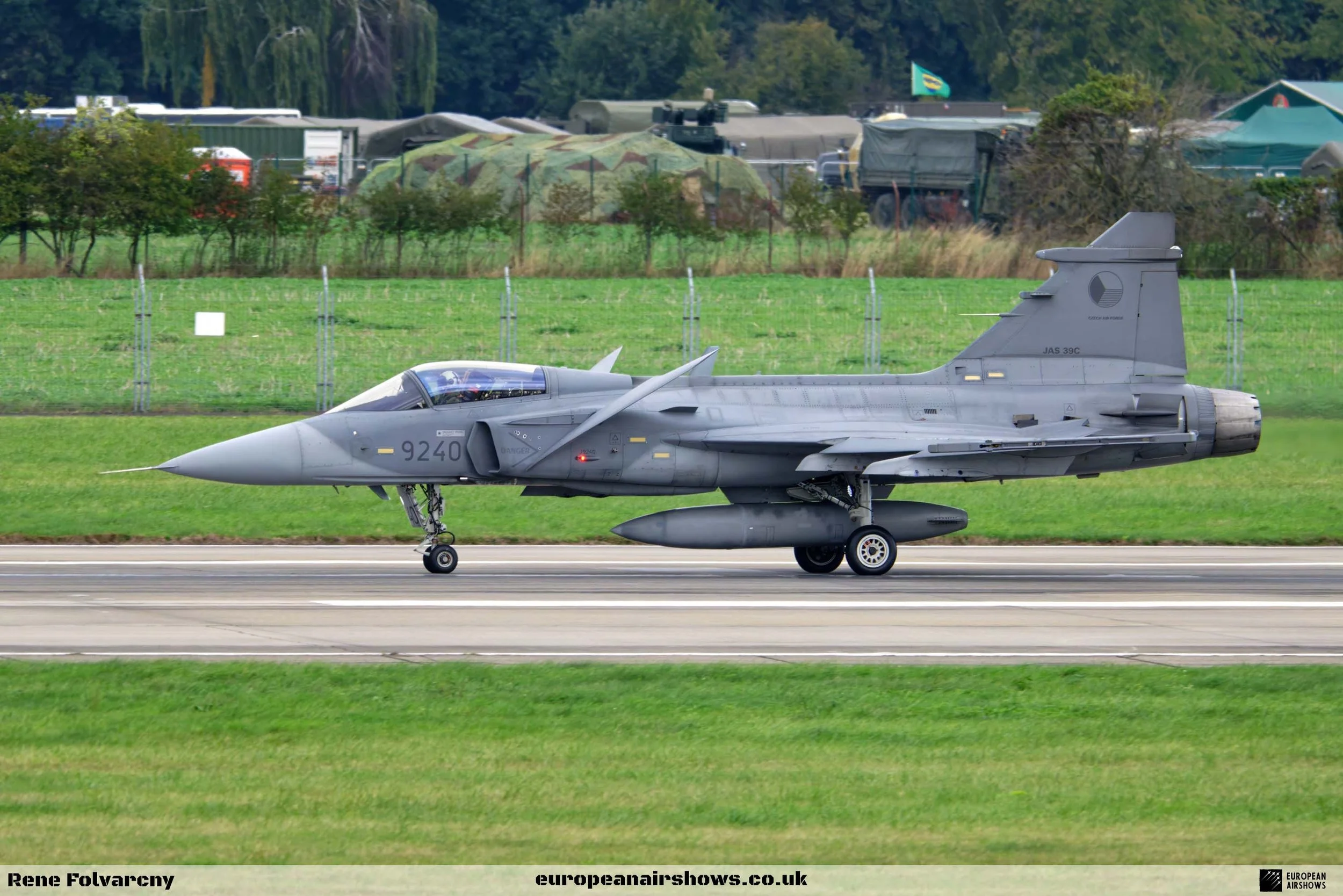
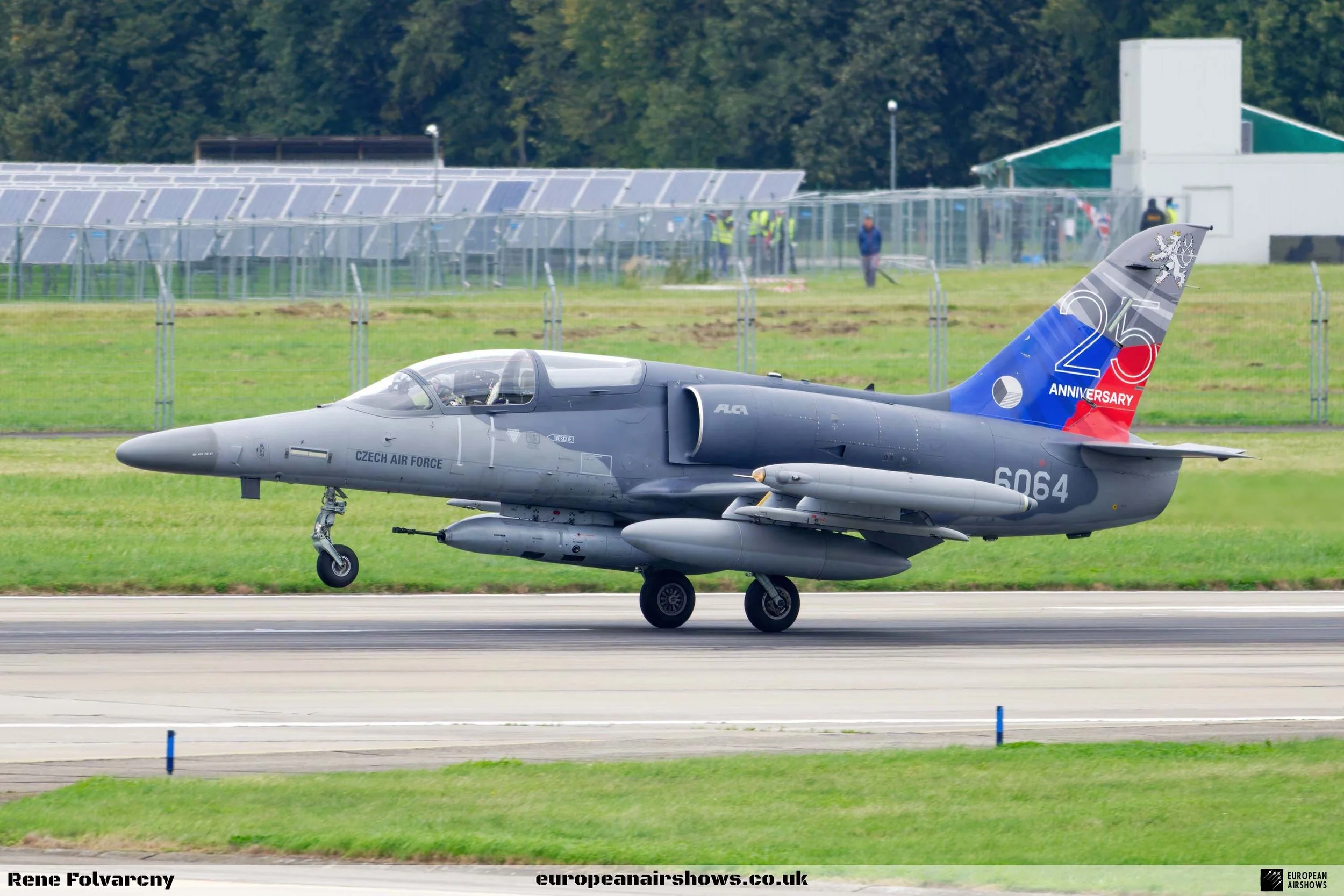
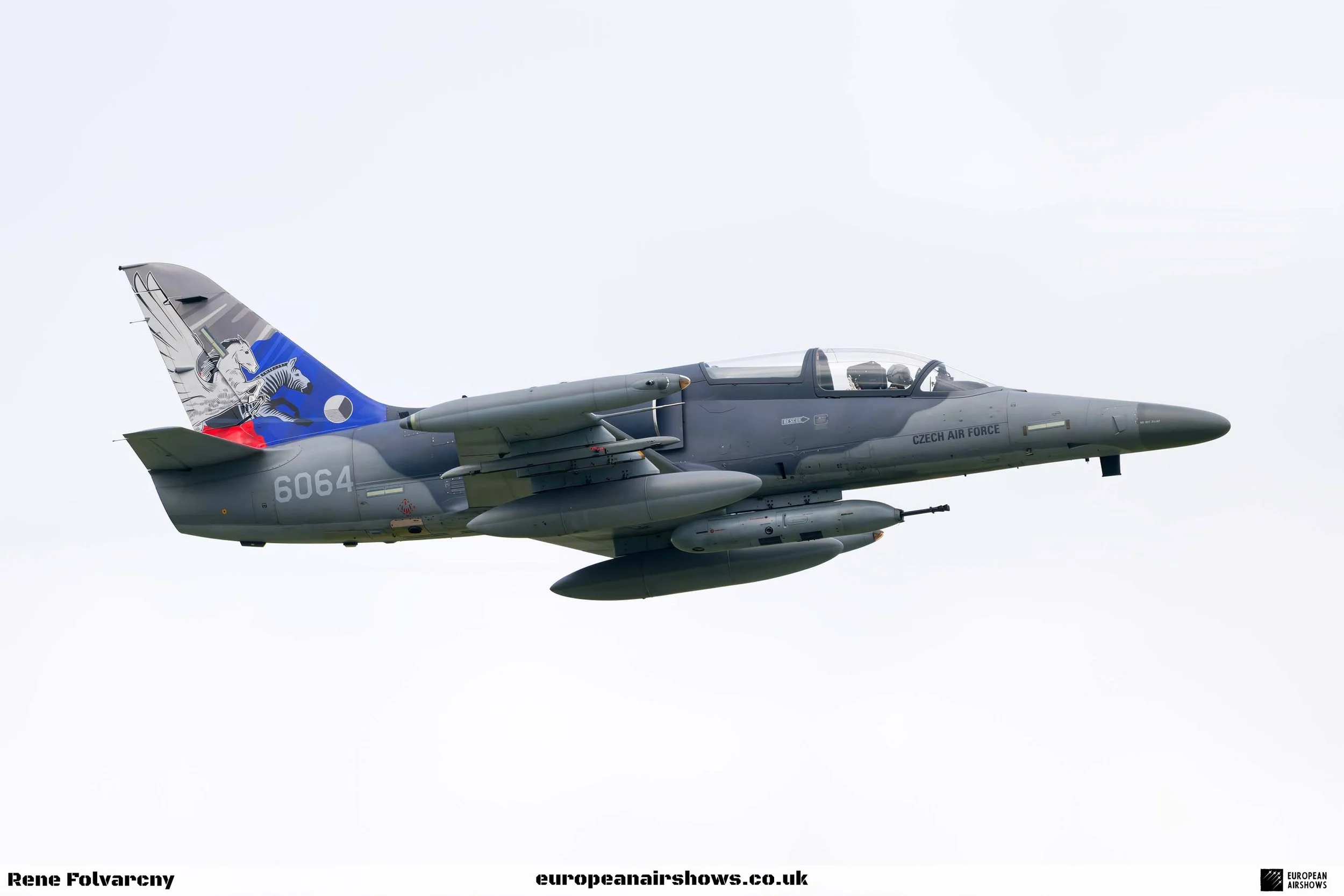
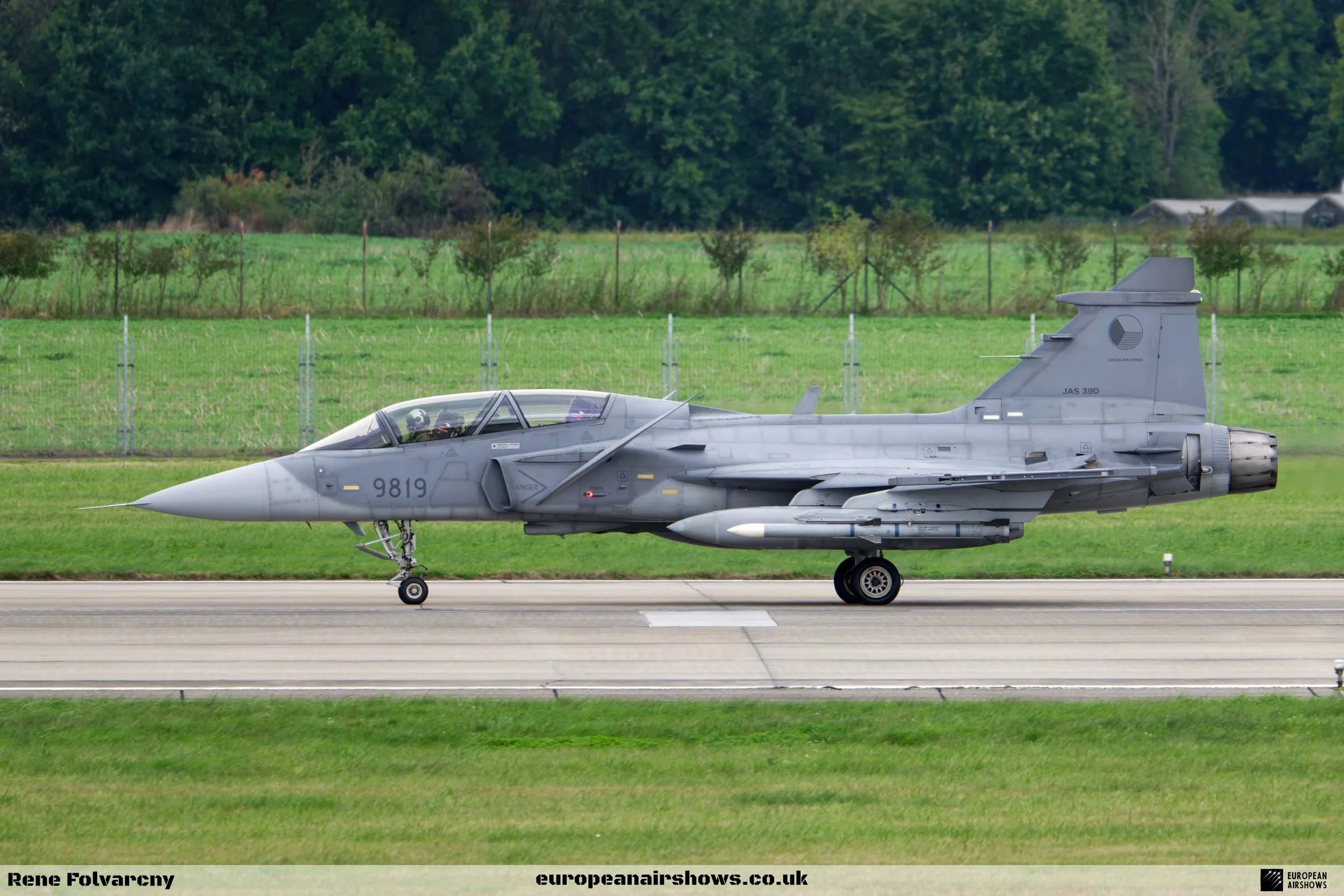
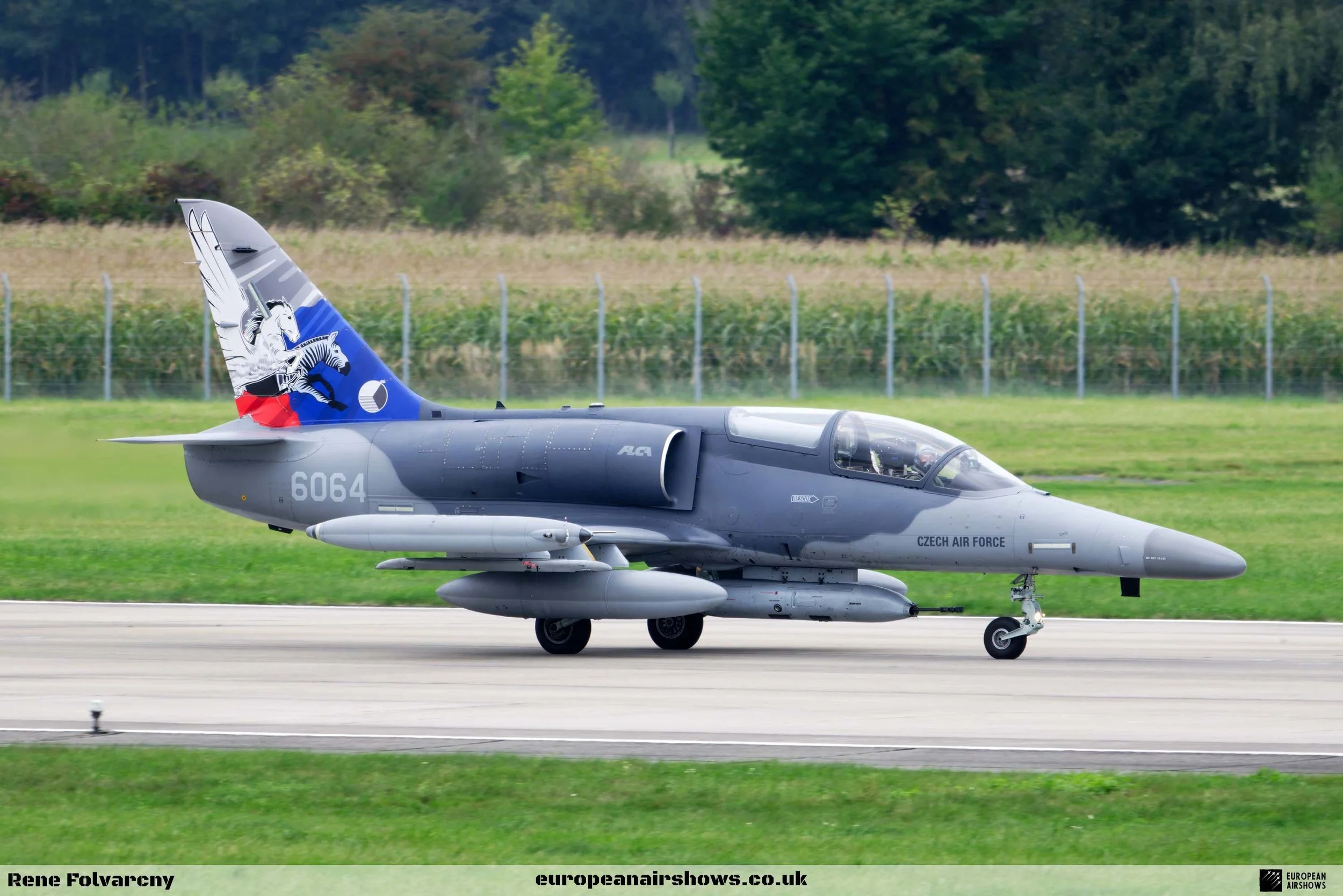
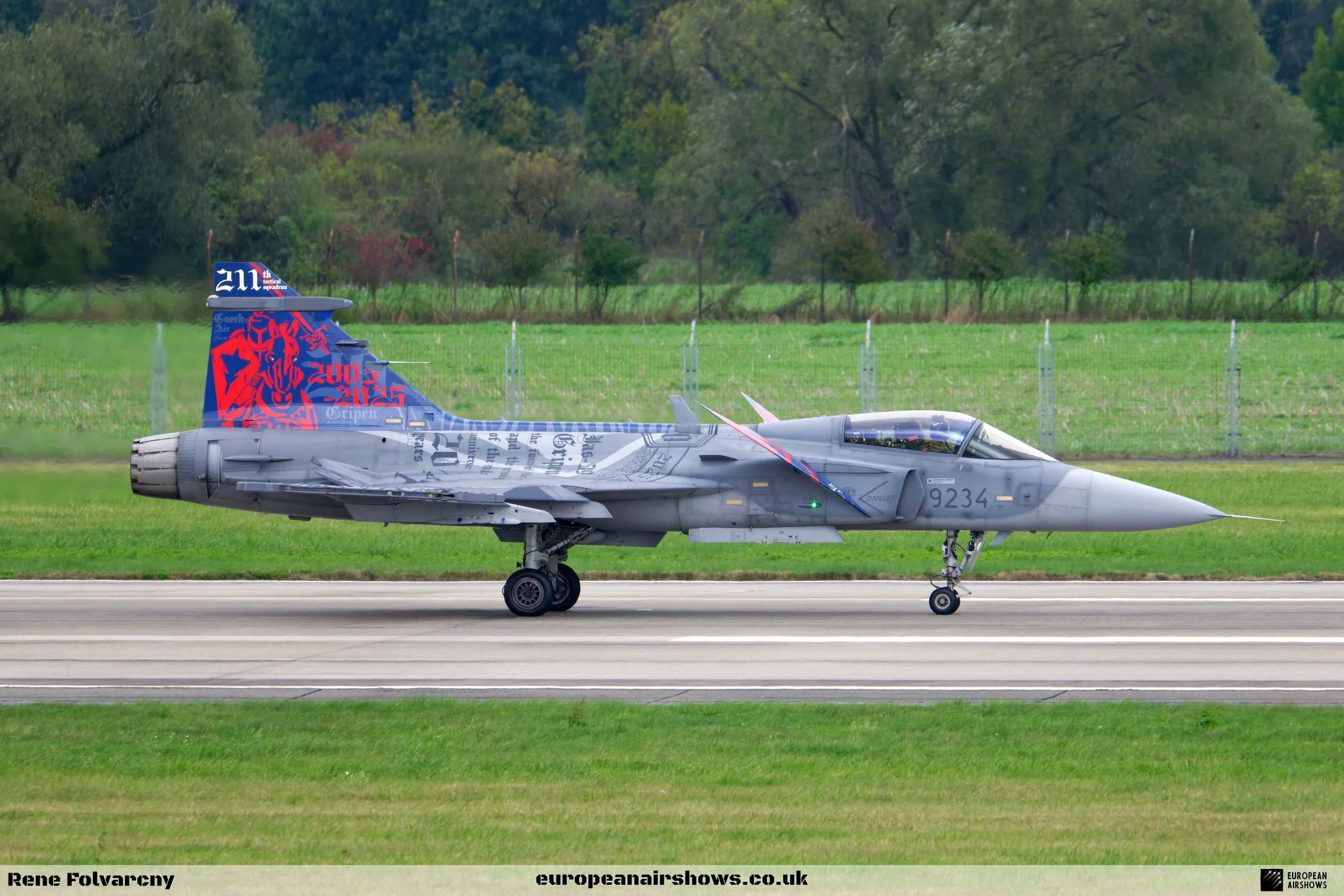
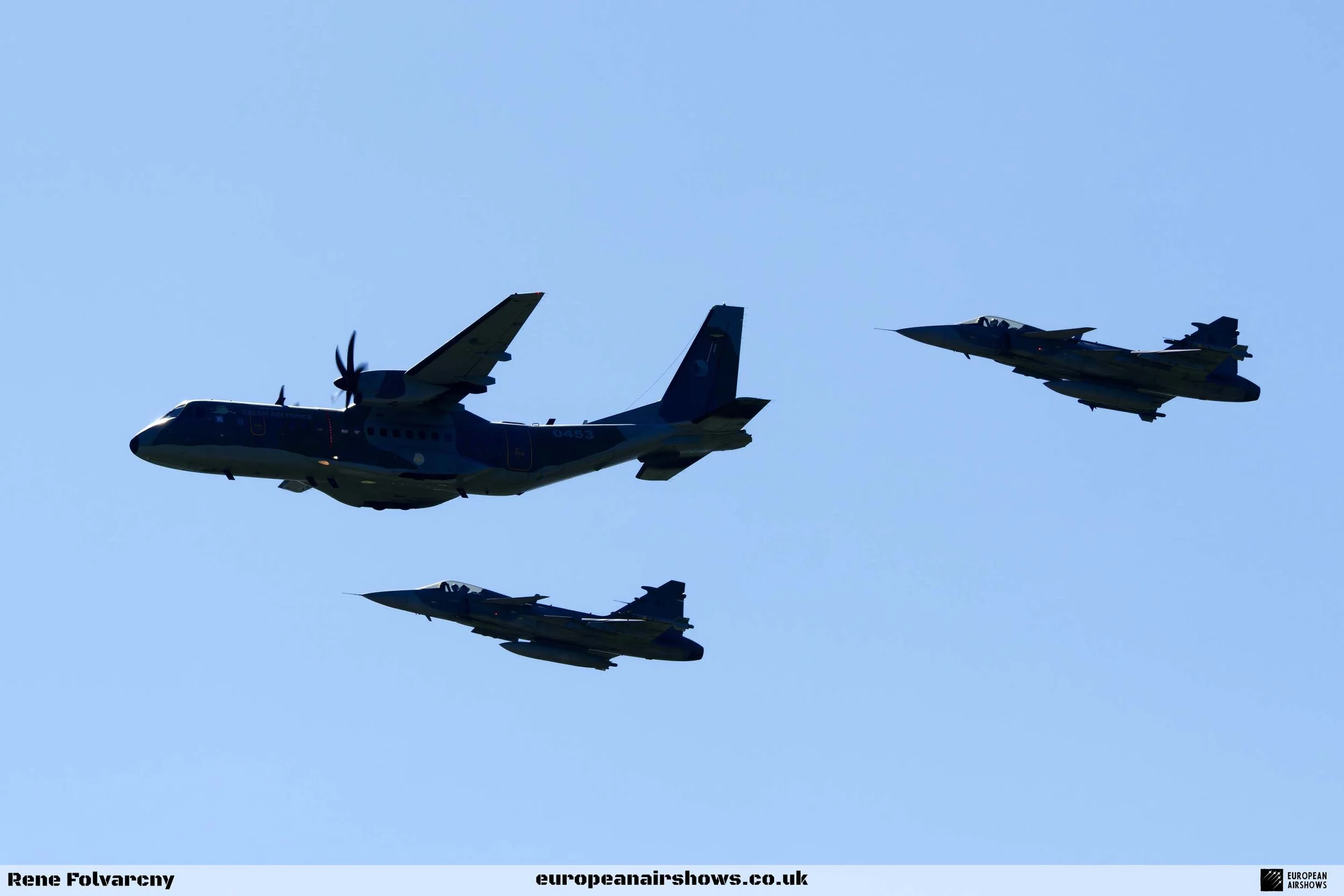
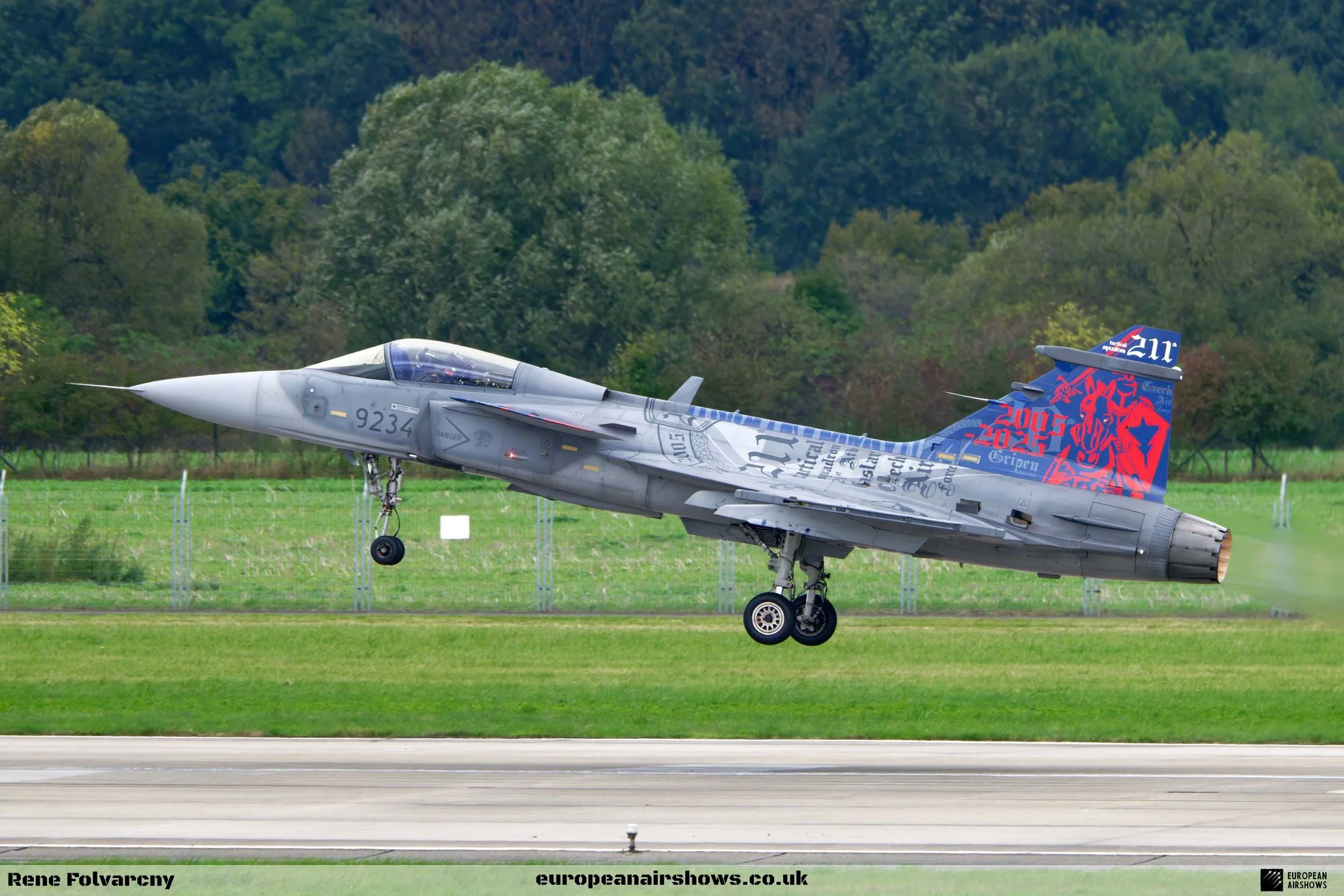
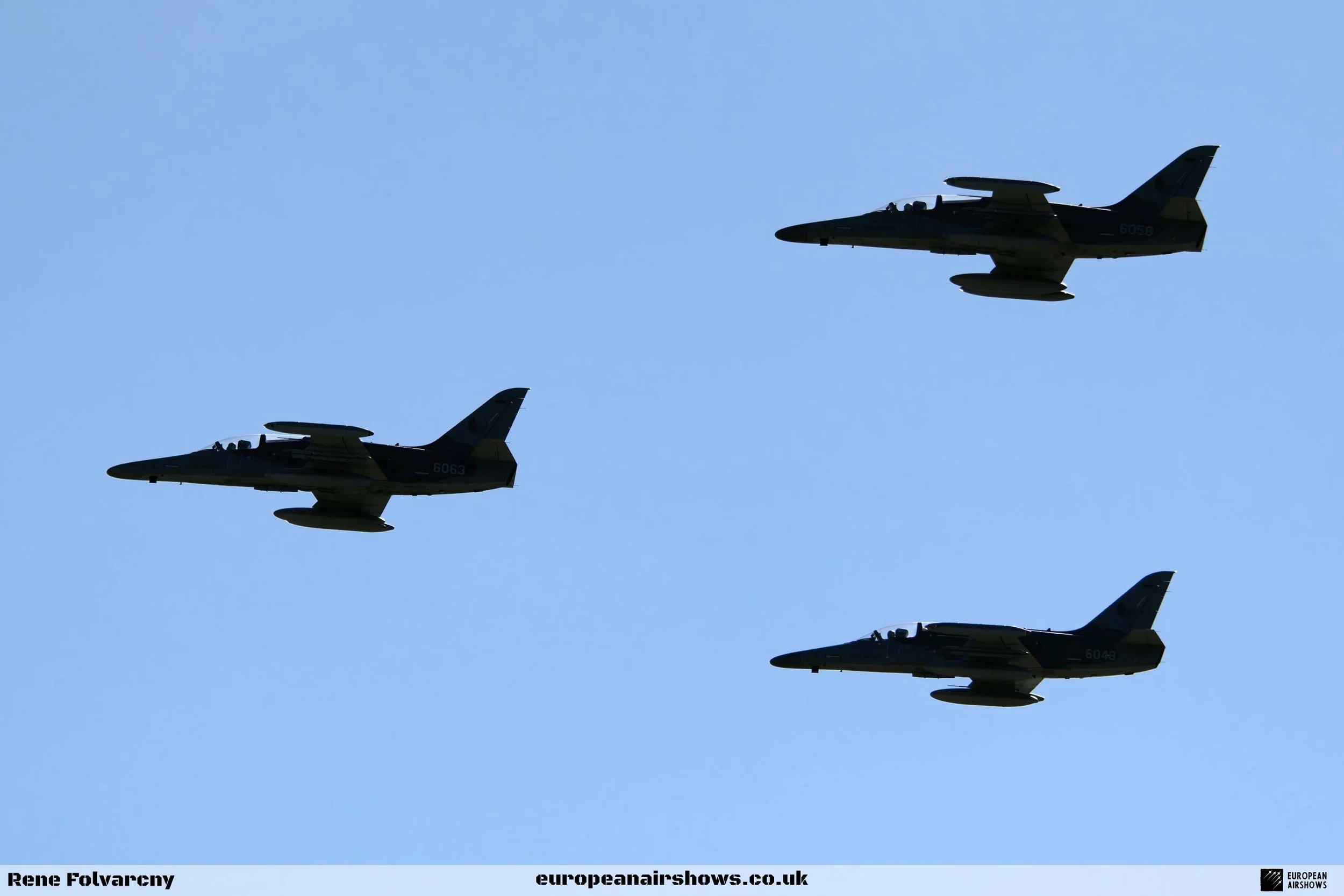
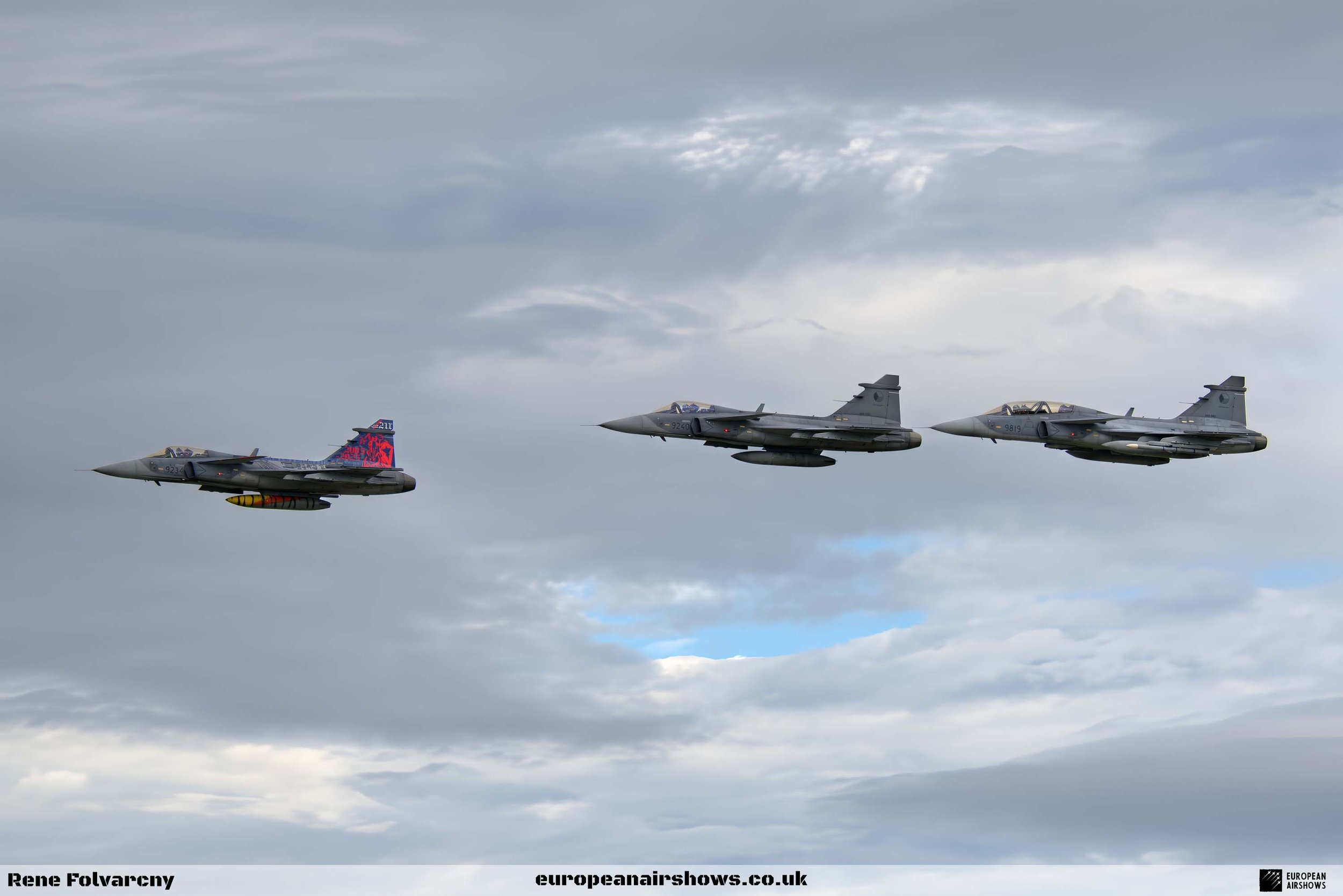
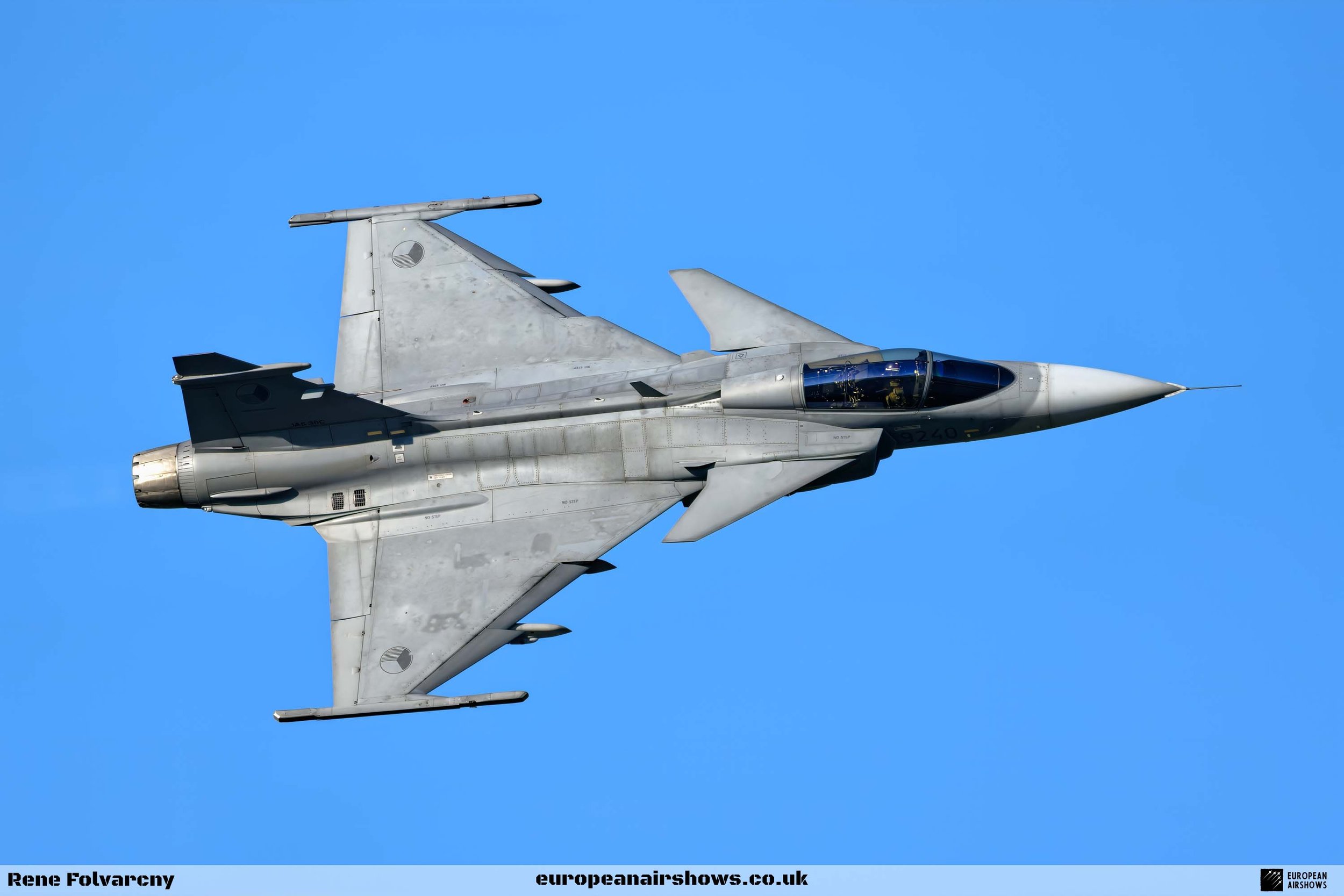
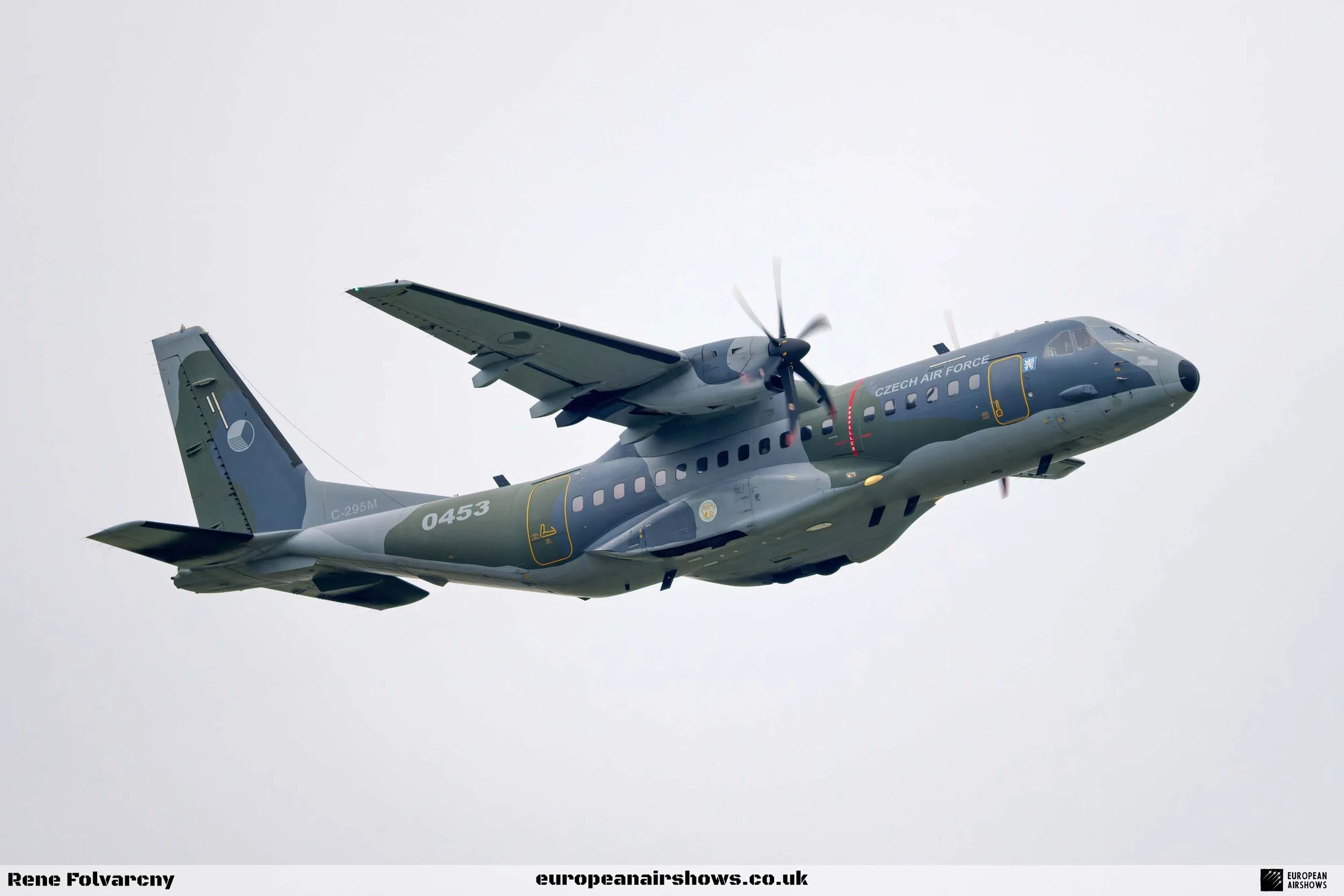
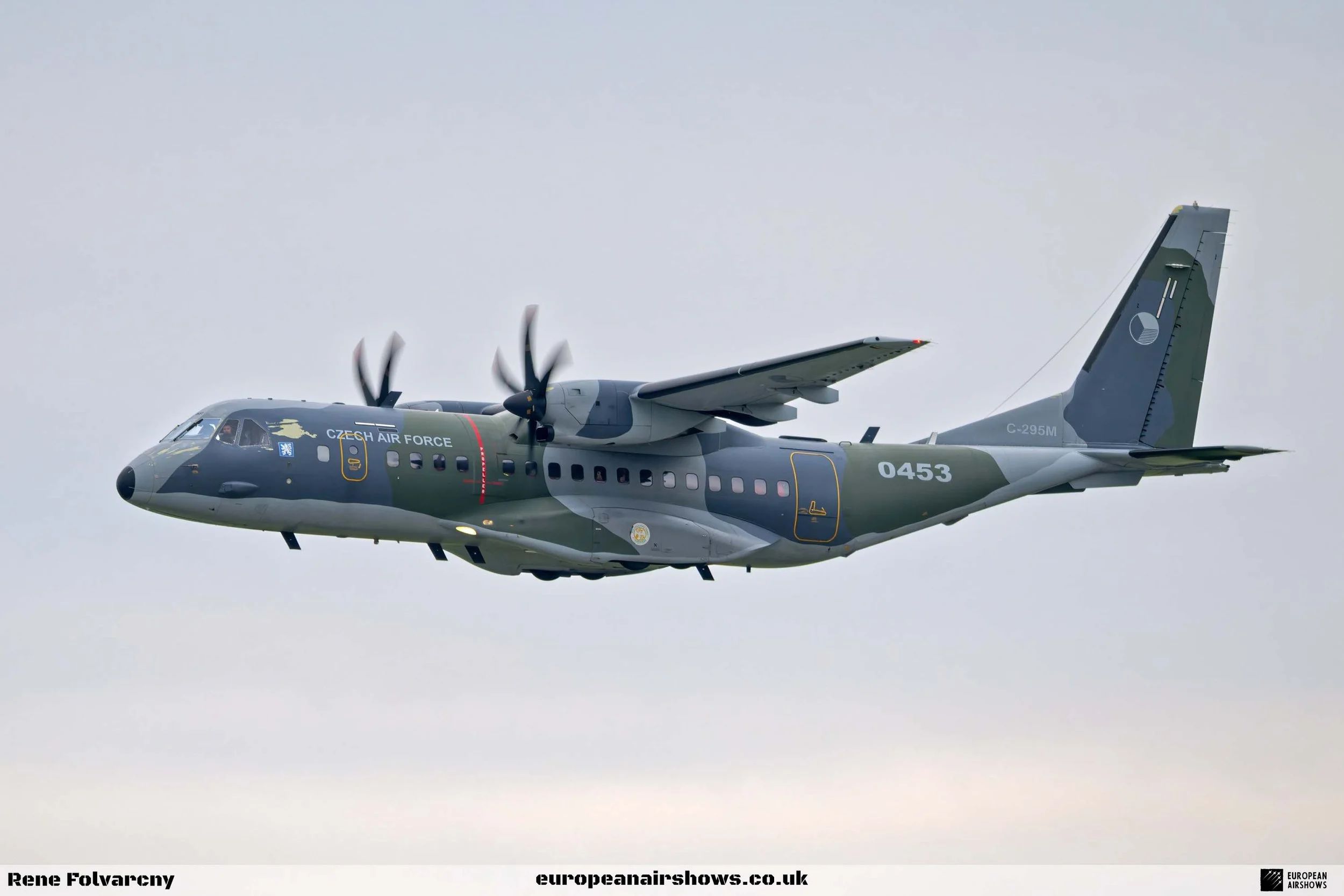
The Czech Air Force set-piece opening flypast was a reminder of how much home capability is packed into the programme: Airbus C-295M Casa, Saab JAS 39 Gripen, Aero L-159 ALCA, Bell AH-1Z Viper and Bell UH-1Y Venom in one clean, ceremonial pass that felt like a reminder of just how much capability sits on the home flightline at Mošnov.
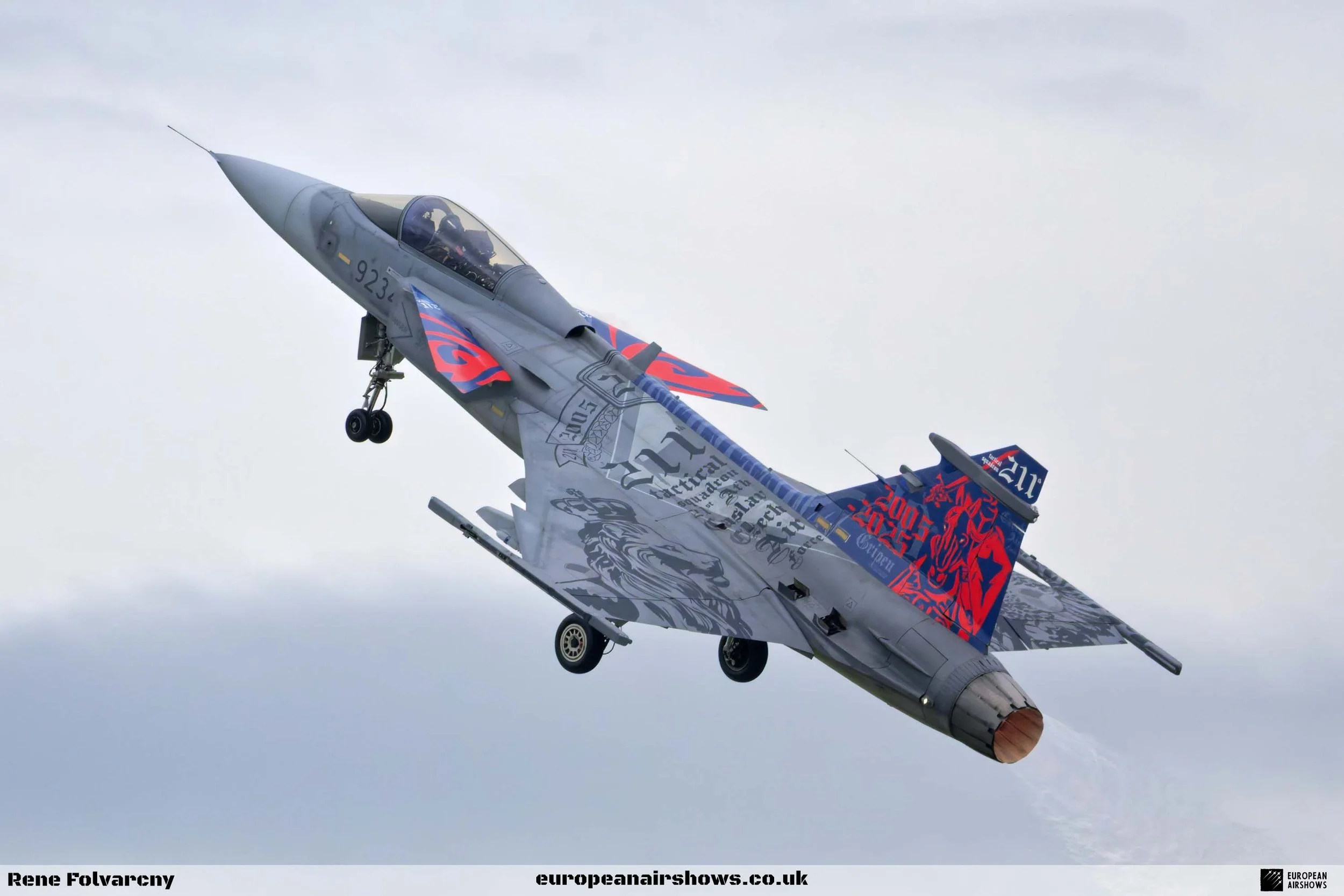
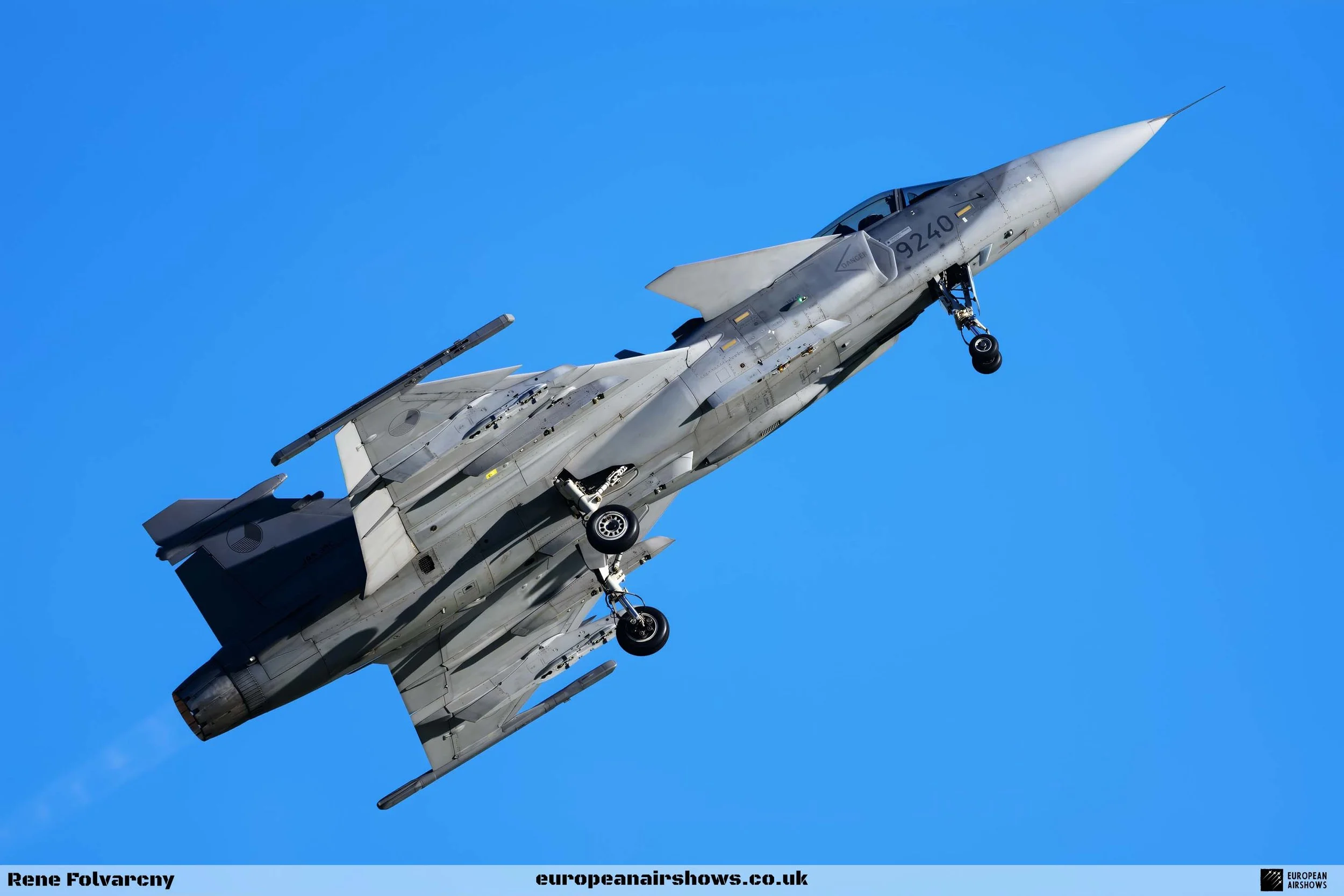
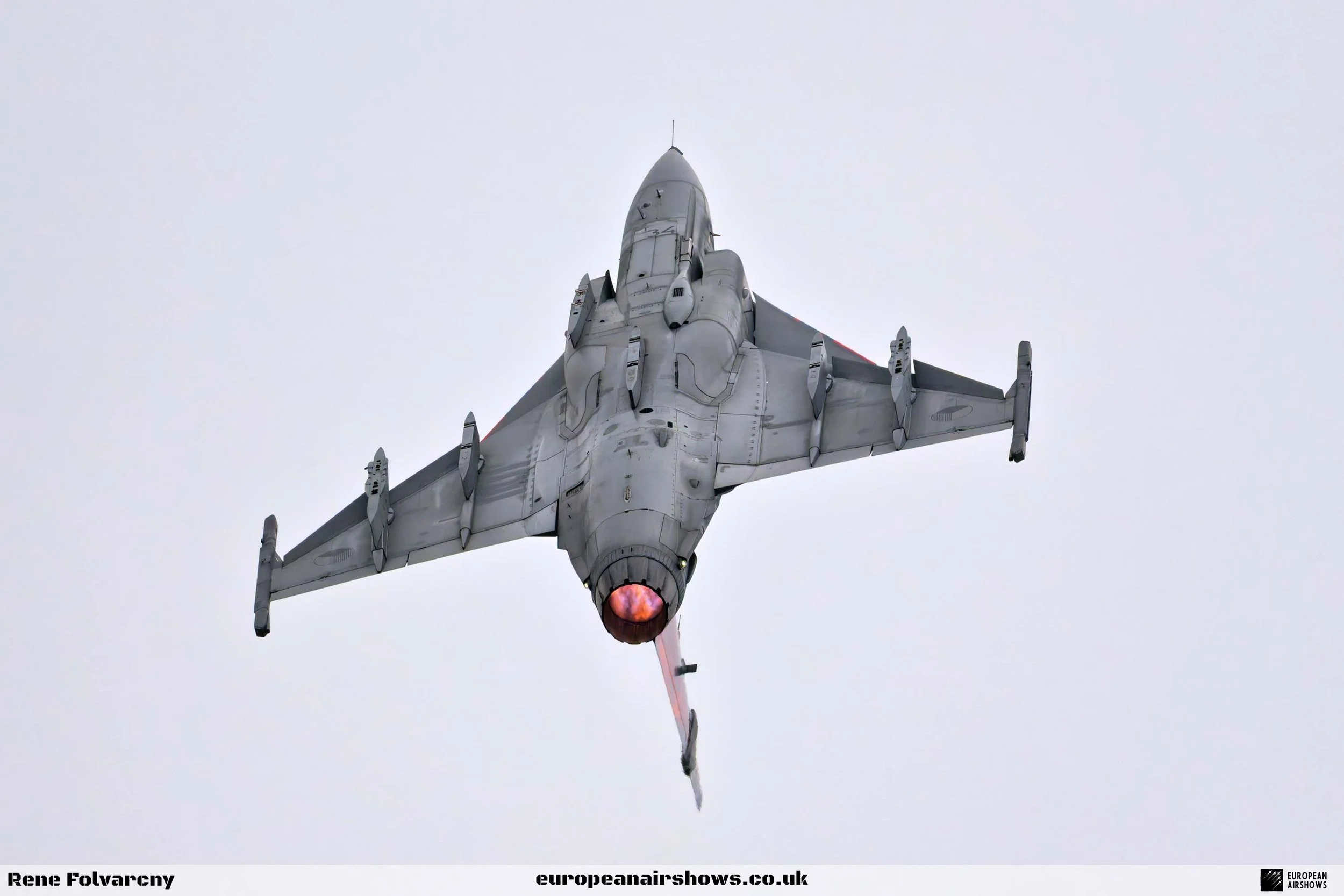
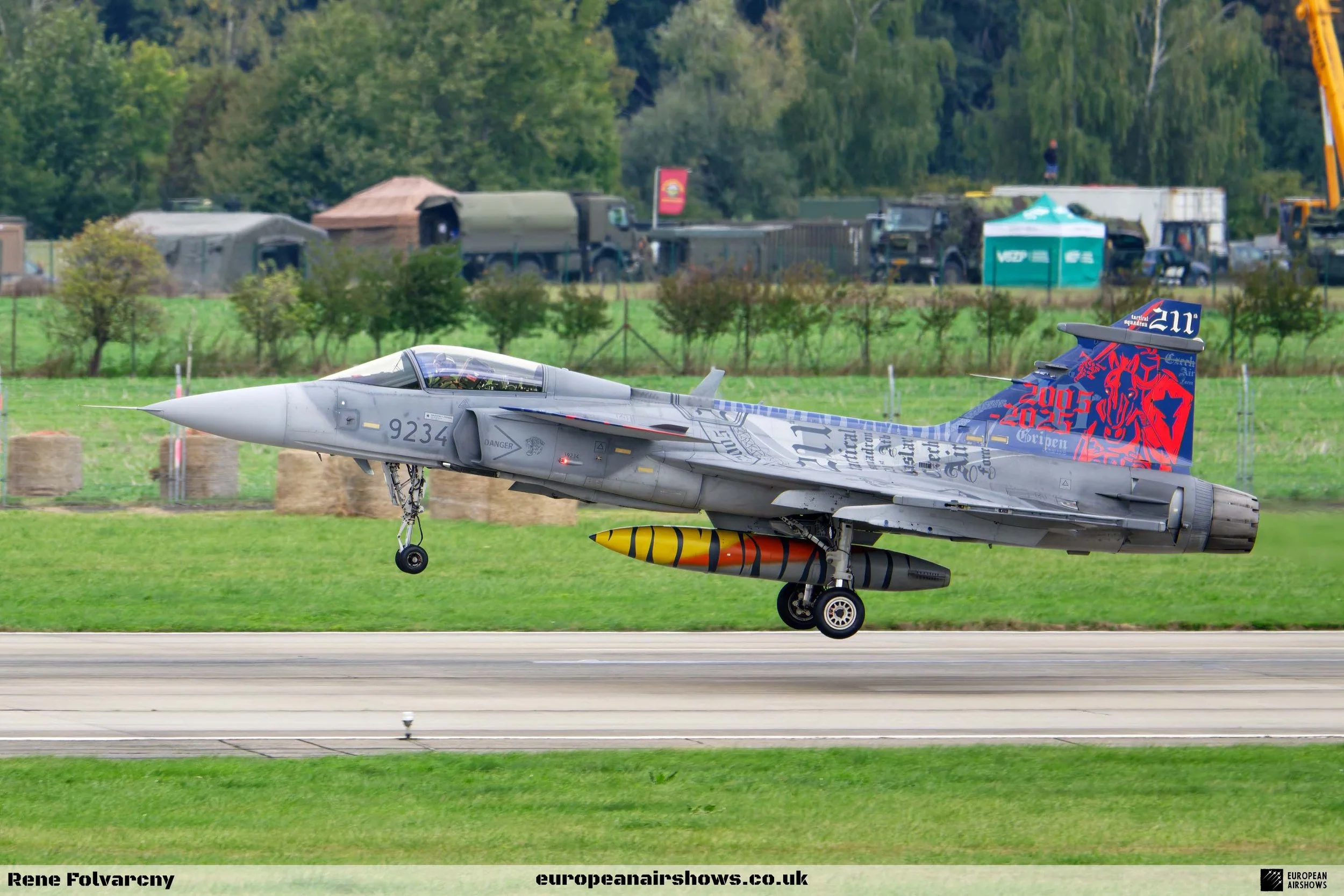
The solo slot for the Saab JAS 39 Gripen belonged to Captain Ján “RACIK” Ratz, and it was flown with real bite. It was not a gentle “wave to the crowd” routine, it was tight, busy and properly crowd-facing, the kind of display where the jet stays loaded in the turns and keeps coming back at you.
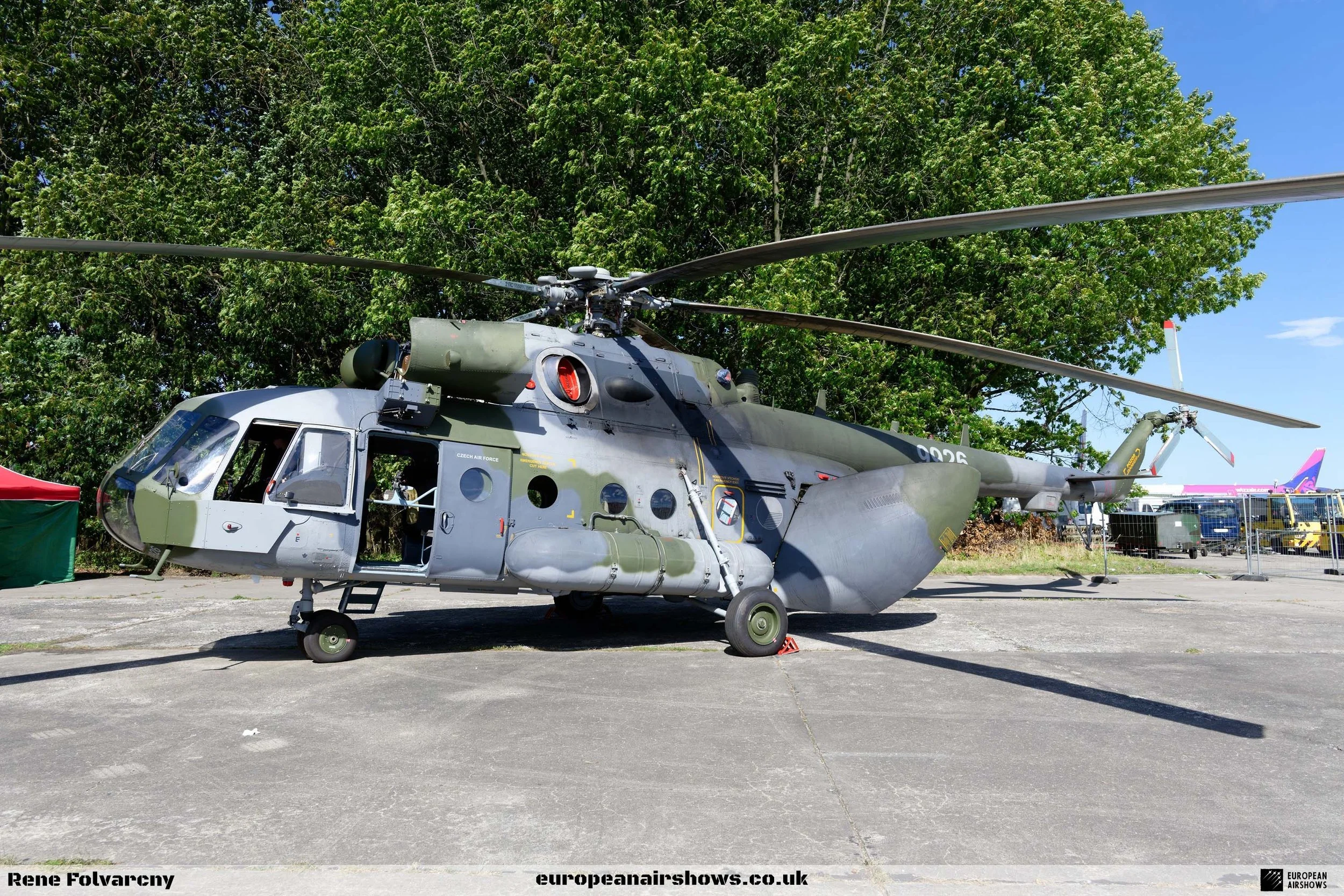
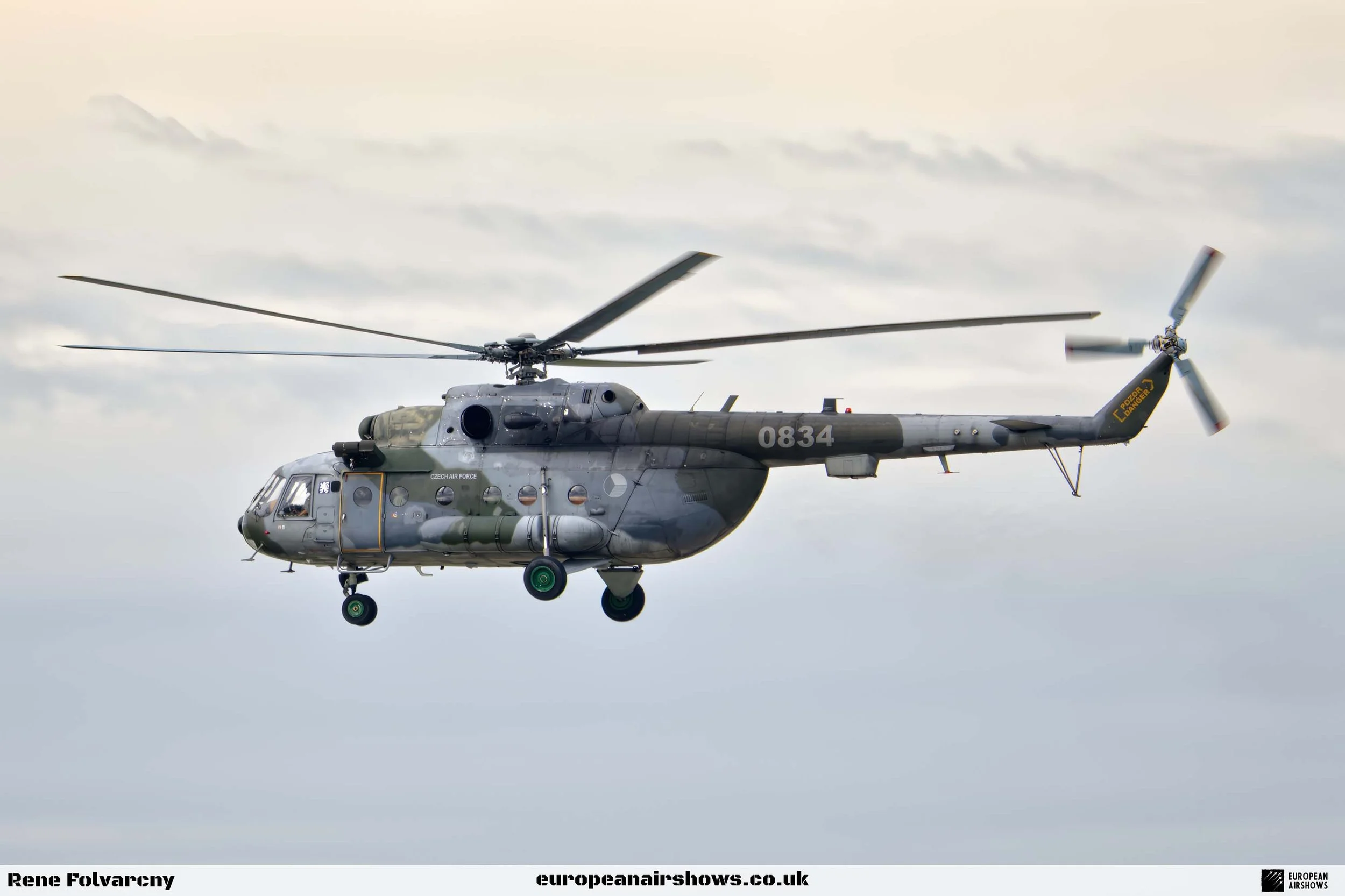
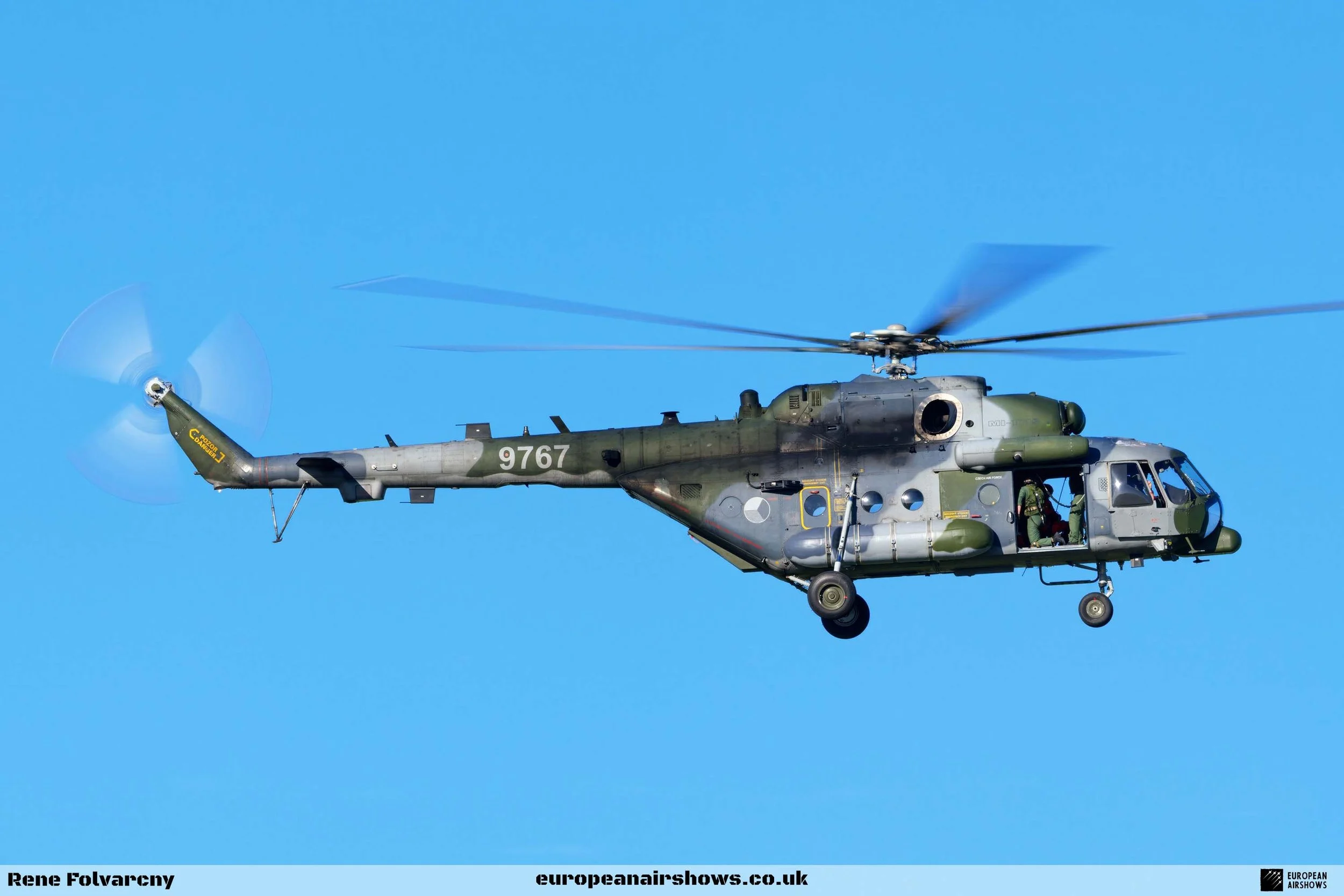
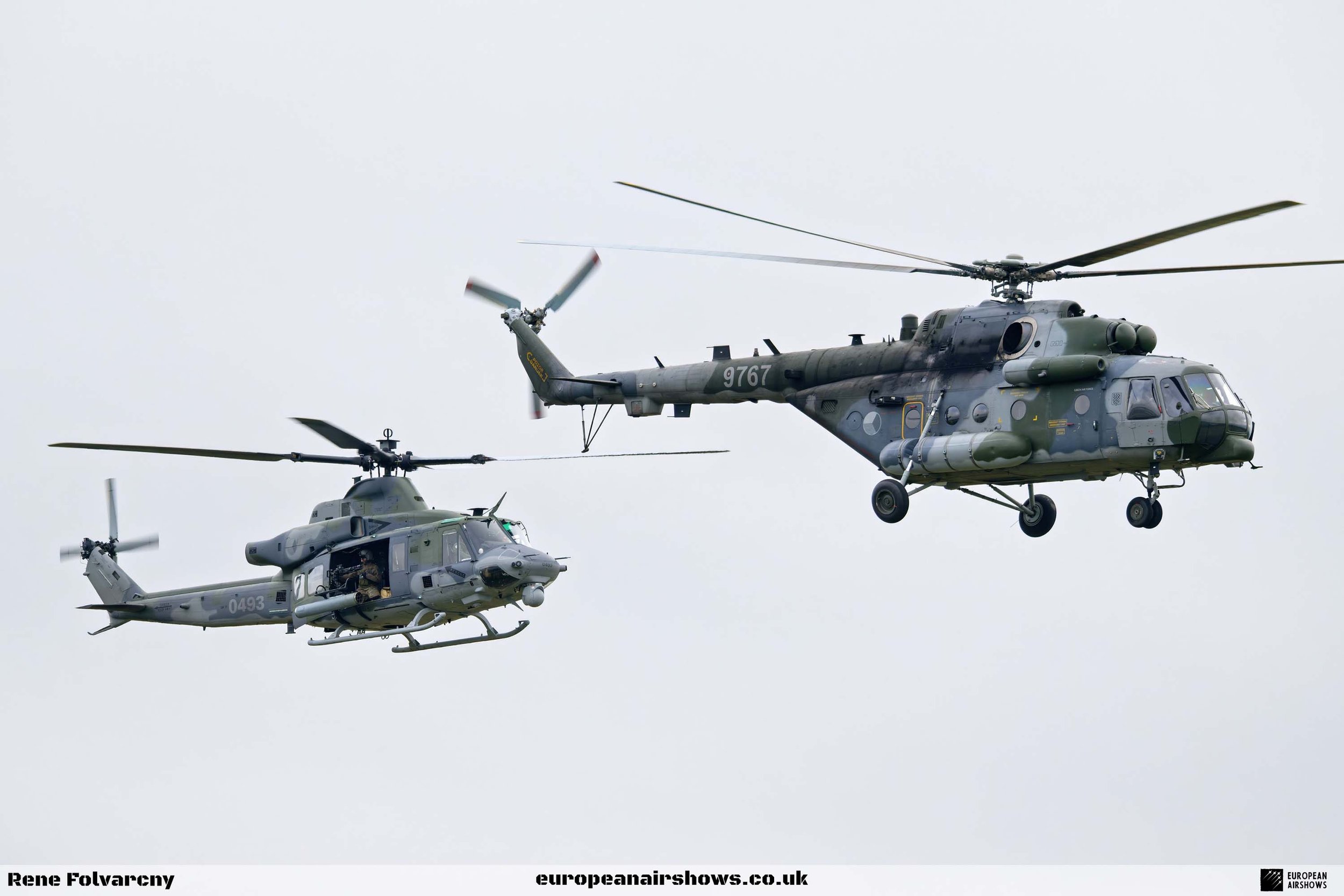
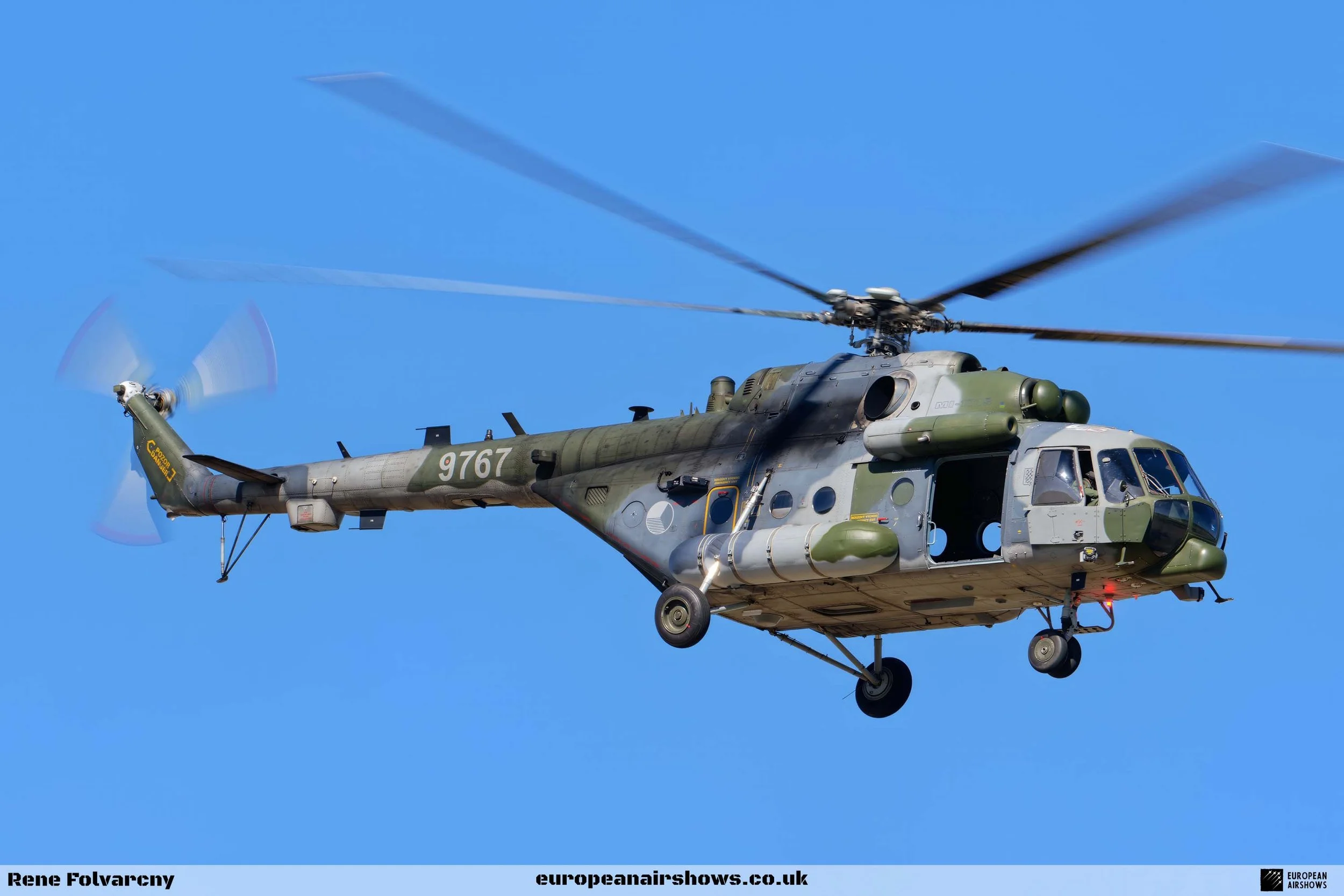
The Czech Air Force Mil Mi-171Š then did what big helicopters do best when they are flown well. It was a full-blooded handling demo that showed off the power on tap, fast runs, vertical climbs and surprisingly tight manoeuvring for something that size, before slowing everything right down for a winching sequence that really brought the crowd in. The display was flown by Captain Vojtěch Holička.
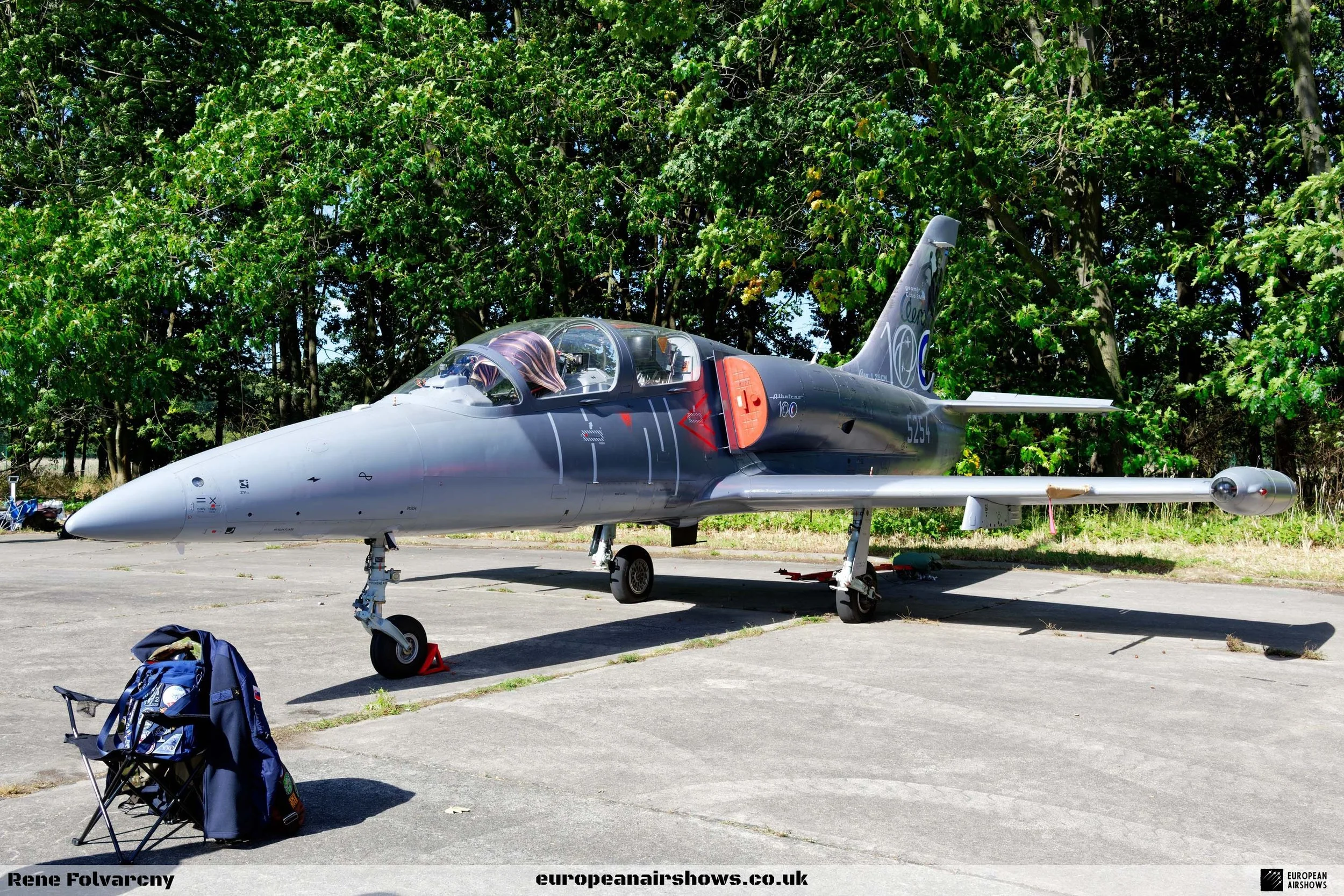
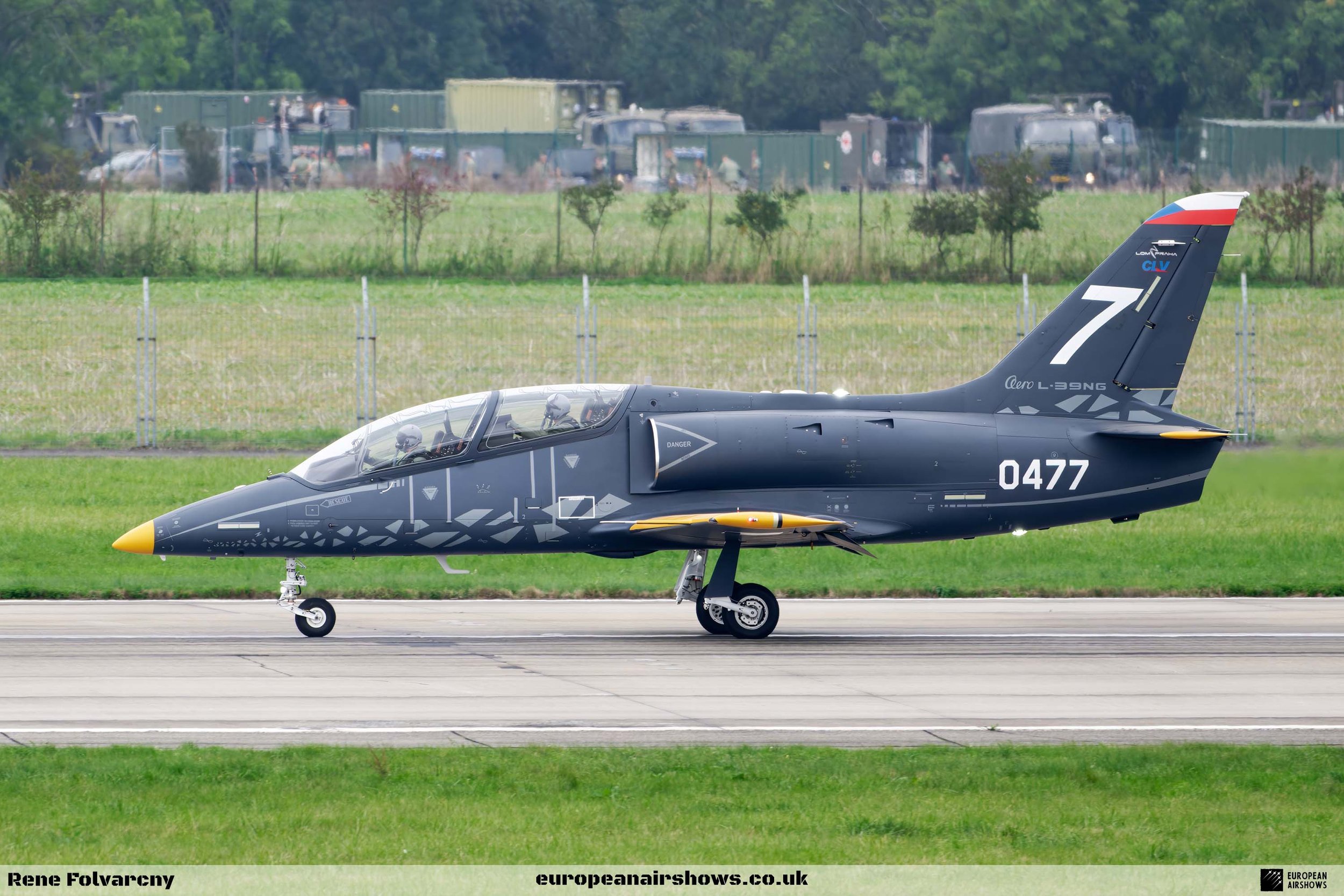
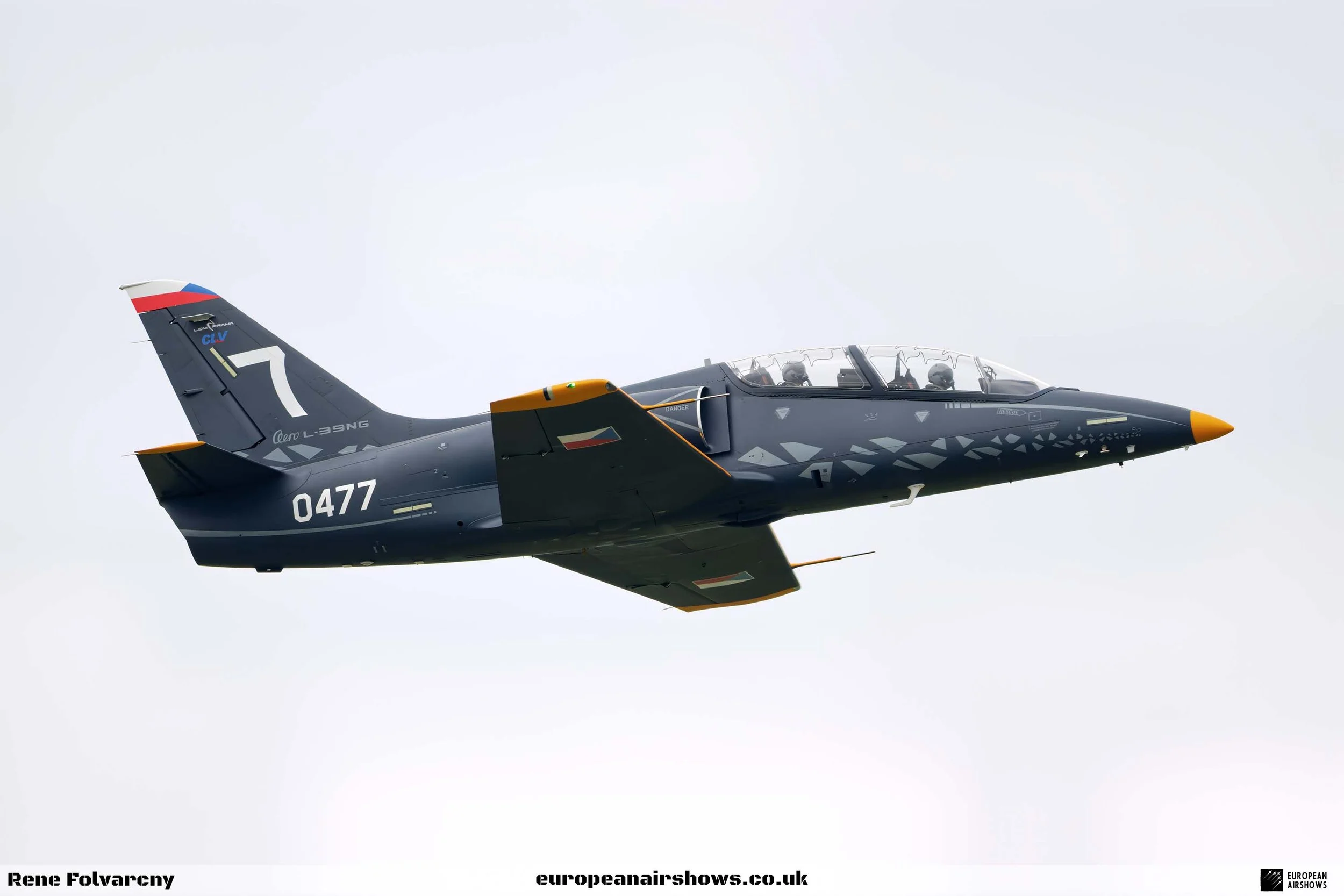
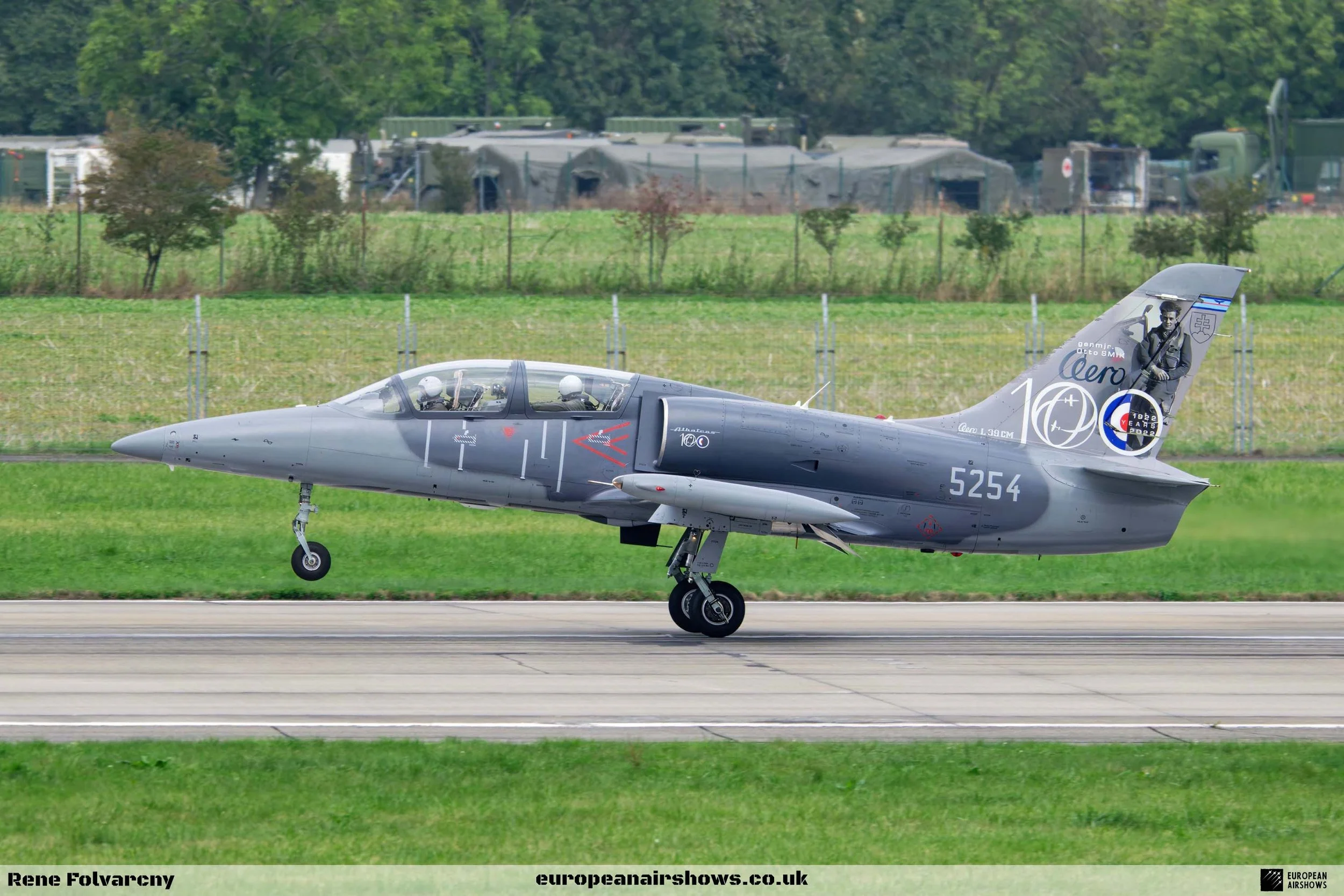
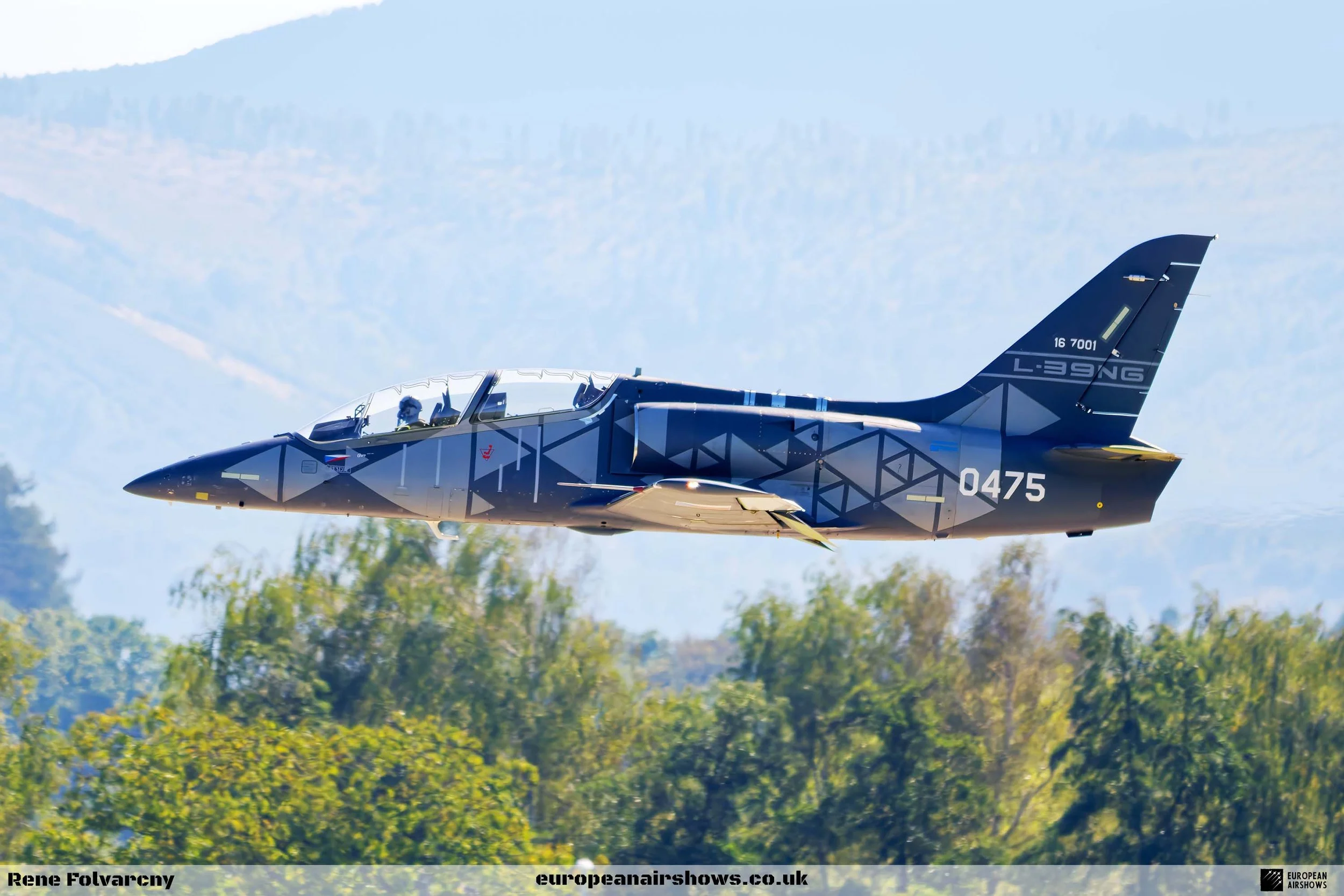
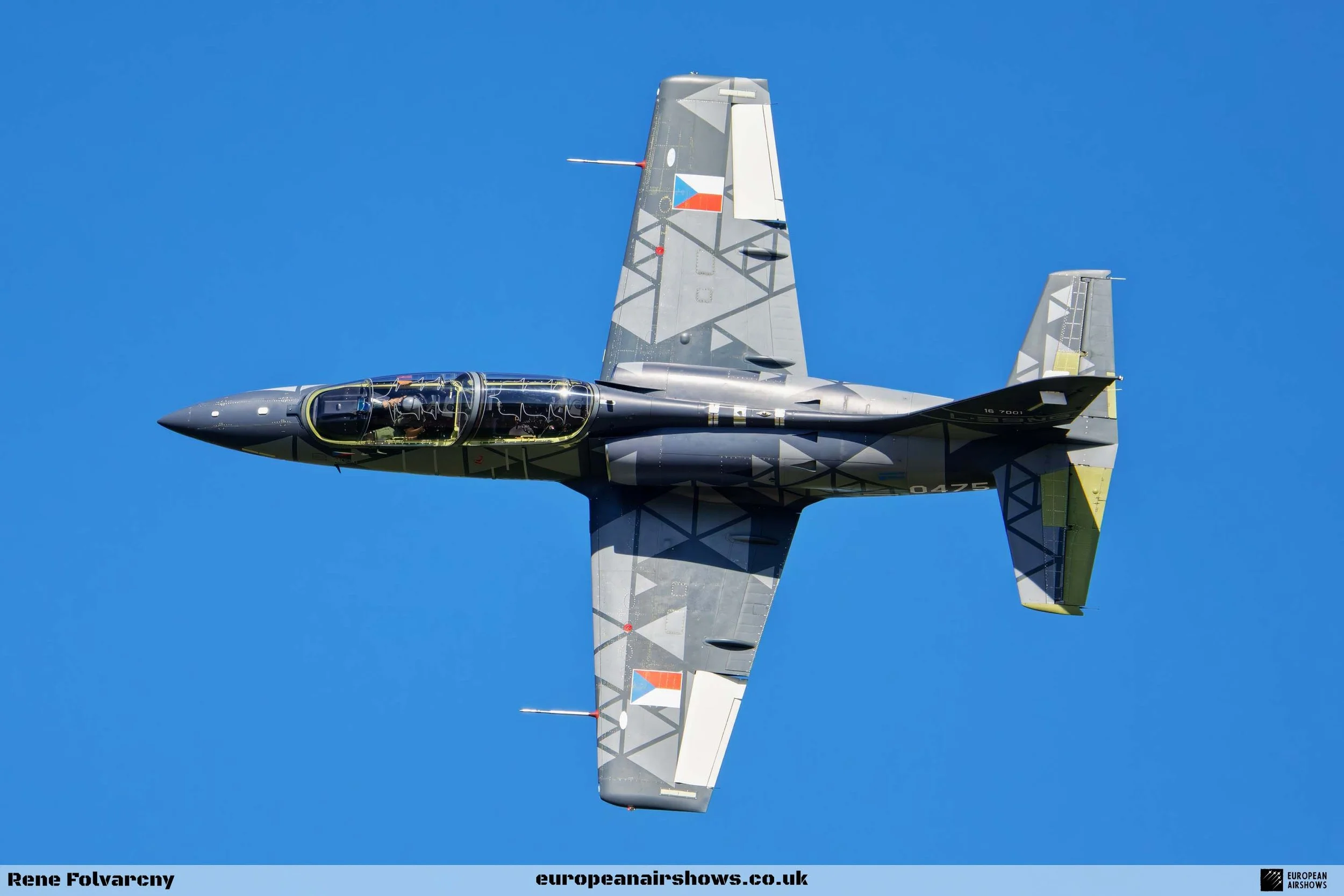
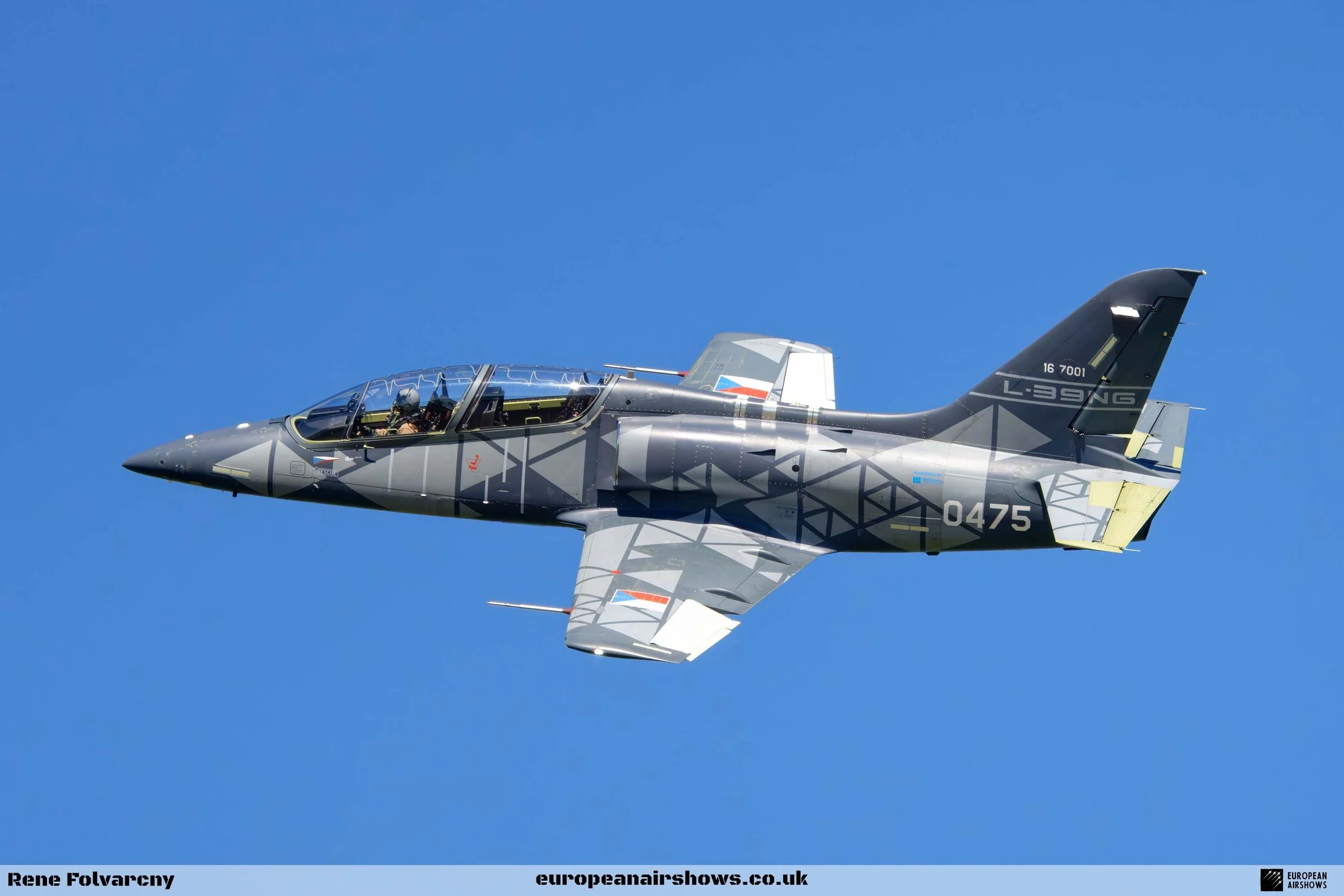
Modernisation did show up in the air too, with the Aero L-39 Skyfox. It was flown by Aero Vodochody test pilot Vladimír Továrek, and it felt like a clear “this is what comes next” moment in the programme.
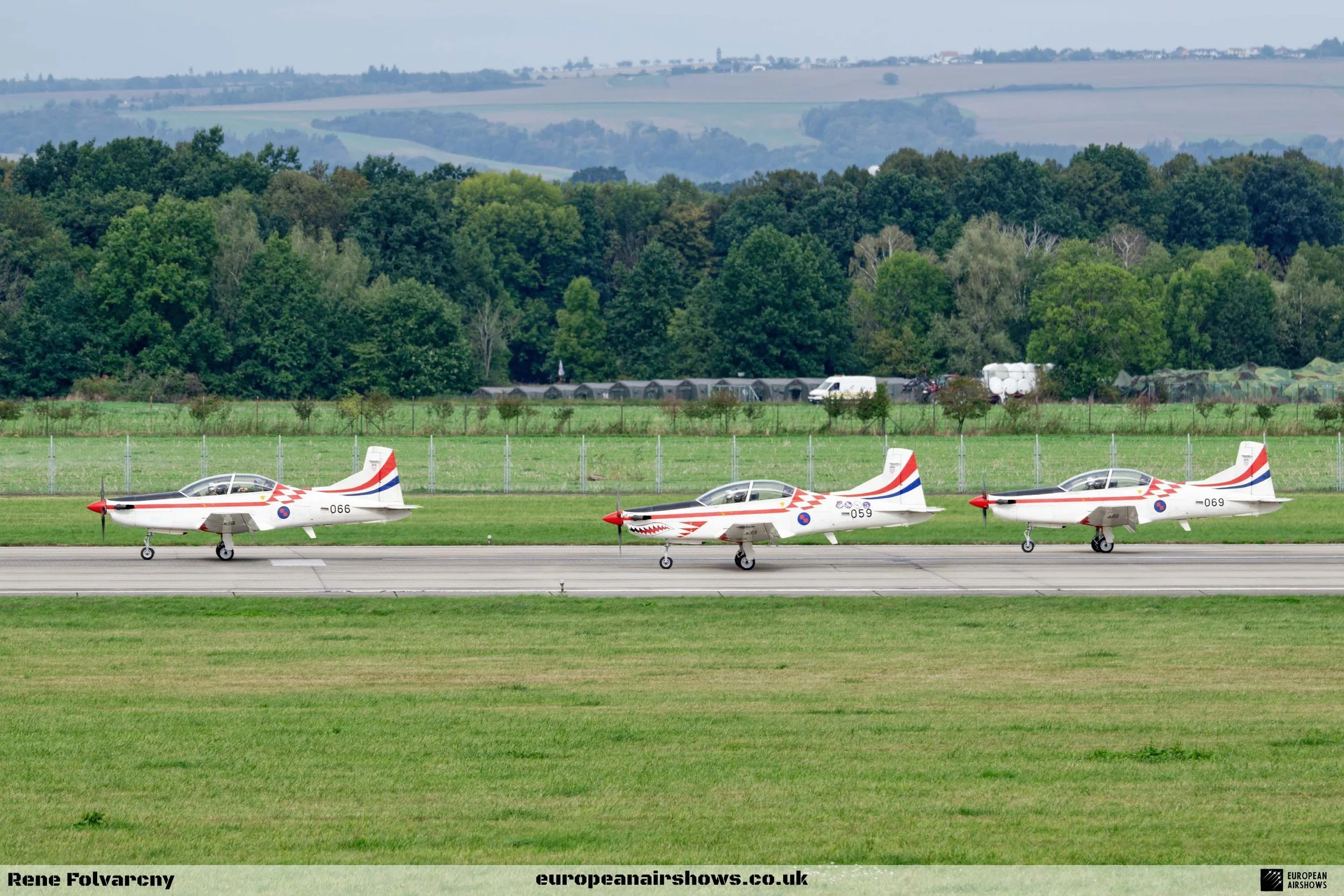
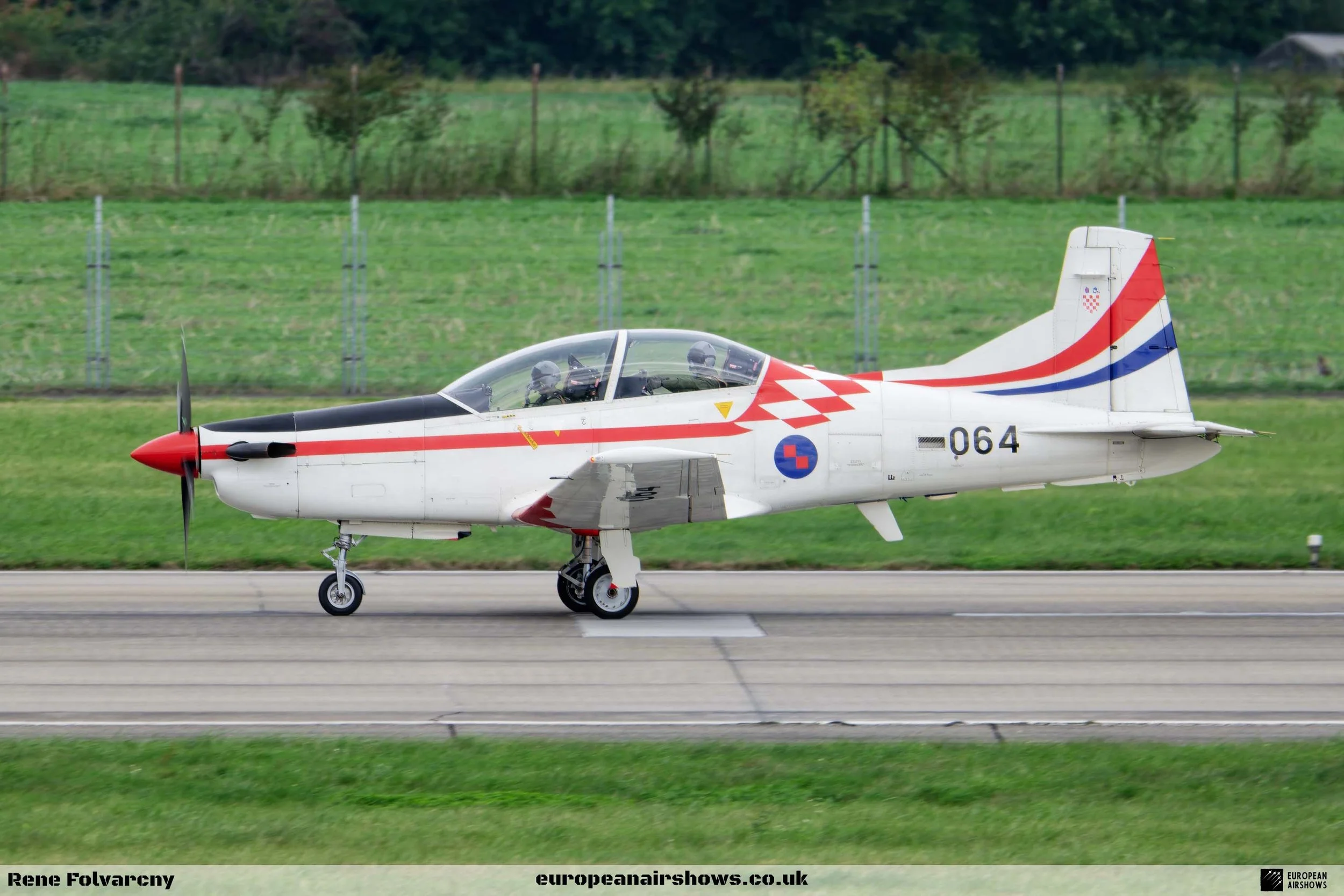
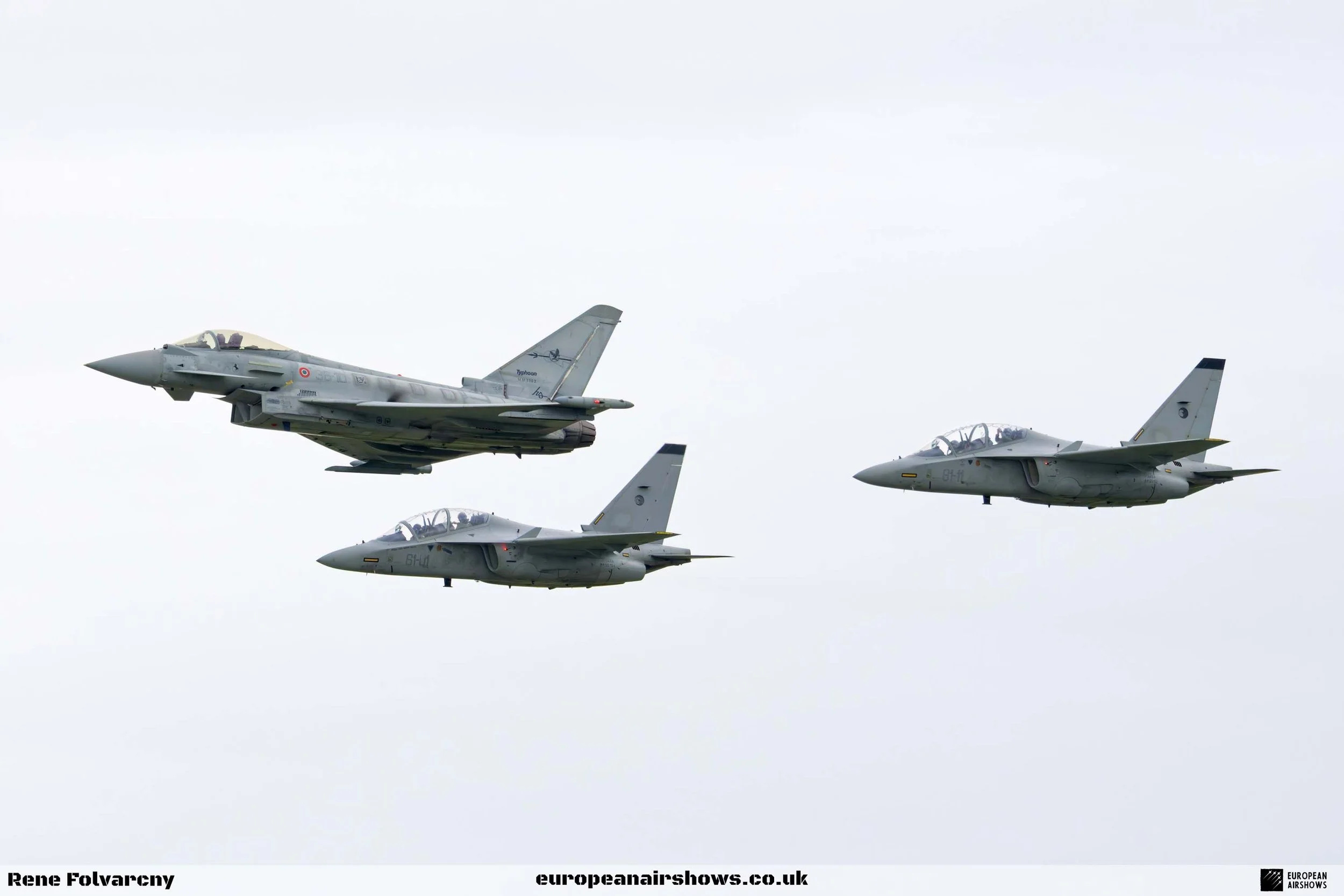

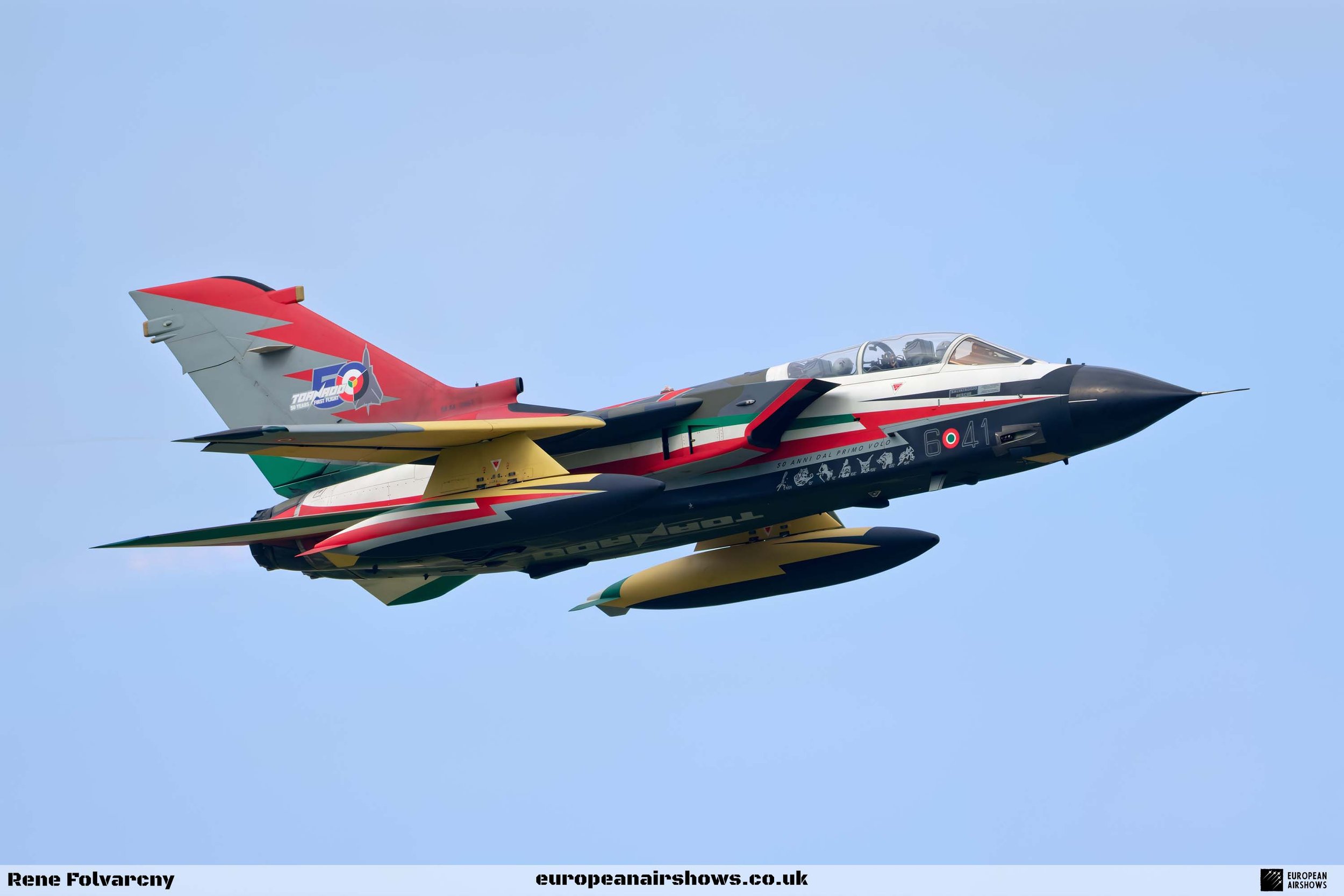
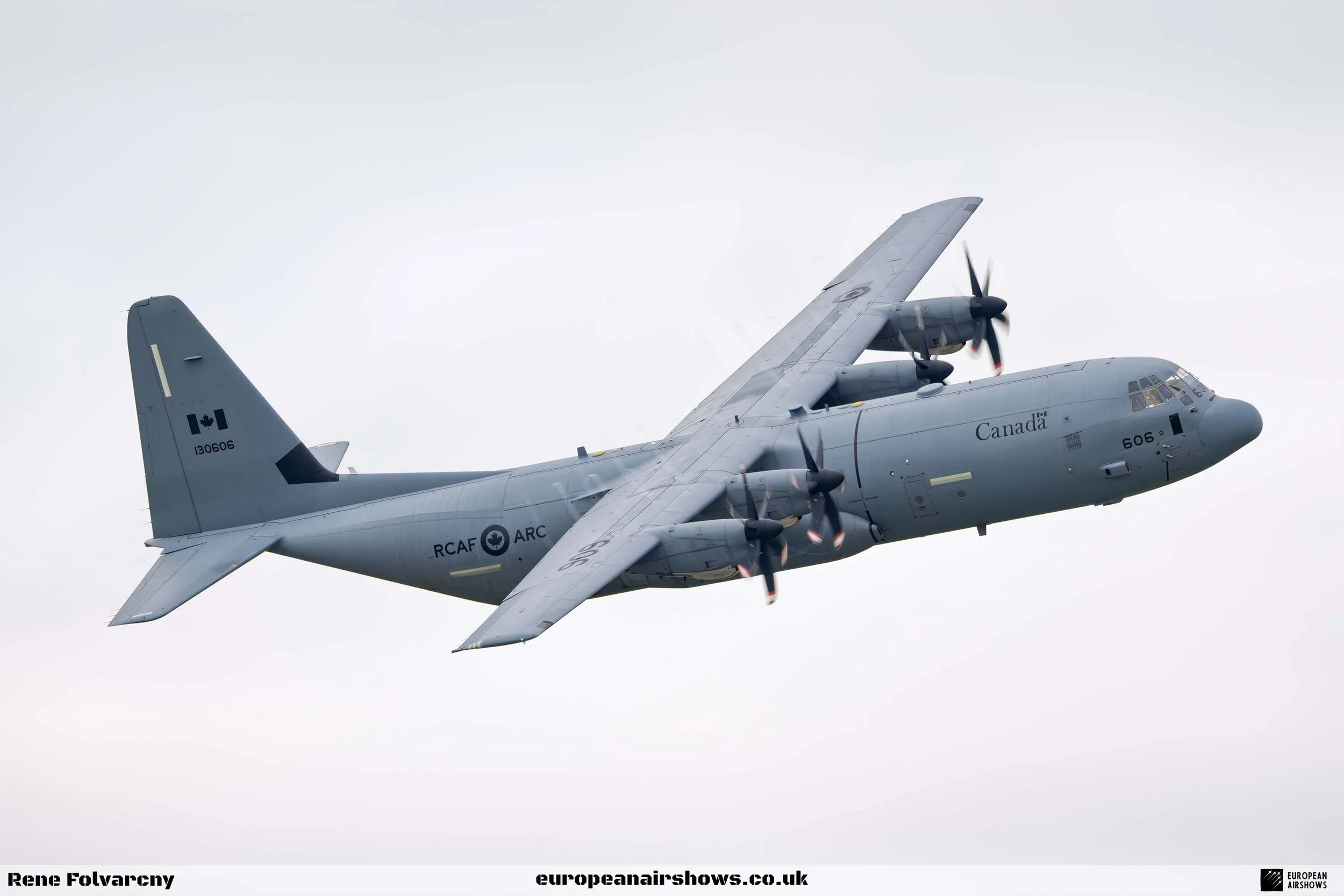
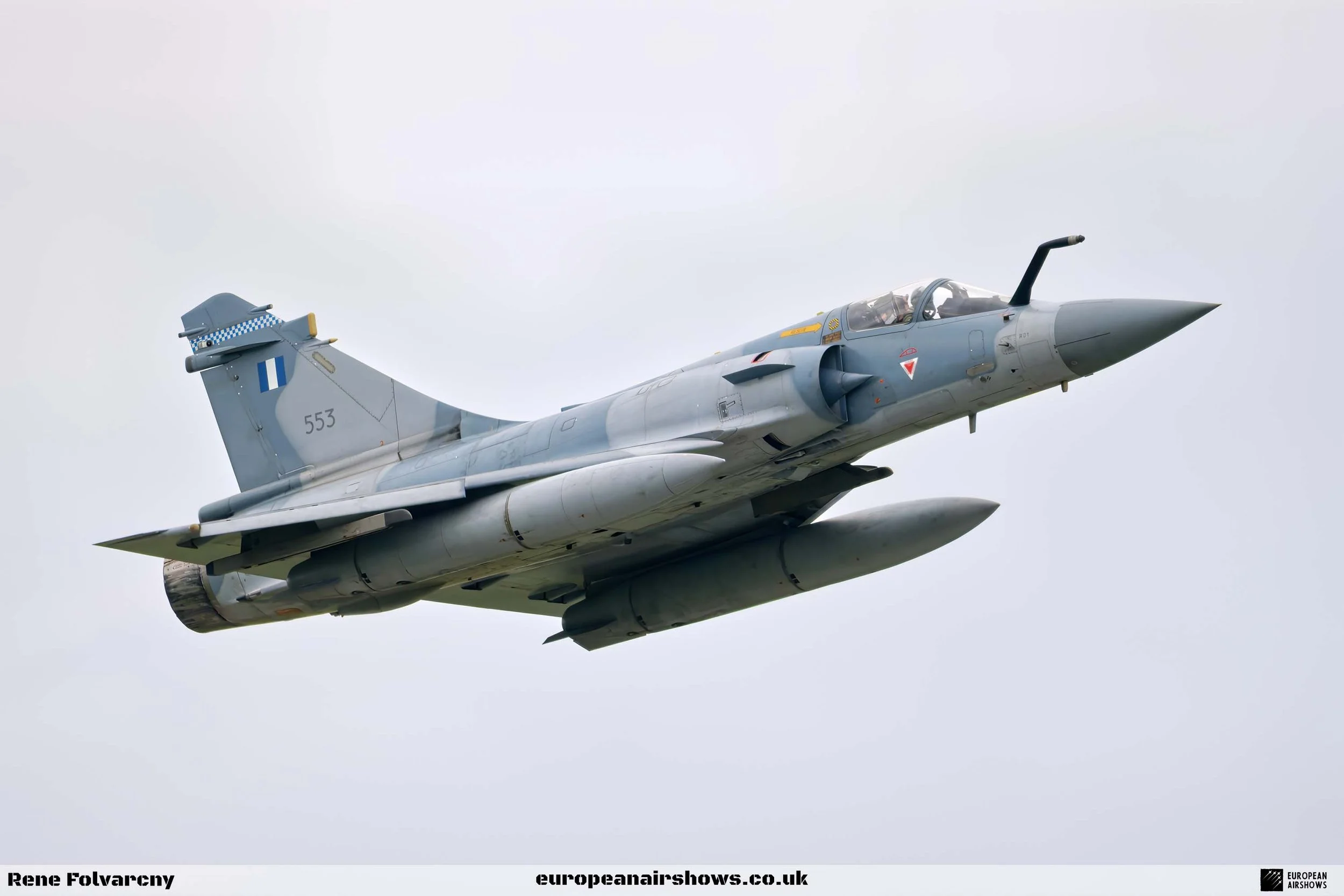
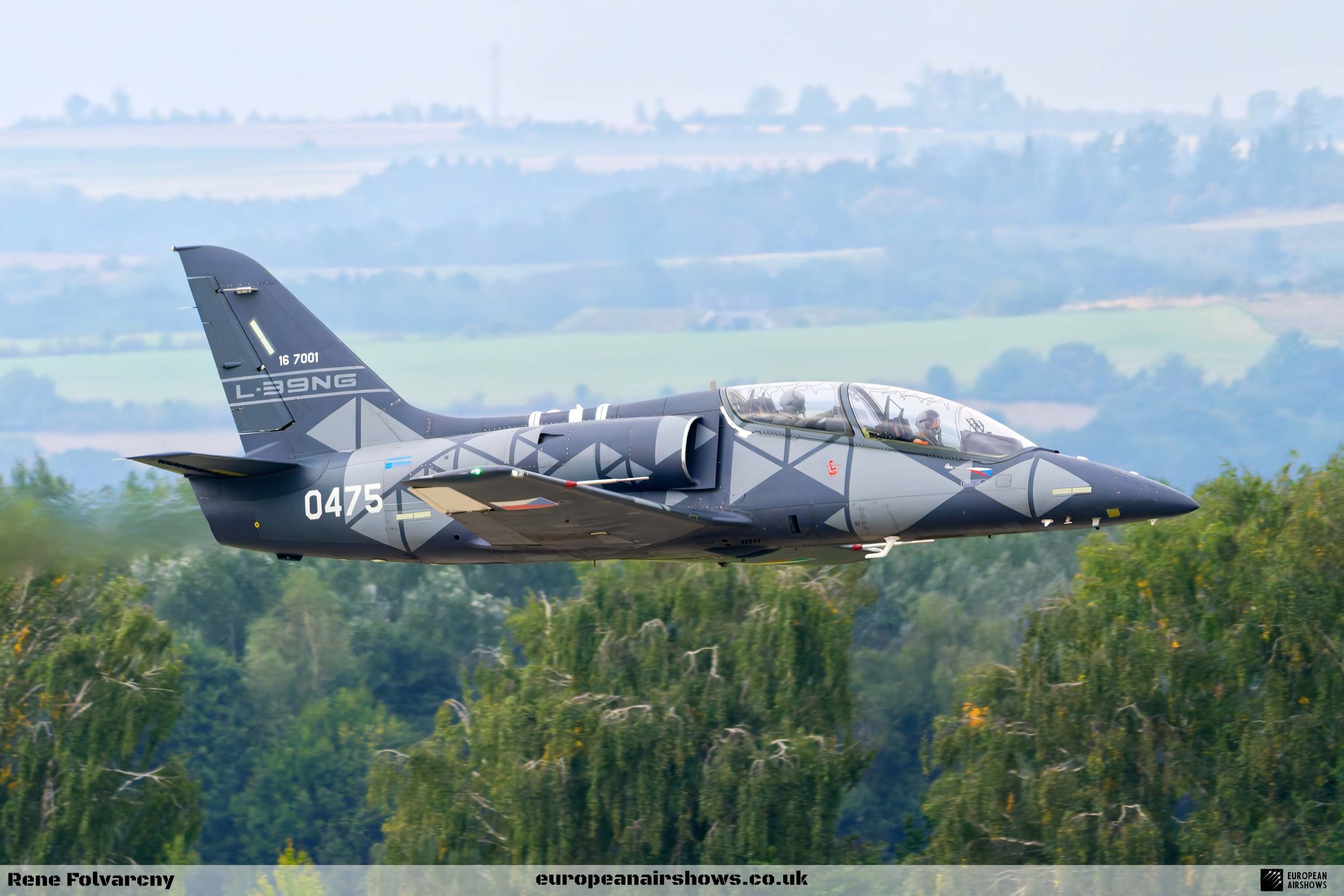
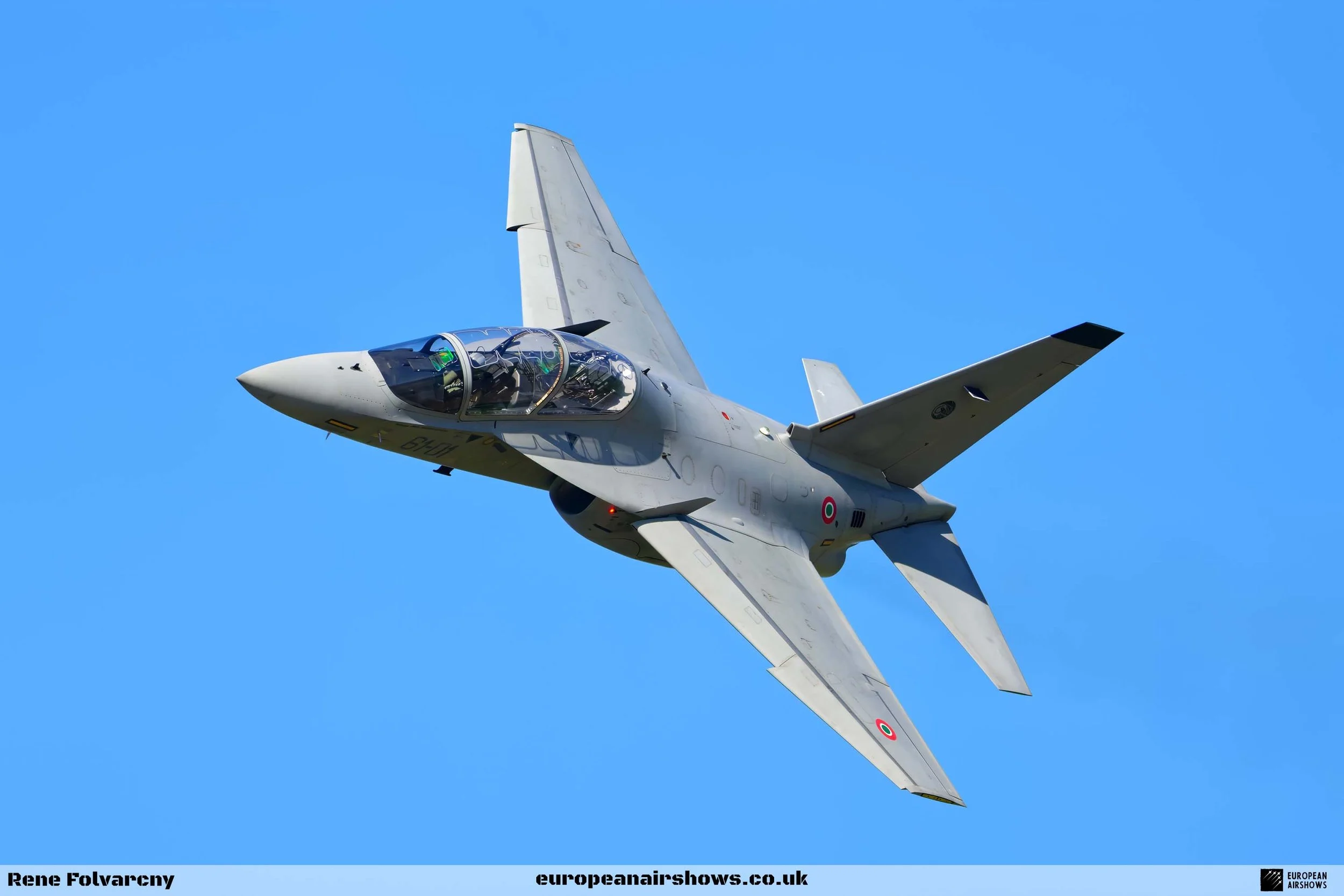
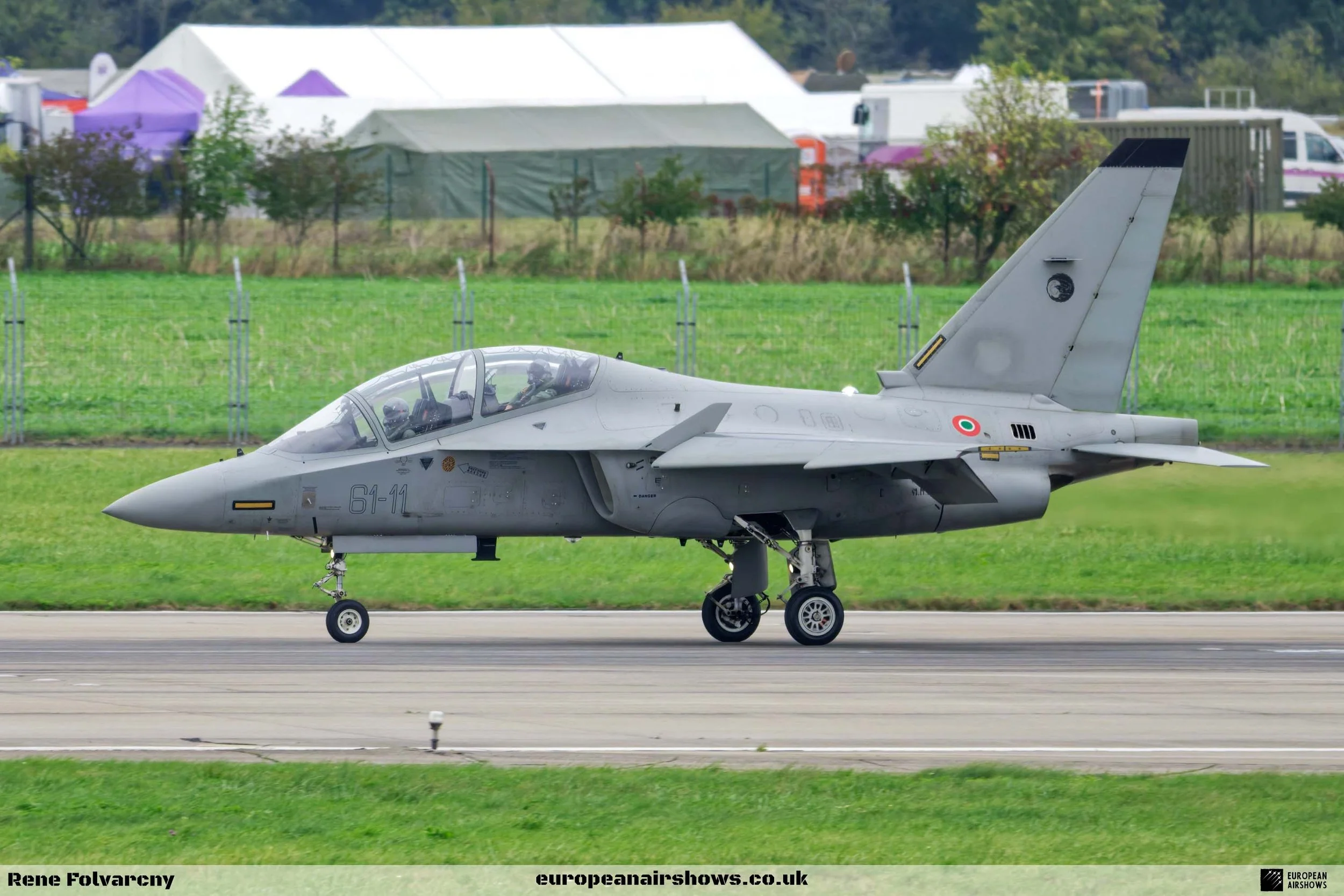
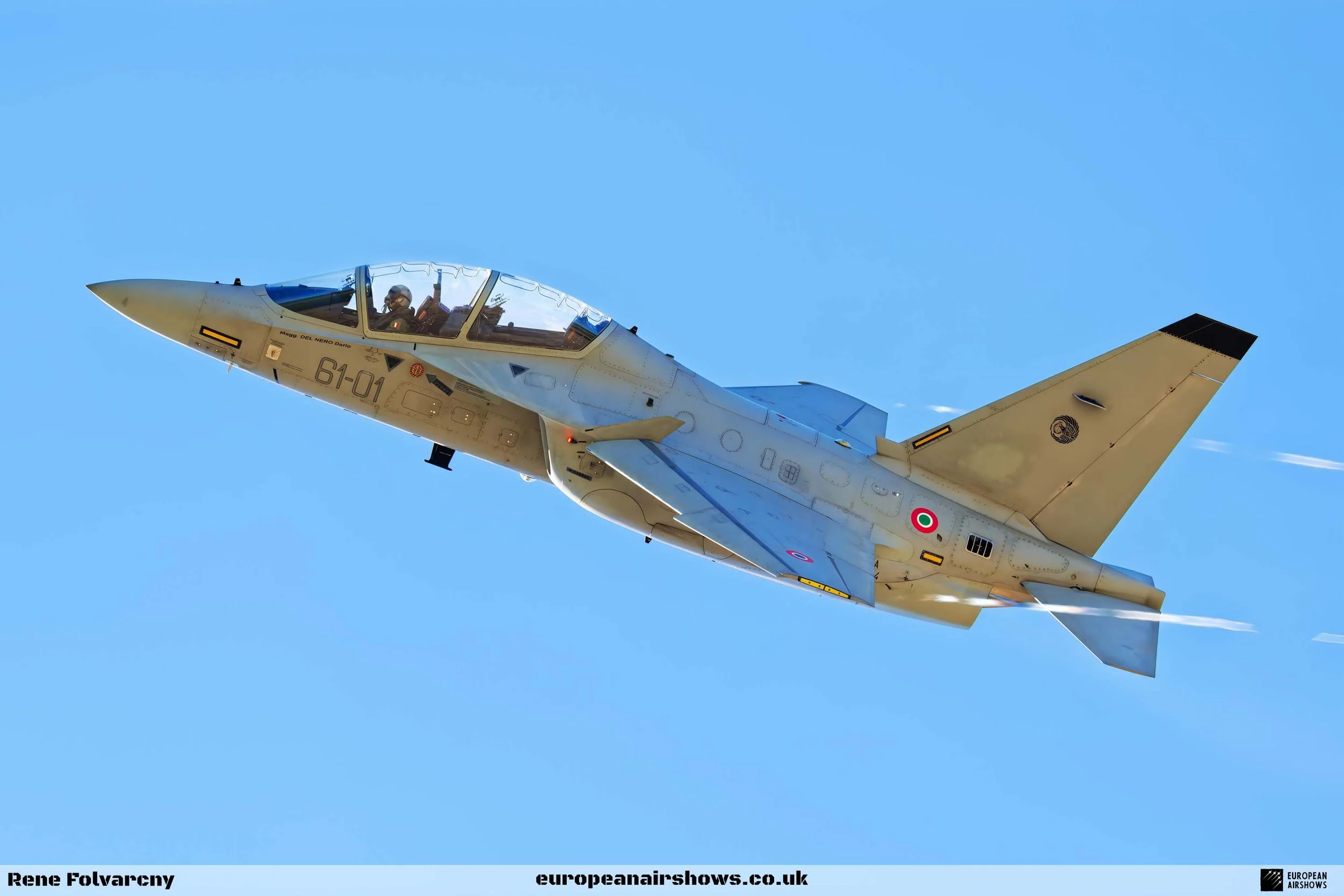
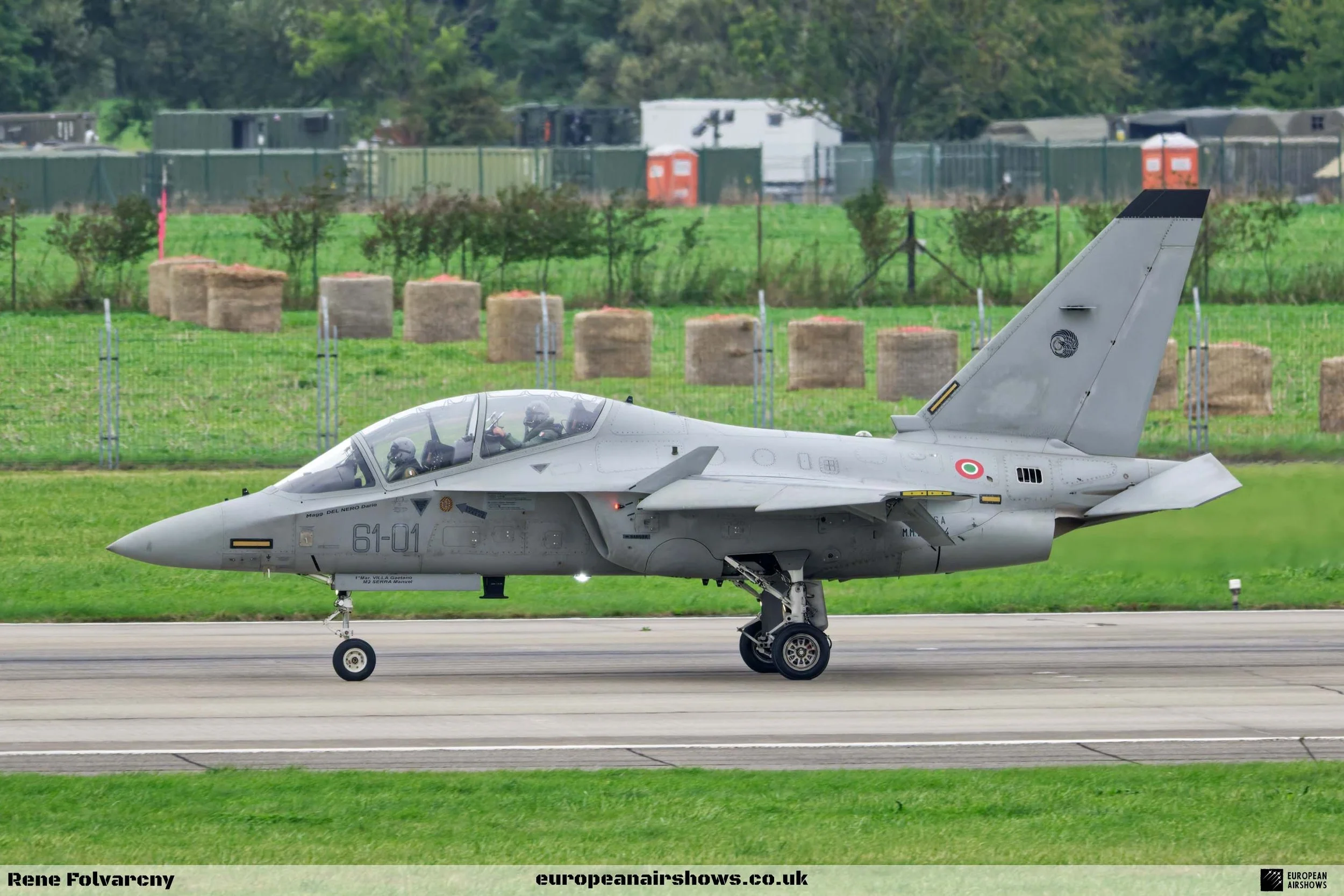
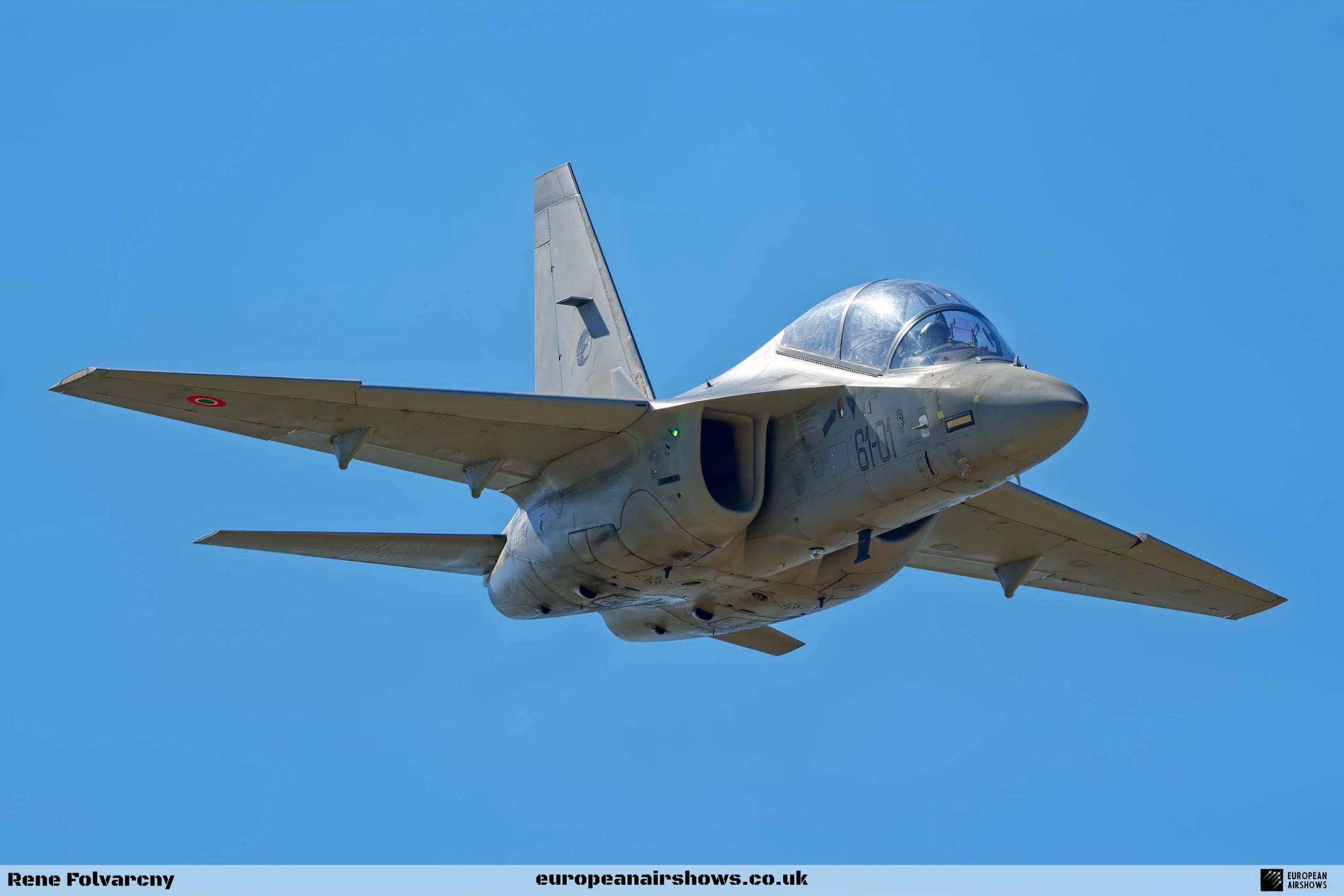
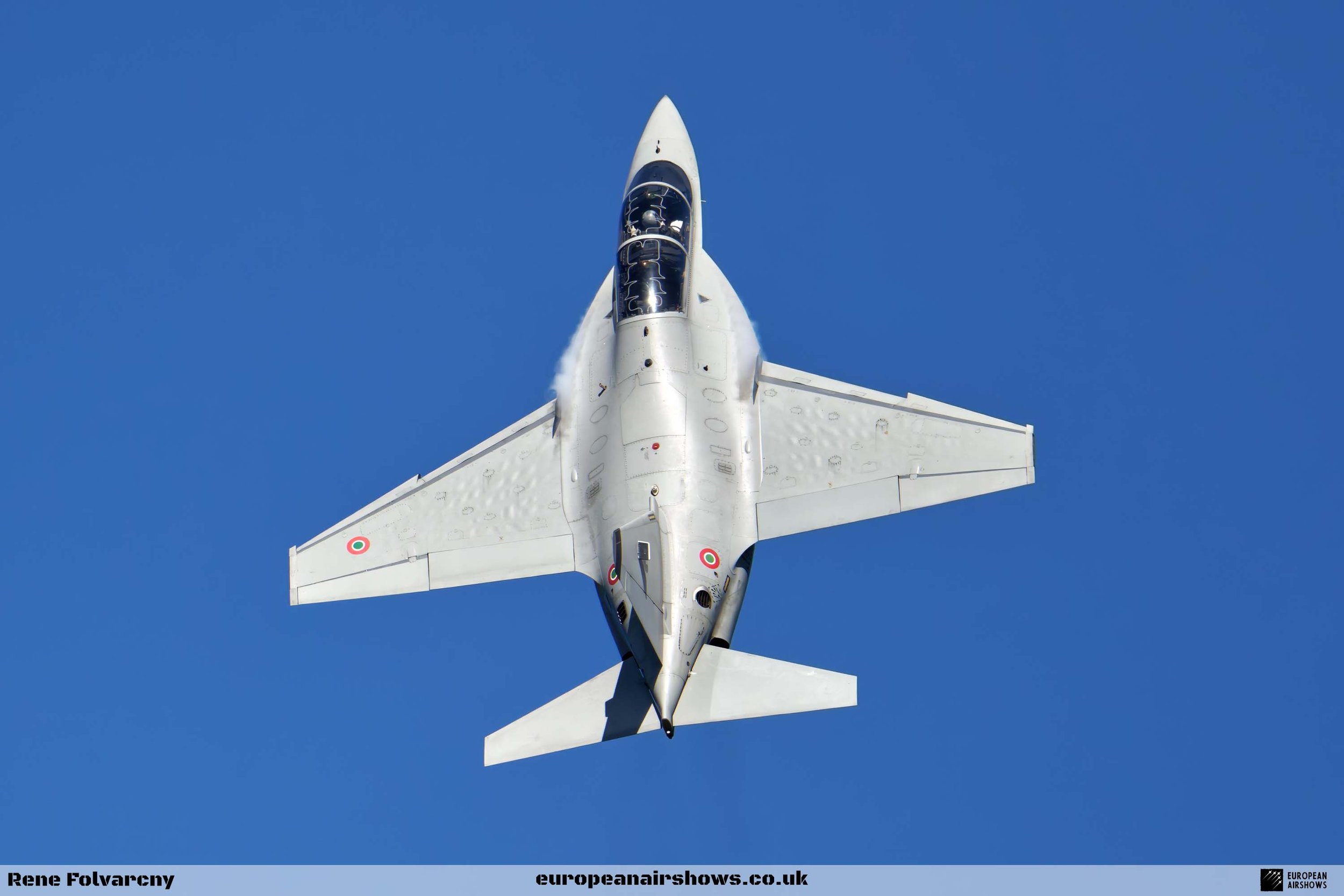
Then the Italian flying block arrived and it felt like the whole show sharpened up. First up was the Leonardo M-346A Master, flown by Dario Del Nero, and it was far more aggressive than people expect from a trainer. It is properly loud for a non afterburning jet, and the display was full of punch, quick reversals, tight turns and fast, flowing passes that kept it right in front of the crowd.
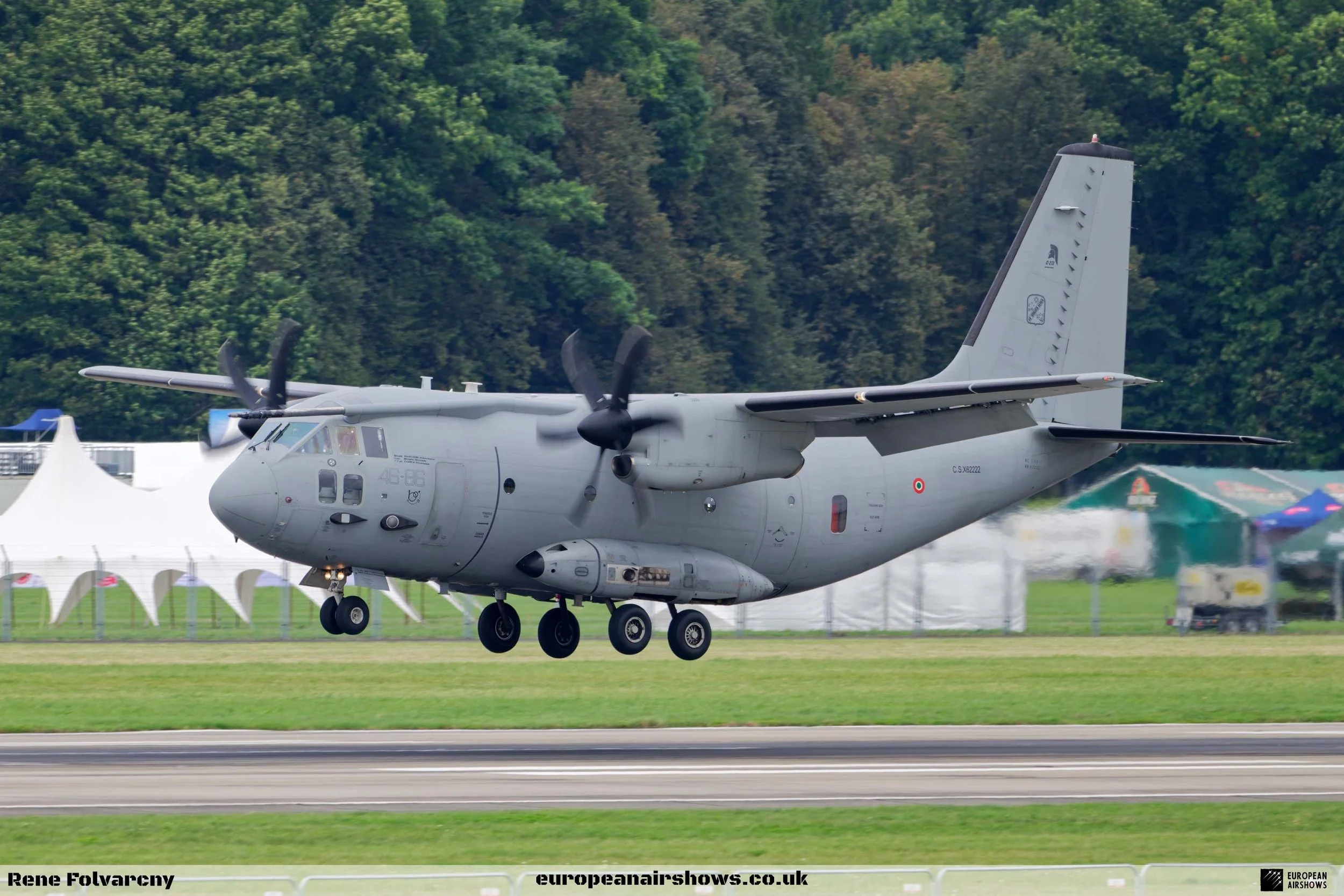
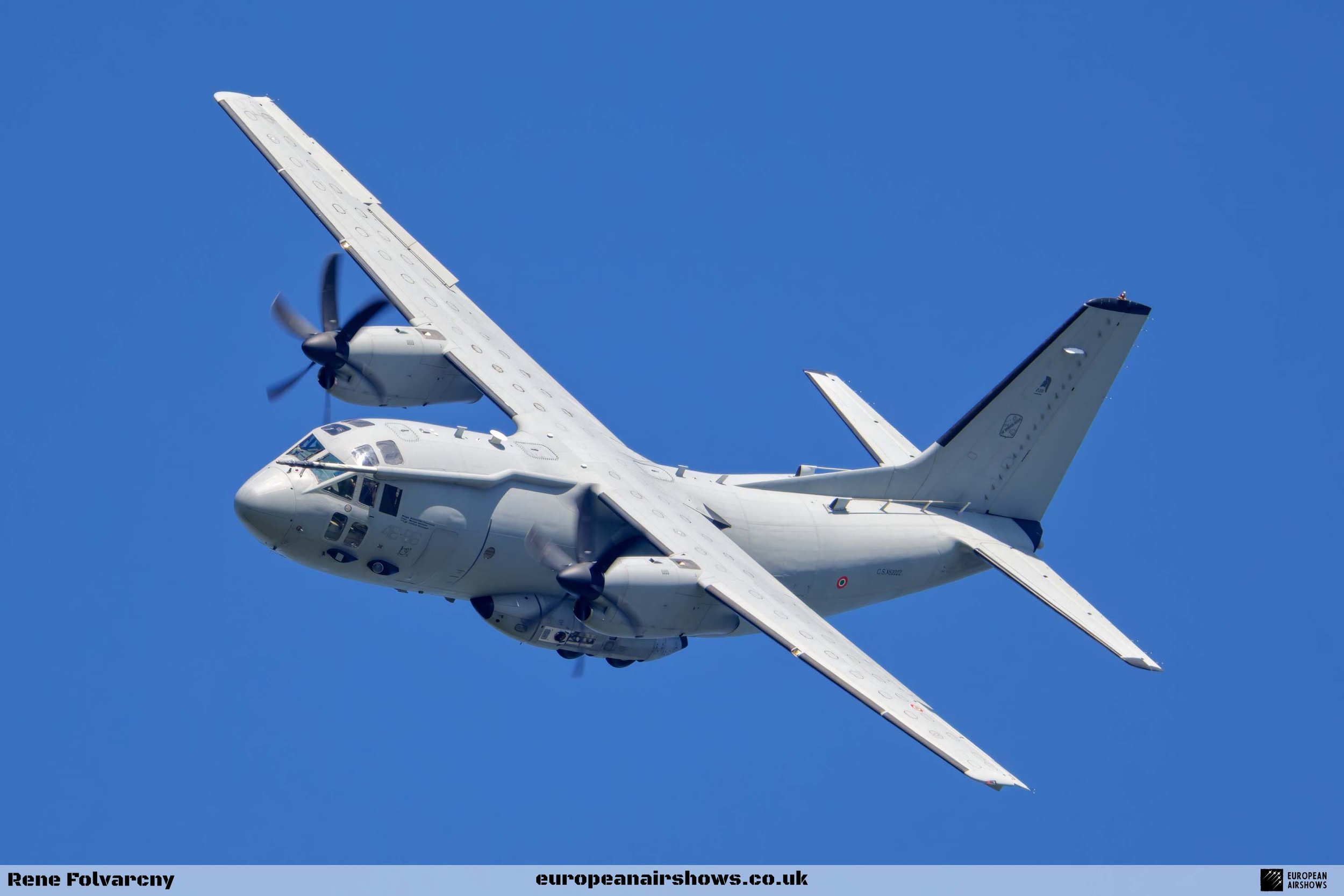
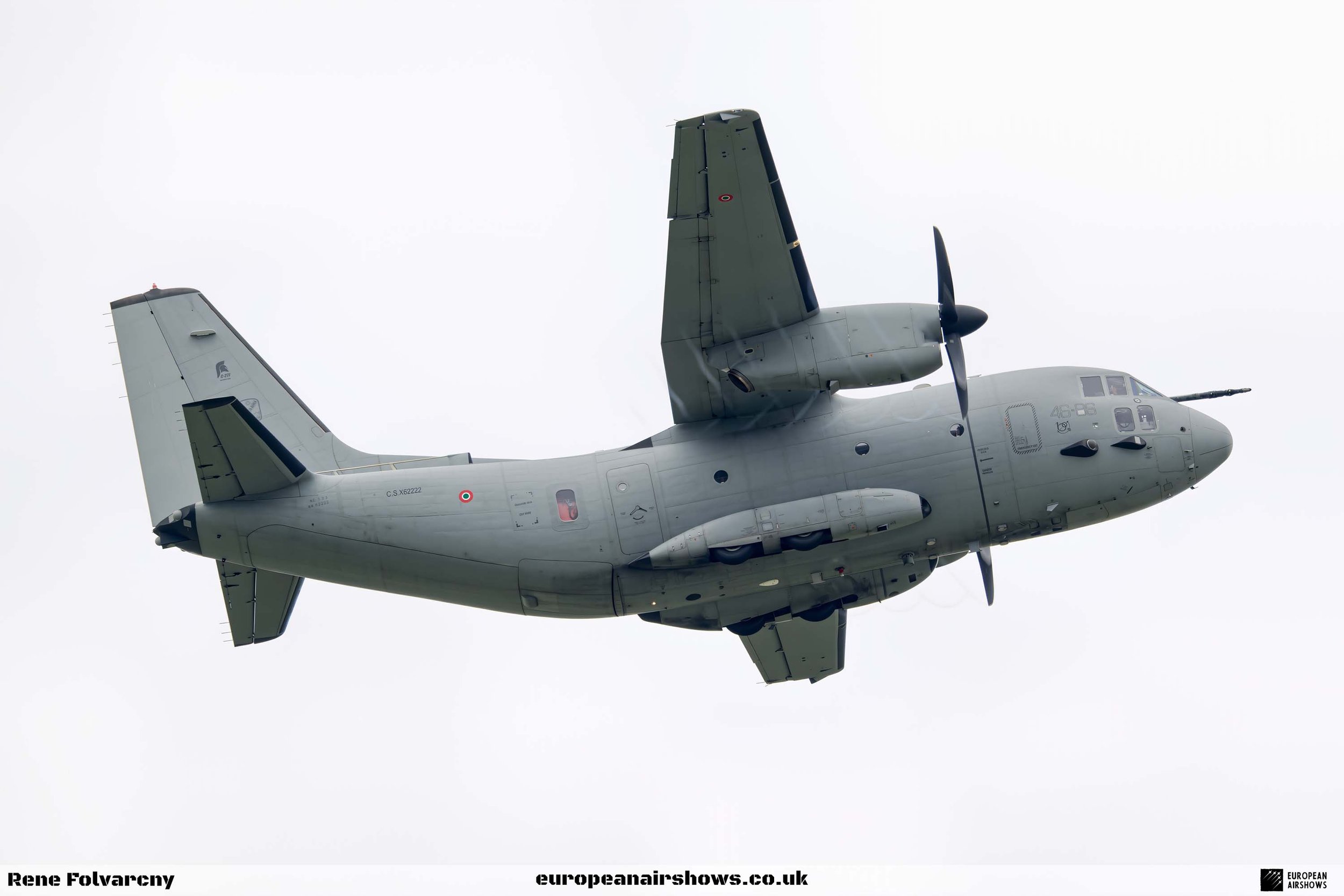
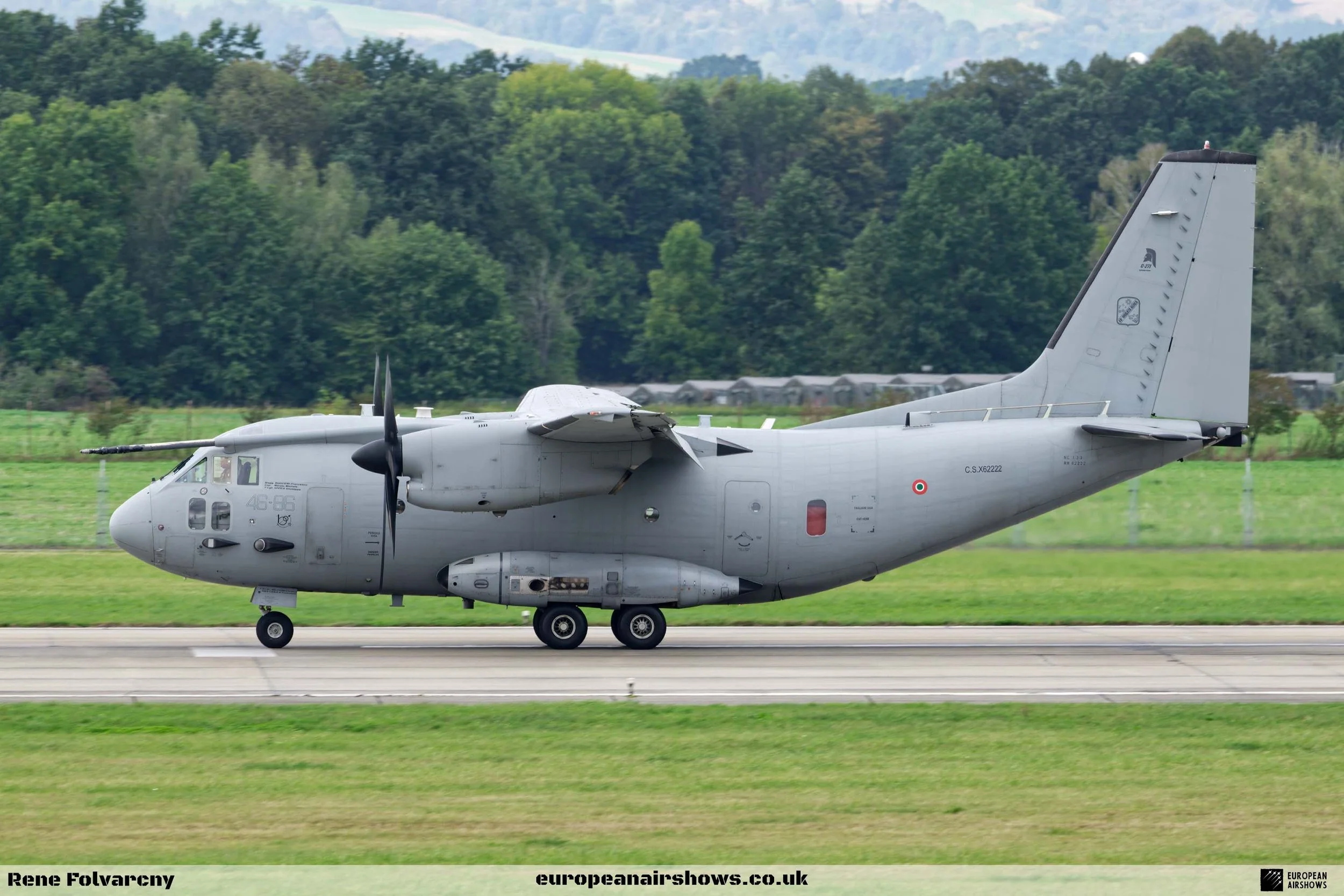
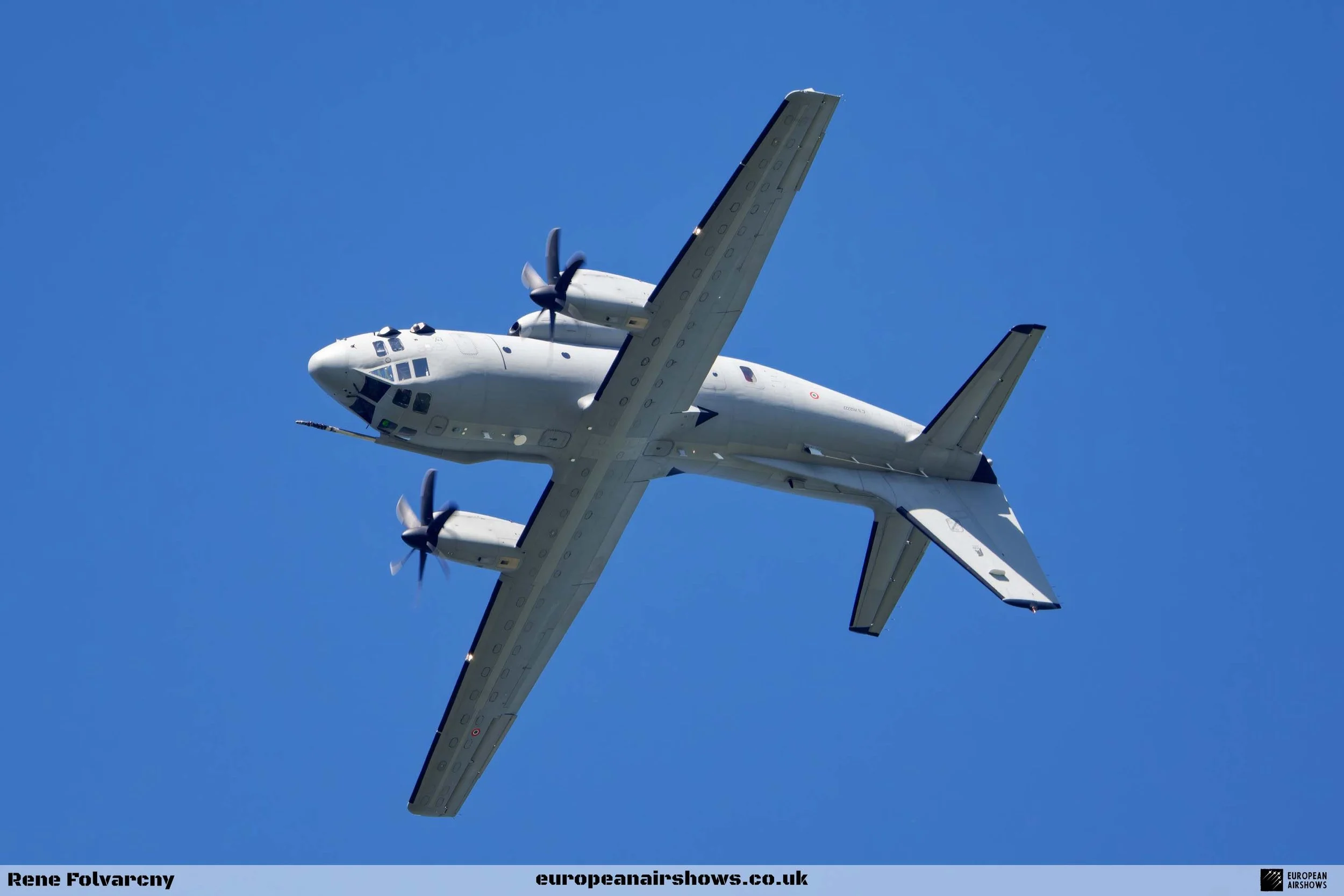
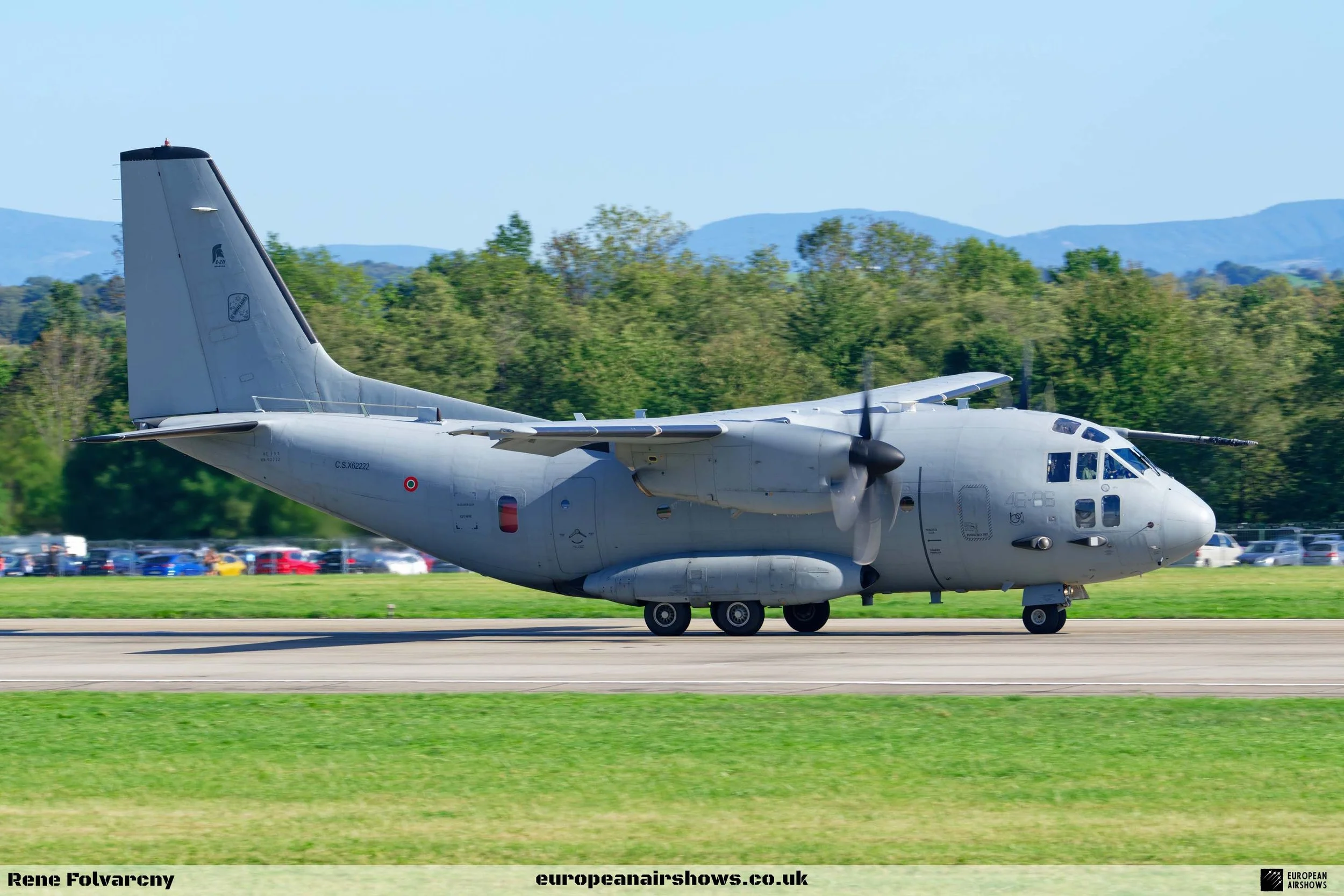
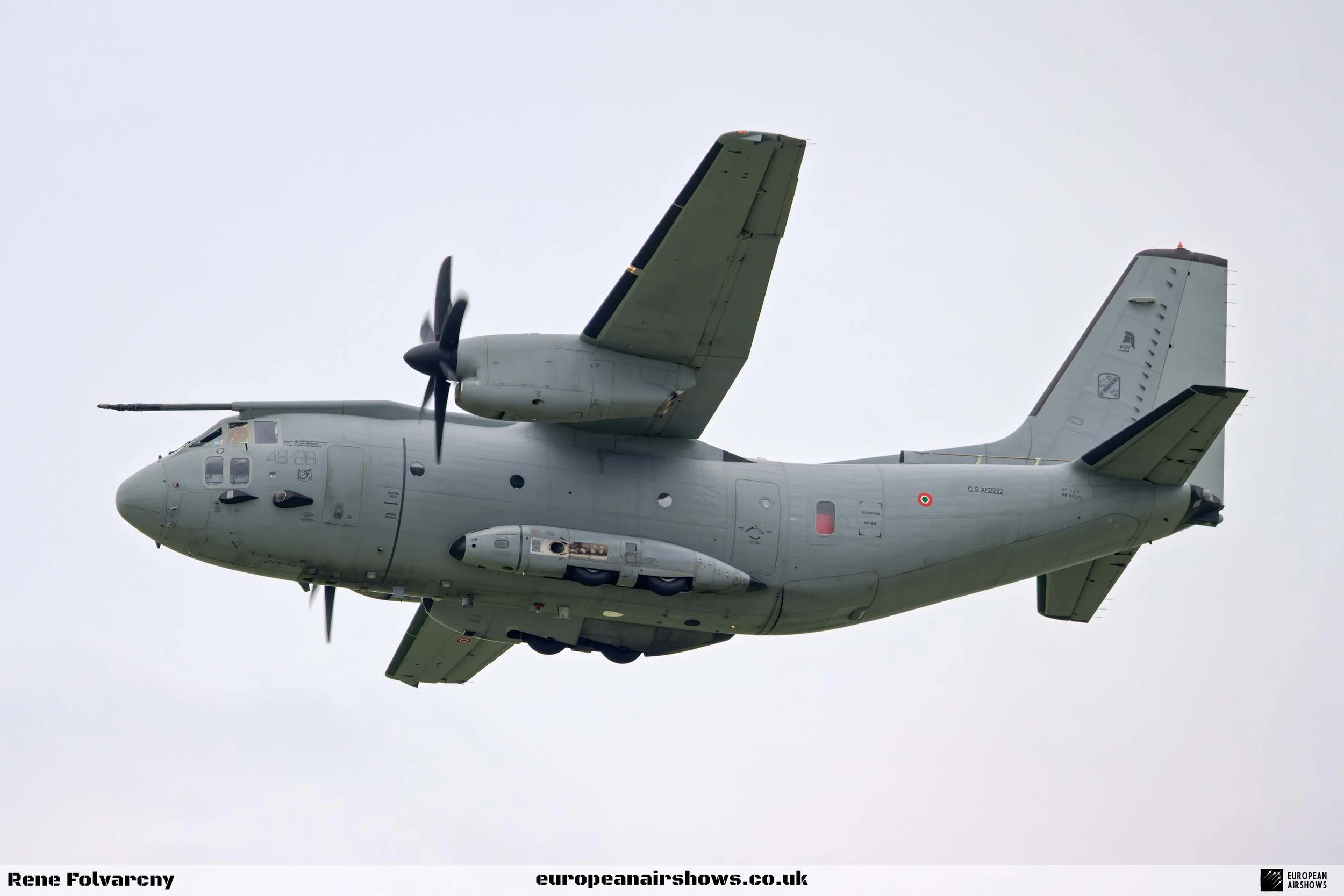
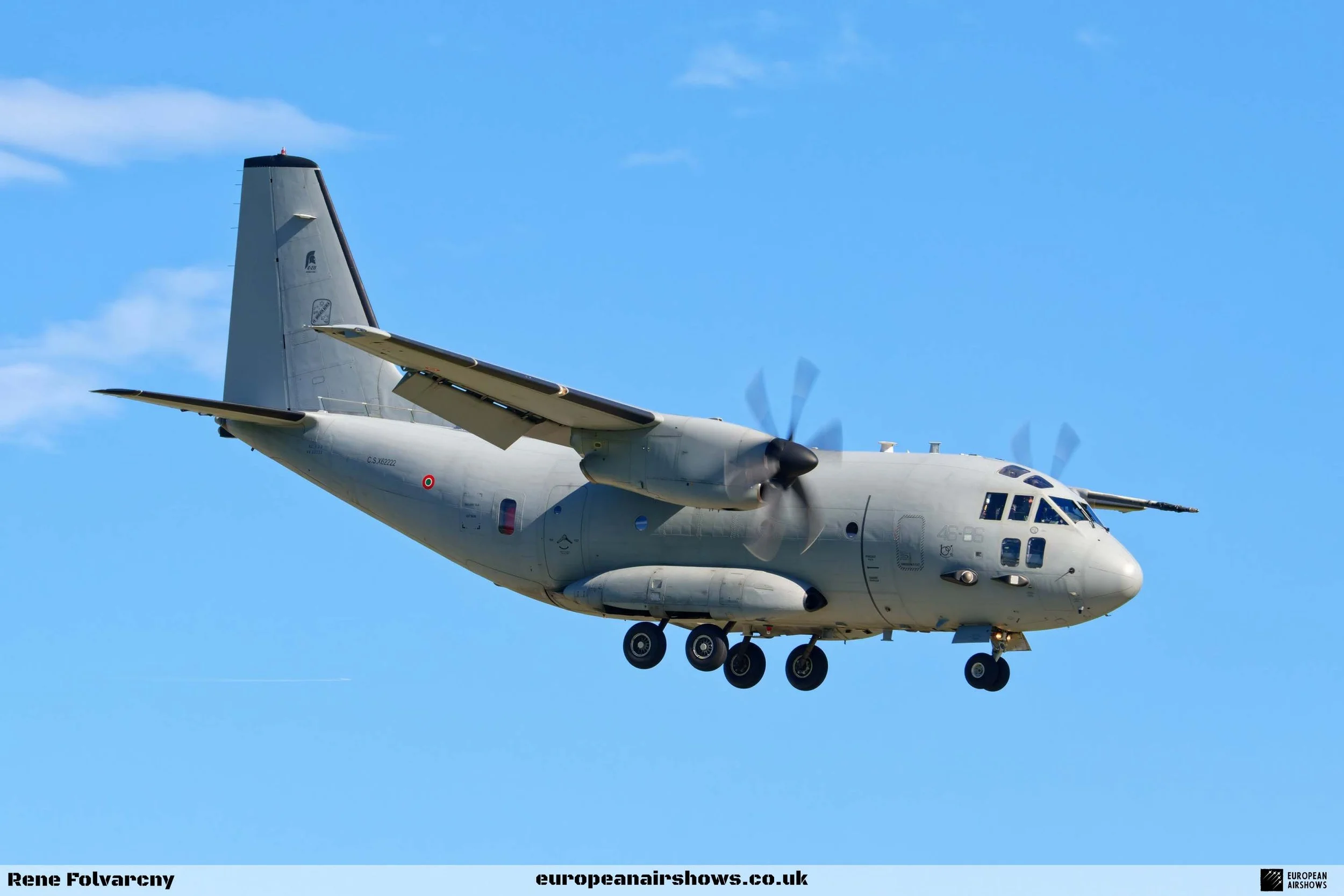
The grin maker was the Leonardo C-27J Spartan. It got the full transport doing aerobatics treatment, thrown around with real intent, not just a couple of gentle passes. The pilots consisting of Francesco Buscemi and Giuseppe Civico performed aileron rolls, half cubans and even full loops in what is one of the best transport aircraft demonstrations you will see anywhere.
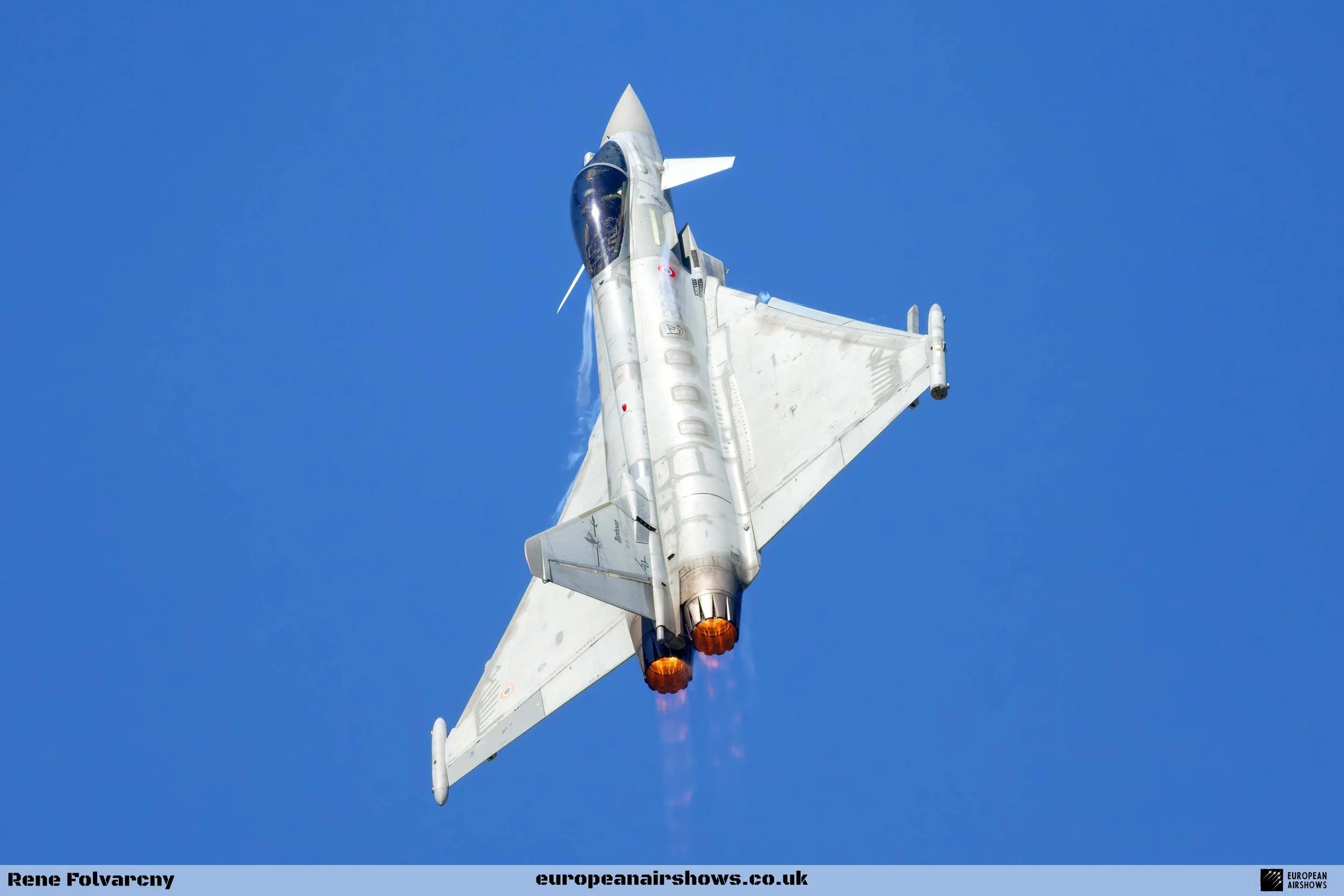
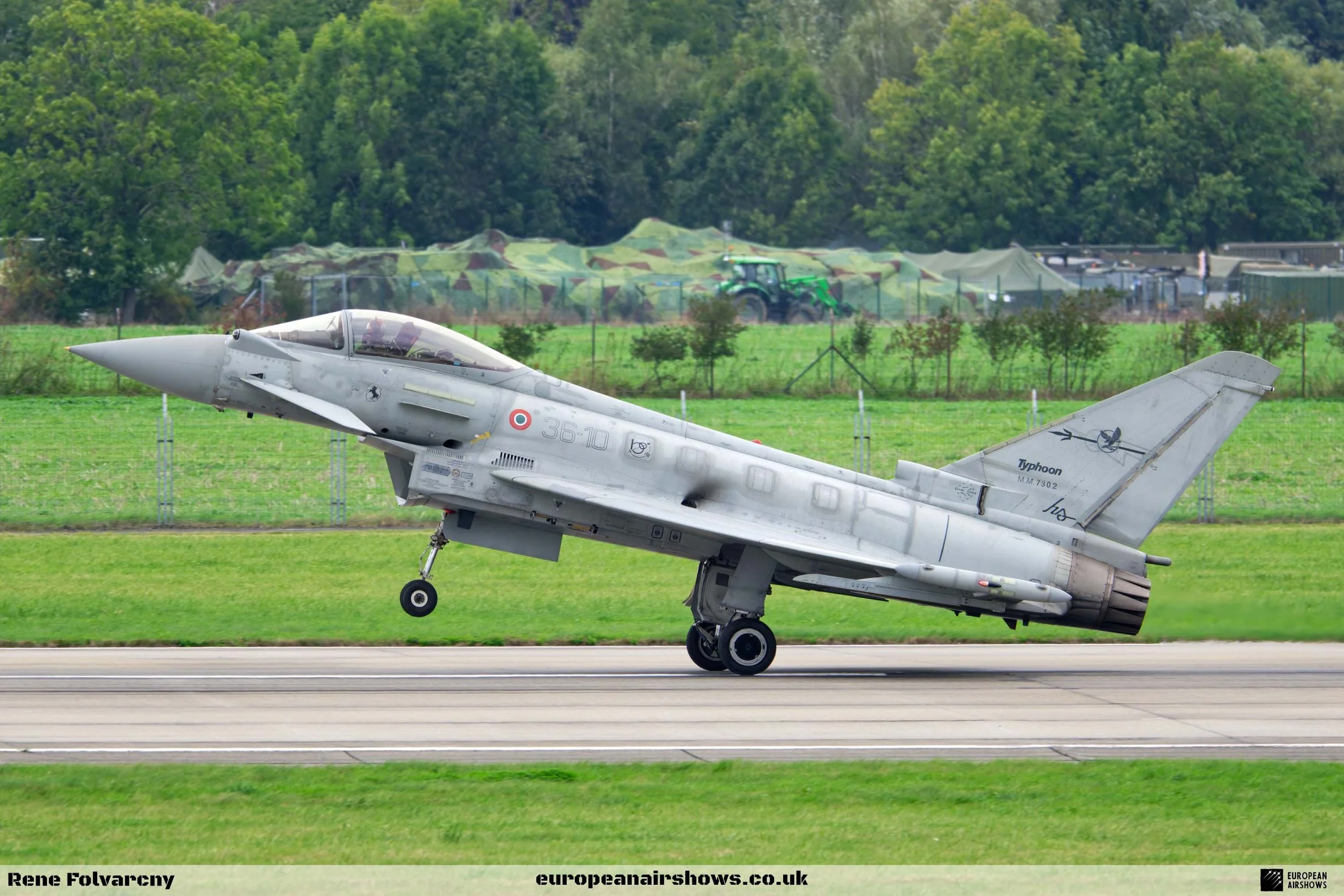
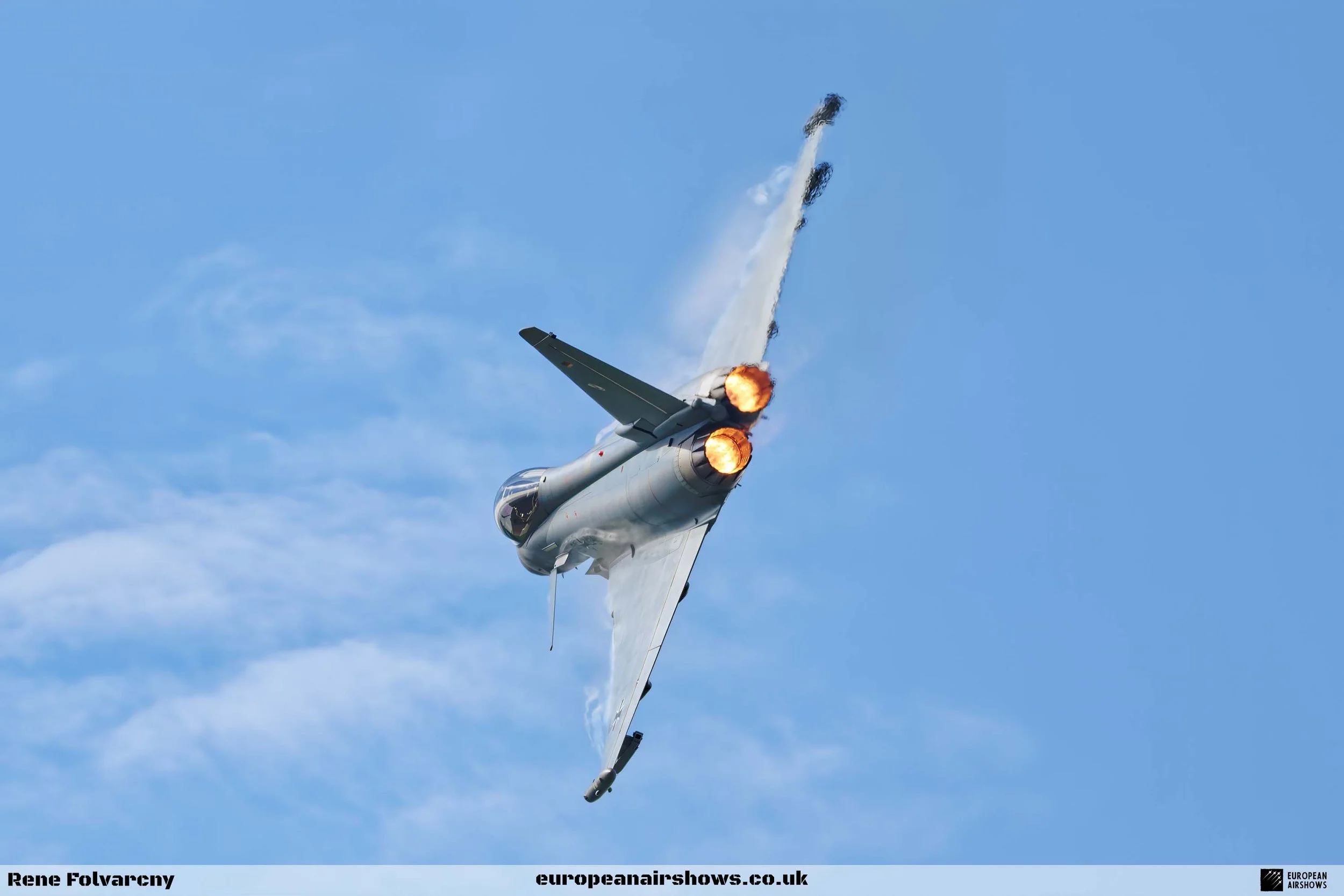
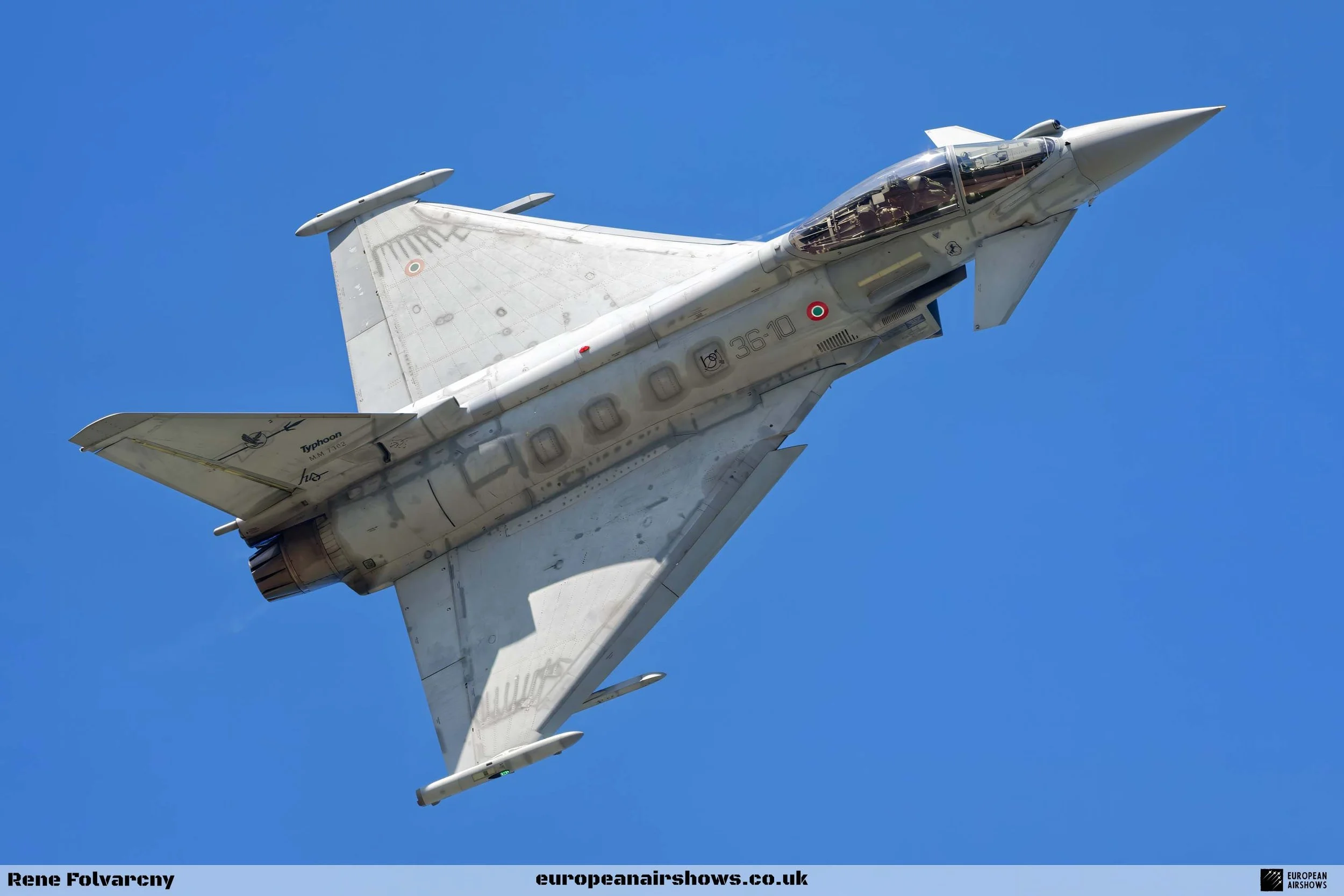
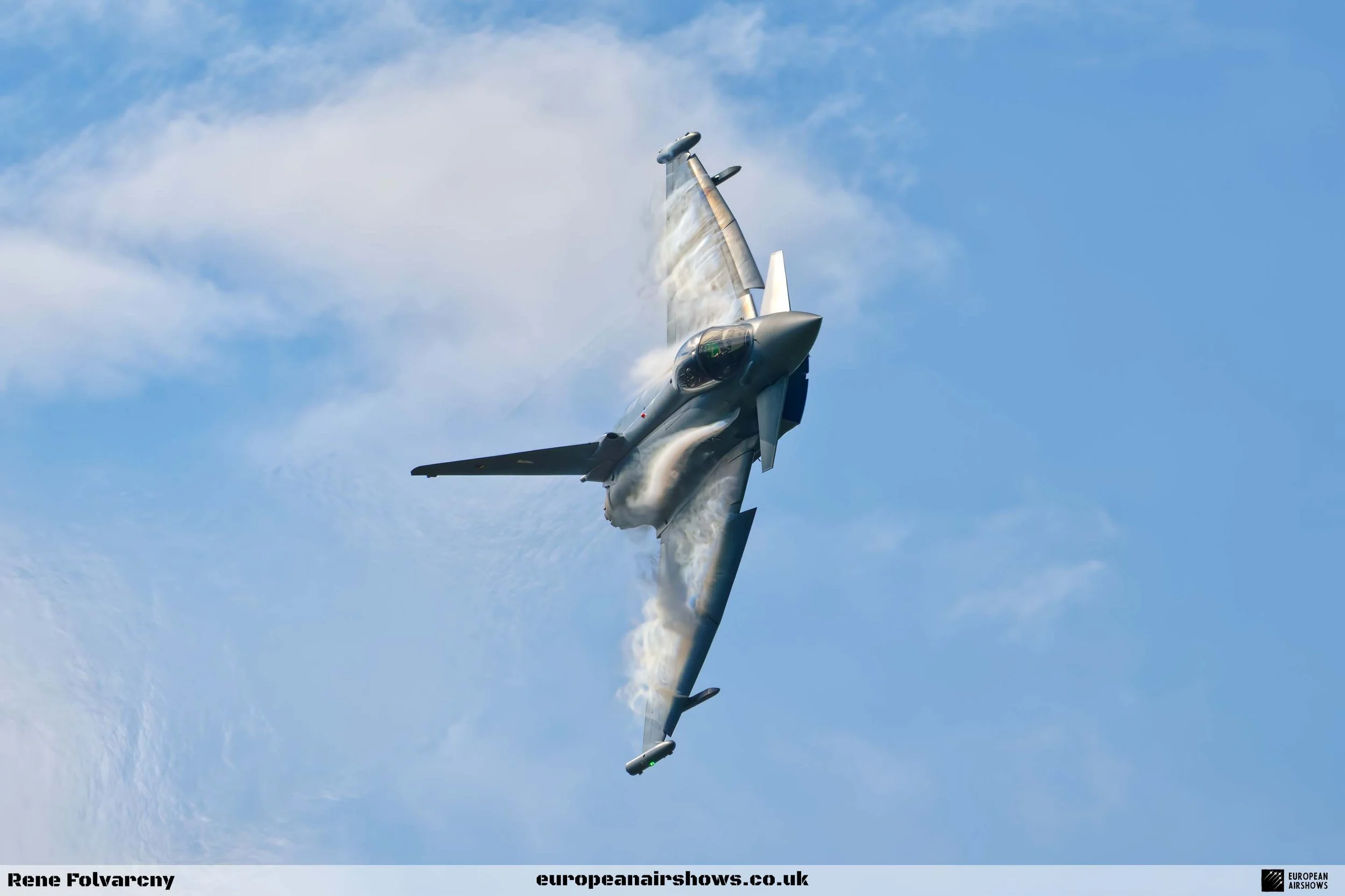
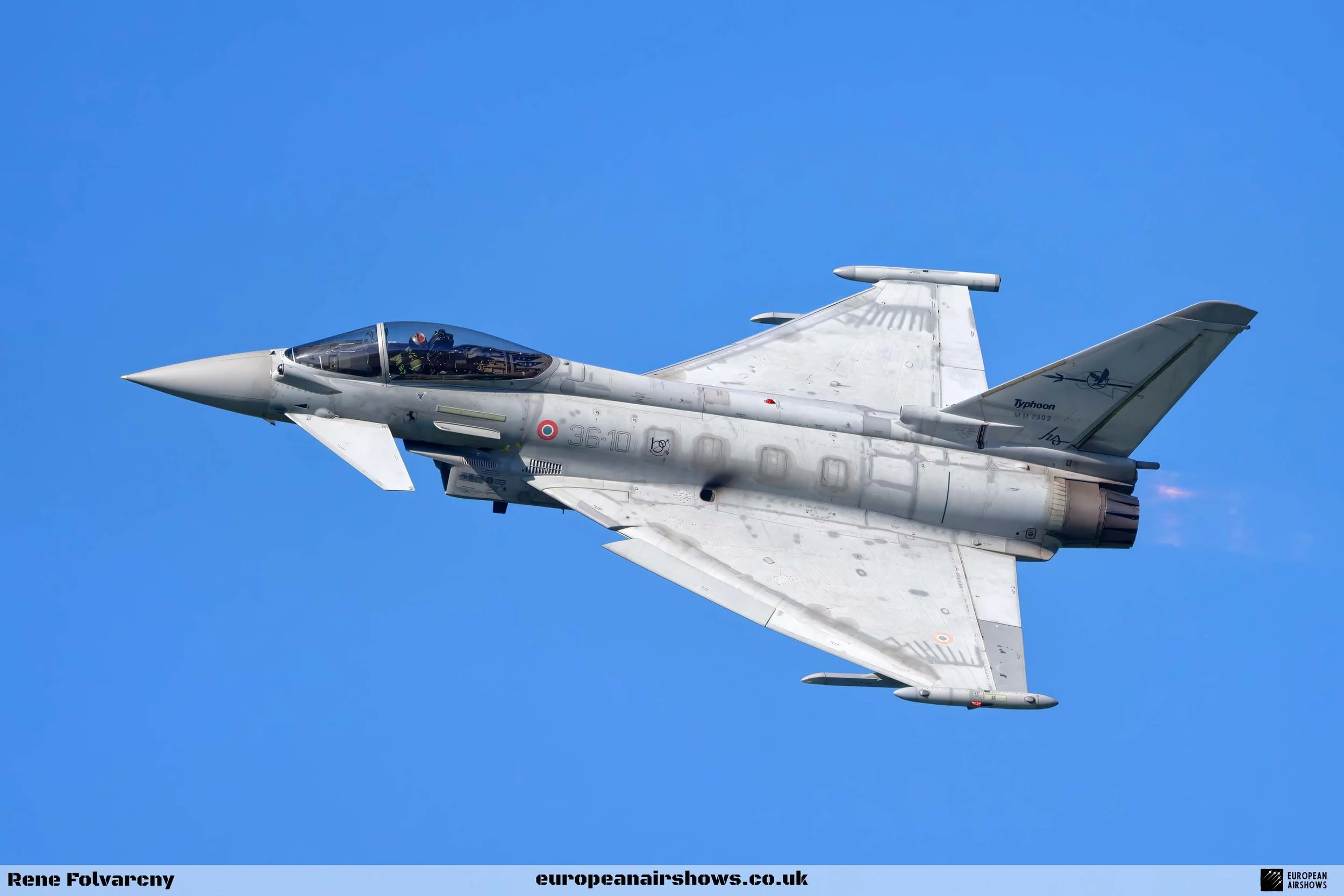
Italy’s Eurofighter F-2000A Typhoon followed, flown by Mattia Nucciarelli, and it brought proper fighter energy. High G turns that looked brutally tight, rapid direction changes, and a great use of afterburner that made every acceleration feel like a statement. It was one of those Typhoon routines where every turn looked loaded, and every straight line ended in a burst of afterburner.
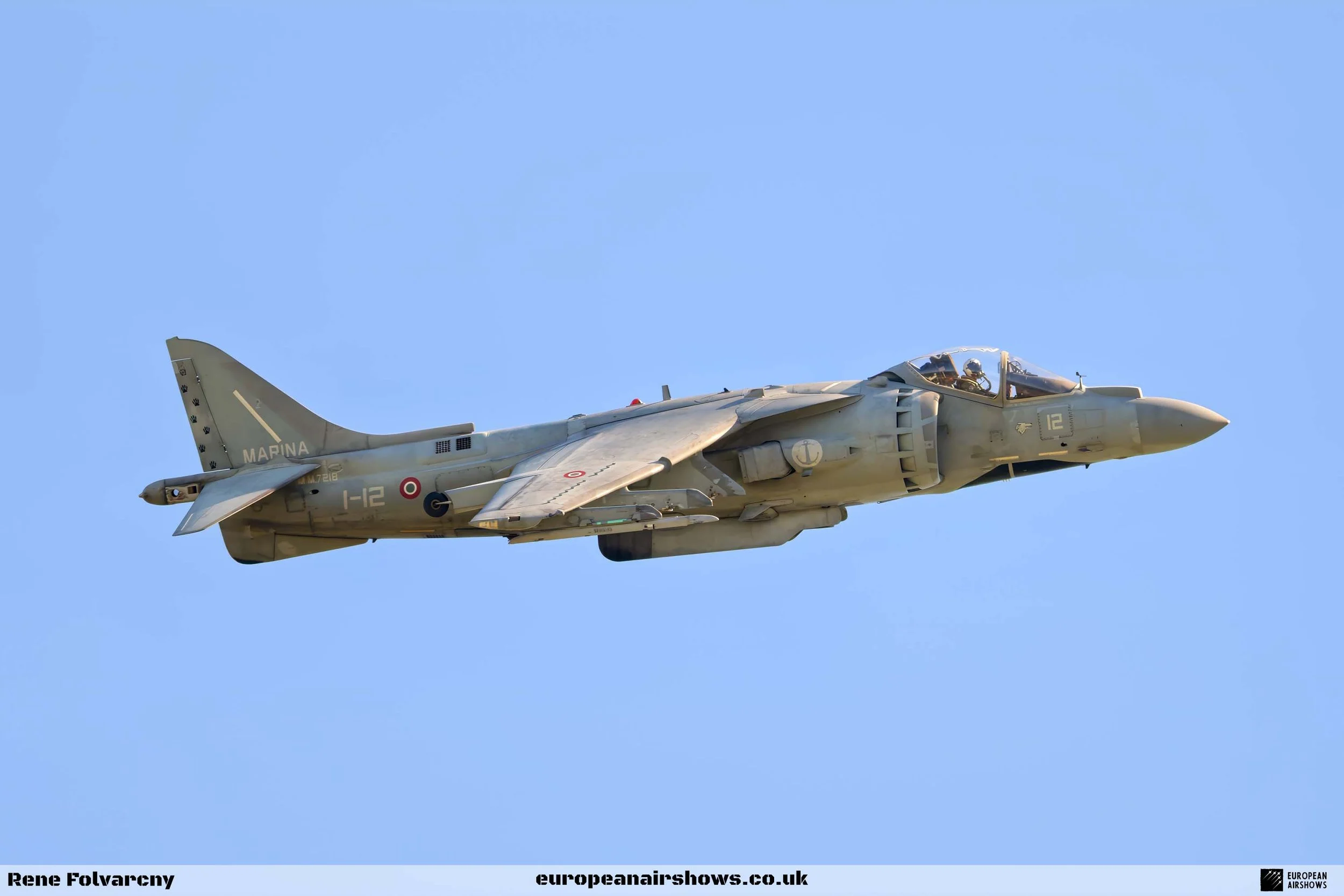
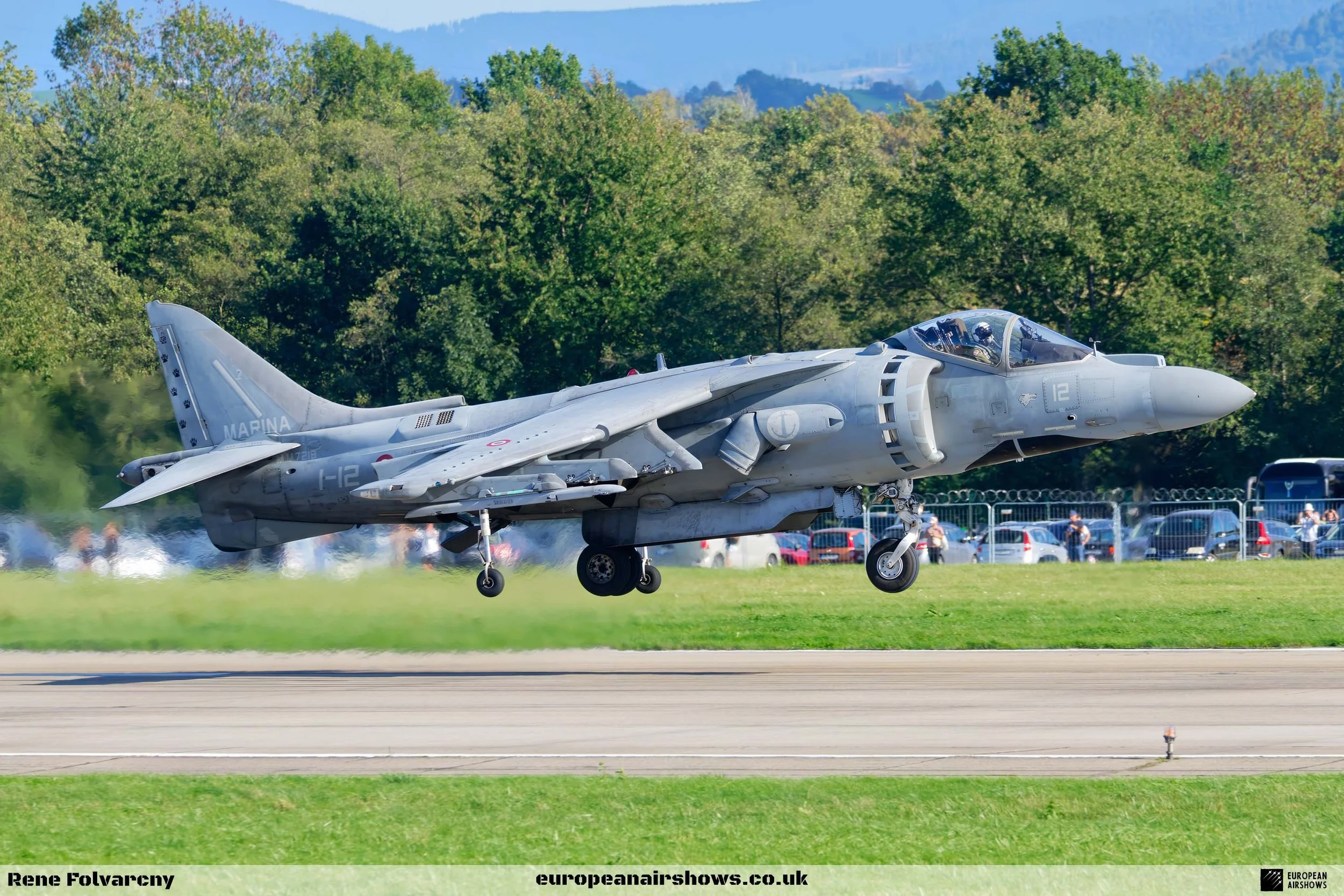
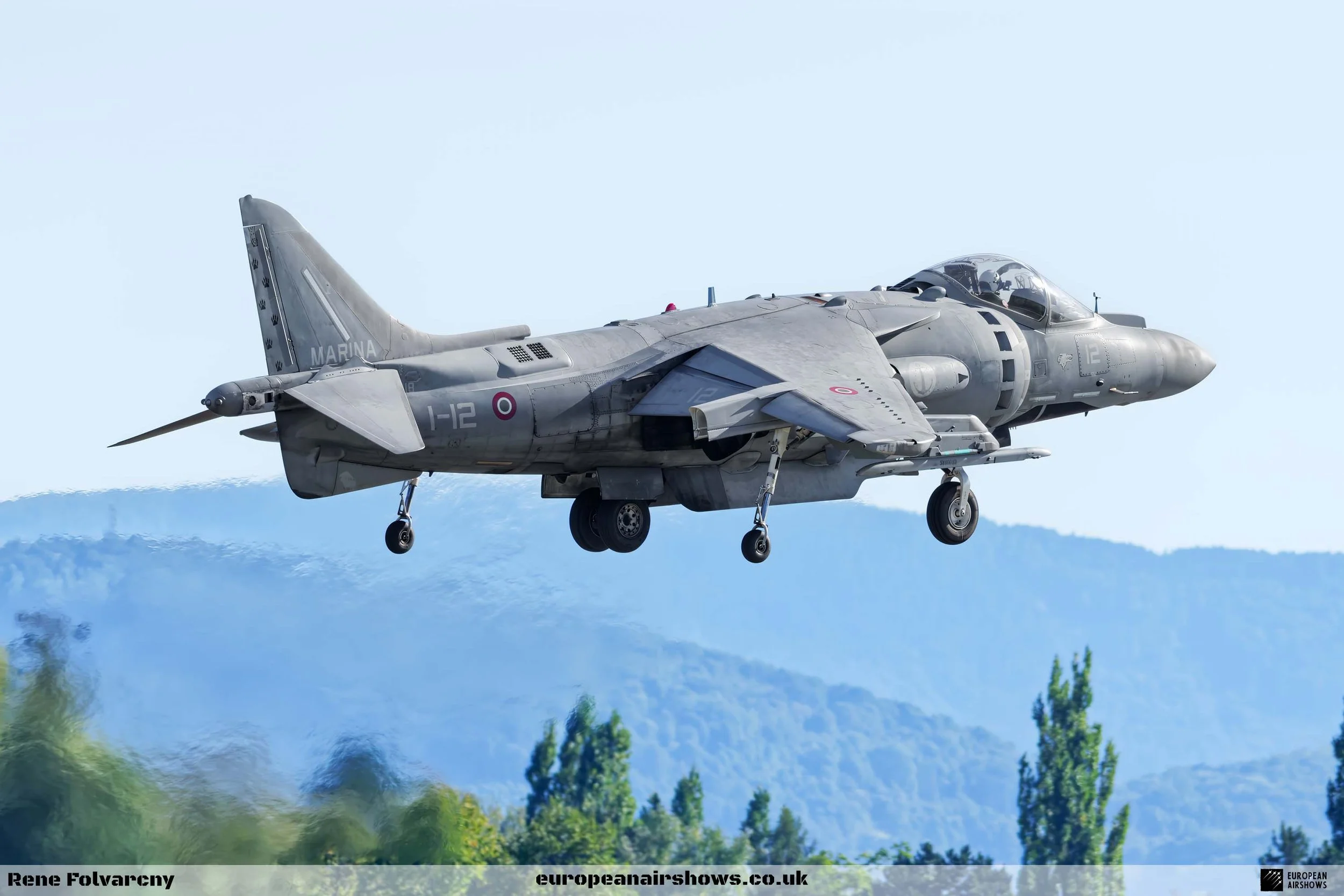
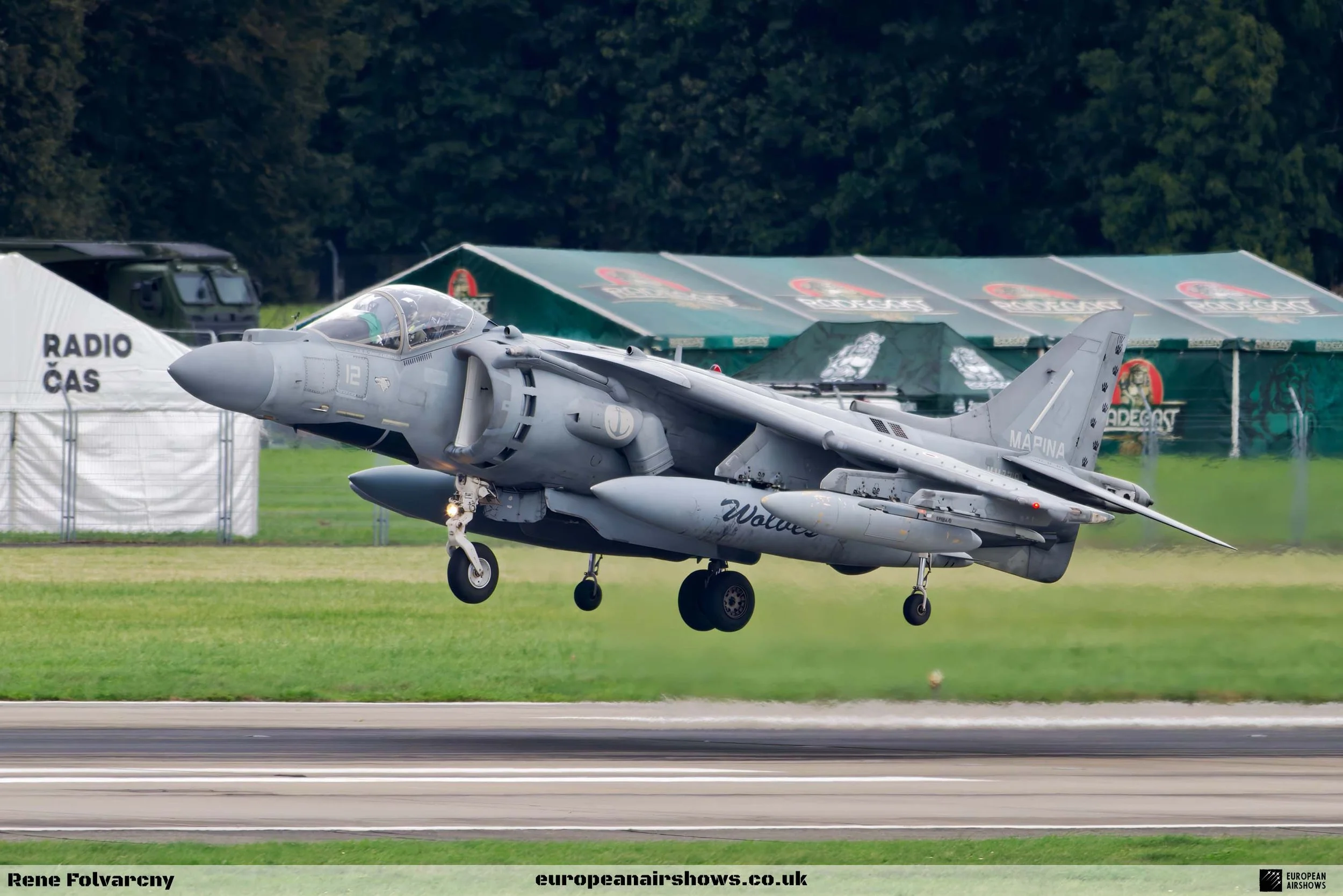
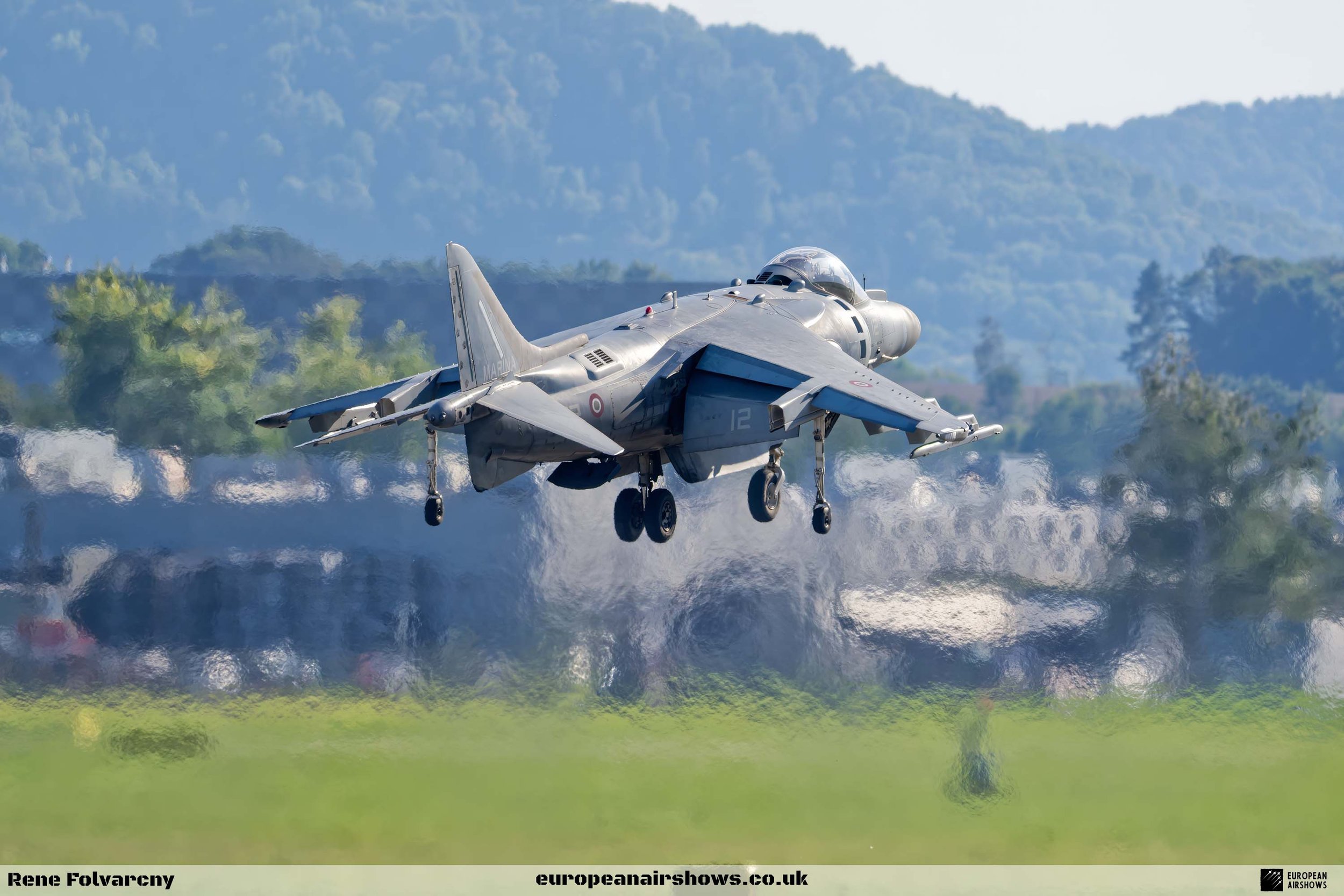
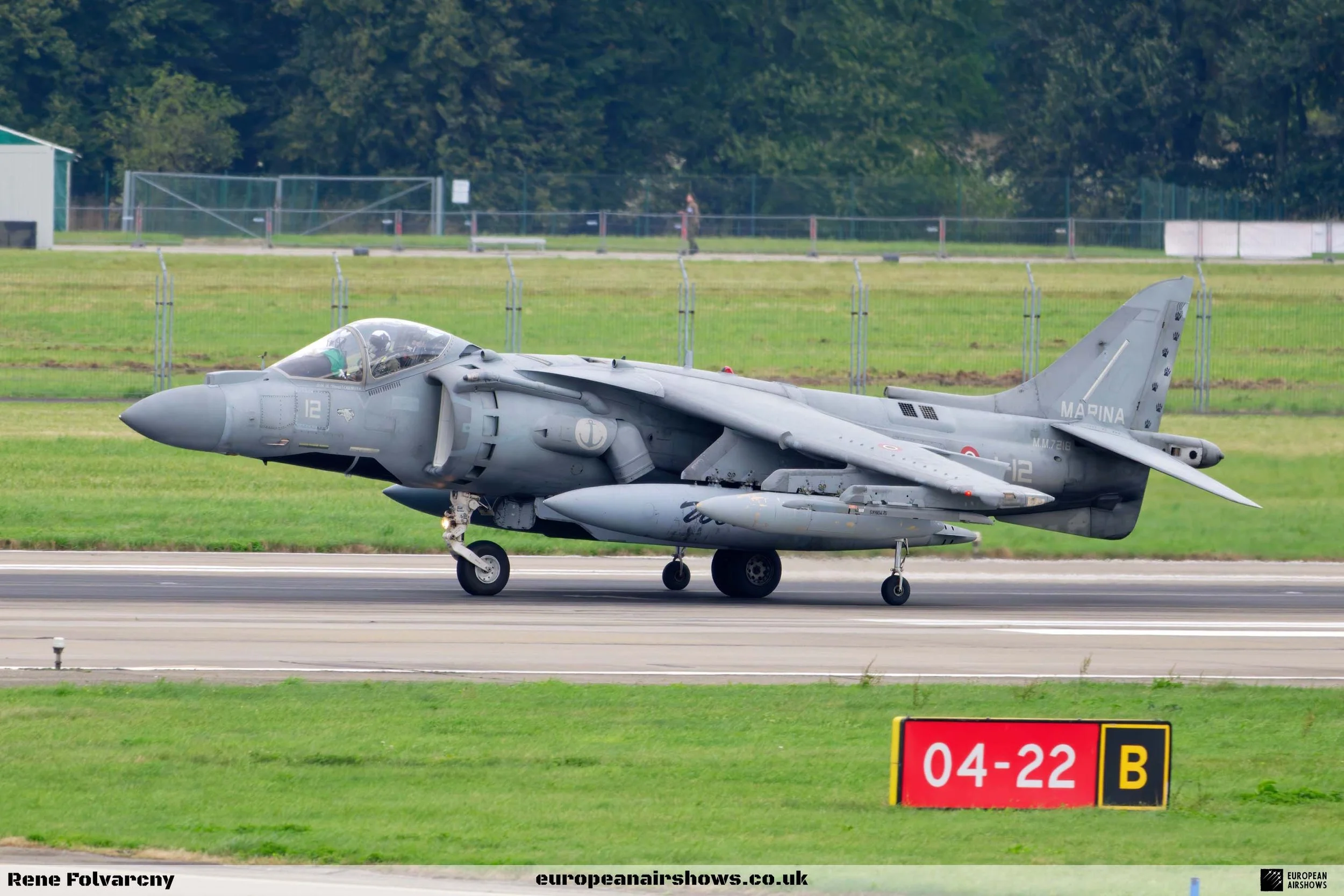
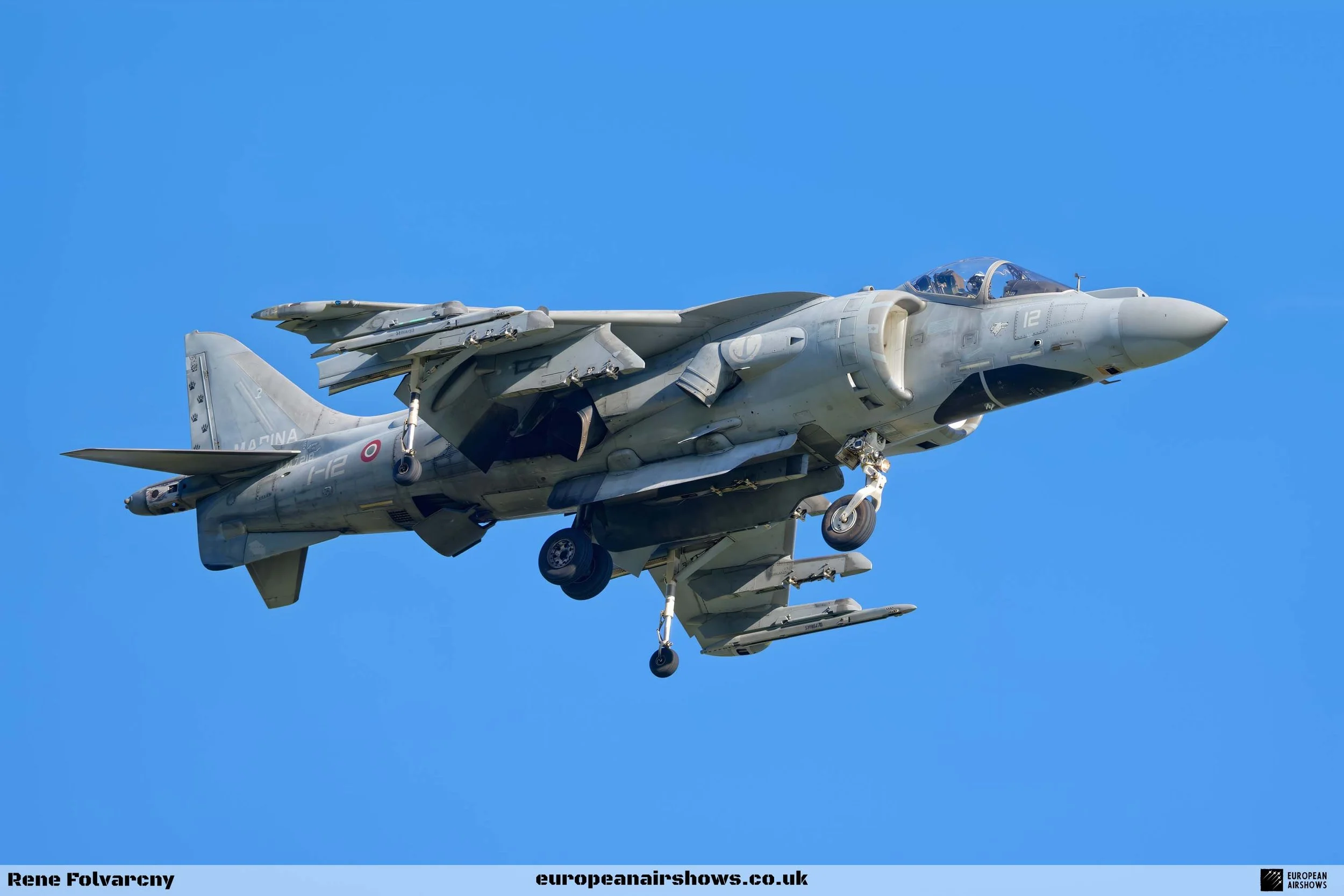
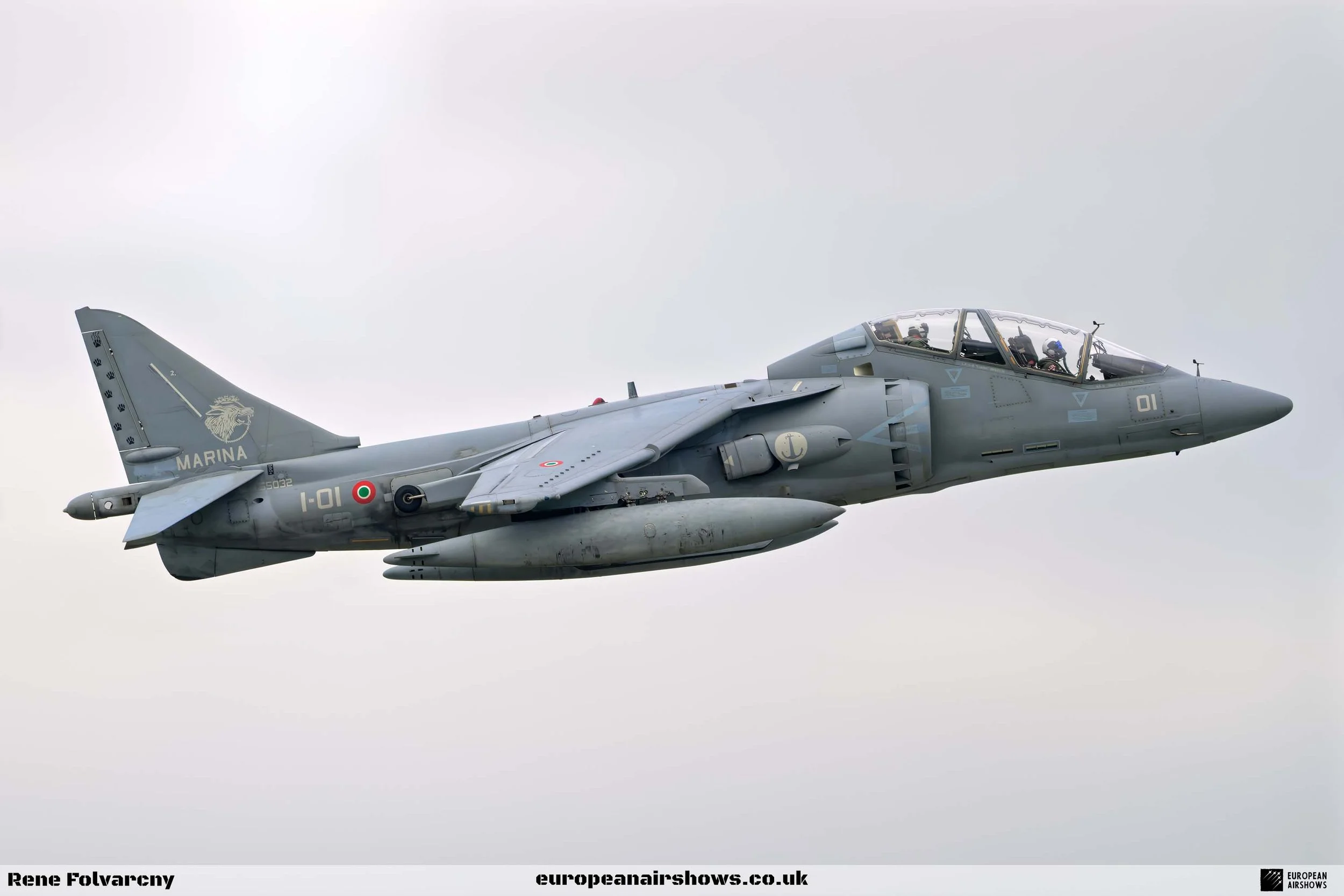
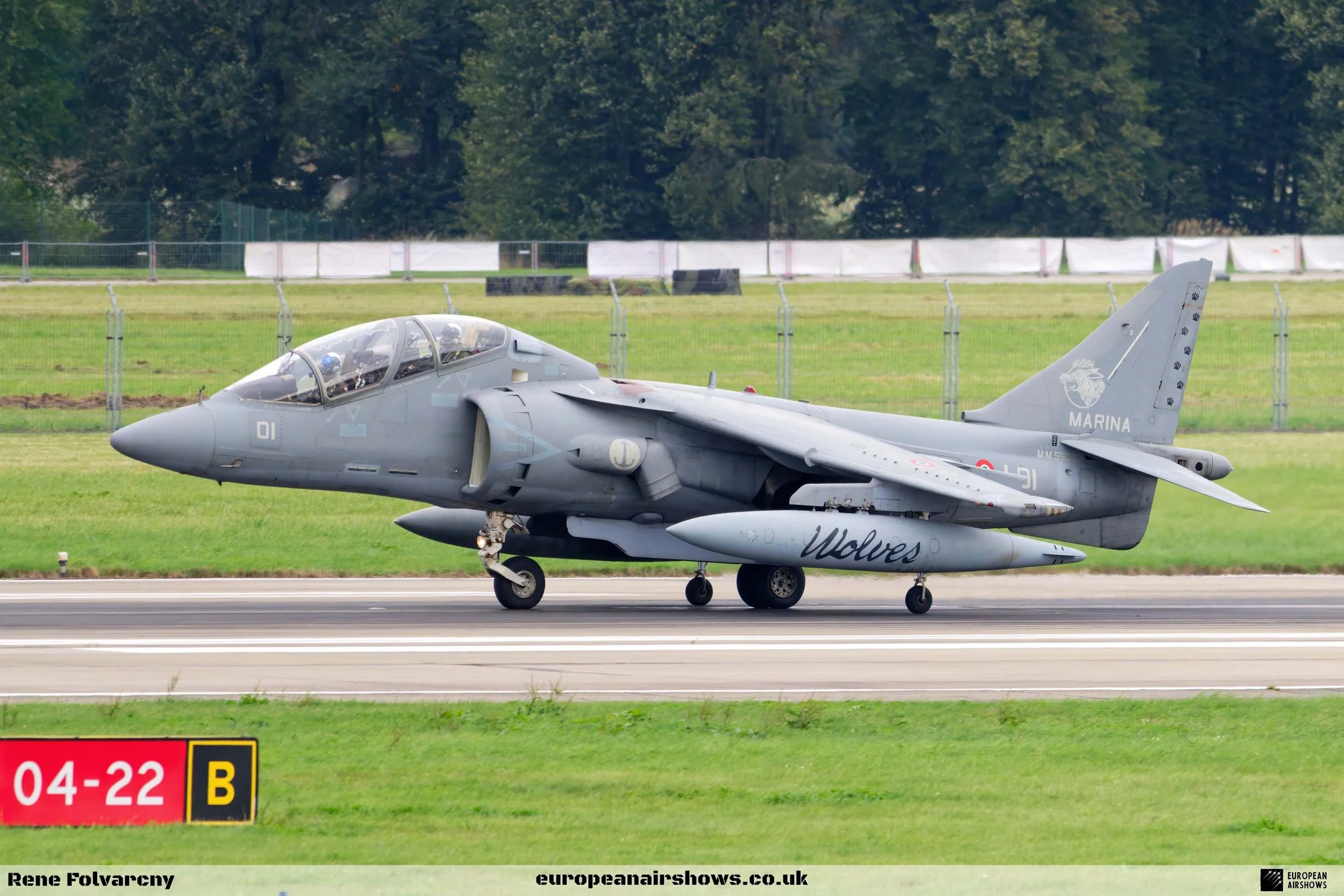
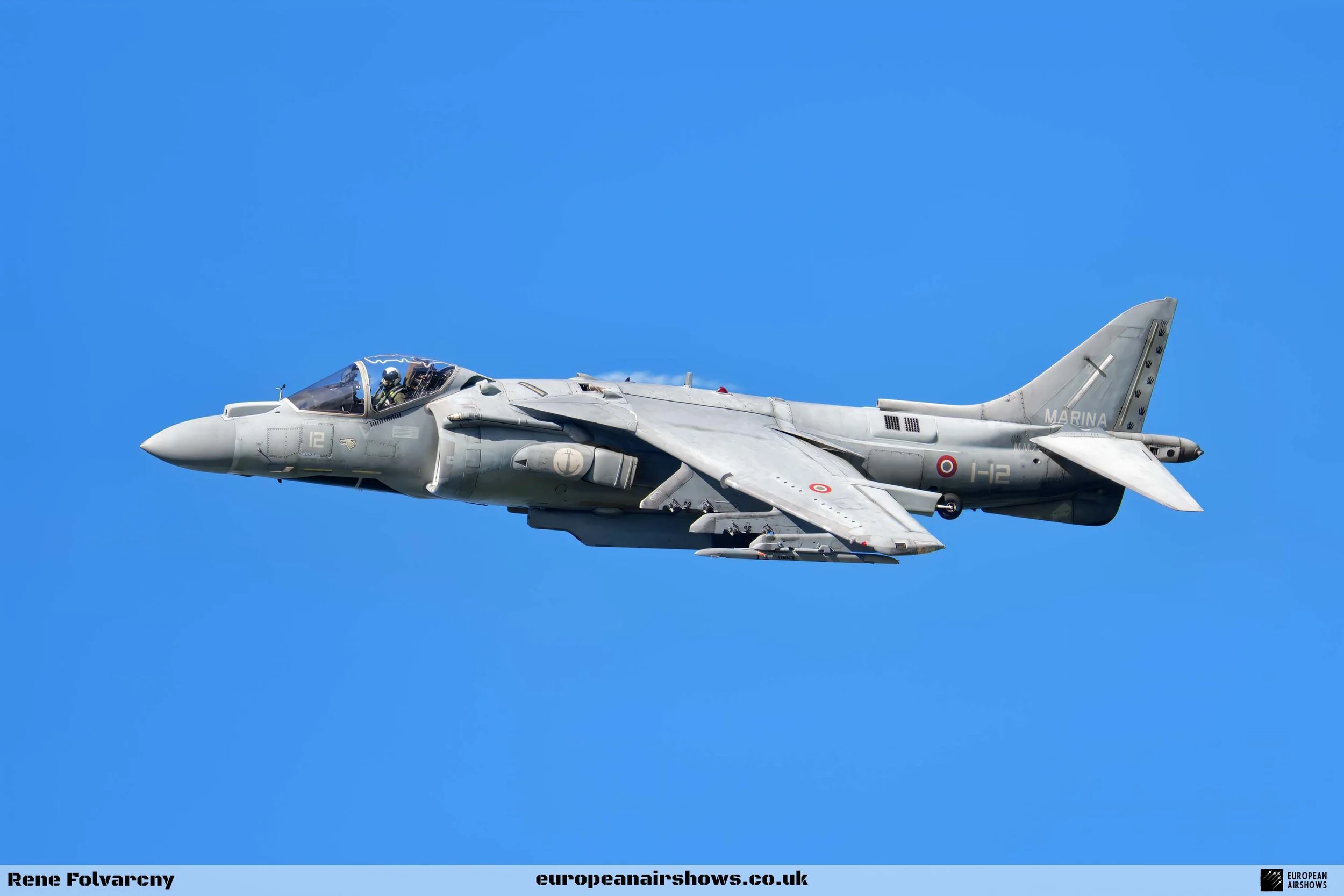
And then came the one that still feels unreal, the Italian Navy’s McDonnell Douglas AV-8B+ Harrier II, flown by Fabio “BOOGER” Bogane. Harrier flying displays in the Czech Republic had not happened since 2010, so seeing one back in 2025 felt like a collector’s item. The hover was always going to be the moment everyone waited for, and even though the display sat a little higher than many would have loved at times, the hanging hover at the end still had that “how is it doing that” magic. Knowing the two seat McDonnell Douglas TAV-8B Harrier II was on the static line made it even better, one to watch in the air and one to walk up to afterwards and properly take in.
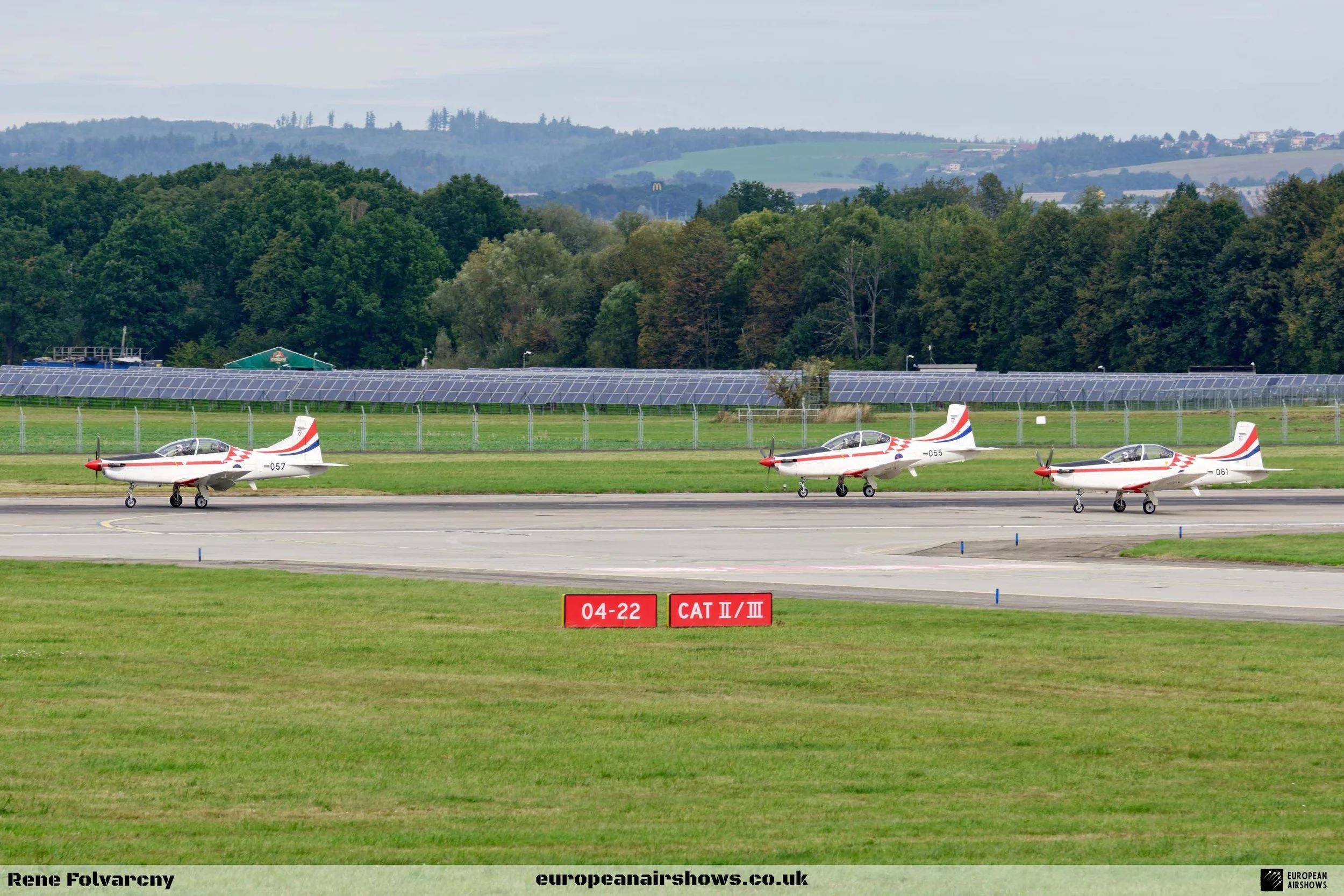
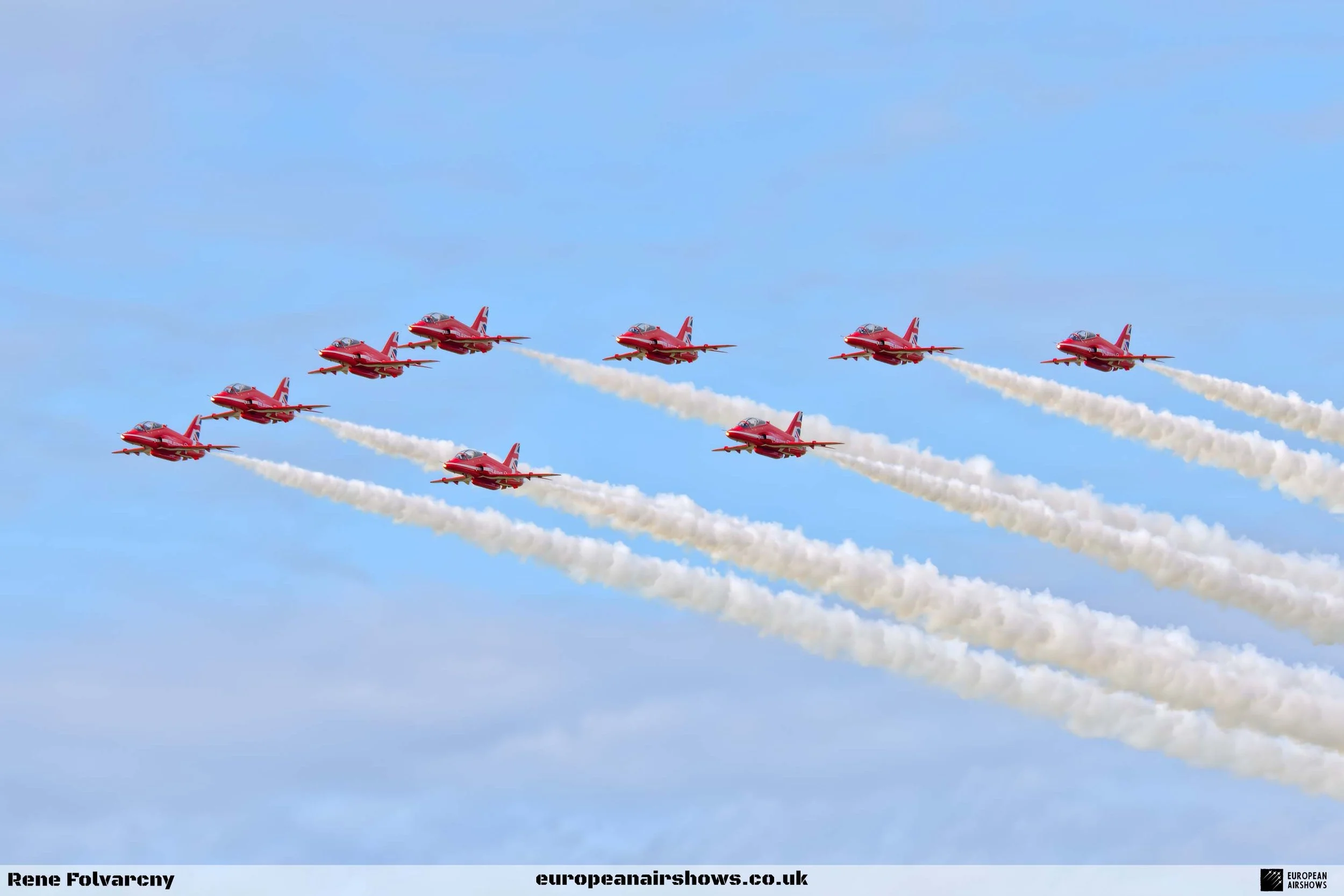
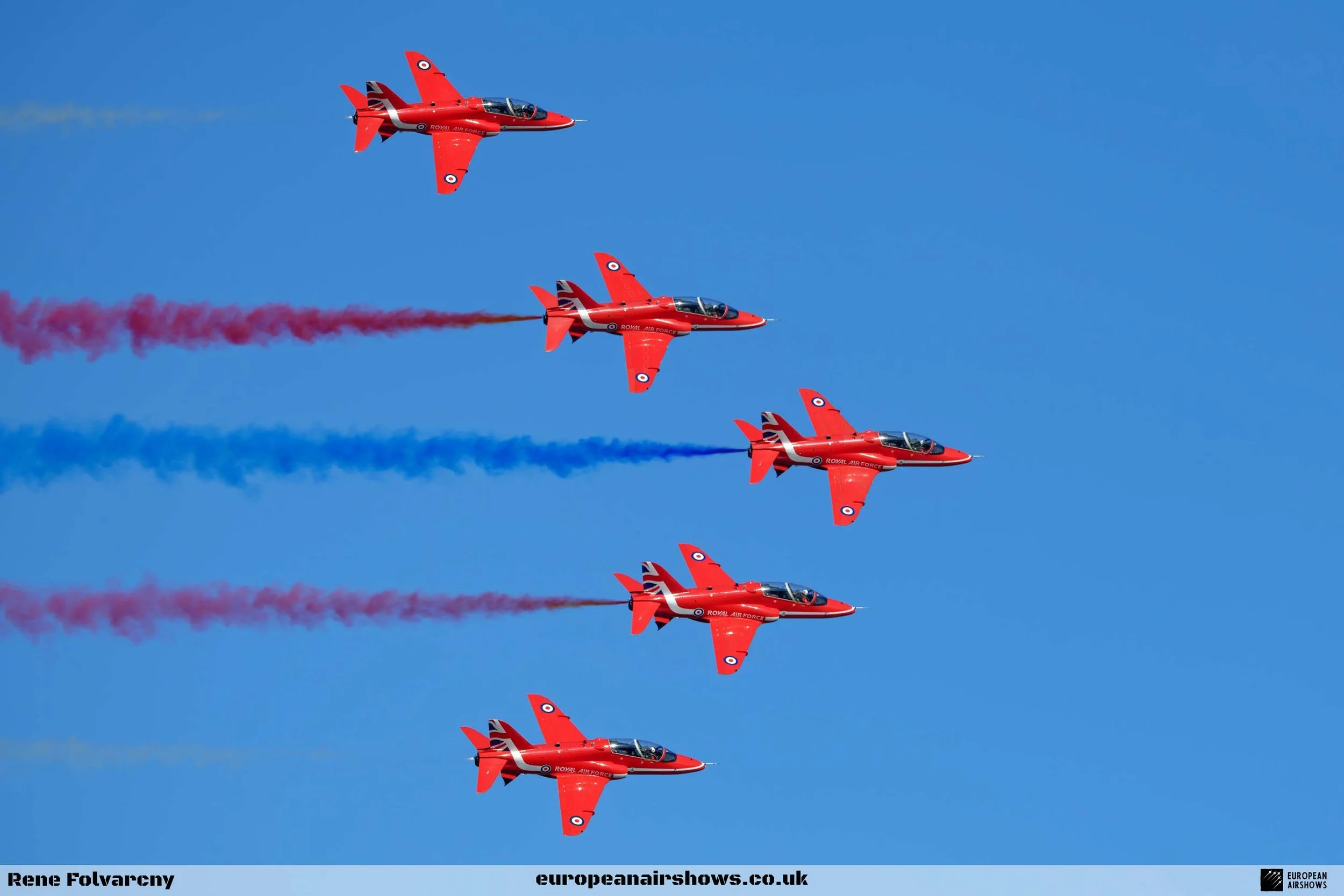
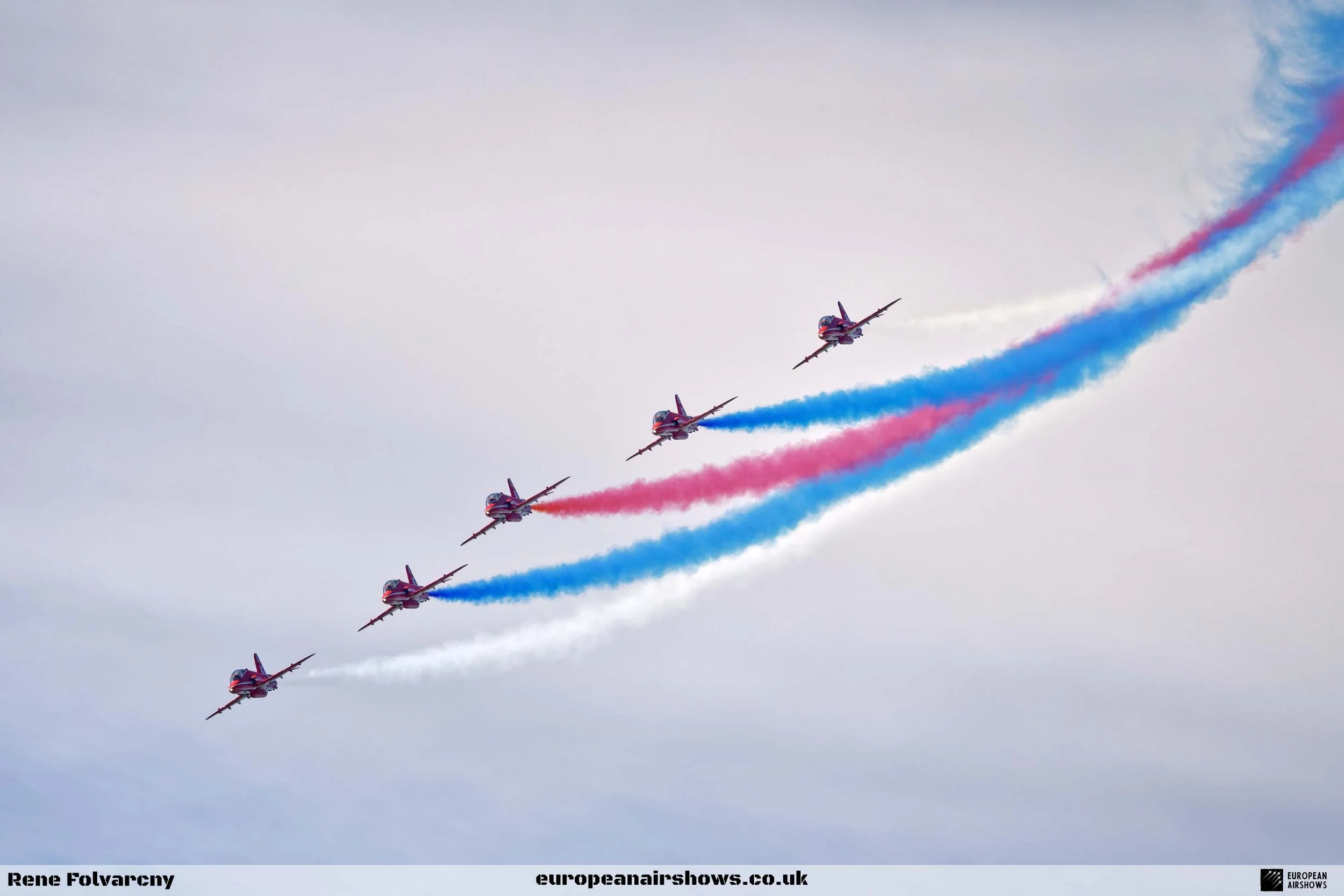
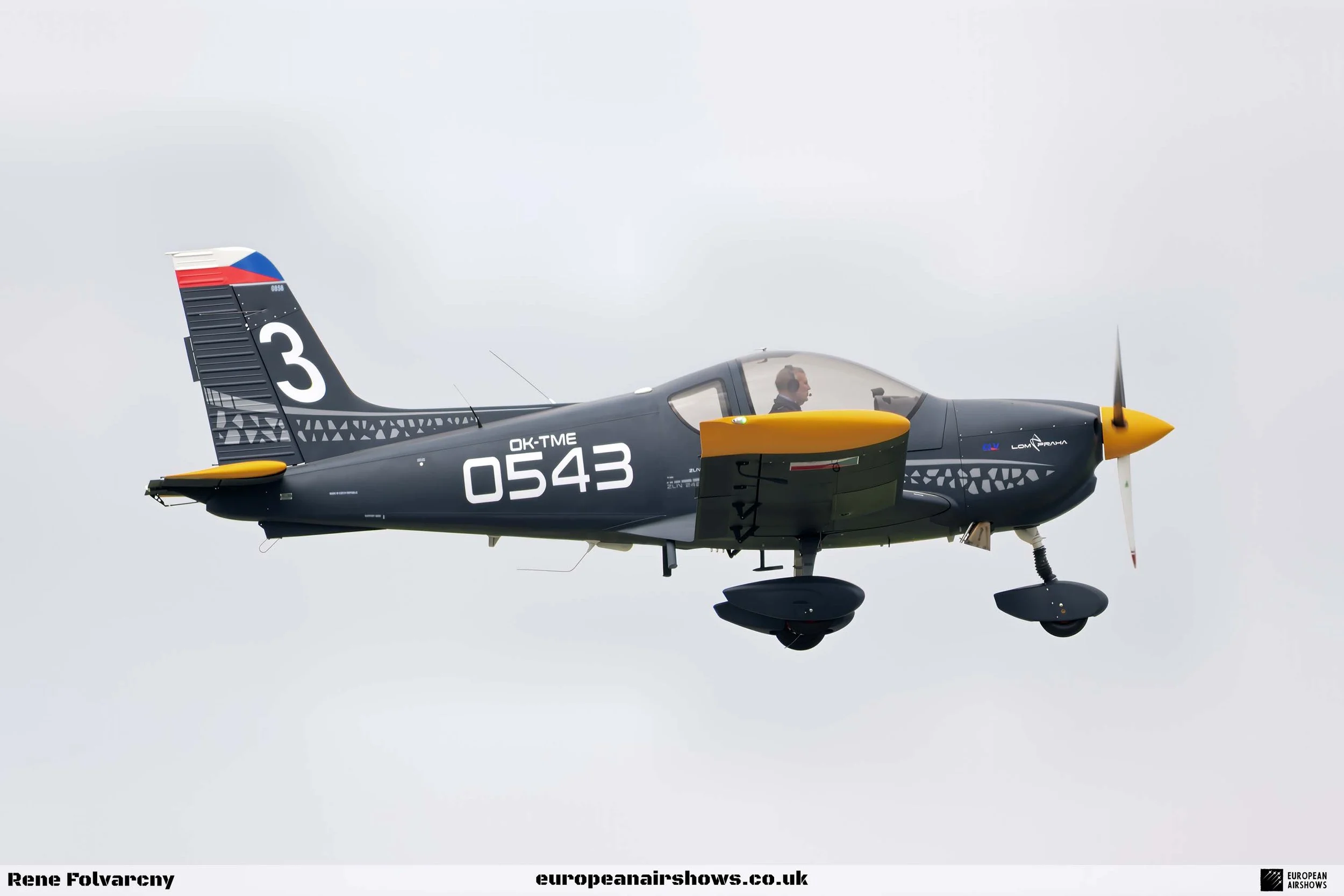
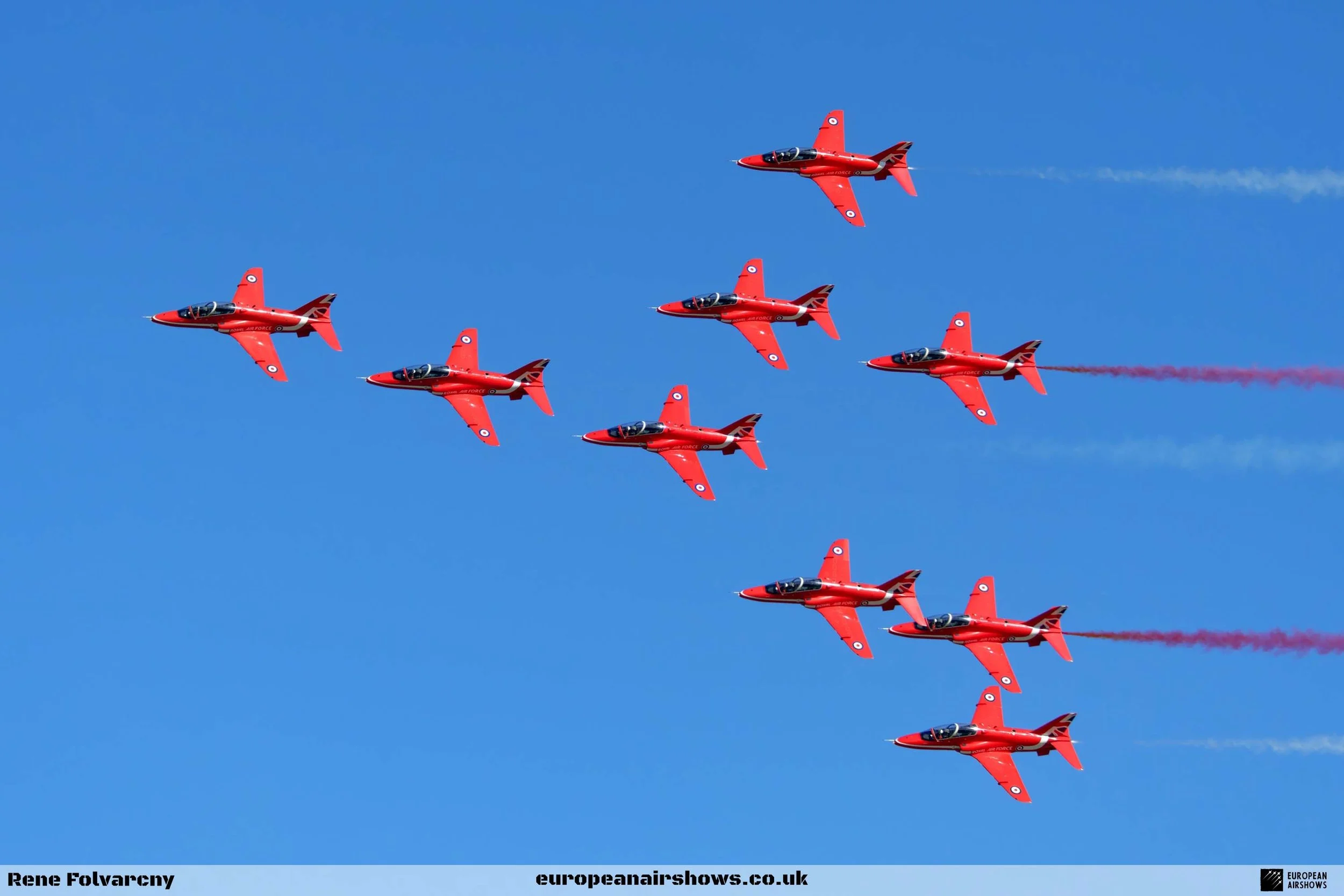
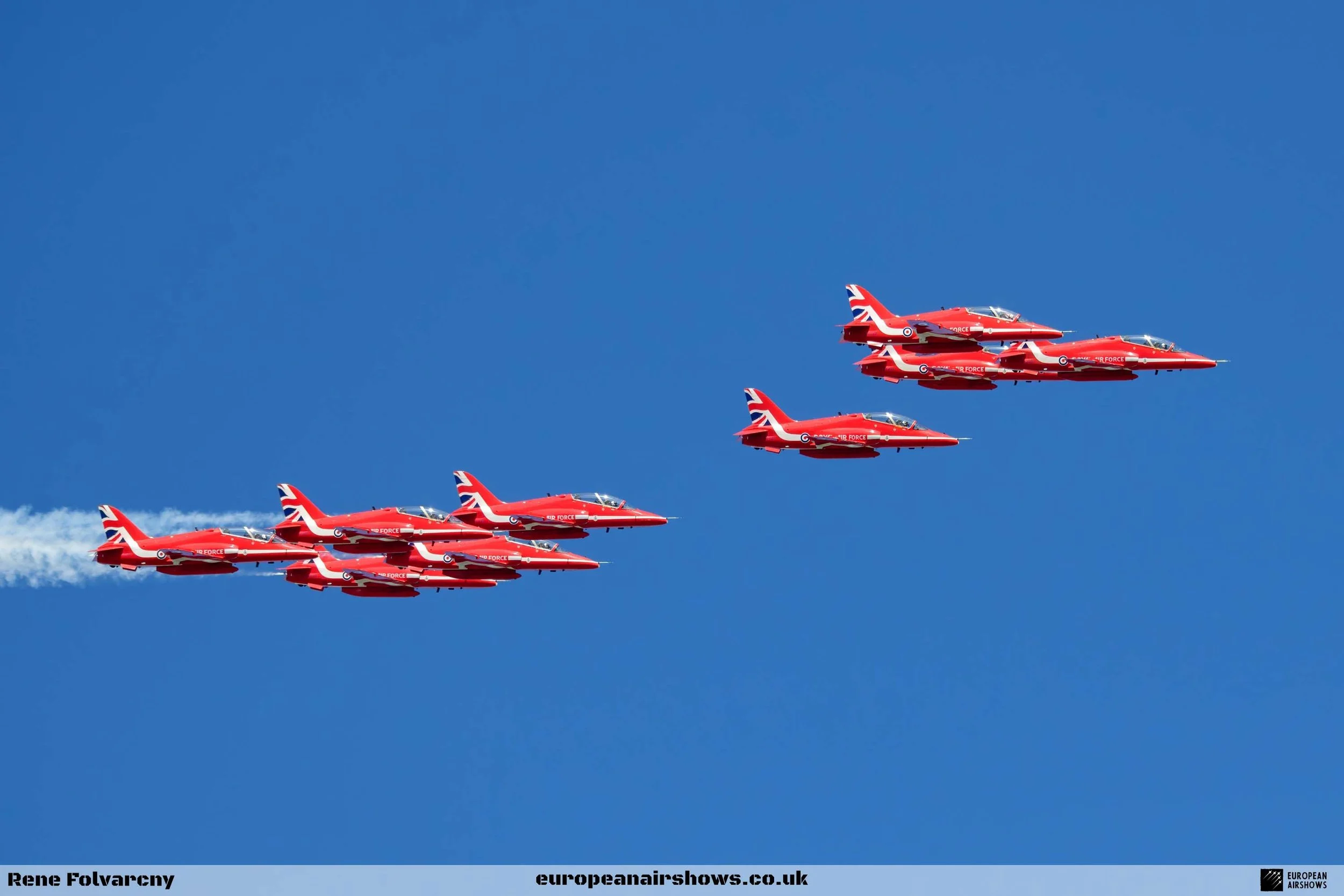
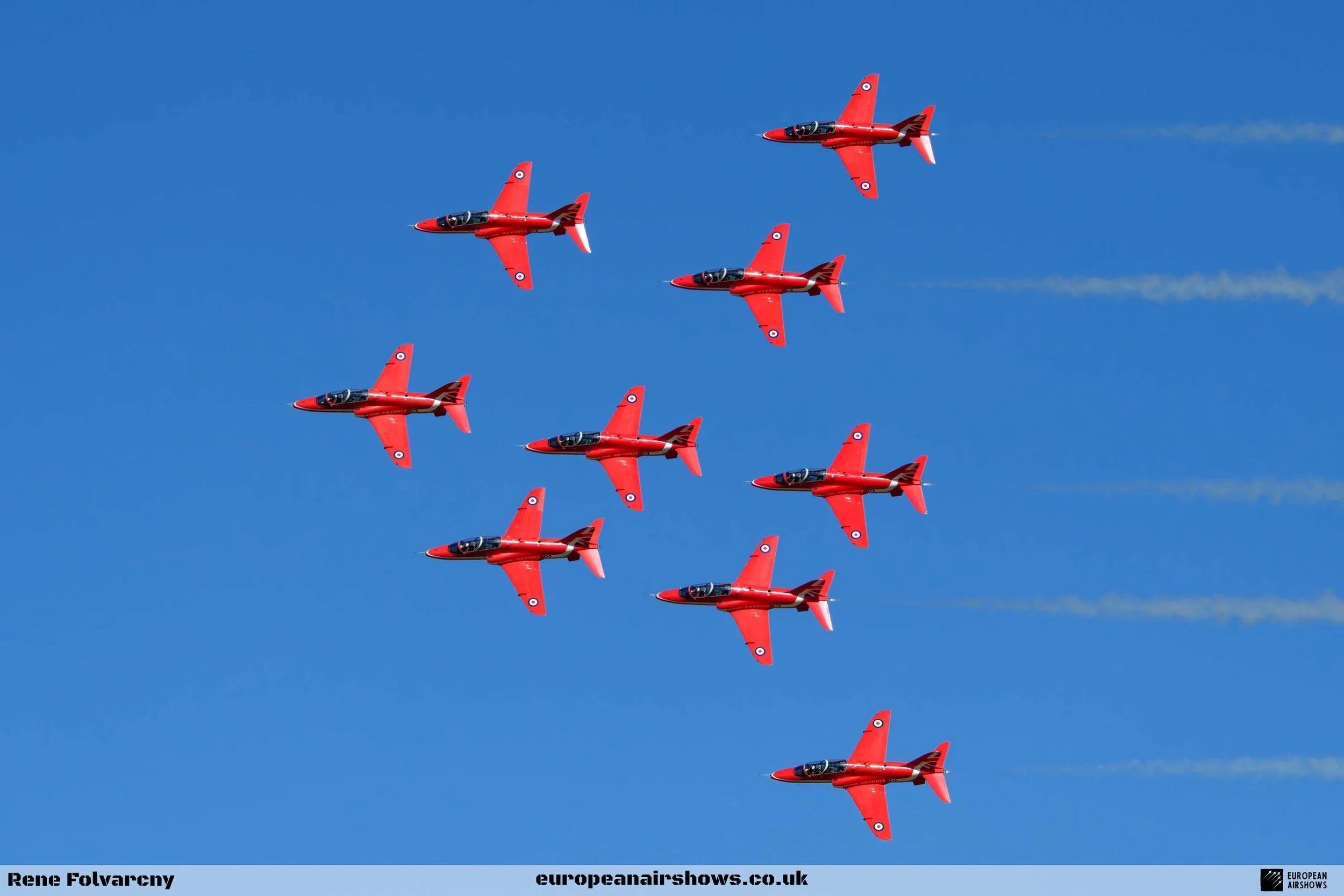
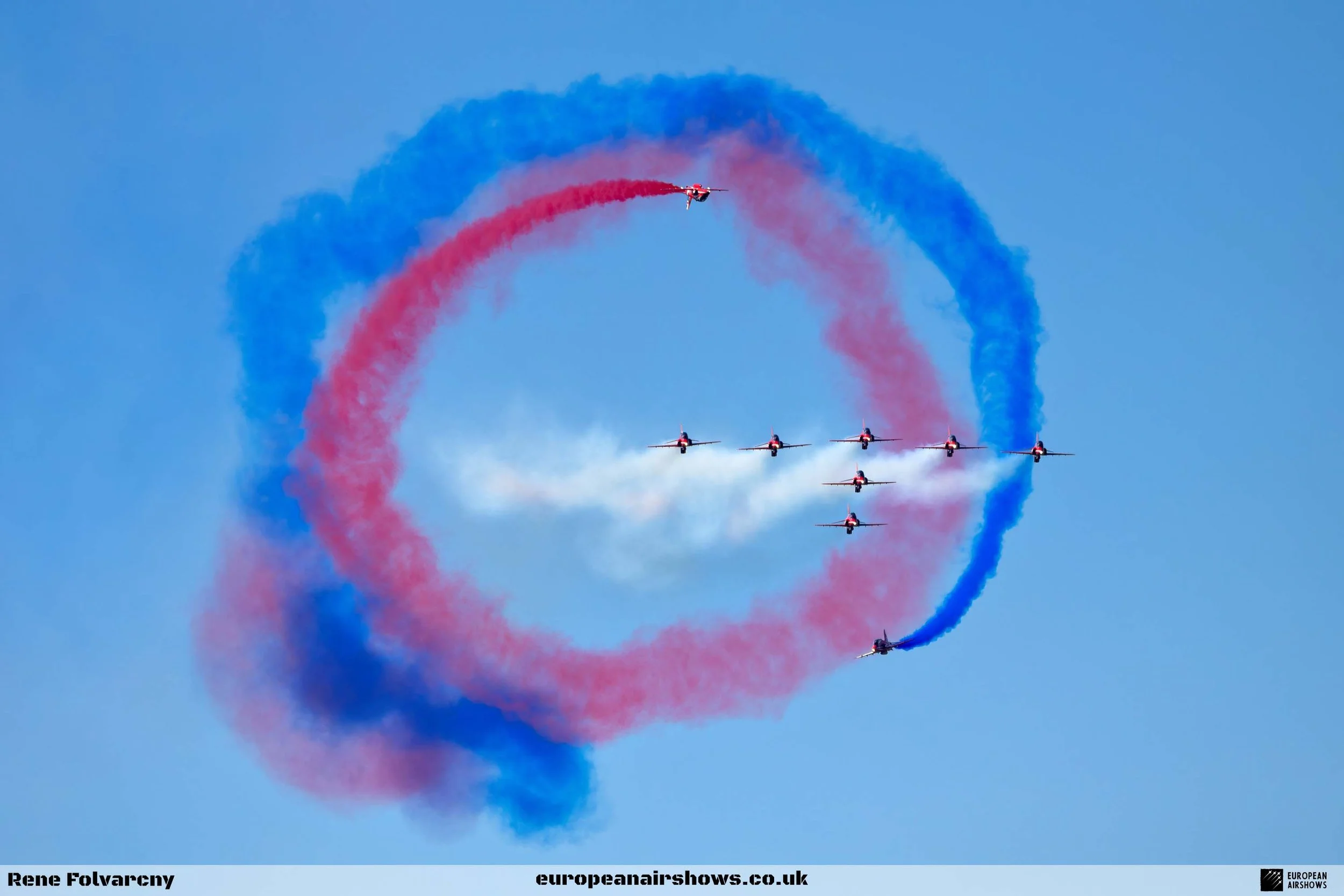
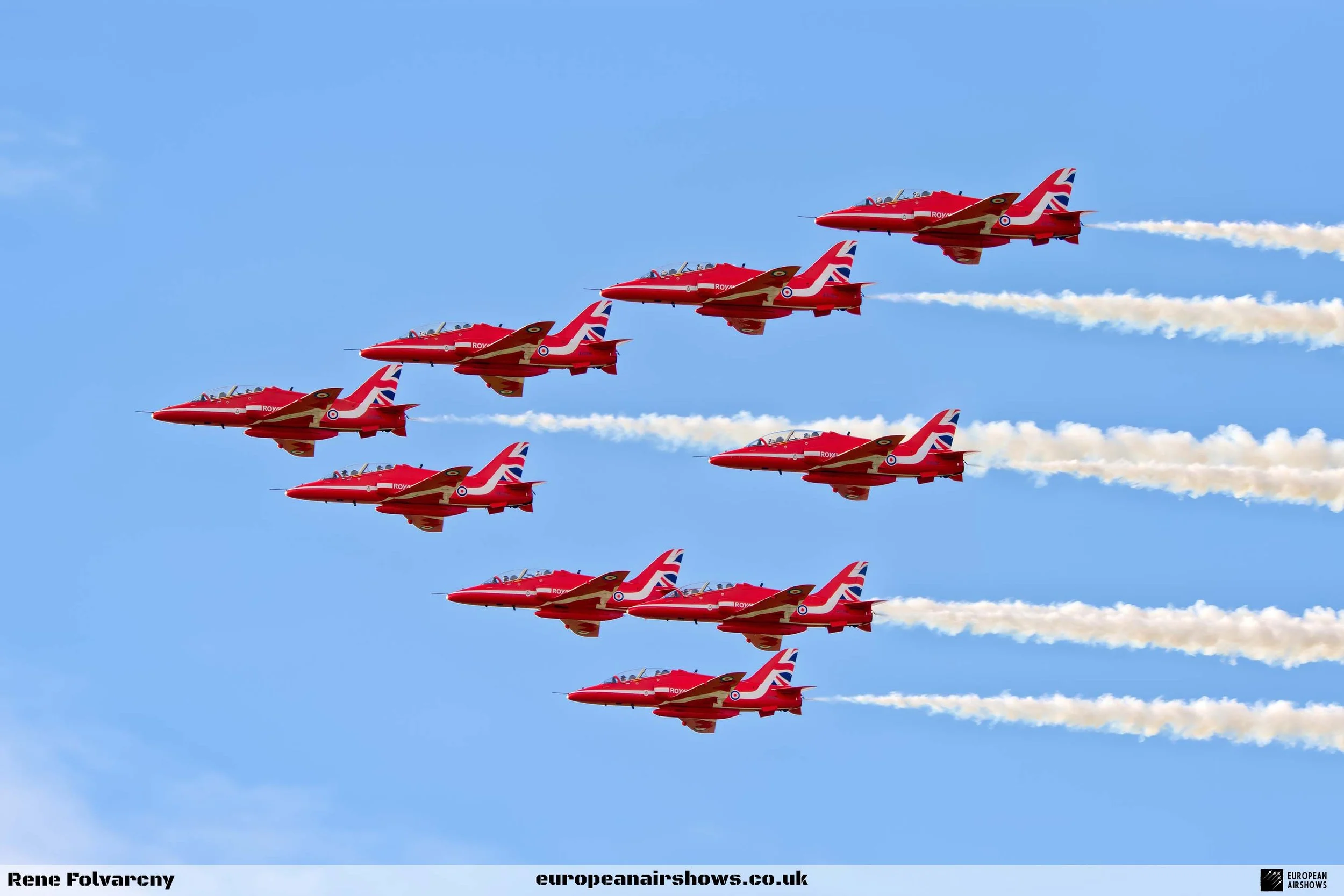
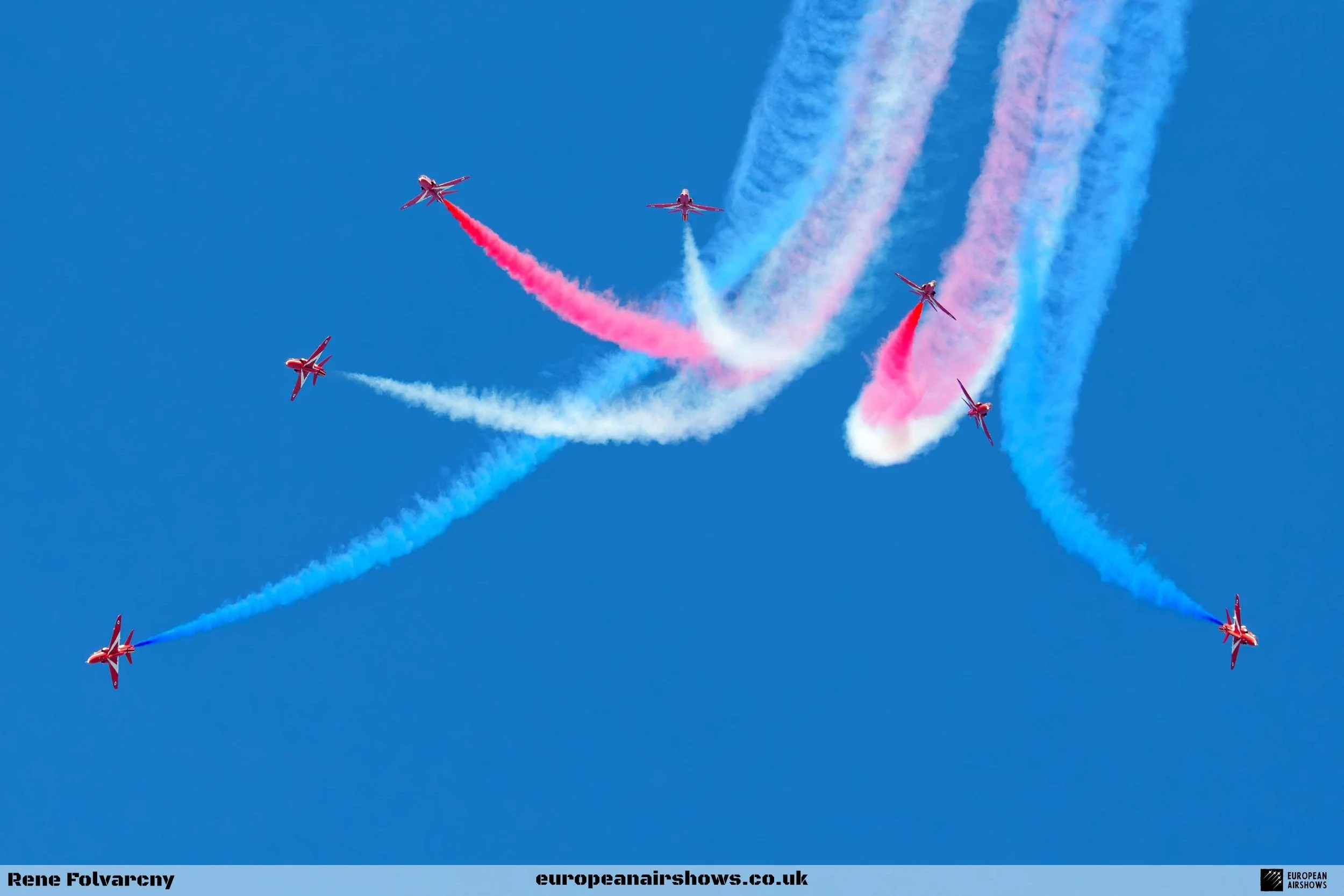
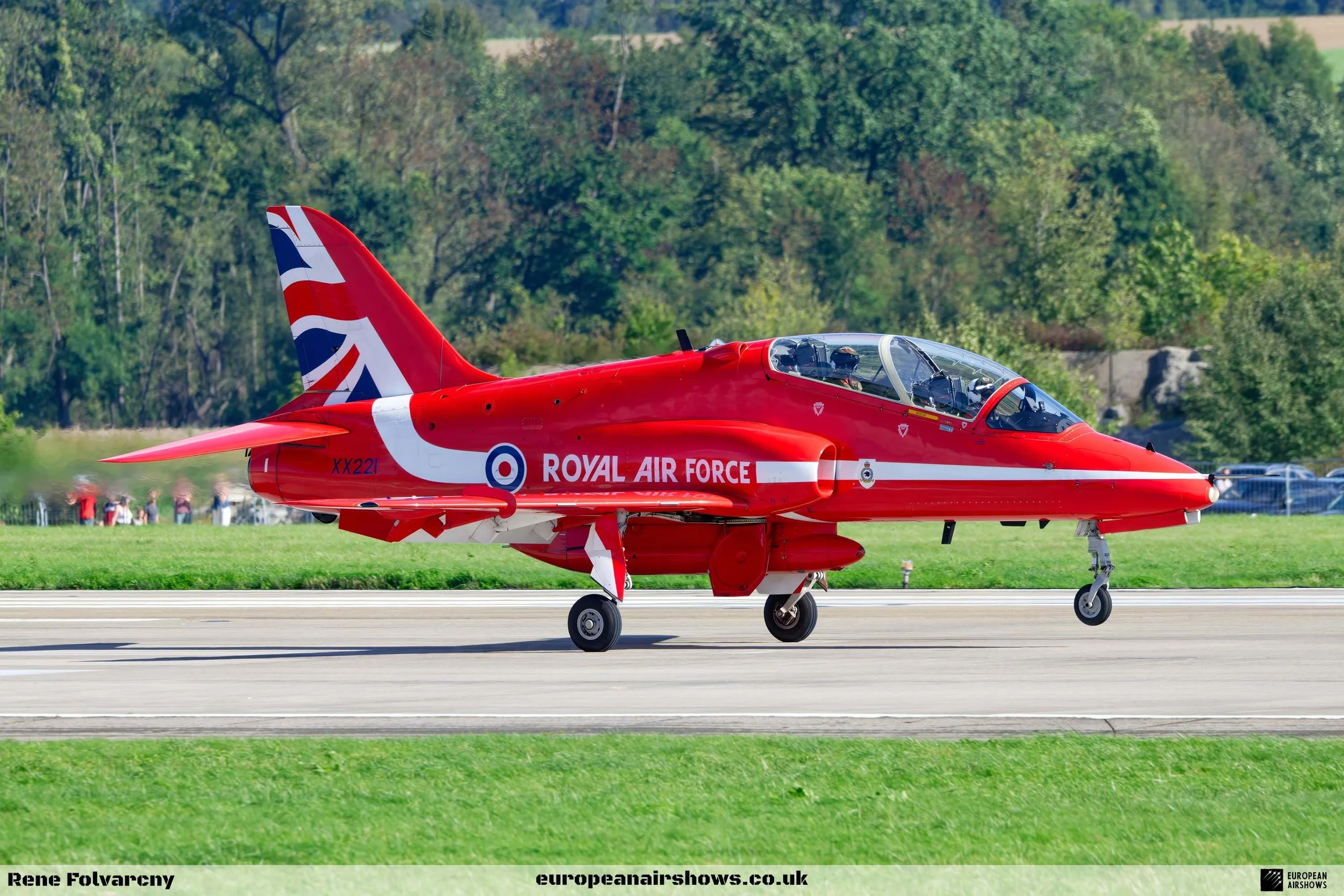
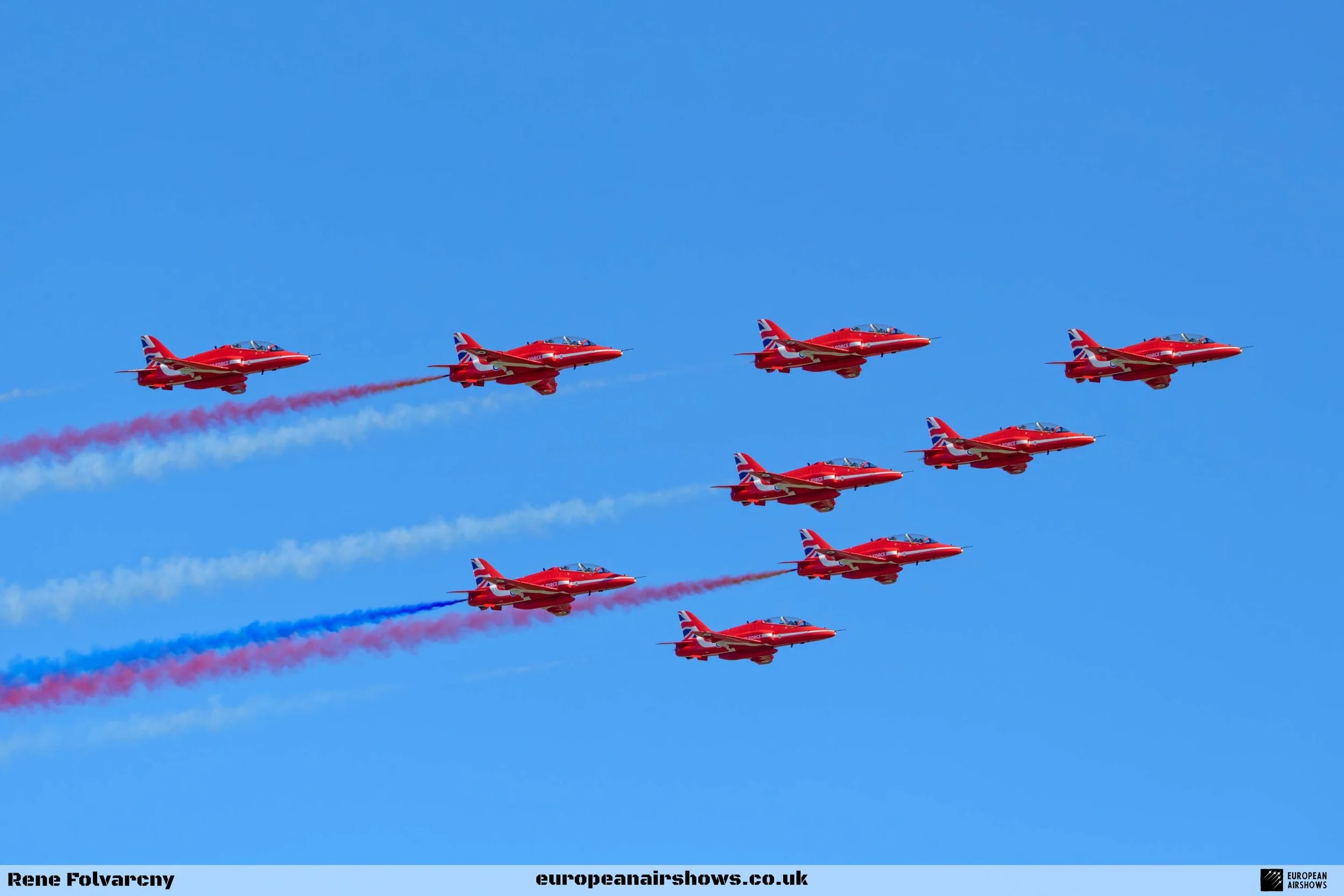
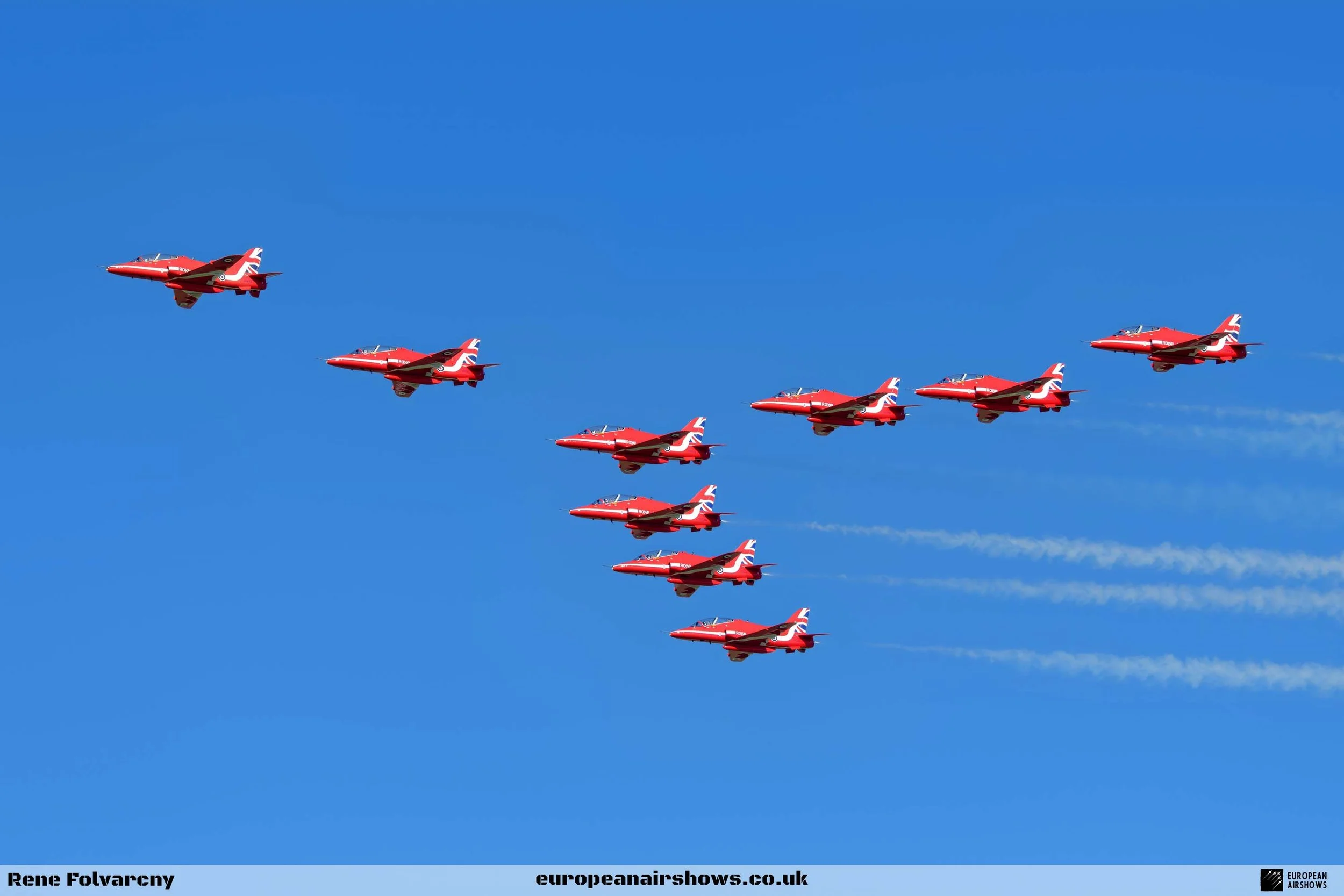
Formations are what gave the afternoon its “big show” heartbeat. The Royal Air Force Red Arrows were back over Mošnov after a three-year gap, and nine BAE Systems Hawk T1 jets carving red, white and blue across that big Ostrava sky instantly made everything feel like a headline moment rather than “just another item on the running order”.
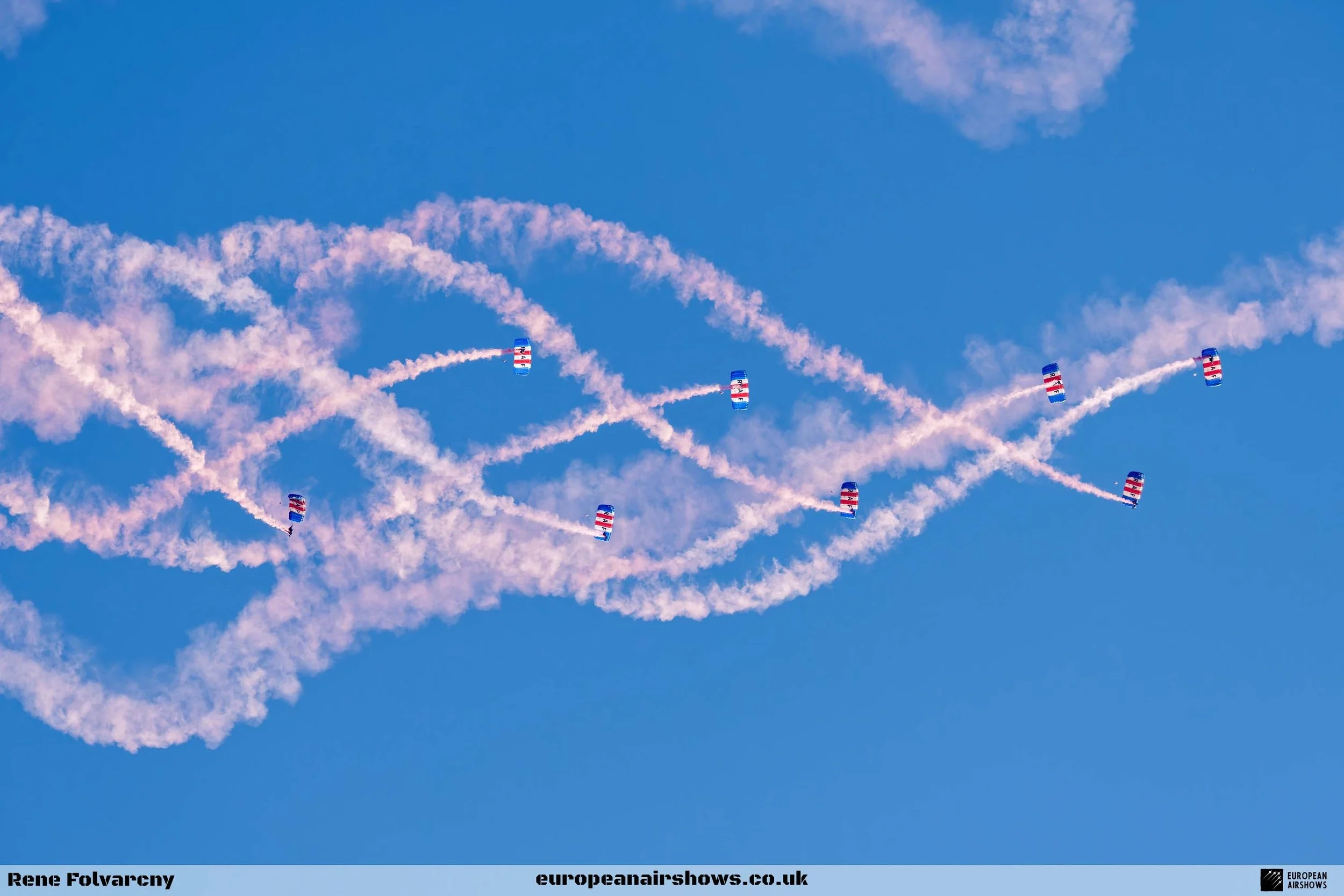
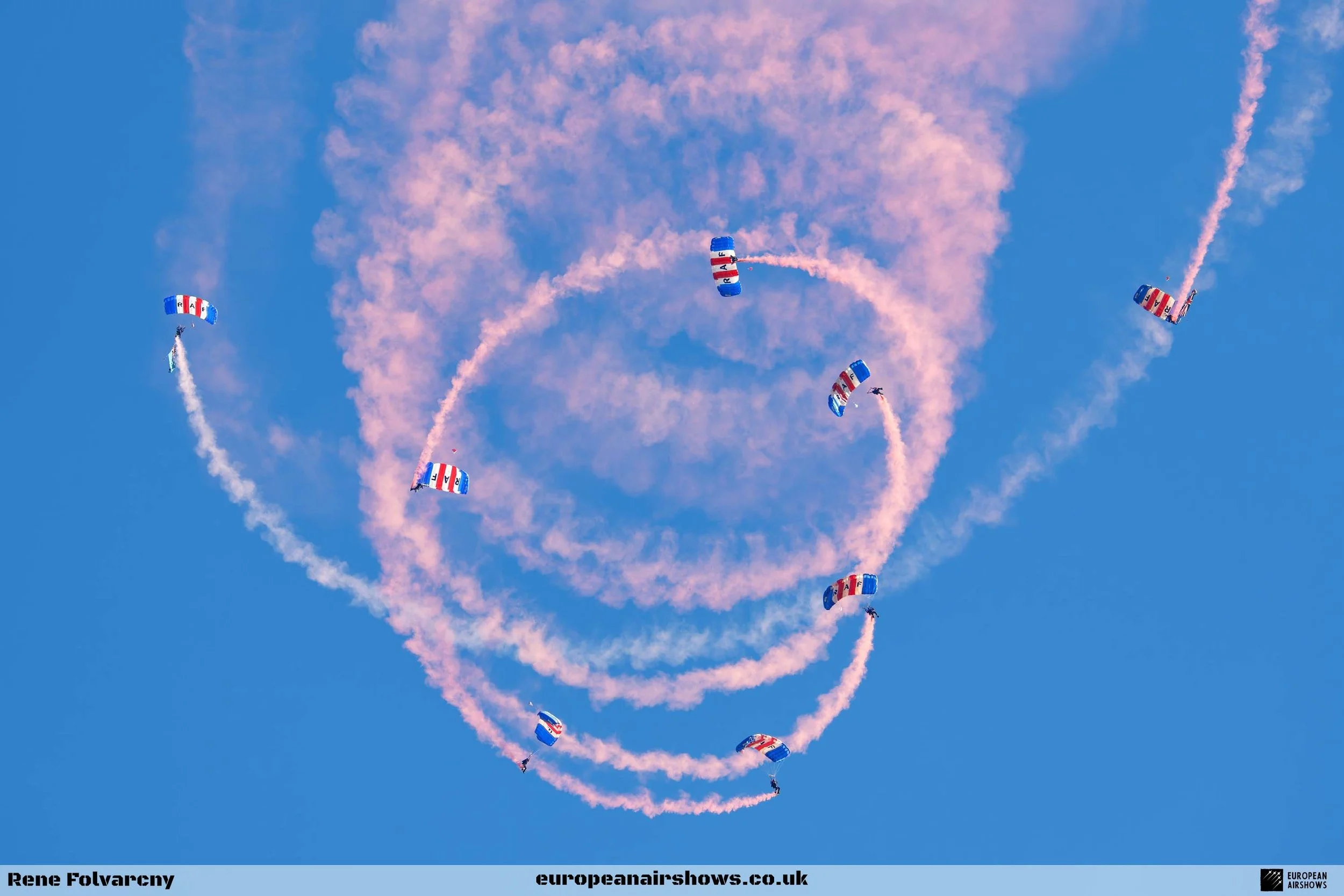
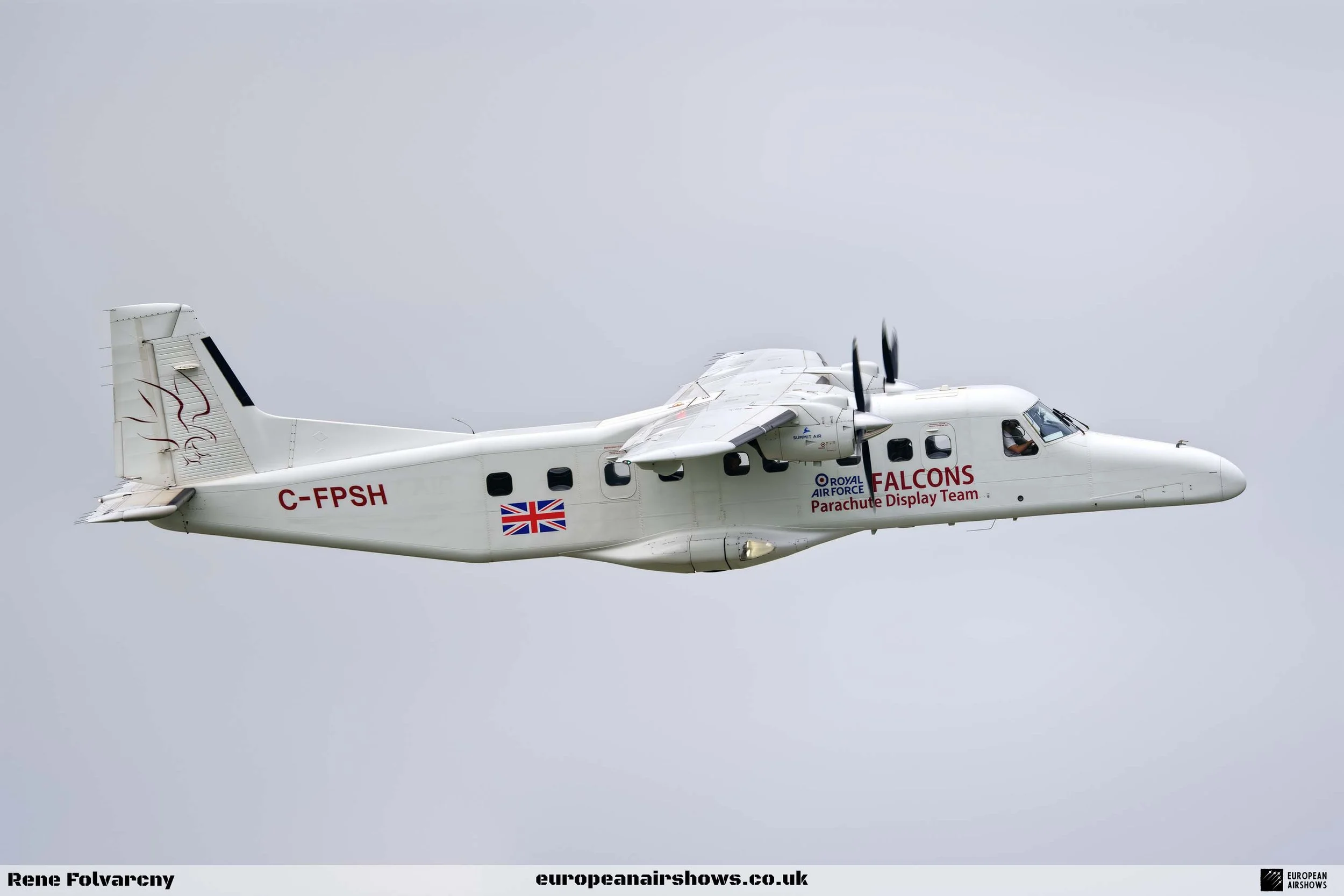
The RAF Falcons Parachute Display Team followed, jumping from a Dornier Do 228 right into the middle of the showground. Saturday’s drop was spot-on, with smoke hanging over the crowd as they landed one after another. Sunday was cancelled because the wind was too strong, so that was the only jump of the weekend.
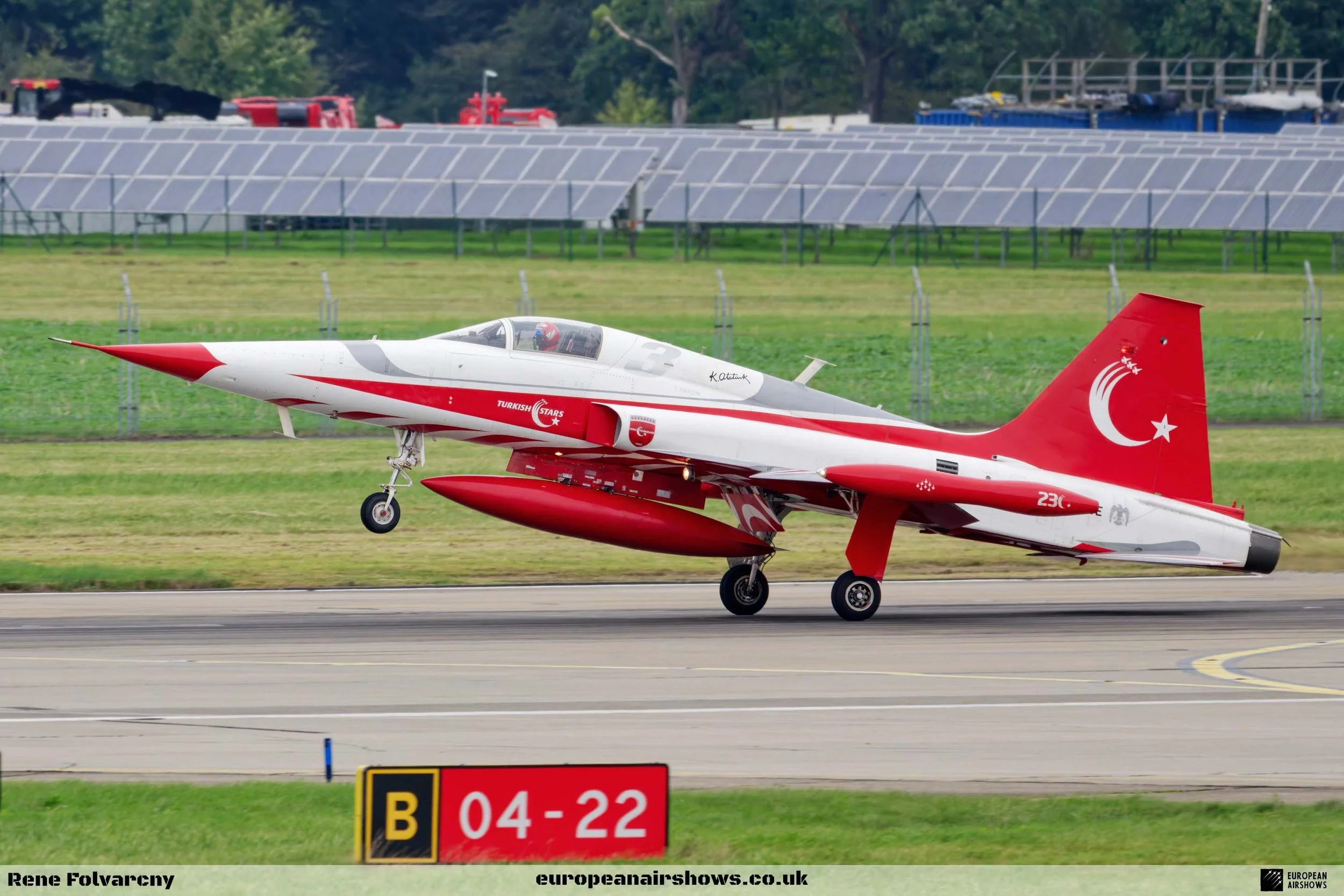
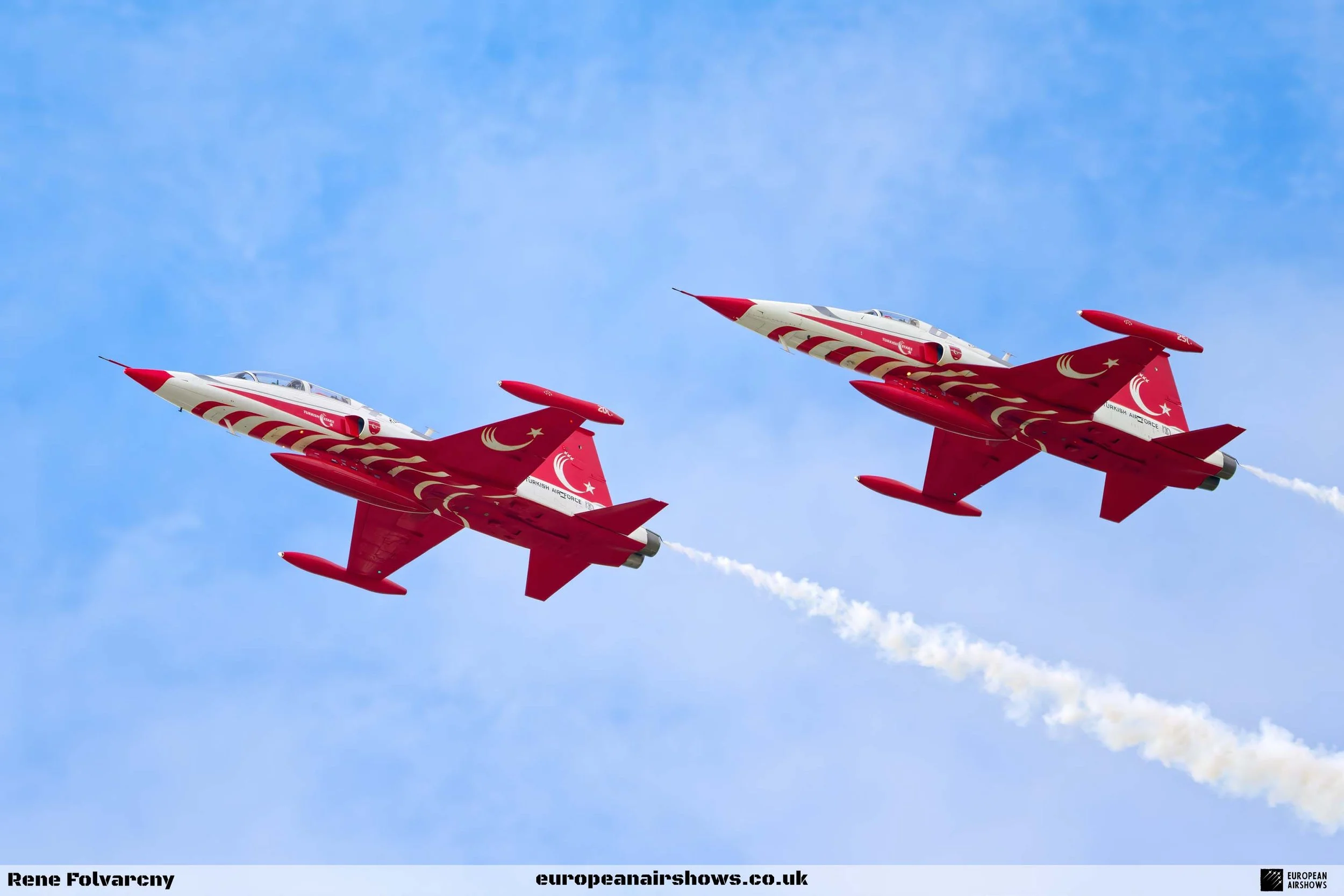
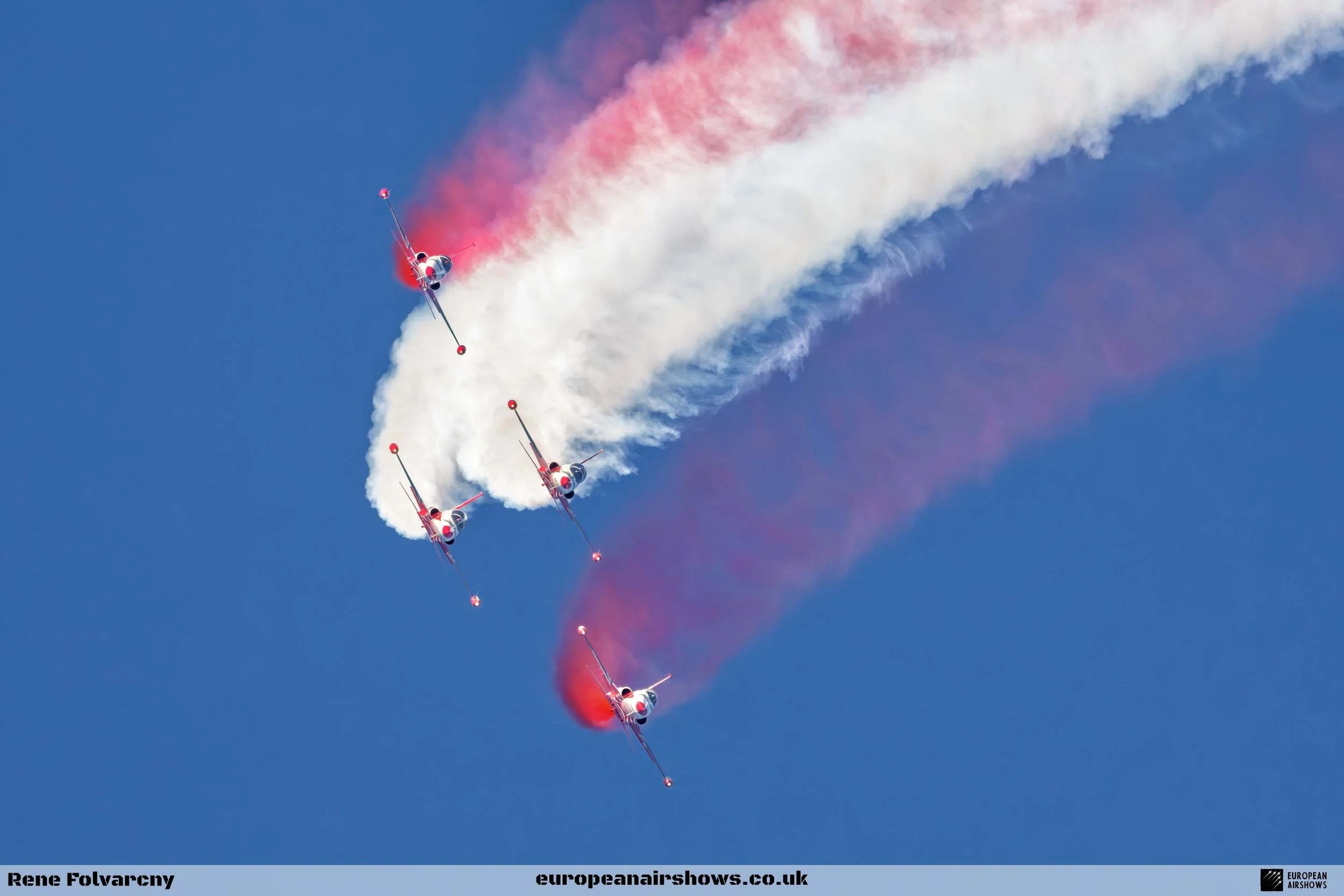
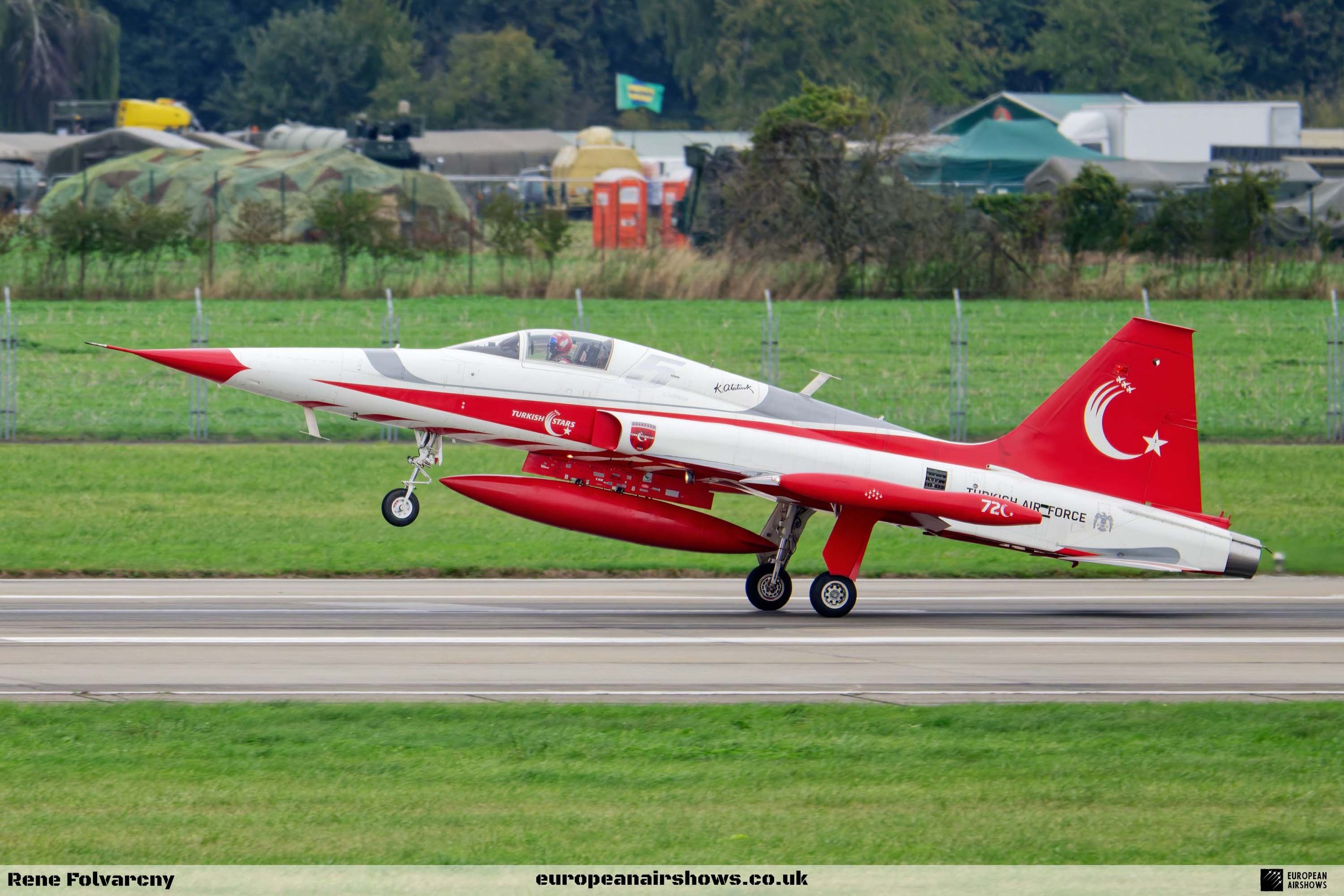
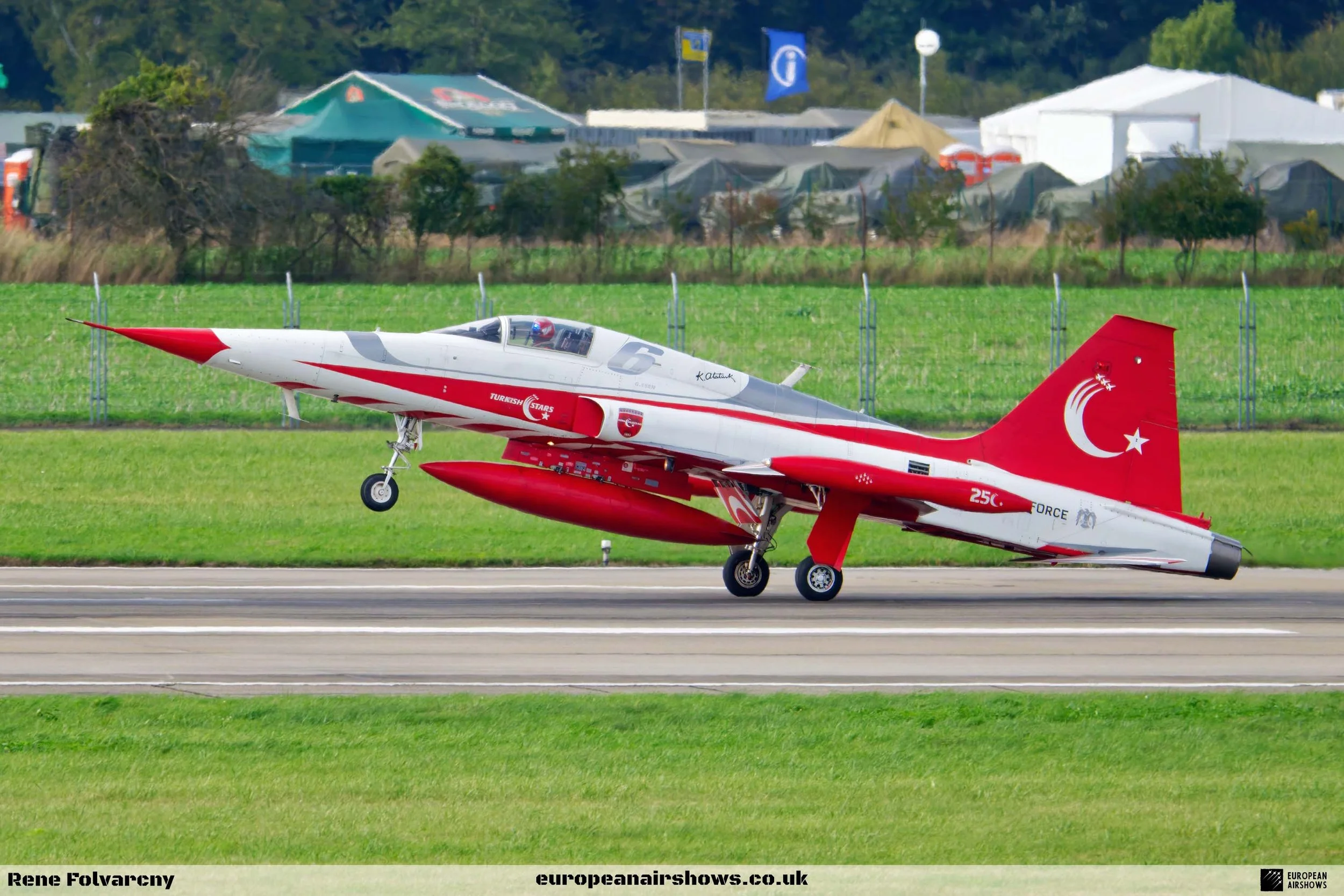
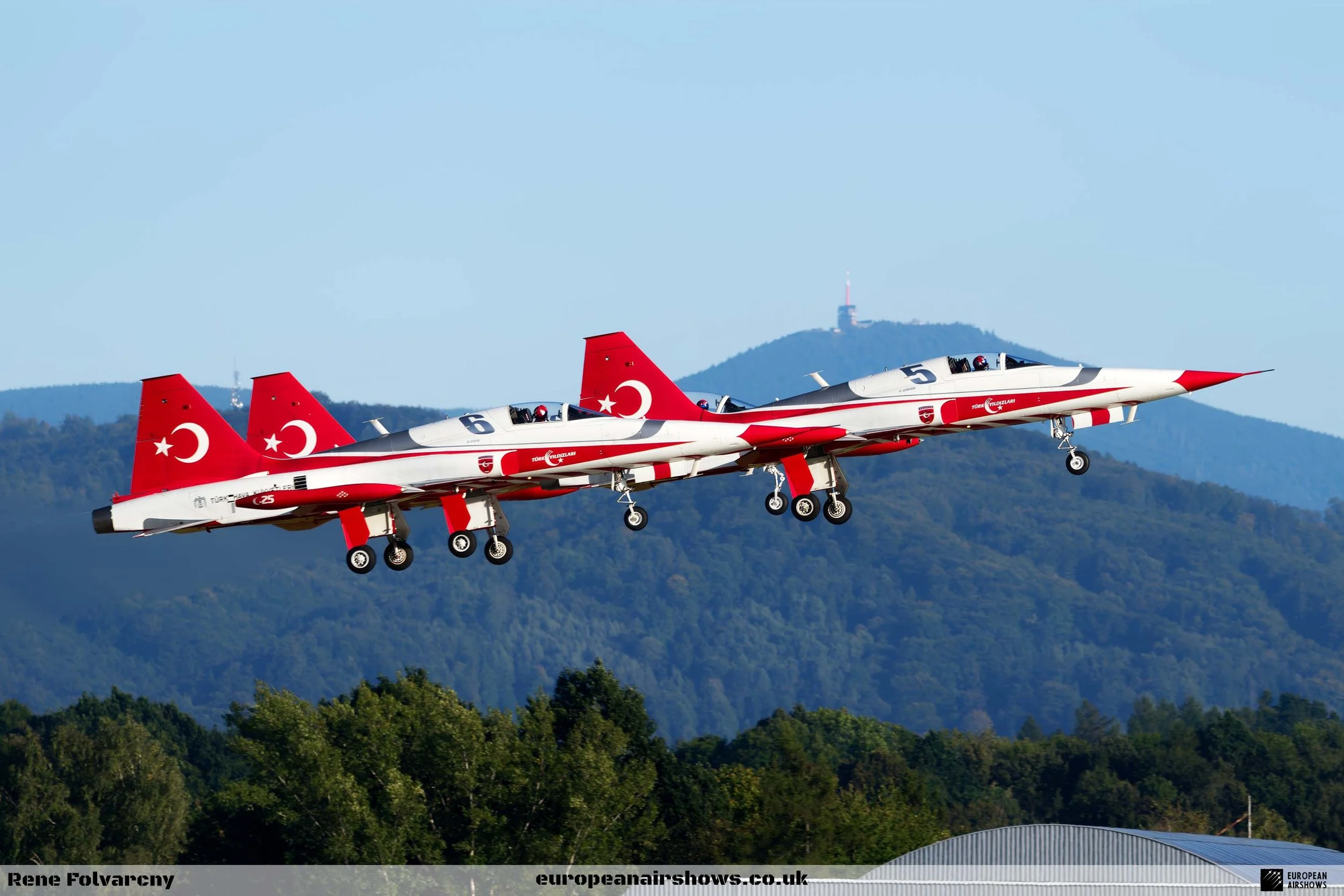
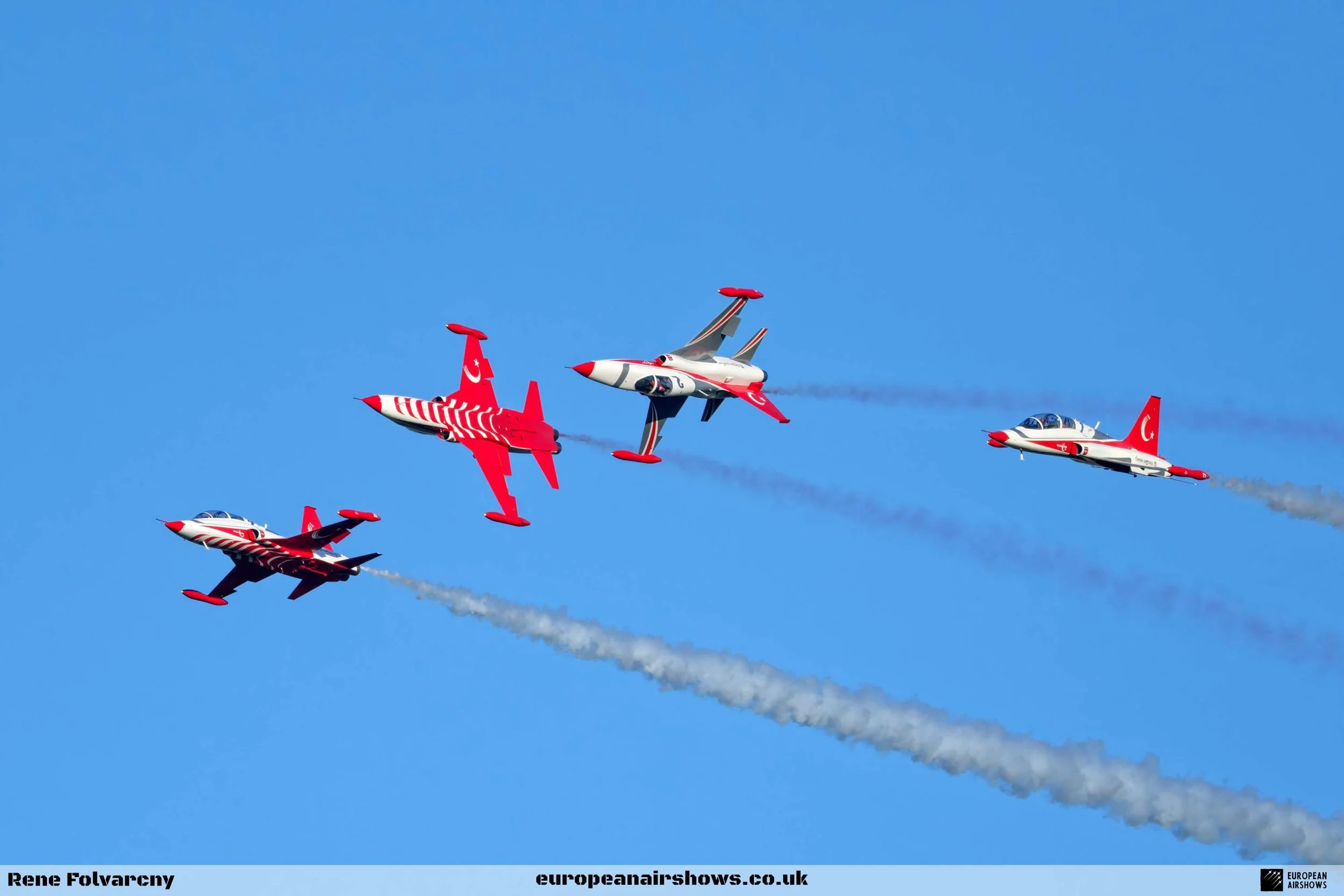
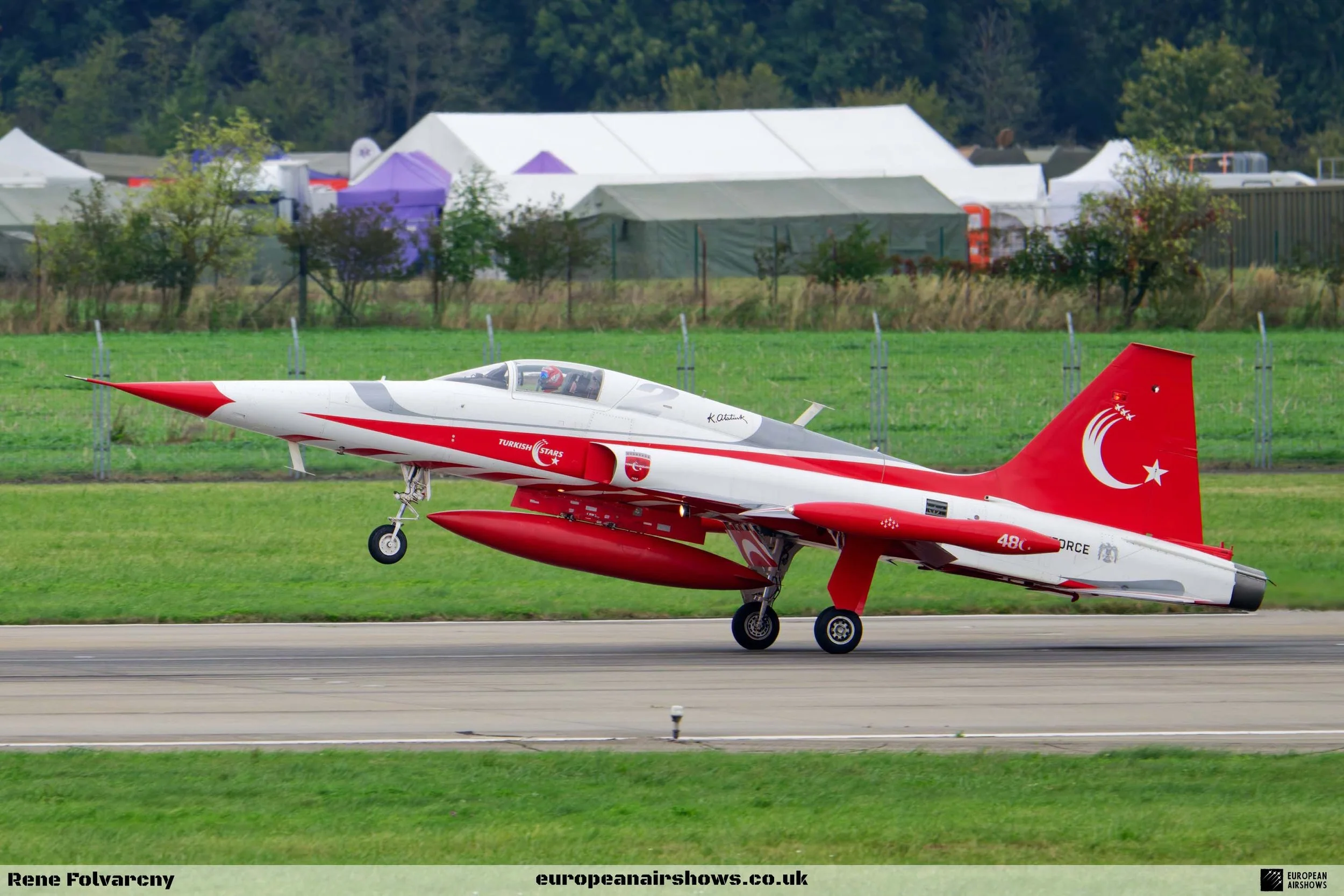
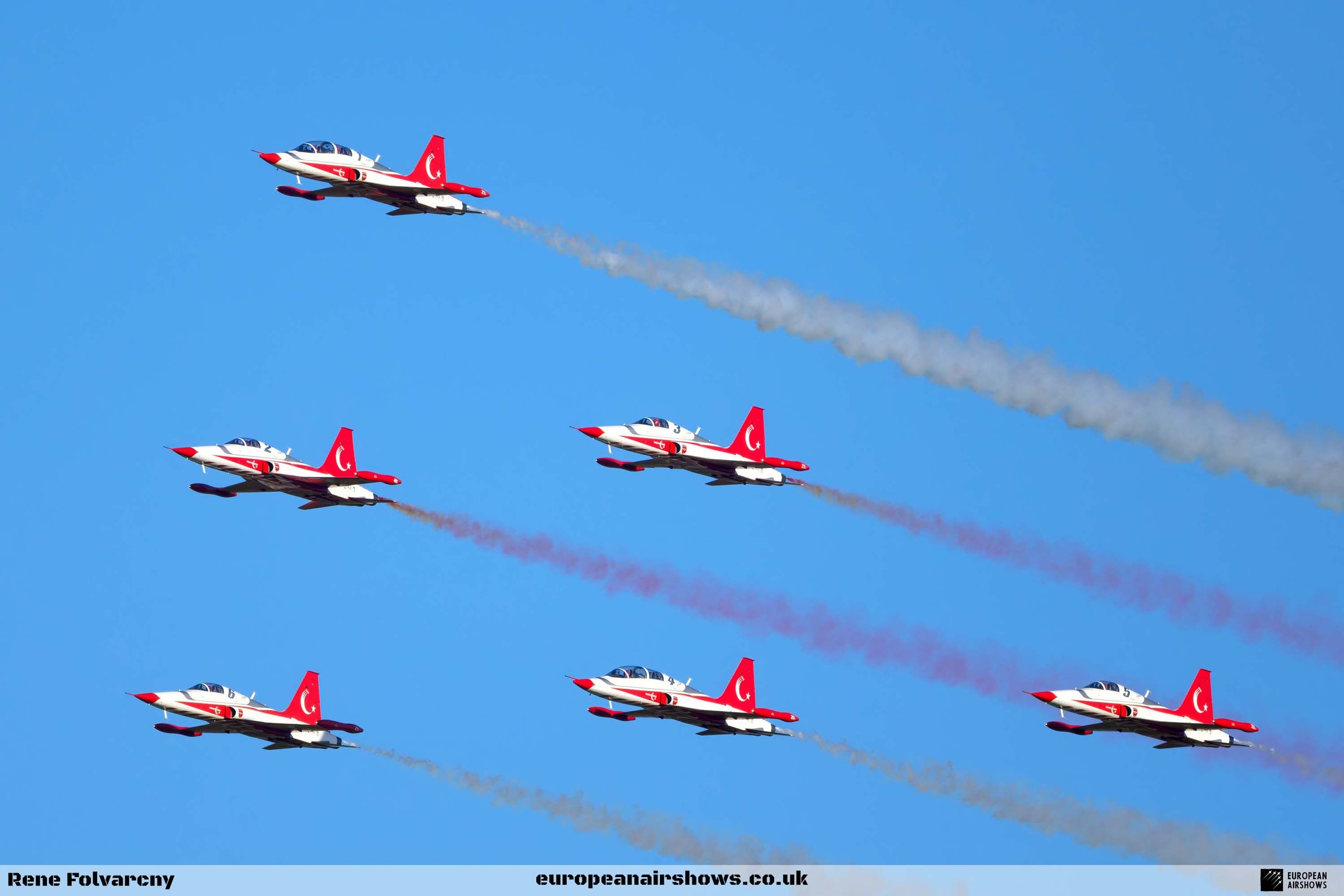
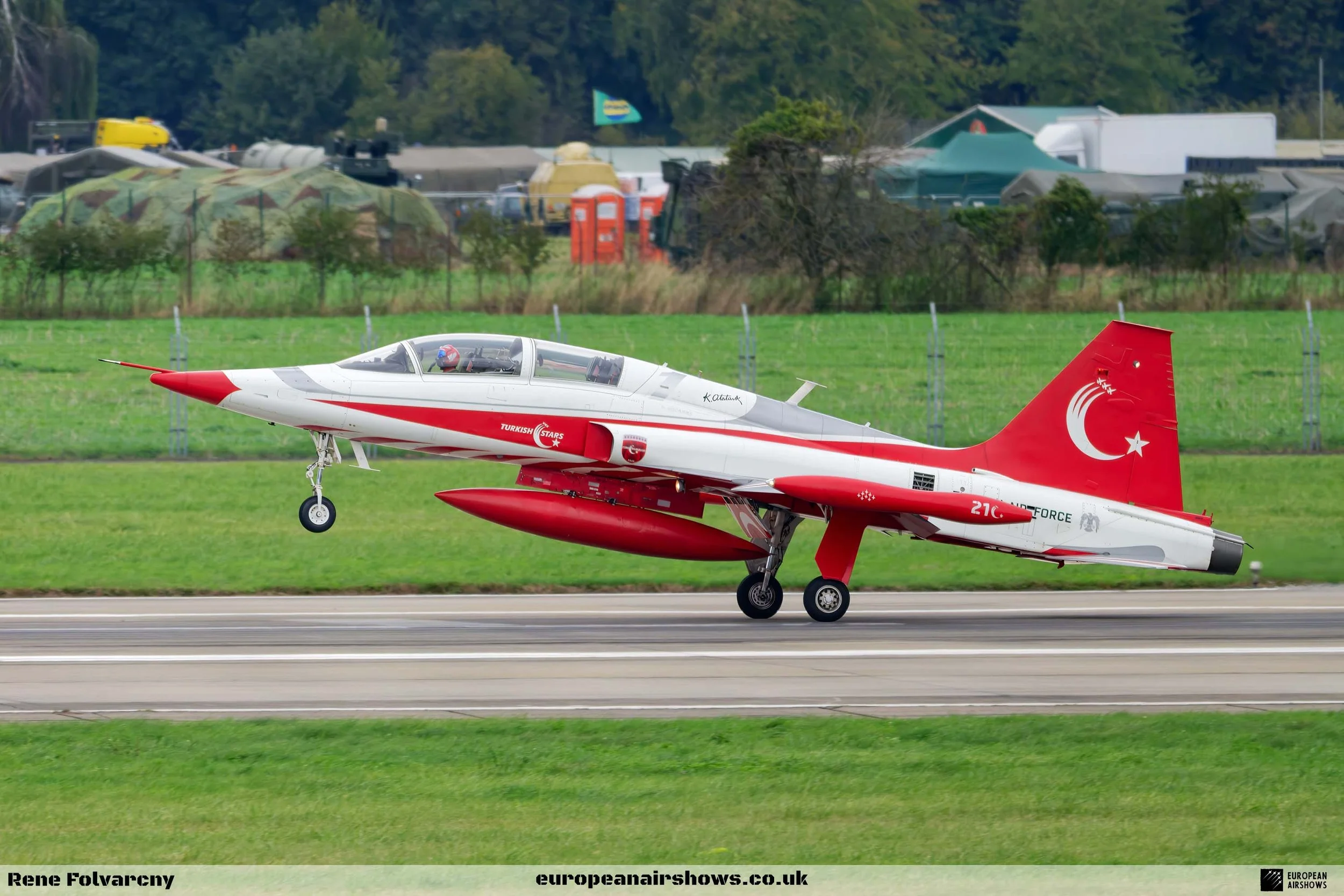
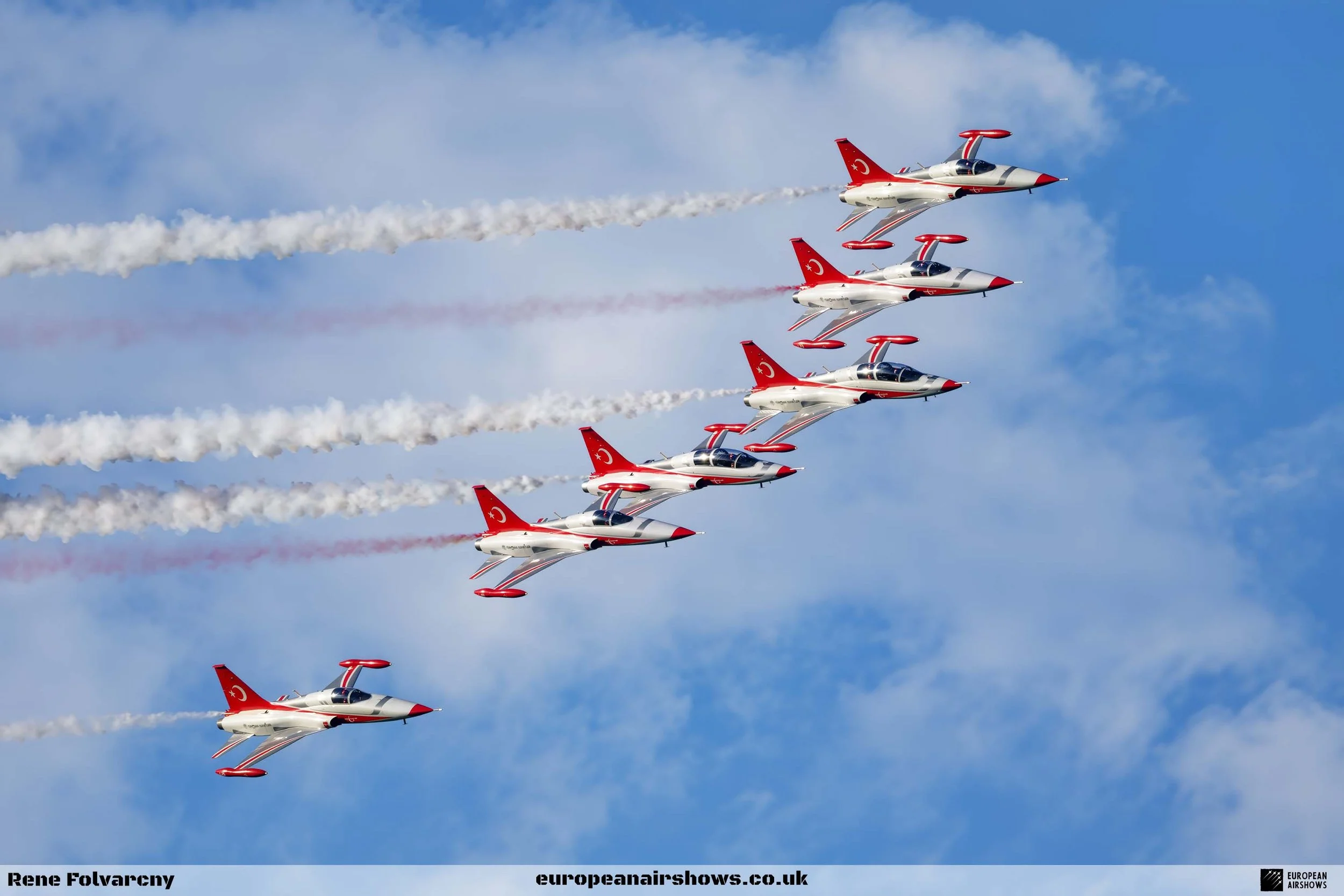
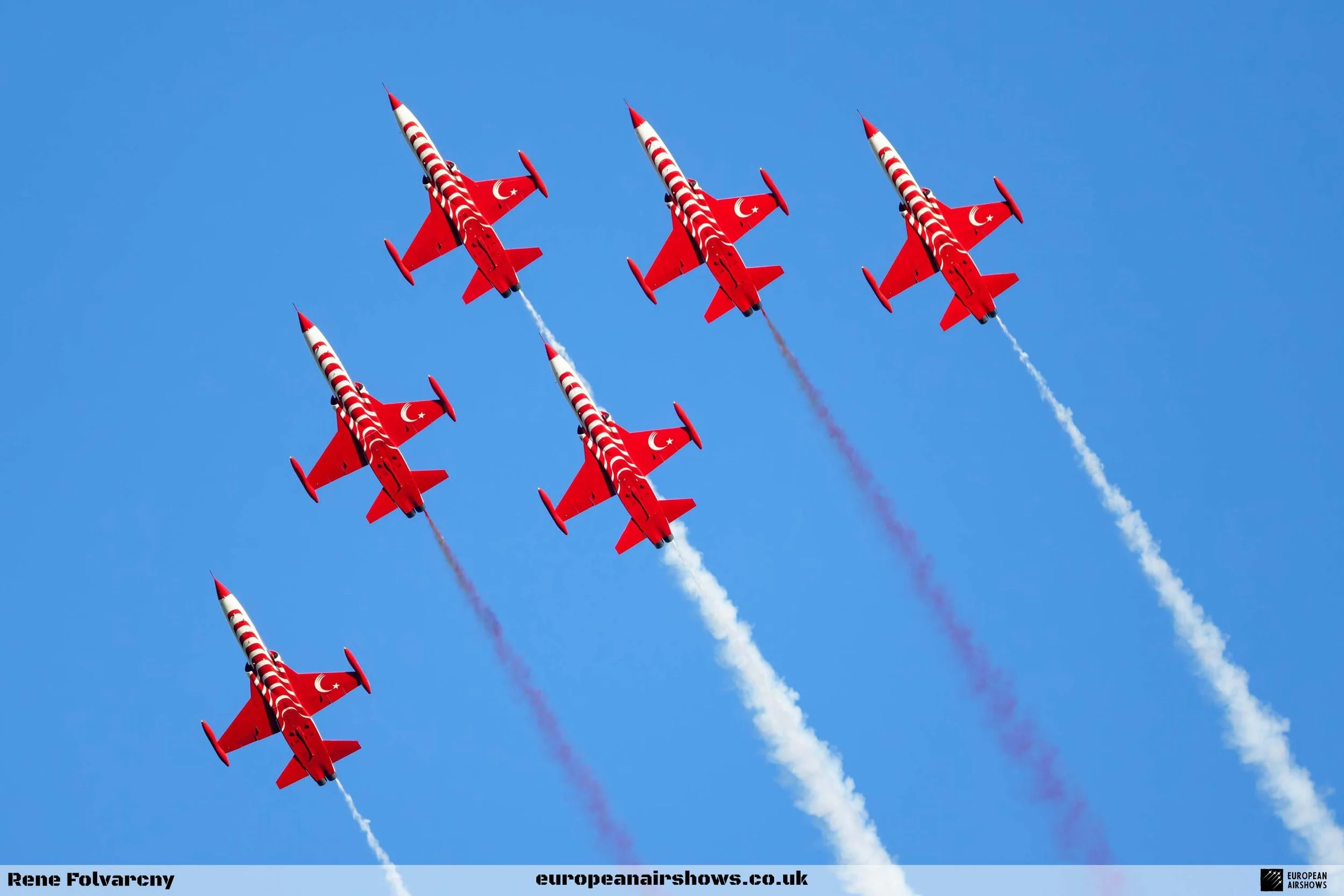
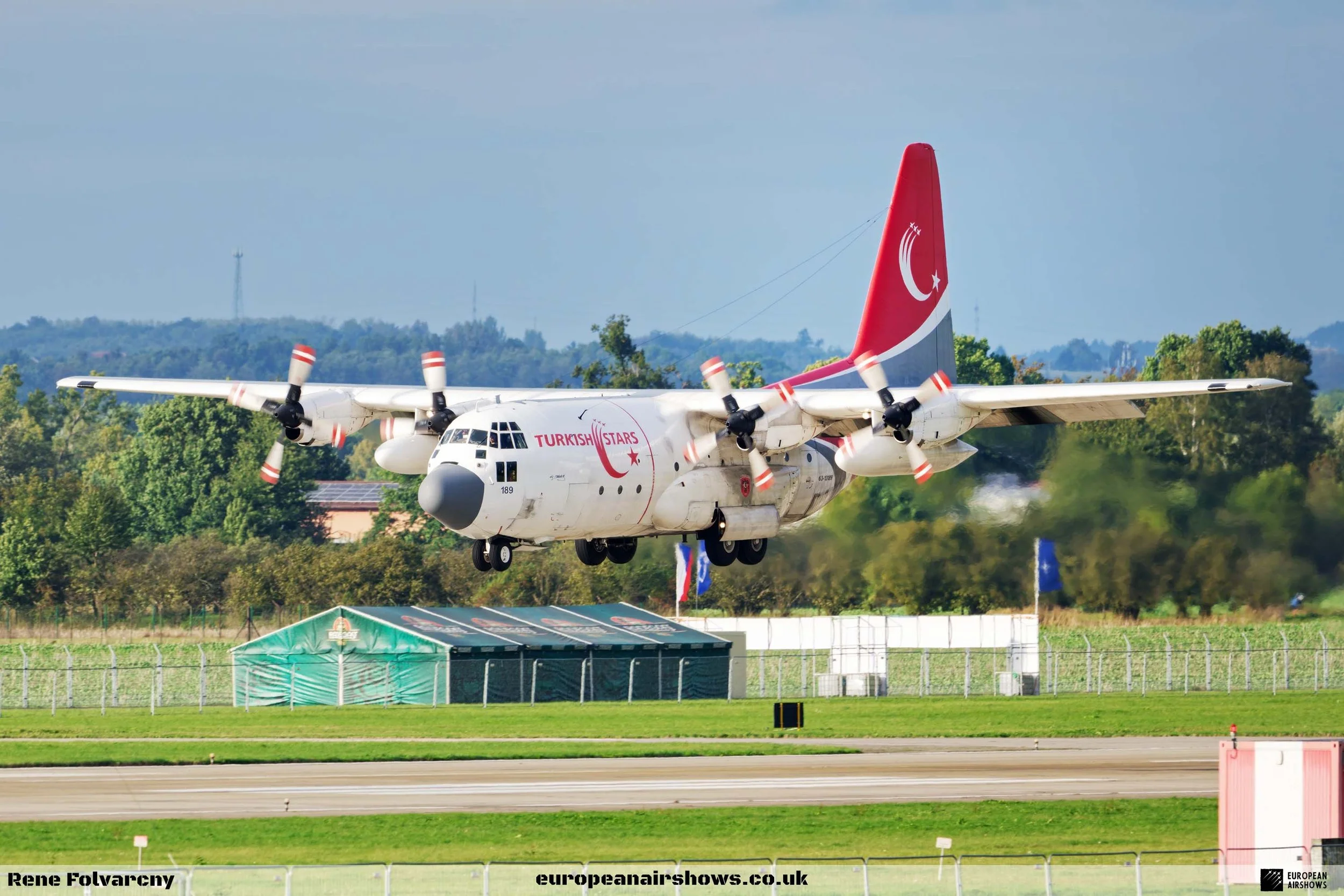
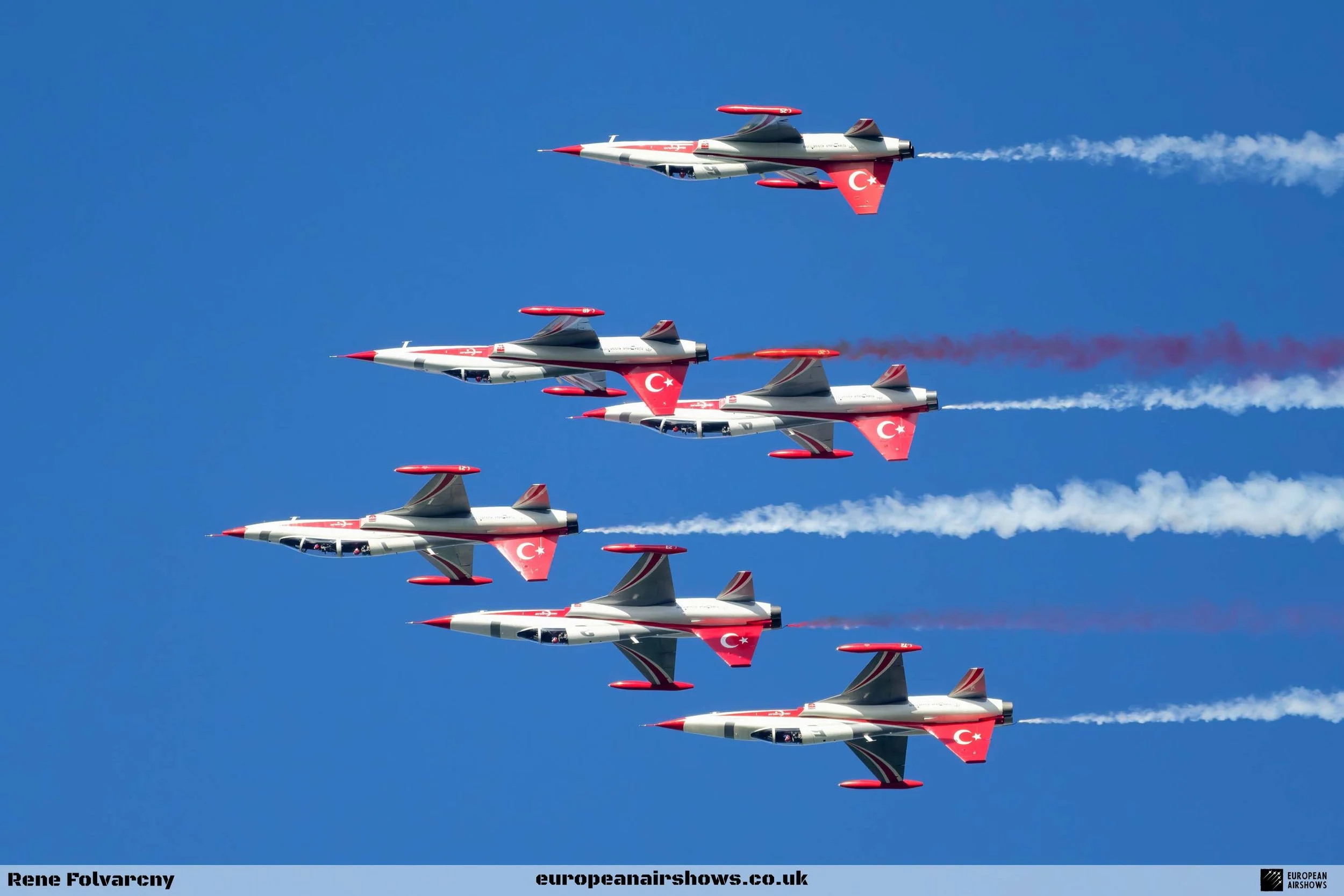
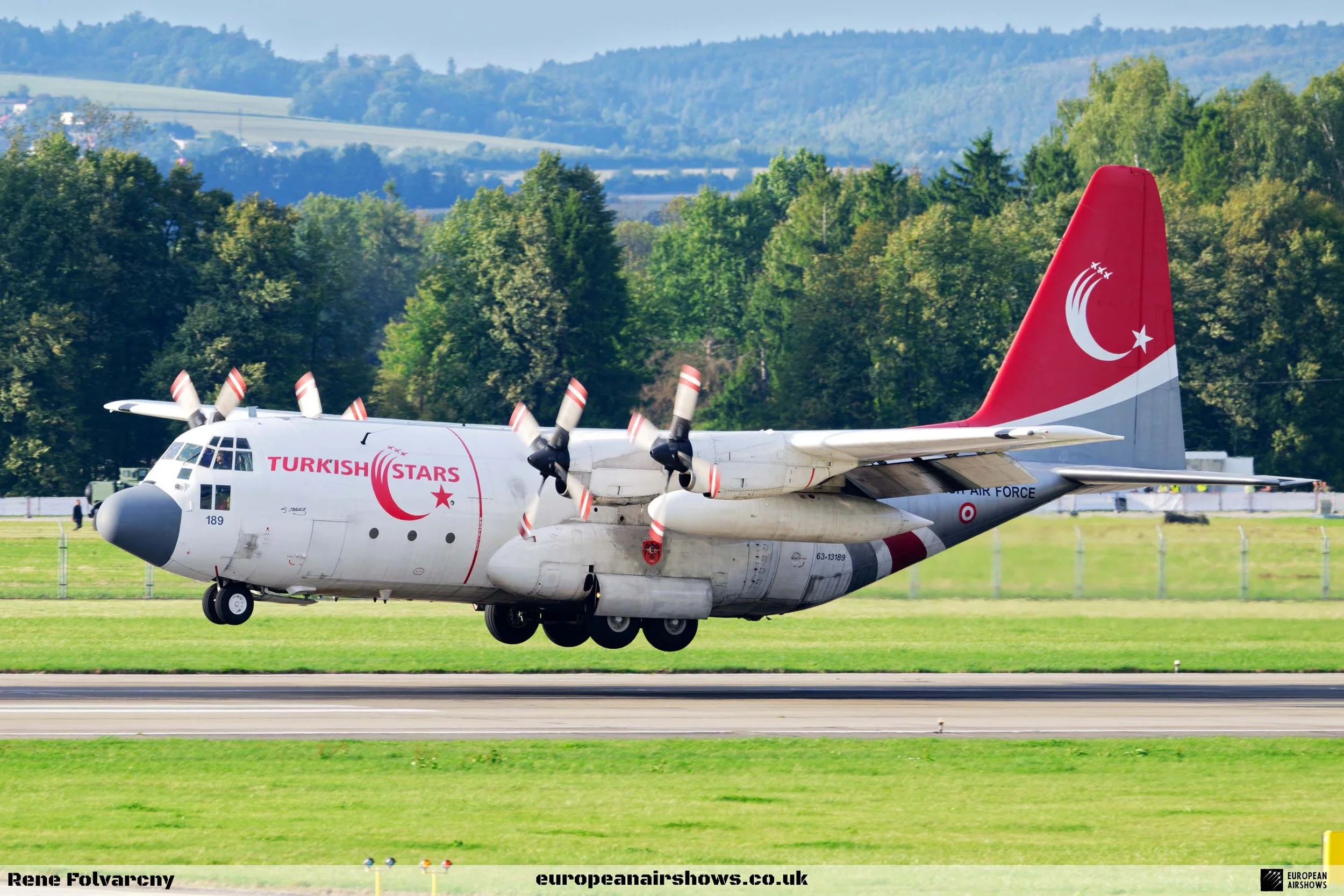
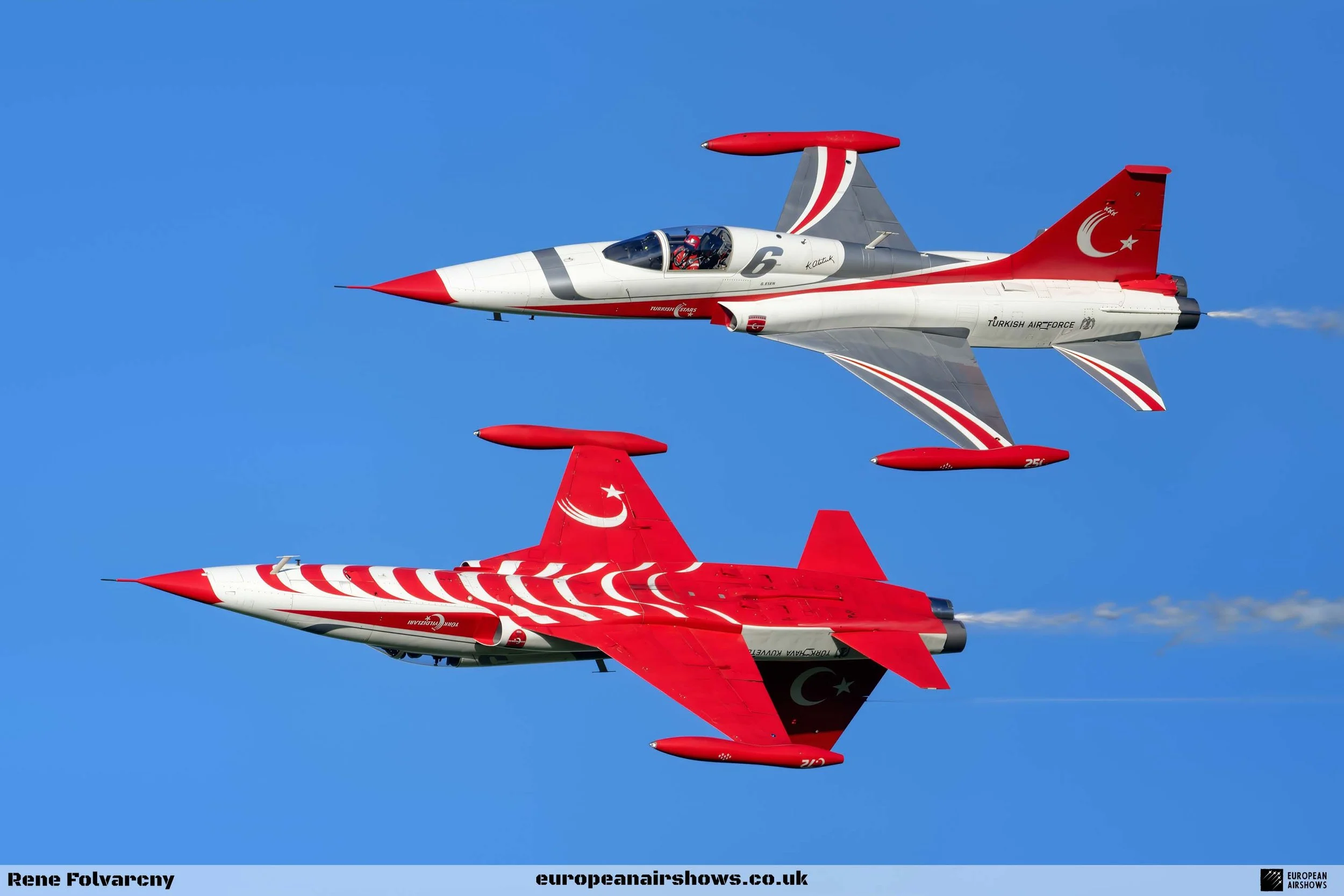
If the Hawks were all about geometry and rhythm, Türkiye brought sheer speed. The Turkish Stars returned to NATO Days with their Canadair NF-5A/B Freedom Fighters, still one of the few jet teams in Europe flying genuine supersonic-capable aircraft. The first half of their routine was full of energy - close tight formations that really sold the speed of the NF-5s - while the second half eased into a looser rhythm, more solo breaks and longer spacing that gave a different kind of spectacle to close the afternoon.
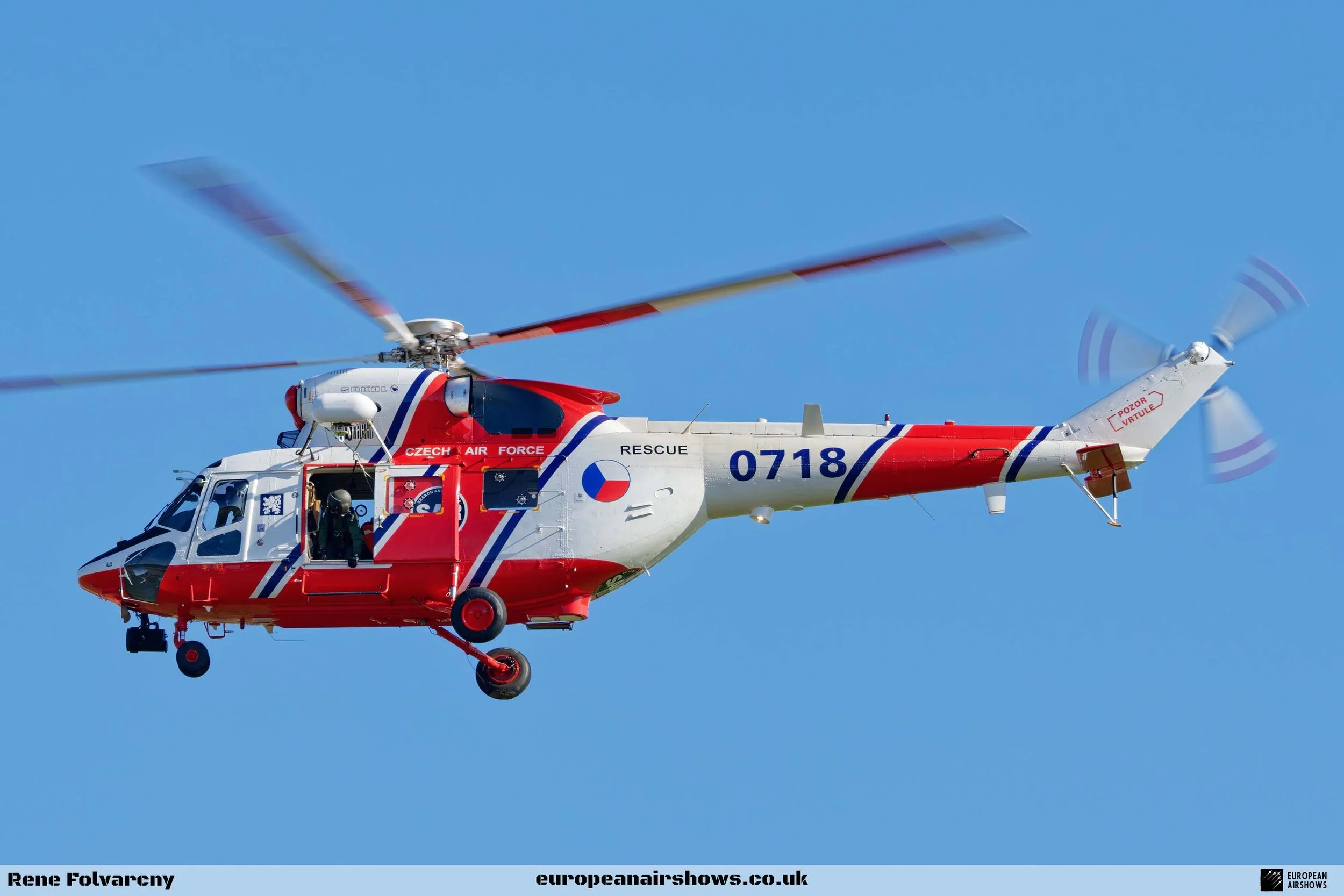
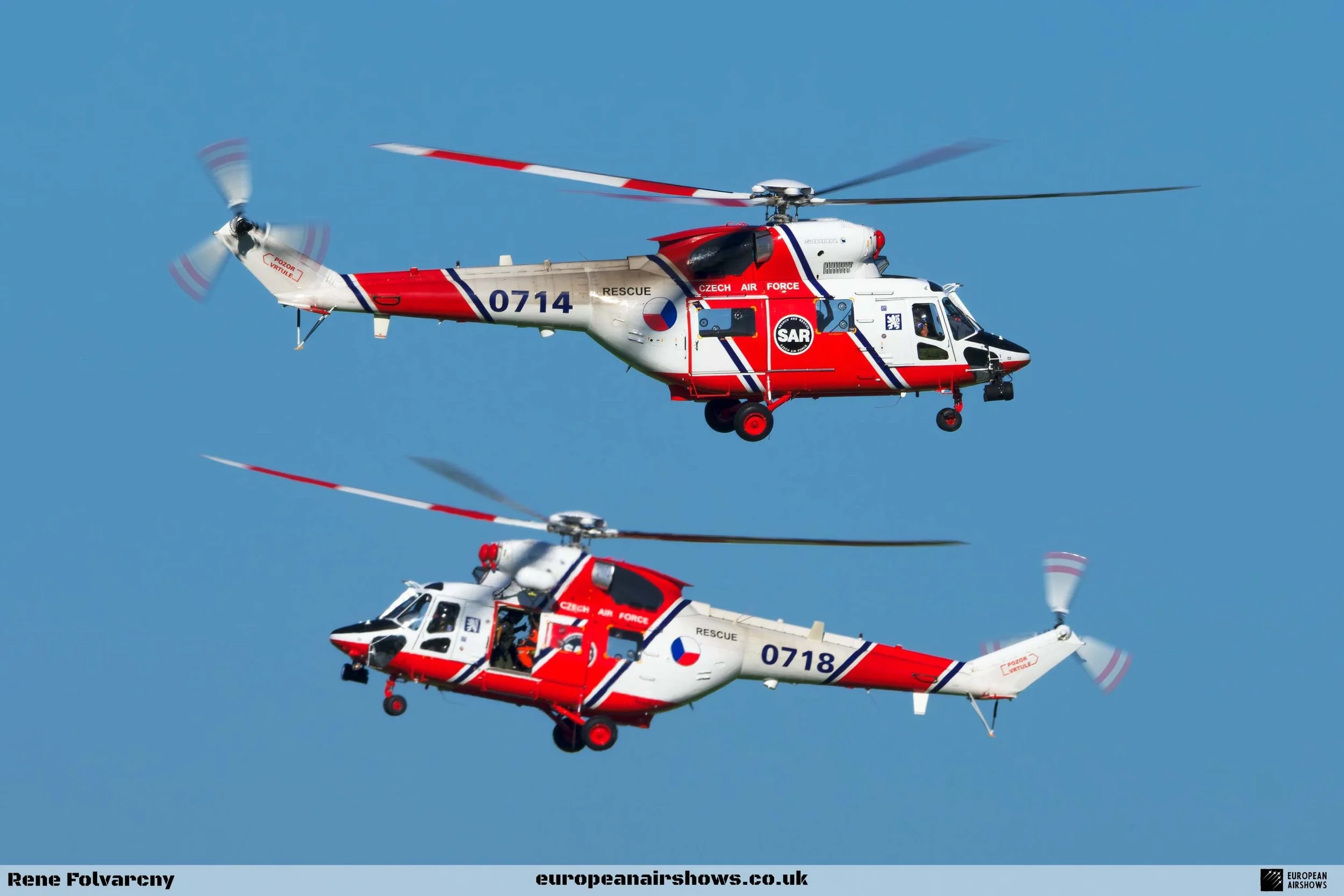
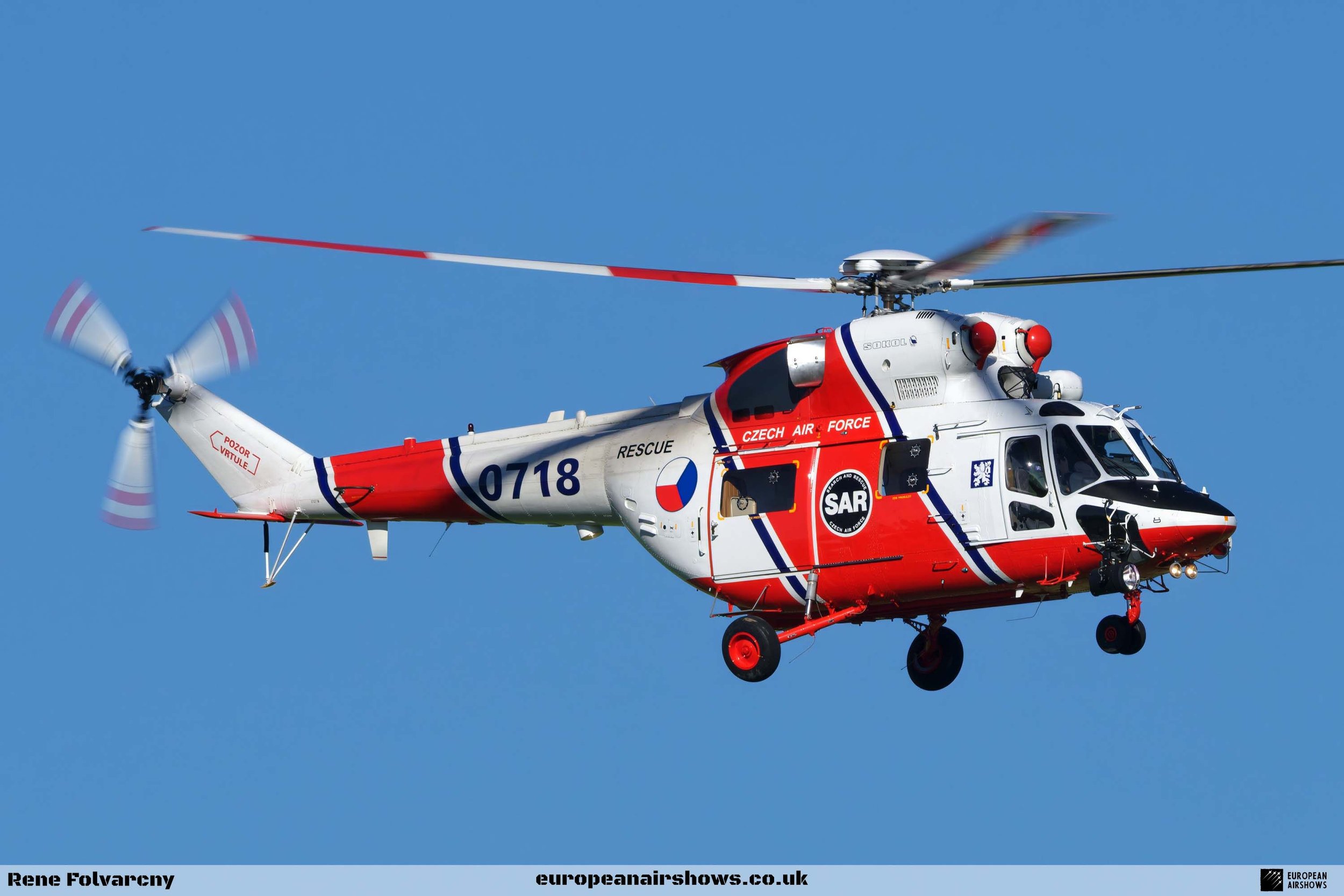
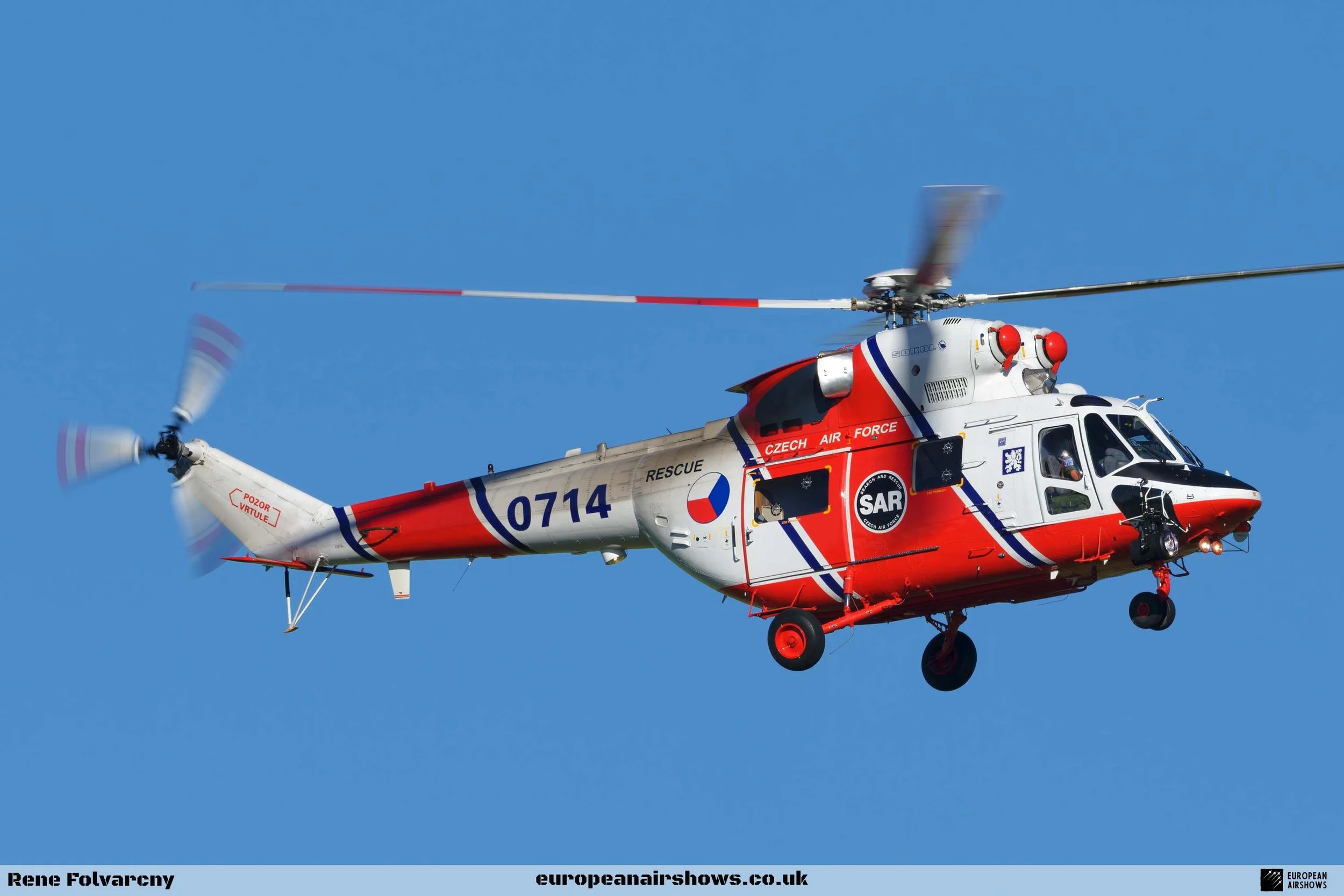
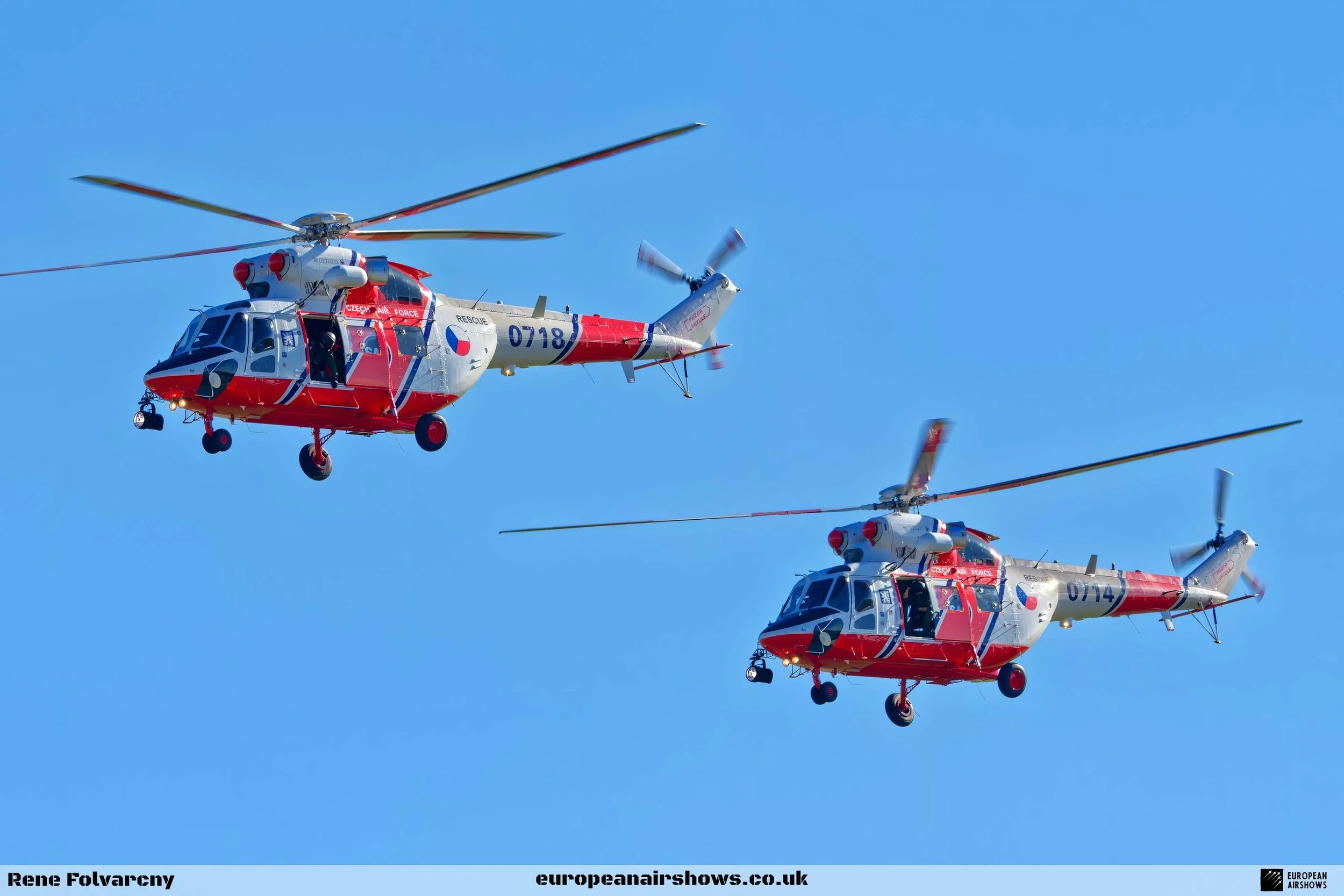
The bit that hit hardest all weekend was the two-ship PZL-Świdnik W-3A Sokol. It was not just a pretty synchro routine, it mixed proper close formation flying with rescue elements, and you could tell the crews were completely locked in together. Petr Šafařík and Antonín Petrů flew it like they trusted each other with their lives, because they probably do. It also carried extra weight knowing it was billed as their last public performance before retirement, and that this exact pair display had just taken top honours at RIAT 2025.
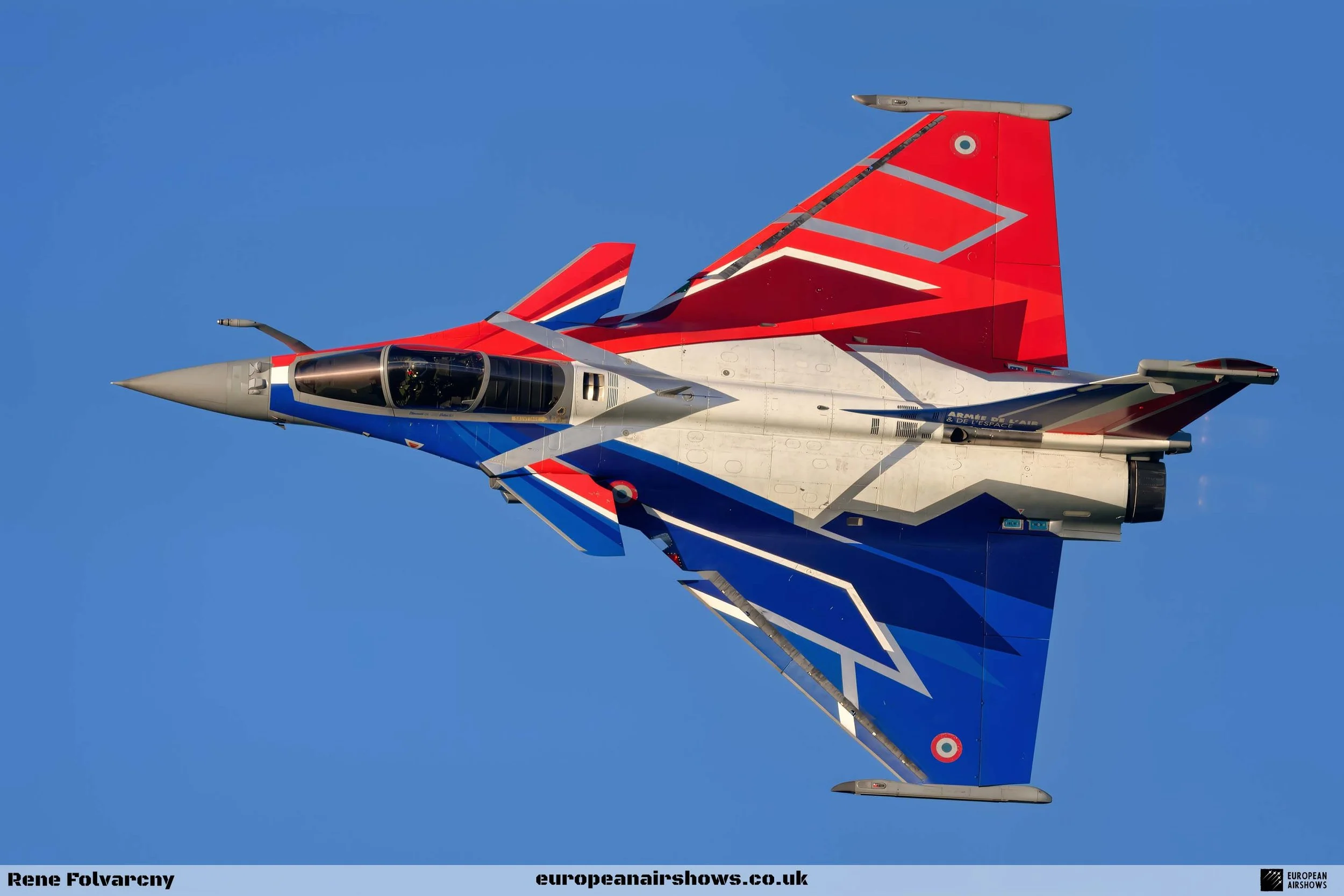
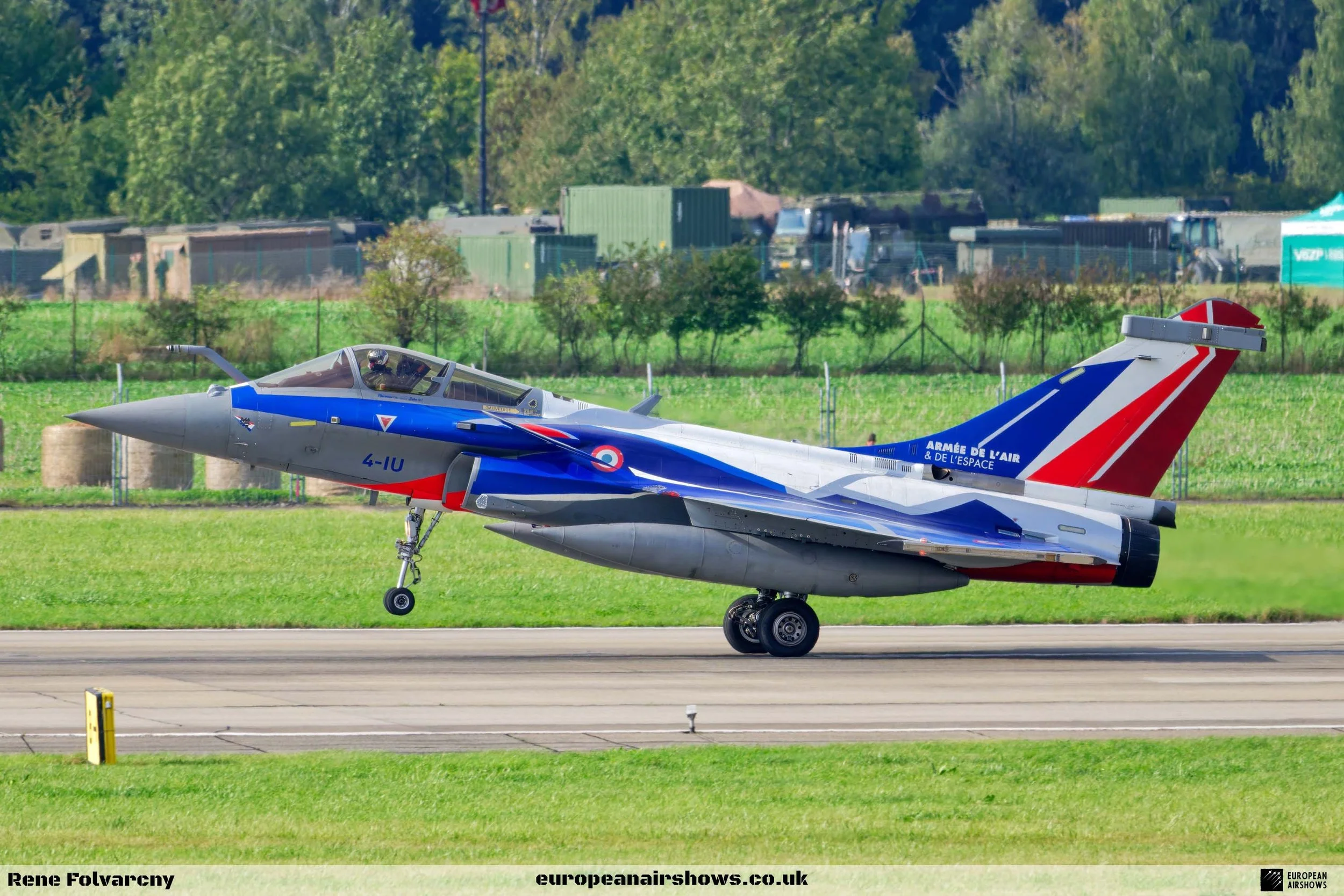
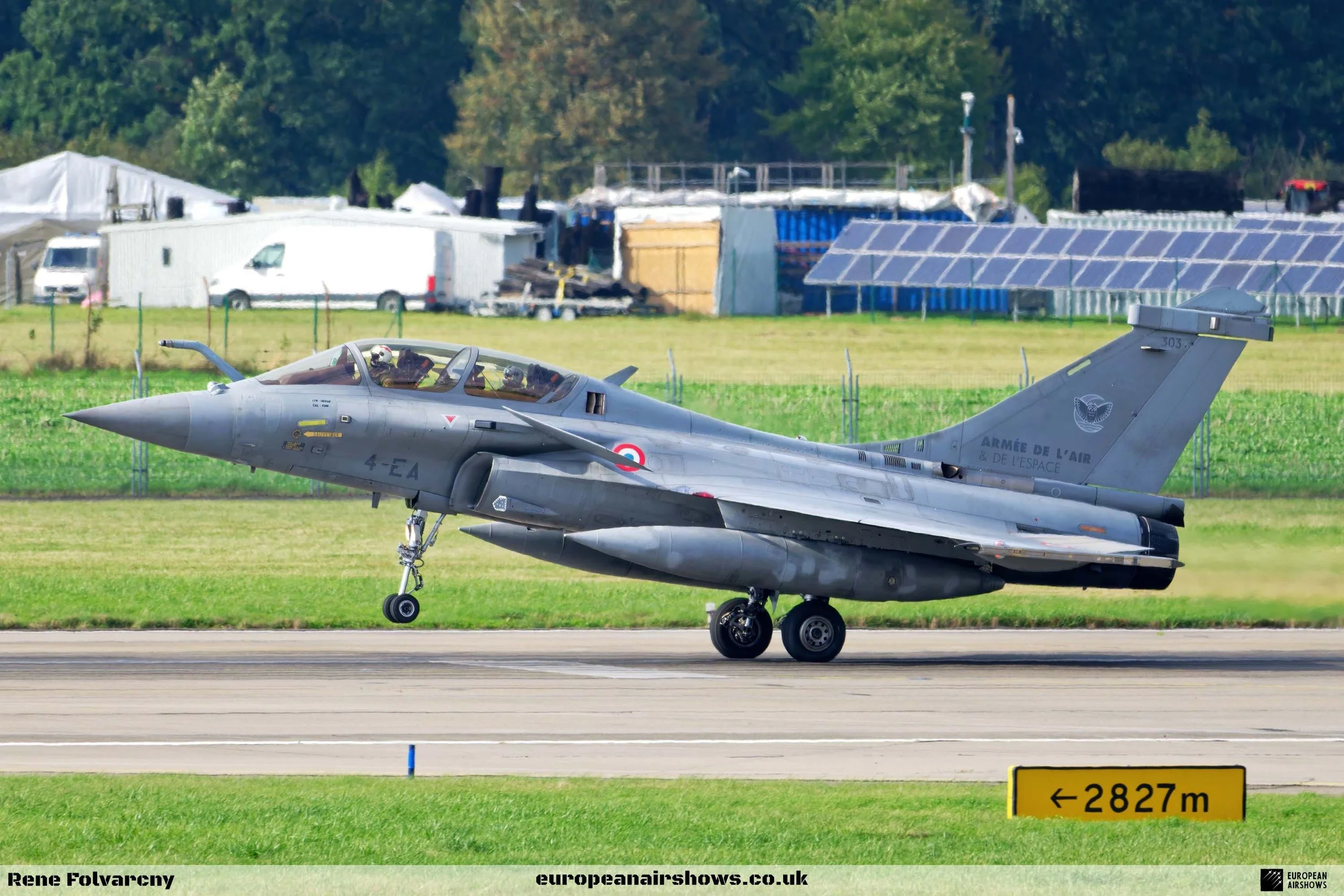
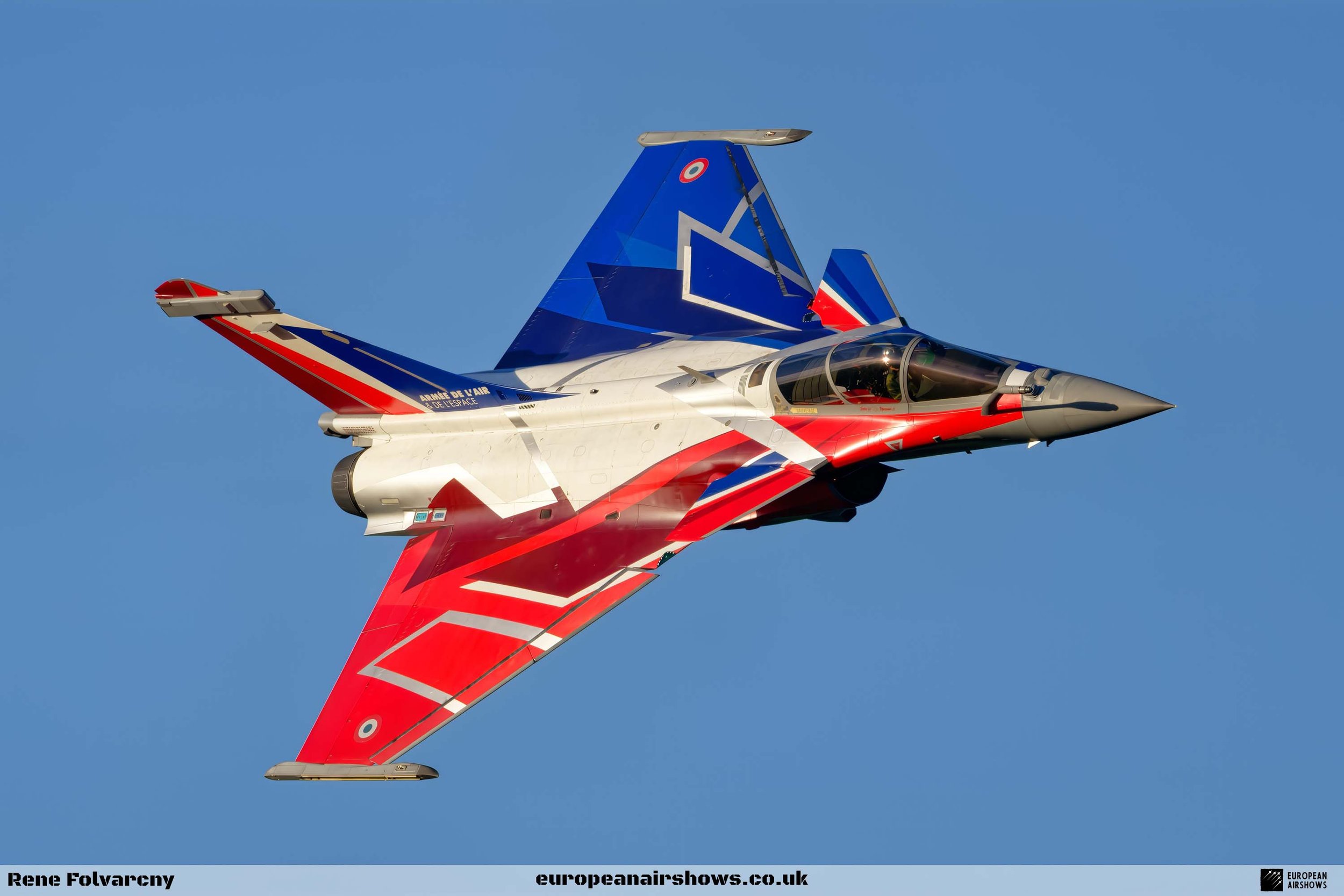
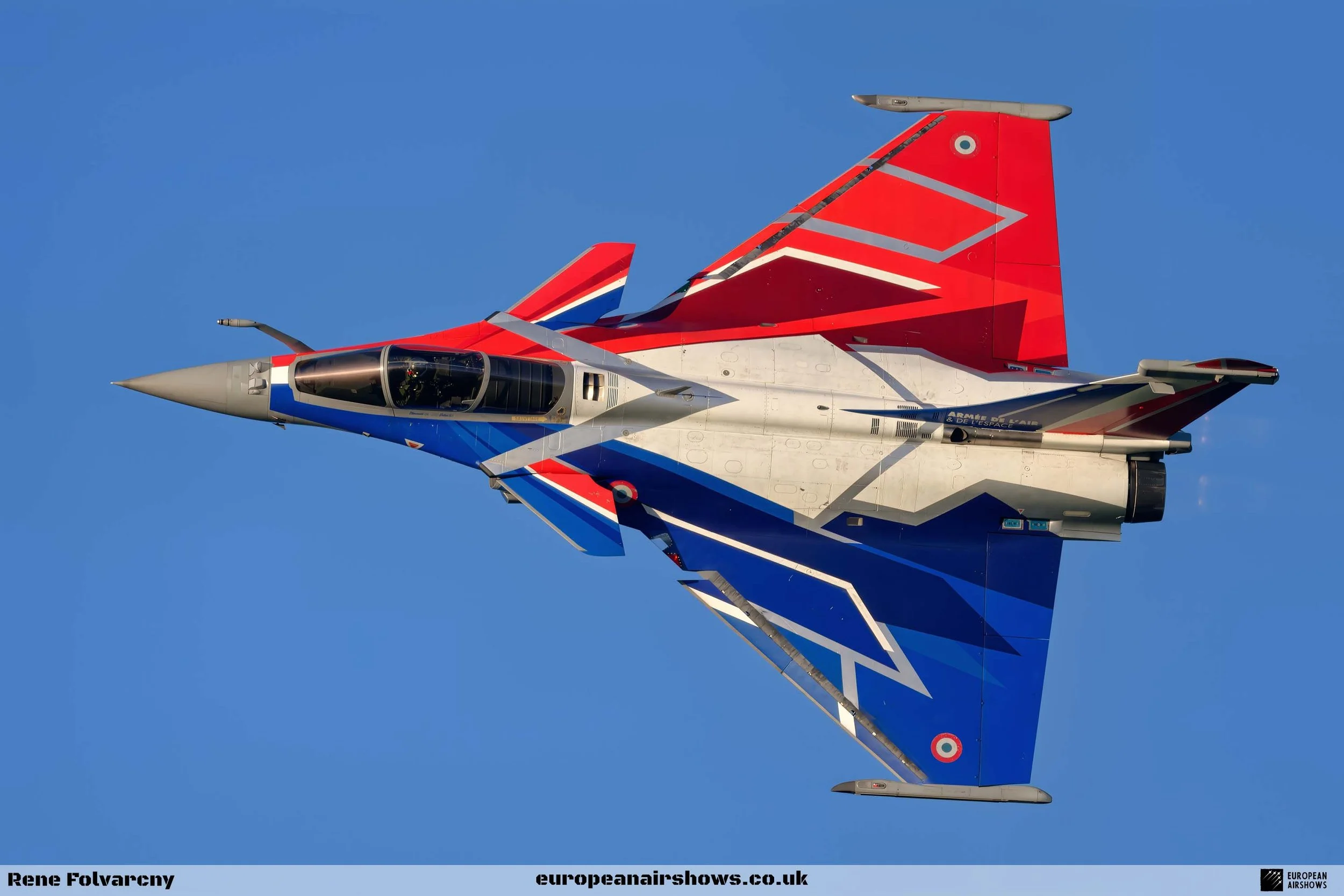
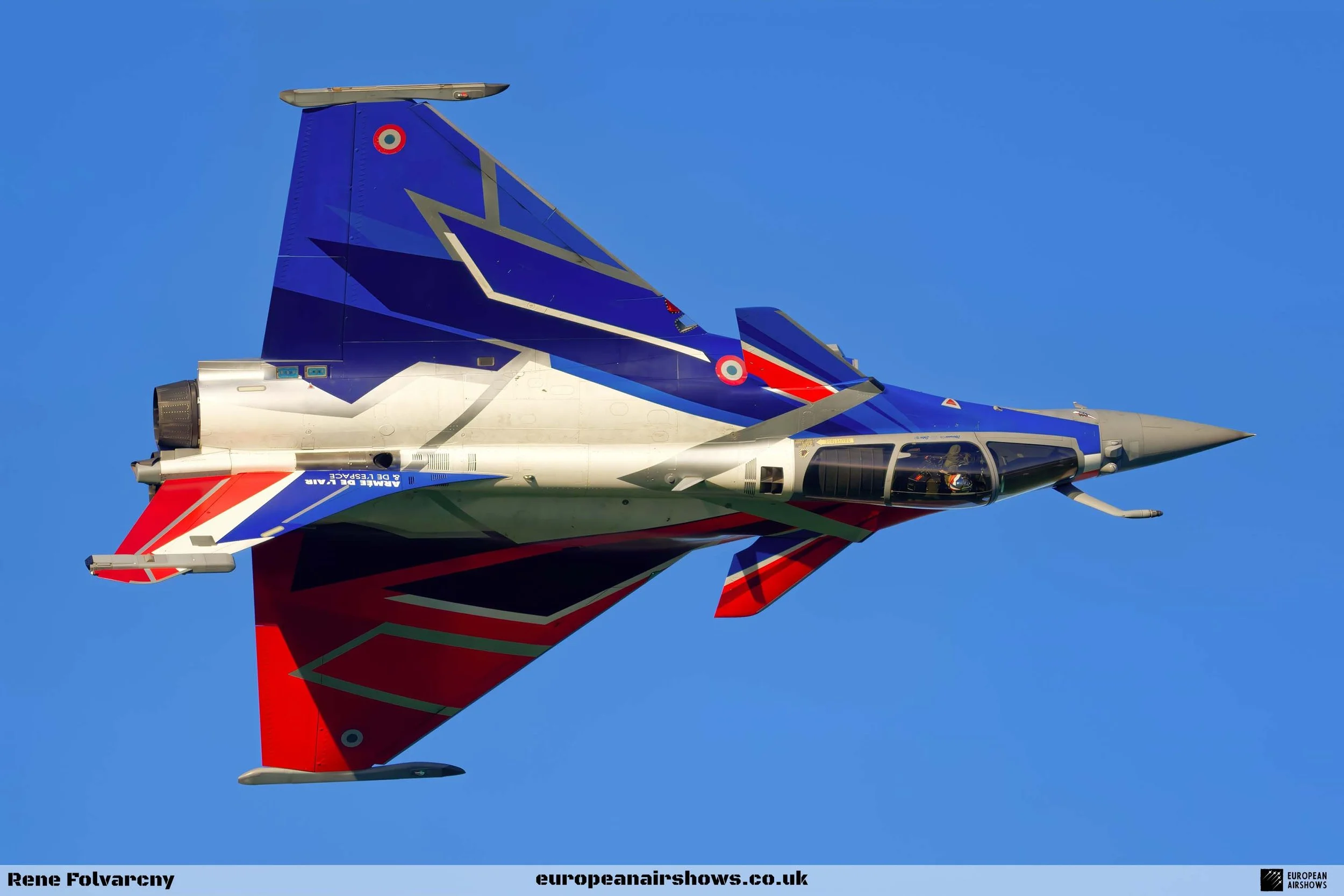
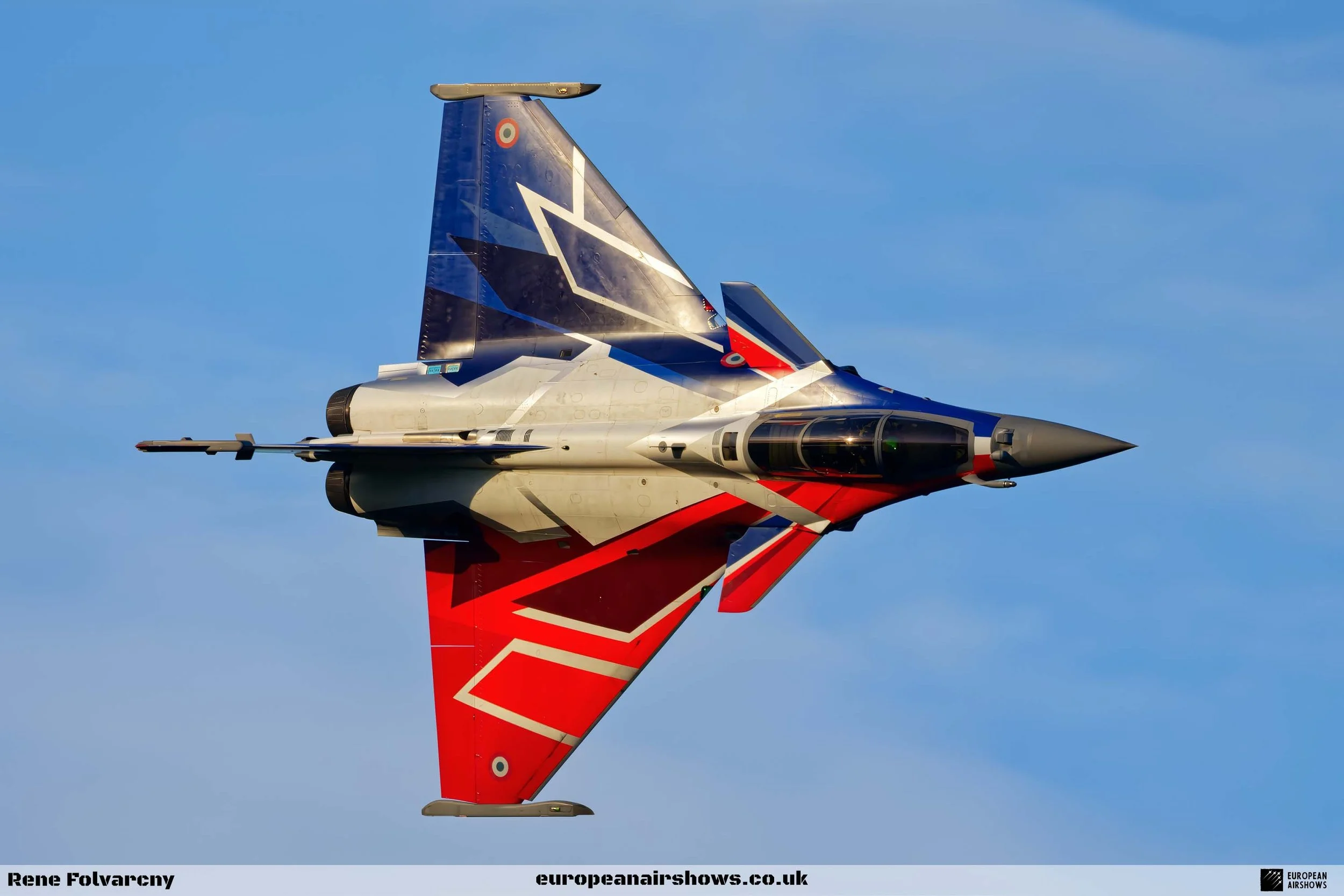
For pure “stand back and watch” fighter stuff, the Dassault Rafale was the one. Captain Jean-Brice “Mimouss” Millet flew a display that was properly dynamic, and on Saturday the low sun did the rest, the jet looked incredible lit up in that tricolour-inspired scheme. It was easily the best display of the weekend, fast, sharp, and it never really let the energy drop.
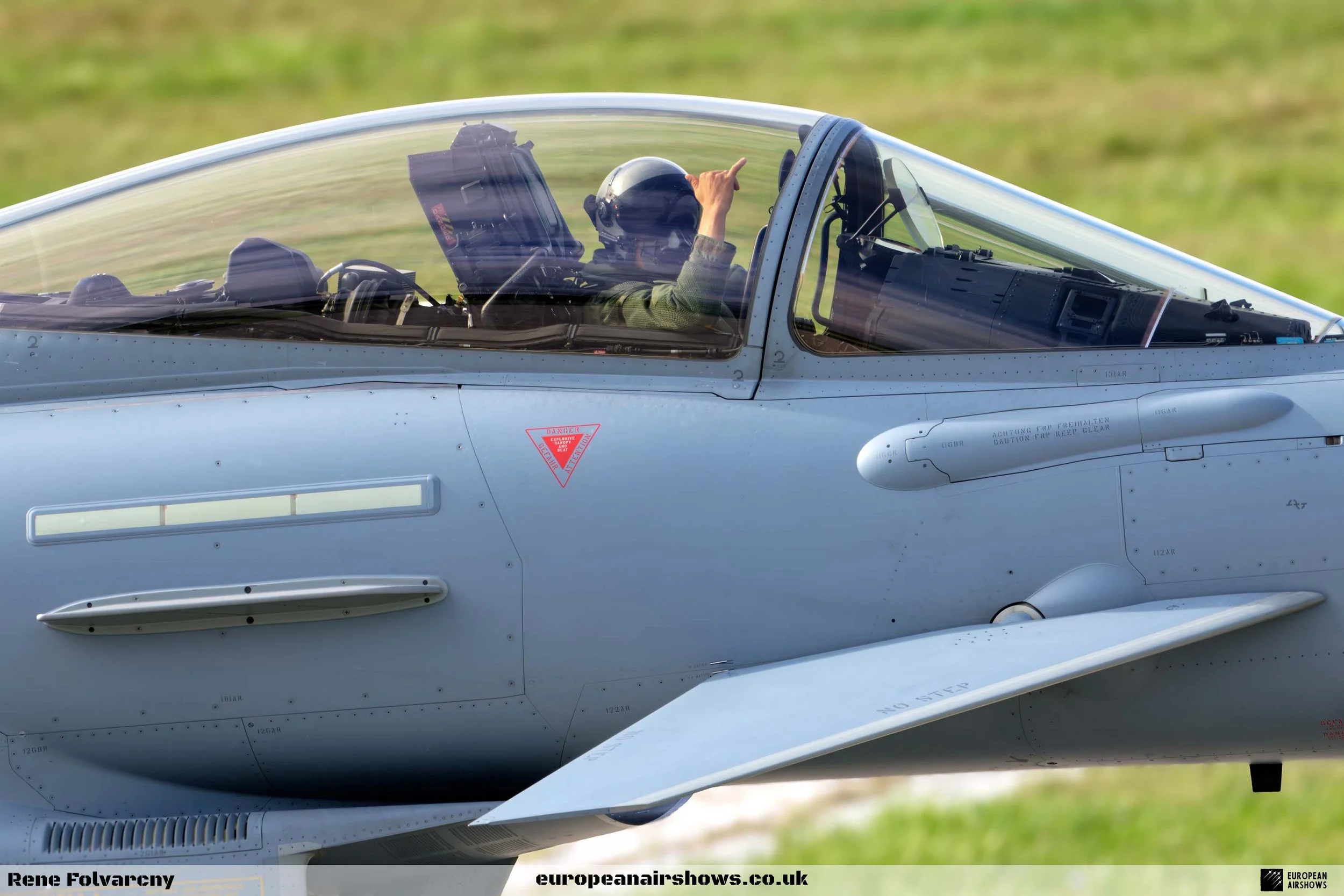
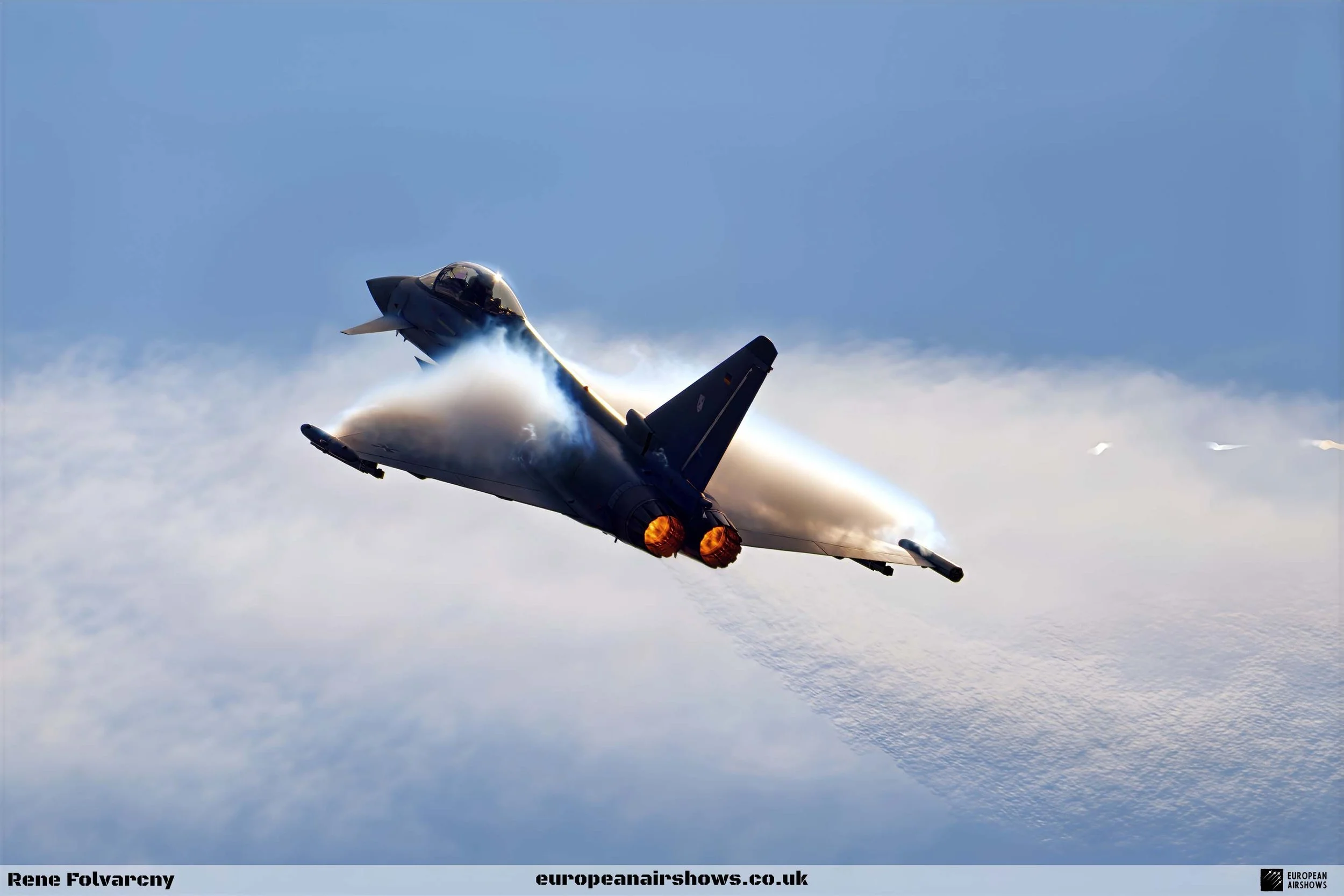
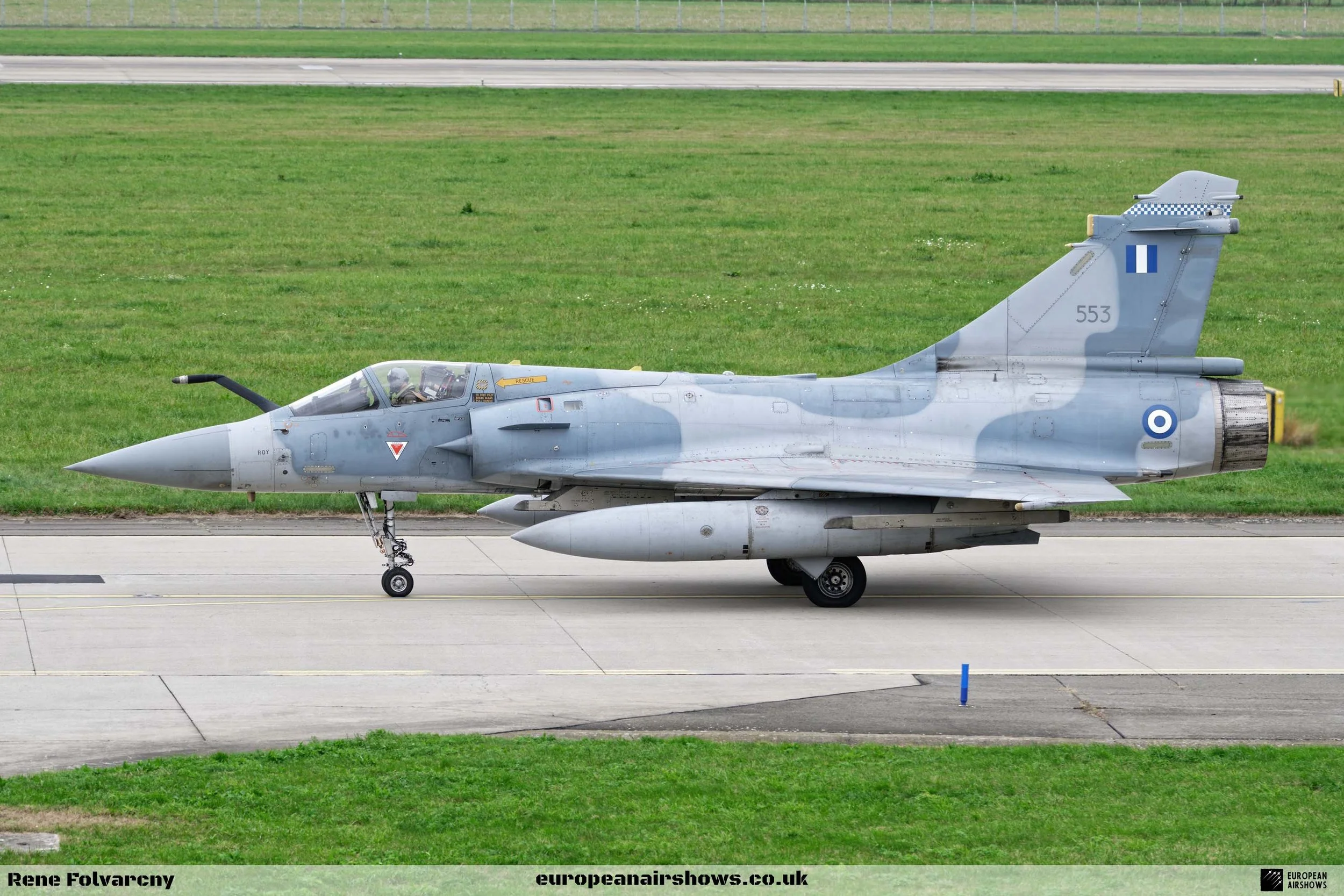
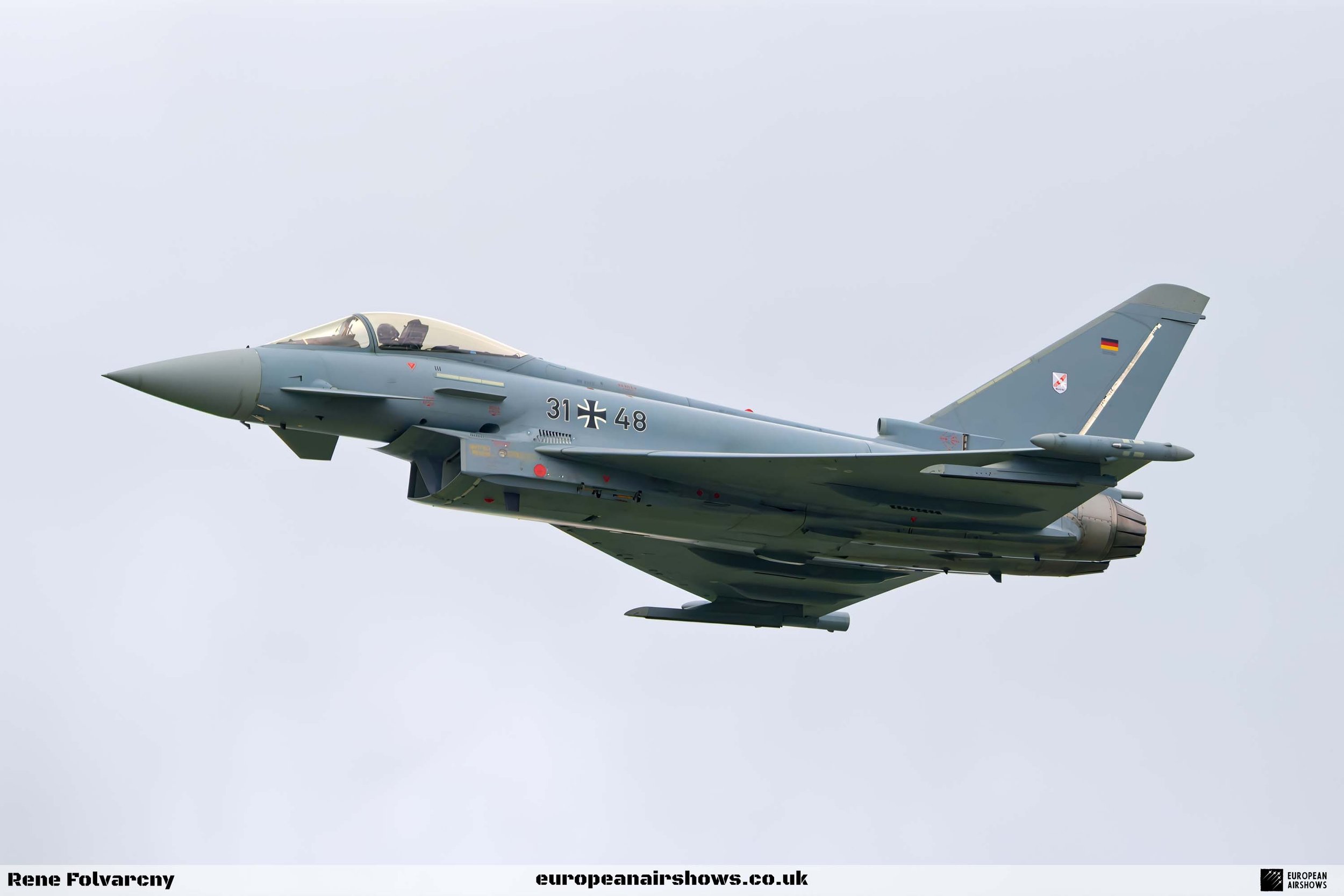
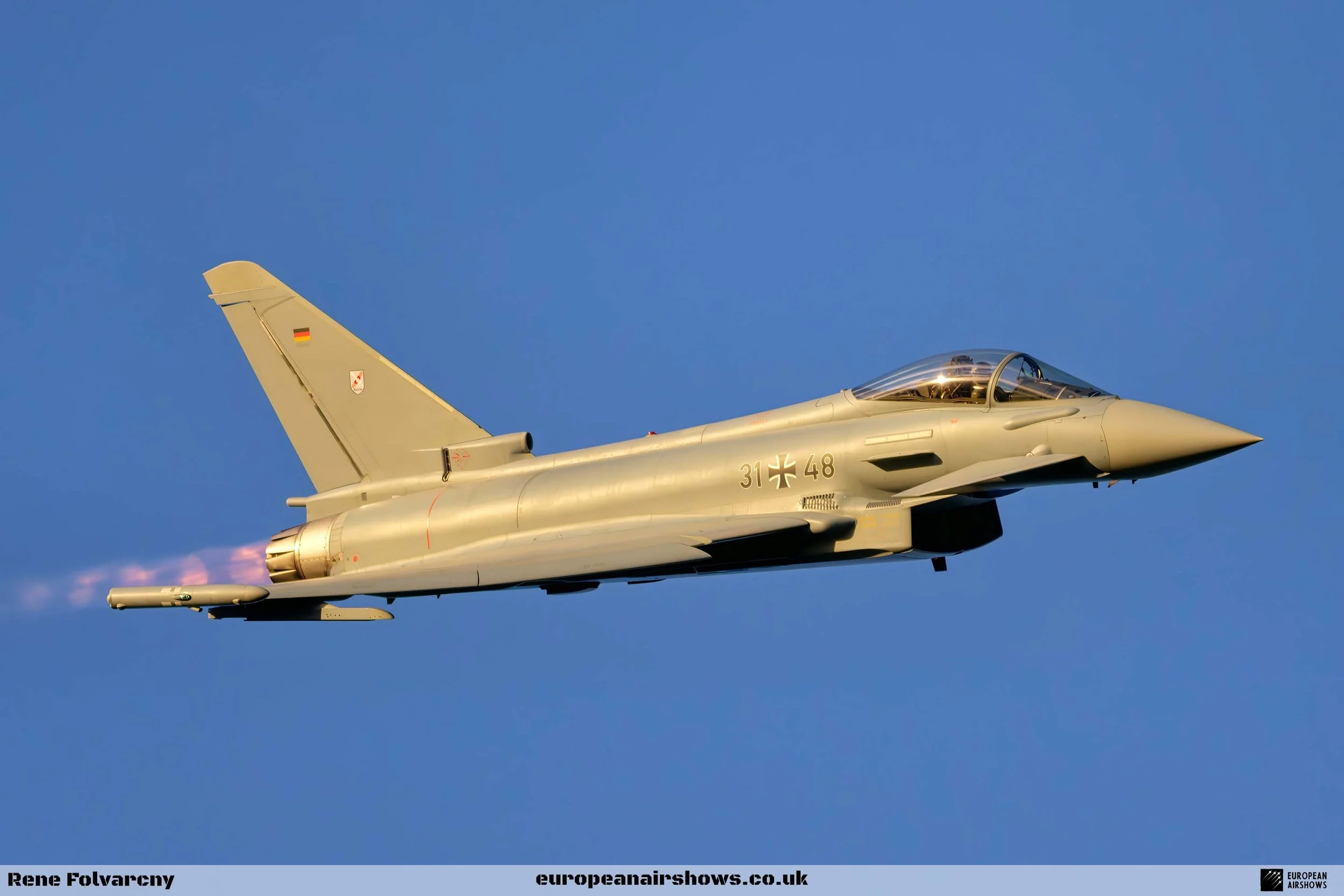
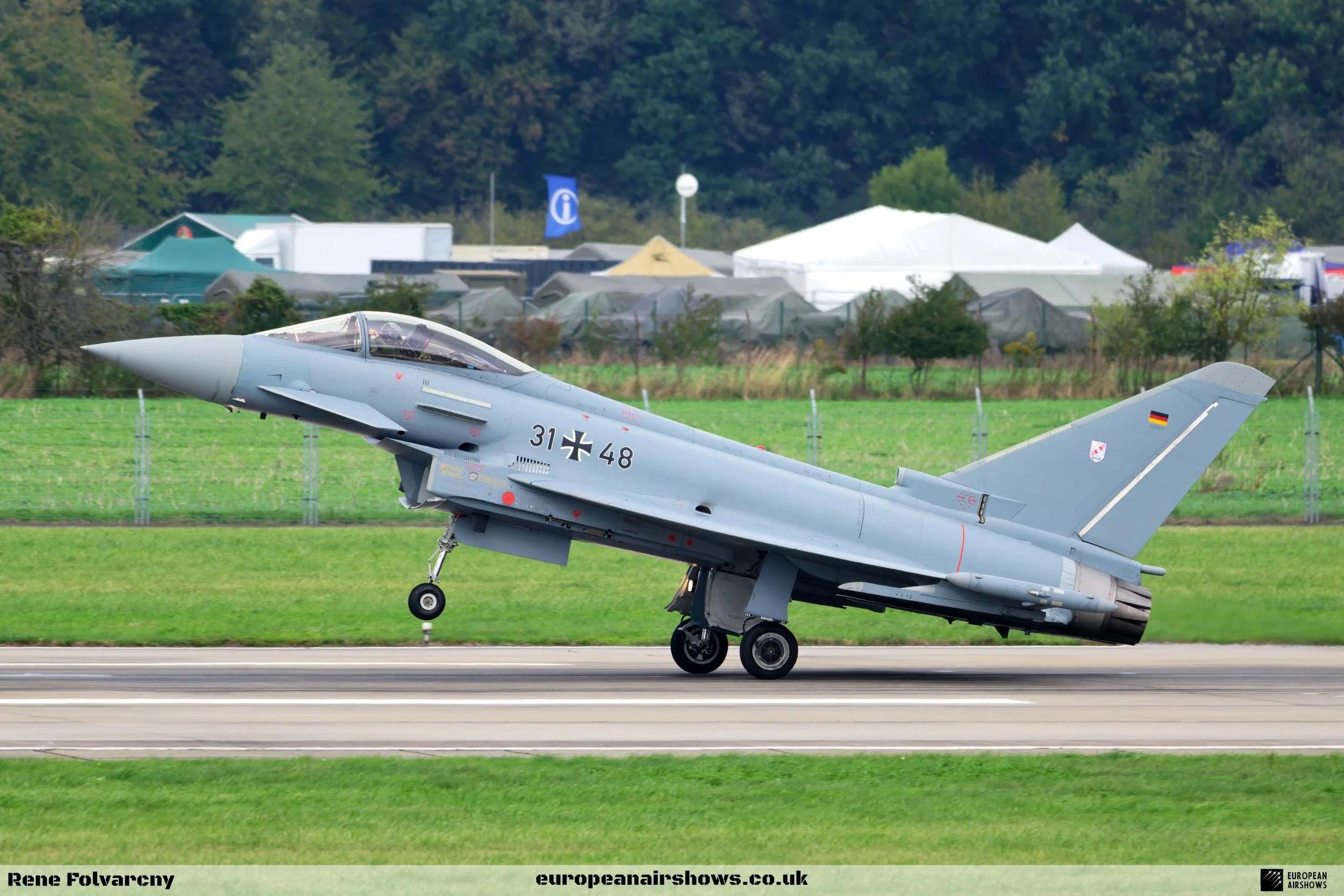
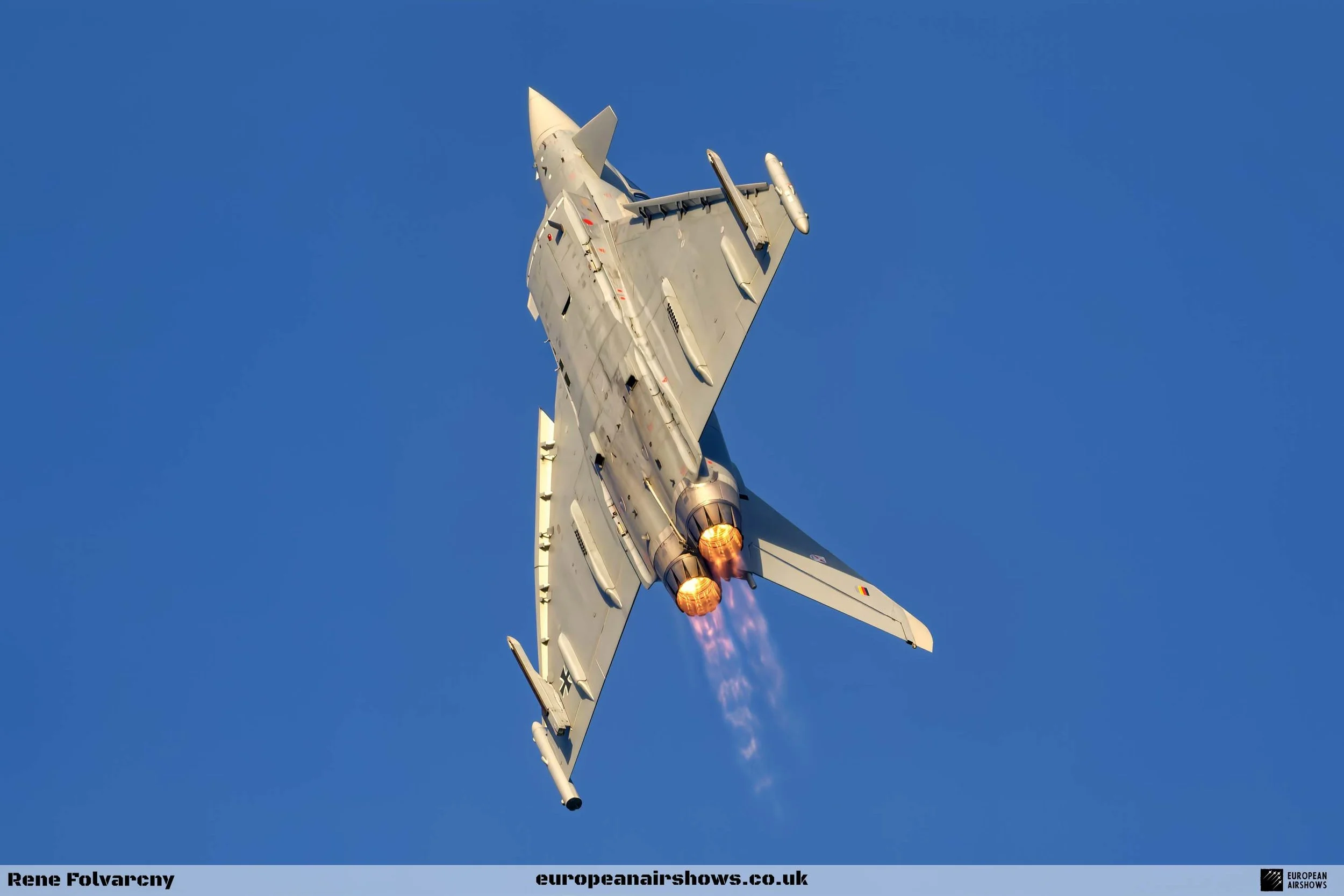
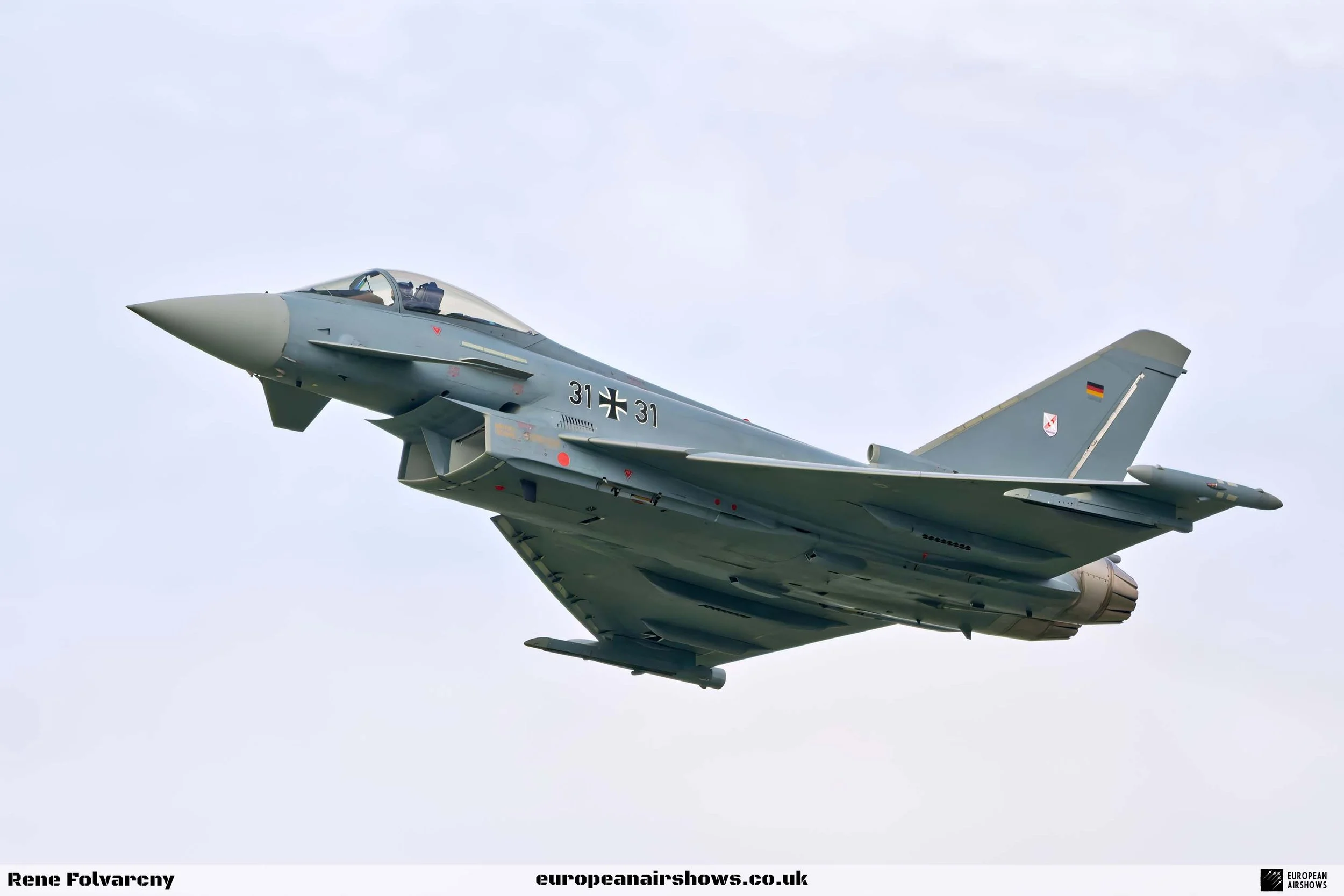
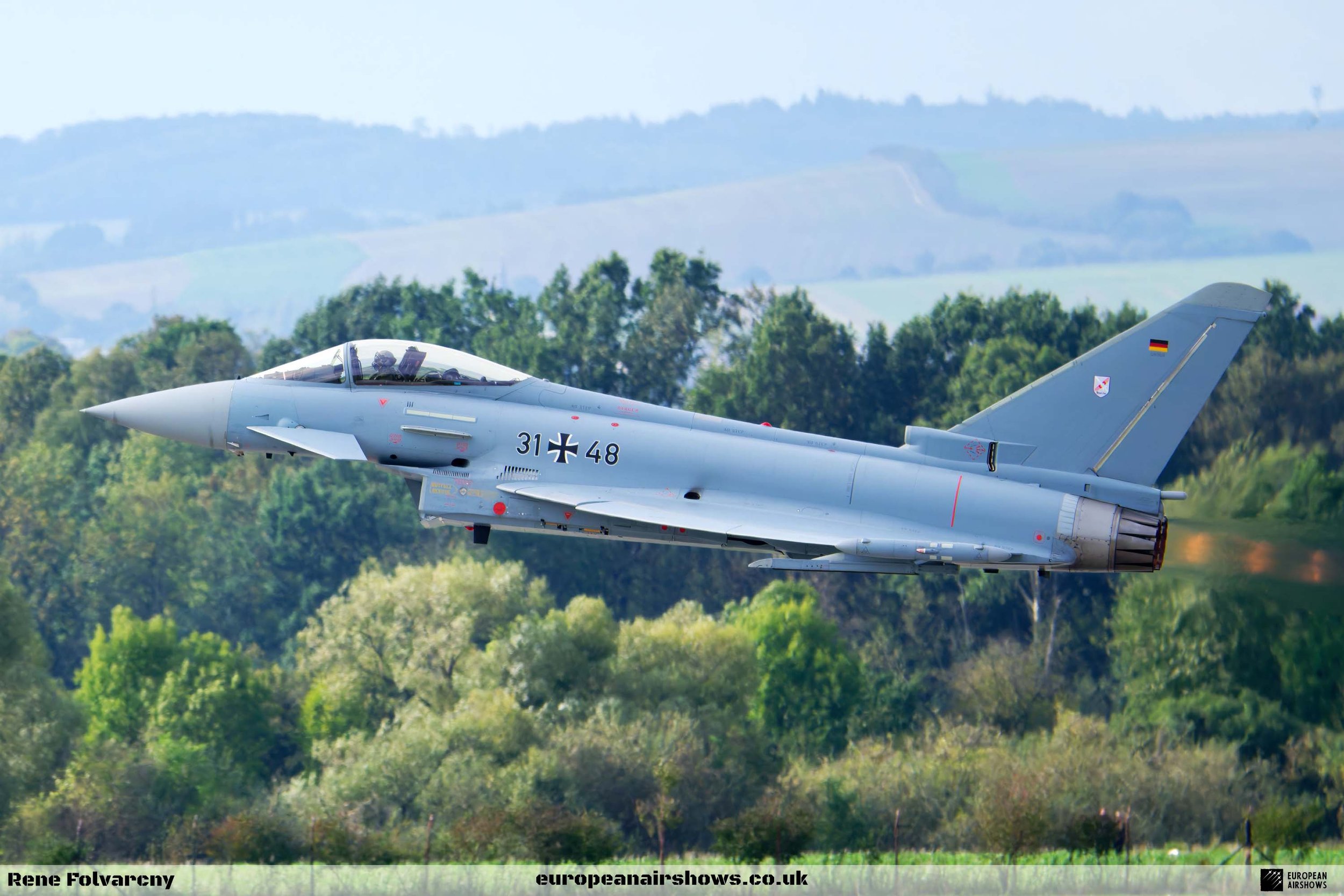
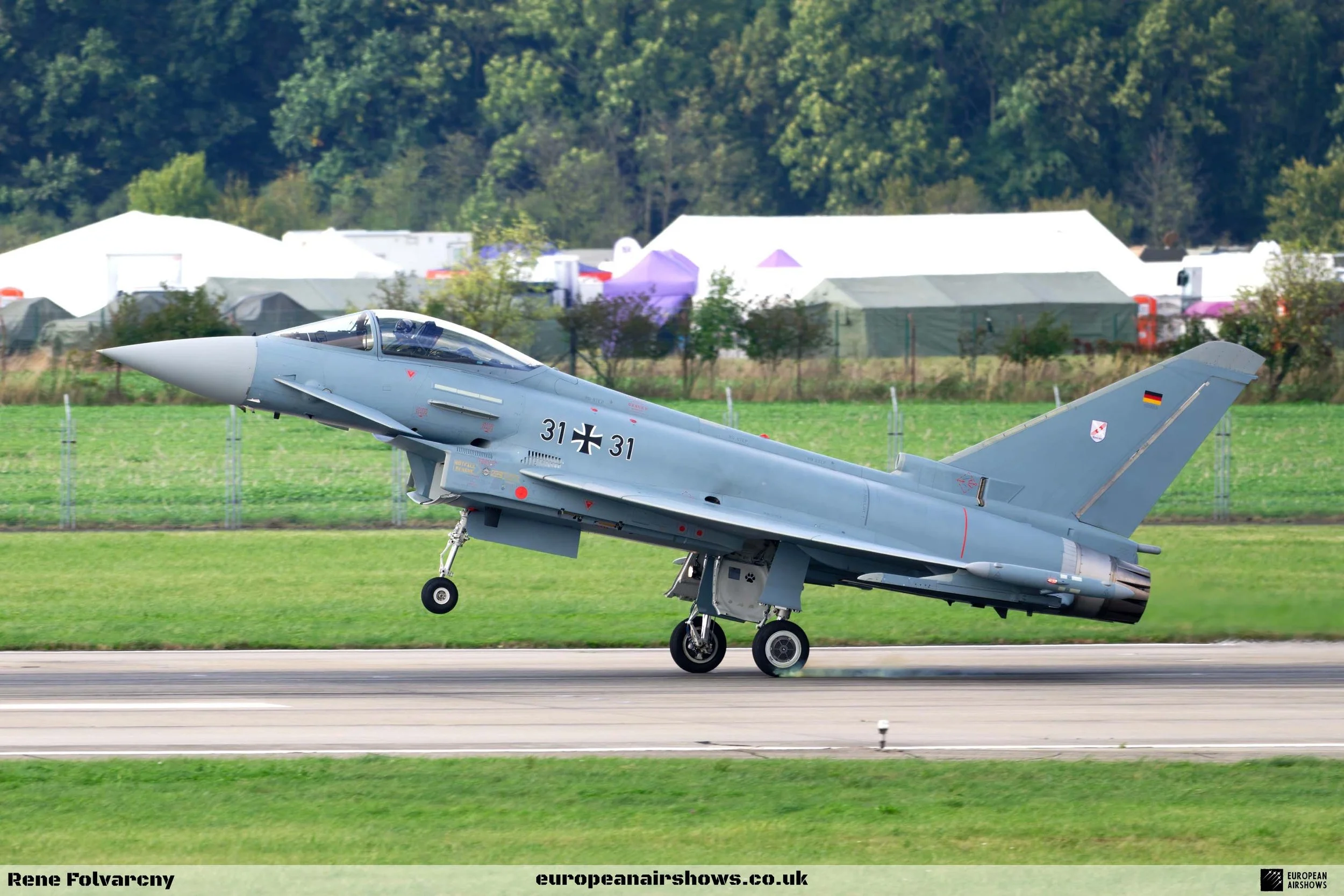
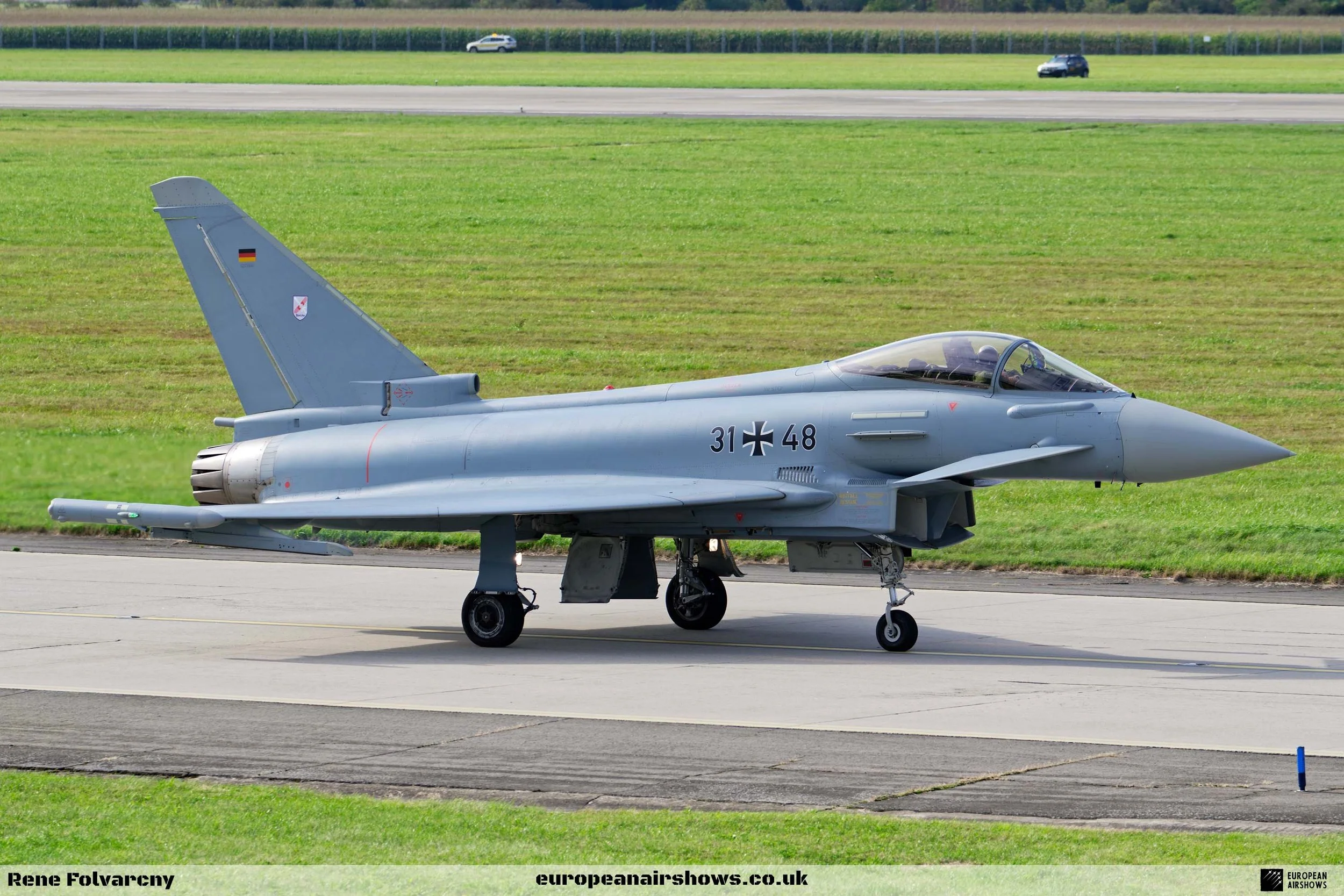
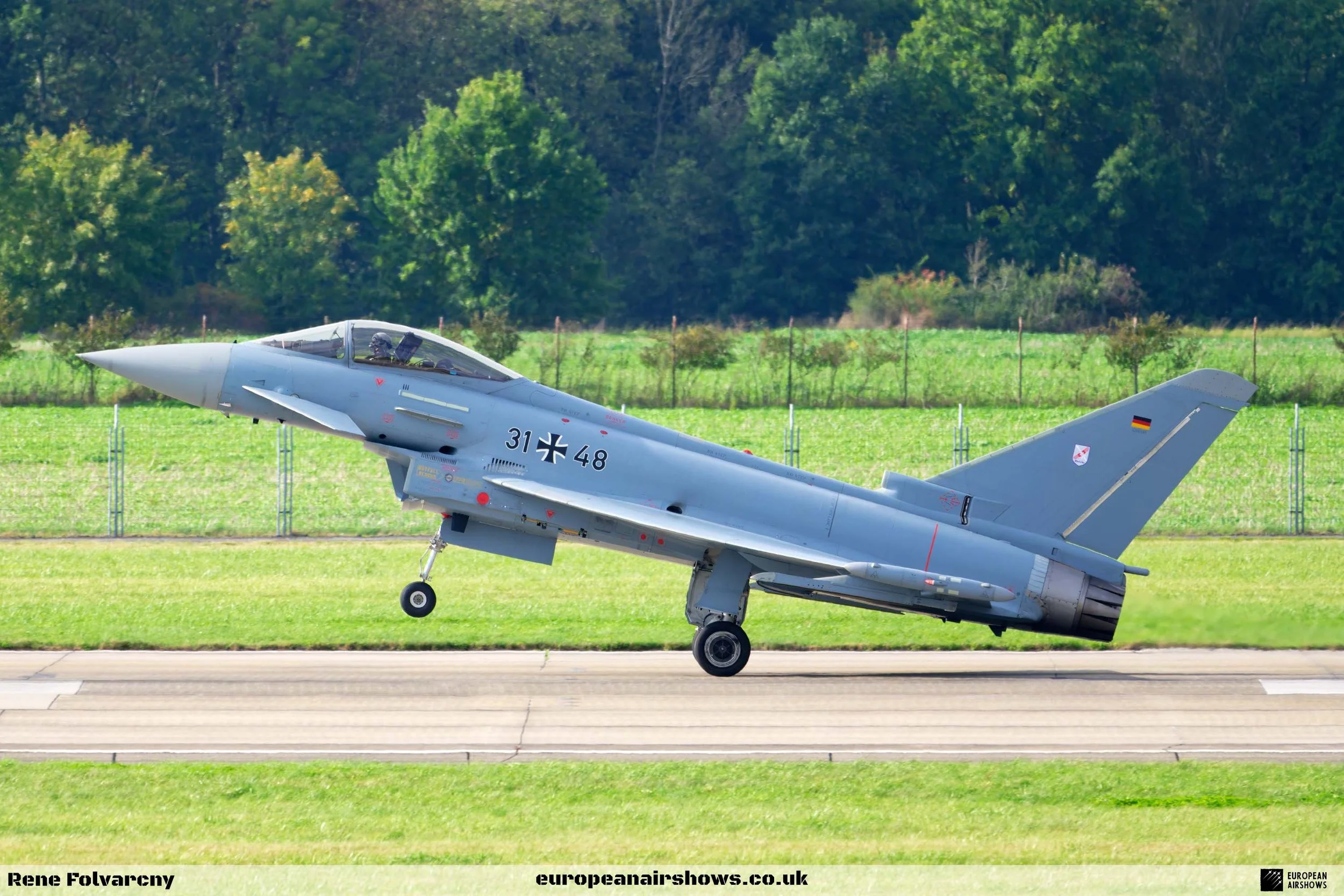
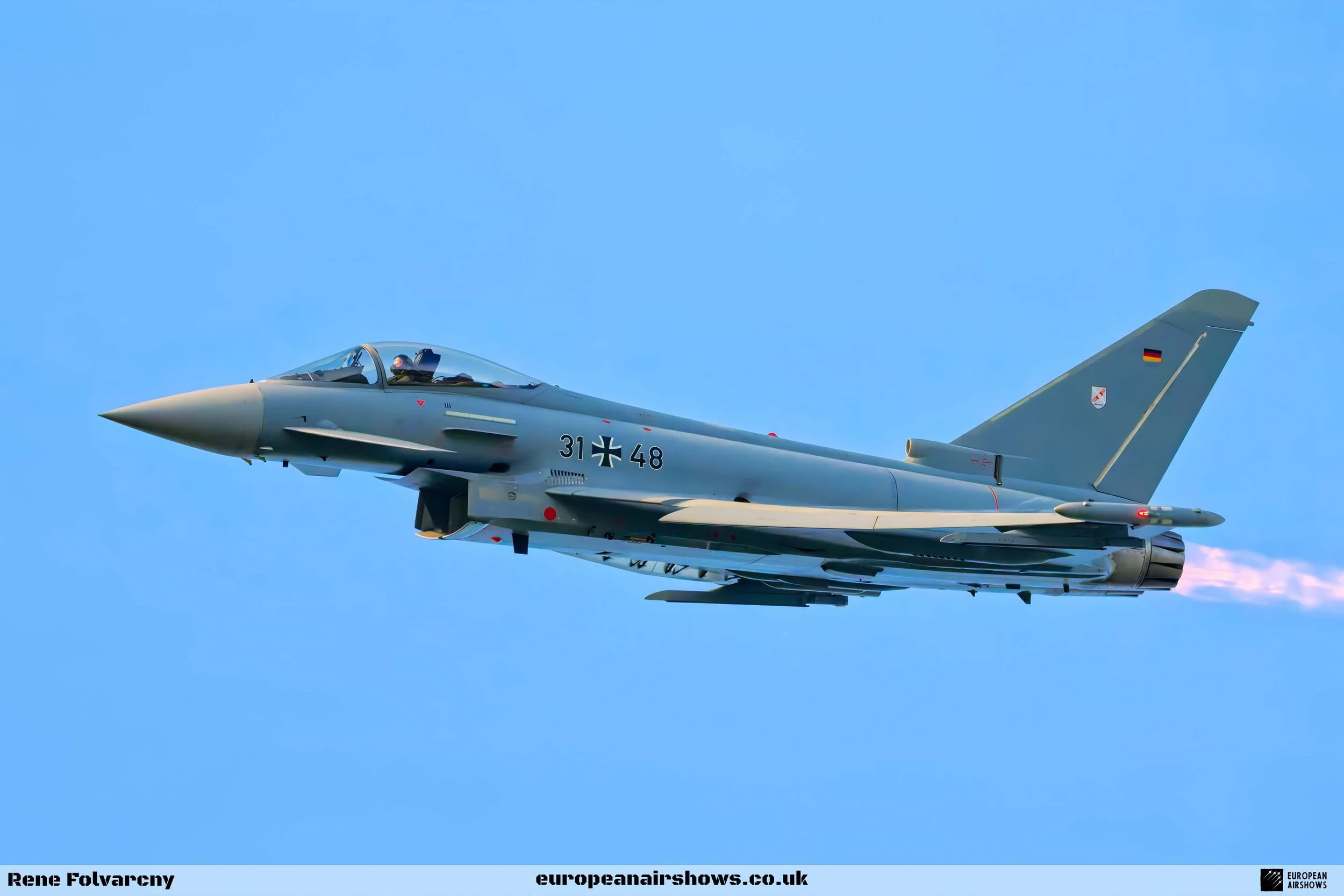
Later in the day the German Eurofighter Typhoon felt like the perfect “second opinion” after the Italian jet. Different style, different energy. It was flown by Michael “BAMBAM” Schaudienst from Taktisches Luftwaffengeschwader 31 “Boelcke”, and it had that classic Typhoon look when it’s being worked properly: big, loaded turns, quick reversals, and those afterburner punches that make the whole routine feel impatient in the best way. It also carried a bit of extra weight knowing it was the first time since 2016 that a German Typhoon had been back at Ostrava in a full dynamic slot.
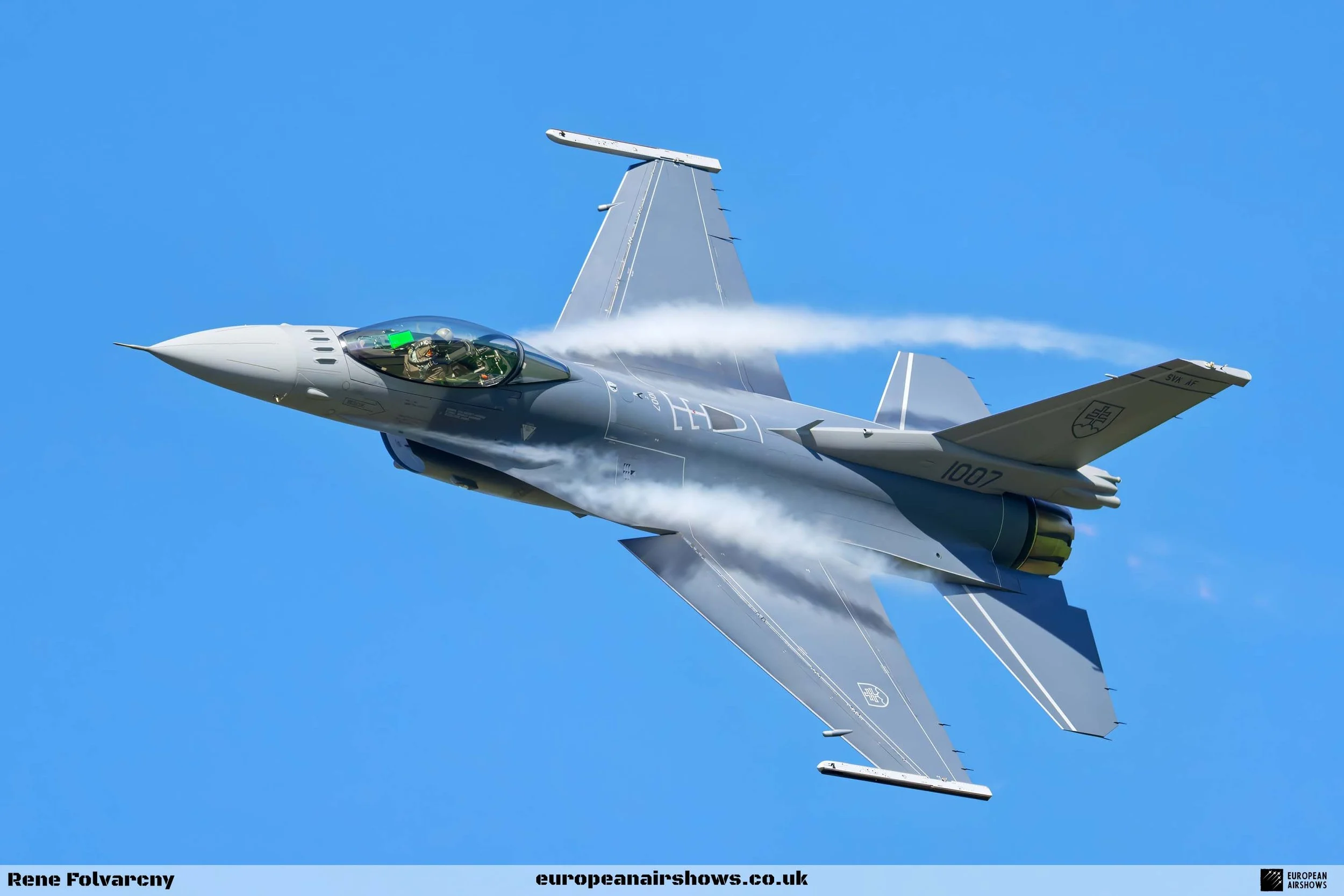
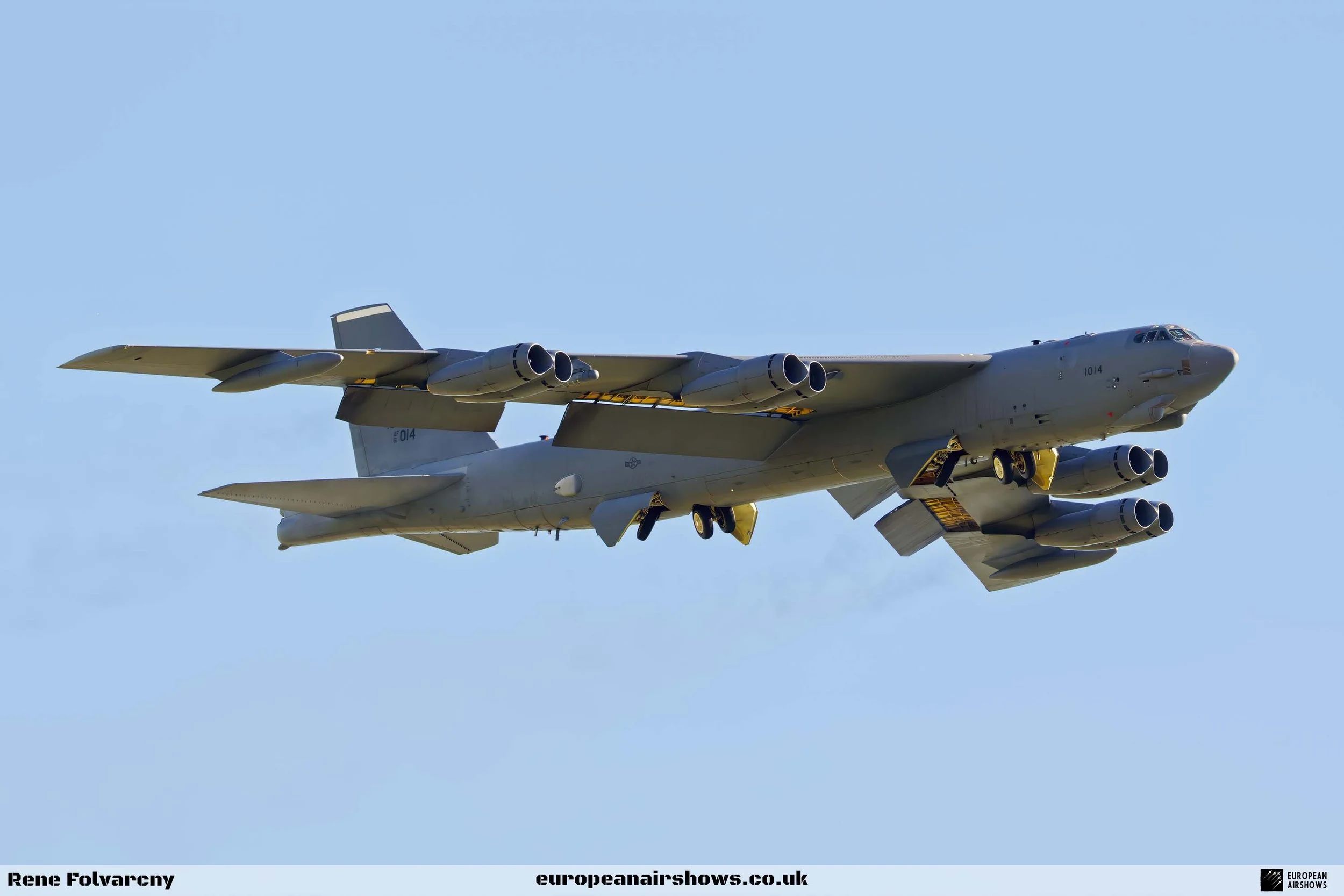
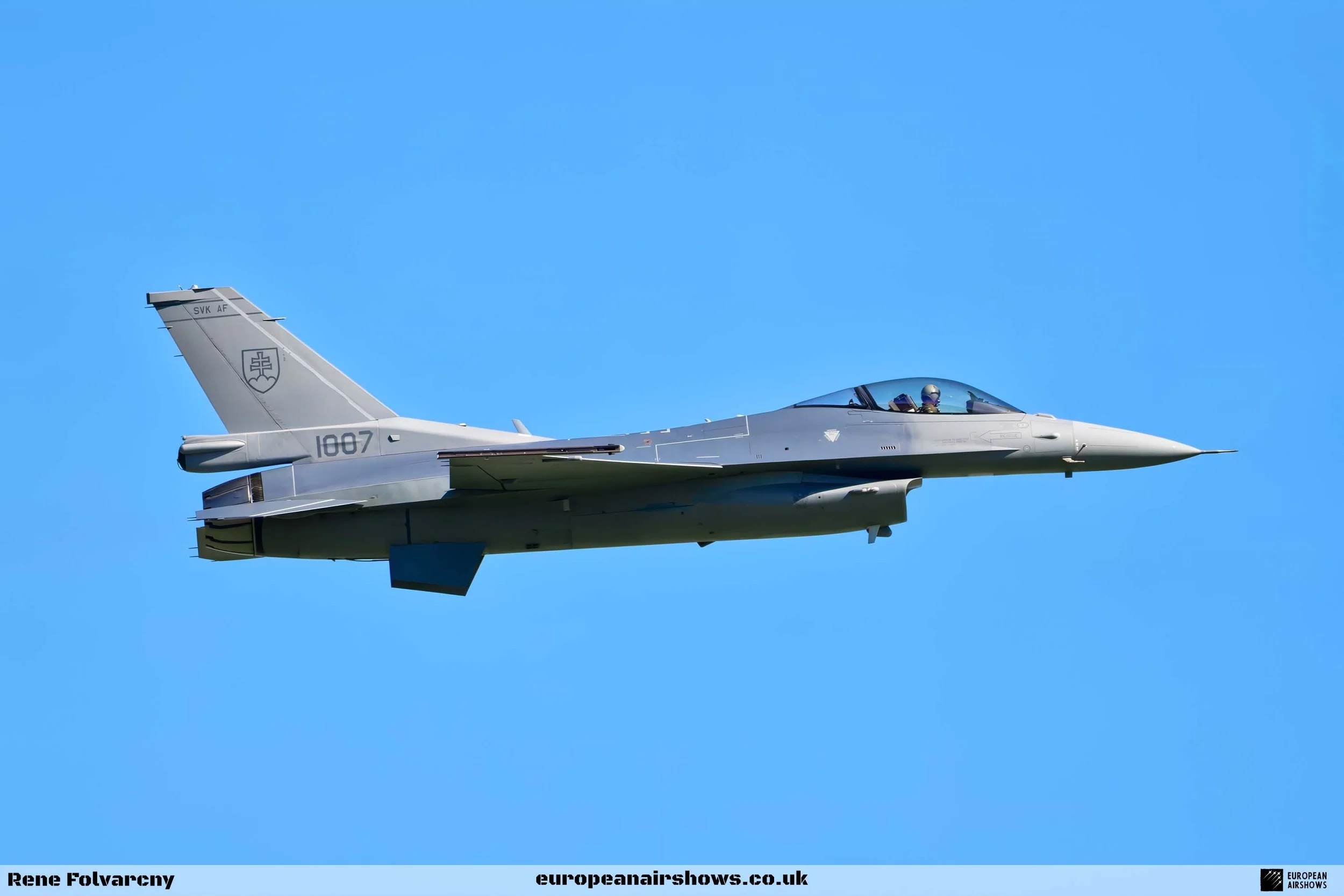
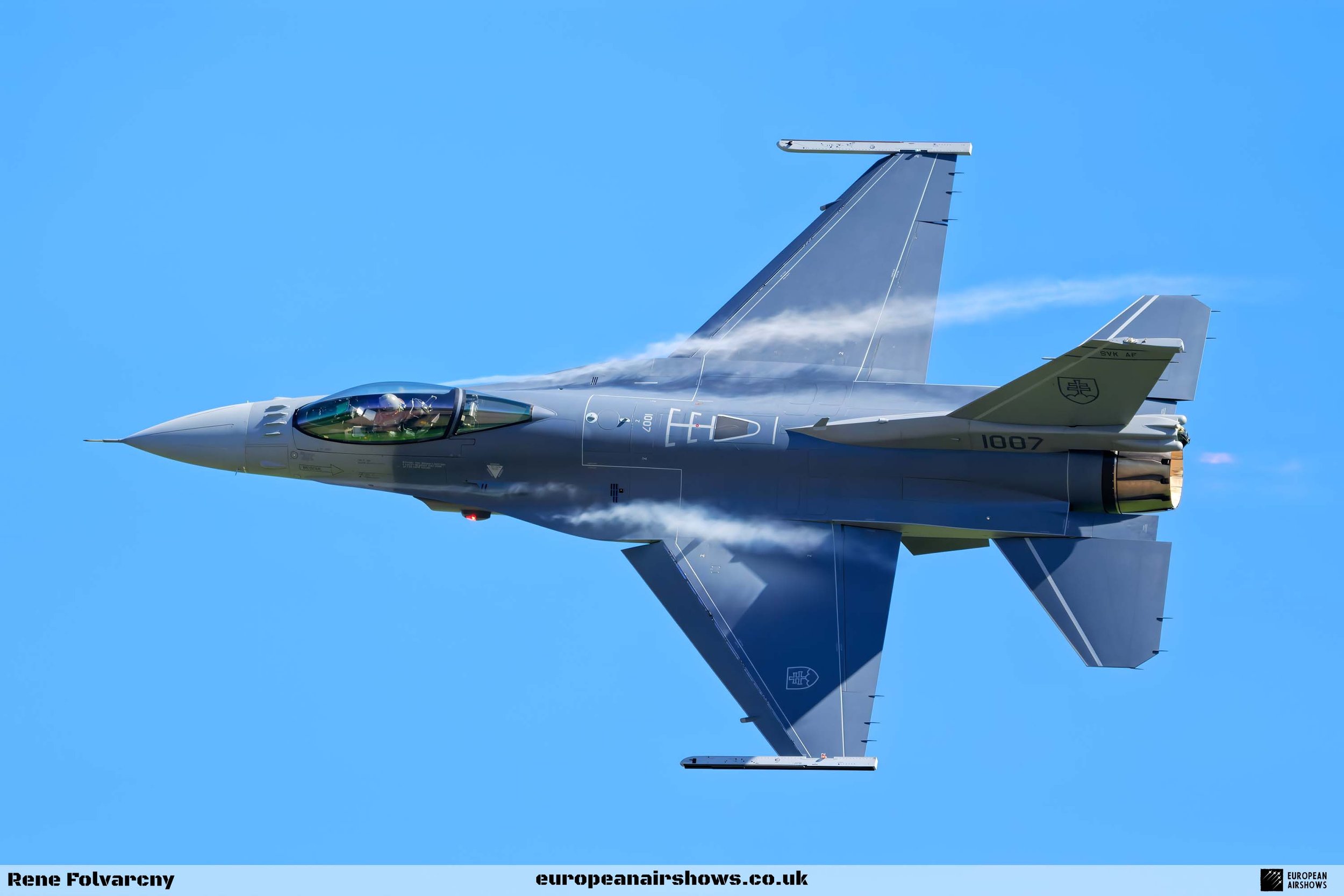
Two flypasts then underlined that NATO Days is never just a normal airshow. Slovakia’s new Lockheed Martin F-16C/D Block 70/72 Fighting Falcon made its international debut here, and even as a flypast it did not look shy, with some properly lively passes and high g full afterburner turns that surprised a lot of people. And on Saturday afternoon only, the Boeing B-52H Stratofortress got the sort of slot that makes photographers forget to shoot for a moment, circling back for multiple runs rather than a single wave and gone.
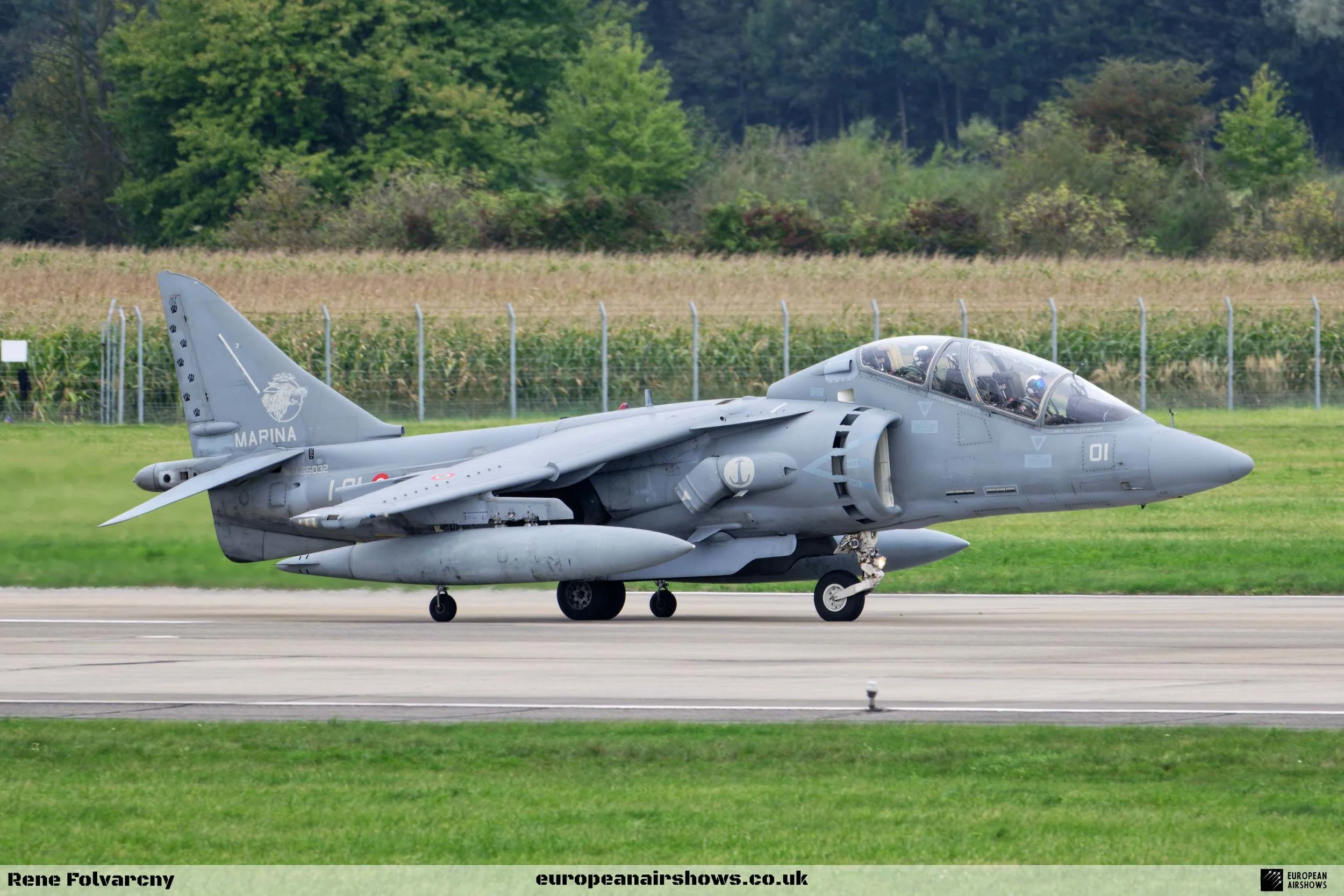
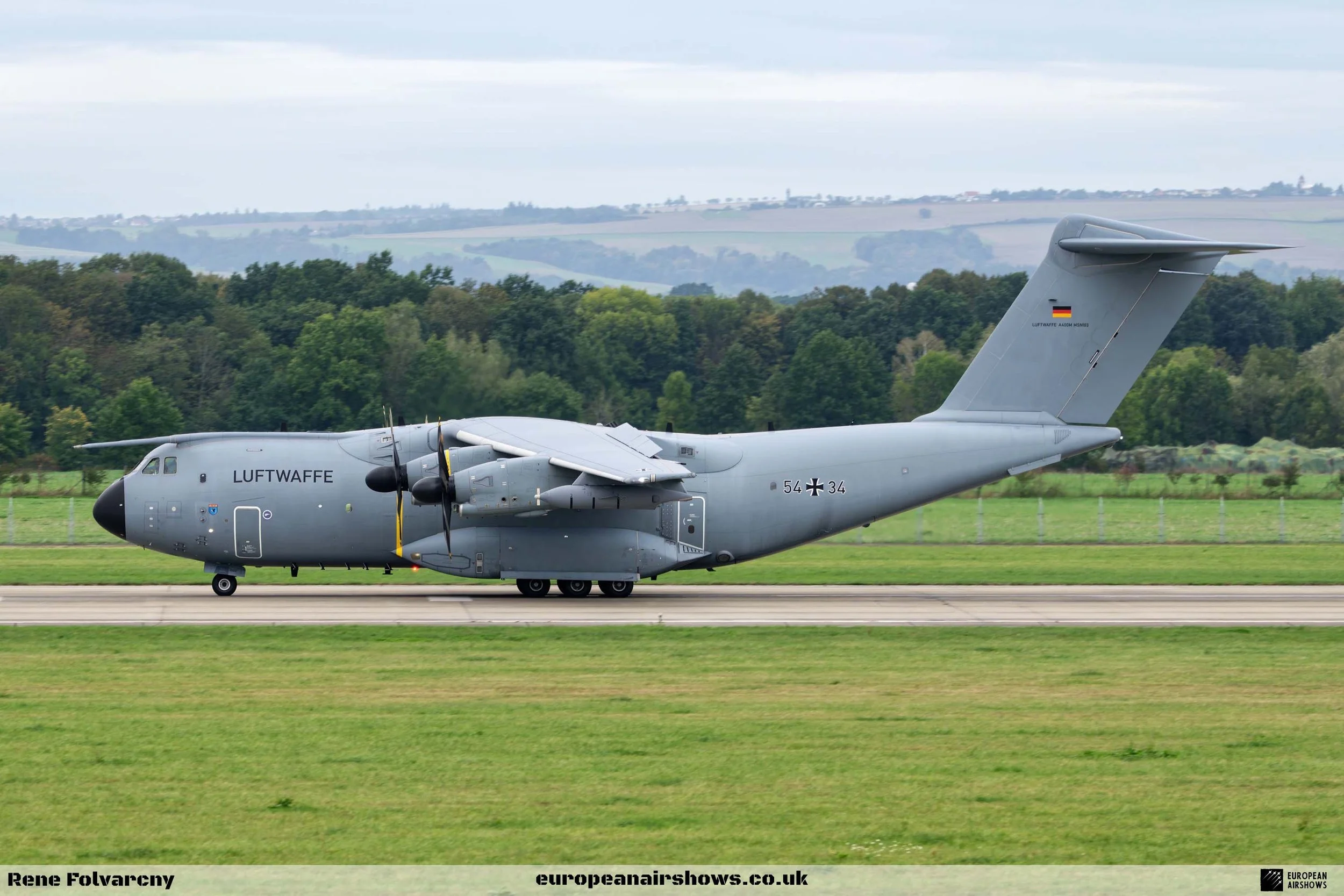
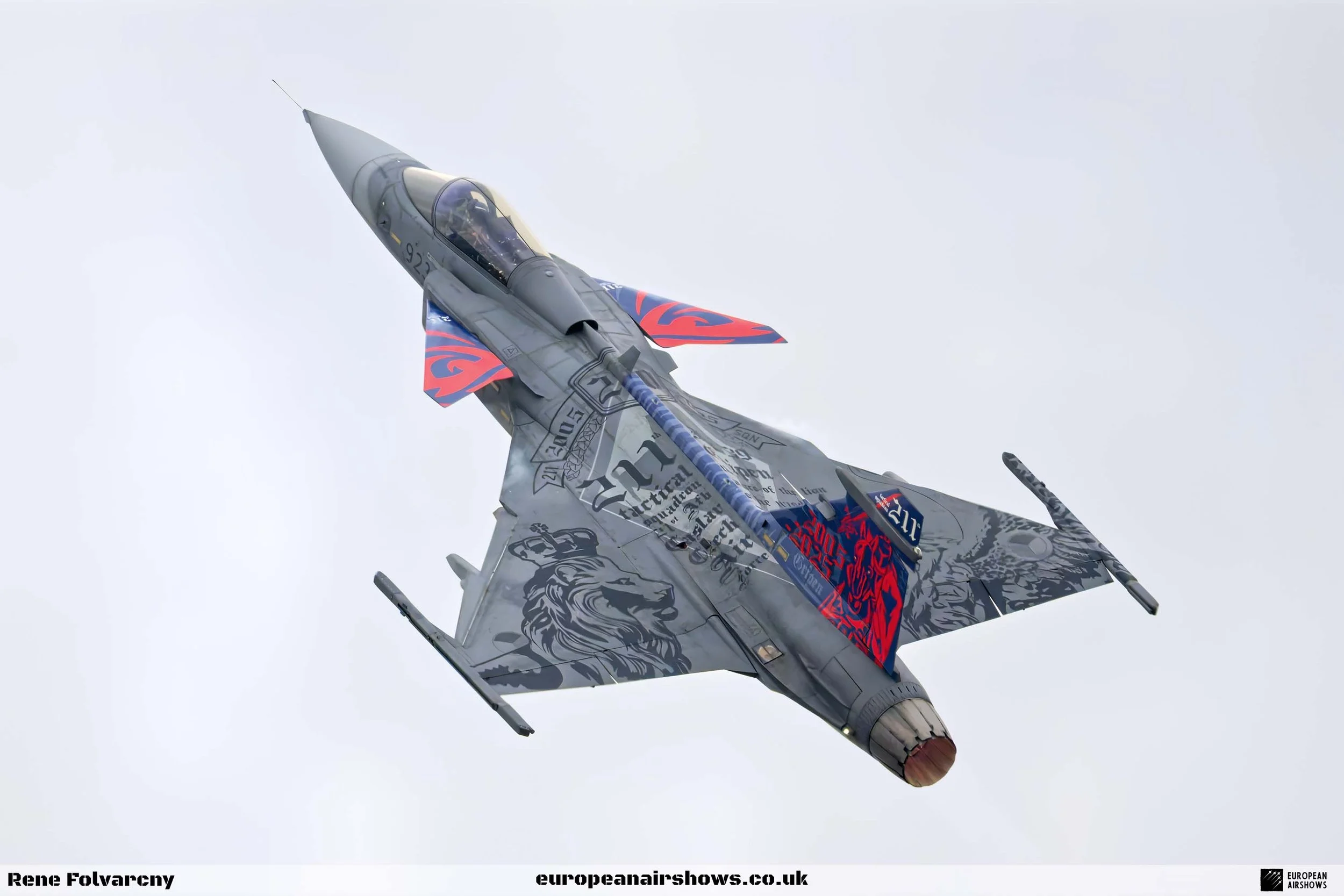
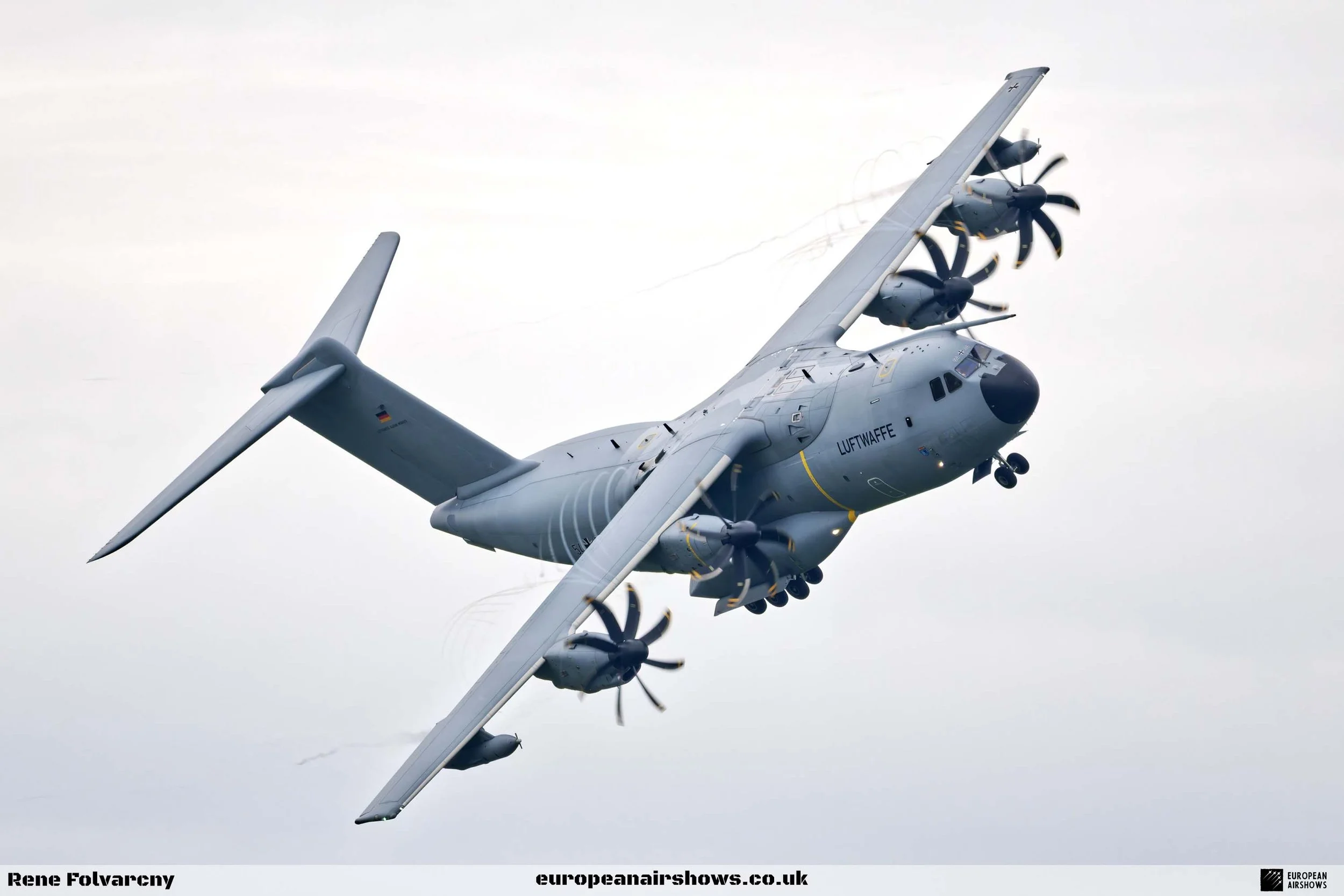

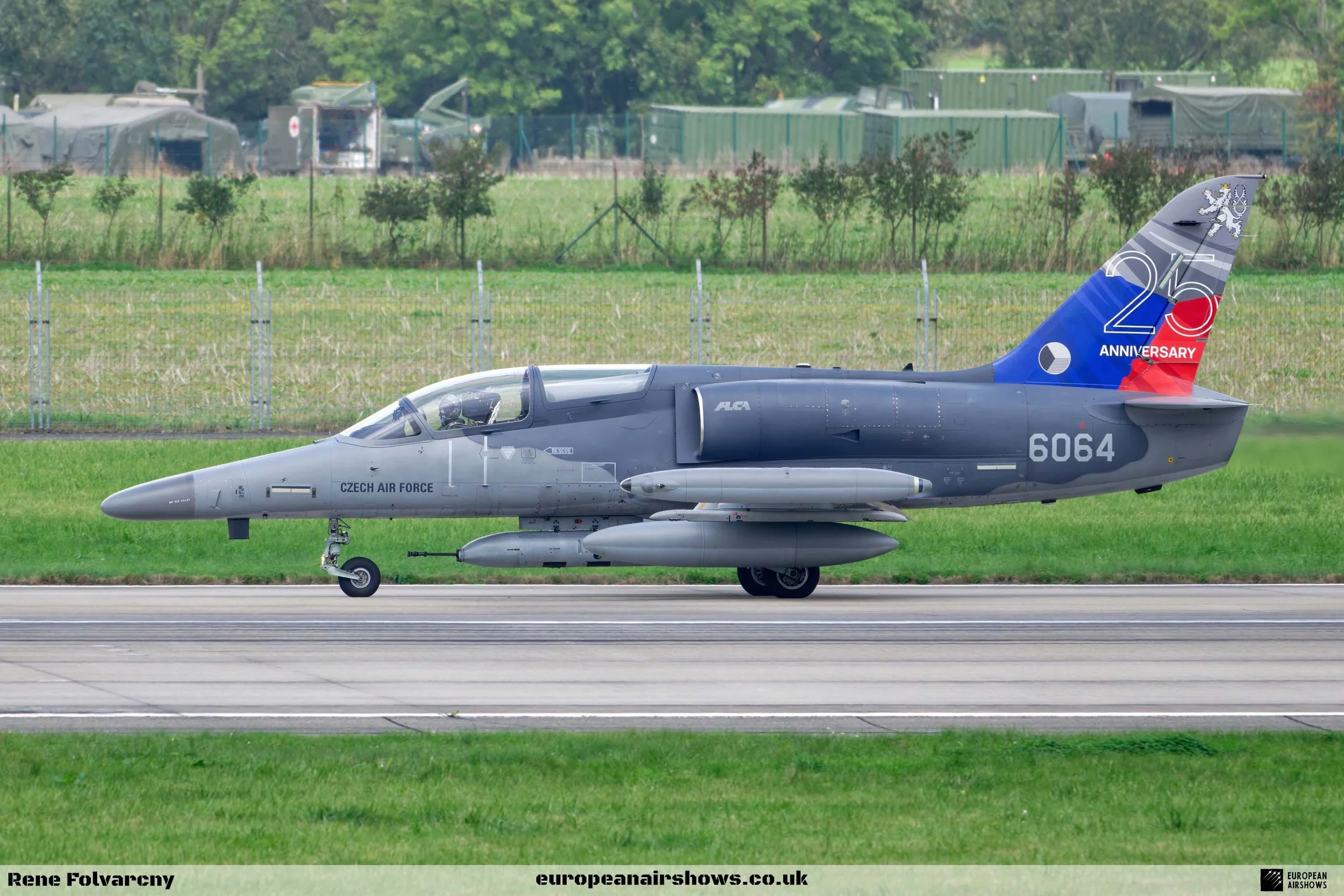
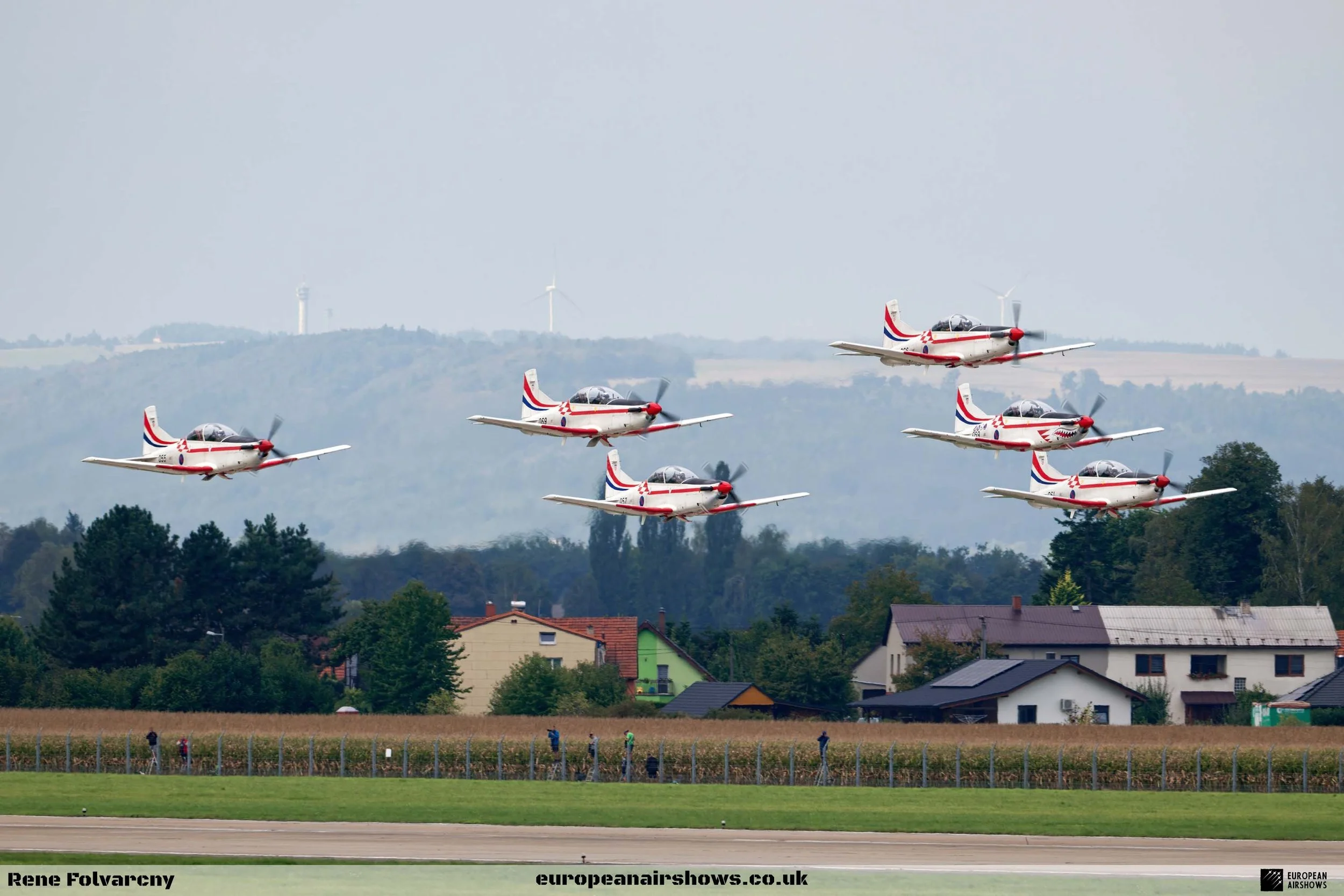
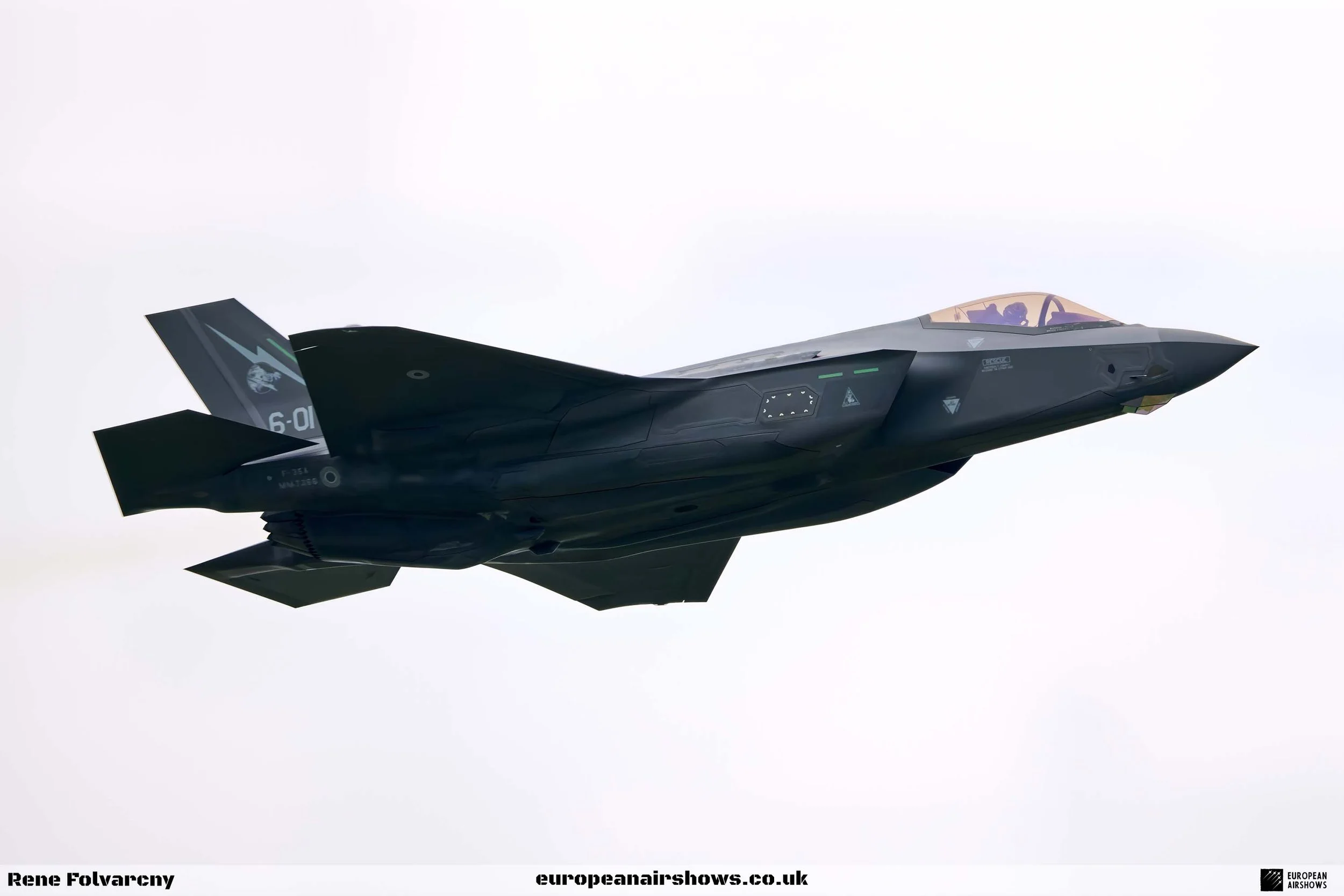
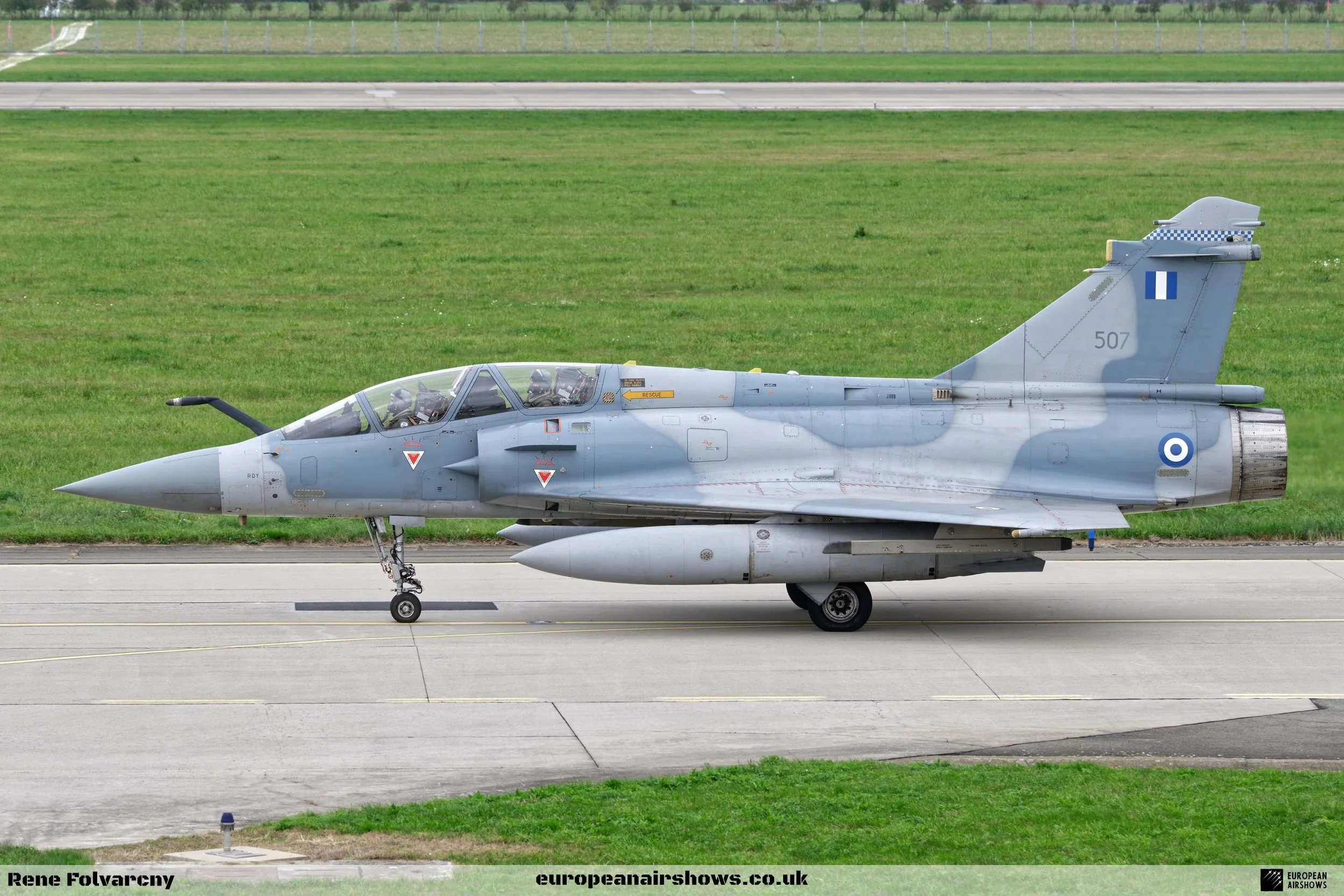
By the time the dust settled, it was hard to argue with it. Saturday and Sunday were broadly the same show, just shuffled around, but 2025 had that rare mix of quality and occasion. You had genuine “I might never see this here again” moments like the McDonnell Douglas AV-8B+ Harrier II, the static McDonnell Douglas TAV-8B Harrier II, Slovakia’s Lockheed Martin F-16C/D Block 70/72 Fighting Falcon international debut, and the Saturday-only Boeing B-52H Stratofortress flypasts, backed up by big crowd favourites that were flown properly all weekend, from the Airbus A400M Atlas to the Dassault Rafale, the Eurofighter Typhoon, the Red Arrows and the Turkish Stars. Add a ground programme that was busy from start to finish, and despite the heat, queues and packed flightline, this really did feel like one of the strongest NATO Days editions in years.
