
Malta International
Airshow
2025
Rare static visitors, dramatic thunderstorms, two Luftwaffe Typhoons, SOLOTÜRK, the Red Arrows and sunset flying over St Paul’s Bay brought the European season to a memorable close.
A rare Boeing TC-135W Stratolifter, anniversary Tornados, the French Navy’s Dassault Falcon 10MER, two Luftwaffe Eurofighter Typhoons, SOLOTÜRK F-16C and the Red Arrows headlined a distinctive weekend split between Luqa’s static display and the coastal flying at St Paul’s Bay.
The Malta International Airshow returned for its 2025 edition, once again serving as the traditional curtain-call for the European airshow season. Under the stewardship of the Malta Aviation Society, the event retained its unique dual-location format, blending a static exhibition at Malta International Airport with the dynamic flying displays over the picturesque St Paul’s Bay in the north. The crowds were treated to two distinct days of aviation; while Saturday’s proceedings were dramatically curtailed by a rolling thunderstorm before resuming late in the afternoon, Sunday offered a seamless and sun-drenched schedule from the opening pass to the final landing.
Structurally, the 2025 event largely mirrored the blueprint established in 2023, though with subtle refinements to the execution and the participant list. The static display remained divided across two separate zones: a compact “flying aircraft” area situated on the easyJet Engineering apron, and the primary static park located at Safi Aviation Park. A complimentary shuttle service connected the two with reasonable efficiency, though the mandatory trek through the easyJet hangars upon exit—strictly policed with a “no photography” rule—did prove a source of frustration for enthusiasts laden with camera gear. Nevertheless, this split-venue arrangement continues to imbue the Malta show with a distinct character, offering the rare combination of a bustling international airport hub and a scenic coastal display line.
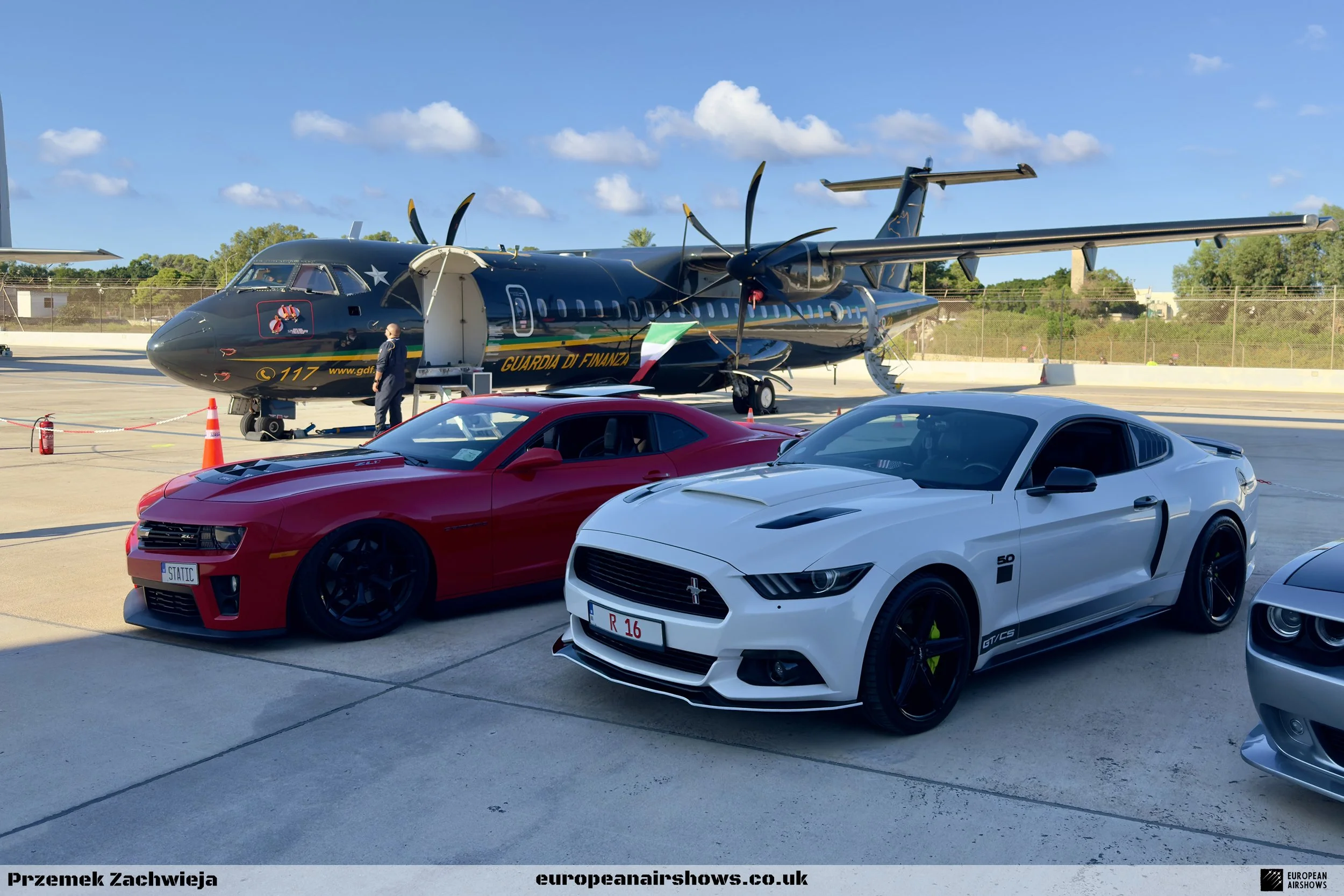
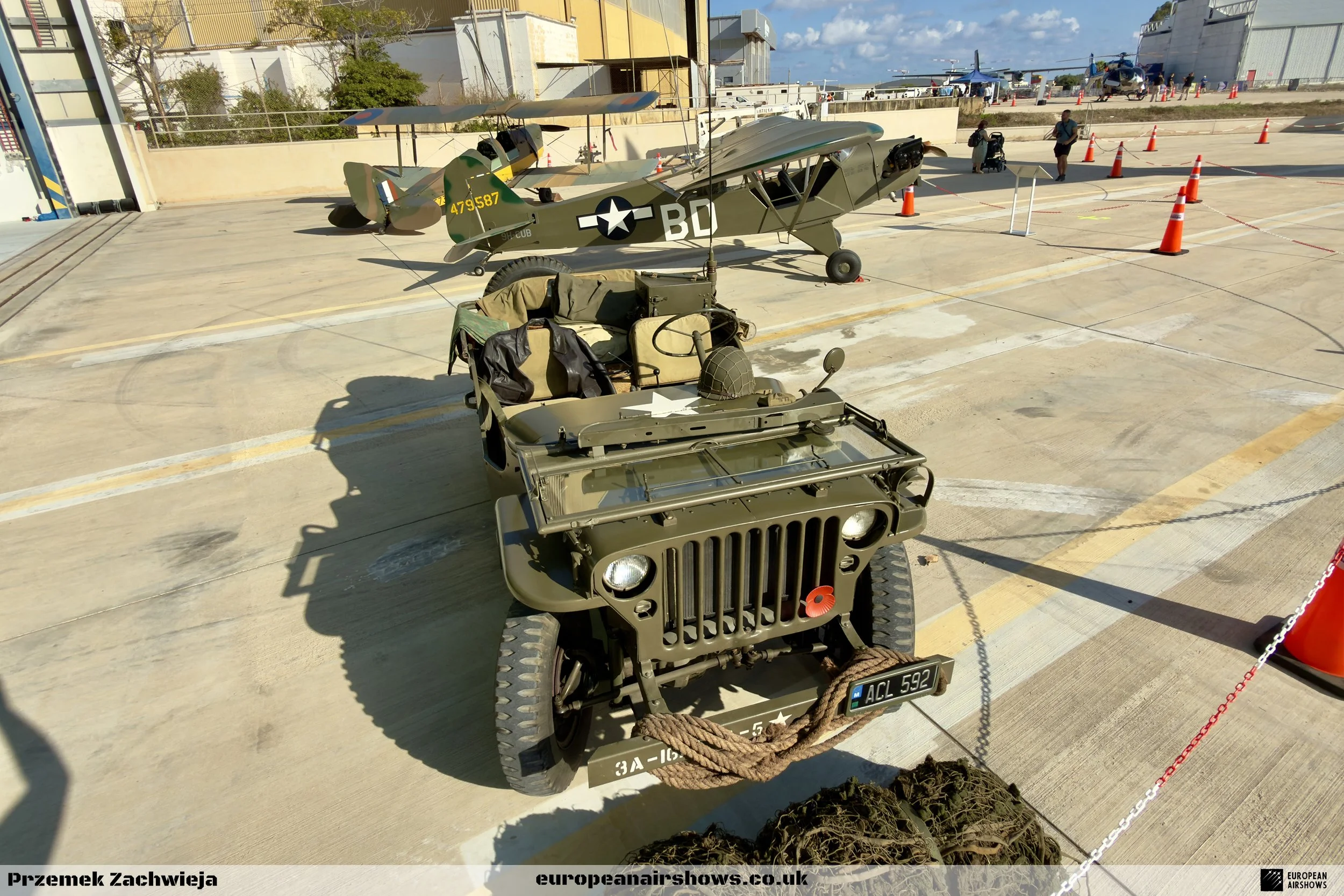
The easyJet Engineering apron was reserved exclusively for aircraft participating in the flying programme, resulting in a naturally quieter atmosphere. Aside from a handful of crew merchandise stands, there was little to detain the average visitor, leading most to transit quickly to the main event at Safi. By contrast, Safi Aviation Park provided the quintessential airshow “vibe,” boasting a denser concentration of static aircraft, ample catering, trade stands, and a charming display of classic cars. The entire static park was set against the backdrop of relentless commercial operations at Luqa, serving as a constant reminder of the island’s pivotal role as a Mediterranean aviation hub.
Regrettably, the operational axe fell somewhat heavily on this year’s participation list. The most significant absentee was the Spanish Navy AV-8B Harrier II, a type that had been eagerly anticipated for both the static and flying elements. The Slovenian Air Force PC-9M was another late withdrawal. Several other promised static gems failed to materialize, including a USAF KC-135R Stratotanker, a Spanish Navy Cessna Citation, a Royal Jordanian C-130 Hercules, a German Navy P-3C Orion, and an Italian Navy Merlin (though the latter was substituted by an SH-90A). A Rotor Technics H135 and a Challenge Group 767 Freighter also bowed out of the final lineup.
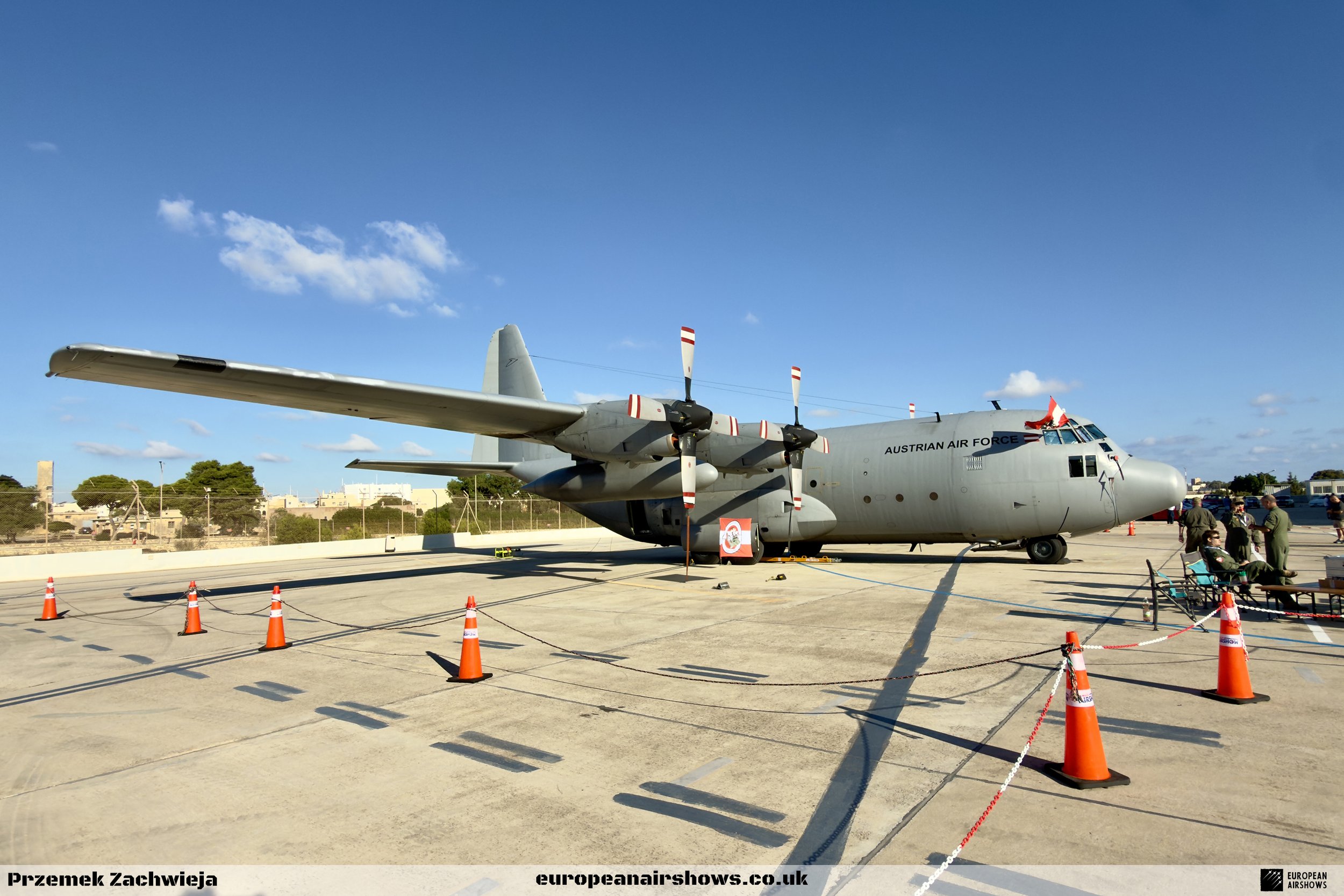
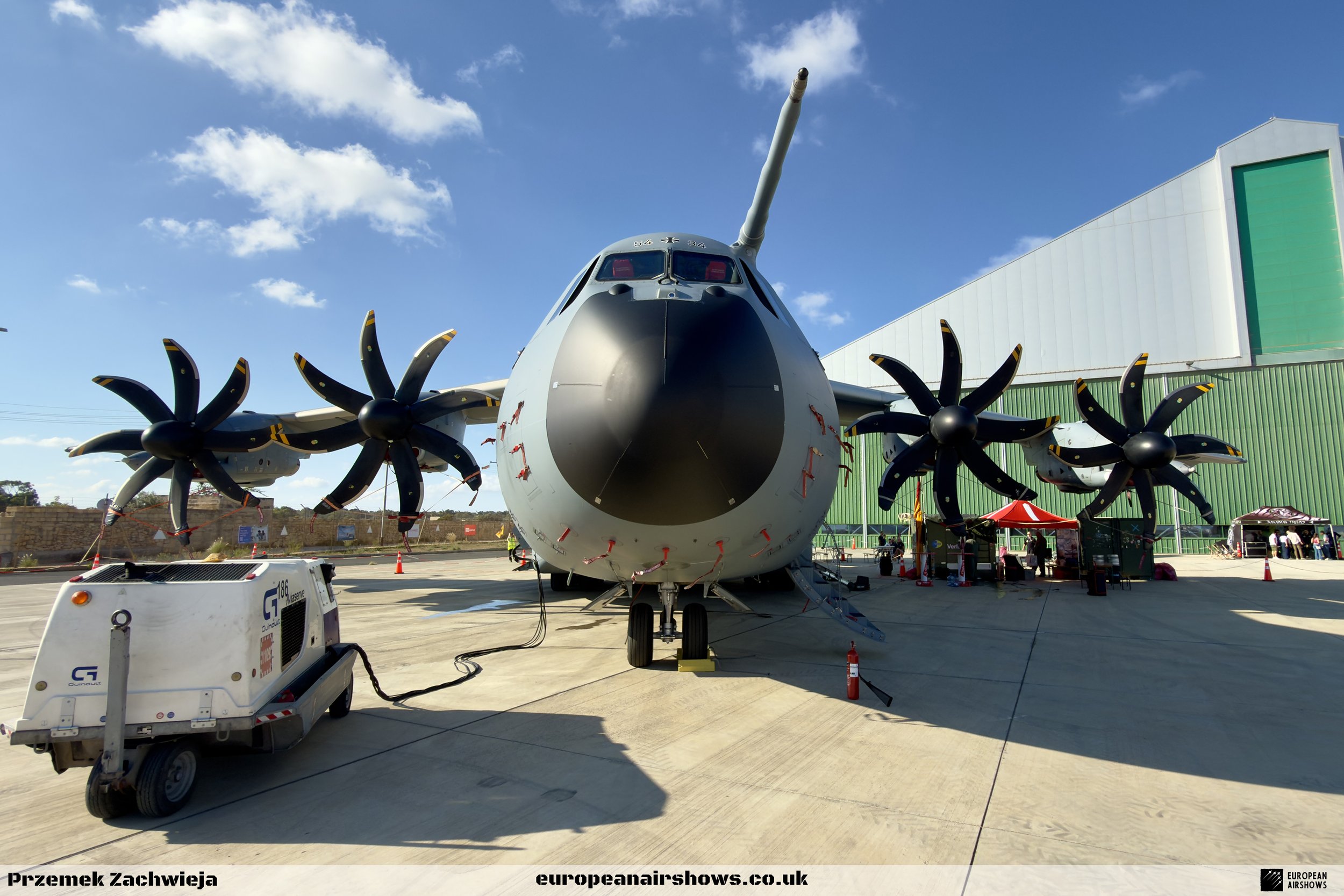
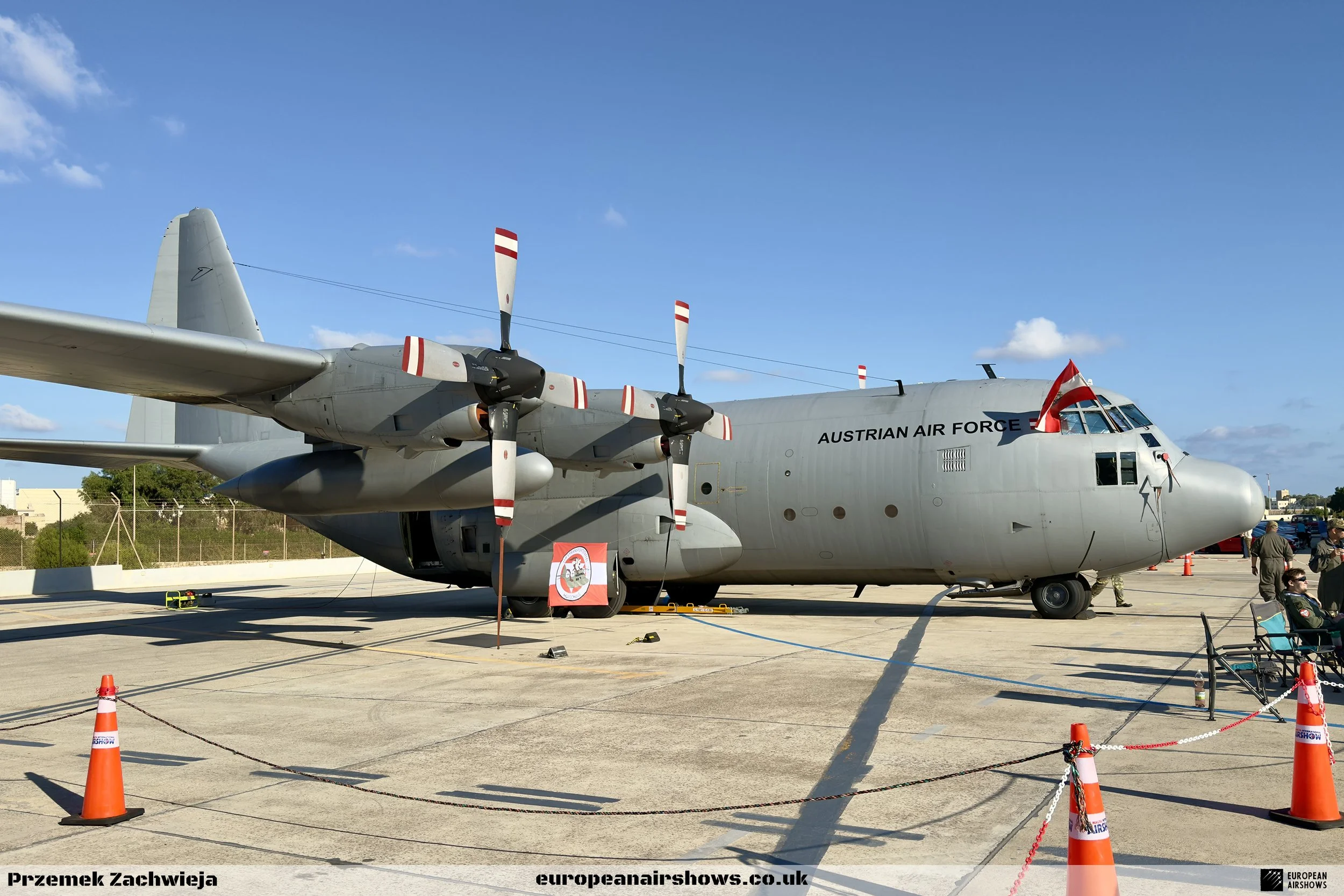
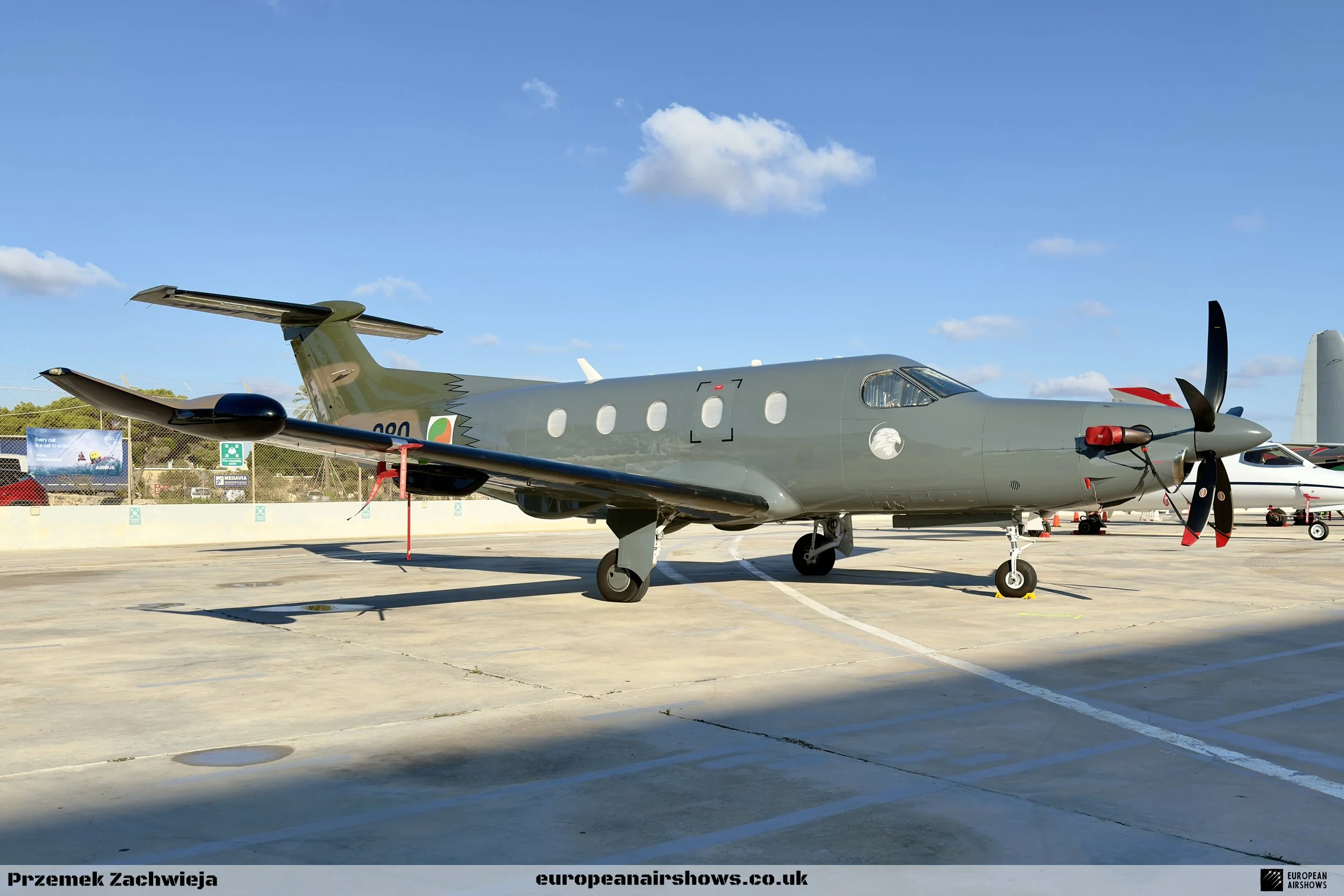
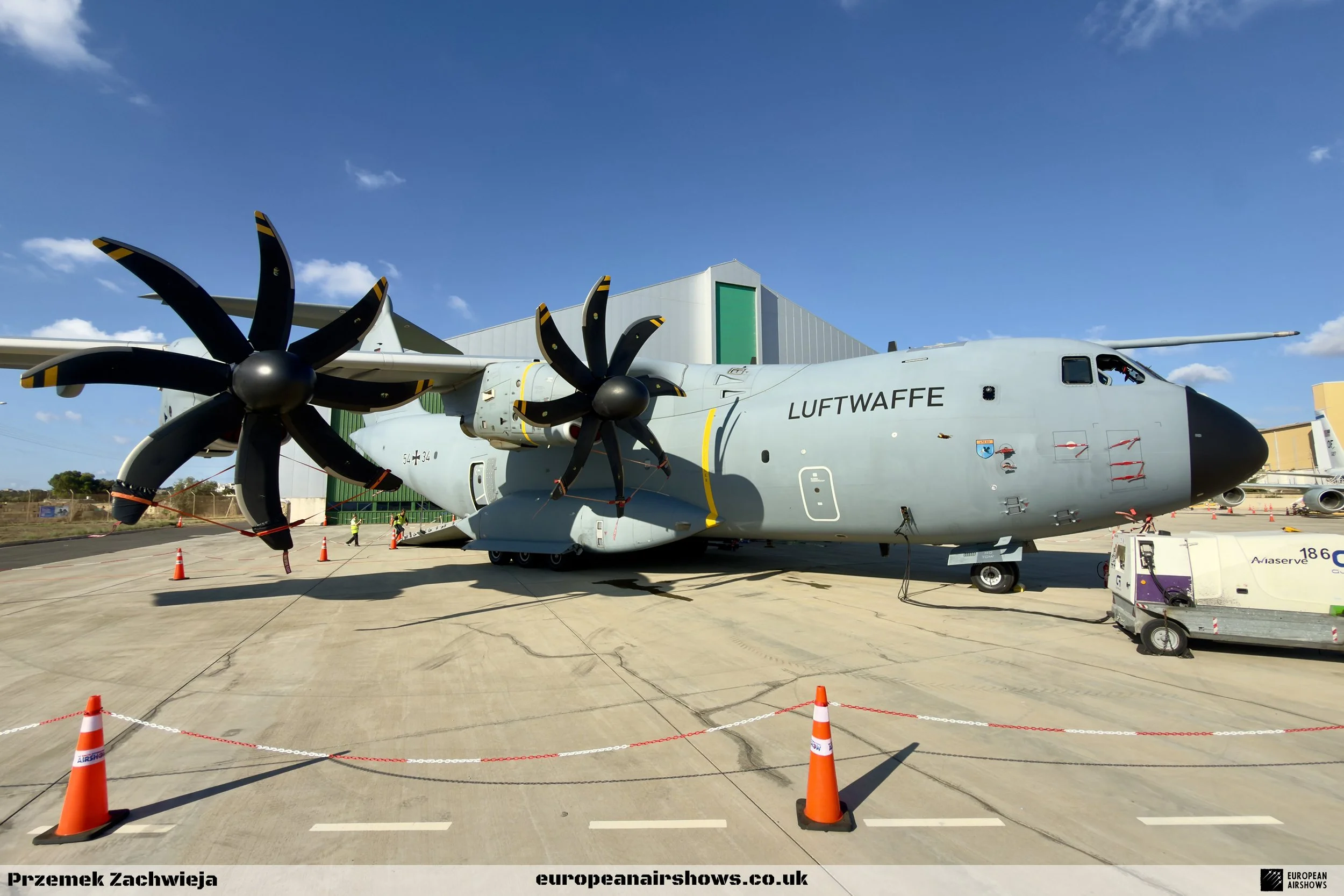
Despite these withdrawals, the static park still offered plenty of gems for the connoisseur. Heavy lift capability was well represented by the Austrian Air Force C-130K Hercules, marking a welcome return to Maltese soil after a 25-year hiatus, alongside a German Air Force A400M Atlas. The Luftwaffe crew were exemplary hosts, opening the cargo hold to the public and establishing a hospitality zone featuring squadron memorabilia and German beer. Adding a splash of vibrancy to the tarmac was the Irish Air Corps PC-12NG Spectre, sporting a handsome centenary livery that rightfully garnered significant attention throughout the weekend.
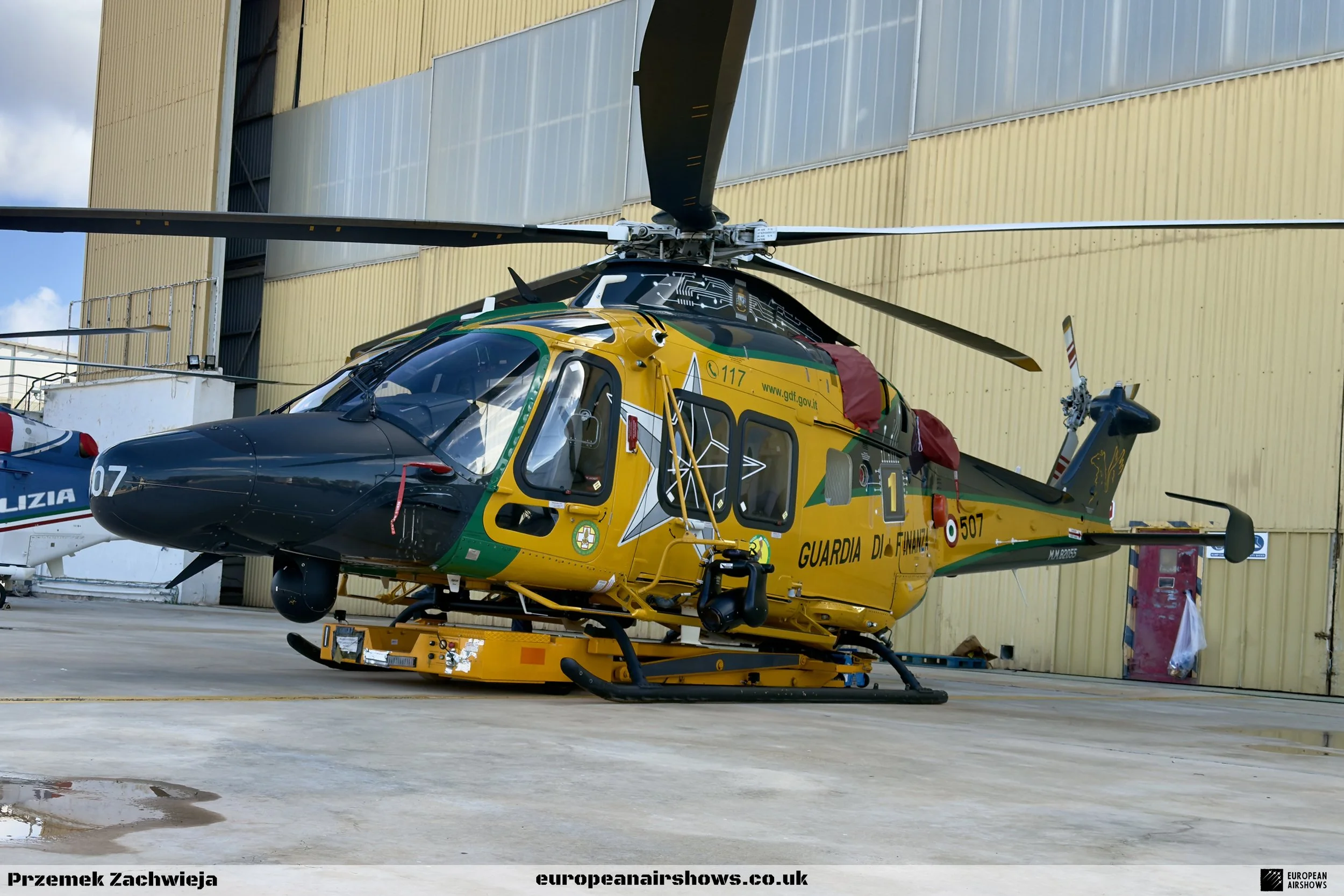
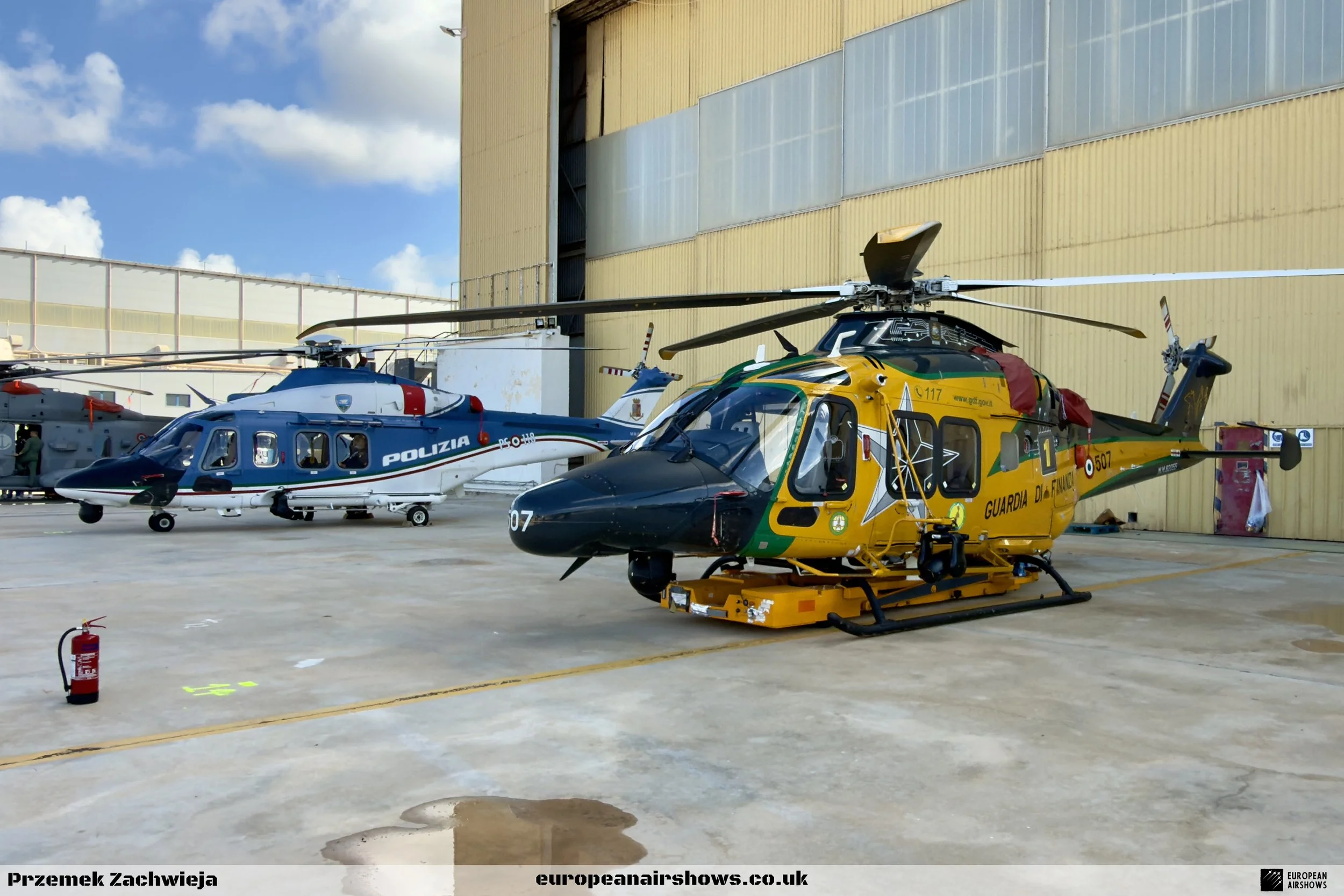
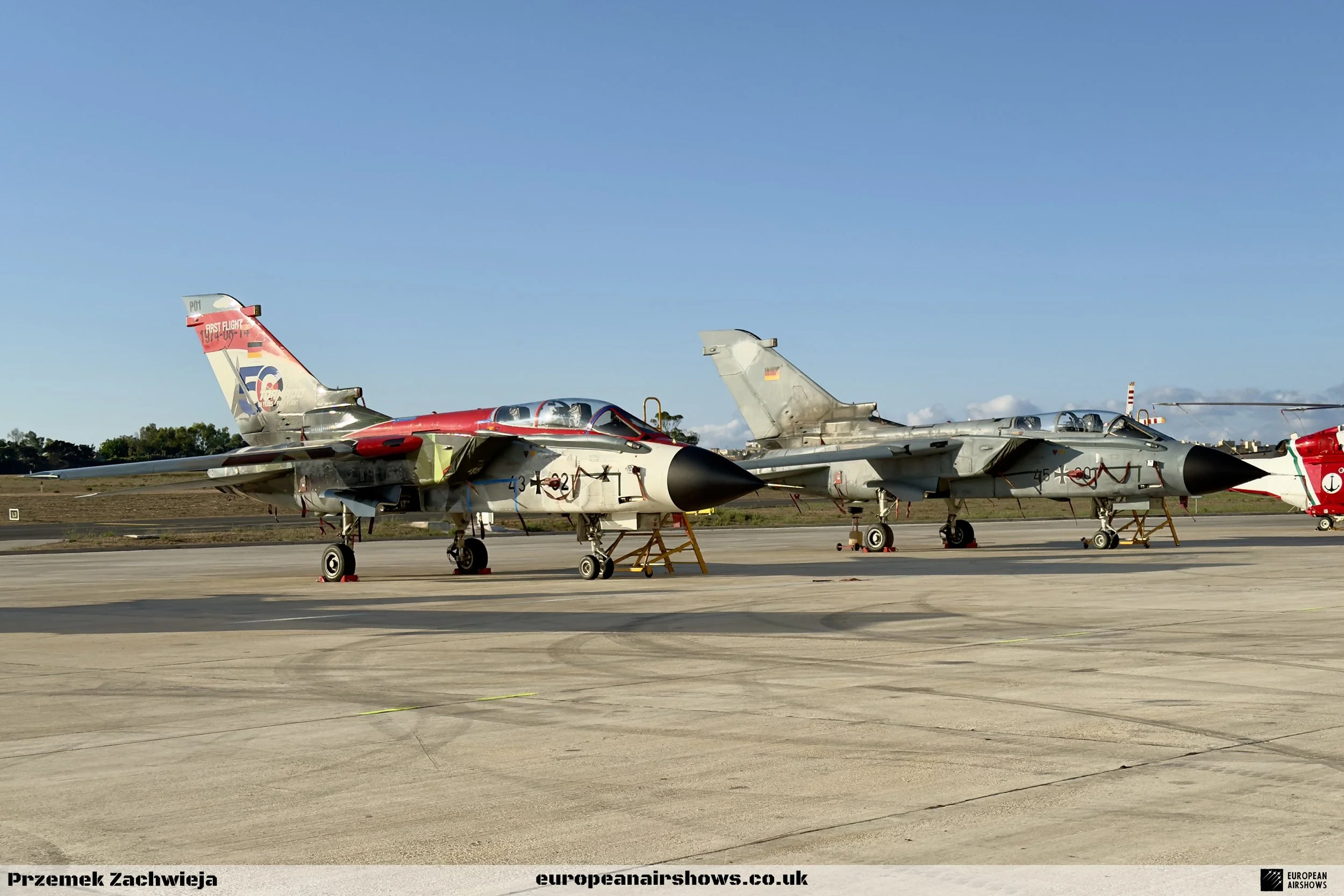
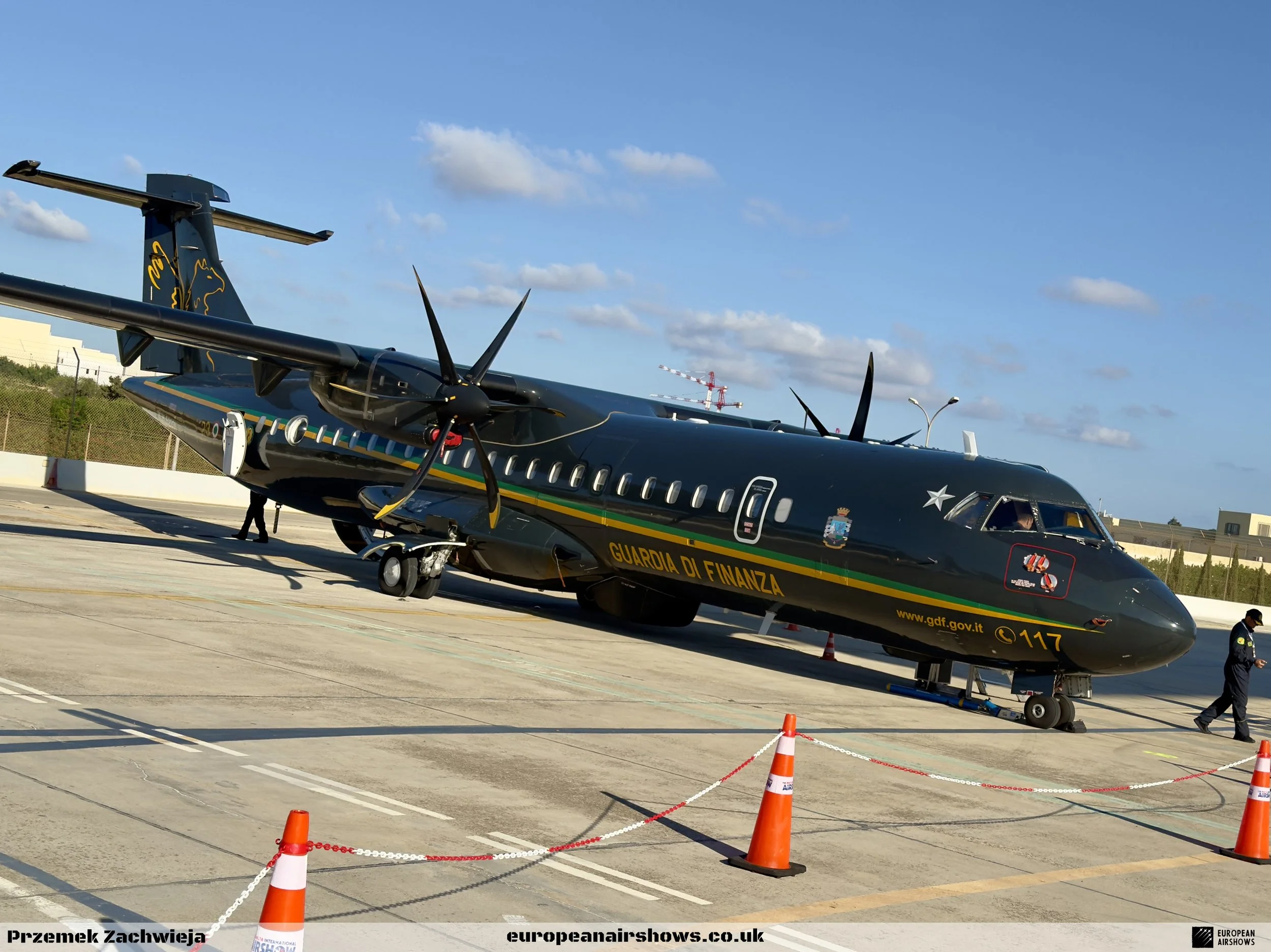
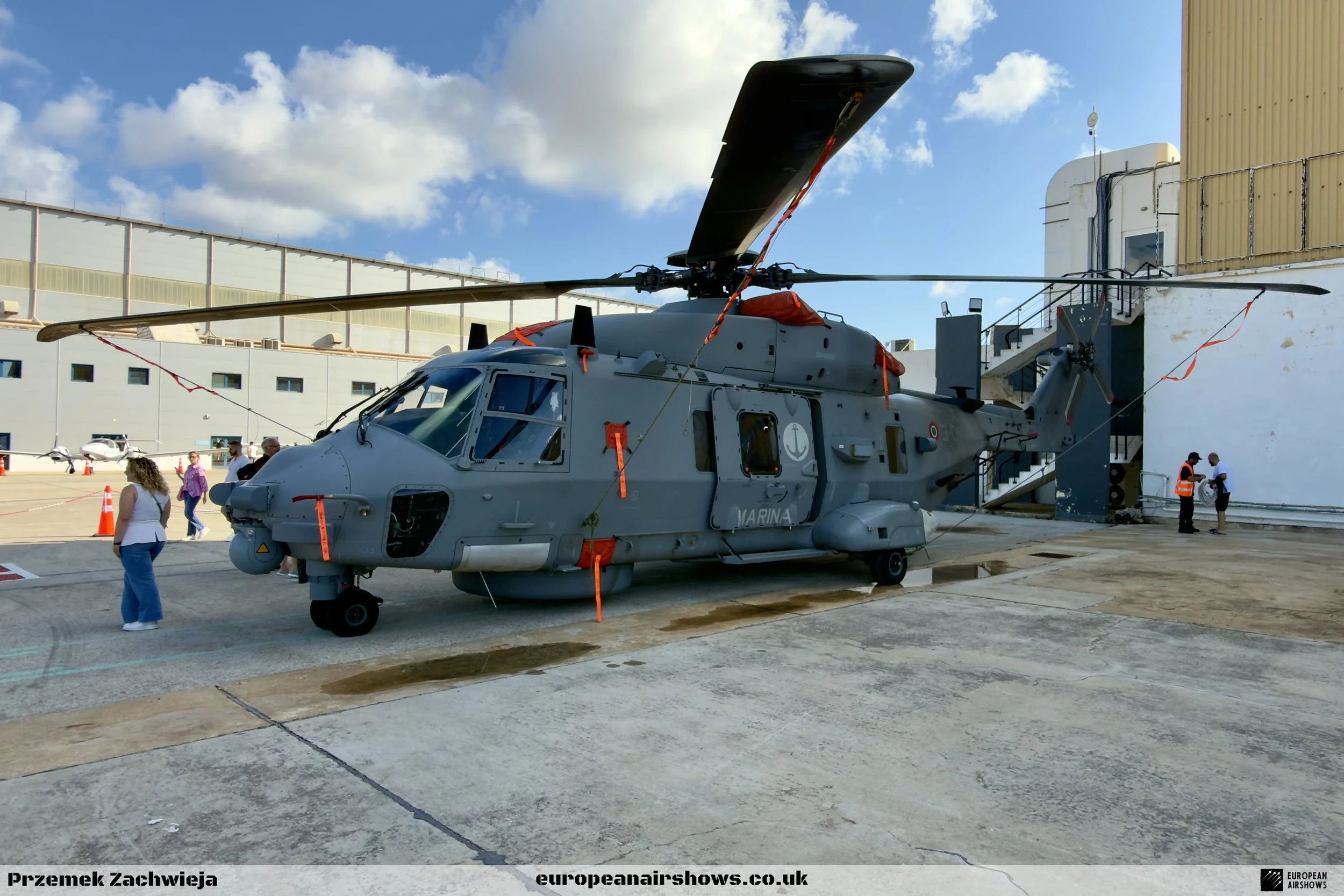
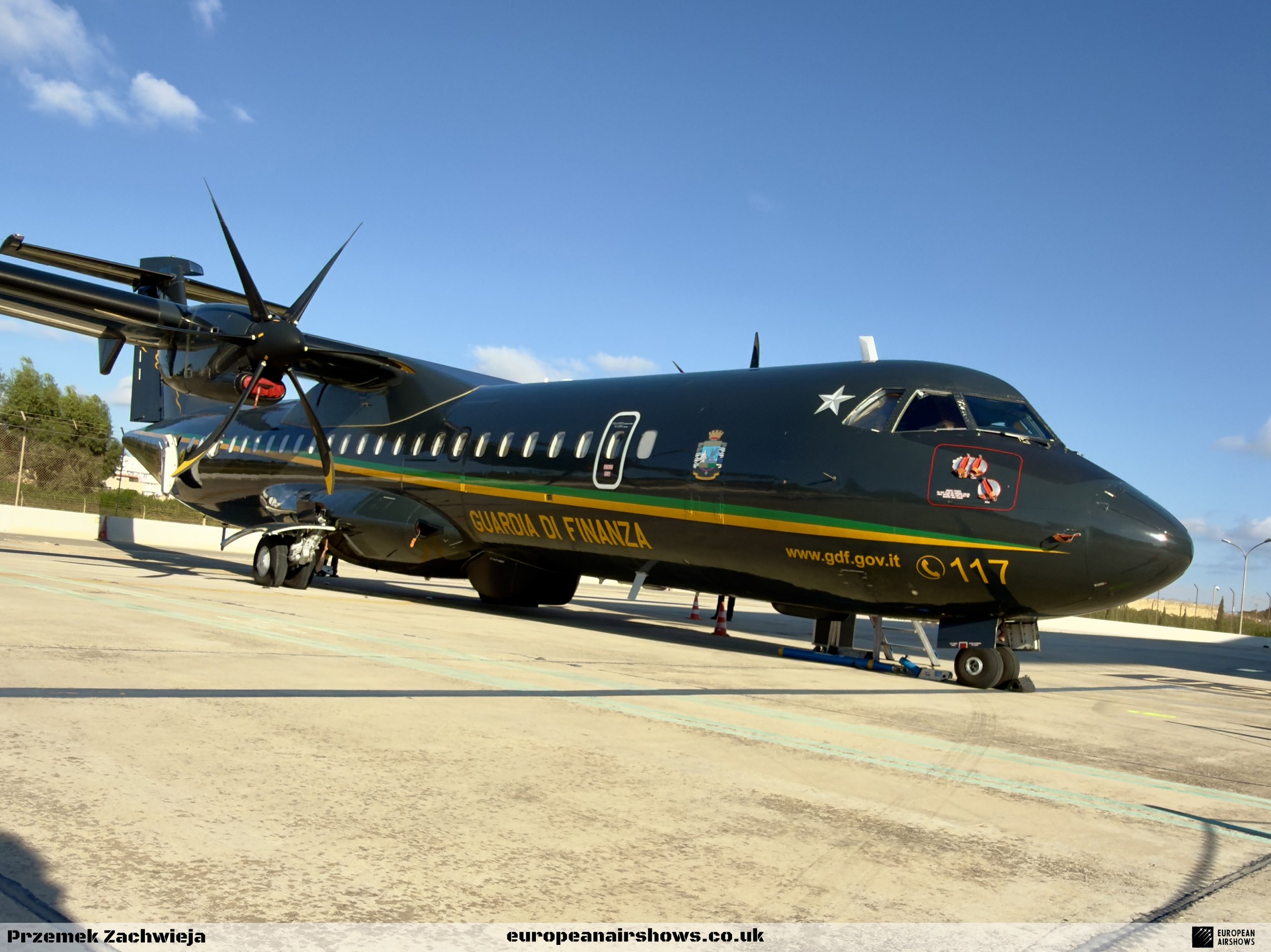
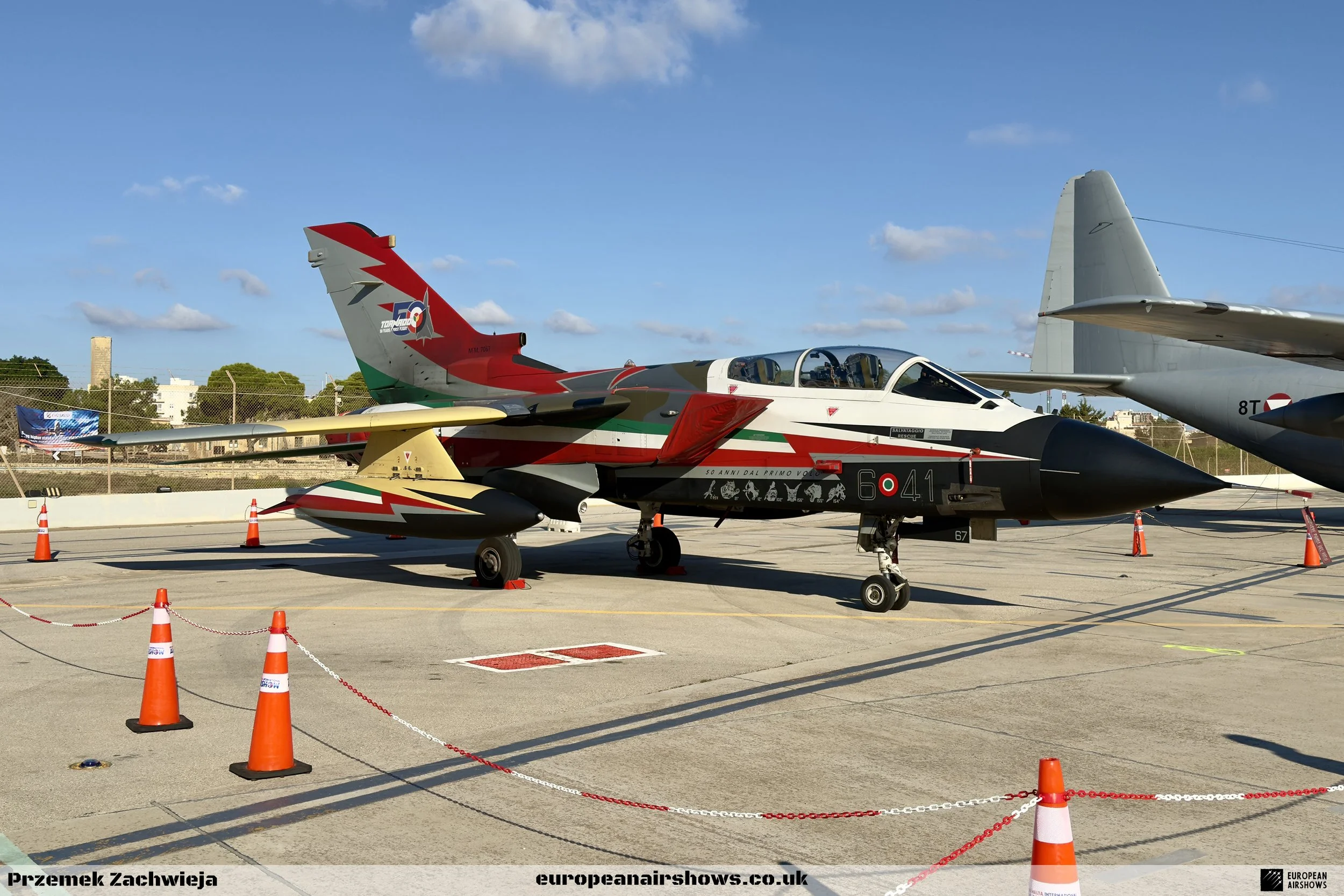
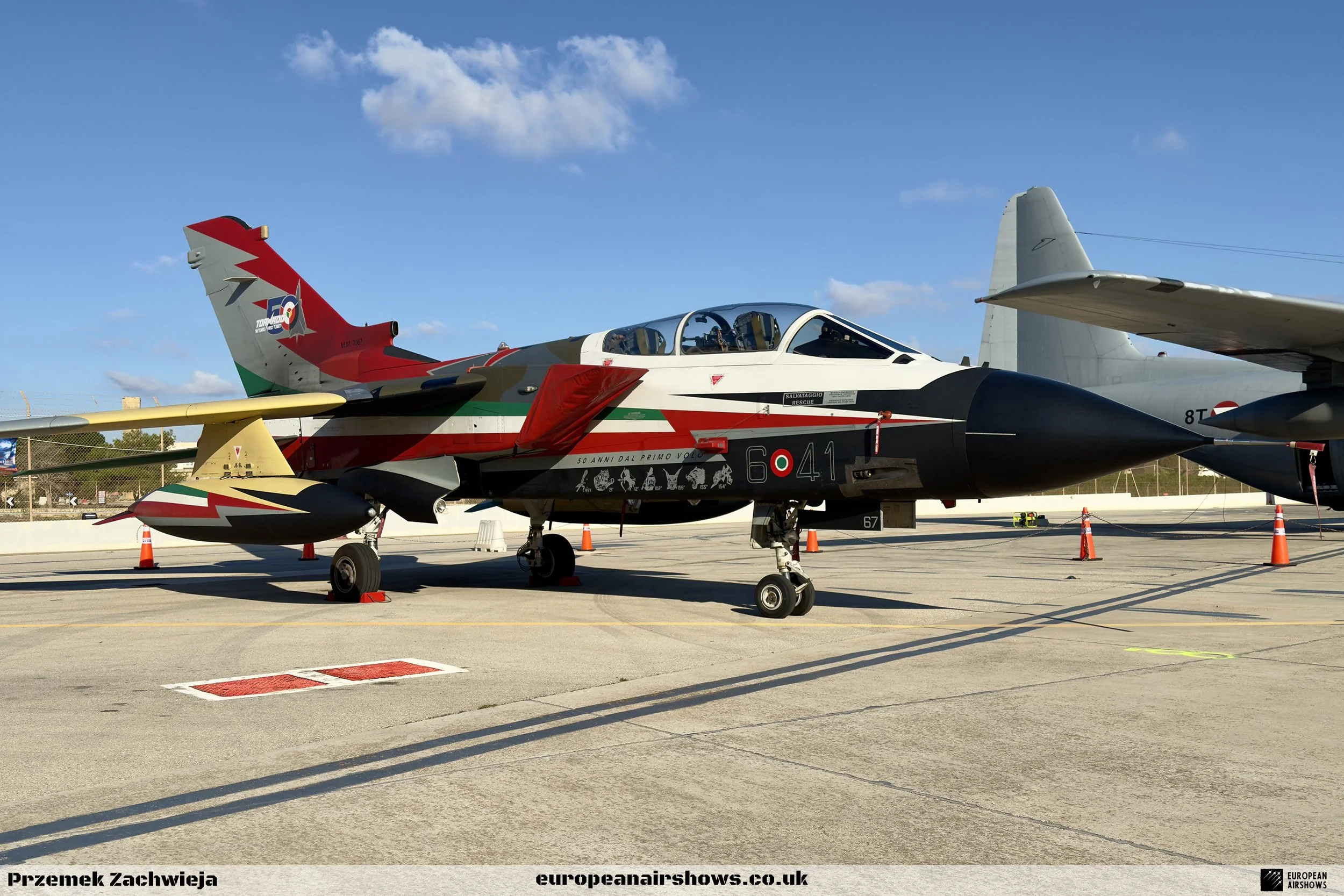
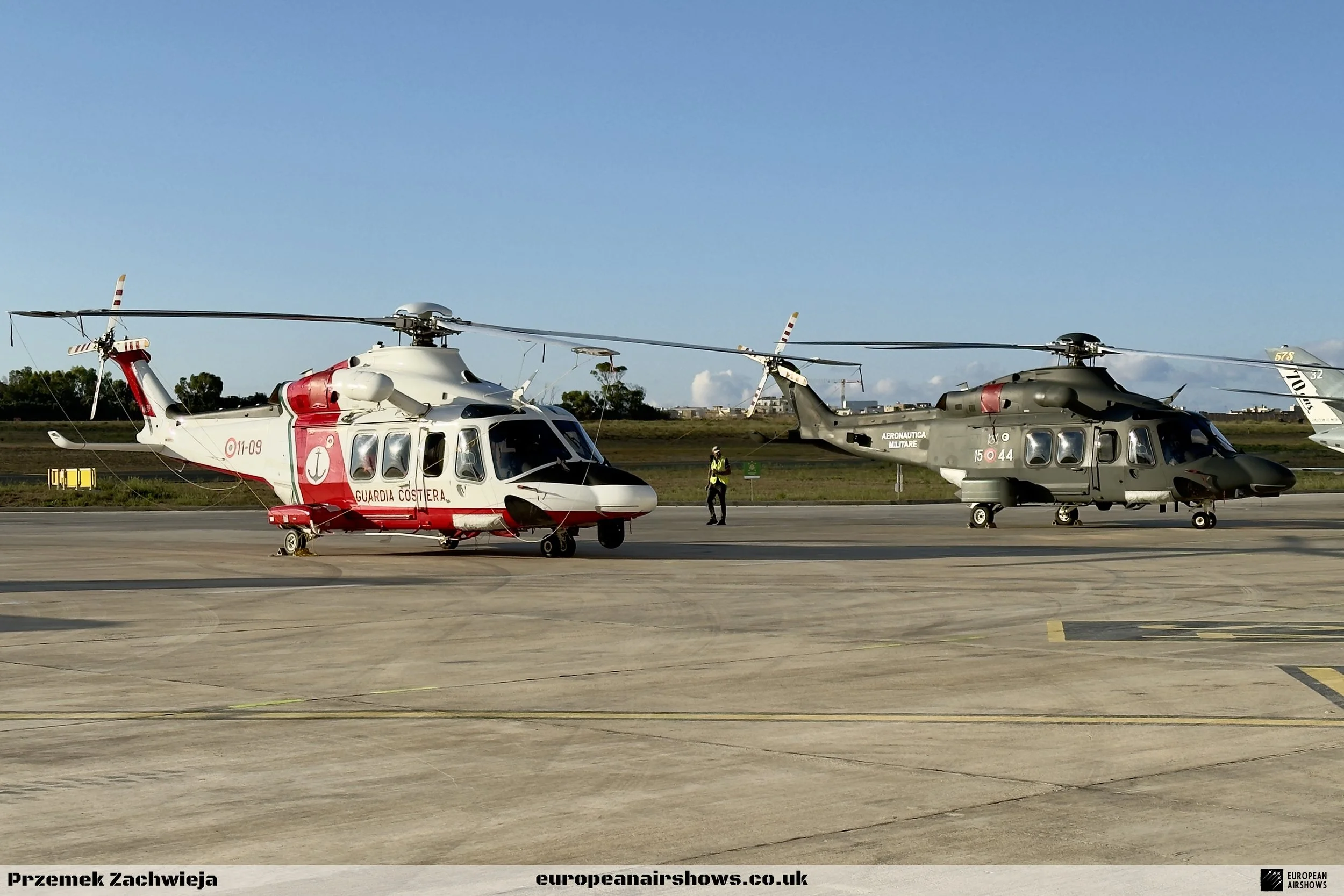
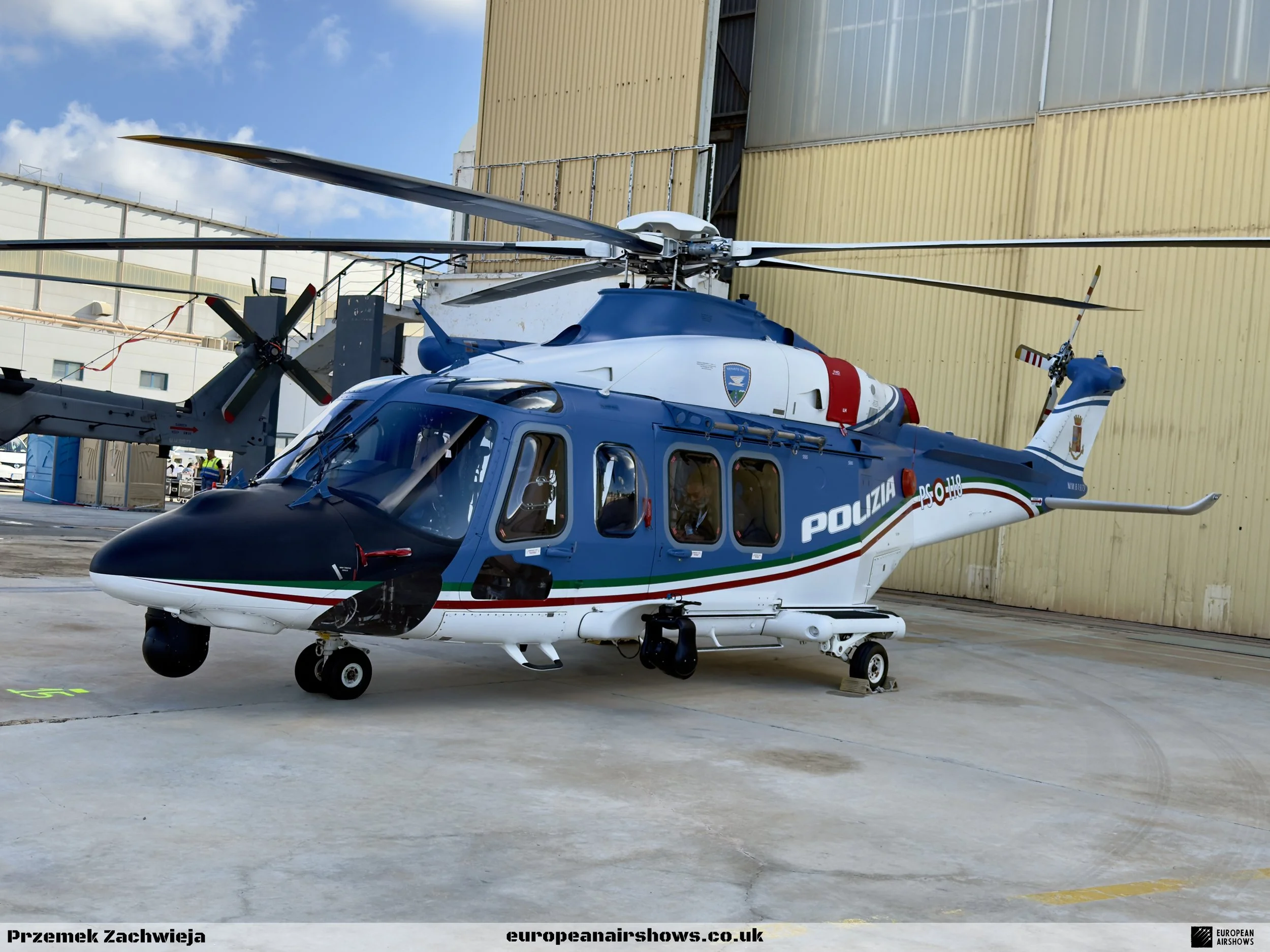
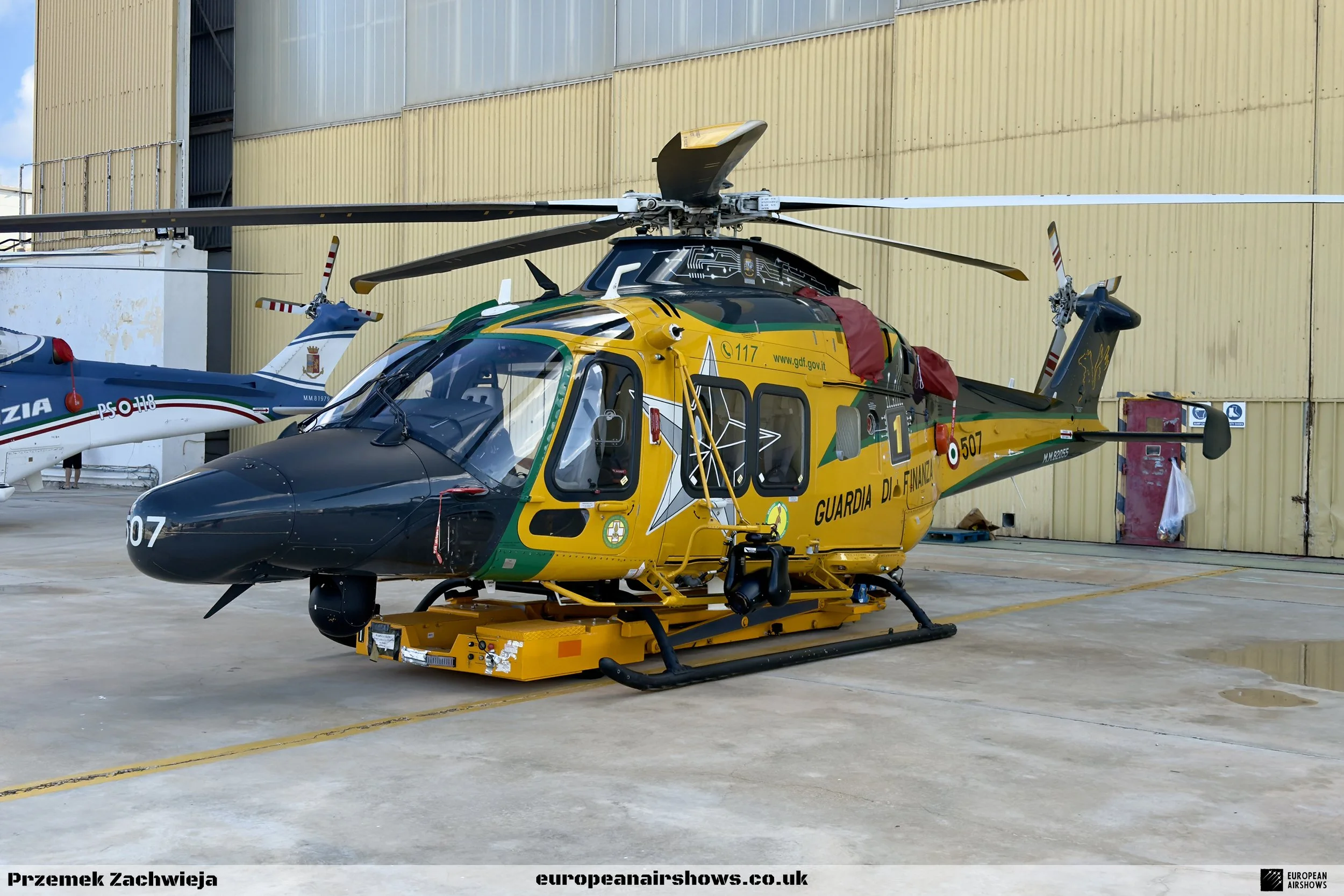
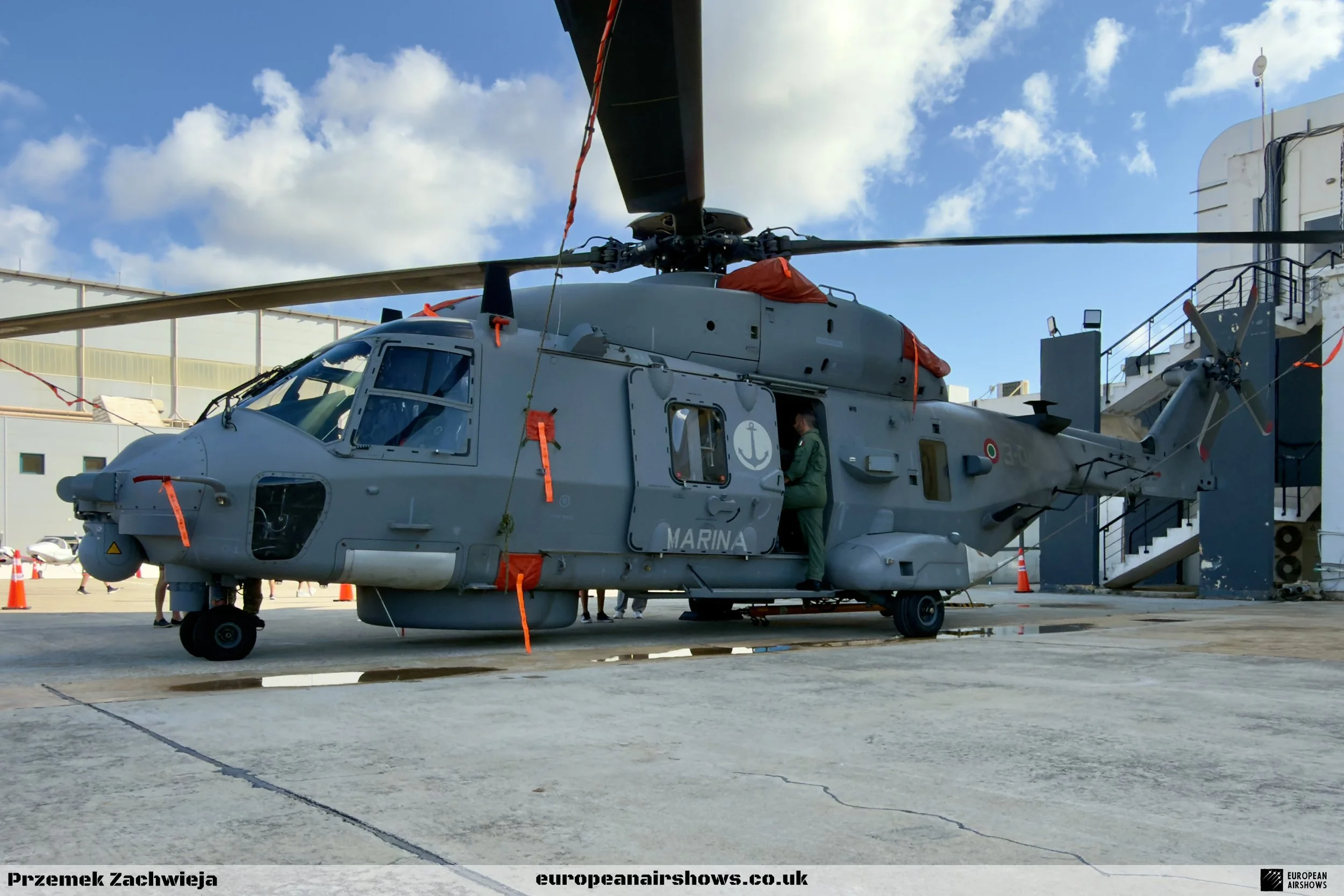
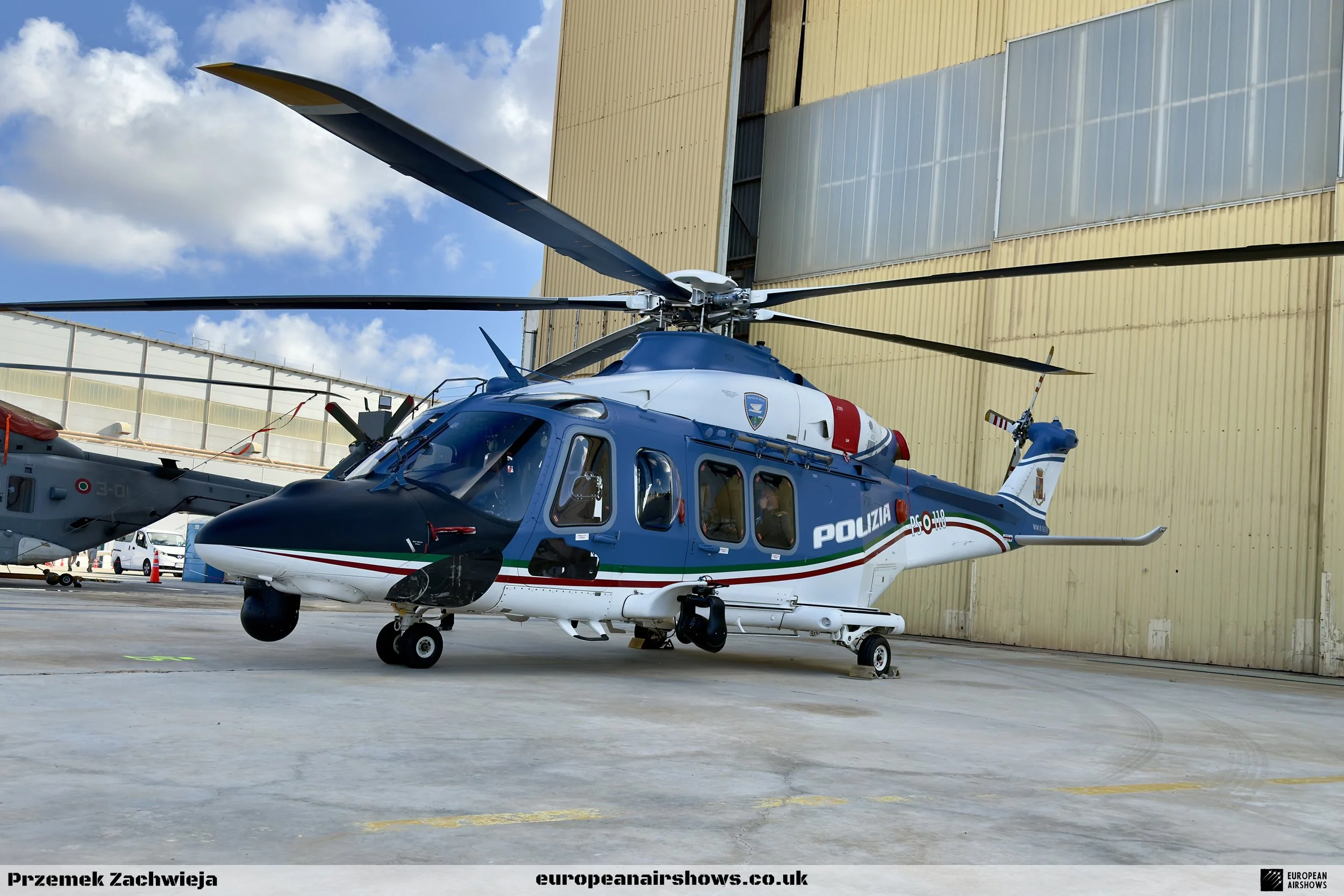
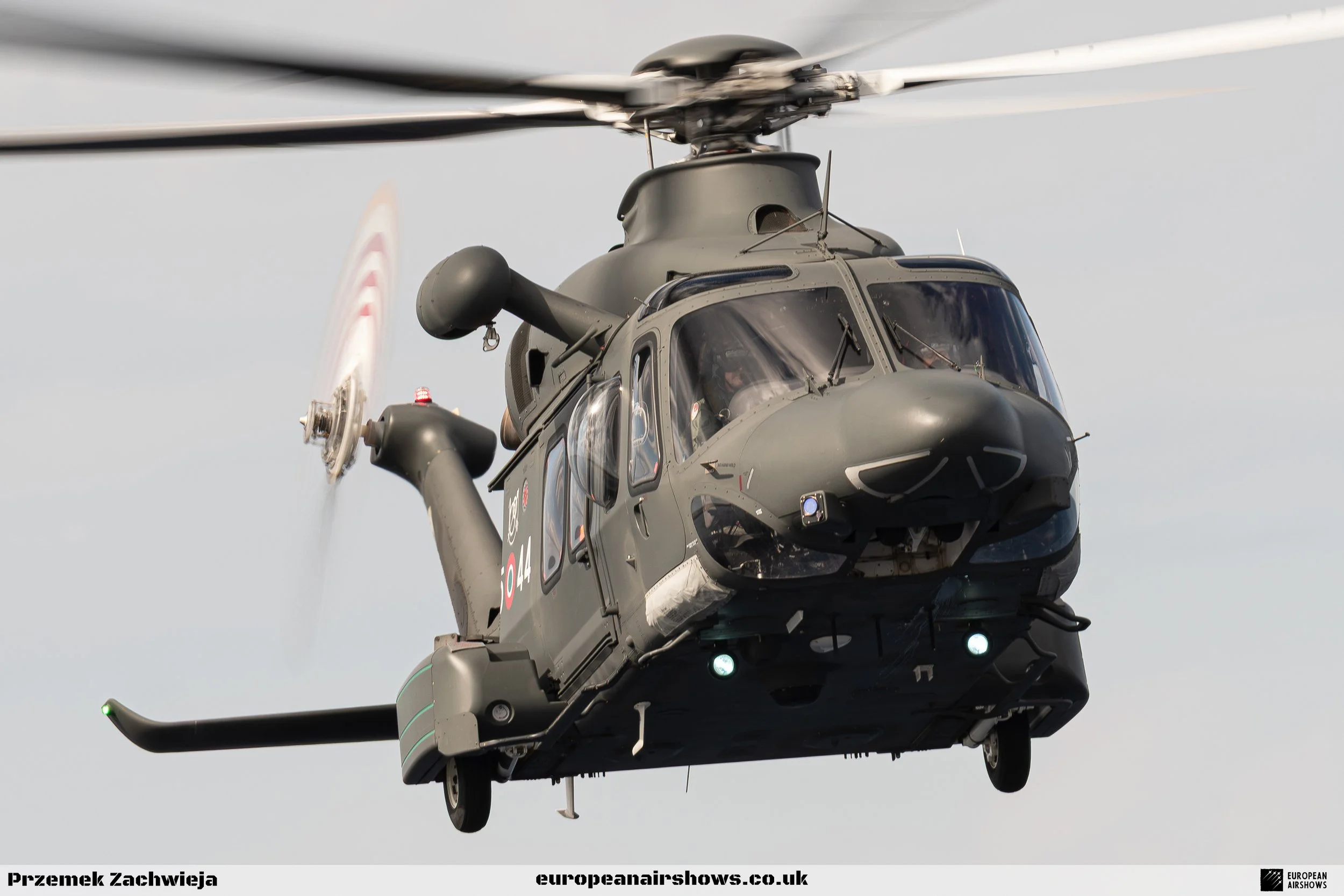
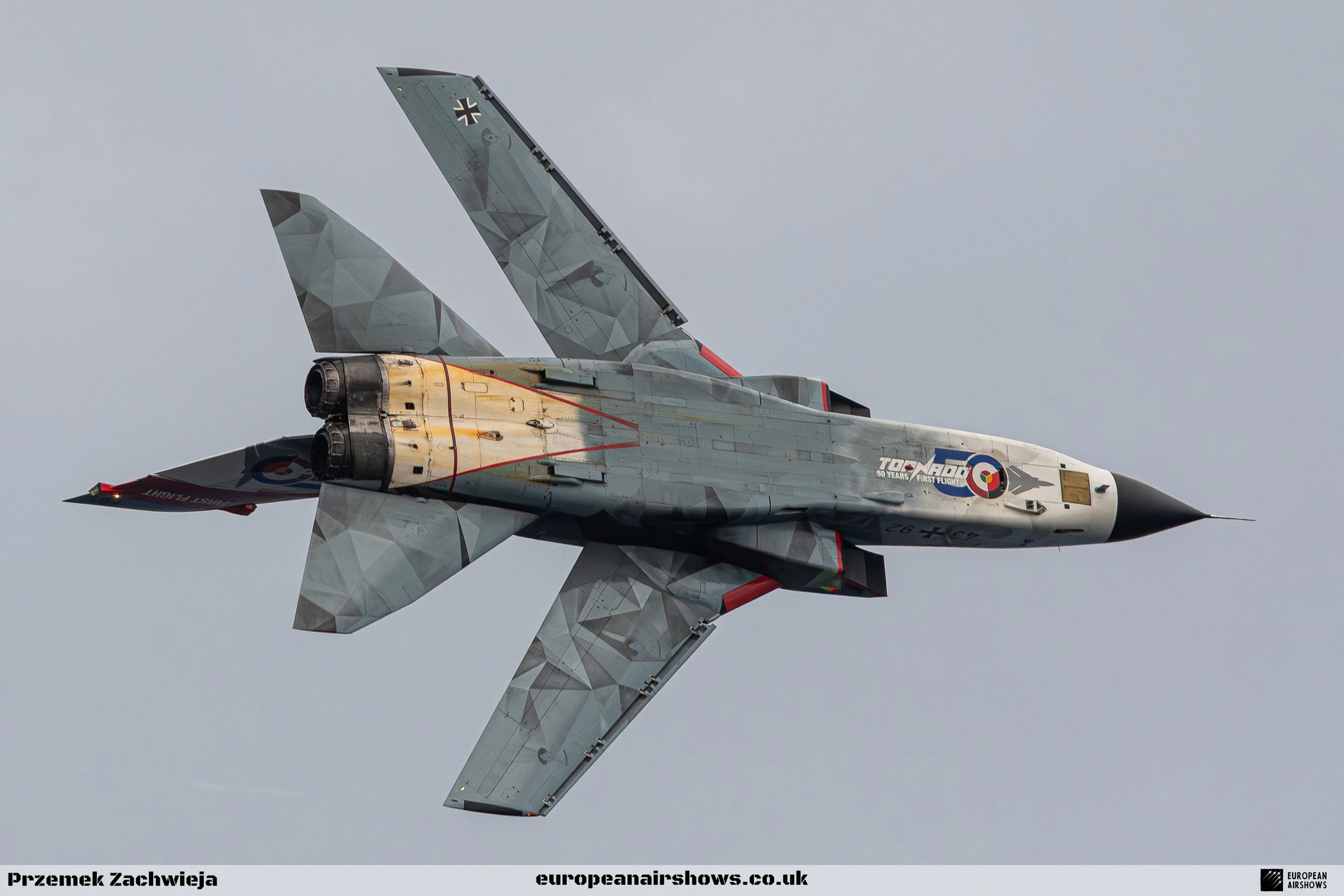
As is tradition, the Italian Armed Forces provided a robust contribution to the static line-up. The undisputed star was a Panavia Tornado IDS from 6° Stormo, resplendent in a striking special scheme commemorating the Tornado’s 50th anniversary. The Guardia di Finanza showcased their modern fleet with both a Leonardo MH-169M helicopter and a P-72B Maritime Patrol Aircraft, while the Polizia di Stato contributed a Leonardo UH-139C. Rounding out the Italian contingent was a Marina Militare NHIndustries SH-90A, a type making only its second-ever appearance in Malta.
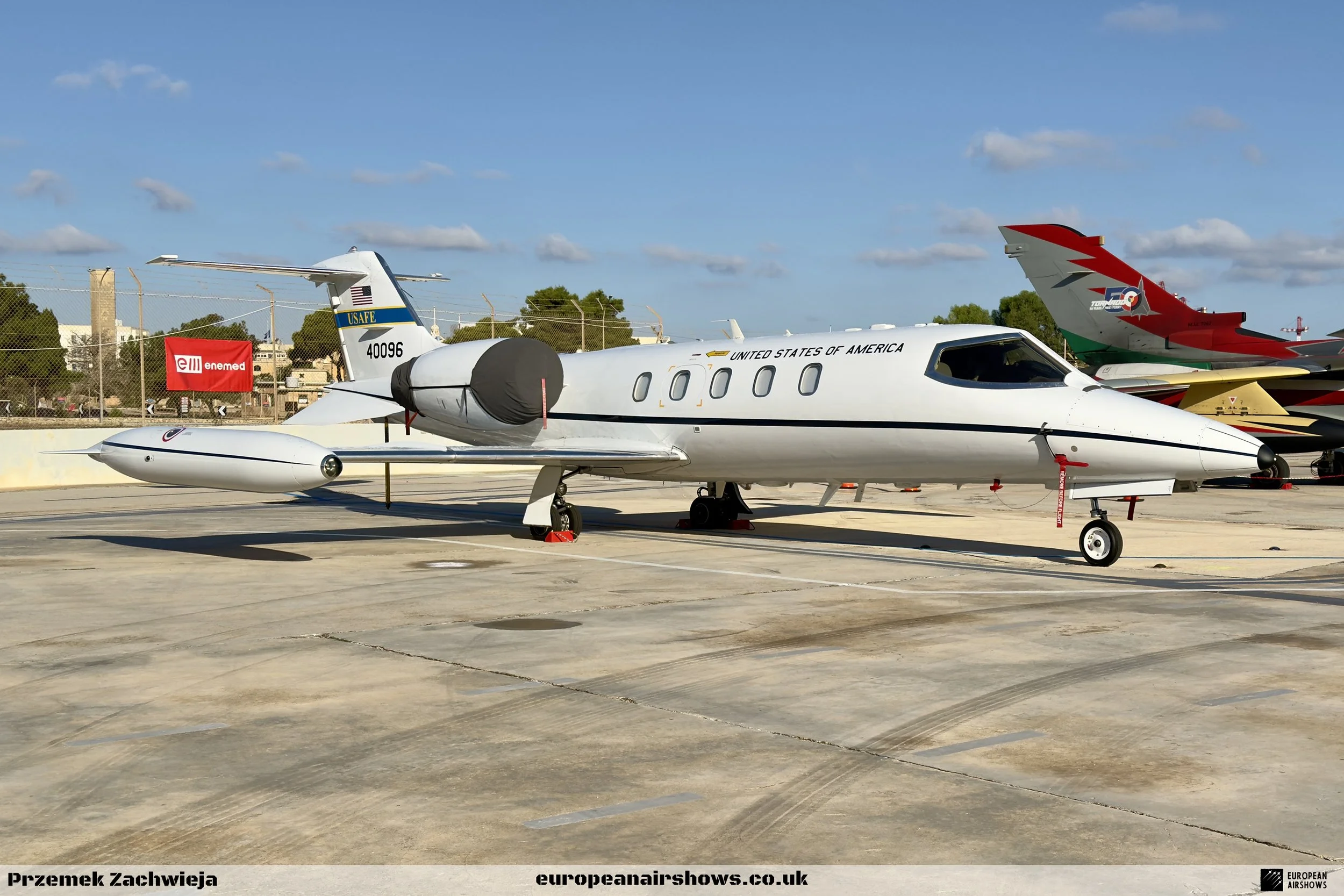
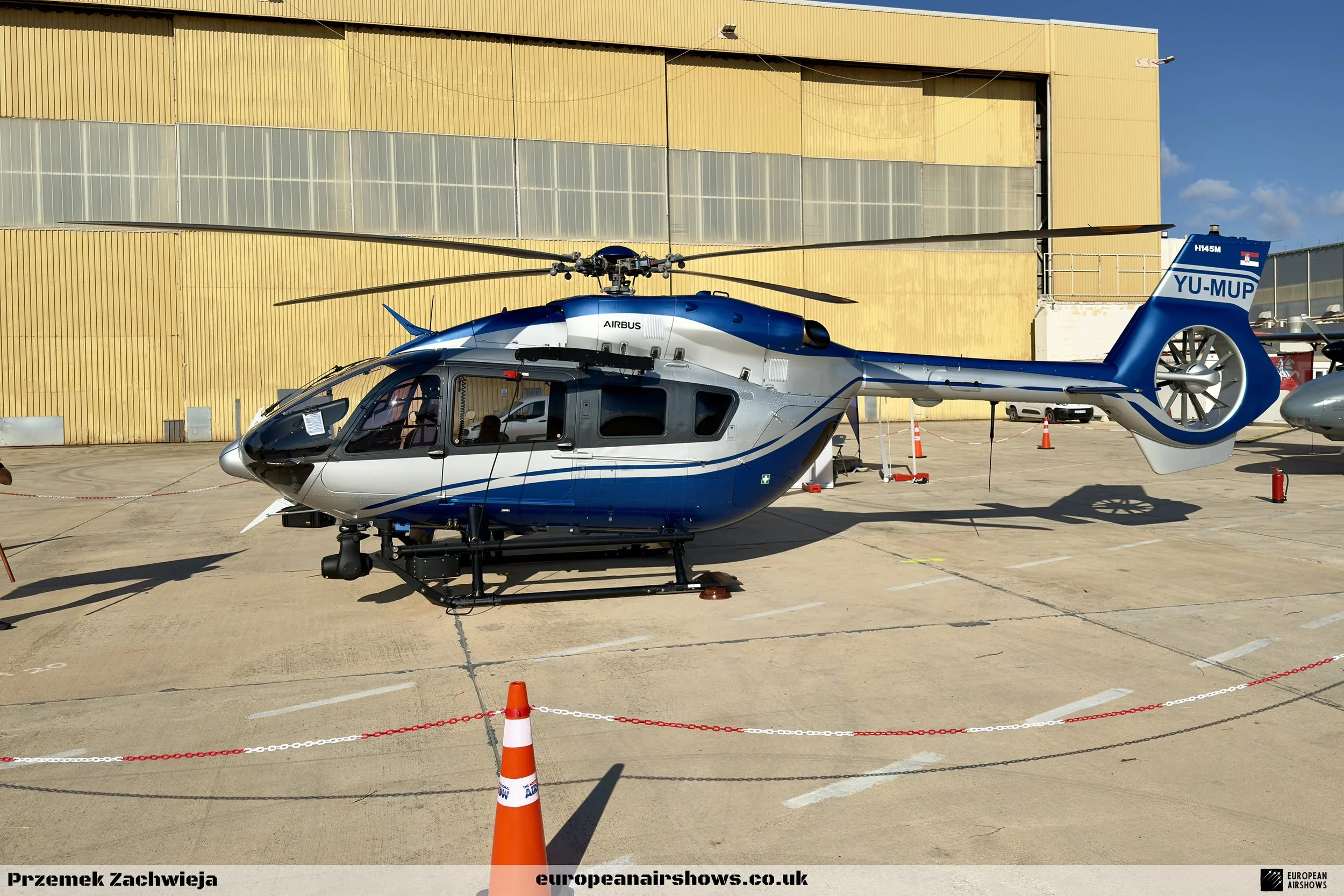
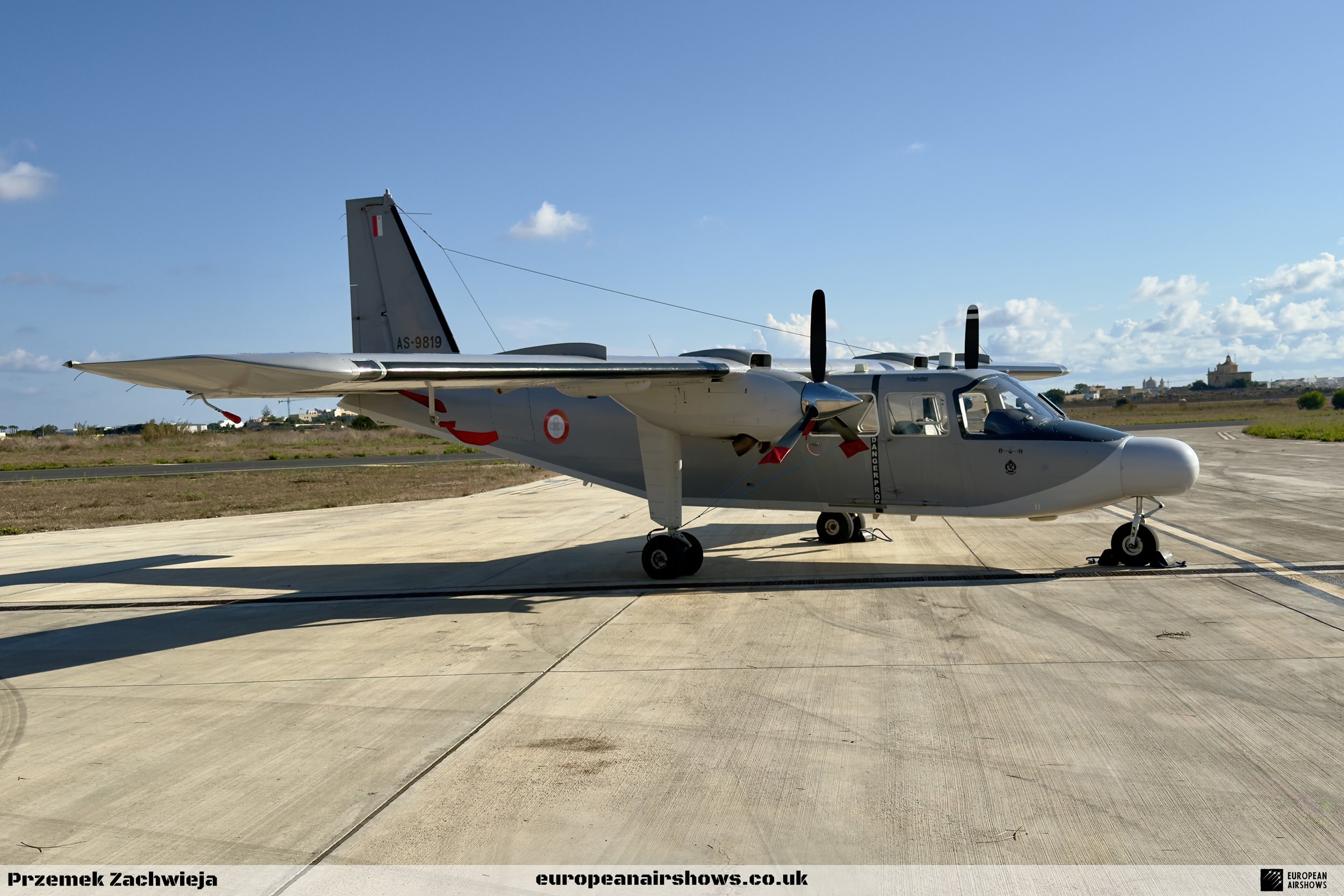
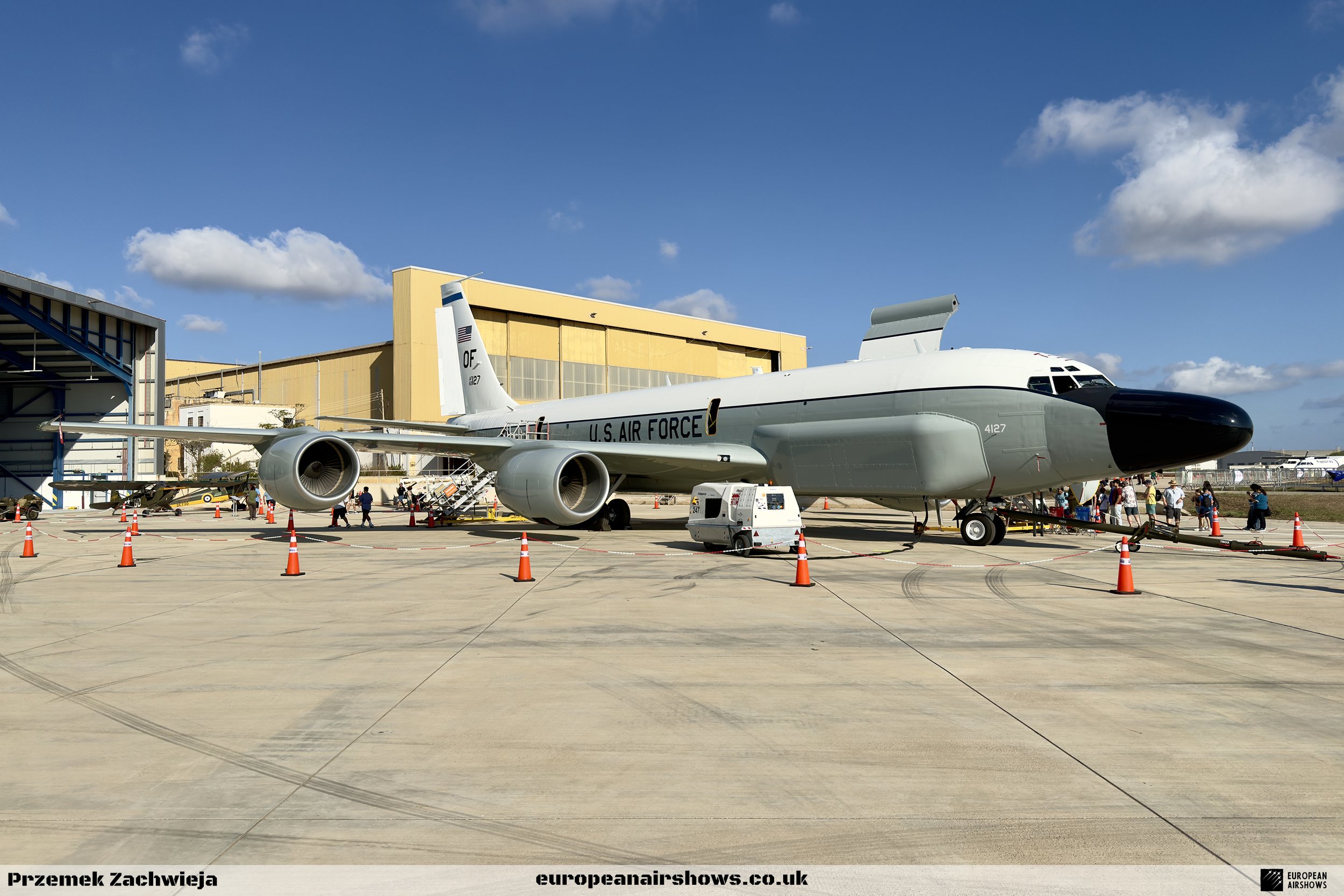
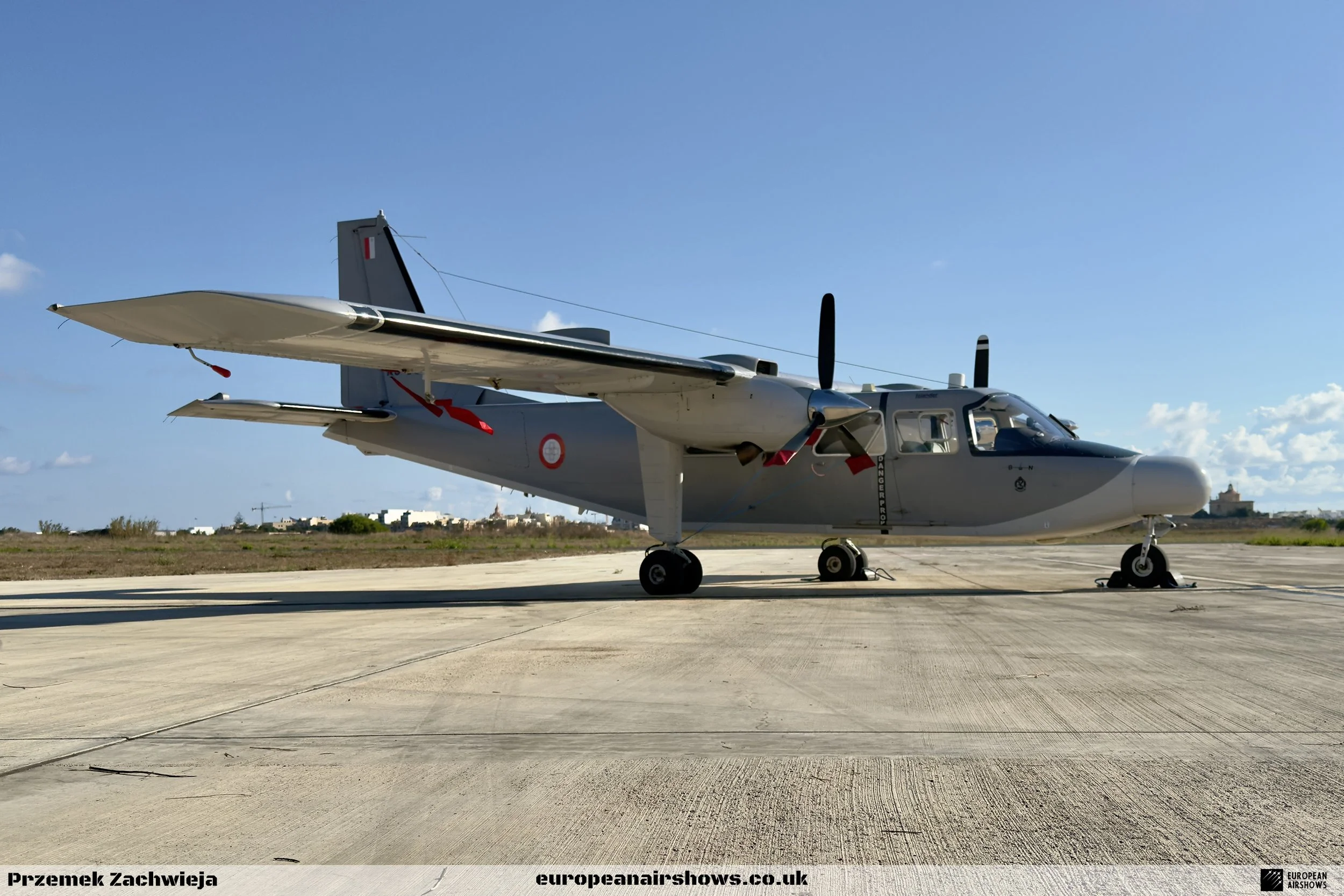
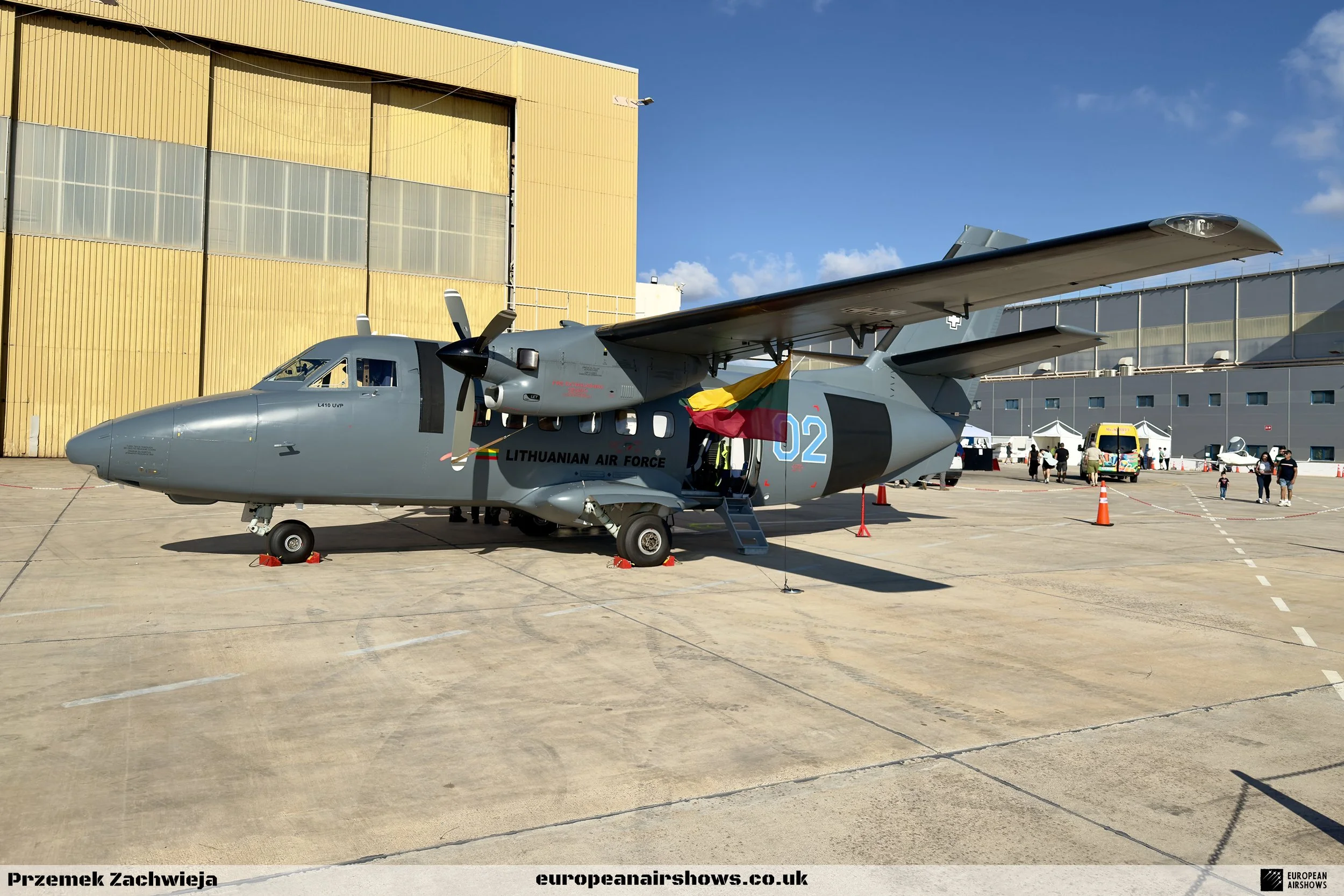
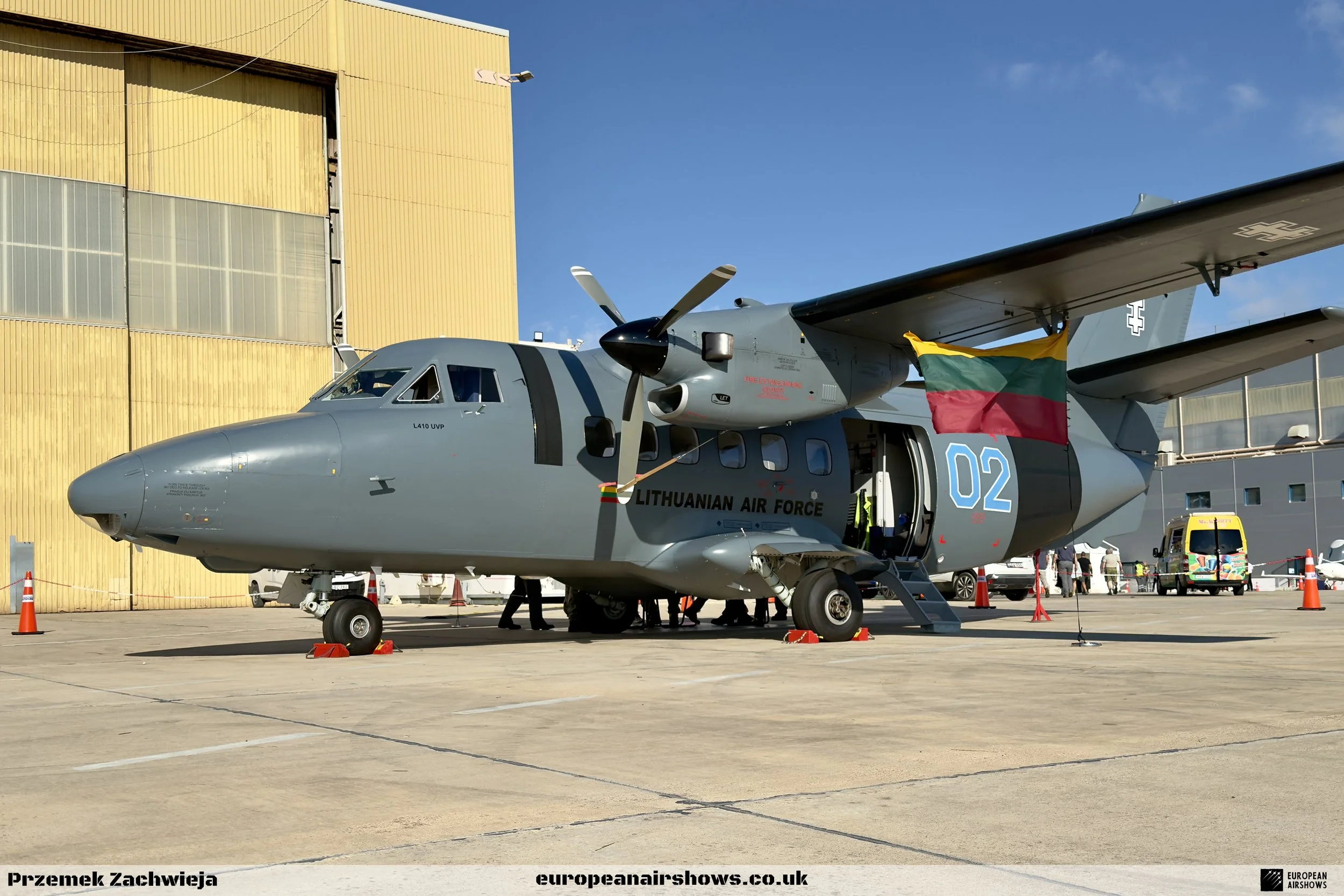
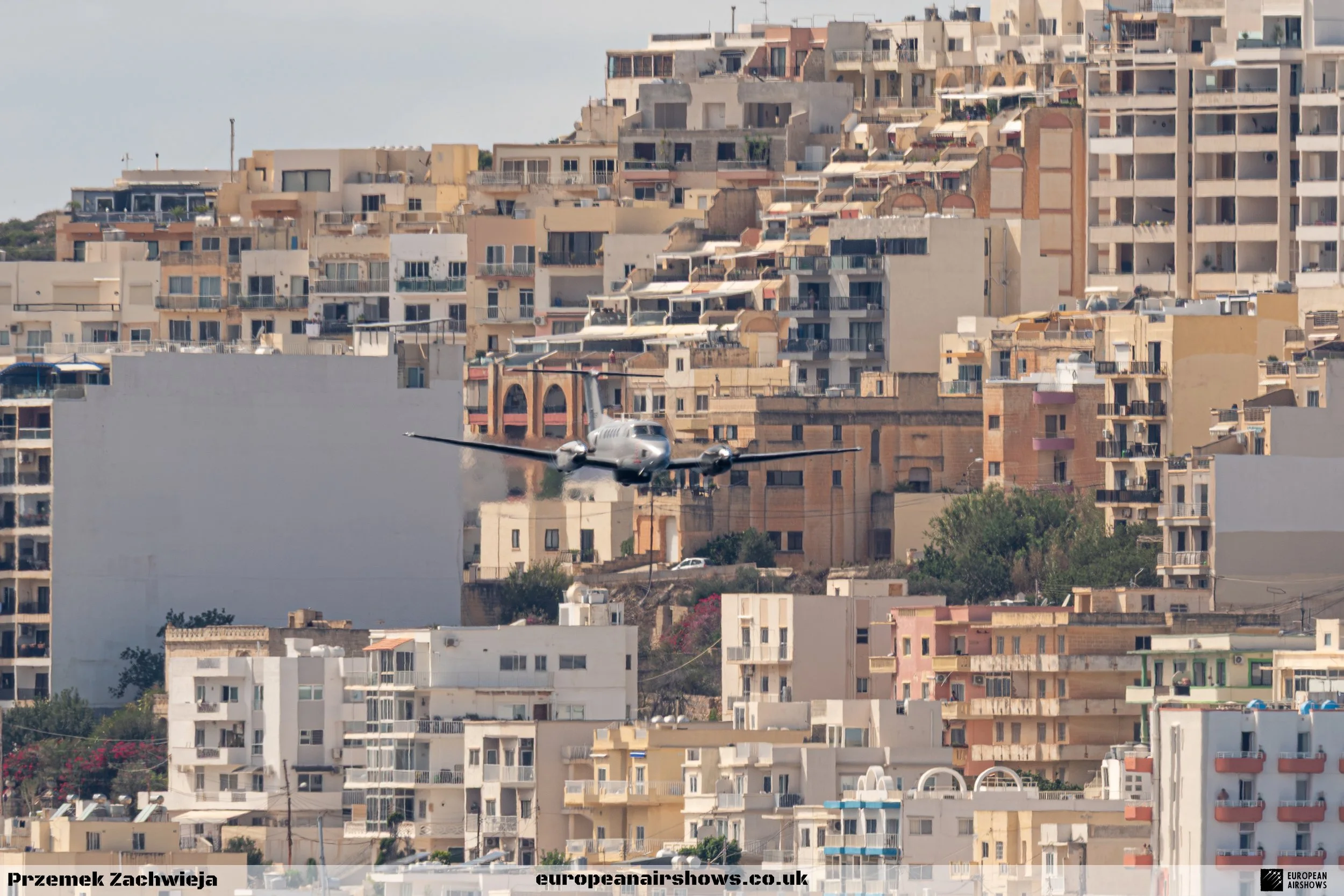
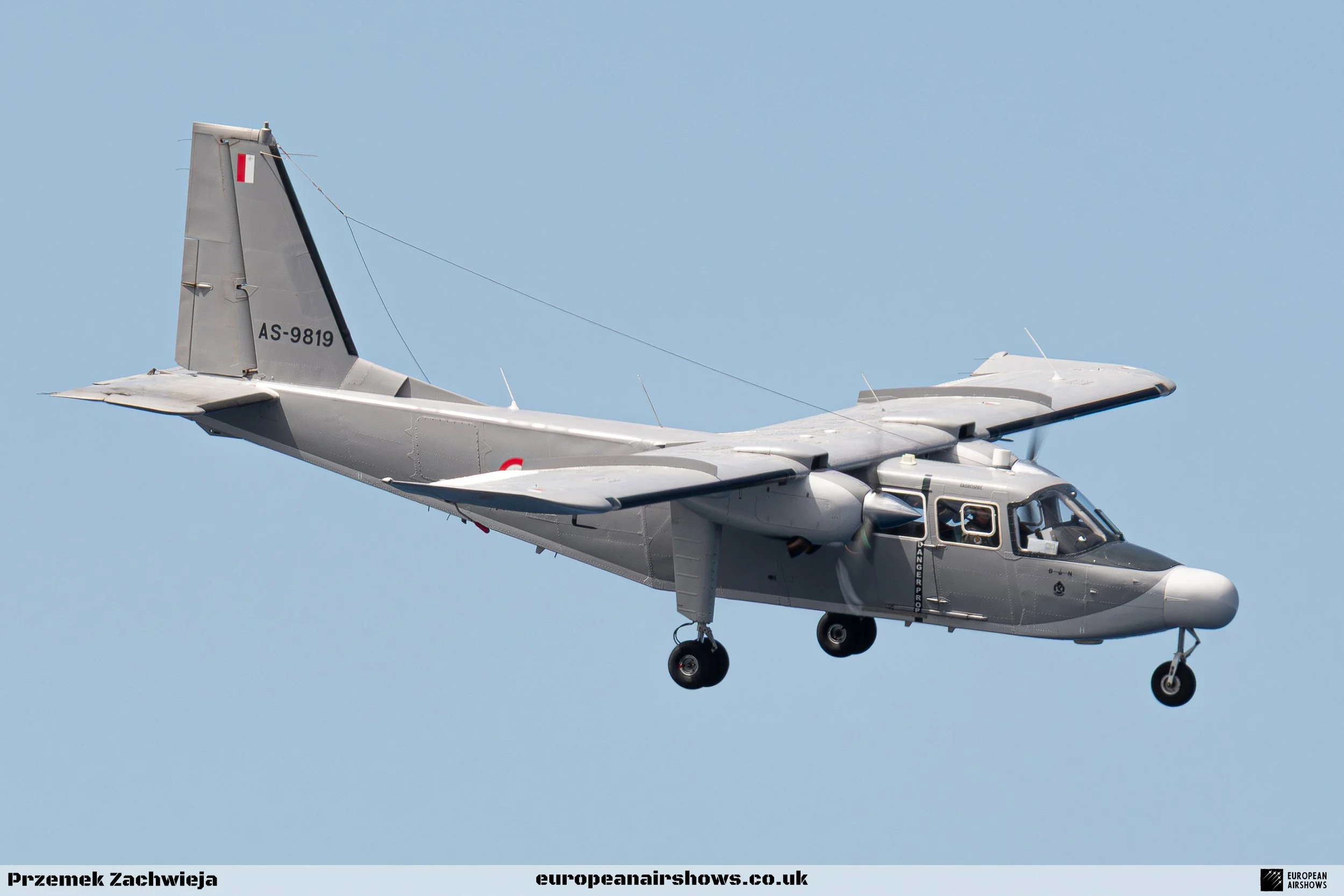
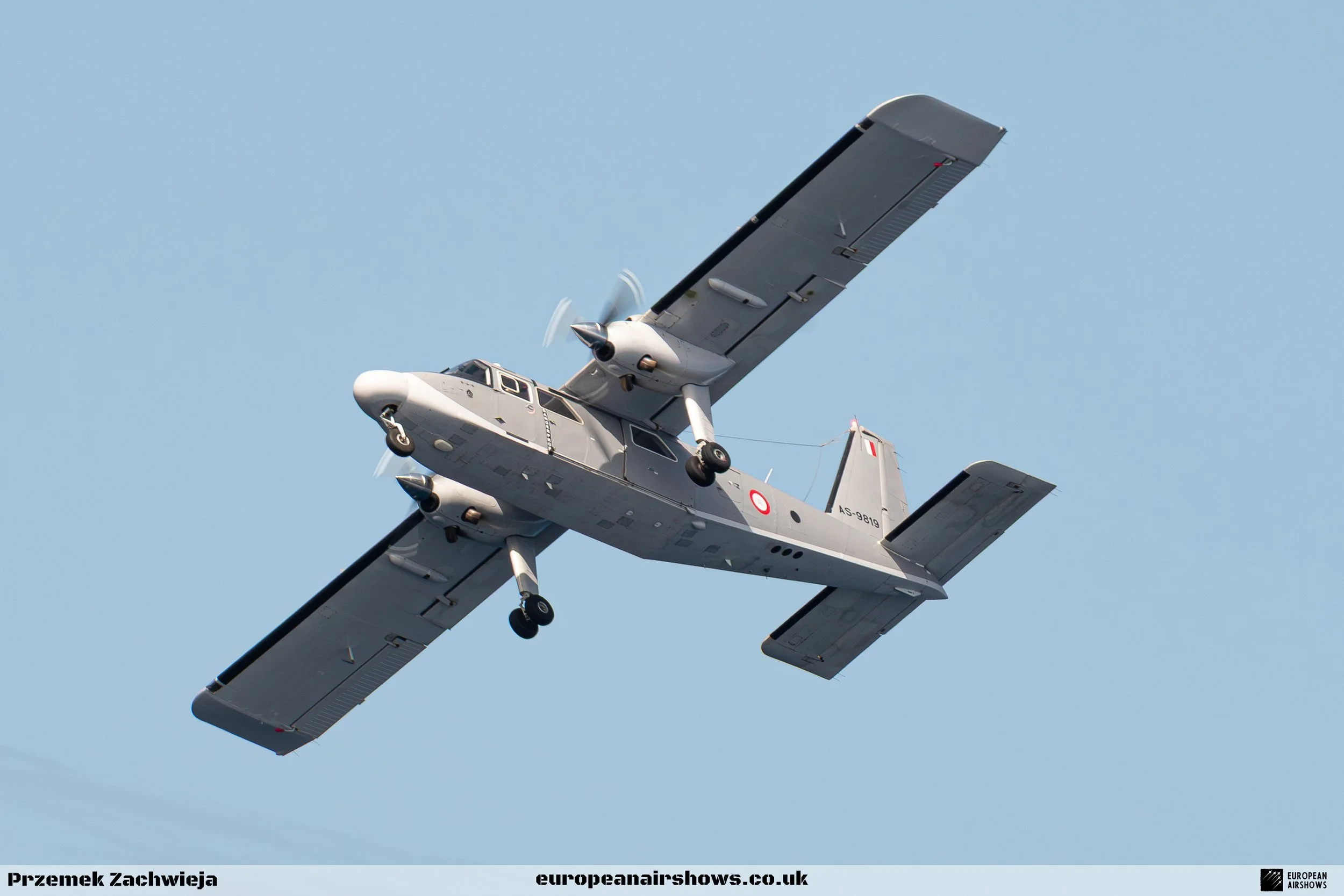
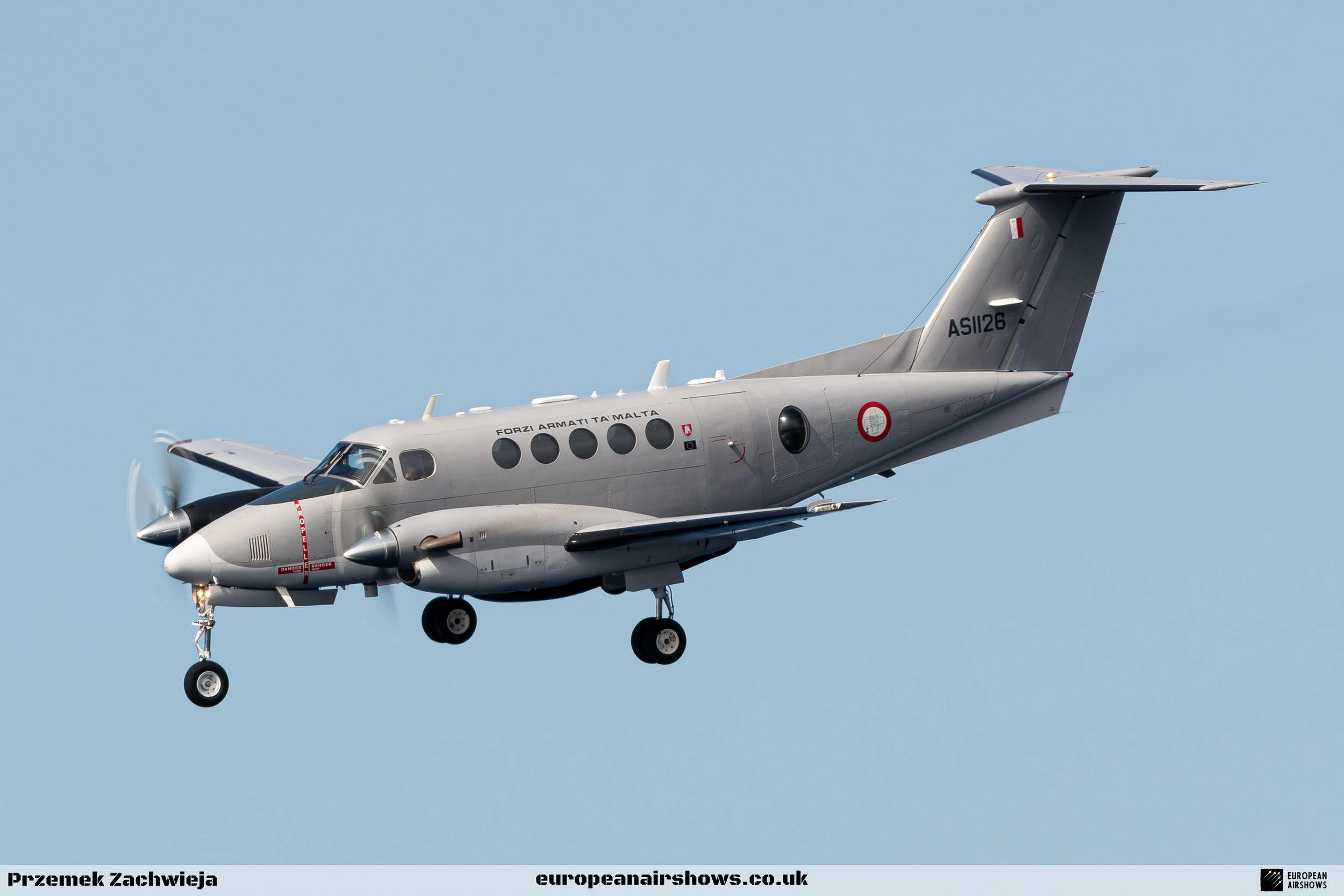
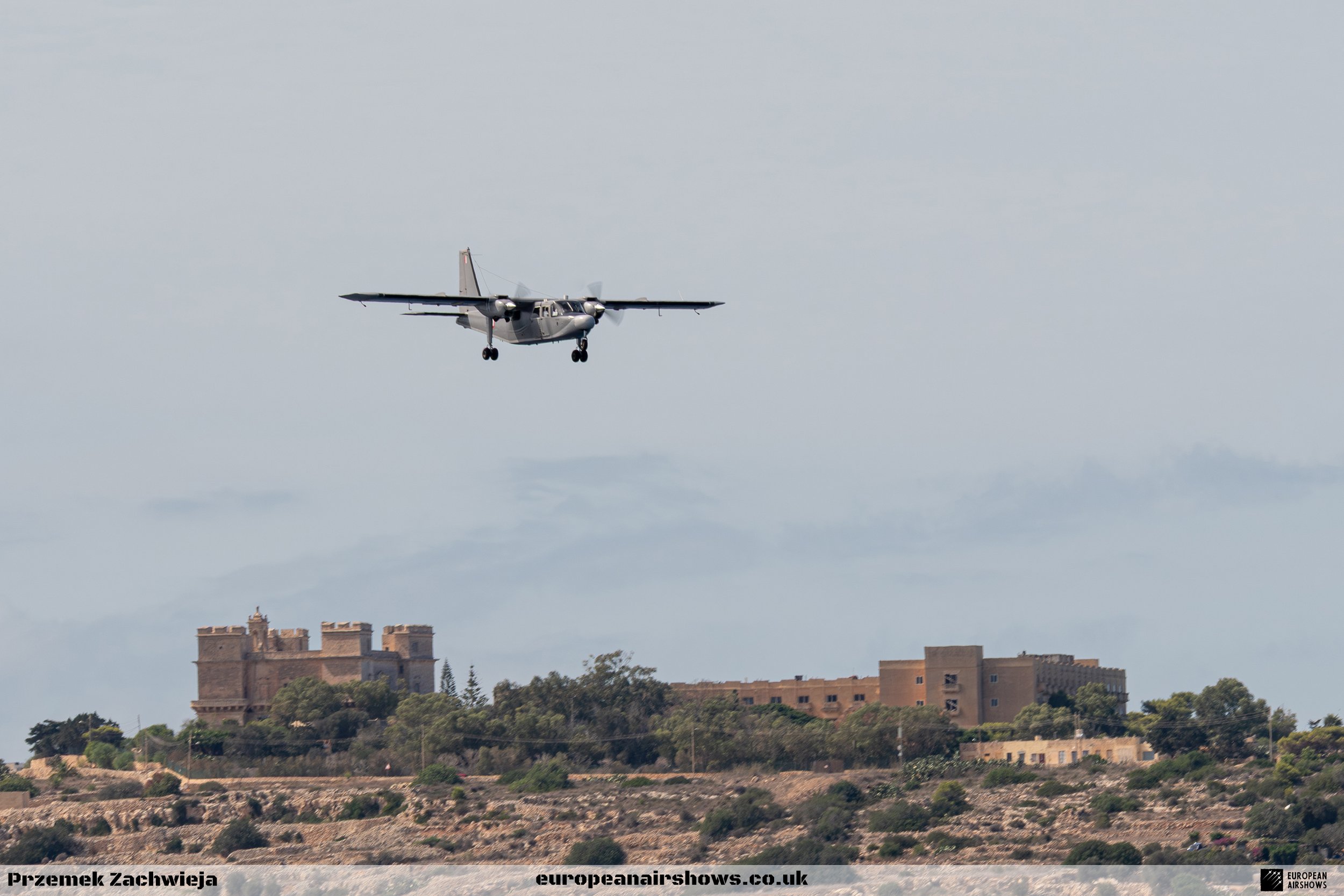
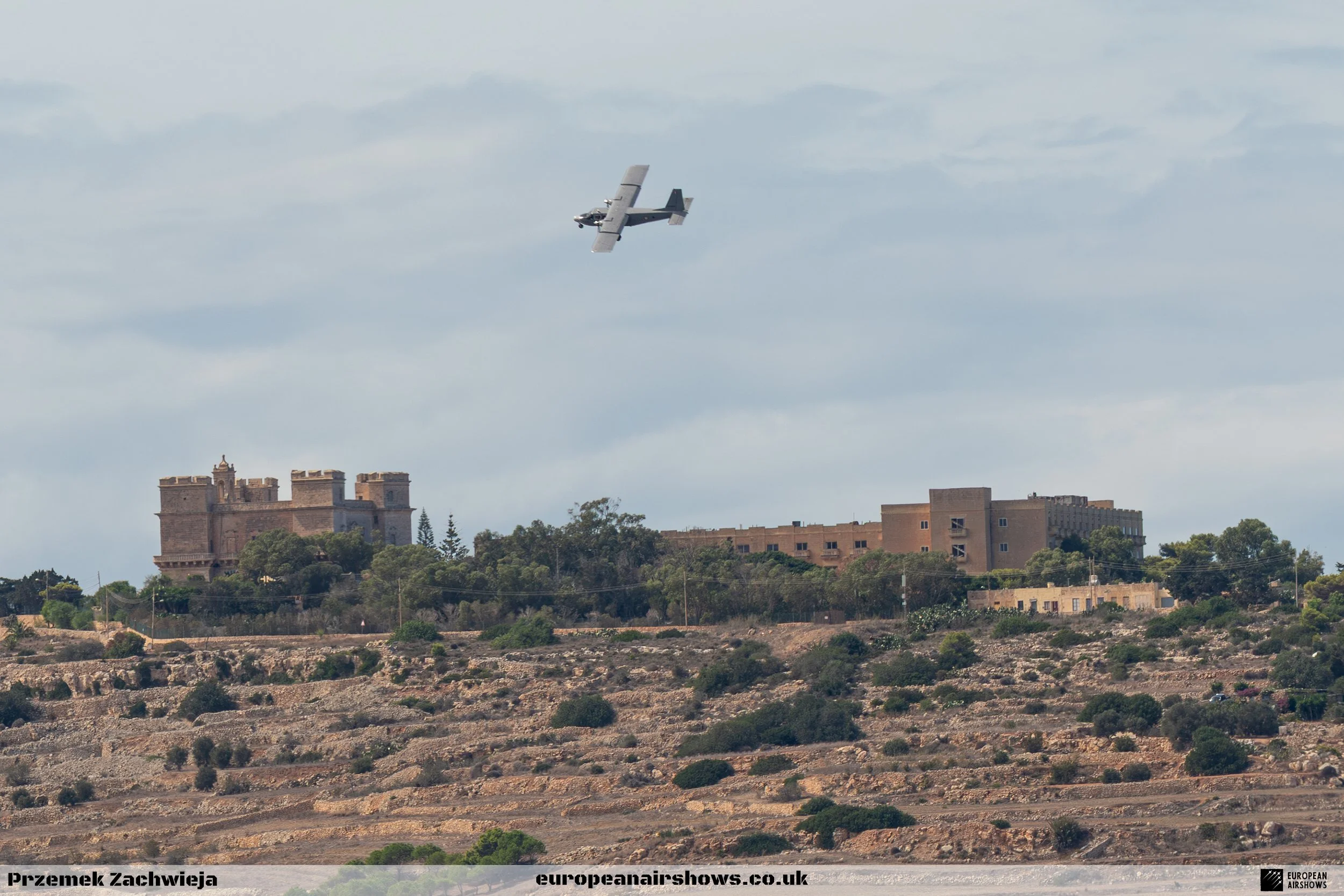
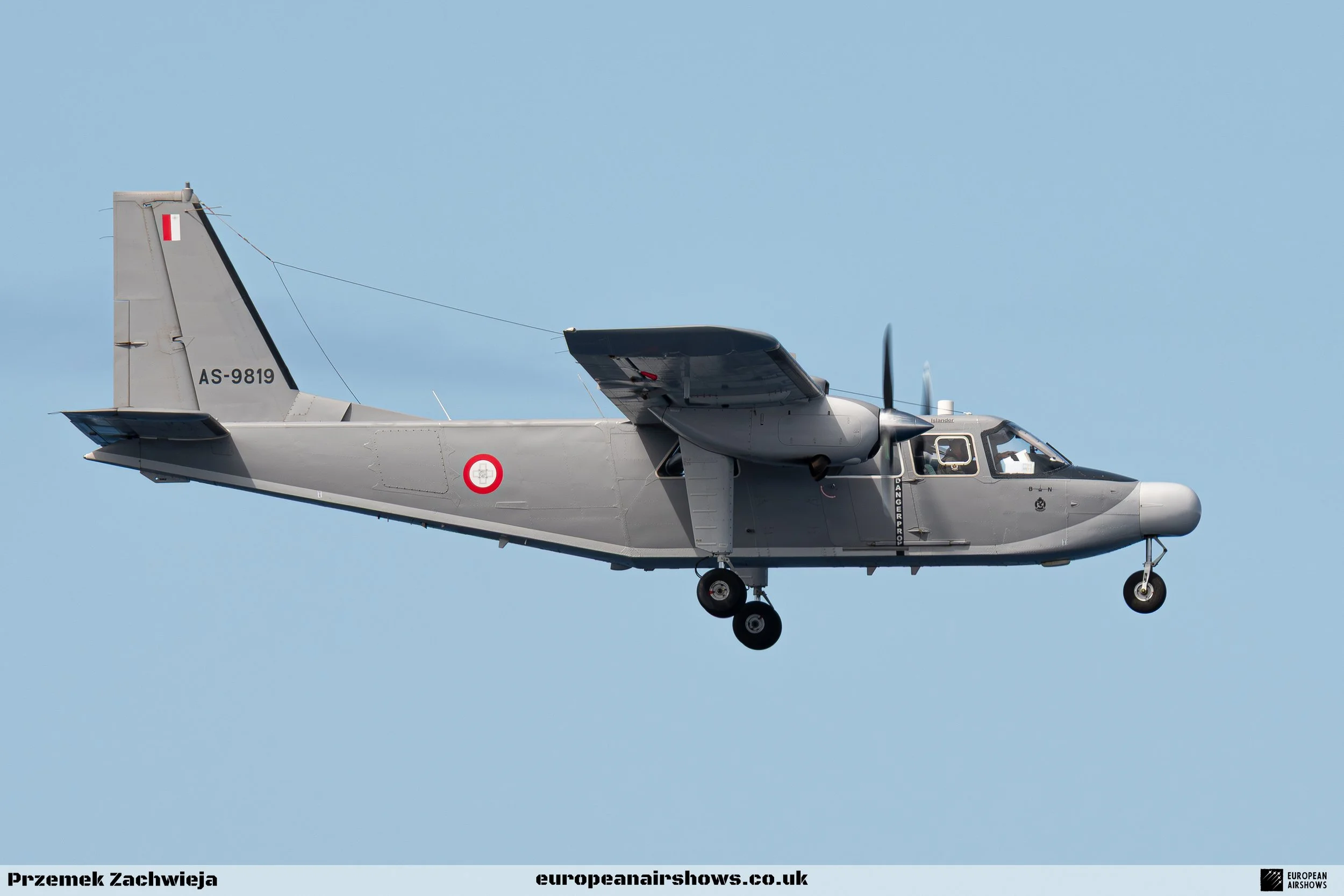
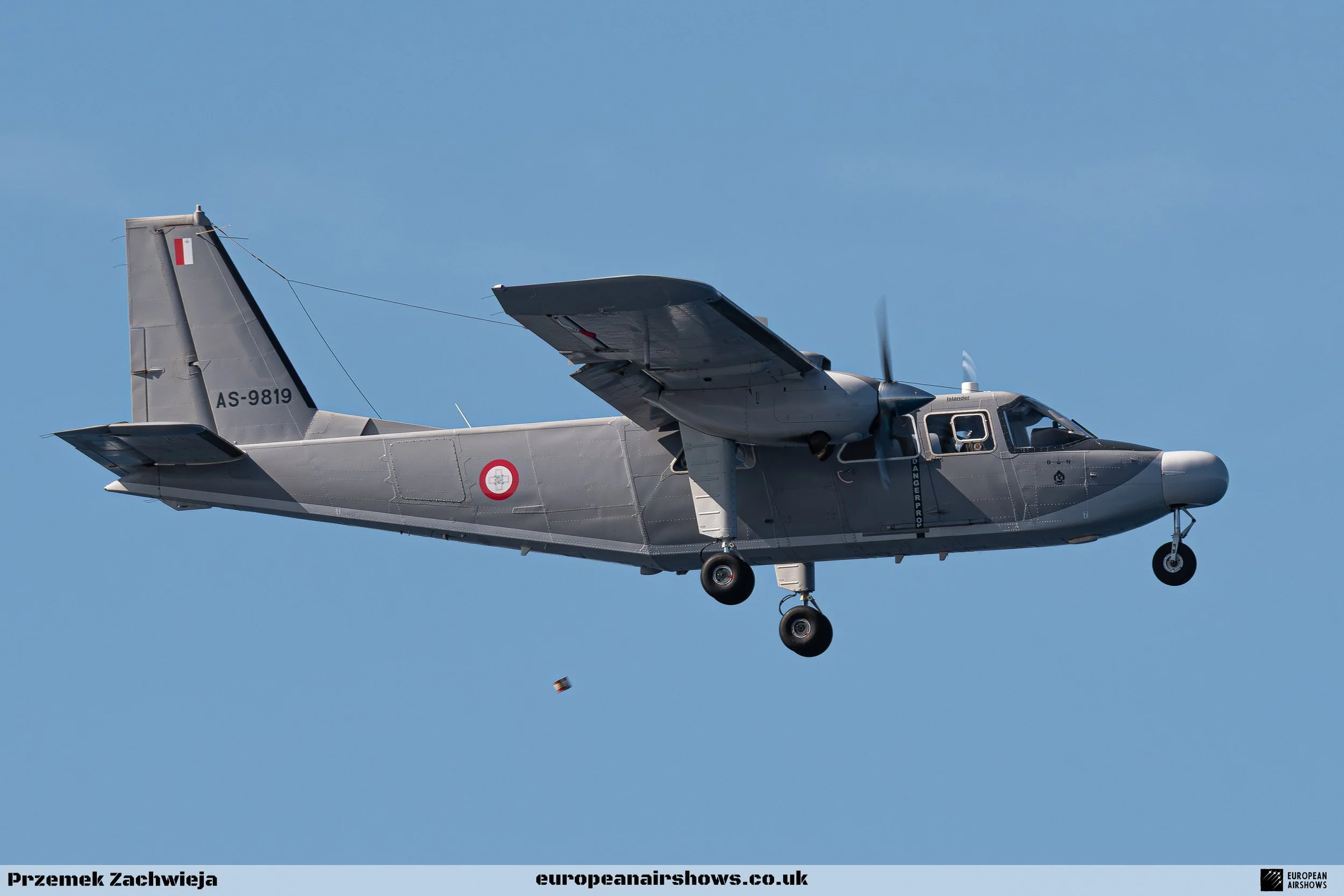
The show also delivered some notable debutants and rarities. The Lithuanian Air Force made its first foray to the Malta International Airshow with a Let L-410UVP Turbolet, whilst the Ministry of Internal Affairs of the Republic of Serbia presented an Airbus H145M, with a crew eager to demonstrate the type's multi-role capabilities. A significant highlight from across the Atlantic was the appearance of a USAF C-21A Learjet alongside a distinctively rare Boeing TC-135W Stratolifter from the 55th Wing at Offutt AFB—one of only three in existence globally. The home team, the Armed Forces of Malta, displayed their BN-2T Turbine Islander, which also featured in the flying programme.
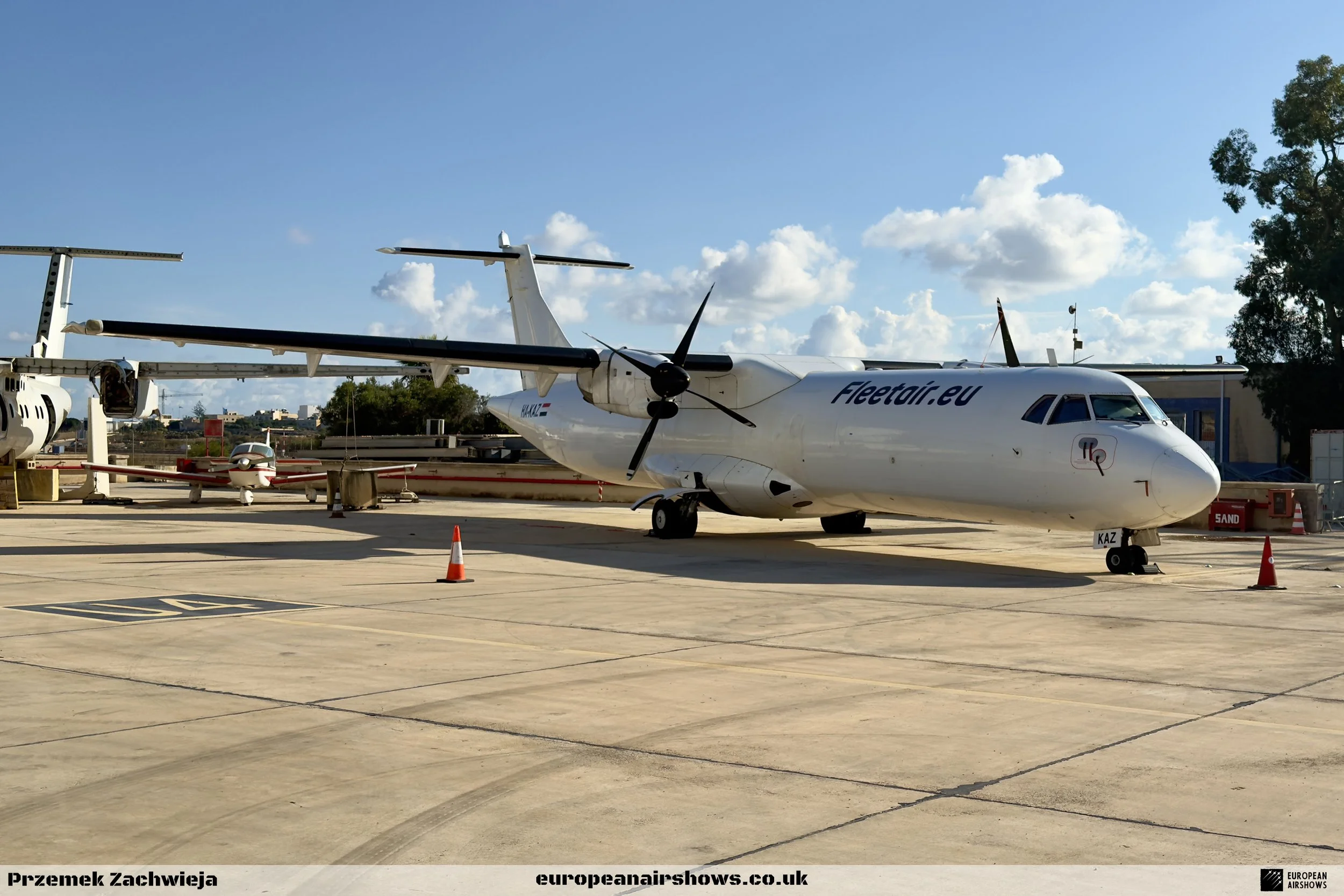
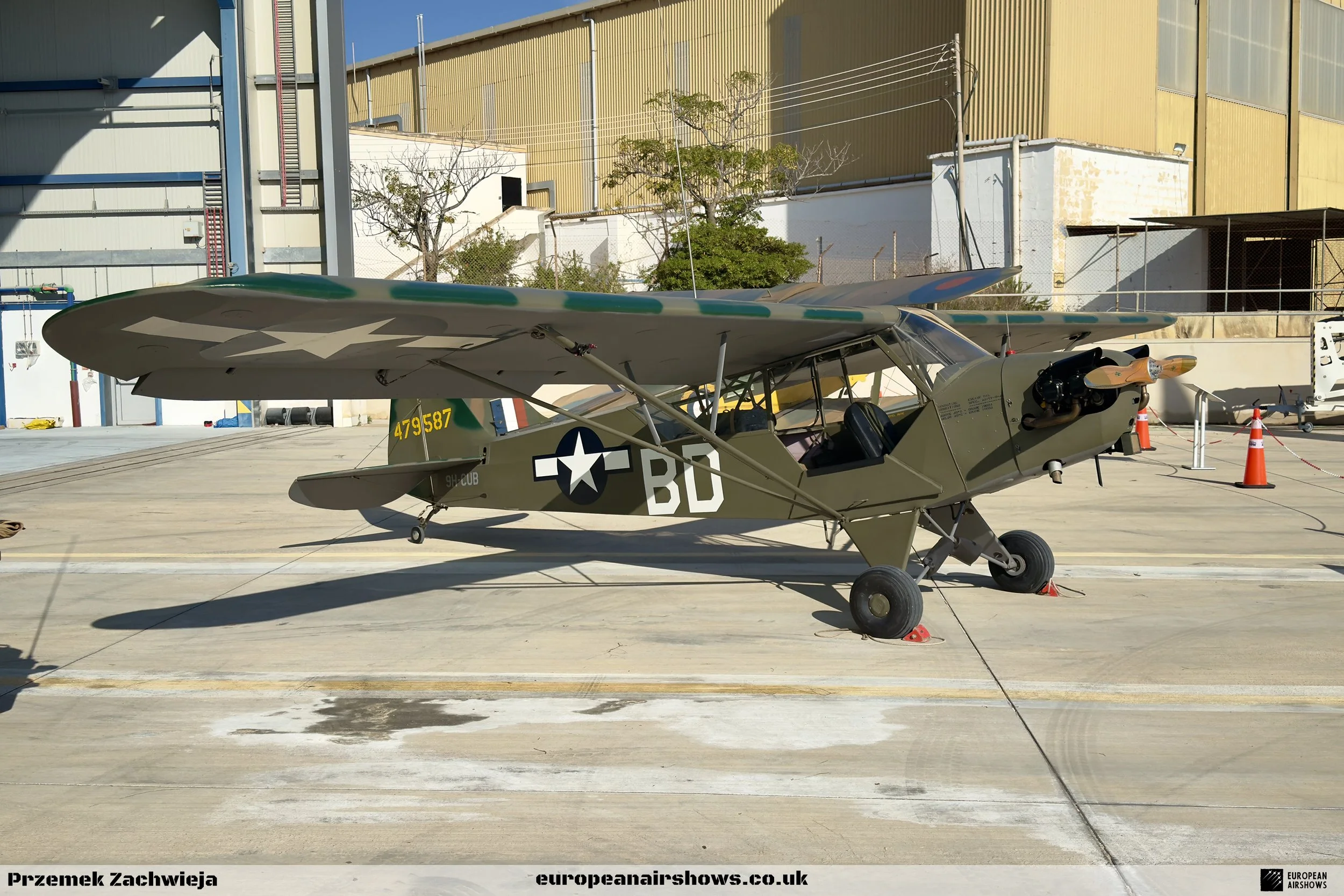
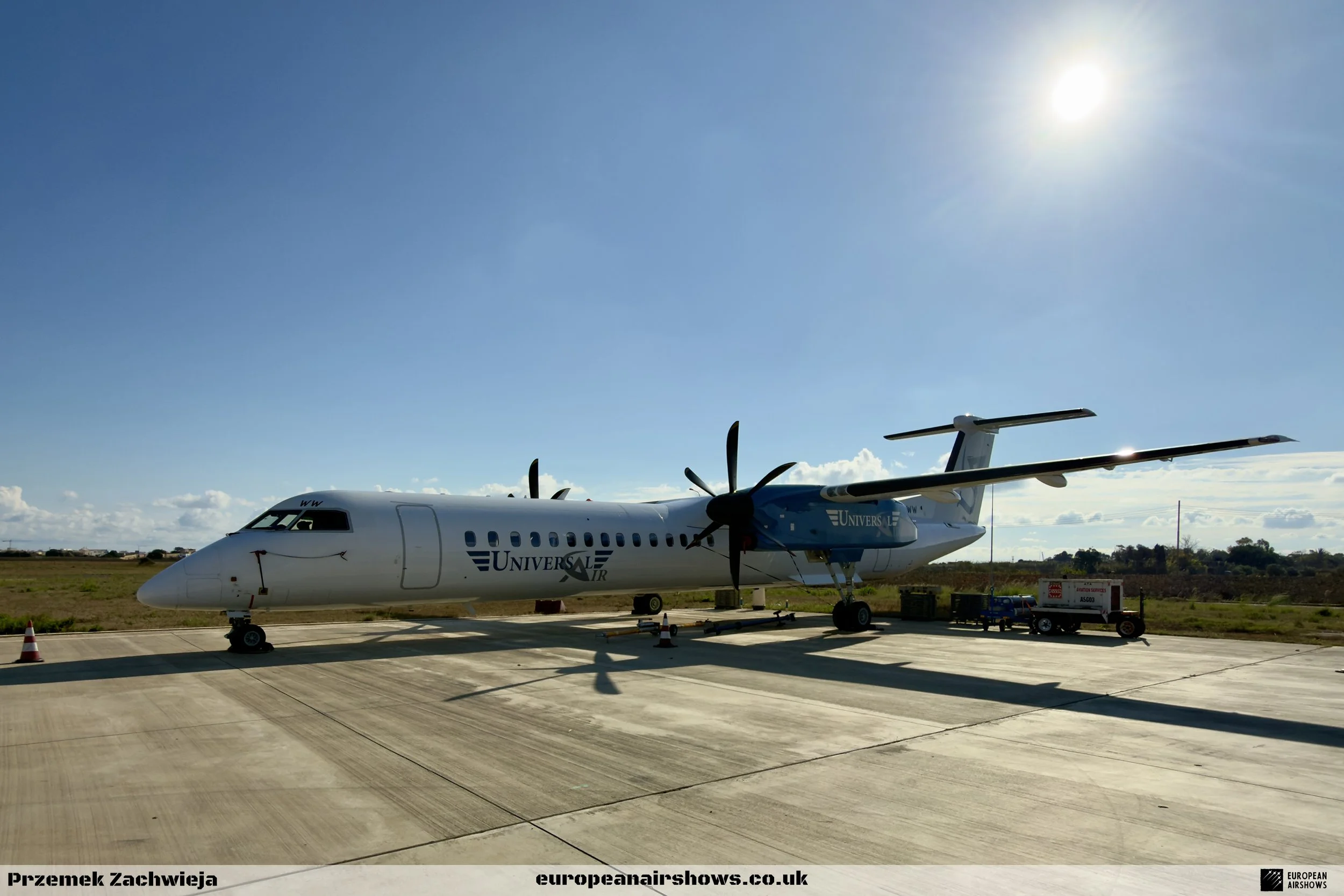
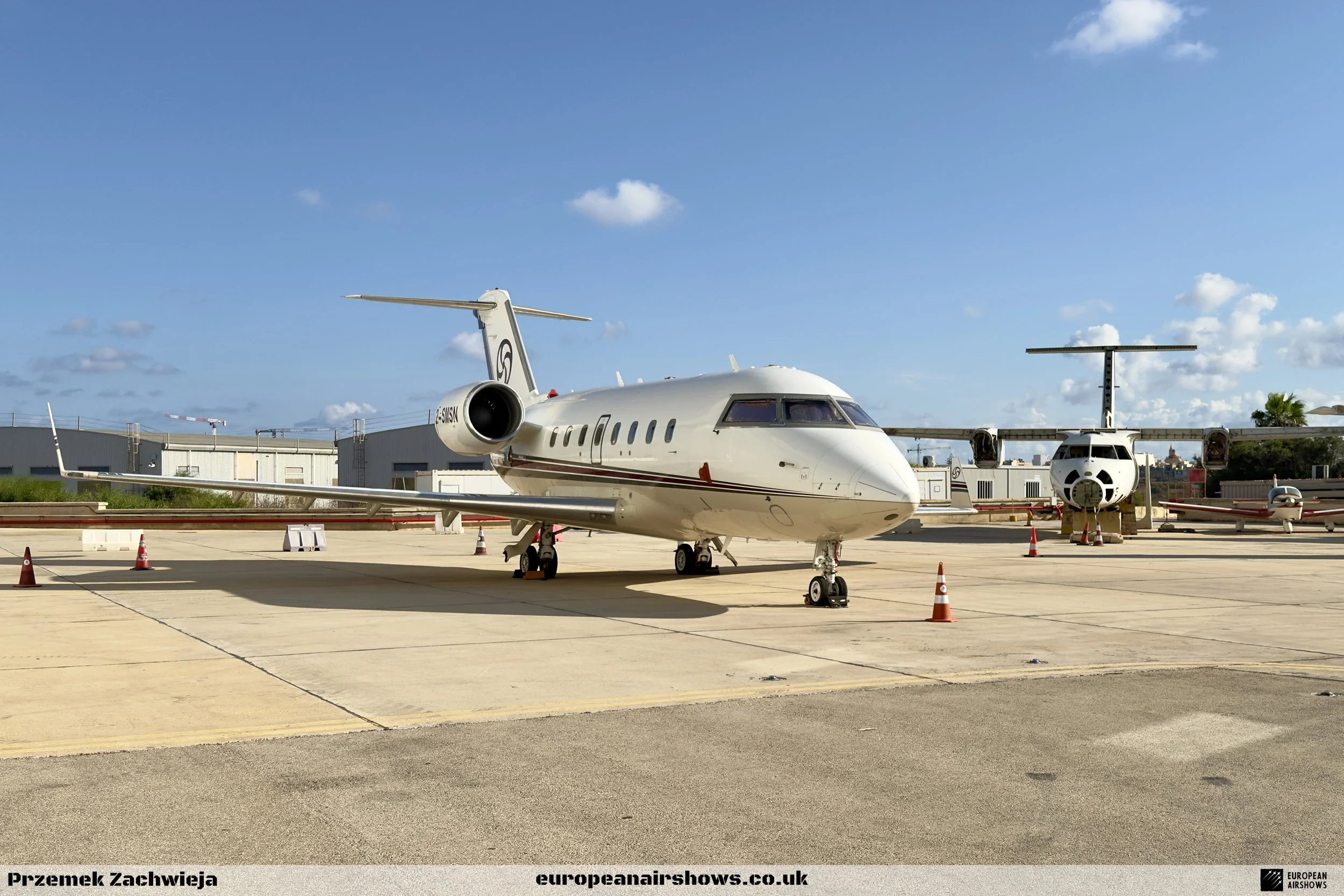
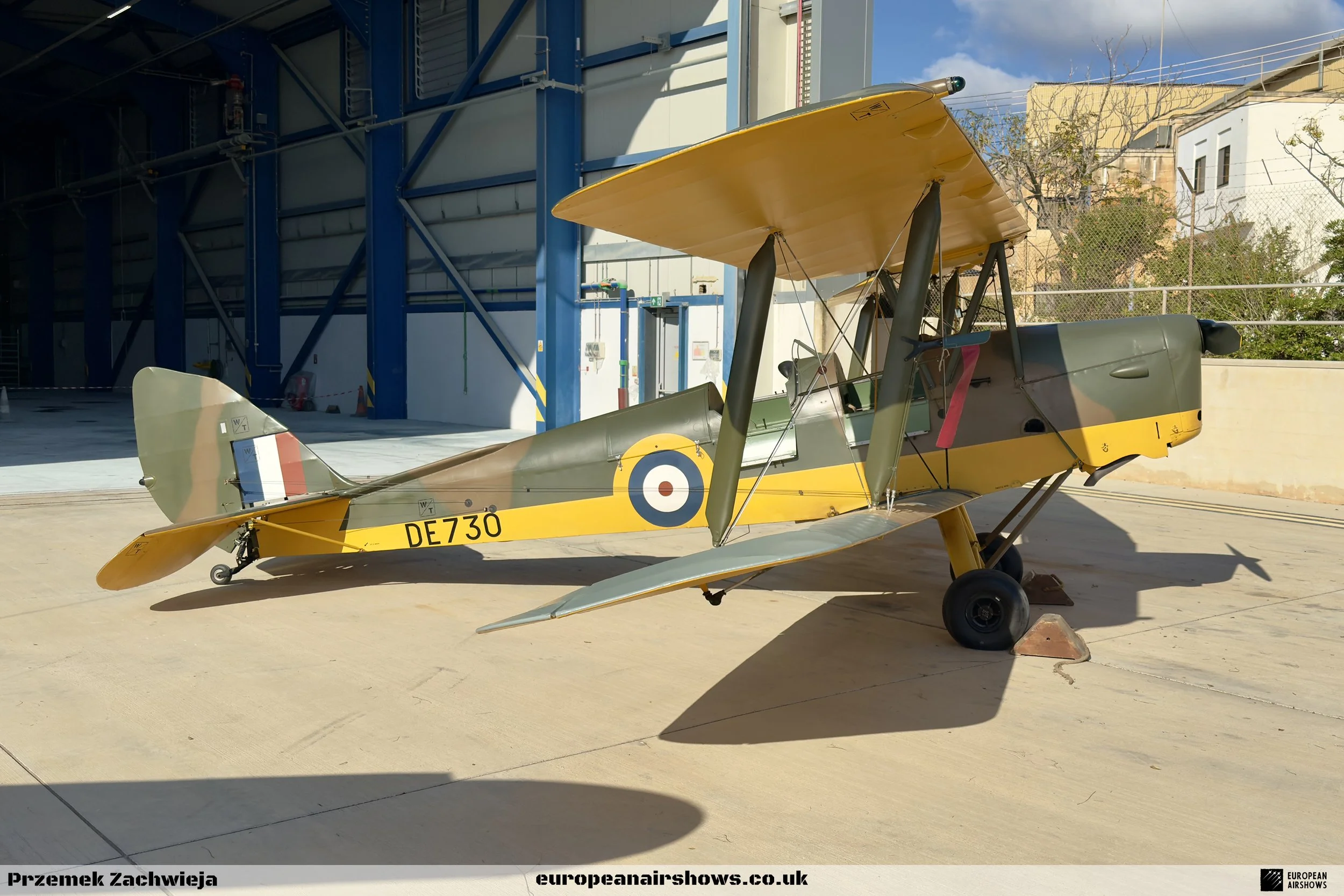
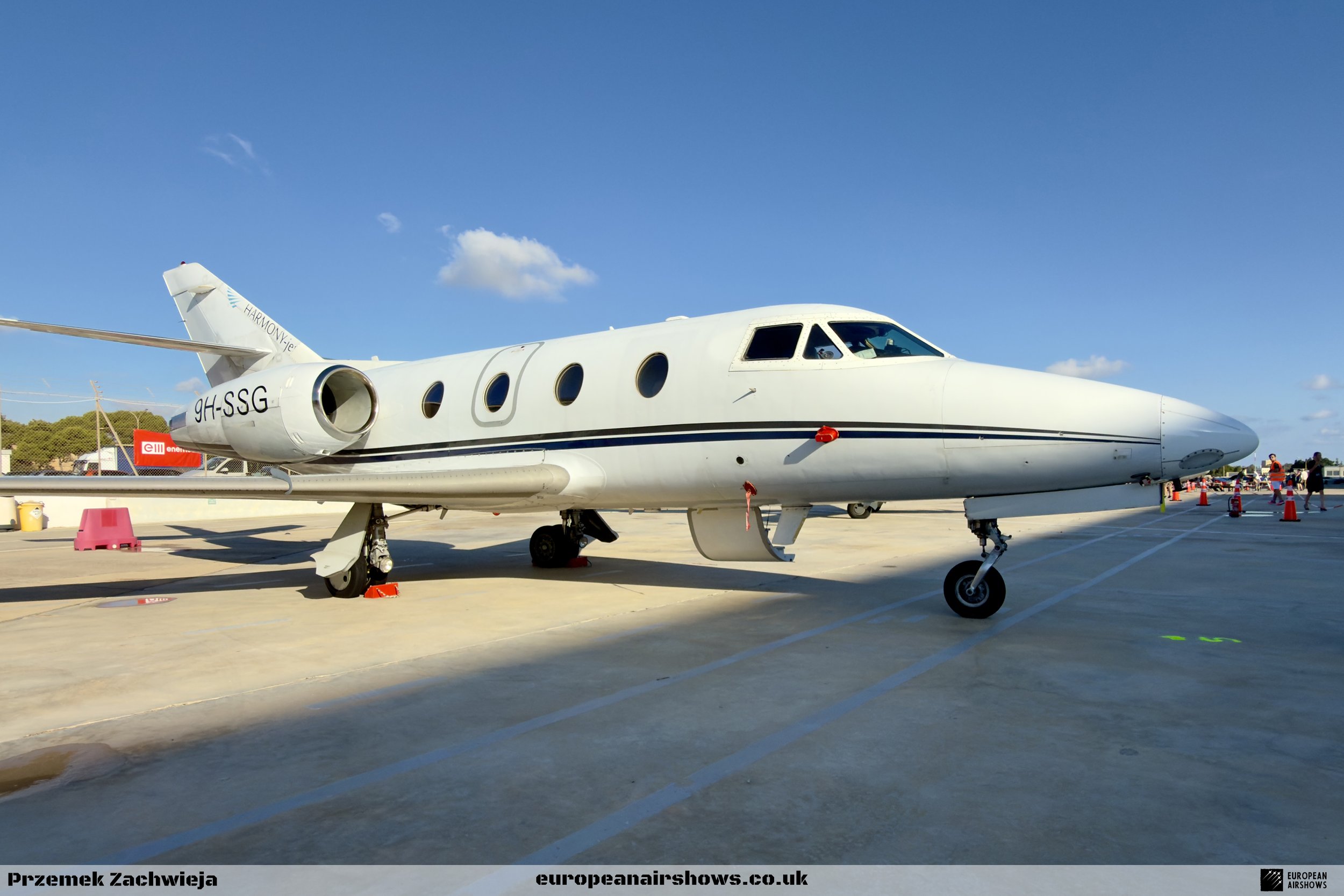
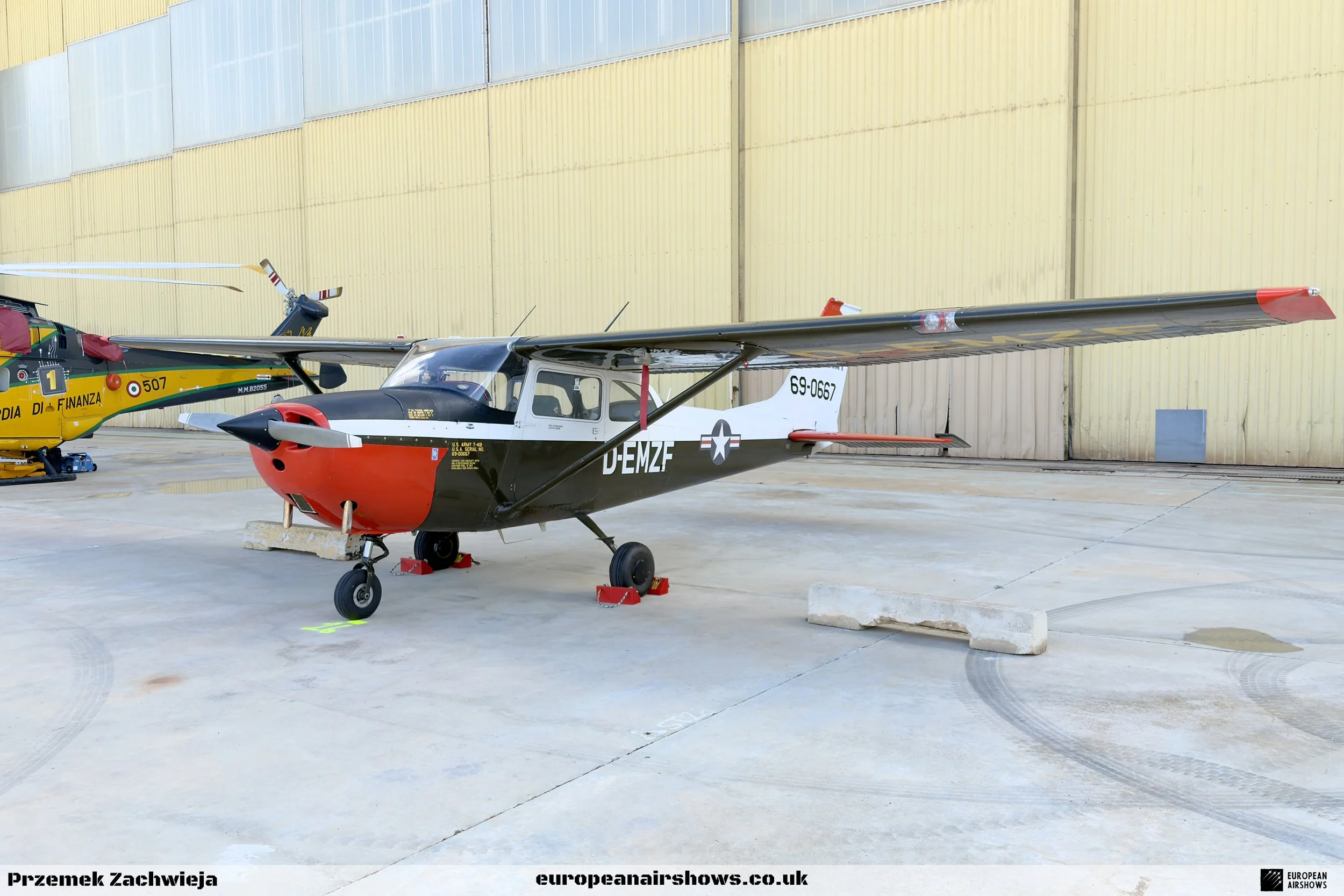
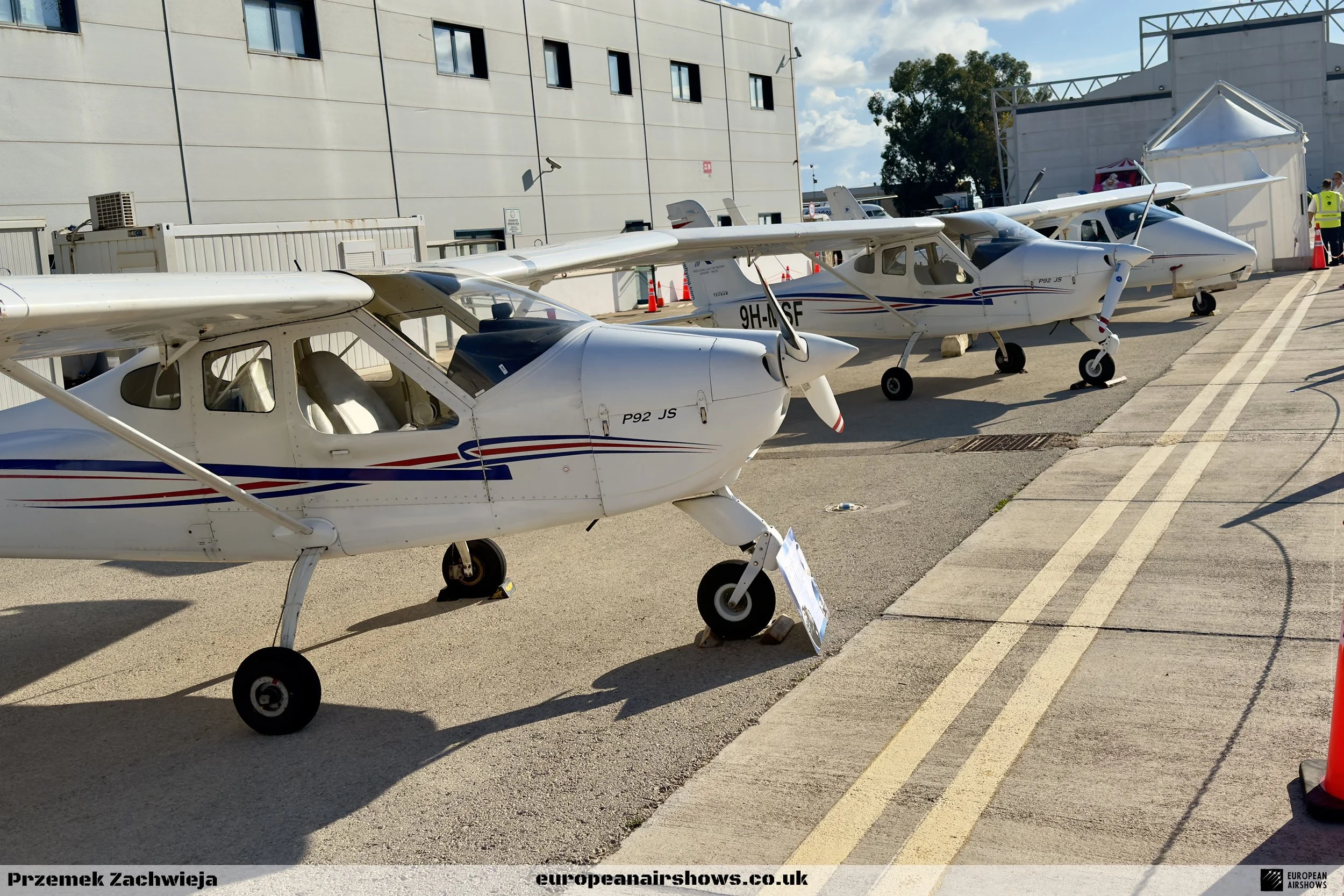
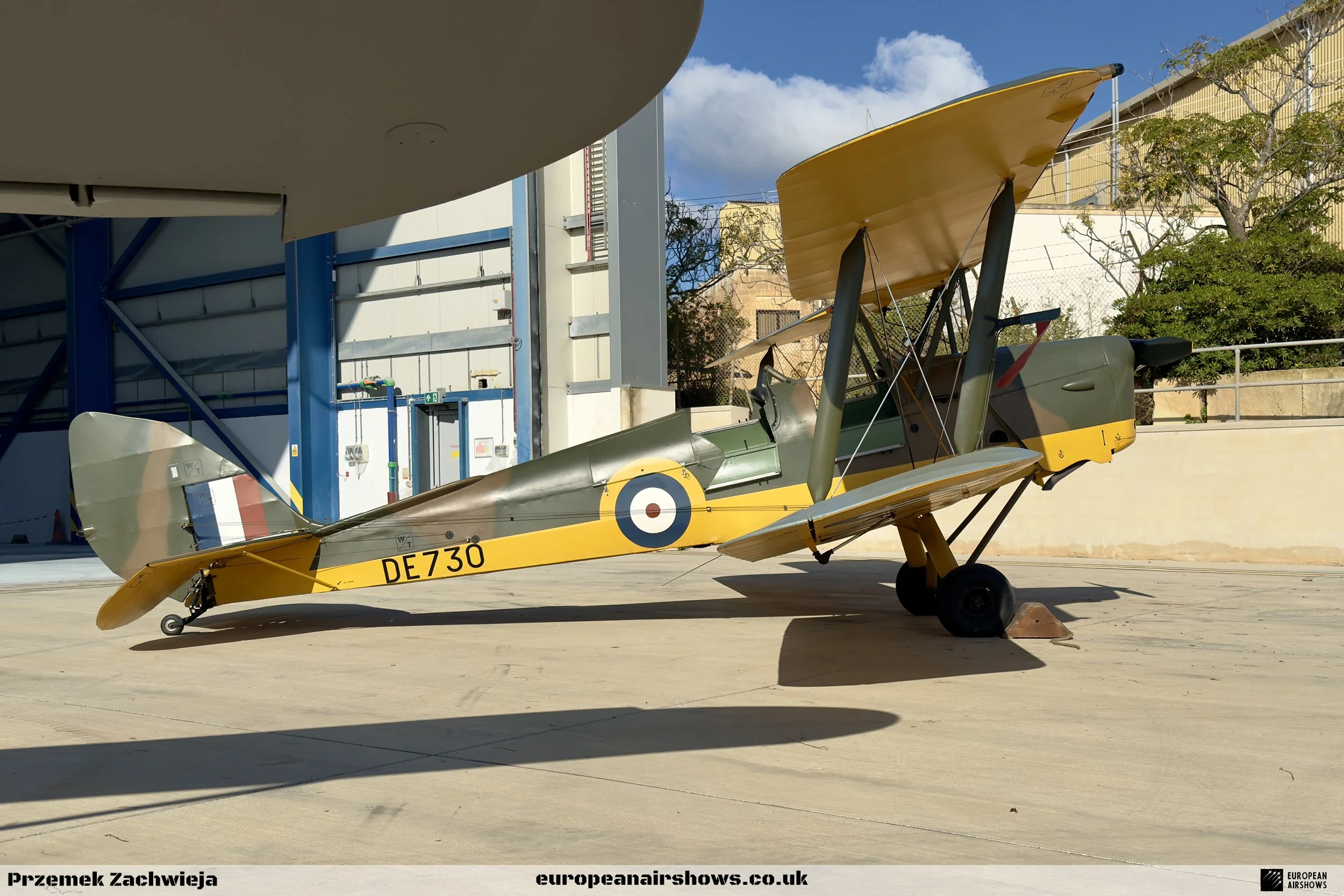
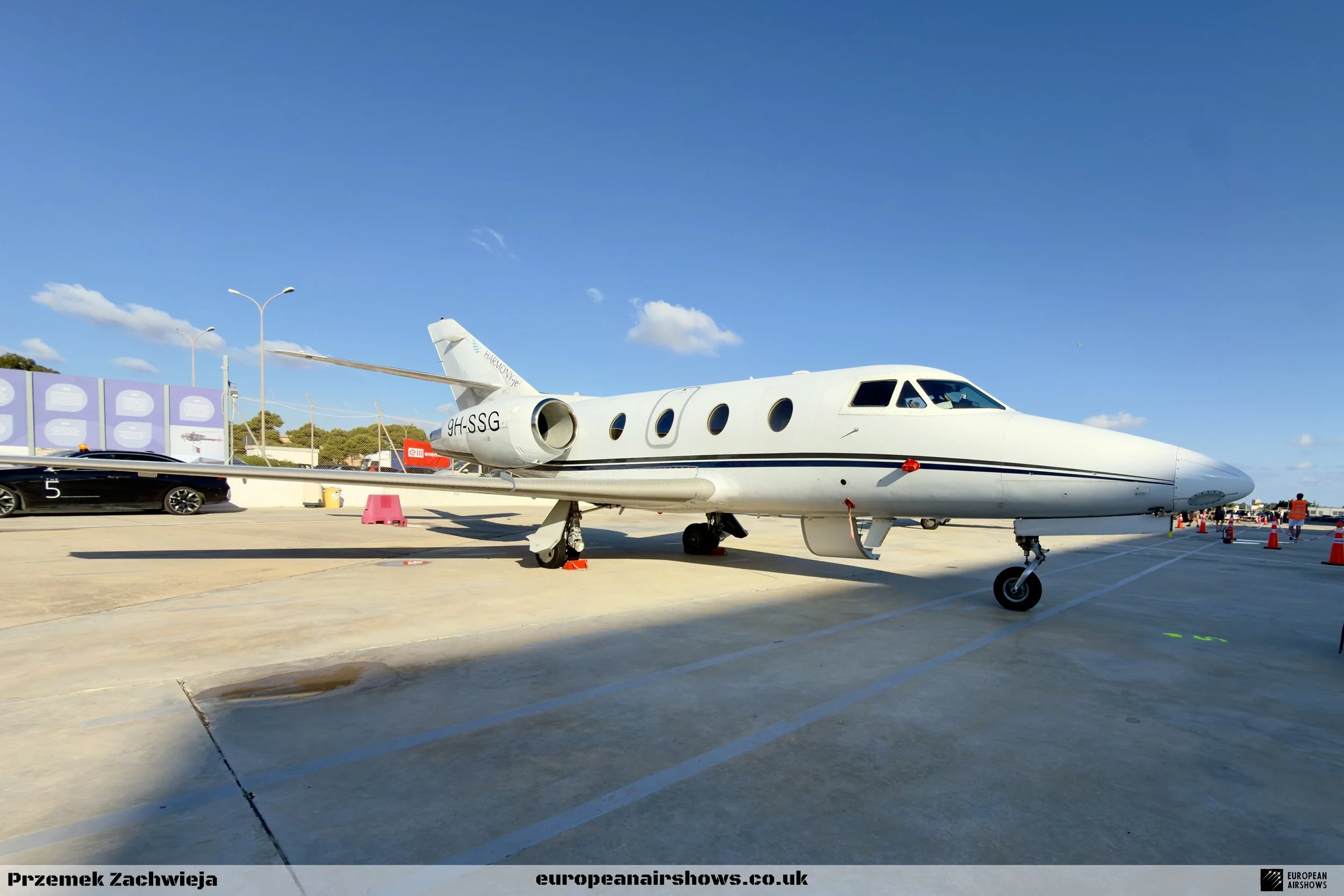
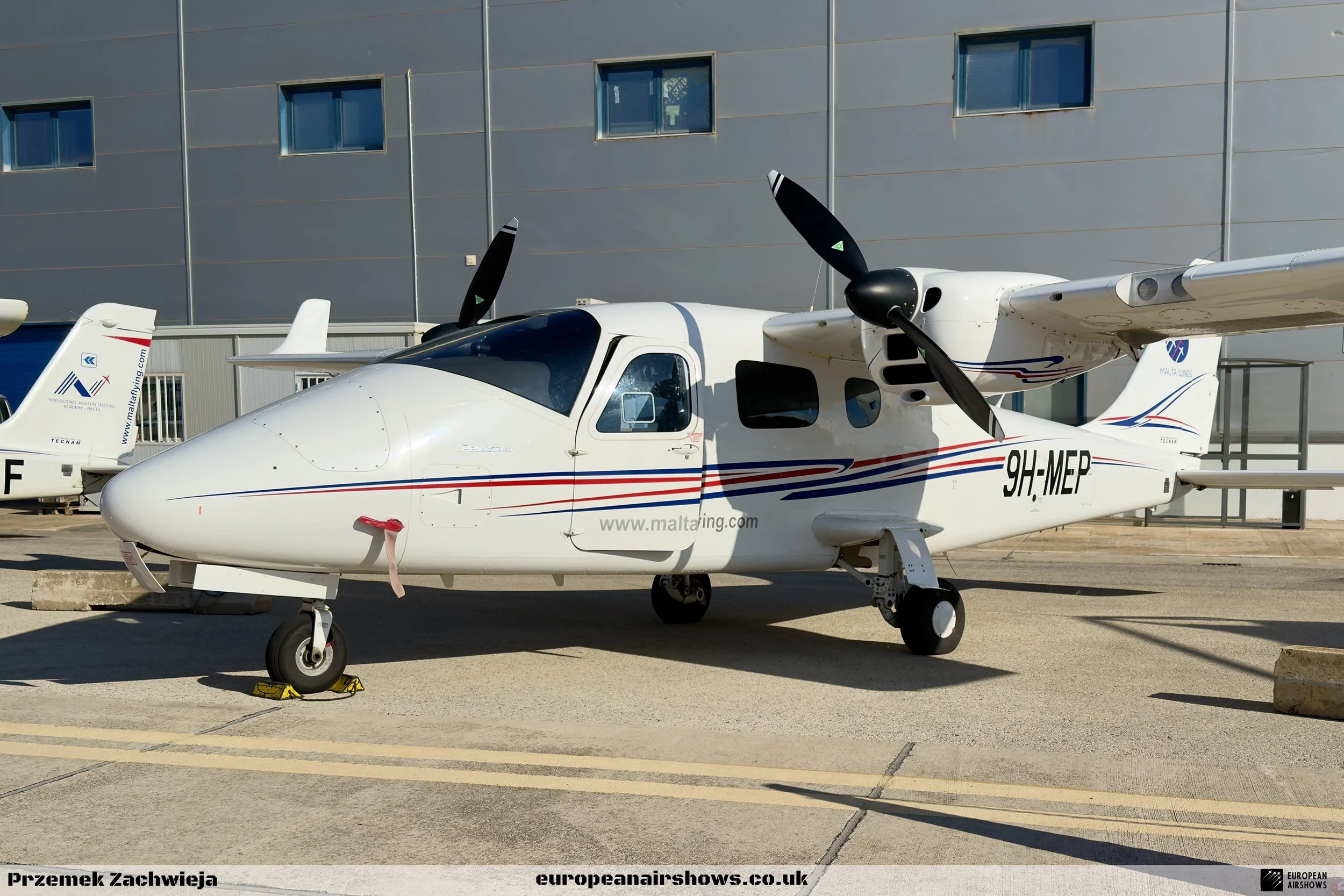
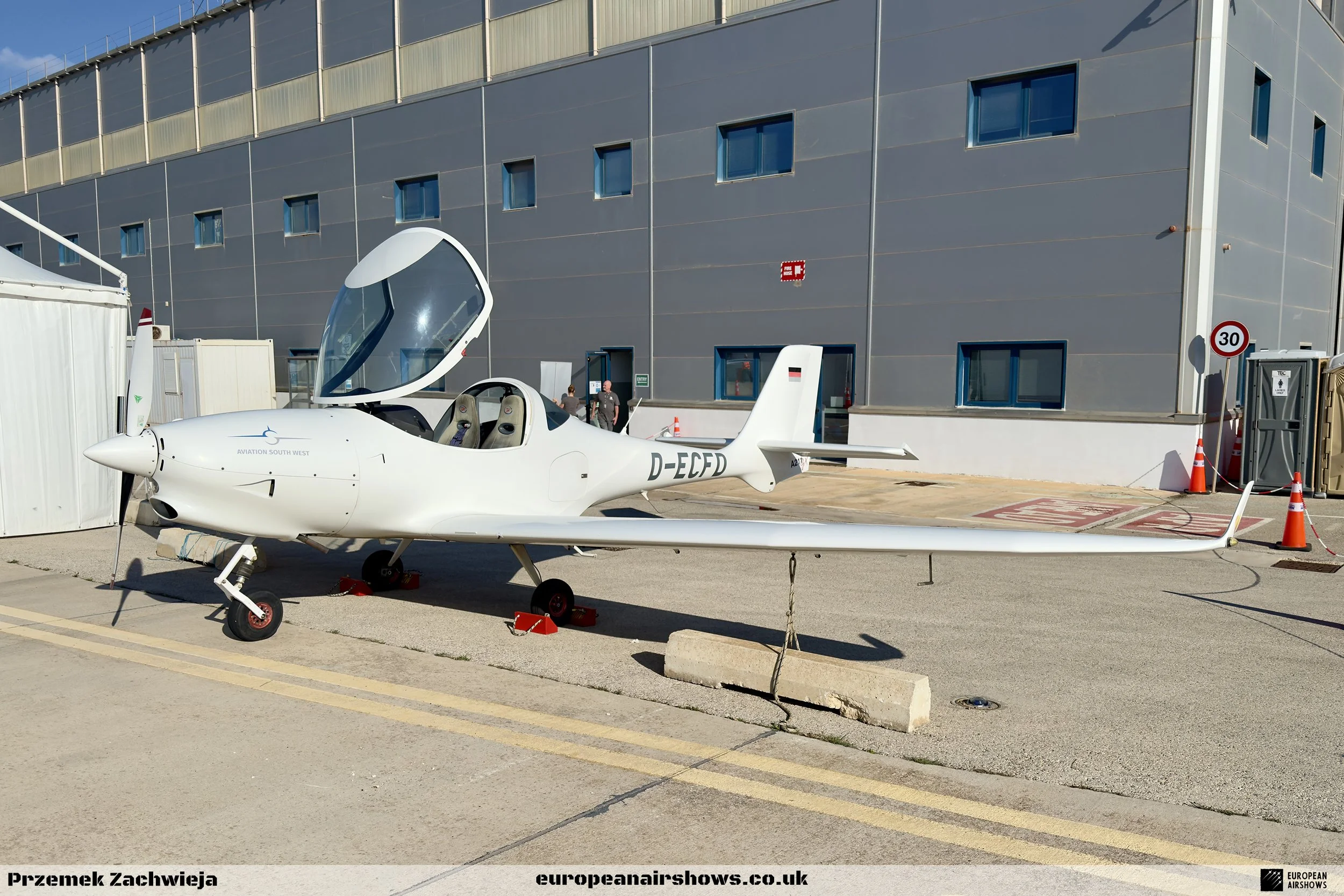
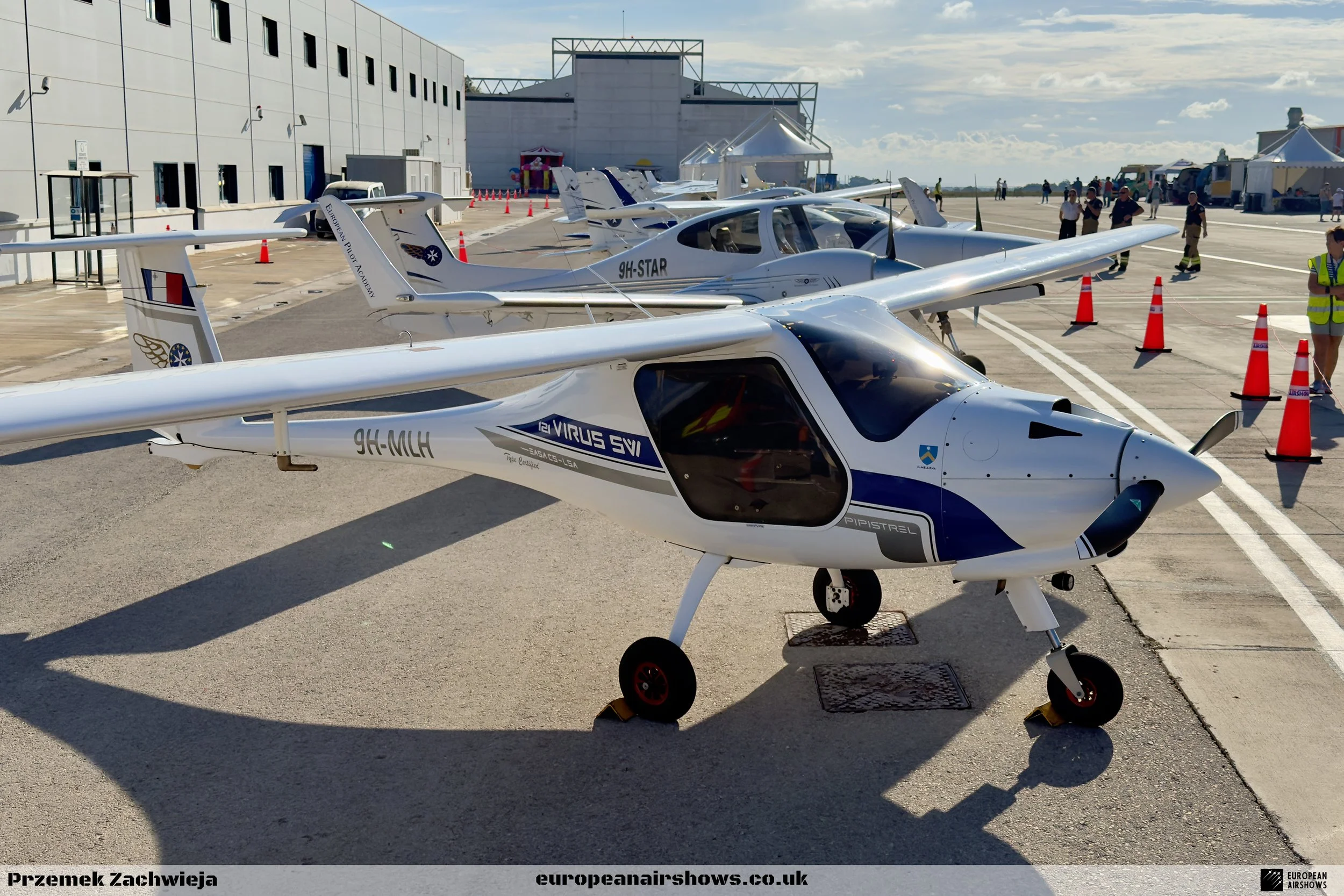
The static display was rounded out by an interesting mix of civil and vintage airframes. Local operator Harmony Jets presented a classic Dassault Falcon 100, while various Maltese flight schools displayed their training fleets. The Malta Aviation Museum contributed to the heritage aspect with their Piper L-4H Cub and de Havilland DH.82A Tiger Moth, joined by a privately owned Reims-Cessna FR172H Rocket curiously liveried as a T-41 Mescalero. As an added bonus for the lens, a Universal Air Dash 8, a Challenger 601, and a Fleet Air ATR 72 freighter were parked in full public view, providing unexpected photo opportunities.
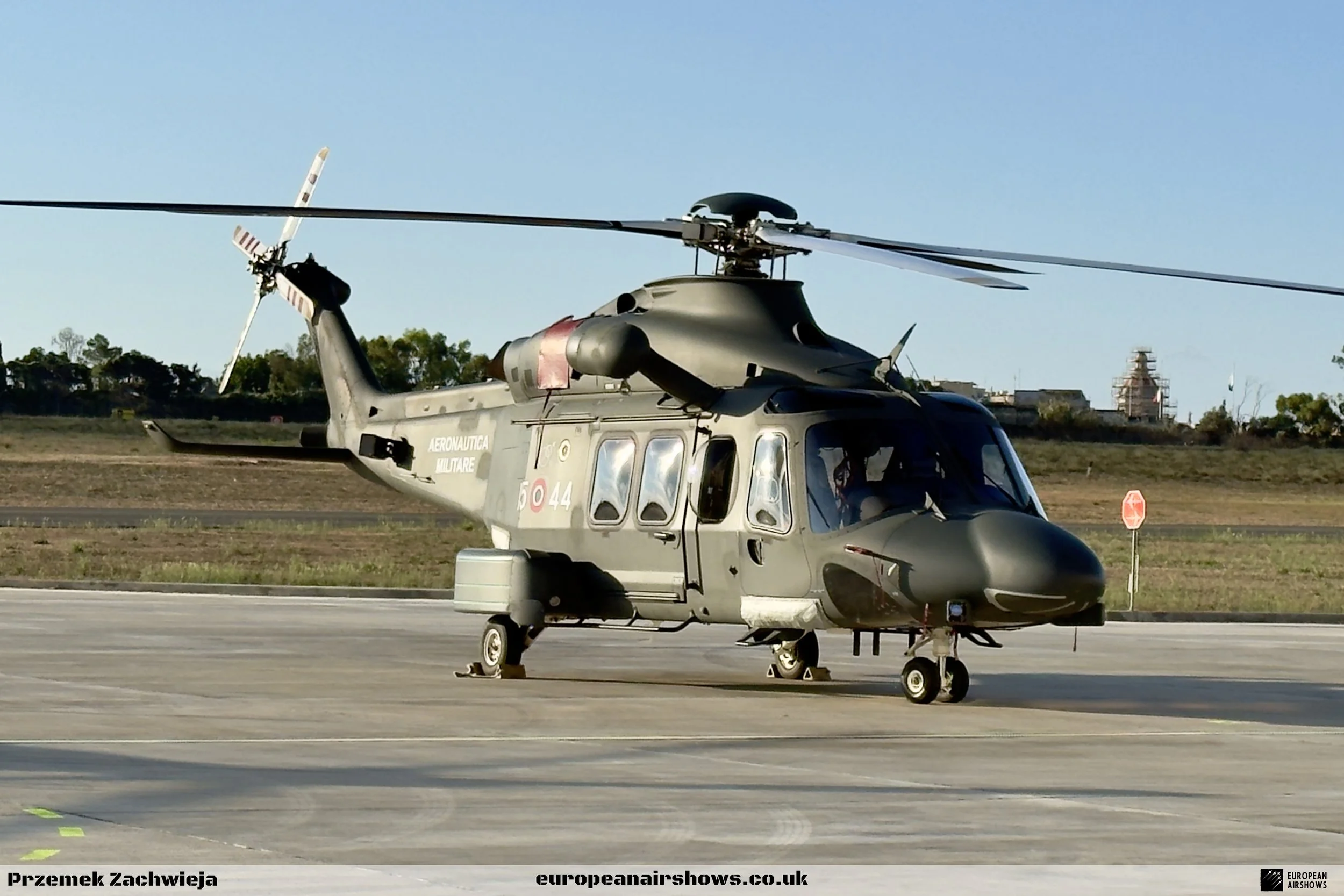
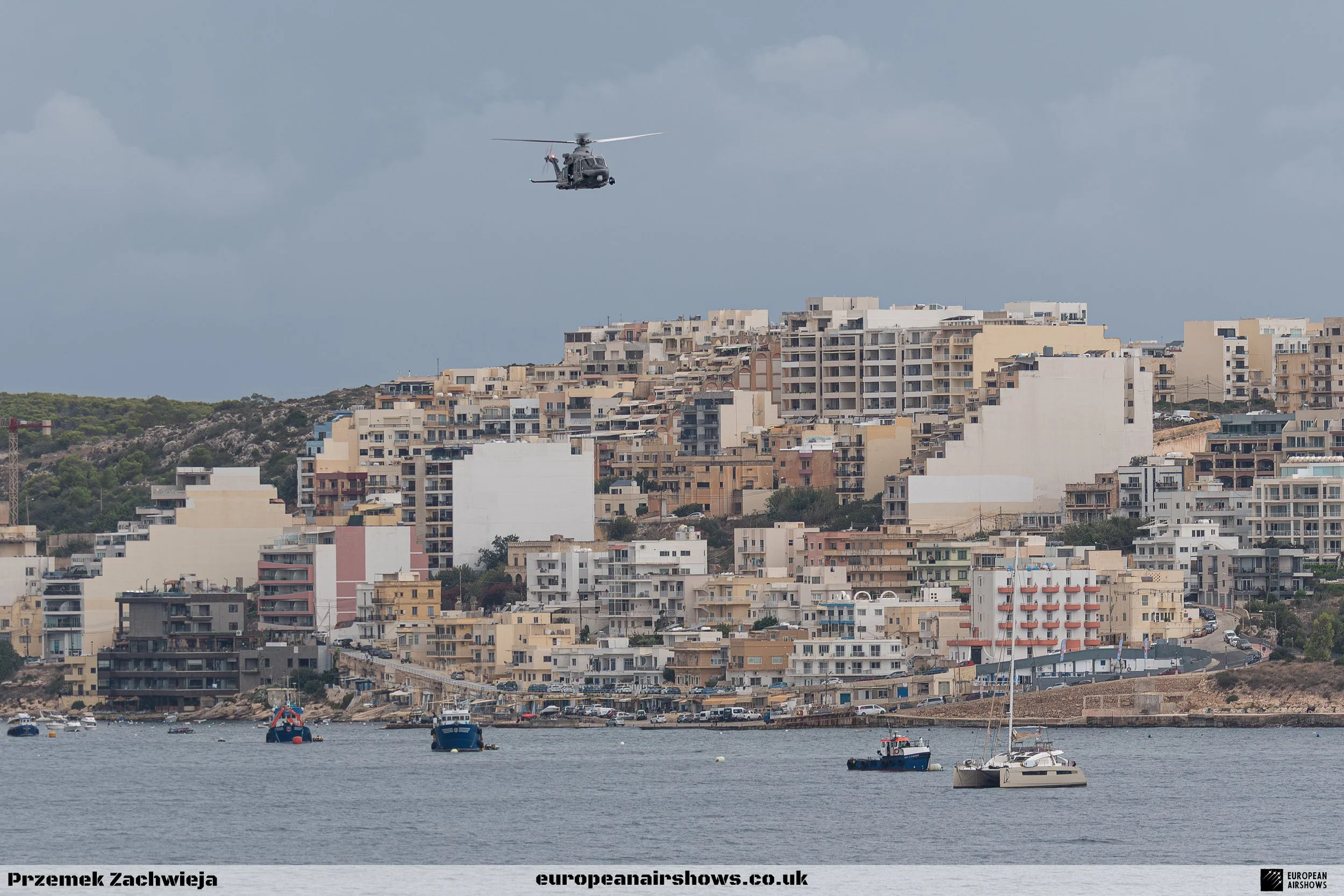
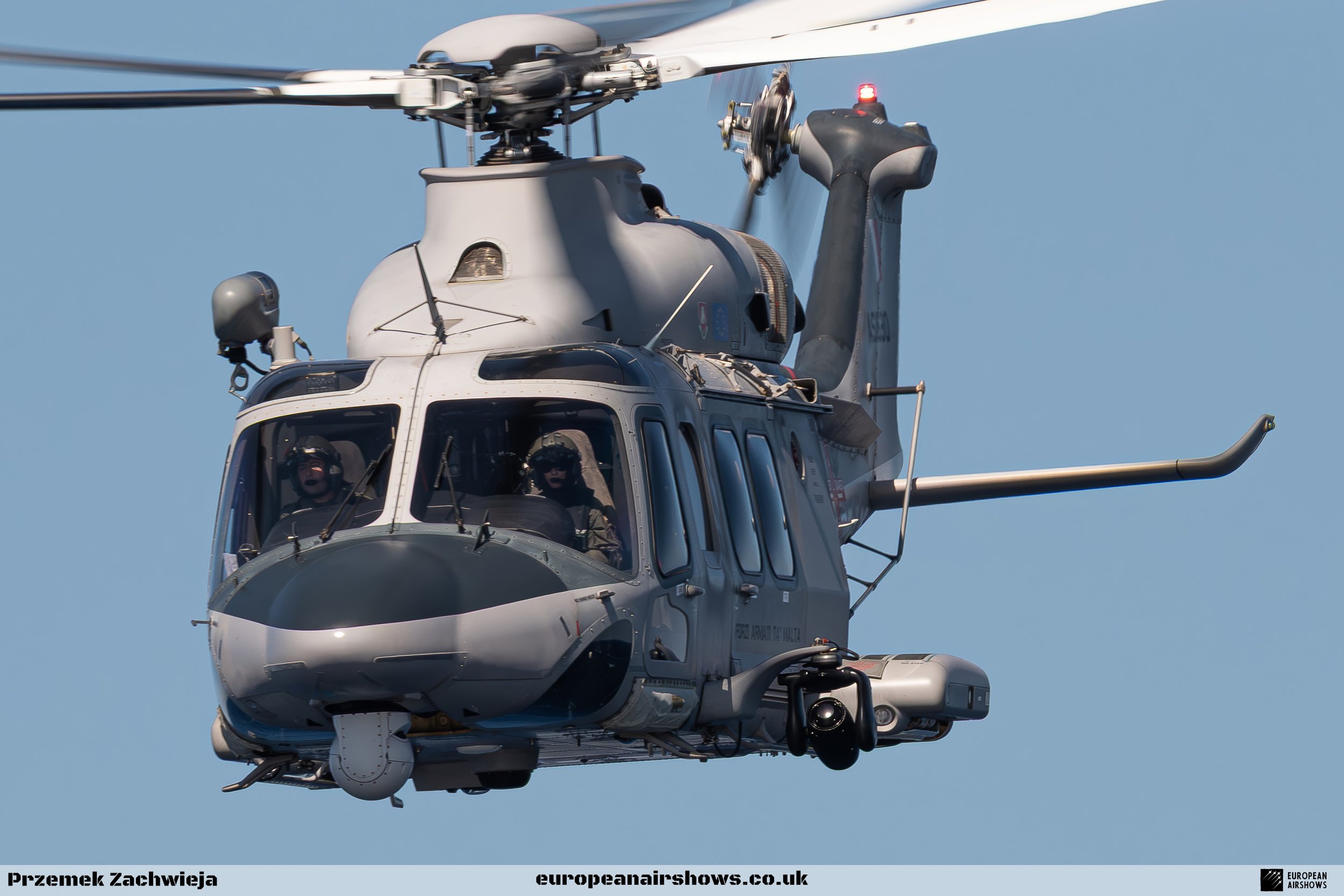
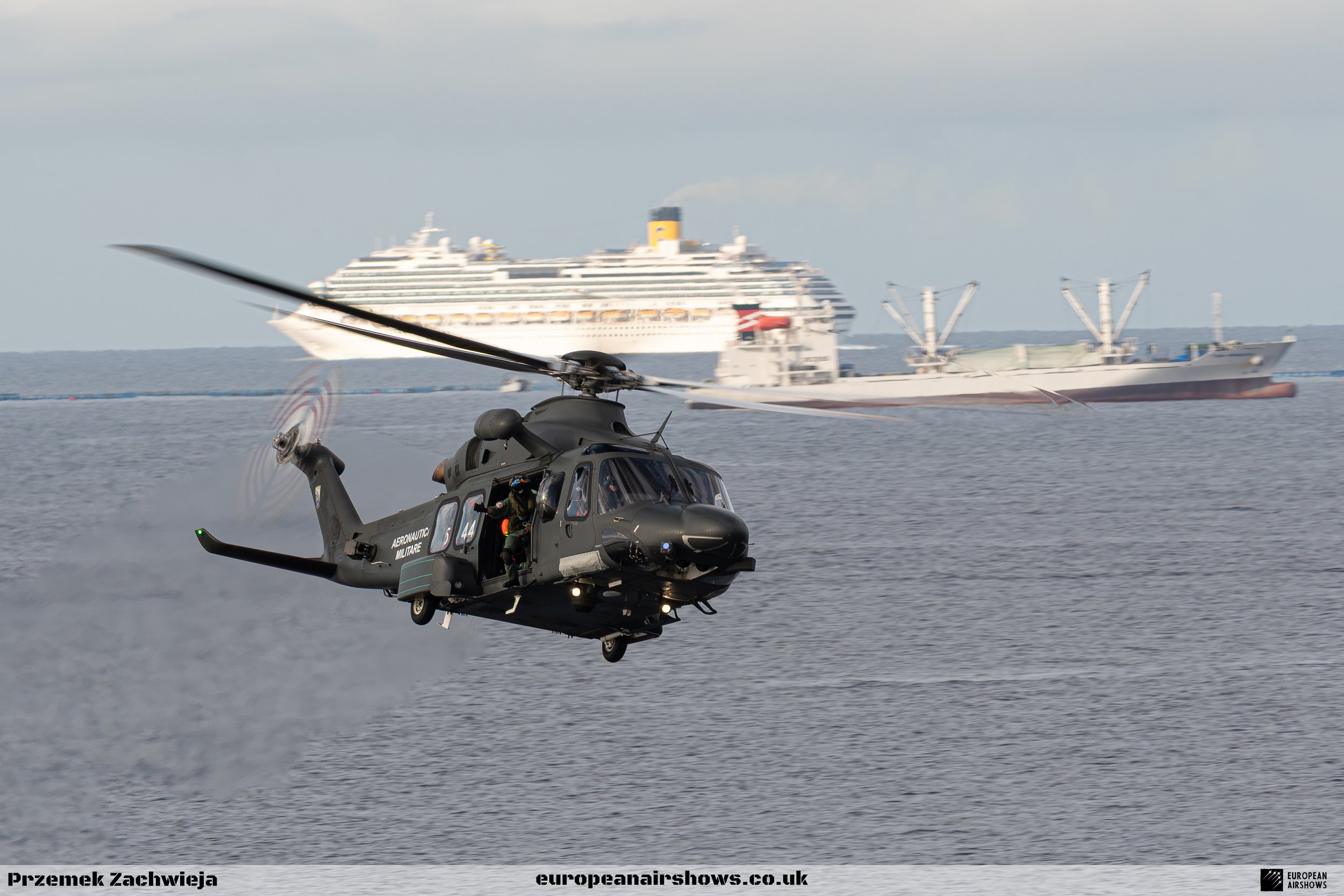
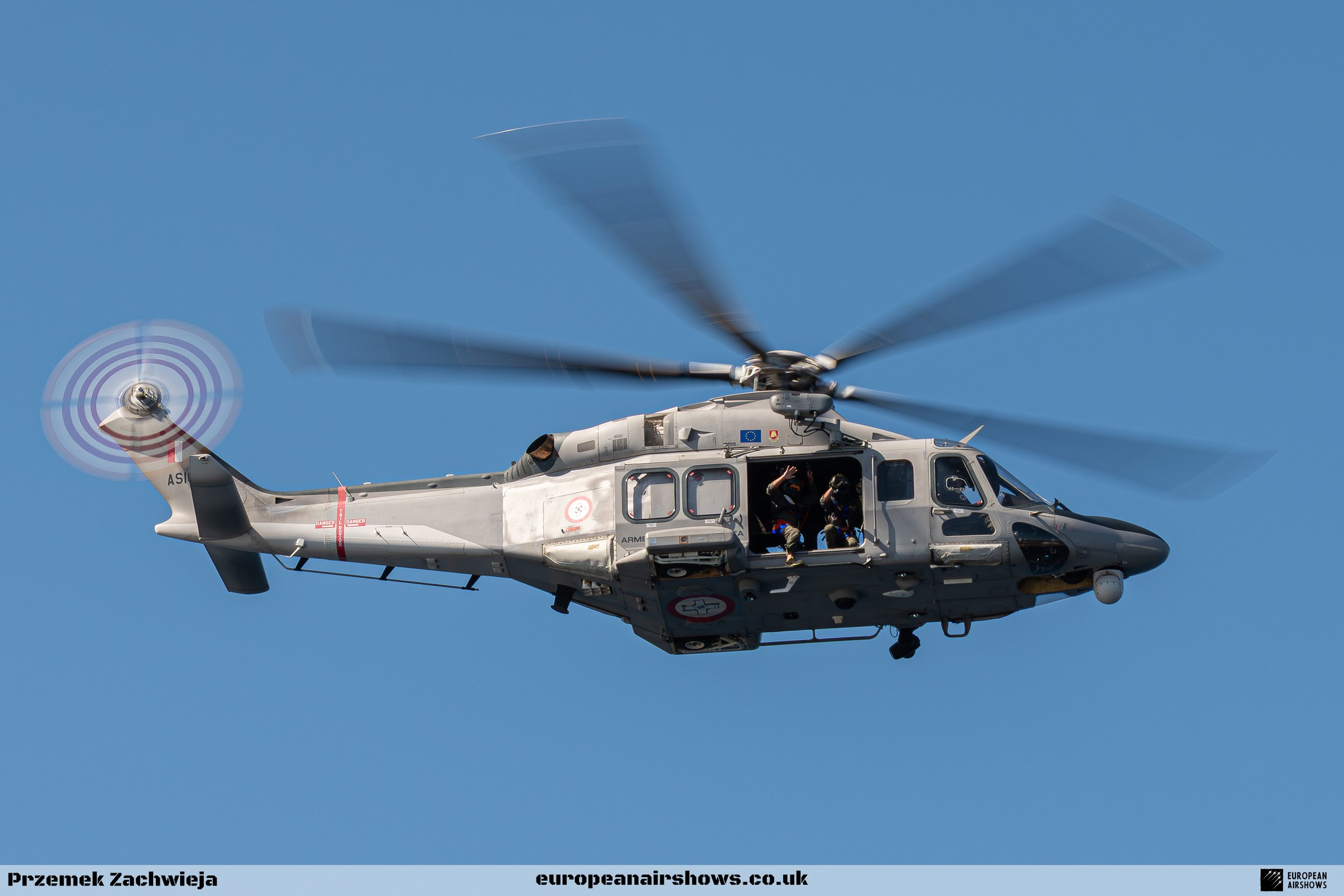
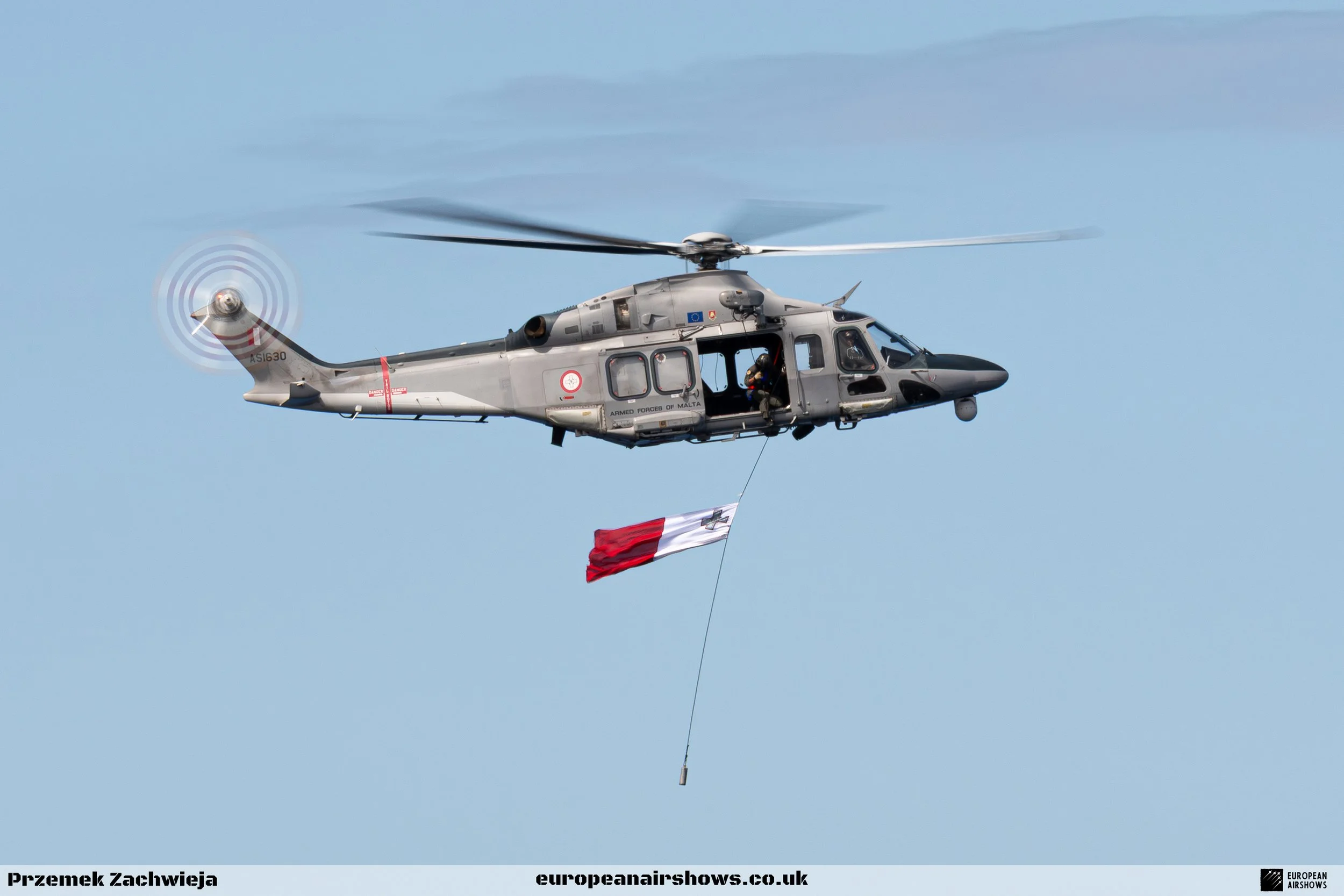
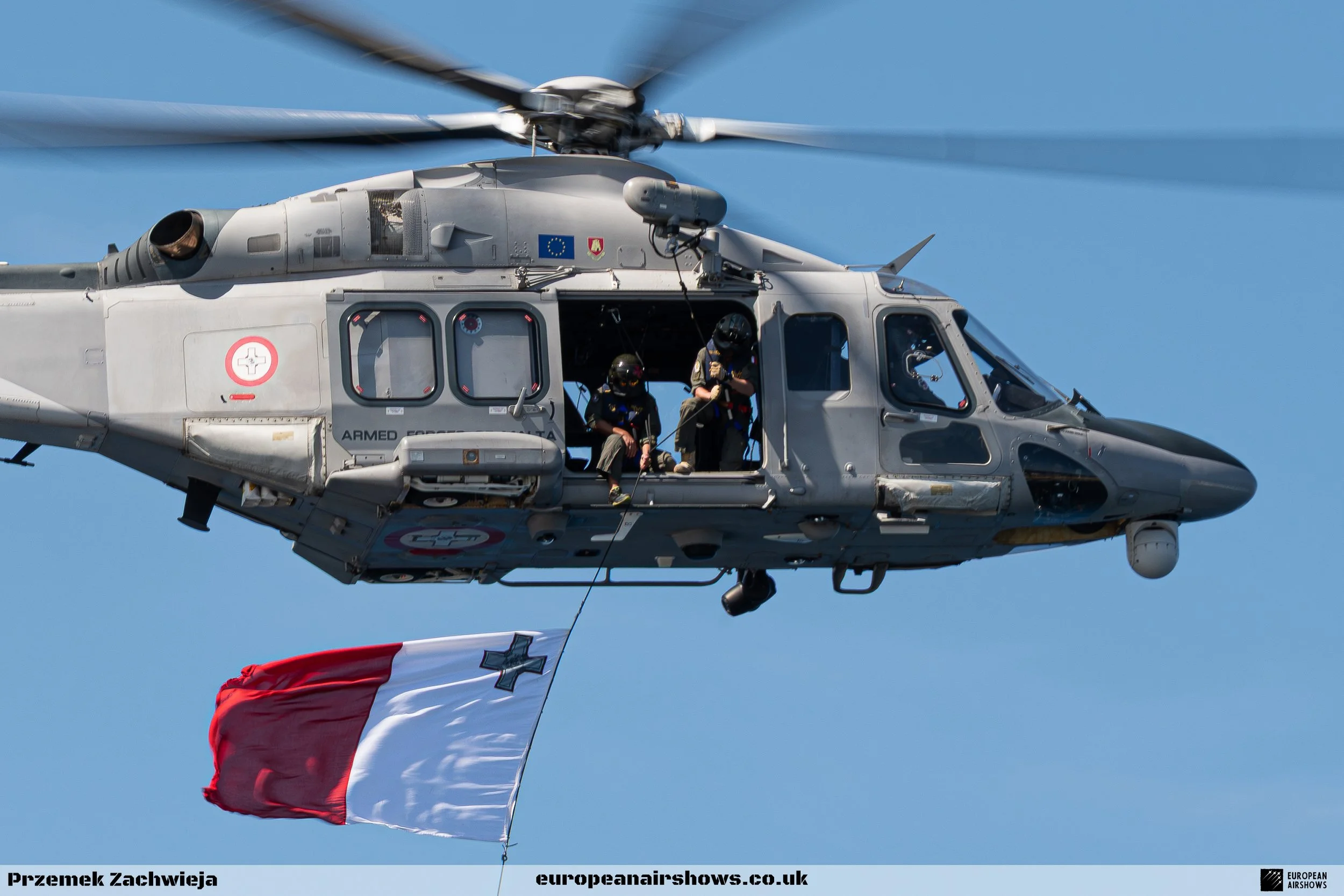
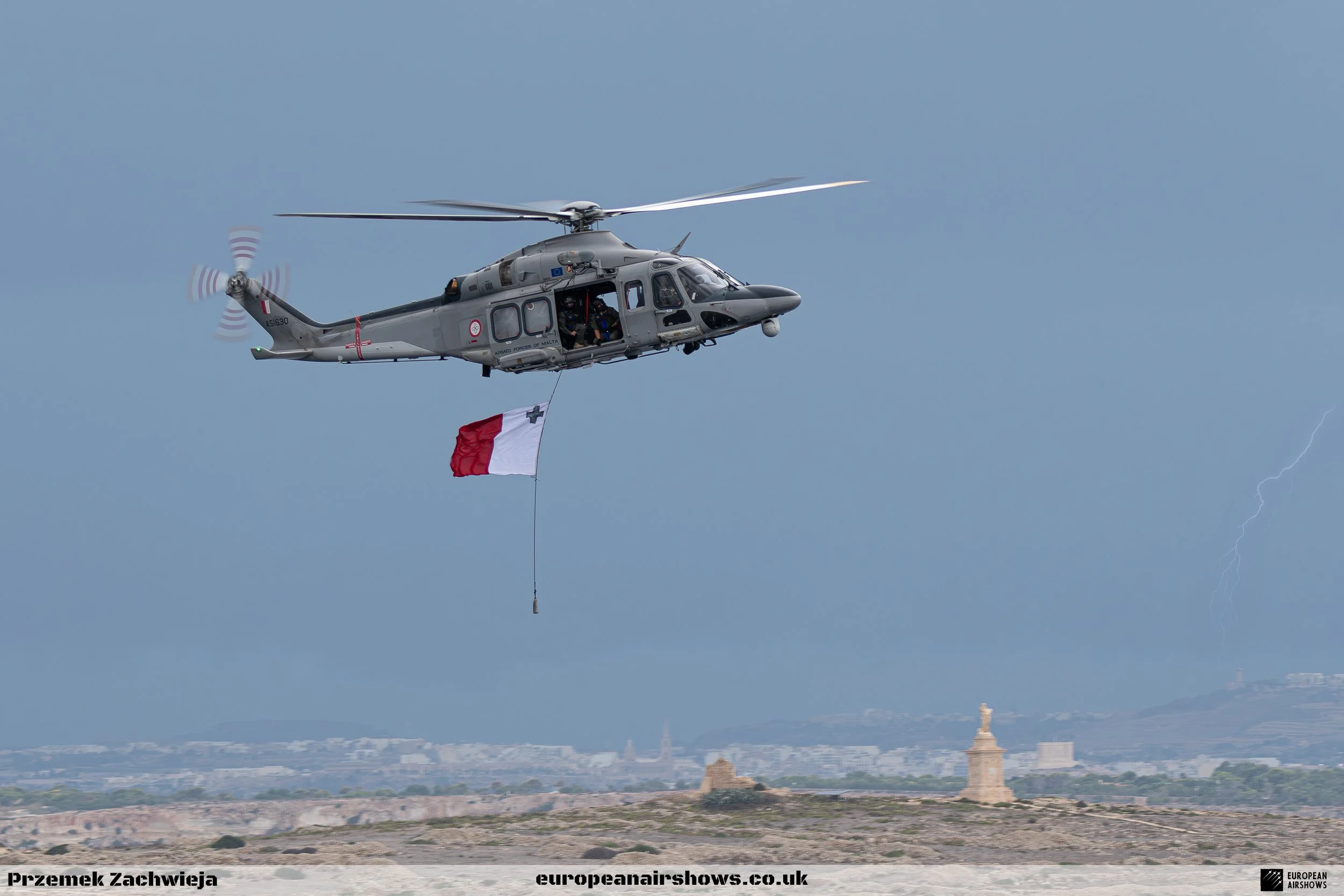
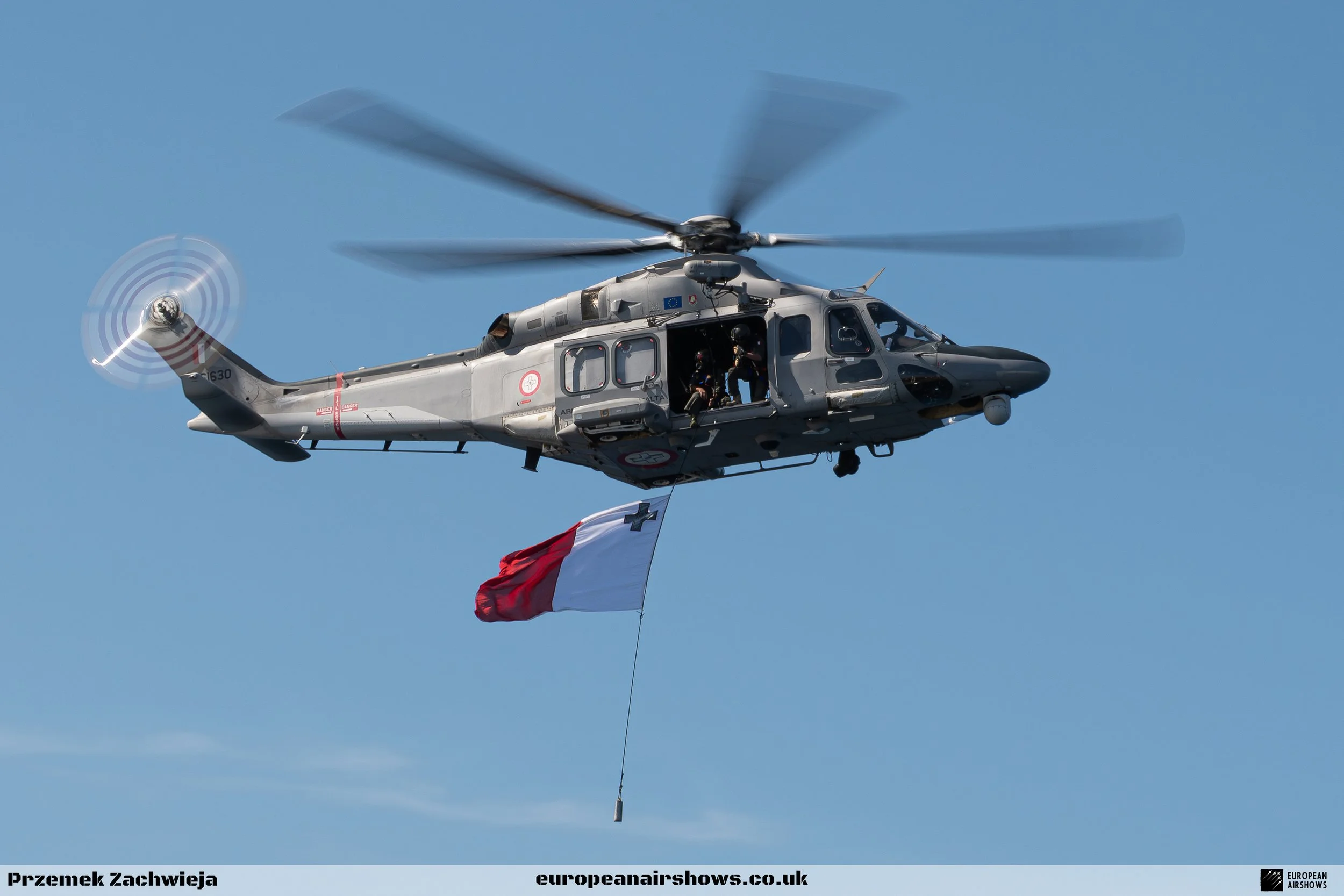
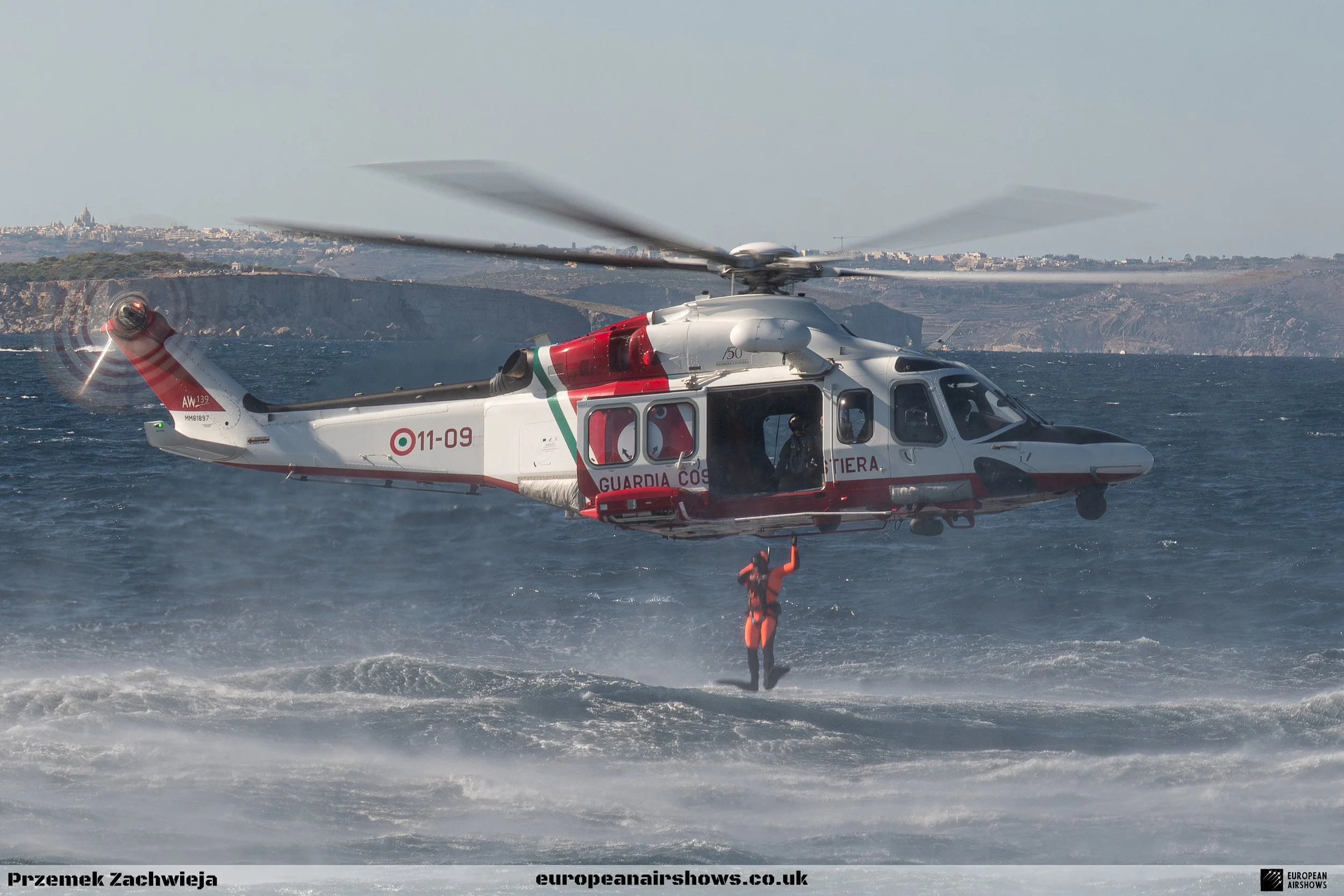
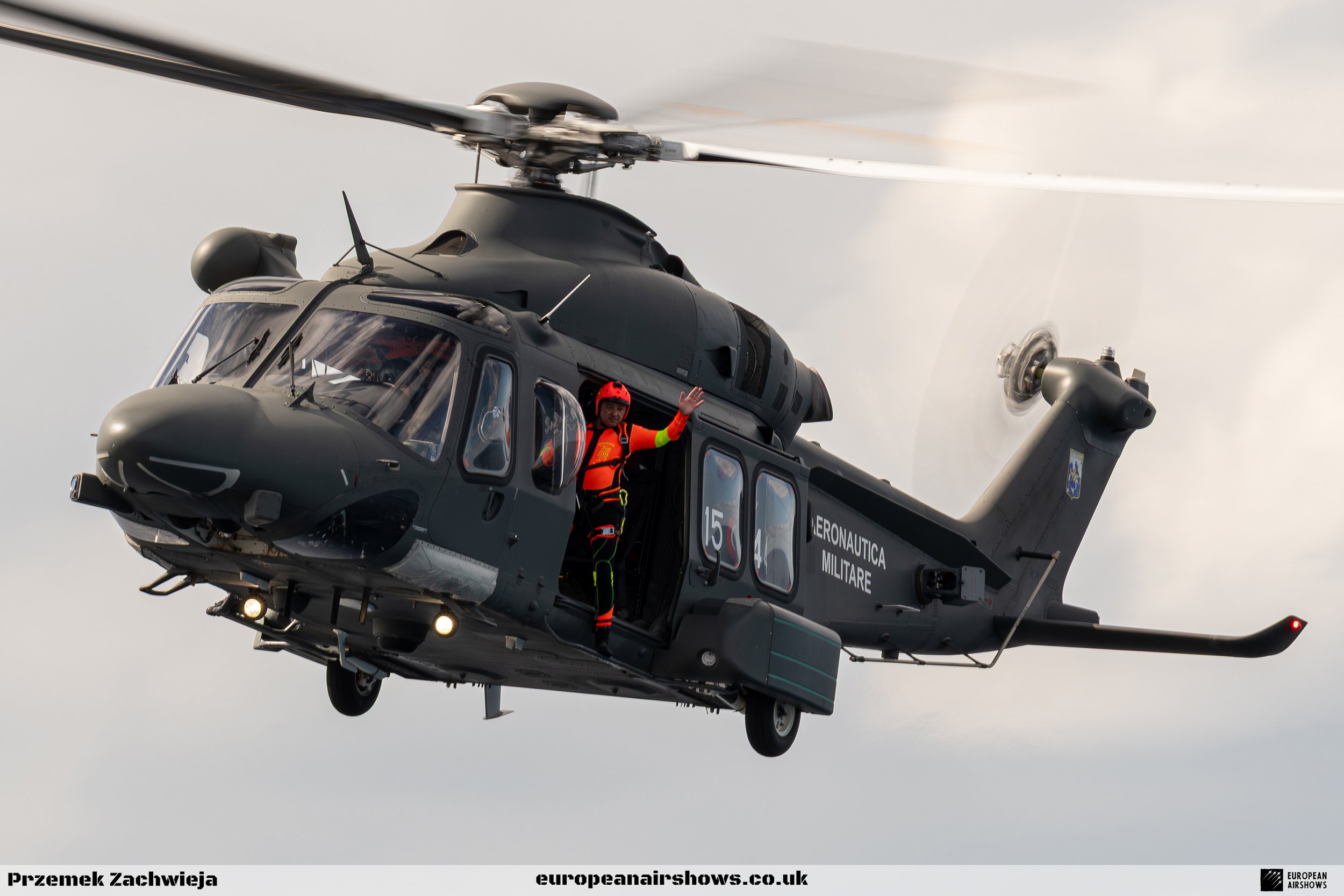
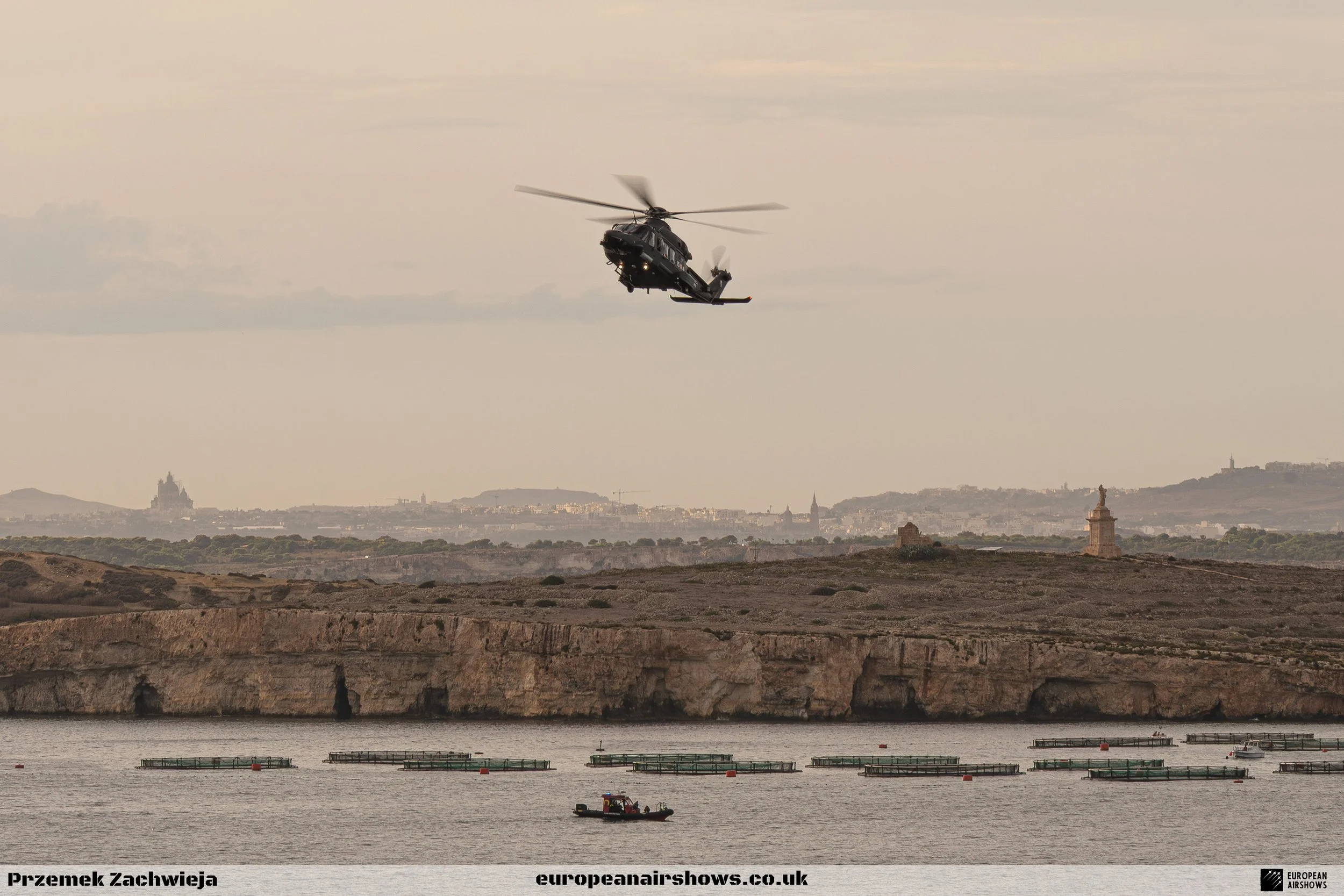
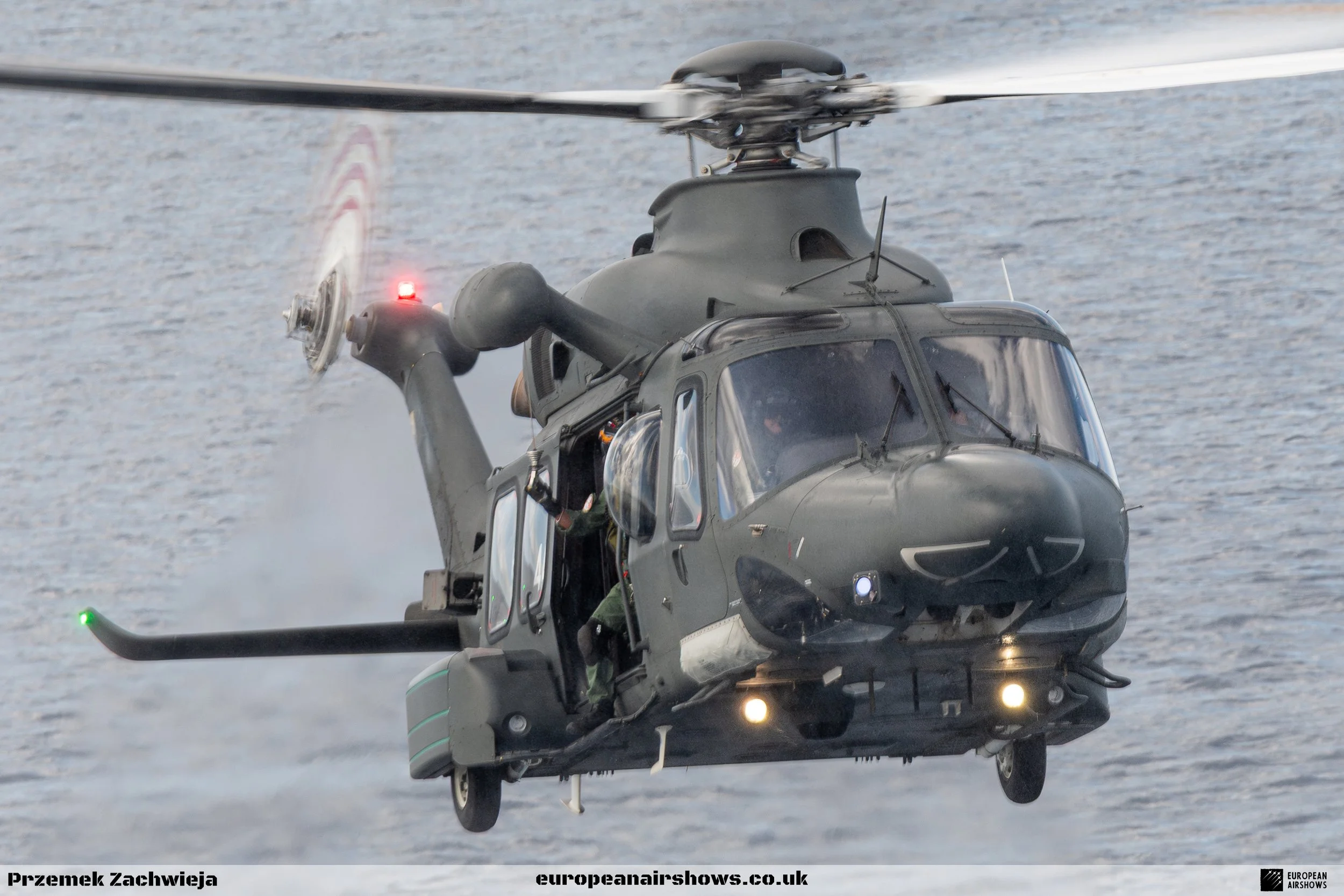
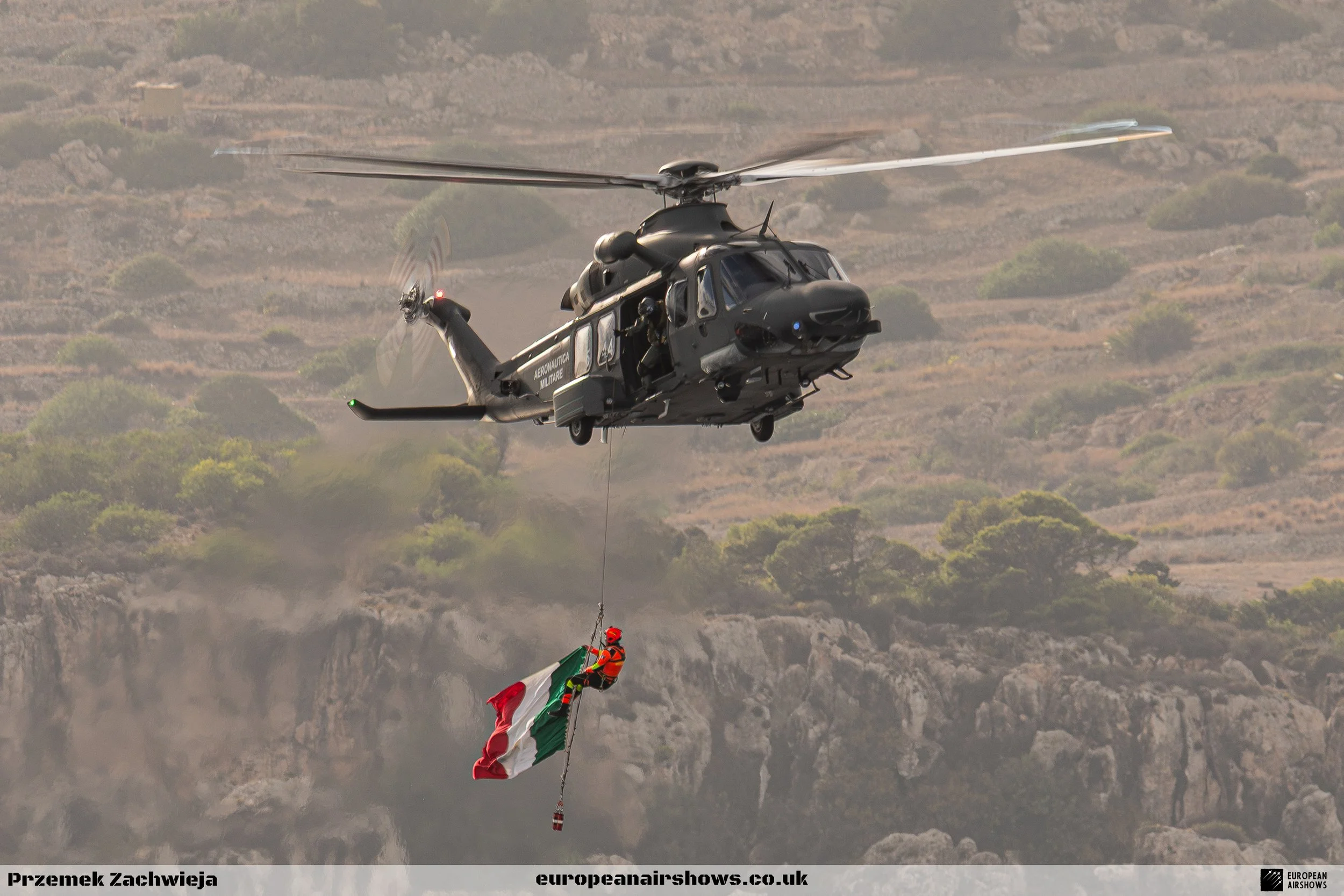
The flying display over St Paul’s Bay commenced with the hosts, the Air Wing of the Armed Forces of Malta (AFM). The opening sequence was led by a Leonardo AW139, performing a stately low-speed pass with the Maltese flag suspended from the winch—a ceremonial duty inherited from the retired Alouette III fleet. Following the flag pass, the crew transitioned into a concise handling demonstration, showcasing the AW139’s agility and solid hover authority against the coastal backdrop.
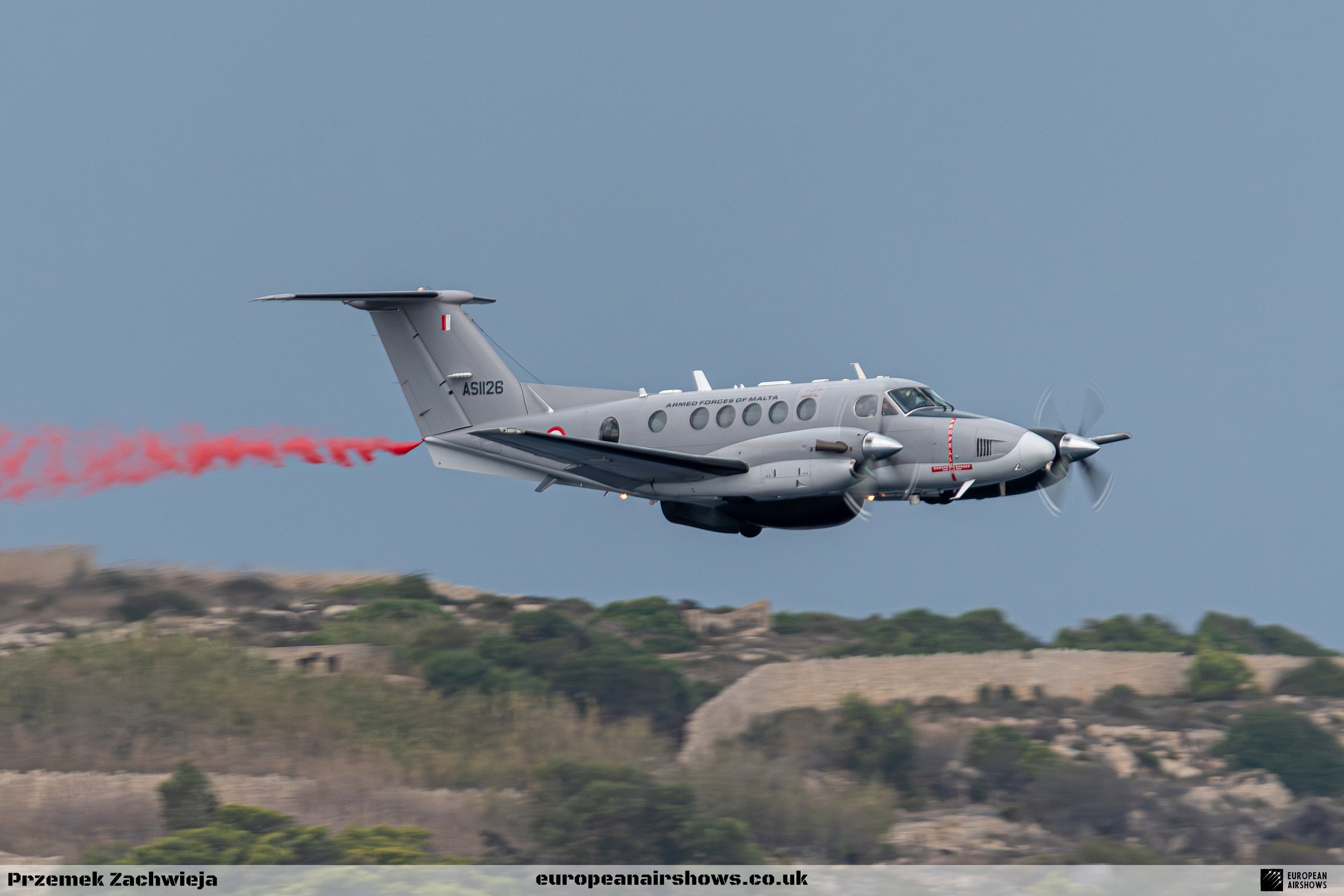
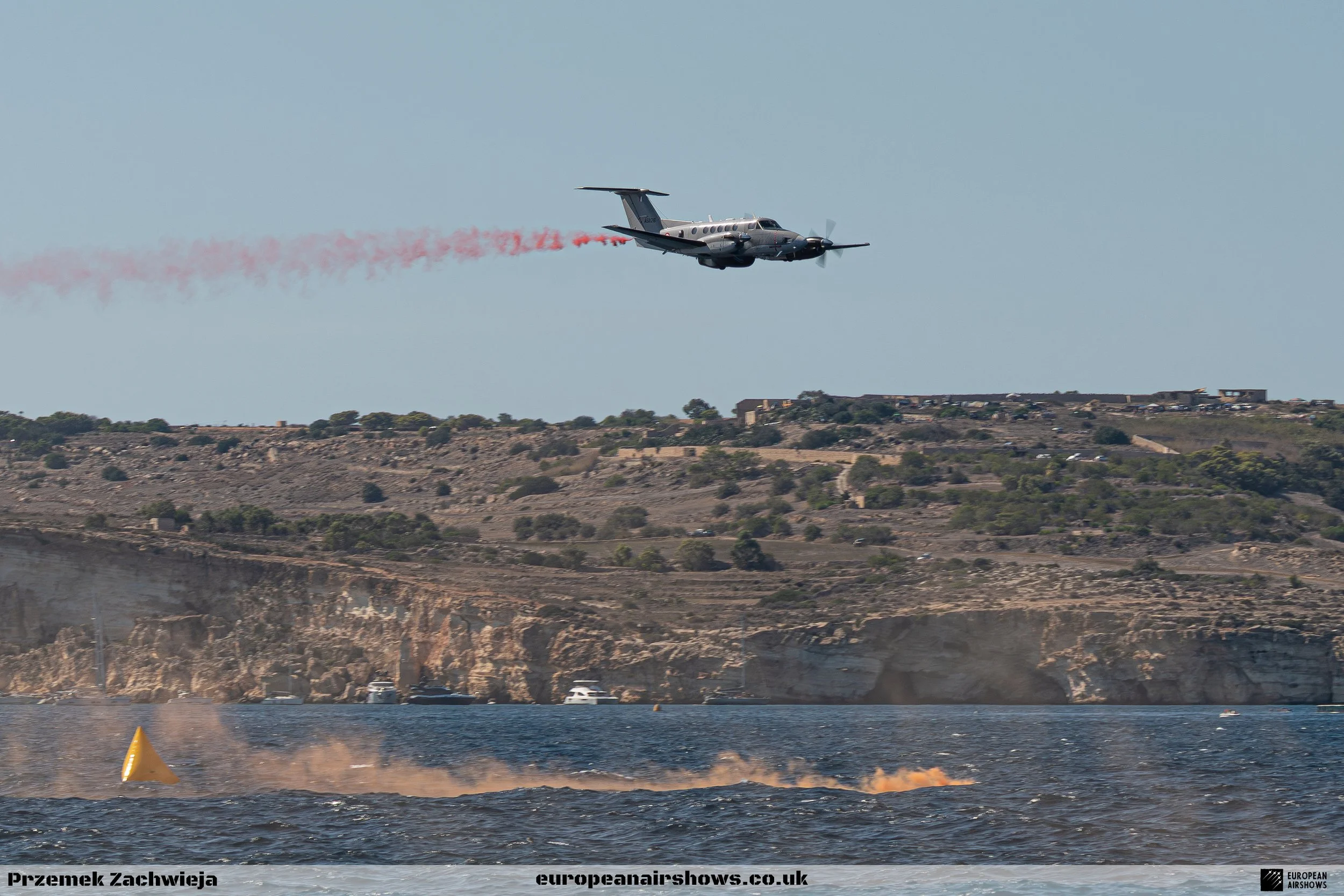
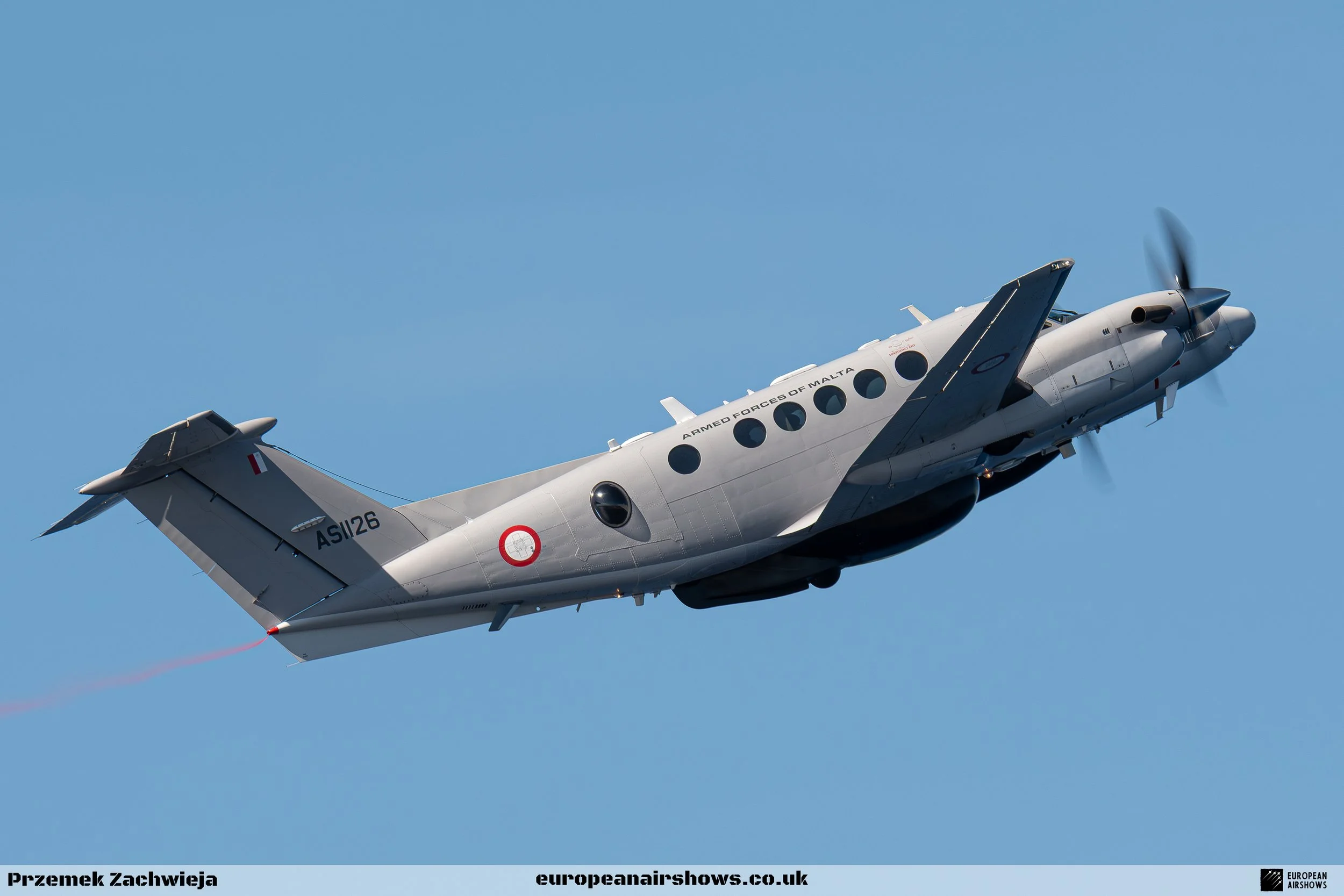
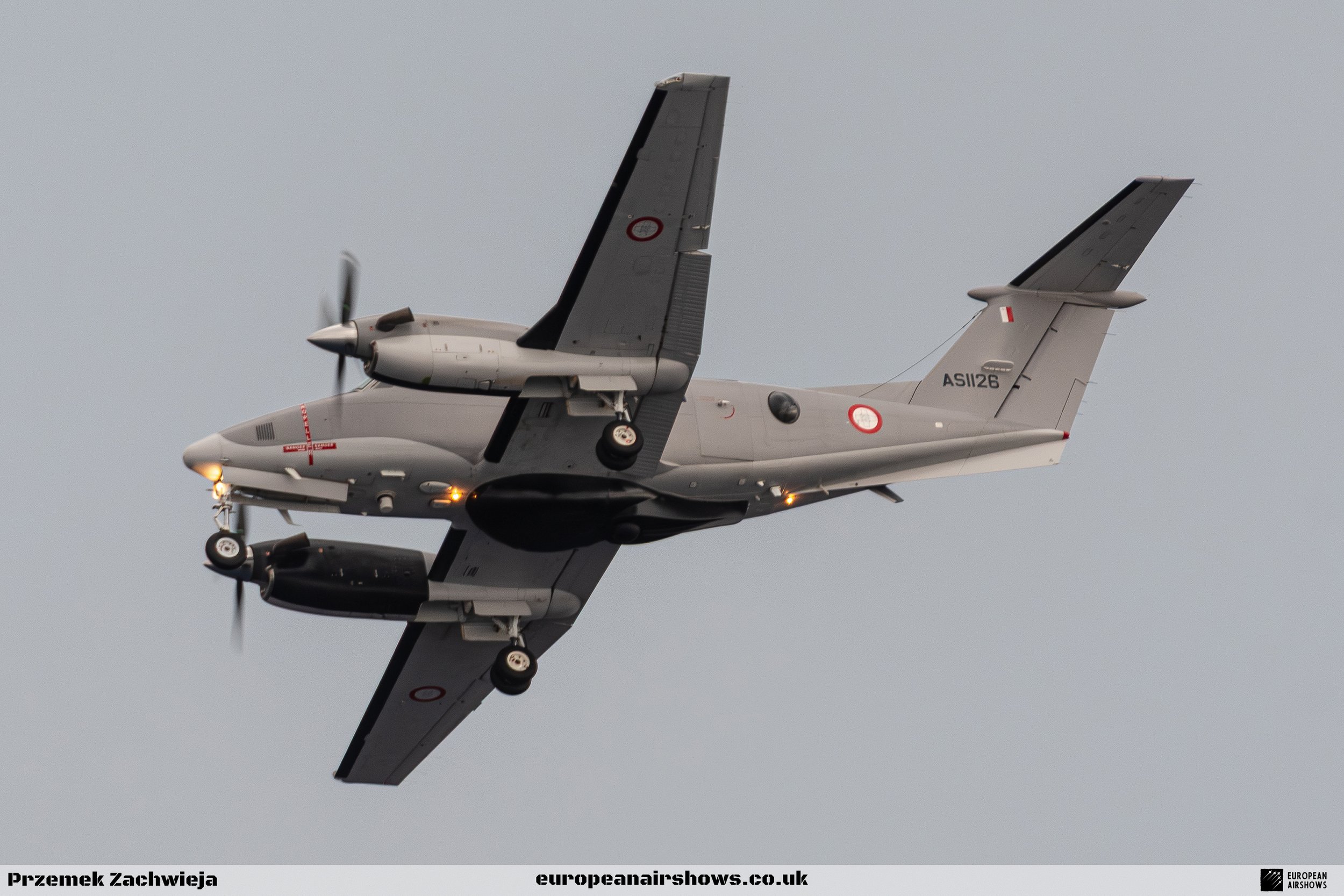
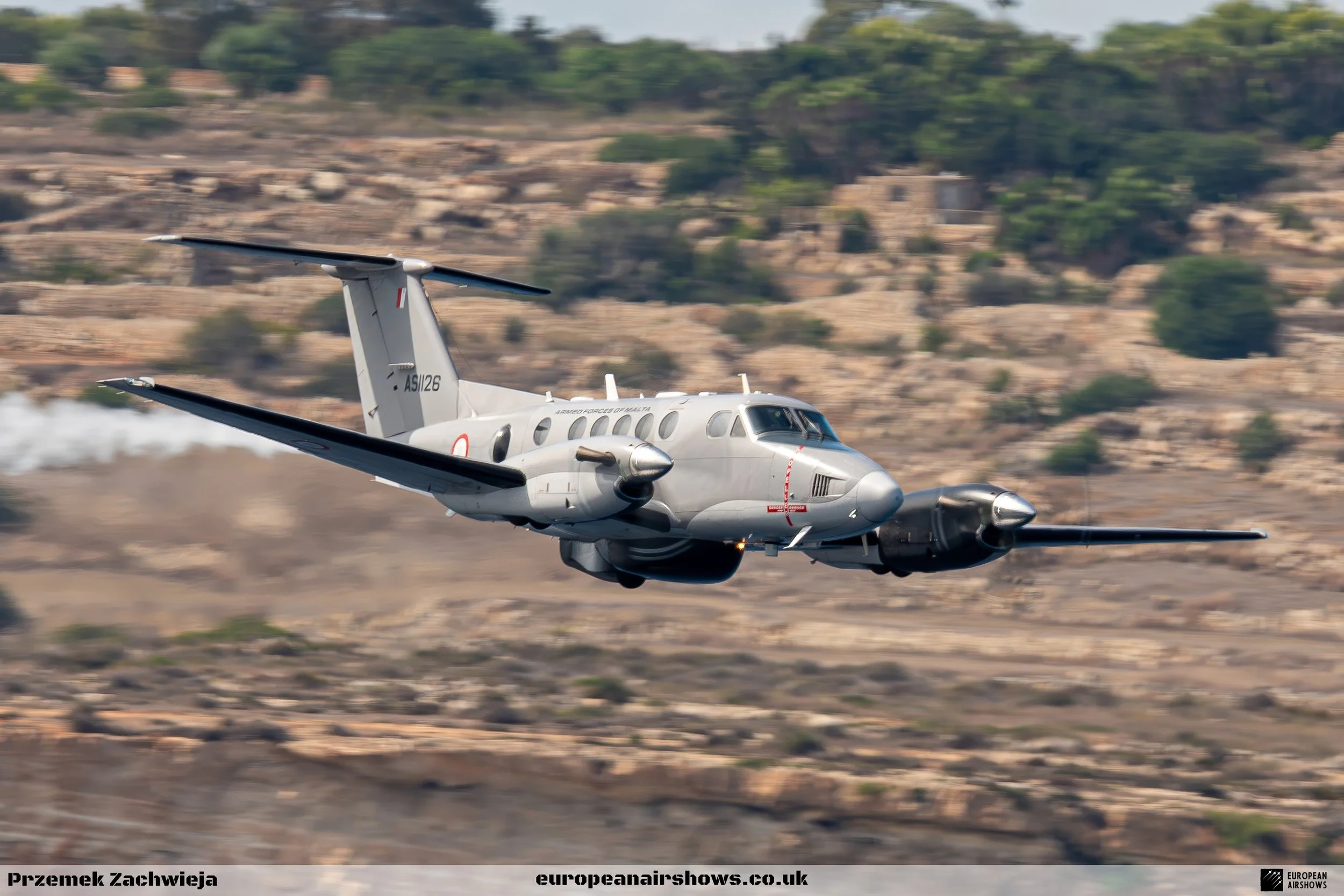
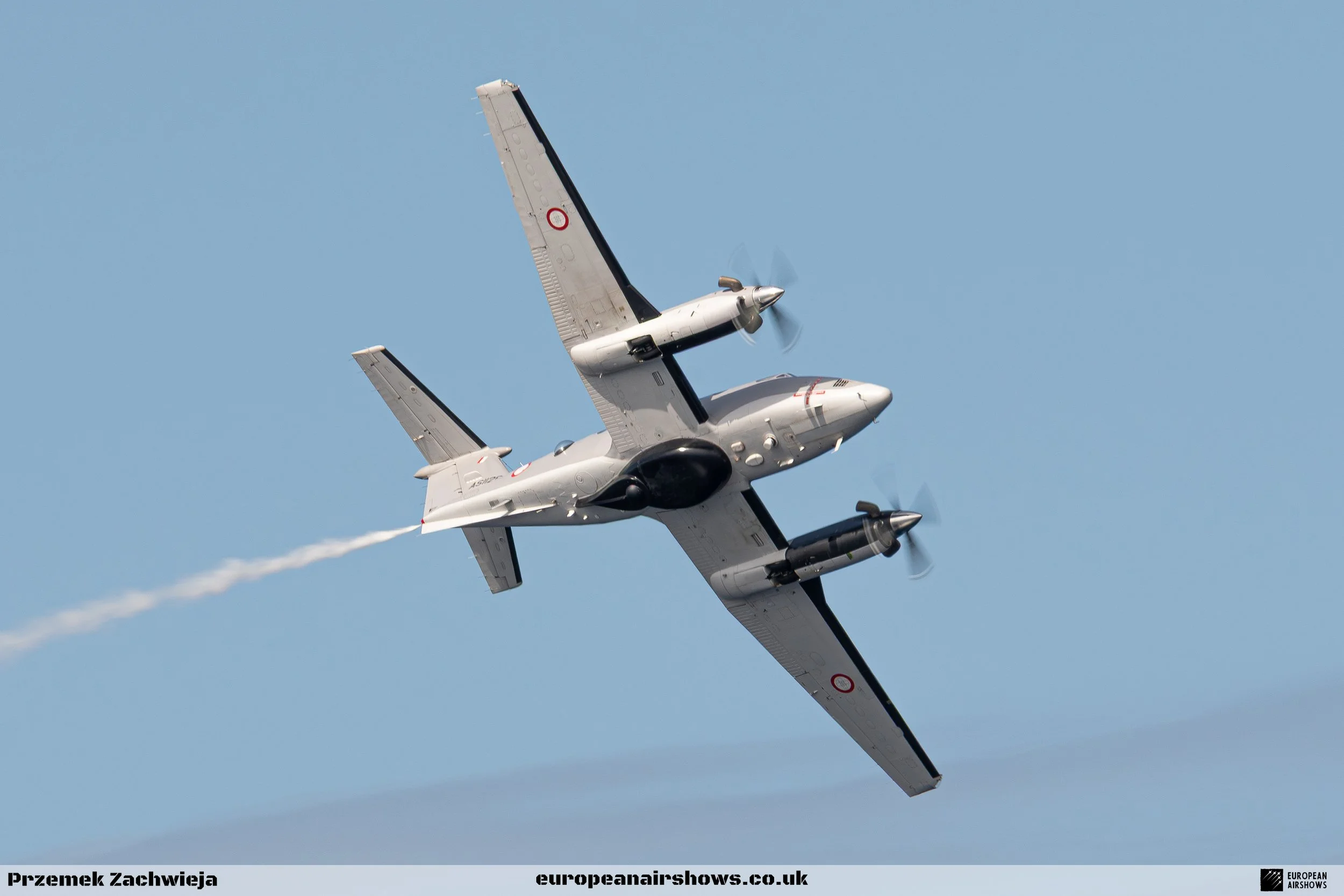
On Saturday, this opening segment took on a genuinely dramatic quality as a thunderstorm rolled in from the sea. With dark, brooding clouds and frequent lightning strikes providing an apocalyptic canvas, the AFM’s display was visually arresting, the flag pass and winch operations silhouetted against the encroaching tempest. The subsequent sequence involved the BN-2T Islander executing a search pattern with flare drops, followed by the King Air B200 sweeping in at low level trailing red smoke. It was an incredibly atmospheric, if ominous, start to the show, highlighting the reality of the AFM’s patrol work in even the most hostile conditions.
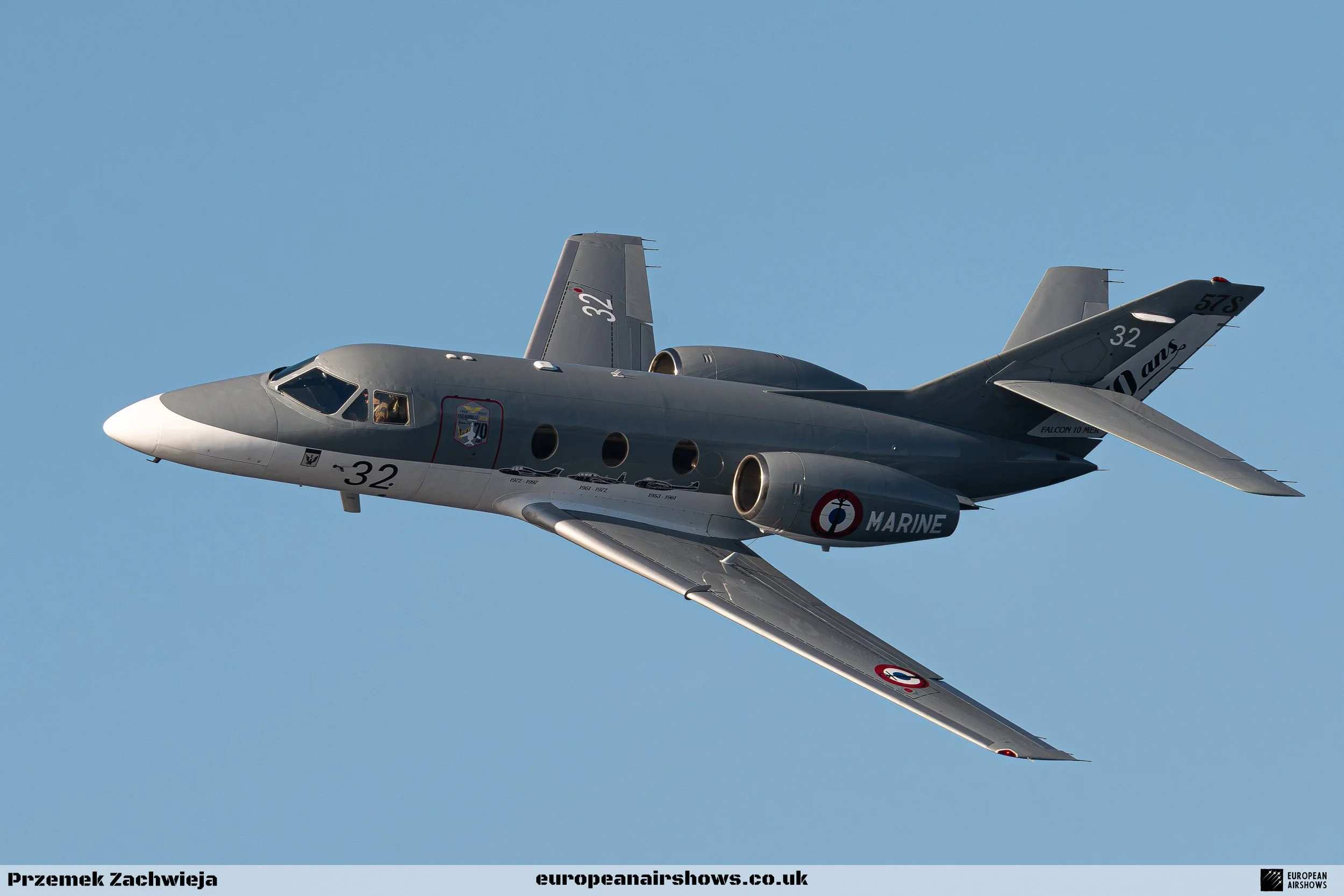
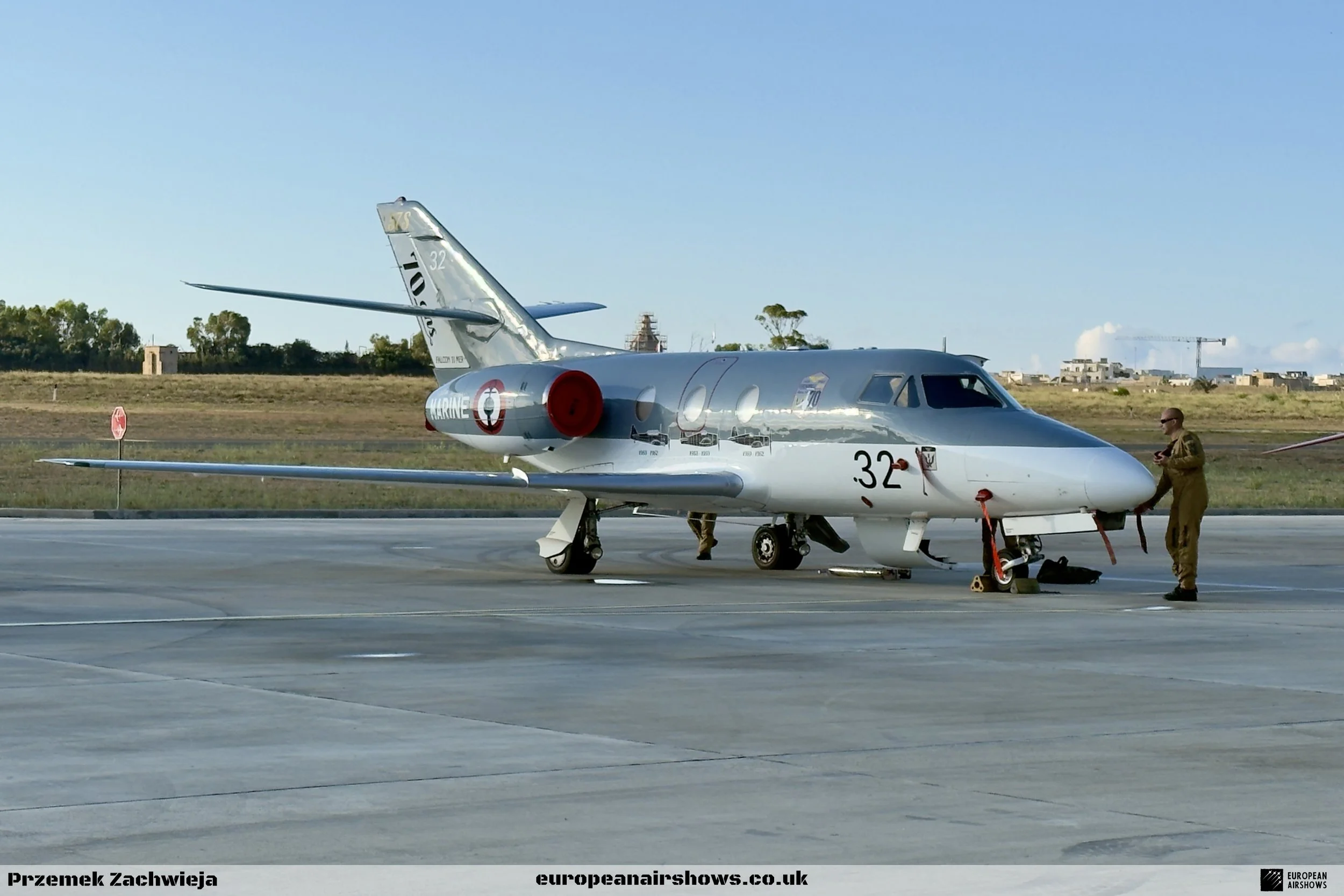
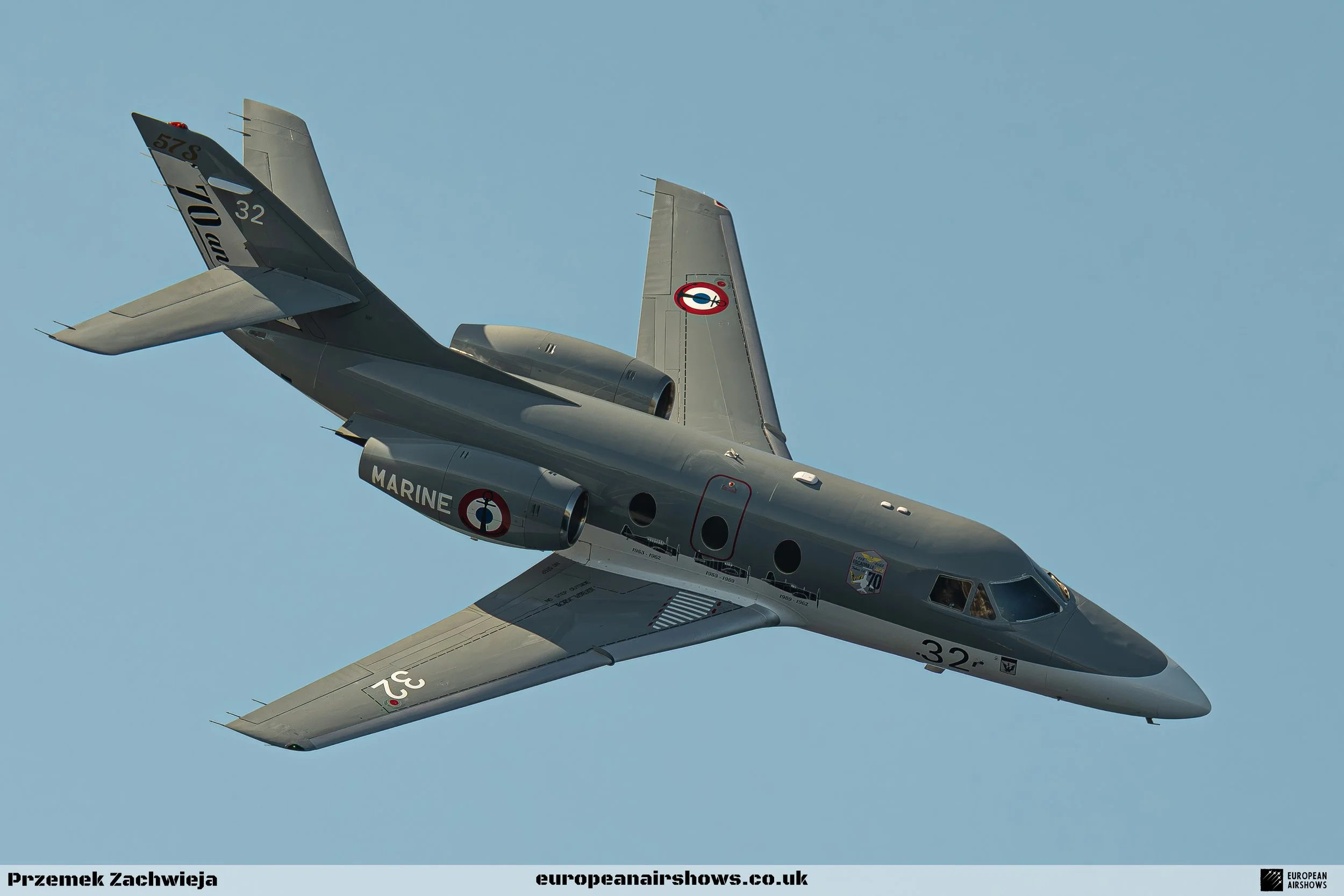
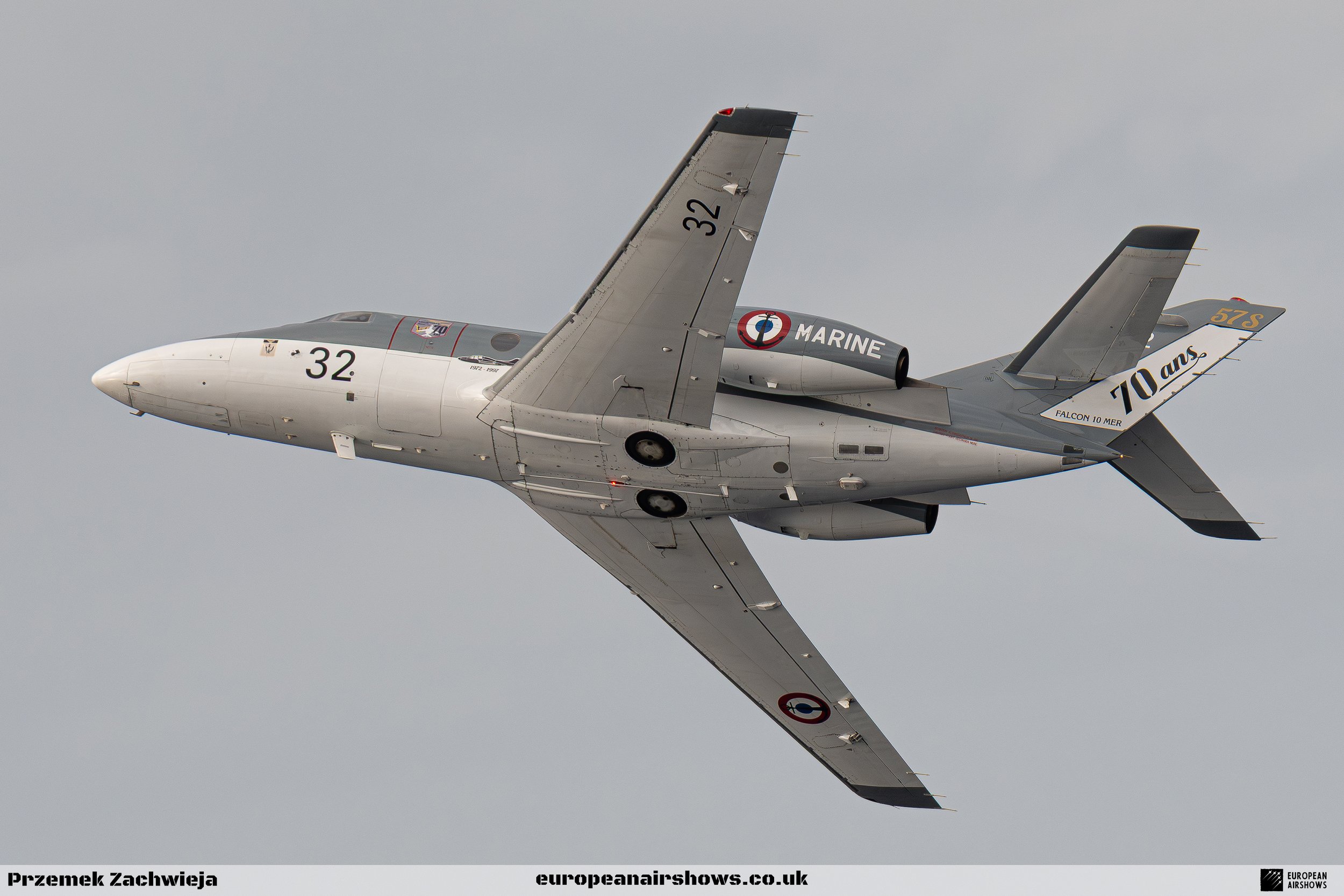
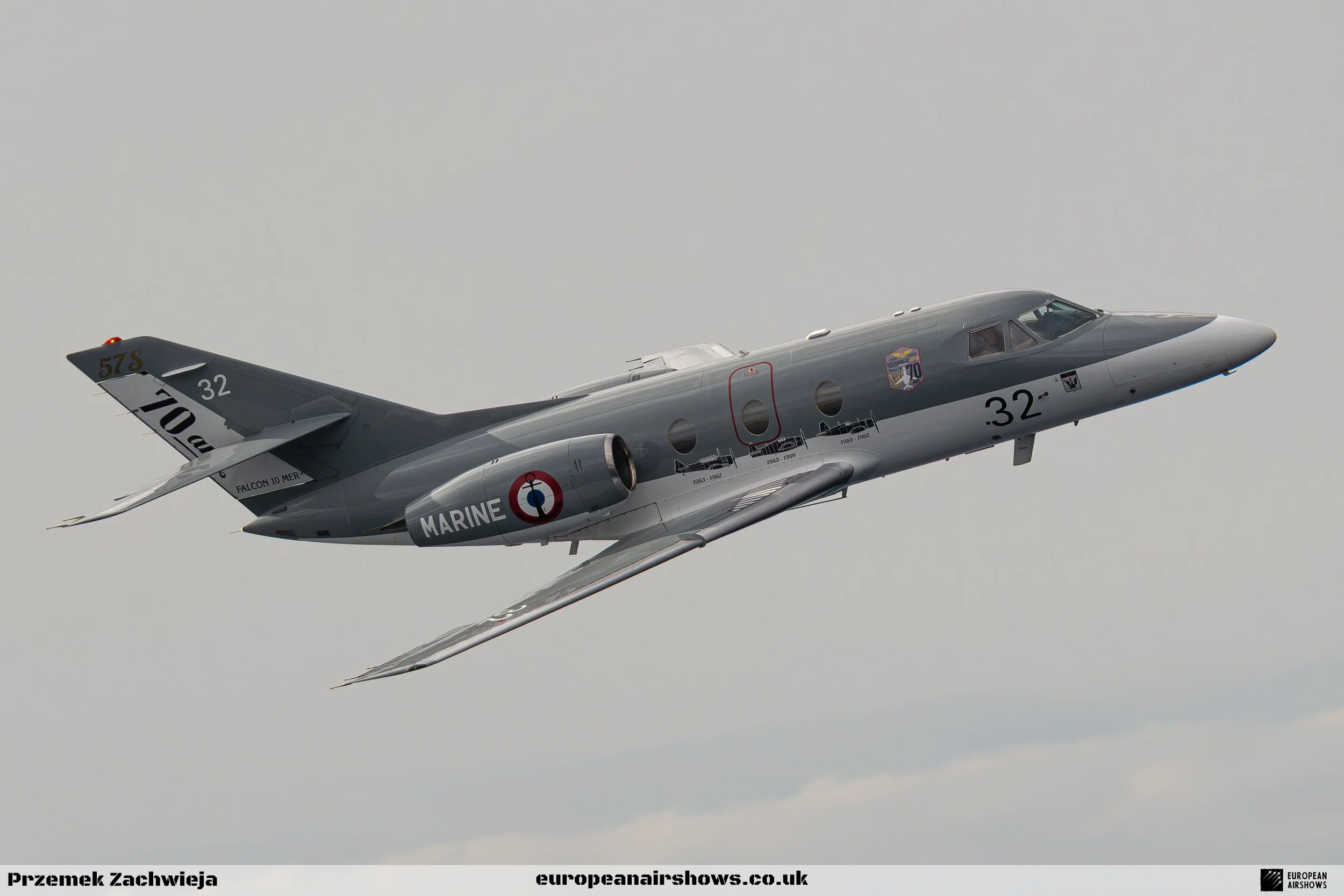
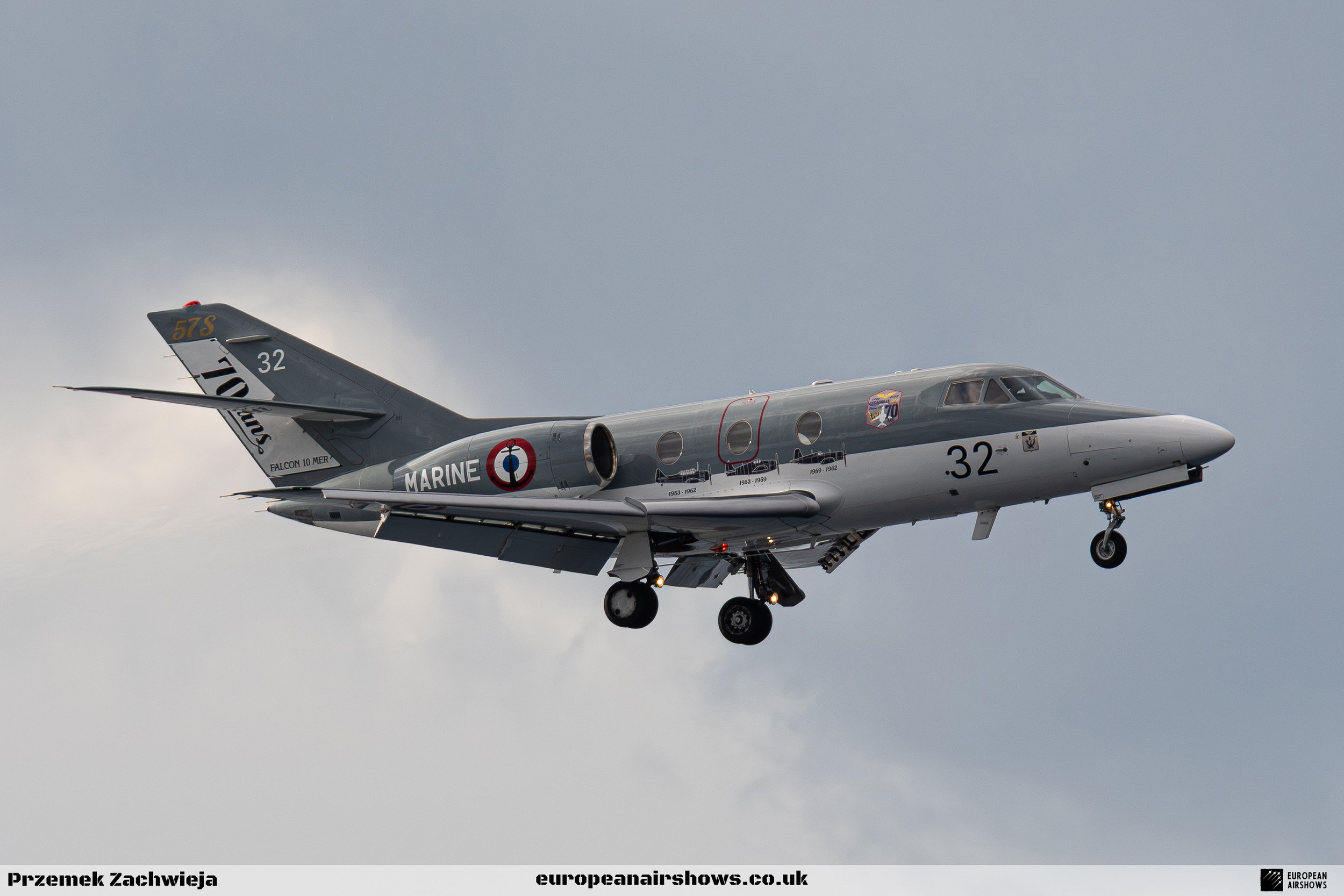
Aviation enthusiasts were granted a true rarity in the form of a Dassault Falcon 10MER from the French Navy’s 57S Squadron, operating out of Landivisiau. With the squadron having flown the type since the early 1980s for training and liaison duties, overseas displays of the Falcon 10 are exceptionally scarce. Its presence was a significant coup for the organisers, particularly as the type is slated for replacement by the Pilatus PC-24 commencing in 2026.
For a liaison jet, the French crew delivered a surprisingly spirited routine. The display blended high-speed passes with tight reversals and a well-banked topside pass, followed by a slowed-down “dirty” pass in full landing configuration. Against the deep blue of the Sunday afternoon sky, the Falcon 10 cut an elegant figure, and for many photographers, it emerged as one of the weekend's aesthetic highlights. With its retirement looming, Malta 2025 likely served as one of the final opportunities to witness this classic French naval type displayed outside its home territory.
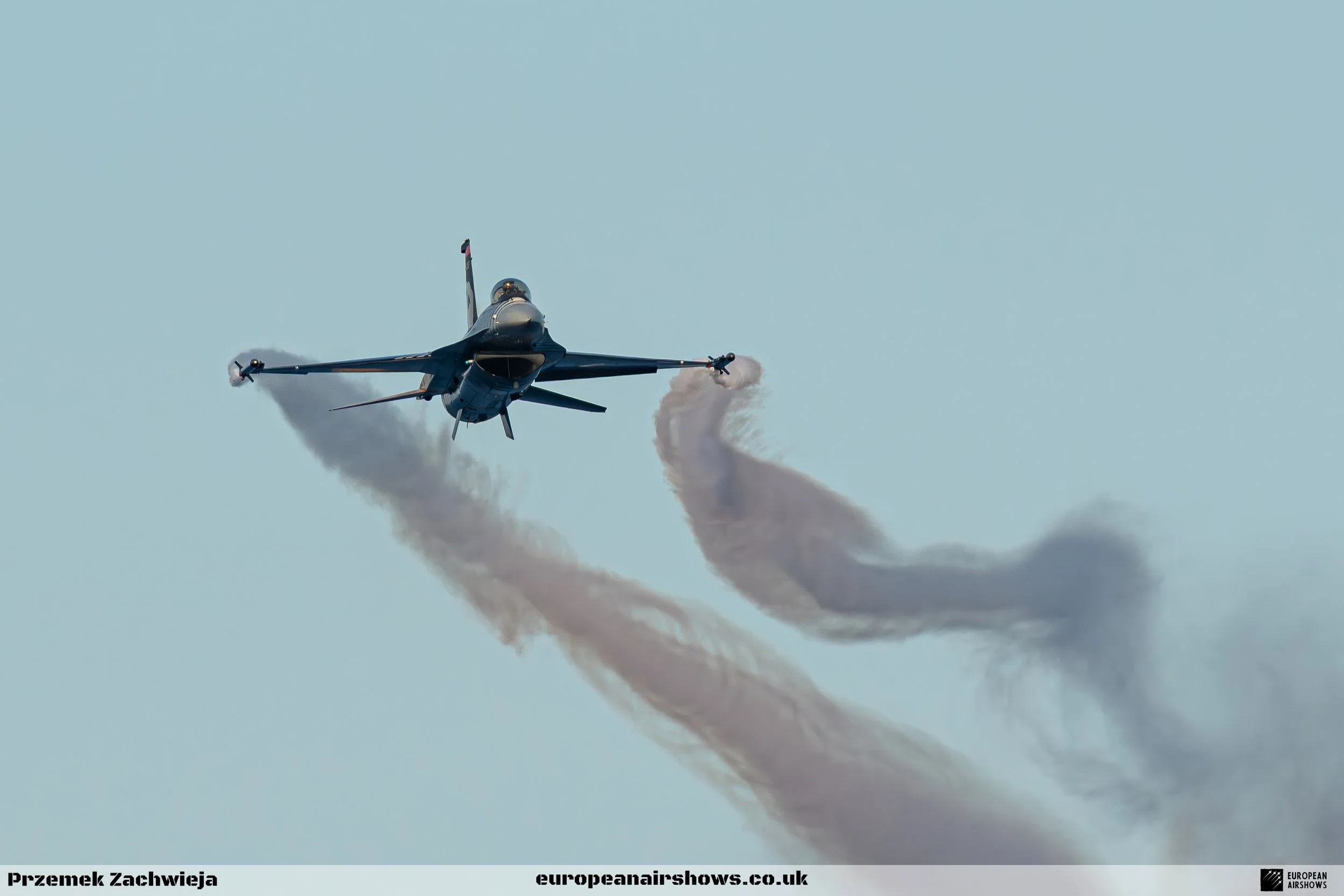
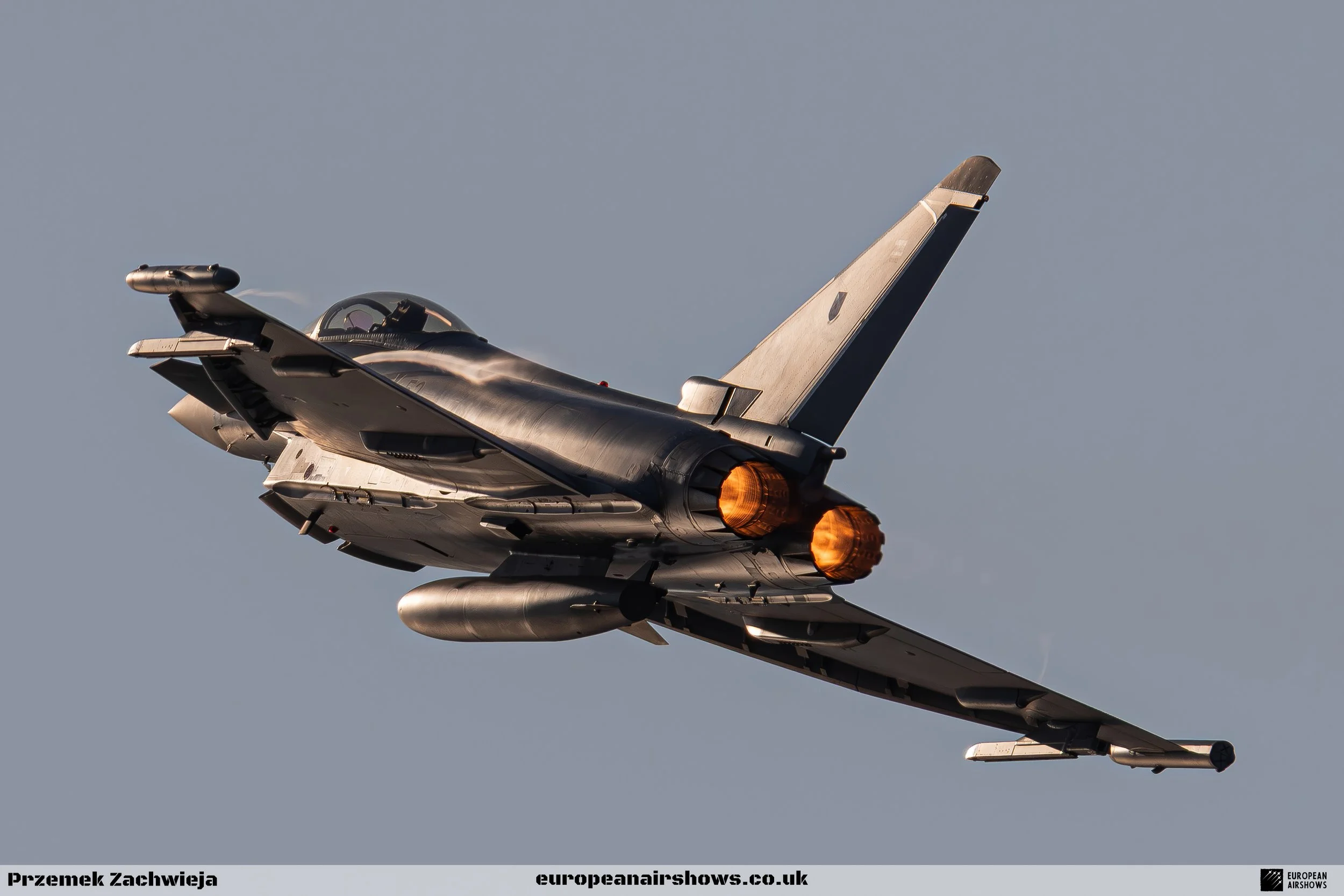
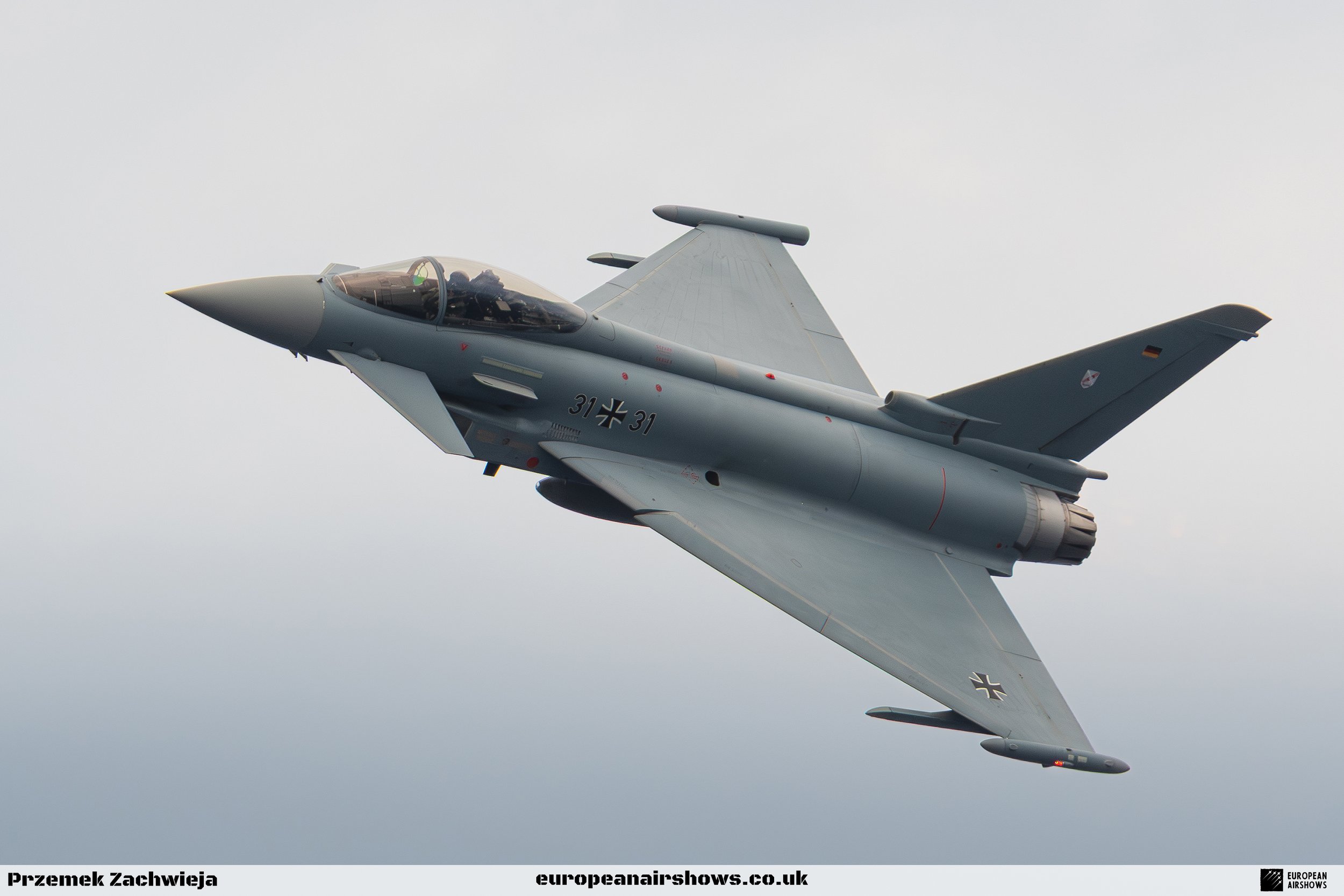
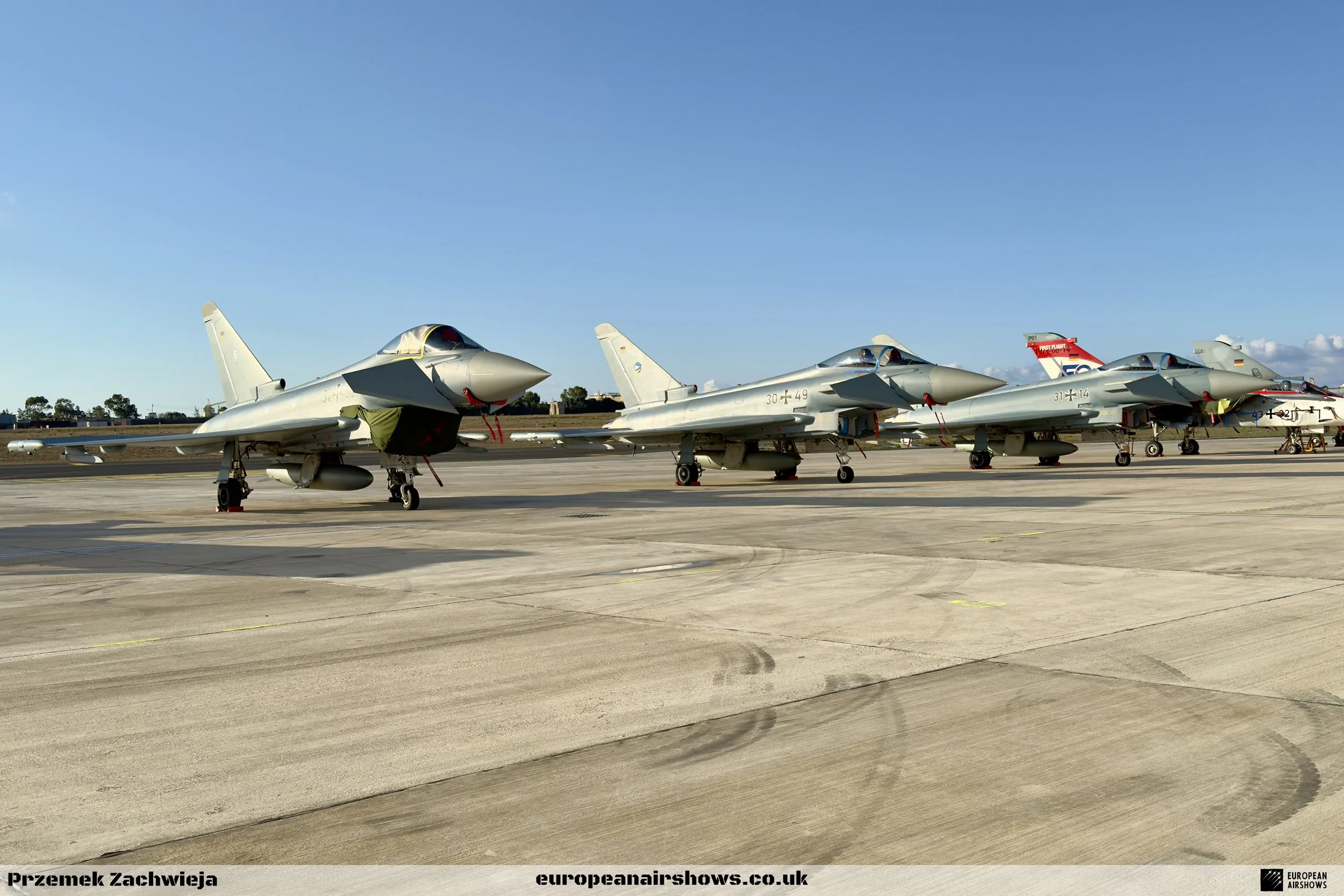
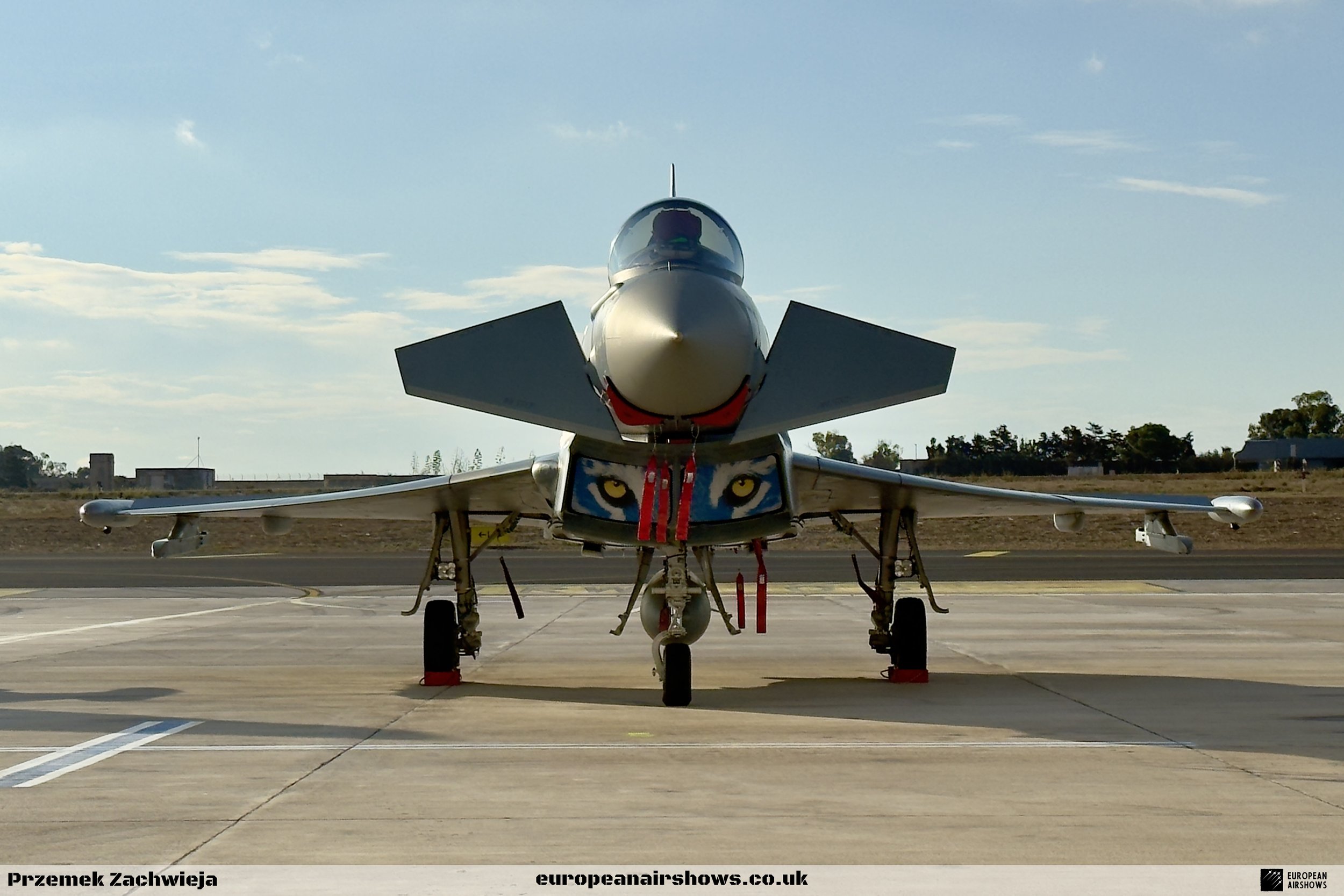
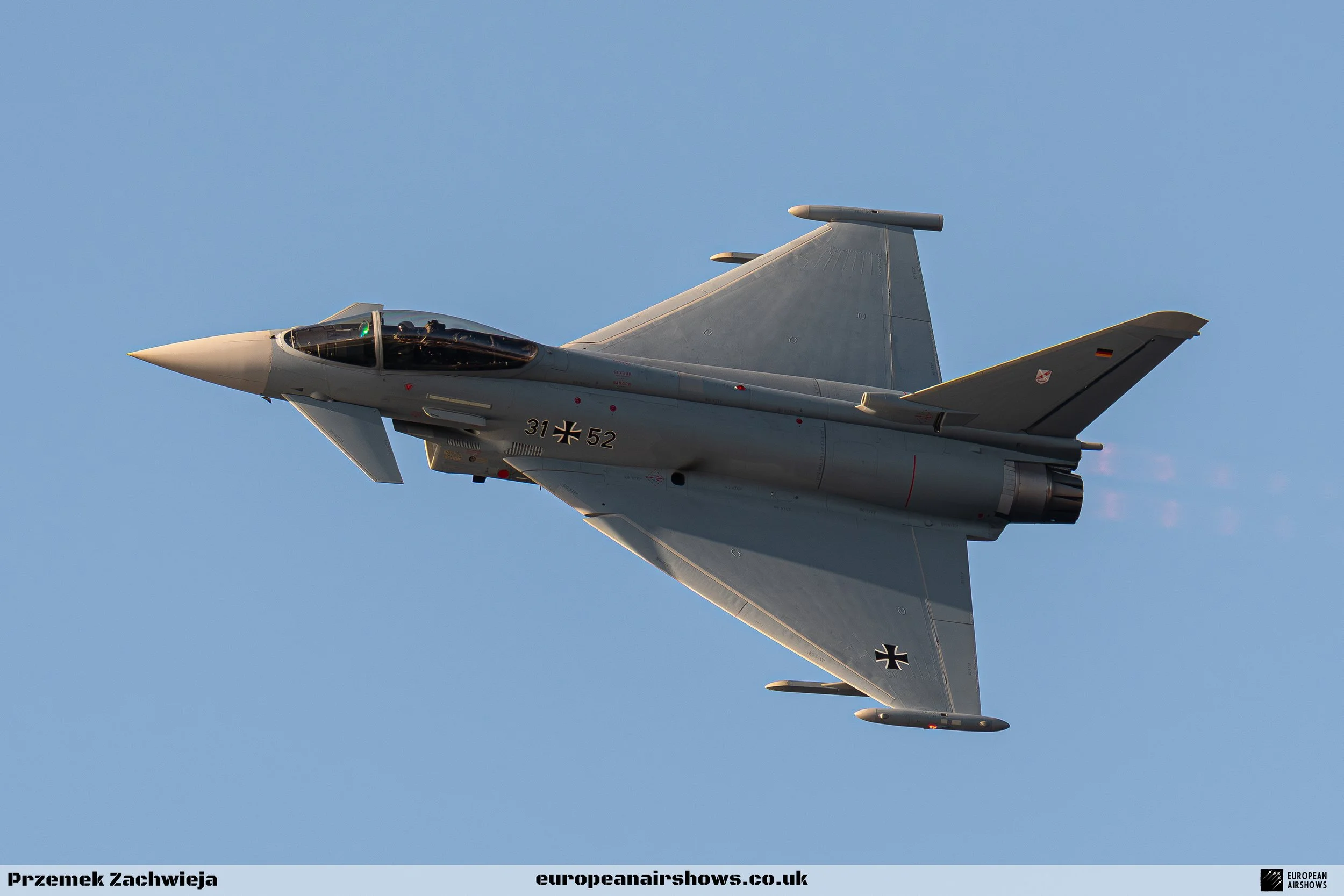
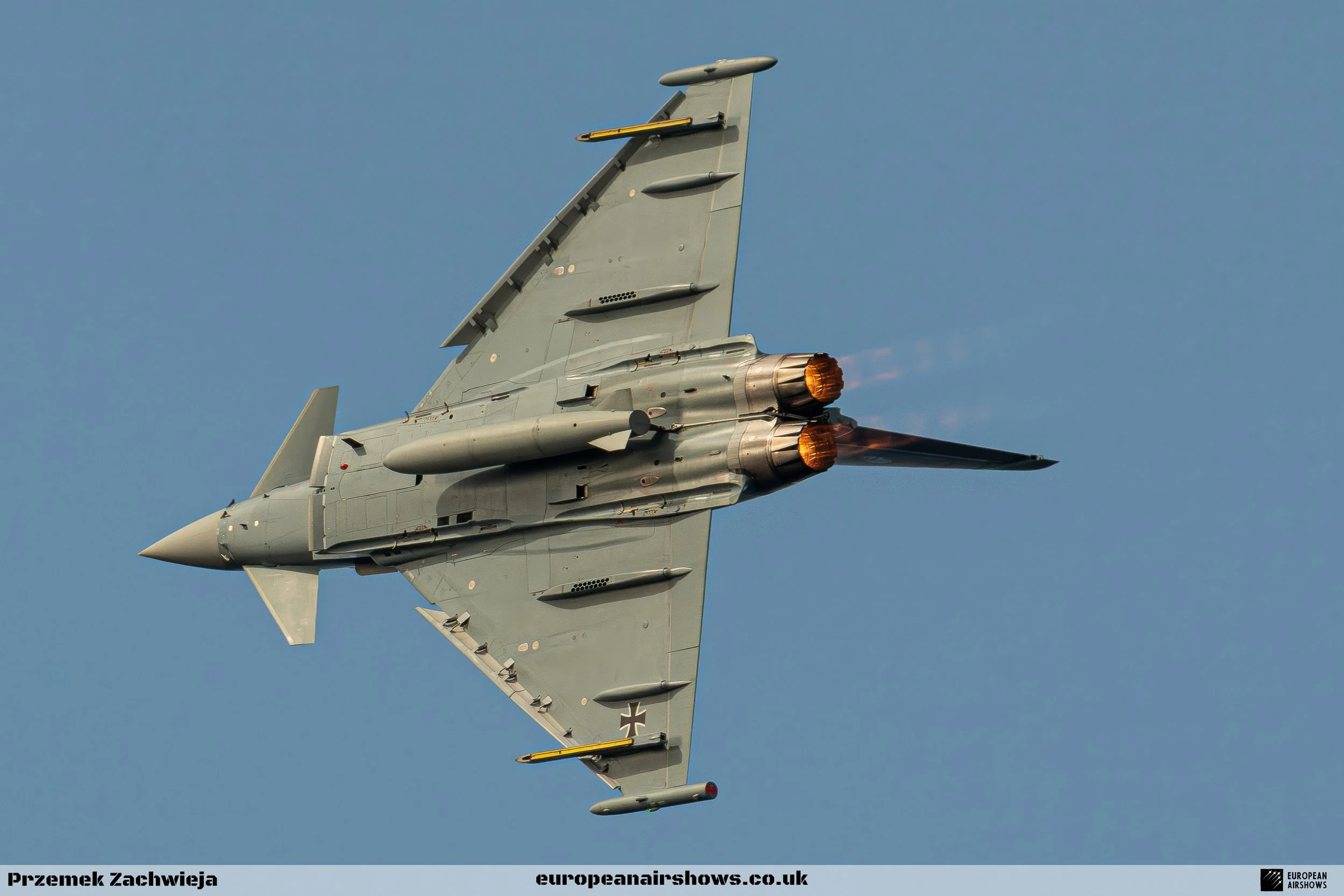
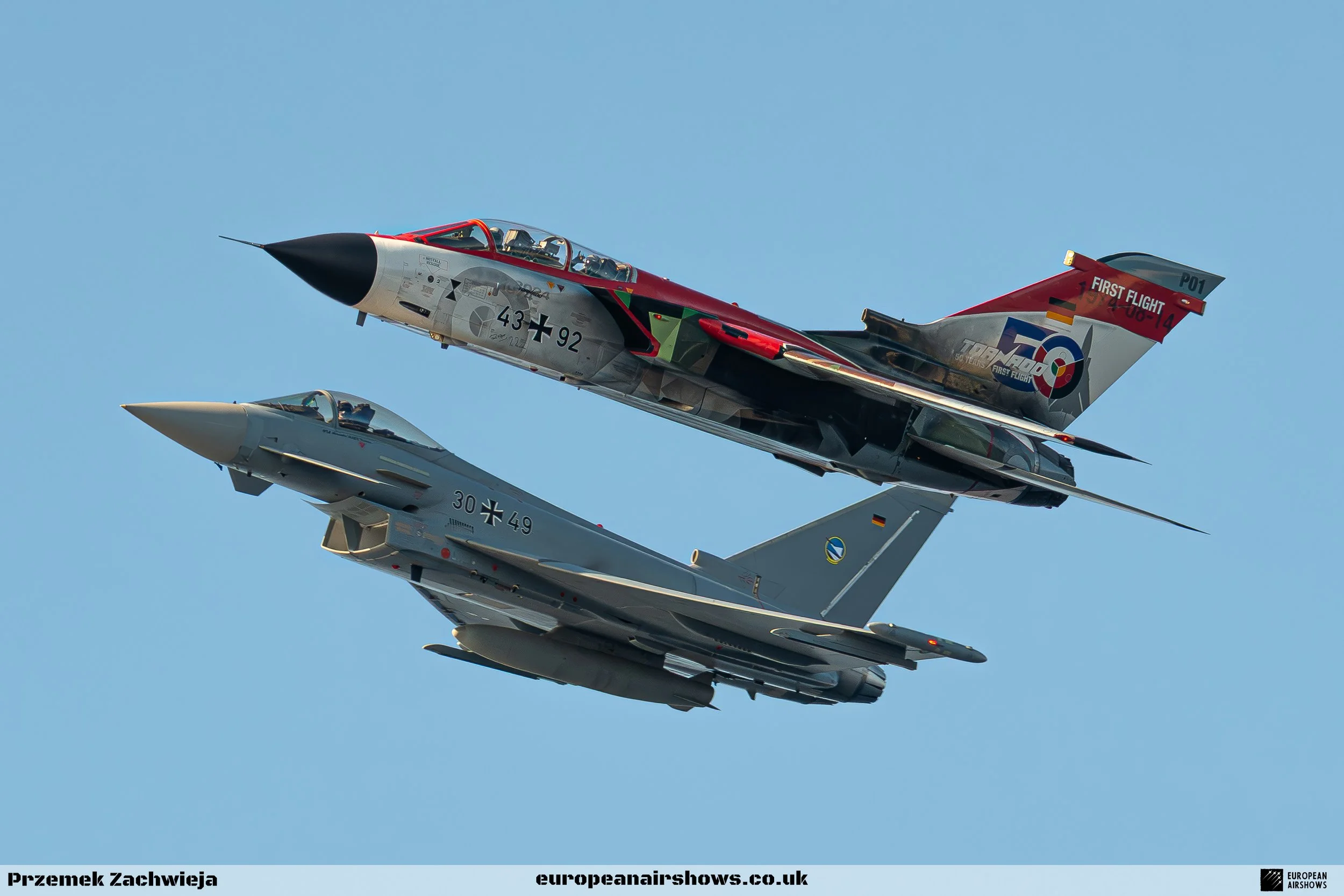
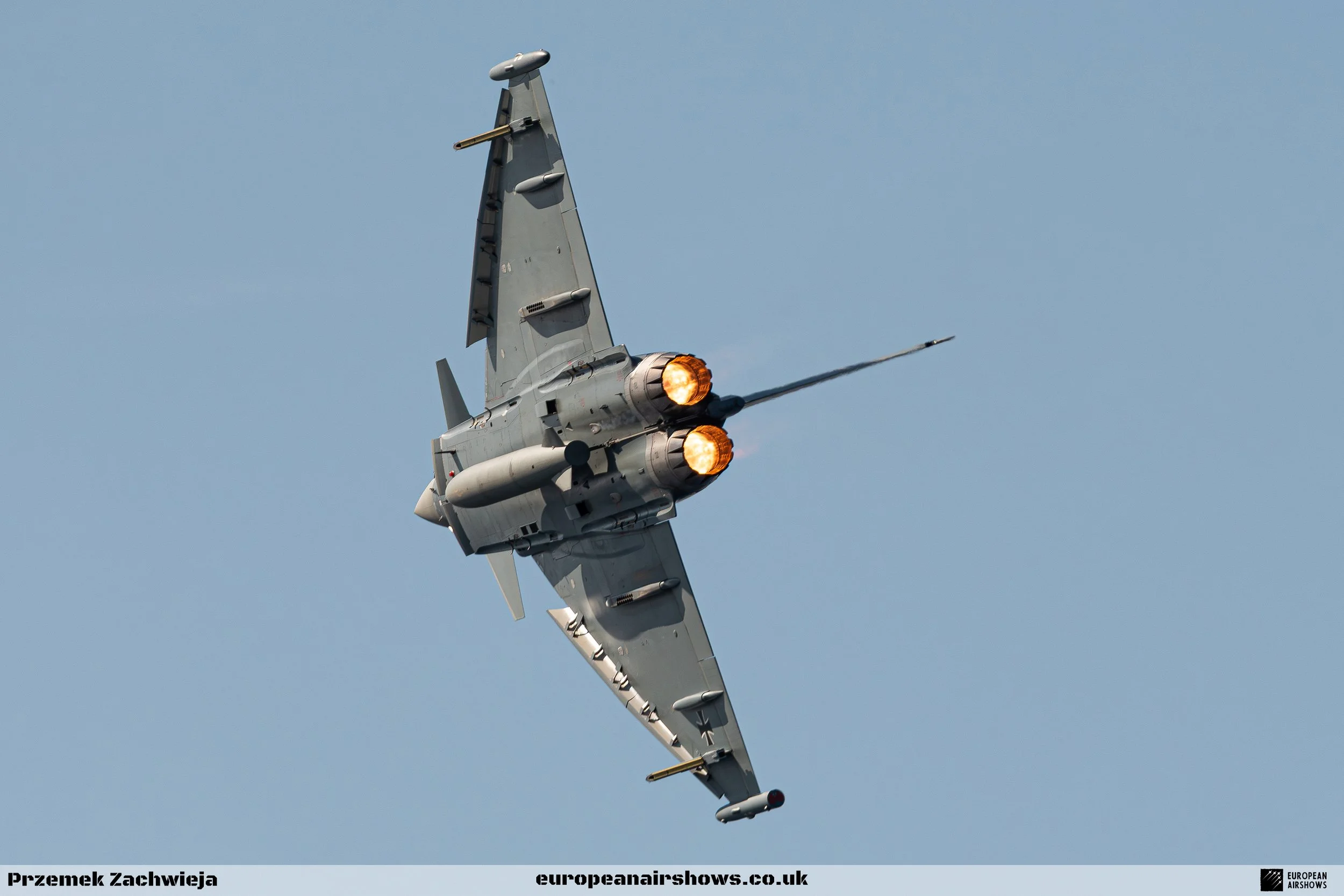
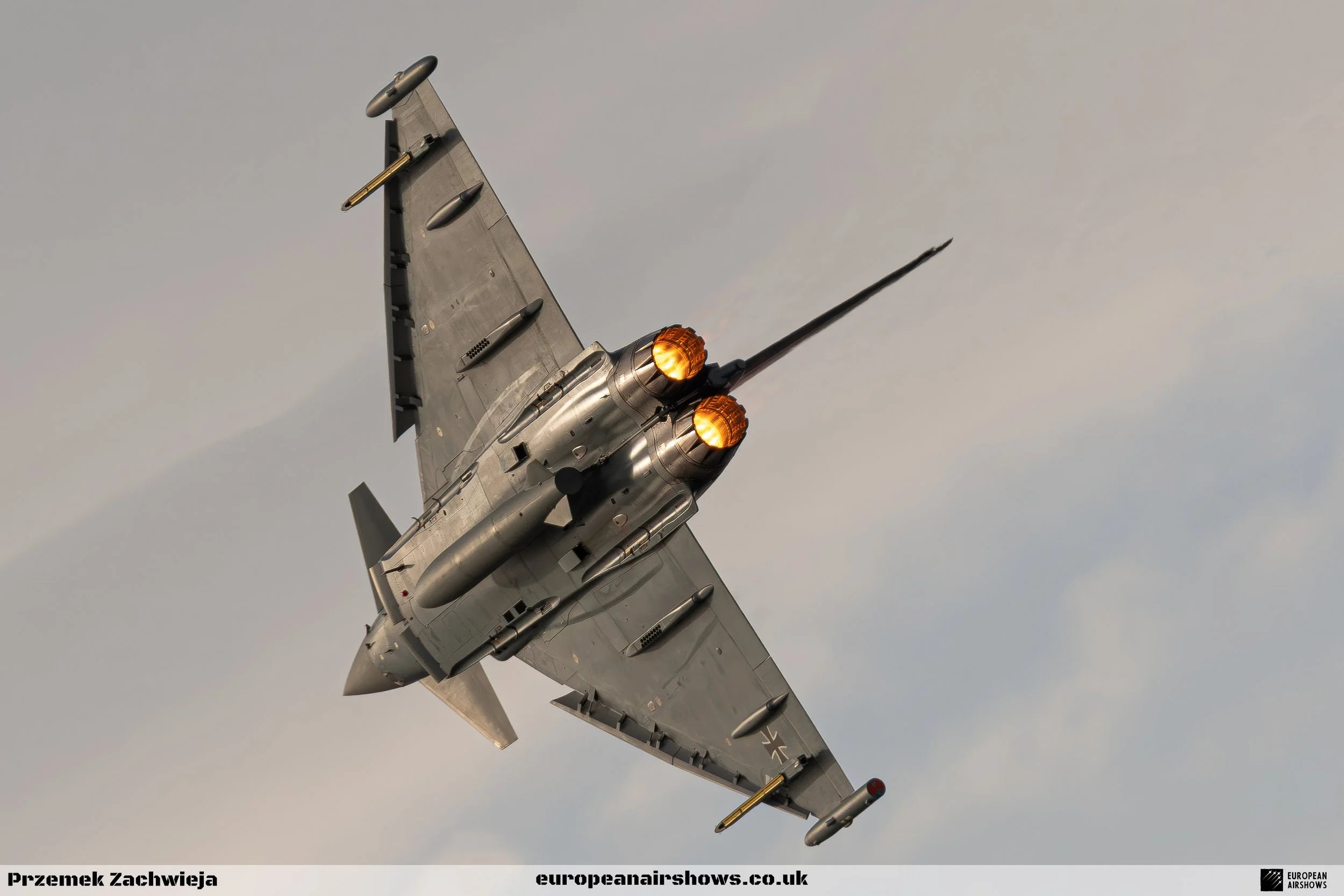
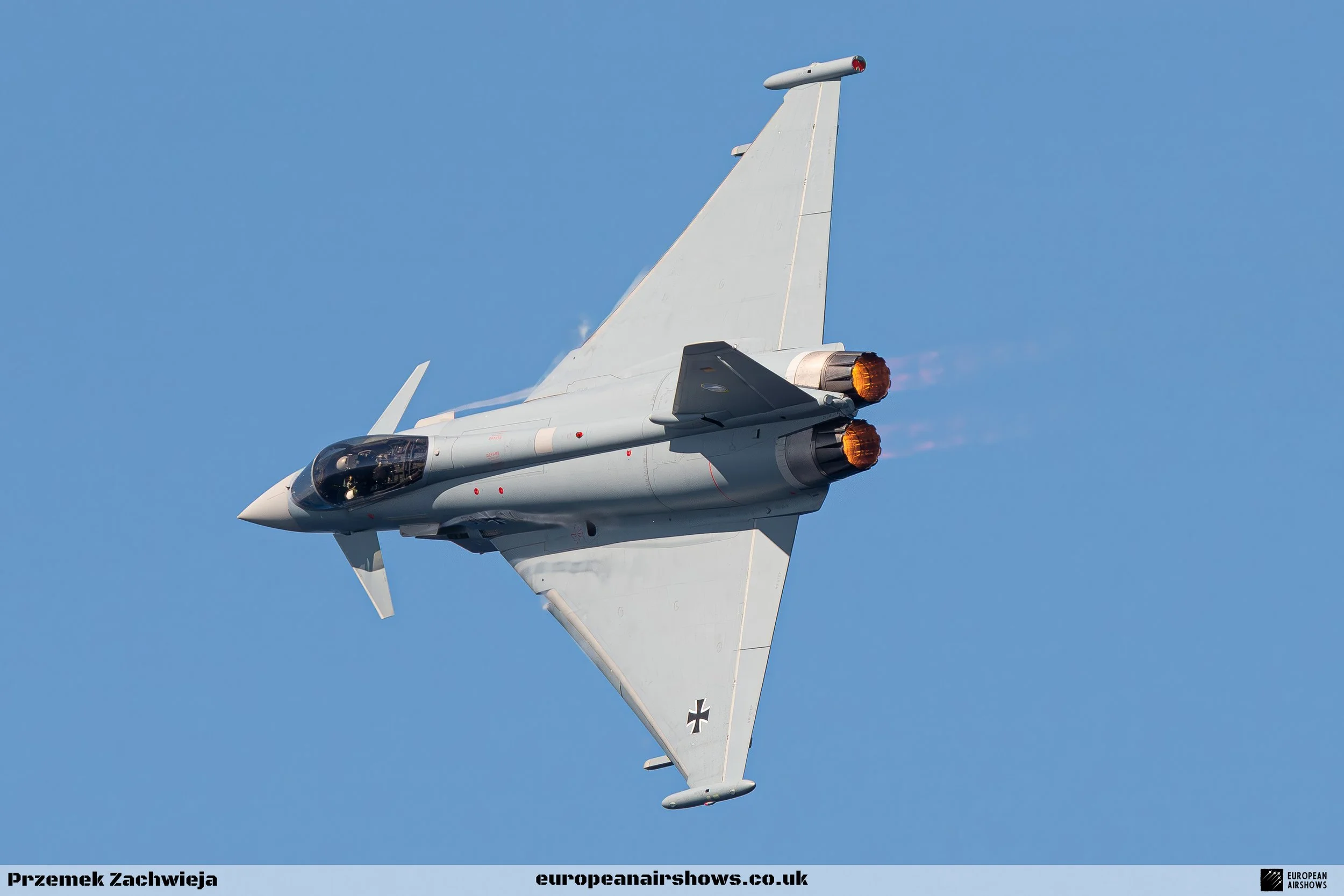
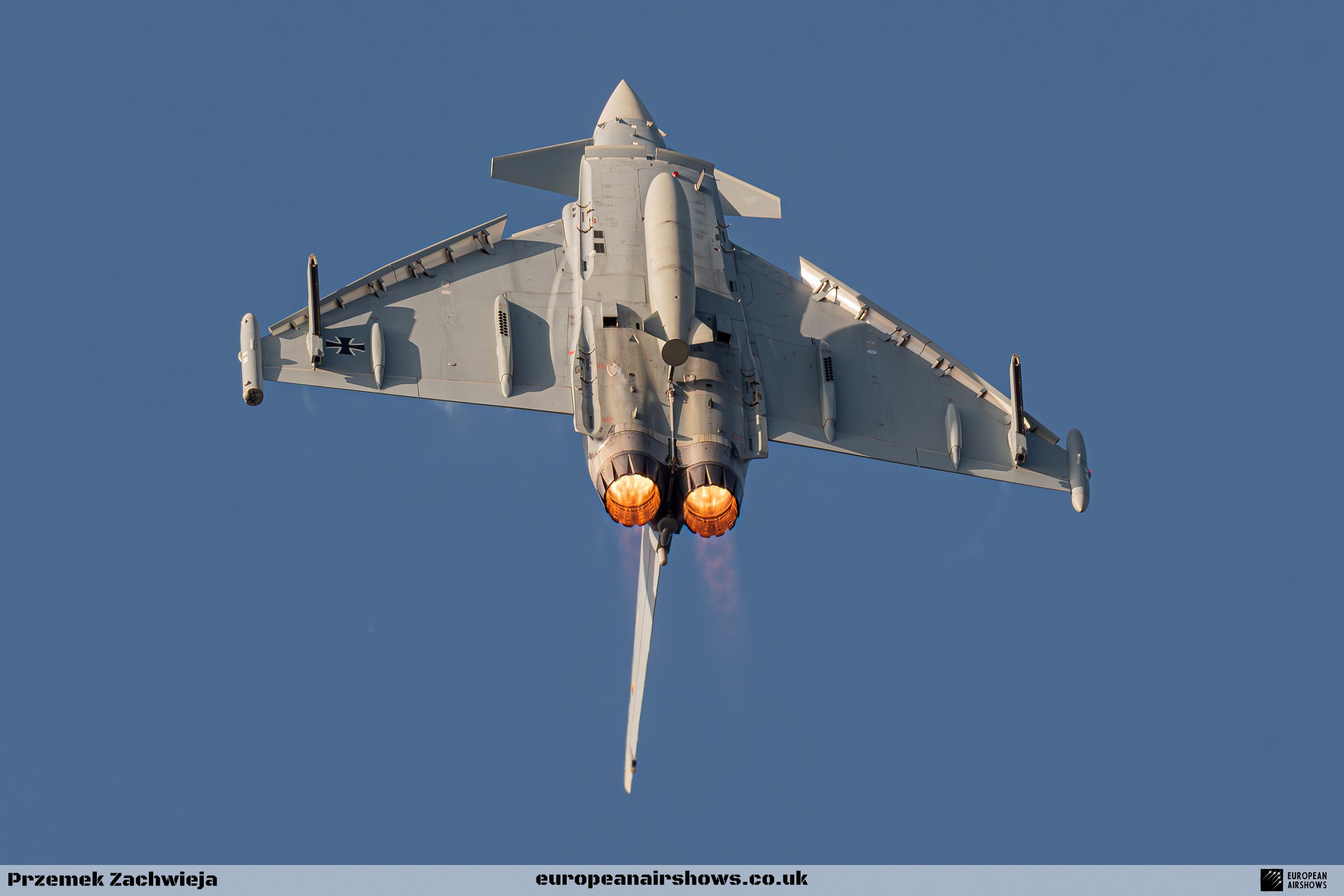
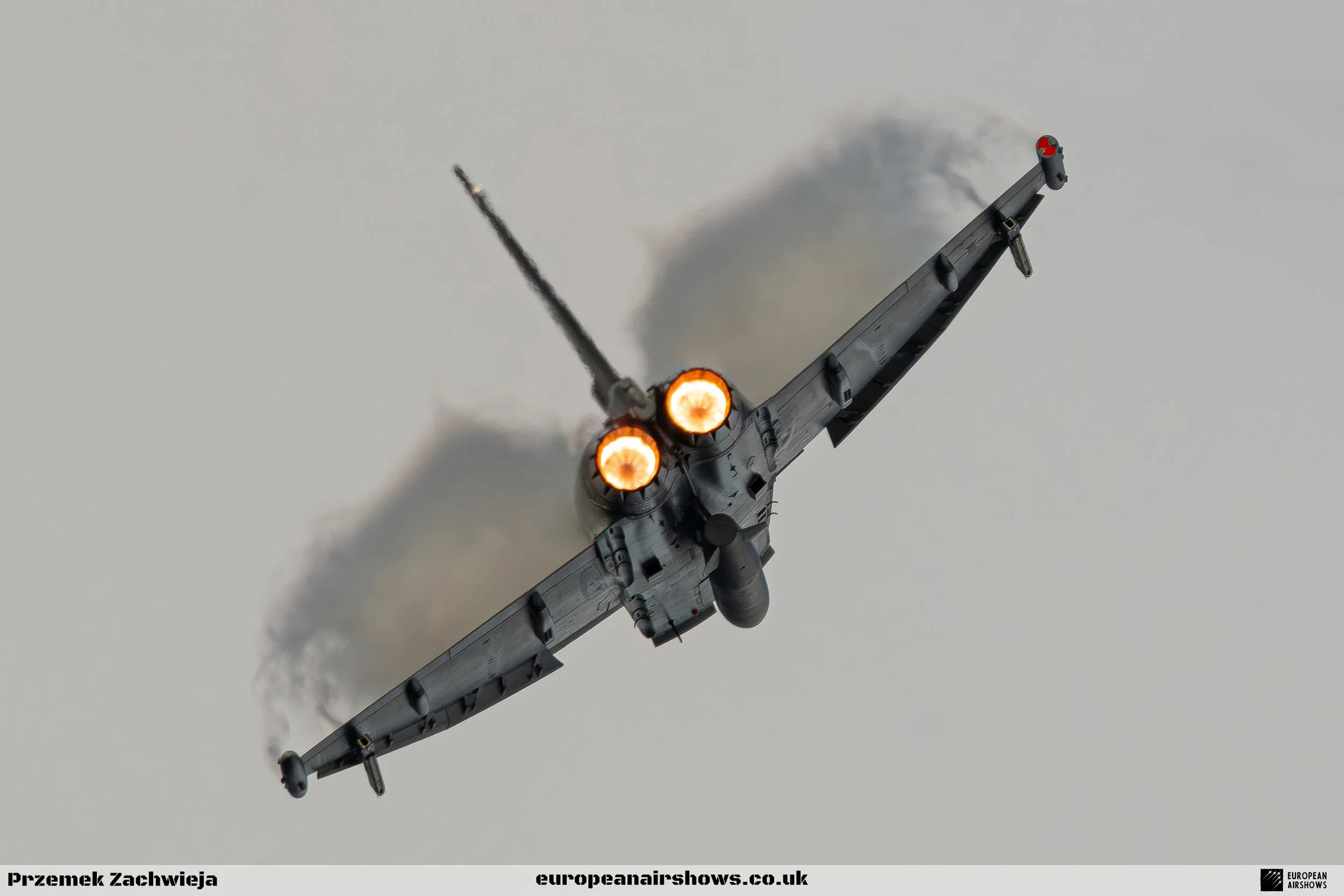
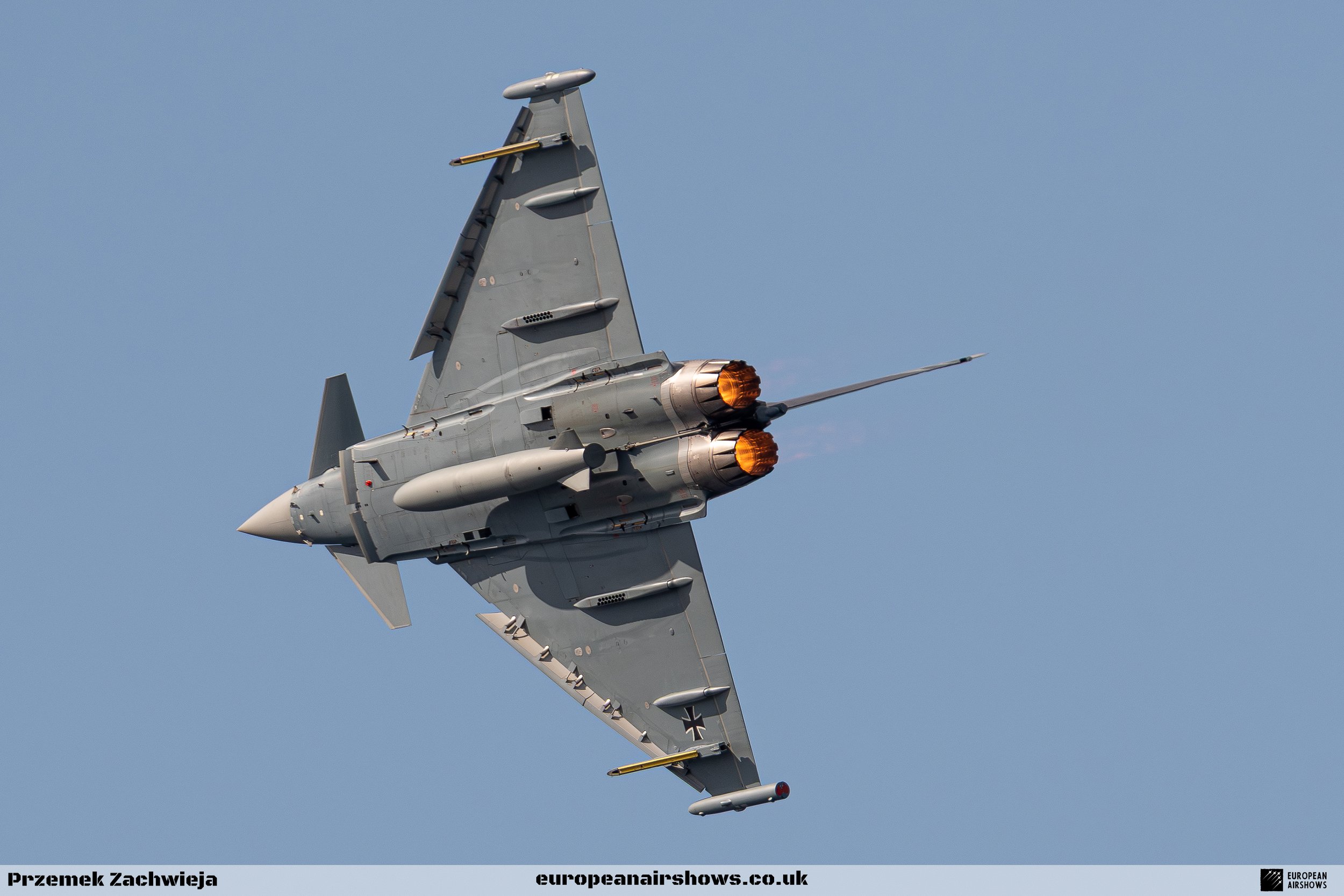
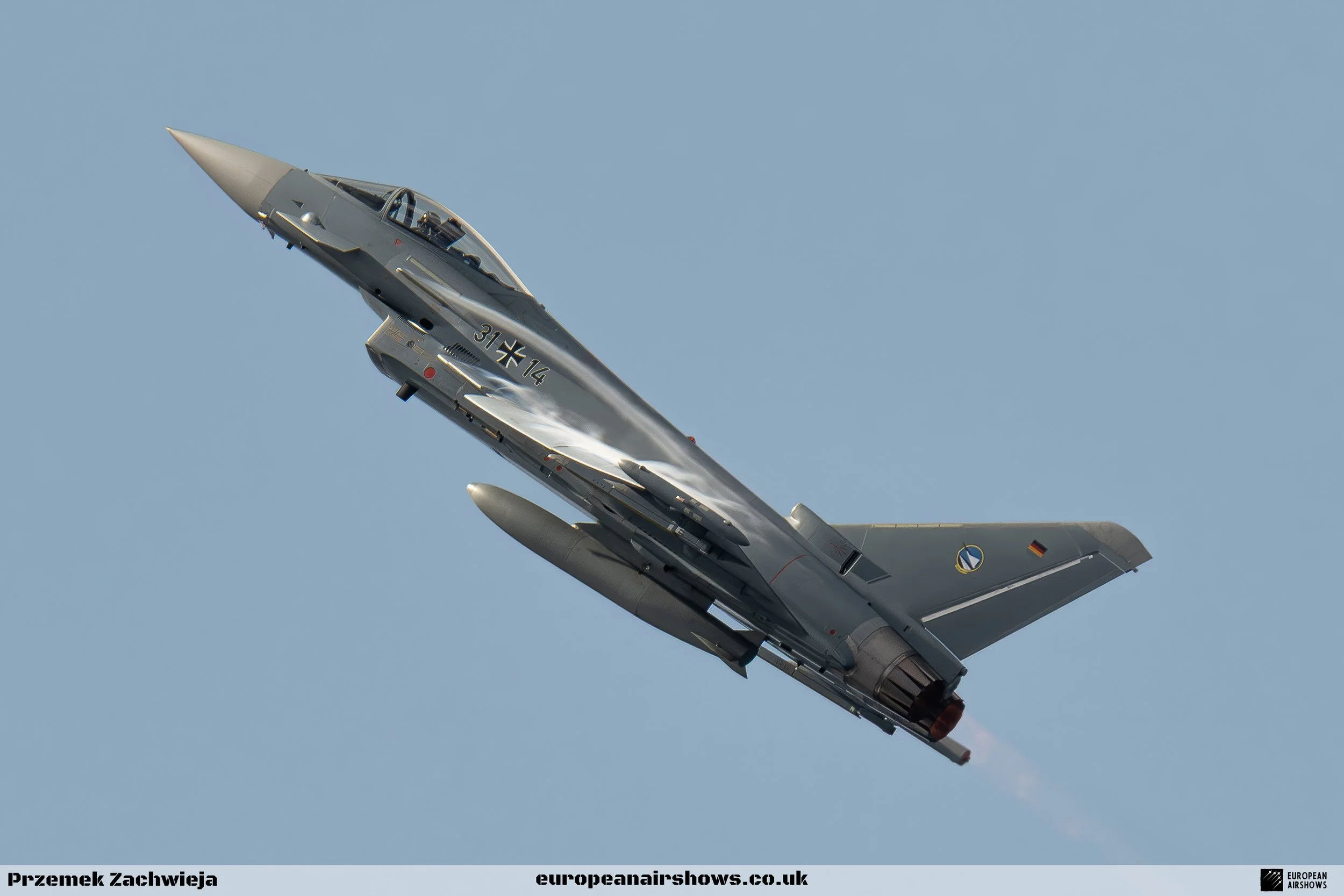
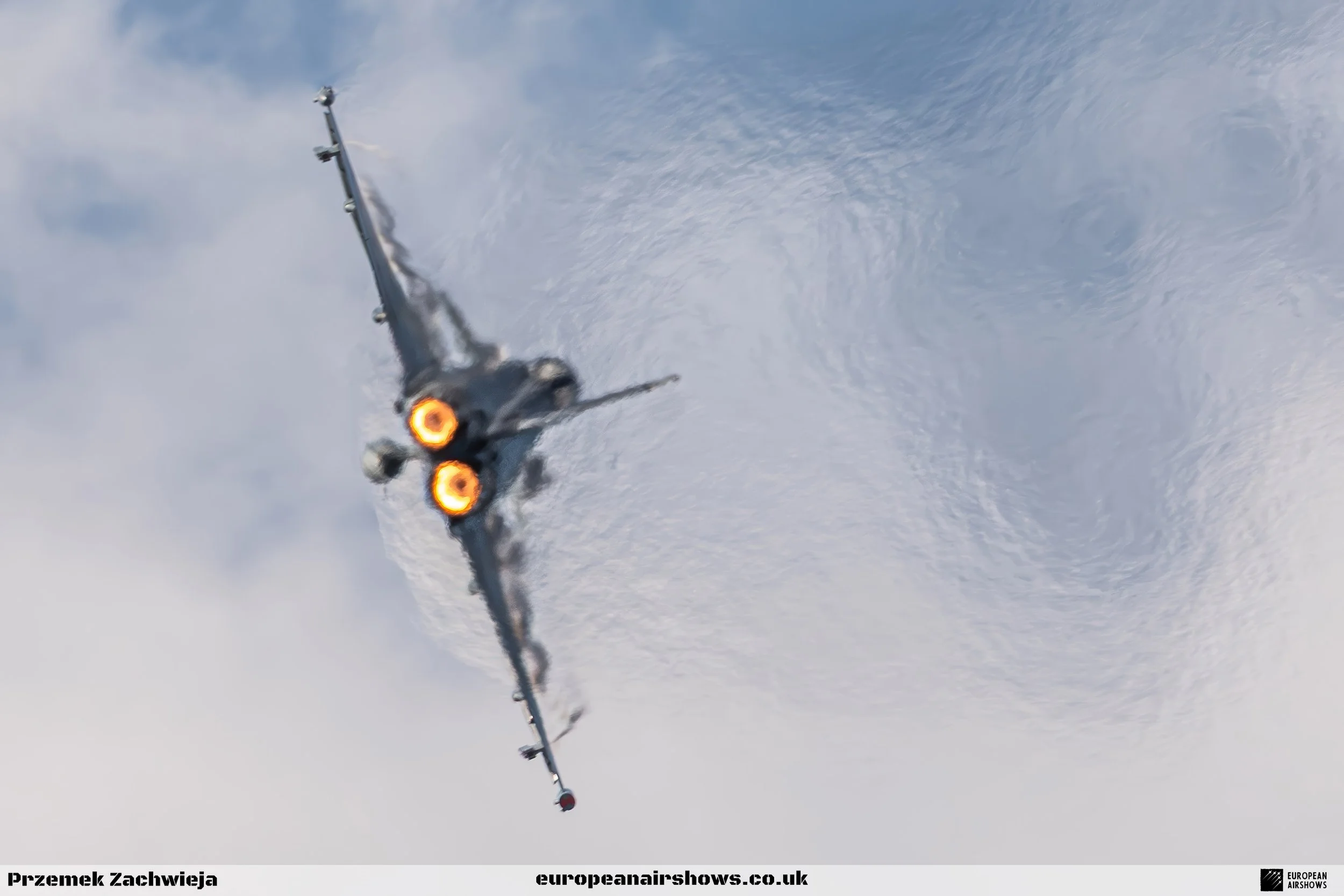
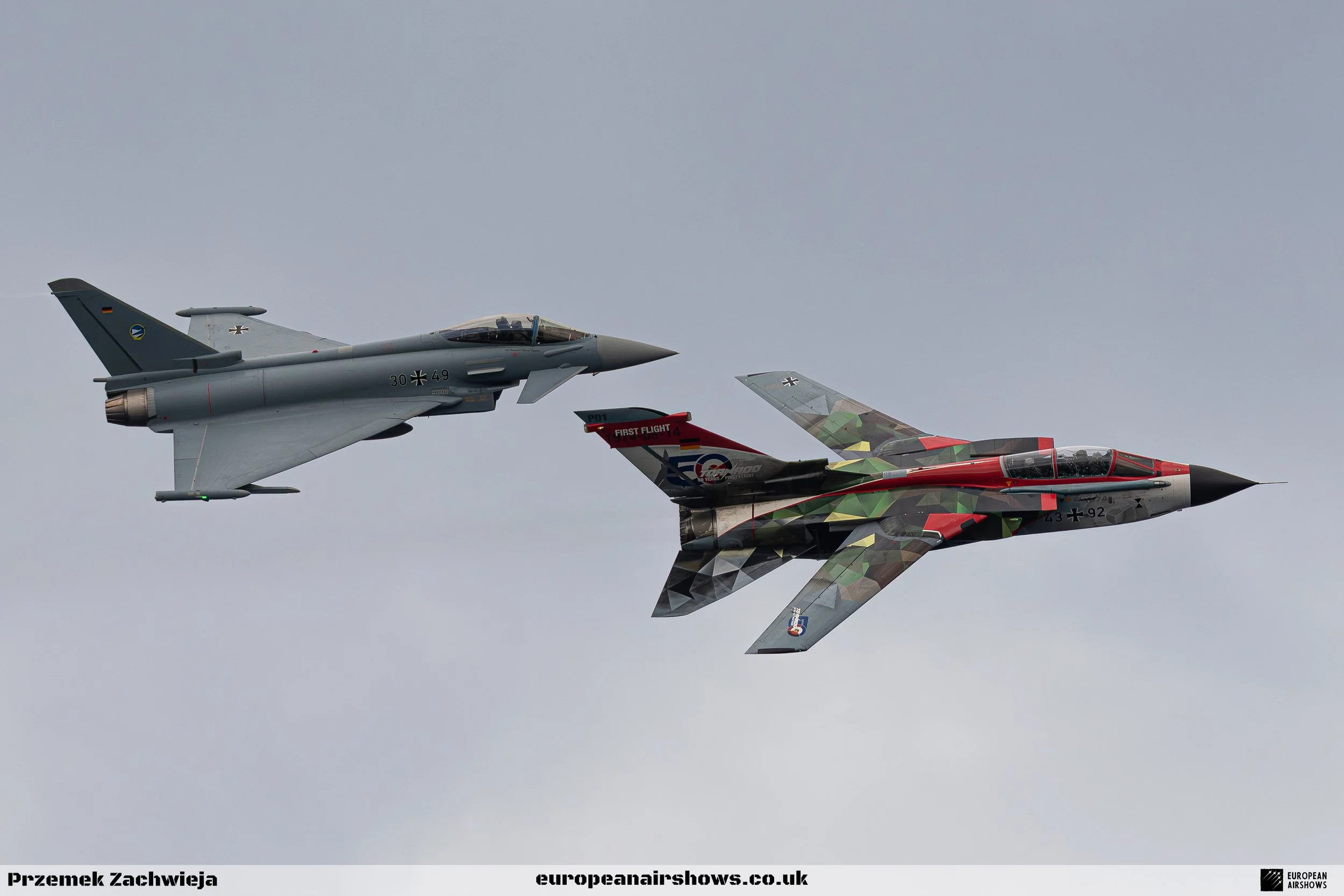
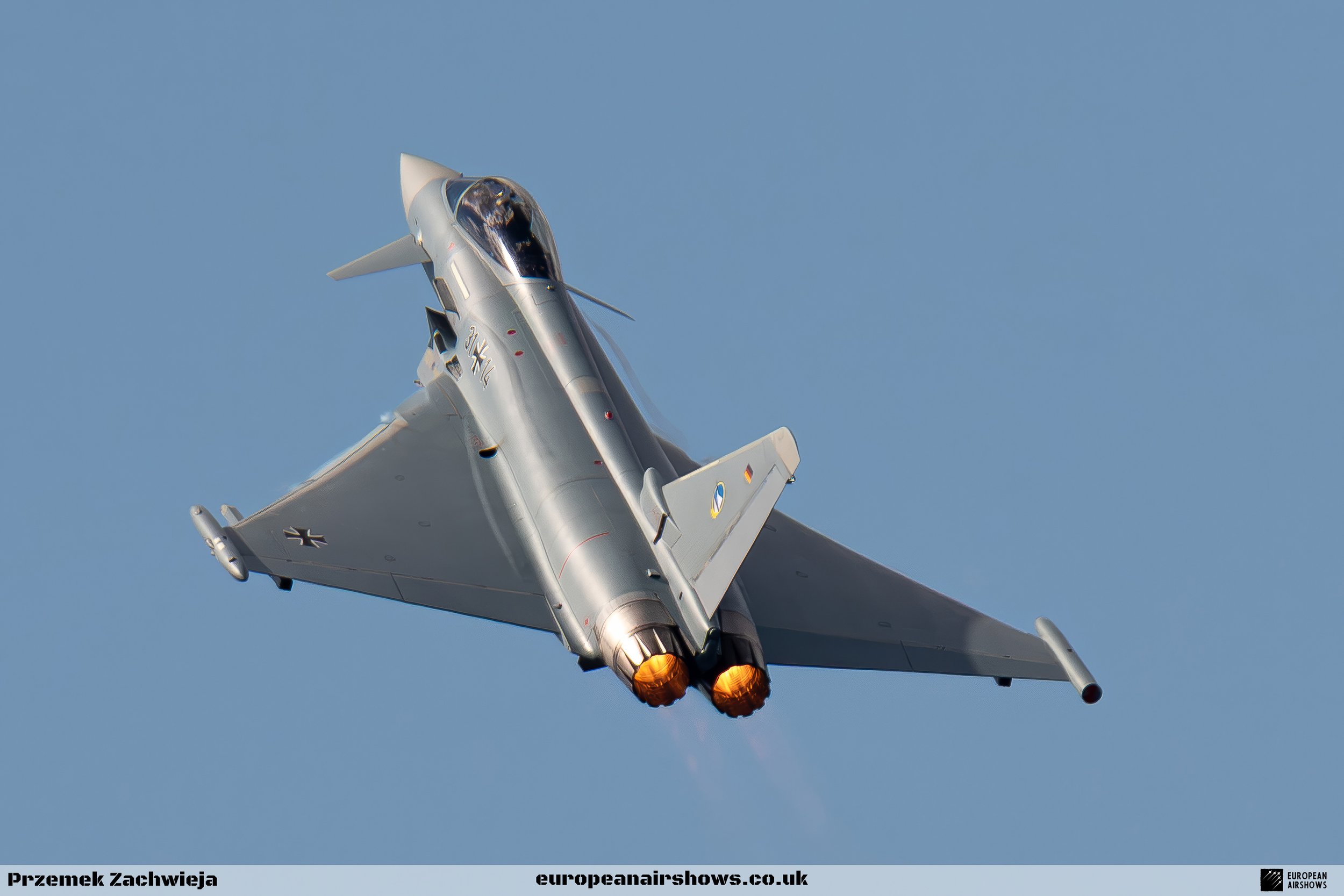
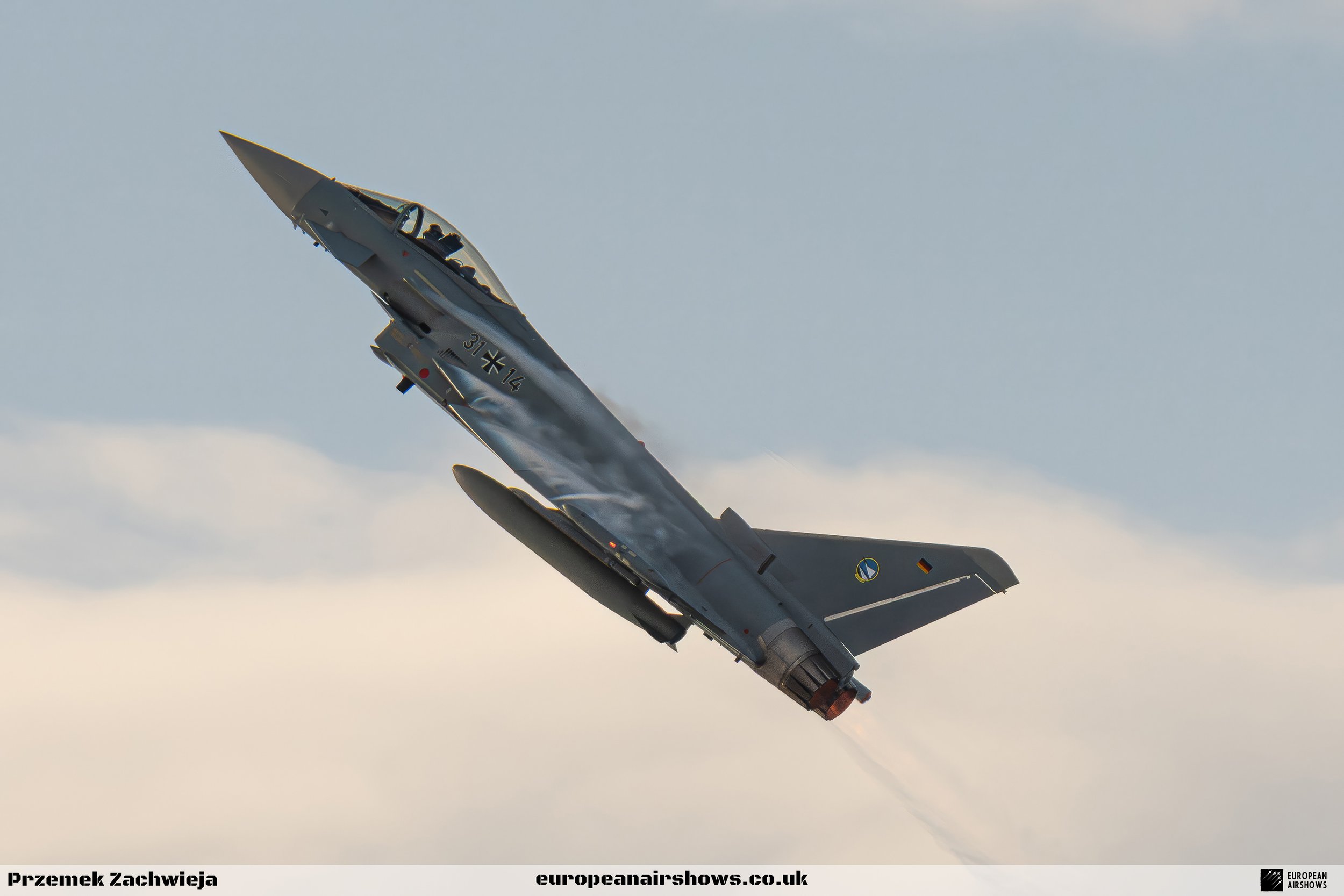
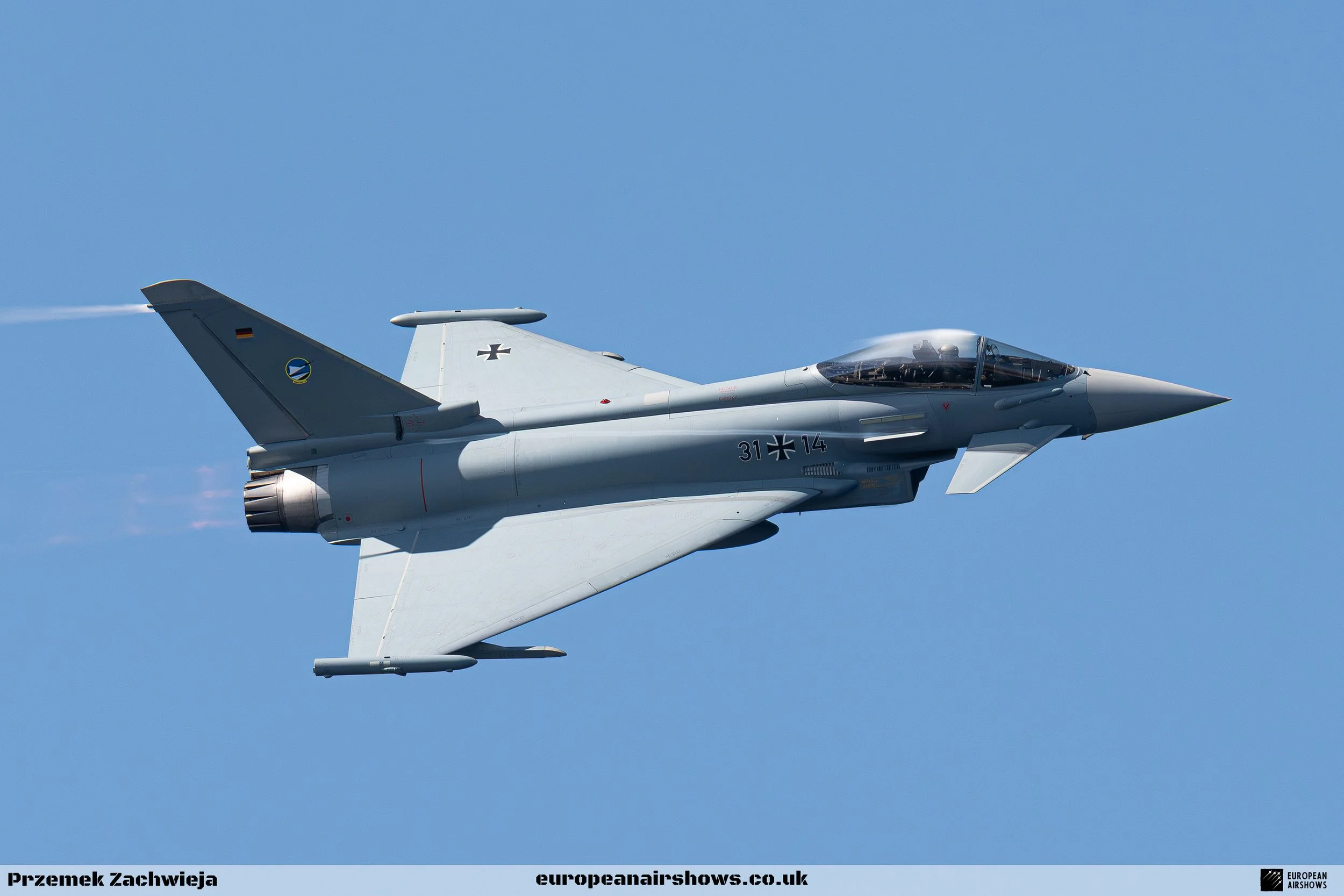
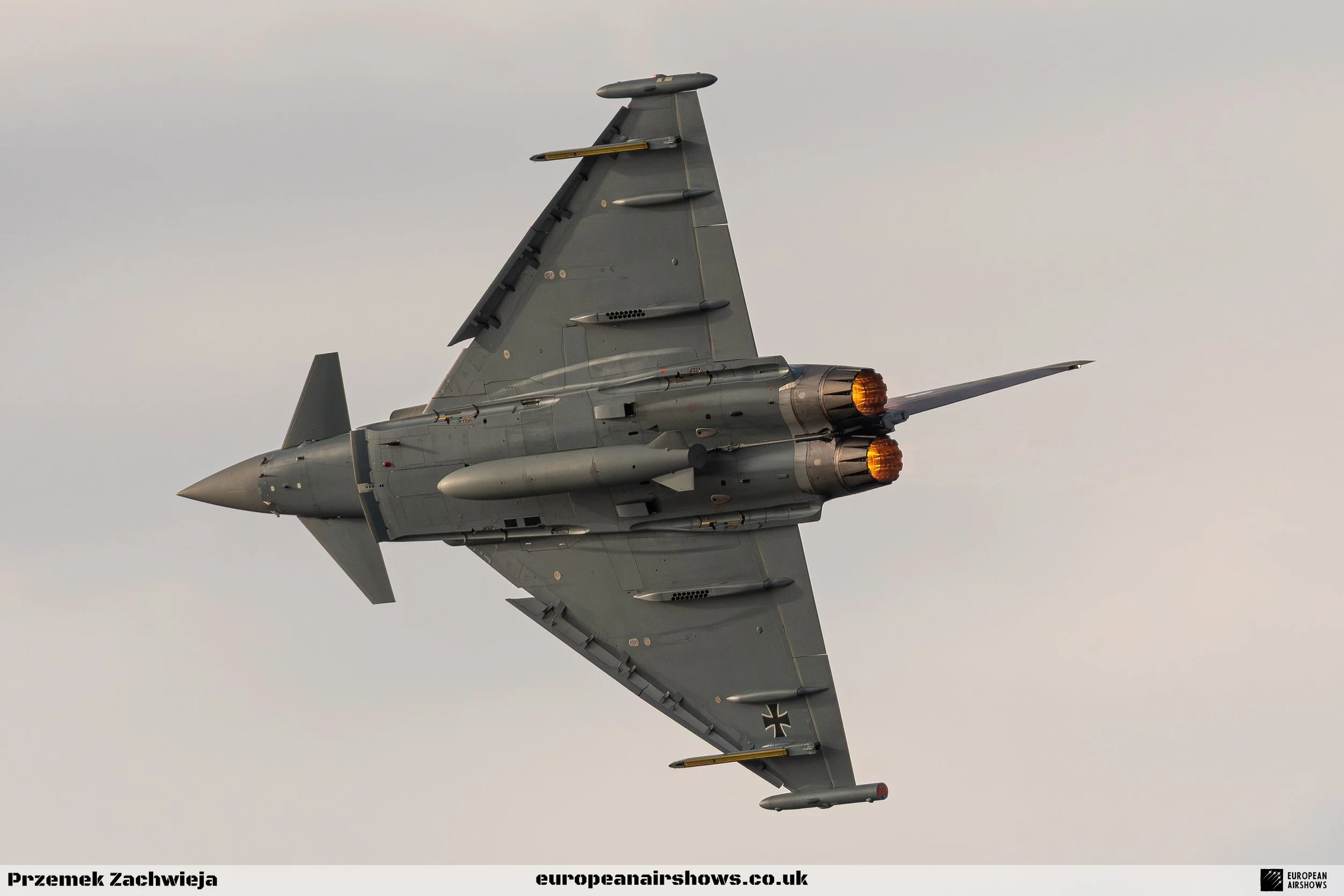
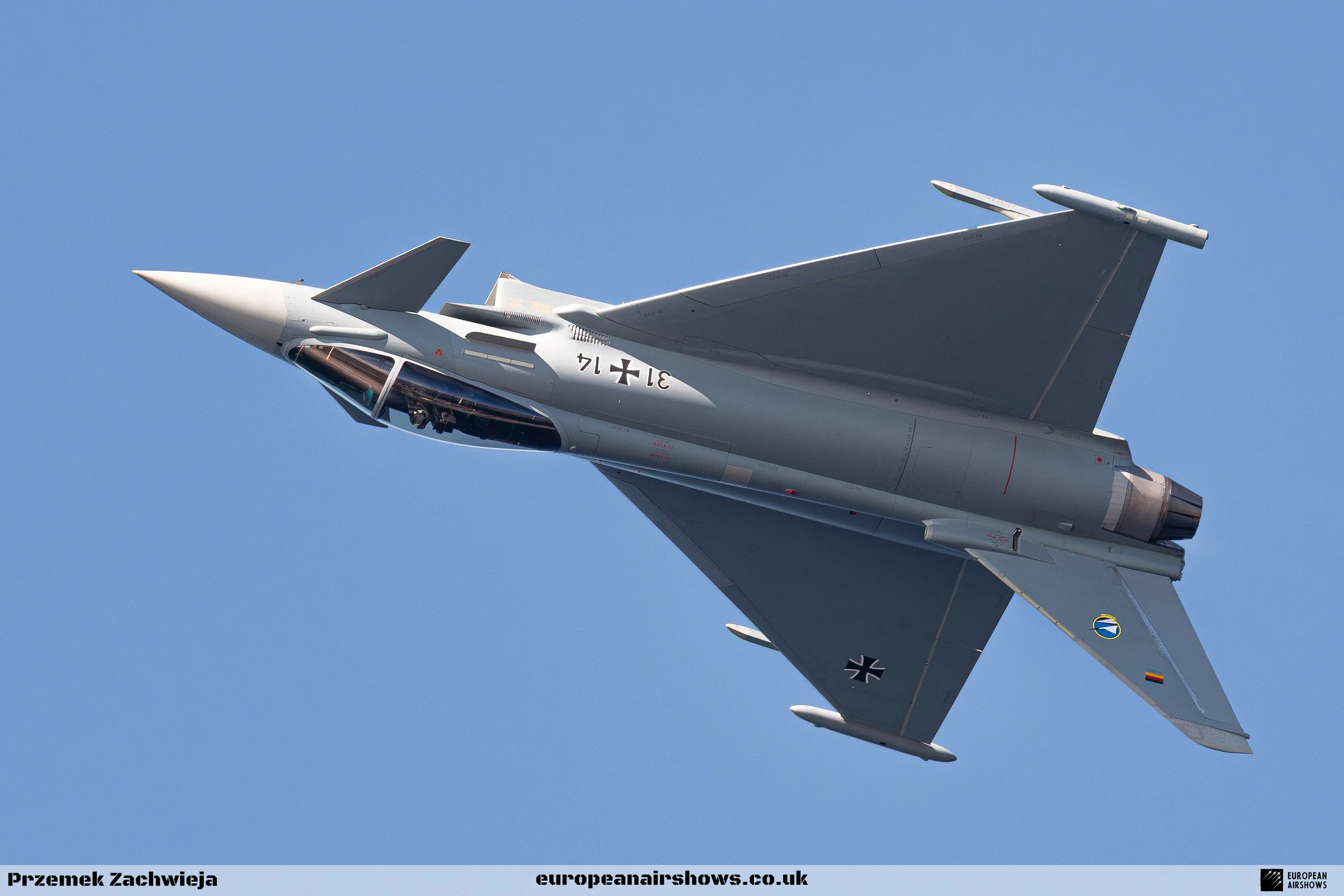
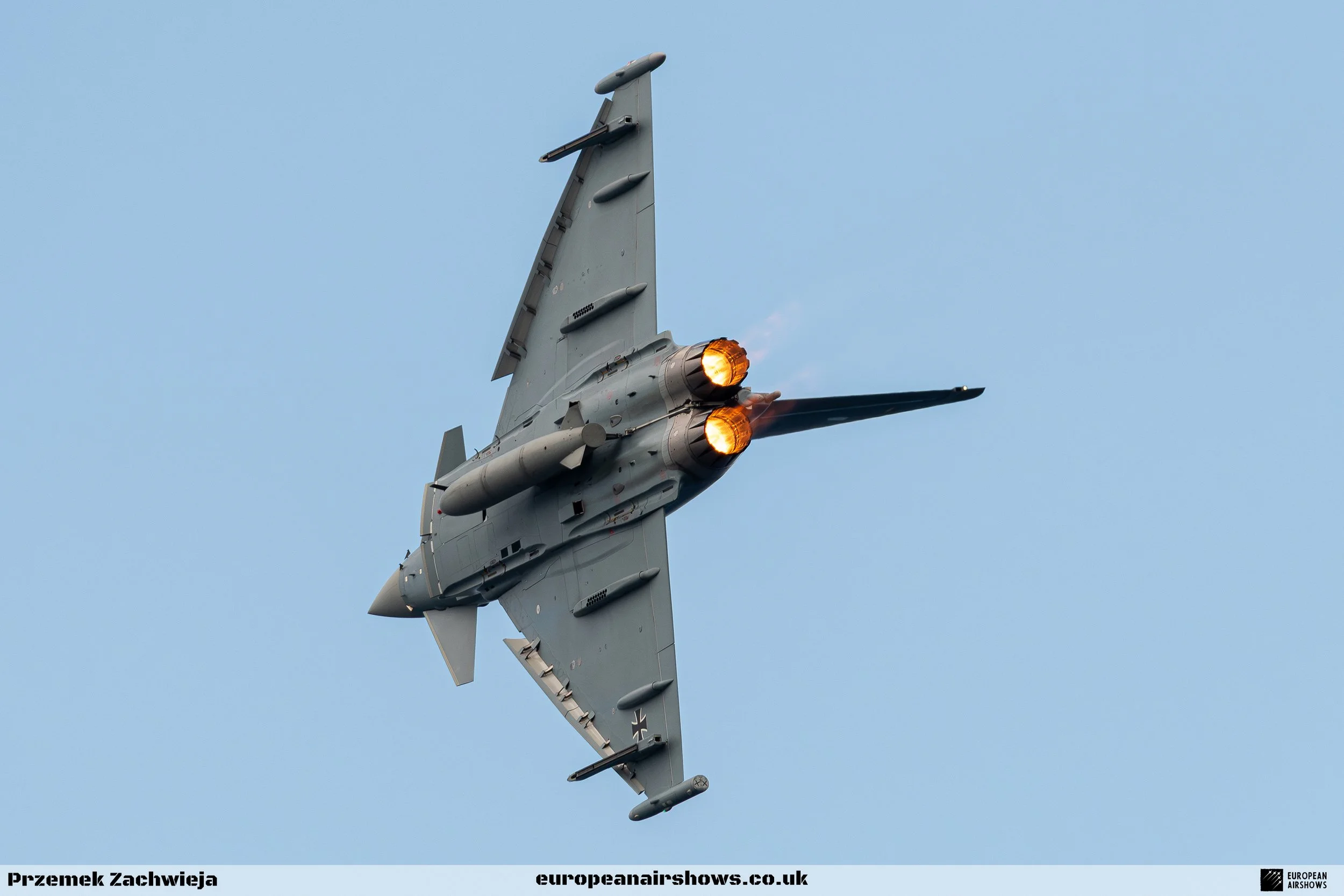
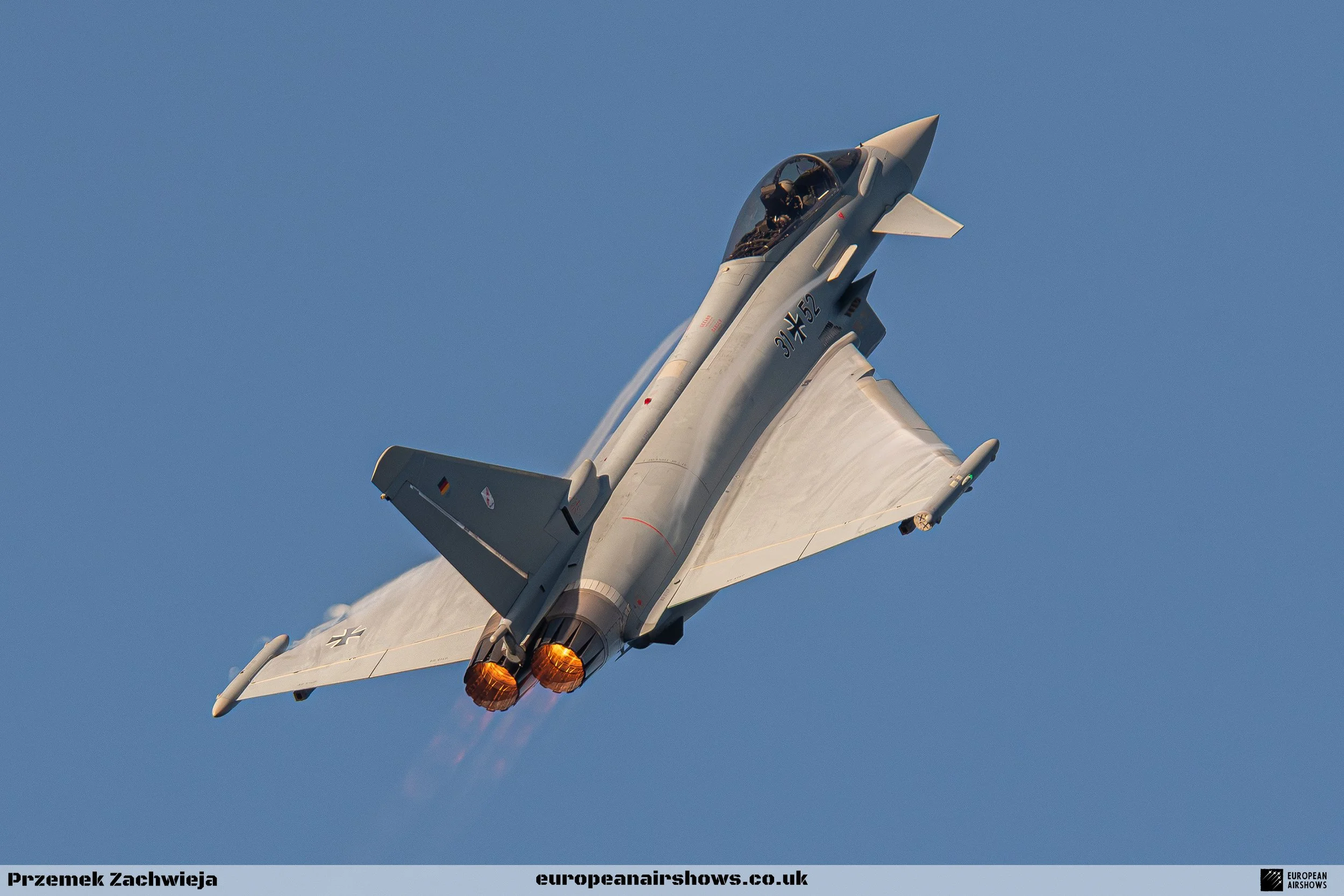
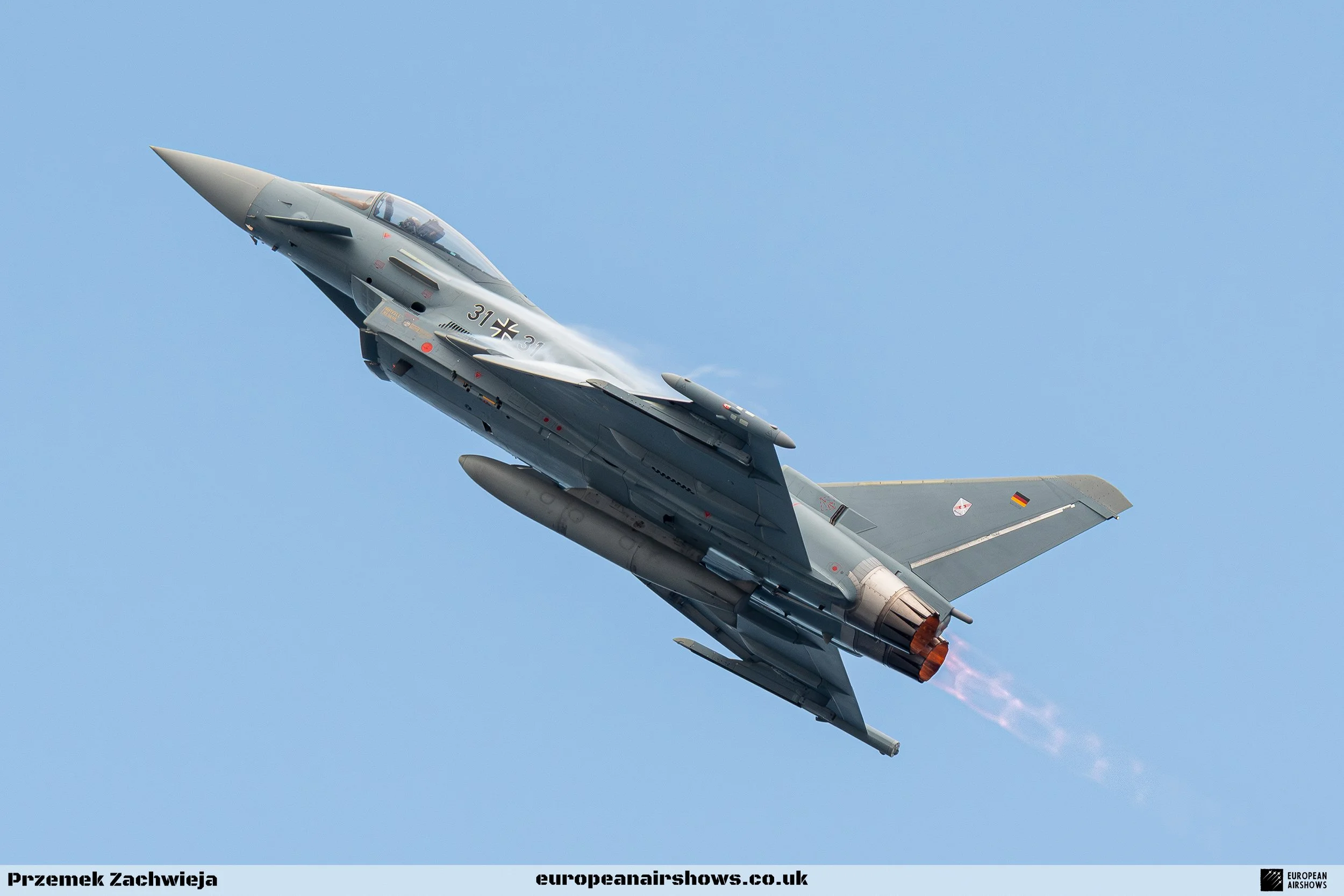
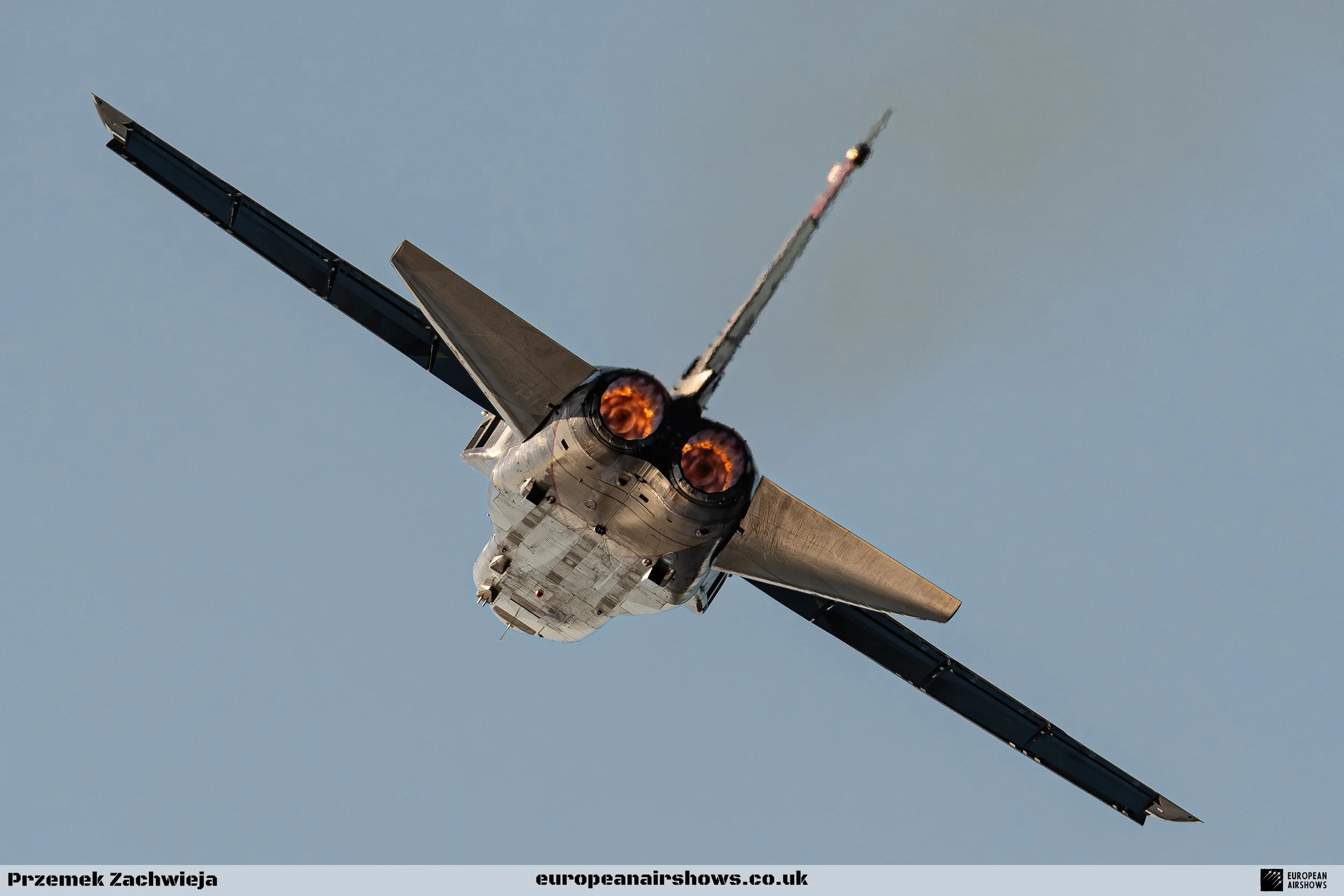
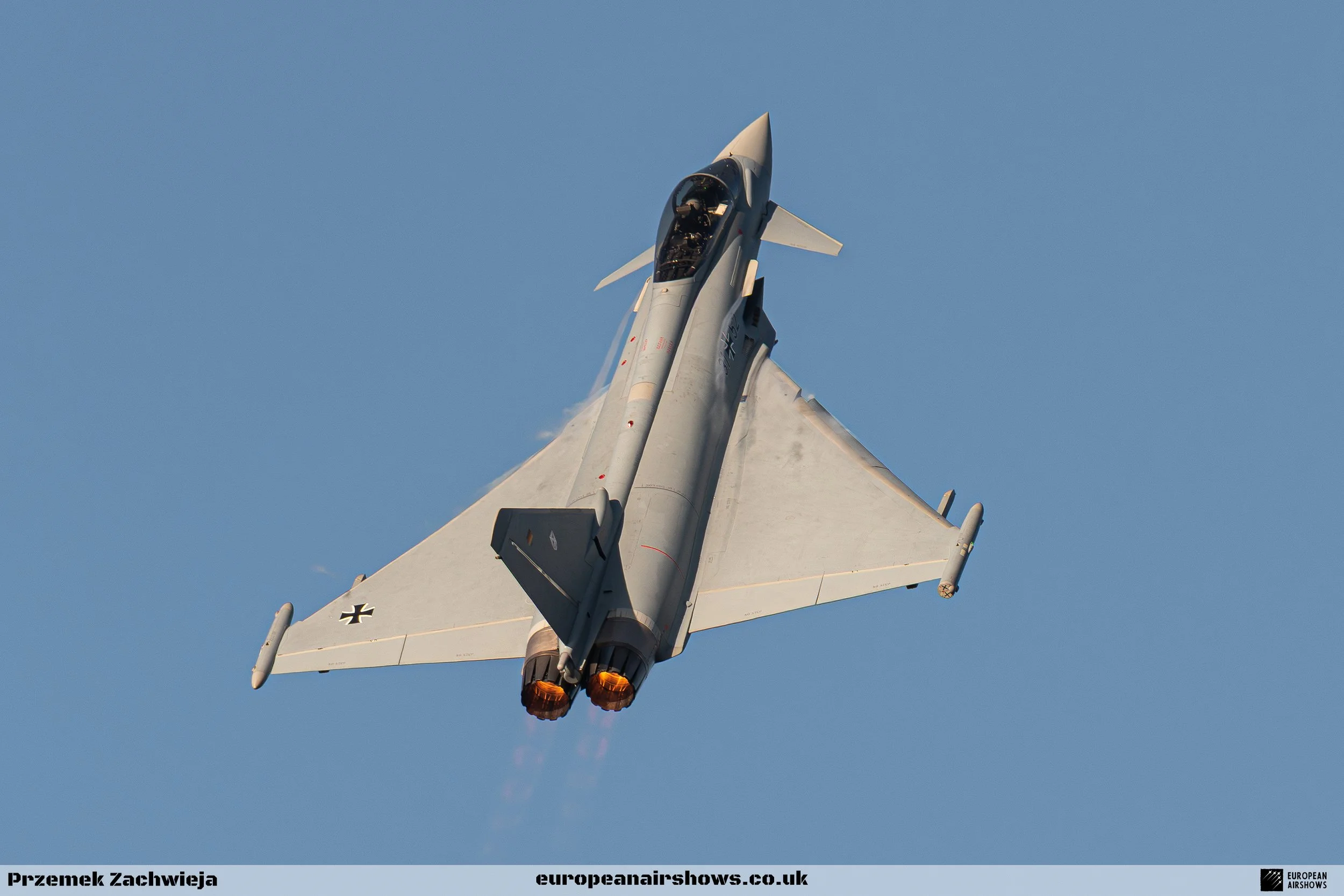
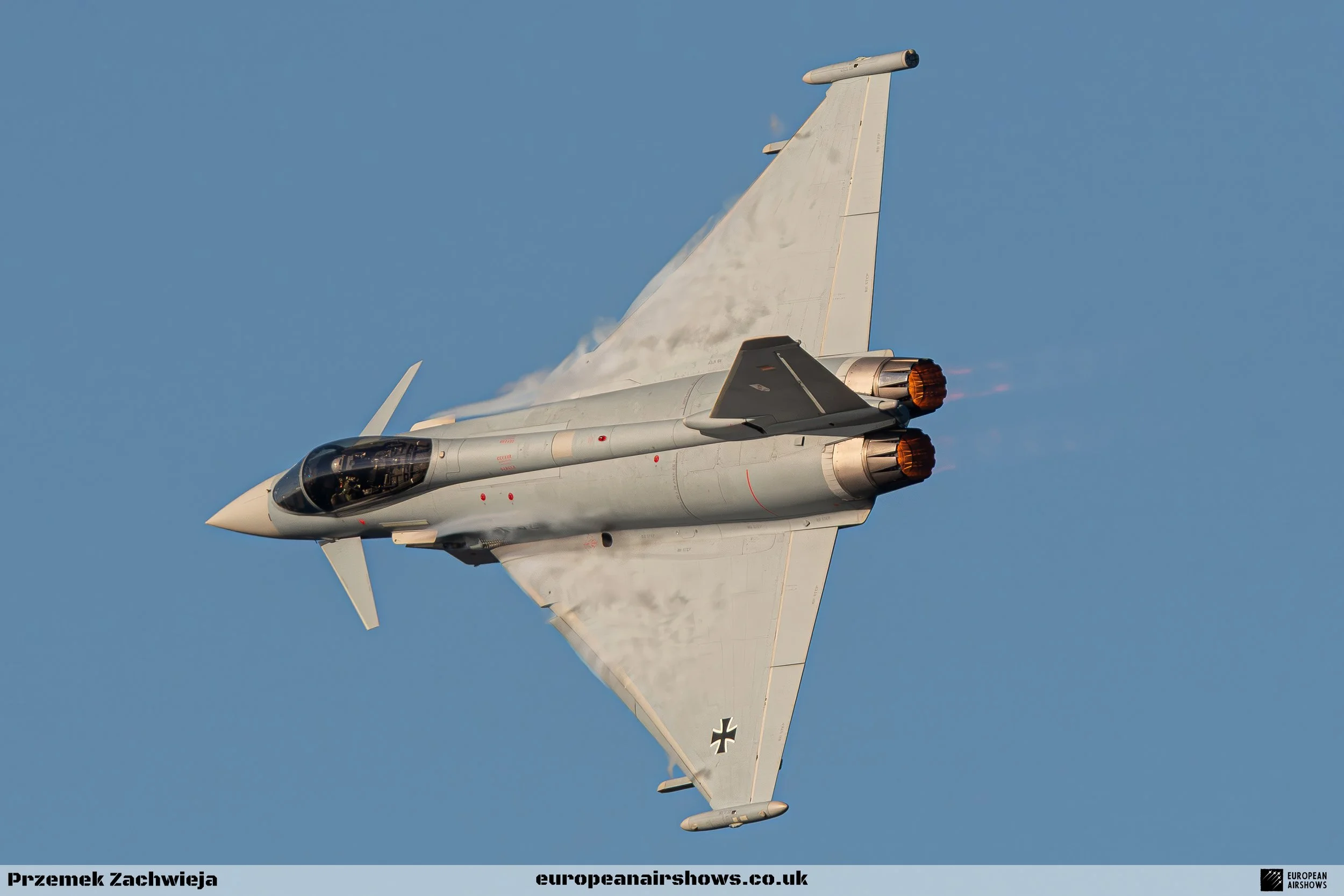
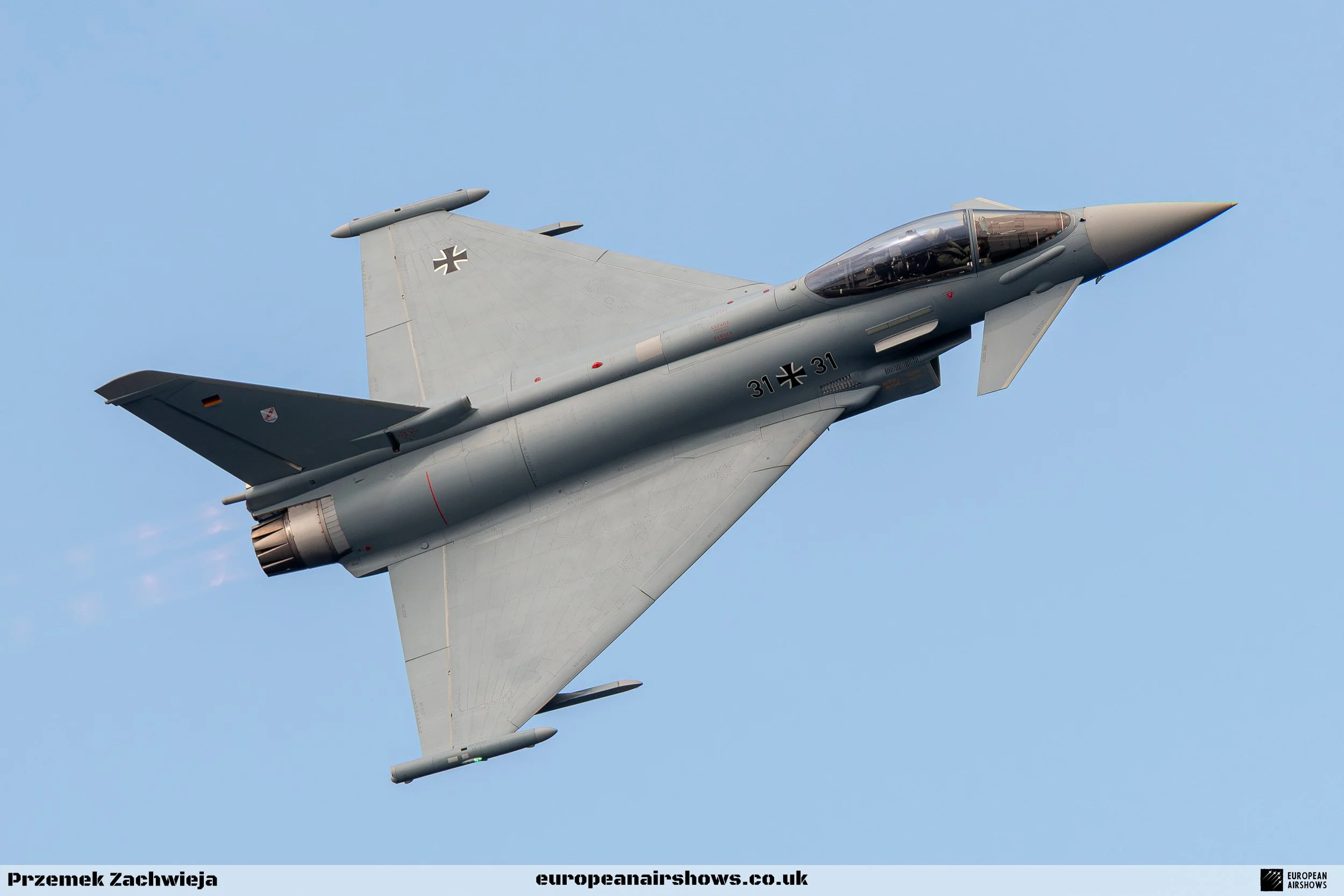
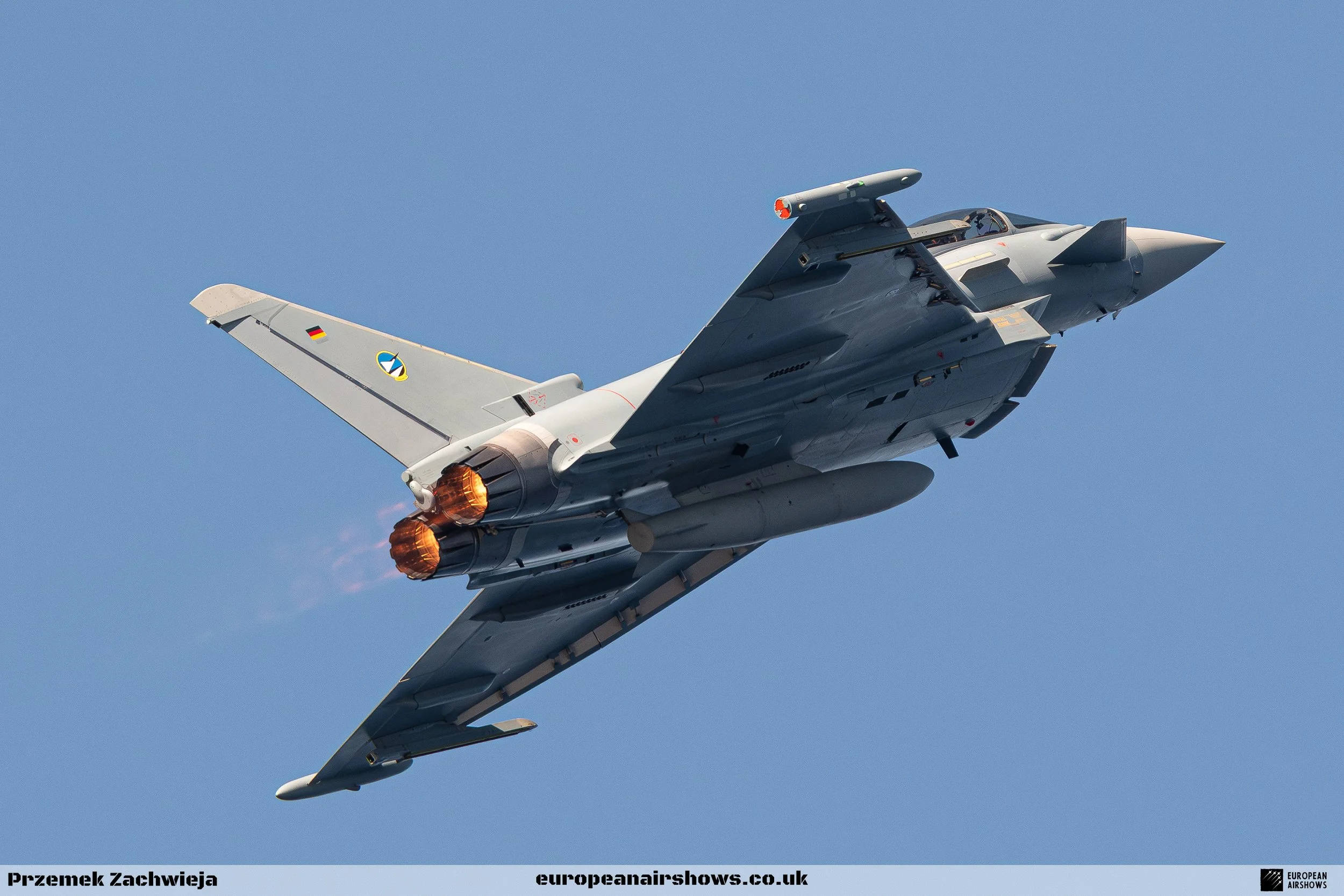
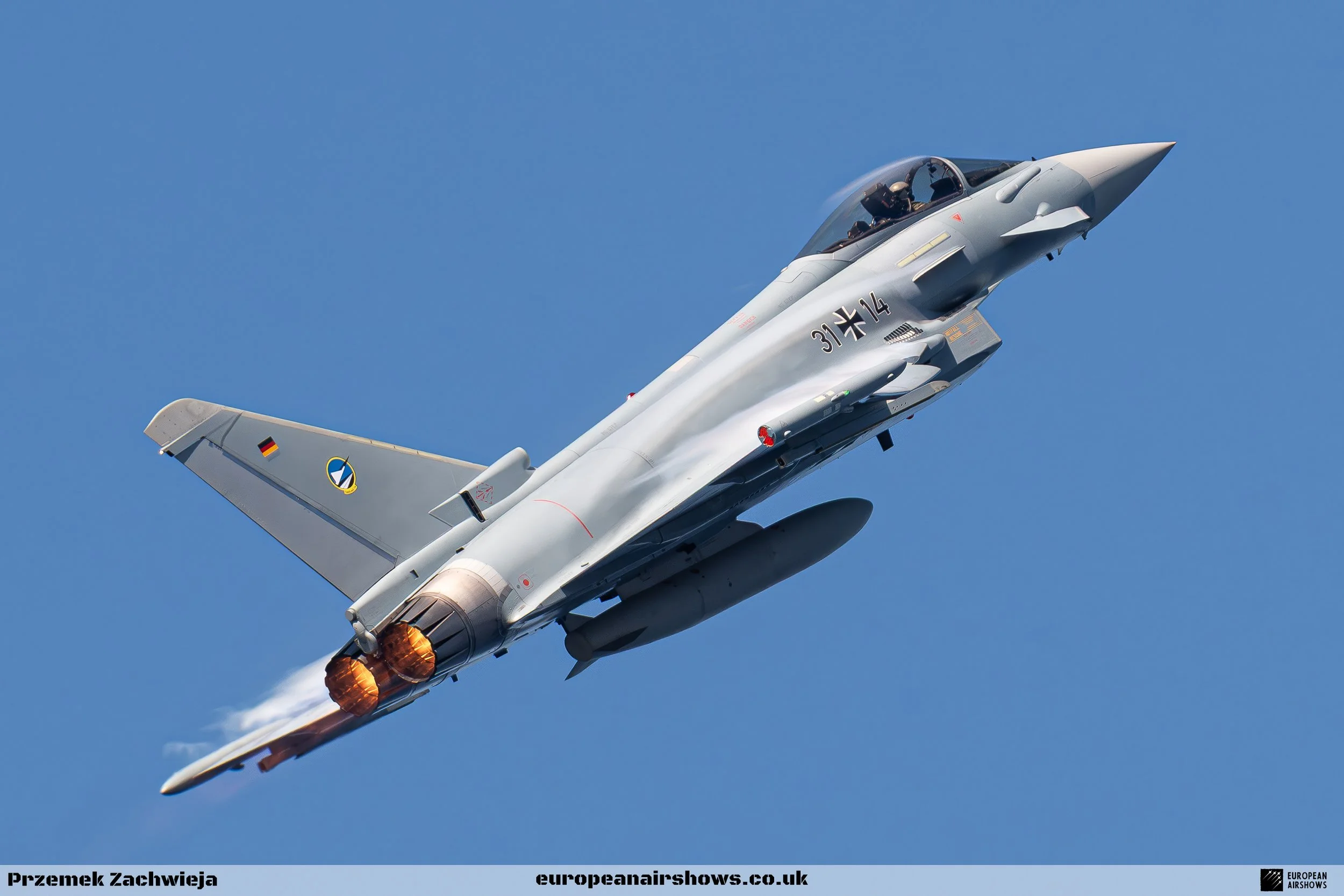
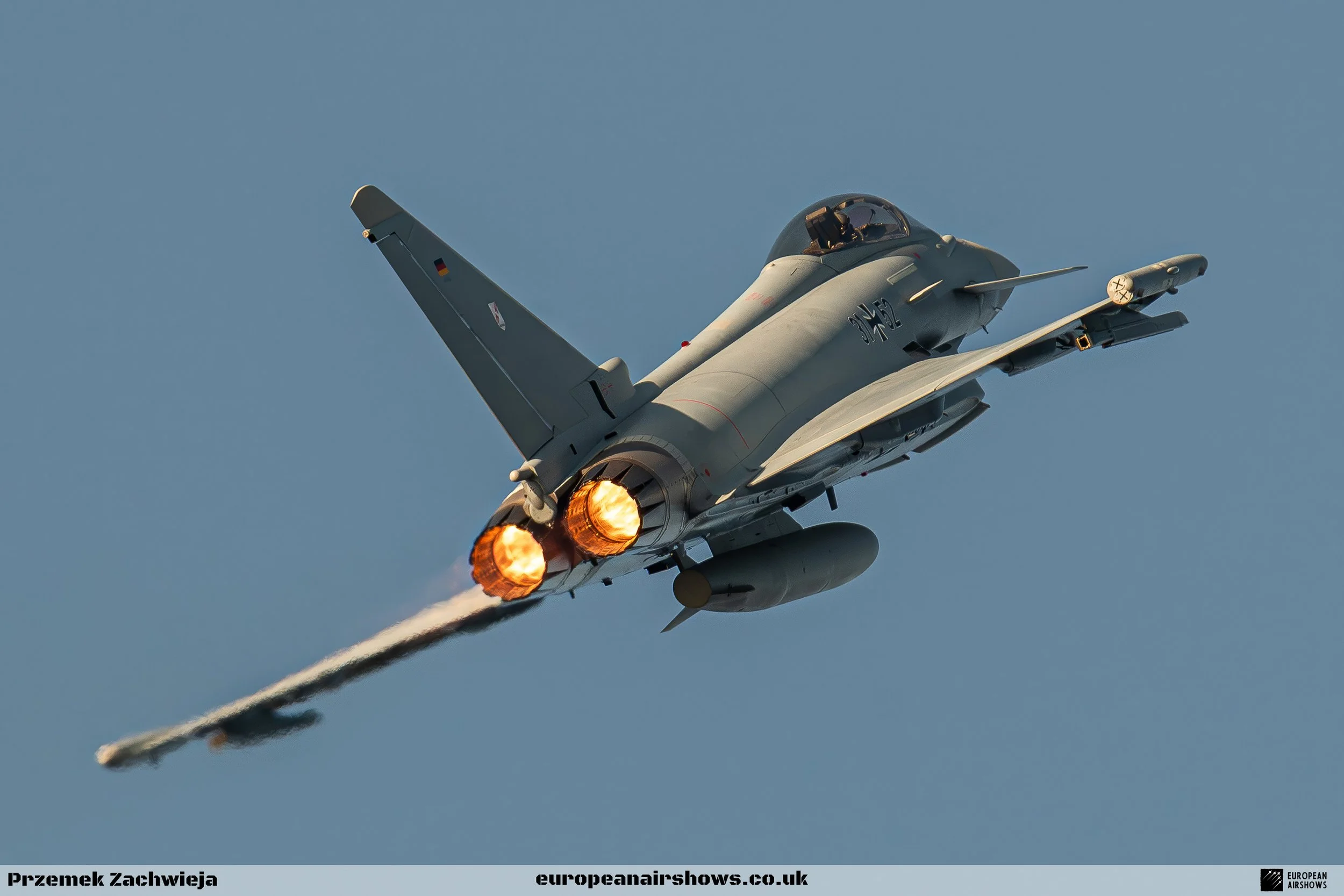
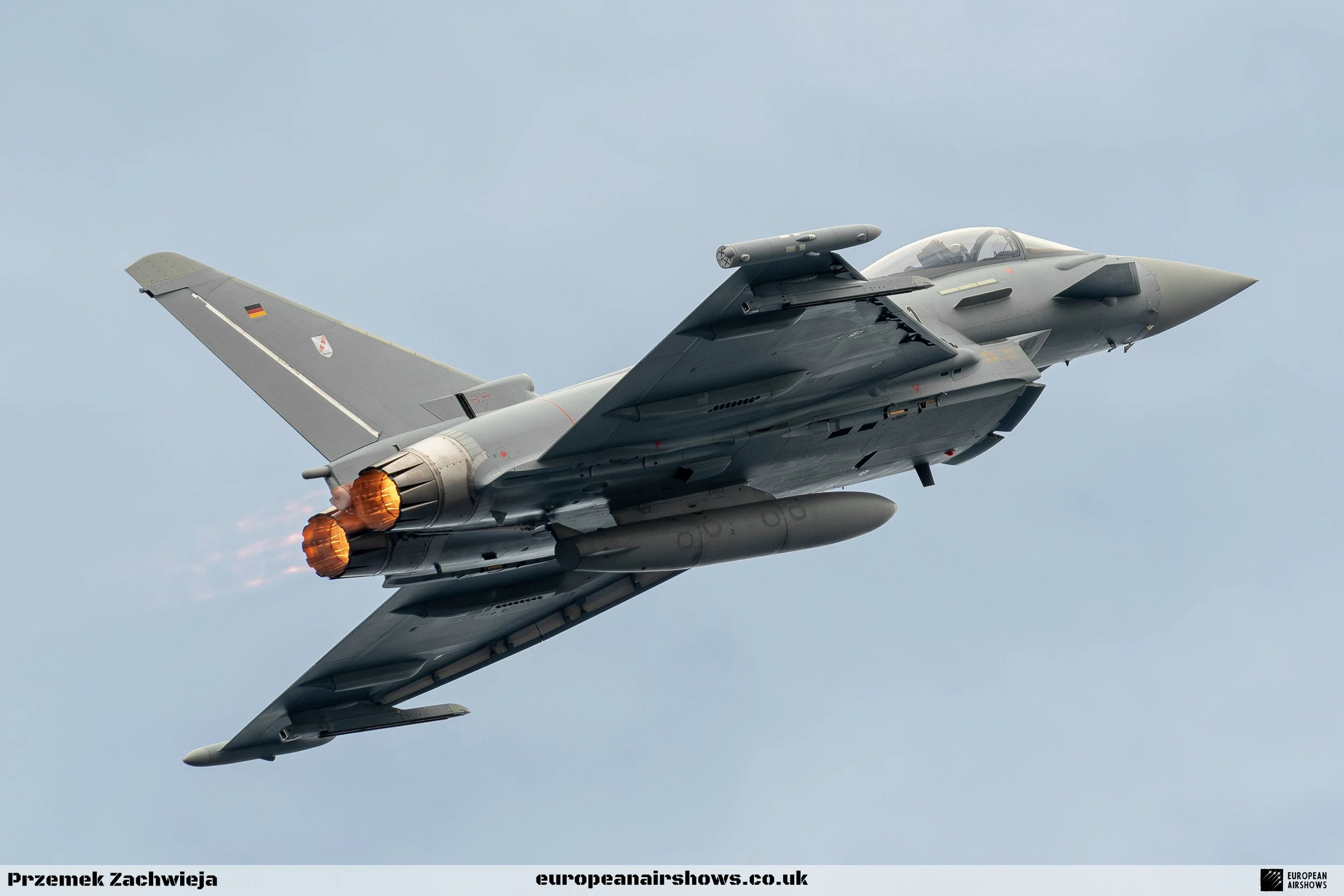
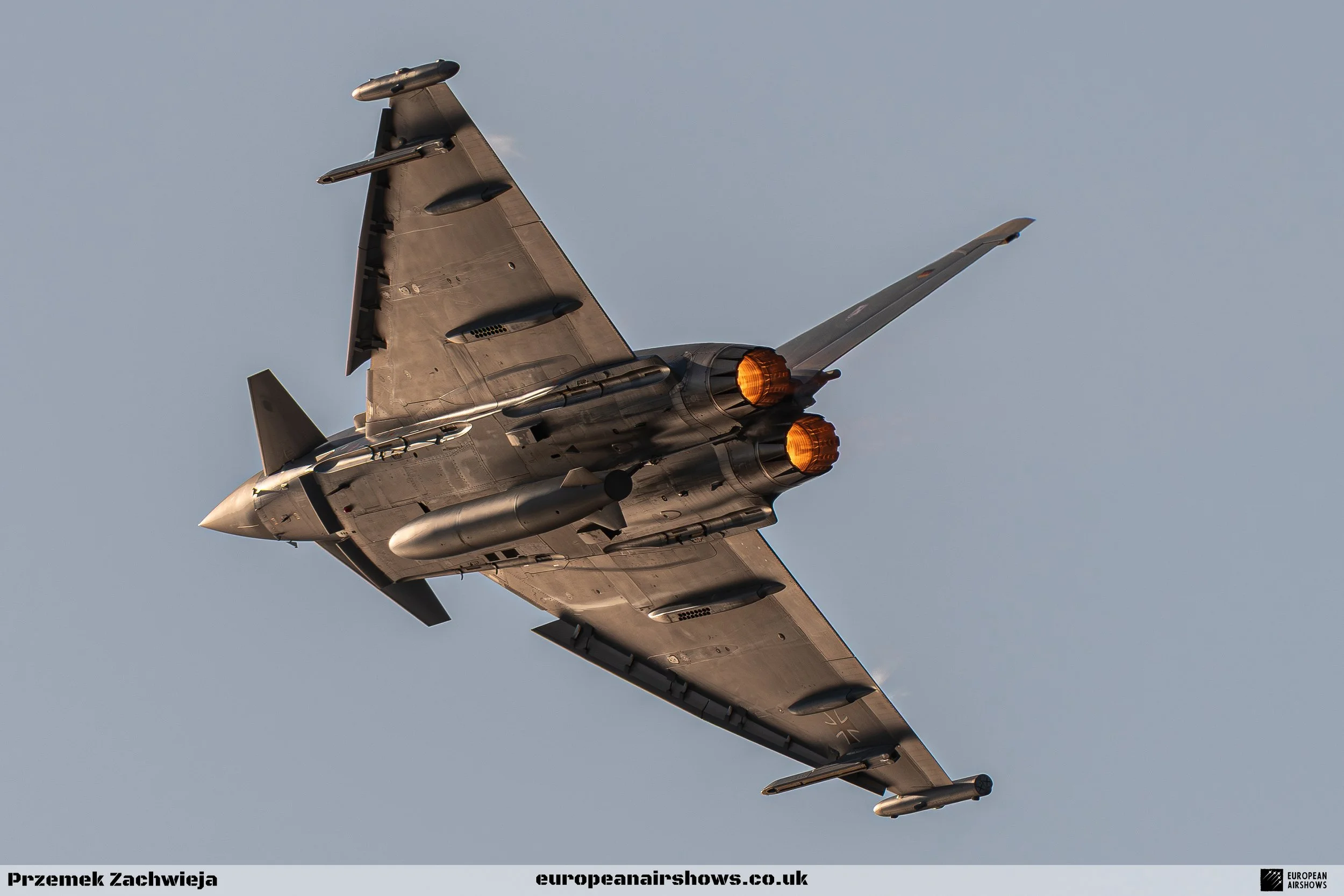
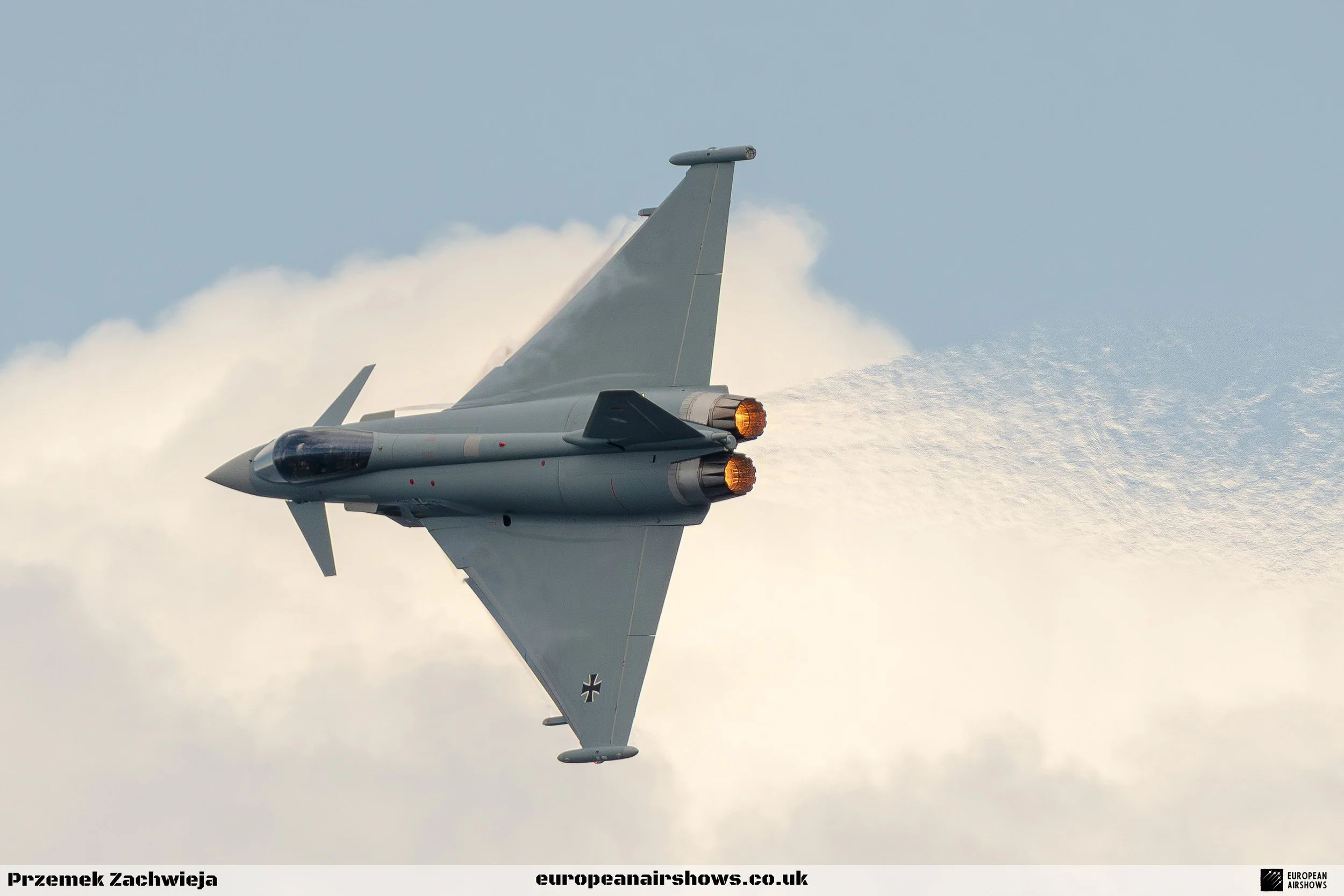
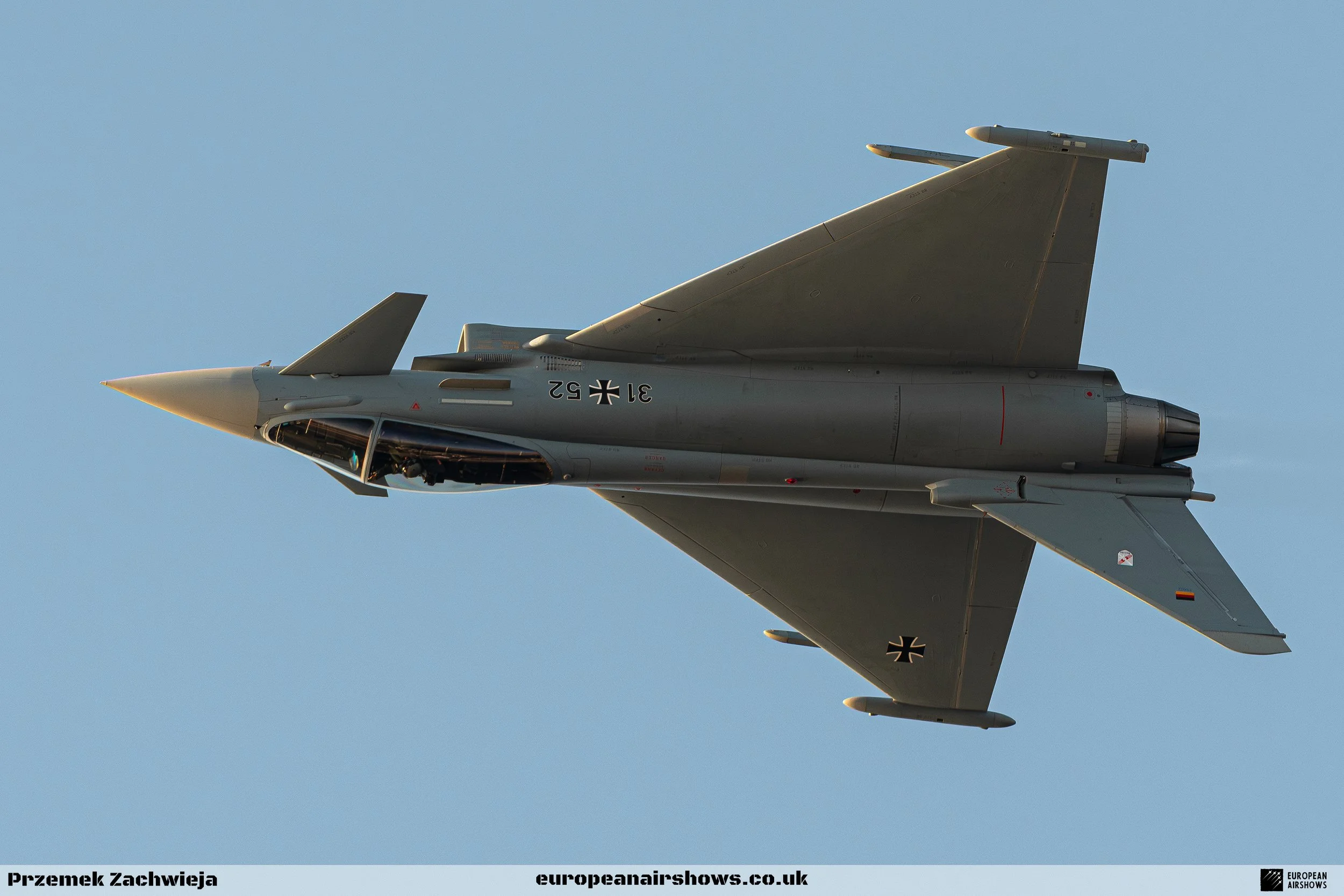
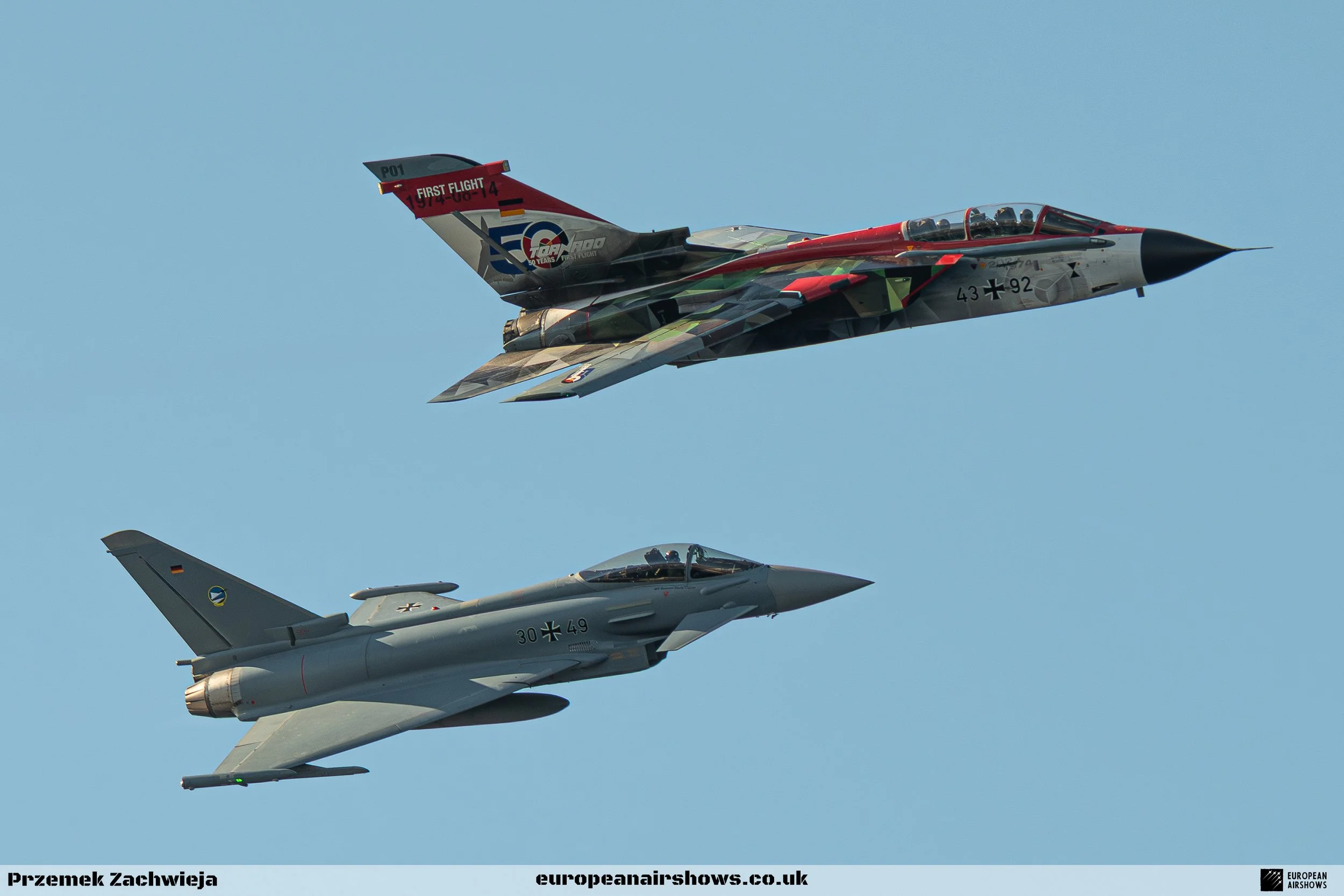
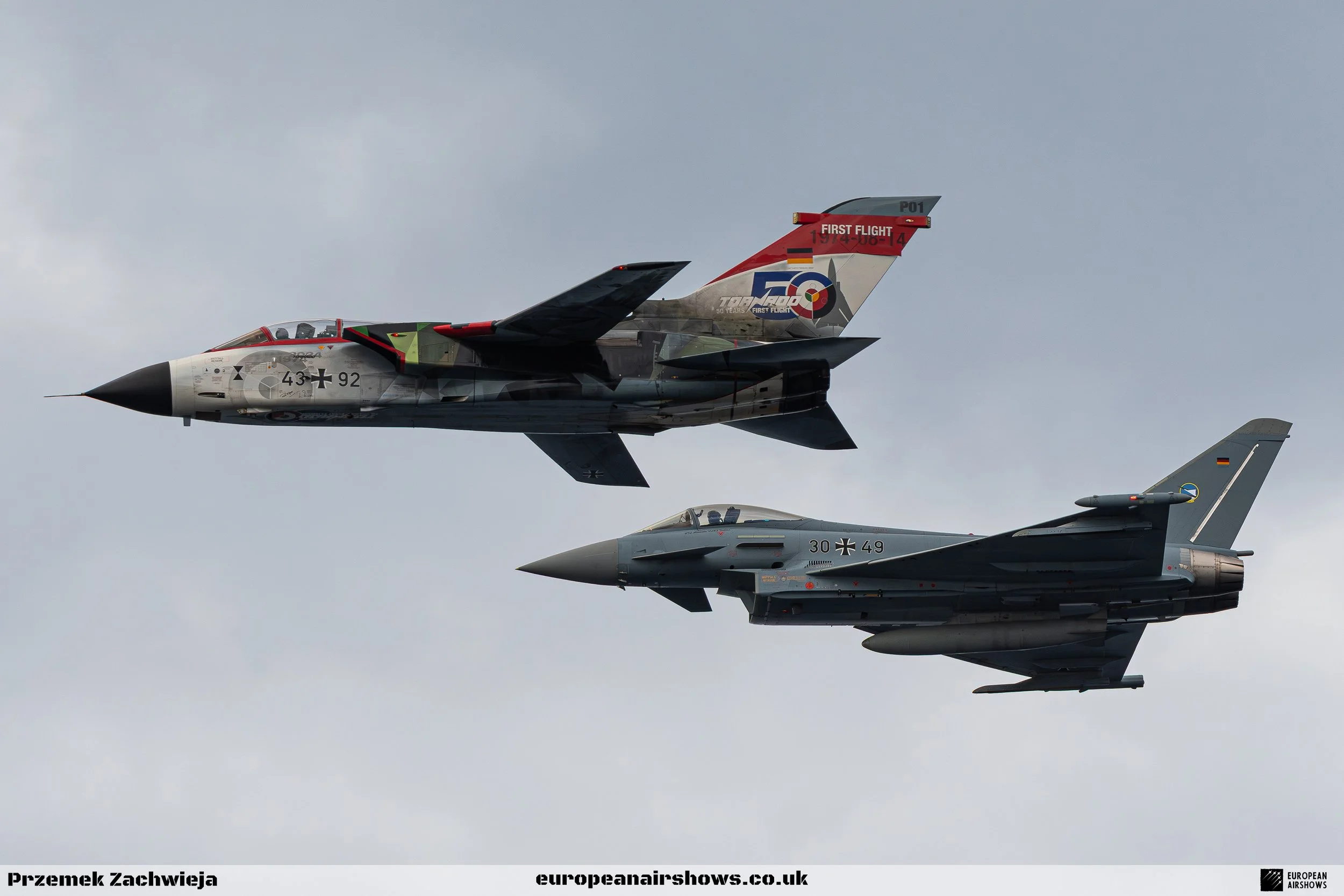
The German Air Force brought the noise with some of the most potent fast-jet flying of the weekend. Although two Eurofighter Typhoons were scheduled—flown by Capt Alex “Noble” Stegmair of TaktLwG 74 and Lt Col Michael “BamBam” Schaudienst of TaktLwG 31—Saturday’s weather restricted the slot to a single jet. However, Sunday saw both pilots take to the air. Noble flew a technically polished sequence, while BamBam—flying his final public display—delivered an aggressive, high-energy performance, keeping the jet tight to the crowdline with emphatic verticals and high-alpha passes. Bathed in the golden evening light, his swan song was widely acclaimed as one of the season's best Typhoon demonstrations.
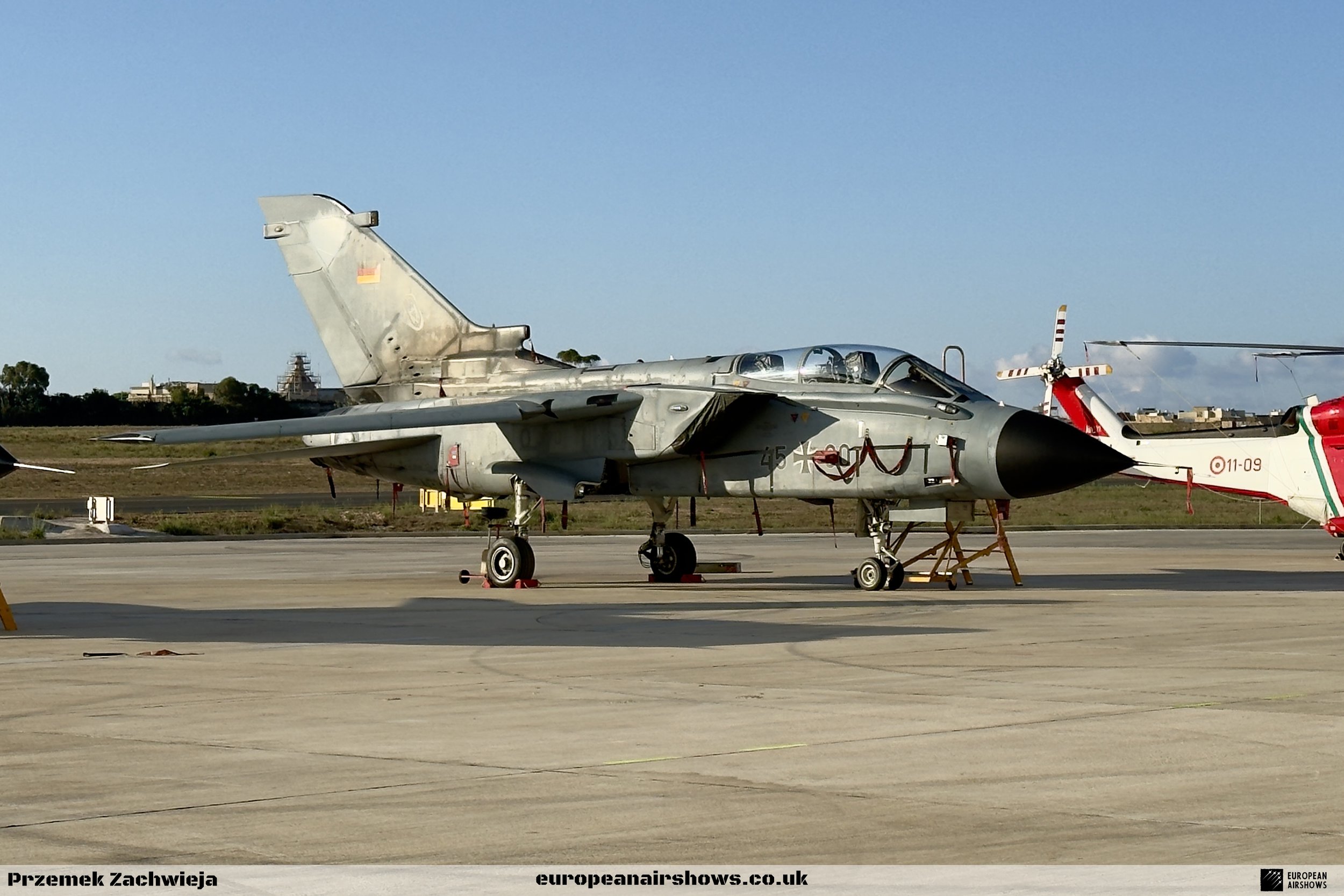
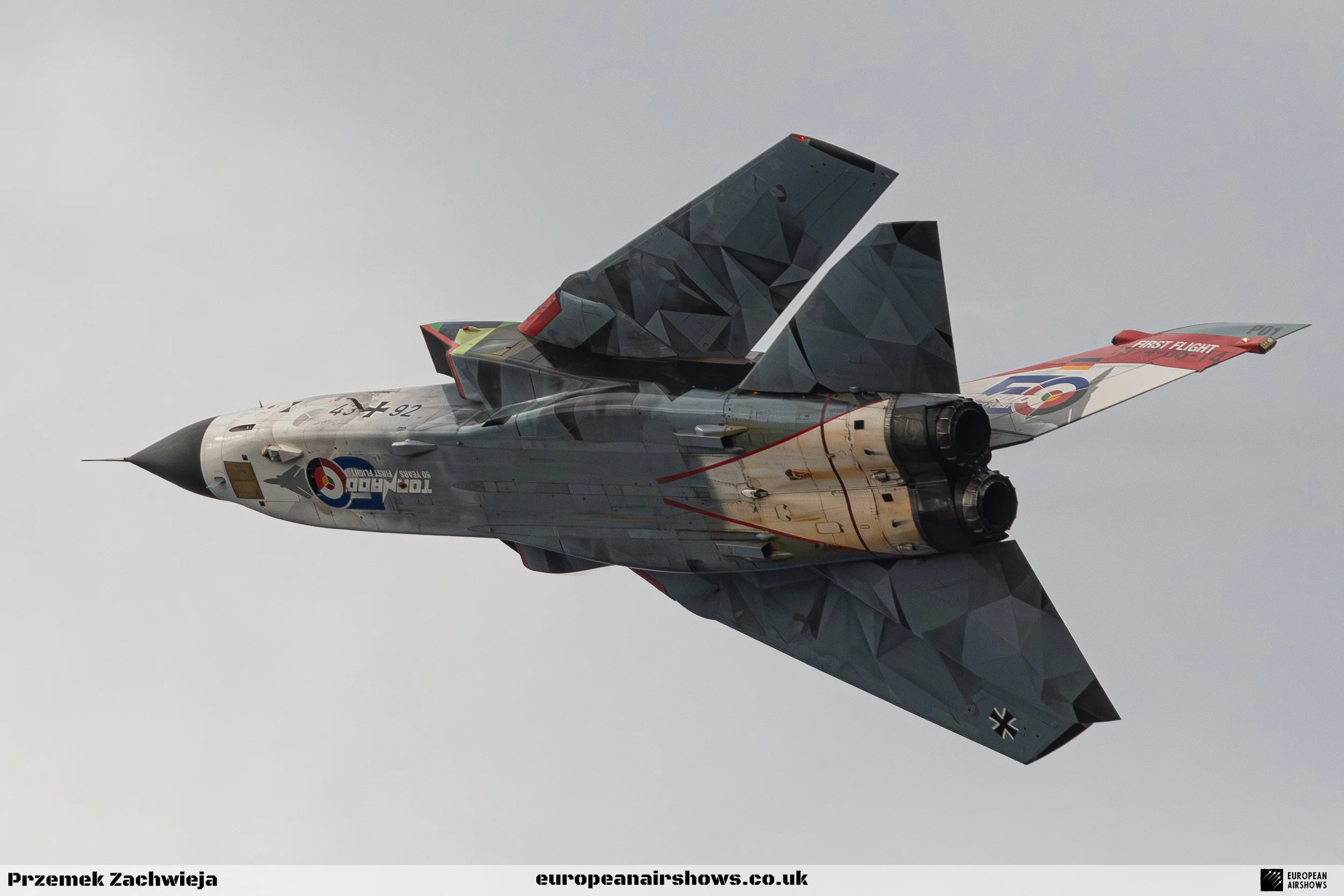
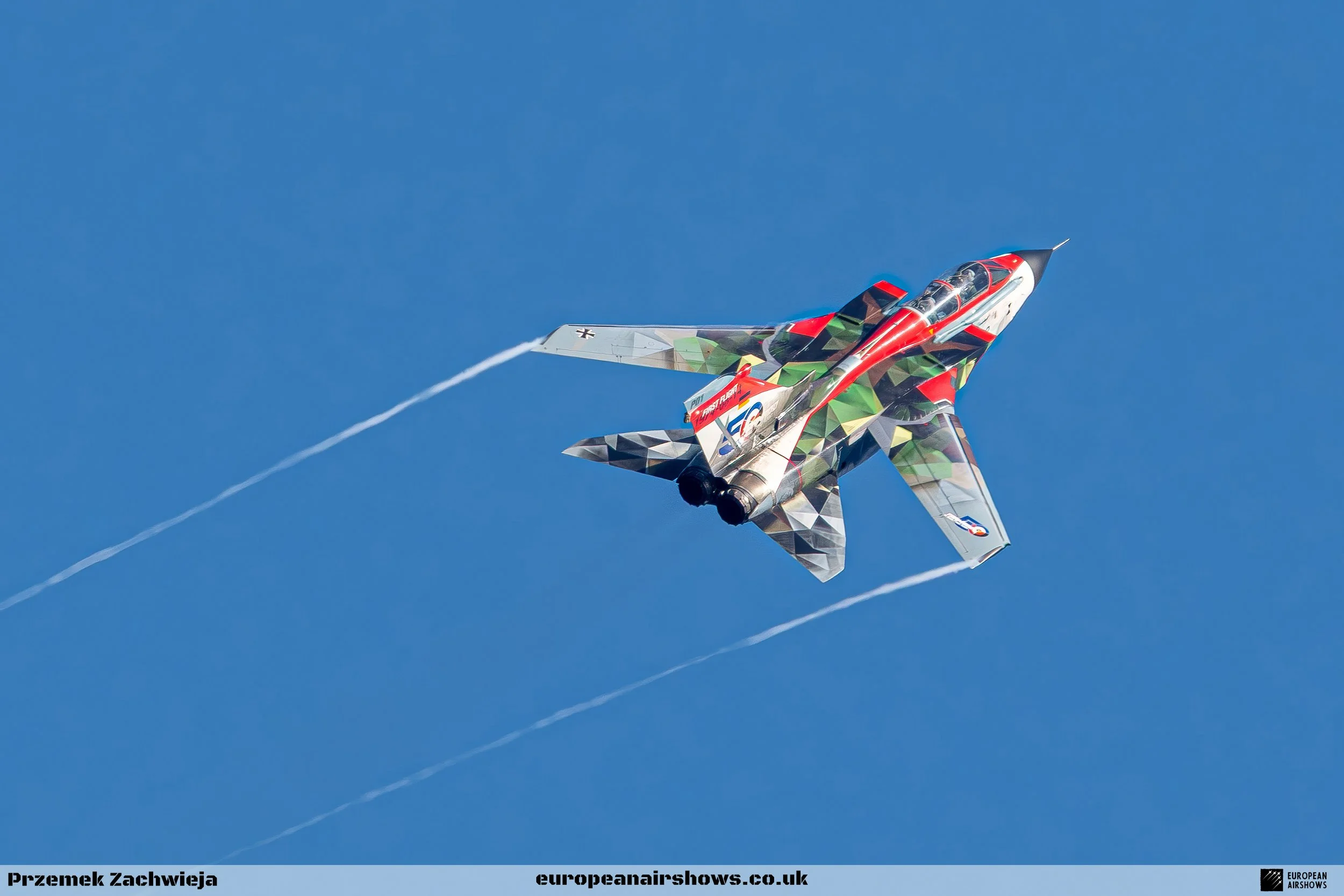
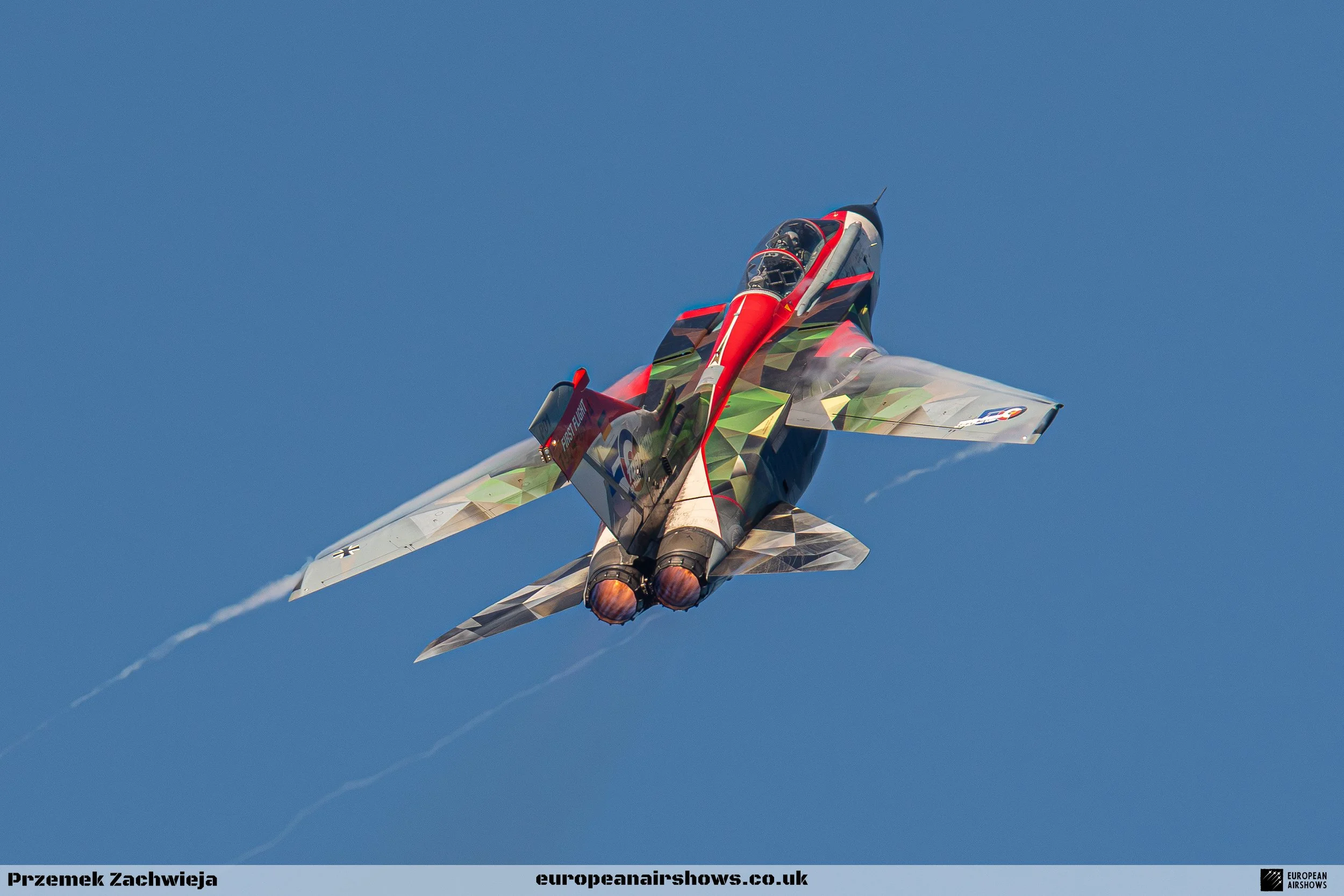
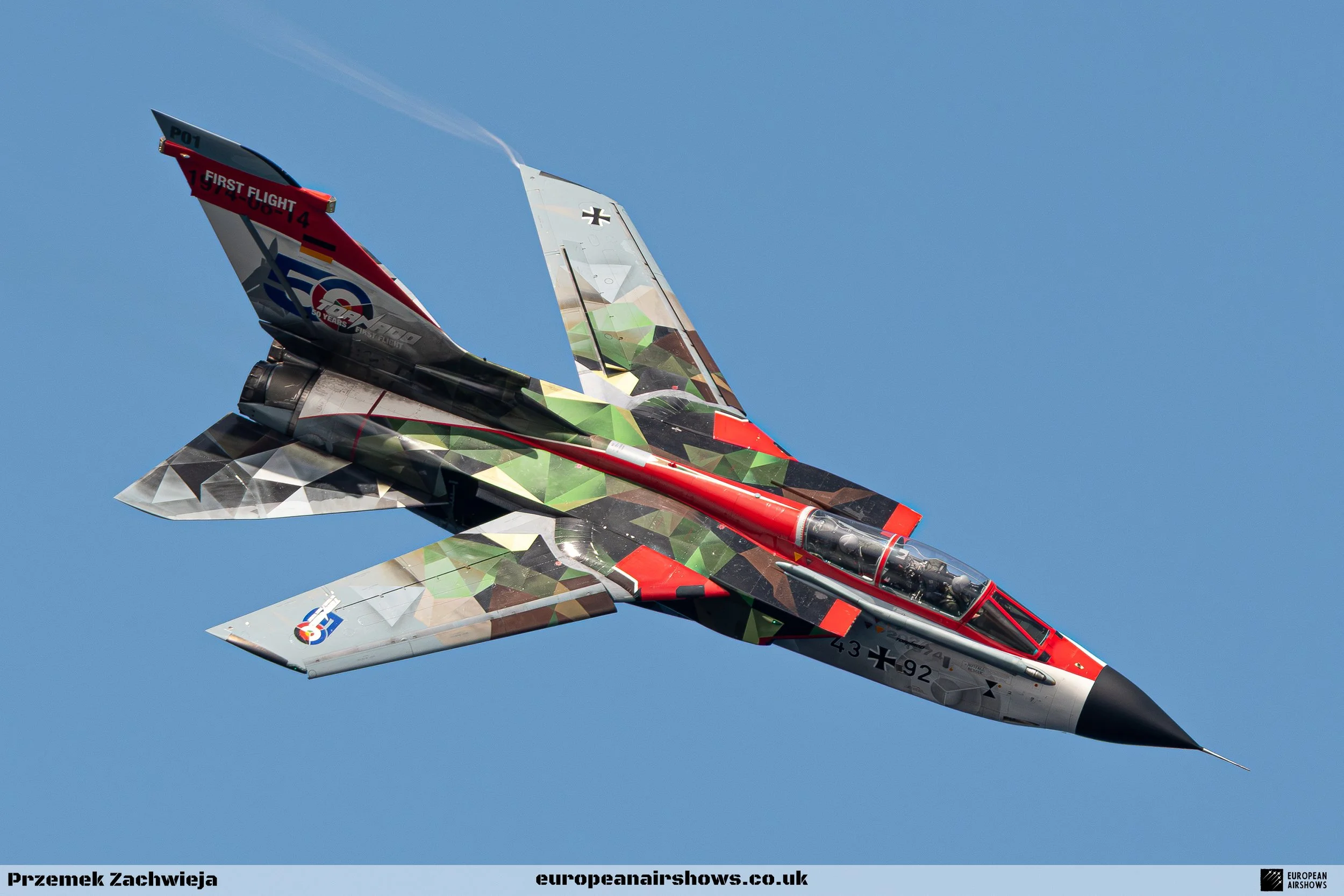
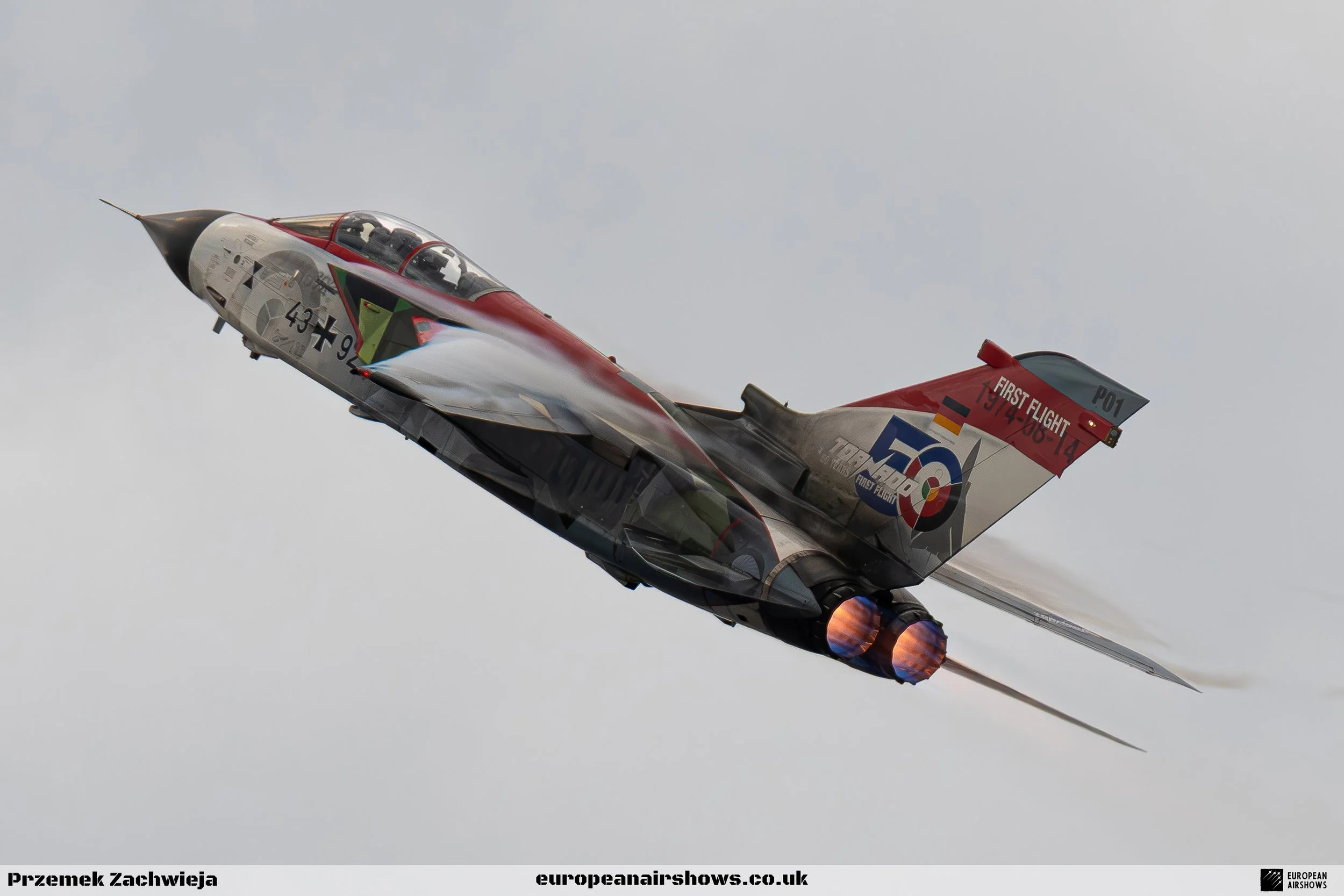
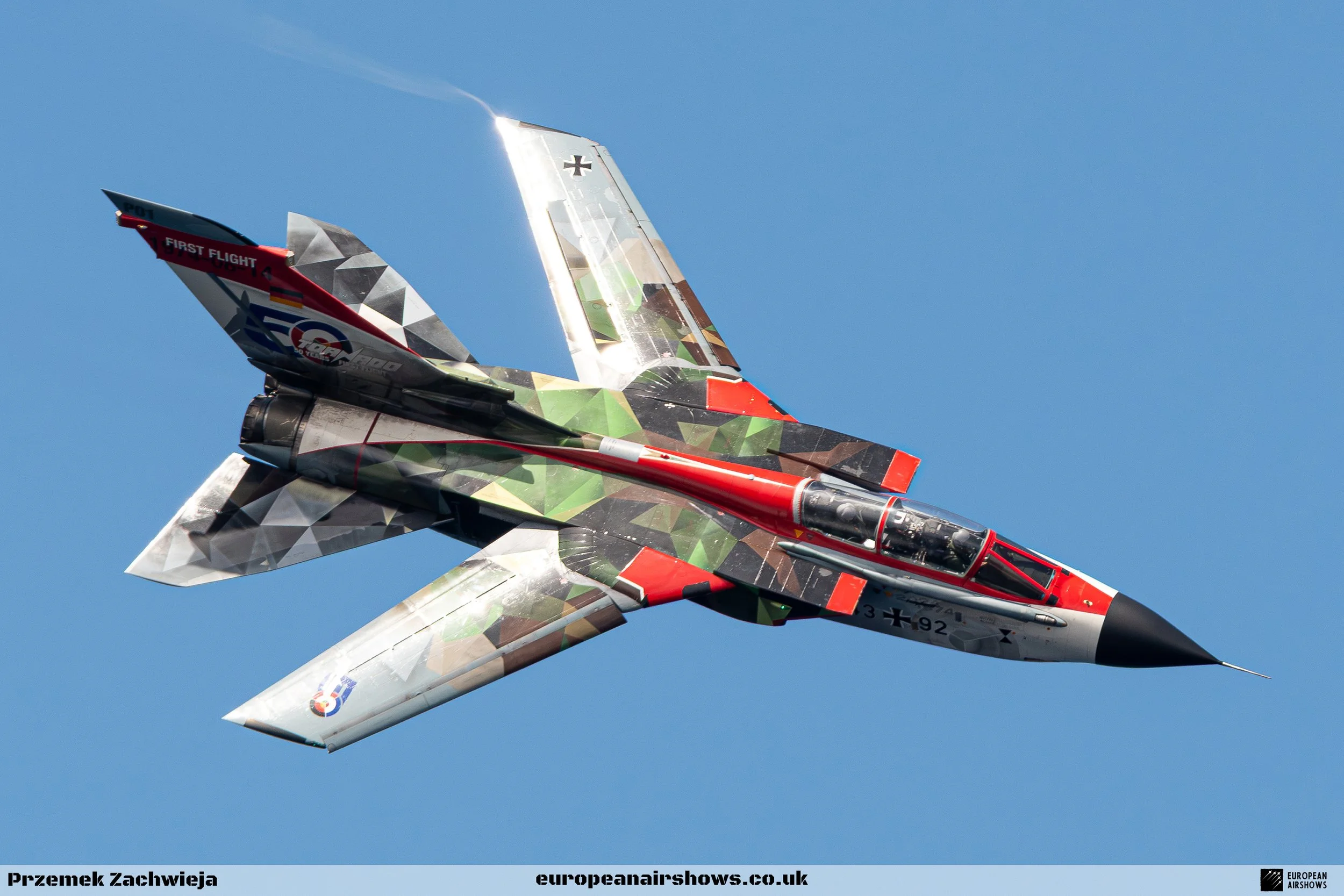
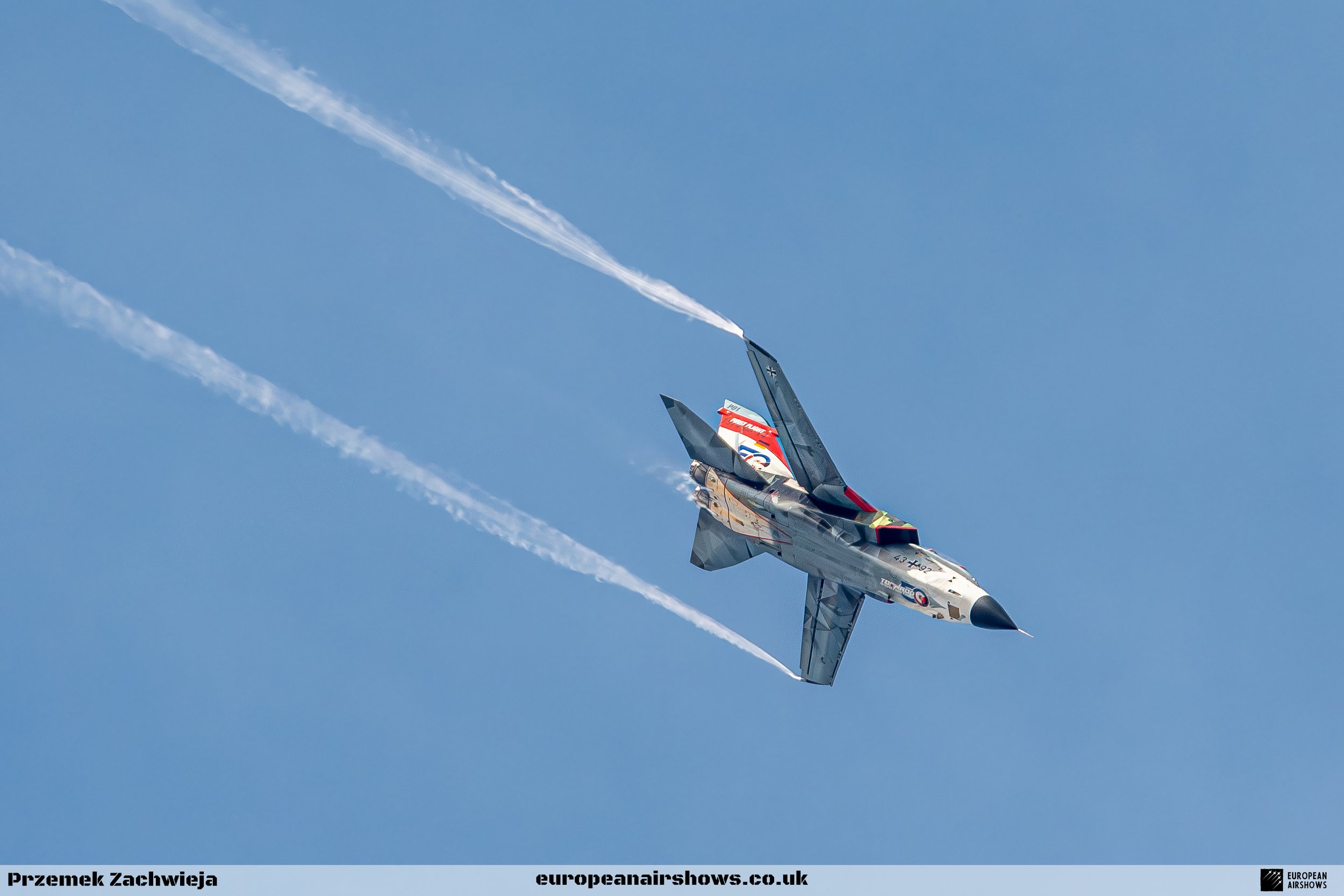
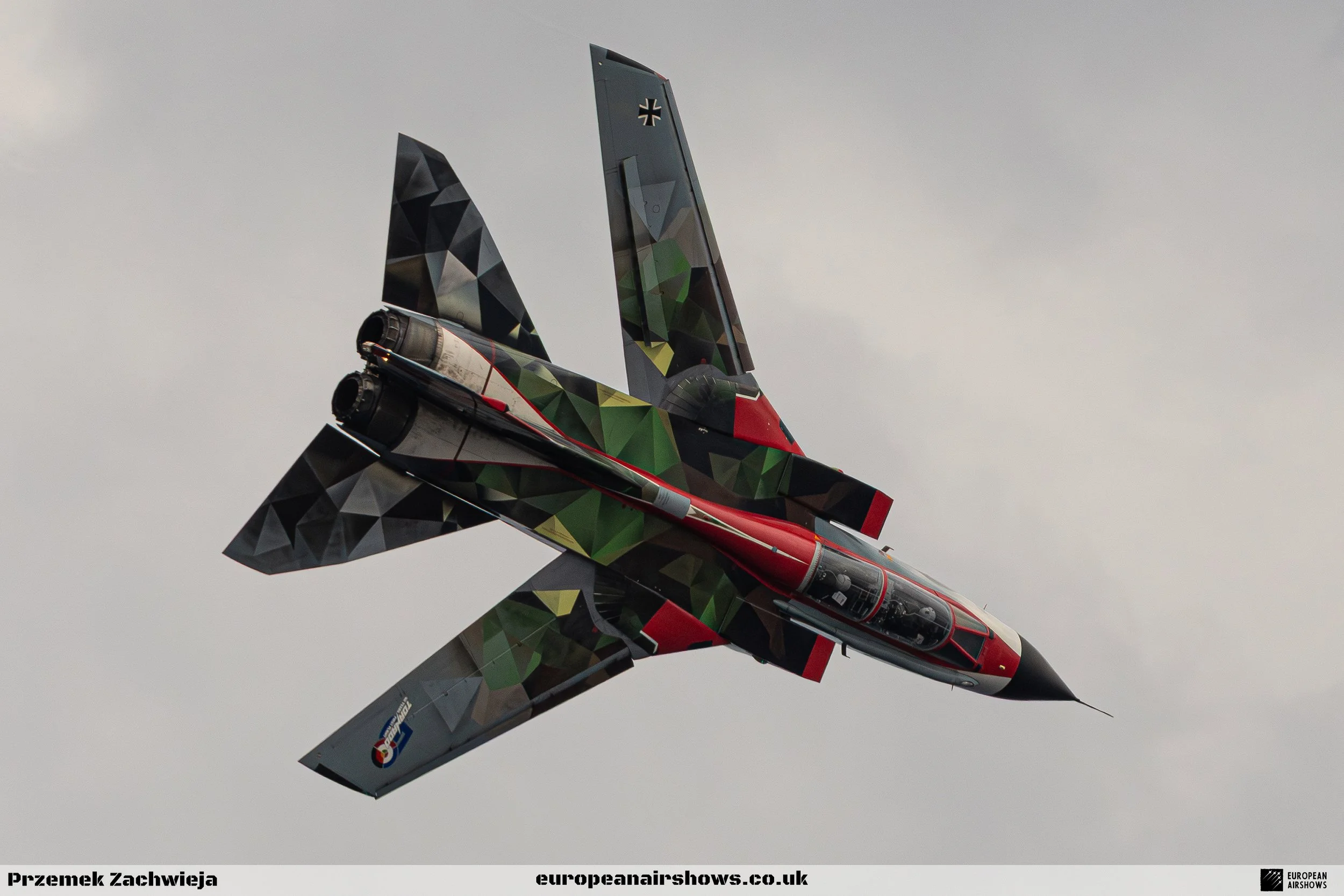
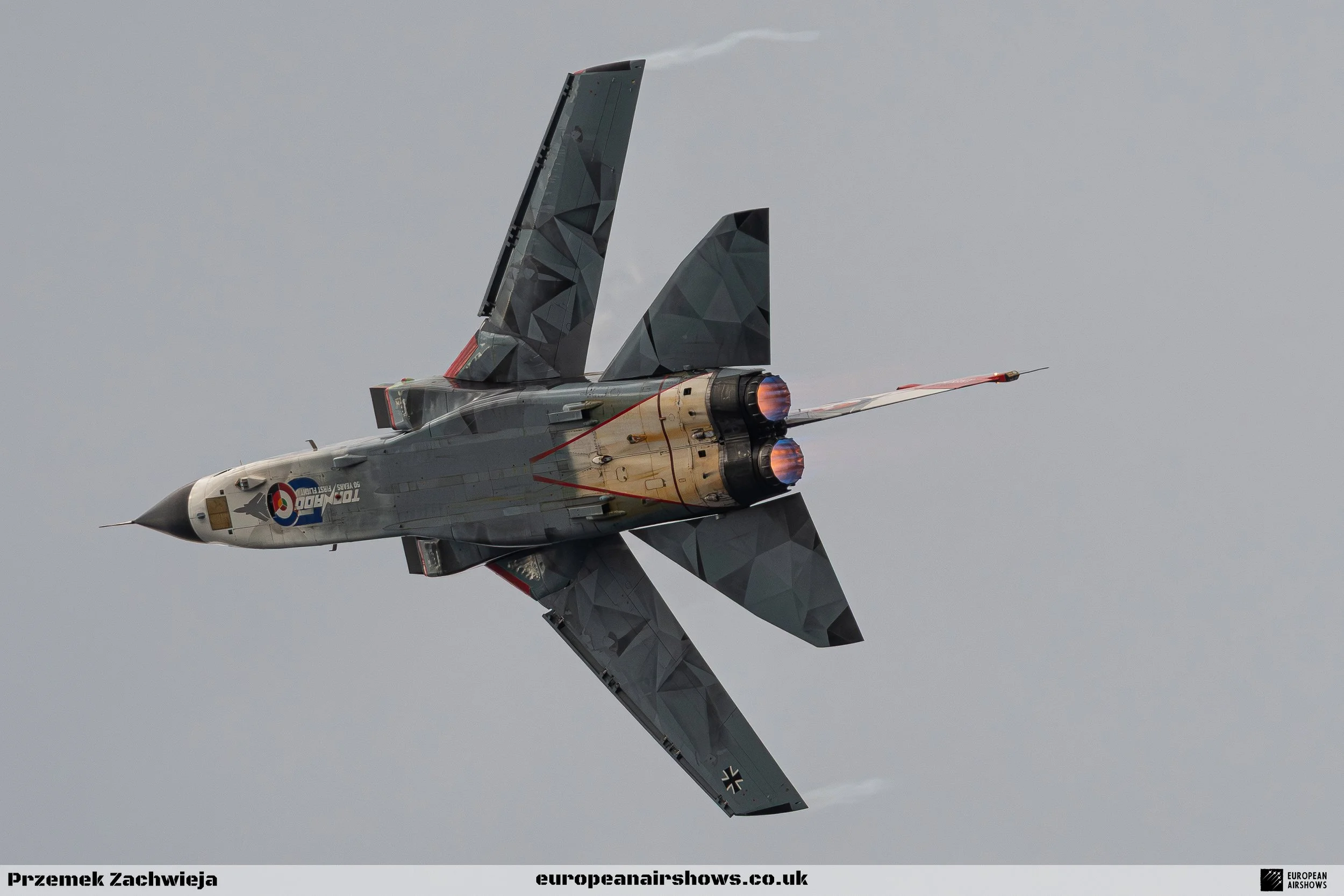
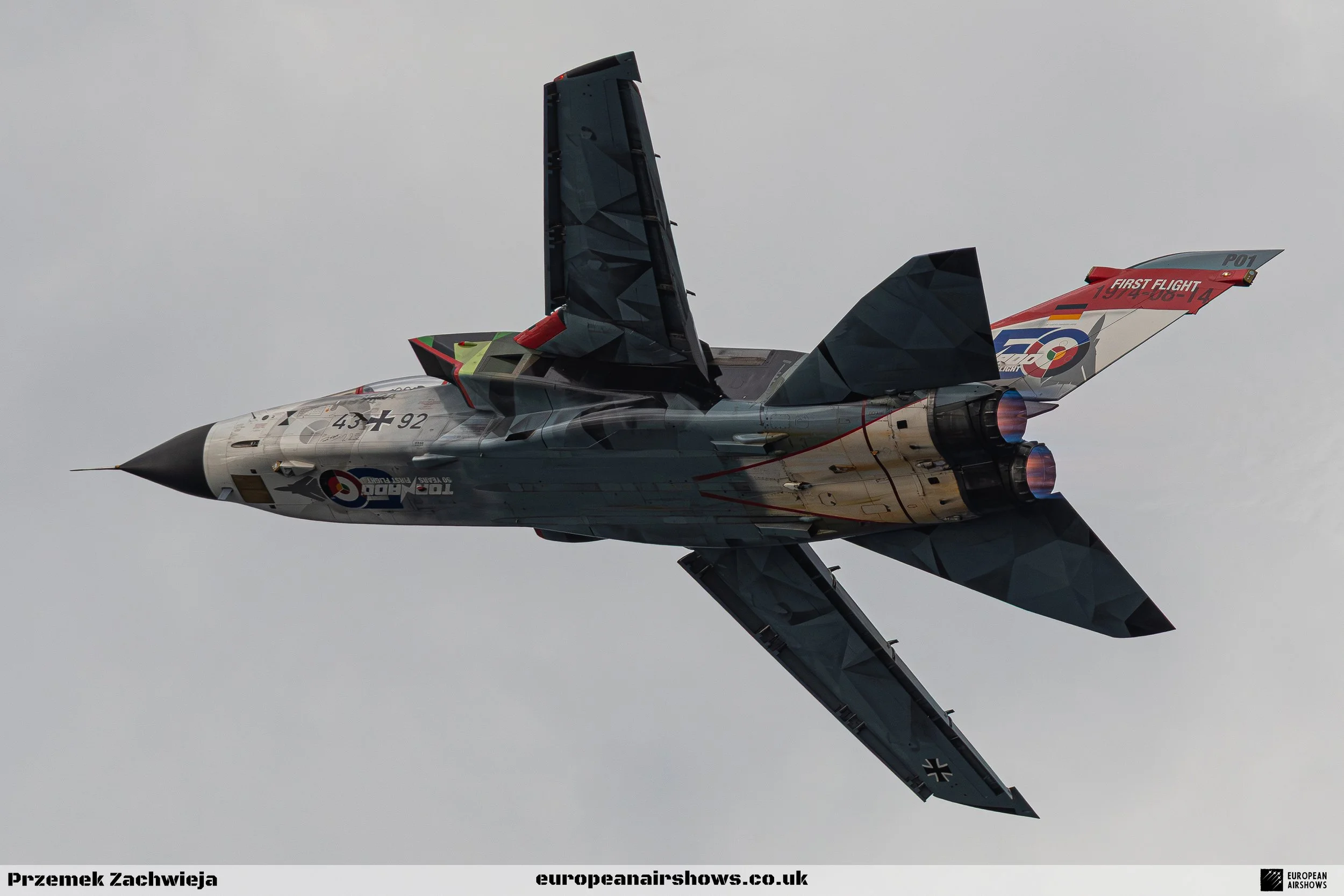
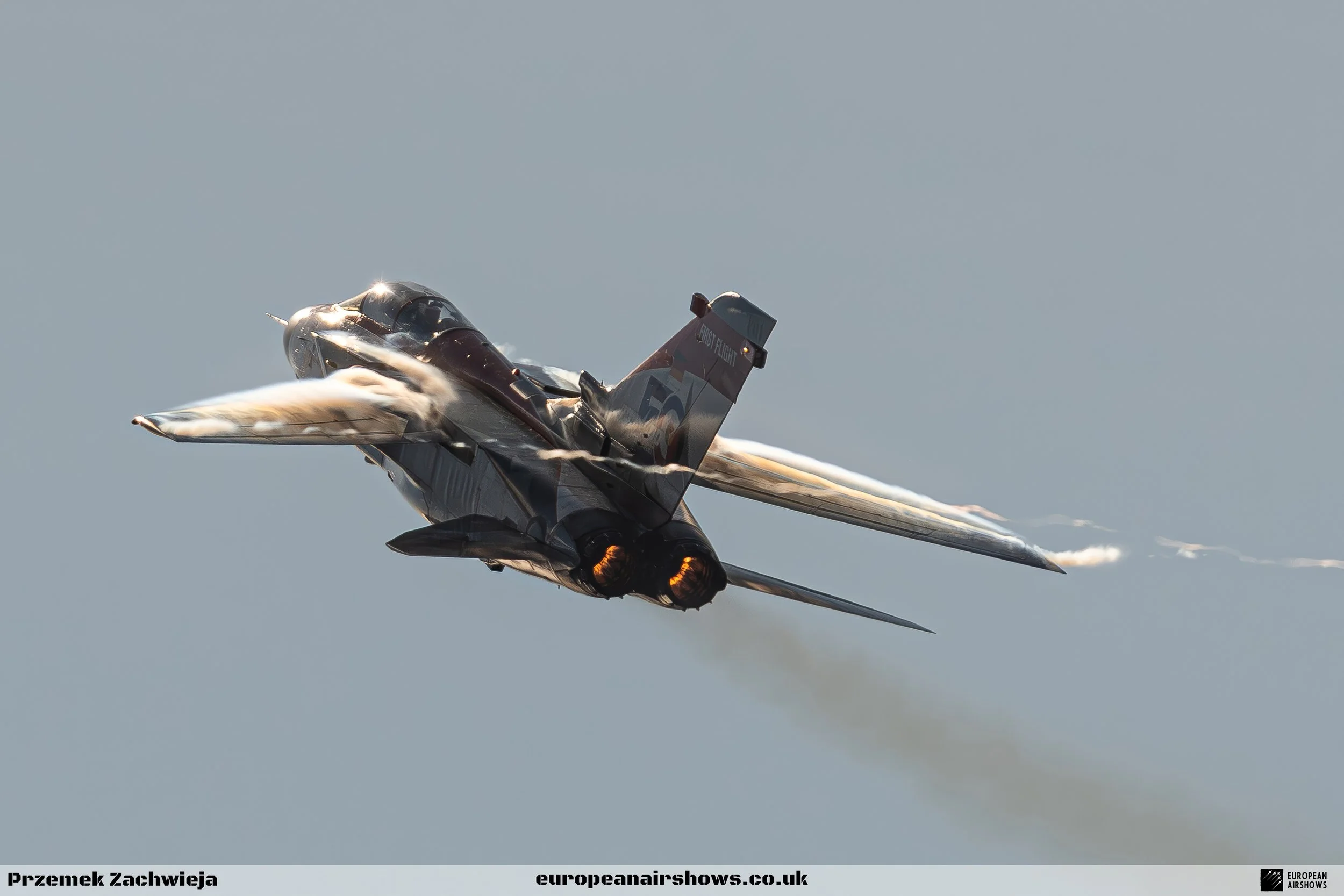
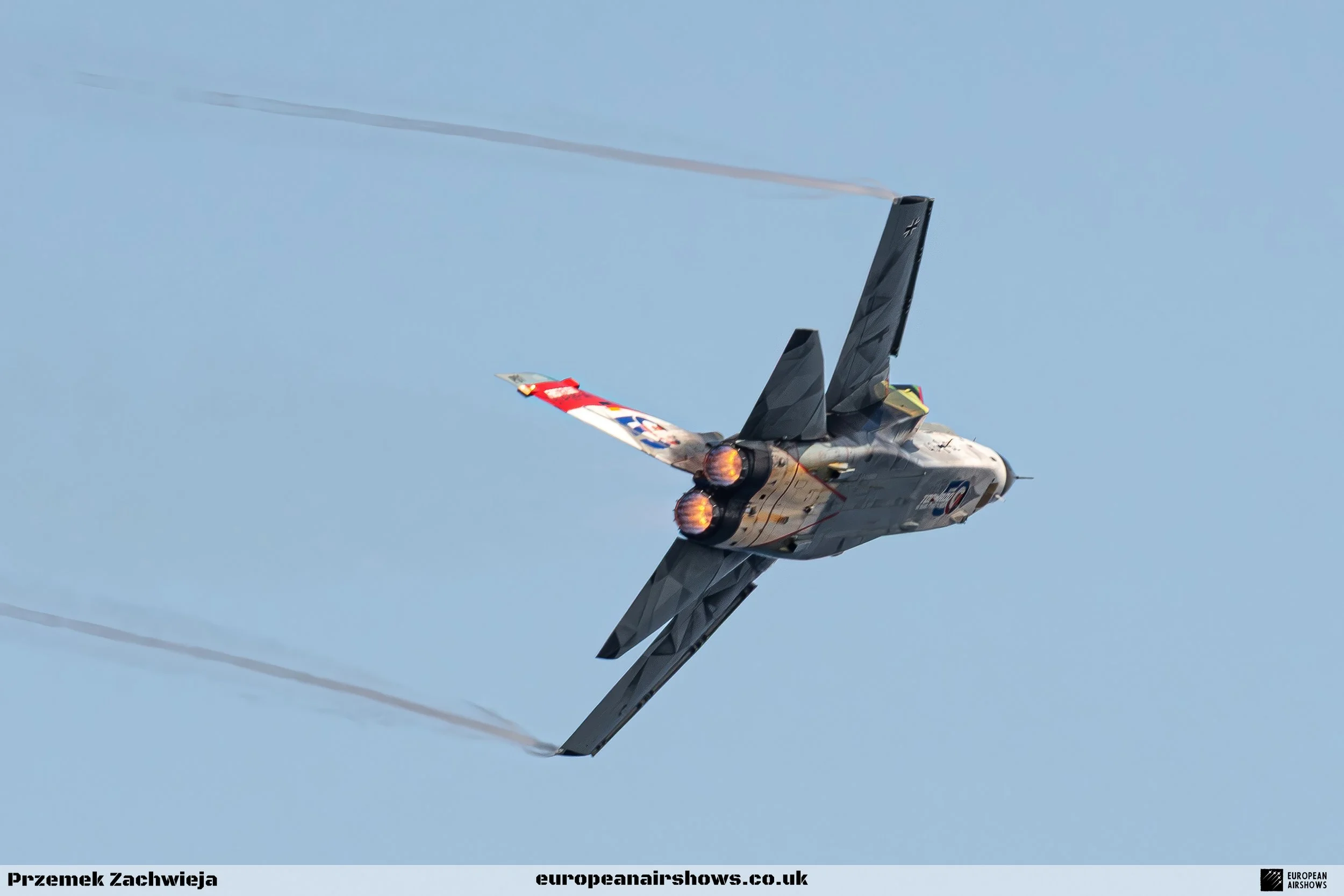
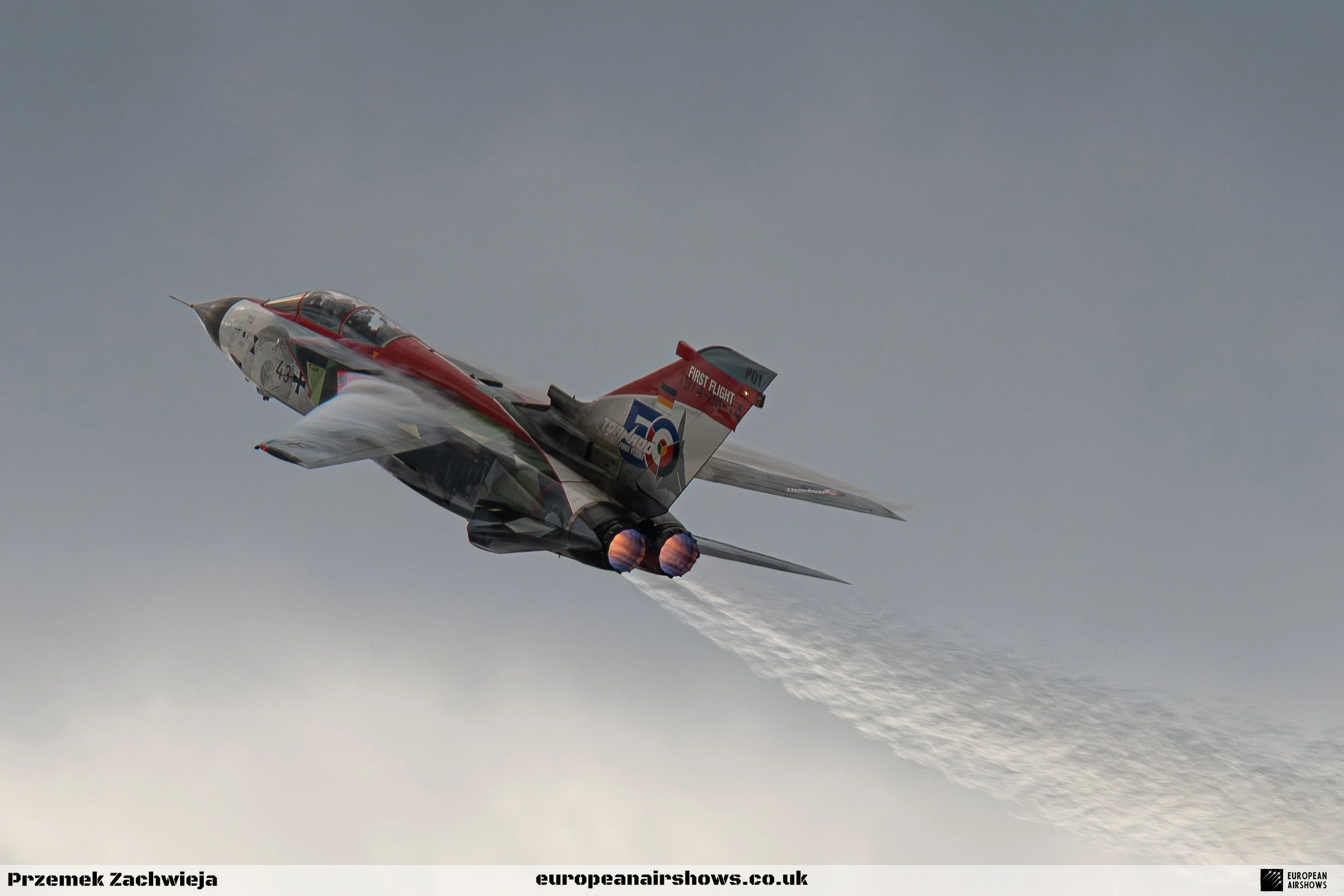
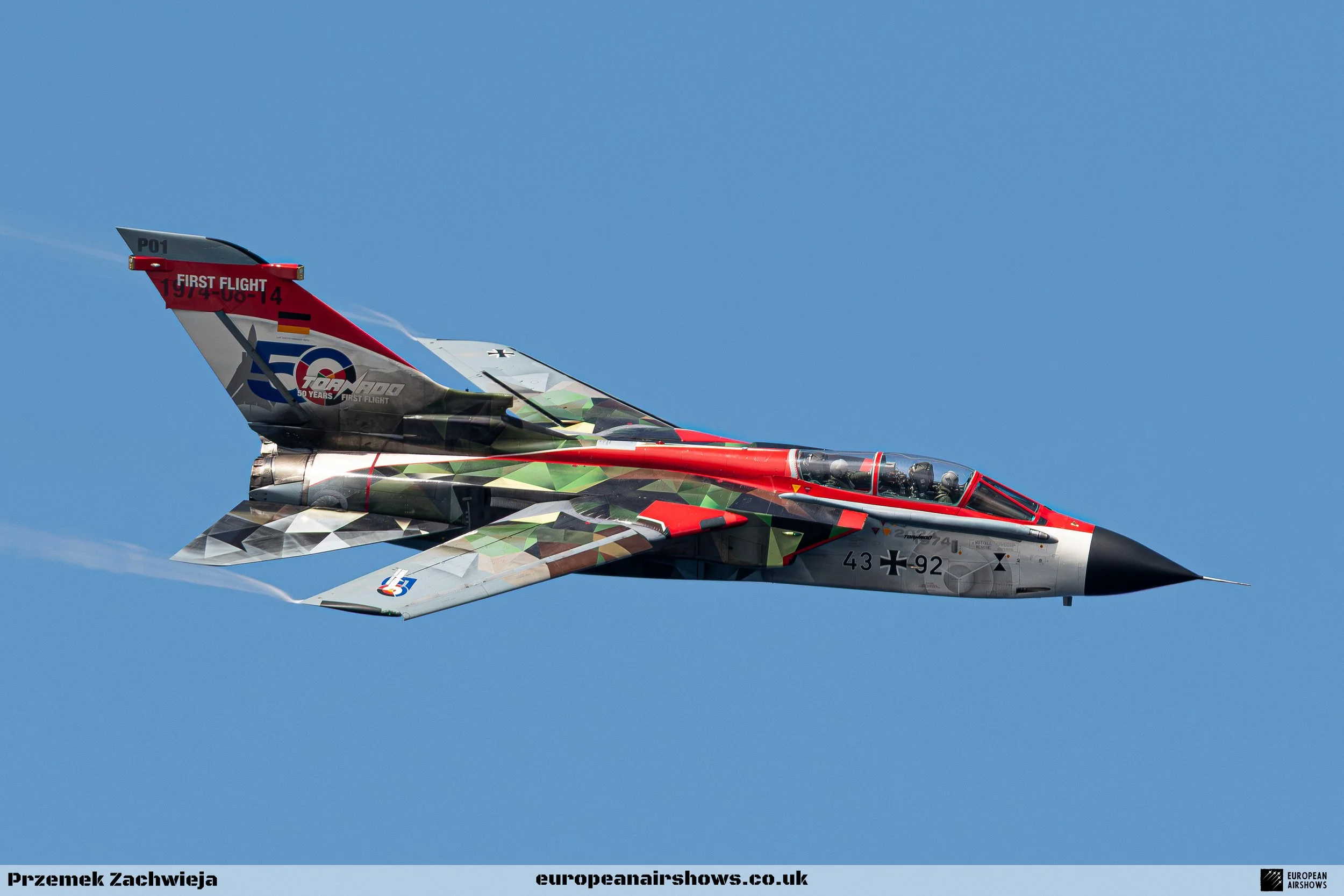
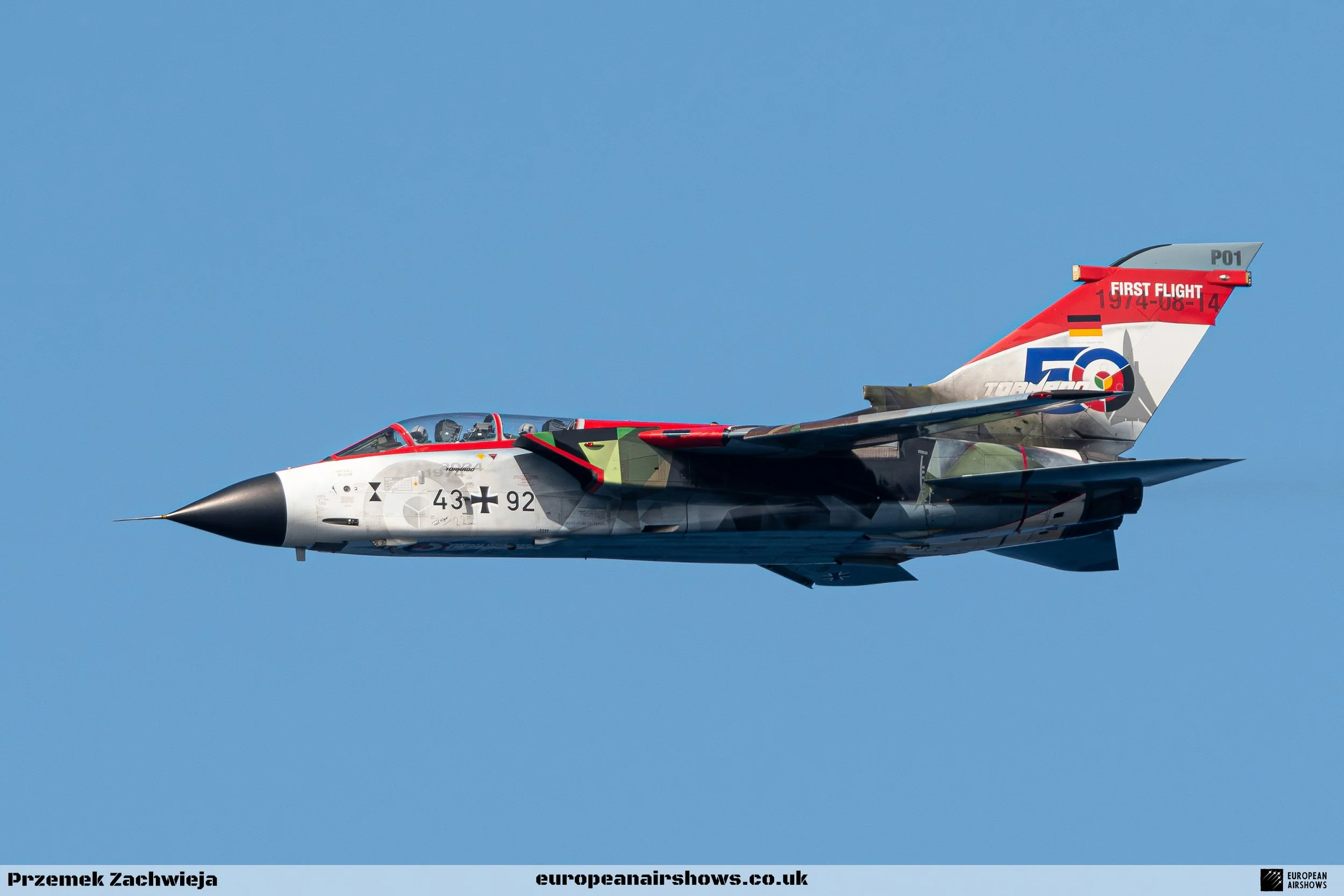
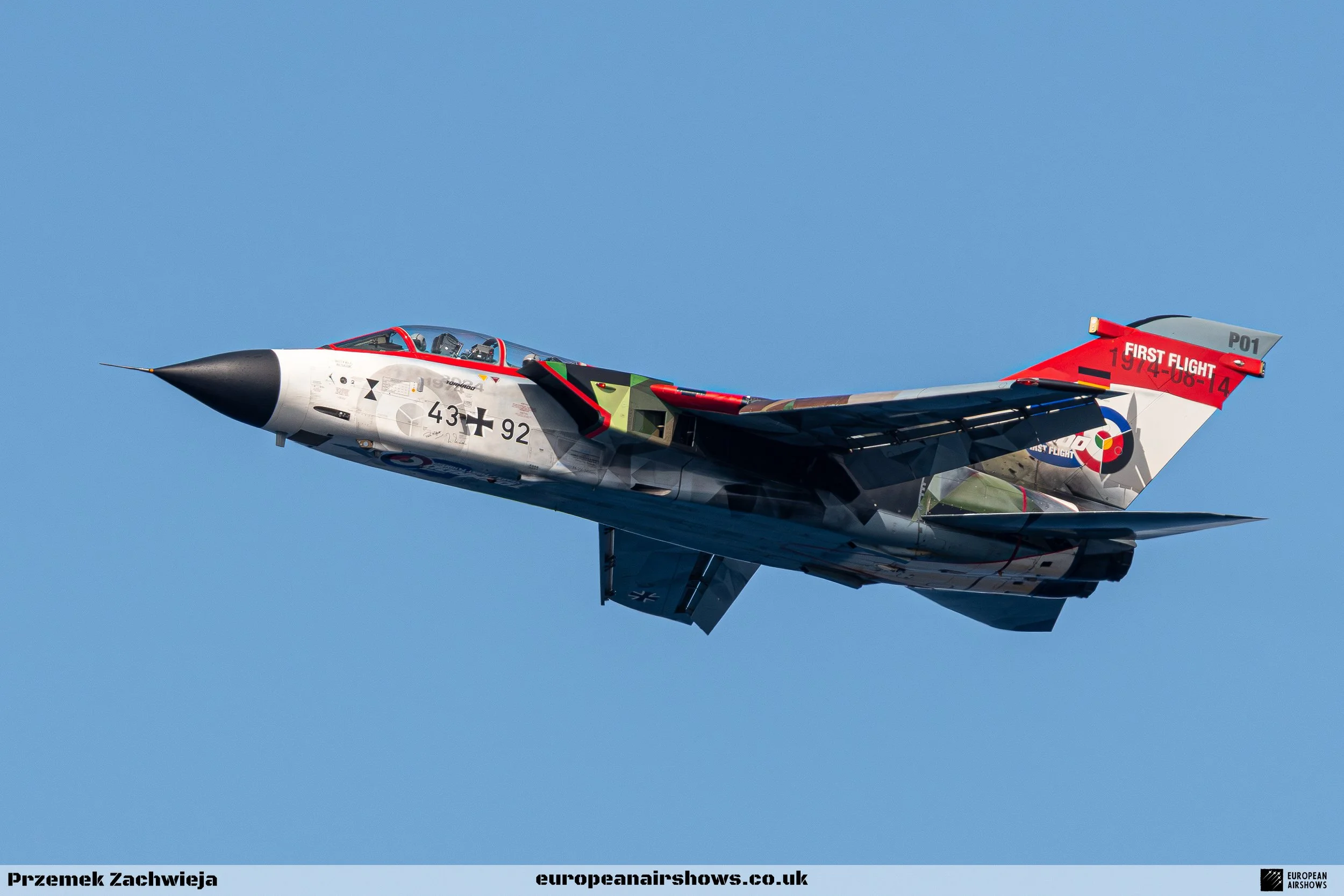
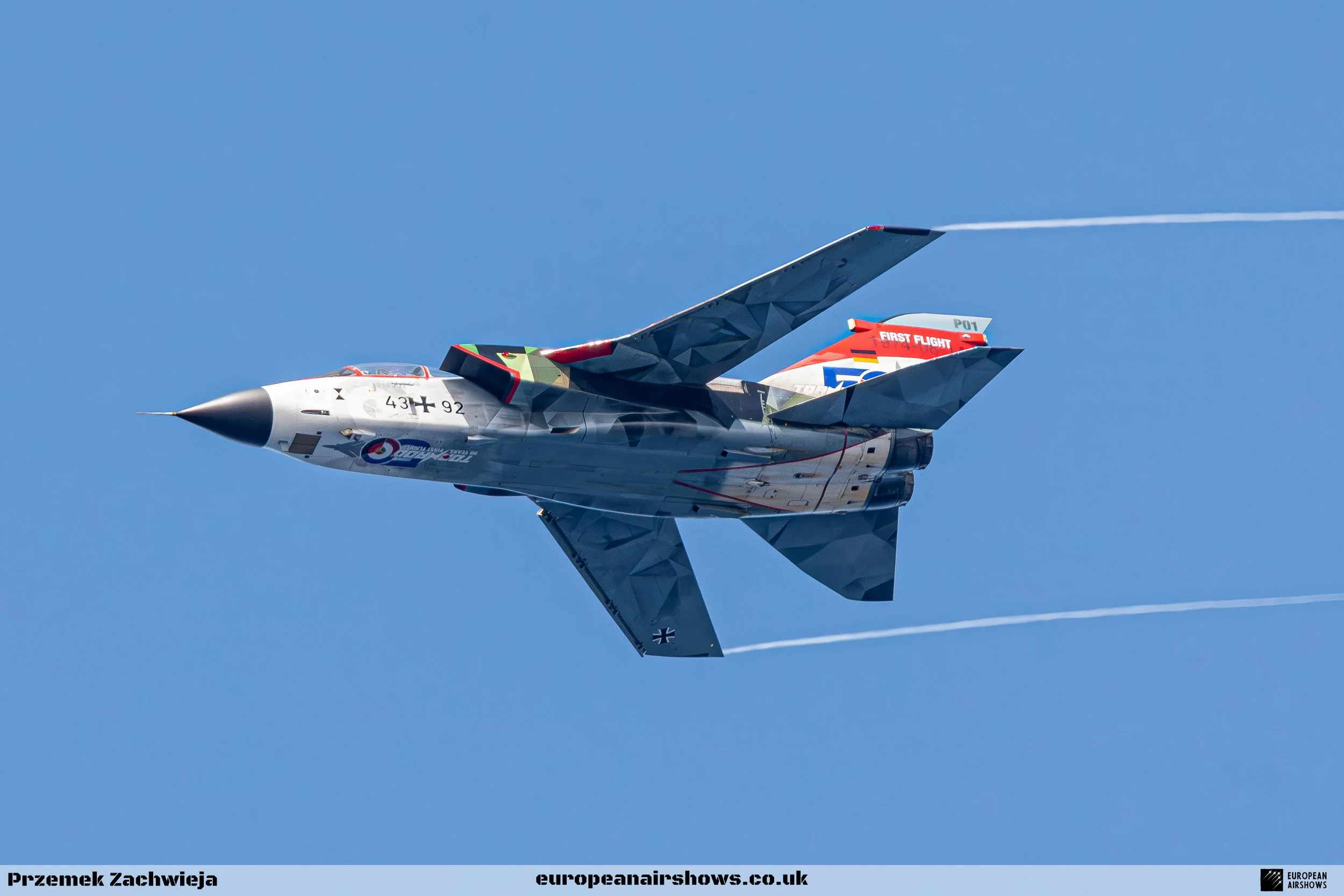
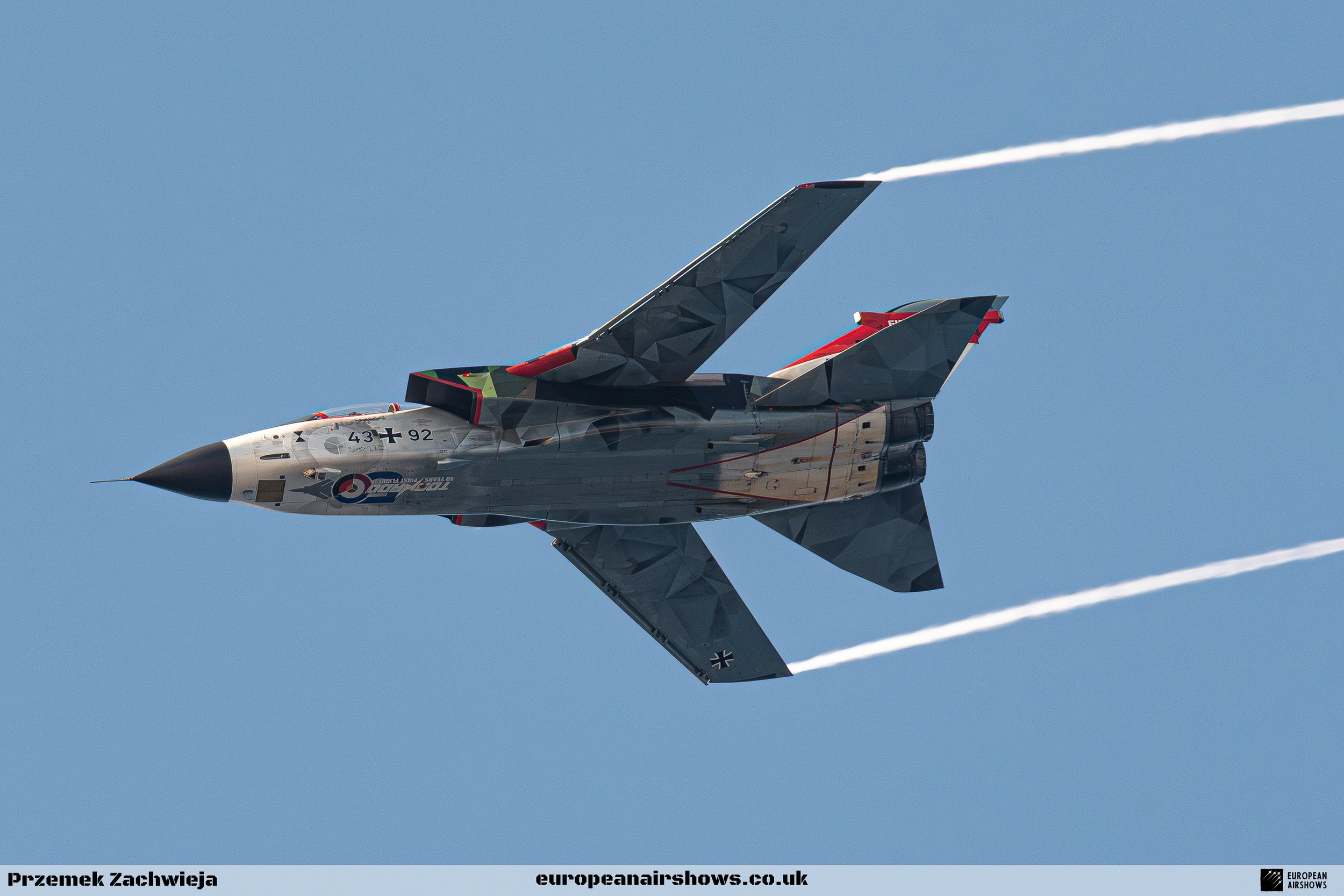
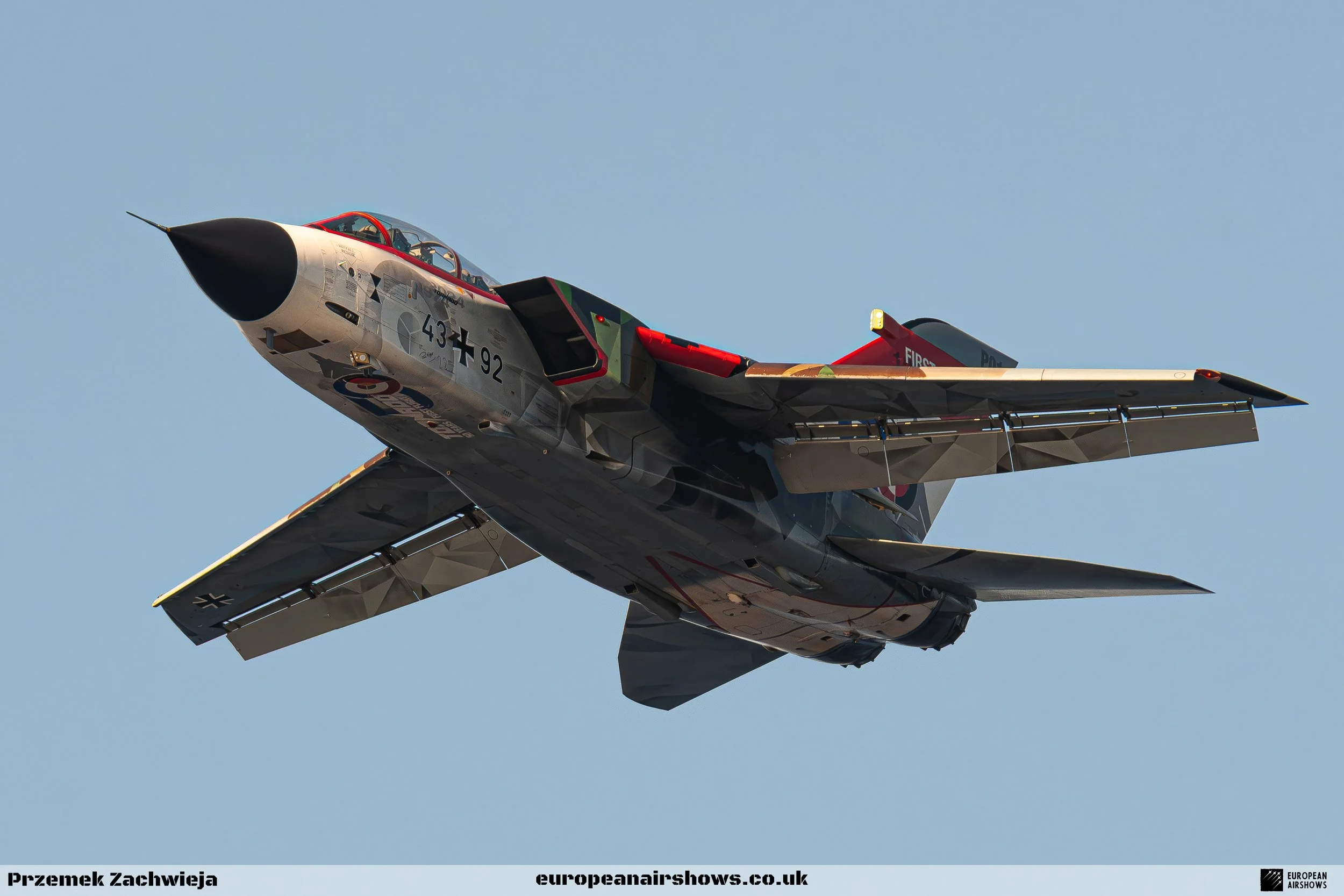
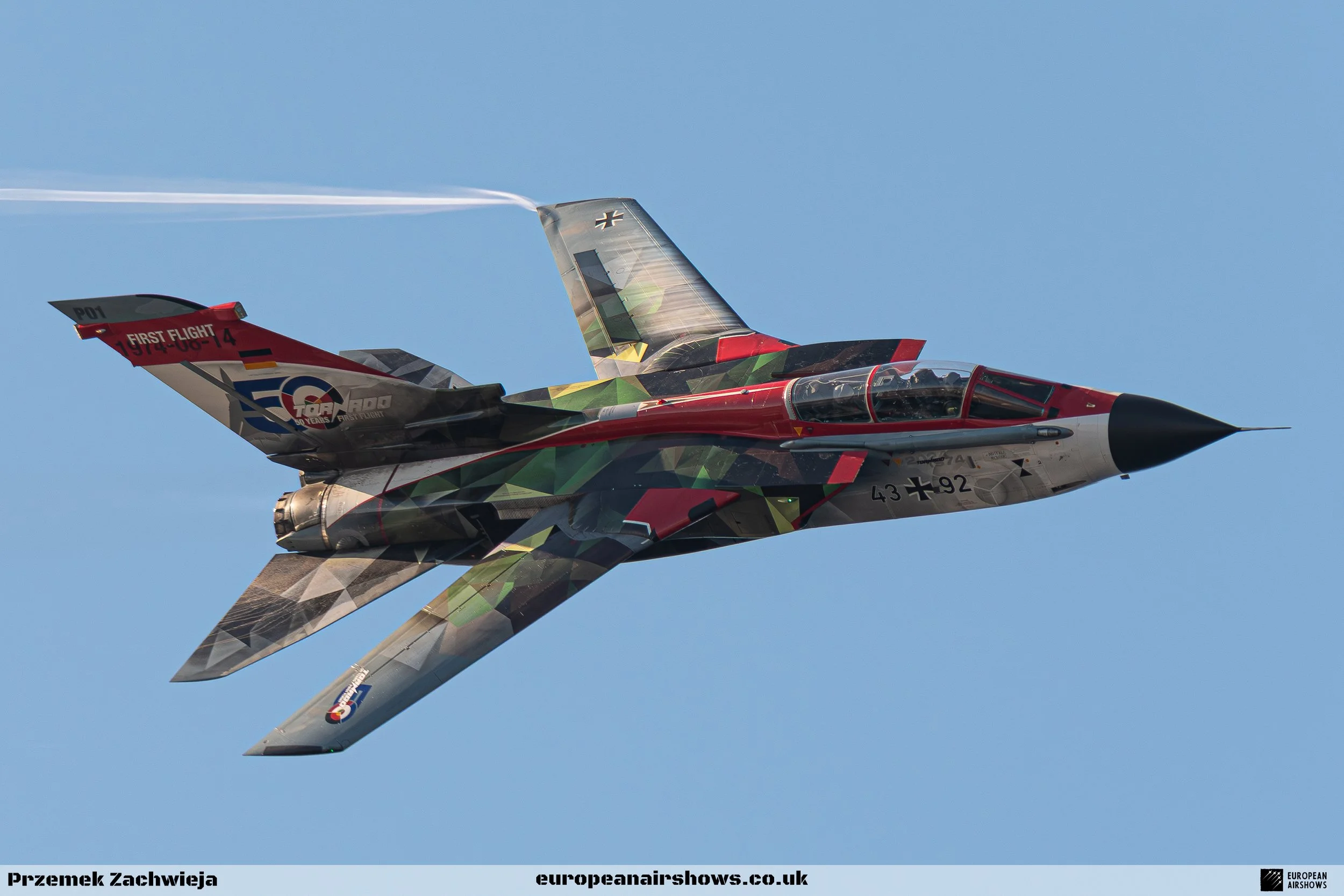
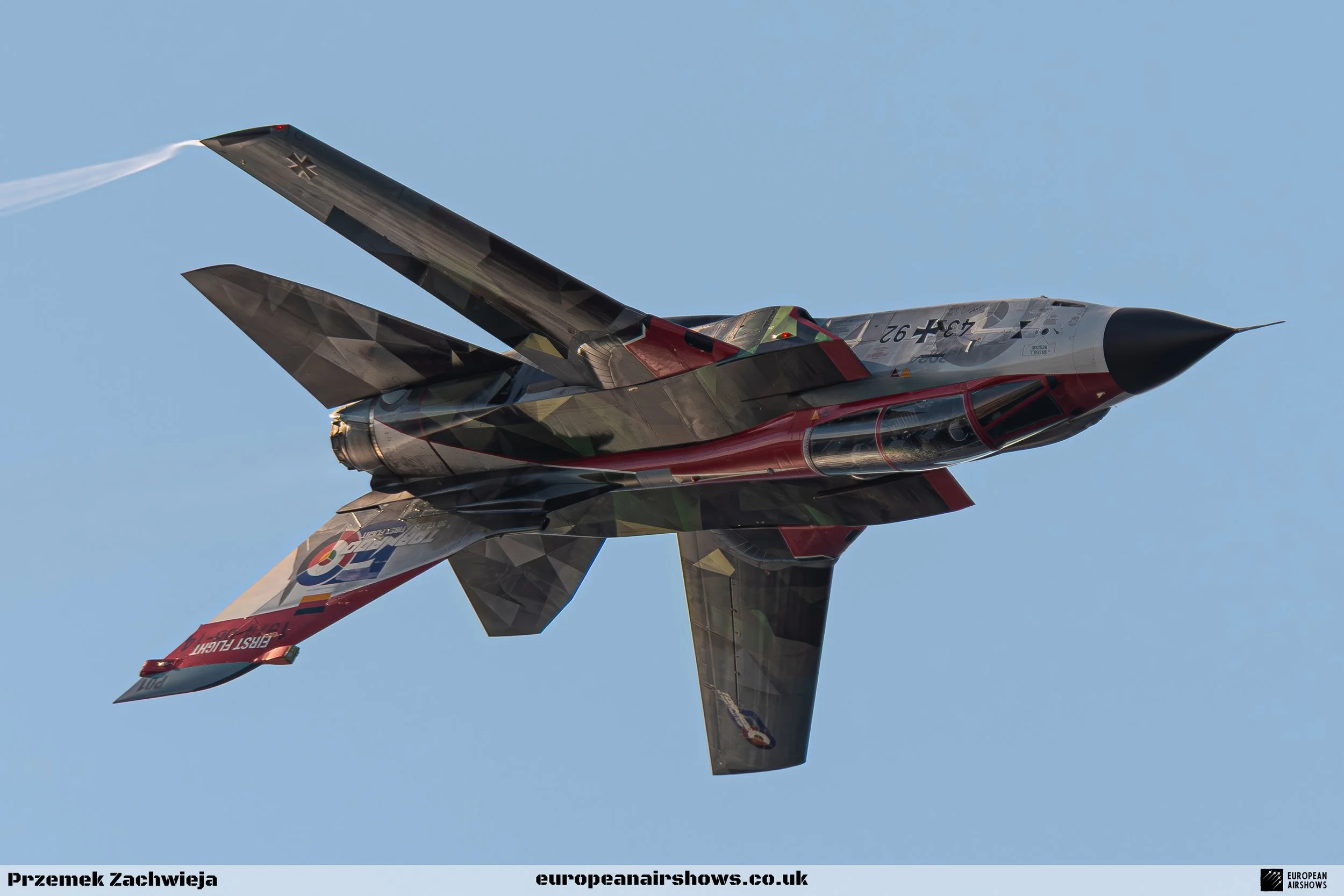
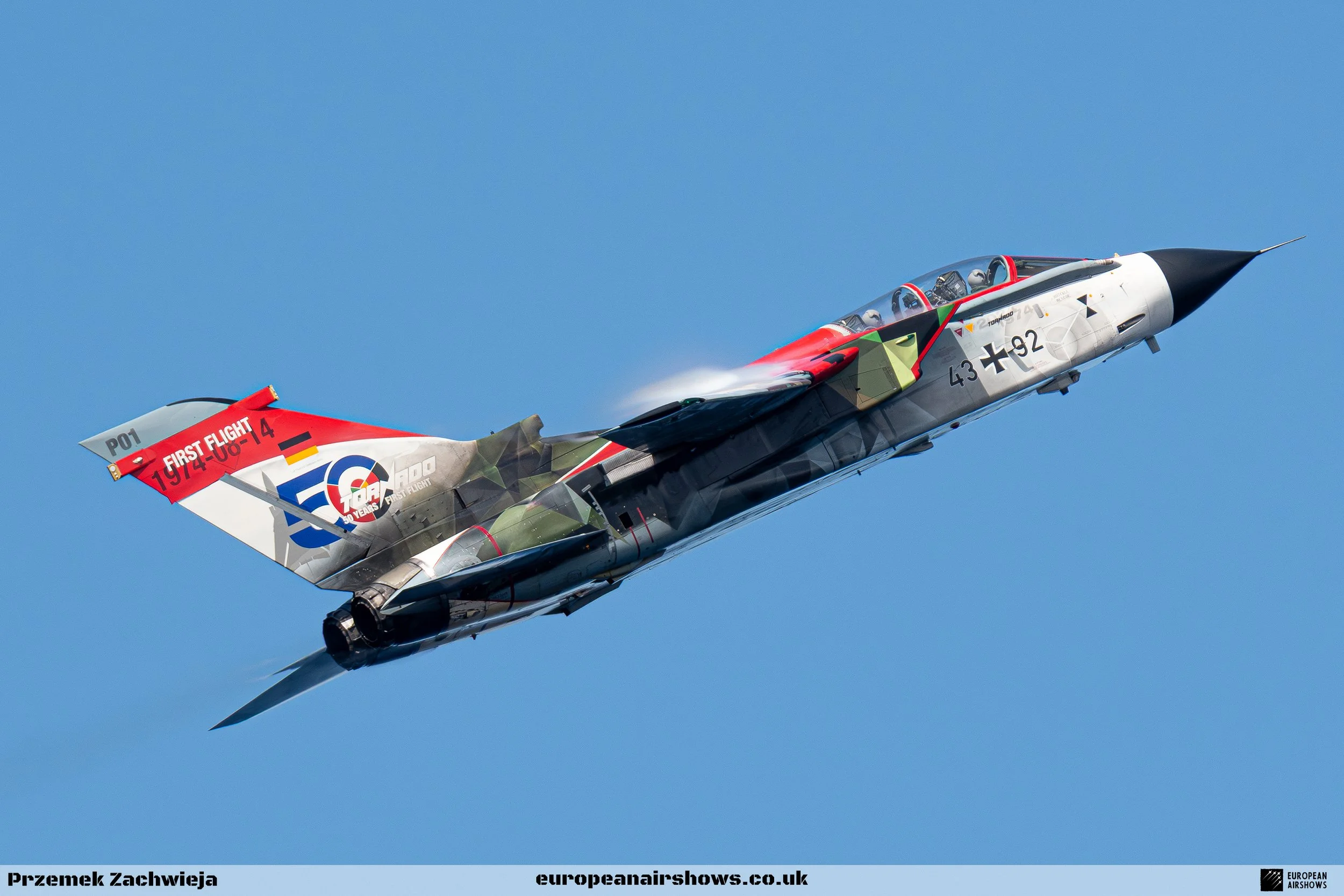
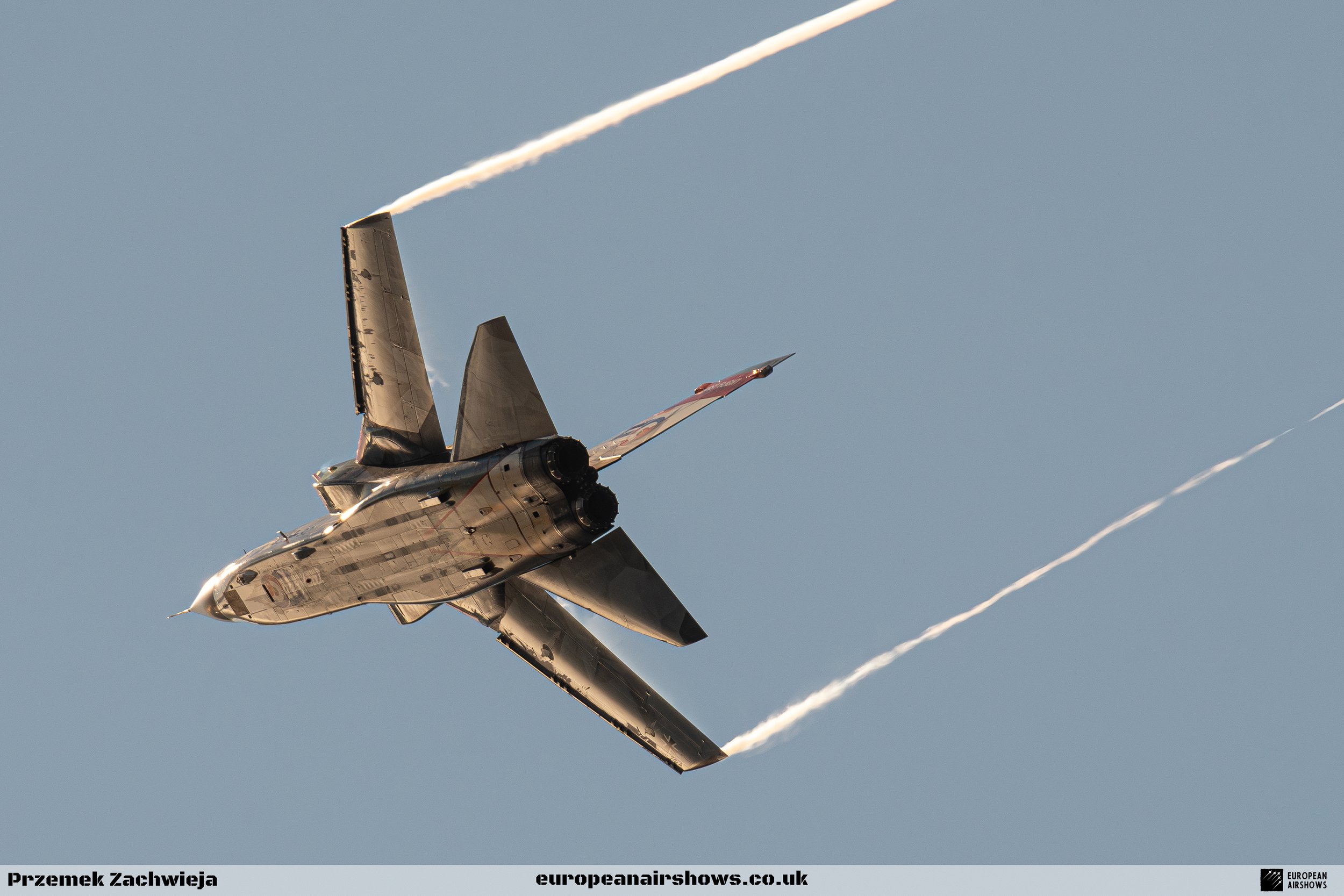
Complementing the Typhoon was a Panavia Tornado IDS from TaktLwG 33 at Büchel. Adorned in the 50th Anniversary scheme unveiled earlier in 2024, the IDS was a major draw for the enthusiast community. While the routine was somewhat more restrained than its overland appearance at Leszno earlier in the year—likely a concession to the over-water environment—it remained an impressive sight. The Luftwaffe segment concluded with a poignant mixed formation pass of the Typhoon and Tornado; Saturday’s flypast was dedicated to the late Polish F-16 demo pilot Maj Maciej “SLAB” Krakowian, while Sunday’s honoured Godfrey Mangion of the Malta Aviation Society—tributes that were warmly received by the public.
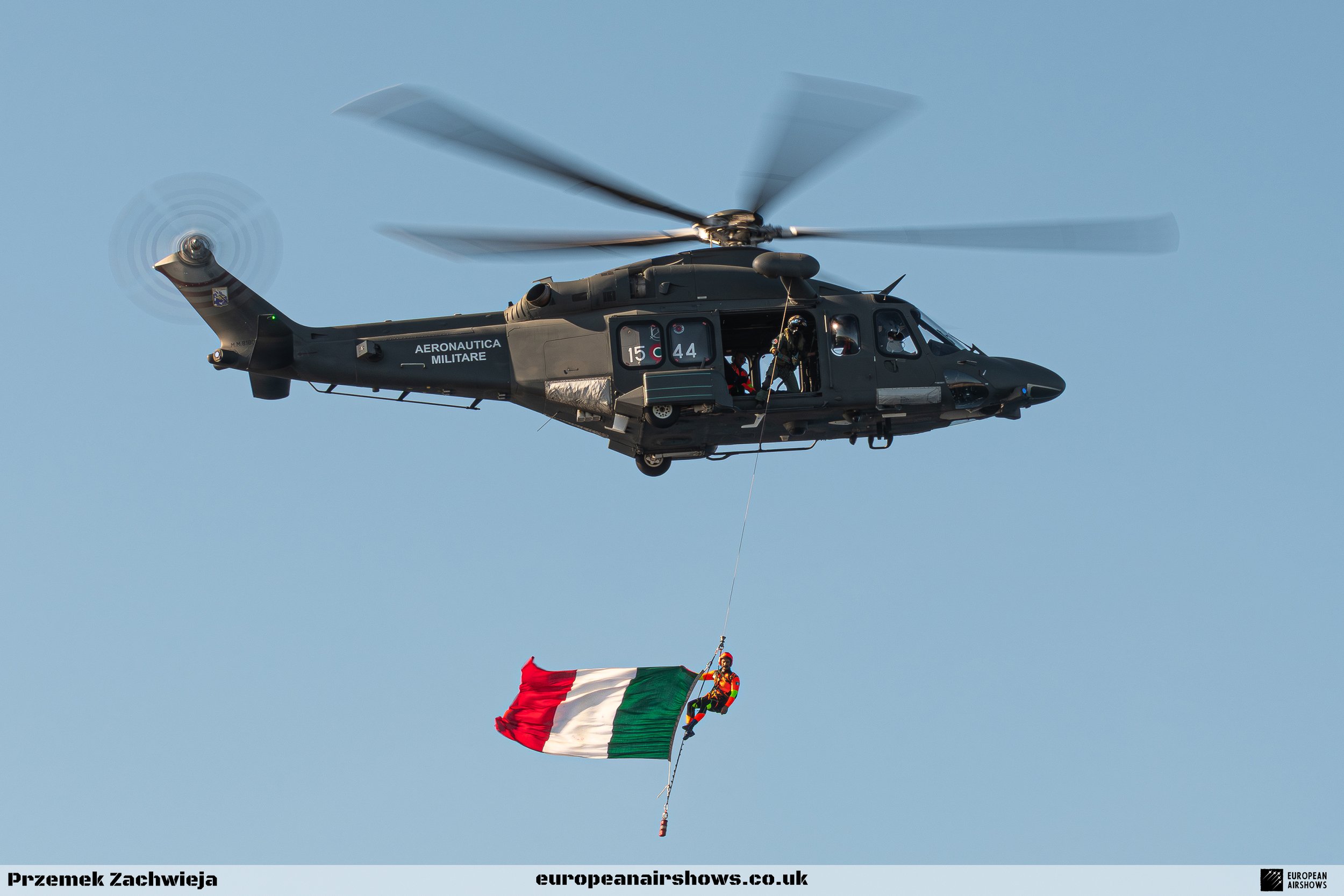
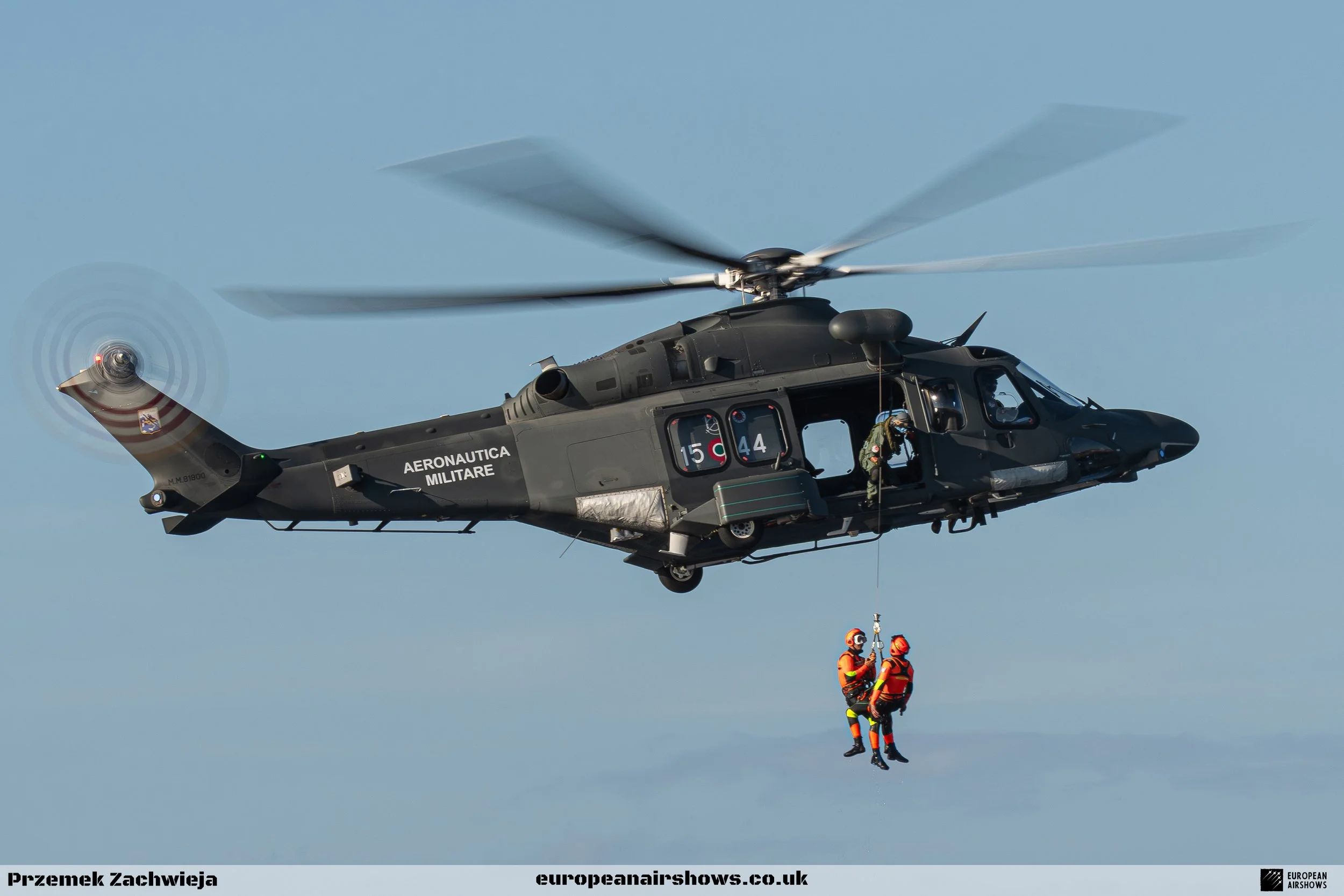
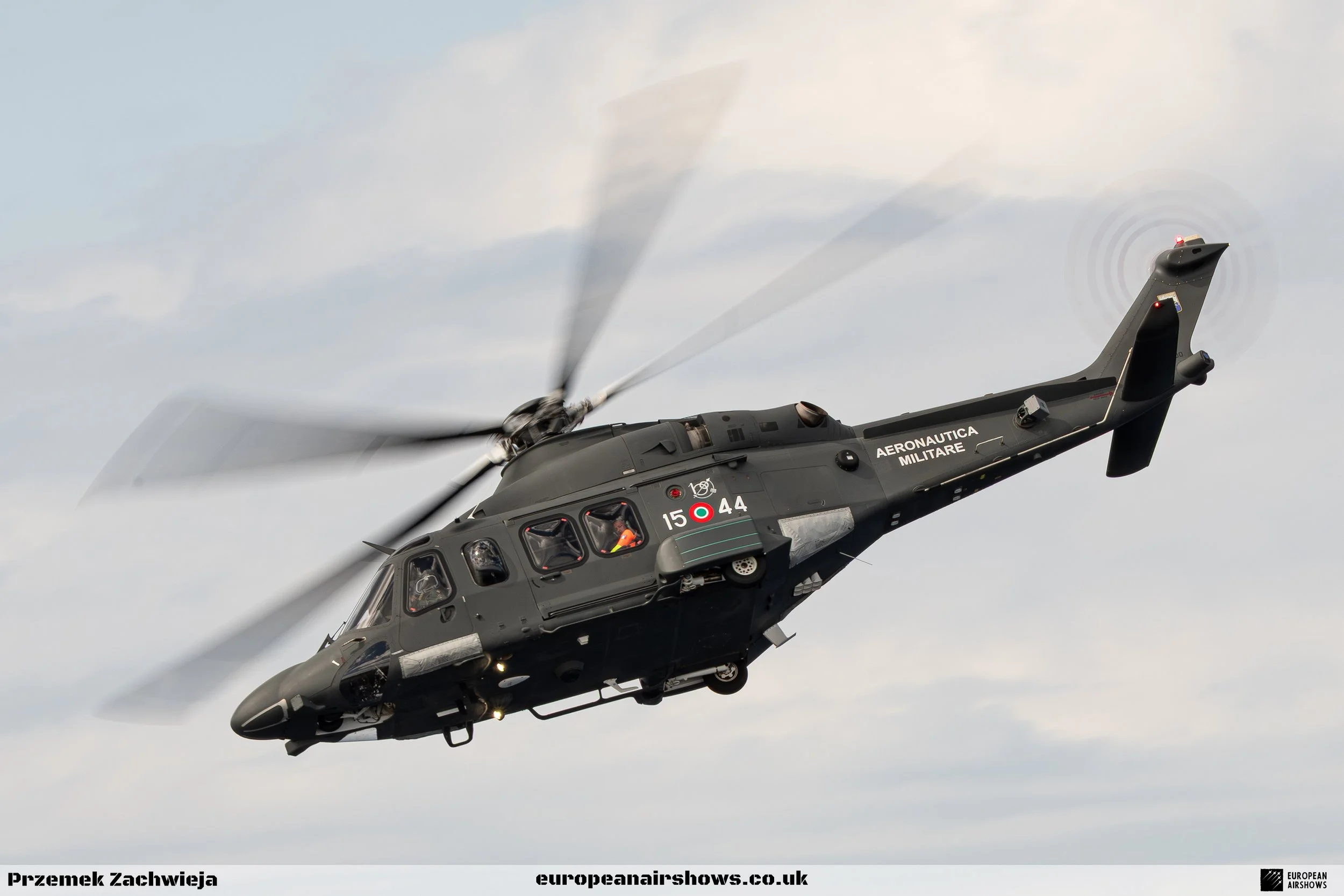
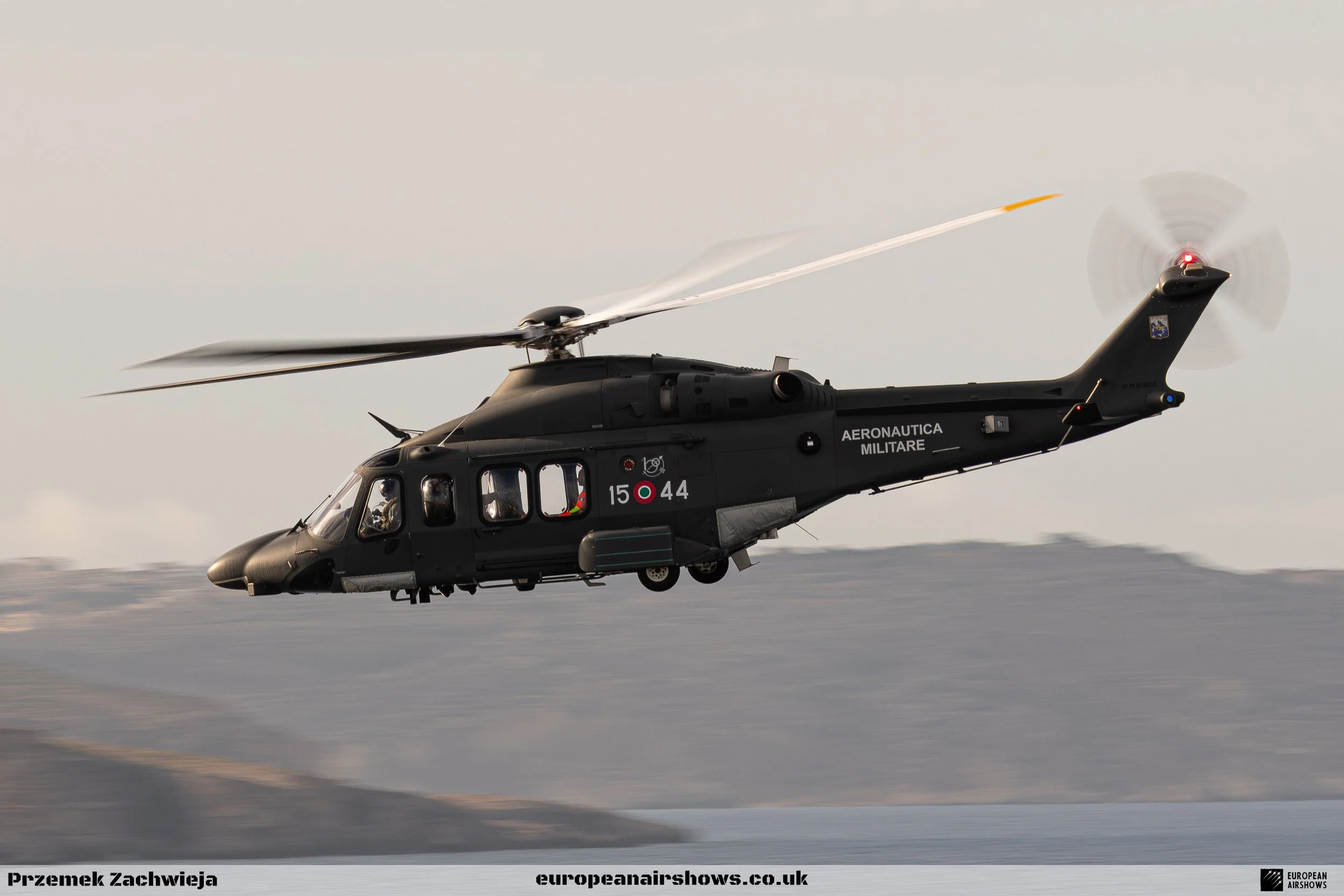
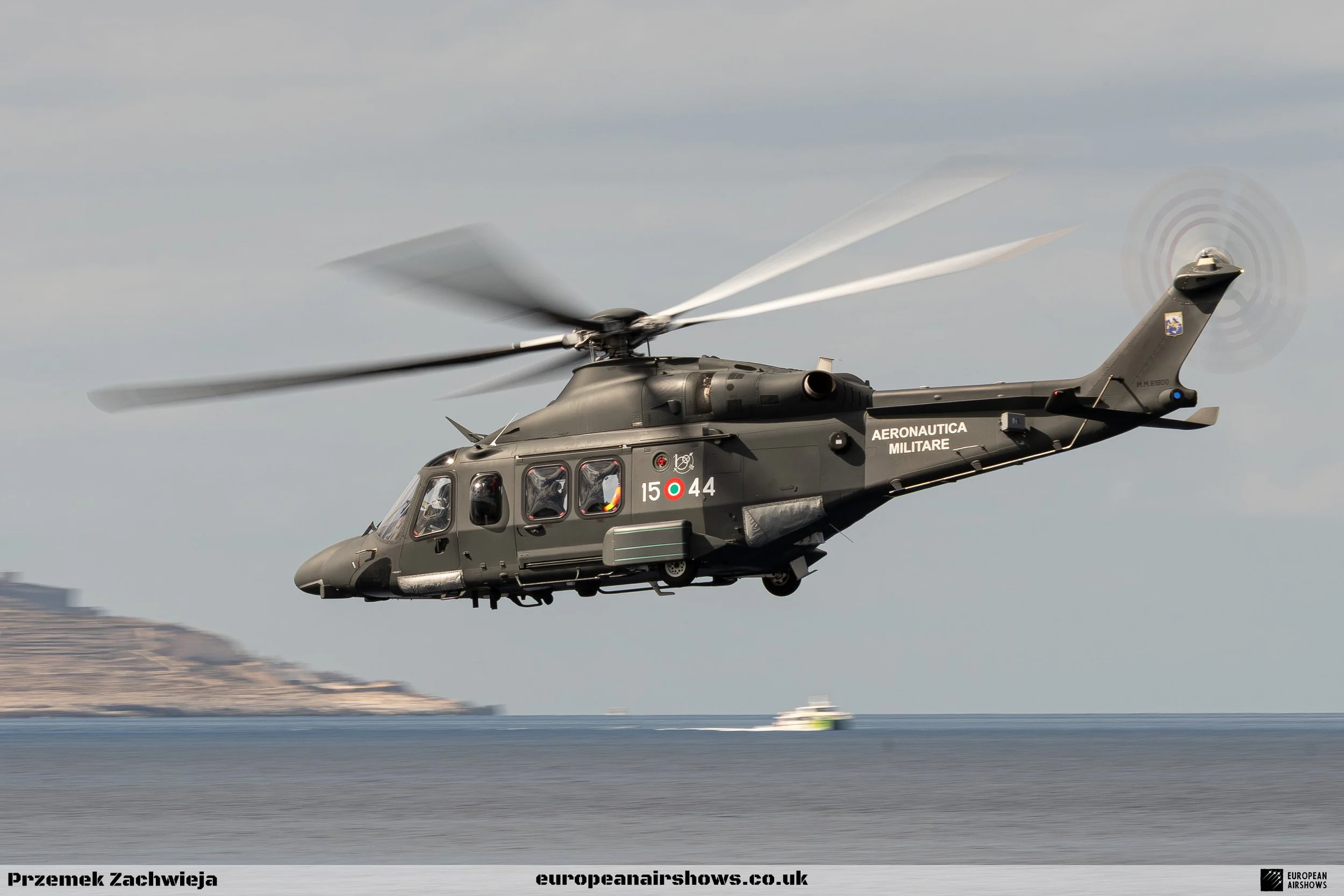
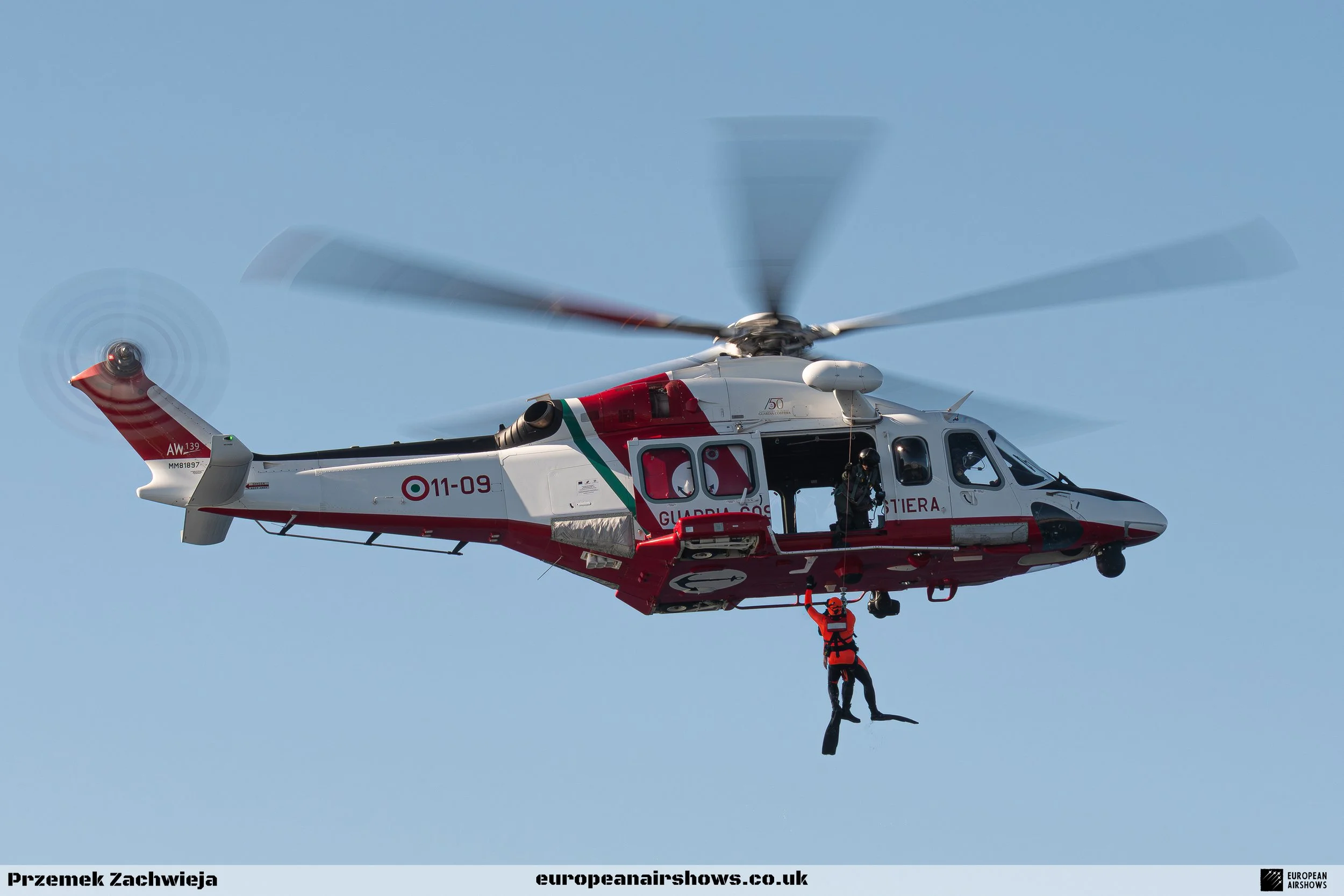
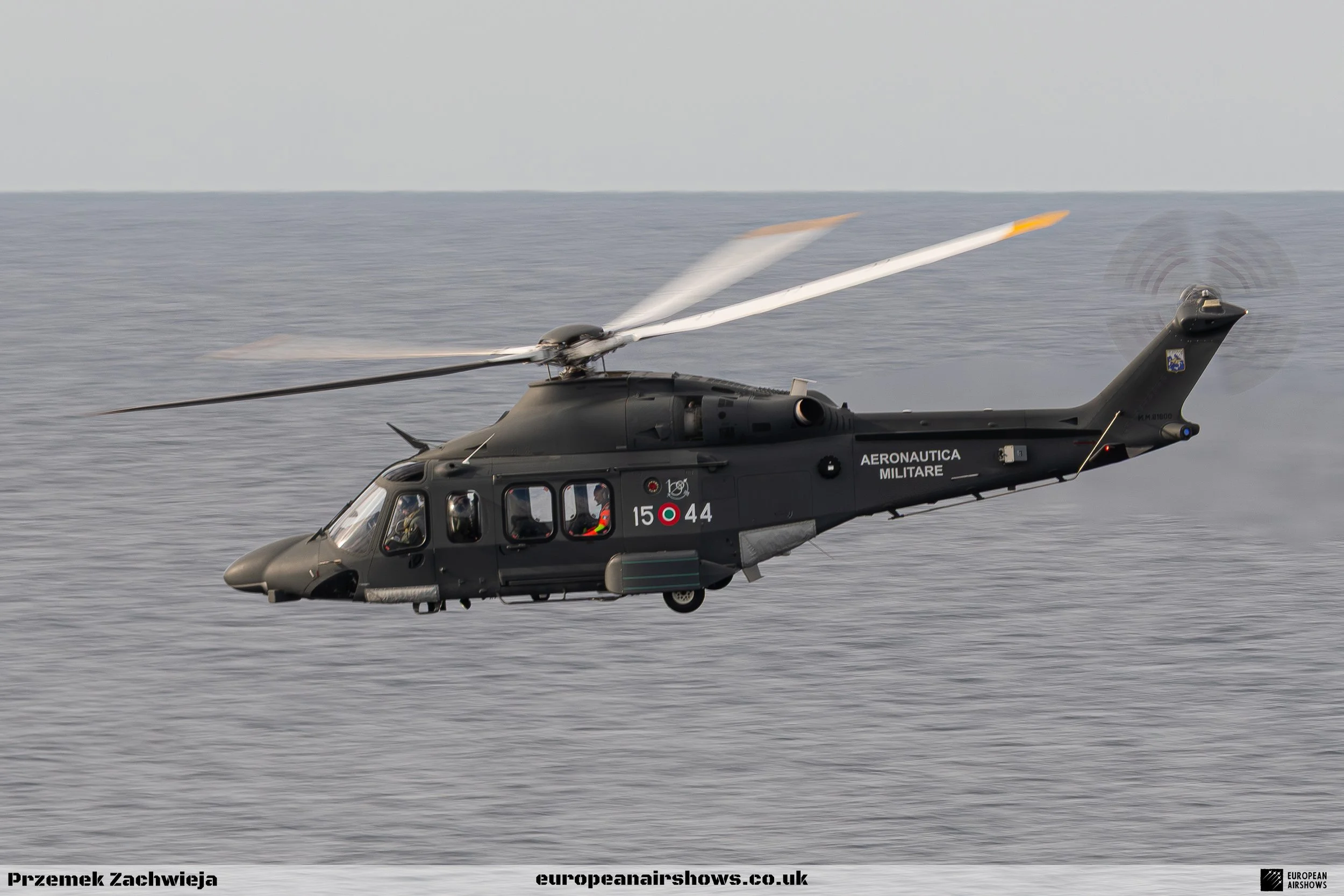
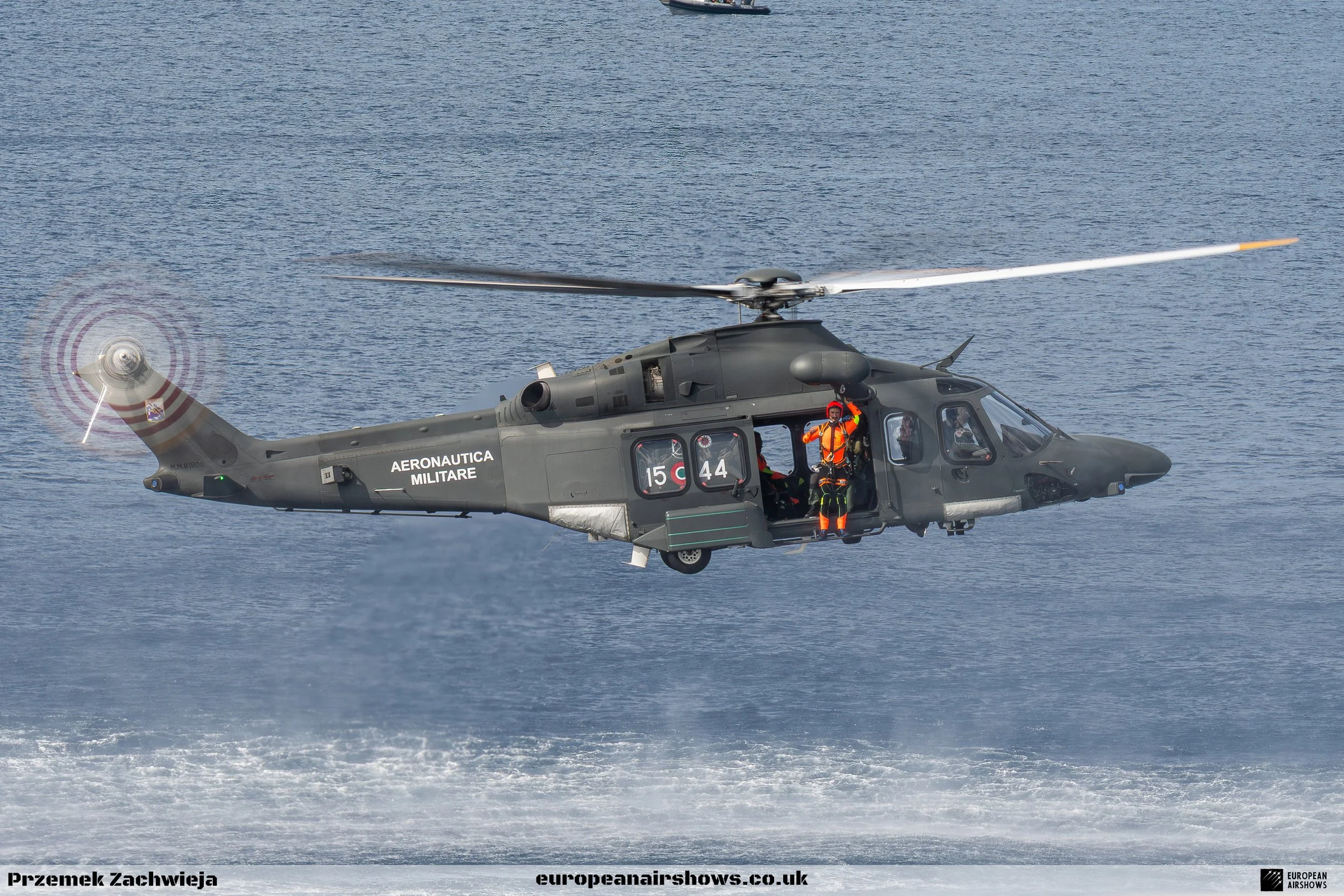
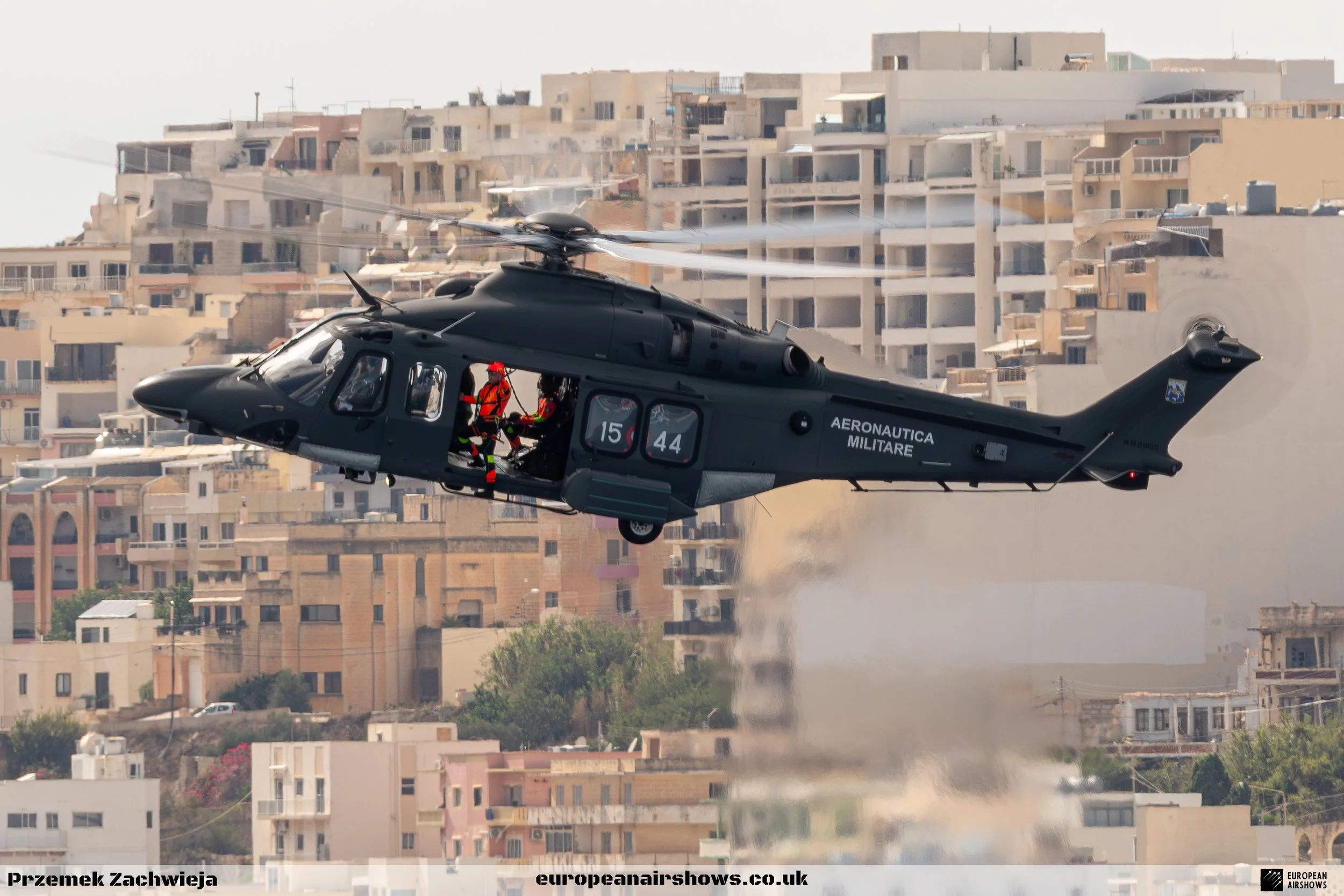
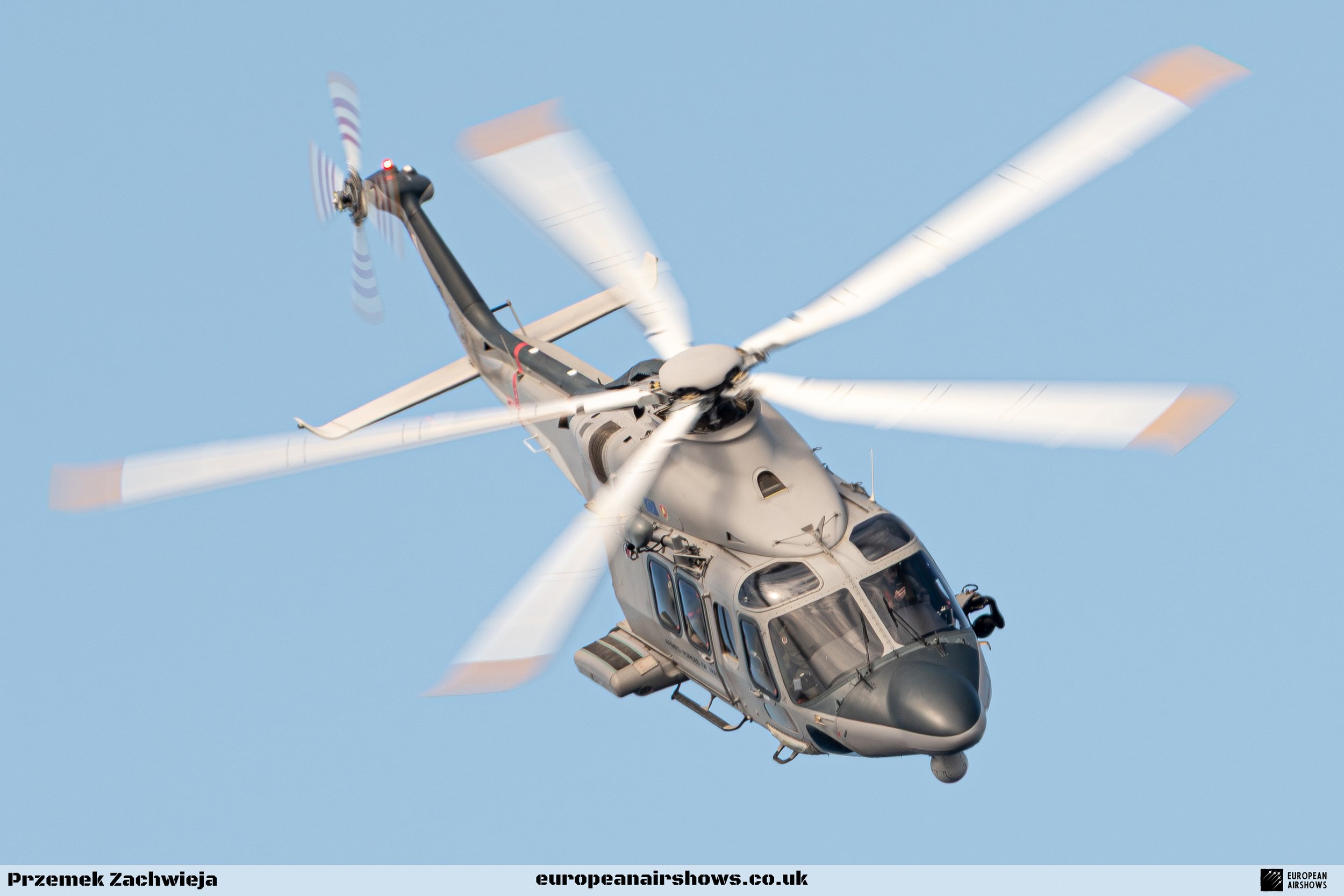
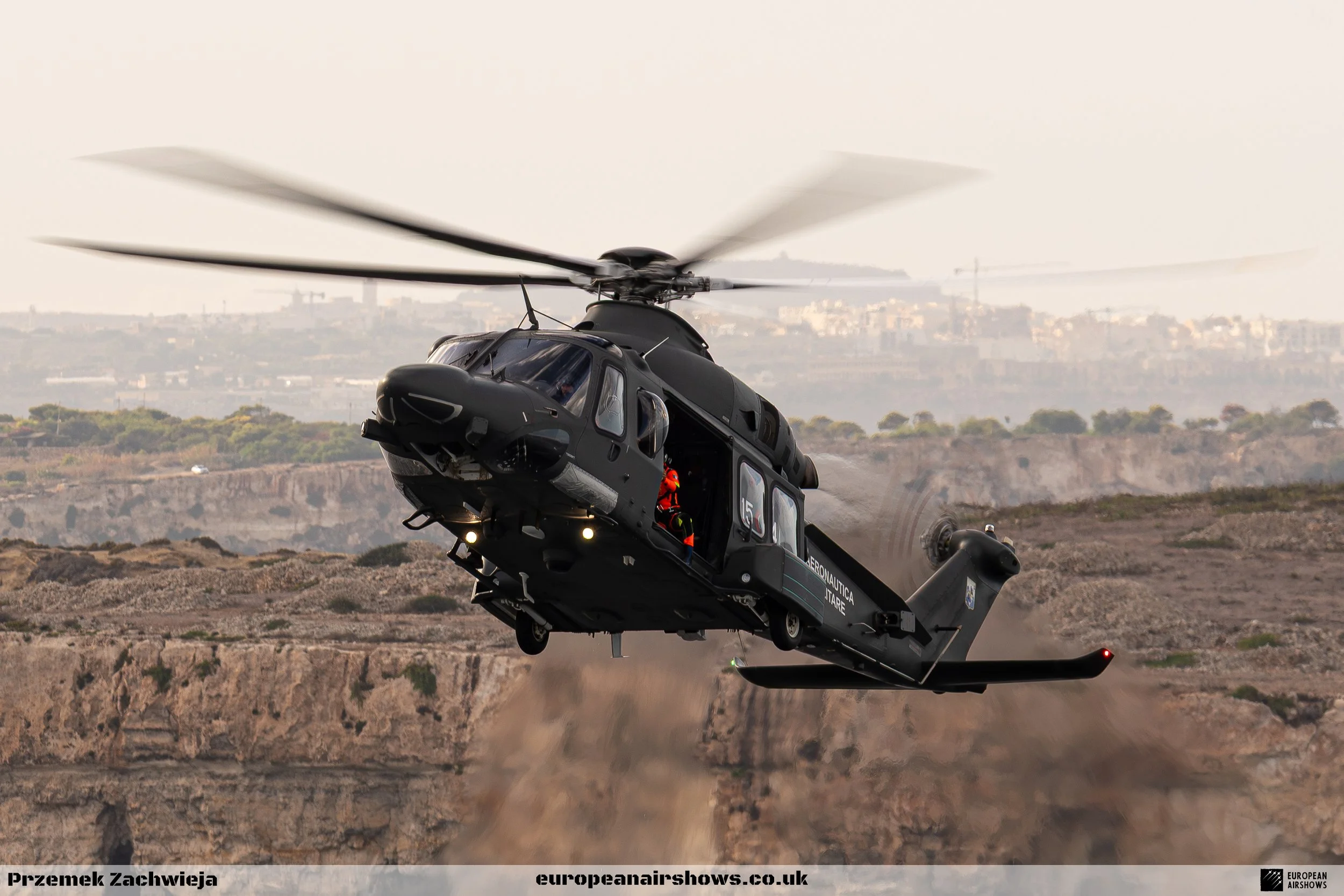
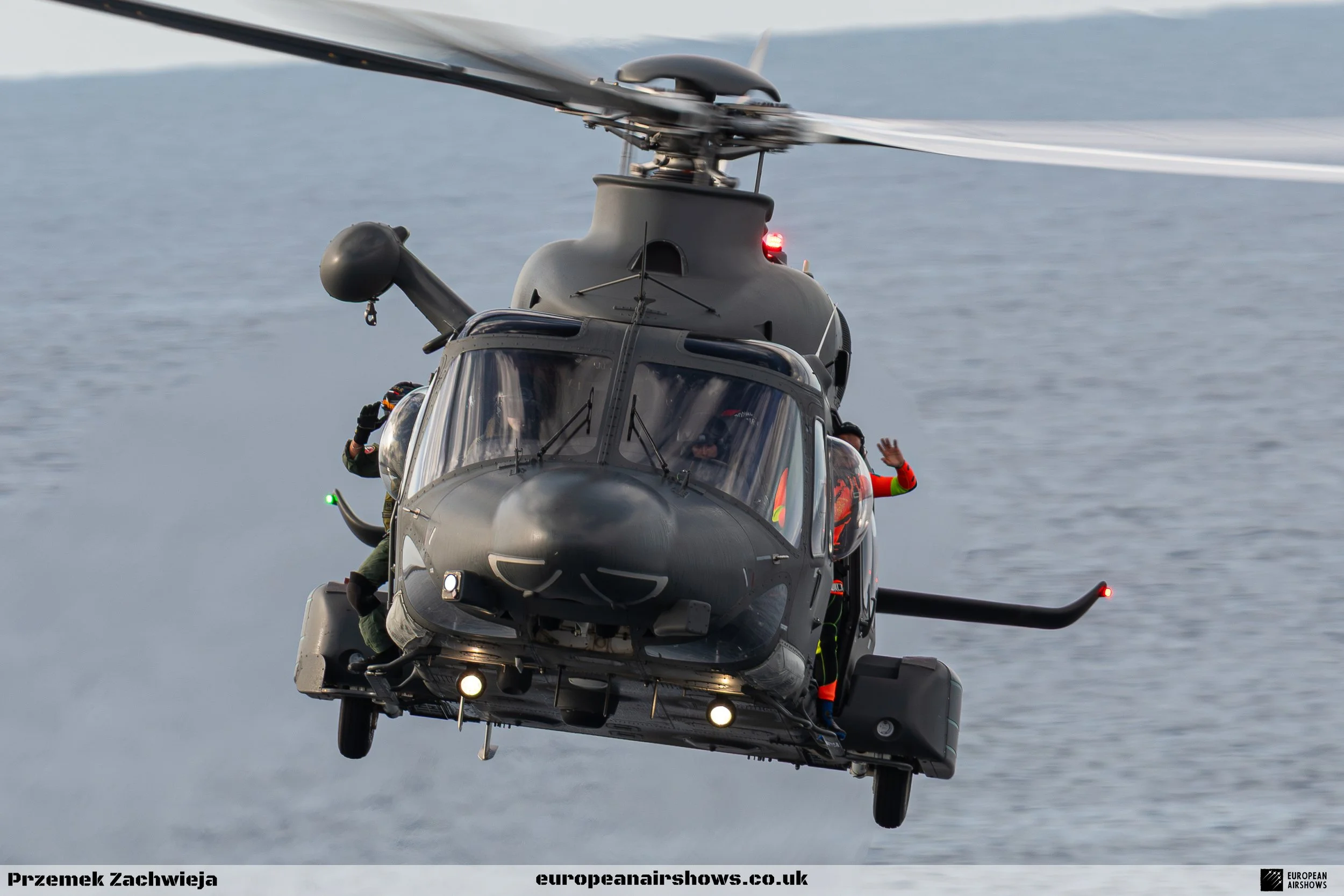
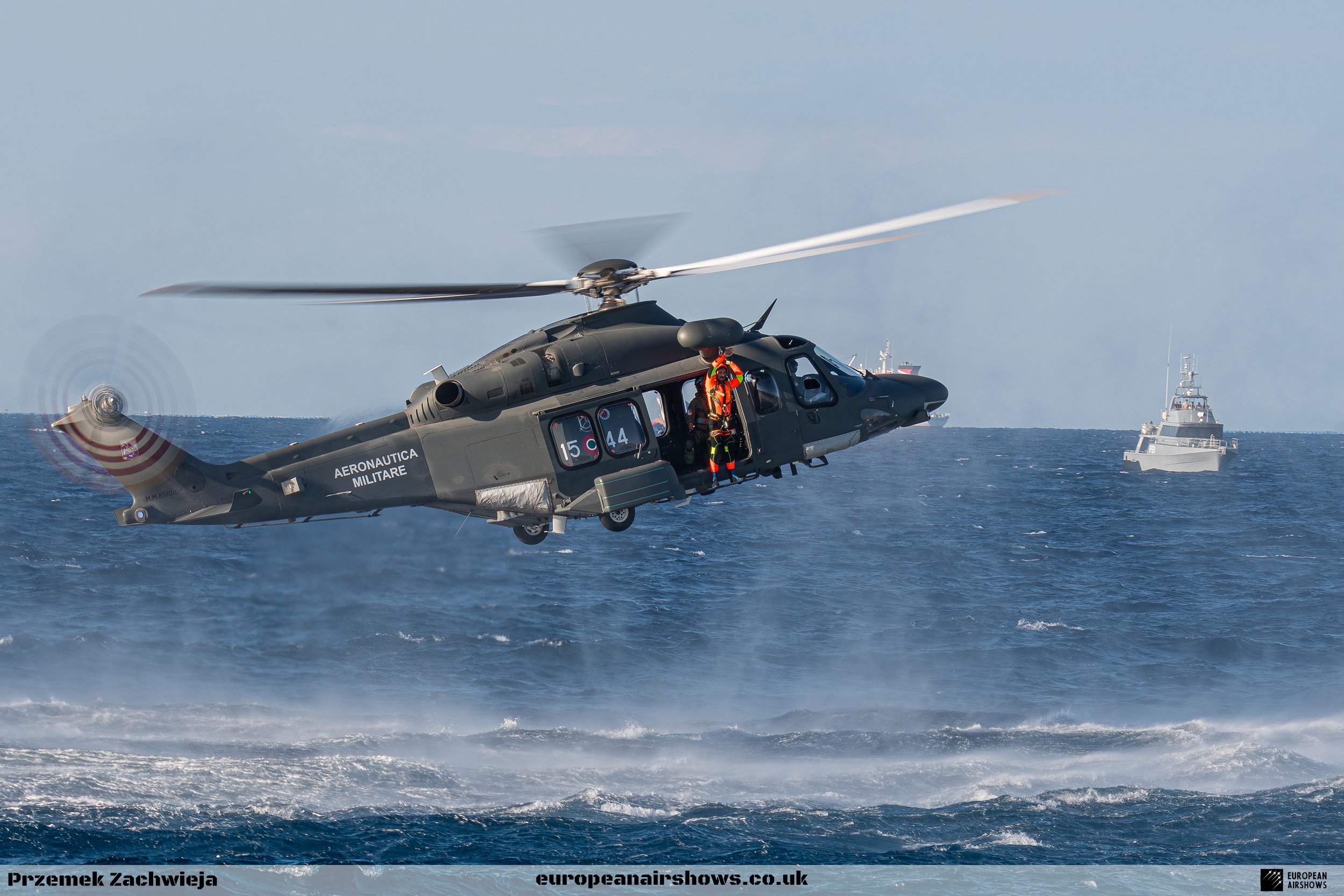
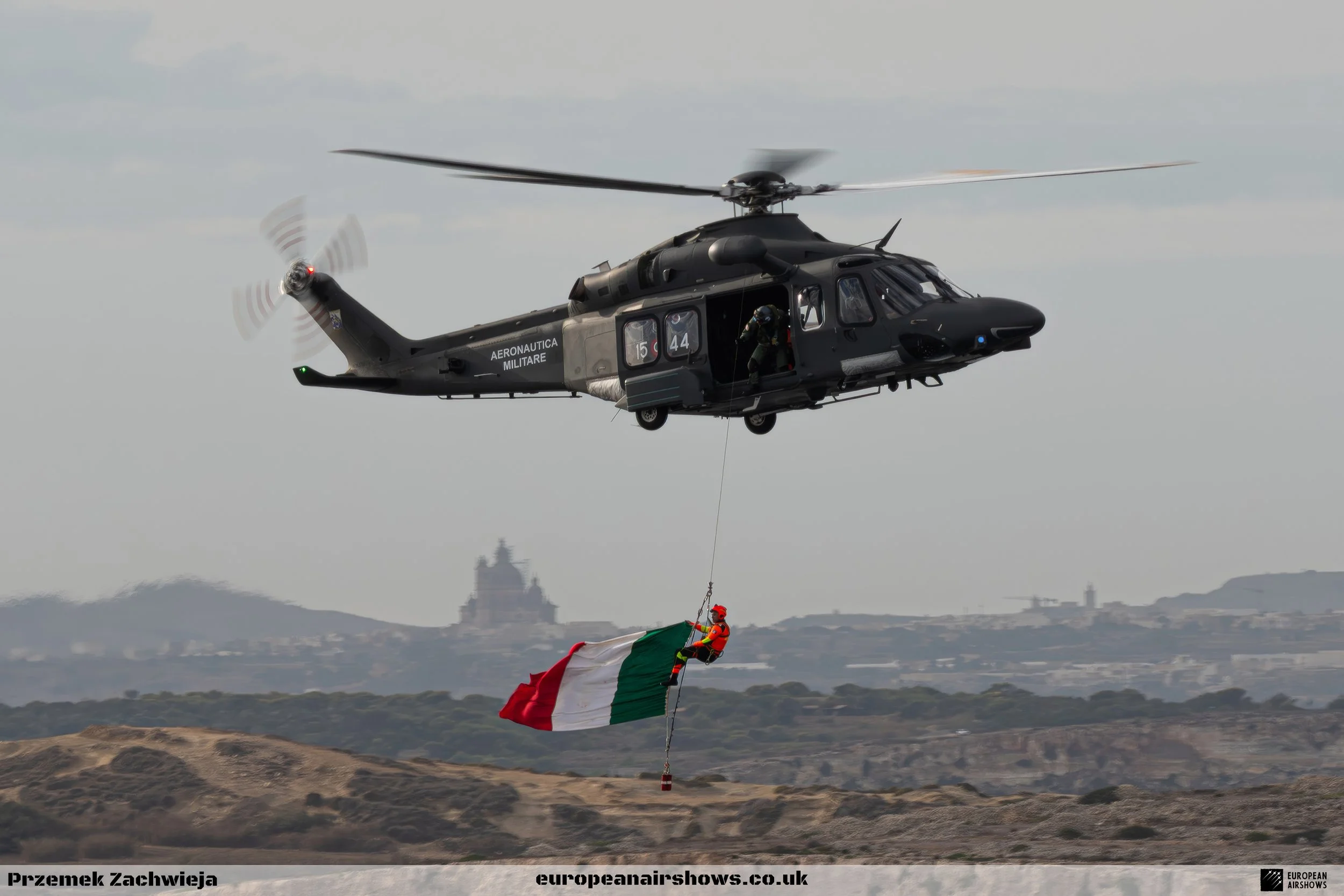
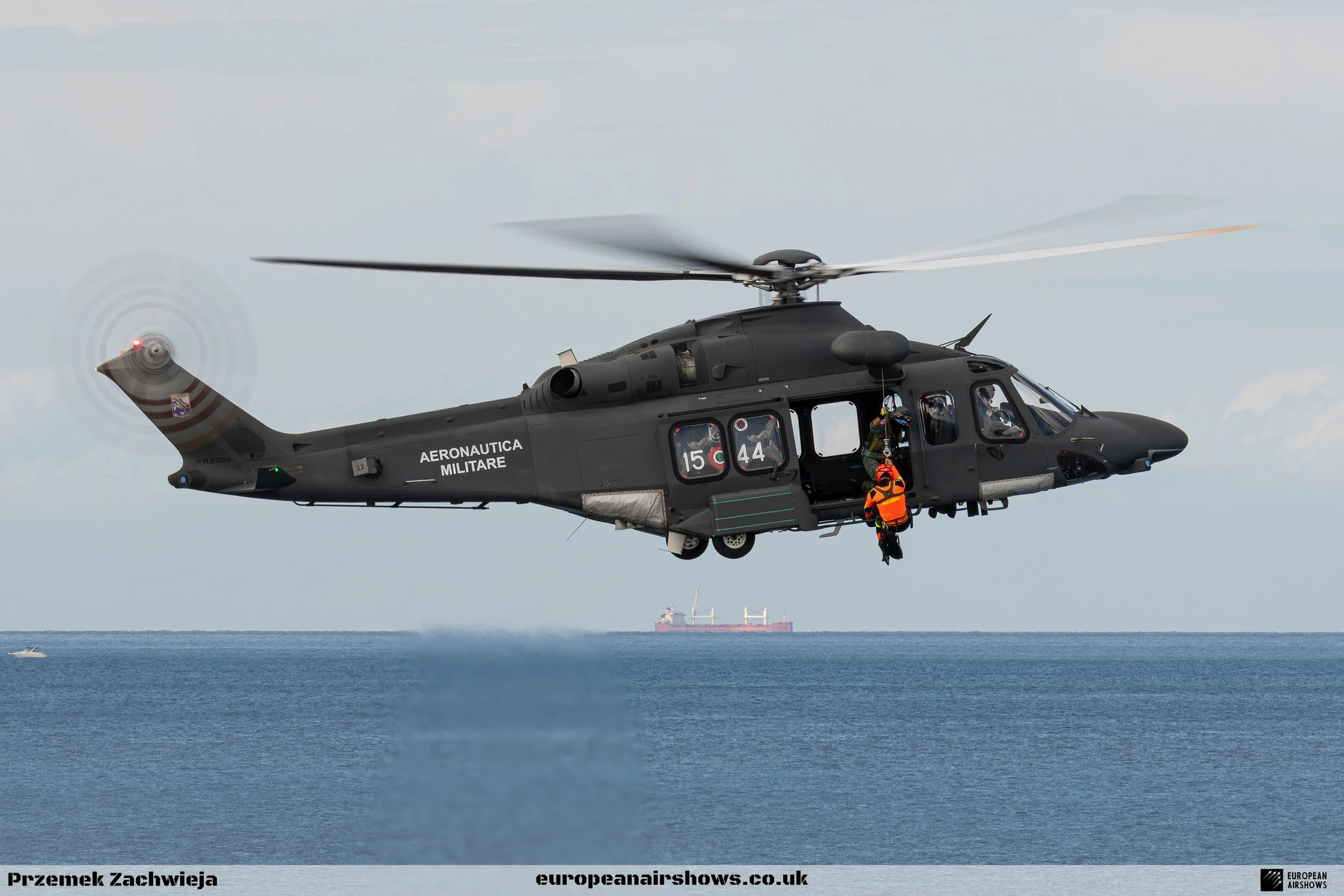
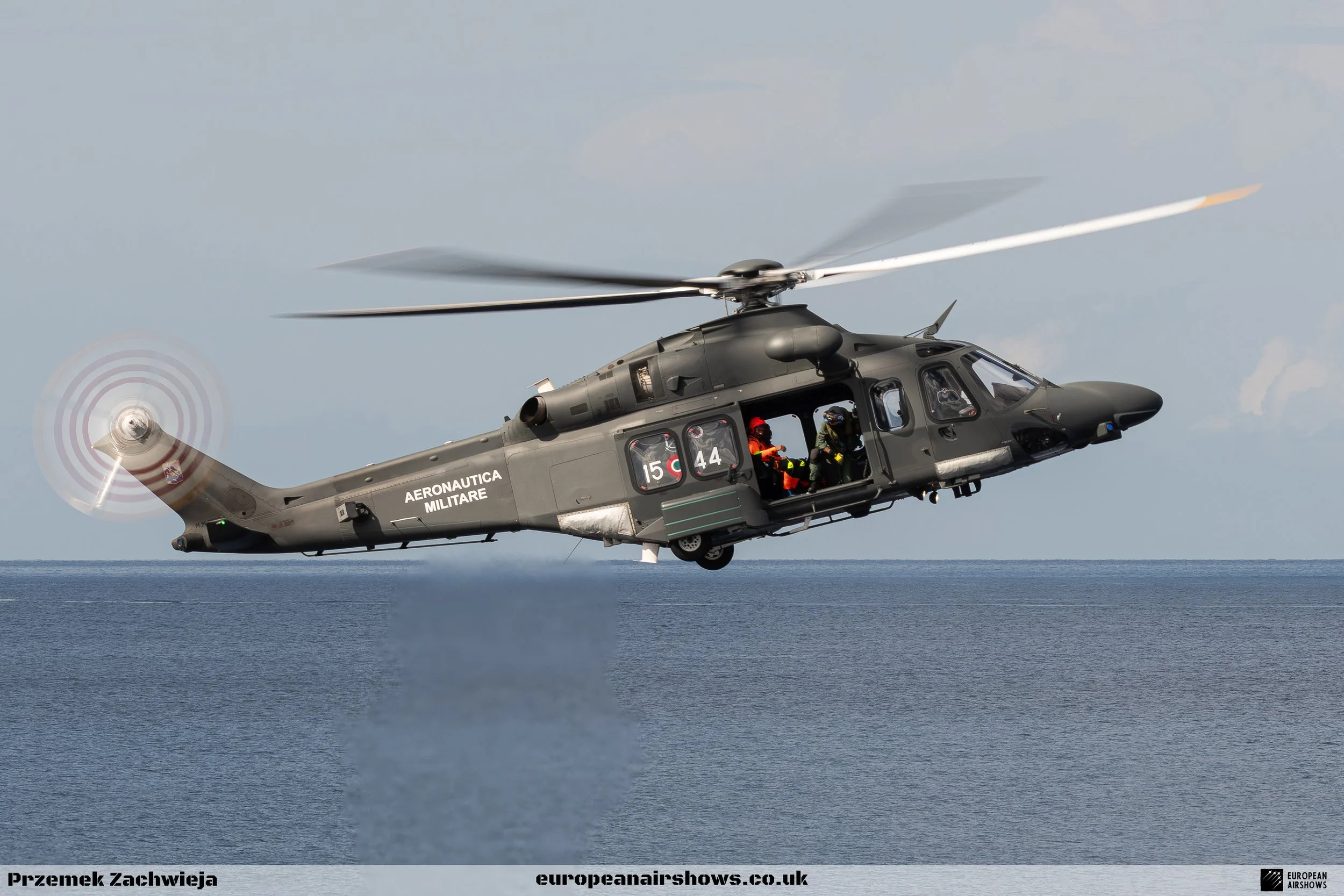
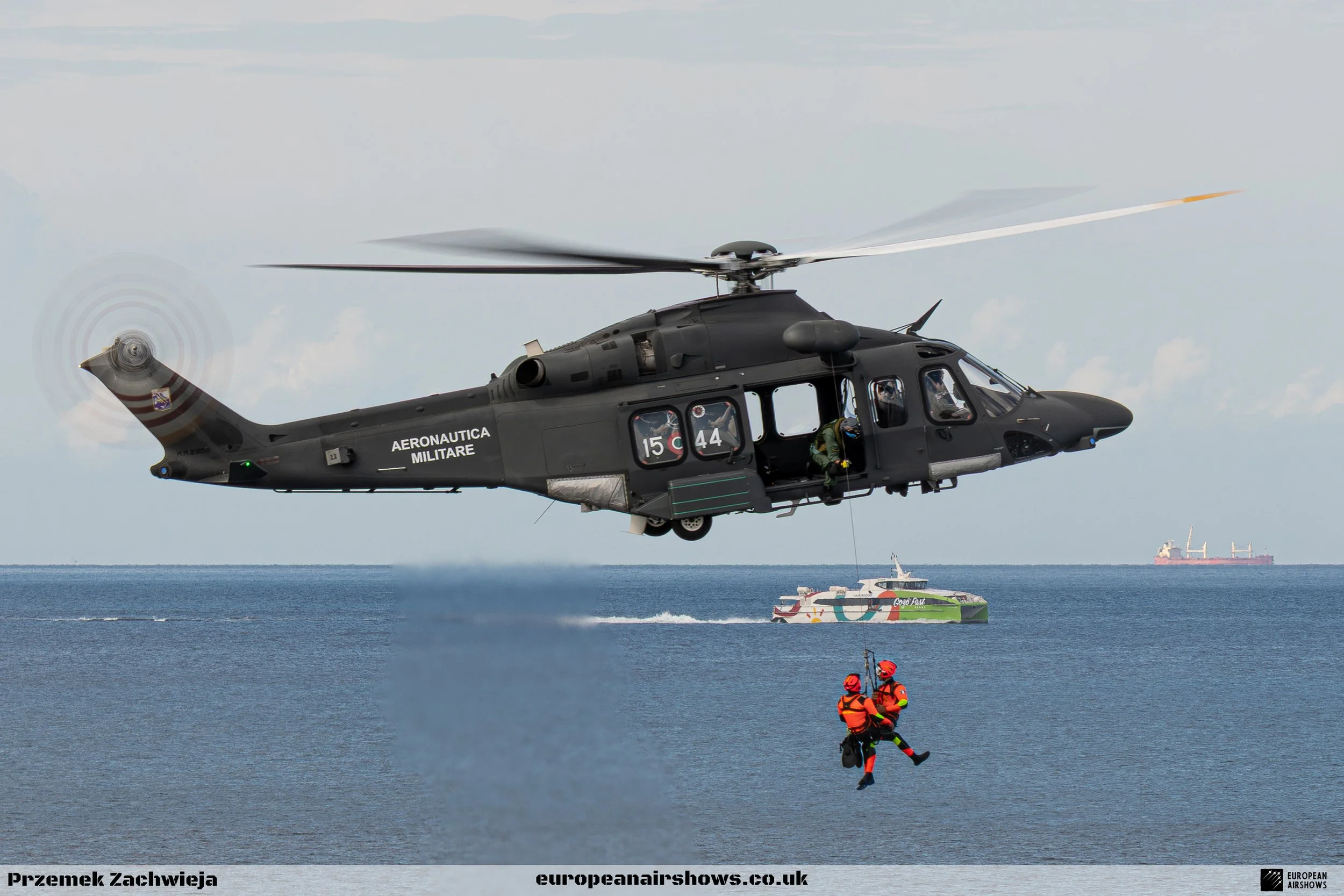
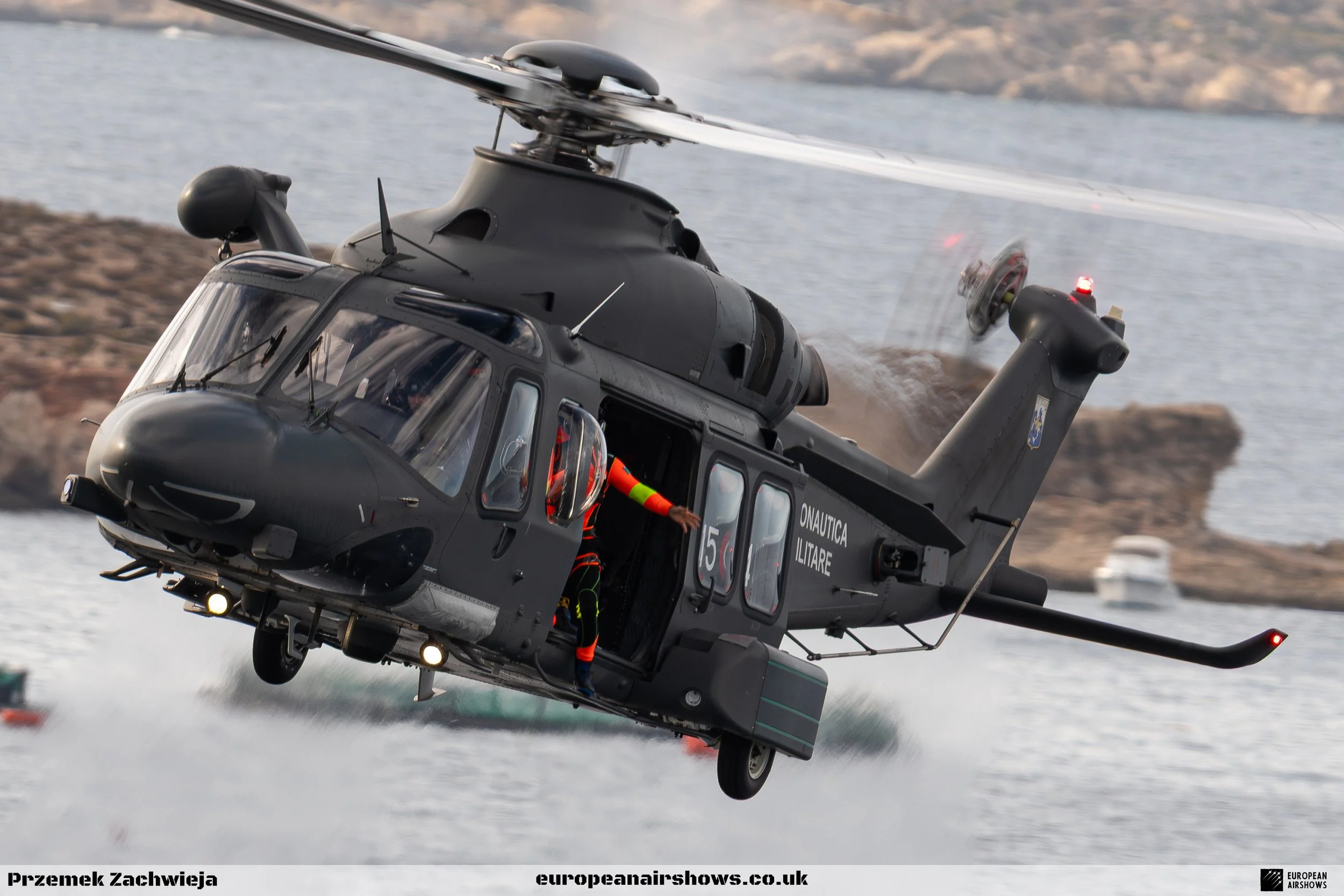
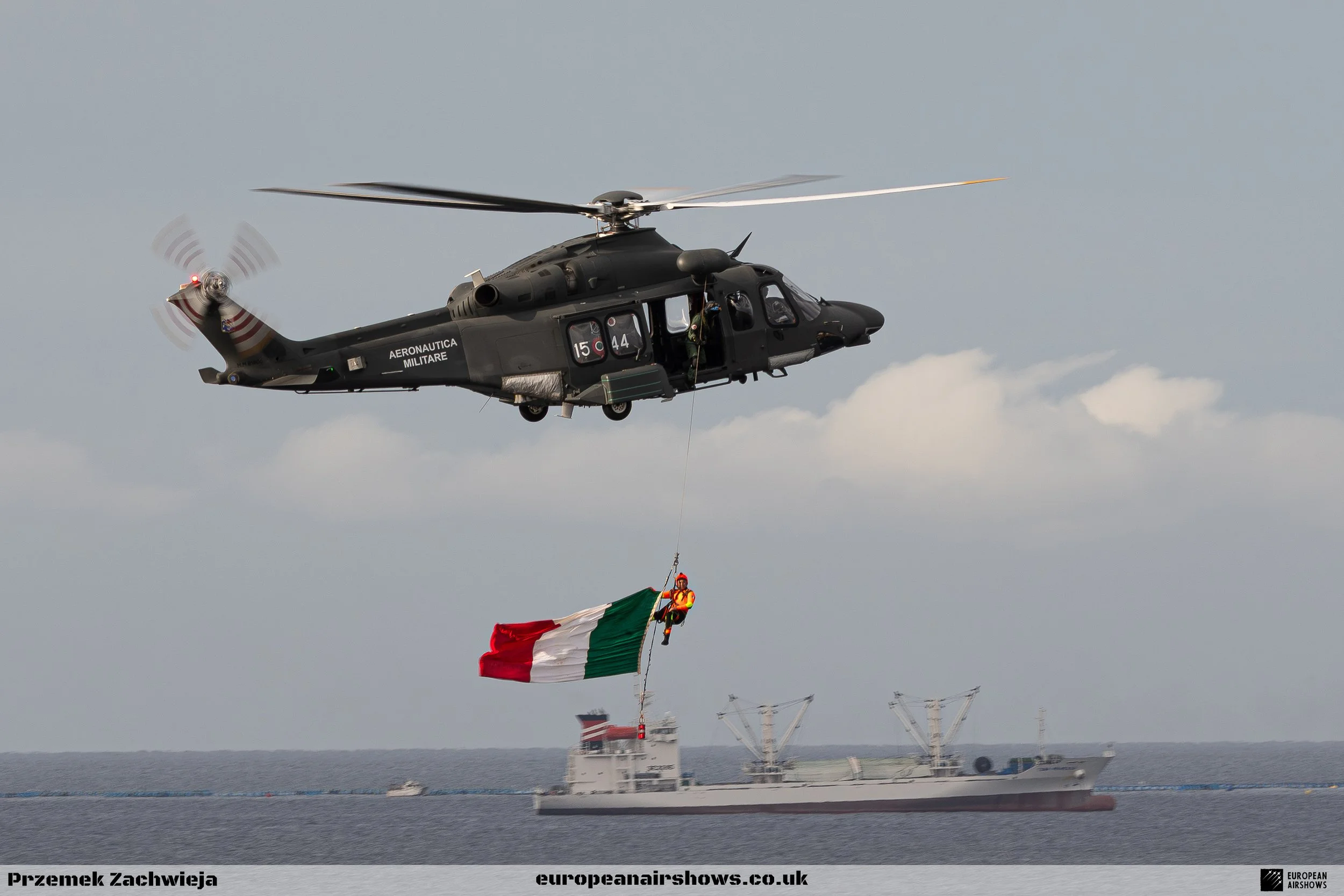
The Italian Air Force, a long-standing supporter of the Malta show, provided a polished Search and Rescue demonstration courtesy of 15° Stormo from Cervia. The Leonardo HH-139B began its slot with a slow pass displaying the Italian Tricolore, a nod to the tradition established by the HH-3F and AB.212 predecessors. This ceremonial opening set the stage beautifully before the crew transitioned into the operational phase of the demo.
Simulating a rescue scenario, the HH-139B deployed a diver into the bay before returning for a rock-steady hover and a precise winch recovery. The helicopter then broke into a series of dynamic orbits and repositioning turns, effectively demonstrating the type’s agility. Equipped with EO/IR sensors and an upgraded mission console, the B-model represents a significant leap in capability over the legacy types, and its performance at Malta underscored its status as a world-class SAR platform. Many observers cited it as the most authentic "real-world" demonstration of the weekend.
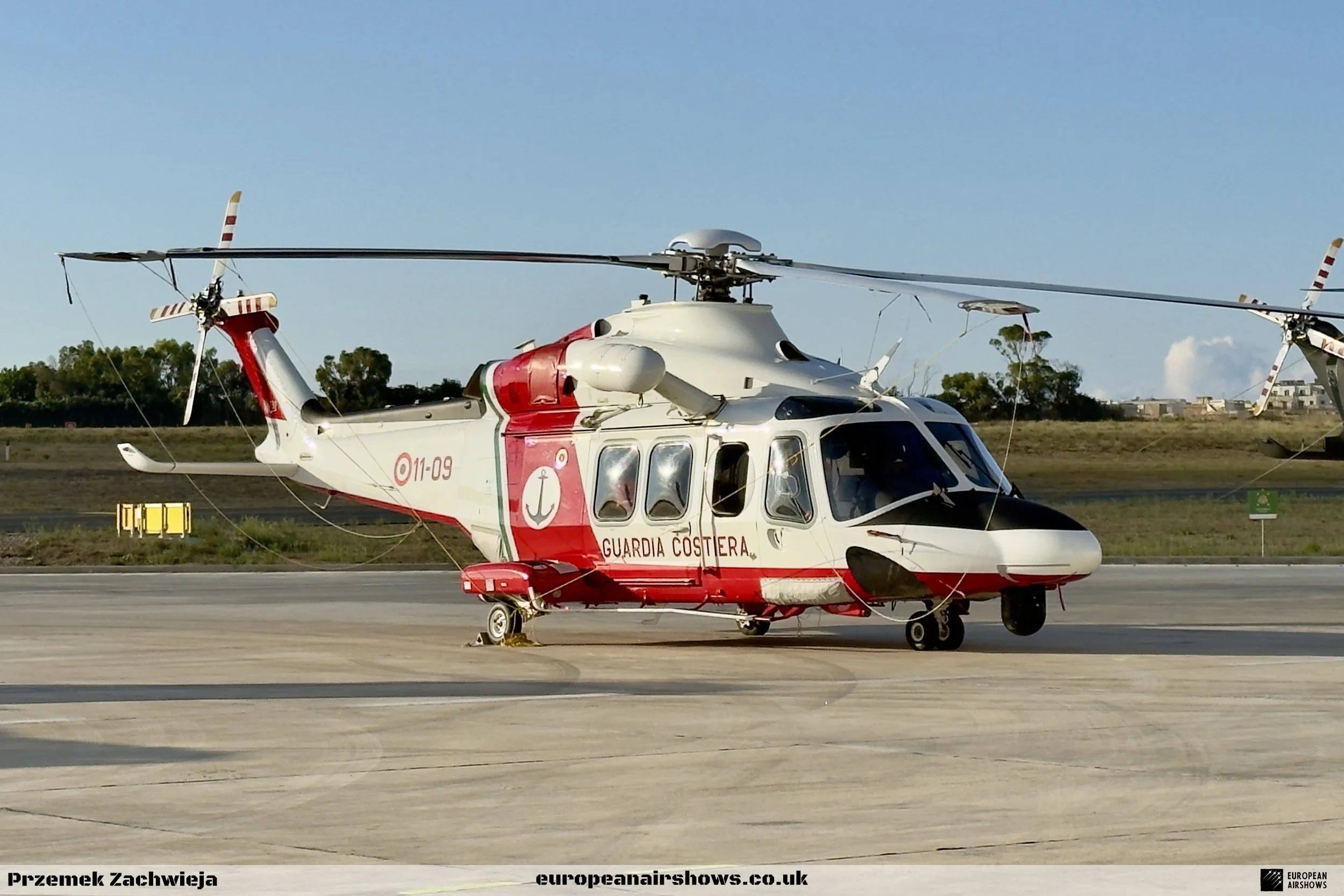
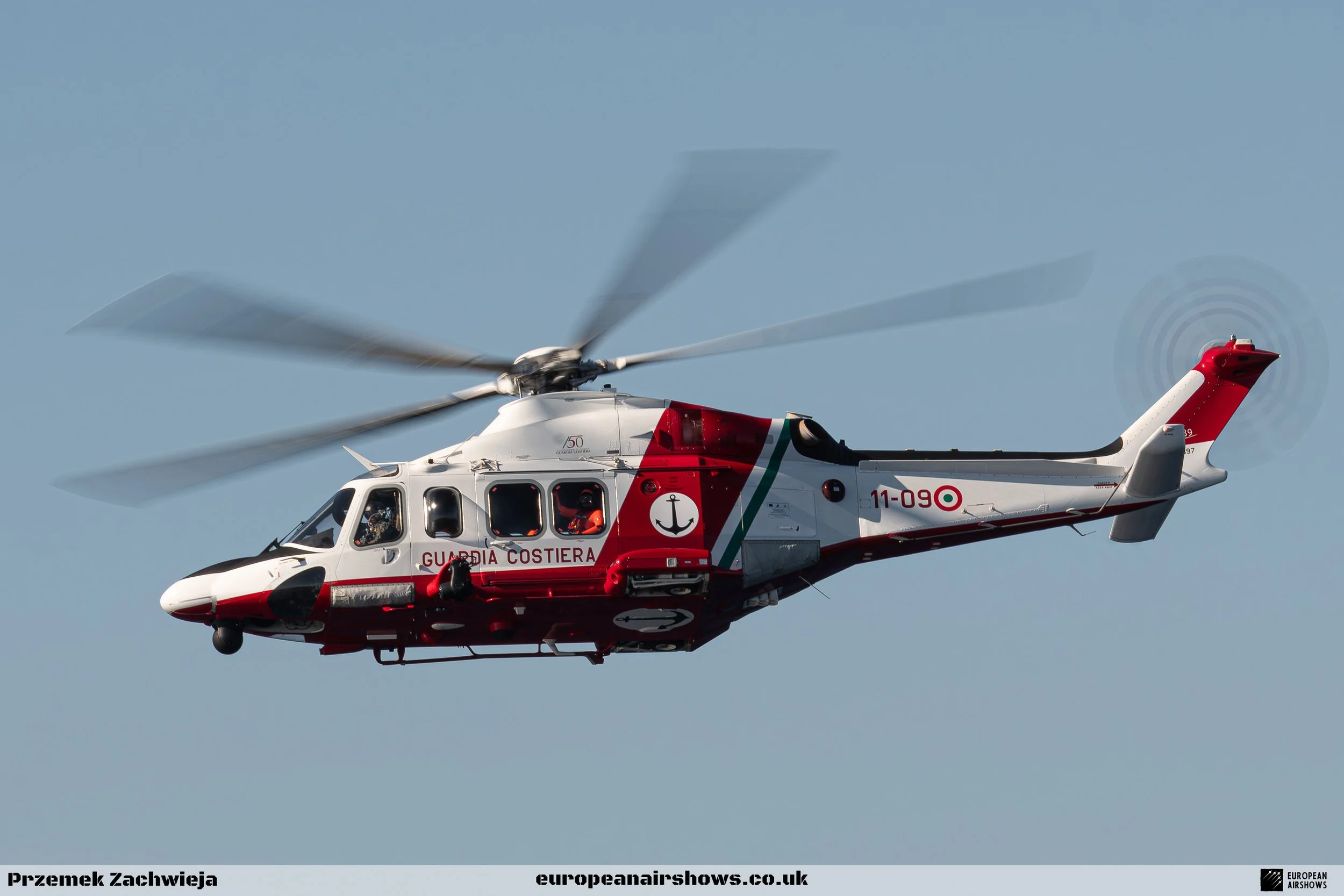
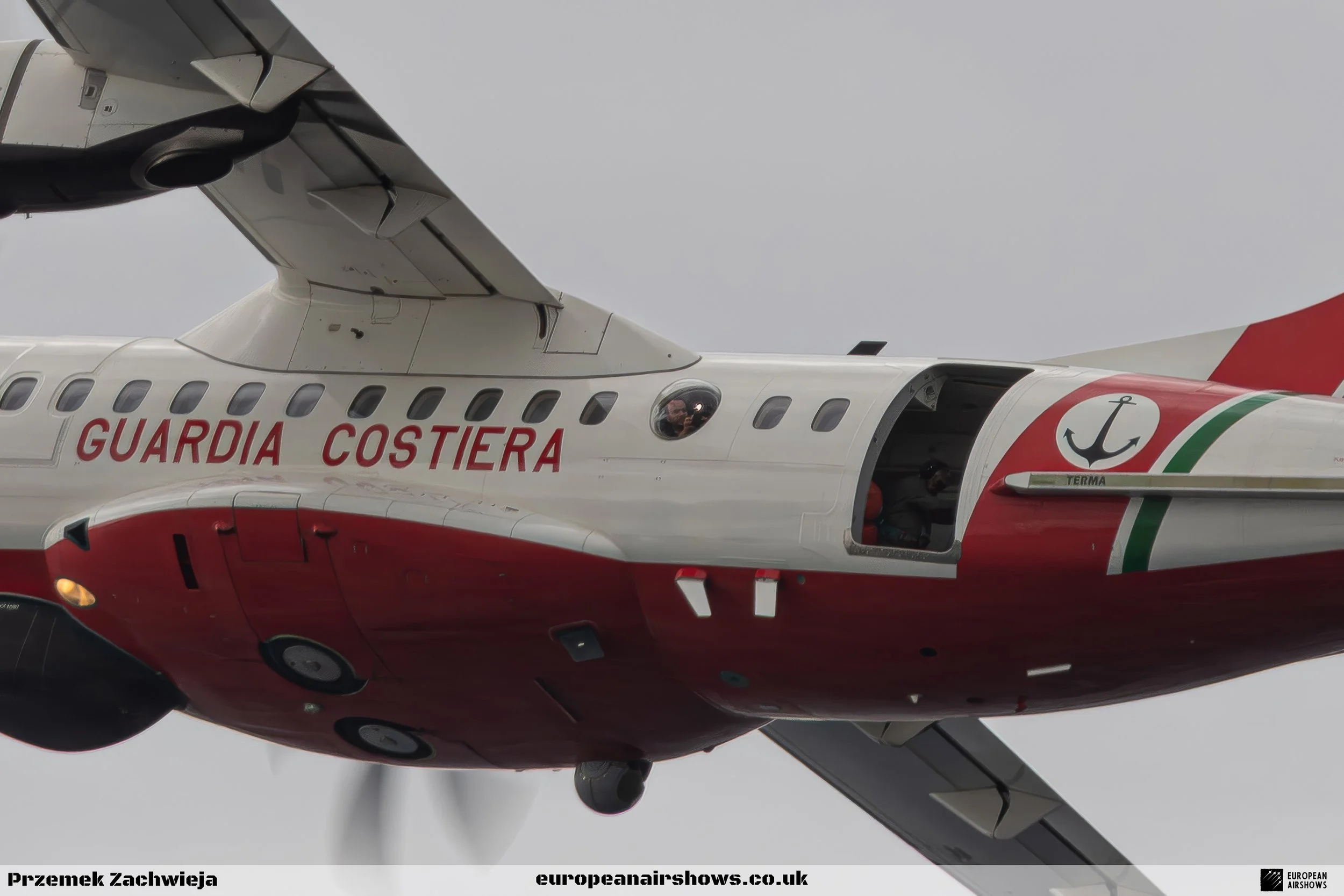
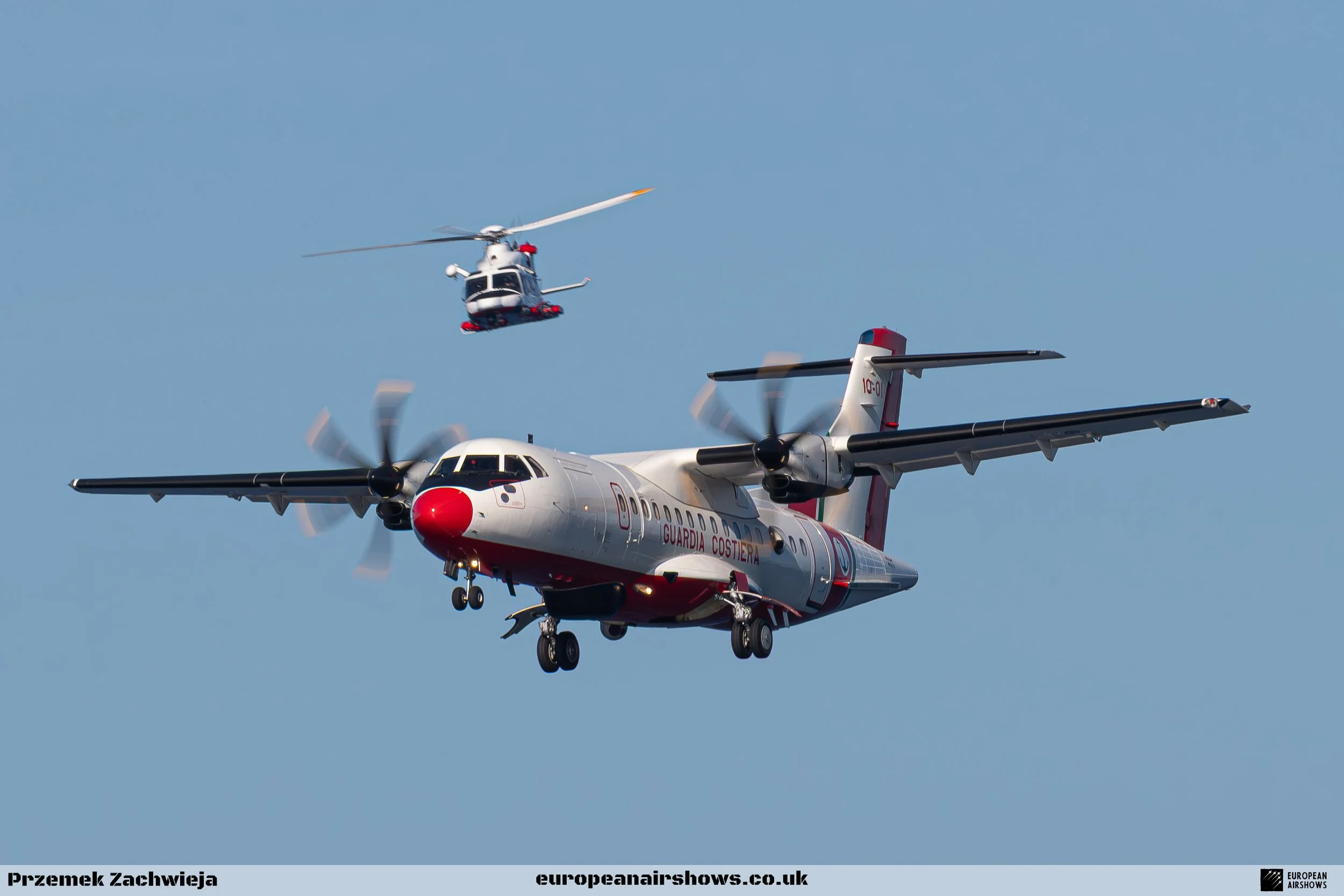
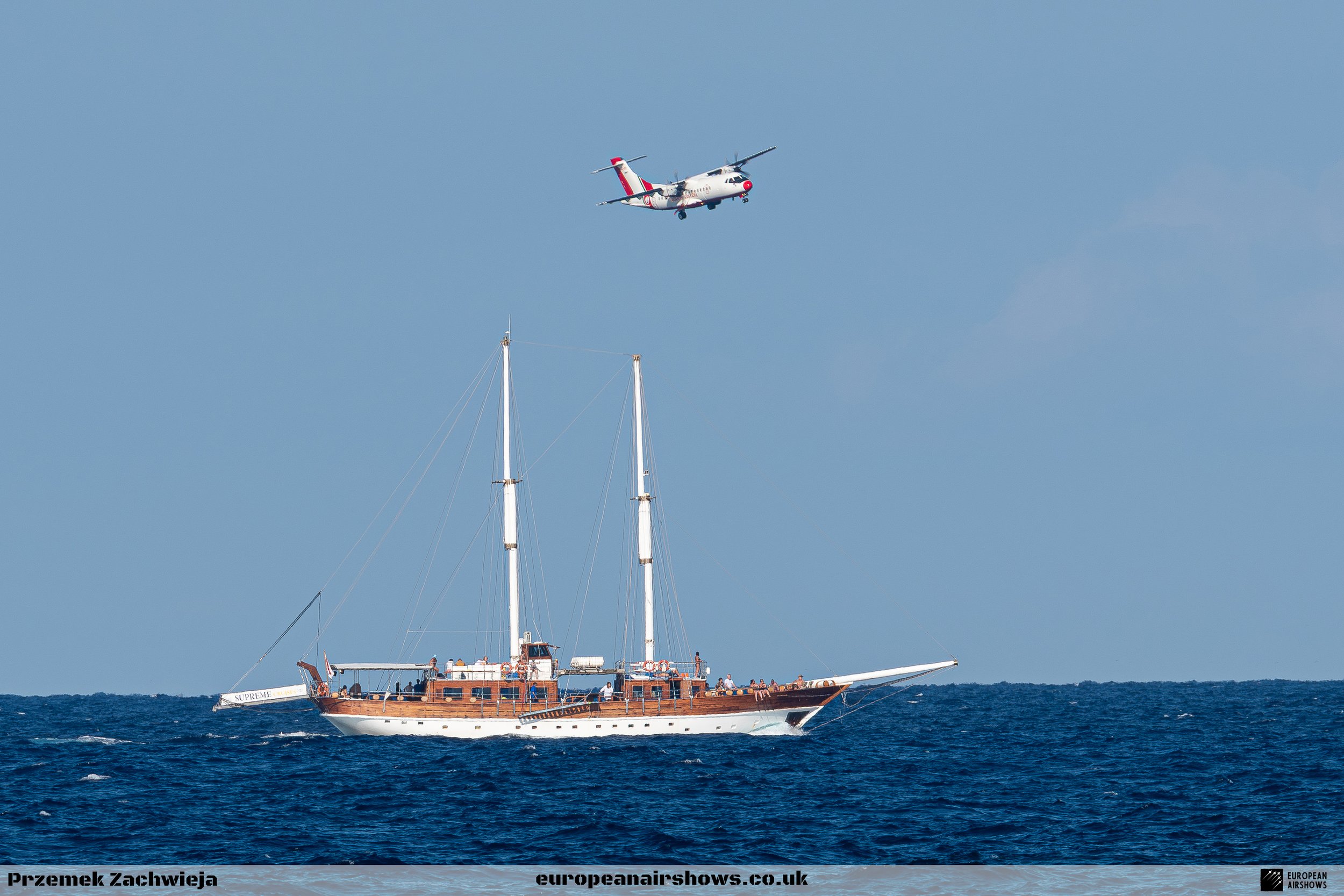
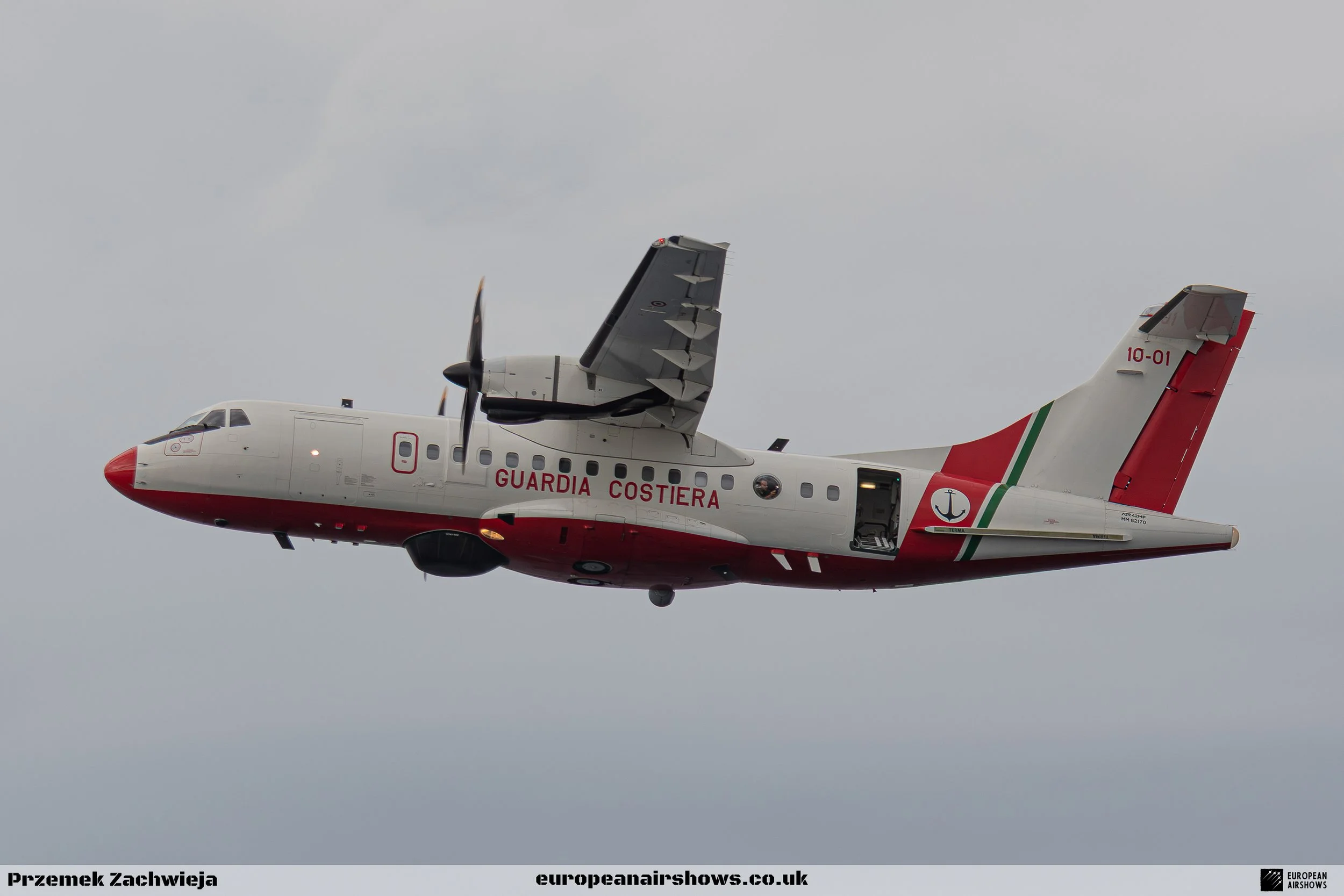
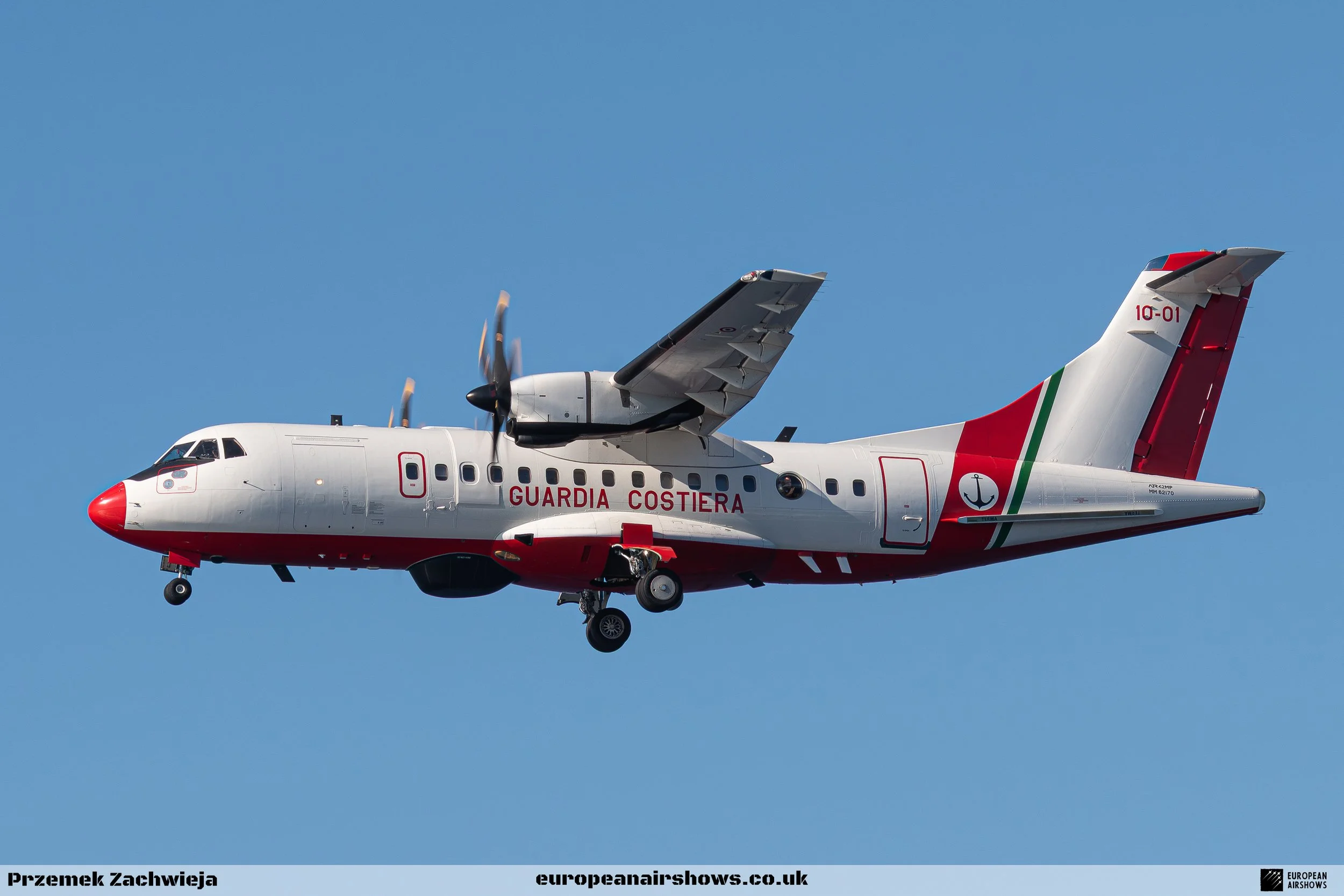
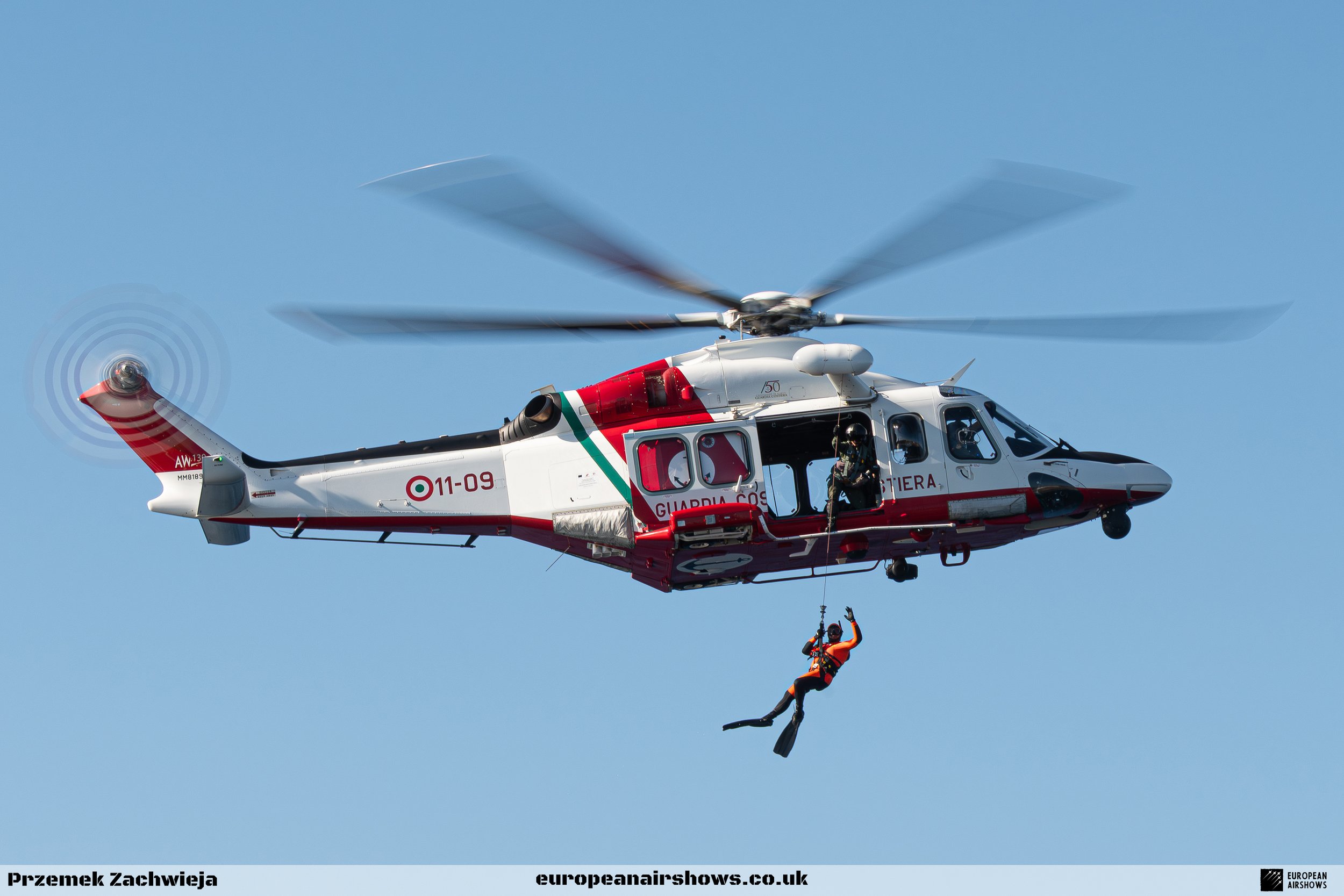
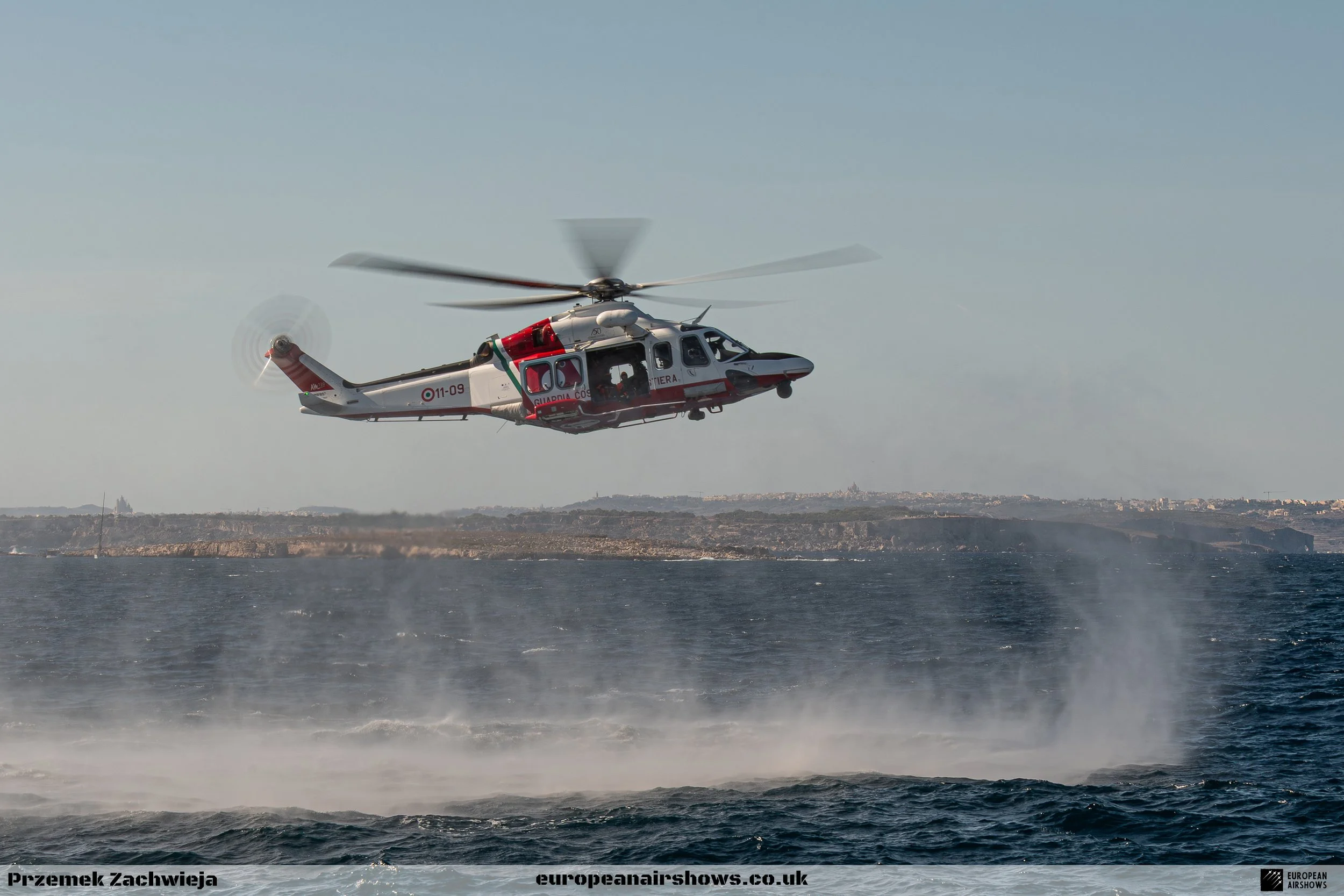
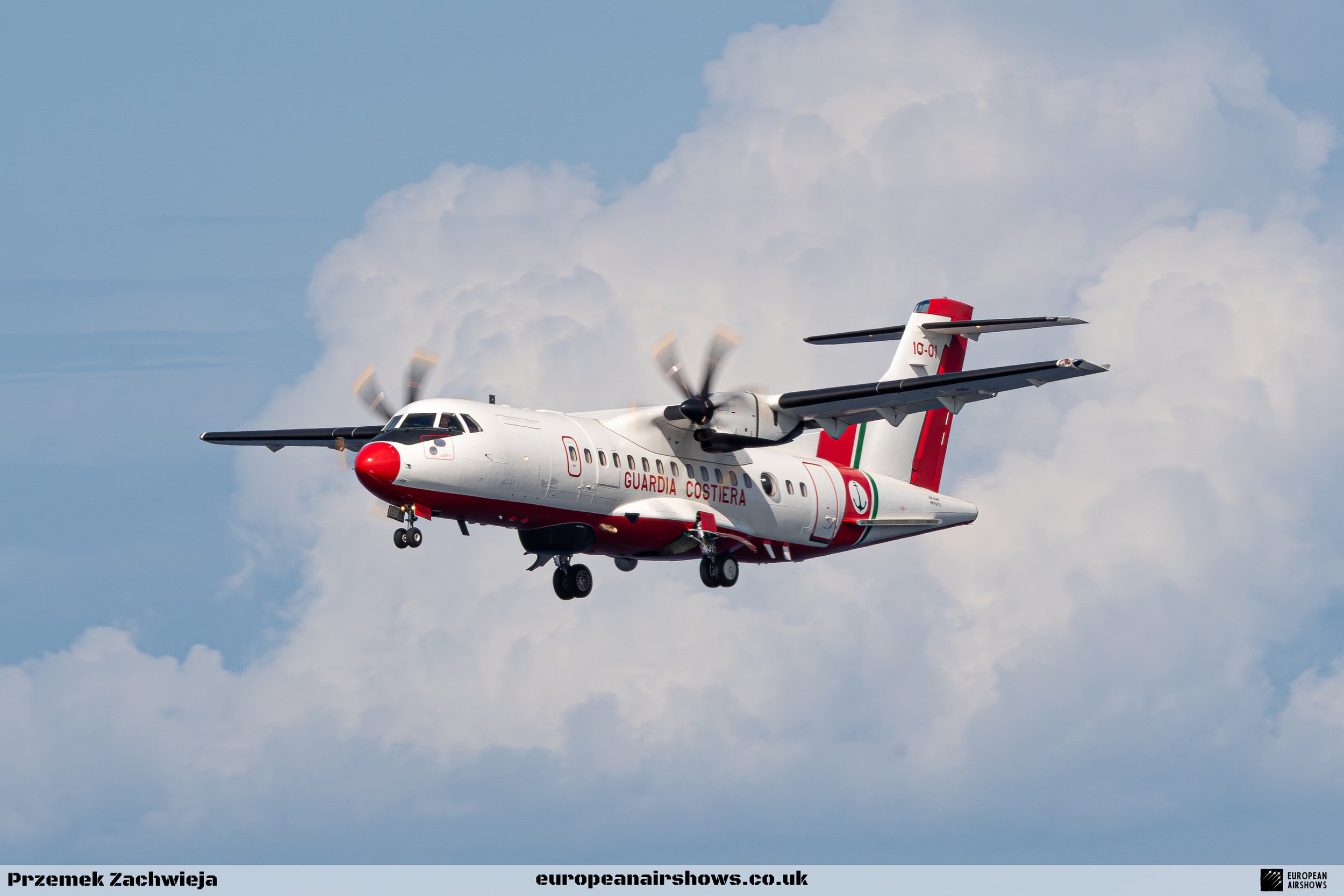
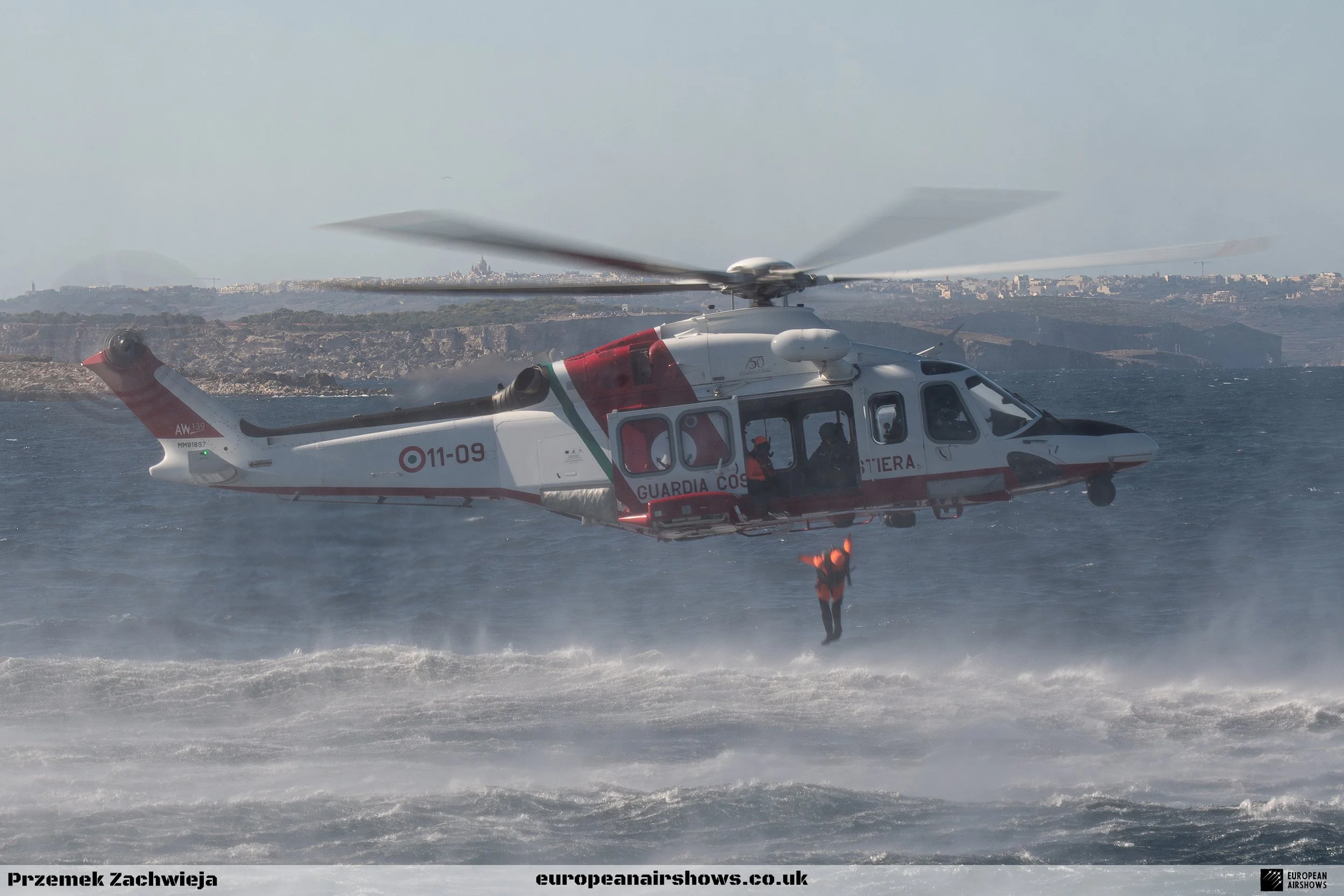
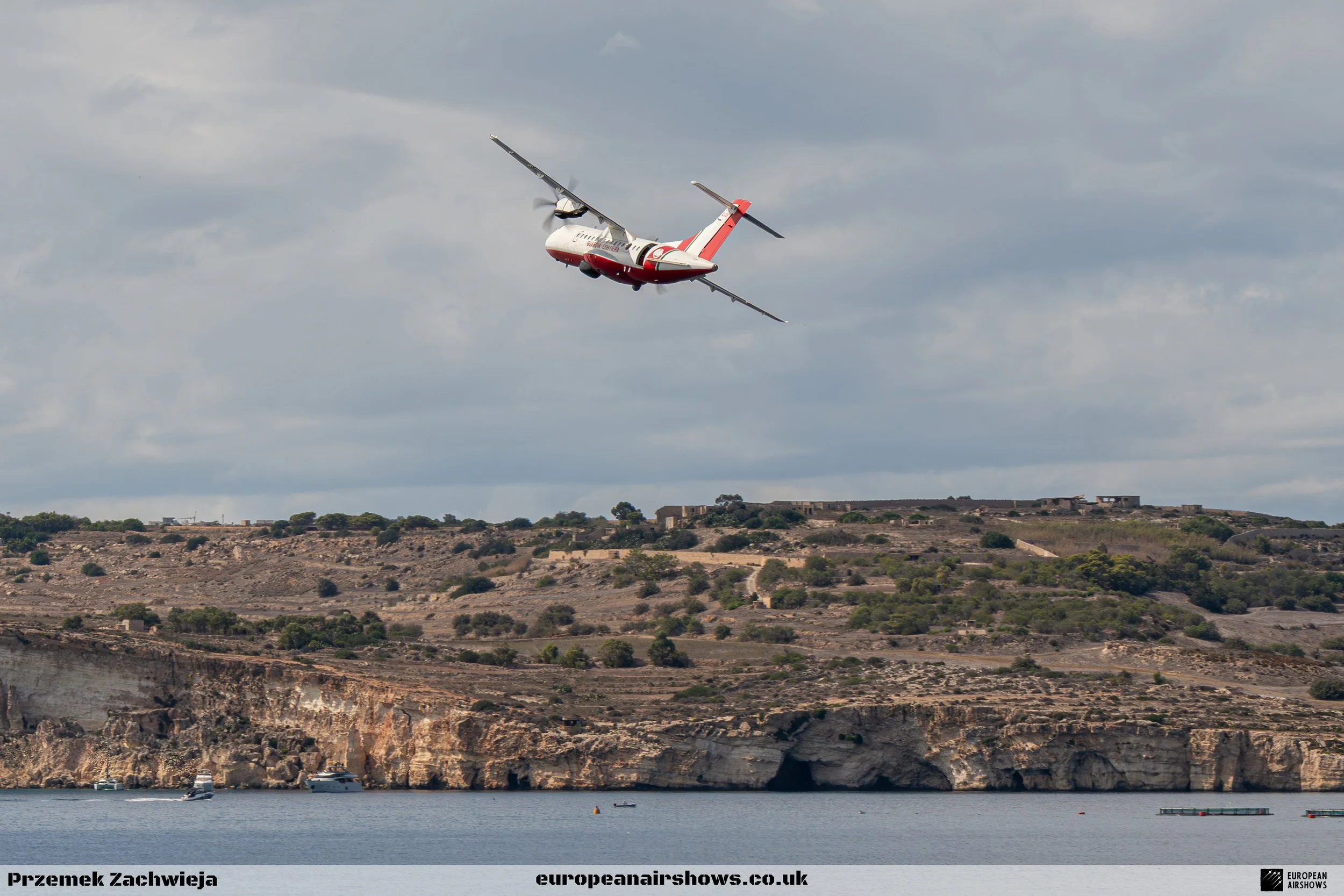
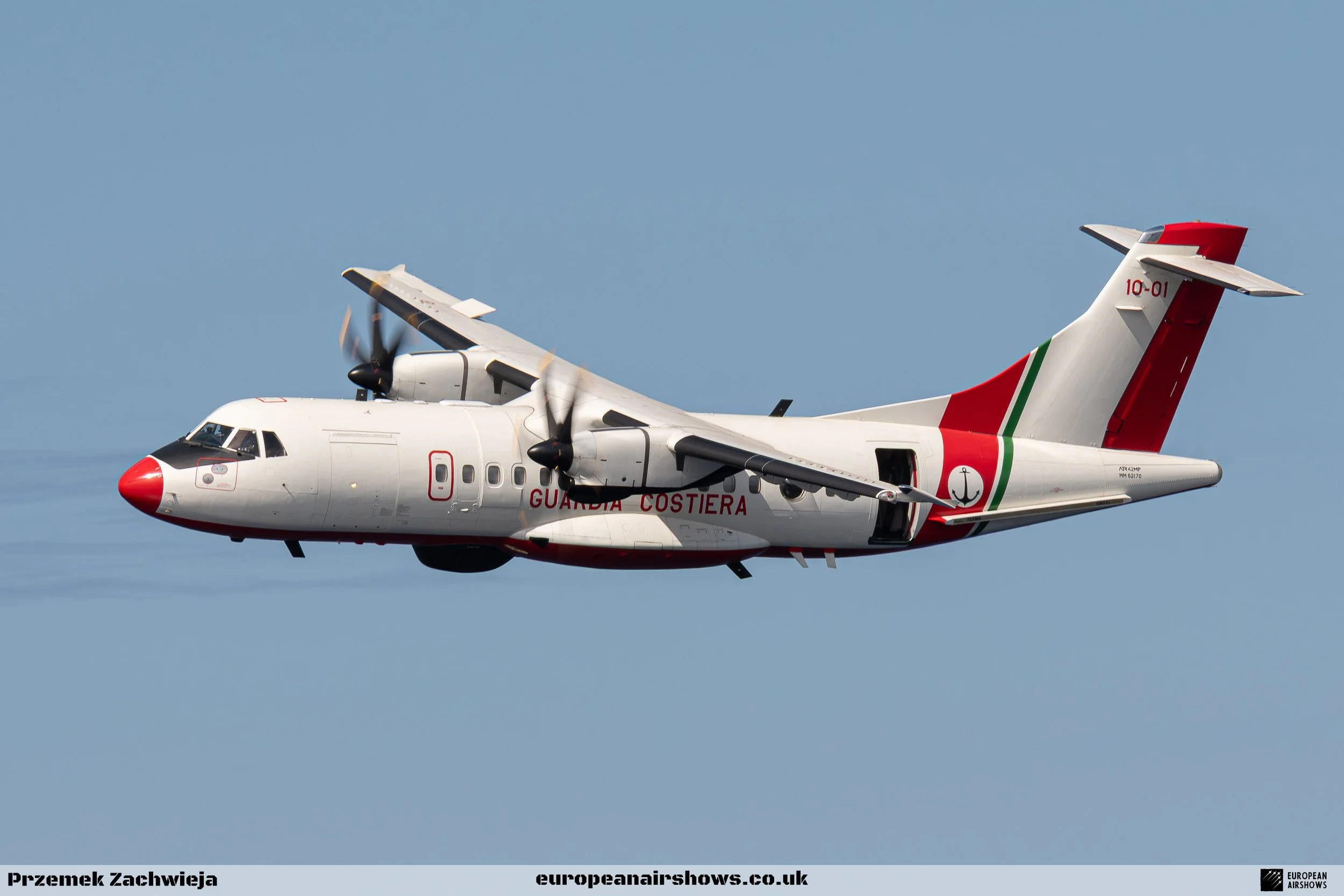
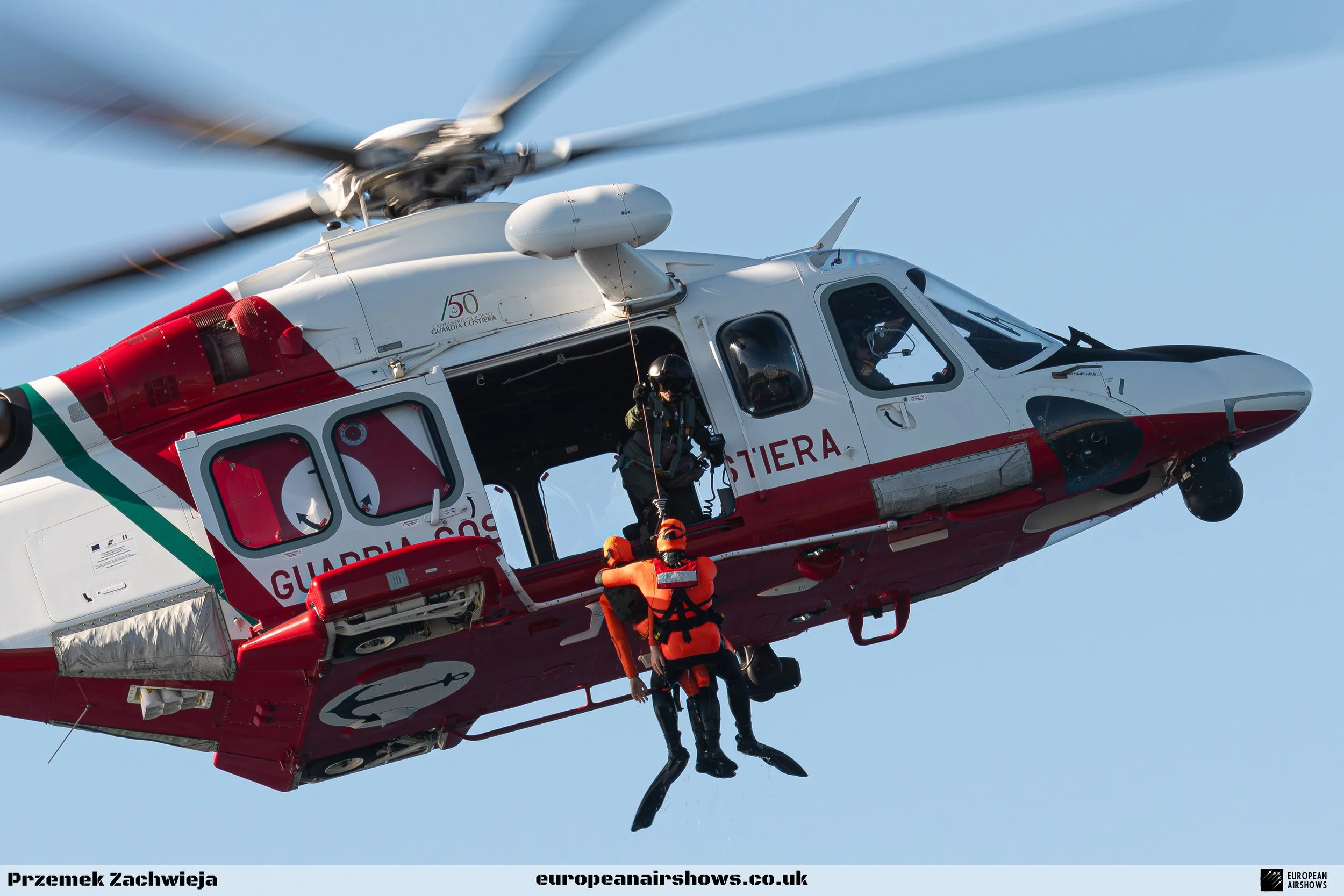
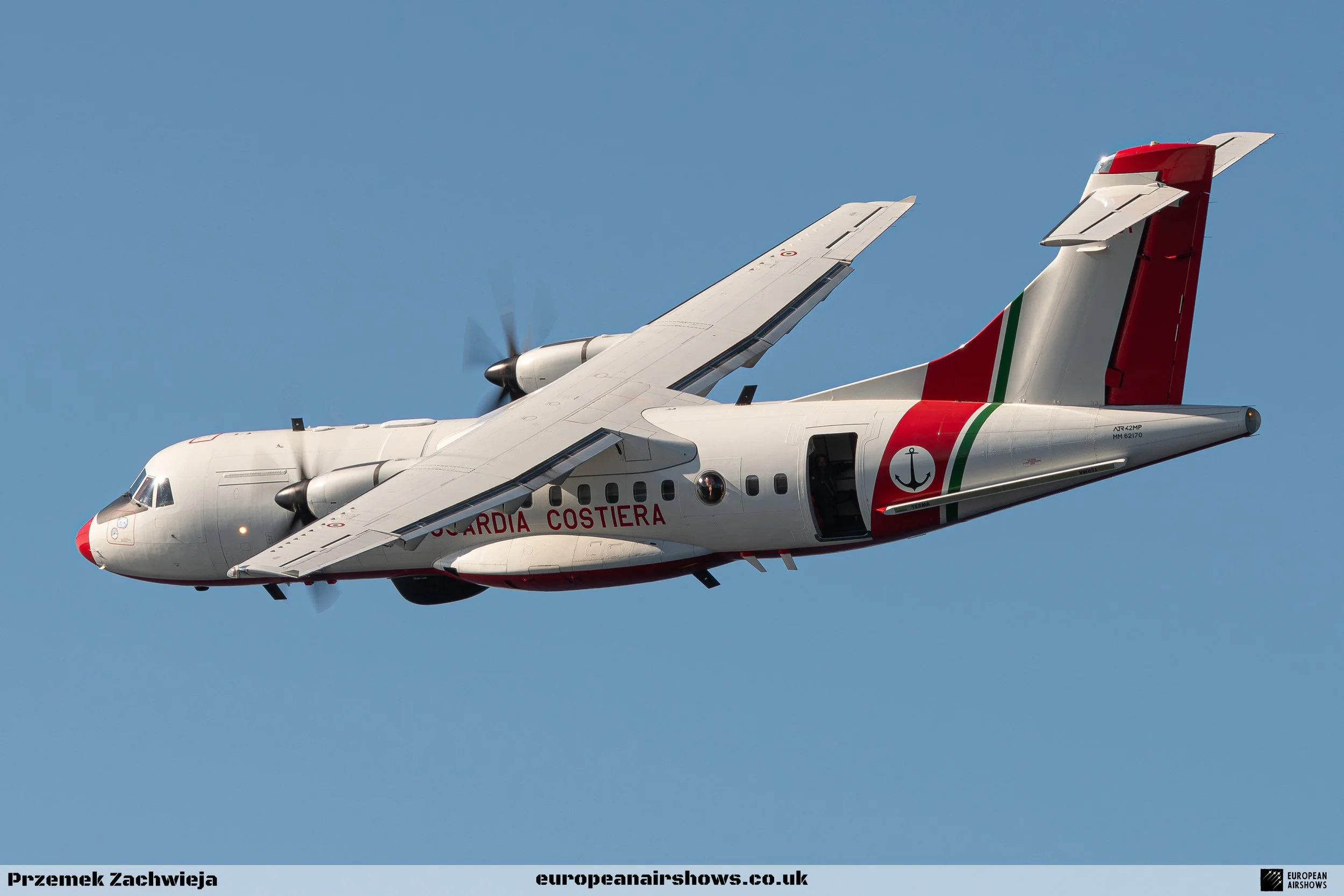
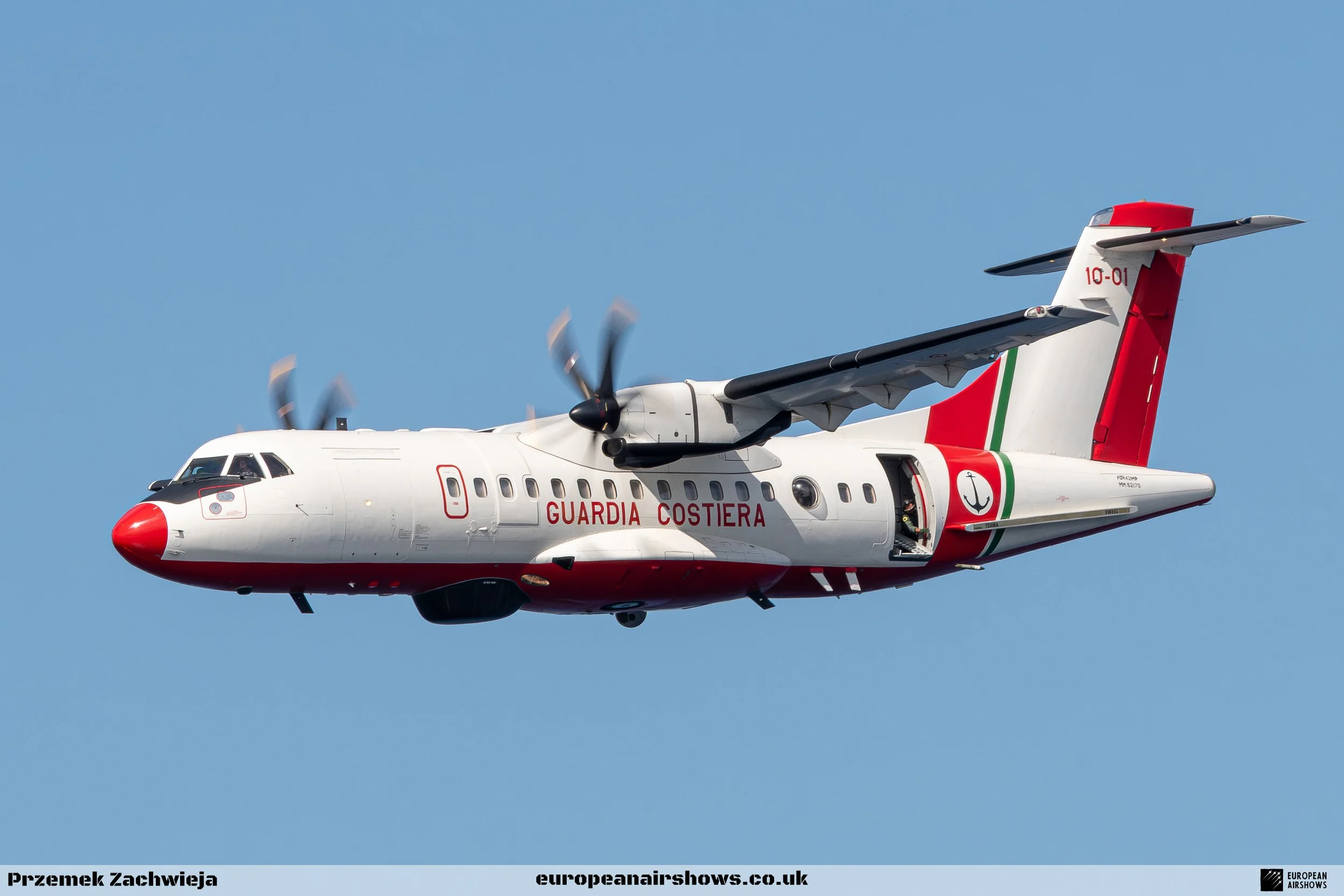
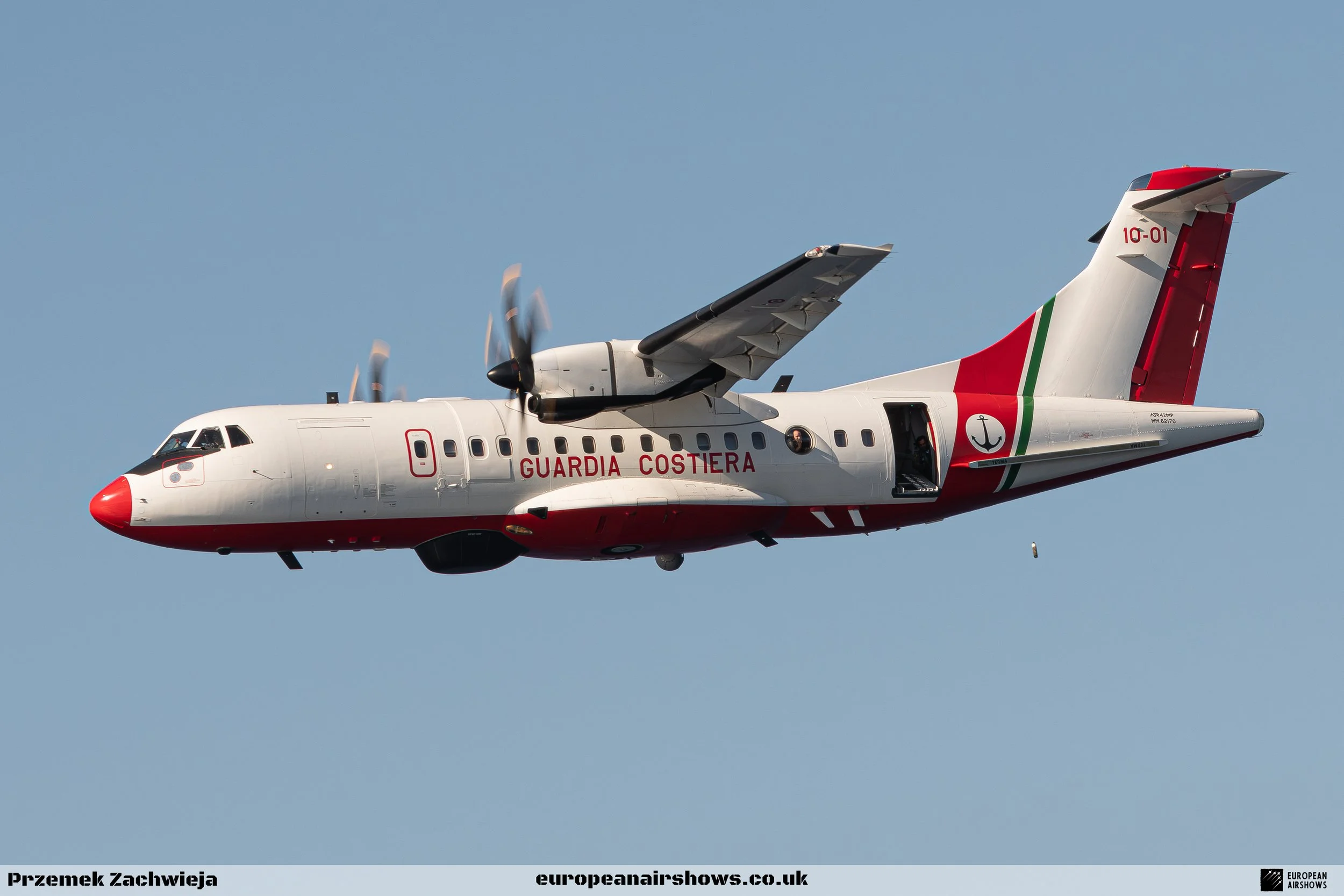
A particularly unique addition to the programme was a joint display by the Italian Coast Guard, featuring an ATR 42-500MP Surveyor paired with a PH-139A helicopter from 2° Nucleo Aereo at Catania. To see either type displayed internationally is rare; to see them performing together is exceptional. This segment proved to be a genuine bonus for the Malta crowd.
The sequence began with the ATR executing a wing-wag pass and dropping a flare to mark the search datum, establishing an orbit while the PH-139A arrived to conduct a search pattern, deploy a dummy survivor, and execute a winch recovery centre-stage. While Saturday’s weather limited the ATR to a few flypasts, Sunday allowed for the full profile. Against the Mediterranean seascape, the pairing looked superb, offering a highly authentic insight into the daily operations of the Coast Guard.
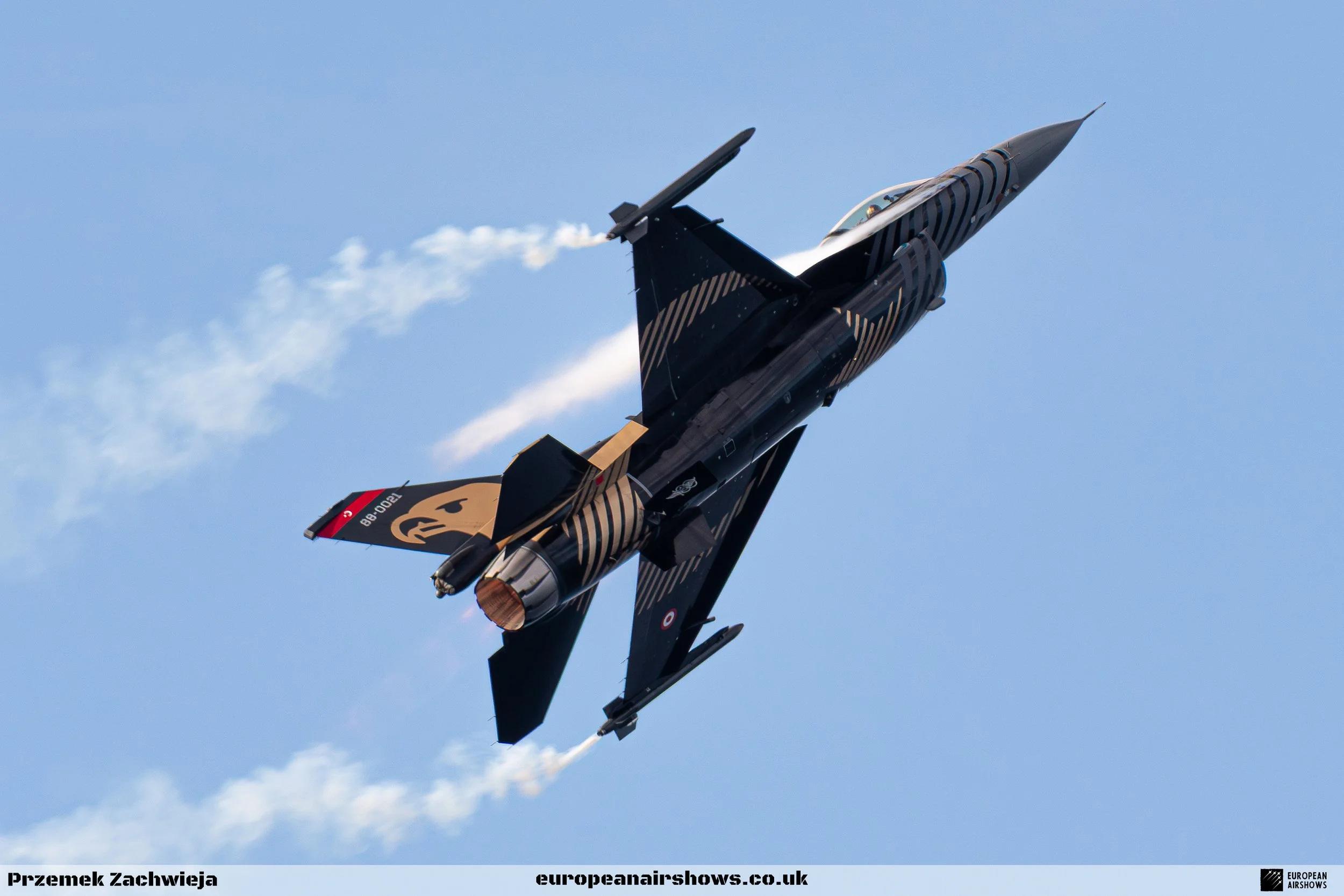
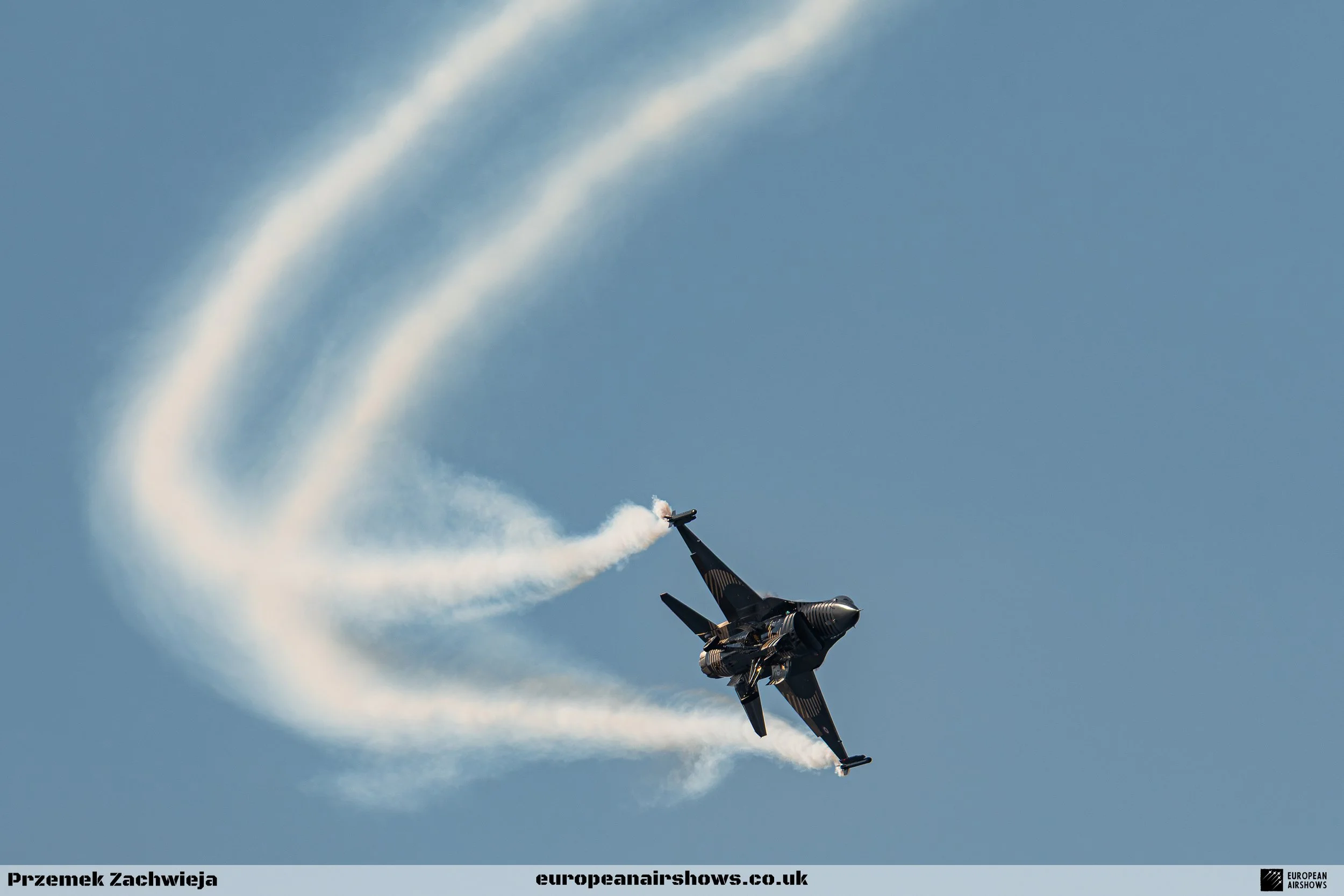
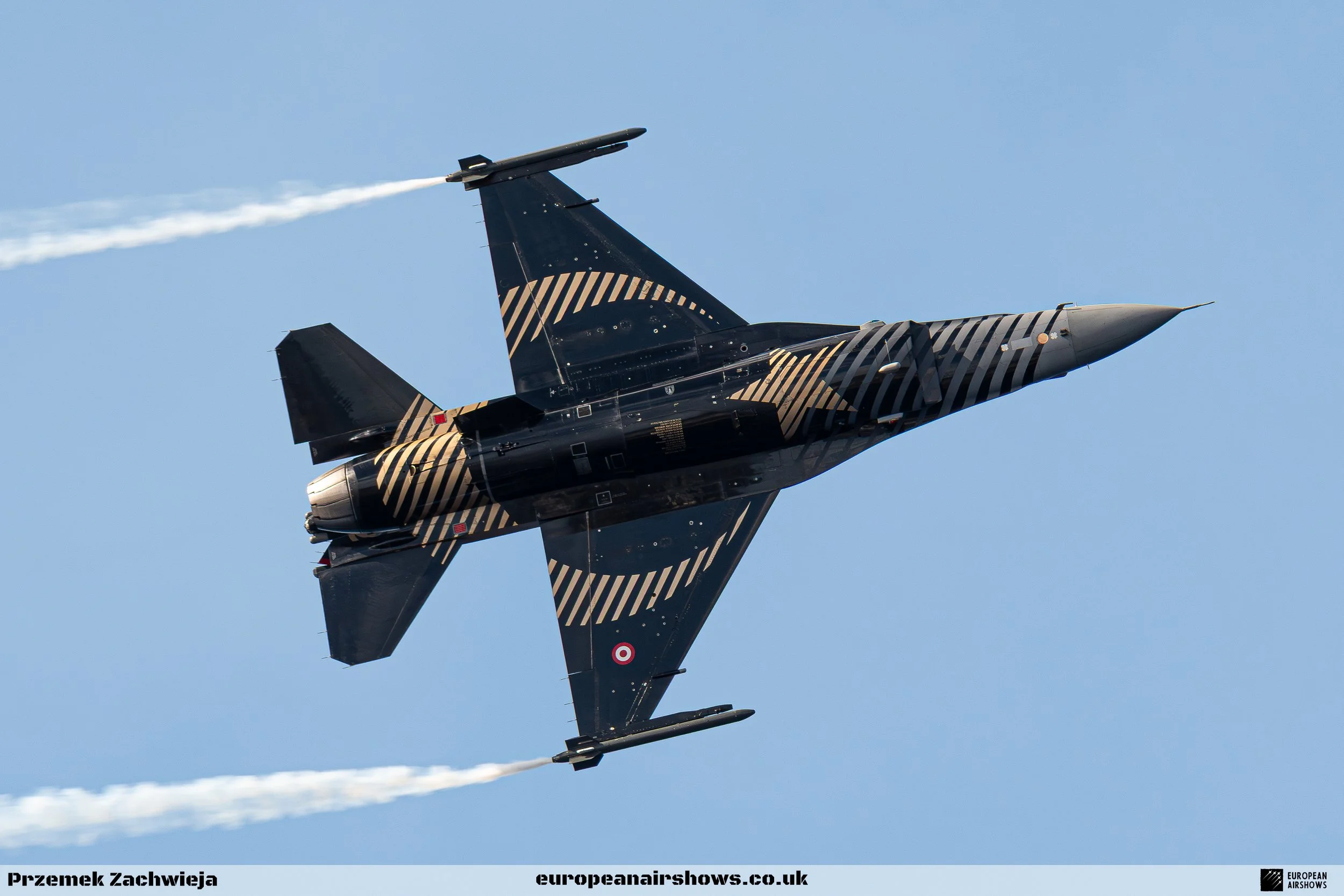
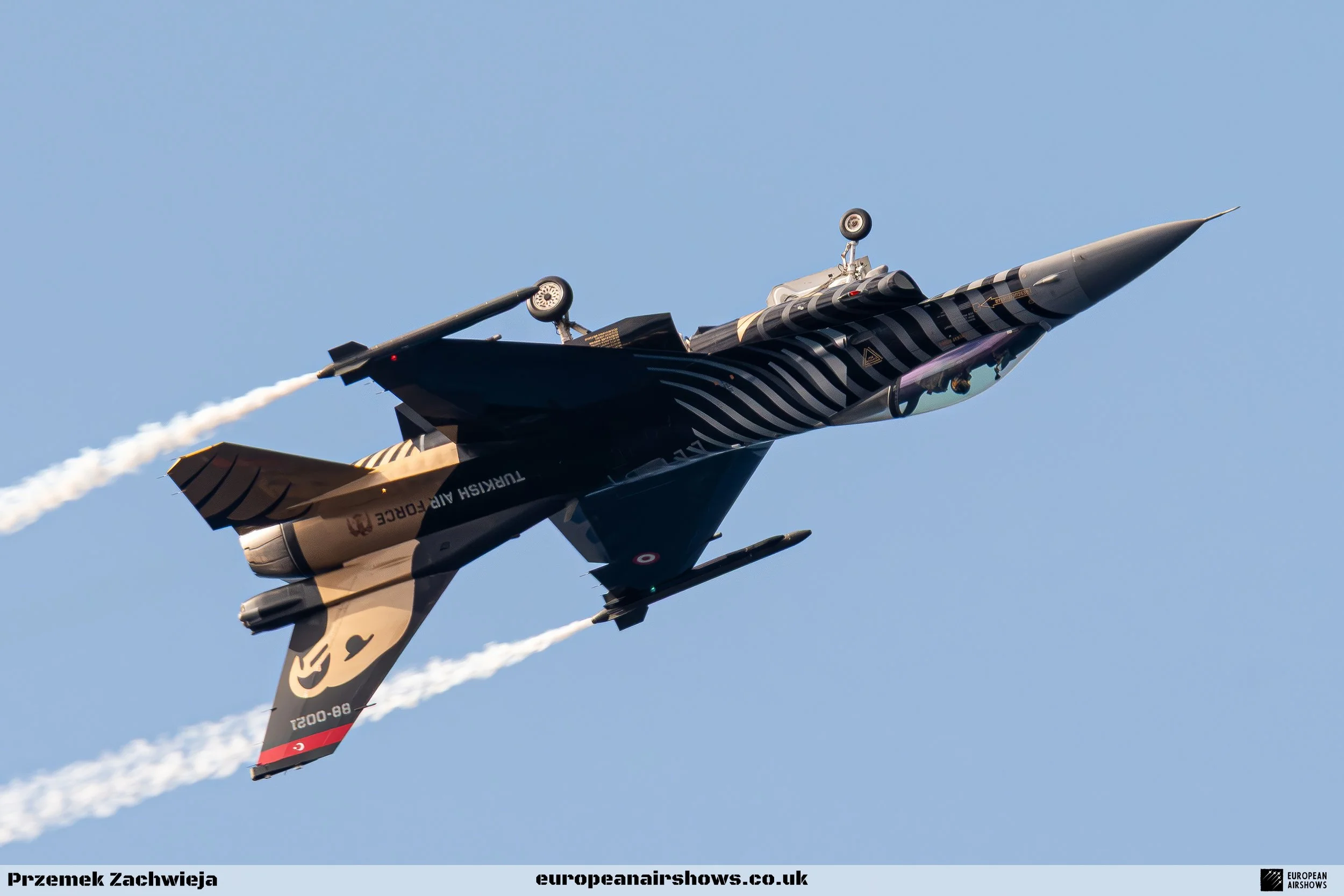
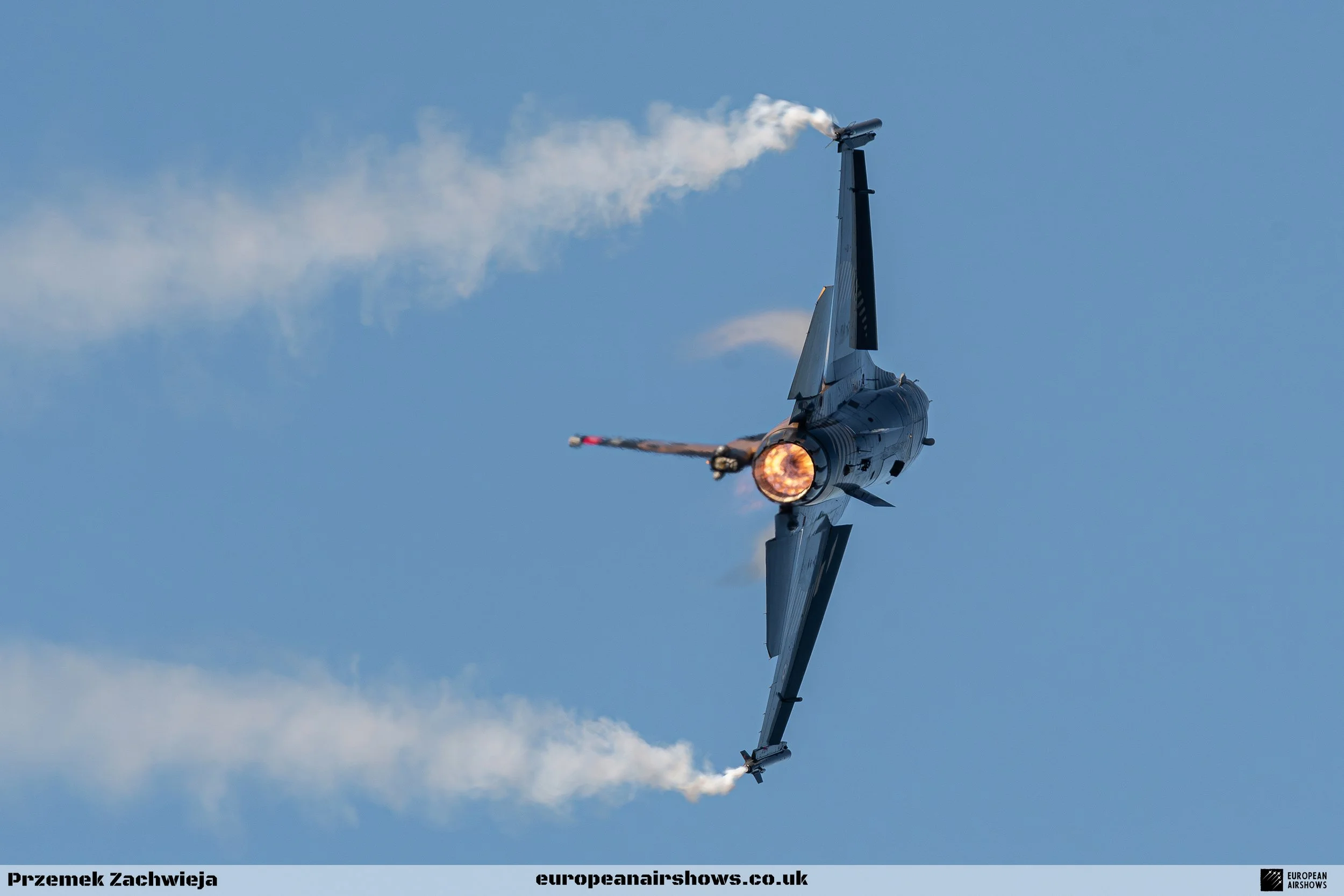
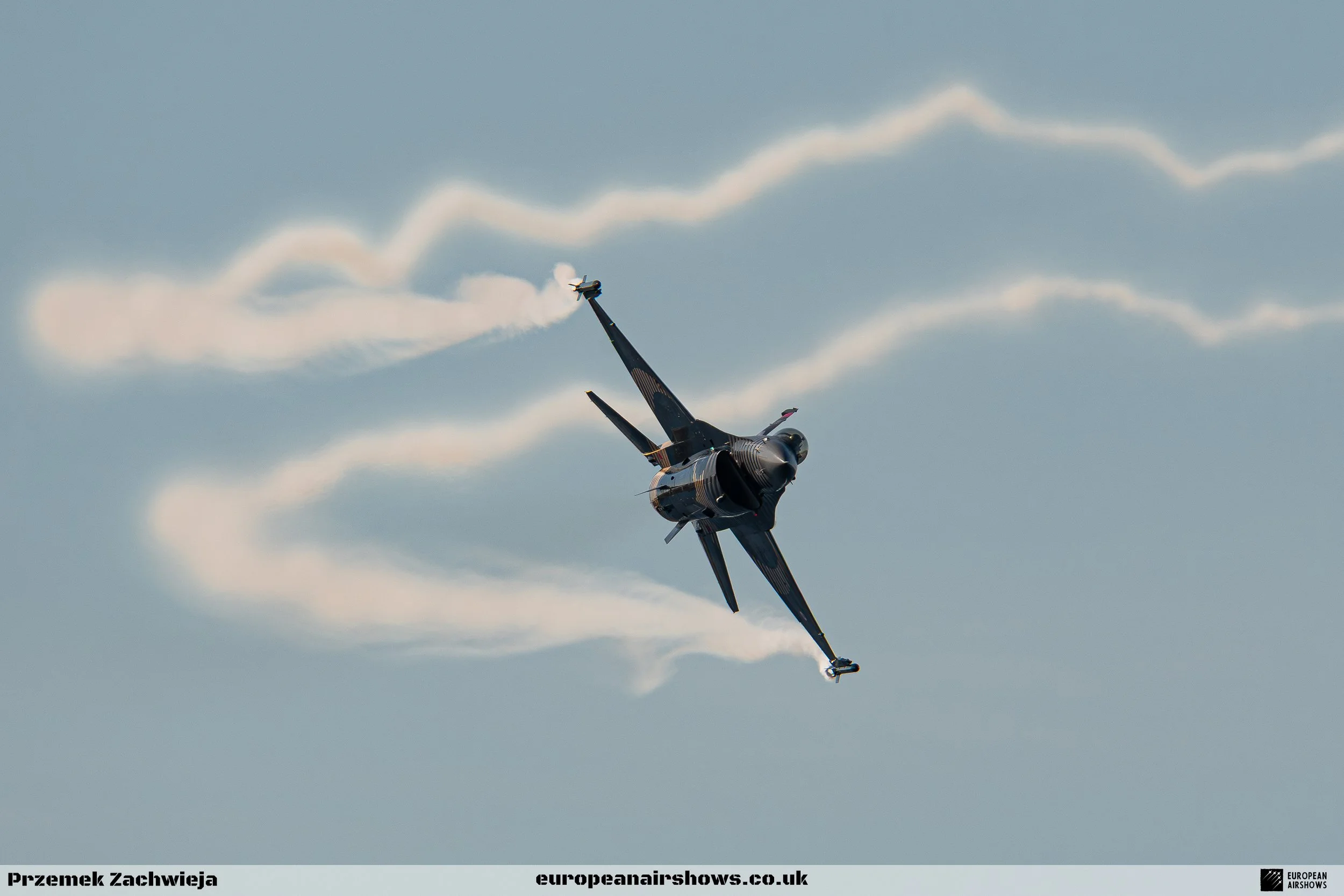
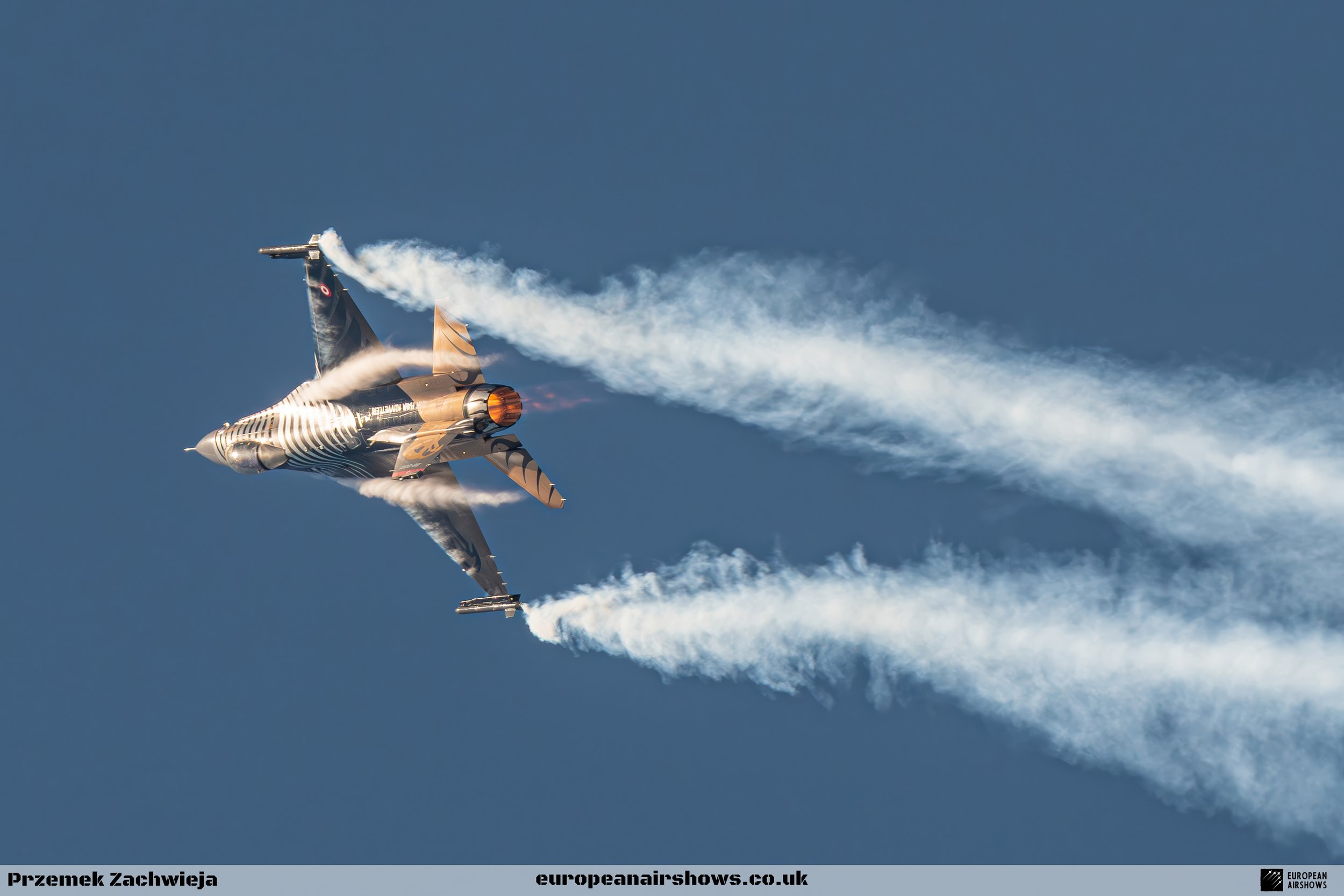
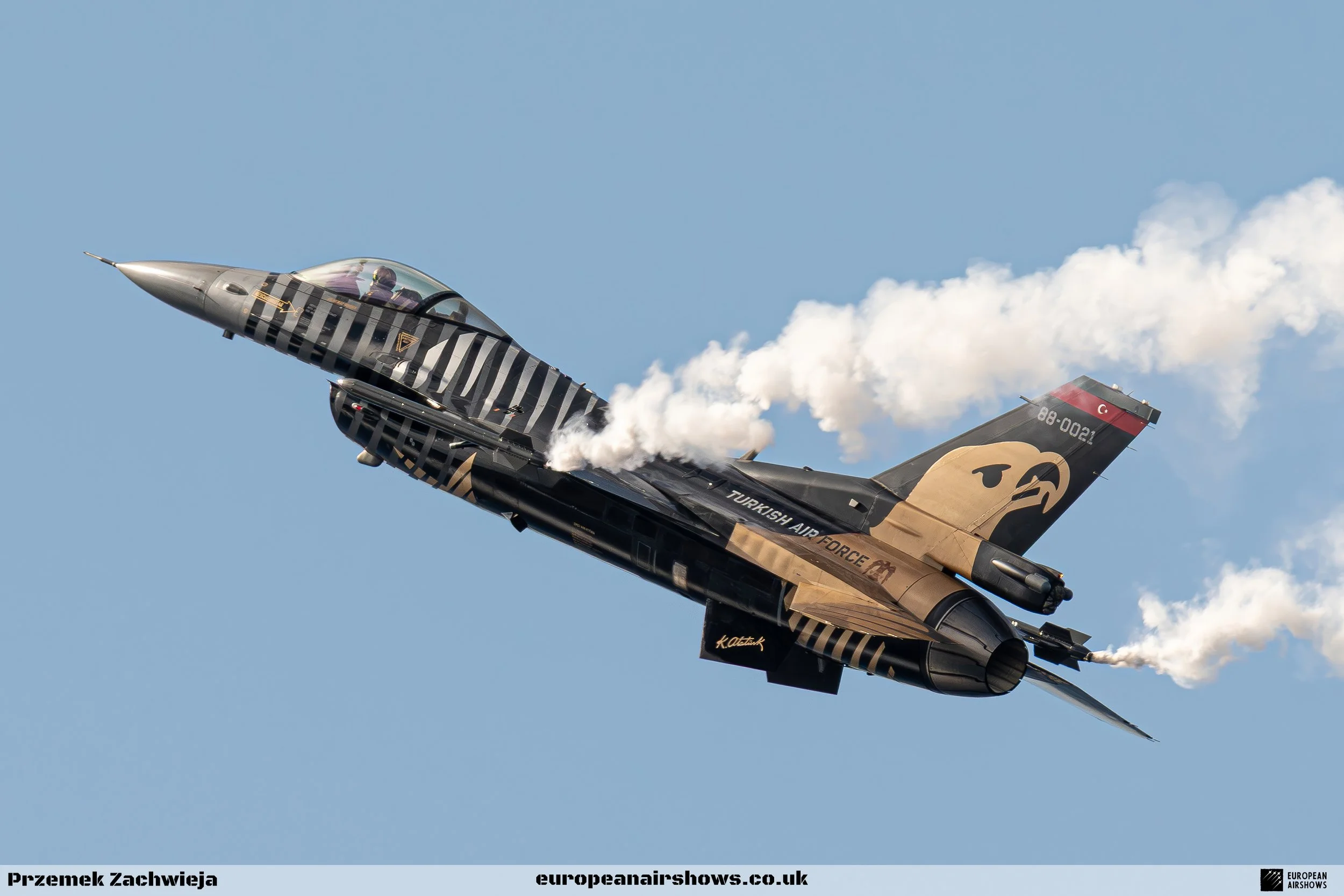
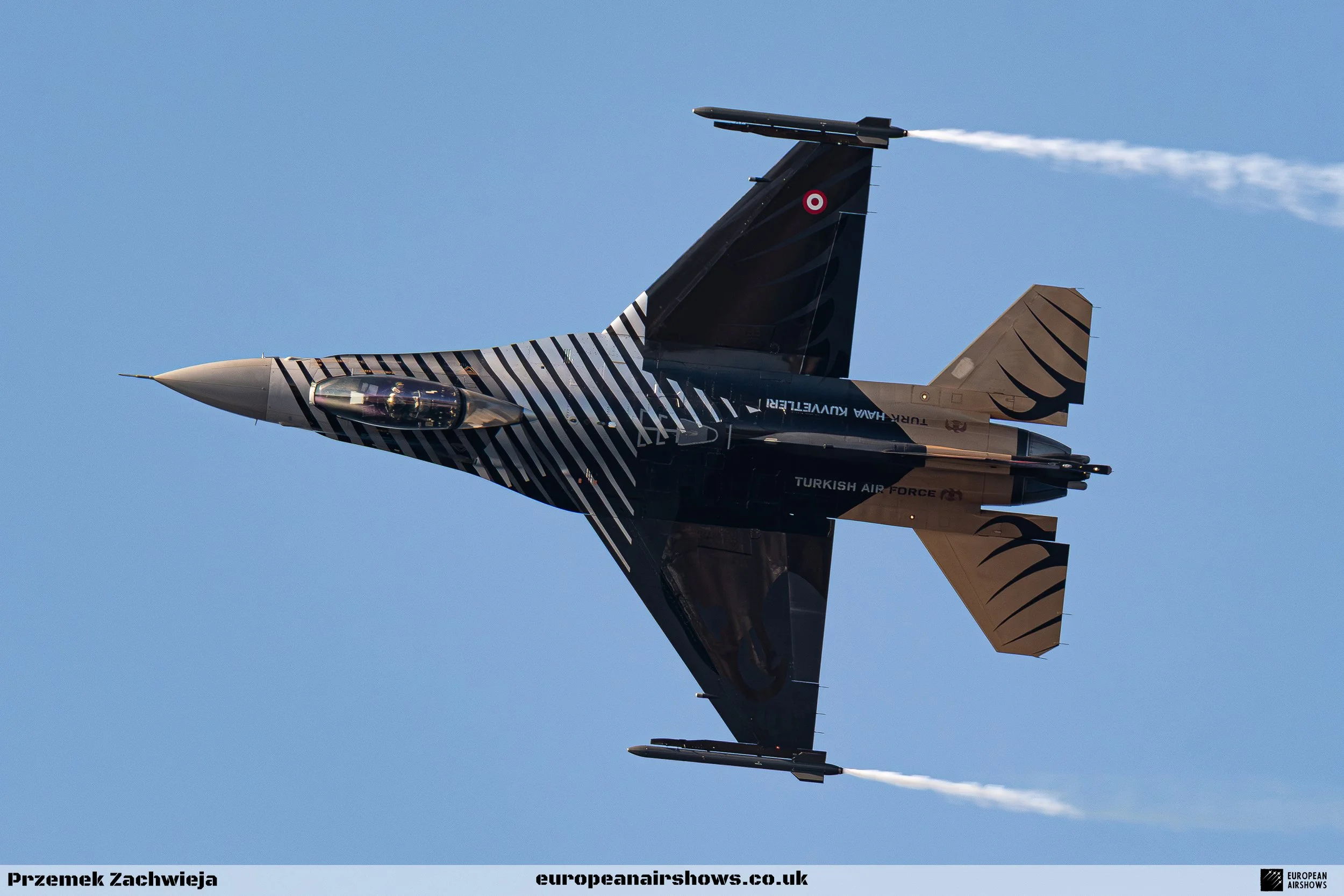
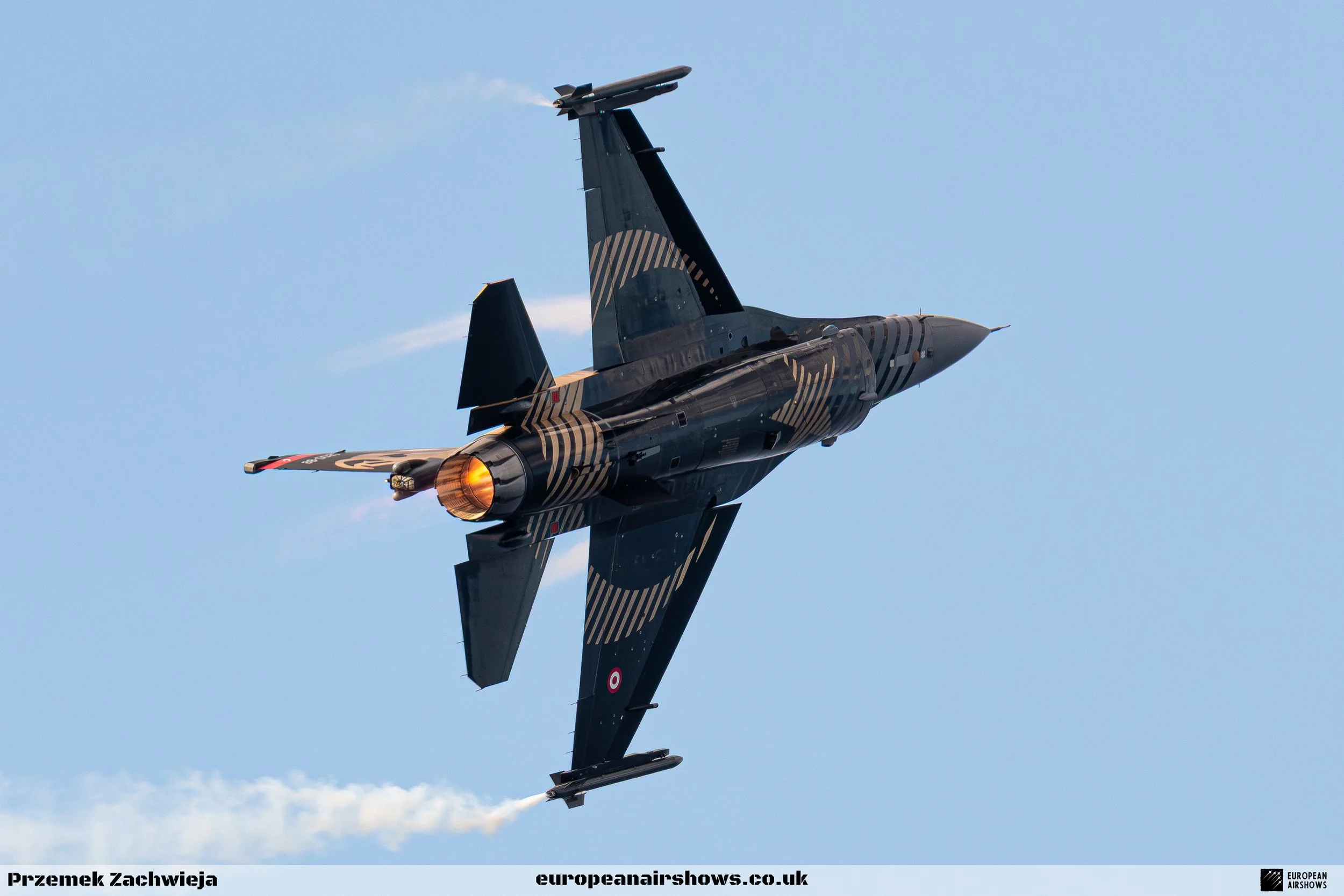
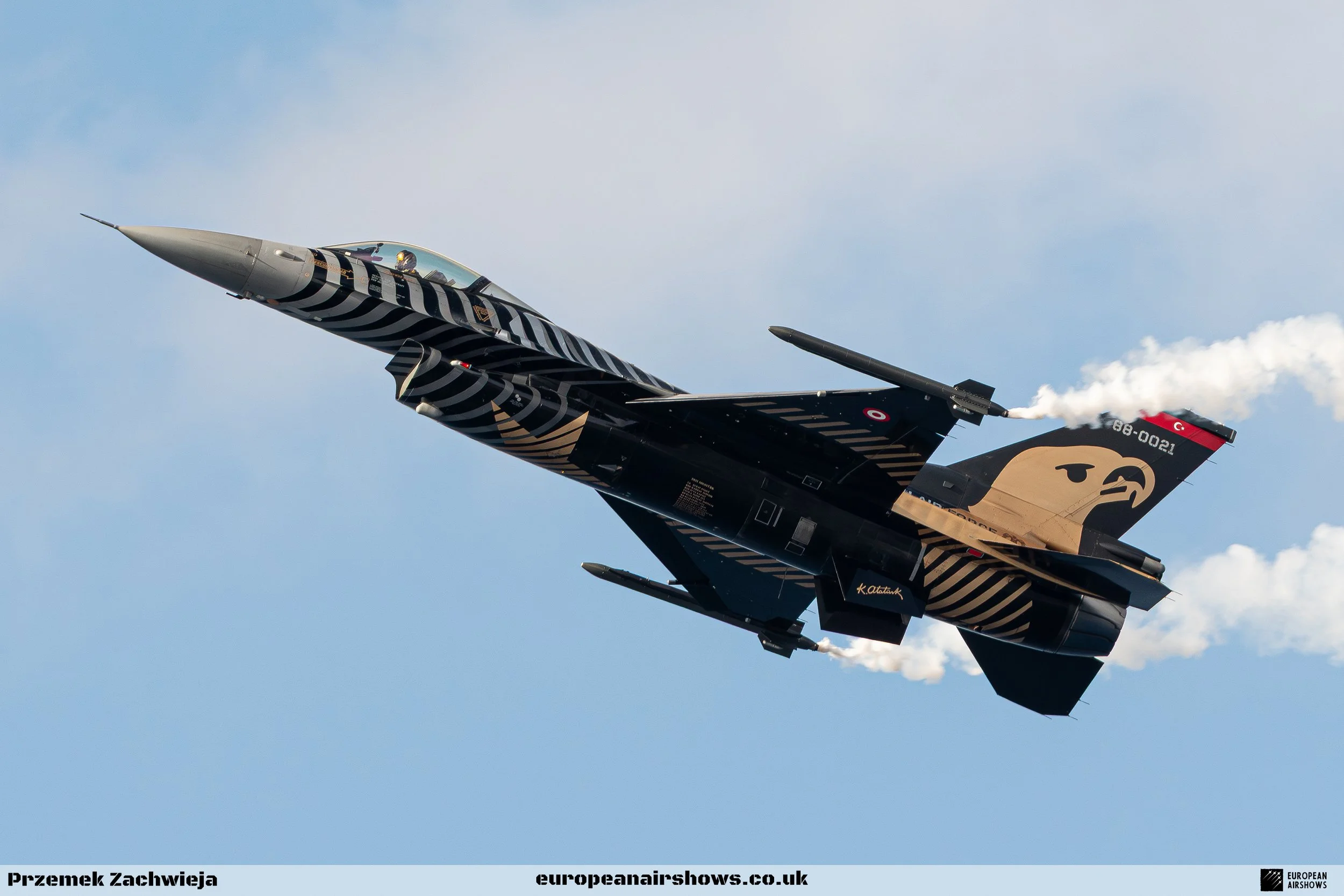
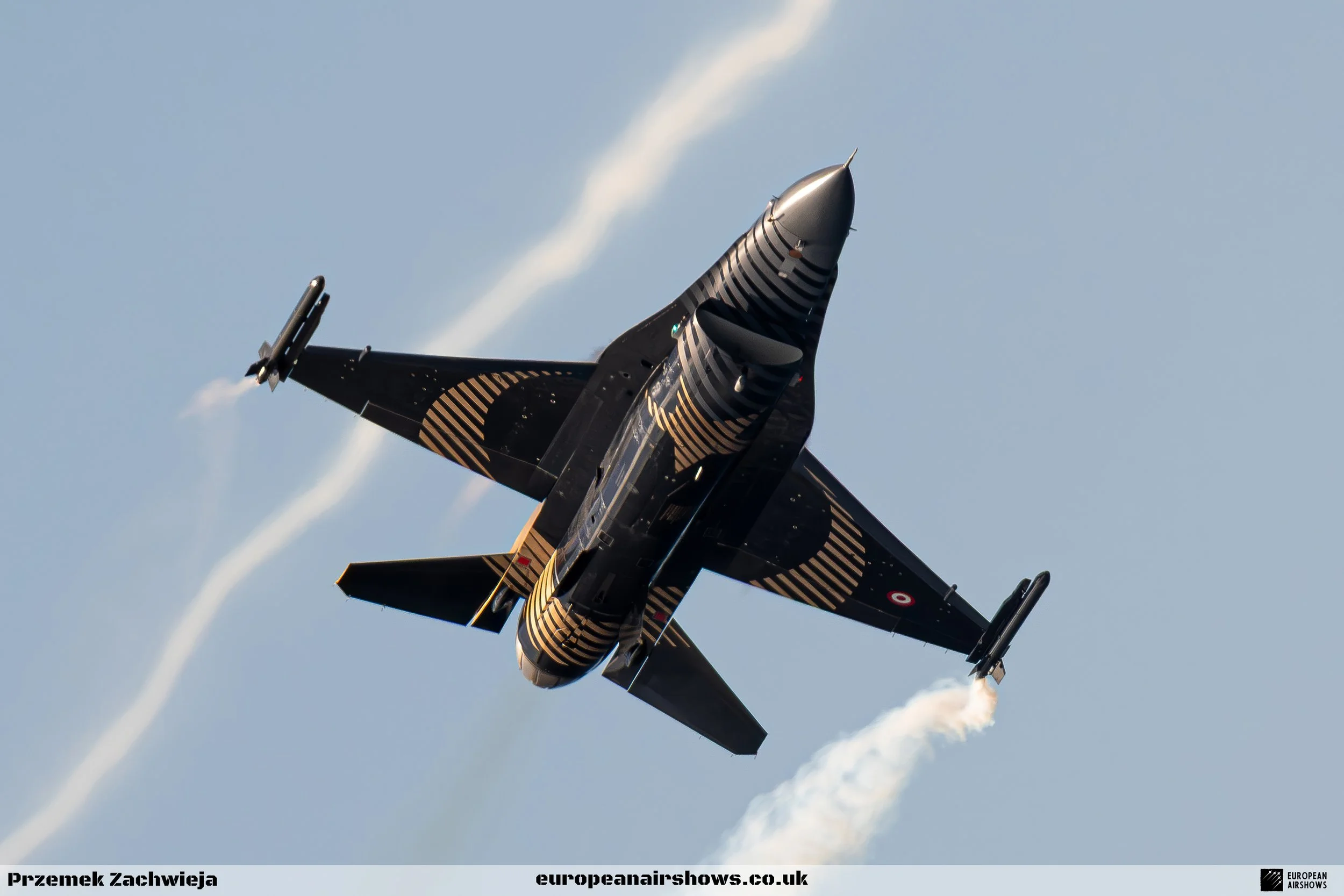
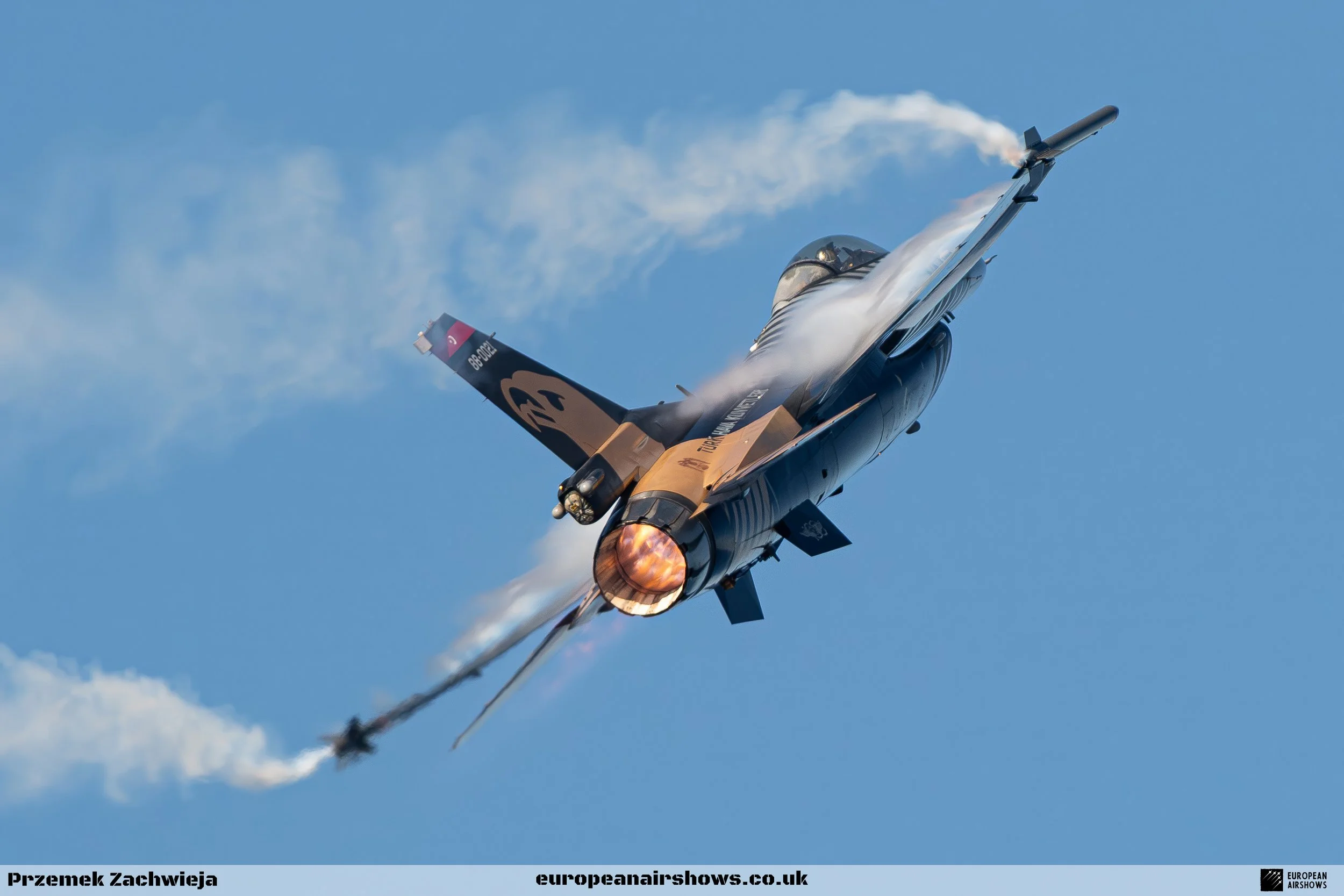
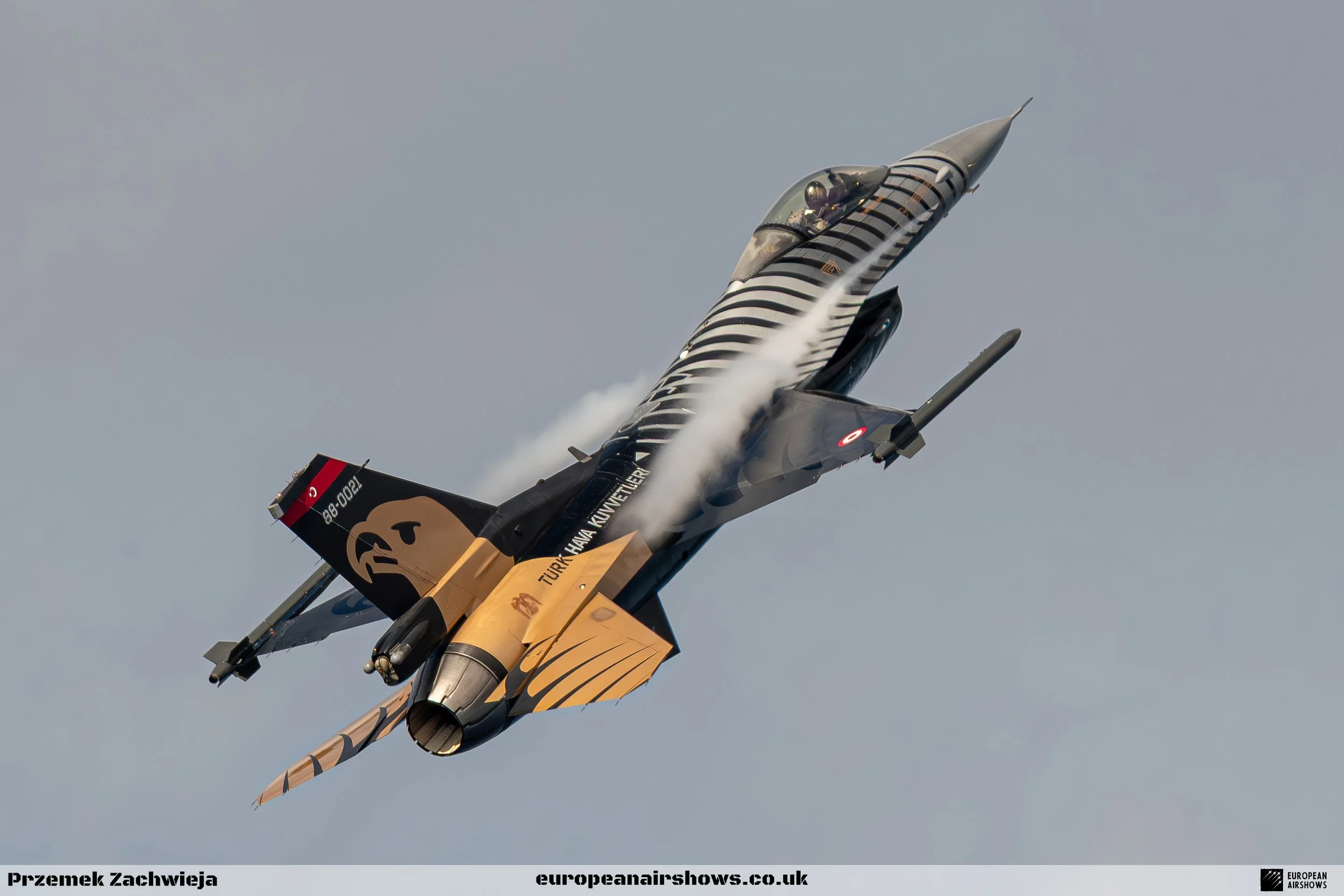
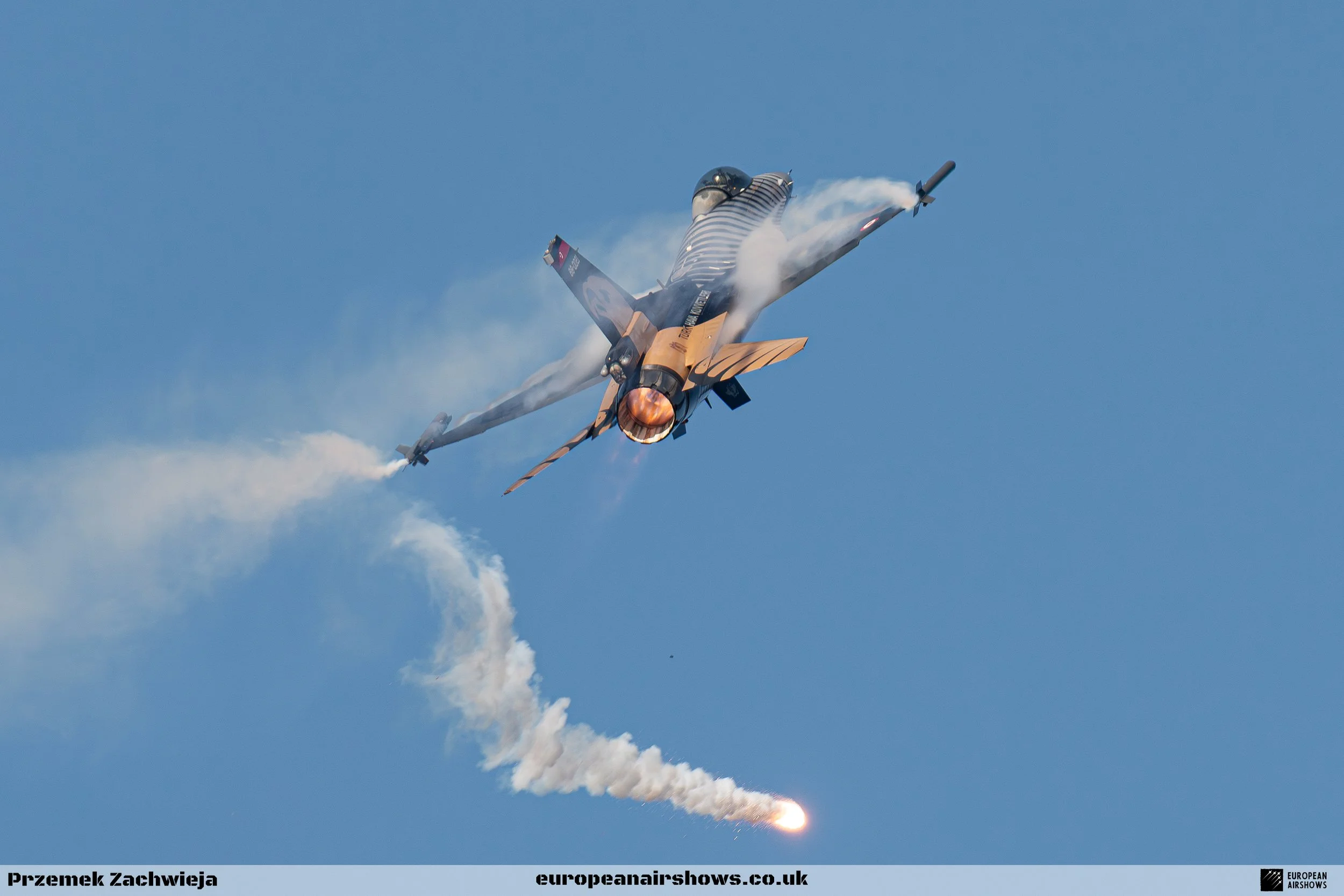
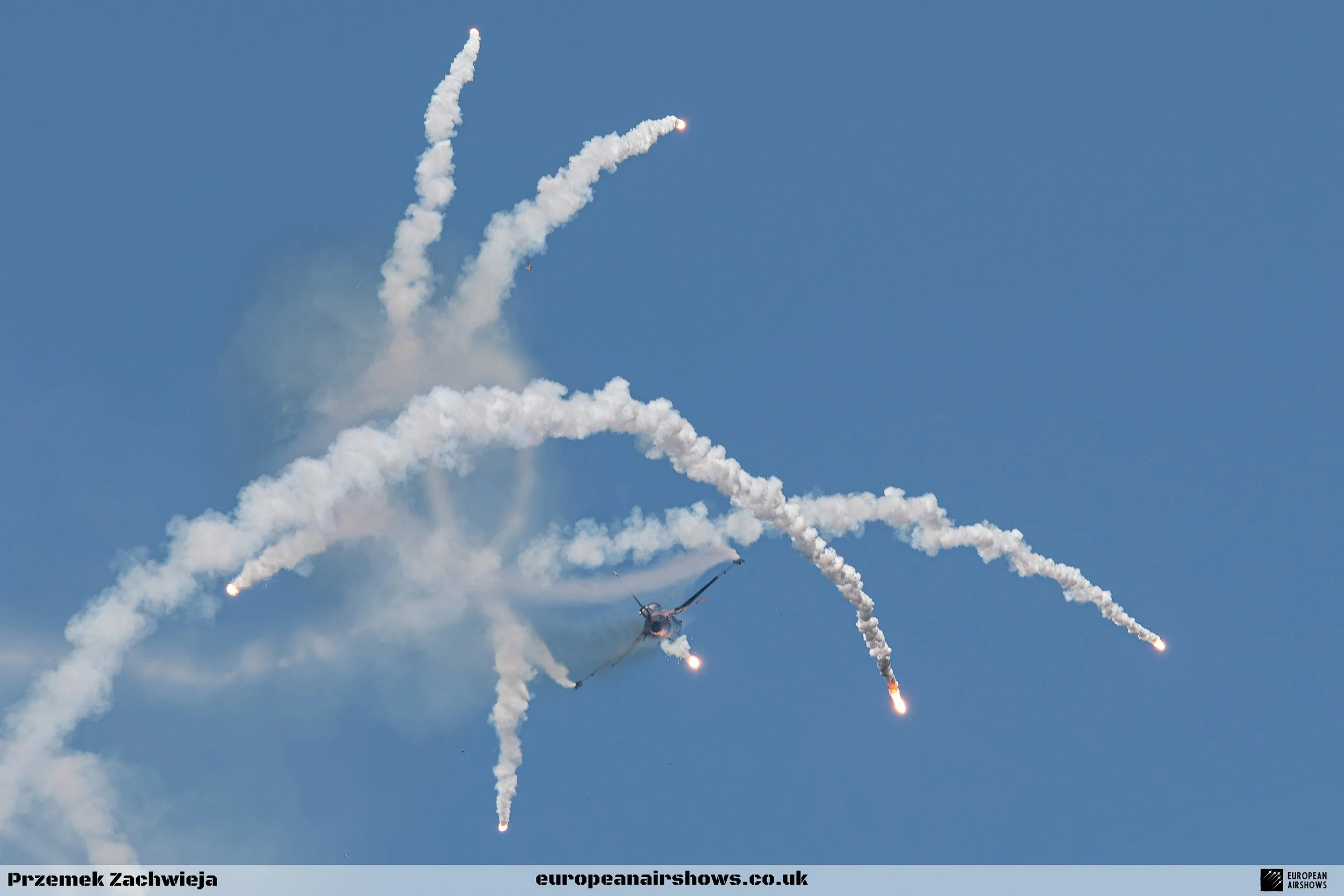
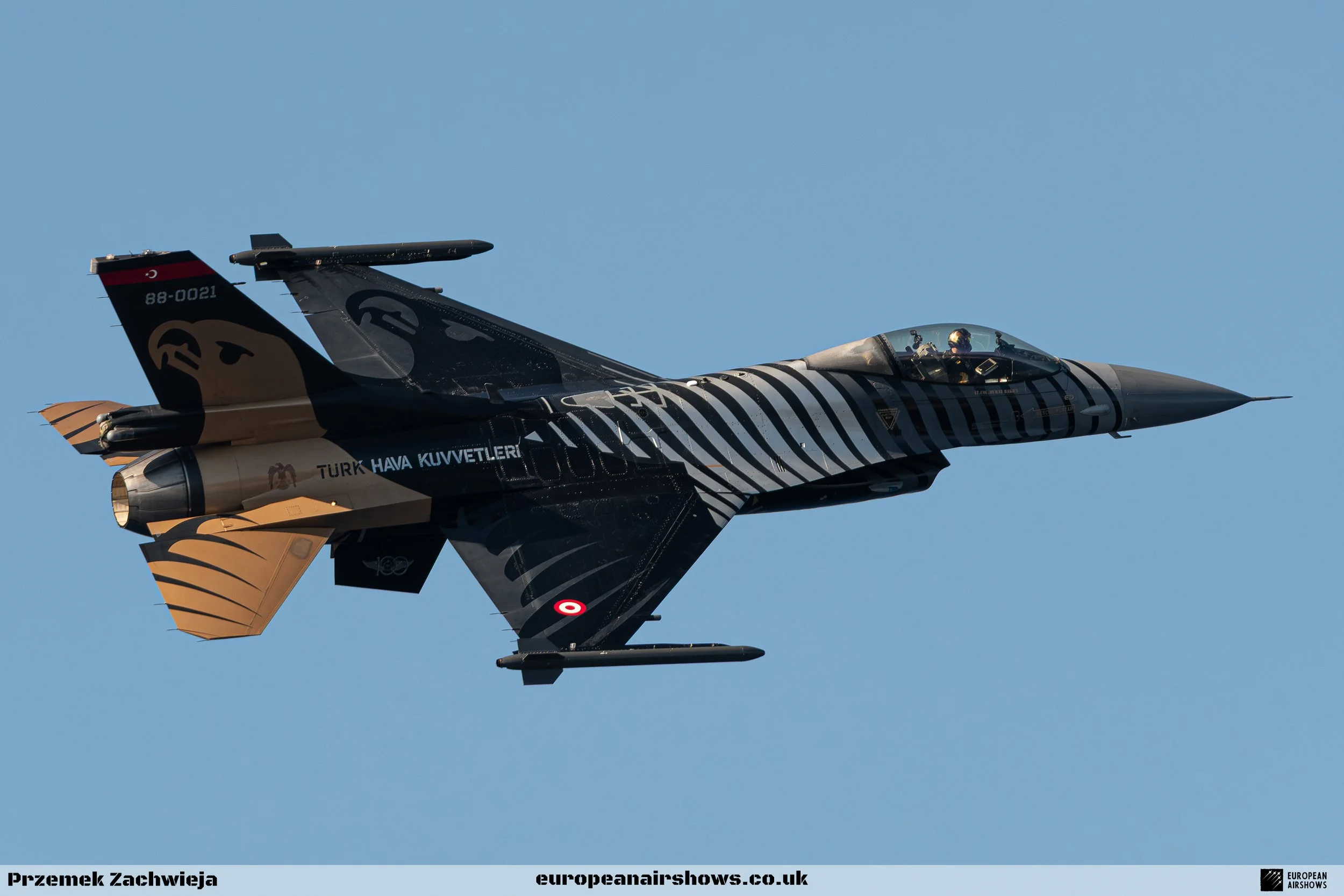
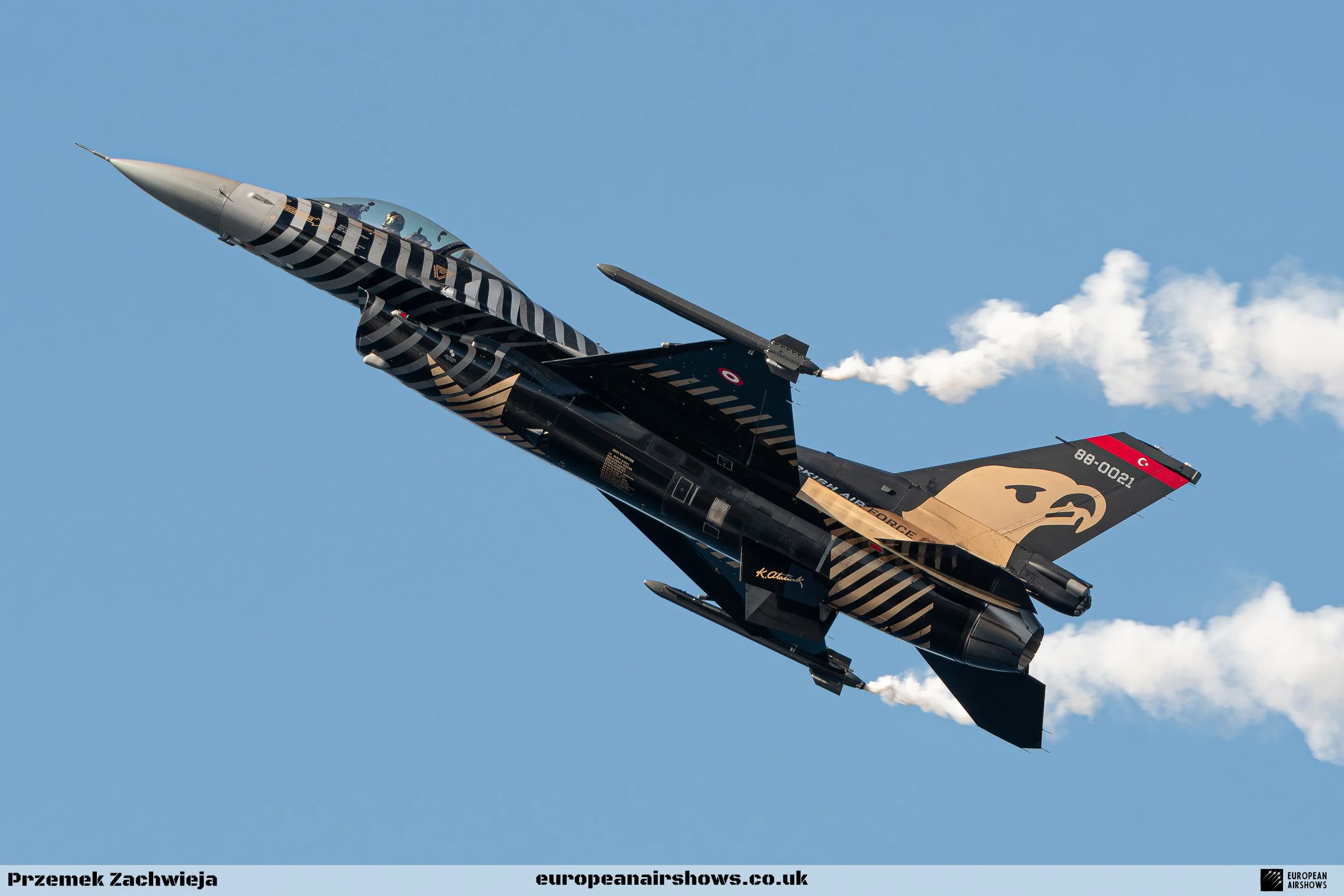
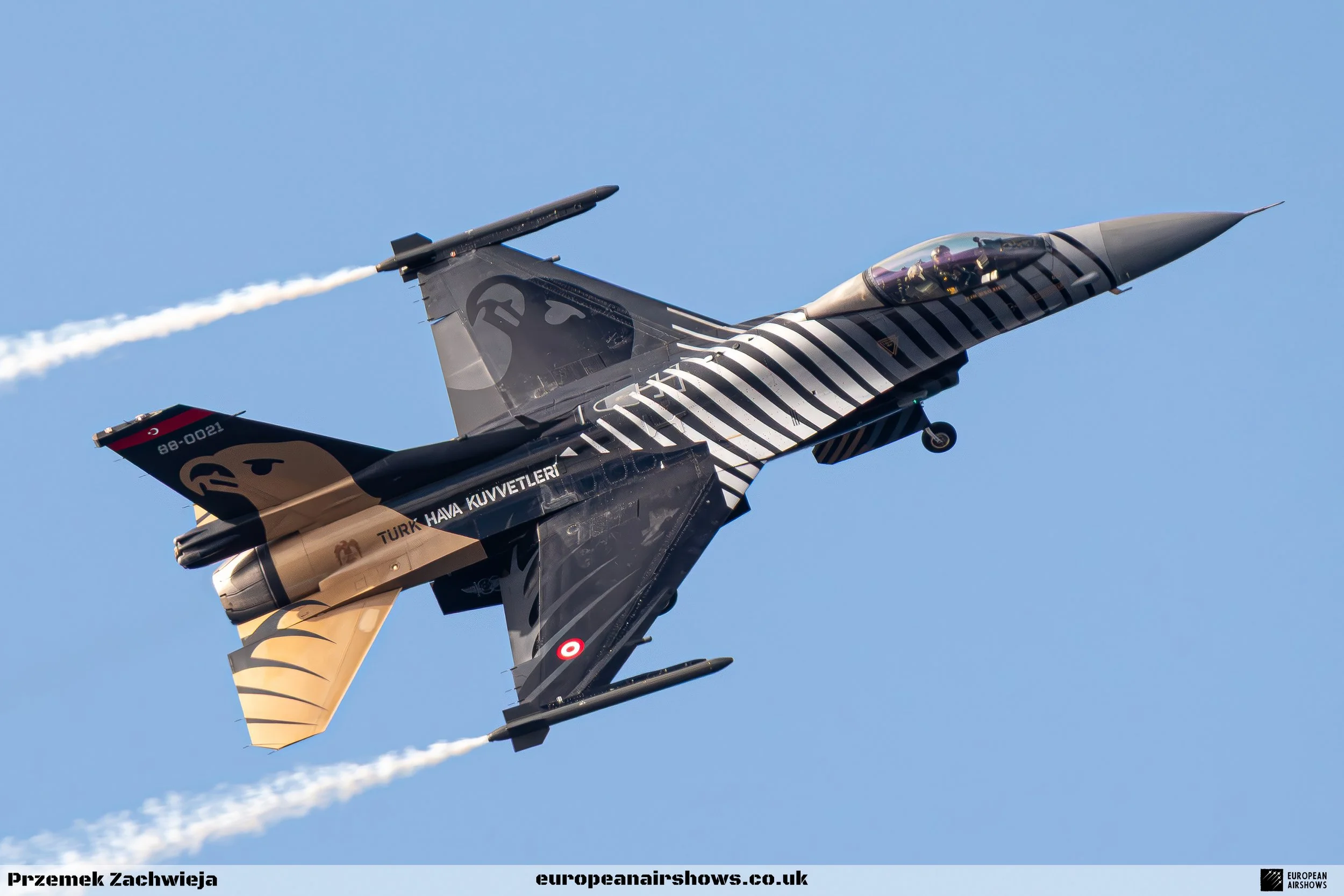
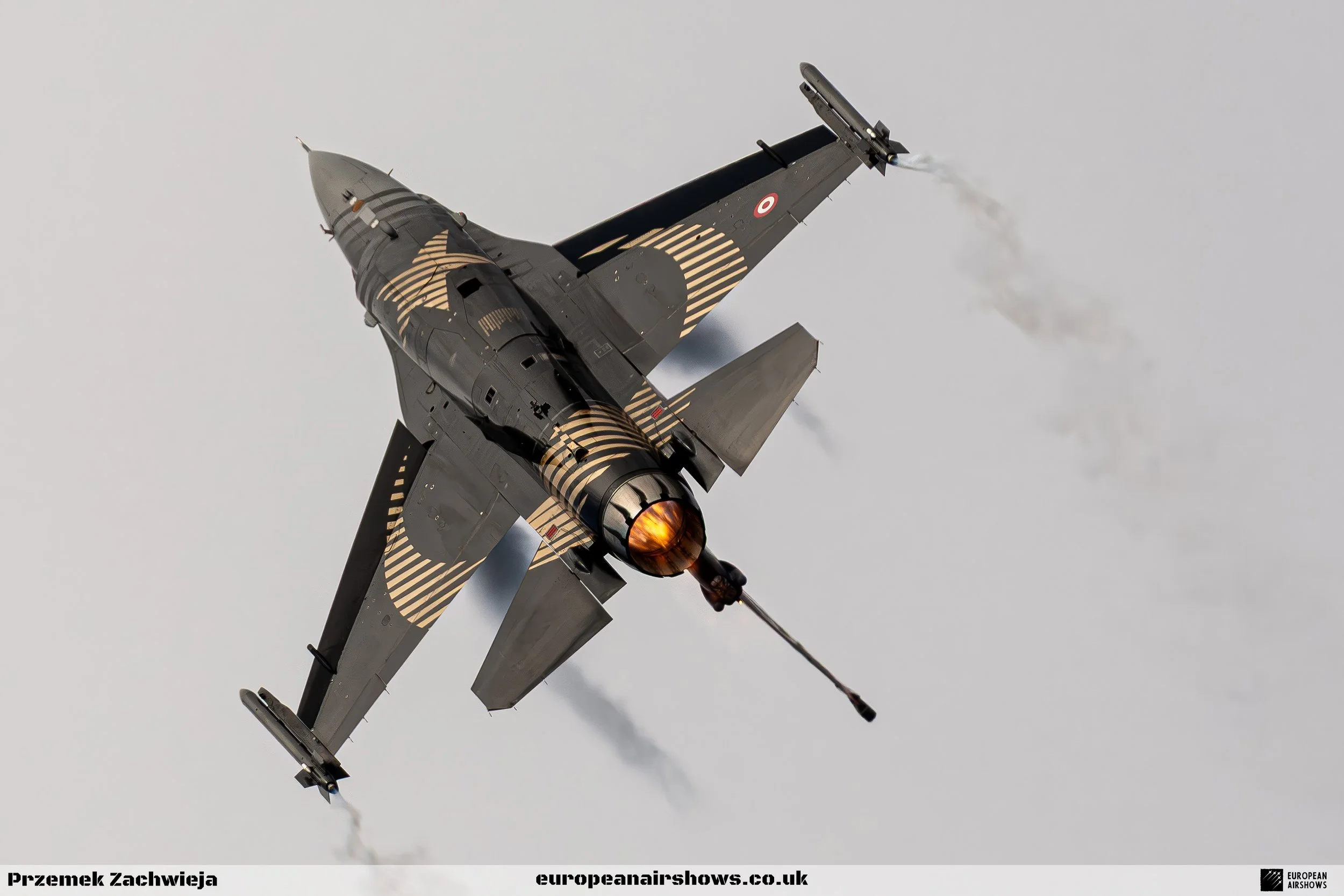
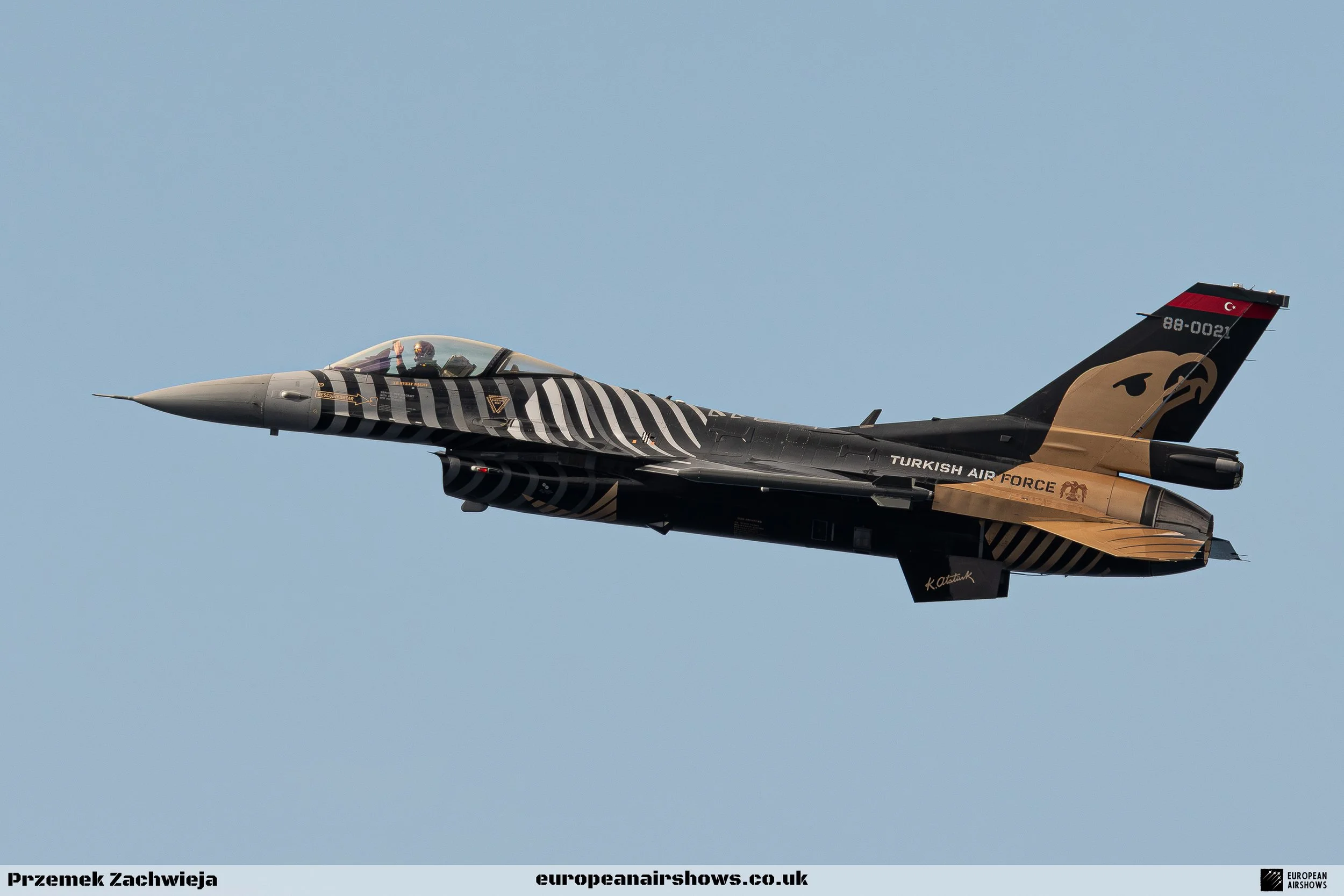
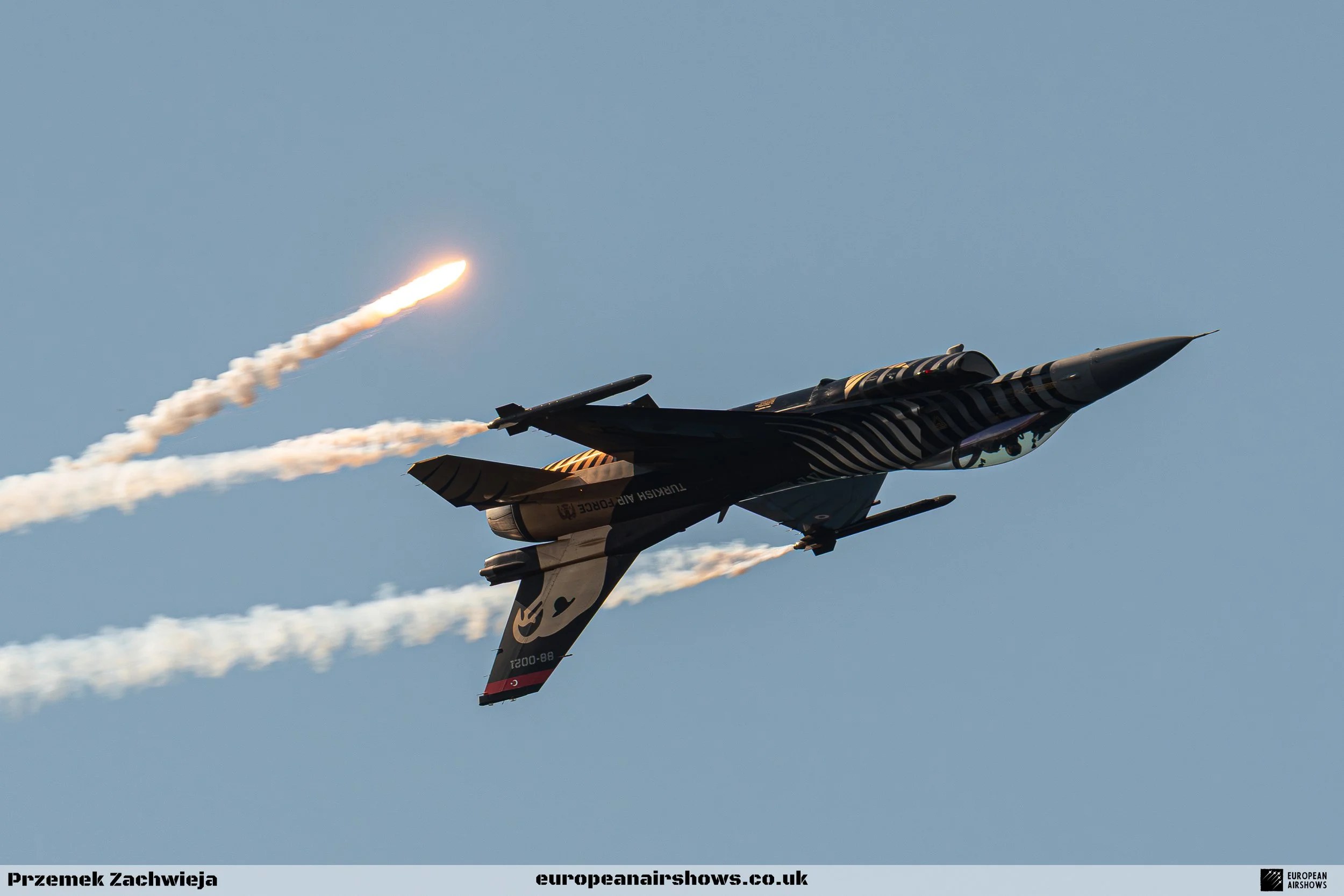
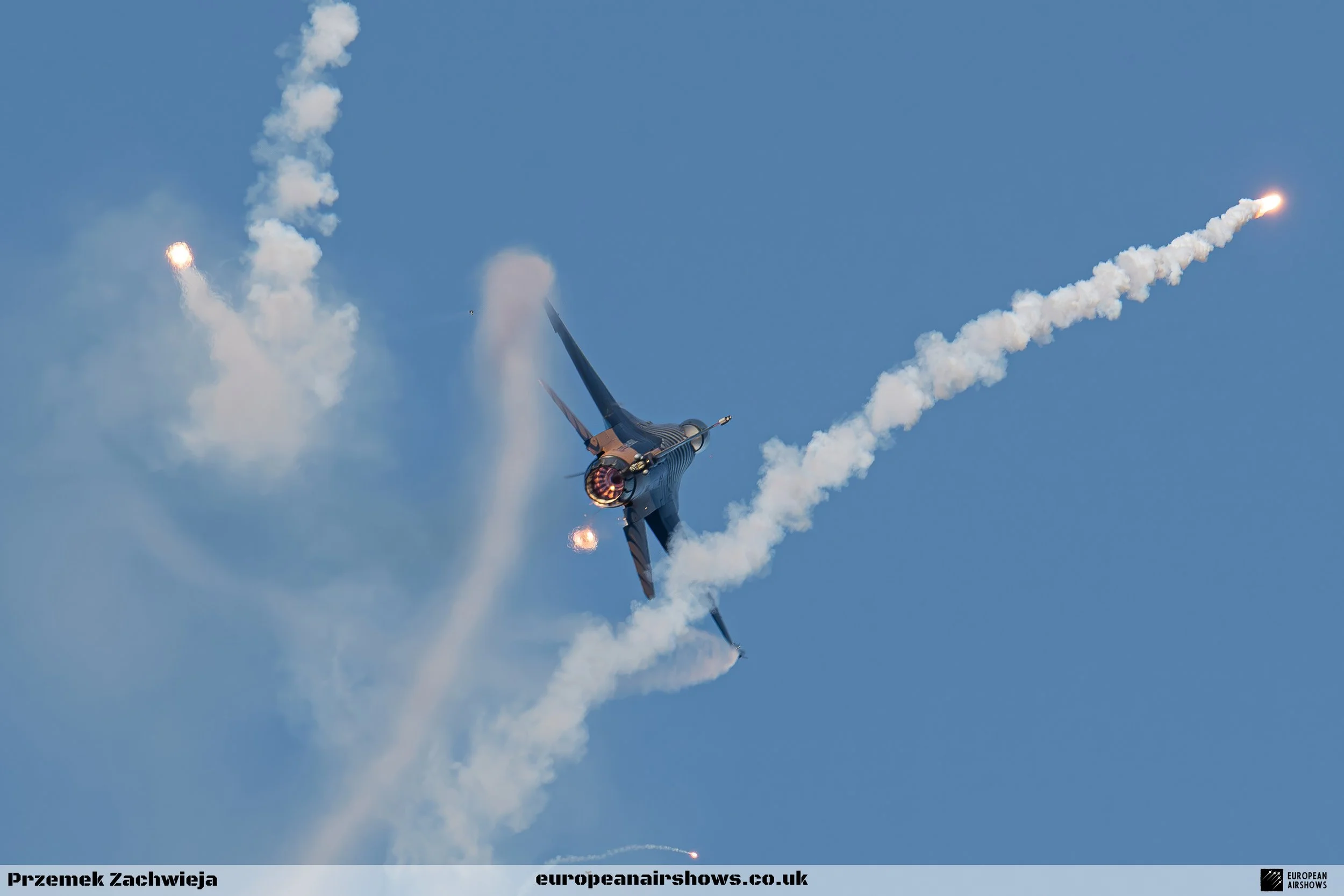
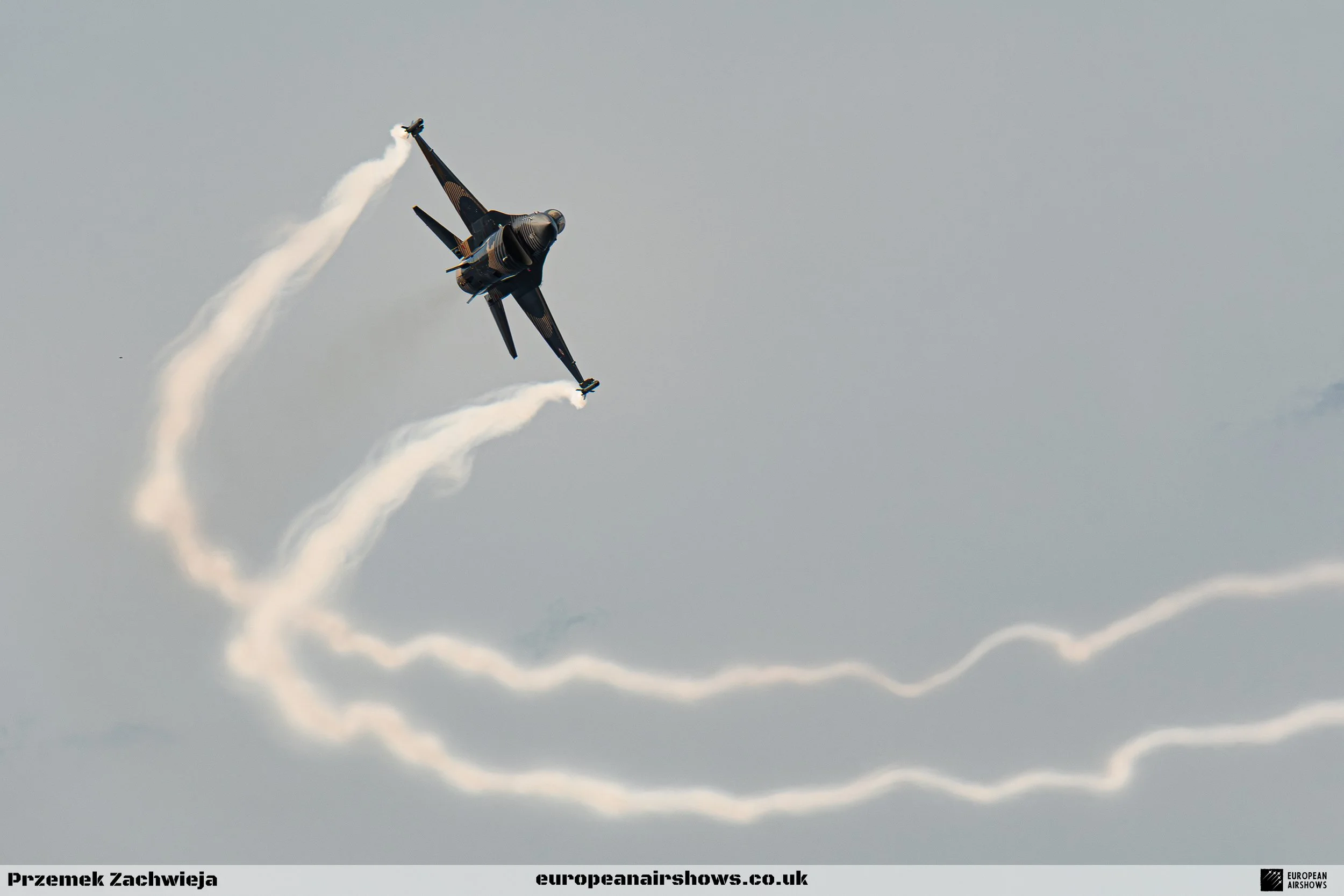
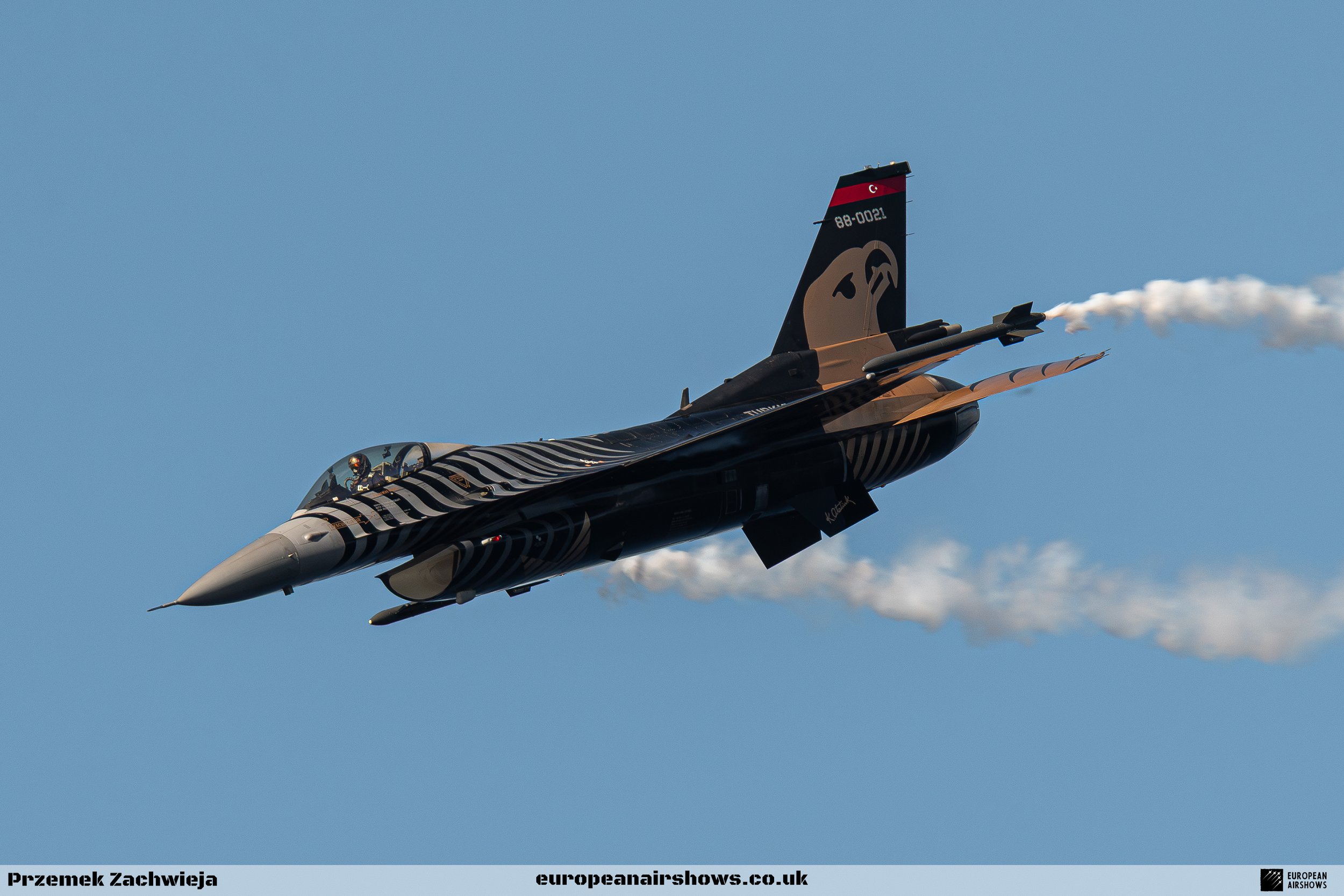
Sunday’s undisputed crowd-pleaser was SOLOTÜRK, the Turkish Air Force’s F-16C solo display team. Piloting the black-and-gold F-16C Block 30TM jet, the demonstration was a visceral assault on the senses, combining high-G turns, vertical climbs, and high-speed passes with liberal use of flares. Signature manoeuvres such as the "SoloTürk Roll" and the dramatic "Rudder Kick" elicited gasps along the seafront promenade. The combination of energetic commentary and the sheer raw power of the F-16C ensured this was a standout performance.
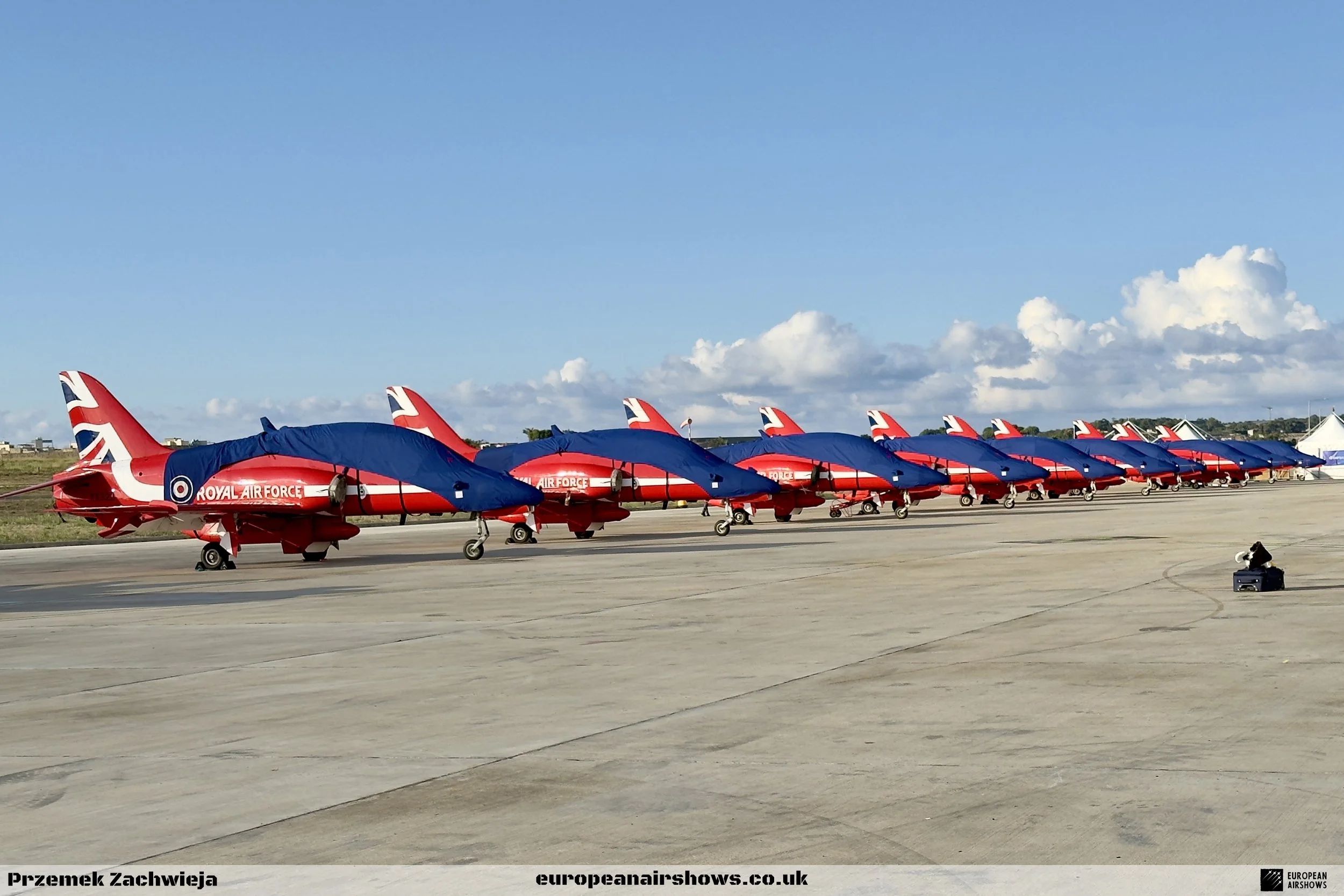
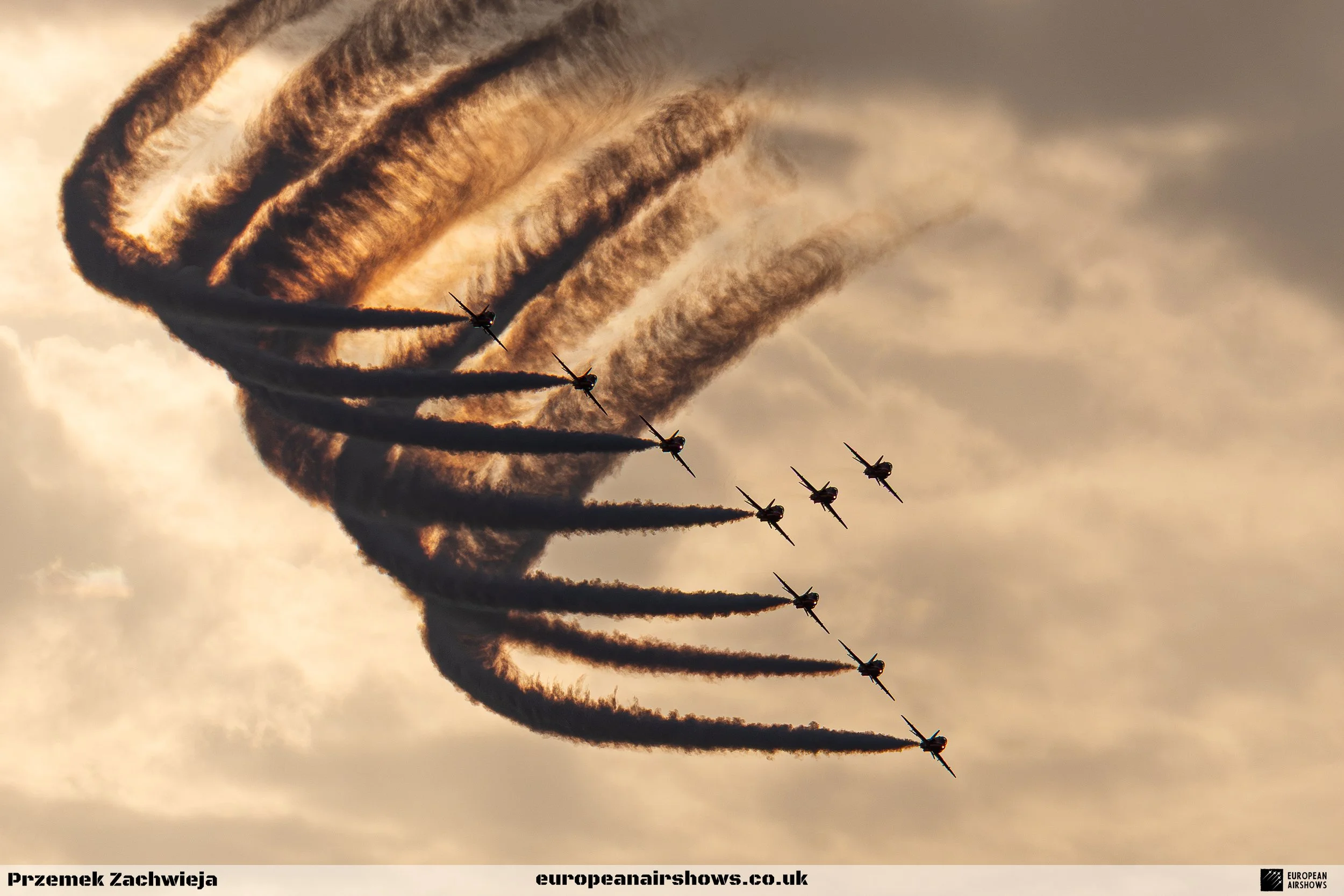
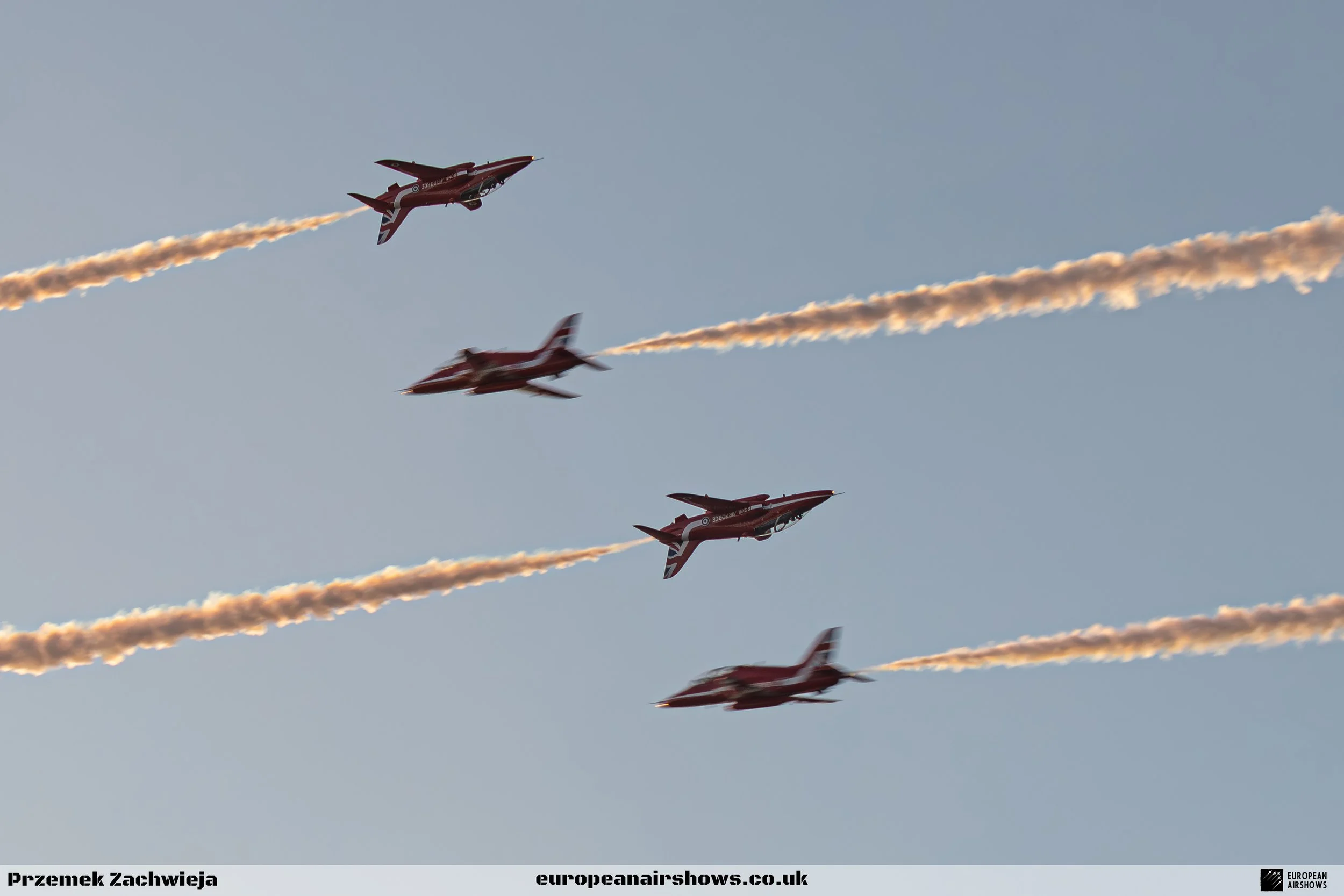
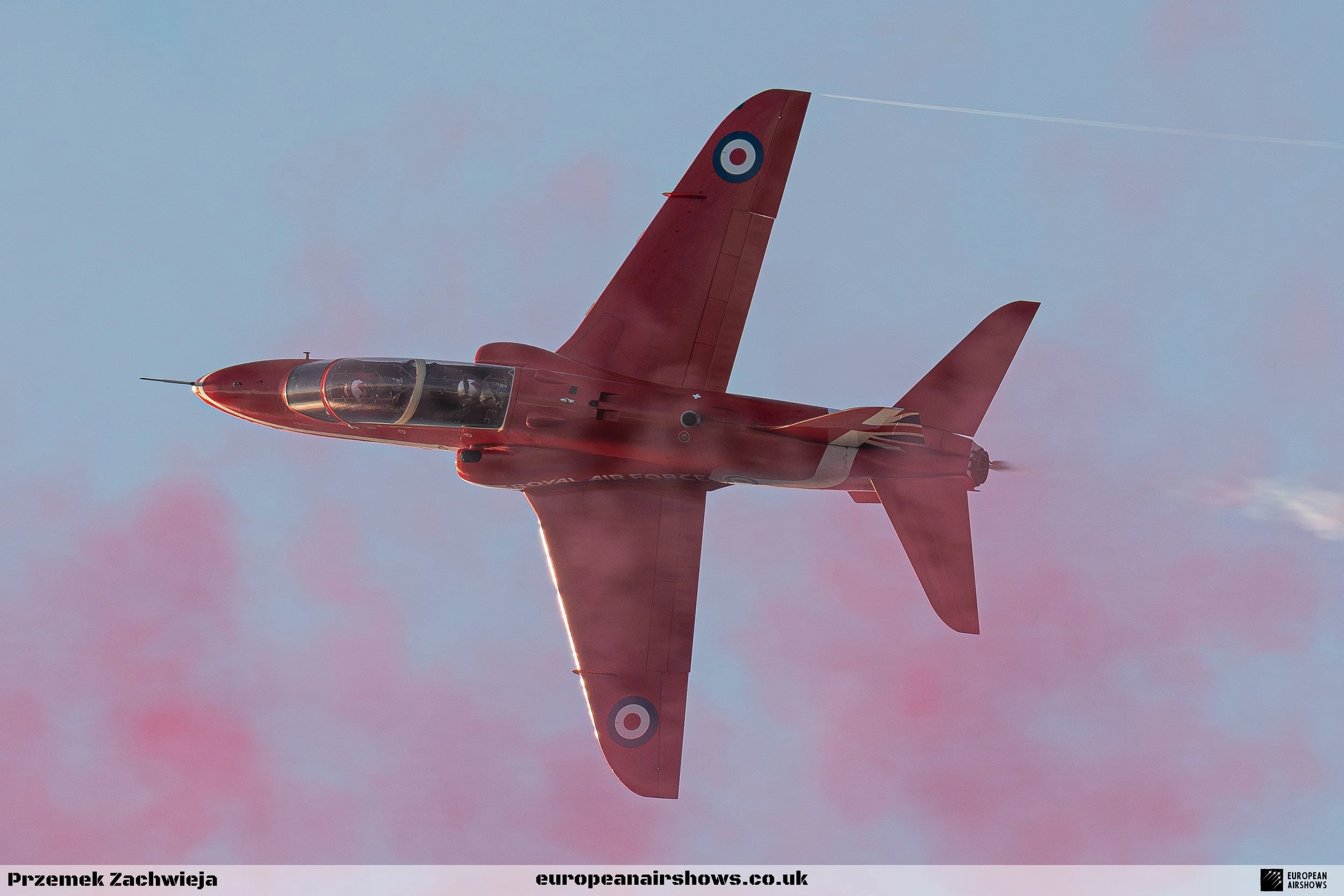
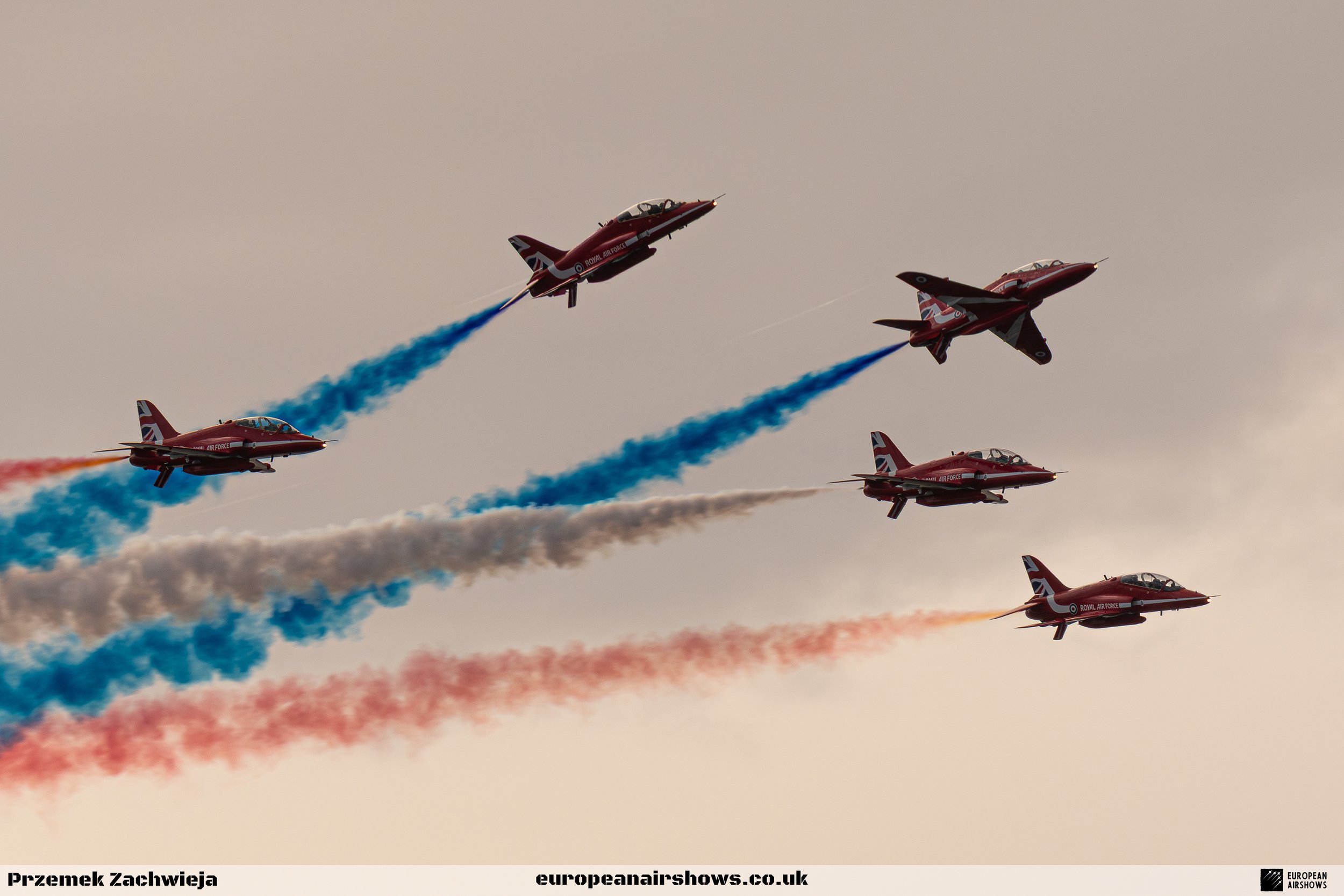
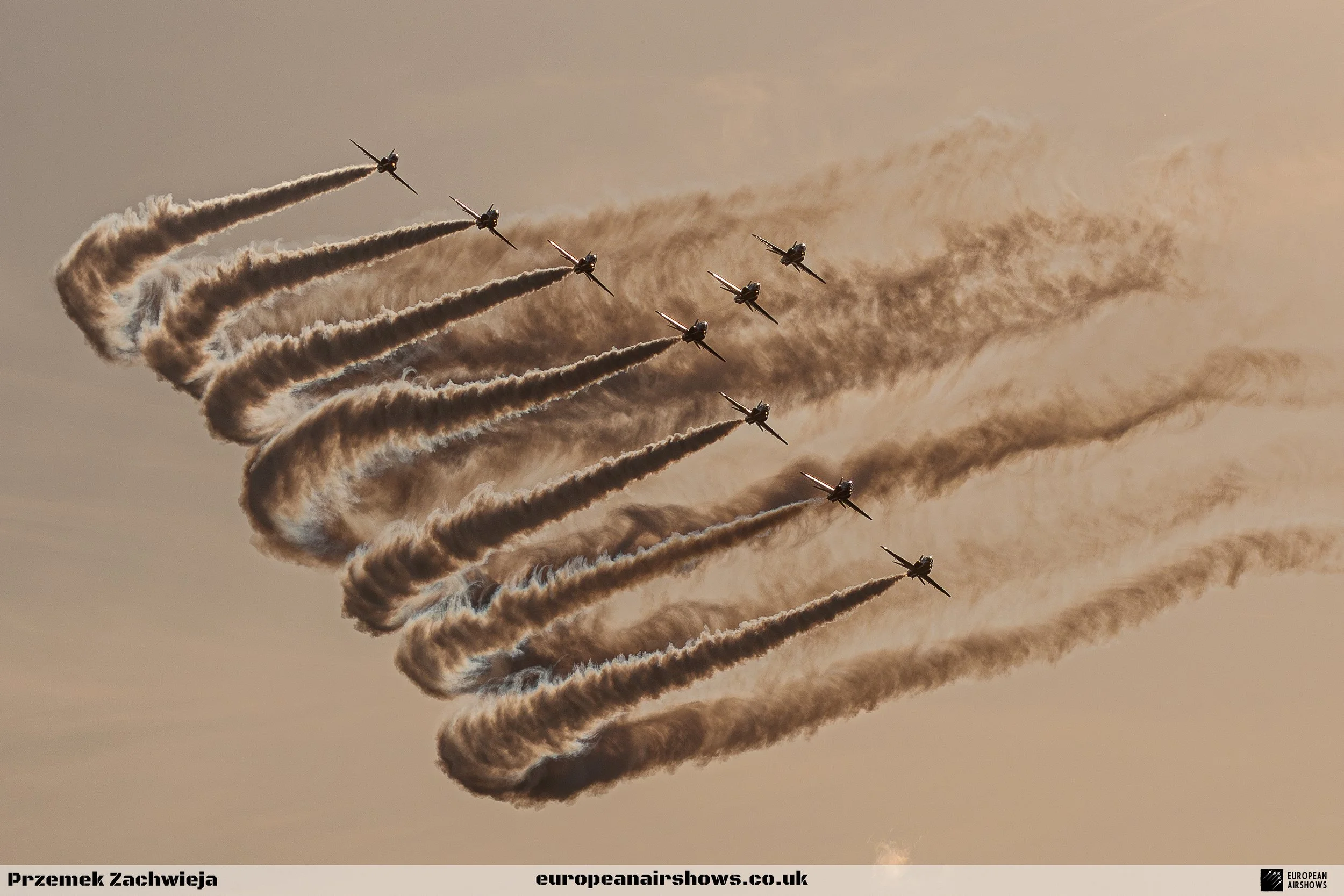
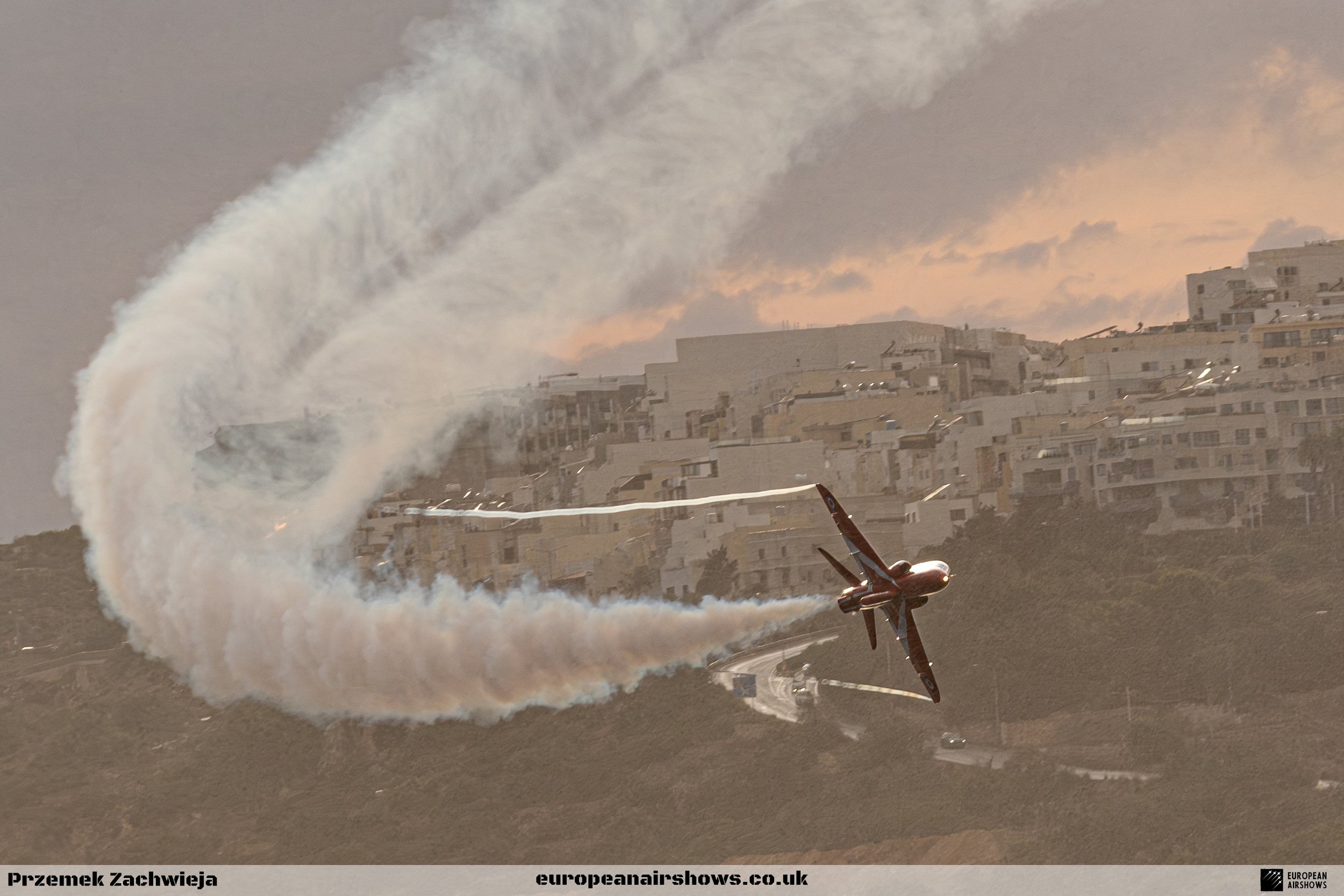
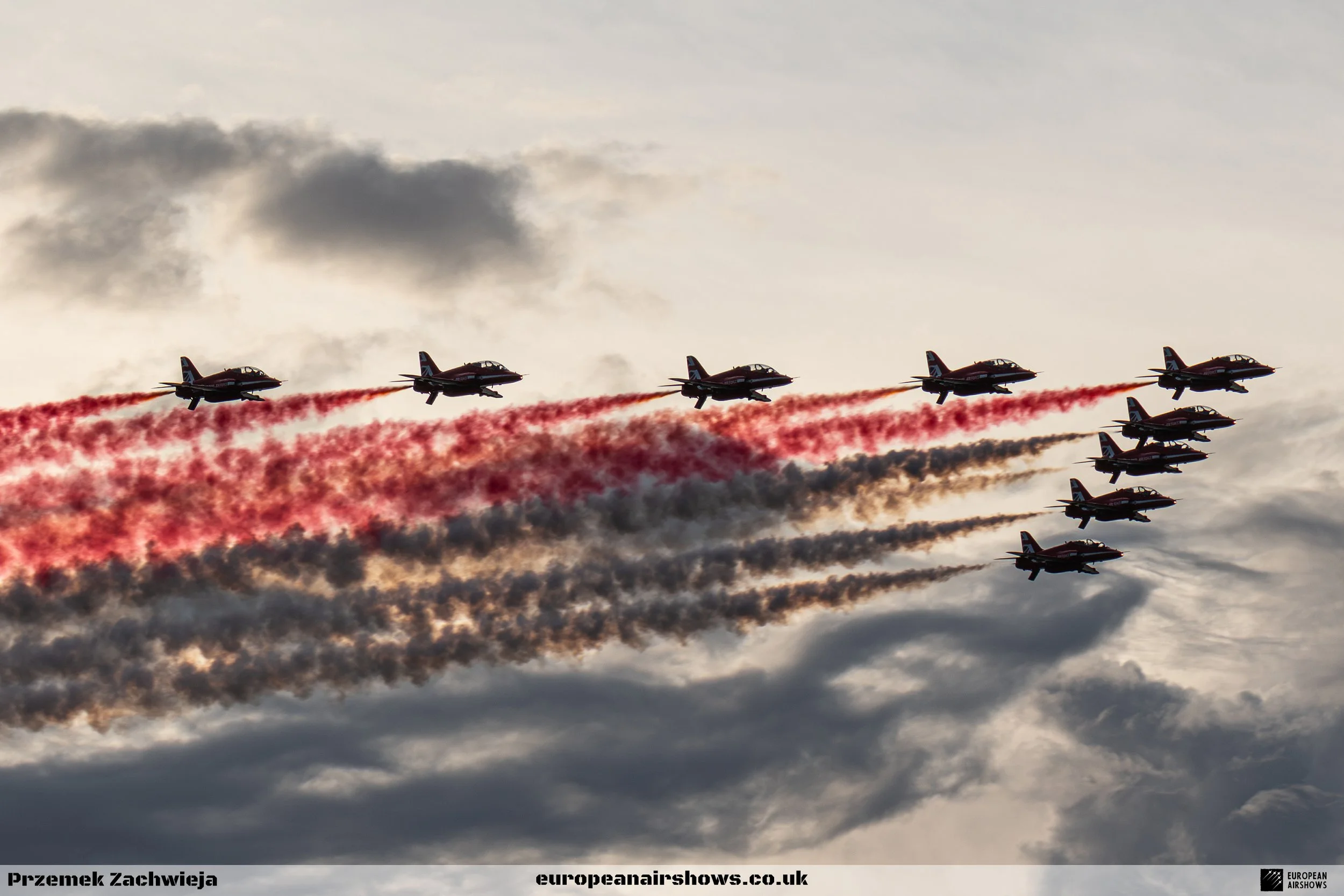
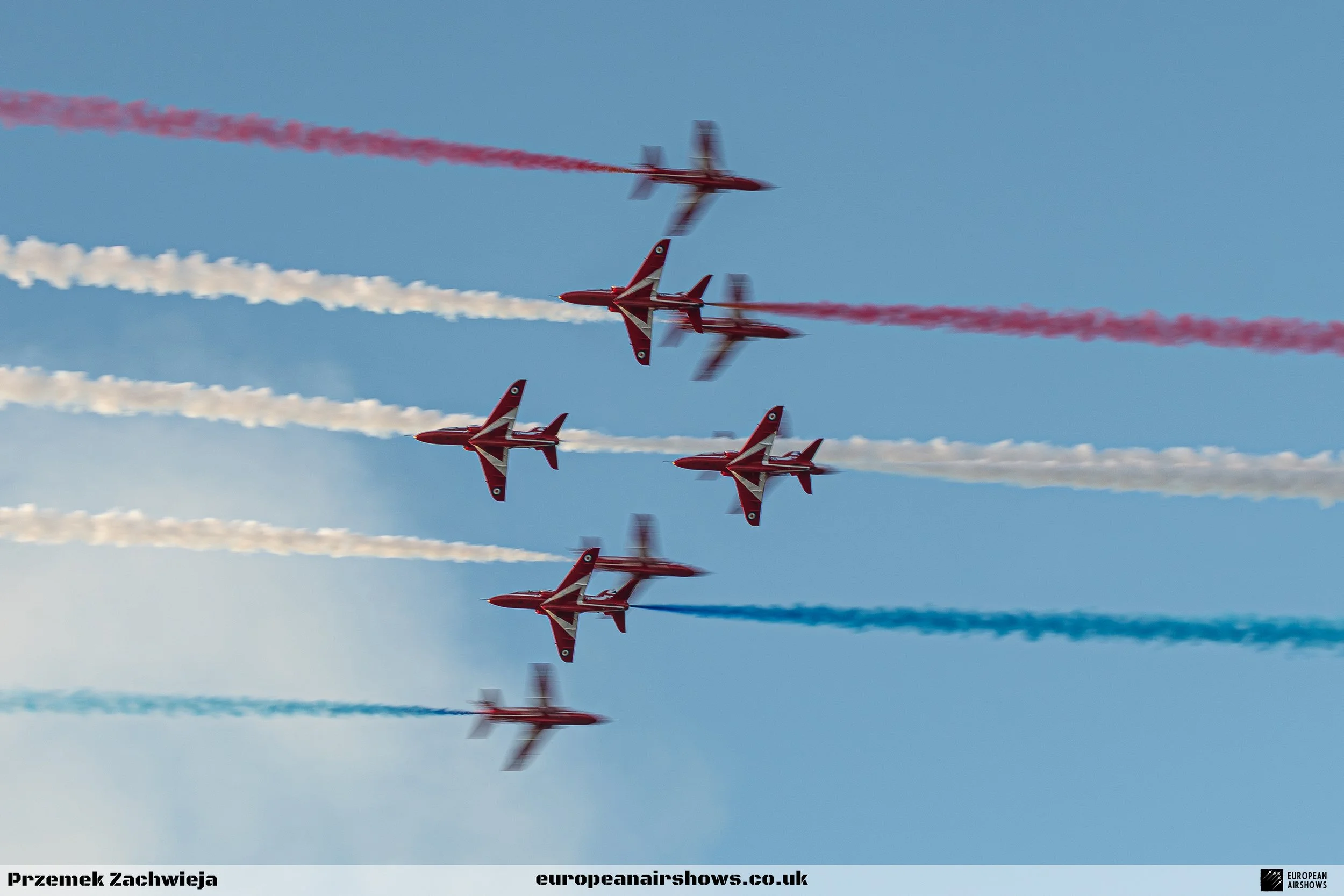
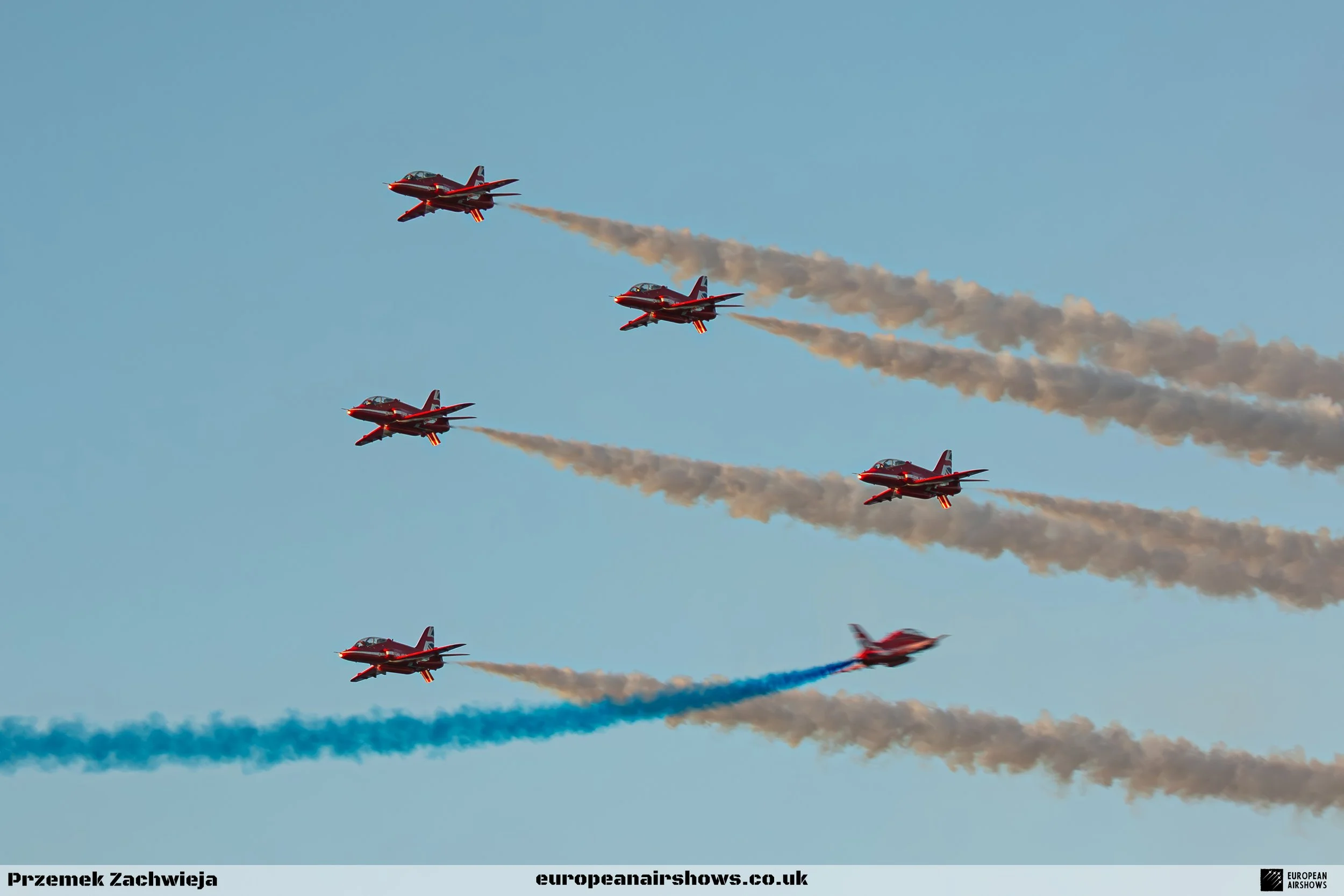
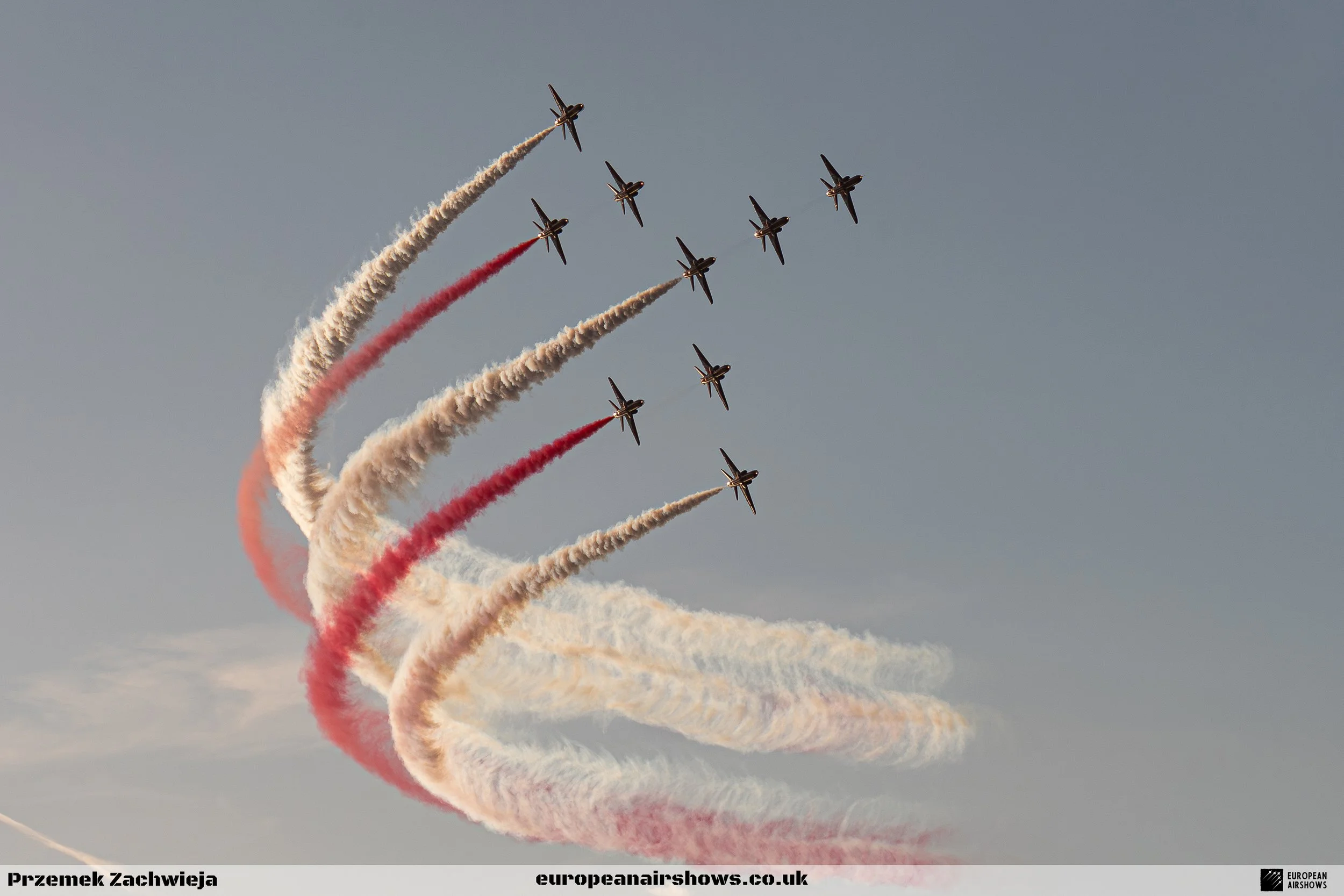
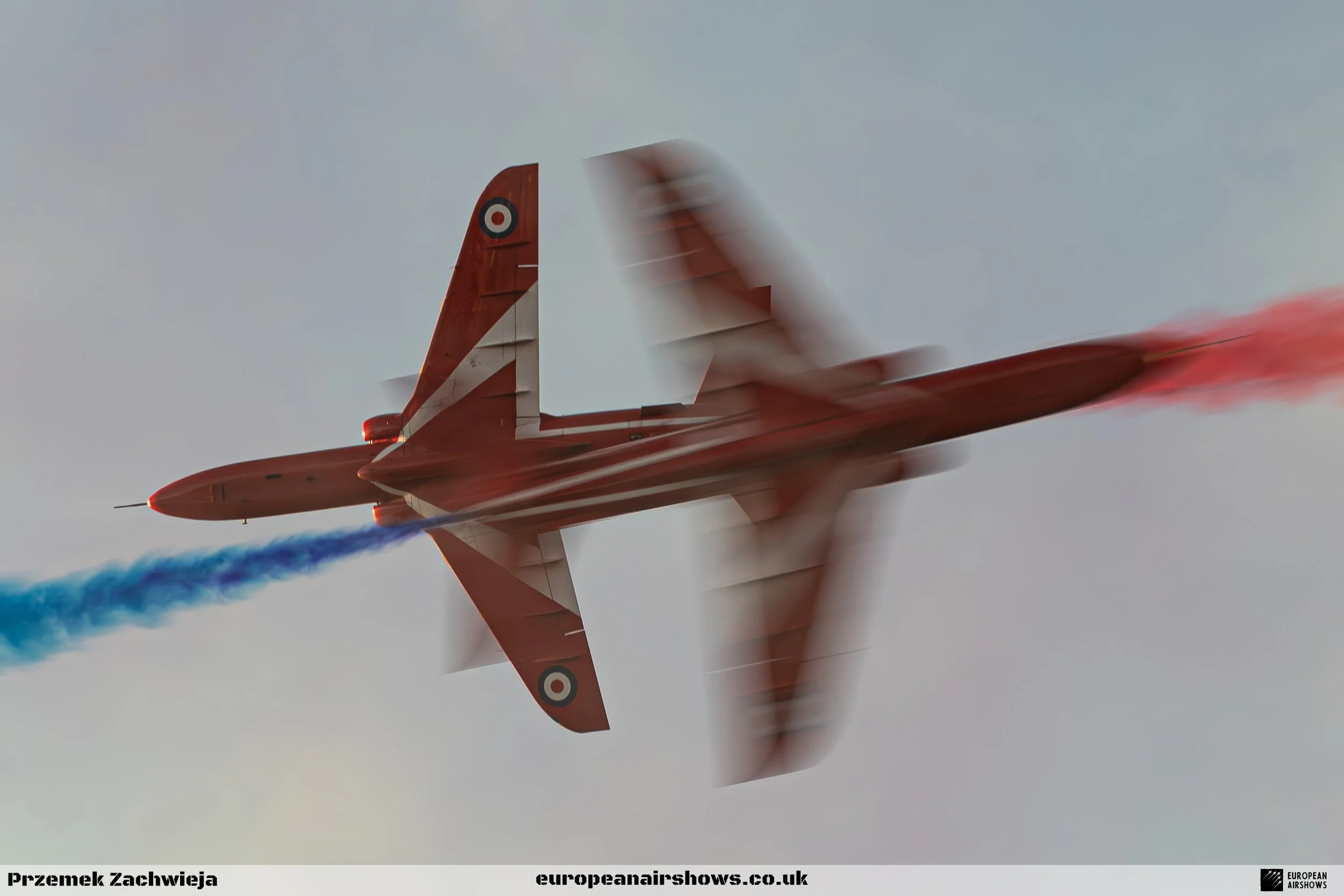
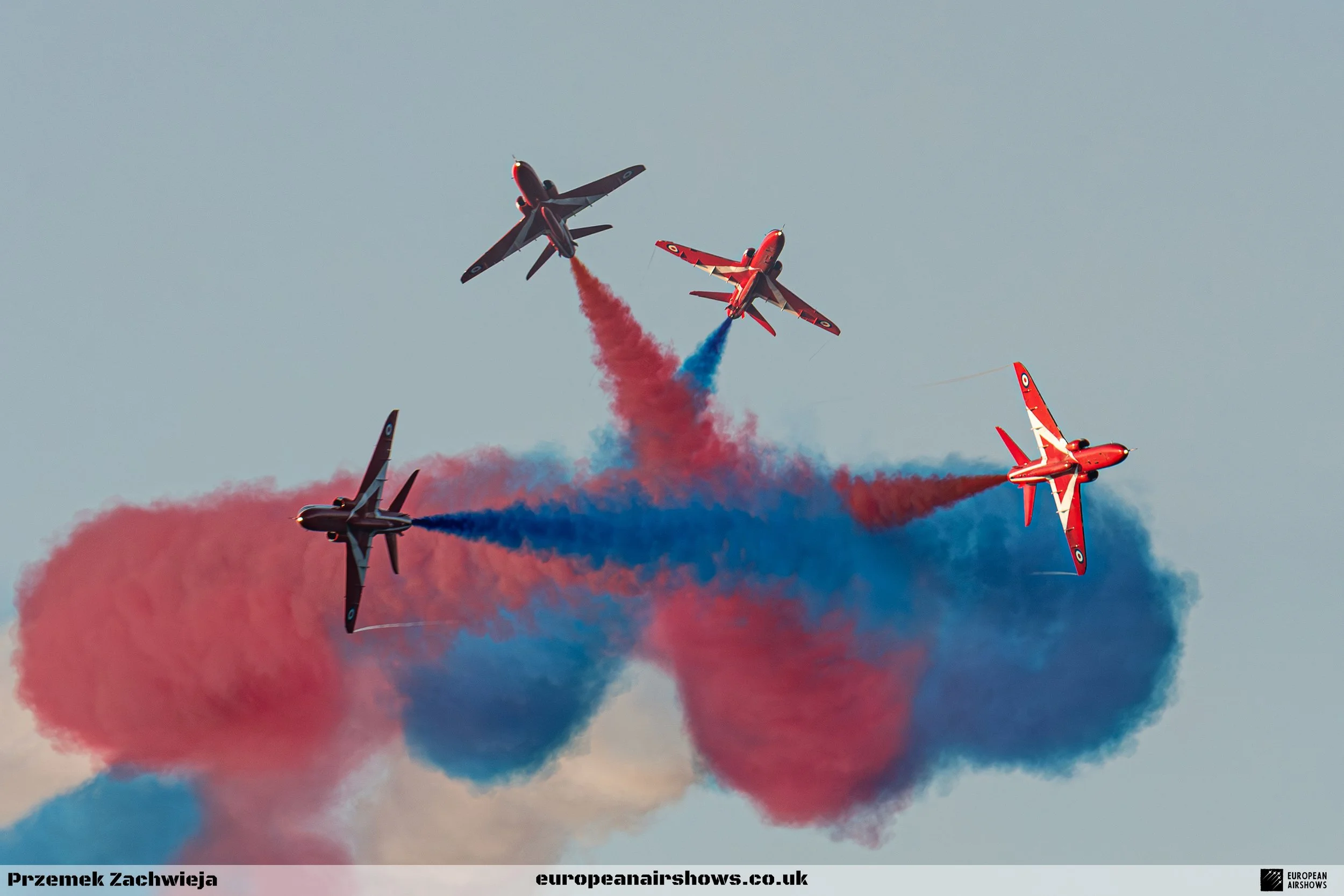
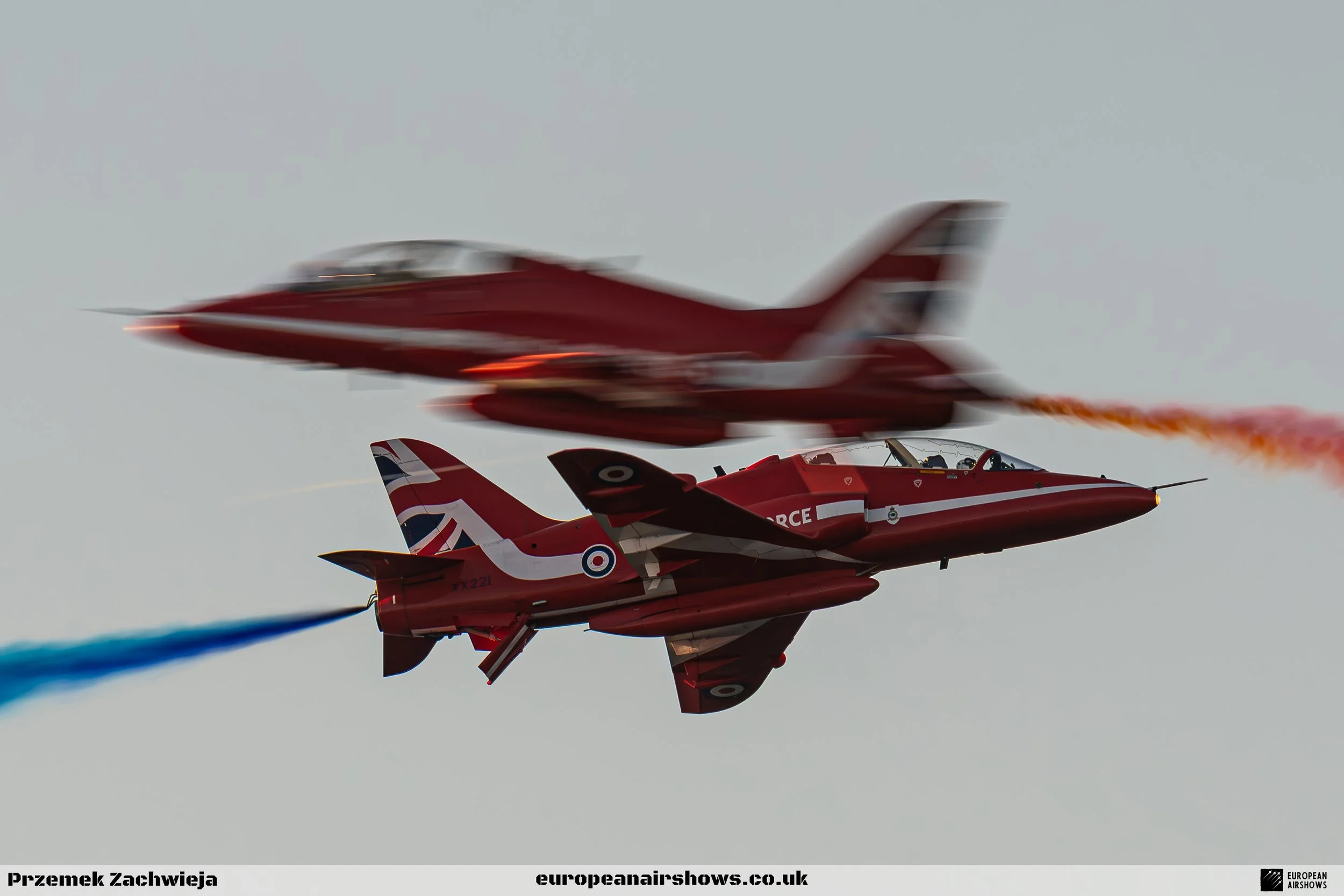
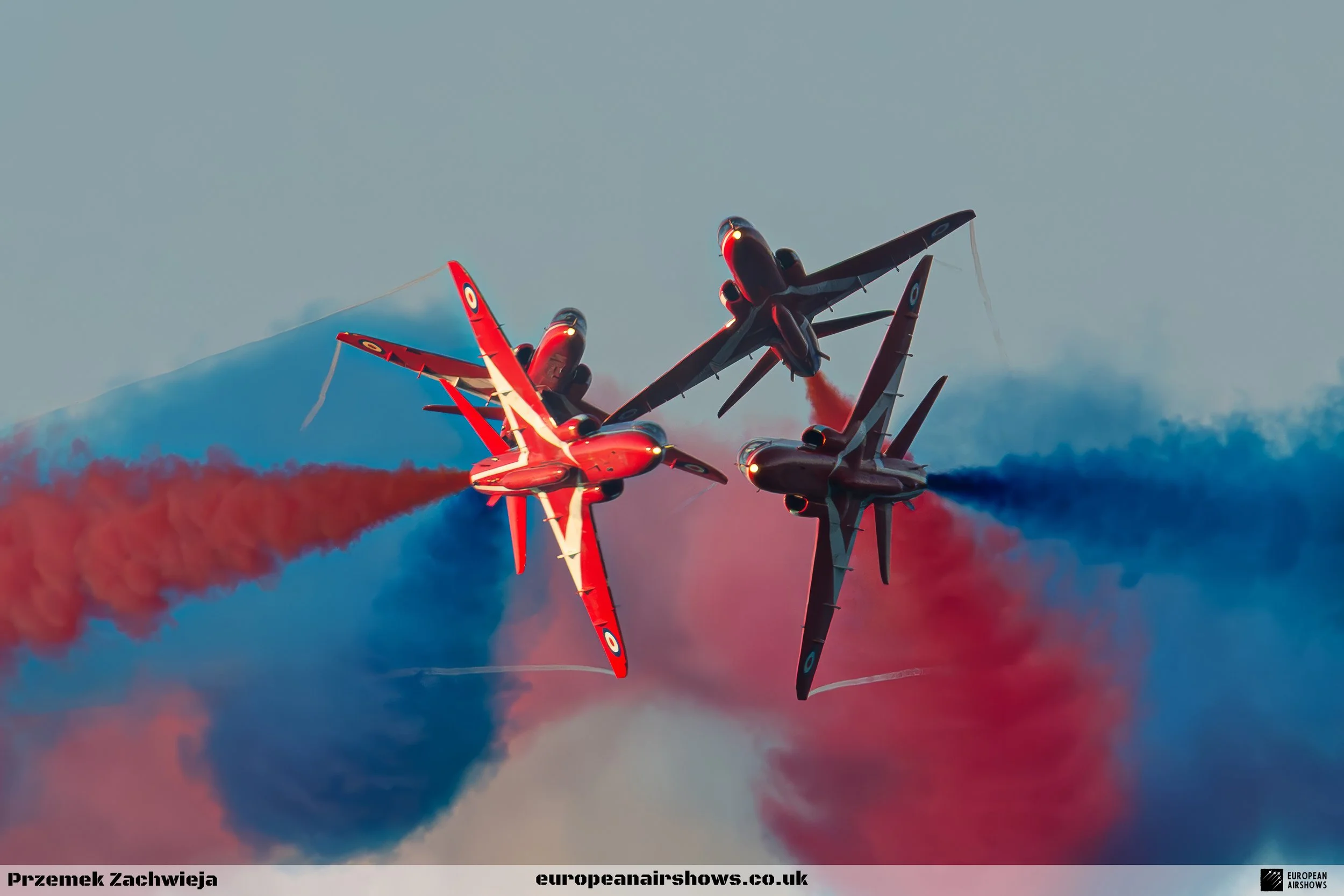
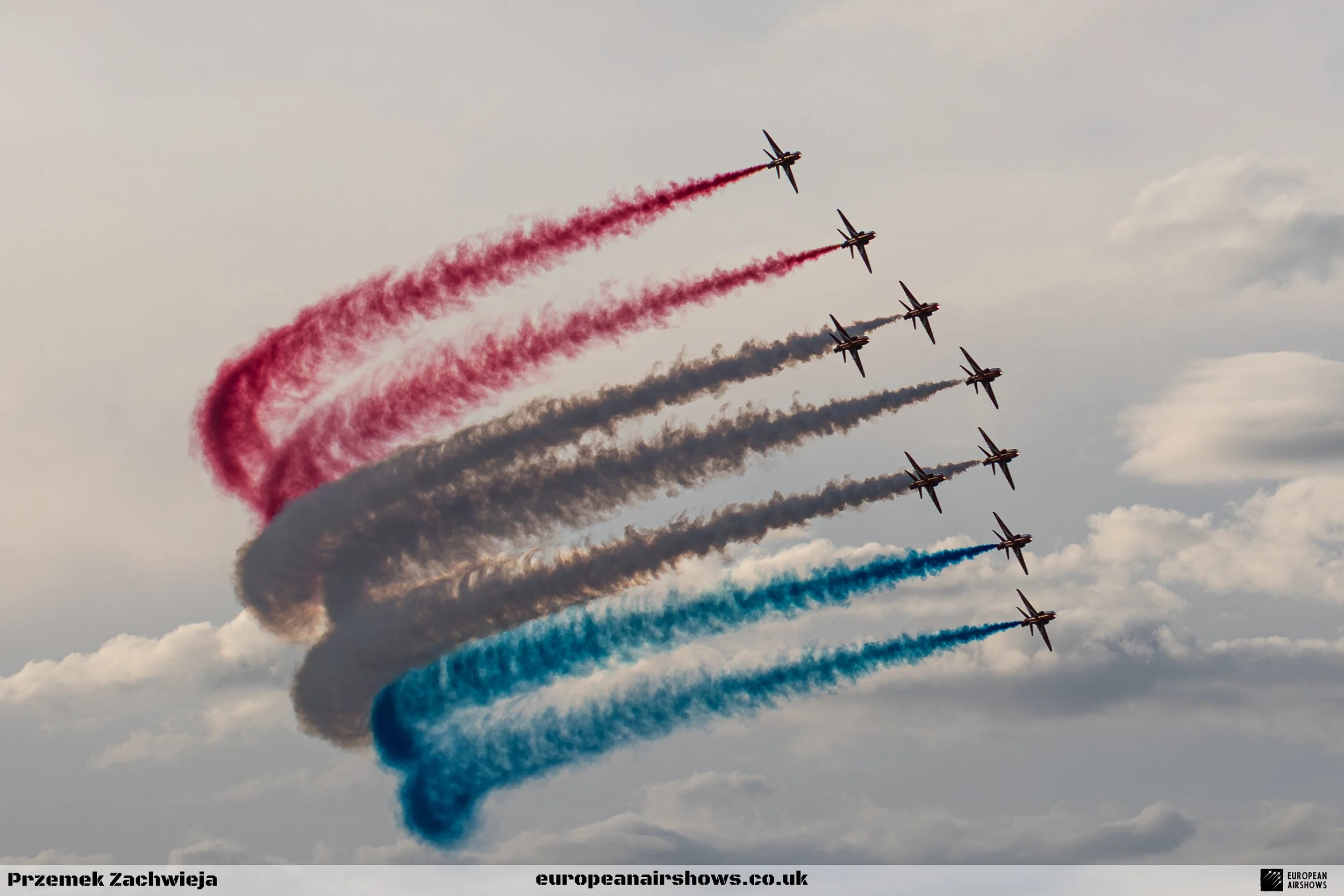
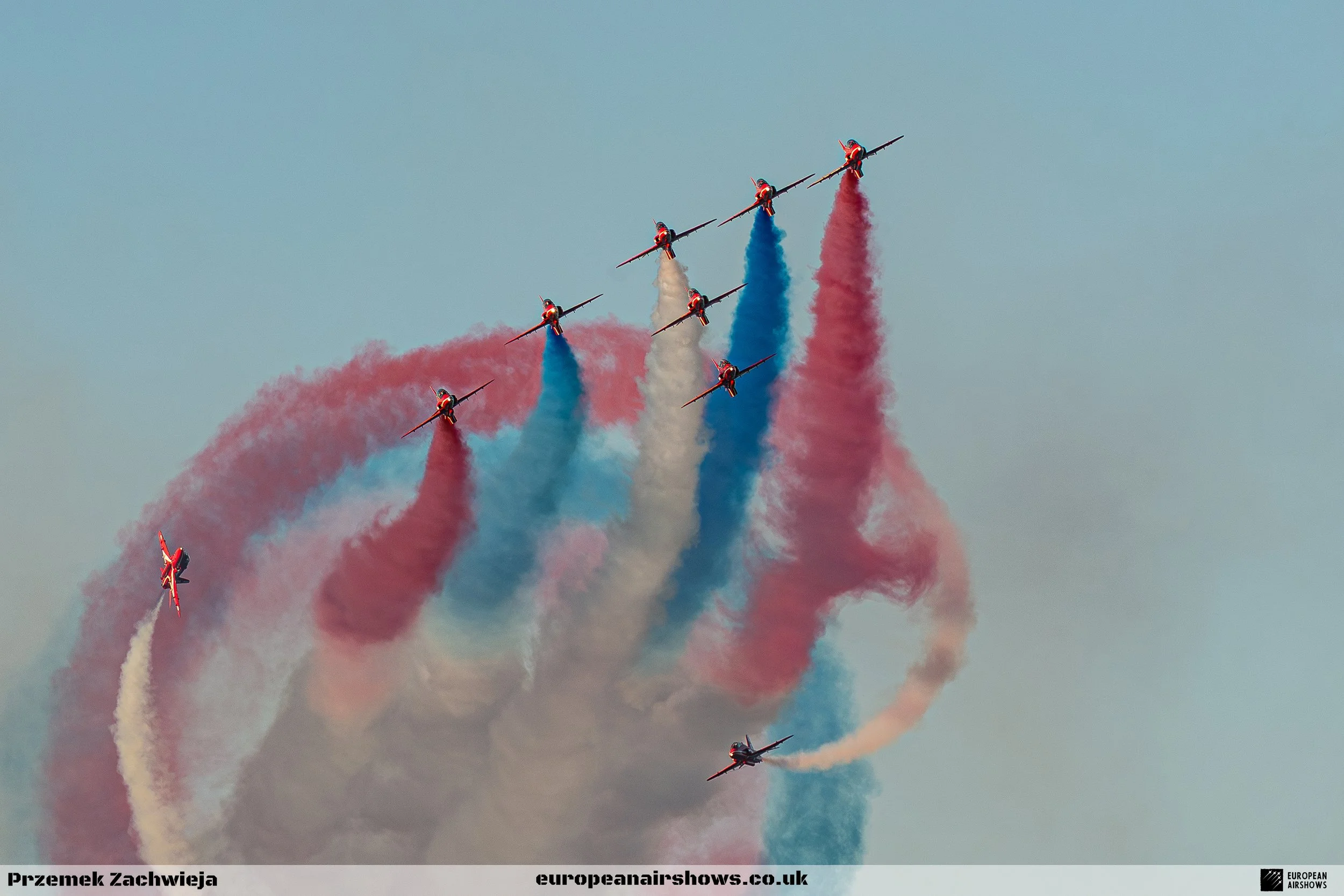
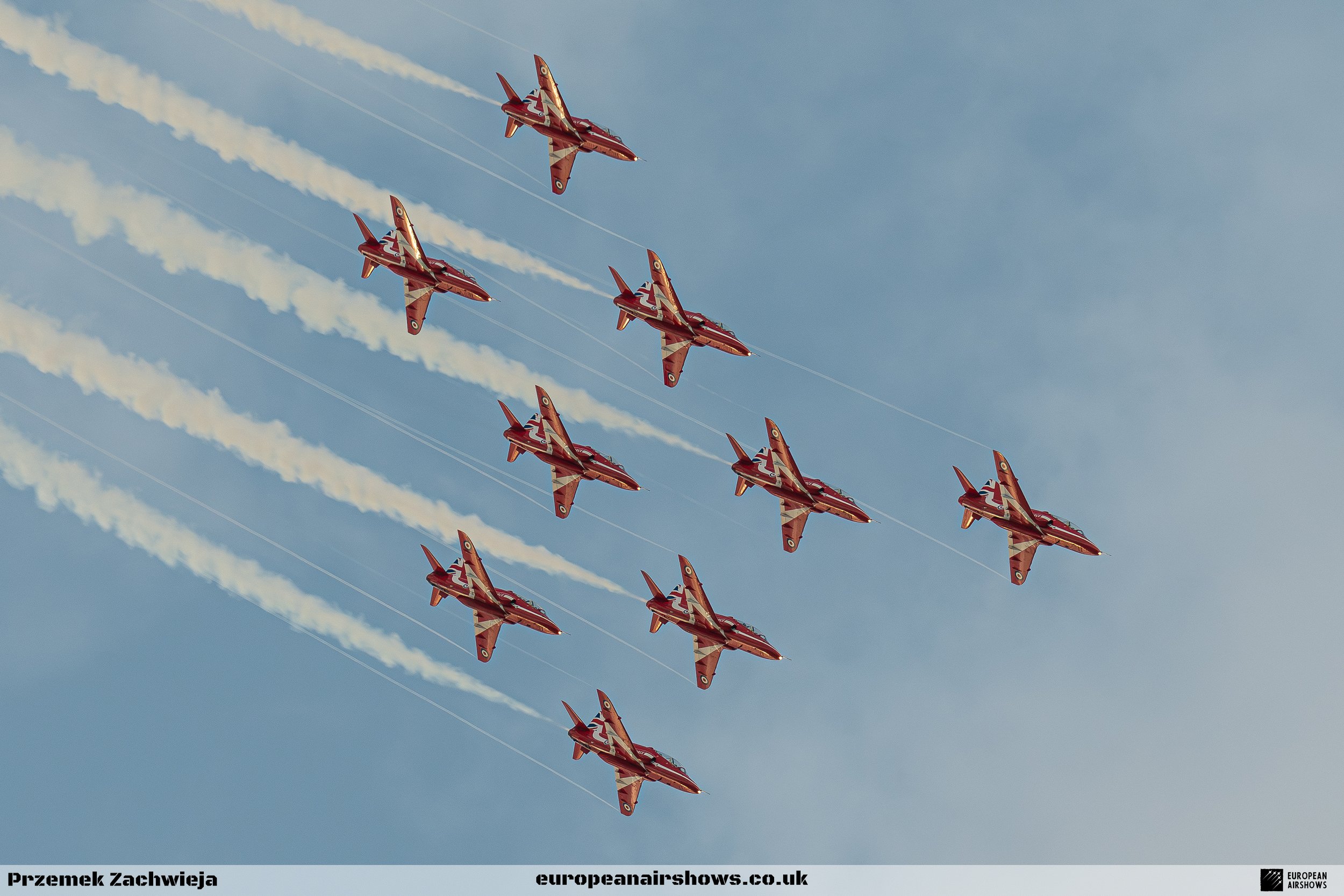
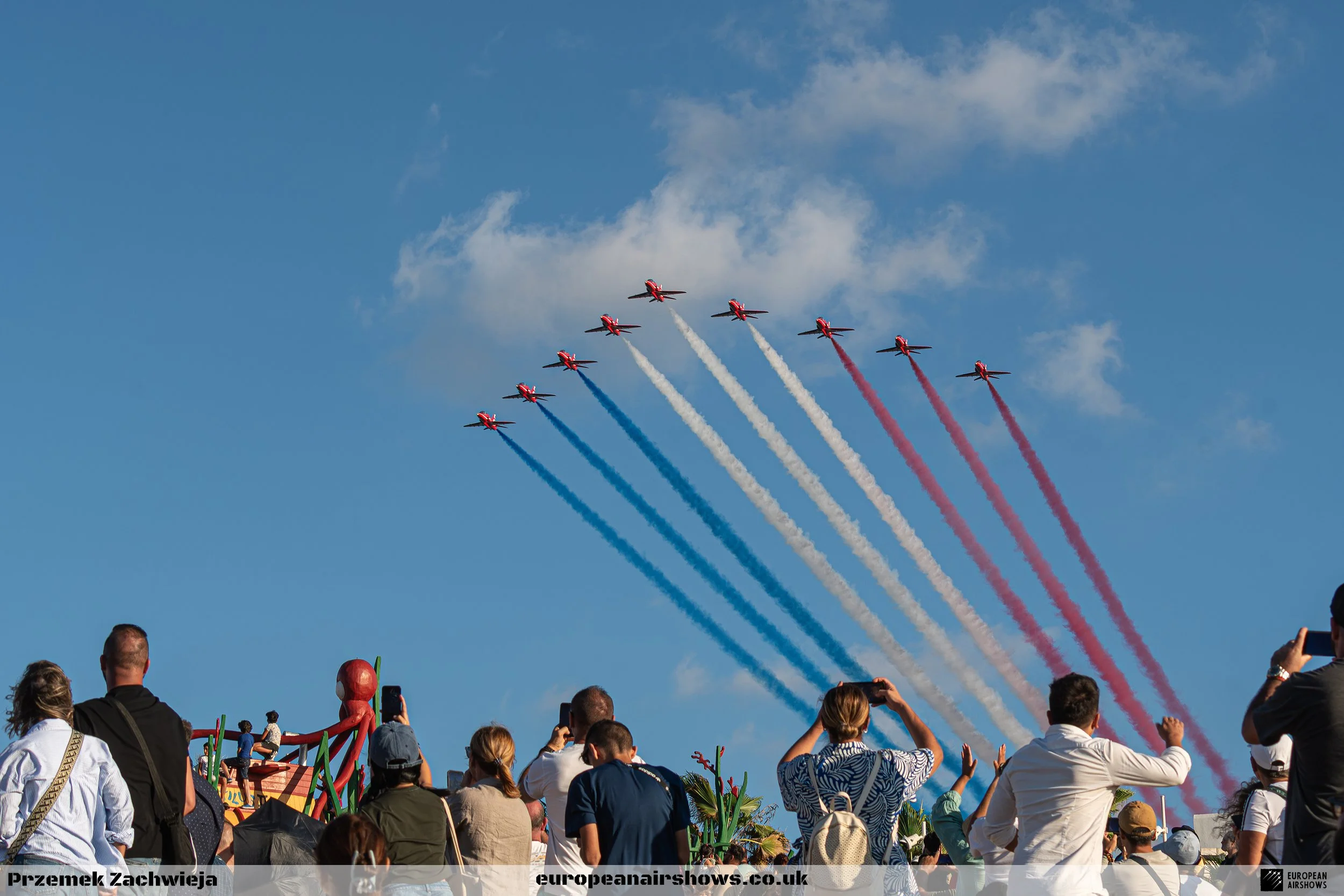
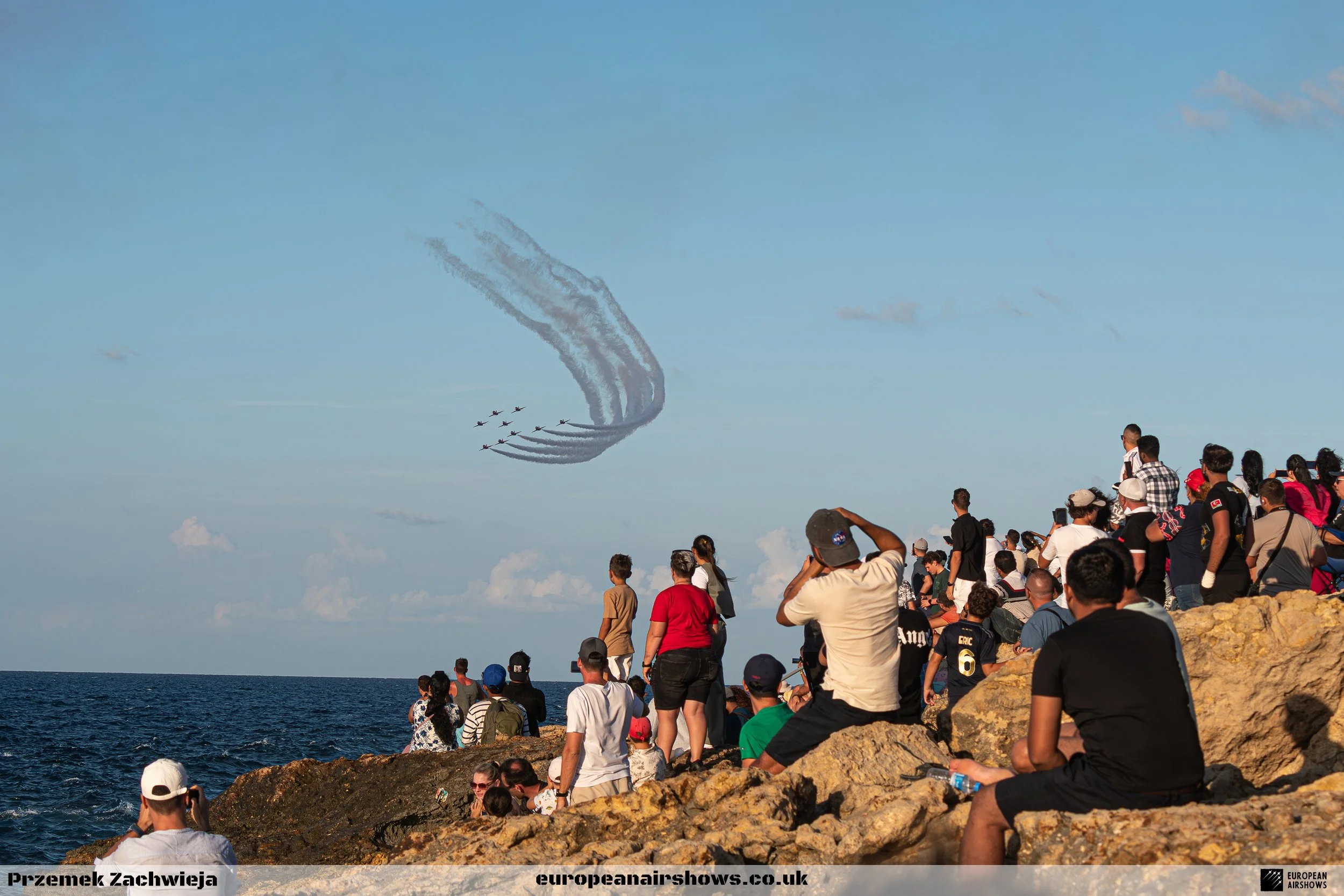
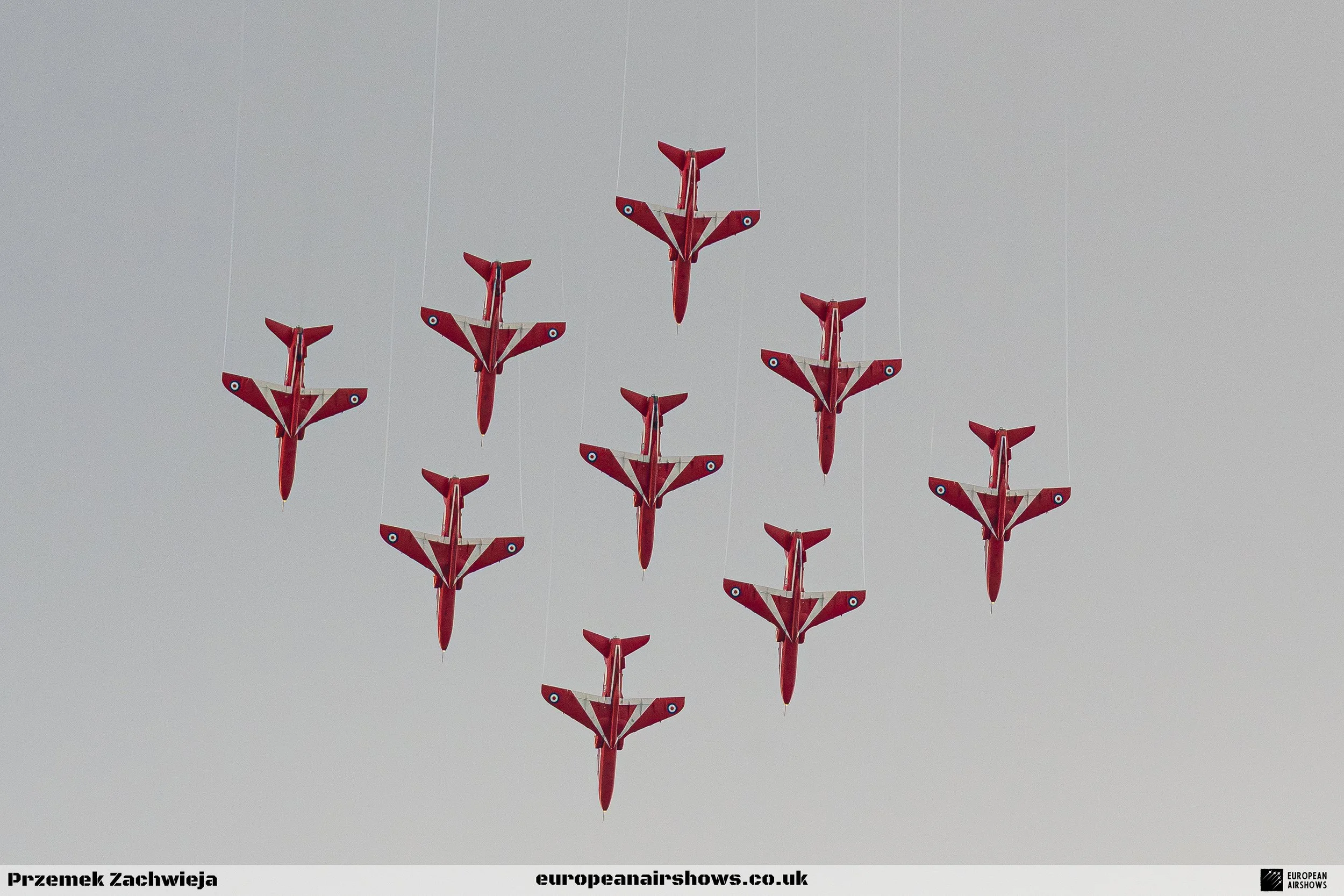
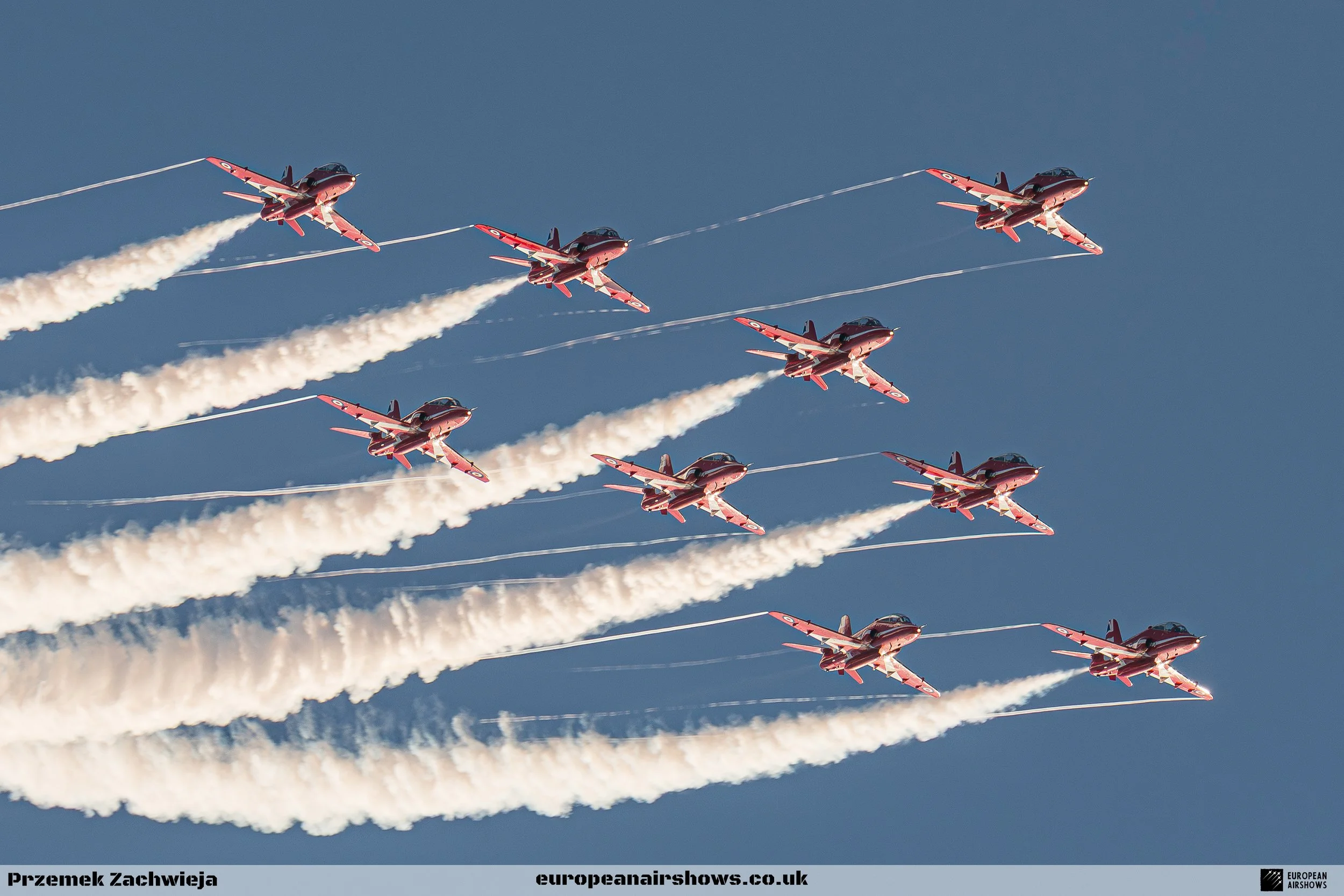
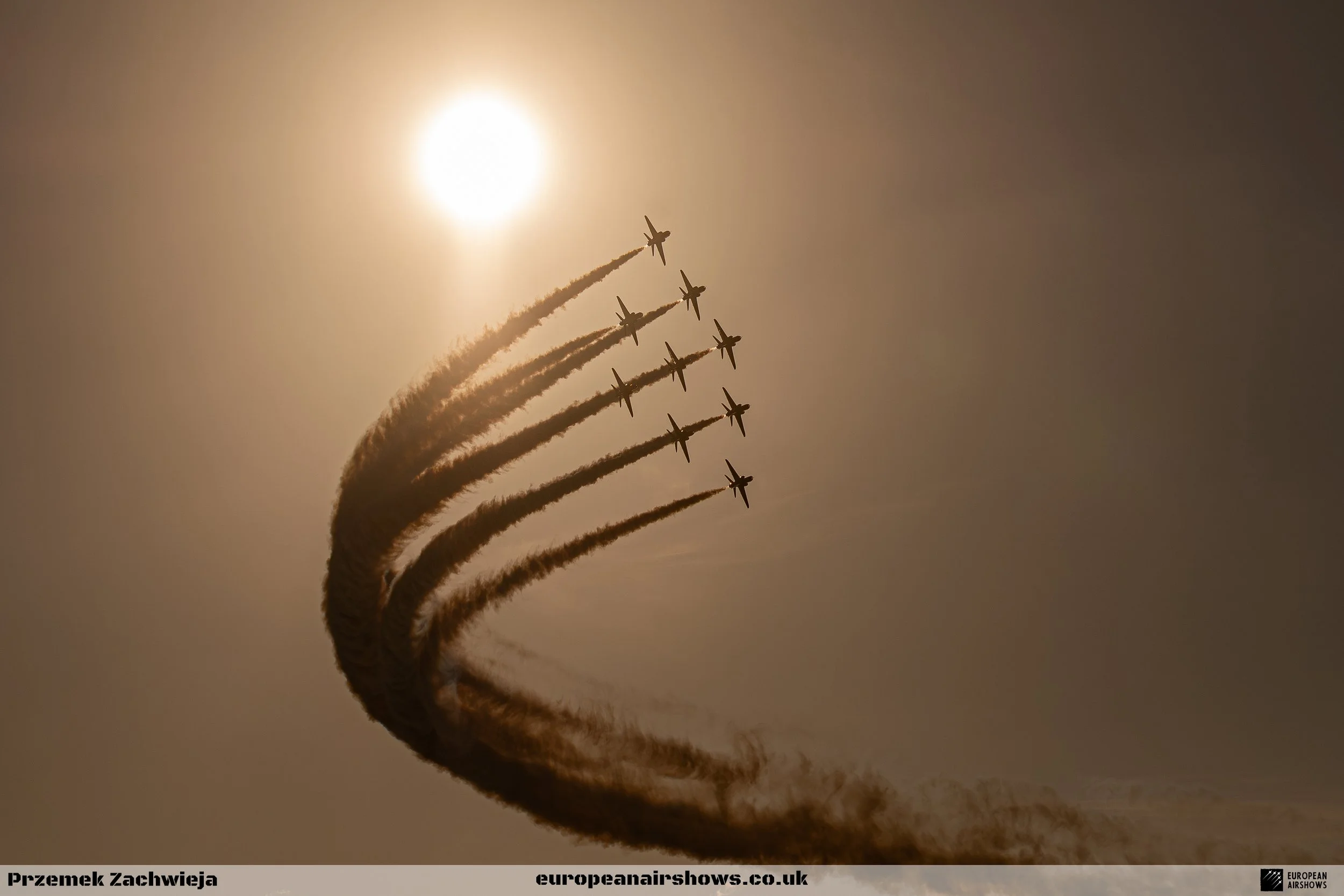
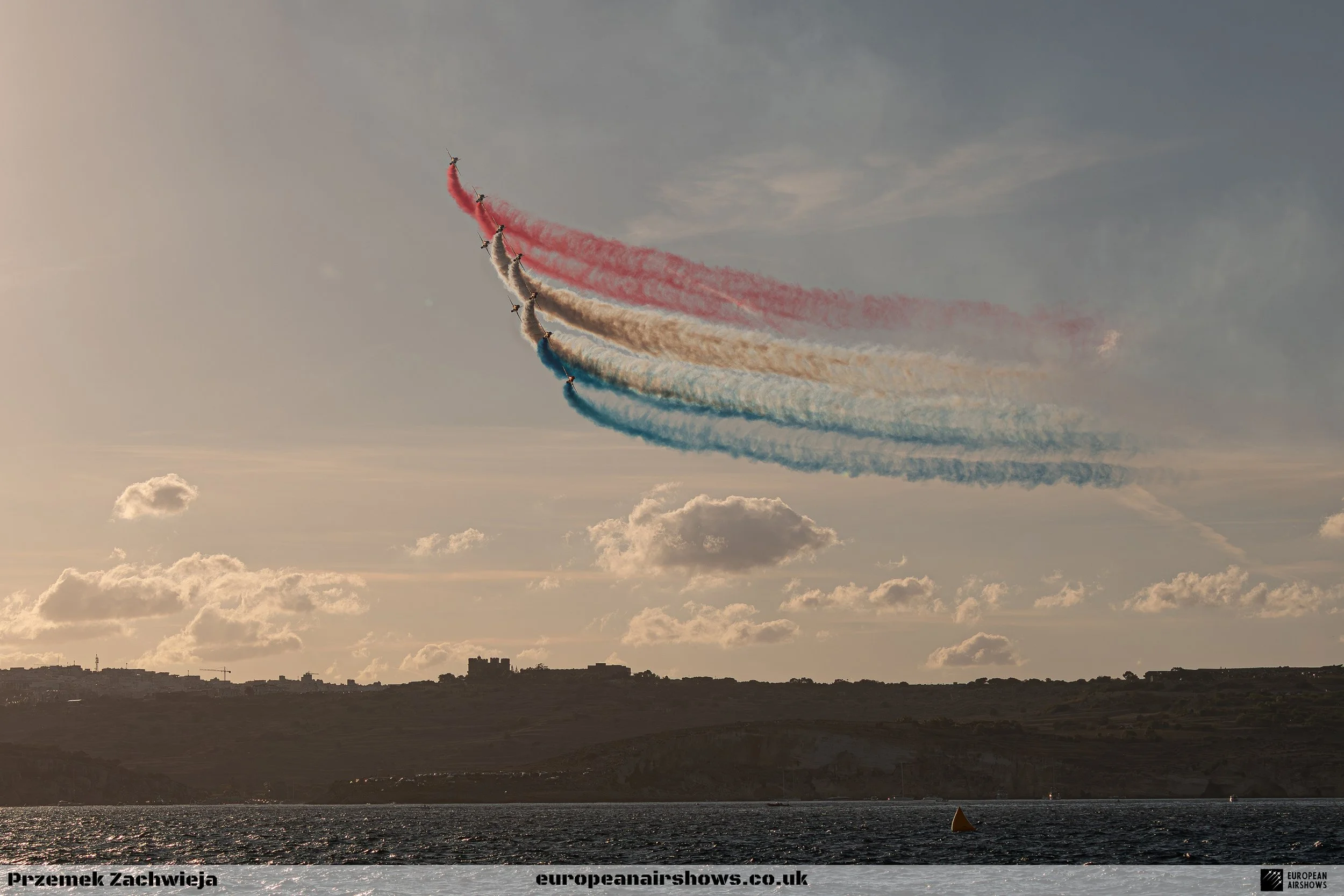
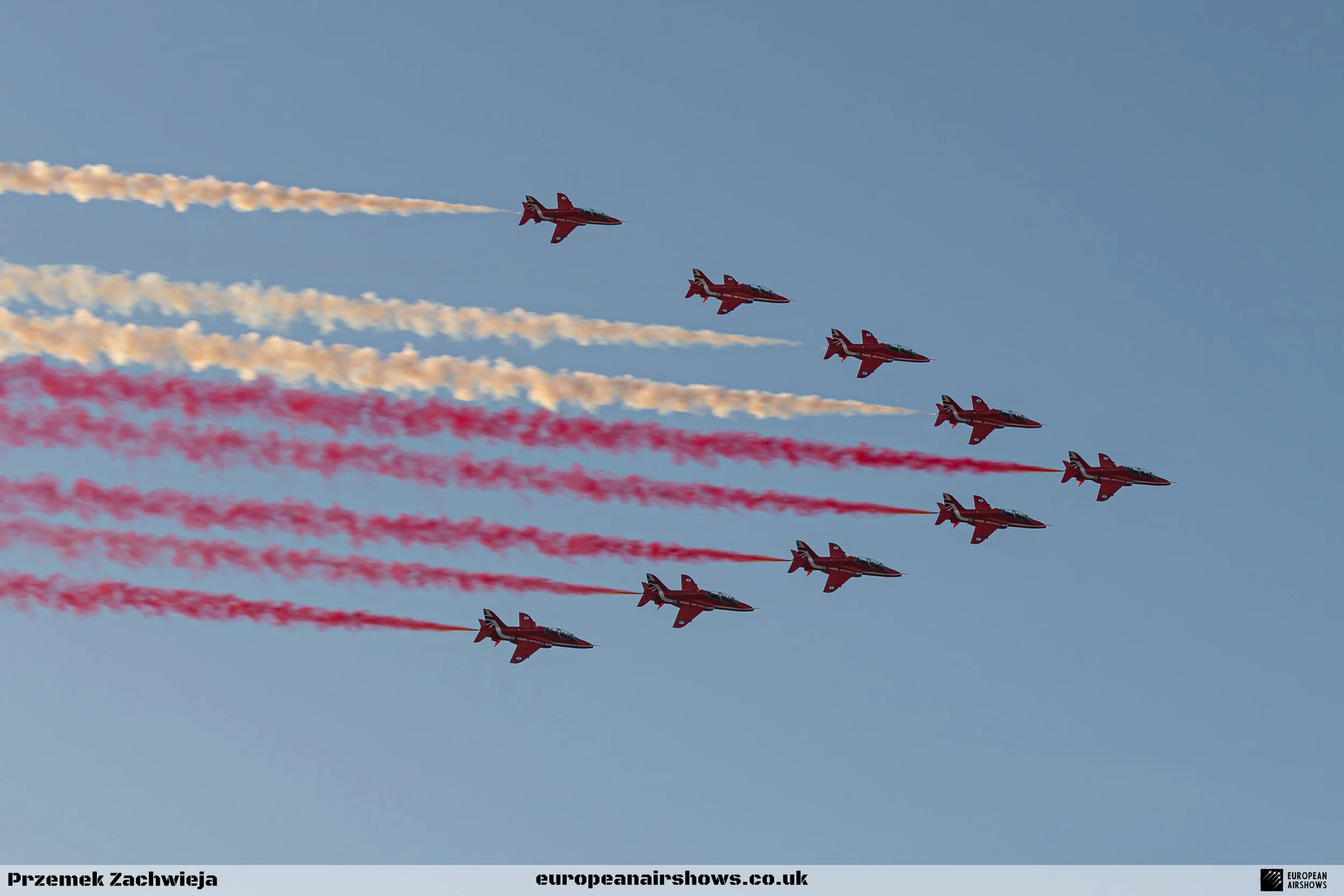
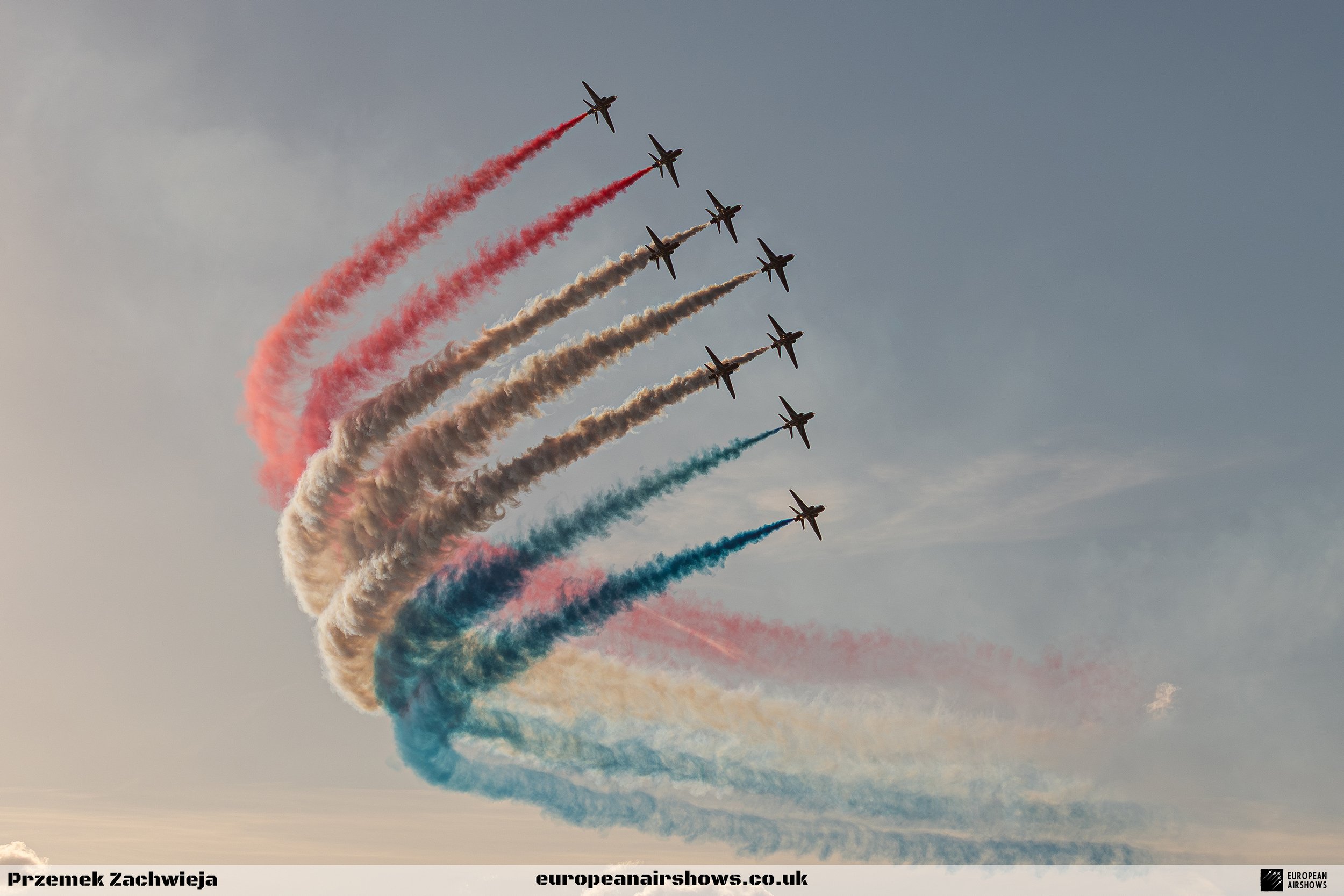
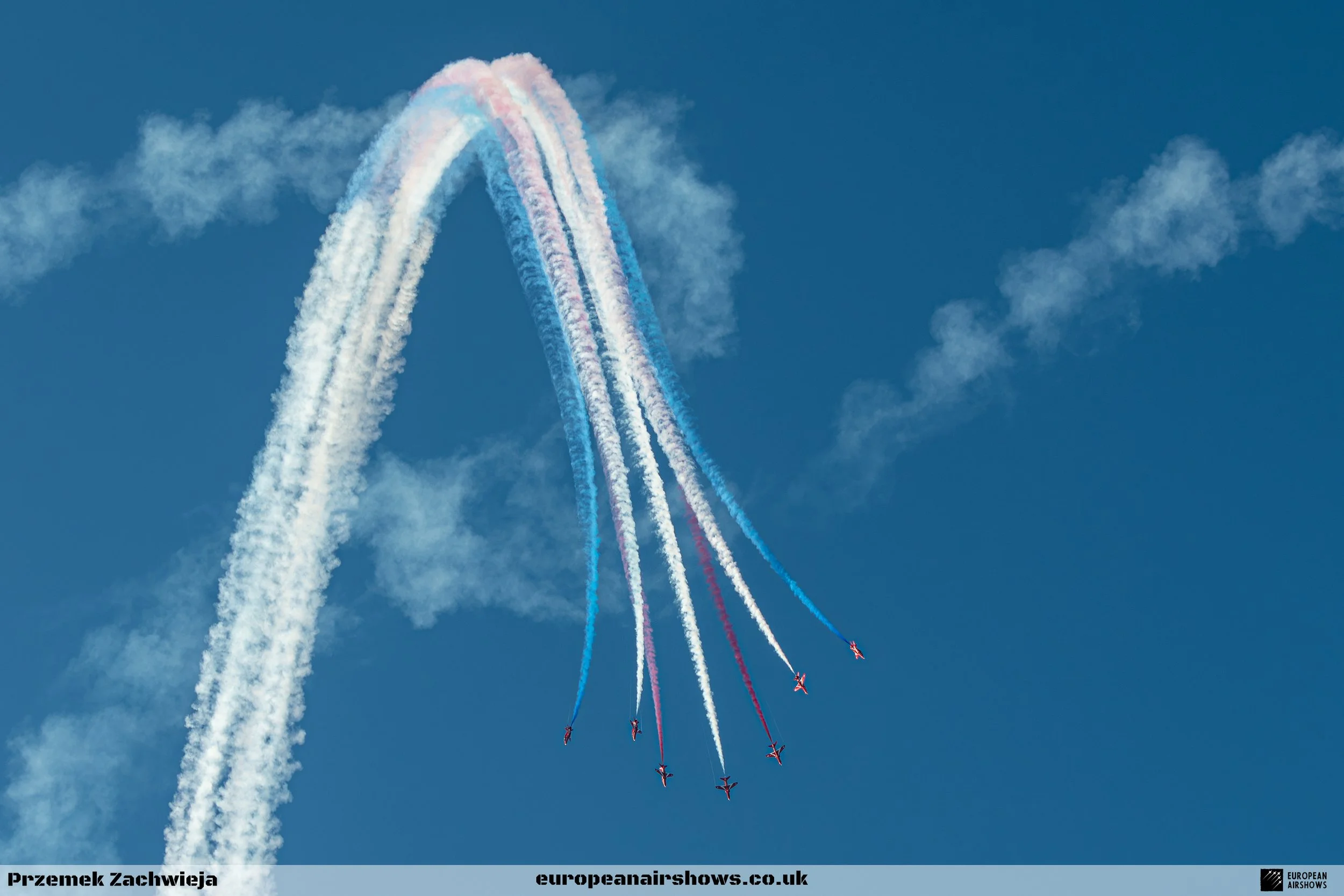
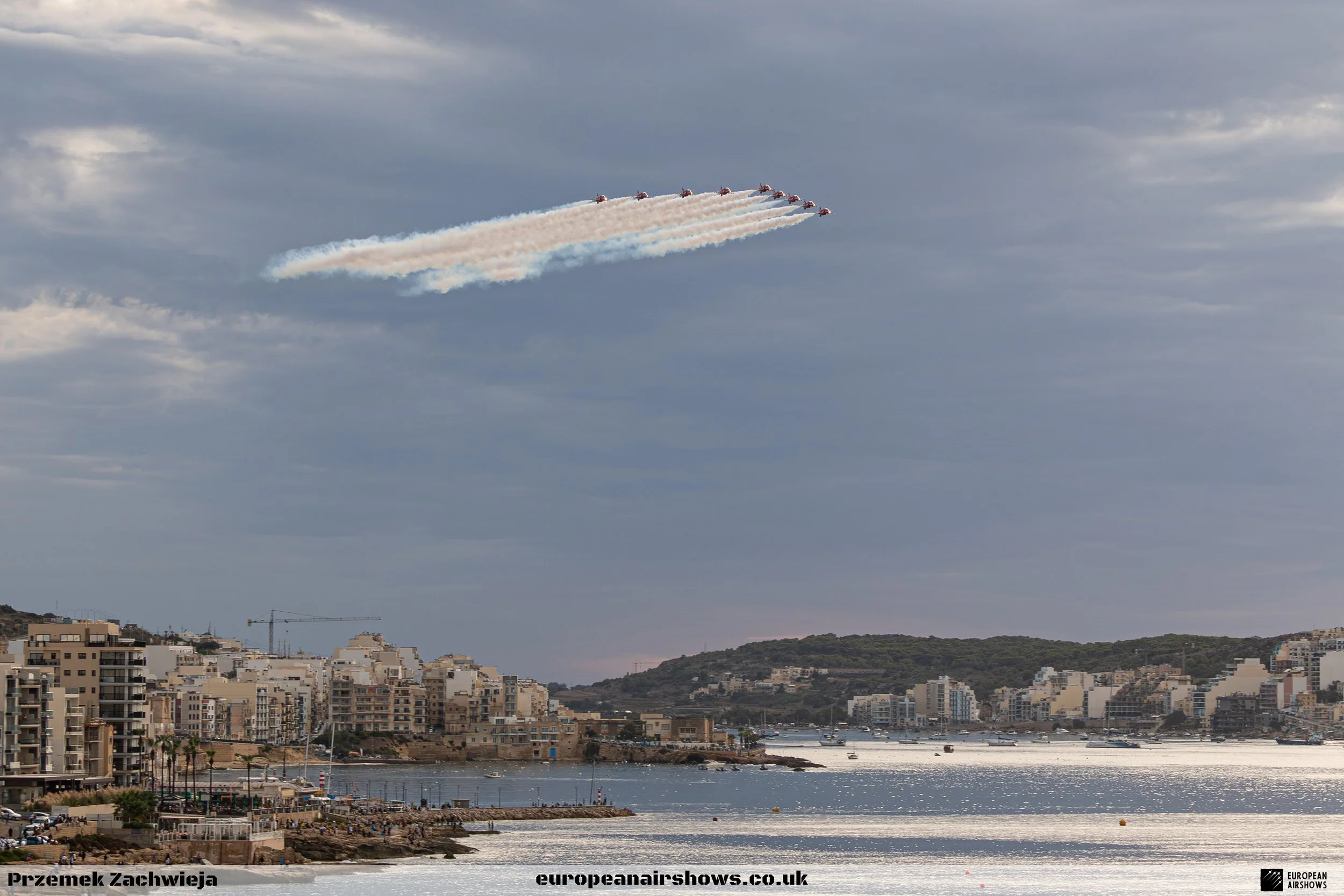
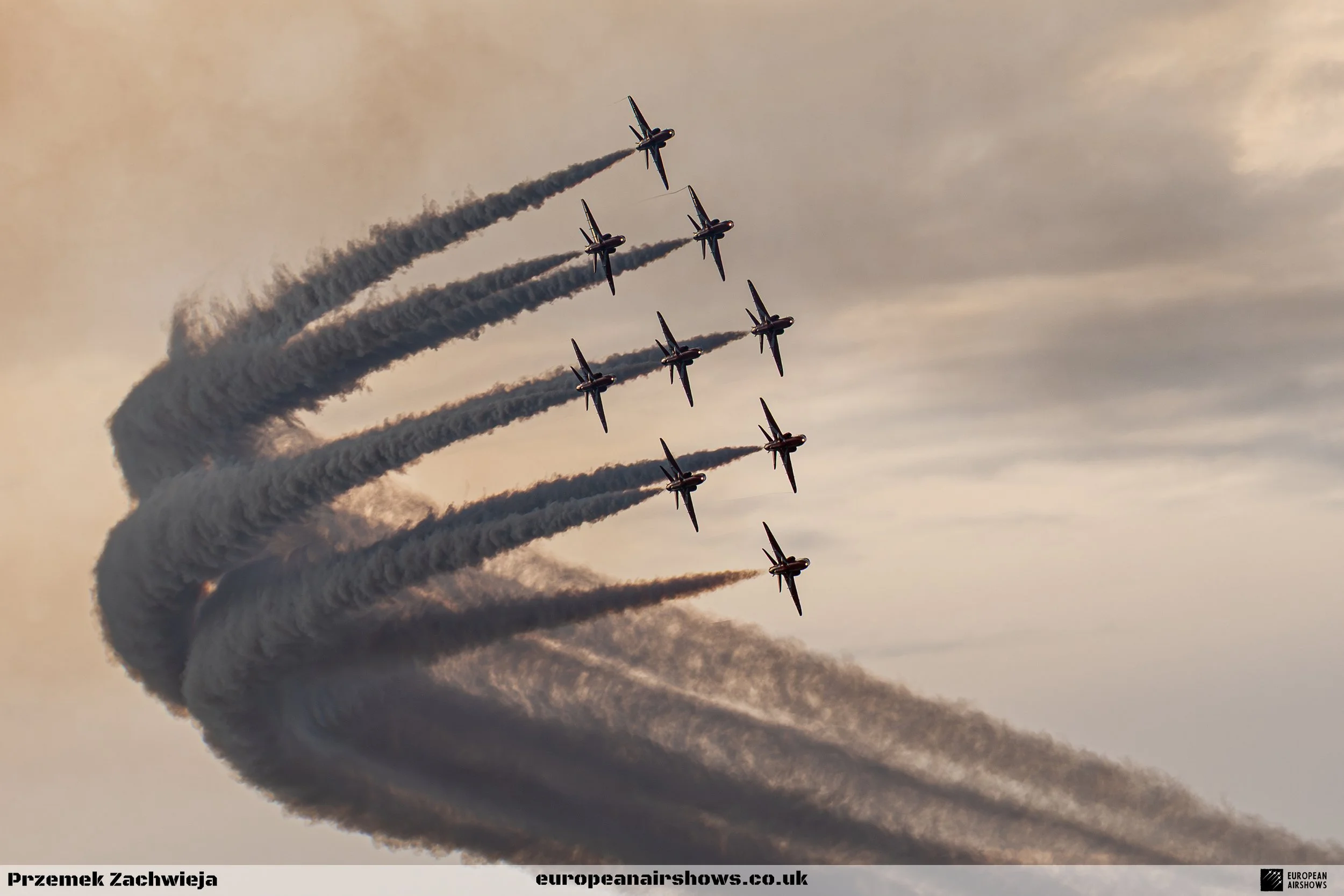
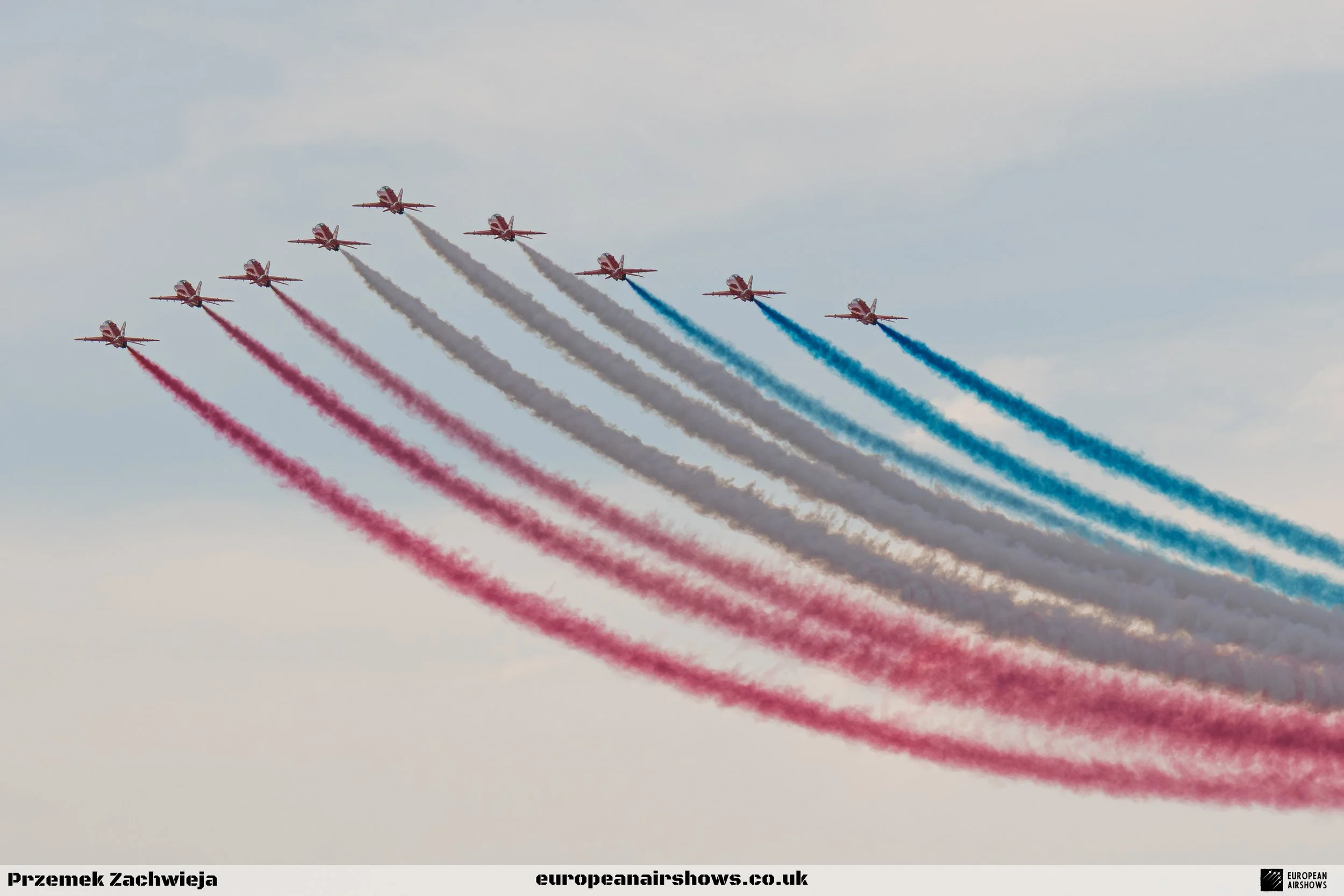
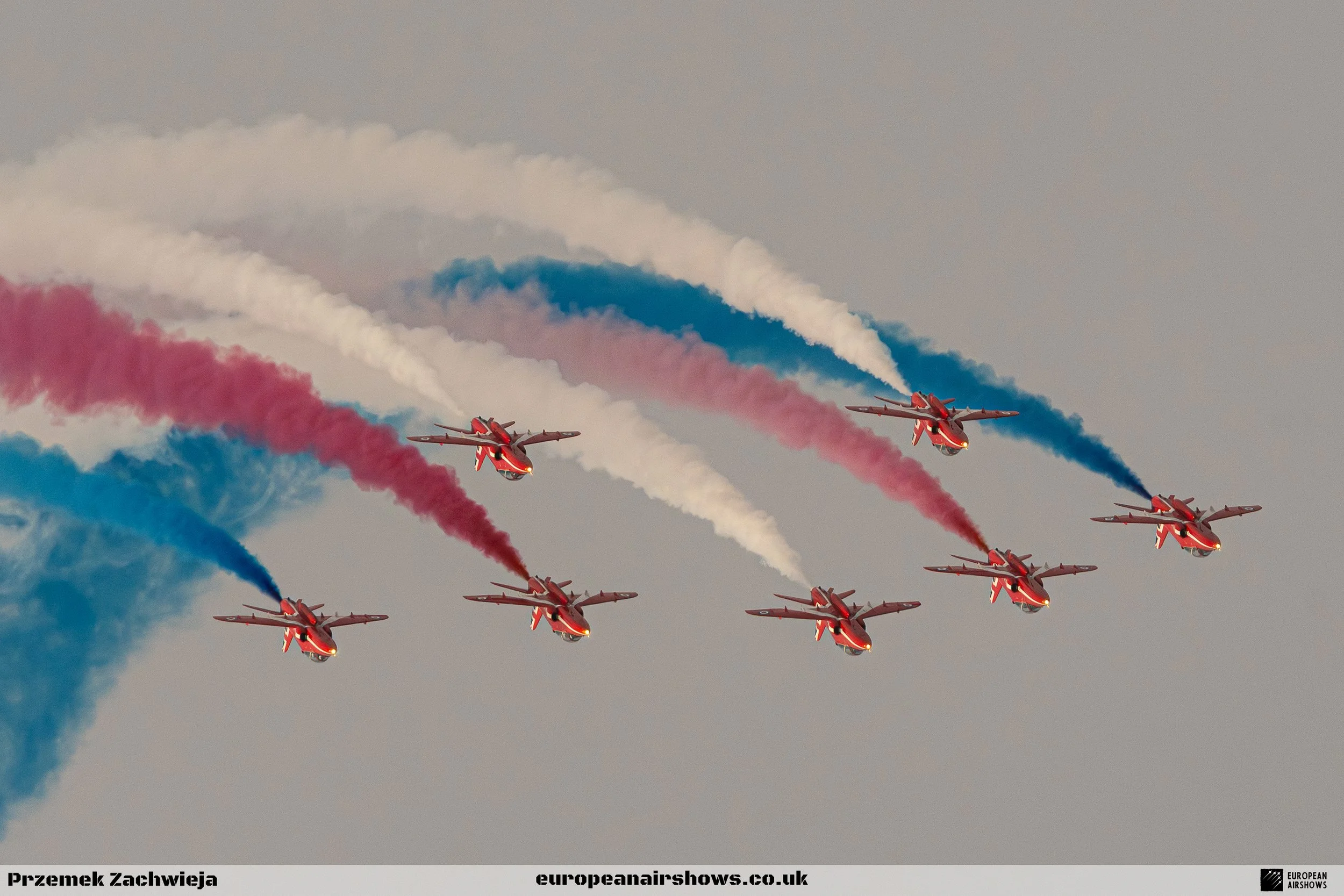
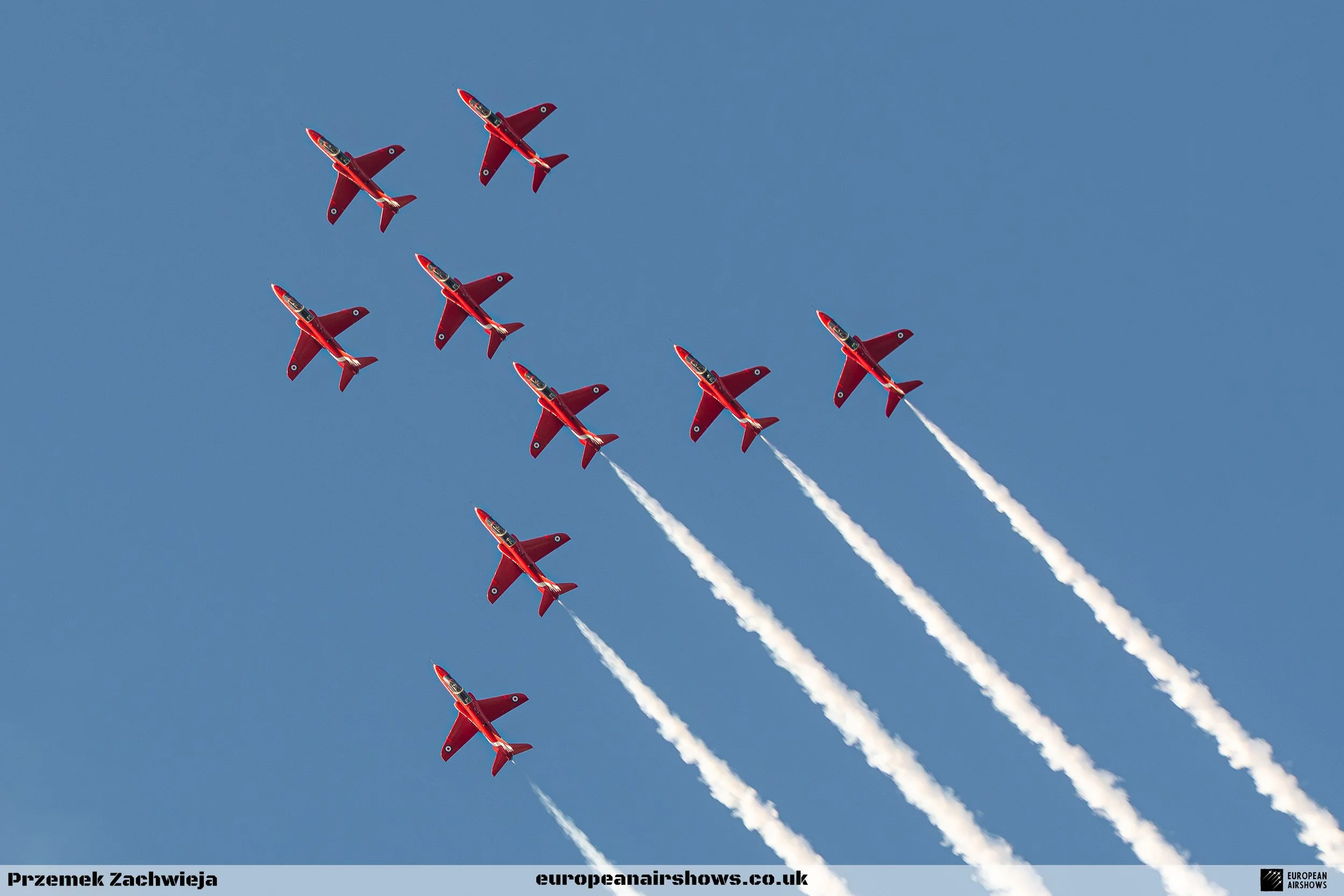
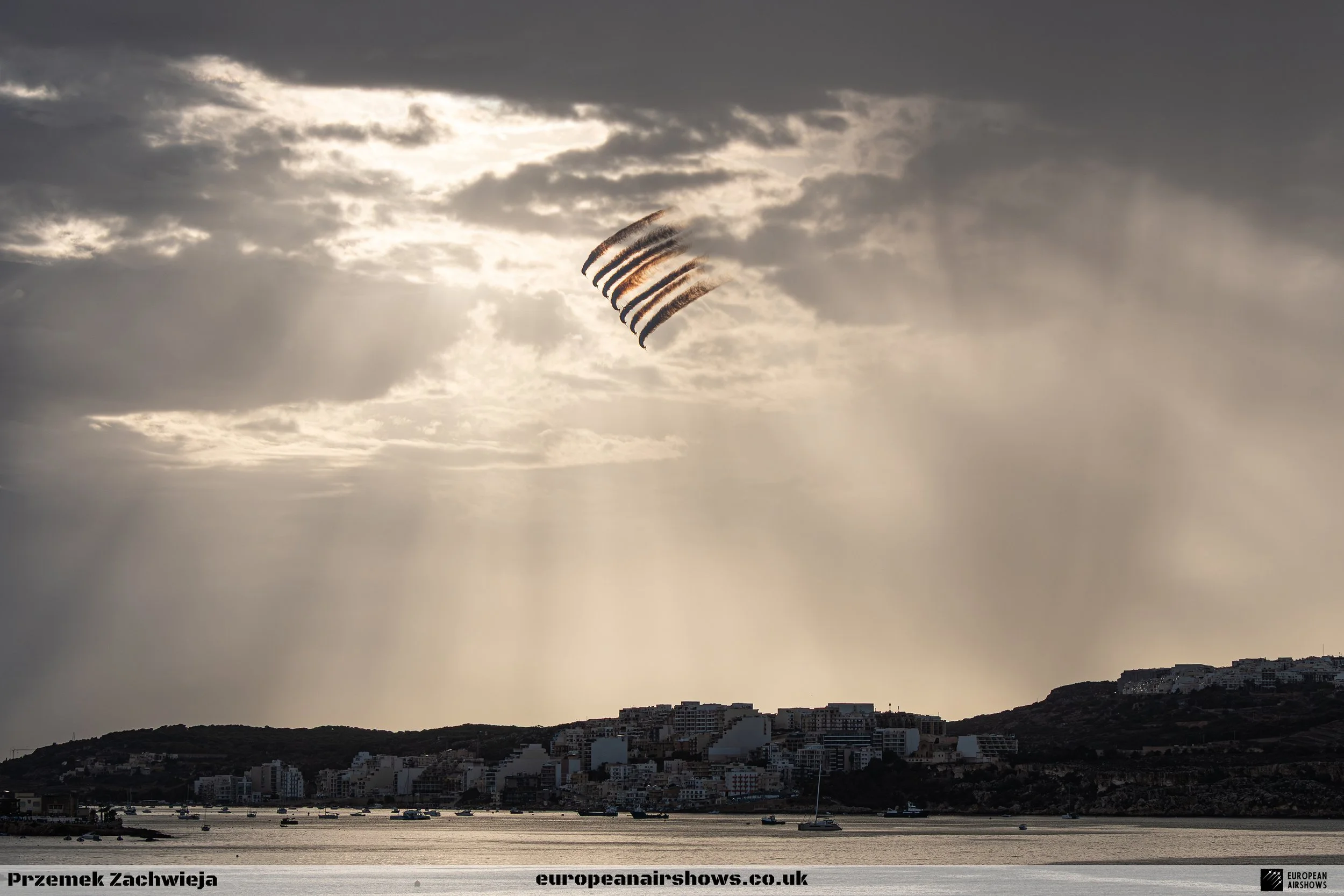
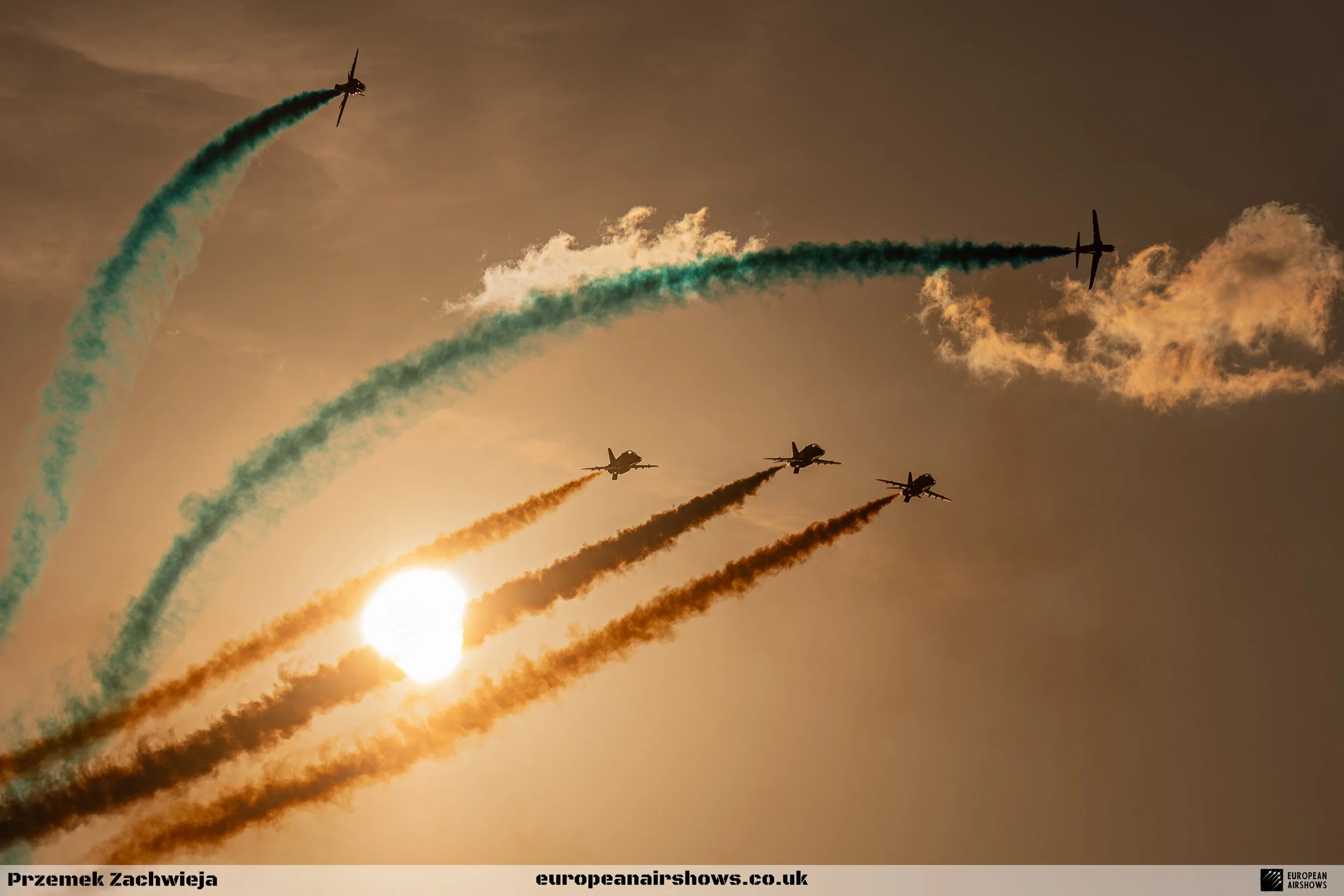
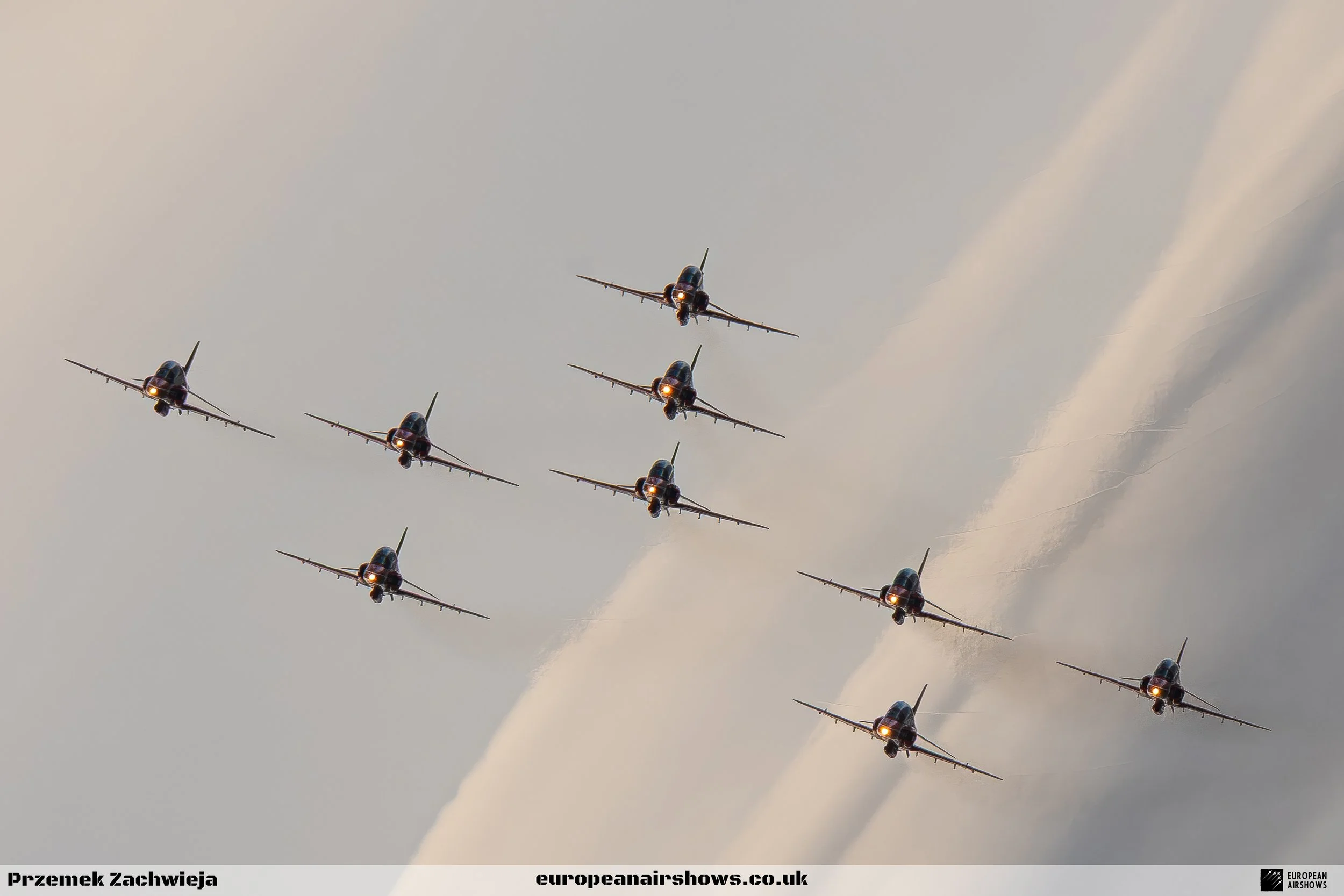
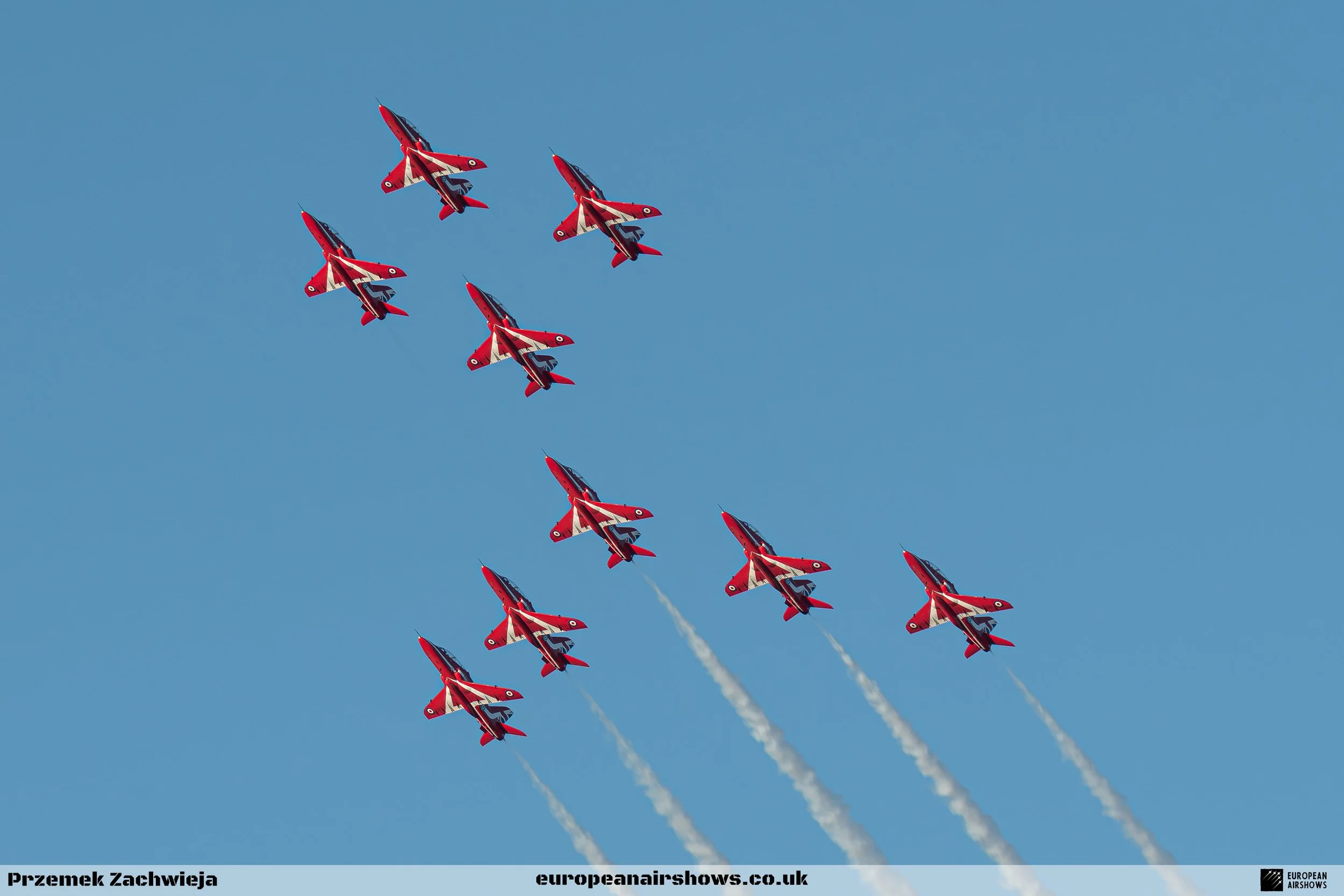
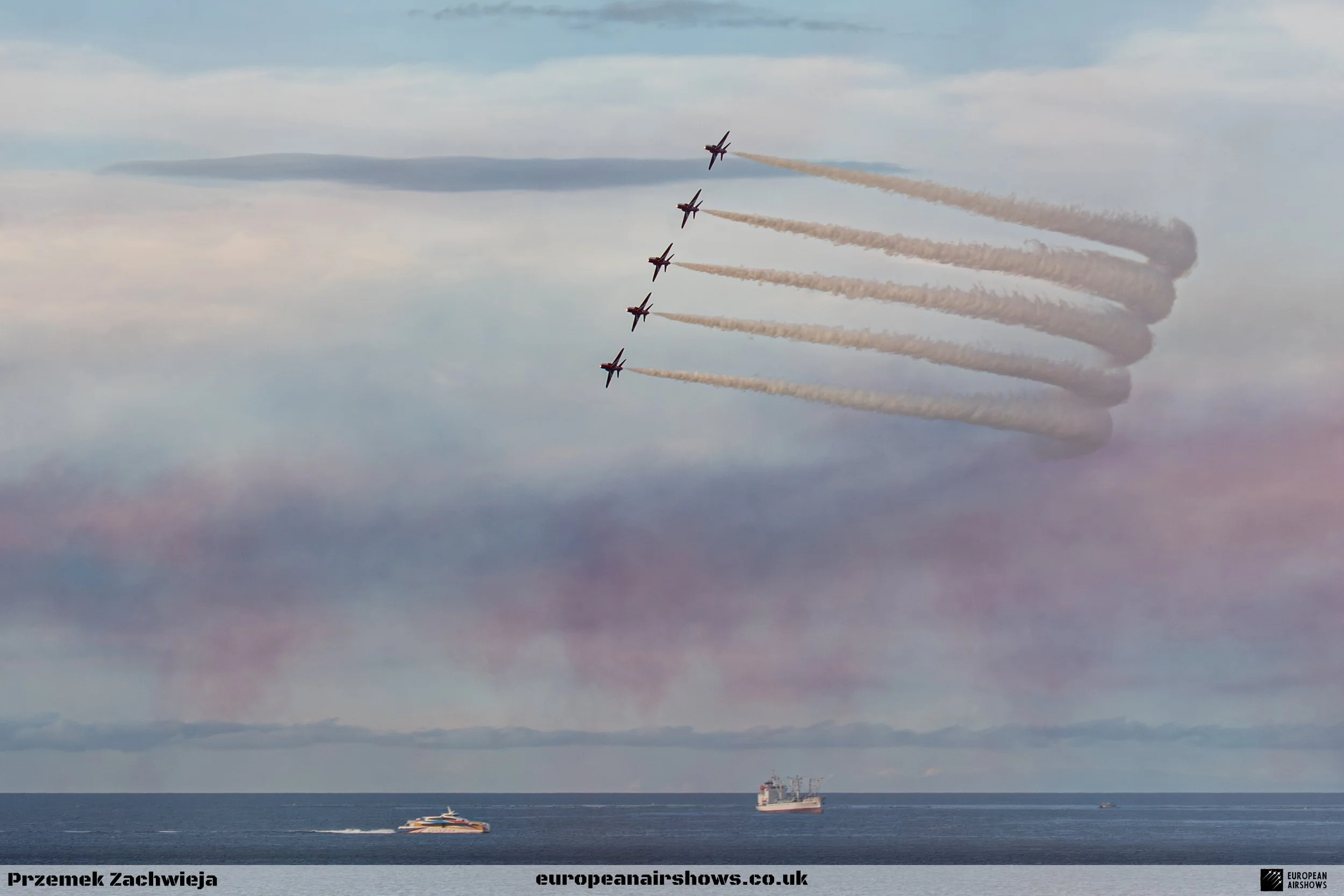
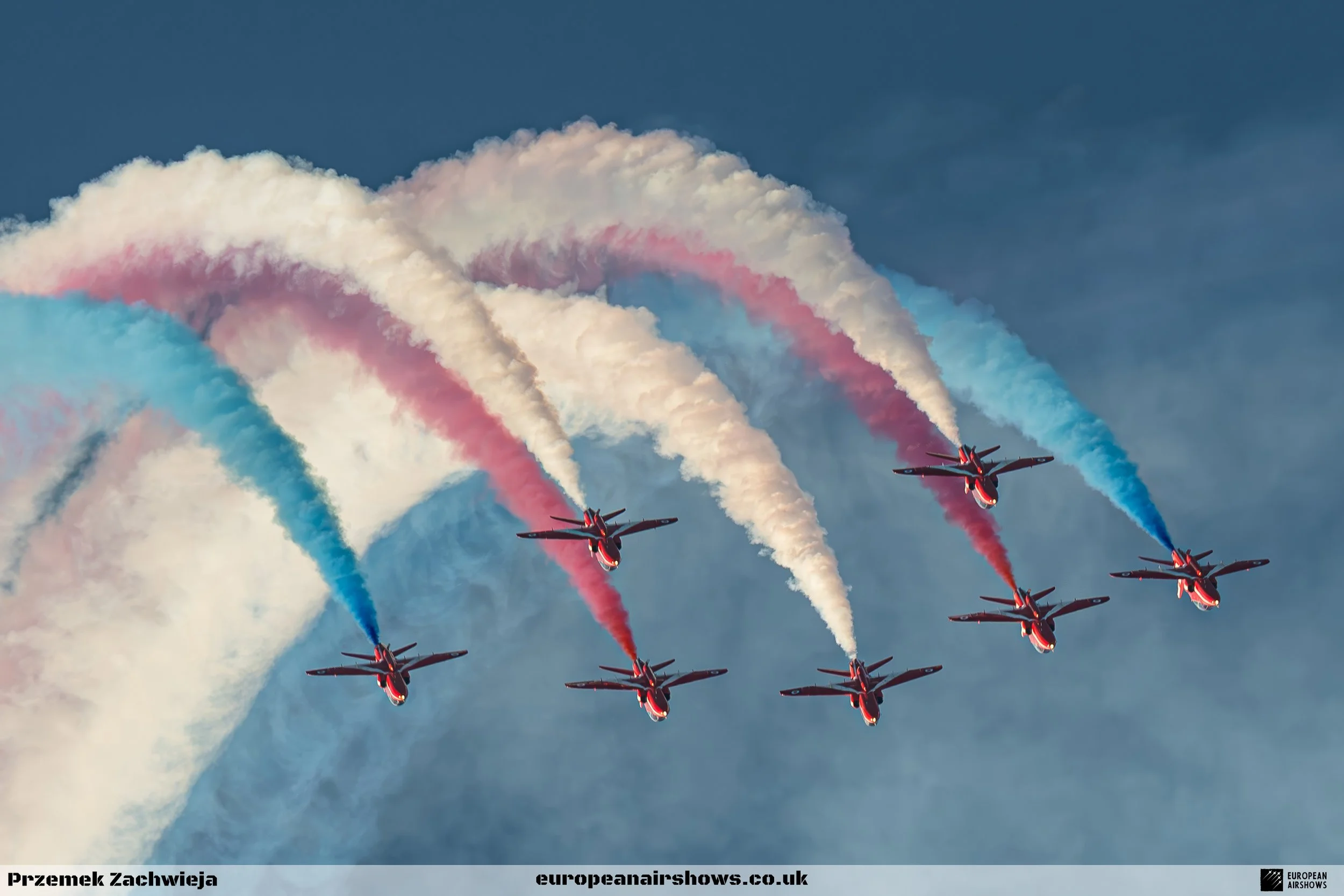
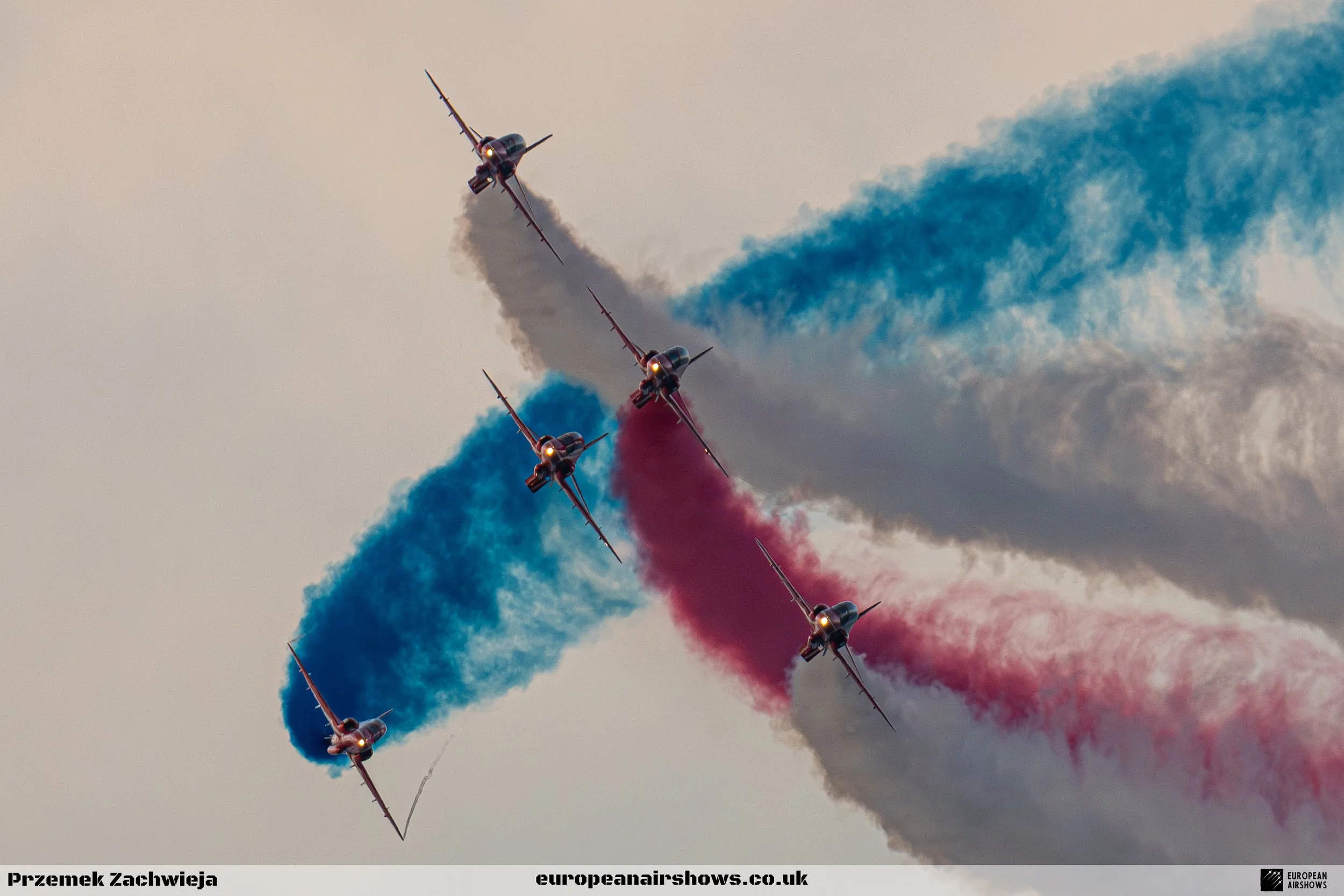
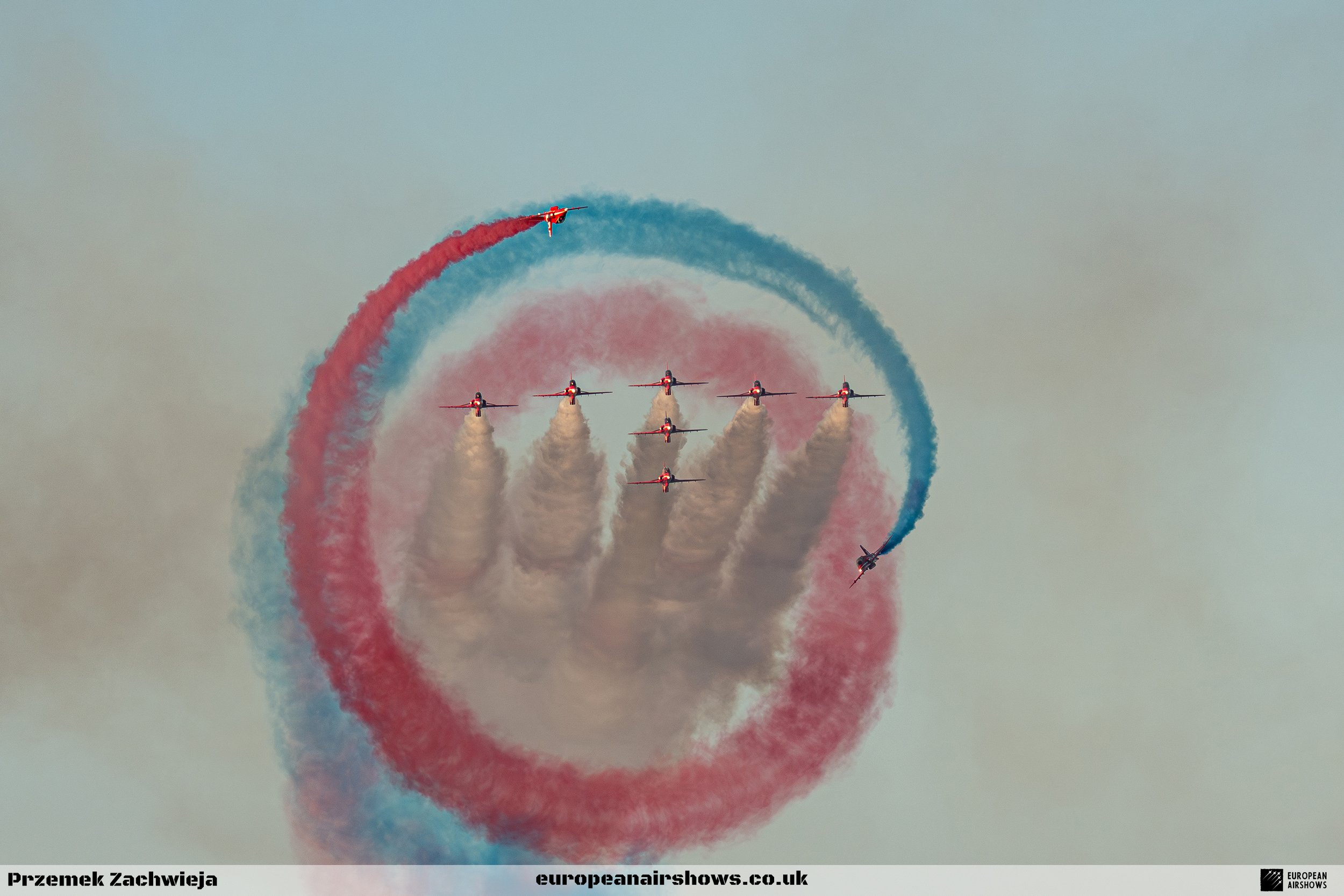
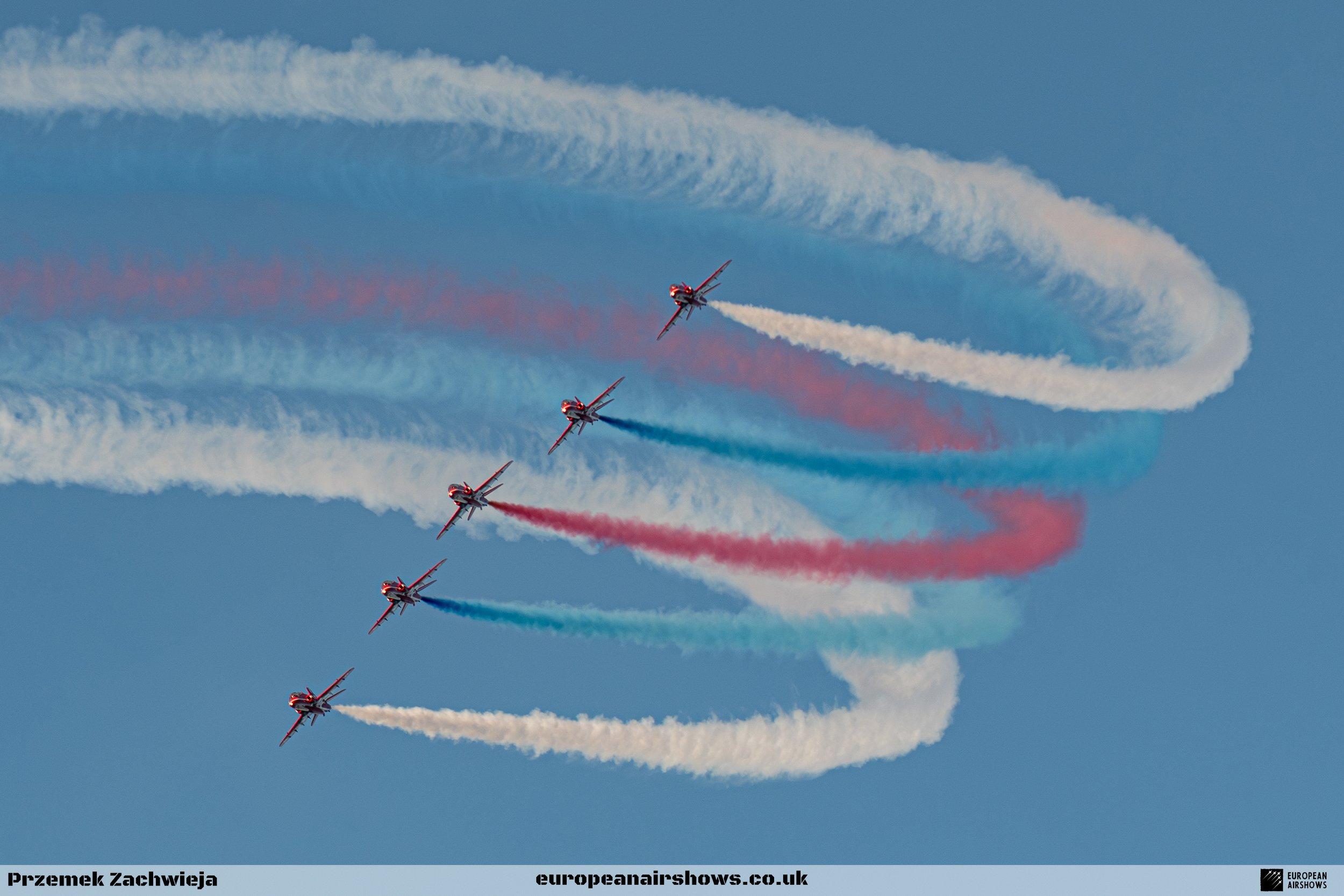
The finale on both days was provided by the Red Arrows, perennial favourites in Malta. Flying nine Hawk T.1s, their display featured classics like the tornado and roll backs. Saturday’s routine against the storm clouds offered dramatic contrast, while Sunday’s show closed with the signature red and white smoke against the sunset, provided the perfect patriotic salute.
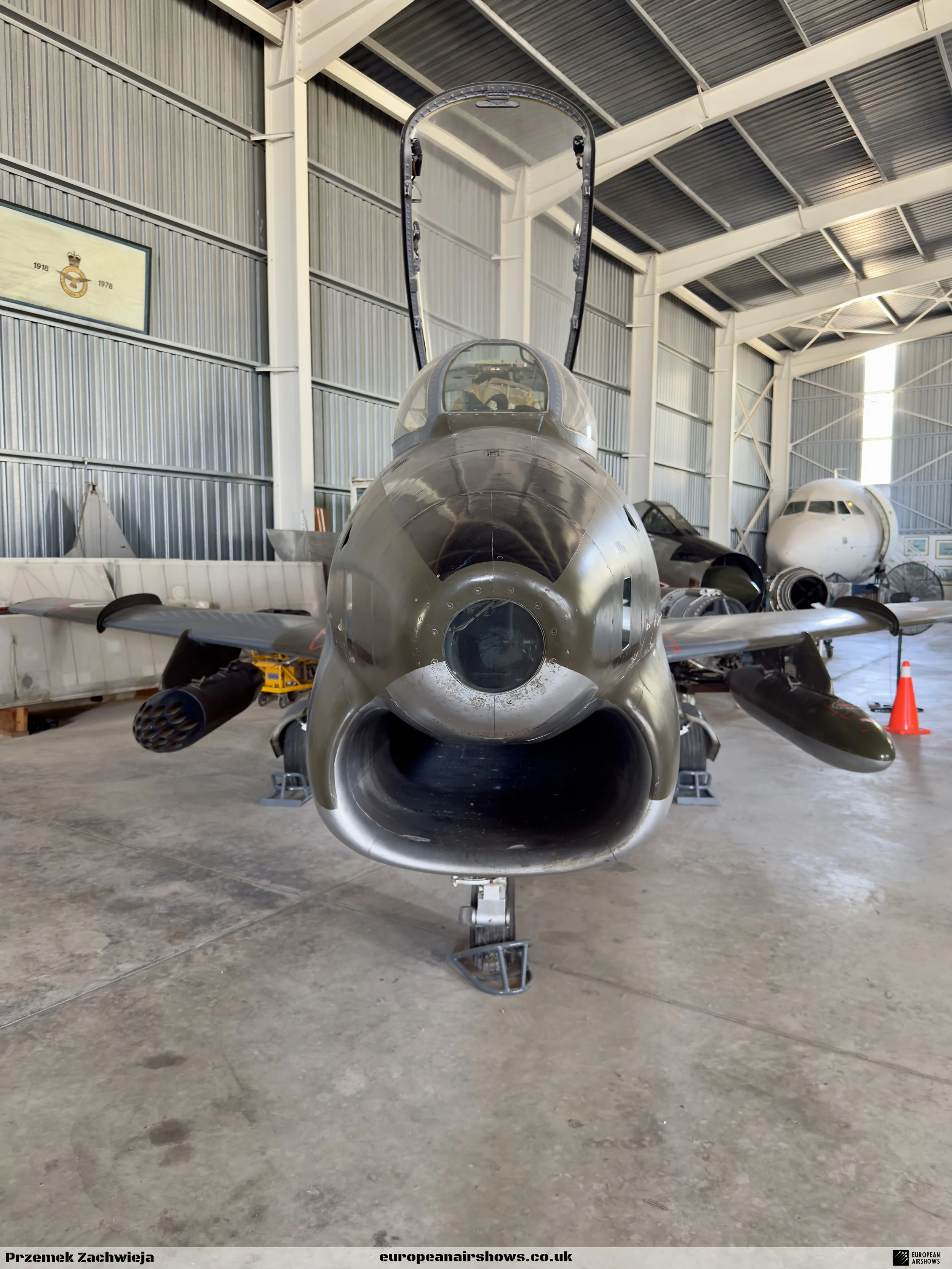
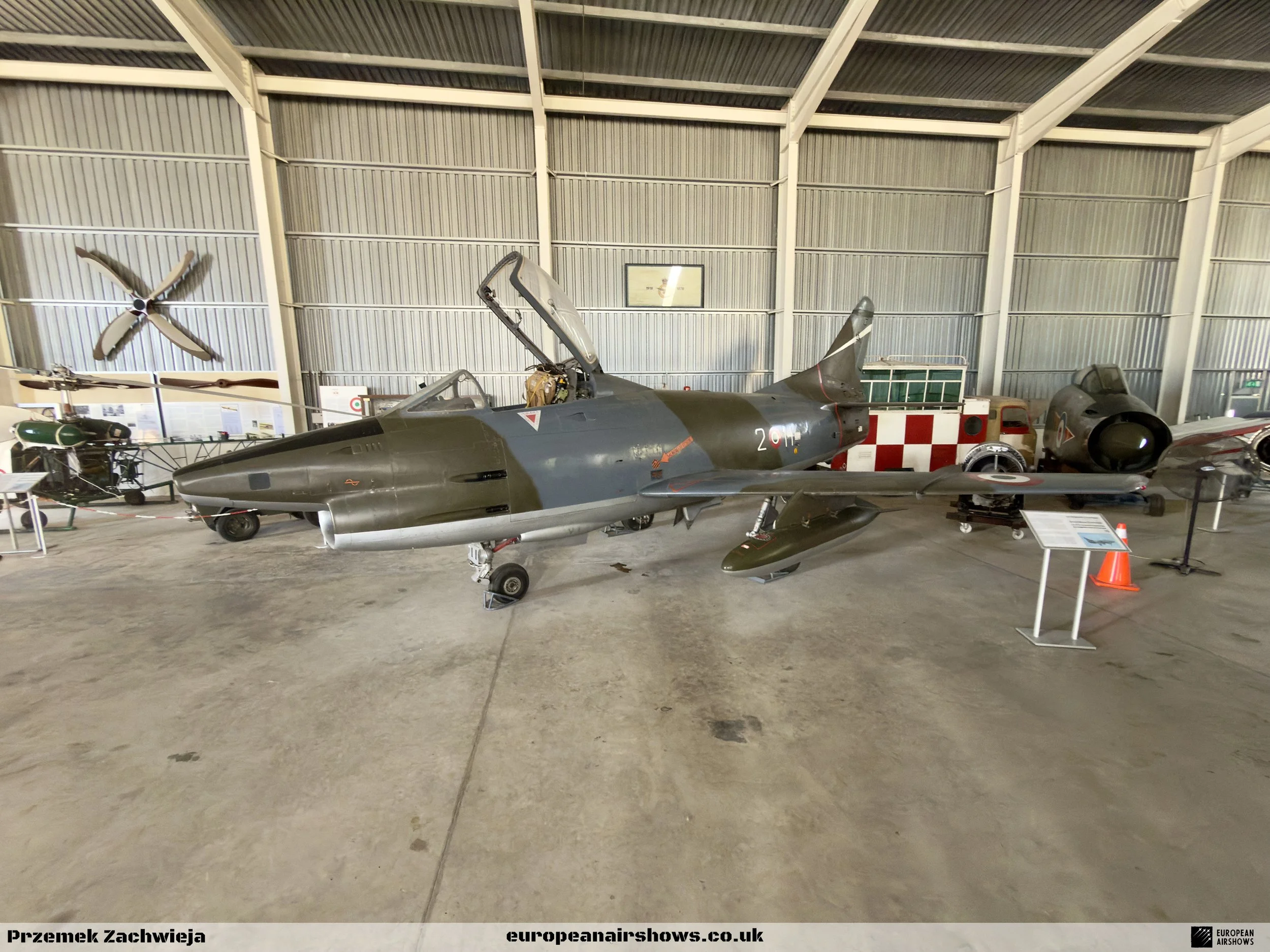
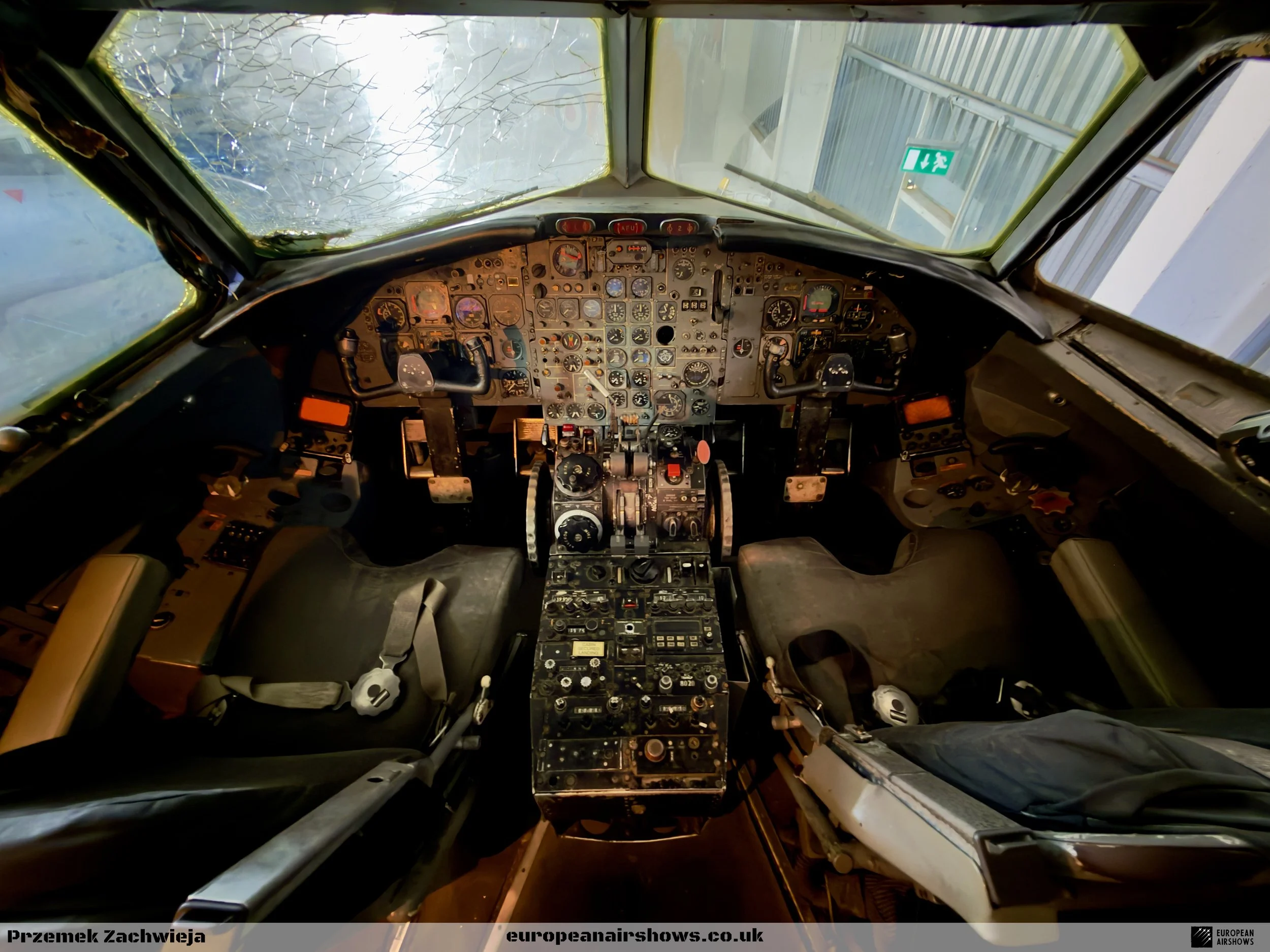
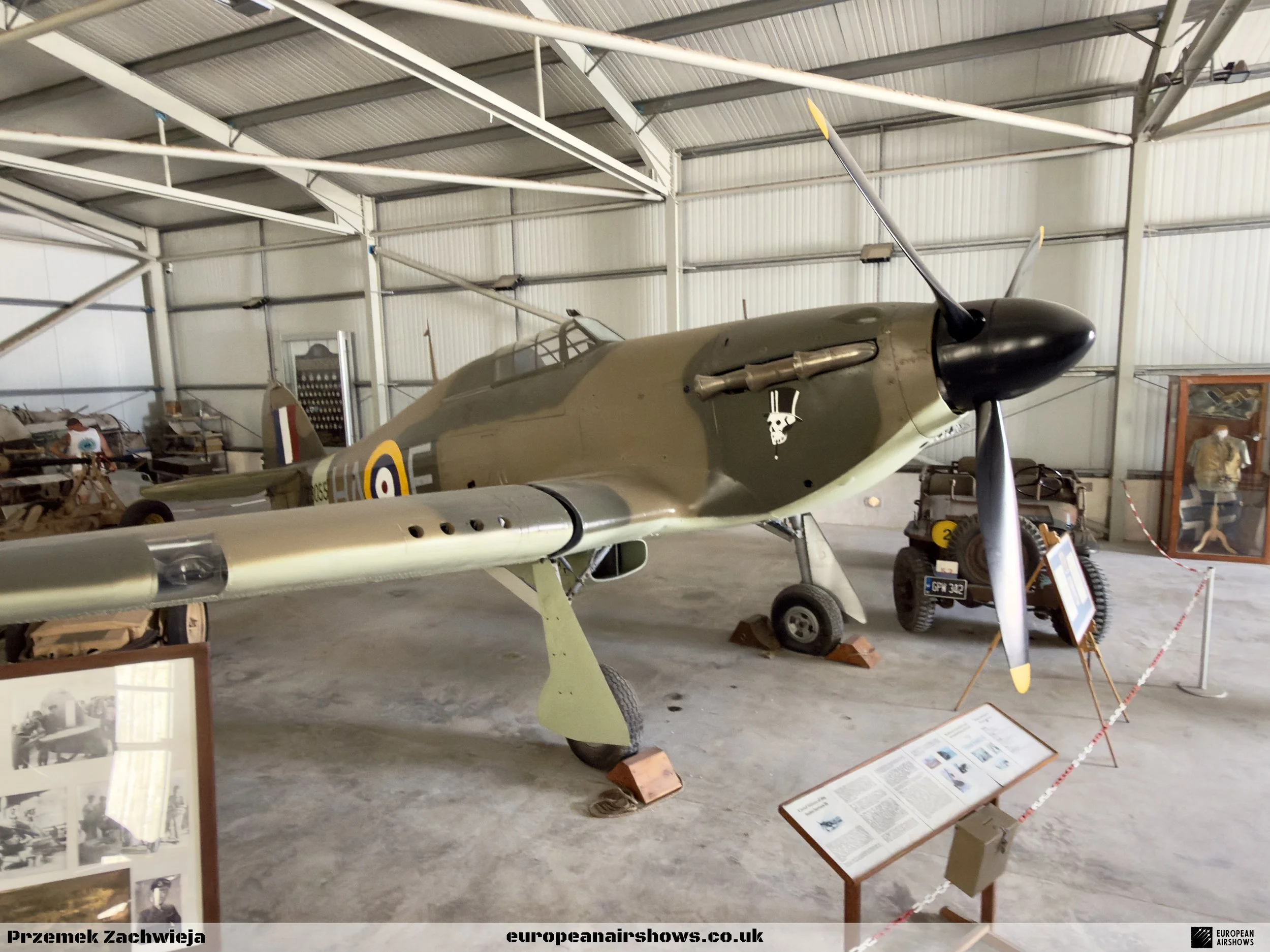
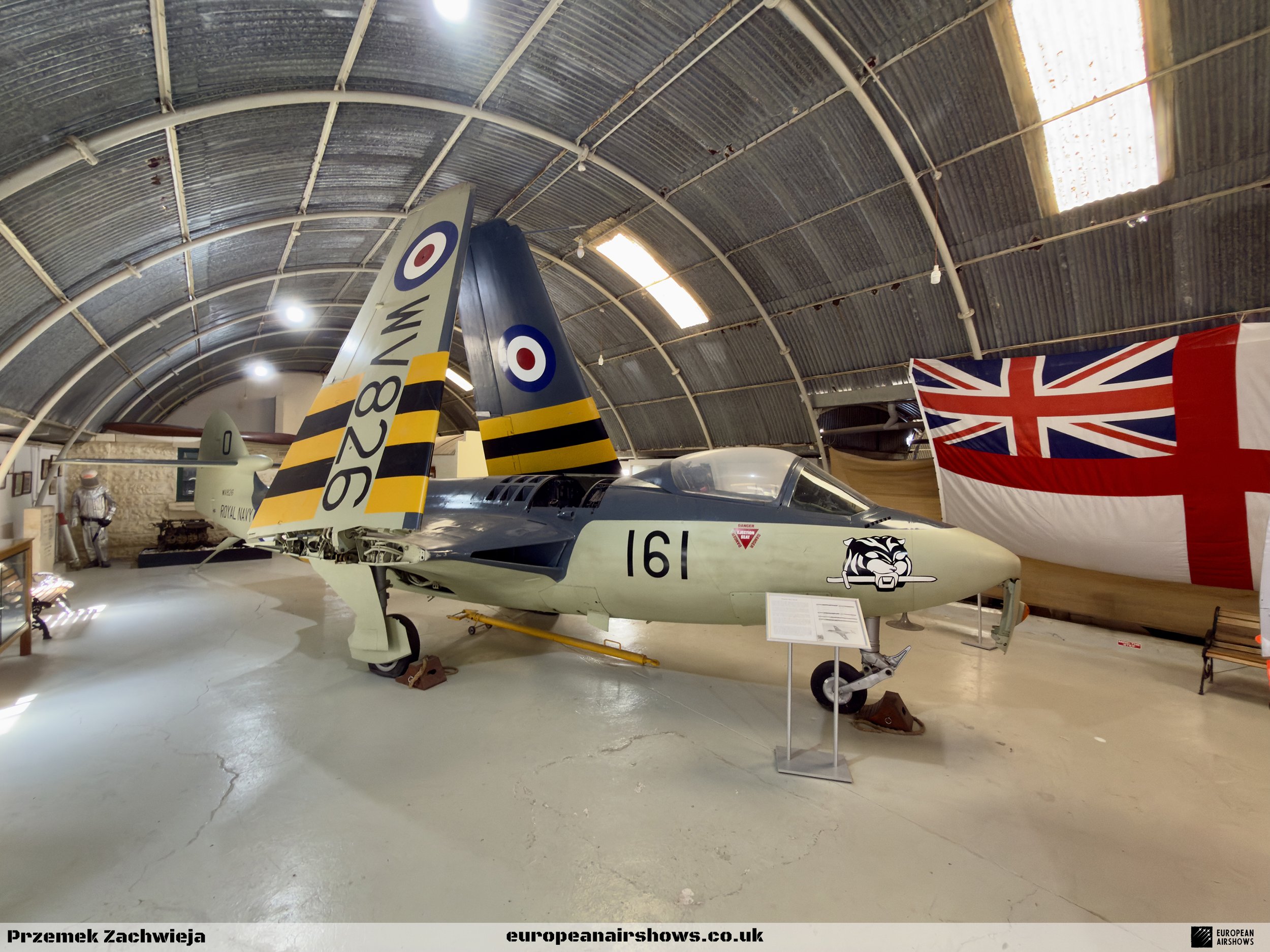
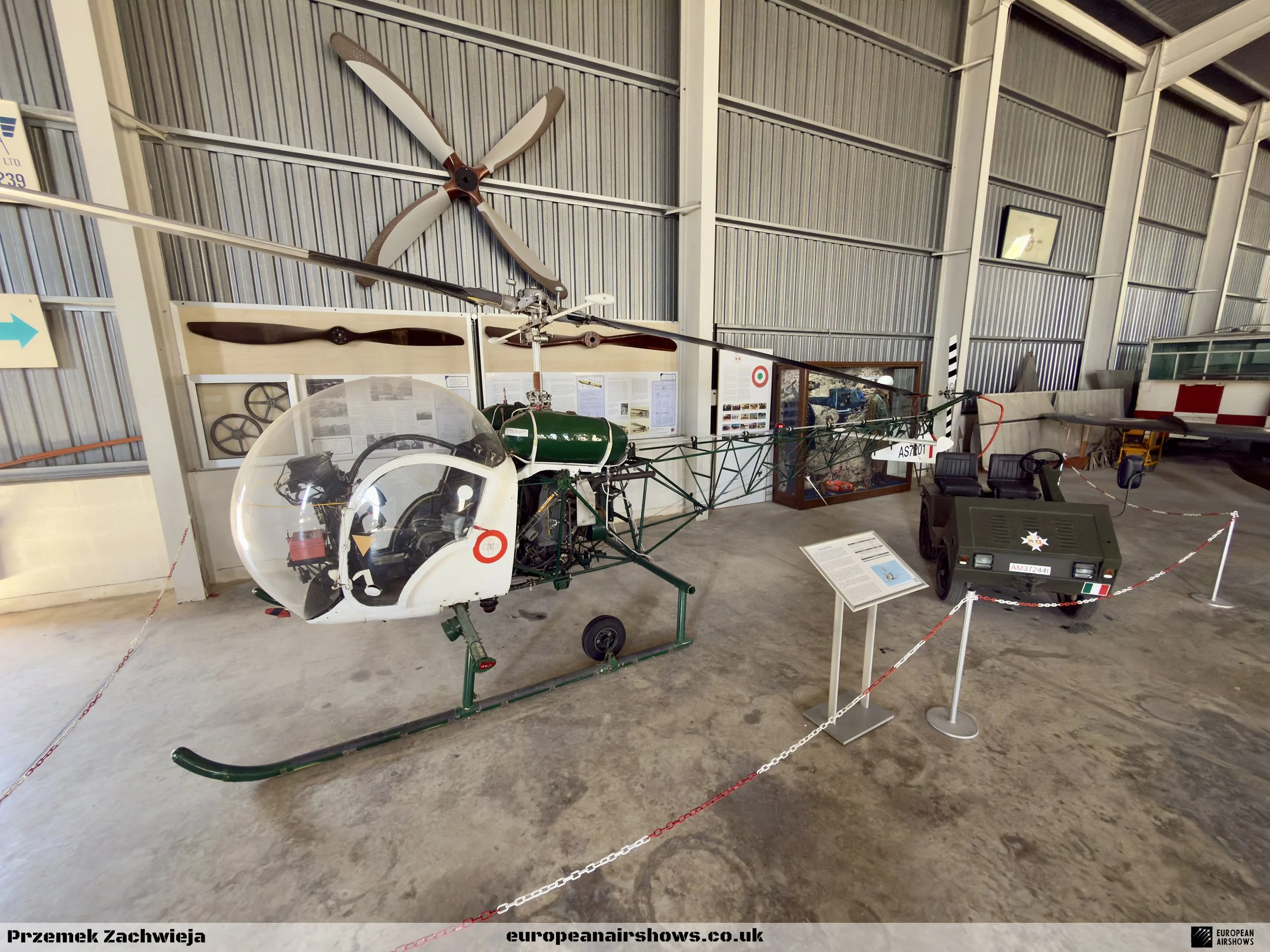
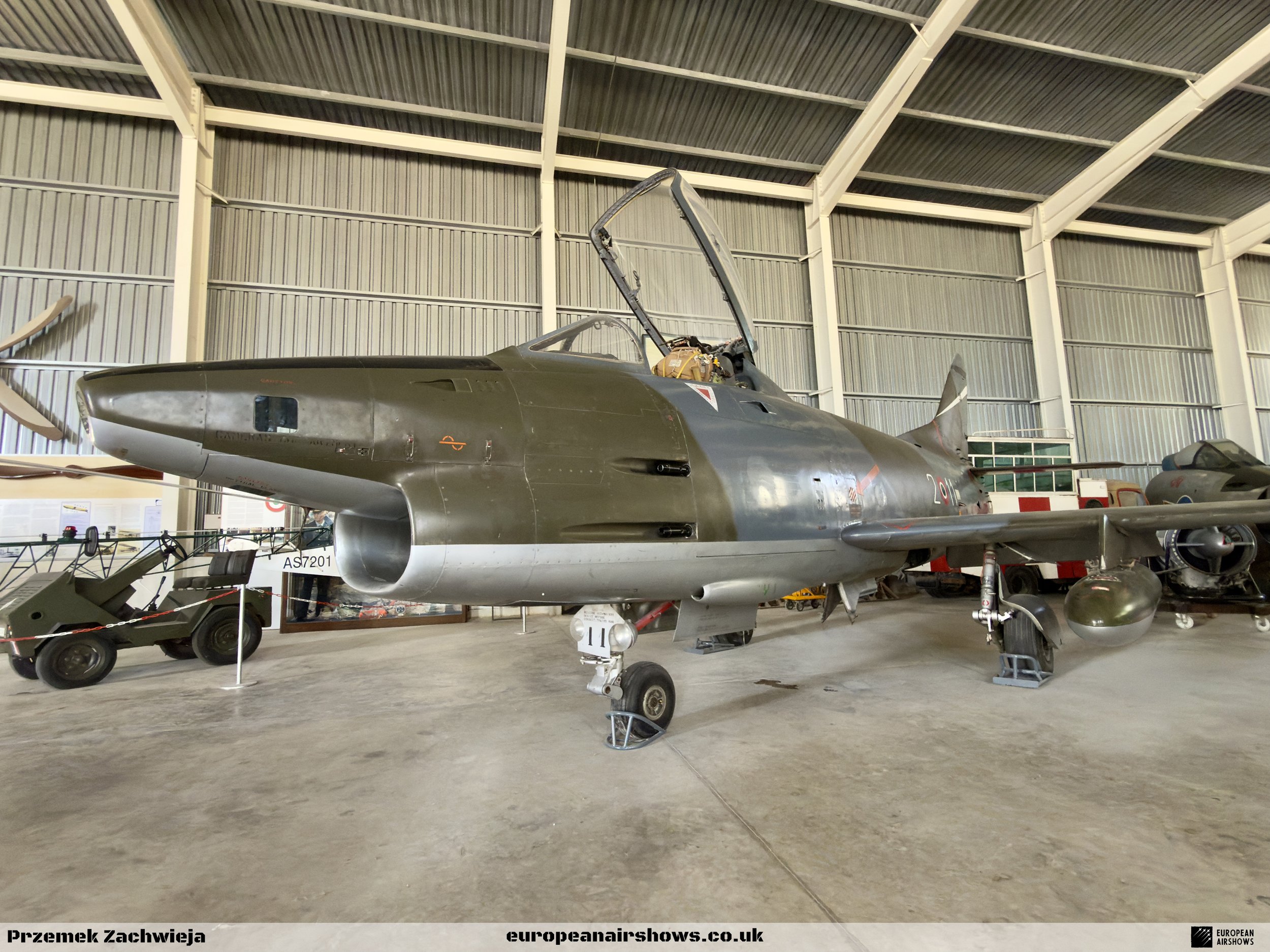
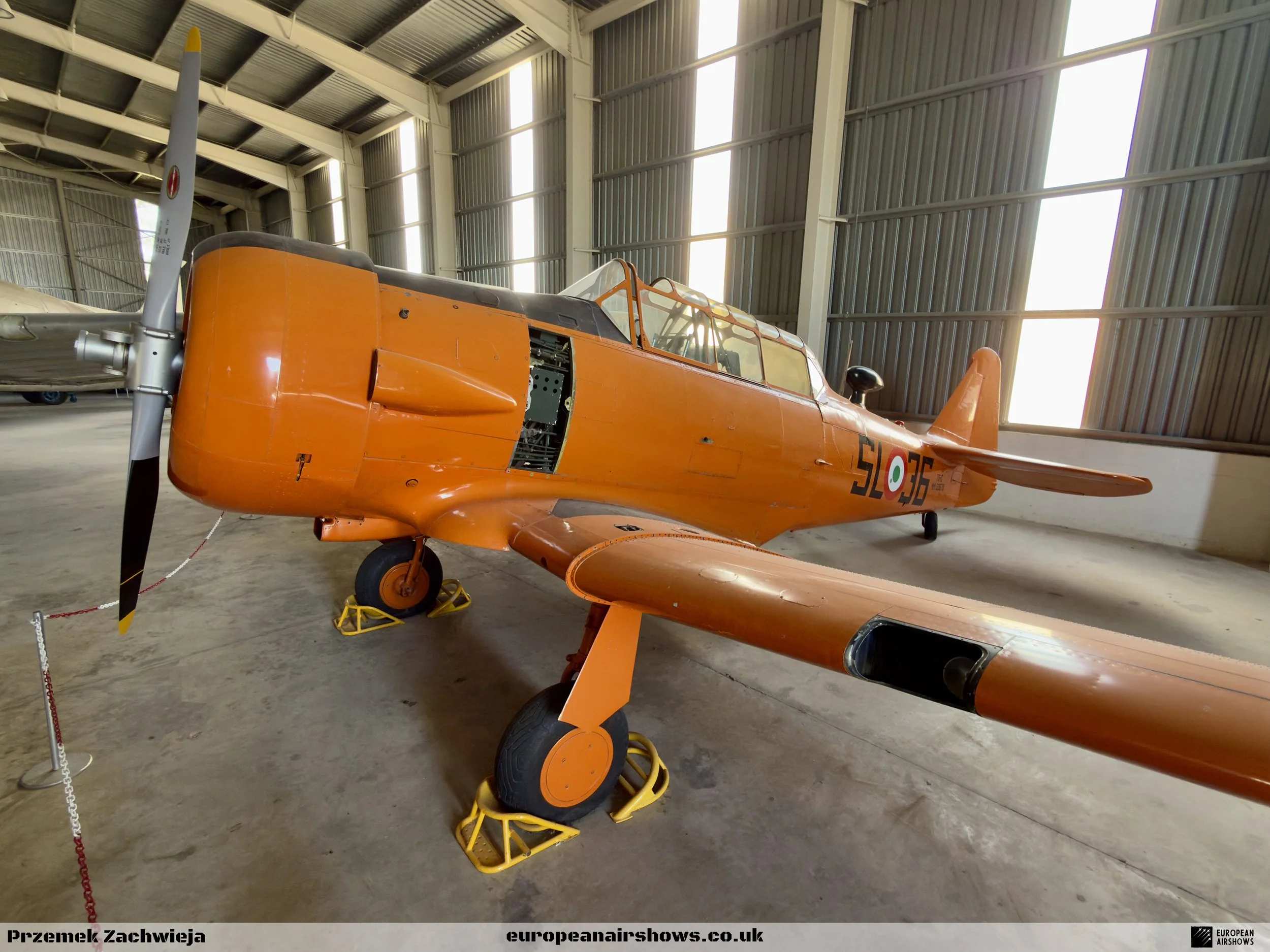
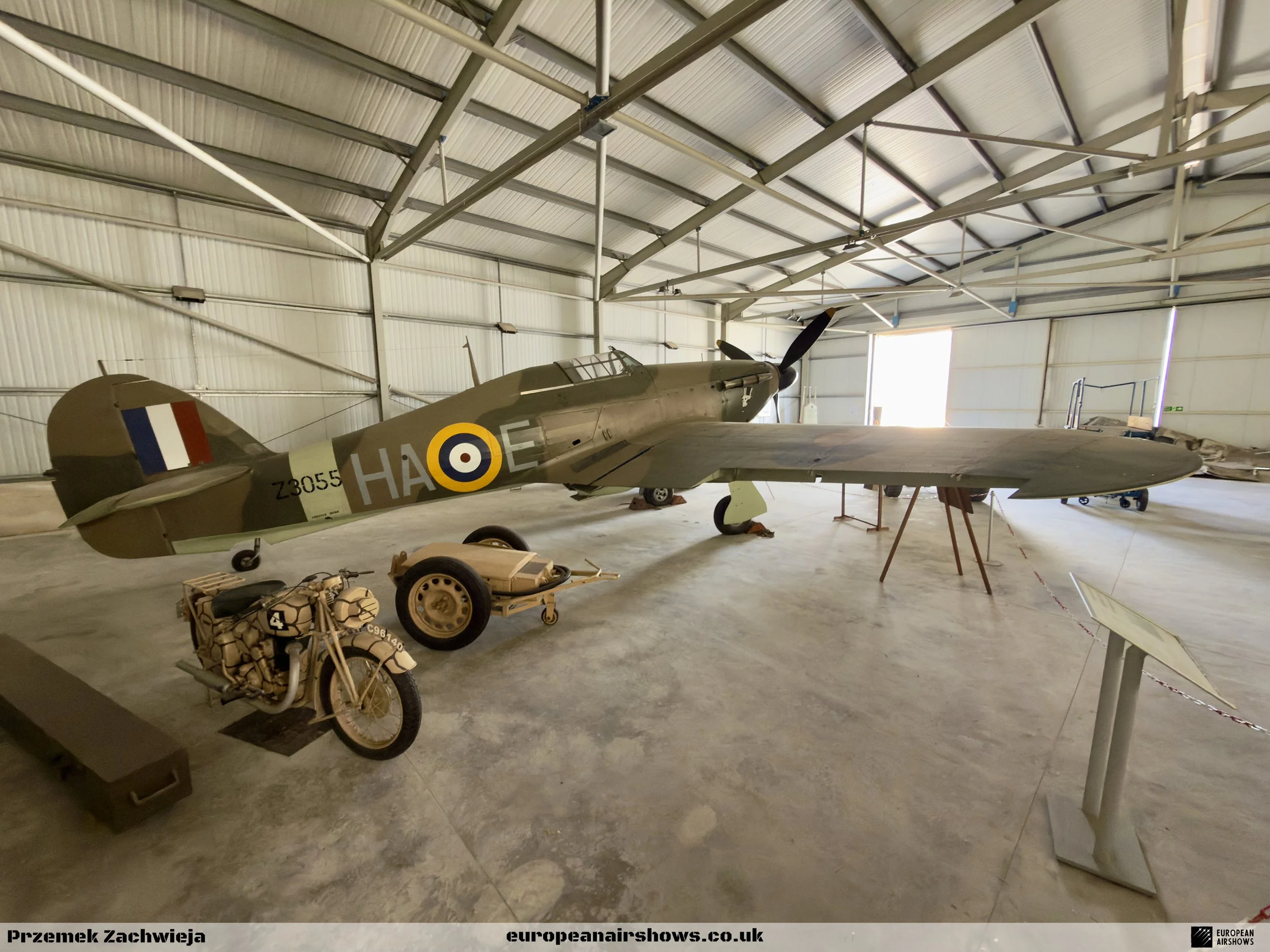
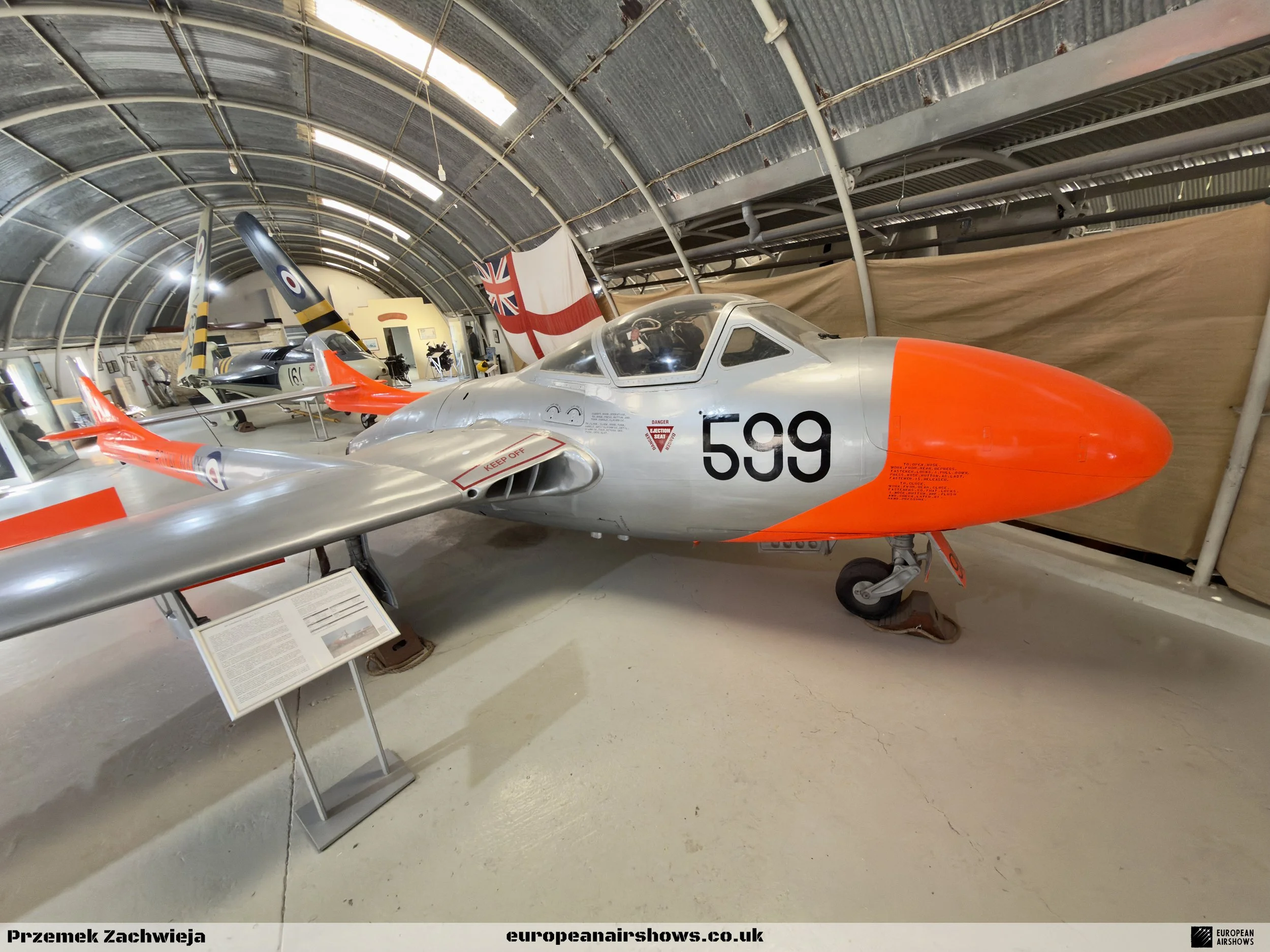
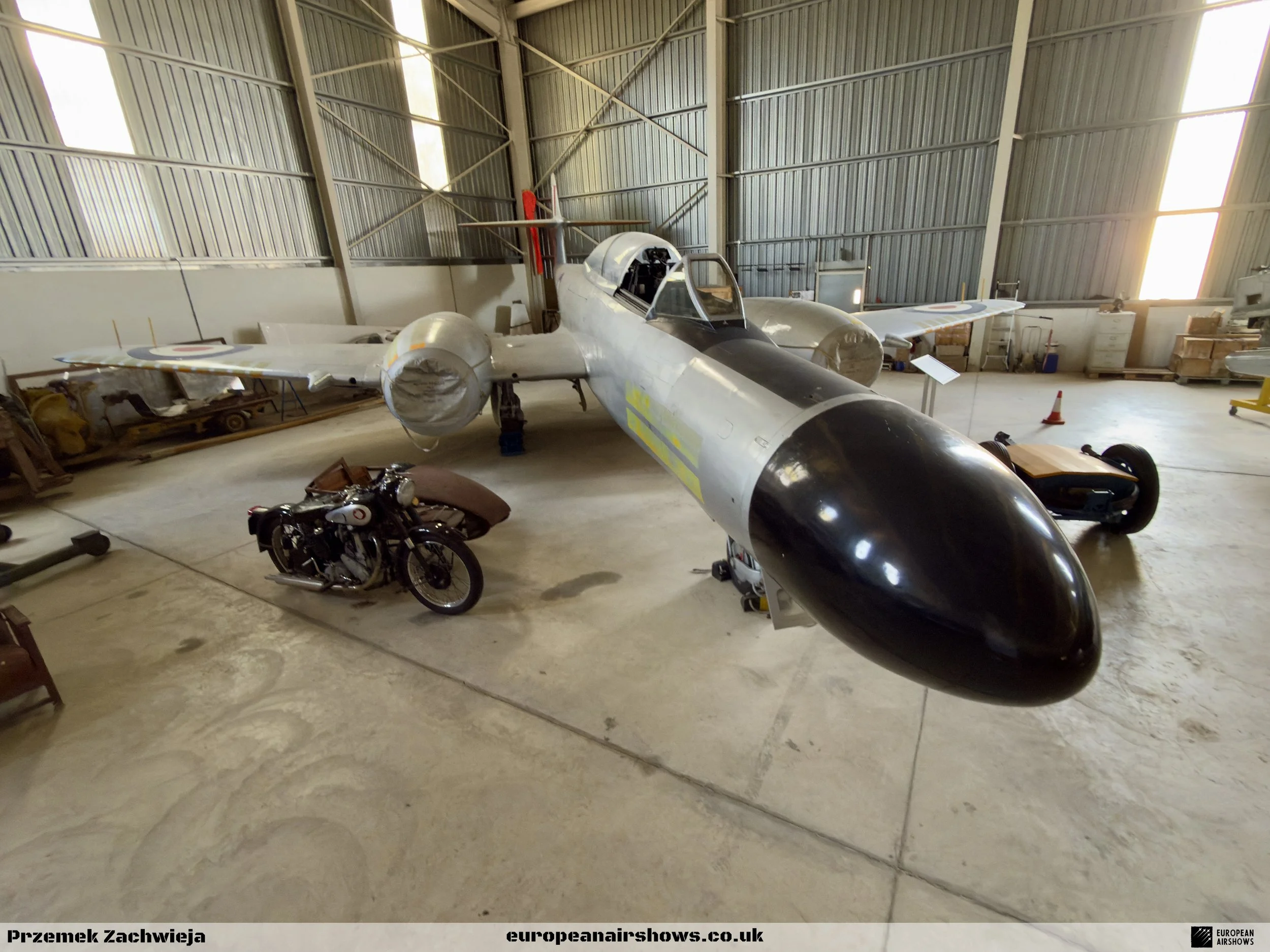
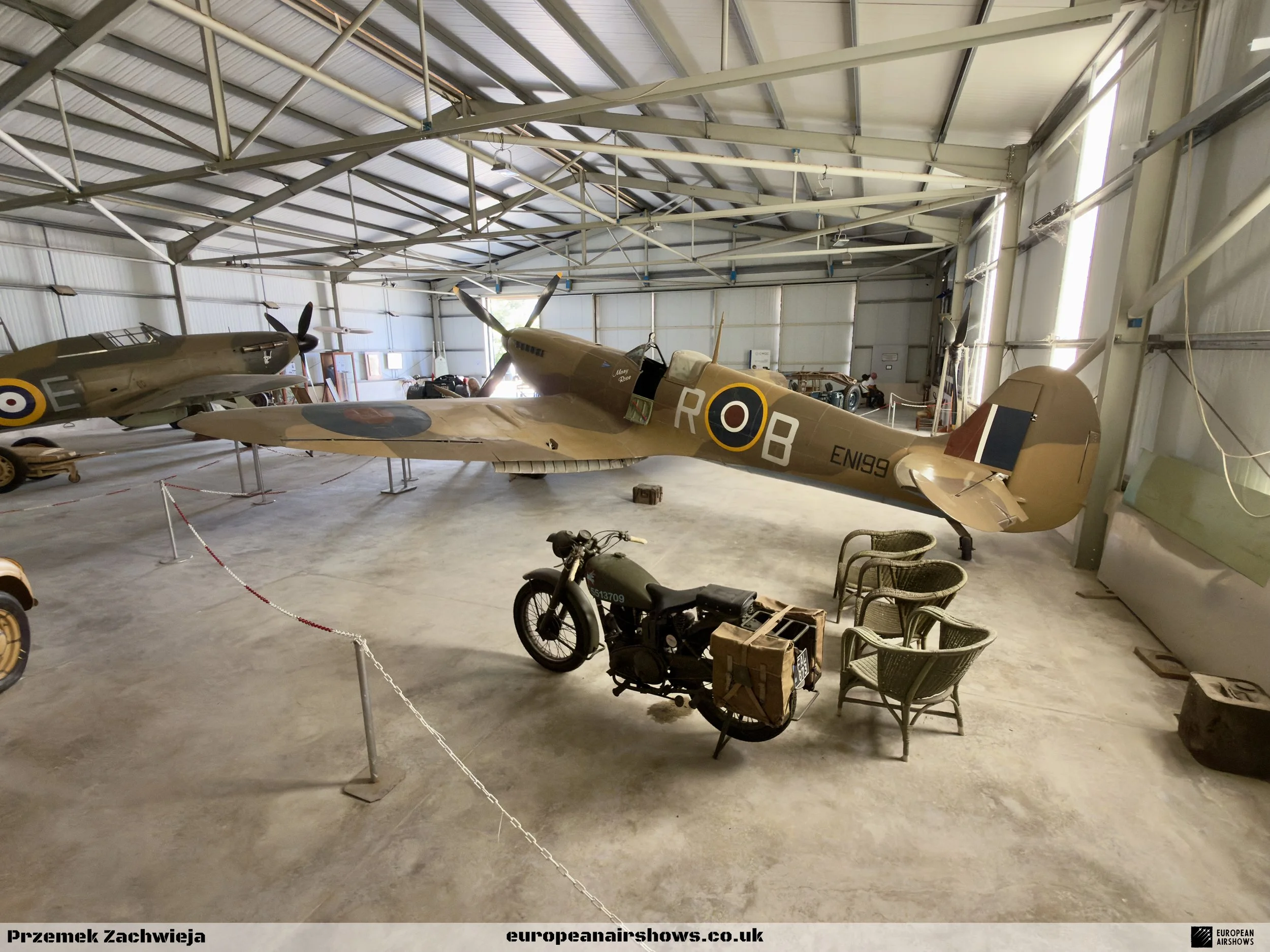
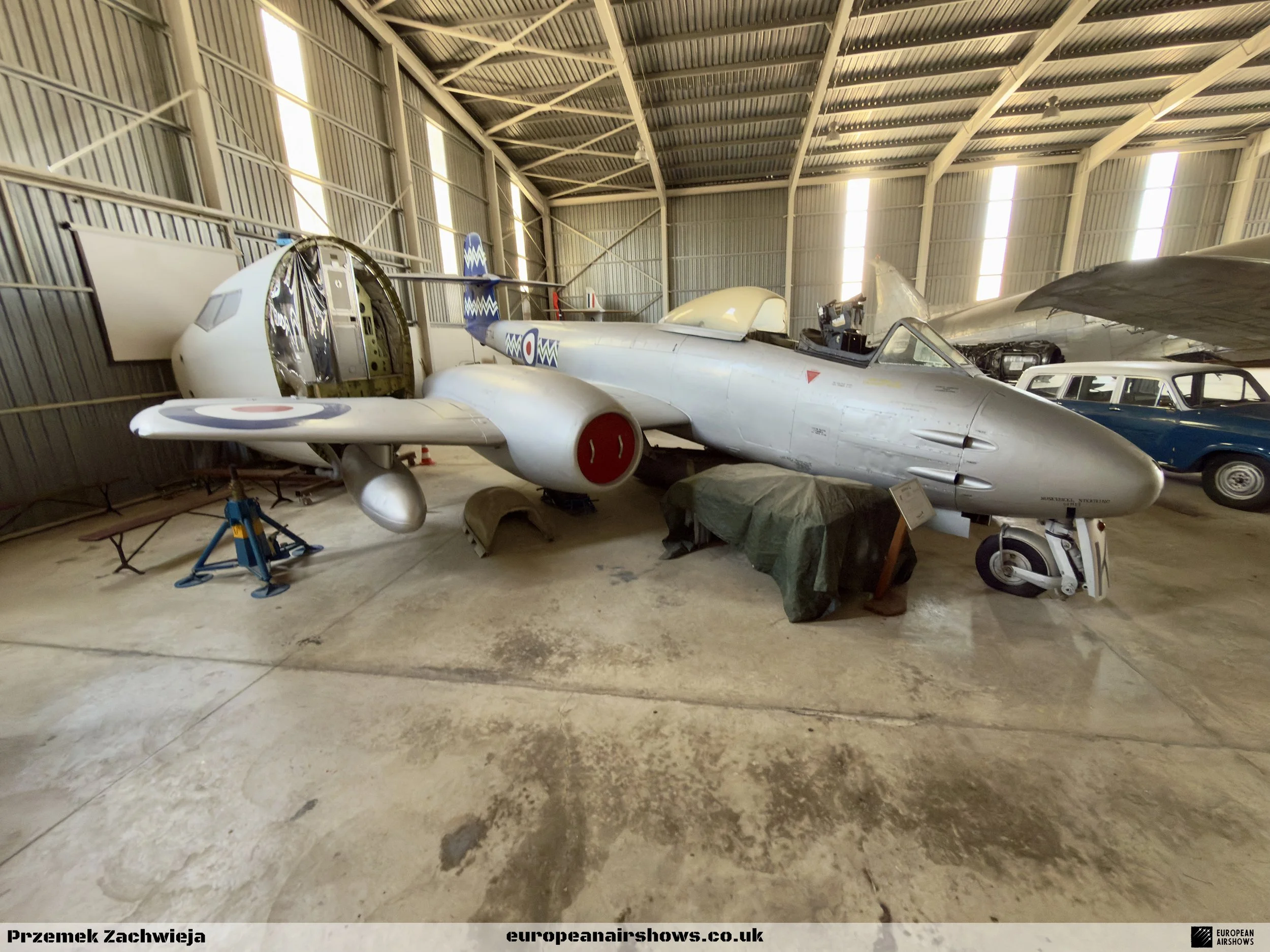
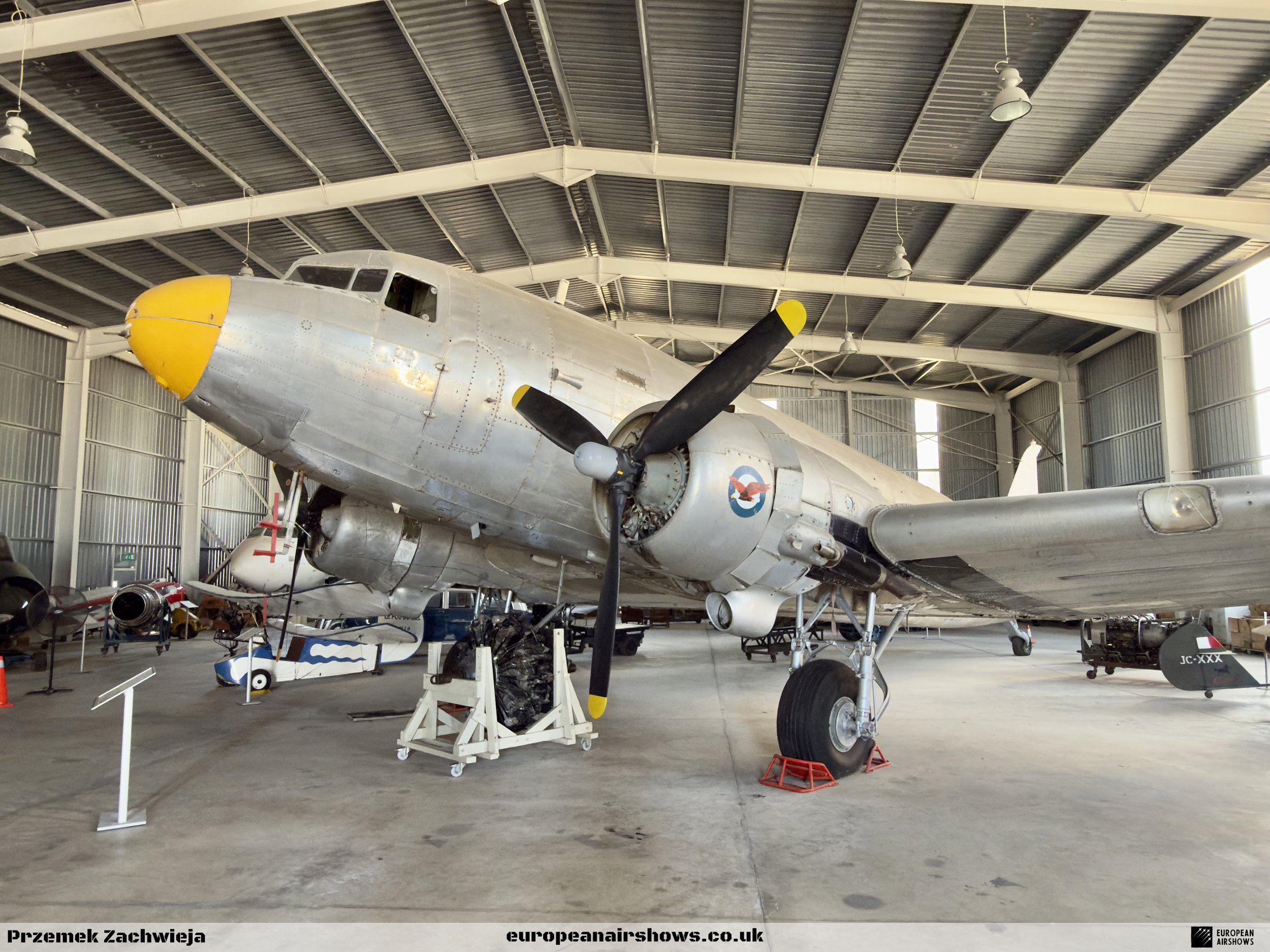
No trip to the Malta International Airshow is complete without a pilgrimage to the Malta Aviation Museum at Ta’ Qali. While technically separate from the airshow, it has become an essential component of the enthusiast’s itinerary. Situated on the former RAF wartime airfield, the museum chronicles the island’s rich aviation history, boasting immaculately restored airframes including a Spitfire Mk.IX, a Hurricane Mk.IIa, and a Vampire T.11. With active restoration workshops and a collection of trainers and liaison aircraft, the museum complements the modern spectacle of the airshow, allowing visitors to immerse themselves in Malta’s aviation heritage past and present.
Blessed with the balmy Mediterranean climate and a uniquely welcoming atmosphere, the 2025 Malta International Airshow signed off the European season in style. While compact in scale, the event delivered a rich variety of content, blending rare static appearances with operational demonstrations and established teams, all framed by the island’s stunning coastal geography. The displays that took place in the golden hour demonstrated just how spectacular this venue can be, suggesting that a dedicated sunset segment—or perhaps a Friday evening preview—could enhance the magic further. As the final major event on the calendar, Malta once again proved it possesses a charm and character entirely its own, leaving visitors eagerly anticipating the next chapter.
More airshow reviews
Read more reports, photography and first-hand coverage from airshows across Europe.