
REVIEW: Frecce Tricolori’s 65th Anniversary
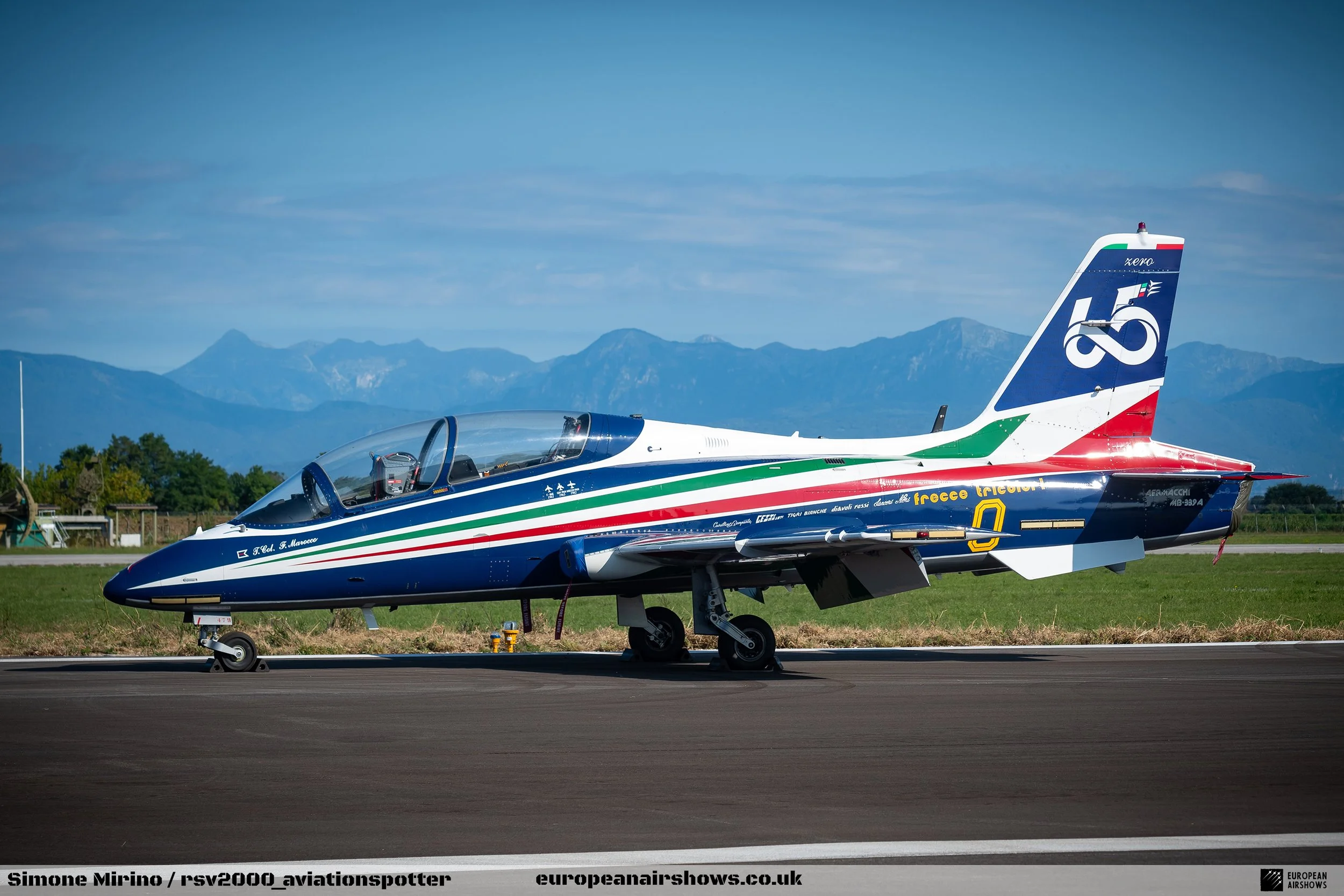
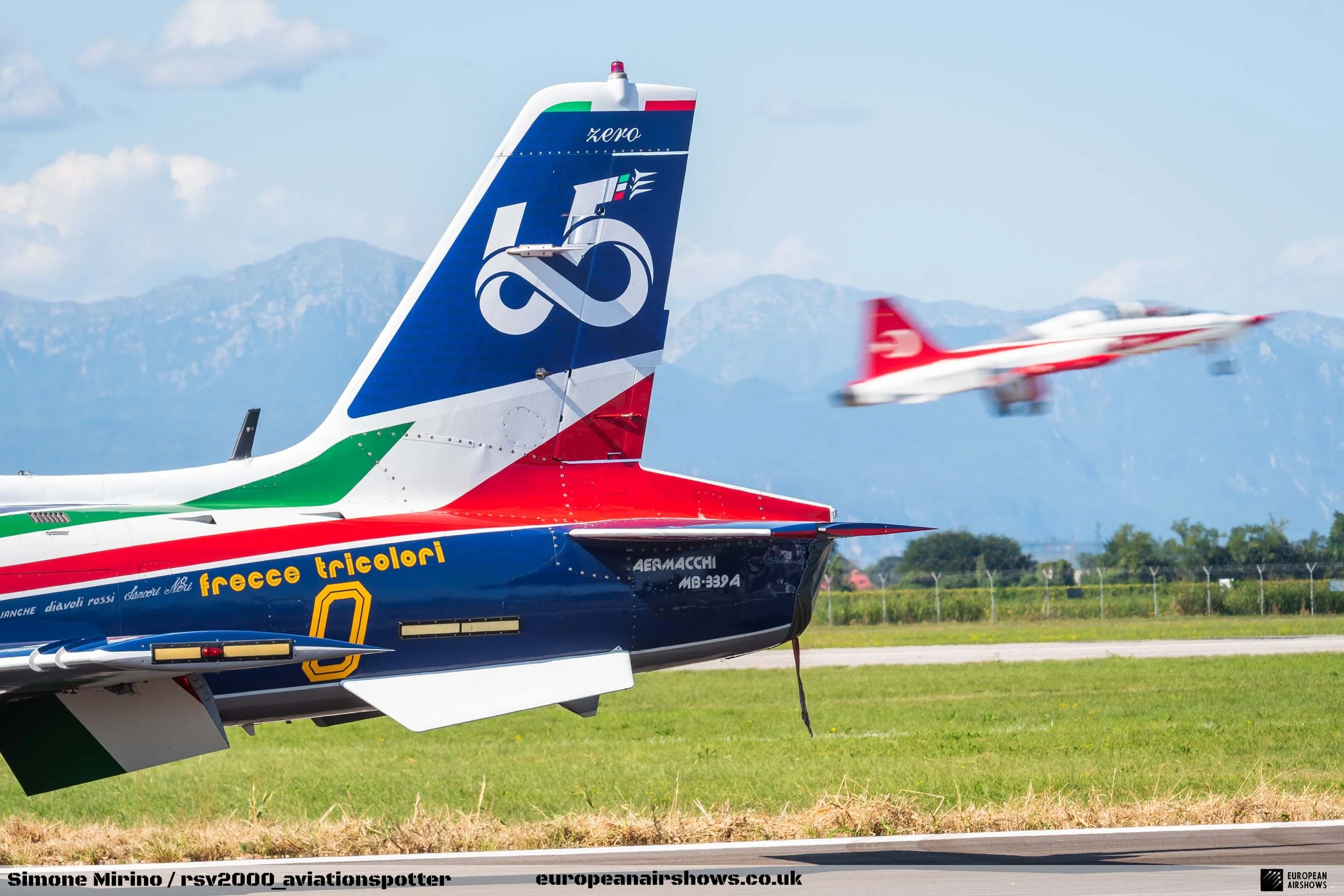
The skies above Rivolto Air Base came alive on September 5th, 6th and 7th as the Frecce Tricolori marked their 65th anniversary with a breathtaking celebration of flight, history, and national pride. For three unforgettable days, the quiet countryside of Udine (in northeastern Italy) turned into the beating heart of aviation lovers, as over 200.000 spectators gathered to witness one of the most impressive air shows in Europe this year.
This important milestone for the Italian Aerobatic Team had a special resonance. Alongside the Frecce Tricolori’s celebration, the Italian Air Force also honoured the centenary of the 2nd Wing. This unit, based in Rivolto, is known as the oldest wing of the Aeronautica Militare and holds a unique place within the Italian Air Force as it is the only one with missile capability (ground to air). It also provides essential logistical support to the Frecce Tricolori’s daily operations.
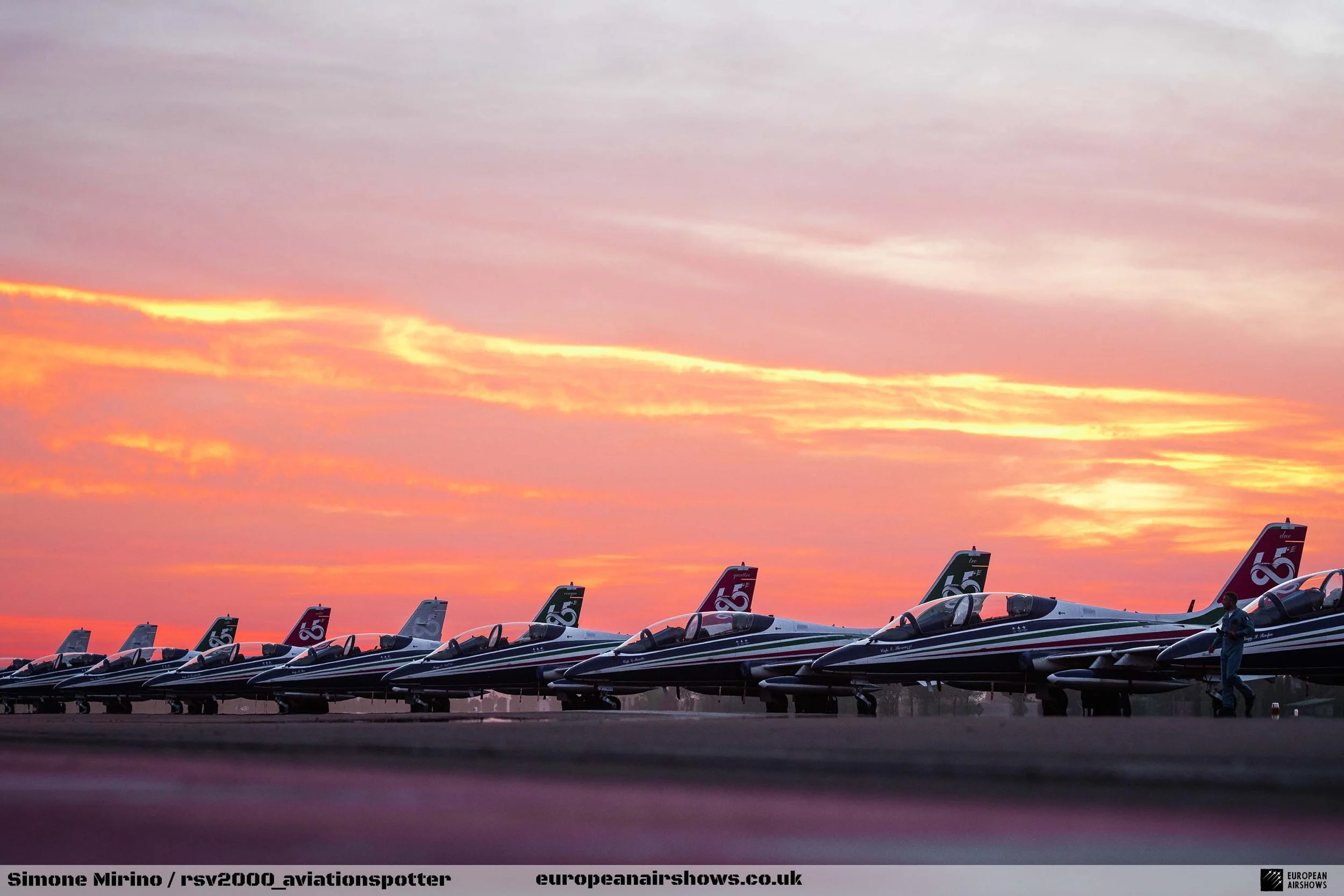
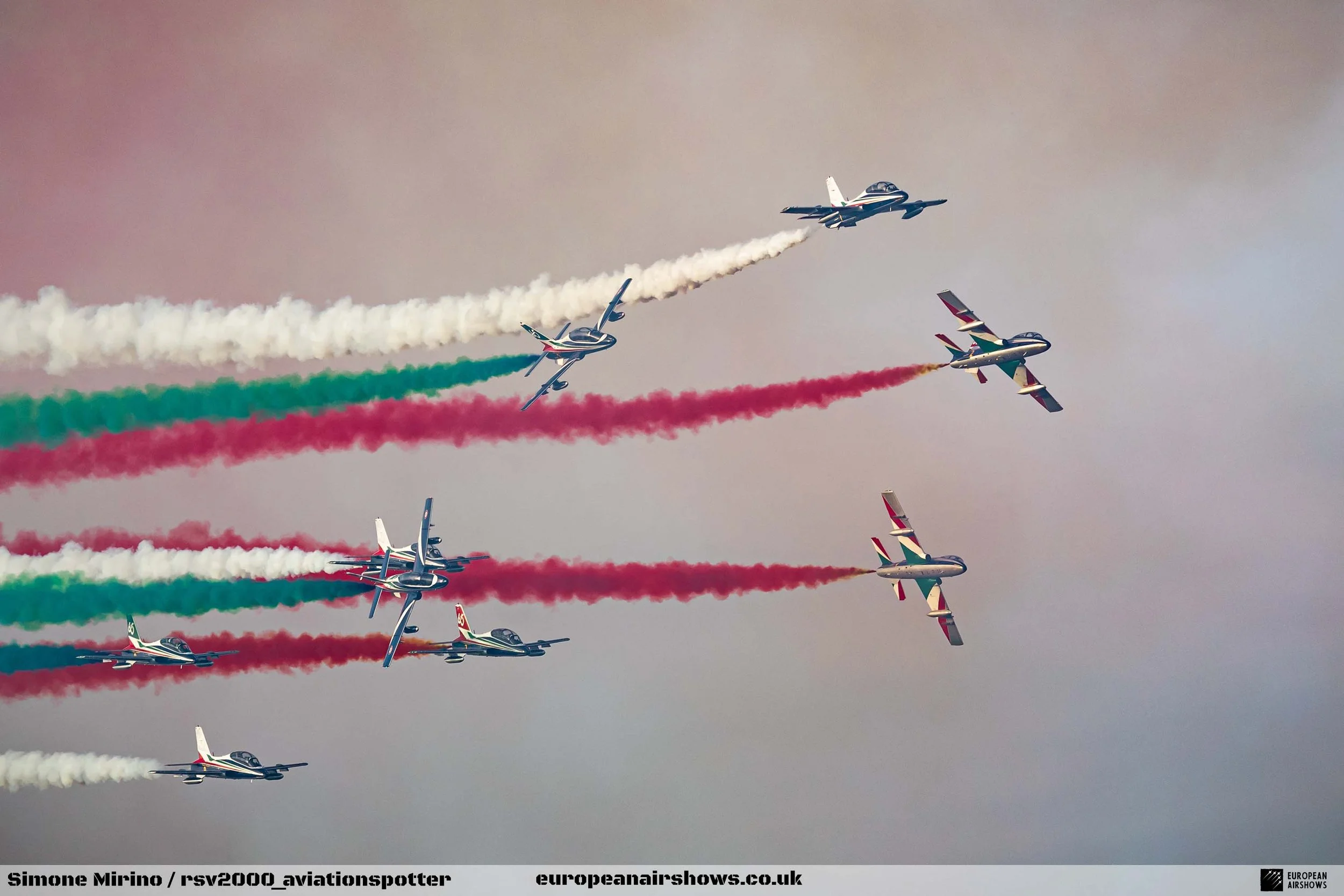
The celebration began on Friday with Spotter Day, when photographers and aviation enthusiasts were welcomed behind the scenes to capture rare moments of preparation and rehearsal. But it was on Saturday and Sunday that the skies truly belonged to the public.
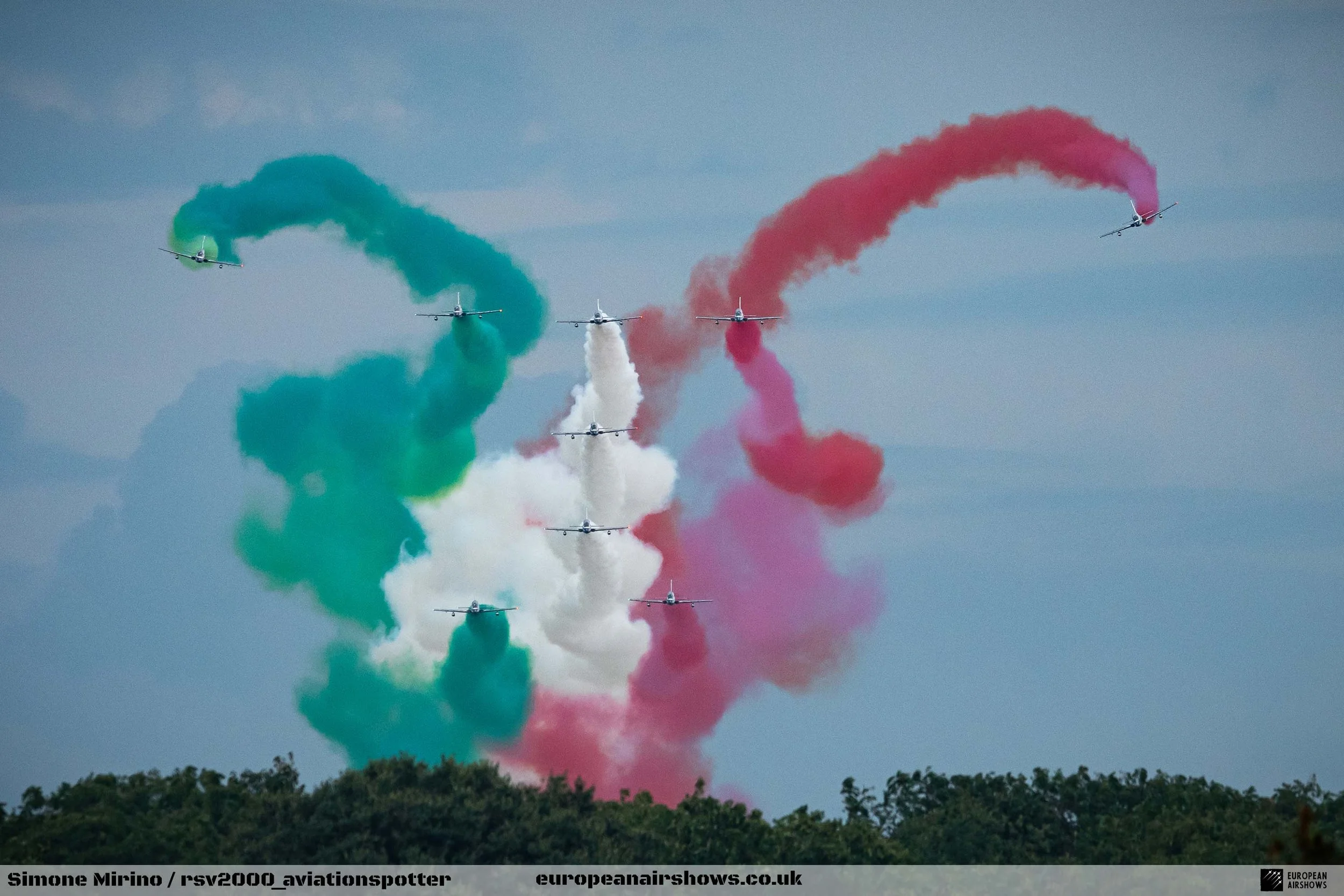
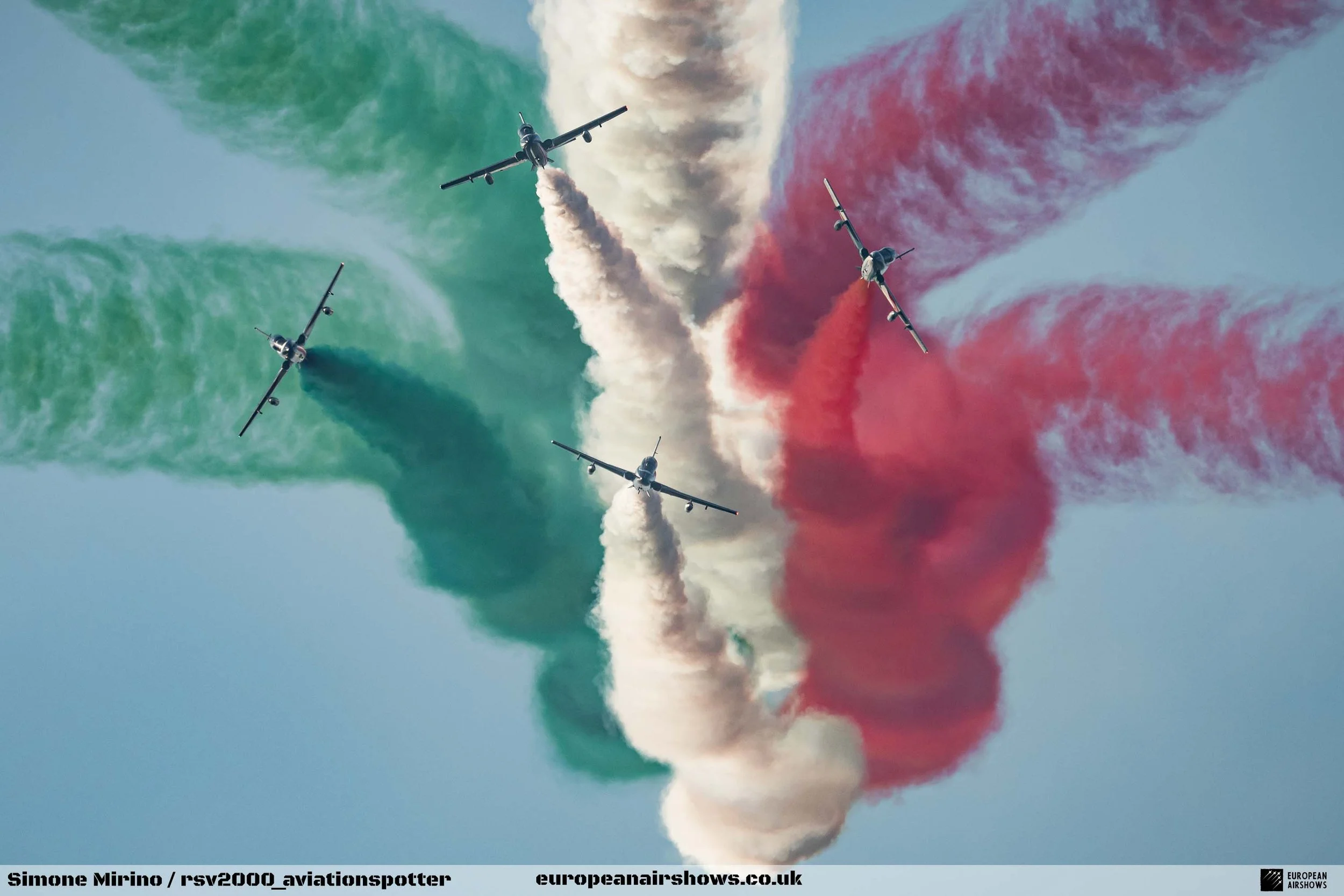
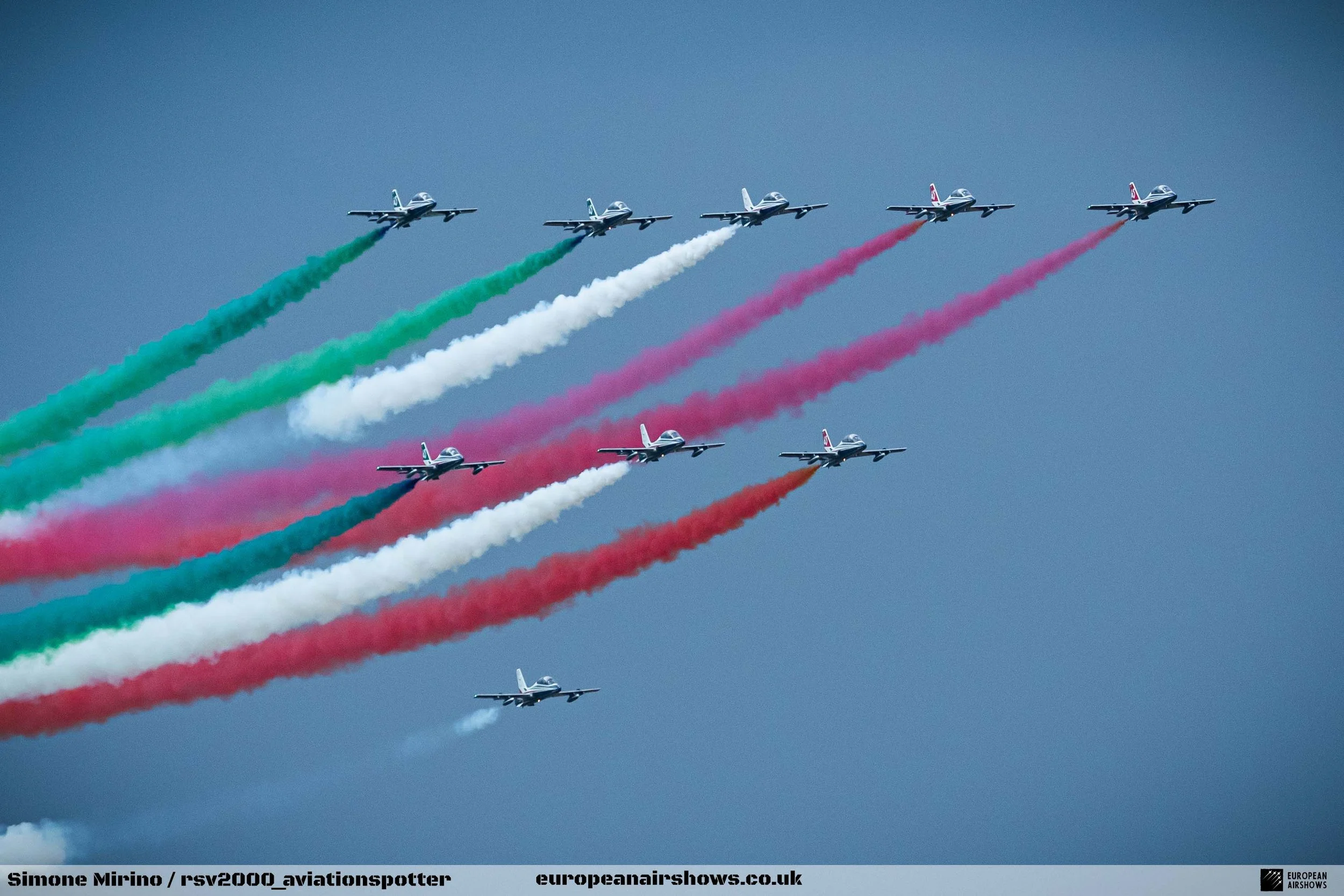
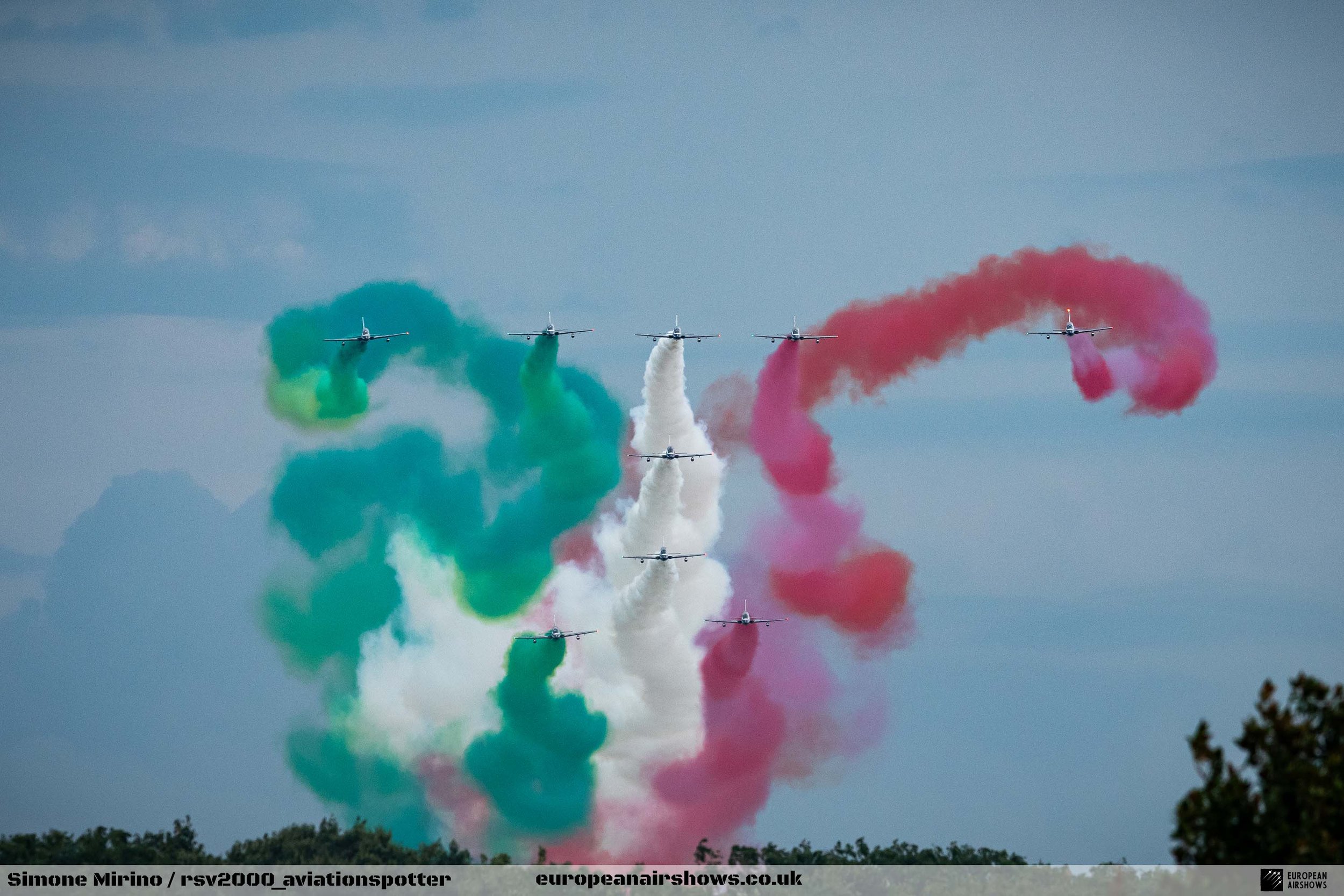
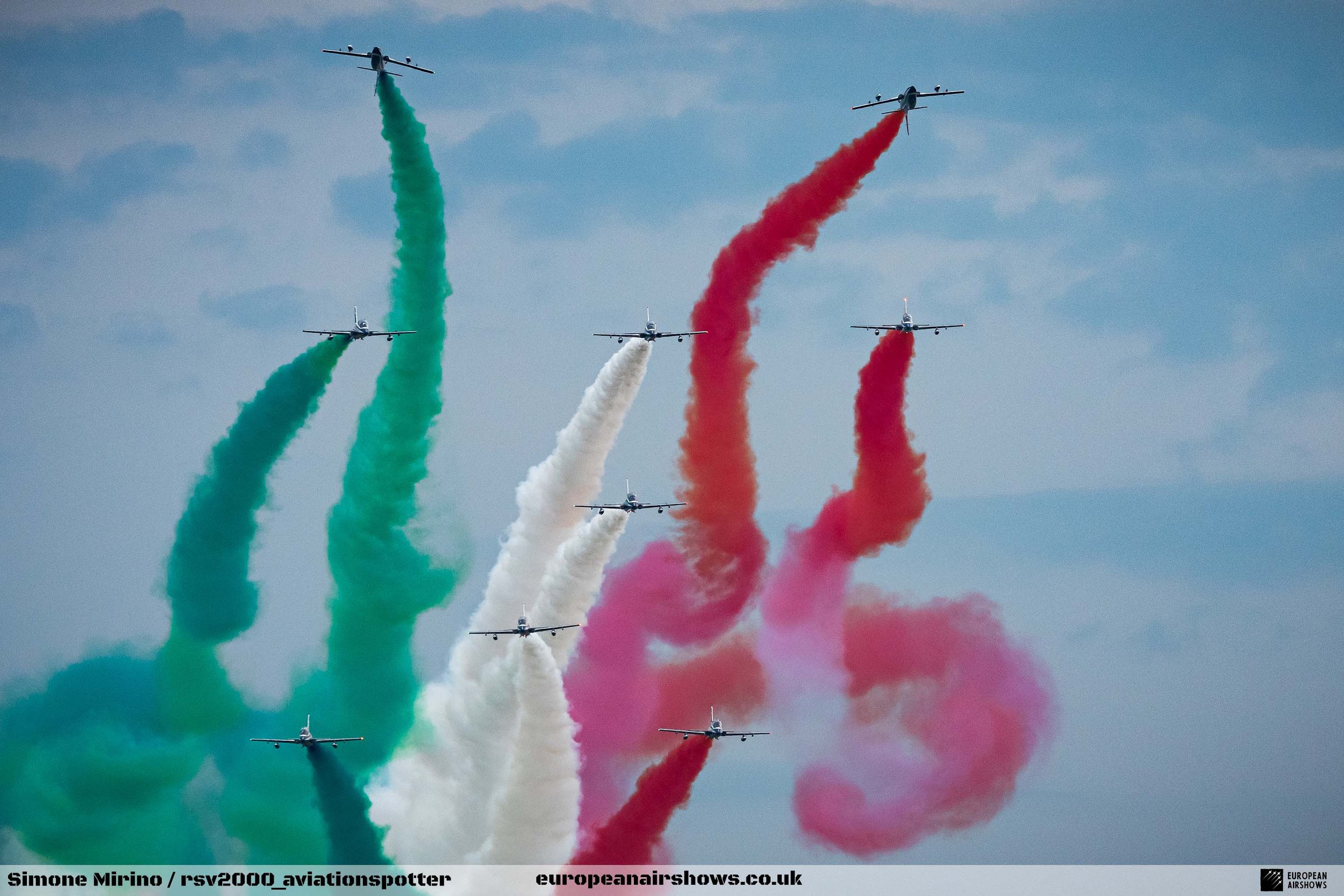
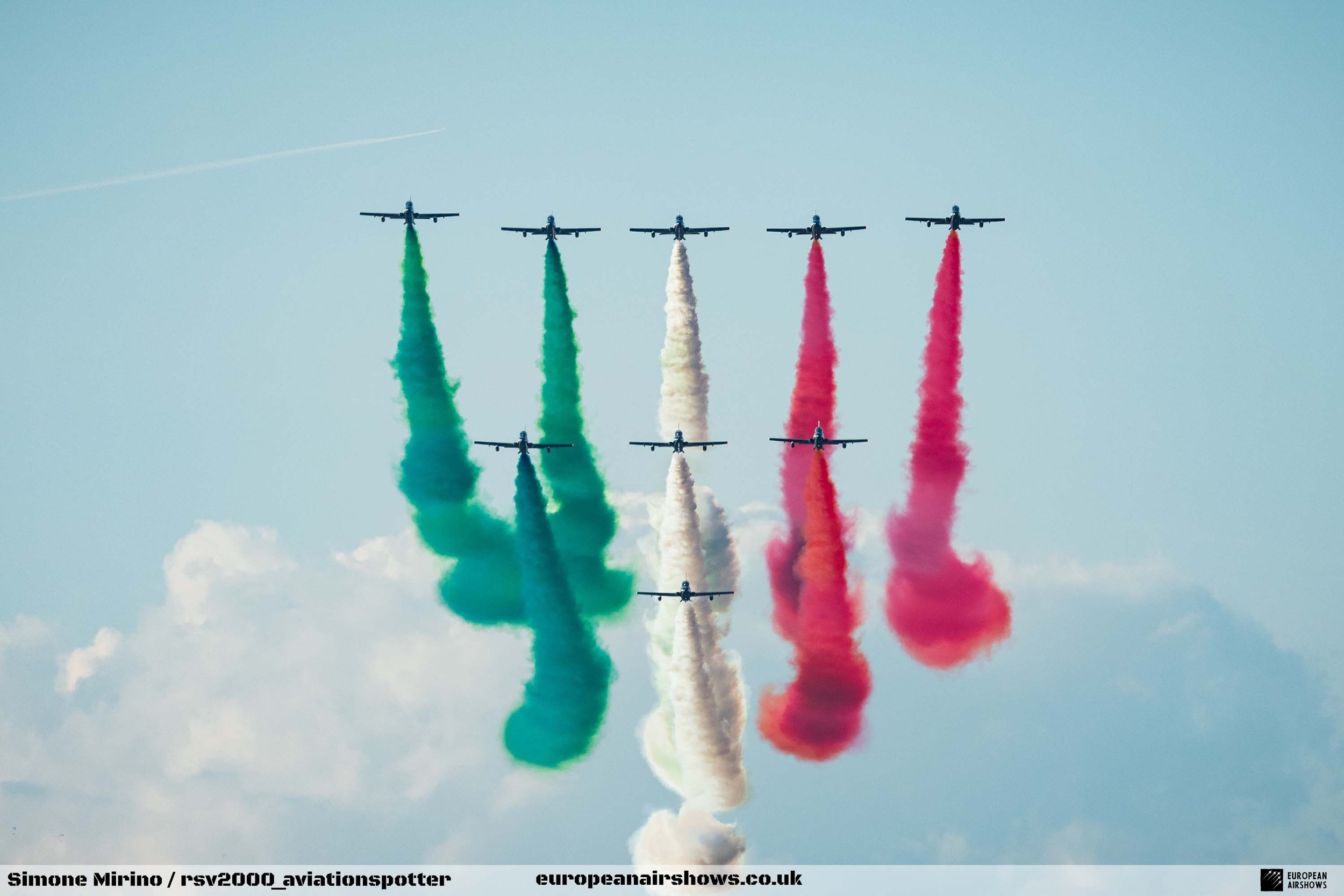
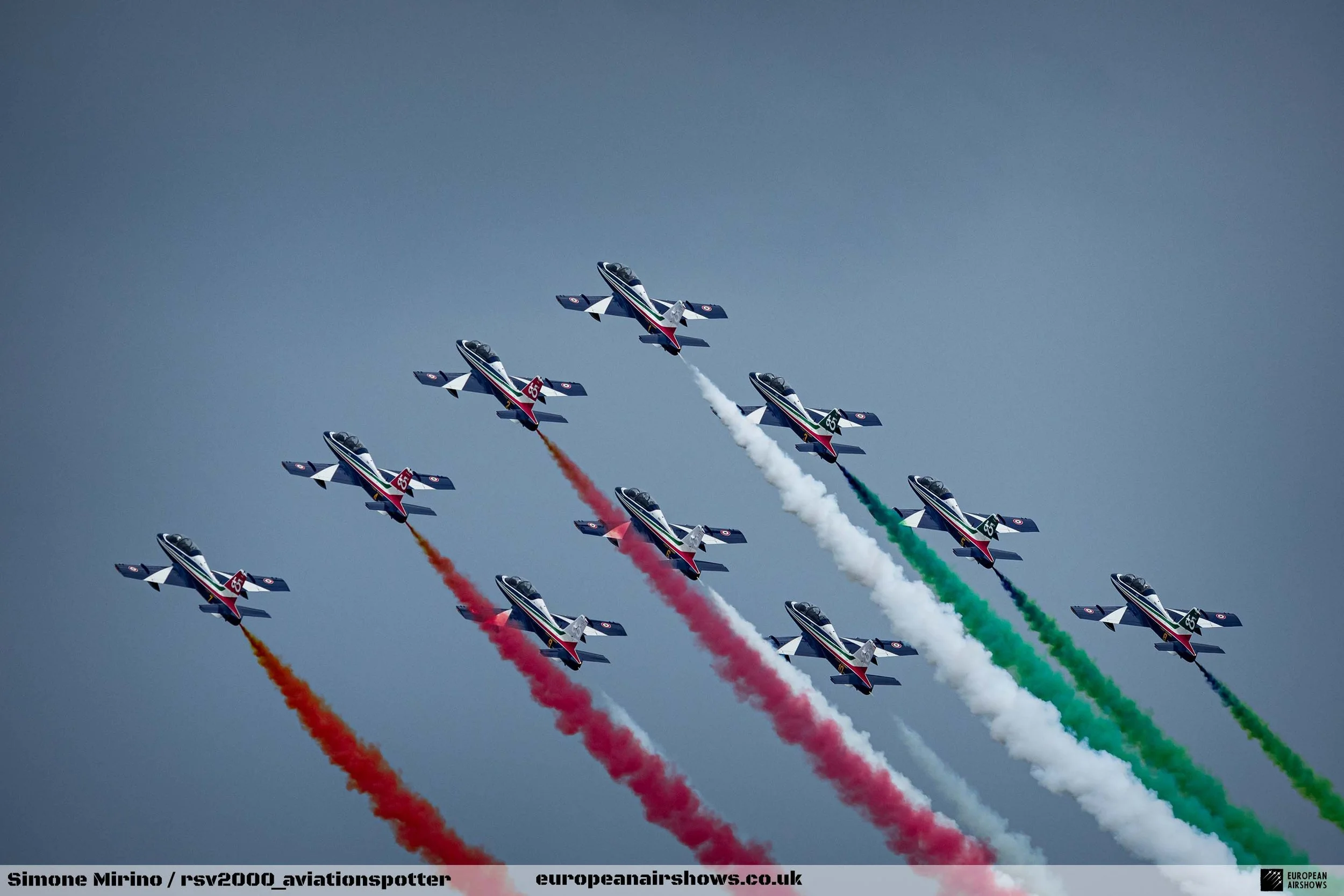
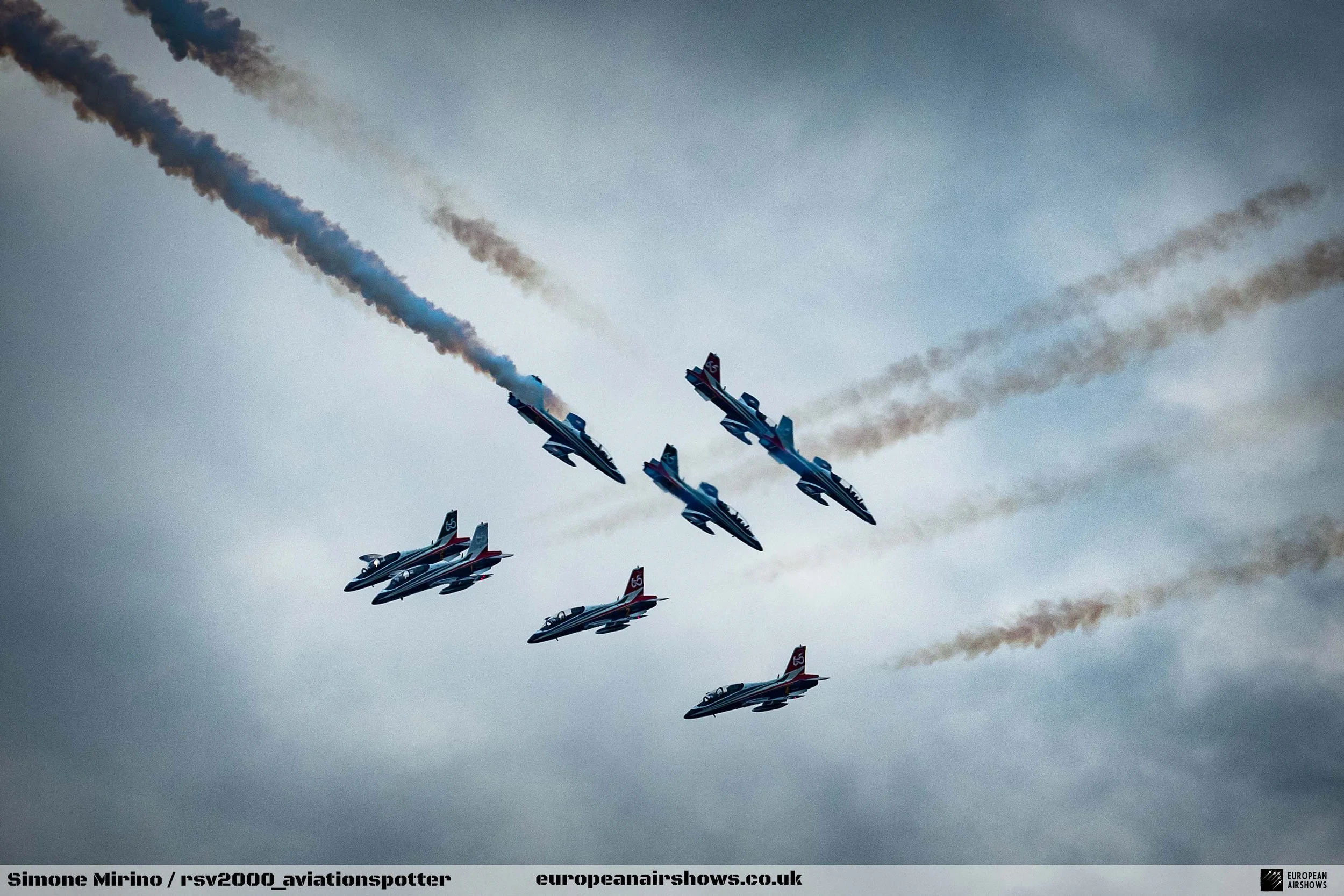
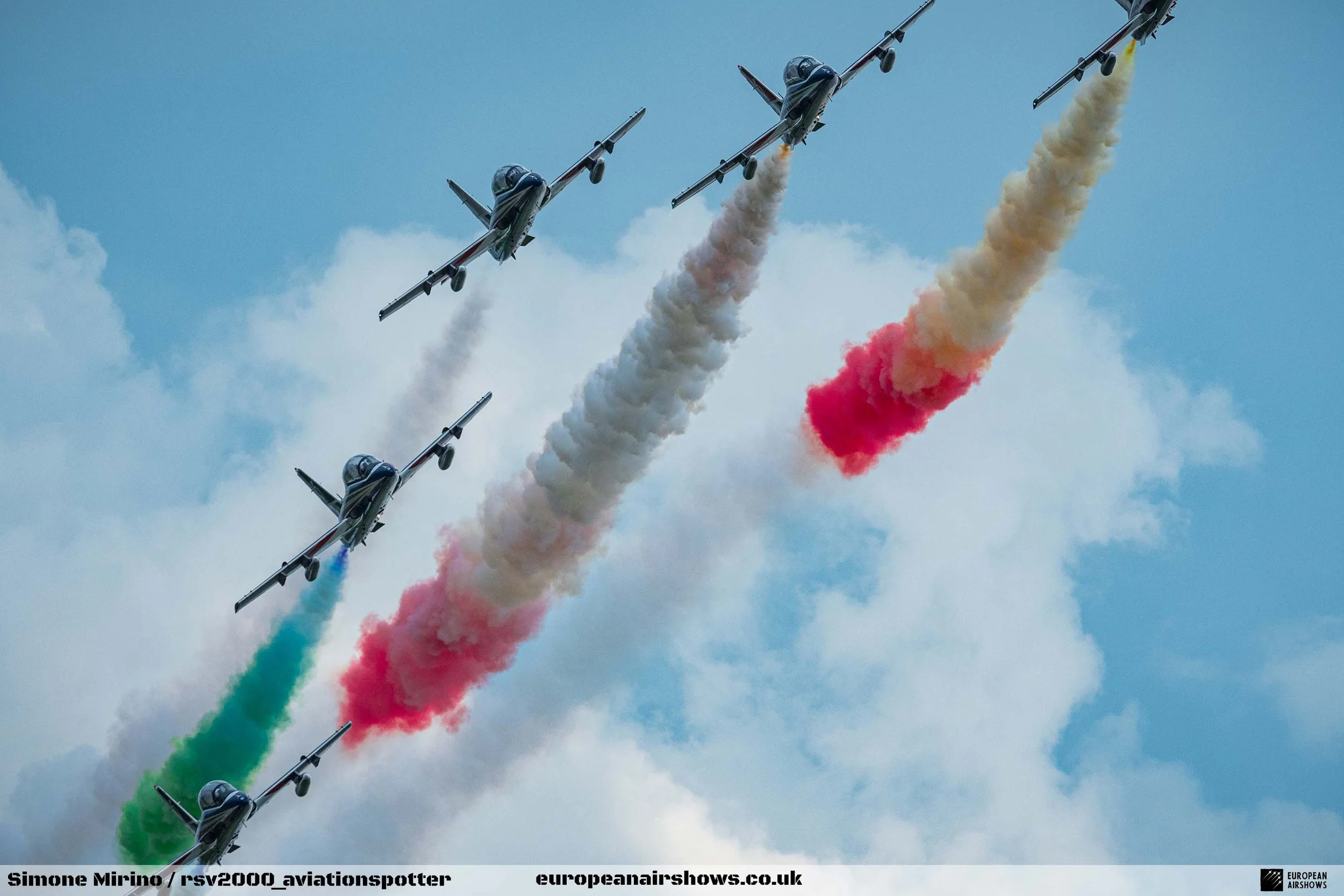
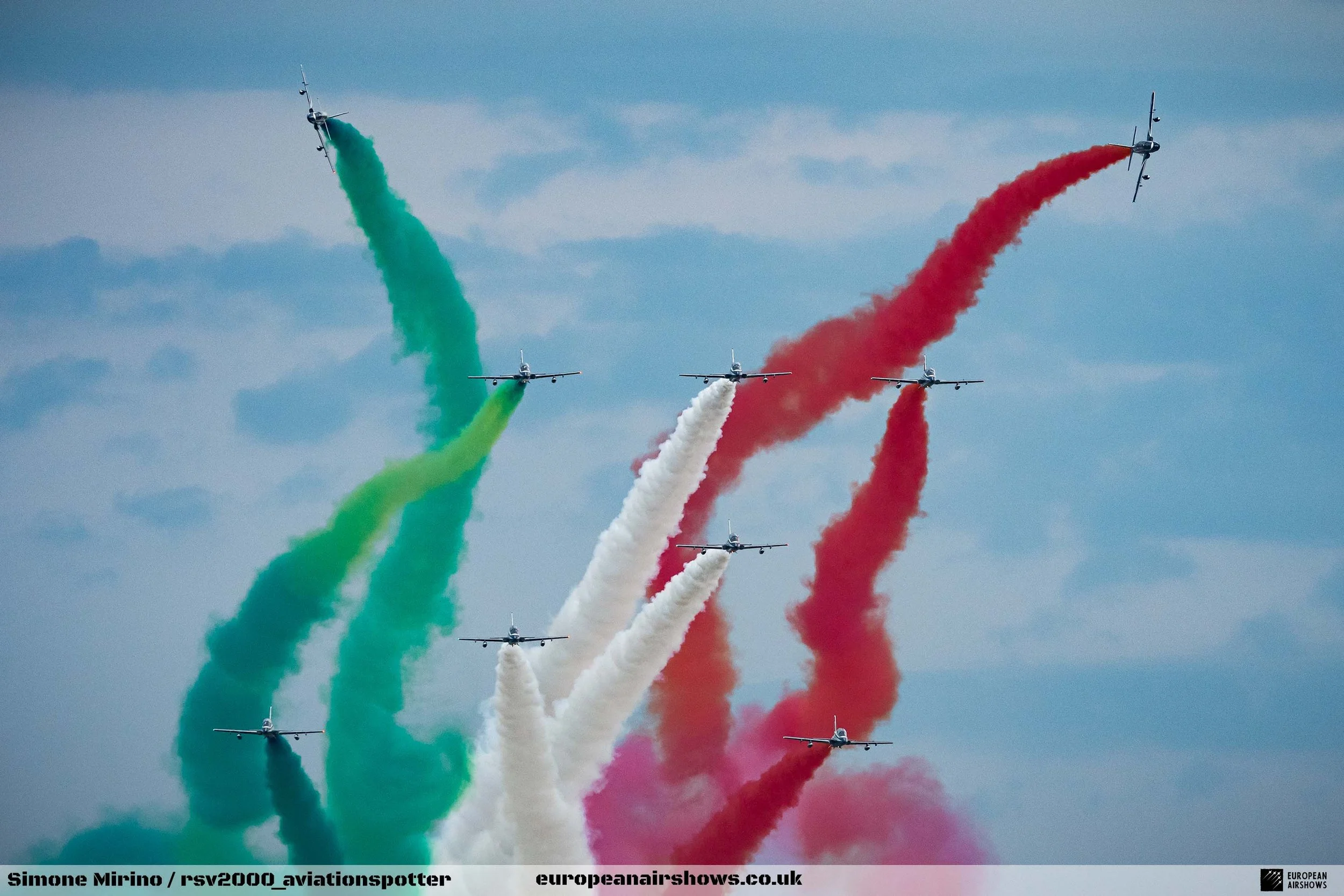
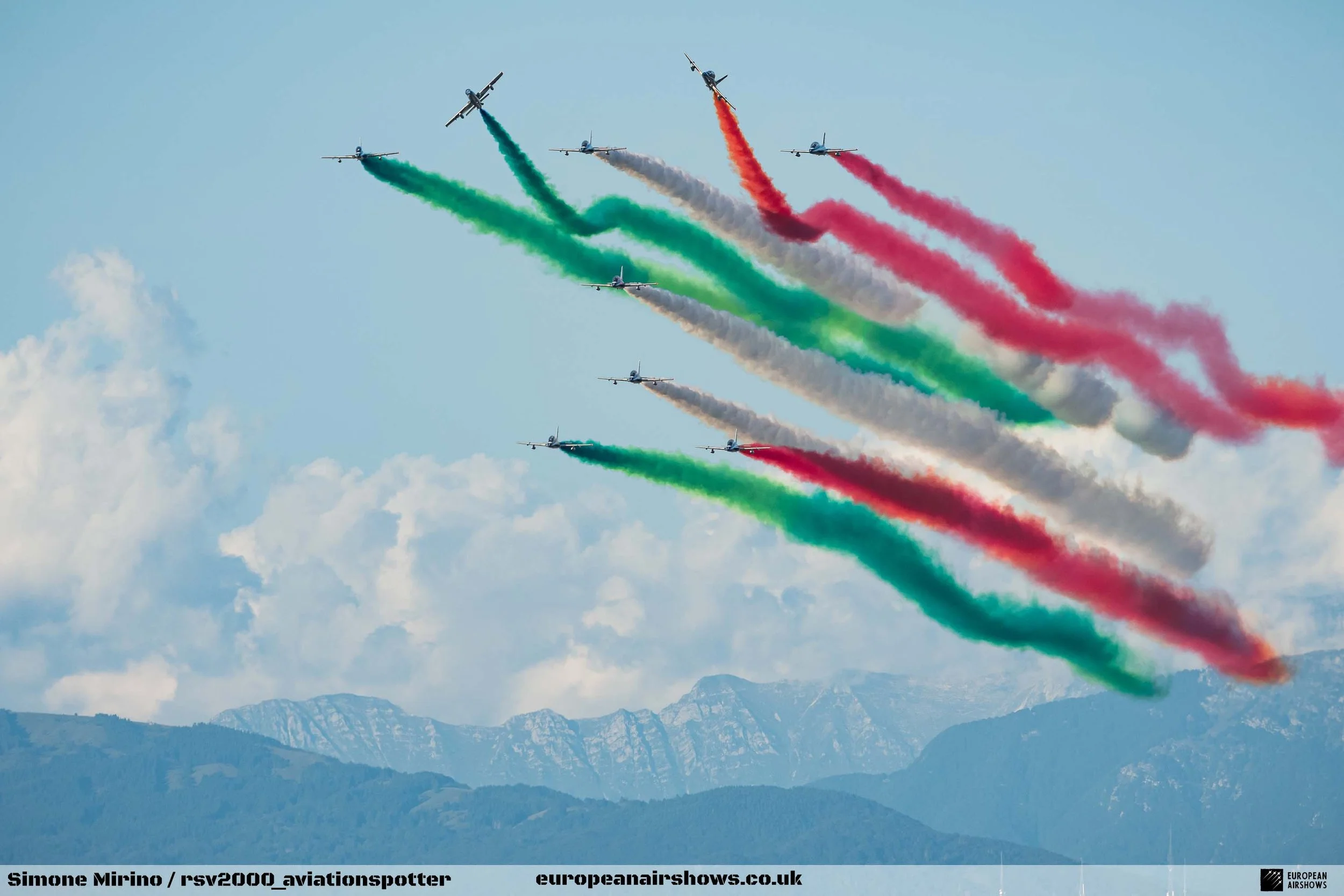
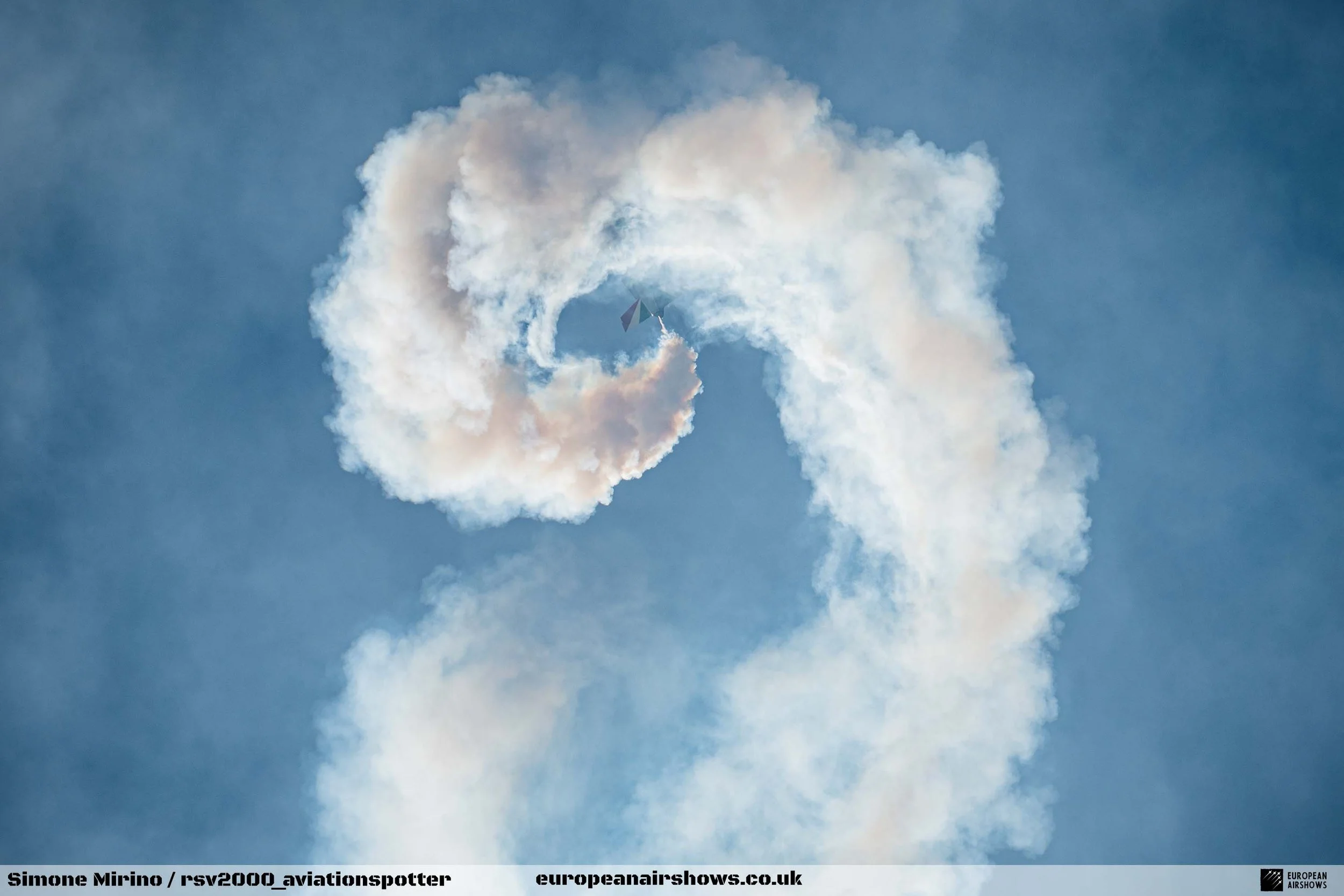
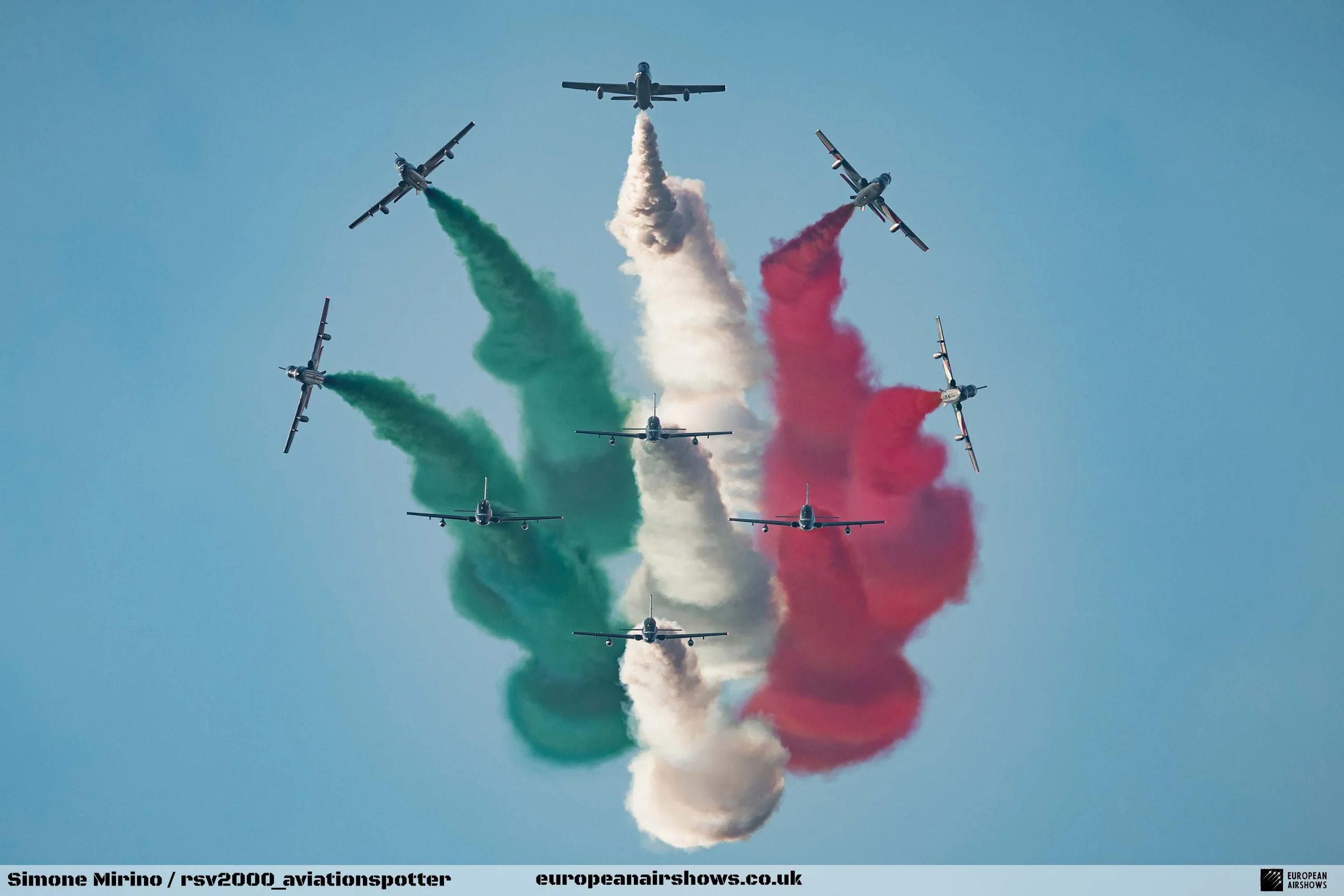
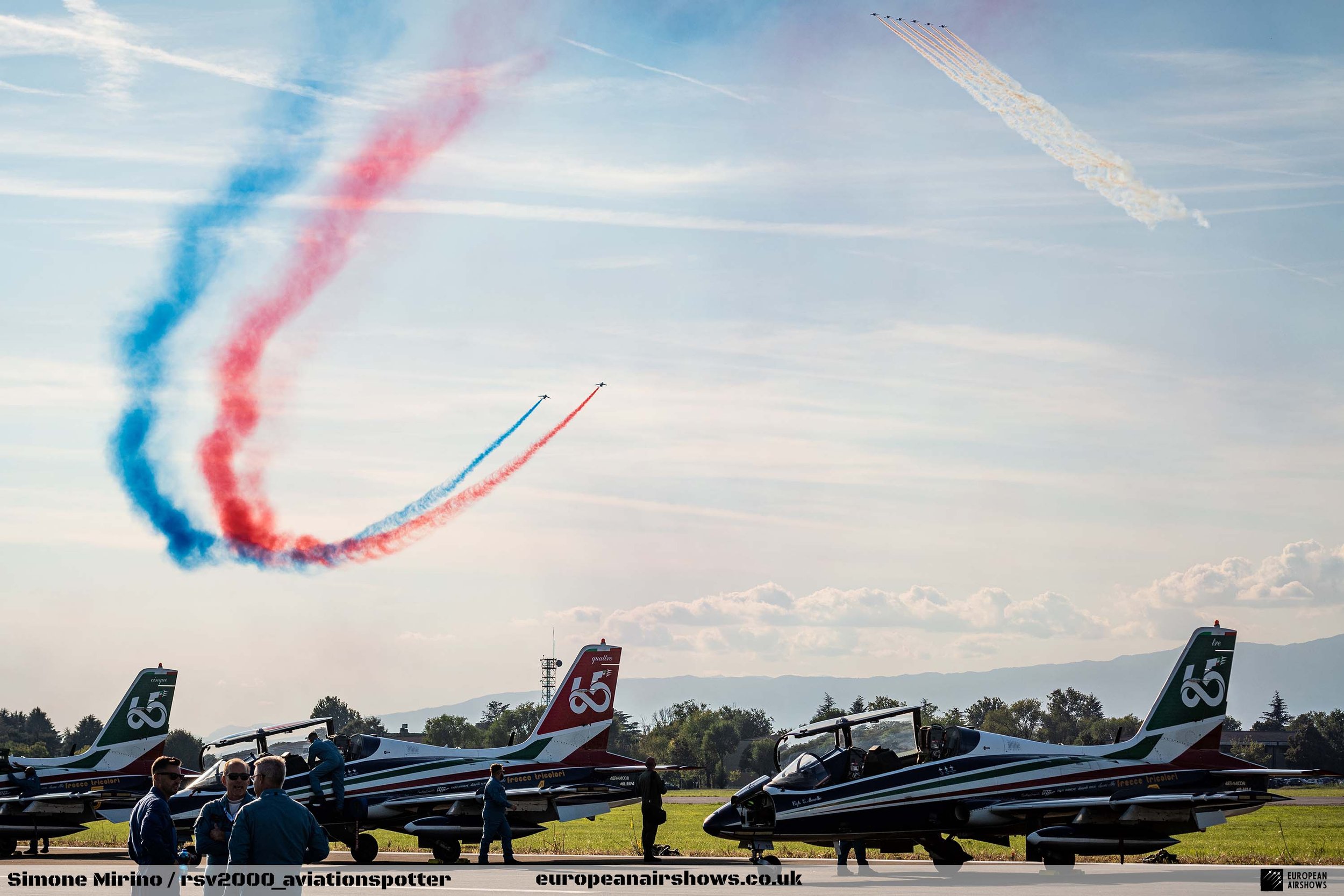
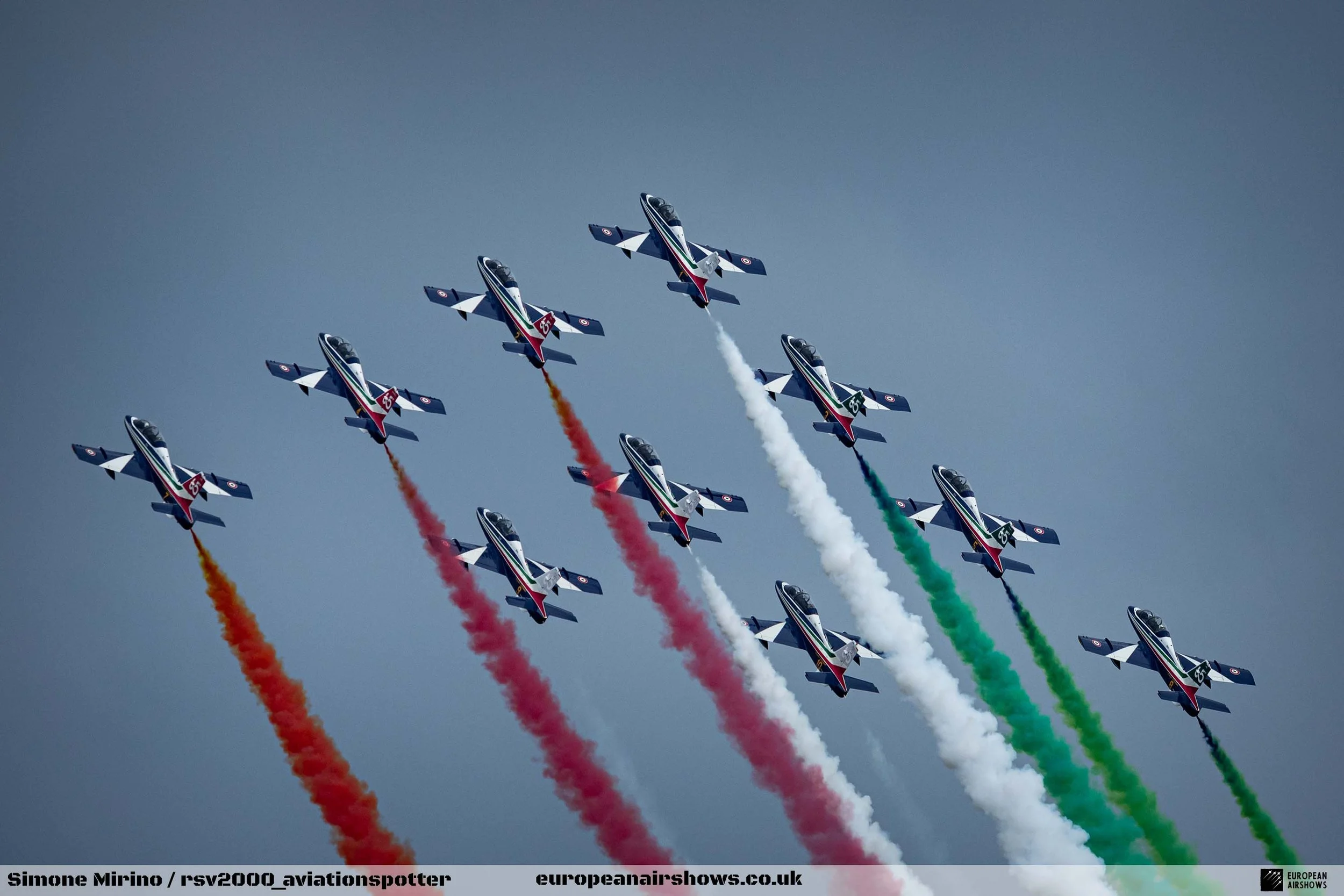
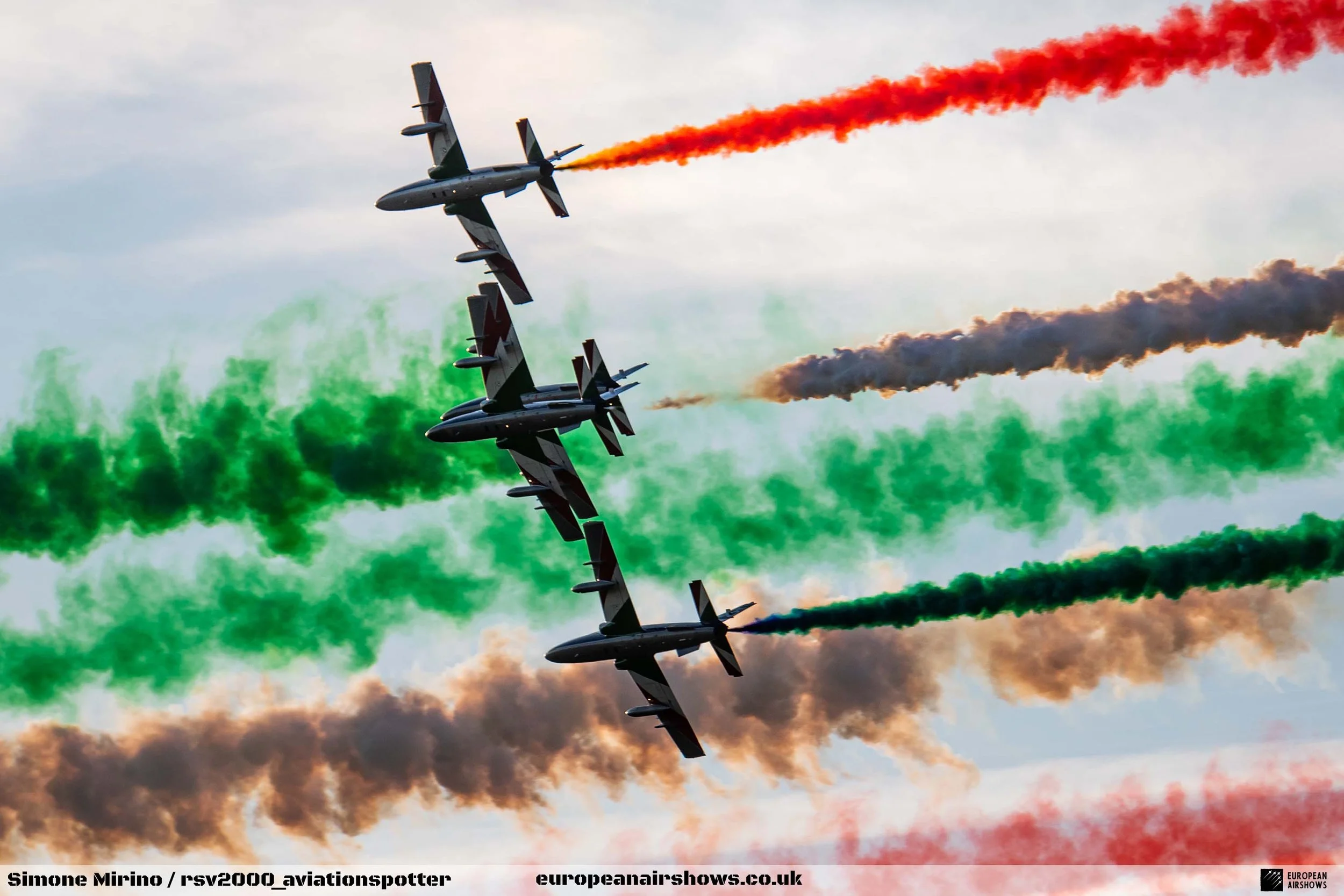
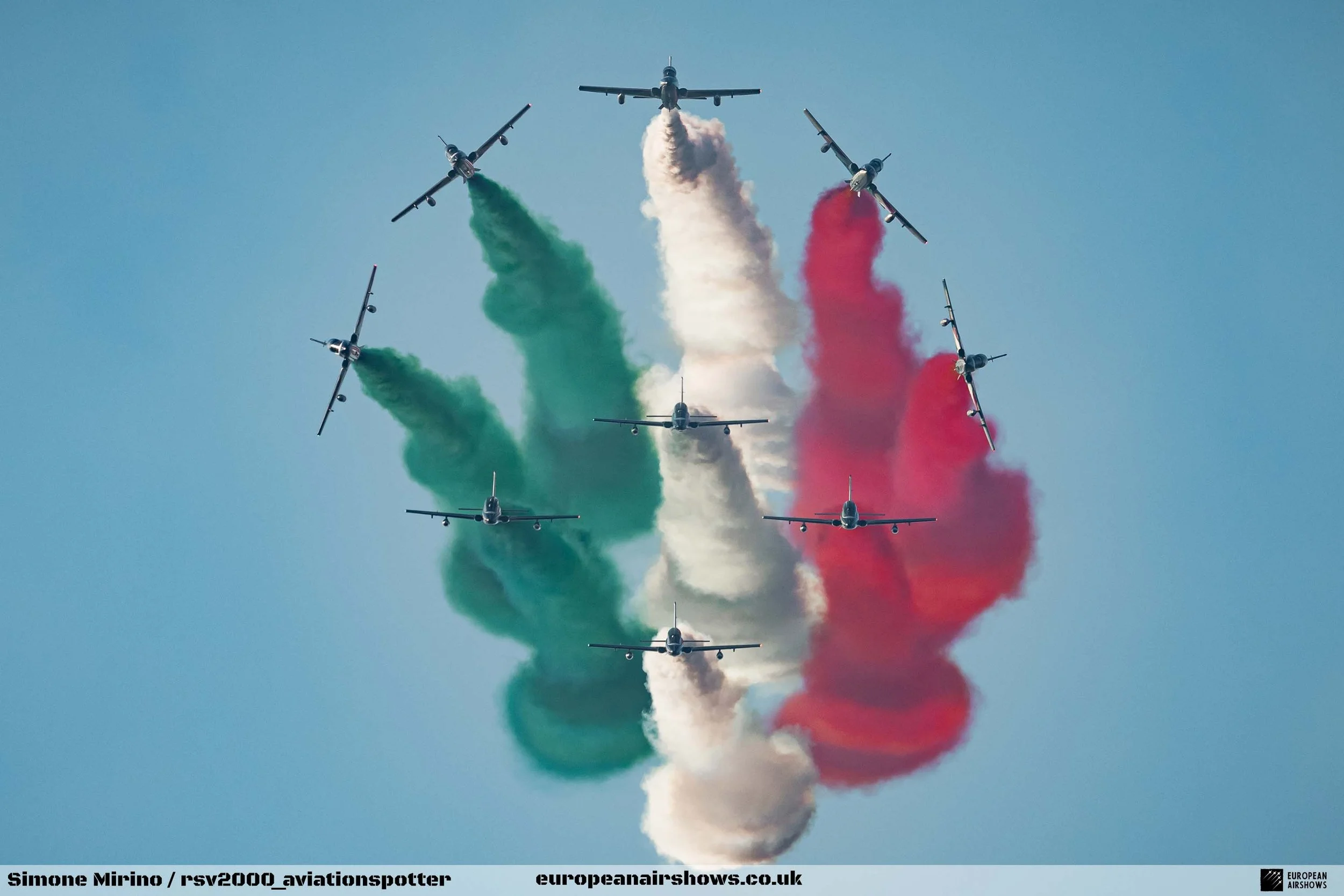
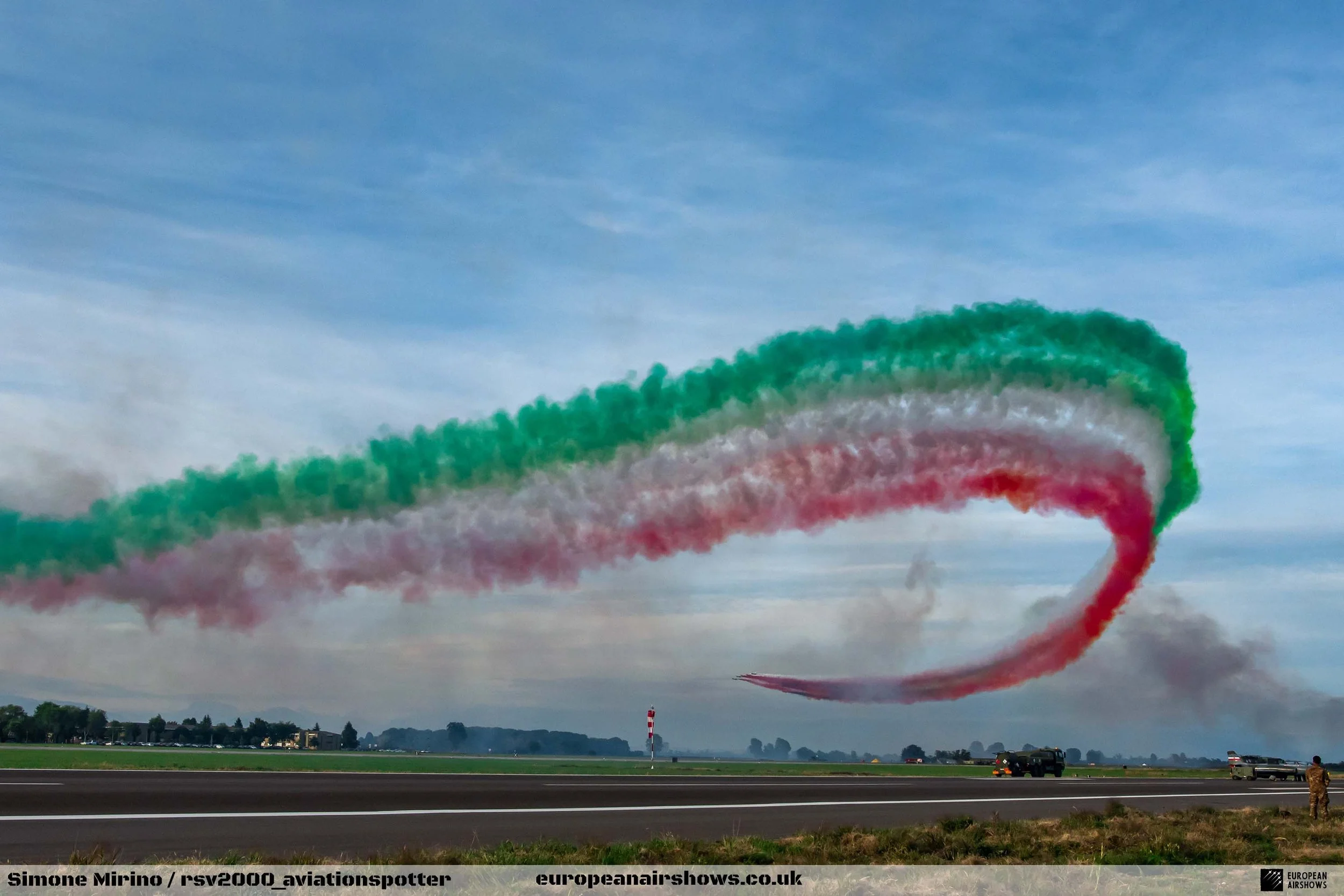
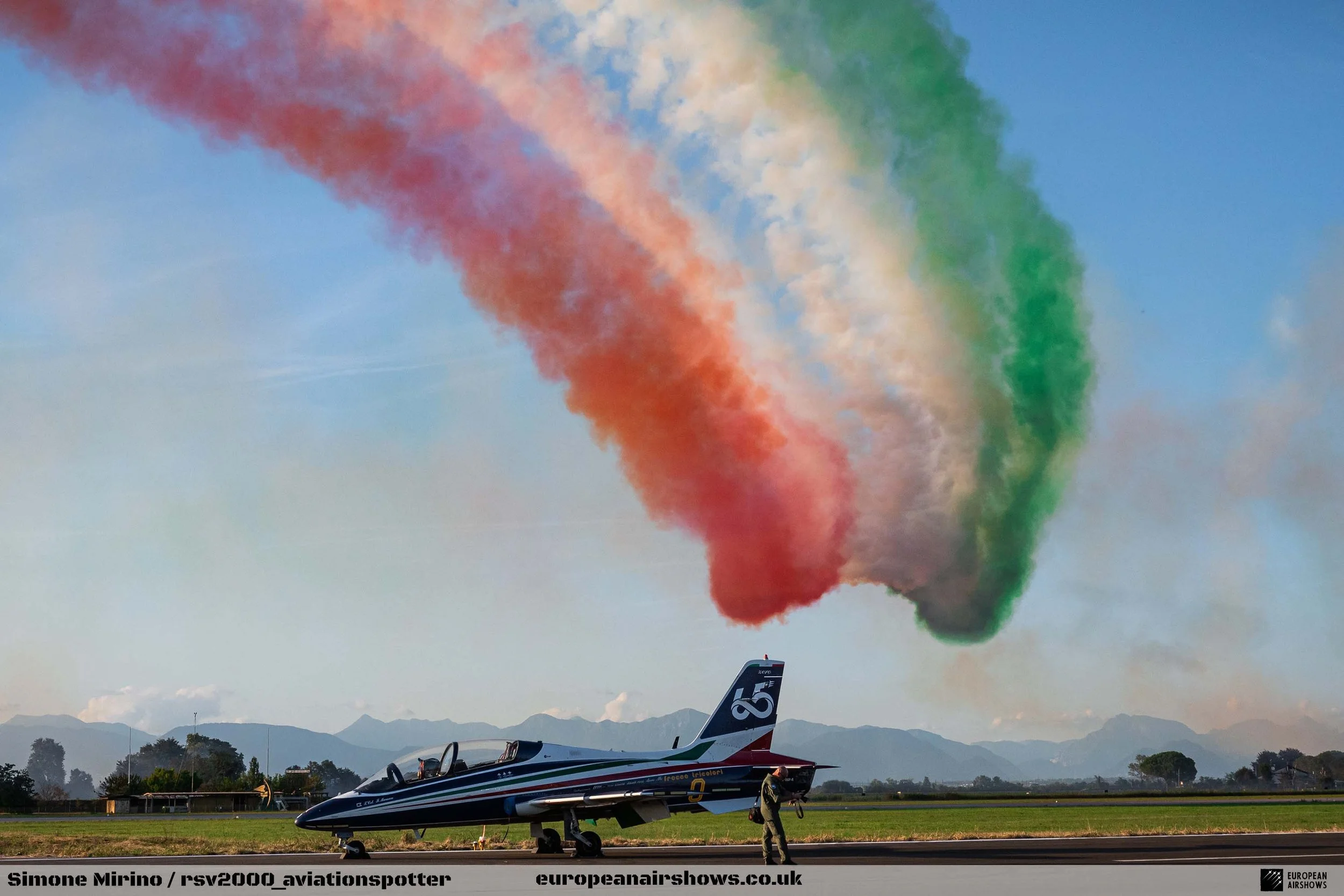
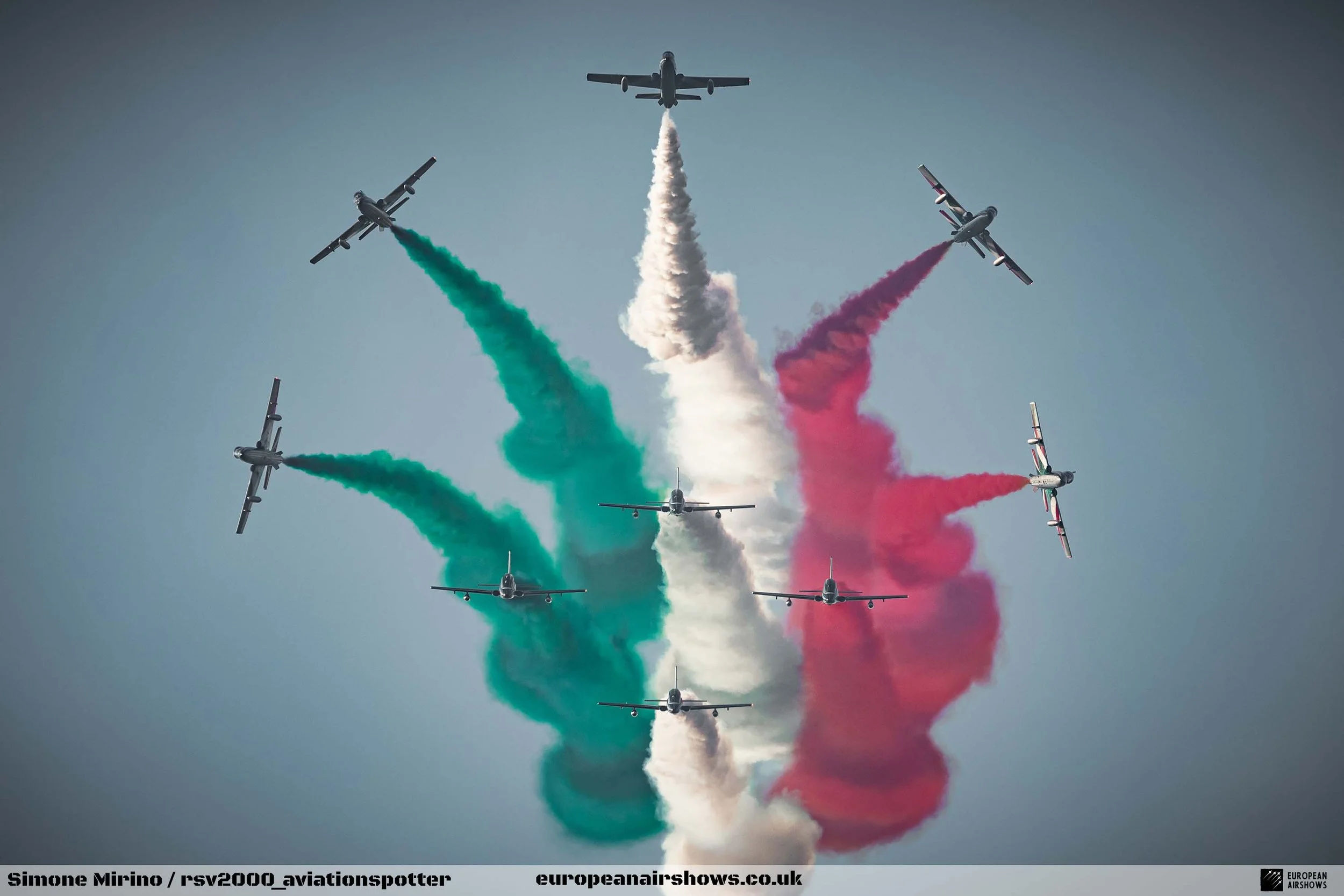
From the roar of modern fighter jets to the elegant loops of aerobatic teams, every single display built anticipation for the main event: the Frecce Tricolori. Their trademark tricolour smoke painted ribbons of green, white, and red across the sky, a symbol that has moved Italians for generations and left international visitors in awe.
The flying program was rich and varied, blending solo demonstrations, tactical manoeuvres, and international aerobatic teams. Civilian performers brought artistry and grace, while military pilots showcased speed, precision, and power. Each sequence was carefully choreographed, keeping tens of thousands of eyes fixed skyward.
The success of the event extended far beyond the air base. Streaming broadcasts brought the celebration to thousands more via Aeronautica Militare’s official social media channels, while Sunday’s show was featured on Rai2 (one of the main Italian television channels), sharing the event with the entire country.
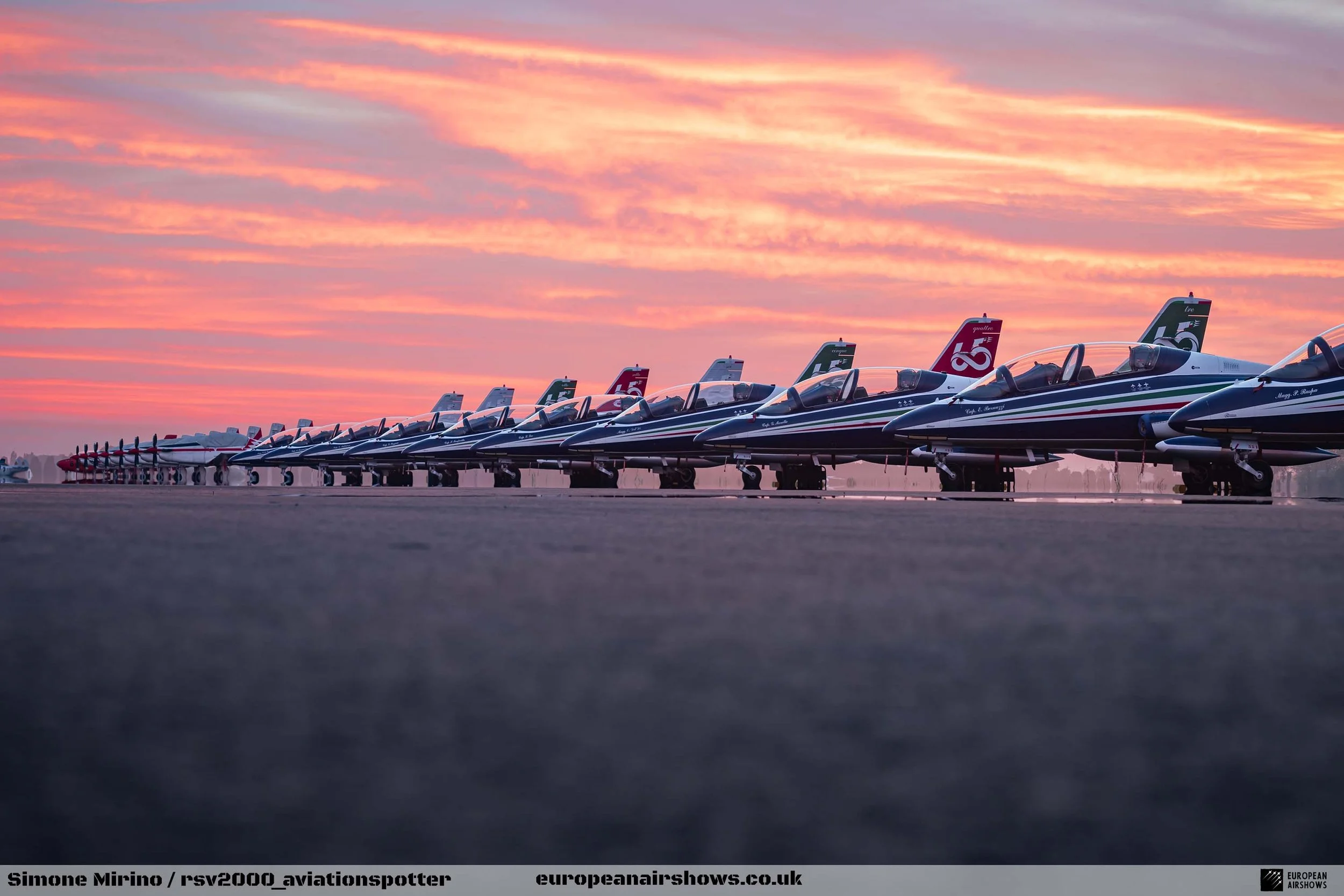


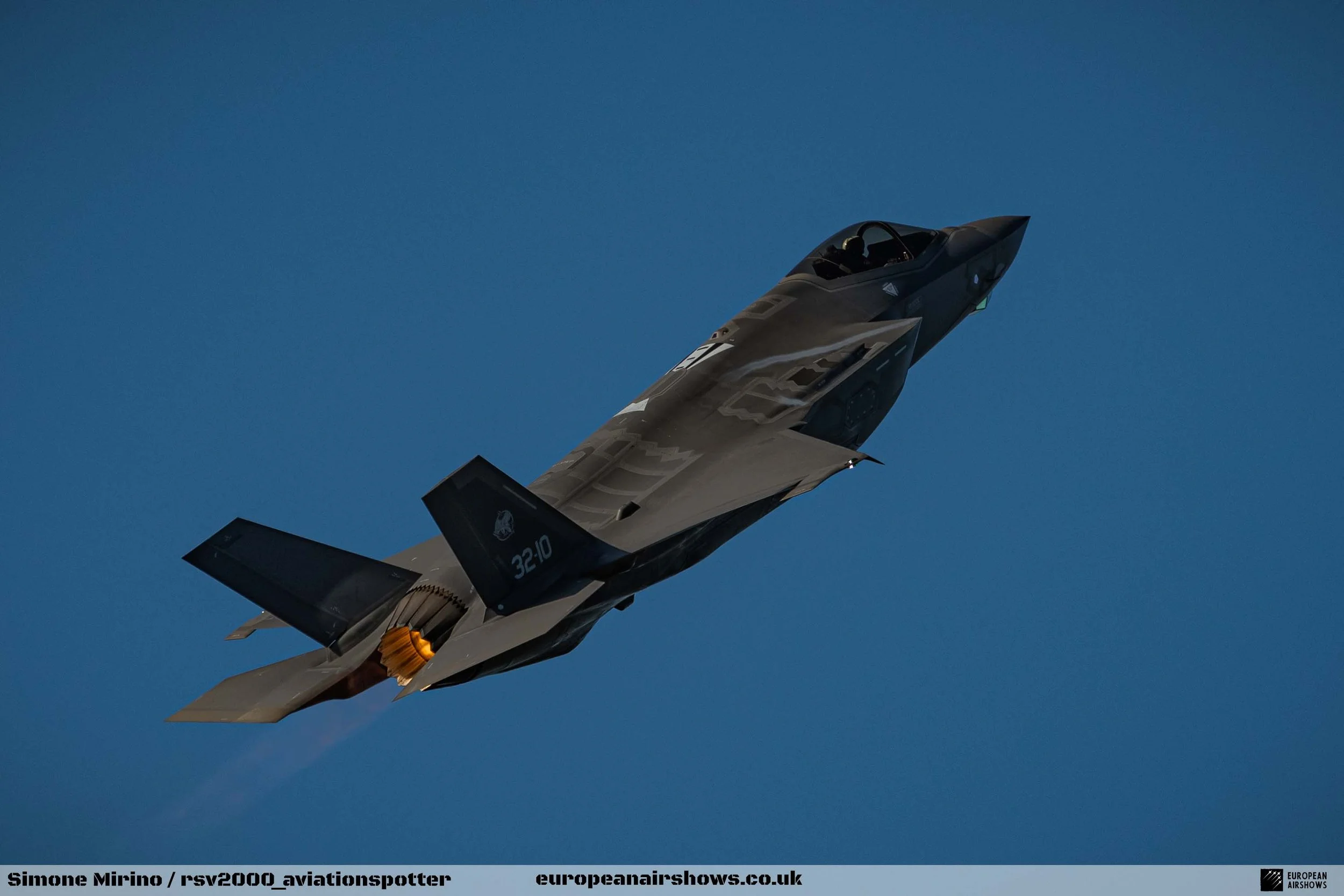
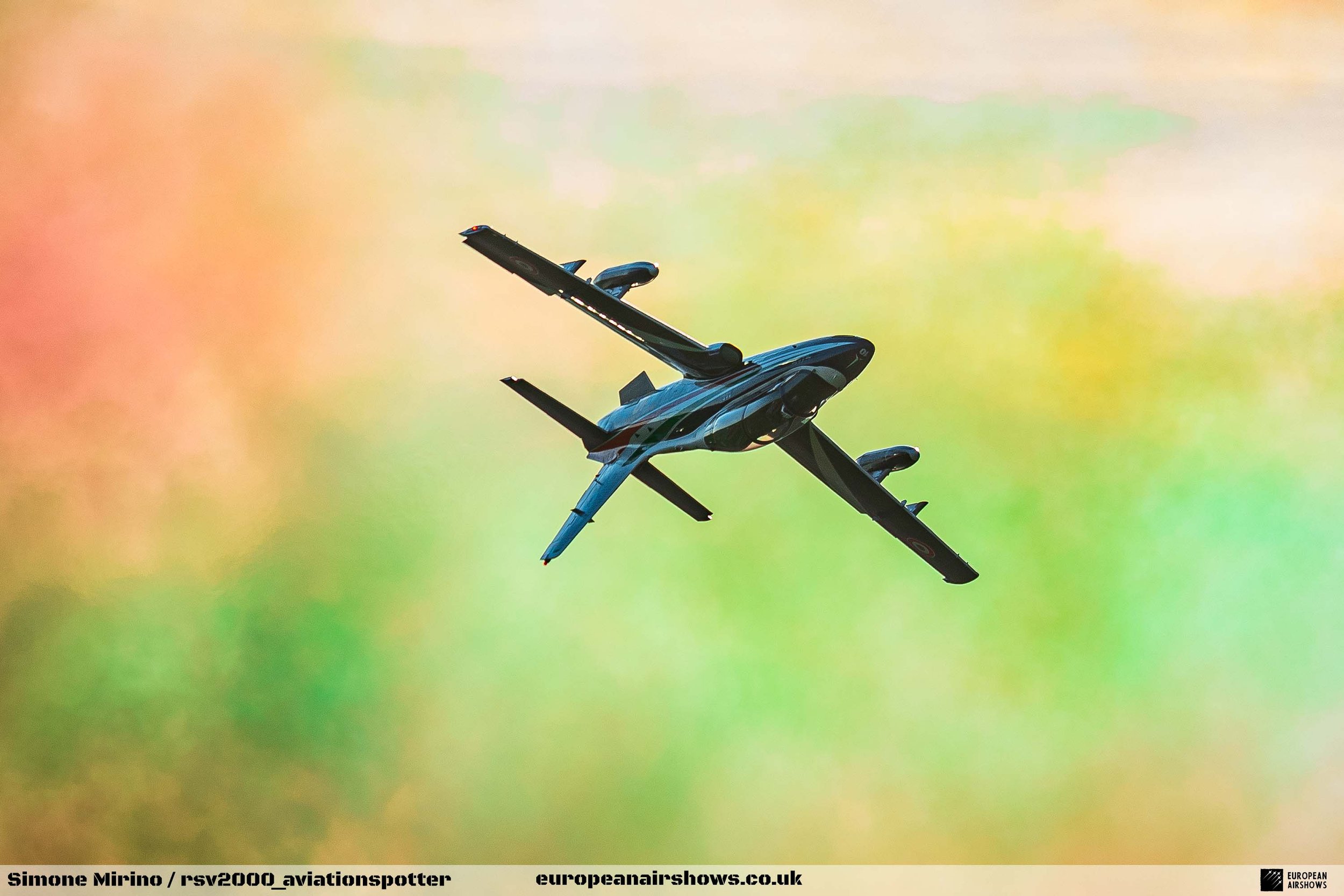
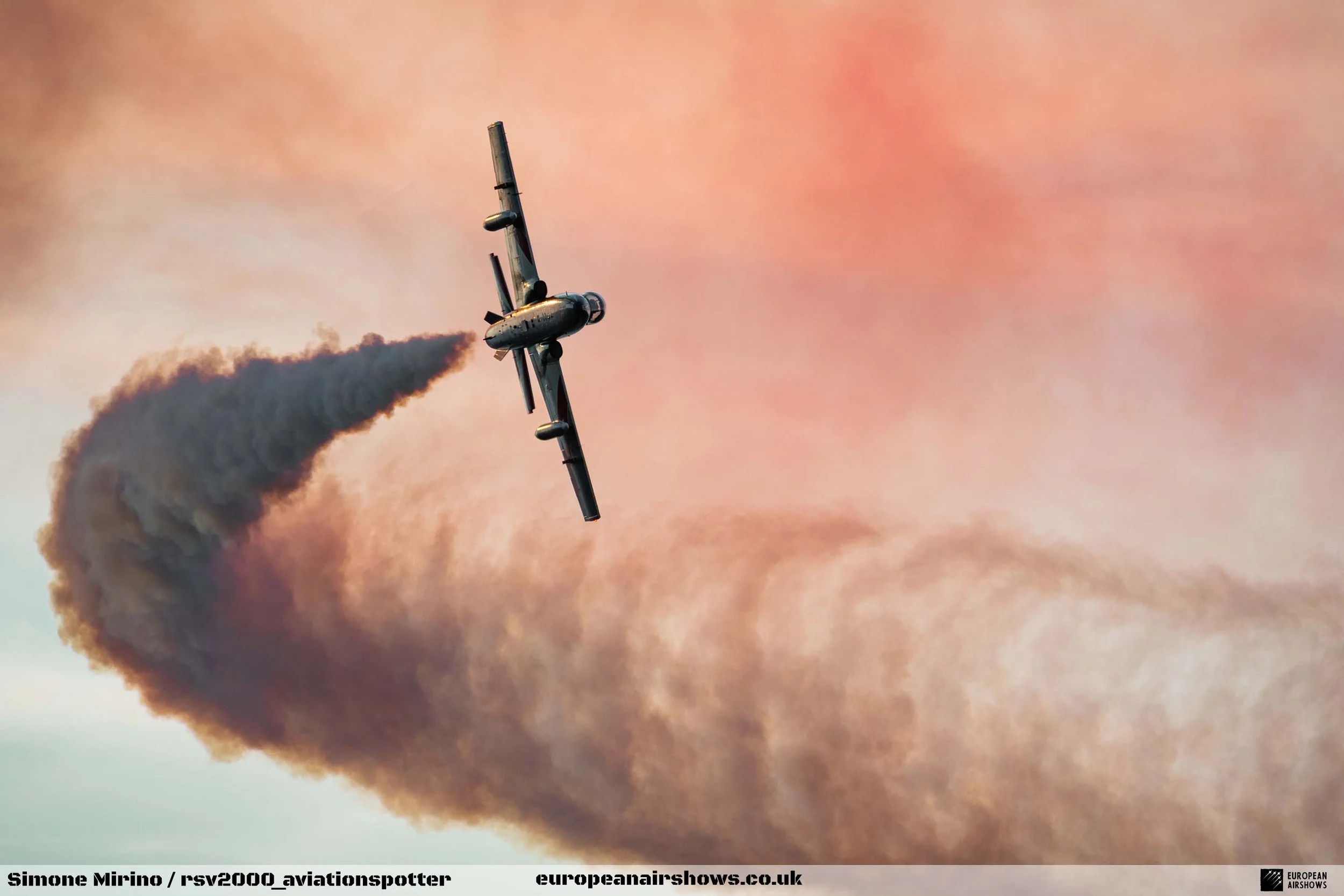
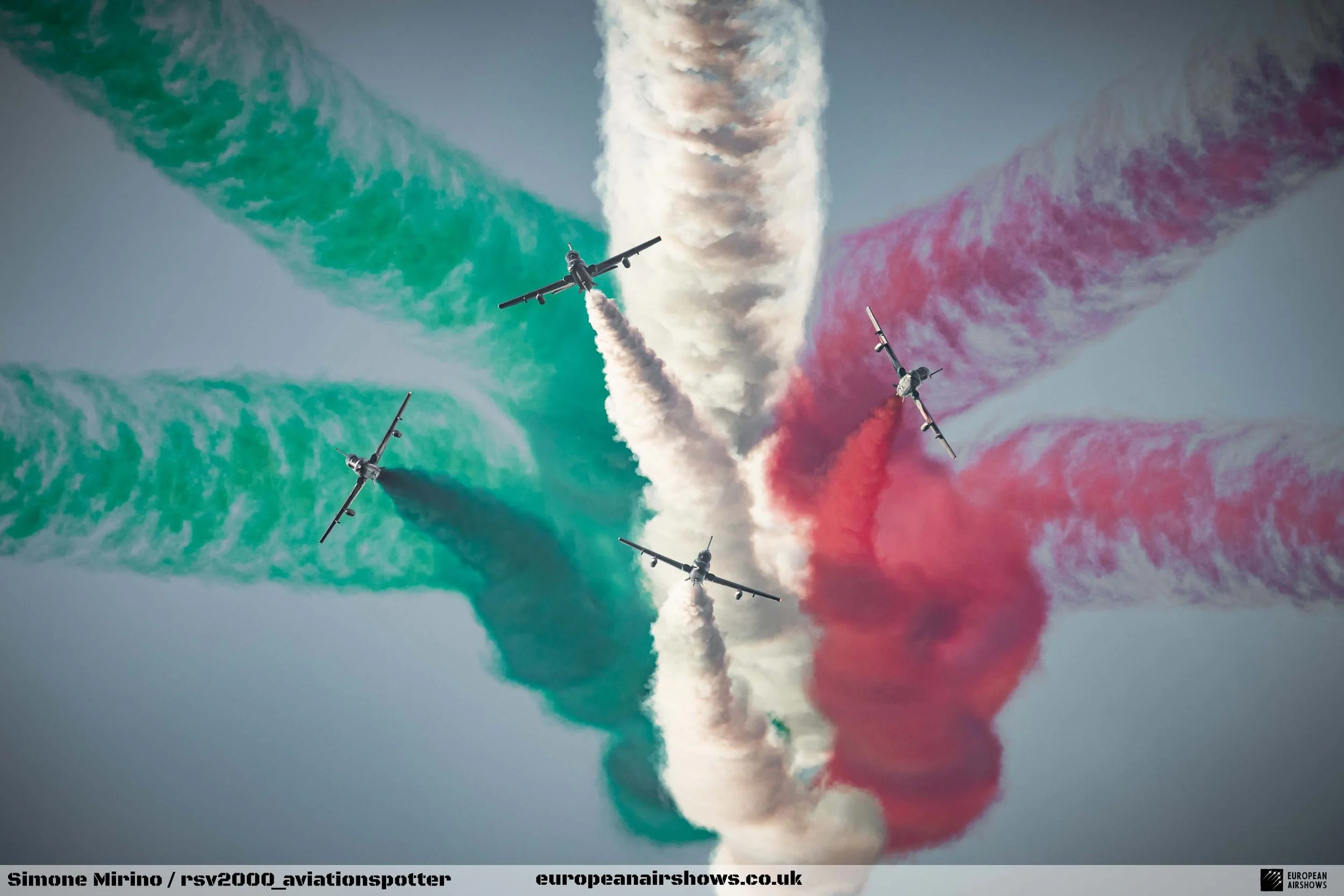
On the ground, Rivolto turned into an open-air festival. A large static display invited visitors to explore aircraft up close, from older planes to cutting-edge fighters. Families strolled between exhibits, children wide-eyed at the sight of cockpits and towering wings. A dedicated merchandising area added to the festive spirit, with long lines of fans eager to take home souvenirs of Italy’s most beloved flying team and military gadgets.
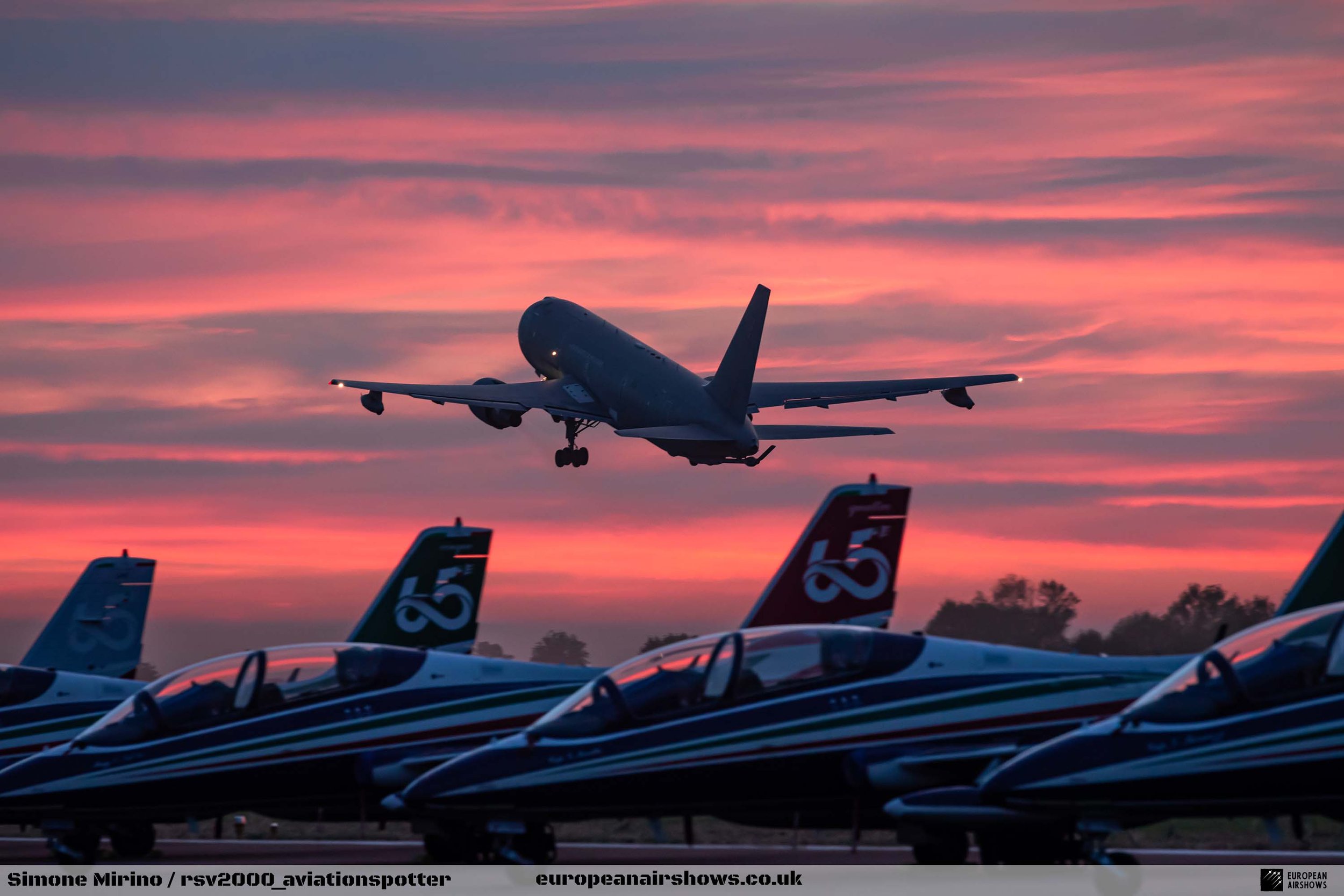
On static display, the following aircraft were present:
The Aeritalia AMX International AMX ground-attack aircraft, recently retired from active service and preserved in operational condition at the Air Force Flying Museum in Piacenza. The aircraft belonged to the 51st Wing.
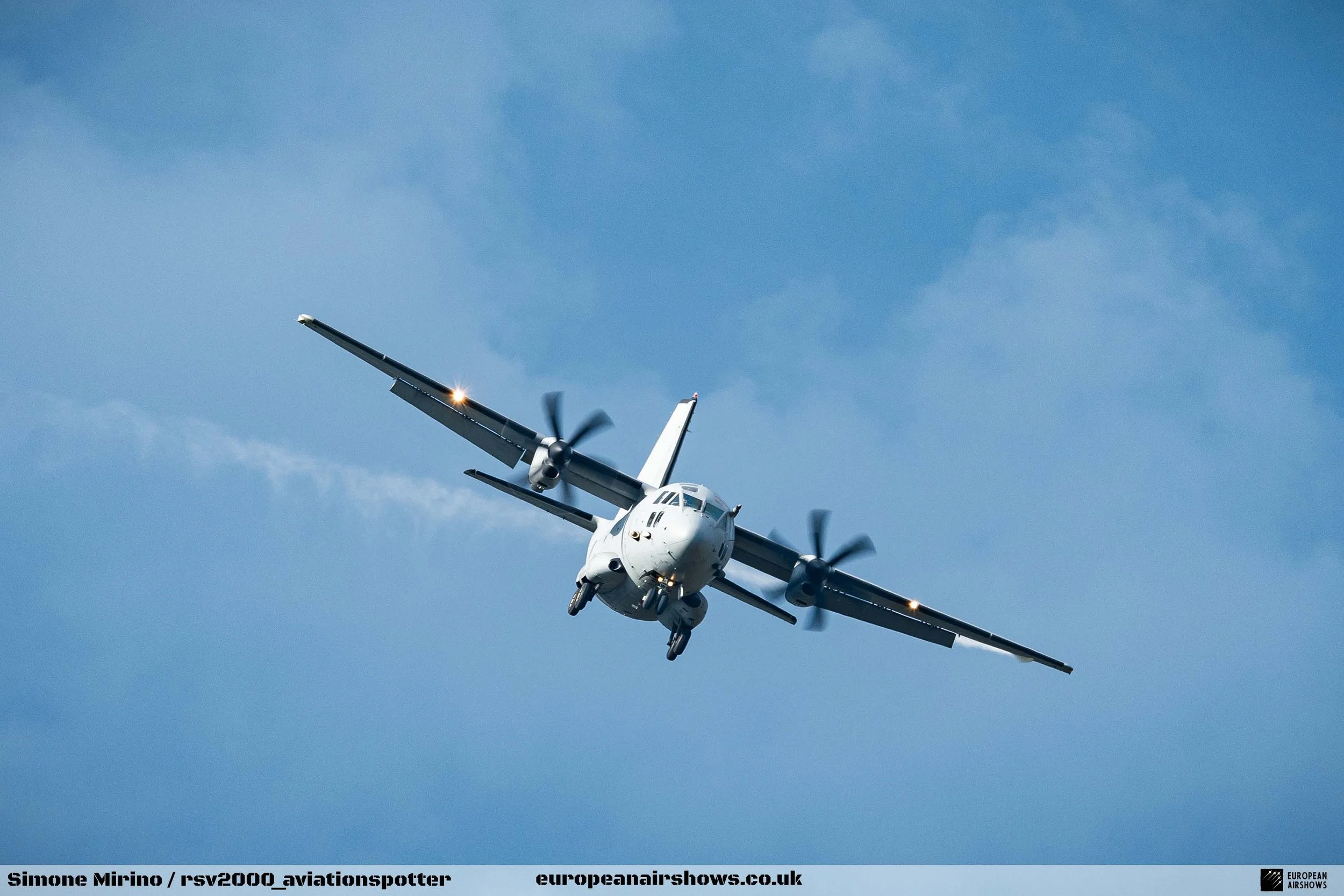
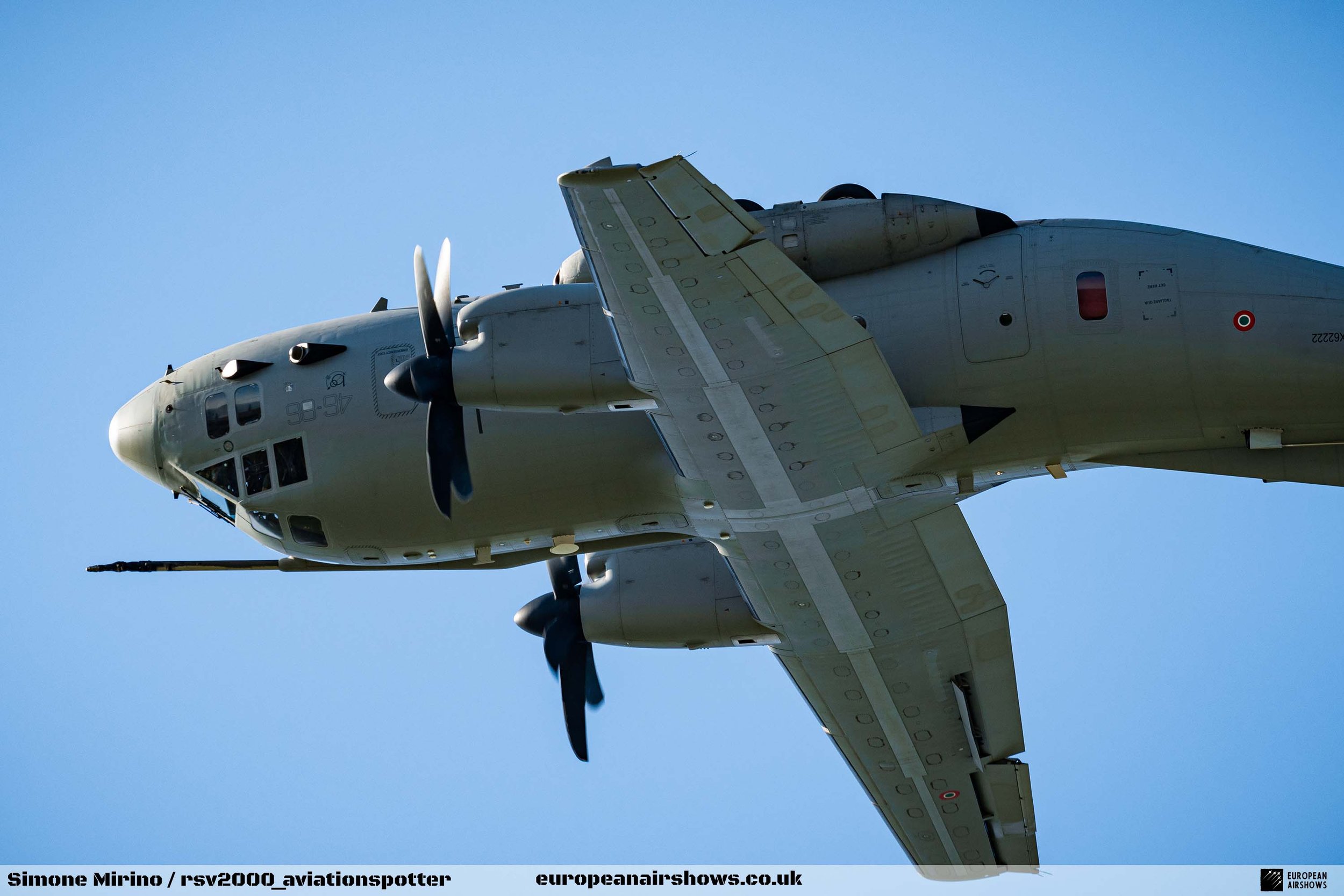
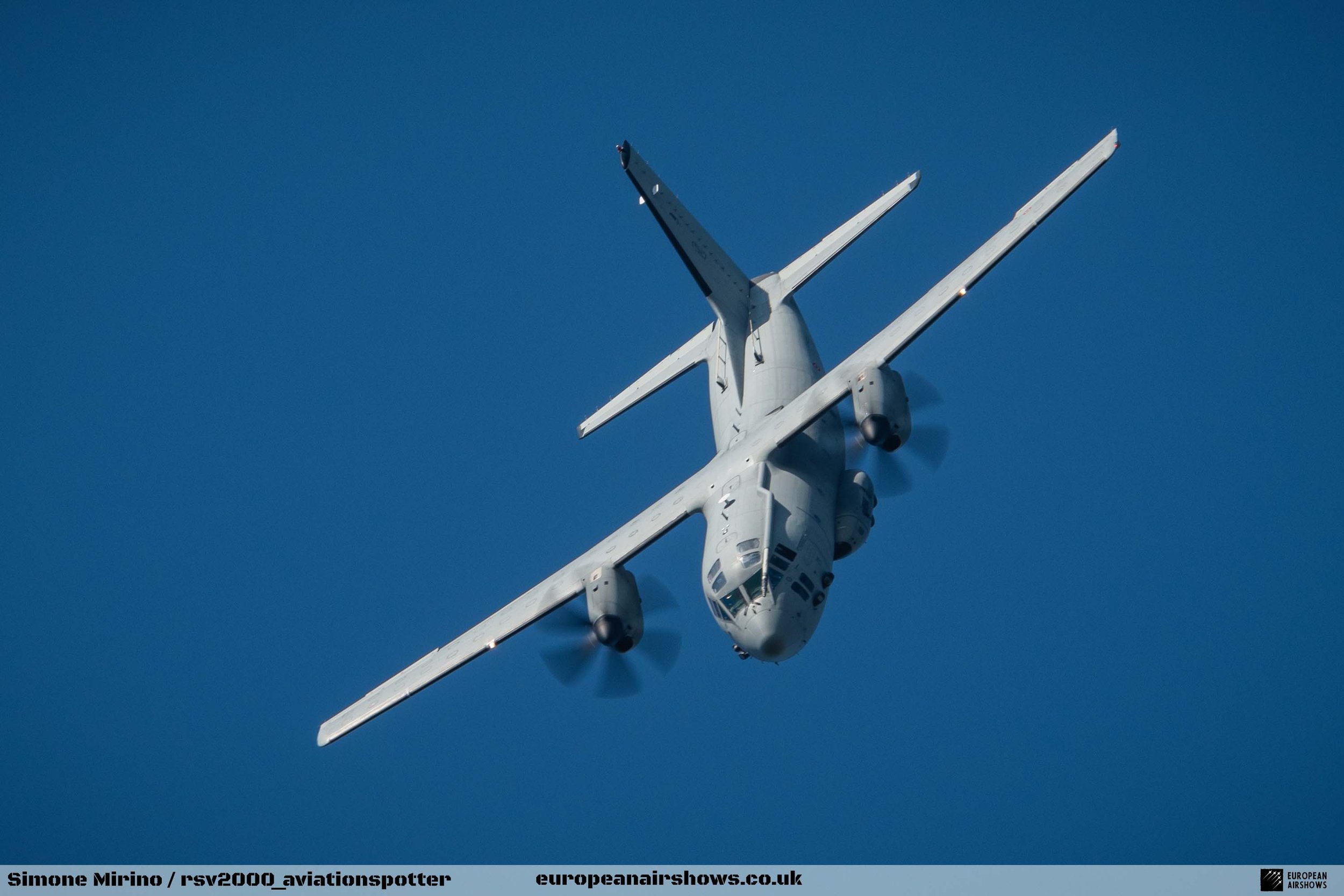
The Leonardo C-27J Spartan tactical transport aircraft of the 46th Air Brigade, where the public had the opportunity to go inside.
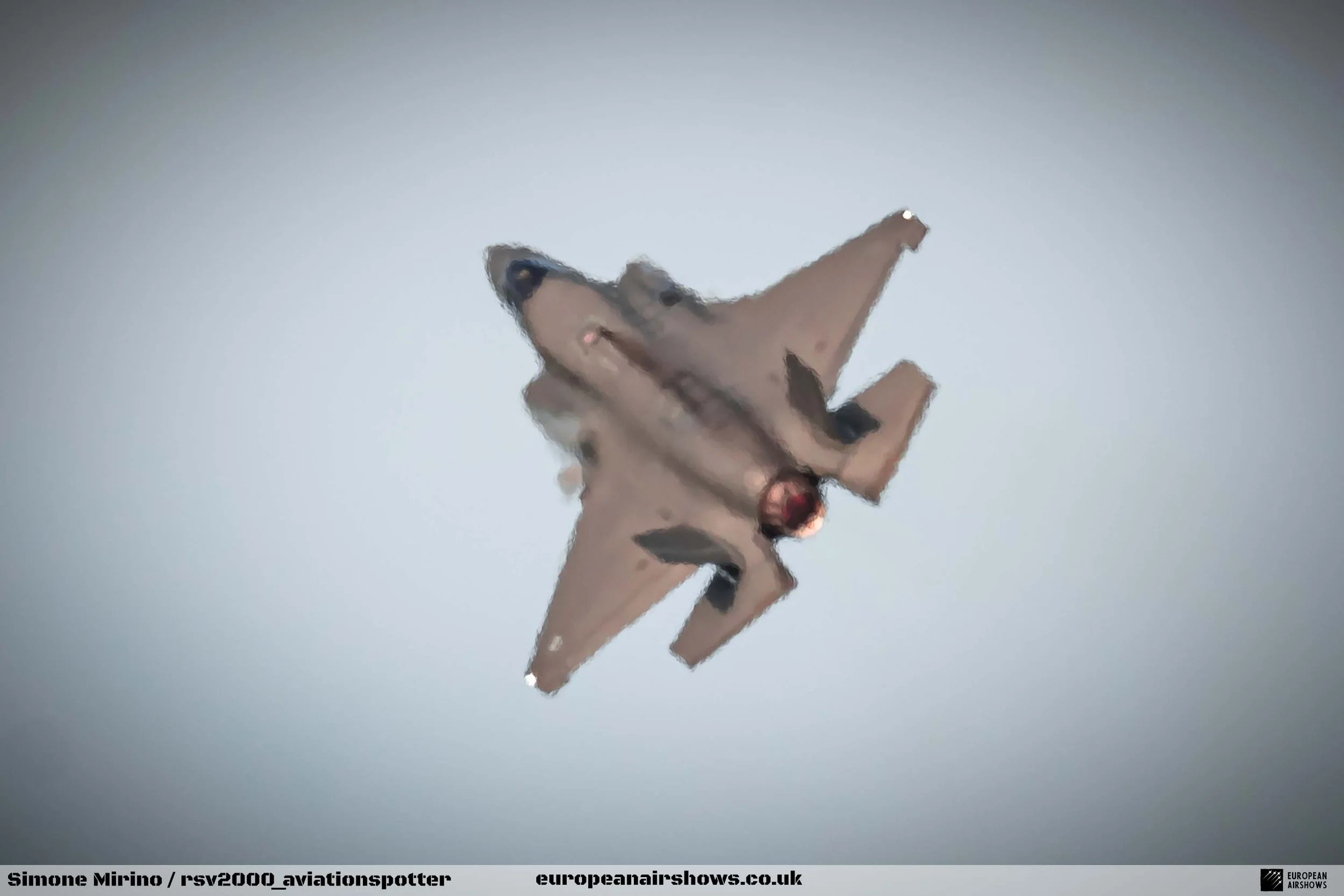
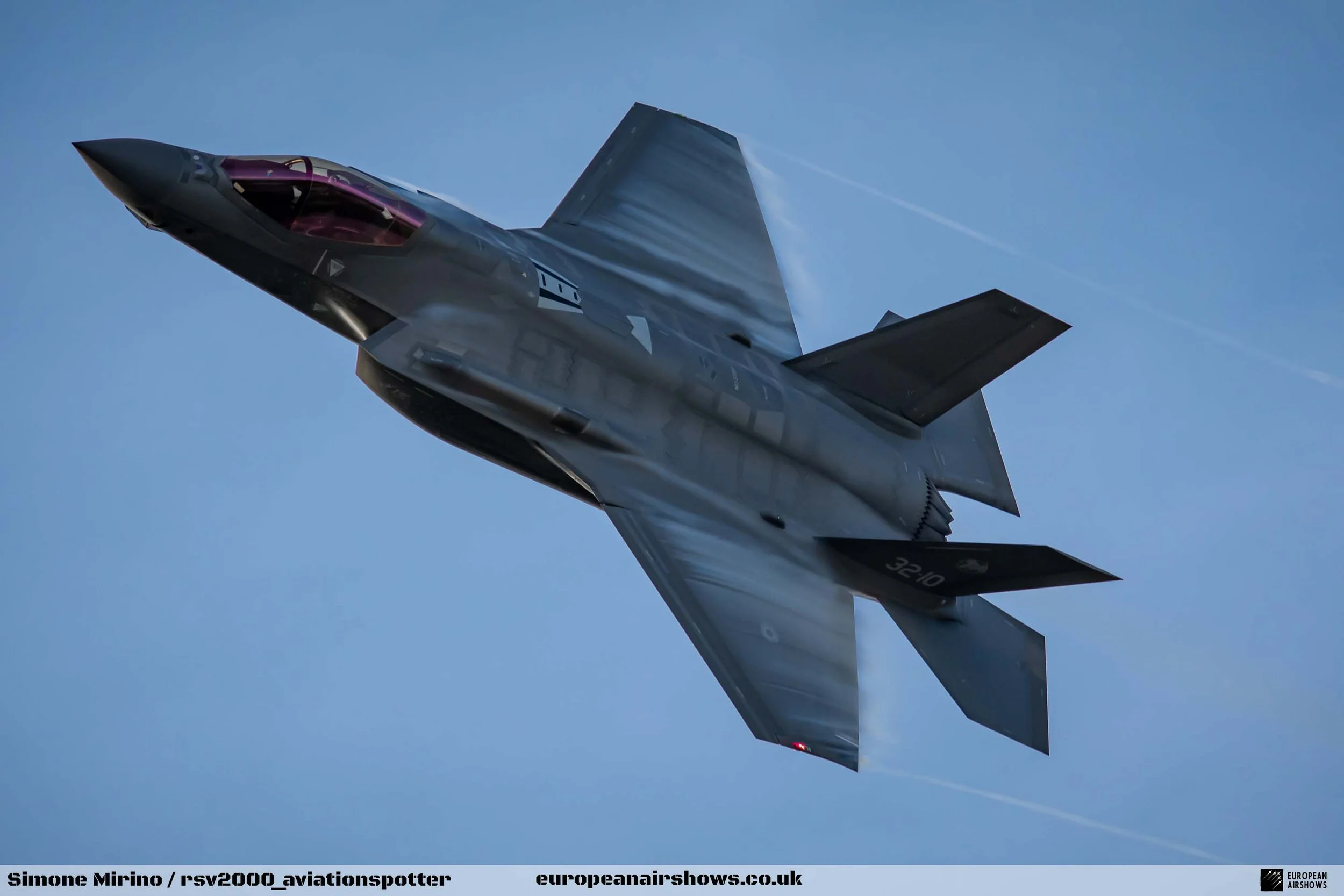
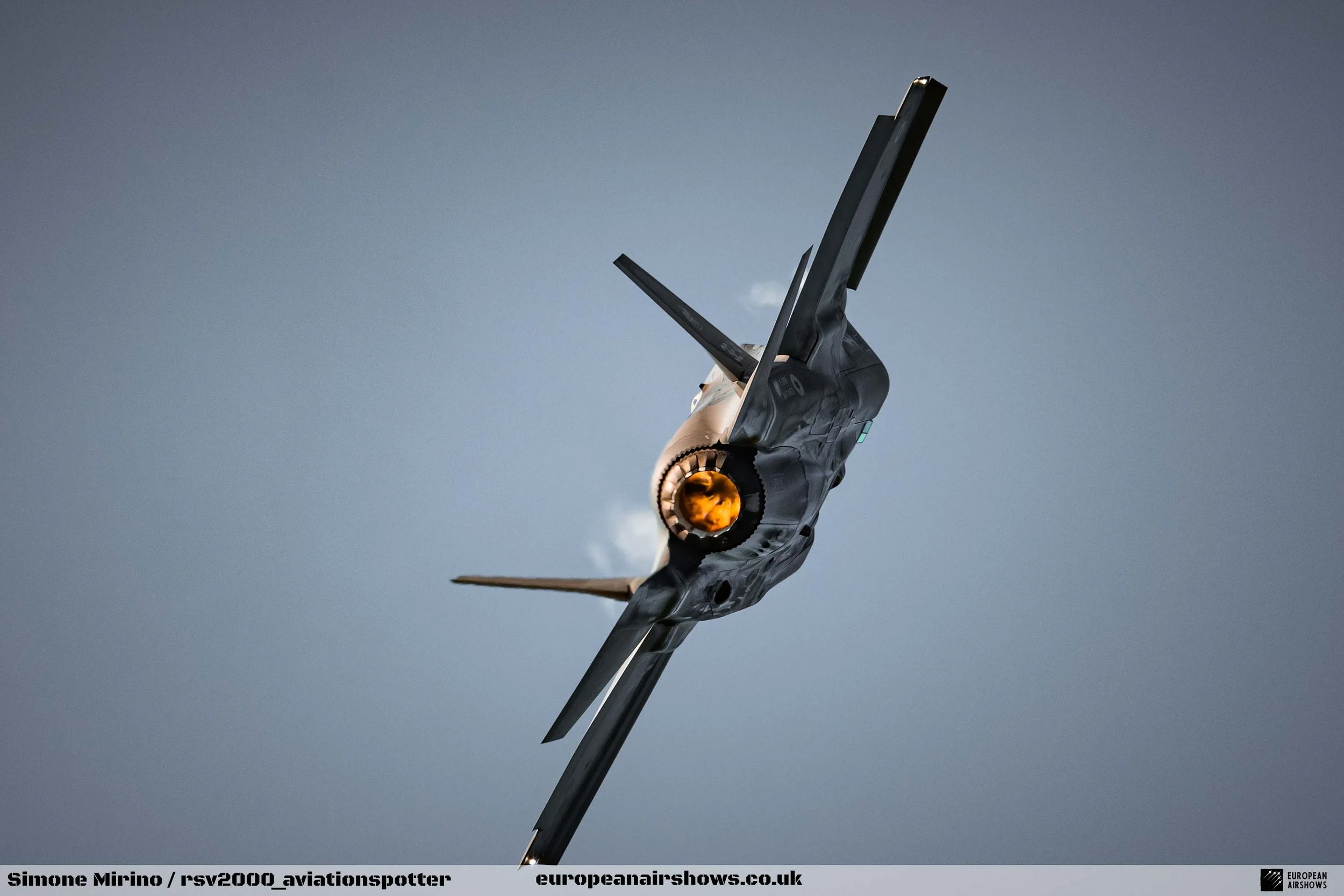
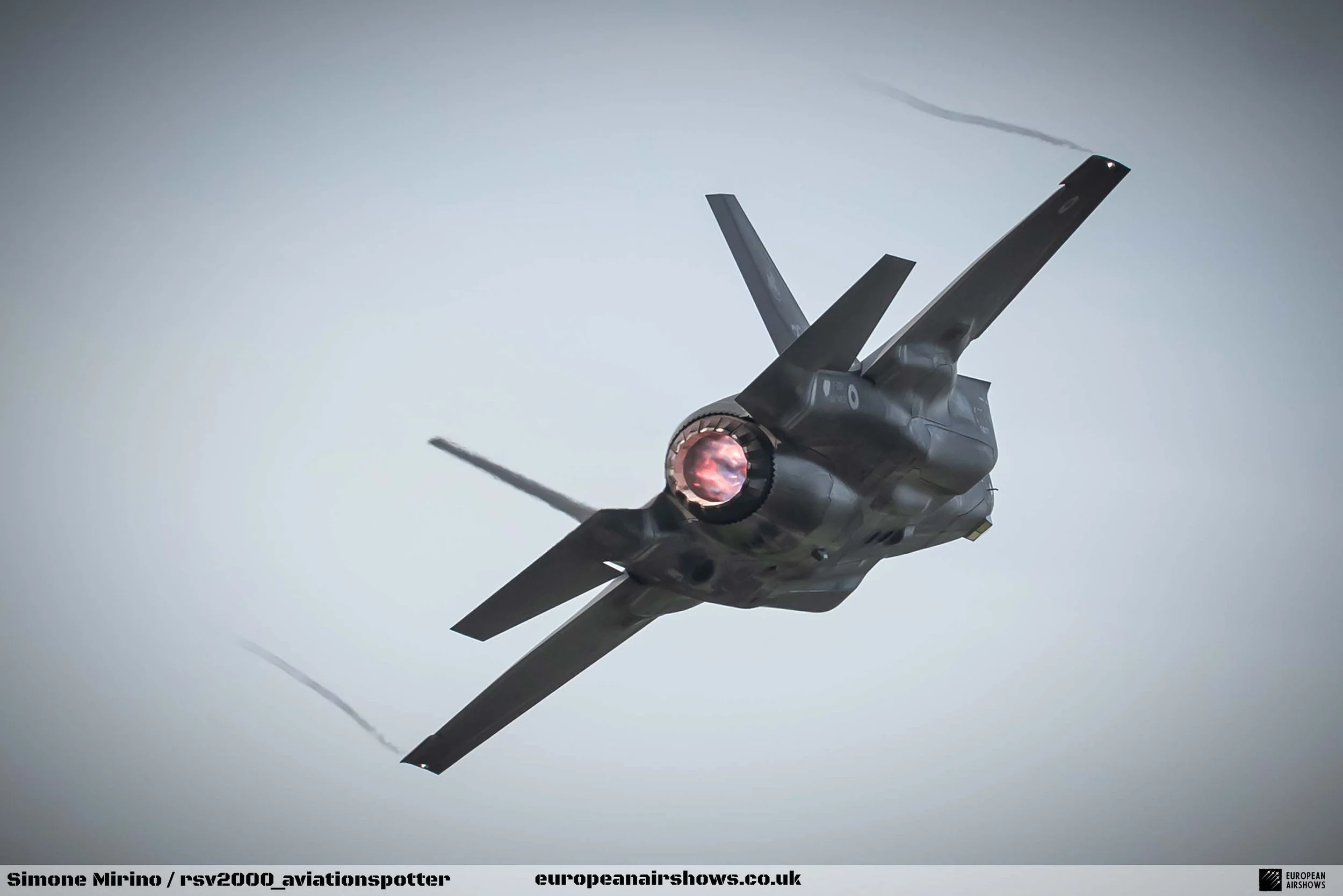
The latest generation Lockheed Martin F-35A Lightning II fighter jet.
Among the historical aircraft, there were the de Havilland DH.100 Vampire, and North American F-86E Sabre jets with the liveries of the four acrobatic teams that preceded the Frecce Tricolori.
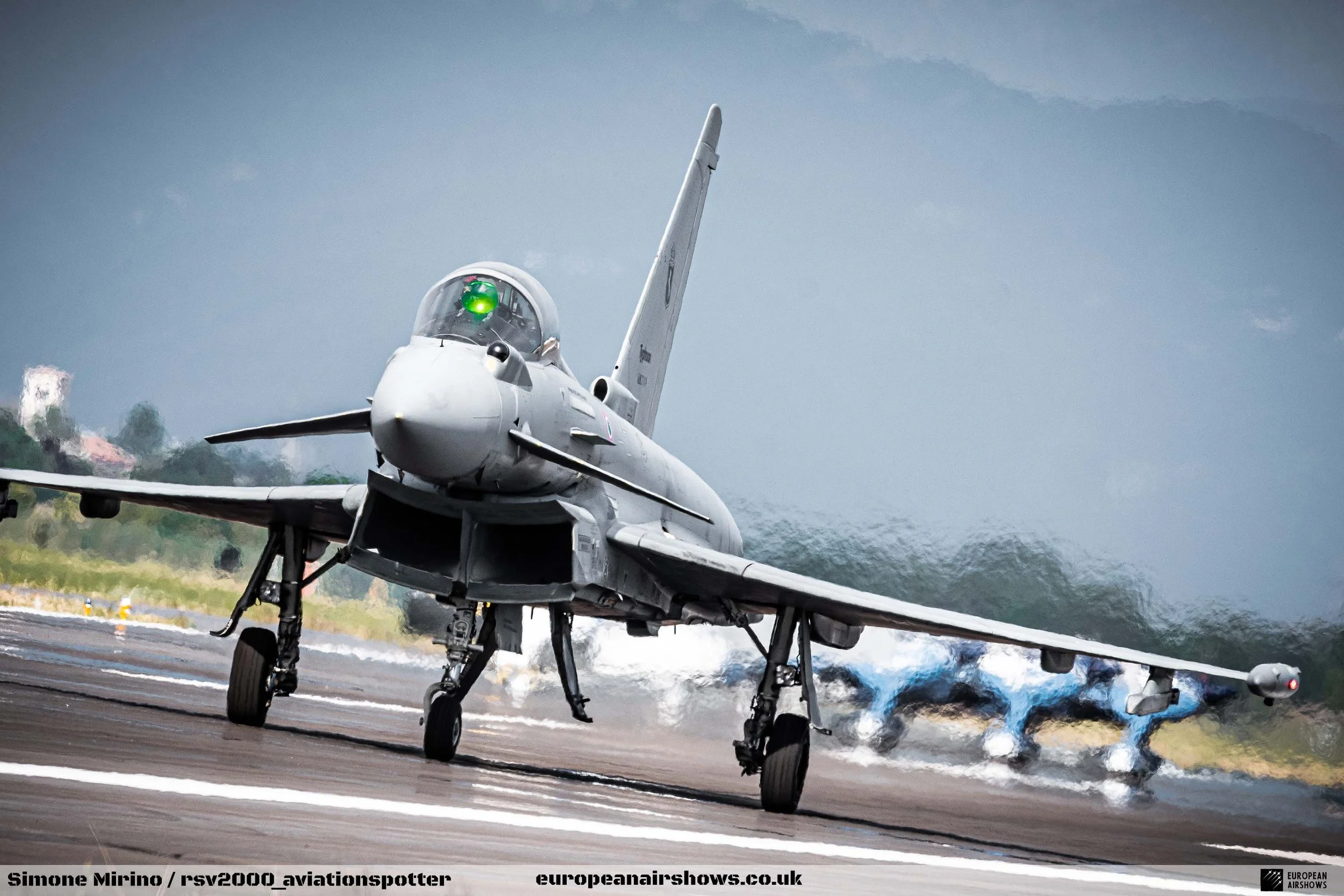
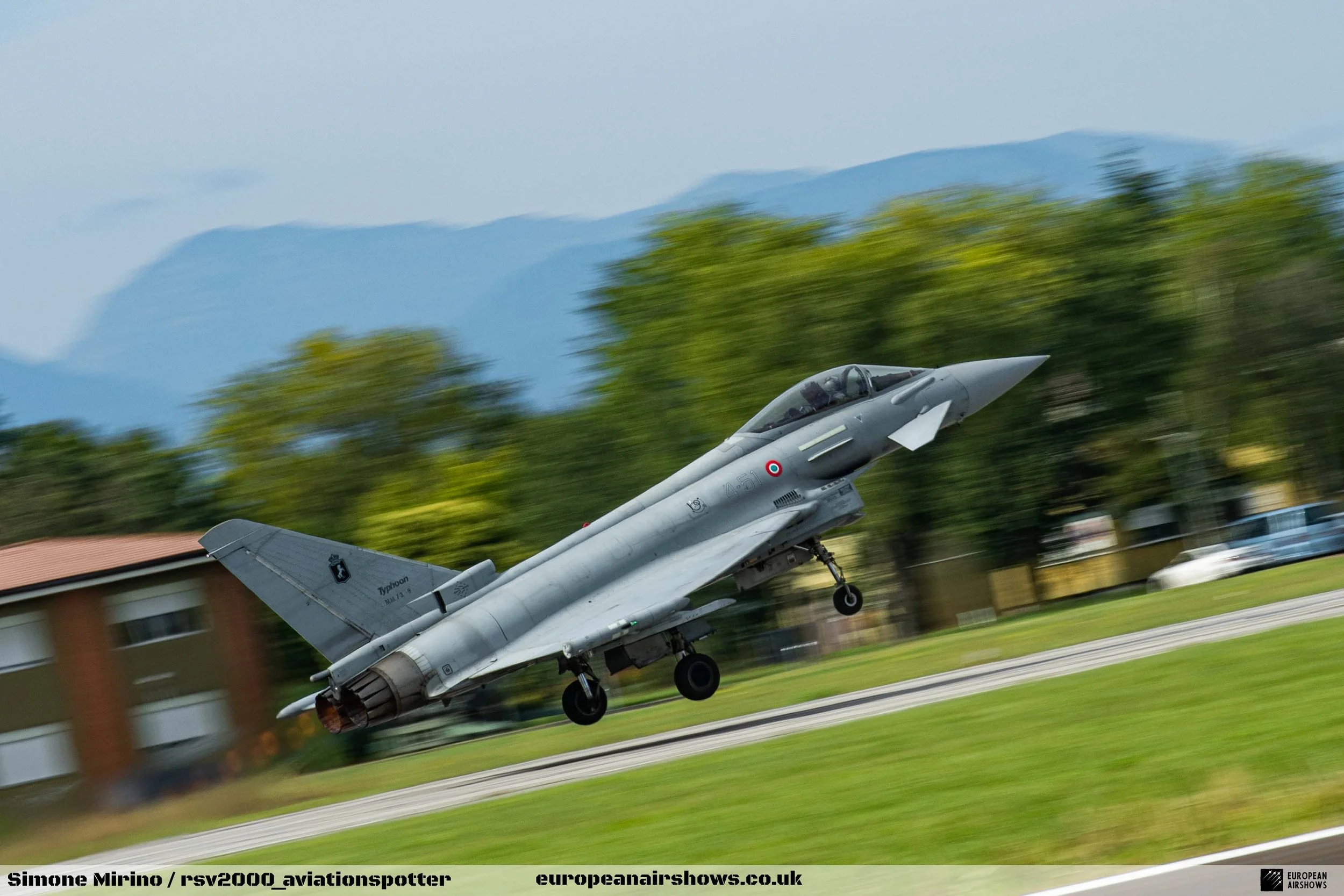
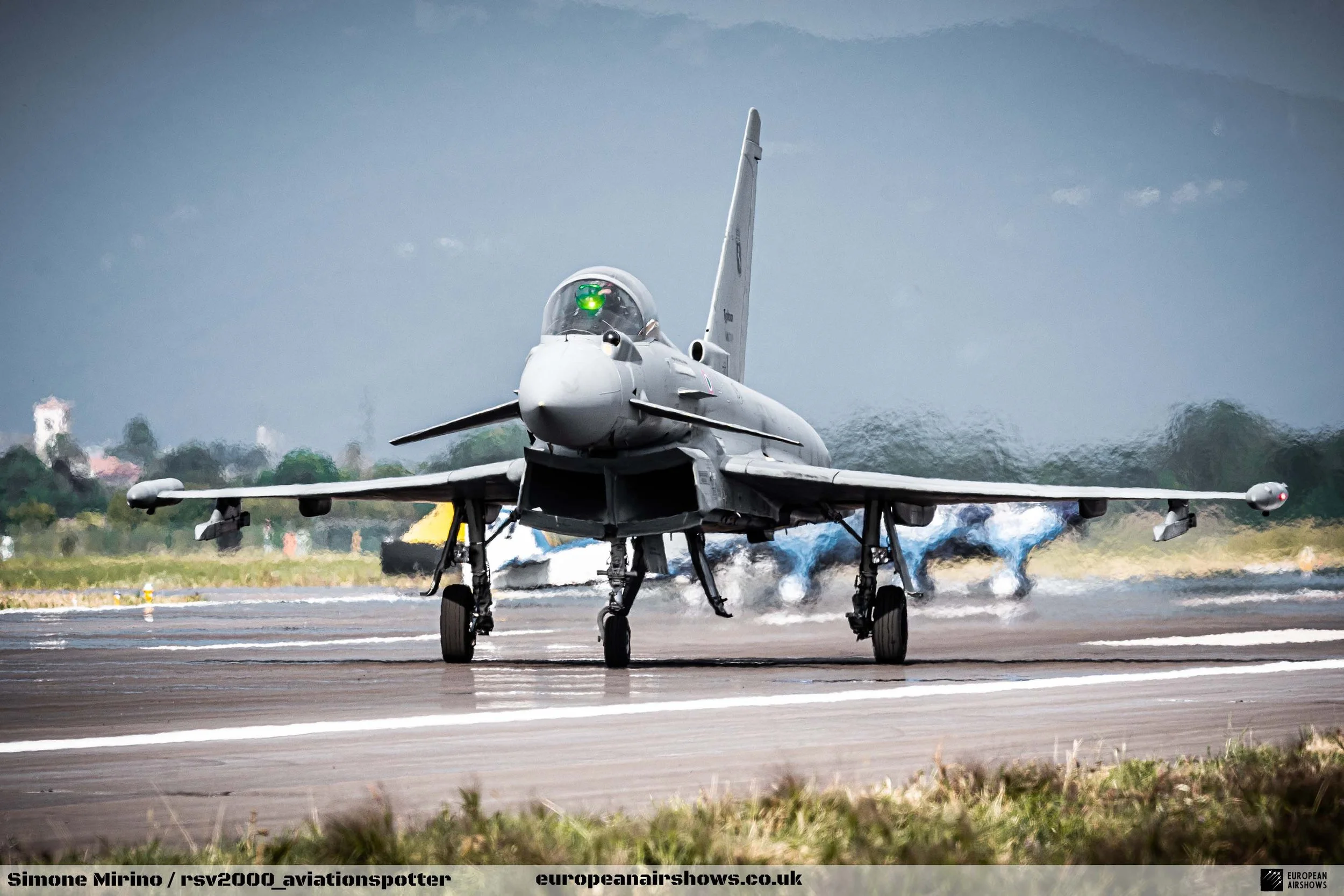
The Eurofighter F-2000A Typhoon, representing the backbone of the Italian Air Force capability to secure the safety of the skies 365/24.
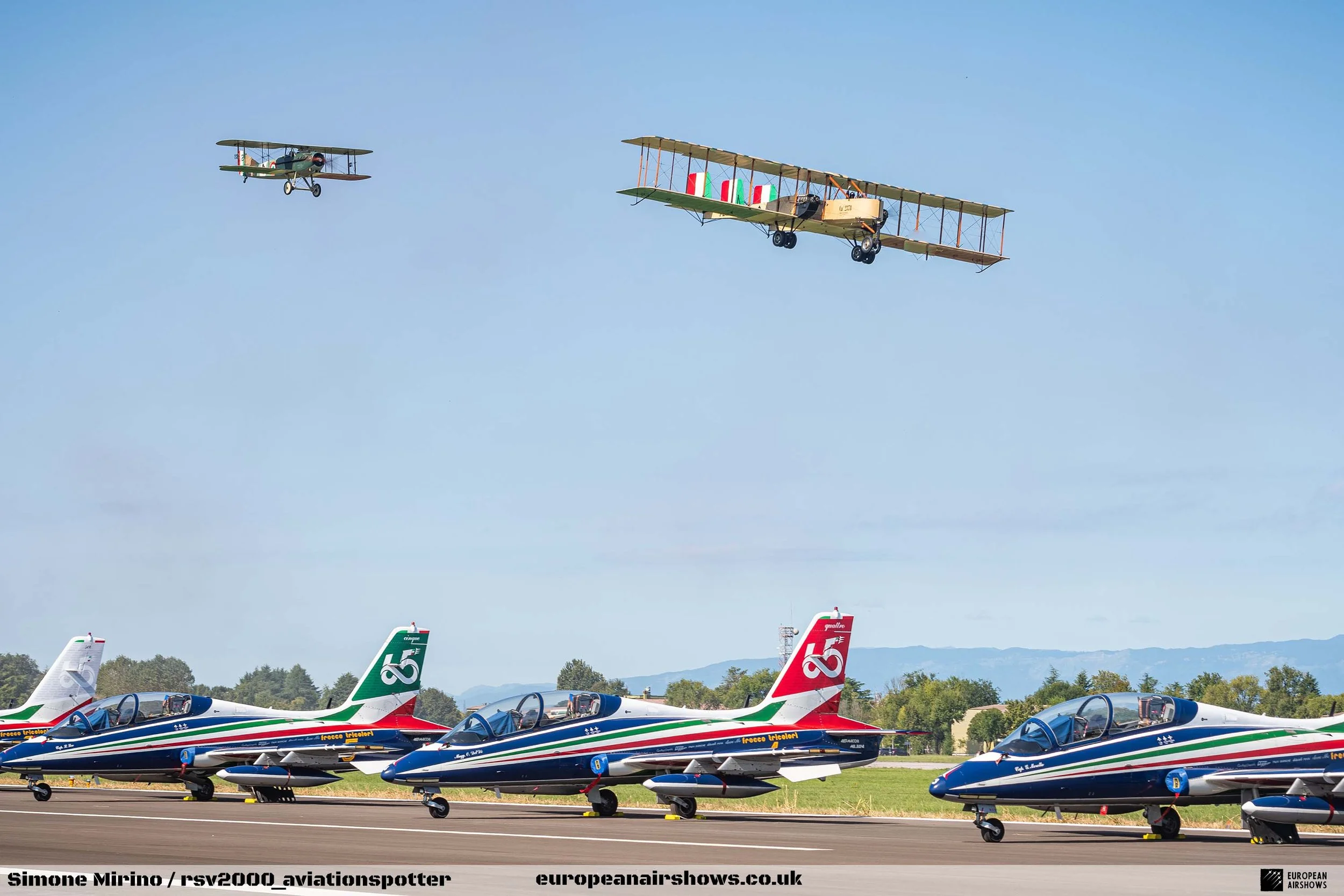
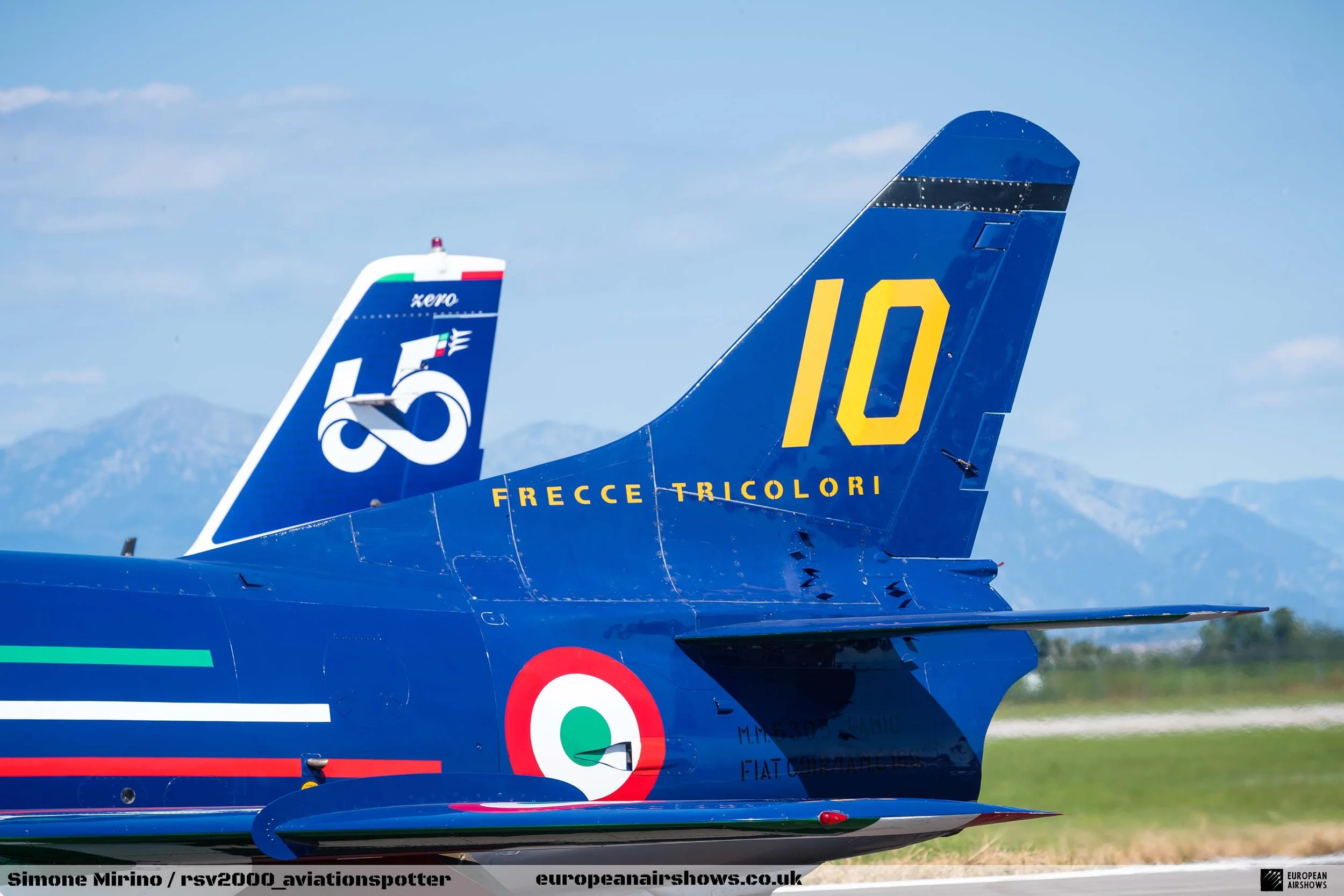
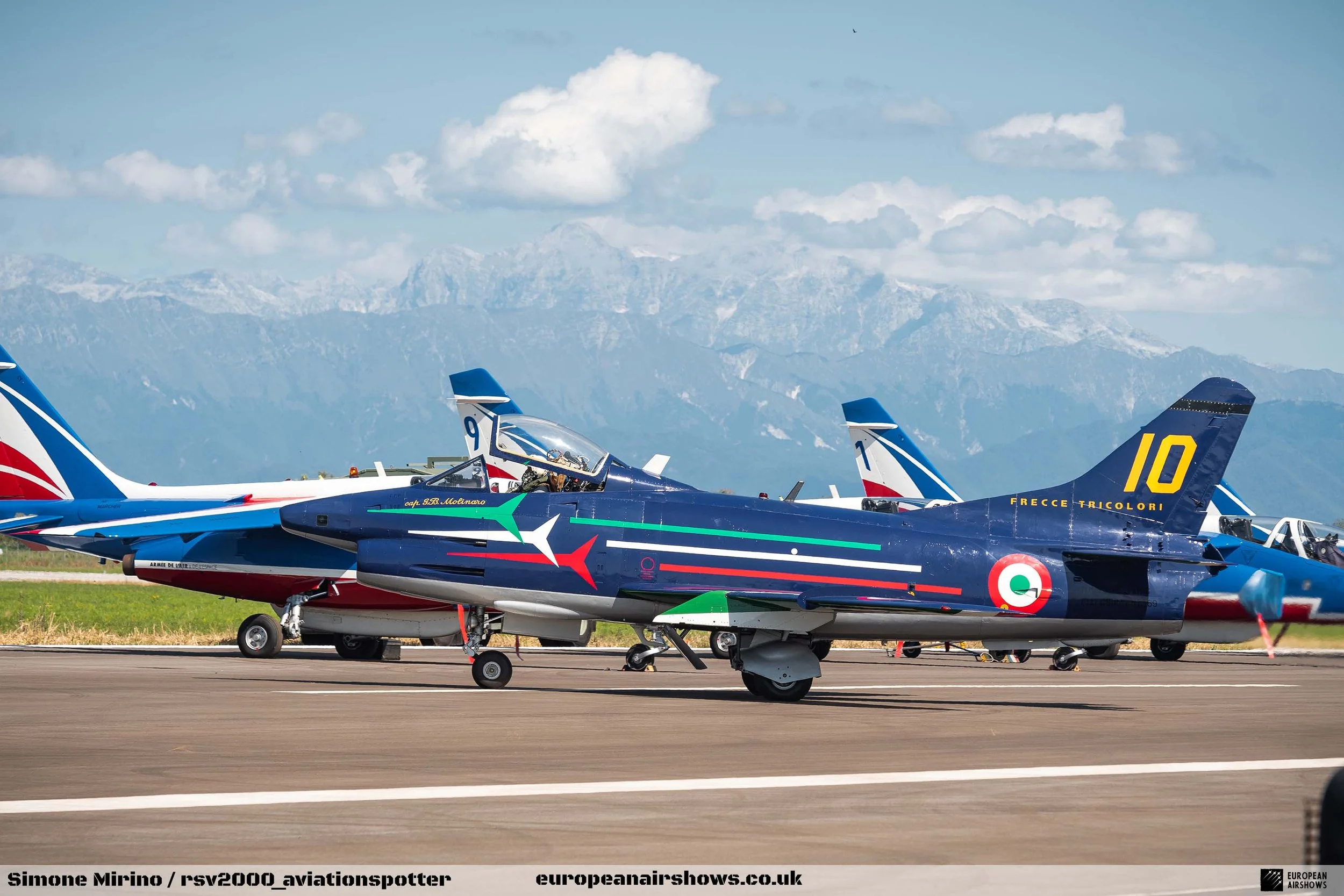
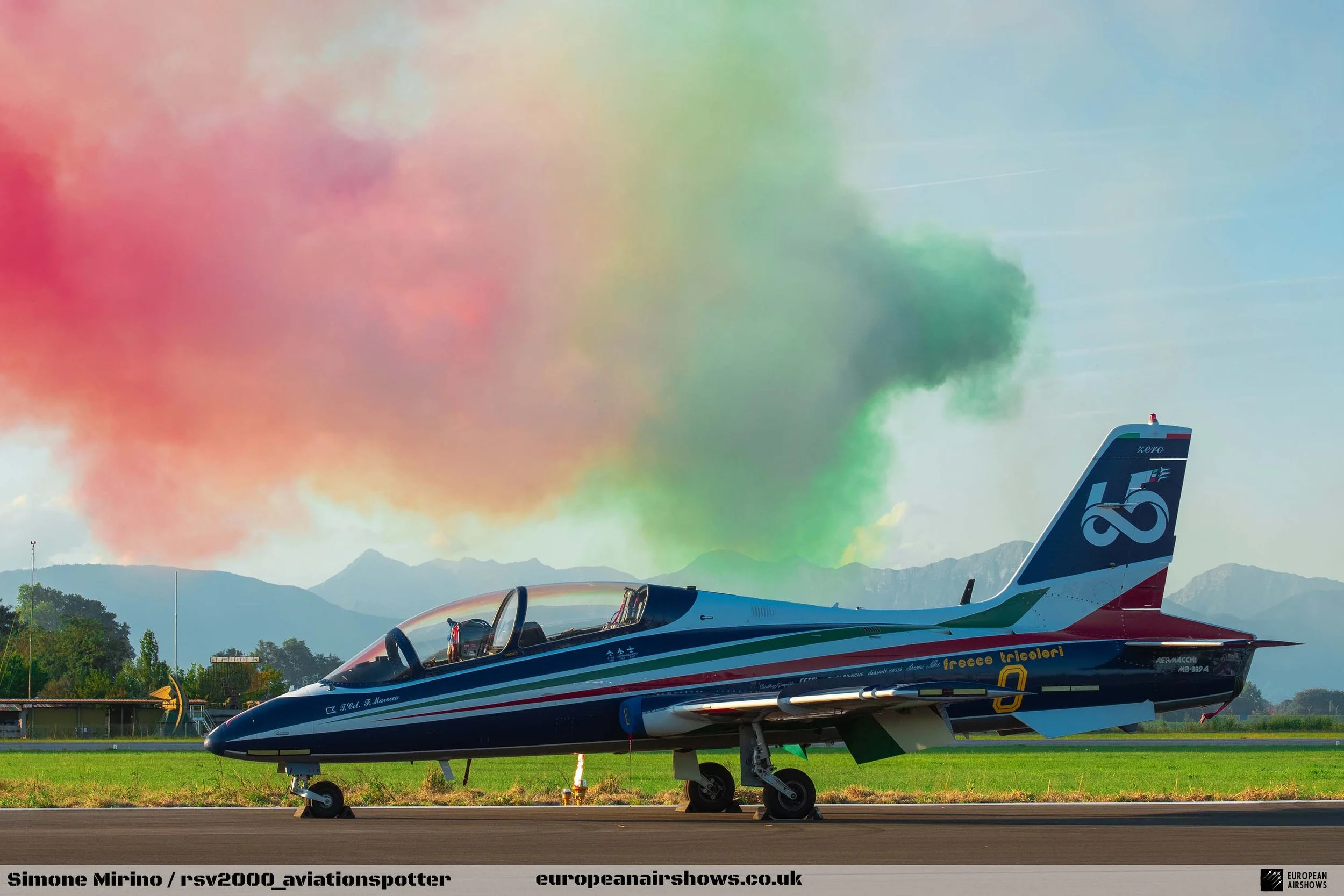
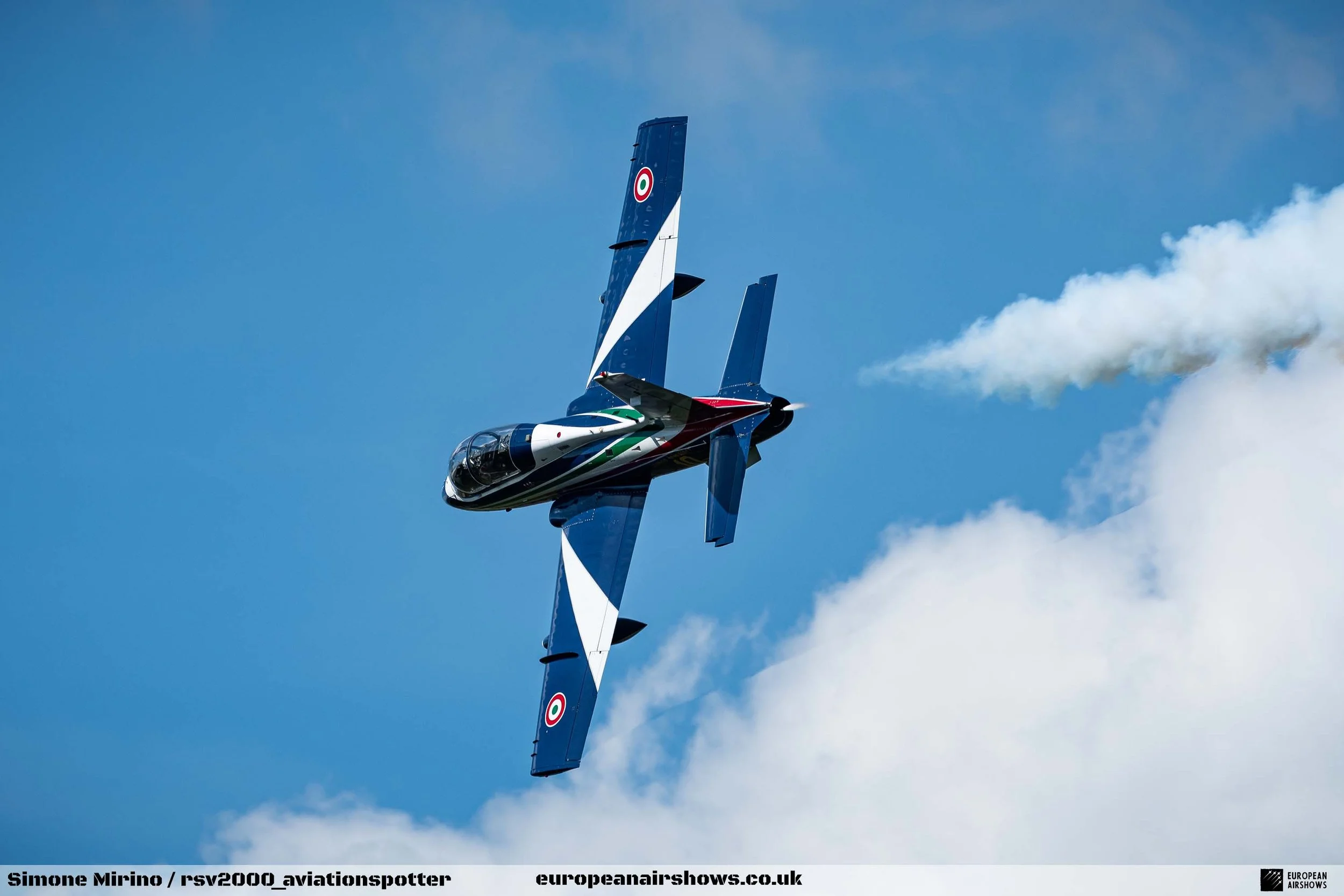
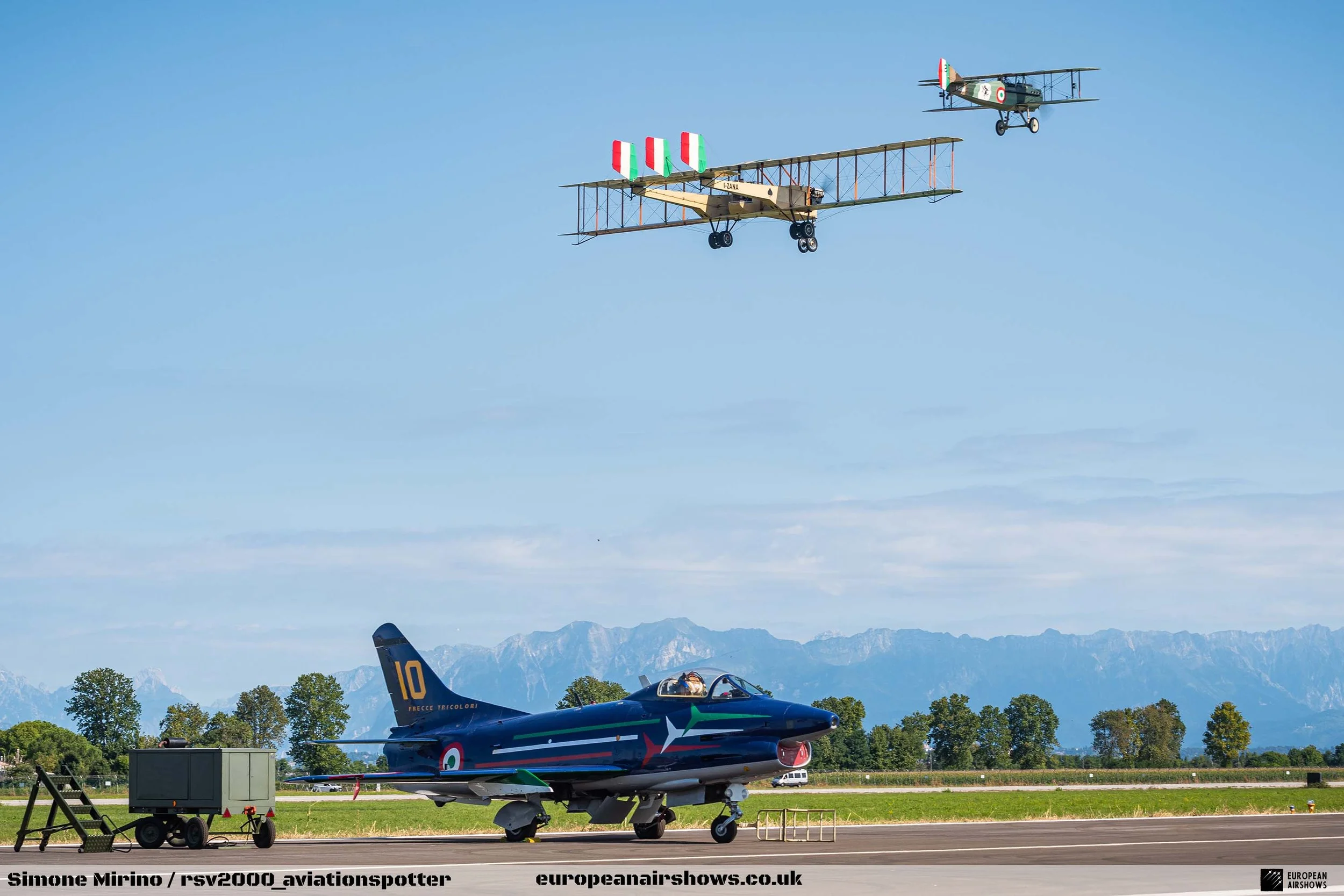
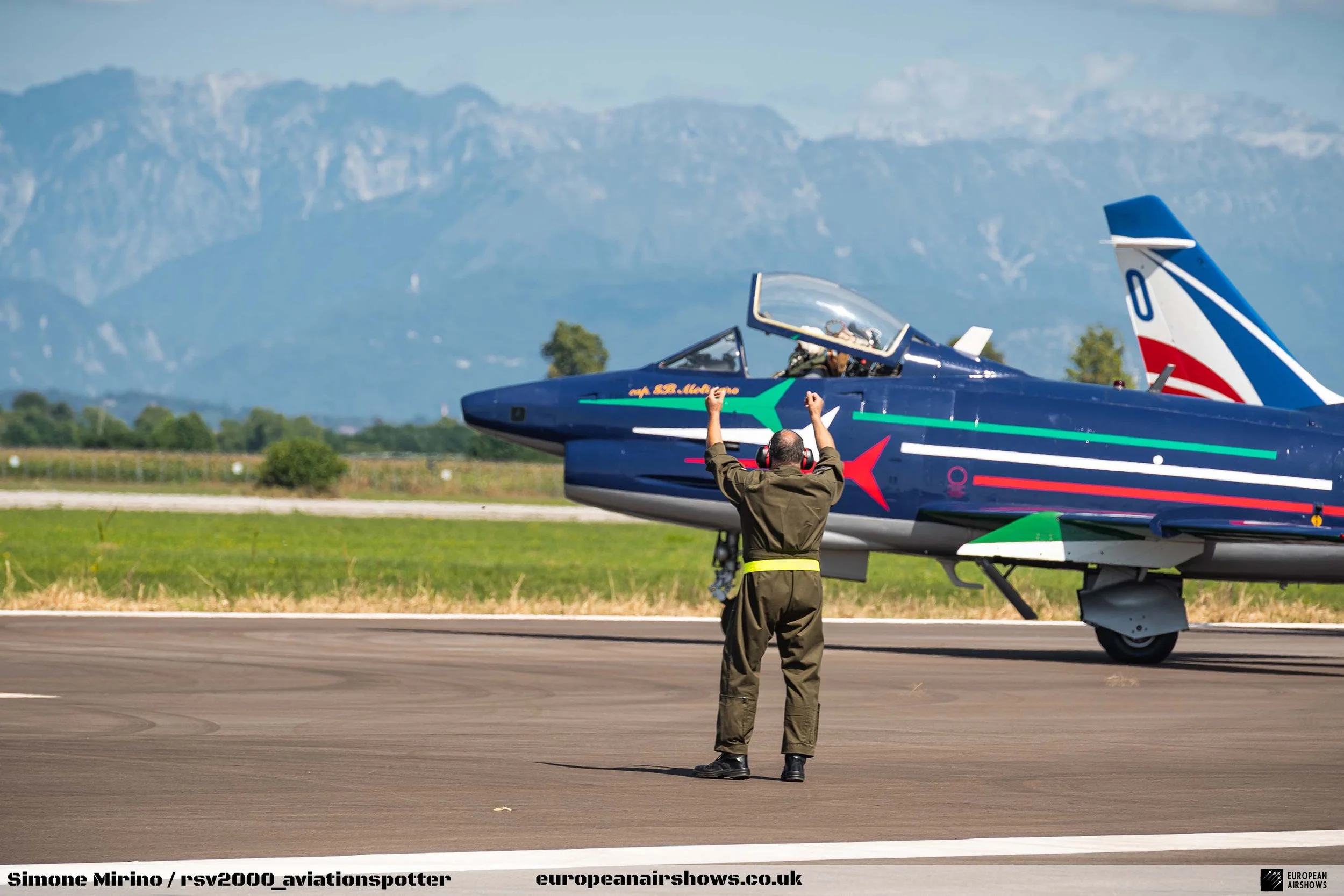
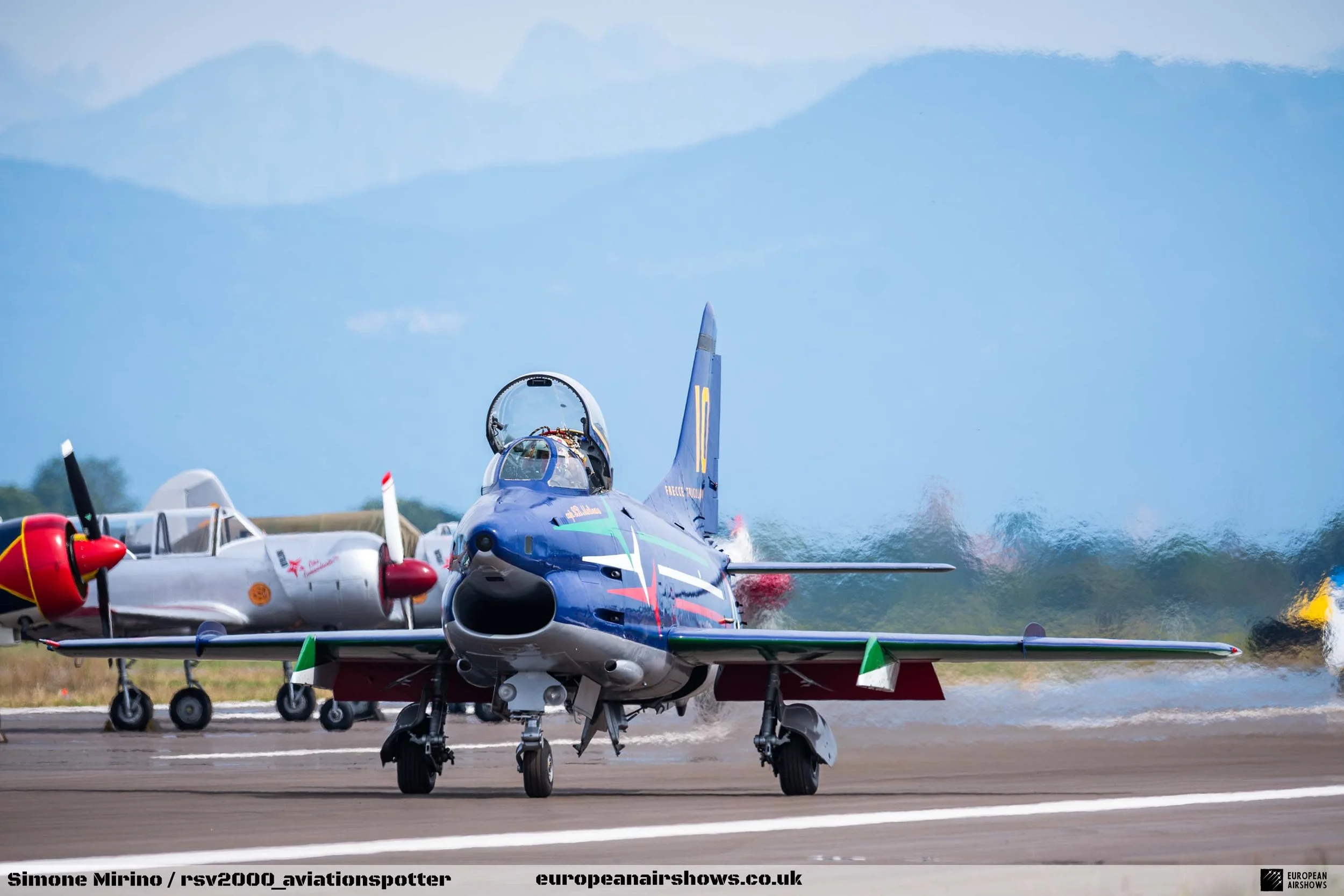
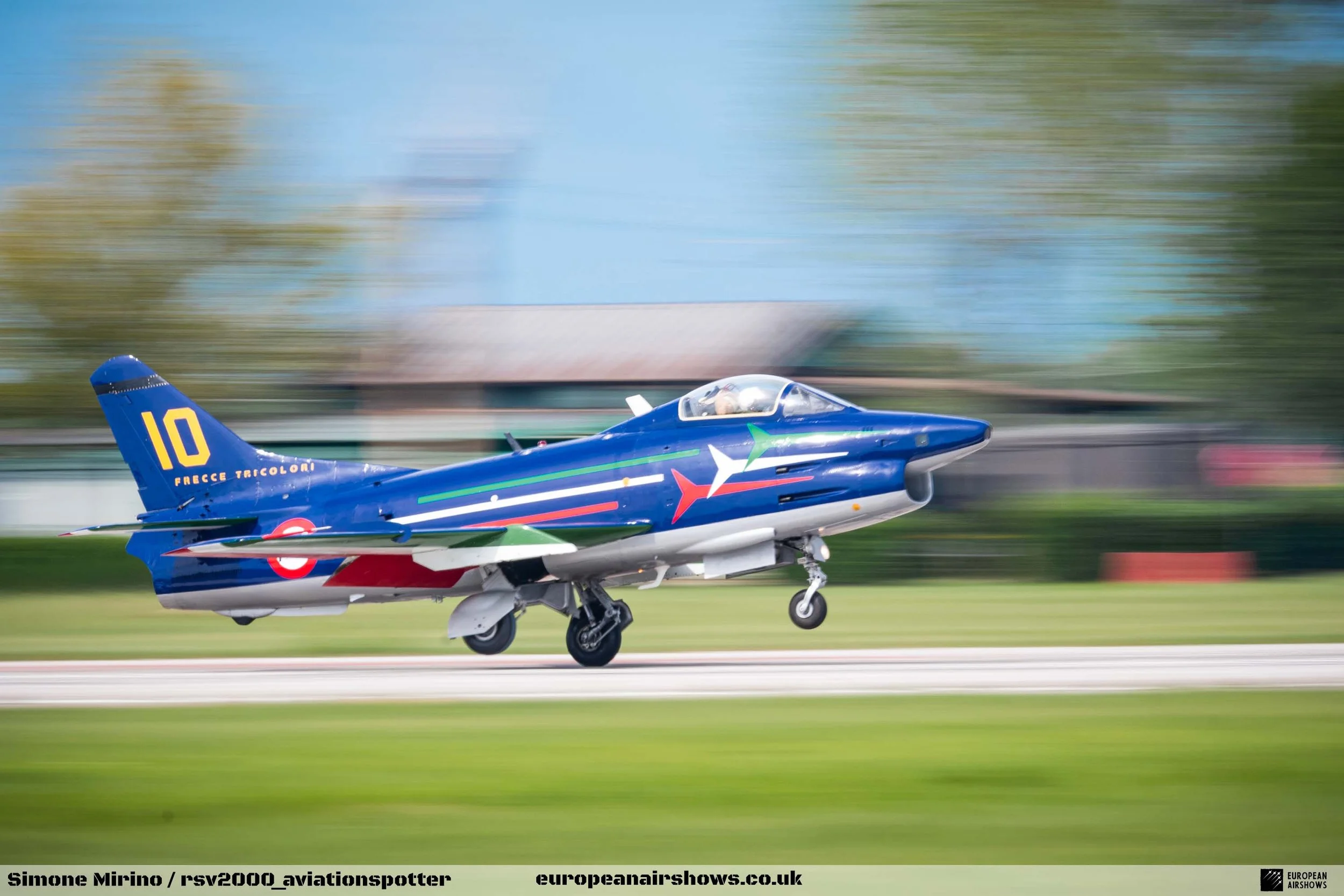
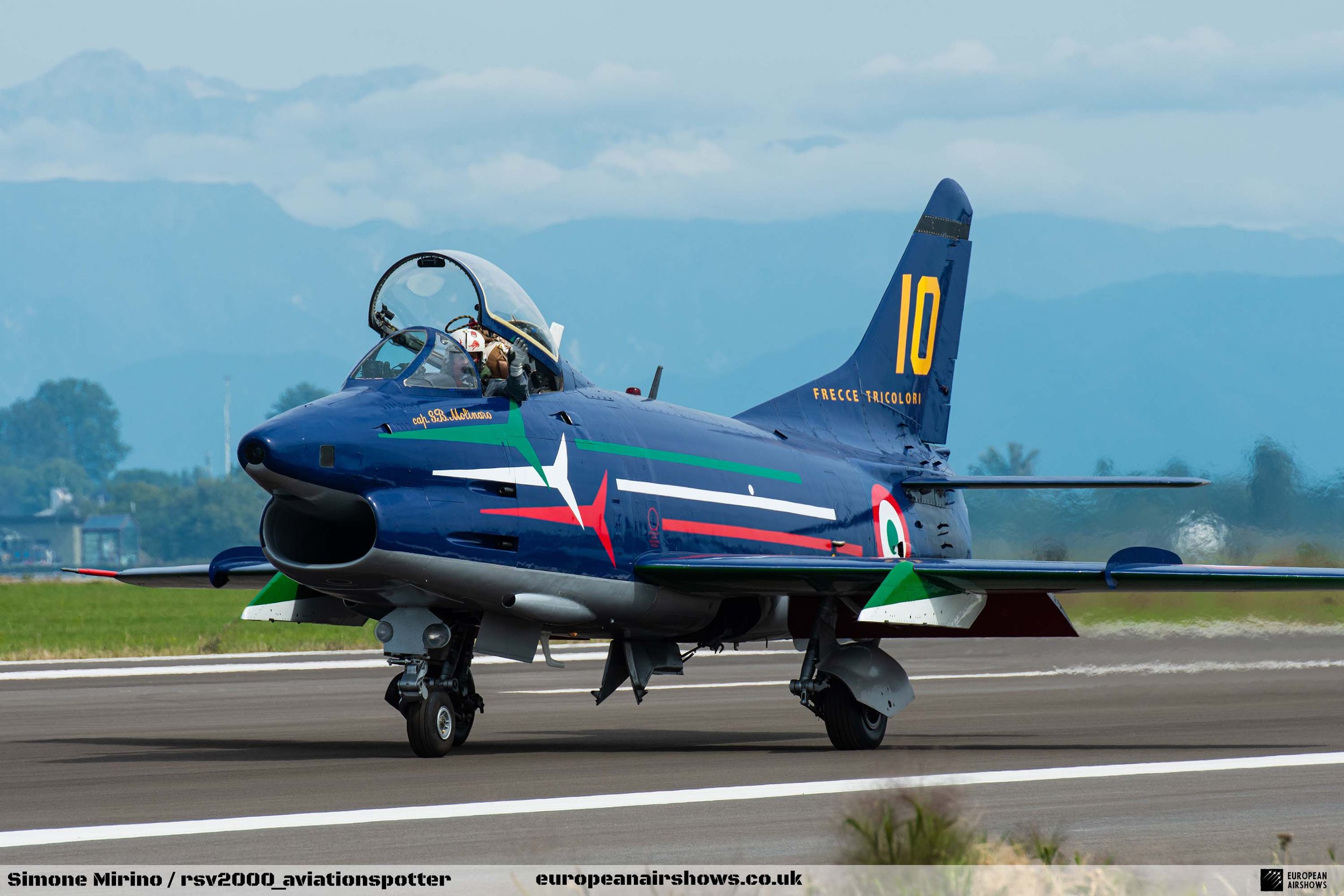
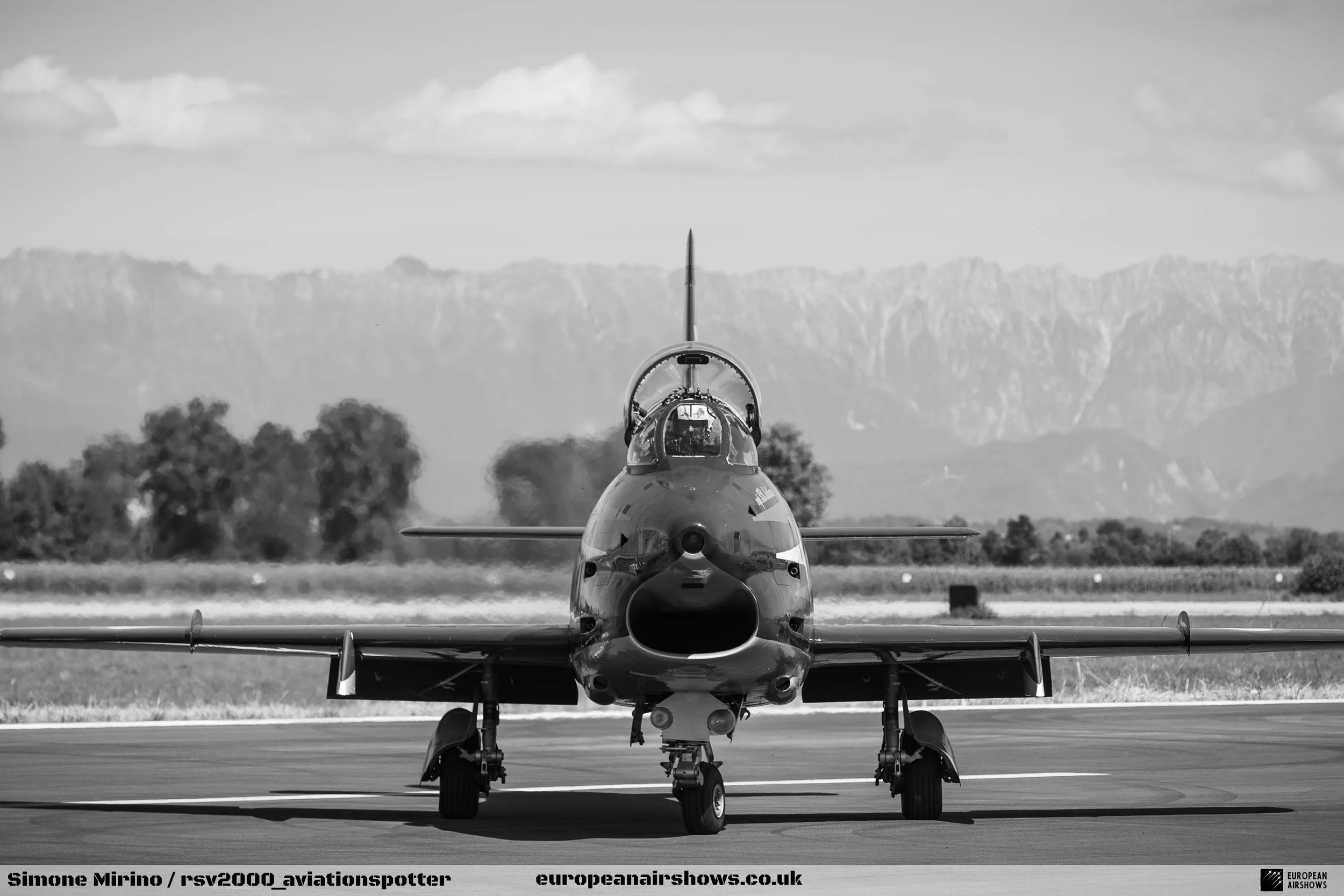
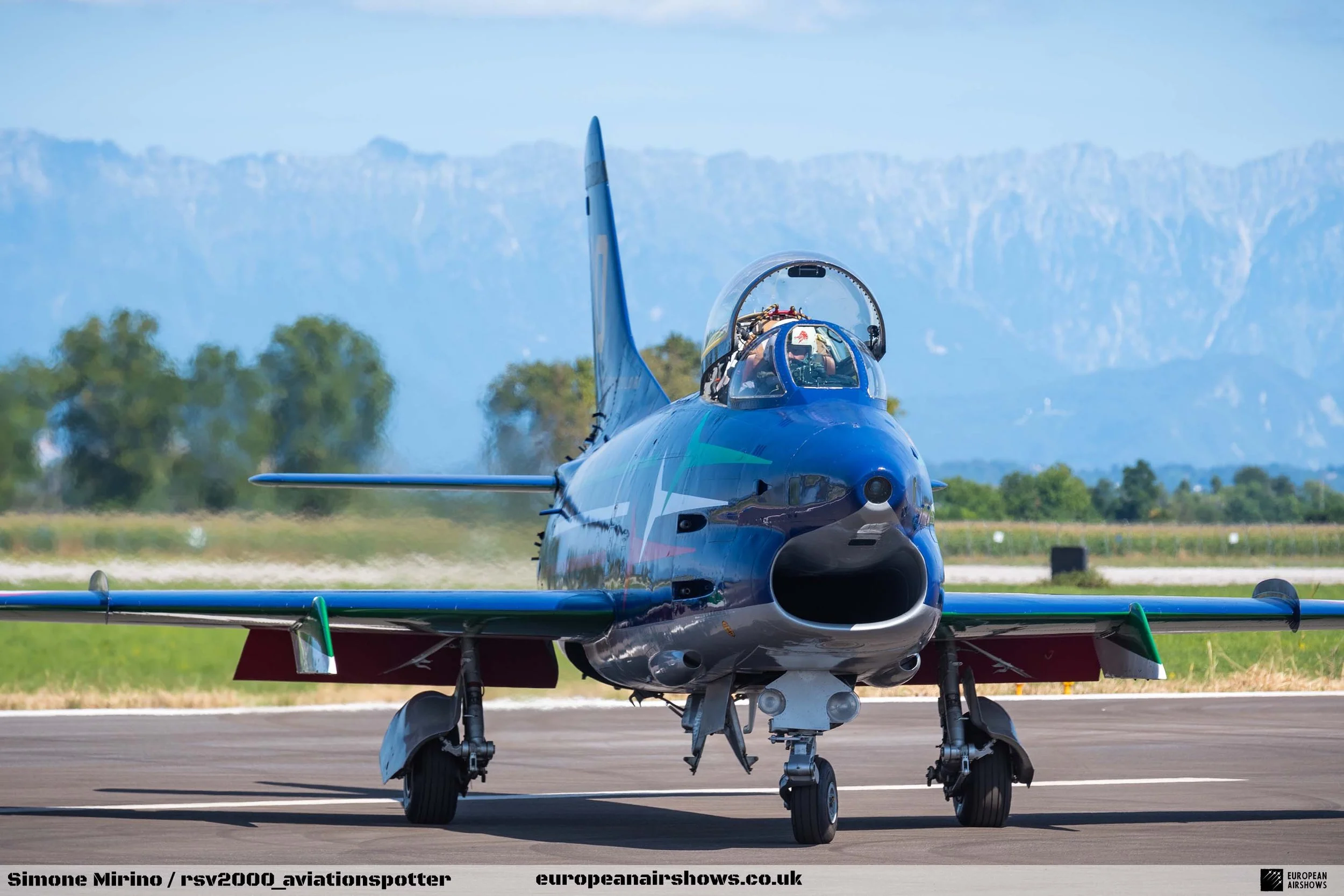
Two Fiat G.91 aircraft, which, in addition to being the predecessor of the Frecce’s Aermacchi MB-339PAN, were for years in service with the 2nd Wing as reconnaissance aircraft. One was in “operational” livery and the other one in old-style “Frecce Tricolori” livery.
The AgustaWestland HH-101A Caesar, the largest helicopter in service with the Air Force, mainly used for special operations.
The iconic and timeless Panavia PA-200 Tornado twin-engine, variable-sweep wing combat aircraft, of which the Italian Air Force is one of the few remaining operators. This jet is gradually being replaced by the Lockheed Martin F-35A/B Lightning II.
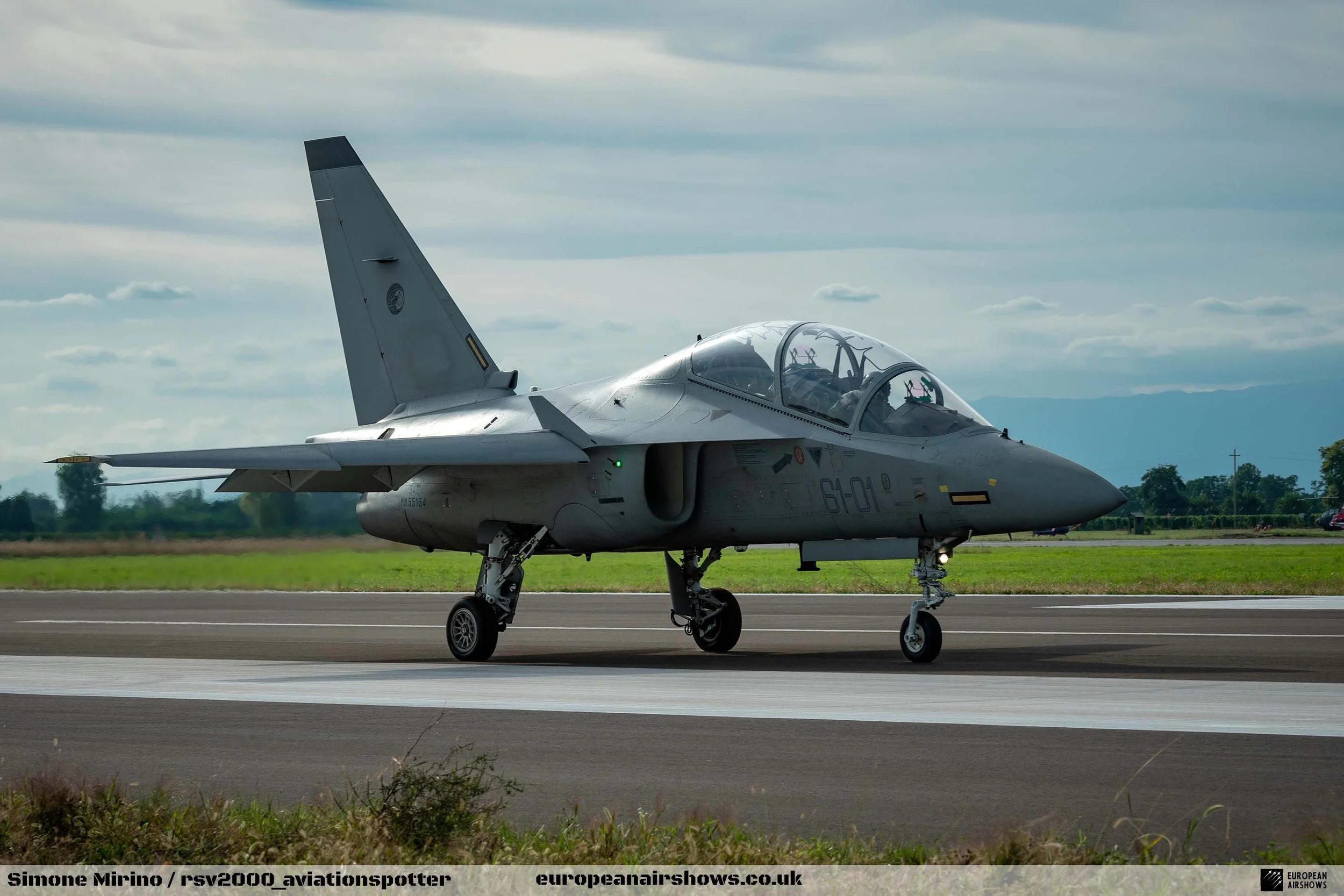
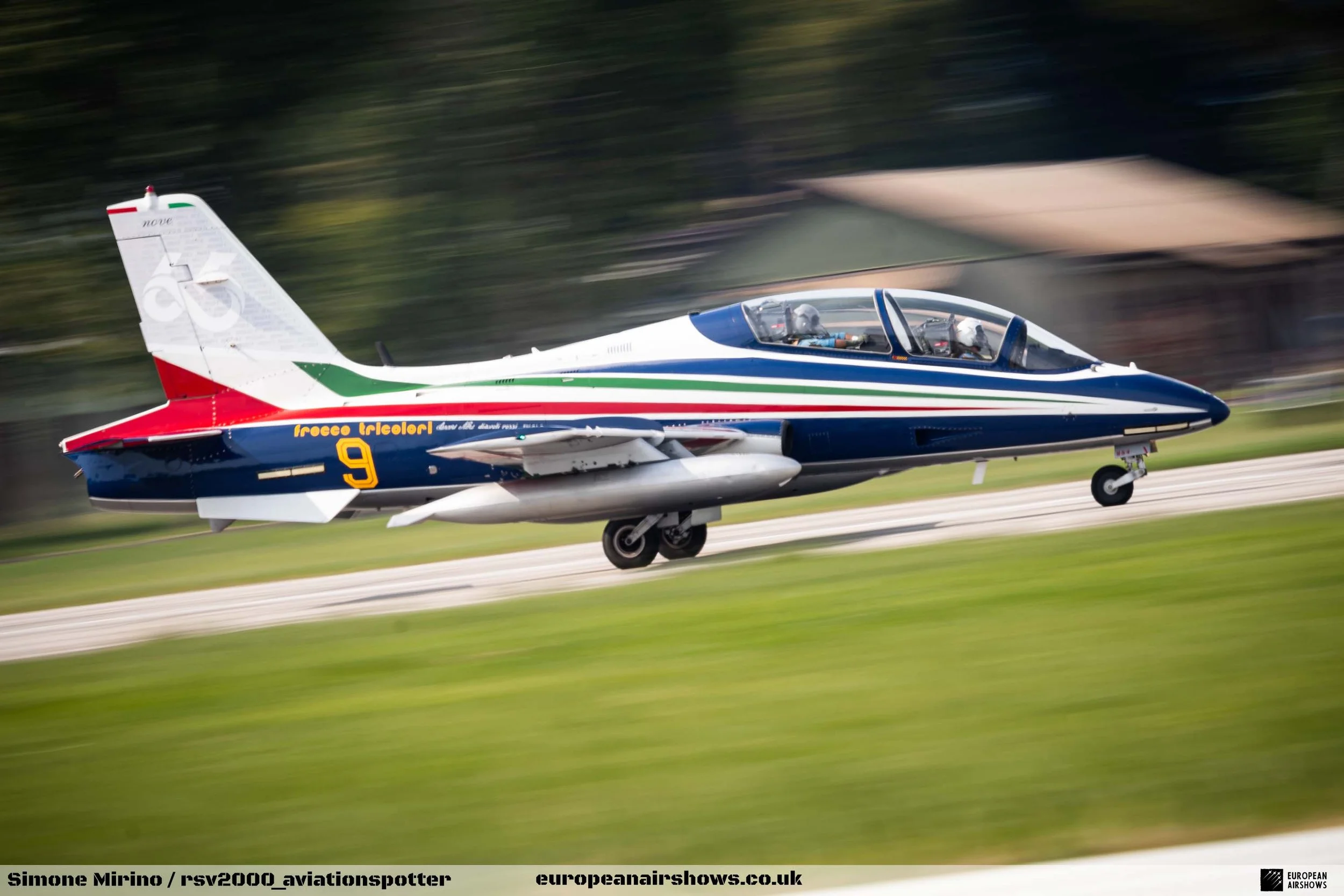
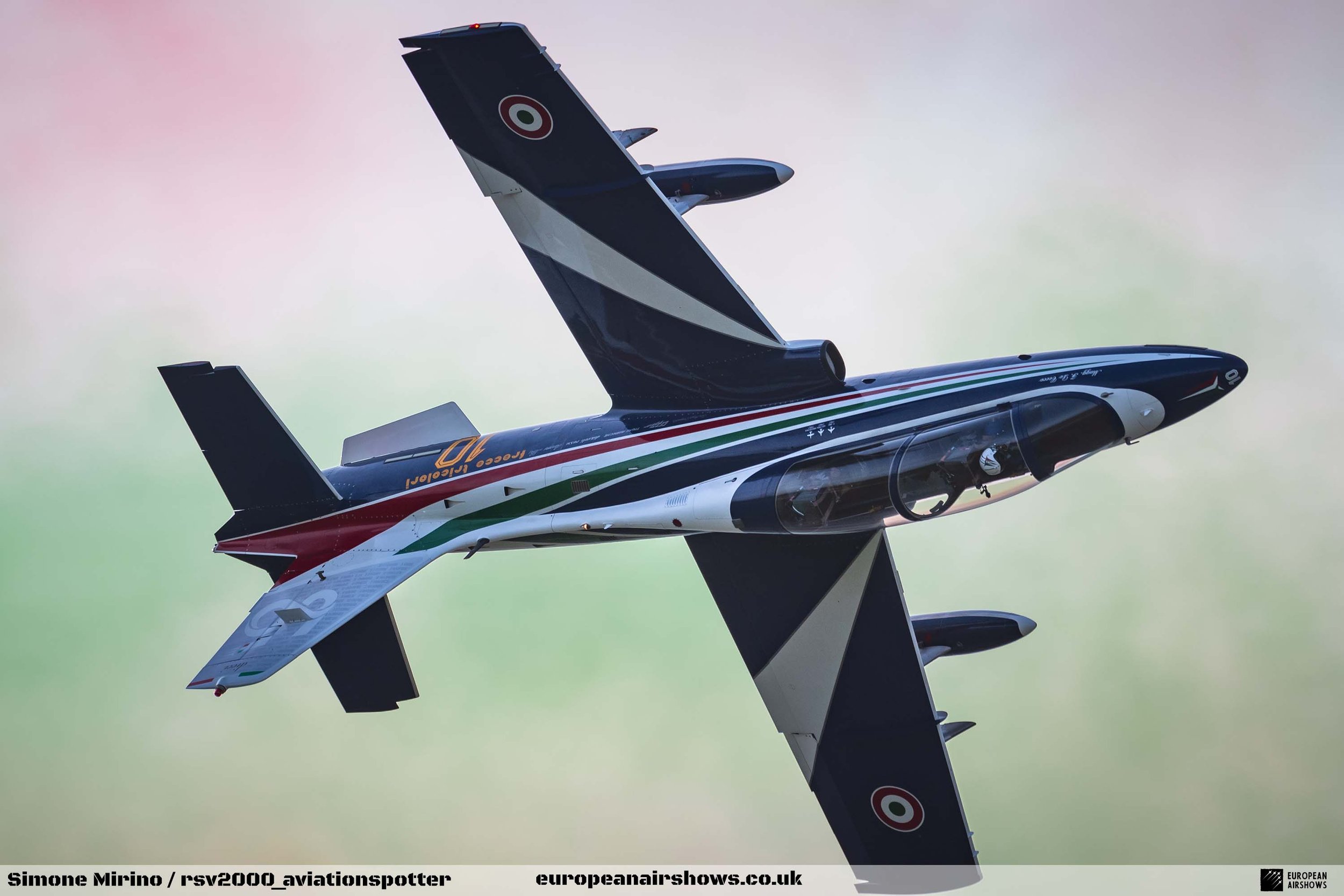
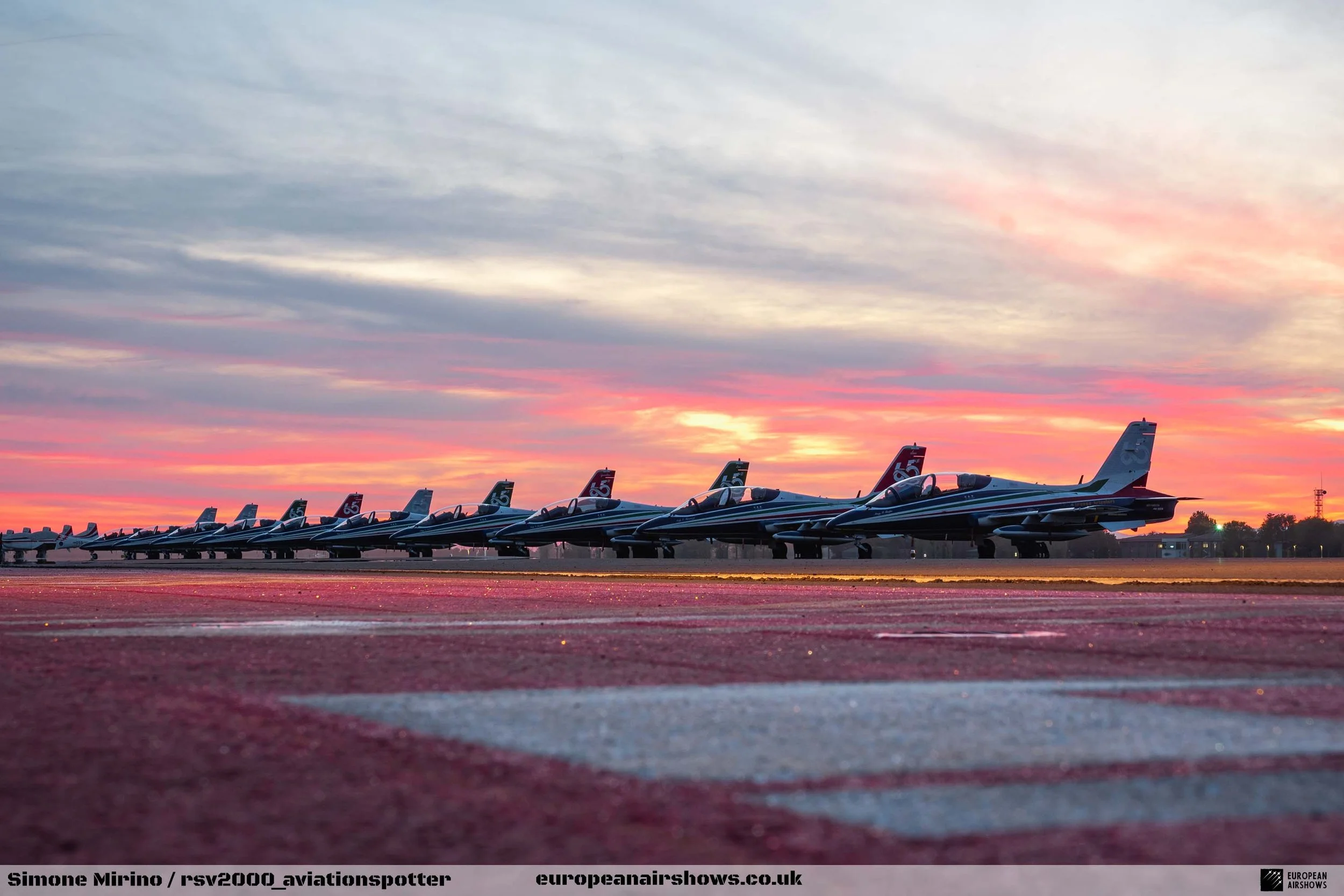
A series of trainer aircraft: the SIAI-Marchetti SF-260EA (for pilots’ initial training), the Aermacchi MB-339PAN (used by the Italian Aerobatic Team), the new Leonardo T-345A (also known as the “little brother” of the Leonardo T-346A Master), and the Agusta-Bell TH-500B helicopter.
For the first time after its presentation last year, the mock-up of the Leonardo T-346 PAN Master aircraft, which will be the next jet of the Frecce Tricolori.
Lastly, in honour of the 2nd Wing, the public was also able to see the Selenia SPADA Surface-to-Air Missile (SAM) system.

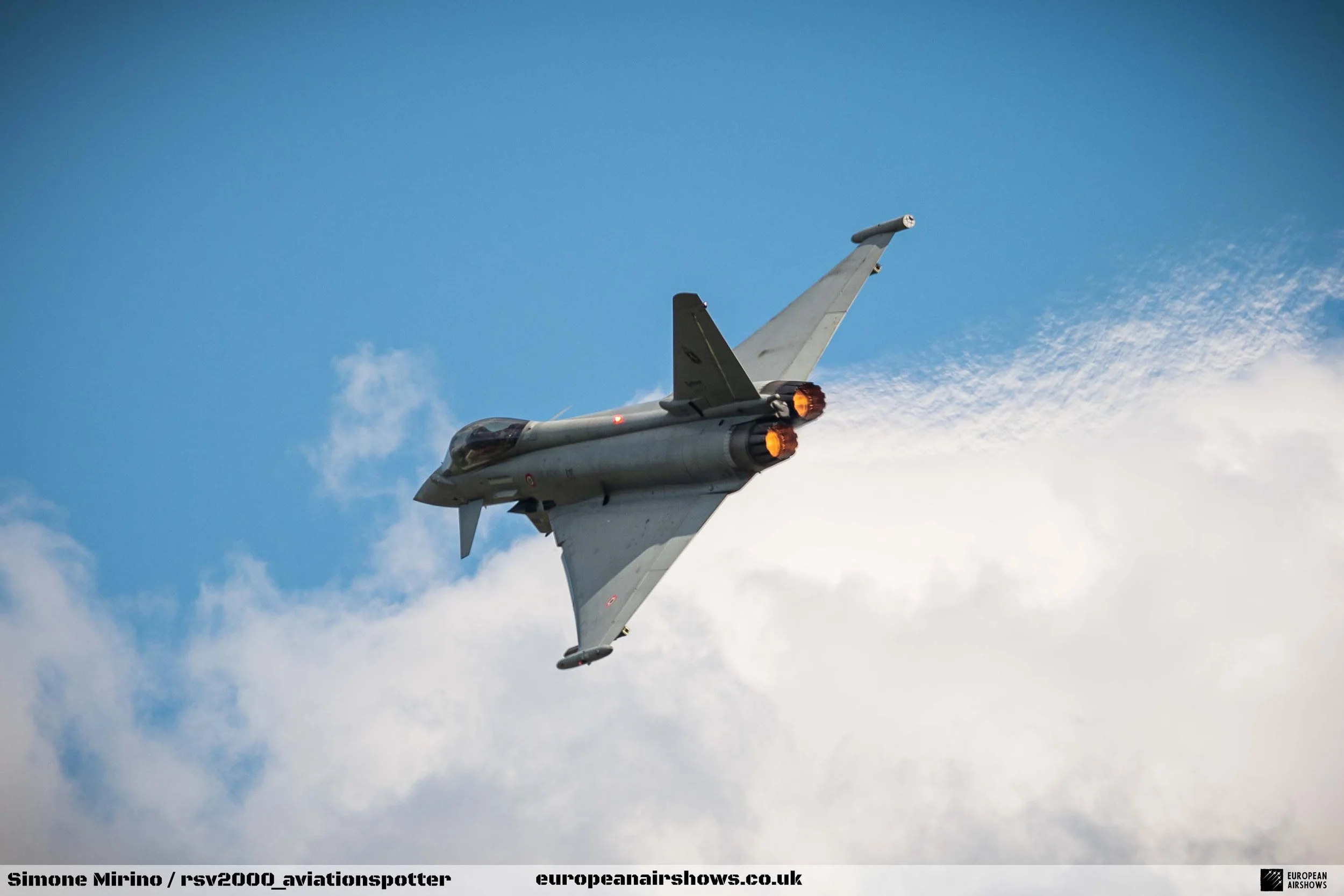
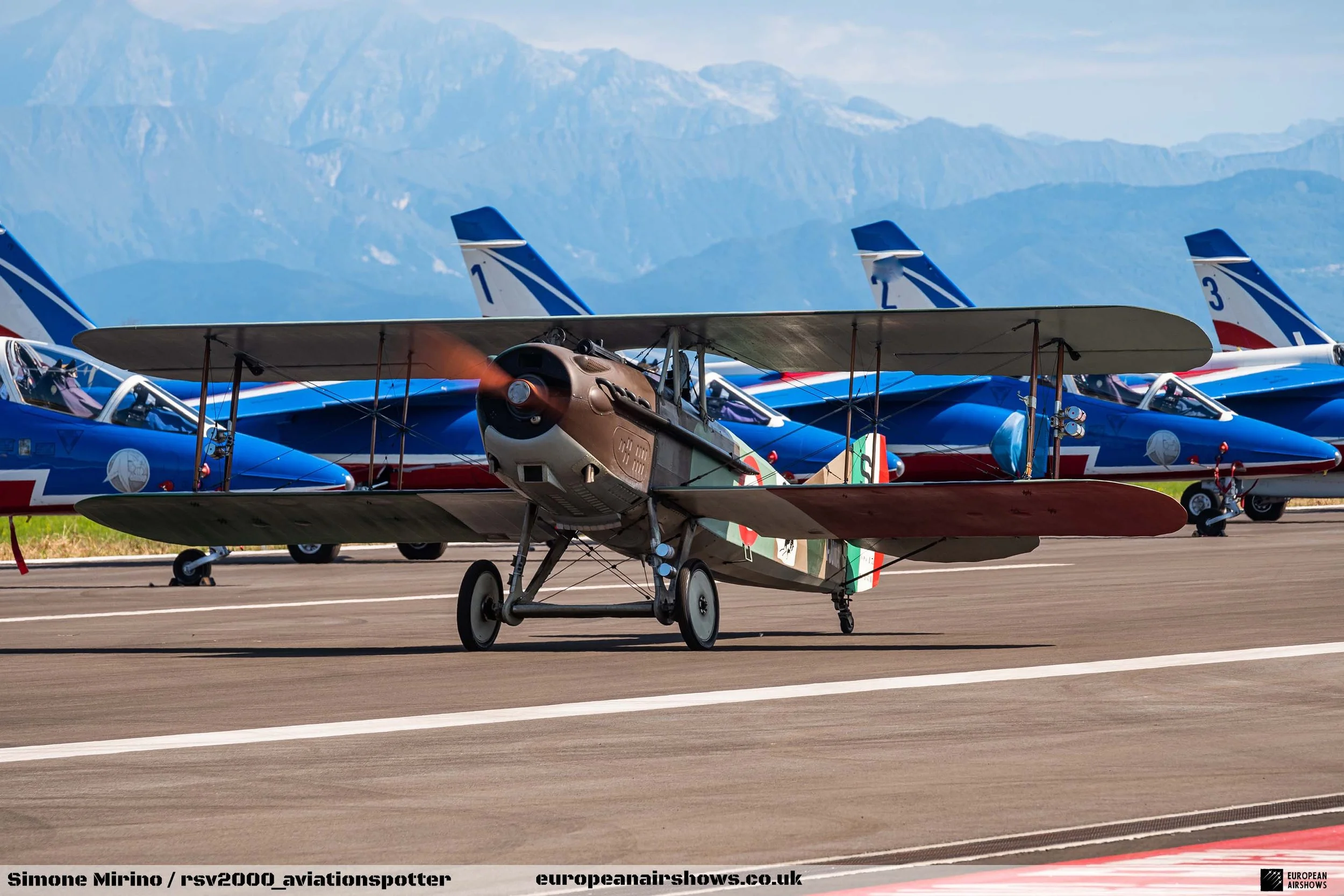
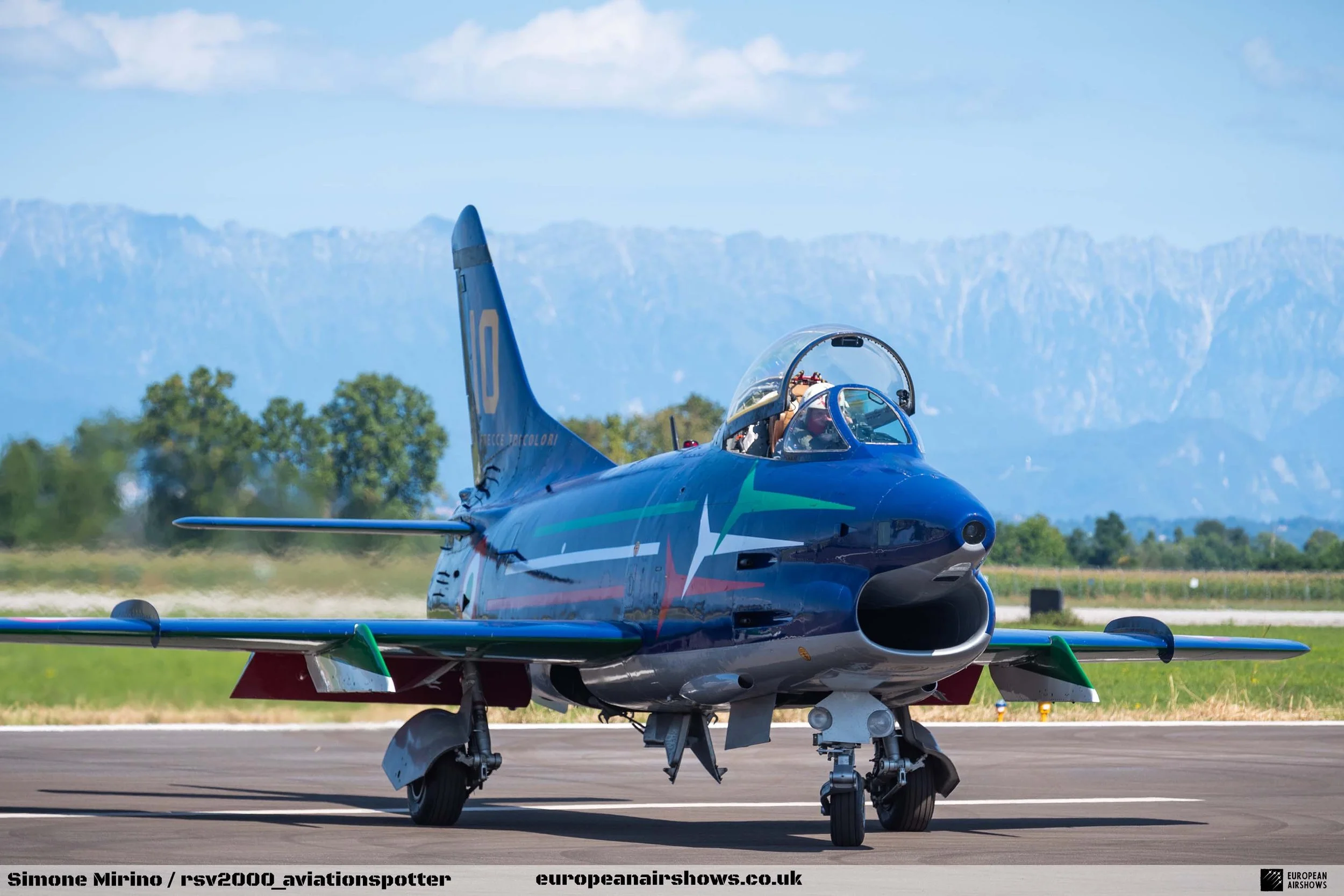

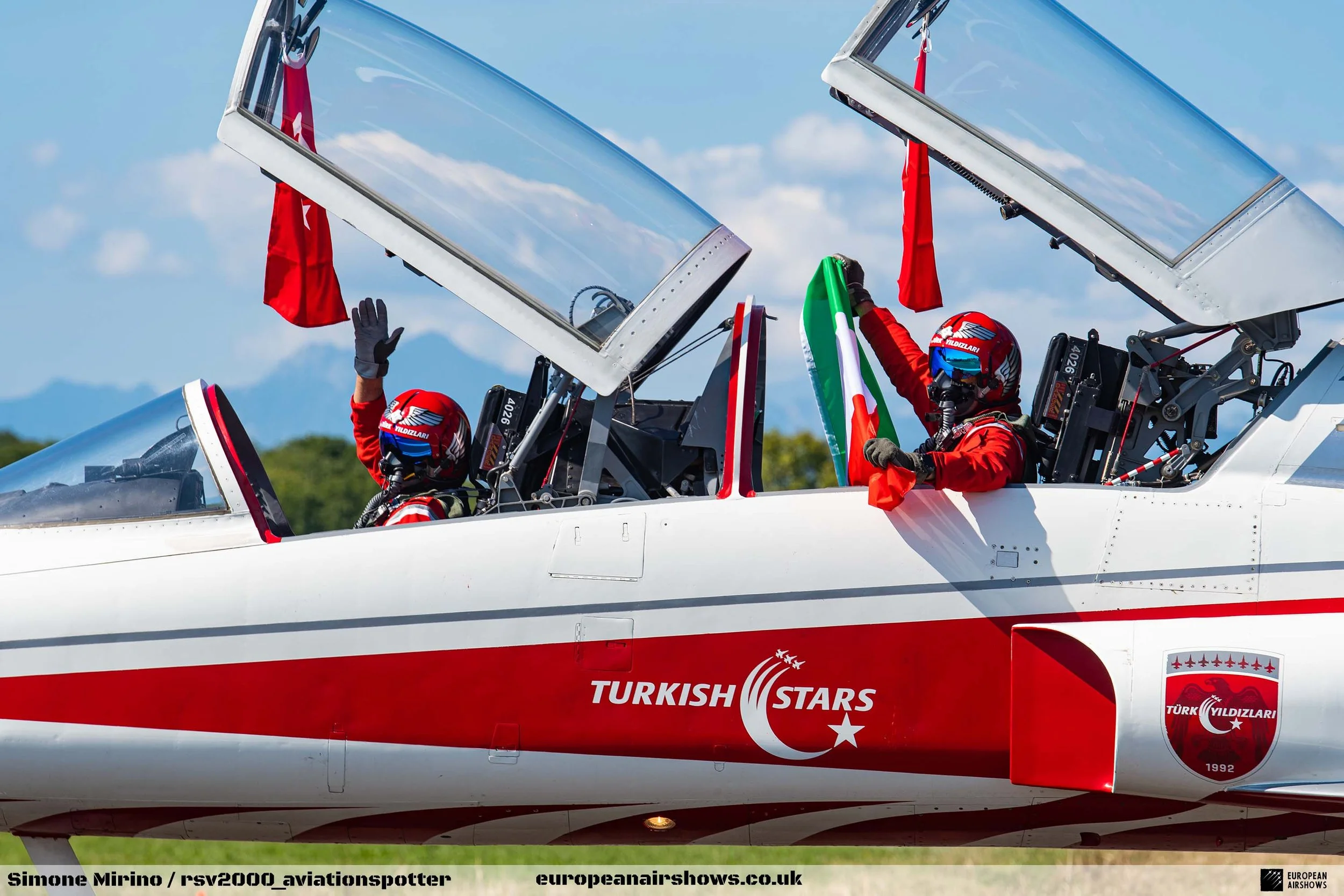




The flying program unfolded like a story told in the air, beginning with a display of skill and courage that highlighted the operational side of the Italian Air Force. A Leonardo HH-139B helicopter performed a Search and Rescue (SAR) demonstration, showcasing the precision of its crew as they simulated the recovery of a missing person using a winch and the expertise of the aero-rescue specialists. It was a powerful reminder that the Air Force’s role extends well beyond displays of speed and acrobatics.
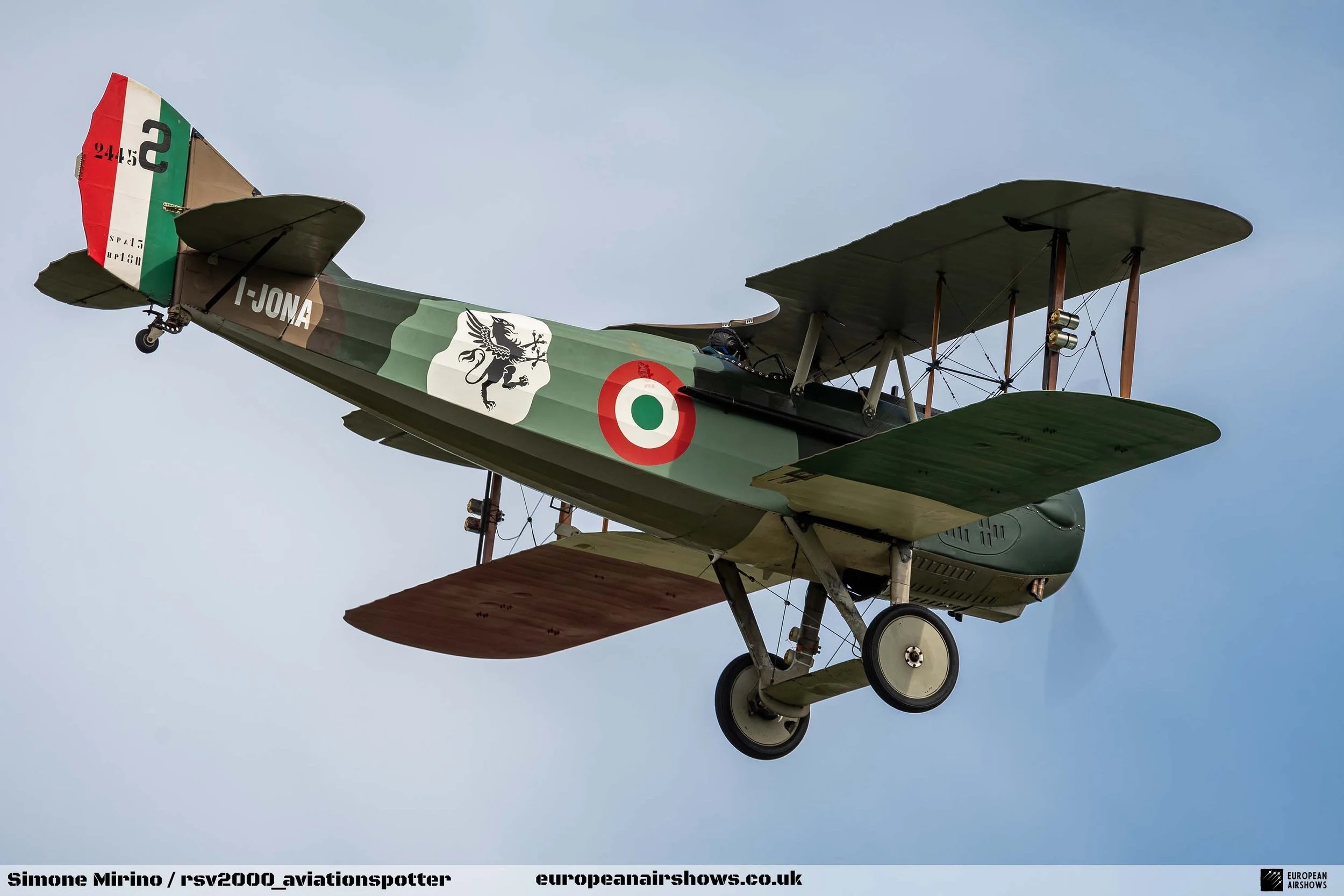
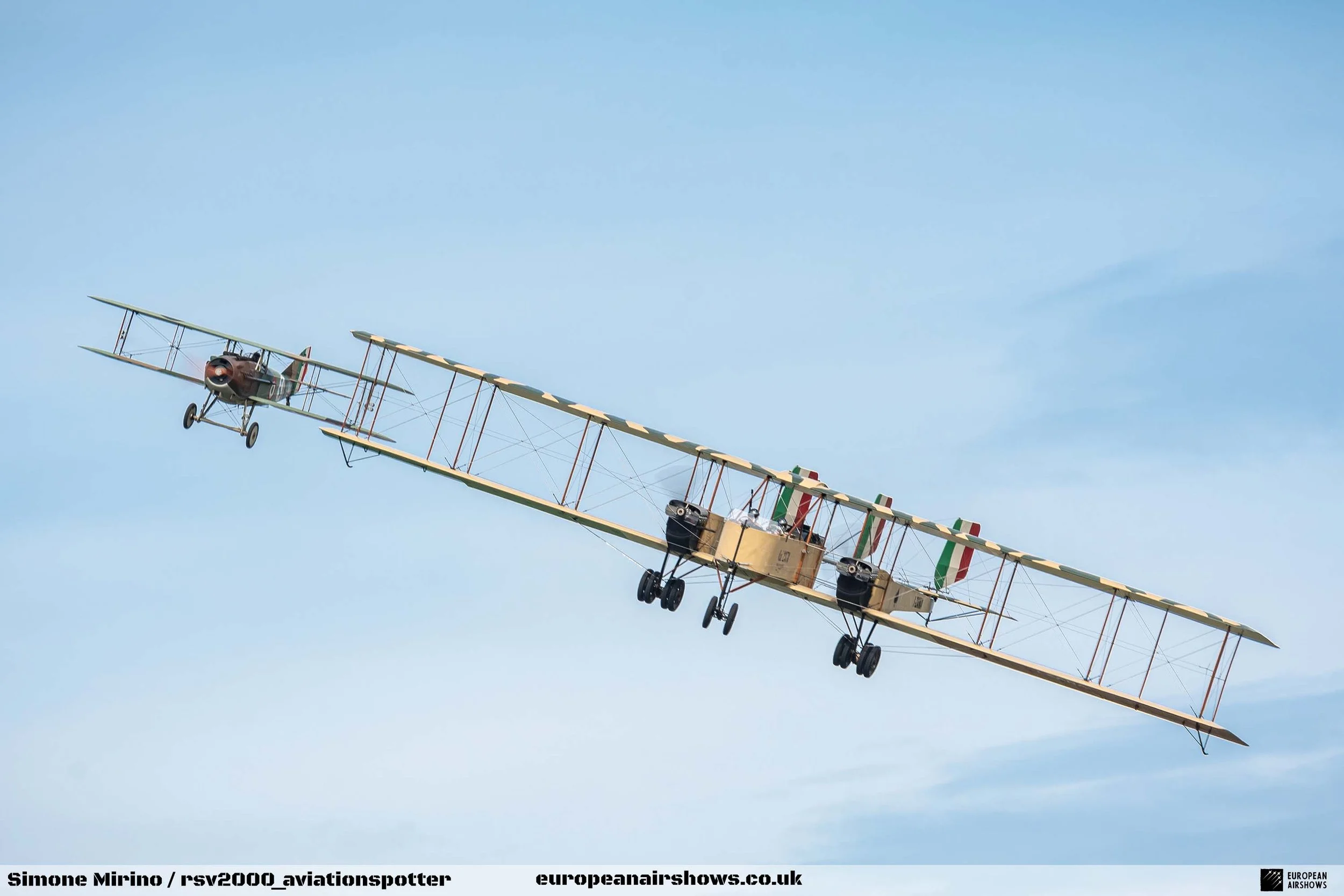
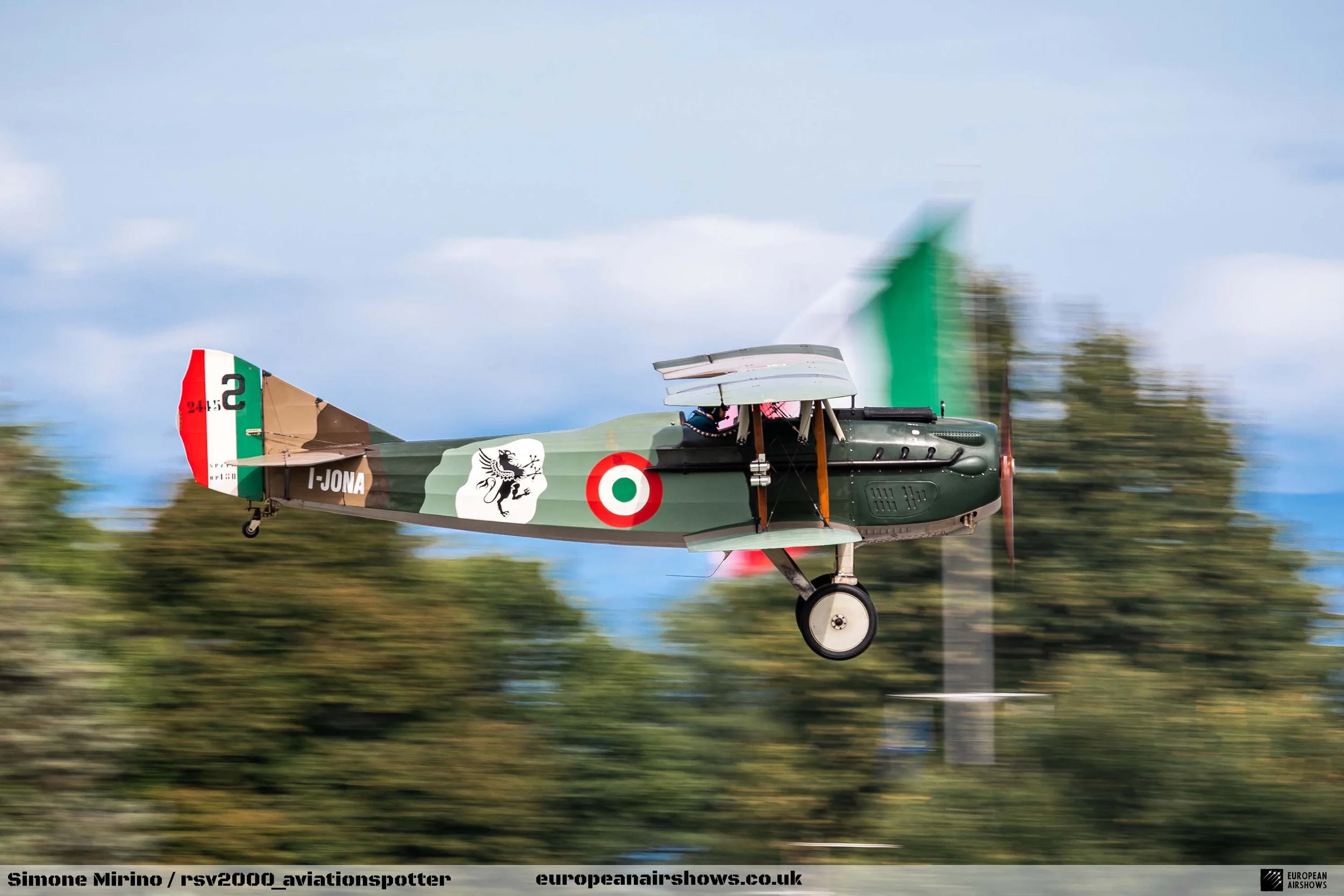
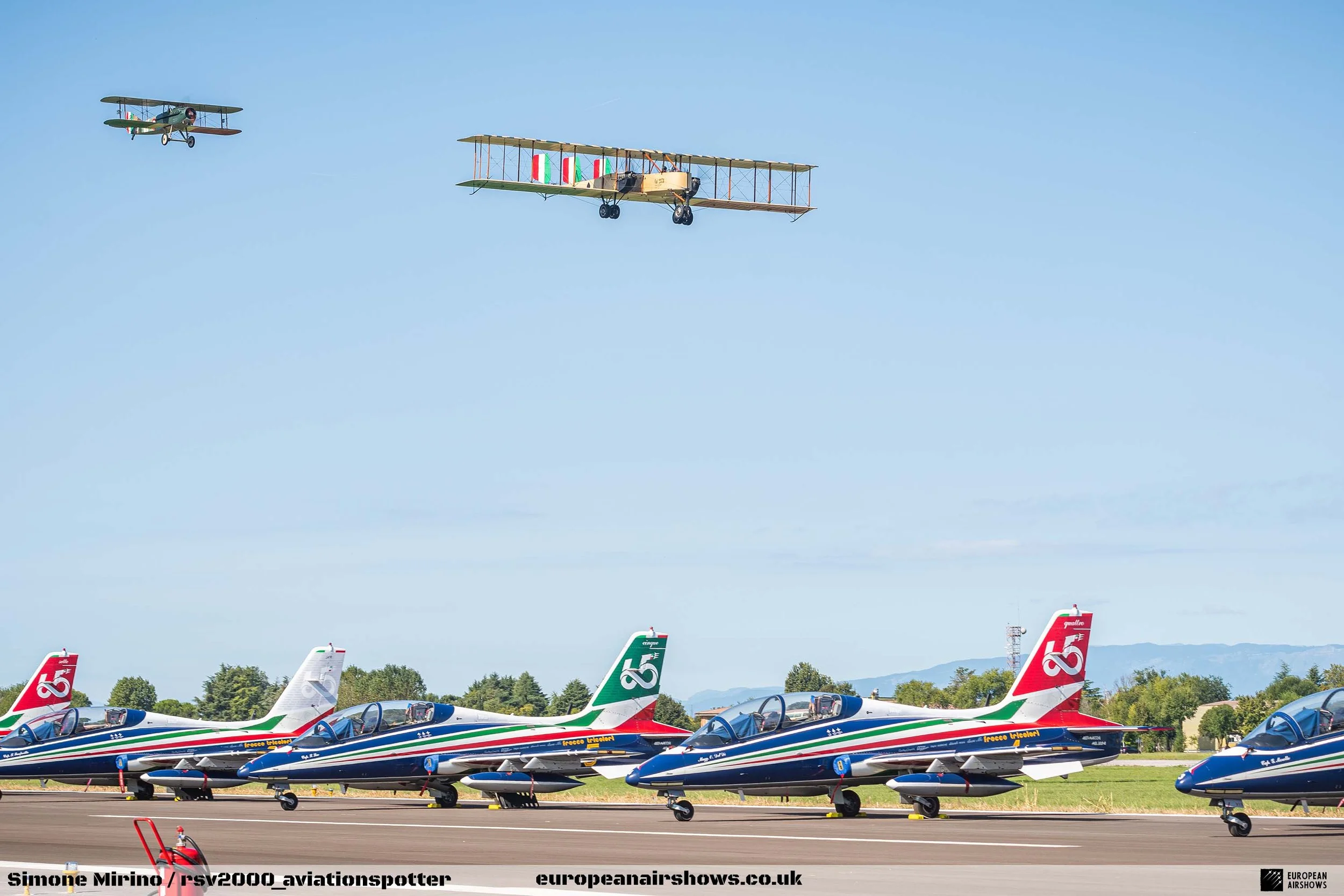
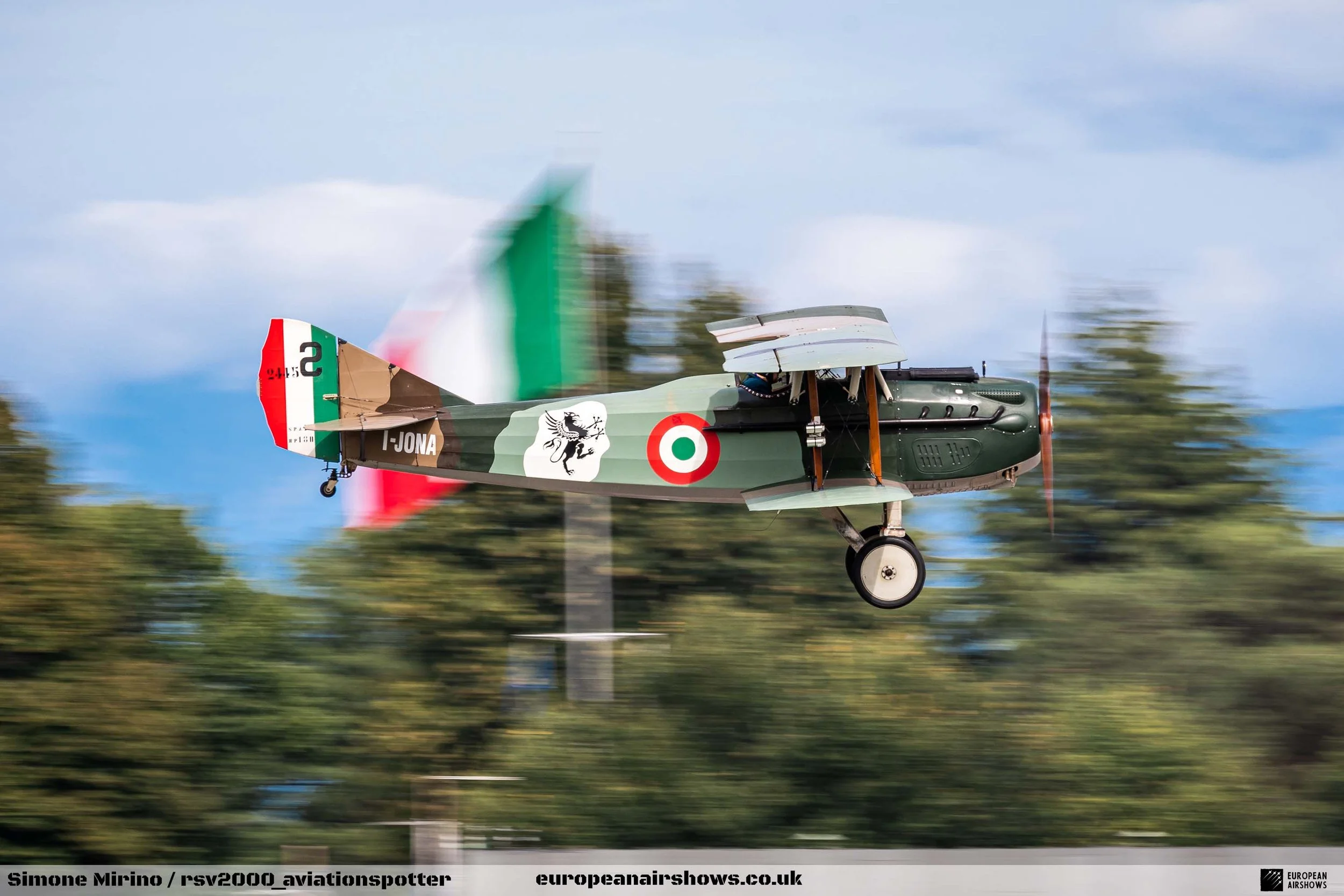
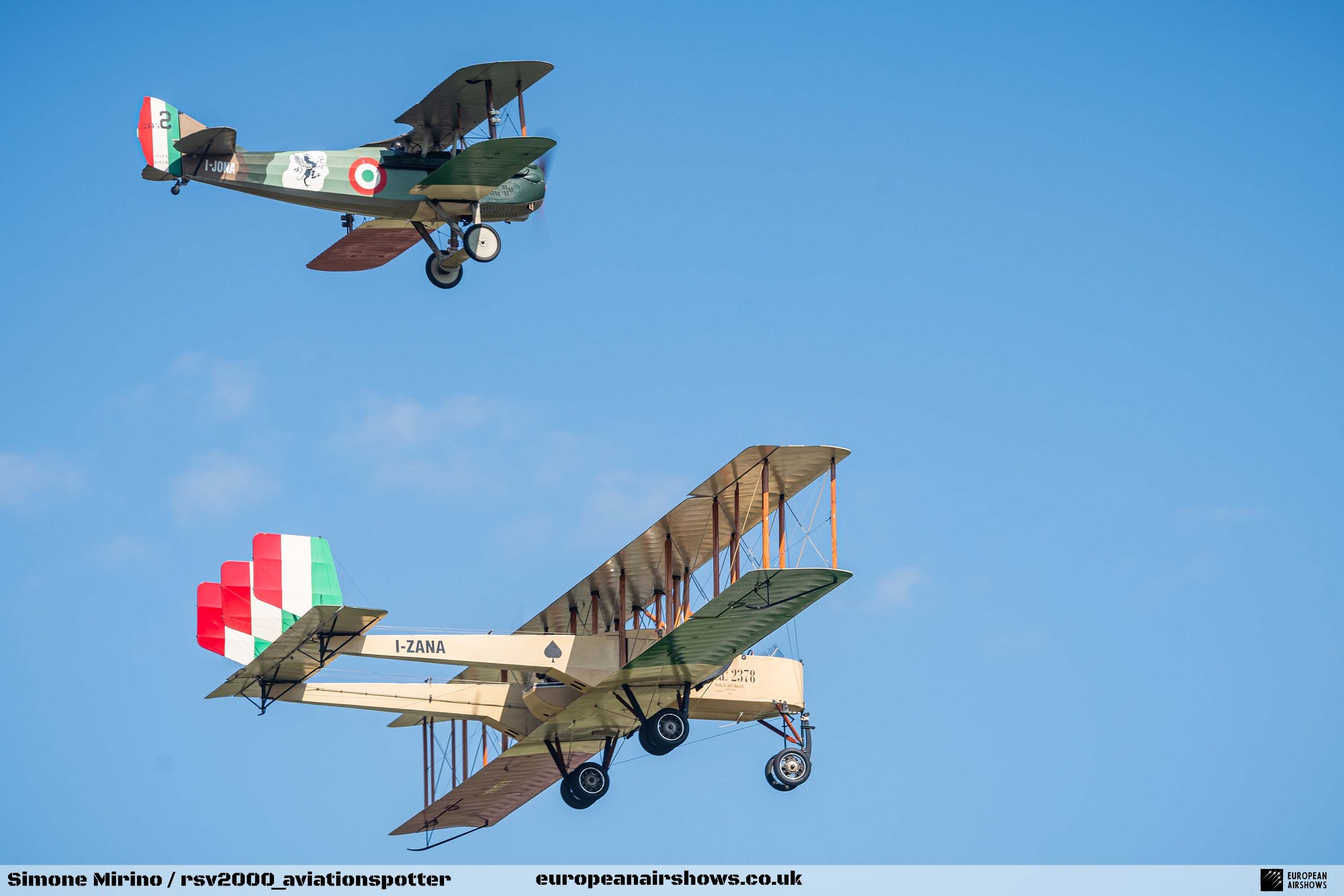
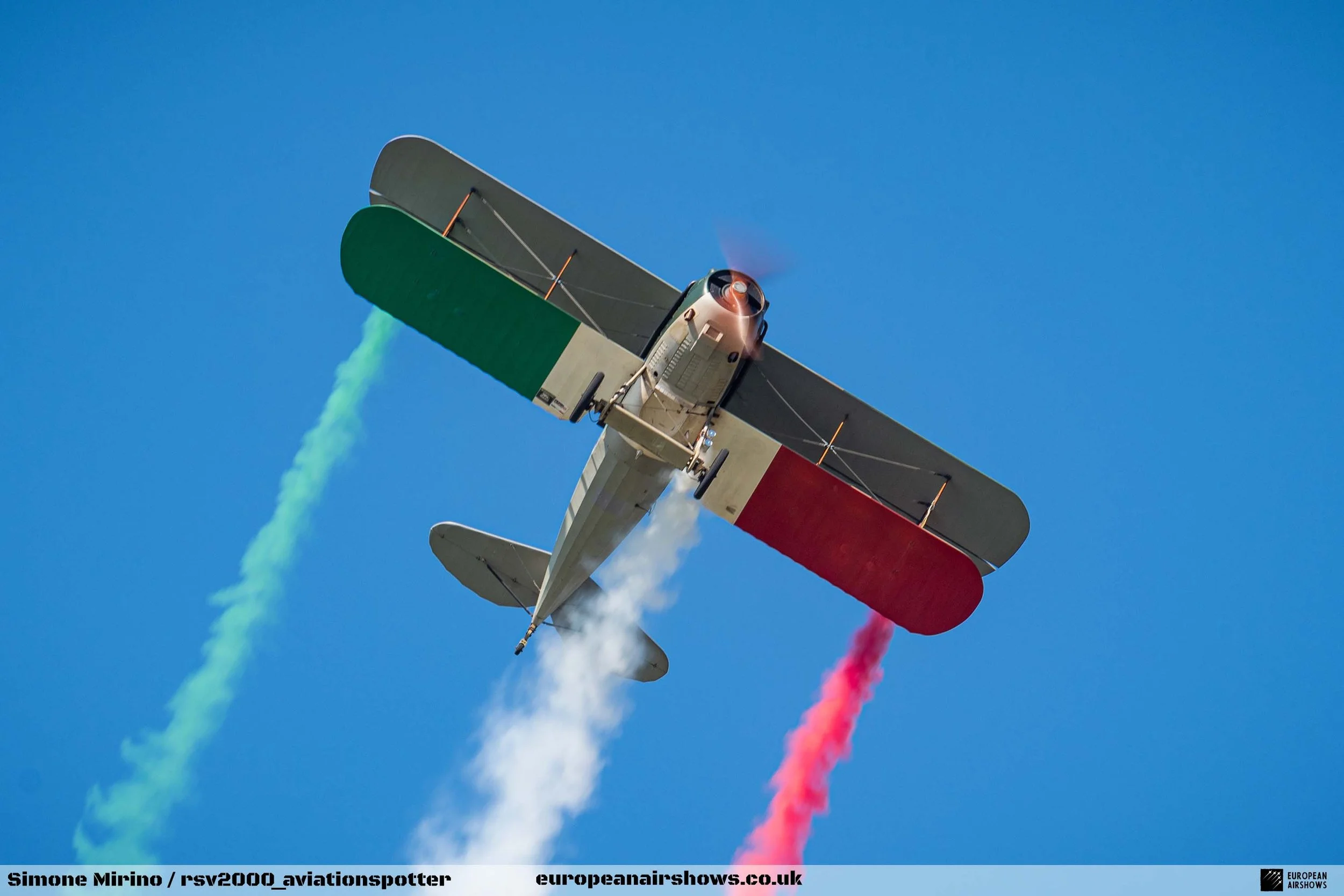
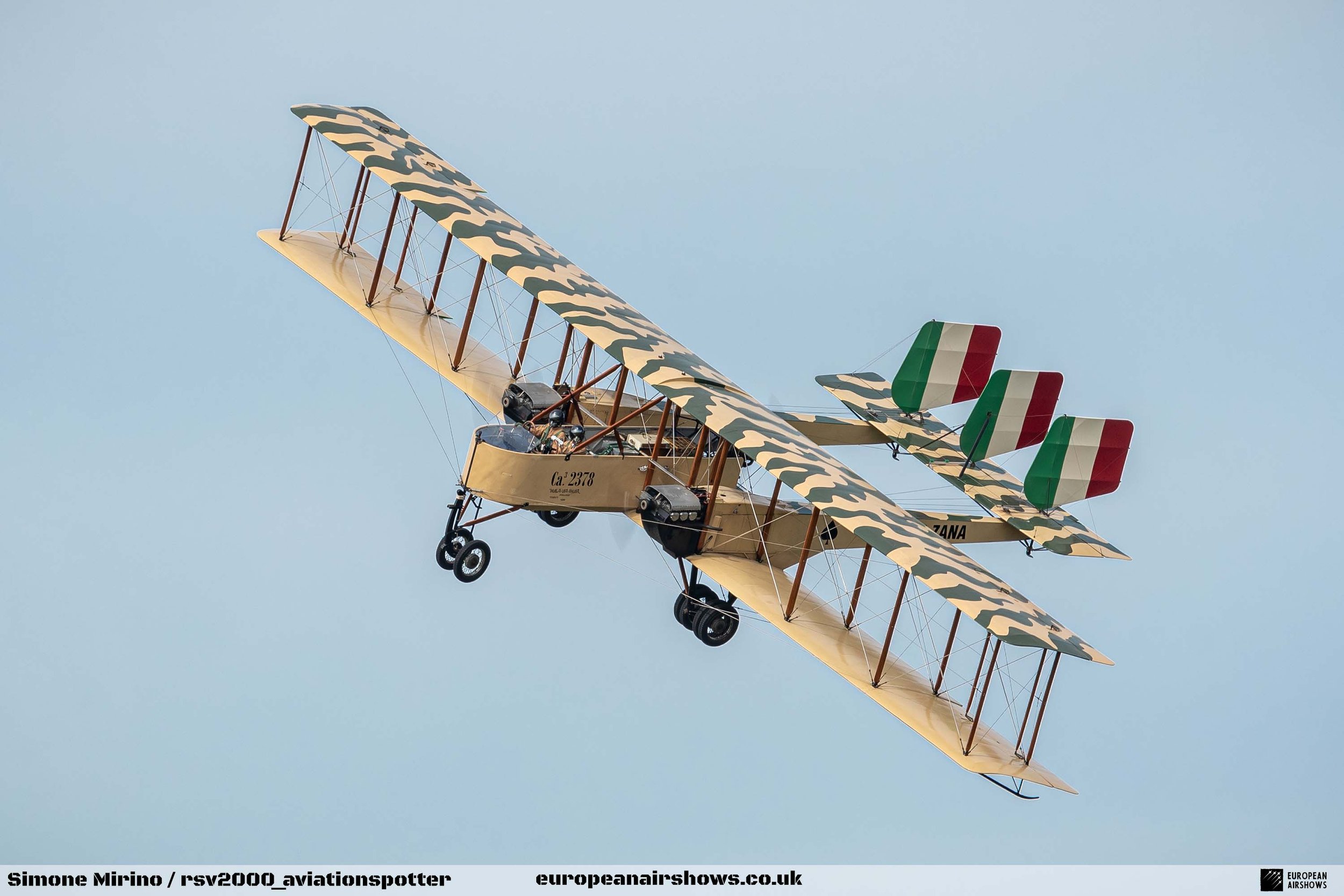
From there, the past took flight. The Jonathan Collection brought history alive with aircraft that seemed to have stepped out of the pages of aviation’s earliest chapters: the world’s only flying Caproni Ca.3 (a massive World War I bomber replica), and the SPAD S.XIII, the legendary fighter of aces. Their rumbling engines and fragile silhouettes drew applause and wonder, bridging a century of aviation progress.
The skies then filled with the grace and determination of the WeFly! Team, a civilian aerobatic team composed of disabled pilots flying three Van´s RV-7 aircraft. Their display was more than a performance; it was a statement of resilience and passion, a highlight of inclusivity in aviation.
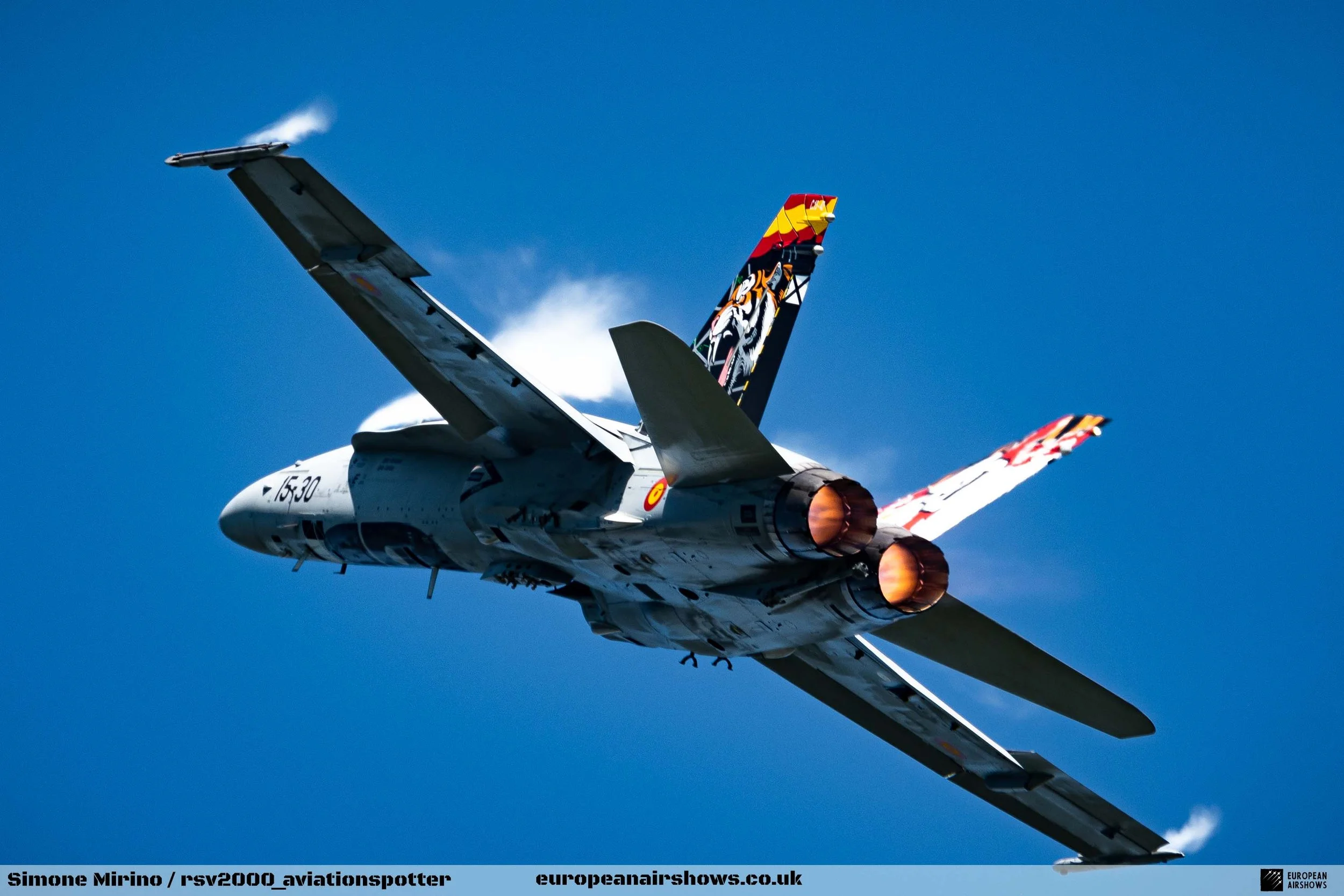
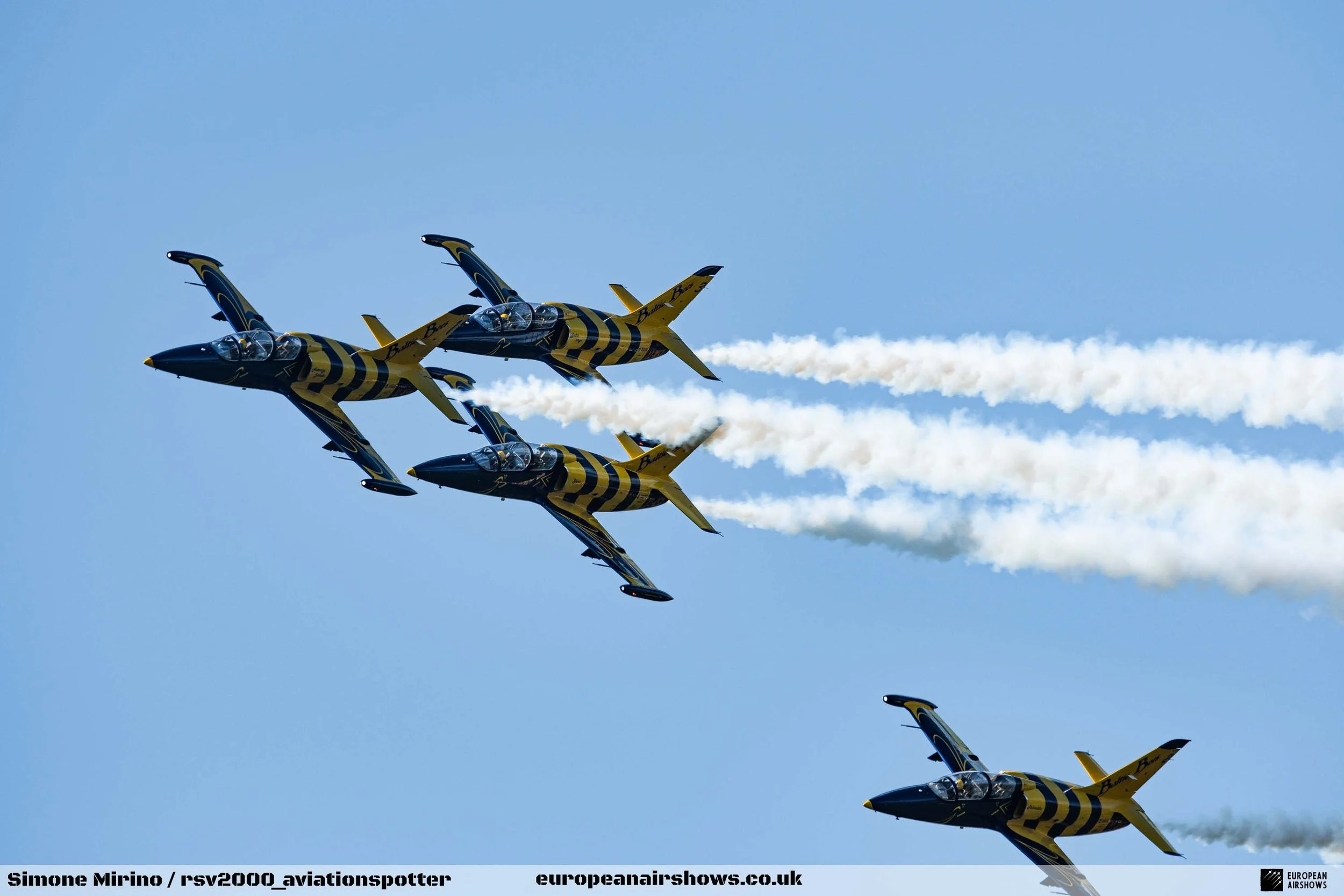
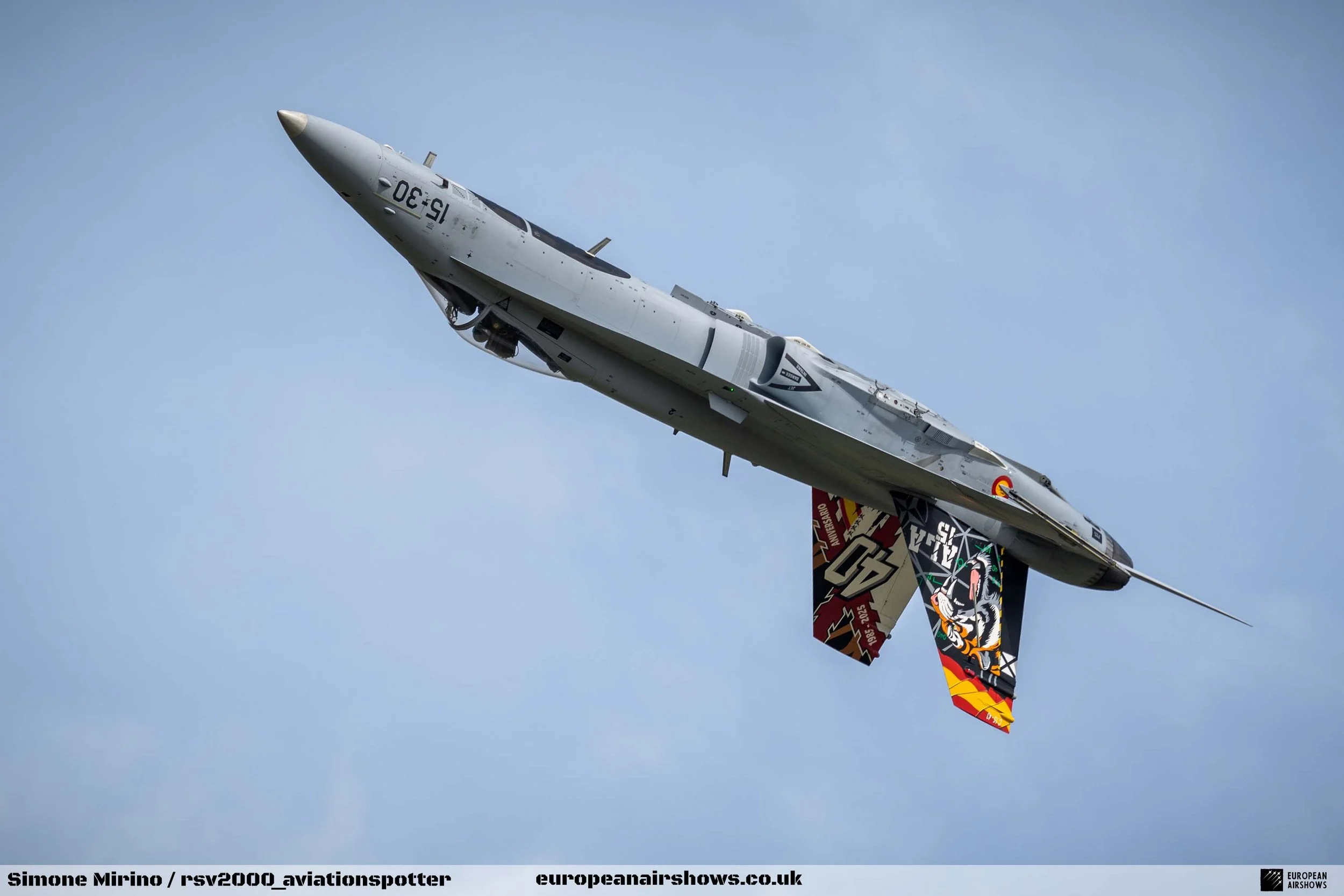
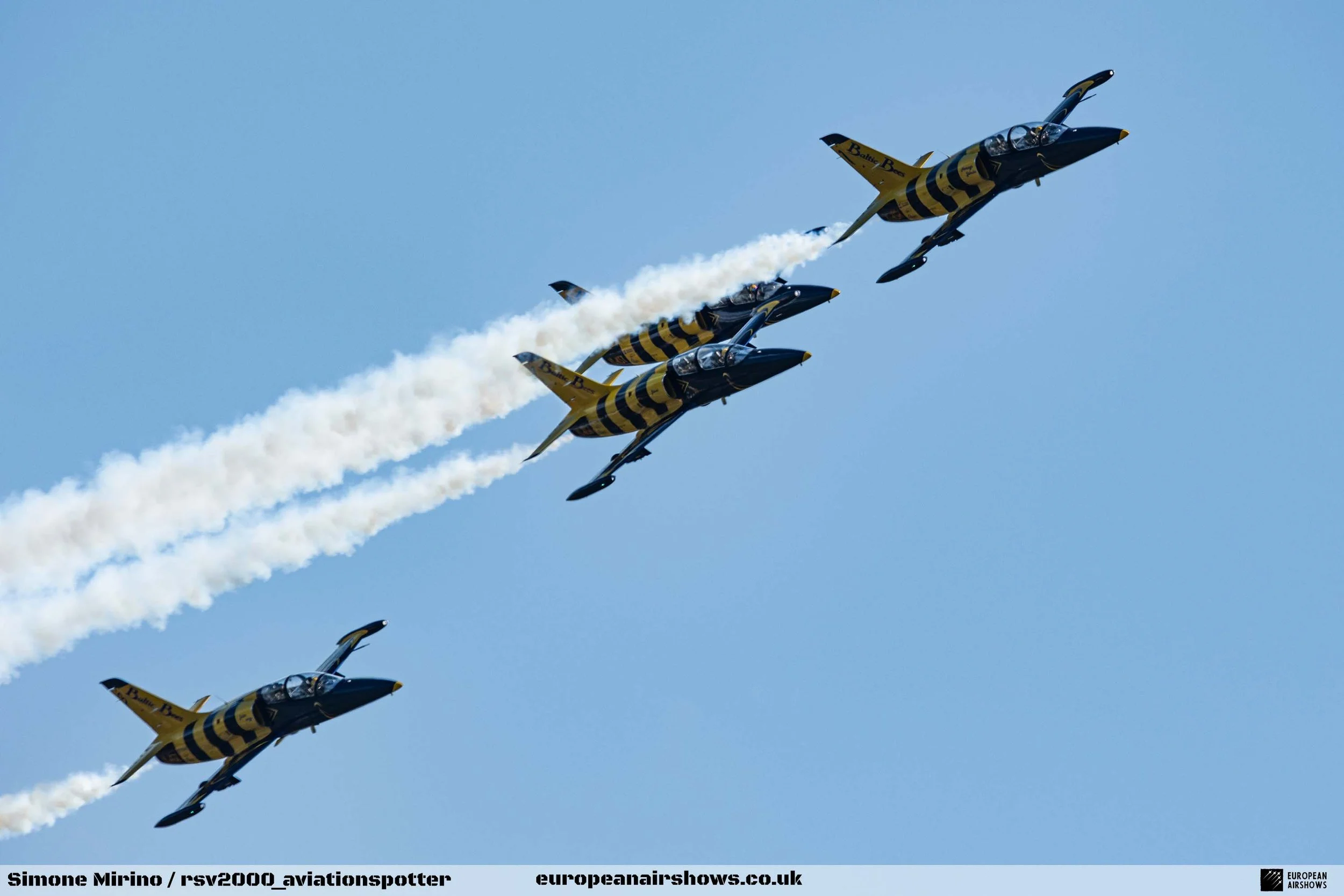
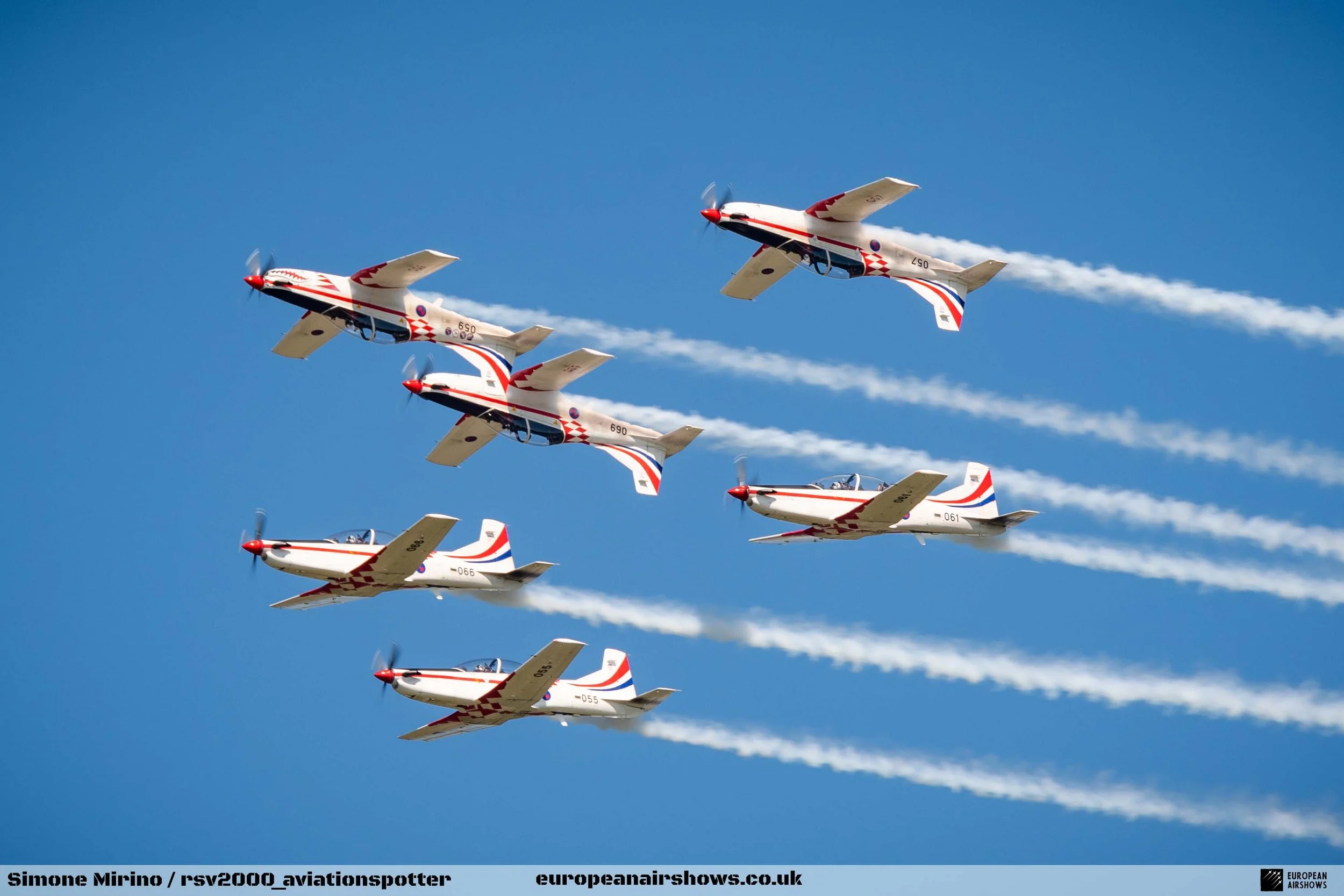
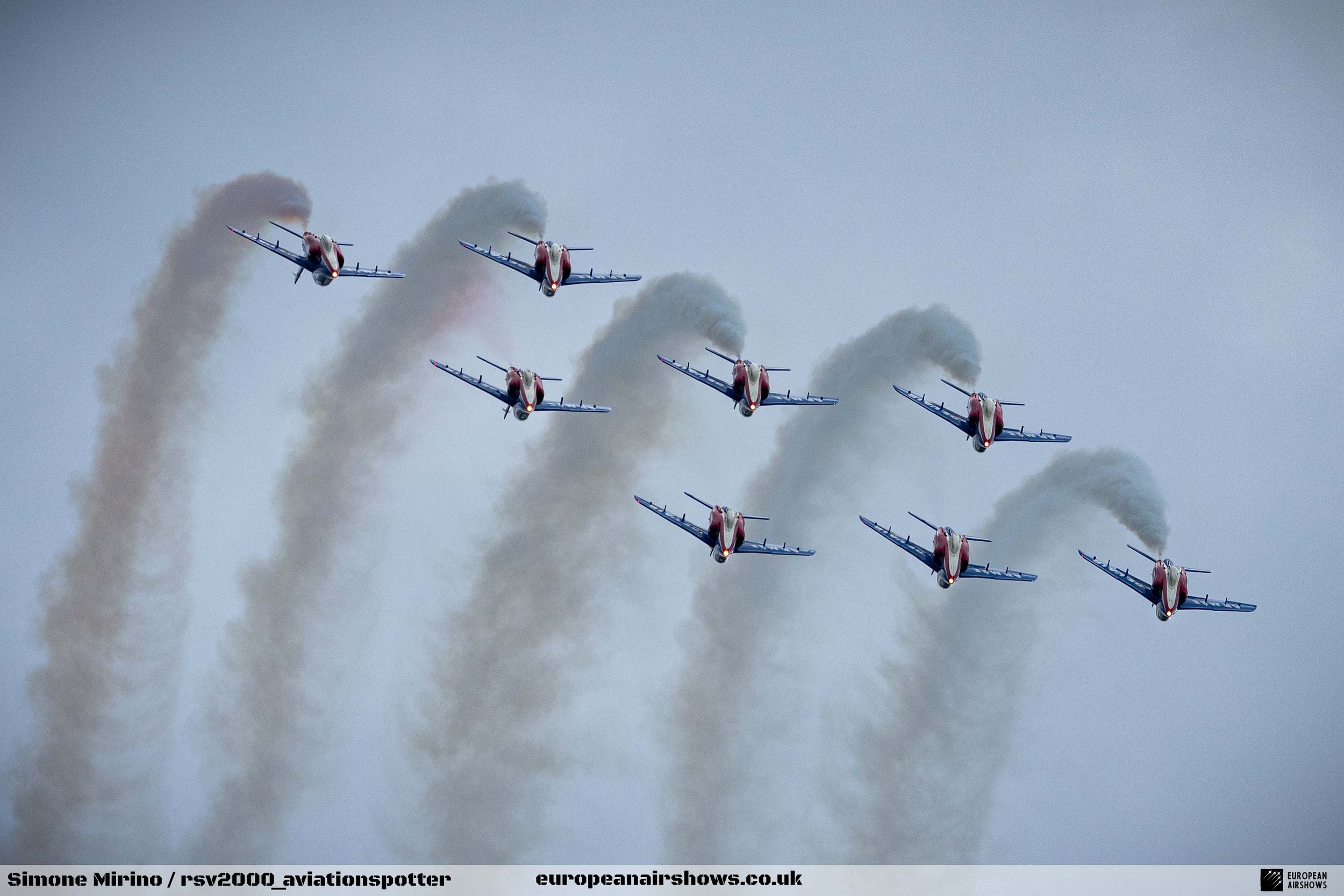
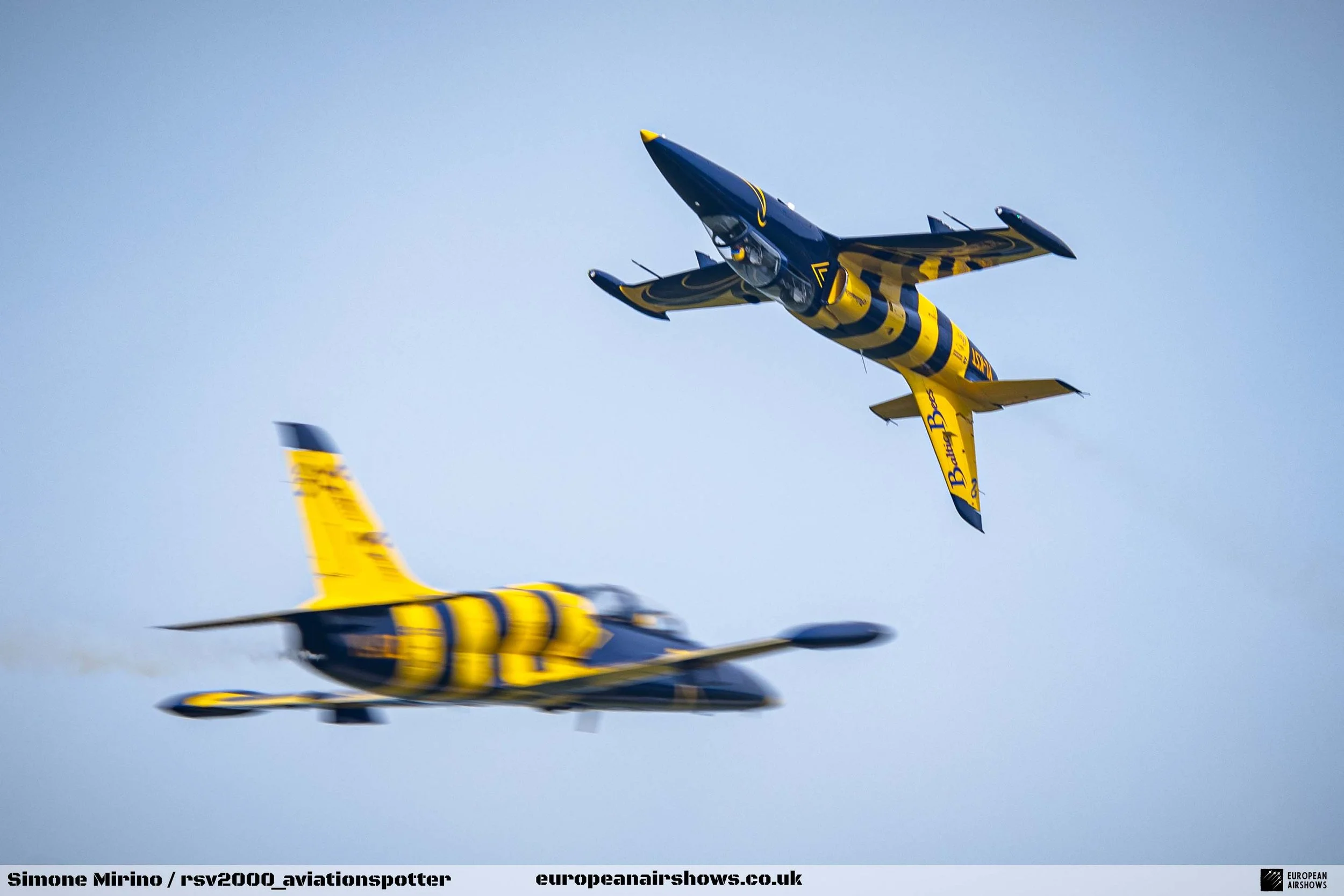
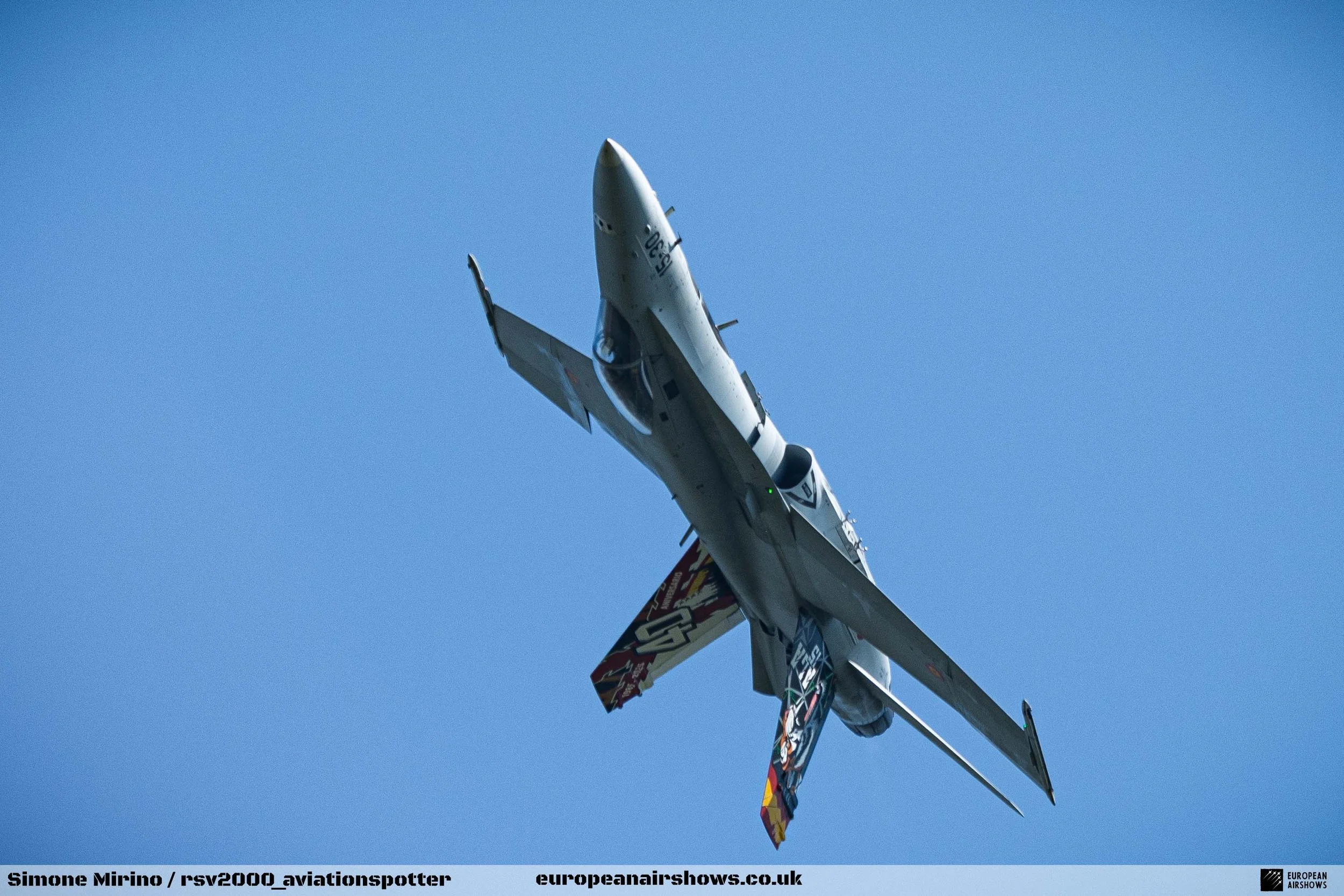
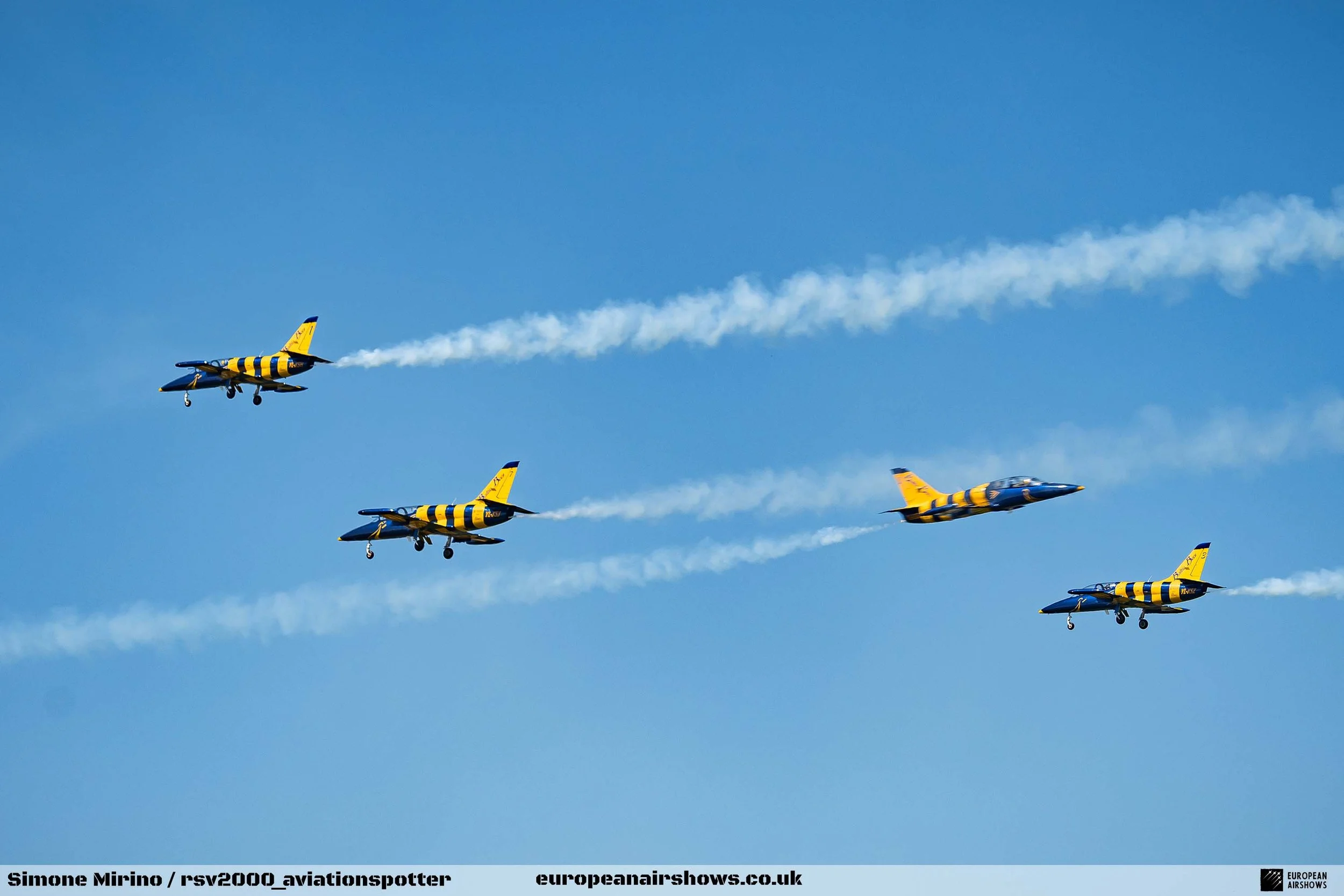
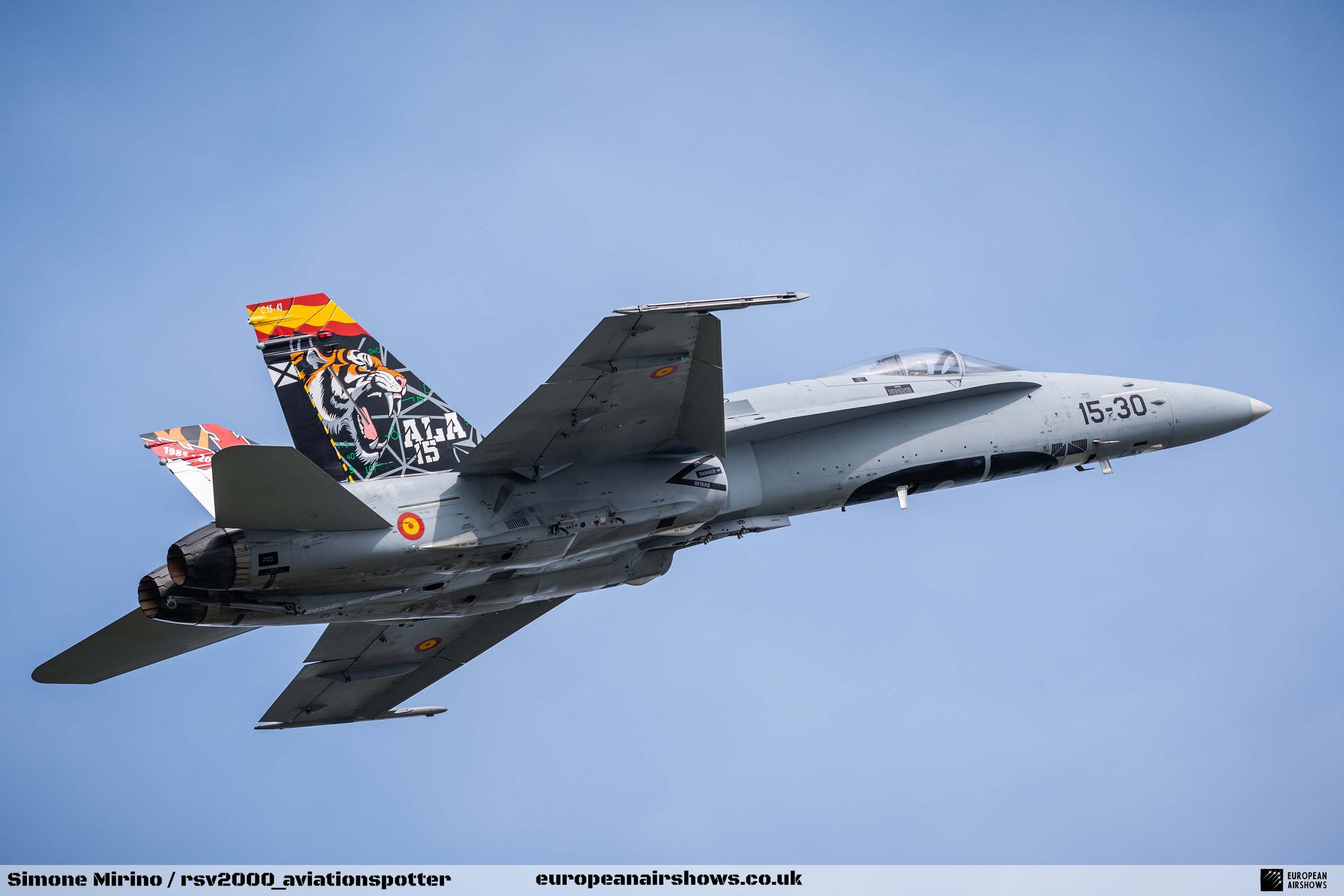
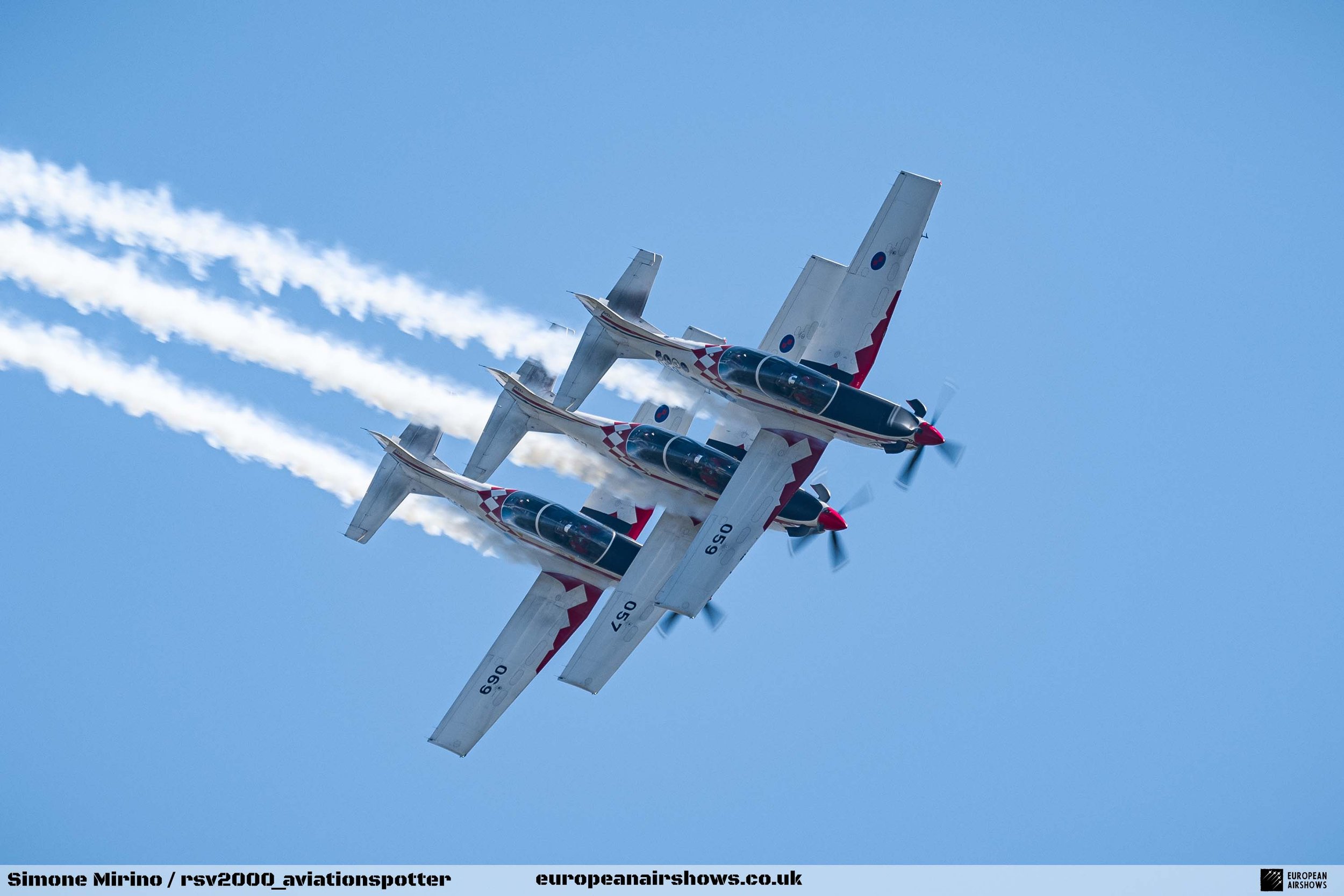
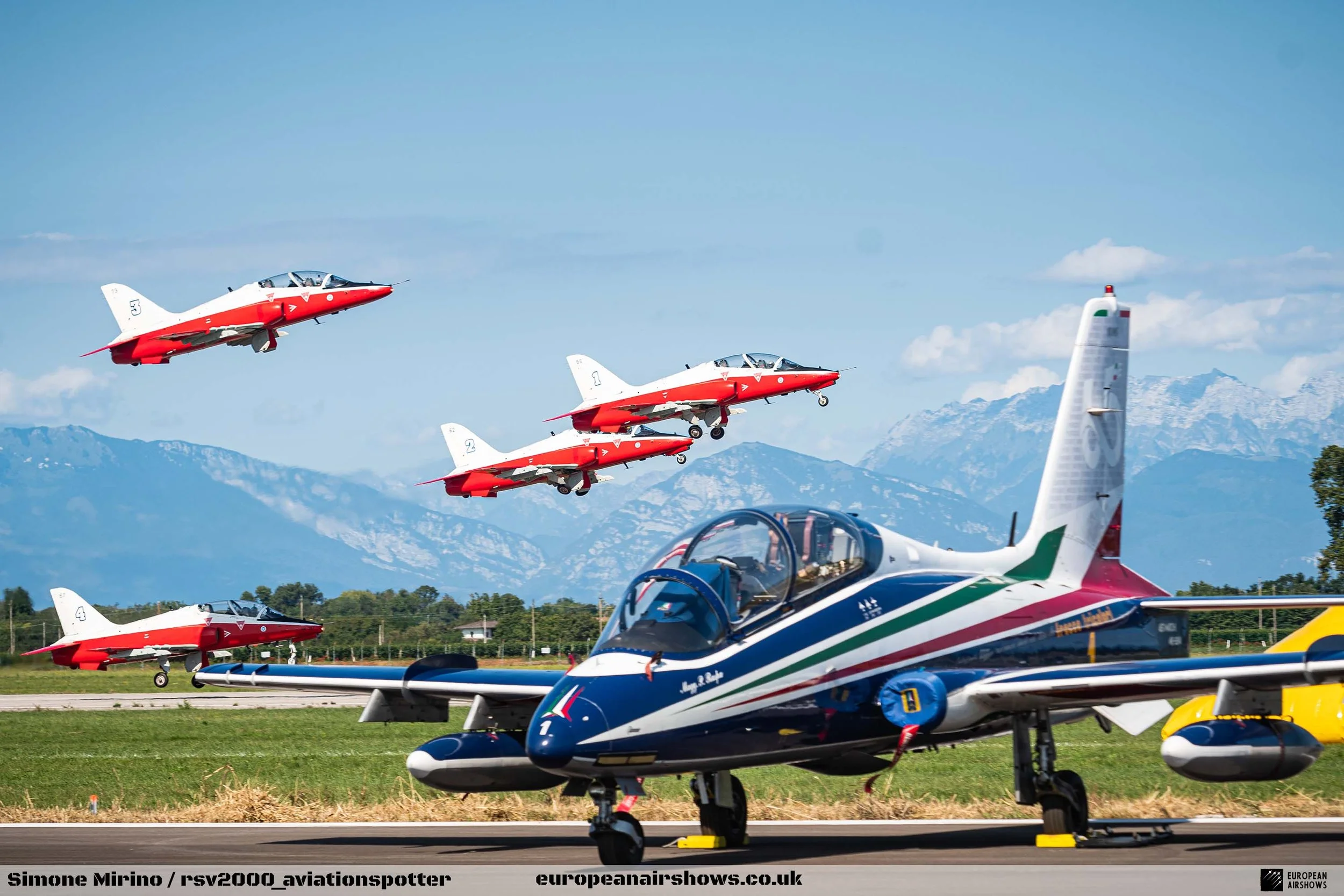
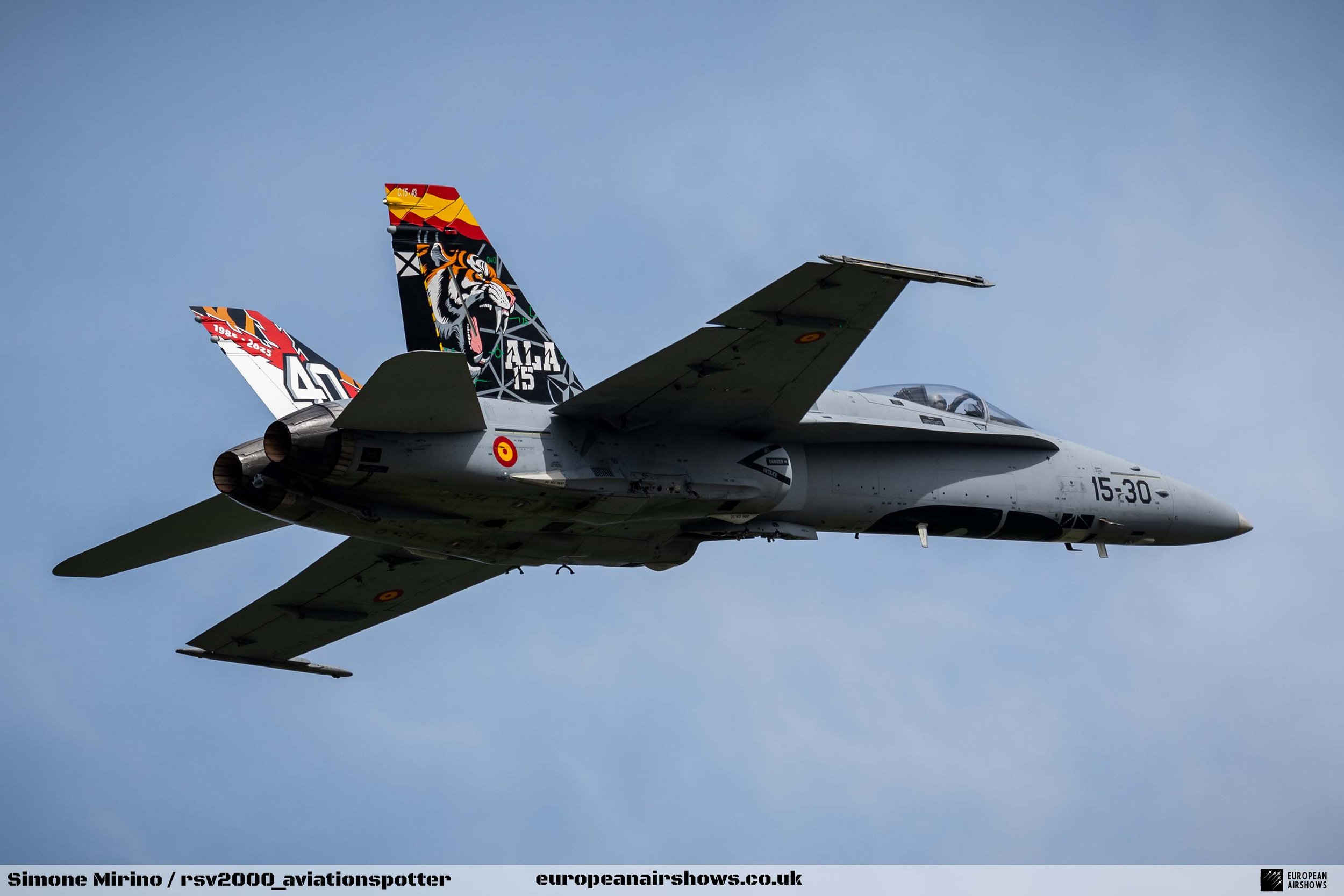
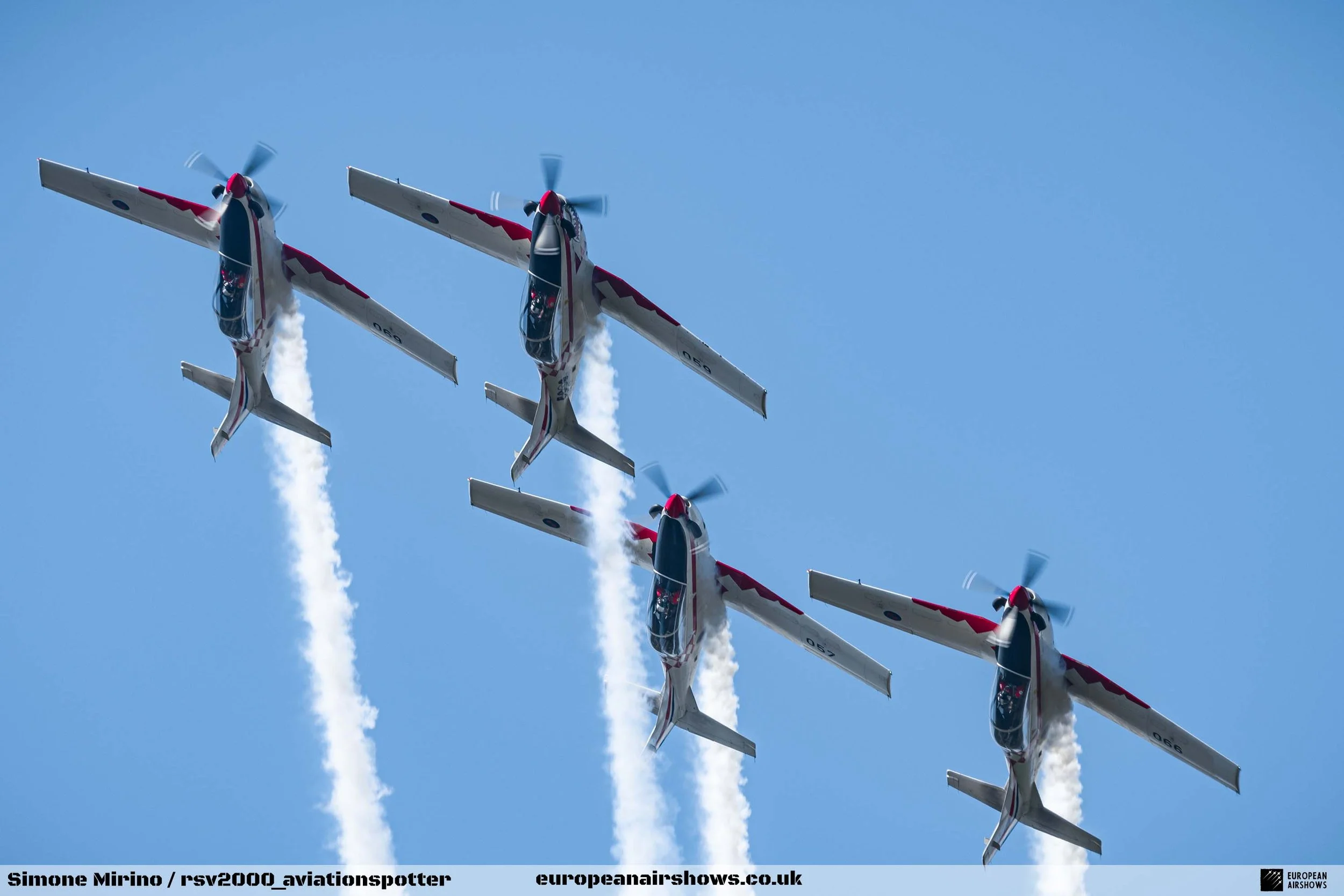
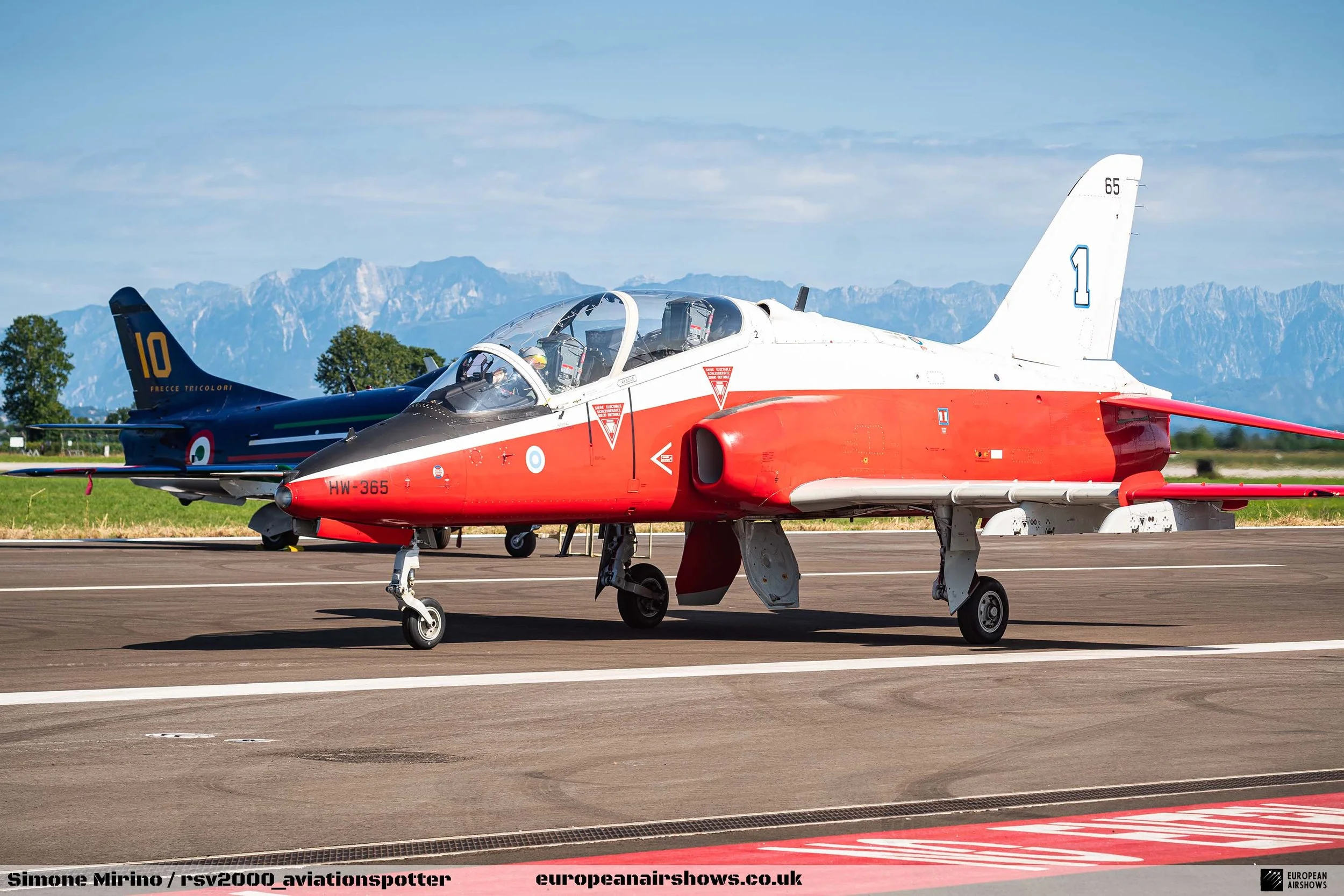
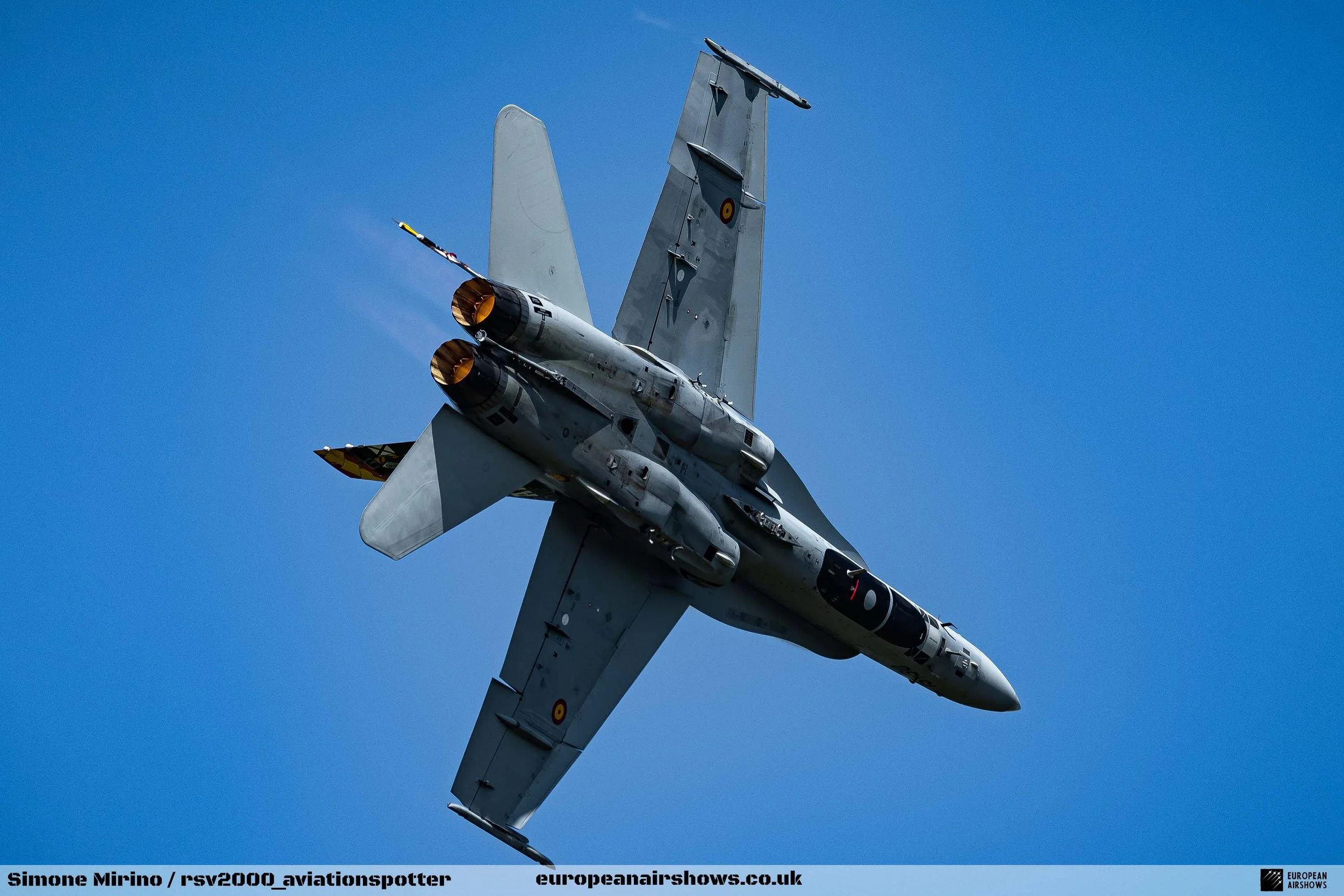
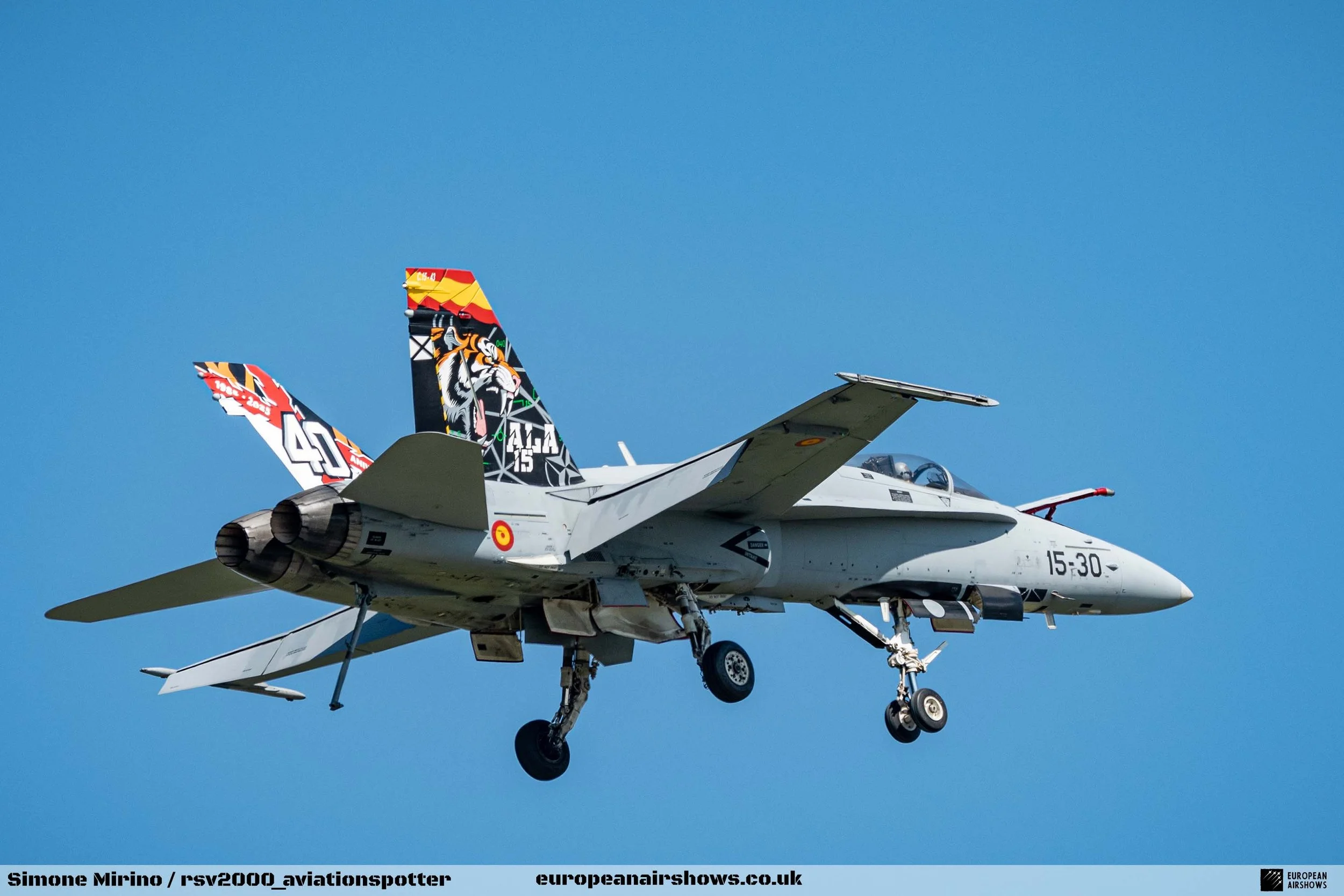
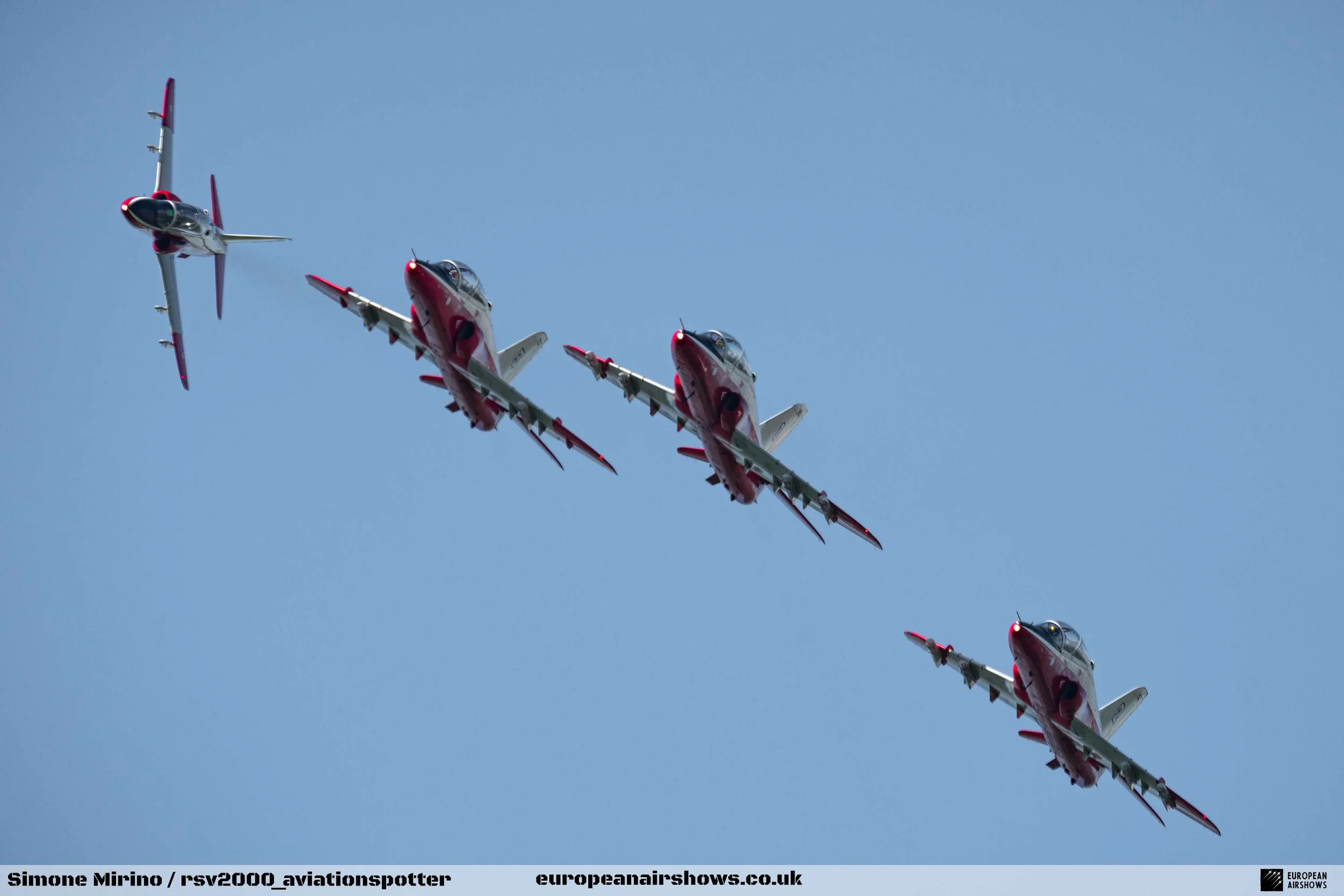
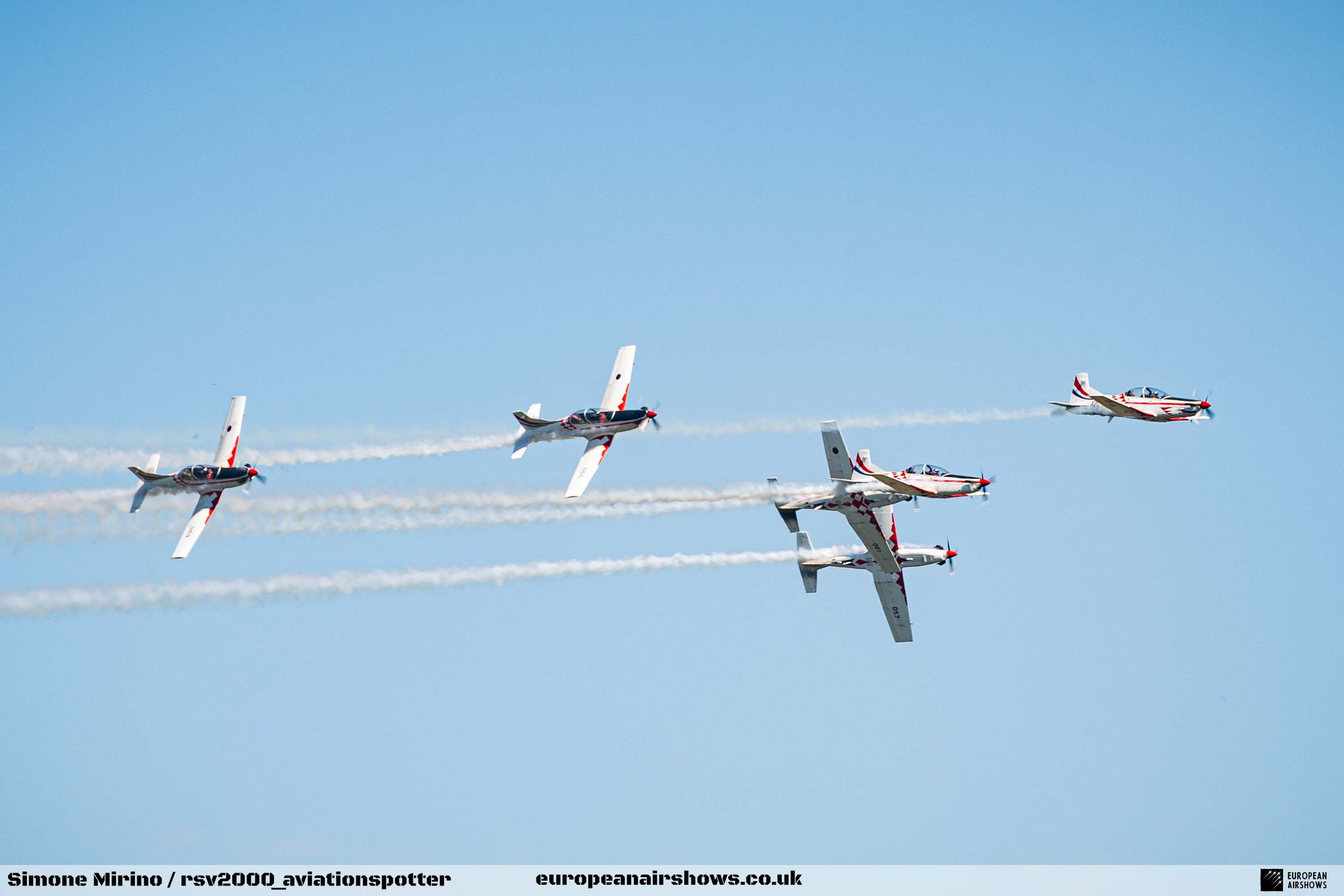
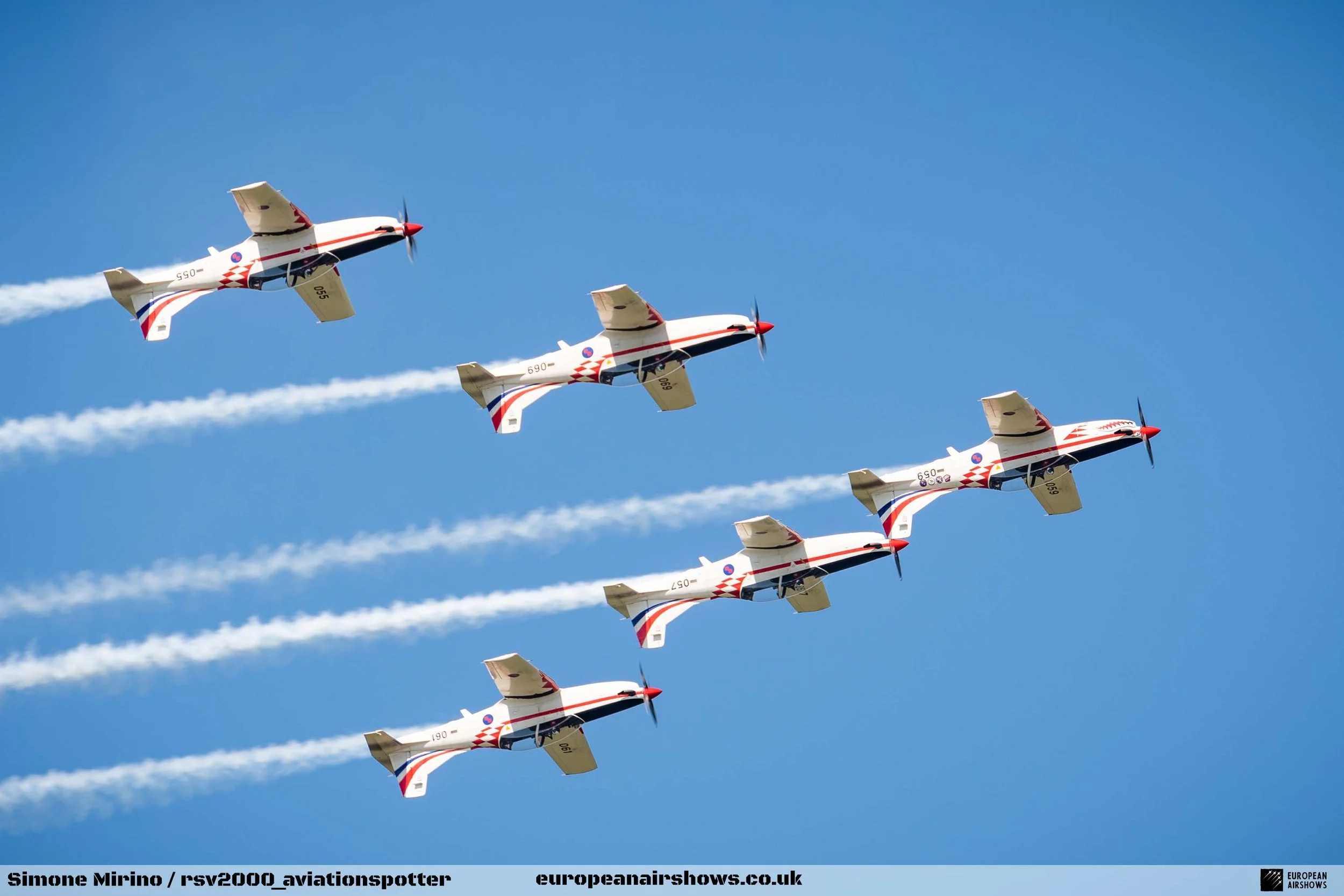
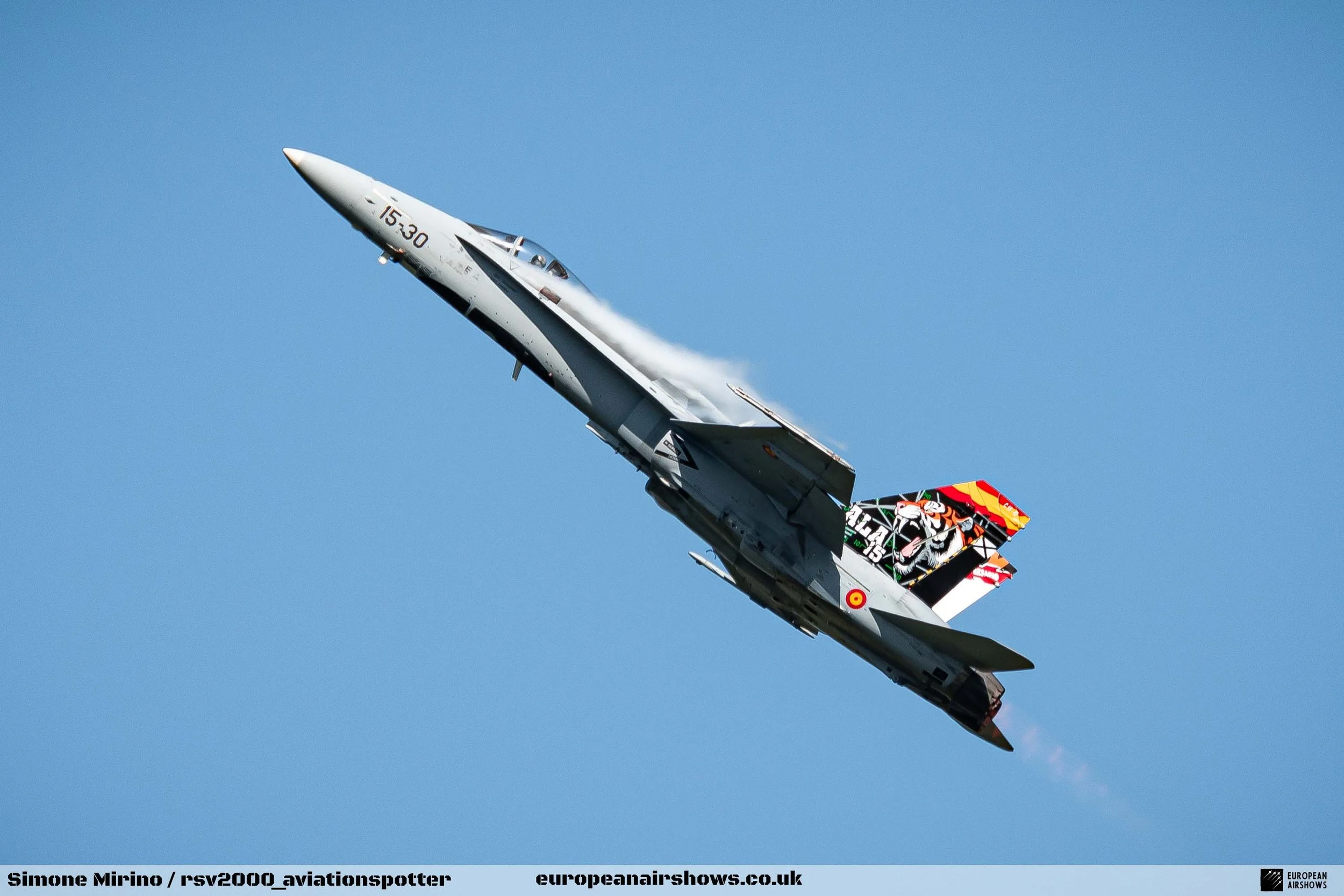
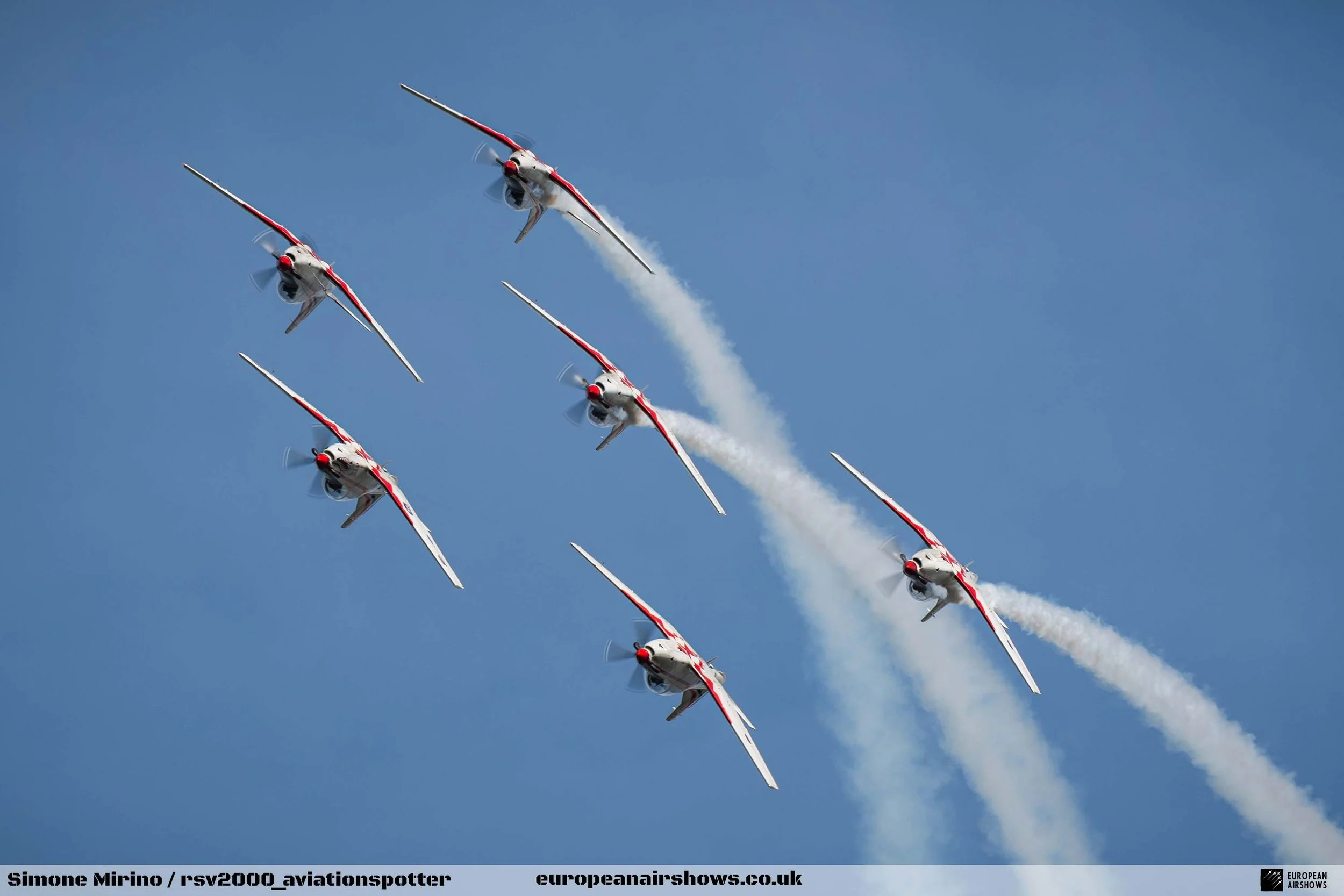
International teams soon took their turn to impress. The Midnight Hawks from Finland cut sharp lines with their red and white BAE Systems Hawk Mk.66 trainer jets, while the Spanish Air Force Hornet Solo Display roared through powerful manoeuvres in a McDonnell Douglas C-15 Hornet (EF-18A). The Croatian Krila Oluje (“Wings of the Storm”) delivered elegant aerobatics aboard their Pilatus PC-9M turboprops, and the Baltic Bees Jet Team (a civilian aerobatic team) flying their sleek Aero L-39 Albatros jets in striking blue and yellow, brought precision and flair from Latvia.
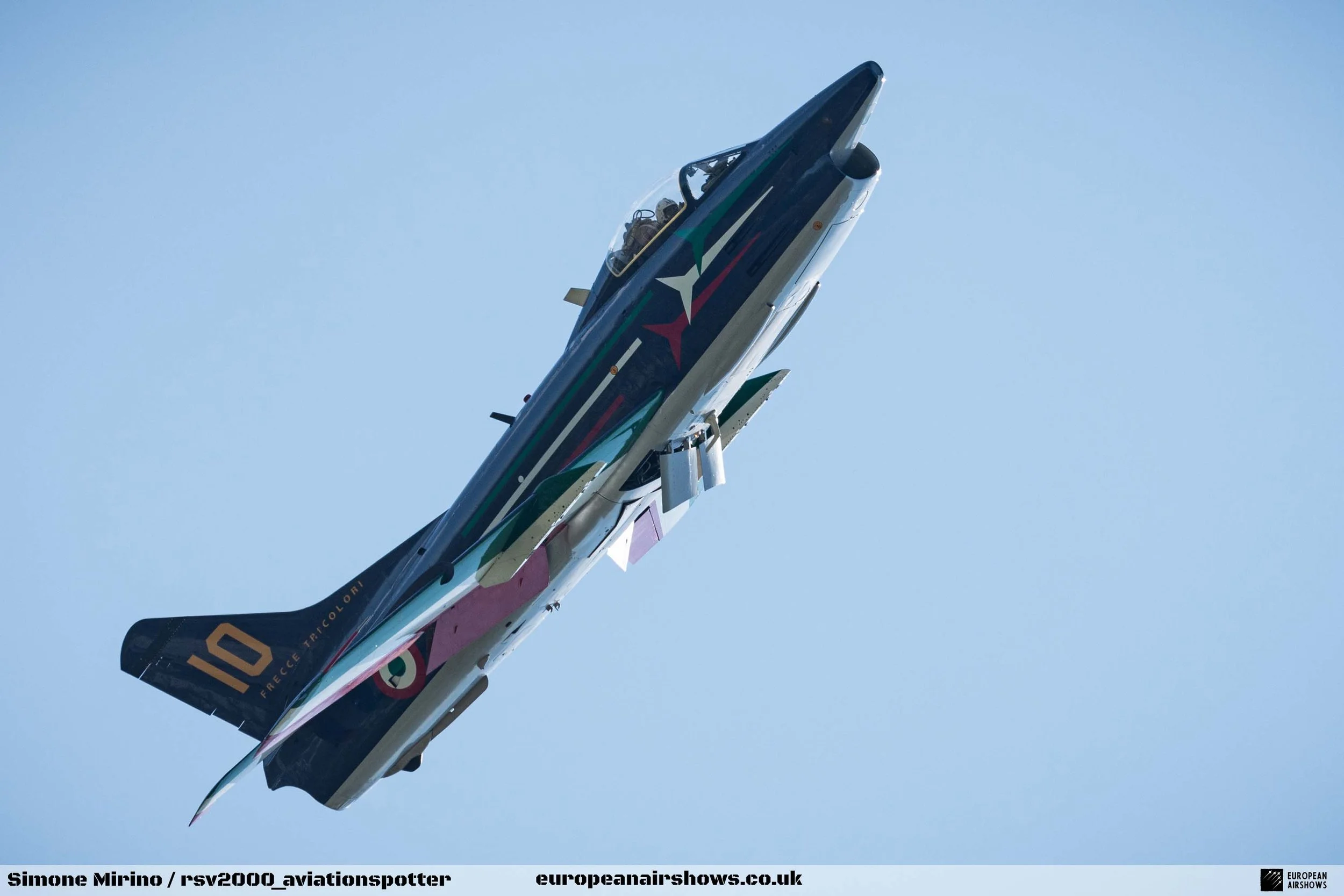
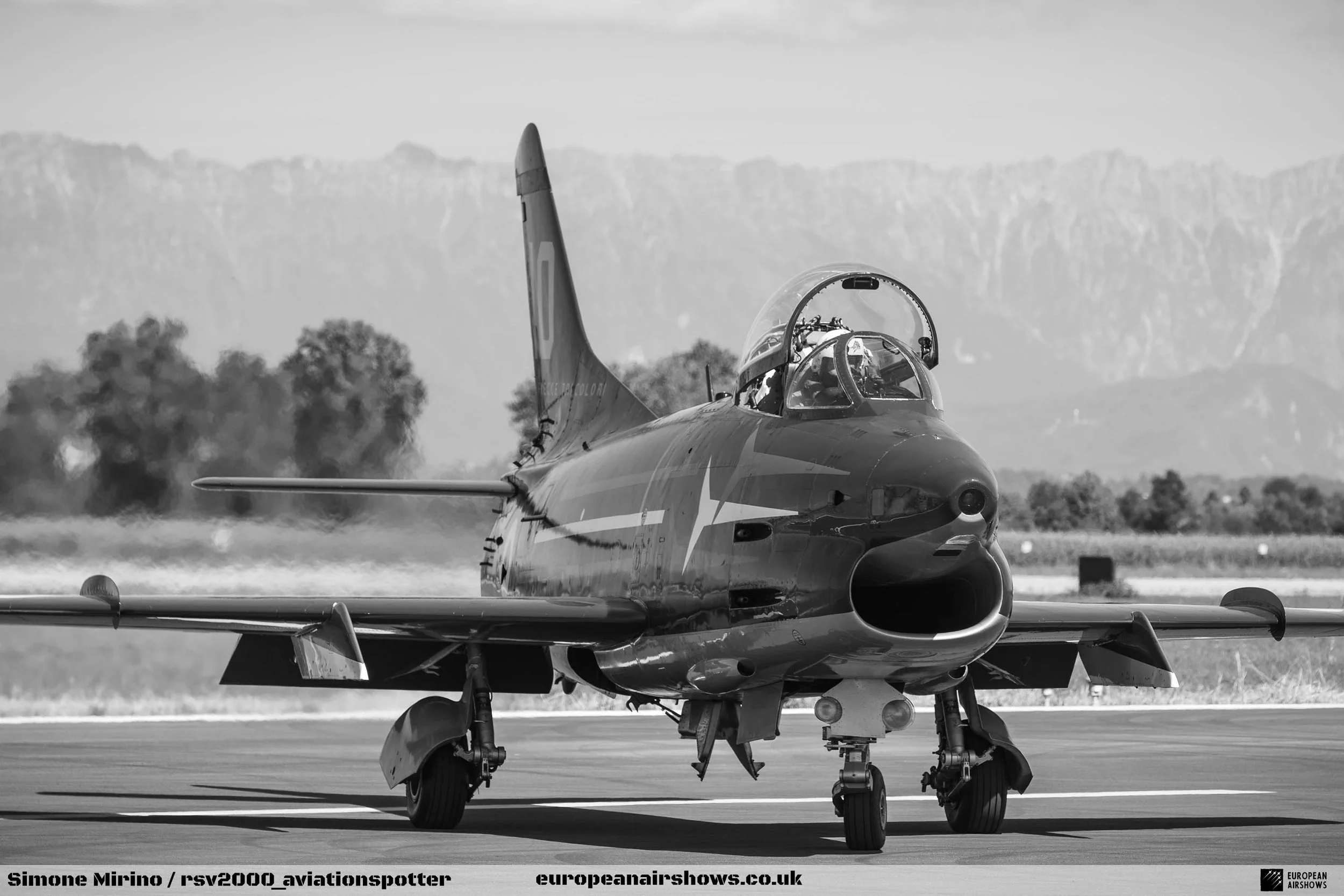


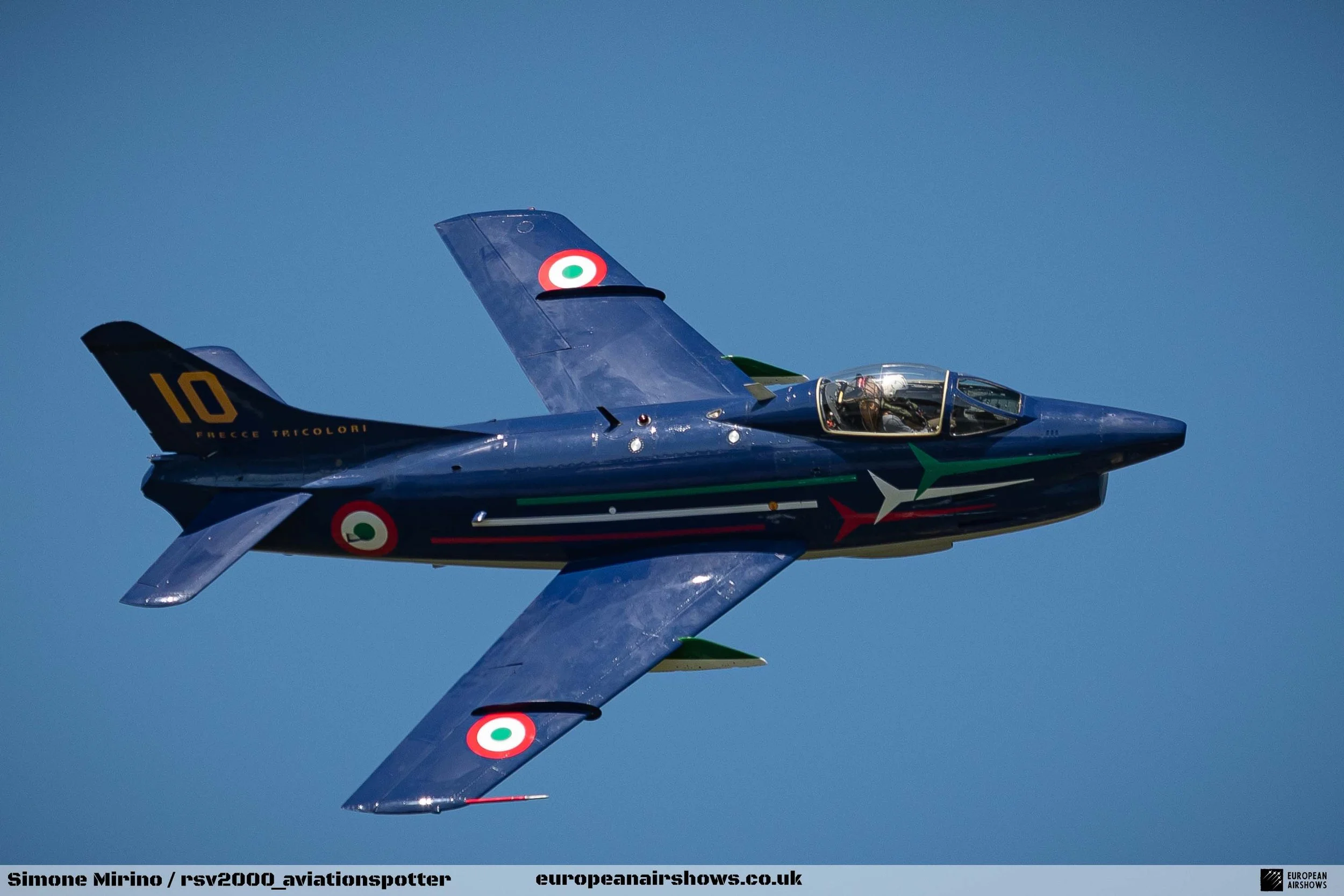
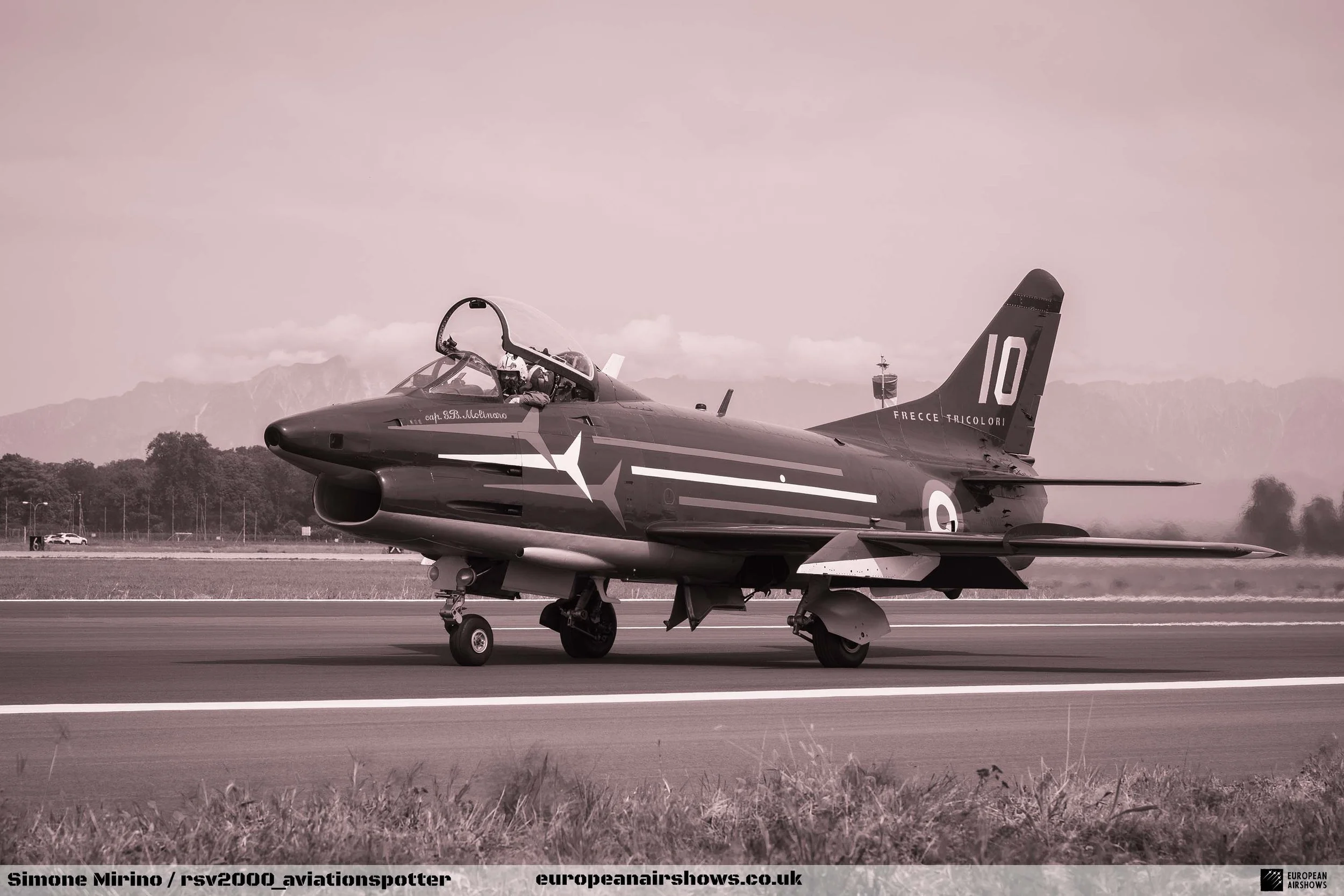
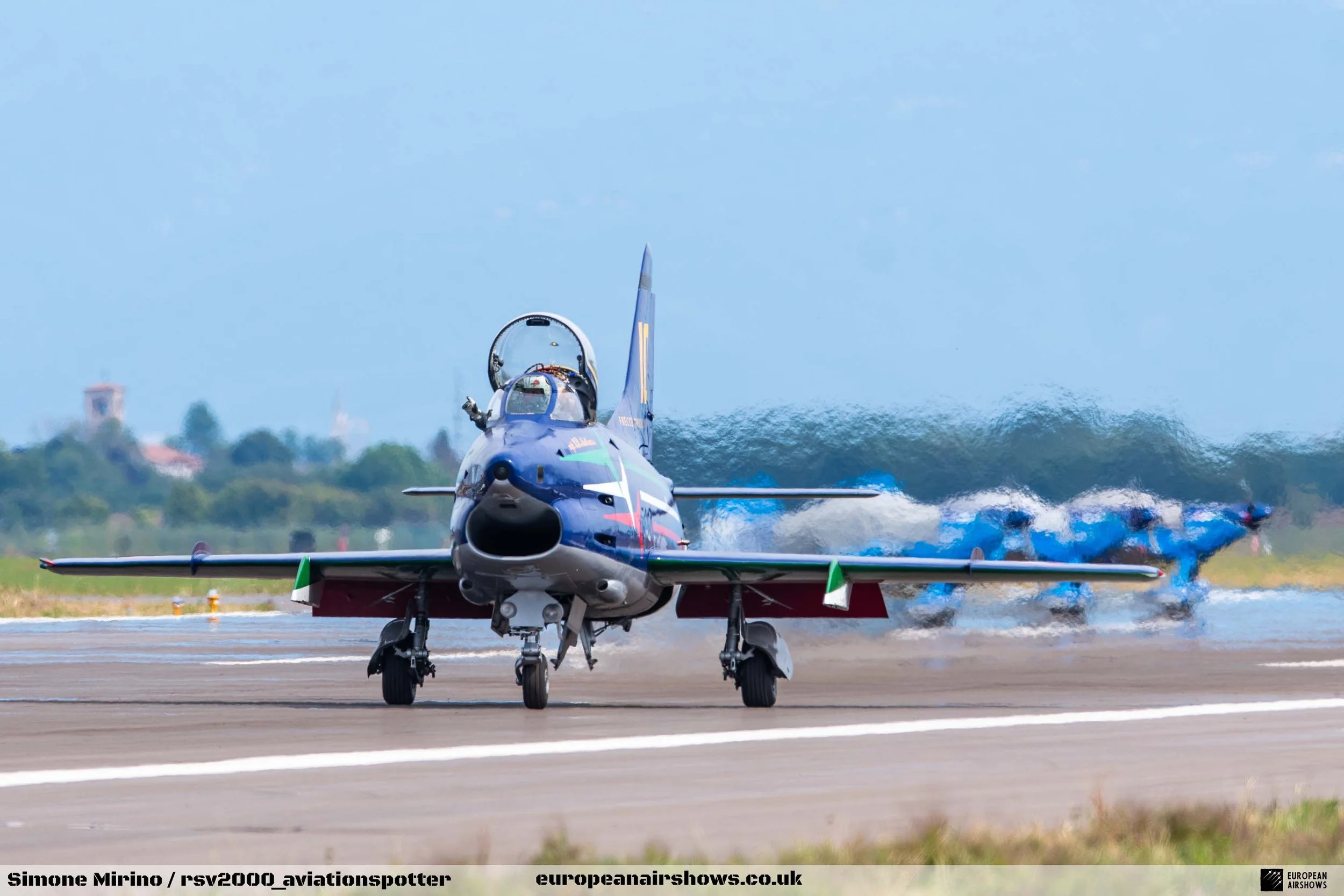
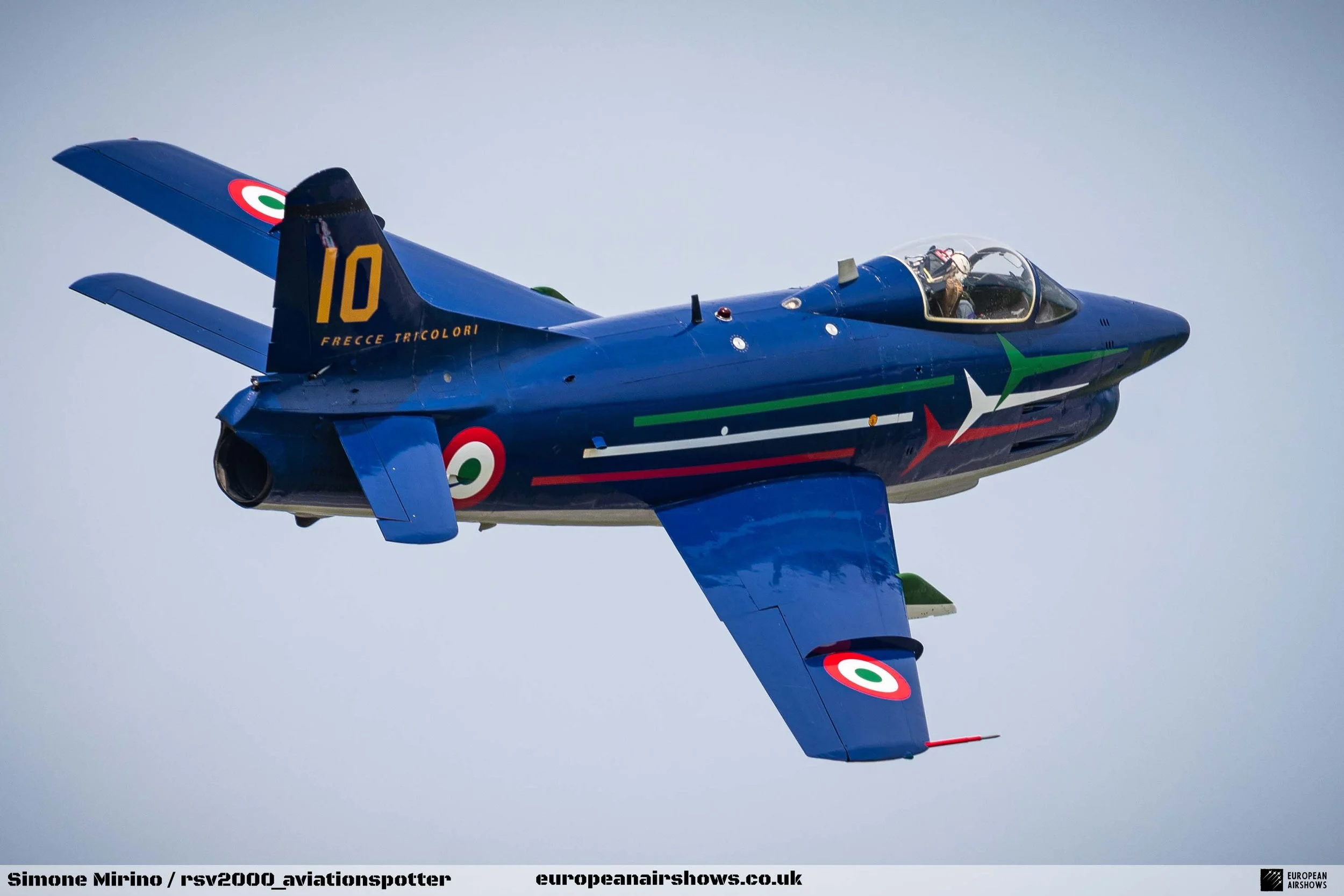
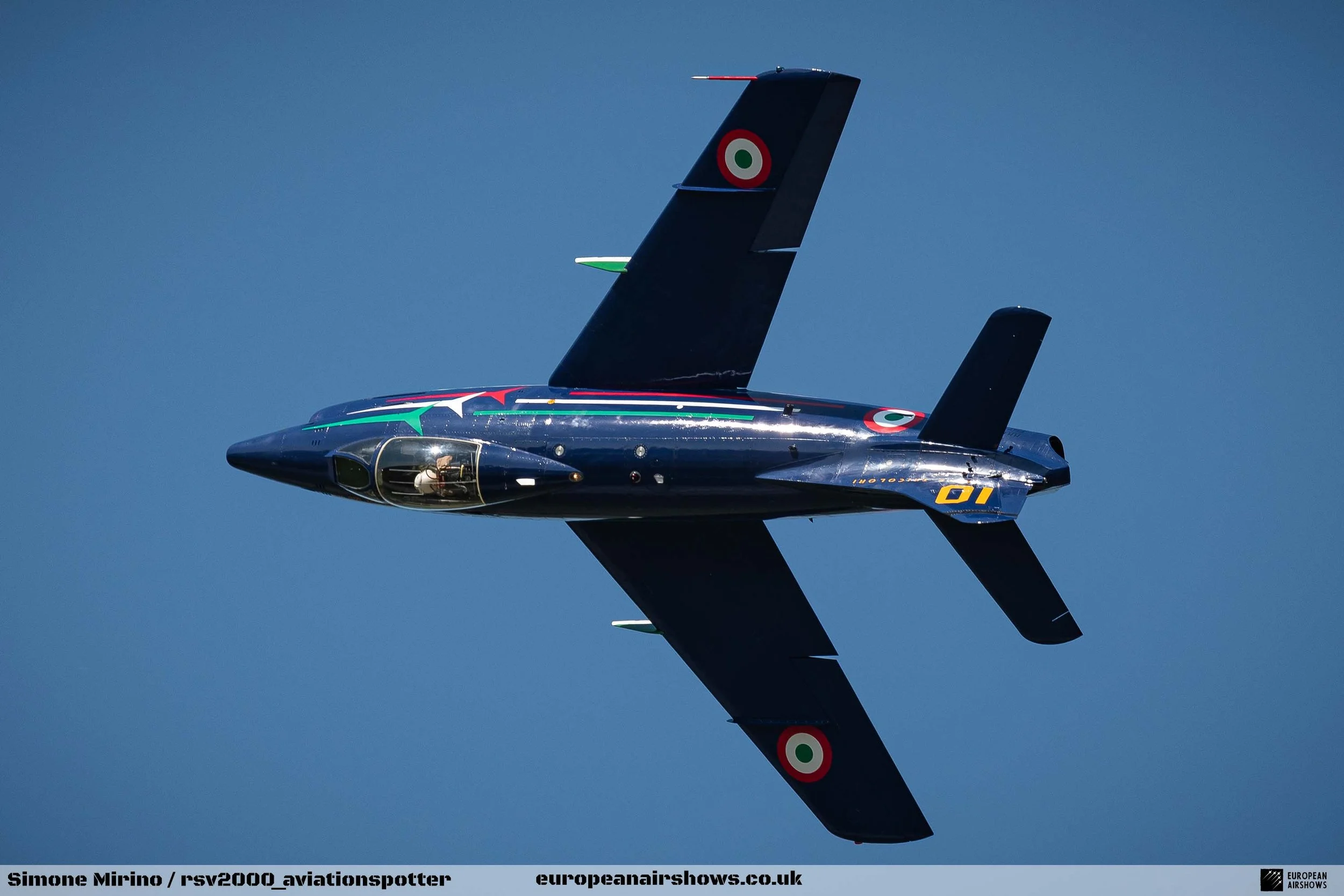
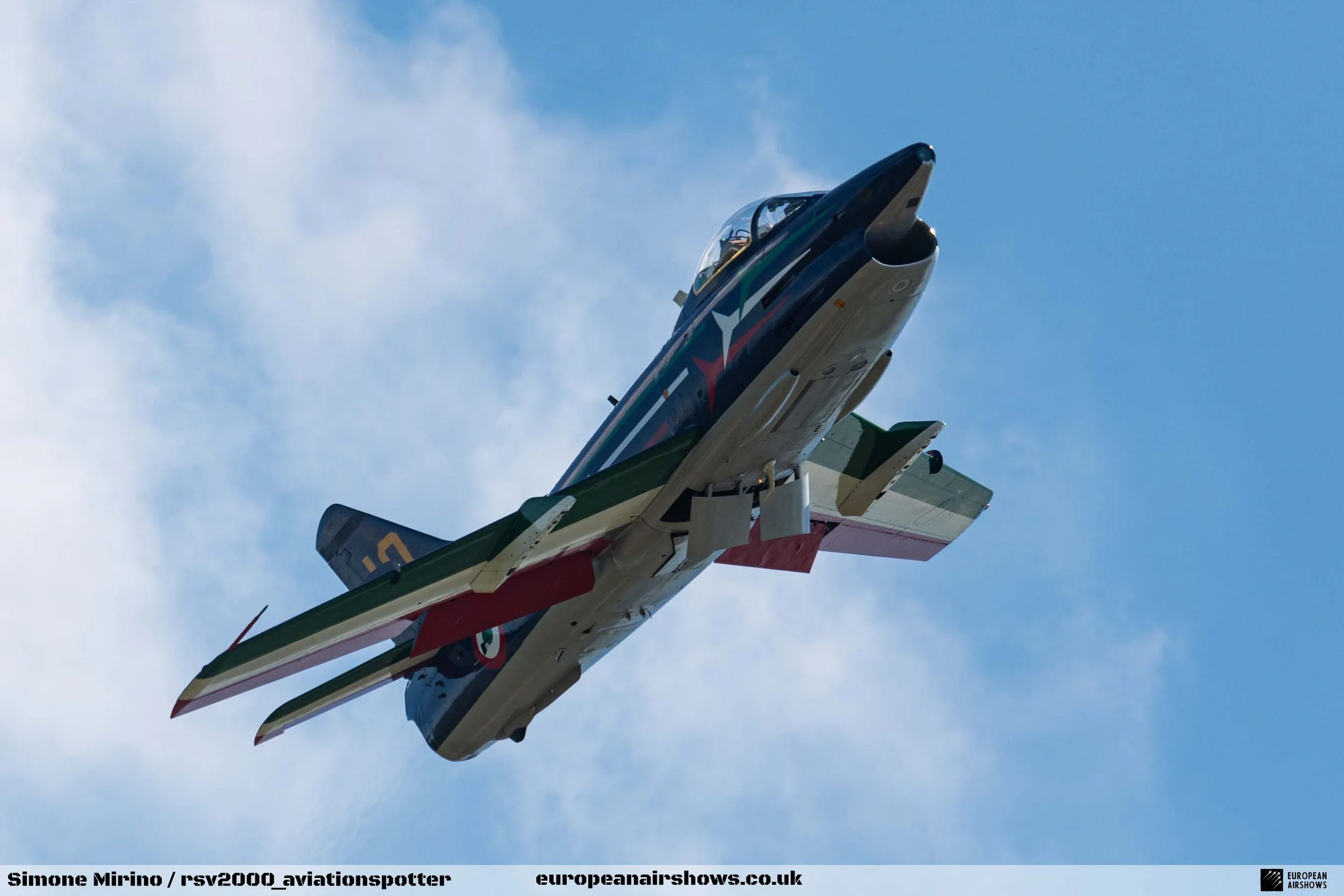
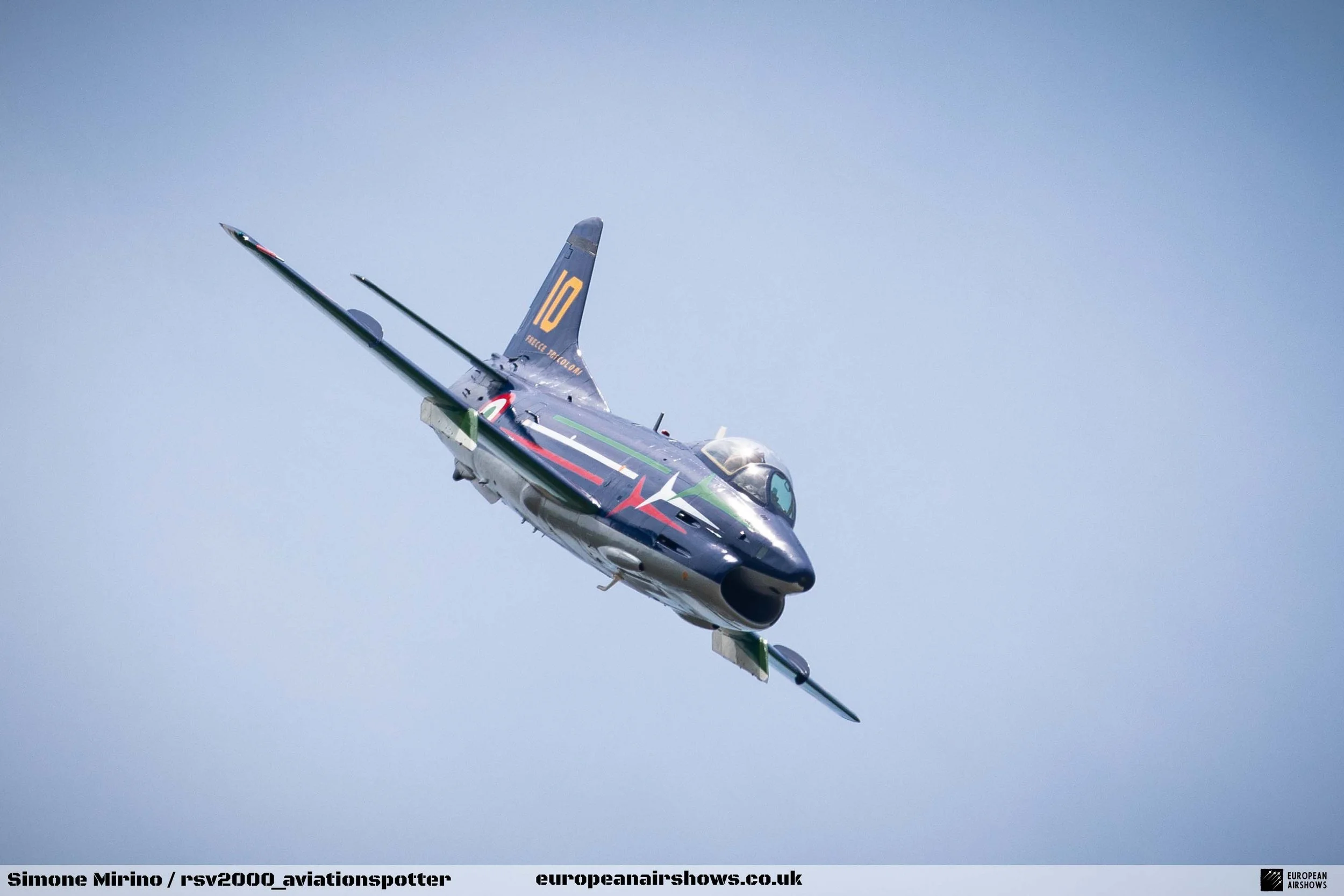
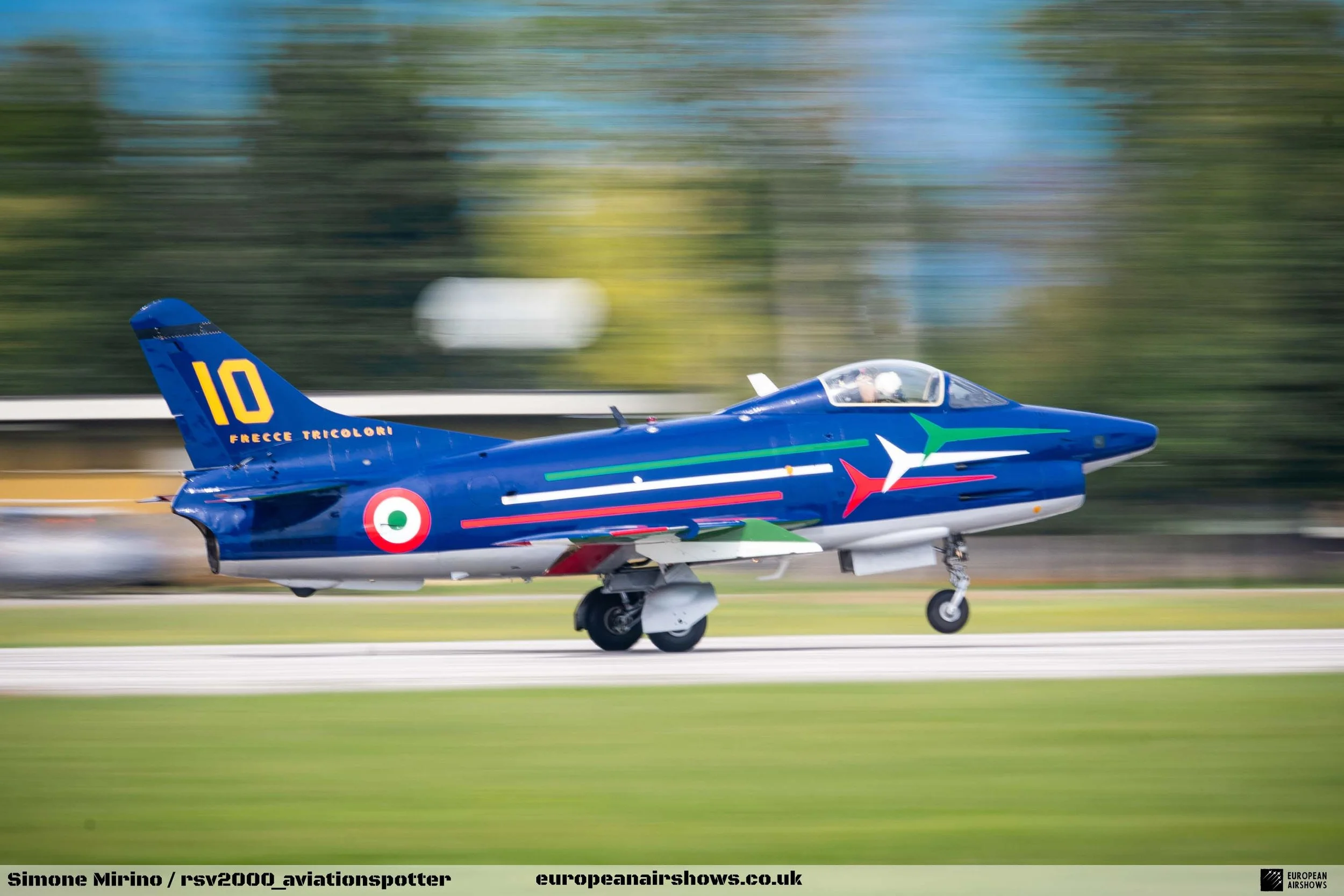
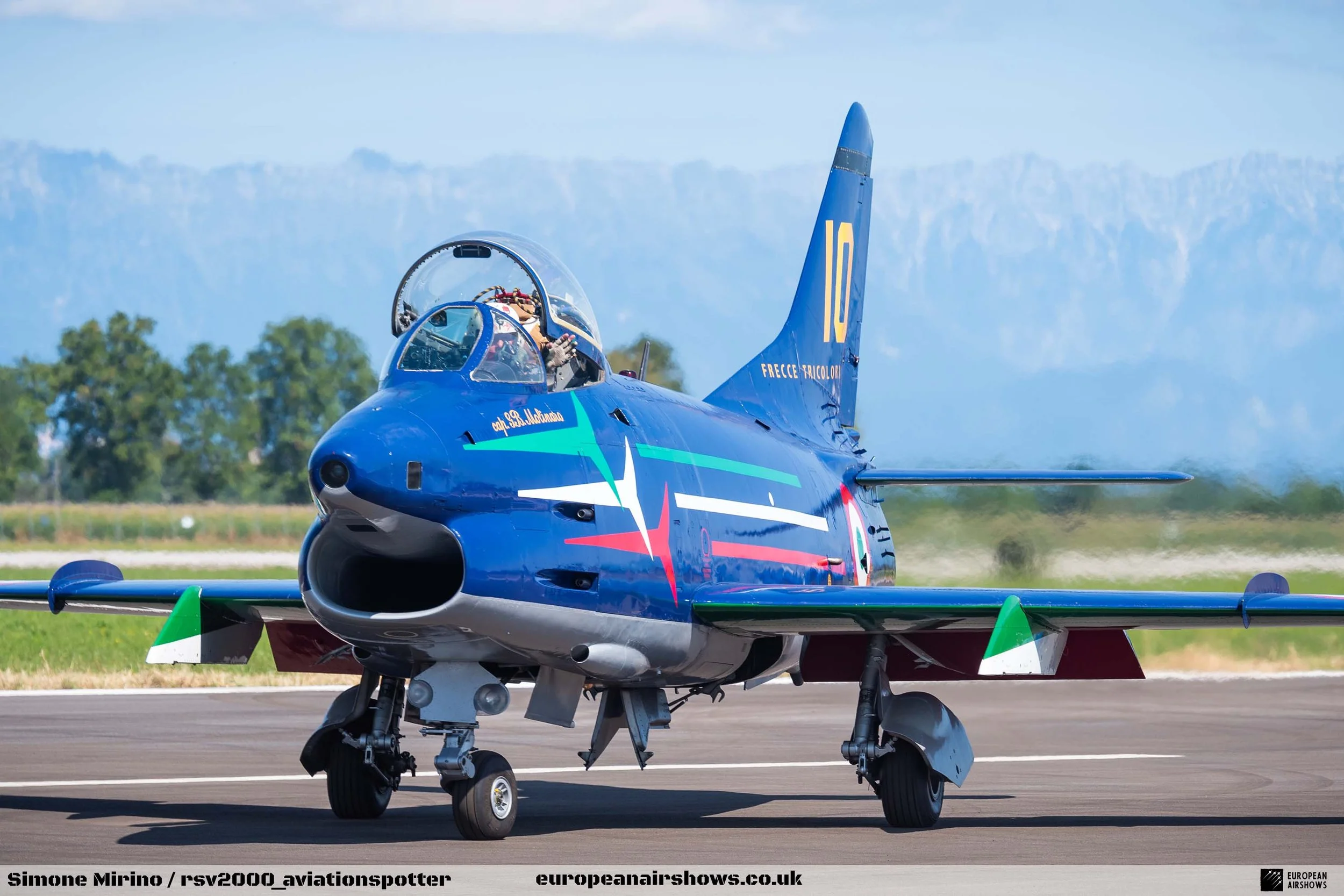
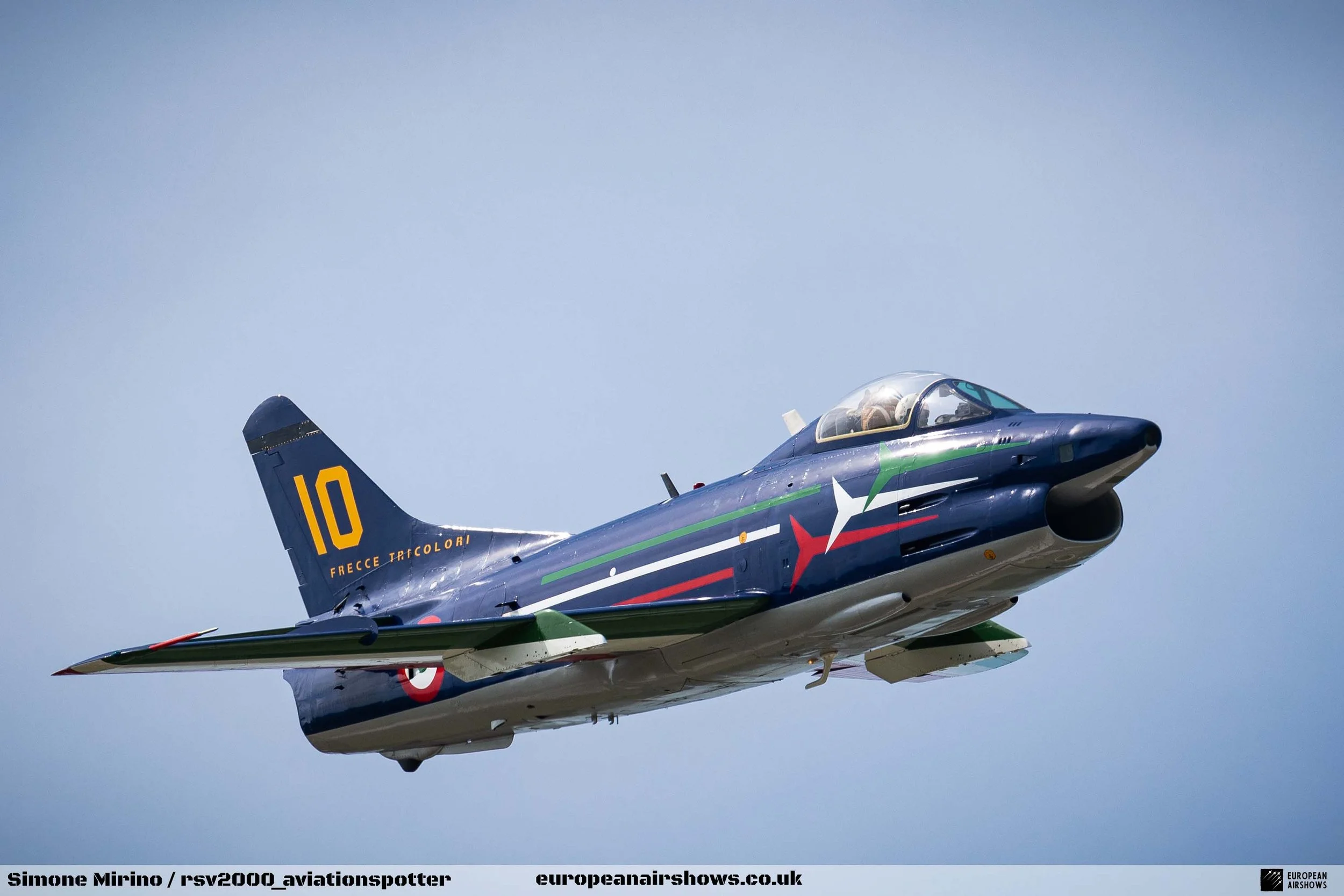
A particularly moving moment came when history returned to the sky in the form of the Fiat G.91PAN, the jet once flown by the Frecce Tricolori before today’s Aermacchi MB-339PAN. Thanks to the dedication of entrepreneur Renzo Catellani and the Volafenice Team, and under the steady hands of veteran pilot Maurizio Lodovisi, who at 72 years old returned to the cockpit he had flown some 40 years ago, the aircraft leapt back into the skies—a living bridge between generations of Italian aerobatics.
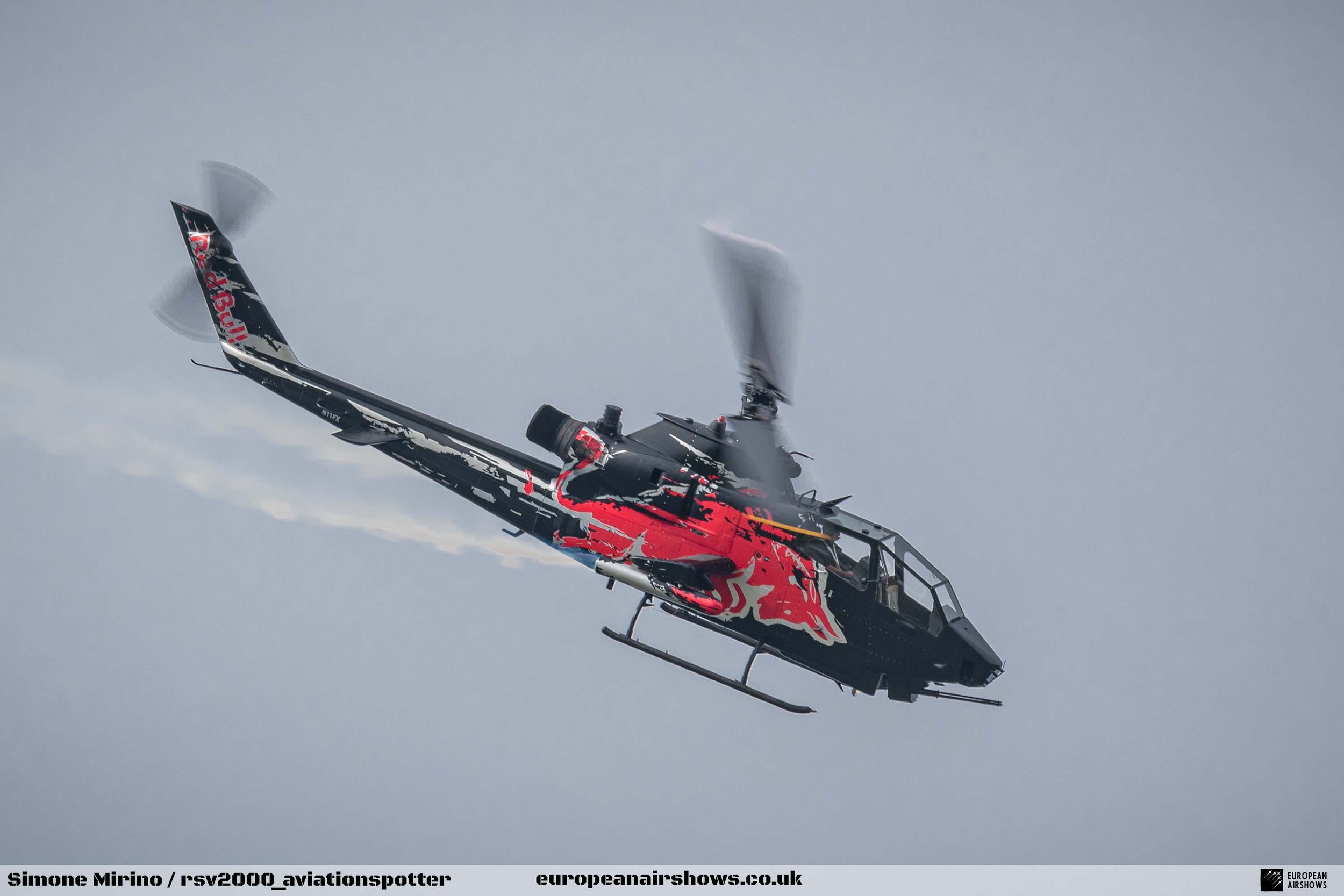
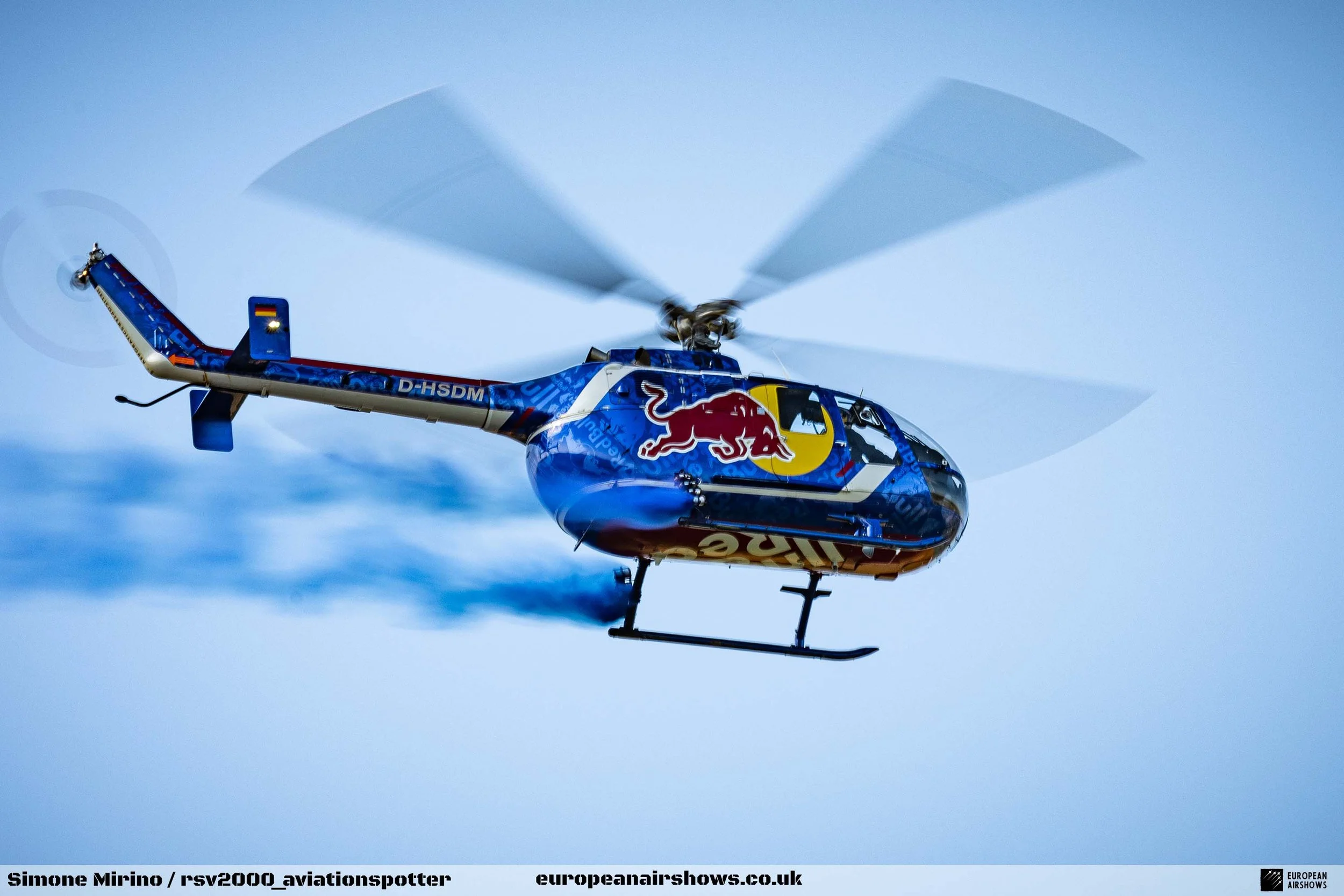
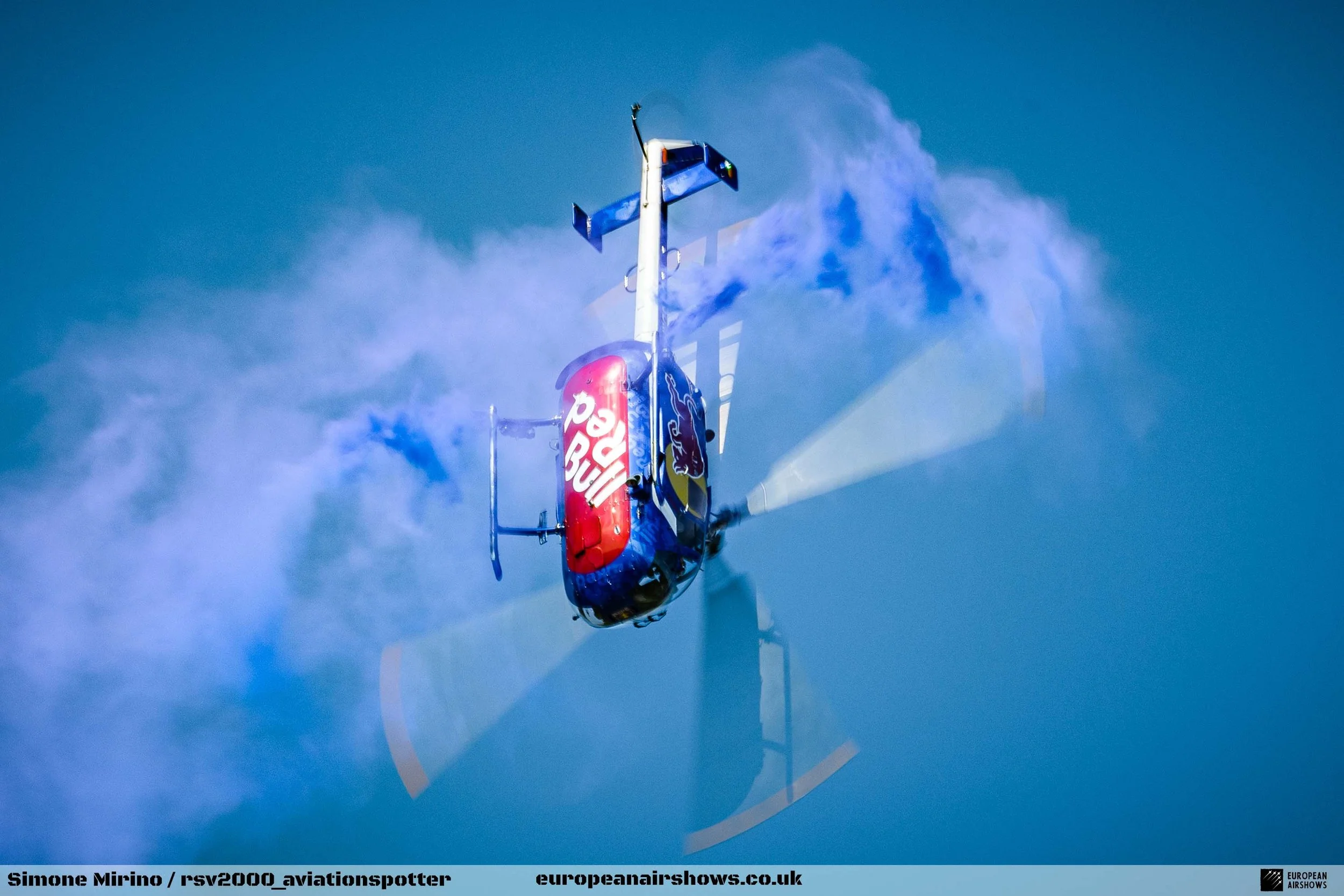
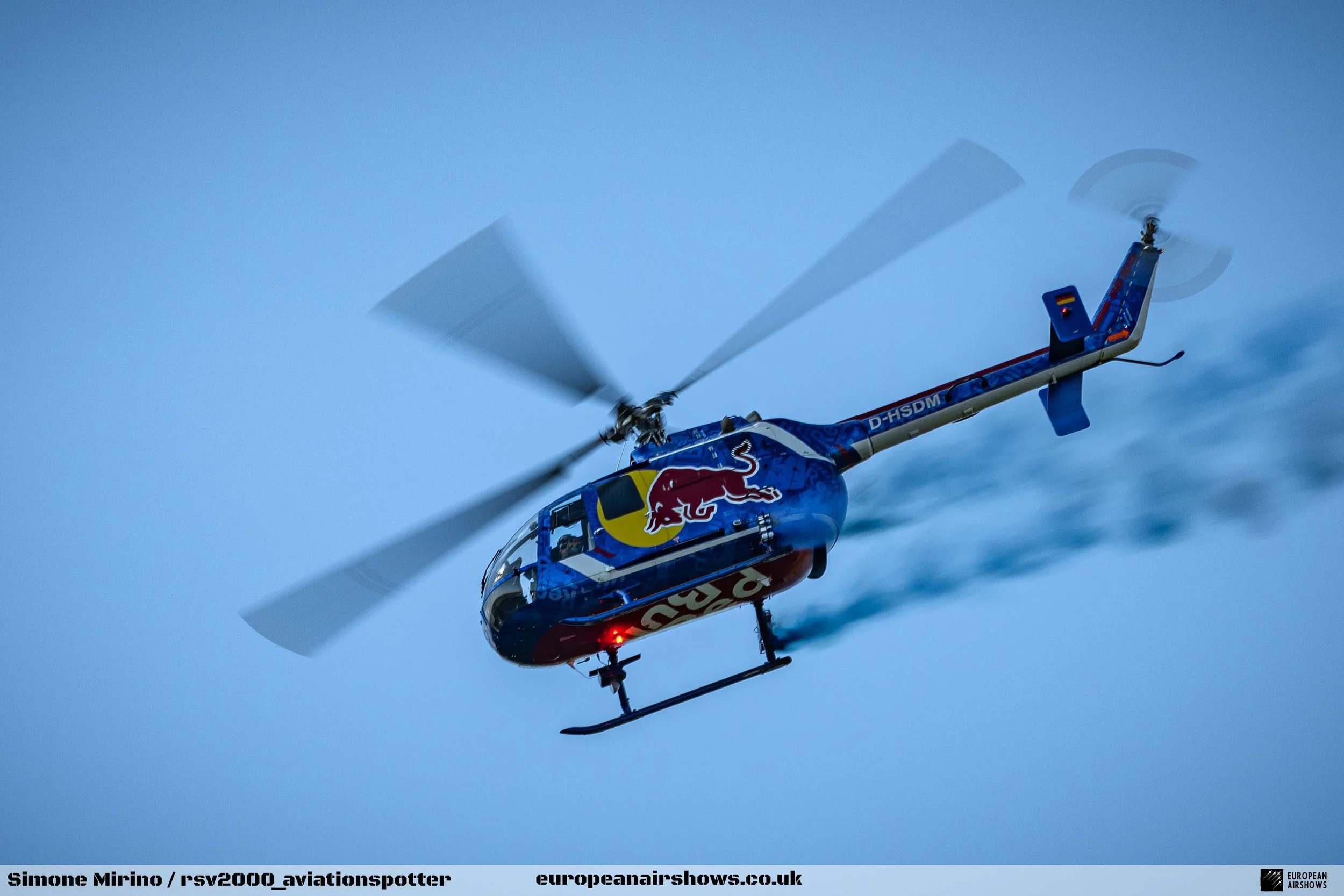
YAK Italia followed with a dynamic display in their Yakovlev Yak-52 and Yak-50 propeller aircraft, known for their distinctive sound, while the Flying Bulls stunned with gravity-defying rotorcraft performances. Their Messerschmitt-Bölkow-Blohm Bo 105 helicopter twisted and flipped in manoeuvres few believed possible for a helicopter, and the Bell Cobra 209/AH-1F, flown with astonishing skill, pushed the boundaries of what a rotorcraft could do. Adding to the spectacle, the Flying Bulls’ North American T-28B Trojan, a U.S. Navy radial-engine military trainer aircraft from the 1950s, roared past in a display of vintage power.
The Leonardo HH-139B of the Aeronautica Militare returned later in the afternoon, its passage with a rescuer lowered on the winch carrying the Italian flag, marking the official beginning of the national live broadcast on TV.
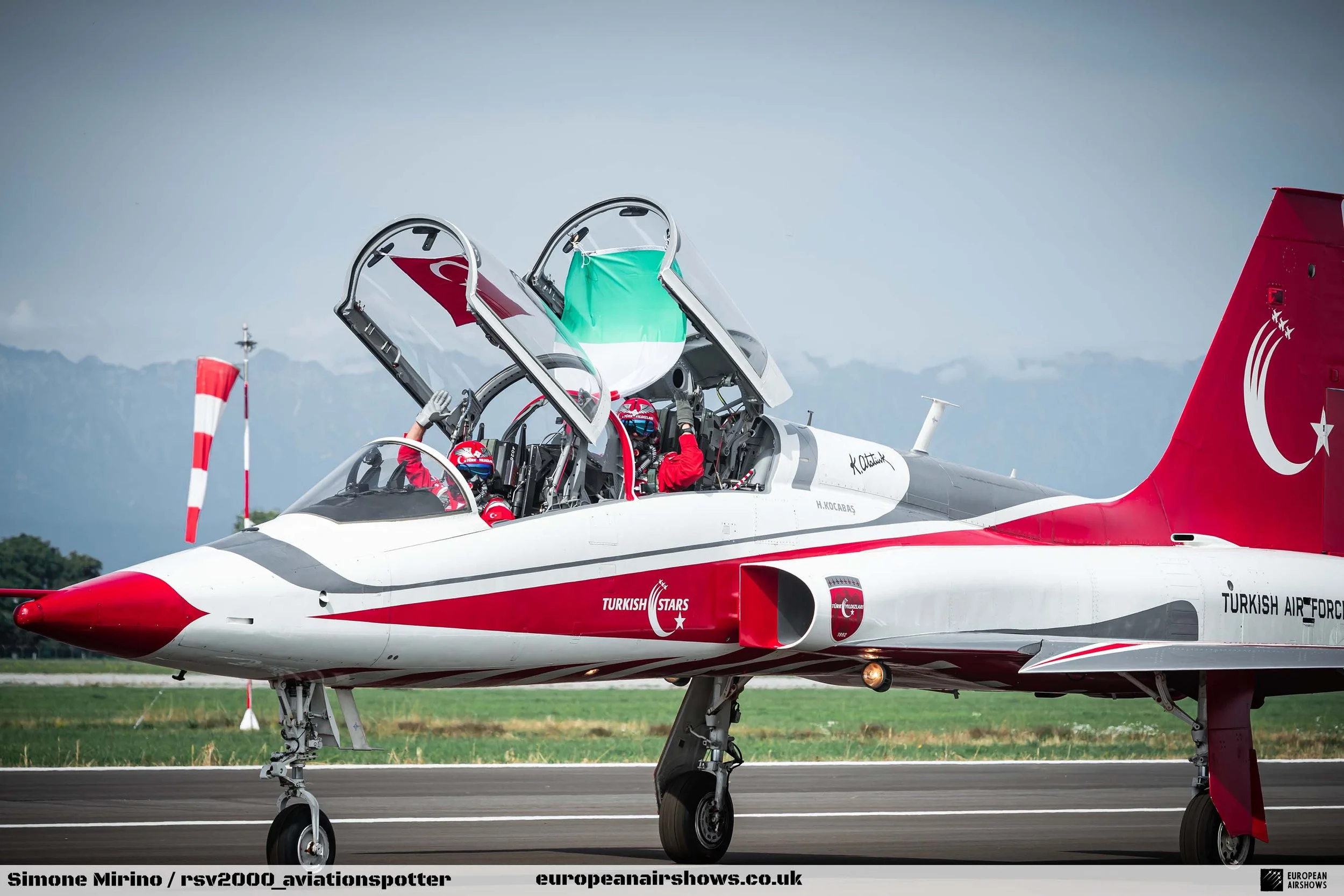
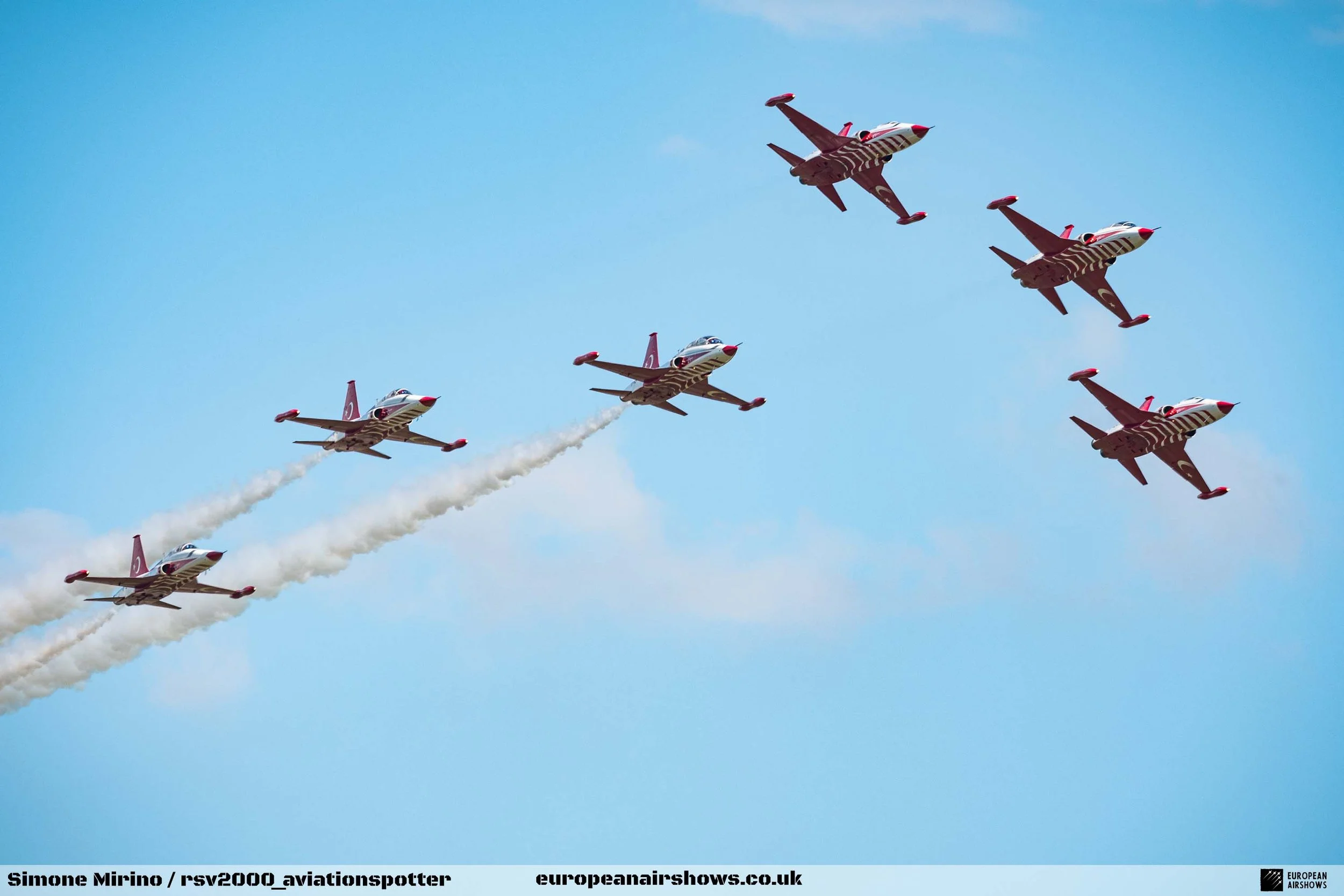
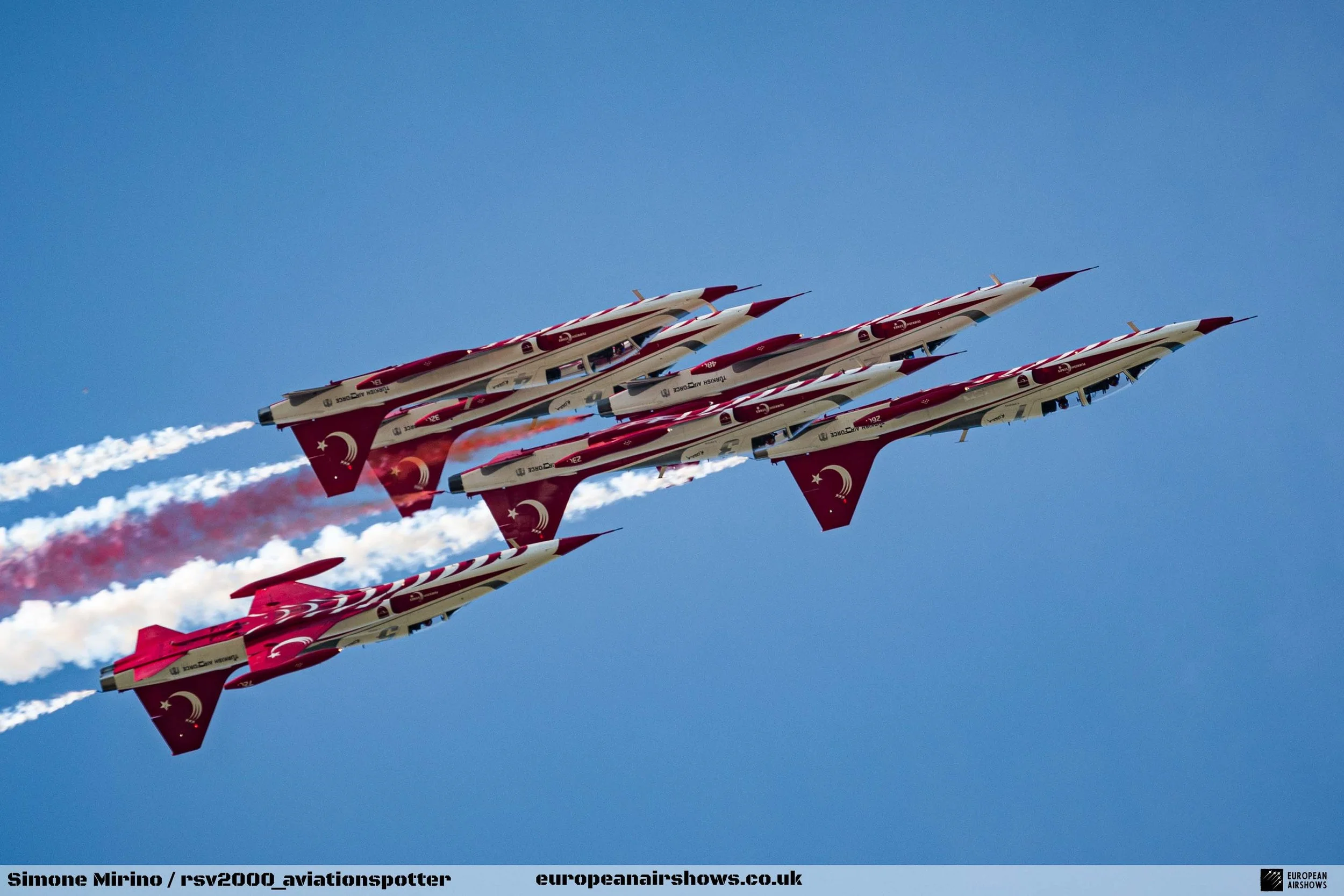
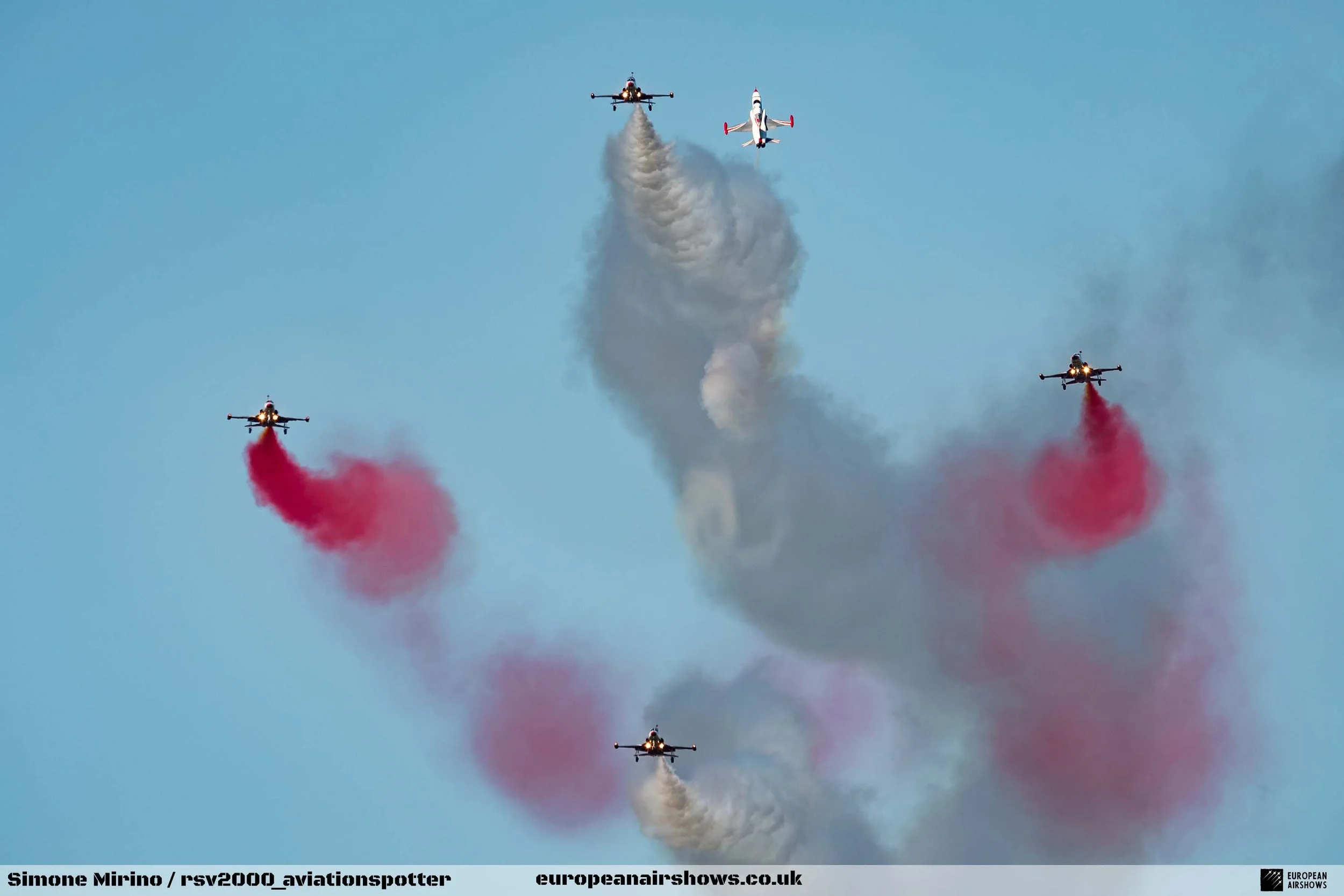
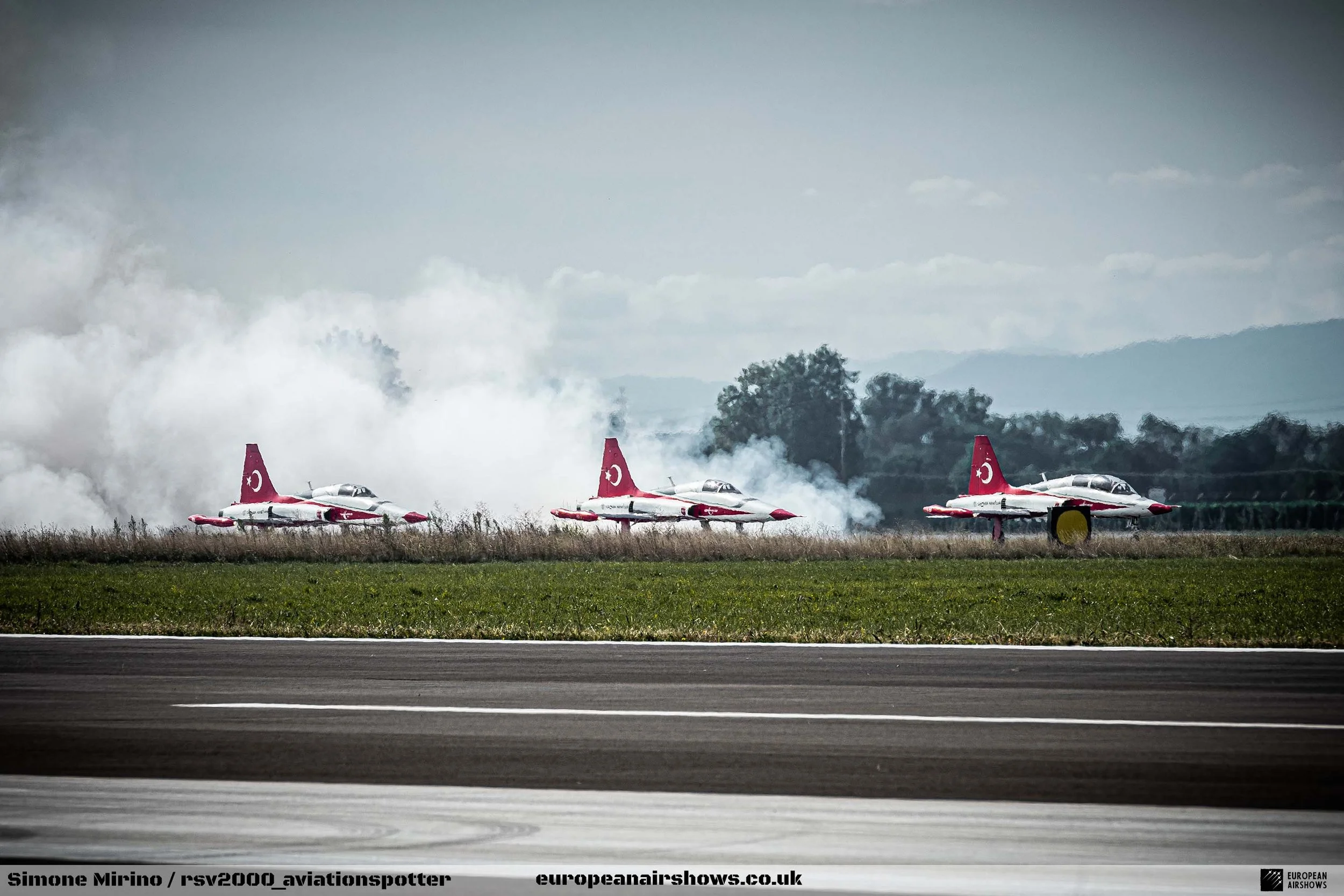
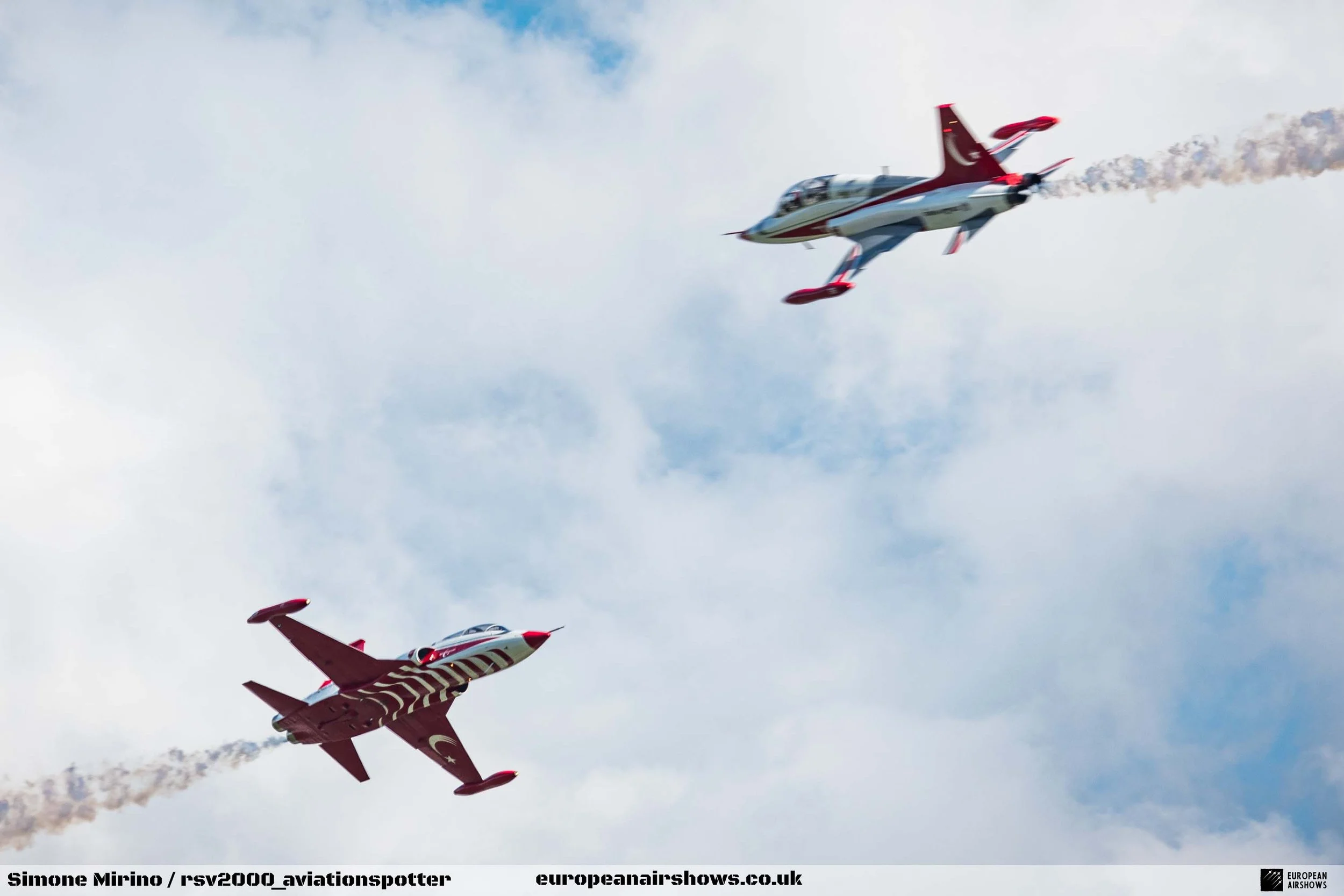
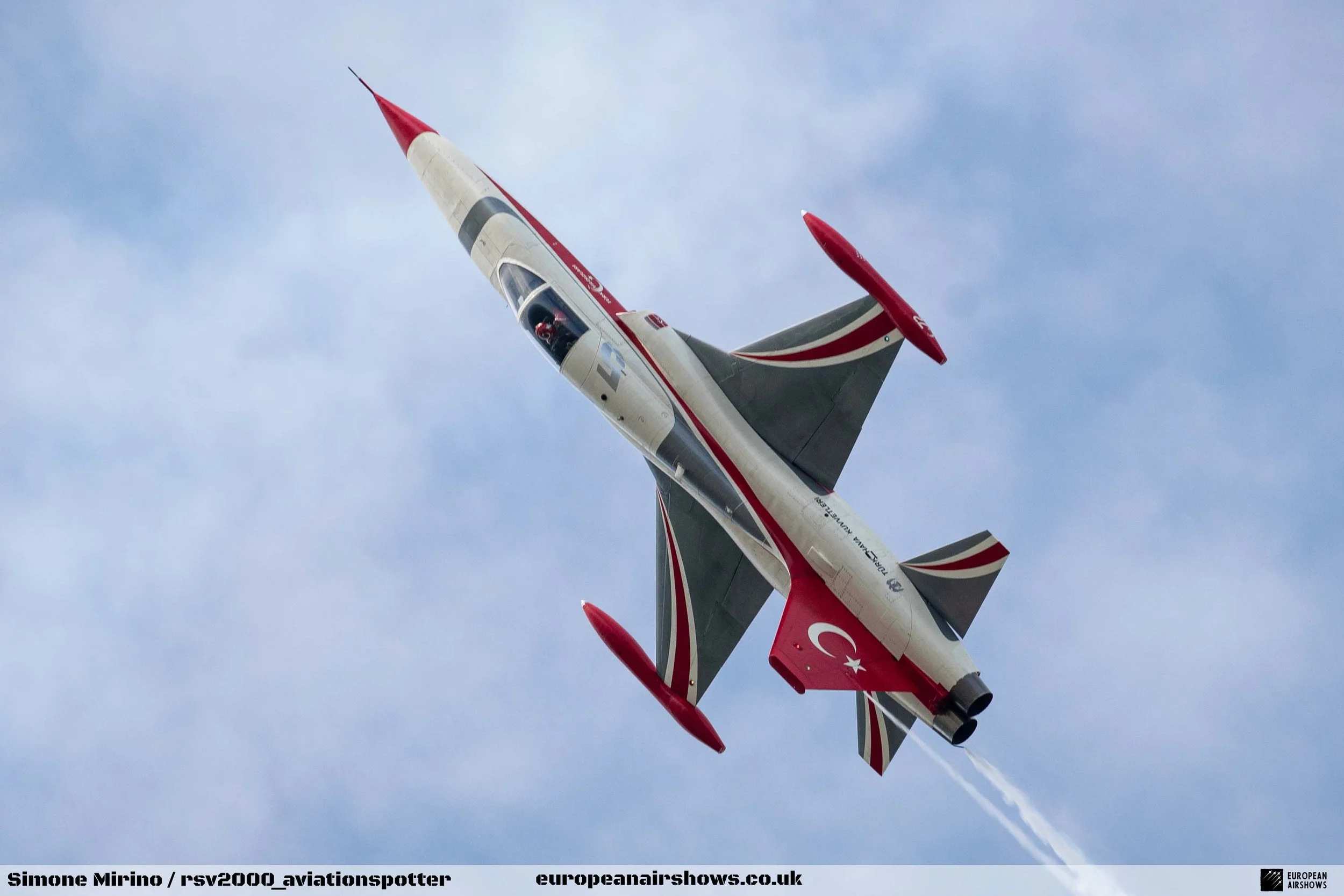
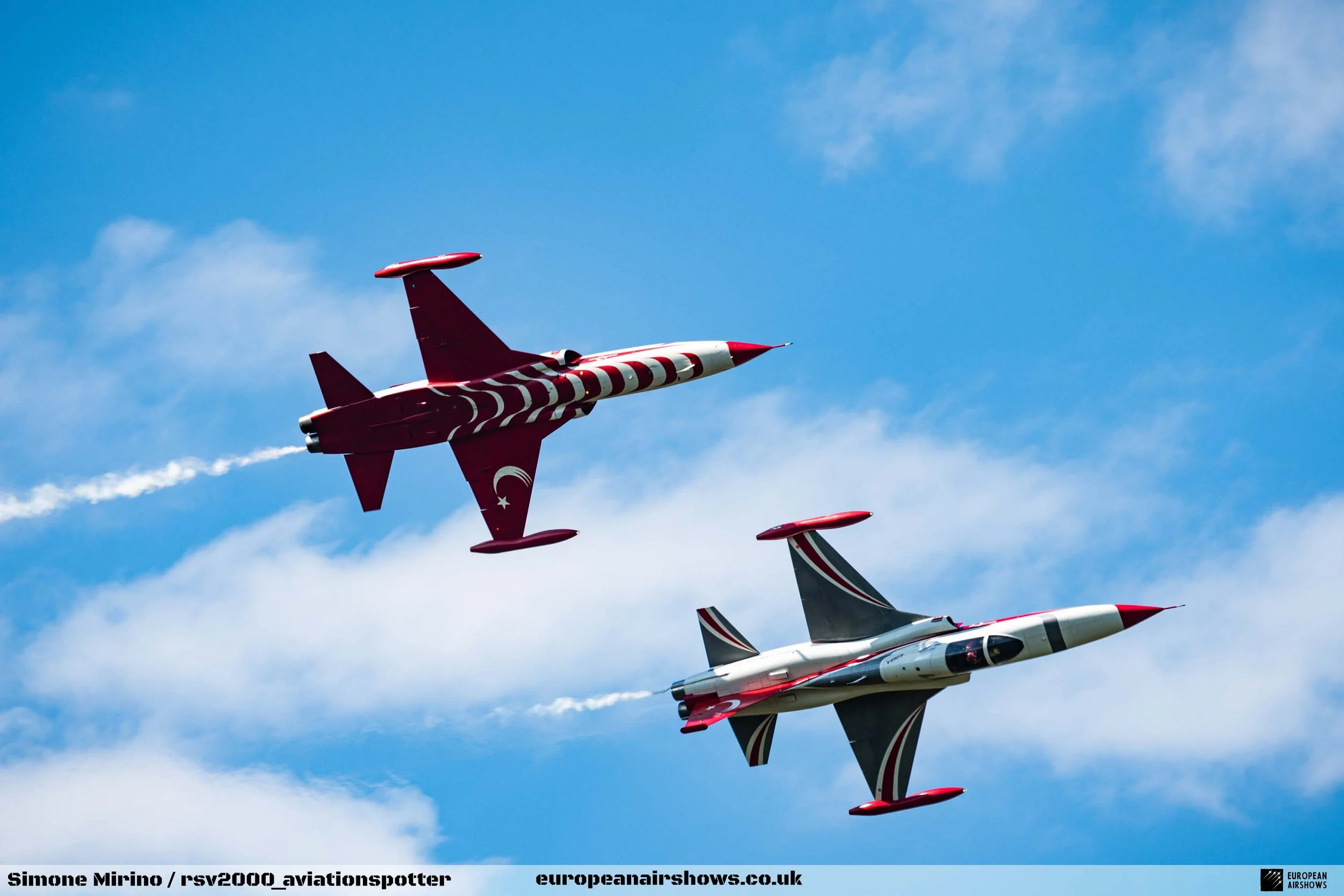
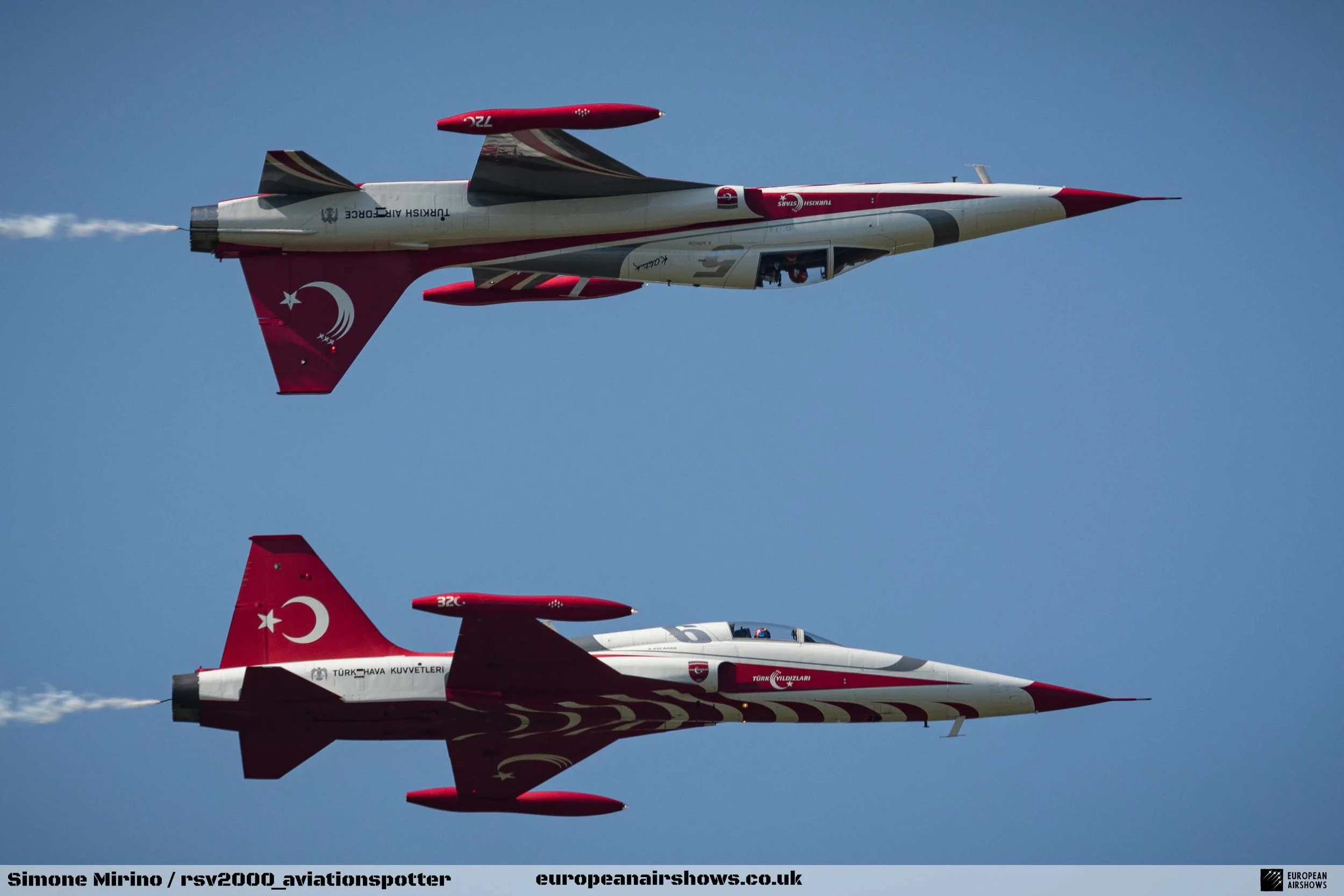
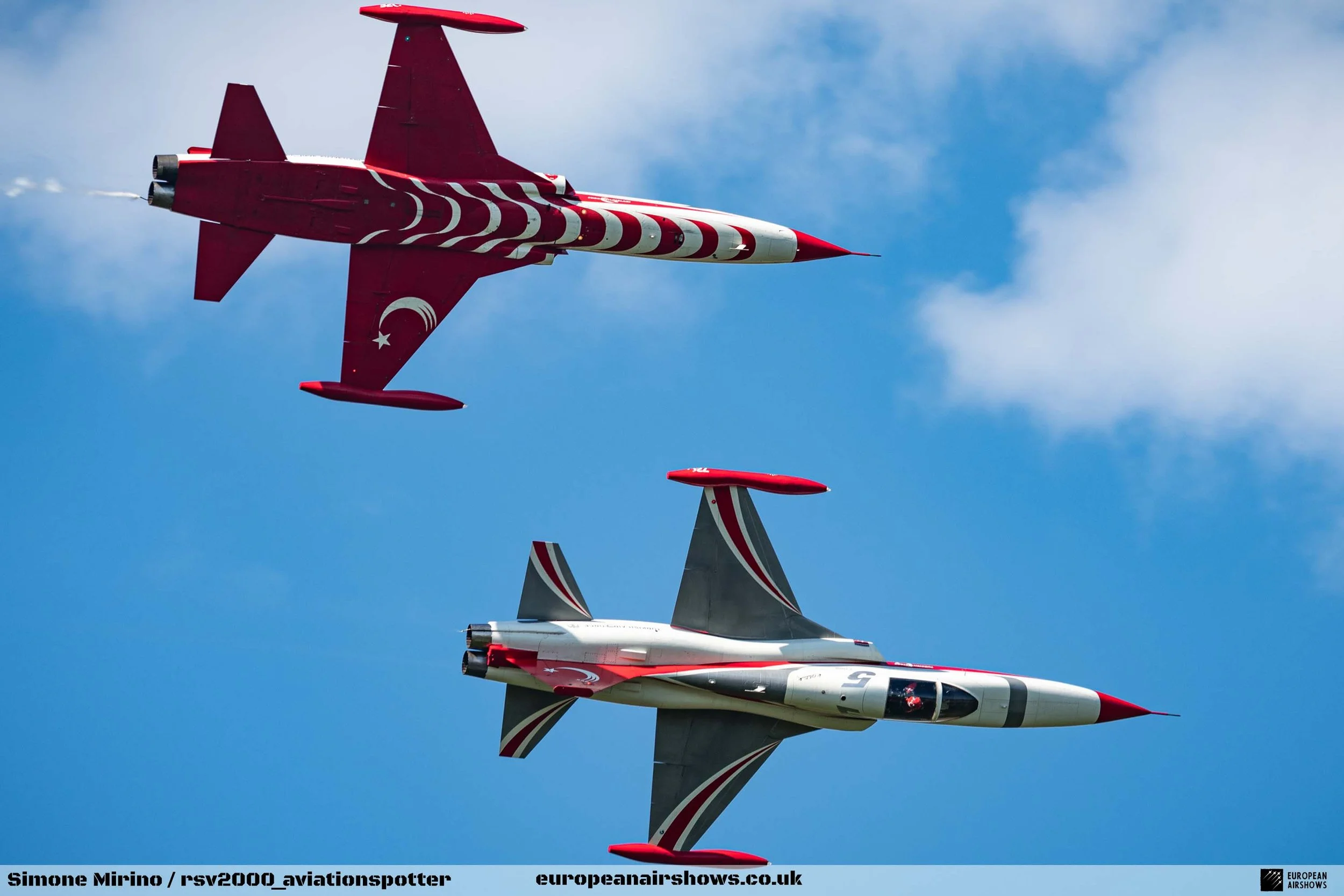
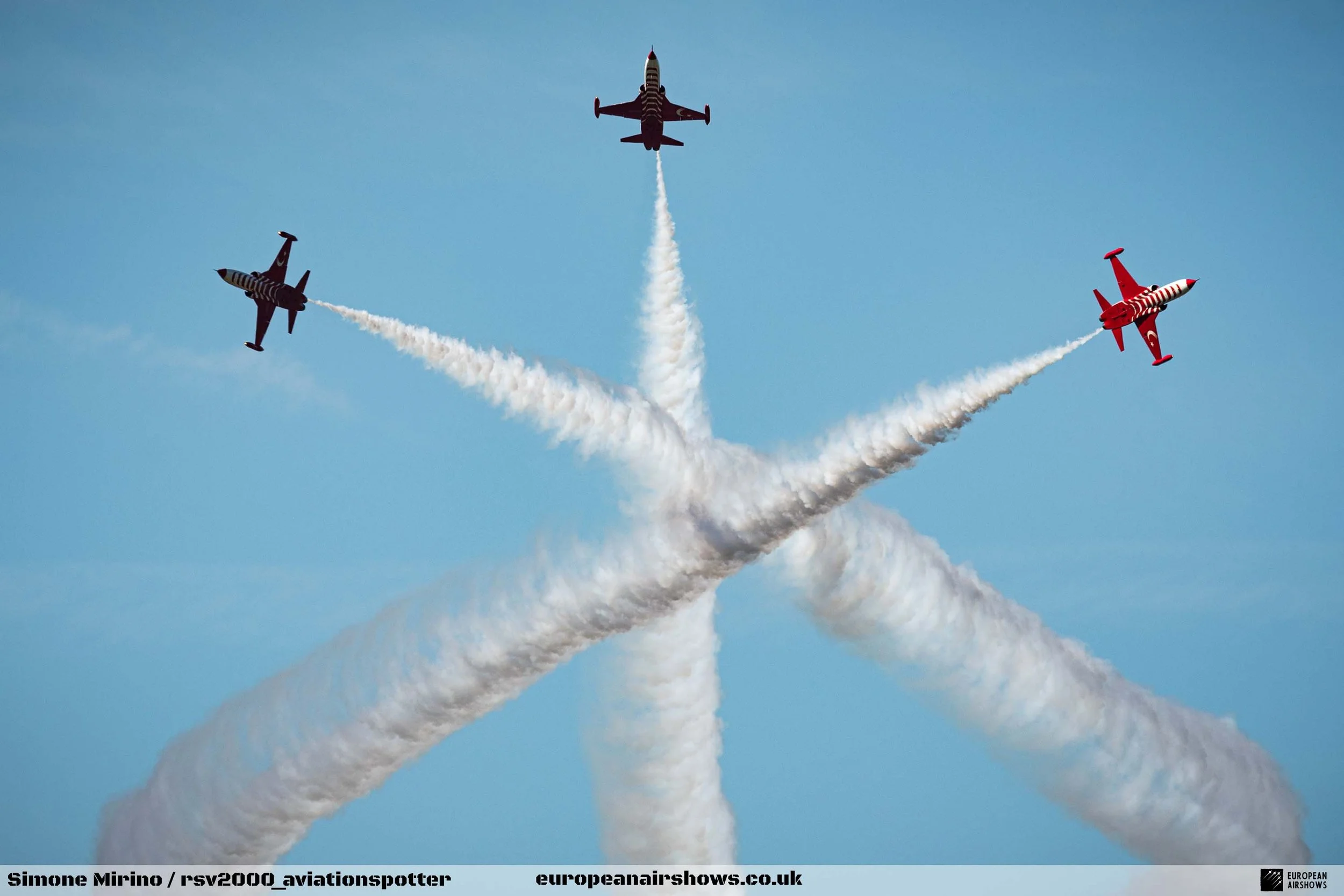
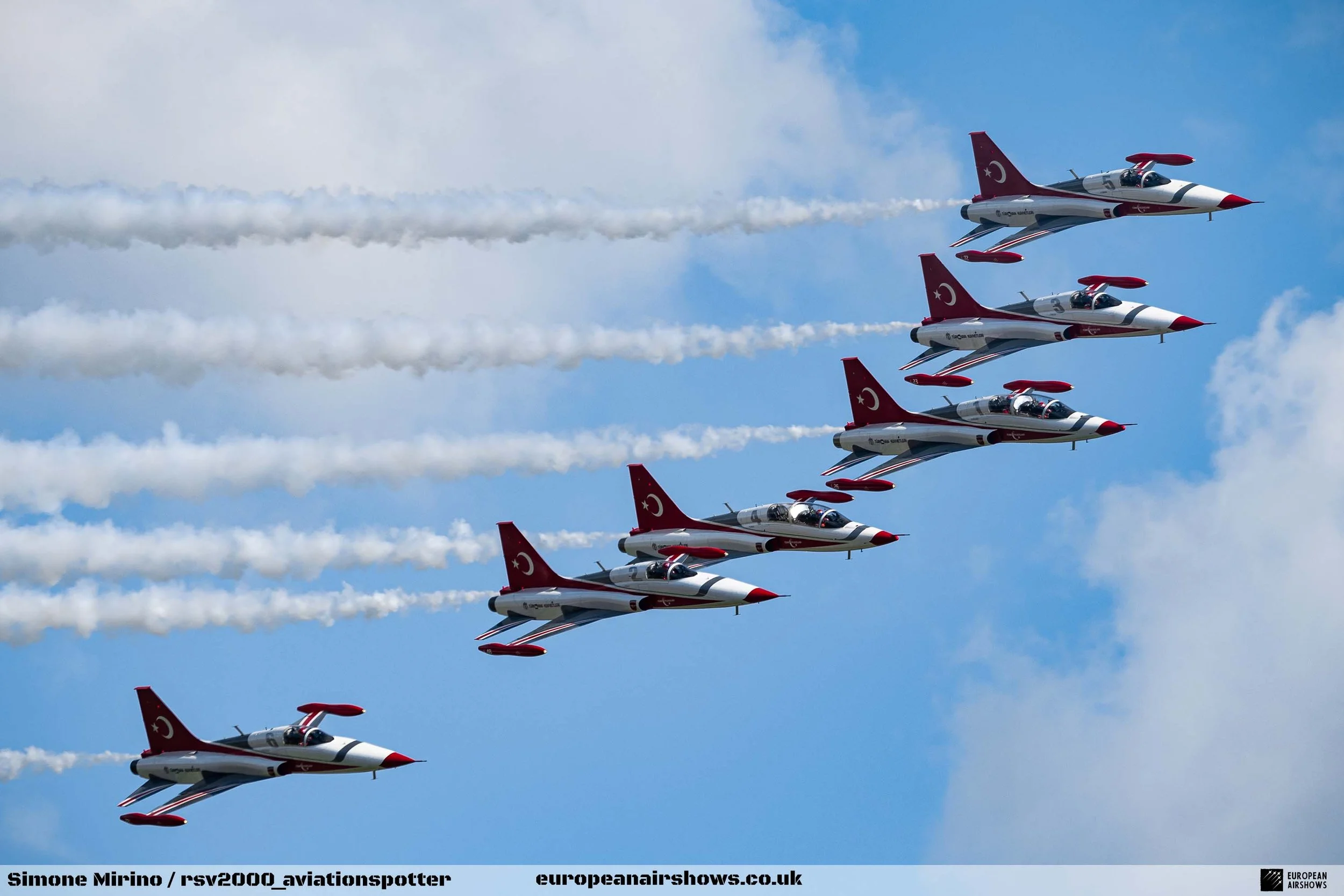
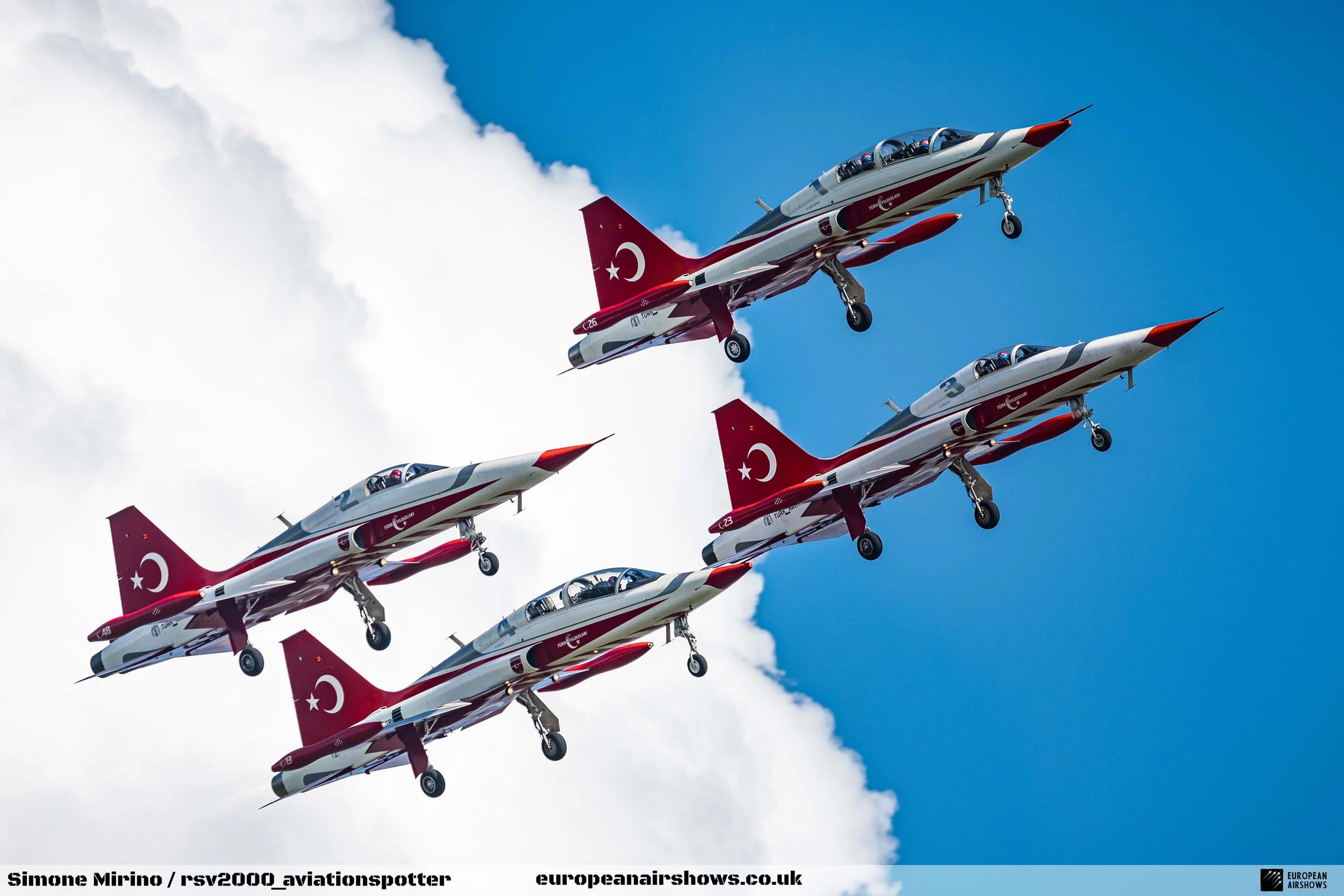
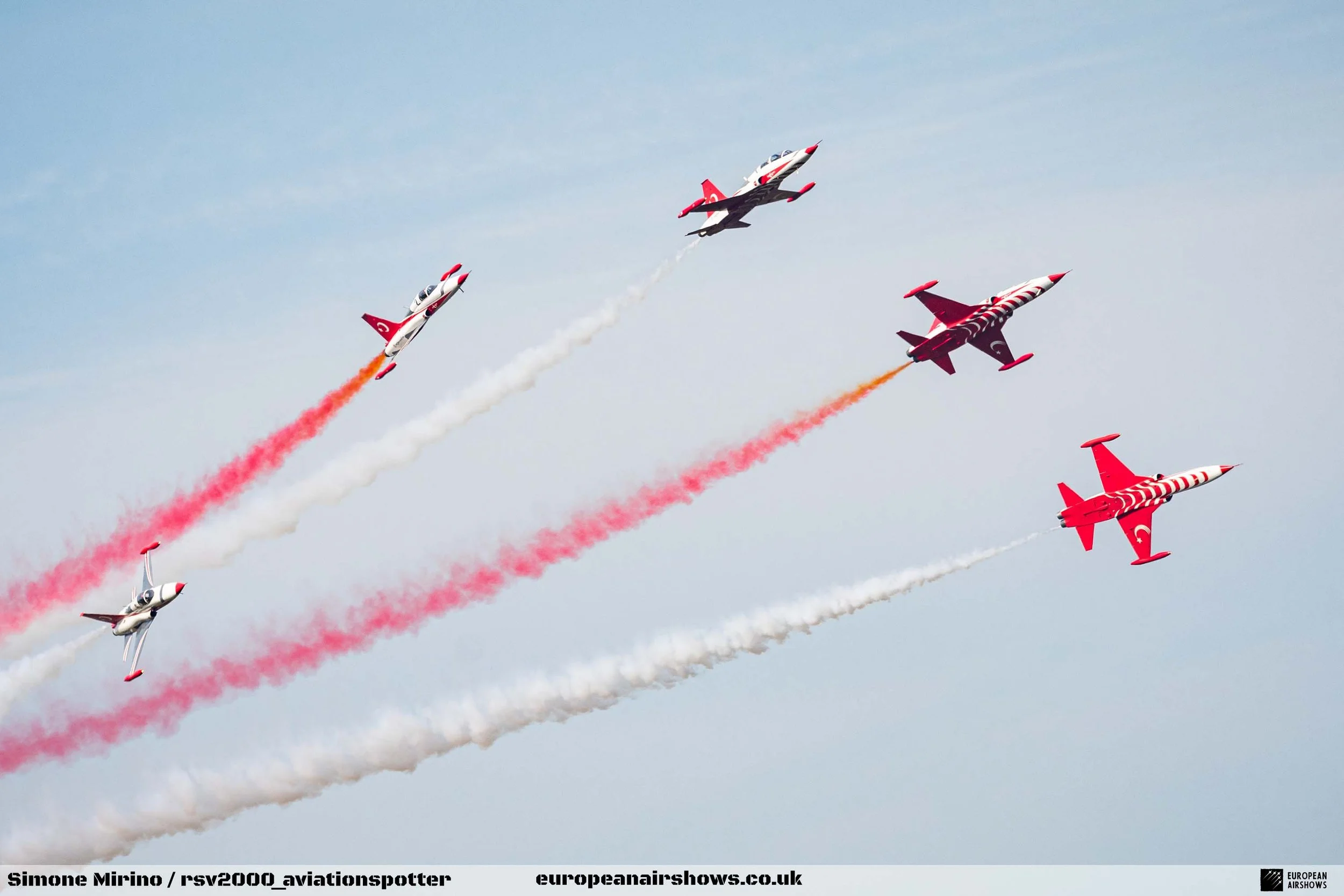
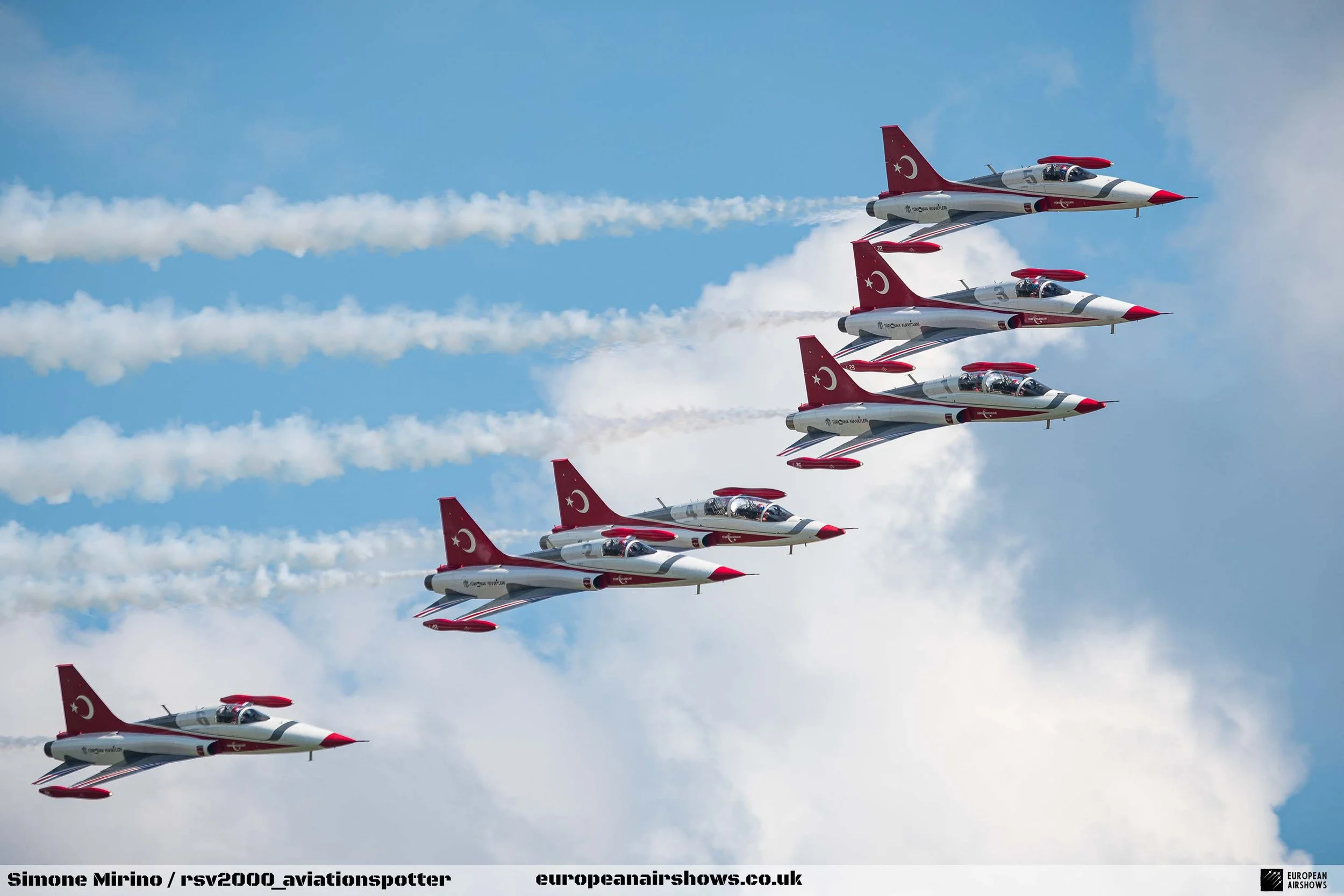
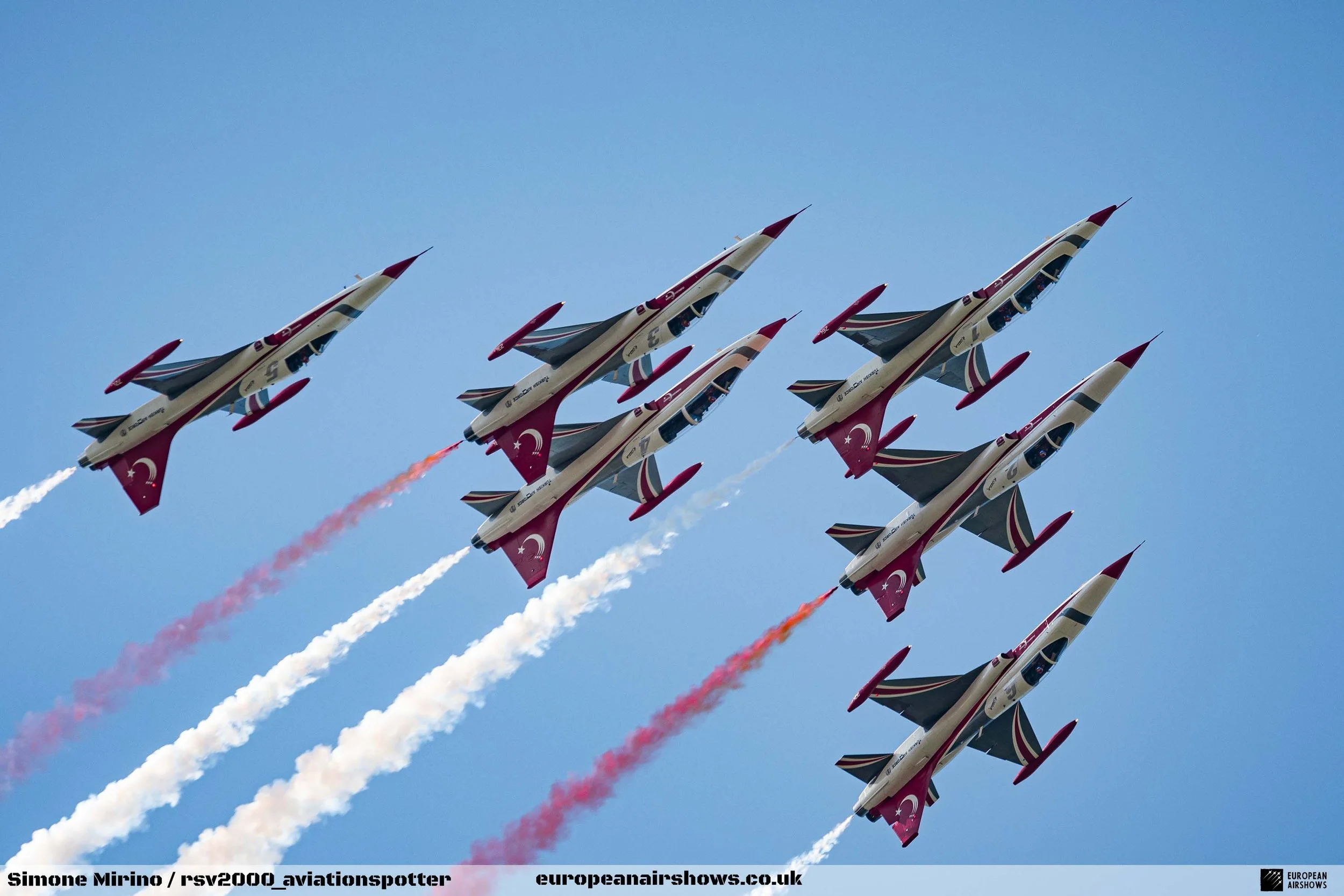
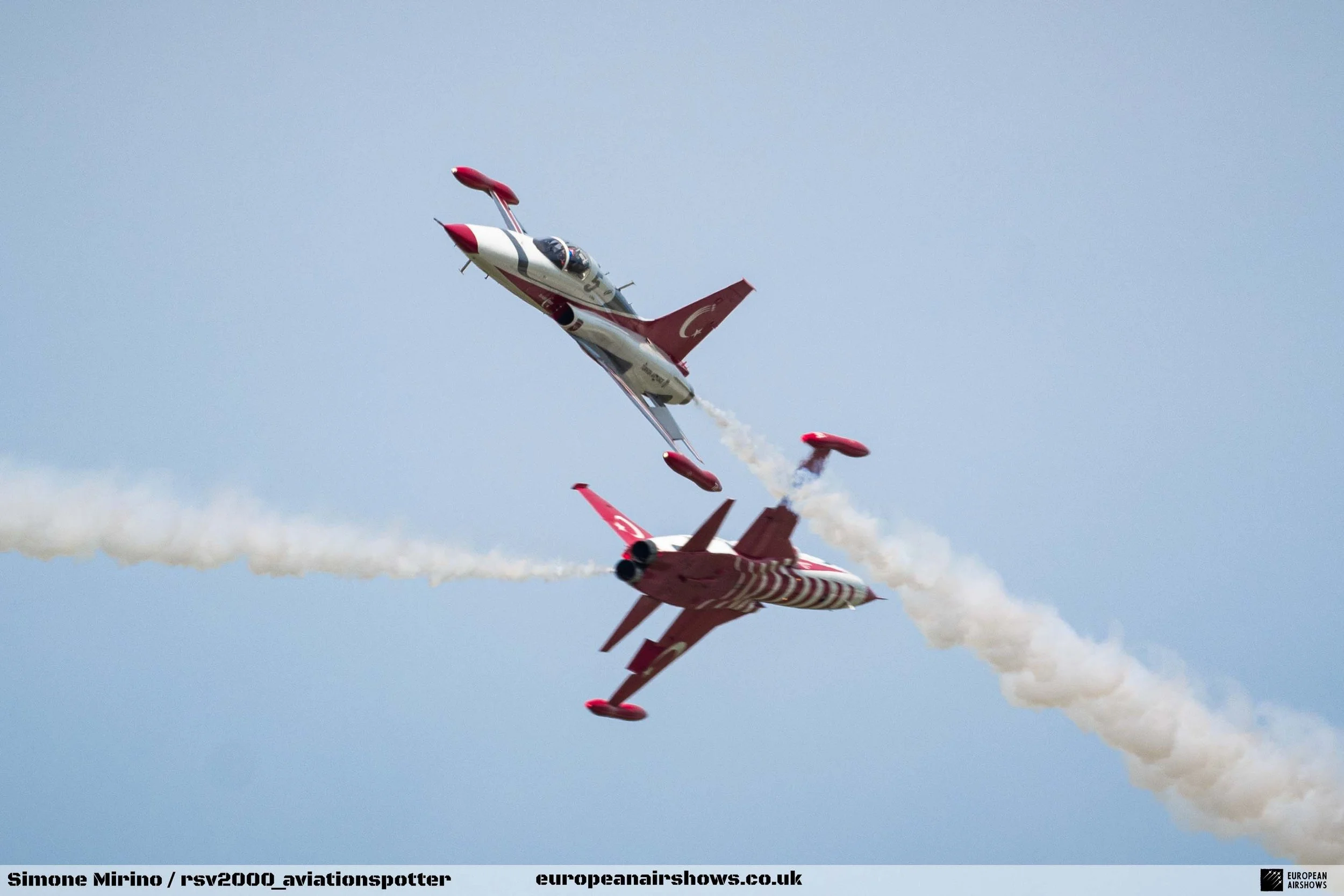
International flair continued with the Turkish Stars, the aerobatic demonstration team of the Turkish Air Force, presenting breathtaking formations in their agile NF-5A/B Freedom Fighter jets. Their performance gave the audience the opportunity to know and appreciate this acrobatic team, which is rarely seen performing outside of Turkey.
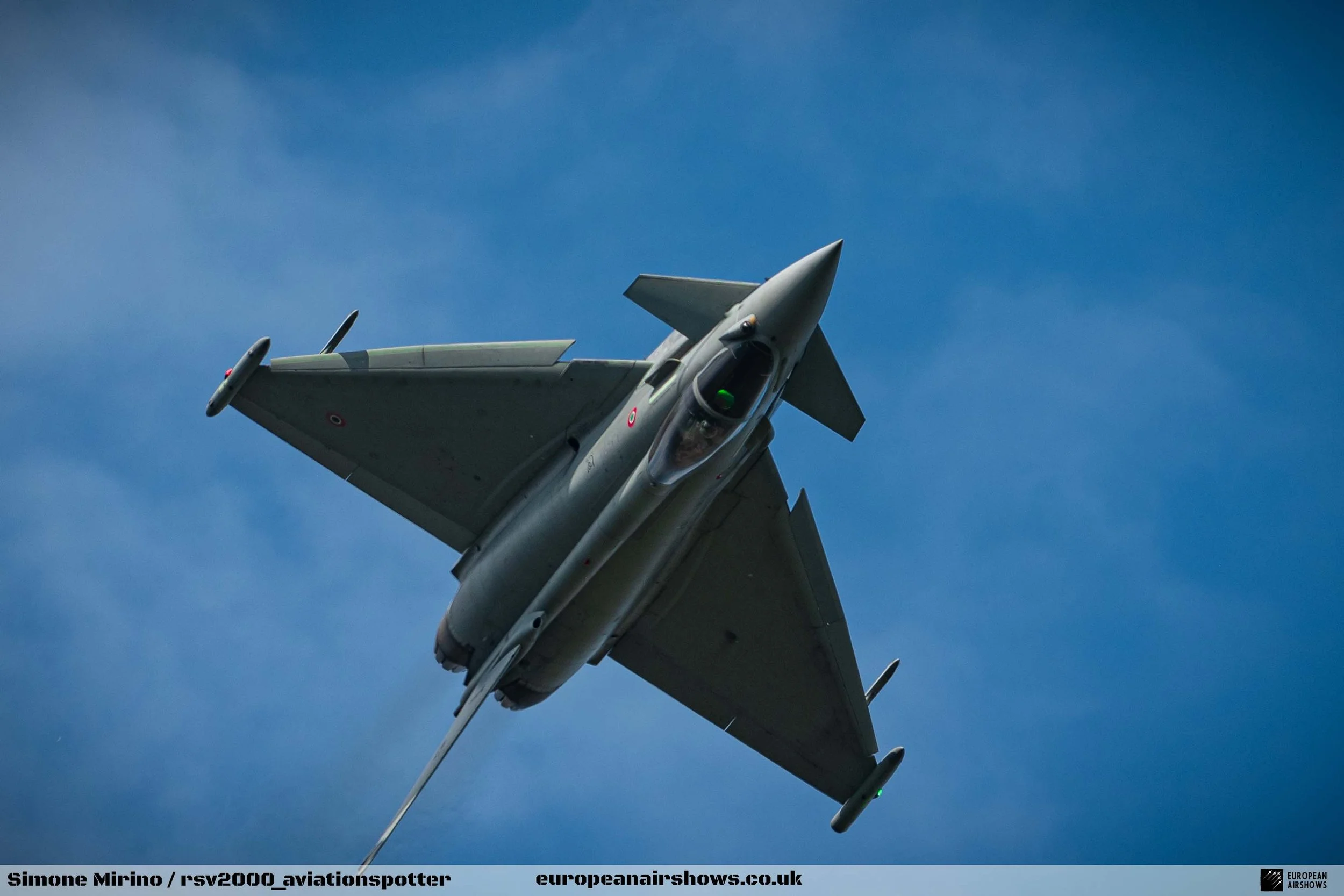
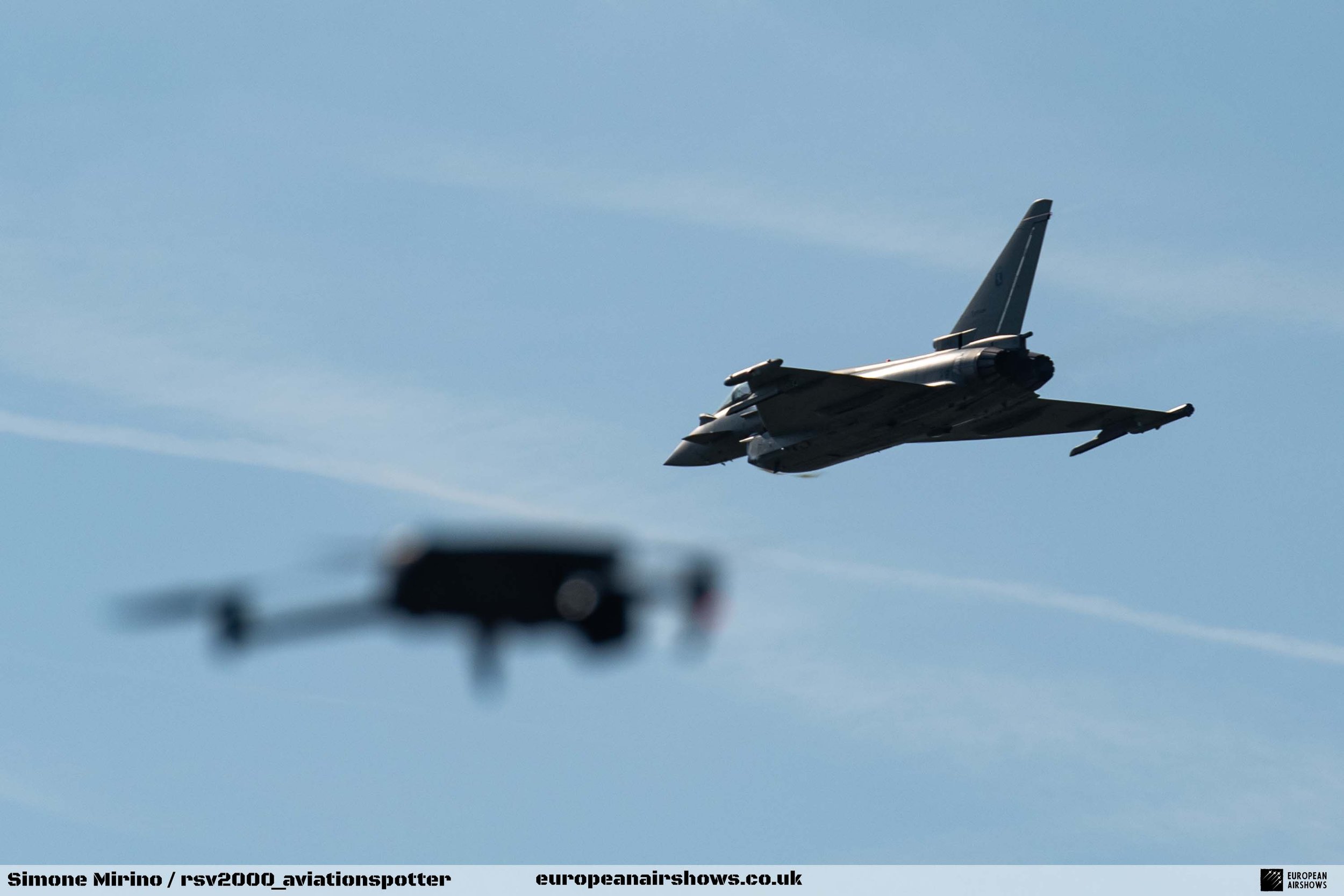
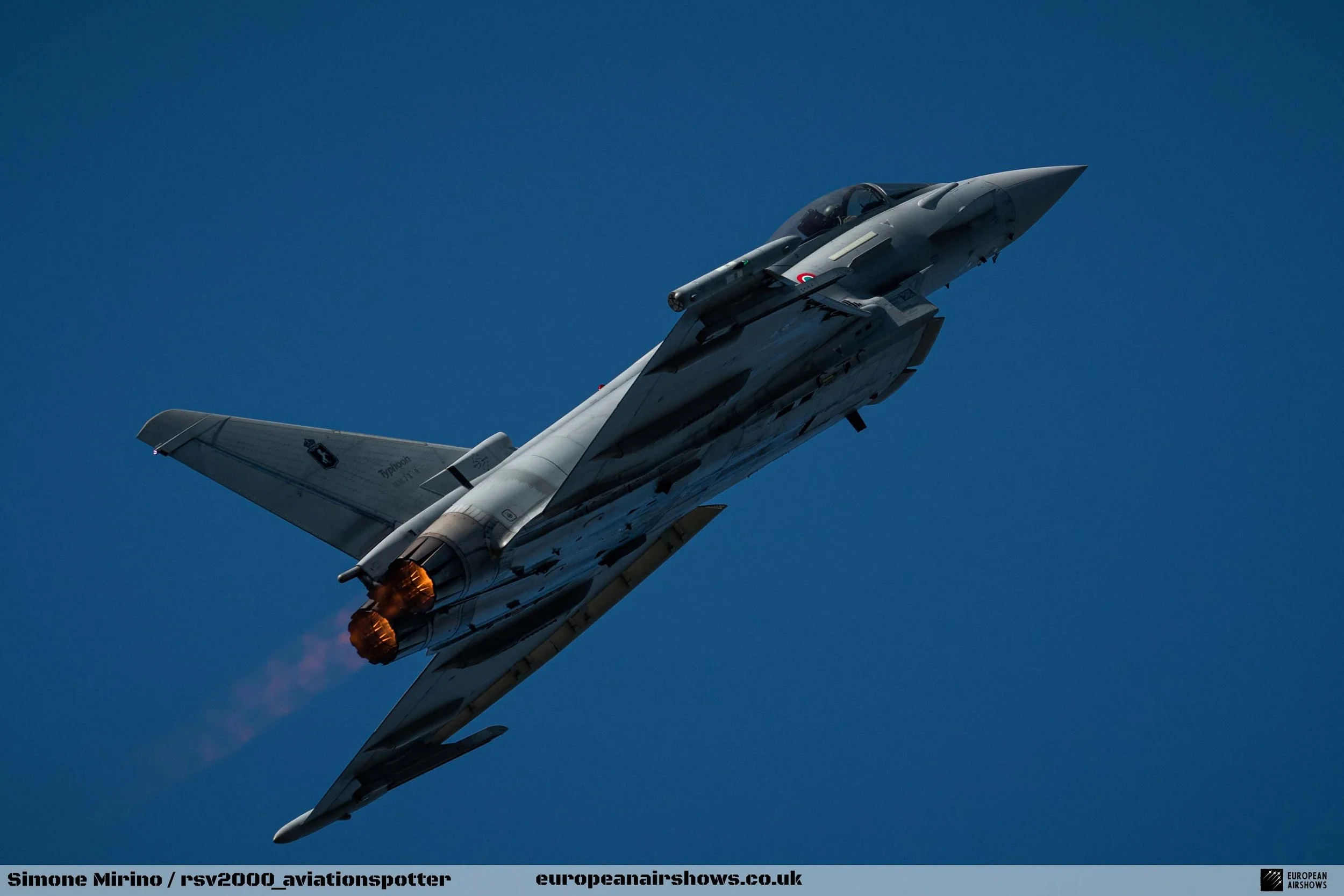
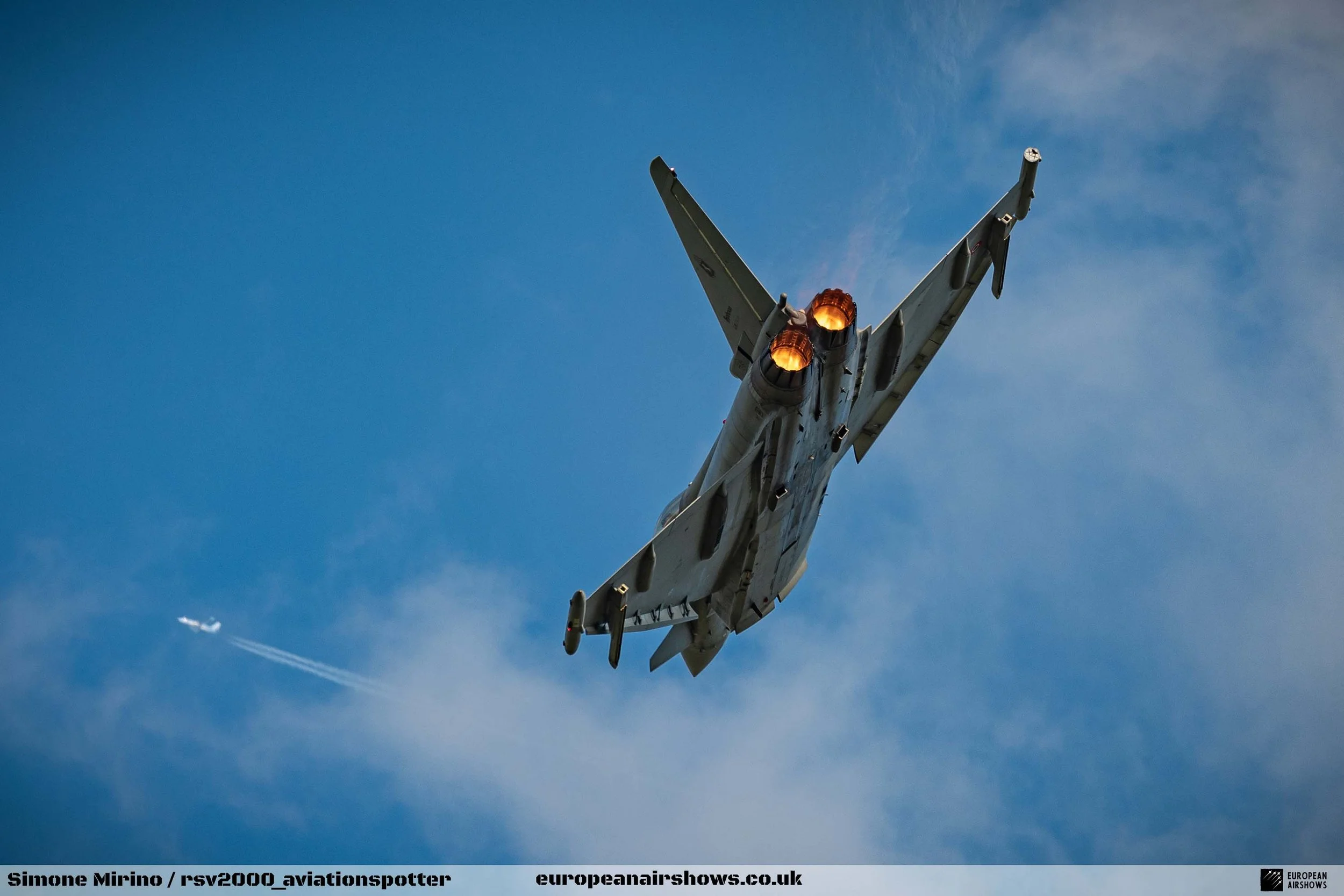
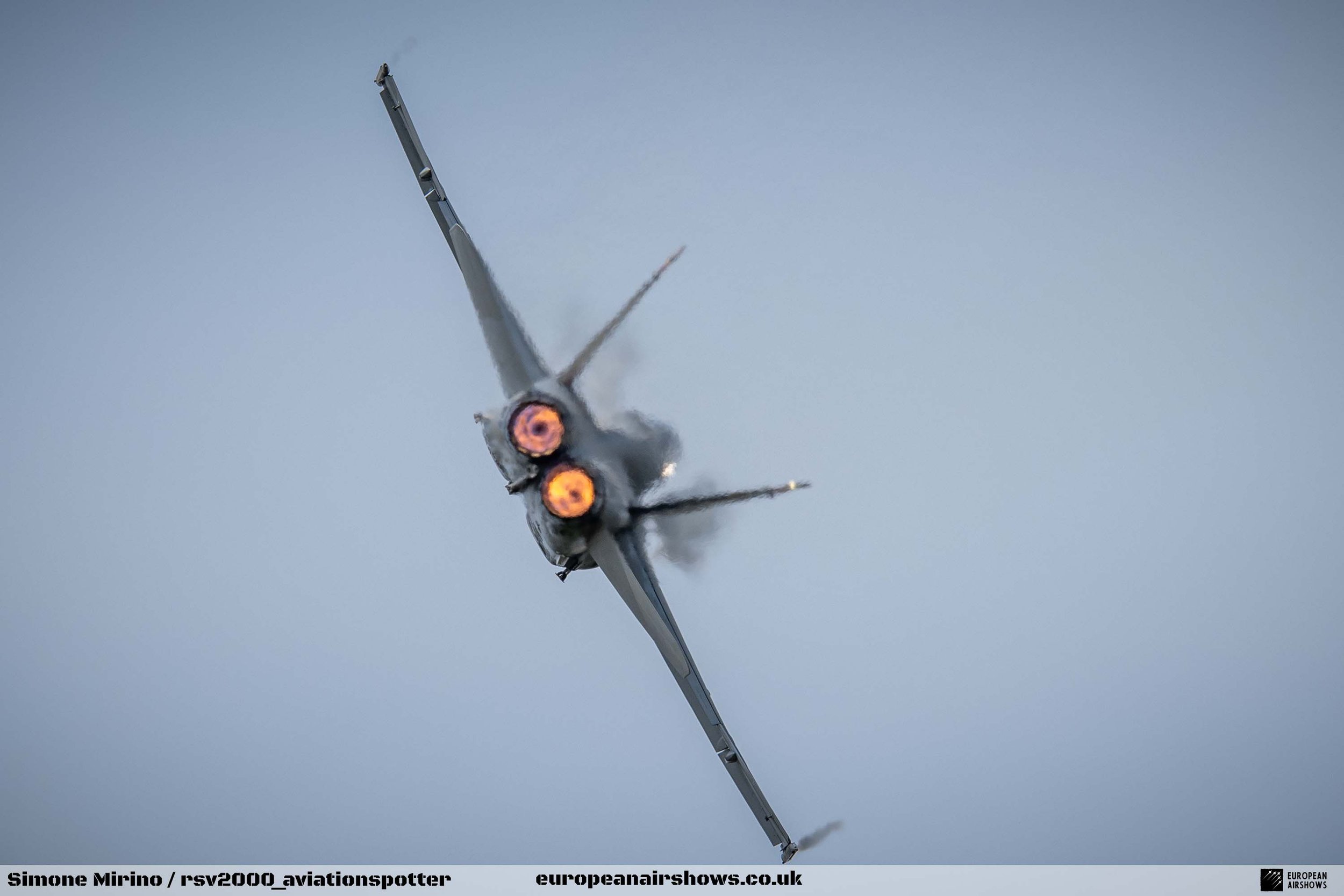
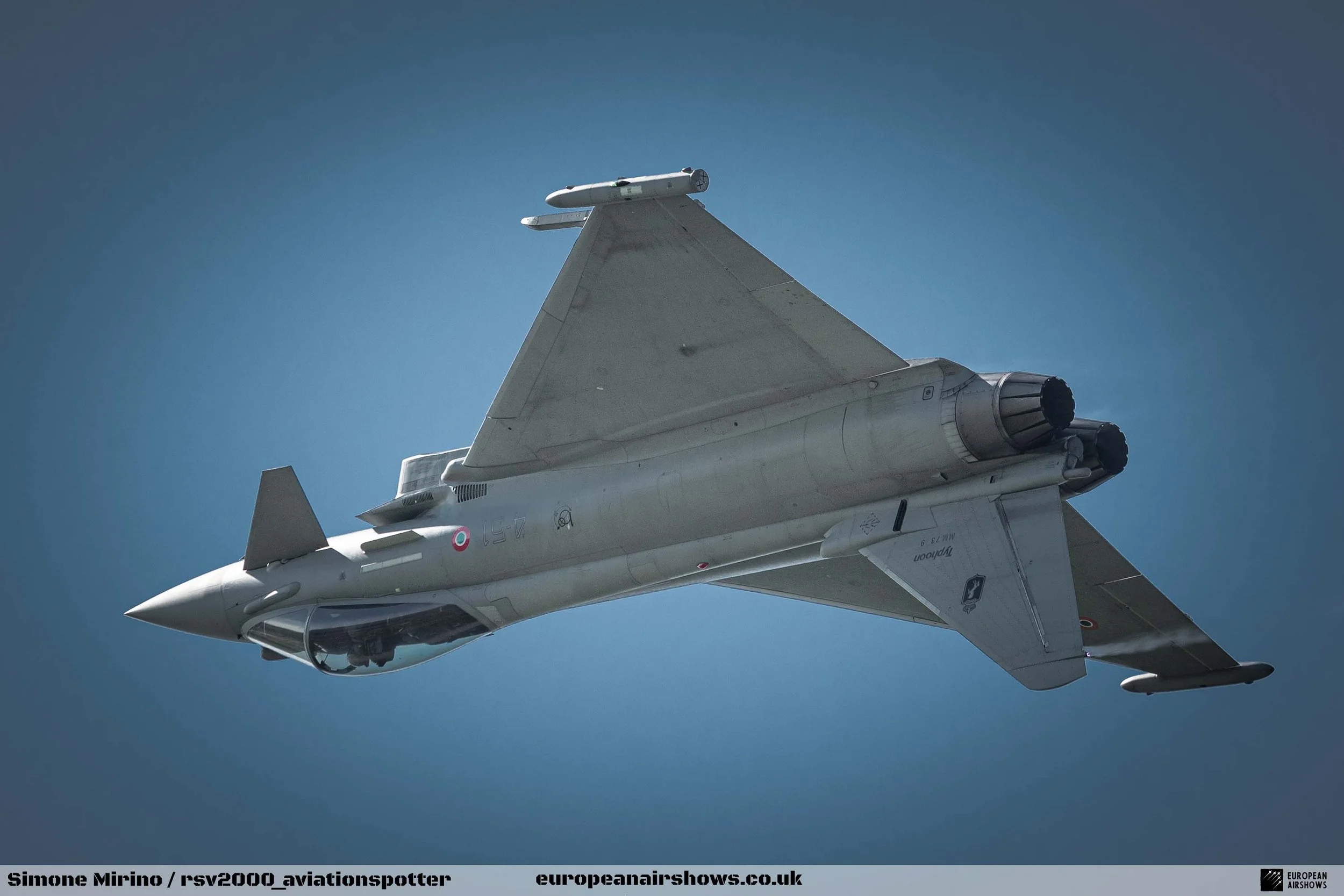
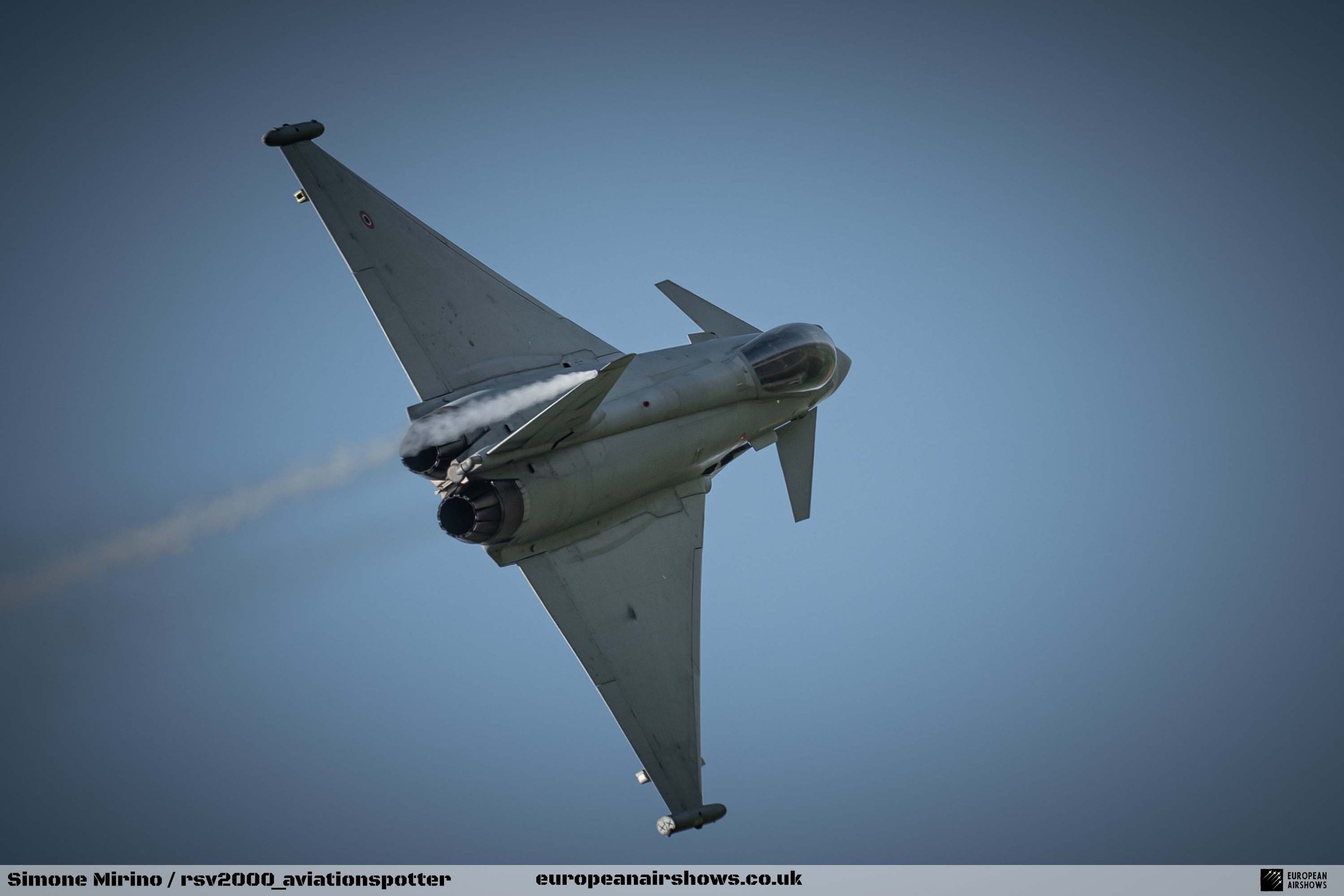
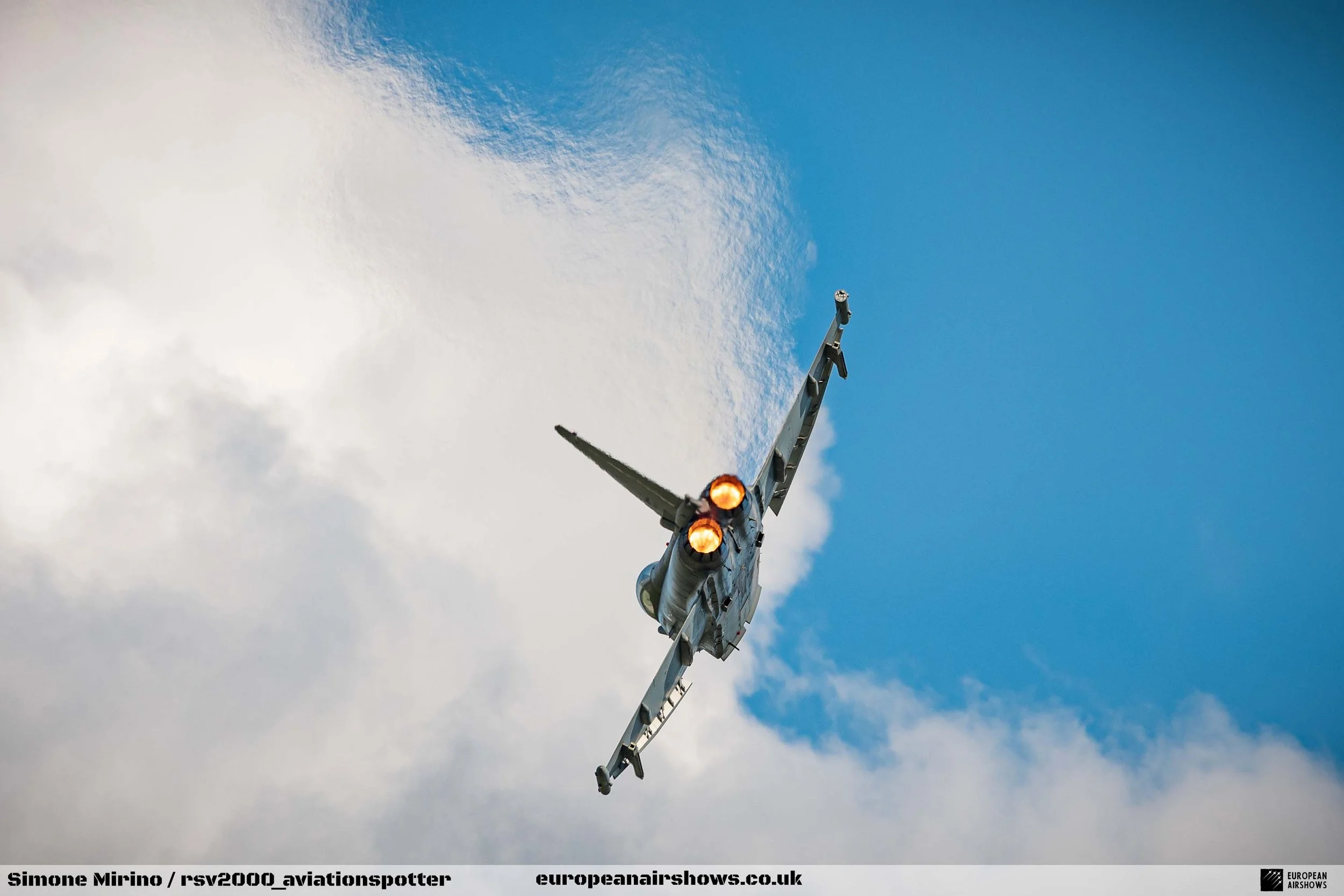
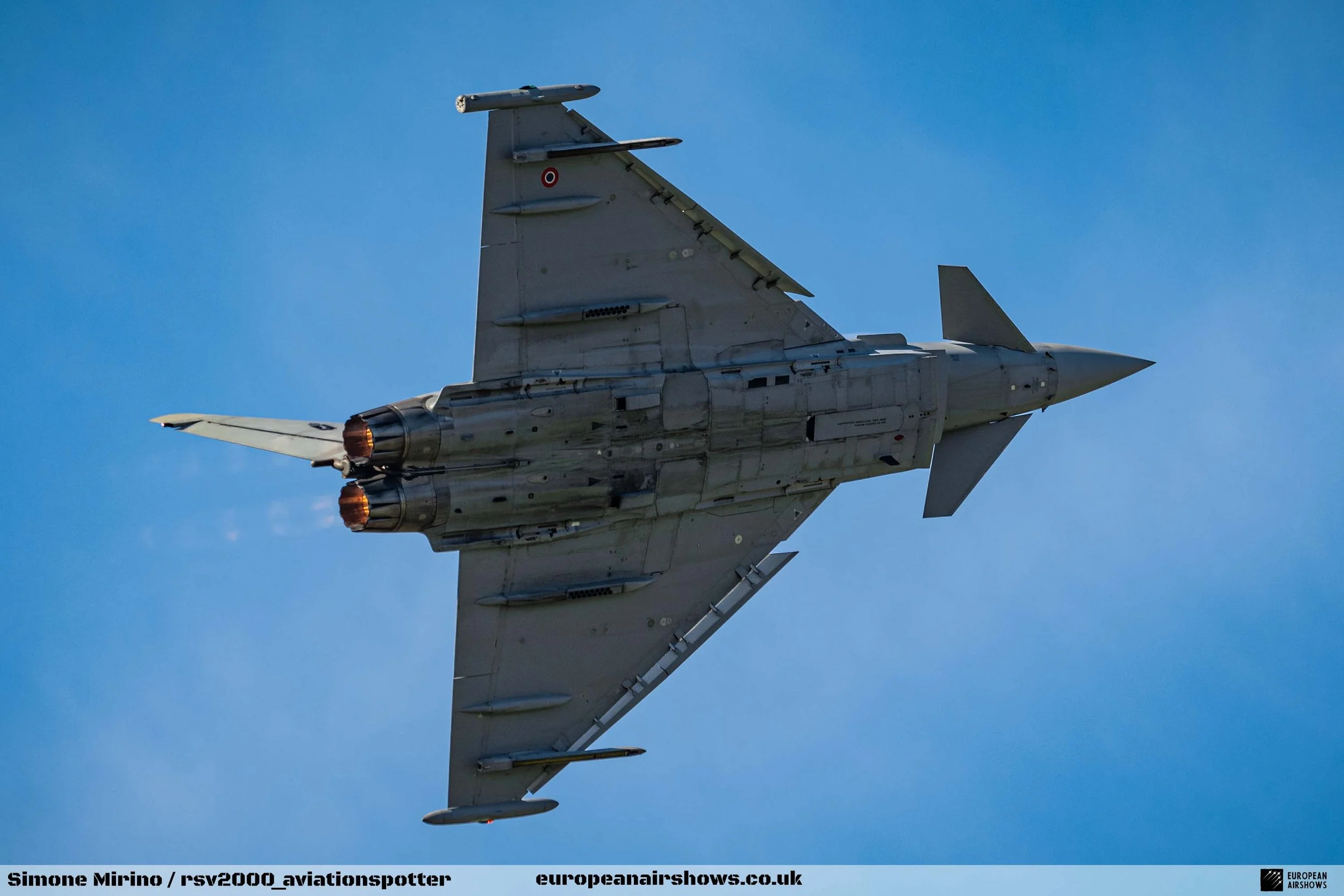
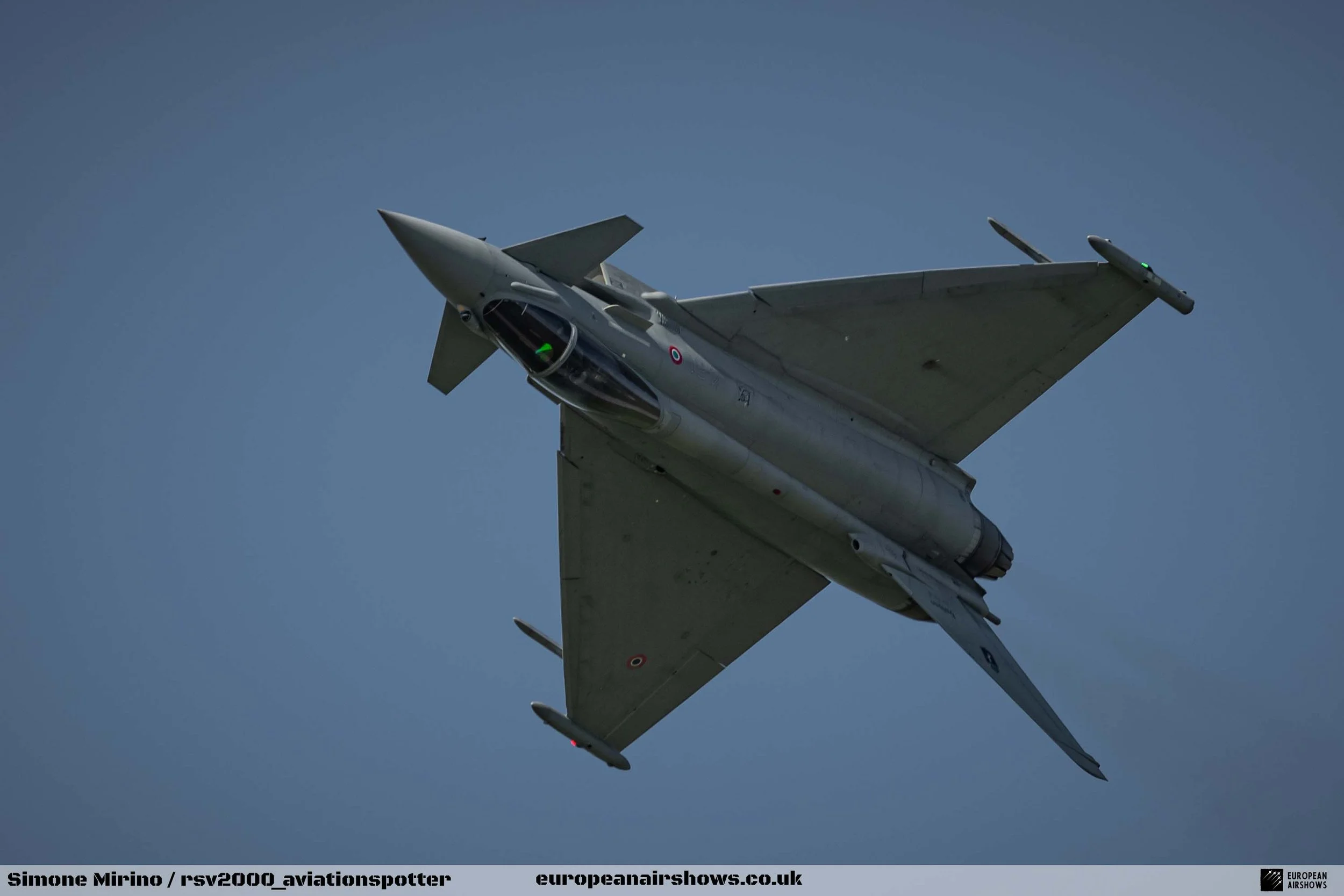
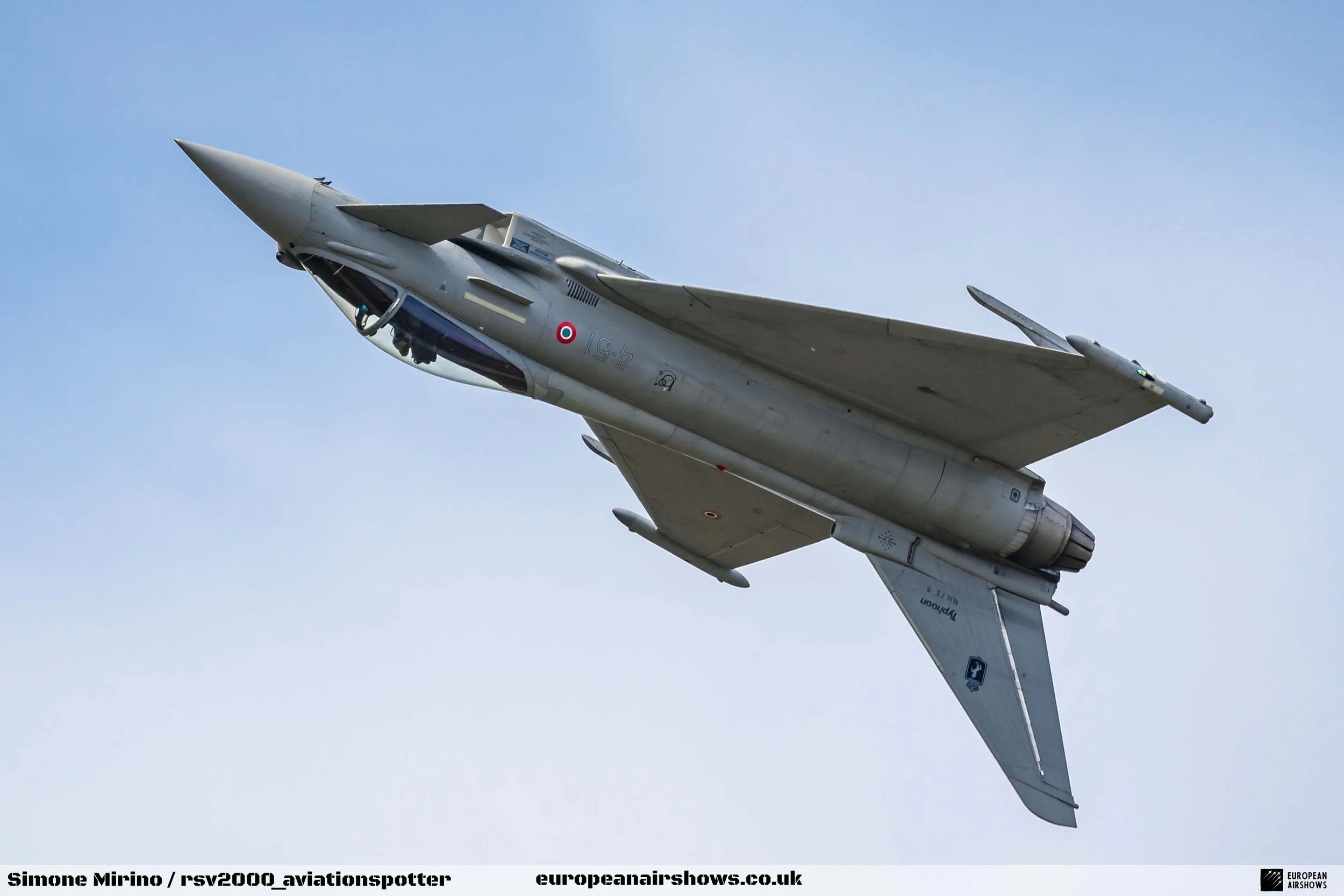
Then the crowd fell silent in awe as the Eurofighter Typhoon F-2000A of the Italian Air Force Reparto Sperimentale Volo (RSV) unleashed a raw, thunderous performance, combining brute power with razor-sharp precision.

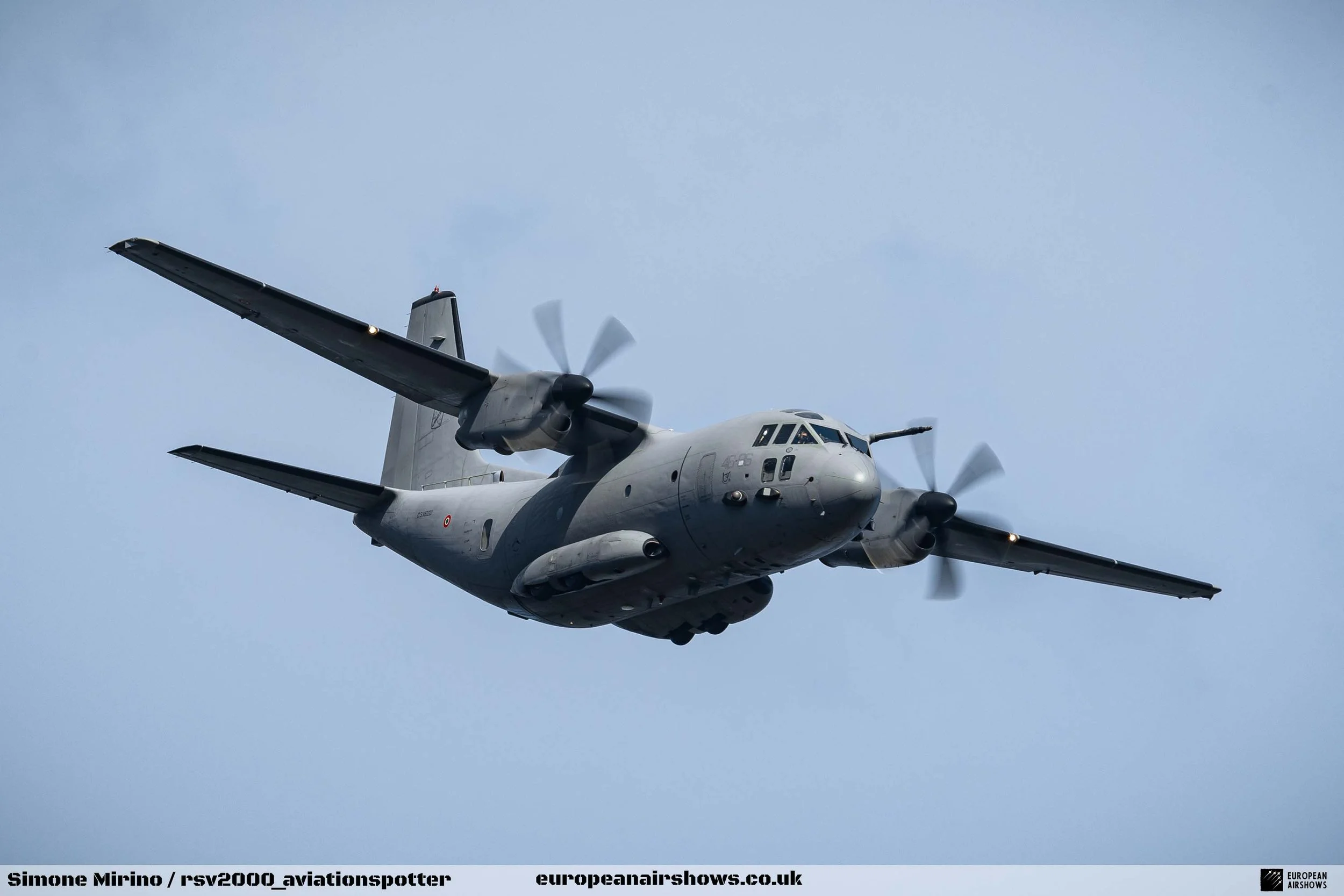


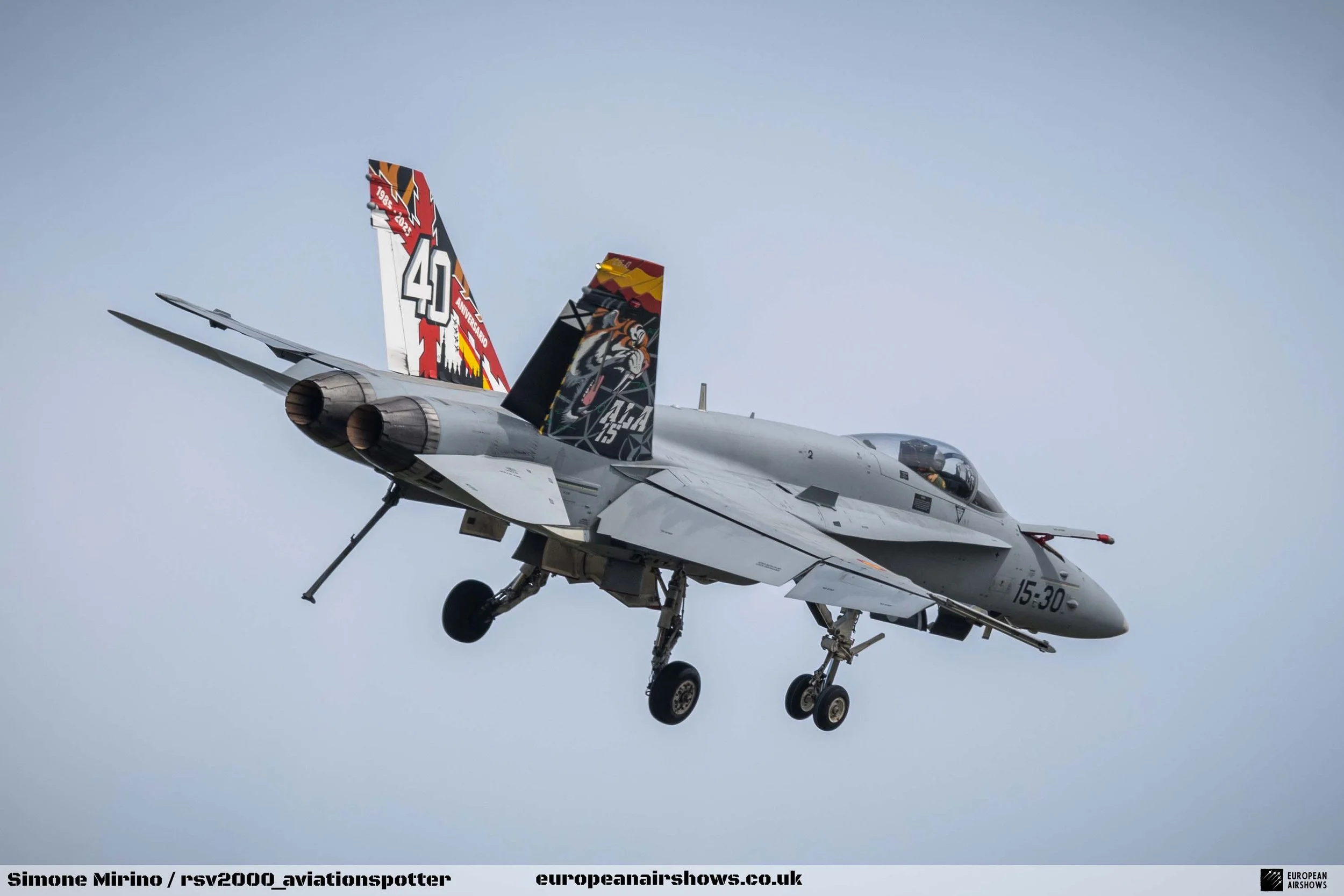
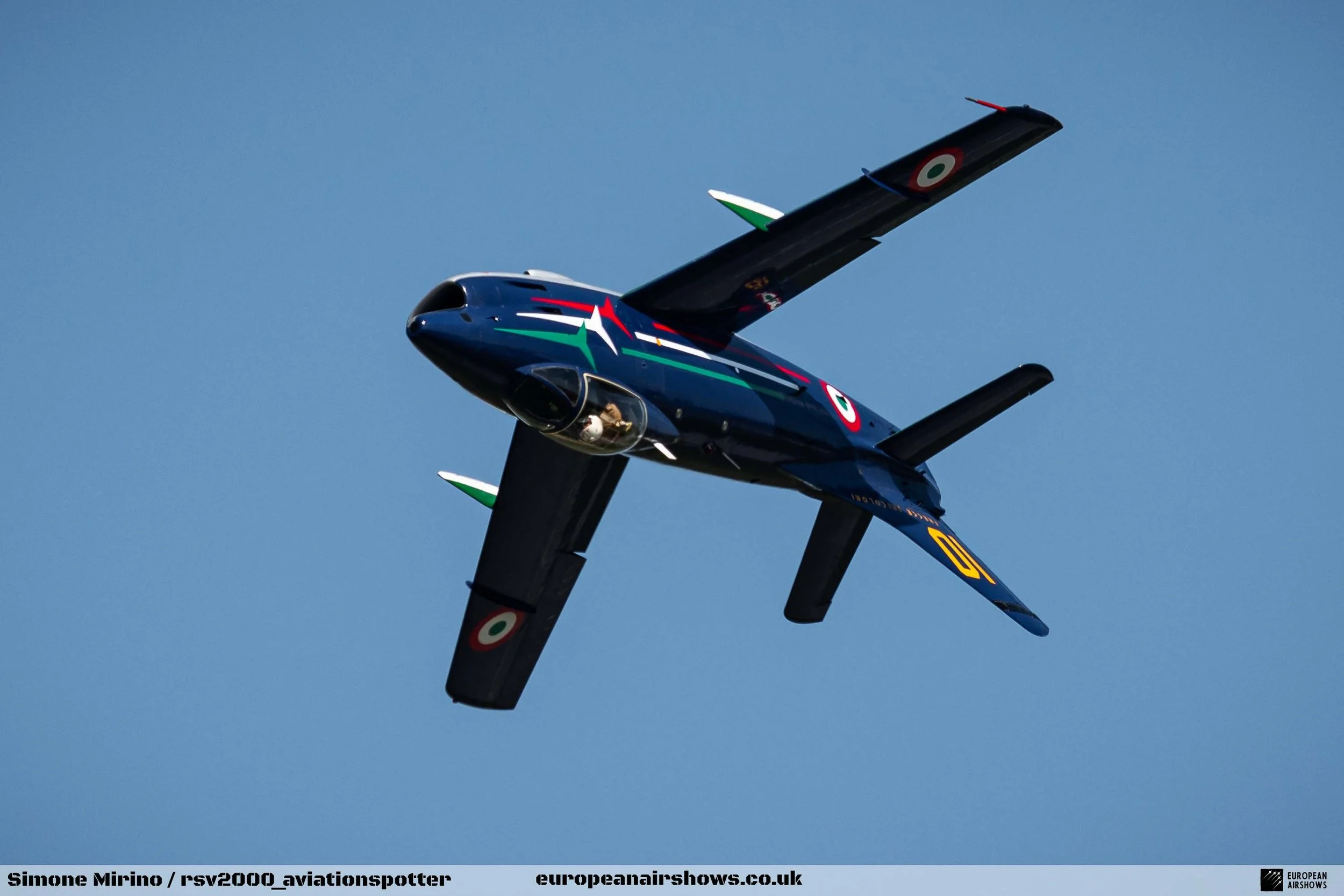
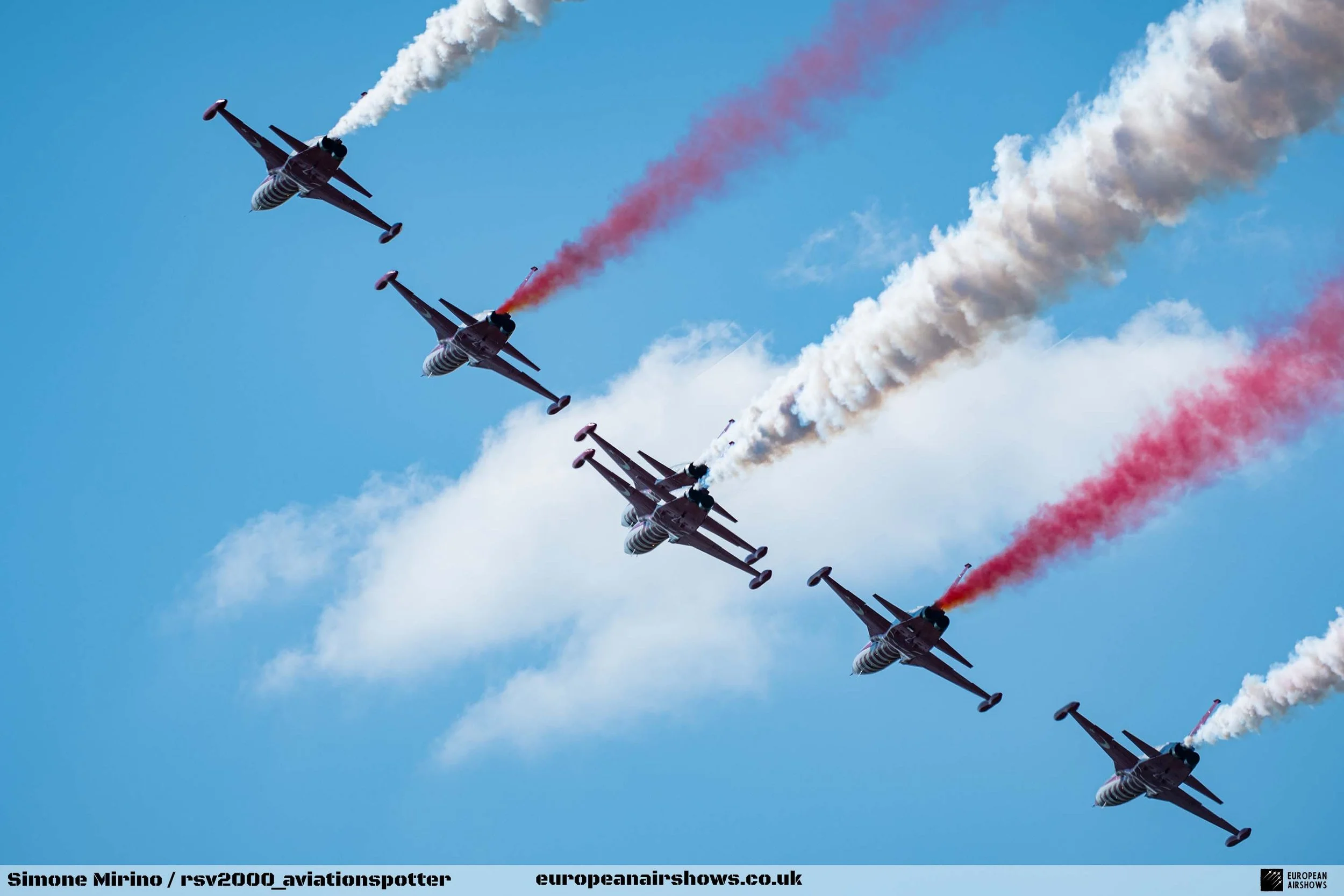
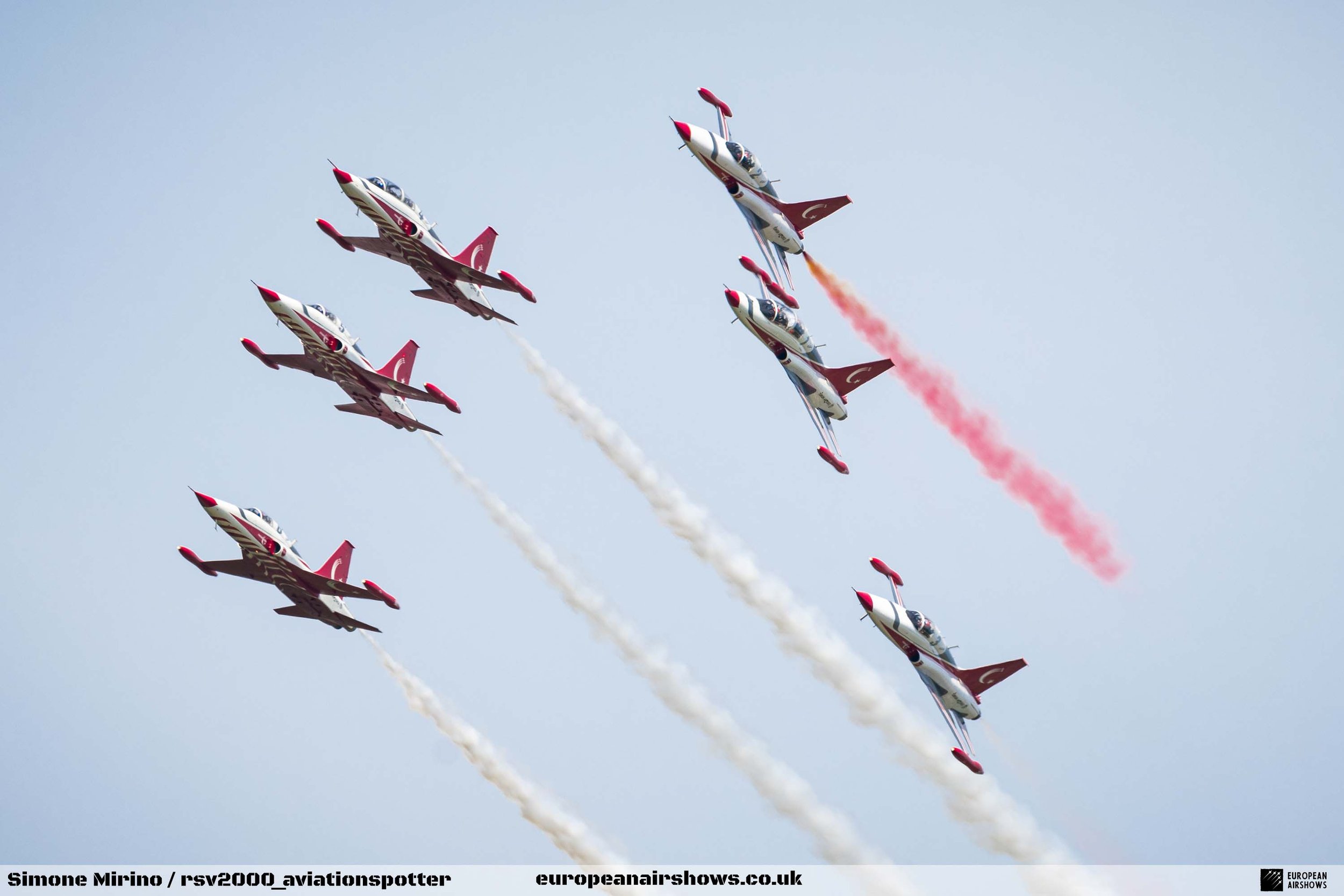
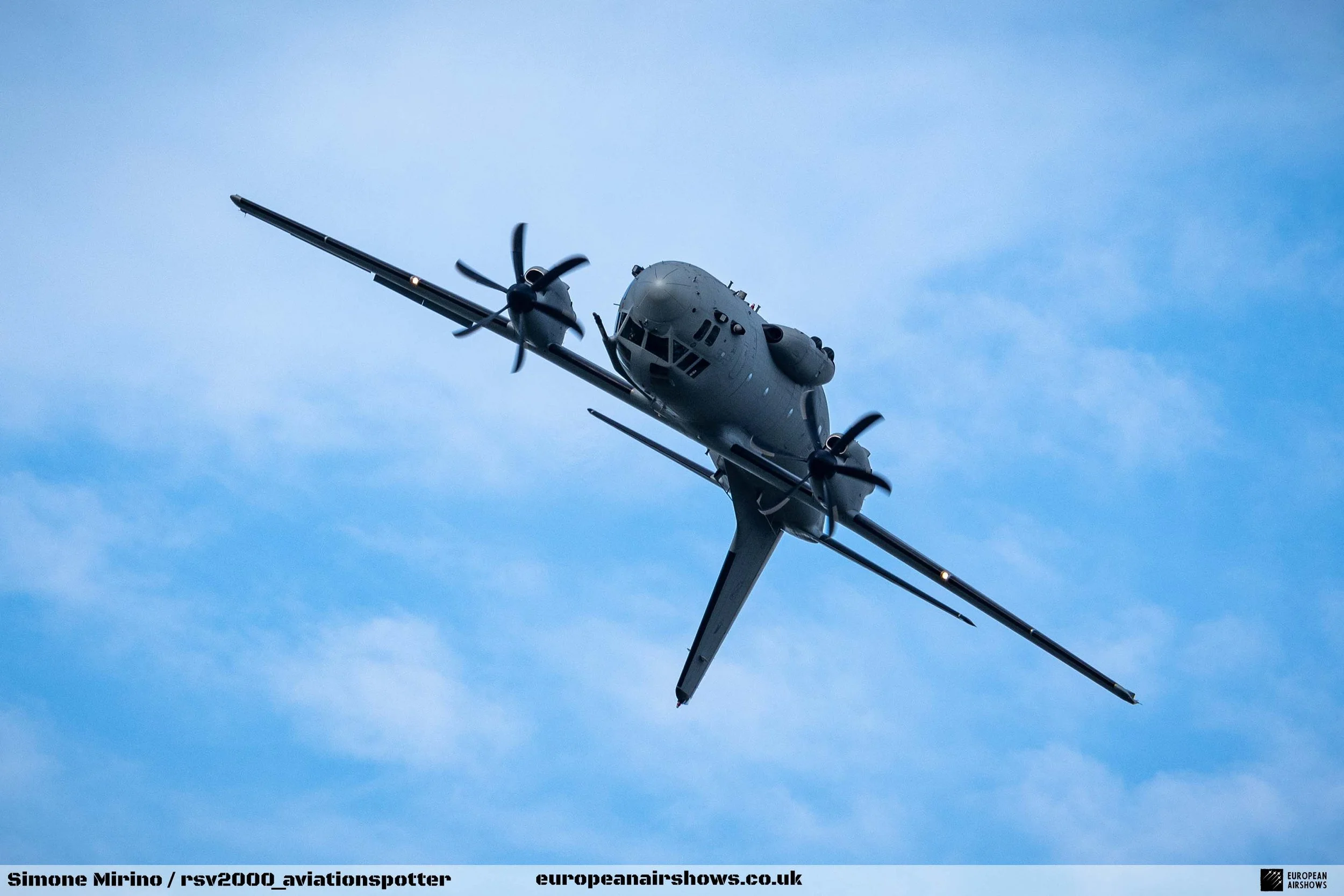

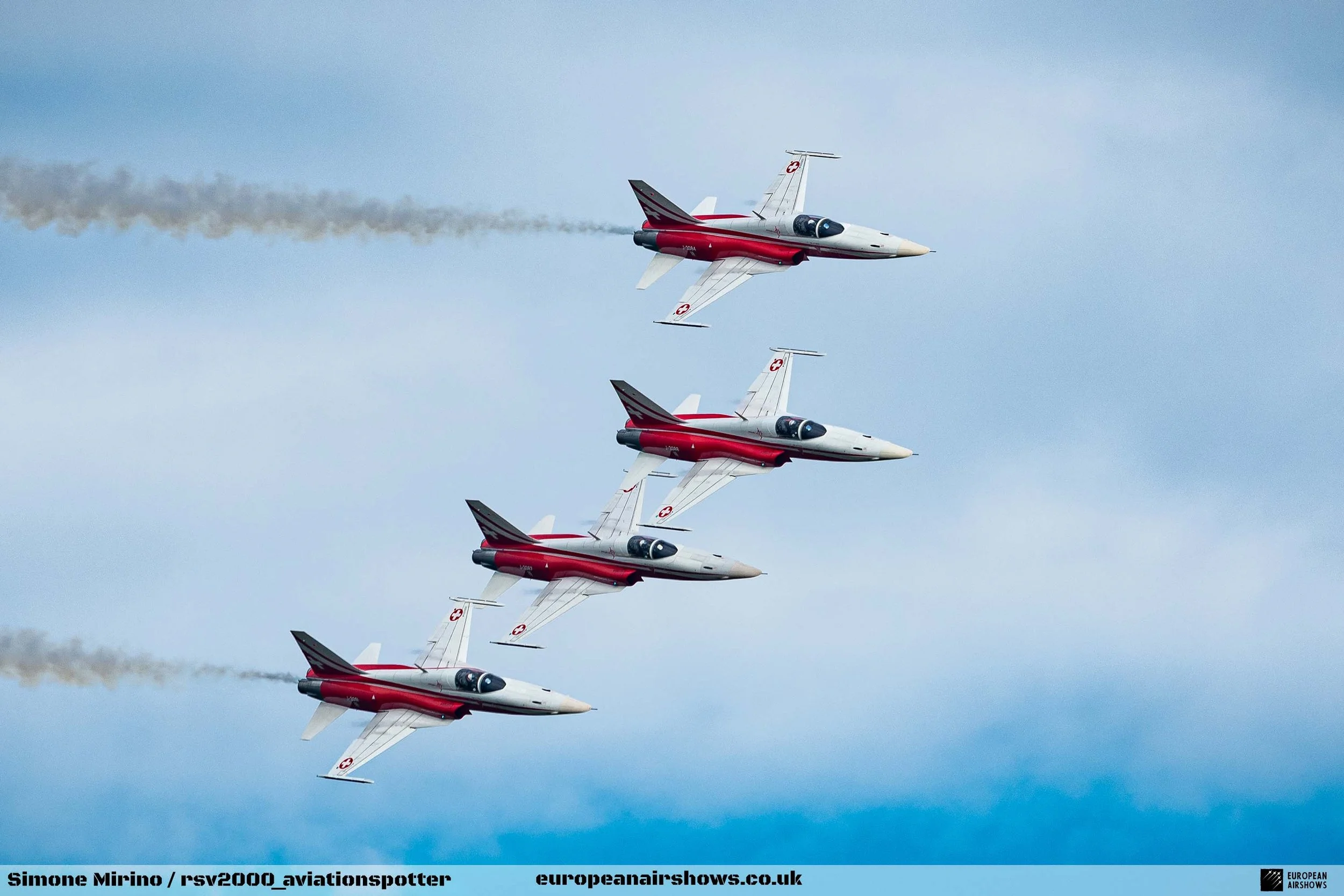
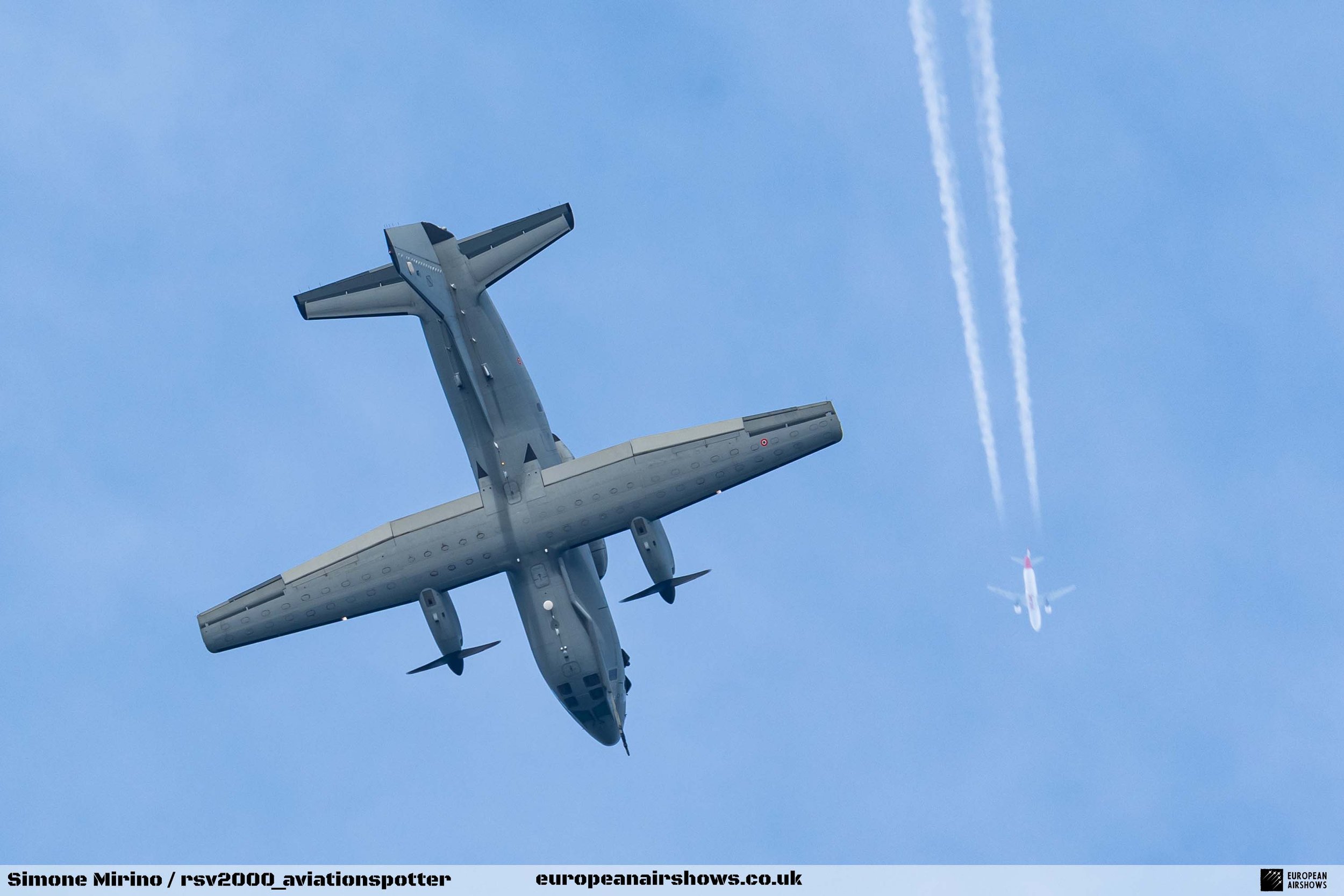
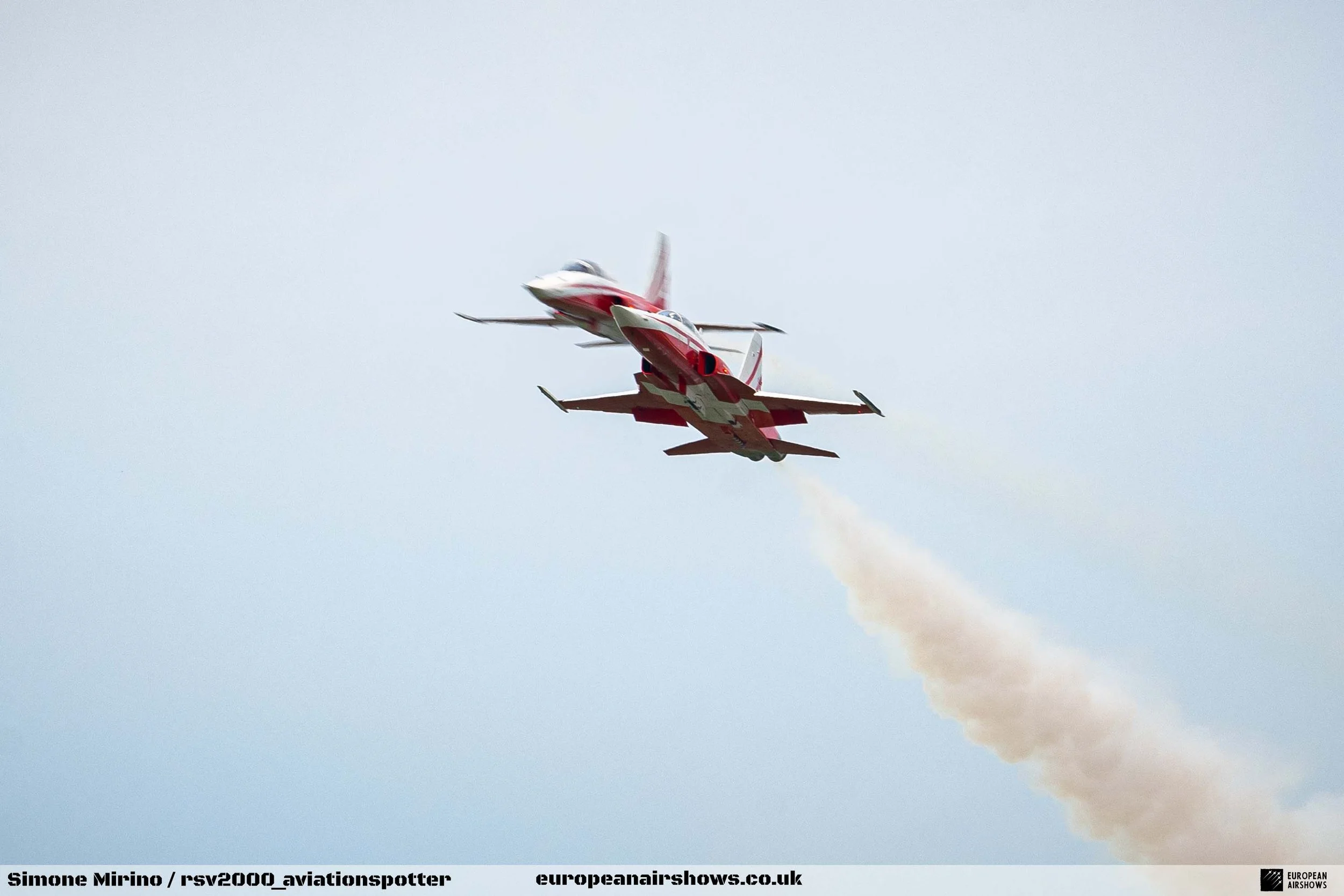
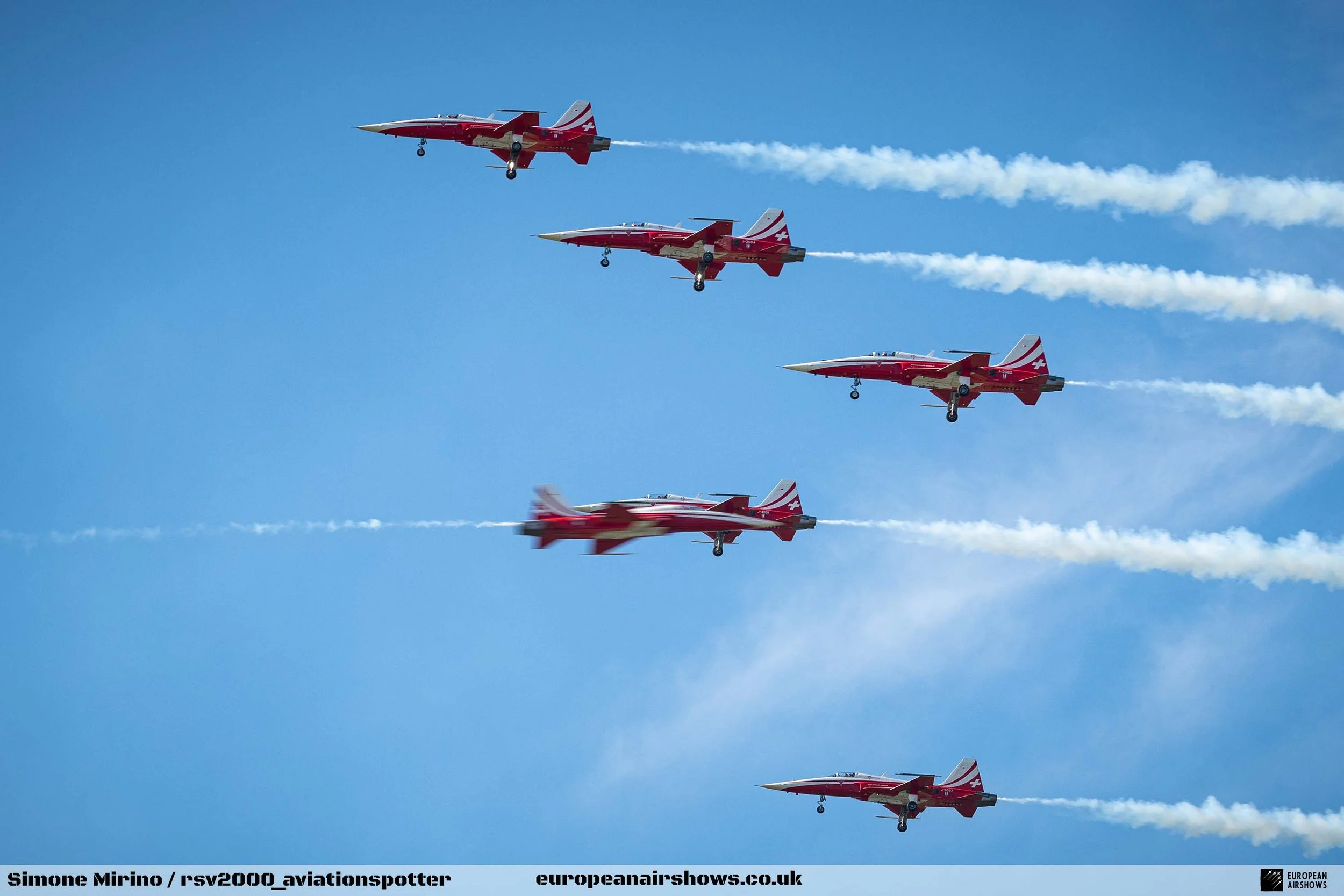
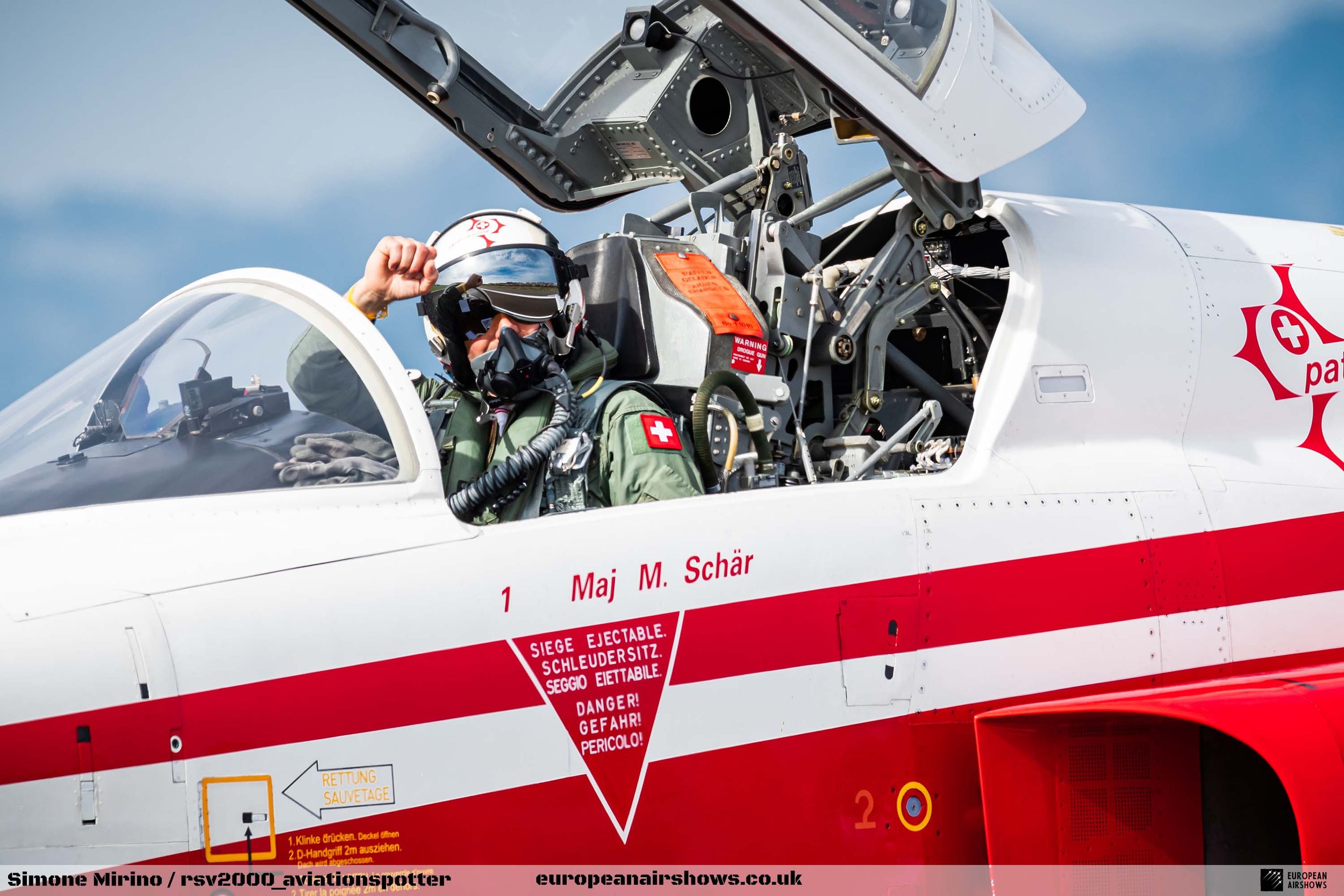
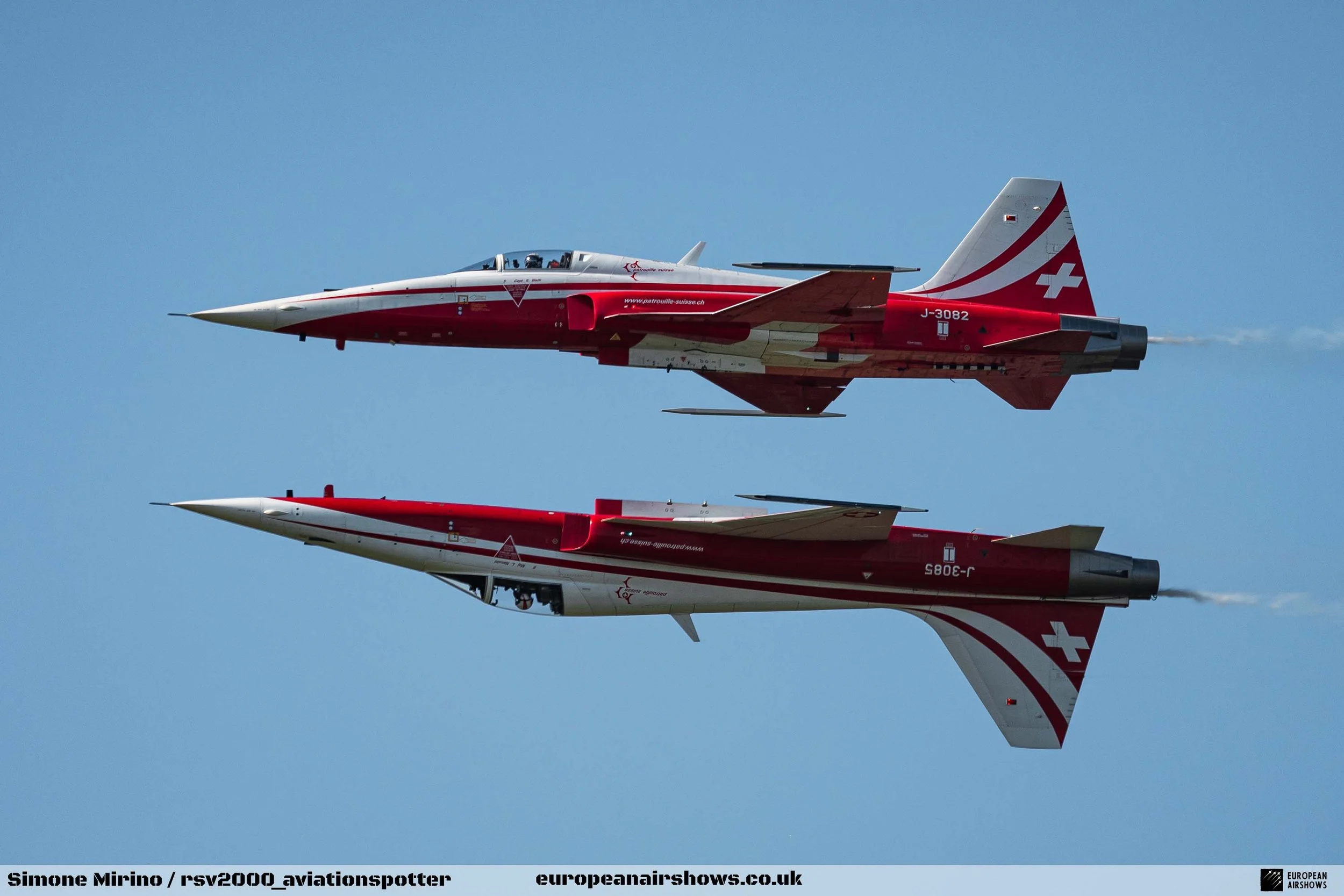
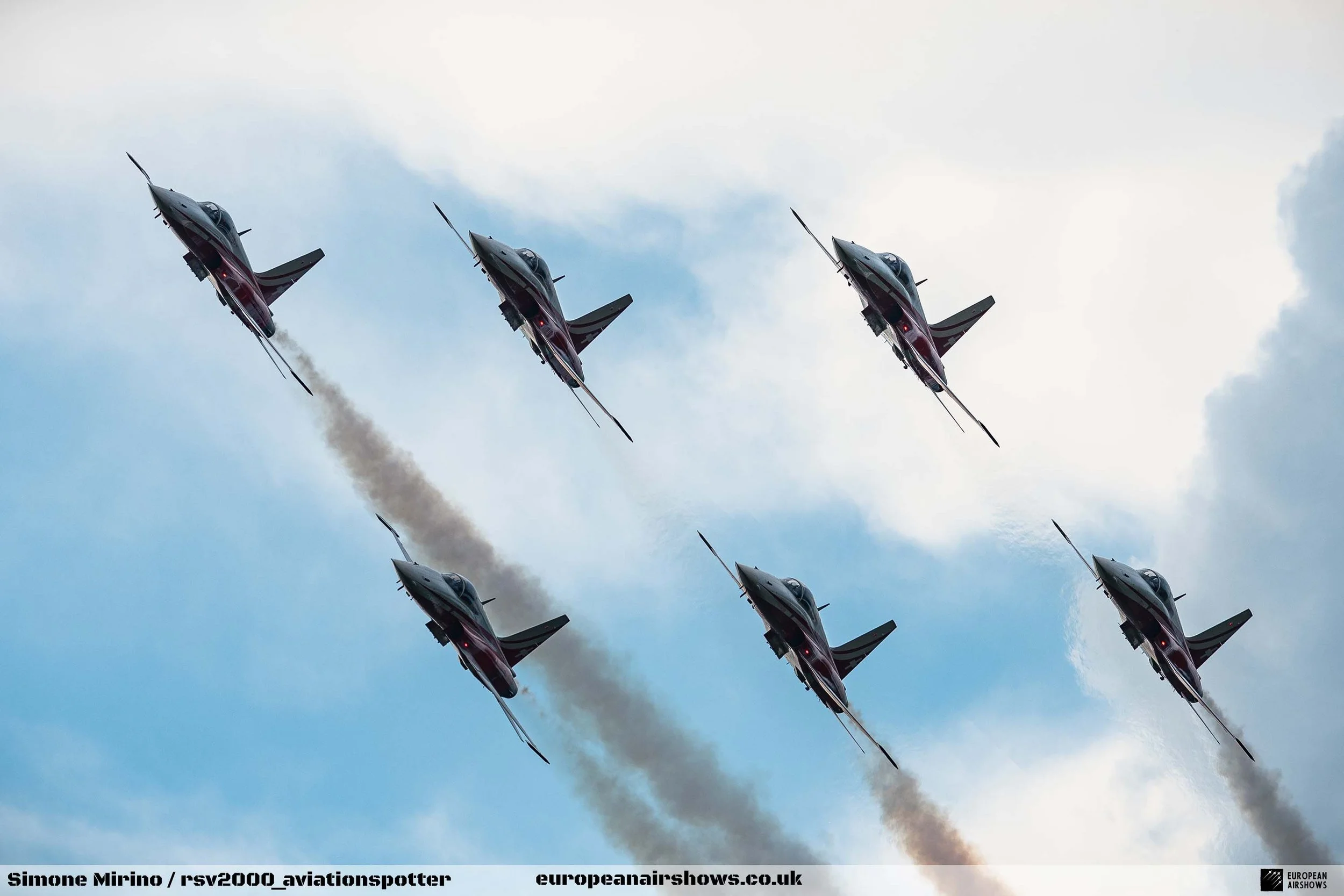
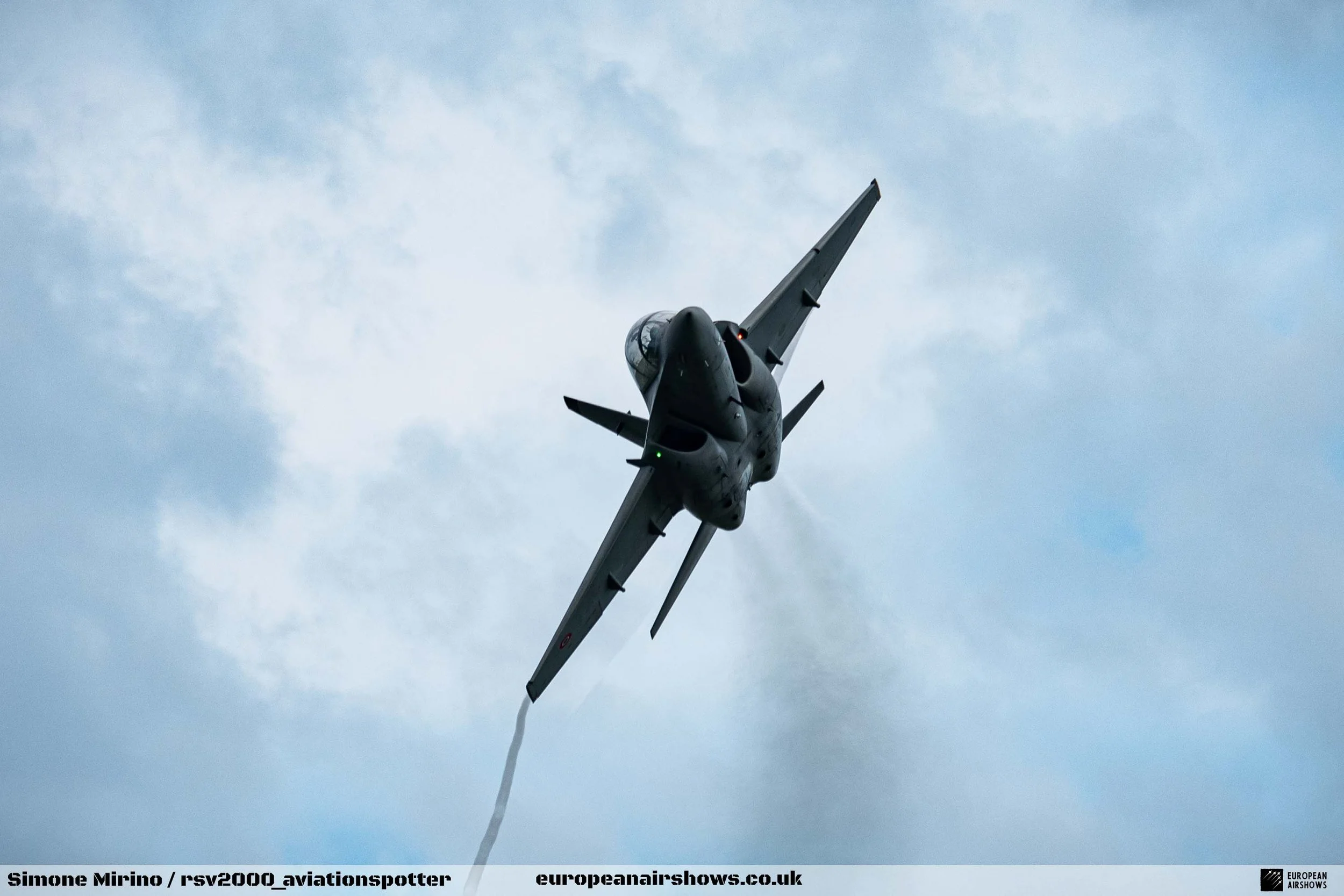
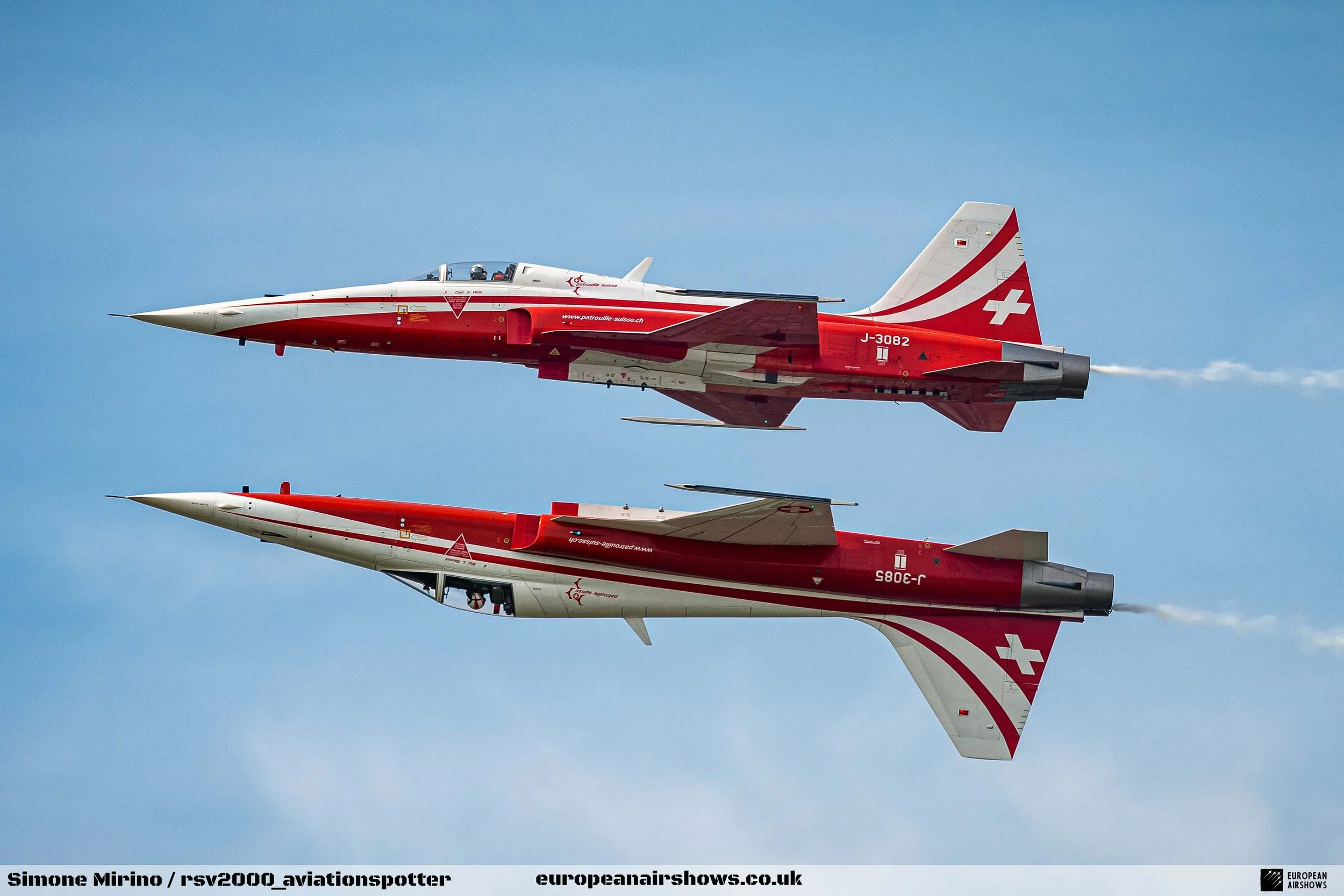
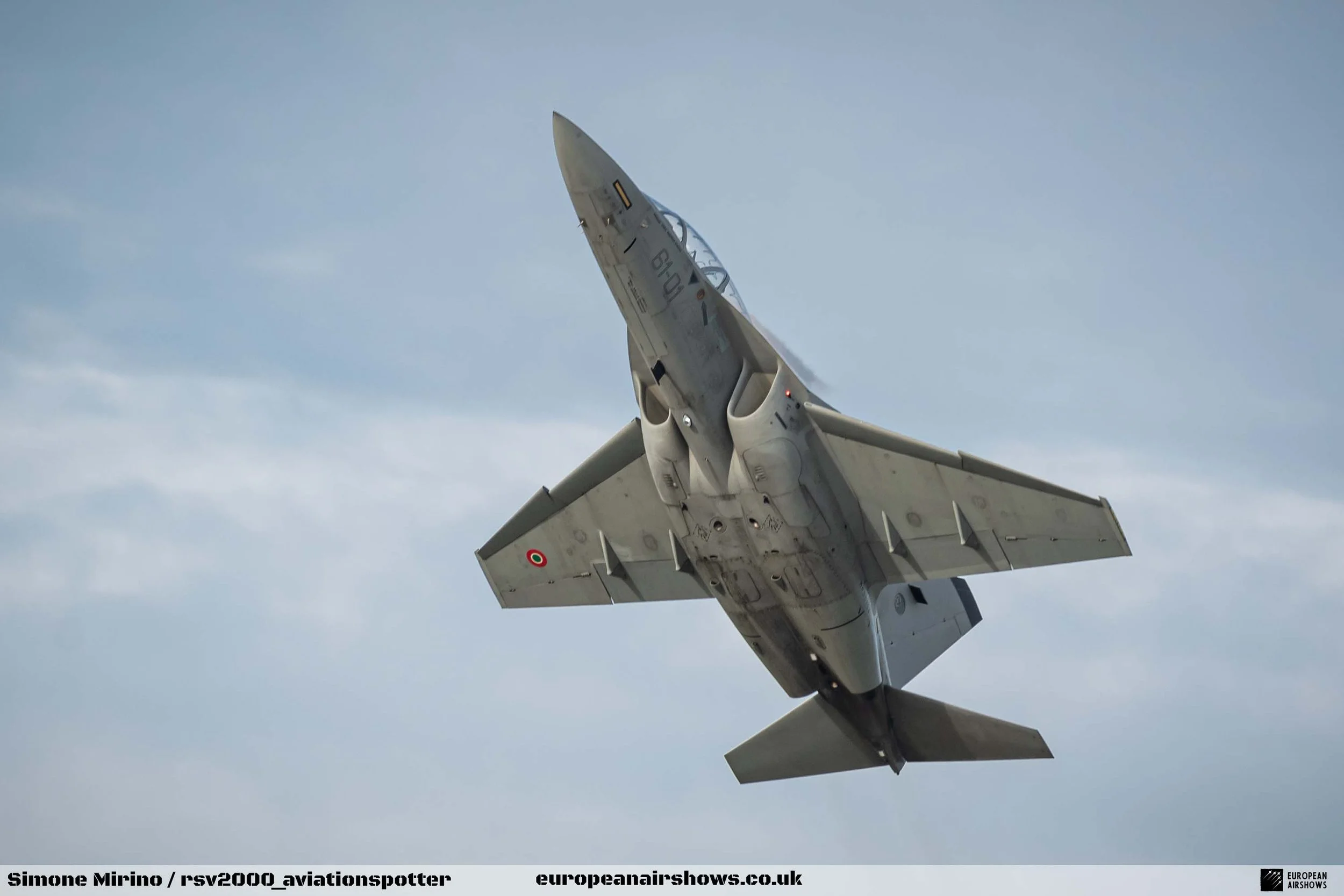
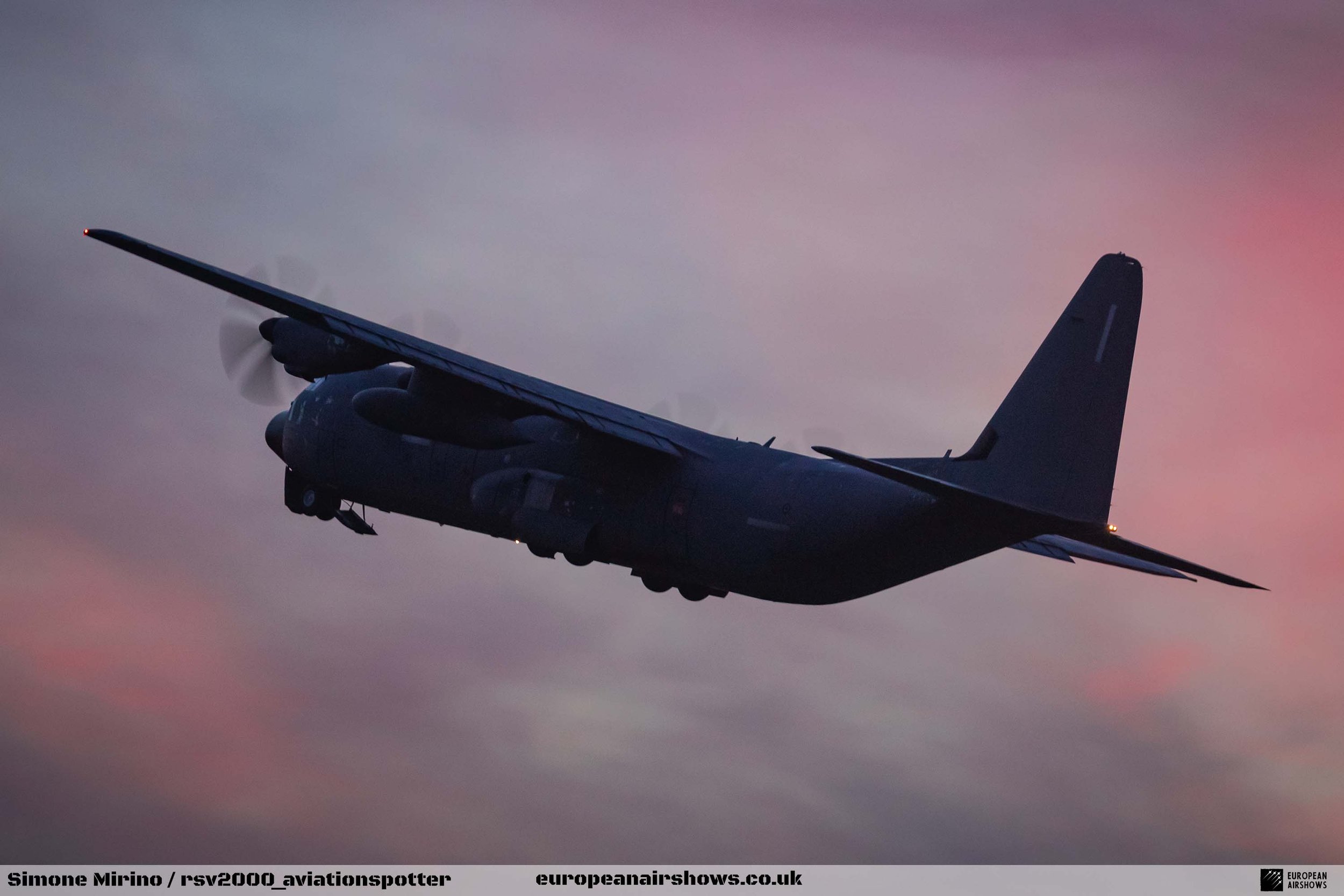
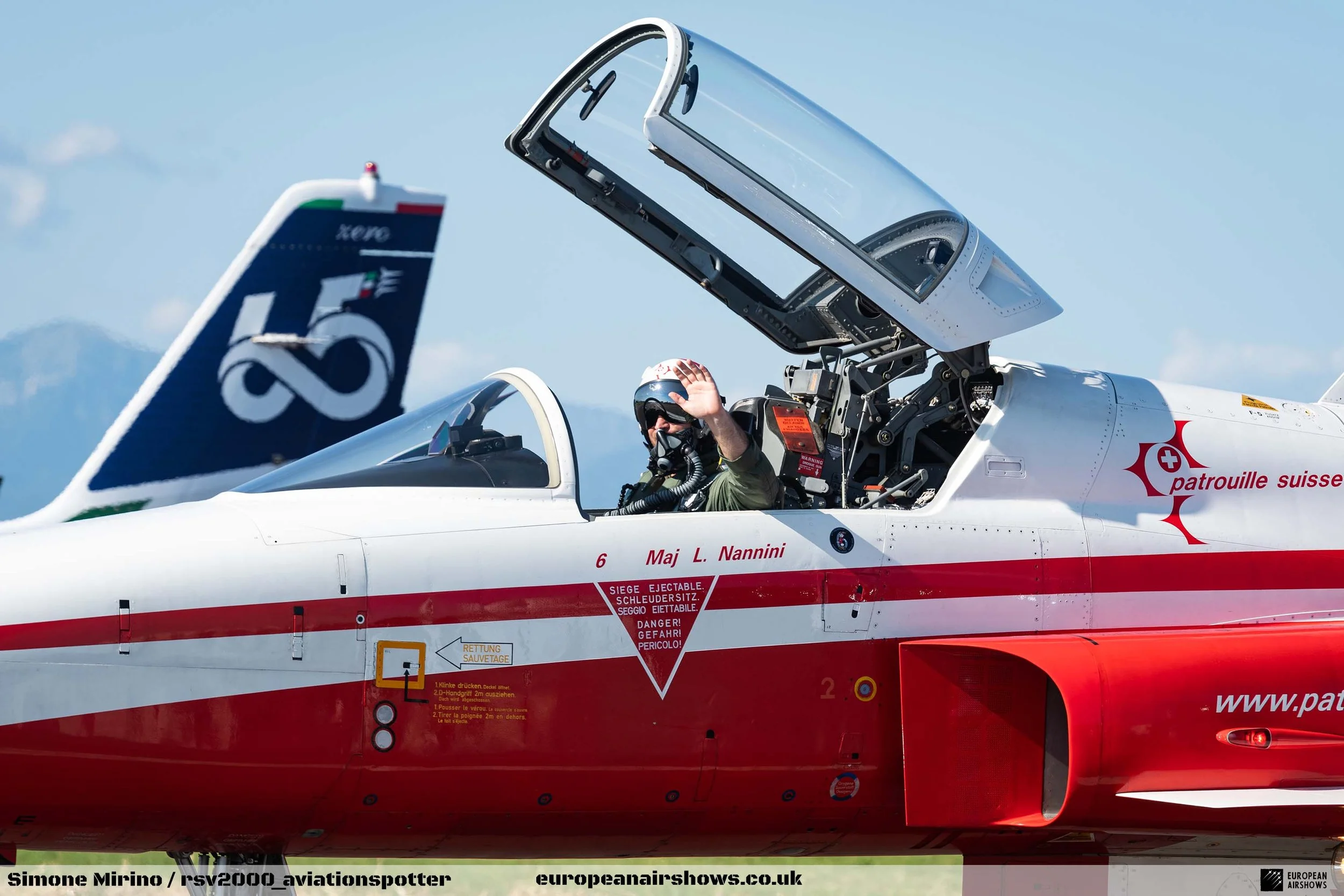
The Patrouille Suisse, flying Northrop F-5E Tiger II jets, offered a masterclass in discipline and geometry, while the Italian Air Force Reparto Sperimentale Volo (RSV) impressed with the Leonardo C-27J Spartan and the Leonardo T-346A Master, demonstrating versatility and advanced training capabilities. As always, the Spartans’ performance left everyone speechless. The audience was amazed to see this transport aircraft performing loops and tonneau rolls as if it were a jet fighter.
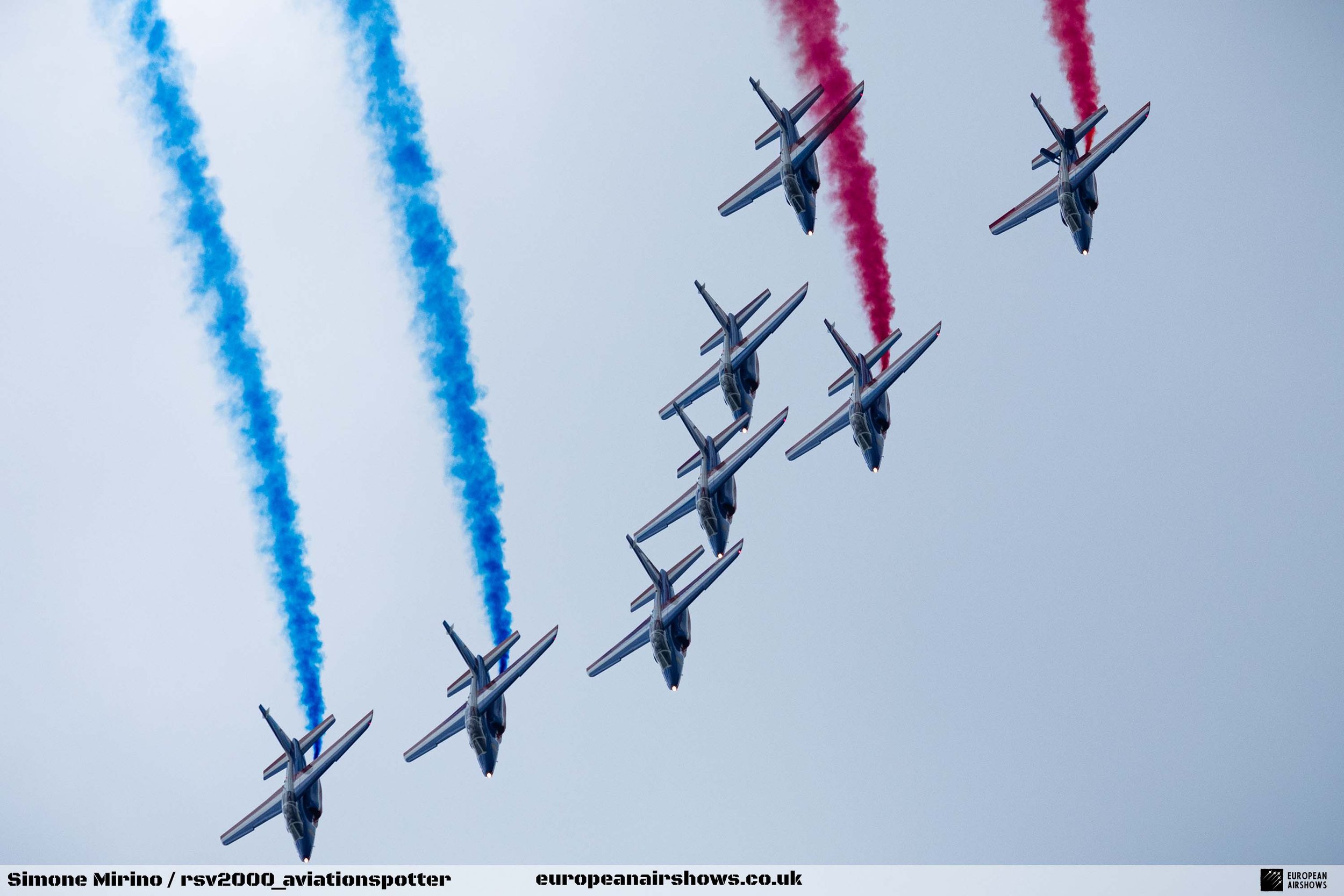
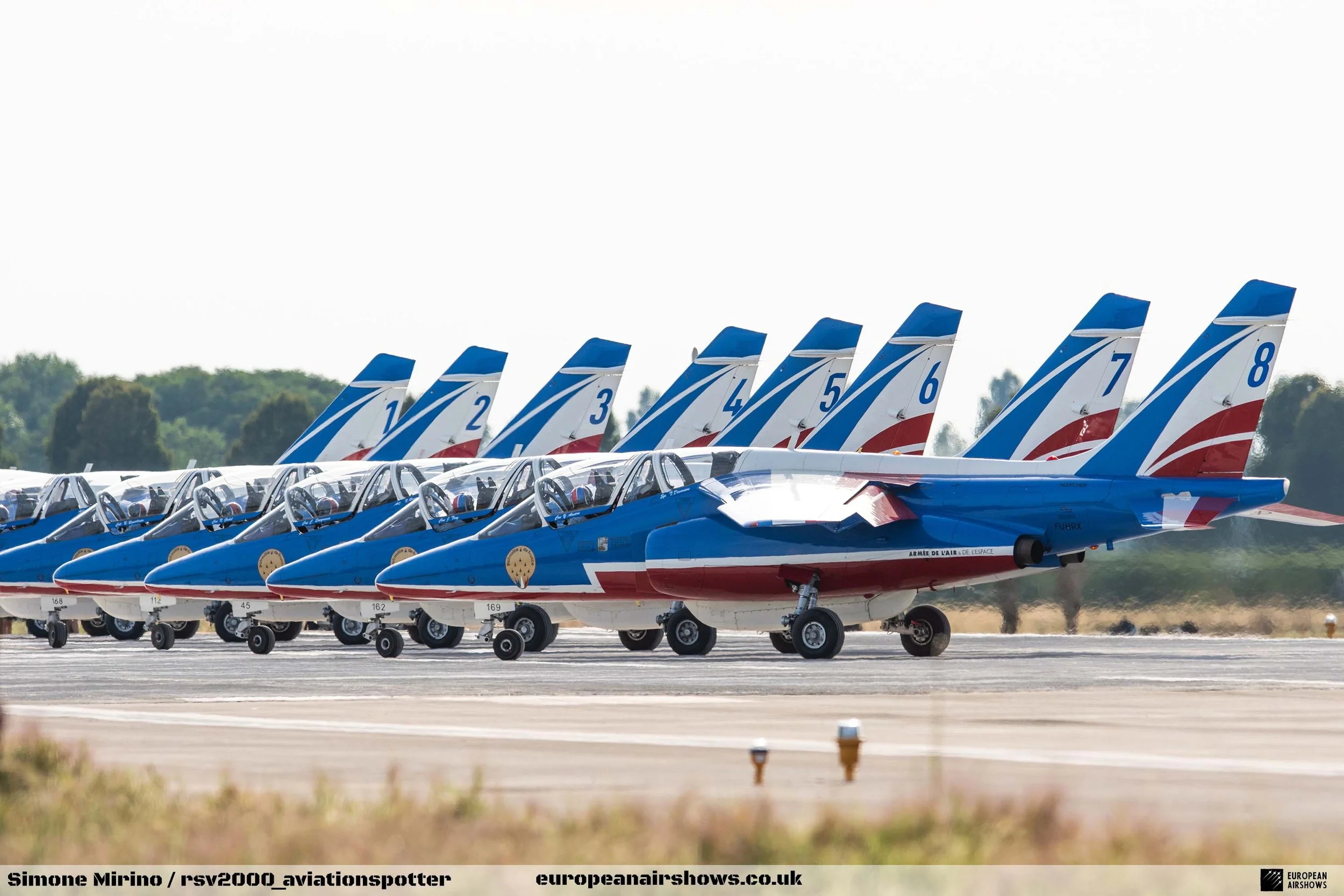
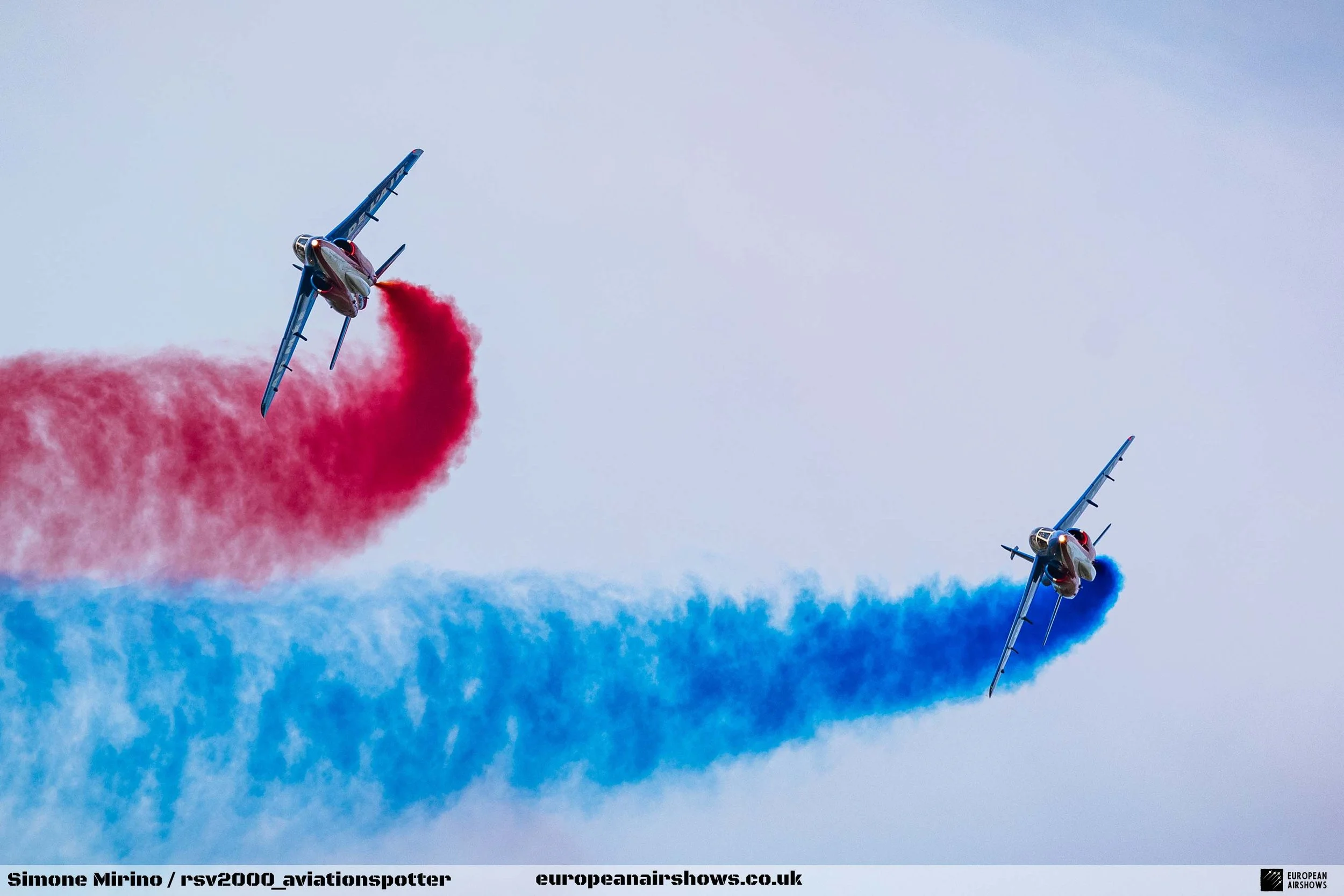
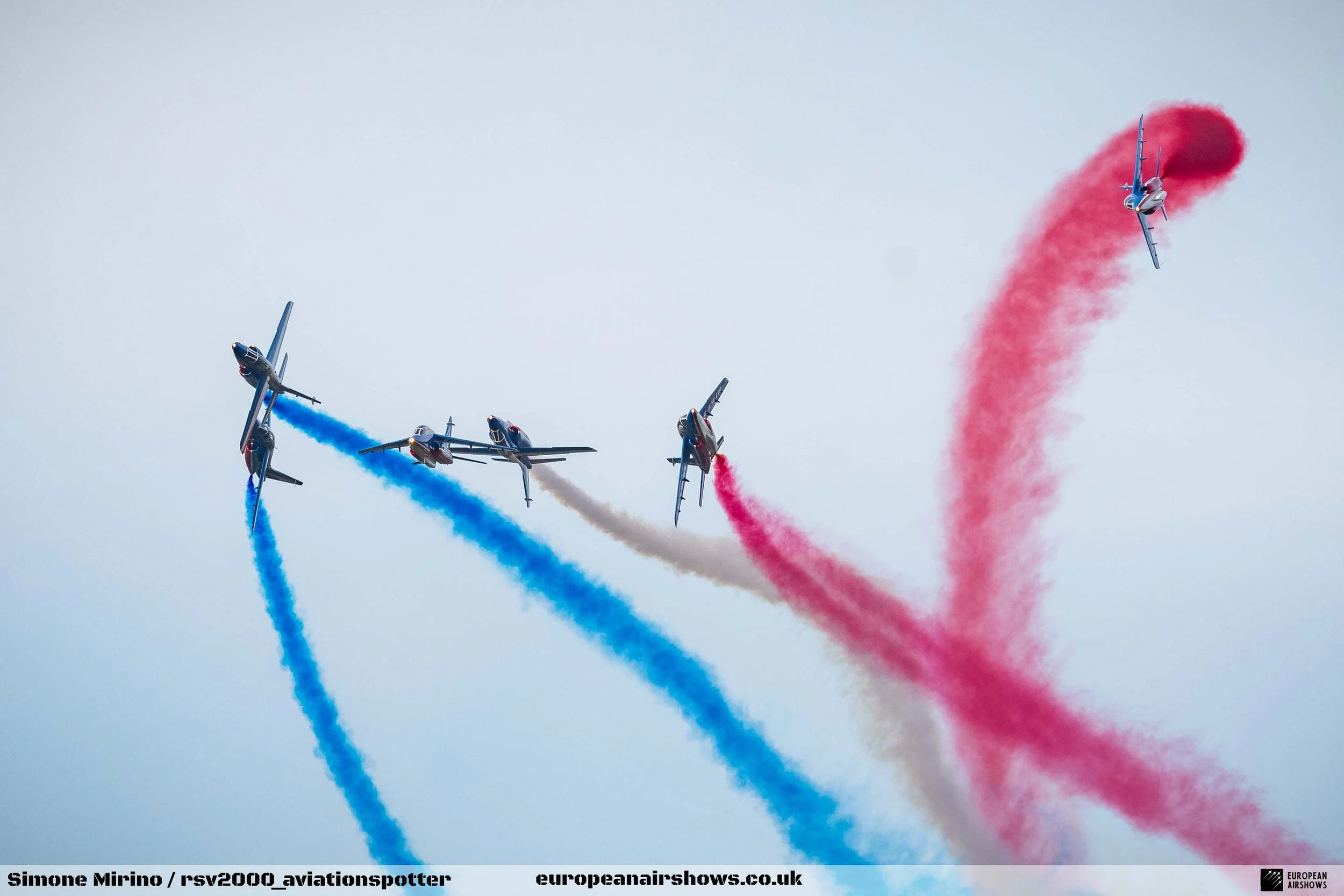
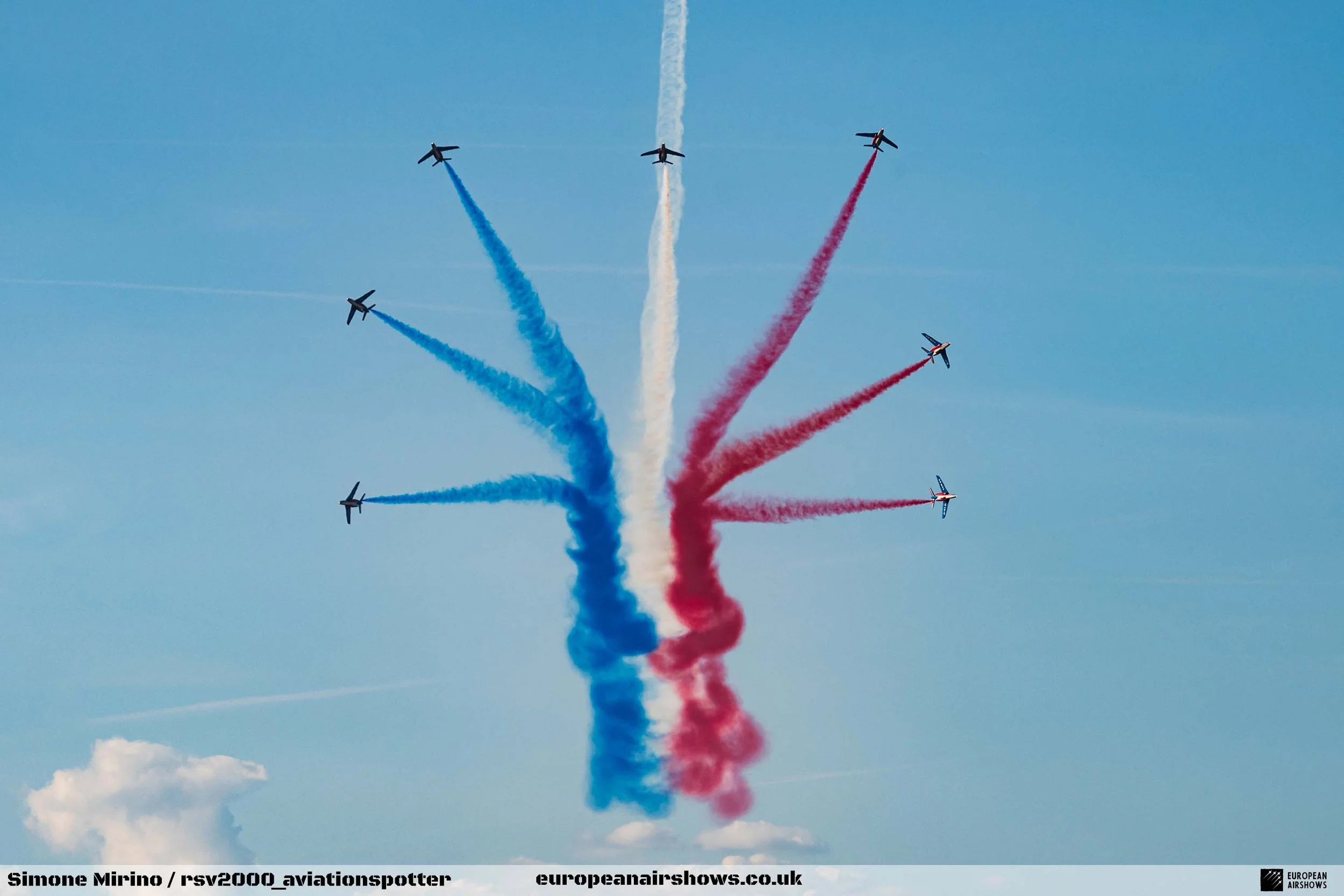
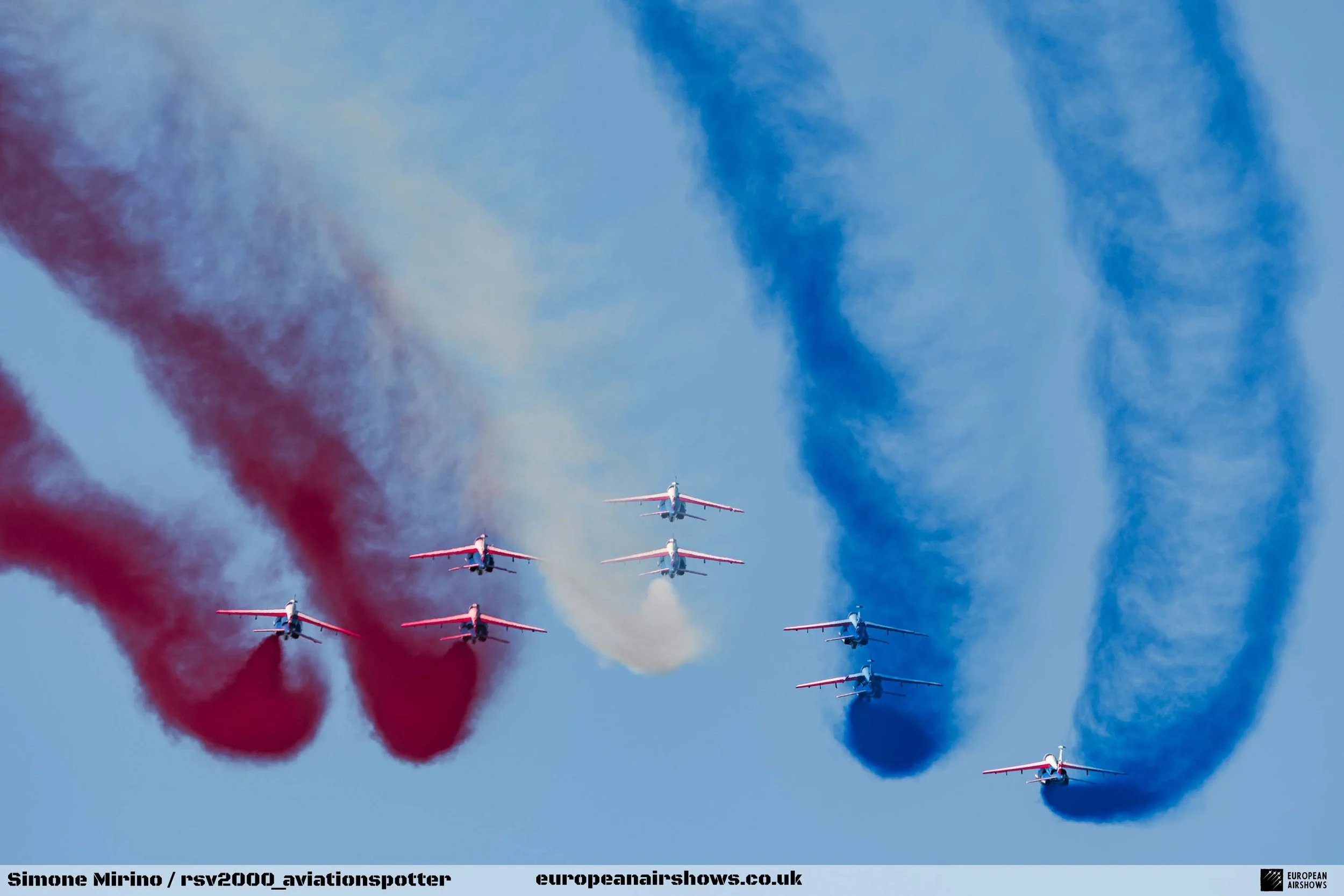
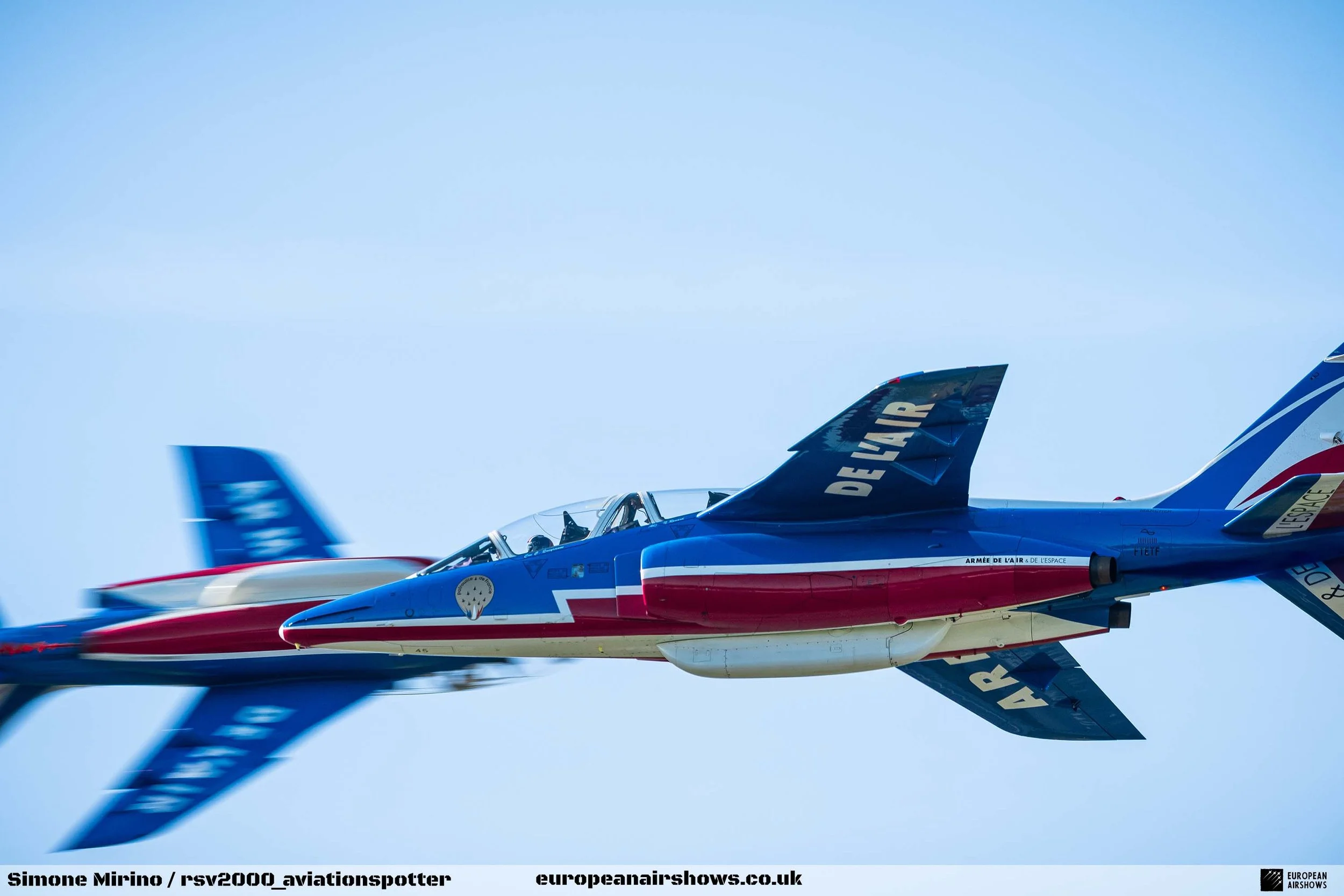
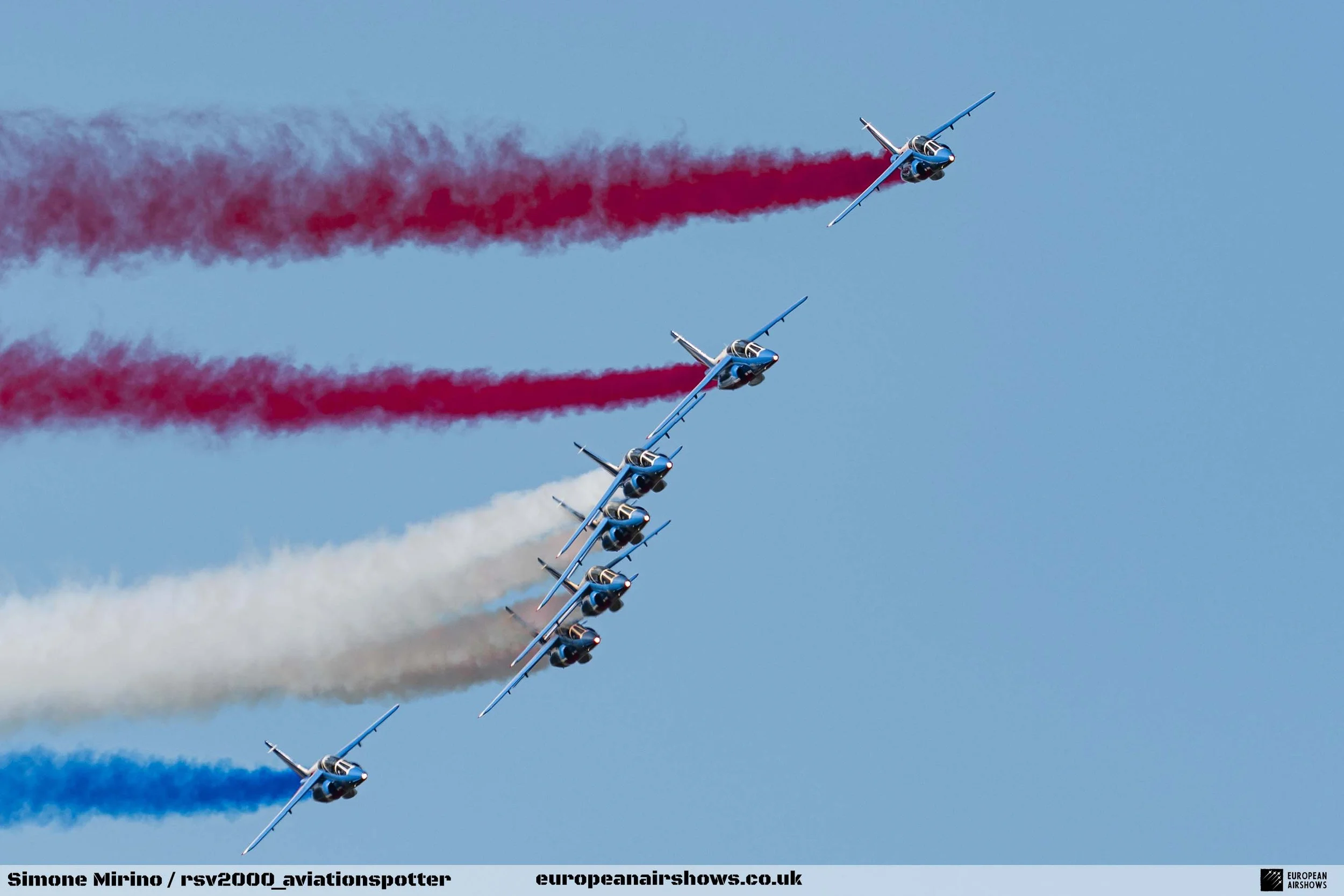
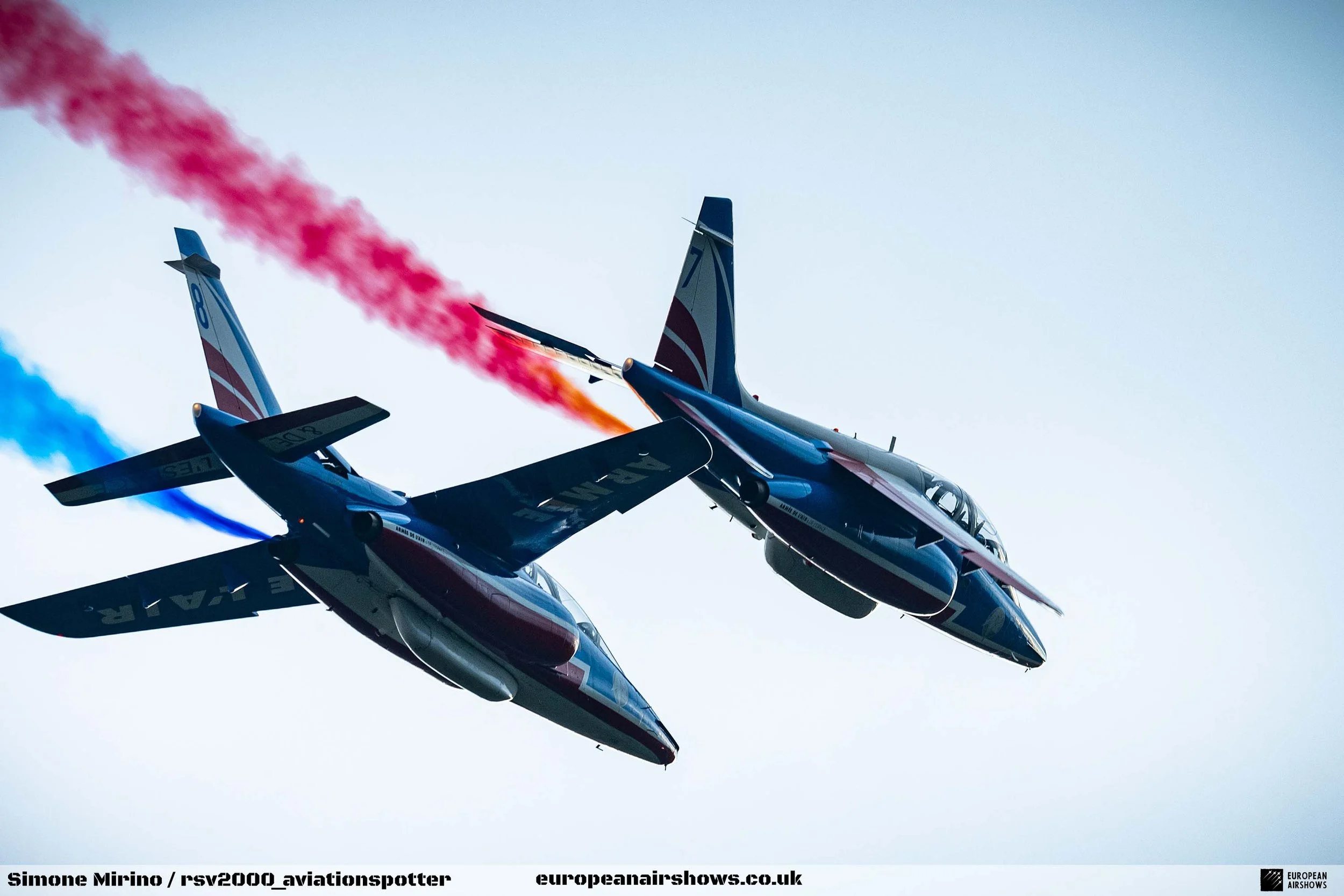
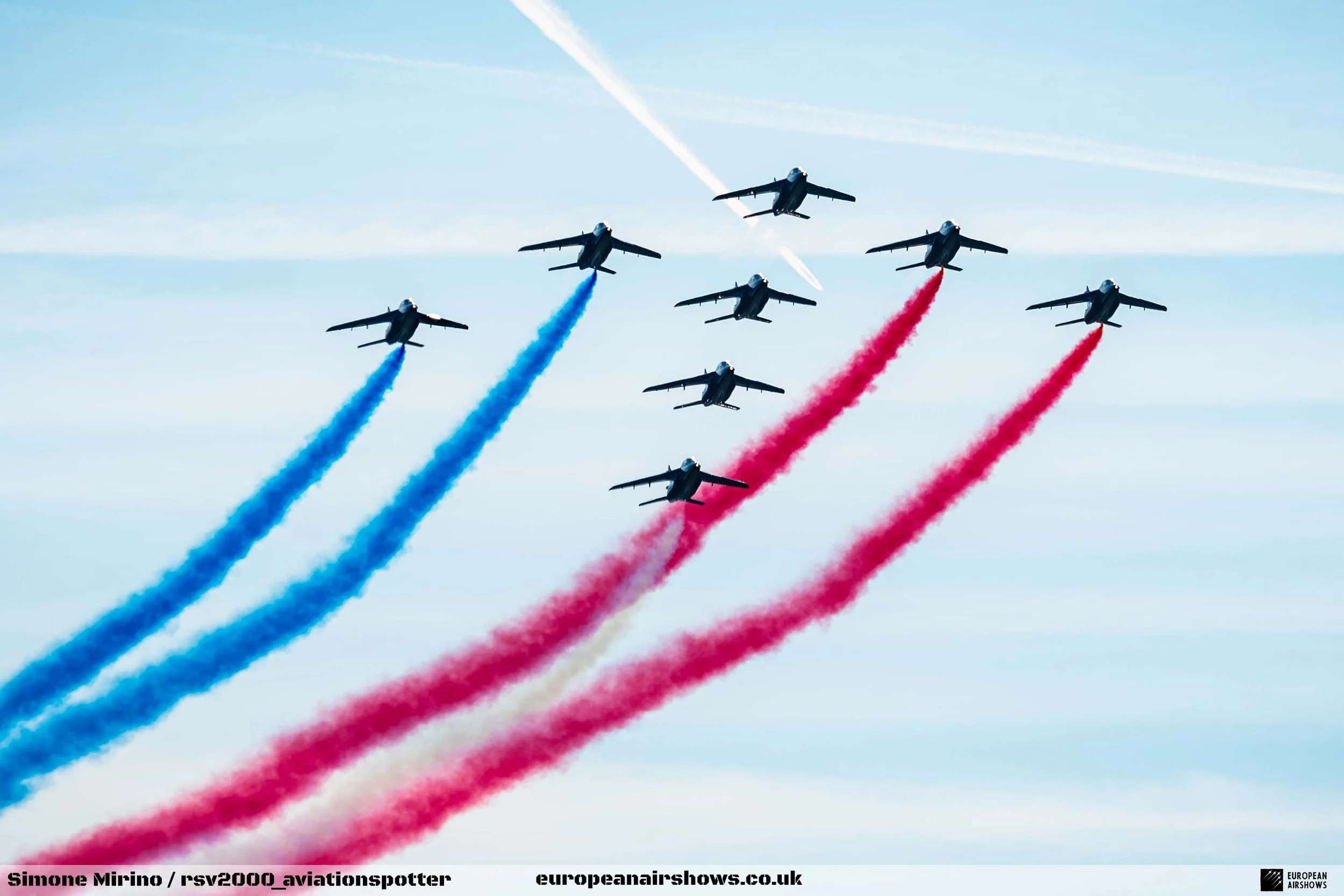
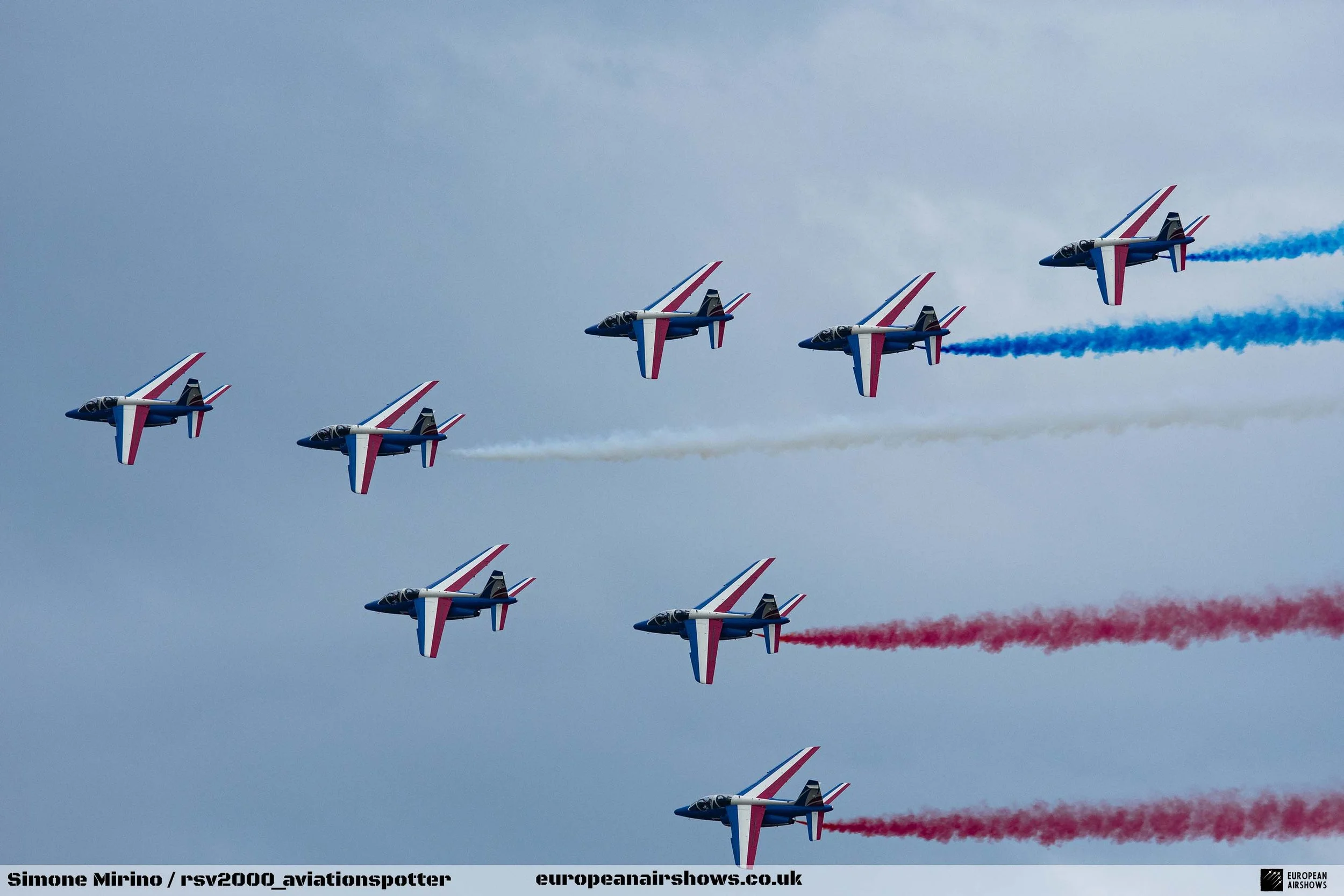
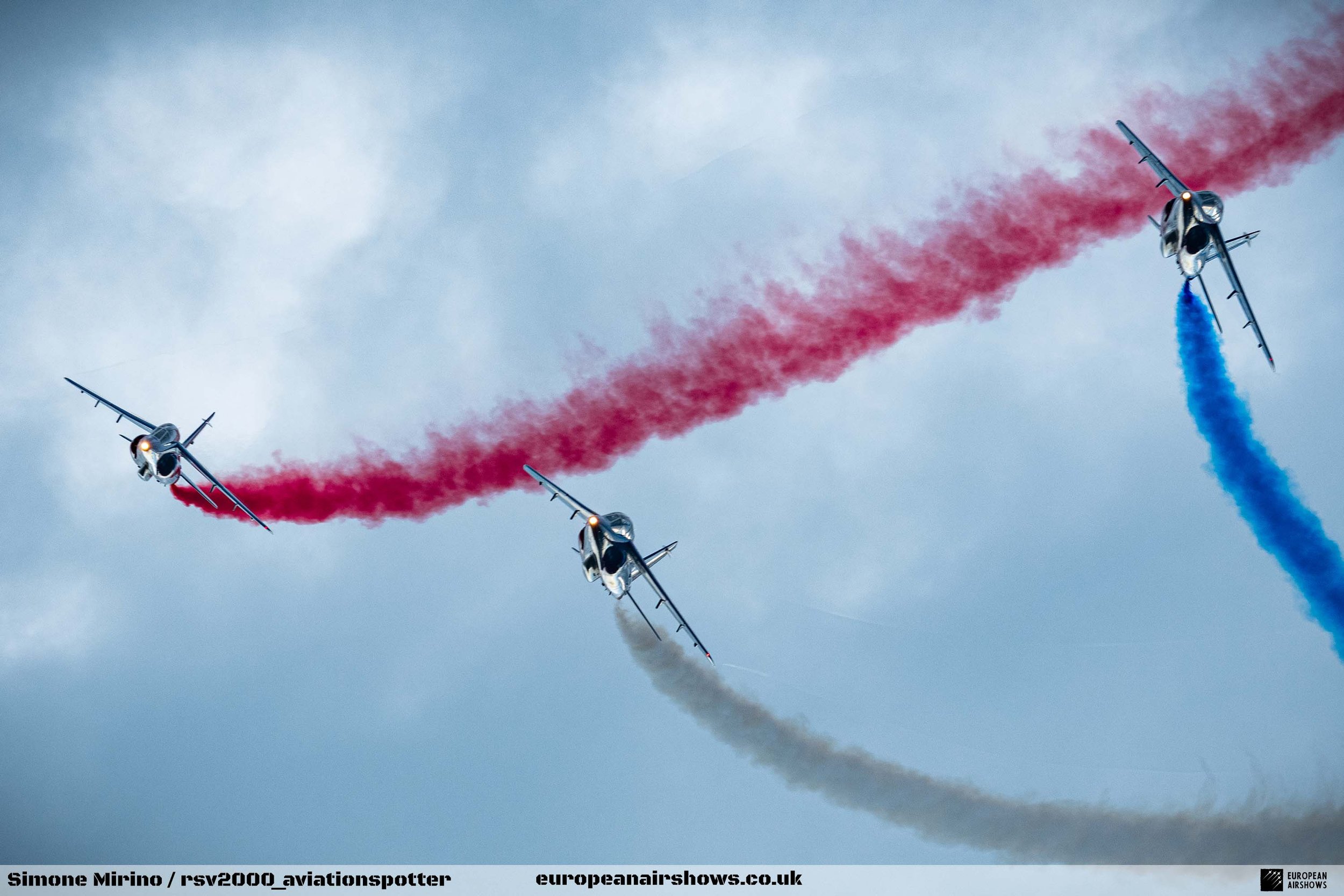
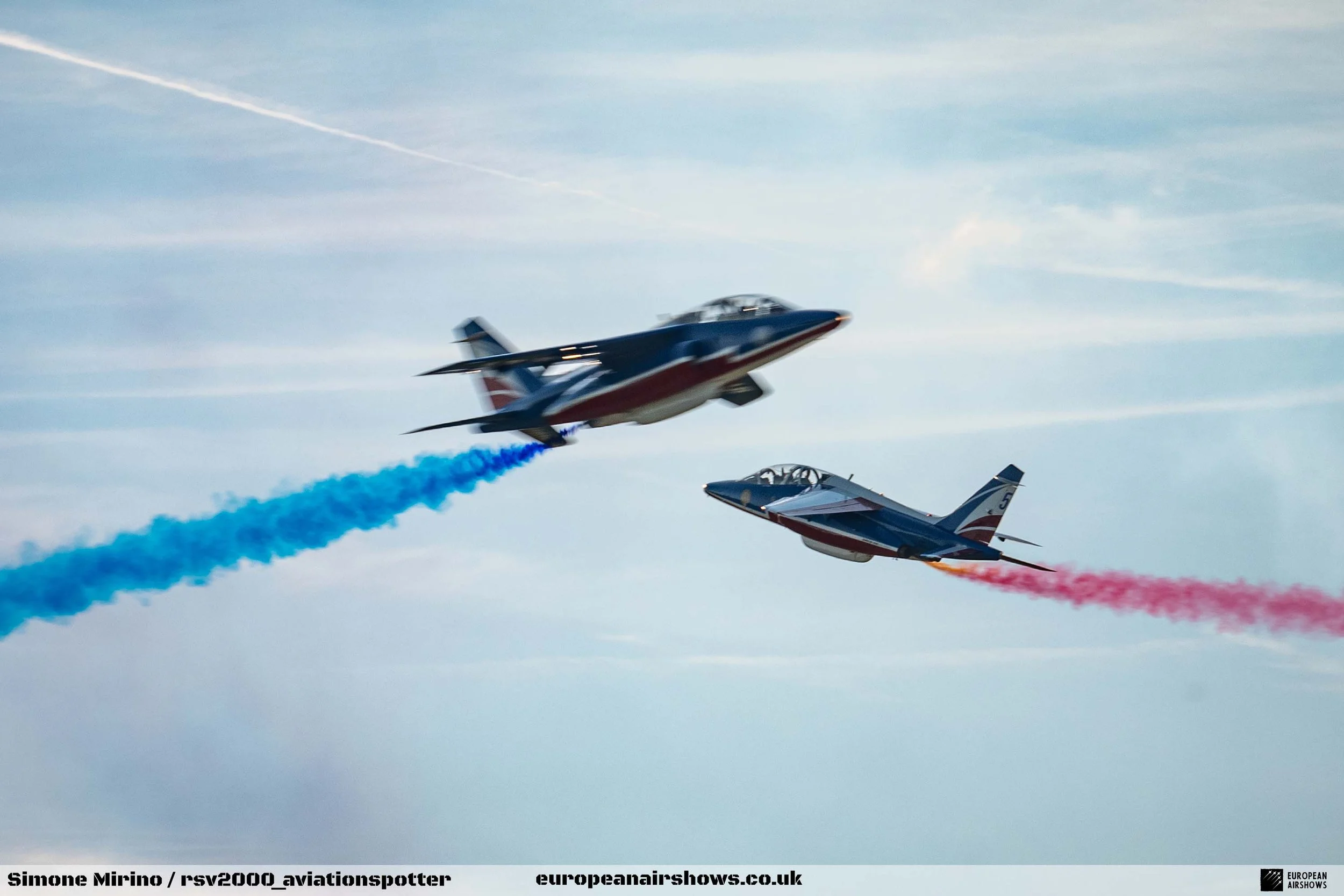
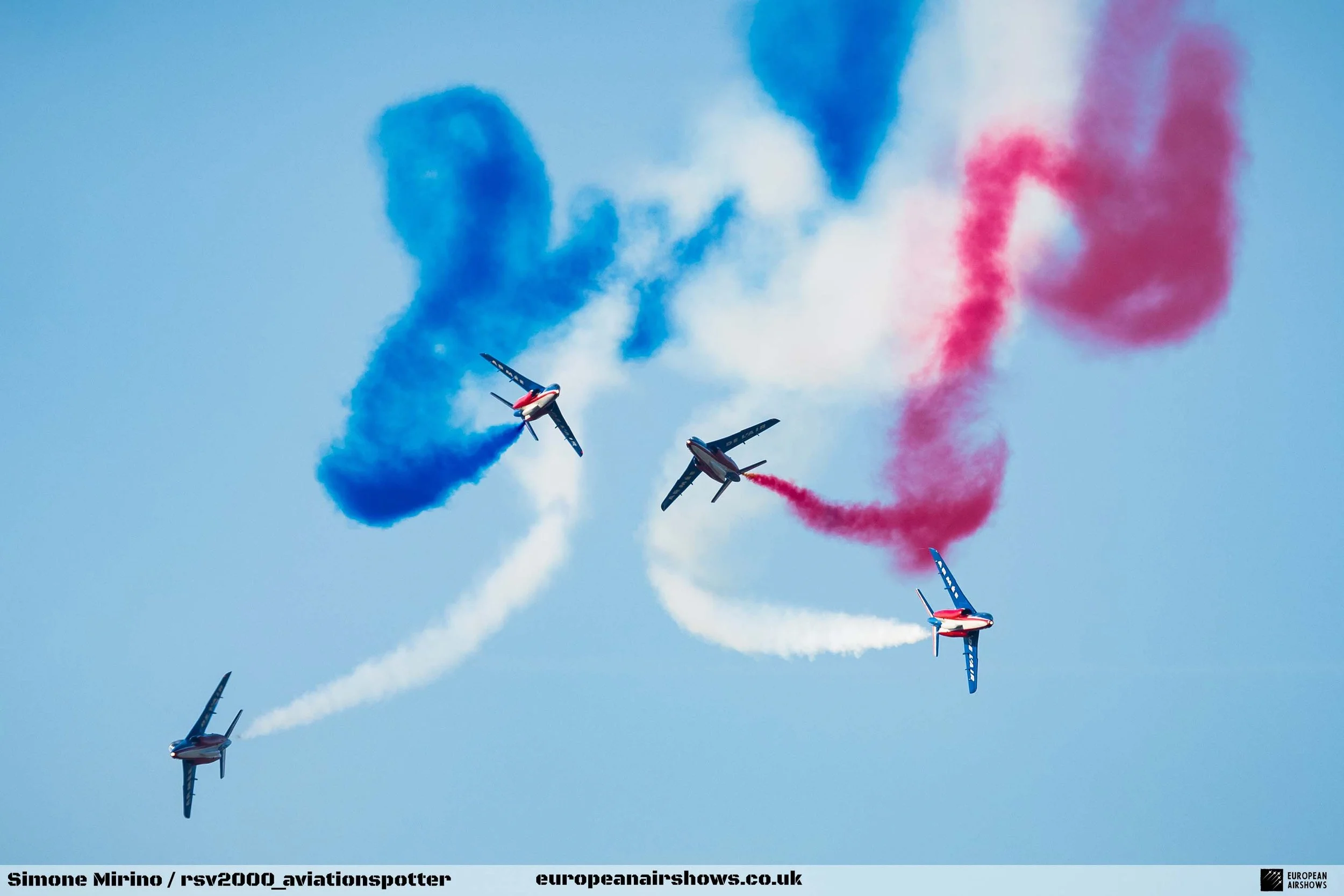
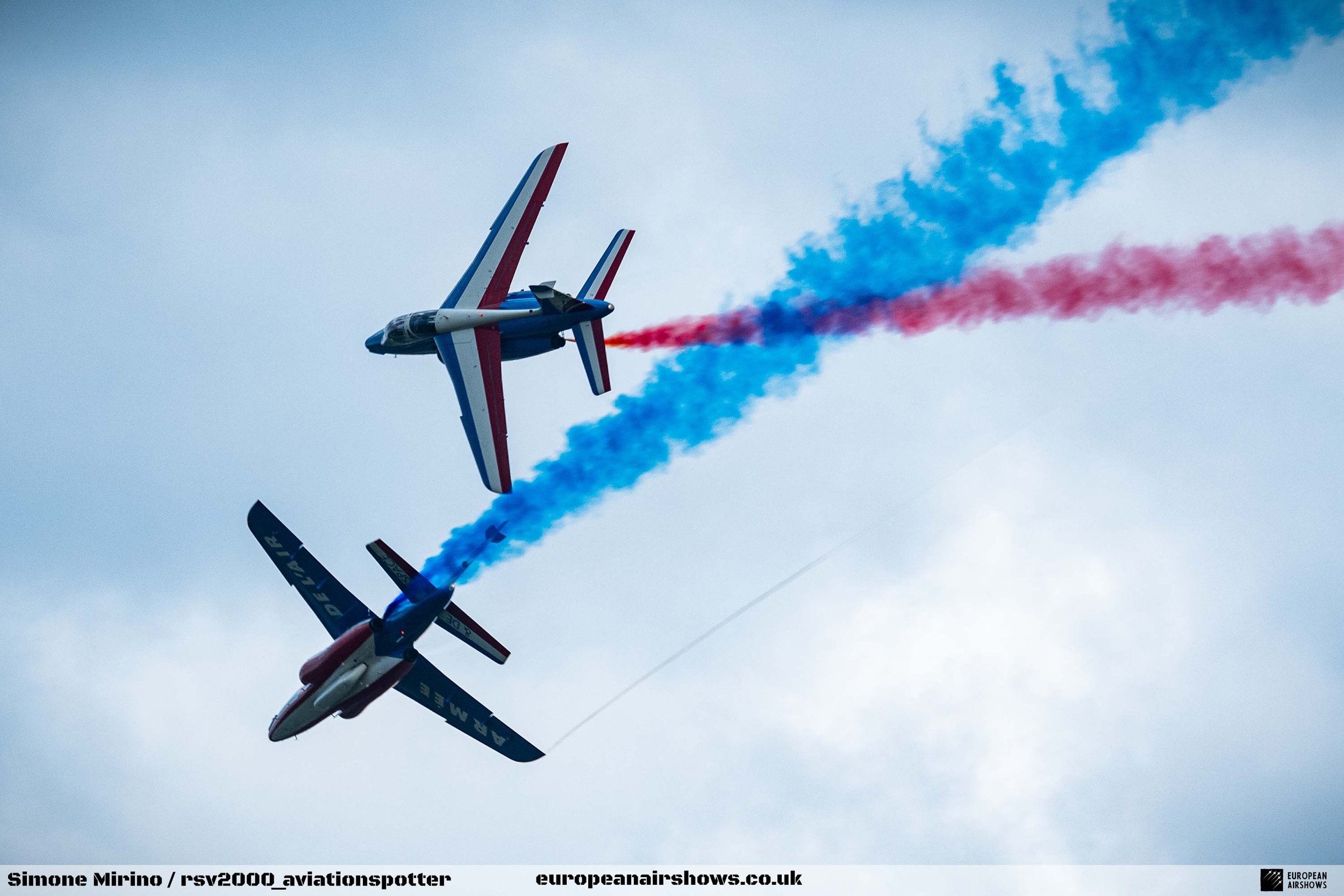
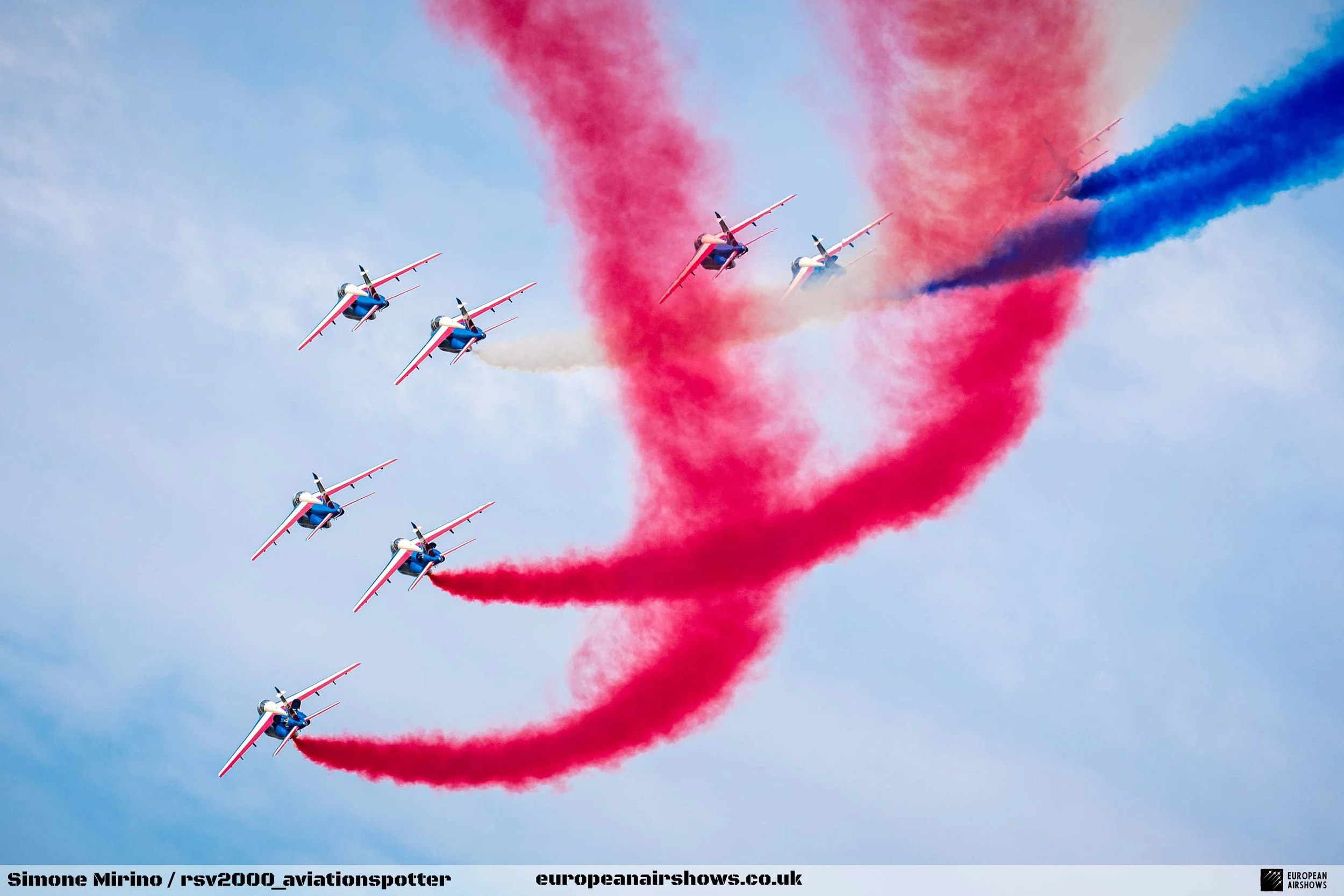
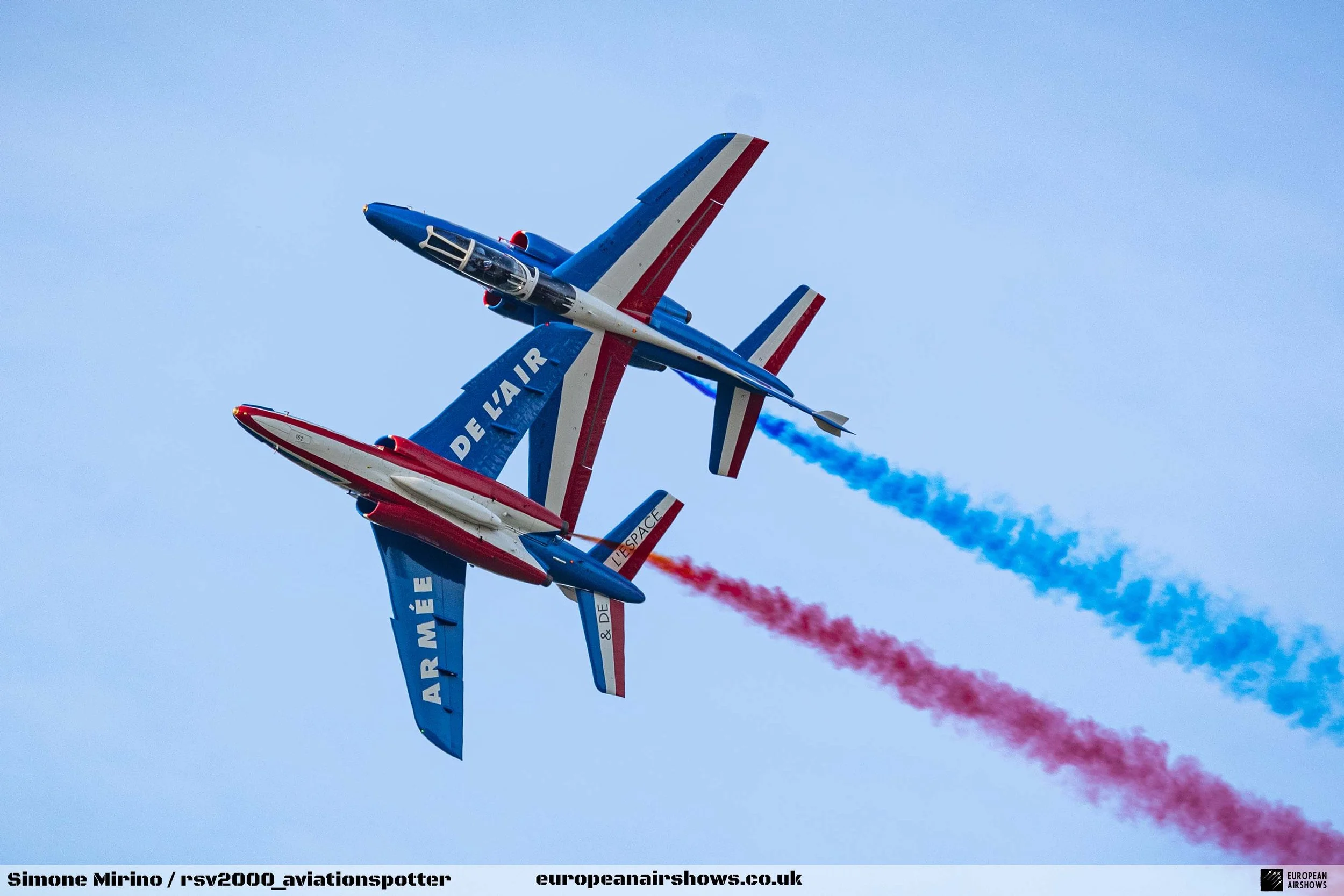
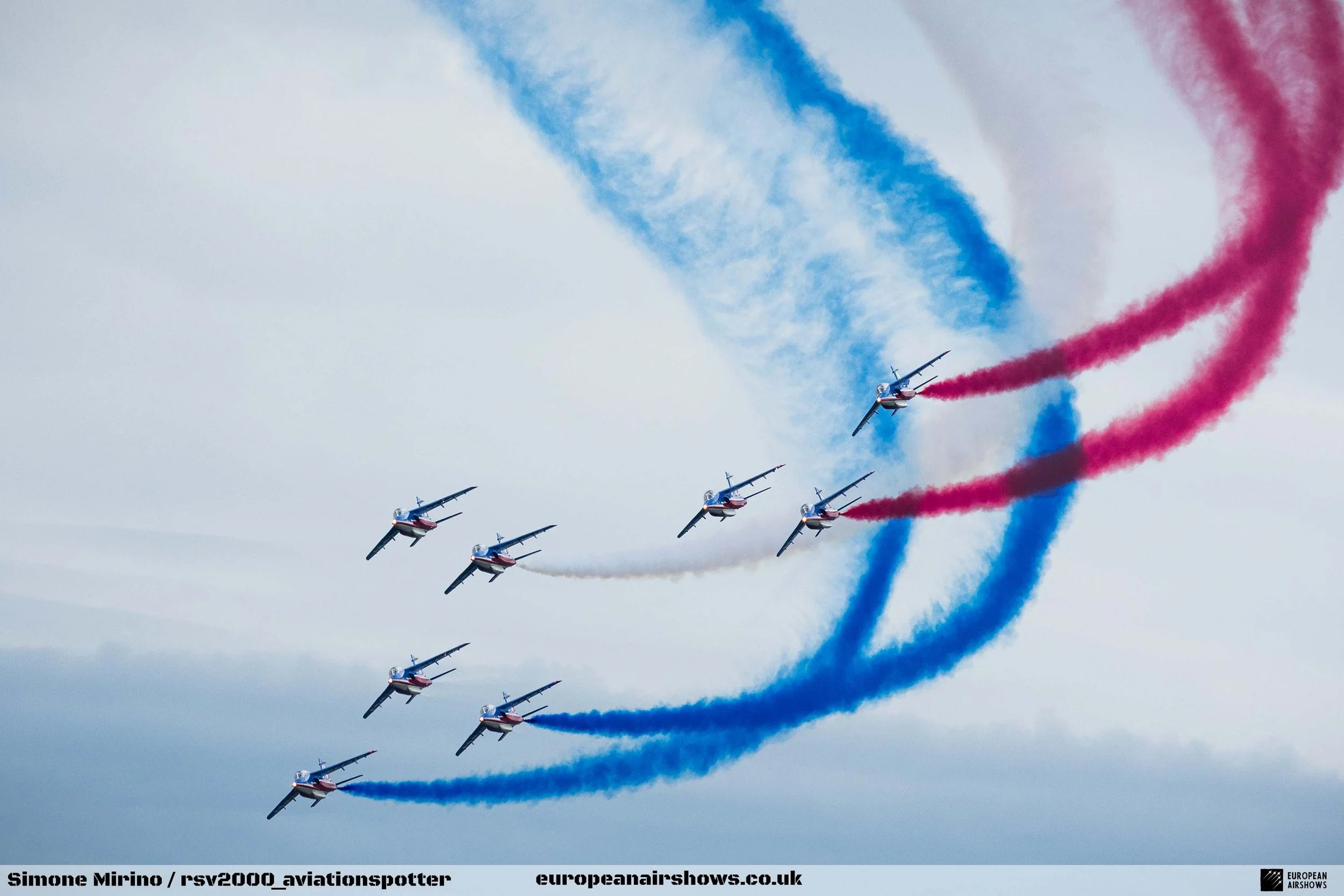
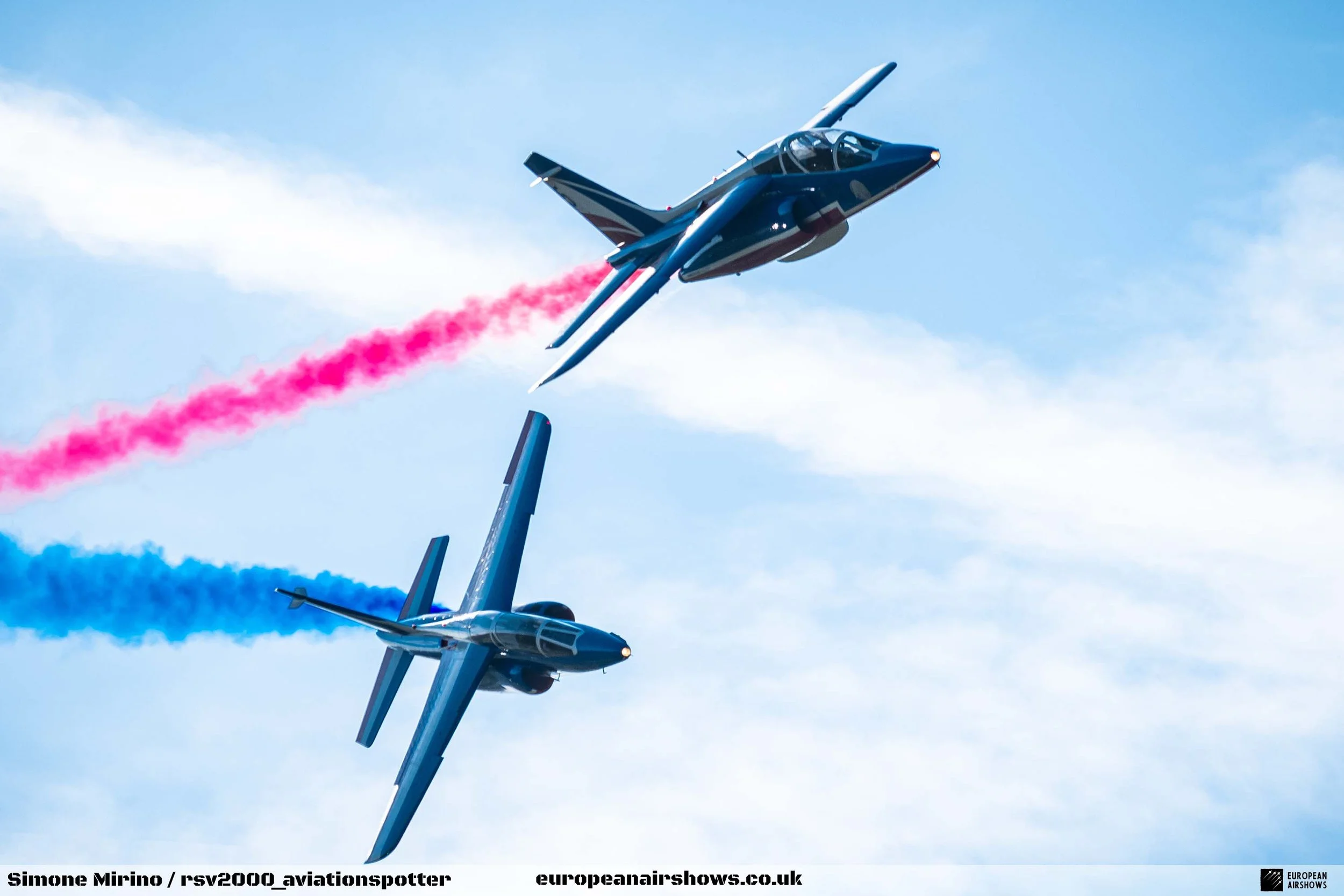
The Patrouille de France delivered a stunning aerial display, weaving precise formations with flawless timing. The synchronised movements, vibrant smoke trails, and close-precision manoeuvres showcased exceptional skill and discipline, leaving the audience both thrilled and inspired.
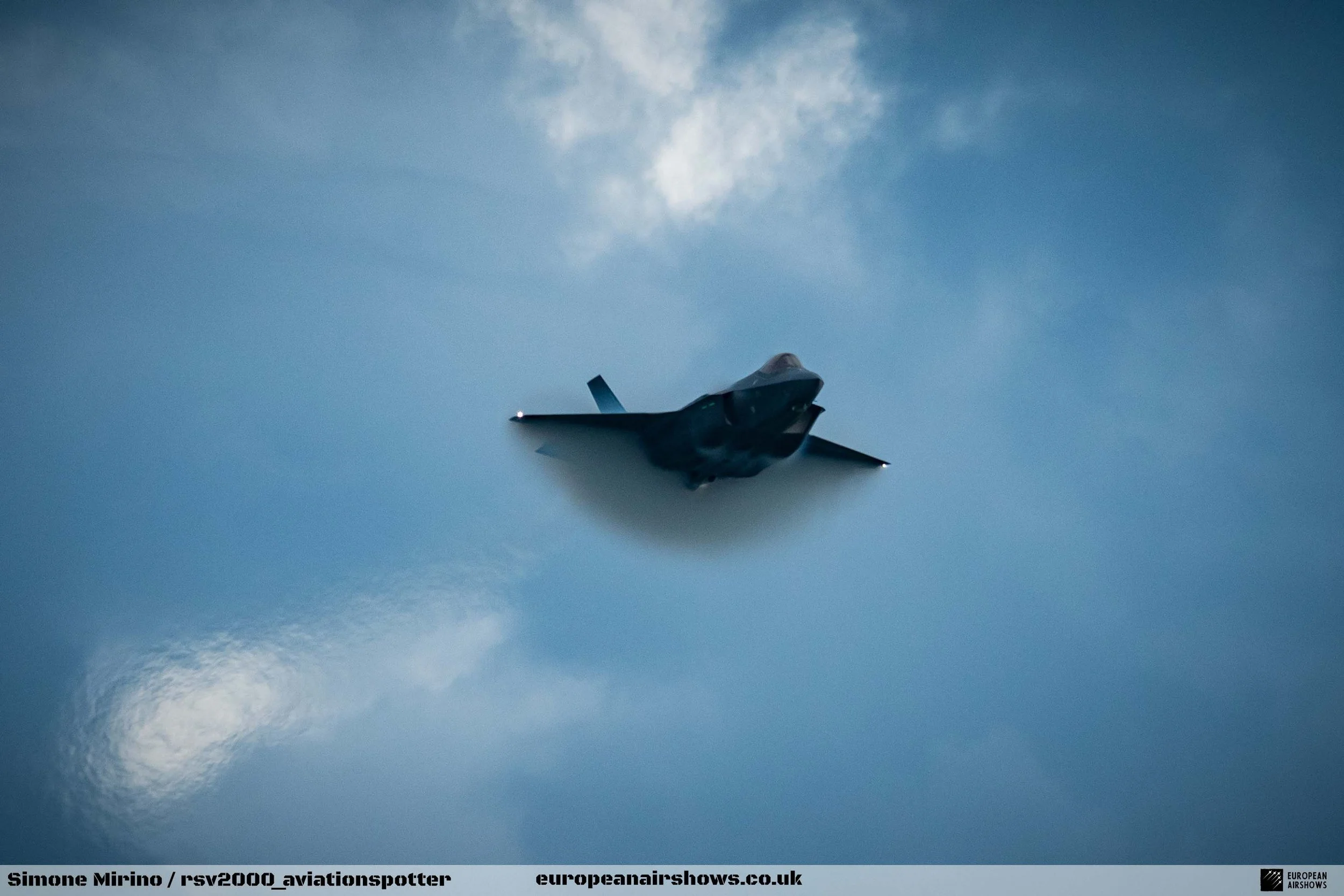
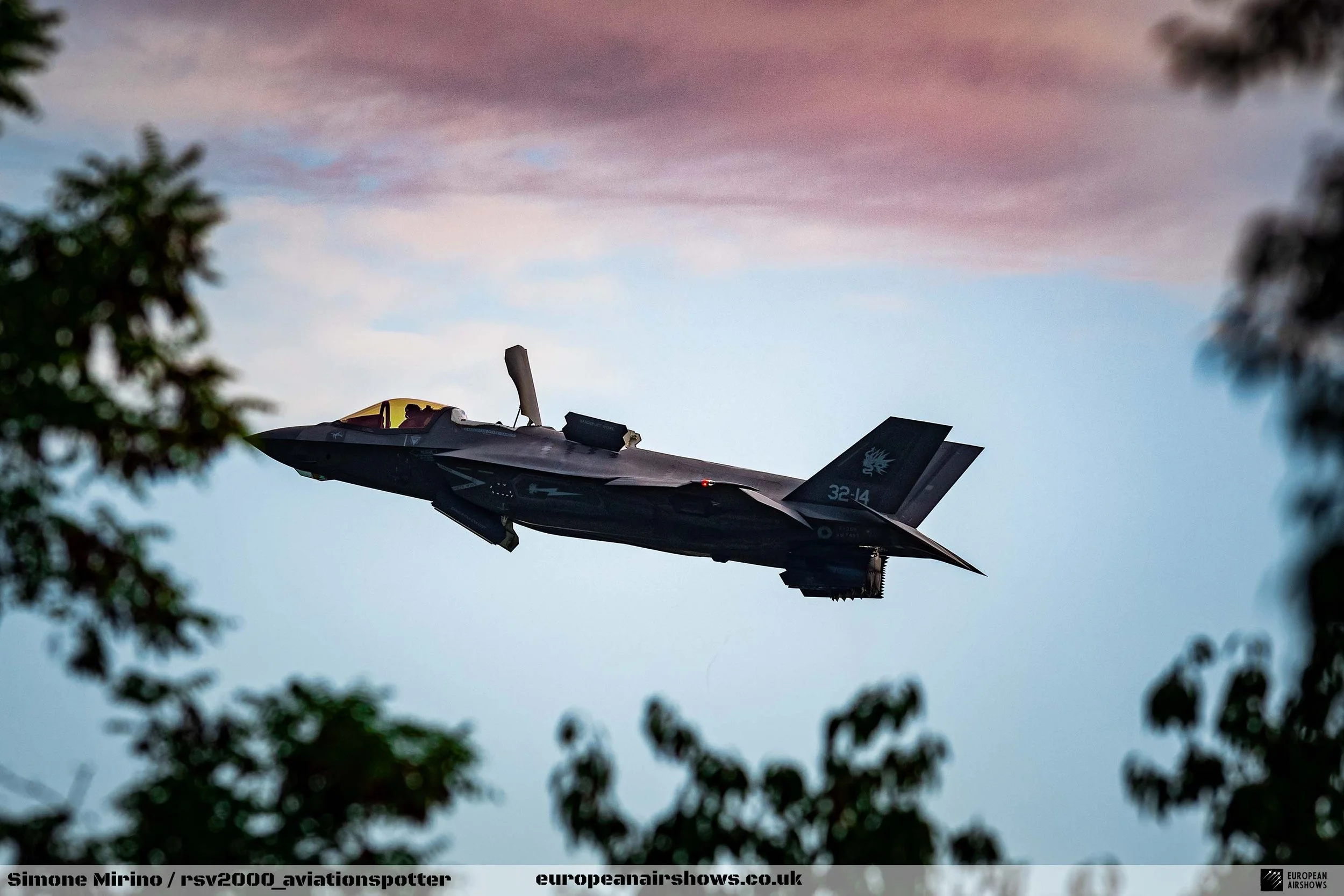
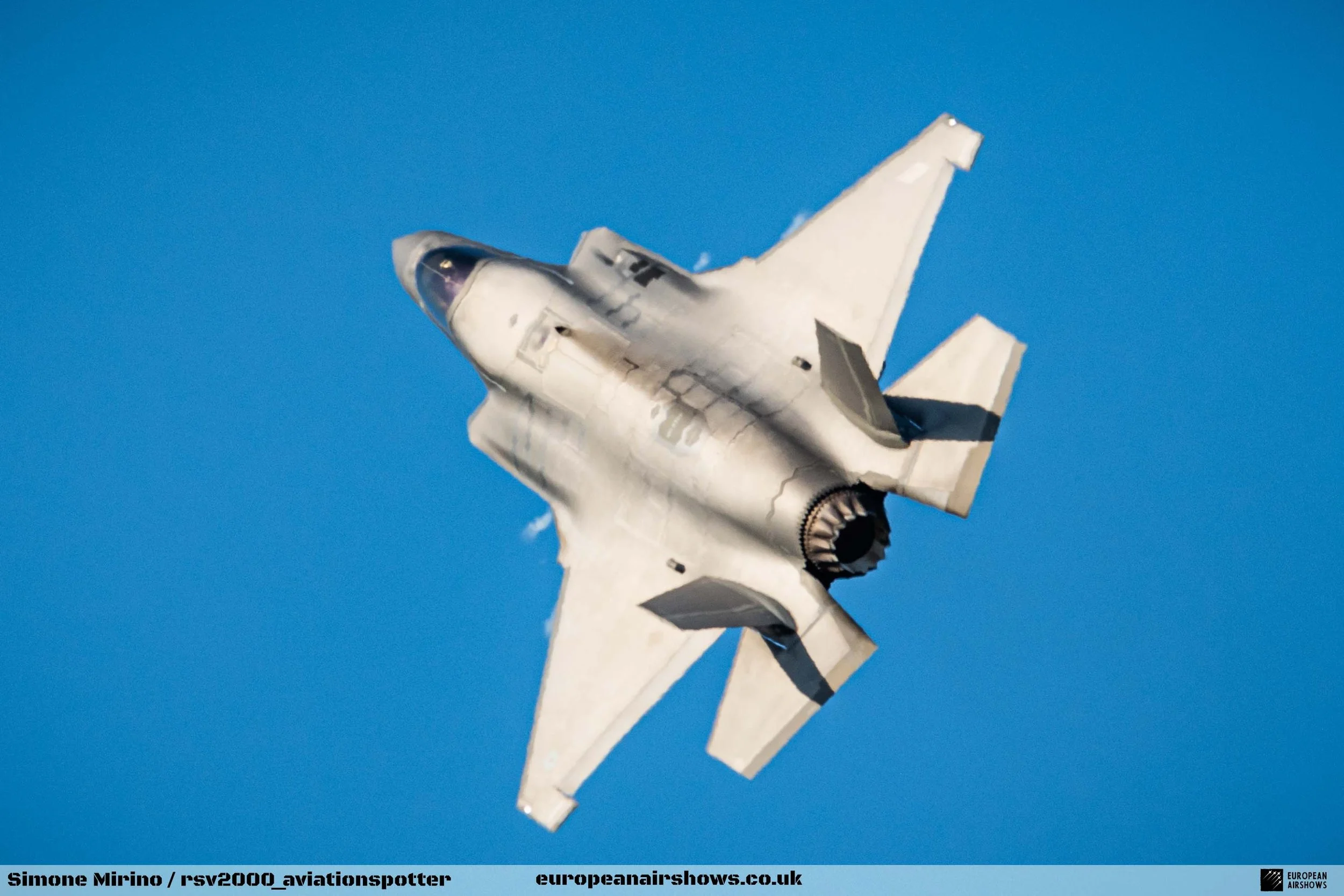
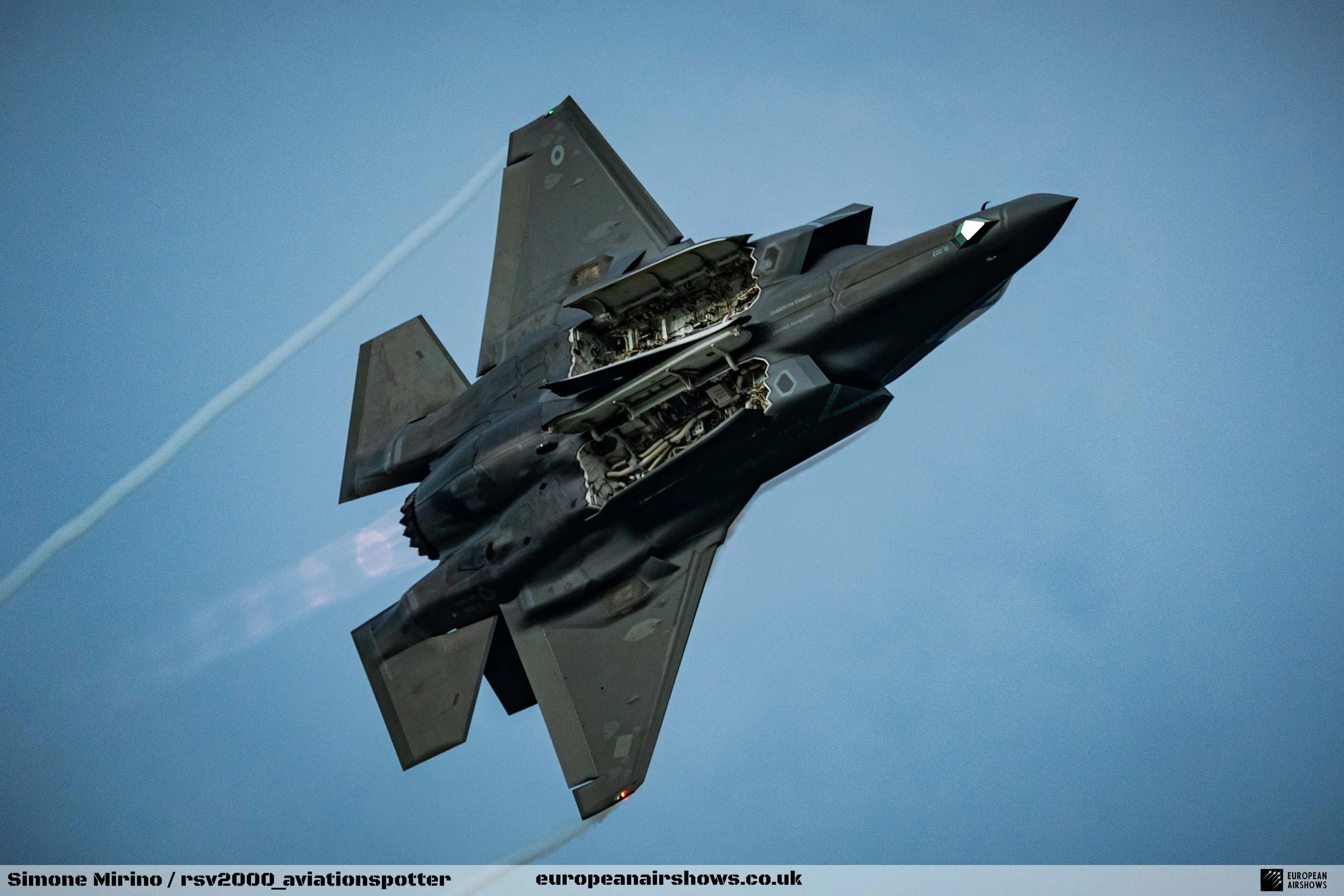
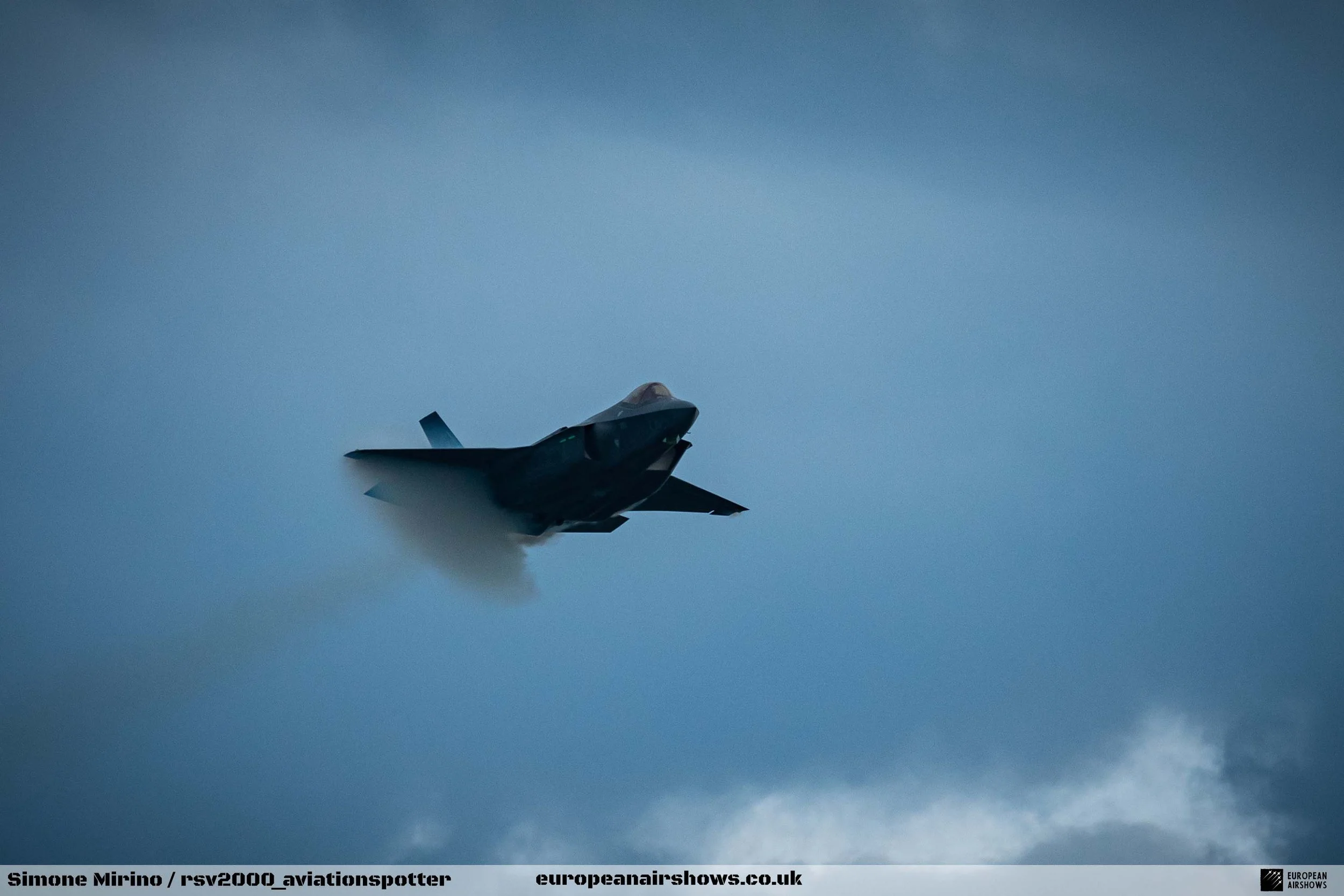
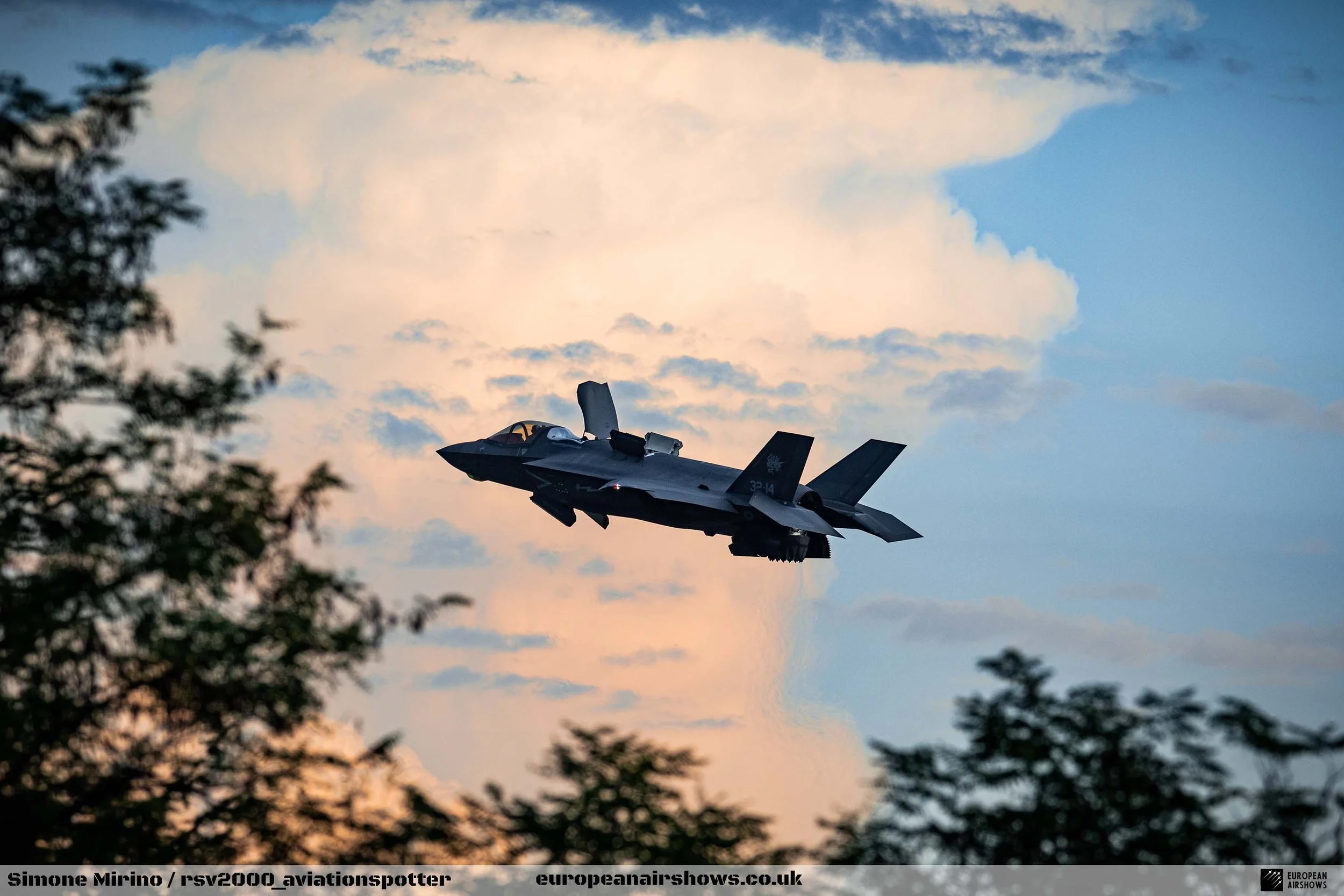
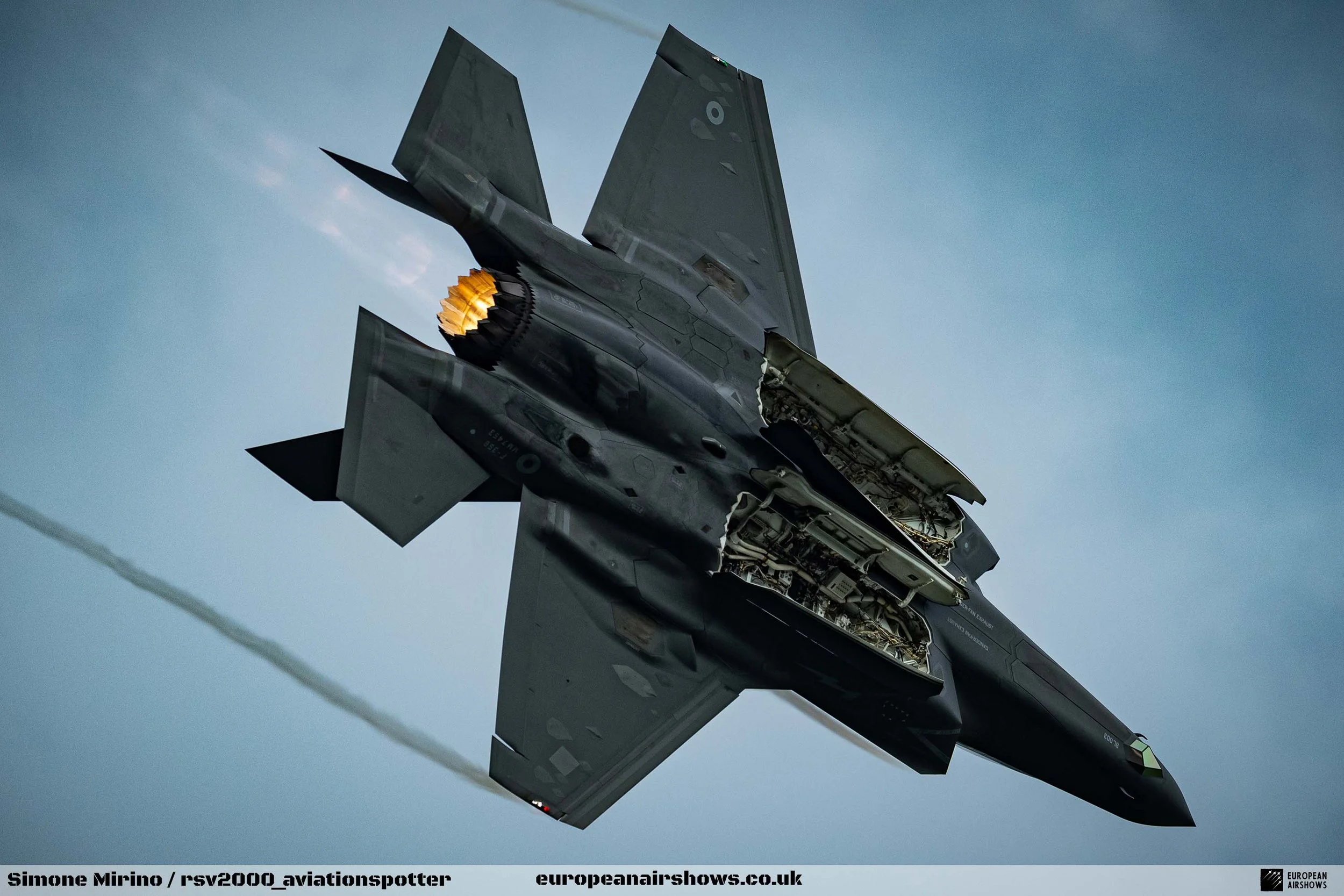
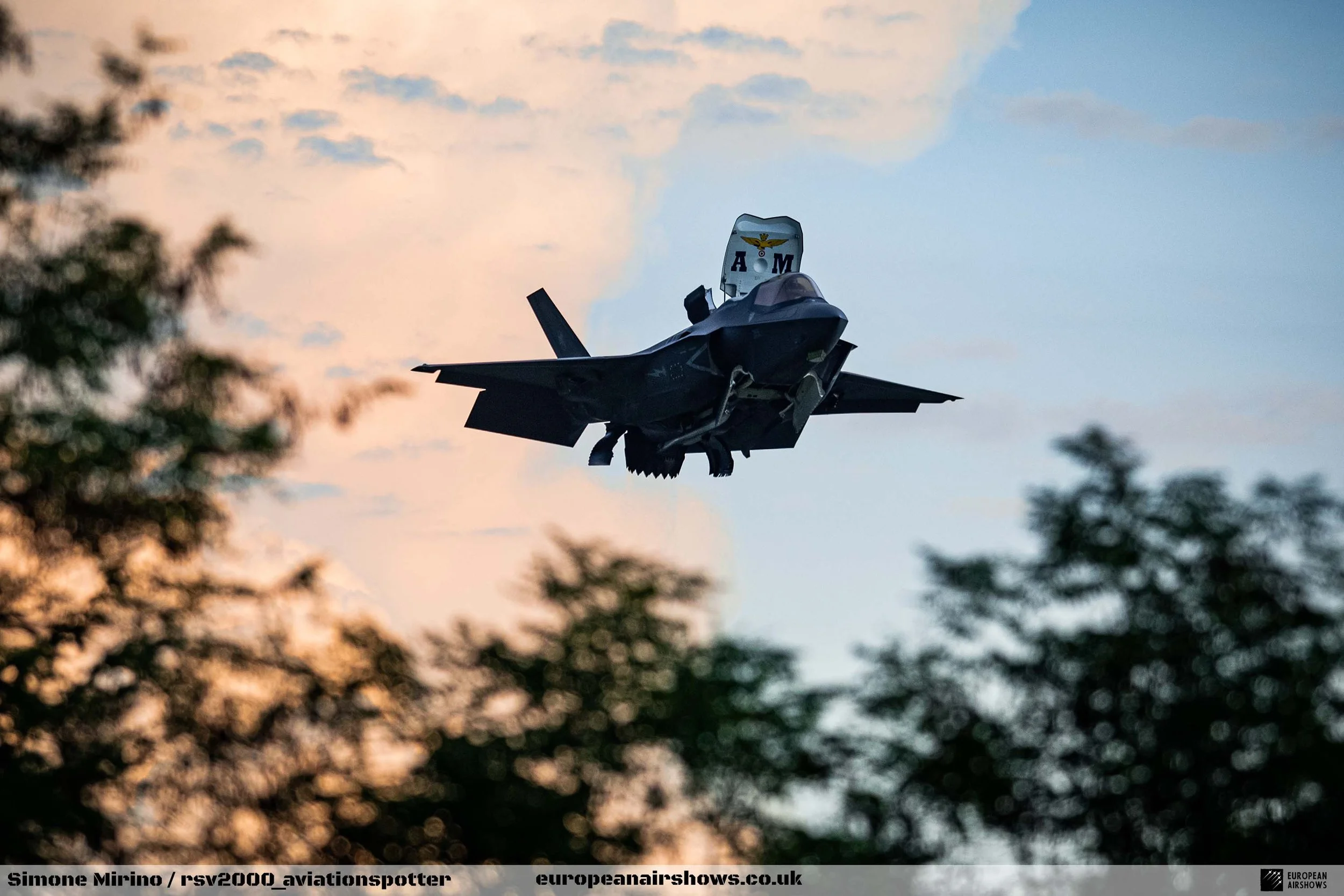
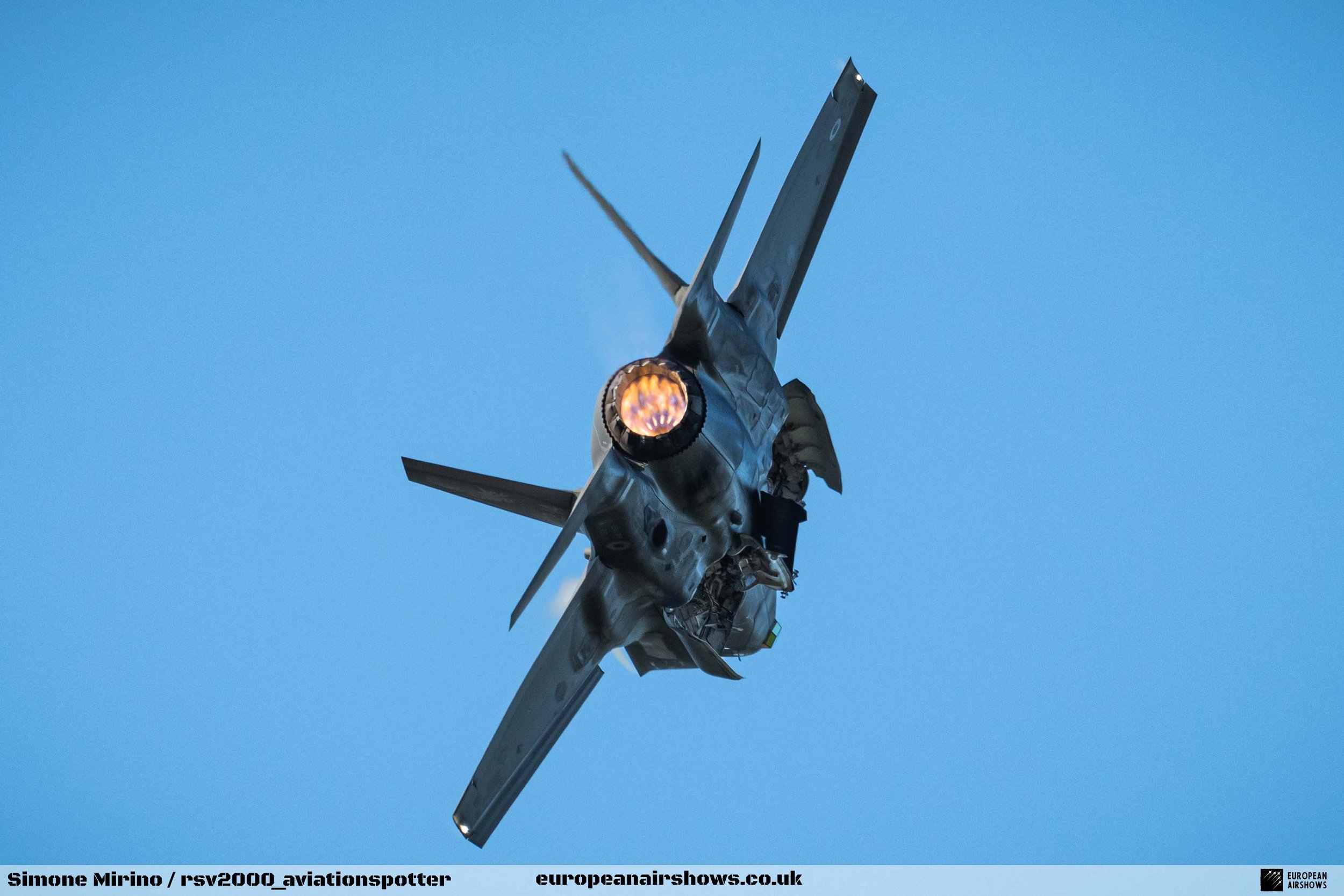
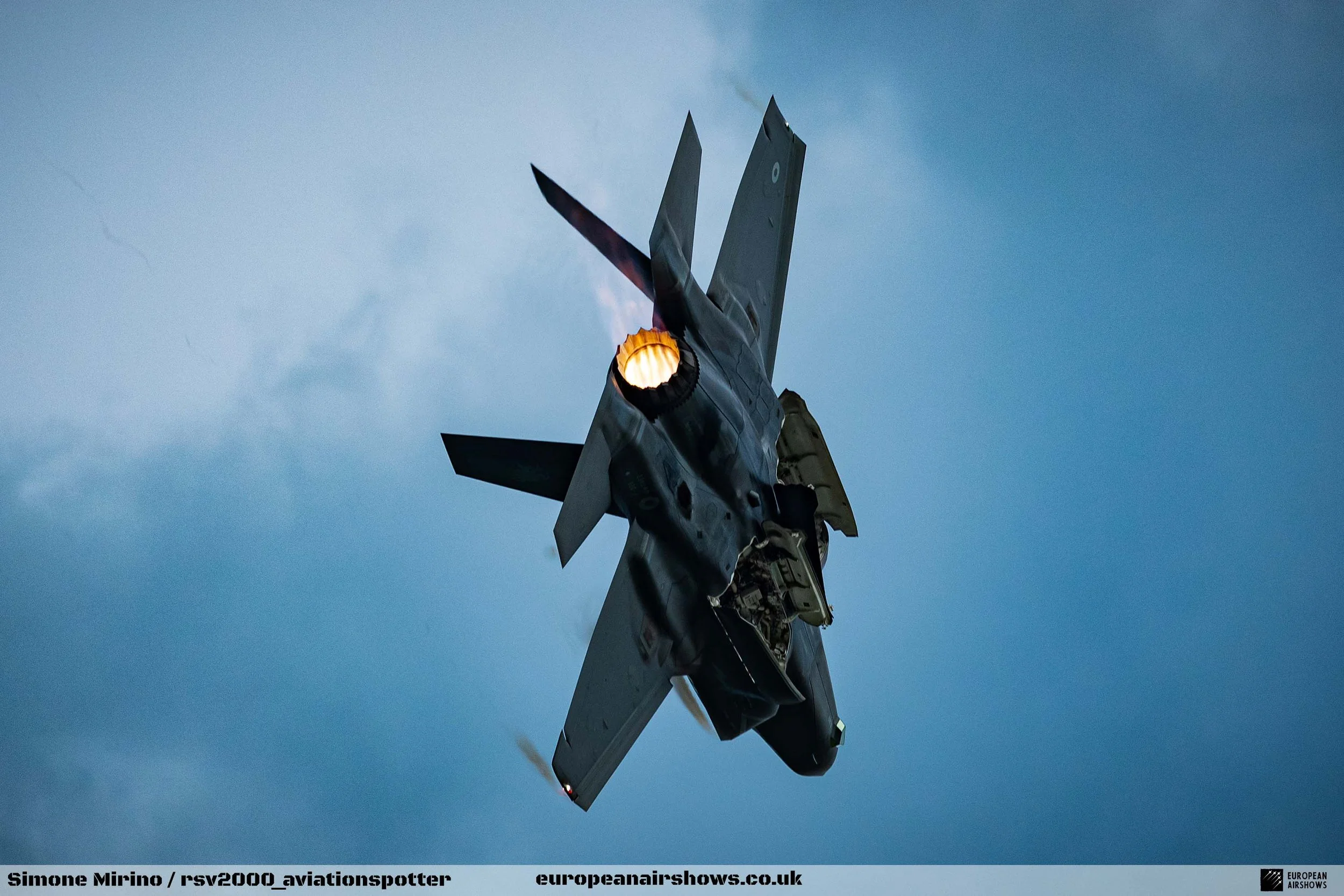
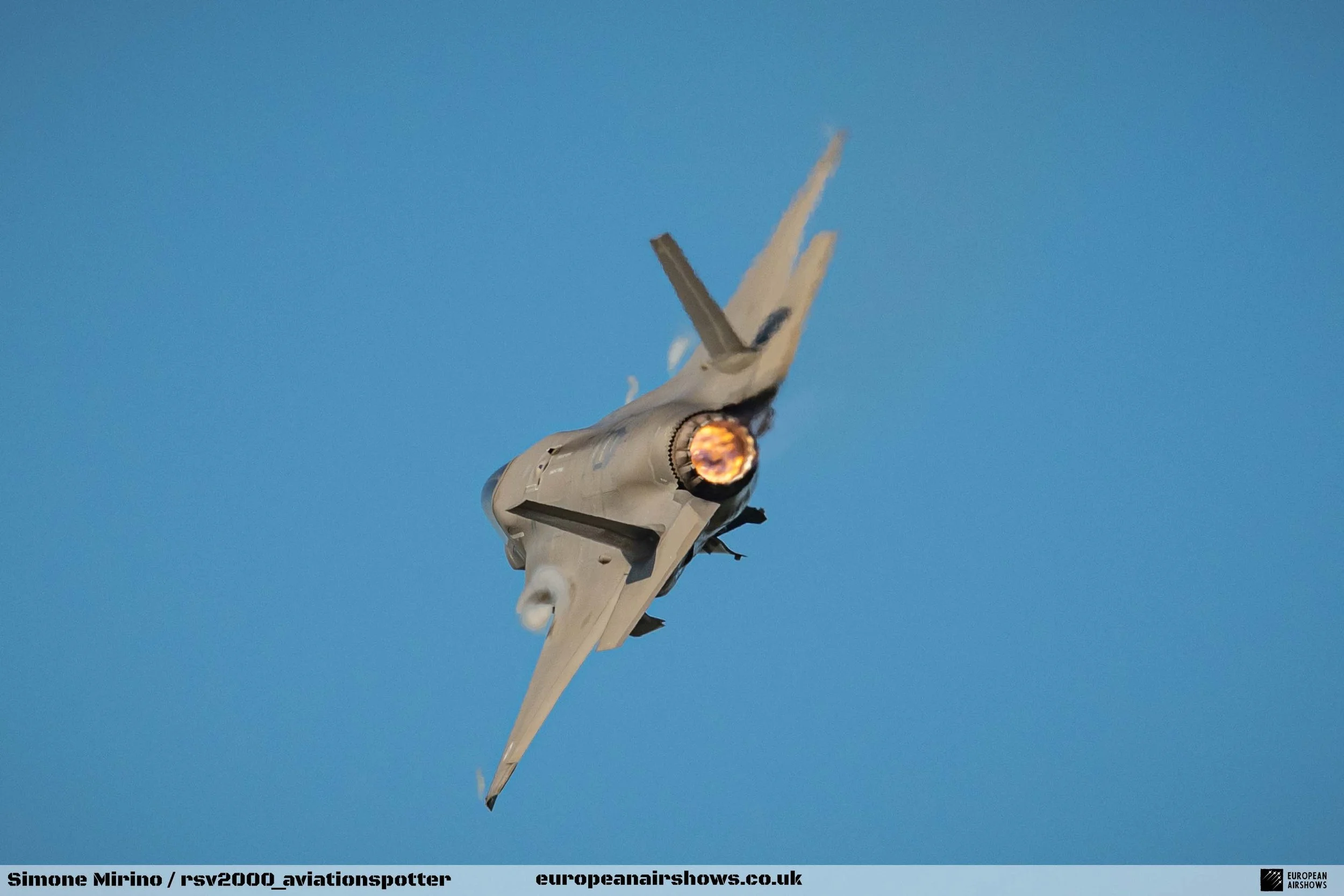
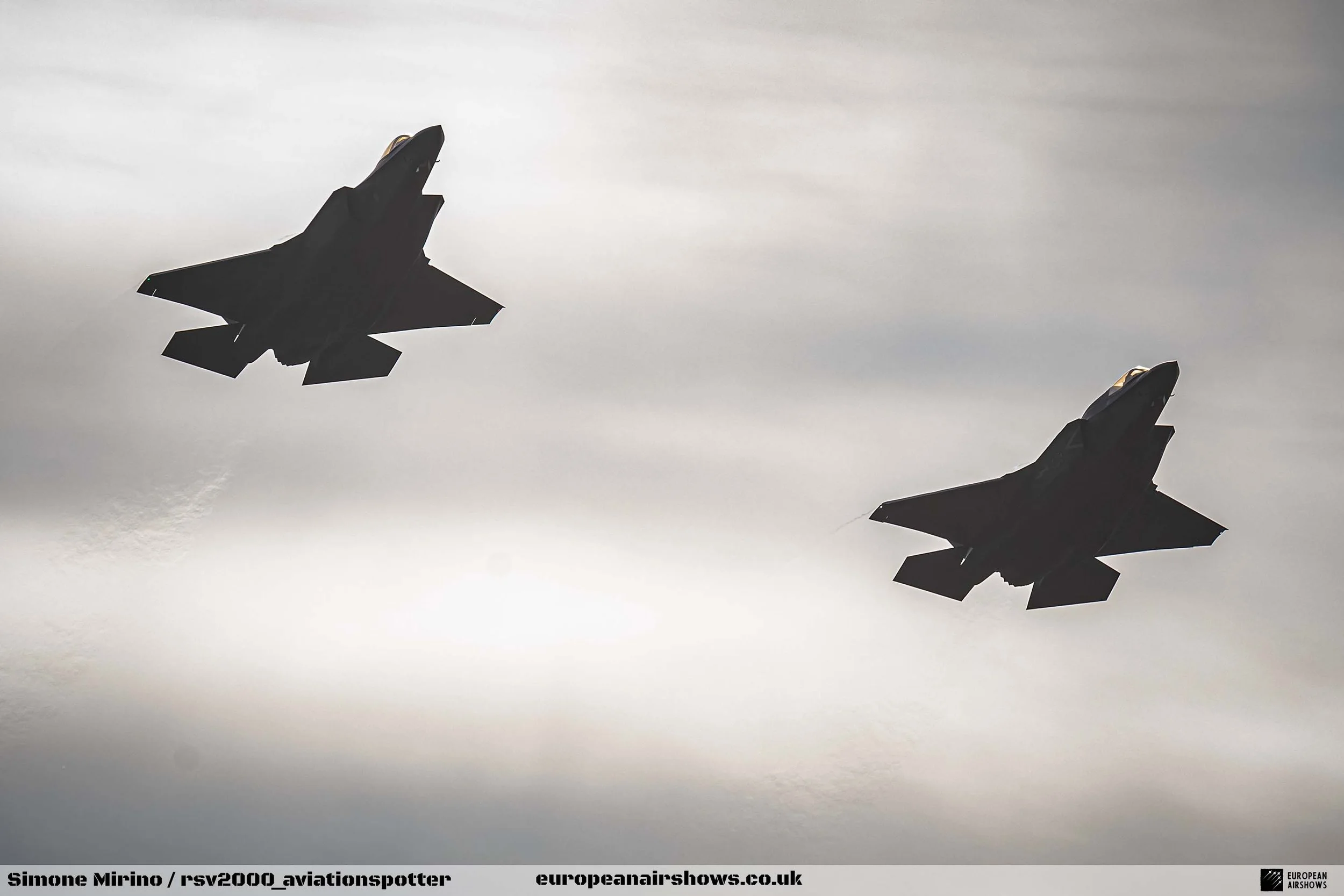
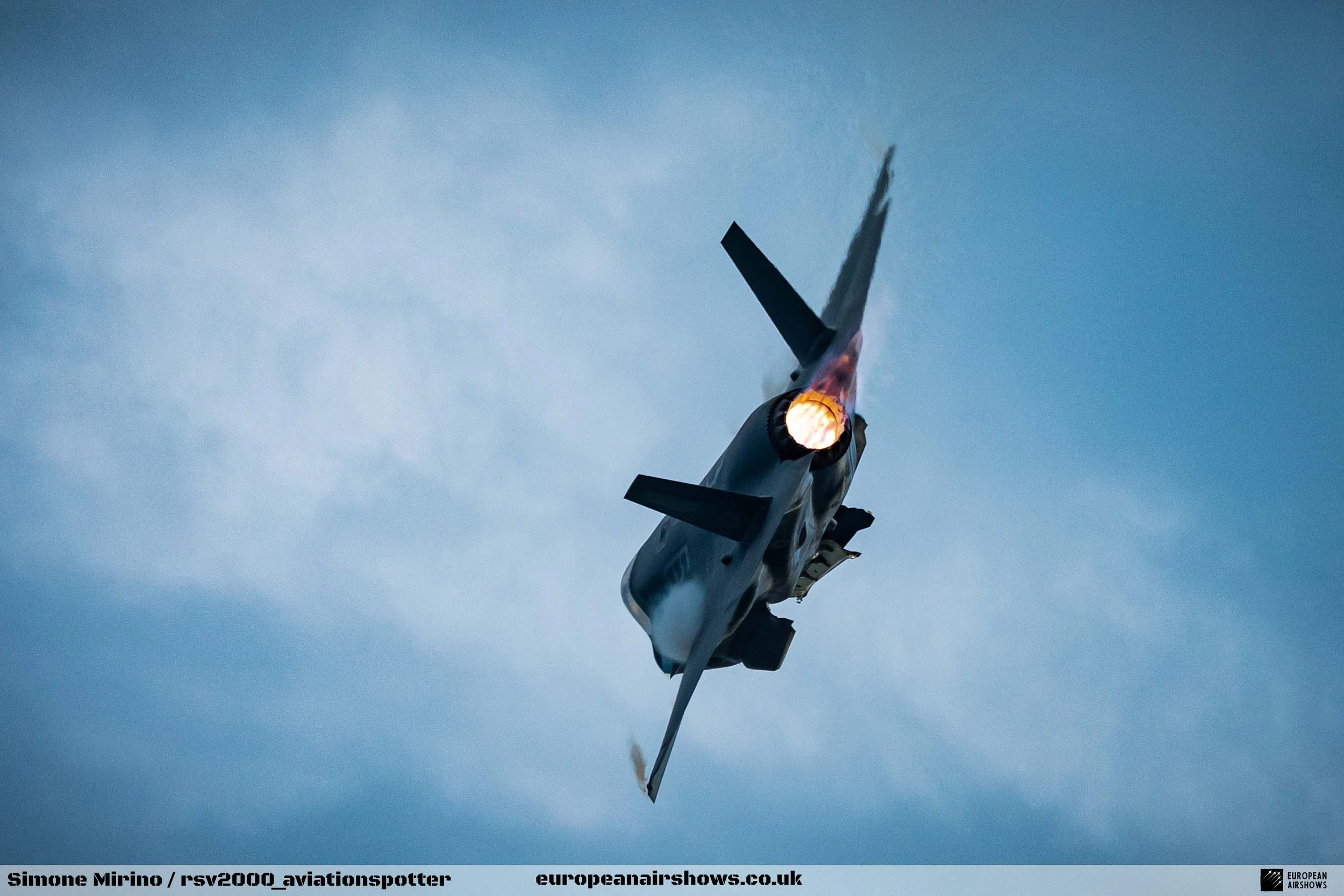
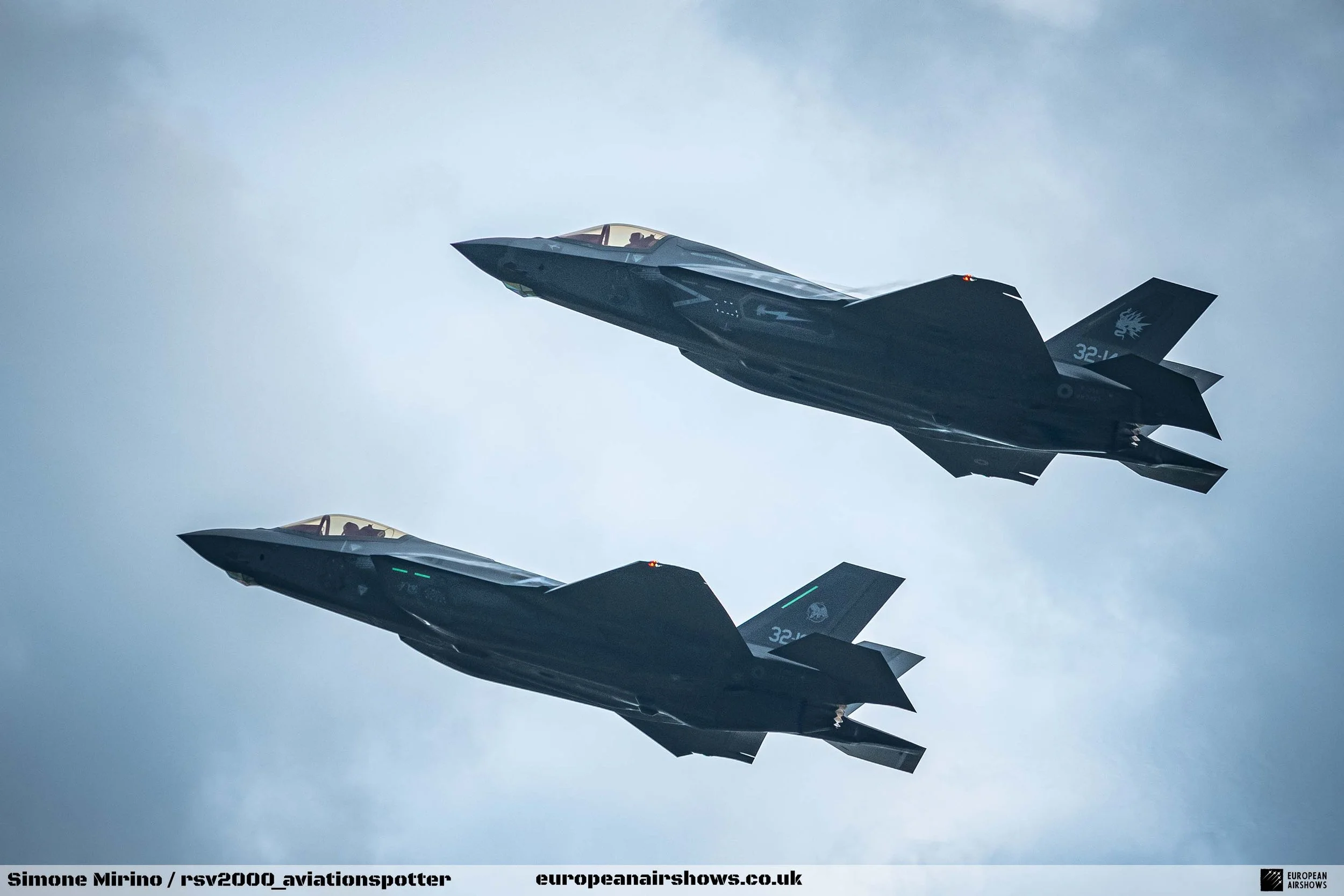
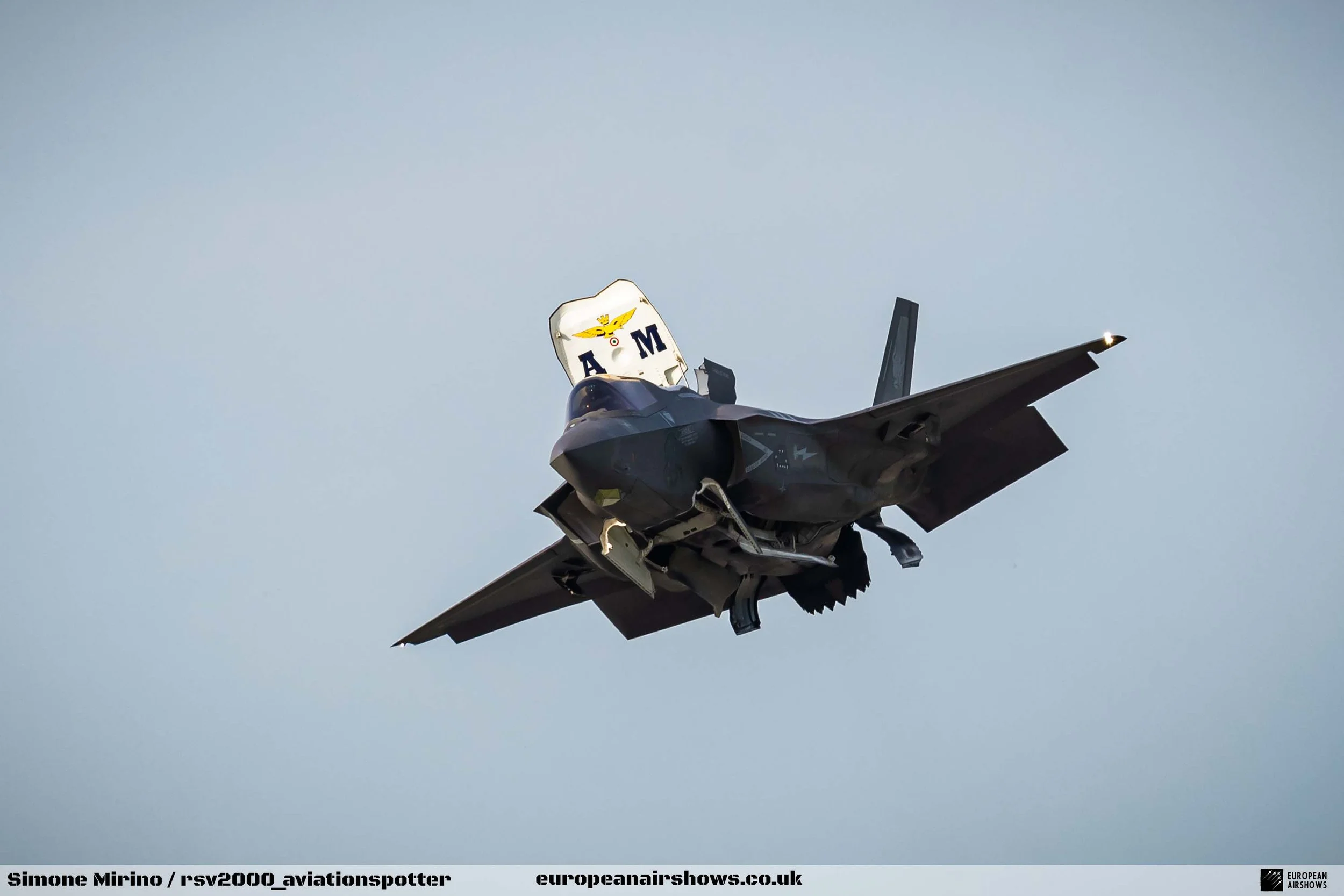
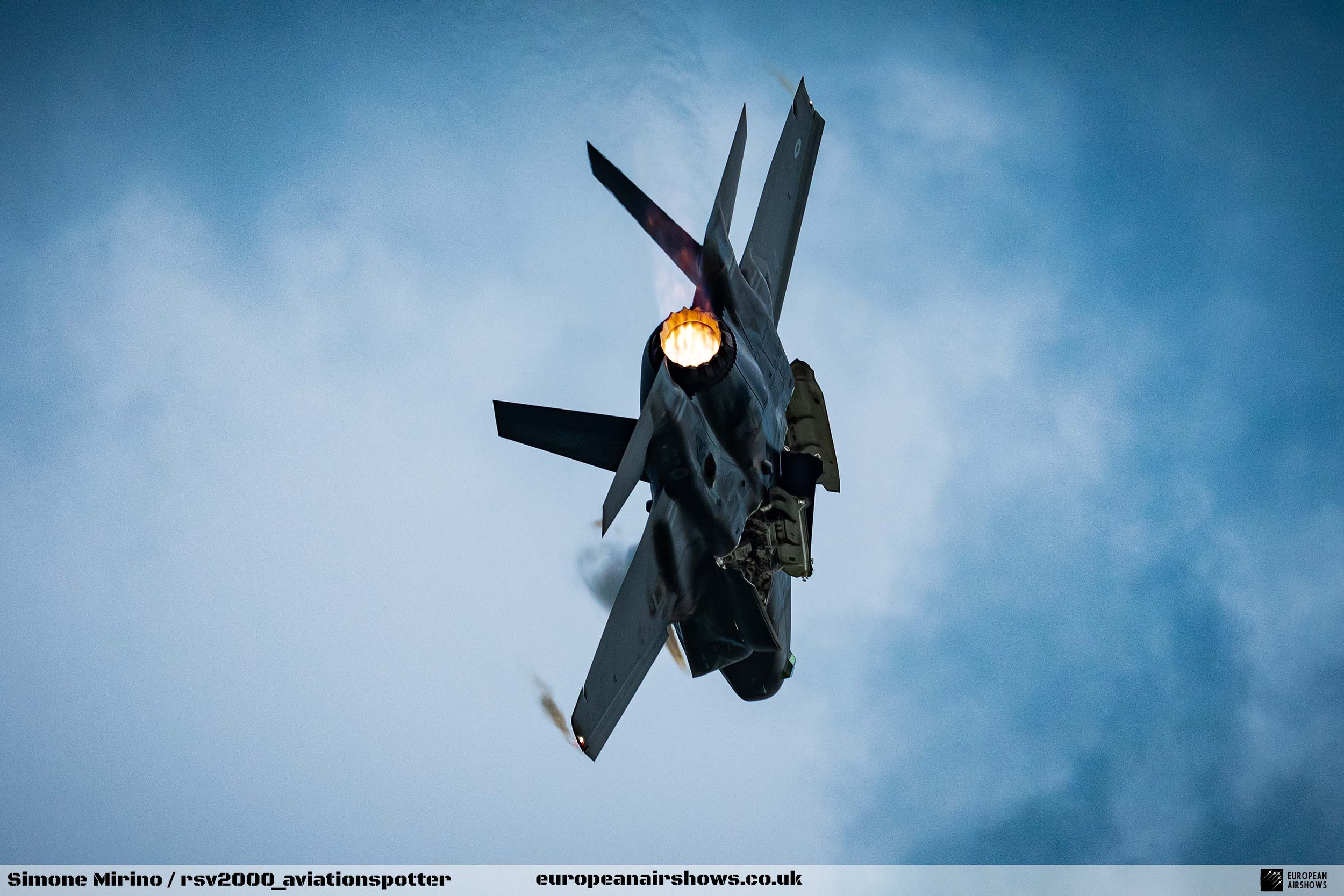
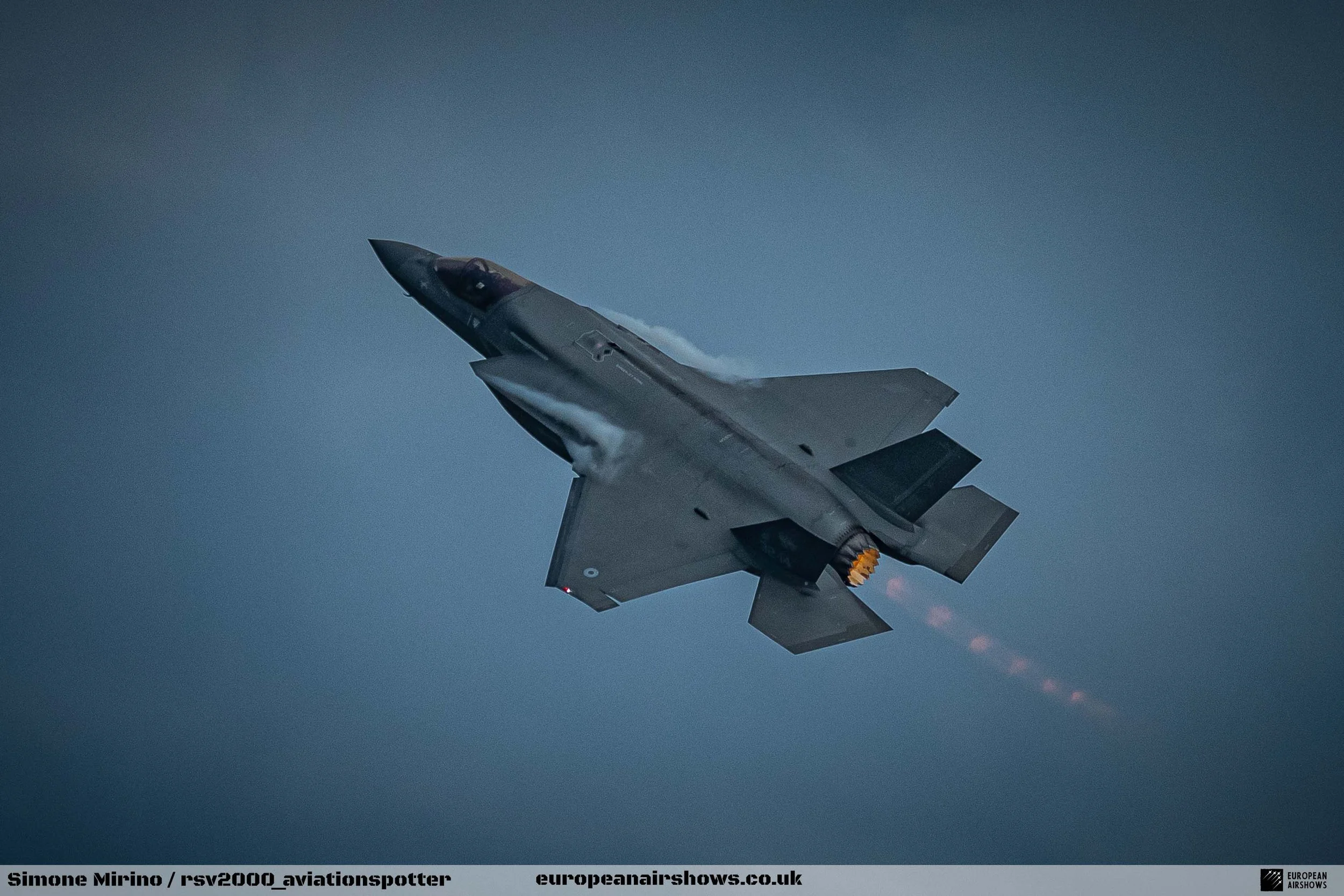
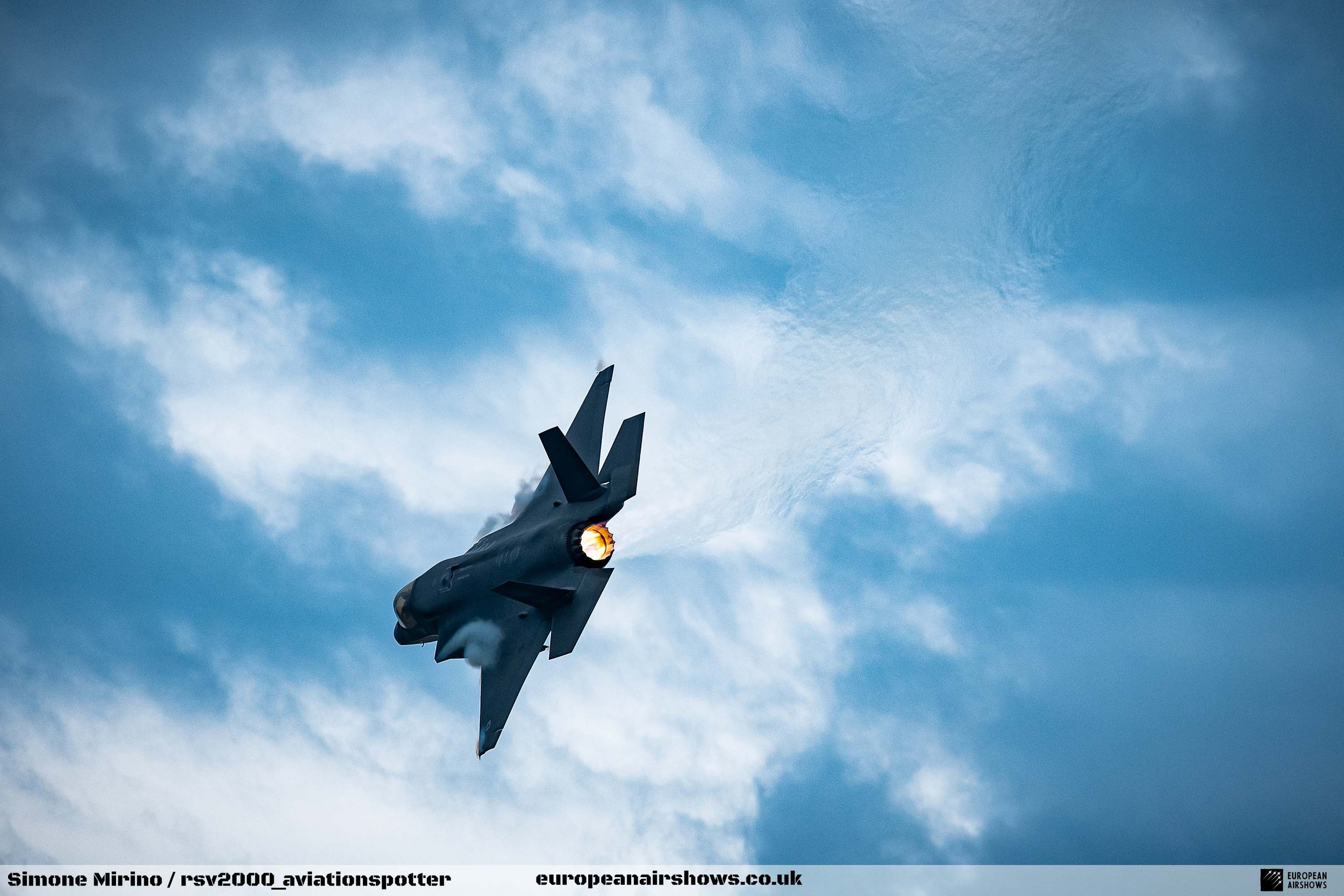
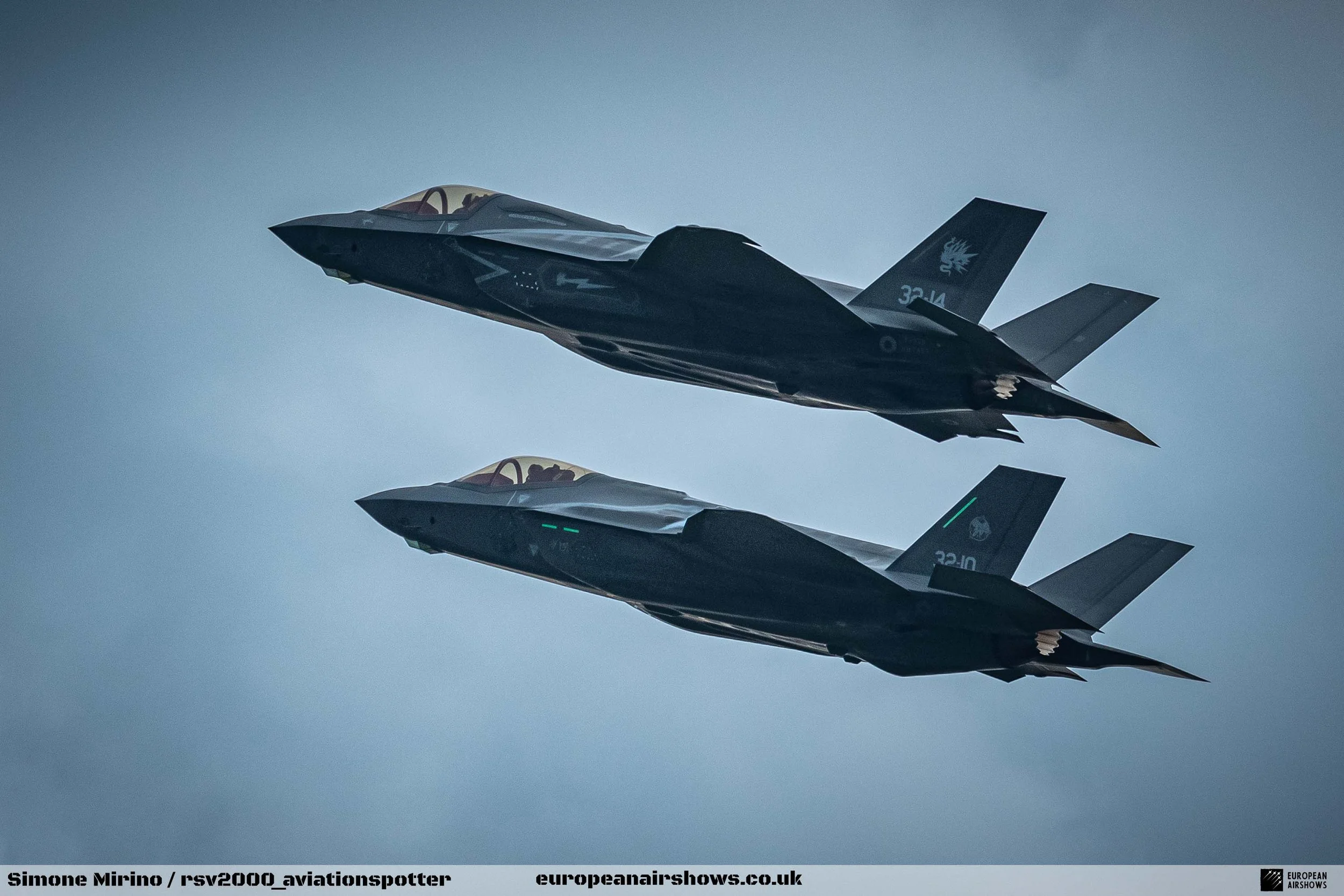
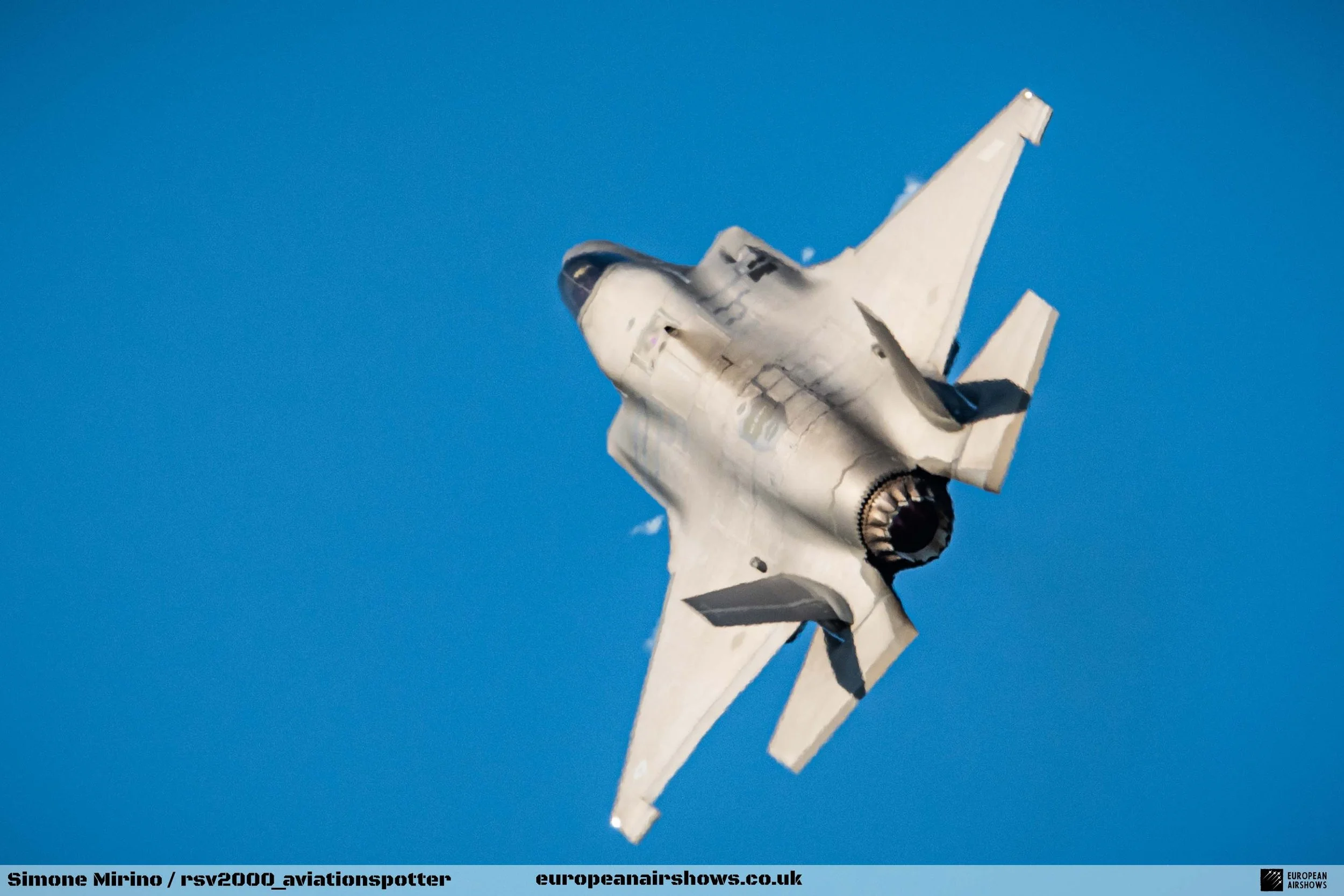
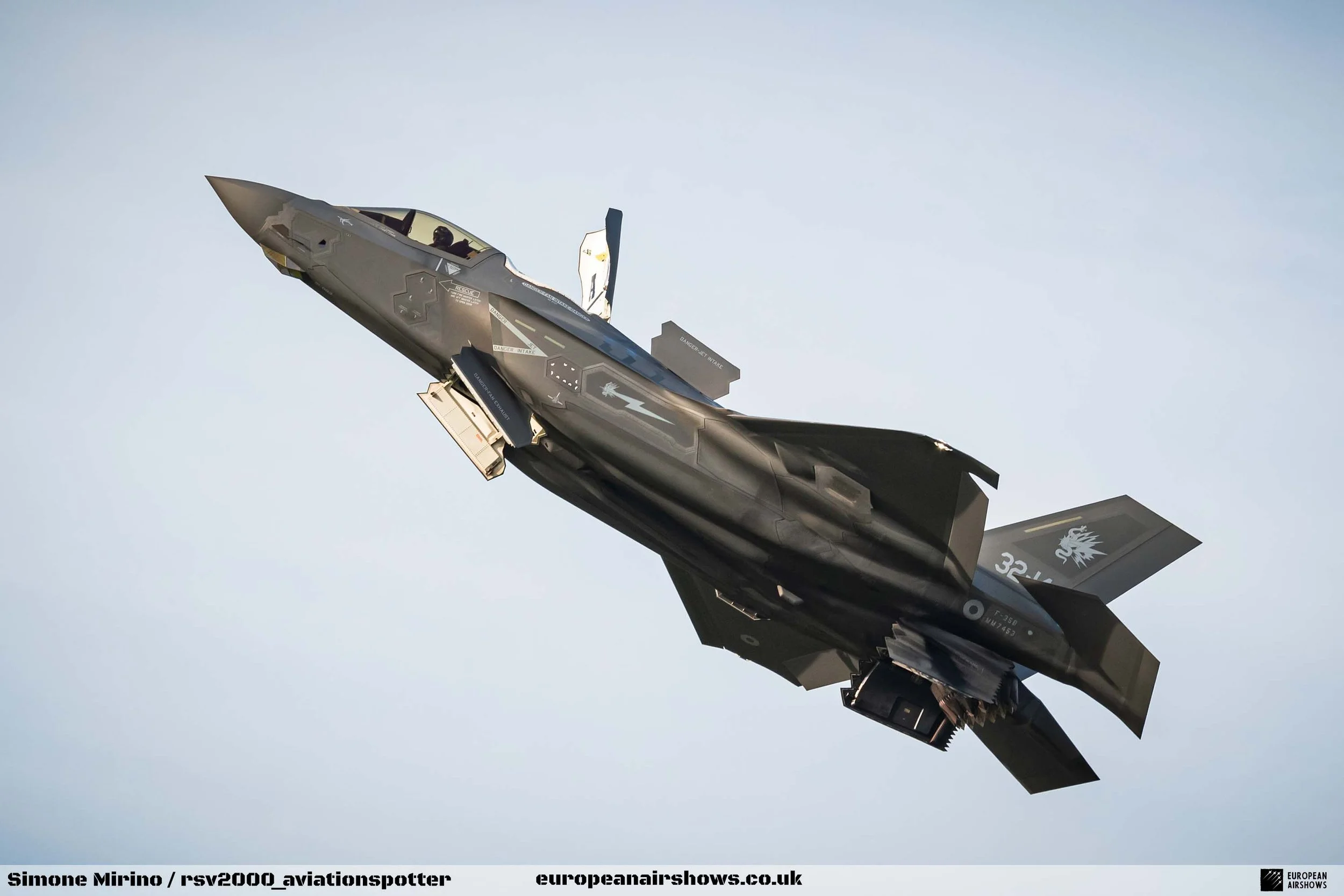
One of the most anticipated moments of the day was the joint display of two Lockheed Martin F-35 Lightning II variants—the F-35A and the F-35B—flying together. The climax came when the F-35B, in a feat of modern technology, hovered motionless in front of the audience, its roar filling the air, its futuristic silhouette frozen mid-sky.
To close, the Aeronautica Militare demonstrated its operational readiness with a simulated air policing mission: two Eurofighter Typhoon F-2000A jets intercepted a Soko G-2 Galeb aircraft (owned by an Italian aviation enthusiast) that had “violated” Italian airspace, showing in real time the procedures and professionalism that safeguard the nation and NATO’s skies every day.


The program, from start to finish, wove together history, technology, courage, and spectacle. A narrative of flight that spanned from the fragile biplanes of World War I to the cutting-edge stealth of the Lockheed Martin F-35 Lightning II. It was not just an air show, but a journey through aviation’s past, present, and future.
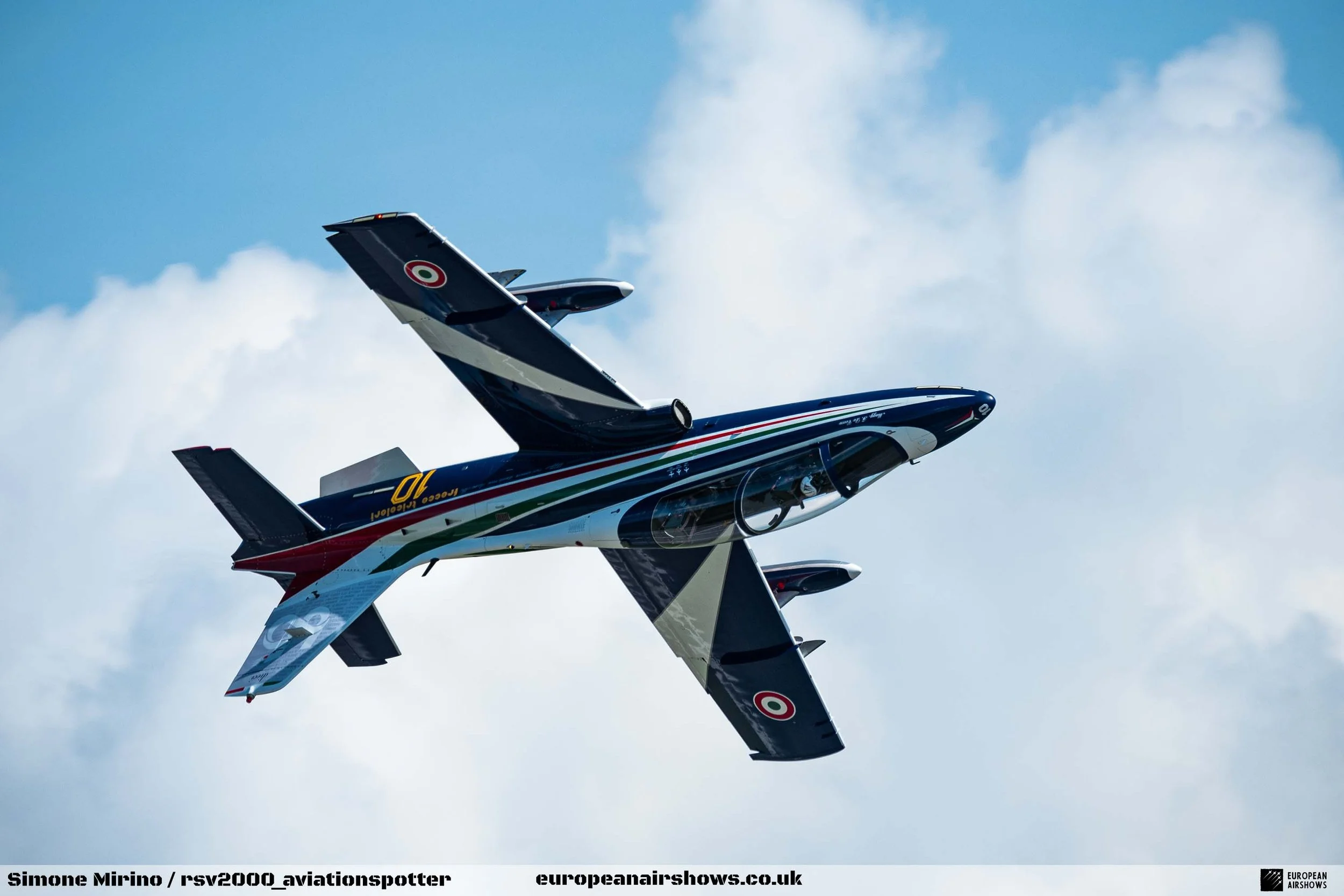
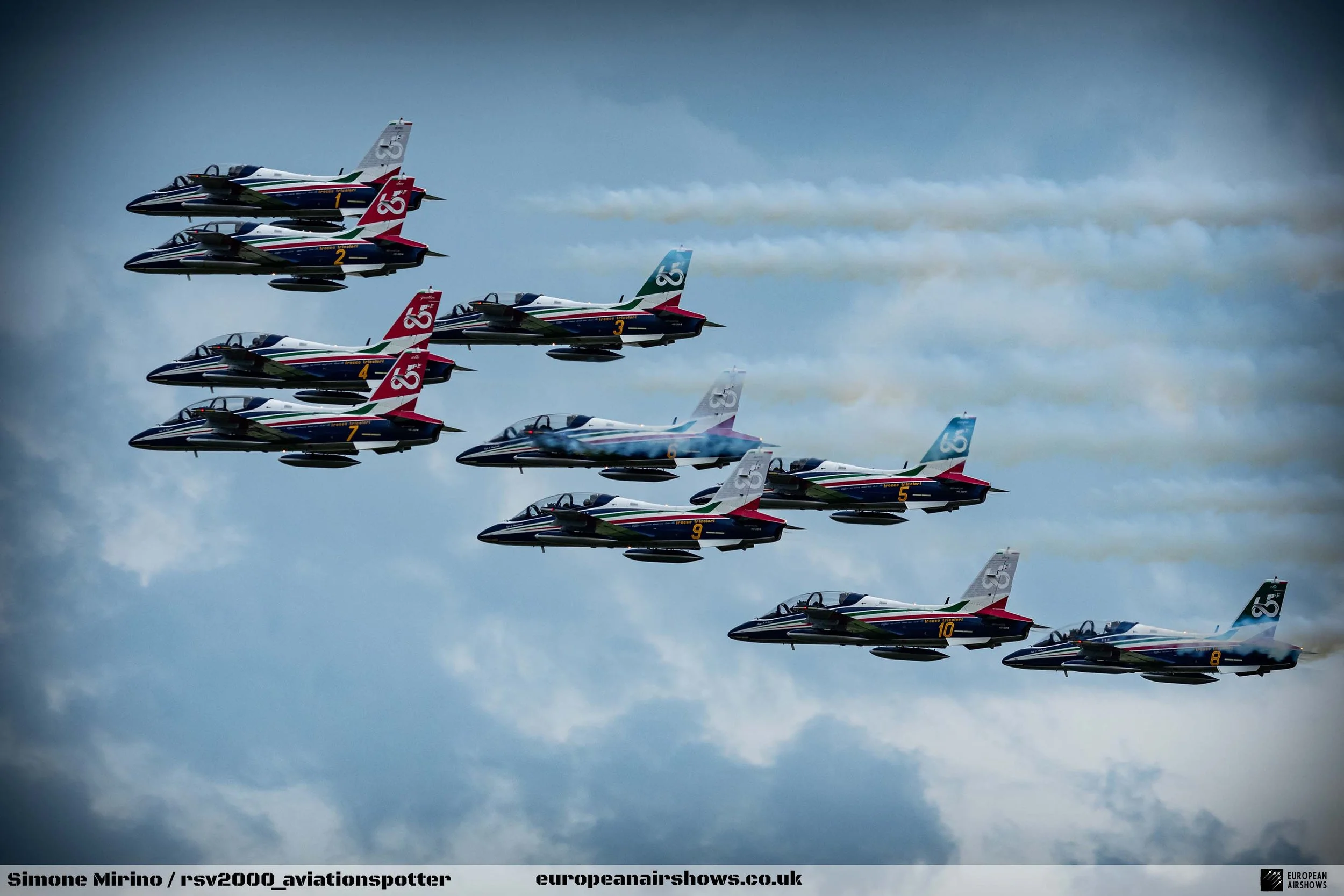
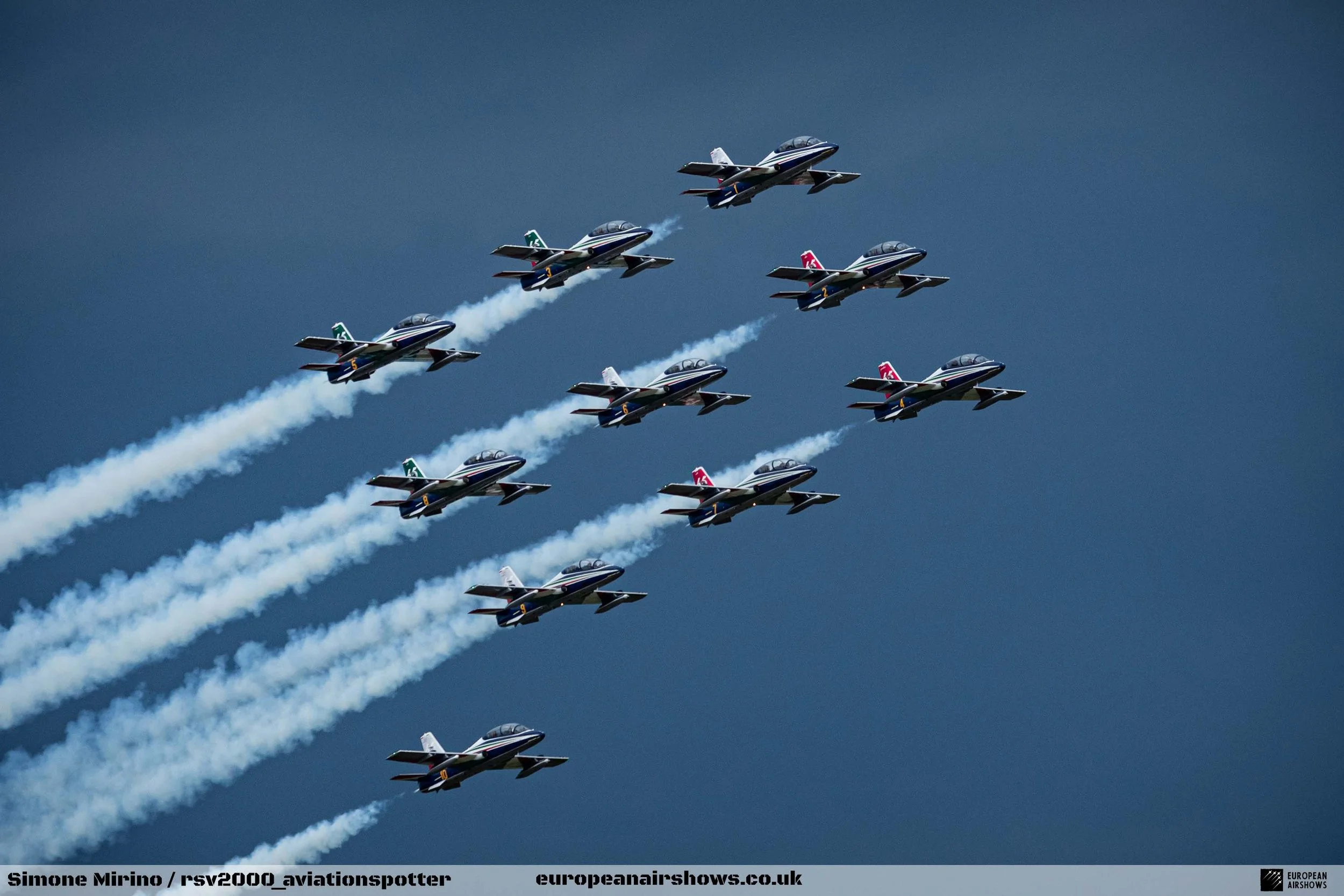
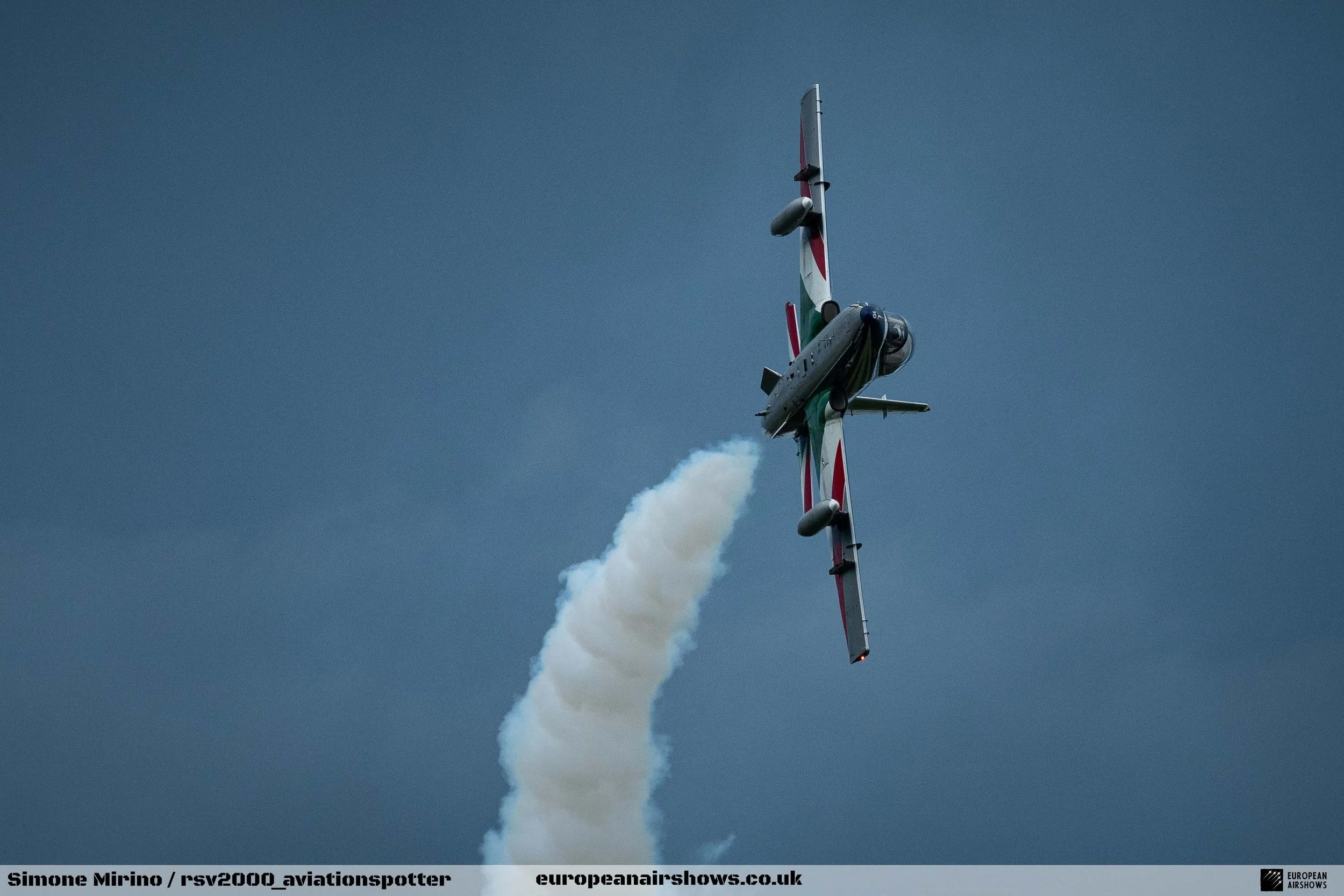
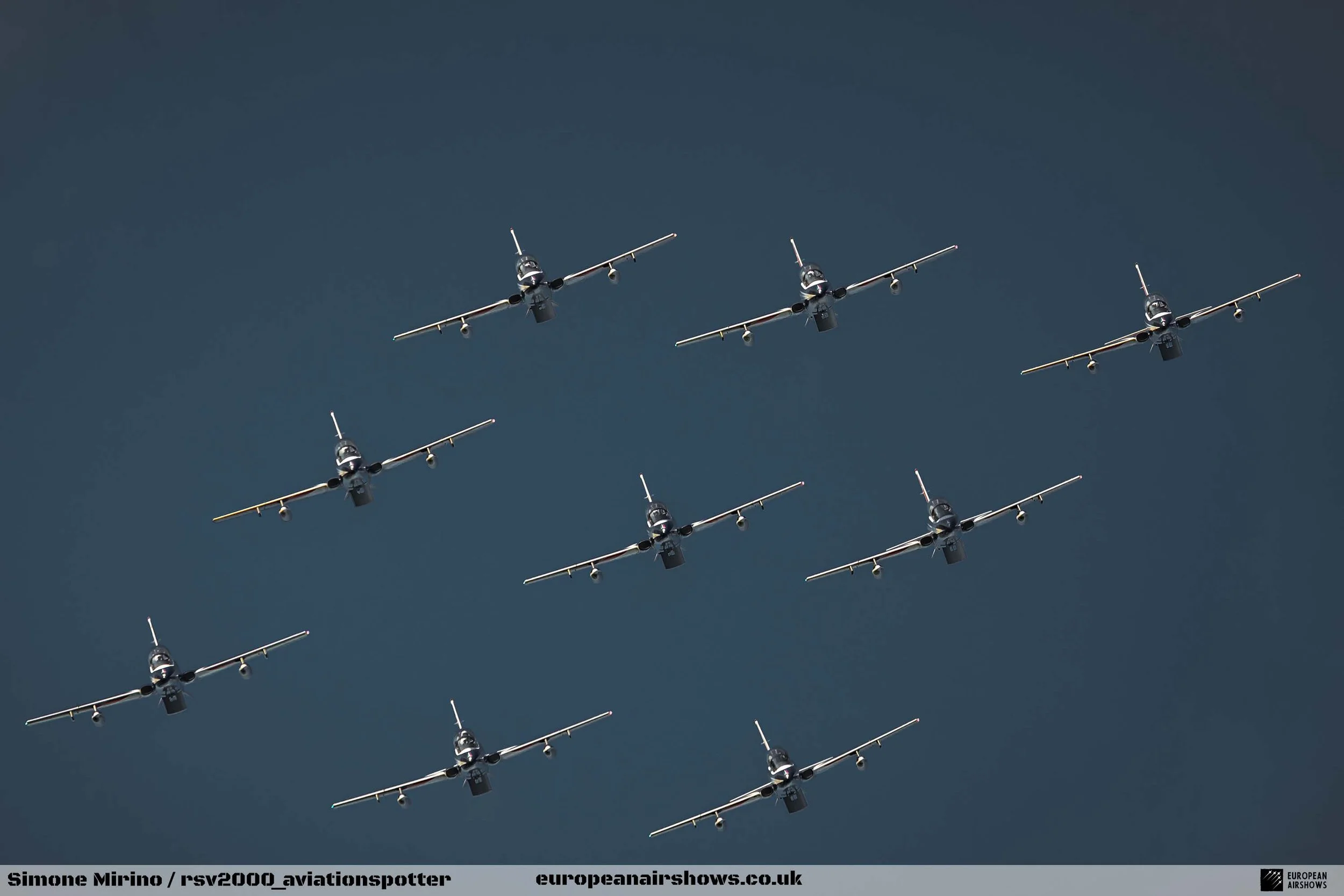
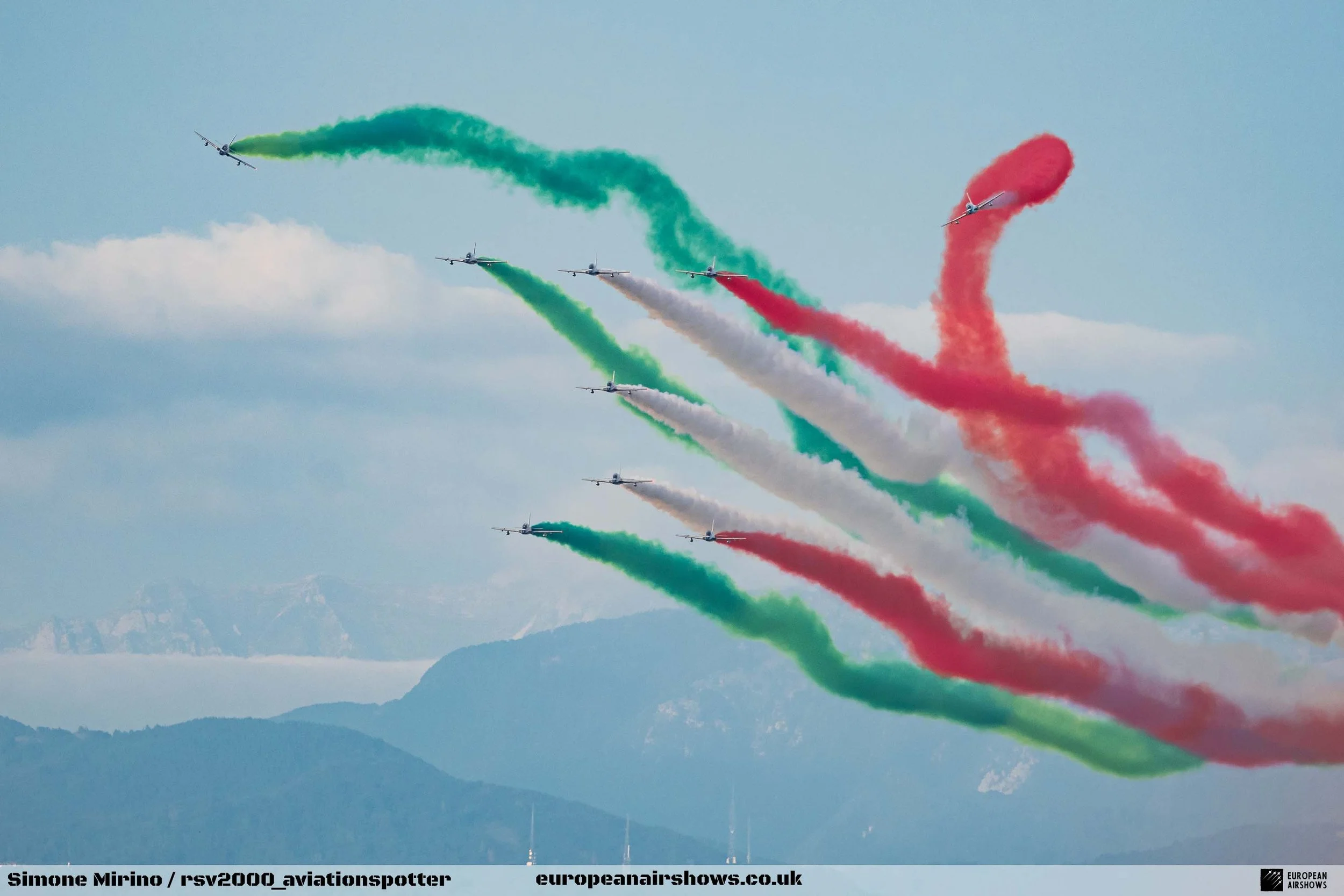
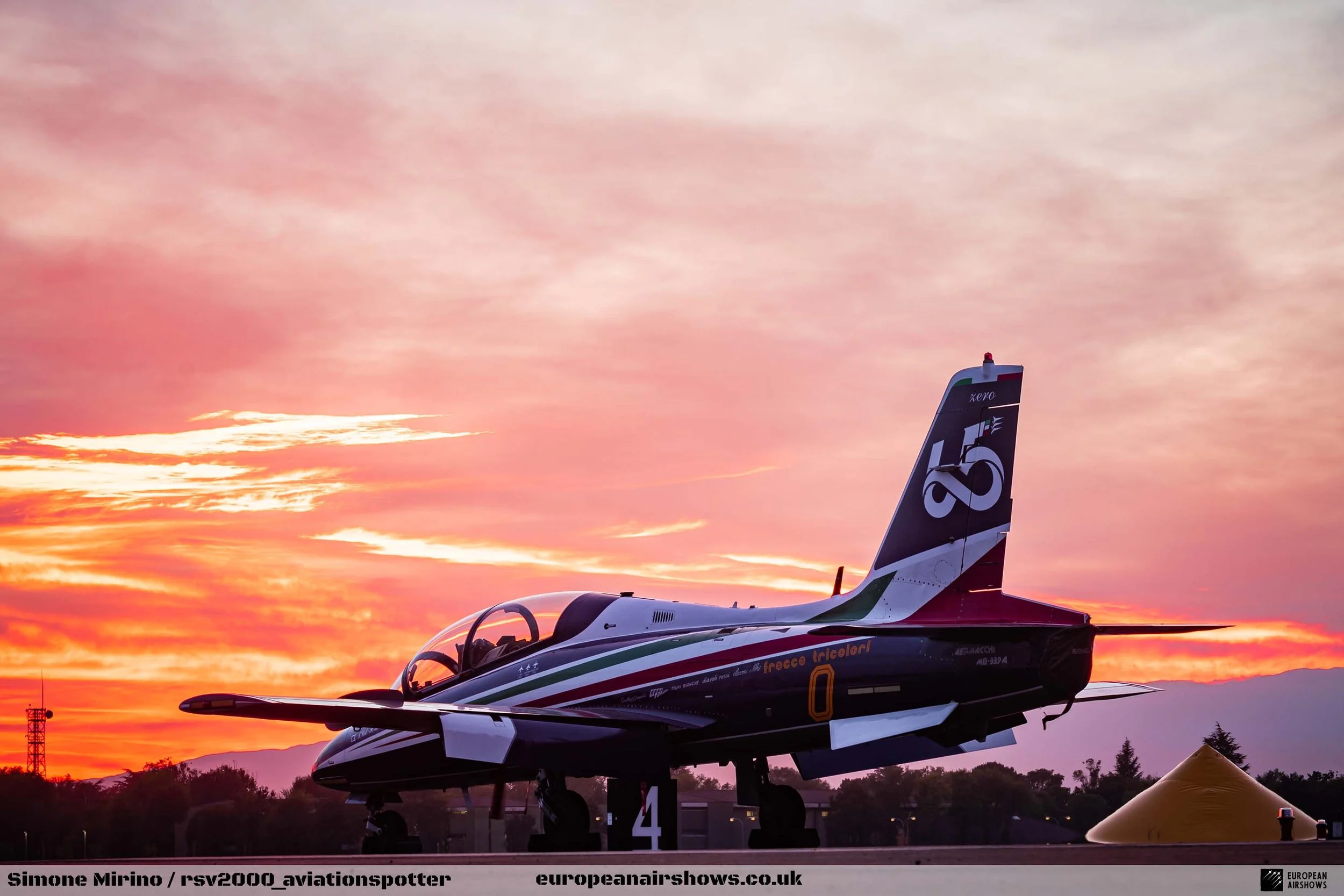
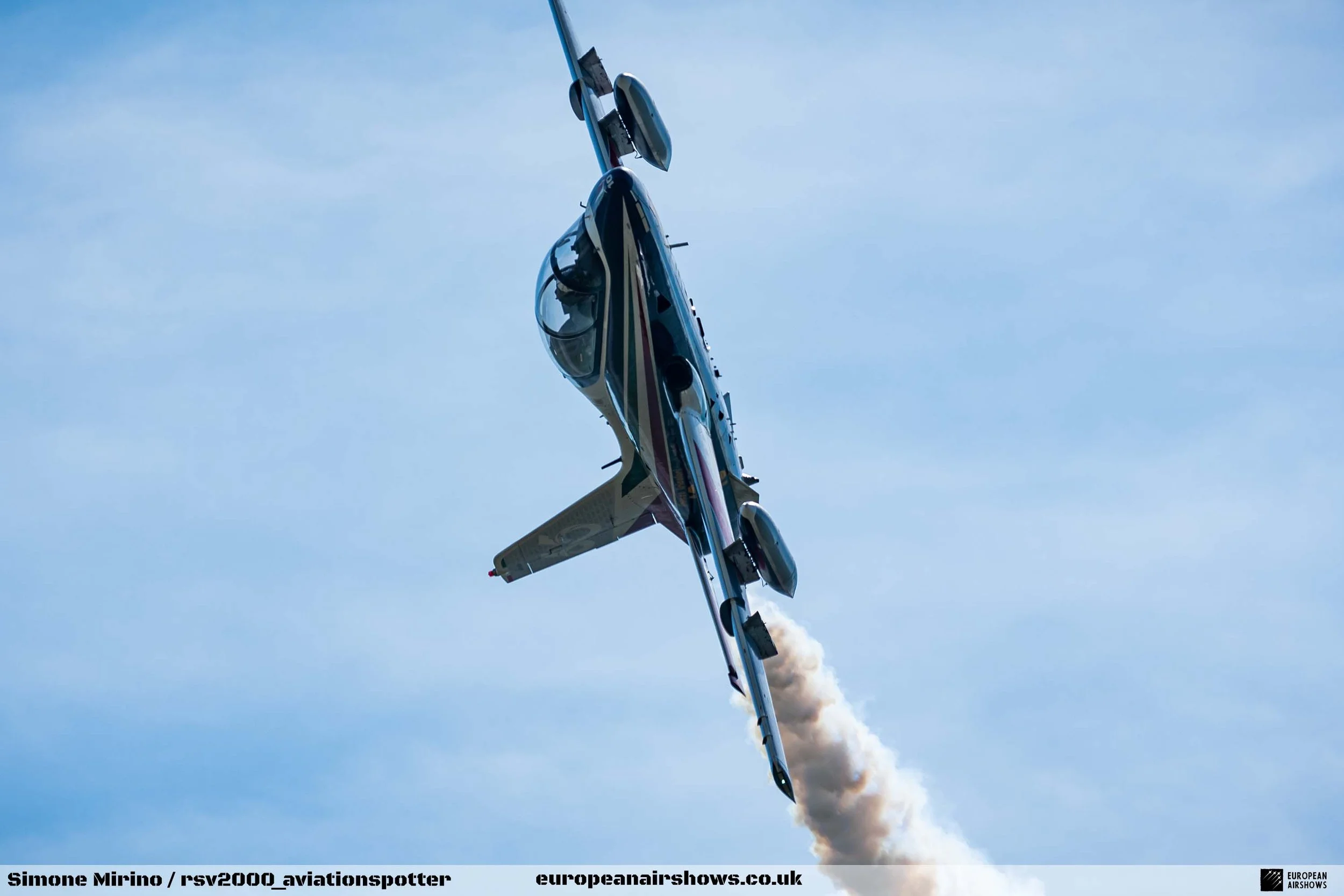
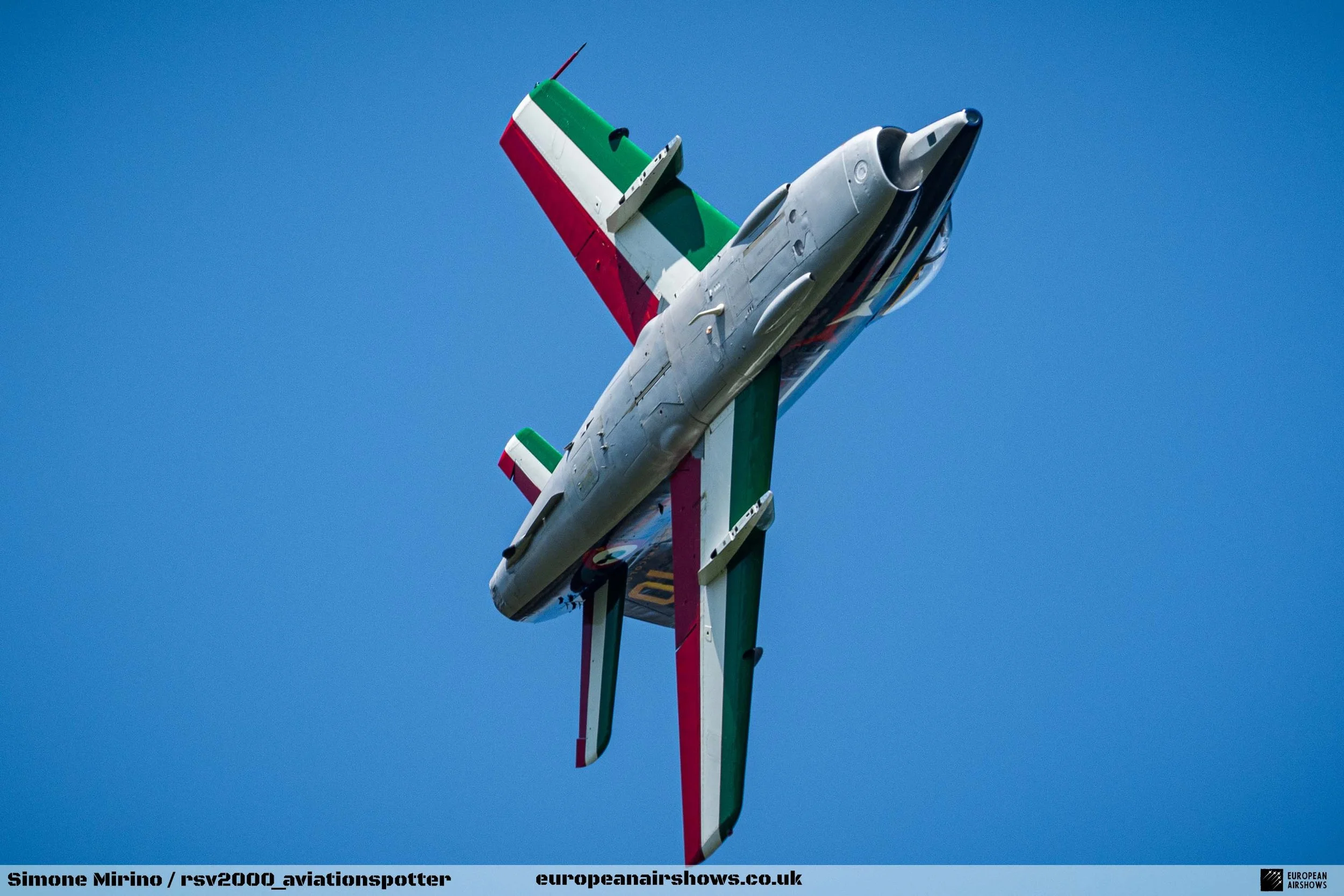
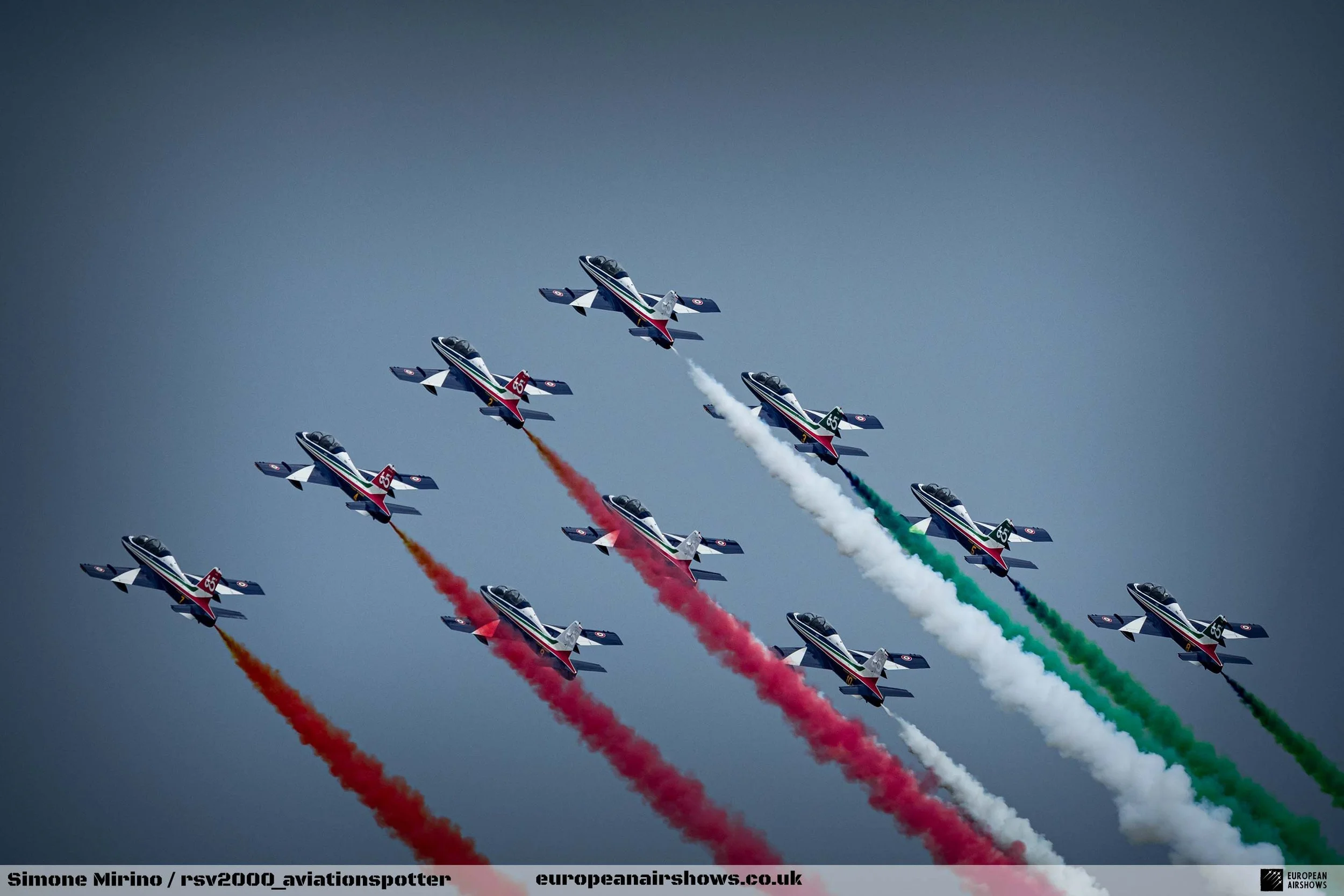
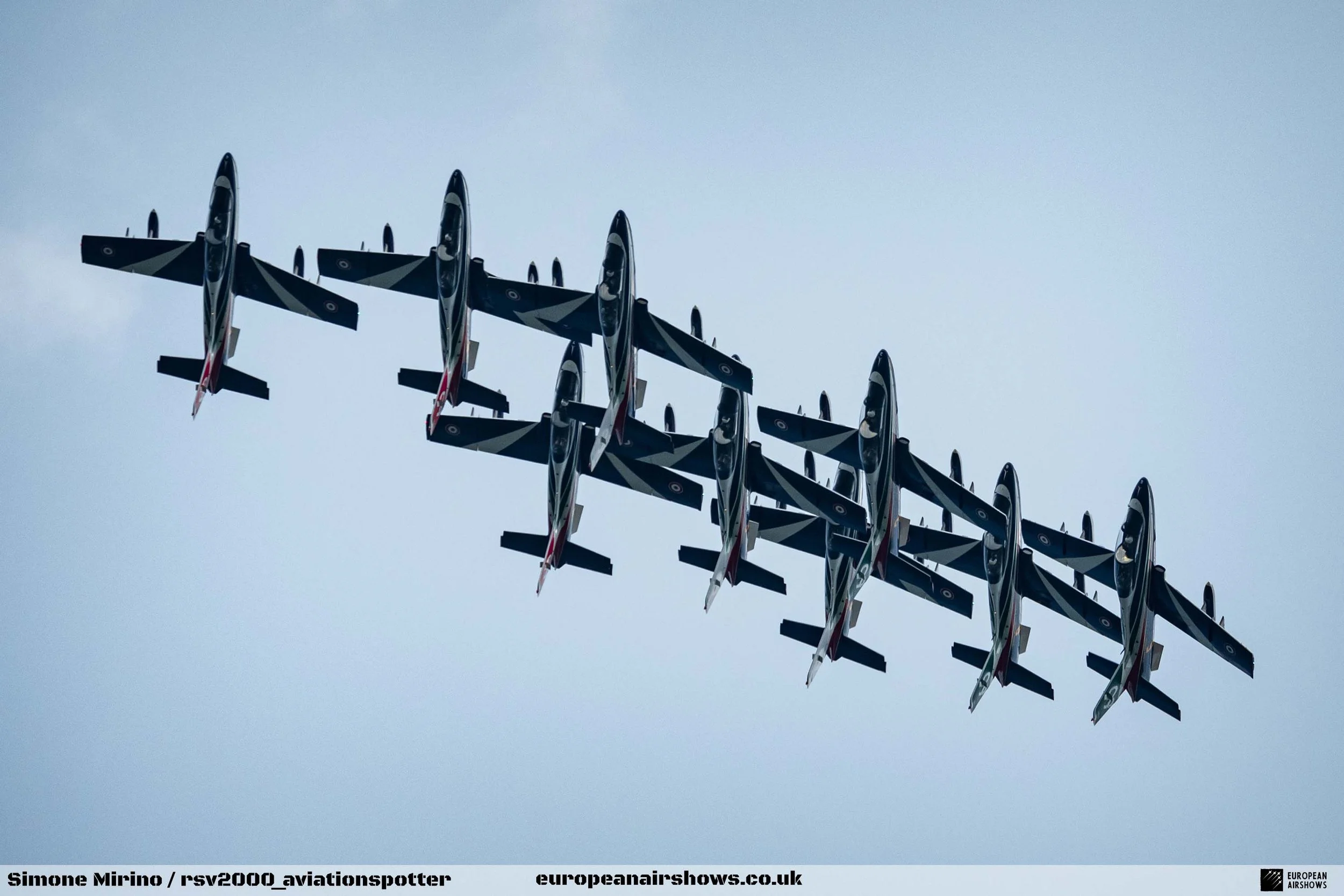
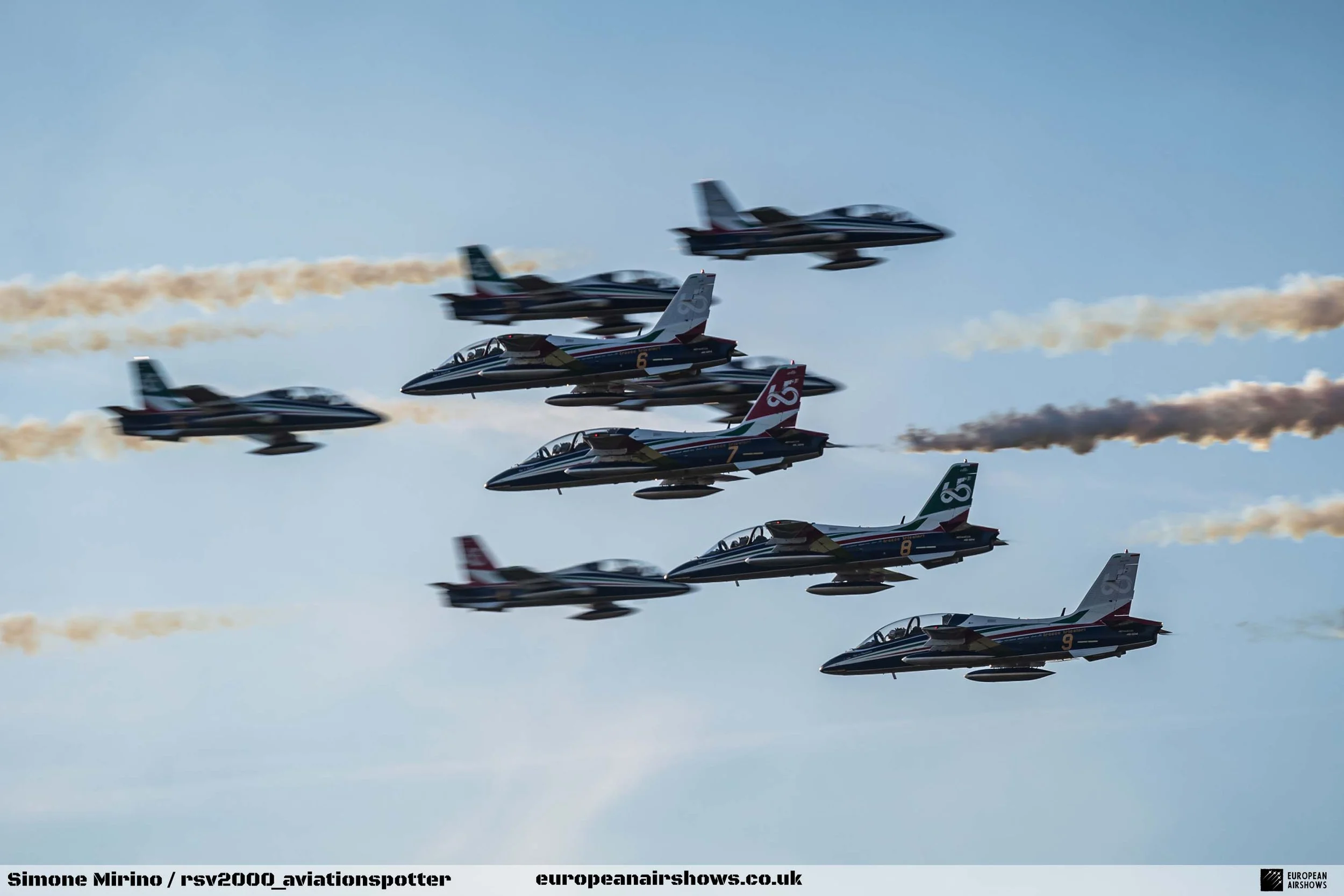
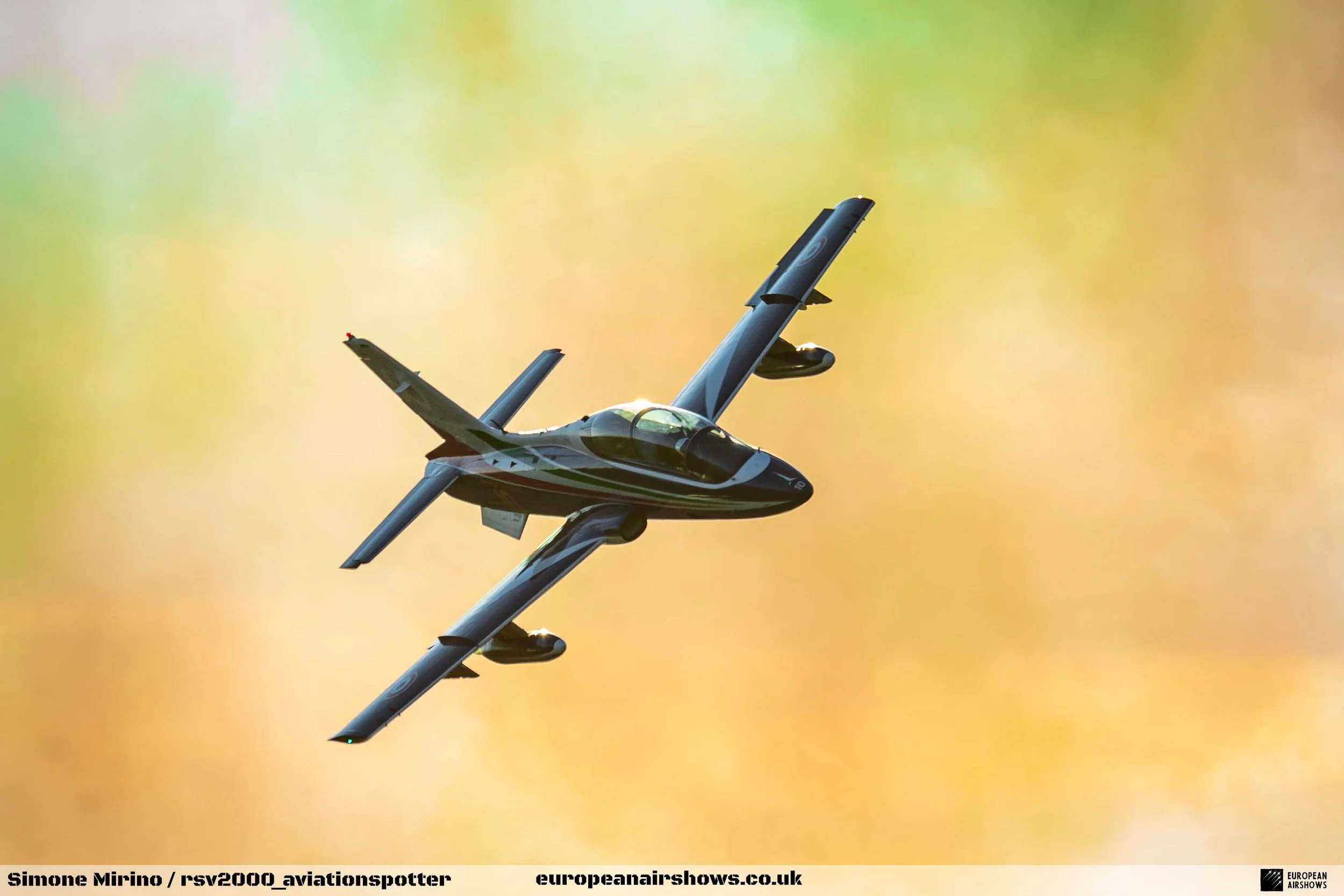
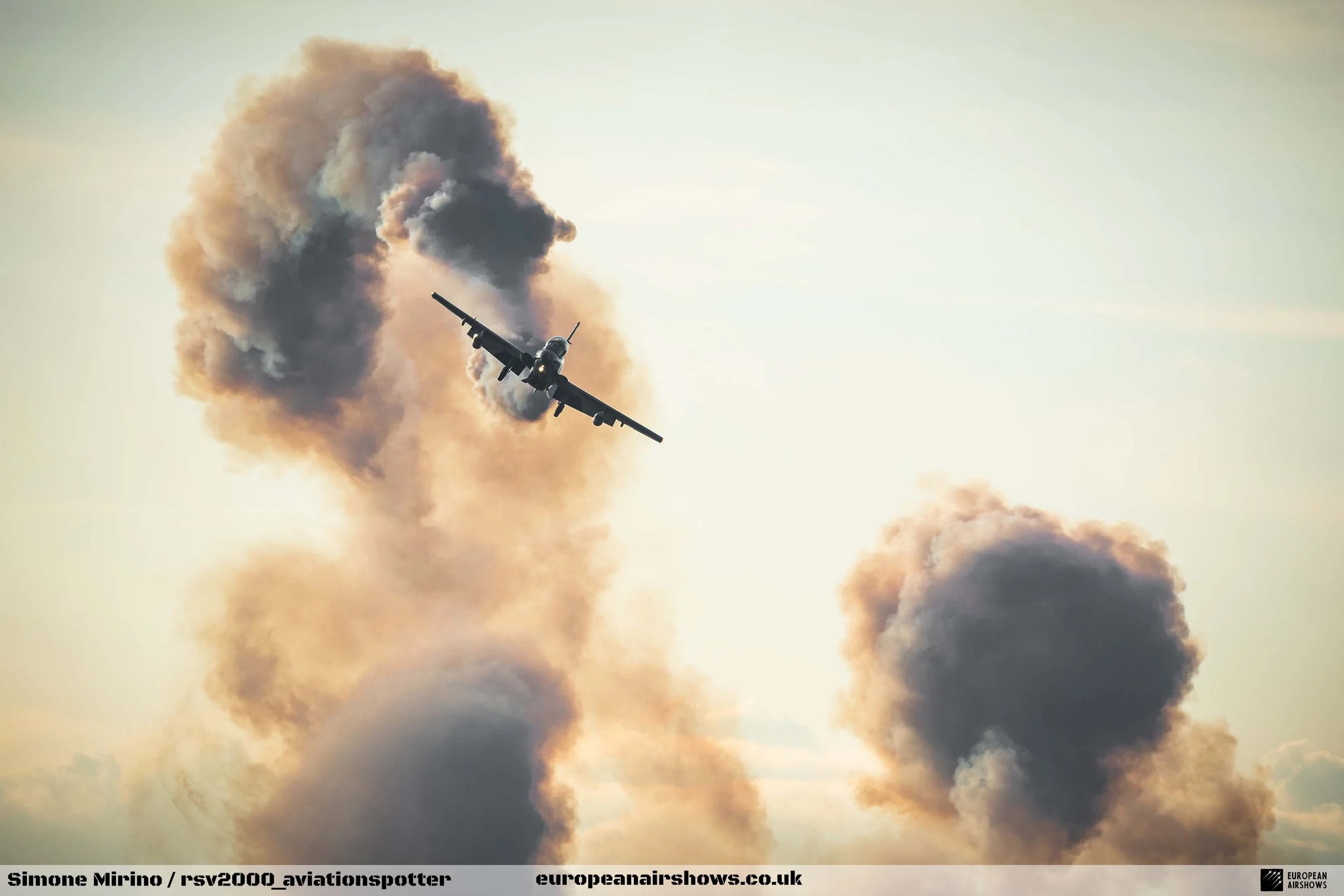
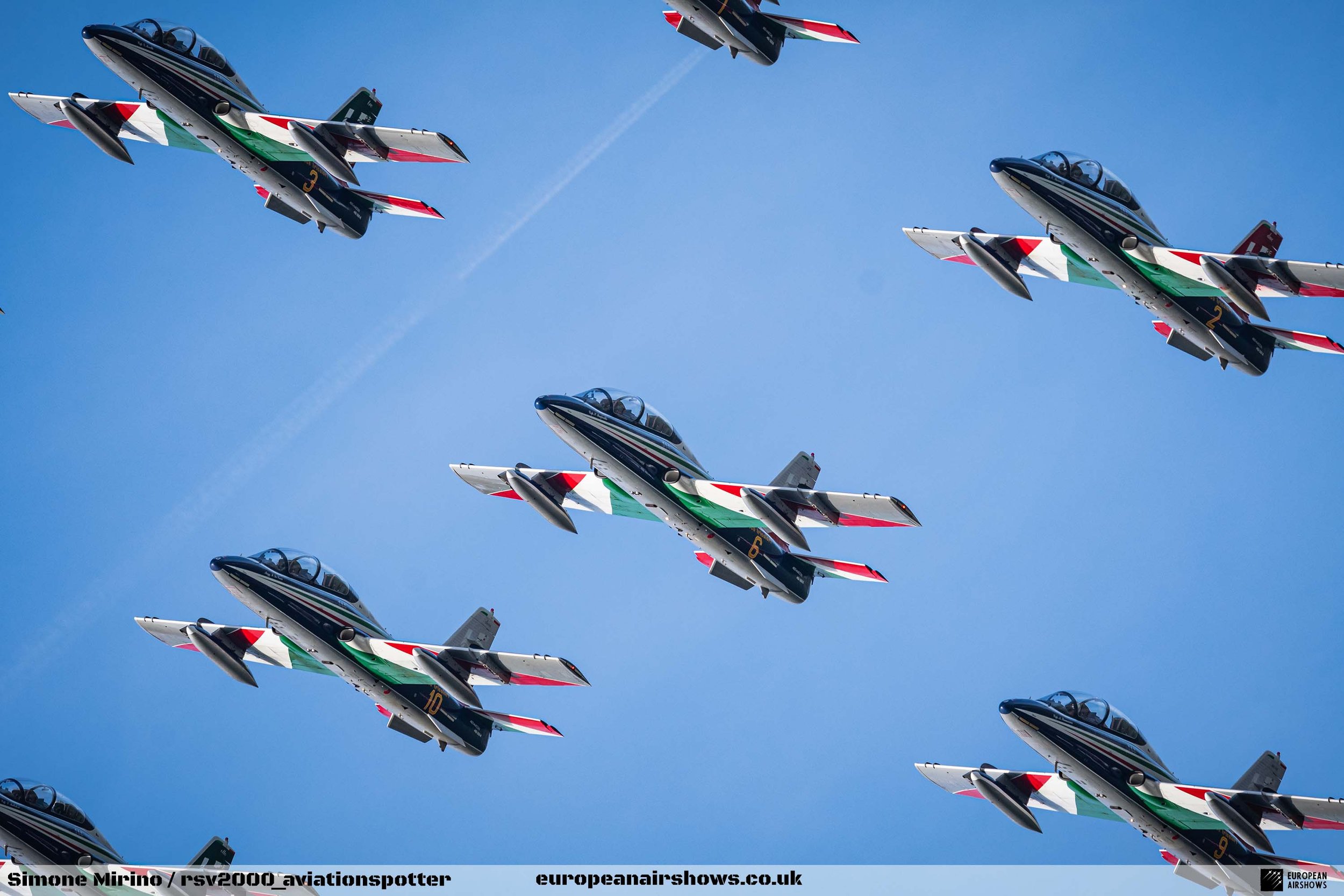
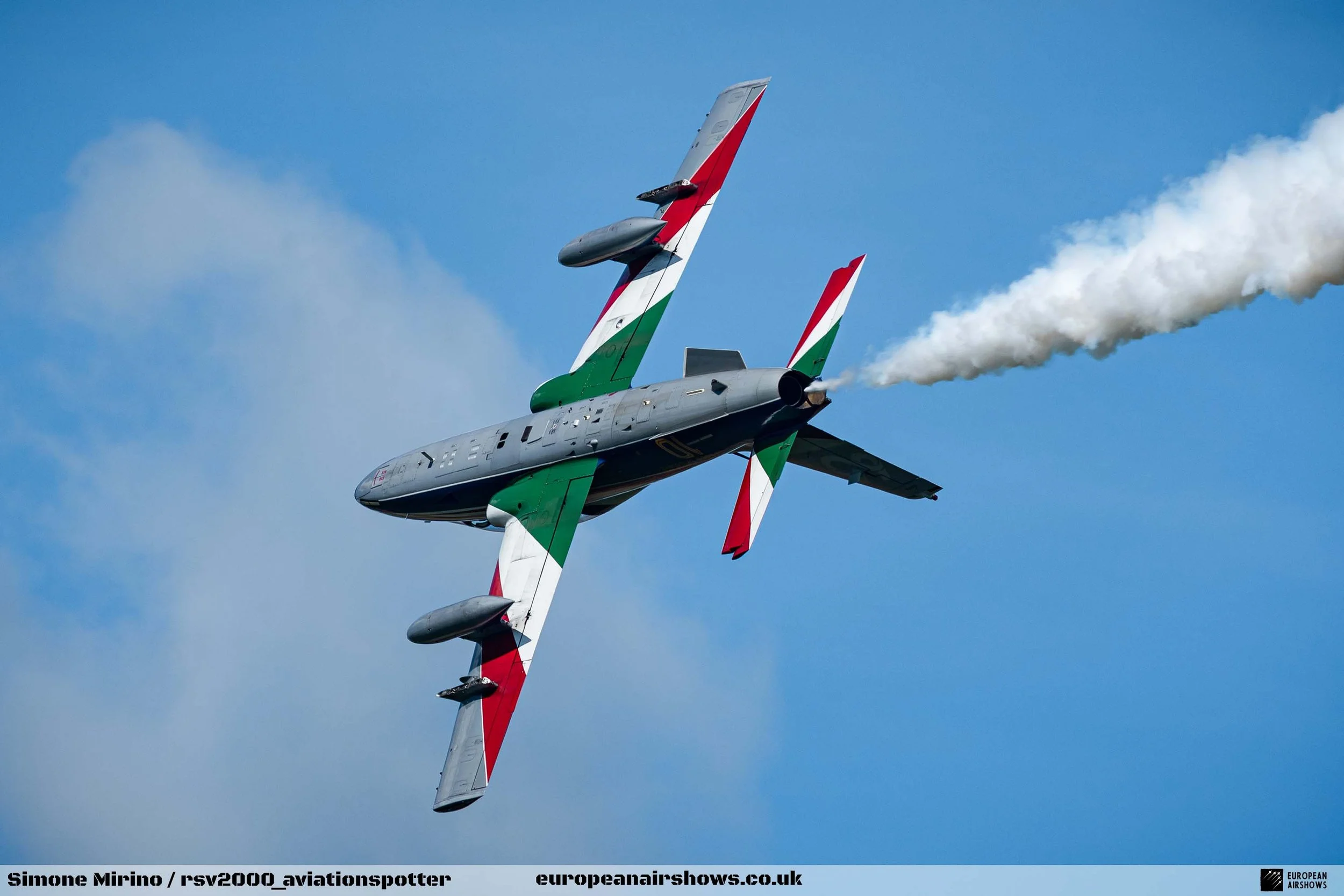
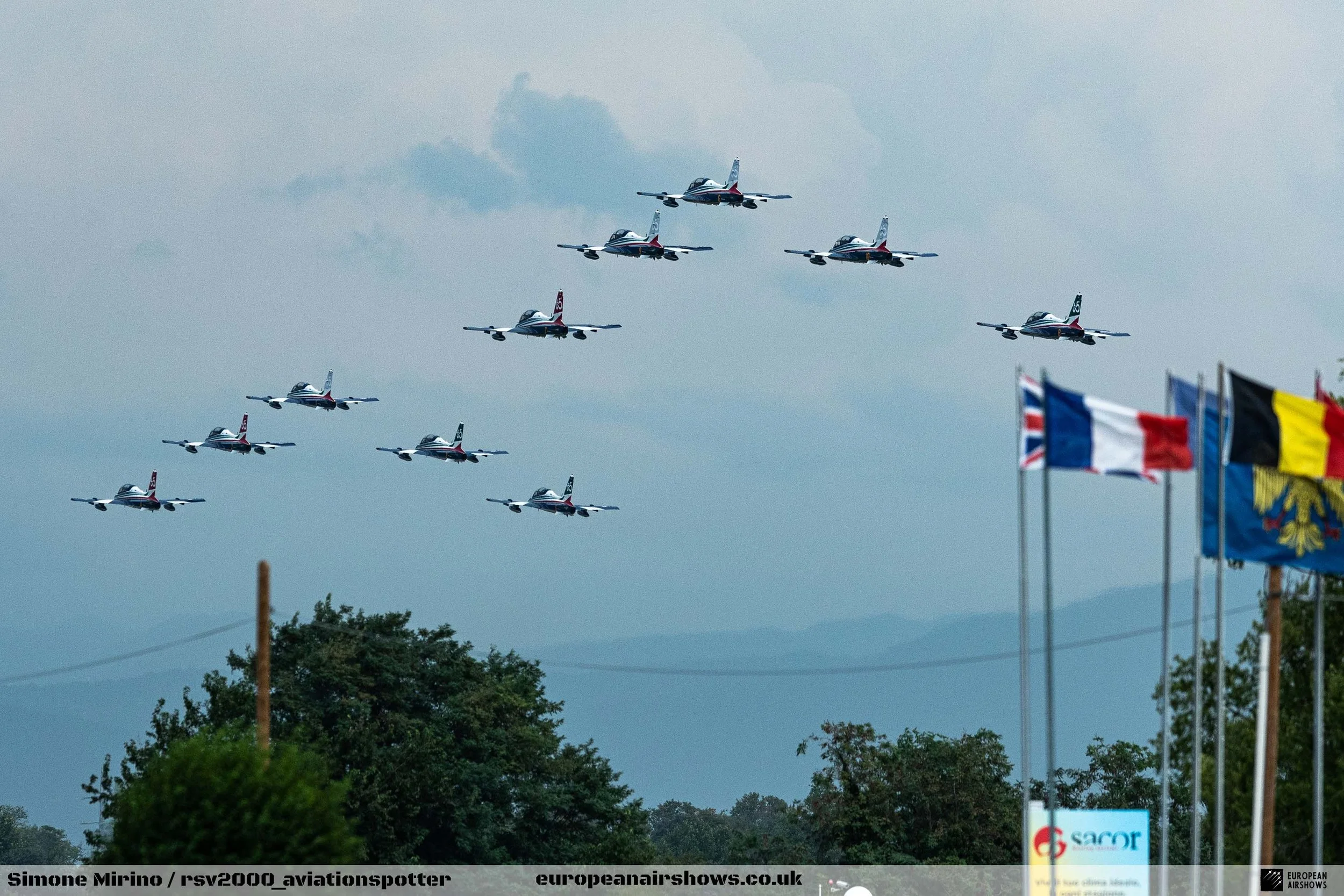
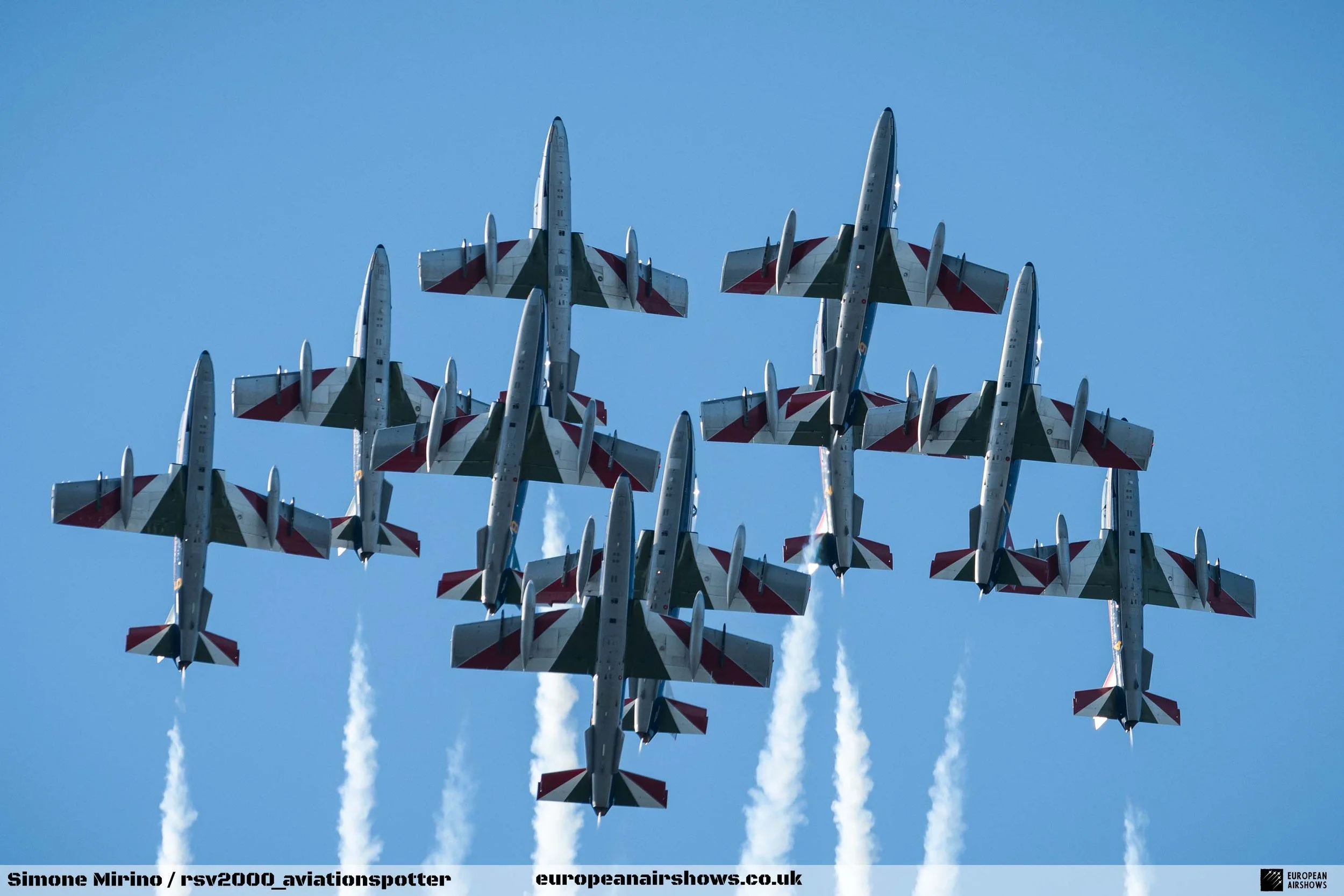
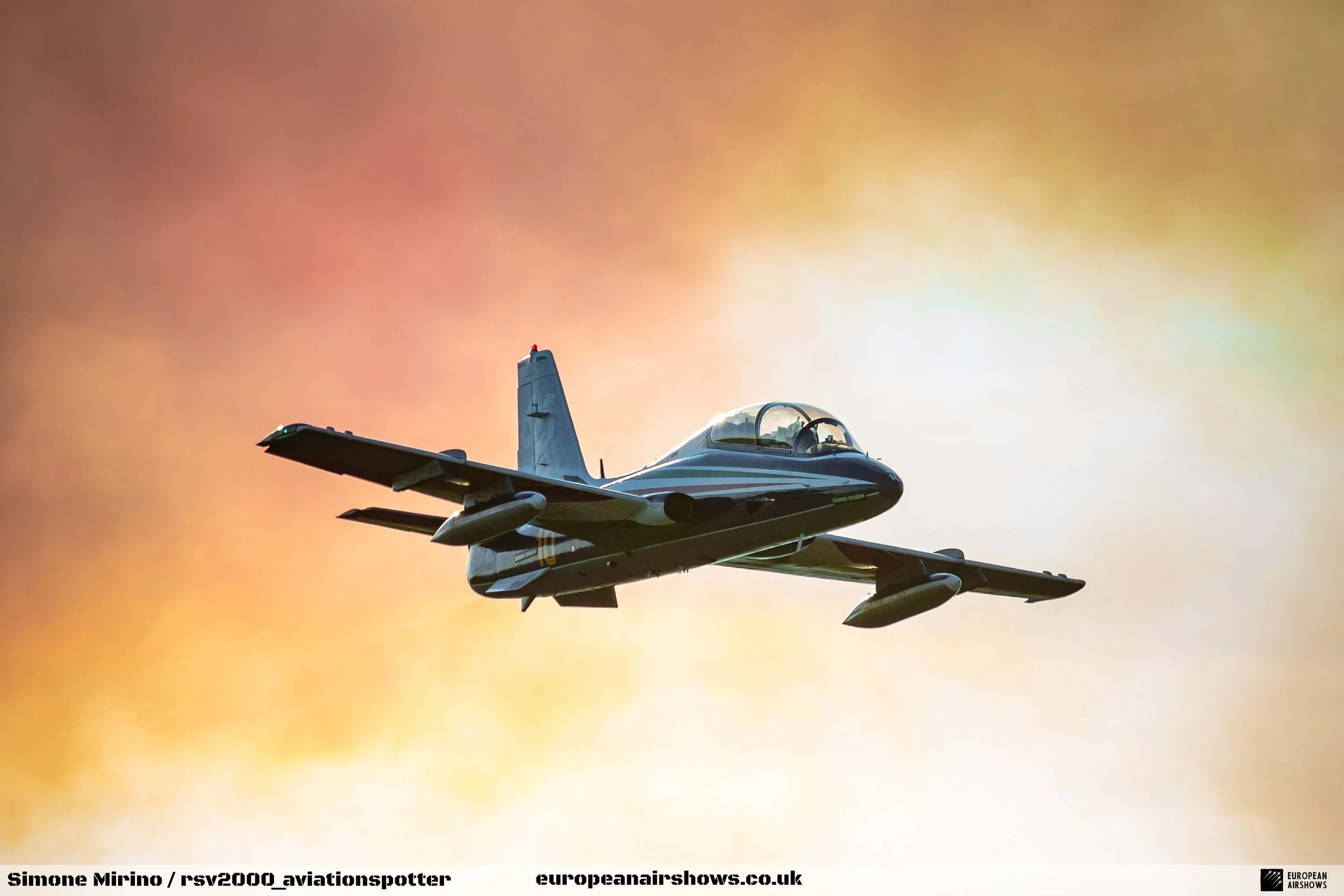
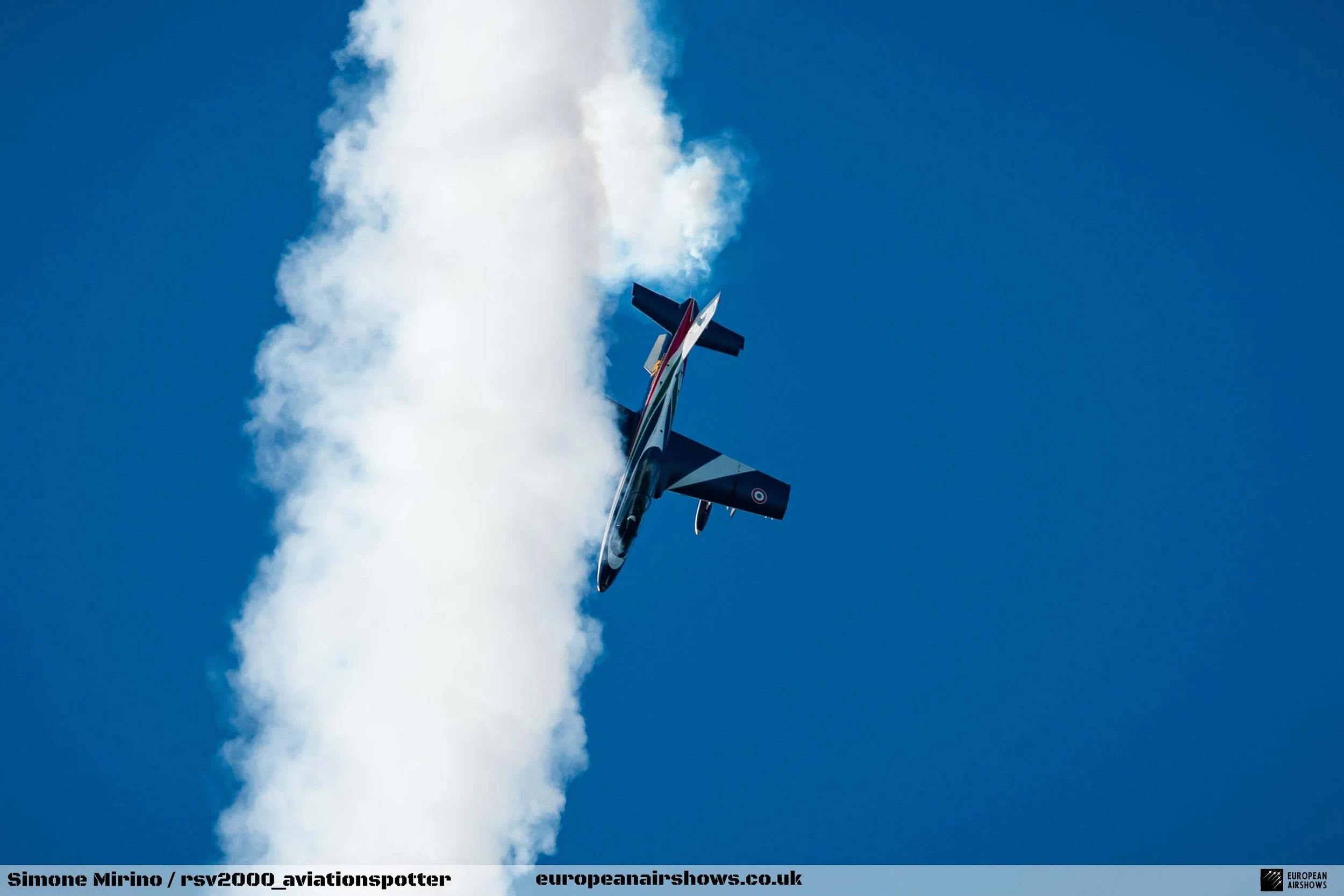
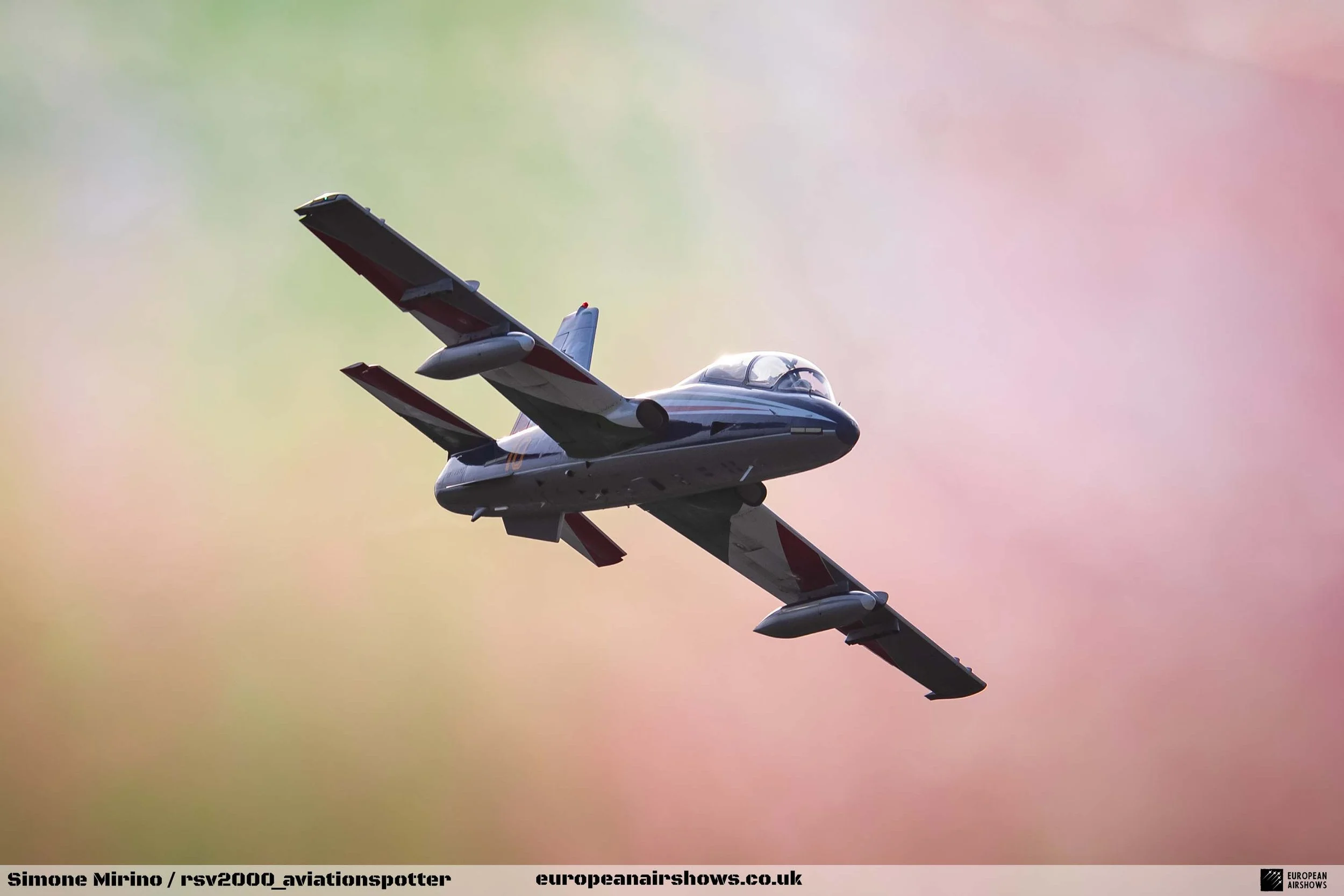
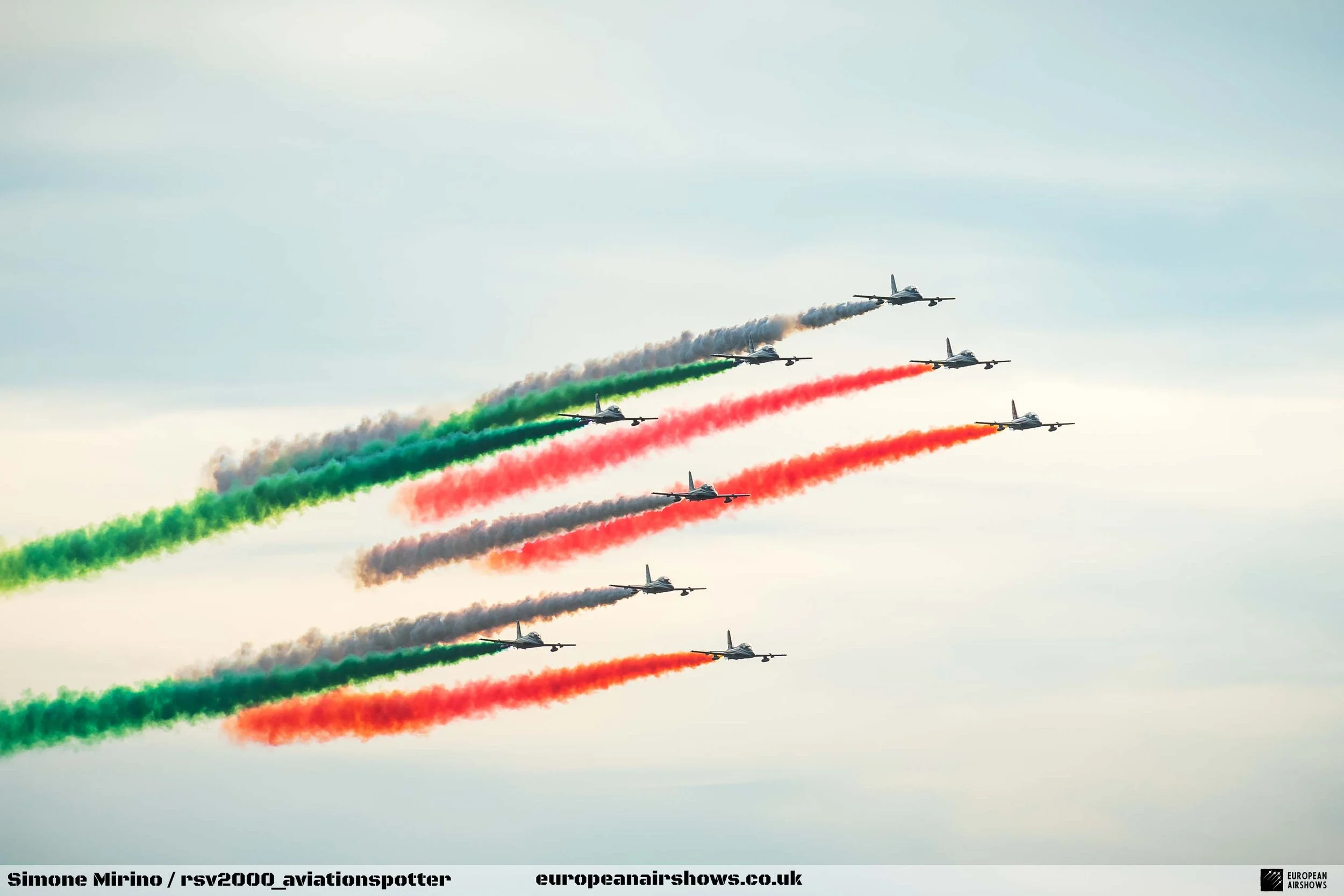
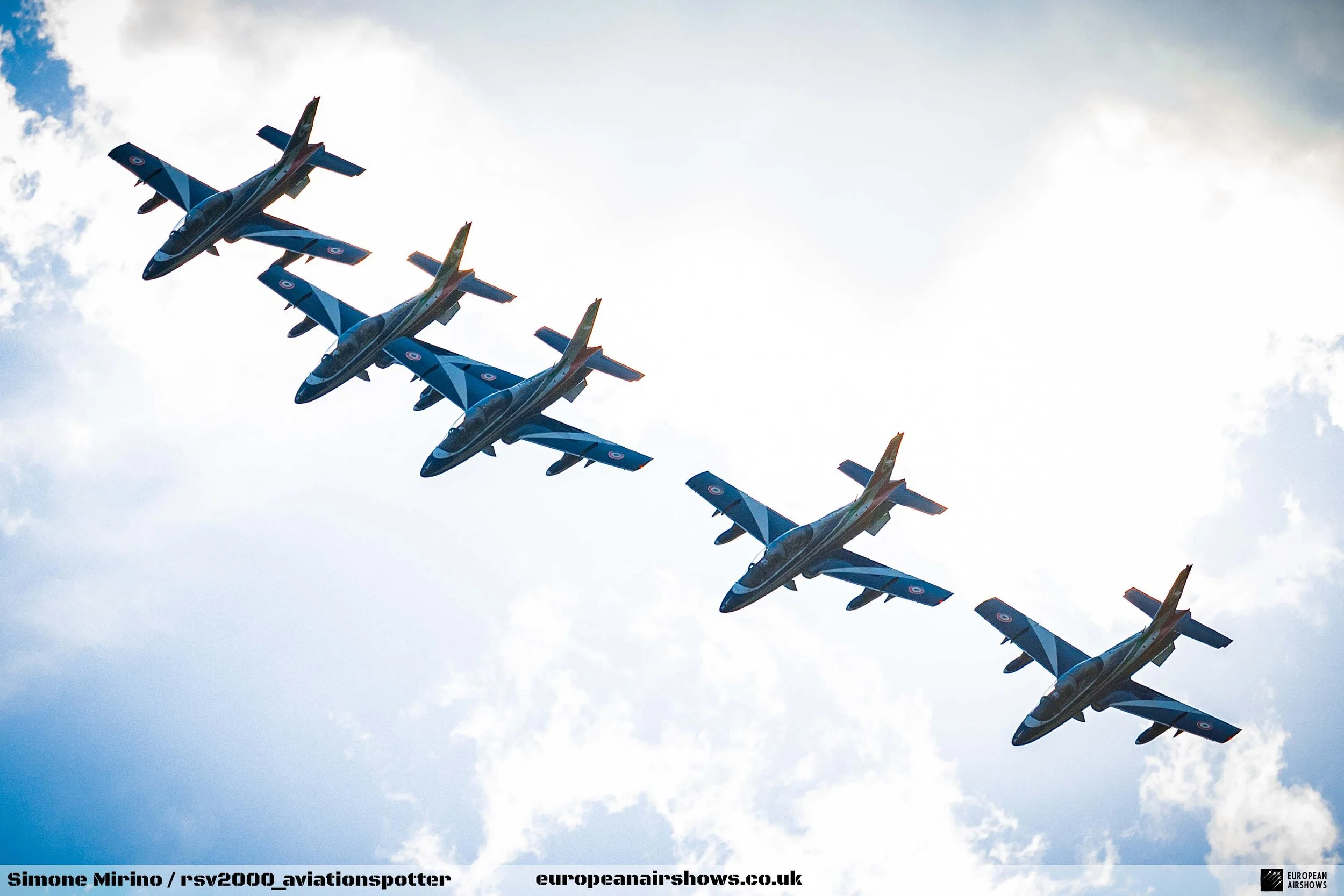
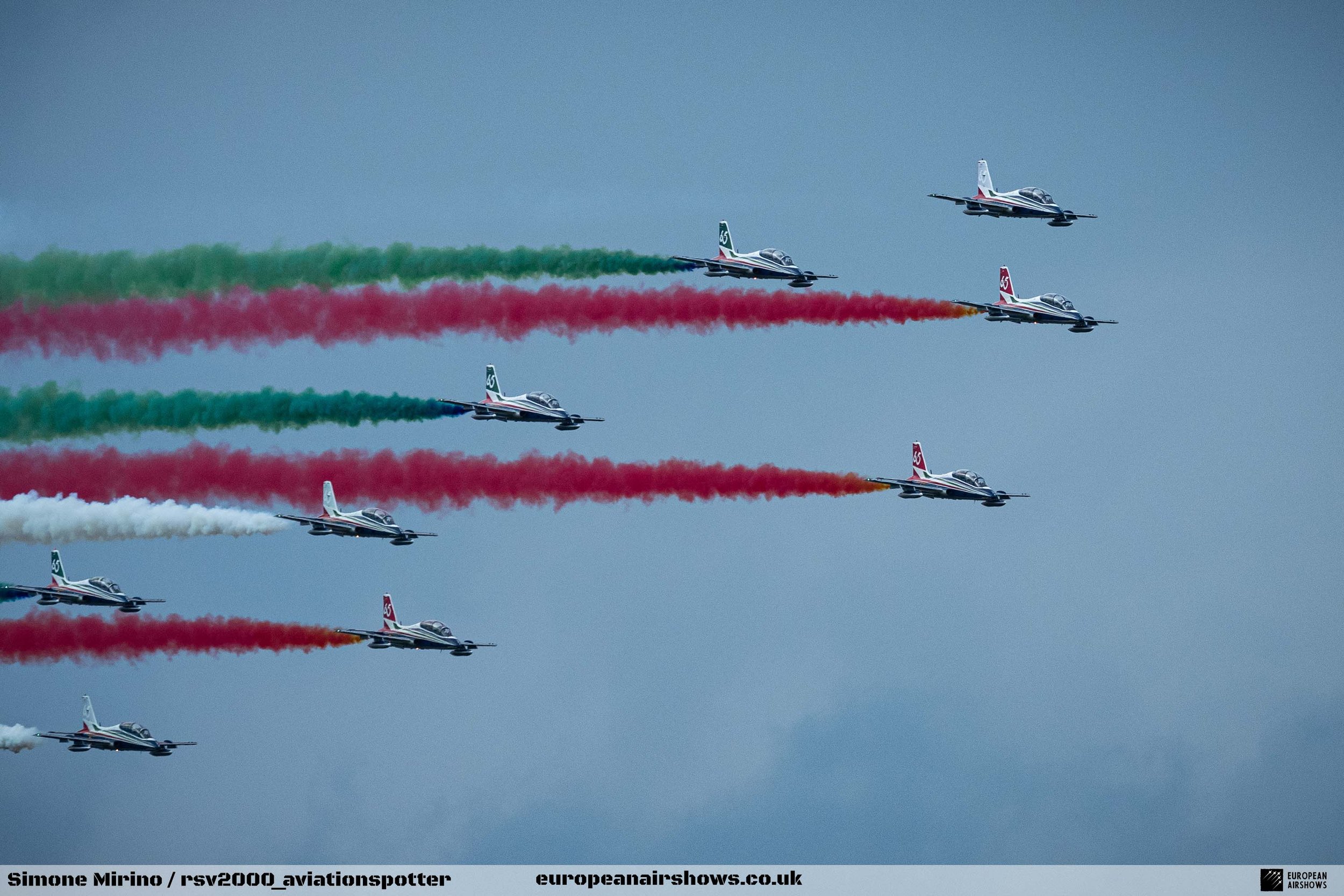
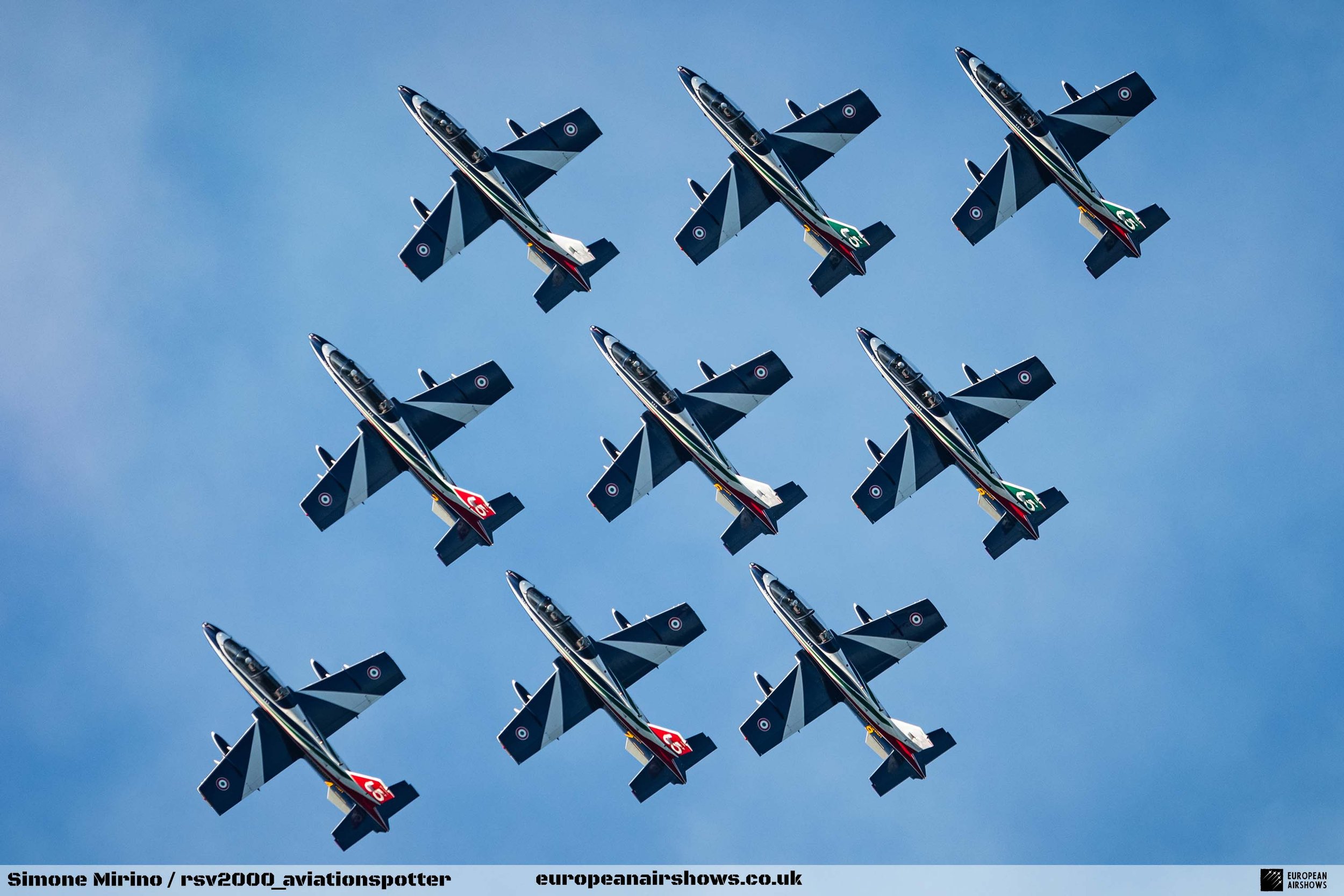
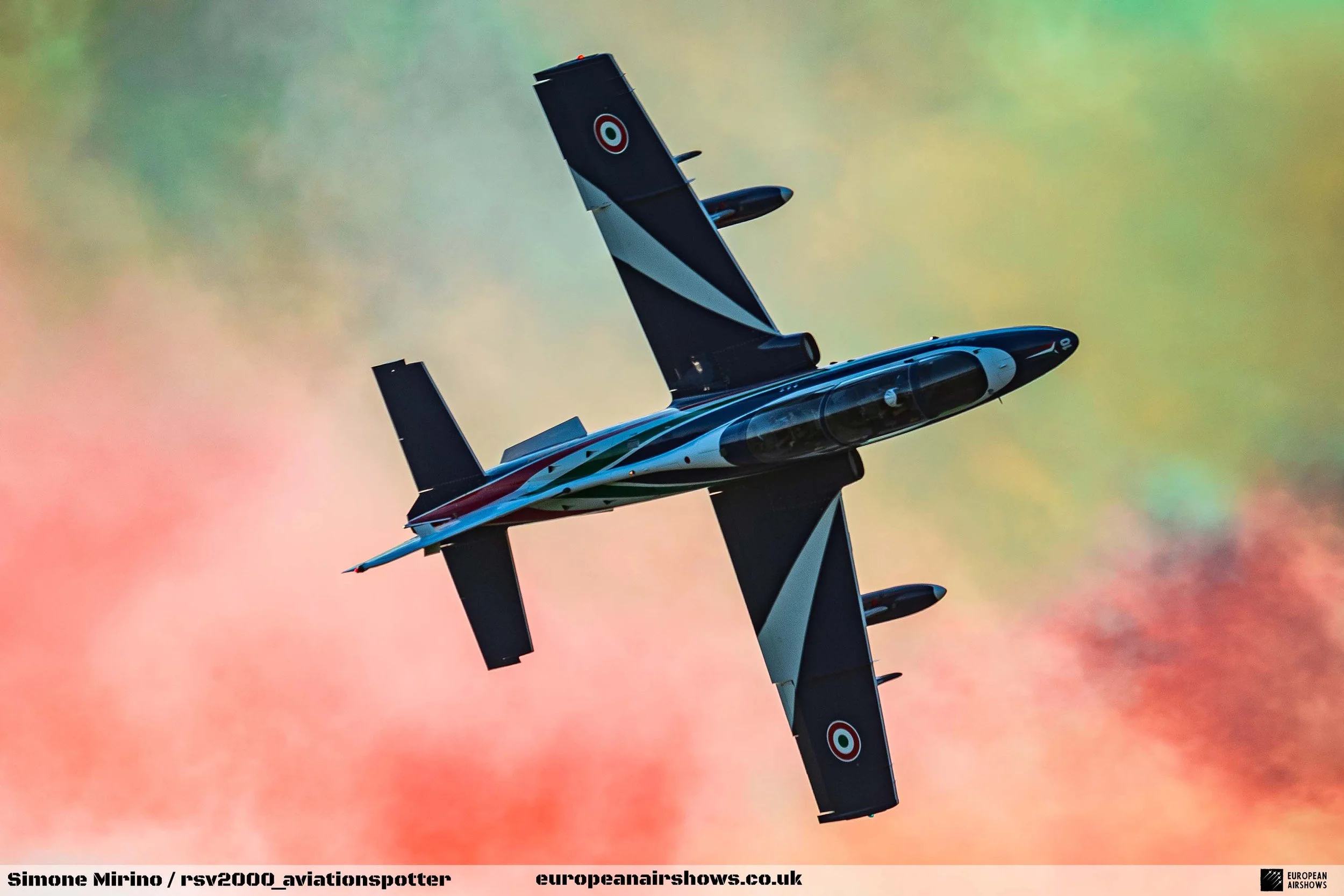
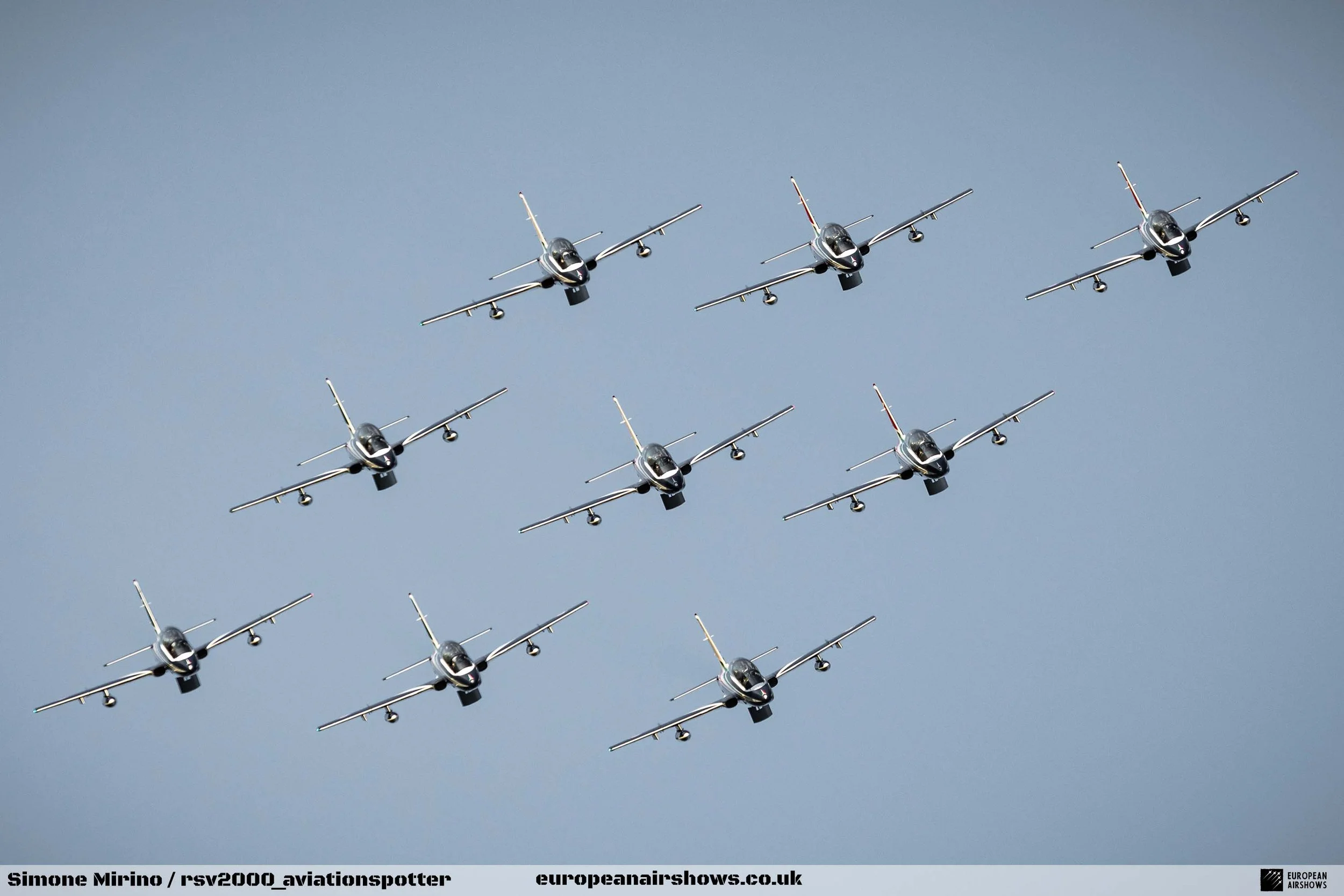
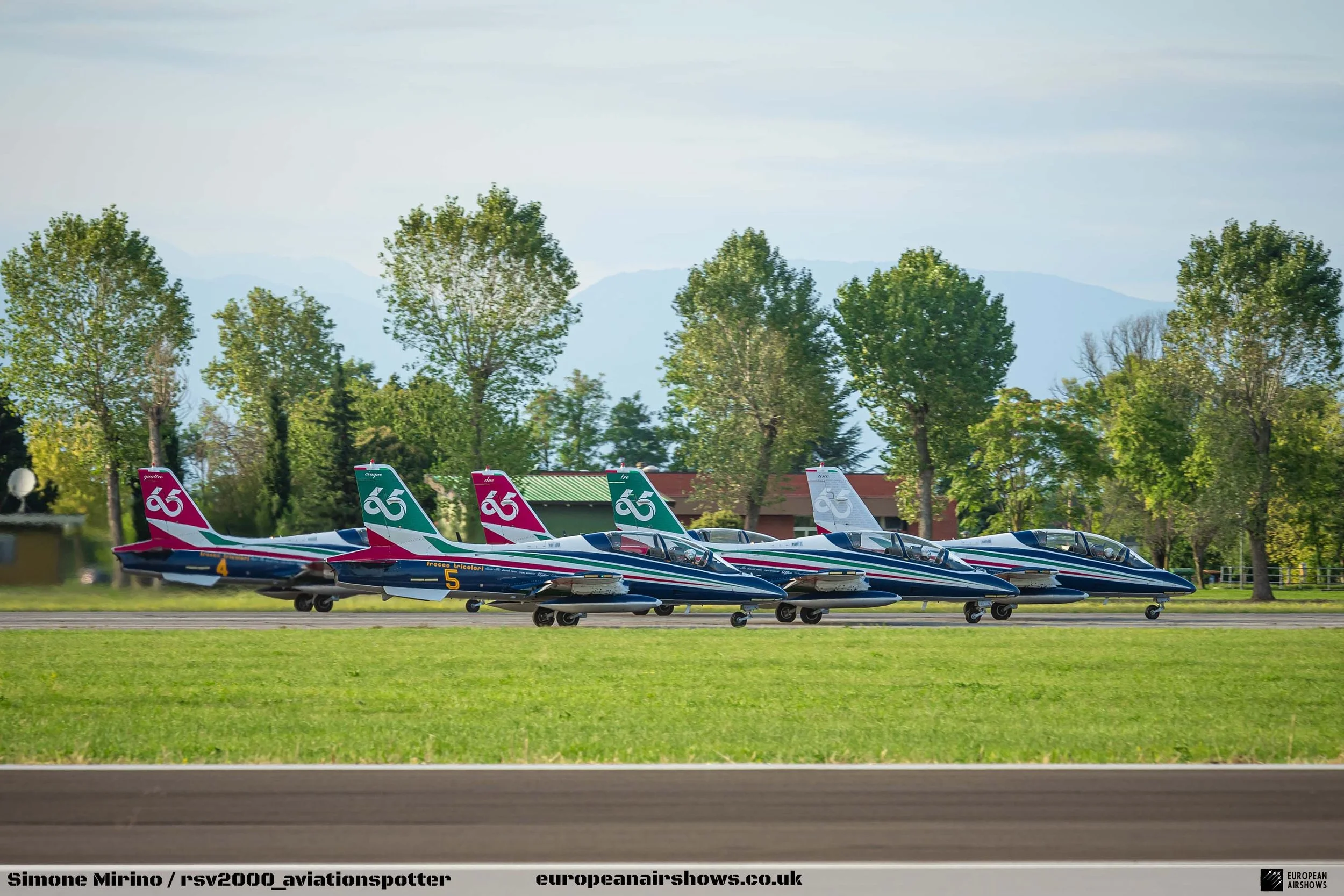
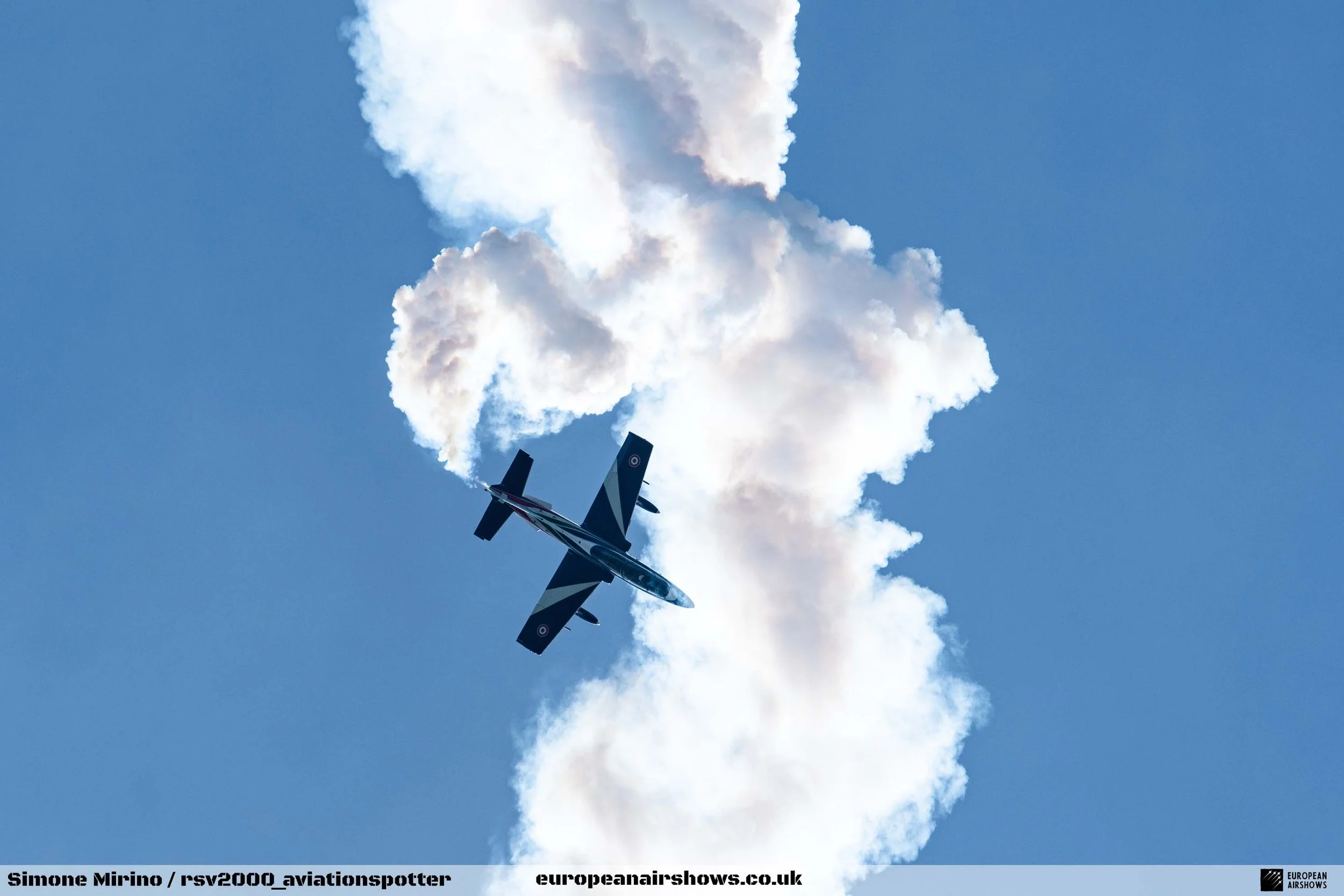
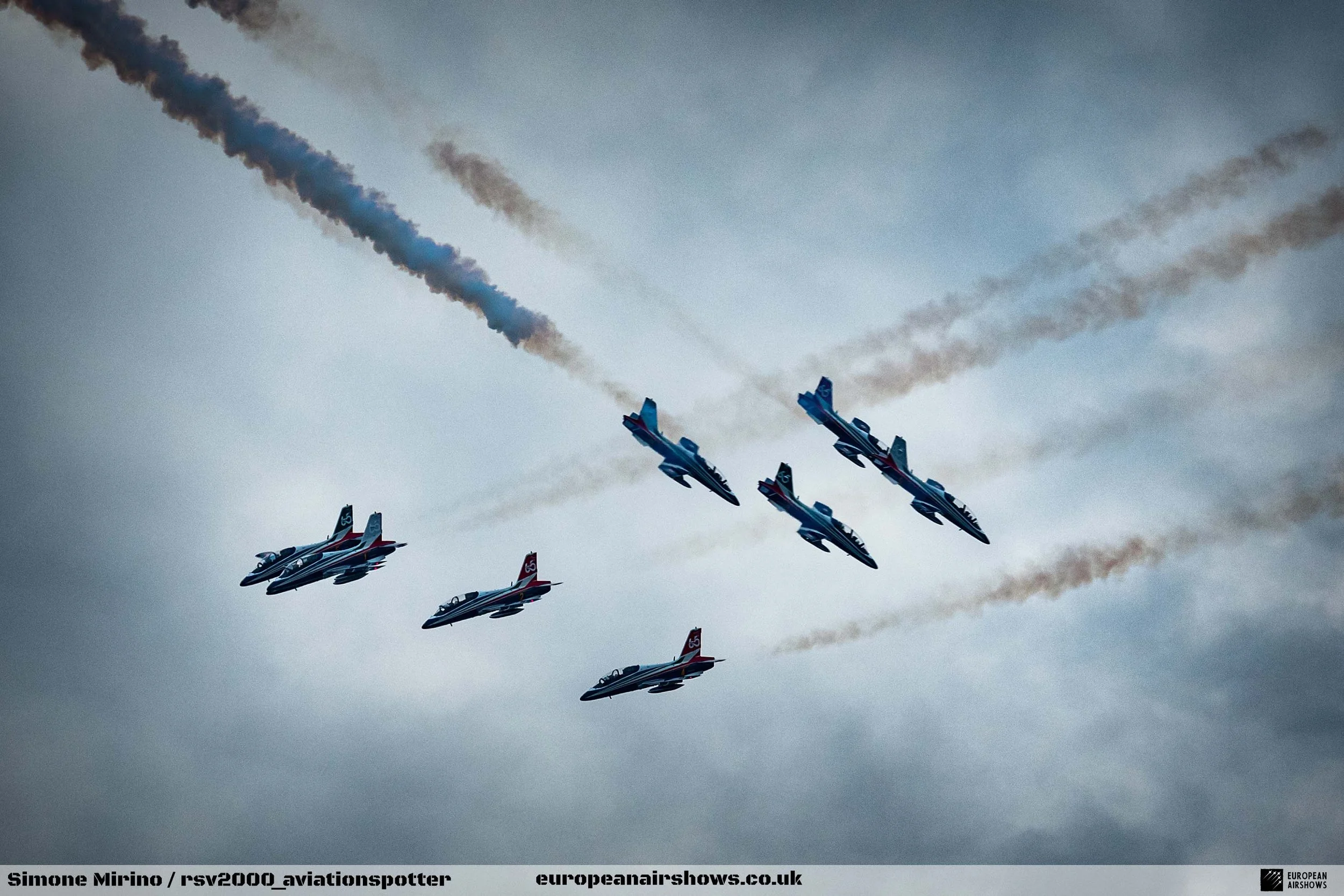
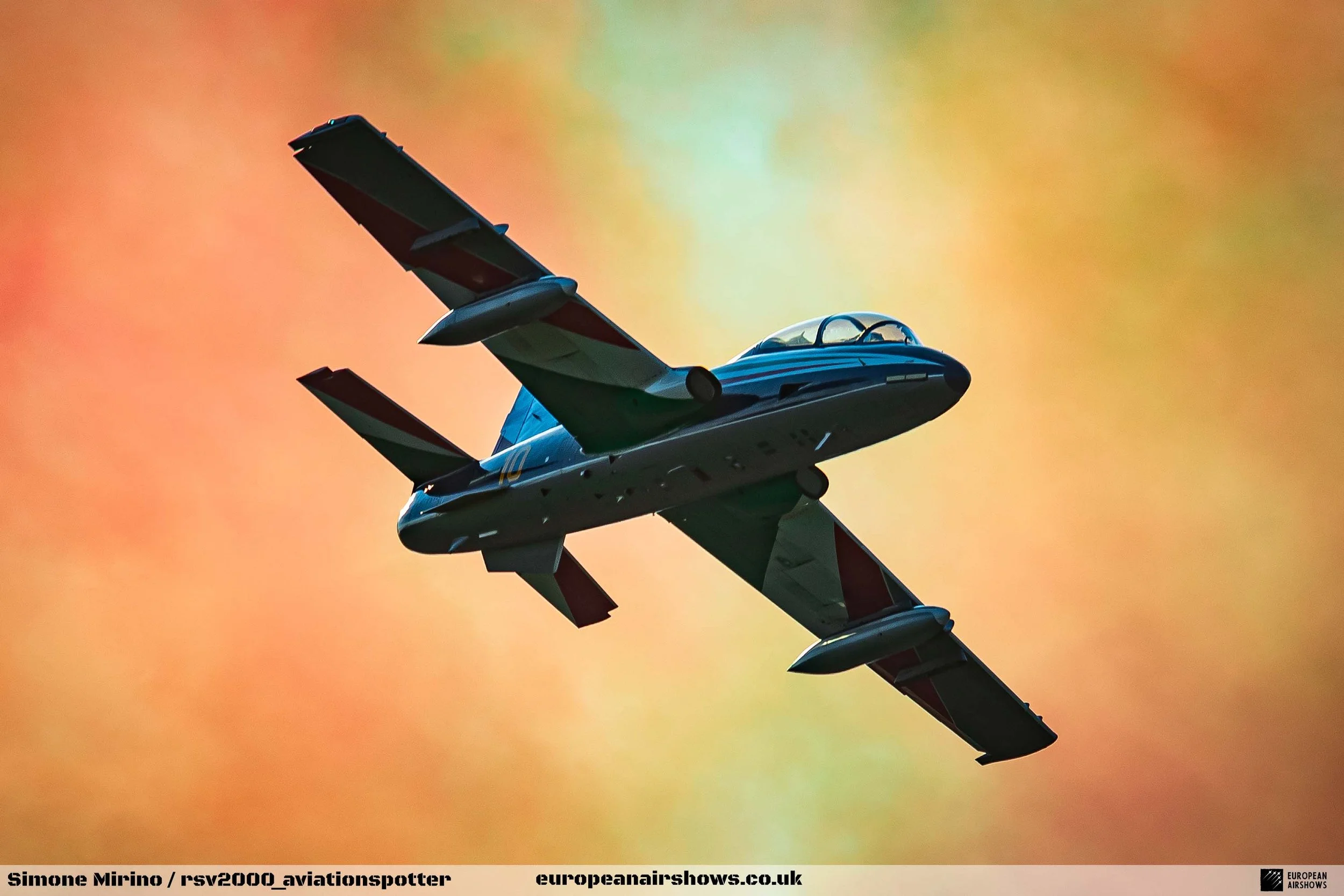
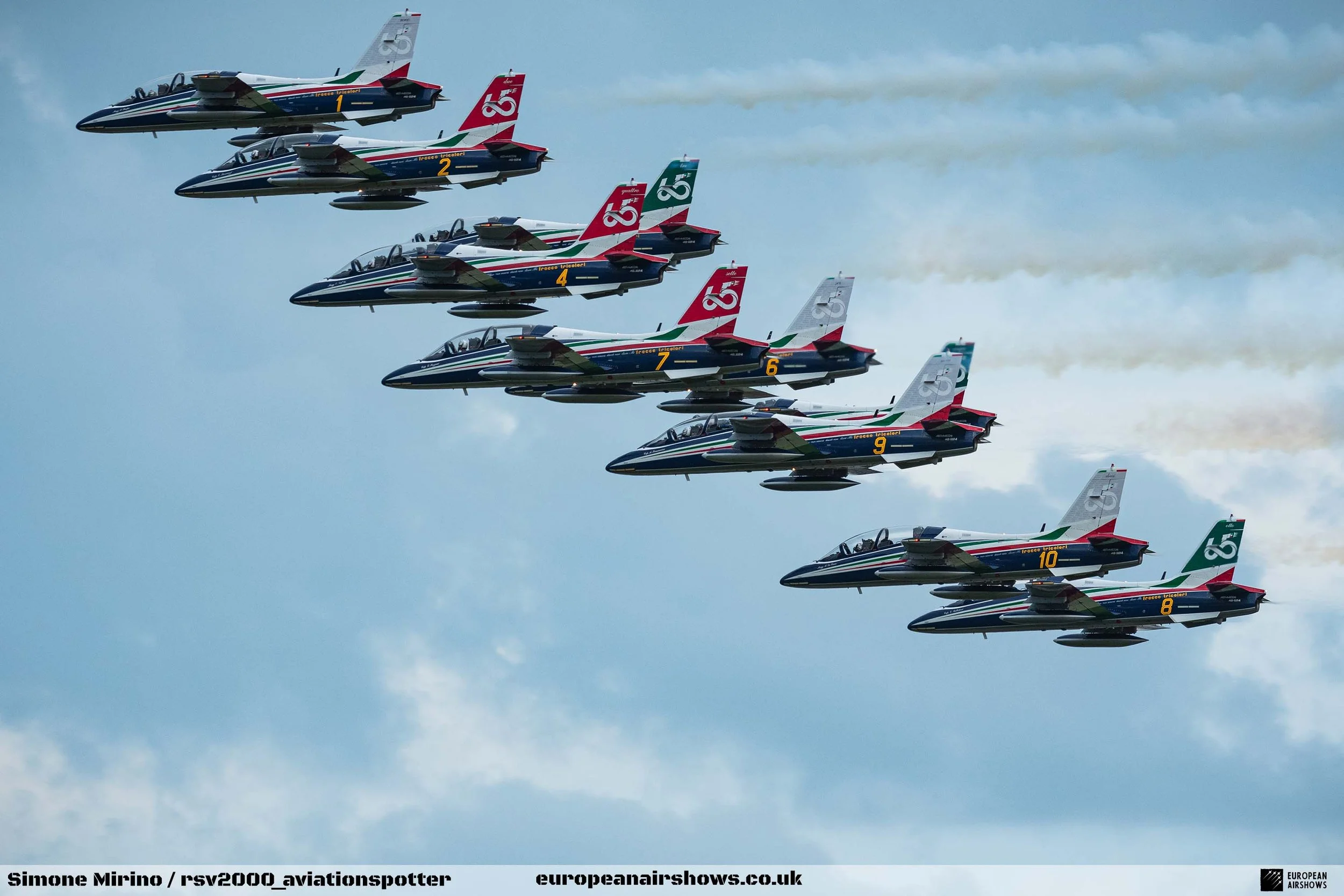
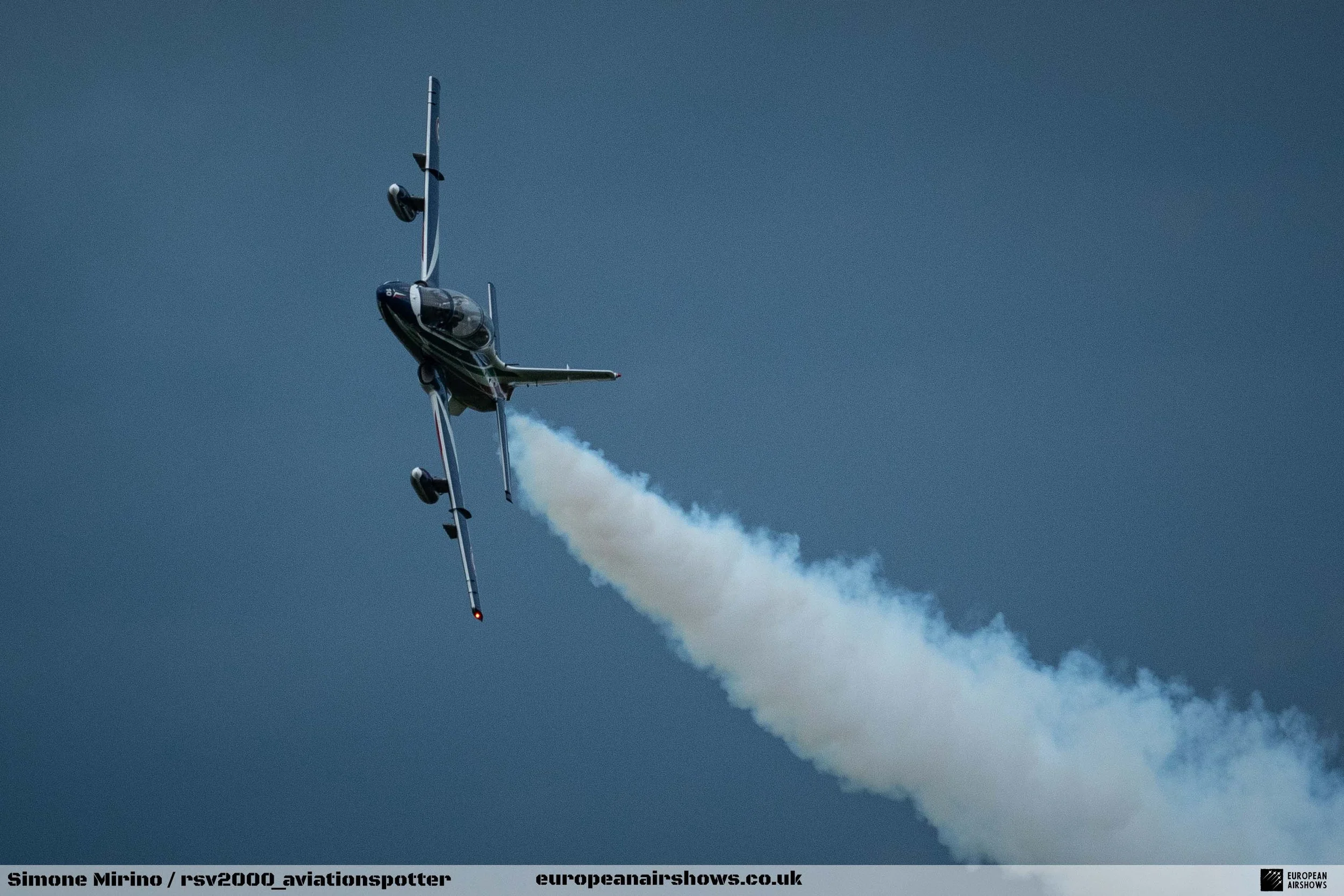
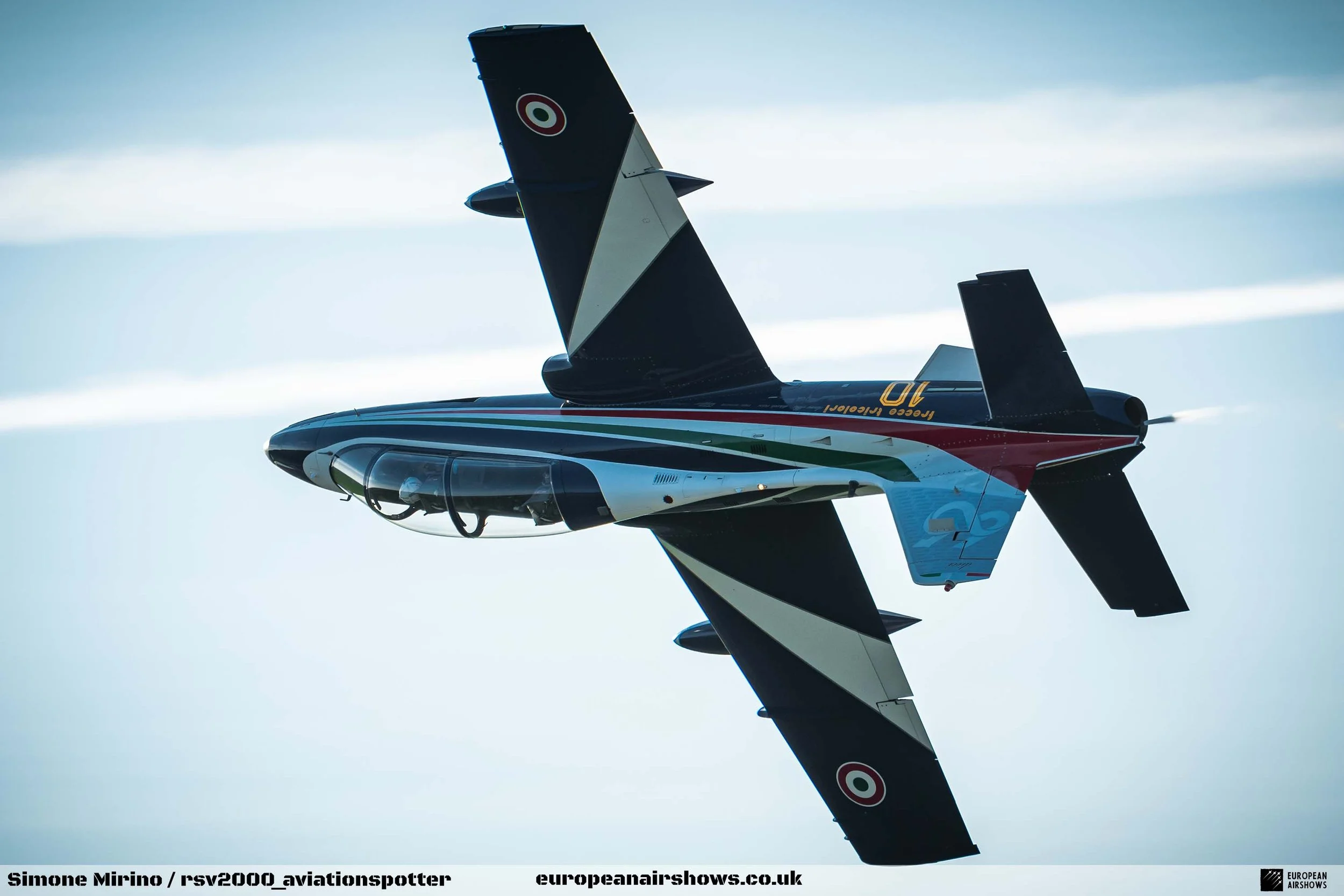
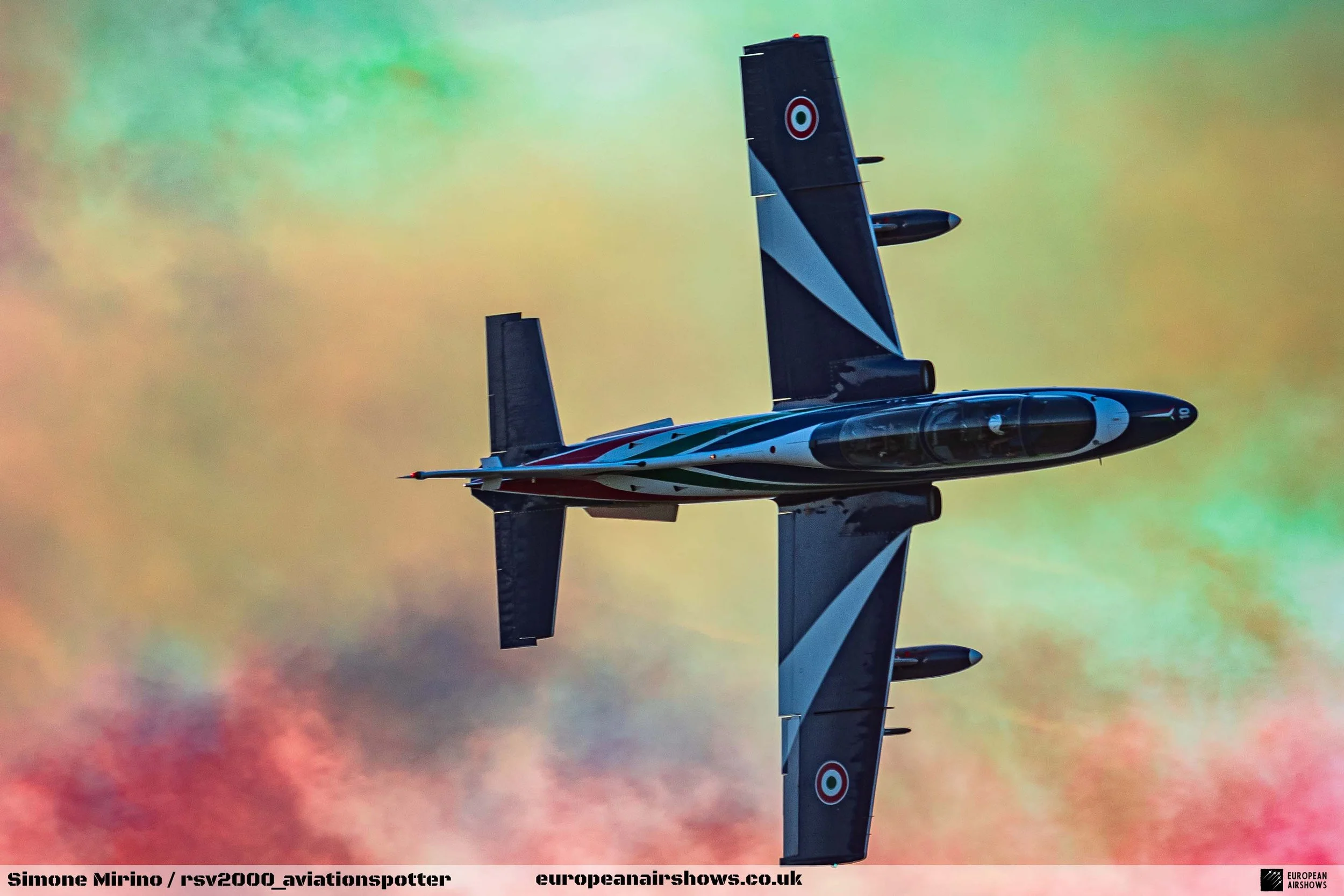
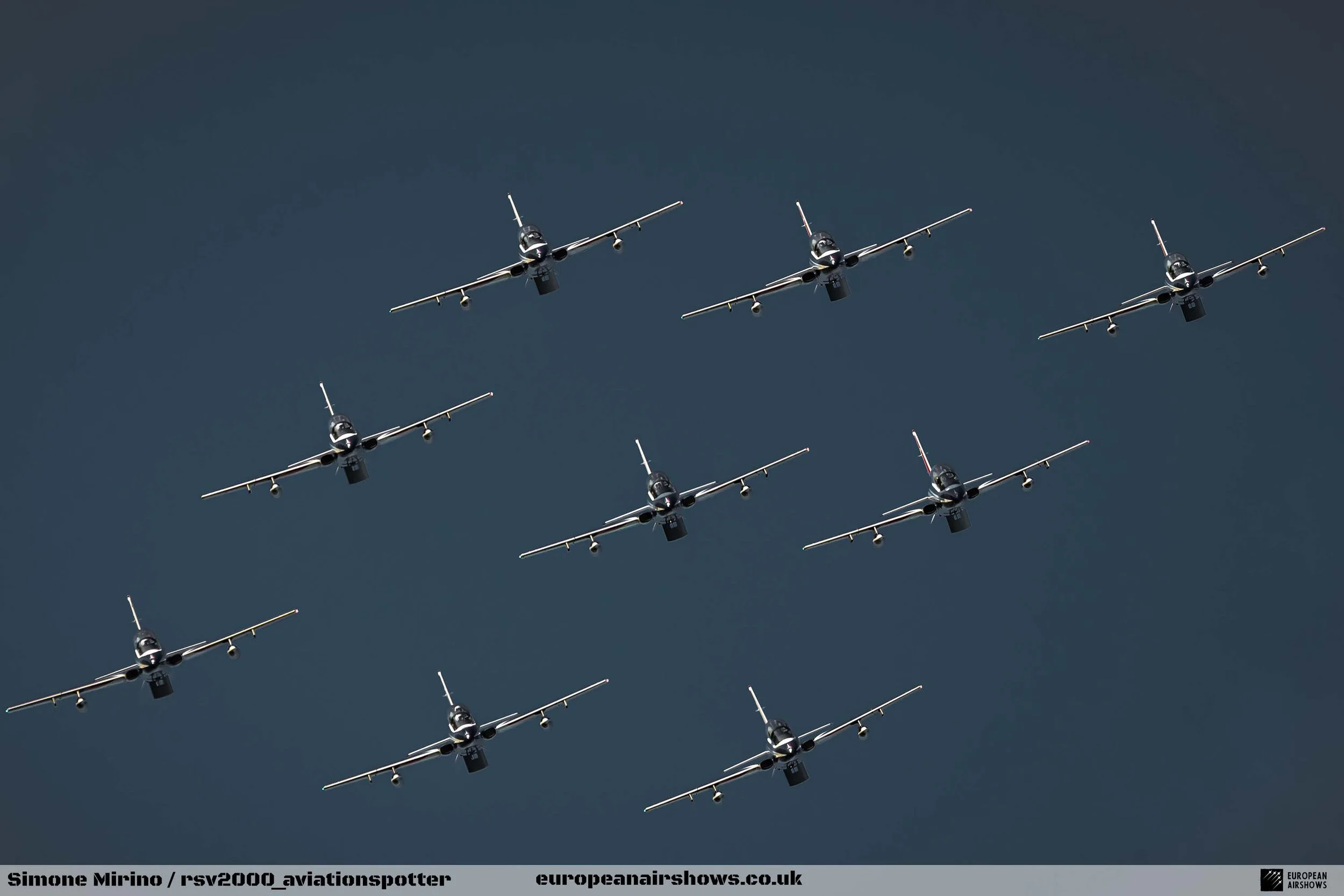
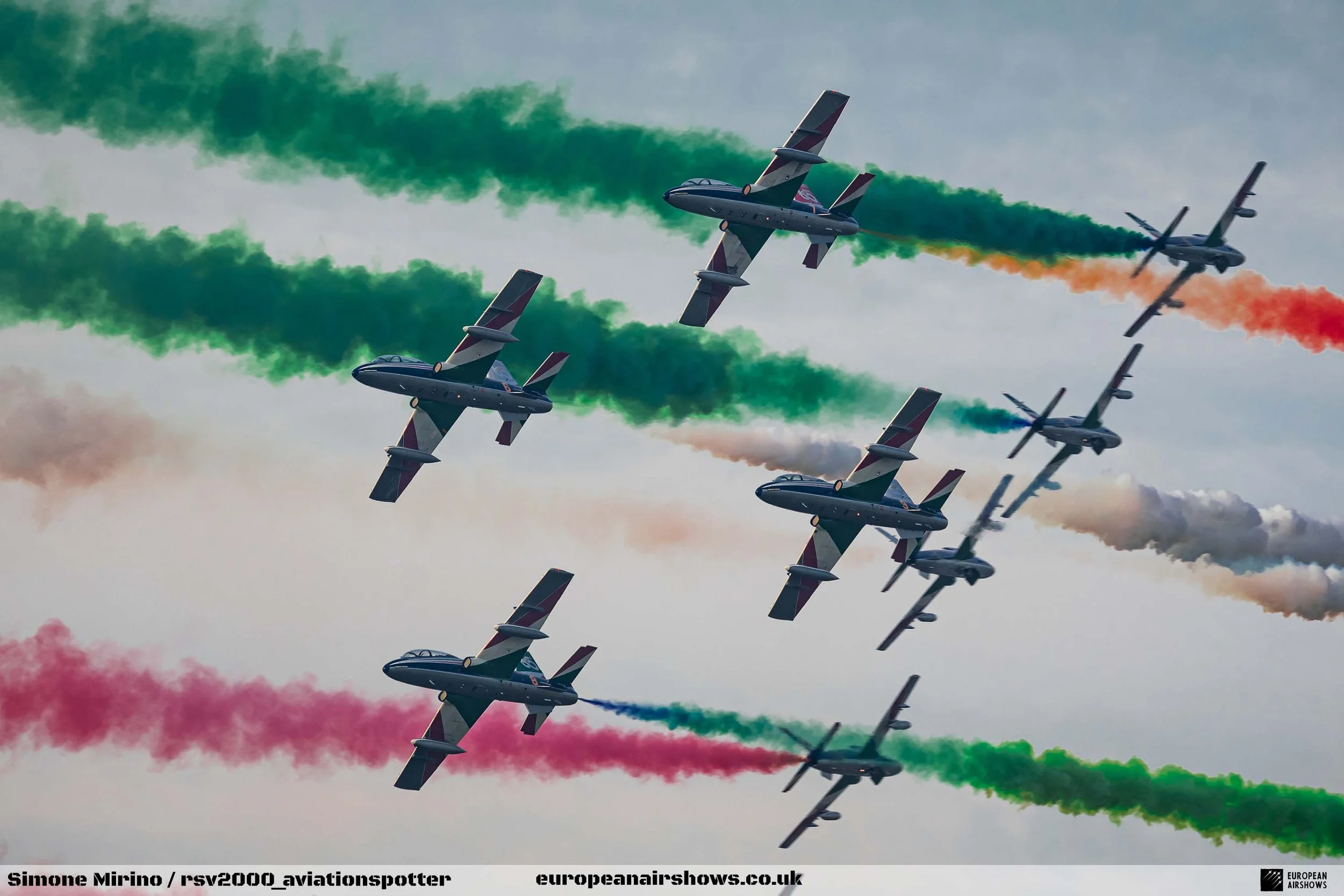
Finally, the Frecce Tricolori, flying their Aermacchi MB-339PAN jets, closed the show with an emotionally charged display, painting the sunset sky with colour. Precision, timing, and elegance made their display a true work of art. It was the “Grand Finale” of an amazing day that thrilled hundreds of thousands of spectators. As the team closed their display, their nine-ship formation trailing the vast Italian flag across the horizon, the crowd erupted in cheers. It was more than a performance—it was a celebration of identity, of excellence, and of a bond between a nation and its skies.



For 65 years, the Frecce Tricolori have inspired wonder. At Rivolto this year, they reminded everyone why.
What made this Anniversary celebration remarkable was not only the scale of the event but the emotion it carried. The flawless organisation, the sense of history, and above all, the artistry of every performer combined to create a weekend that will be remembered by all who were there.
