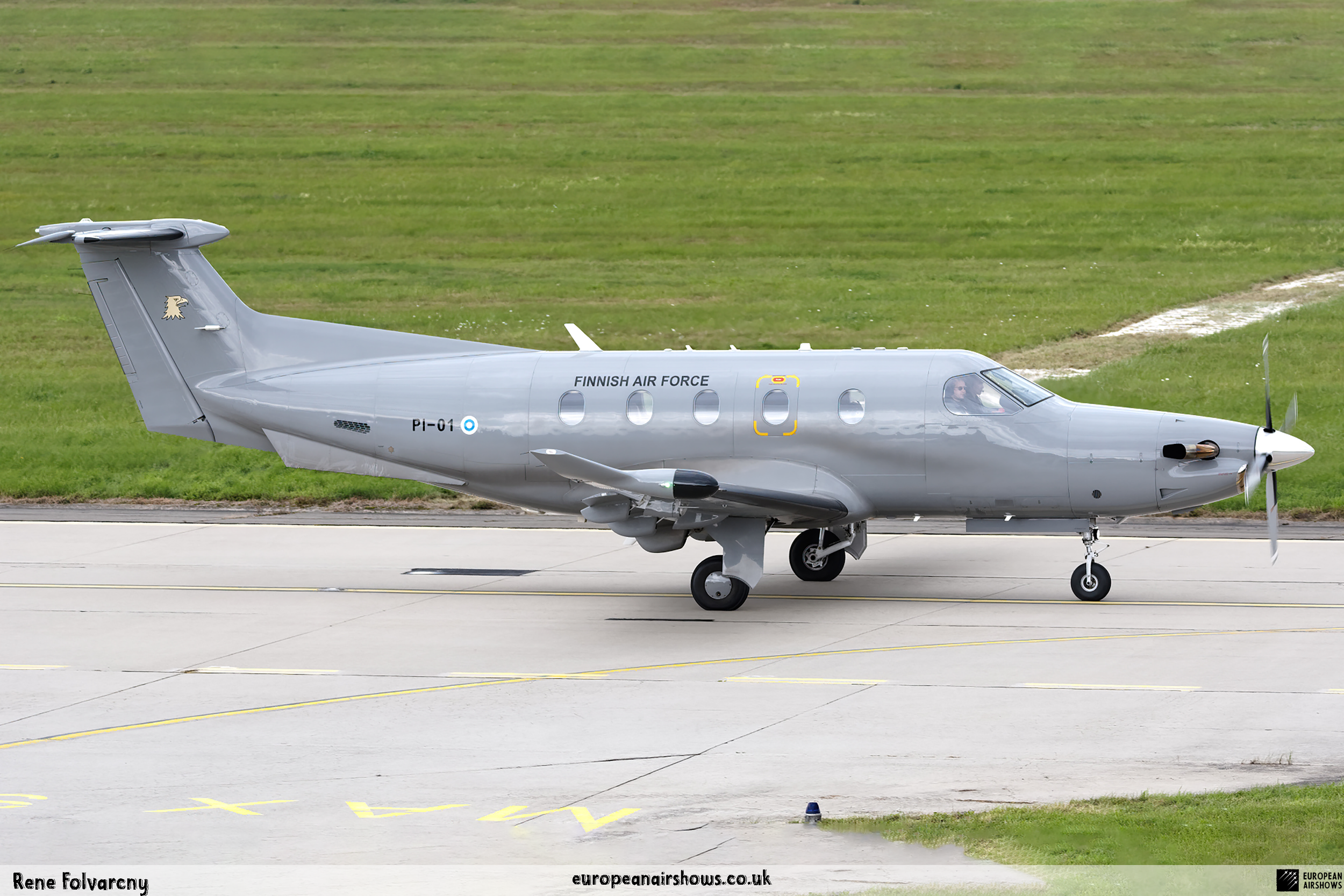
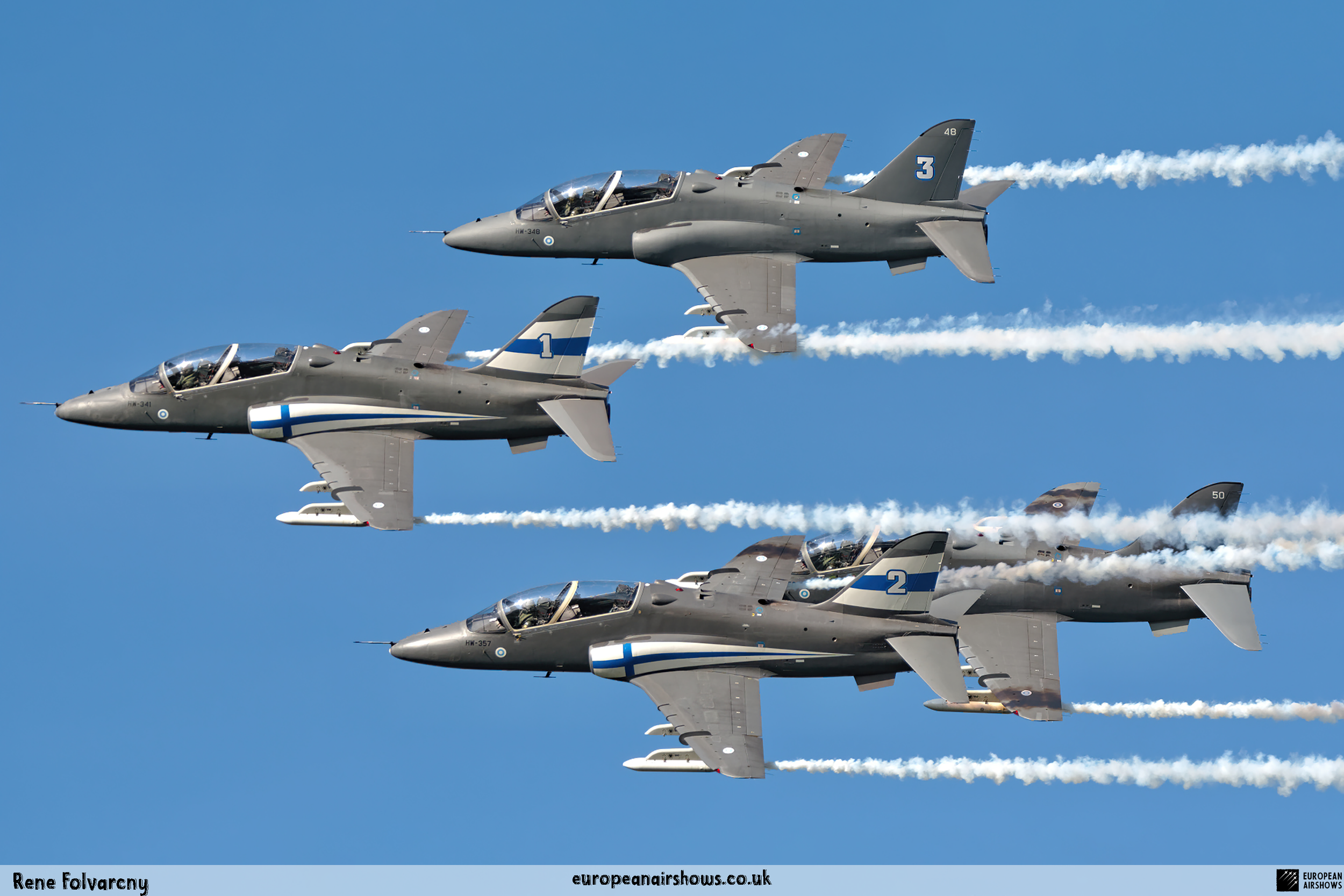
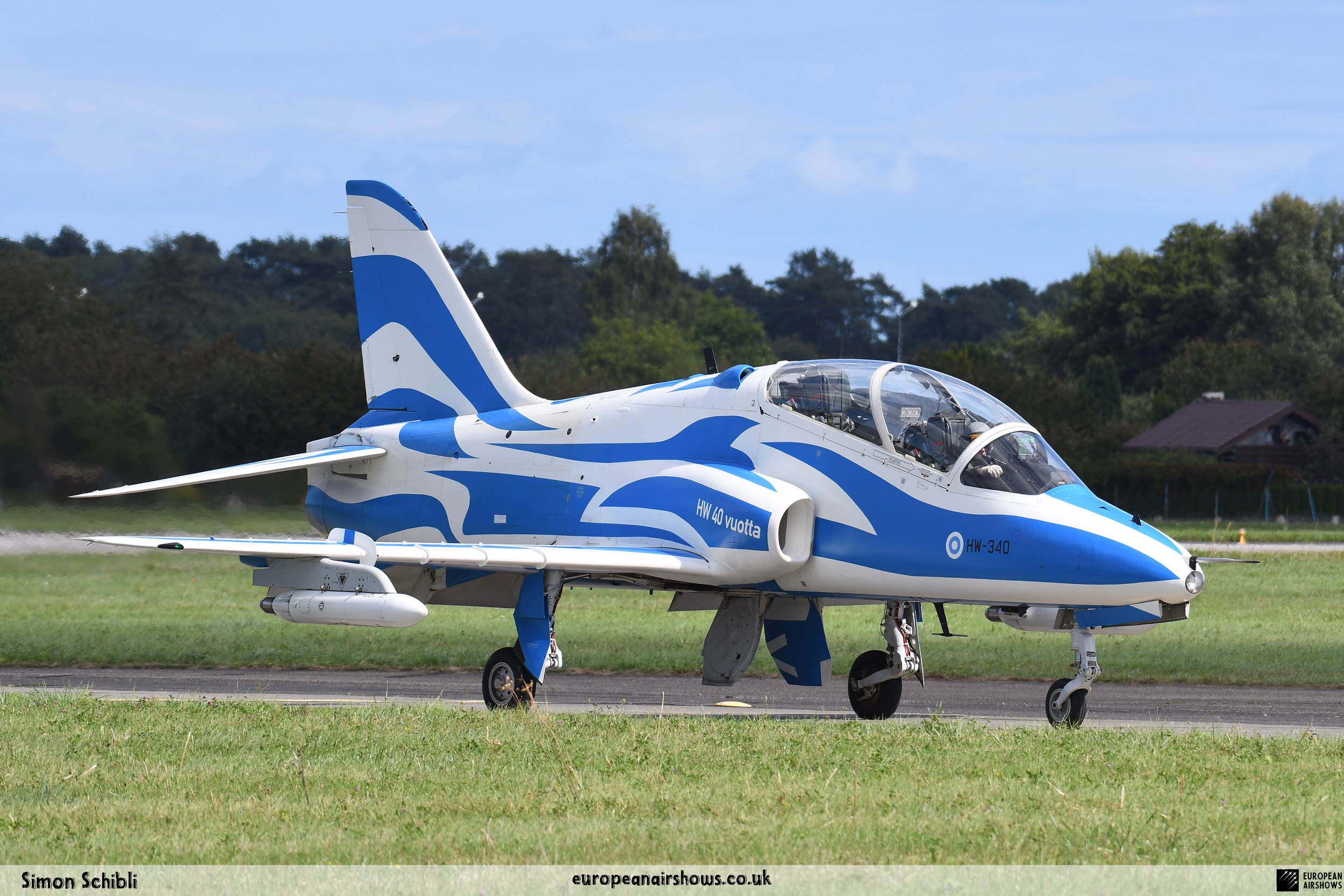
Finnish Air Force
From a donated Thulin Typ D in 1918 to NATO-era F-35s — over a century of agile, dispersed air defence
The Finnish Air Force (Ilmavoimat) is one of the world’s oldest continuously operating air arms. Its official founding date — 6 March 1918 — marks the arrival at Vaasa of a Thulin typ D reconnaissance aircraft donated by Sweden’s Count Eric von Rosen. In the turmoil of independence and civil war, those first donated aircraft and foreign volunteer crews formed the nucleus of a separate, independent air service.
Within weeks of founding, Commander-in-Chief Mannerheim approved a national aircraft insignia (18 March 1918), and the new service began reconnaissance, liaison and limited bombing from improvised ice and field strips. Through the 1920s–30s, Finland organised permanent air stations, stood up an Air Force Academy at Kauhava (1929), and shifted from seaplanes to modern land-based fighters.
The “trial by fire” came in the Winter War (1939–40) and Continuation War (1941–44), where highly trained Finnish pilots leveraged dispersed basing and tactics to offset overwhelming numbers. Post-war treaty limits forced a rebuild; later decades saw Draken and MiG-21 fleets, the Hornet era from 1995, the selection of the F-35A in 2021, NATO accession in 2023, and the first NATO deployment in 2024 — a continuous evolution of capability and doctrine.
Operational Chronicle
Key milestones from foundation to the NATO era
Founding at Vaasa
A Thulin typ D donated from Sweden arrives in Vaasa on 6 March 1918, widely recognised as the service’s founding date; John-Allan Hygerth becomes first commander days later. Mannerheim approves the first aircraft insignia on 18 March.
Building the Service
Permanent air stations at Utti, Sortavala, Koivisto and Santahamina; the Air Force Academy relocates to Kauhava (1929). Early focus on maritime aviation with IVL A.22 Hansa; gradual pivot to land-based fighters.
Winter War
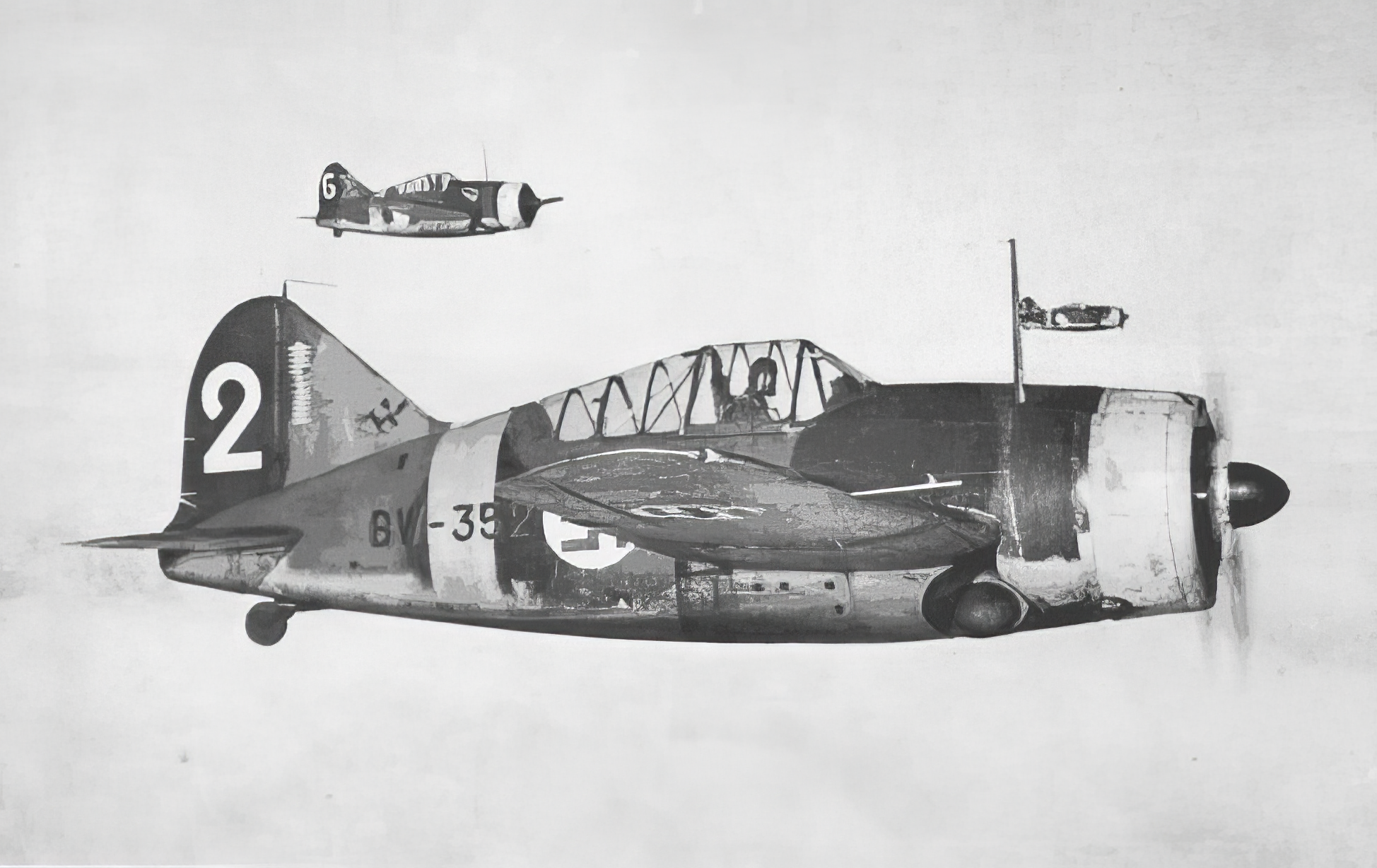
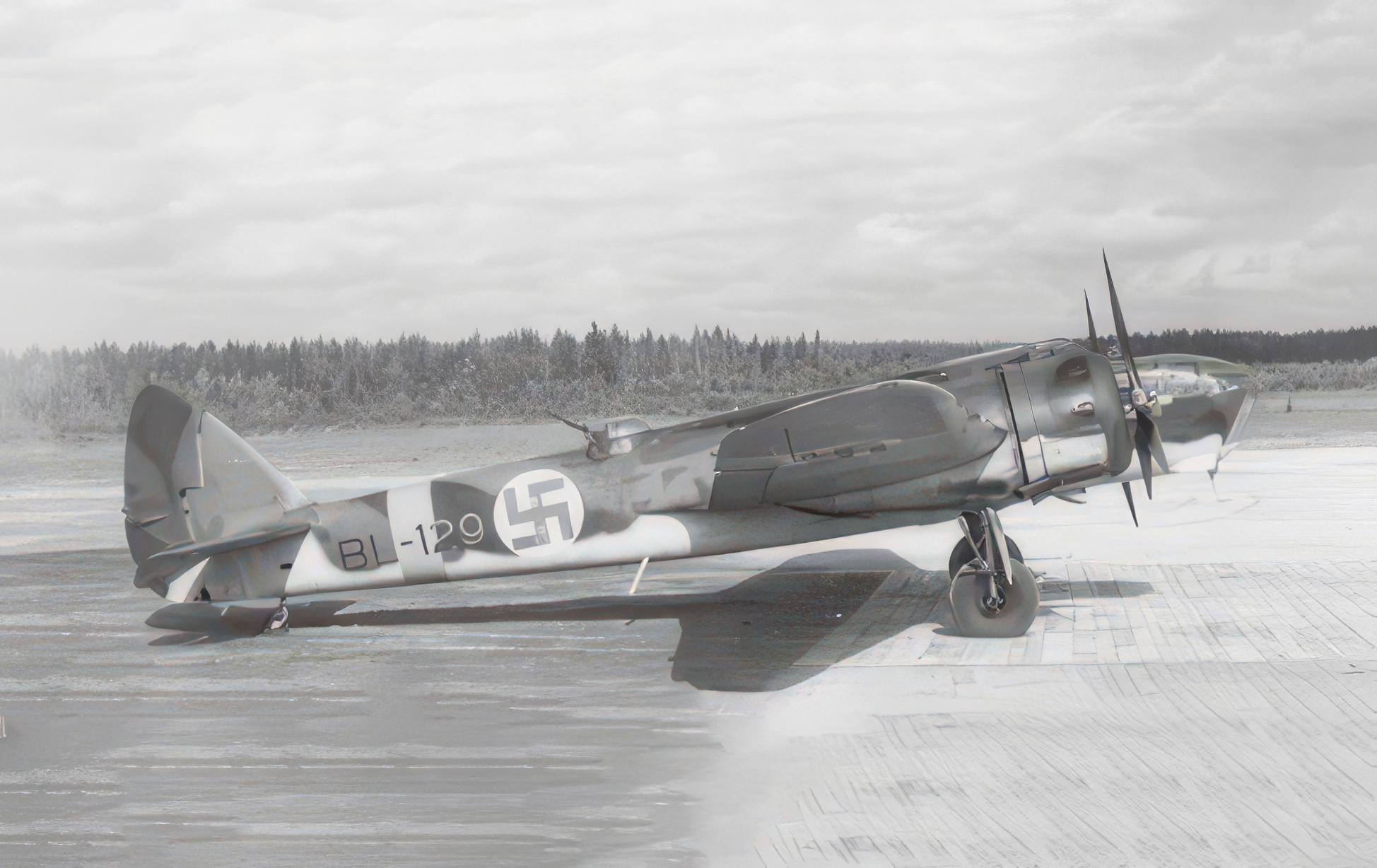
Despite severe materiel shortages, the Air Force counters mass Soviet raids, fielding mixed types (Fokker D.XXI, Blenheim, others) and dispersed tactics; records 300+ aerial victories in 105 days of fighting.
Continuation War
Re-equipped with Bf 109s and German bombers, FINAF supports ground operations and air defence; aces such as Hans Wind and Jorma Sarvanto emerge; dispersed basing becomes doctrine.
Lapland War
Operations move north as Finland drives former German allies from Lapland; the air arm adapts to harsh Arctic conditions and long-range tasks.
Treaty Limits & New Roundel
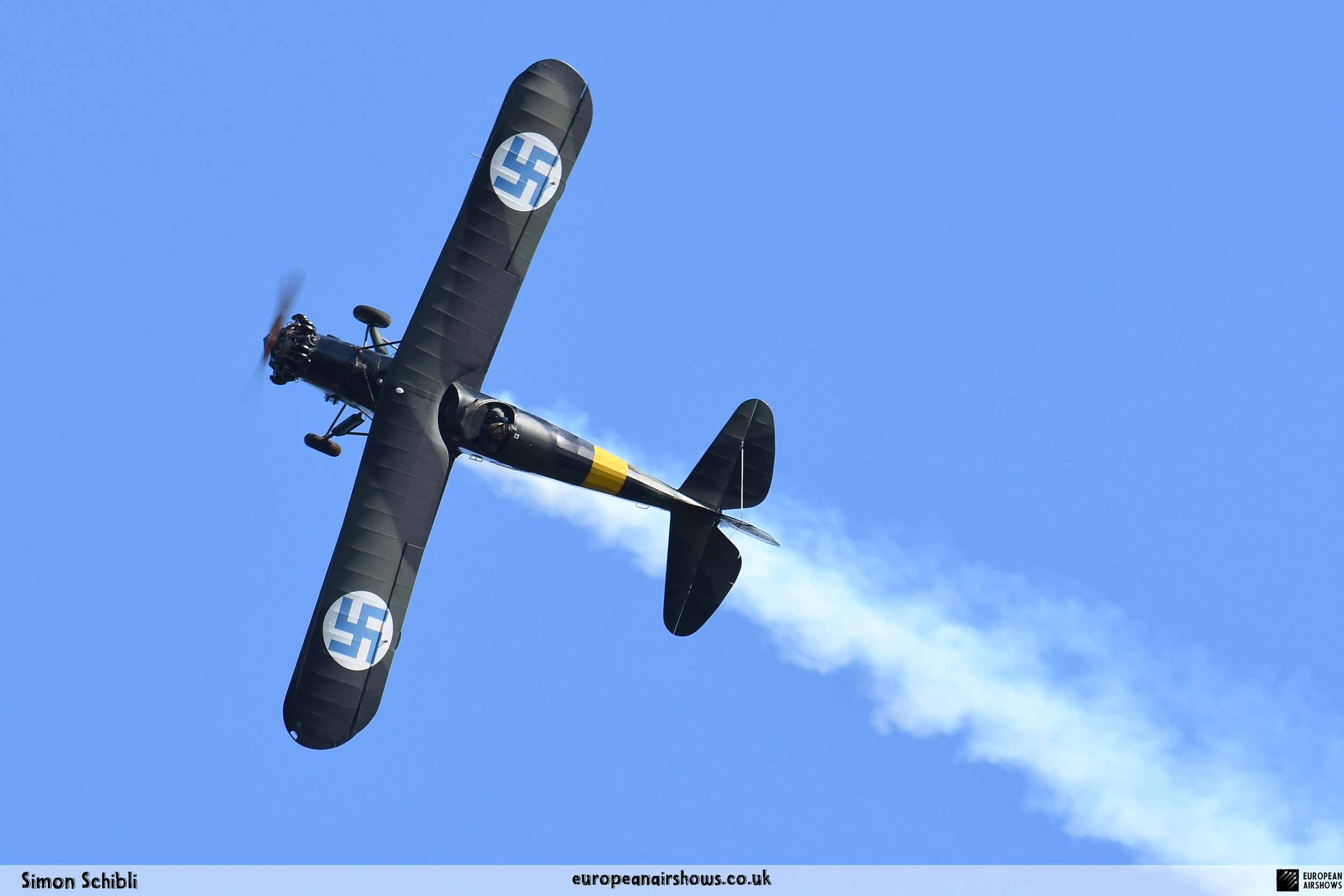
Paris Peace Treaties cap combat aircraft and personnel; the service replaces the 1918 blue swastika with the blue-white roundel that remains today.
All-Weather Capability
Introduction of Saab Draken brings radar-guided interception and true all-weather capability; MiG-21bis complements through the 1980s.
Hornet Era
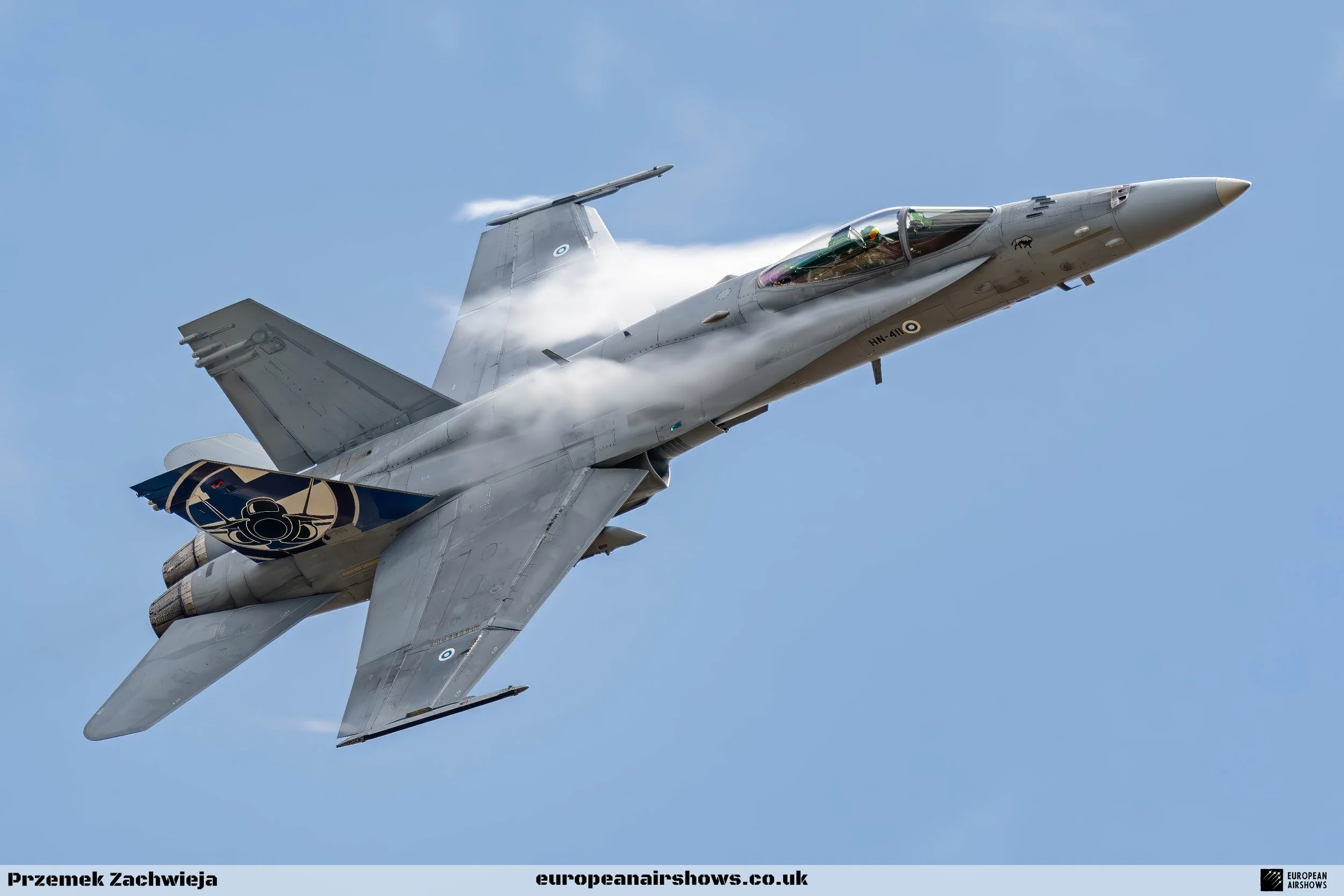
First F-18Ds arrive in 1995; Finnish-assembled F-18Cs complete by 2000, equipping all three wings and transforming air defence.
F-35A Selected
Finland selects 64 F-35A under the HX program; infrastructure works begin, with first aircraft scheduled to arrive in 2026.
NATO Era
Finland joins NATO (April 2023); in 2024 the Ilmavoimat conducts its first NATO air shielding deployment with F-18s in Romania, while continuing dispersed “Baana” road-base exercises with Allies.
Key Operations
Conflicts and missions that defined Finnish air power
Foundational reconnaissance, liaison and leaflet drops by a handful of donated aircraft; foreign volunteers fly early sorties from frozen lakes and fields.
Dispersed basing and pilot skill offset shortages; over 300 aerial victories recorded while defending cities and front-line forces under heavy odds.
With Bf 109s and German support, FINAF sustains air defence and close air support; aces and integrated air-ground operations shape the campaign.
Operations against withdrawing German forces in Arctic conditions; long distances and austere bases test maintenance and logistics.
Signature dispersed operations — fighters use stretches of highway as contingency runways; now shared with NATO partners to strengthen agile combat employment.
First NATO deployment post-accession: Finnish F-18s operate alongside Allies on the Black Sea flank, accelerating integration and interoperability.
Service Record
Highlights from 1918 to the present
Essential Facts
Core details of the Ilmavoimat (Finnish Air Force)
Development Story
From donated types and seaplanes to Hornets and F-35s
Beginnings and Insignia
The service traces its start to 6 March 1918 when a Swedish-donated Thulin typ D reached Vaasa. In the same month, 18 March, Mannerheim authorised the first national aircraft insignia. Early operations were modest but decisive: reconnaissance and liaison under Civil War conditions, flown by a mix of Finnish and foreign volunteers.
Inter-War Growth
Through the 1920s–30s Finland organised permanent air stations and an Air Force Academy at Kauhava (1929). Initial emphasis on maritime aviation (IVL A.22 Hansa) gave way to land-based fighters and modern tactics, setting conditions for national air defence.
War and Dispersal
The Winter War and Continuation War demanded ingenuity. Shortages were offset by training, imports, and a doctrine of dispersed basing — operating from austere fields to survive massed attacks. Late-war Bf 109s offered top-tier performance, and Finnish aces achieved international renown.
Post-War Constraints to Modernisation
The 1947 Paris Peace Treaties imposed caps and banned certain weapons, forcing a lean rebuild. Capabilities rebounded with Draken (1972) and MiG-21bis, then leapt ahead as the Hornet era began in 1995, delivering multi-role, all-weather defence.
HX and the NATO Era
The F-35A won the HX competition in 2021; the first aircraft are due in 2026 with base upgrades underway. Finland joined NATO in April 2023 and executed its first NATO deployment in 2024. Dispersed “Baana” road-base operations now underpin Allied agile combat employment training in the High North.
Enduring Legacy
A century of credible deterrence for an independent Finland
The Finnish Air Force has fused training quality, austere basing and modernisation into a resilient air-defence model. From the first Thulin typ D in 1918, through the crucible of the Winter and Continuation wars, to the Hornet era and the transition to F-35A, Ilmavoimat’s hallmark is readiness and precision. With NATO membership (2023) and a next-generation fleet delivering from 2026, Finland’s air power remains a measured but formidable guarantee of sovereignty.