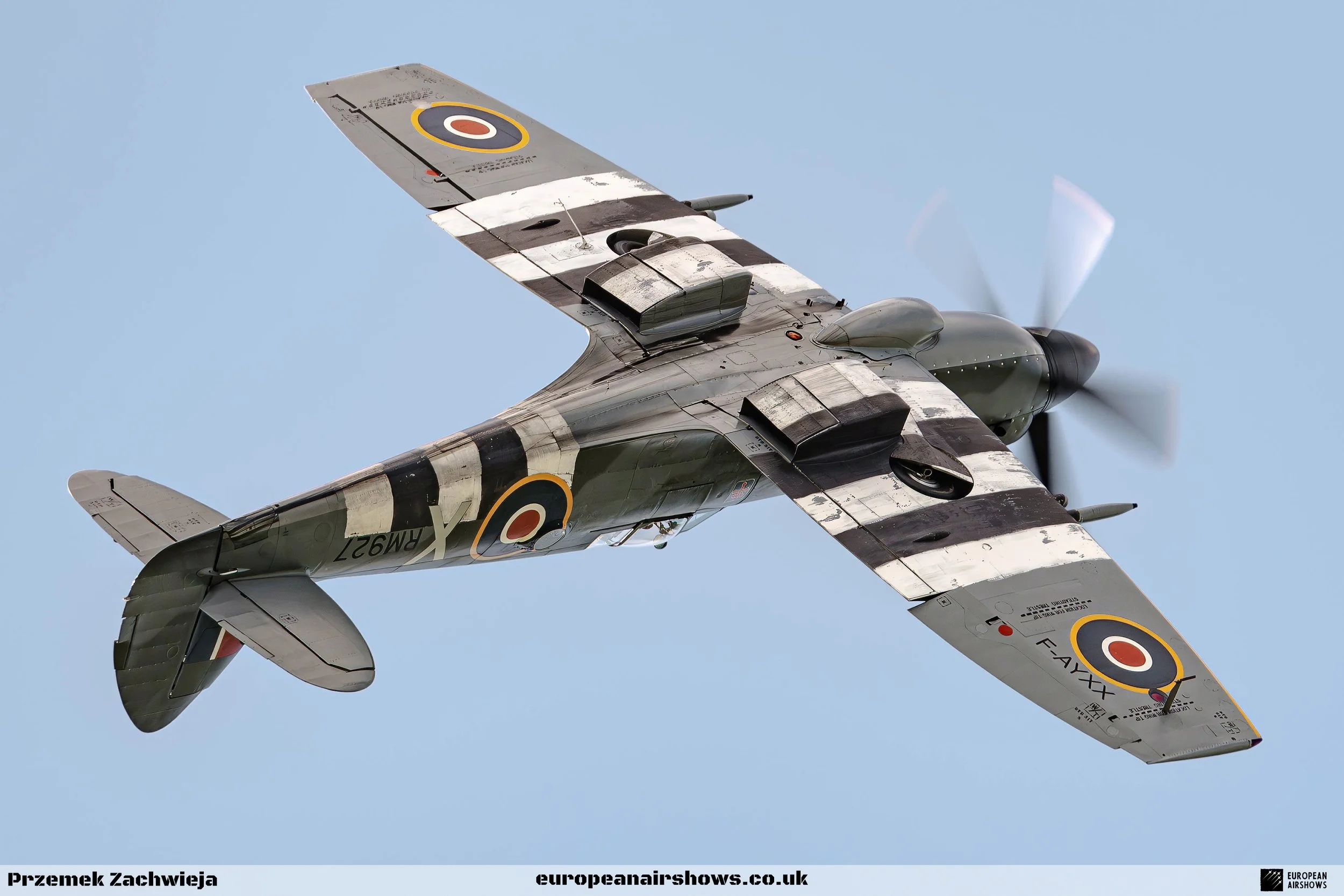
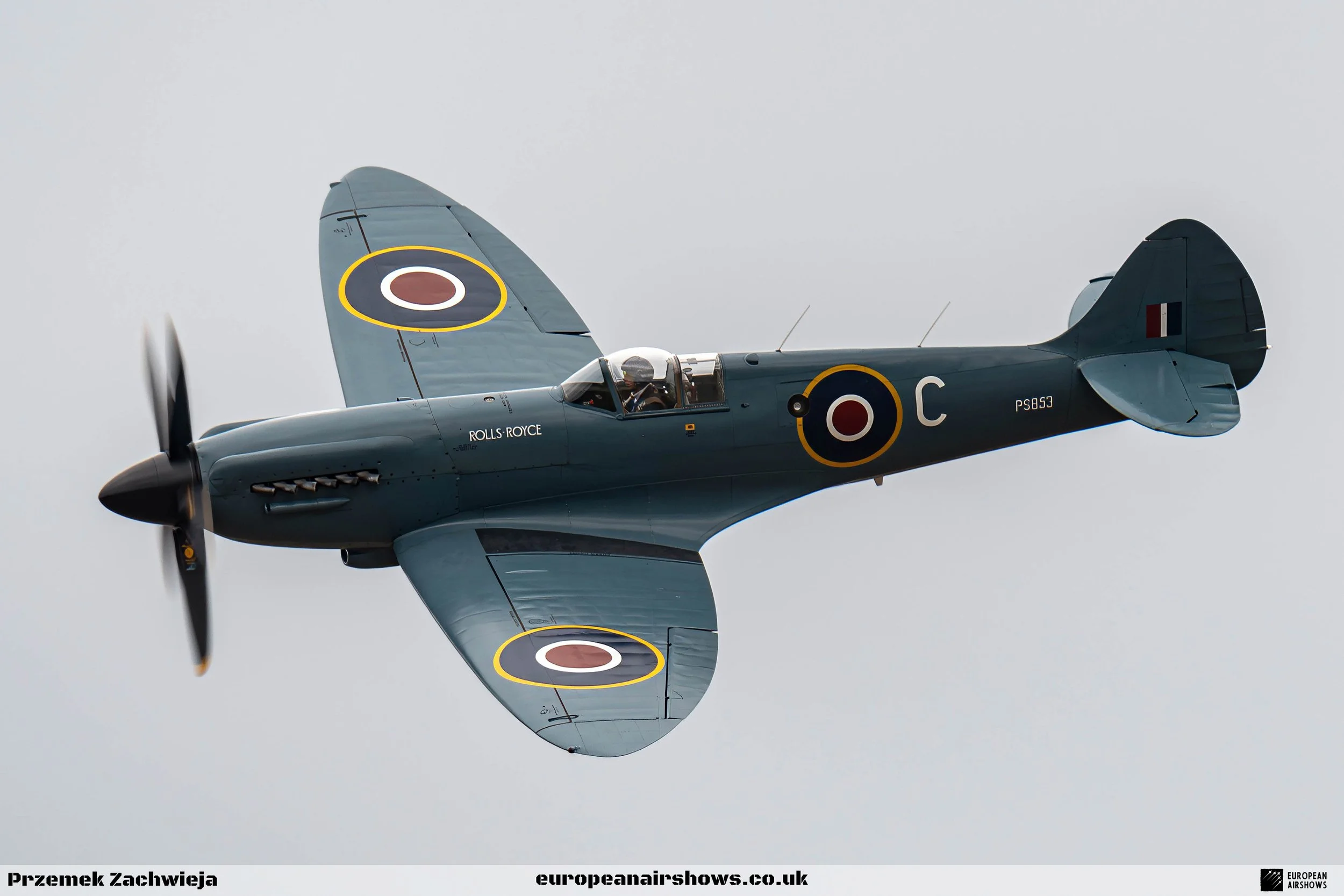
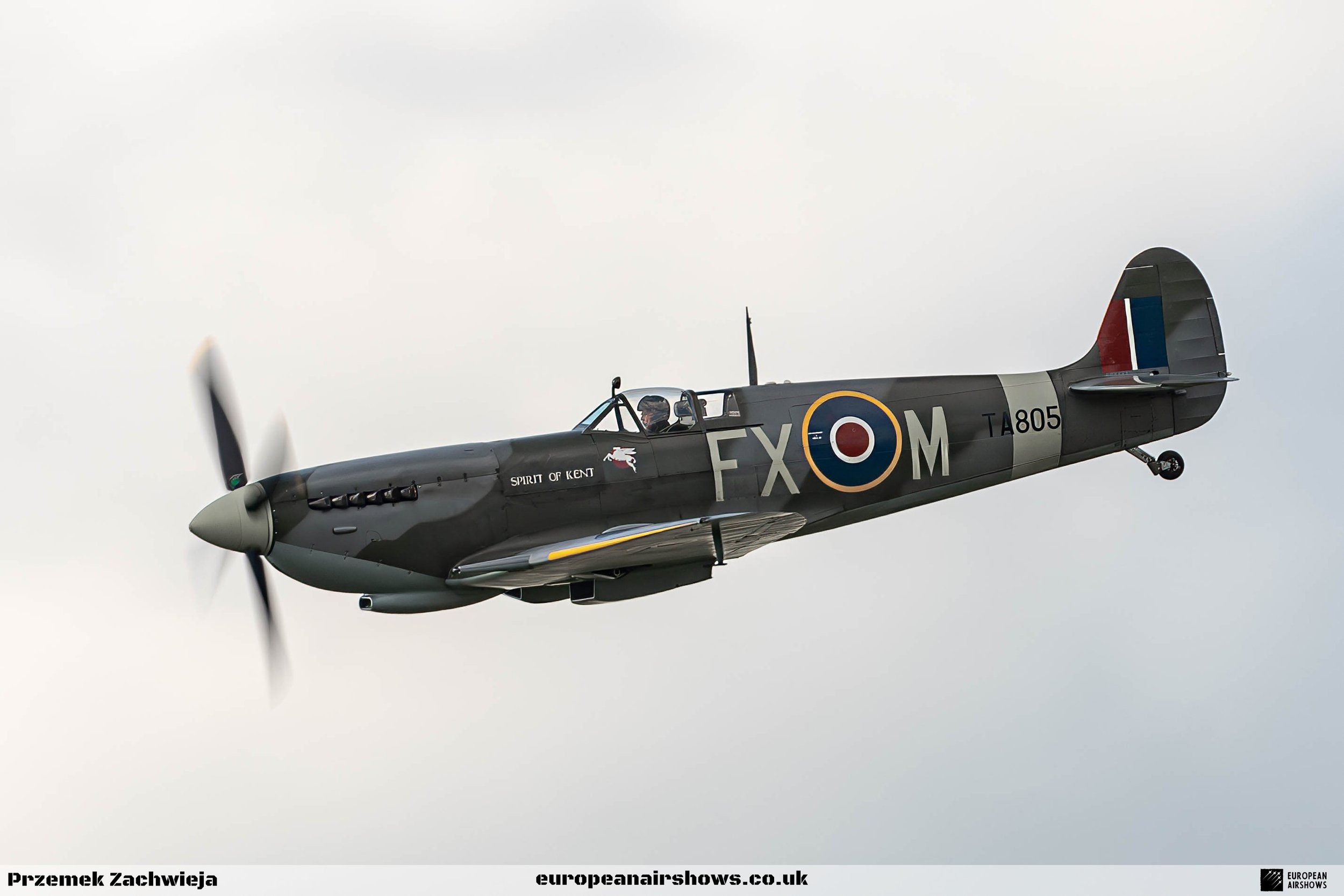
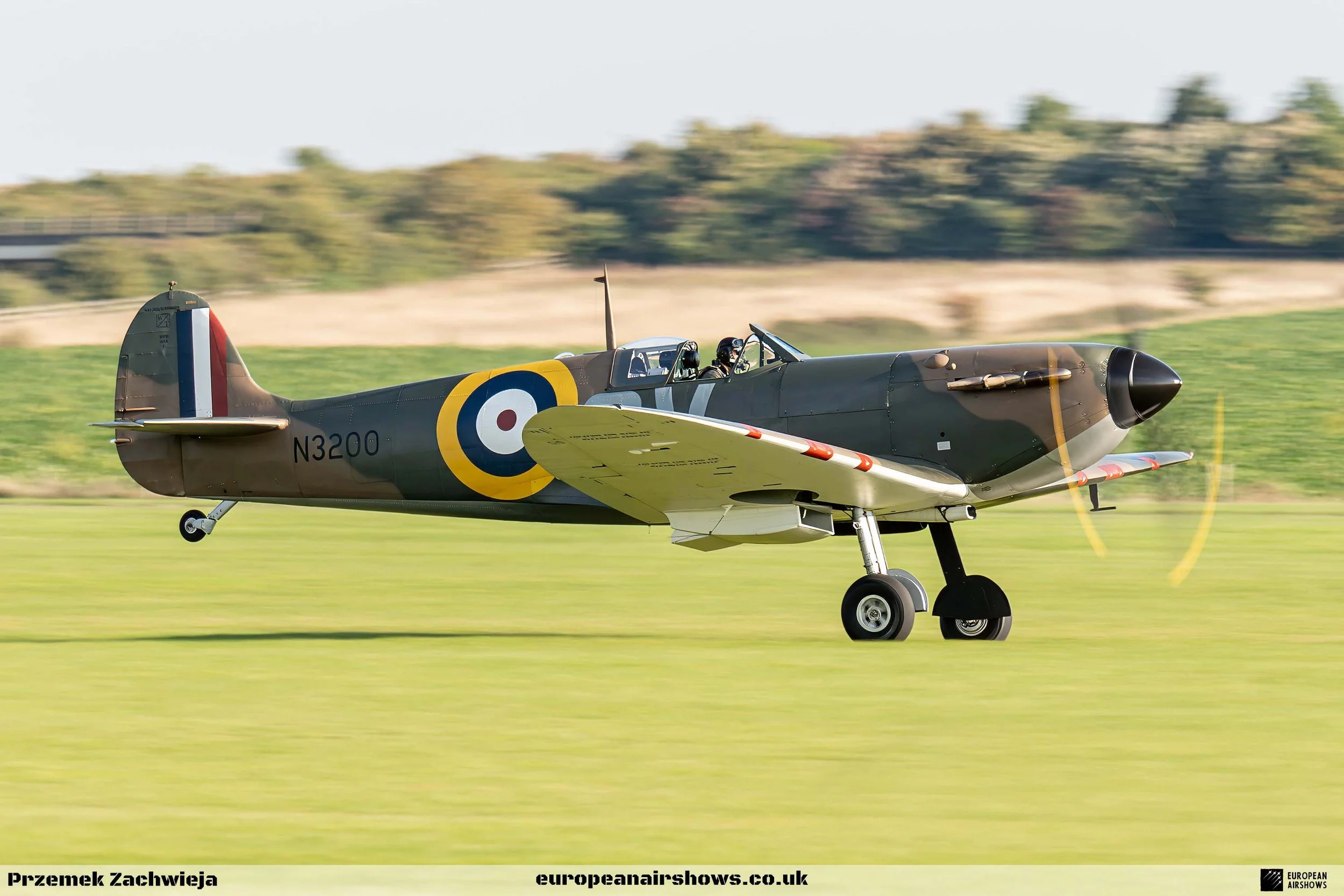
Supermarine Spitfire
The RAF’s elliptical-wing icon—from Dunkirk and the Battle of Britain to photo-recon over Europe and the Far East
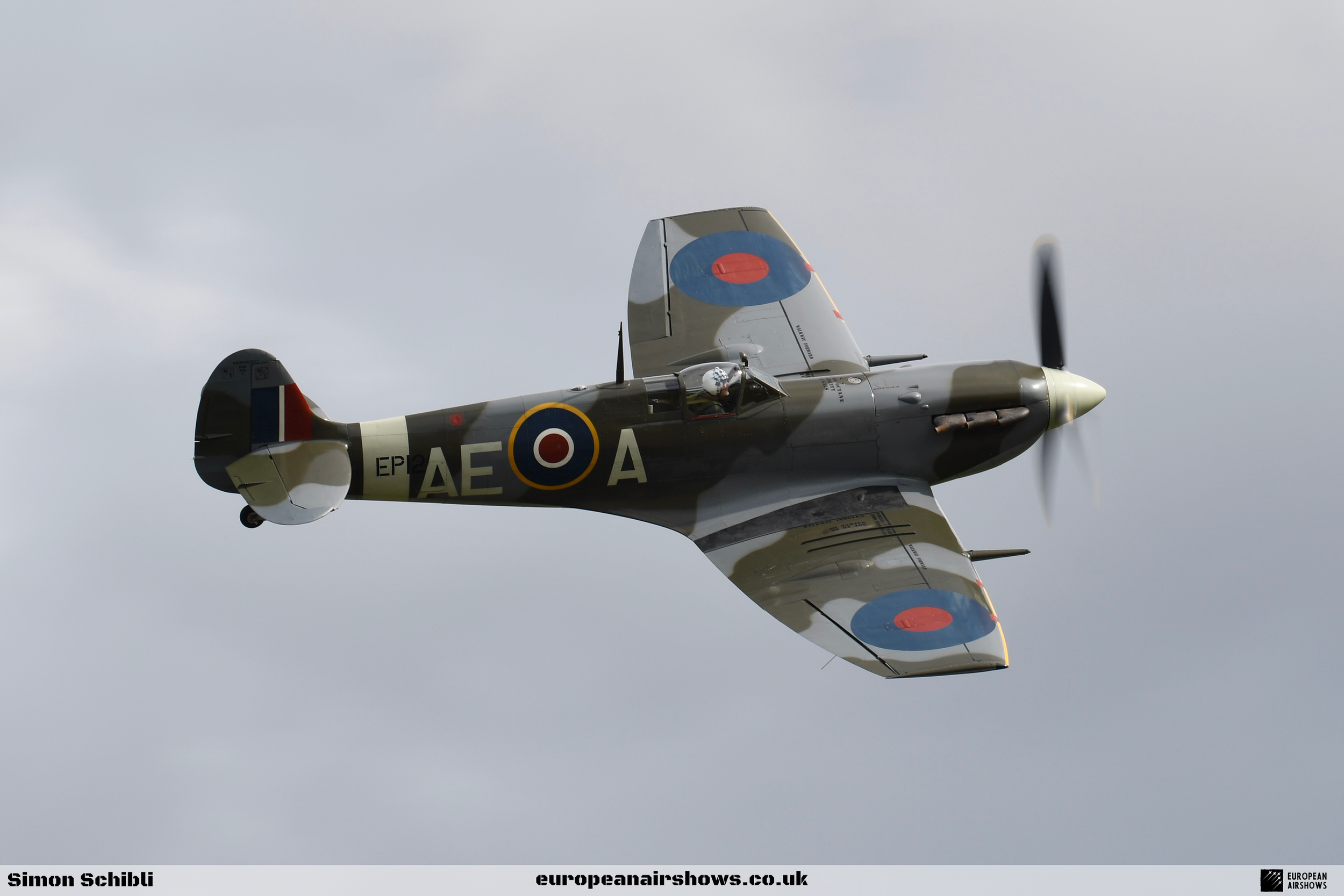
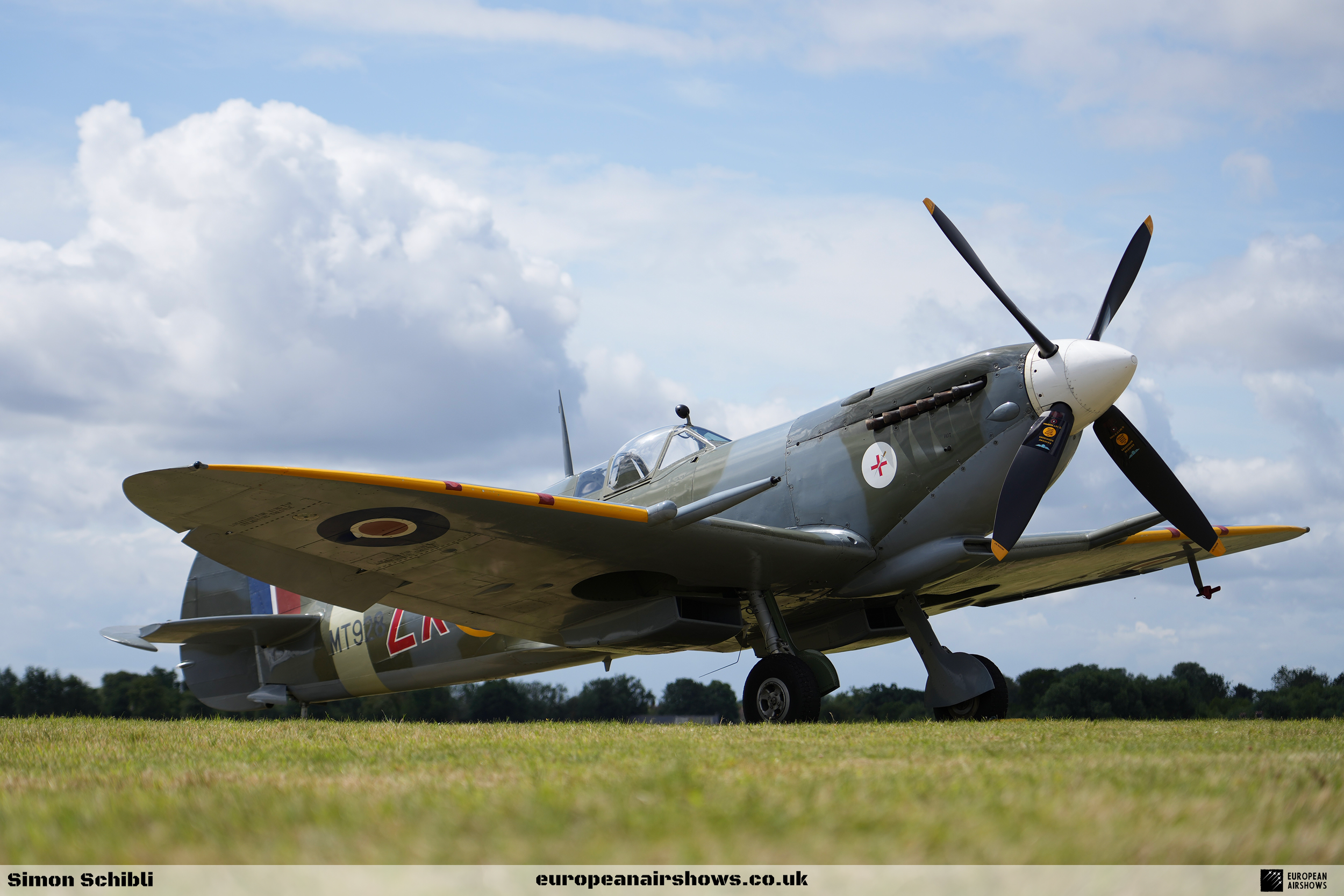
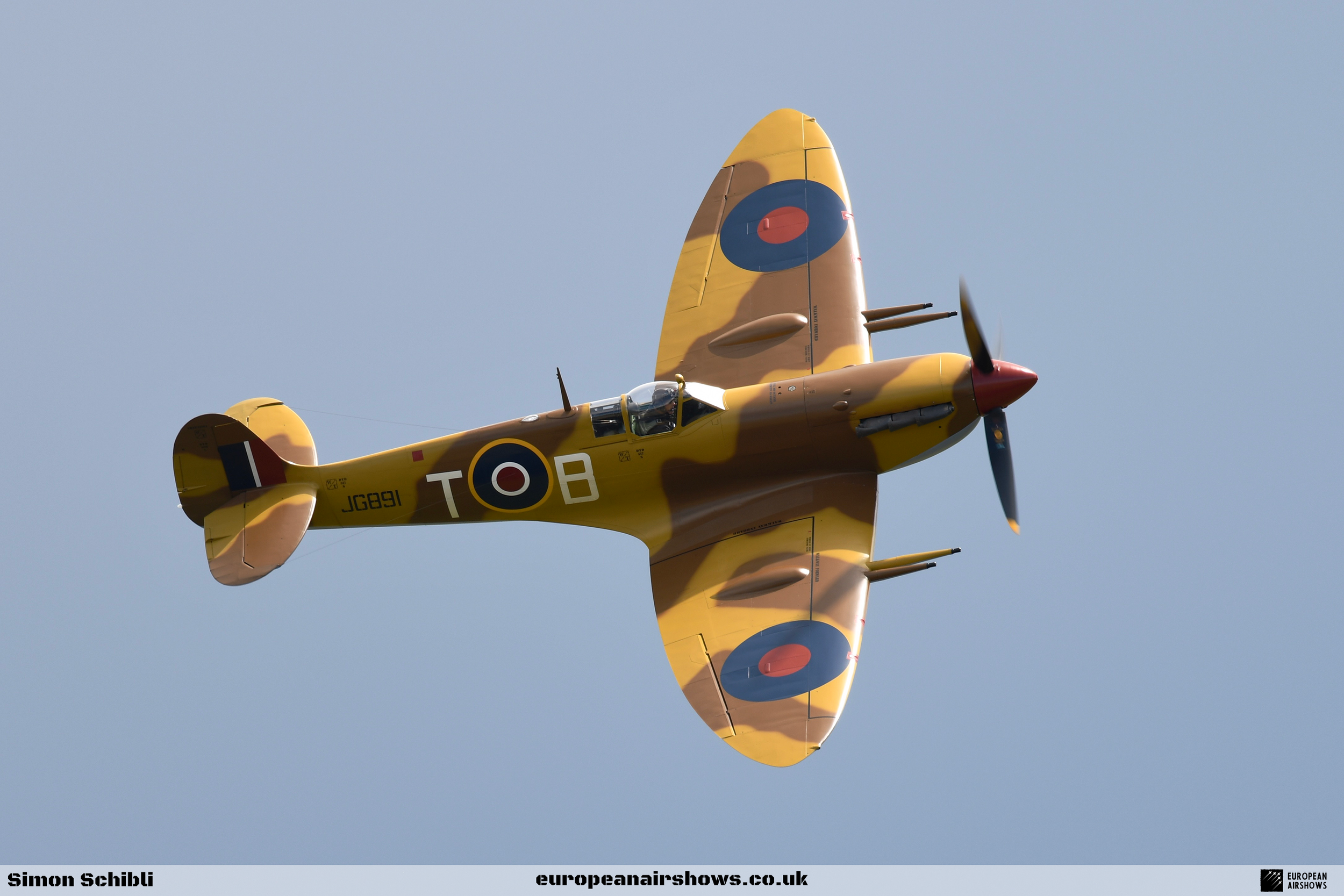
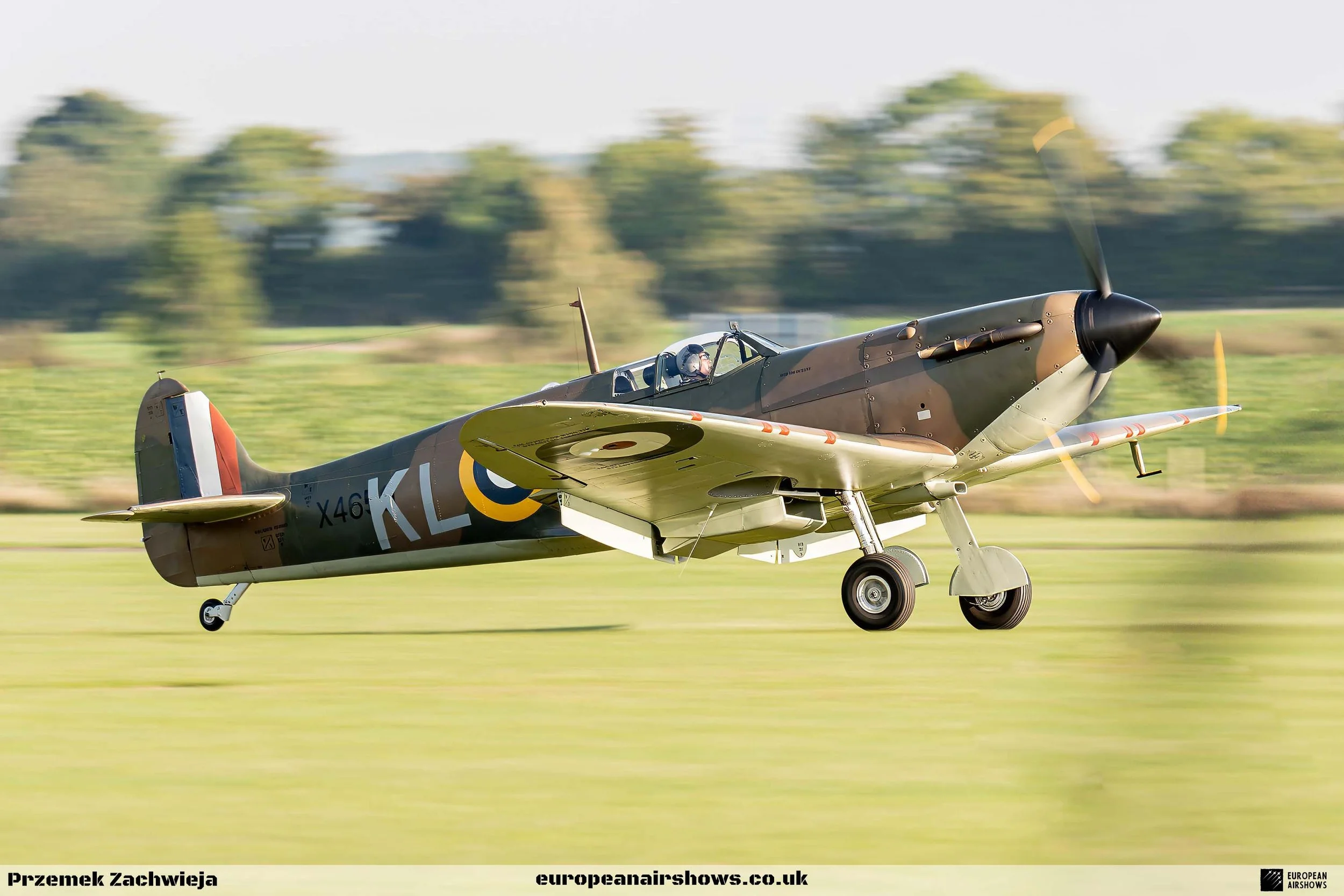
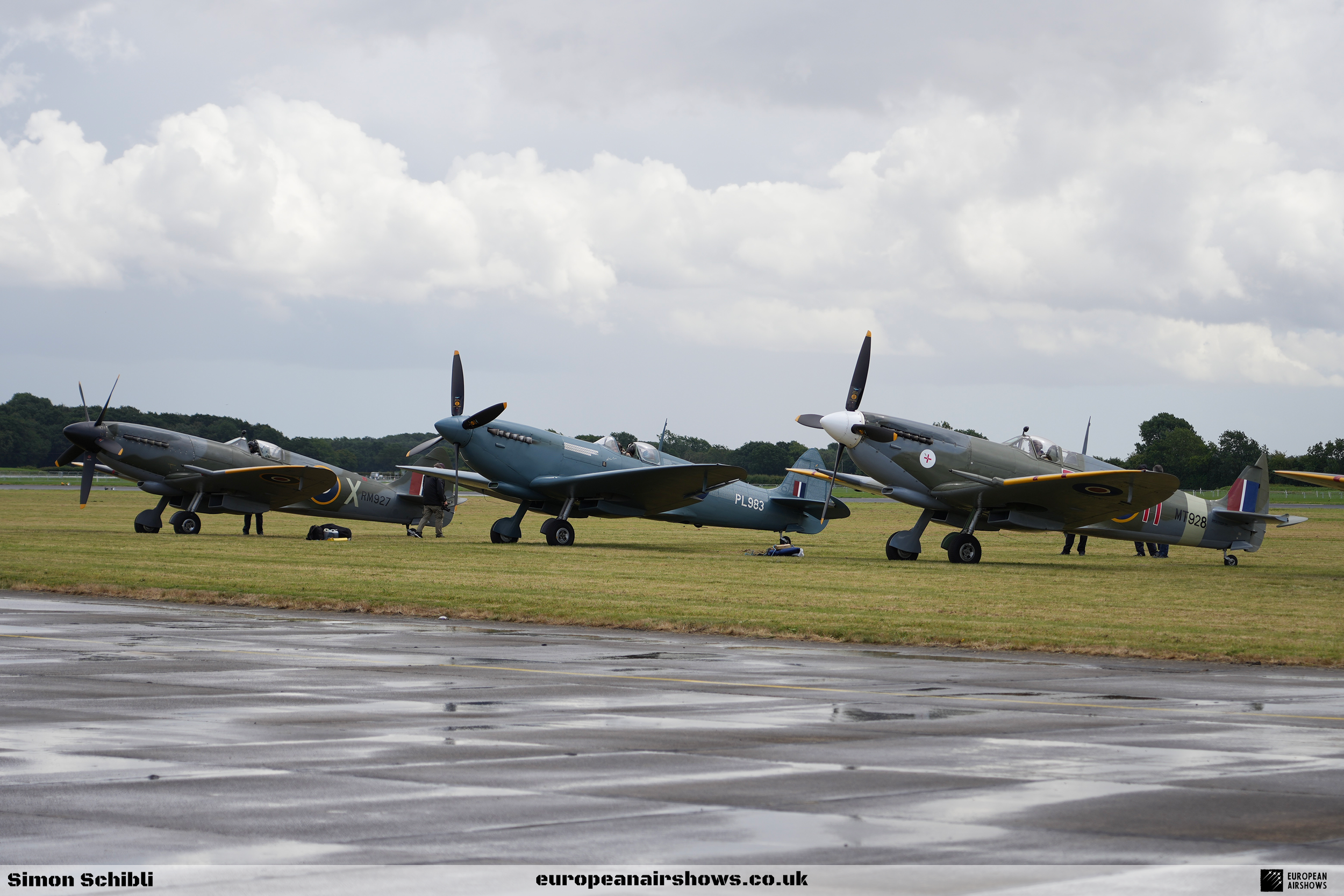
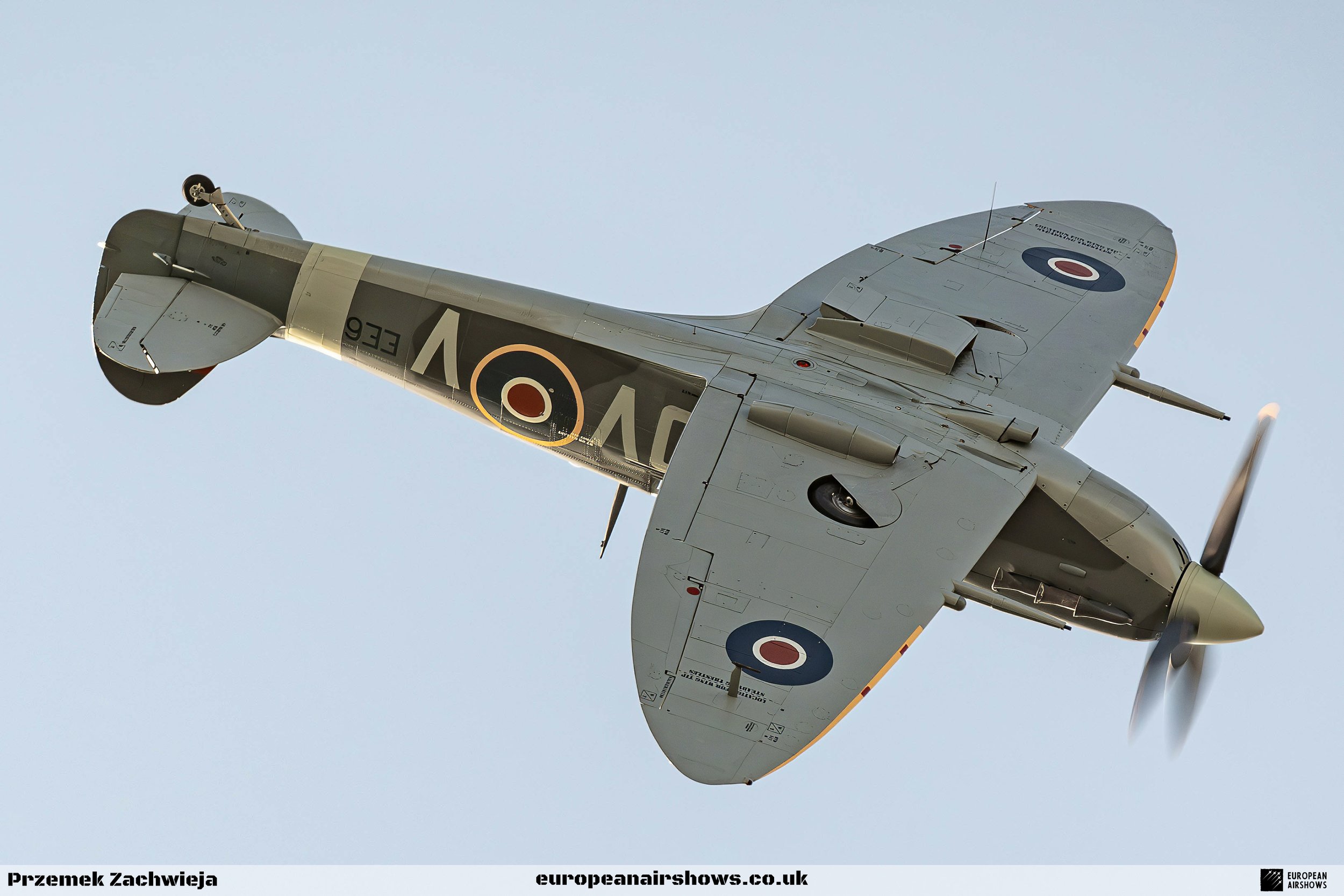
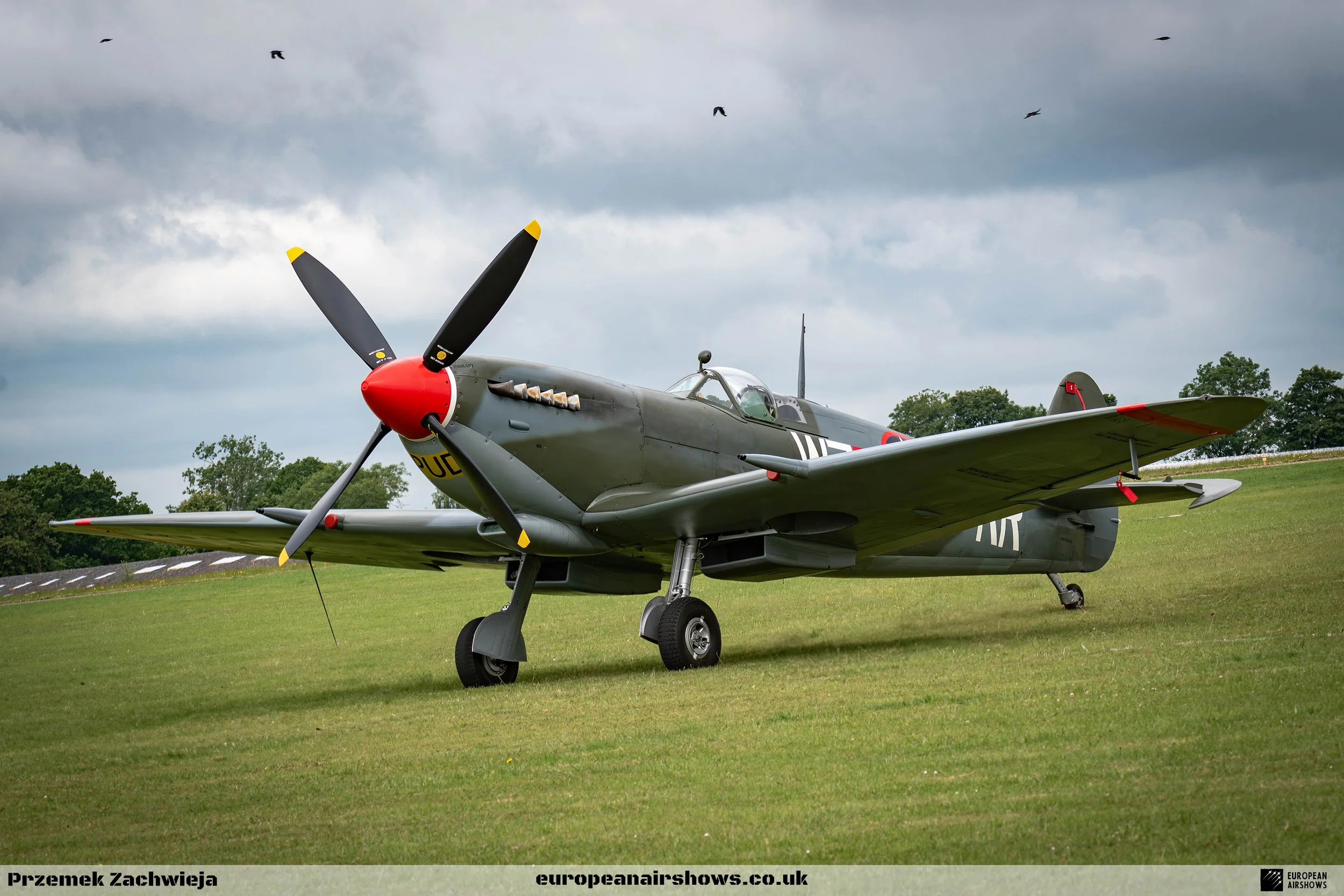
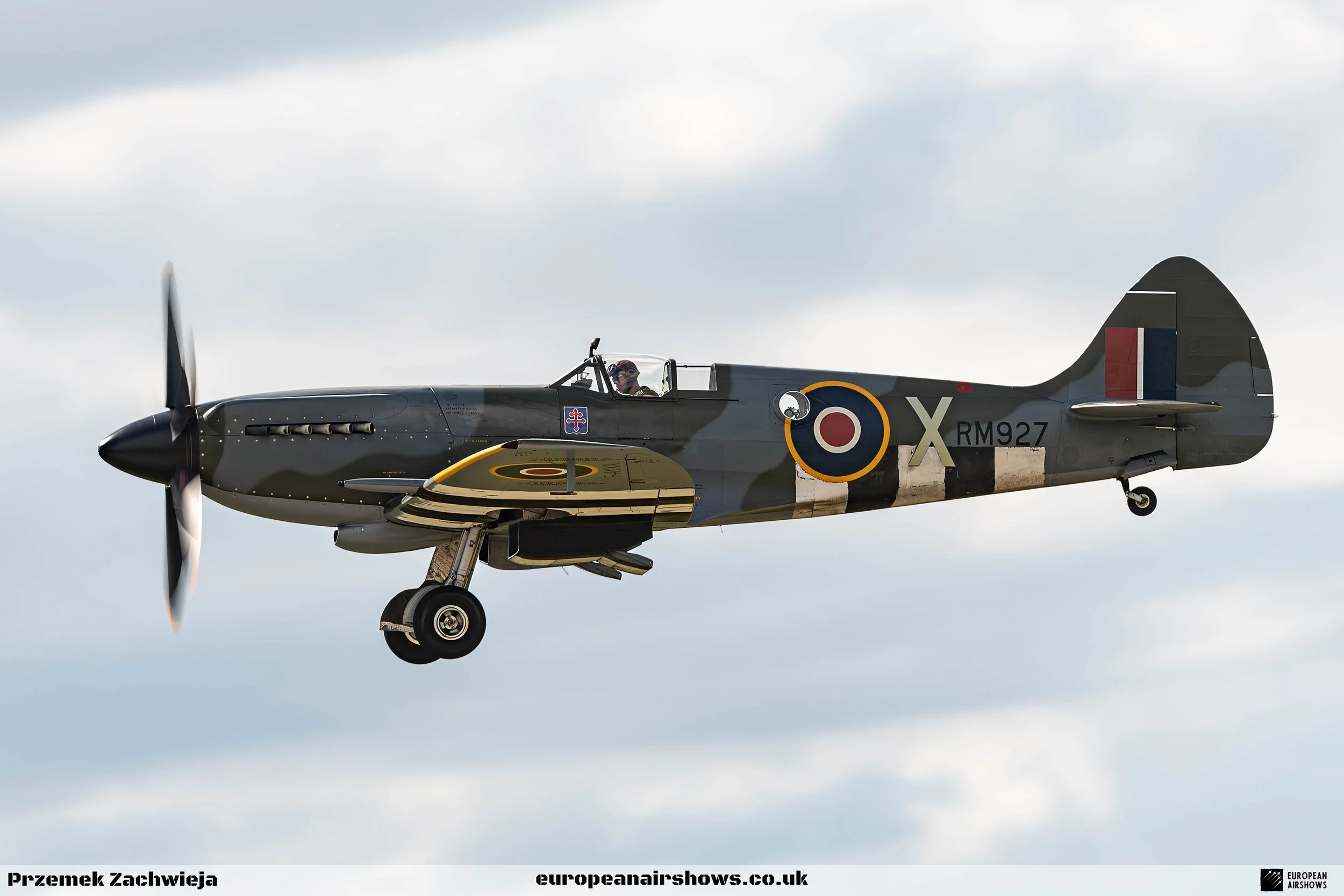
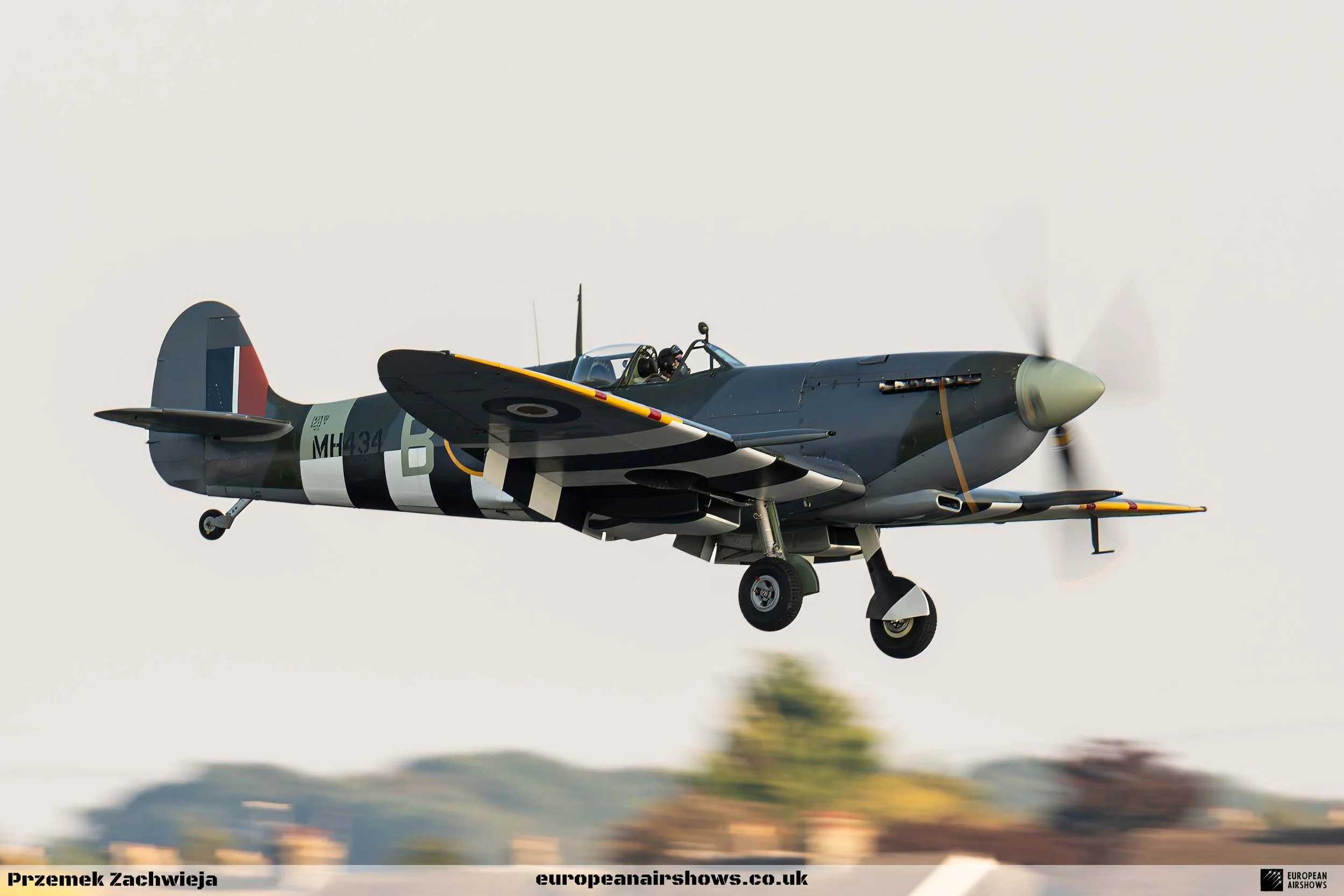
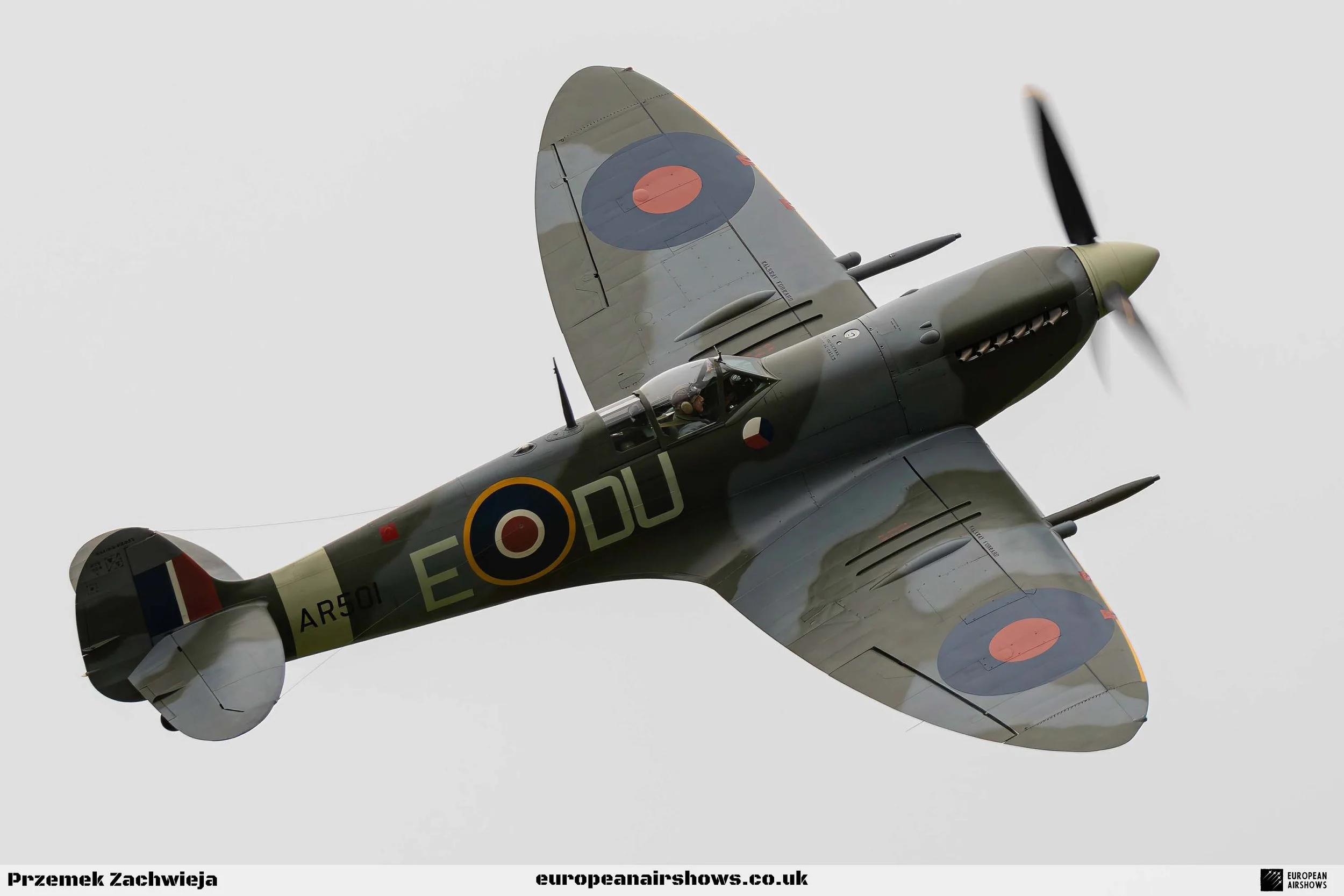
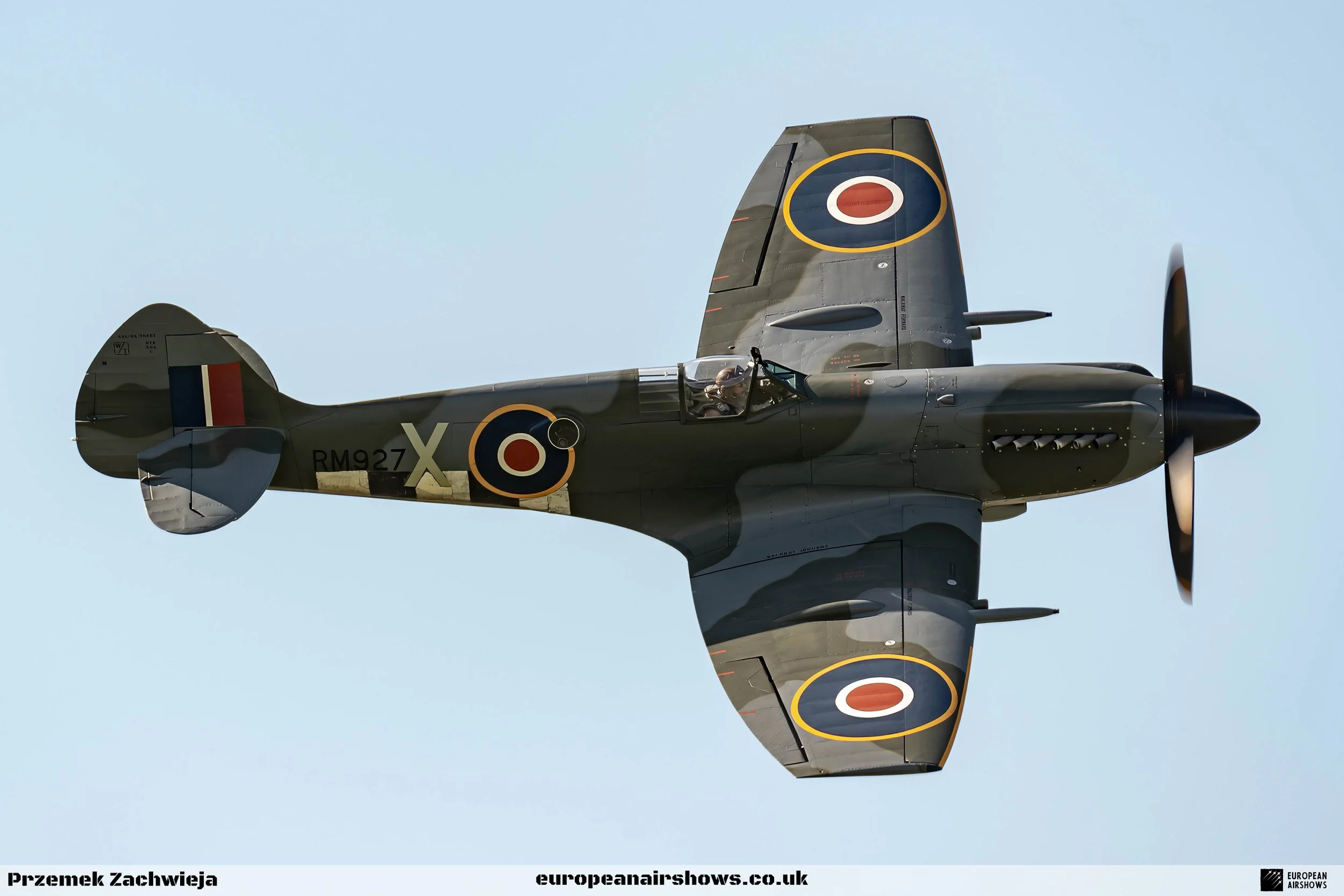
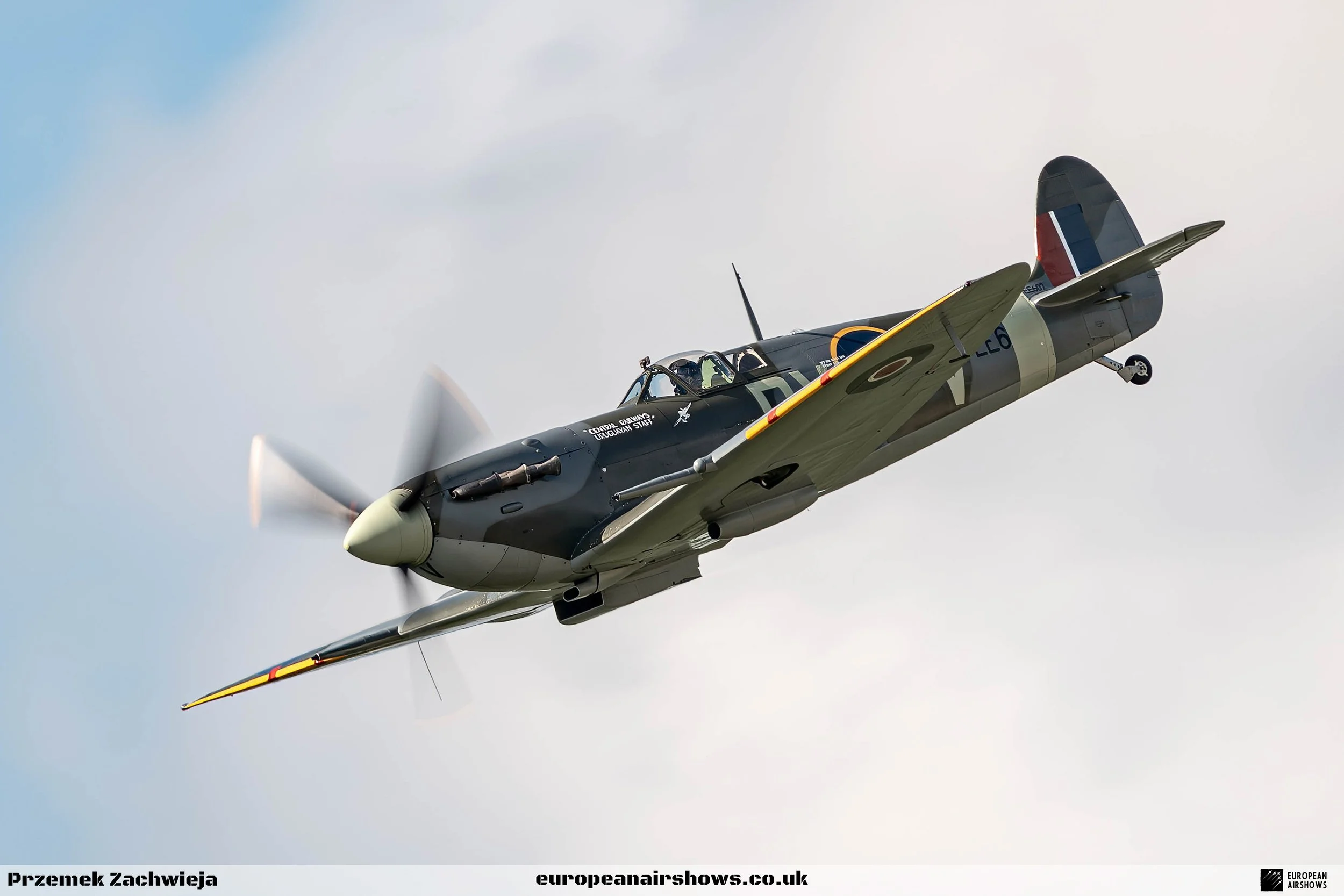
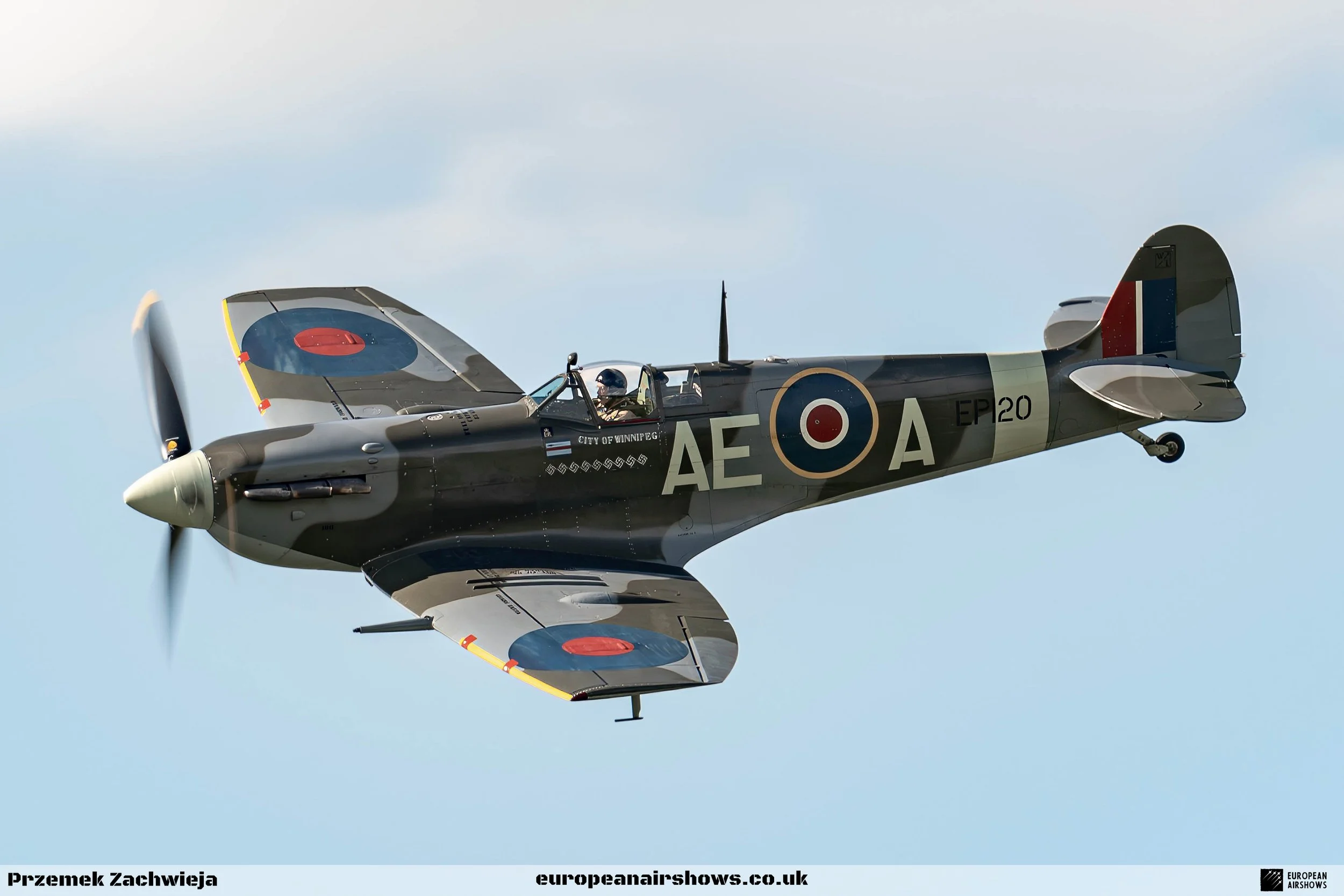
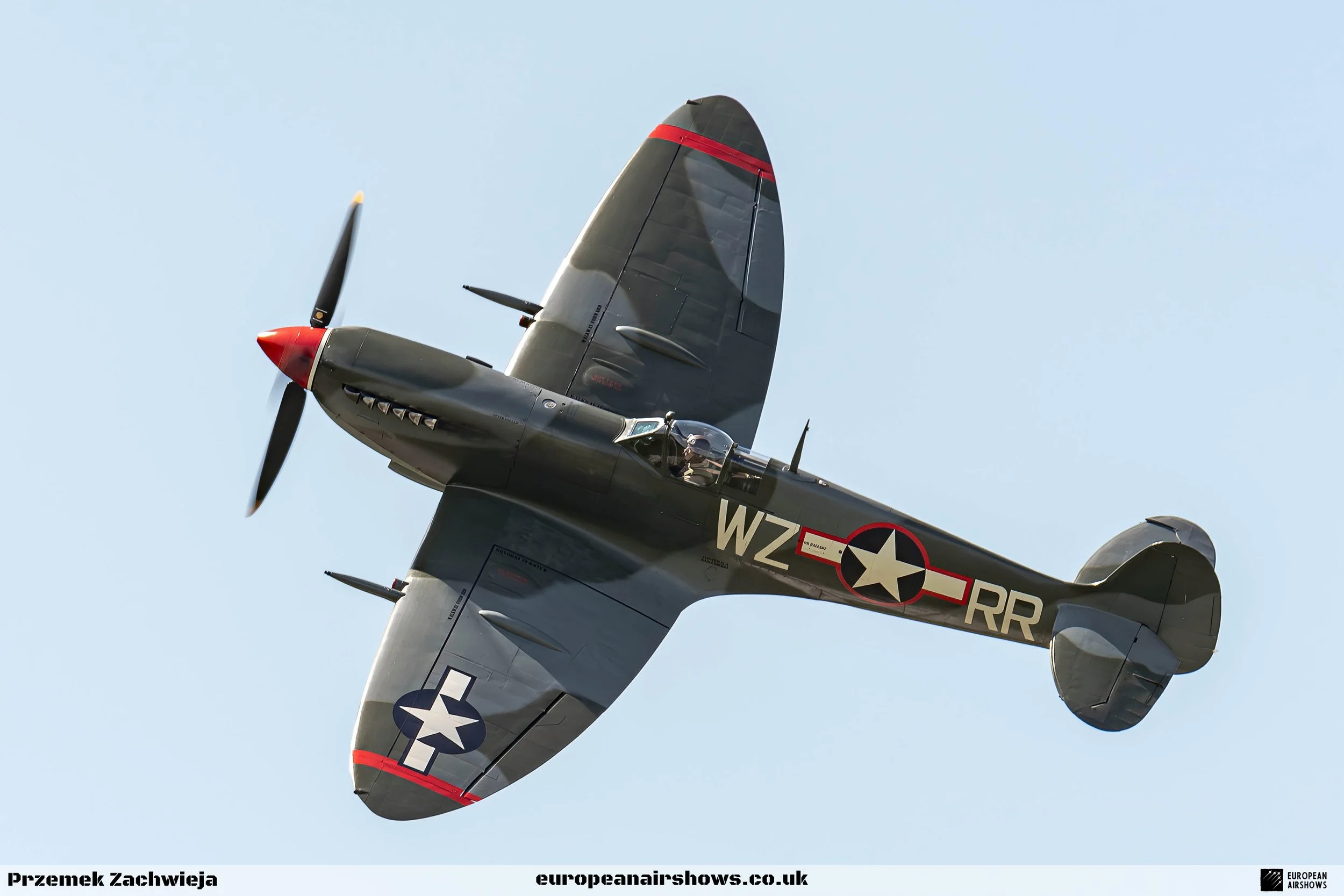
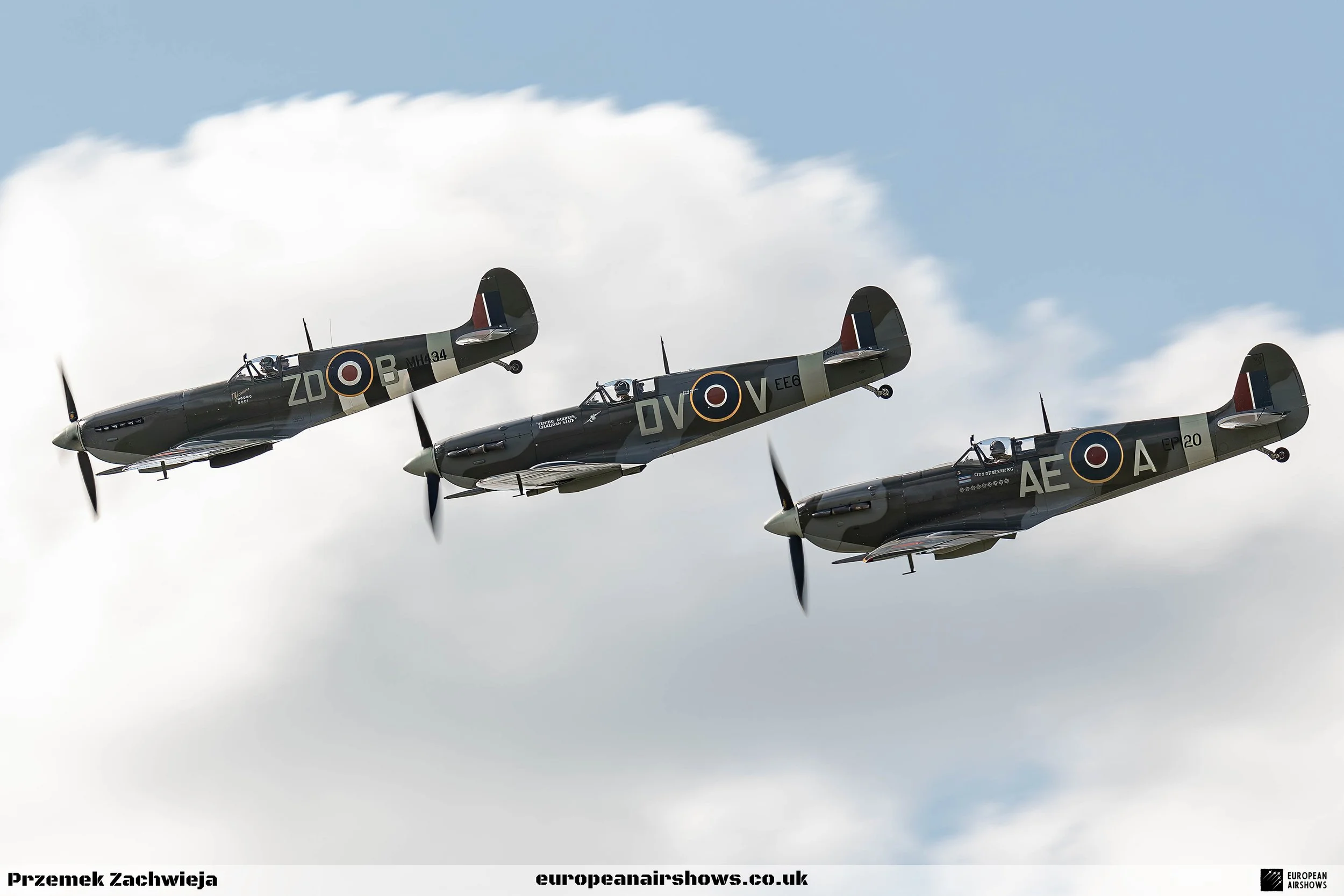
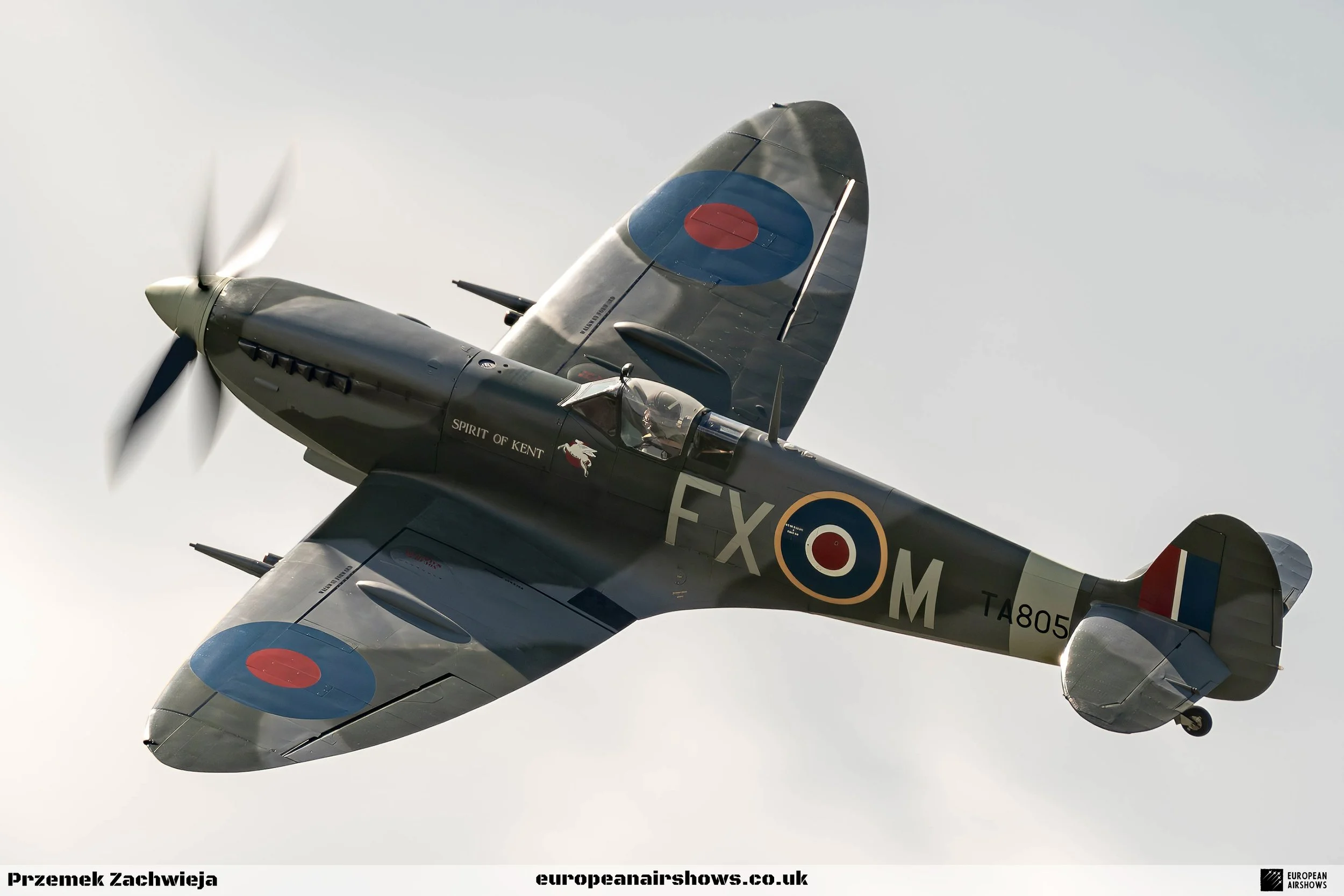
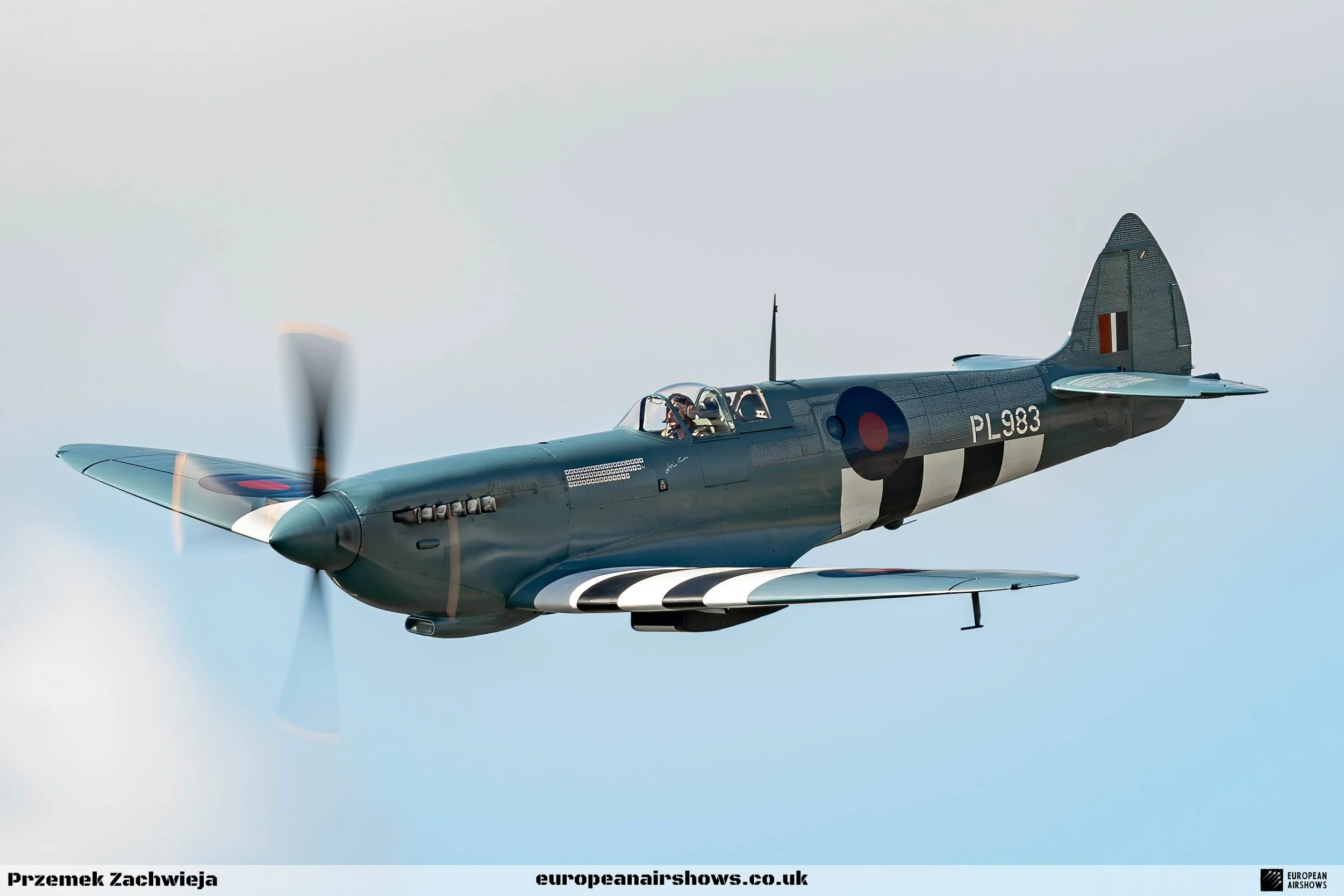
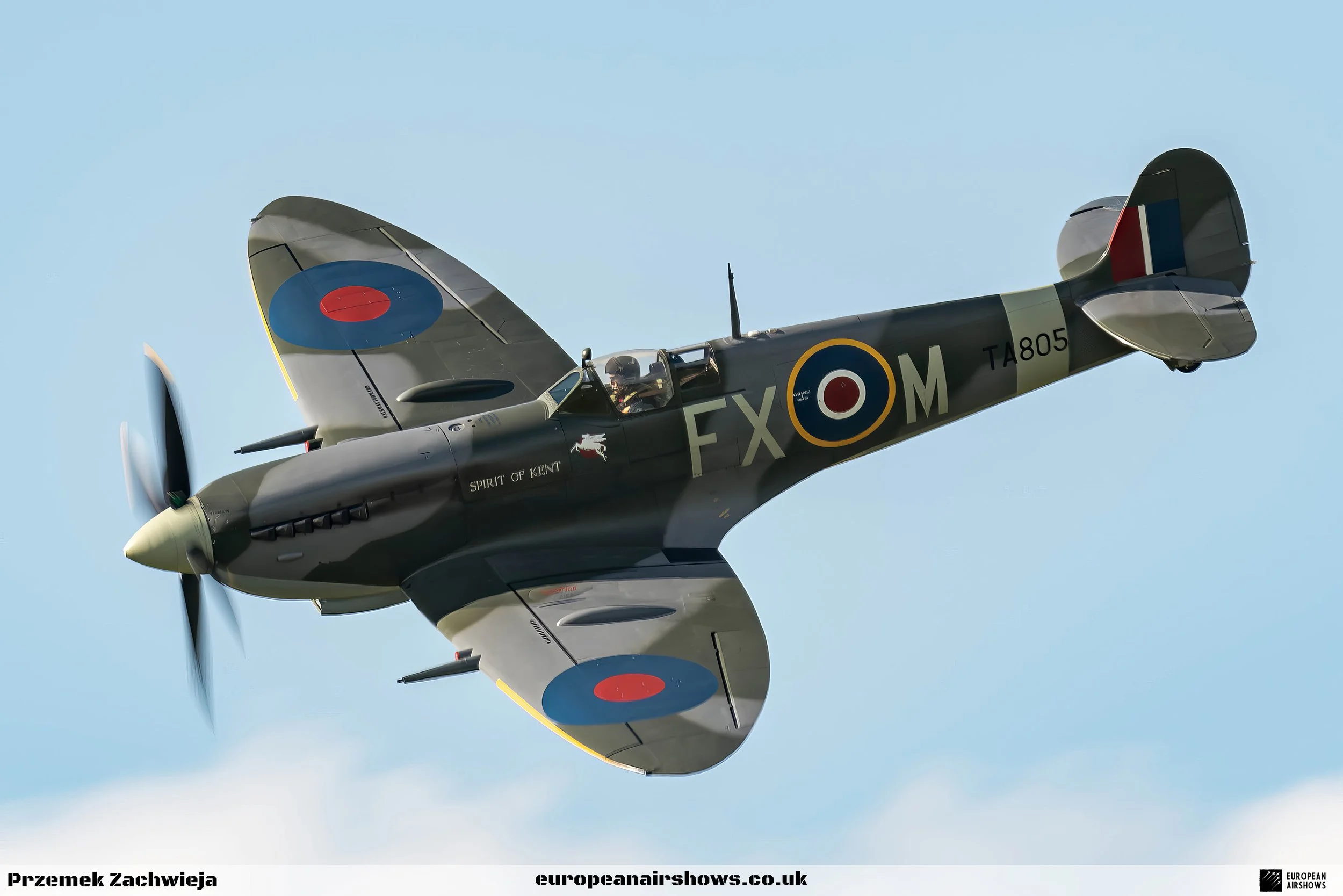
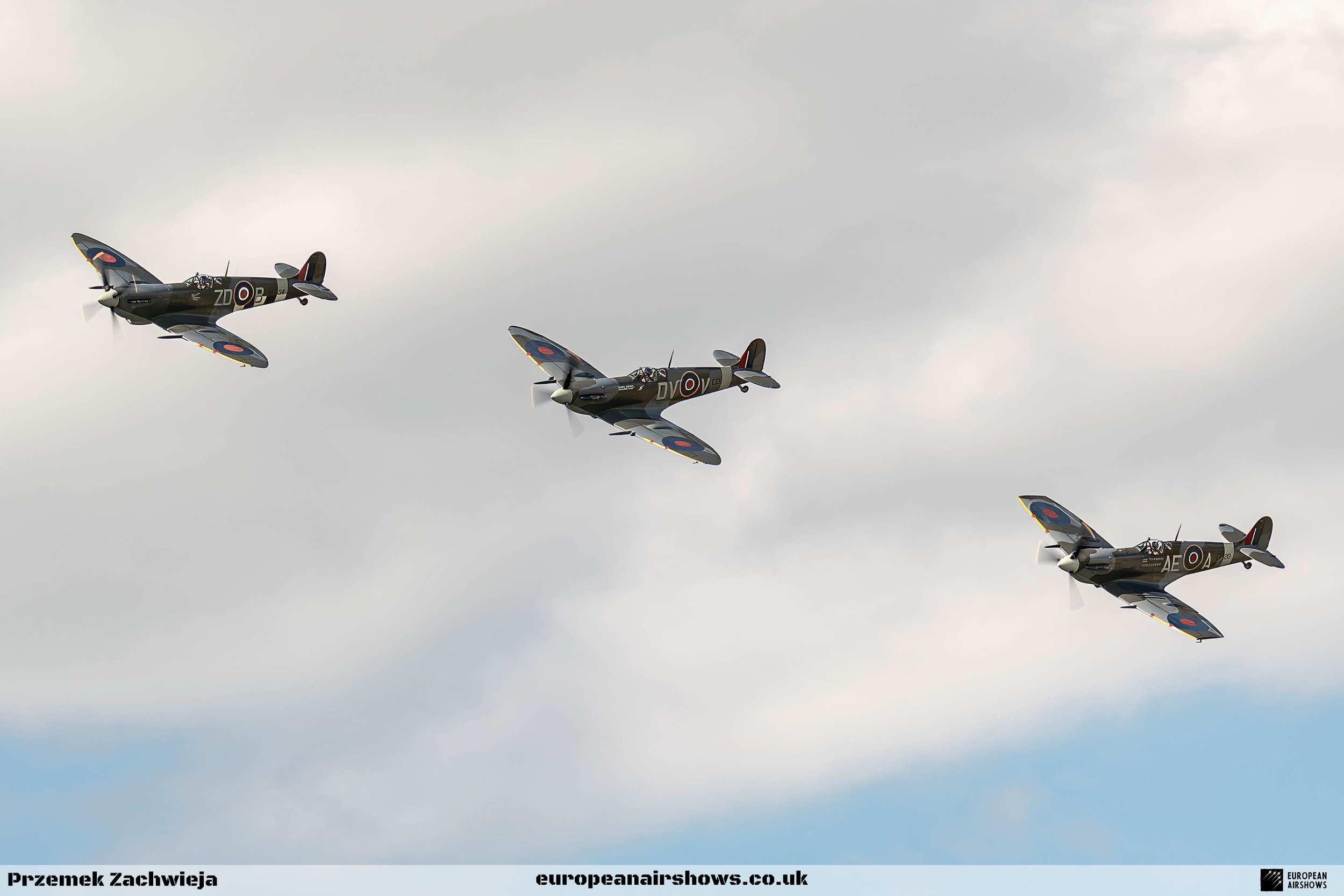
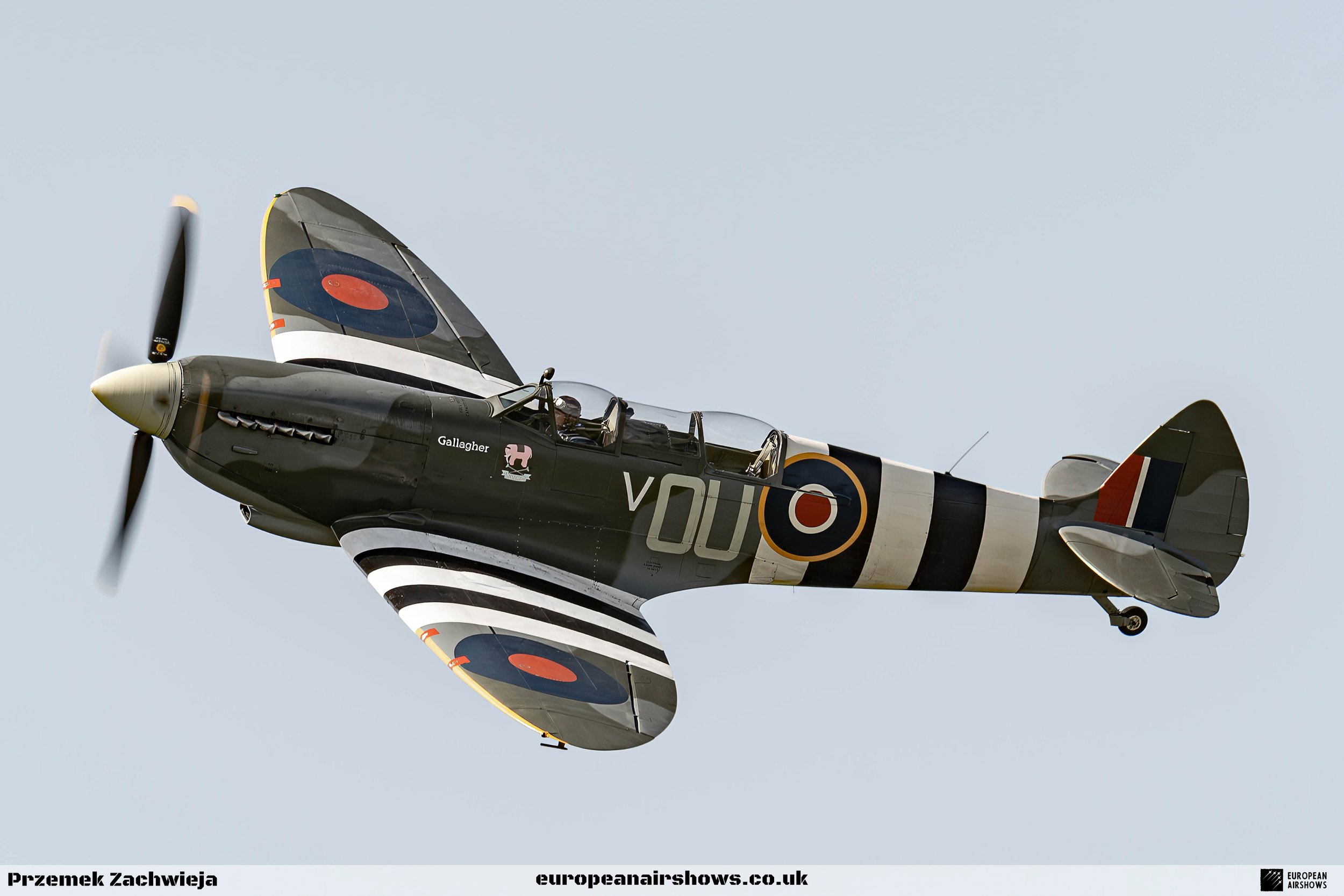
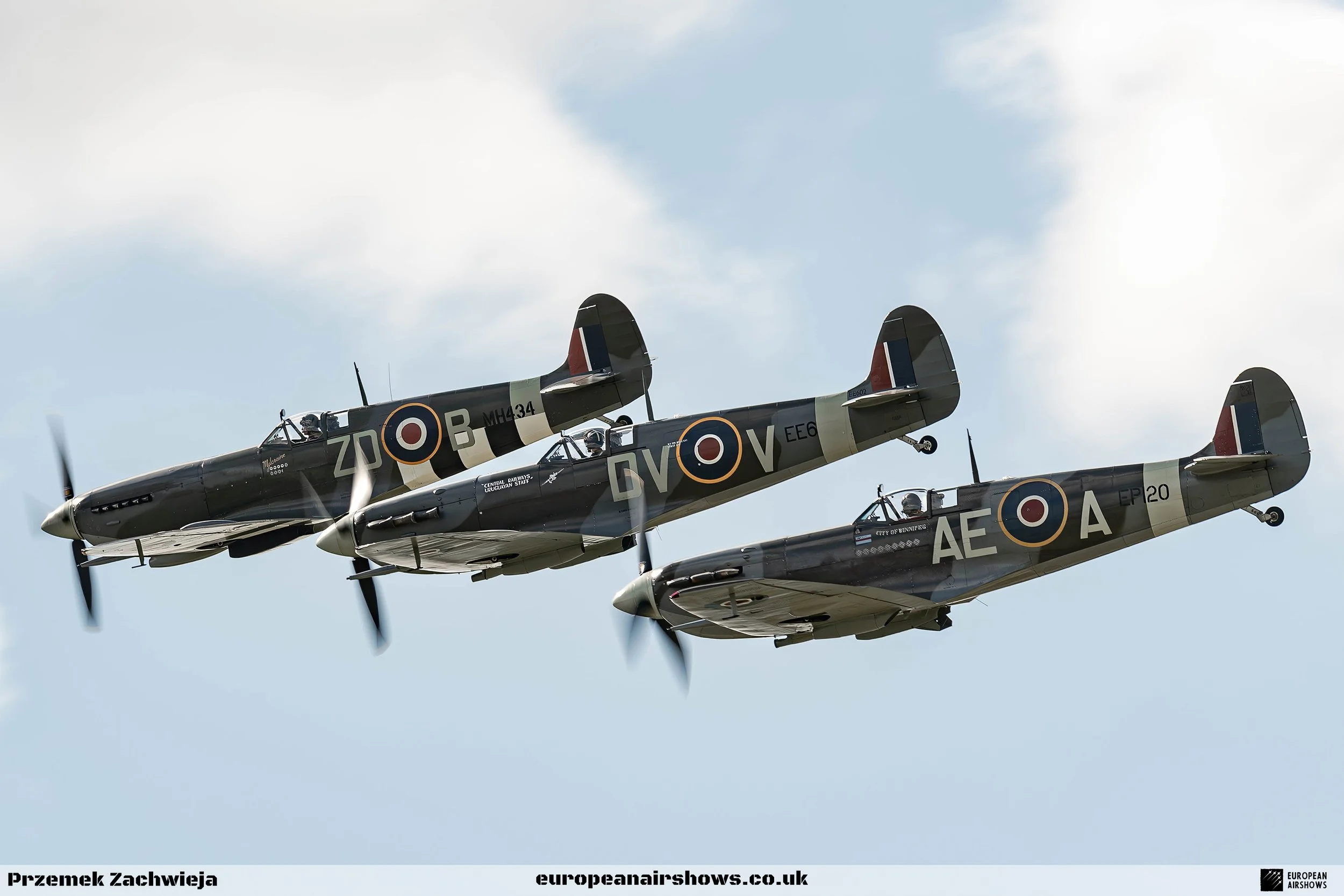
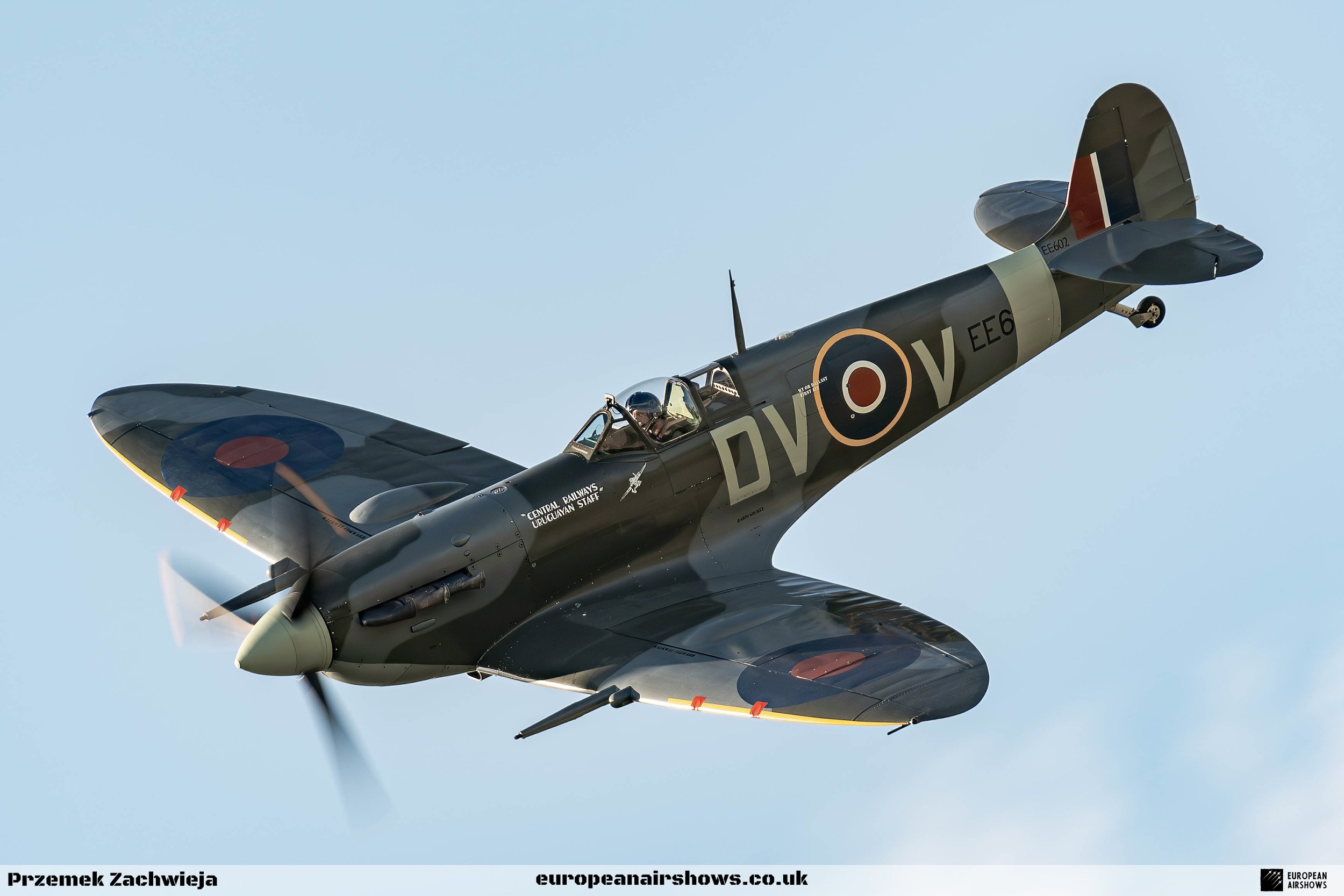
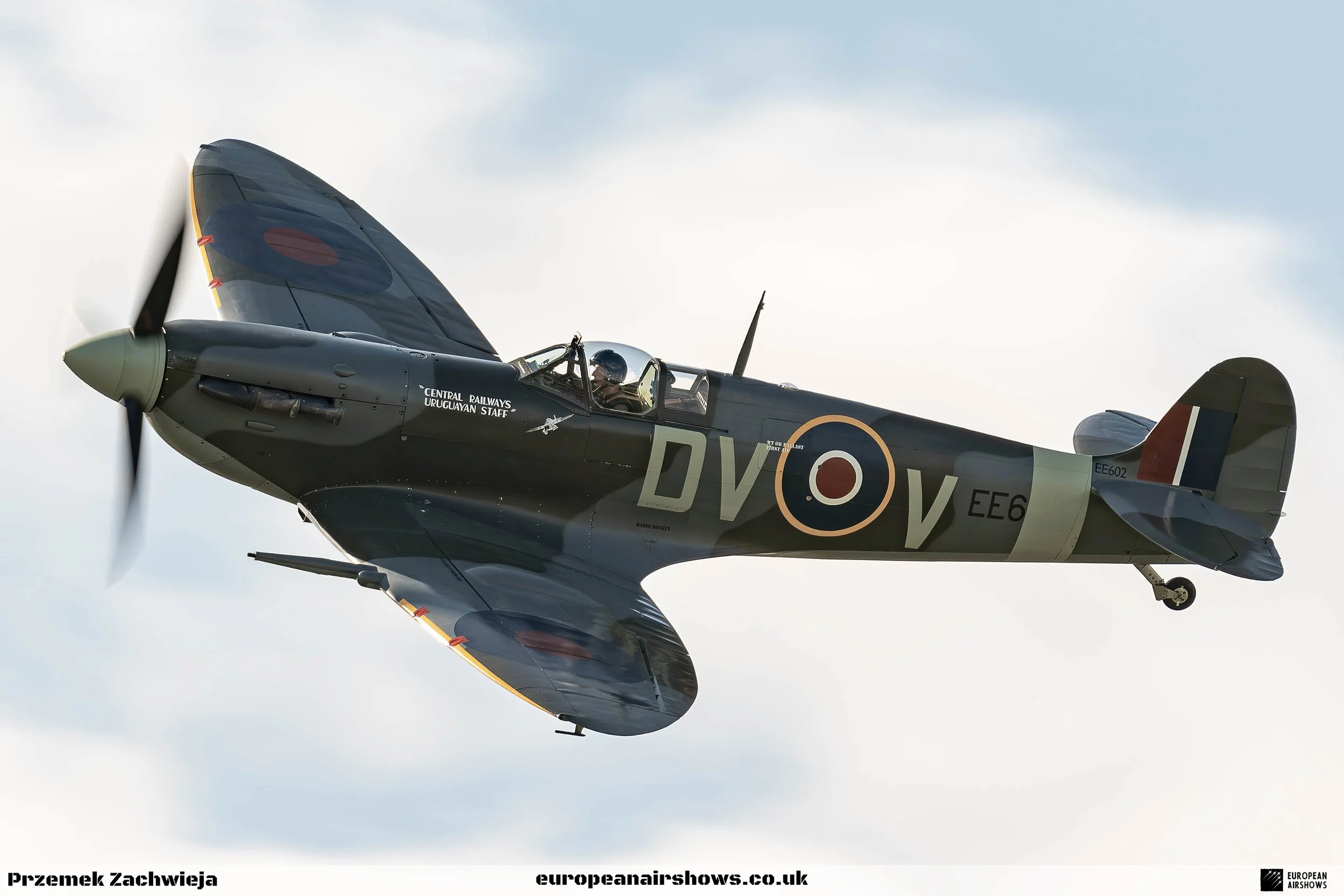
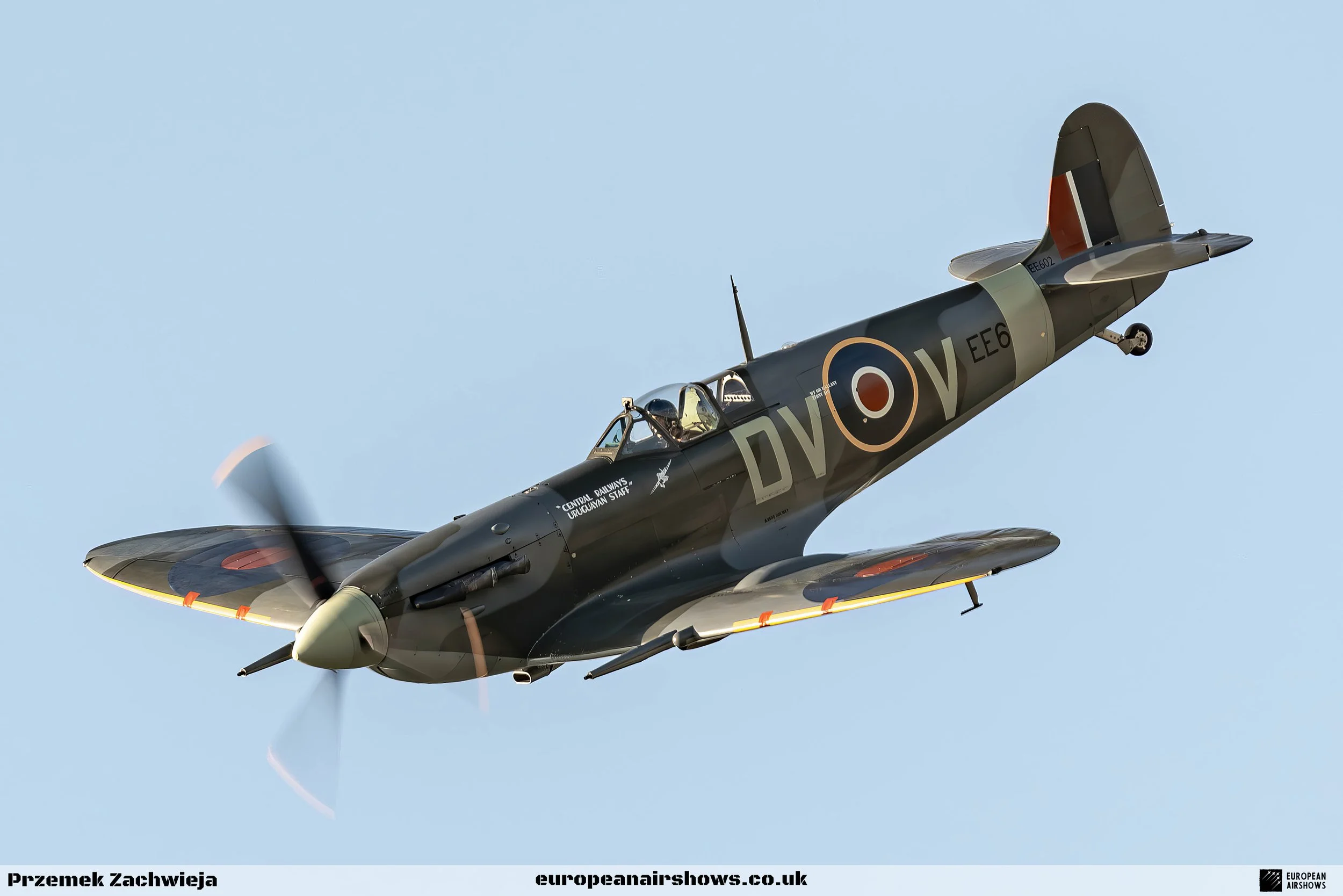
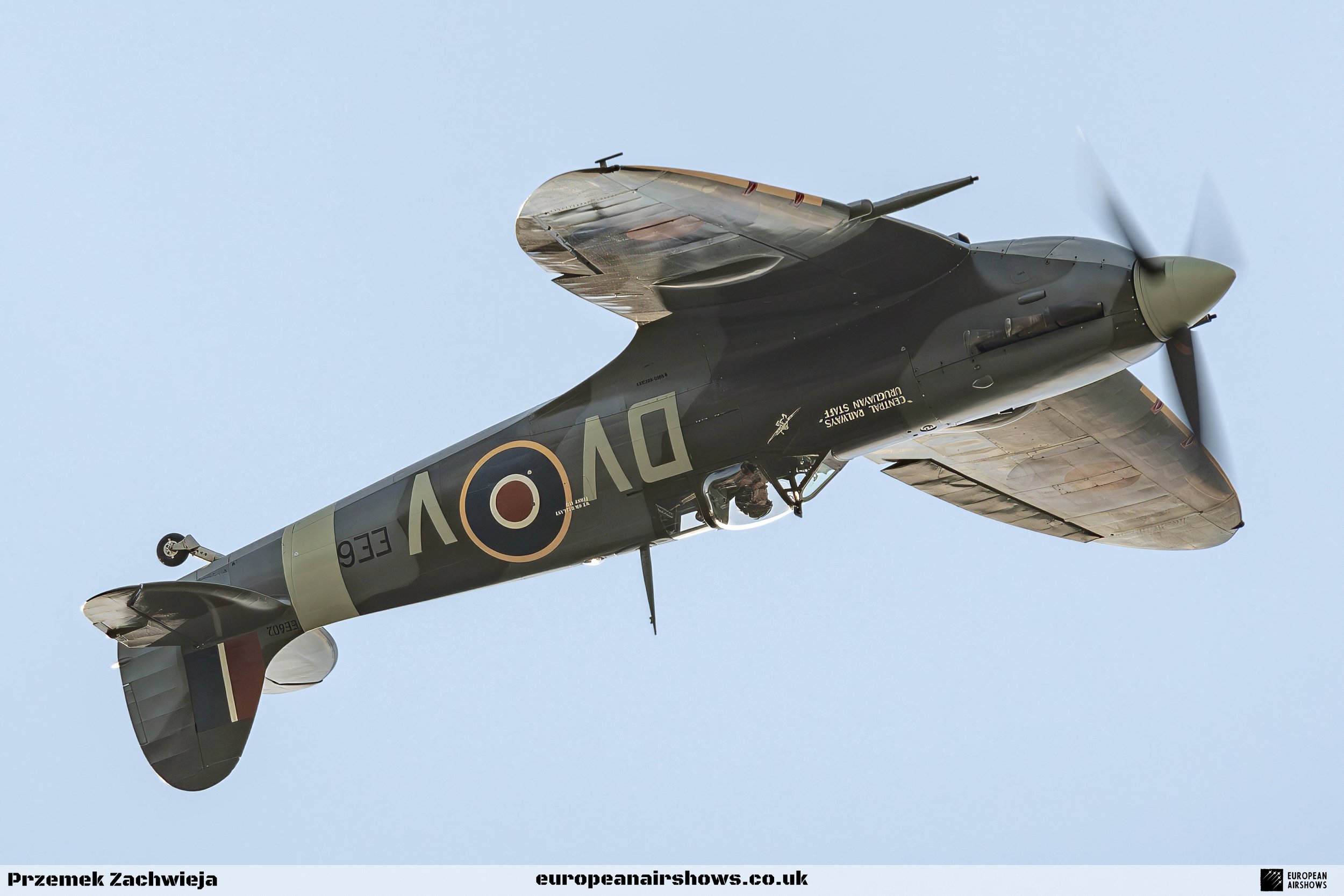
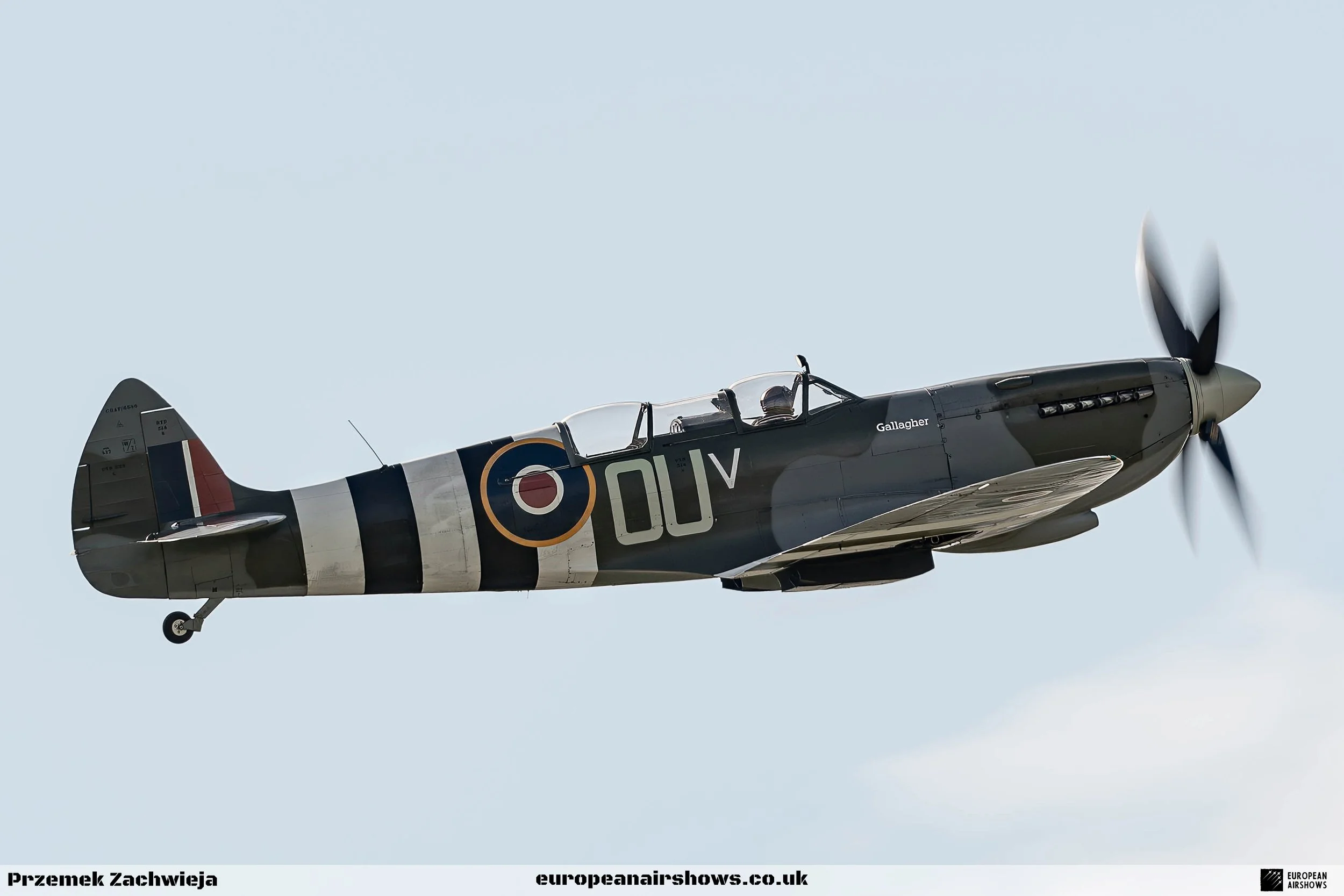
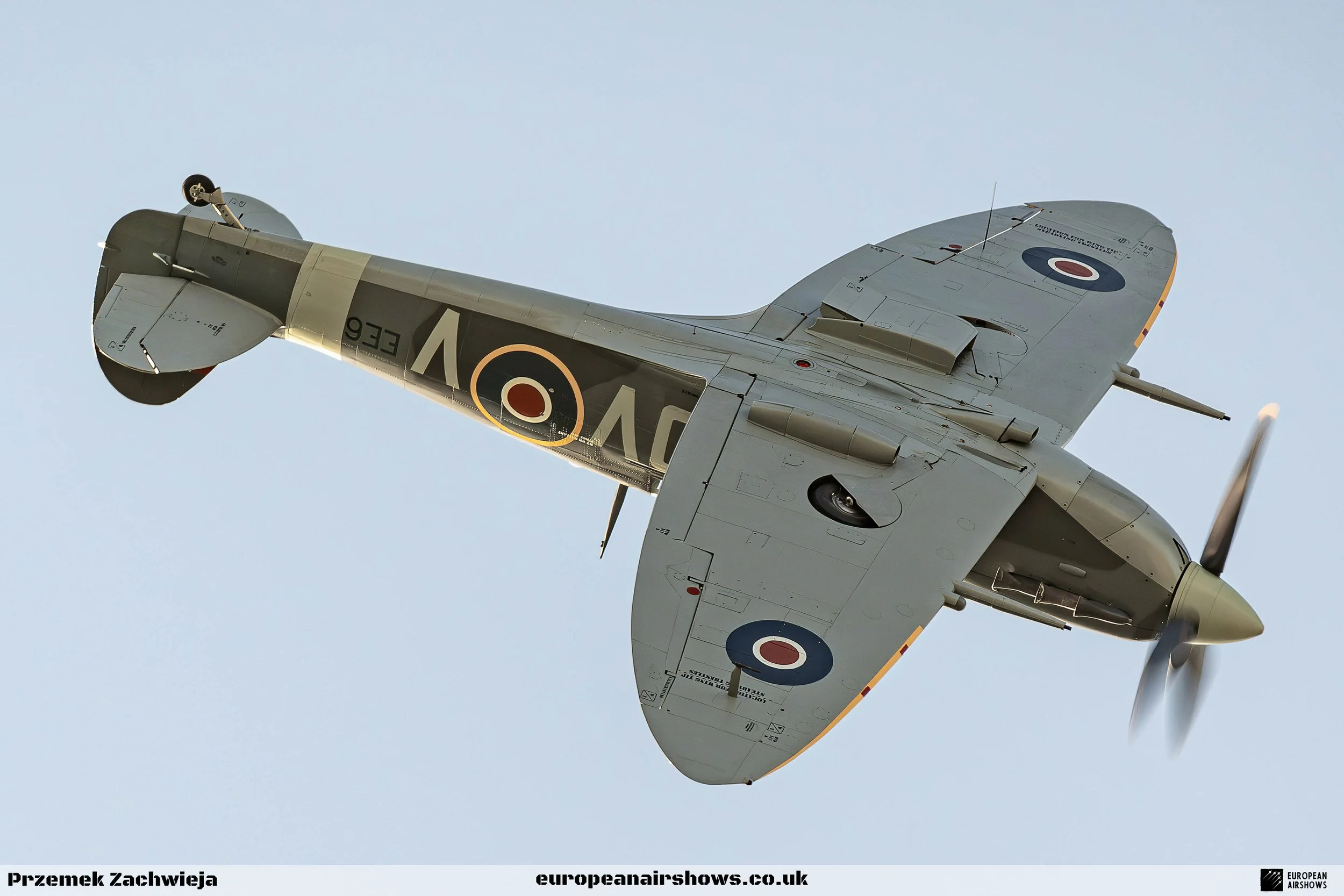
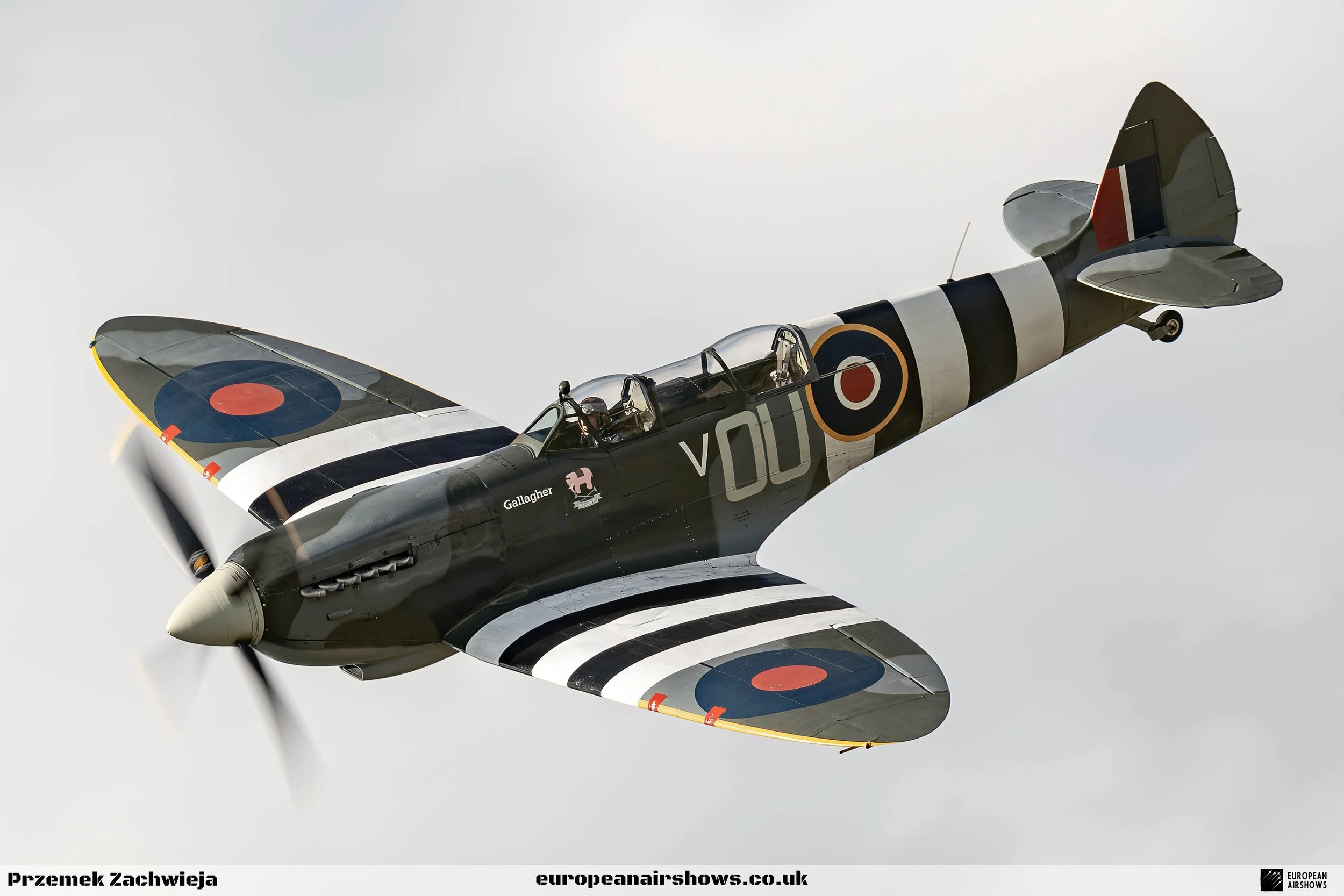
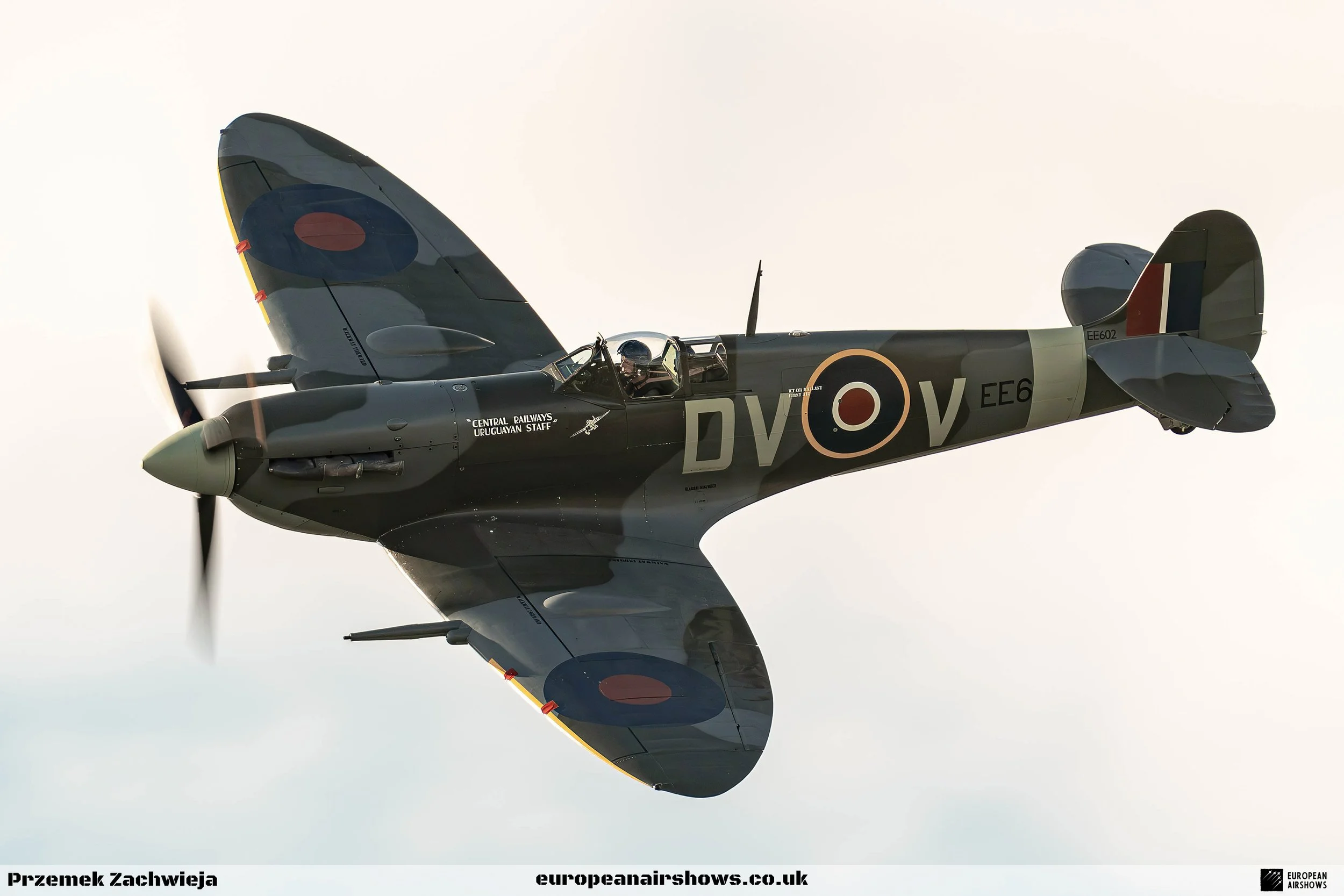
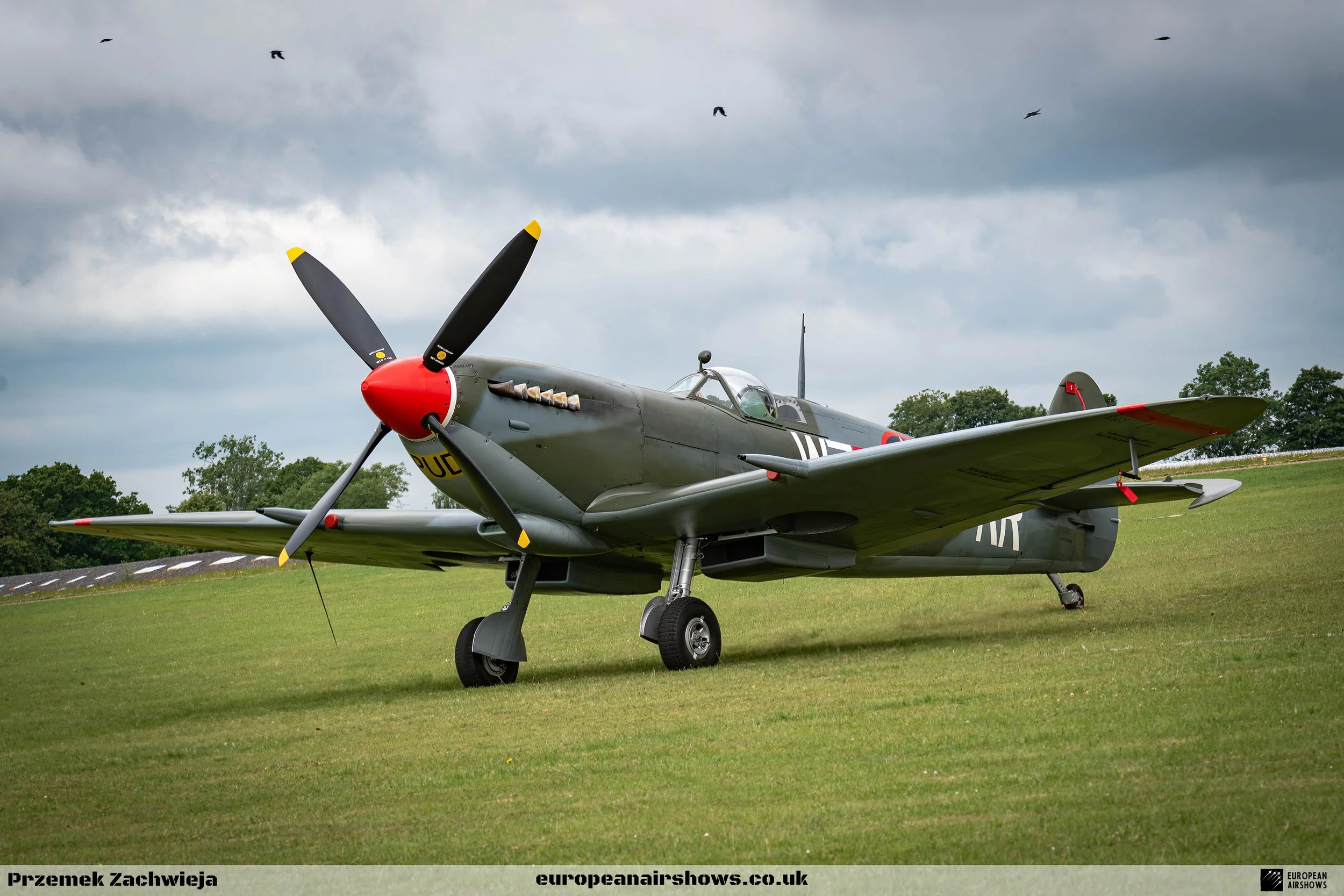
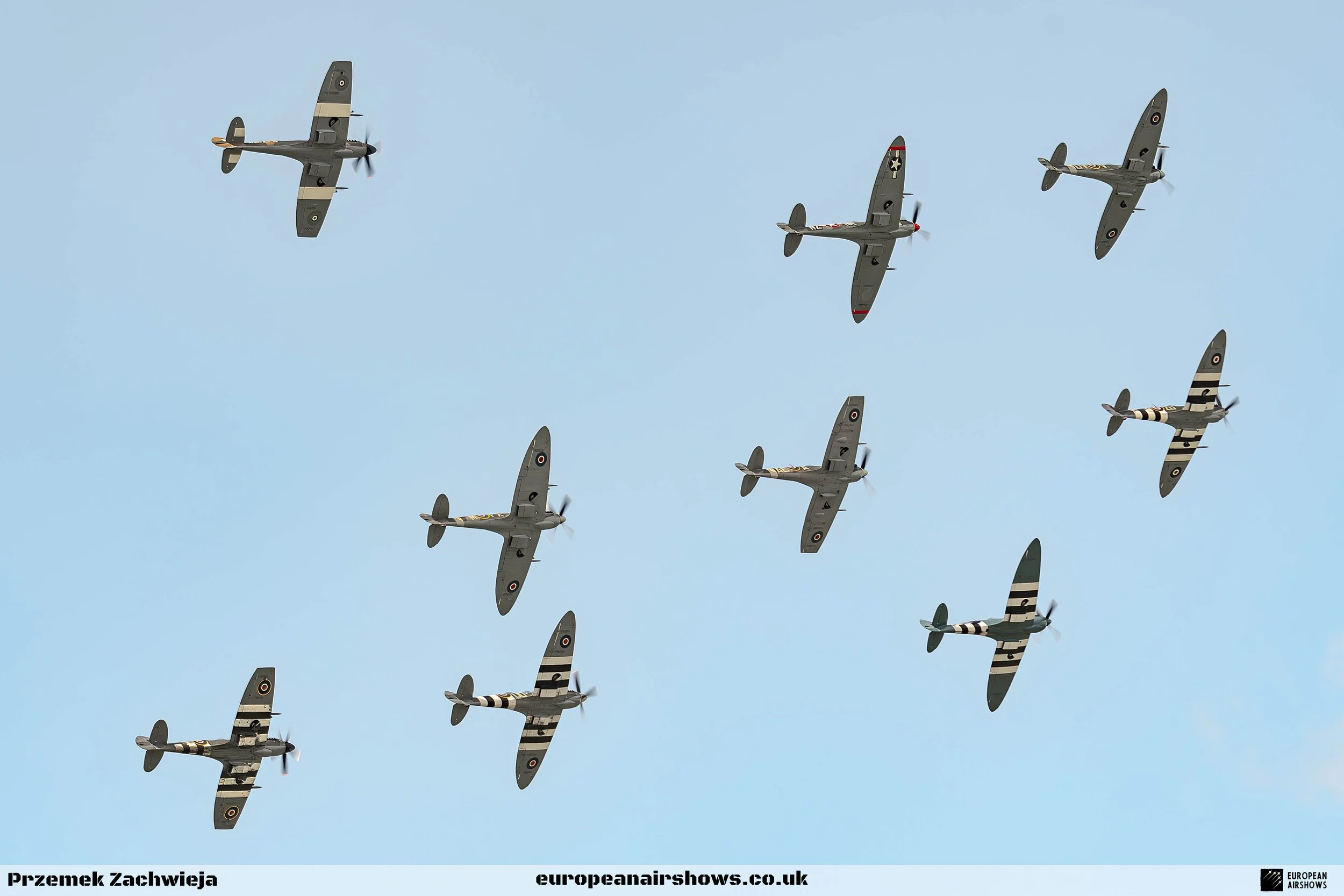
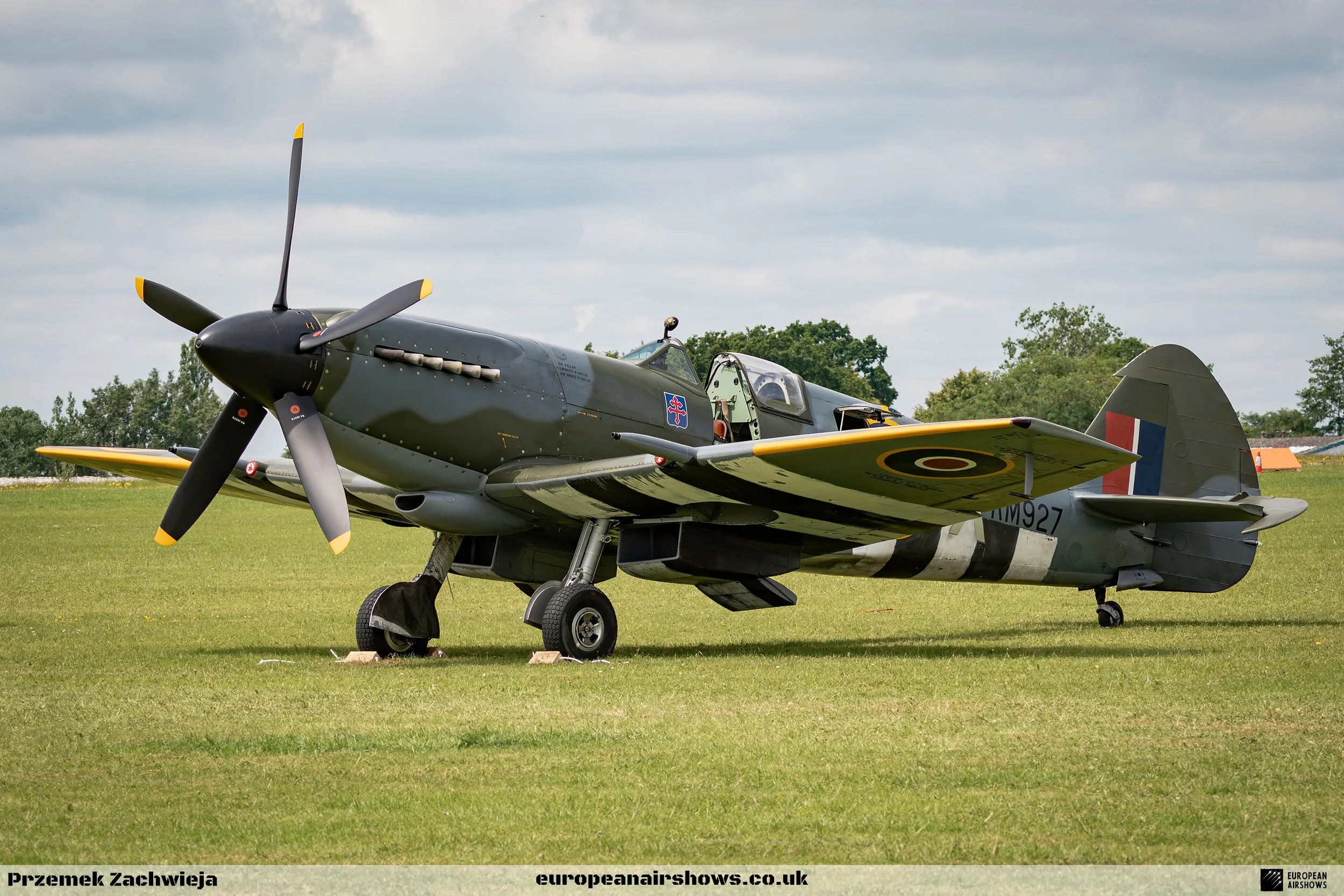
The Supermarine Spitfire is the definitive British fighter of the Second World War—an elegant, high-performance interceptor whose elliptical wing and Rolls-Royce Merlin engine became synonymous with the Royal Air Force. On 5 March 1936, prototype K5054 first flew from Eastleigh, proving the Air Ministry’s 1934 decision to fund R.J. Mitchell’s “Type 300” was well judged. Entering squadron service in 1938, the Spitfire fought from the evacuation of Dunkirk through the Battle of Britain, later evolving into fighter-bomber and photo-reconnaissance roles across Europe, the Mediterranean and the Far East.
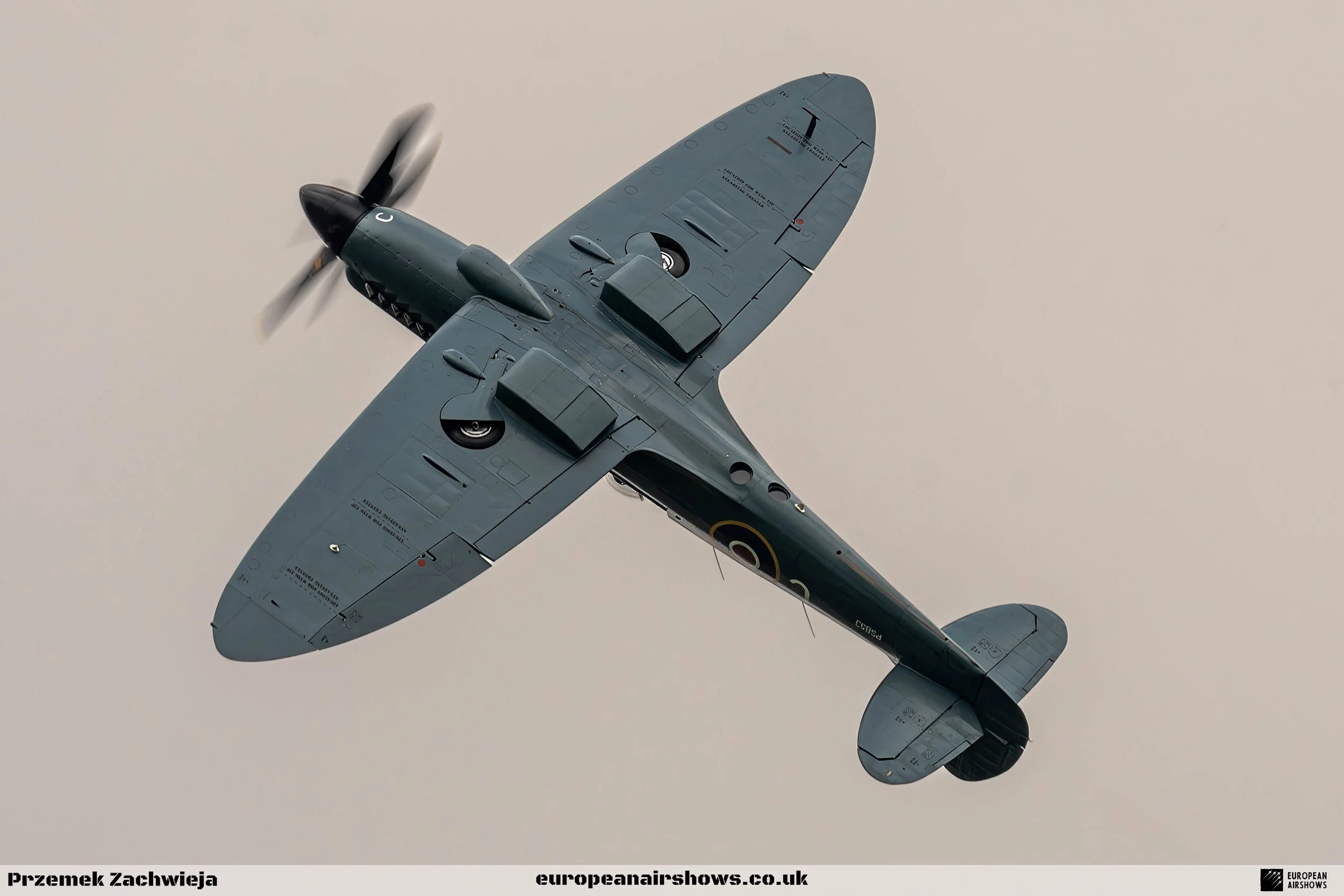
Designed under R.J. Mitchell—and refined after his death in 1937 by Joseph Smith—the Spitfire married a thin, elliptical wing to a powerful Merlin (and later Griffon) engine. Production weathered the 1940 bombing of Supermarine’s Woolston works by shifting large-scale manufacture to Castle Bromwich. As the air war changed, the type progressed from early Mk I/II to the ubiquitous Mk V, then the Mk IX to counter the Fw 190, and finally to Griffon-powered marks such as the Mk XII and Mk XIV, while unarmed PR variants ranged deep over enemy territory.
The Spitfire’s service outlasted the war. In RAF hands, the last operational unit, No. 81 Squadron with PR.XIXs in the Far East, retired the type in 1954. Abroad, Spitfires flew on with many air arms and even saw post-war combat, including in the 1948 Arab–Israeli War. Today, it remains an emblem of British engineering and wartime resilience.
Operational Chronicle
Key milestones in development, combat service and evolution
Type 300 Backing
The Air Ministry supports Supermarine’s “Type 300” single-seat interceptor proposal, setting requirements that lead to the Spitfire’s thin elliptical wing and retractable undercarriage.
Maiden Flight
Prototype K5054 makes its first flight on 5 March at Eastleigh, quickly demonstrating excellent speed, climb and handling that would define the production Spitfire.
First RAF Squadron
No. 19 Squadron at Duxford becomes the first operational RAF unit to re-equip with the Spitfire, initiating frontline service before the outbreak of war.
Dunkirk & Home Defence
Spitfires fly cover during the Dunkirk evacuation and then form a core of RAF Fighter Command through the summer and autumn of 1940.
Battle of Britain
Alongside the Hurricane, the Spitfire helps defeat the Luftwaffe in the Battle of Britain (July–October 1940), securing control of UK airspace.
Malta Reinforcement
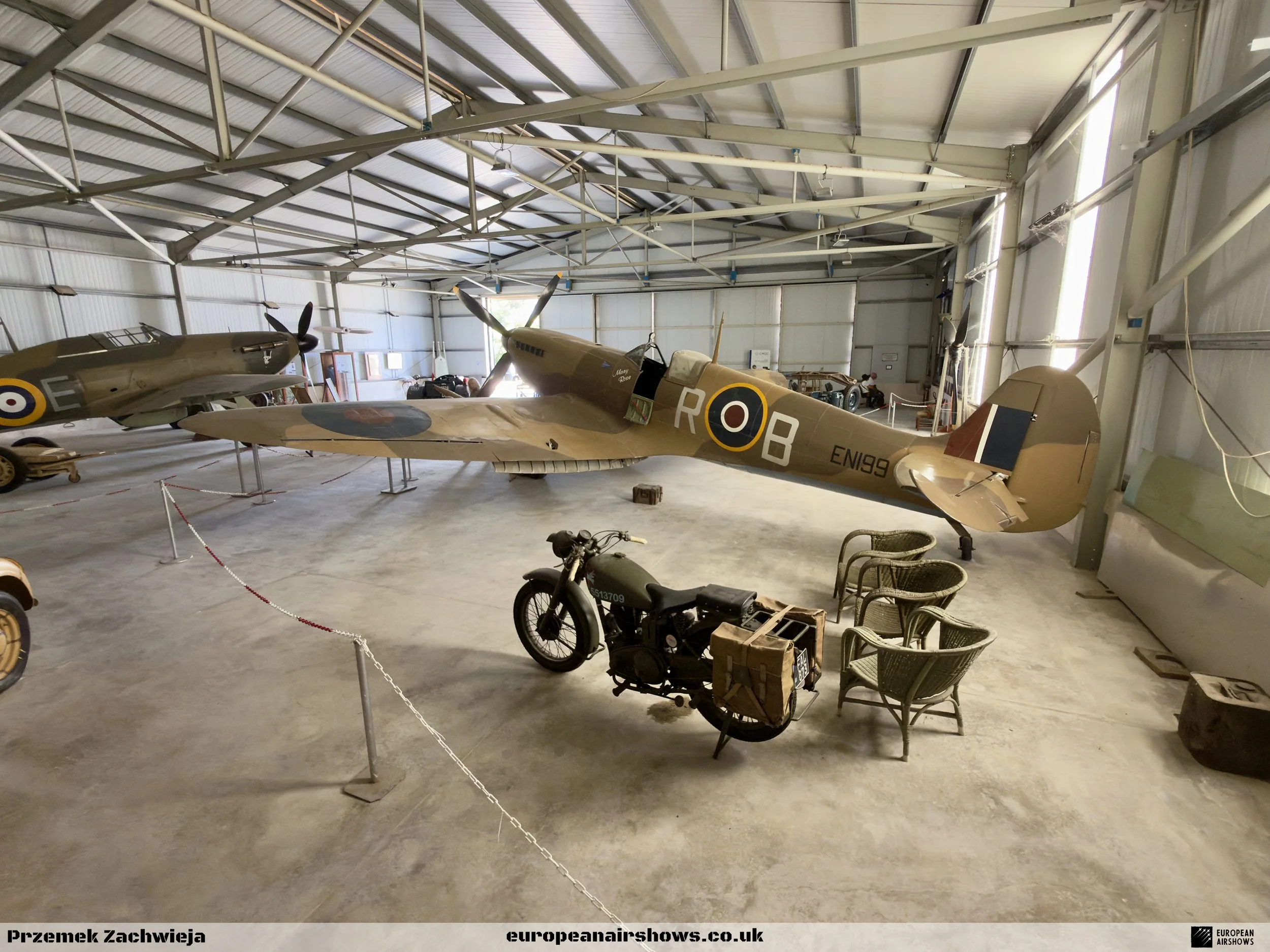
Large batches of Spitfires are ferried to Malta (notably via USS Wasp) during Operations Calendar and Bowery, transforming the island’s air defence.
Dieppe Raid
During Operation Jubilee (19 August), Spitfire wings contest one of the war’s largest single-day air battles over northern France.
Mediterranean Push
Spitfires support the invasions of Sicily and mainland Italy, shifting increasingly into fighter-bomber and tactical reconnaissance roles.
Normandy & Beyond
In the run-up to and after D-Day, Spitfires provide air superiority, armed reconnaissance and close support across northwest Europe.
Far East Service
Spitfires (including PR variants) operate in the India–Burma theatre, with late-war Griffon types entering service and extending performance.
Withdrawal from RAF
No. 81 Squadron retires the last PR.XIXs in the Far East, ending RAF operational Spitfire service. Many foreign operators continue for years after.
Combat Operations
Representative campaigns highlighting the Spitfire’s impact
Spitfire squadrons, paired with Hurricanes, defeat the Luftwaffe’s bid for air superiority, keeping the invasion at bay and safeguarding Britain’s war effort.
Ferry operations and intensive flying turn the air war over Malta, allowing Allied naval and air forces to disrupt Axis supply lines to North Africa.
Spitfire wings engage in a massive air battle, refining tactics and exposing limitations that inform later cross-Channel operations.
From air superiority to fighter-bomber sorties, Spitfires support Allied ground forces and interdict Axis movements in the Mediterranean theatre.
Post-D-Day, low-level armed reconnaissance and anti-transport missions become daily work as Allied armies advance across France, Belgium and into Germany.
Spitfires—including unarmed PR types—support operations in the India–Burma theatre, where range, high-altitude performance and reliability are vital.
Service Record
Concise markers from concept to final RAF retirement
Technical Specifications
Core details and characteristics of the Supermarine Spitfire
Development Story
From Type 300 concept to a war-winning family of fighters
Origins and Early Proving
Backed in 1934 as the Supermarine “Type 300,” the design answered the RAF’s call for a fast, manoeuvrable monoplane interceptor. Chief designer R.J. Mitchell selected a thin, elliptical wing to minimise drag while preserving excellent low-speed handling. The prototype’s first flight on 5 March 1936 immediately showed outstanding performance, leading to rapid refinement toward production standards.
Mitchell’s death in 1937 placed development in the hands of Joseph Smith, who guided the type through productionisation and continuous improvement. Early service began in 1938, and by 1940 the Spitfire was a cornerstone of Fighter Command during the Battle of Britain.
Production, Adaptation and Counter-Moves
After Luftwaffe raids destroyed Supermarine’s Woolston works in 1940, production surged at Castle Bromwich. The Mk V became the most numerous early-war variant, while the sudden appearance of the Fw 190 prompted the Mk IX—a smart, rapid upgrade marrying the Merlin 61 series to the Spitfire airframe. In parallel, unarmed PR types traded guns for fuel and cameras, reaching extreme altitudes for strategic imagery.
Later, the Spitfire adopted the more powerful Griffon engine (e.g., Mk XII, Mk XIV), improving climb and top speed and keeping pace with late-war threats. Airframe refinements (wing tips, cannon fits, radiators, fuel) tailored aircraft for low-level attack, air superiority, or reconnaissance.
Wartime Roles and Post-War Service
Beyond home defence, Spitfires fought over Malta, North Africa, Italy and north-west Europe, and in the Far East. The type’s versatility enabled fighter-bomber tasks and precision PR. In RAF service, the last operational Spitfires—PR.XIXs with No. 81 Squadron—retired in 1954, but international operators continued flying the type and it saw post-war combat in several regional conflicts.
Enduring Legacy
Britain’s best-known fighter and a living symbol of resilience
The Supermarine Spitfire fused engineering elegance with combat credibility. From the first flight in 1936 through final RAF operations in 1954, continual upgrades—new engines, wings and specialist PR marks—kept it at the forefront of aerial warfare. It defended Britain, ranged across Europe and the Mediterranean, served in the Far East, and flew on with many nations after 1945. More than a machine, it remains a powerful emblem of British innovation and the determination of the aircrews who flew and maintained it.