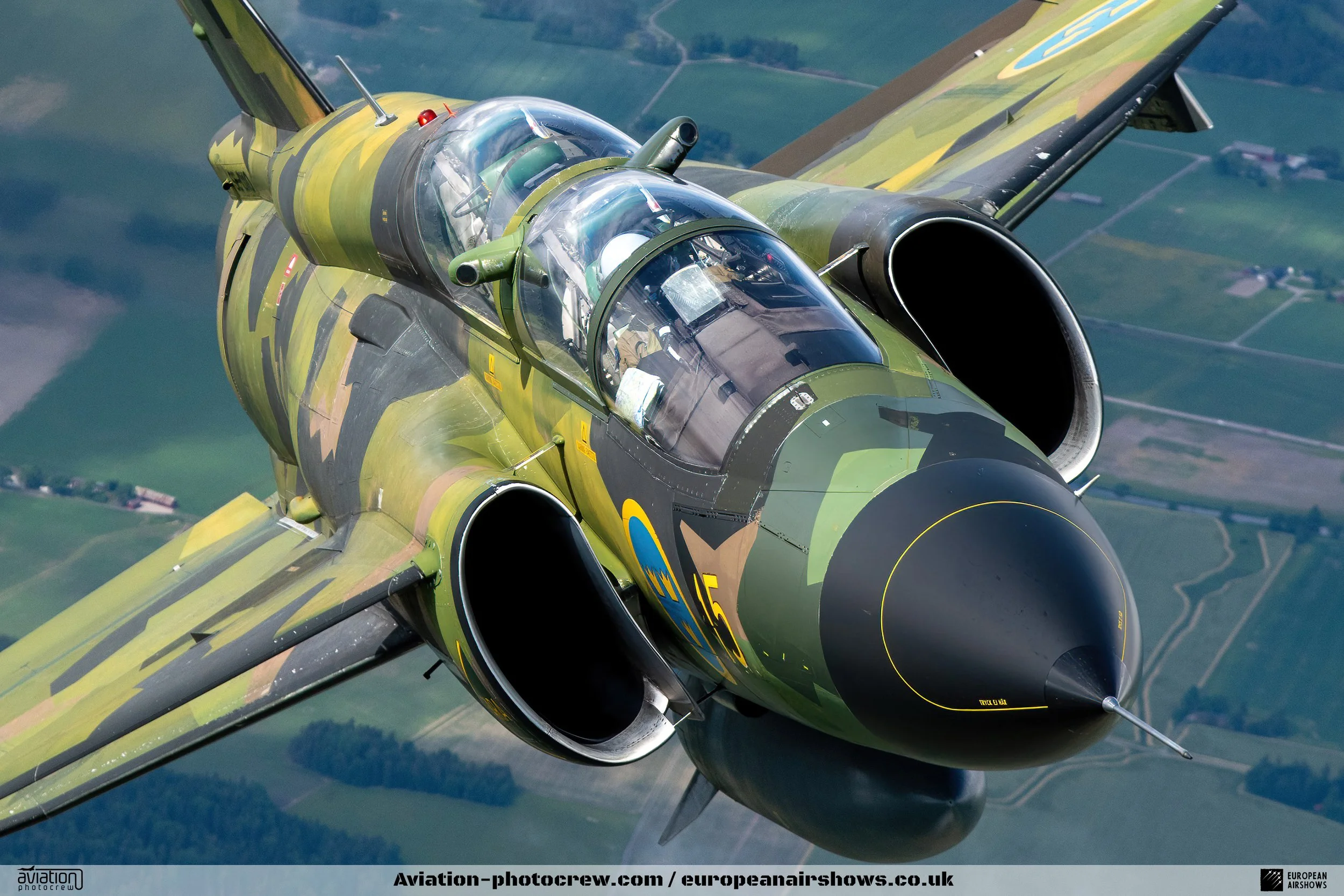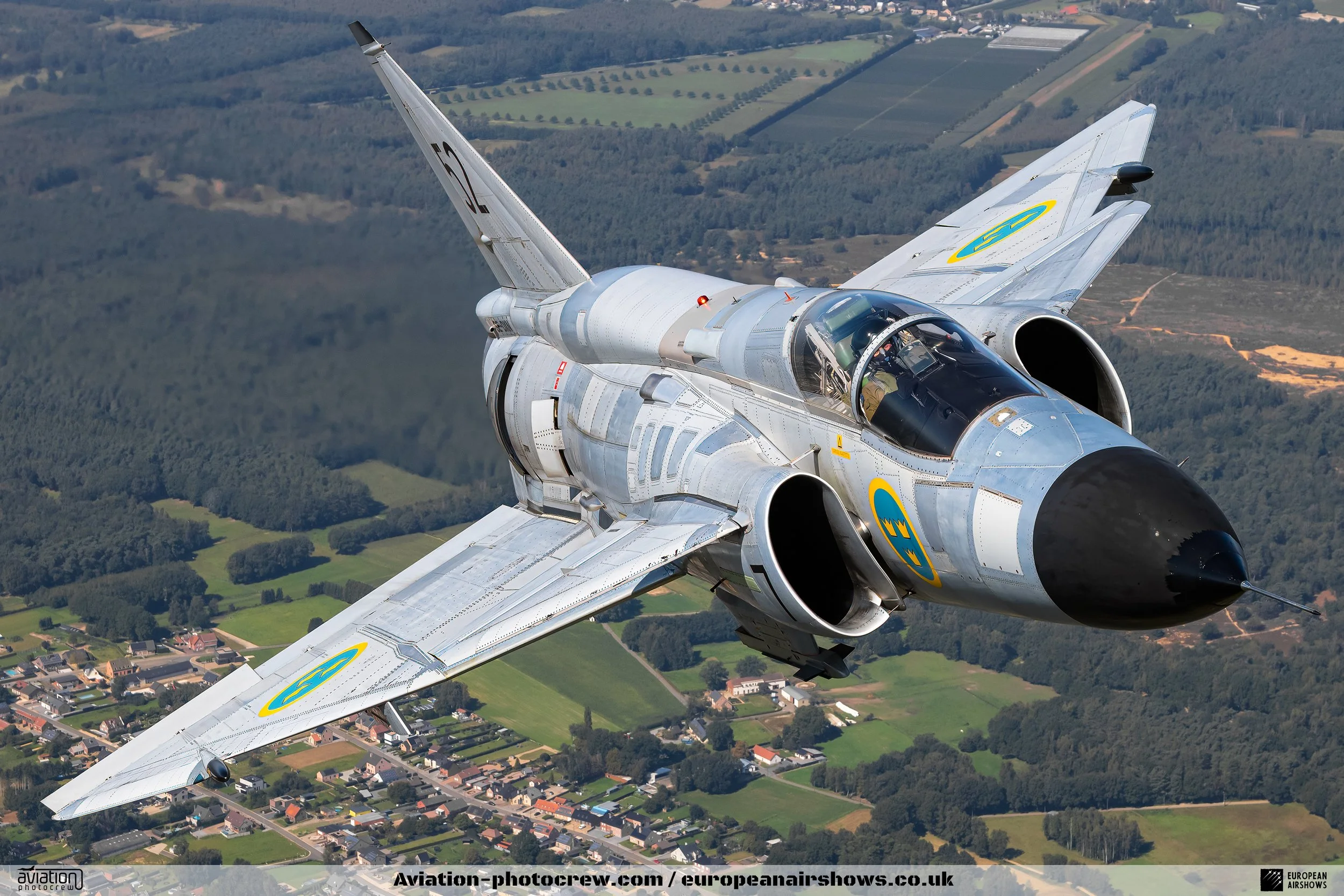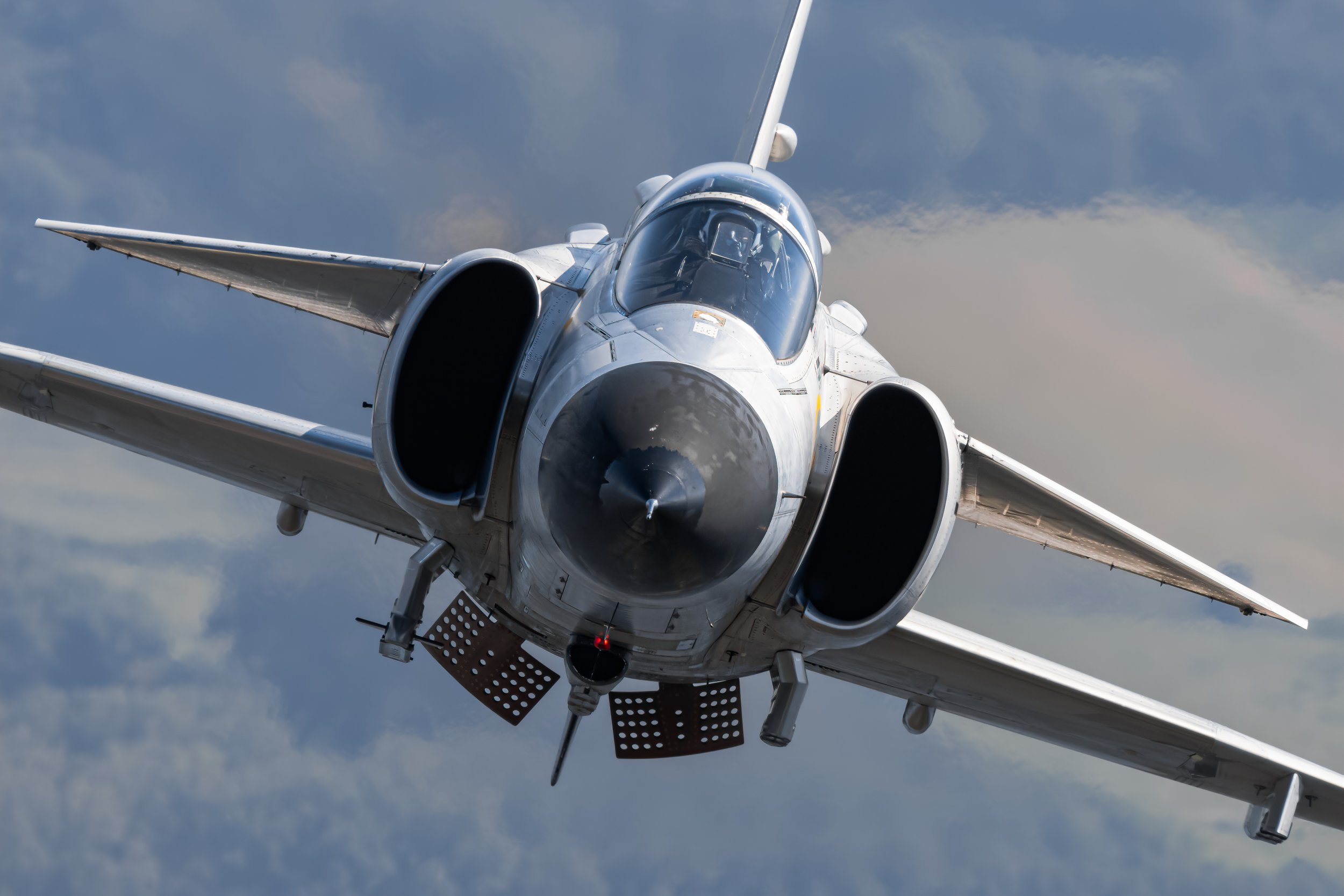
Saab 37 Viggen
Sweden’s road-base multirole icon — the canard-delta that brought Mach-2 performance, STOL operations and a digital central computer to Europe’s Cold War front line
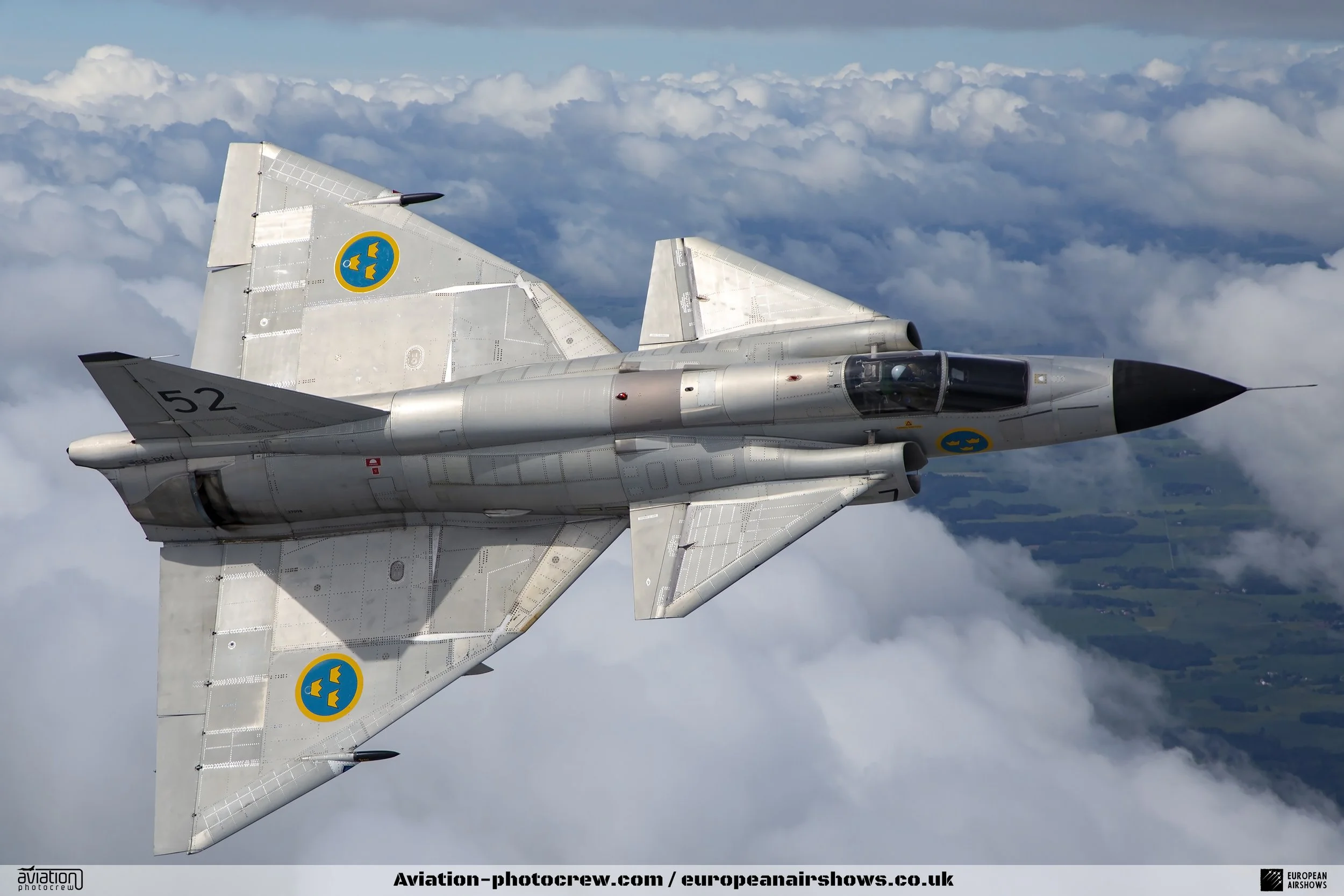
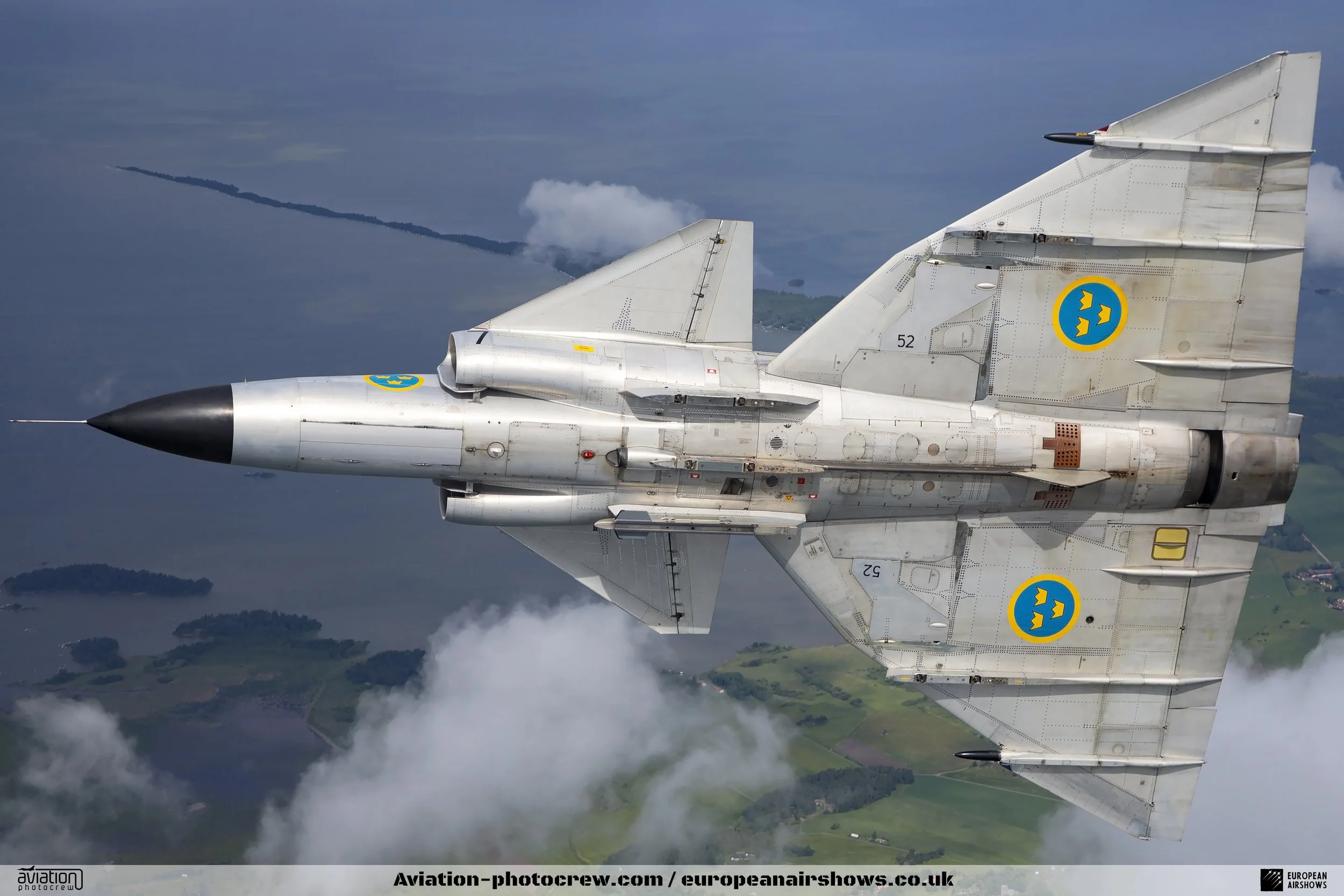
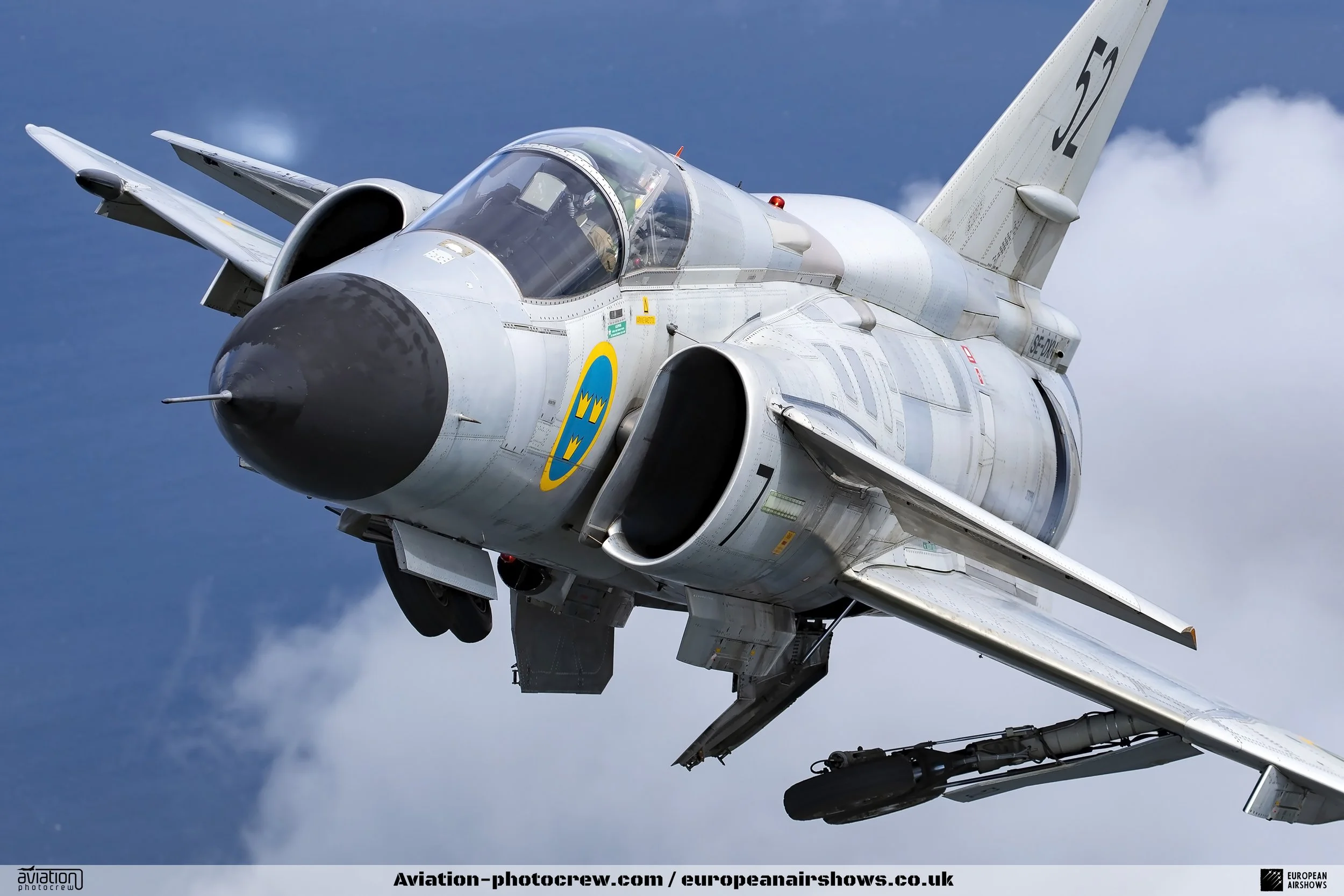
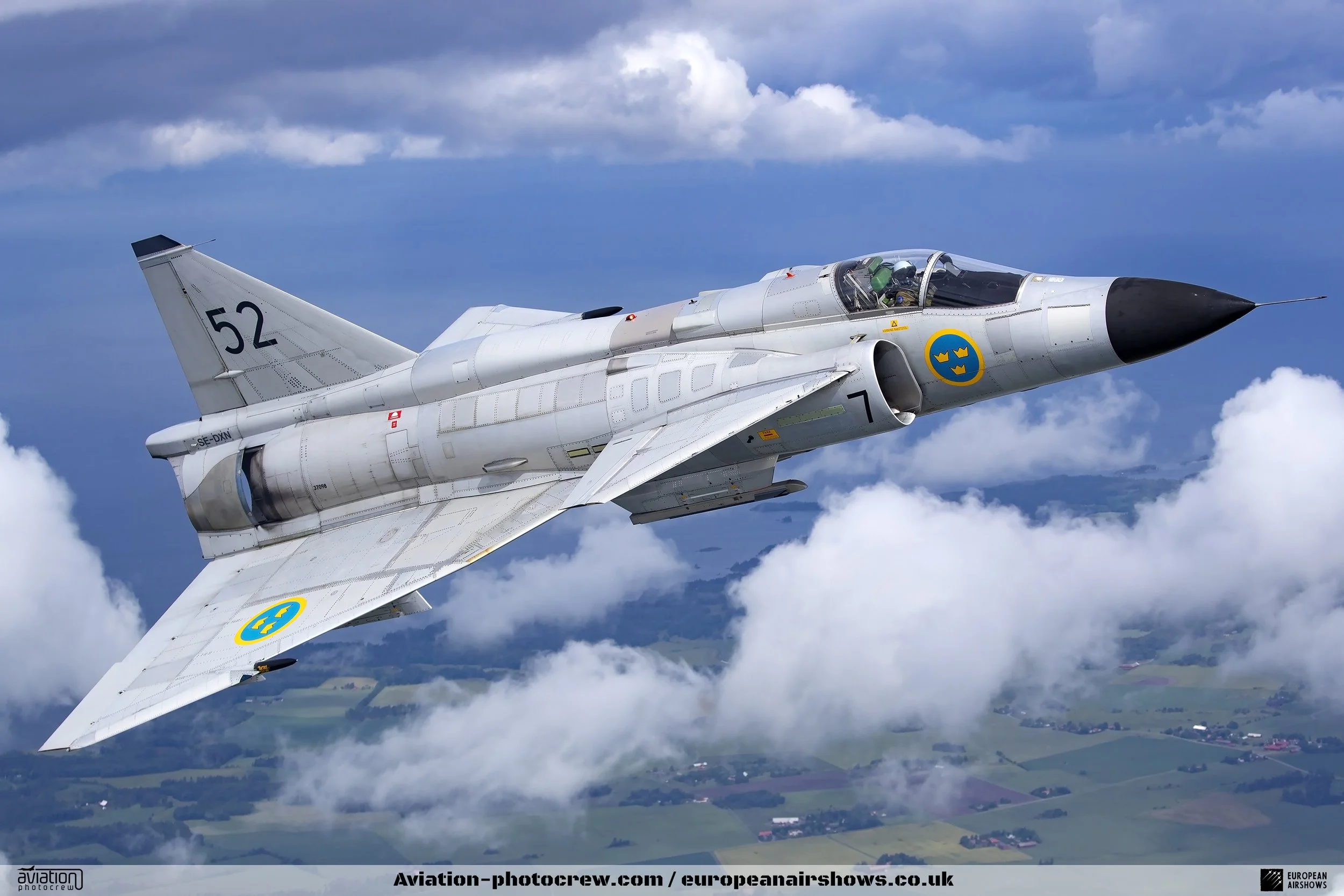
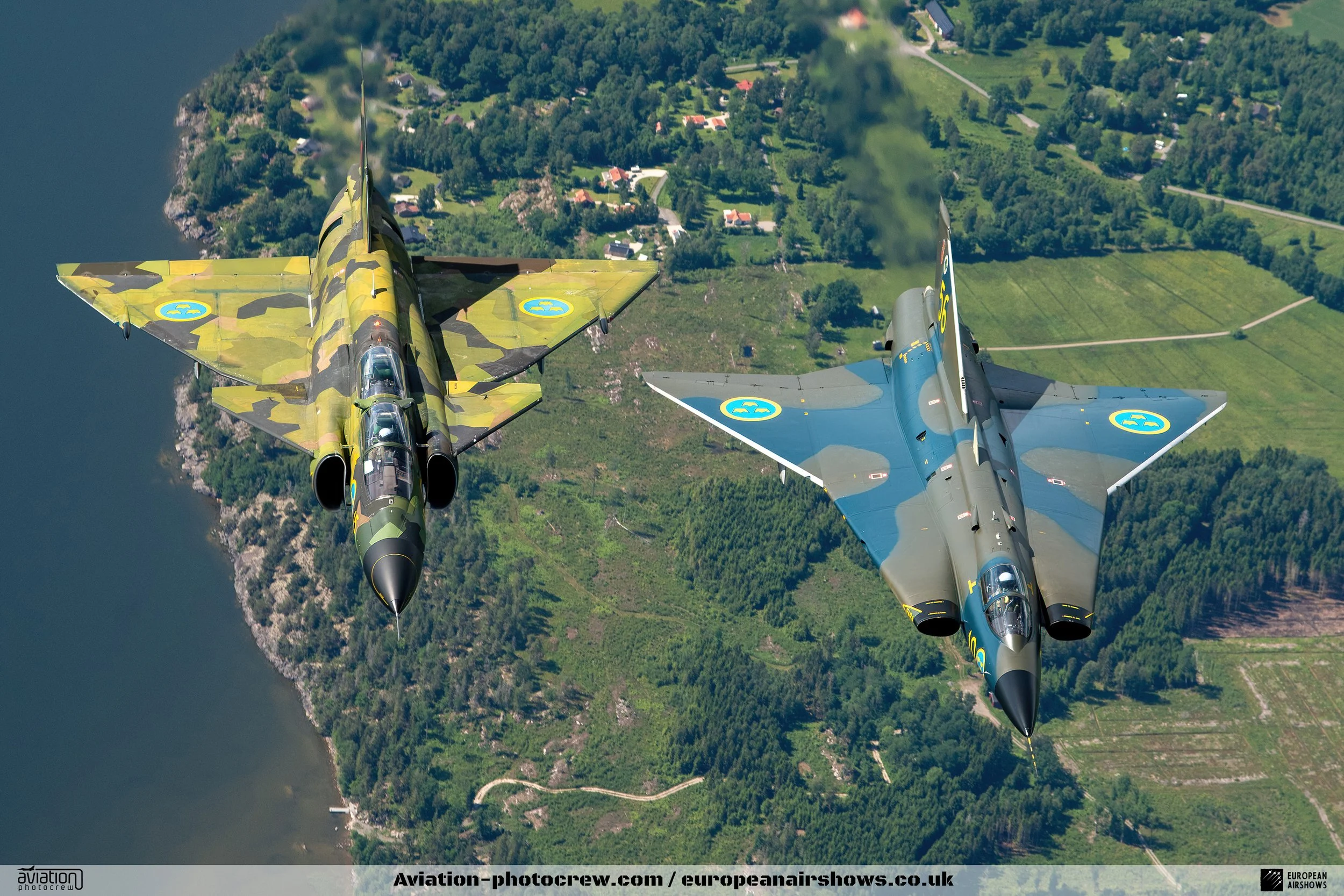
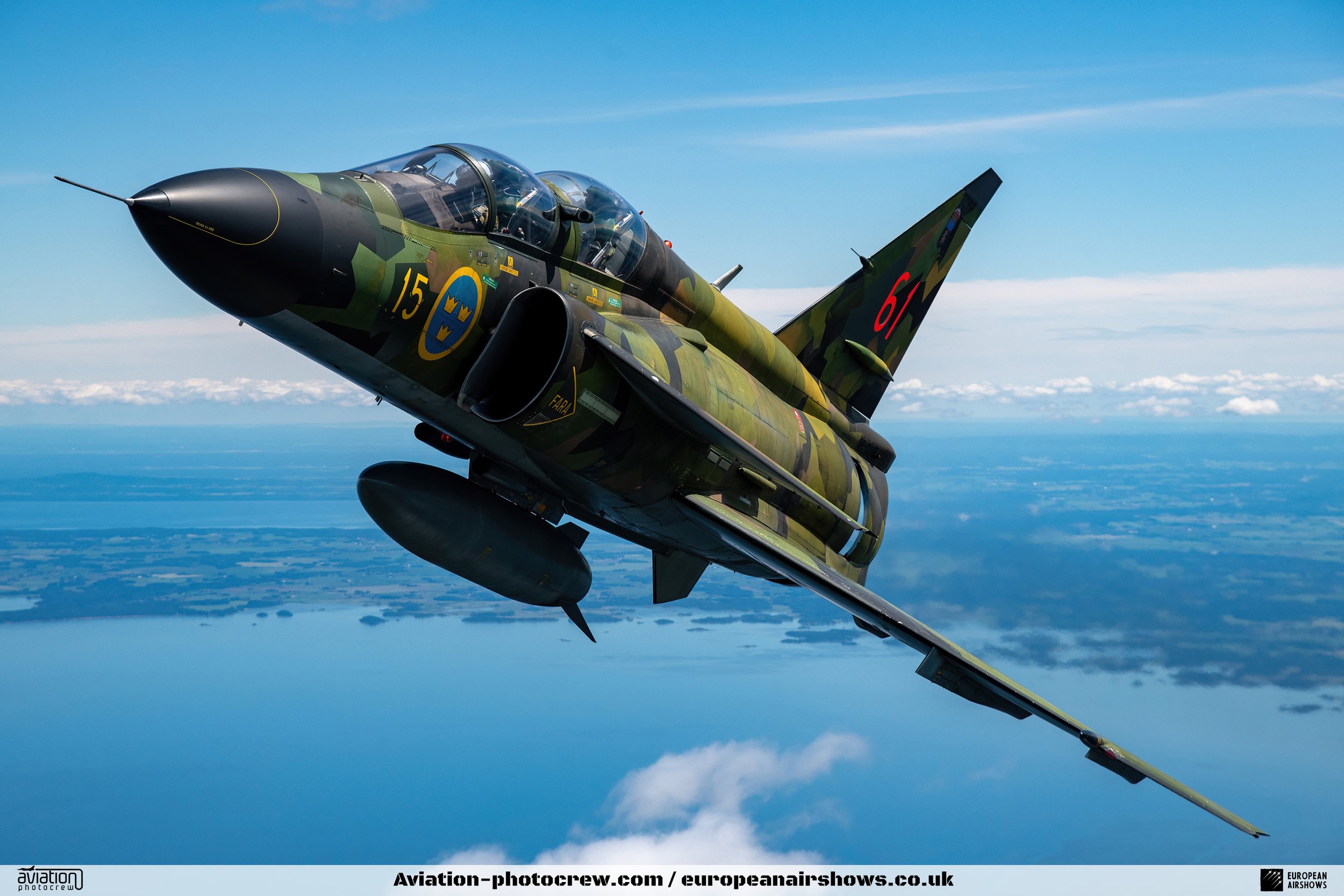
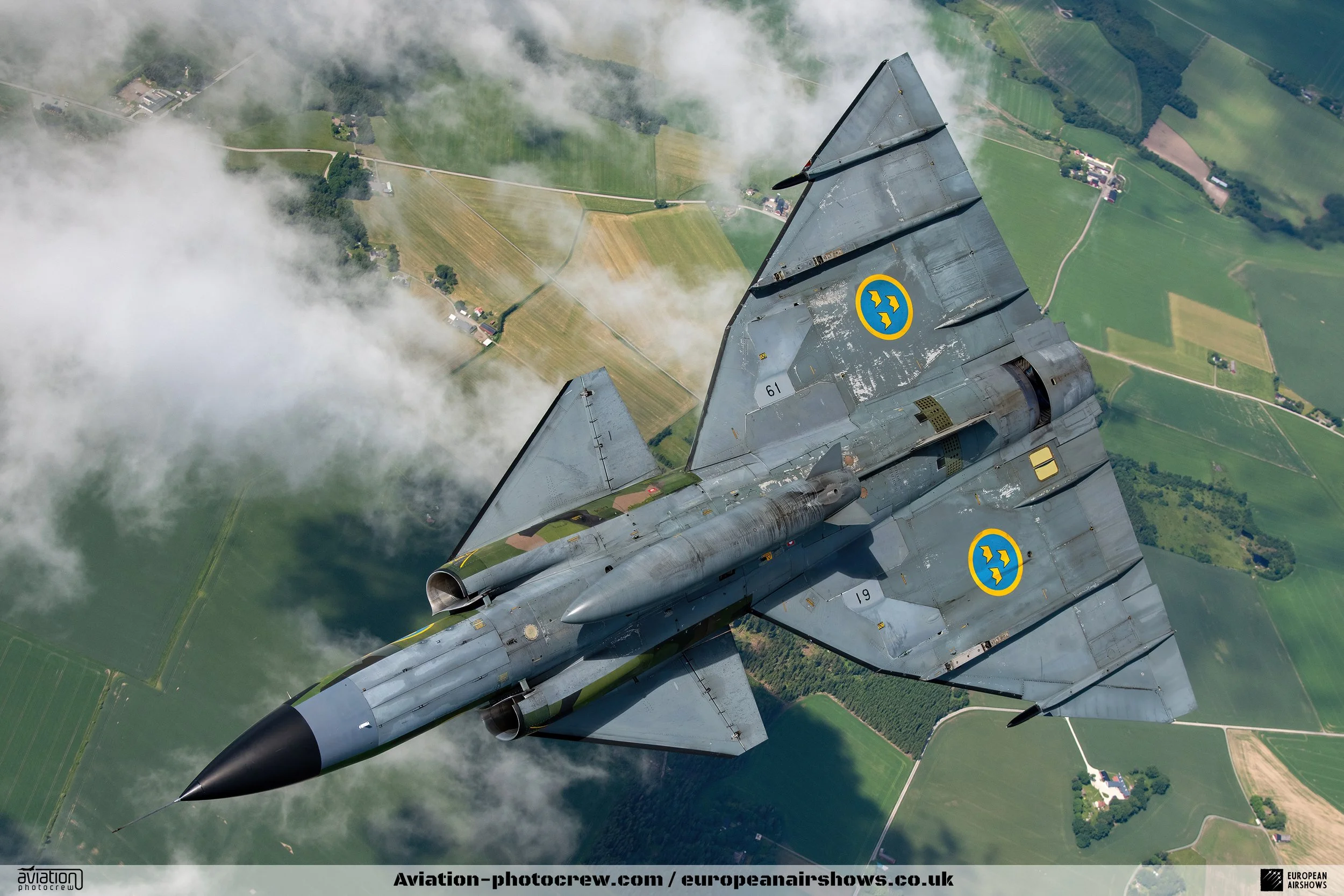
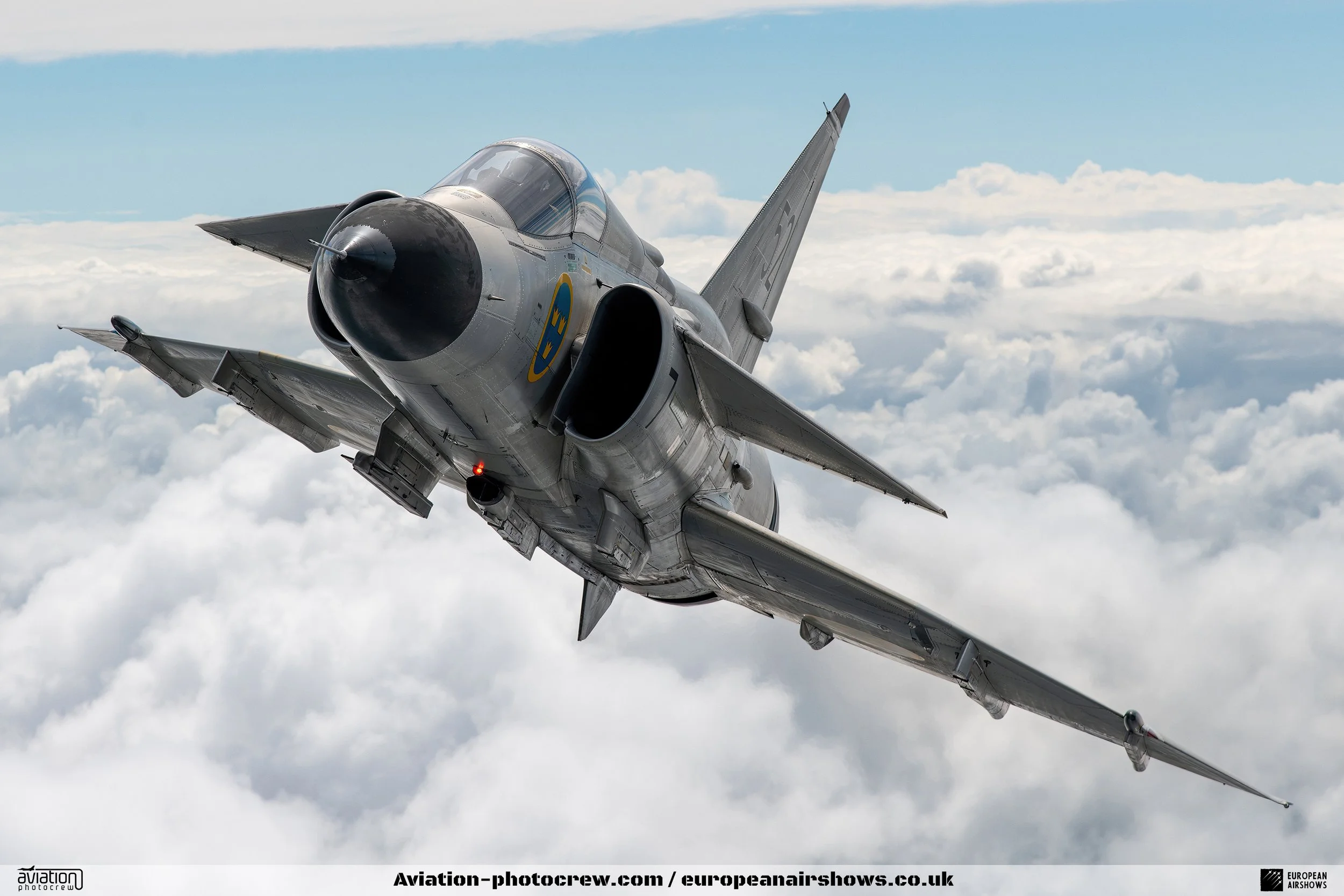
The Saab 37 Viggen was Sweden’s answer to a uniquely Swedish problem: defend a long coastline and wide territory without relying on vulnerable large airbases. Finalized in 1963 and flying for the first time on 8 February 1967, the Viggen introduced a radical canard-delta planform, a powerful afterburning Volvo RM8 (a Swedish, afterburning development of the Pratt & Whitney JT8D) and an integrated digital central computer. It became one of Europe’s most advanced combat aircraft when it entered Swedish Air Force service on 21 June 1971.
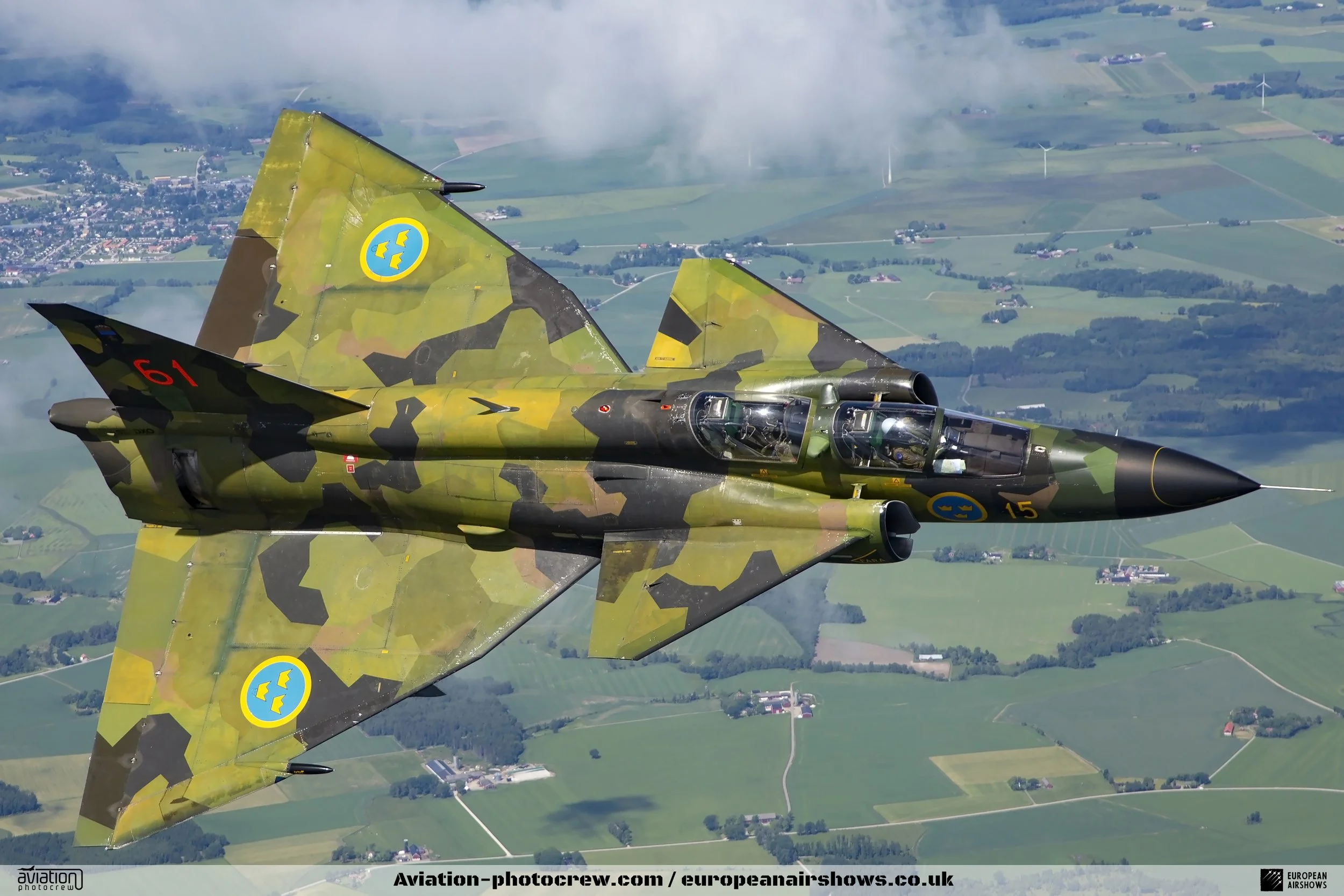
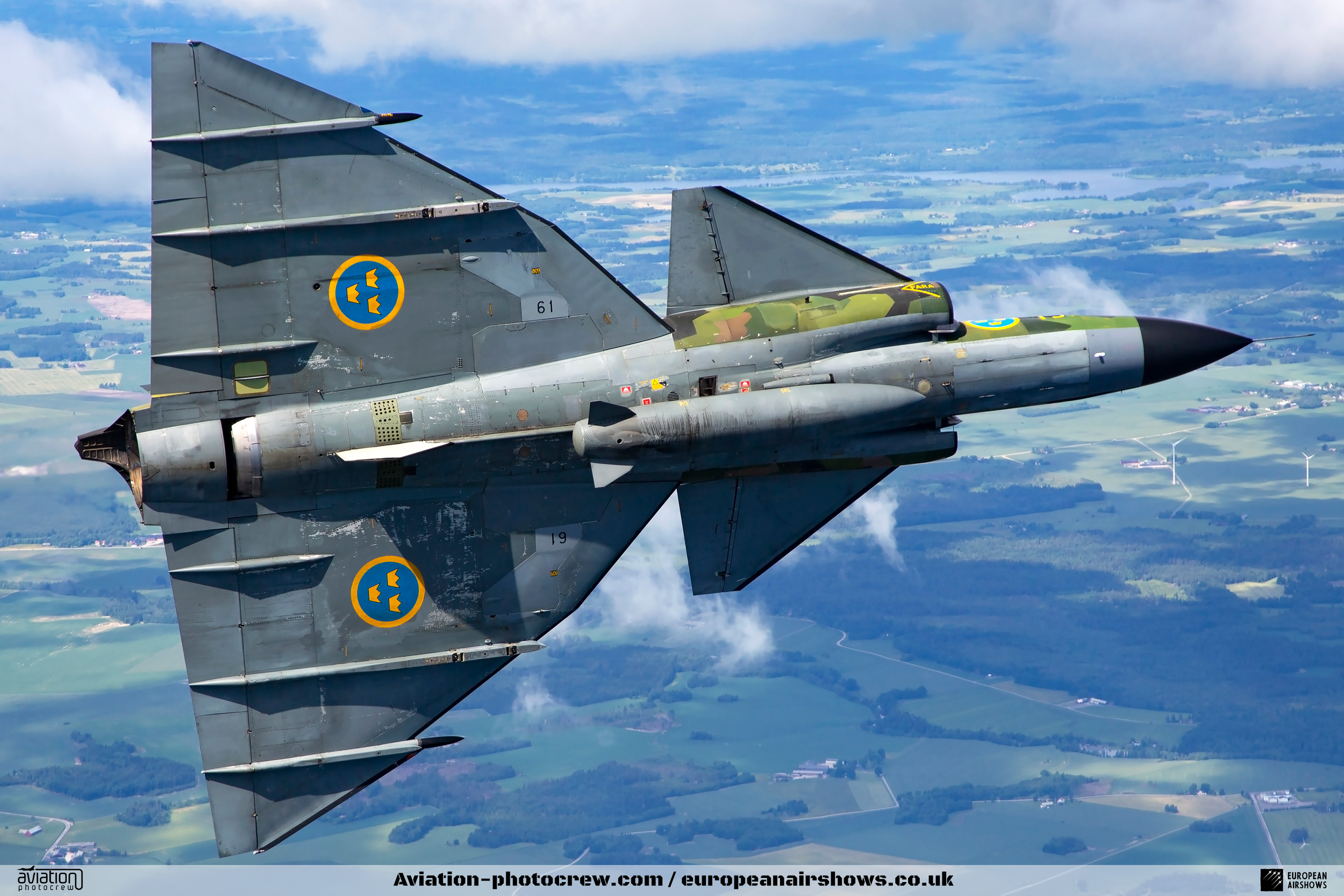
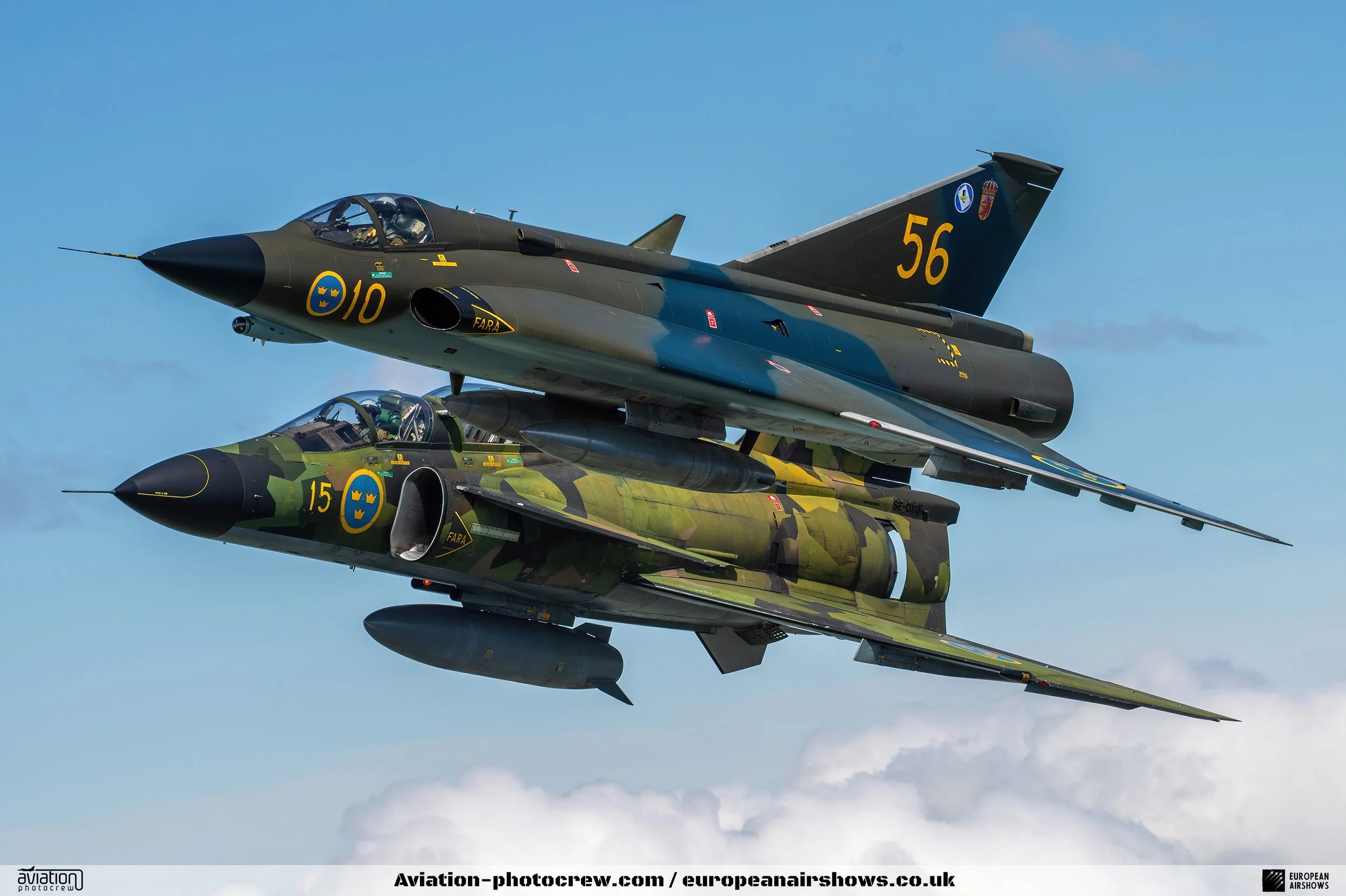
Built as a family from the outset, System 37 covered attack (AJ 37), photo-recce (SF 37), maritime/recce (SH 37), two-seat conversion (SK 37) and the dedicated fighter (JA 37). In the 1990s, many airframes were upgraded to AJS 37 standard with modern weapons and avionics, including the RB 15F anti-ship missile and RB 75 Maverick. Throughout the Cold War the Viggen’s daily work was QRA, maritime surveillance and intercepts over the Baltic — enforcing neutrality and shadowing both Warsaw Pact and NATO traffic.
While never used in combat, the type is renowned for its Bas 60/Bas 90 road-base concept and for famous encounters with the USAF’s SR-71 “Blackbird” on Baltic sorties — including a 1987 emergency escort that later earned Swedish JA 37 pilots the U.S. Air Medal. Production ran from 1970 to 1990 with 329 aircraft built; the last frontline Viggens retired in 2005, with final SK 37E flights in 2007.
Operational Chronicle
Key milestones in the Viggen’s development, entry to service and Cold War duty
System 37 Approved
The Swedish government authorises “Aircraft System 37” — a multirole family to replace Lansen/Draken and to operate from dispersed road bases under the Bas 60 concept (later Bas 90).
Maiden Flight
Prototype 37-1 flies on 8 February 1967 with SAAB chief test pilot Erik Dahlström, validating the canard-delta configuration, digital central computer and RM8 afterburning turbofan.
Service Entry (AJ 37)
First production AJ 37s are delivered; the Viggen becomes Europe’s first series-built canard aircraft and pioneers short-strip operations using an integrated thrust reverser.
Baltic QRA Era
JA 37 fighter units assume intensive QRA over the Baltic, regularly intercepting reconnaissance and maritime patrol traffic and integrating with Sweden’s STRIL ground-controlled intercept network.
SR-71 Emergency Escort
Four JA 37s escort a stricken USAF SR-71 that has suffered an engine failure over the Baltic, protecting it to safety — an episode later recognised with U.S. Air Medals for the Swedish pilots.
AJS 37 Upgrade
Multirole AJS 37 standard adds modern weapons and avionics (e.g. RB 15F anti-ship, RB 75 Maverick), extending the fleet’s relevance while JAS 39 Gripen ramps up.
Retirement
Frontline Viggen operations conclude in November 2005; final SK 37E flights occur in June 2007, closing nearly four decades of service.
Operations & Readiness
How the Viggen was used: neutrality QRA, road-base dispersal and maritime strike
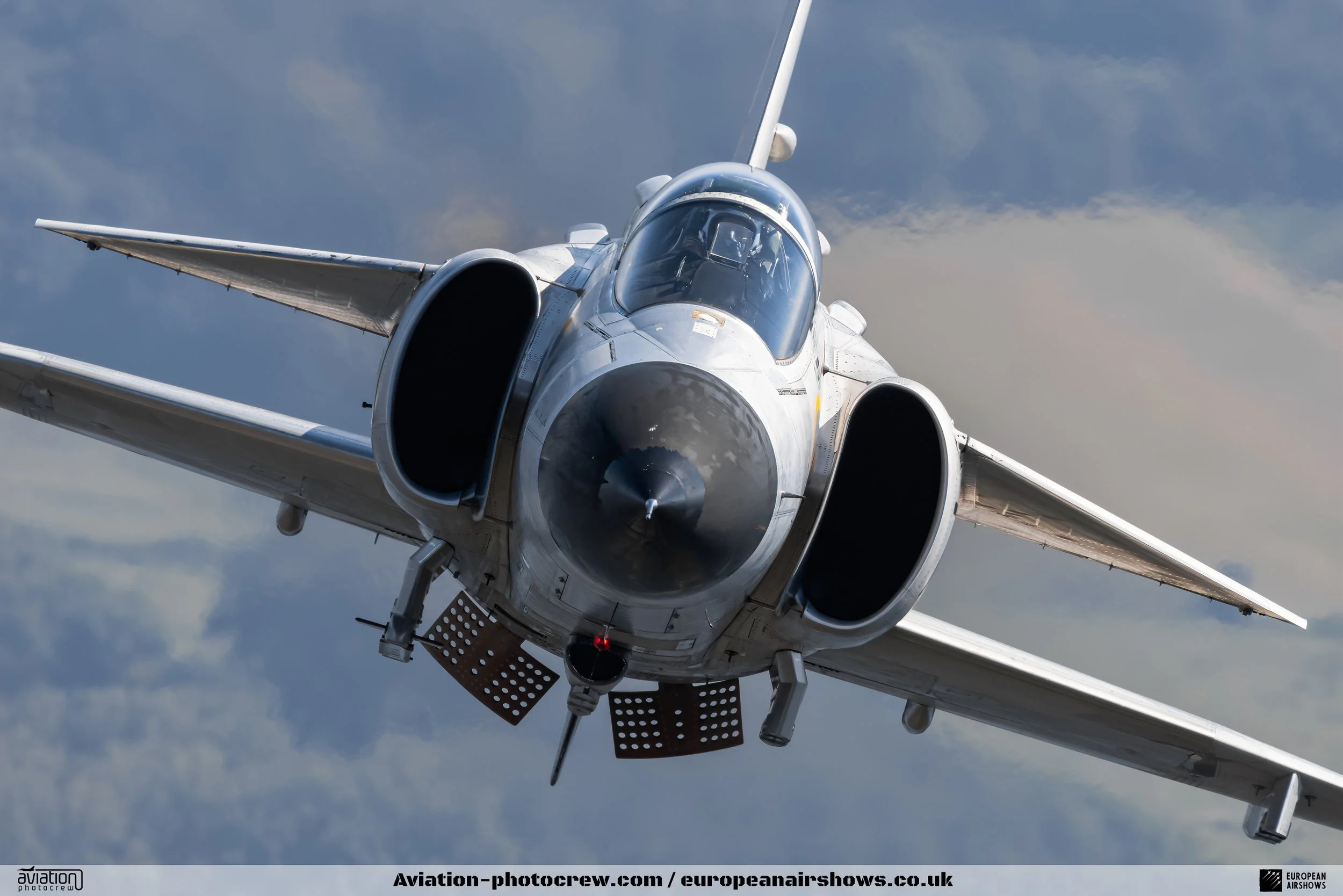
Viggens operated from short, narrow road strips connected to main bases — land with thrust-reverse, turn on the strip, rapid turn-round by small teams, then launch again. This made the force survivable and unpredictable.
JA 37 units conducted daily QRA: identifying and shadowing reconnaissance and bomber traffic, integrating the PS-46/A radar with Sweden’s STRIL GCI network to police airspace and enforce neutrality.
Upgraded AJS 37s added stand-off anti-ship and precision attack weapons, keeping the Viggen credible as a multirole platform while the Gripen entered service.
Swedish JA 37s escorted a disabled USAF SR-71 to safety after an engine failure, a rare Cold War cooperation moment later declassified and formally recognised by the U.S. Air Medal awards.
Service Record
Cold War multirole family for a dispersed air force
Technical Specifications
Essential details and characteristics of the Saab 37 Viggen
Development Story
From radical concept to Baltic QRA workhorse
Origins & Concept
In the early 1960s Sweden defined System 37: one family to handle attack, reconnaissance, training and air defence, all operated from dispersed road bases to survive missile and airfield attacks. Saab’s solution — a canard-delta with a powerful single engine and an integrated digital computer — aimed to combine high-speed dash with short-field handling.
The powerplant was the Volvo RM8, Sweden’s afterburning development of the Pratt & Whitney JT8D. Unusually, the Viggen integrated a thrust reverser into the fuselage, allowing very short landings and rapid turn-rounds. The first prototype flew on 8 February 1967; initial AJ 37 deliveries began in 1971.
Variants & Avionics
The family comprised AJ 37 (attack), SF 37 (photo-recce), SH 37 (sea/recce), SK 37 (two-seat conversion) and the JA 37 all-weather fighter with the Ericsson PS-46/A pulse-Doppler radar. During the 1990s, many airframes were modernised to AJS 37 with new mission computers and weapons, notably the RB 15F anti-ship missile and RB 75 Maverick.
Operations & Retirement
The Viggen’s operational life was defined by QRA, maritime surveillance and intercepts over the Baltic, tightly integrated with Sweden’s STRIL ground network. The type became famous for its interactions with the USAF SR-71 on “Baltic Express” runs — including a widely reported 1987 emergency escort. Frontline units drew down as the JAS 39 Gripen entered service; the last frontline Viggens retired in 2005, with final SK 37E flights in 2007.
Enduring Legacy
A Swedish Cold War original
The Saab 37 Viggen stands as a landmark in European combat aircraft design: the first canard aircraft produced in quantity, one of the earliest with a digital central computer, and the template for Sweden’s dispersed, road-base airpower. Though never used in combat, its day-to-day neutrality policing, maritime surveillance and QRA work defined an era — and its 1987 SR-71 escort remains a celebrated Cold War vignette. From first flight on 8 February 1967 to final flights in 2007, the Viggen proved that a small nation could field a sophisticated, home-grown multirole family tailored exactly to its needs.