Hawker Demon
The two-seat fighter derivative of the Hawker Hart—frontline with RAF Fighter Command in the mid-1930s and exported to Australia, where it served into the early years of WWII.
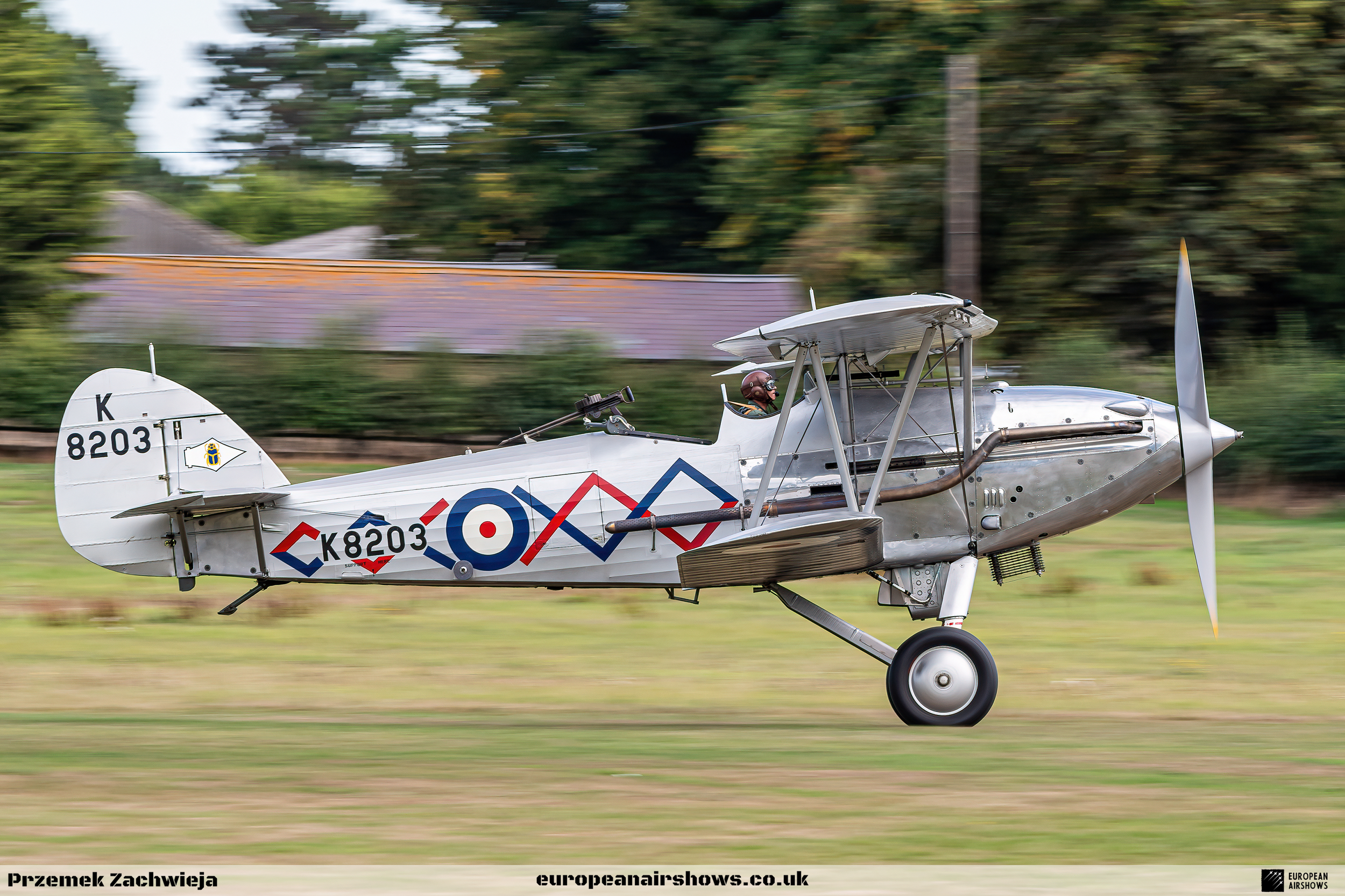
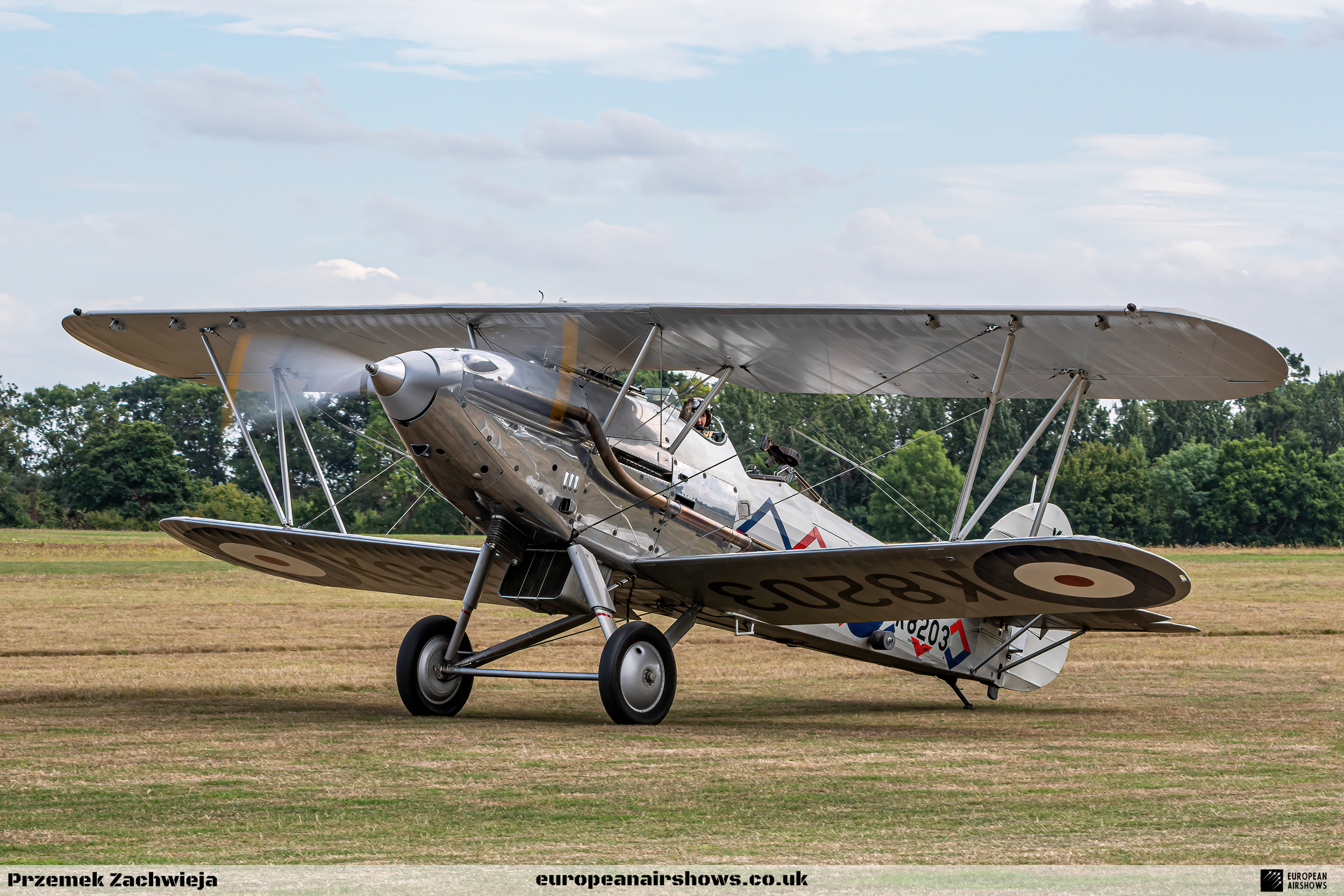
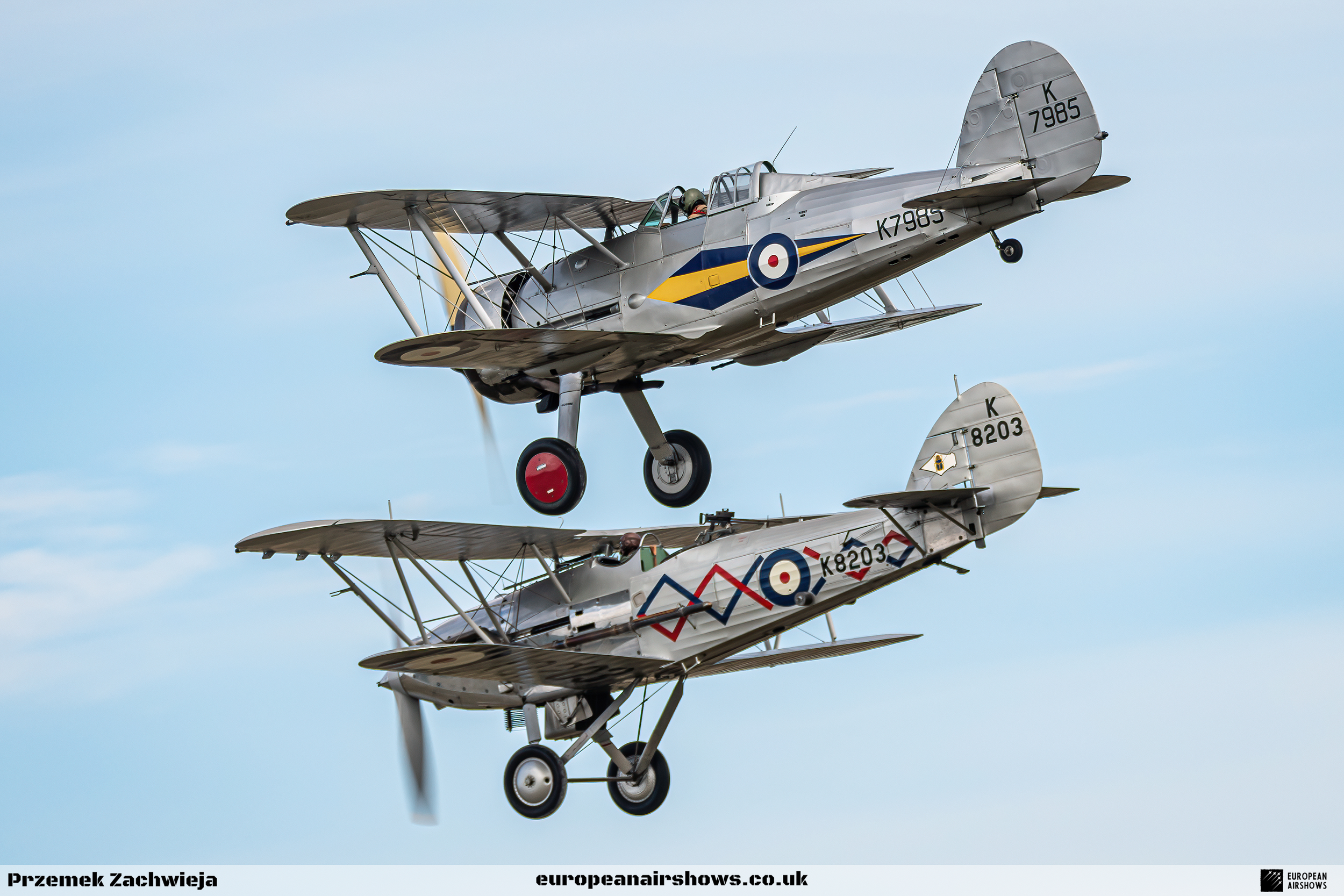
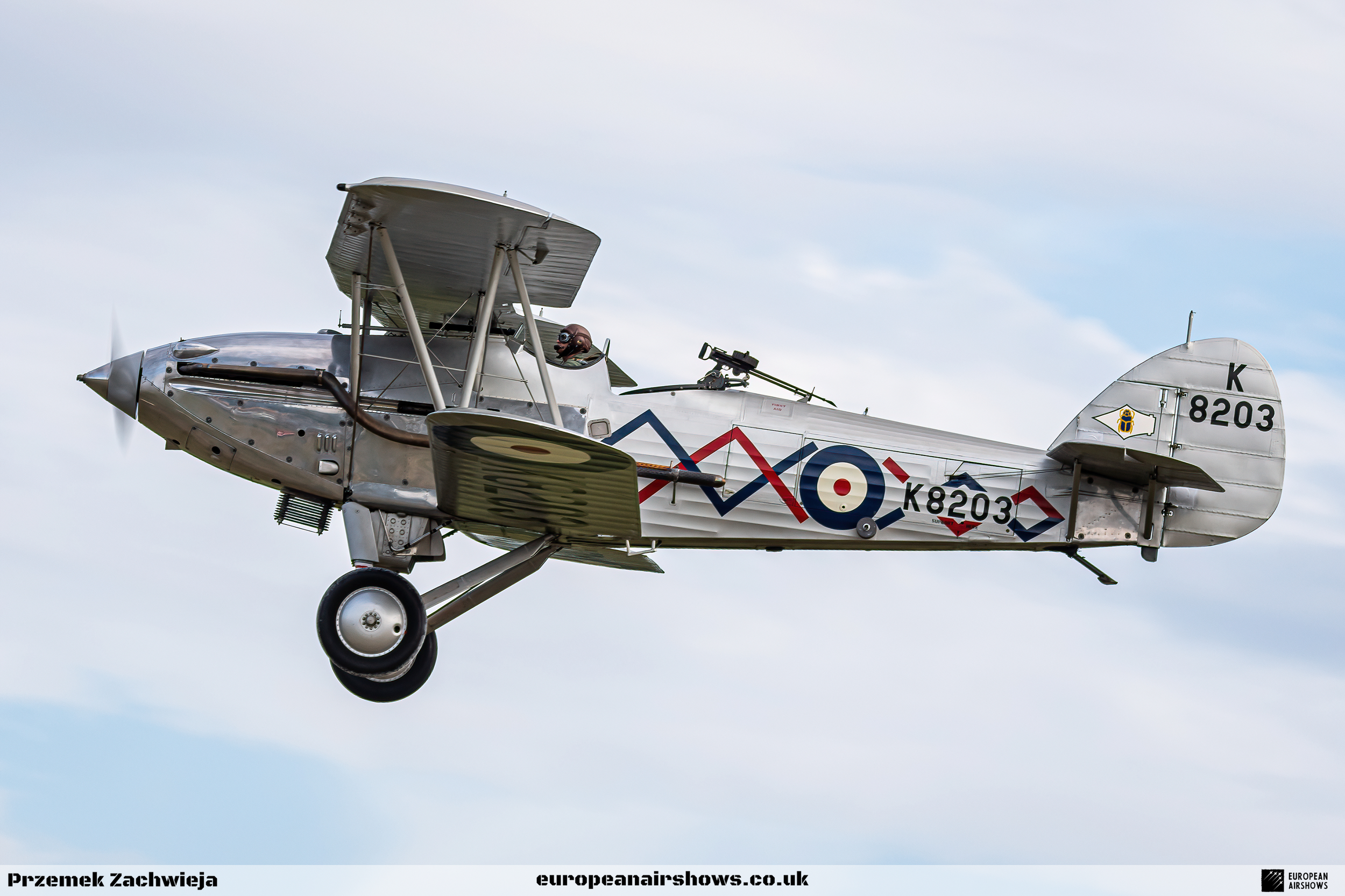
The Hawker Demon was born from the remarkable performance of the Hawker Hart day-bomber. With Harts outrunning contemporary single-seat fighters, the Air Ministry issued Specification 15/30 for a two-seat fighter based on the Hart airframe. Sydney Camm’s team responded with the Hart Fighter—soon named Demon—and the first production Demon flew on 10 February 1933. Over 300 were built, equipping several RAF Fighter Command units and multiple Auxiliary Air Force squadrons during the mid-1930s.
Early Demons carried twin fixed Vickers guns and a flexible Lewis gun; later “Turret Demon” conversions introduced a hydraulically powered Frazer-Nash rear turret to improve defensive arcs. Production was shared by Hawker and Boulton Paul. While the type left RAF frontline duty before the war, it remained in second-line roles in Britain and saw wider service with the Royal Australian Air Force, which received 64 aircraft for general-purpose, army co-operation and early-war patrol tasks.
The Demon’s importance is less about combat headlines and more about transition: it bridged the gap from biplane day-bombers and two-seat fighters to the faster single-seat interceptors that would define the late-1930s. As such, it is a key waypoint in the Hawker family story leading toward Gauntlet, Hurricane and beyond.
Operational Chronicle
From specification to service and the transition to newer types
Specification 15/30
The Air Ministry issues Spec 15/30 for a two-seat fighter developed from the high-performance Hawker Hart, triggering Hawker’s “Hart Fighter” concept that will become the Demon.
Hart Fighter Trials
Converted Harts (Hart Fighter) undergo RAF evaluation. The name “Demon” is adopted for production aircraft as the concept is refined with more power and armament changes.
Maiden Flight (Production Demon)
On 10 February 1933, the first production Demon flies. Initial deliveries go to No. 23 Squadron, marking the type’s formal entry to RAF Fighter Command service.
Expansion in Fighter Command
Demons equip additional regular and Auxiliary Air Force units for UK air defence. Production is shared between Hawker and Boulton Paul to meet demand.
Frazer-Nash “Turret Demon”
A hydraulically powered Frazer-Nash installation is fitted to some airframes to improve rear defence. These “Turret Demons” represent an early step toward power-operated fighter turrets.
Australian Orders
Australia orders 64 Demons (including dual-control trainers). RAAF aircraft receive Kestrel V engines and local modifications for climate and mixed roles.
Frontline Drawdown
RAF frontline Demon units convert to newer types; remaining aircraft shift to training, communications and gunnery roles as the pace of re-equipment accelerates.
Early-War Secondary Use
In Britain, surviving Demons serve in second-line capacities. In Australia, the type supports general-purpose and coastal patrol tasks as the RAAF mobilises.
Retirement
The Demon family is phased out from remaining training and support roles as more modern monoplane types become universally available.
Service Highlights
Where and how the Demon was actually used
Frontline two-seat fighter for interception patrols, exercises and air-defence duties as newer single-seat types matured.
Equipped several AAF squadrons, boosting home-defence capacity during expansion and re-equipment cycles.
Selected airframes received Frazer-Nash hydraulically powered rear turrets—an influential step in fighter/defensive gunnery evolution.
Australian Demons performed army co-operation, training, and early-war coastal/maritime patrol tasks before replacement by newer types.
After frontline withdrawal, Demons served in communications, gunnery and flying-training duties until final retirement.
About 305 built; RAF units progressively converted to Blenheim, Gauntlet/Gladiator and then Hurricane as the monoplane era arrived.
Service Record
Key numbers that frame the Demon’s story
Technical Specifications
Essential details and characteristics of the Hawker Demon
Development Story
From Hart Fighter concept to a refined two-seat interceptor
Origins and Requirement
With Hawker Harts outrunning the RAF’s single-seat fighters, the Air Ministry sought a fast two-seat fighter under Specification 15/30. Hawker adapted the Hart with a more powerful Rolls-Royce Kestrel, twin fixed Vickers guns and a flexible rear gun. Early conversions—known as Hart Fighters—proved the concept and led directly to the production Demon.
Production and Features
The first production Demon flew on 10 February 1933. Approximately 305 were built by Hawker and Boulton Paul. Airframes evolved with engine and equipment updates, and some received a Frazer-Nash hydraulically powered rear turret—the so-called Turret Demon—to improve defensive arcs and gun handling at higher speeds.
In RAF and RAAF Service
Entering RAF service with No. 23 Squadron, Demons equipped multiple Fighter Command and Auxiliary Air Force units through the mid-1930s, undertaking interception patrols and home-defence tasks. Frontline RAF units converted to newer types by 1938, after which surviving Demons served in training and support roles. Australia acquired 64 examples (including dual-control trainers). RAAF Demons were used for army co-operation, training and early-war coastal patrol duties before retirement by the early 1940s.
Legacy
While eclipsed by faster monoplanes, the Demon was a vital stepping stone in Hawker’s lineage and RAF re-equipment—bridging from the Hart family to later fighters and influencing turret development. Its story sits at the hinge point between inter-war doctrine and the rapid pre-war acceleration toward modern air combat.
Enduring Legacy
A key bridge in the Hawker fighter story
The Hawker Demon captured a moment when a bomber-derived airframe could credibly serve as a fast two-seat fighter. From its first flight on 10 February 1933 through RAF frontline service and Australian general-purpose roles, it underpinned UK home defence in the mid-1930s and helped develop powered defensive turrets. More than a footnote, the Demon links the superb Hart to the coming generation of monoplane fighters and deserves its place in inter-war aviation history.