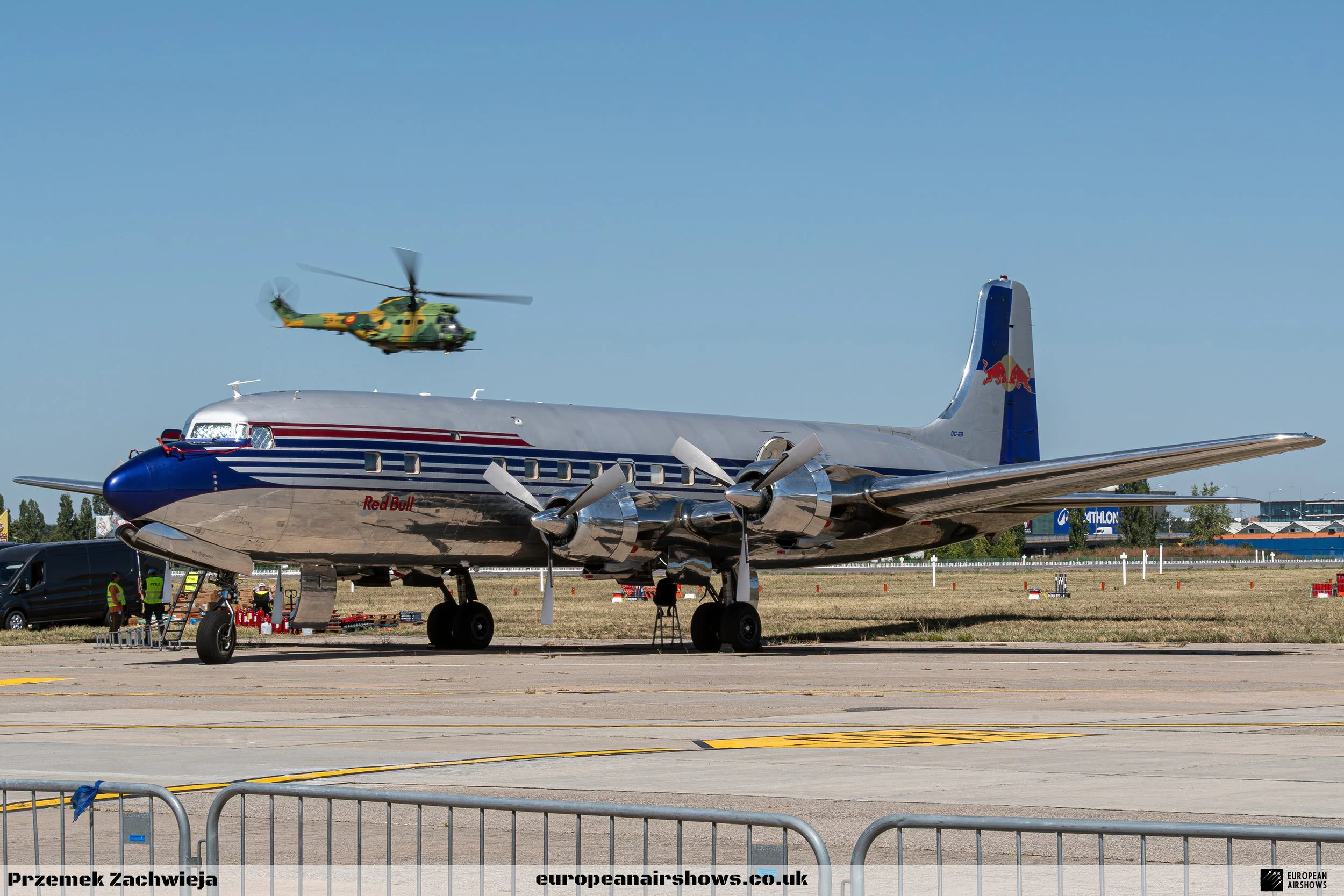
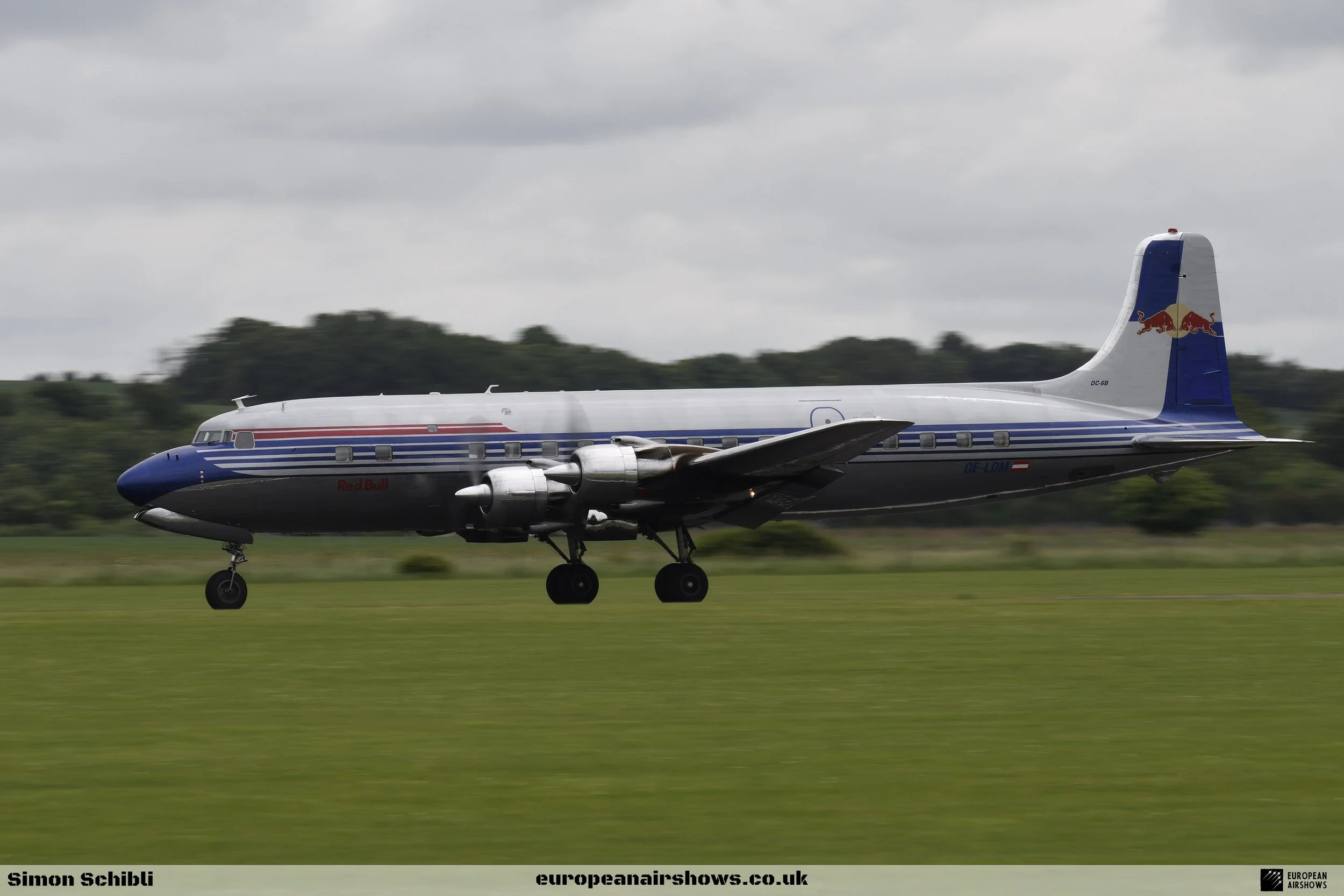
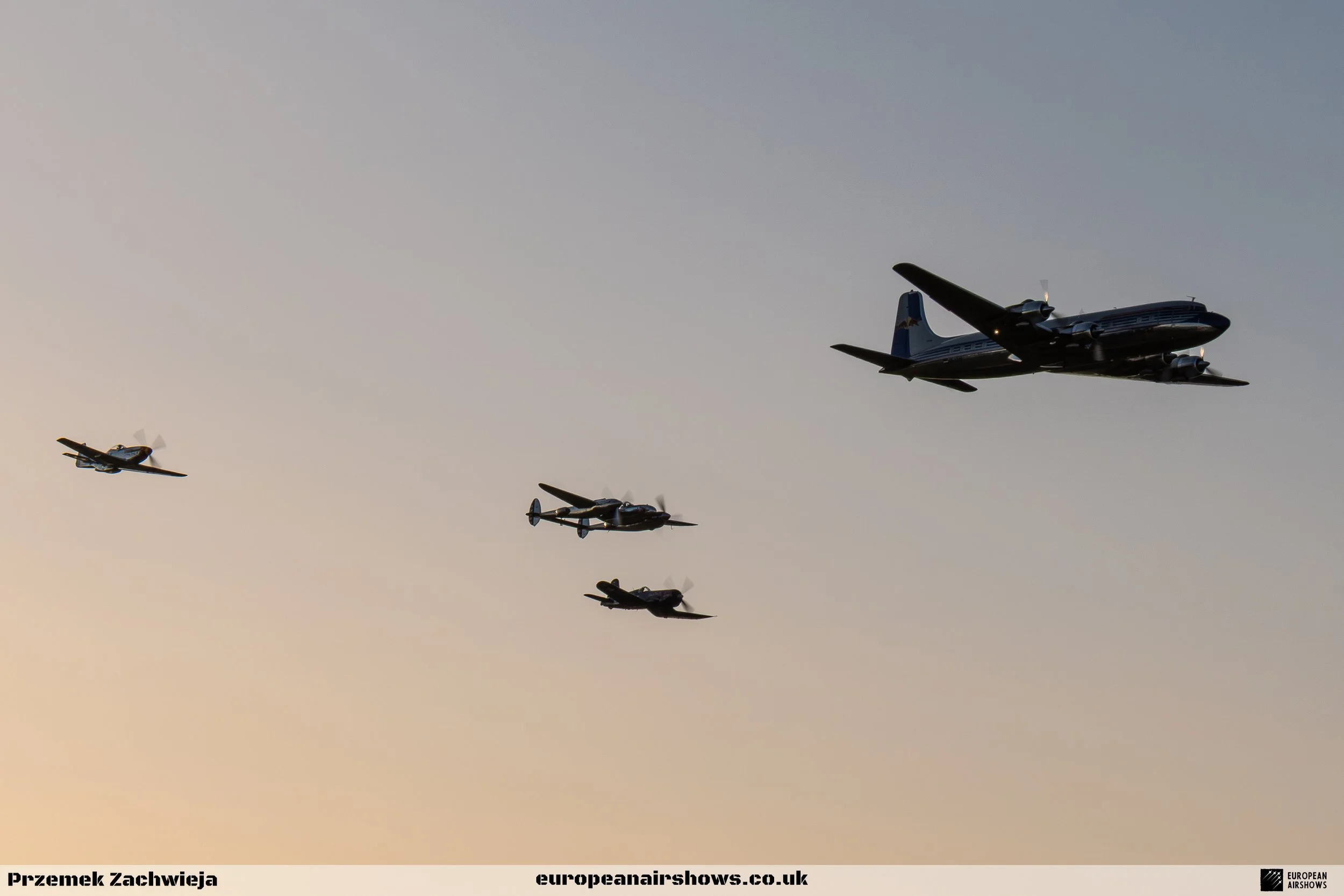
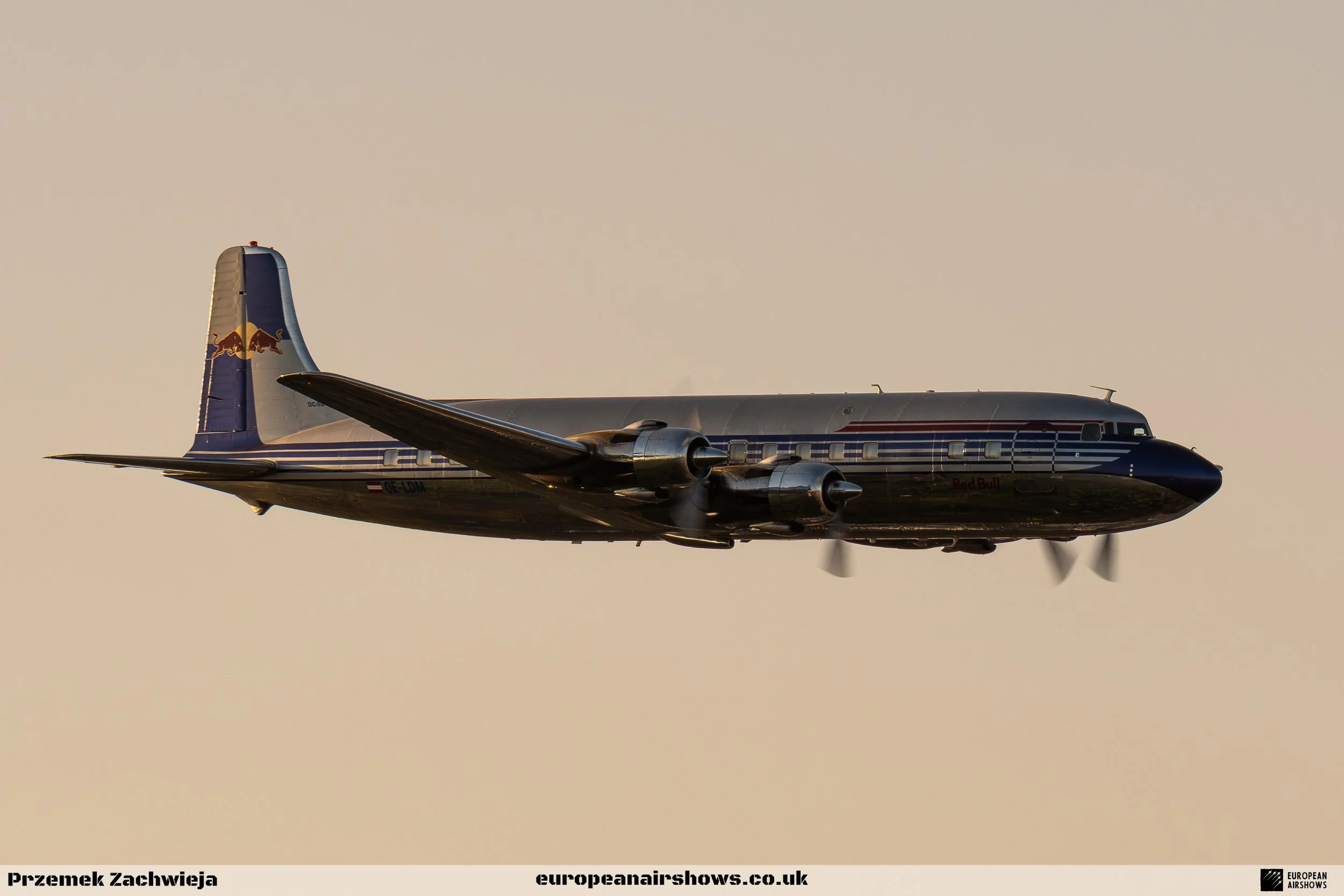
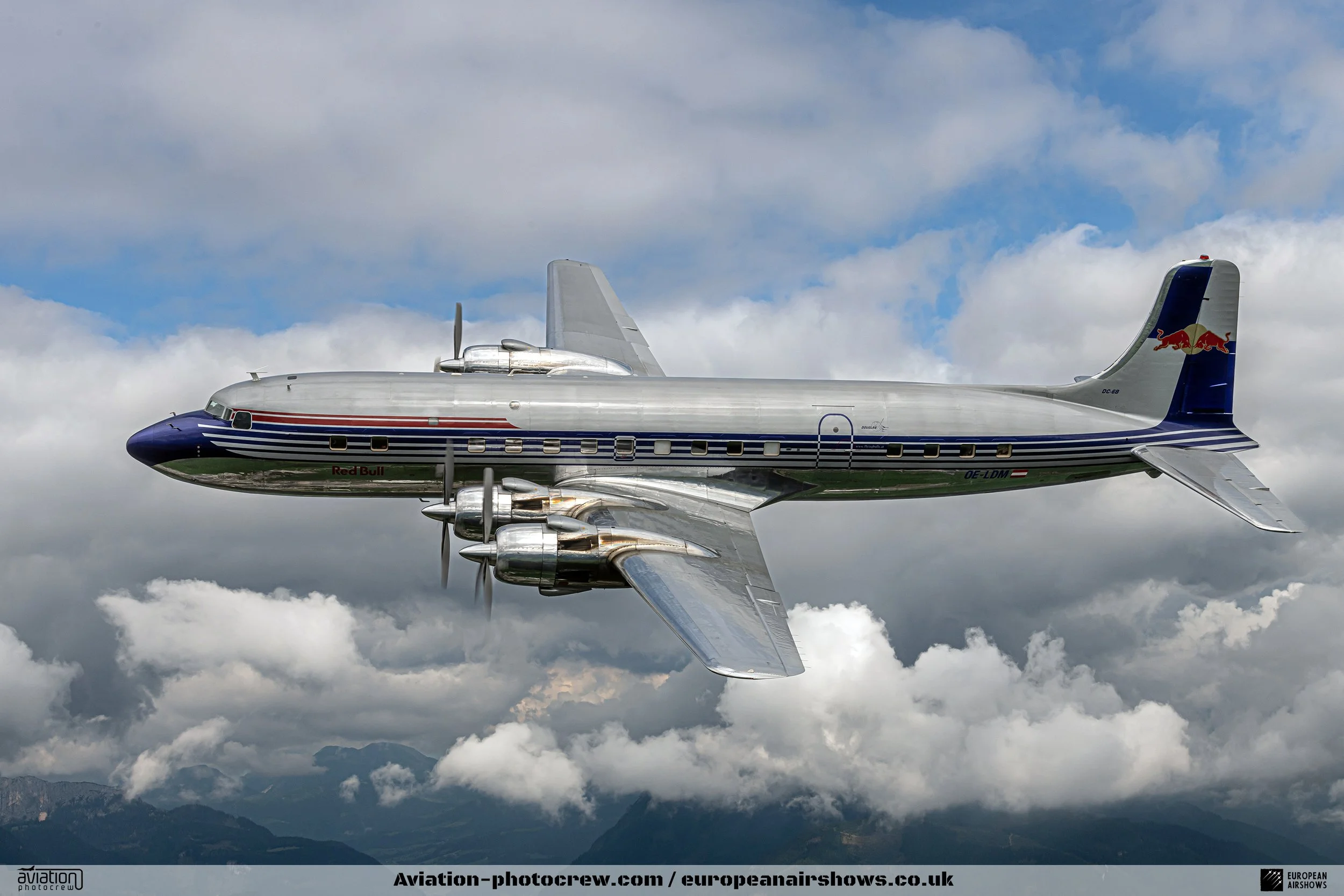
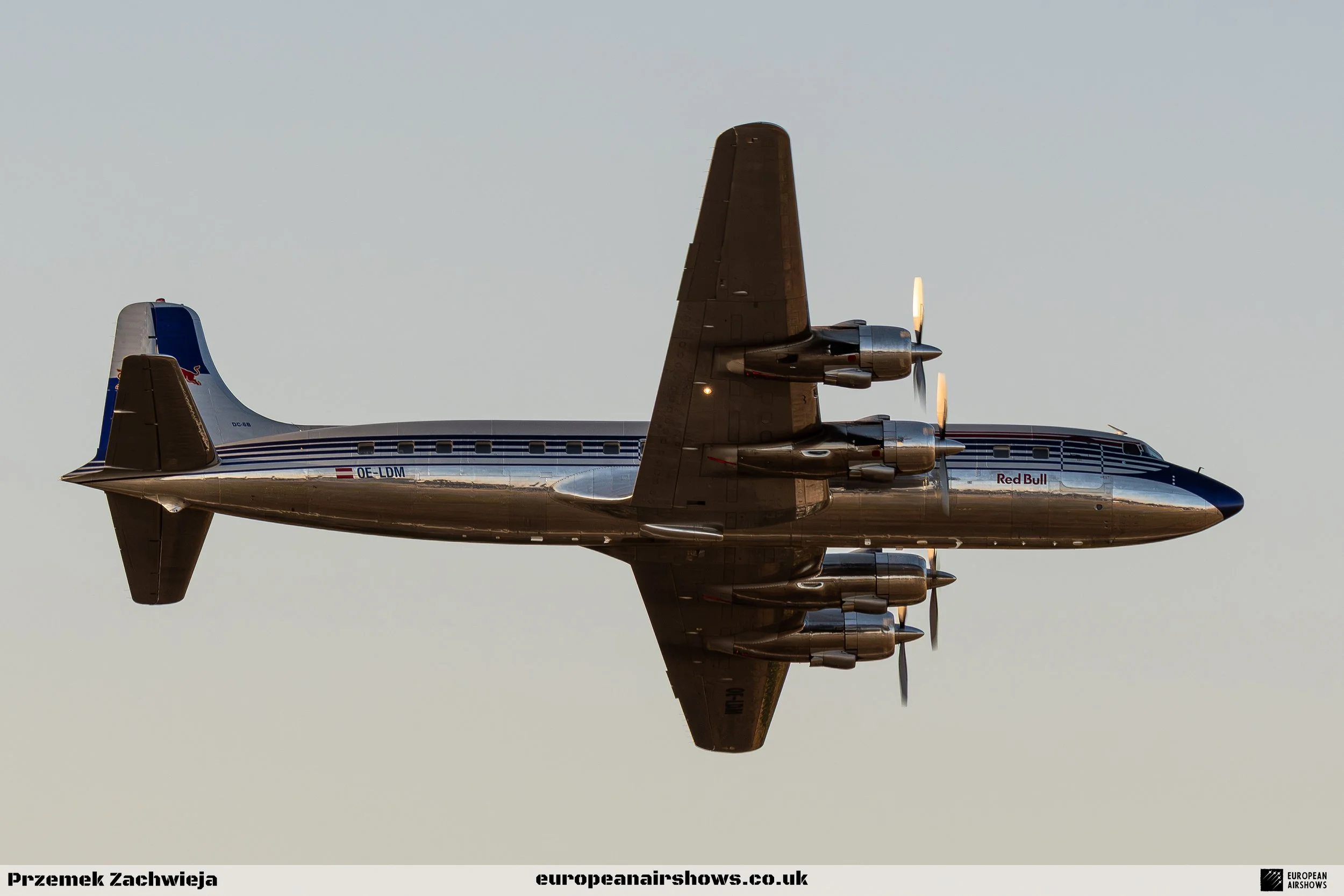
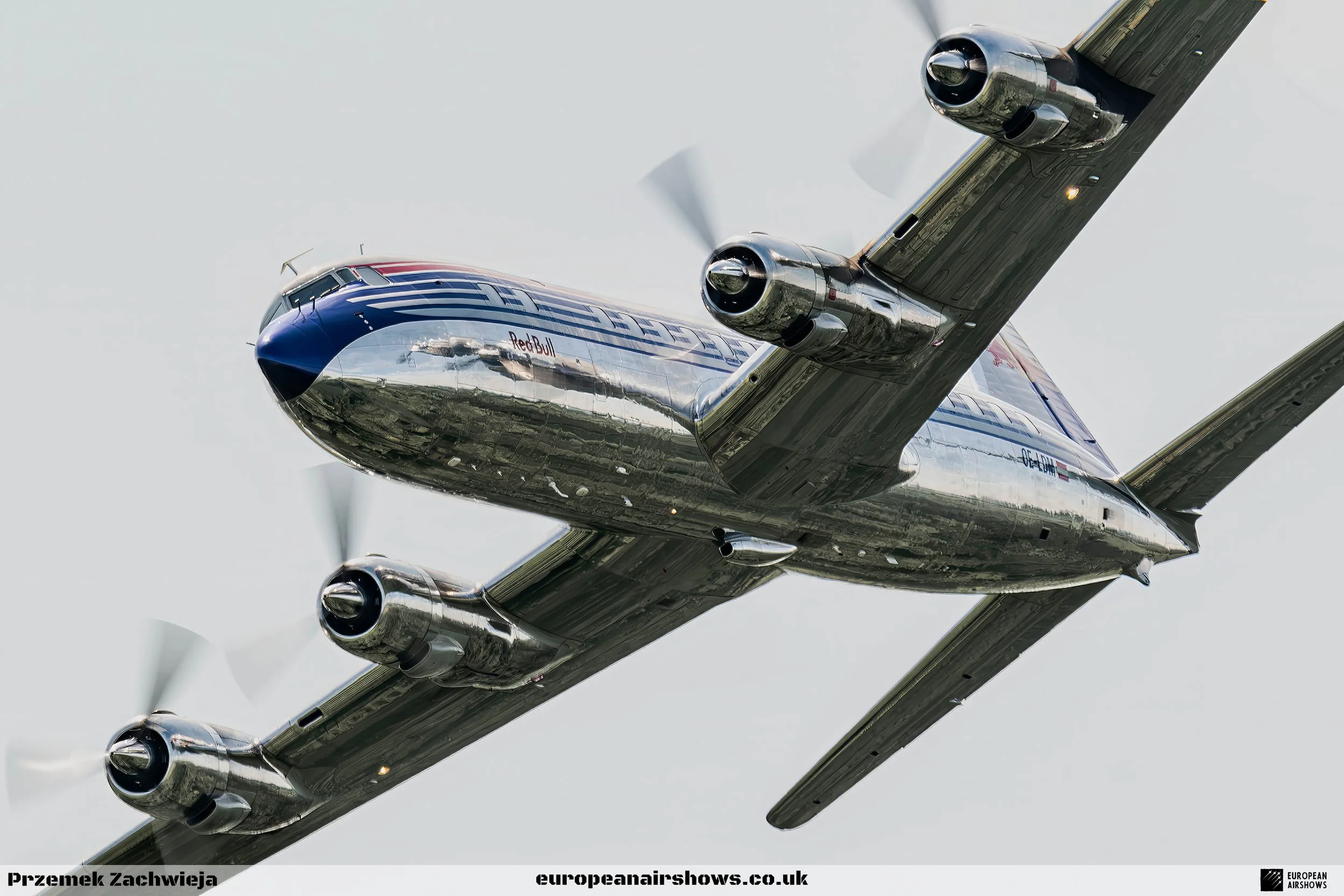
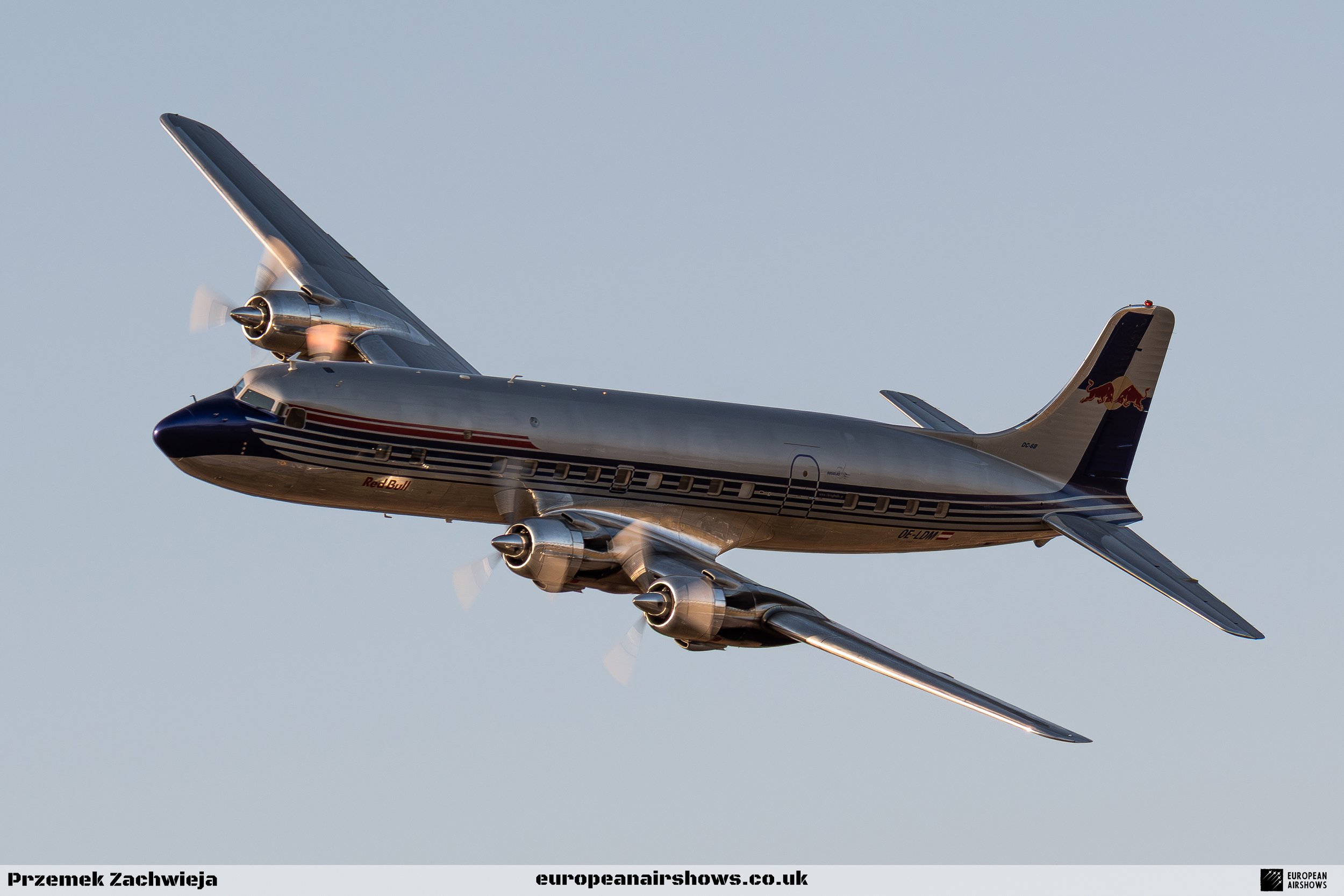
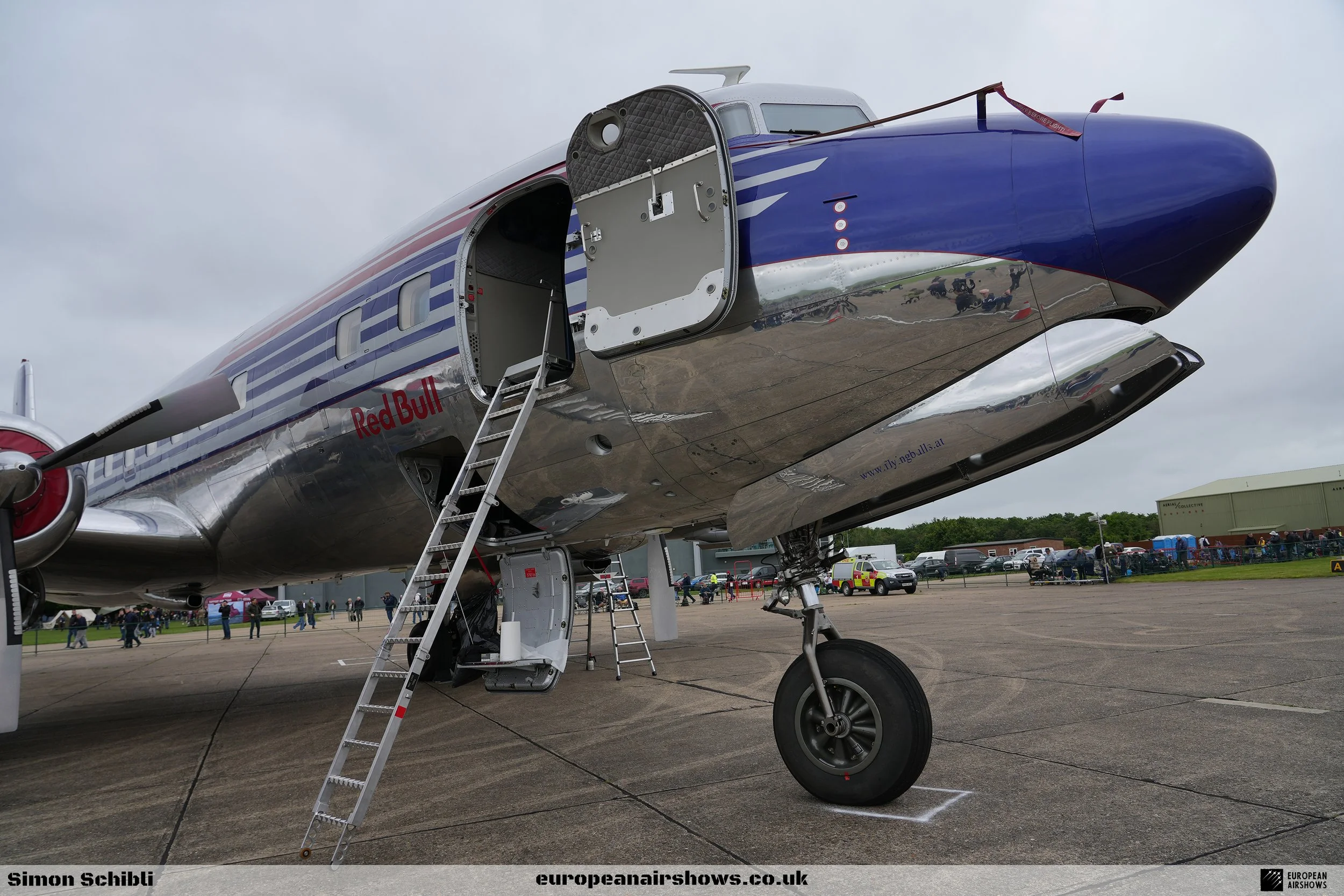
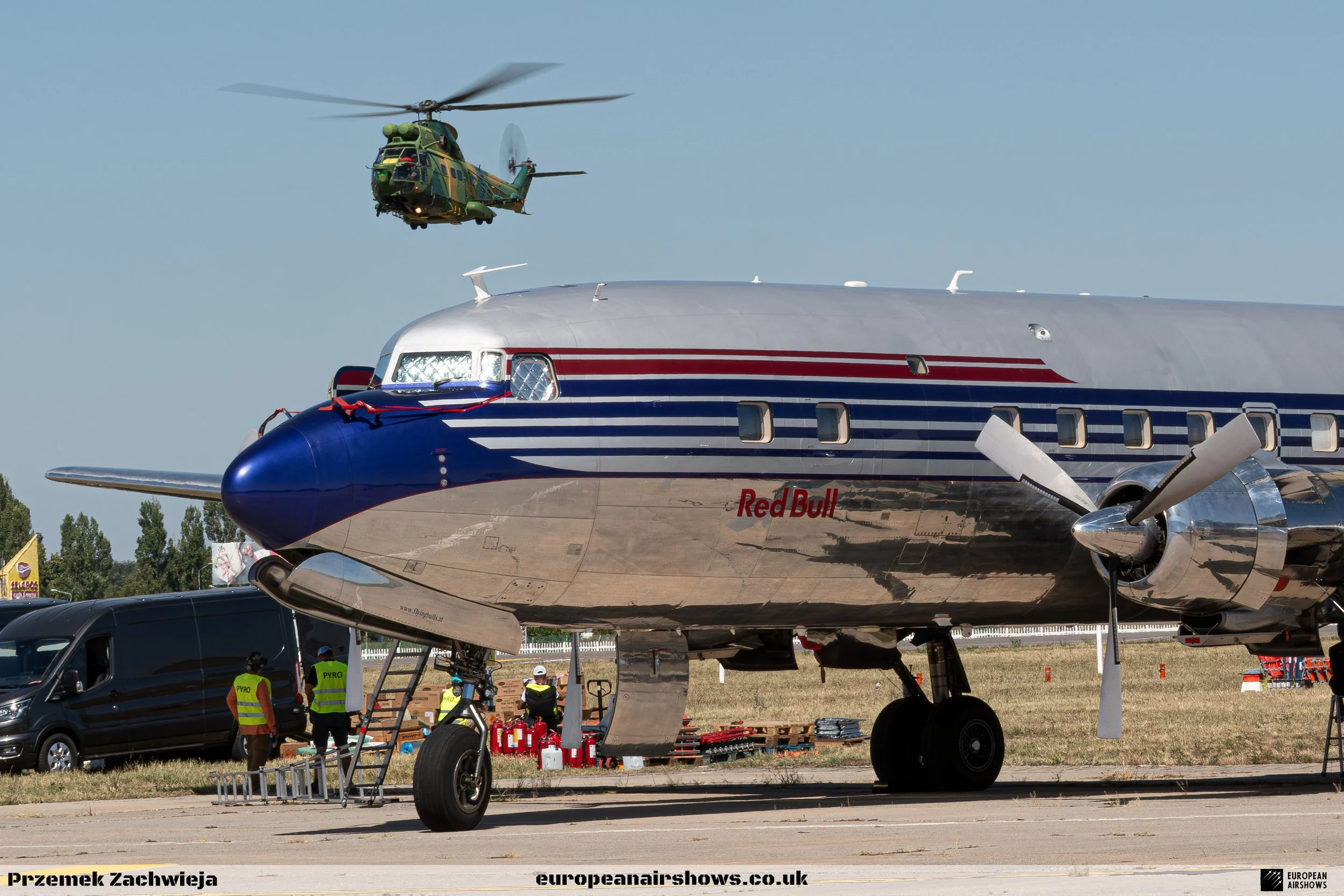
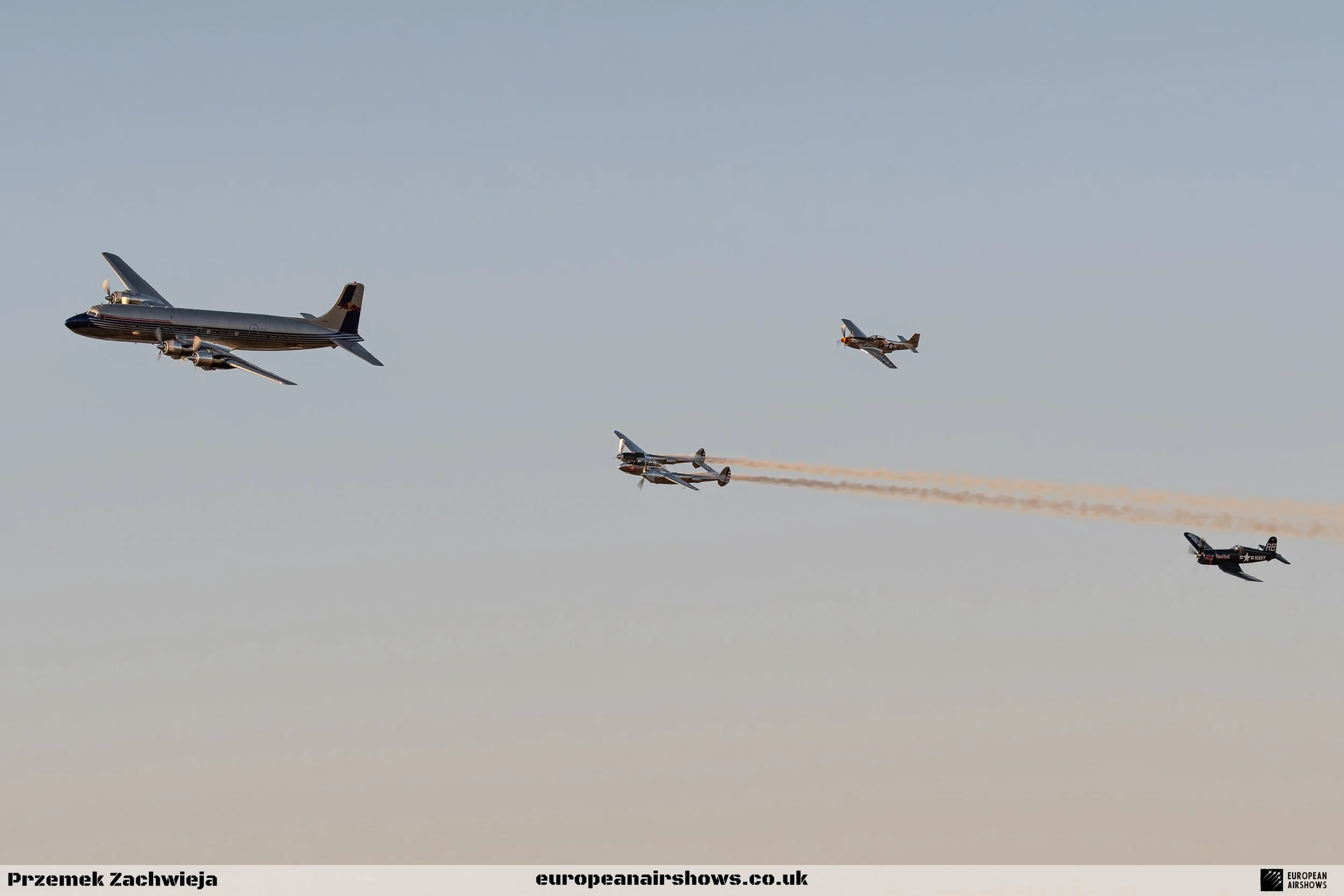
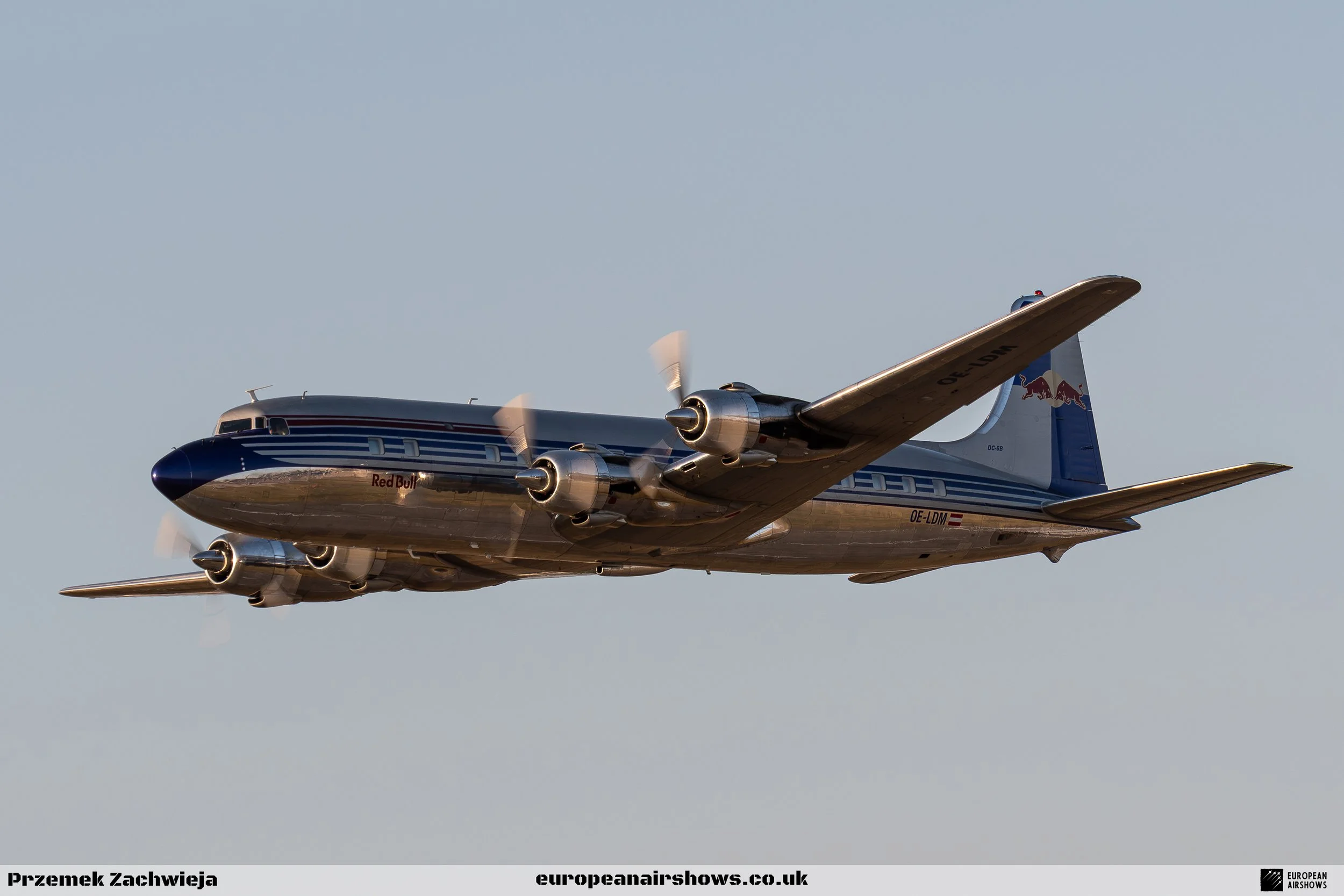
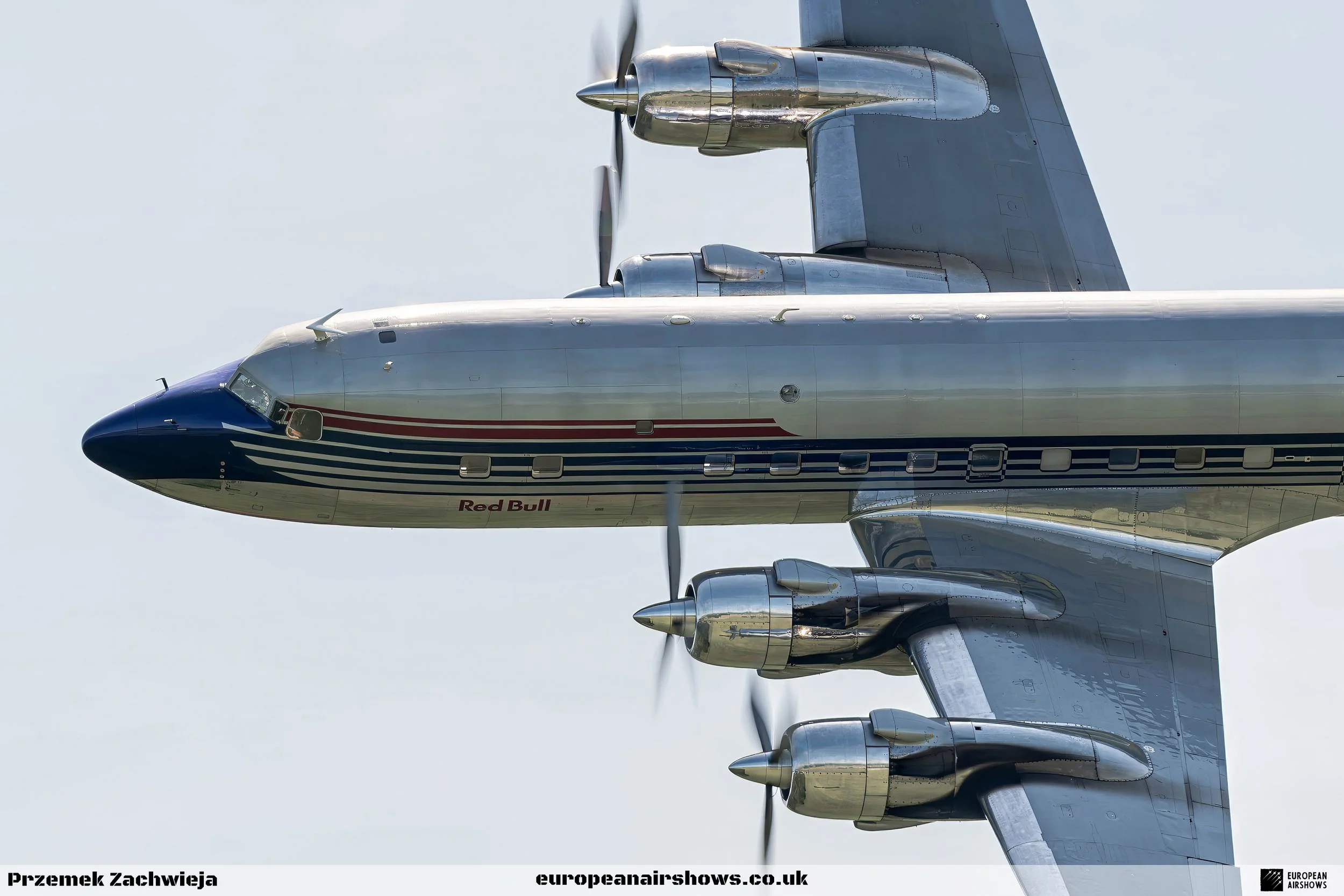
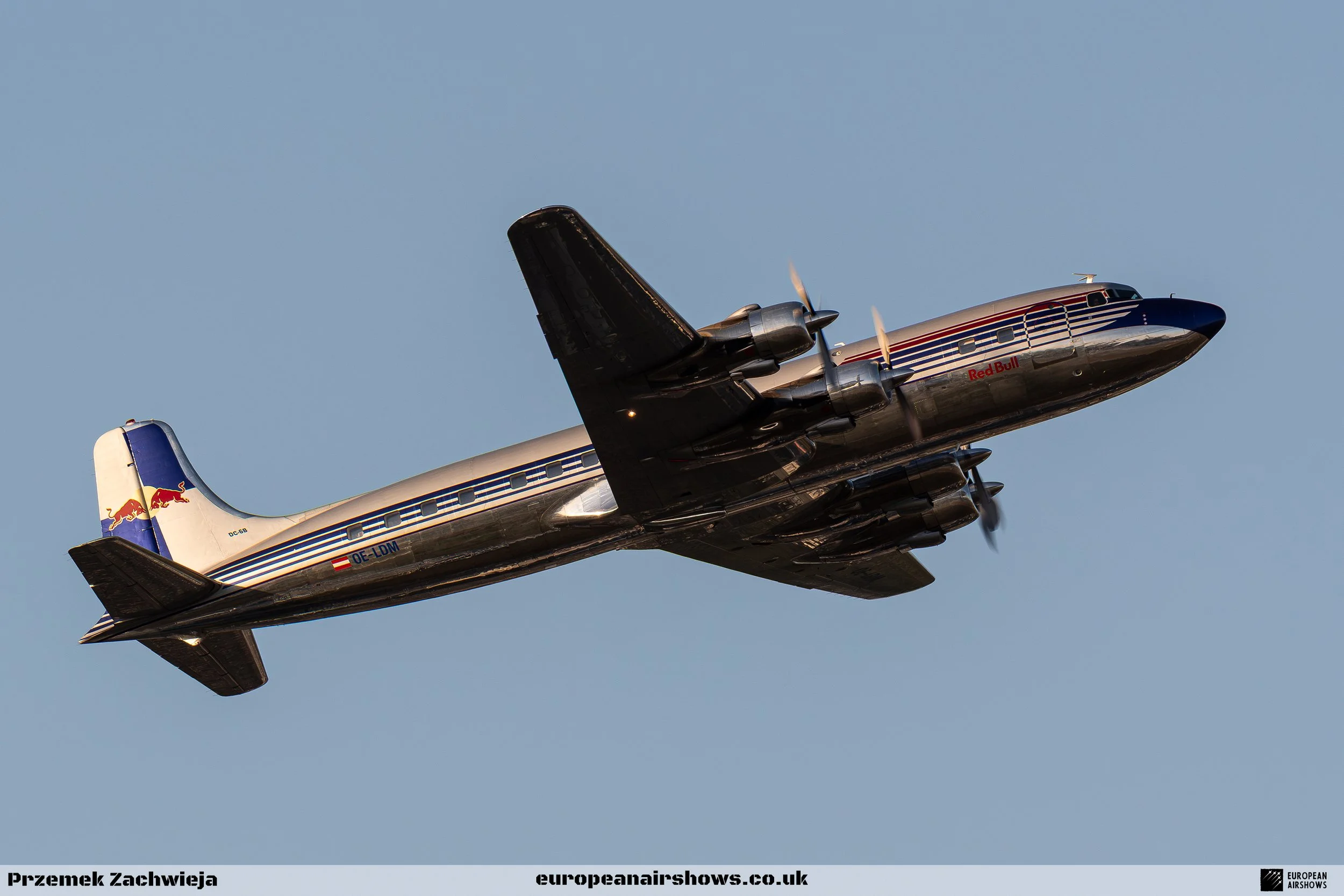
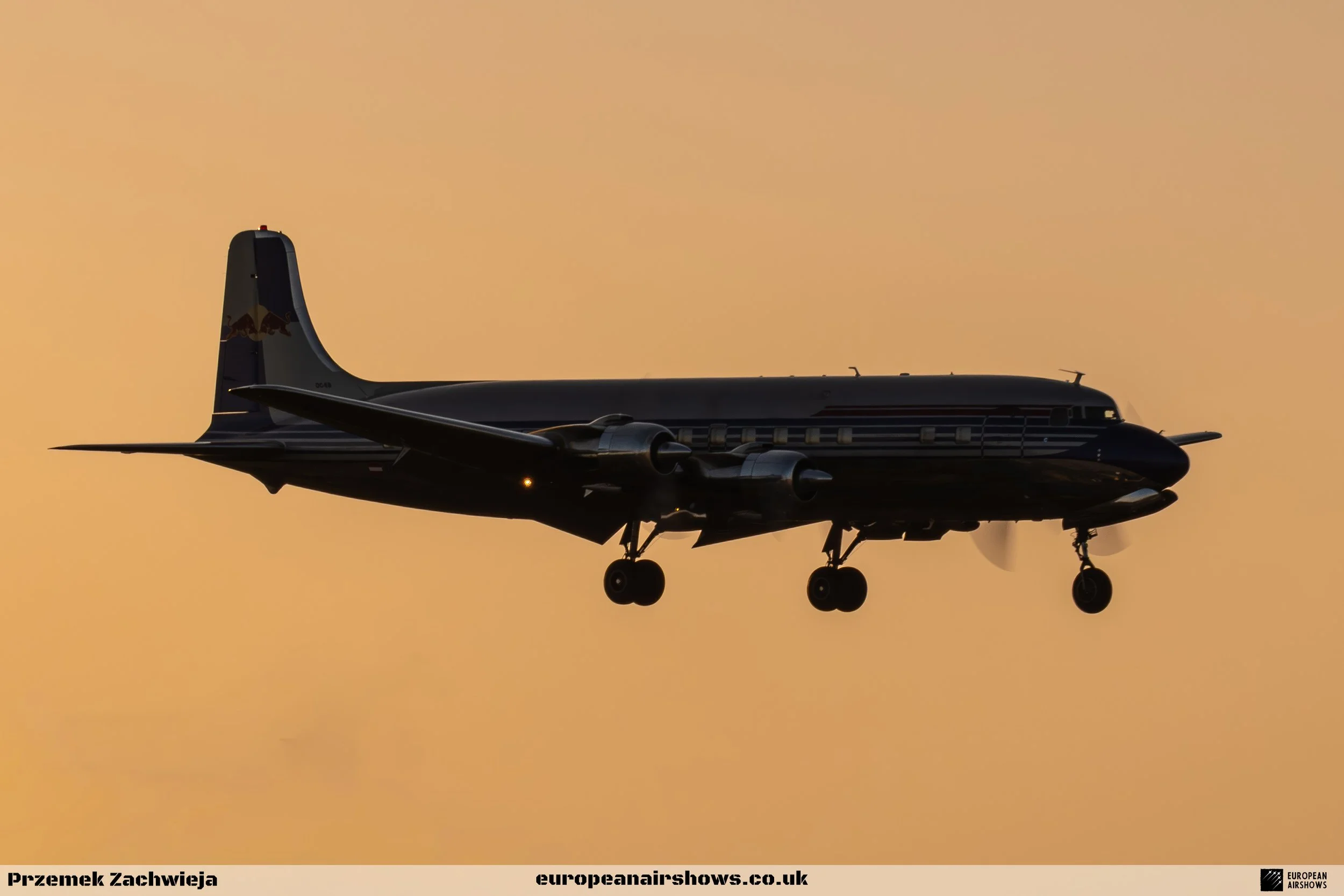
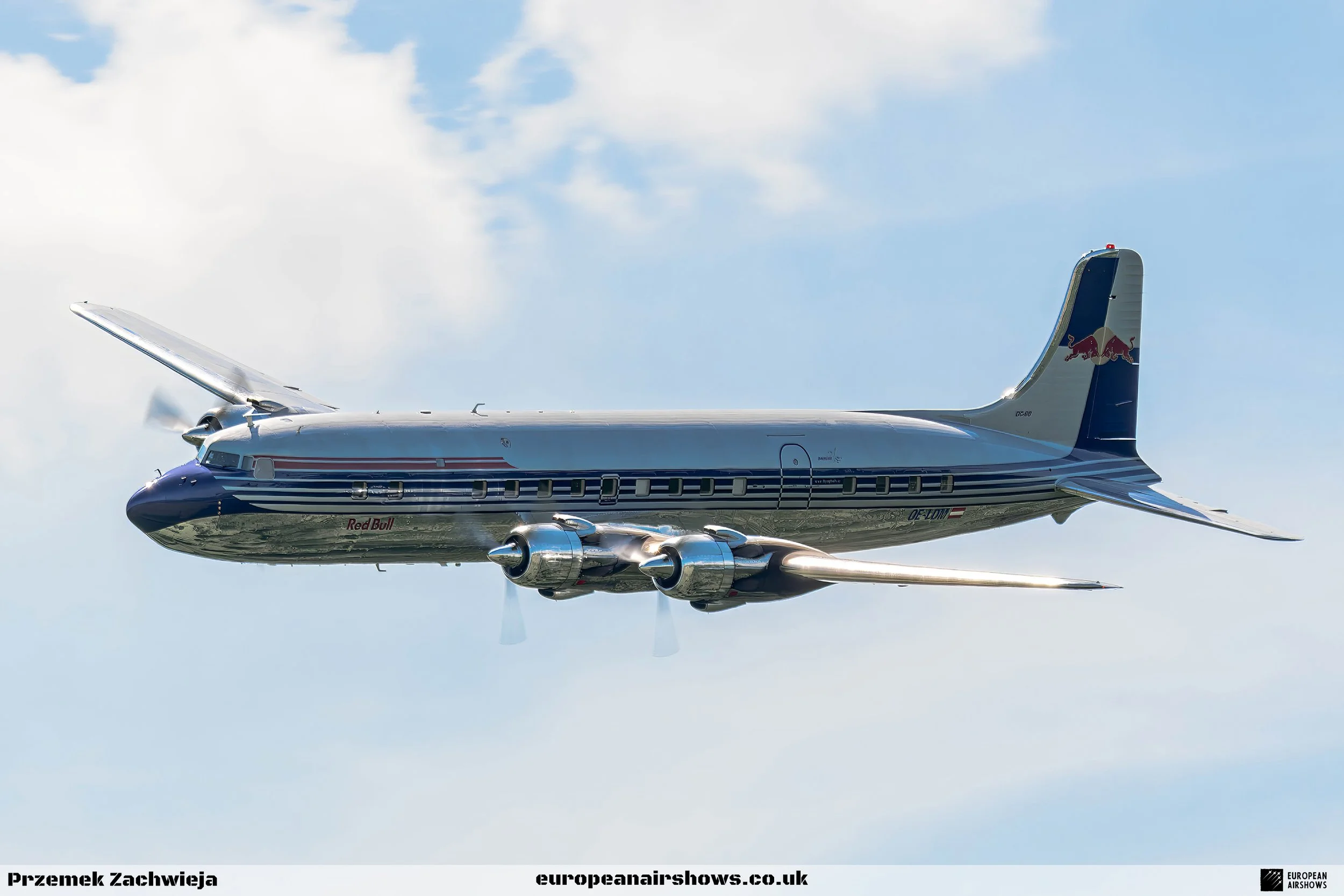
Douglas DC-6
Pressurised long-range airliner turned global workhorse — from flag-carrier routes and presidential transport to today’s Alaskan cargo and firefighting duties
The Douglas DC-6 was conceived at the end of the Second World War as a stretched, pressurised development of the DC-4 to meet a 1944 U.S. Army Air Forces request (XC-112A). The prototype flew on 15 February 1946, and a civil DC-6 followed that June. Deliveries to American Airlines and United began late in 1946, with scheduled services starting in 1947. Within a few years the “Six” was crossing oceans with Pan Am and KLM and flying transcontinental services for United, American, Delta and others.
Military variants were designated C-118 Liftmaster (USAF) and R6D (US Navy). Harry Truman’s presidential VC-118 “The Independence” entered service in 1947. The family matured into DC-6A freighters and DC-6B long-range passenger models in the early 1950s. Although jetliners displaced it from premier routes, the DC-6’s simpler Double Wasp engines and robust airframe sustained a second life in cargo, special missions and aerial firefighting — with operators such as Everts Air Cargo still flying the type today.
Across seven hundred airframes built between 1946 and 1958, the DC-6 connected continents, served in Korea-era airlift, pioneered tourist-class transatlantic services, and later supplied remote communities from Alaska to Africa. Its longevity has made it one of the most successful post-war piston airliners.
Operational Chronicle
From wartime specification to post-war flagship and enduring freighter
USAAF Requirement (XC-112A)
Douglas begins work on a pressurised, lengthened DC-4 derivative for the Army Air Forces — the XC-112A — to compete with the Lockheed Constellation’s capabilities.
Prototype First Flight
On 15 February 1946 the prototype (XC-112A/YC-112A) makes its maiden flight. The civil DC-6 follows on 29 June 1946 as Douglas pivots to the commercial market.
Airline Service Entry
United inaugurates DC-6 services on 27 April 1947, with American following; by April 1949 multiple U.S. carriers and several European airlines are operating the type across the Atlantic and to South America.
Presidential VC-118
Harry S. Truman’s VC-118 The Independence enters service as the U.S. presidential aircraft, later preserved at the National Museum of the U.S. Air Force.
DC-6A/DC-6B Mature the Family
Freighter-optimised DC-6A and long-range DC-6B variants arrive, enabling heavier payloads and tourist-class transatlantic services (Pan Am from 1952).
Global Flag-Carrier Workhorse
Operated long-haul routes by Pan Am, KLM, SAS, Sabena and others; in the U.S., fleets at United, American, Delta and Braniff connected coasts and Hawaii.
Second Life
Converted freighters support cargo and special missions worldwide; Sécurité Civile in France uses DC-6Bs as water bombers (1977–1990).
Still Working
Everts Air Cargo sustains scheduled freight with DC-6s in Alaska; a handful of airworthy examples remain active in heritage, cargo and utility roles.
Service Highlights
Notable roles and milestones in civil, military and special-mission service
The DC-6 enters scheduled service, rapidly becoming a transcontinental and transatlantic mainstay for major U.S. and European carriers.
Harry Truman’s VC-118 Independence serves as Air Force One and undertakes high-profile missions, including 1950’s Wake Island trip during the Korean War.
Pan Am introduces DC-6B tourist-class transatlantic services, opening long-haul flying to a wider market and setting a new standard for piston-airliner comfort.
USAF/USN C-118/R6D transports support global airlift; some Navy examples remain in service into the early 1980s.
France’s Sécurité Civile employs DC-6Bs as water bombers, demonstrating the type’s robustness in demanding low-level operations.
DC-6 freighters continue scheduled service on gravel and short strips, supplying remote communities with fuel and freight in extreme conditions.
Service Record
Key milestones and statistics for the Douglas DC-6
Technical Specifications
Essential details and characteristics of the Douglas DC-6
Development Story
From wartime specification to post-war flagship
Origins and Design
In 1944, the USAAF asked Douglas for a pressurised, stretched transport based on the DC-4/C-54. The result, the XC-112A (later YC-112A), first flew on 15 February 1946. Douglas then adapted the design for civil use as the DC-6, lengthening the fuselage and fitting four Pratt & Whitney R-2800 Double Wasp radials with reversible-pitch propellers and a fully pressurised cabin.
The civil DC-6 flew on 29 June 1946, with initial deliveries to American and United in November 1946. After a brief 1947 grounding to rectify fuel-system issues highlighted by United Flight 608, the fleet returned to service with modifications and went on to build a strong safety and reliability record.
Family Growth
Douglas evolved the platform into cargo-optimised DC-6A and long-range DC-6B variants. From 1952, Pan Am’s DC-6Bs helped democratise transatlantic travel with tourist-class services. Military versions — the C-118 Liftmaster and Navy R6D — supported global airlift during the Korean War era; President Truman’s VC-118 “Independence” made the type a diplomatic flagship.
Legacy and Longevity
Production ended in 1958 after 704 airframes, as DC-7s and then early jets arrived. Yet the DC-6’s maintainability and short/rough-field performance ensured decades of utility. Water-bomber conversions served France’s Sécurité Civile (1977–1990), and operators such as Everts Air Cargo in Alaska continue to fly DC-6s on scheduled freight to remote communities.
Enduring Legacy
The archetypal post-war piston airliner
The Douglas DC-6 bridged the gap between wartime transports and the jet age. Its first flight on 15 February 1946 led to a decade of flagship services and a lifetime of utility work. From VC-118 presidential duties to tourist-class Atlantic crossings, from firefighting to Alaskan cargo, the DC-6 combined comfort, range and ruggedness in a way few airliners have matched. Nearly eight decades later, the sight — and sound — of a “Six” at work remains a living link to the golden age of piston airliners.