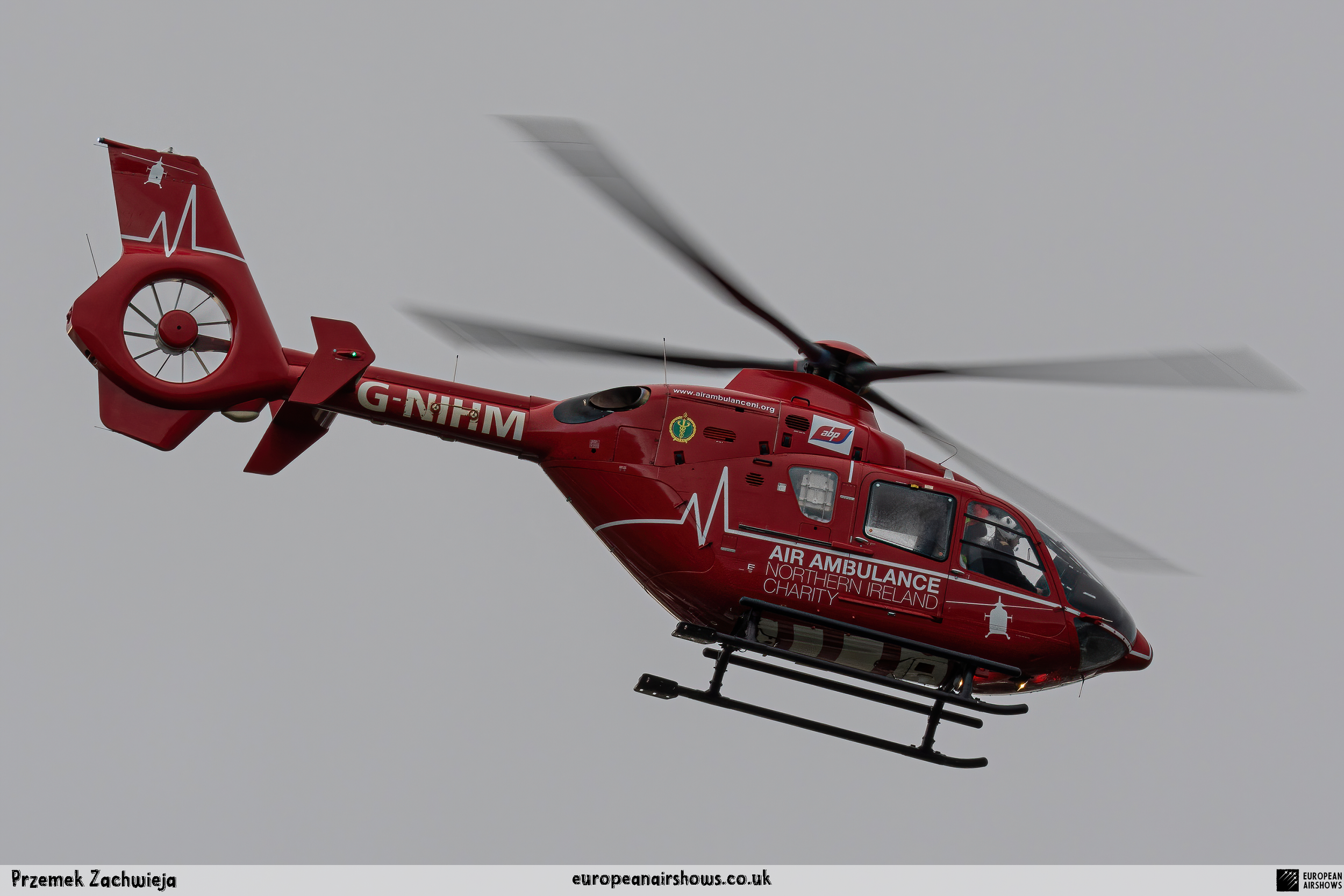
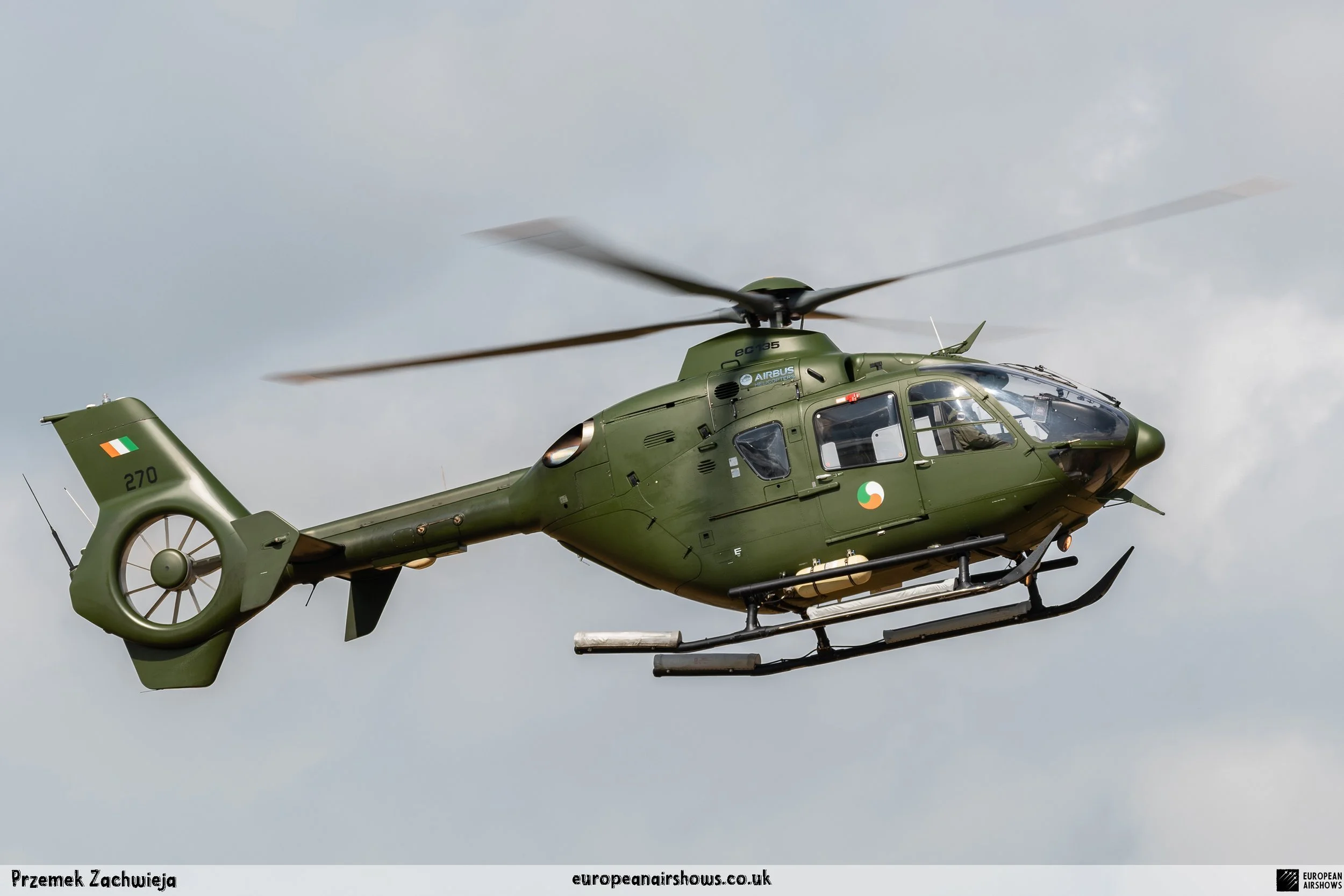
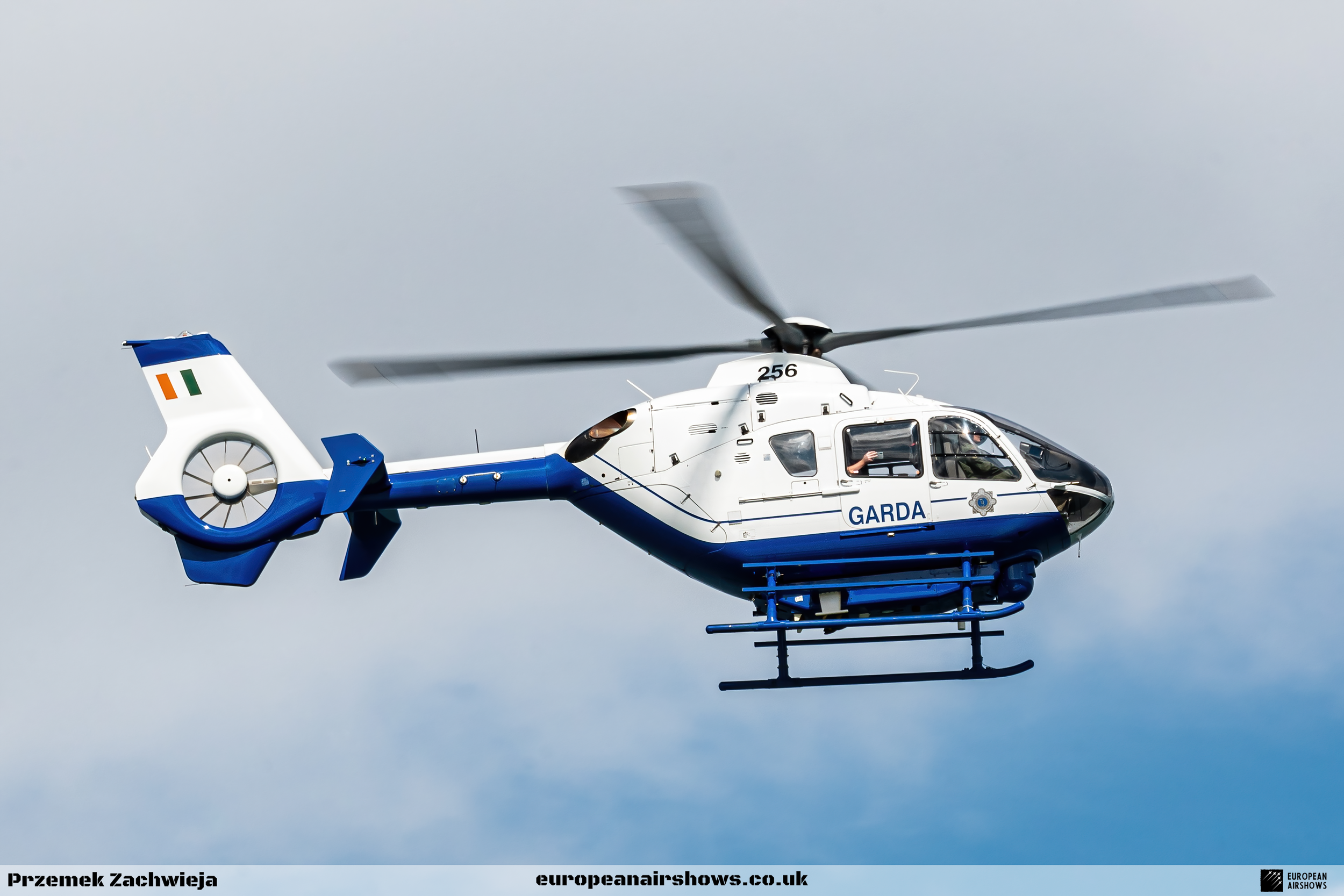
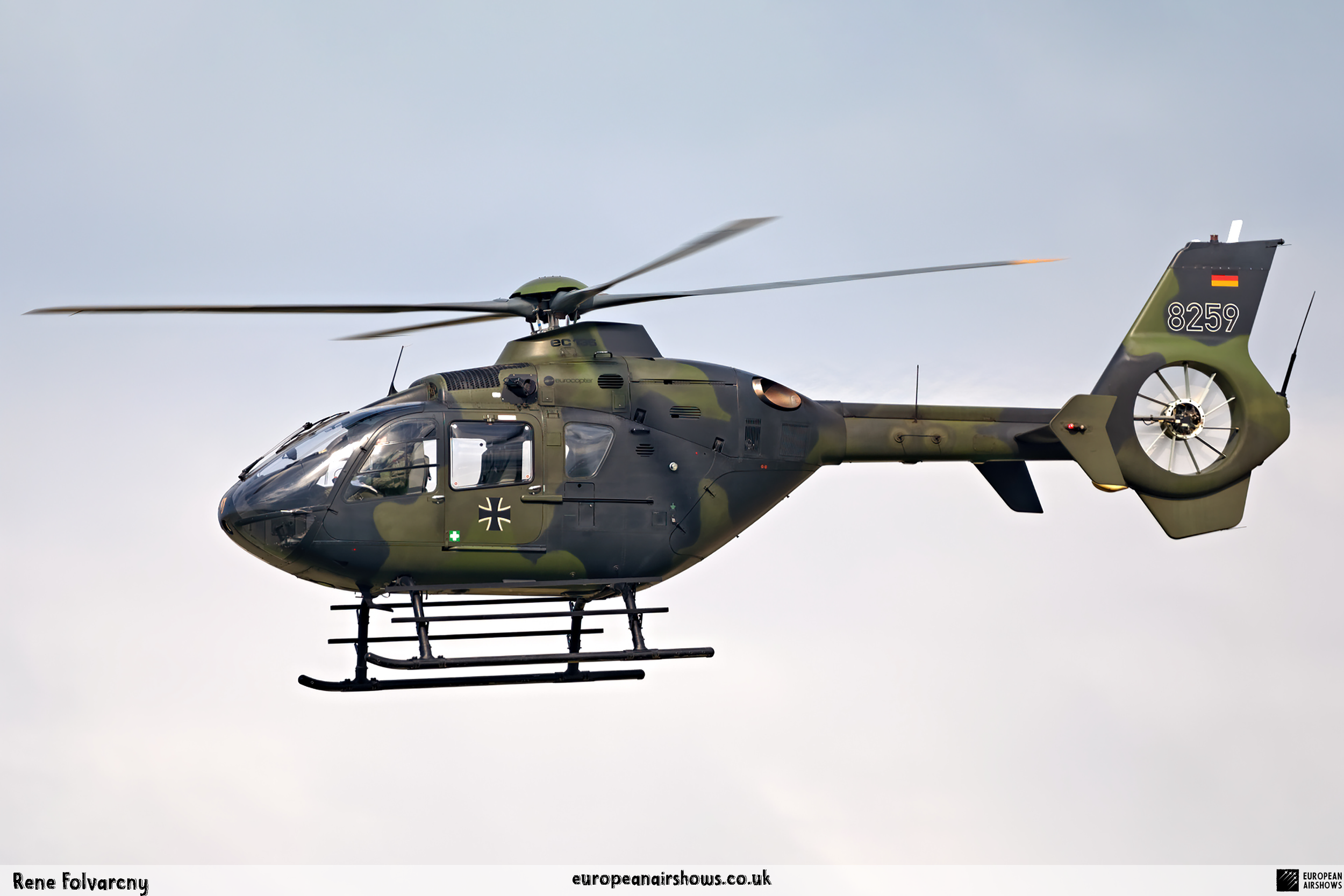
Airbus Helicopters H135 (EC135)
A quiet, twin-engine light utility helicopter—HEMS, law enforcement, training and offshore support worldwide
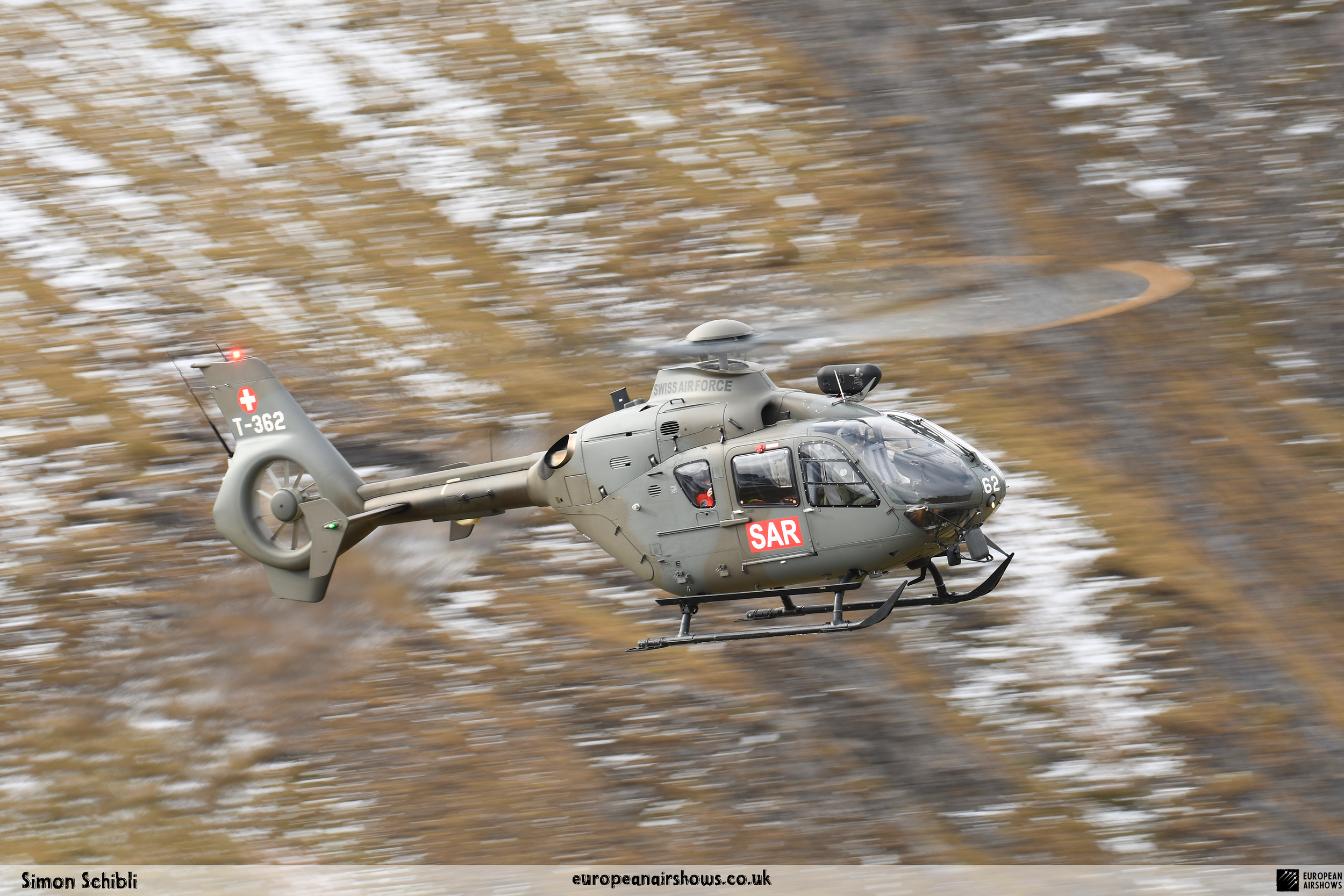
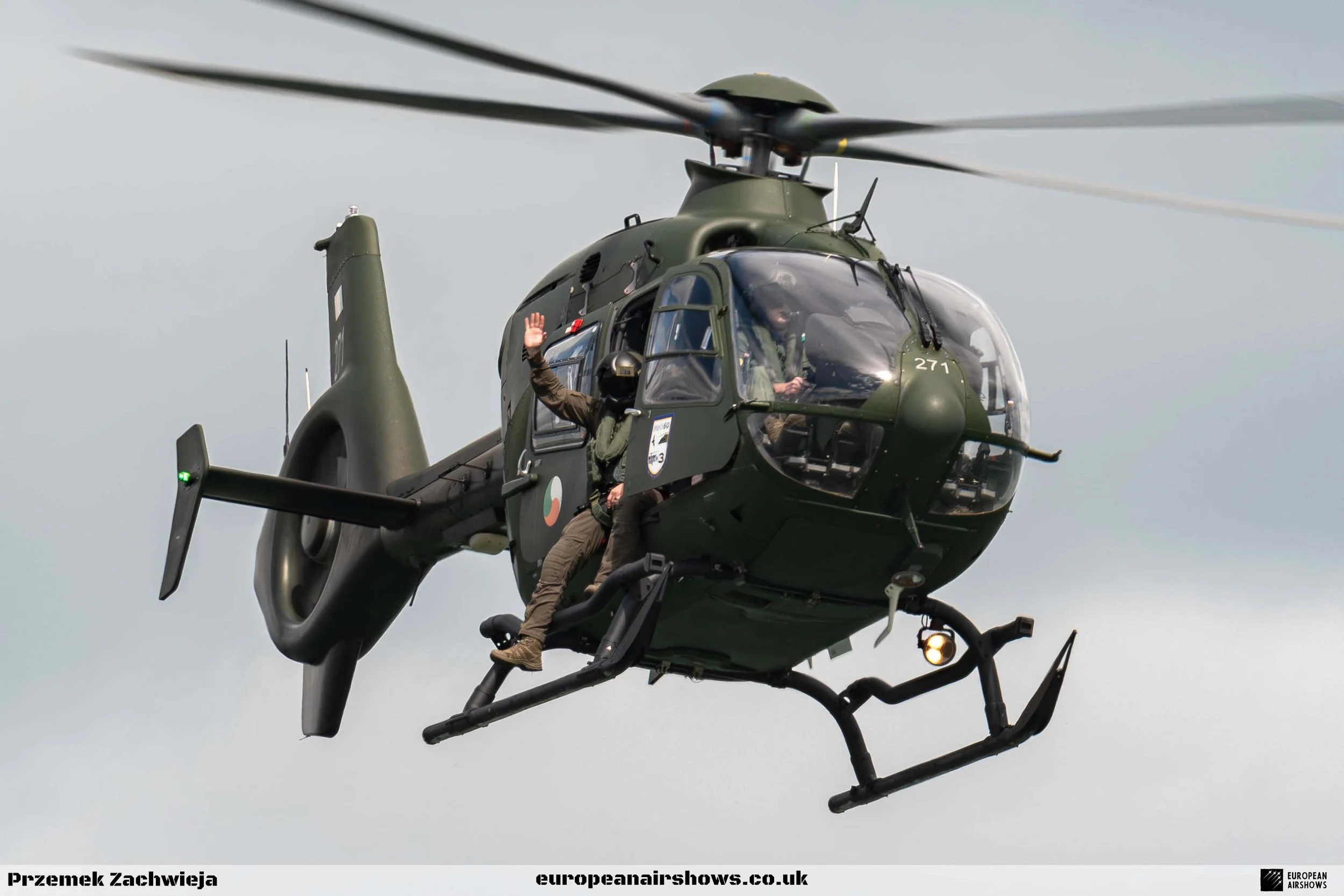
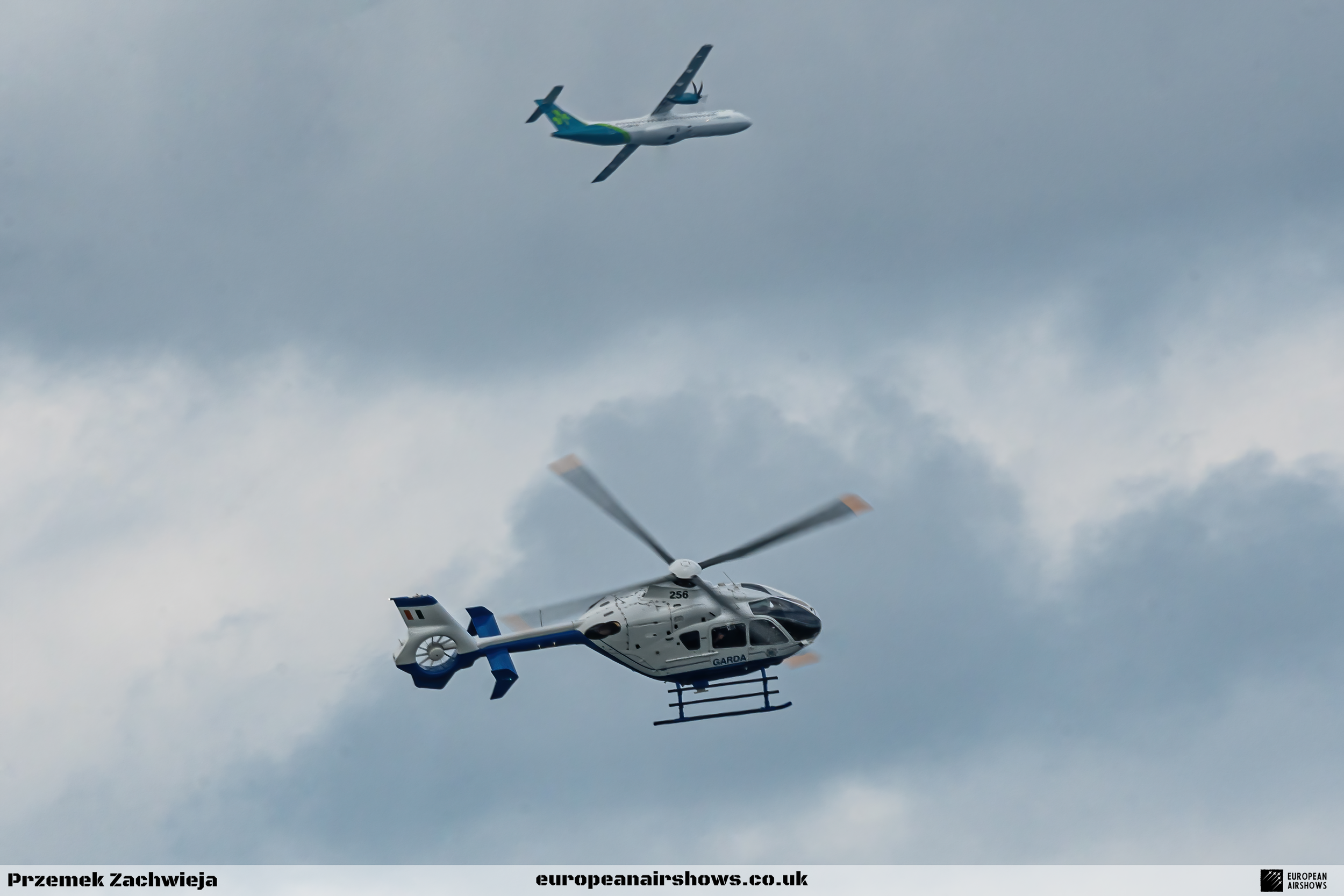
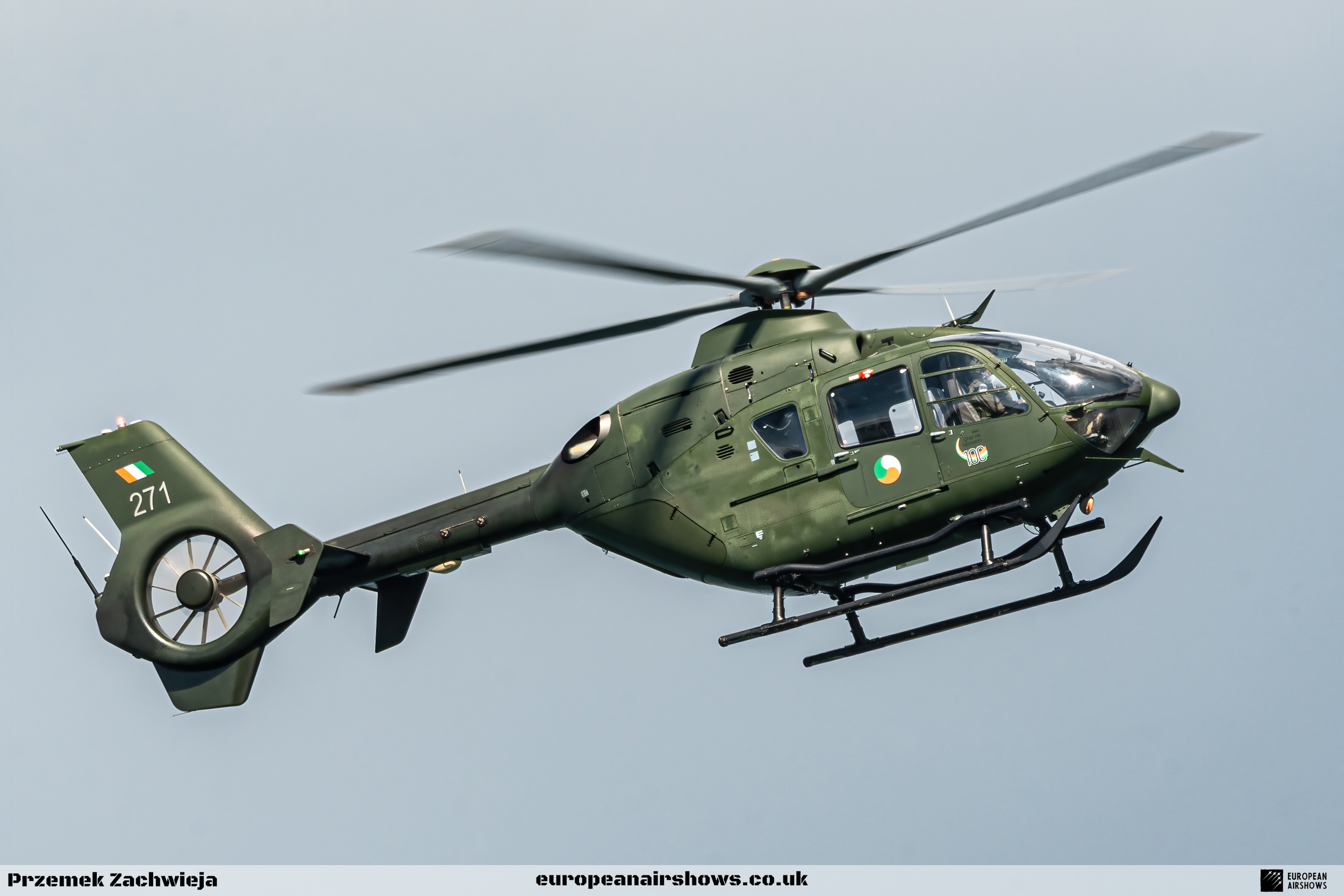
The Airbus Helicopters H135—introduced in the 1990s as the Eurocopter EC135—grew out of the German Bo 108 technology demonstrator and became one of the world’s most successful twin-engine light utility helicopters. Its strengths are a quiet Fenestron tail rotor, a bearingless main rotor, full-authority digital engine control (FADEC) and single-pilot IFR capability, making it a favourite for air ambulance (HEMS), law-enforcement, training and offshore wind support.
The path from Bo 108 to EC135/H135 fused MBB and Aérospatiale expertise. After the EC135’s maiden flight on 15 February 1994, certification and service entry followed in 1996. Continuous upgrades brought the P2/T2, then the P3/T3 with longer blades and performance improvements, and today’s Helionix cockpit with 4-axis autopilot and enhanced human-machine interface.
More than 1,500 H135 family helicopters have been delivered to operators in 60+ countries, logging millions of flight hours in life-saving and public-service roles. The type’s dual-engine options—Safran Arrius 2B2 Plus or Pratt & Whitney PW206B3—let customers tailor performance and support to their mission.
Operational Chronicle
Key milestones in development, certification and service
Bo 108 Technology Demonstrator
The MBB Bo 108, precursor to the EC135/H135, makes its first flight as a technology demonstrator for a new light twin, introducing FADEC and a hingeless main rotor. Early demonstrators used a conventional tail rotor.
EC135 Maiden Flight
On 15 February 1994 the EC135 prototype flies, featuring a Fenestron tail rotor, low vibration levels and systems aimed at single-pilot IFR operations.
Certification & Service Entry
Type certification and first customer deliveries mark the EC135’s entry into HEMS, police and corporate transport roles; production begins and continues into the present day.
Single-Pilot IFR Approvals
Germany’s LBA grants single-pilot IFR certification in 1999, followed by the UK CAA in 2000—key for all-weather HEMS and police tasking.
ACT/FHS Research Platform
The EC135 ACT/FHS flying testbed takes flight to trial fibre-optic flight-control technologies and advanced handling qualities research.
P3/T3 & Helionix
Introduction of the performance-enhanced P3/T3 variants and the Helionix avionics suite modernises the cockpit and autopilot, improving OEI margins and hot-and-high capability.
1,500+ Delivered
Deliveries pass 1,500 airframes and millions of fleet hours across 60+ countries; the H135 becomes a mainstay for HEMS, police and military training fleets.
Future Roadmap
Airbus announces the H140 to expand the light-twin family while continuing H135 availability—signalling a long-term pathway for operators already invested in the type.
Operational Roles
Primary missions routinely flown by the H135
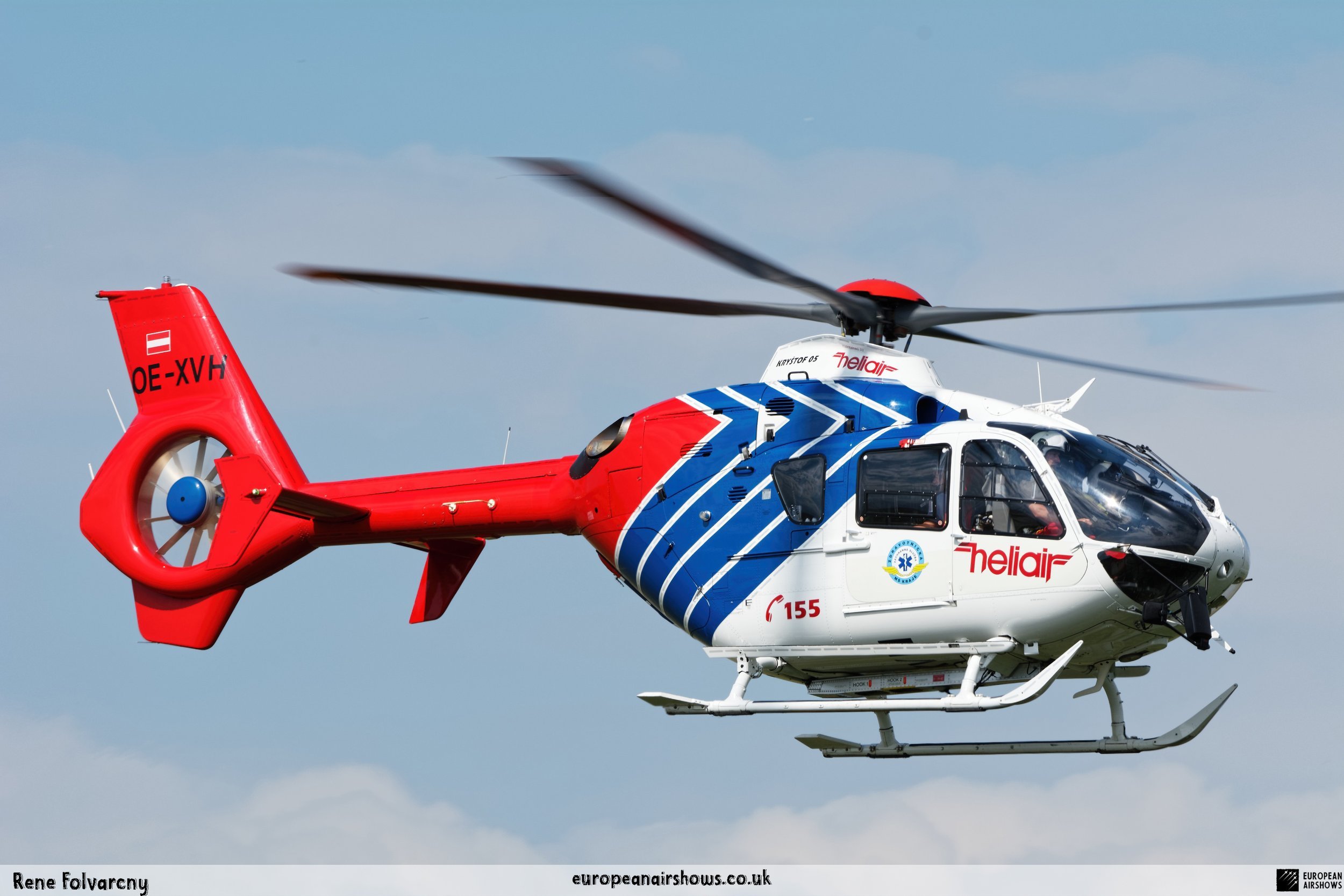
The H135’s compact footprint, low noise Fenestron and Helionix IFR suite make it the reference light twin for emergency medical services, rooftop pads and confined-area landings.
Police air units value the quiet acoustic signature, endurance and multi-sensor fit for patrol, search and pursuit in dense urban environments—day or night.
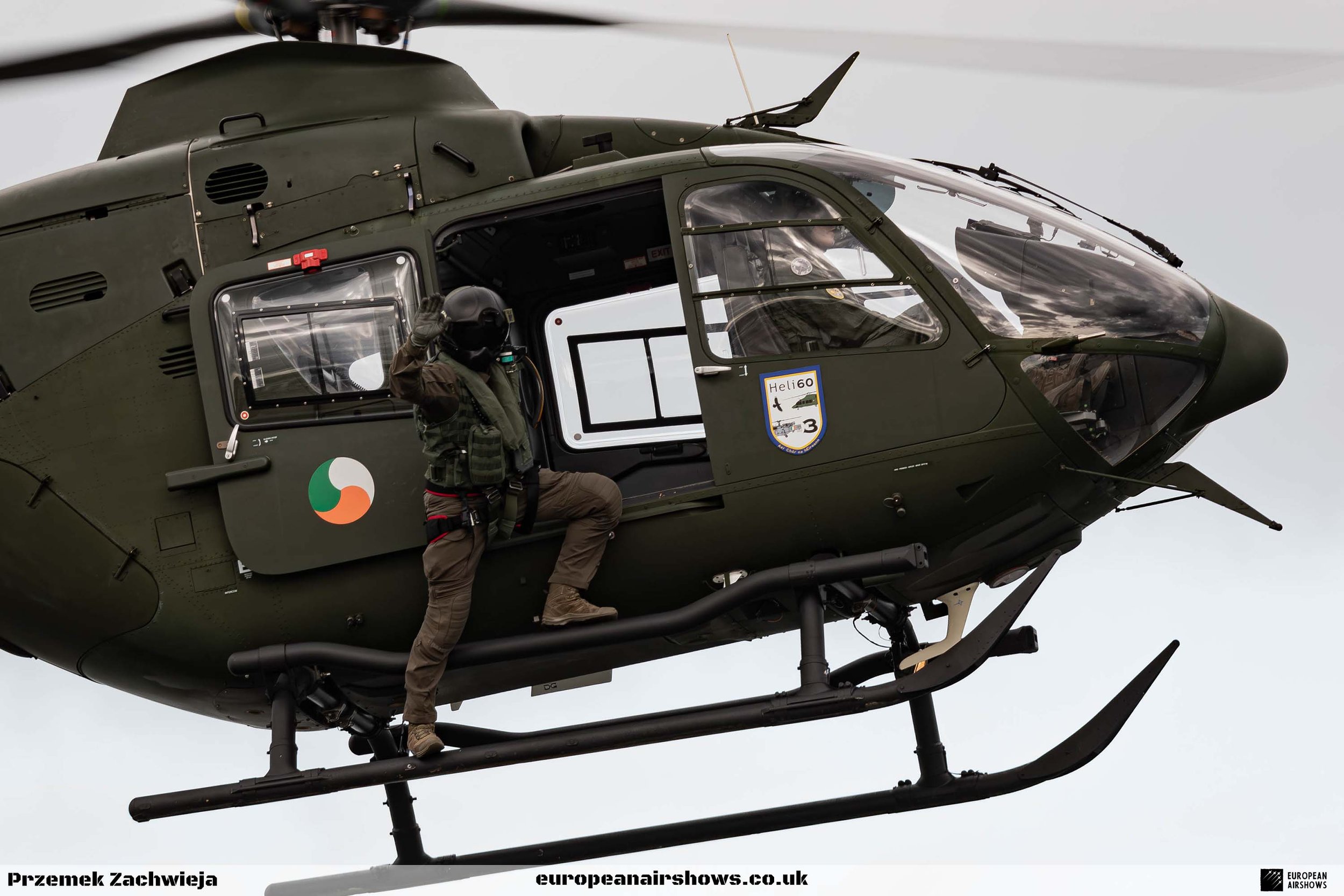
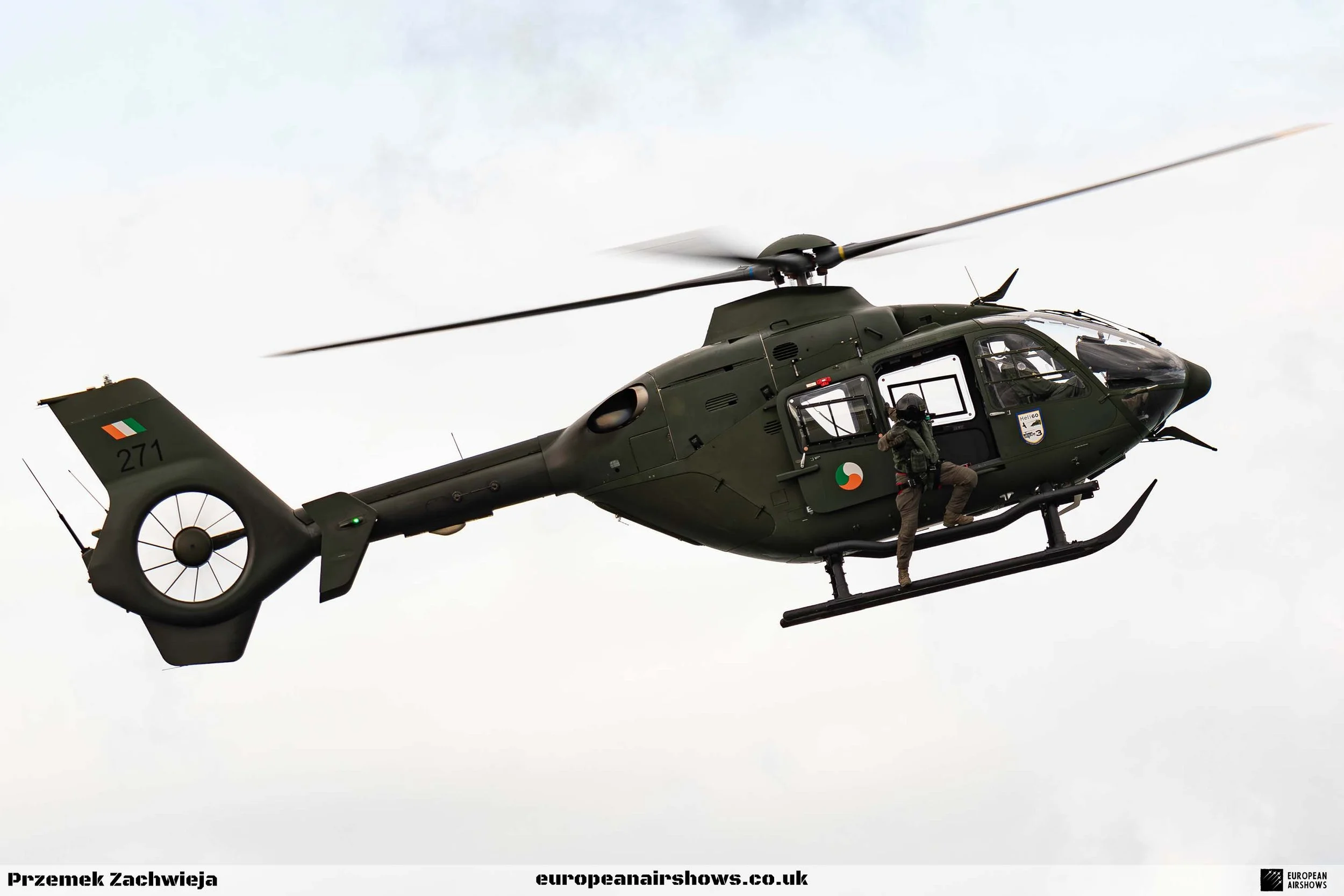
As a modern, low-workload twin, the H135 equips military flight training systems with glass-cockpit avionics and autopilot logic aligned to frontline rotorcraft.
Shuttle and hoist tasks to turbines and platforms benefit from the type’s stability, OEI performance and compact deck handling.
Hot-and-high upgrades (P3/T3) and precise 4-axis autopilot support hoist rescues and mountain operations where workload and margins matter most.
A large global simulator ecosystem mirrors Helionix, easing transition training and standardising procedures across mixed H135 fleets.
Service Record
Selected milestones and fleet figures
Technical Specifications
Essential details and characteristics of the Airbus Helicopters H135
Development Story
From Bo 108 demonstrator to Helionix-equipped multi-mission twin
Origins & Early Testing
The H135 traces back to the MBB Bo 108, a late-1980s technology demonstrator developed with Aérospatiale. It validated a hingeless main rotor, FADEC-controlled engines and a refined transmission. The EC135 prototype, now with a quiet Fenestron tail rotor, flew on 15 February 1994; certification and deliveries followed in 1996.
IFR & Mission Growth
A major enabler for HEMS and police operators was single-pilot IFR approval—granted by Germany’s LBA in 1999 and the UK CAA in 2000—allowing all-weather tasking. Continuous block upgrades matured the airframe into the P2/T2 standards widely fielded in the 2000s.
P3/T3 & Helionix
In 2014 the P3/T3 variants brought aerodynamic and performance refinements (including longer blades and improved OEI margins), paired with the Helionix integrated avionics suite and 4-axis autopilot. This reduced pilot workload, improved situational awareness and aligned training logic with larger Airbus types.
Global Footprint & Roadmap
With more than 1,500 aircraft delivered across 60+ nations, the H135 has become a default light twin for HEMS and public services. Airbus has since outlined a family roadmap (including the H140) while maintaining H135 availability for existing and future fleets.
Enduring Legacy
A benchmark light twin for public-service aviation
The Airbus Helicopters H135 built its reputation on quiet acoustics, compact size and IFR-capable avionics—attributes that transformed HEMS and police aviation in dense urban airspace. Since the EC135’s first flight on 15 February 1994, continuous upgrades have kept the type current while operators worldwide accumulated millions of hours. With robust support, dual engine families and Helionix avionics, the H135 remains a cornerstone of life-saving and public-service fleets—and a proving ground for future light-twin developments.