
Royal International
Air Tattoo
2025
Europe’s only U-2 display of 2025, Denmark’s final RIAT F-16 appearance, an award-winning Polish Tiger Demo and a static park stretching for more than a mile.
With Eyes in the Skies, APACHE50 and 40 years at RAF Fairford as its themes, RIAT 2025 combined the mission-configured U-2S Dragon Lady, Denmark’s final RIAT F-16 display, the Polish F-16 Tiger Demo Team, the British Army Apache AH.2 role demo and one of the world’s most varied static parks.
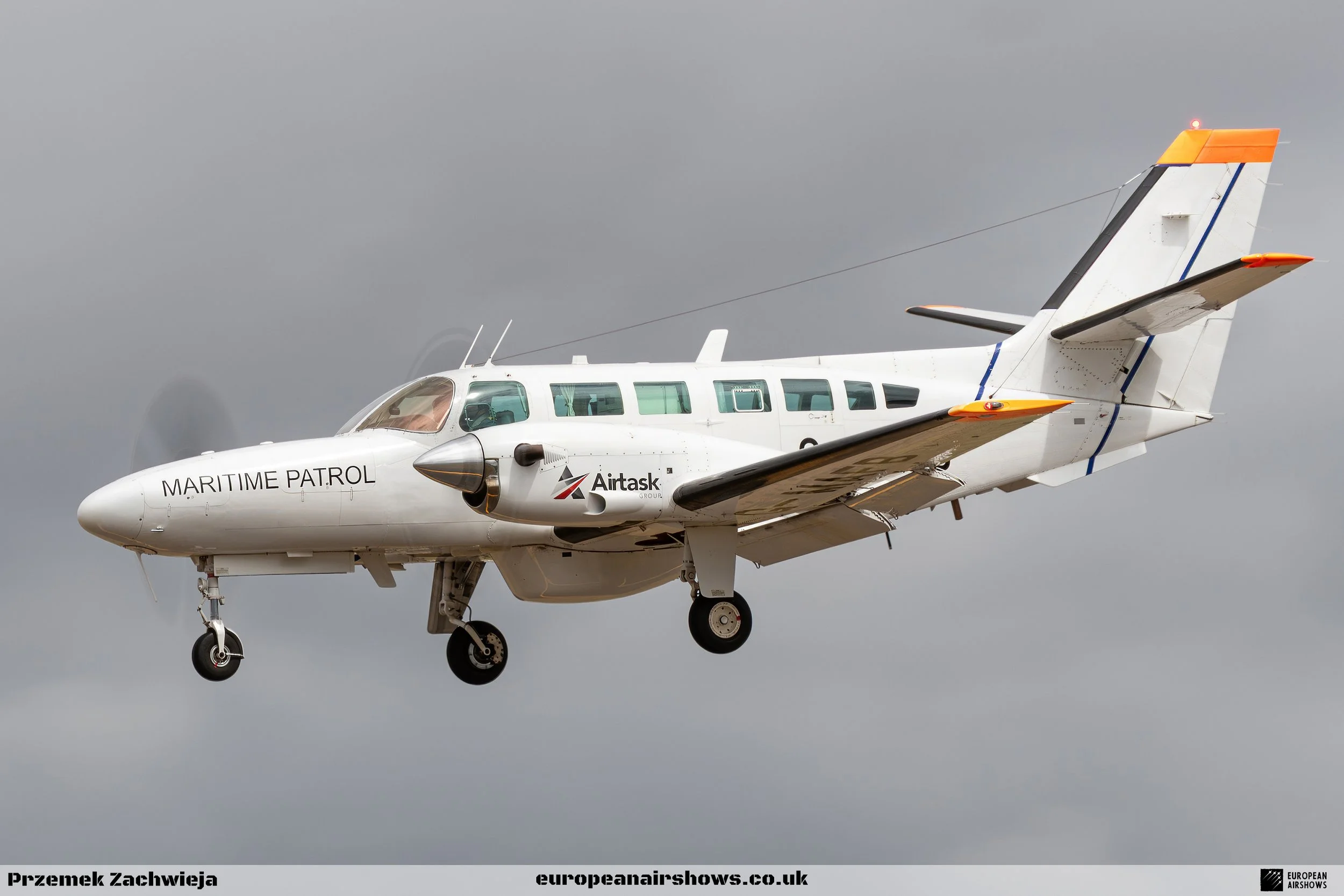
The Royal International Air Tattoo roared back into RAF Fairford from 18–20 July 2025, delivering another unforgettable showcase of military aviation on a truly global scale. This year’s event carried the headline theme “Eyes in the Skies,” focusing on ISR, AEW, maritime patrol, SAR, and reconnaissance platforms, while also celebrating “40 Years of RIAT at Fairford.” The result was a blend of cutting-edge capability and rich heritage, underlining why RIAT remains the world’s premier military airshow.
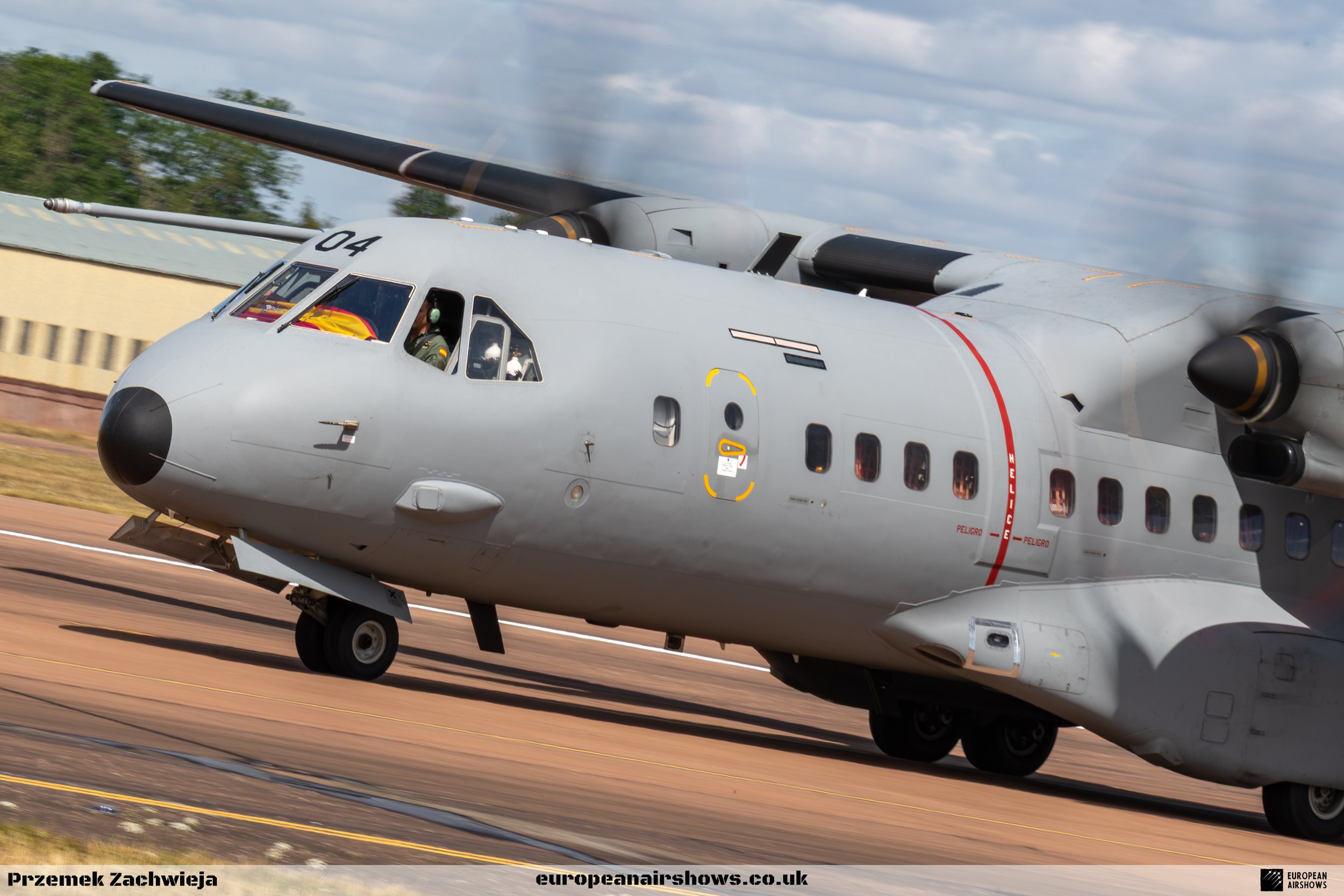
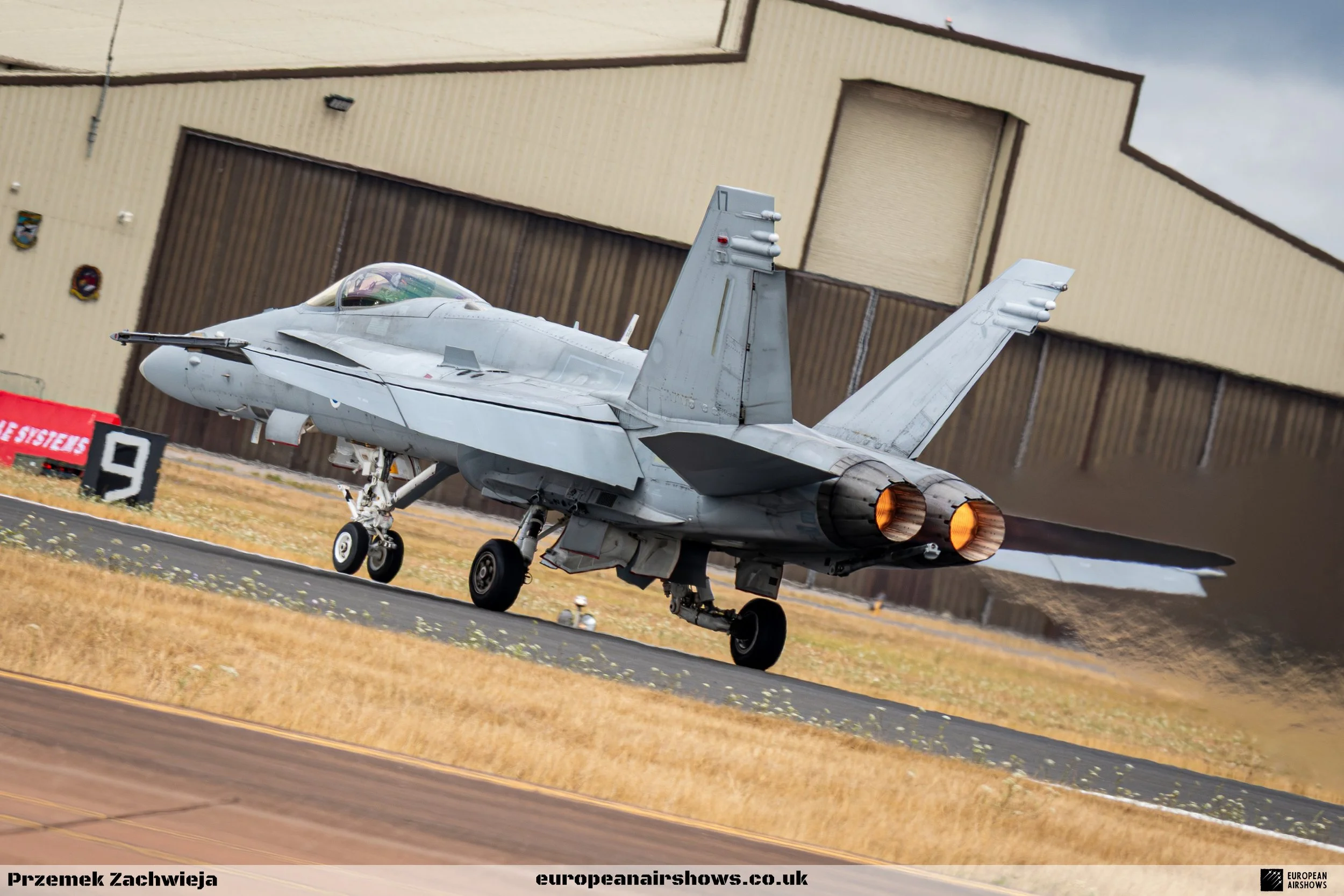
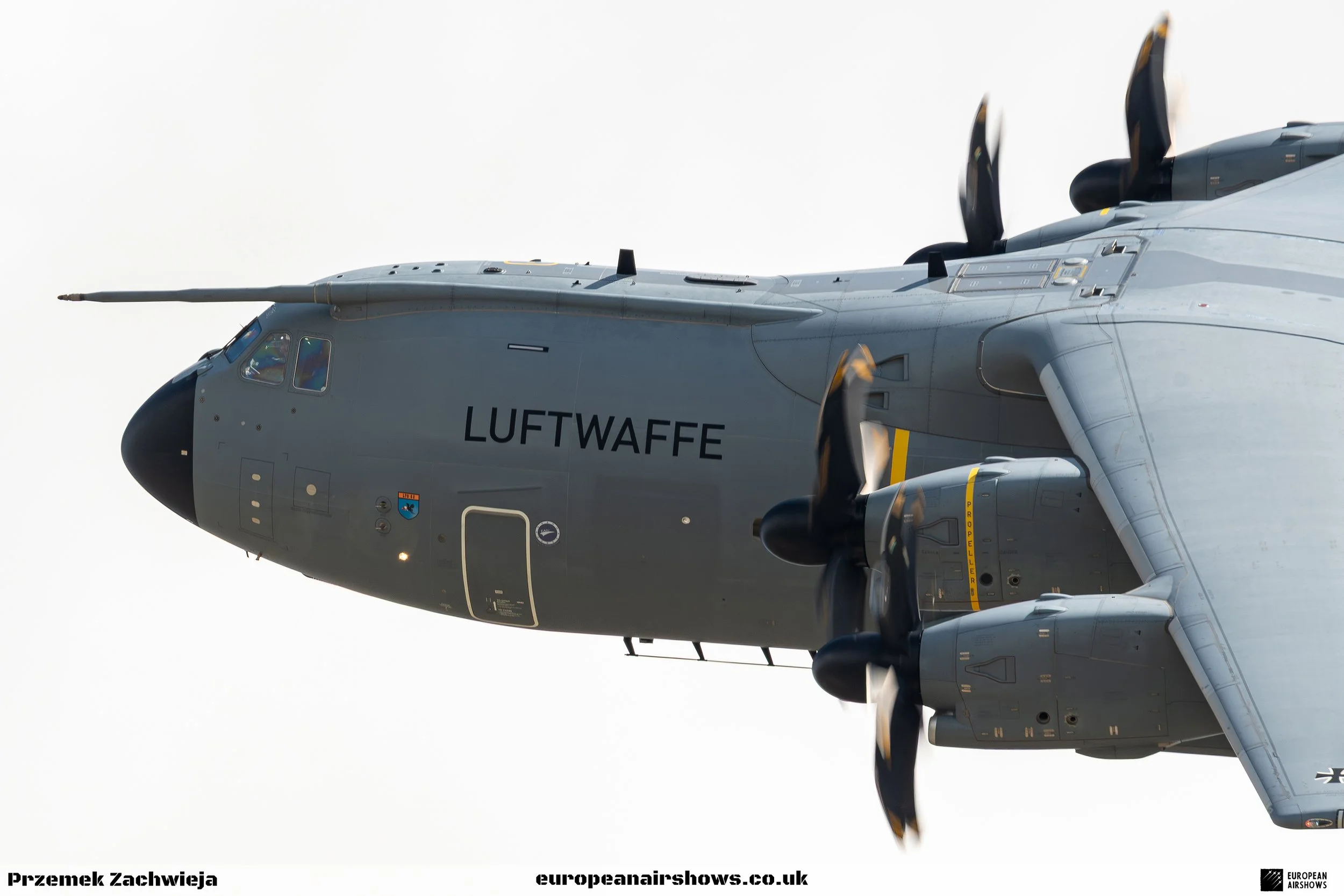
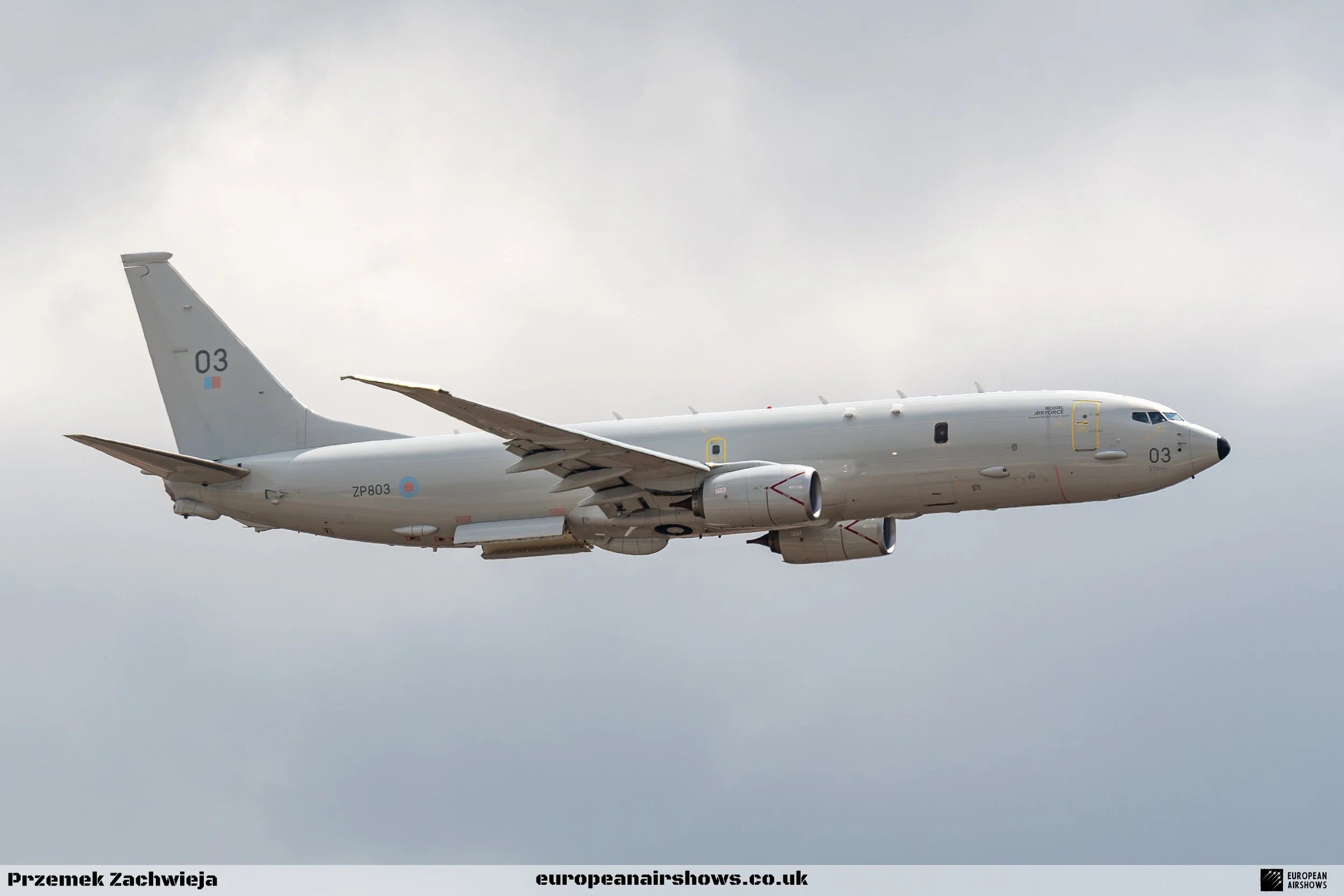
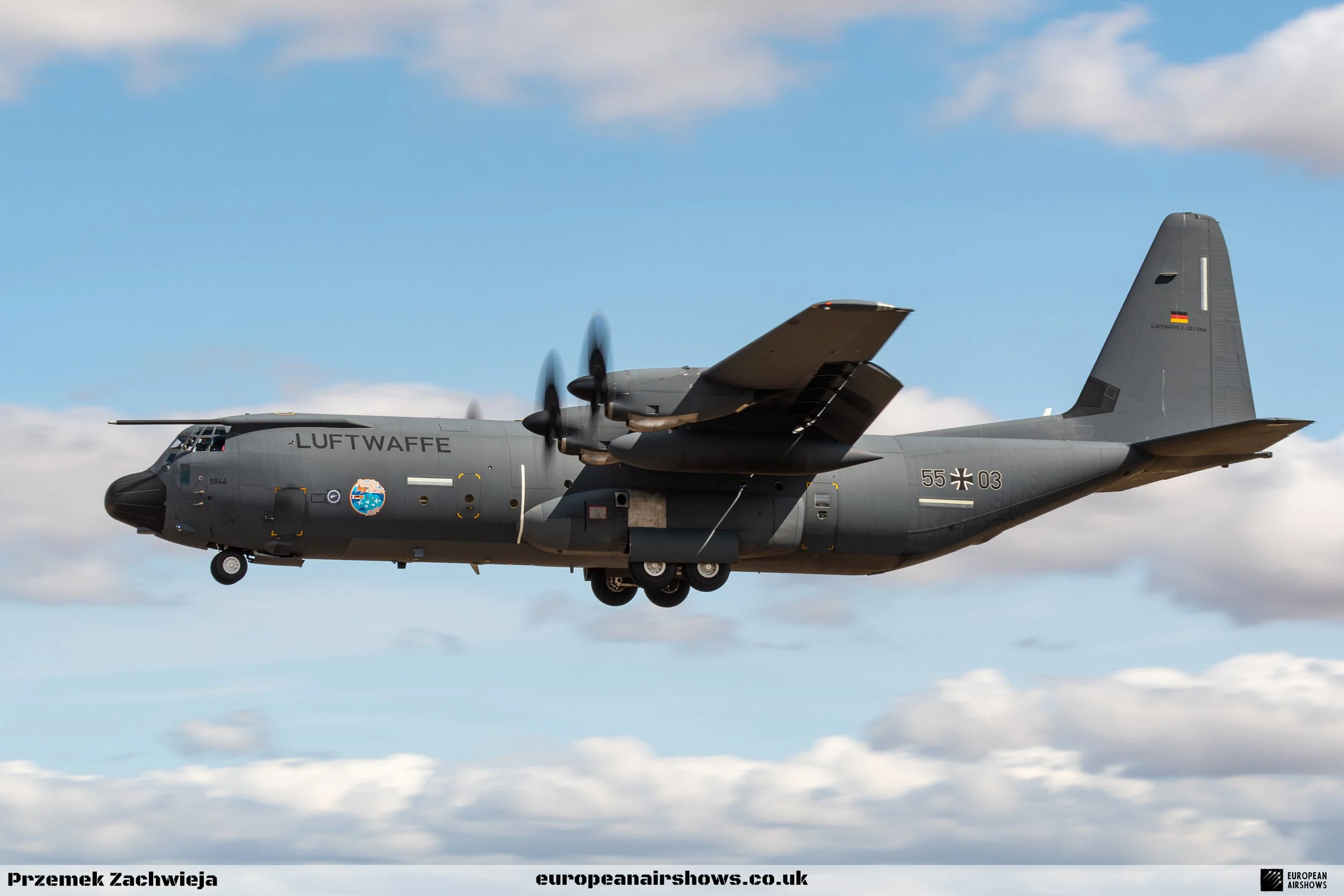
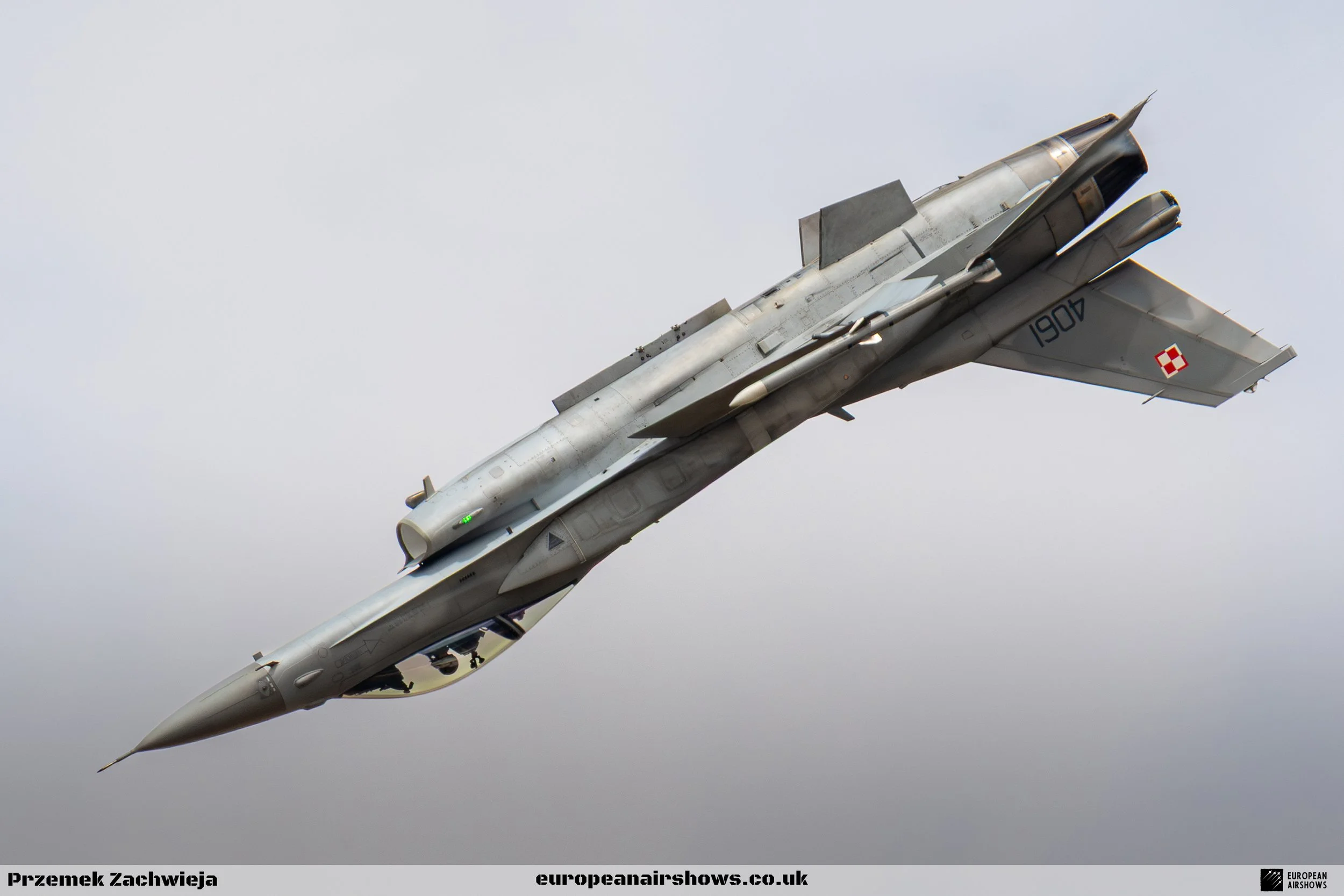
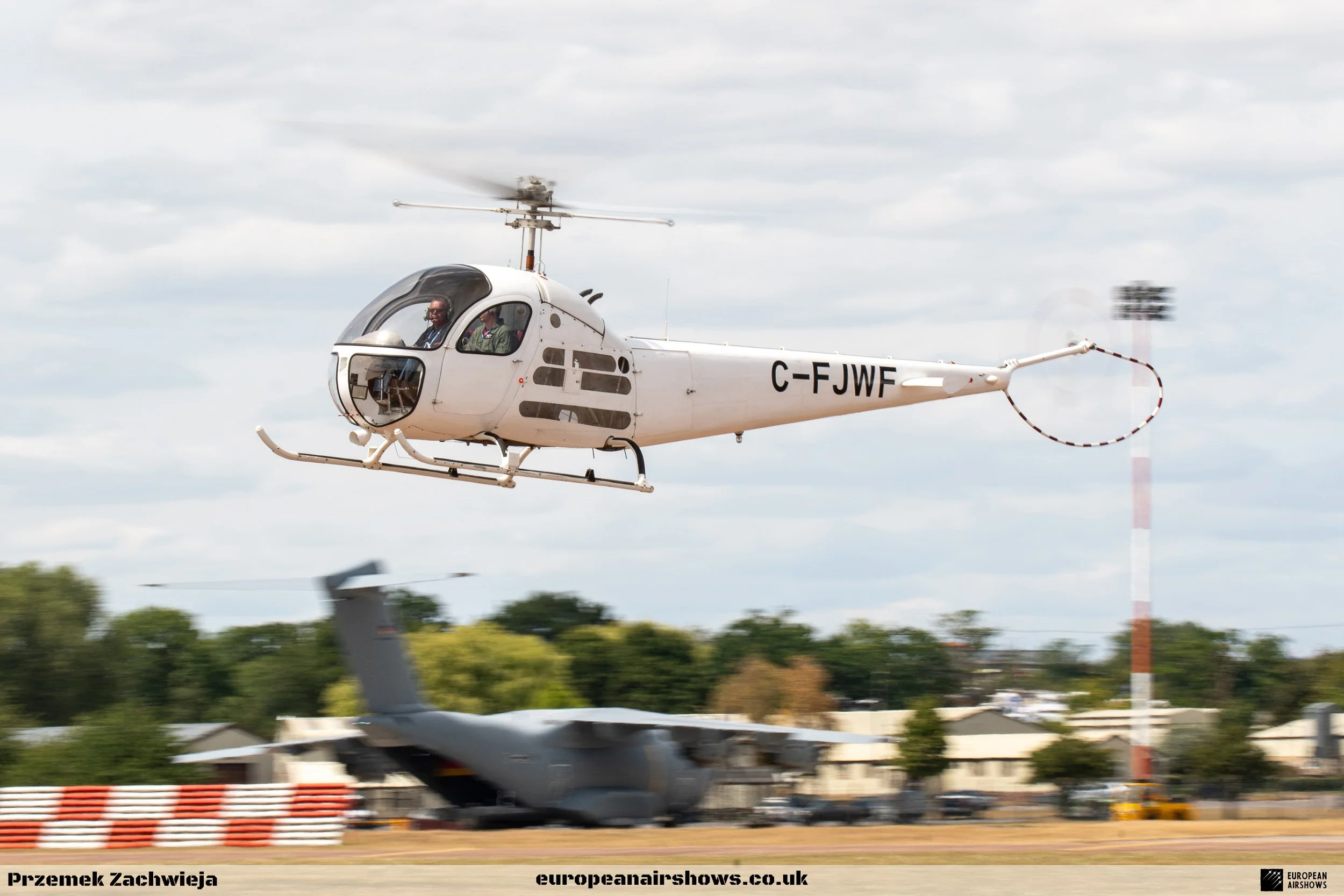
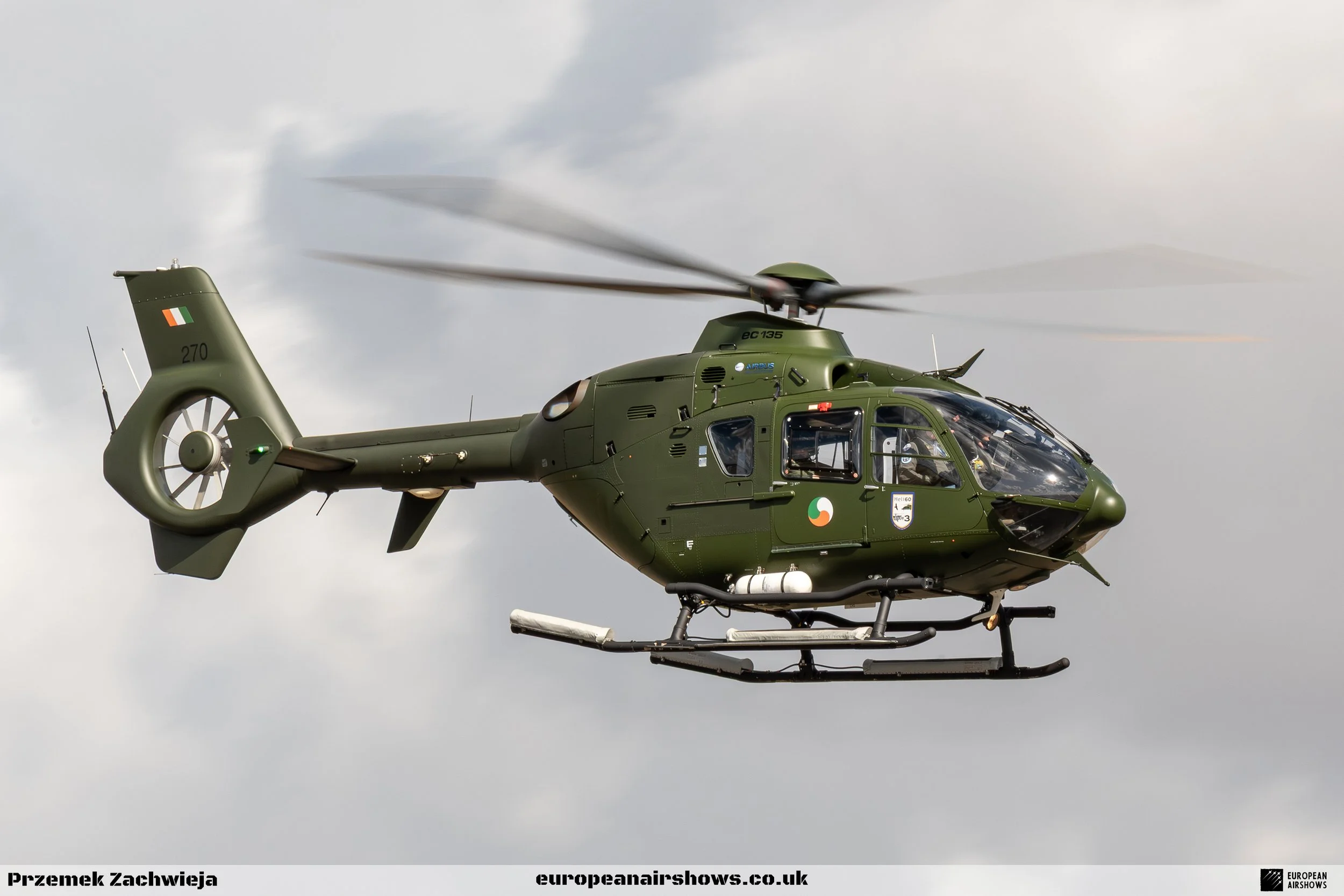
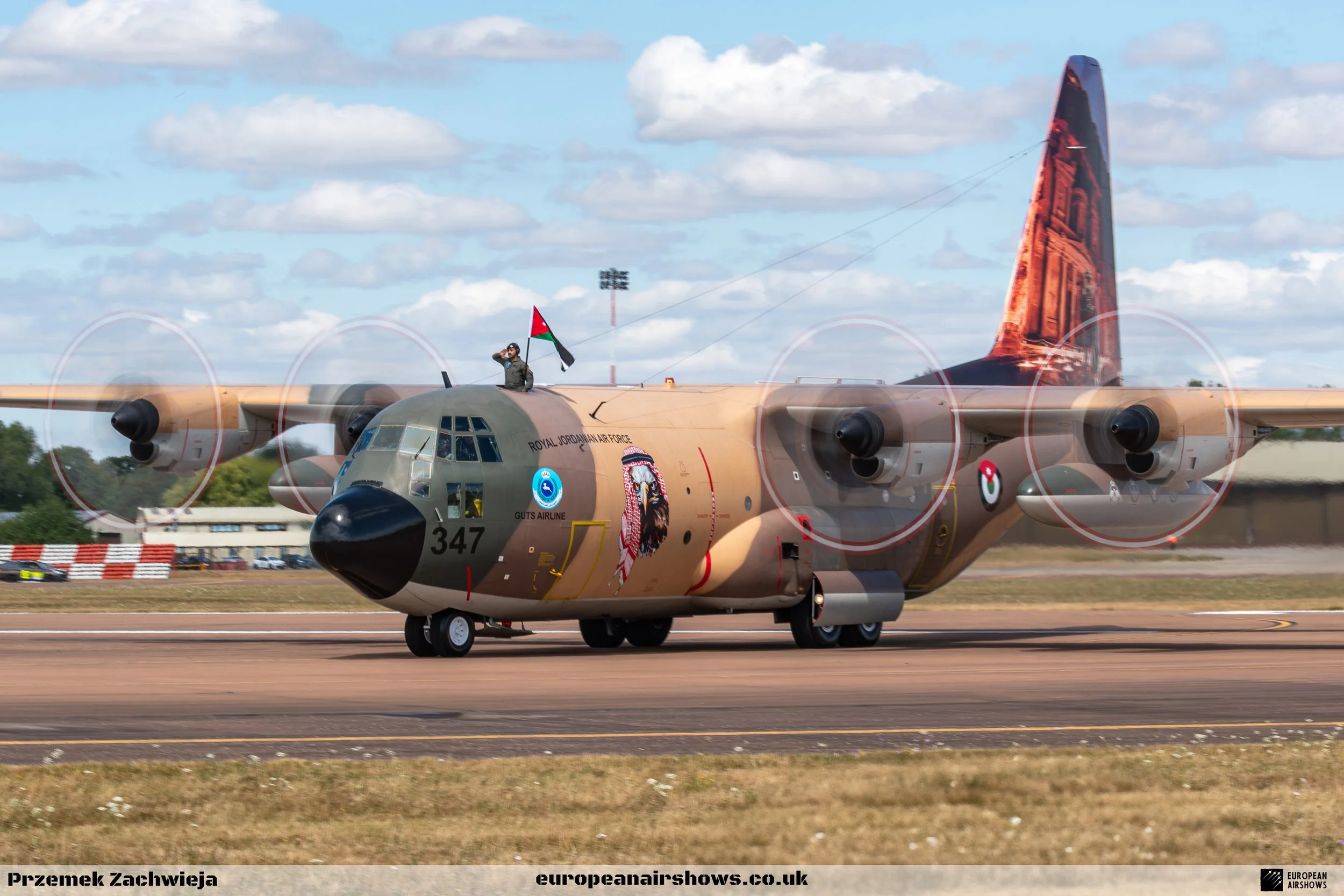
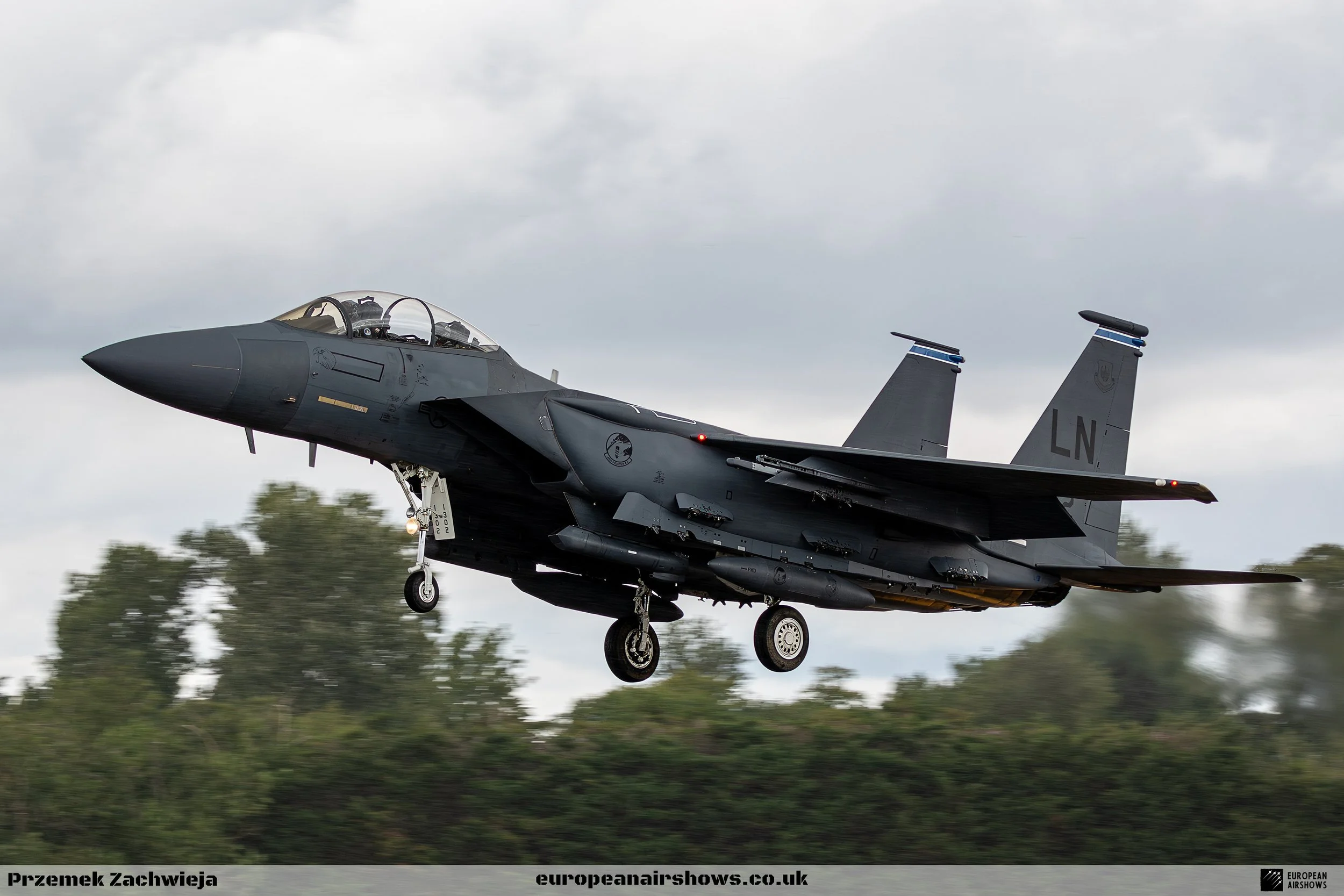
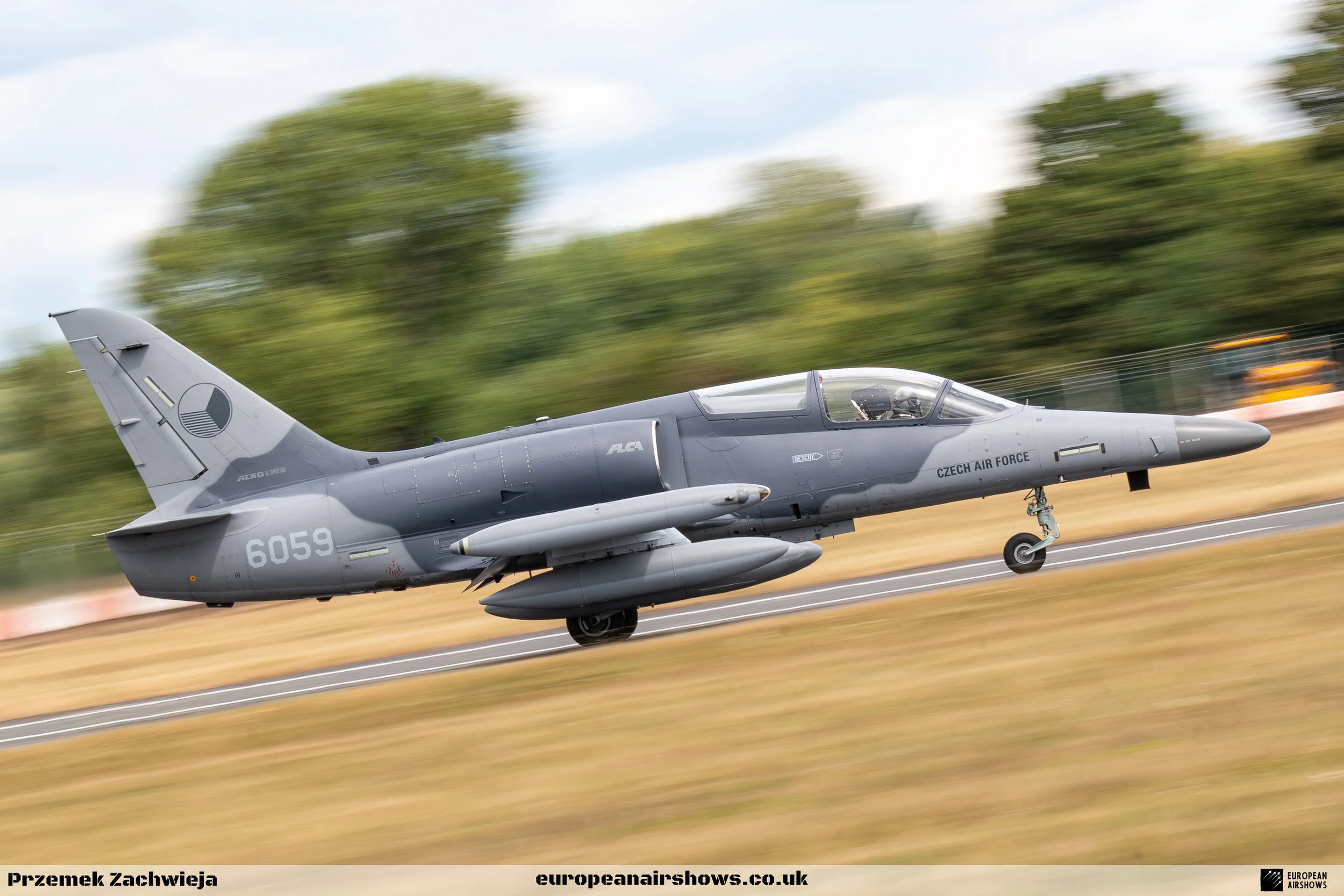
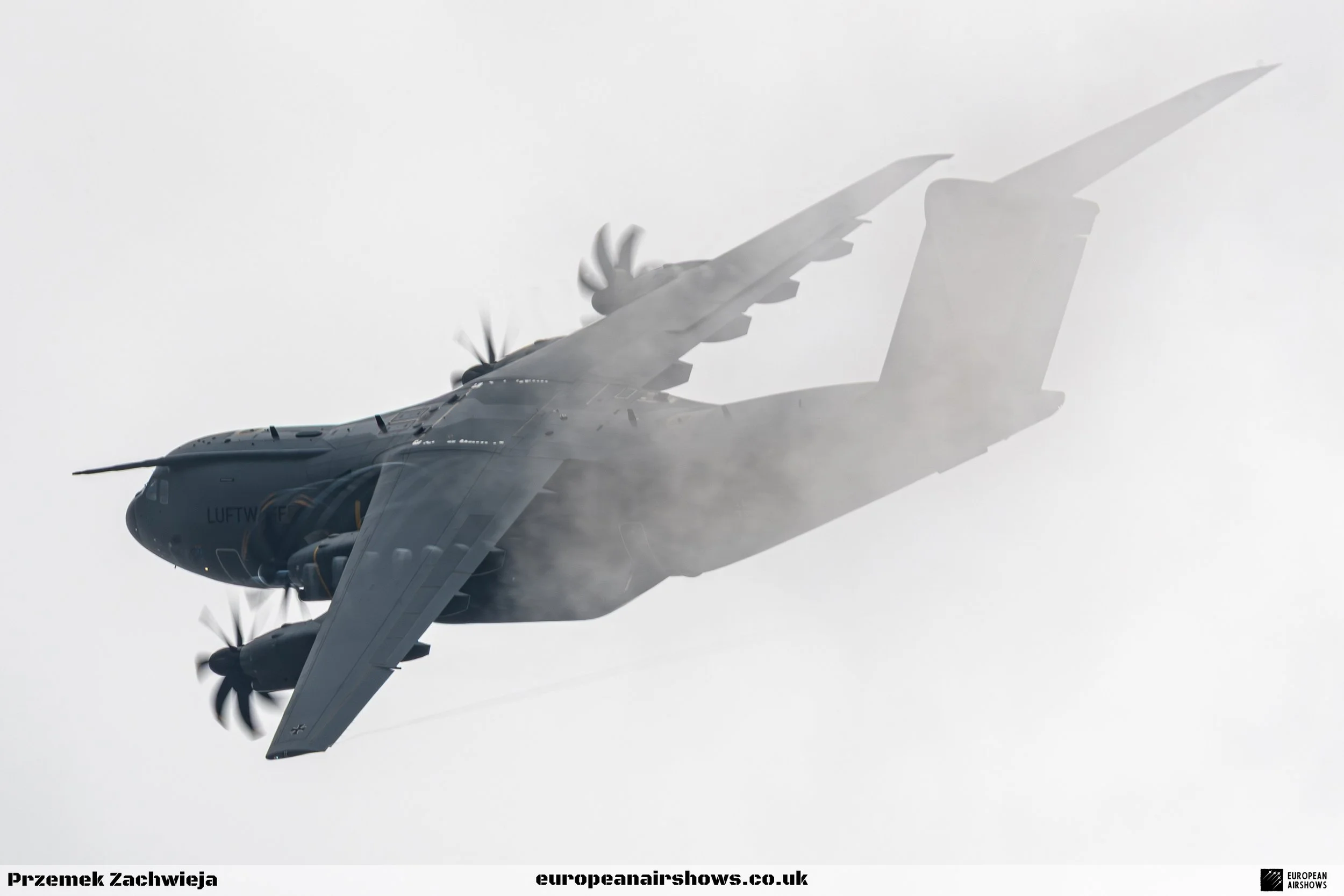
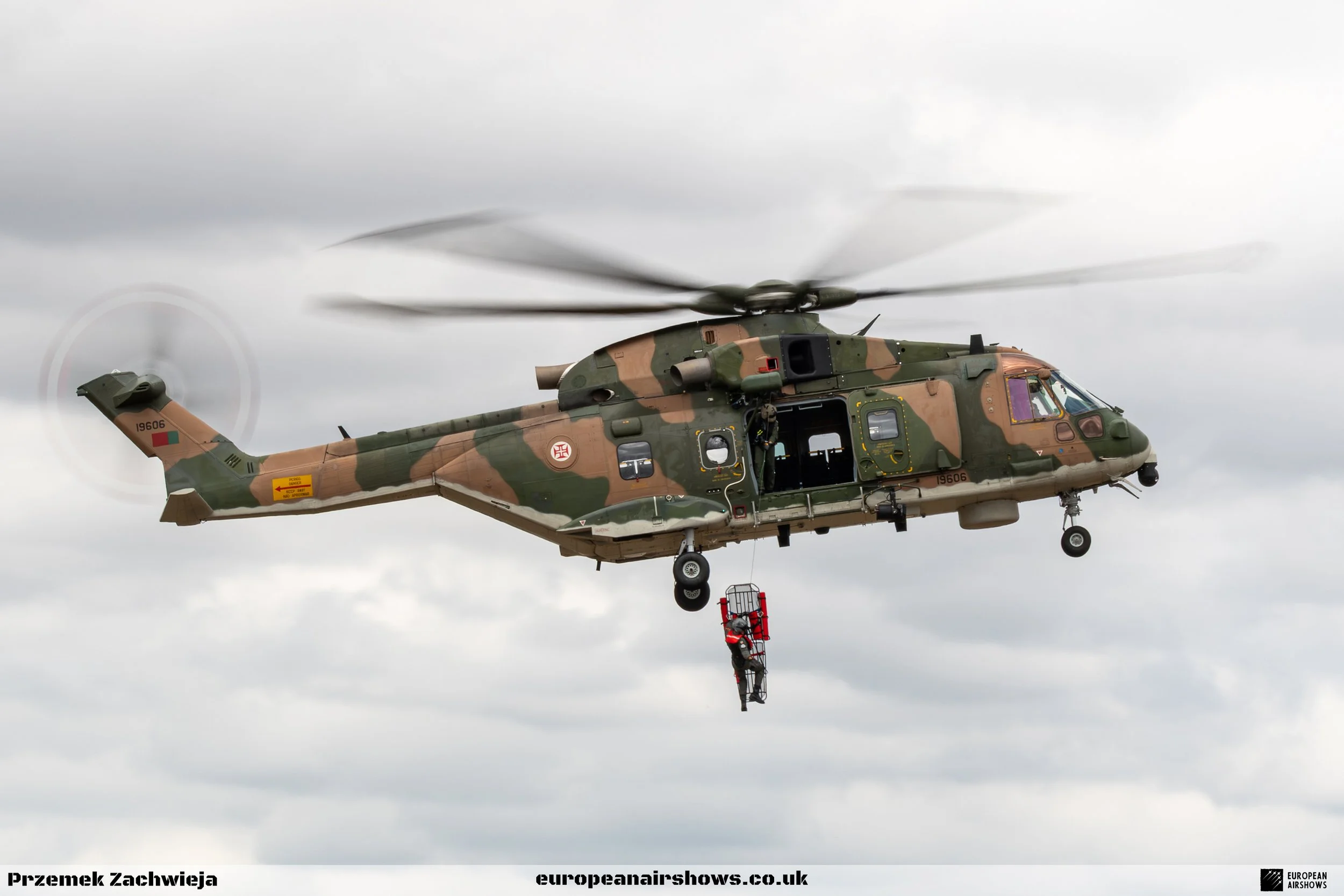
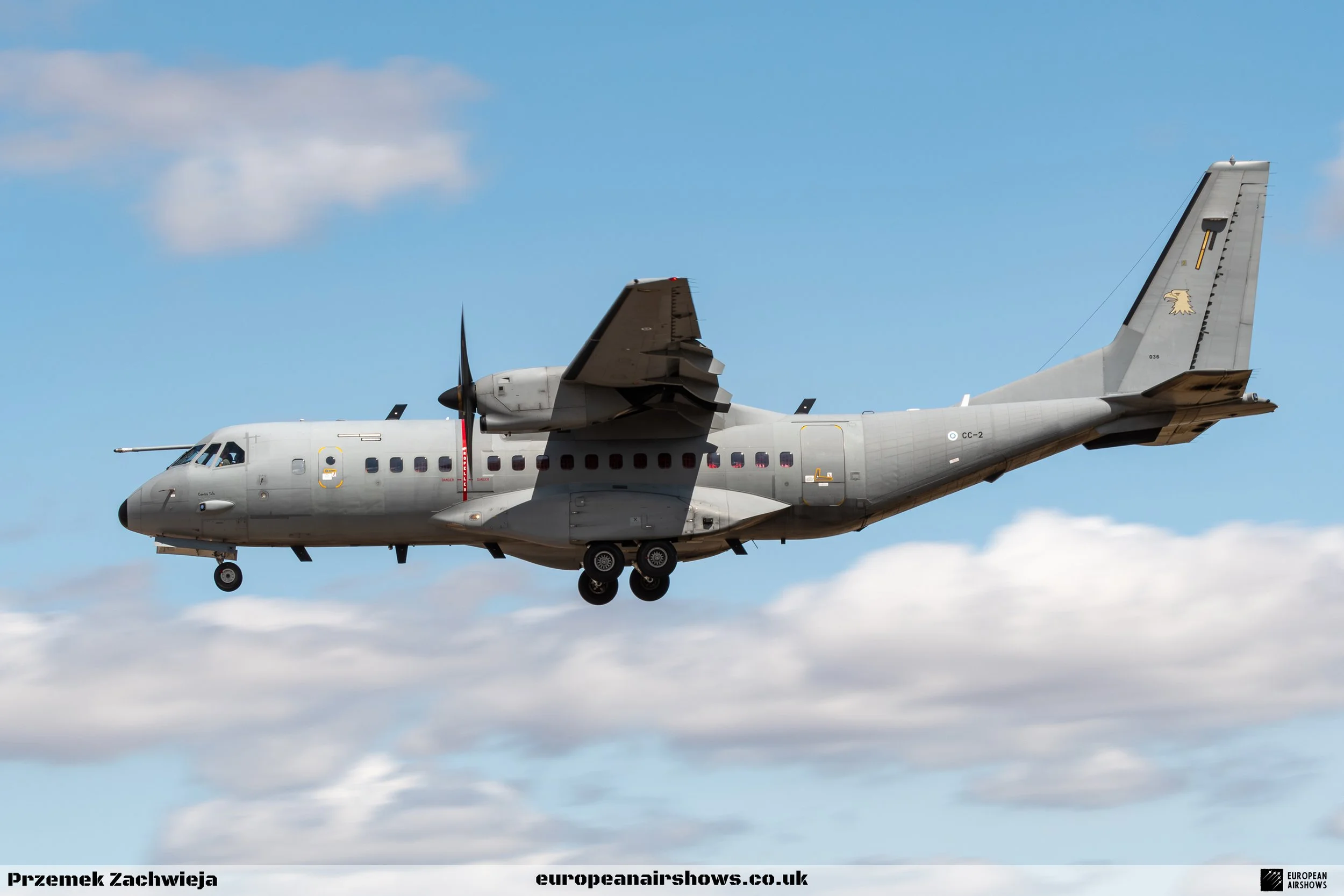
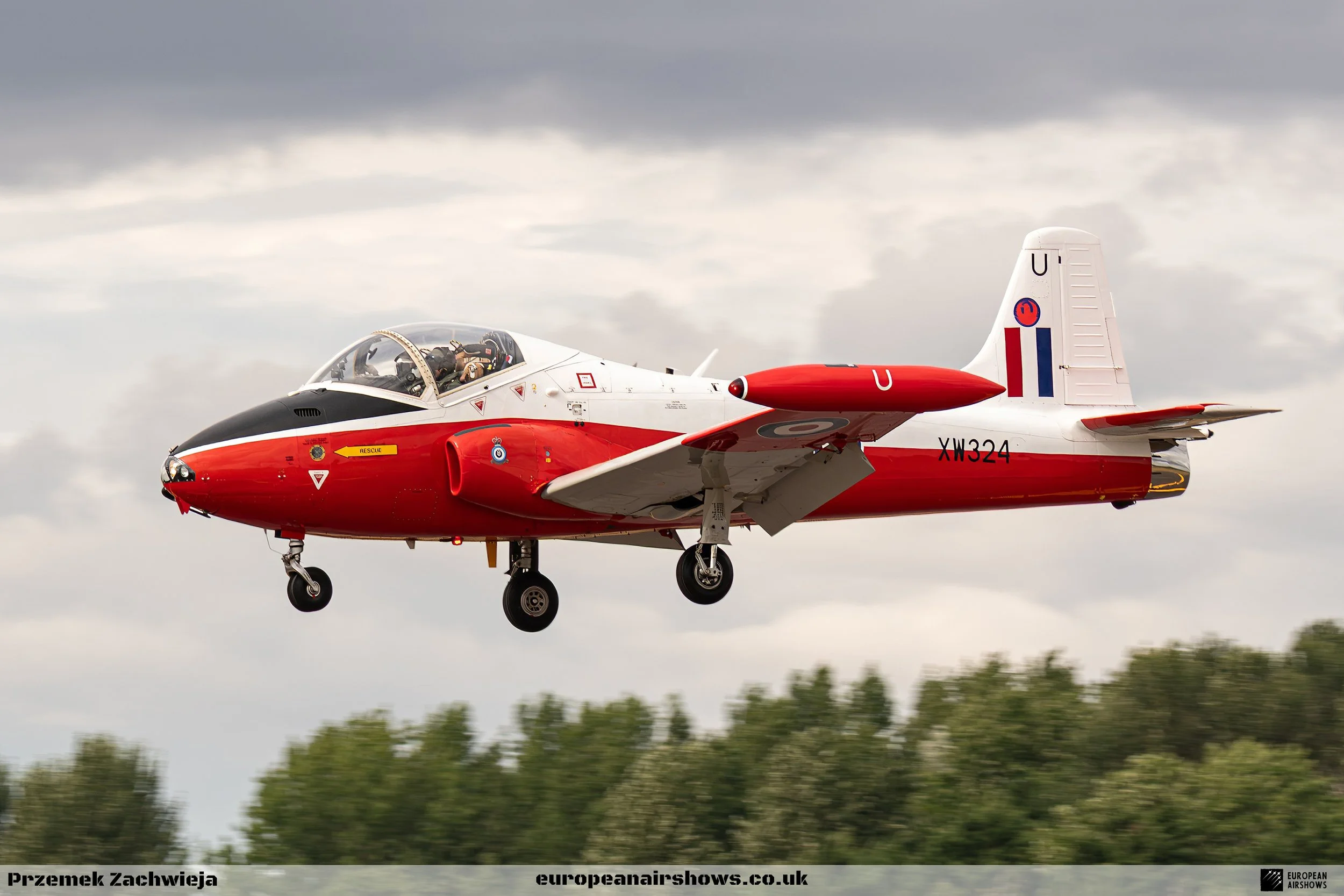
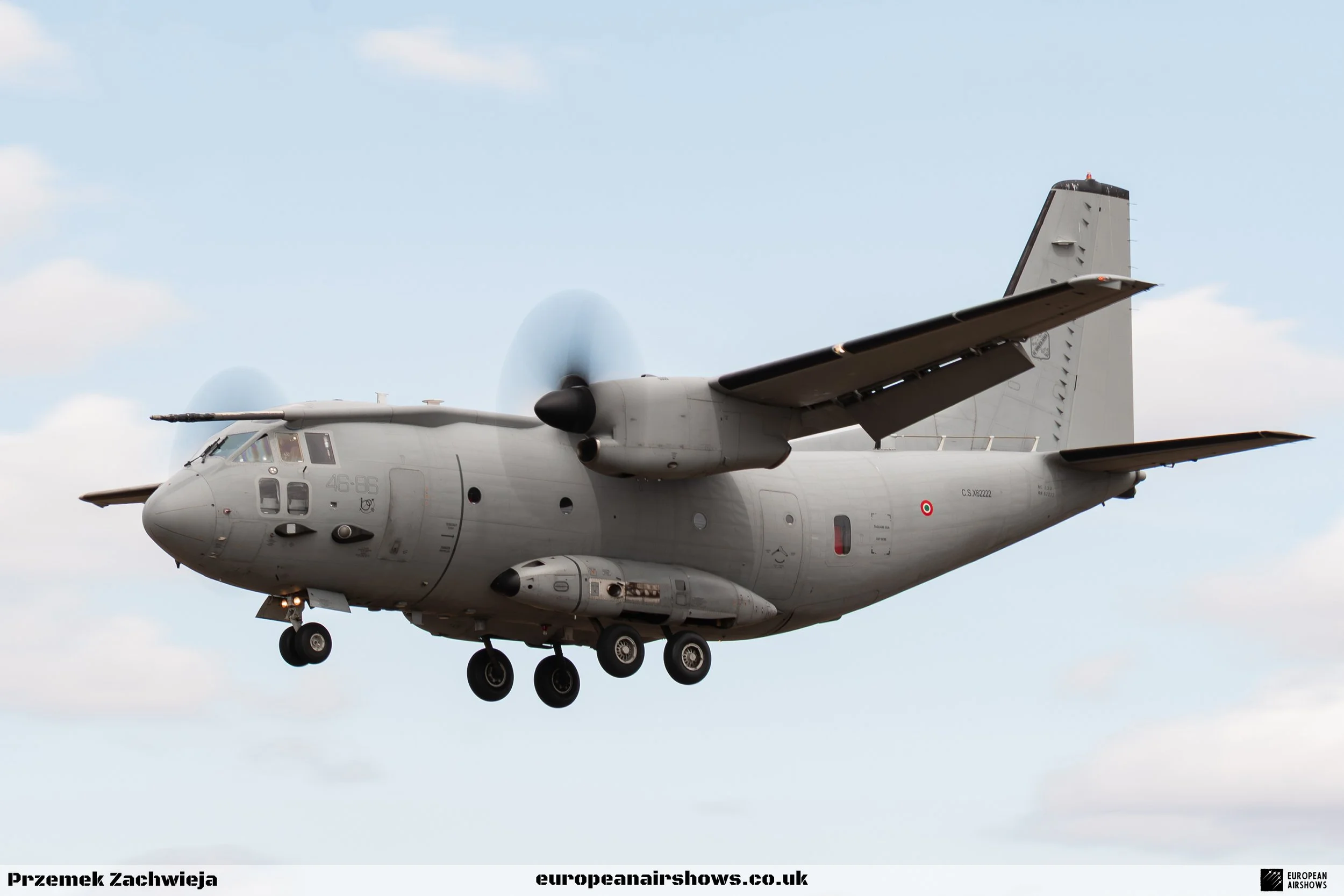
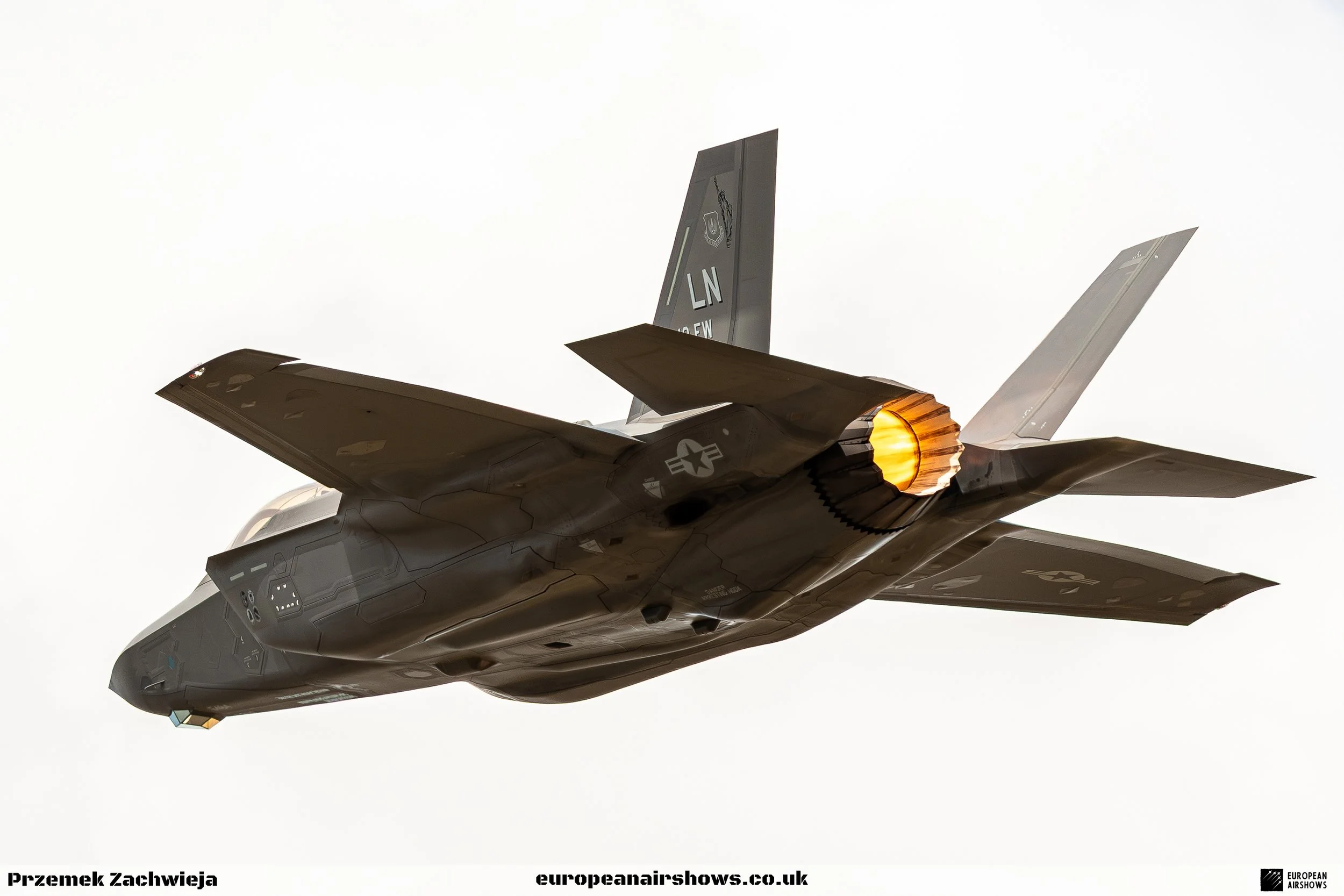
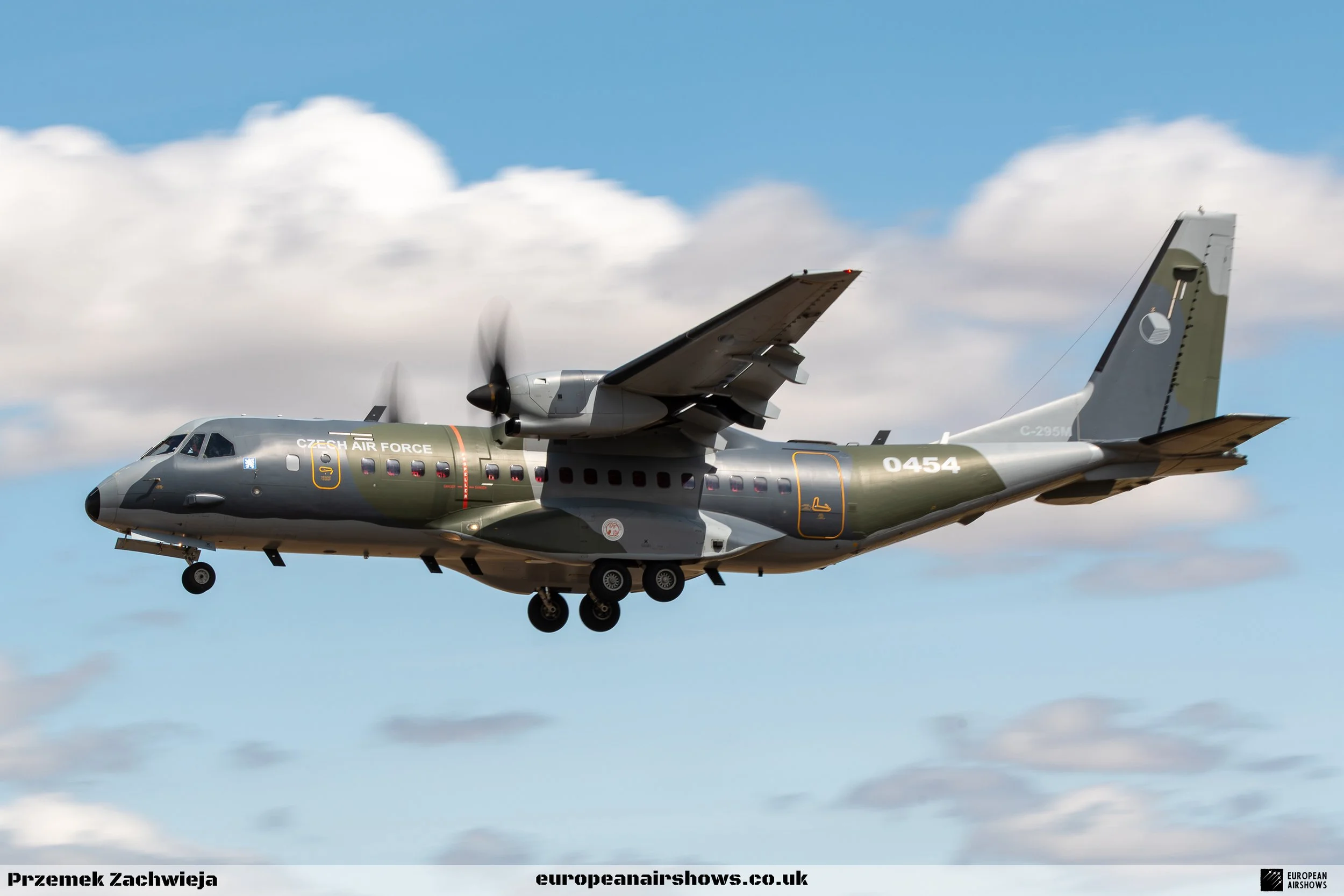
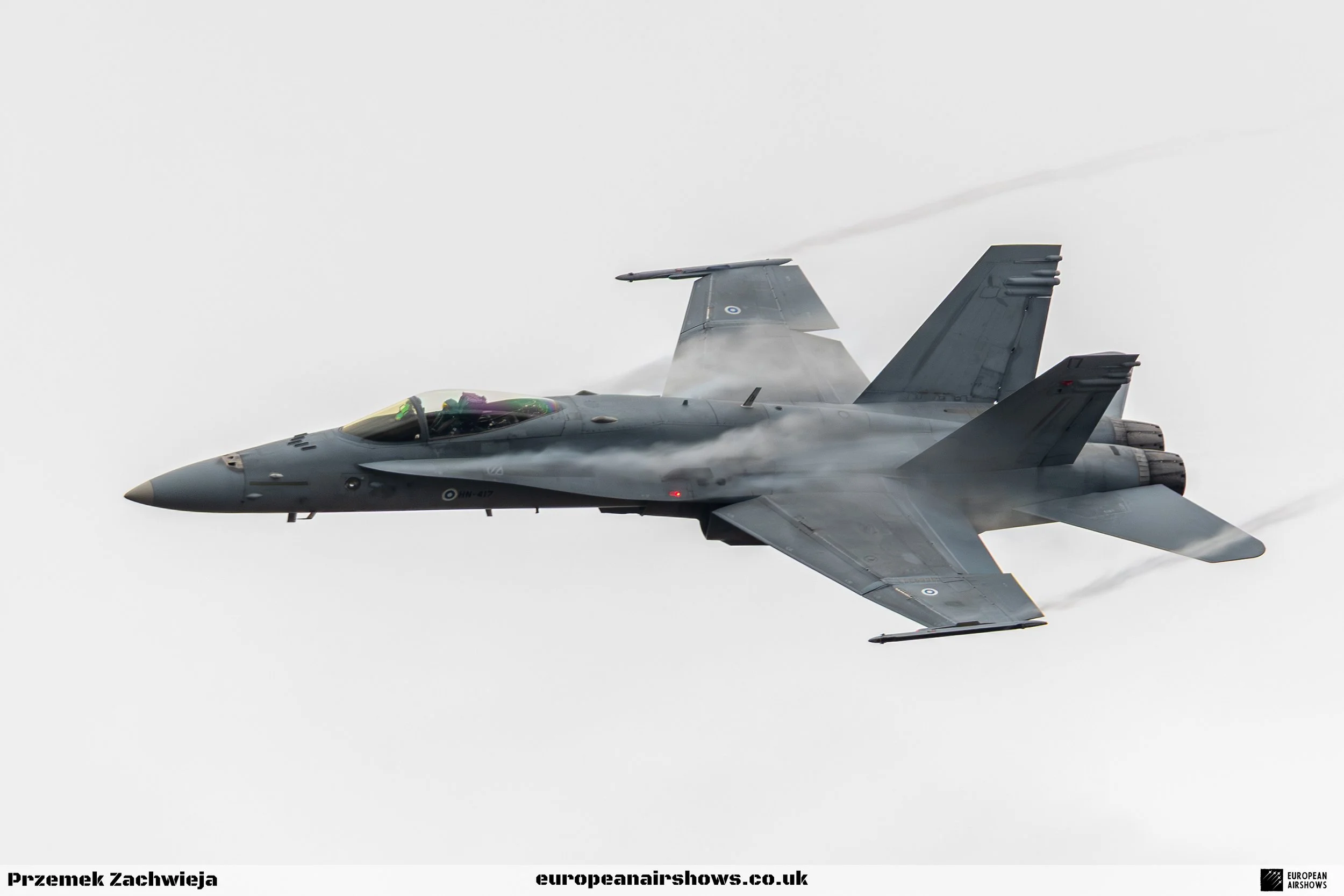
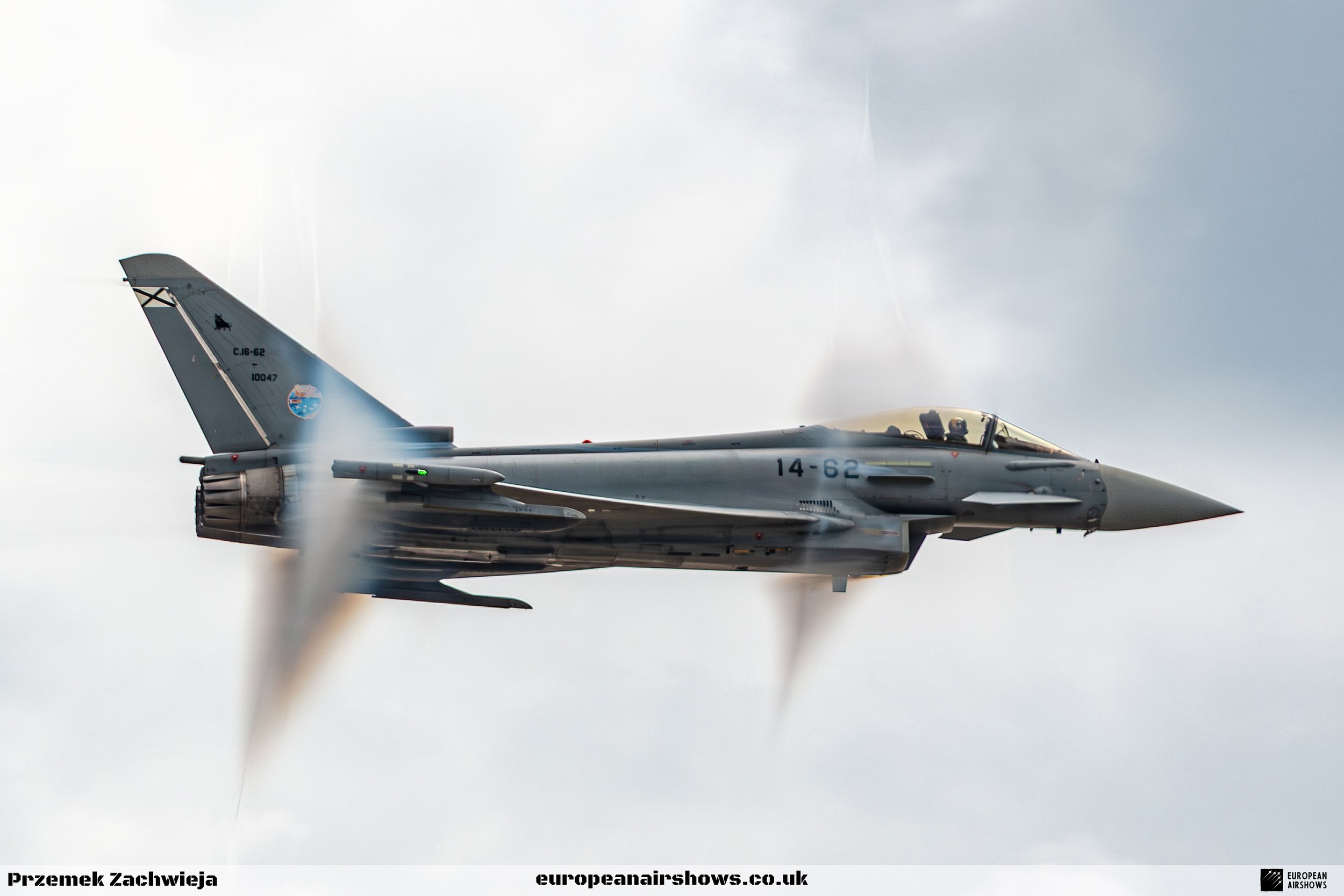
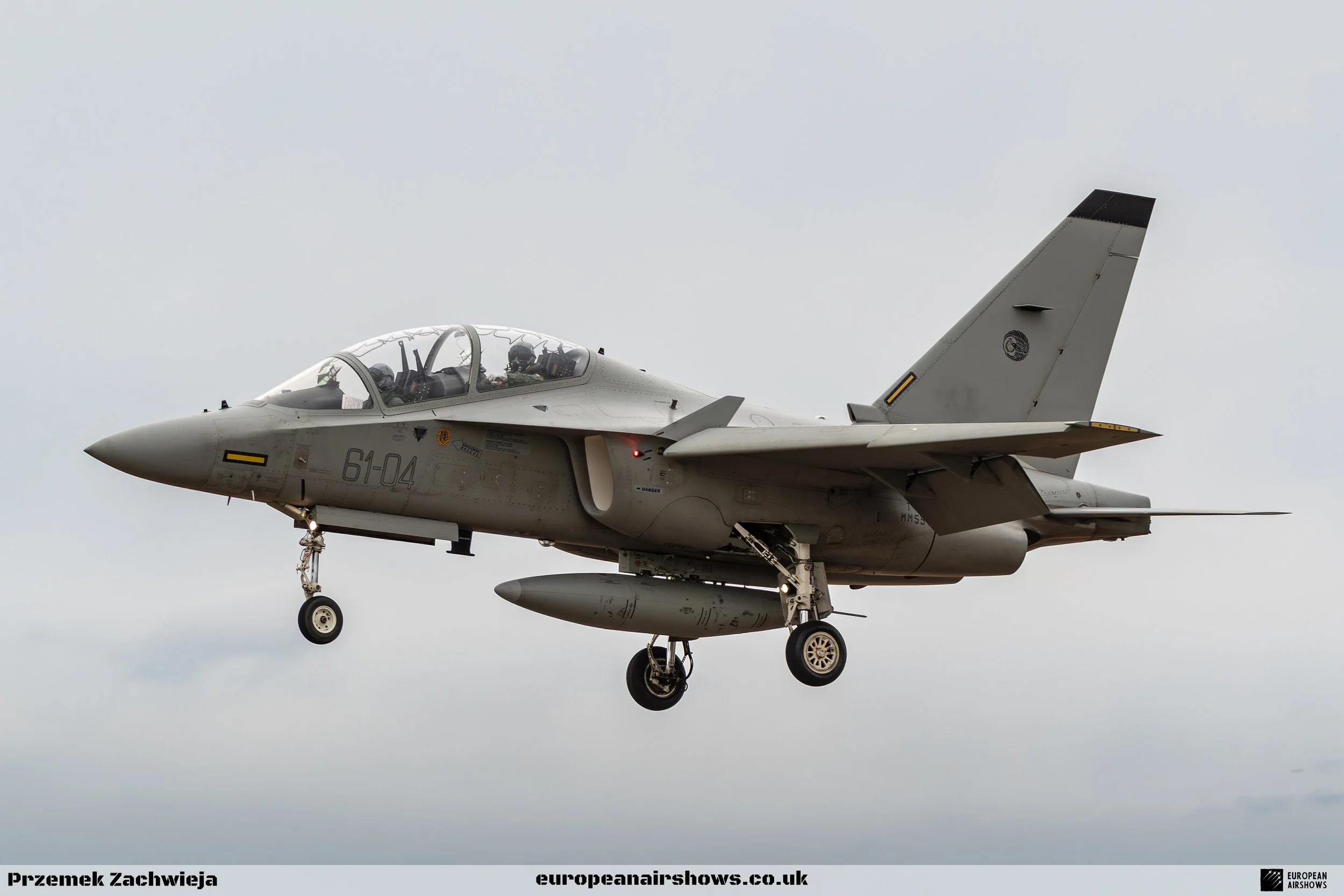
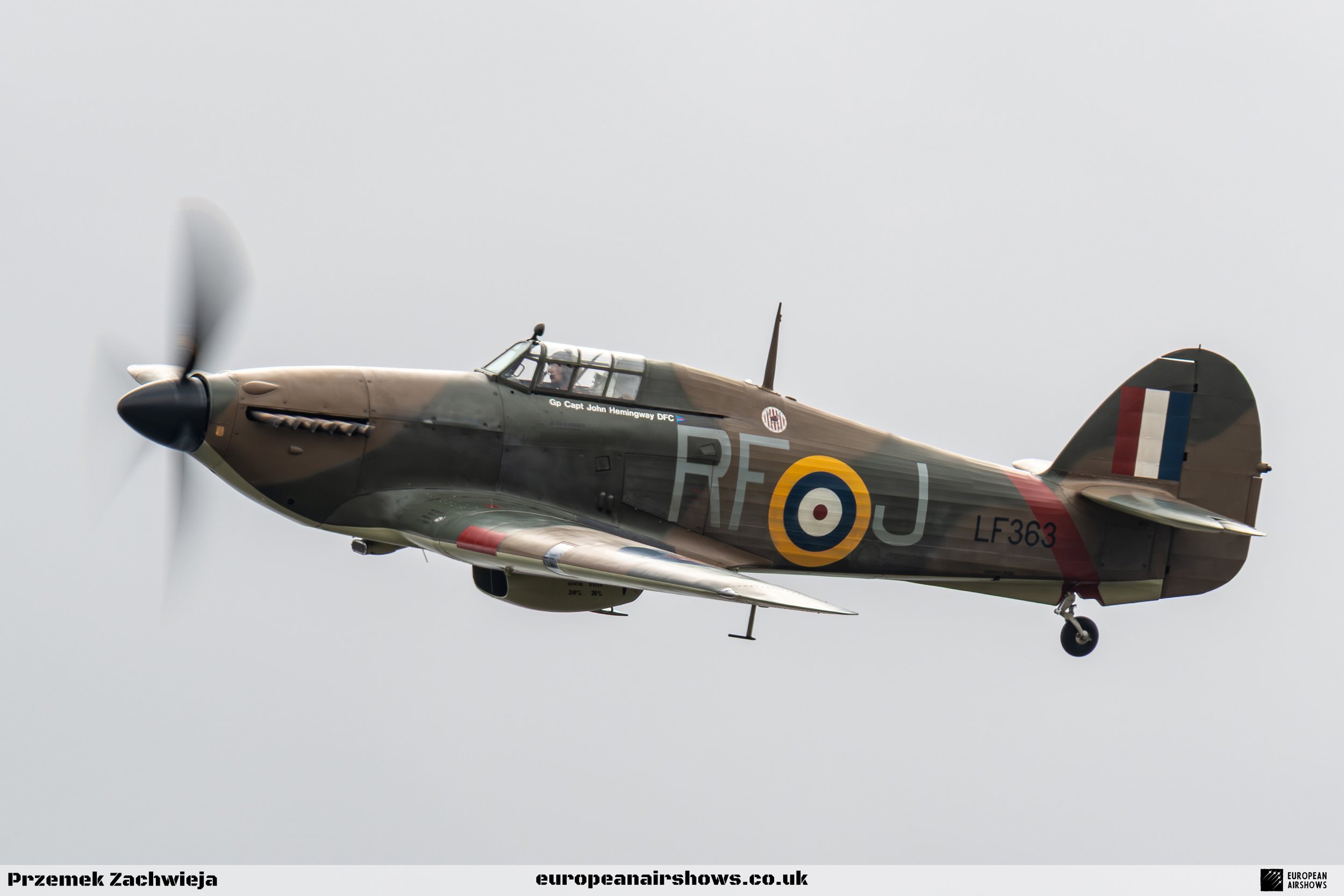
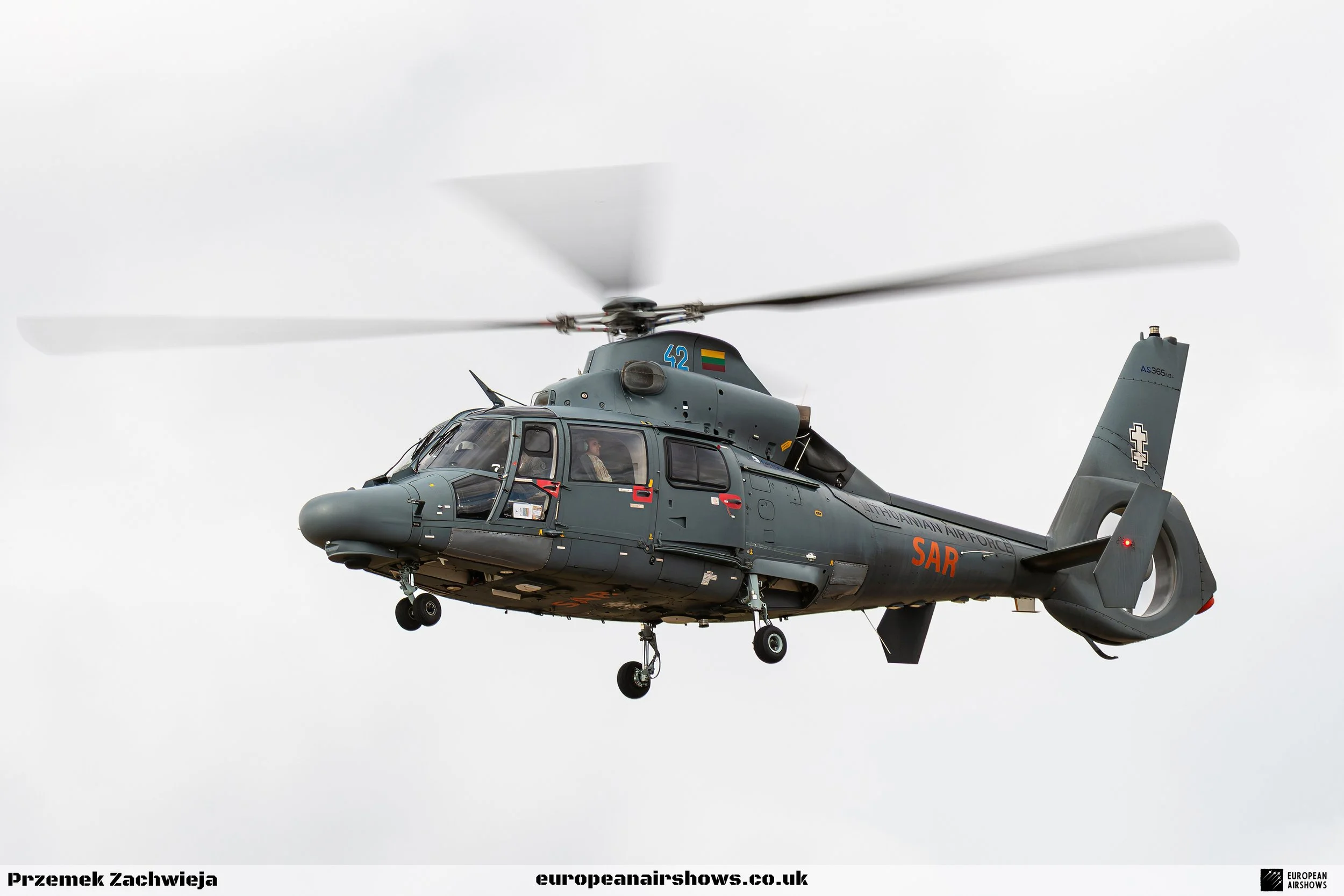
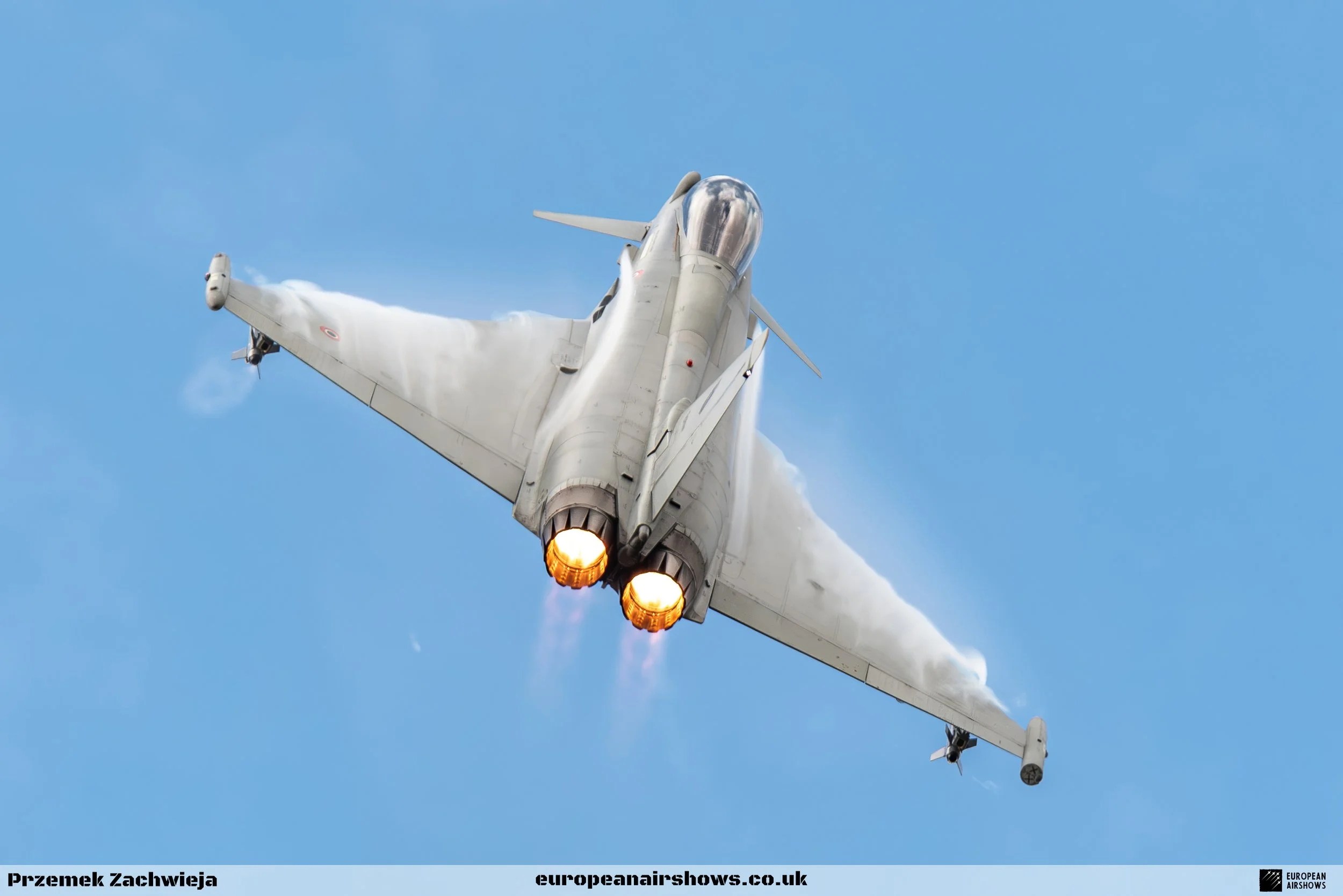
The weather played its part in shaping the weekend. Friday was hot and bright, providing perfect conditions for arrivals and the full opening flying display. The weekend proper saw cloudier skies with light morning rain on Saturday and Sunday, but the showers cleared in time for the flying programmes to run largely unaffected. For enthusiasts and casual visitors alike, the spectacle in the air was matched by the enormous ground presence: a sprawling static park lined with ISR stars, modern front-line fighters, heavy transports, helicopters, and rare types, flanked by trade stands, the Techno Zone, RAF Experience, and an expanded food and retail village.
Yet RIAT is never just about three days. For many, the week begins with Wednesday arrivals, rehearsals, and validations, building anticipation as the airfield fills. Monday’s departures day—a tradition in its own right—remains one of the most atmospheric experiences, as hundreds of aircraft stream out, offering enthusiasts another day of photography and farewell flypasts. For the dedicated, RIAT is a six-day festival of aviation, and the loyalty of the “FRIAT” faithful proves just how deep this show’s appeal runs.
Now in its 54th year and 40th at RAF Fairford, RIAT continues to grow in scale and ambition. From its humble beginnings at North Weald in 1971 to today’s international aviation epic, it has become a unique meeting place for air forces, industry, and the public. Few events anywhere combine a seven-hour flying programme with such an extensive static display, stretching across nearly two miles of showground. Crews meet the public, industry showcases sit beside historic rarities, and the showground atmosphere keeps every corner alive with activity. RIAT 2025 proved once again that it isn’t just an airshow—it’s an institution.
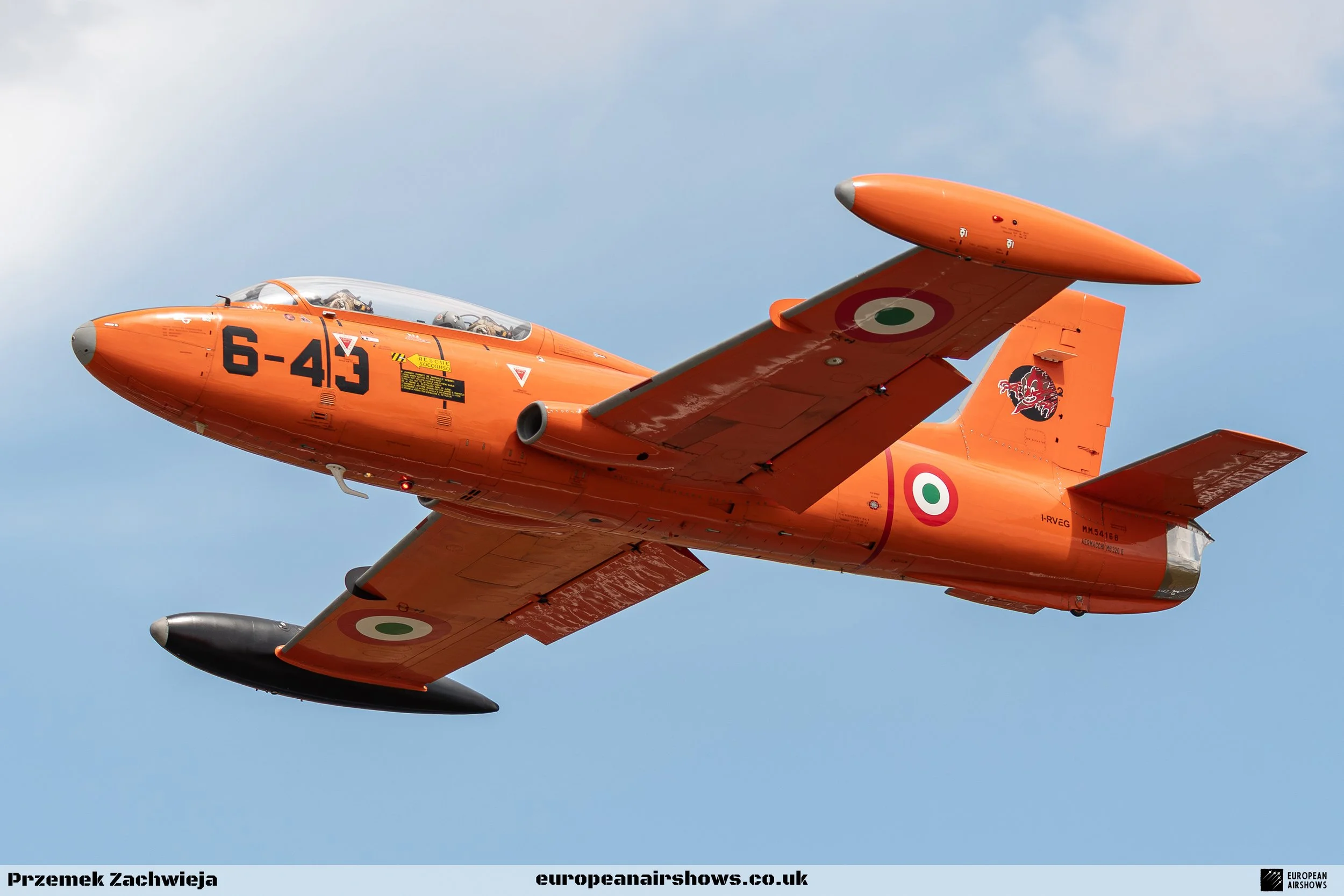
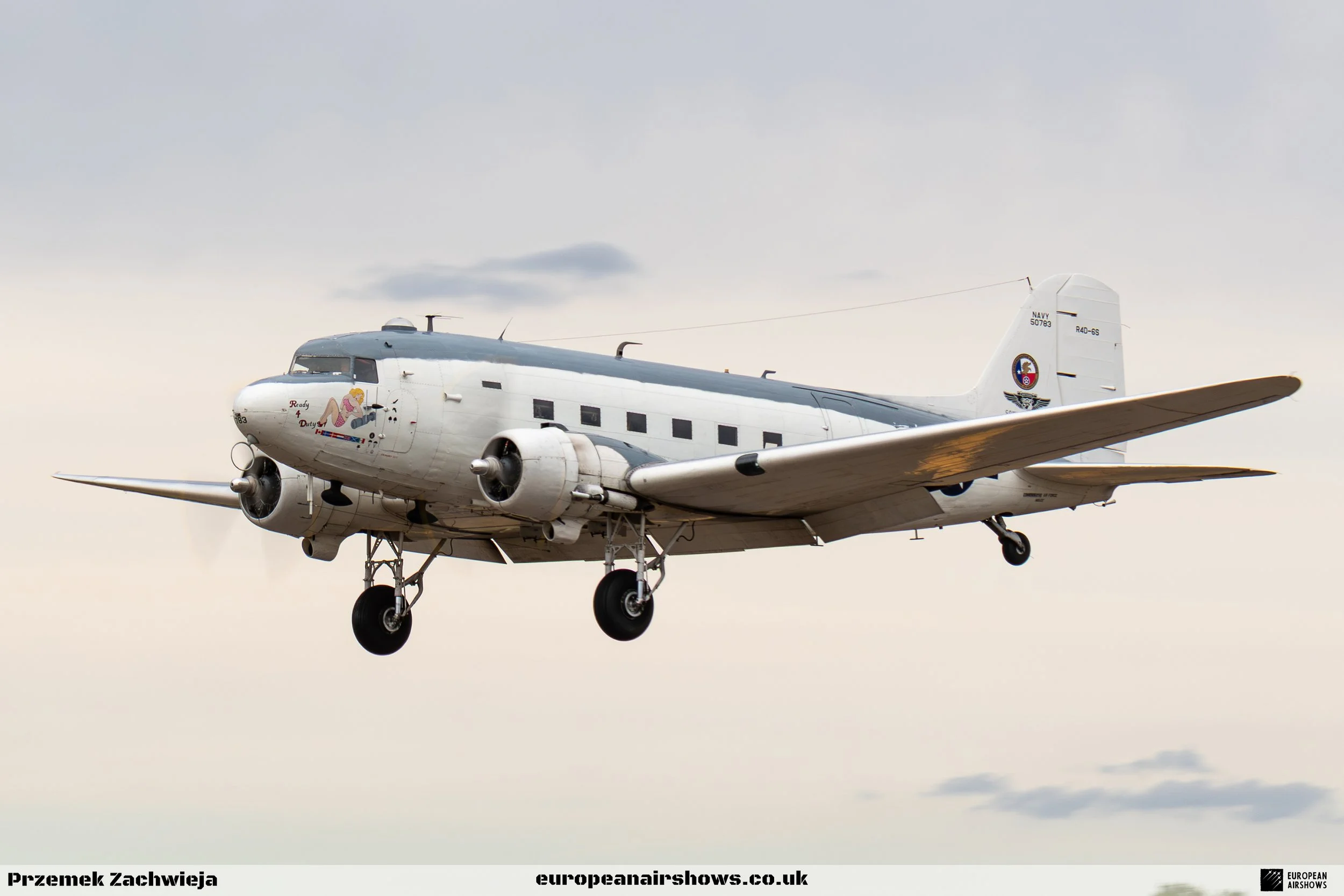
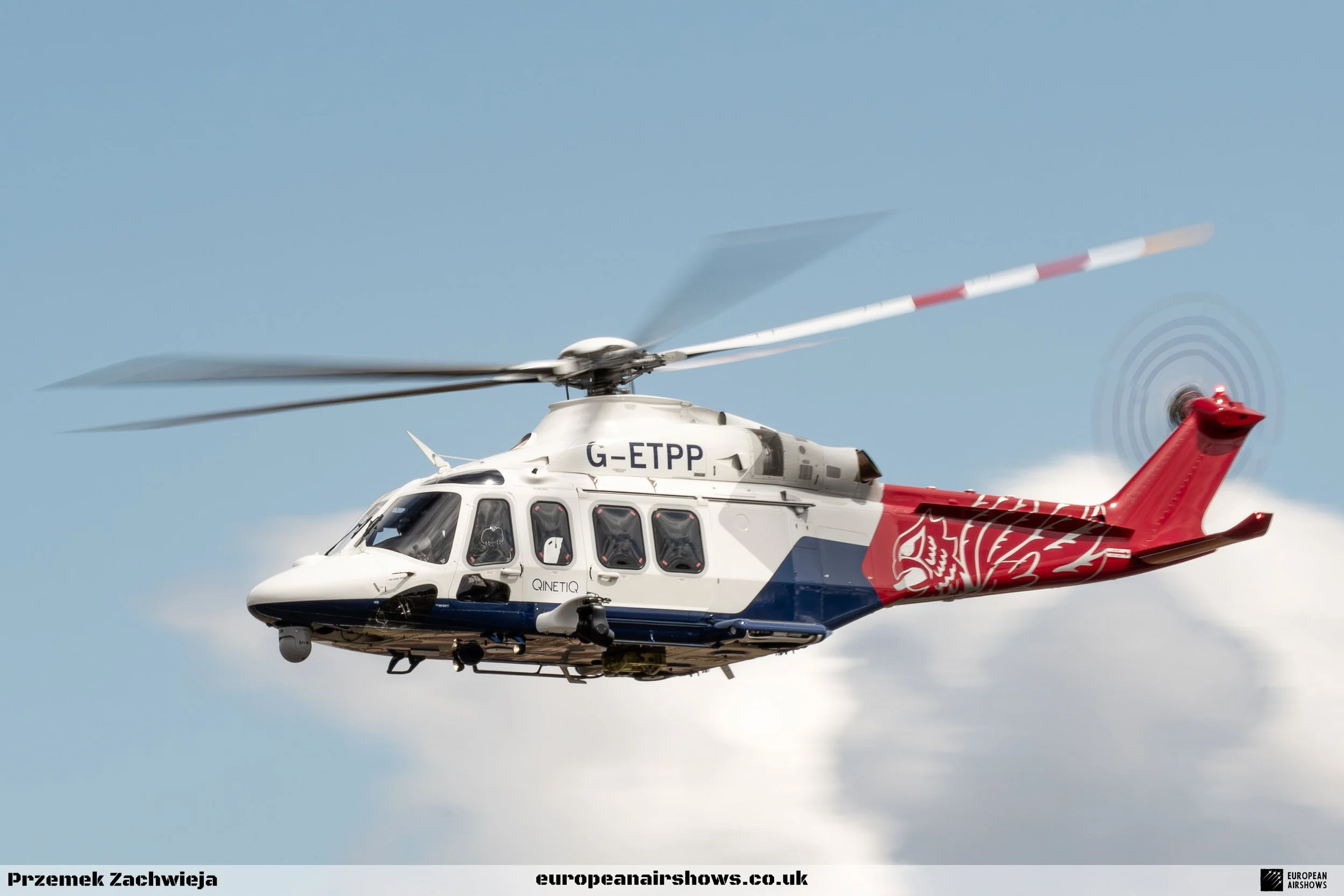
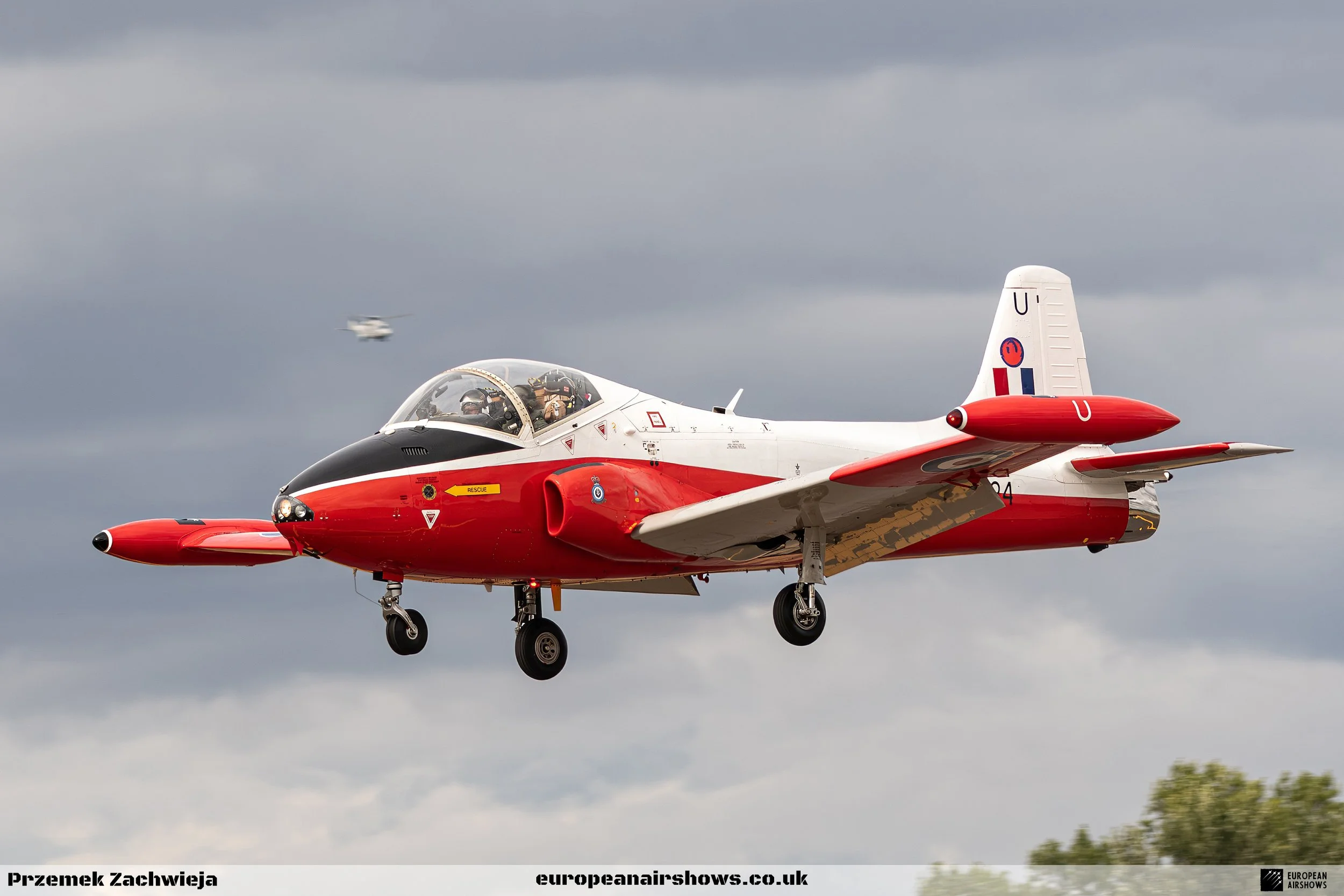
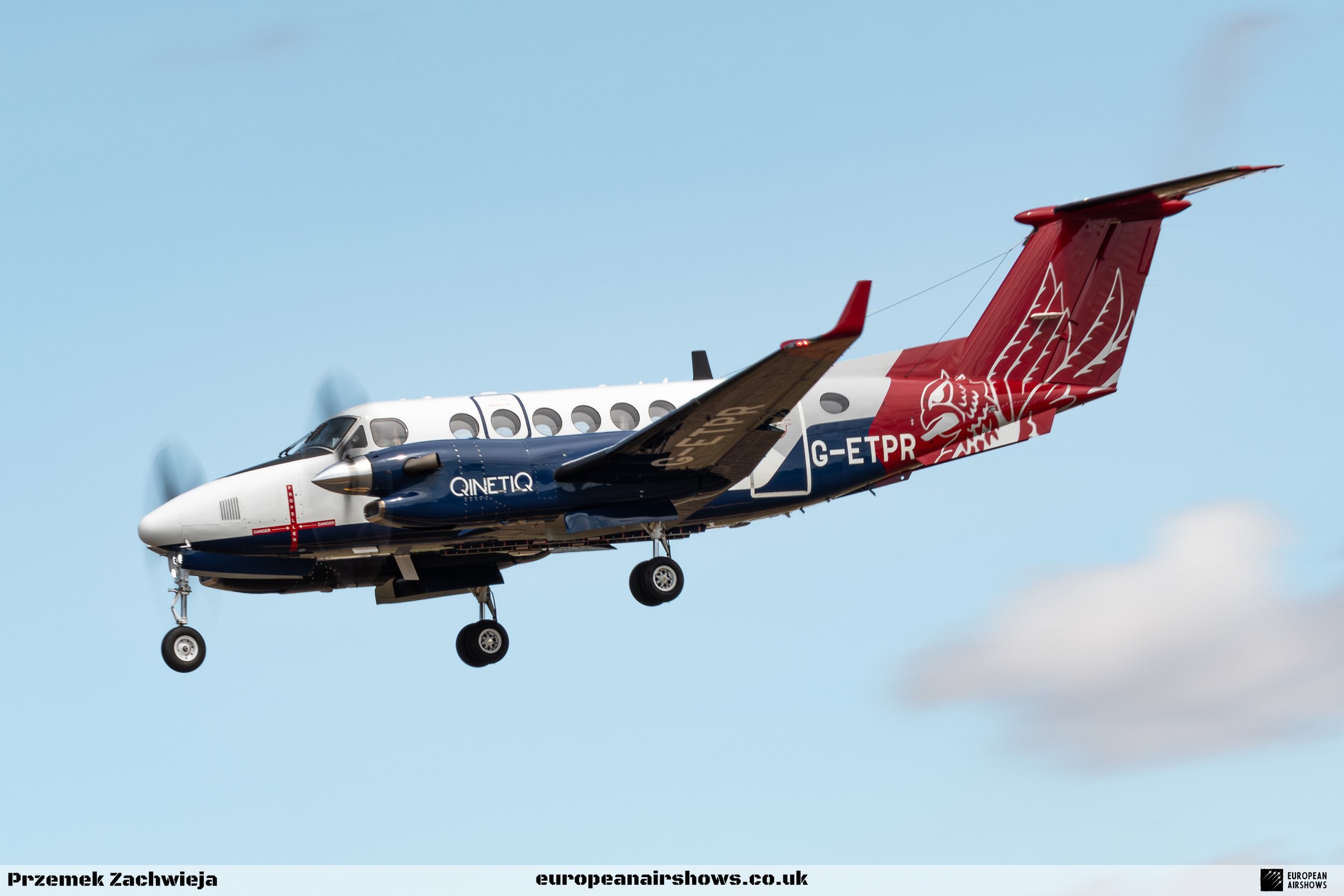
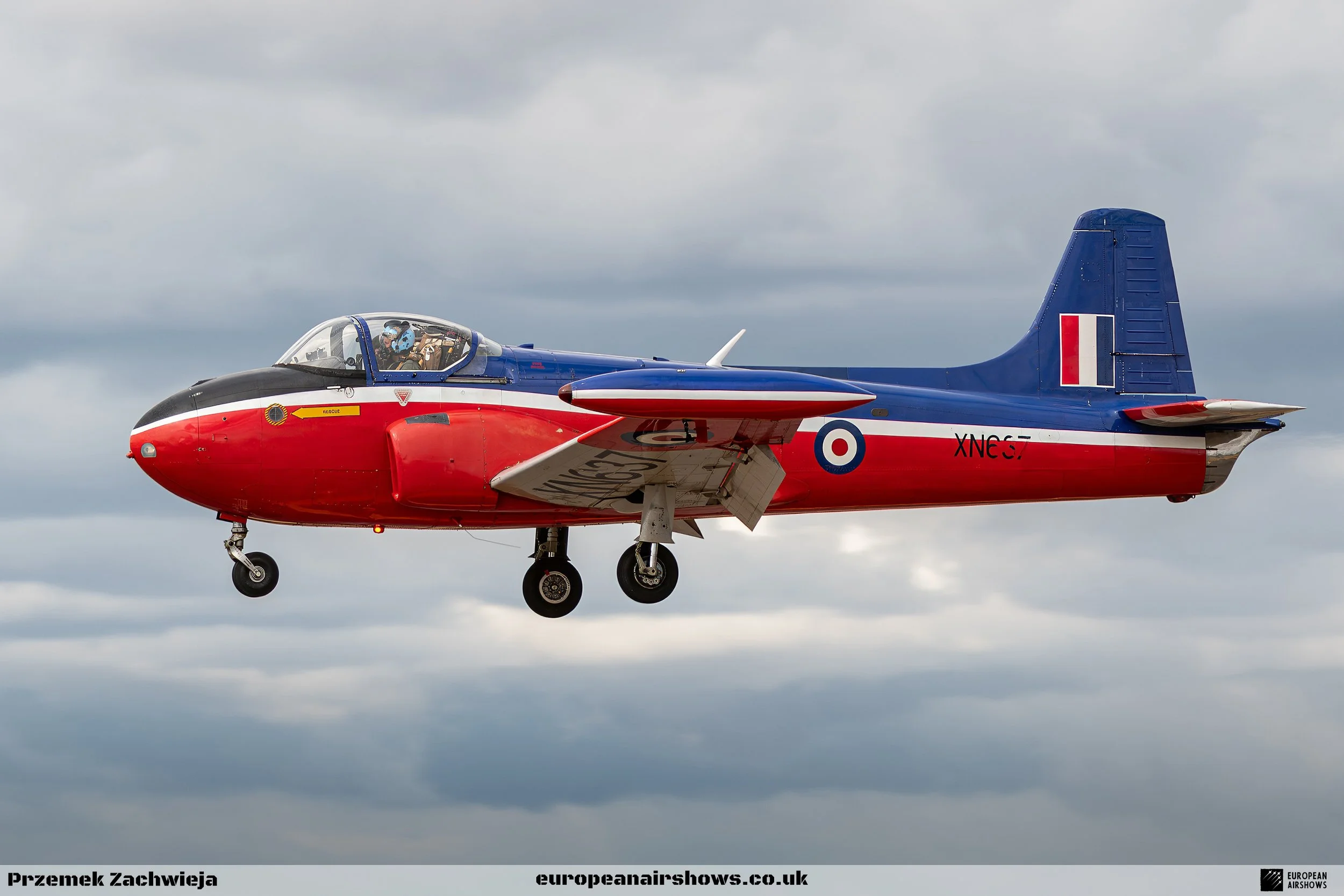
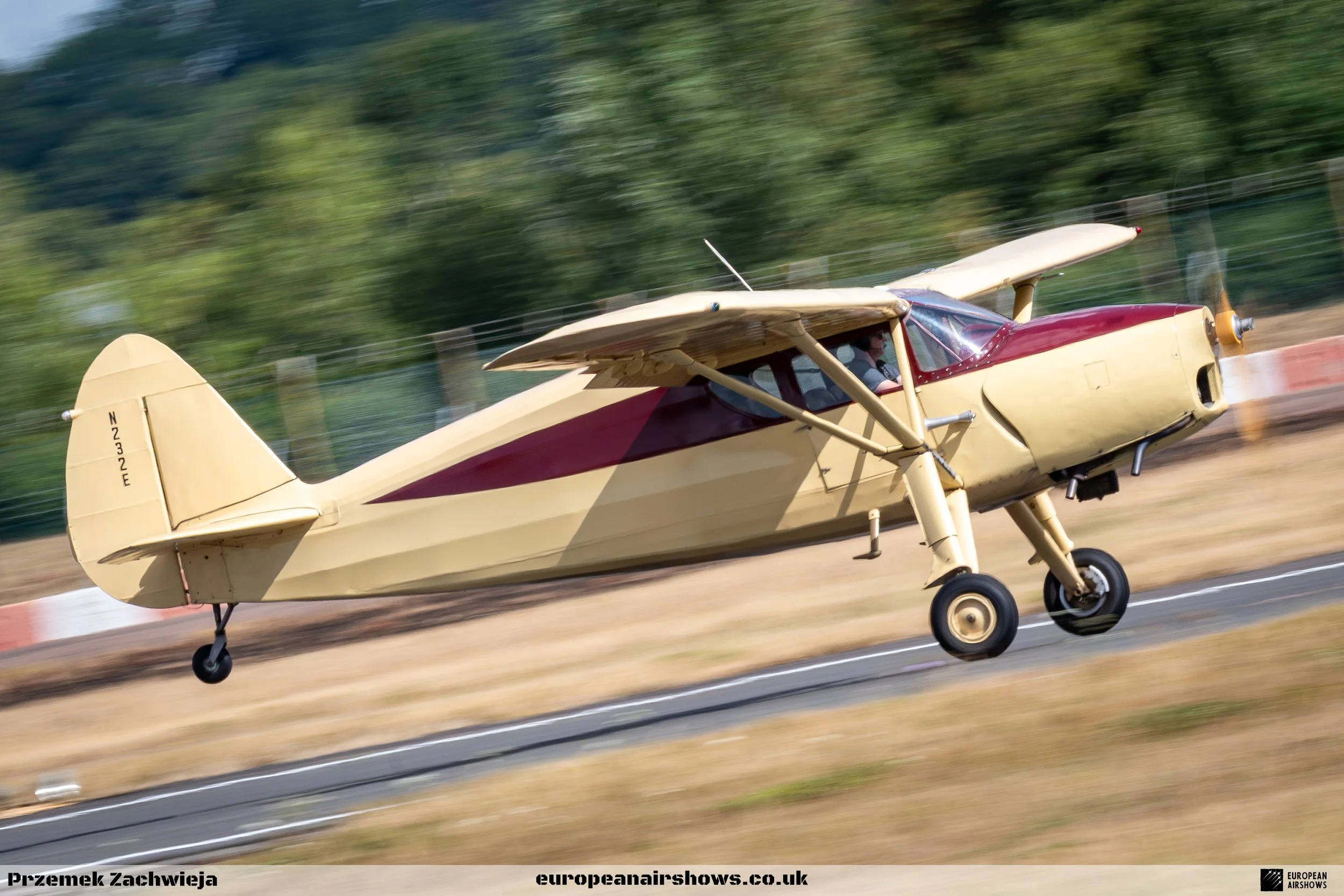
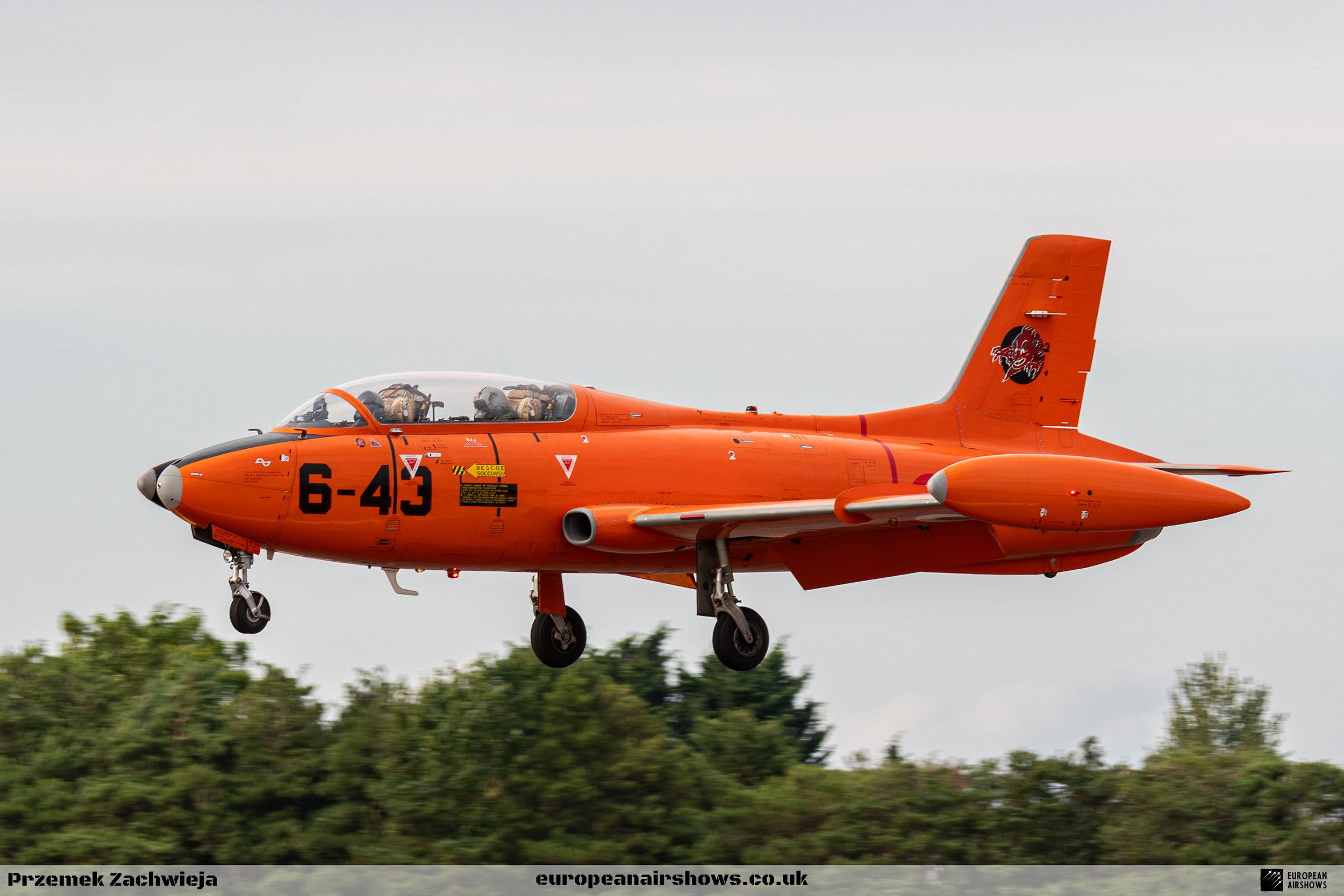
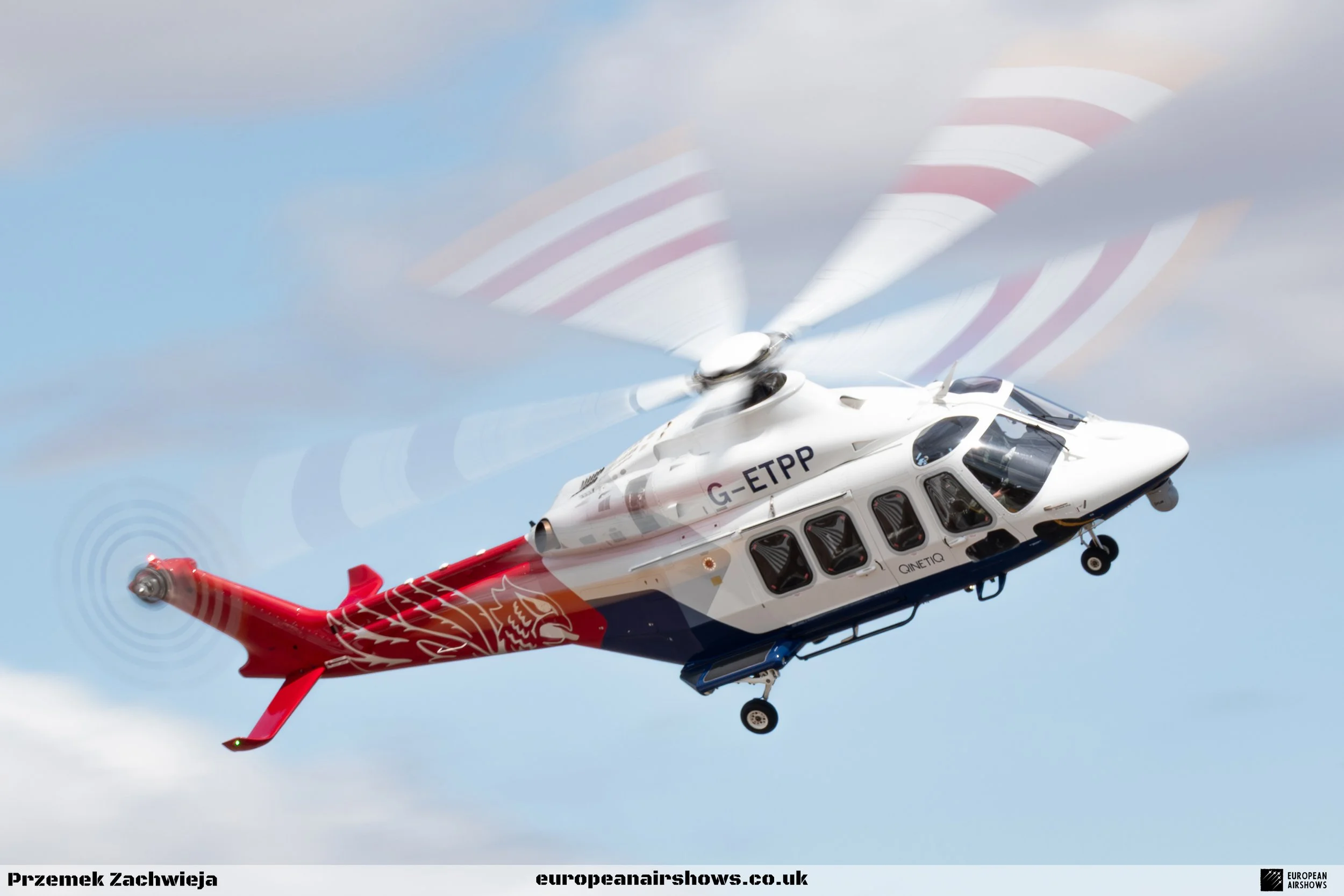
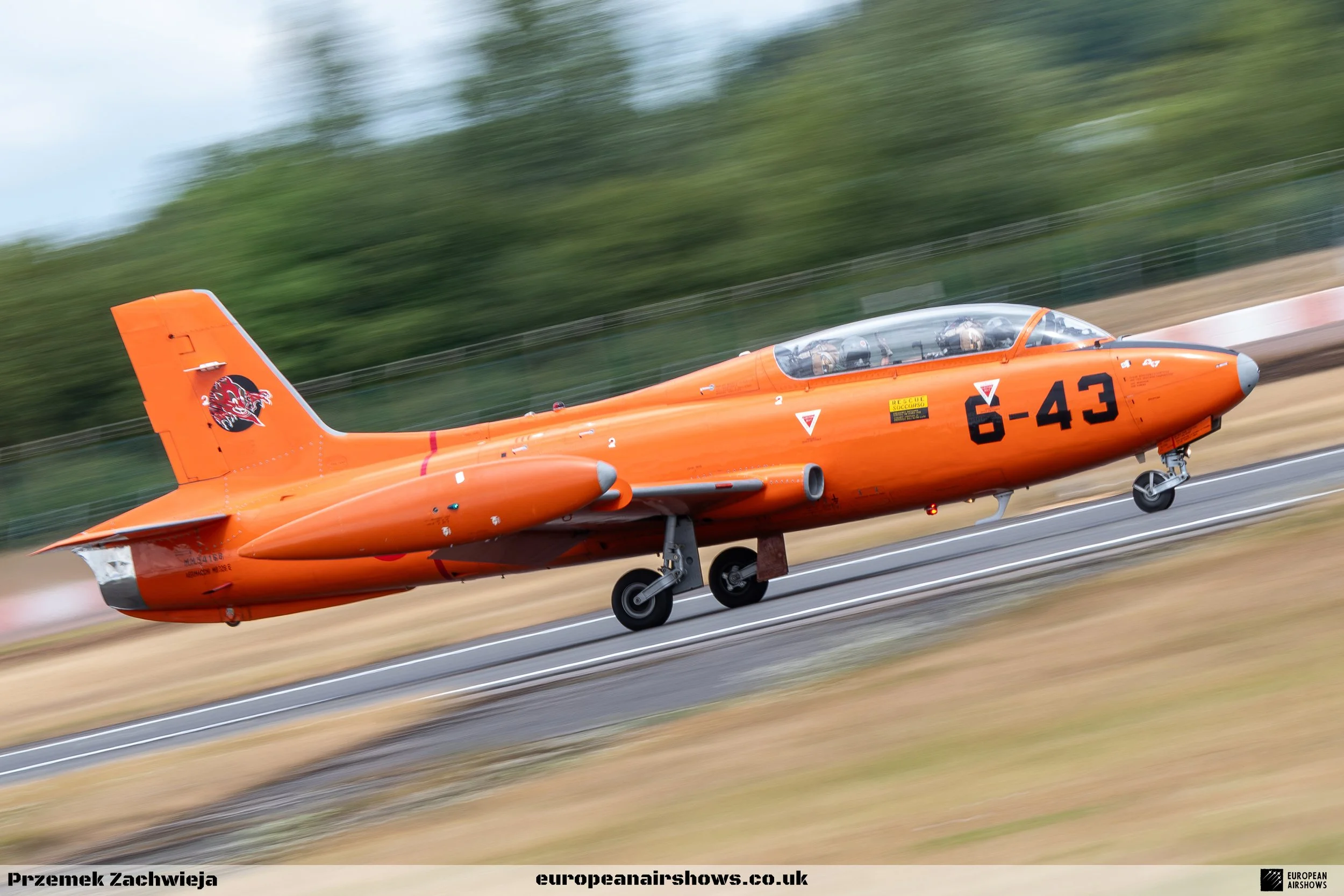
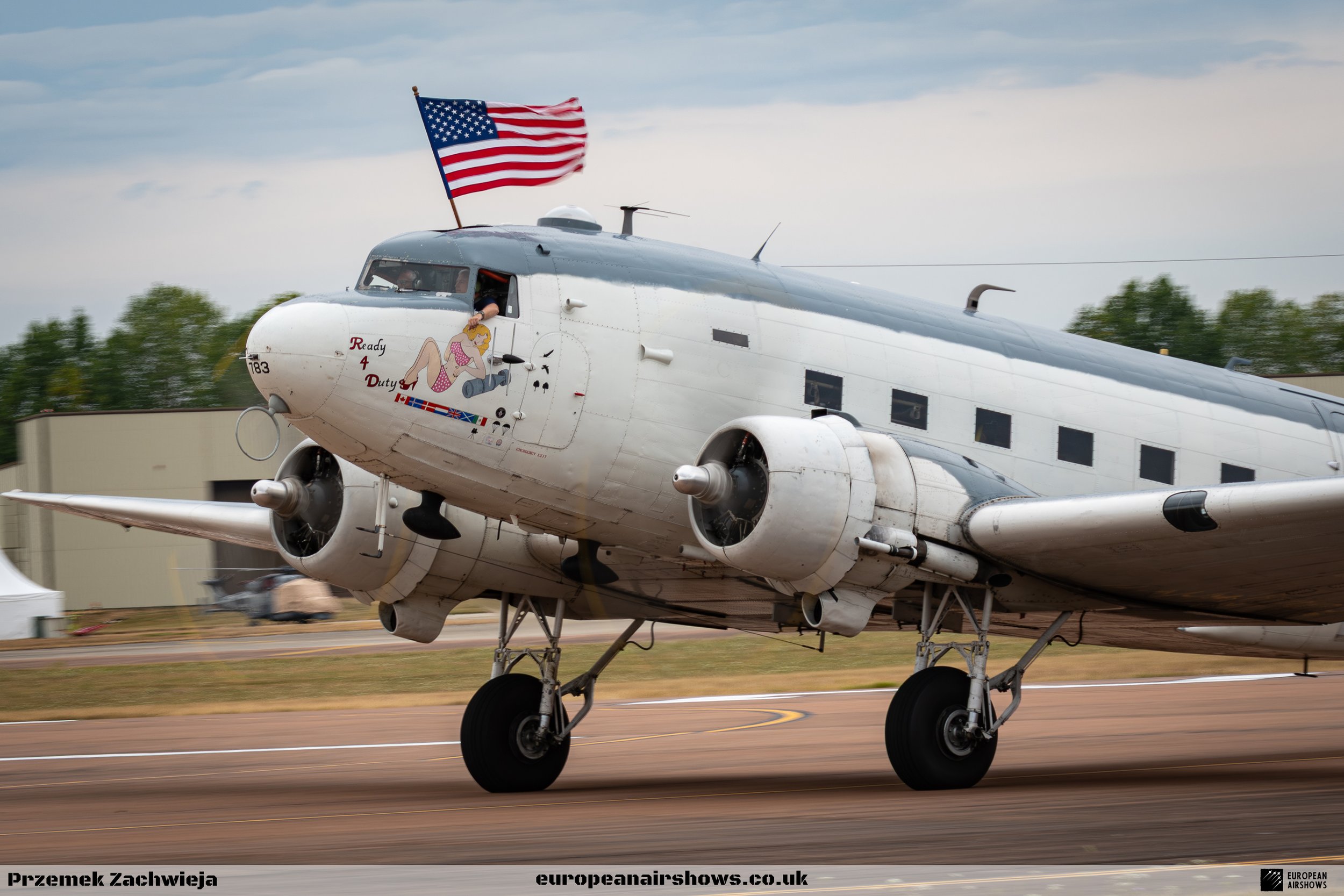
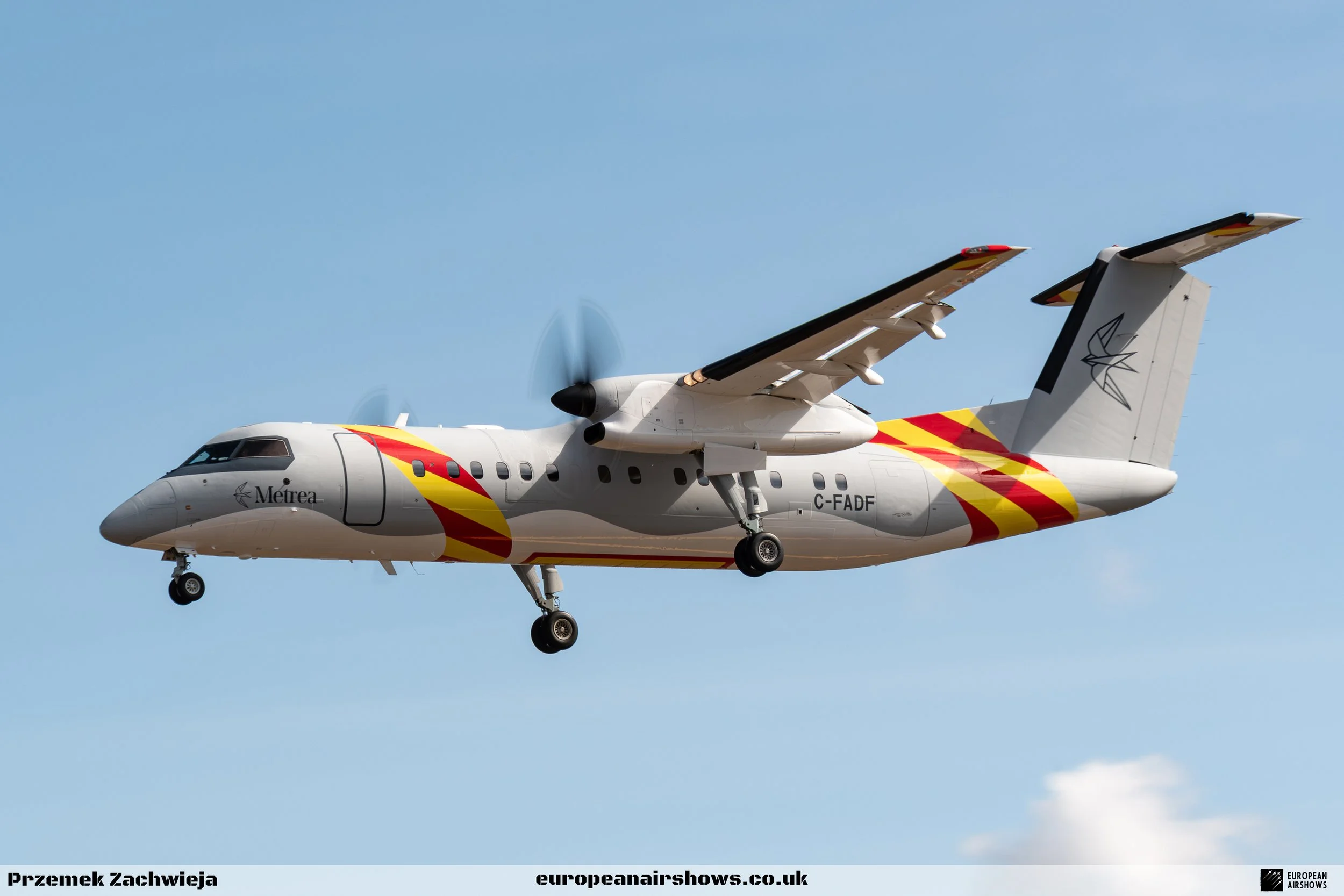
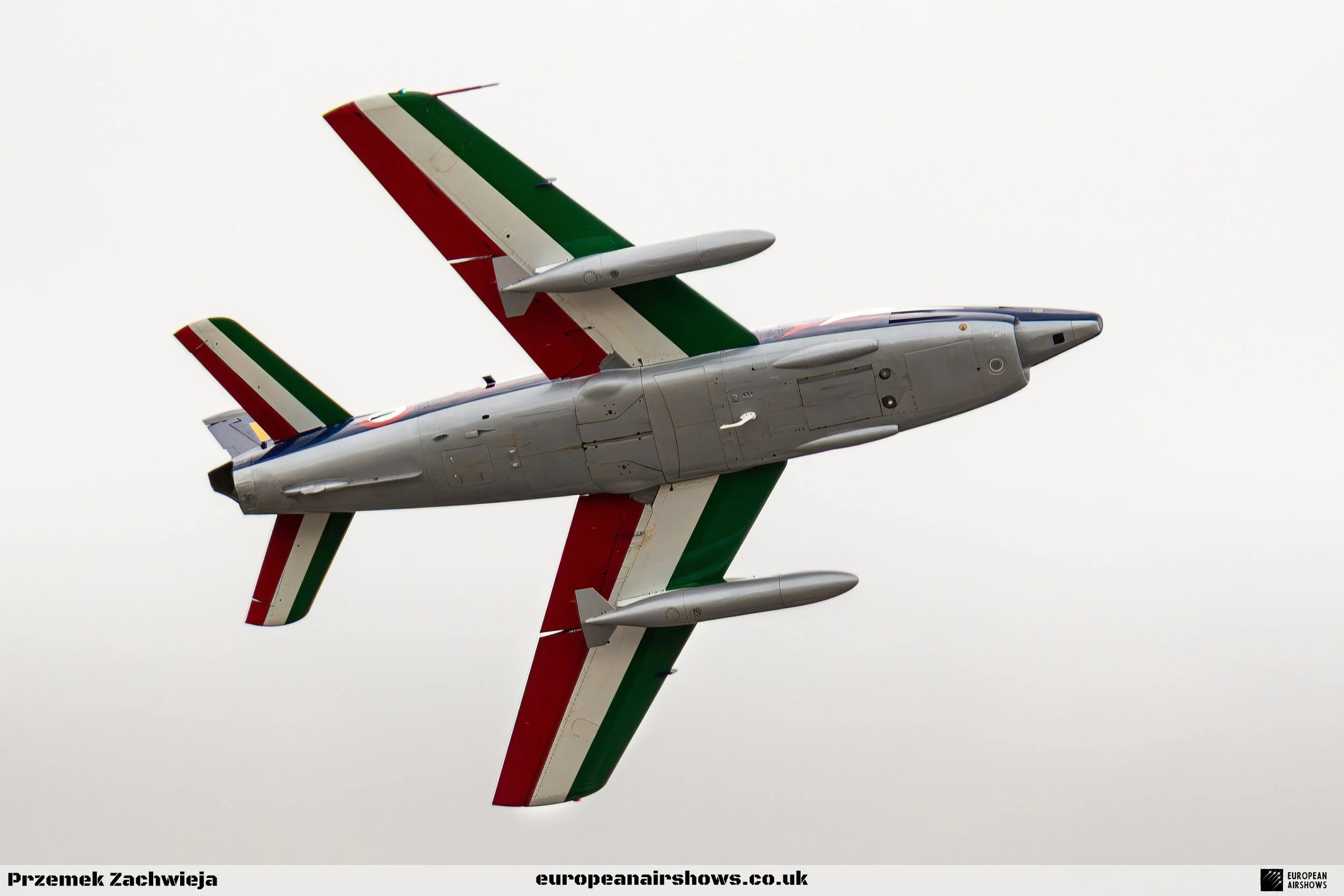
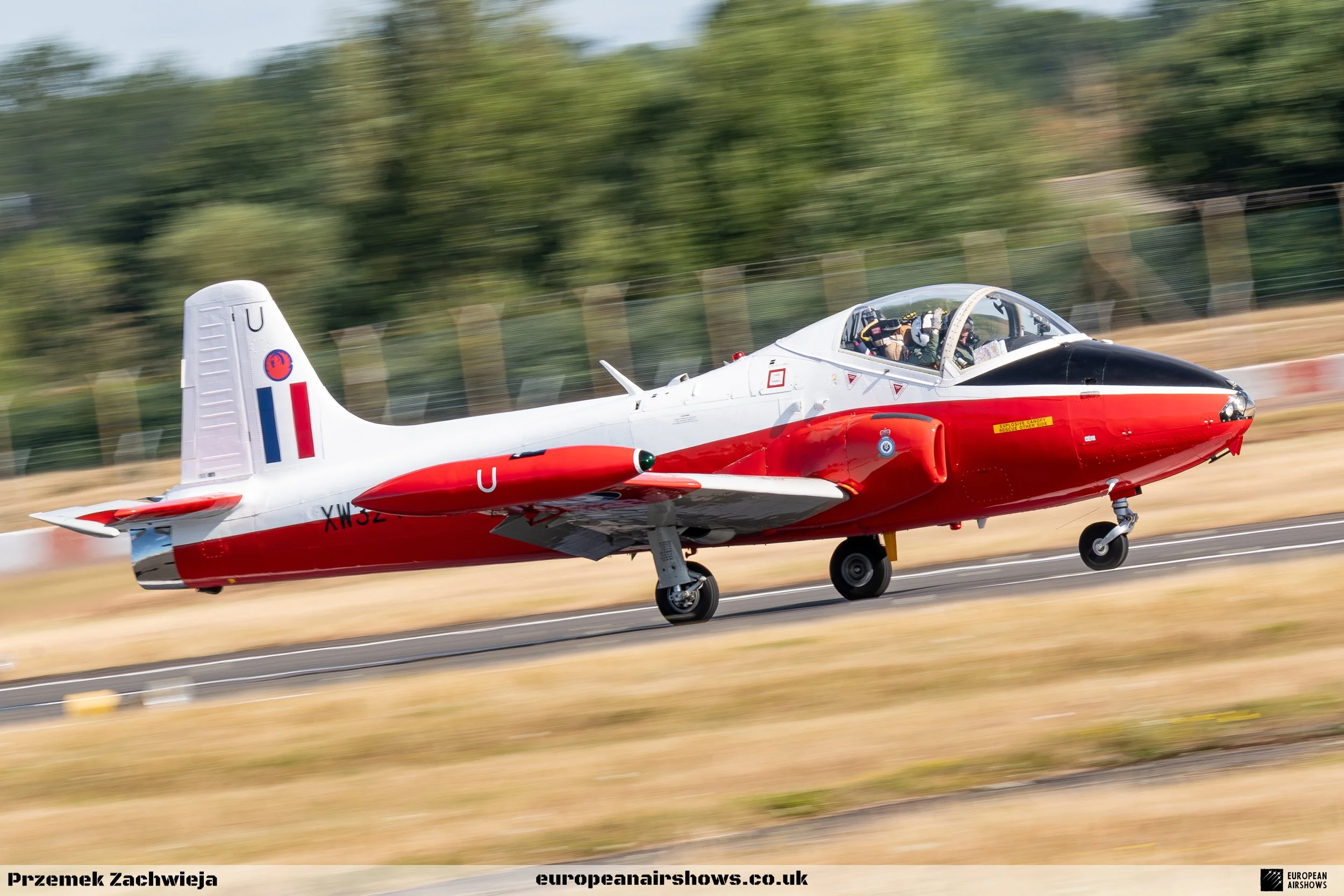
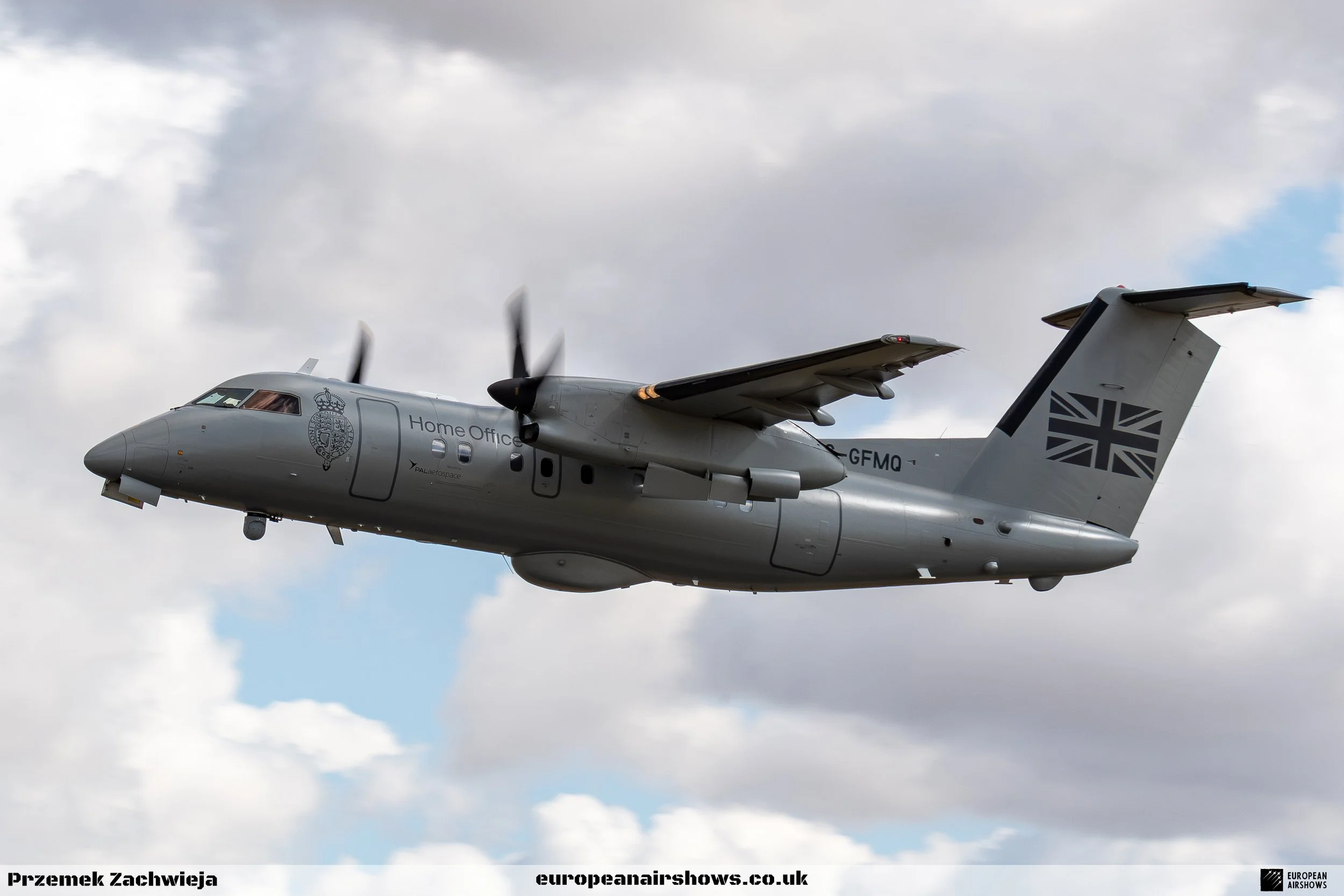
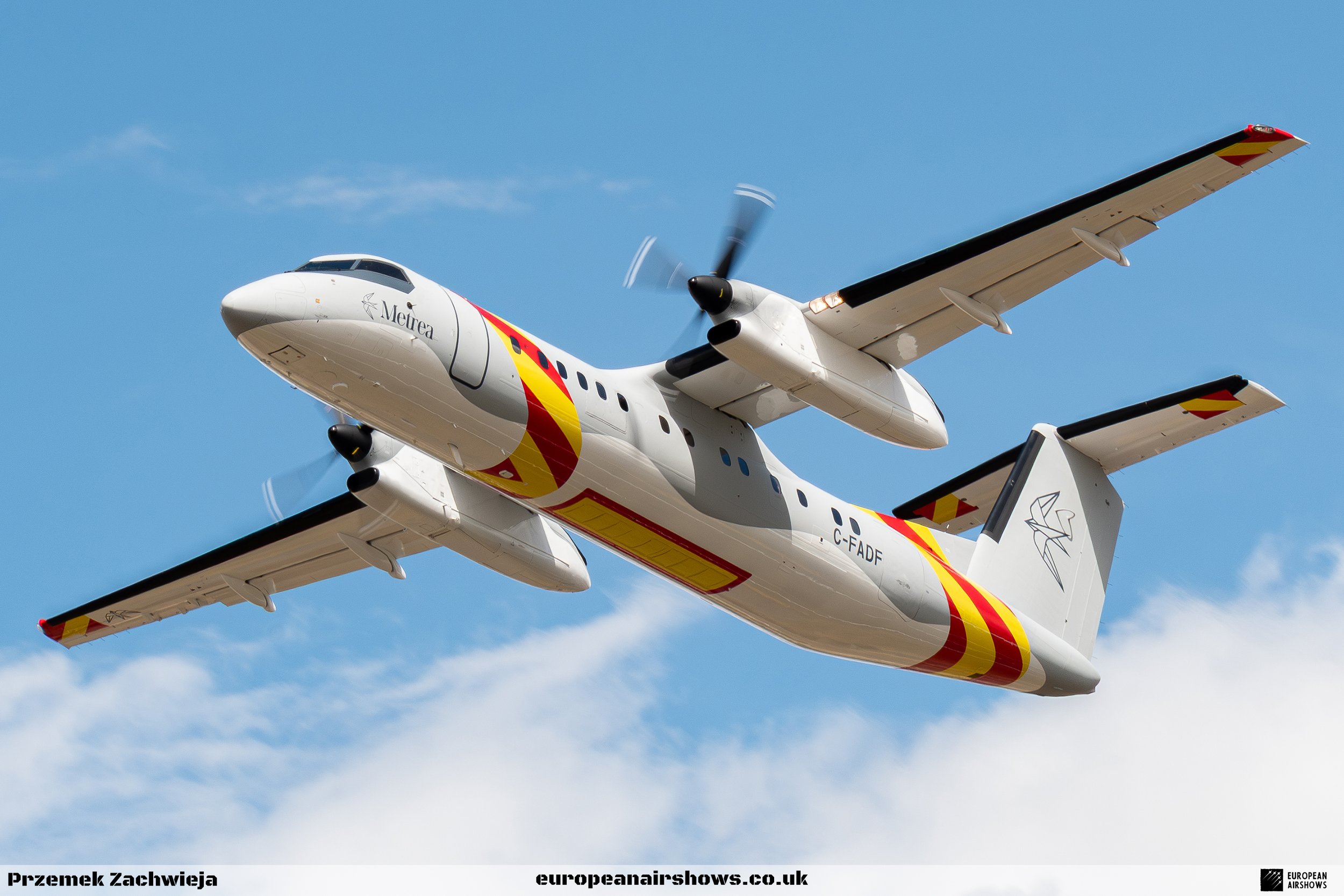
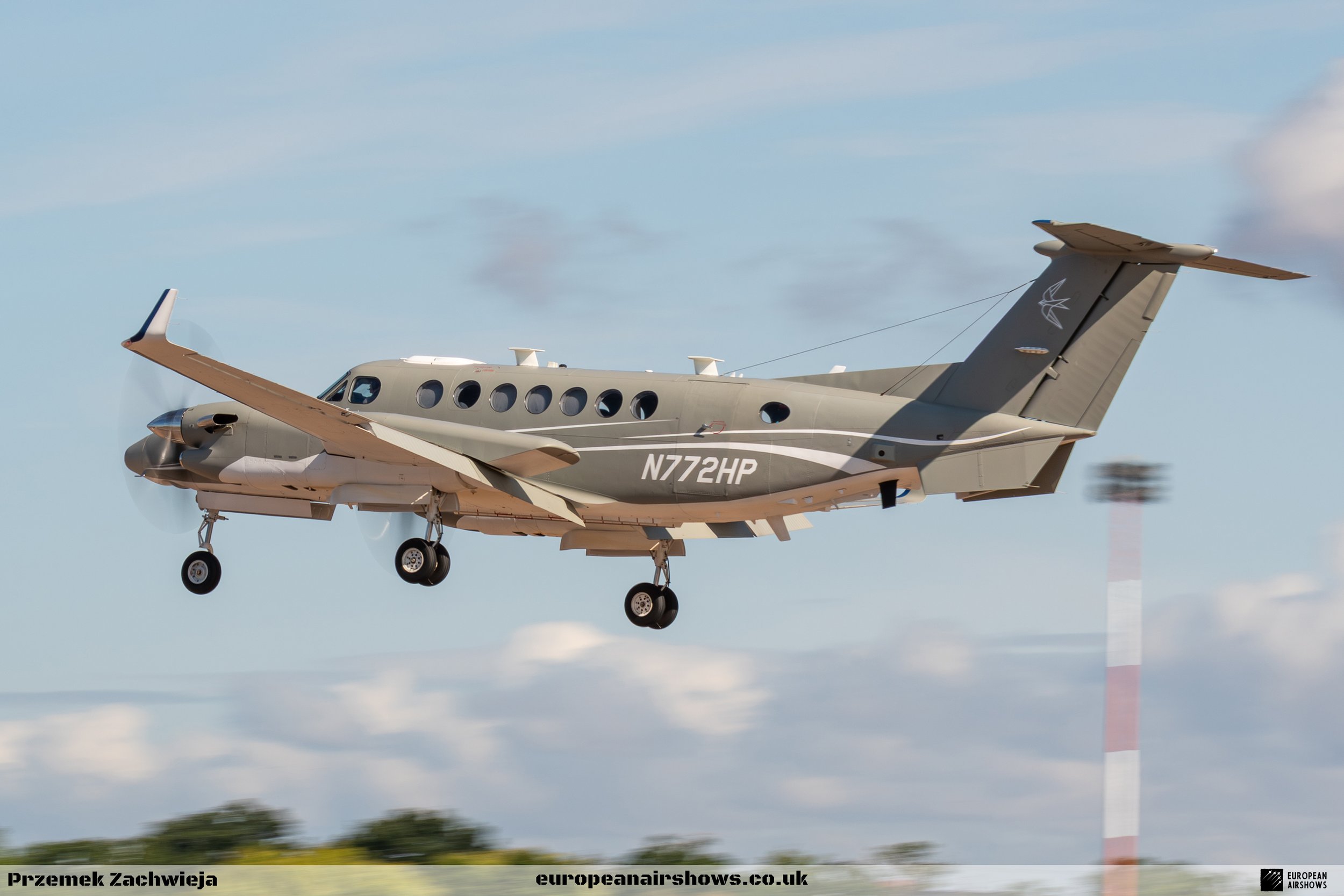
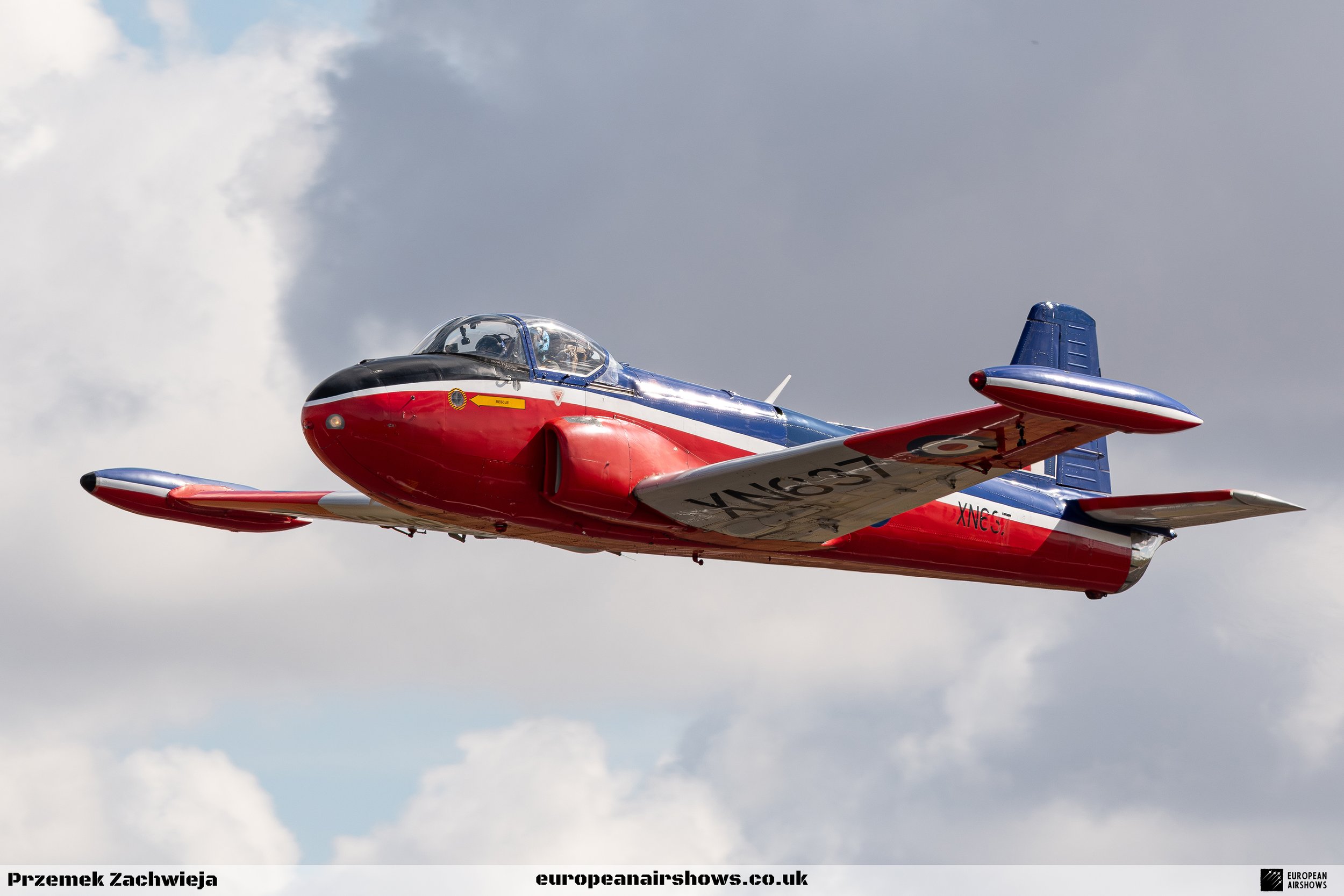
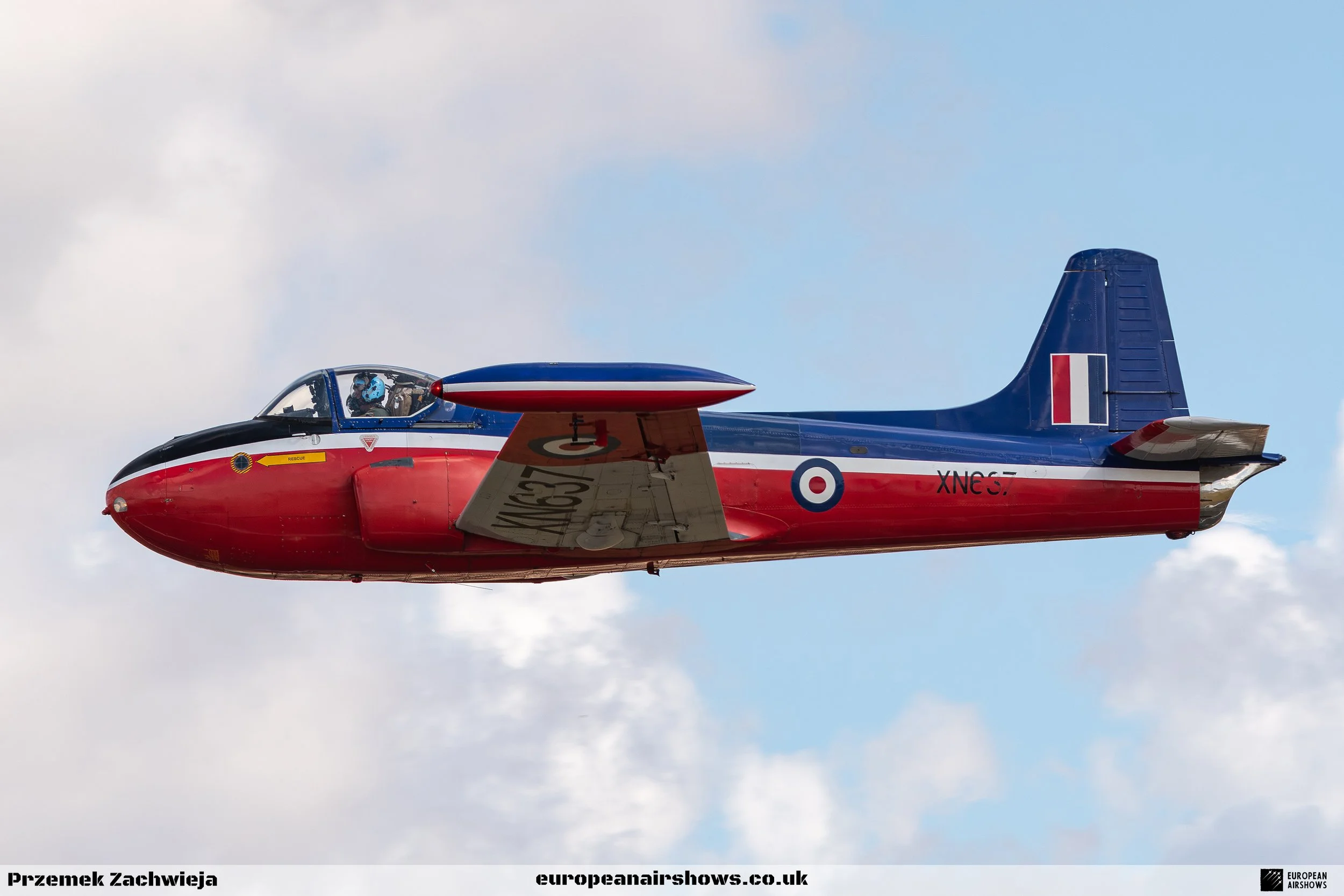
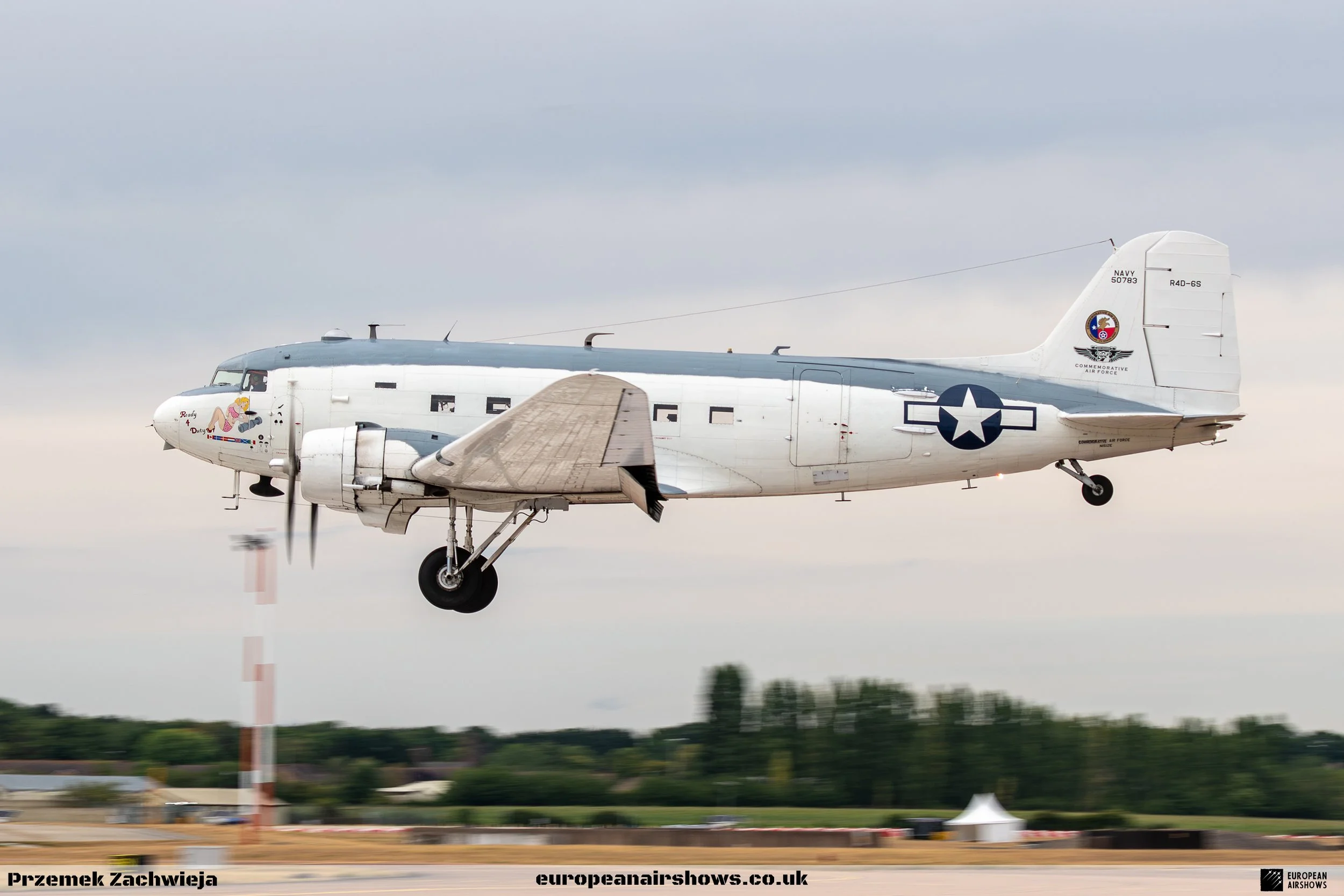
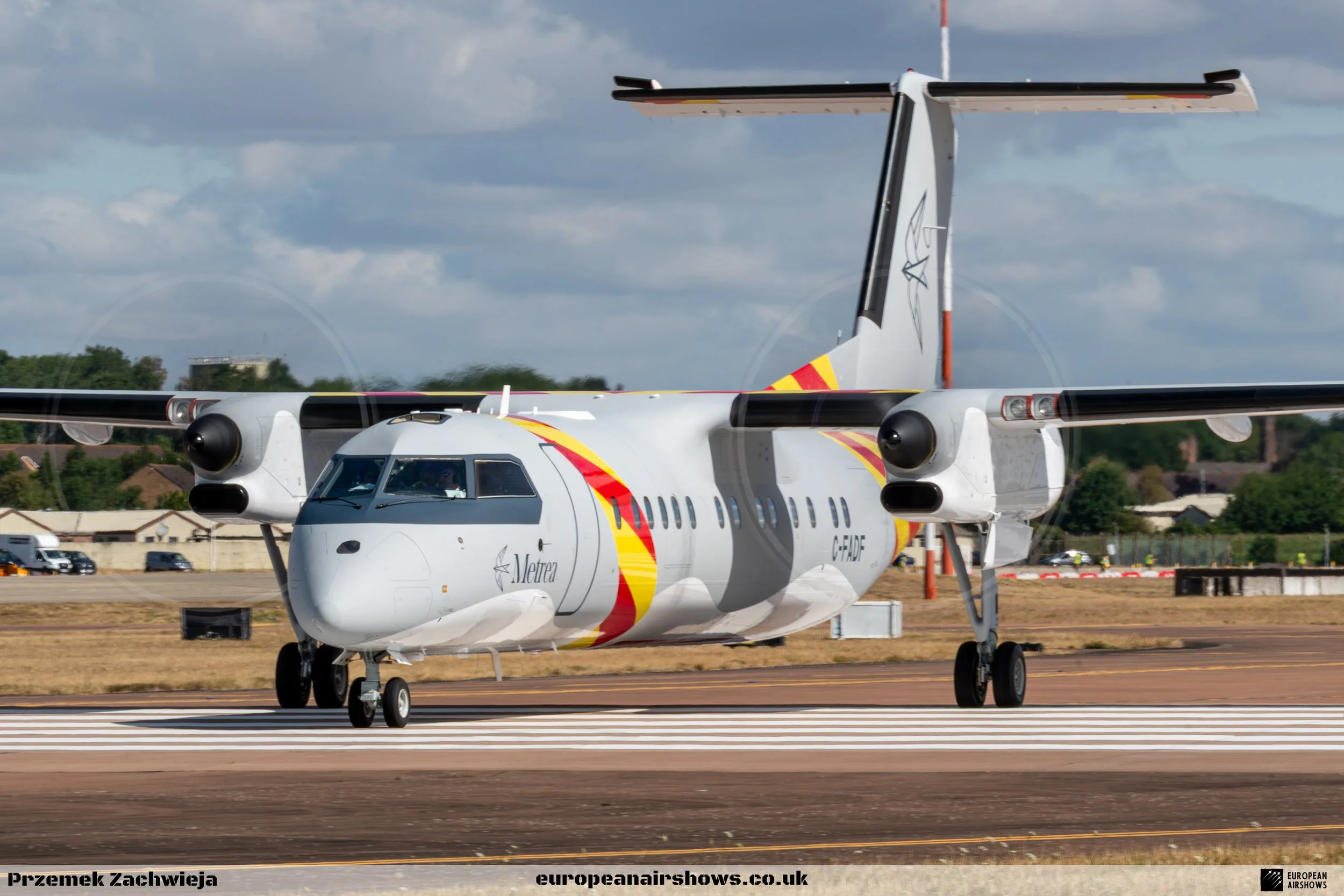
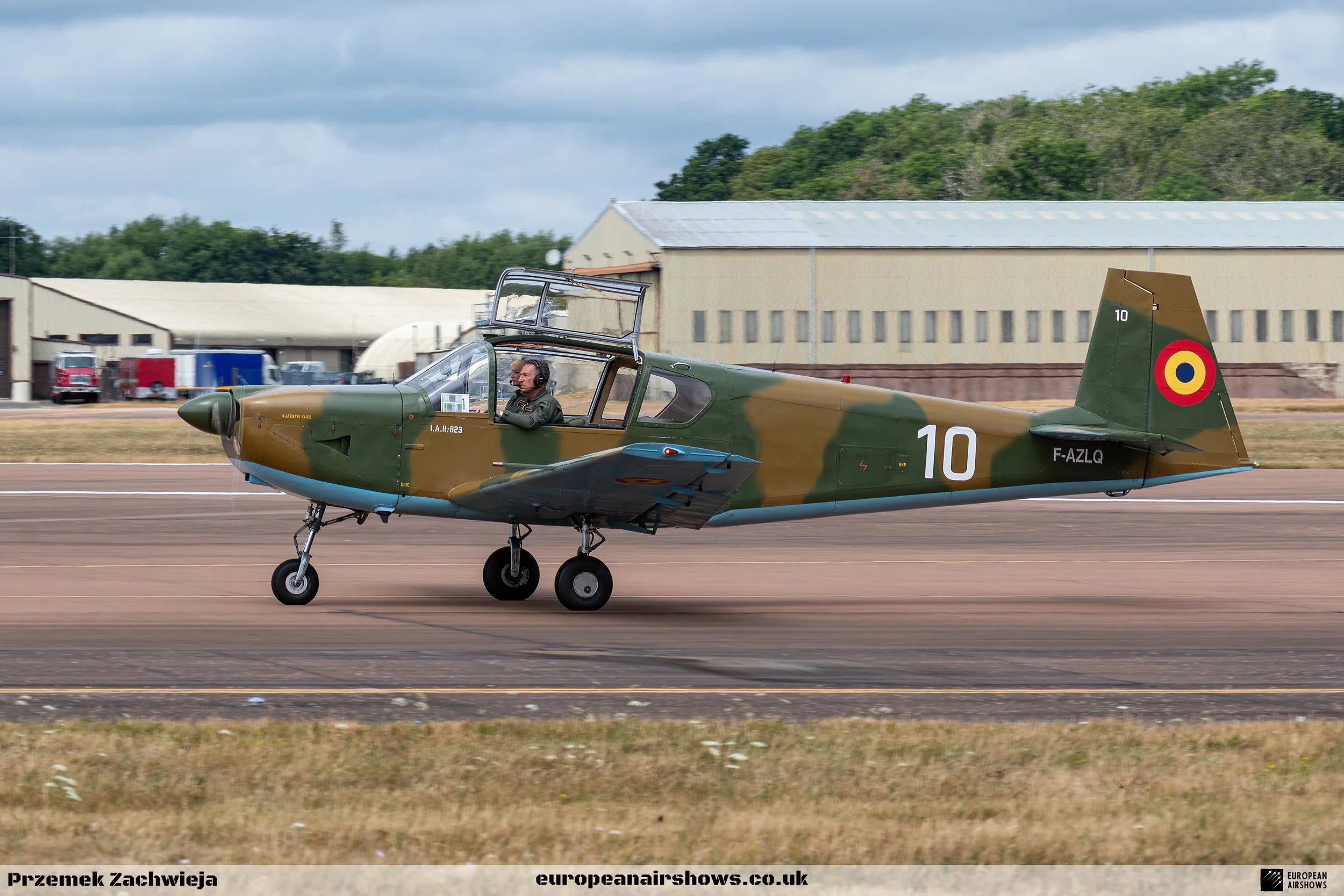
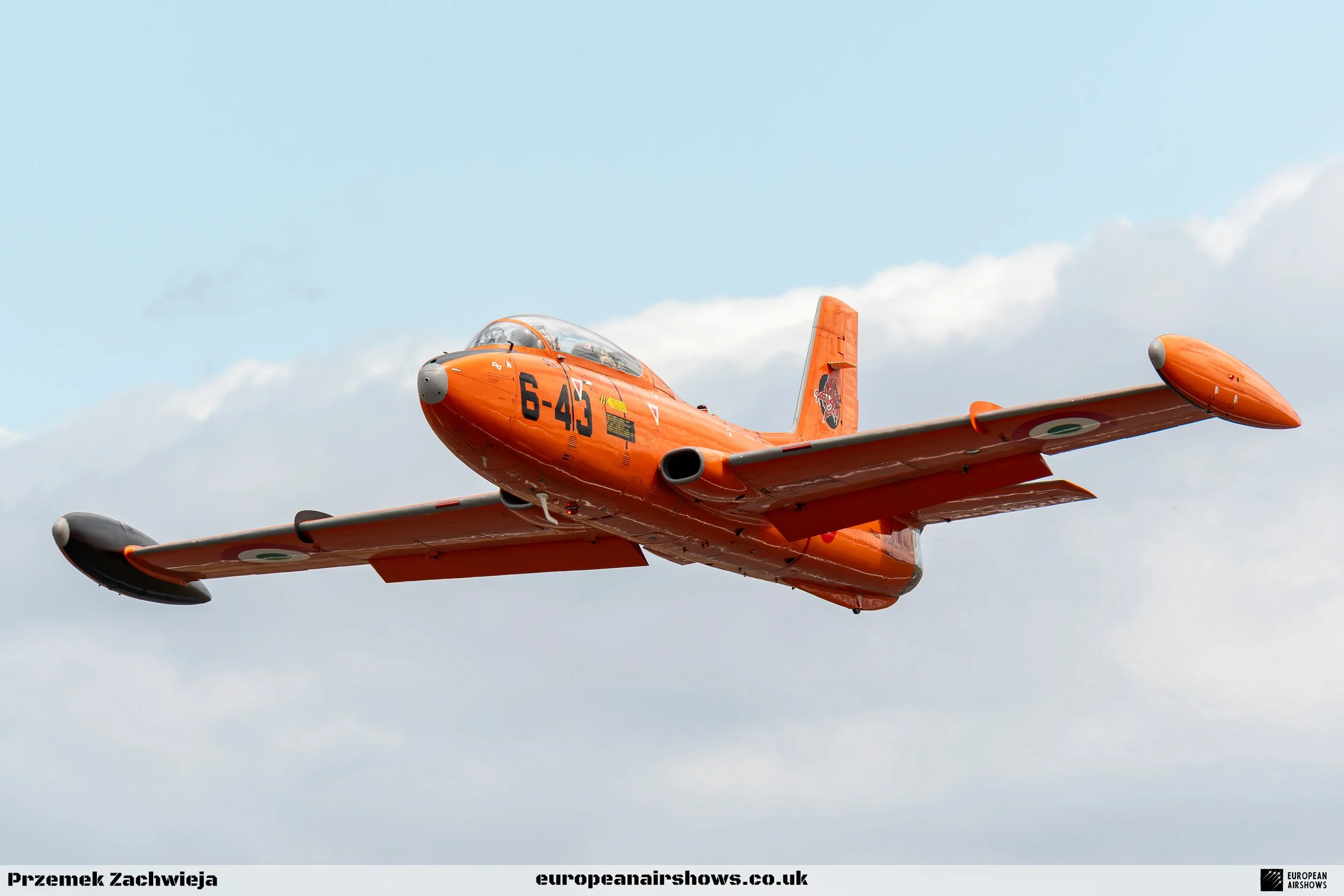
As always, the static park at RIAT stretched for over a mile and was every bit as much of a draw as the flying displays themselves. The historic and civilian line-up was especially rich, from classic jet trainers to modern ISR. Italy was represented by Renzo Catellani’s beautifully kept Aermacchi MB-326E, while the UK’s training heritage came alive through two BAC Jet Provosts—a T.3A from the Classic Jet Preservation Group and a T.5 from Viper Classic Aircraft. Metrea fielded two star turns bang on theme: the Beechcraft King Air 350 “Swift Eye” and the debuting DHC-8-300 “Fireswift,” which took the Boeing Trophy as best-presented civilian aircraft. QinetiQ added another King Air 350 and a Leonardo AW139 from its ETPS fleet, and the Commemorative Air Force’s Douglas R4D Skytrain slotted perfectly into FAIRFORD40—rightly recognised as Northrop Grumman Trophy runner-up.
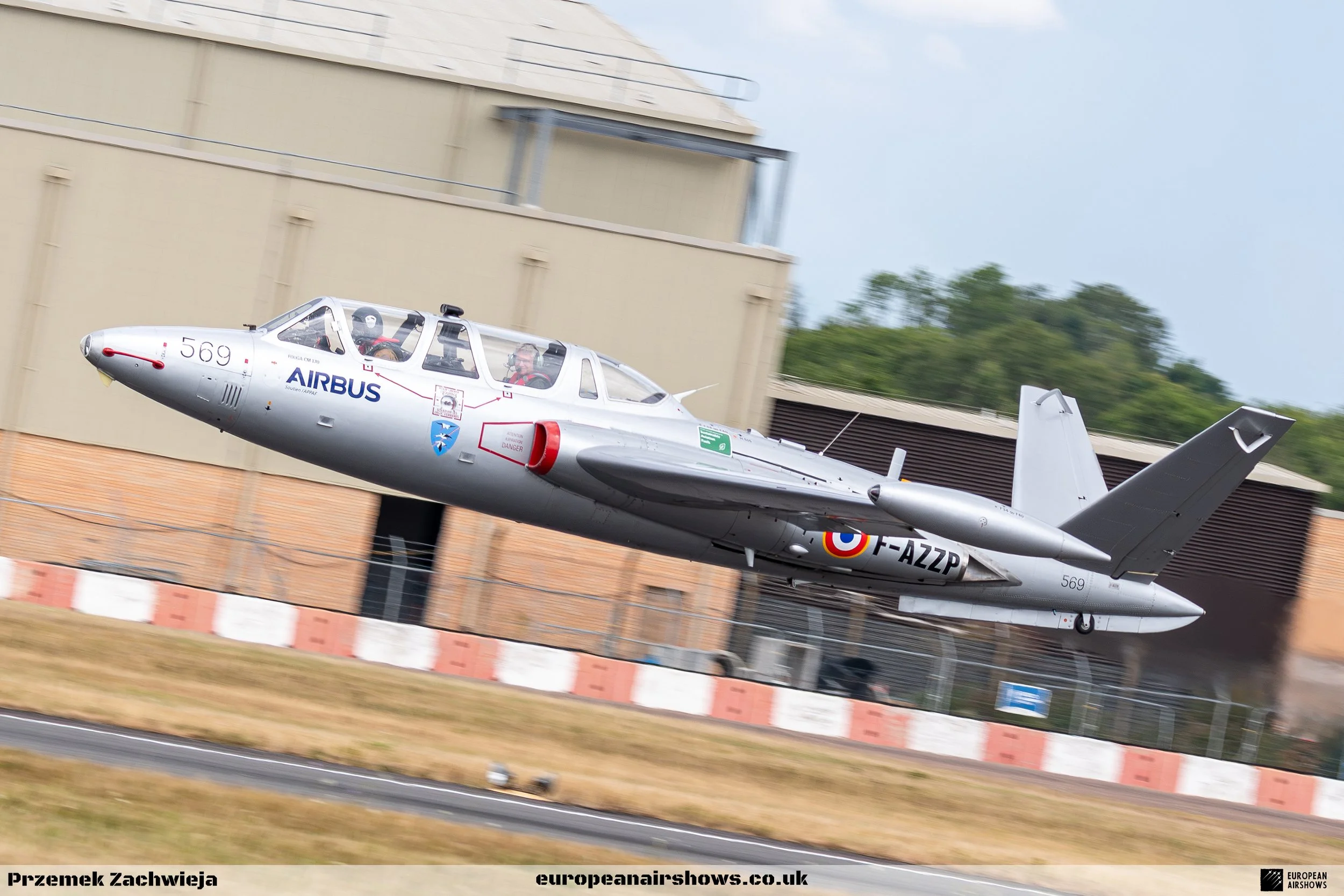
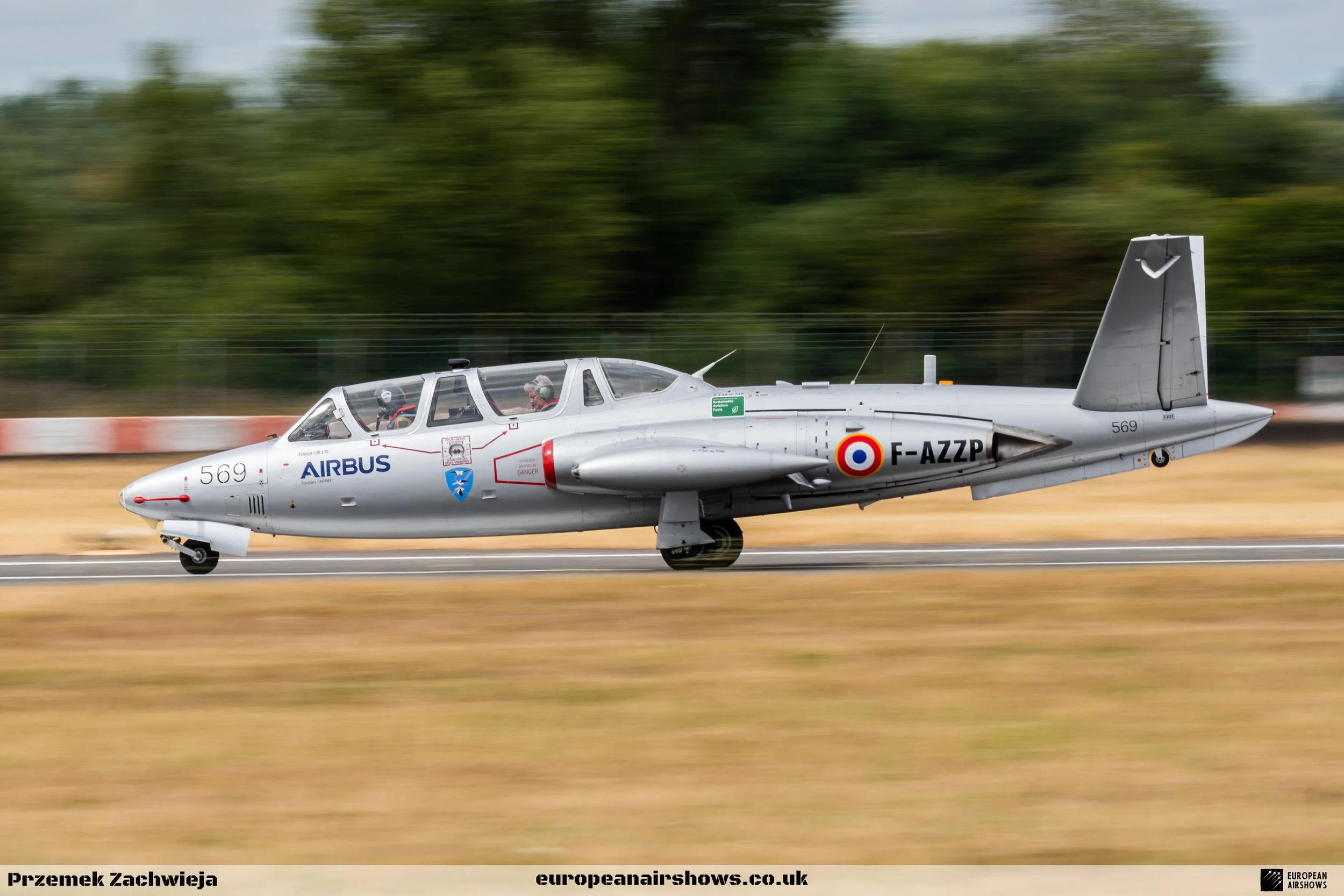
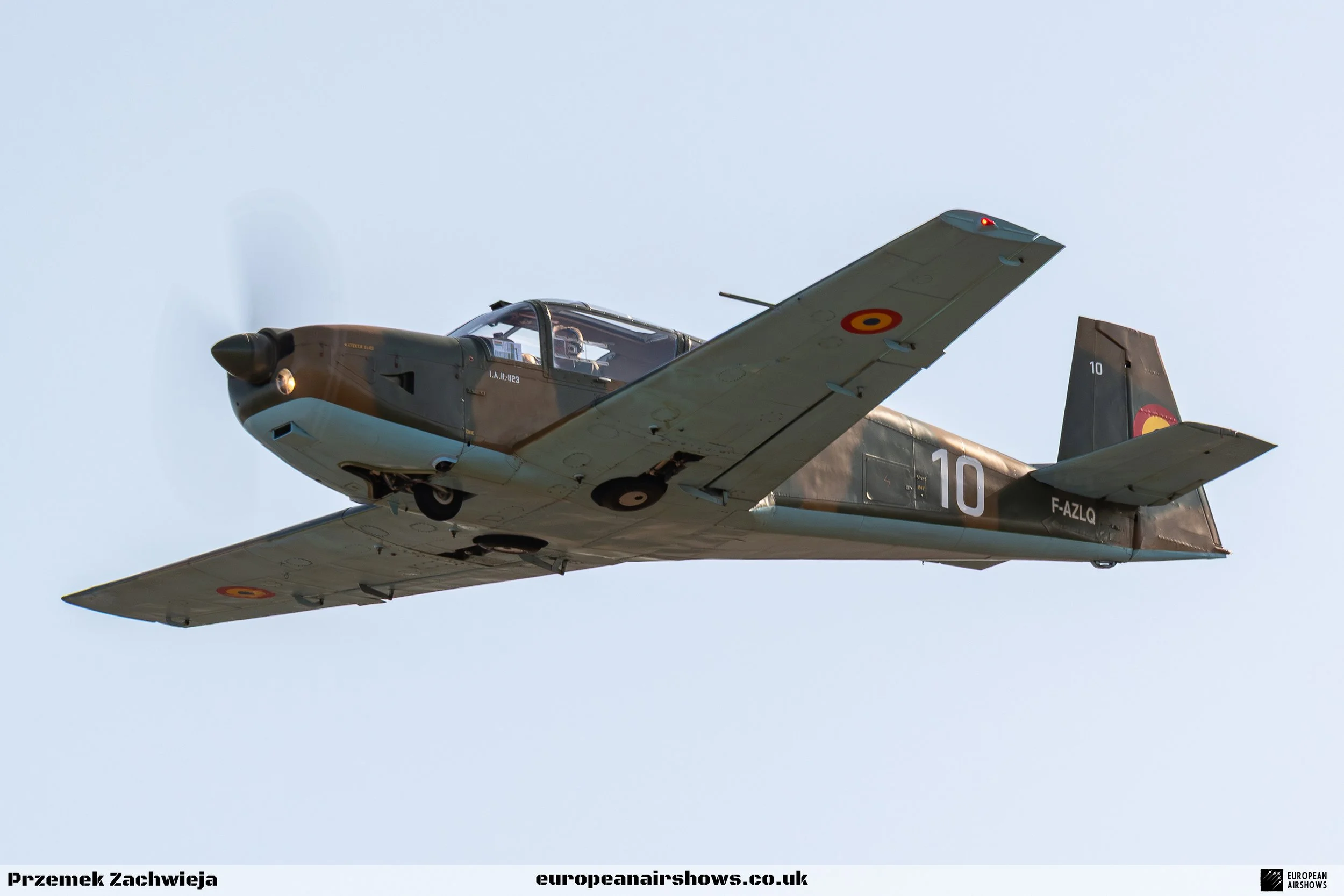
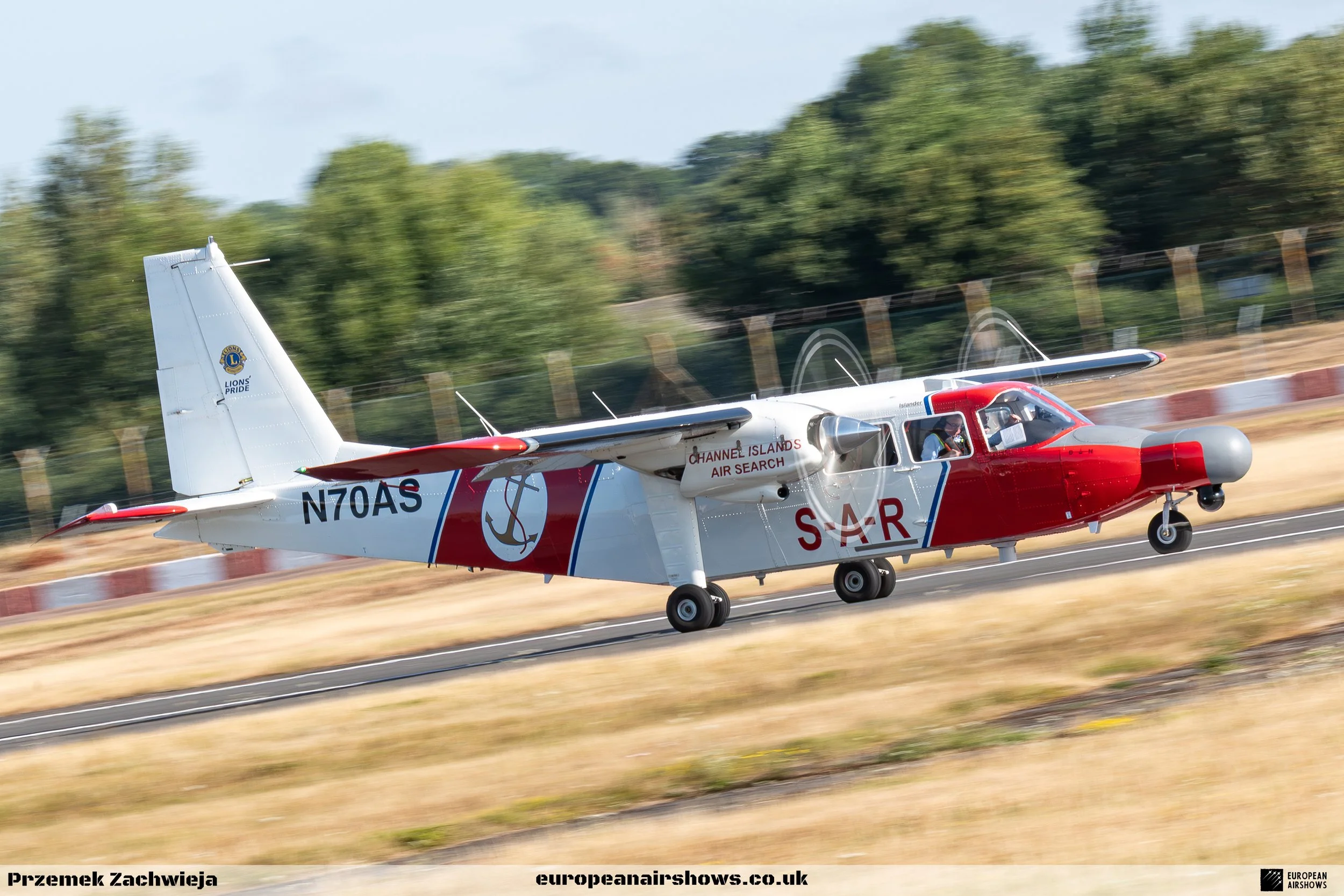
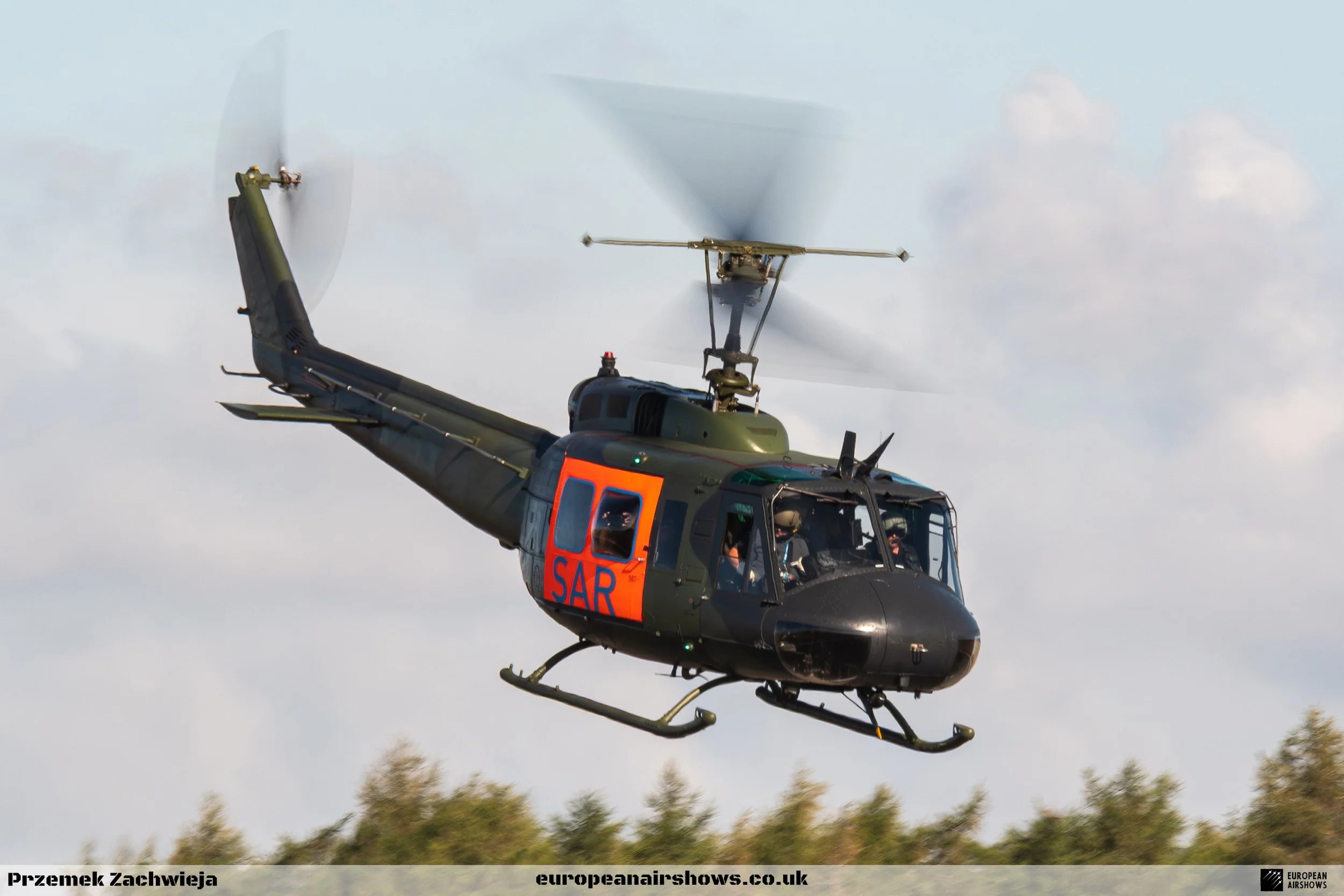
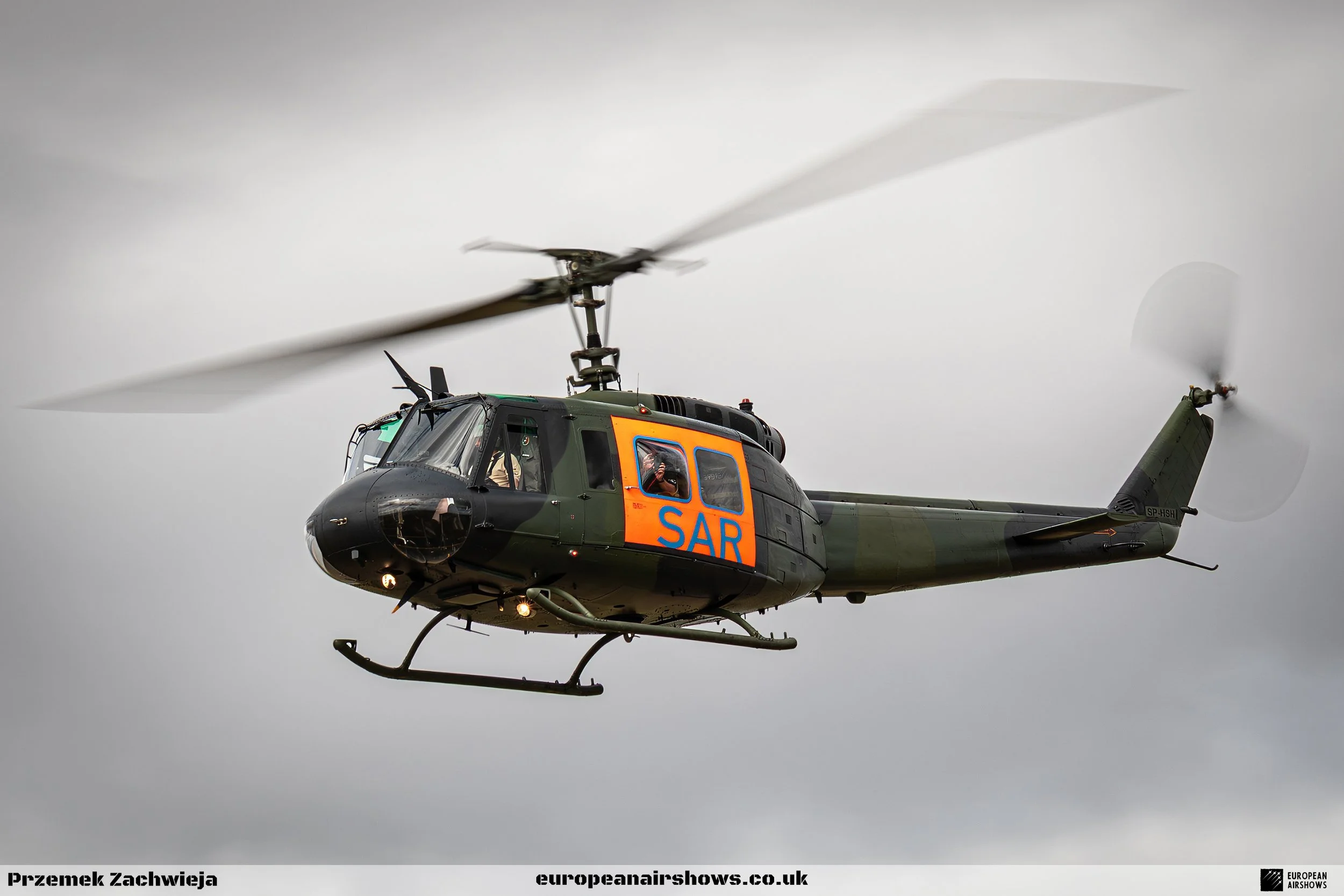
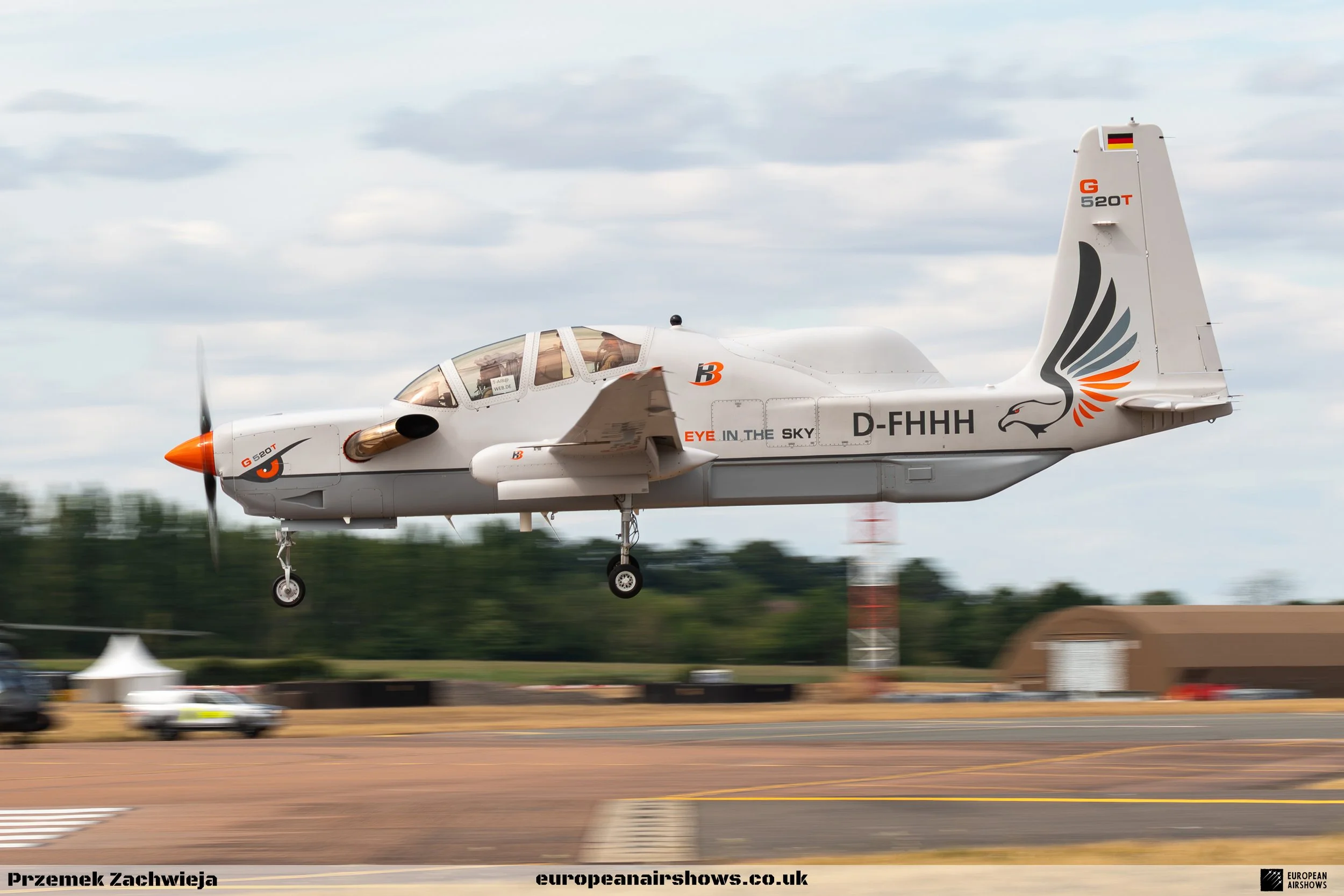
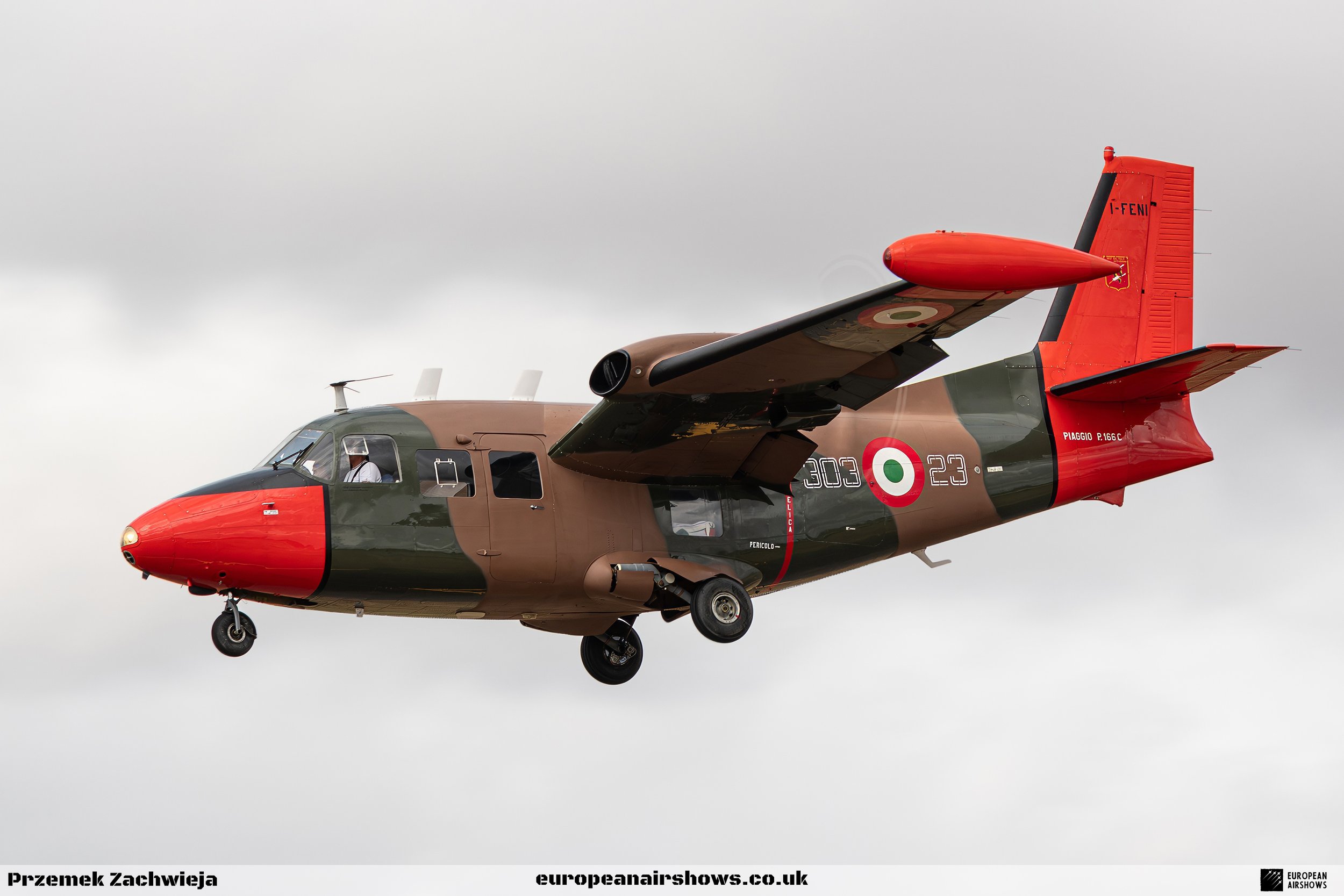
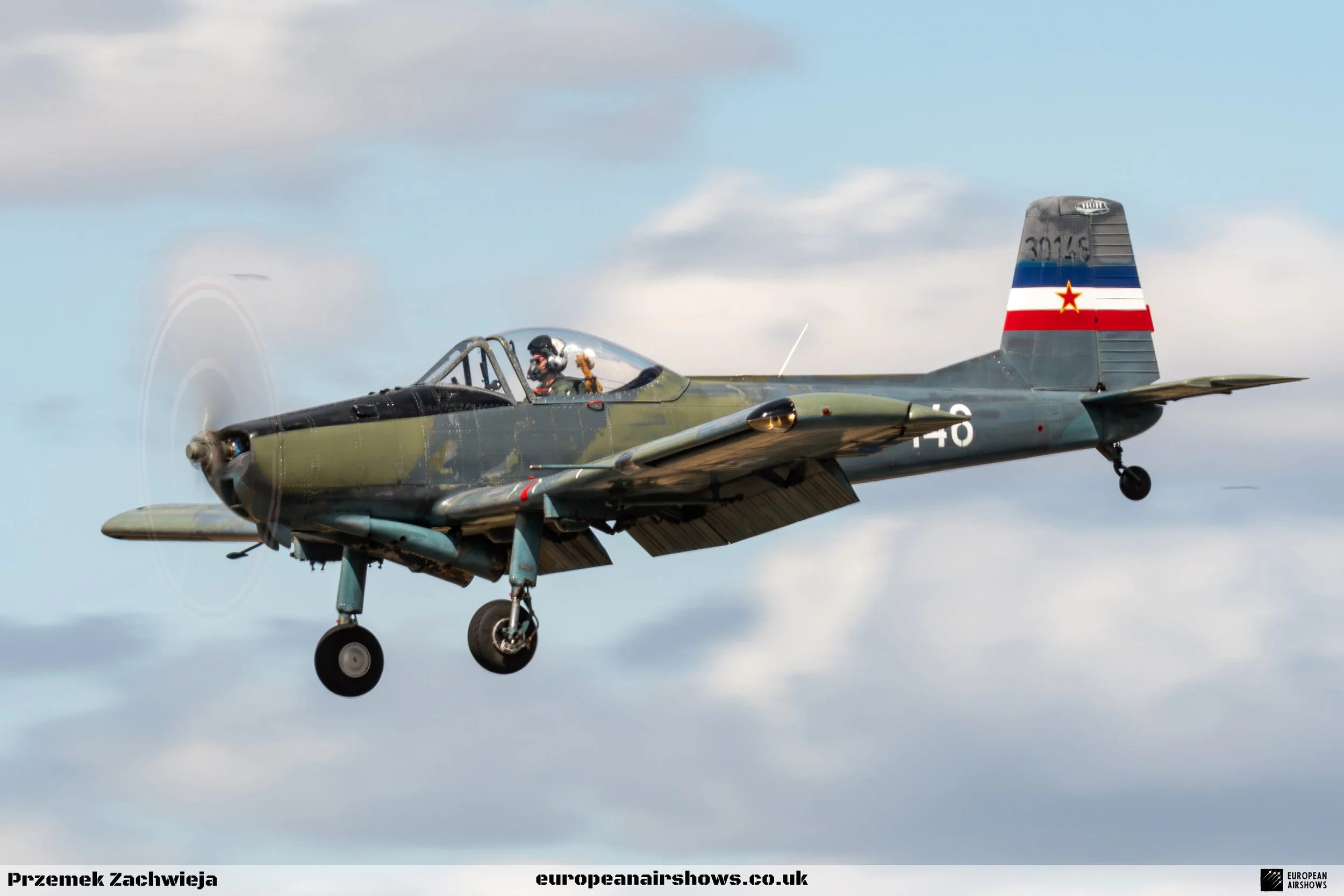
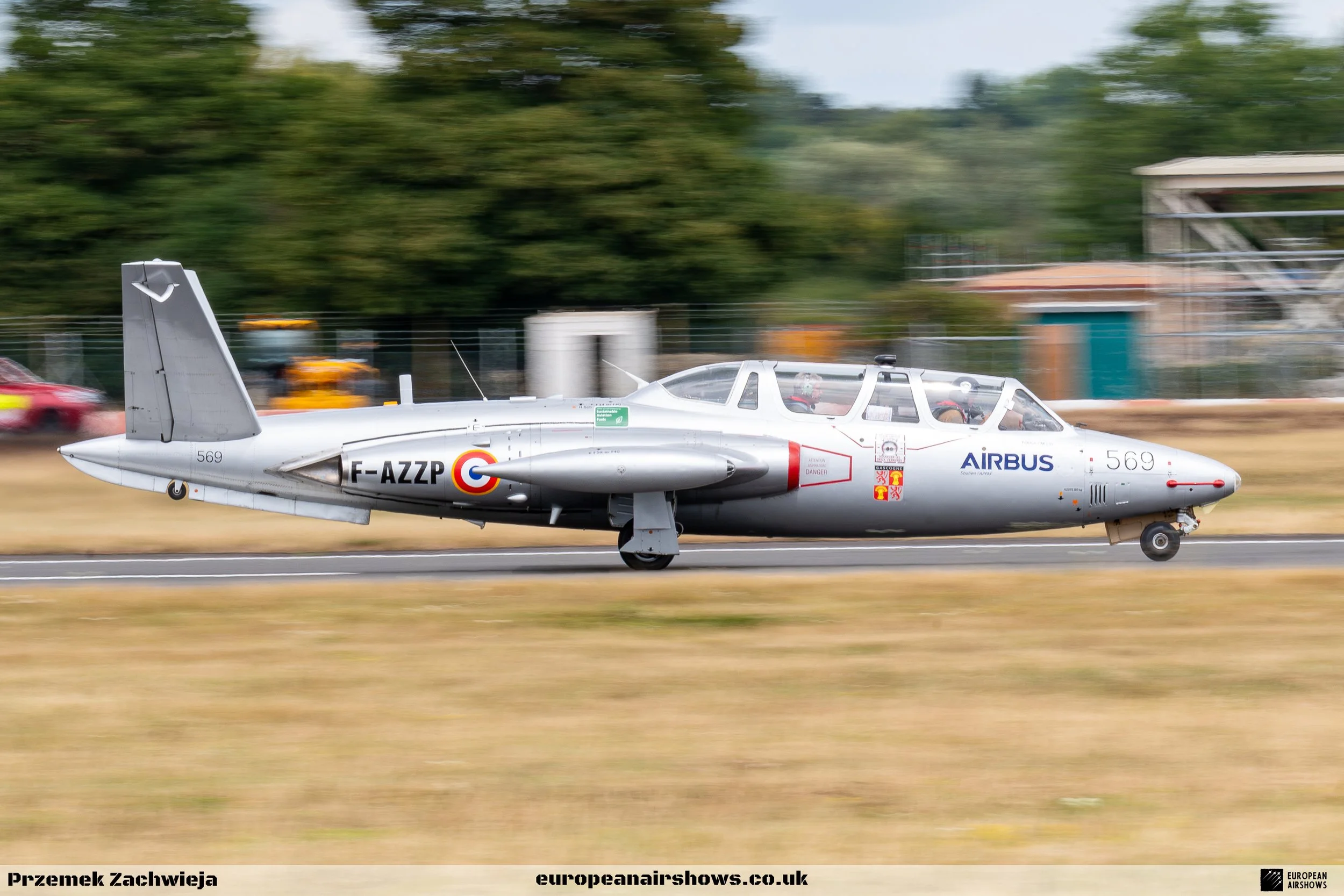
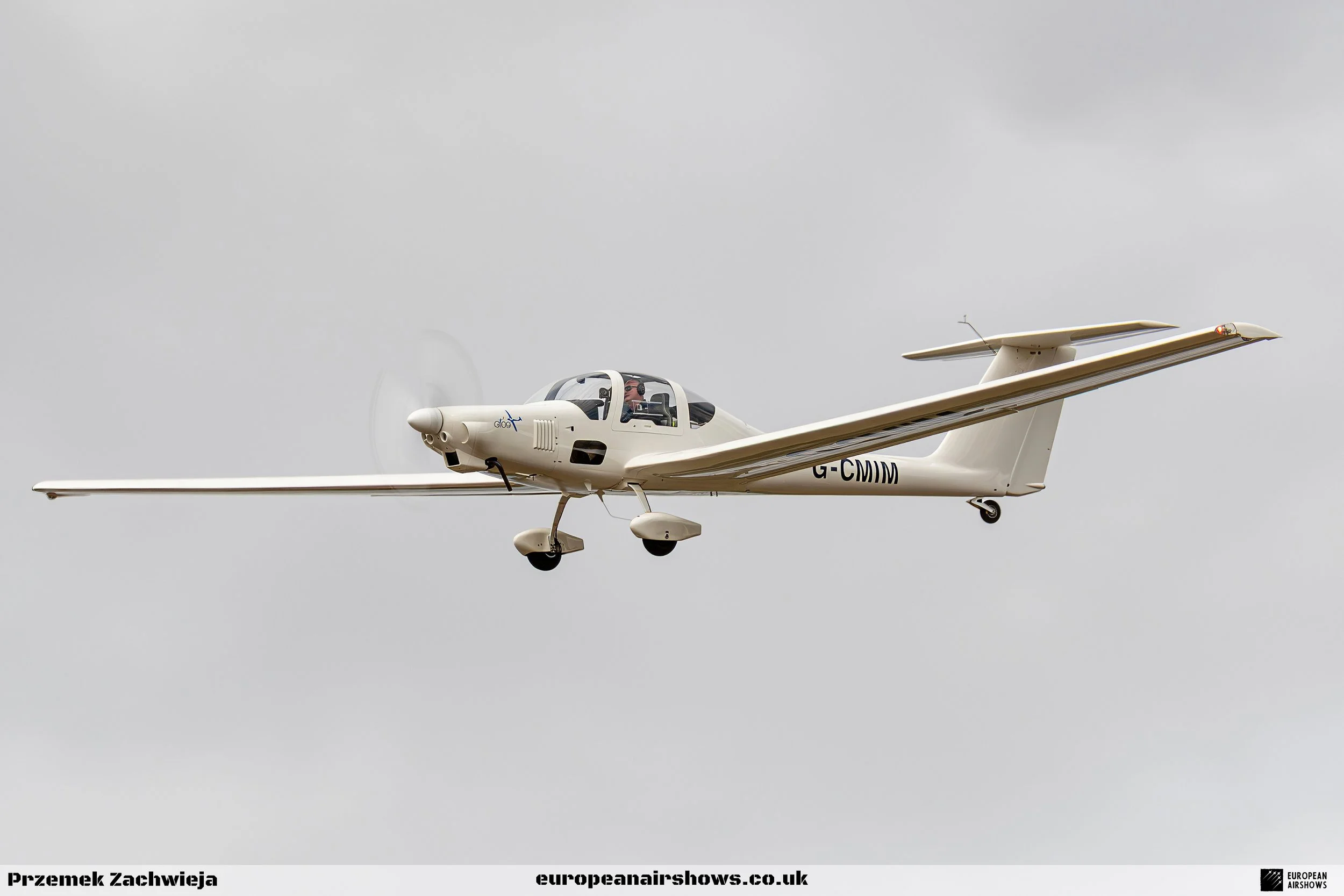
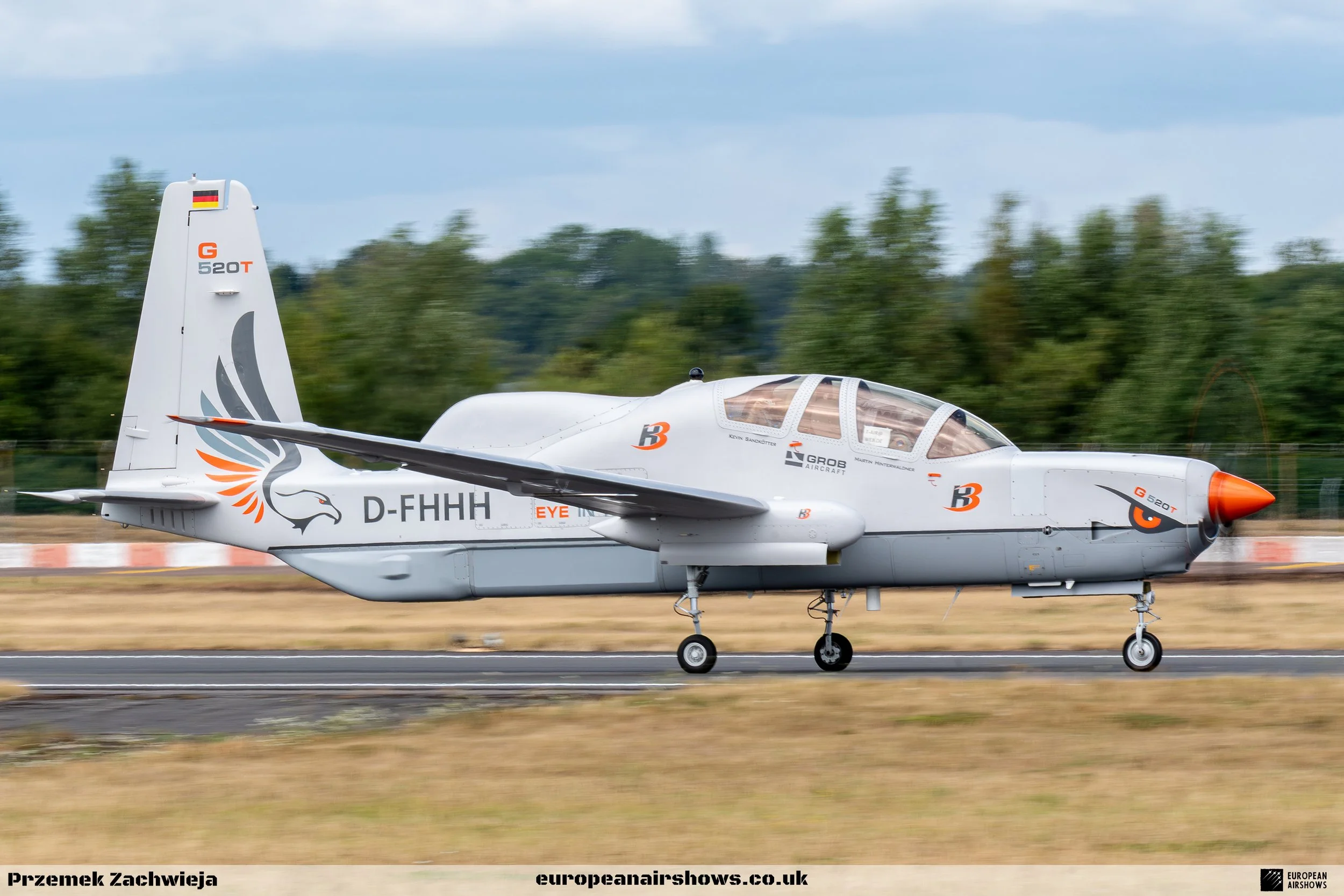
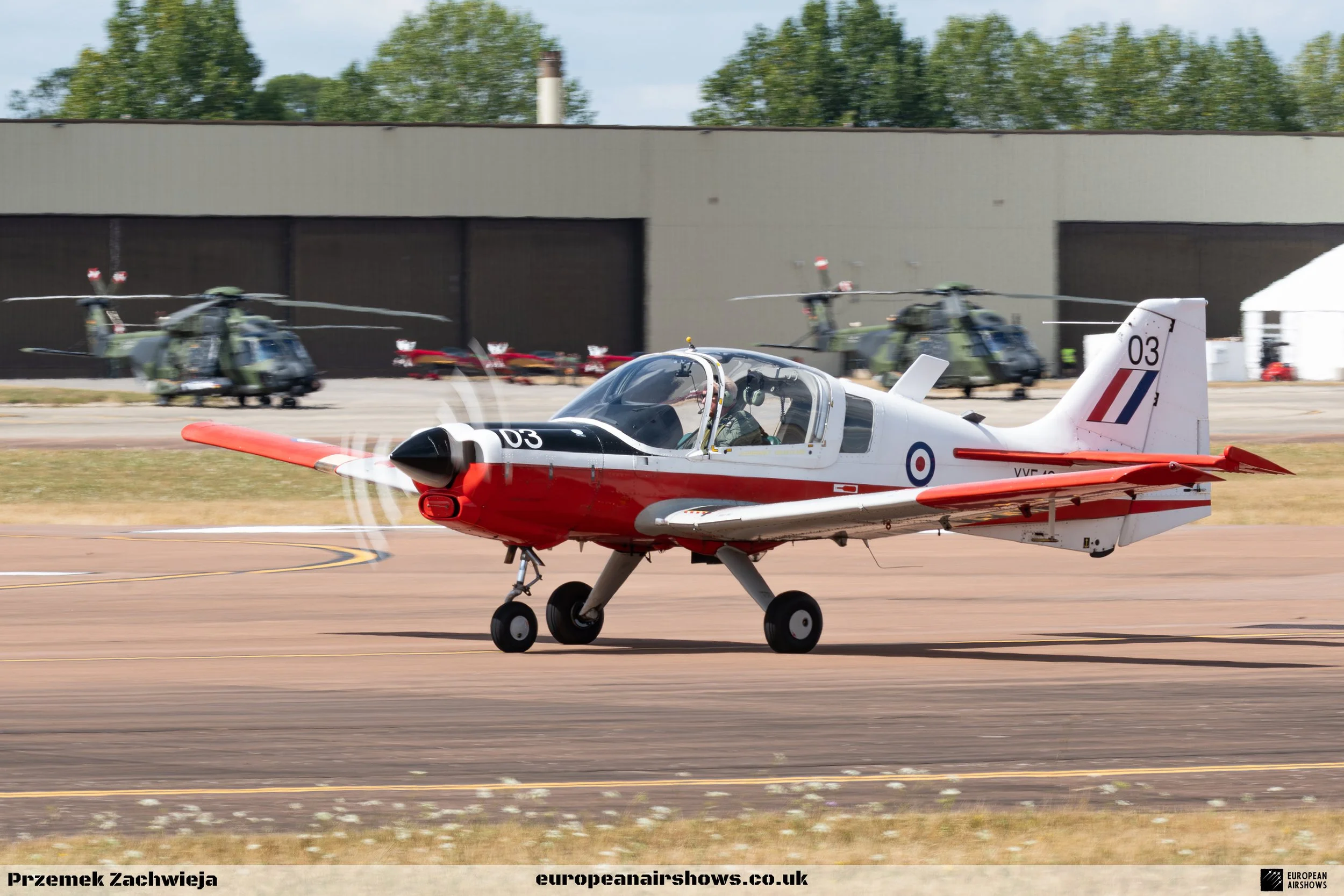
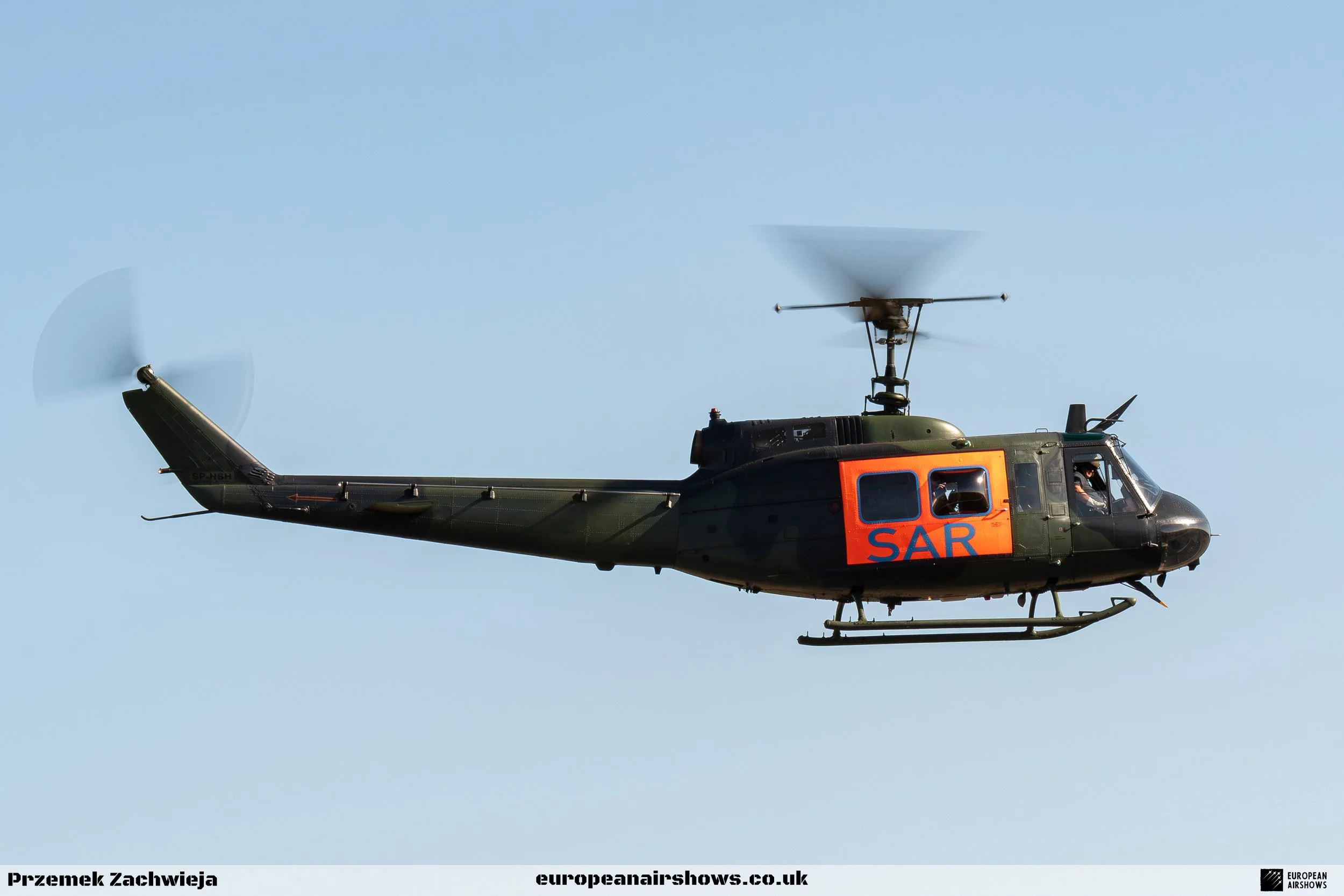
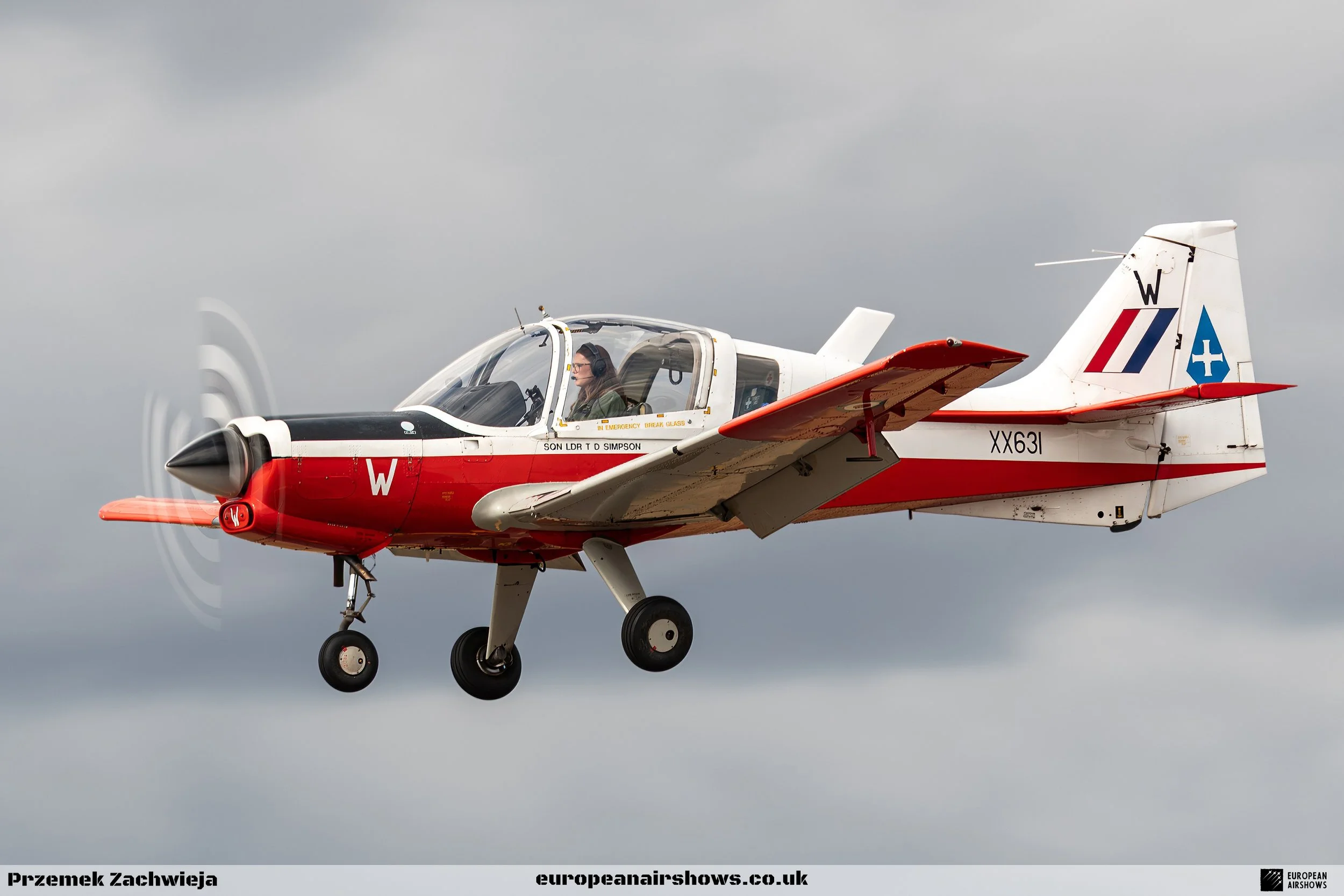
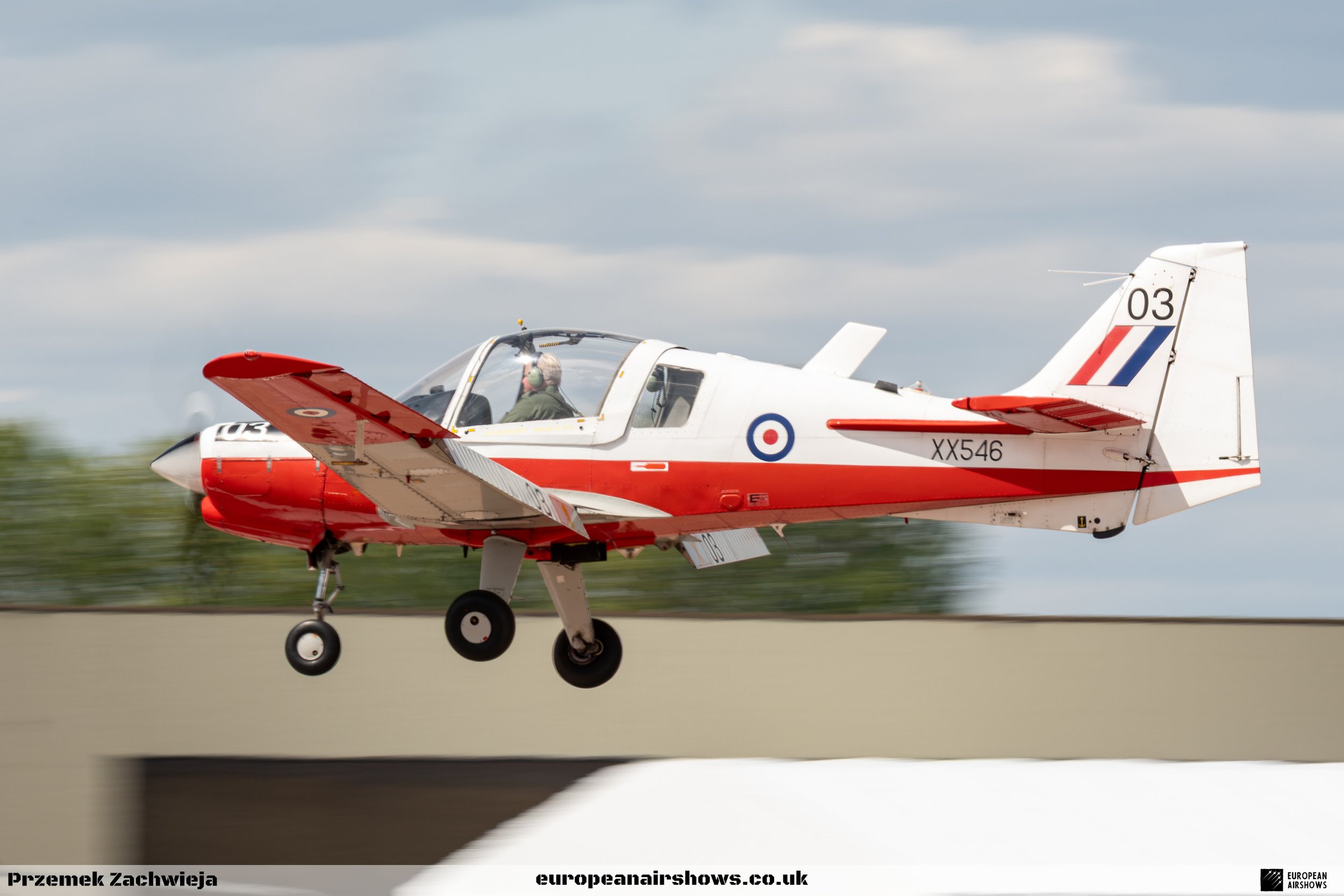
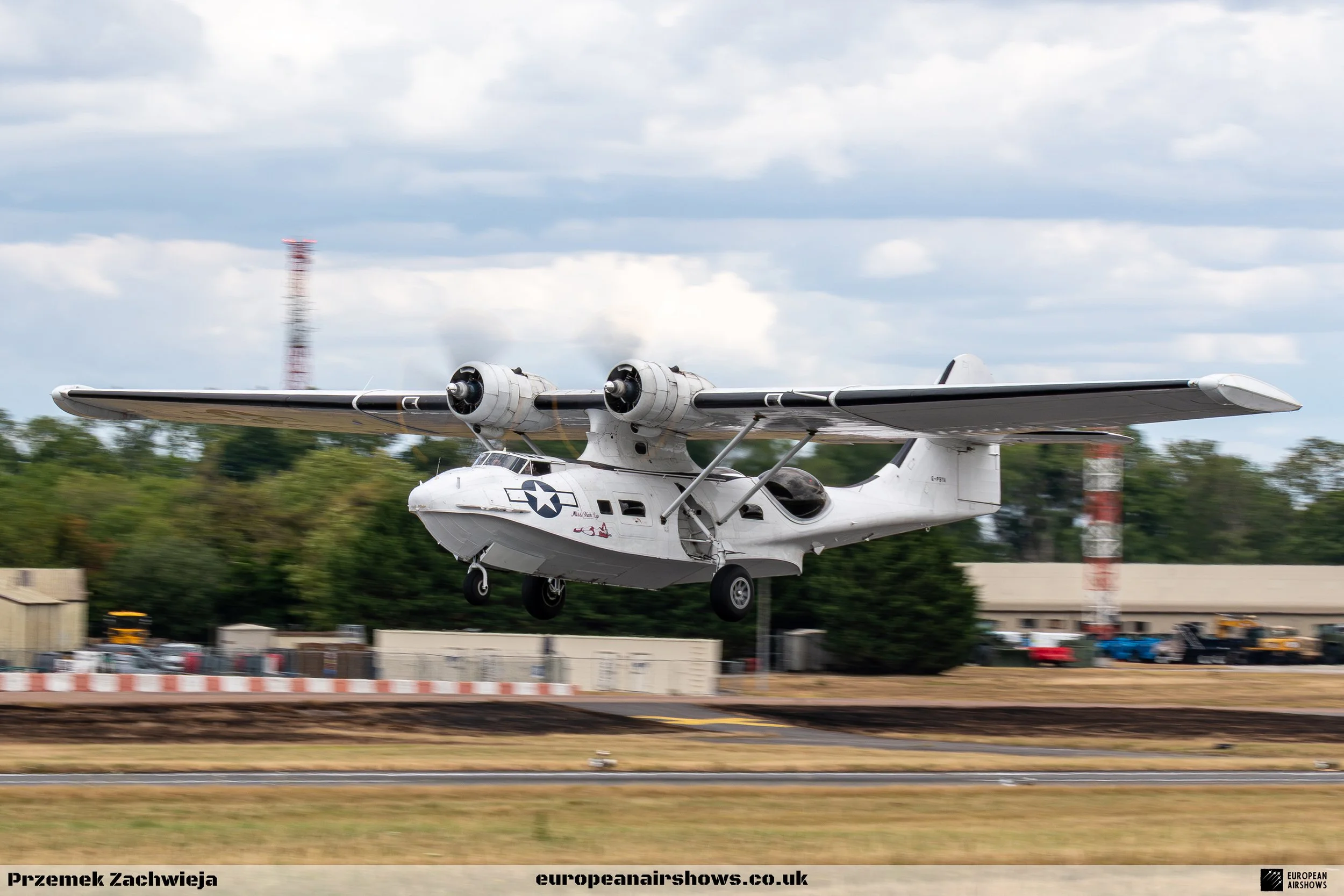
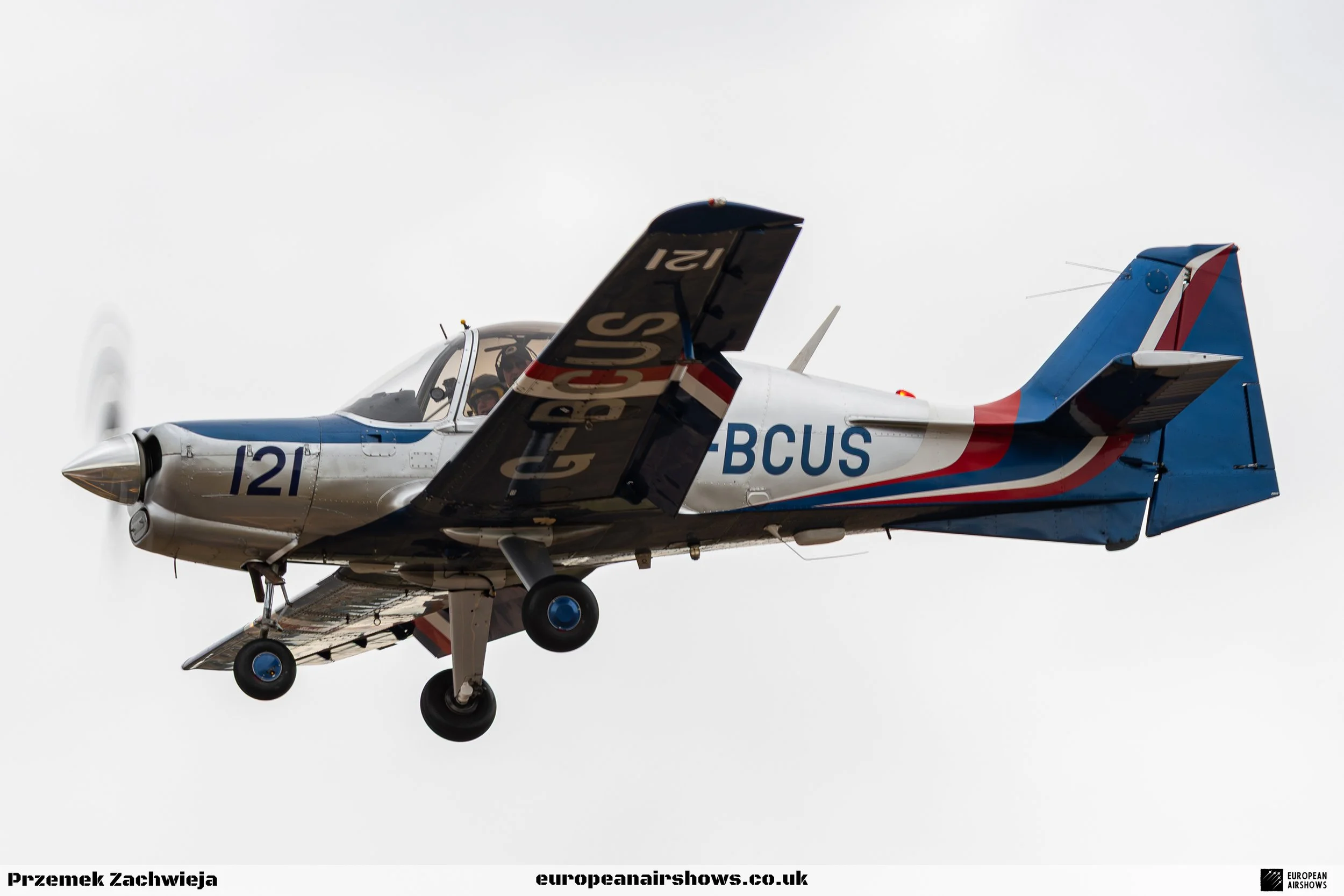
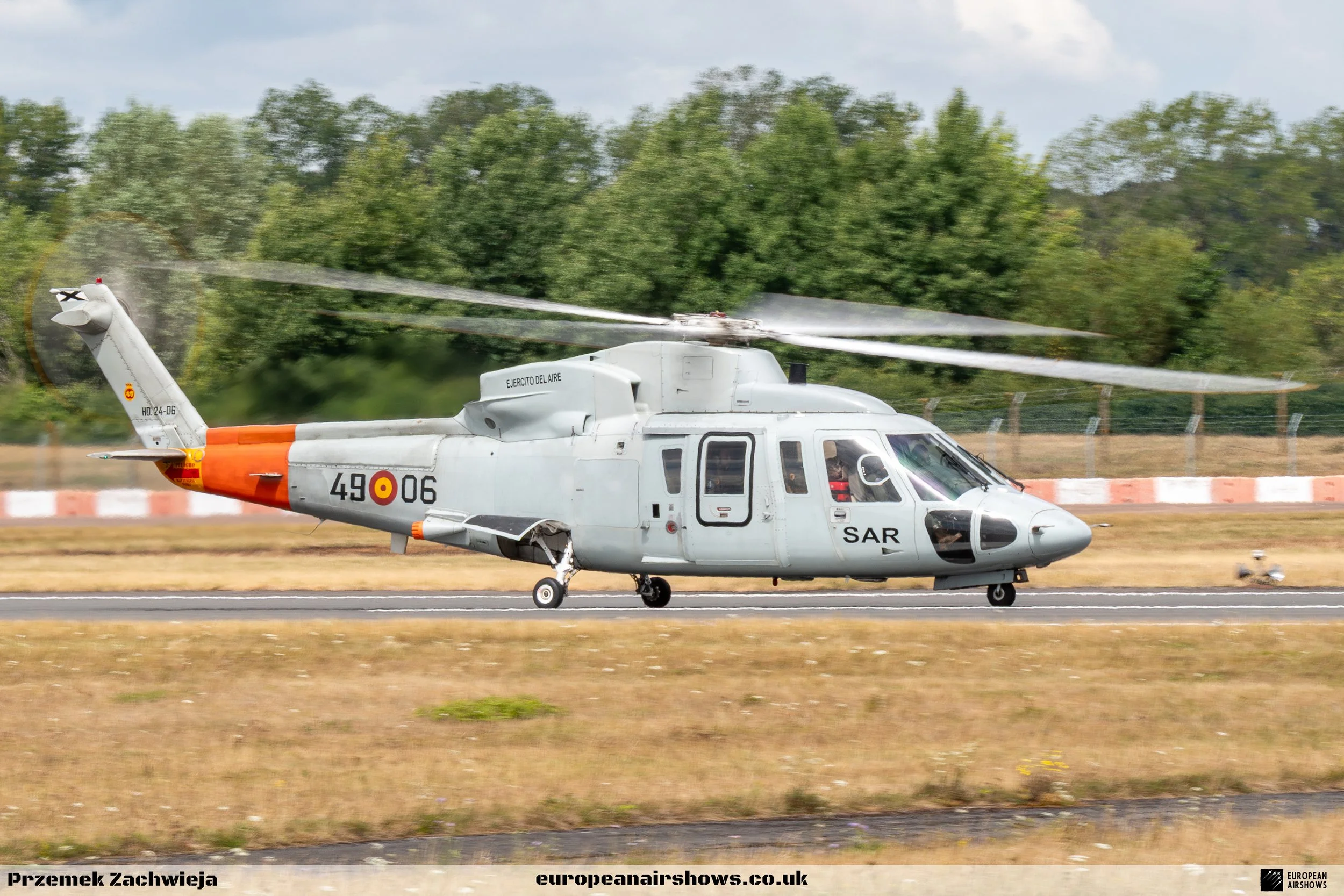
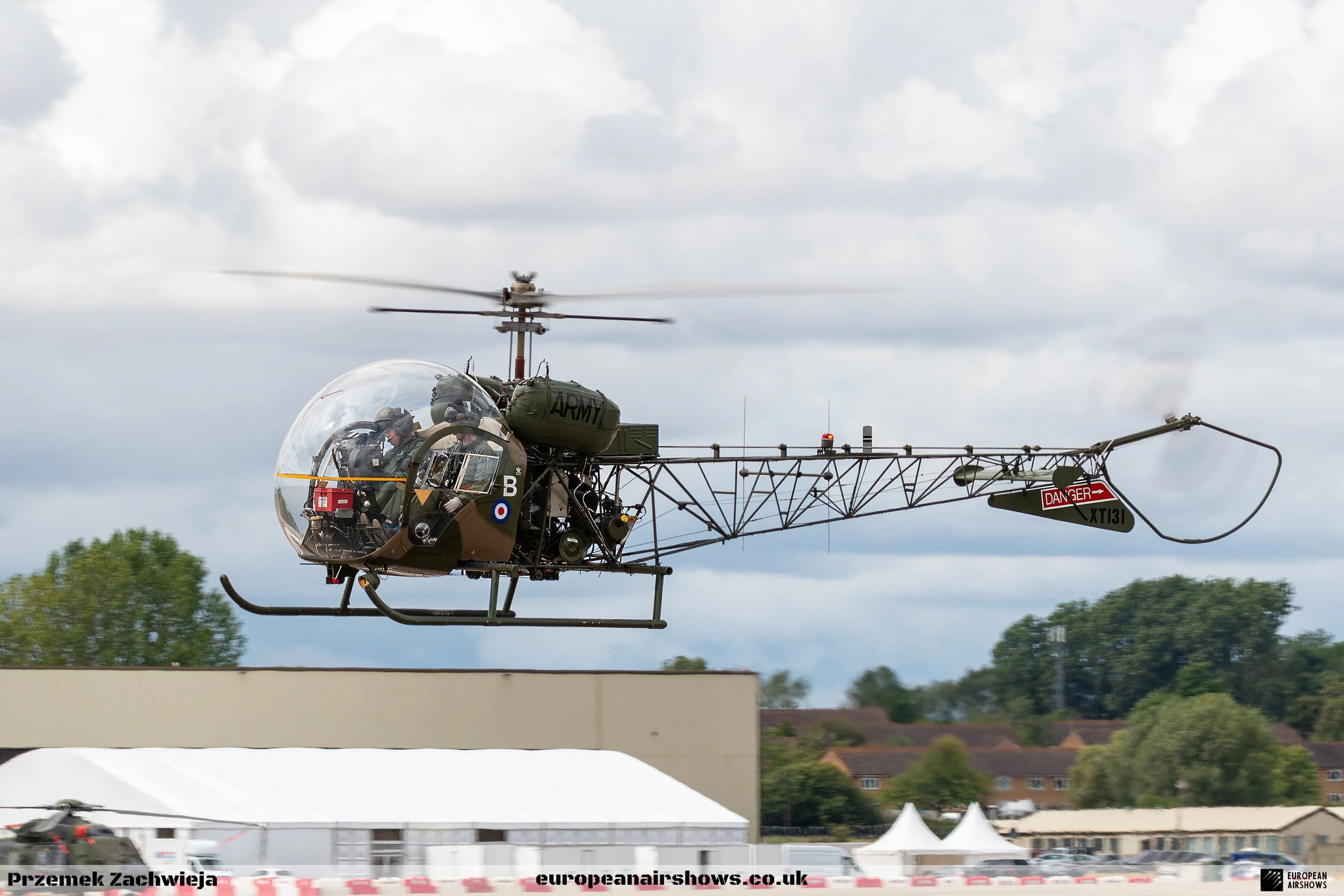
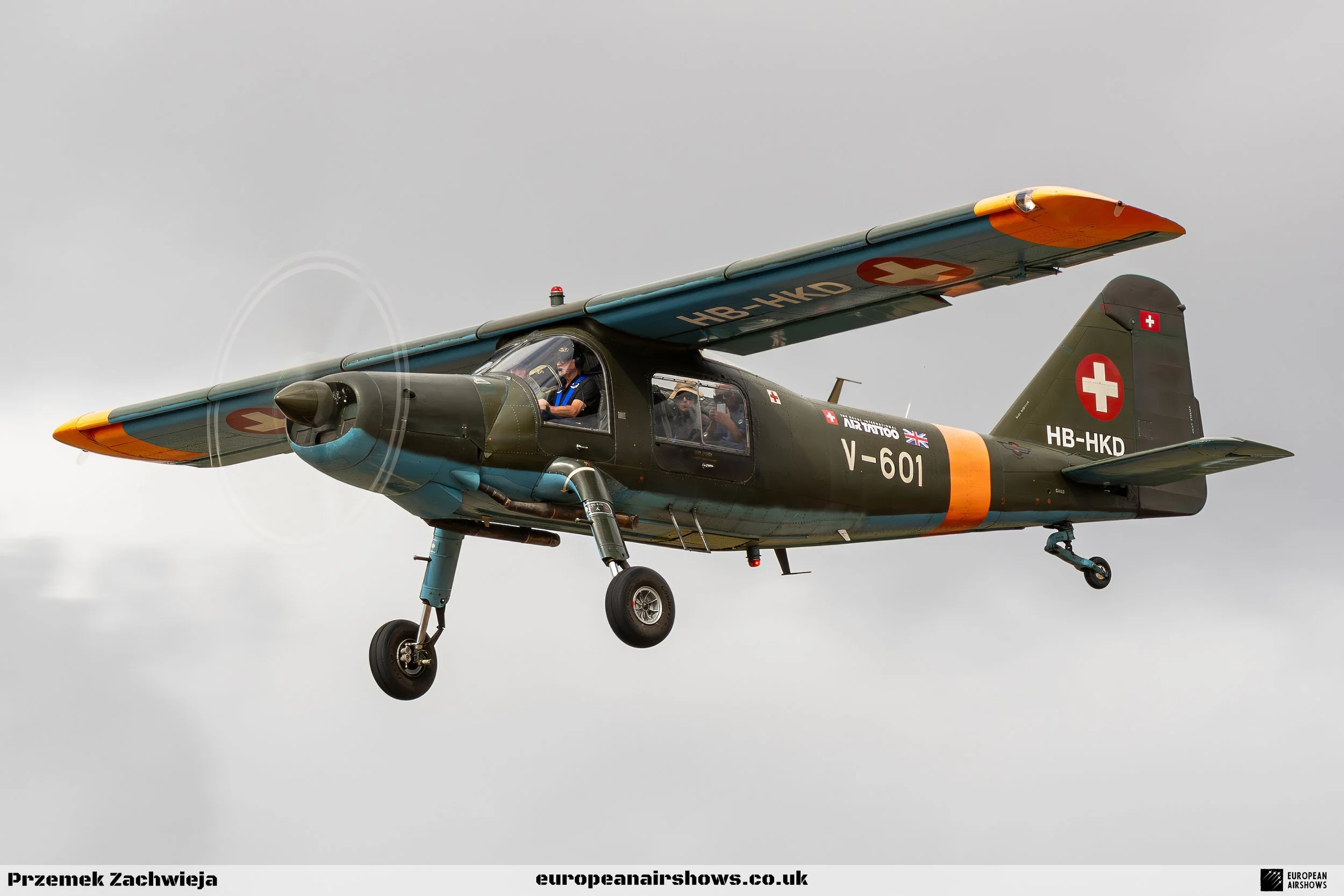
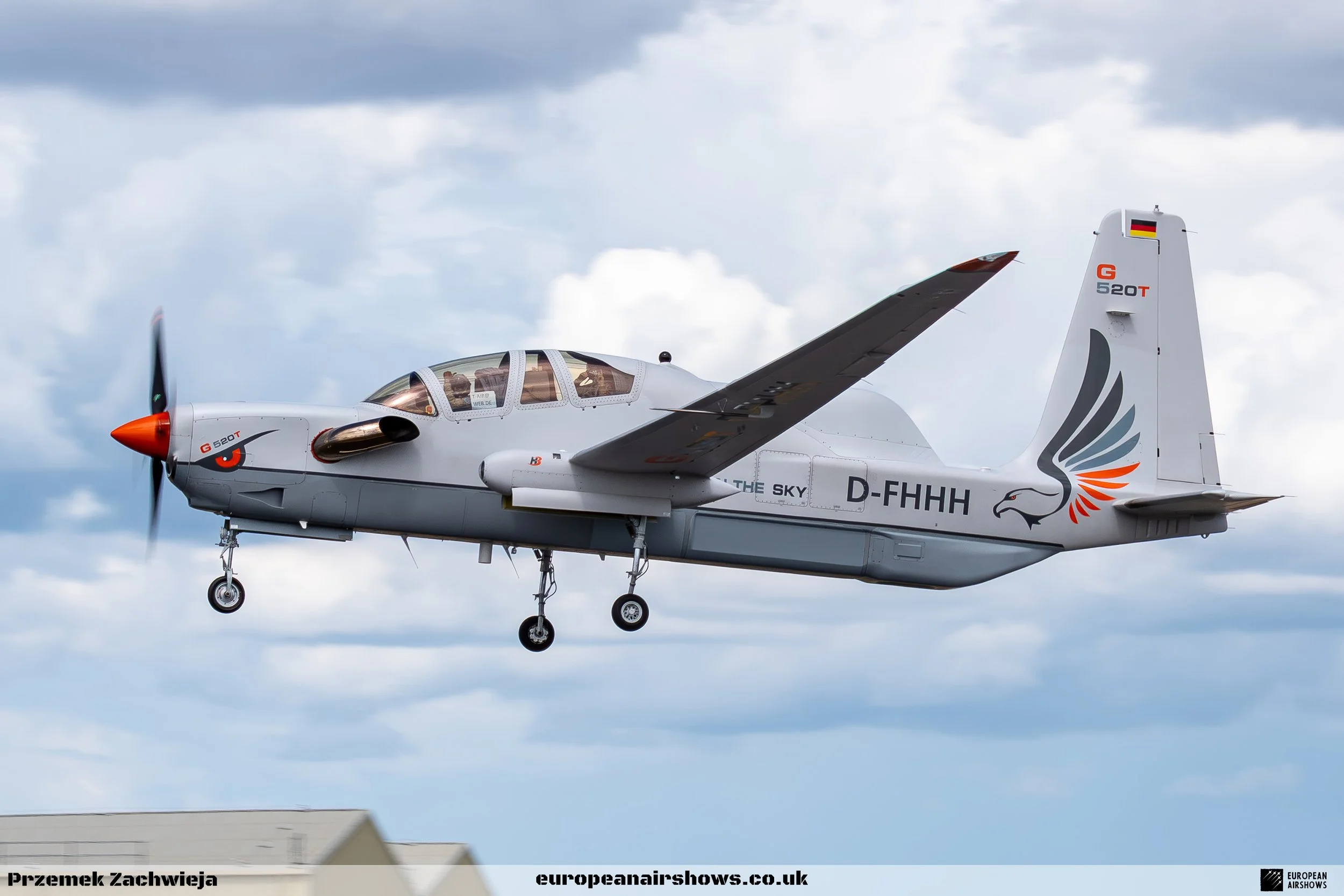
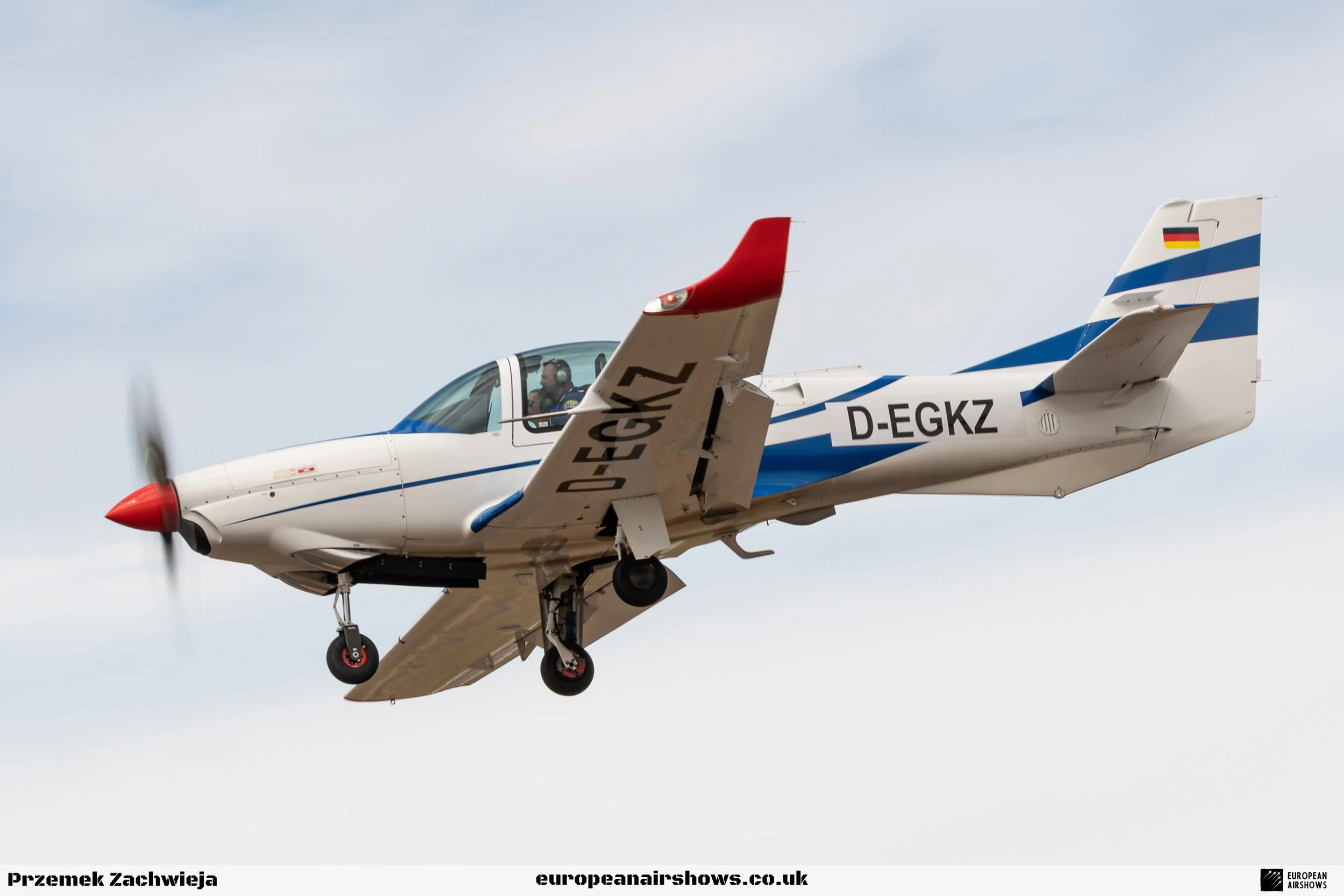
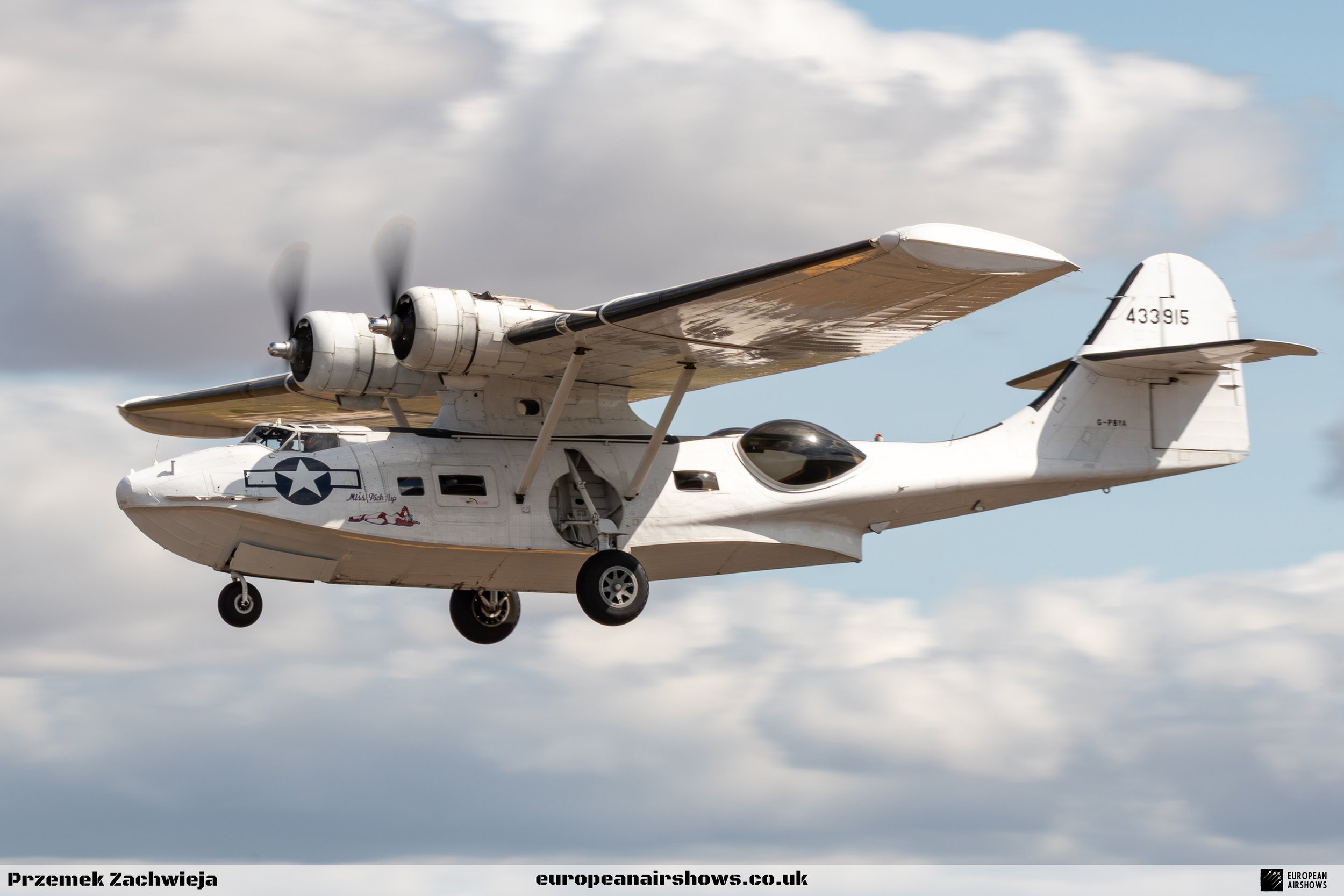
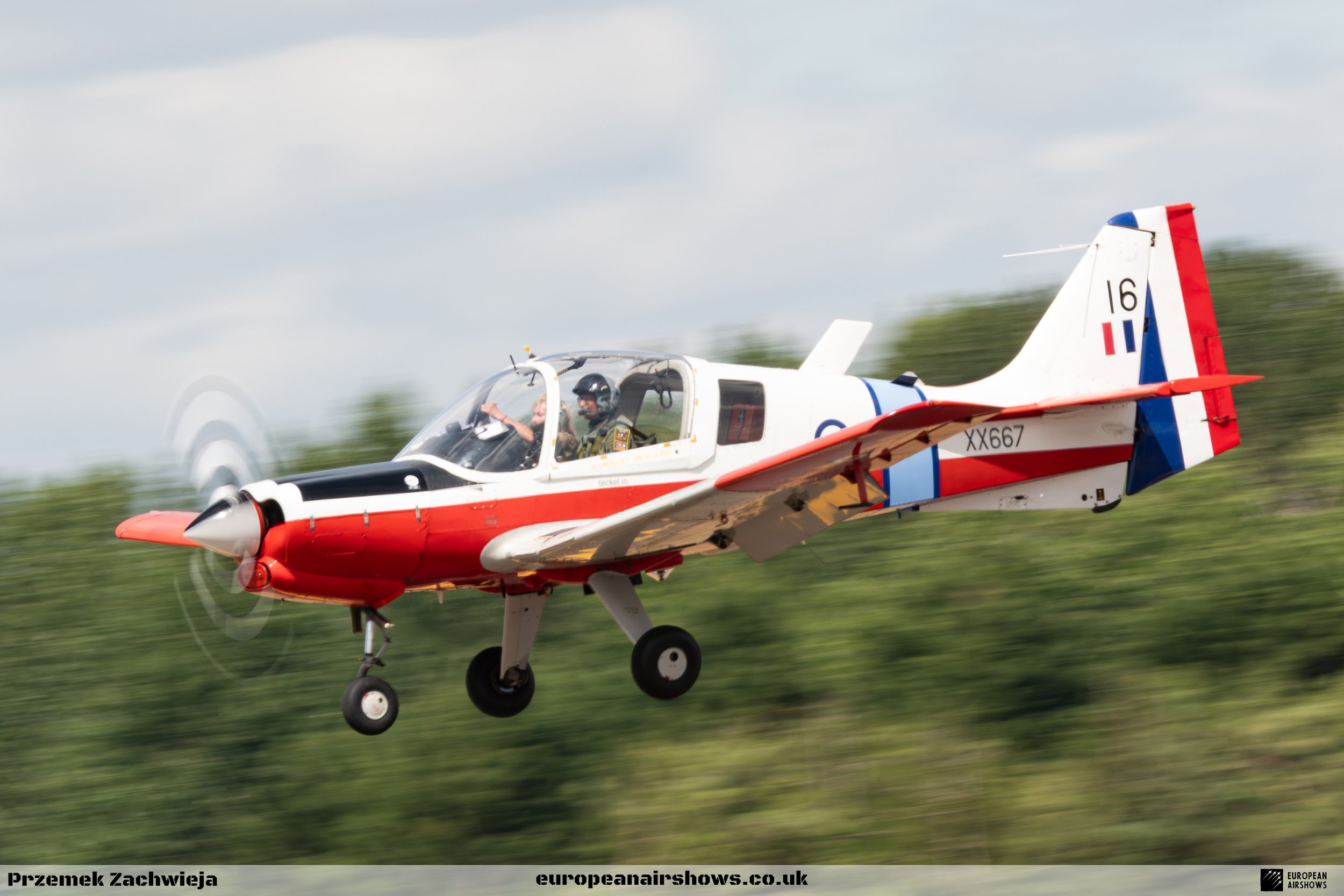
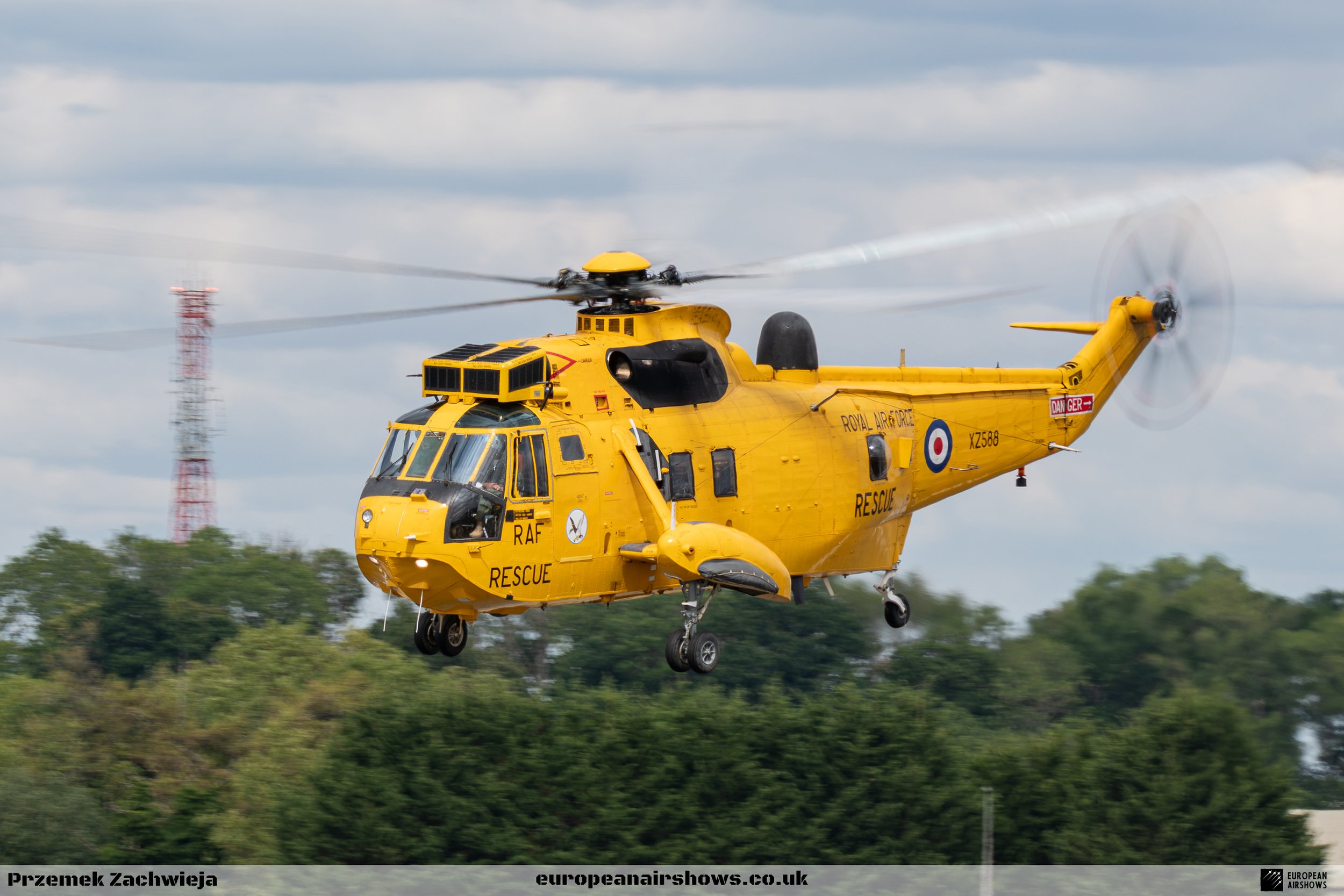
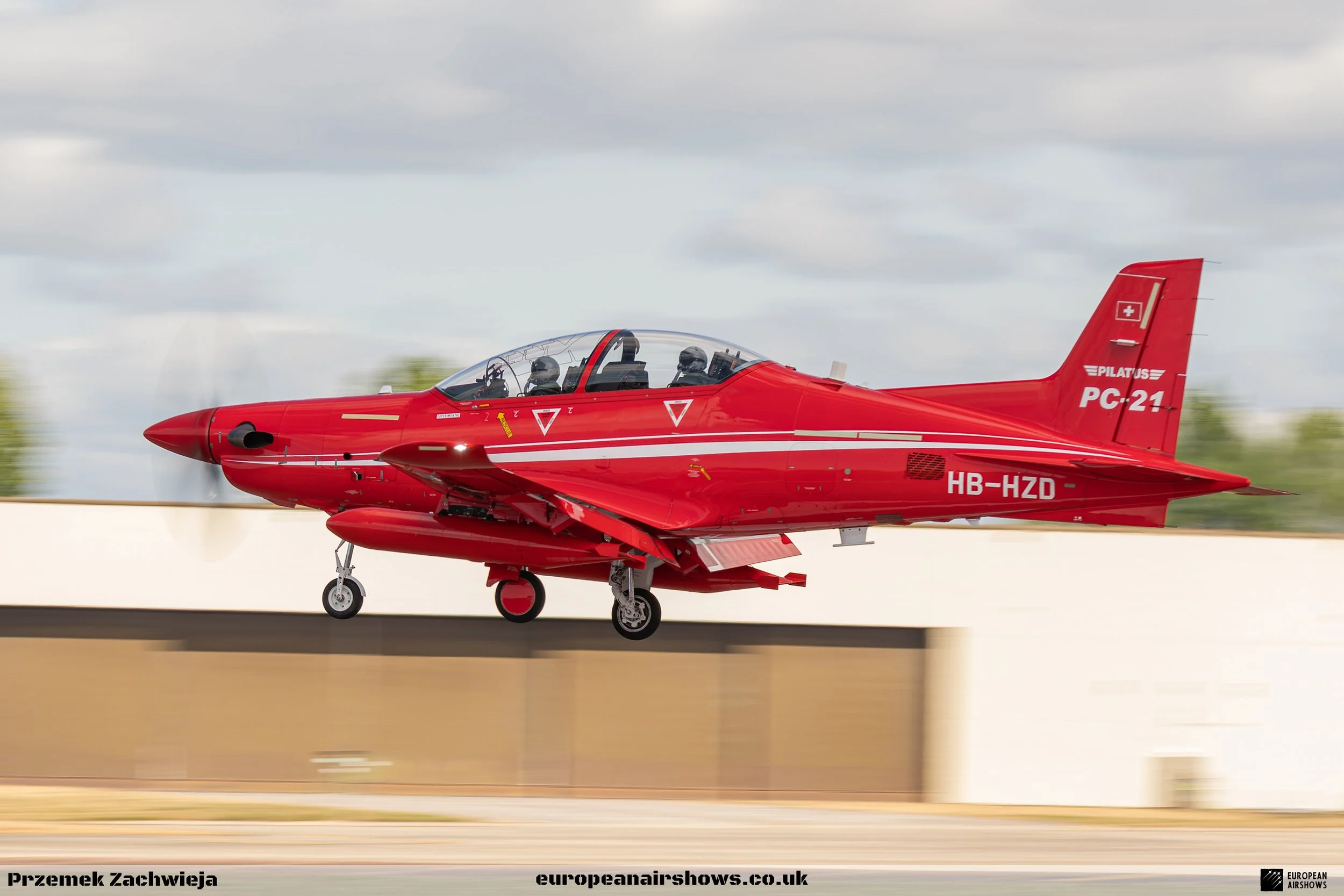
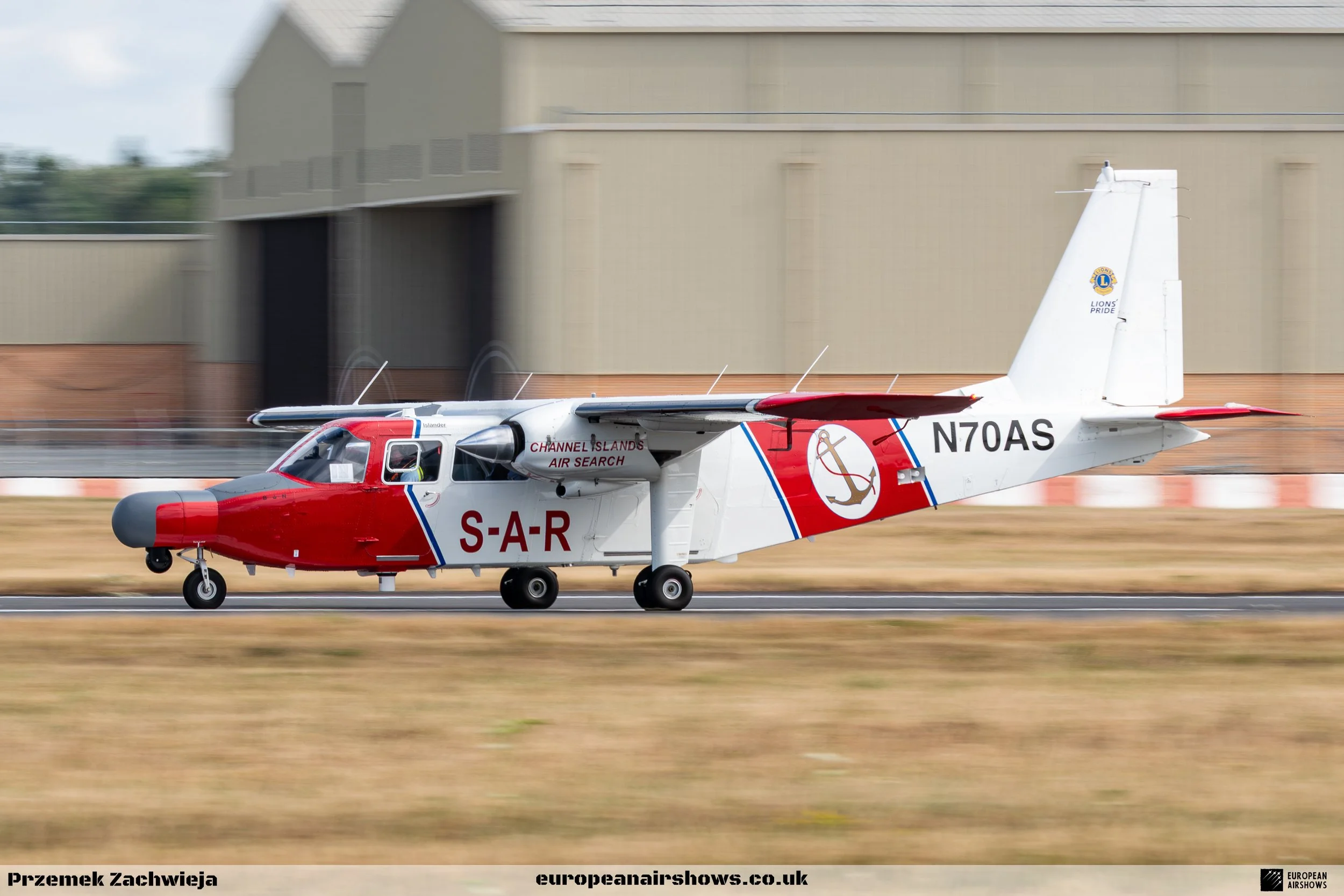
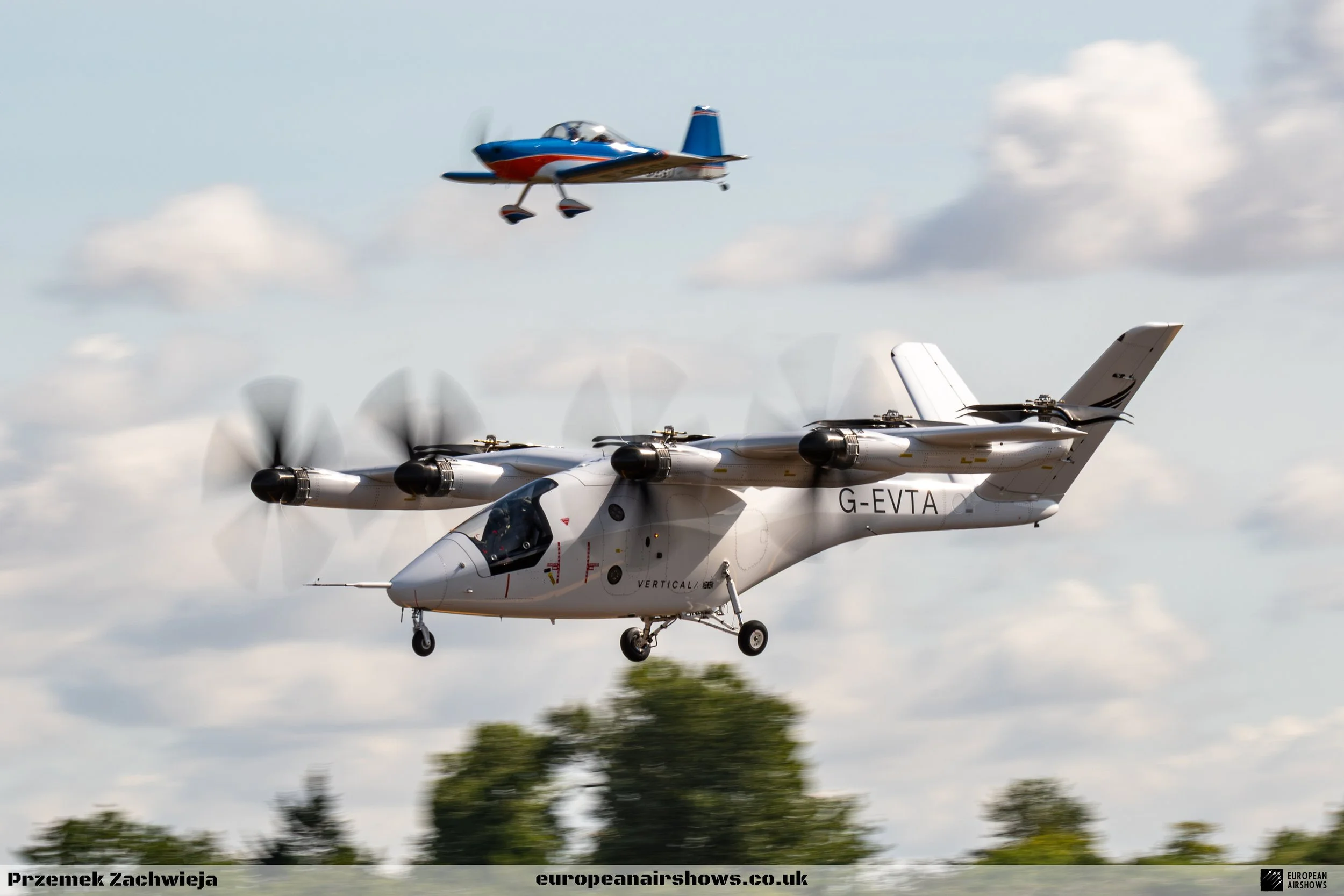
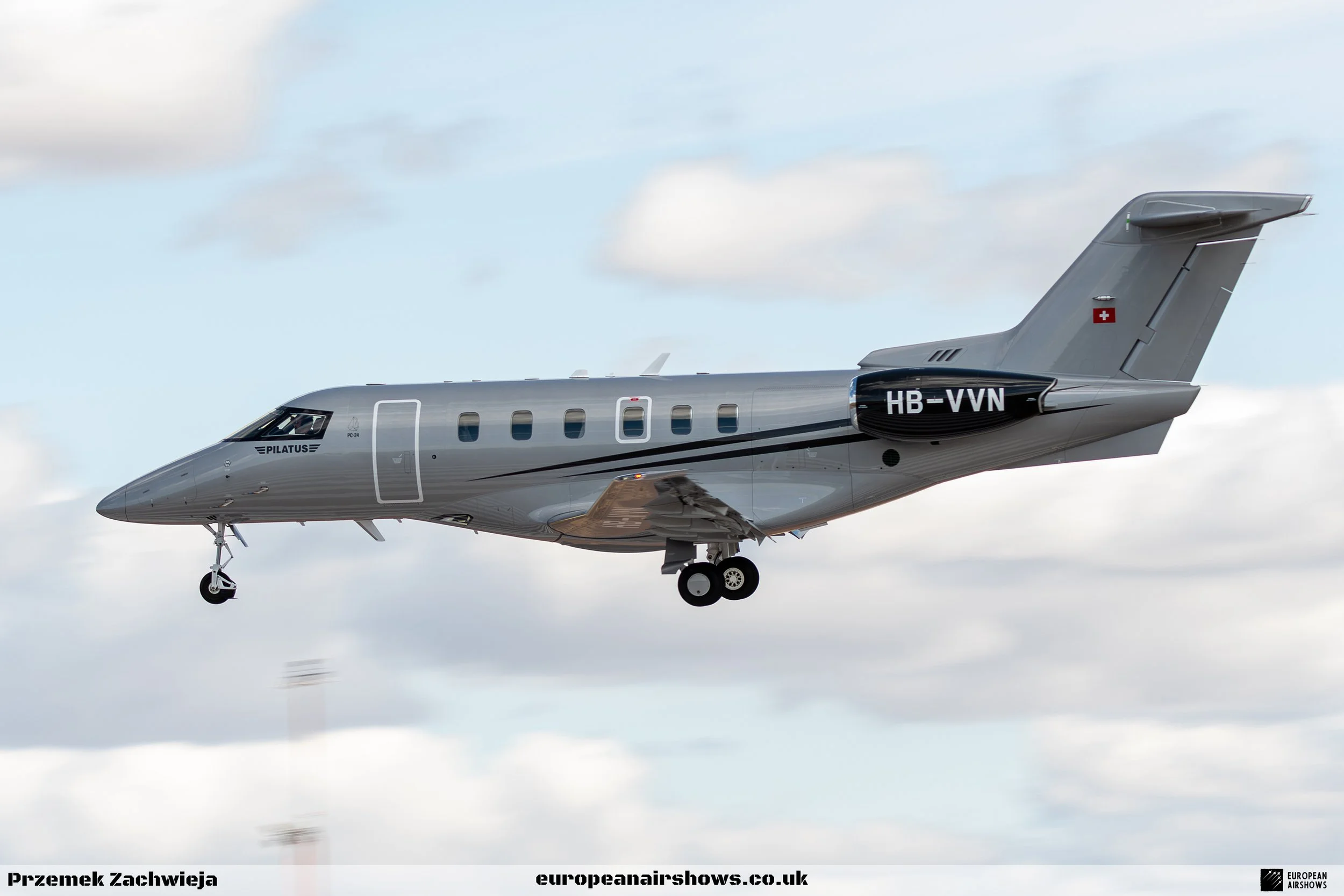
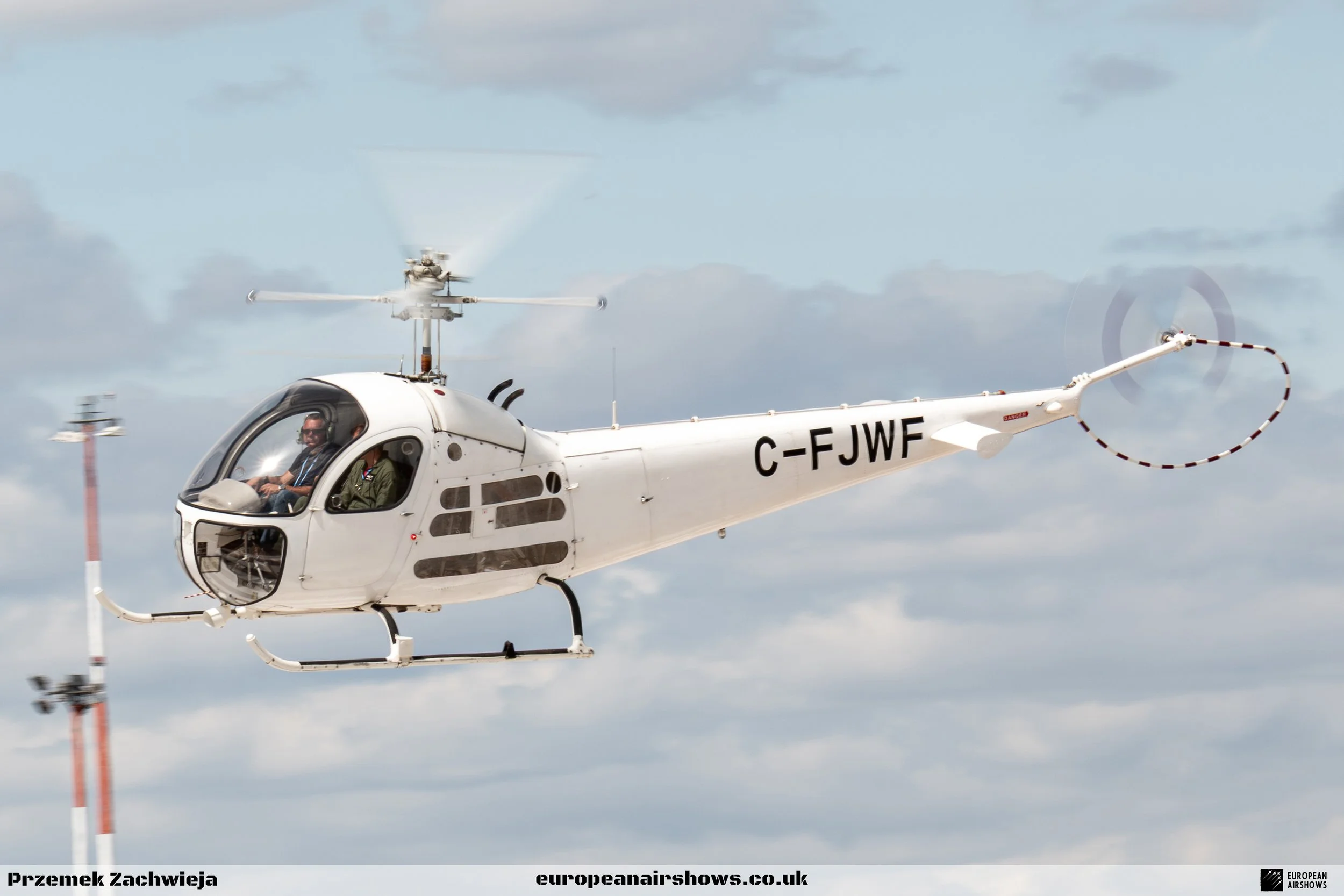
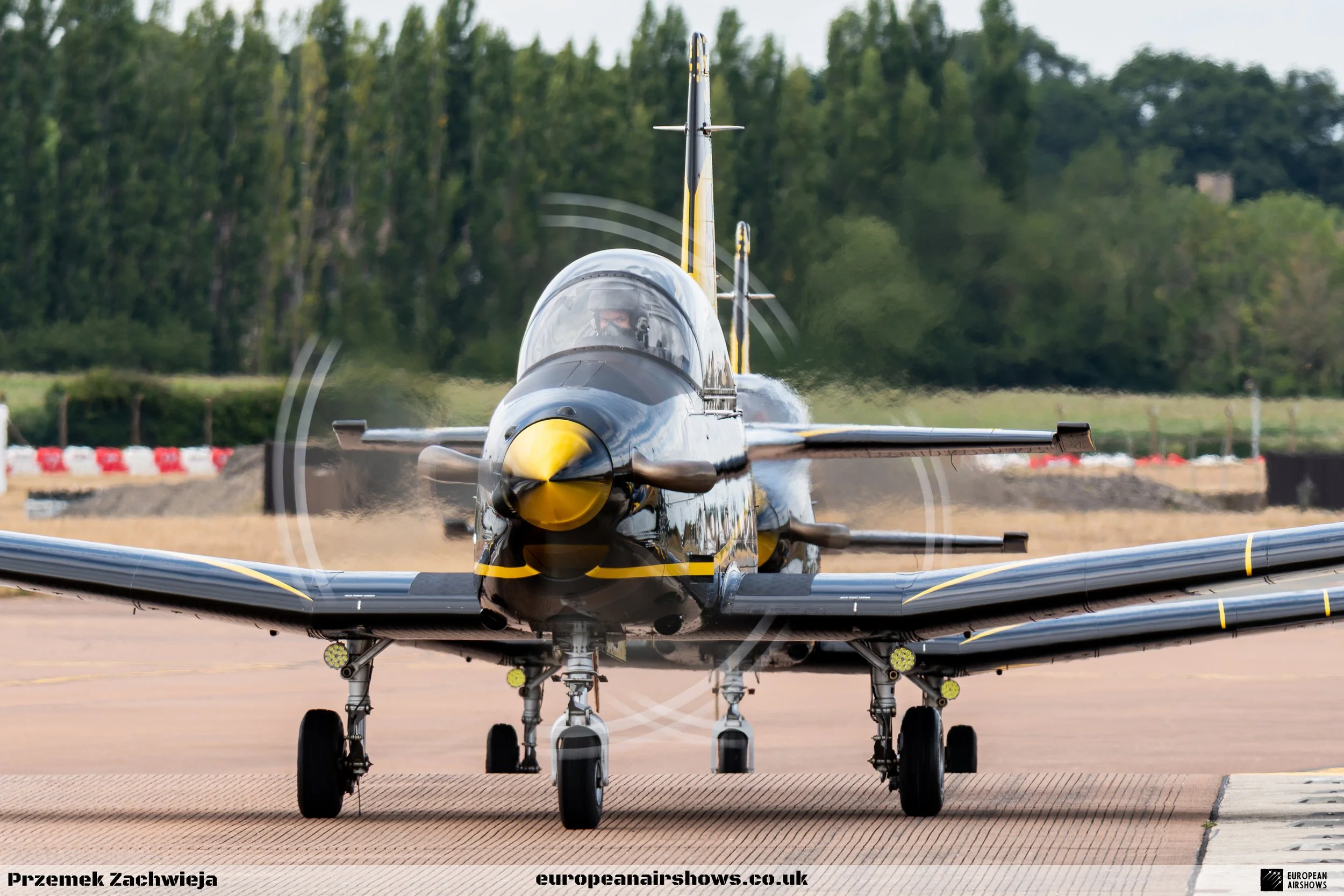
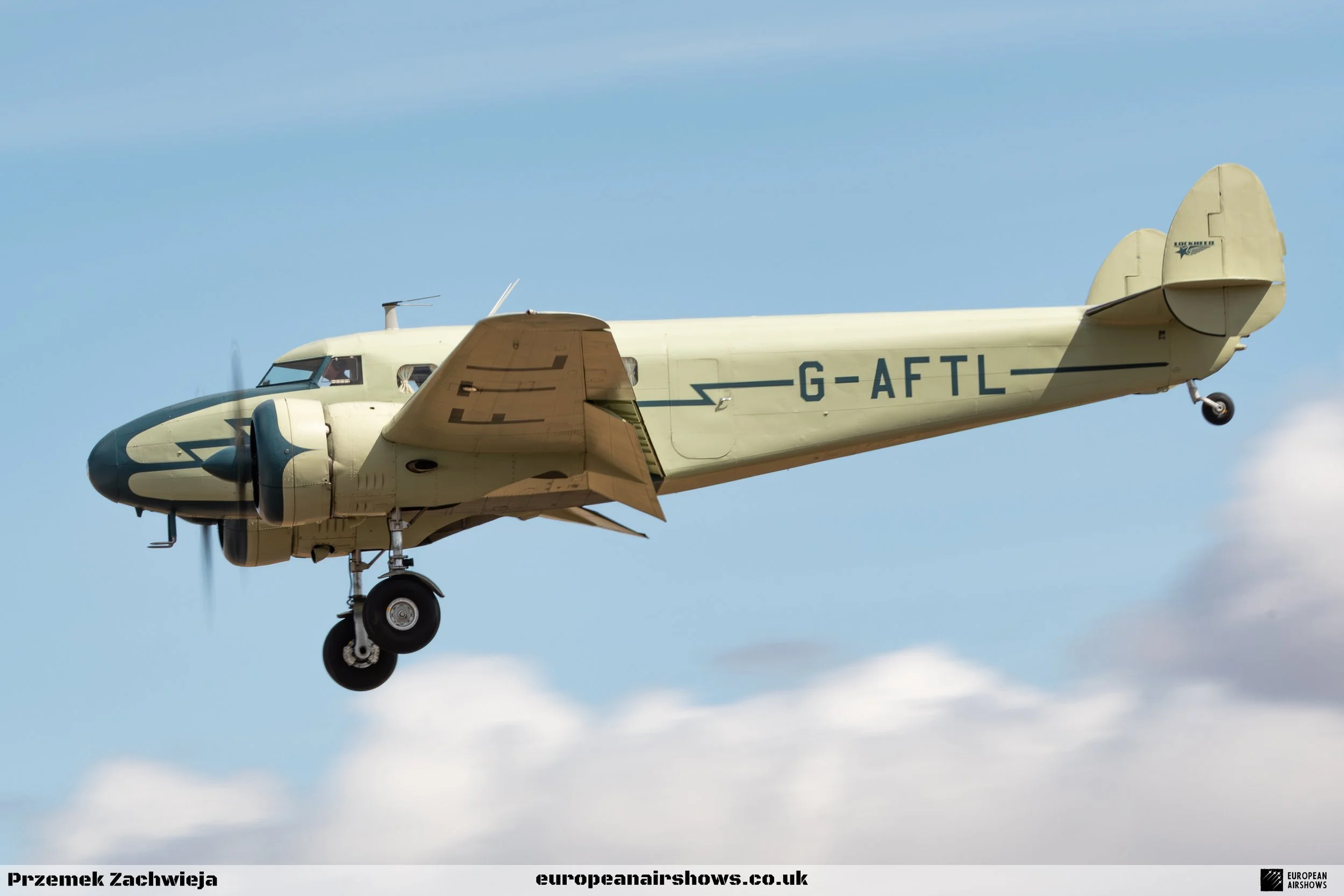
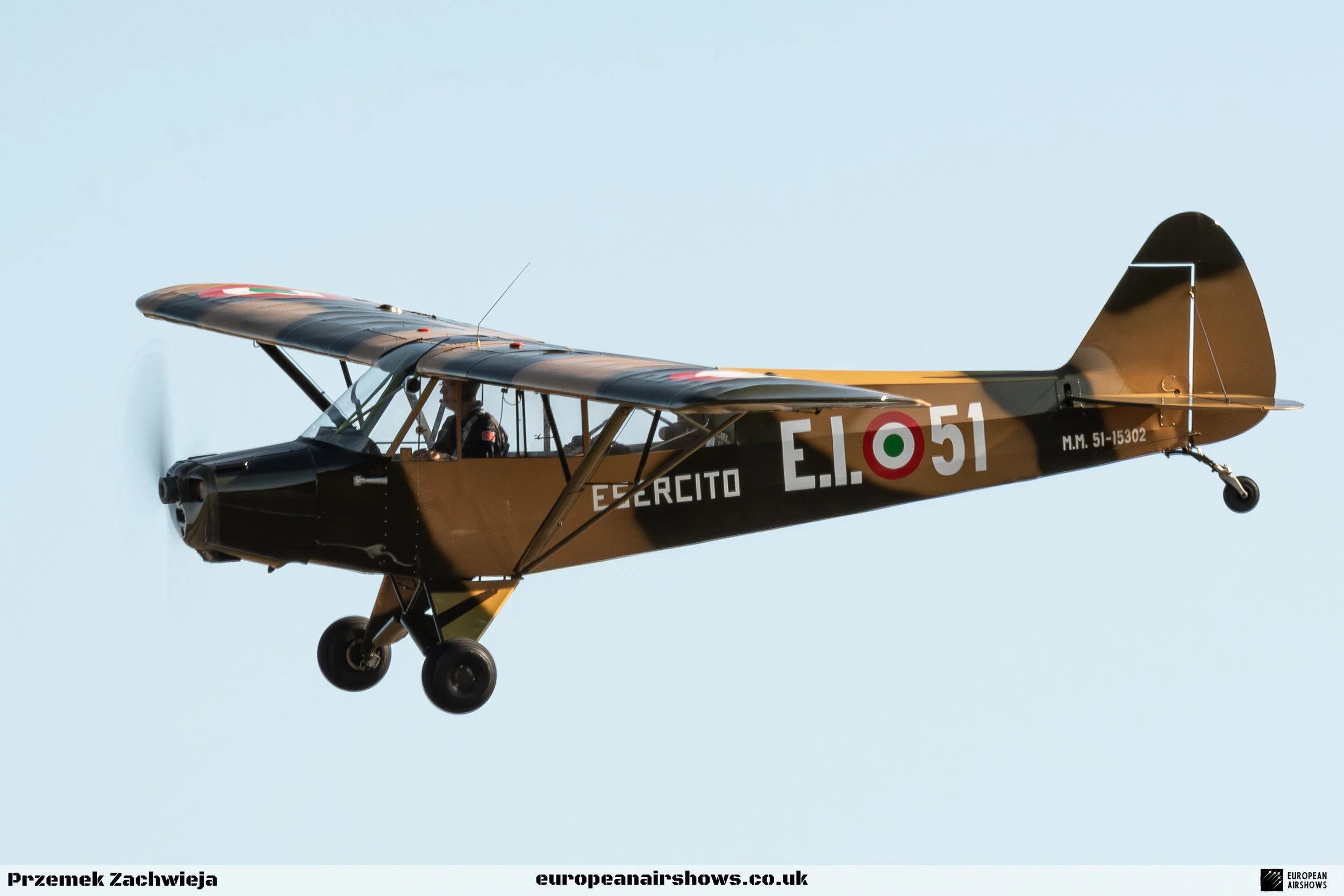
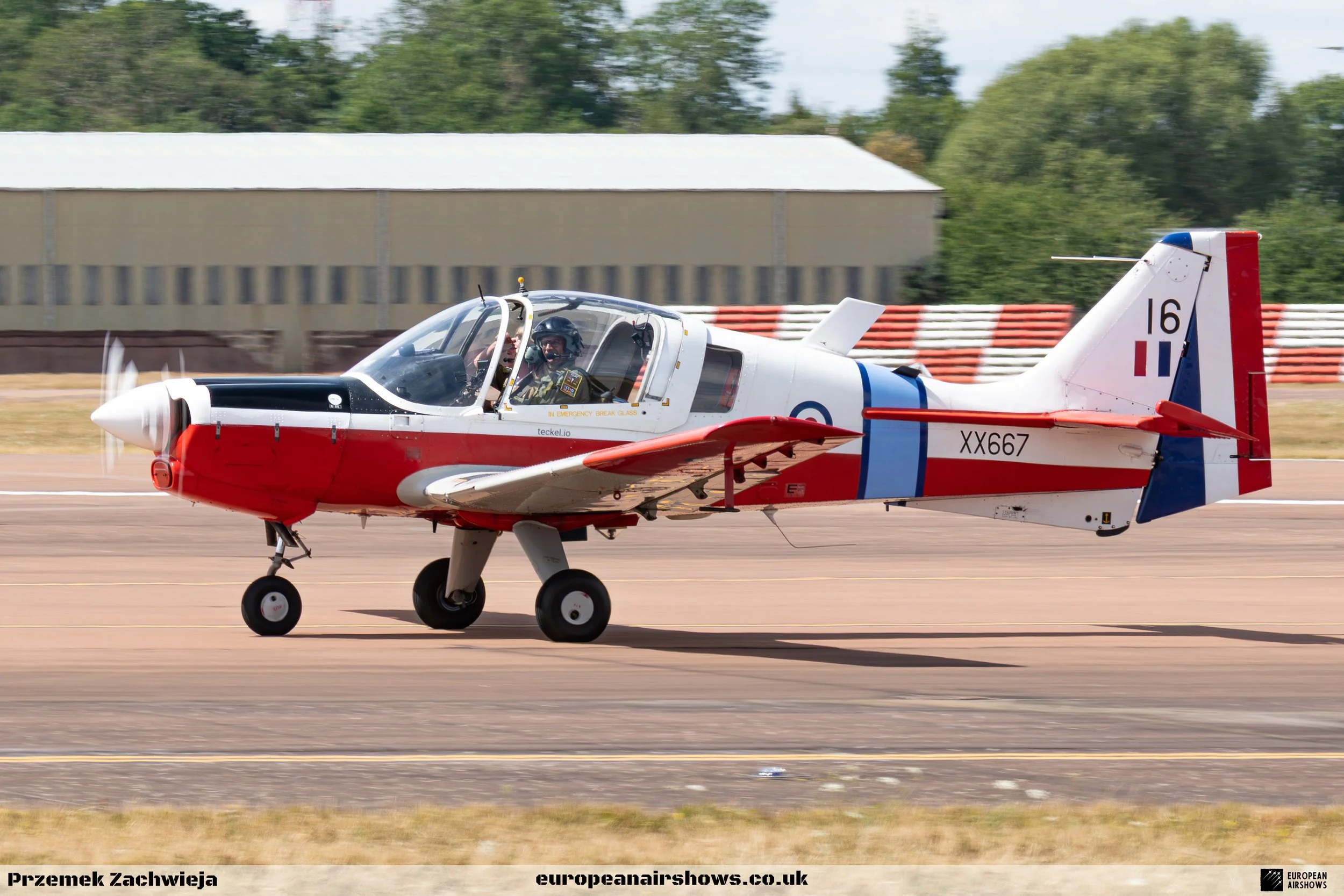
Rotorcraft history was another strong thread: a Bell 47 H-1 shimmered in the sun, the Historic Army Aircraft Flight’s Bell Sioux AH.1 nodded to early AAC service, and a German-operated Bell UH-1D Iroquois brought Cold War utility to life. Maritime patrol and search-and-rescue were well covered, too—the Britten-Norman BN-2B Islander from Channel Islands Air Search and Plane Sailing’s crowd-pleasing PBY-5A Catalina anchored a neat lineage from heritage to modern SAR. Around them, Fighter Aviation Engineering Ltd paired a polished Lockheed 12A Electra Junior with a Supermarine Spitfire FR.XIVe; a Fouga CM.170 Magister, a Swiss-registered Dornier Do 27, Piaggio’s P.166C, the pocket-attack SOKO J-20 Kraguj, and a cluster of Scottish Aviation Bulldog T.1s rounded out the “sweet shop.” Add in de Havilland Canada’s Twin Otter, a Chipmunk T.10, Grob’s 120TP and high-altitude 520NG (parked together as part of the ISR story), Pilatus’s PC-21/PC-24 pair, Vertical Aerospace’s VX4 eVTOL prototype, and Historic Helicopters’ burly Westland Sea King HAR.3, and the civil side felt as diverse as it was engaging.
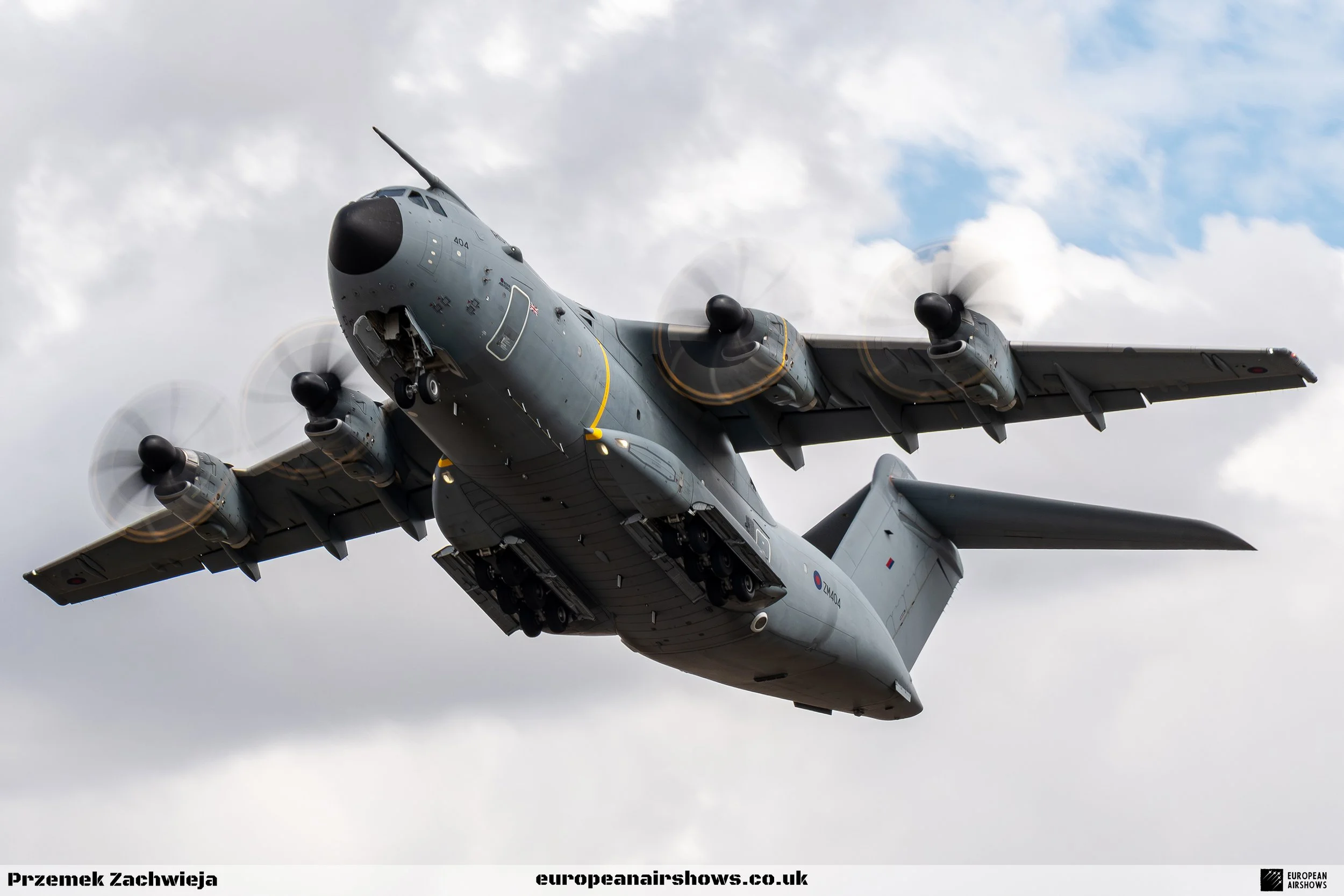
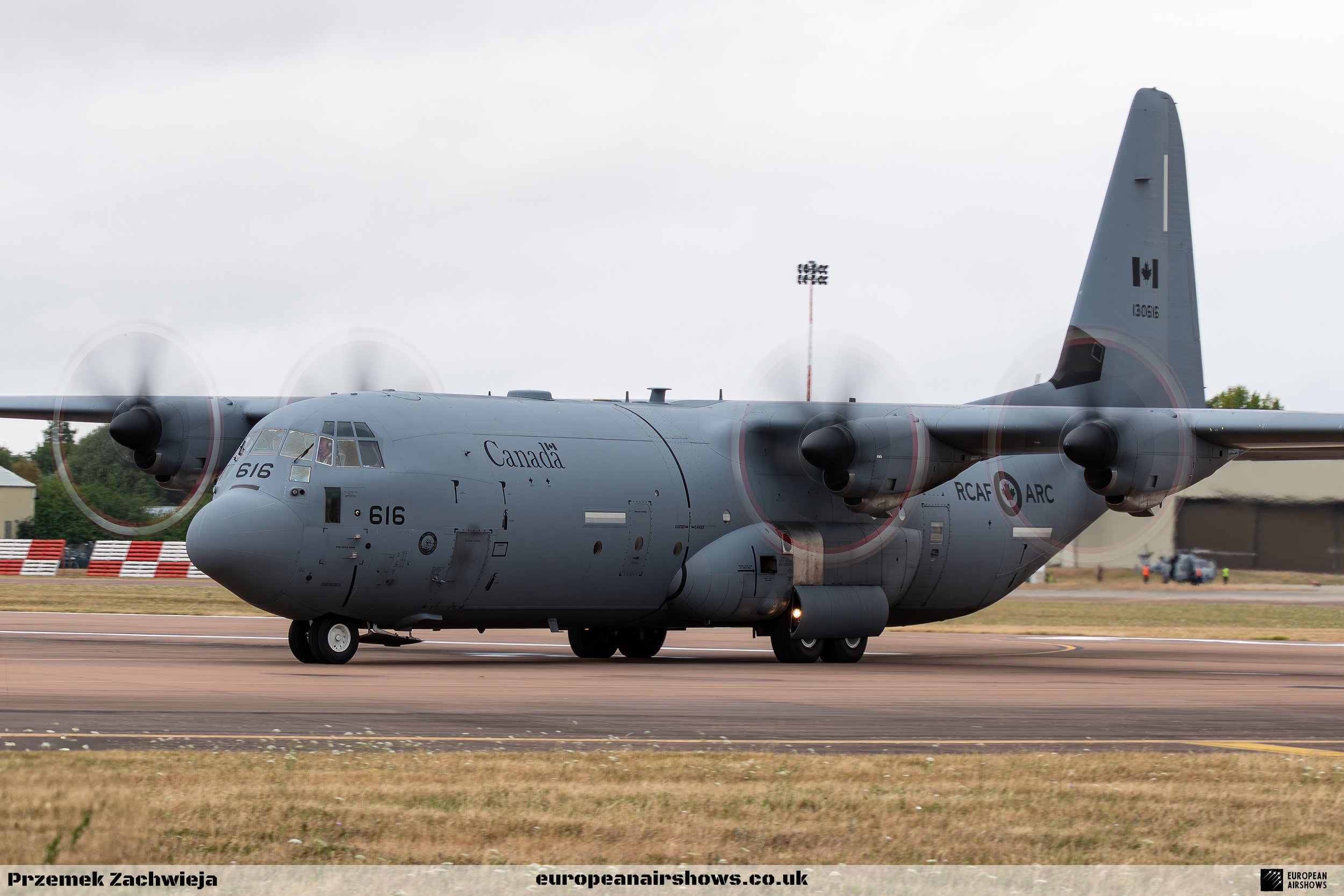
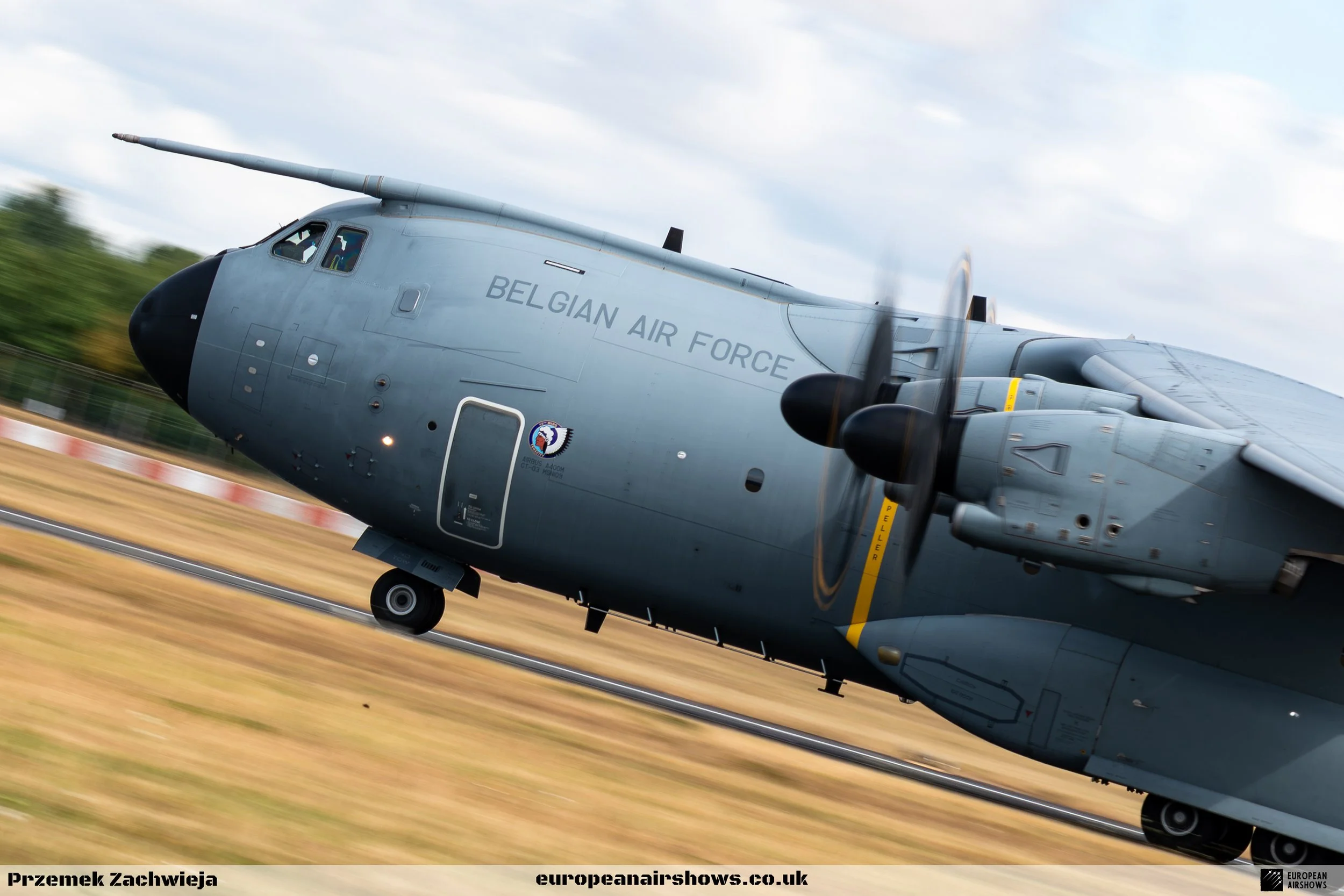
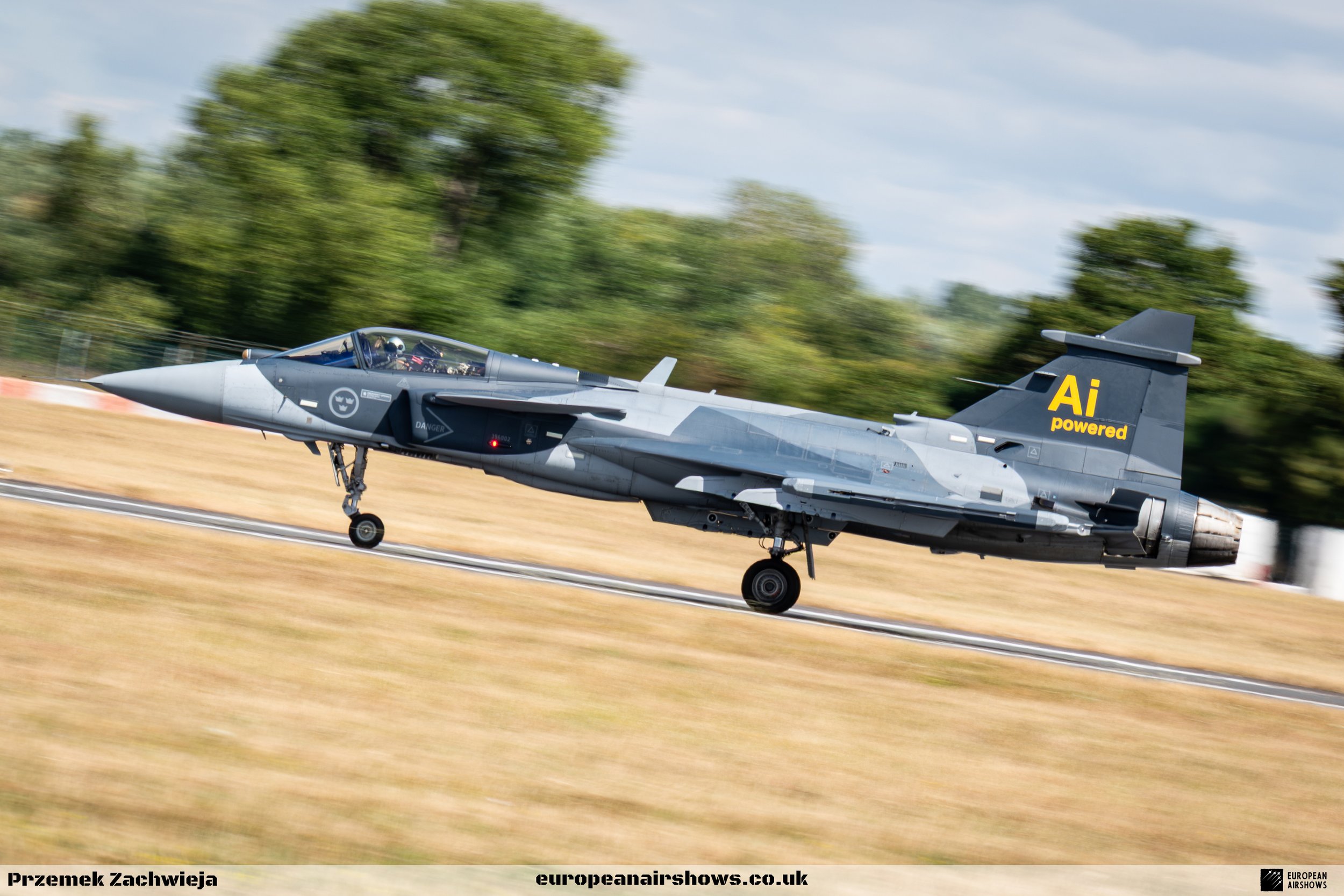
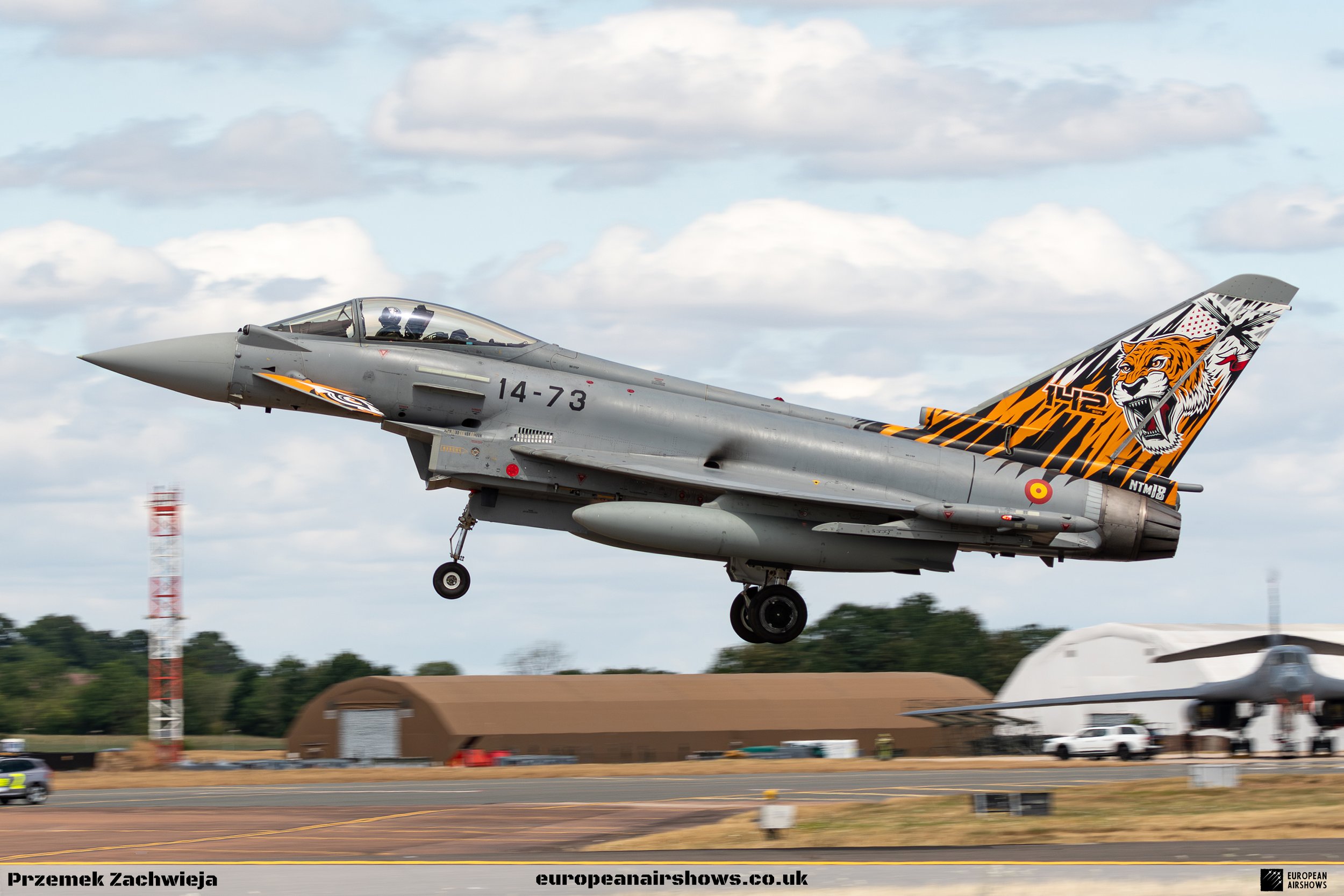
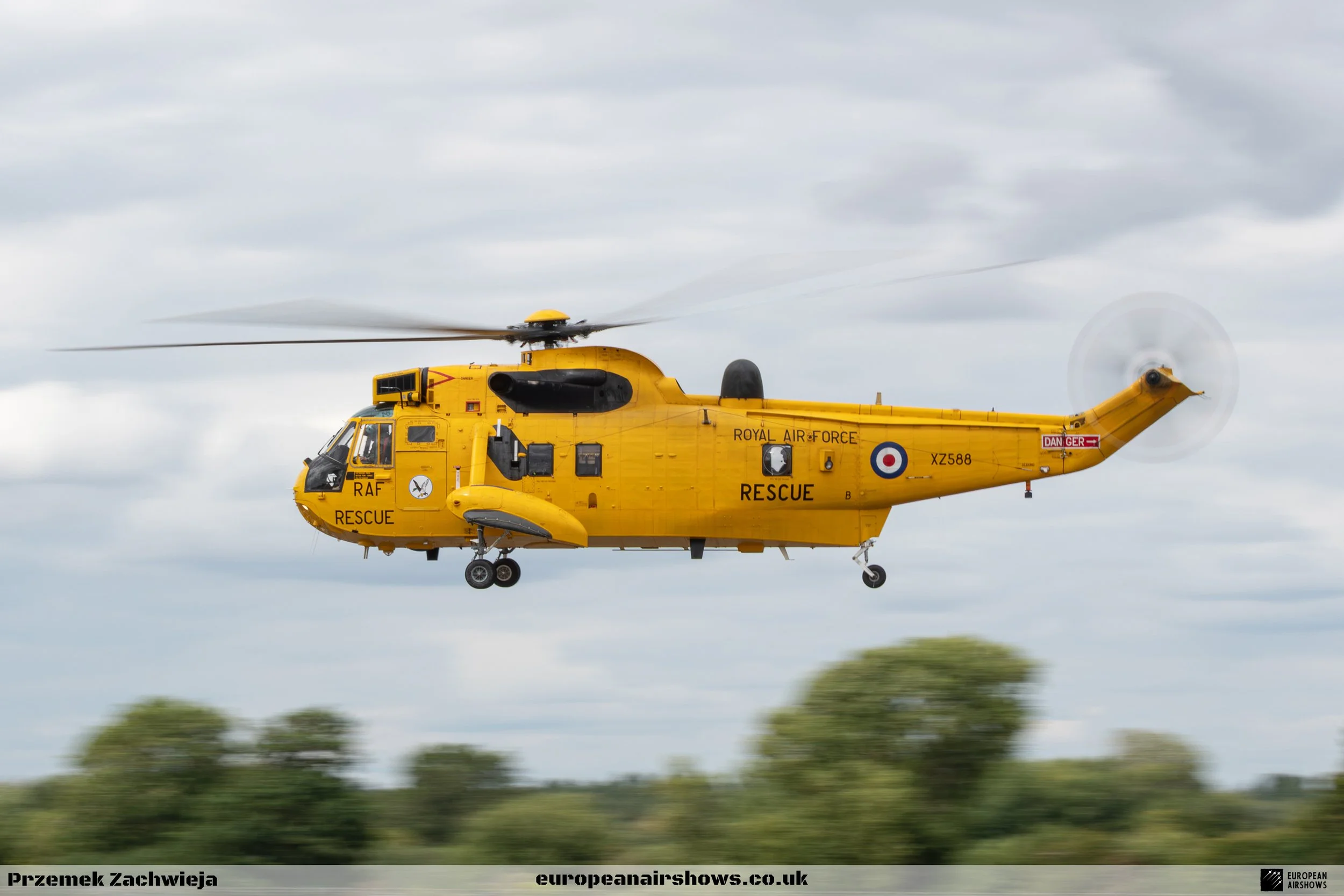
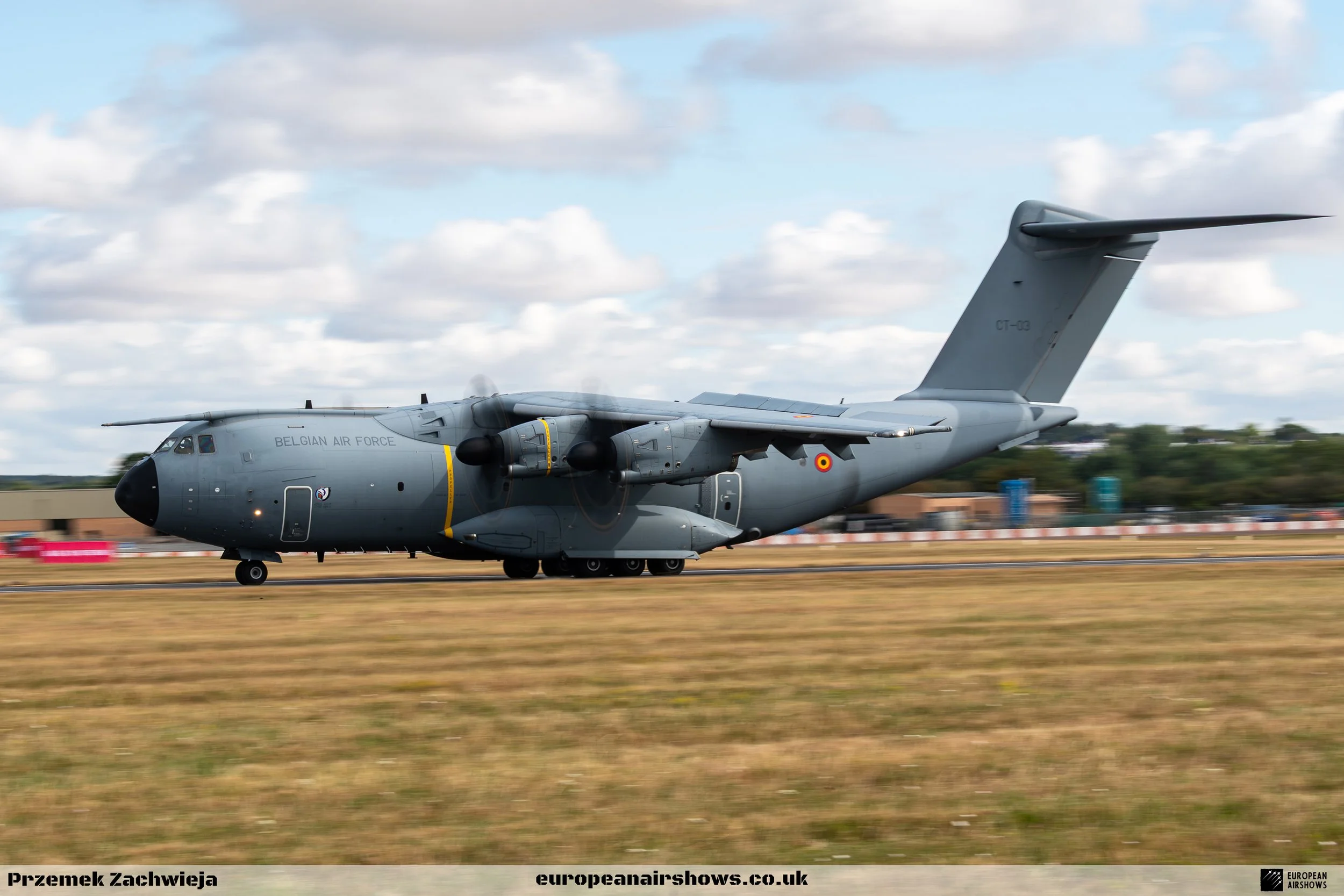
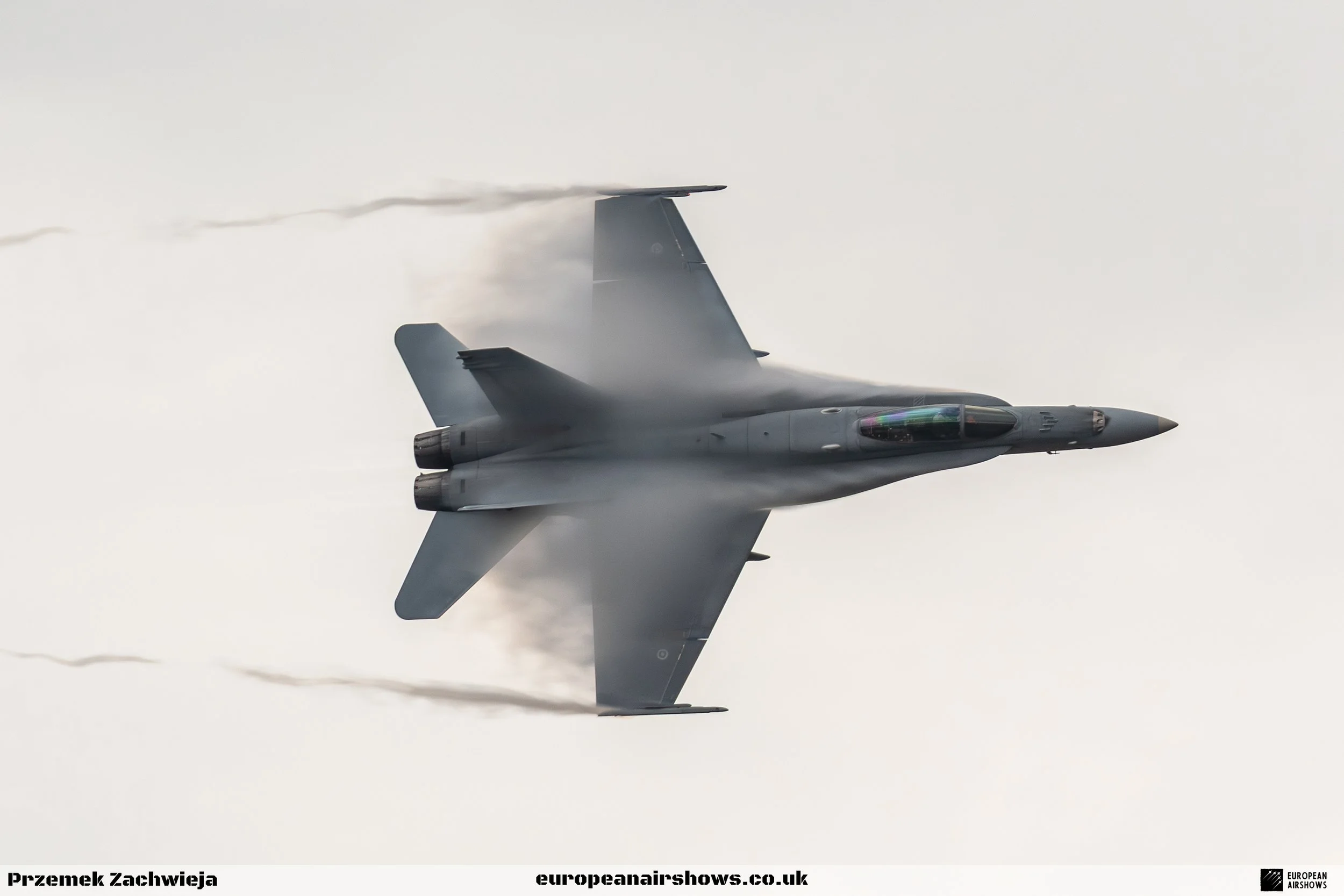
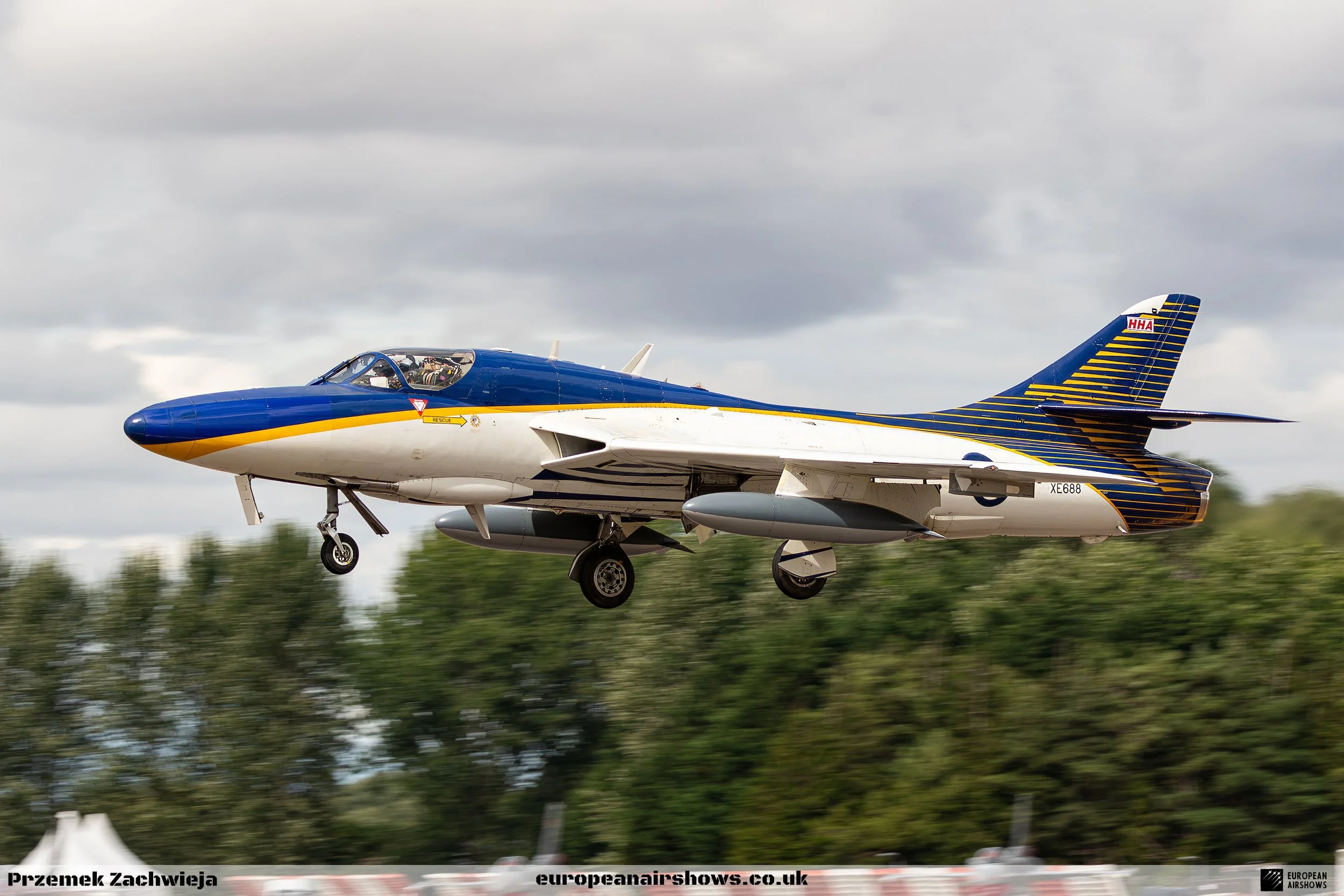
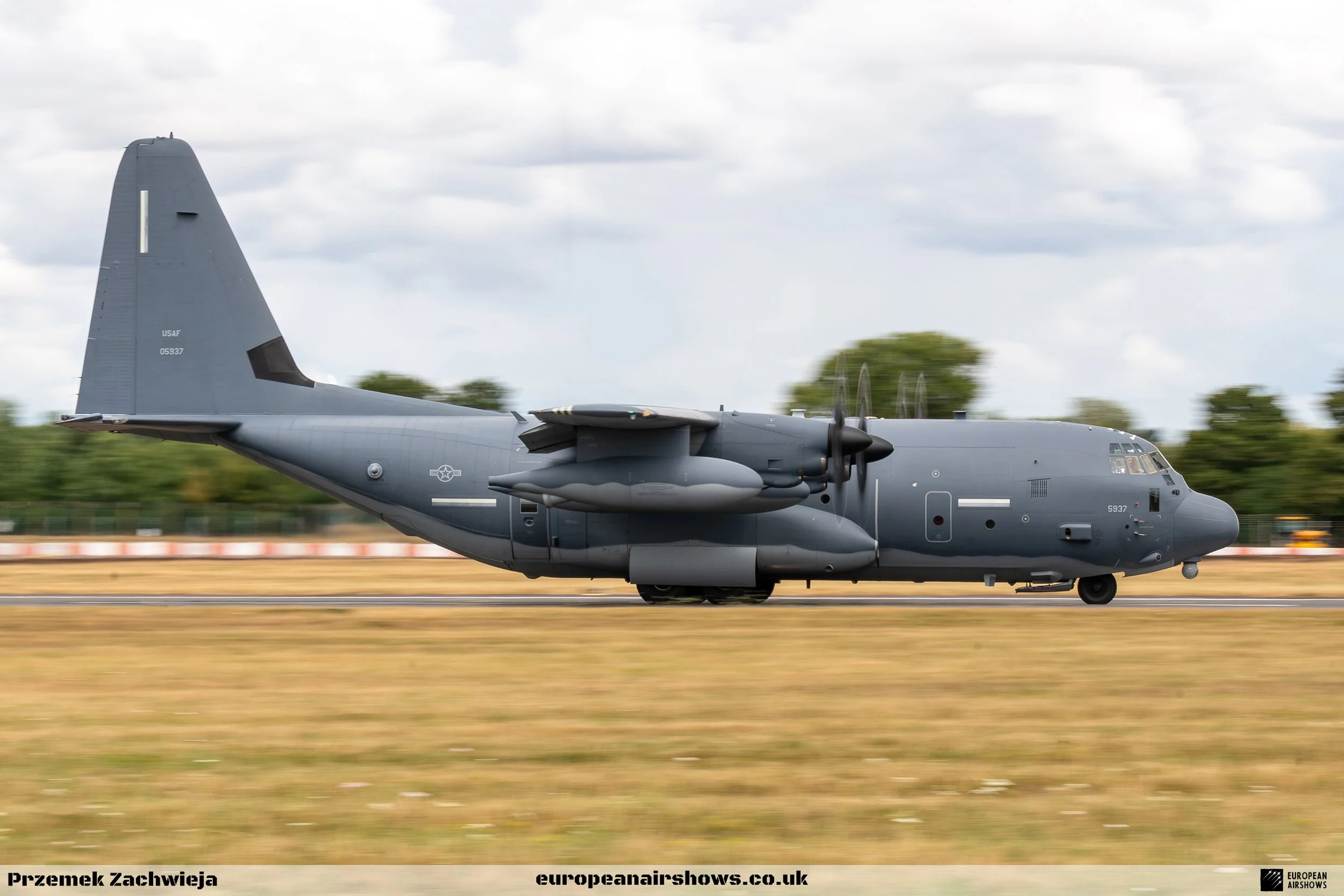
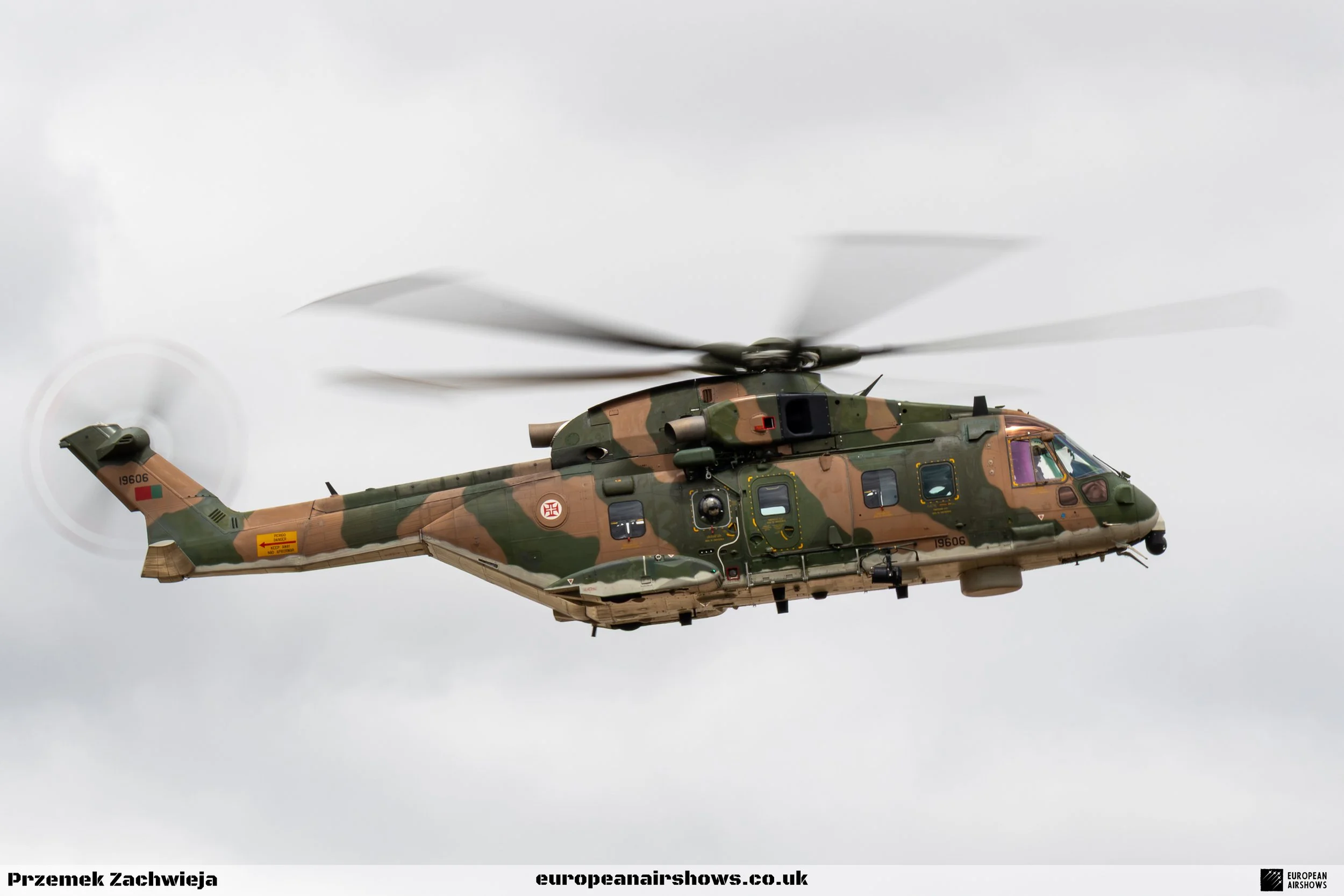
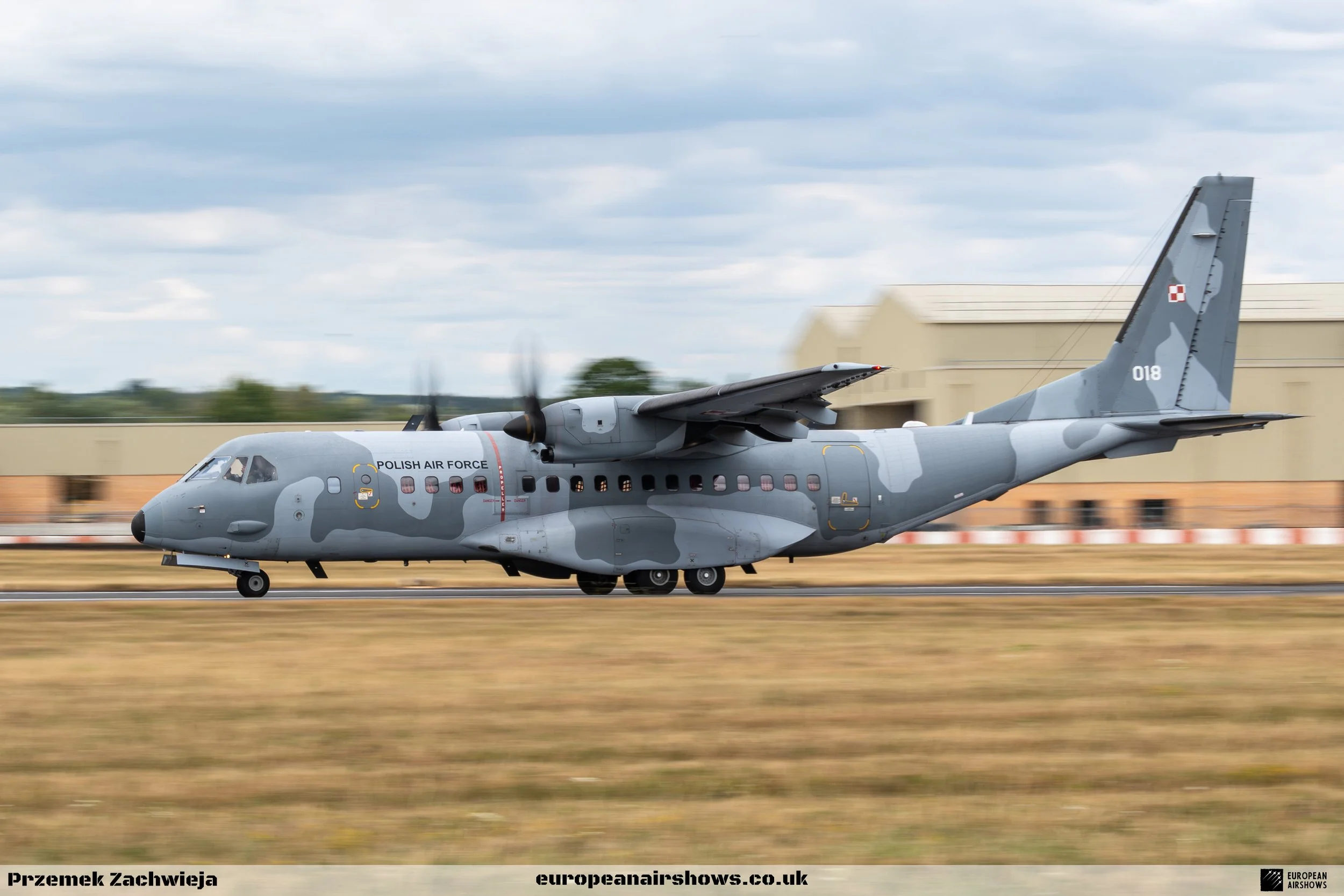
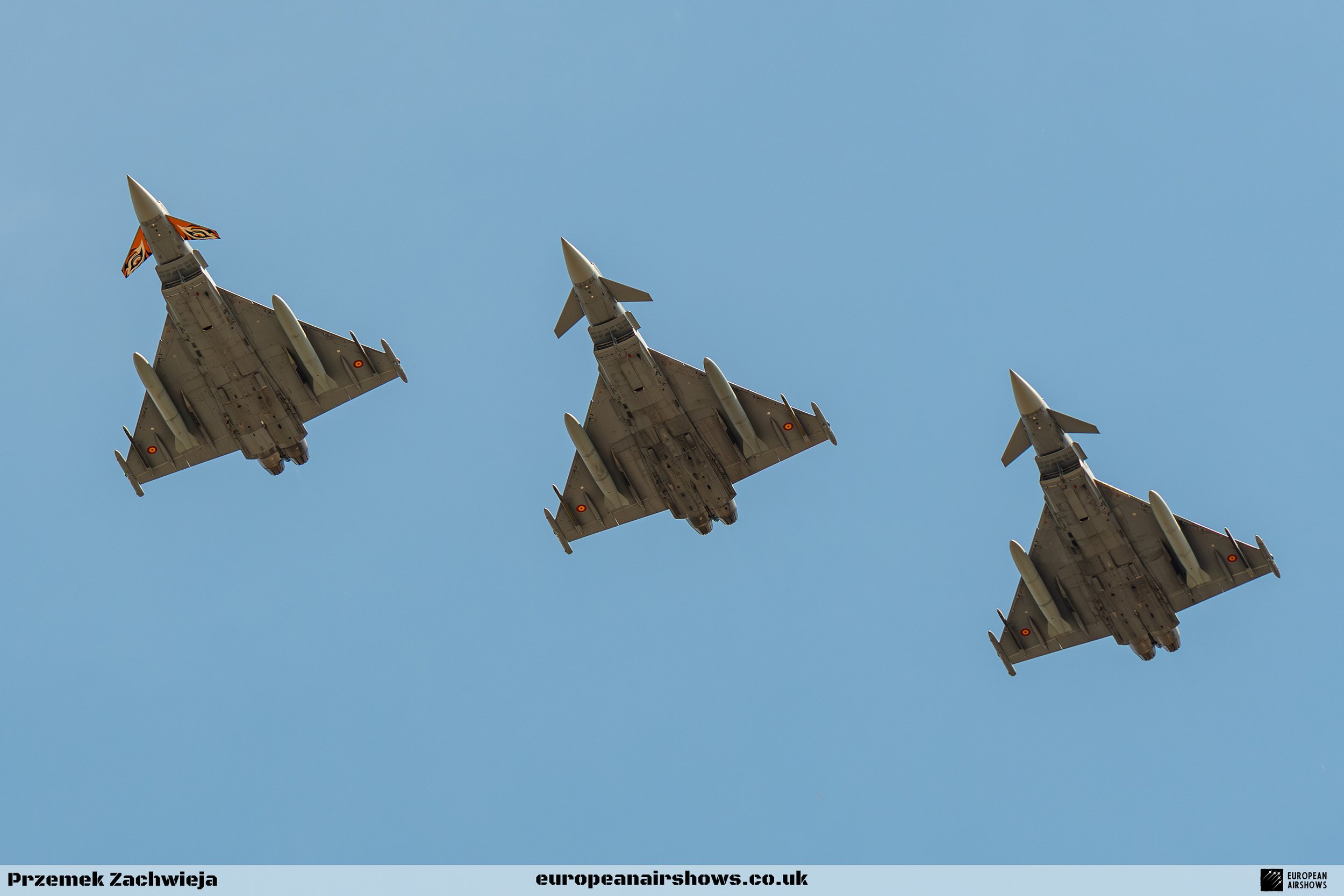
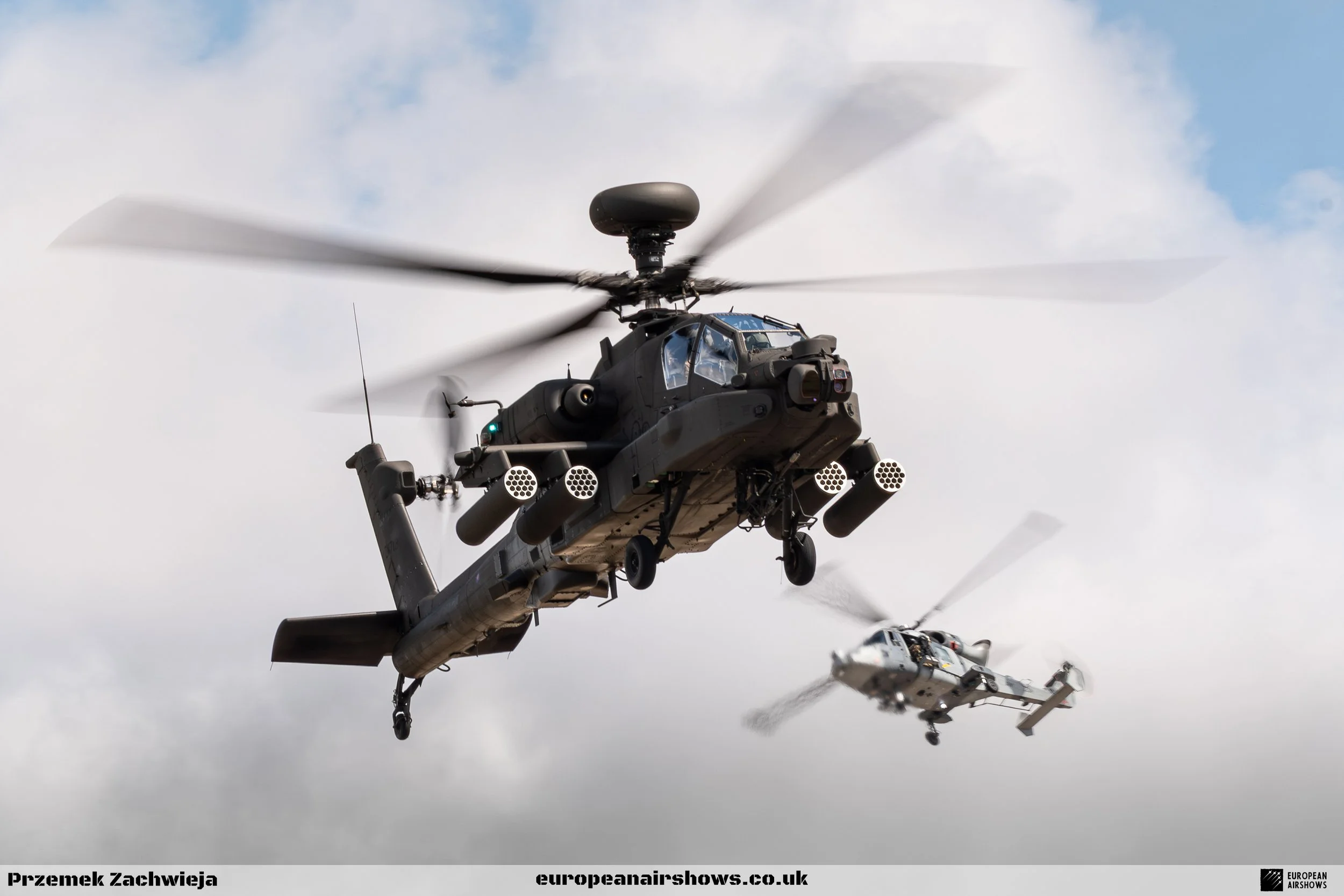
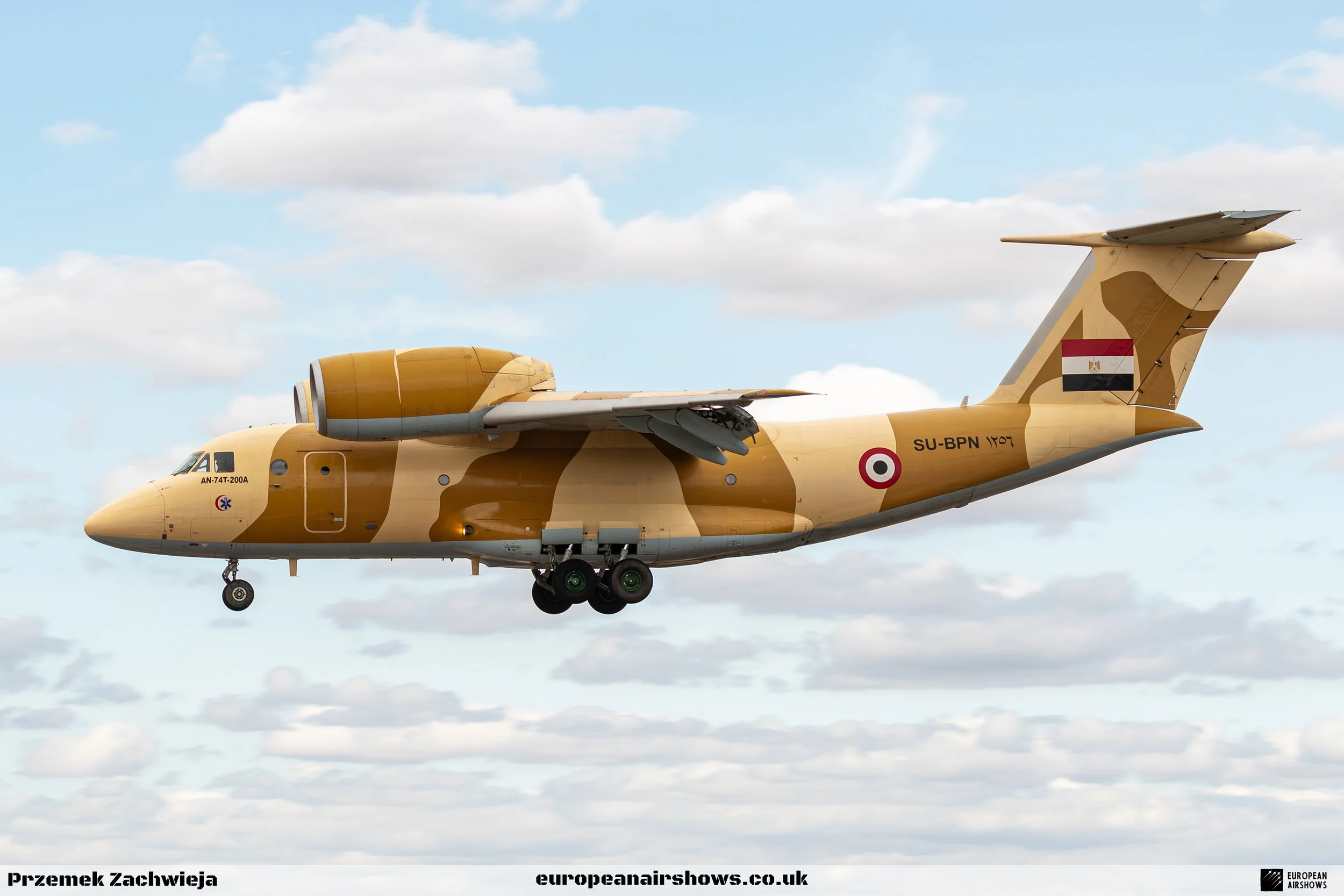
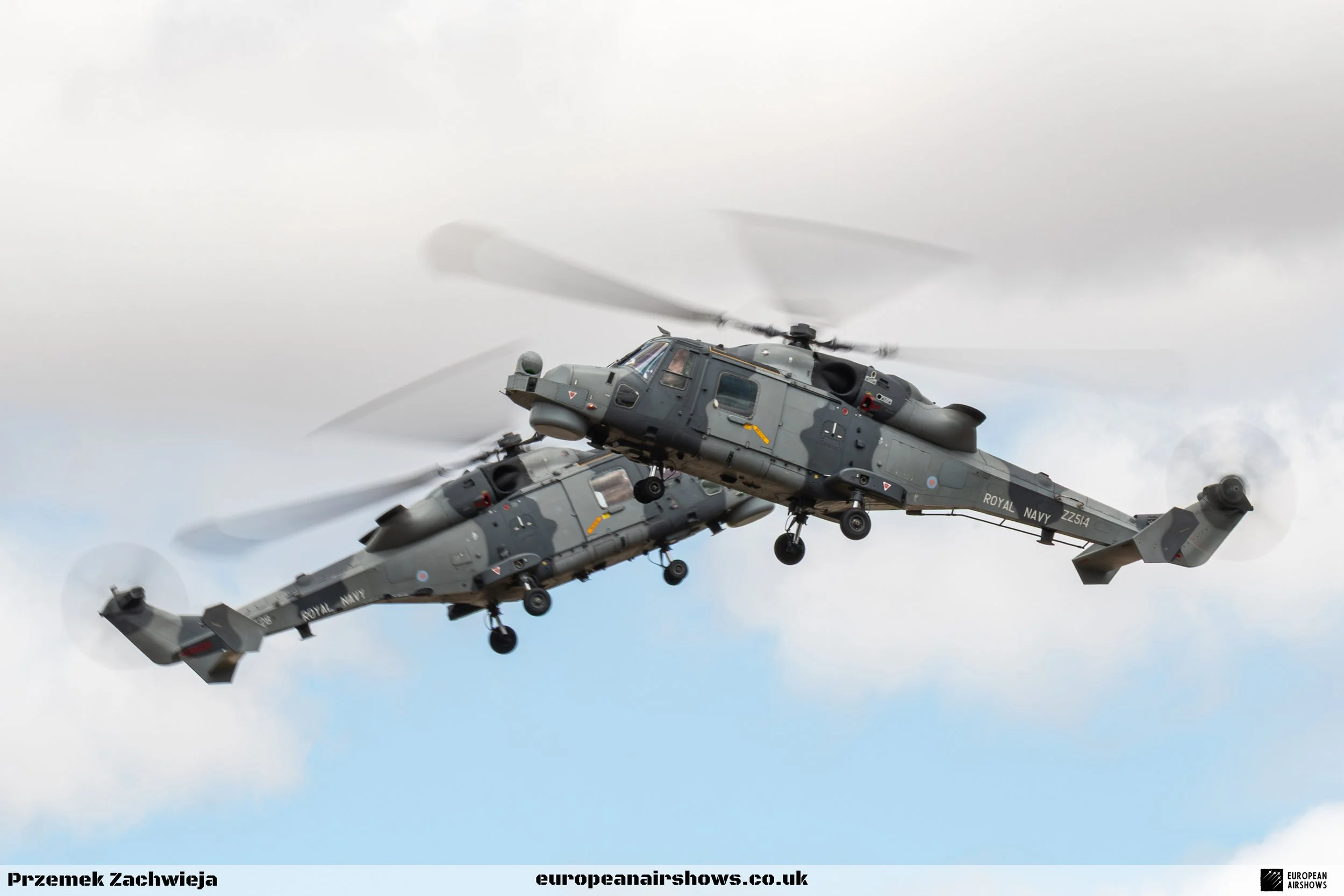
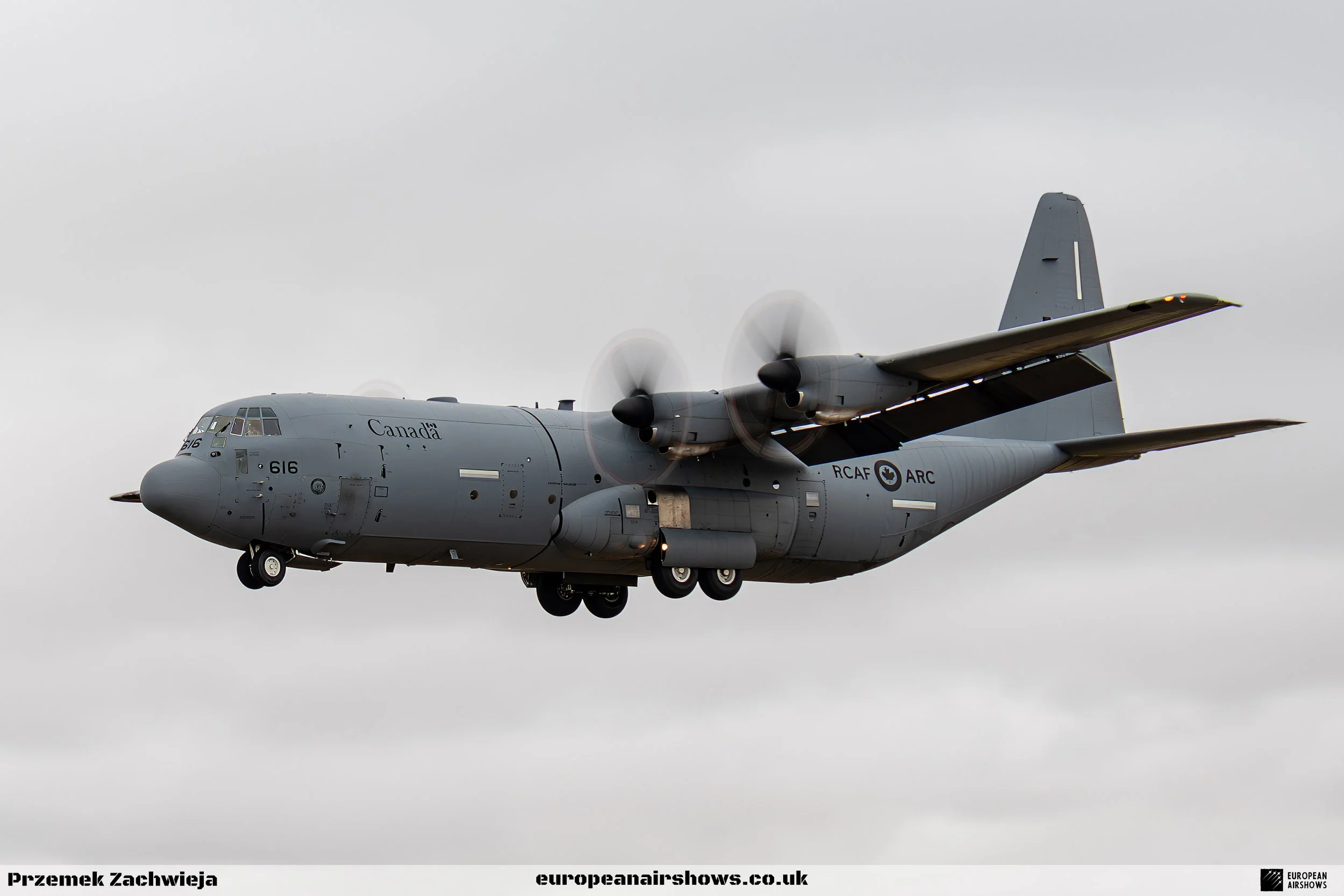
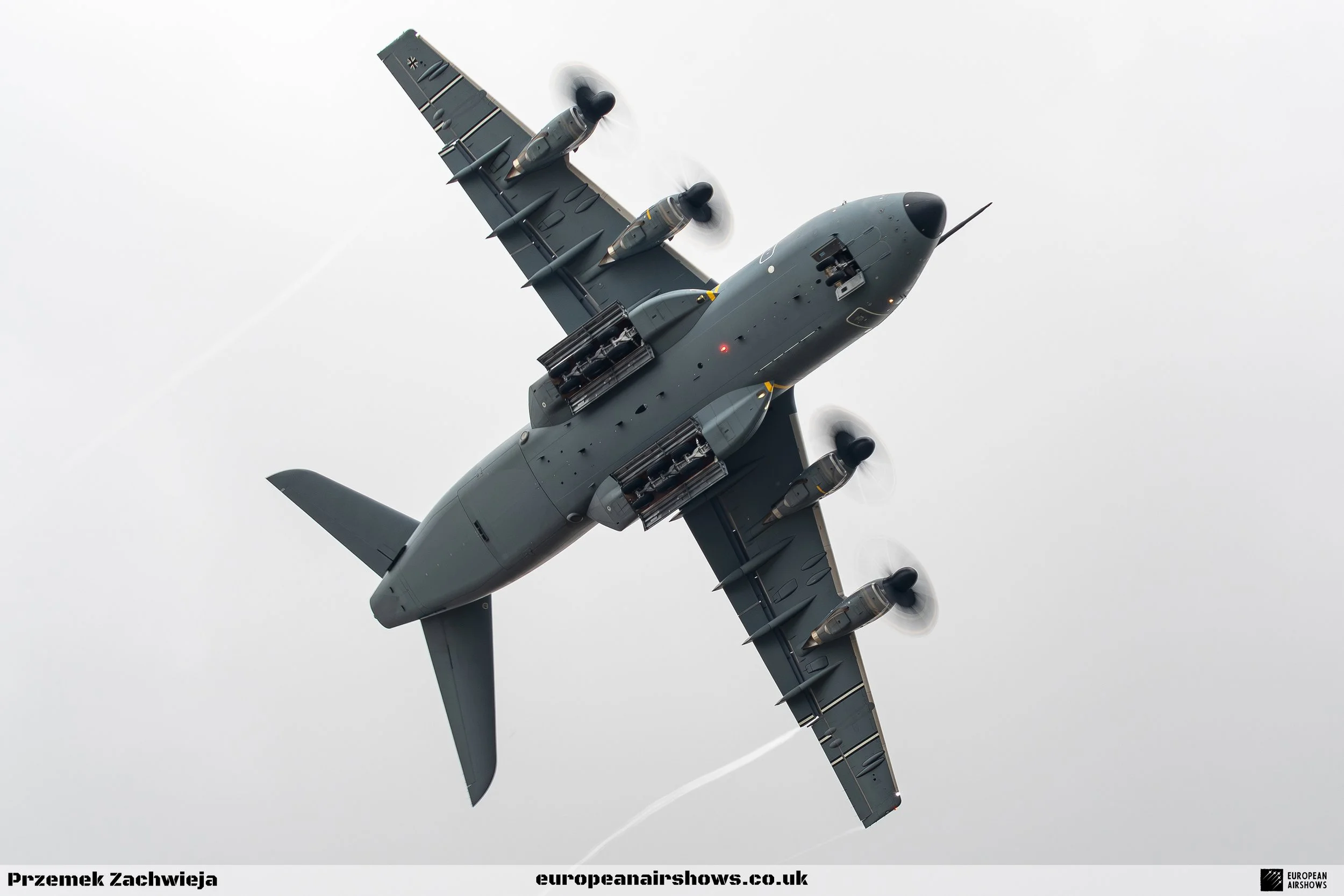
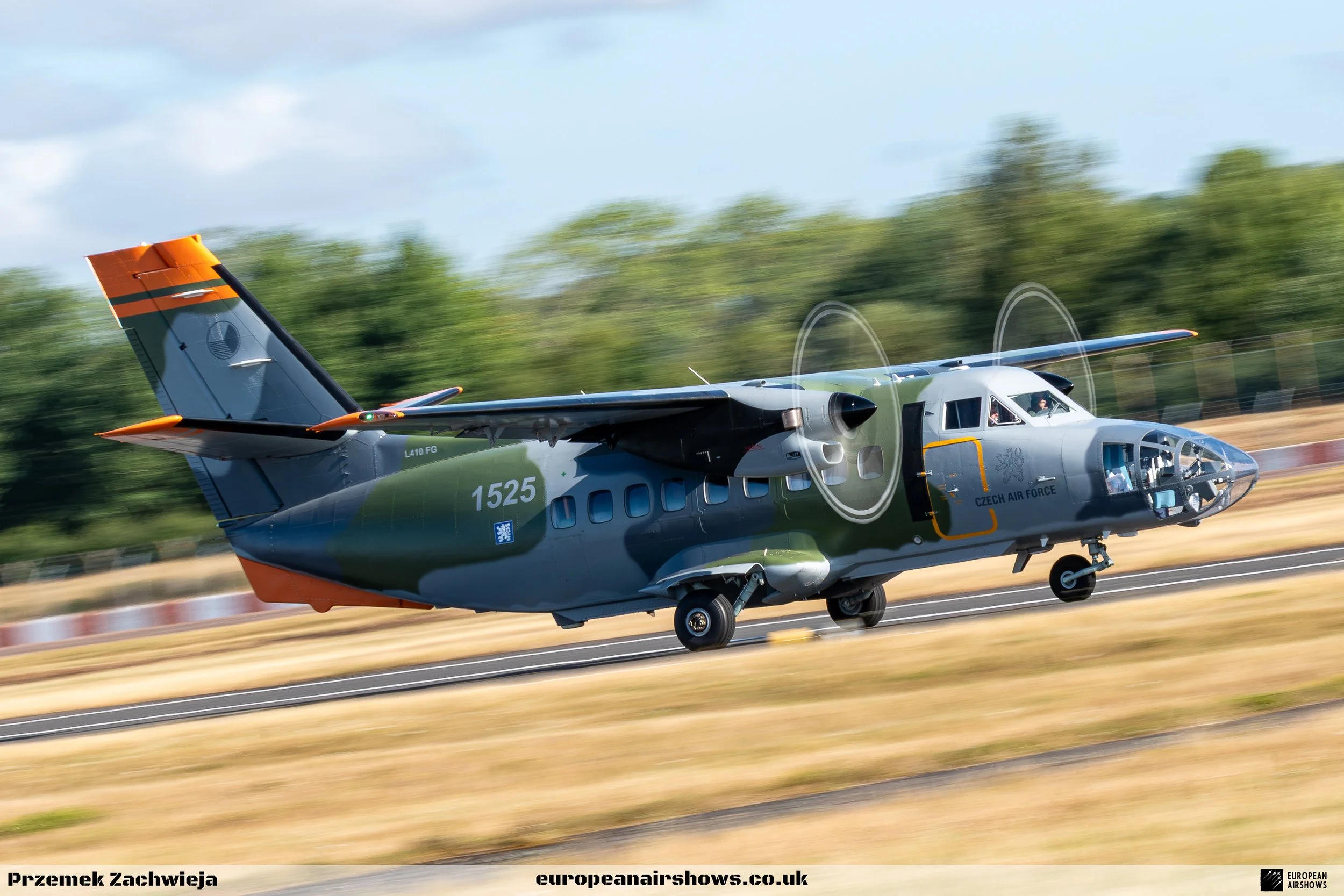
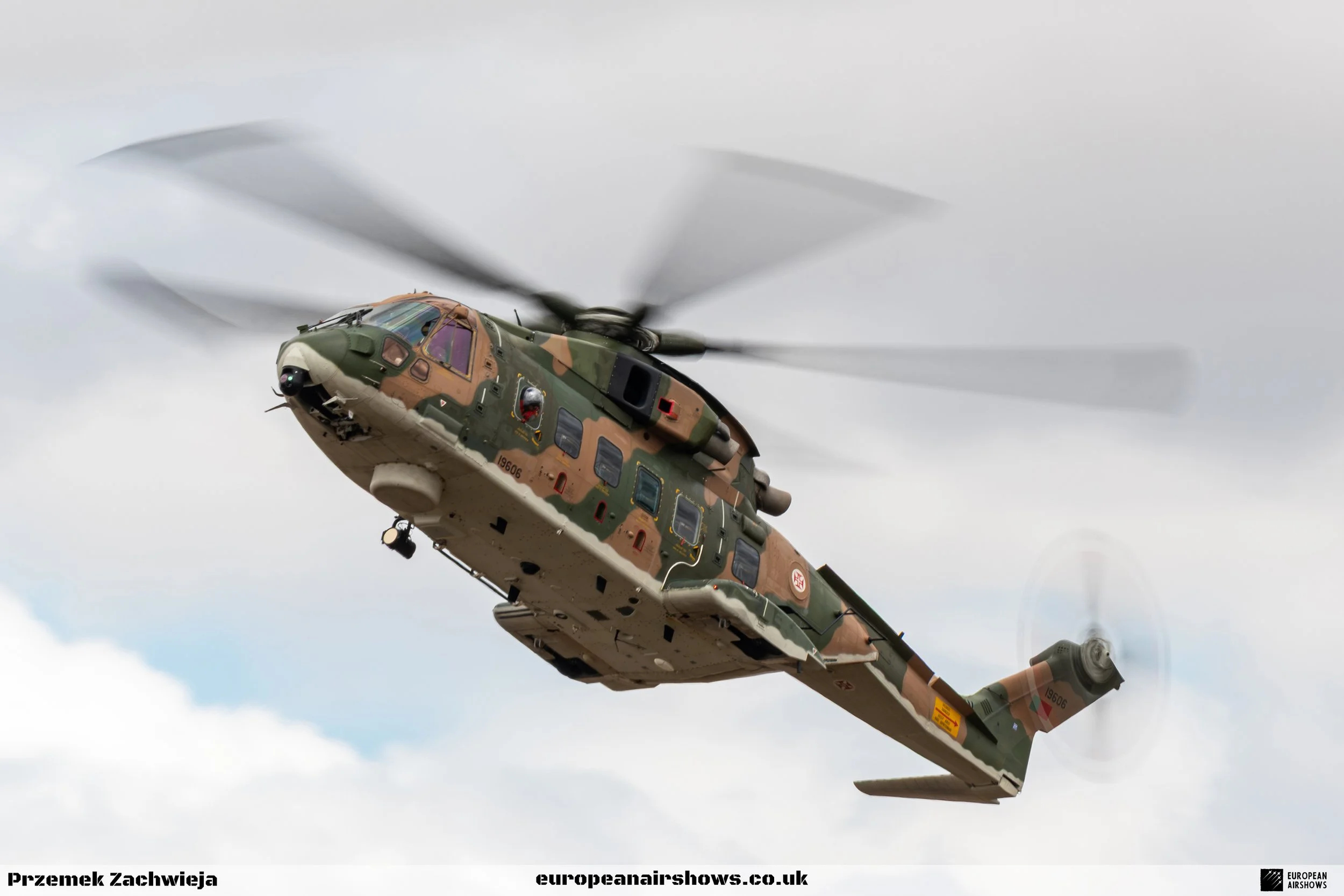
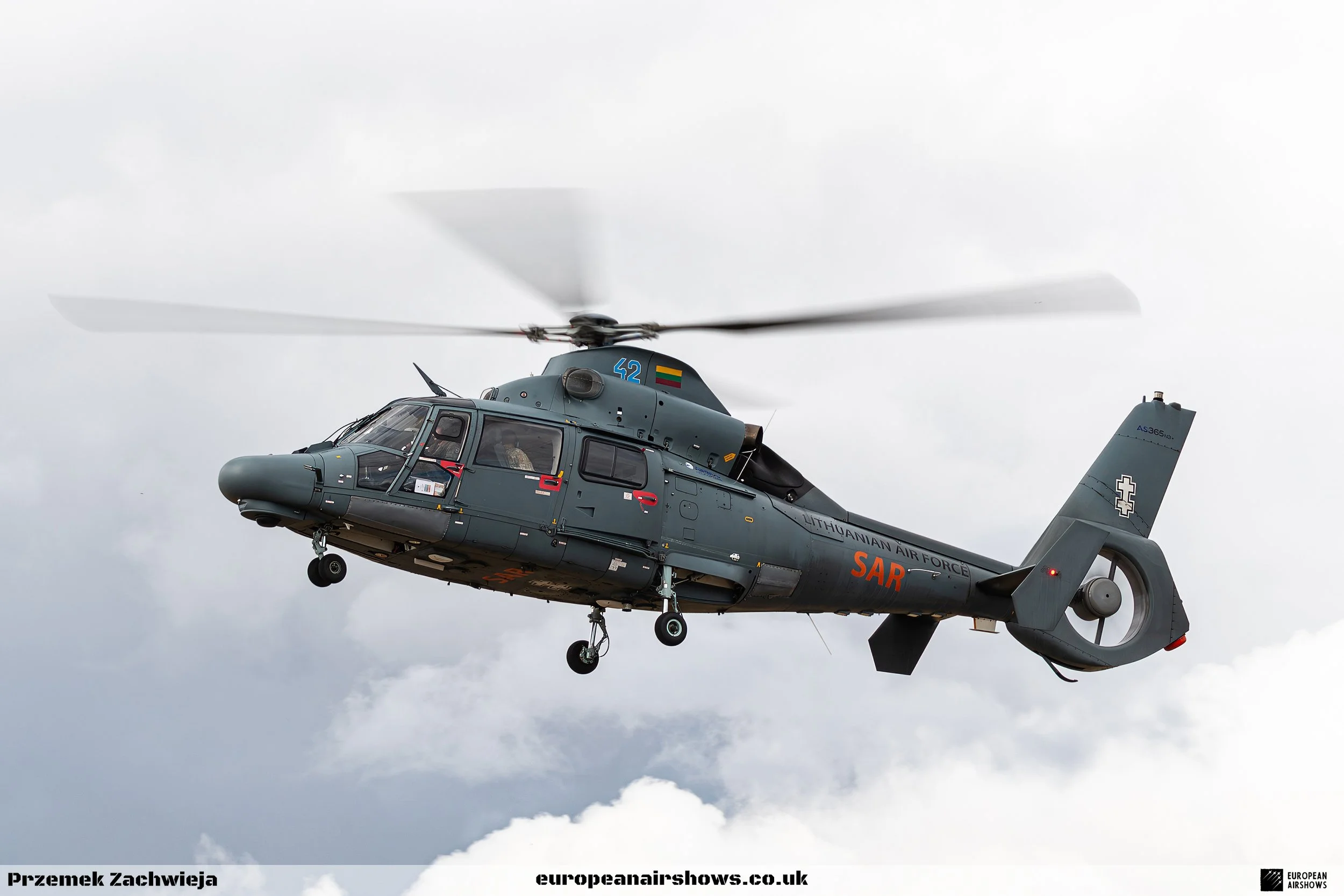
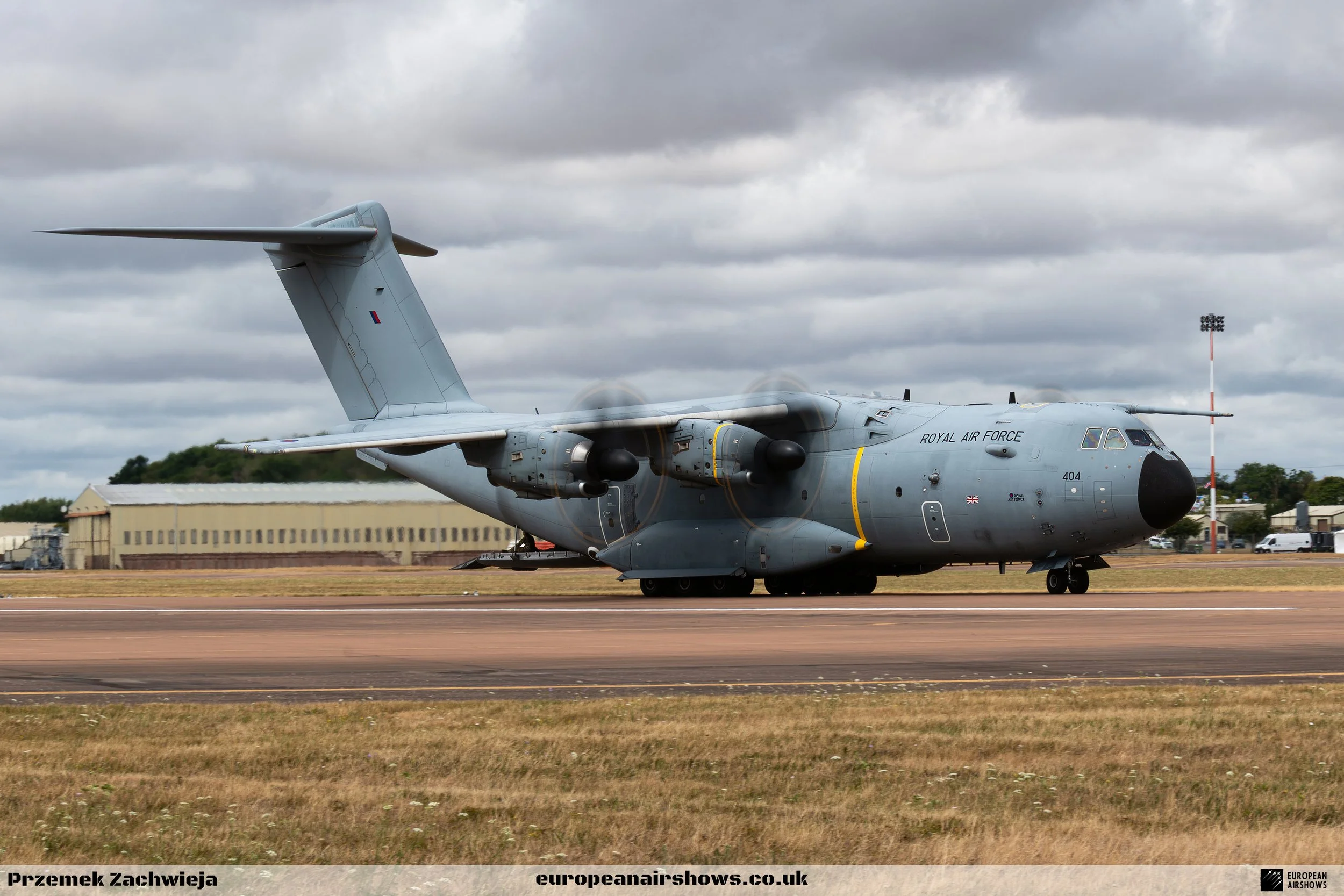
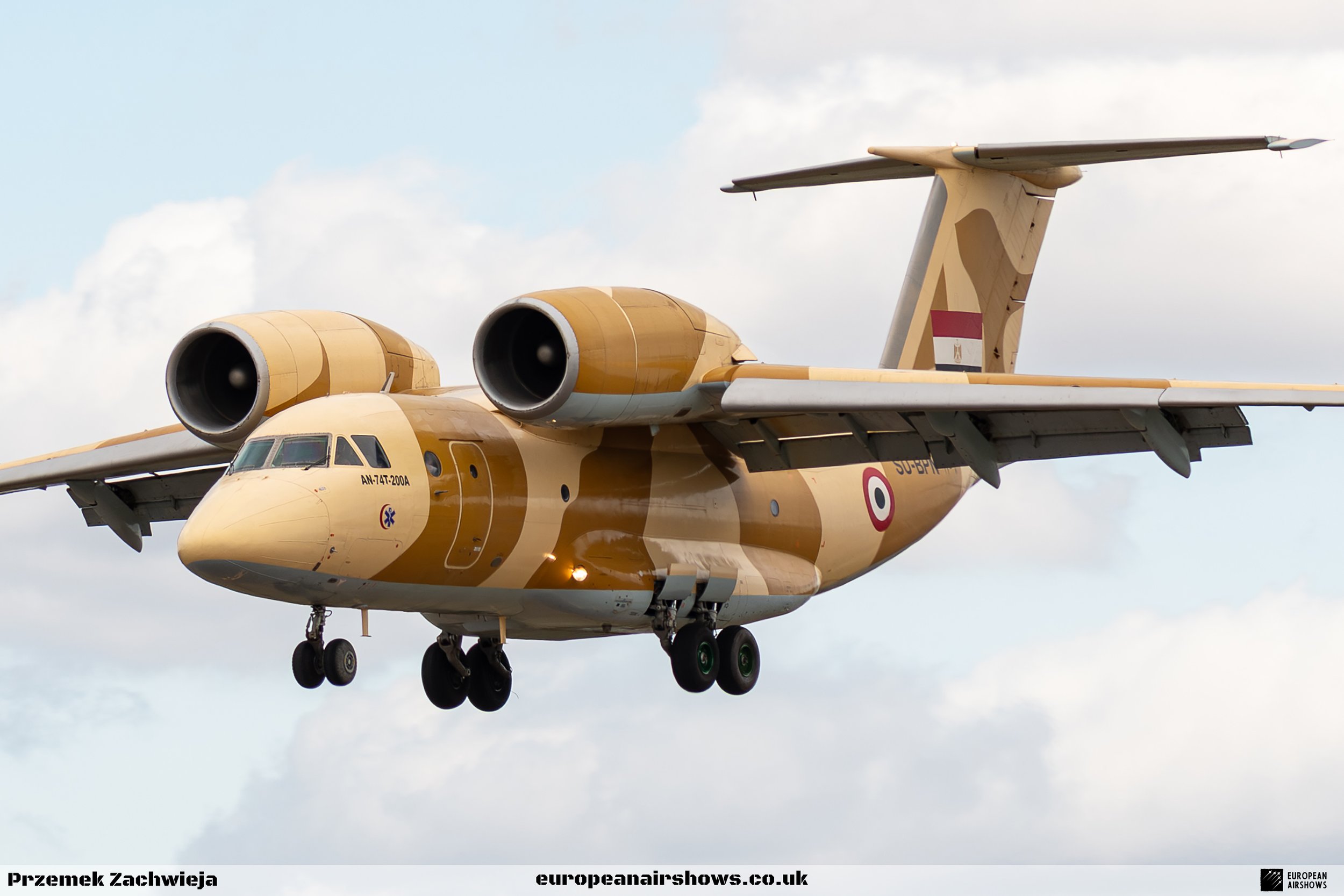
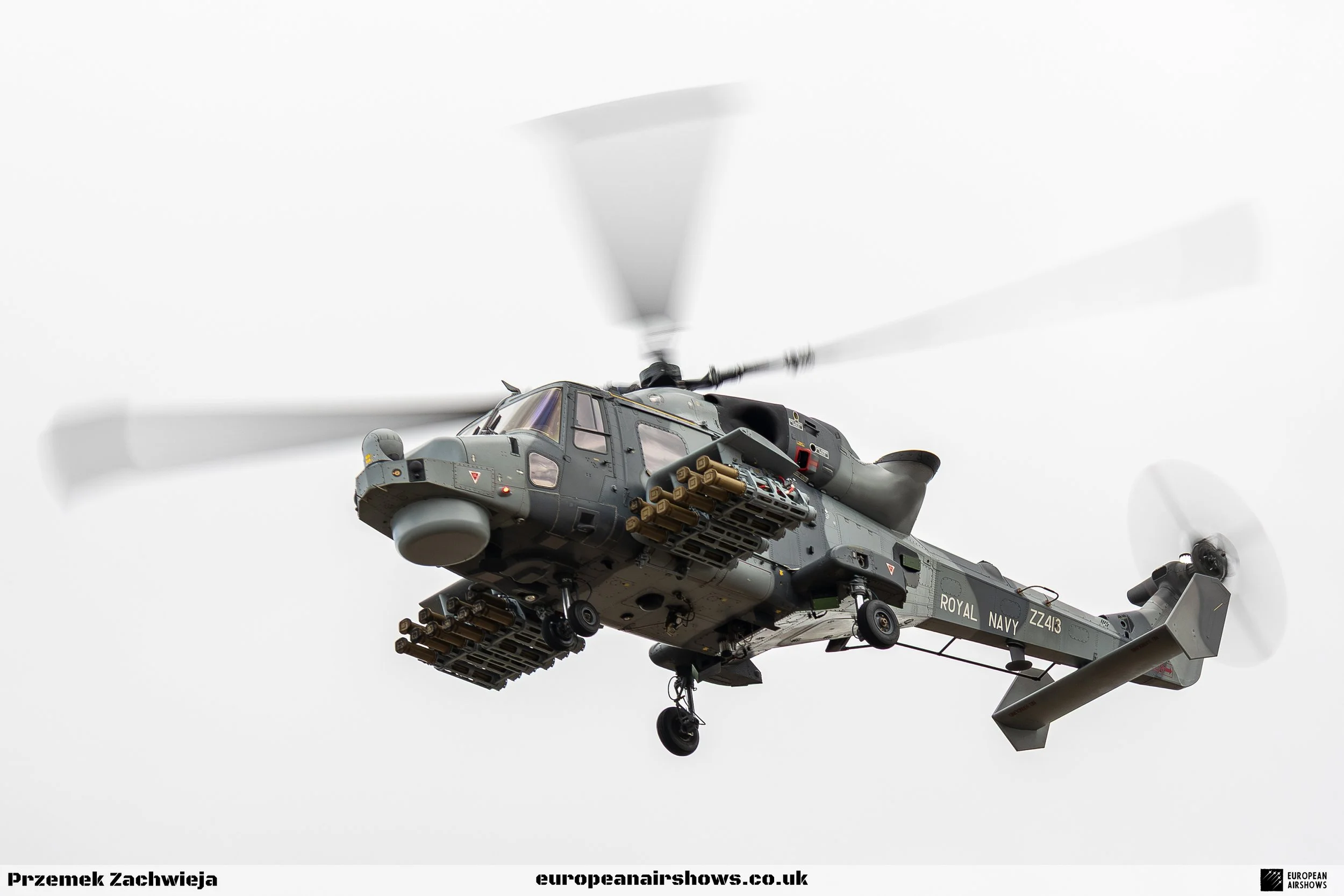
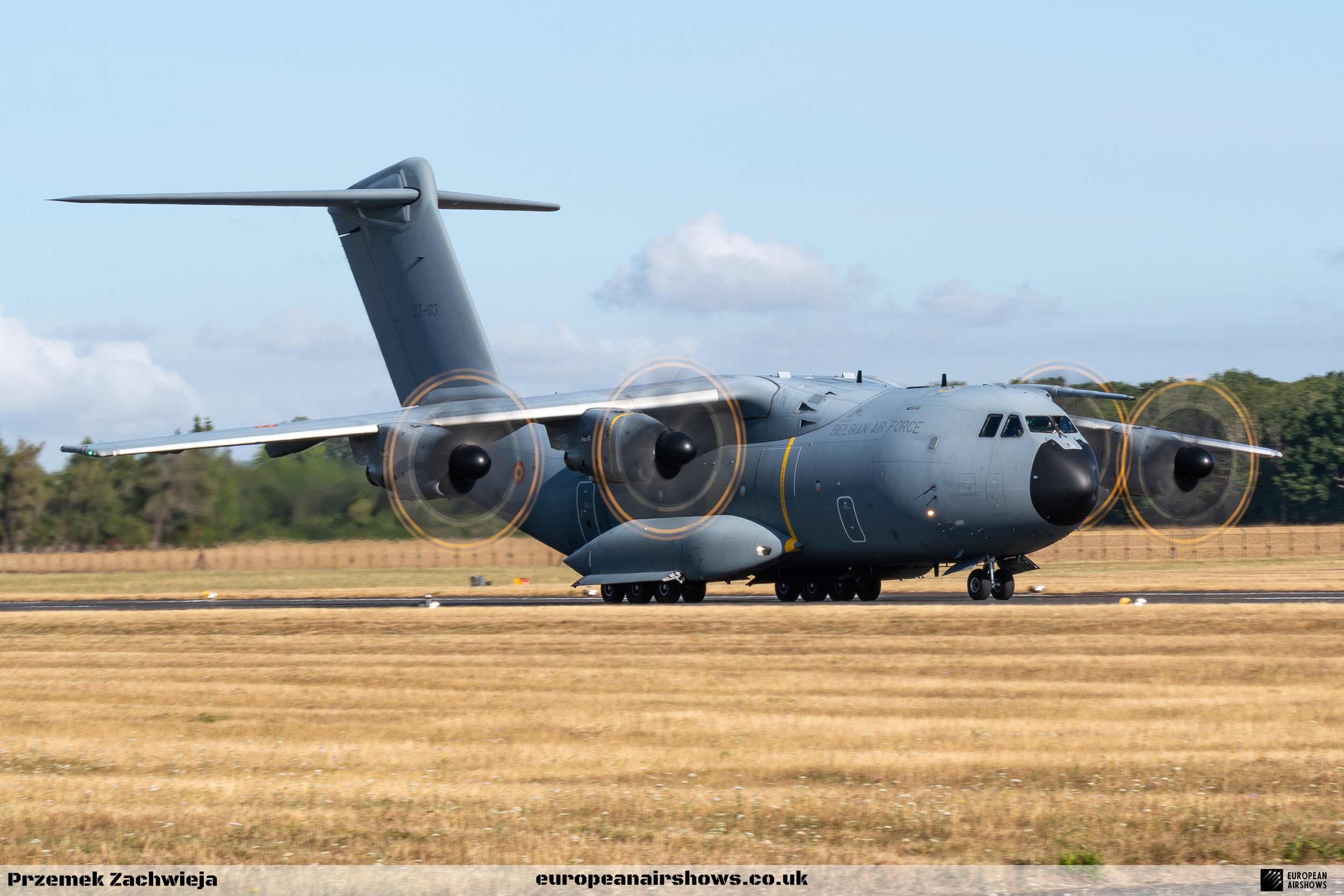
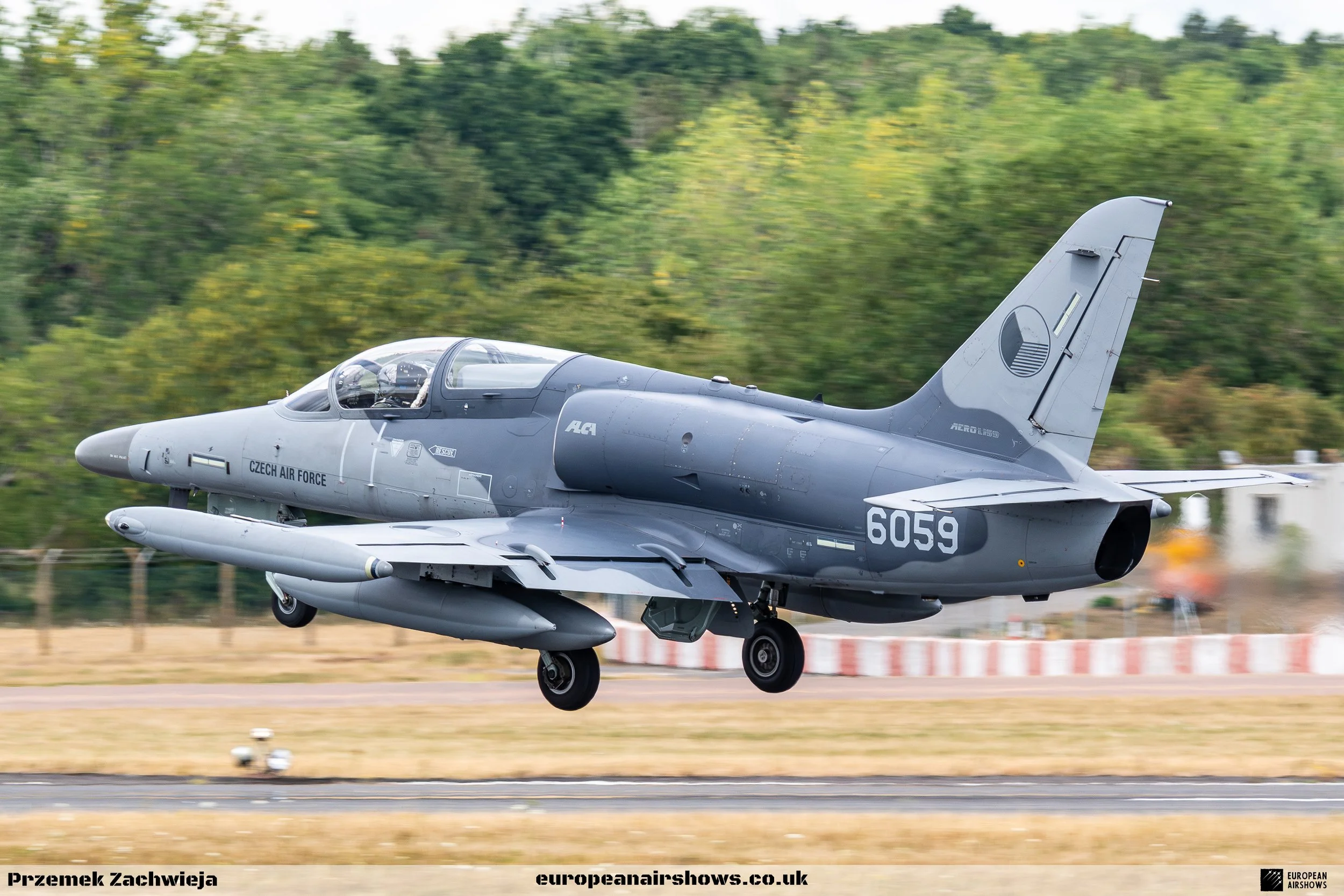
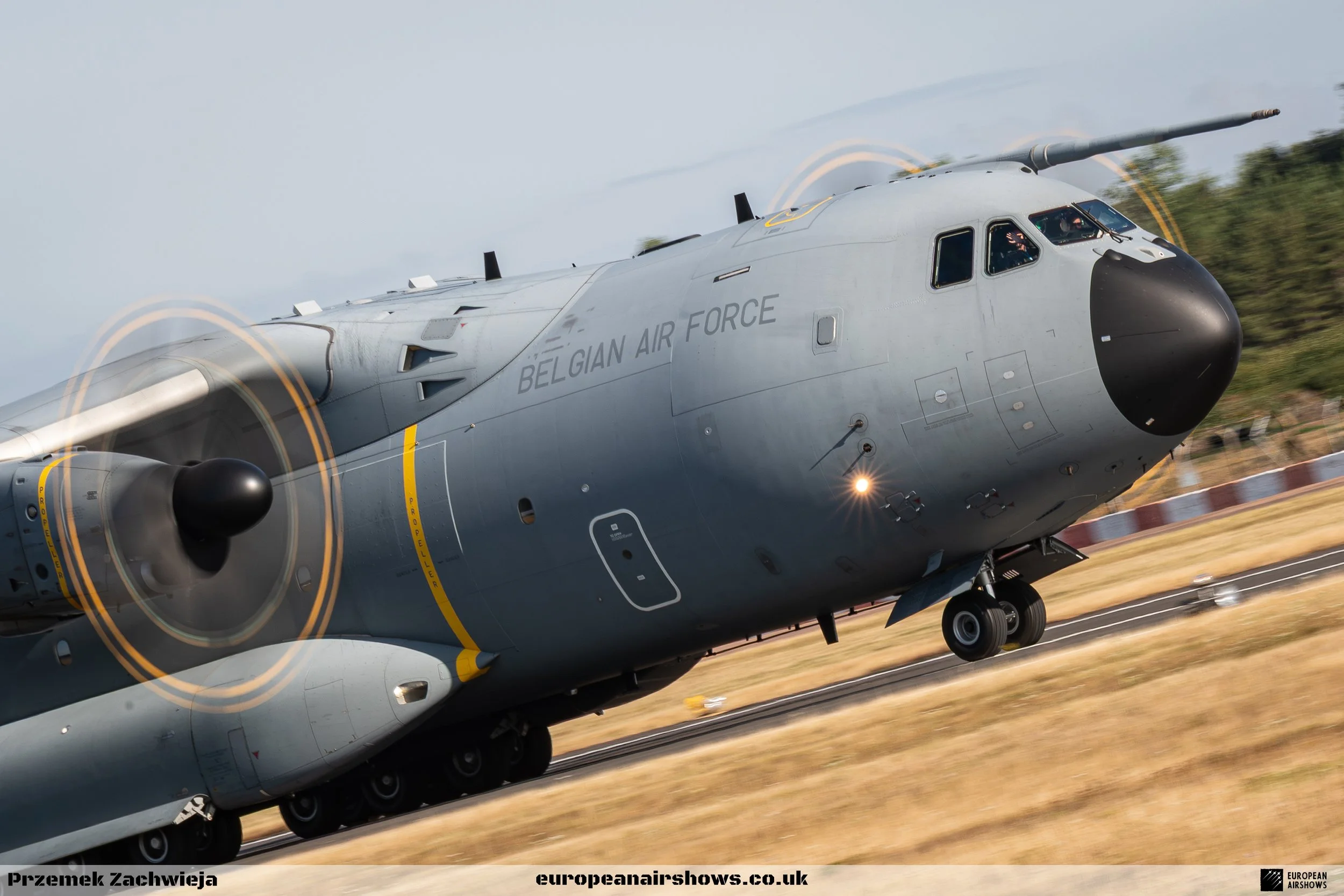
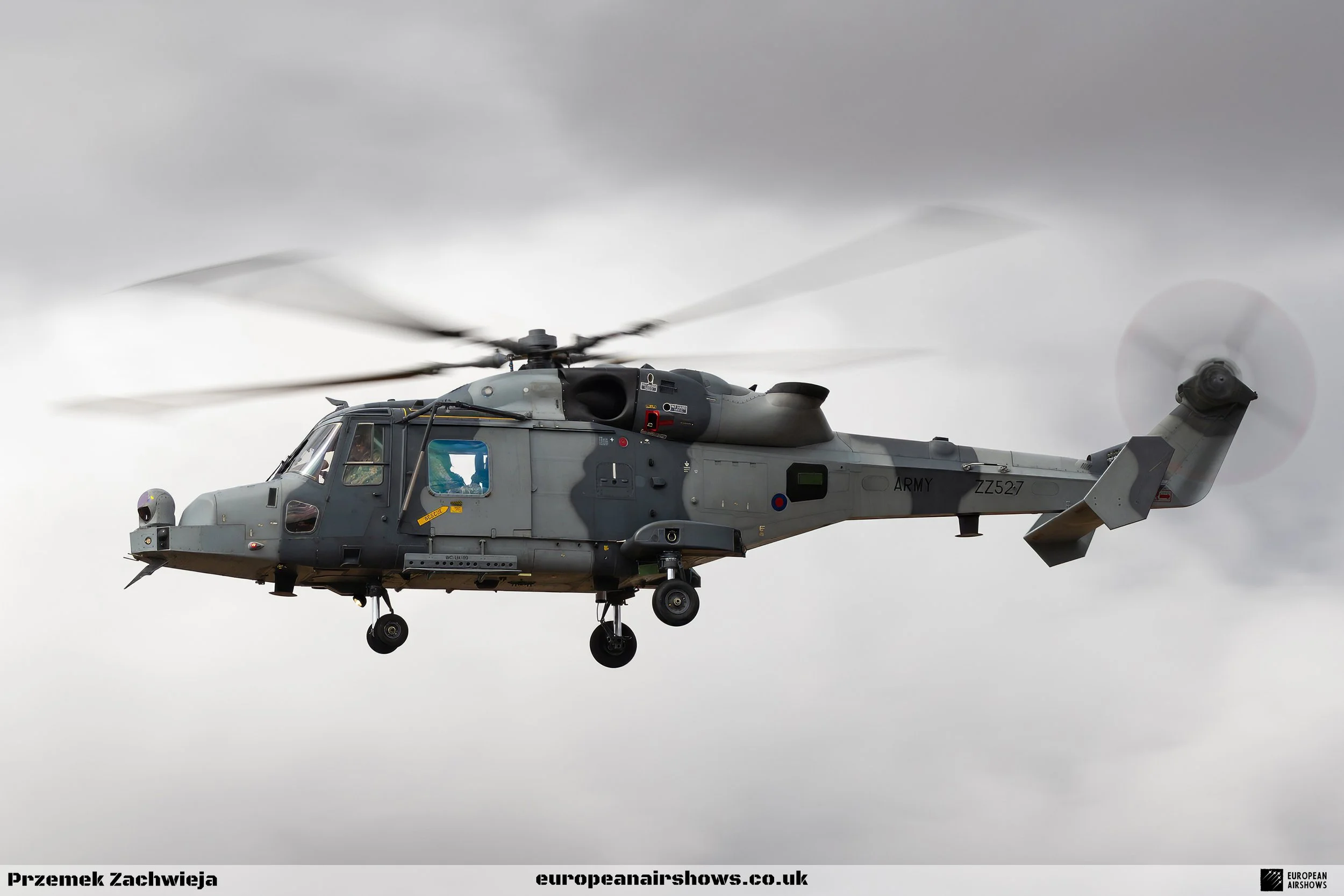
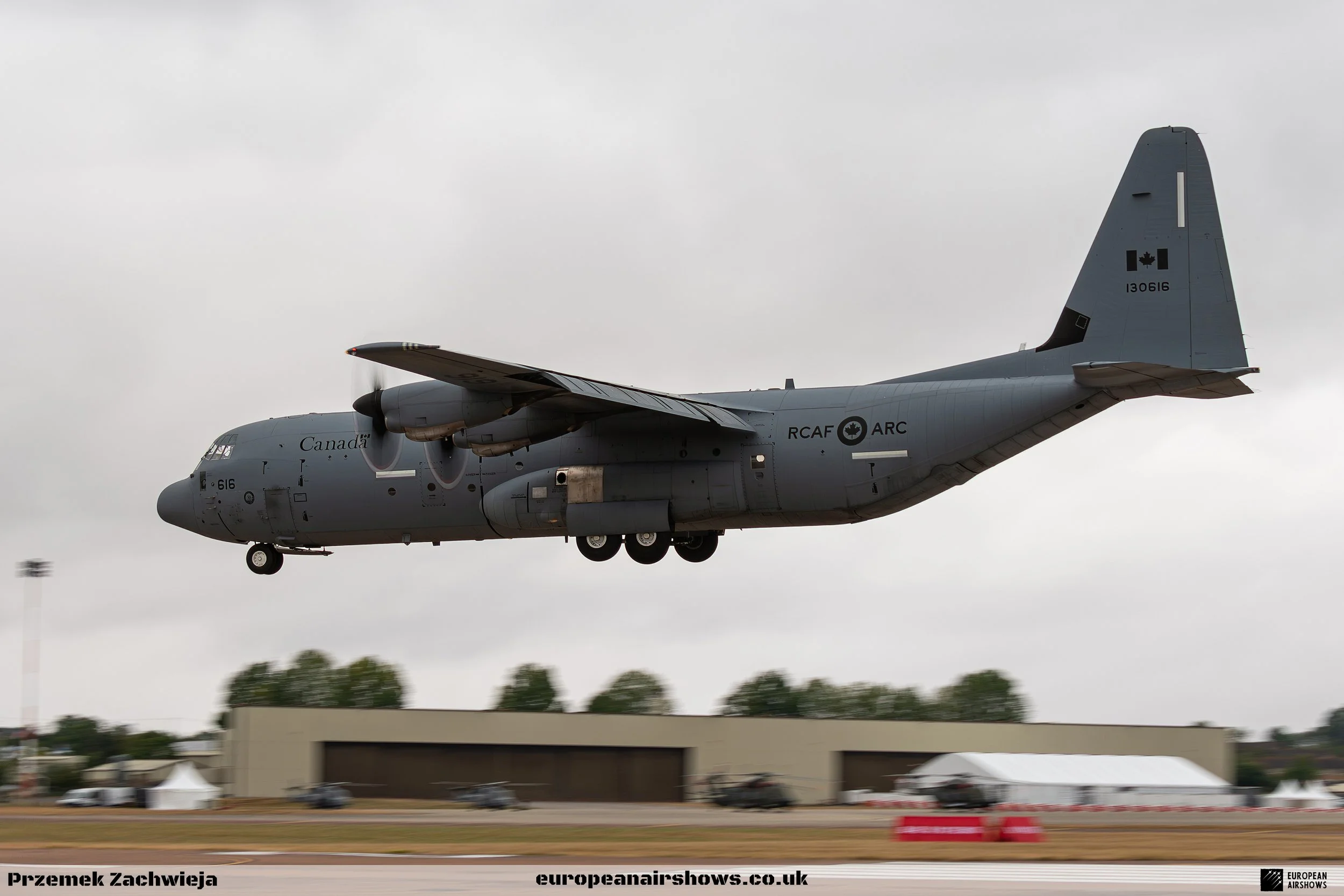
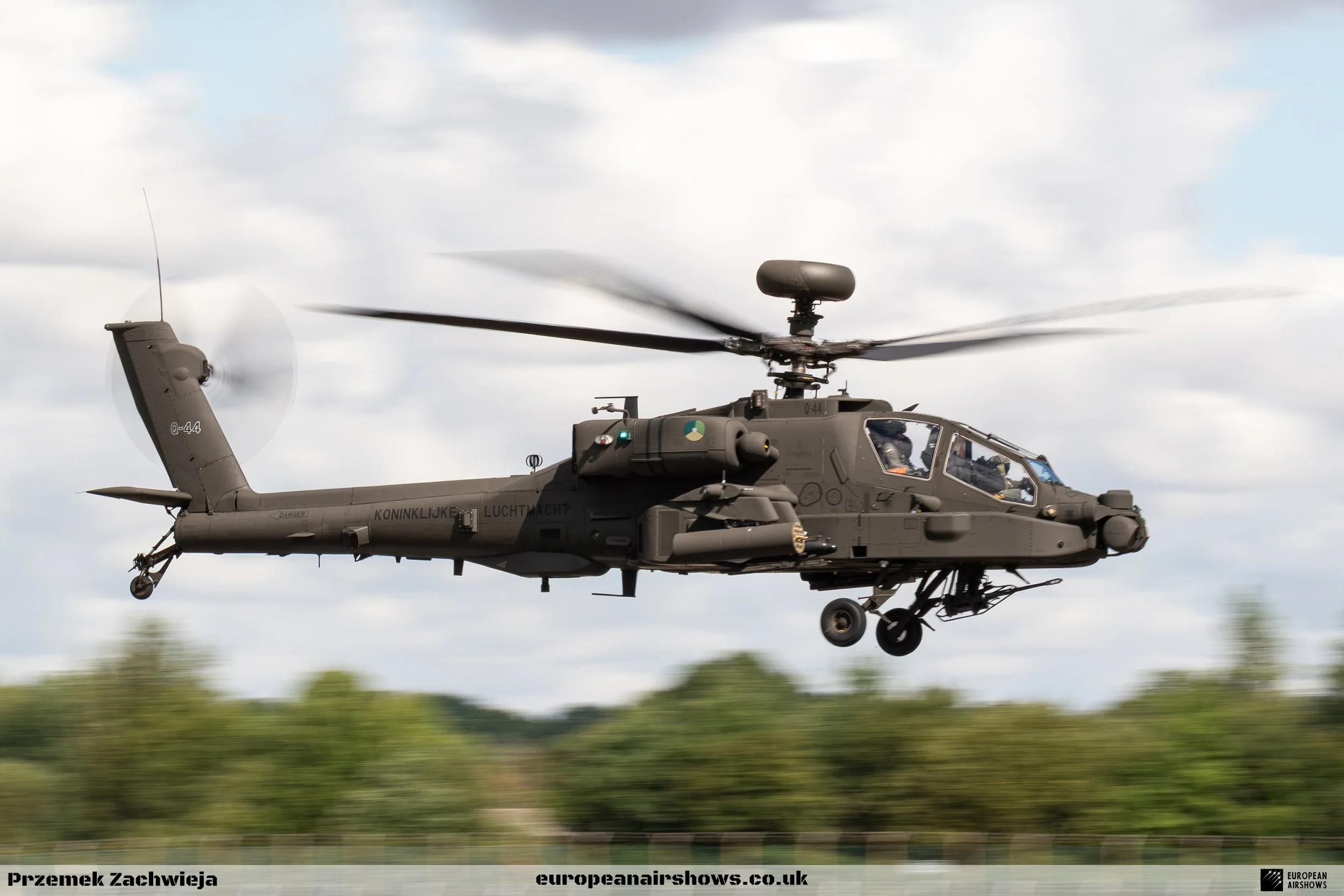
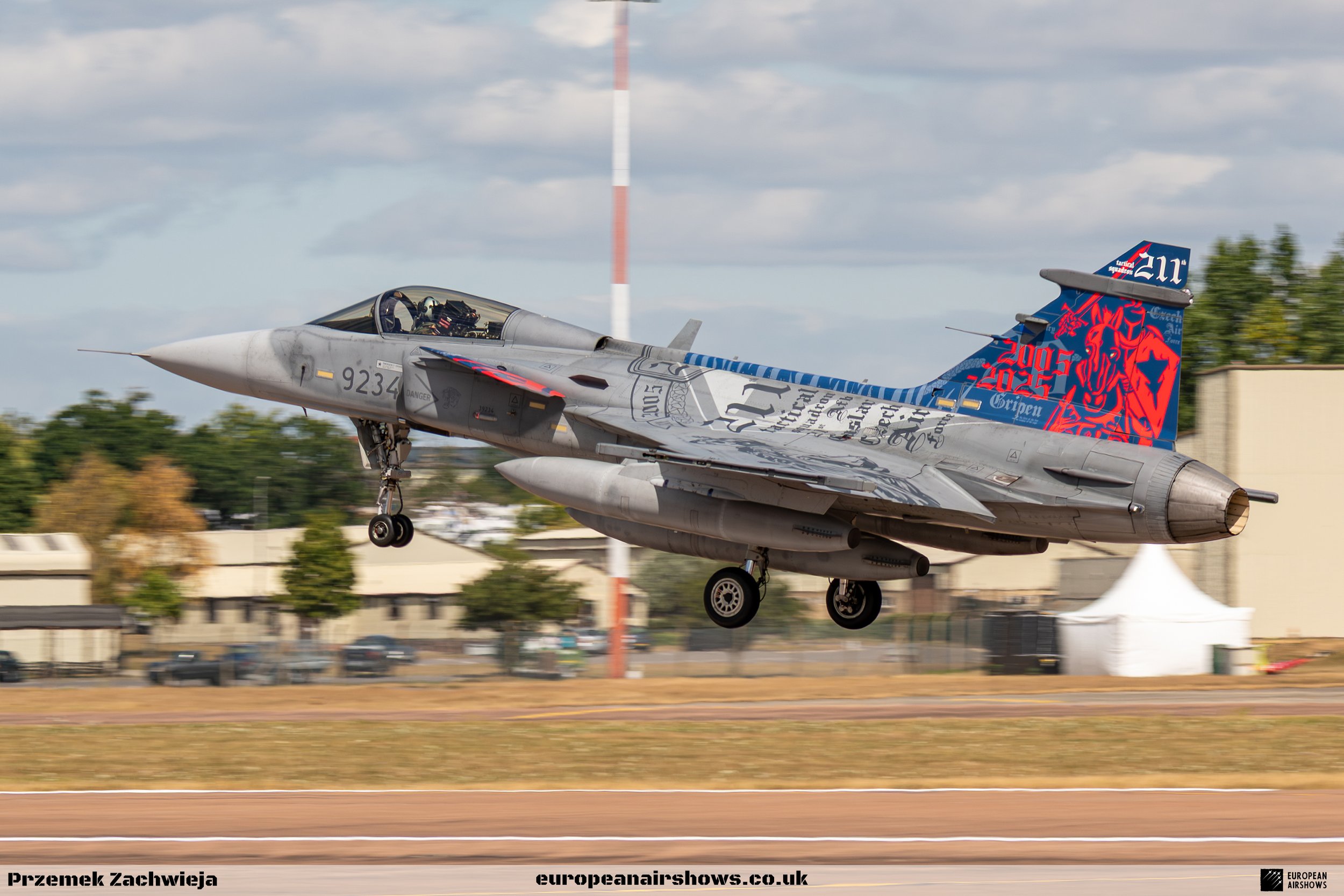
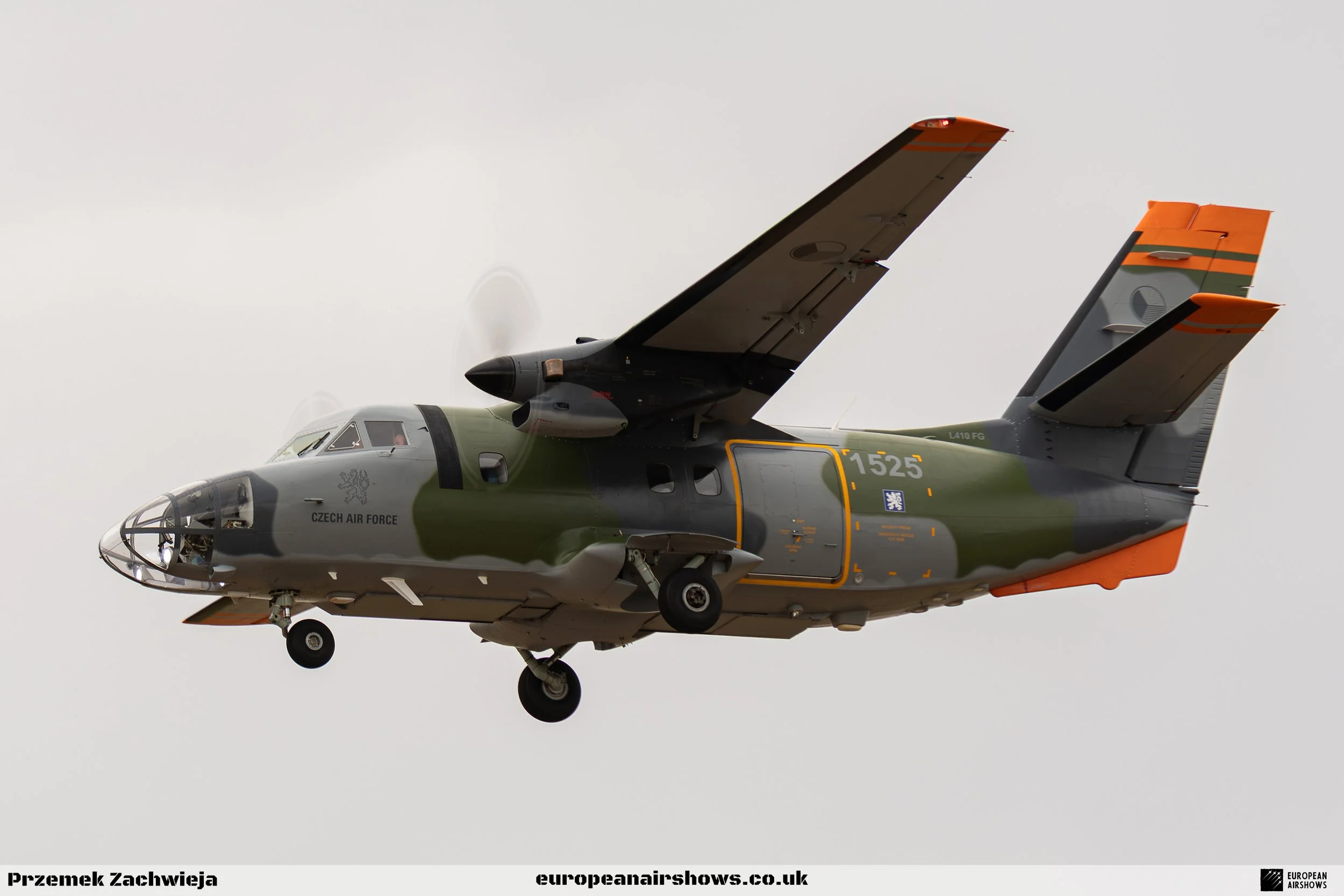
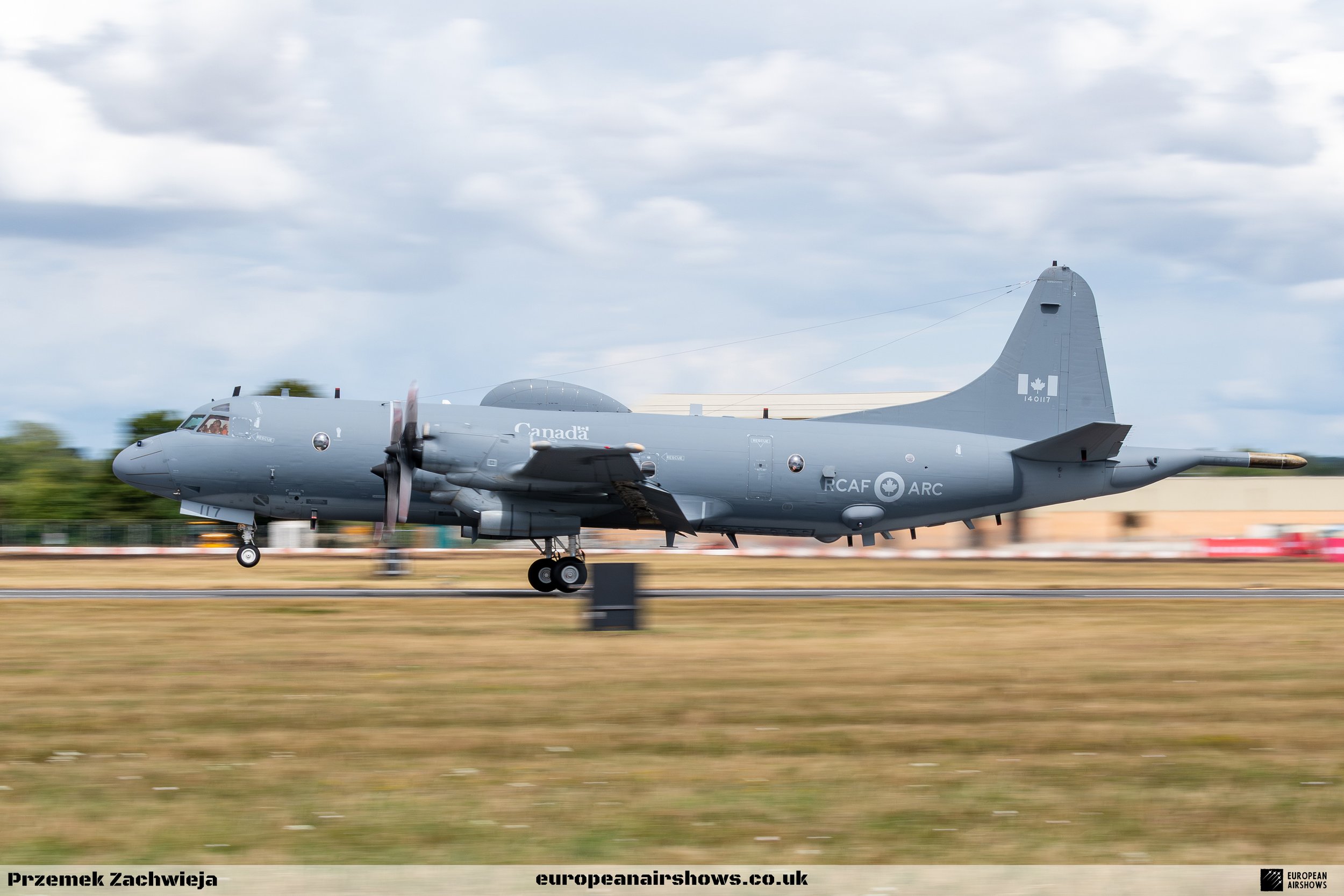
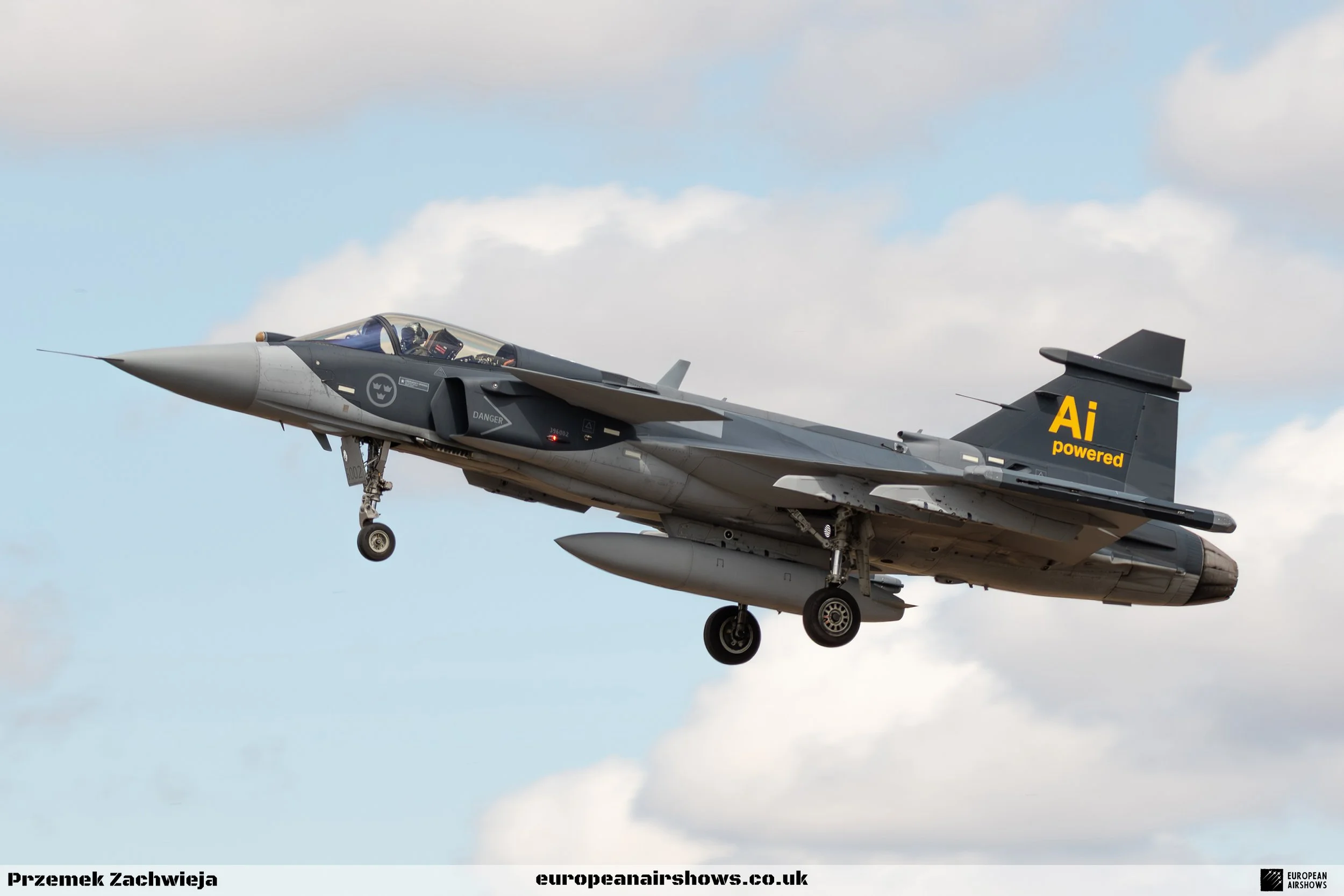
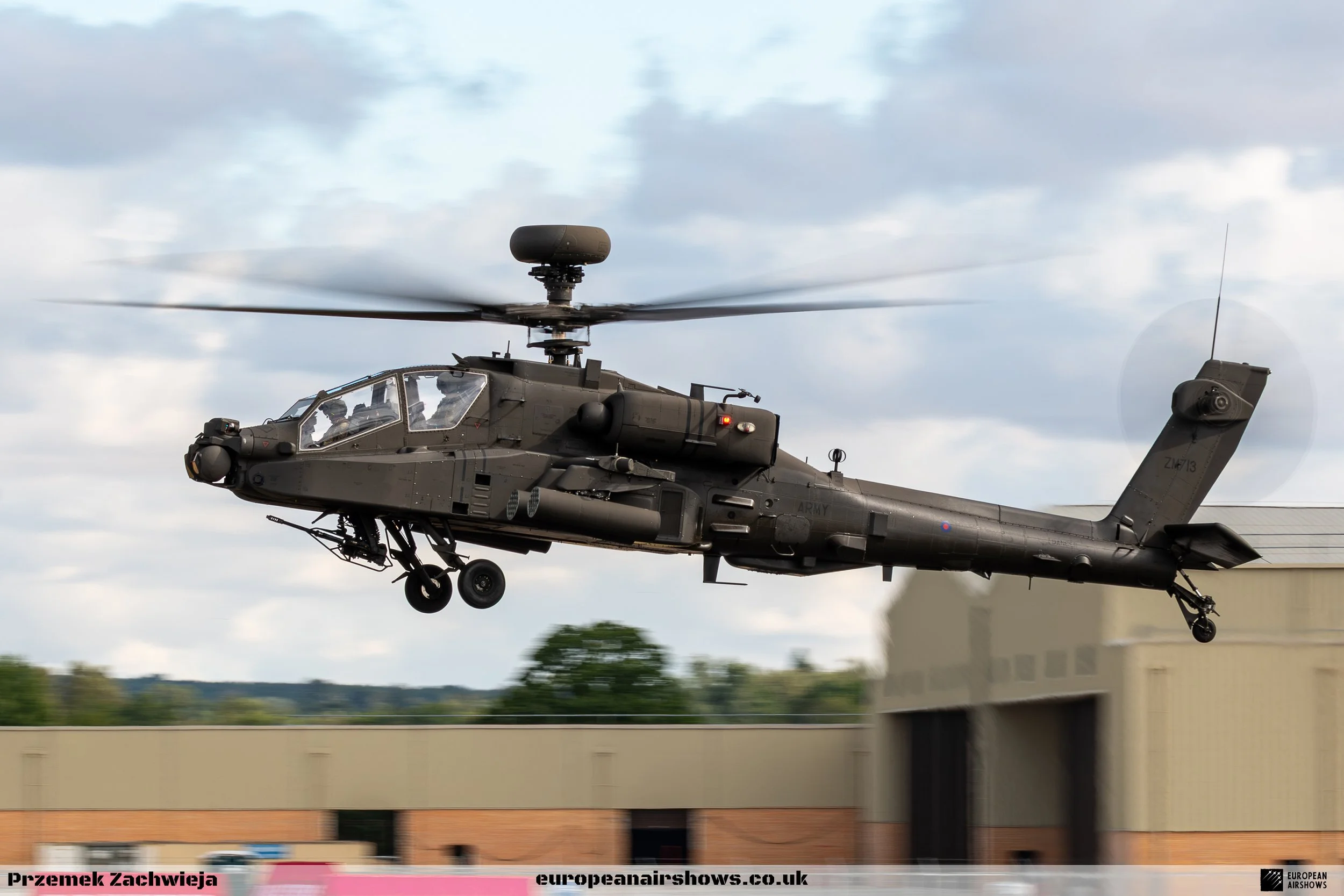
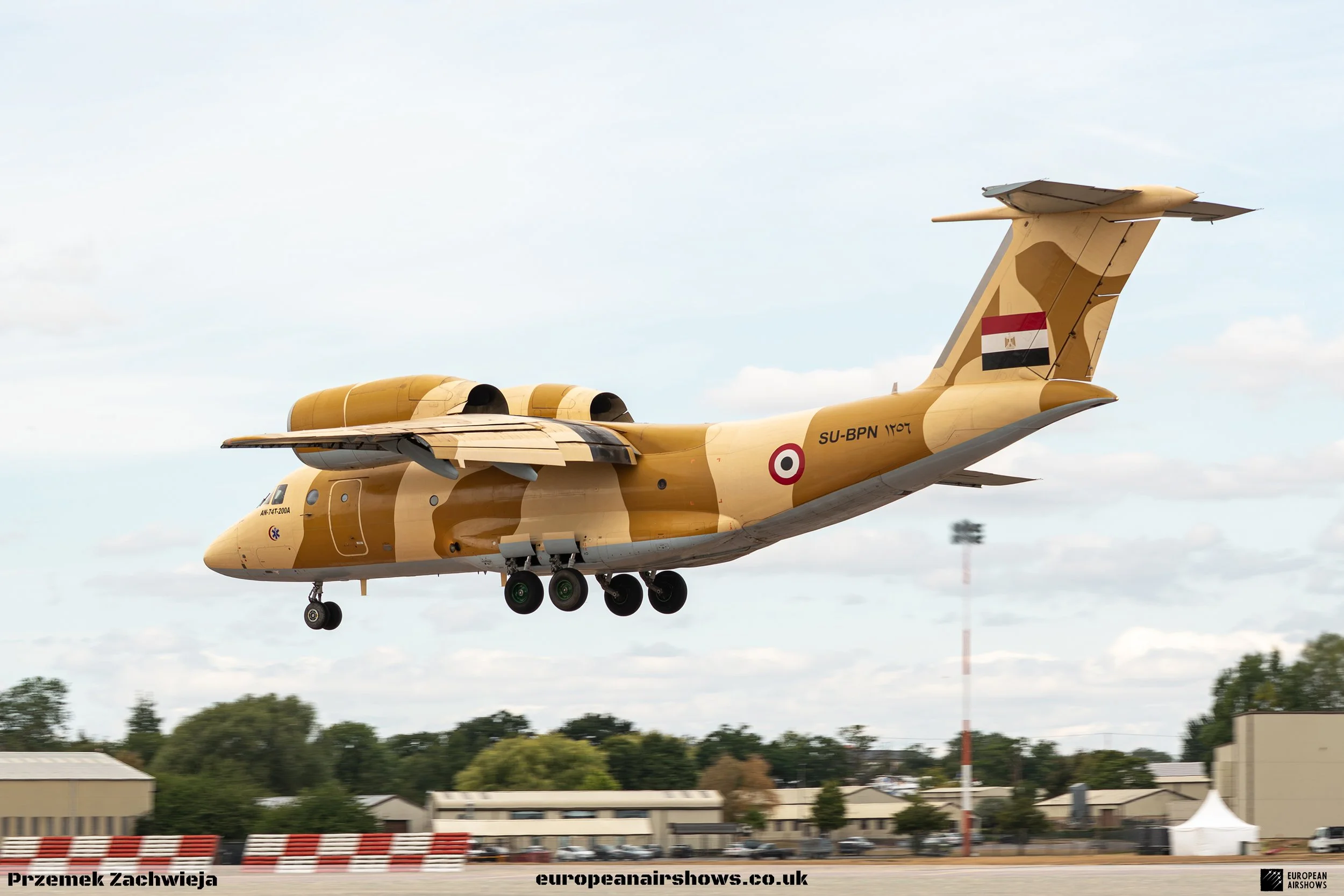
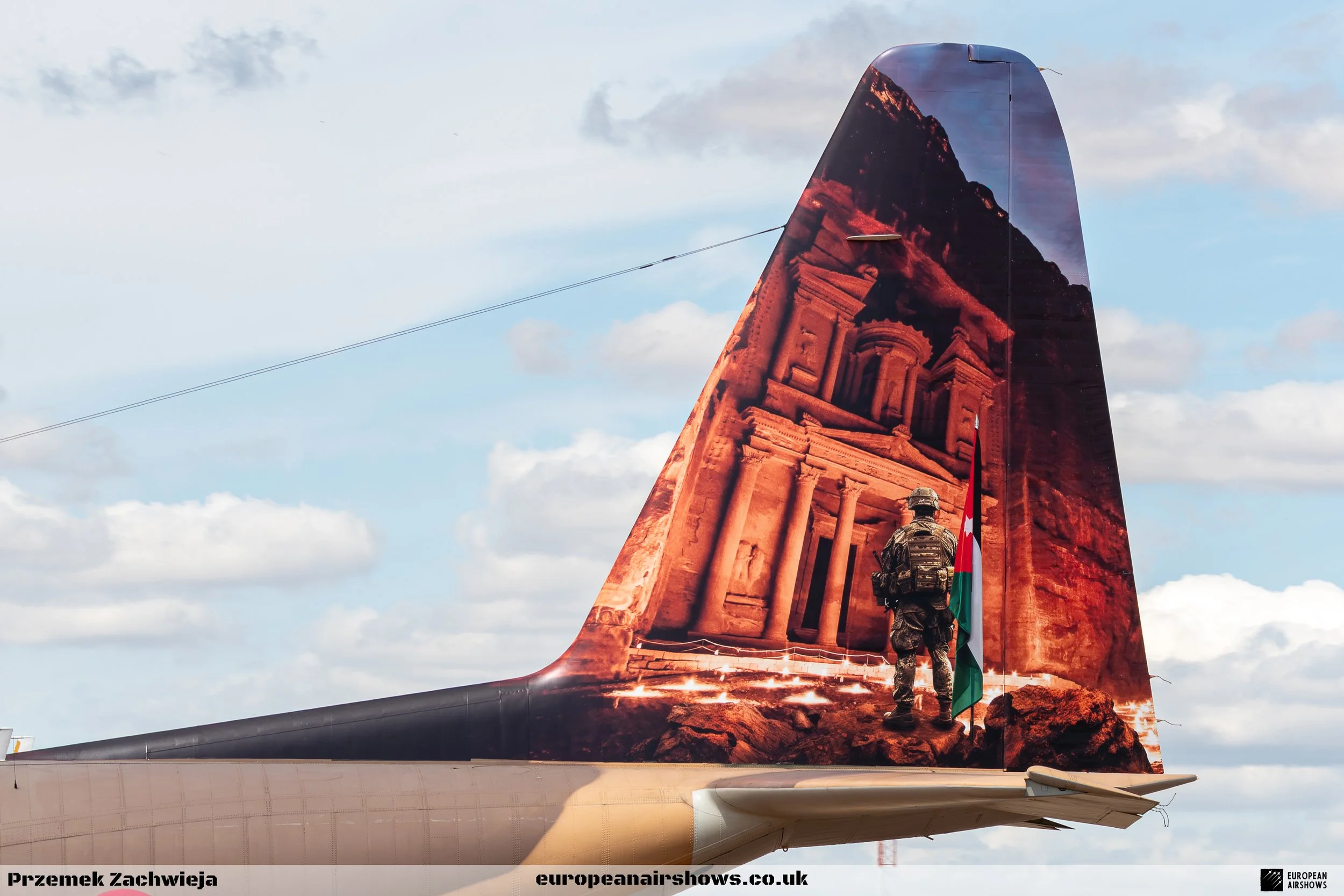
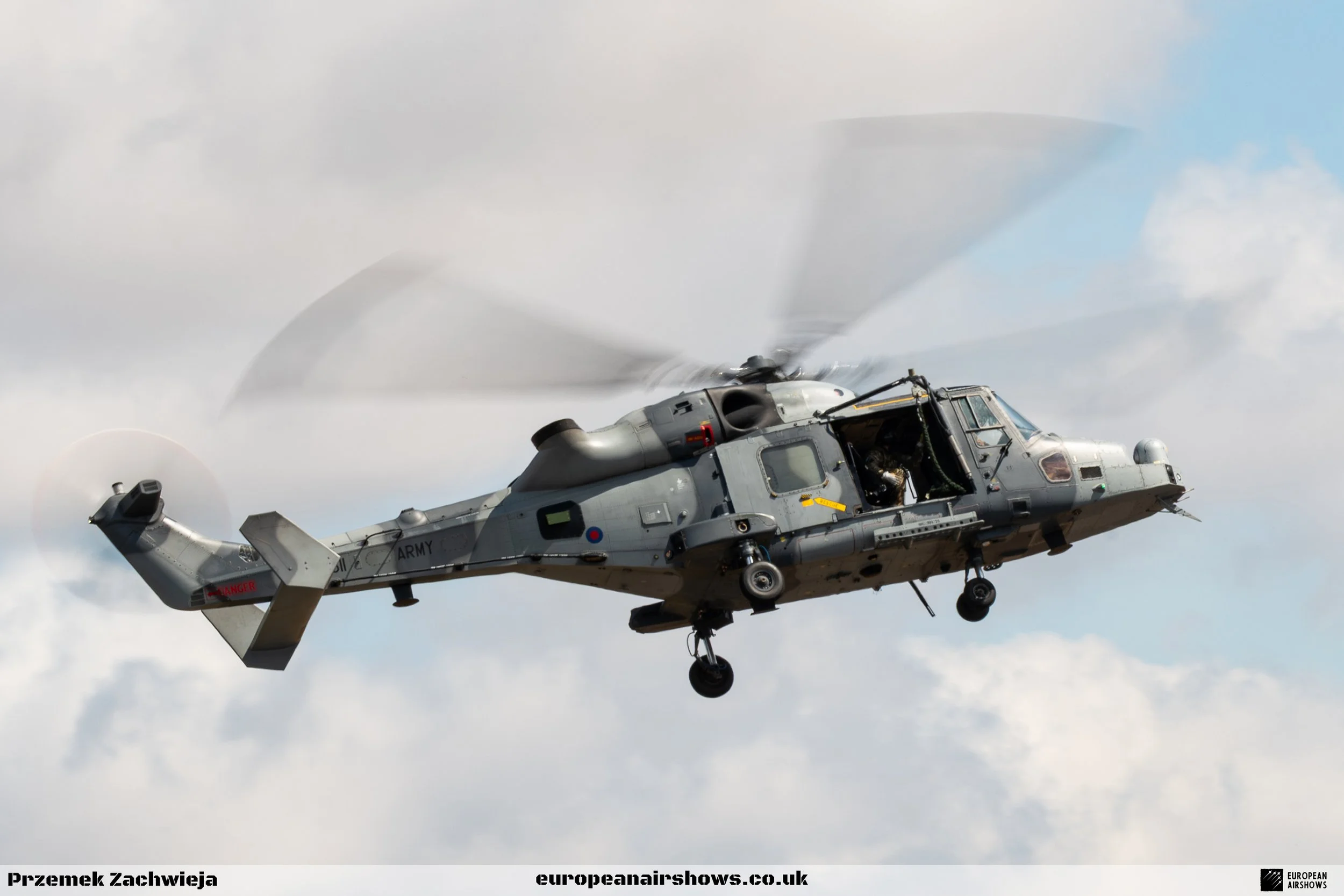
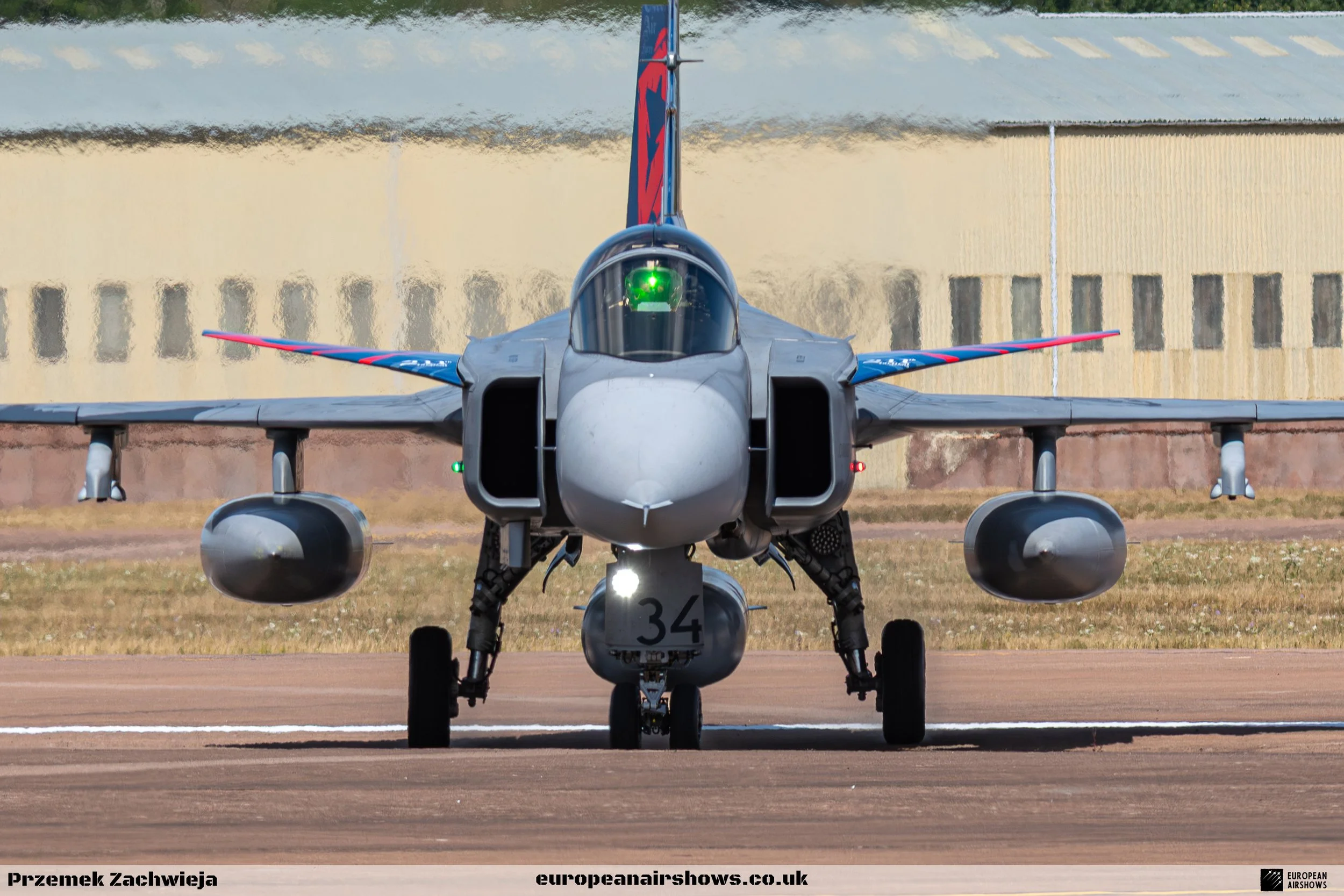
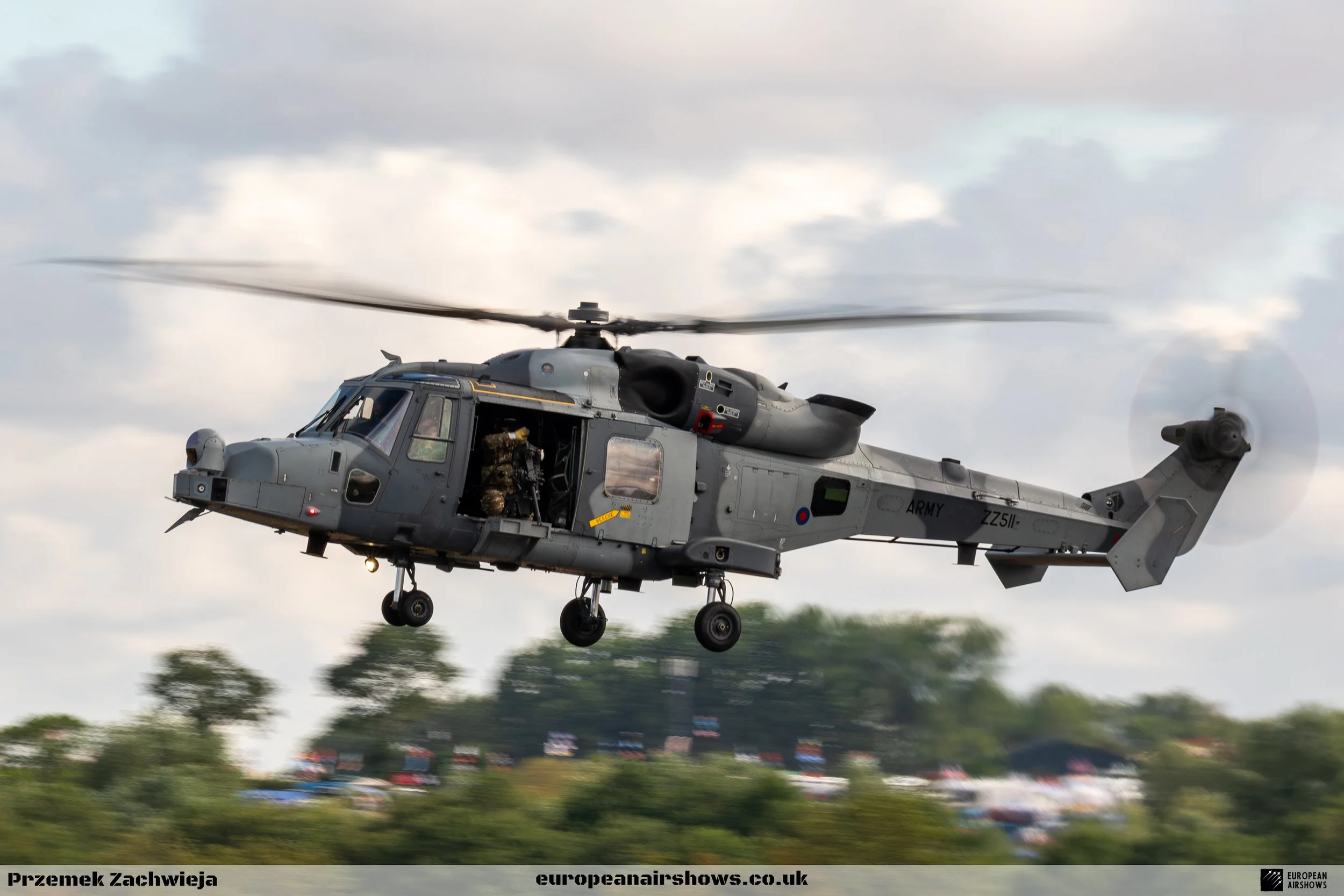
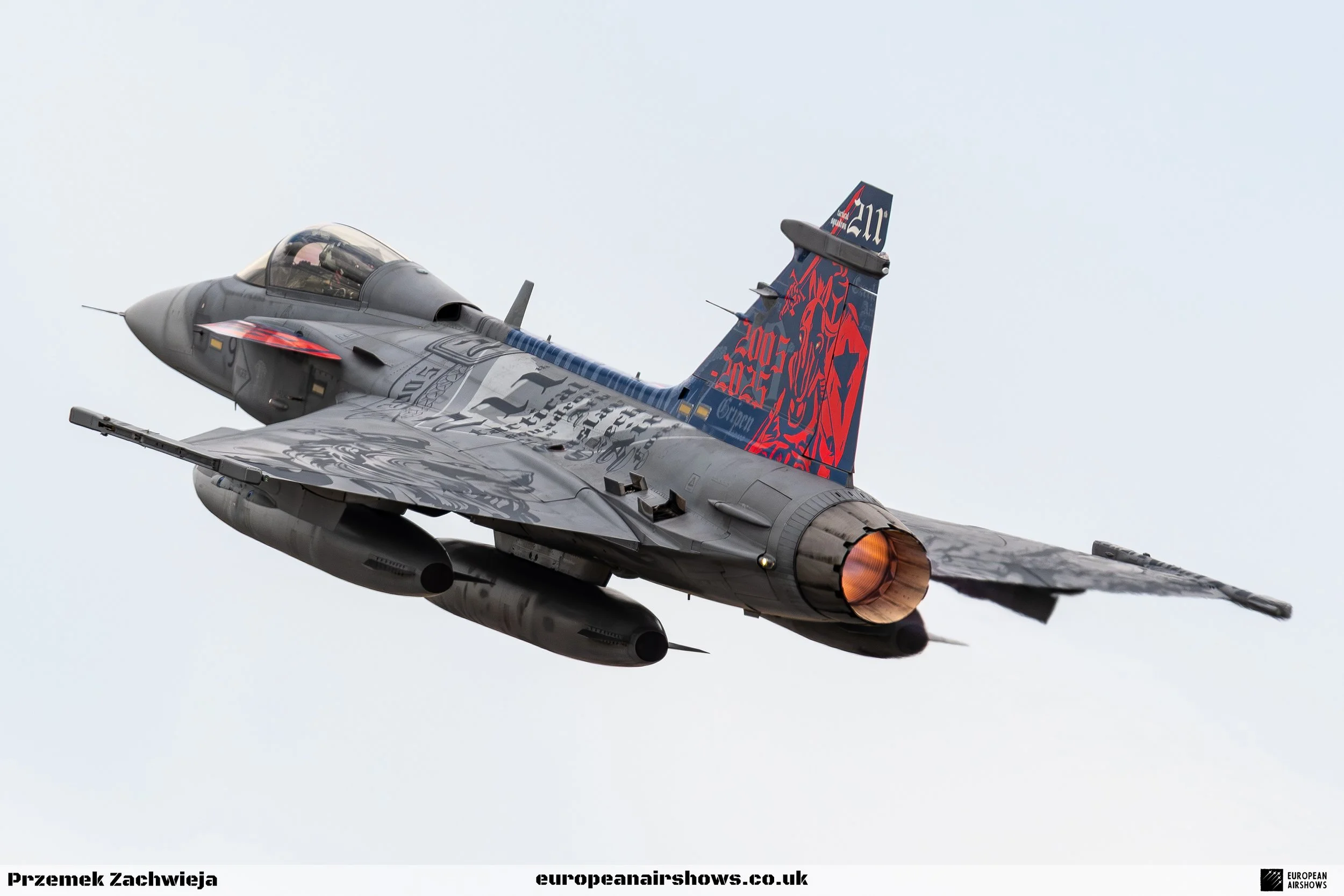
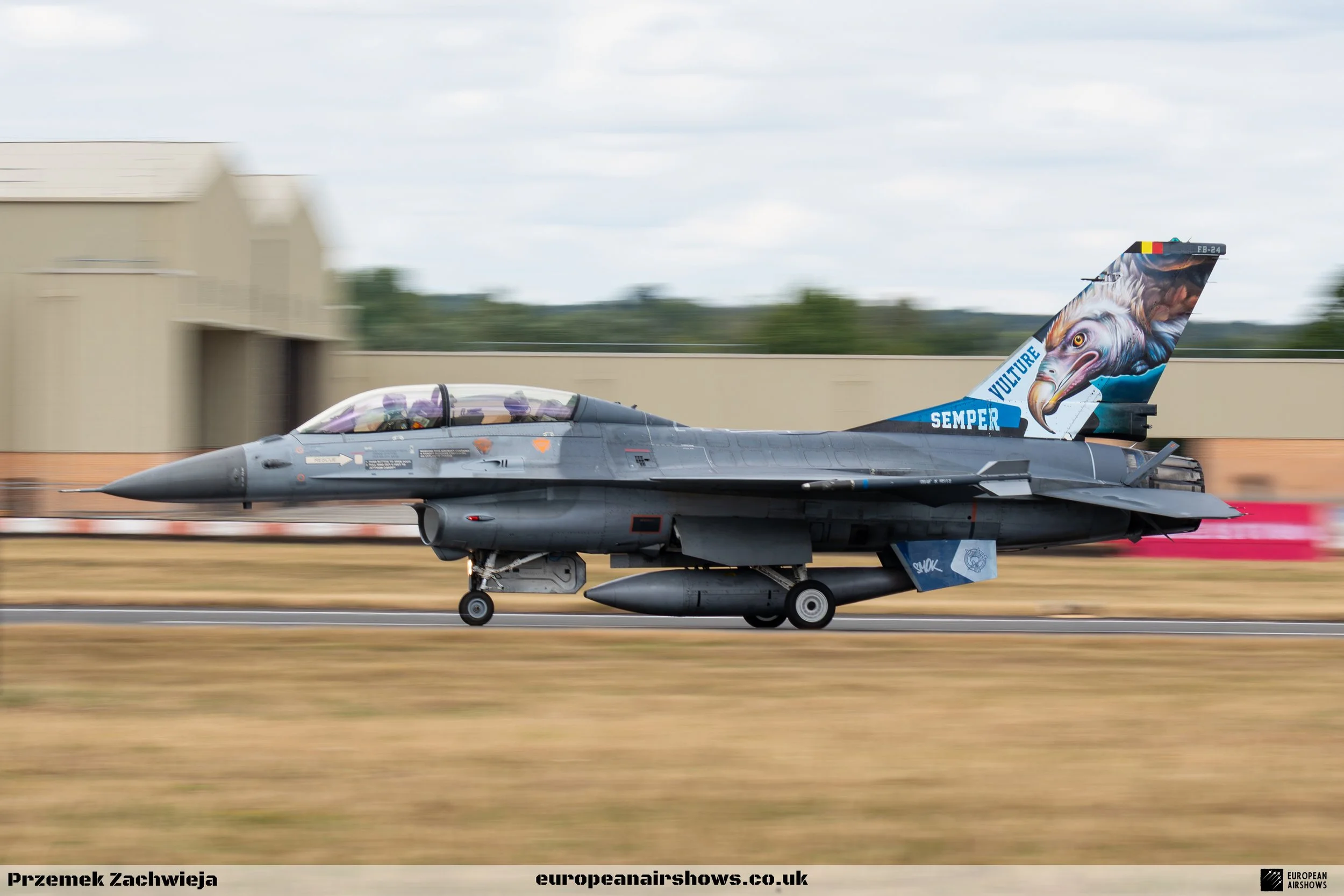
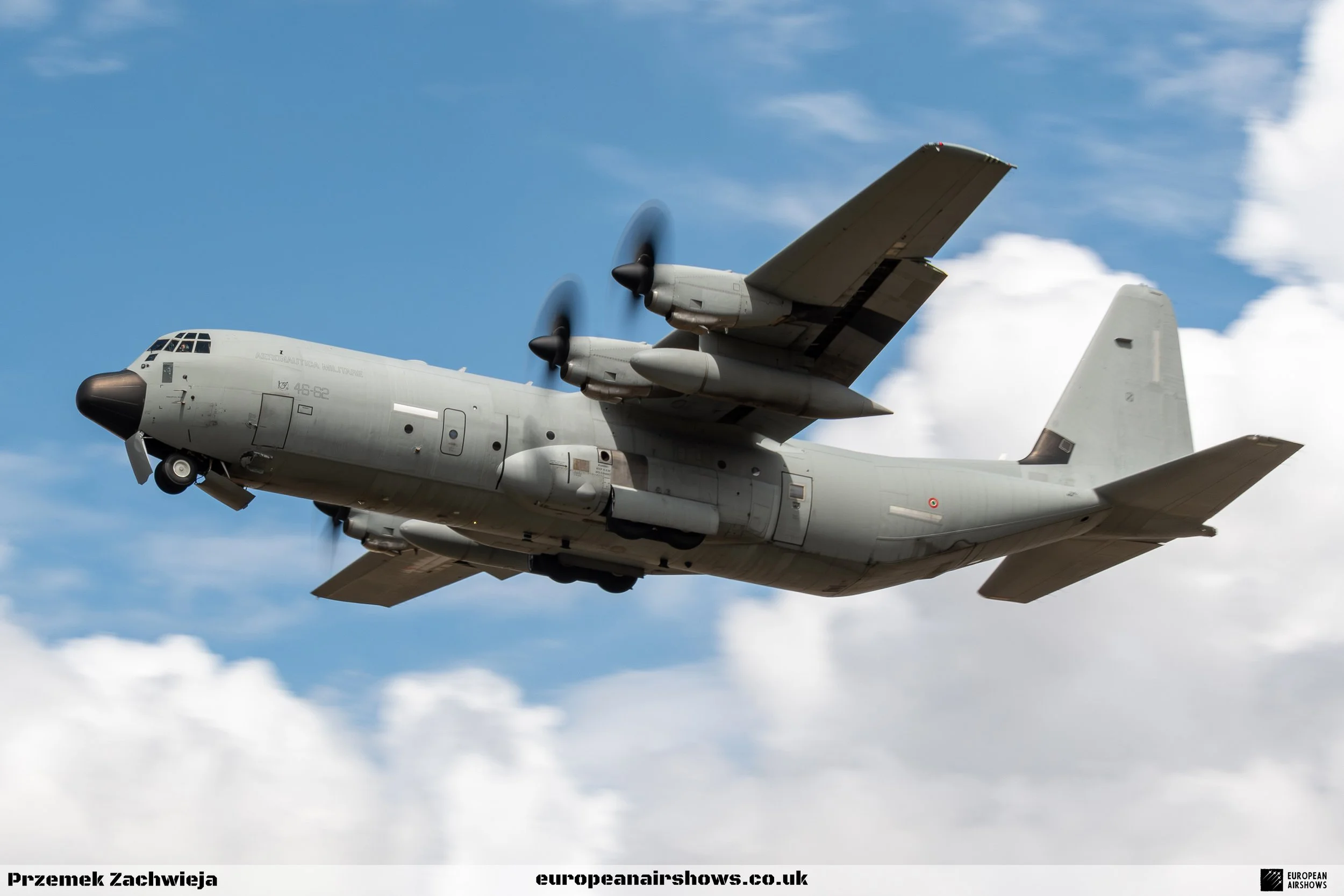
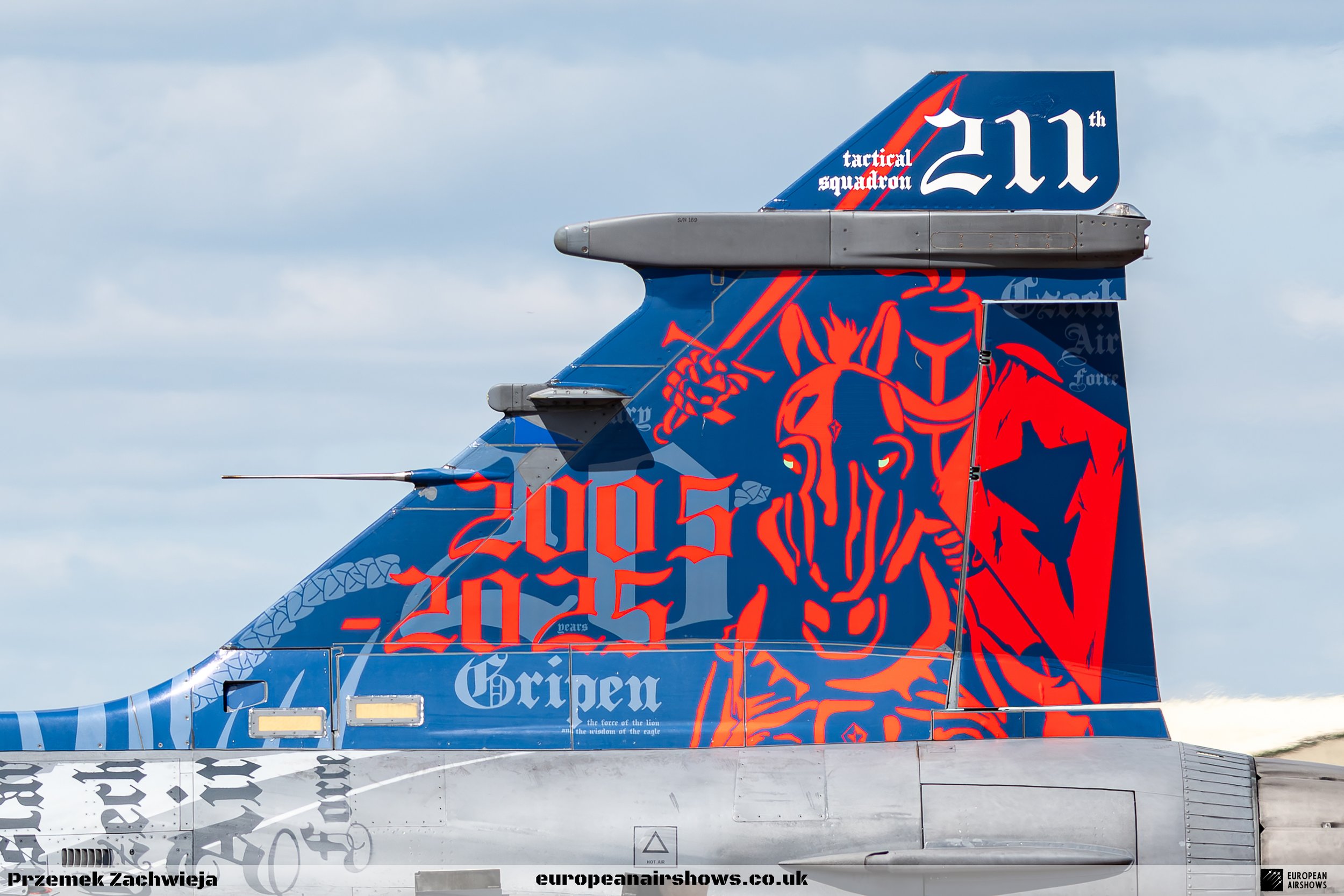
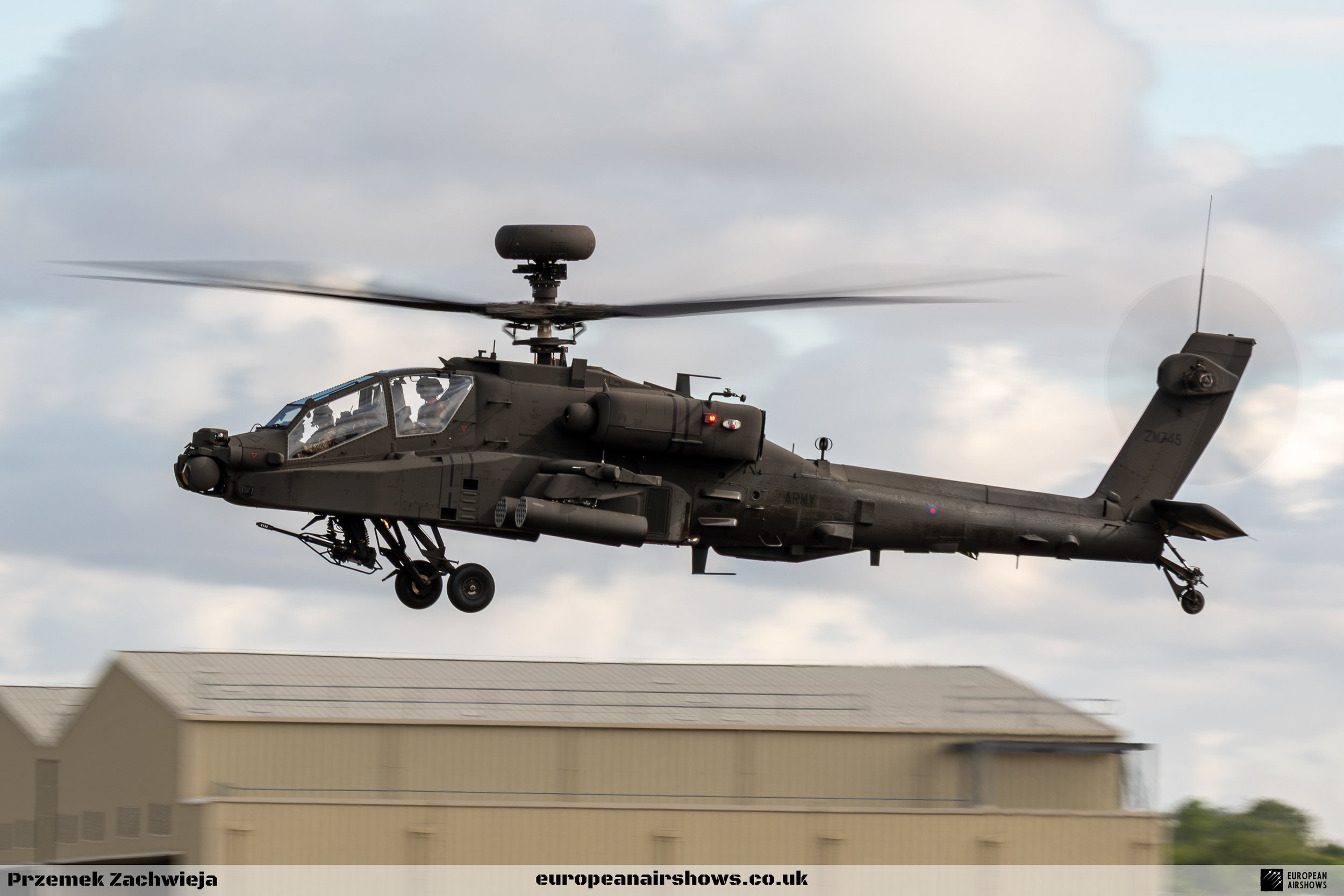
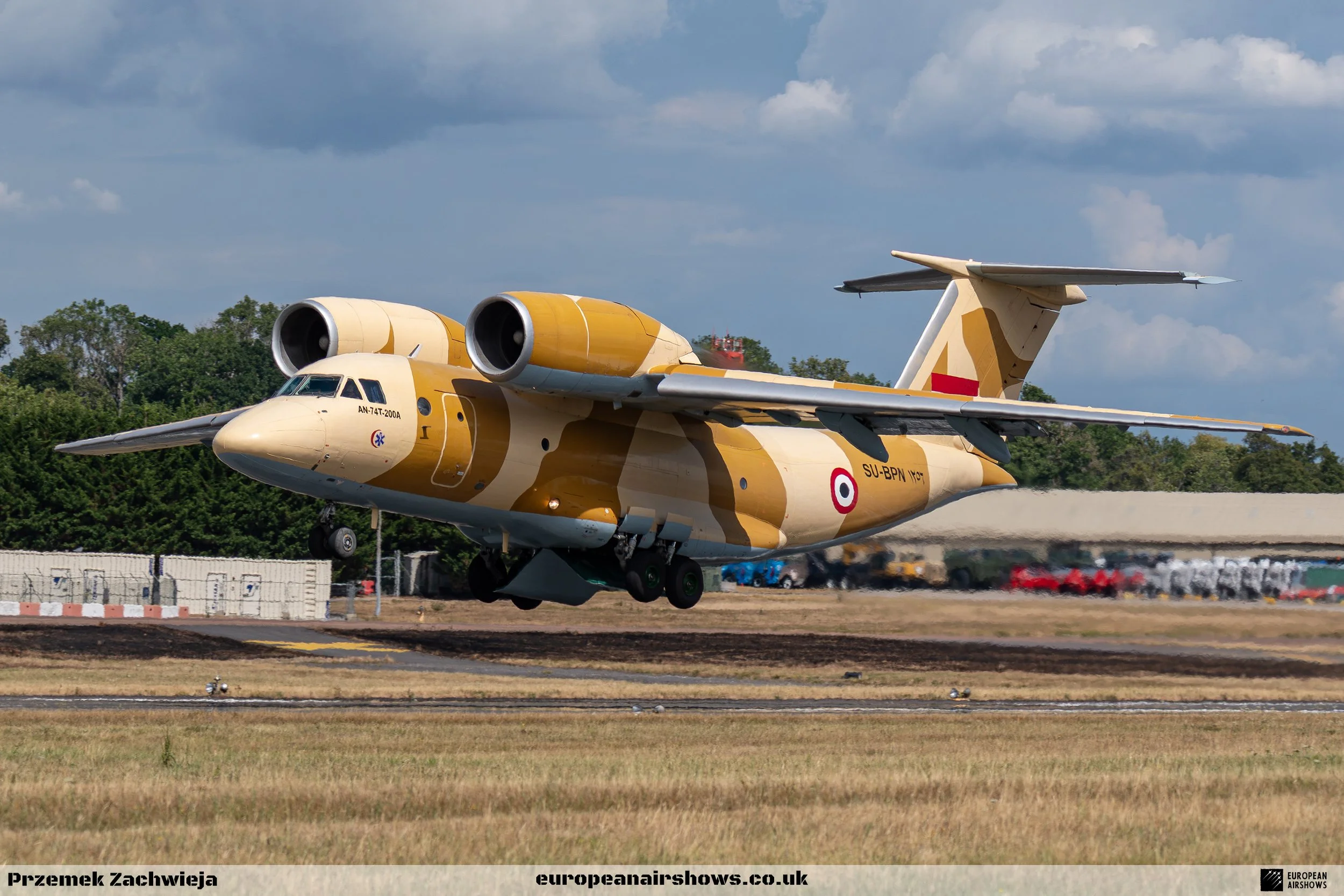
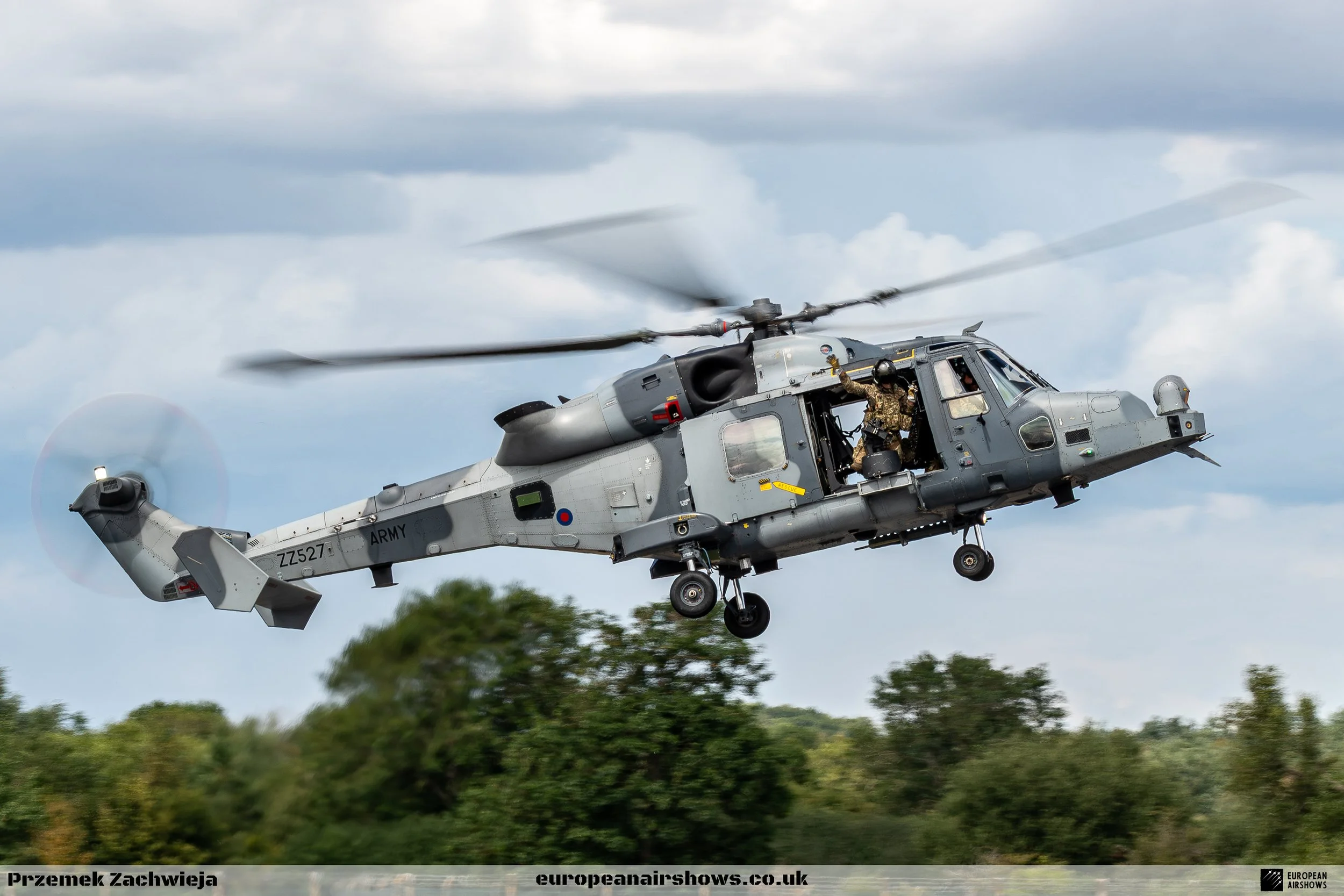
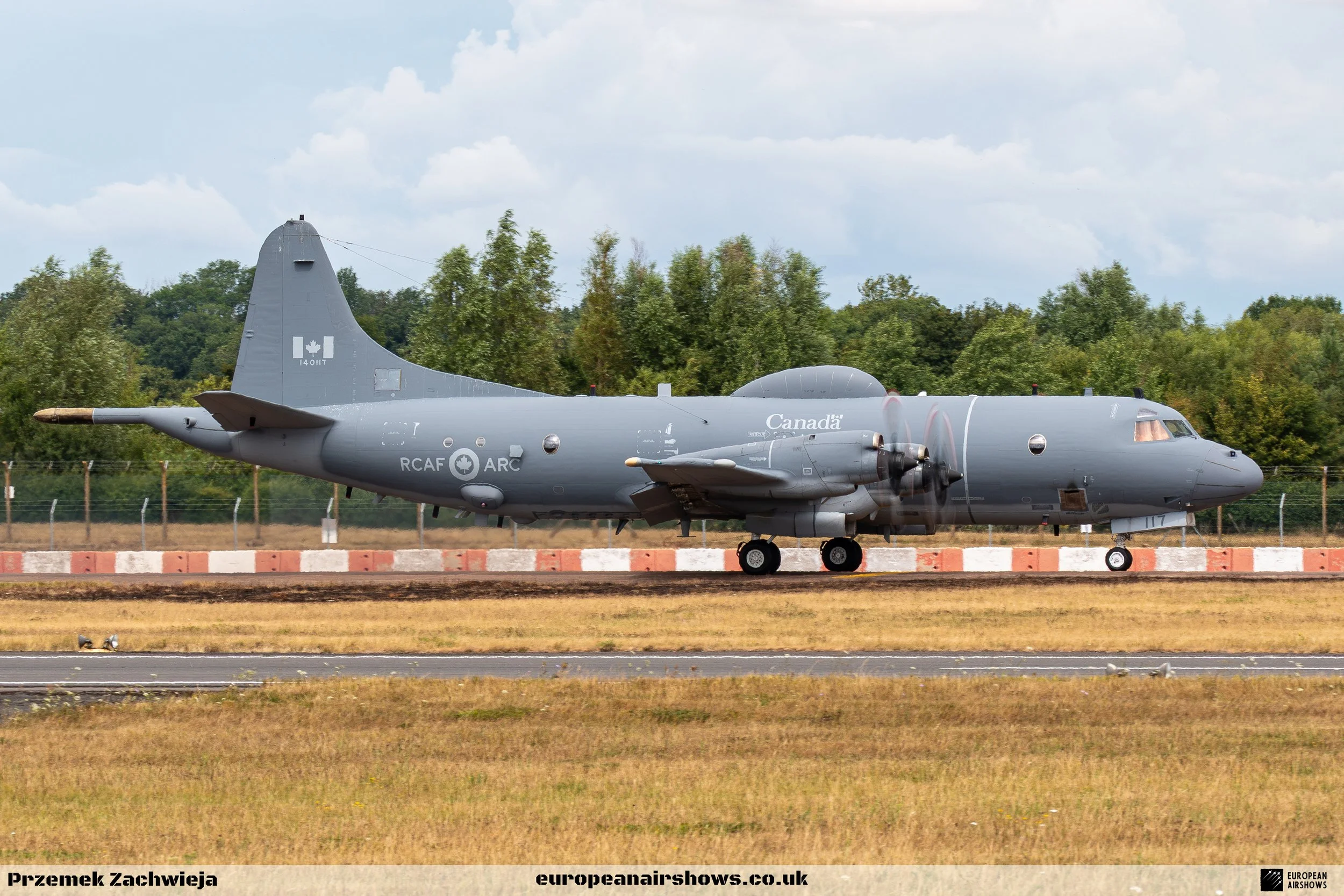
If the civil and heritage rows told the story of aviation’s past and commercial present, the military lines illustrated today’s operational realities. The British Army anchored APACHE50 with an Apache AH.2 from 3 Regiment on static and a Wildcat AH.1 from 1 Regiment, while Belgium brought both an A400M Atlas (20 Squadron) and an F-16BM from the OCU. Canada drew admirers with a CC-130J Hercules and a CP-140M Aurora—neatly tied to the Eyes in the Skies theme. Central Europe arrived in force: the Czech Air Force lined up an L-159 ALCA, a glass-nosed L-410FG reconnaissance Turbolet and the JAS-39C Gripen in a special livery on static. Egypt delivered the exotic factor with an Antonov An-74T “Coaler” from 533 Air Wing—the 59th nation to appear at RIAT—whose distinctive over-wing engines made it a constant magnet for cameras.
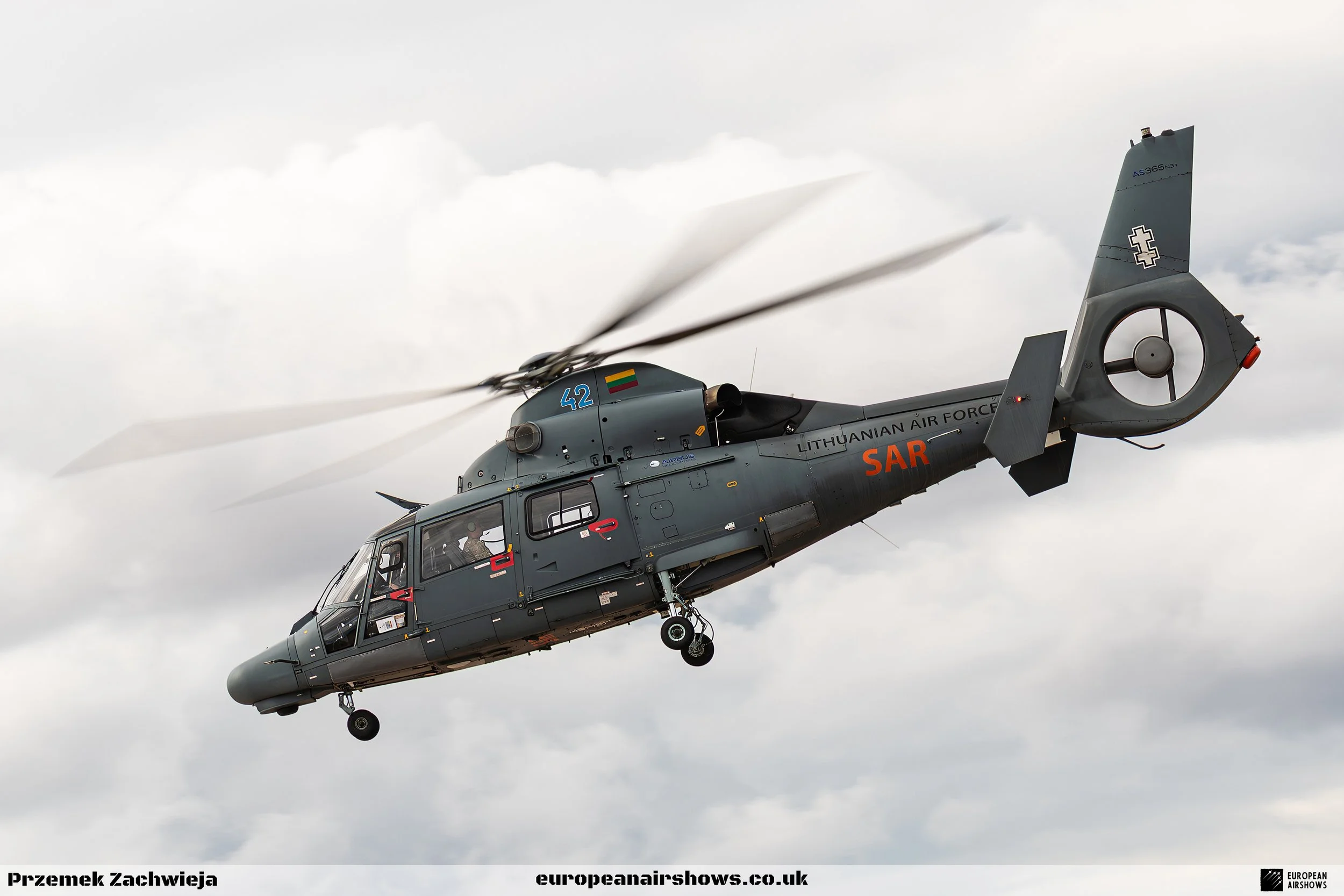
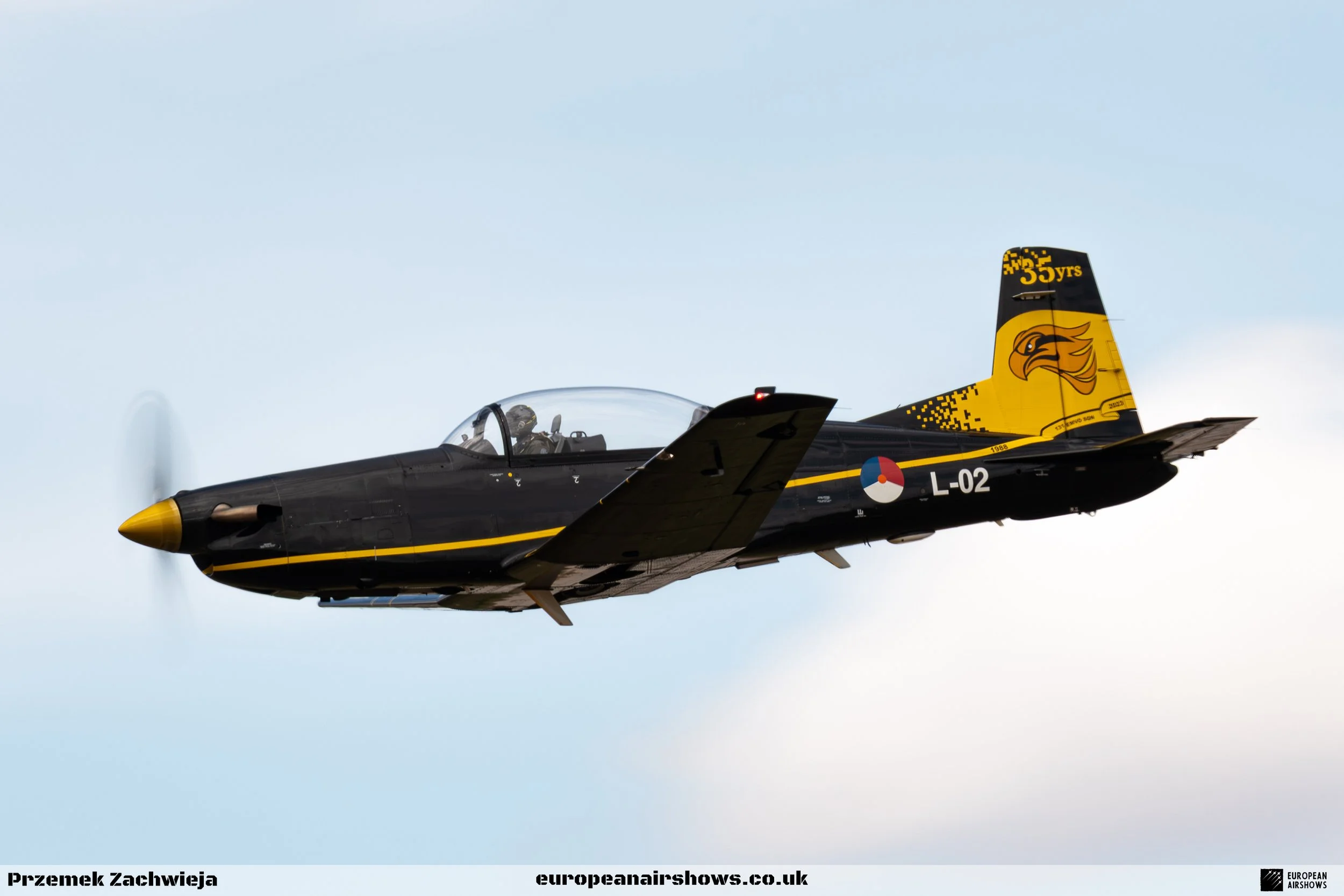
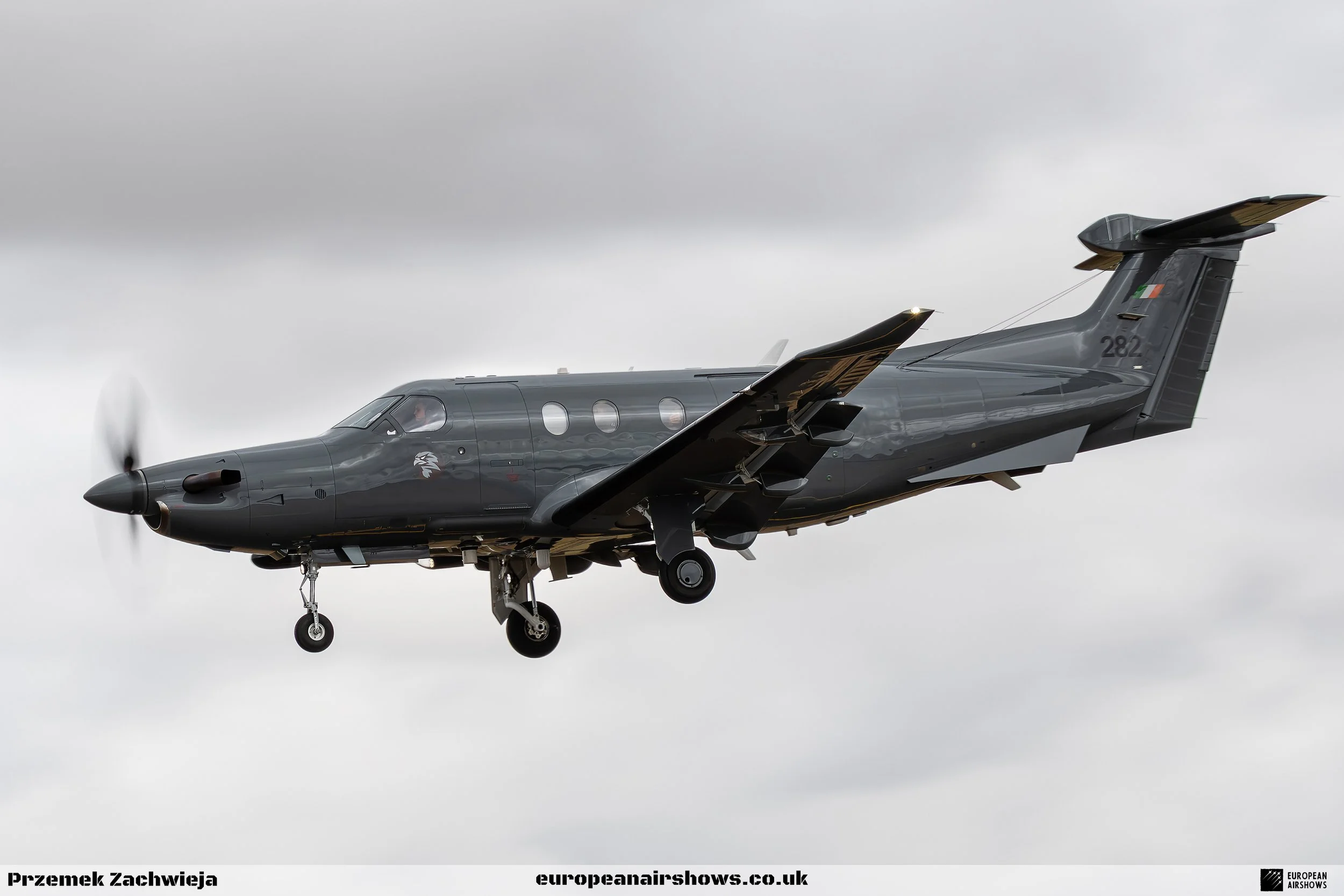
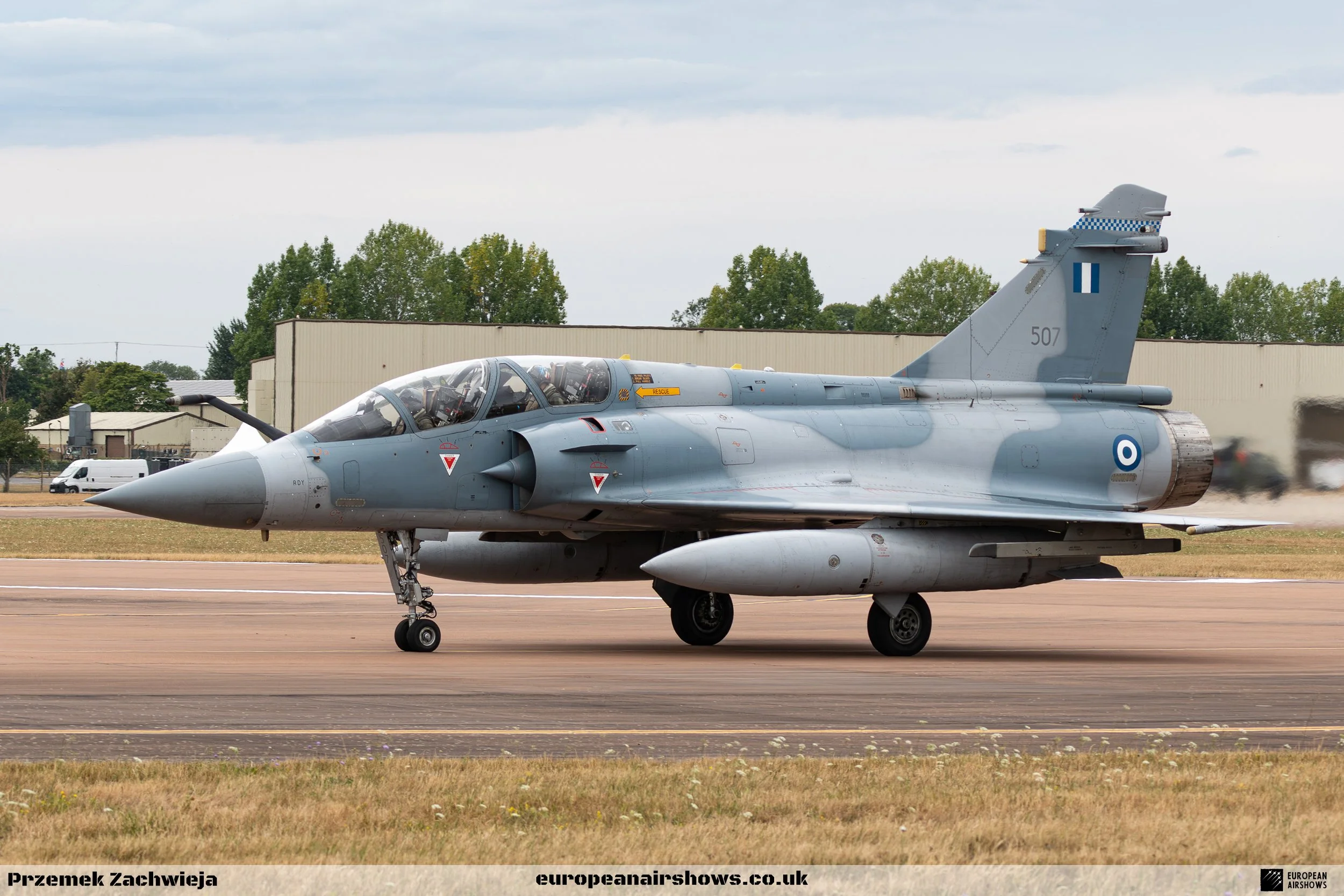
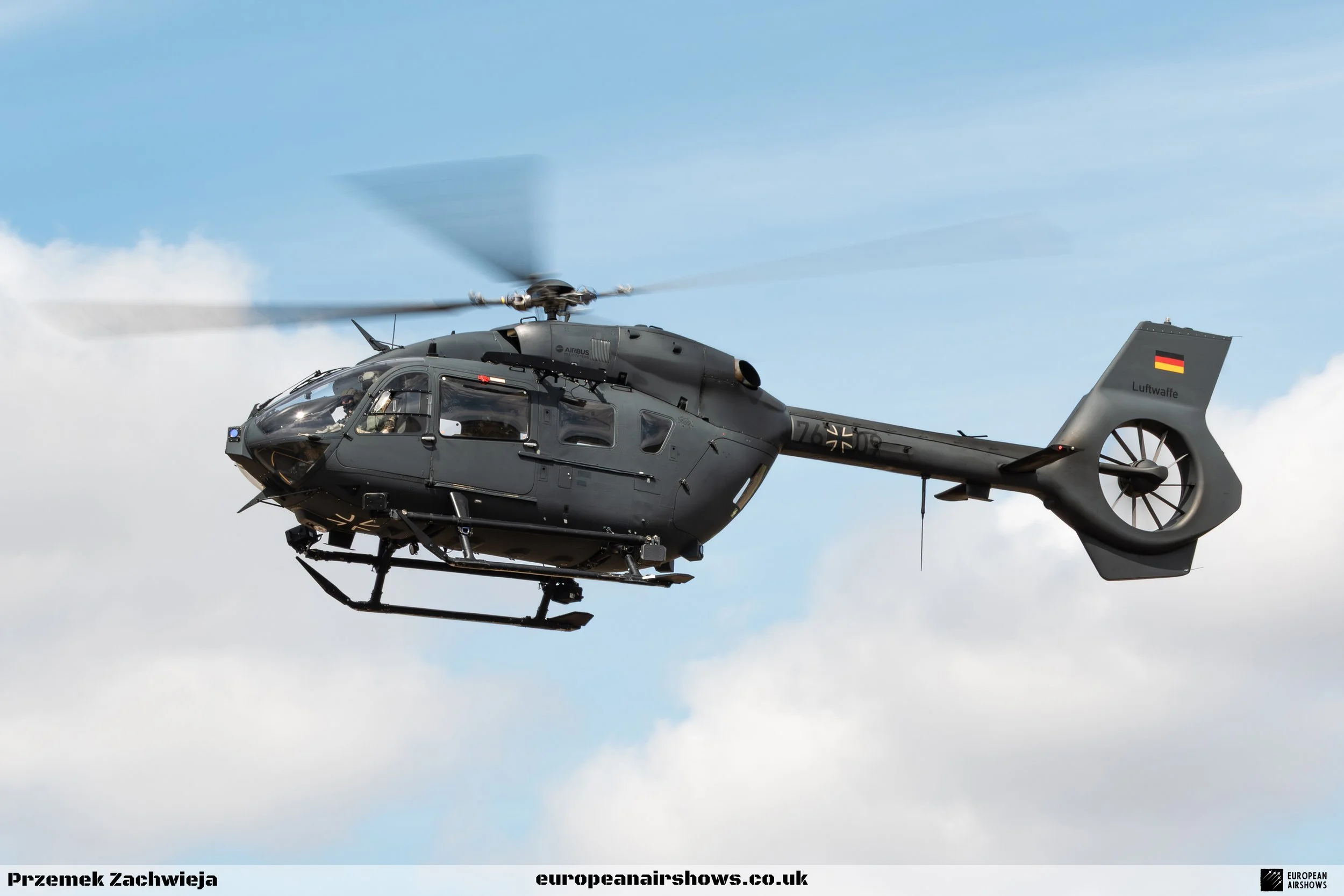
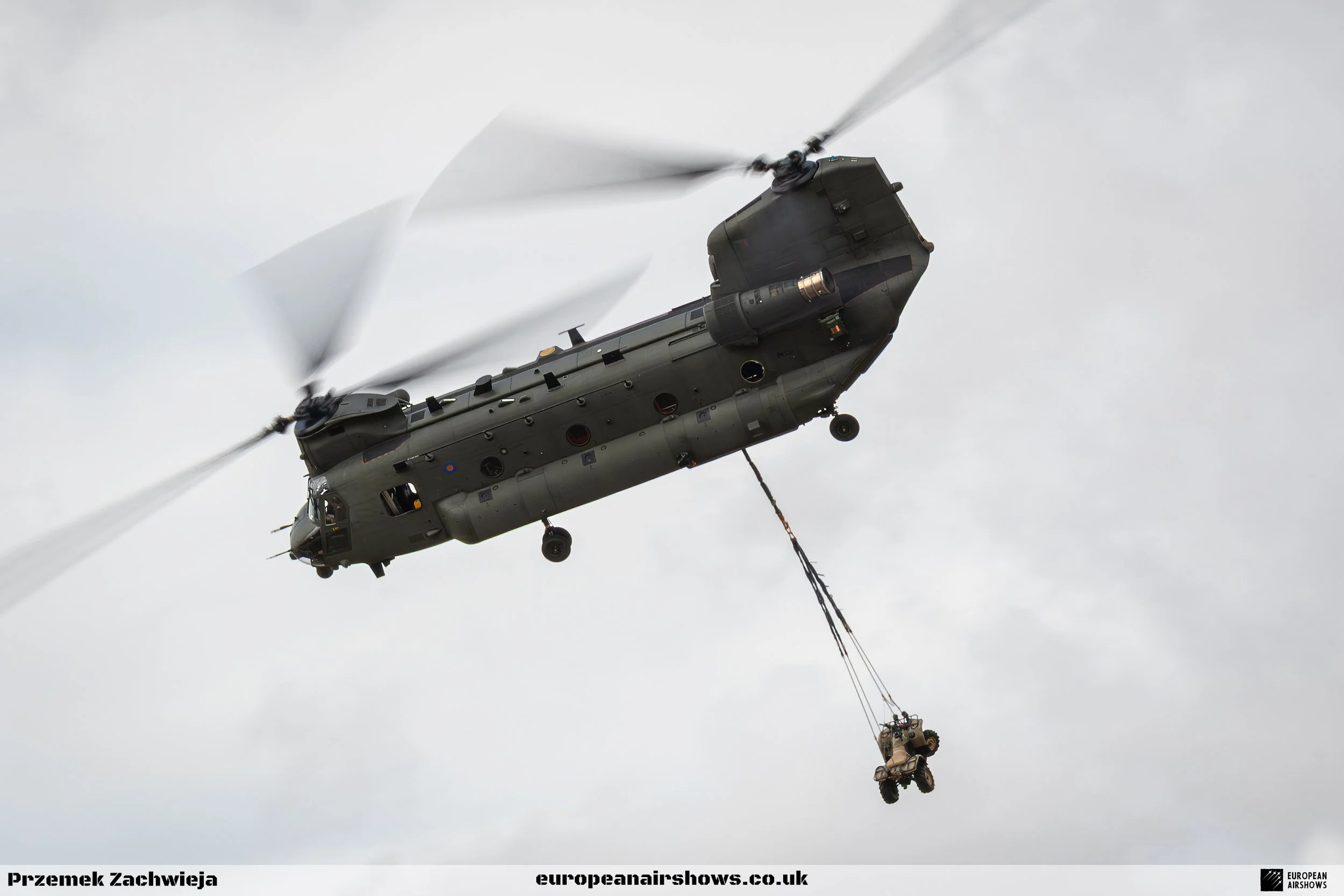
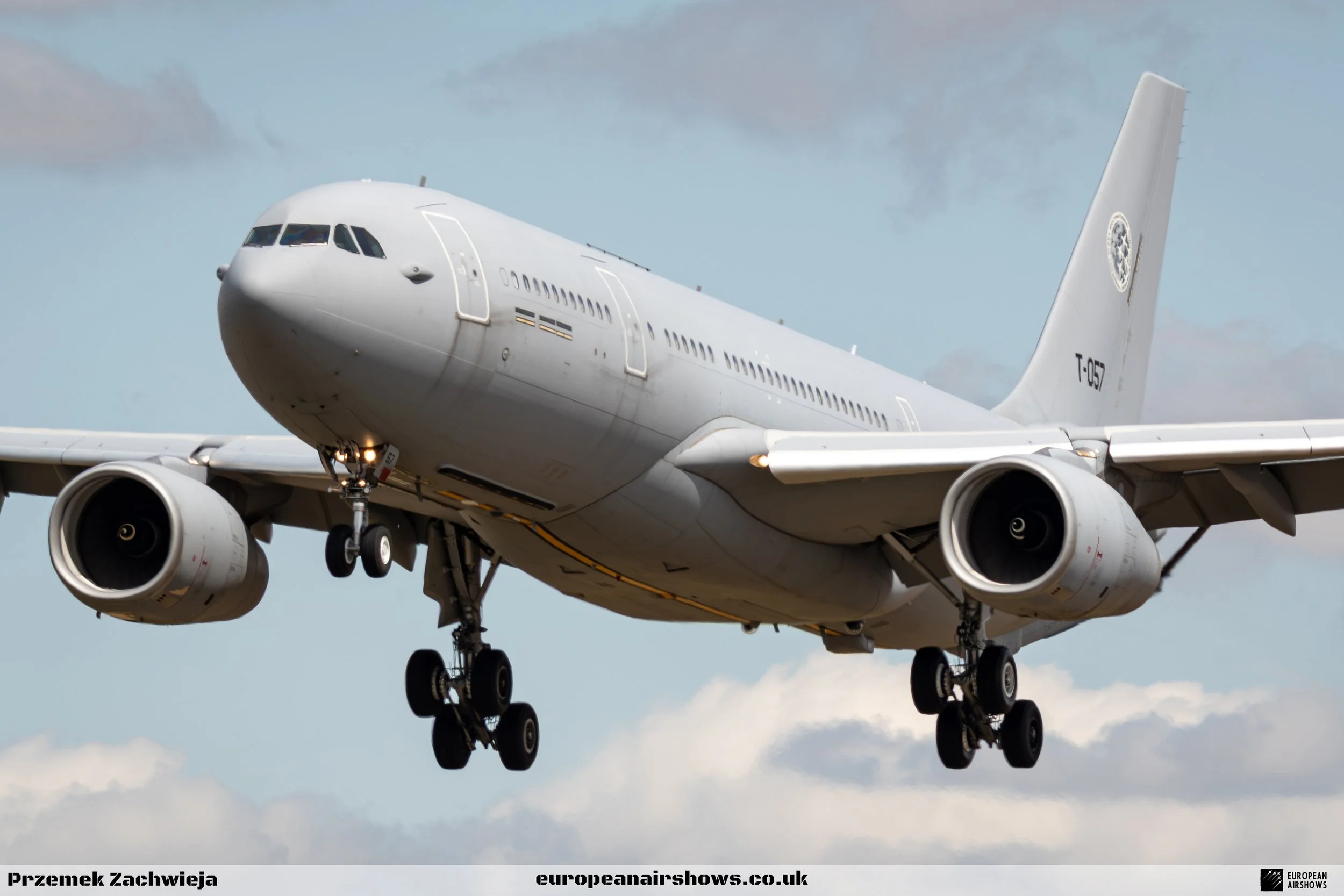
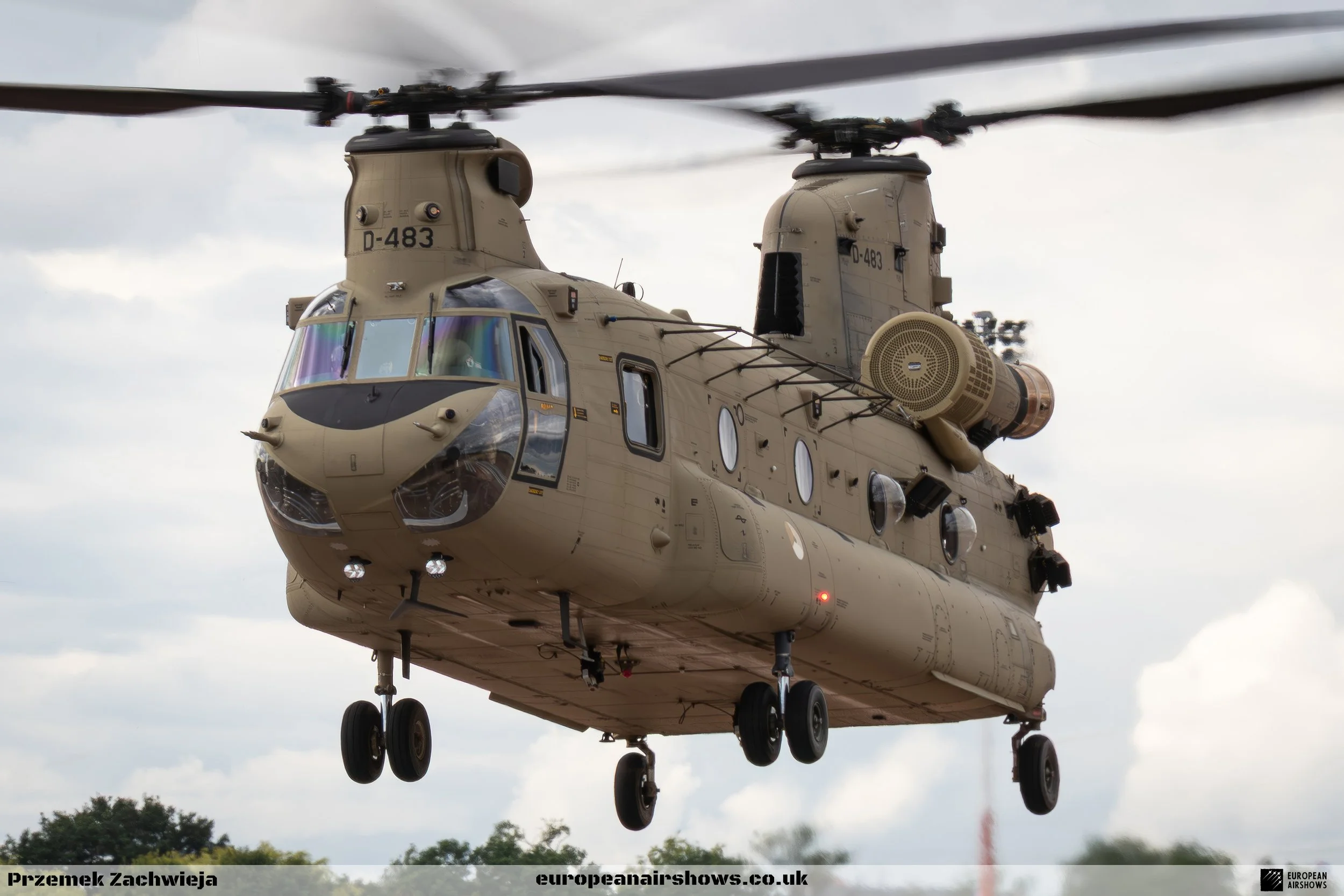
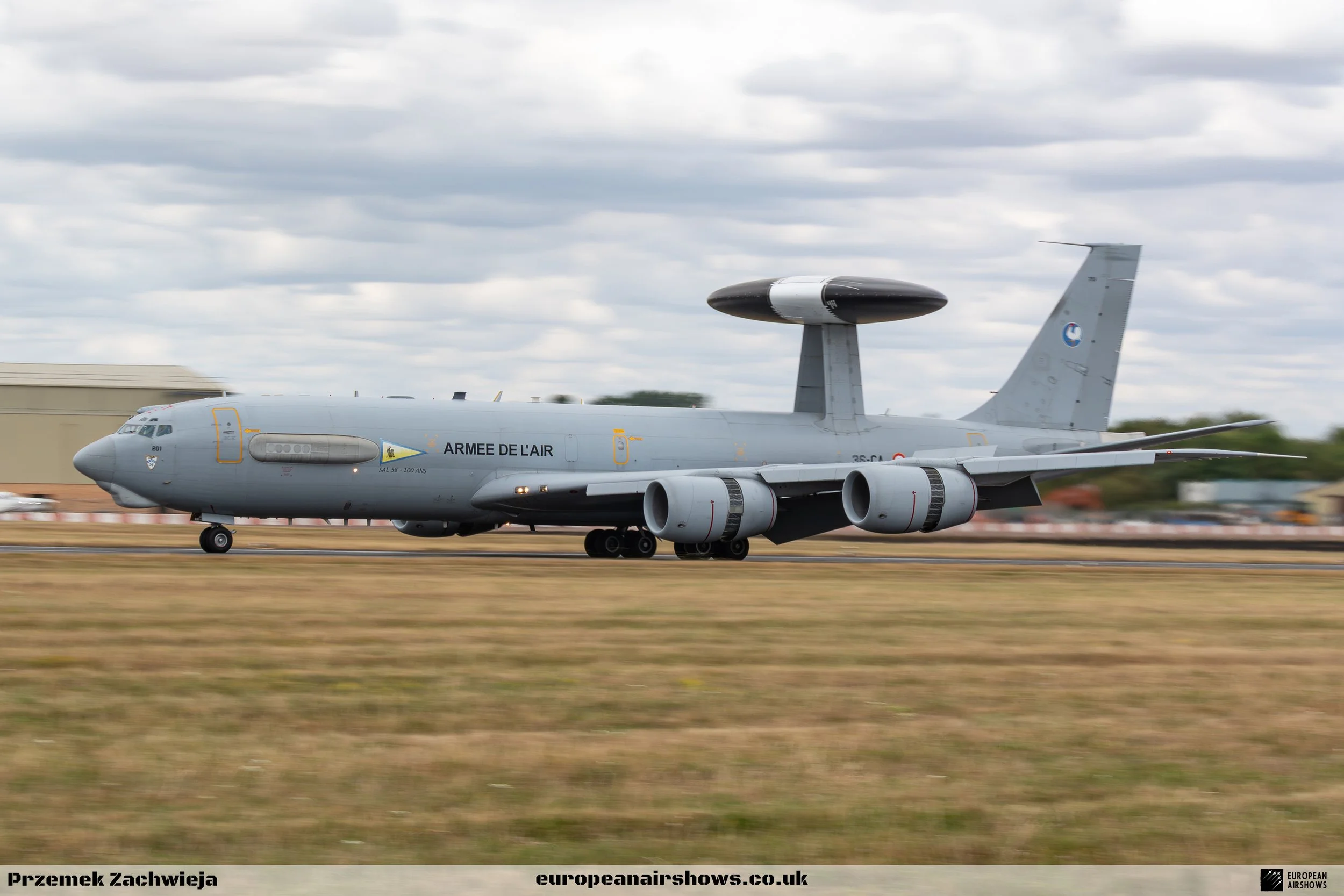
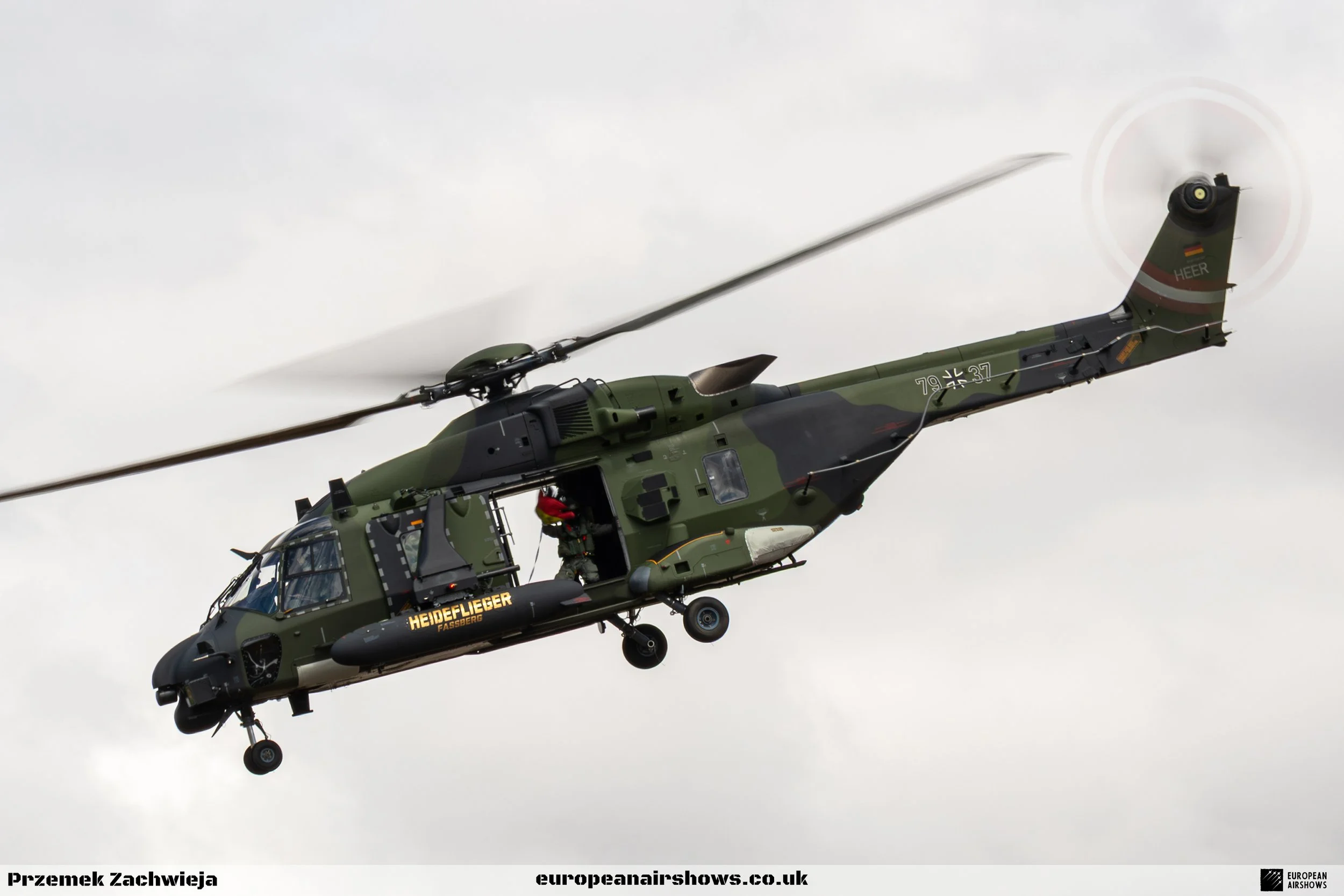
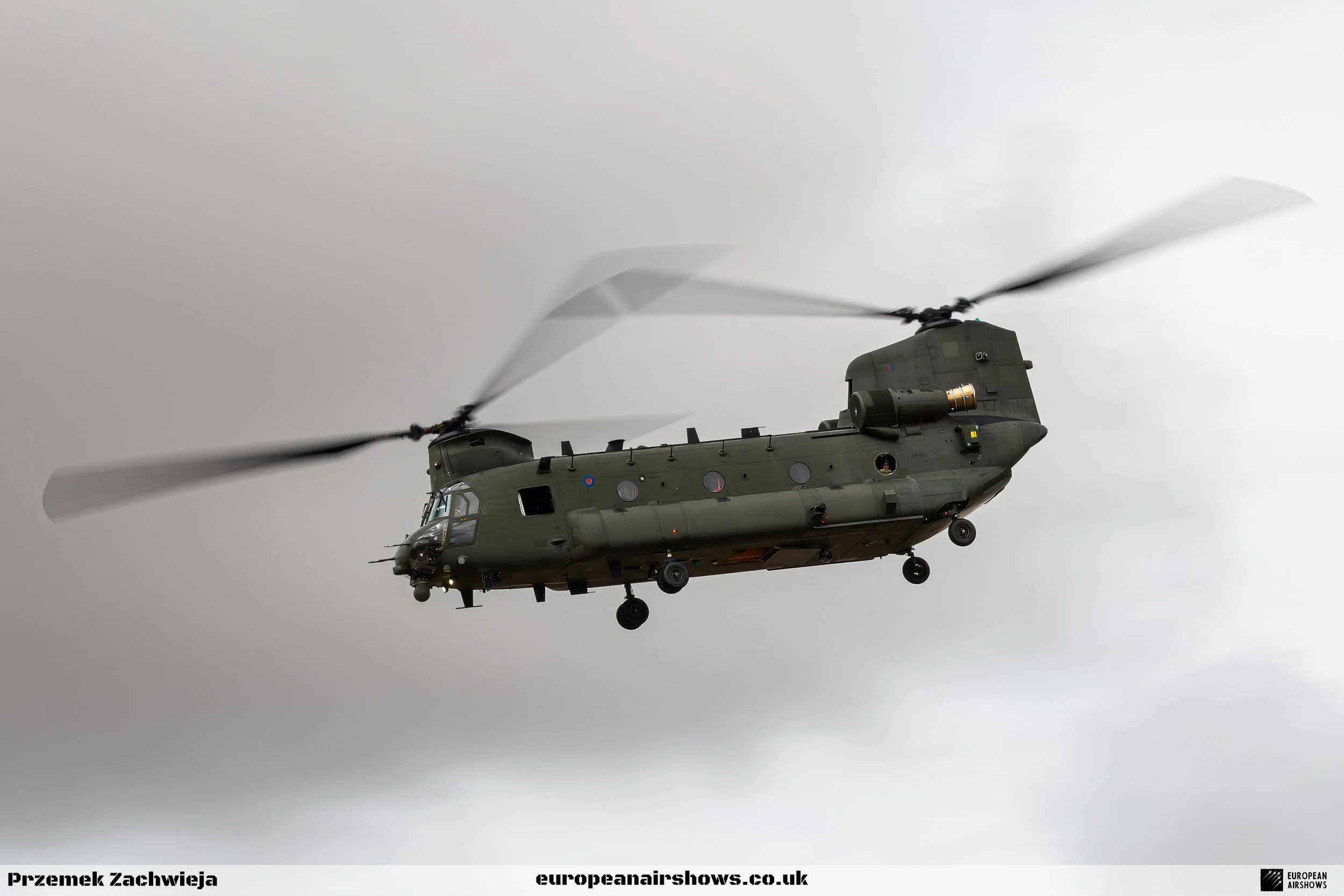
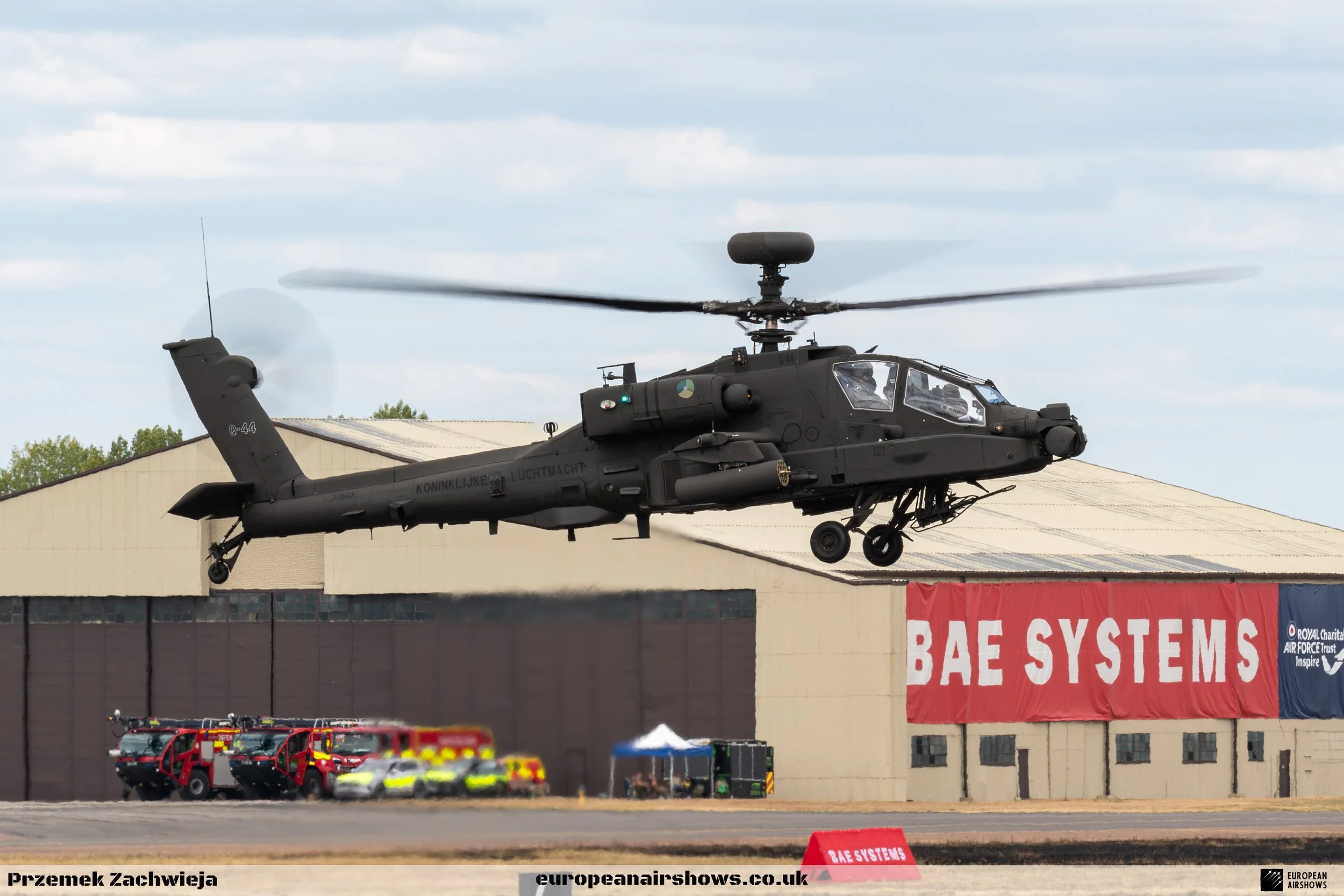
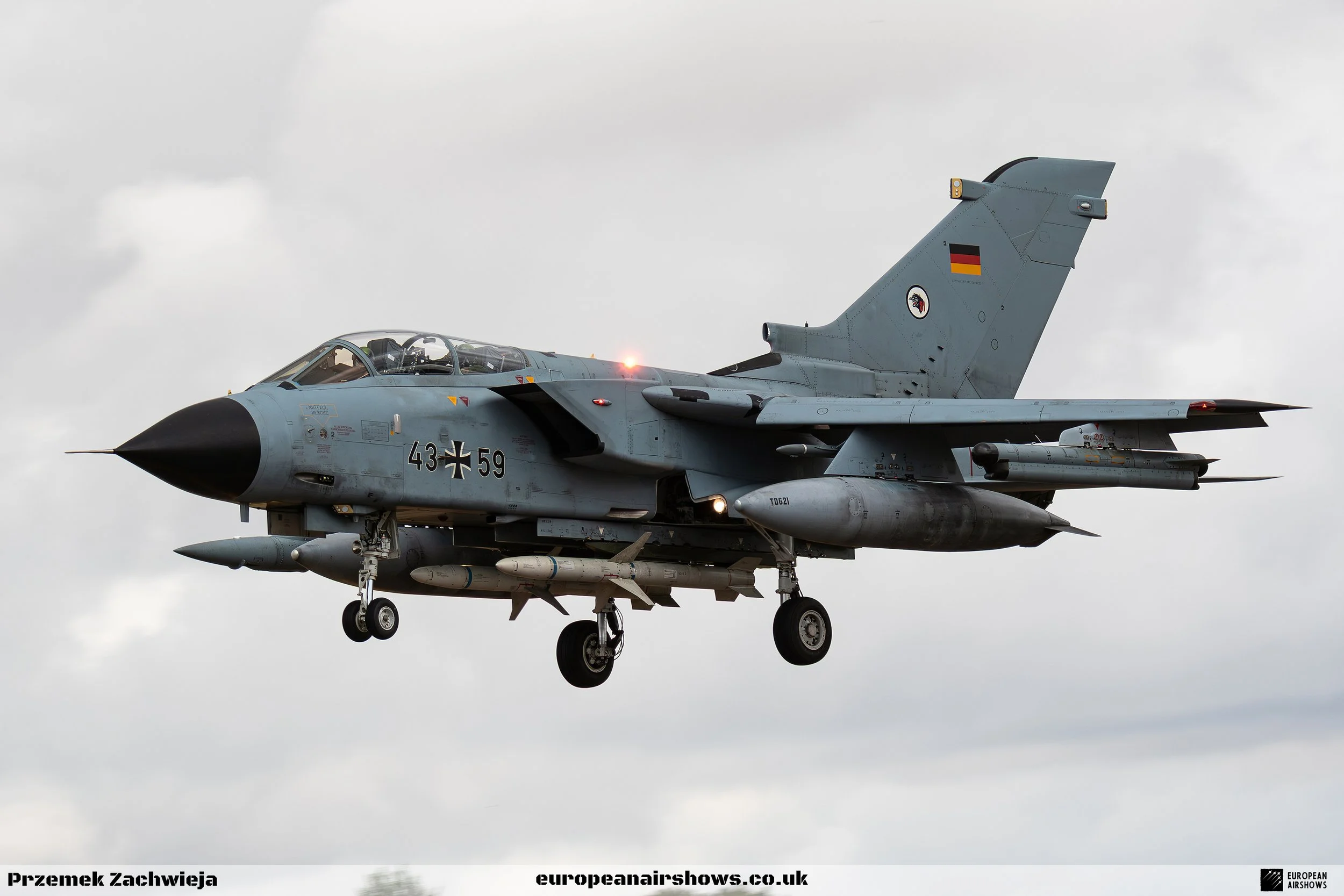
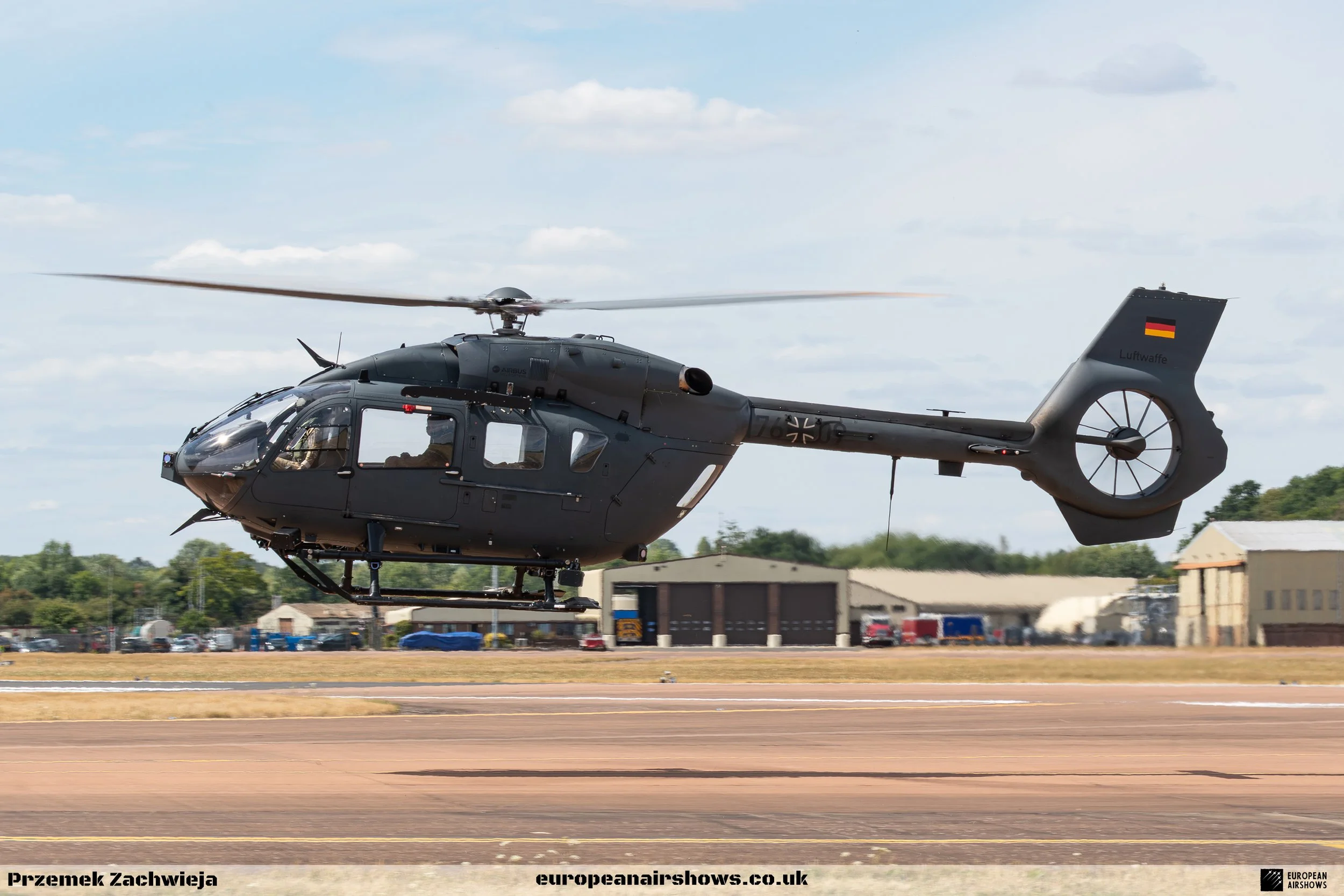
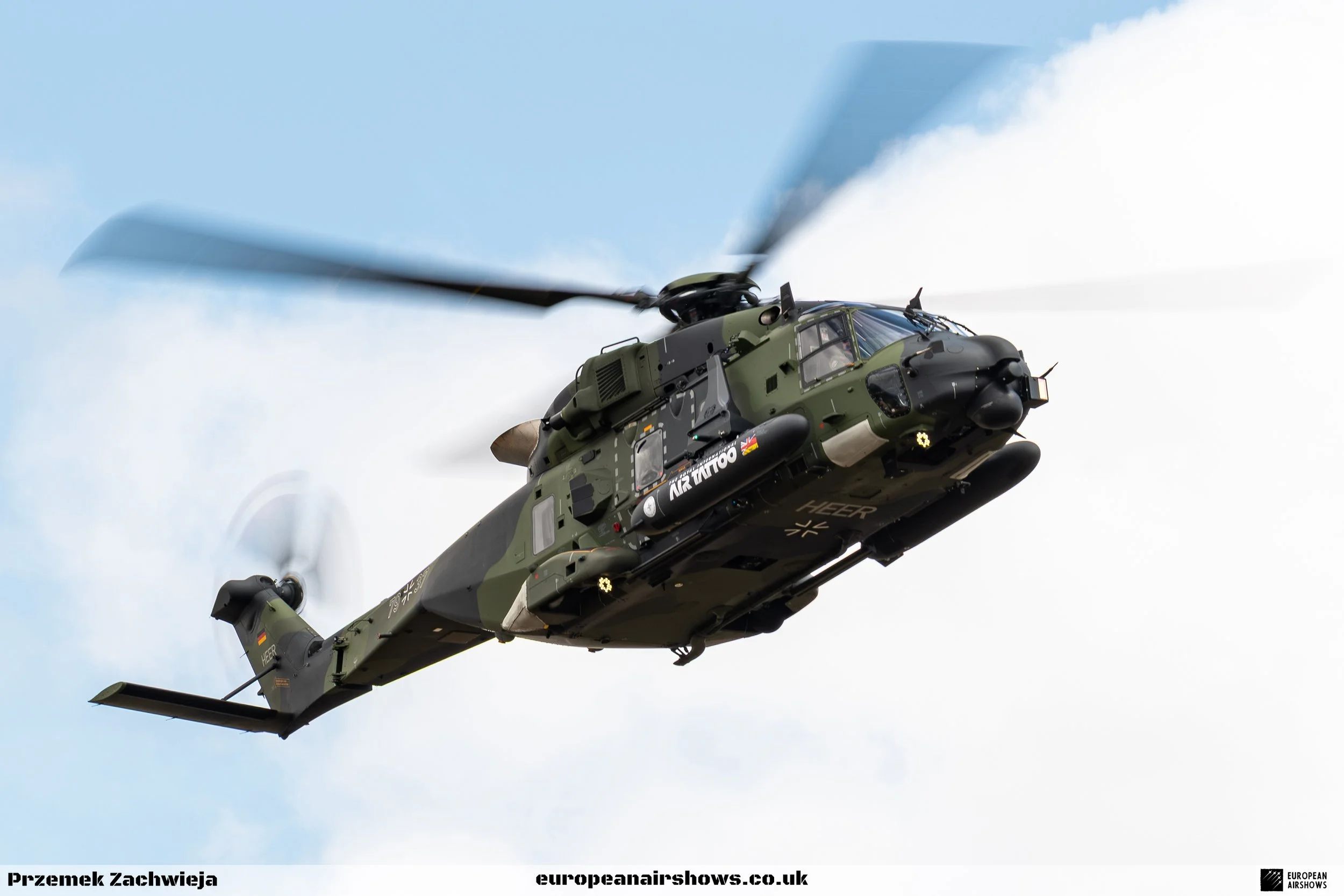
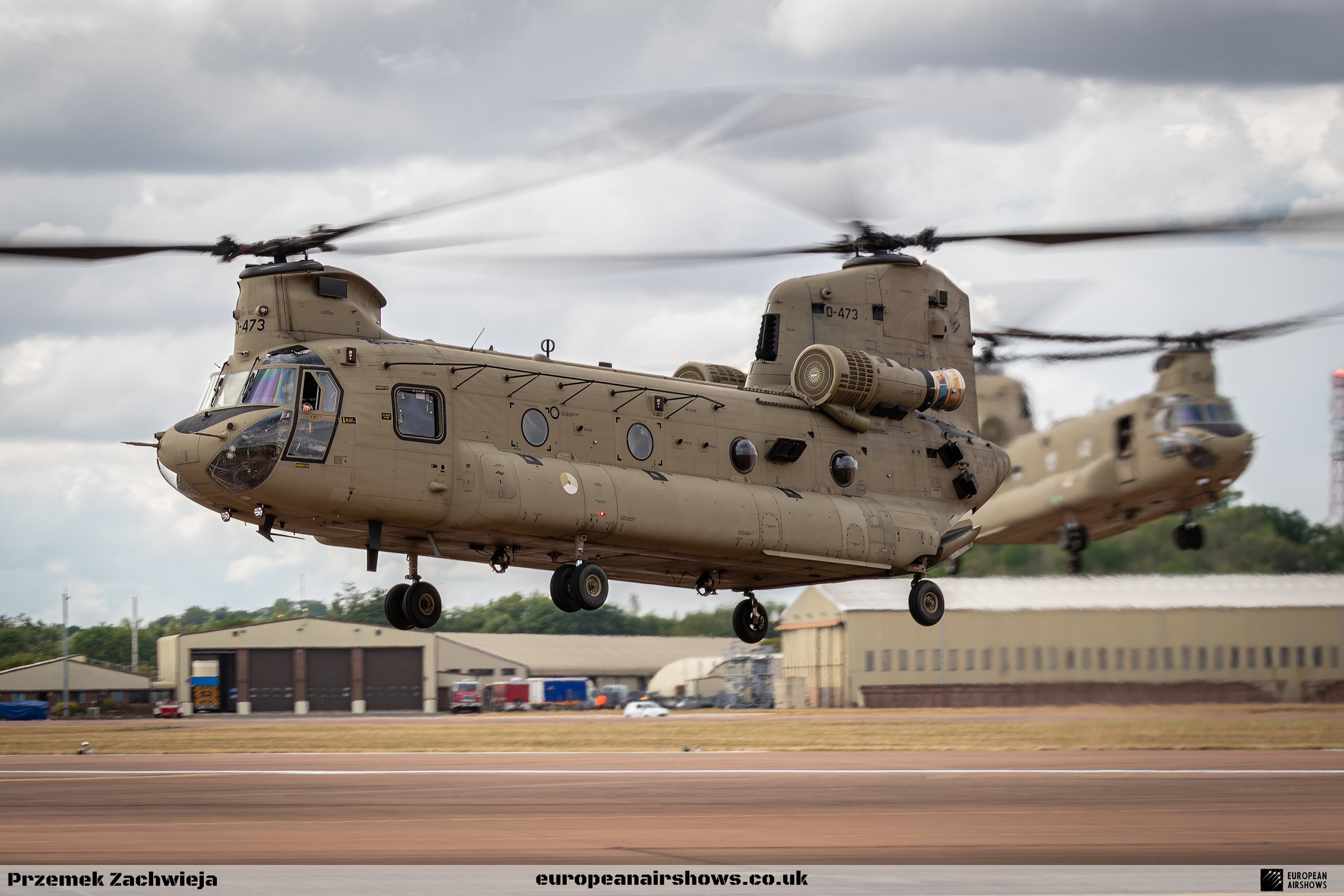
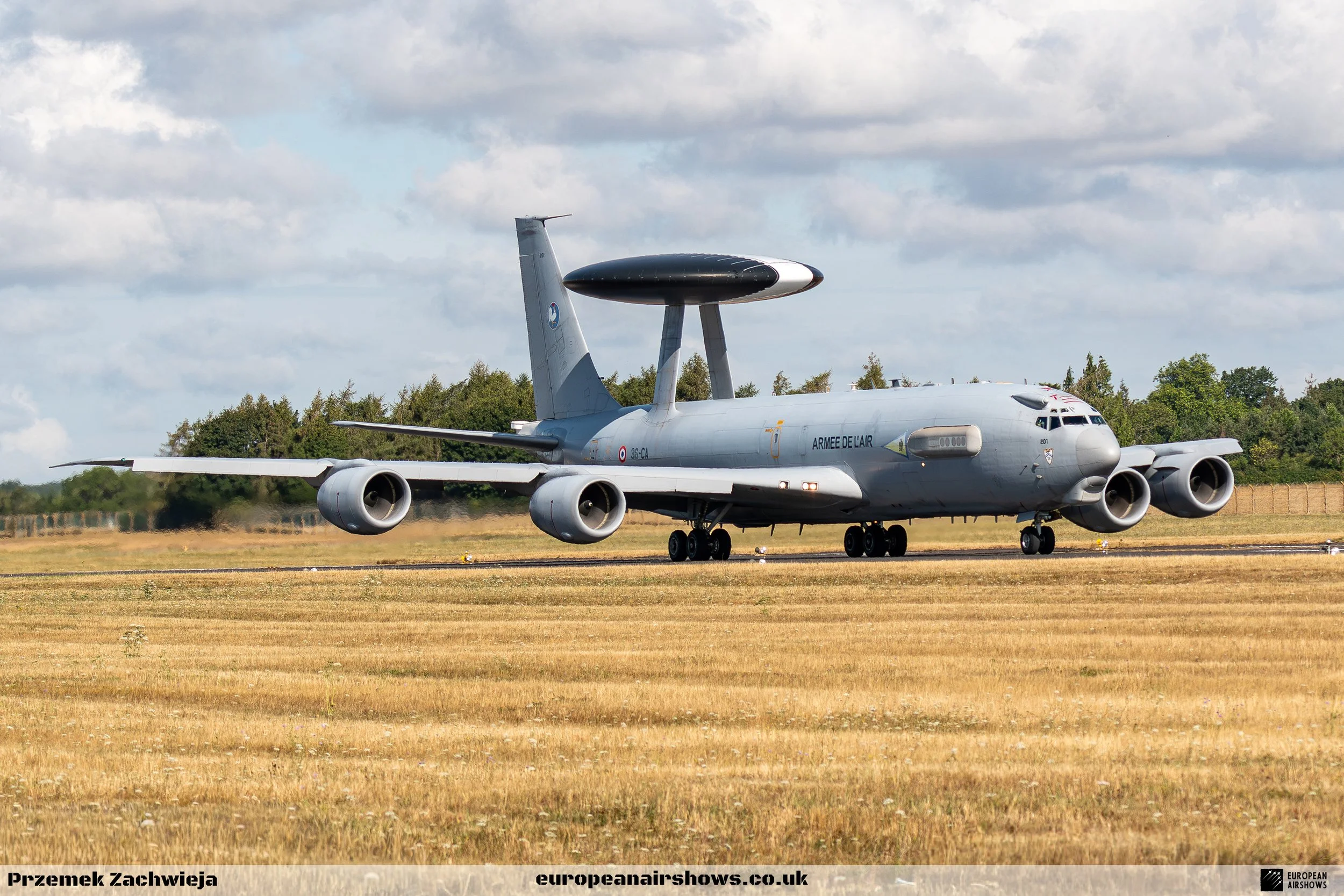
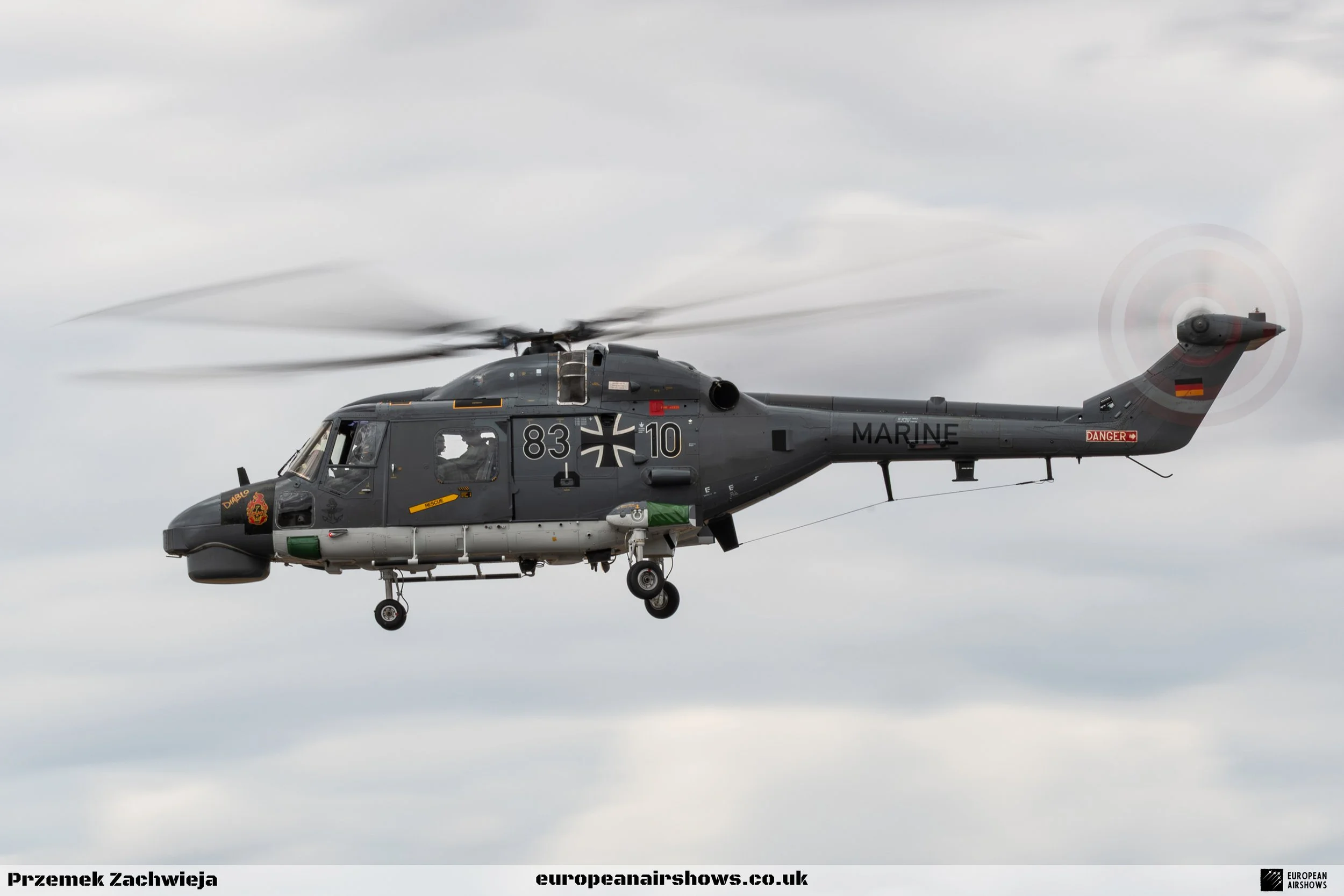
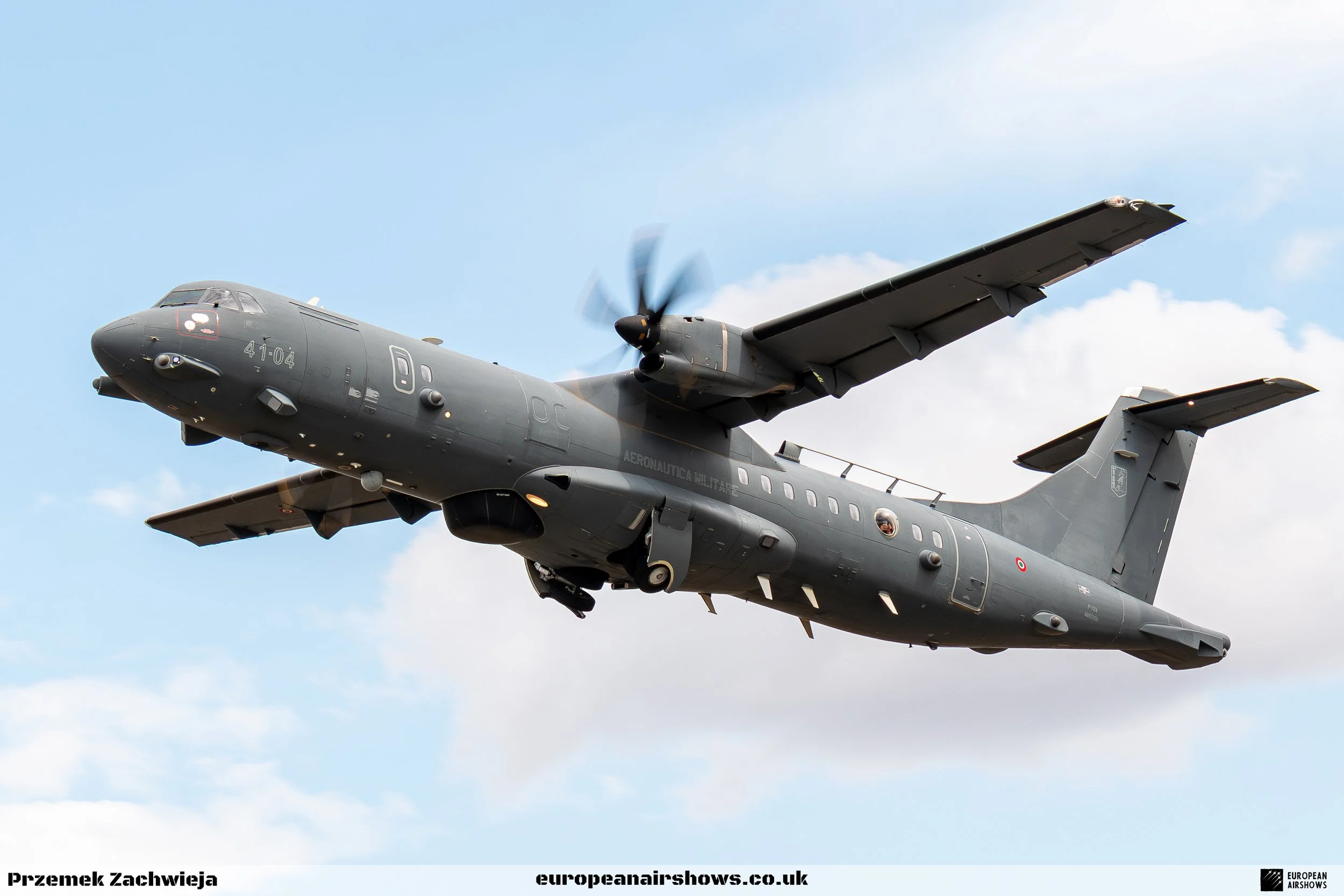
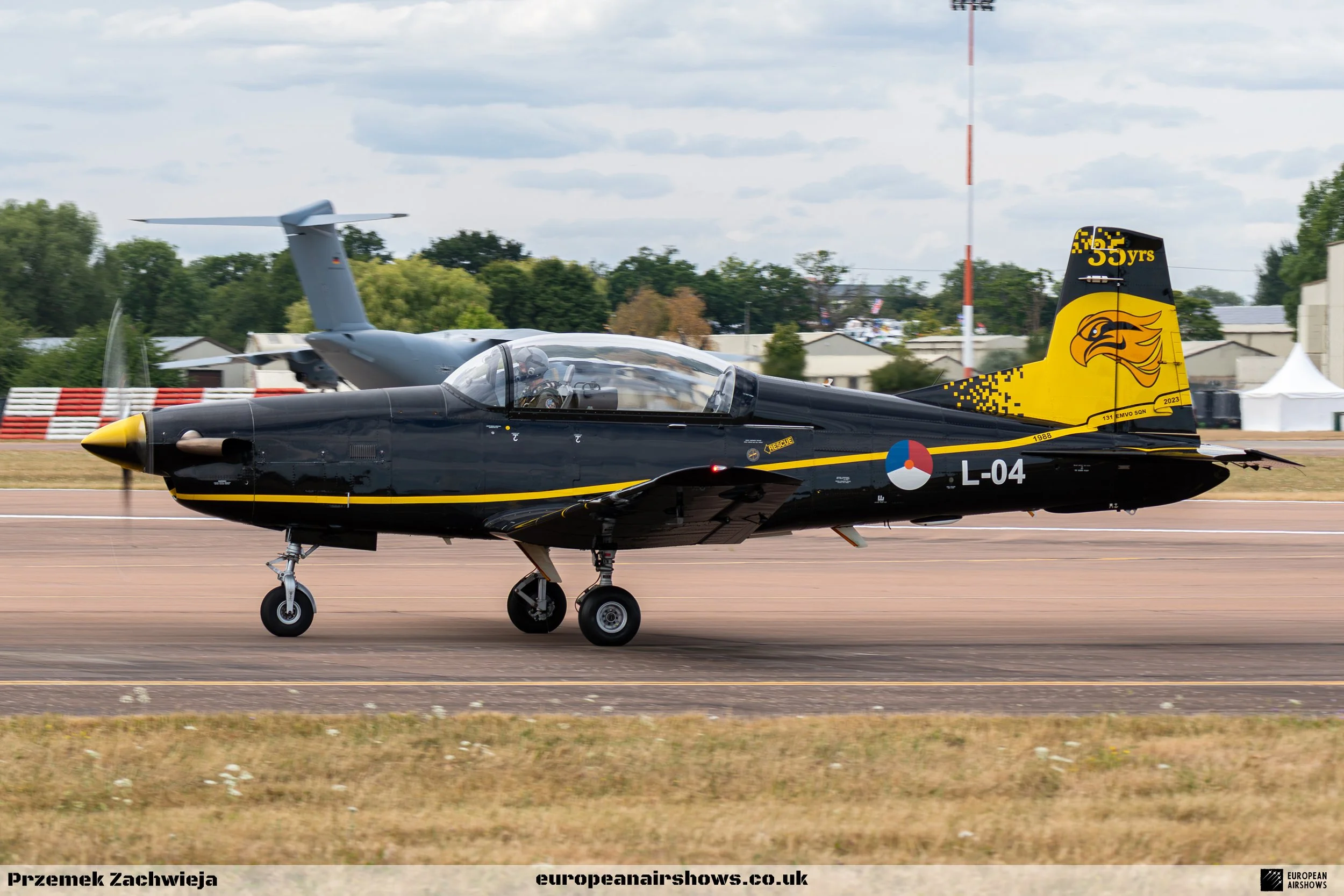
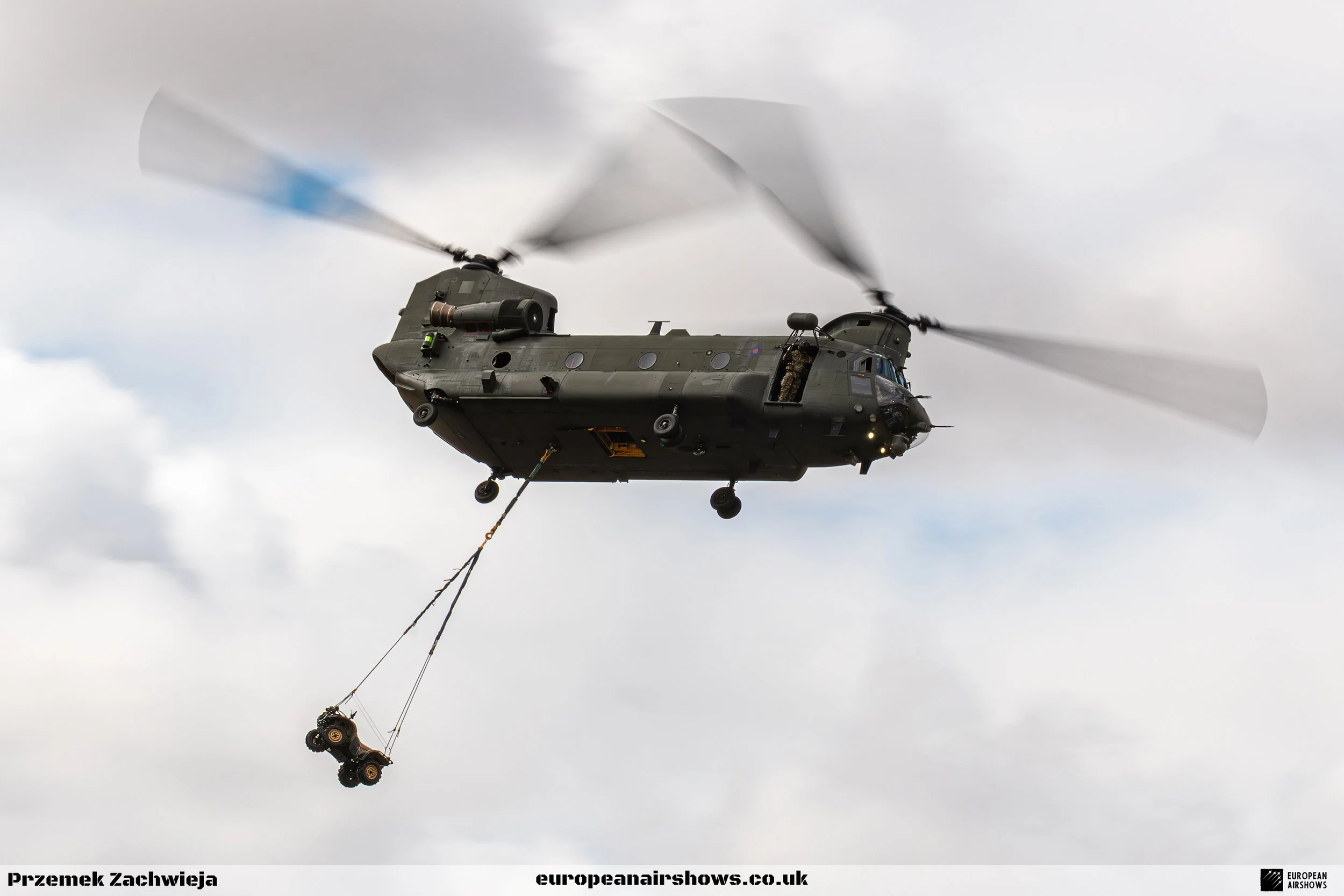
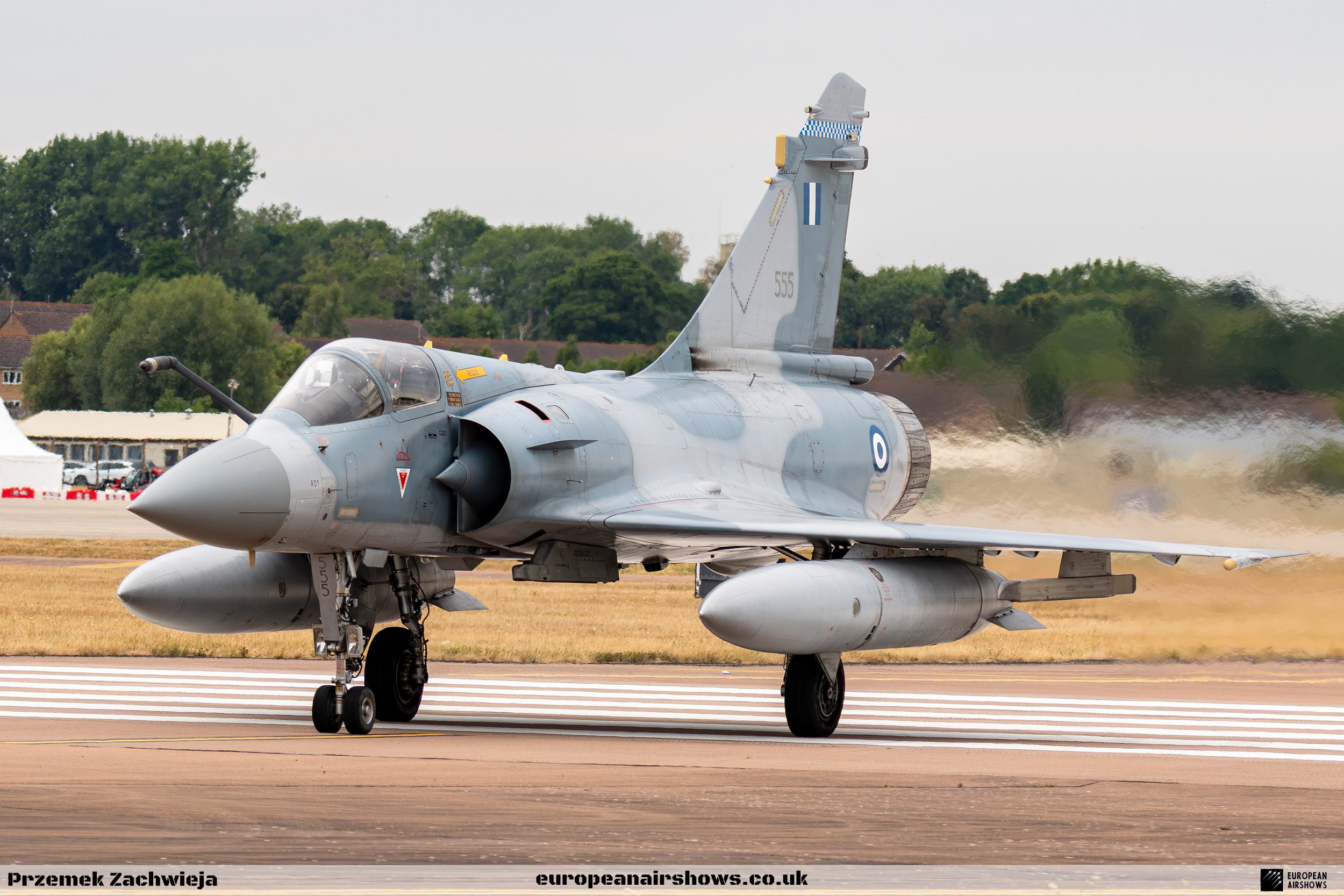
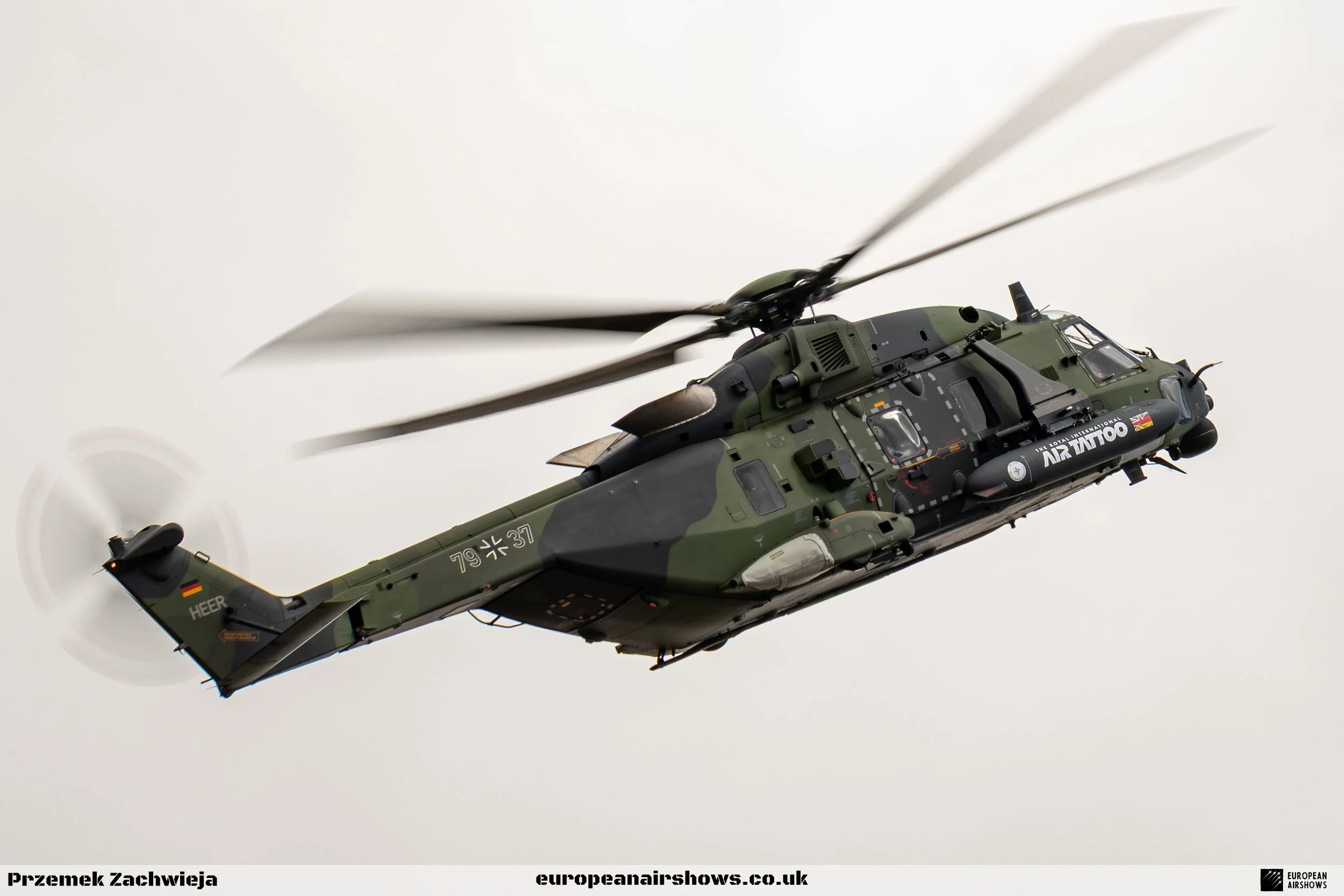
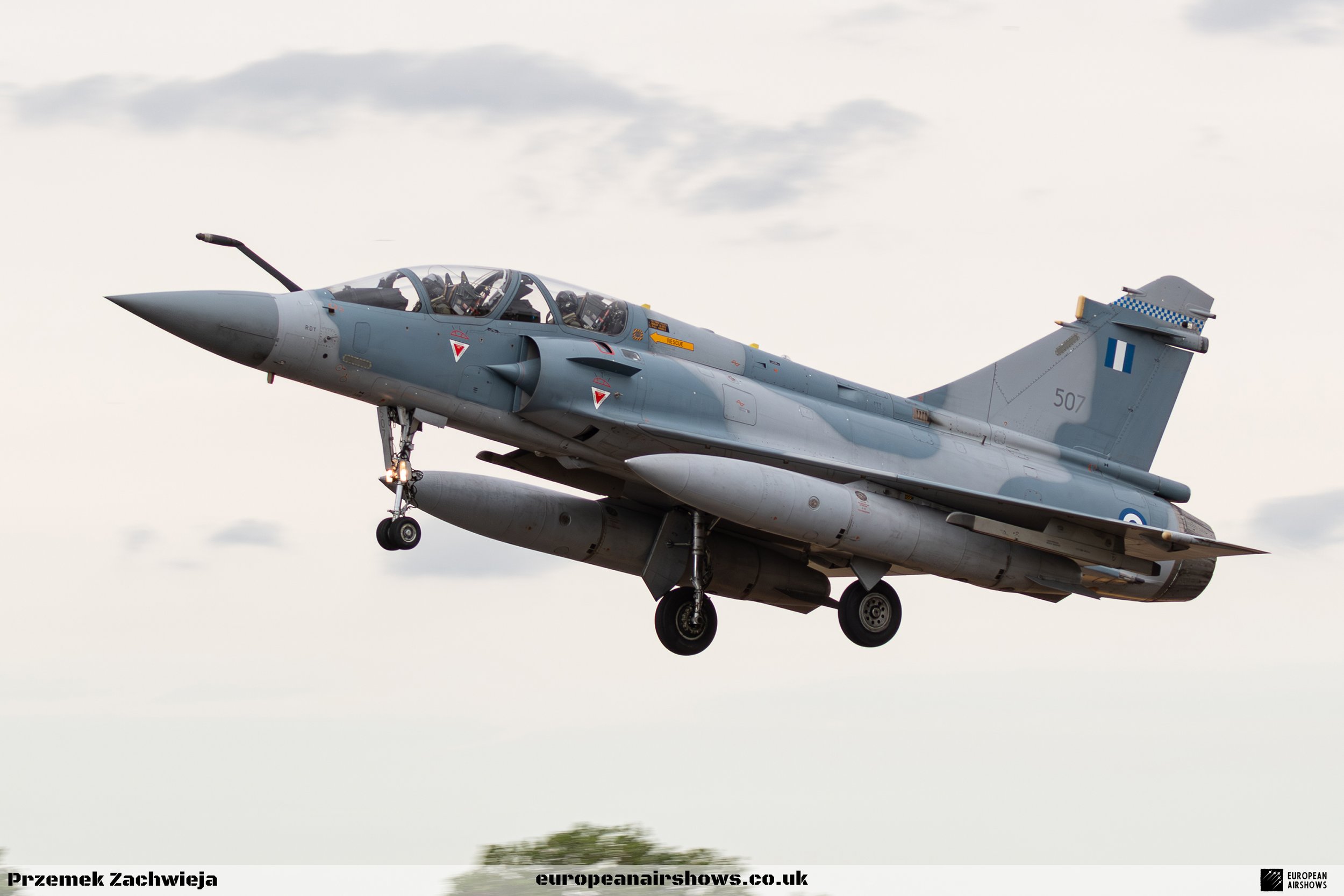
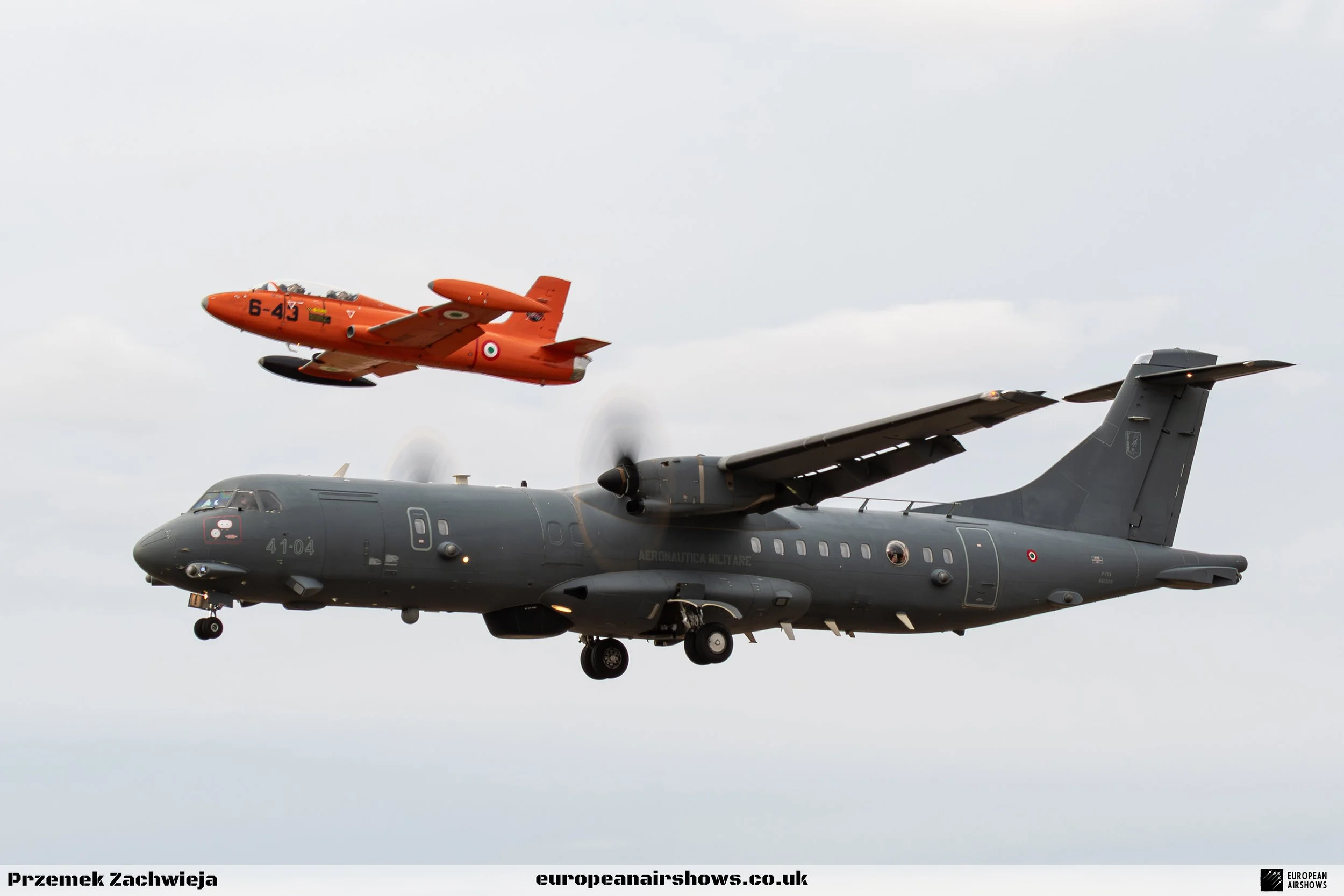
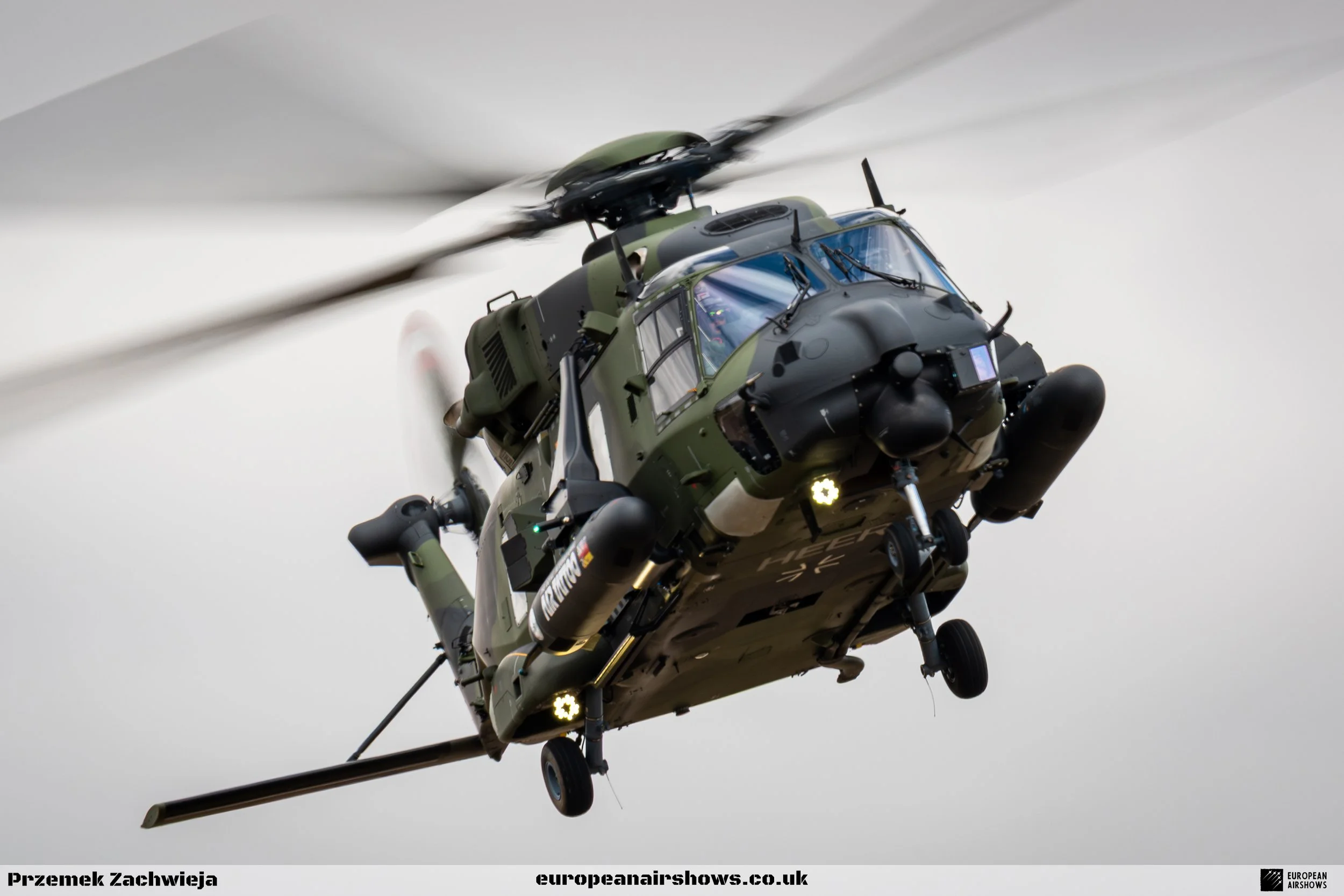
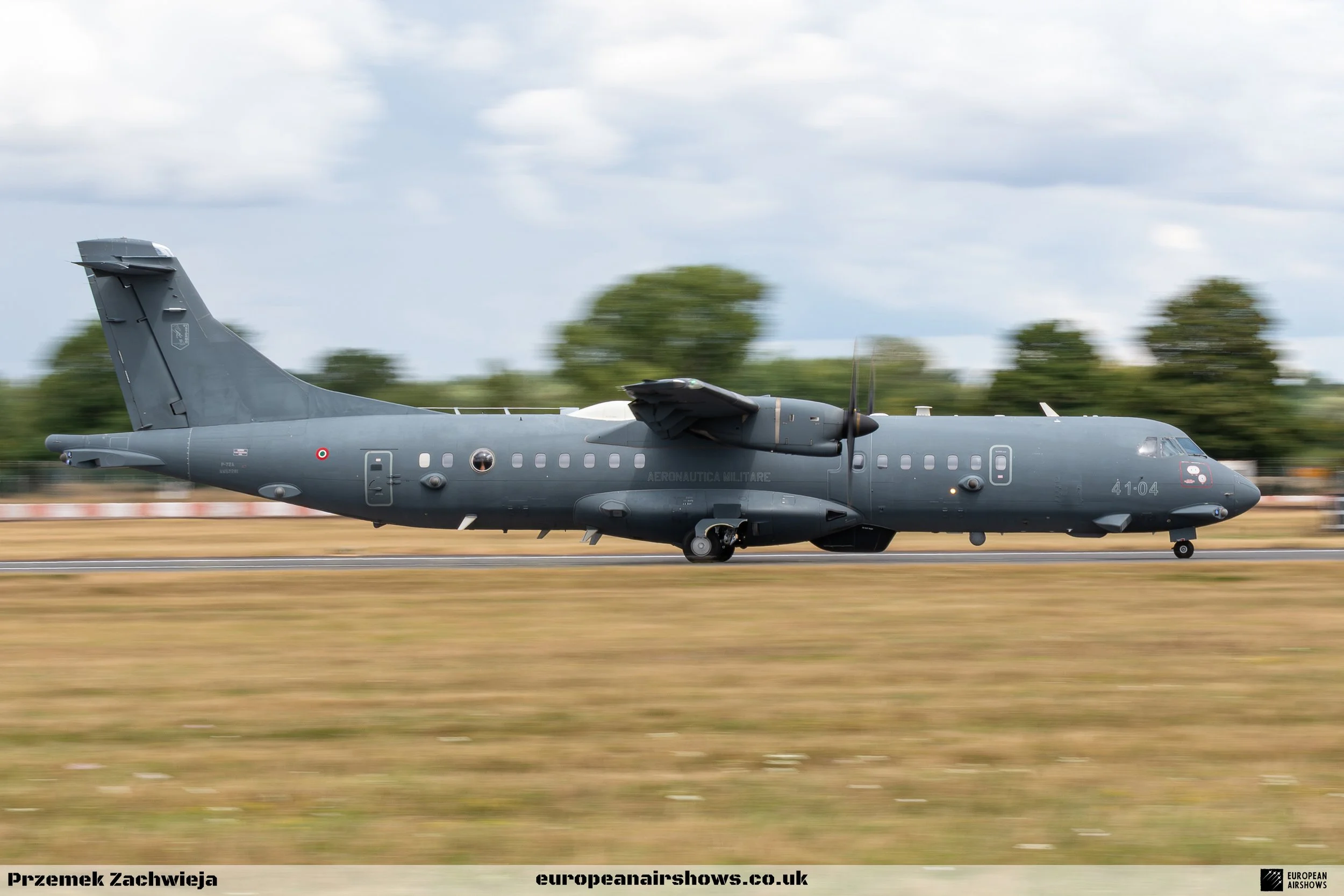
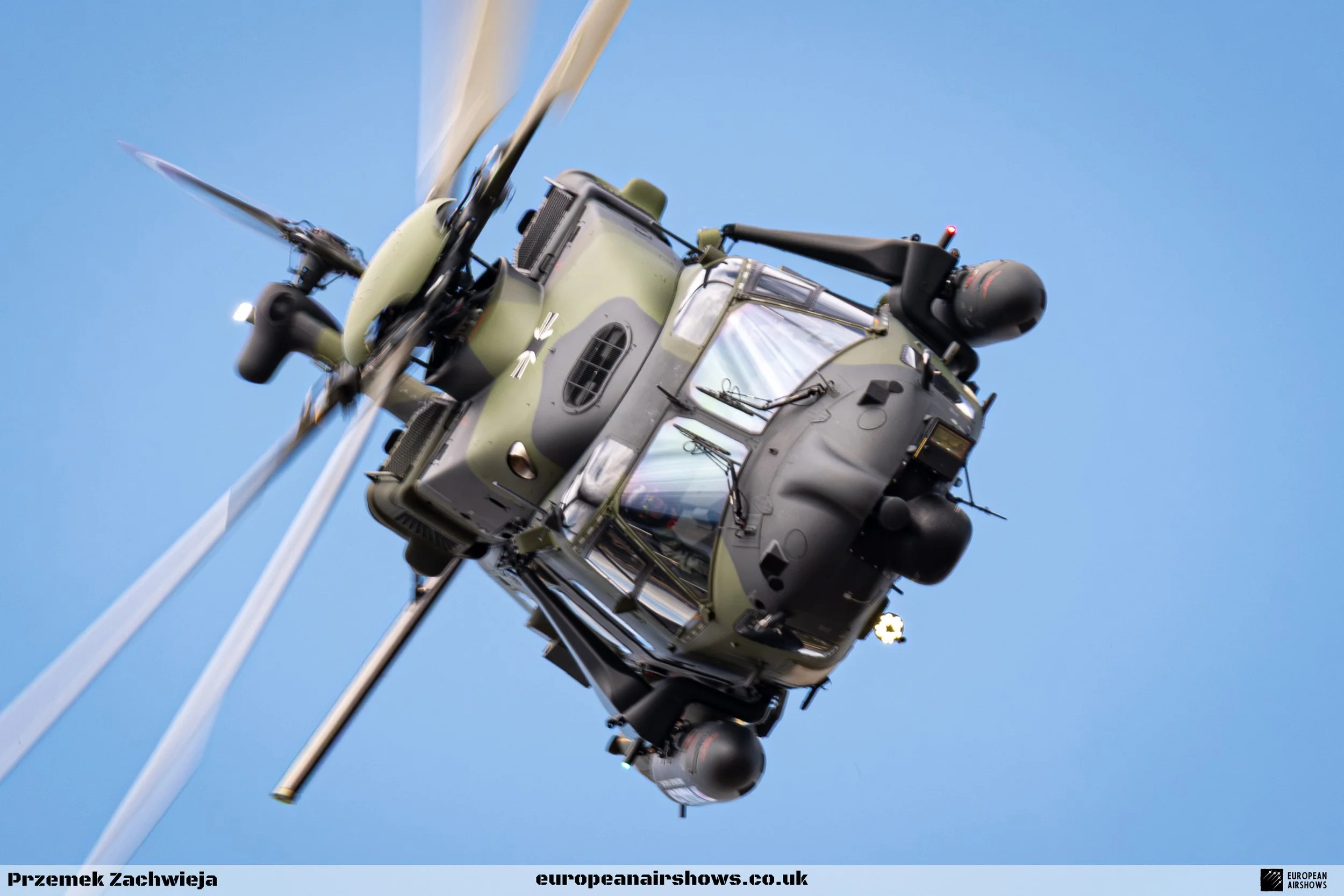
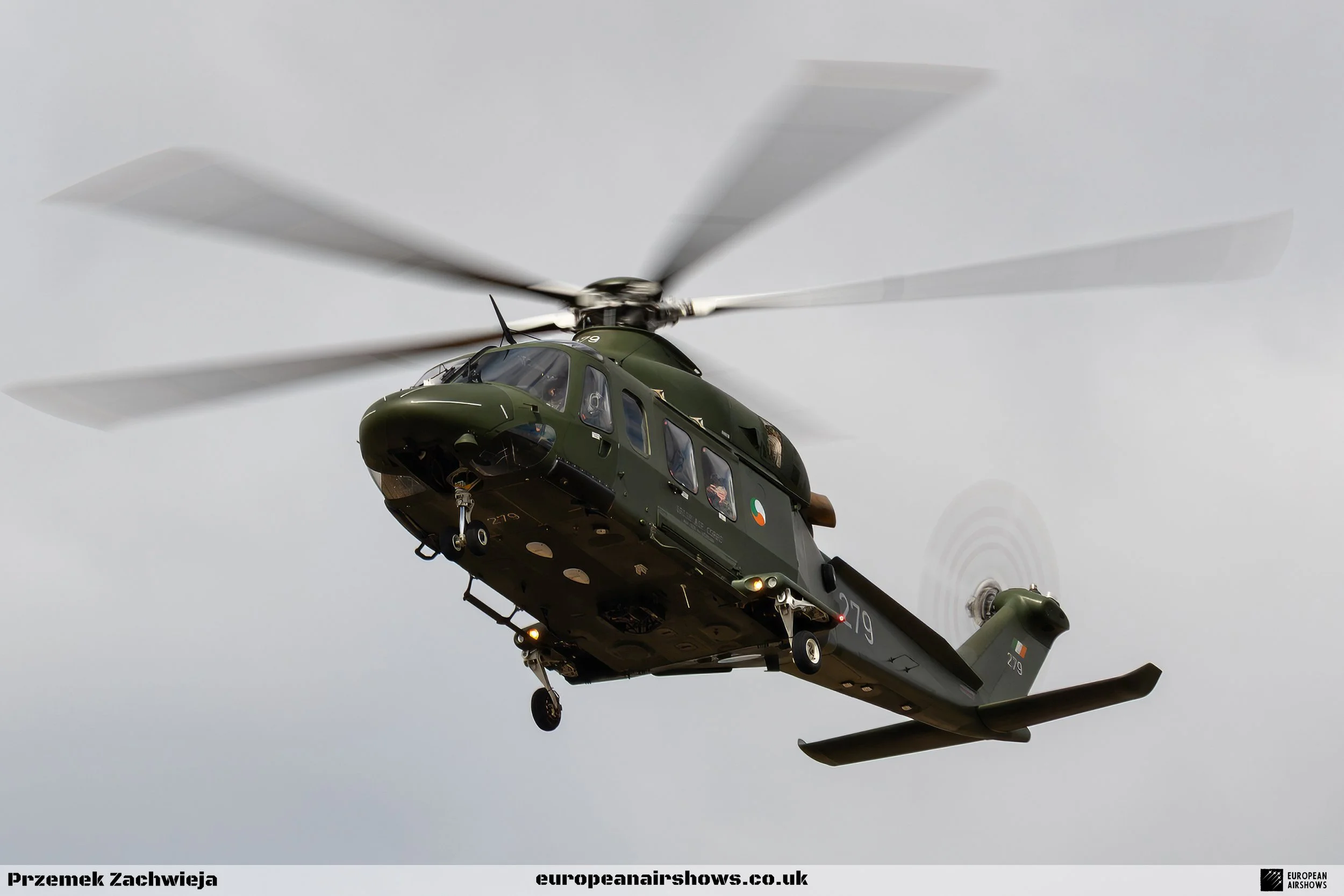
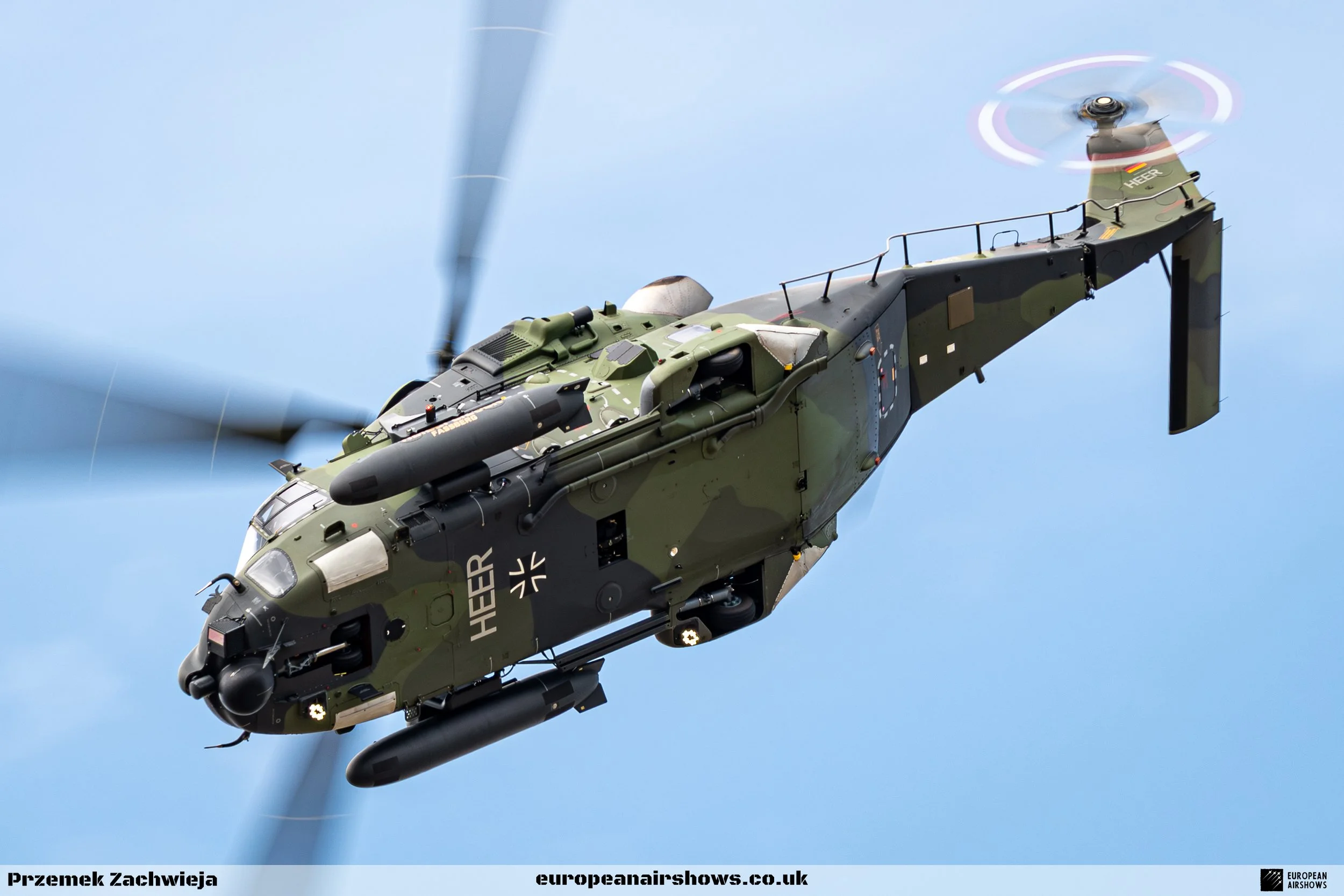
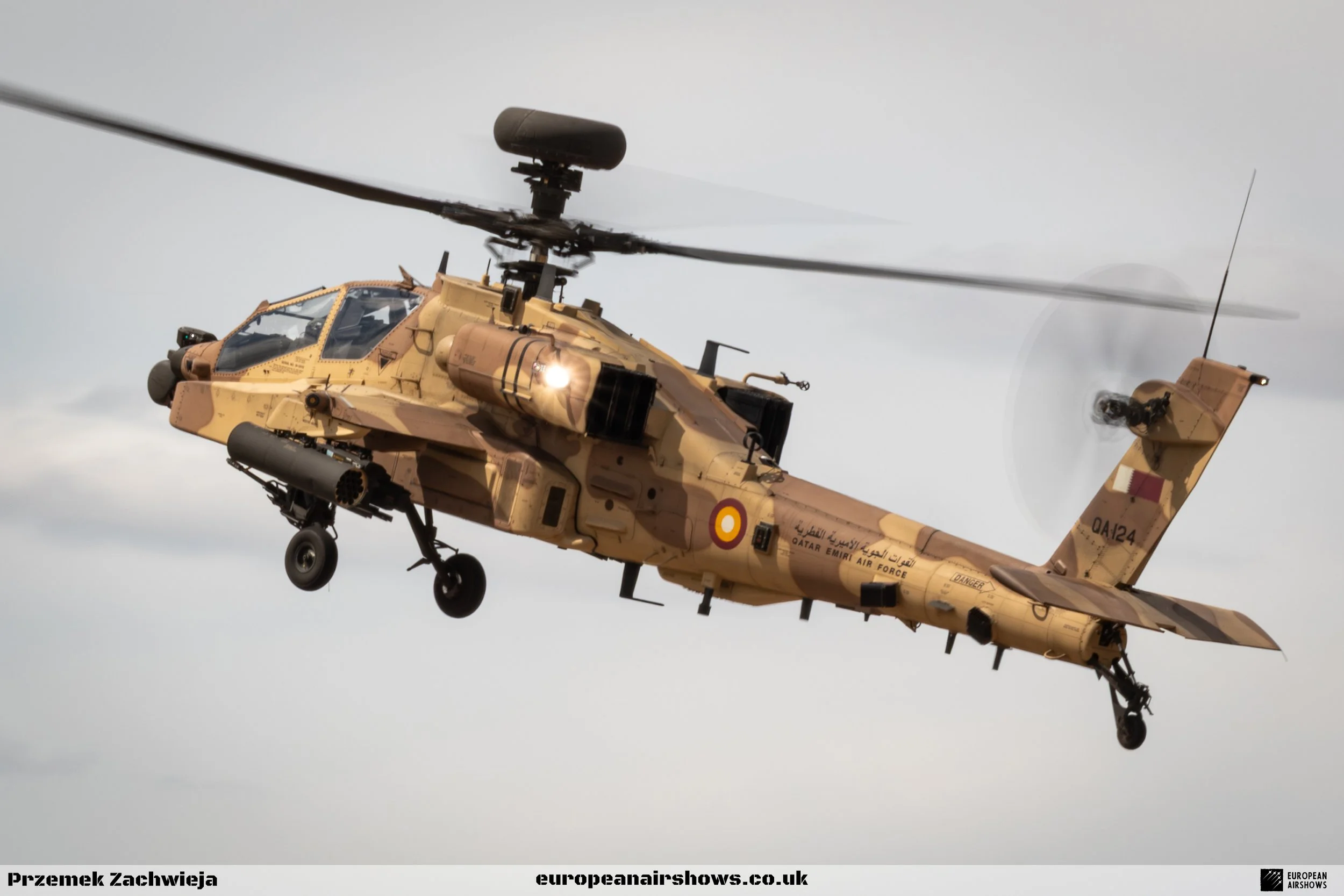
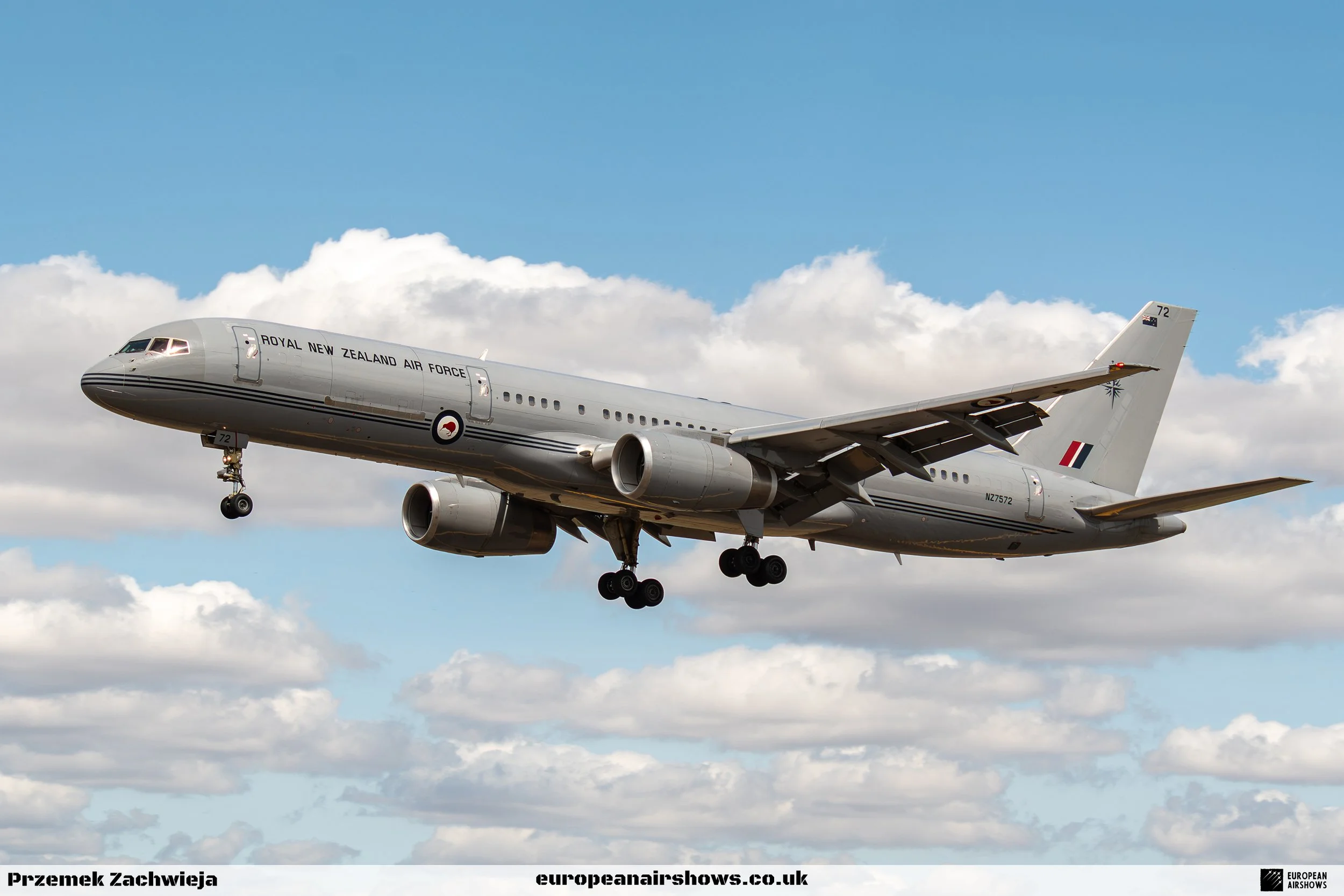
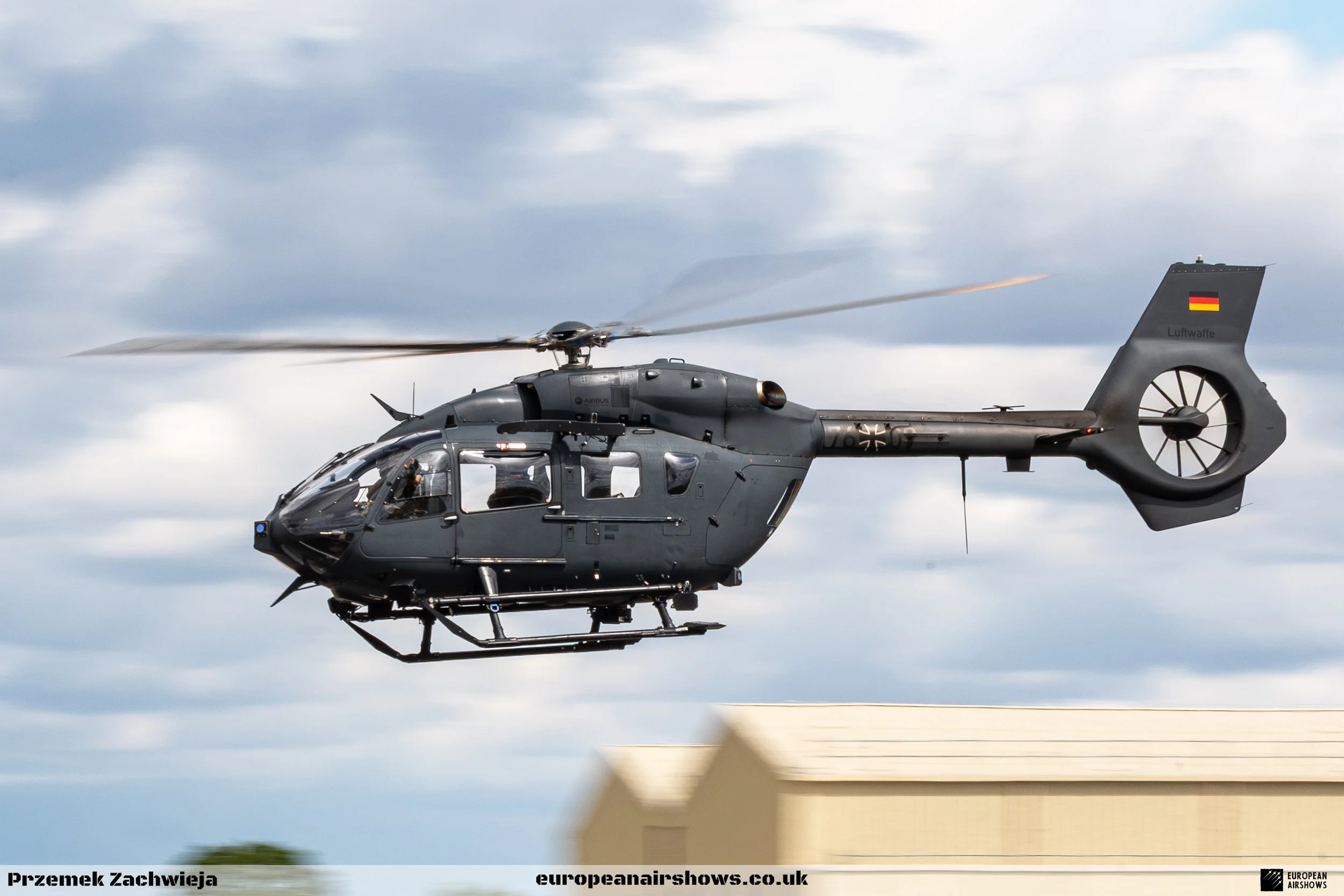
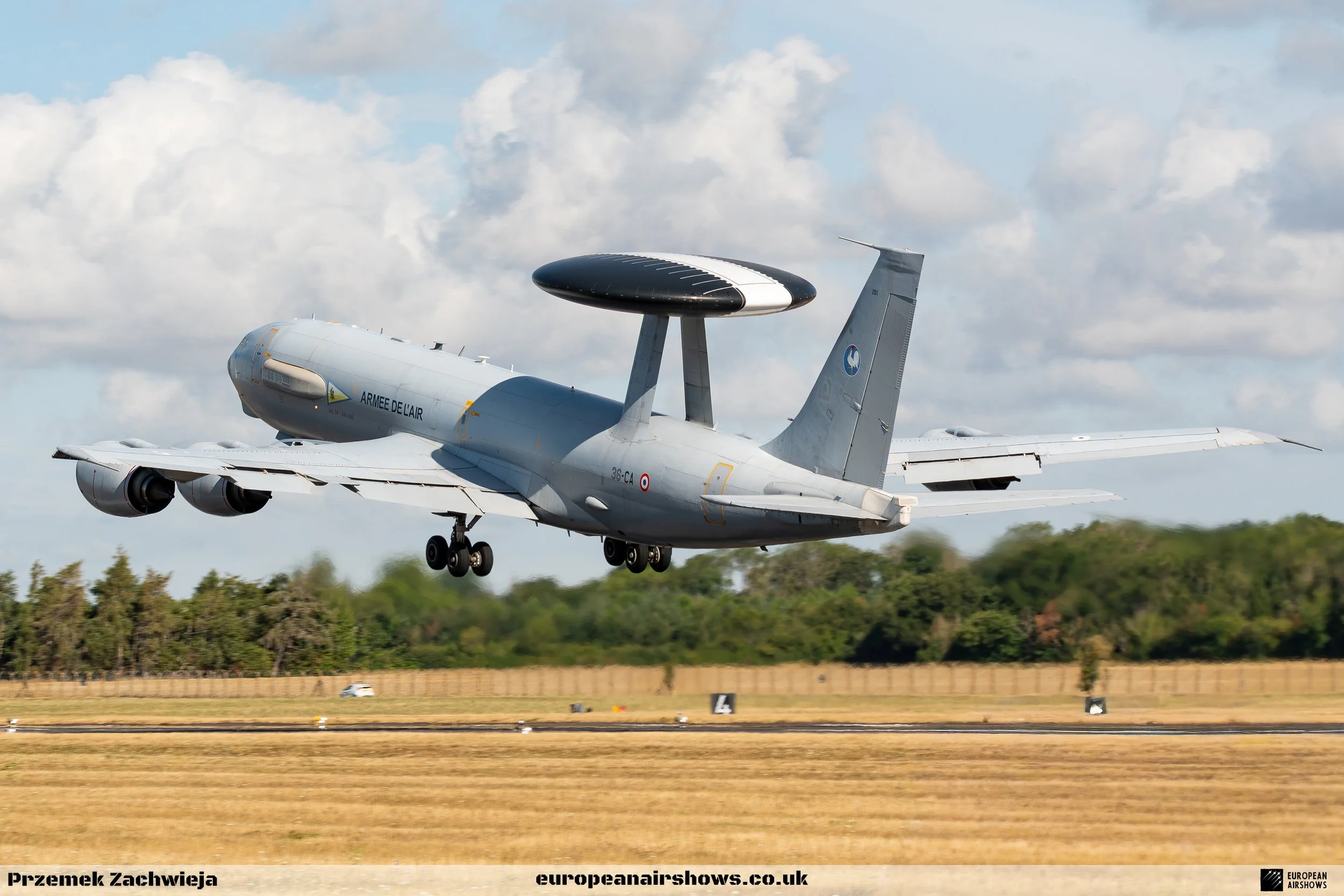
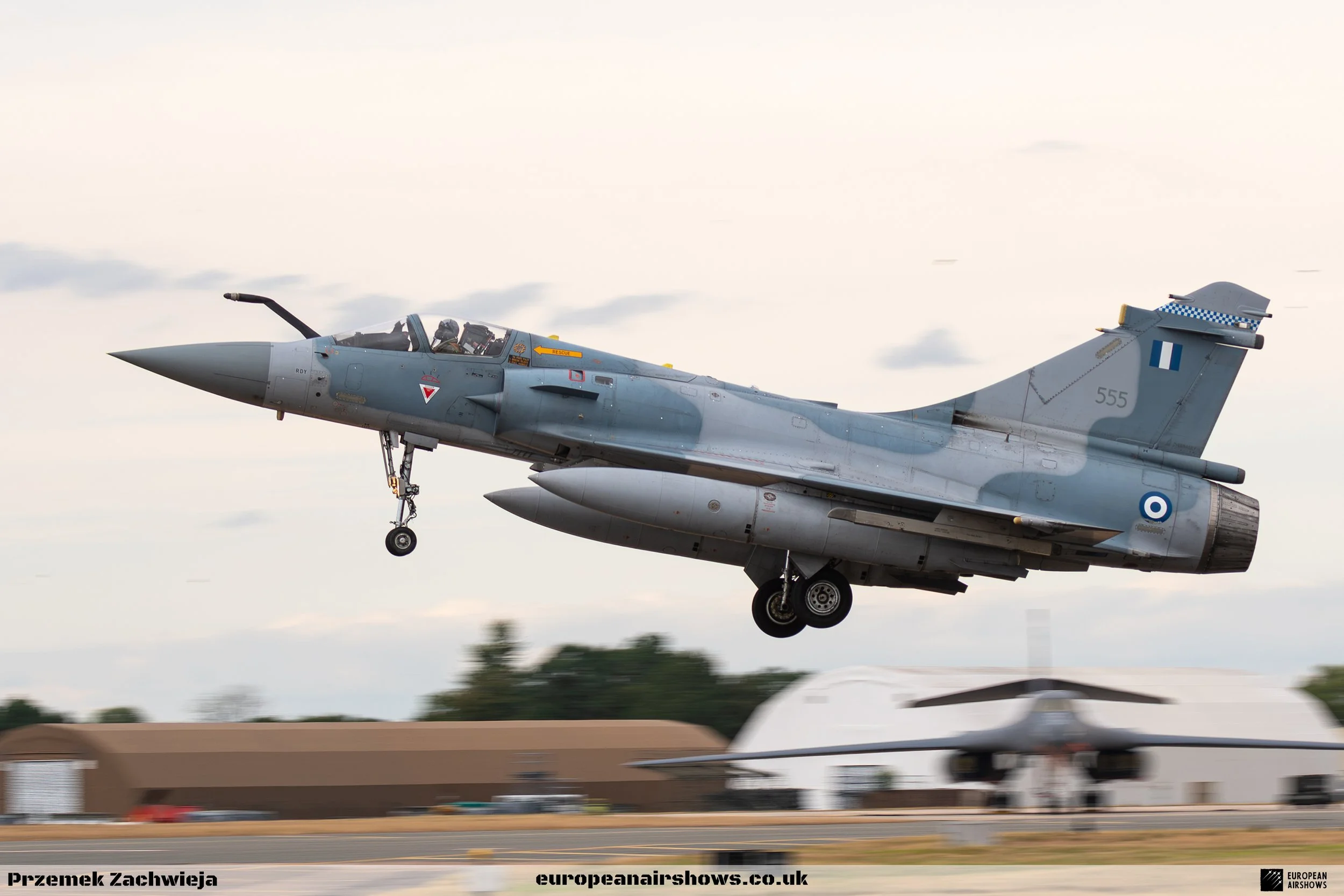
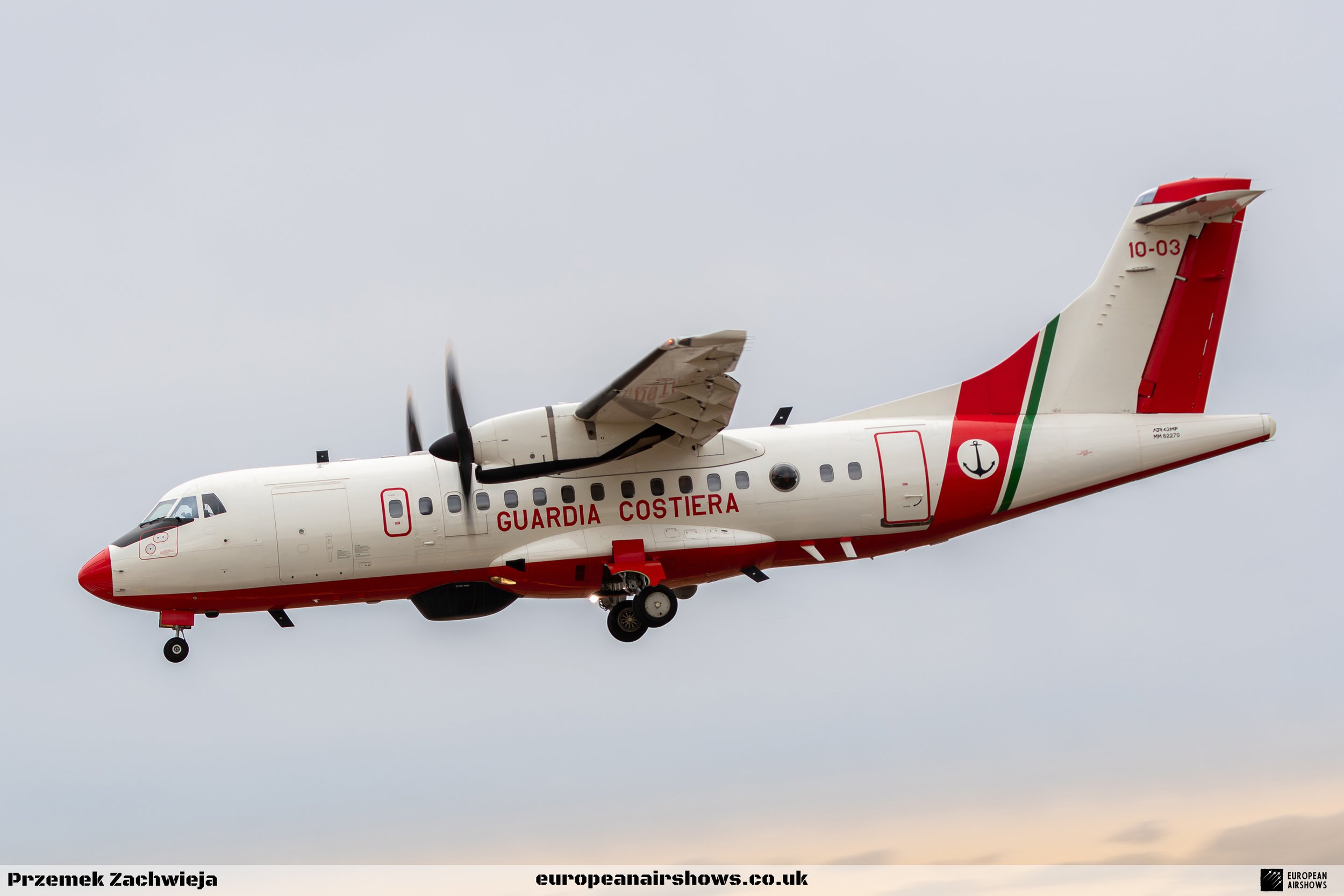
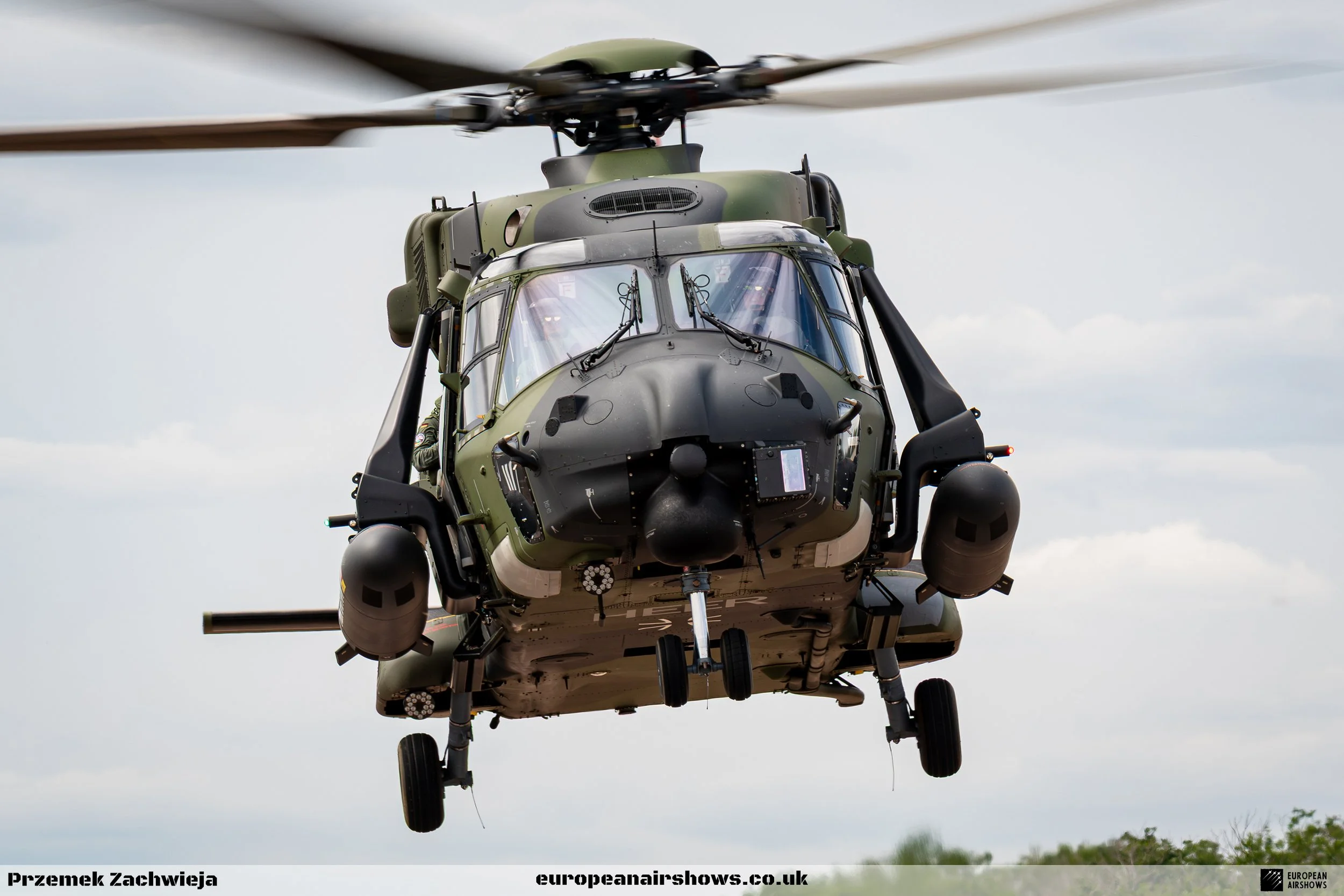
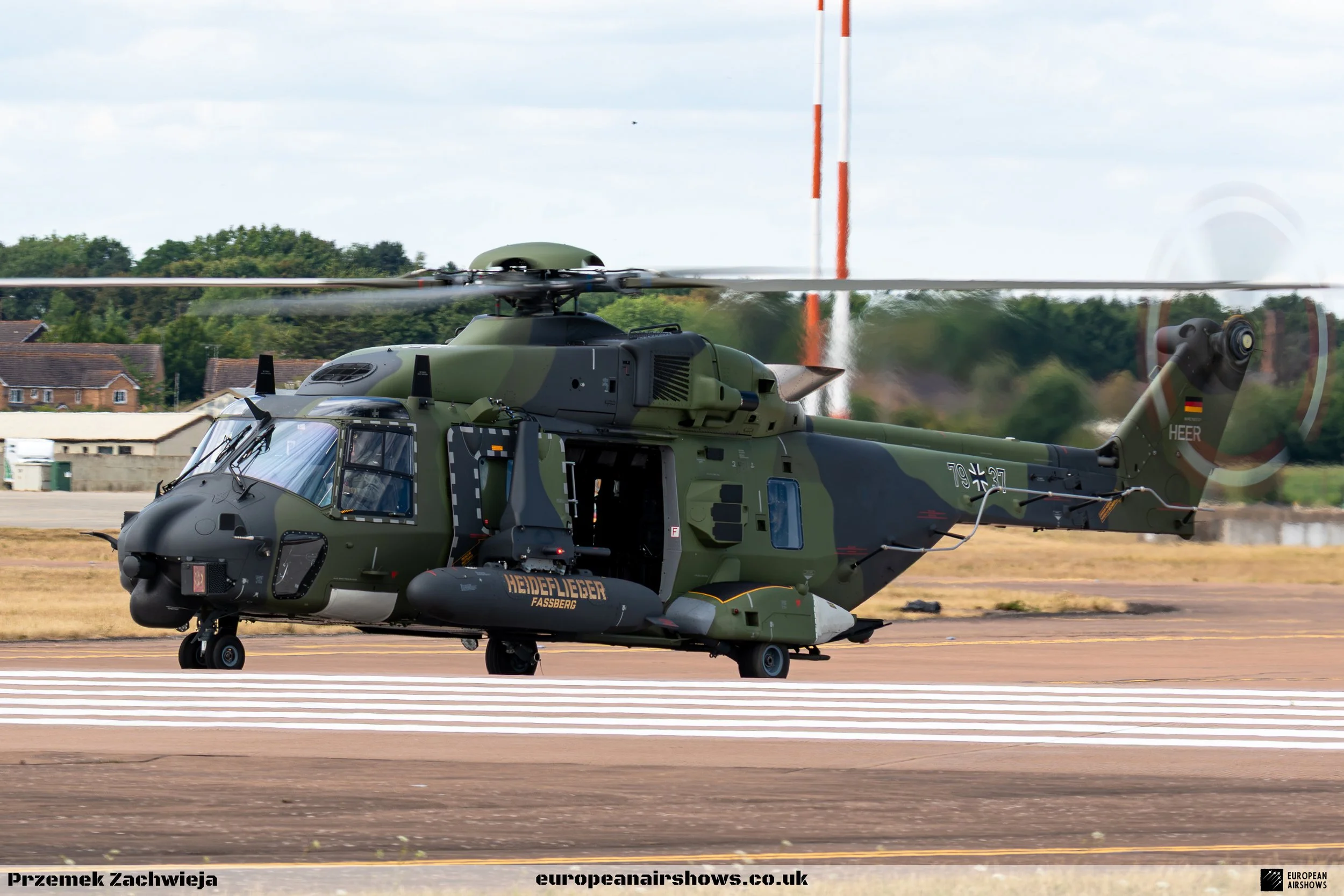
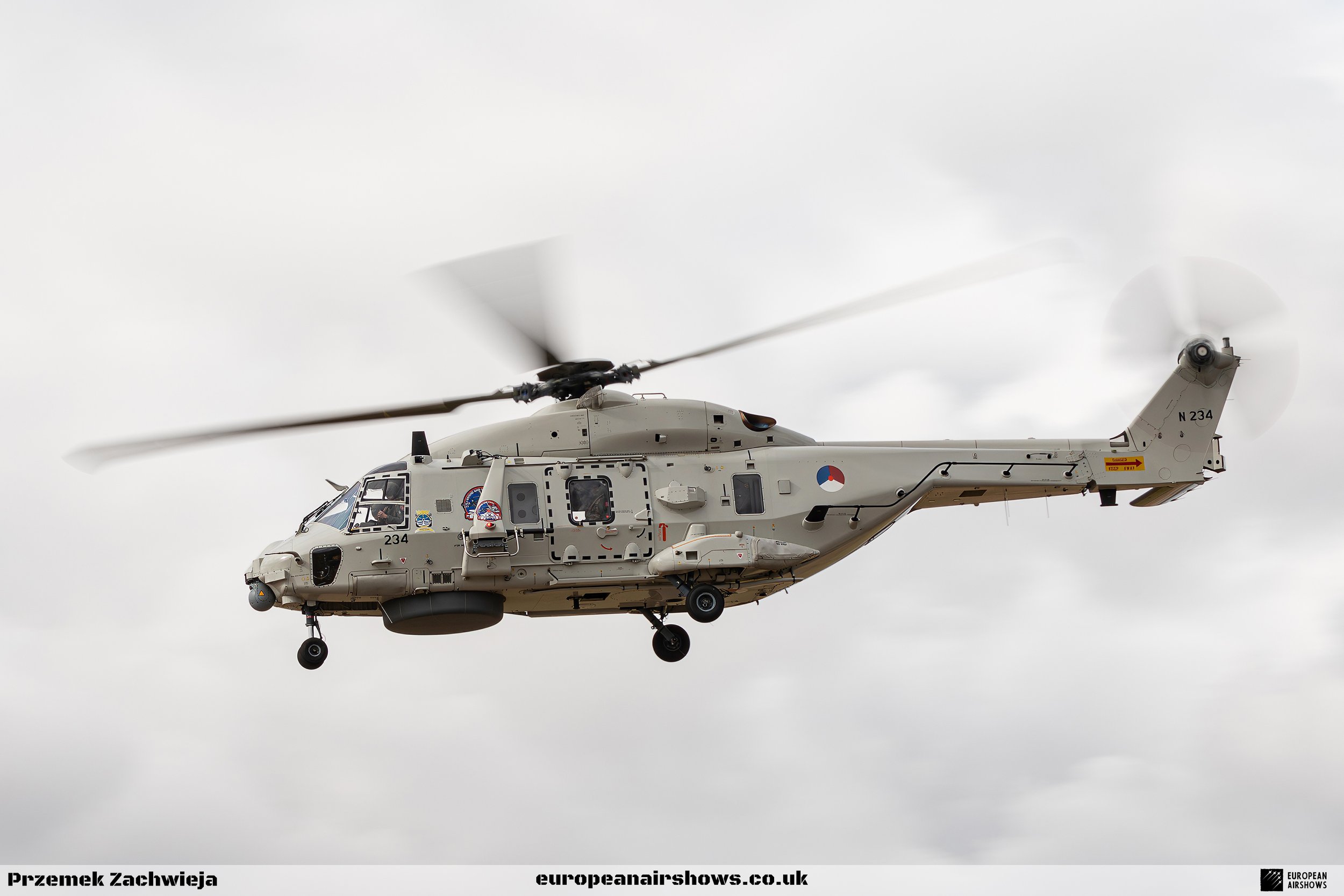
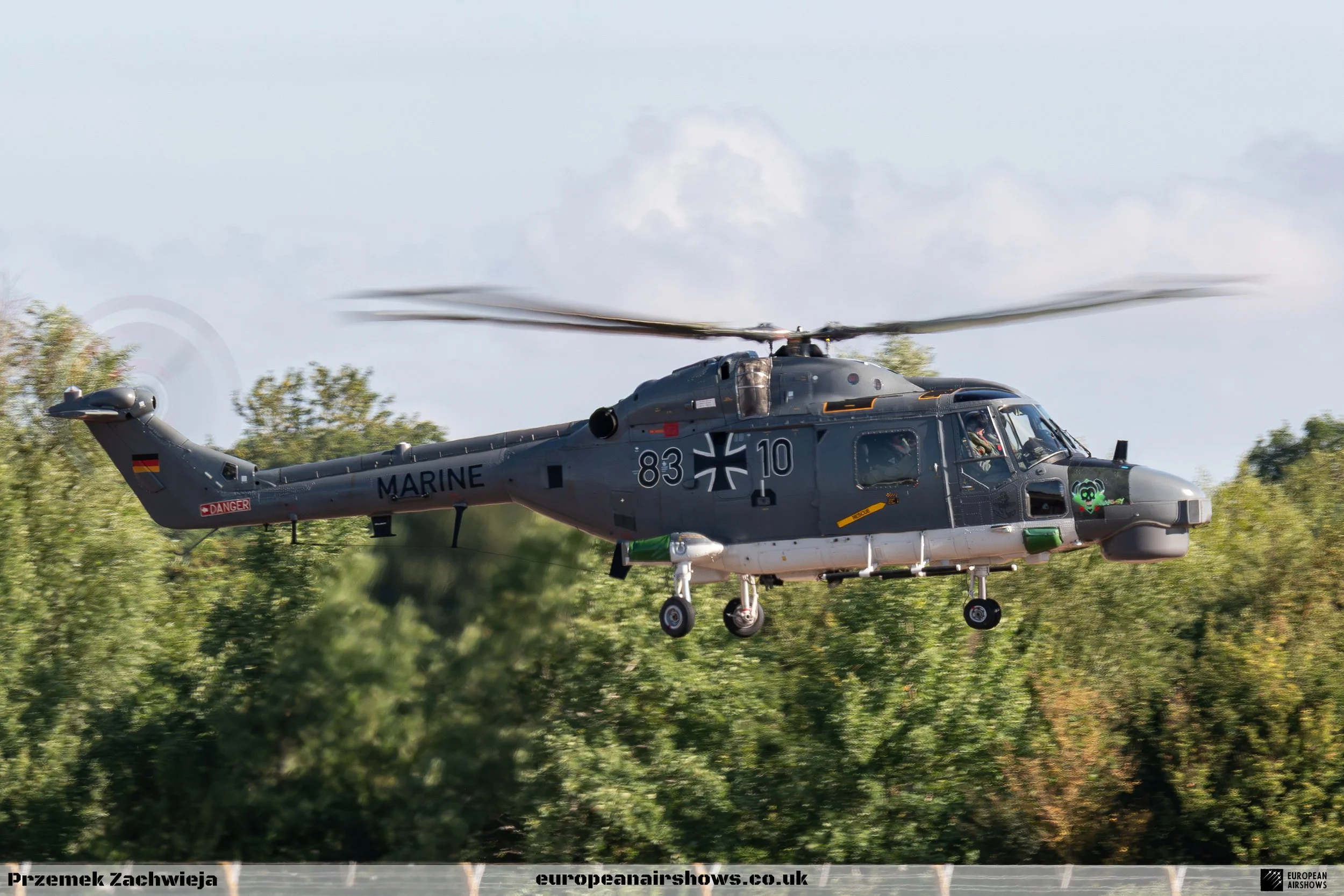
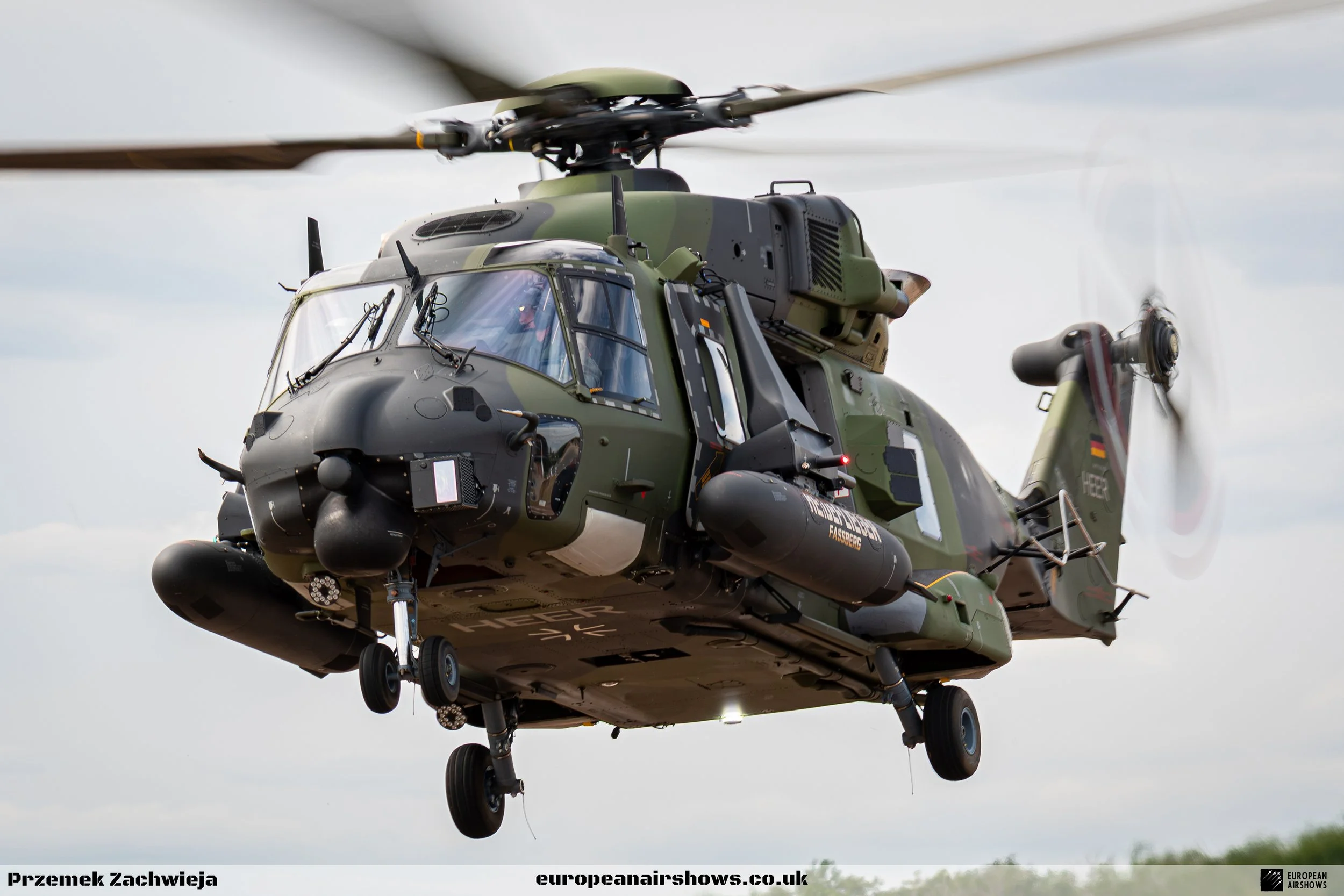
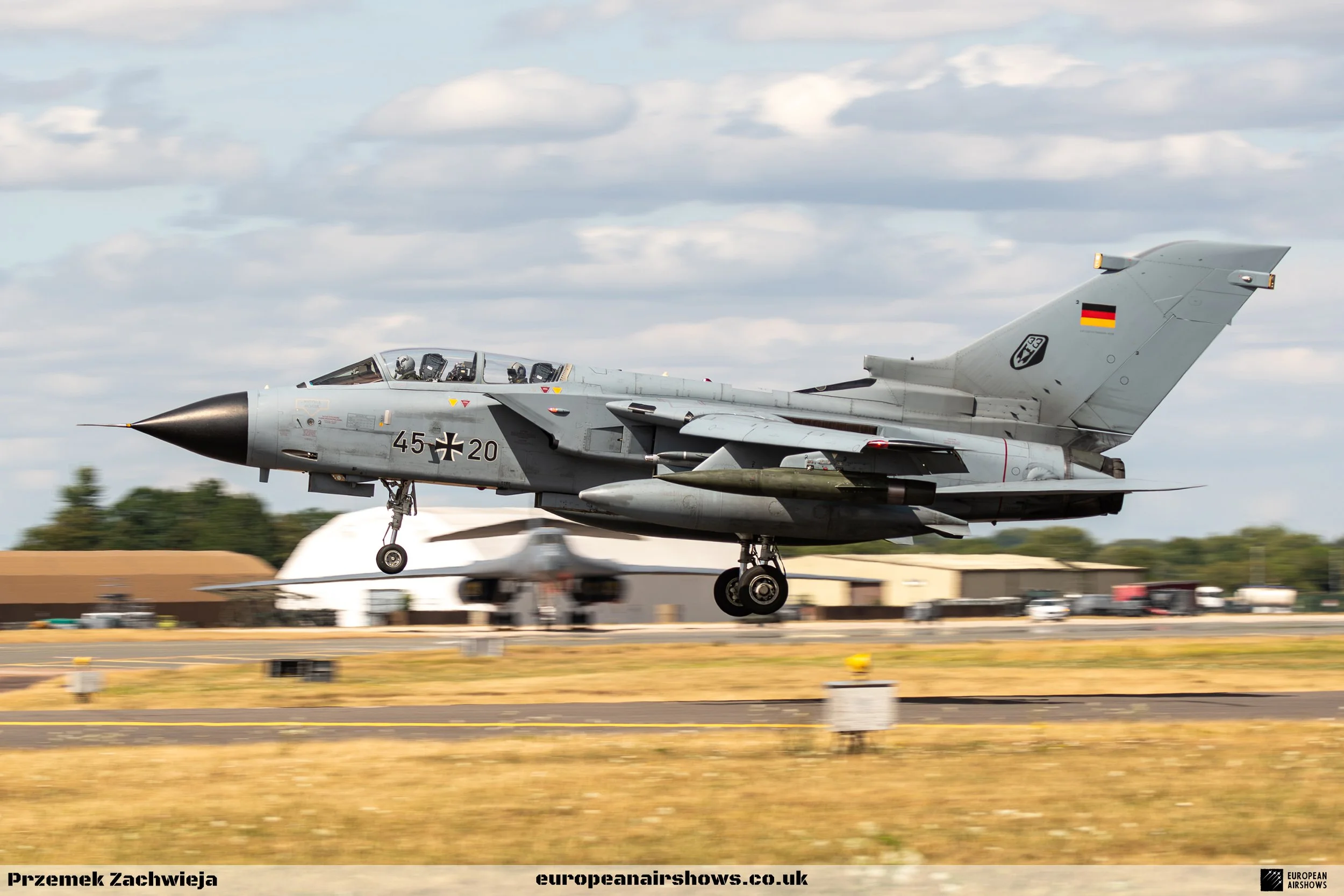
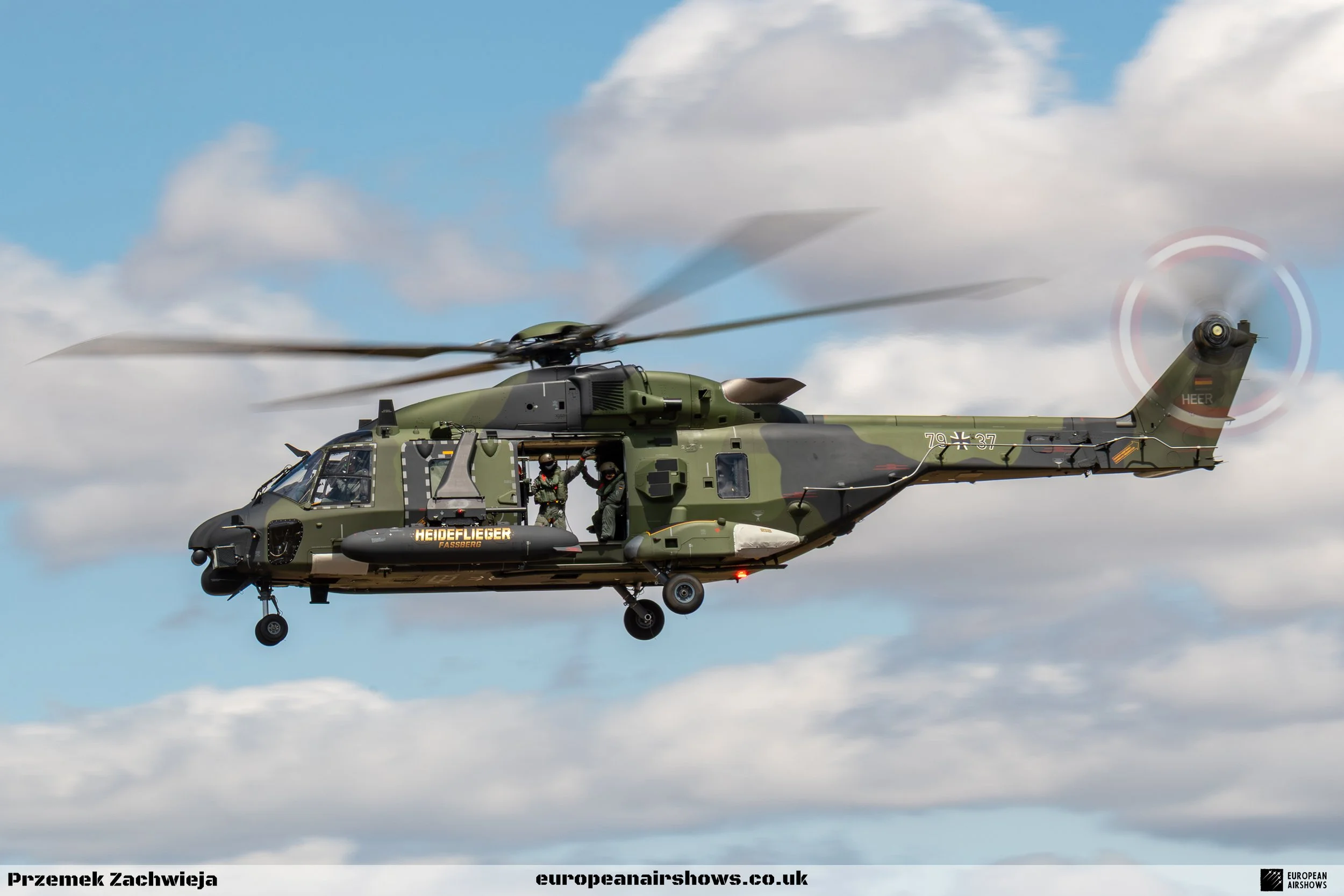
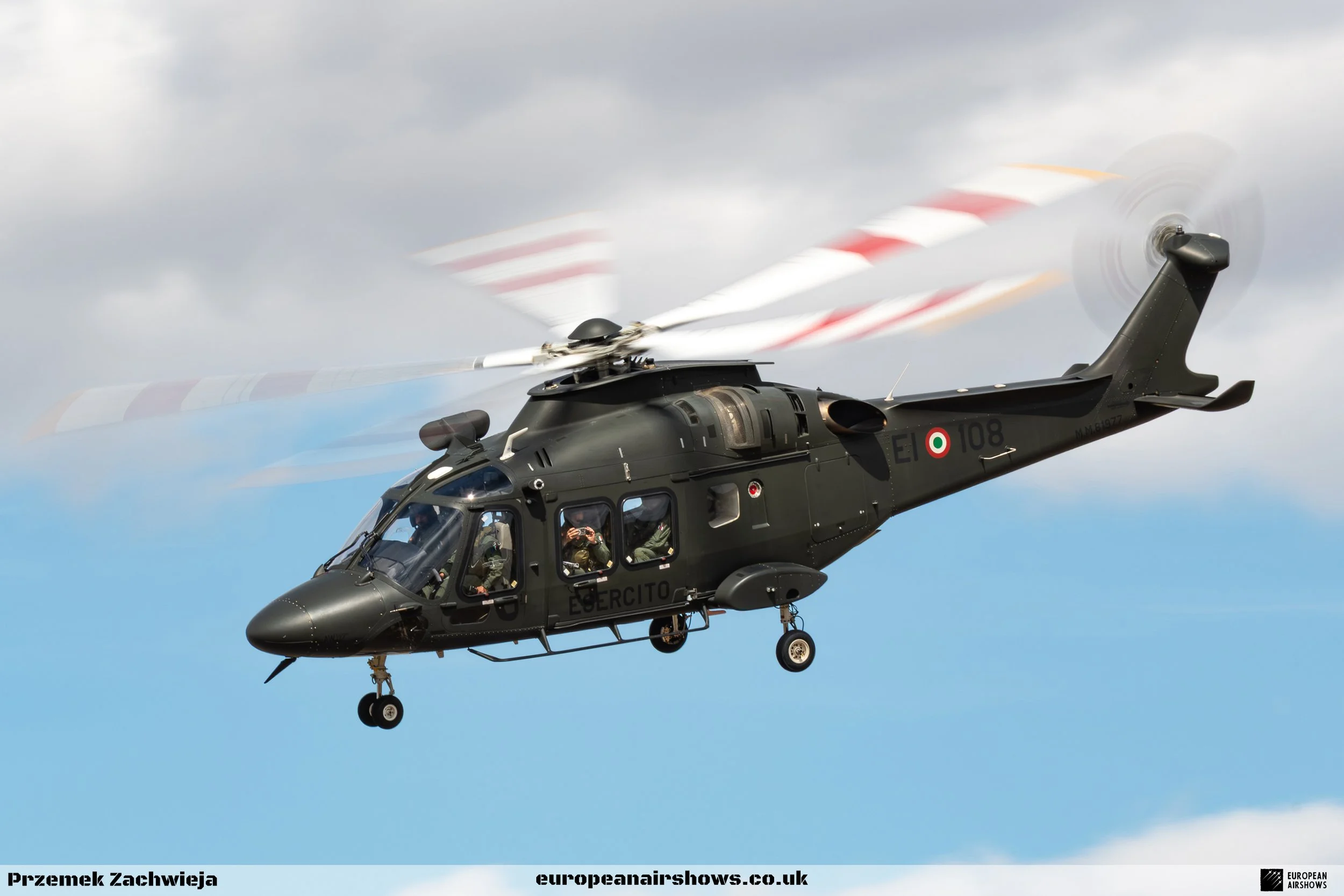
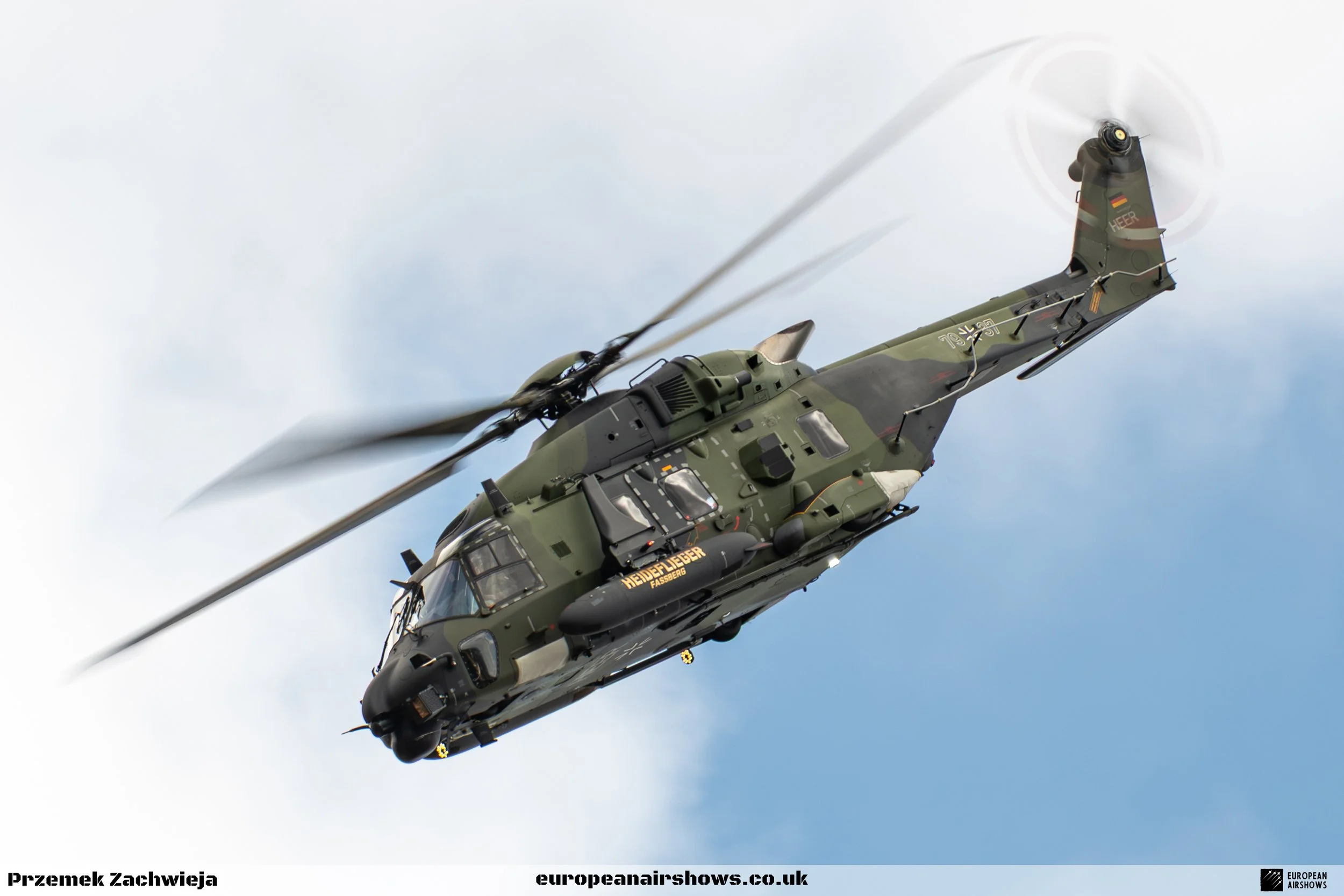
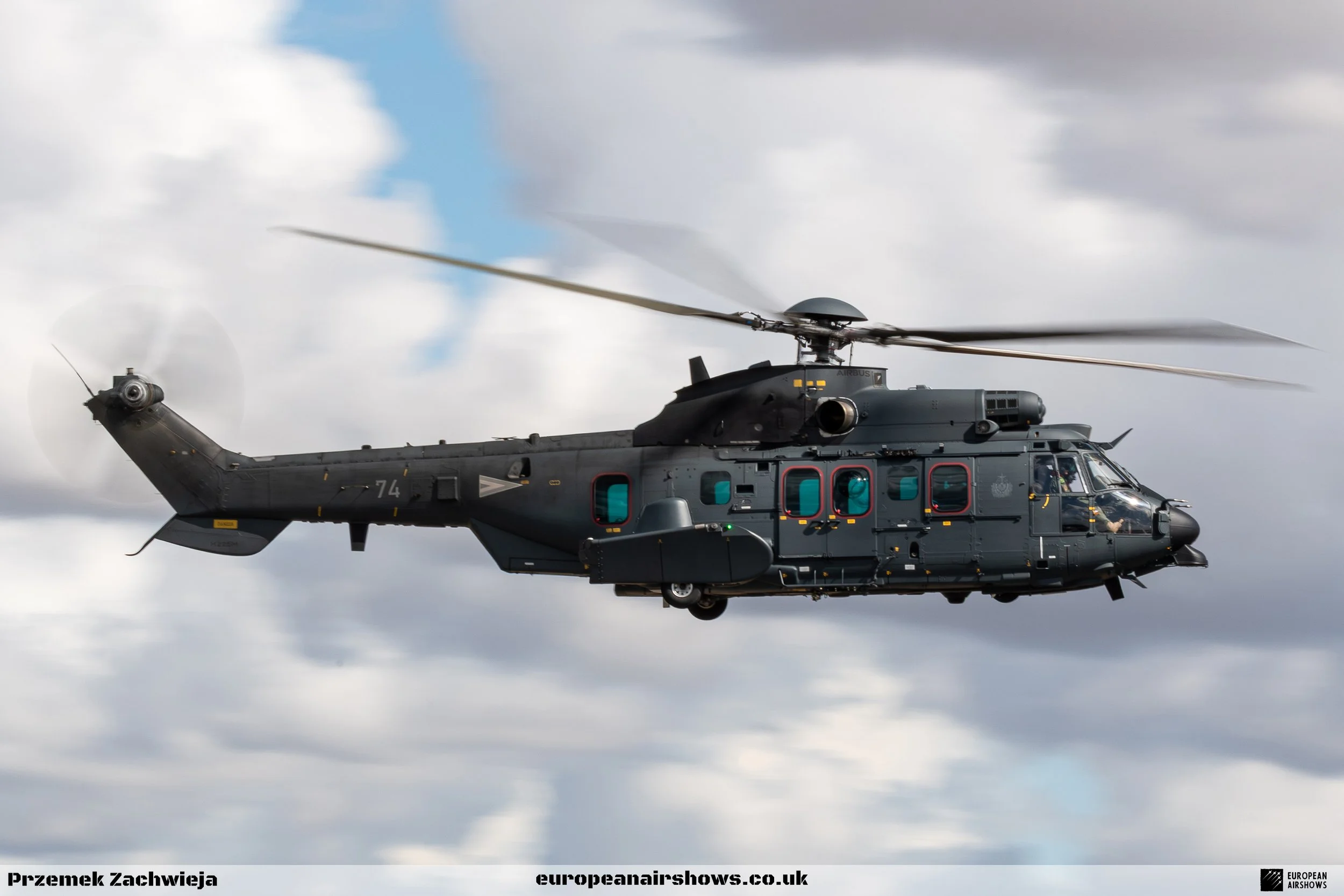
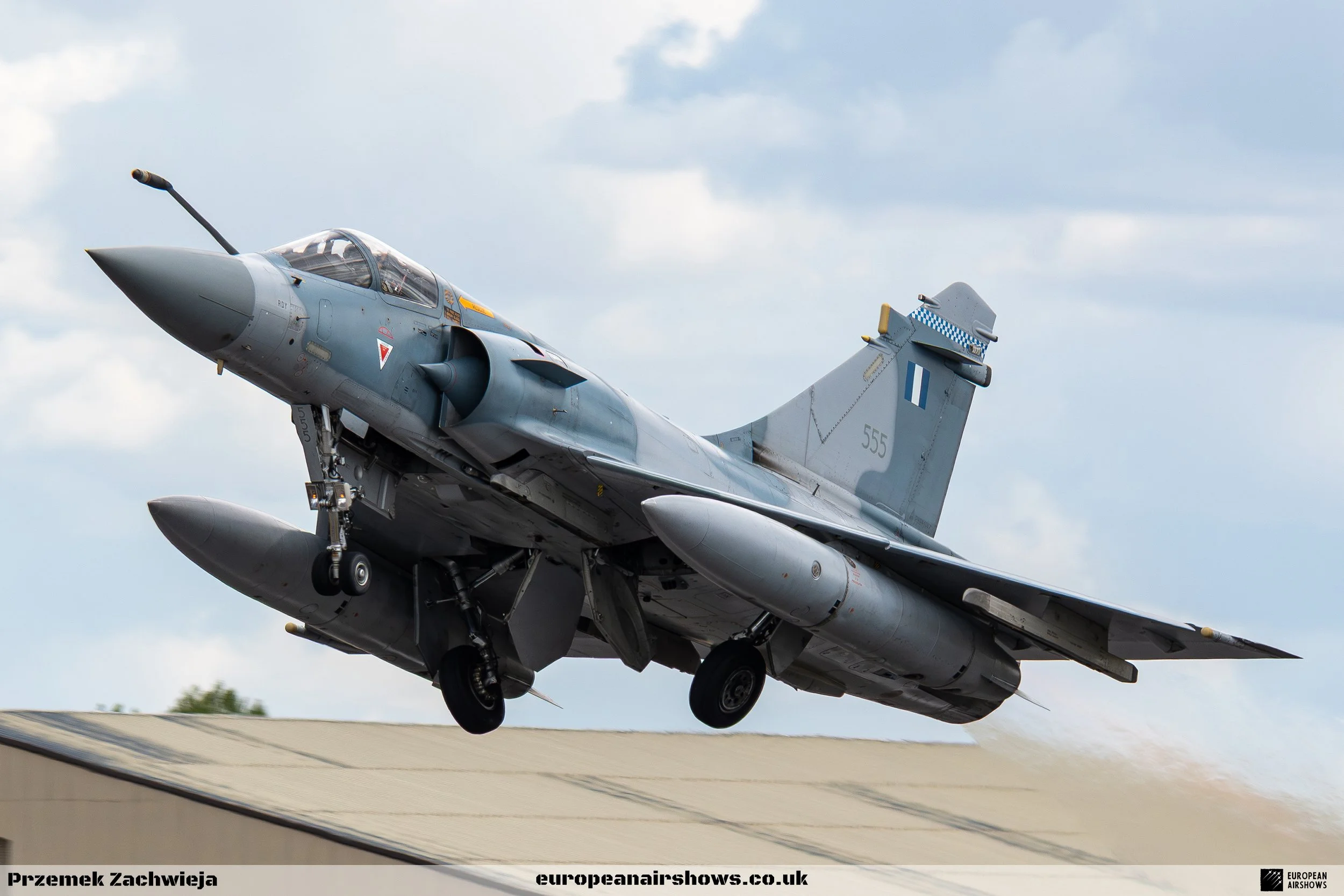
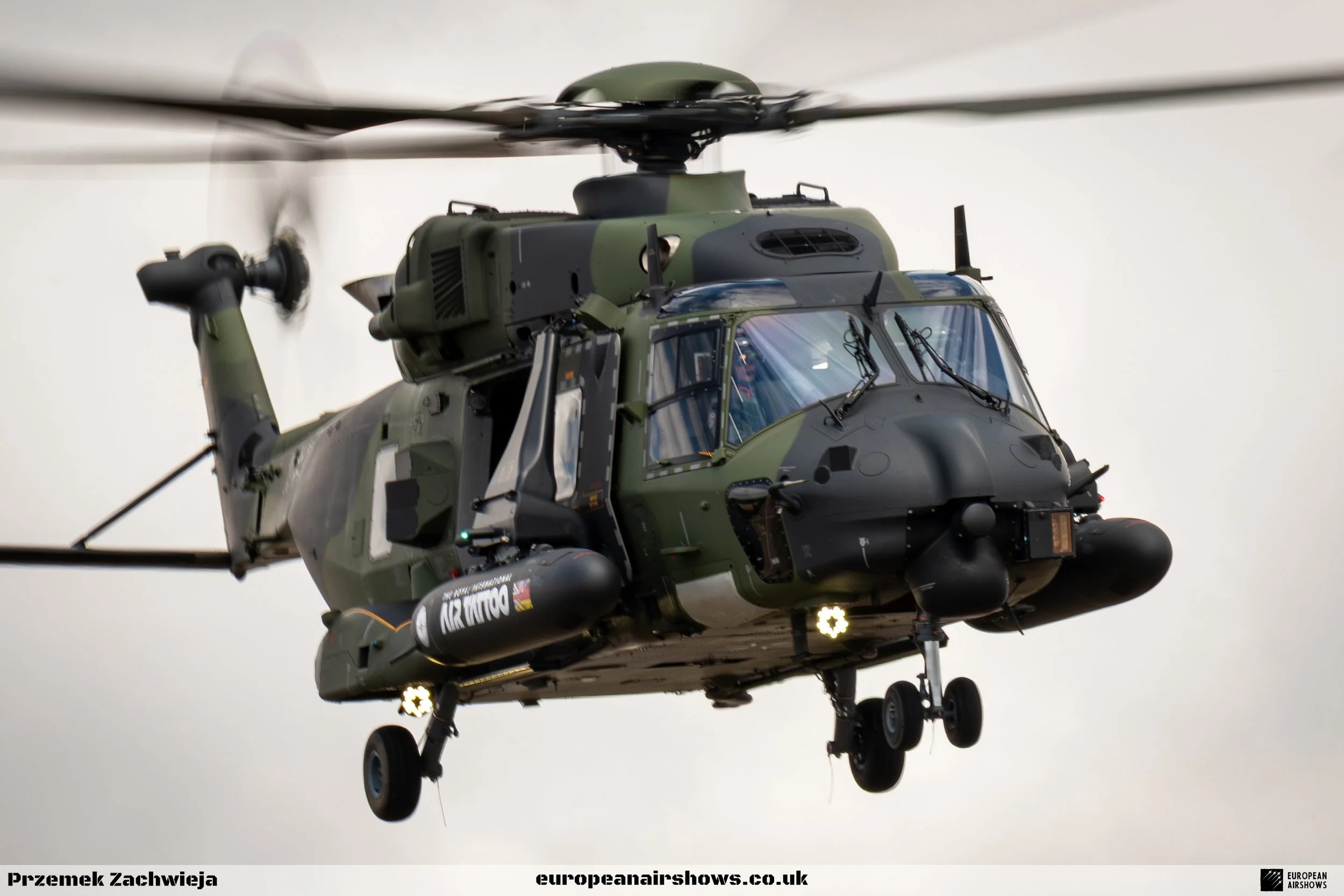
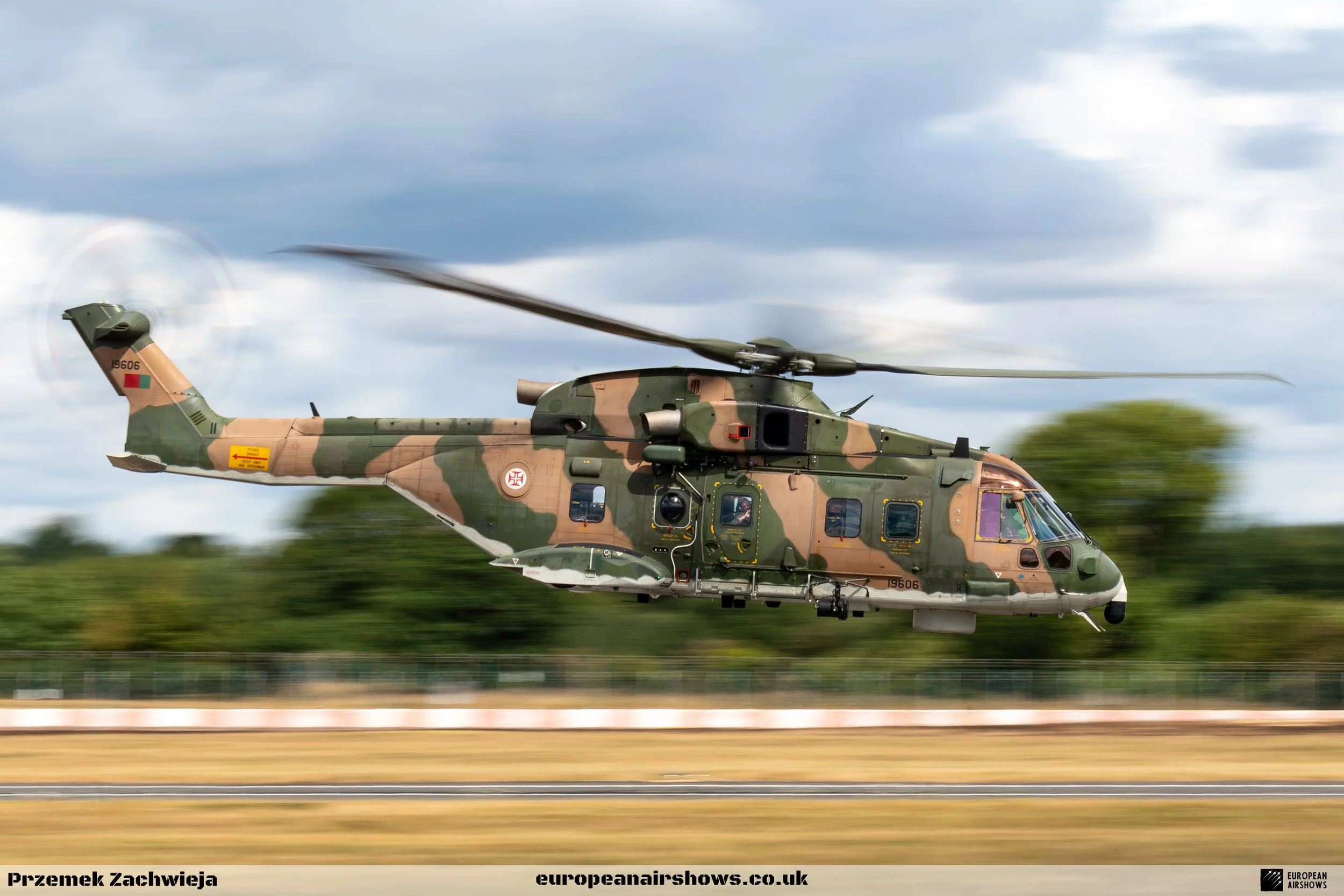
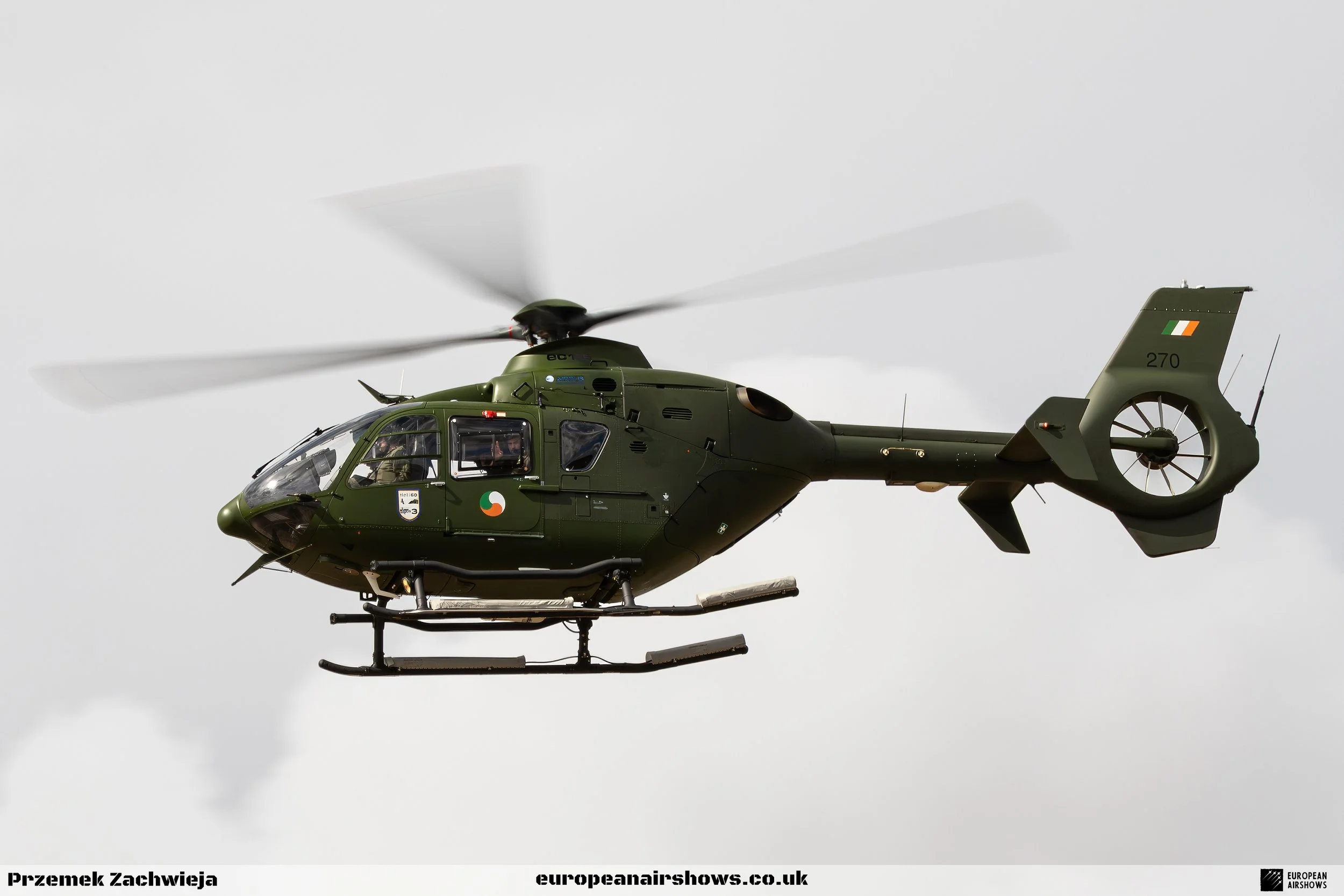
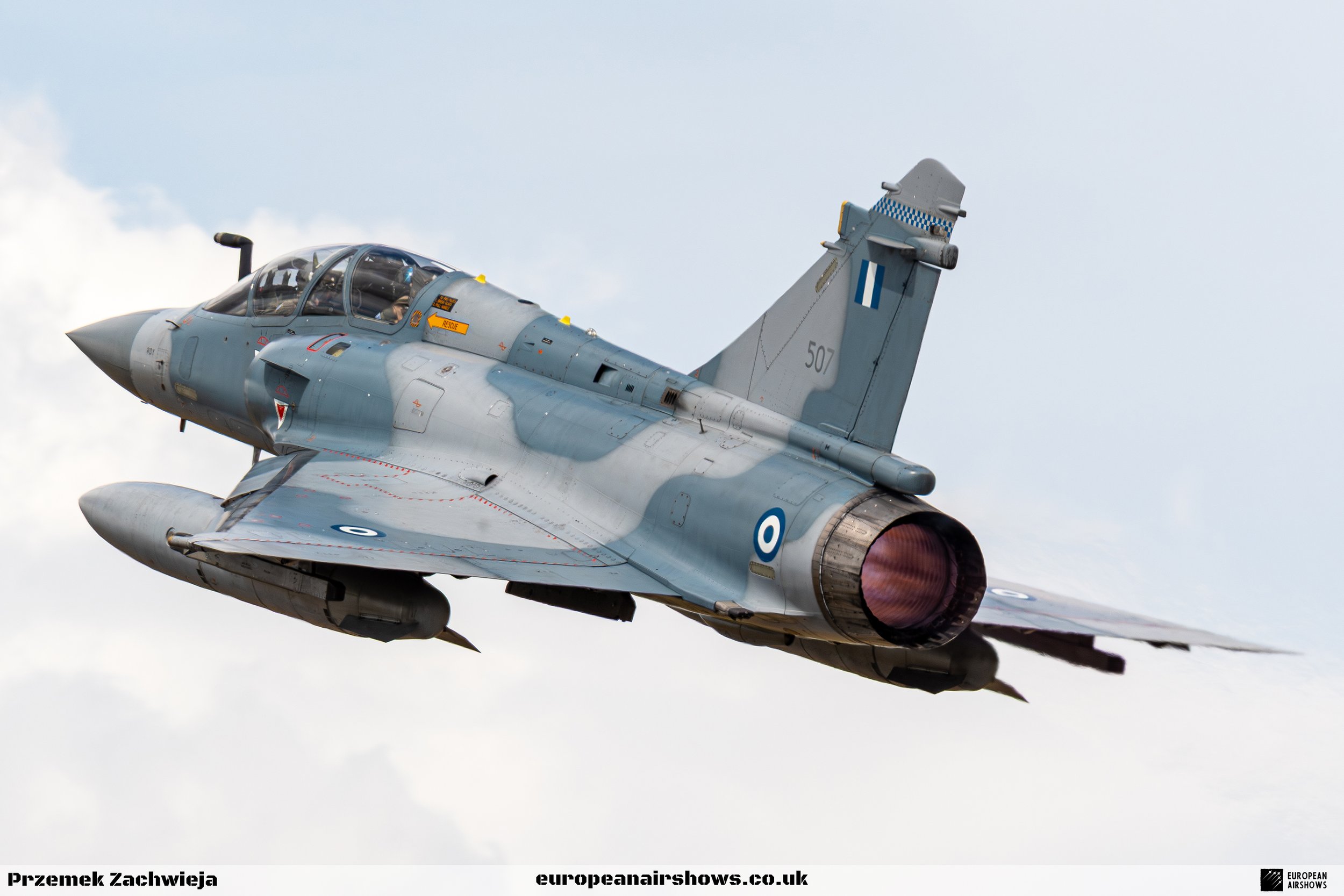
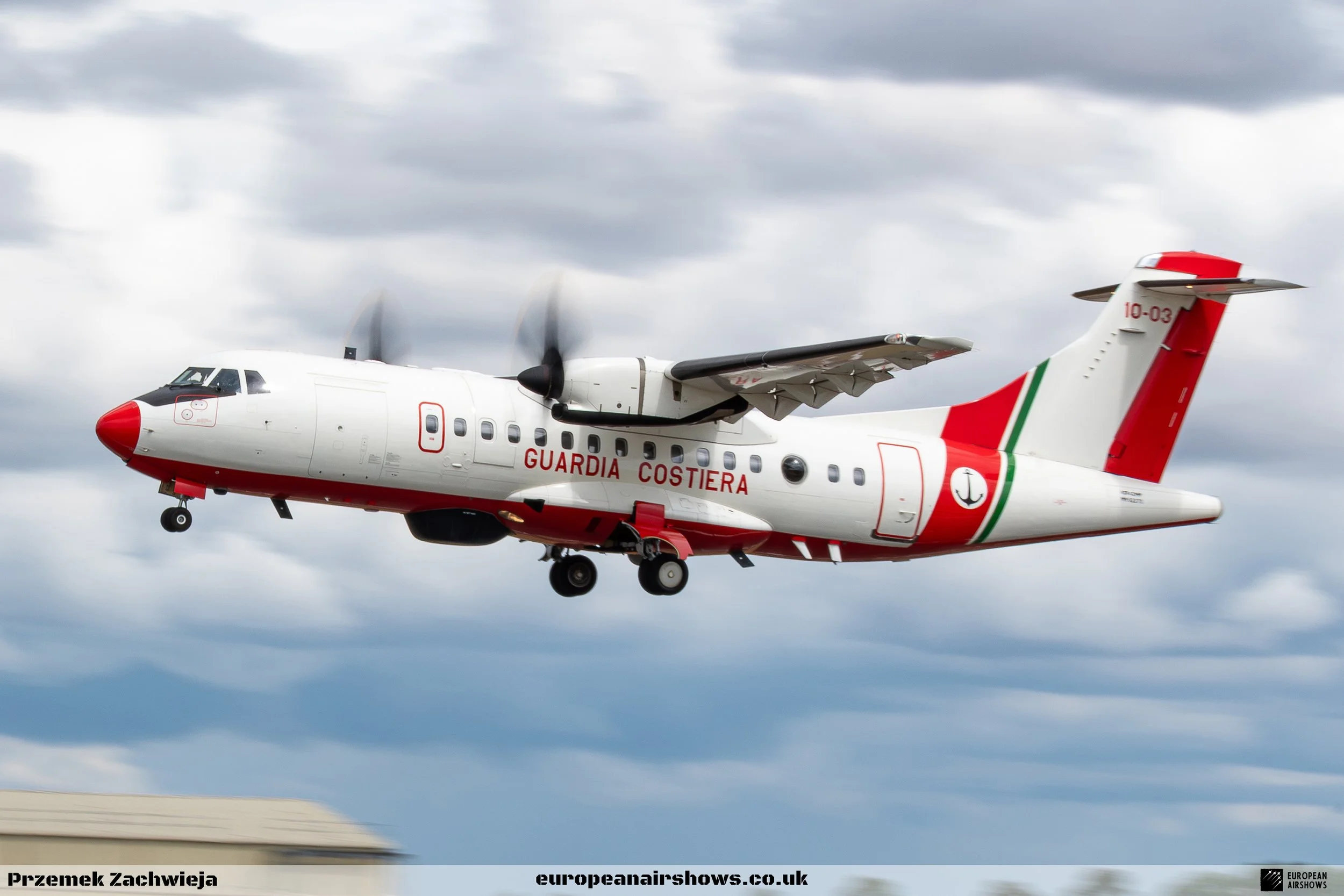
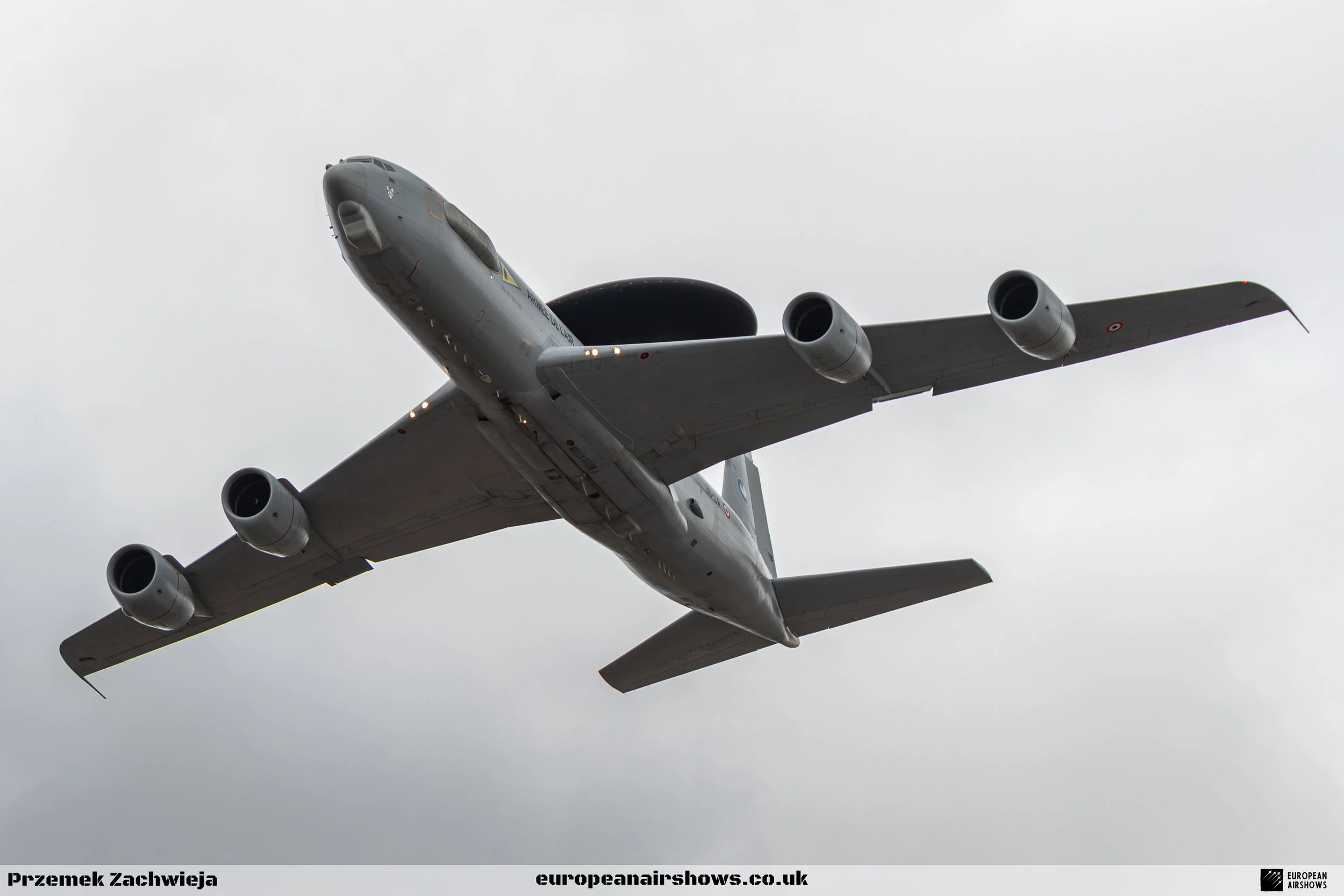
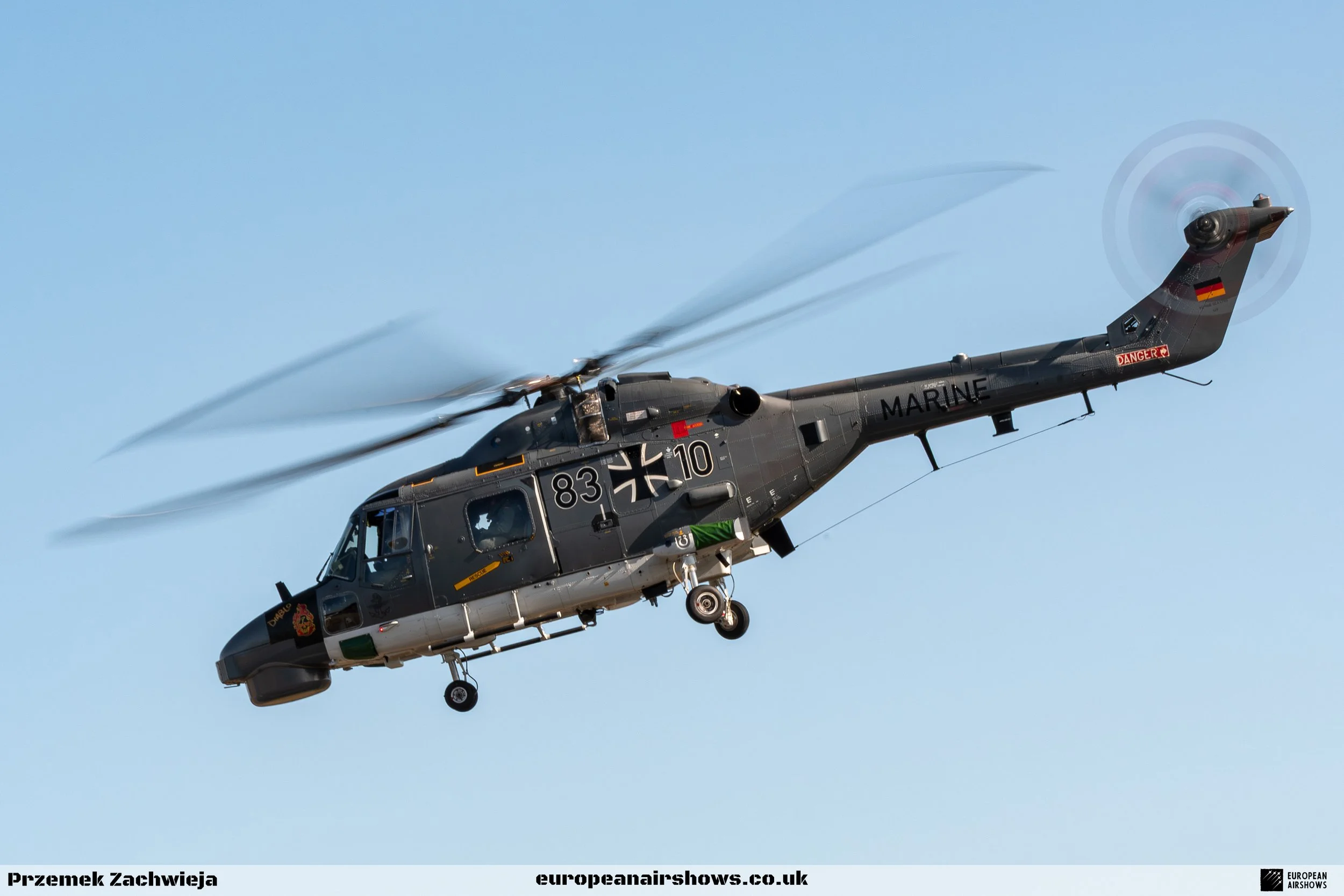
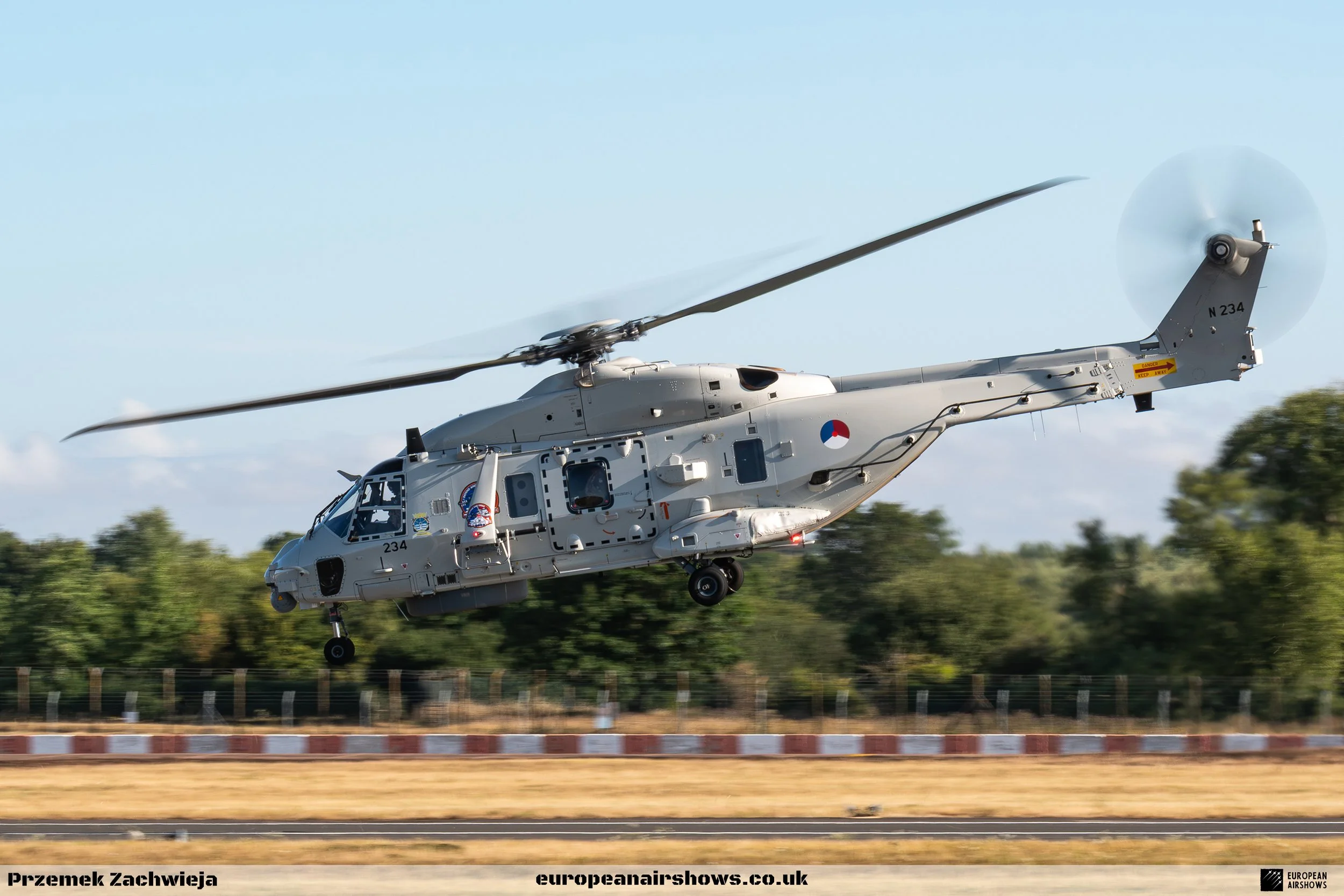
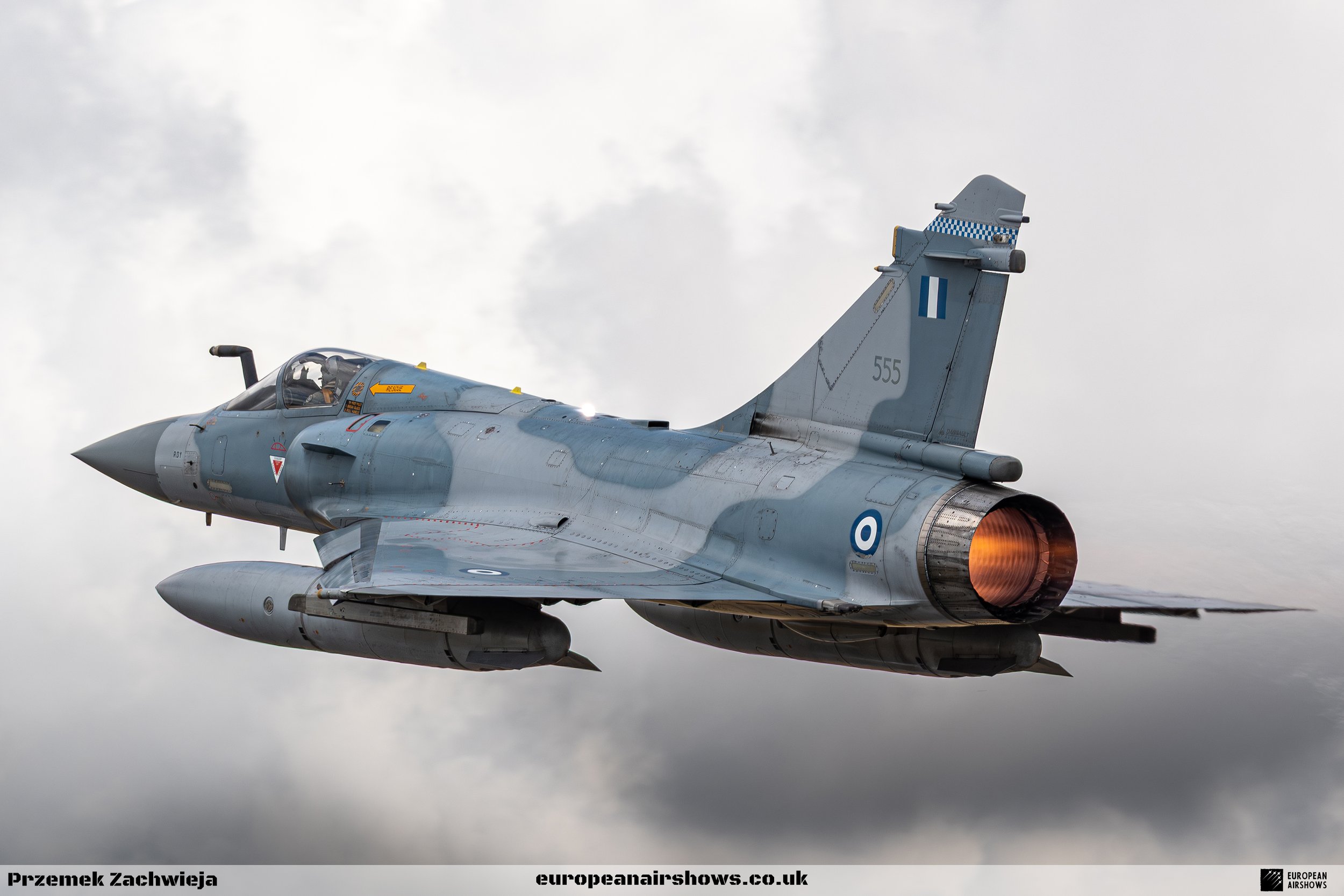
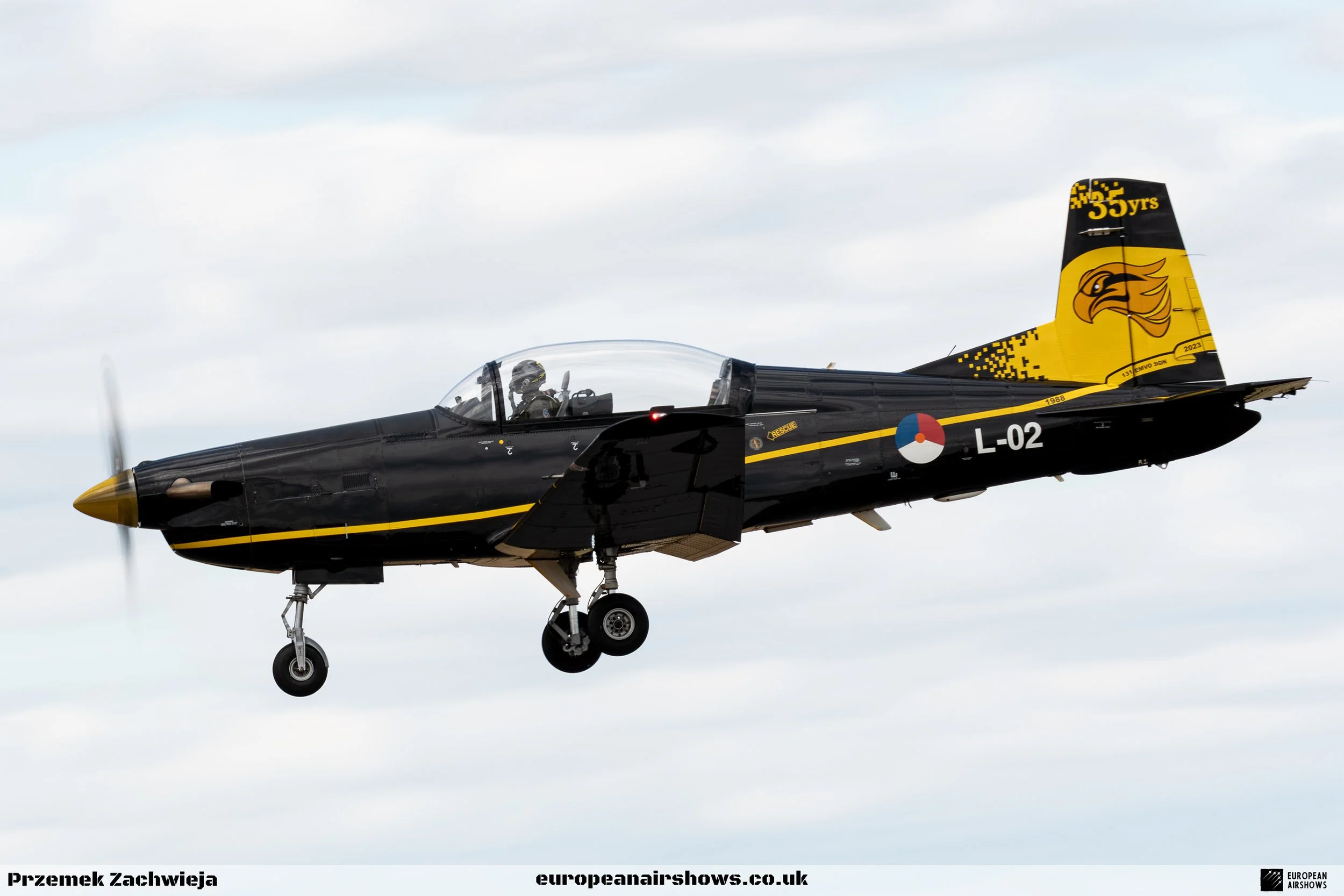
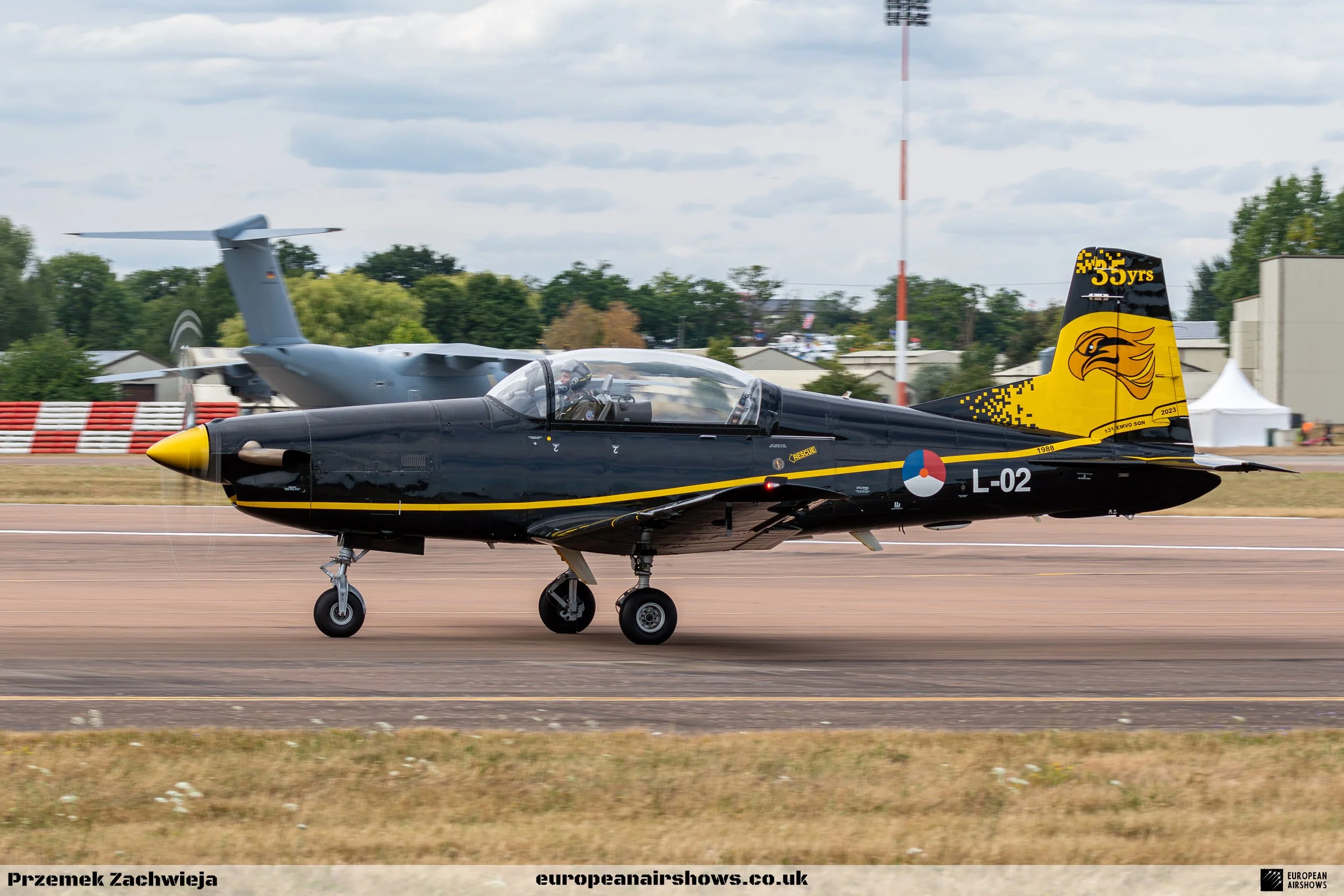
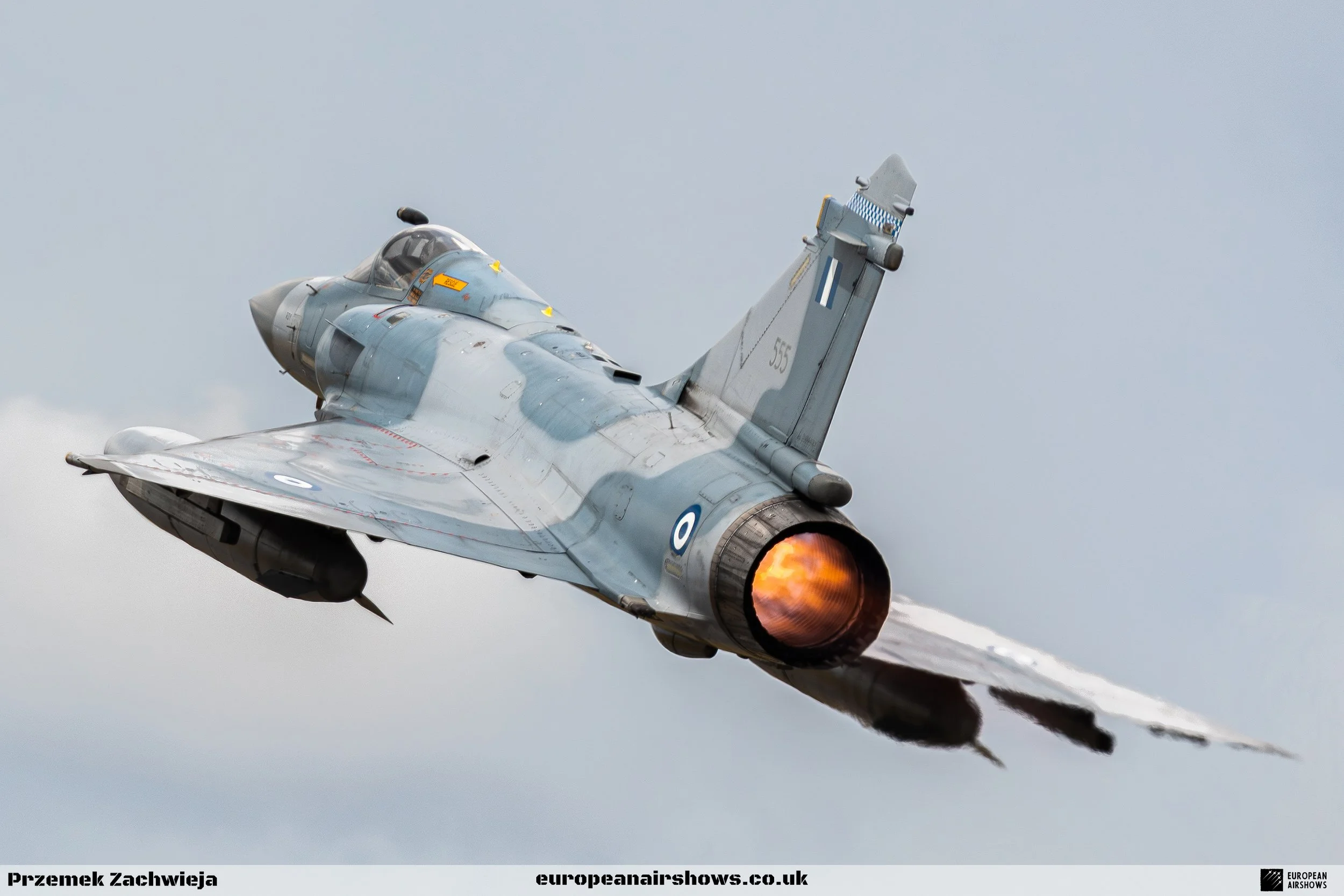
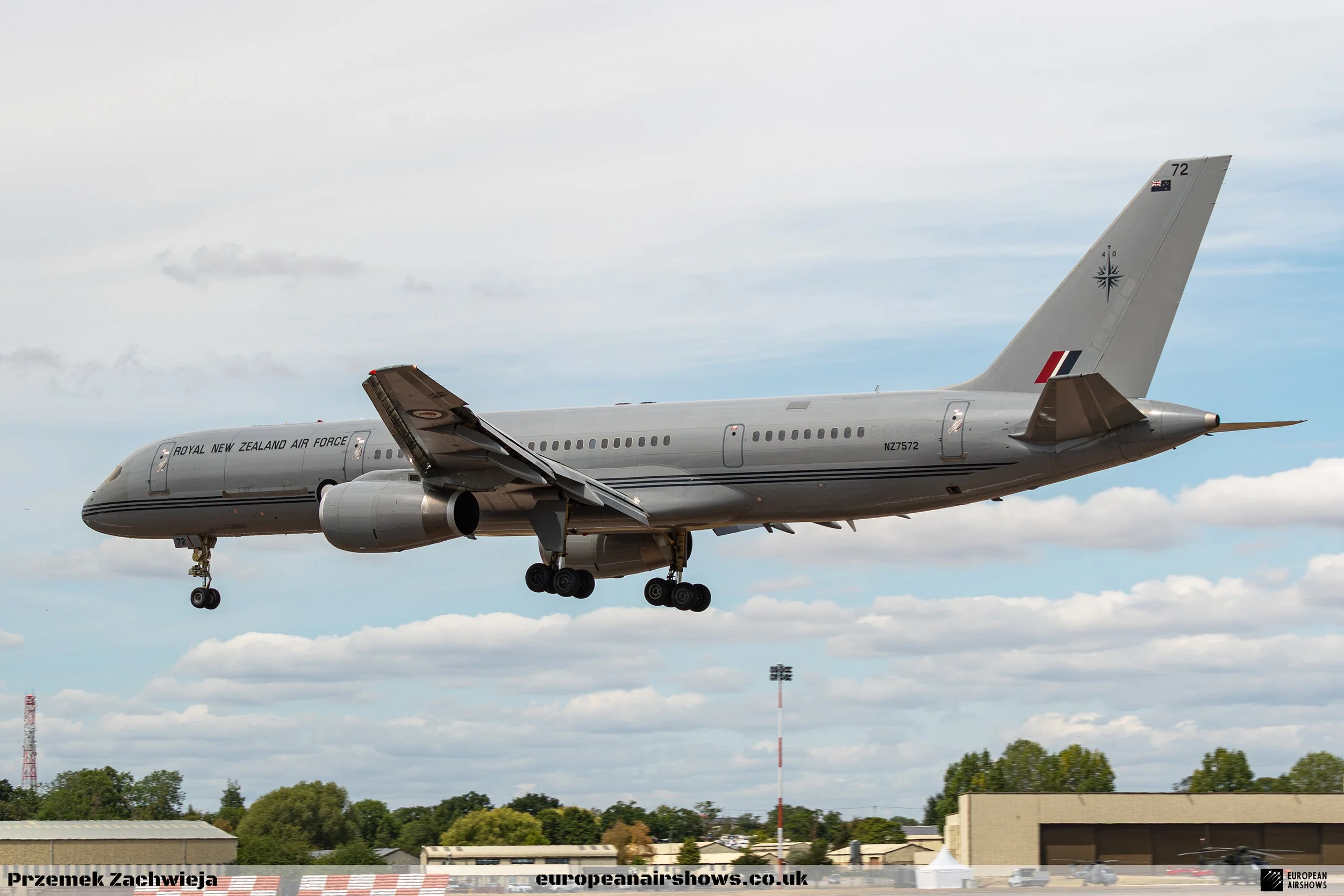
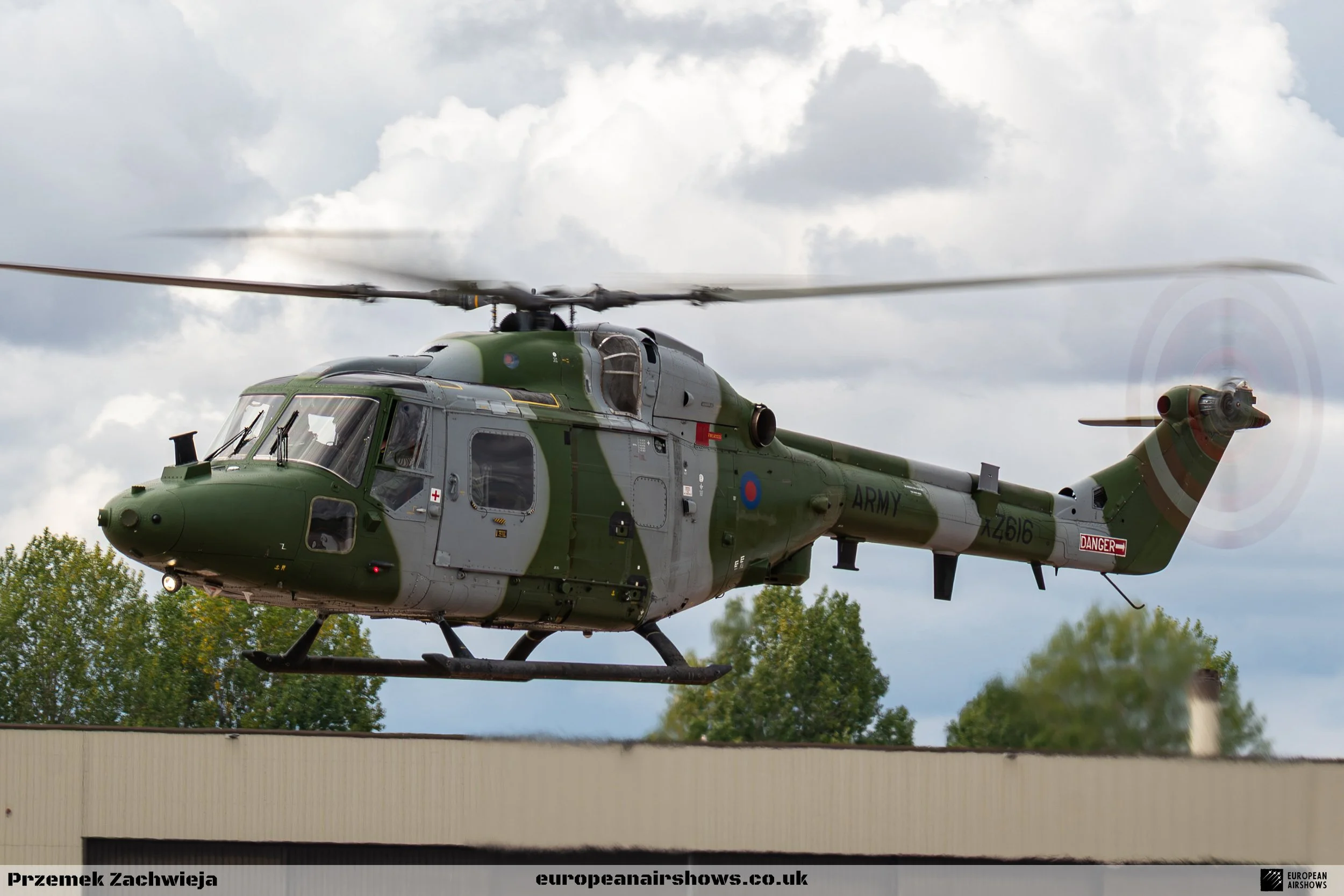
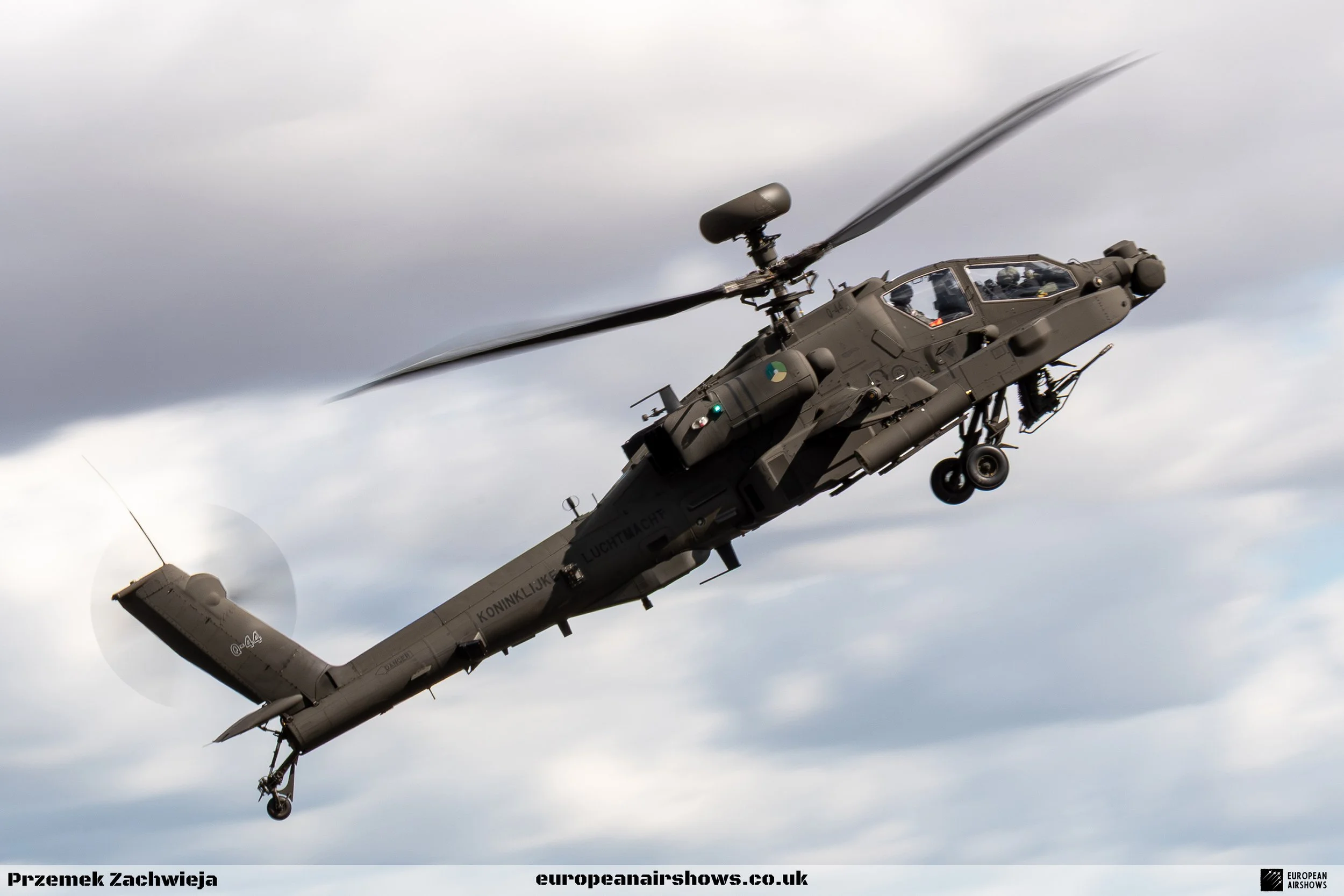
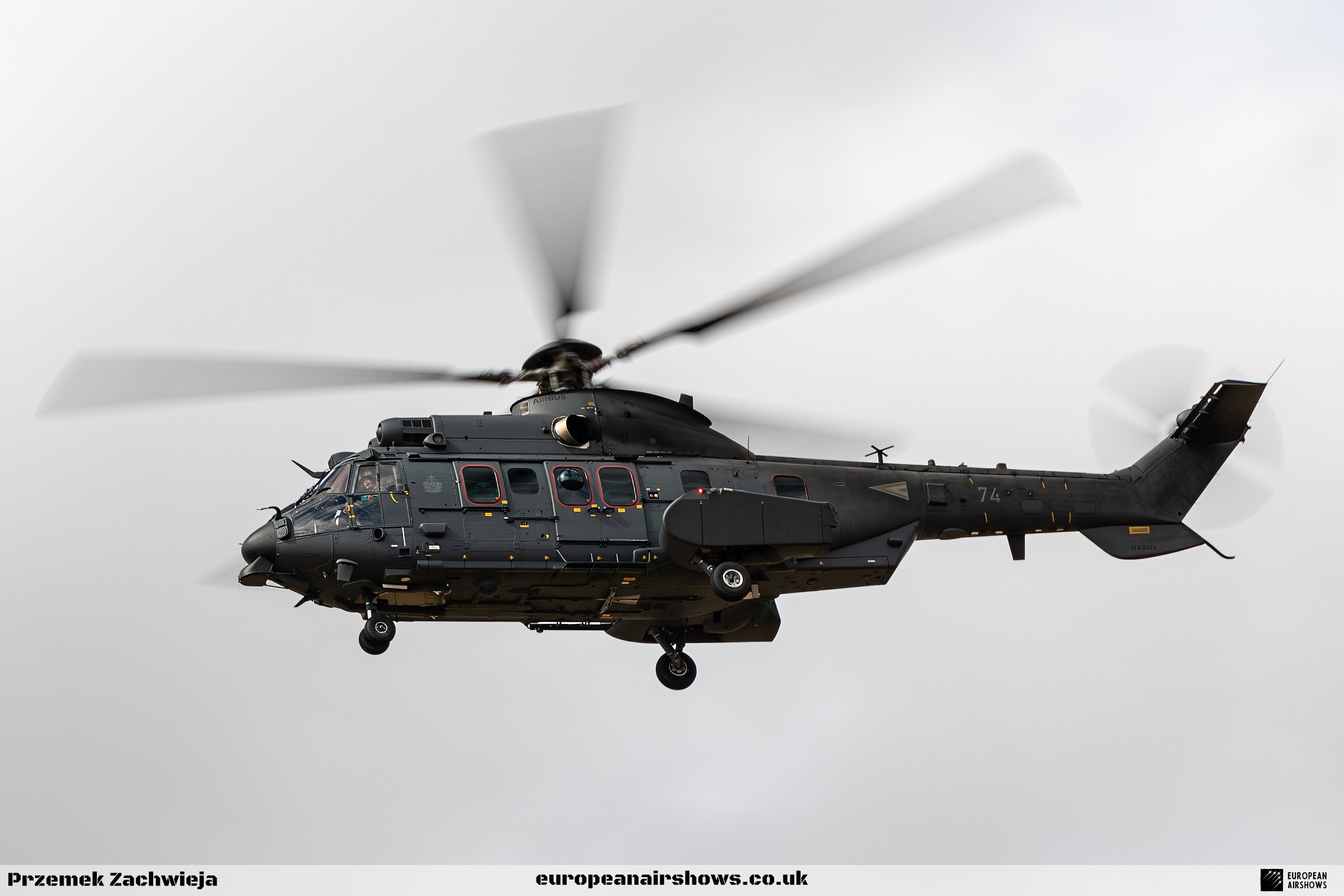
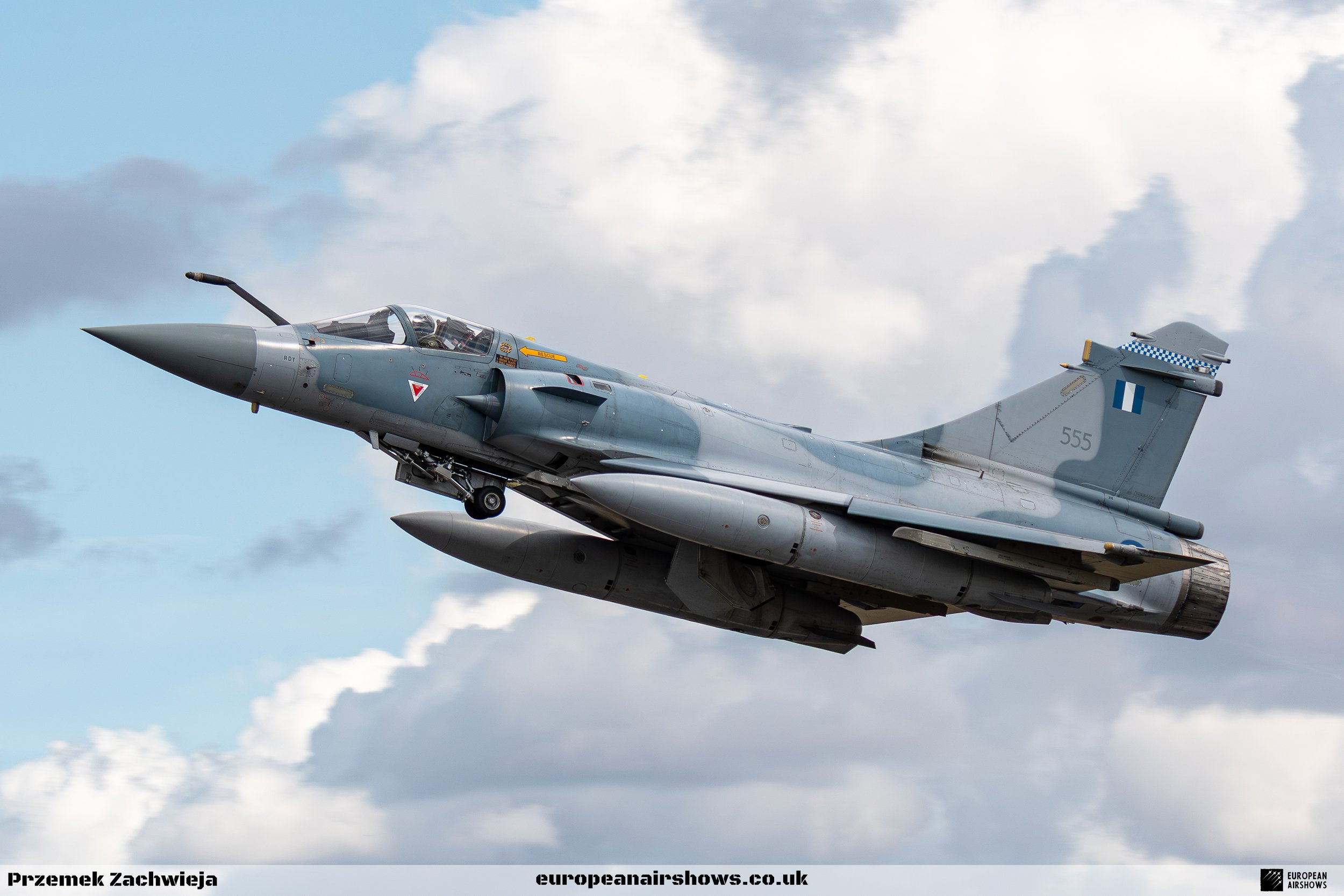
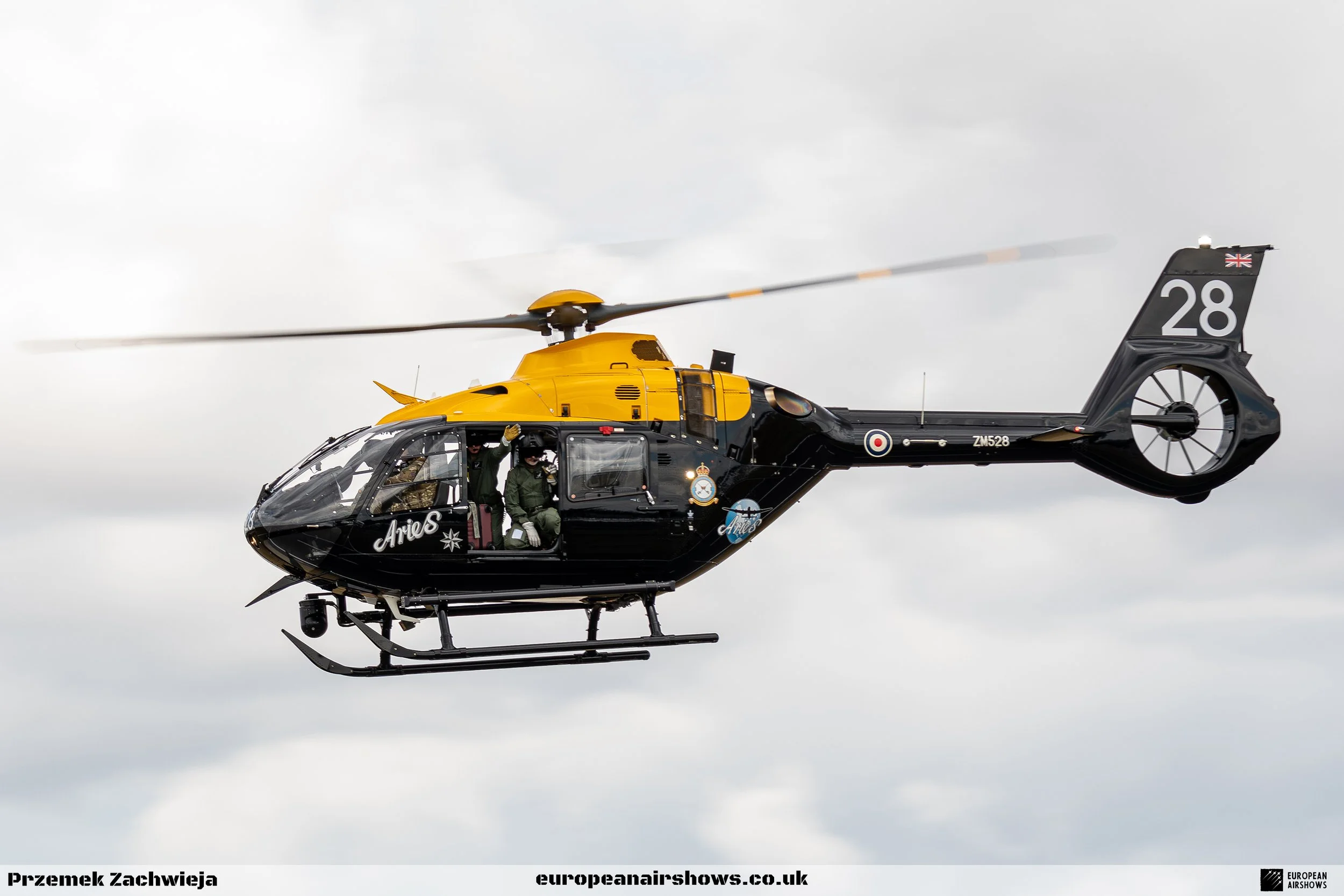
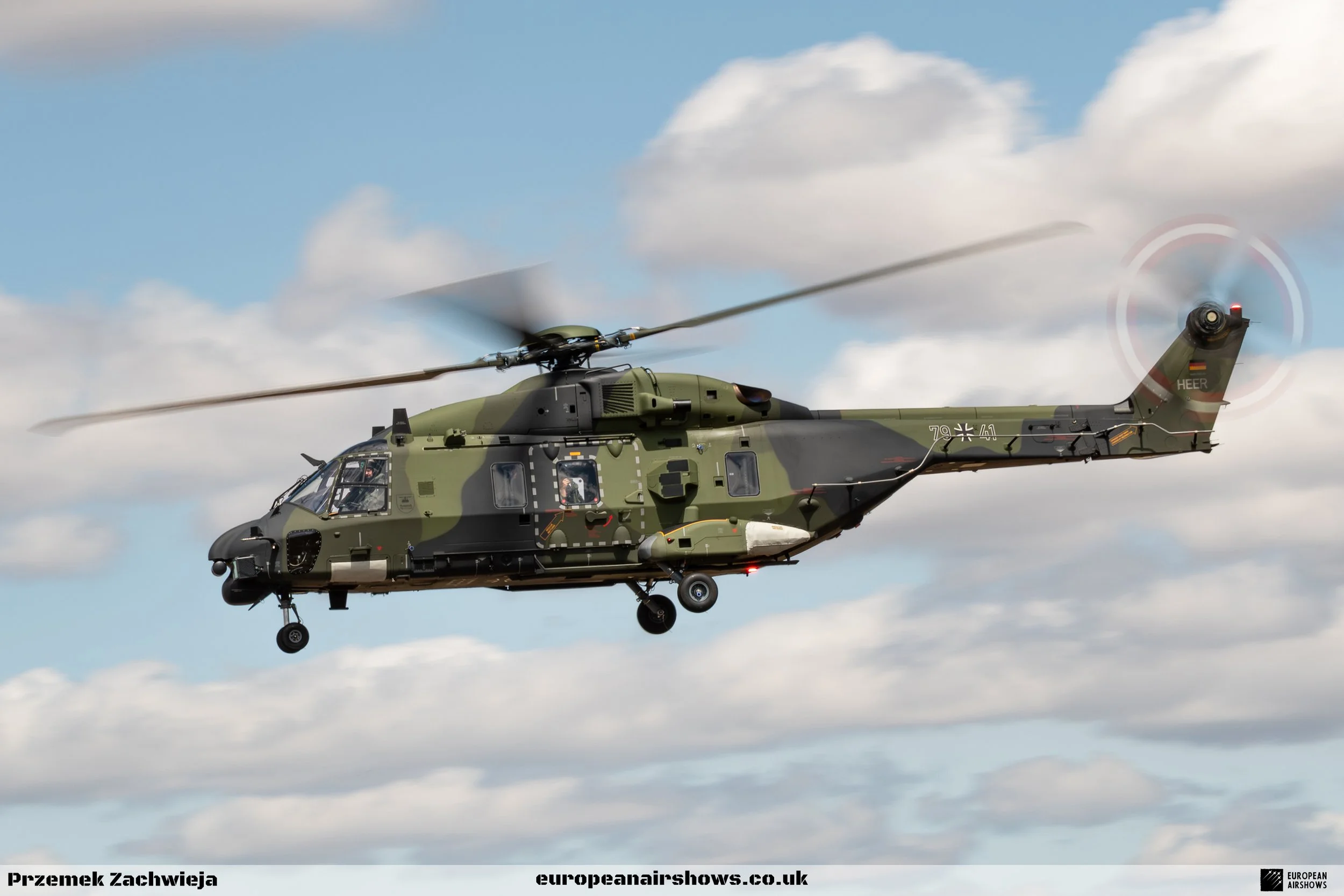
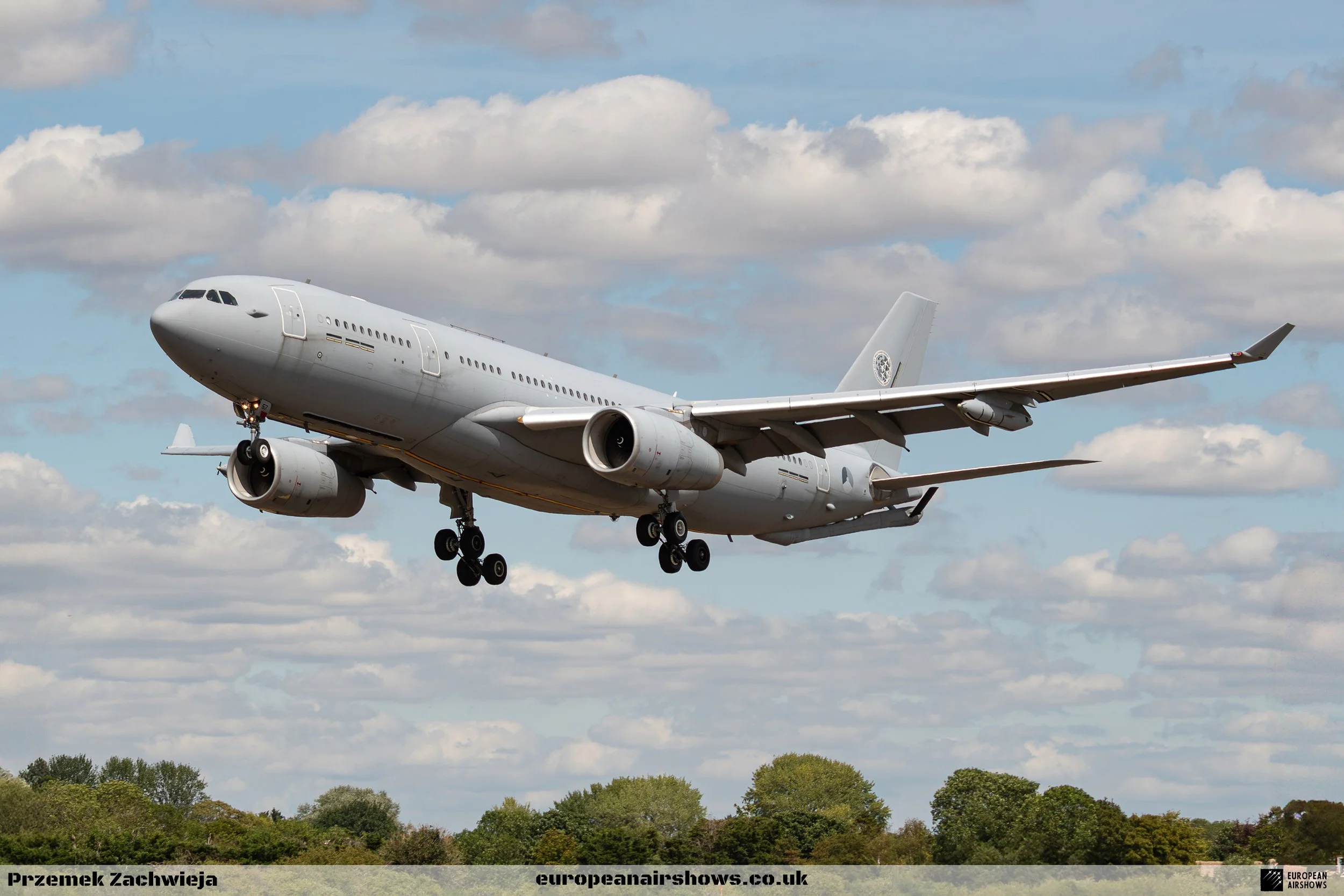
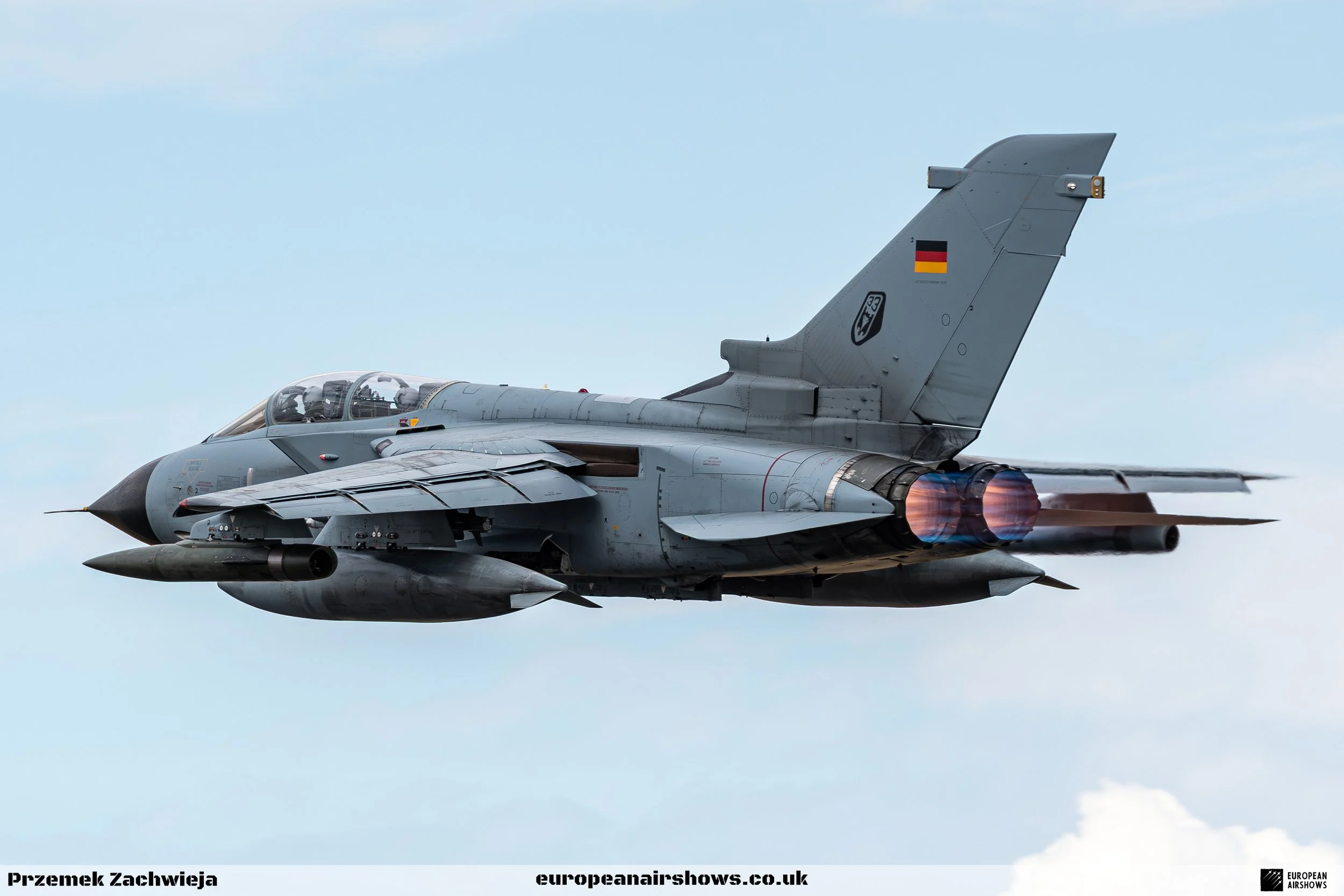
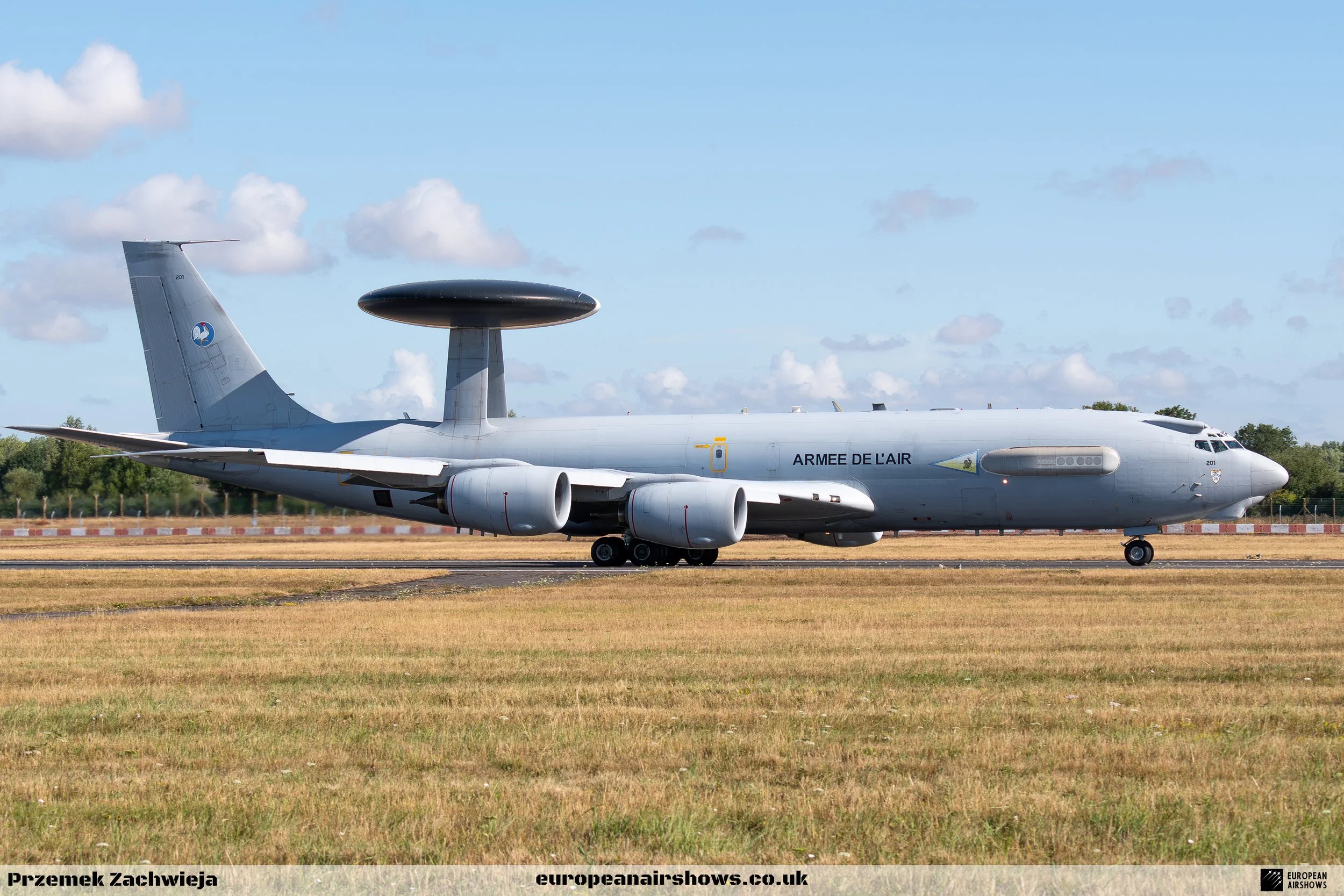
Western Europe filled the centre stands with depth. France sent a rare-showing E-3F Sentry from Escadron 36 EDCA, arriving on Friday to join static; Germany’s tactical spread covered Tornado IDS (TLG 33) and ECR (TLG 51), a Binational C-130J, and H145M LUH SOF, with the German Army’s NH90 TTH and German Navy’s Sea Lynx Mk.88 ticking more ISR/ASW boxes. Greece fielded twin Mirage 2000-5s from 331 Mira; Hungary’s new H225M appeared; and Ireland underlined its practical fleet with EC135 and AW139 helicopters from 3 Operations Wing plus a PC-12NG from 1 Operations Wing. Italy’s P-72A, UH-169B “Pegaso” and the Coast Guard’s ATR 42MP Surveyor kept the ISR narrative strong. The Netherlands arrived en masse with an A330 MRTT open to walk-throughs, an AH-64E Apache Guardian (301 Squadron) for the APACHE50 line-up, a pair of CH-47F Chinooks (298 Squadron), an NH90 NFH (860 Squadron) and PC-7 trainers (131 Squadron). New Zealand’s Boeing 757-2K2 was a sentimental favourite—likely its final RIAT before retirement.
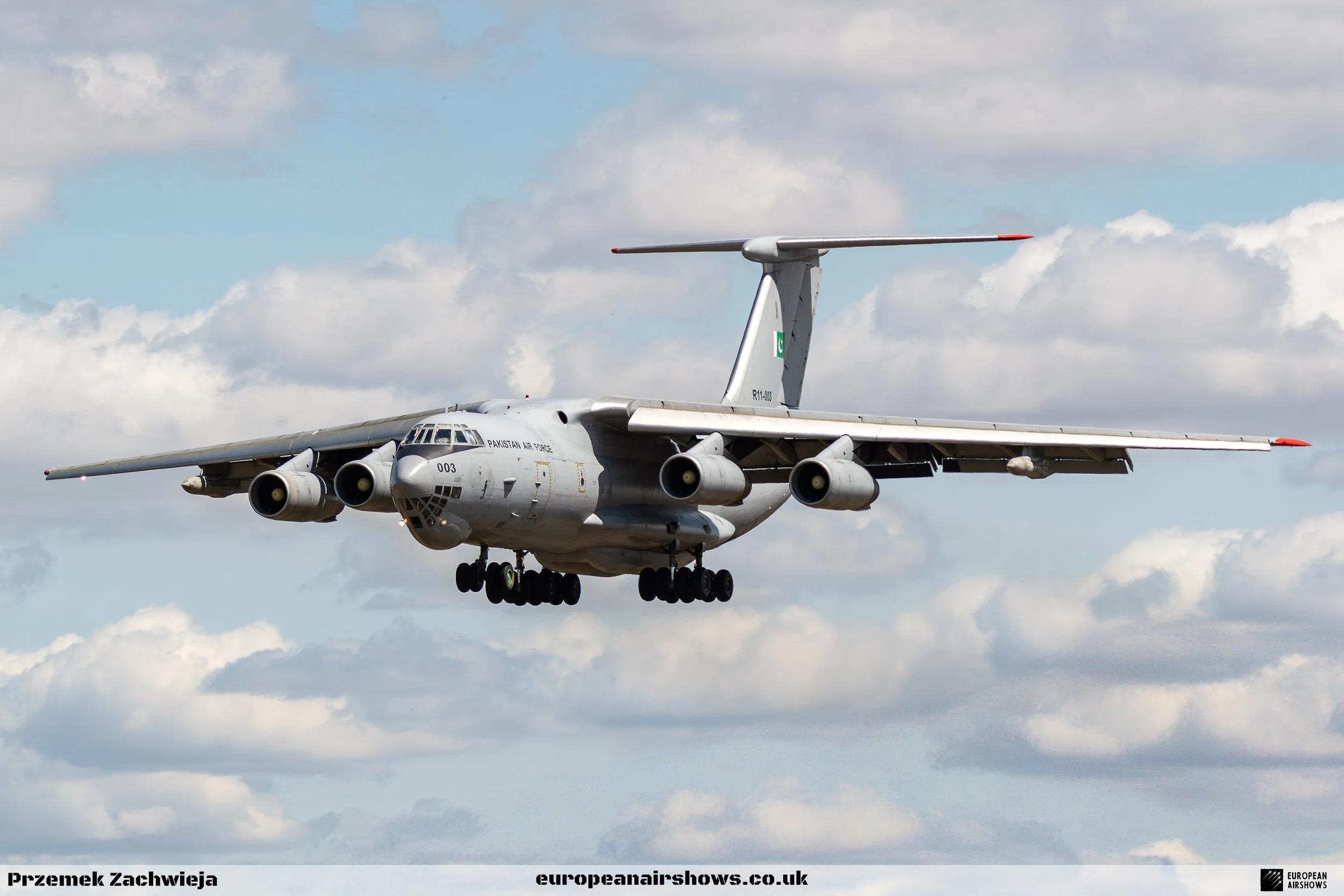
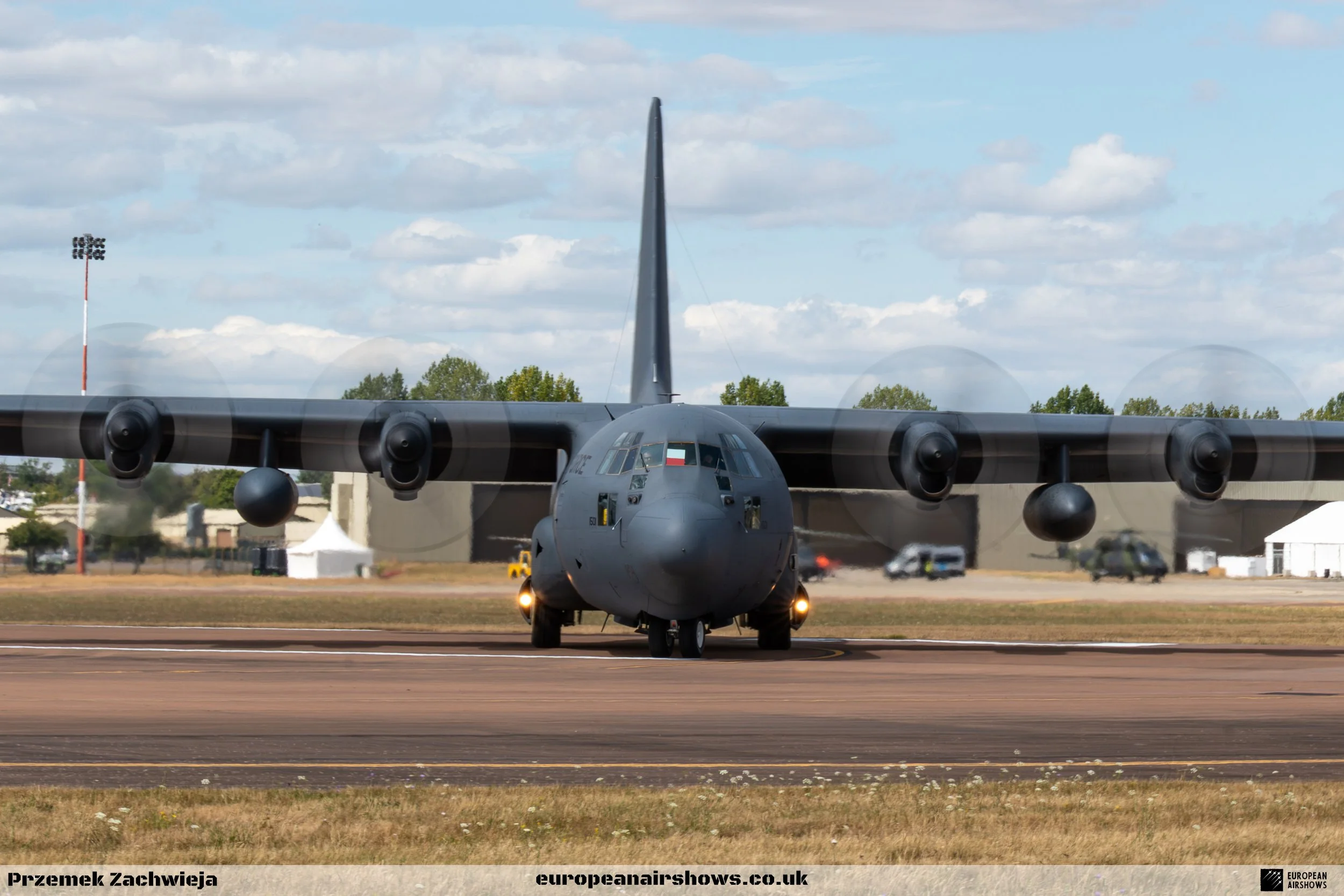
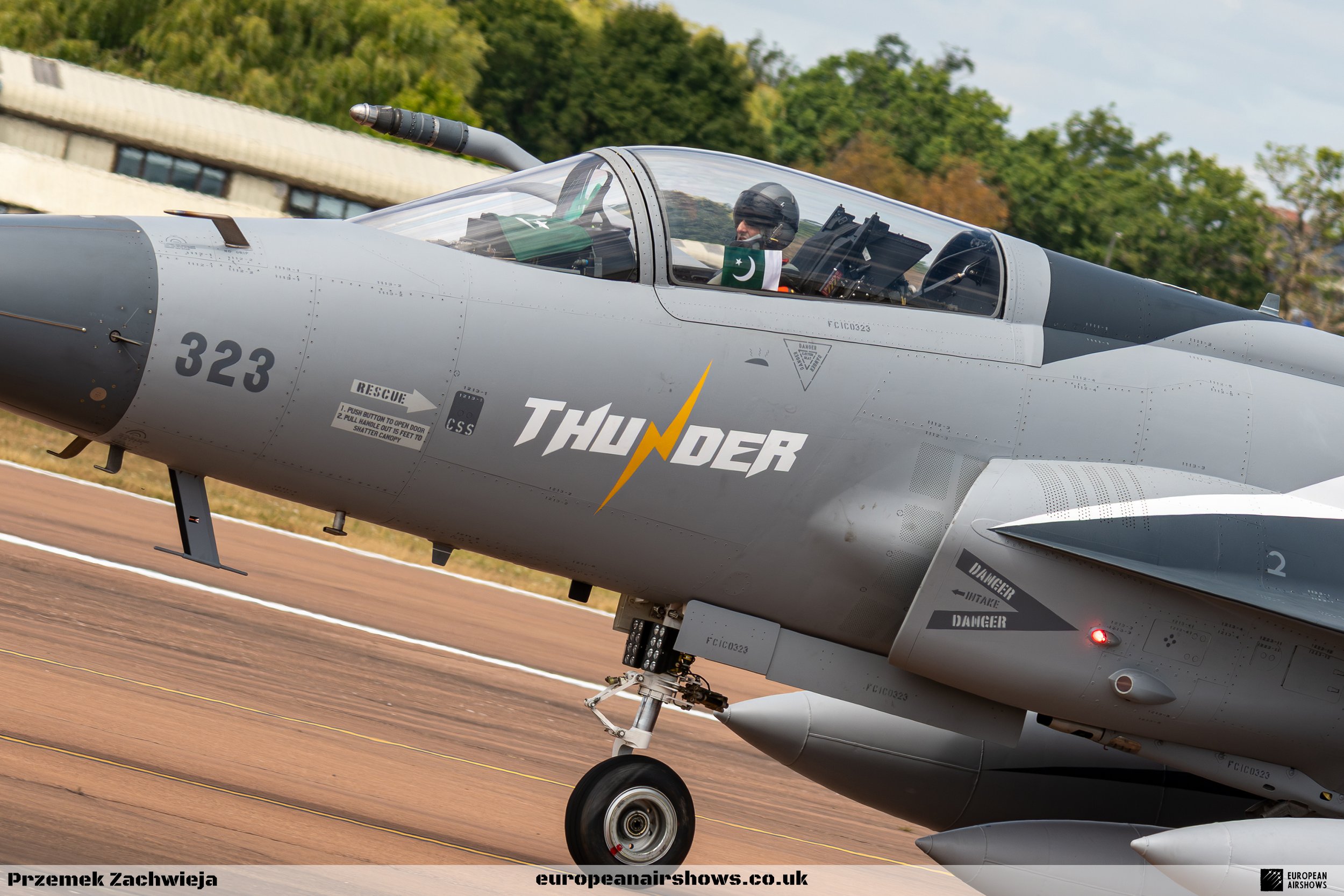
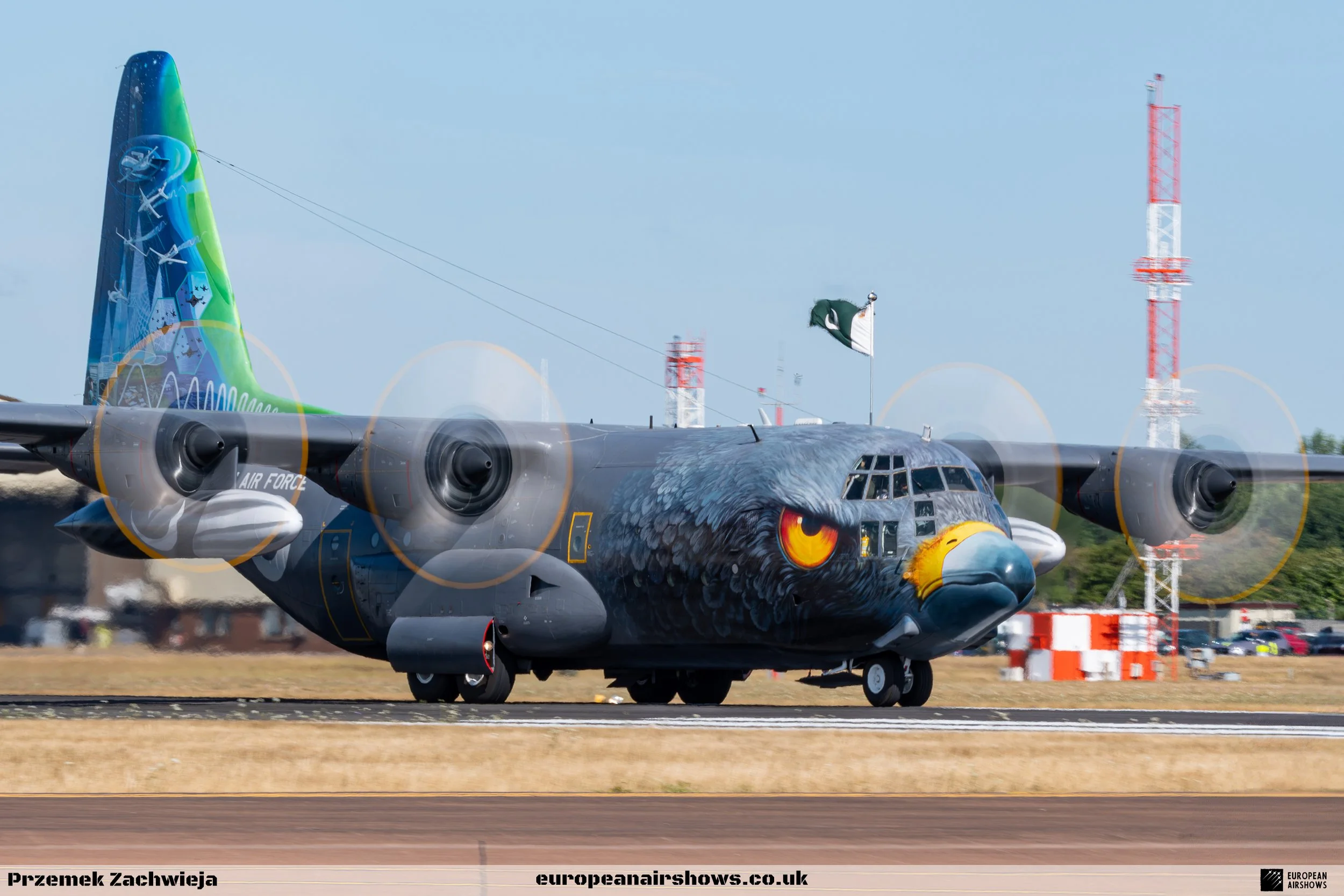
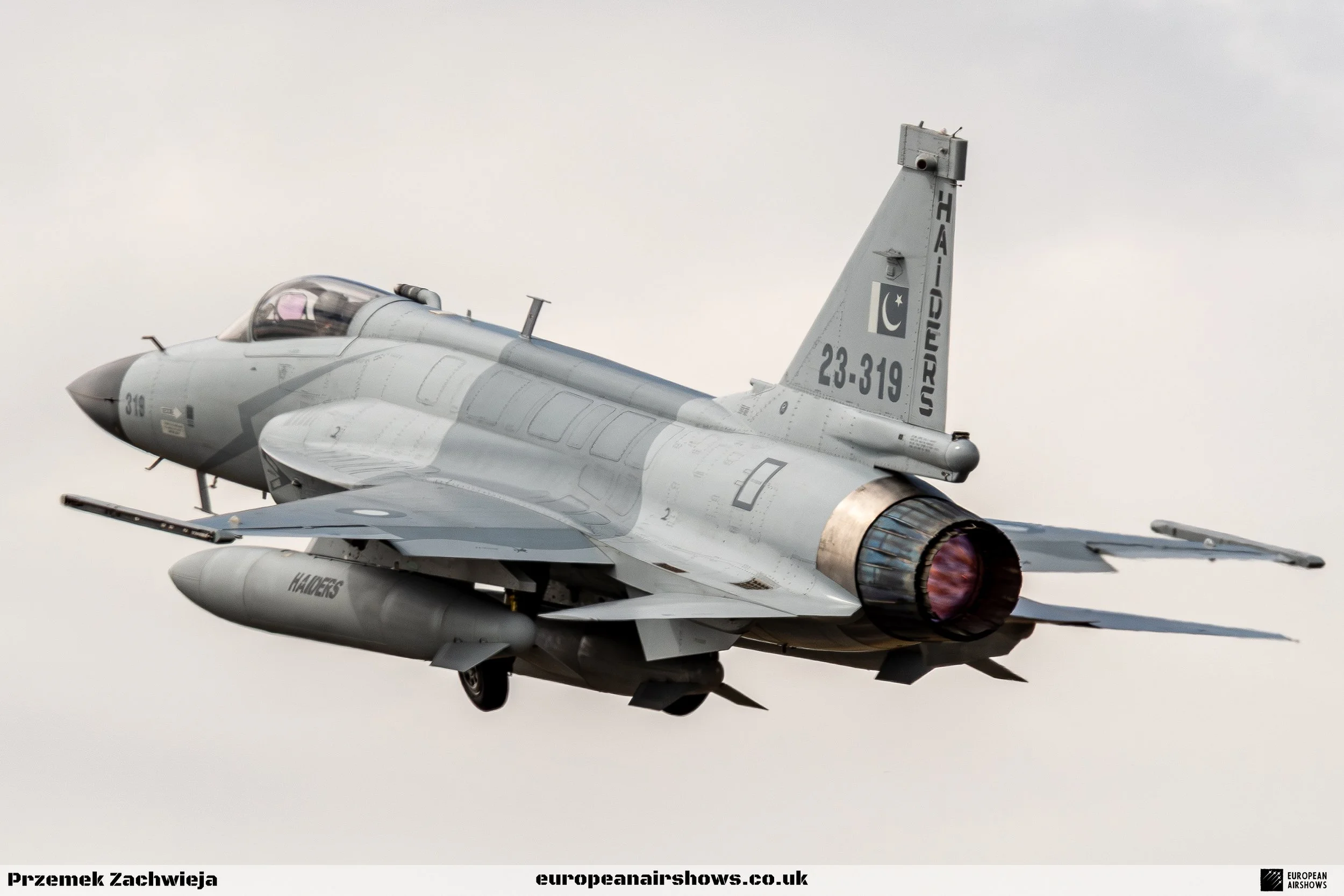
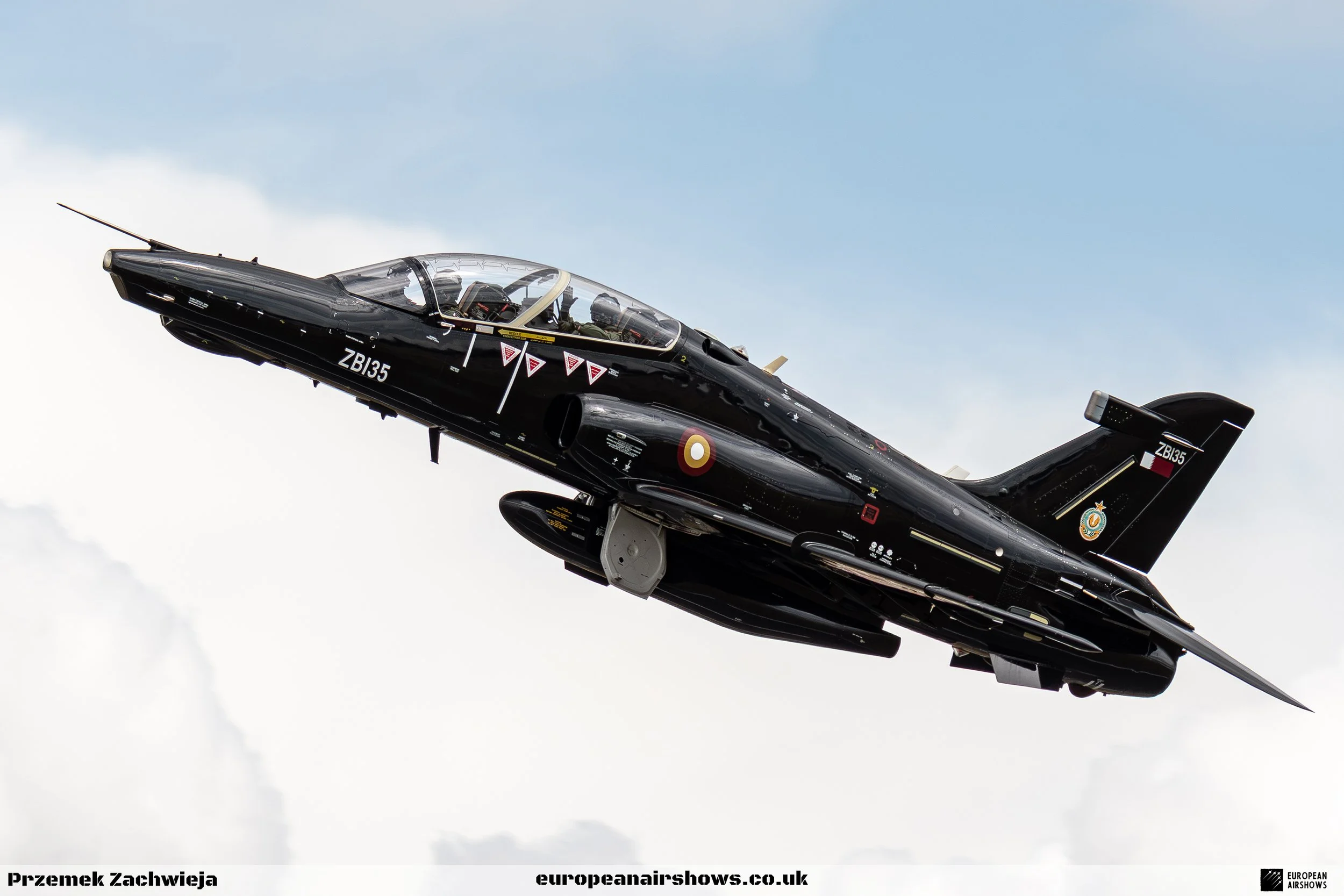
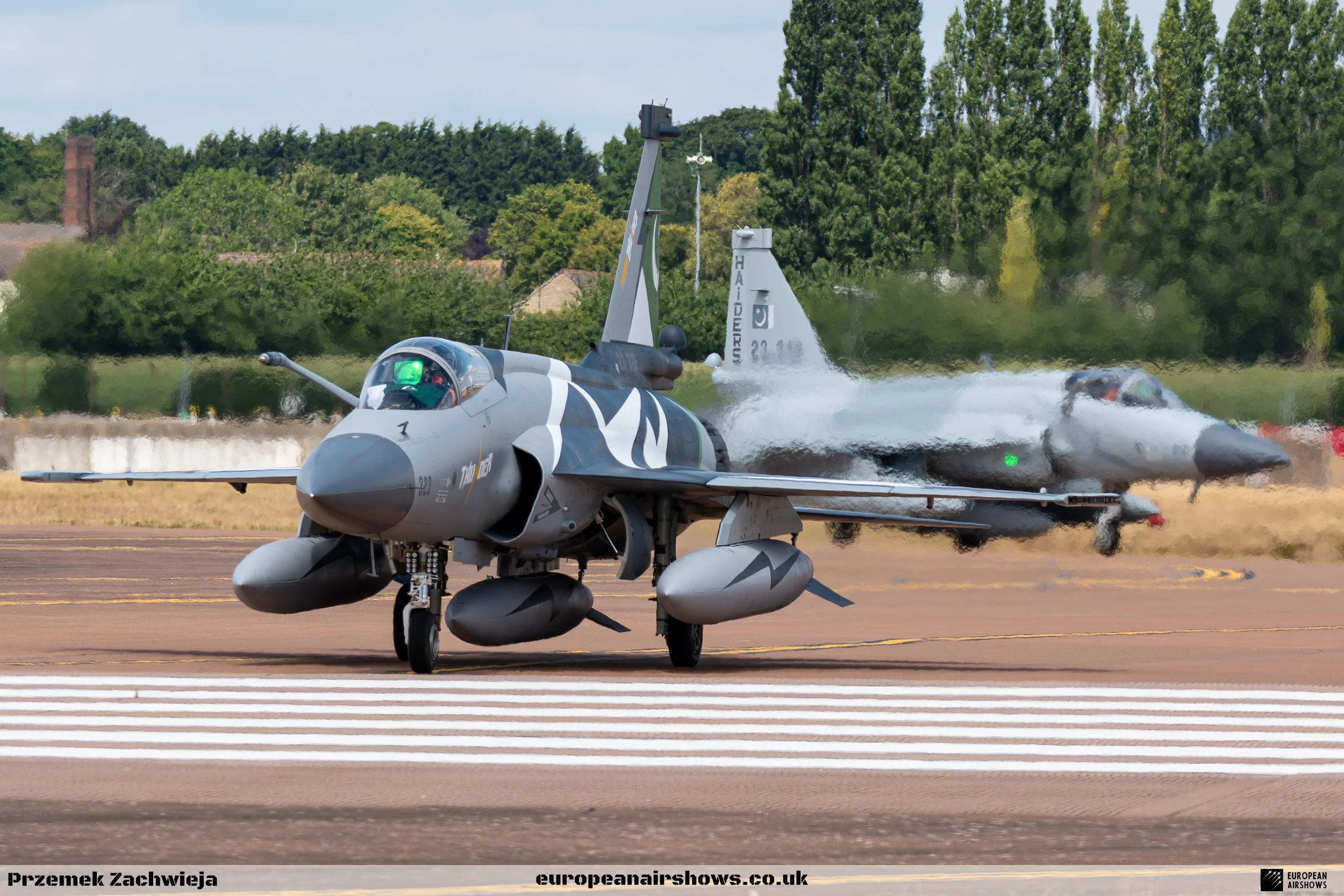
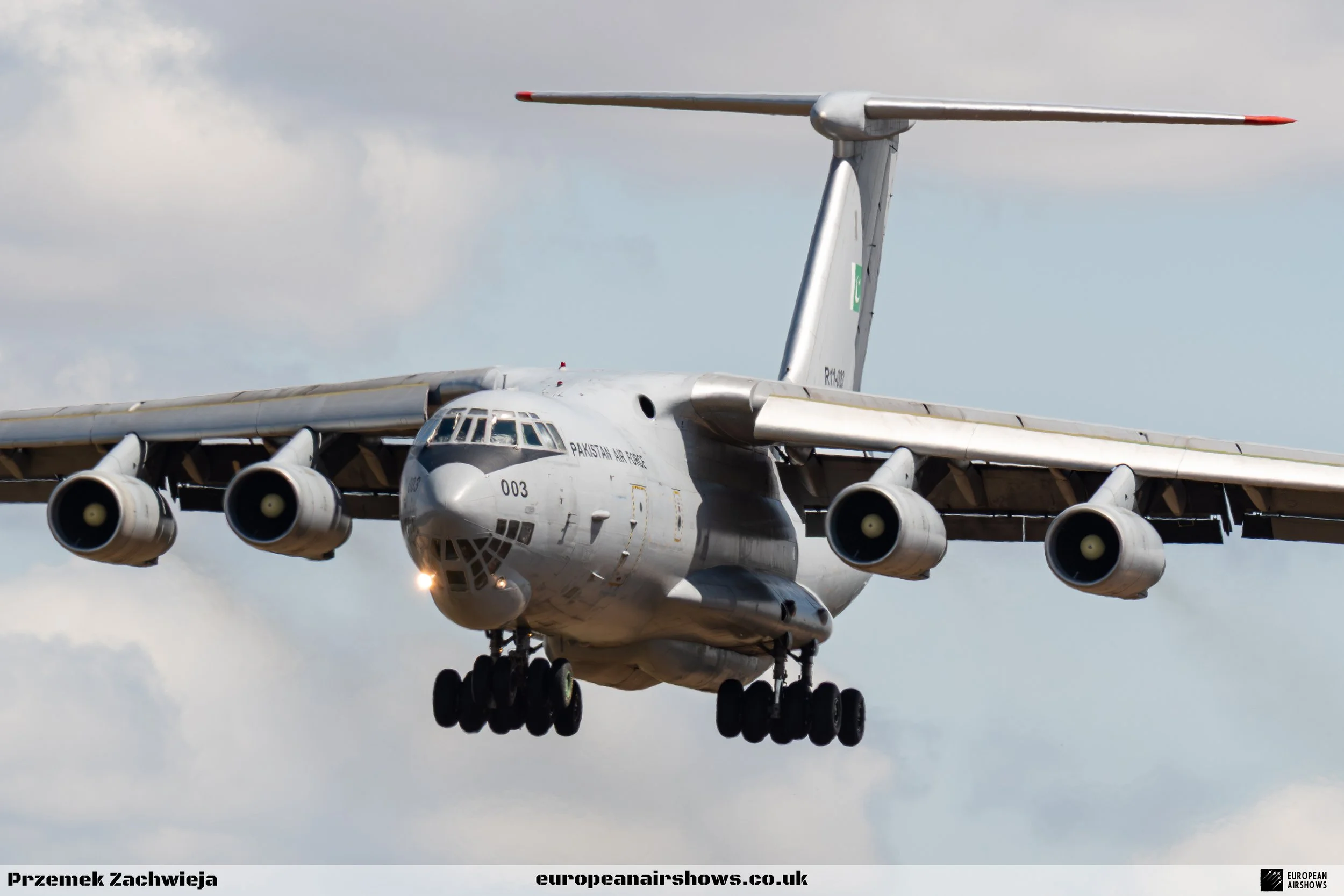
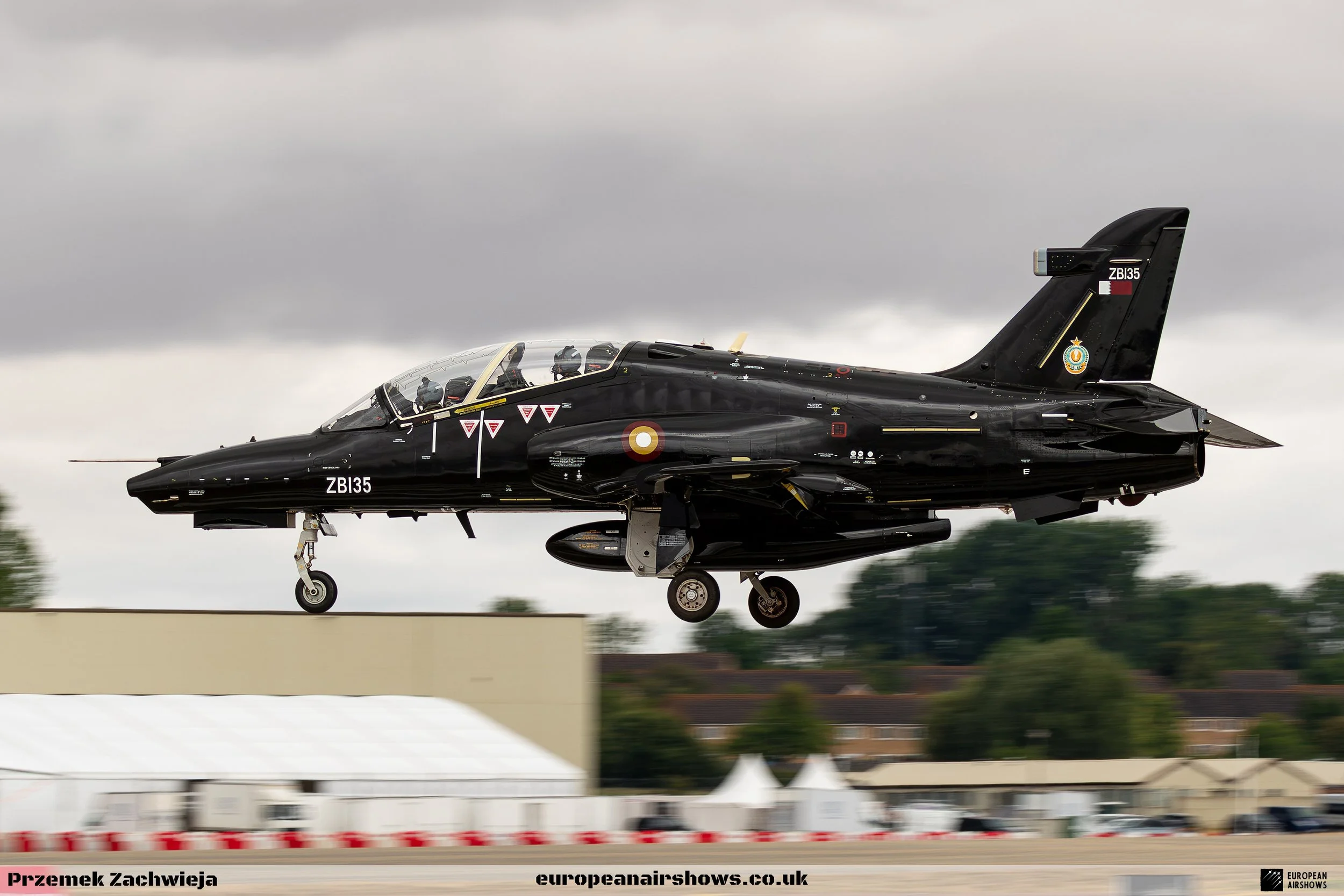
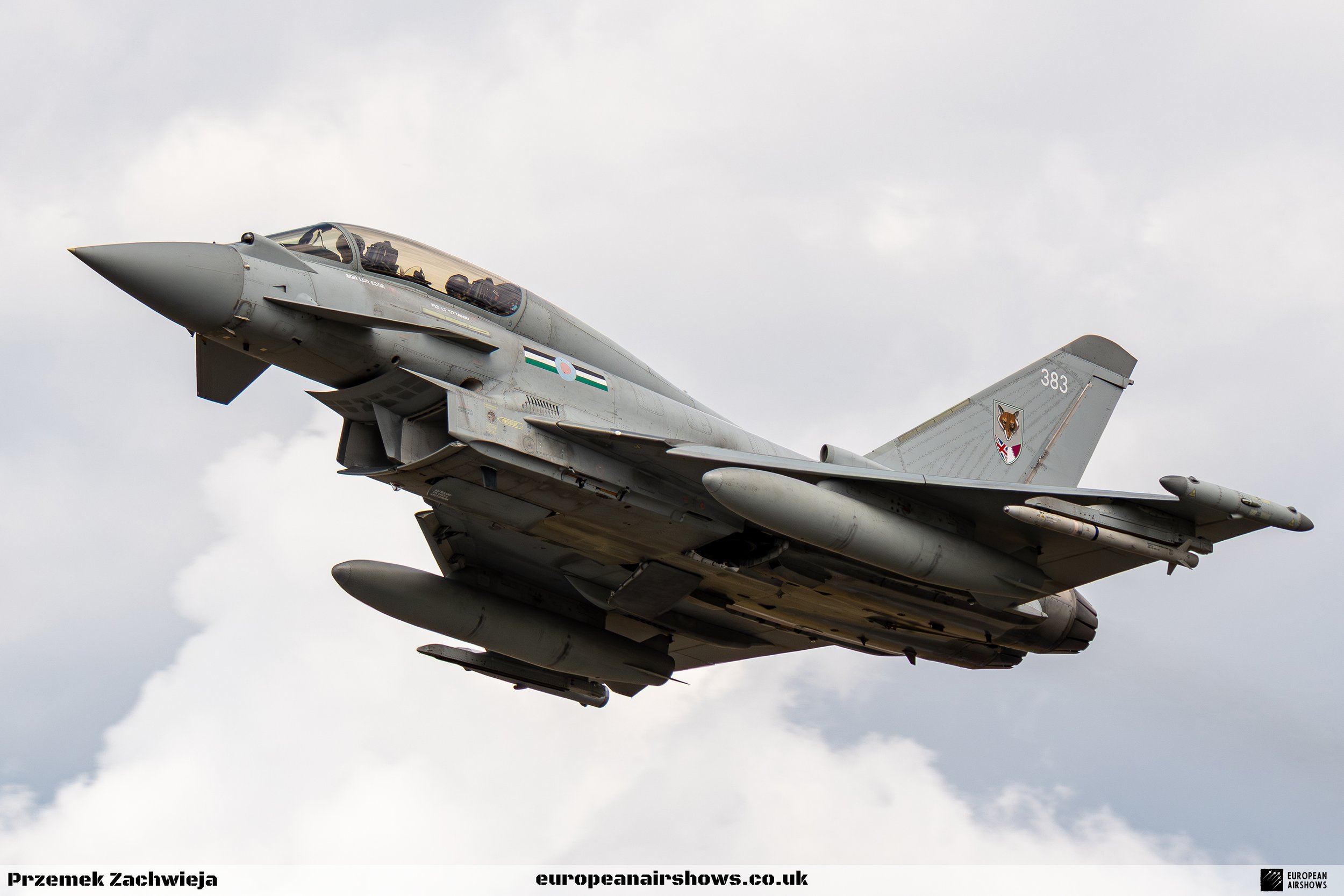
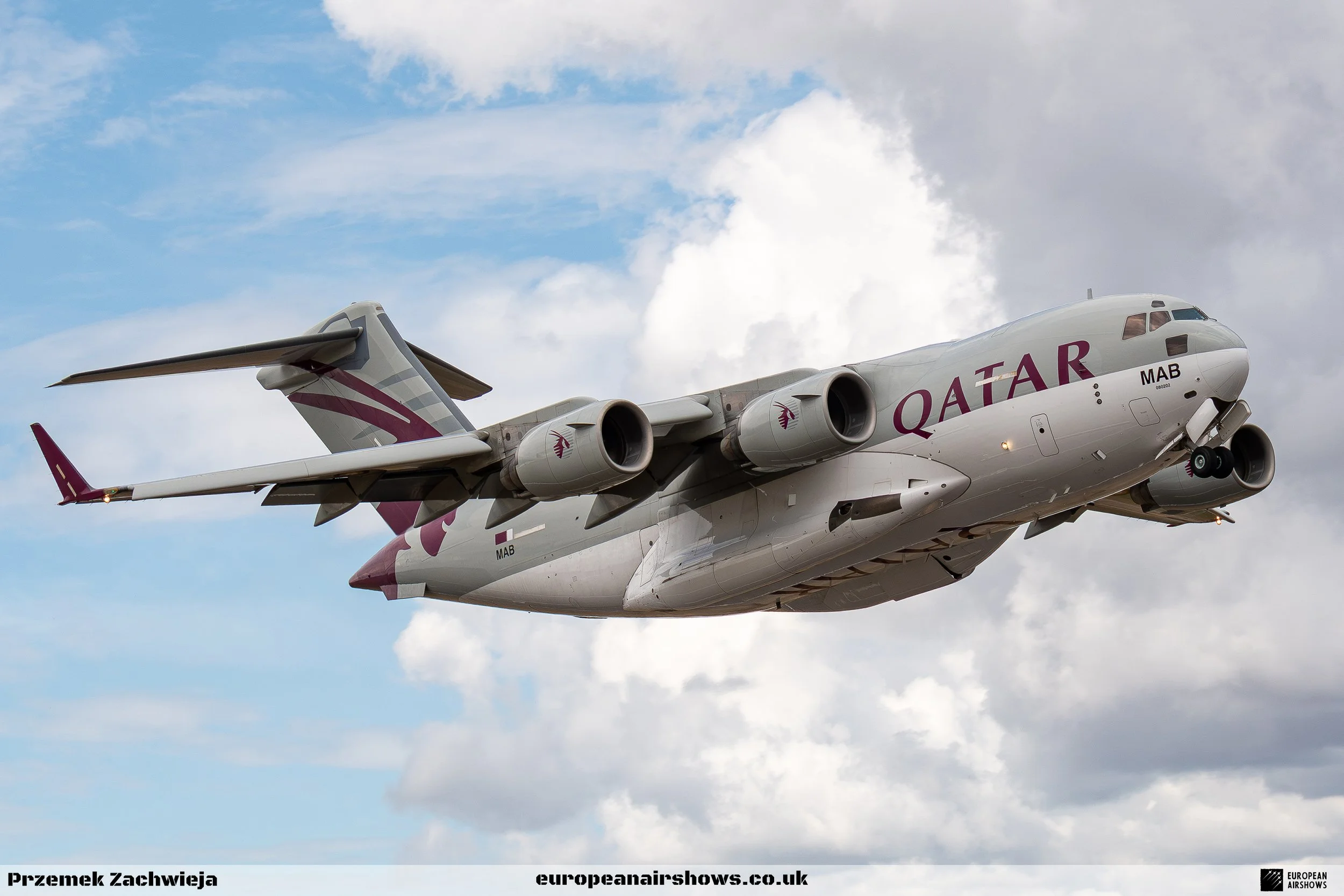
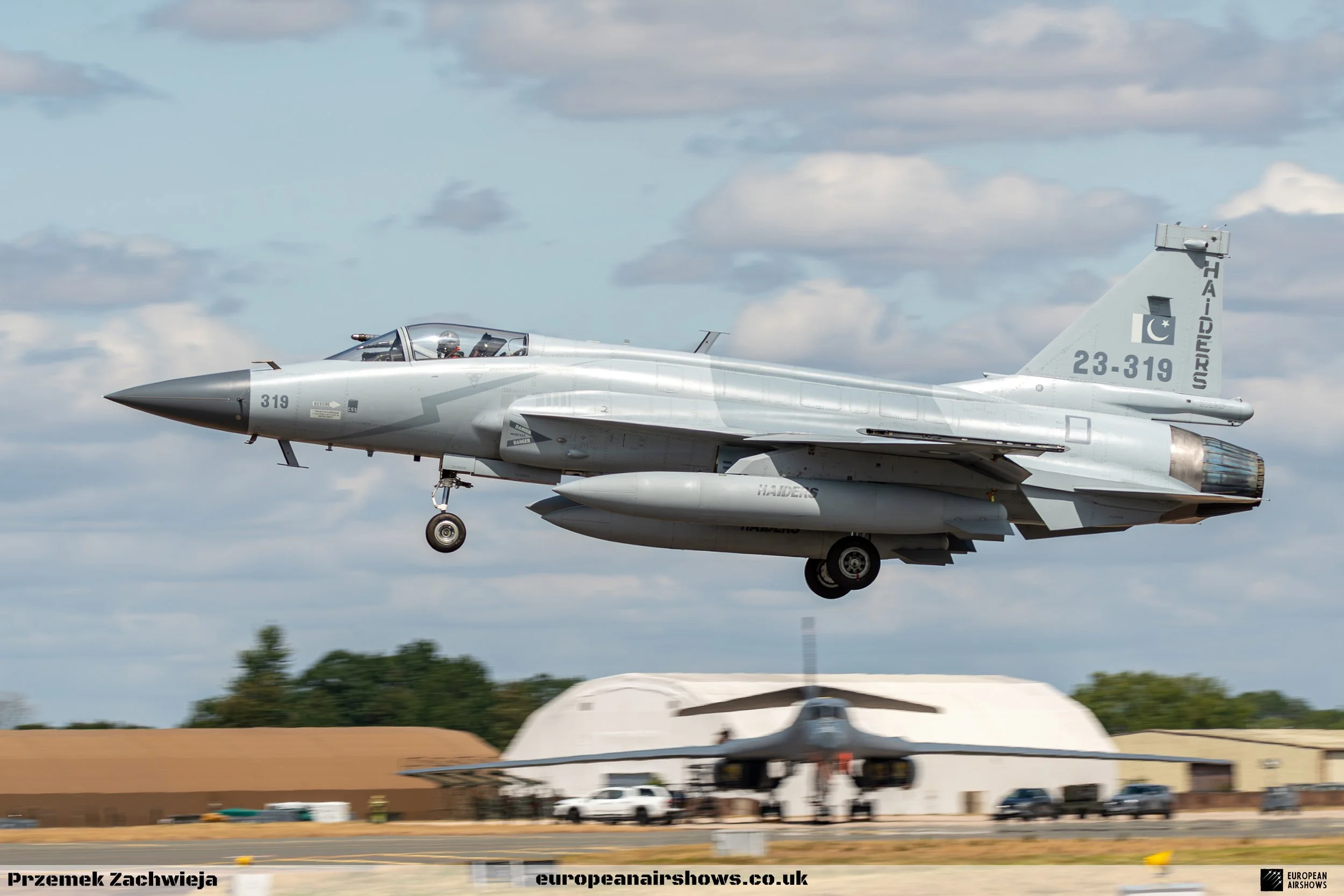
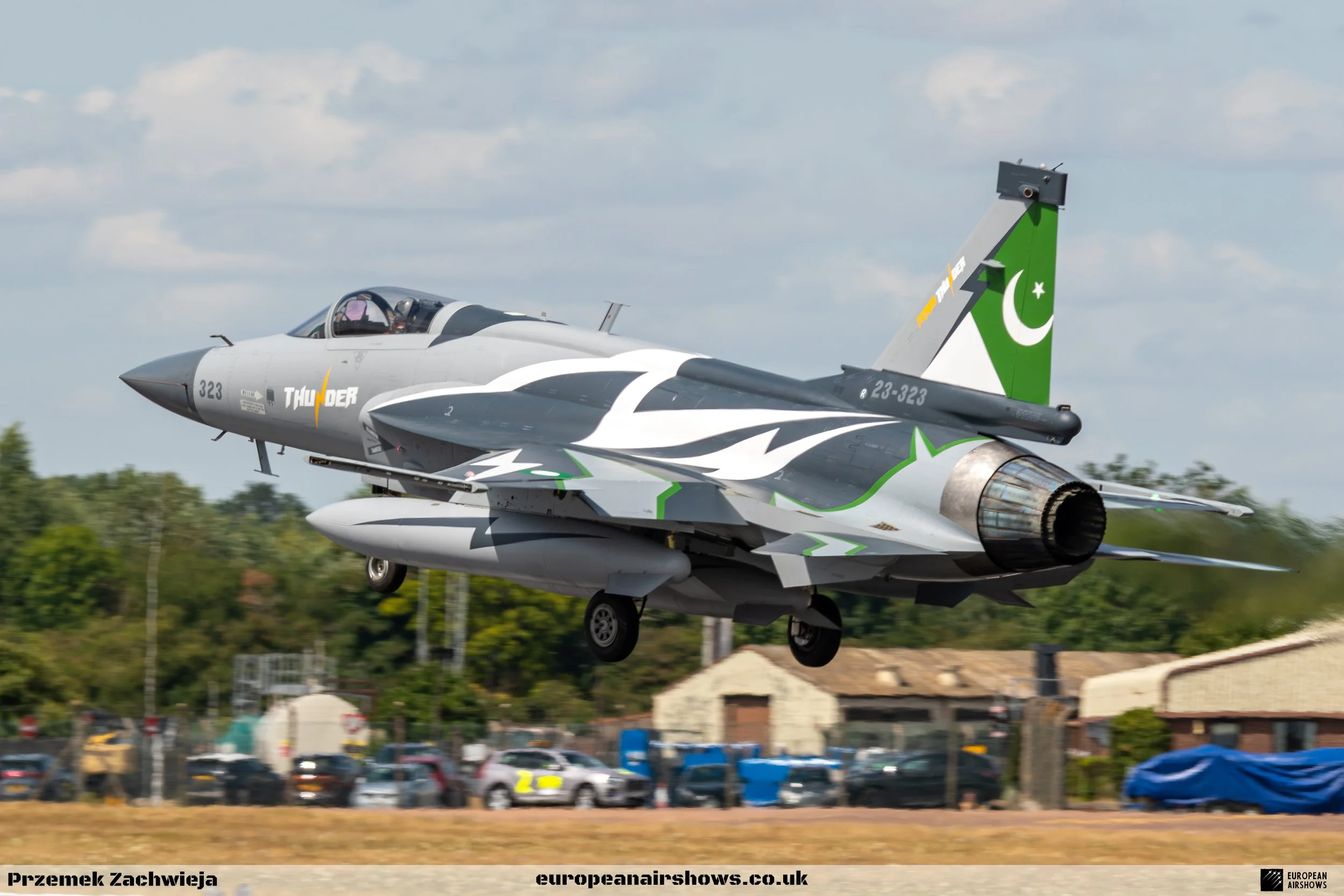
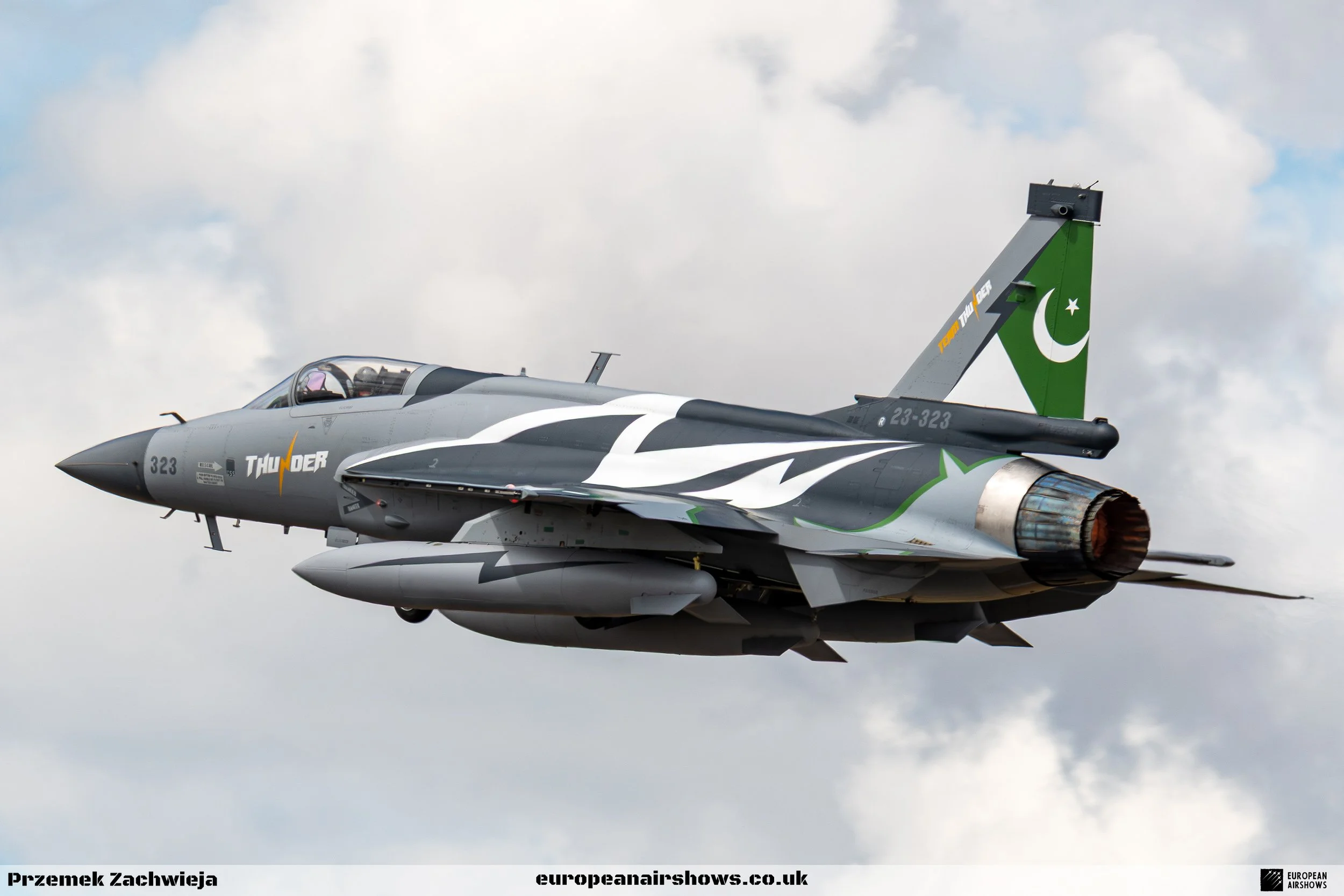
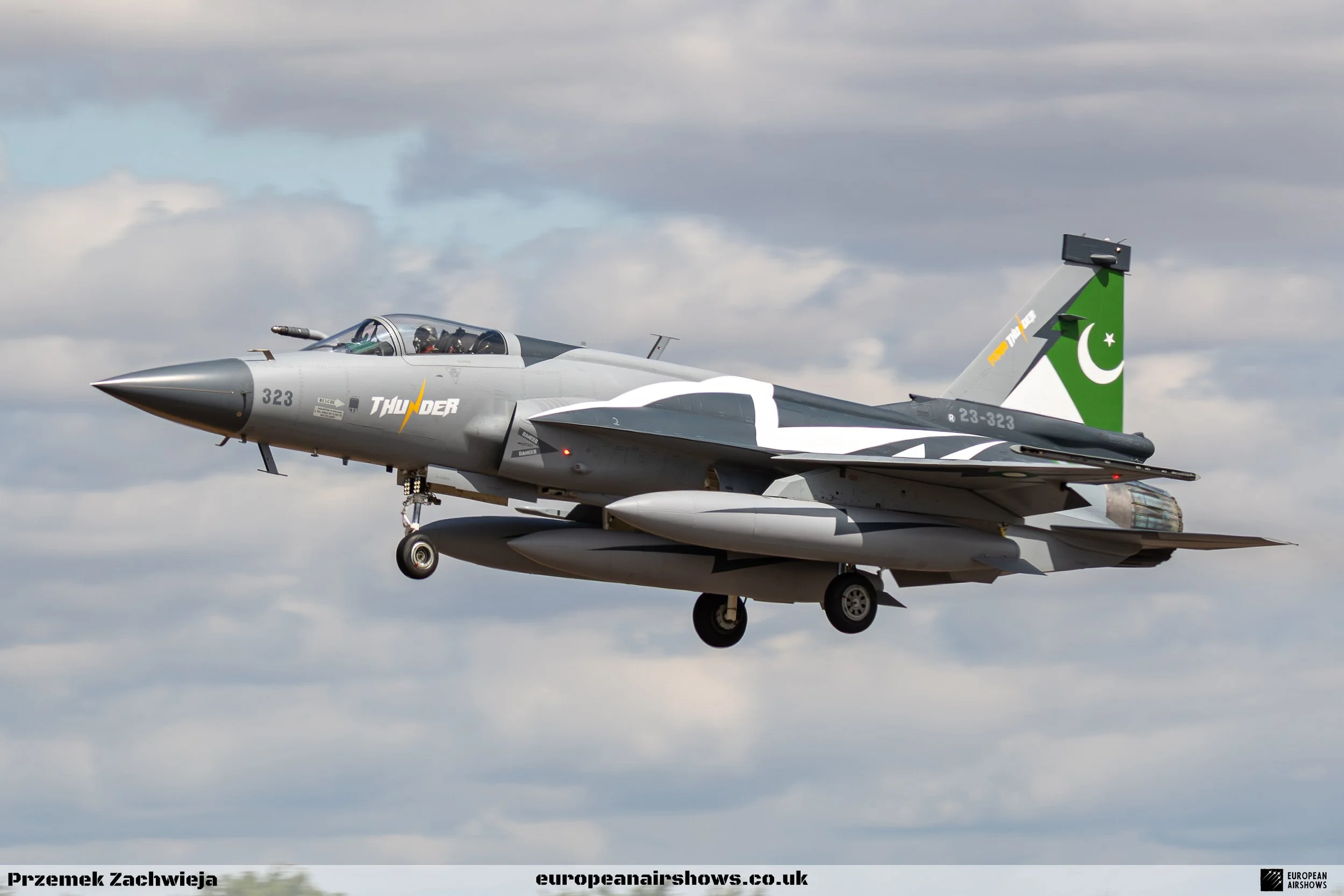
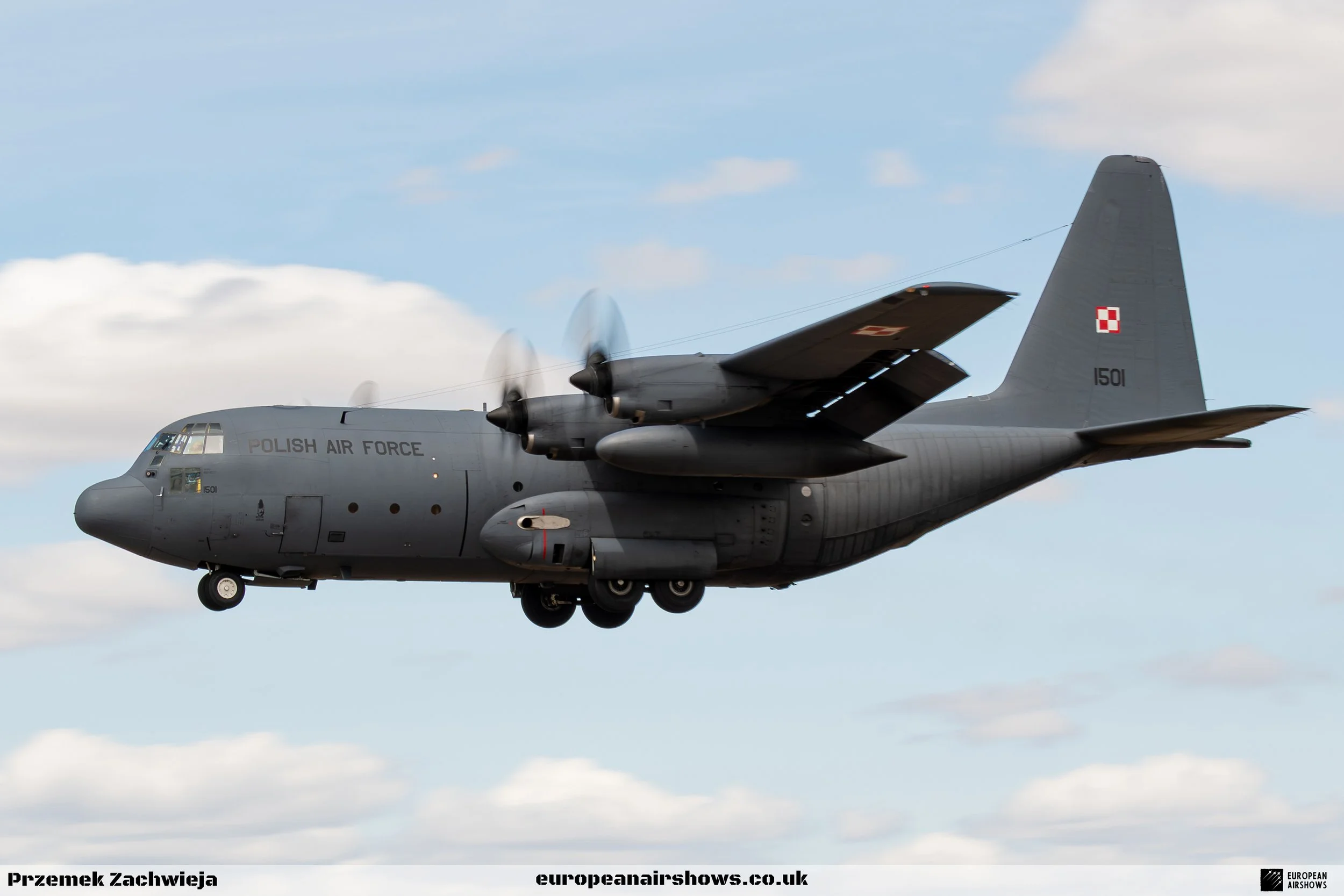
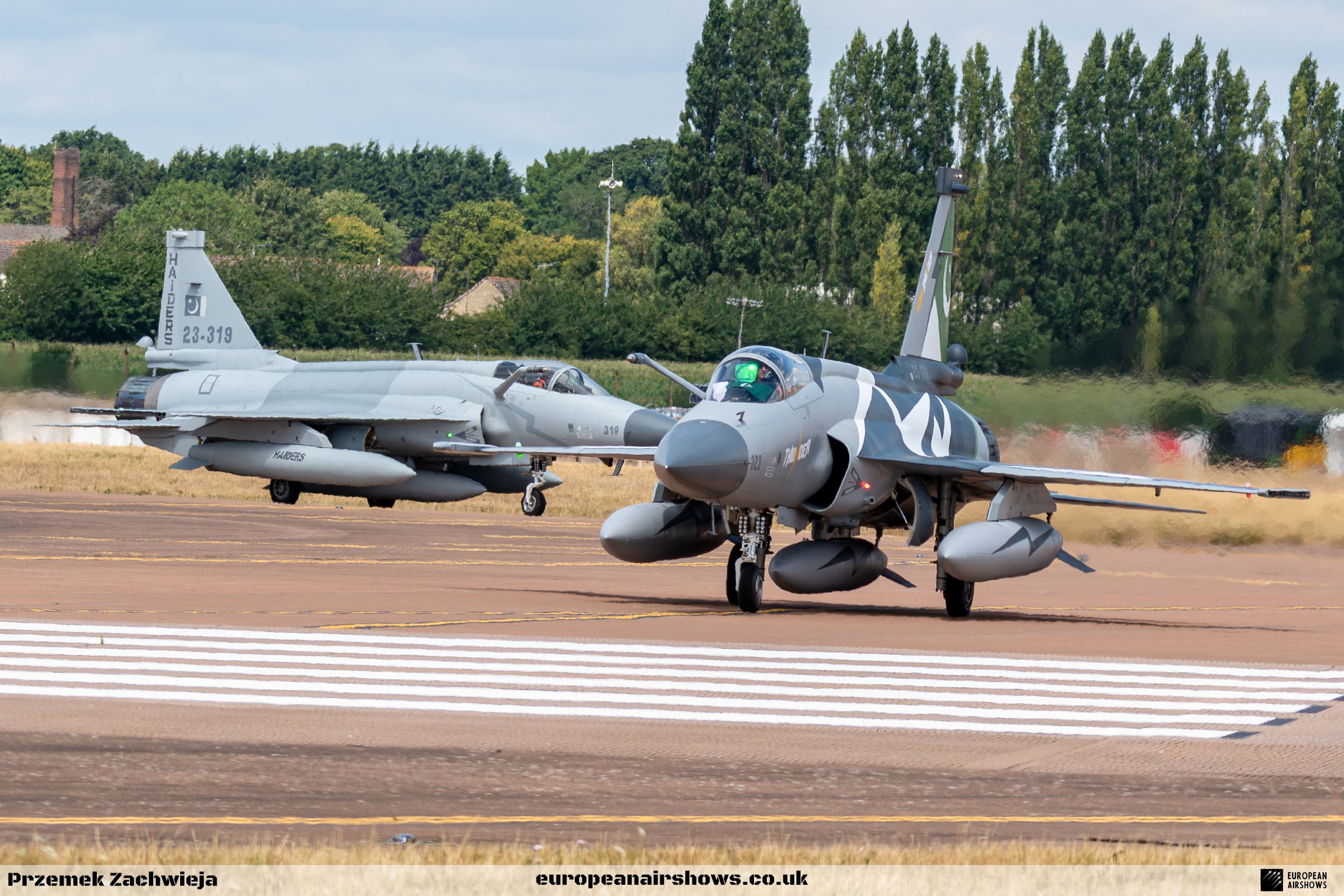
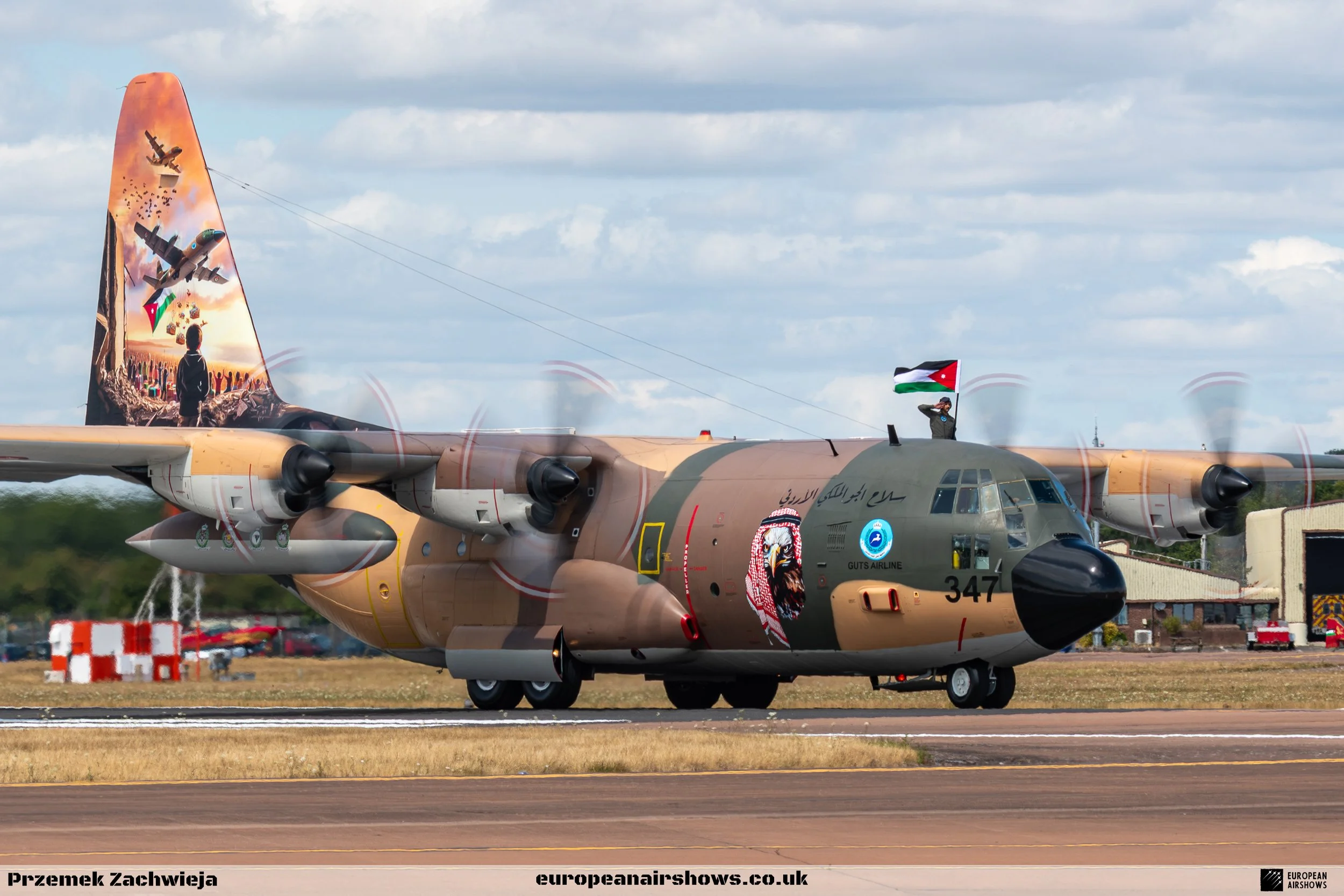
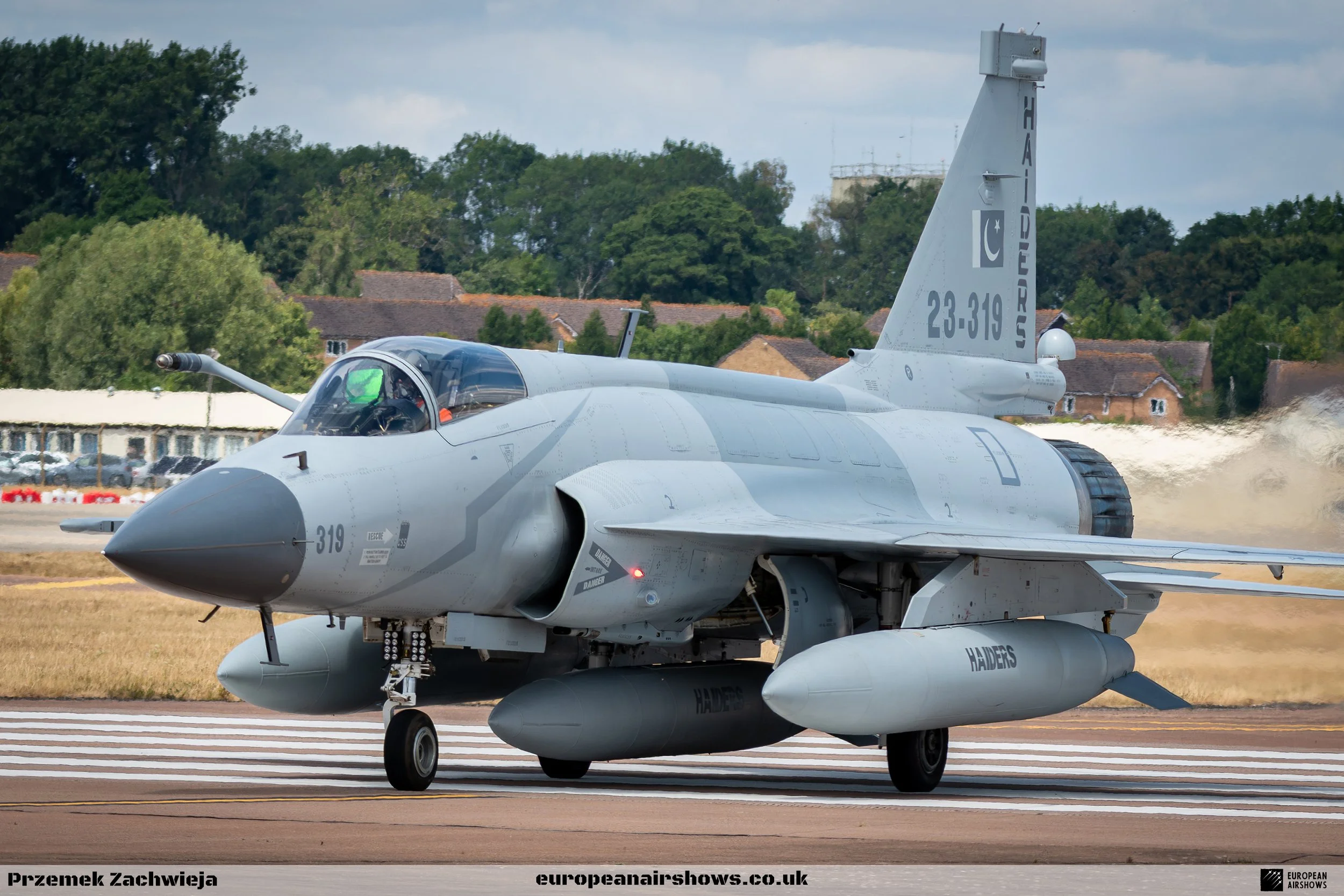
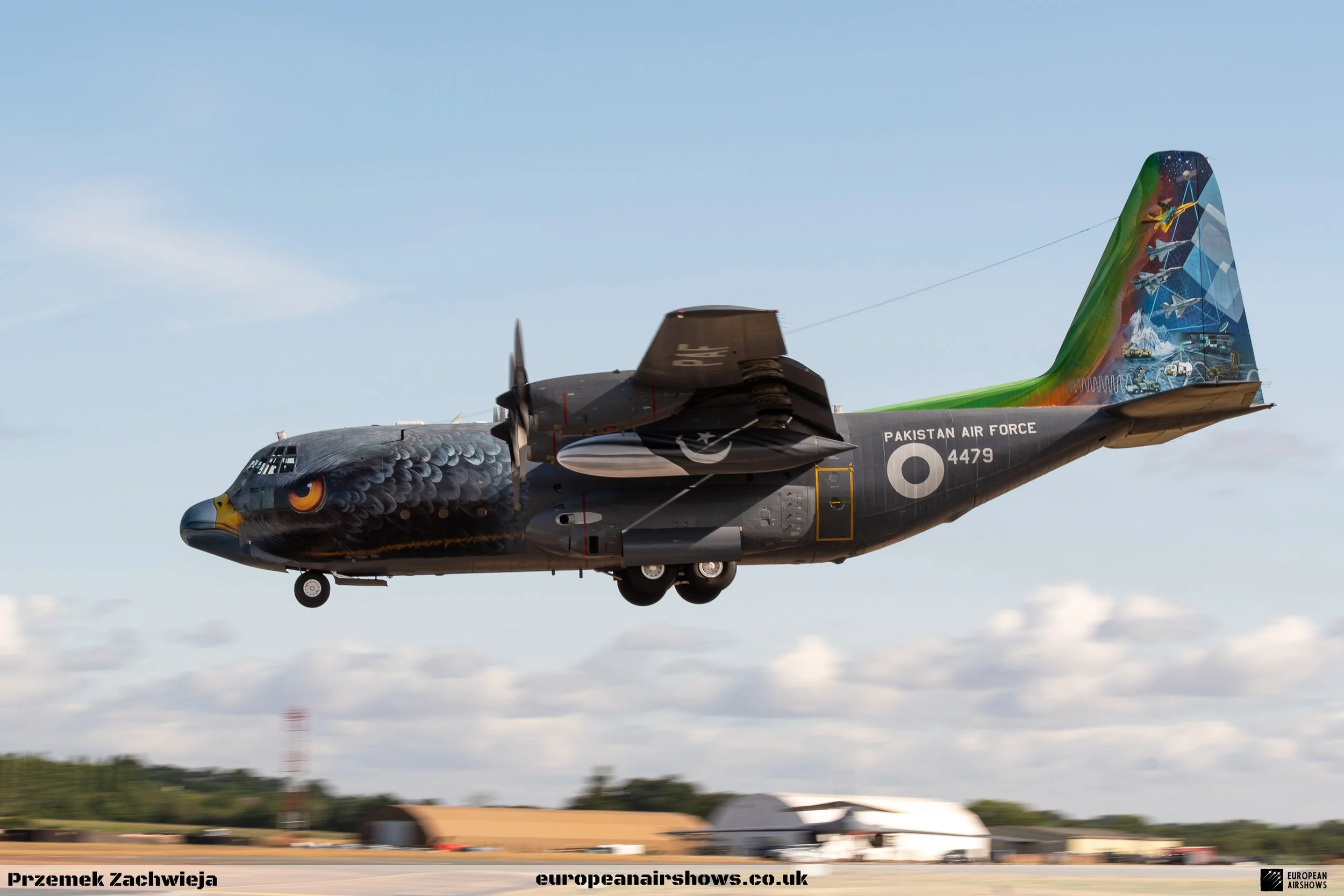
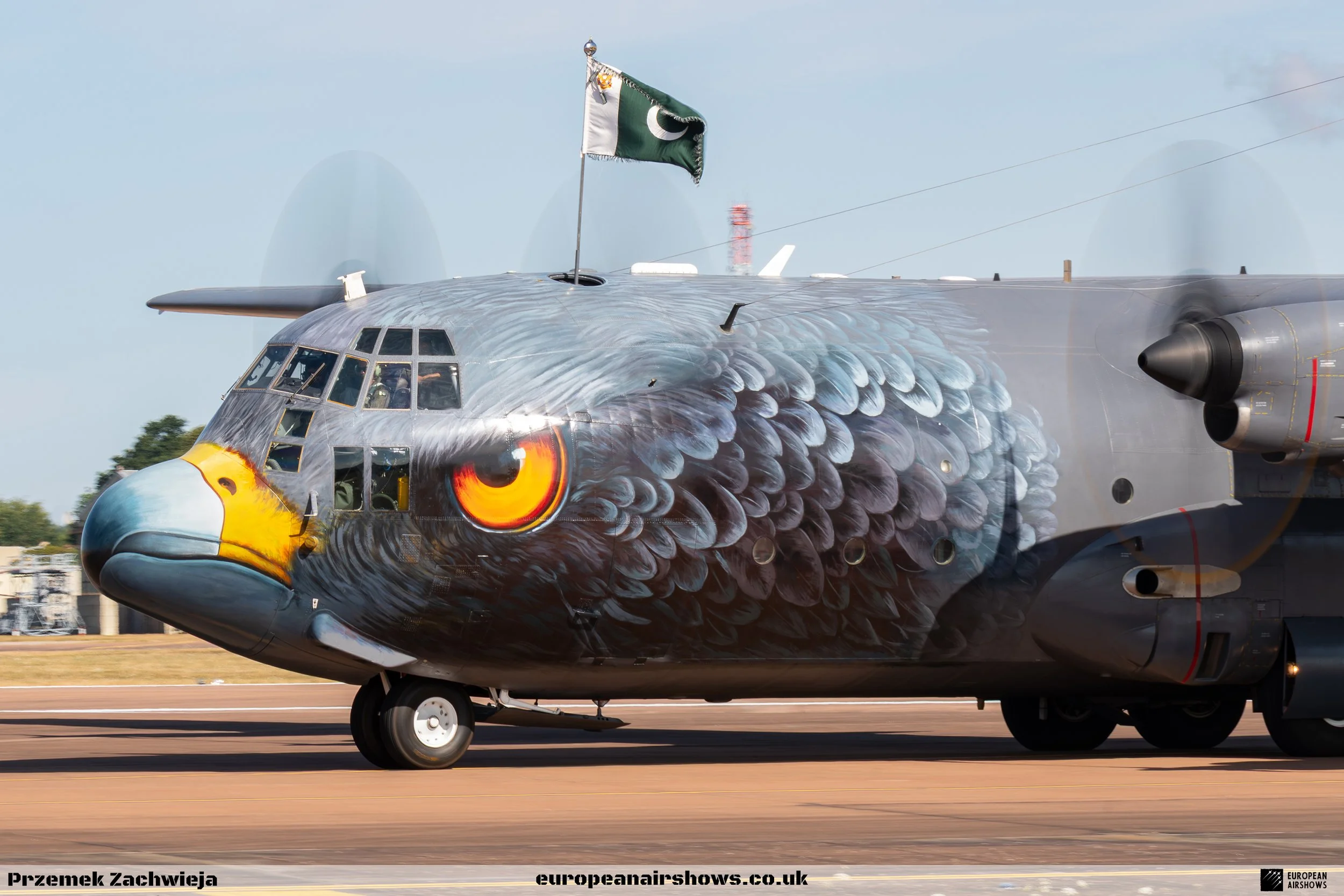
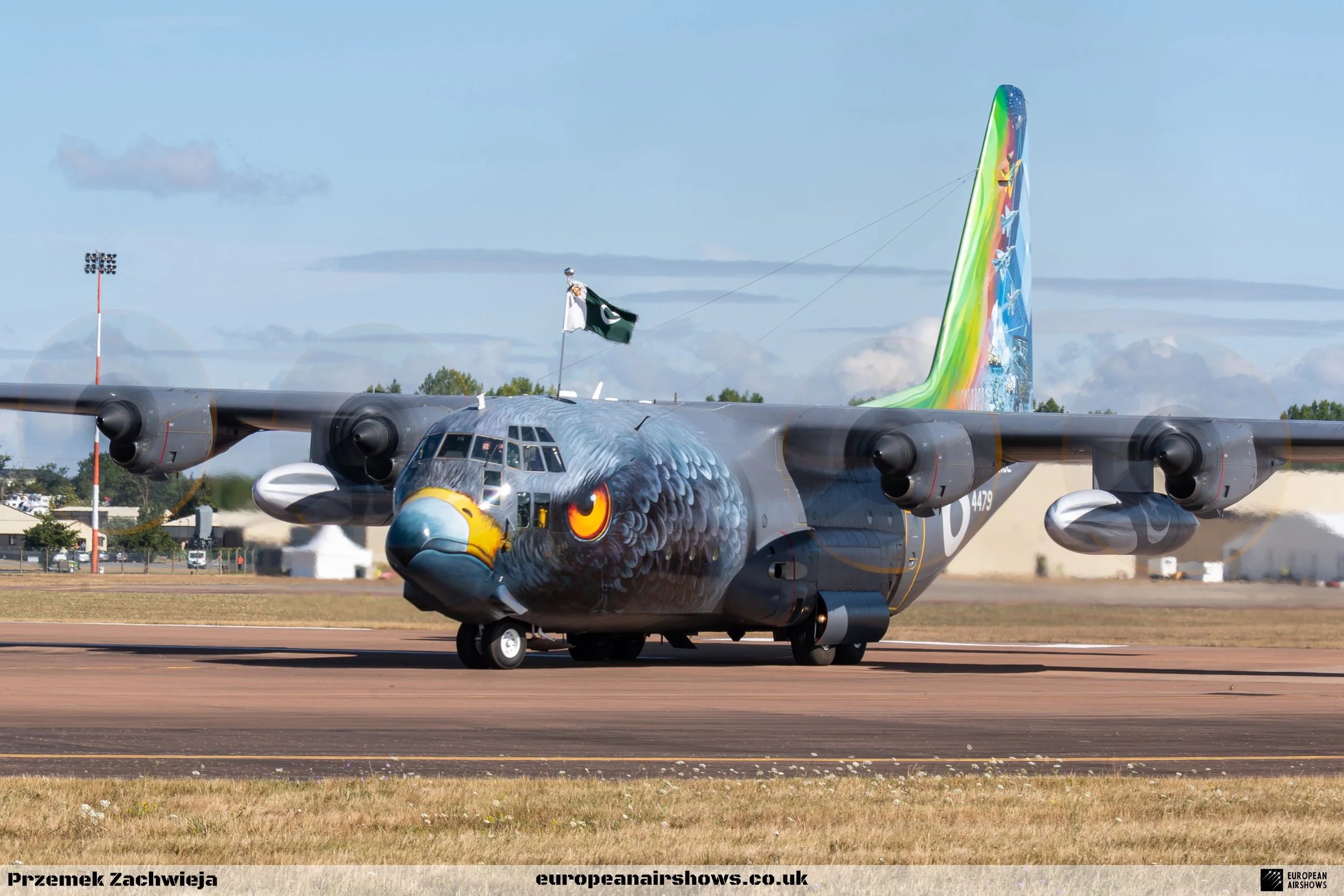
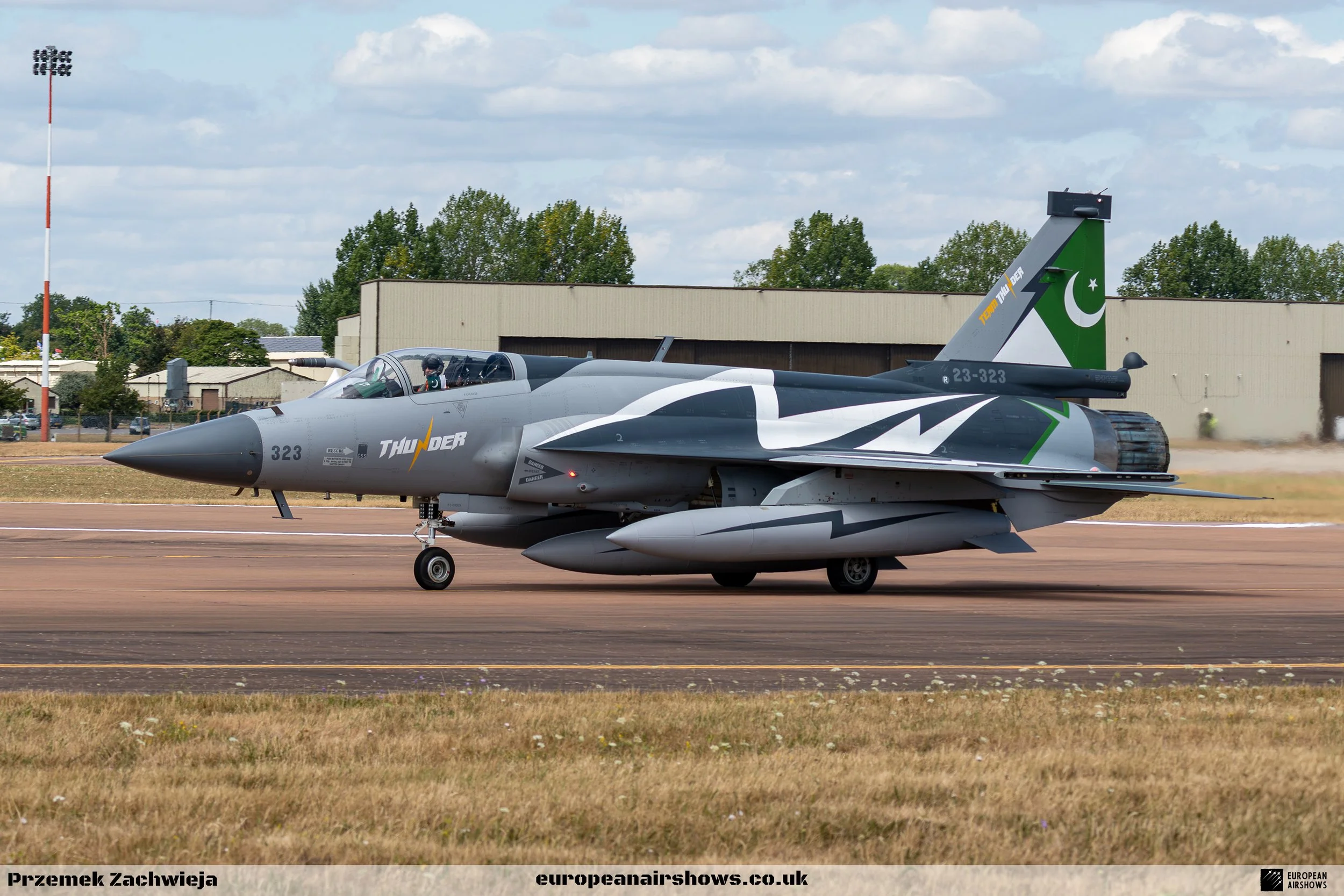
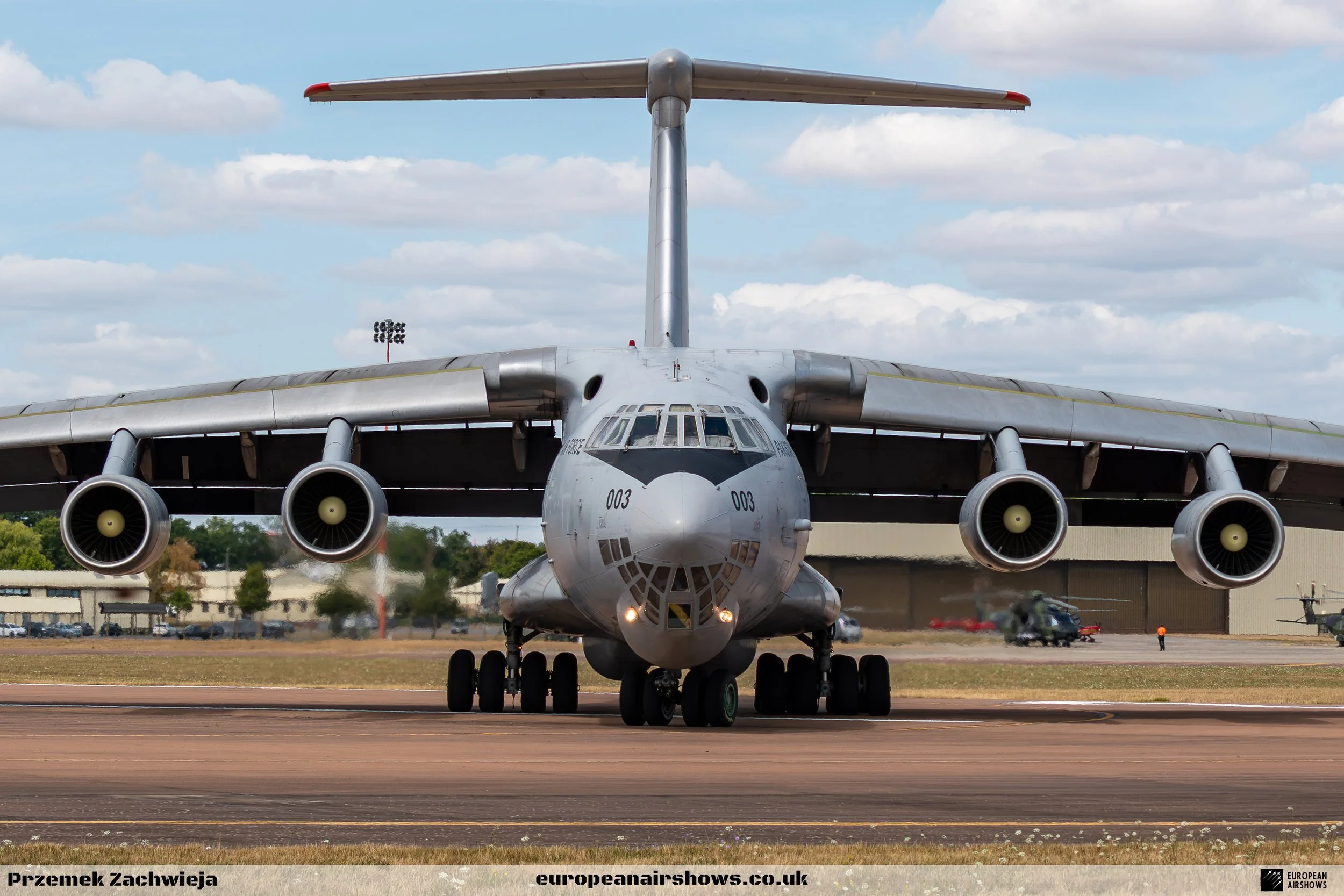
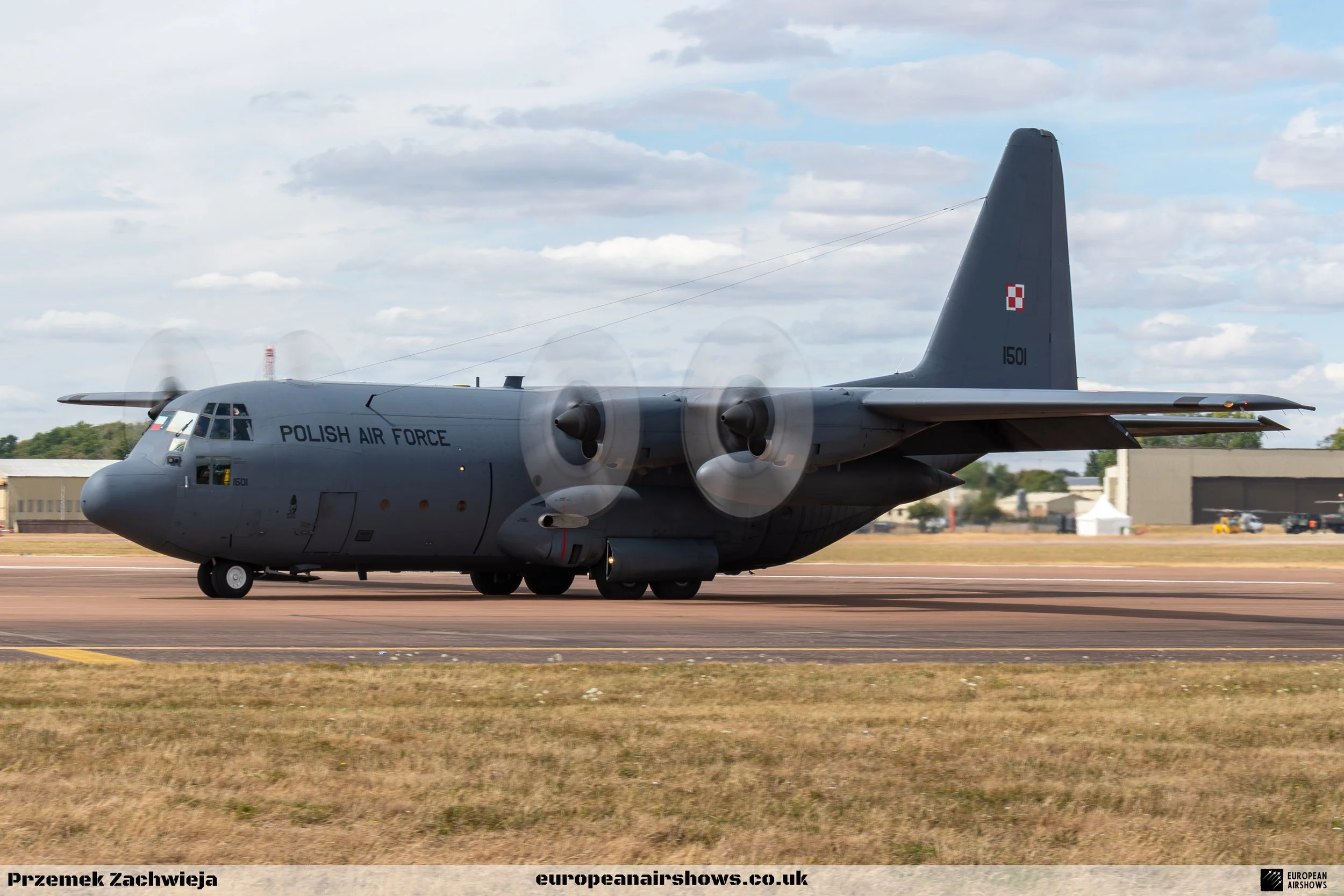
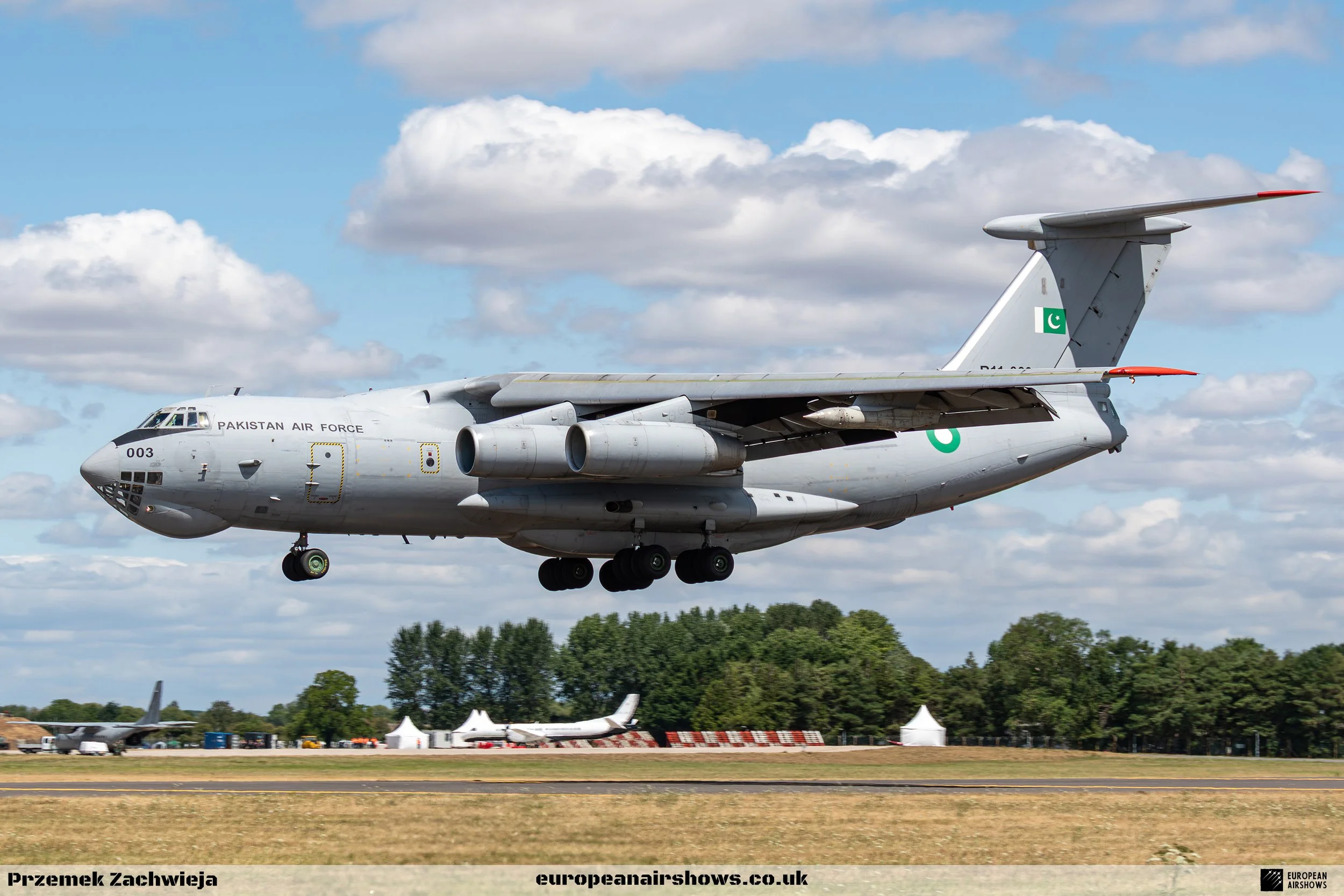
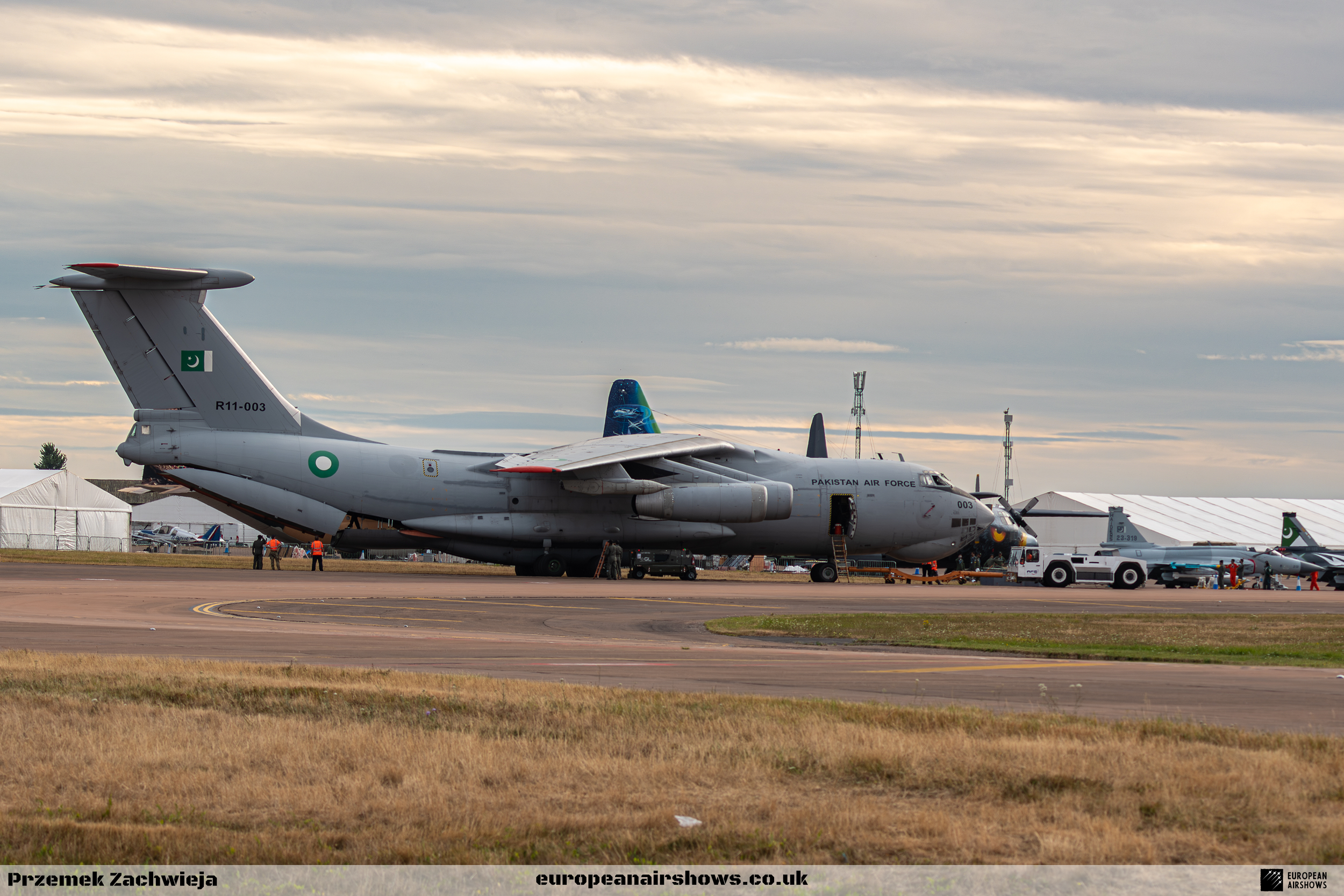
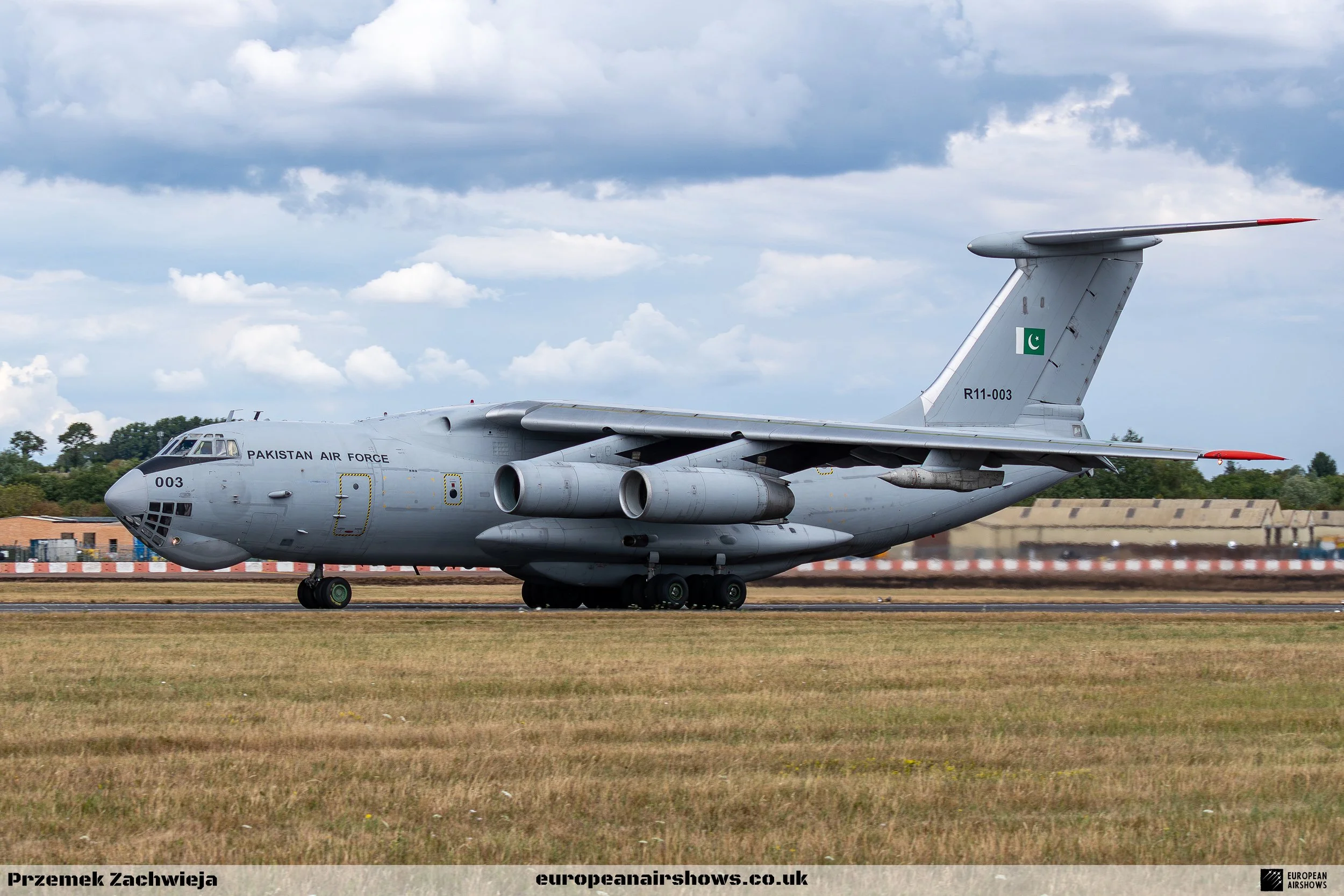
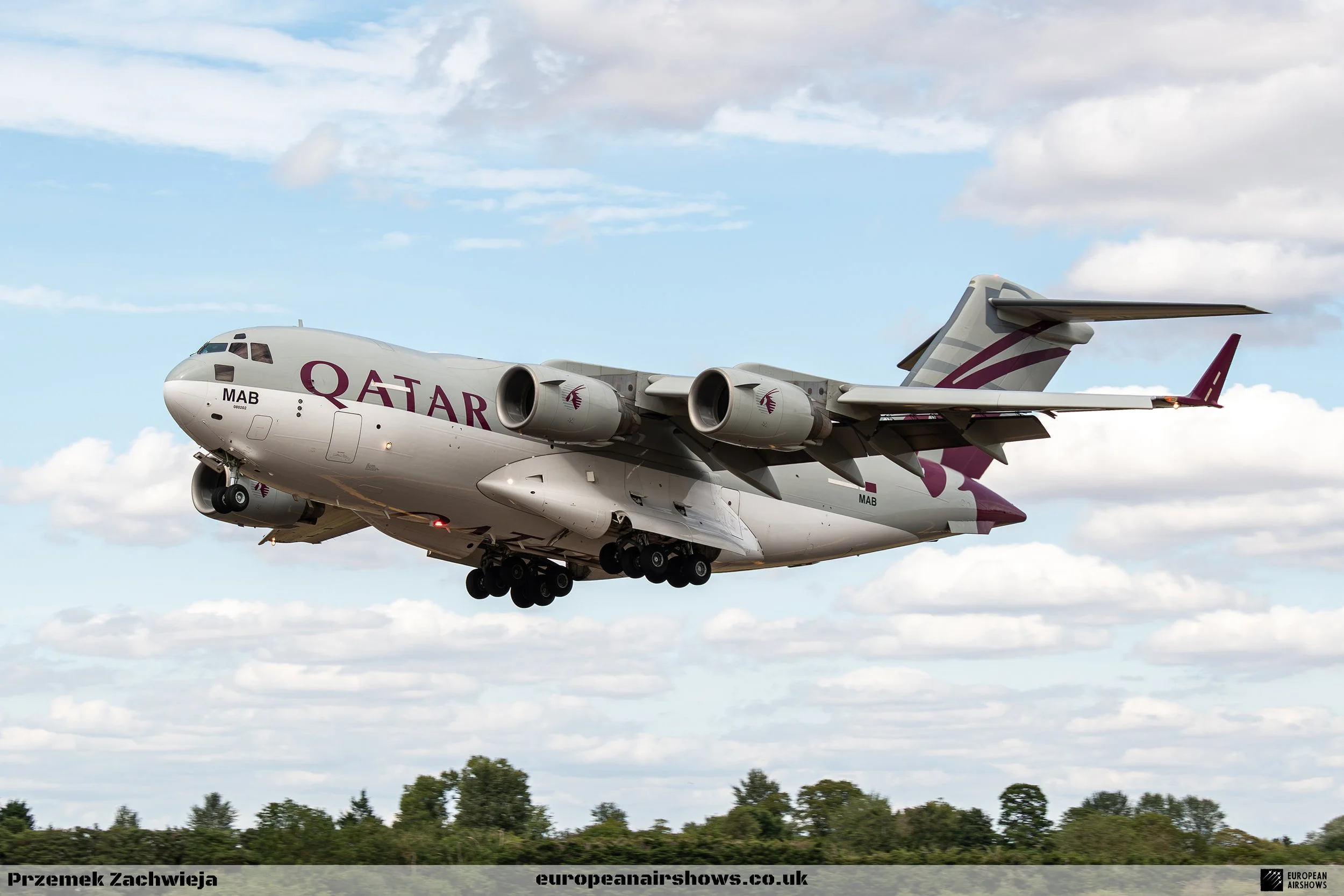
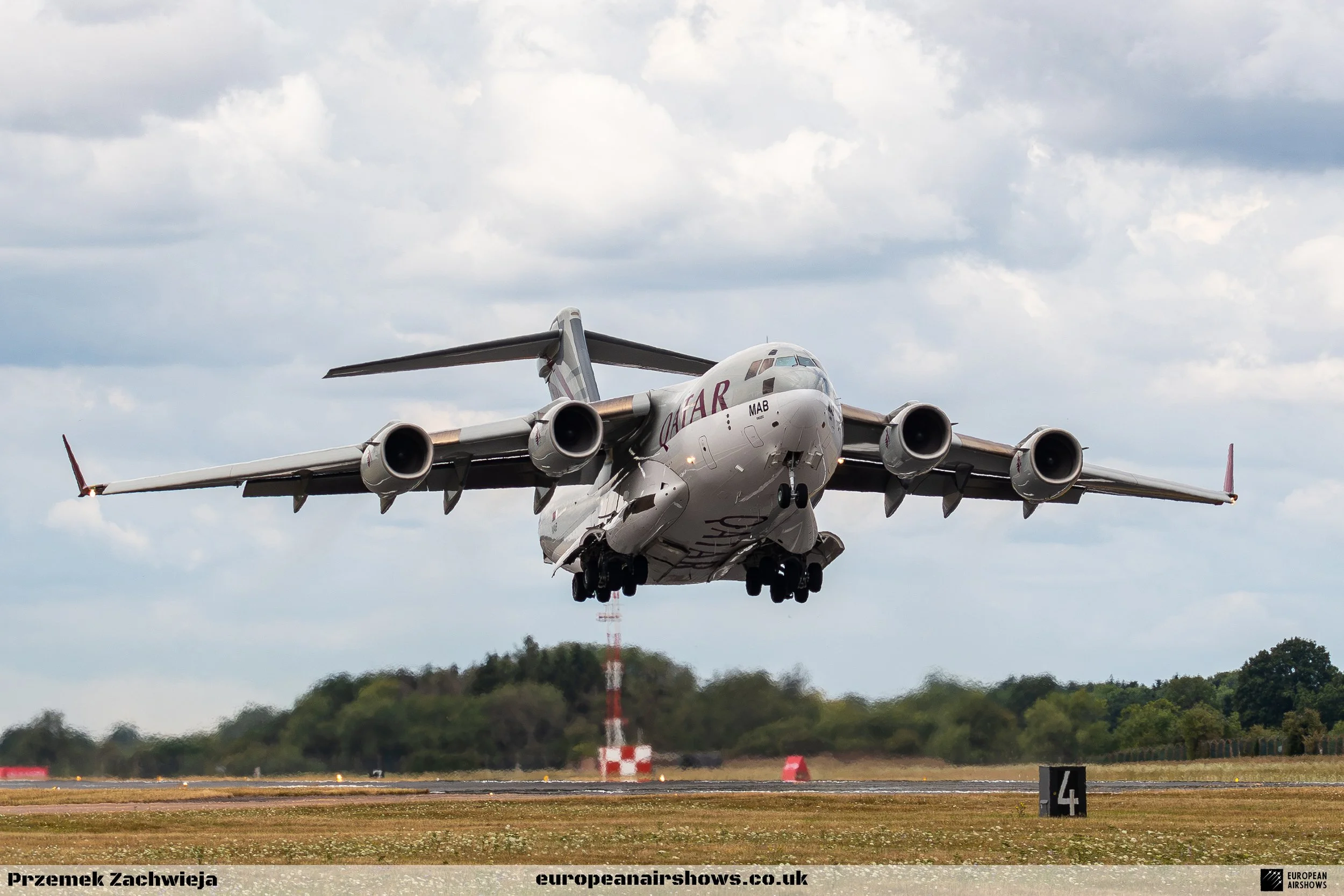
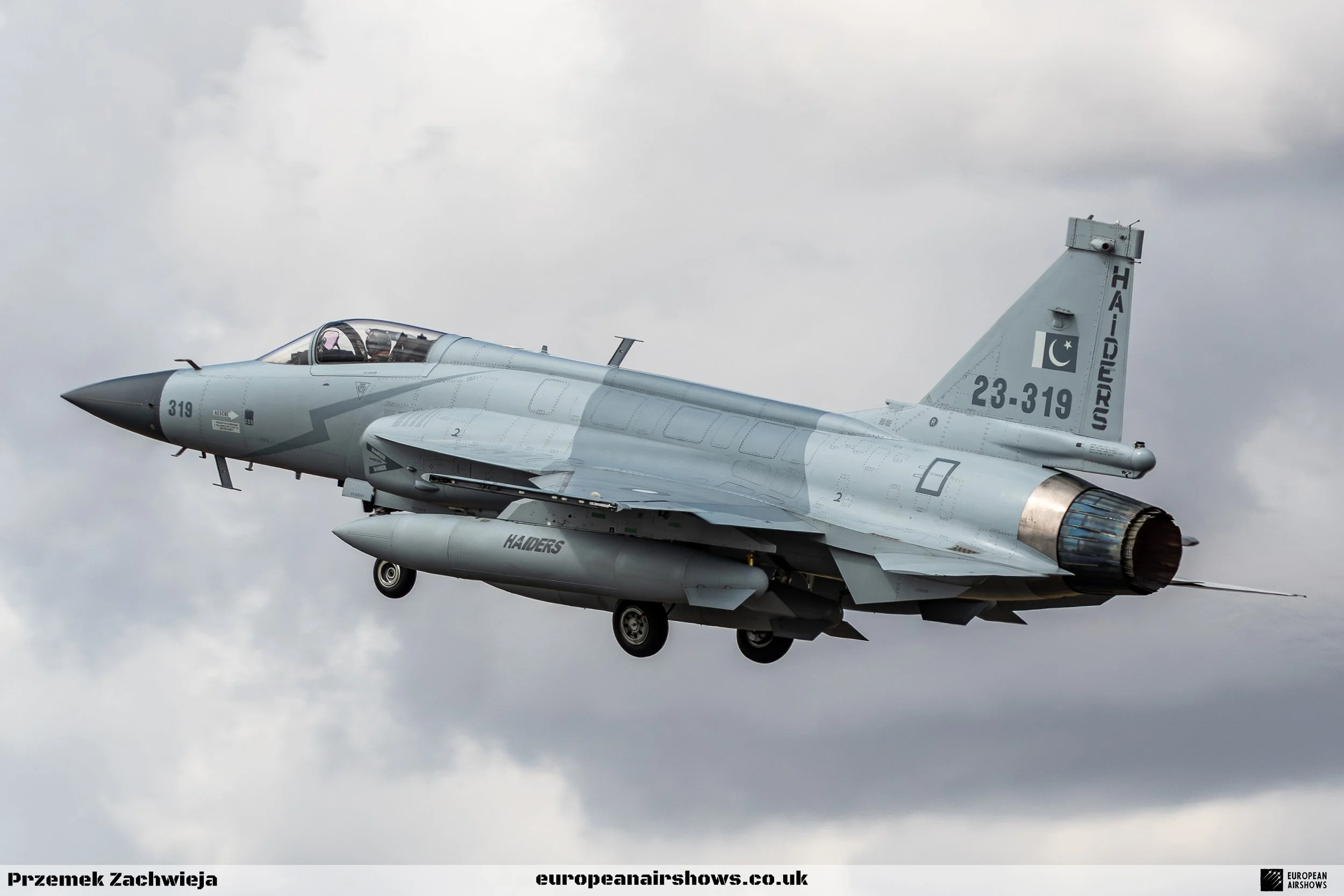
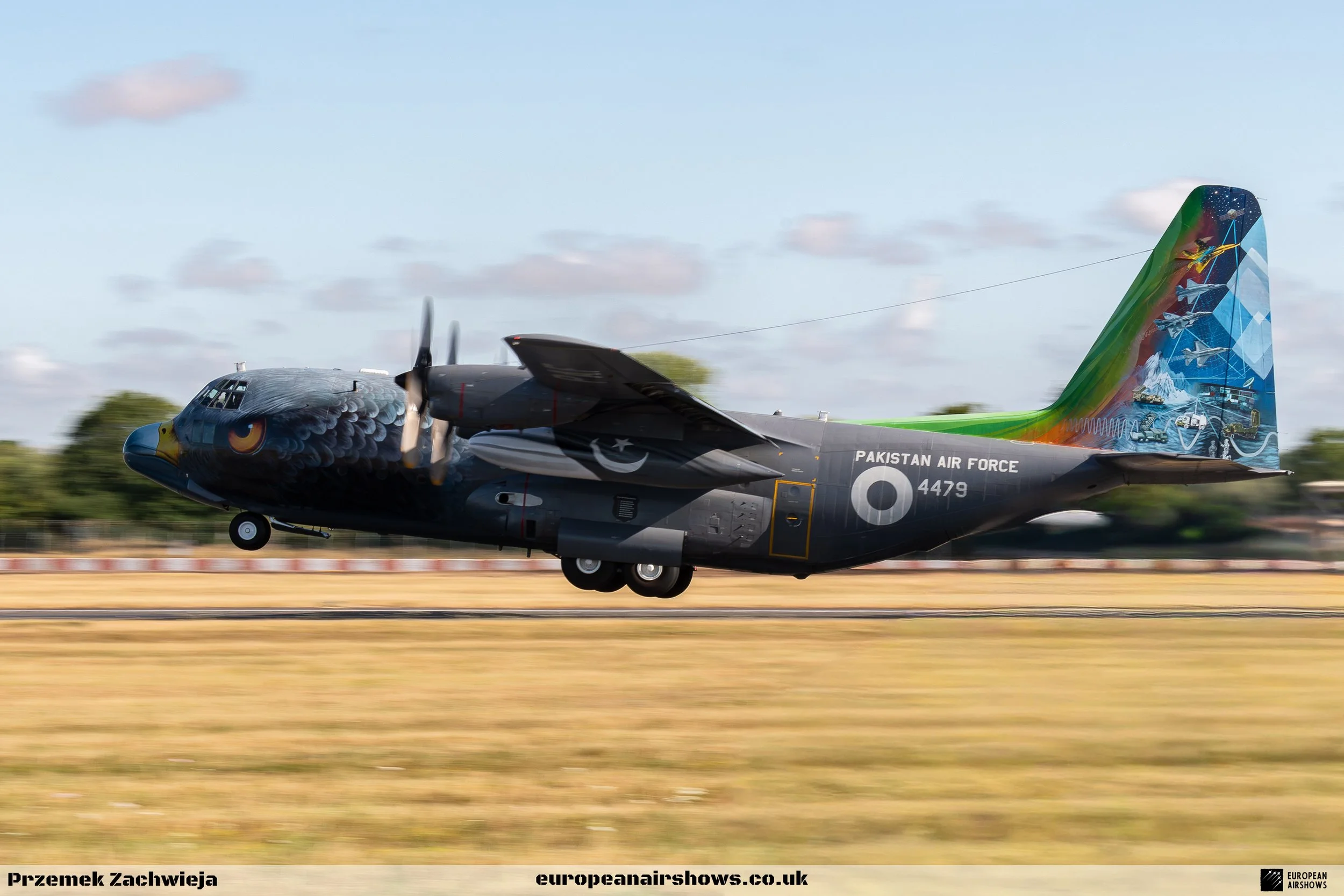
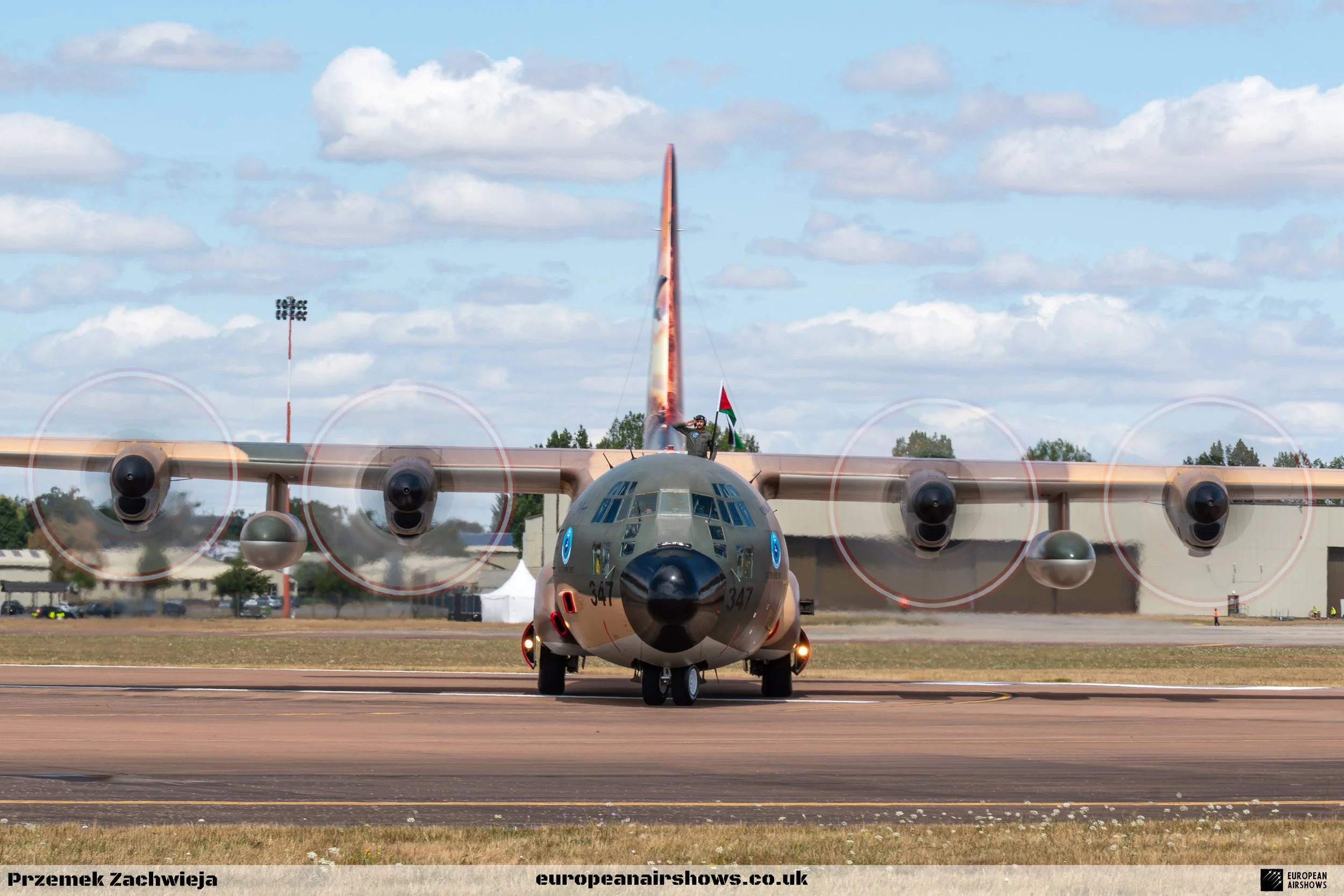
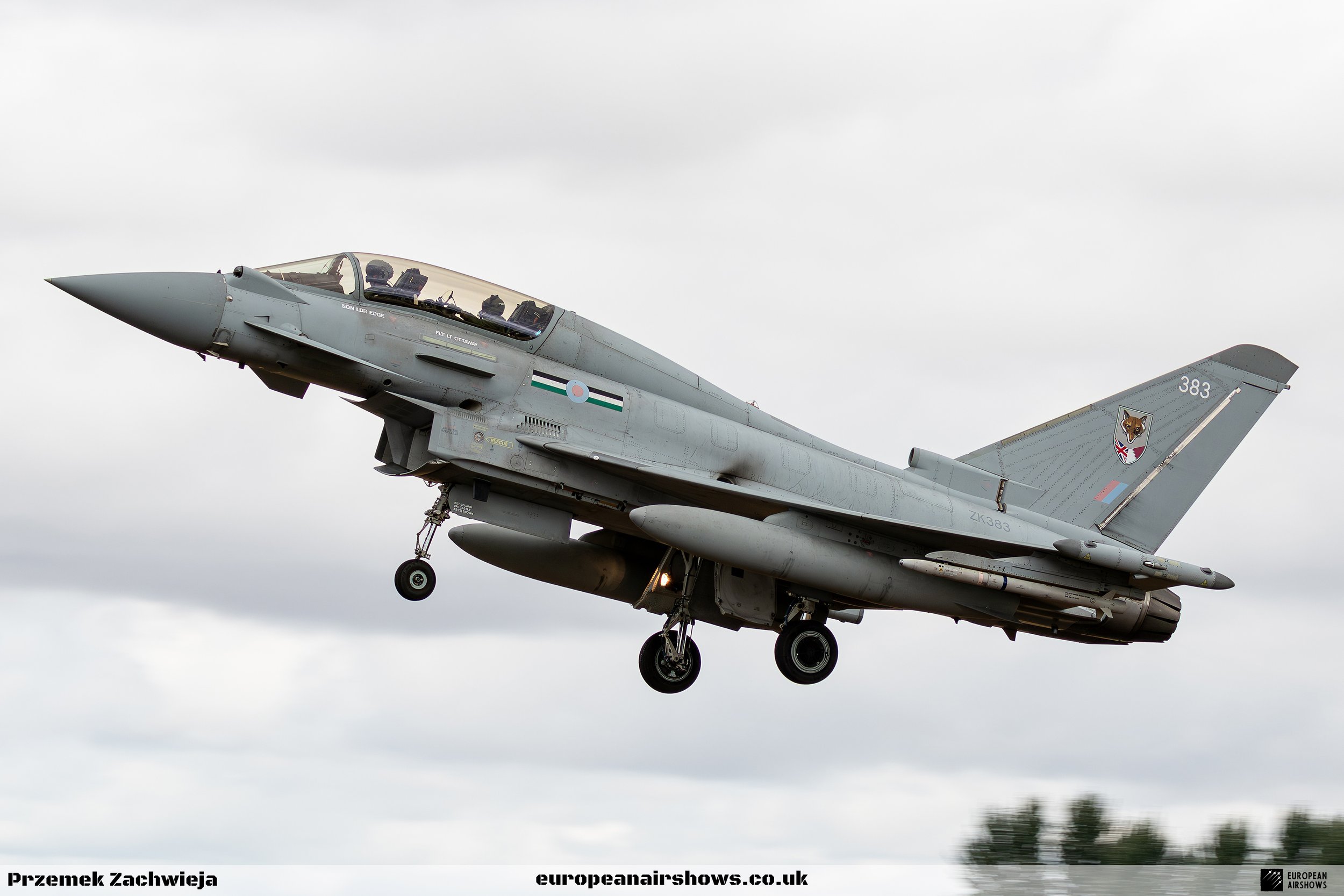
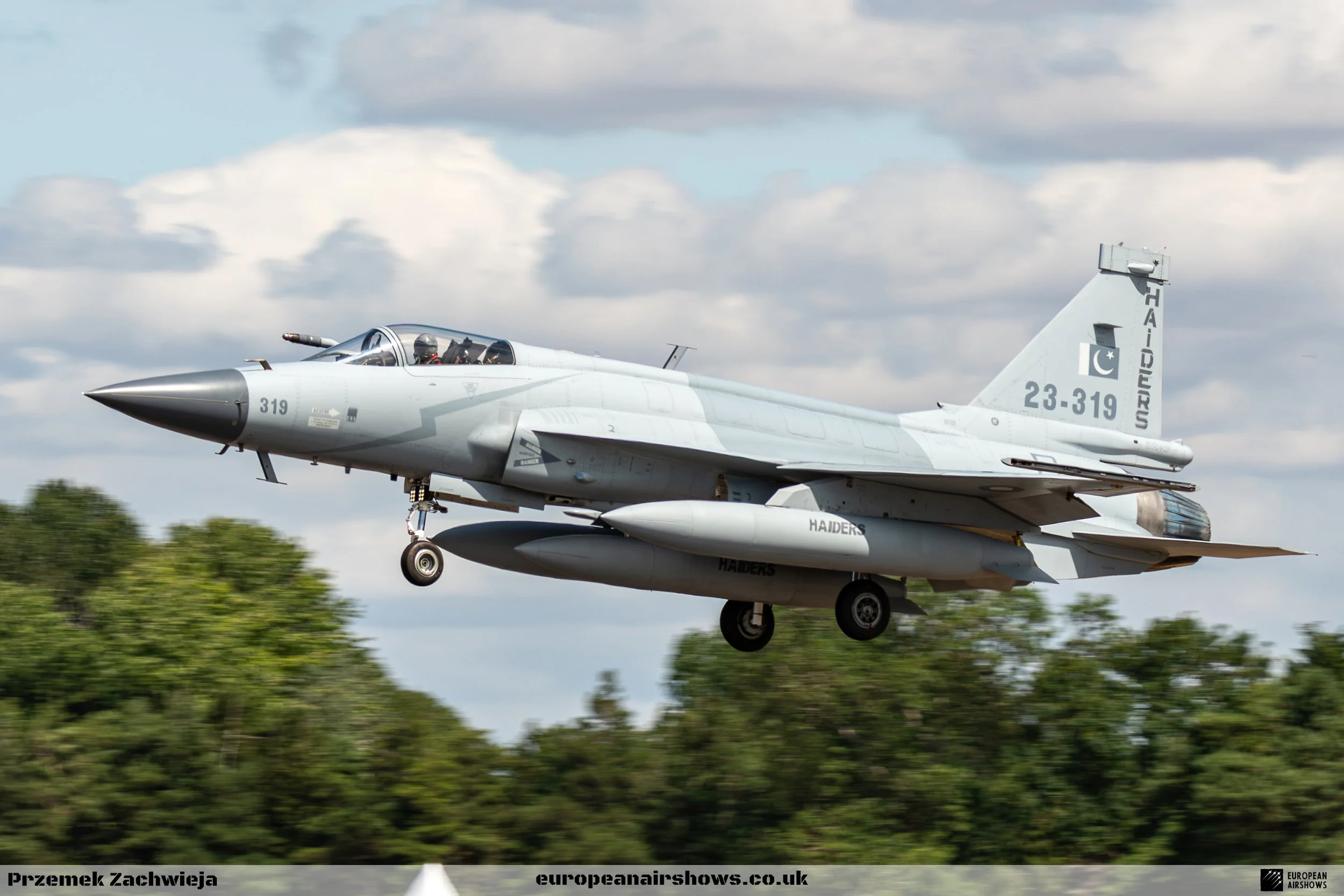
Pakistan, meanwhile, created a mini-show within the show. Two JF-17C Thunders from 8 Squadron “Haiders” (one in a striking special scheme) stood alongside an Il-78 Midas from 10 Squadron “Bulls” and a handsomely presented C-130H Hercules from 6 Squadron “Antelopes”—which clinched the RUAG Trophy as overall Concours d’Elegance winner. In recognition of the 4,000-mile deployment with indigenous fighters, a tanker and a special-paint transport—and for presenting a colourful, engaging public area—the Pakistan Air Force also took home Spirit of the Meet. Poland added punch with its F-16C in a raven scheme and a C-130H, while Qatar presented a neat “through-the-pipeline” spread: Typhoon, Hawk Mk.167, AH-64E Guardian and C-17A.
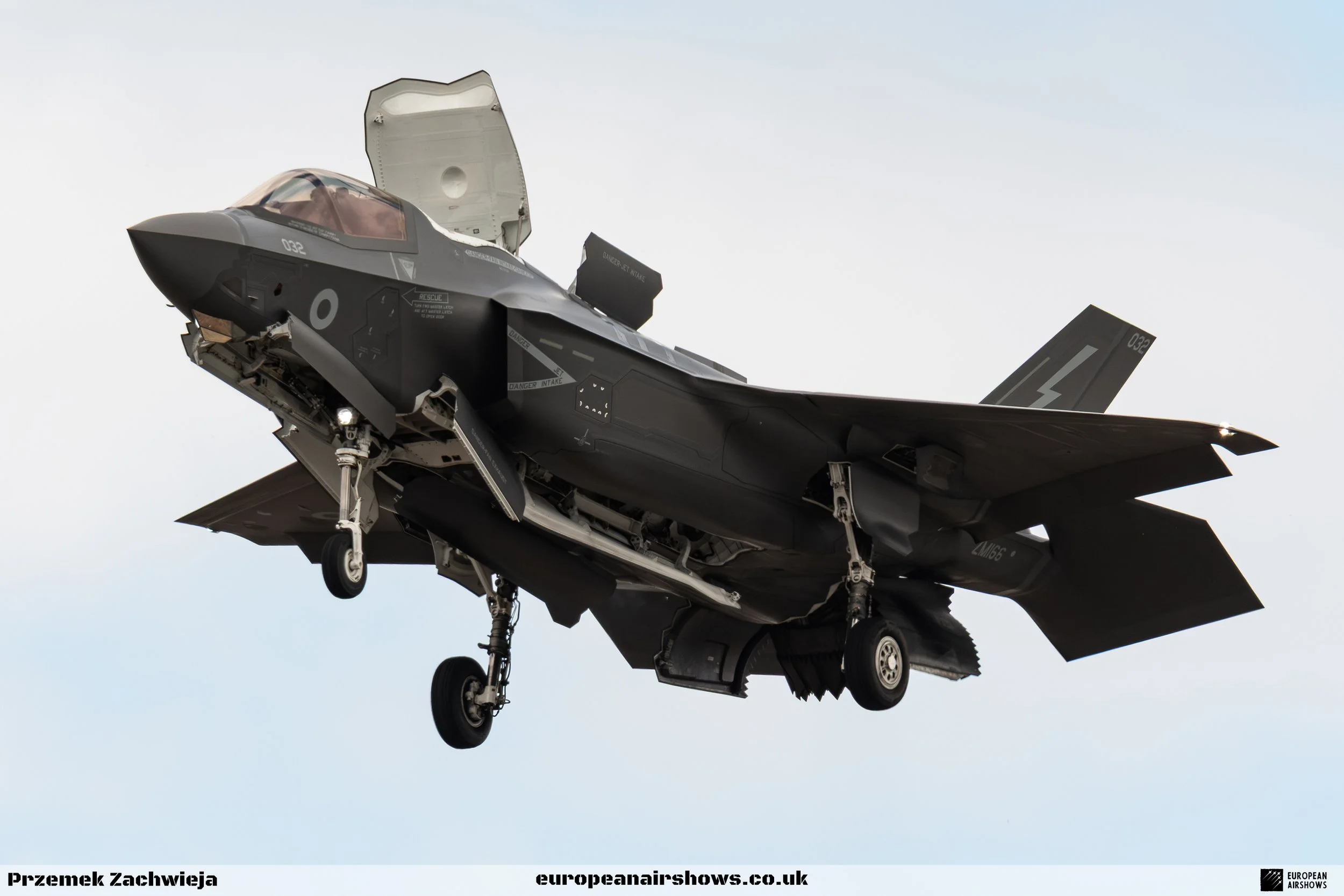
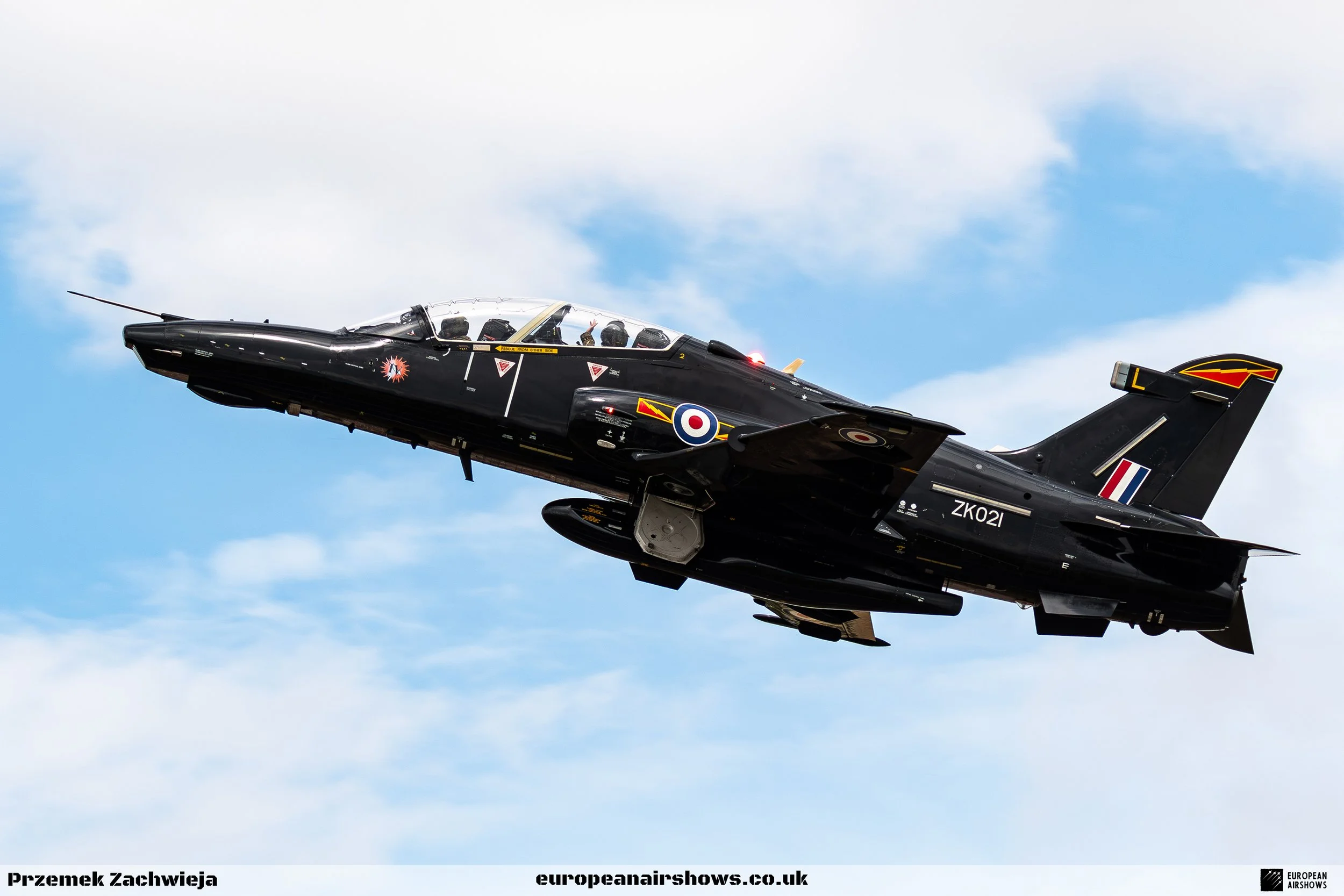
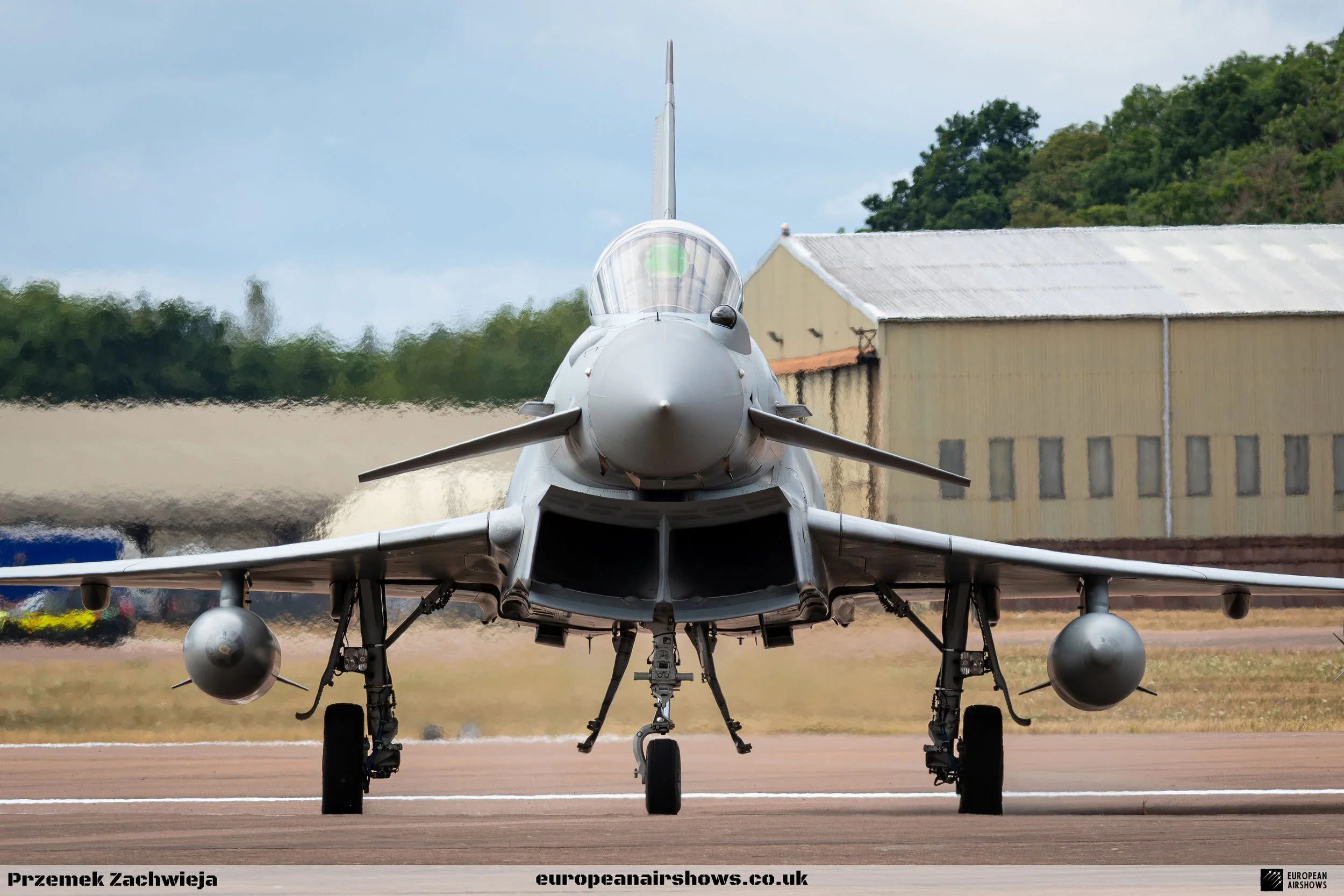
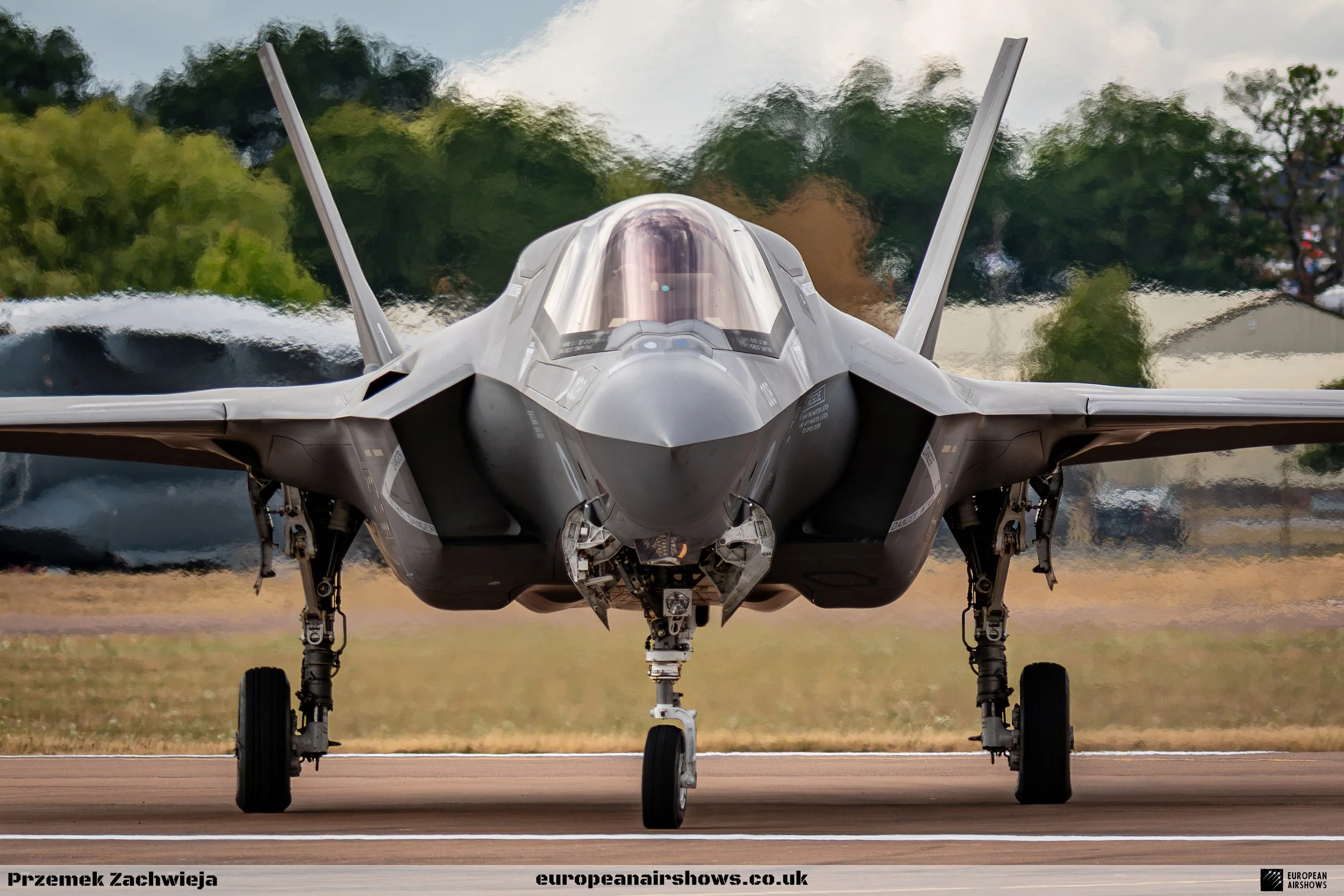
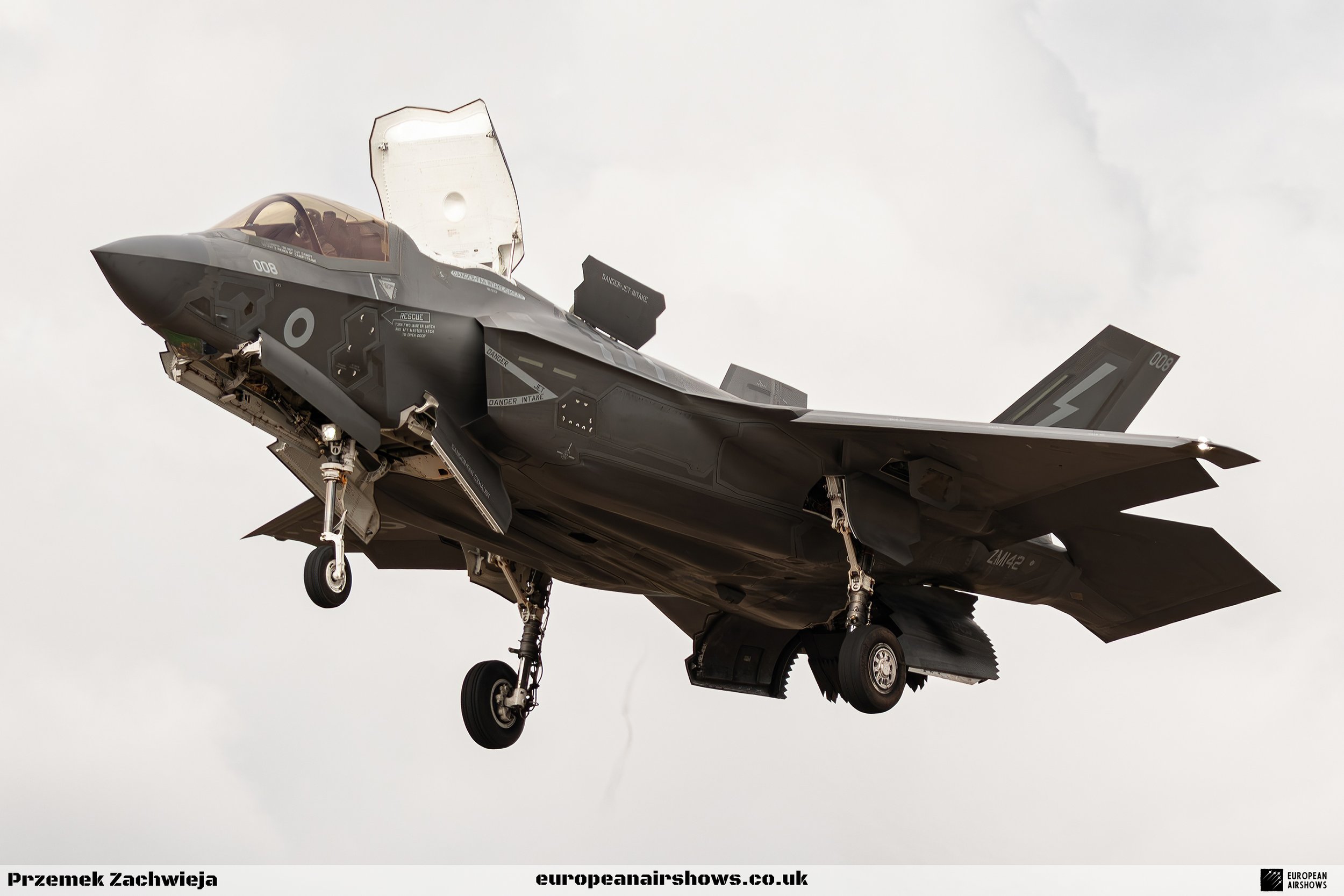
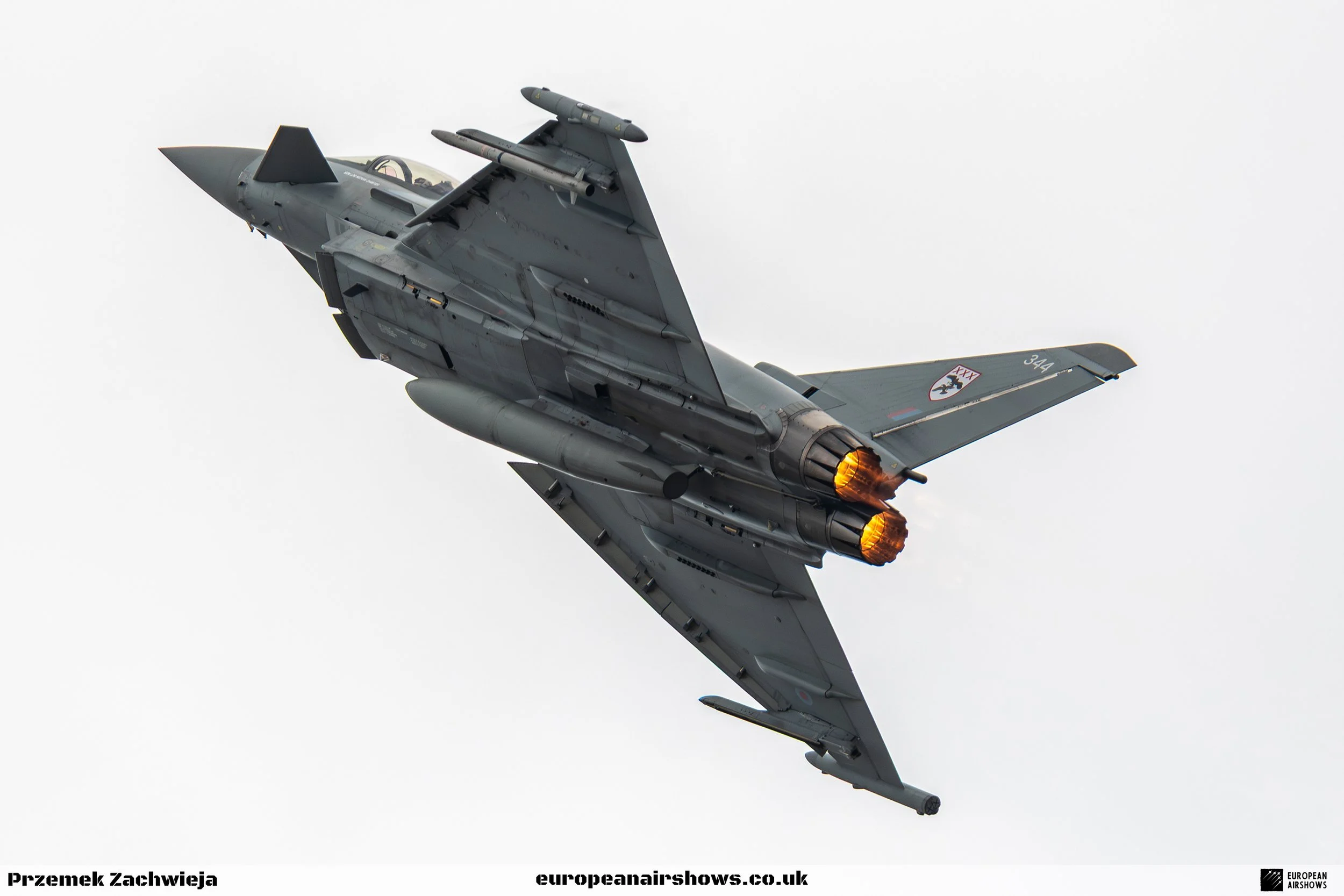
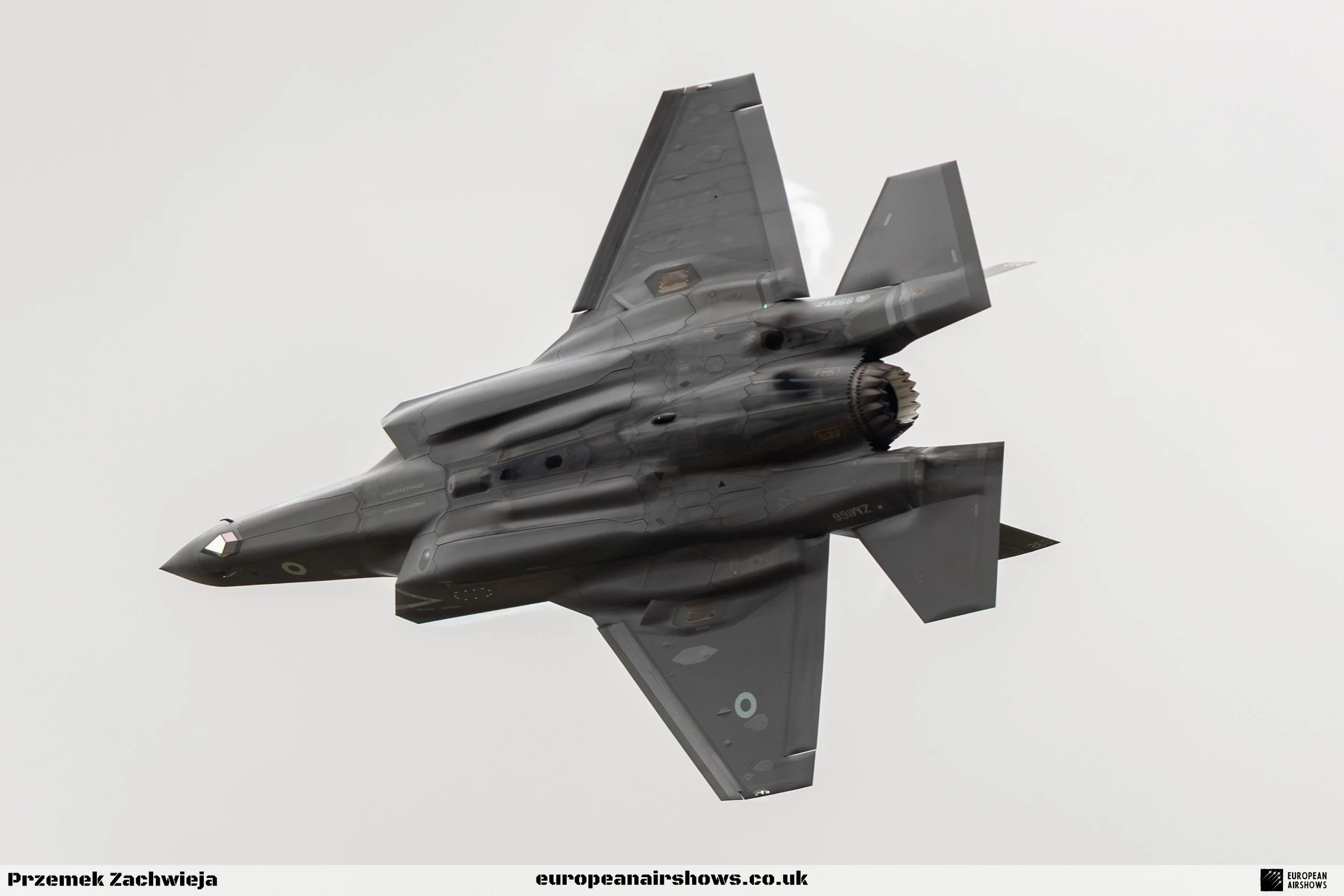
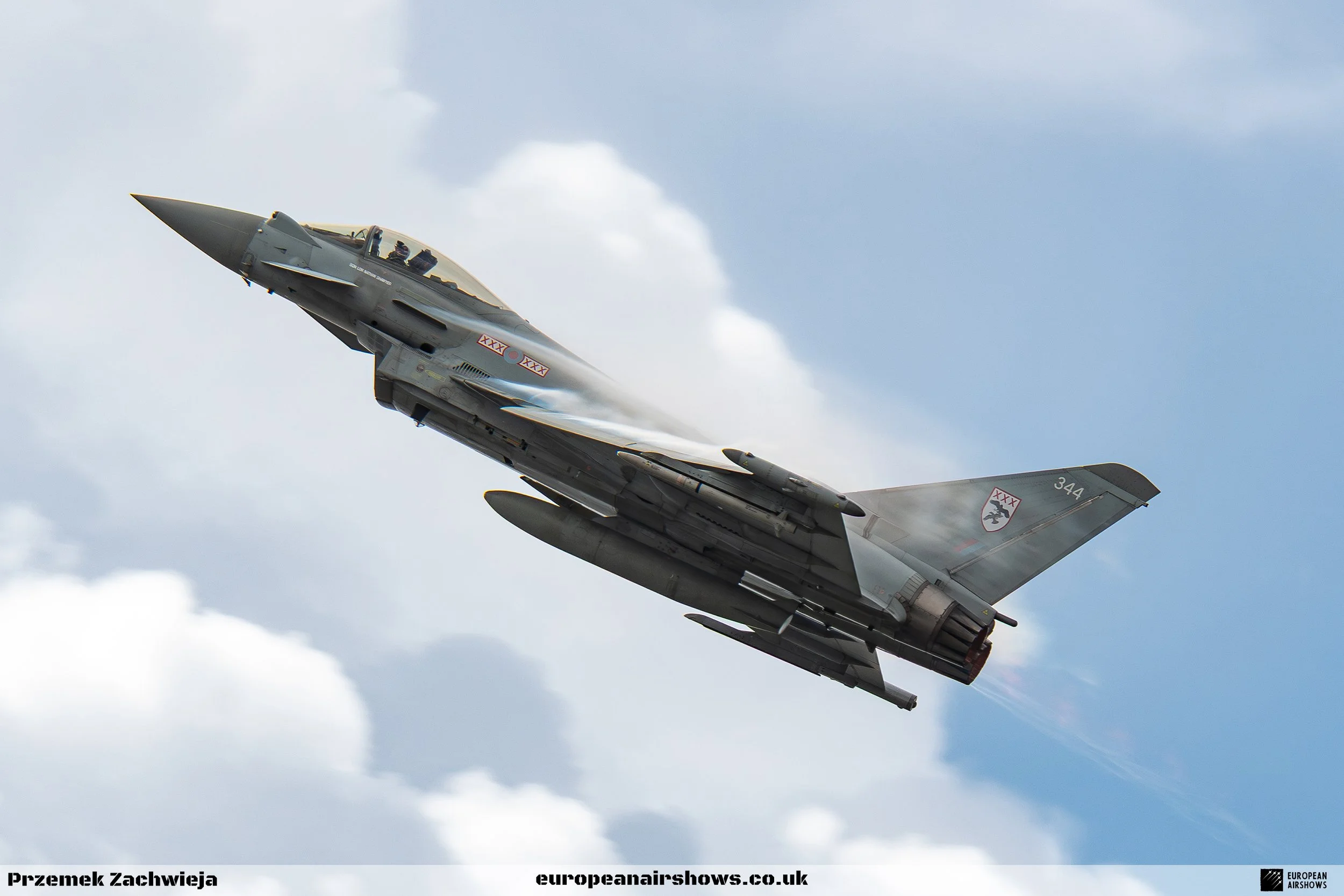
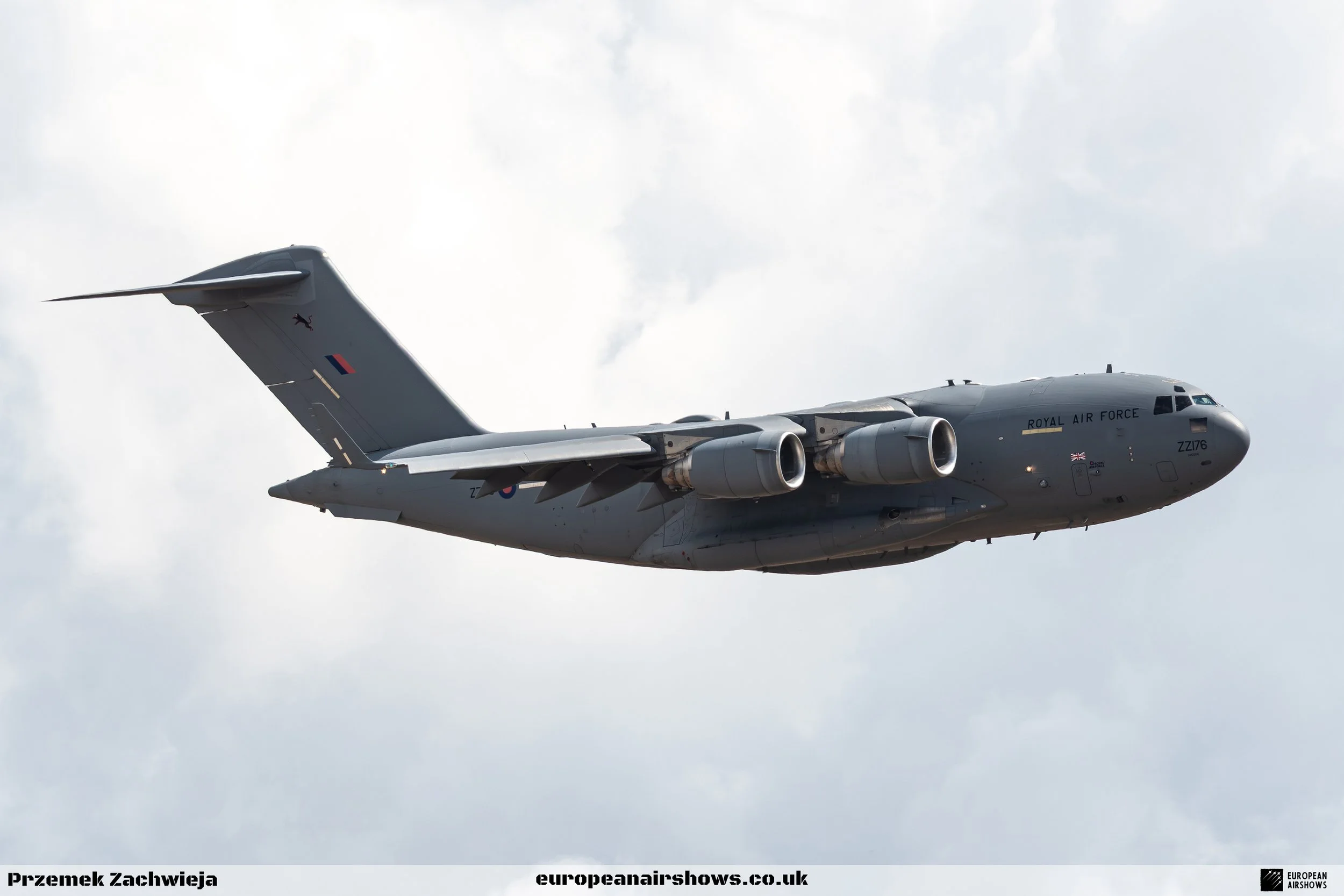
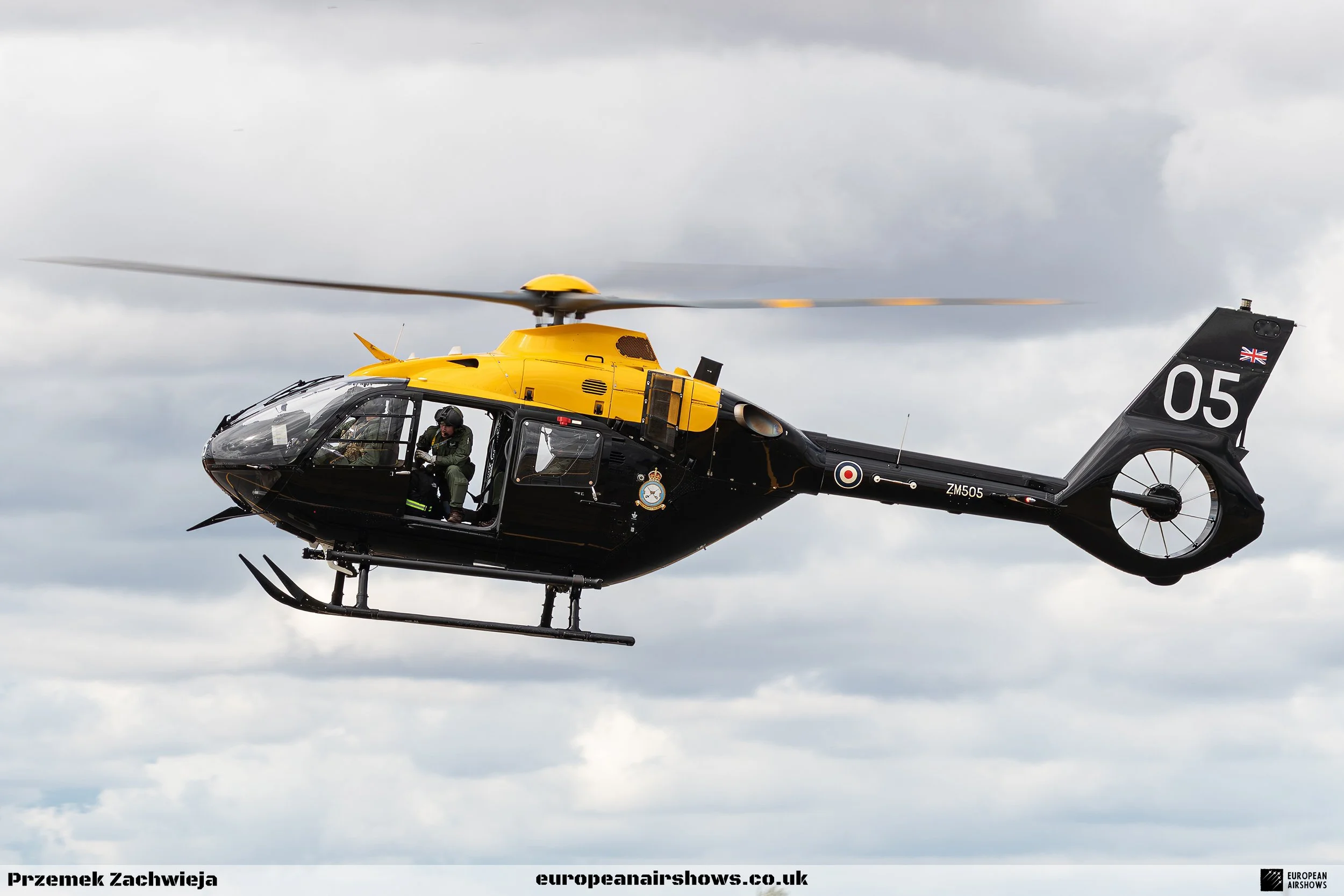
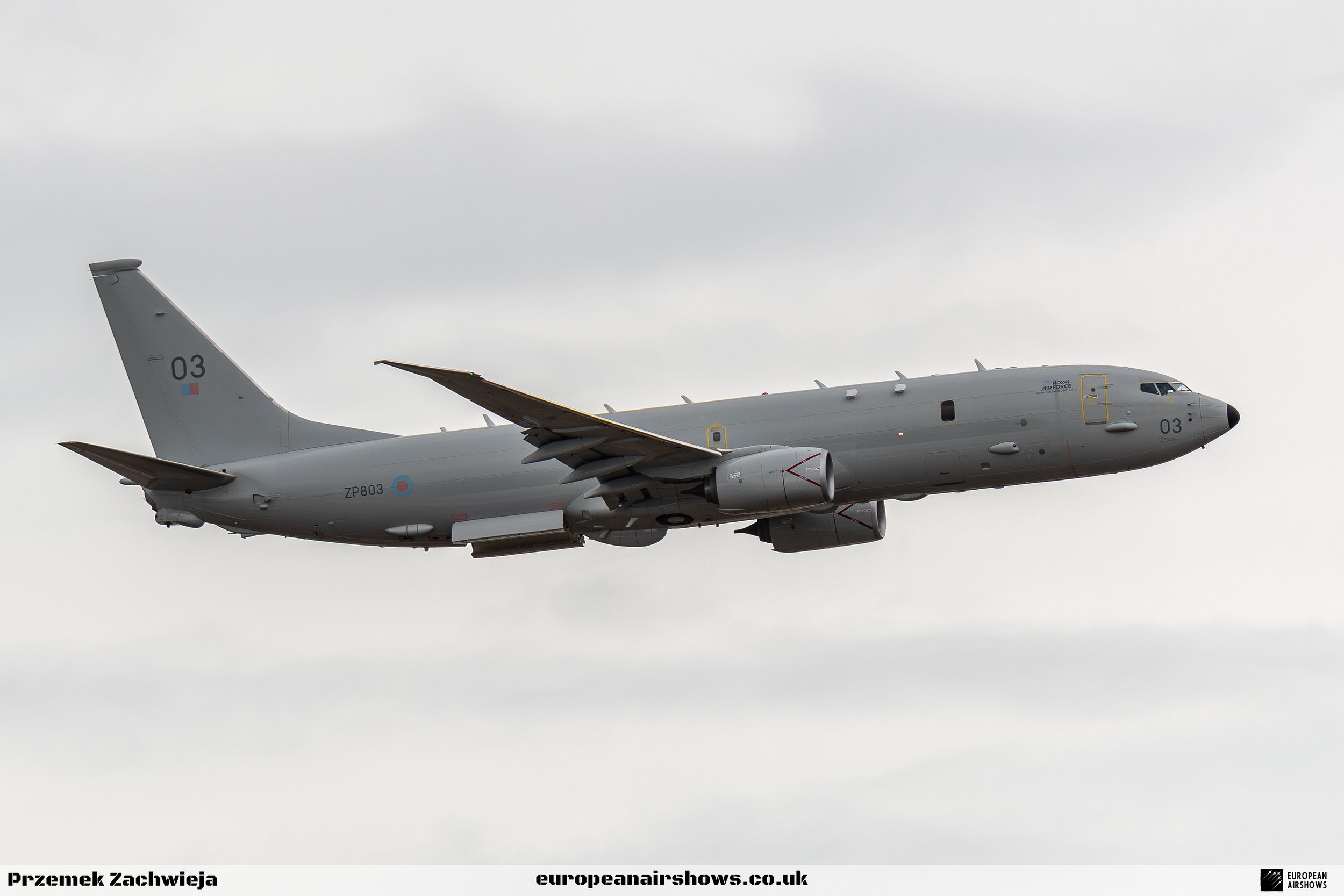
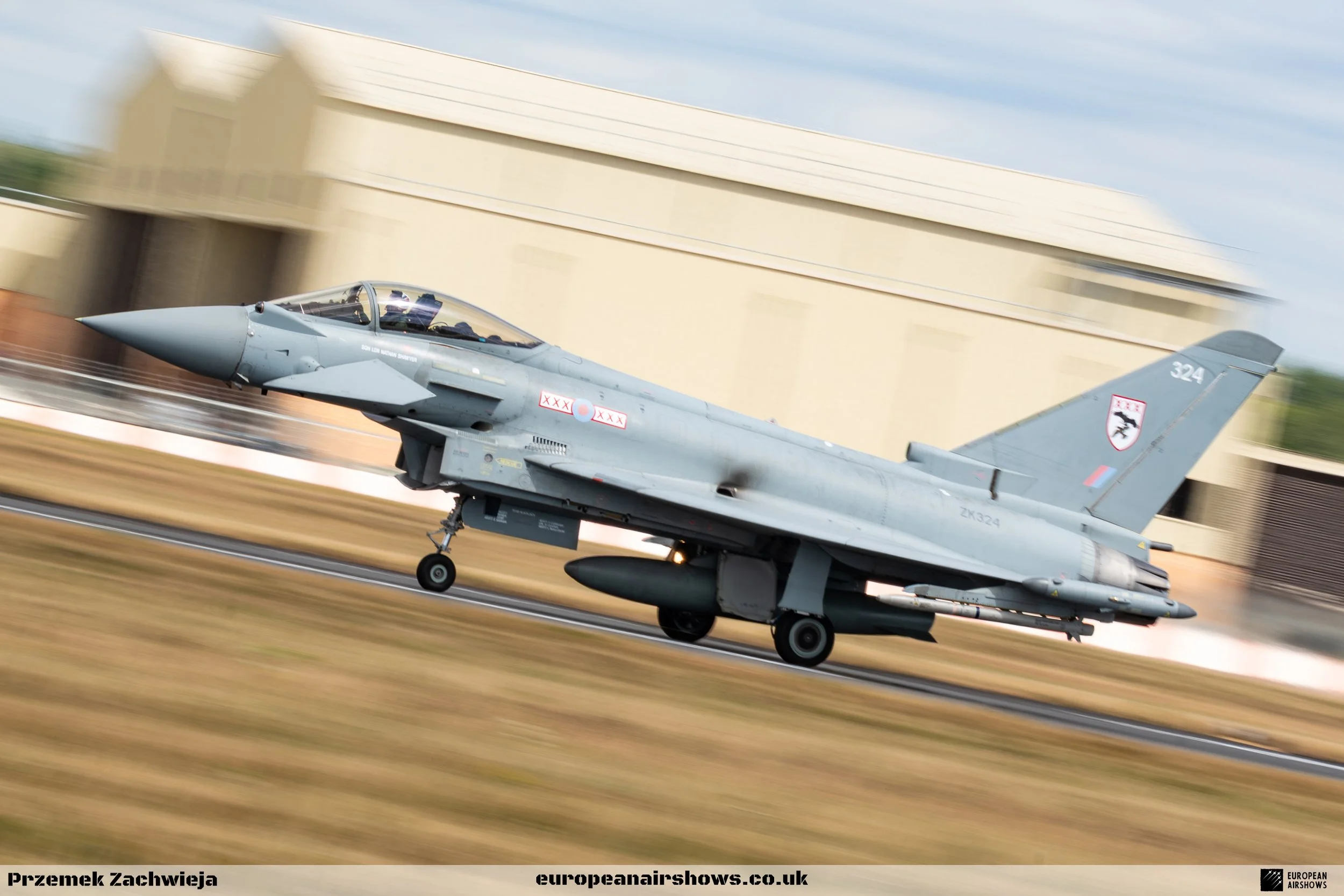
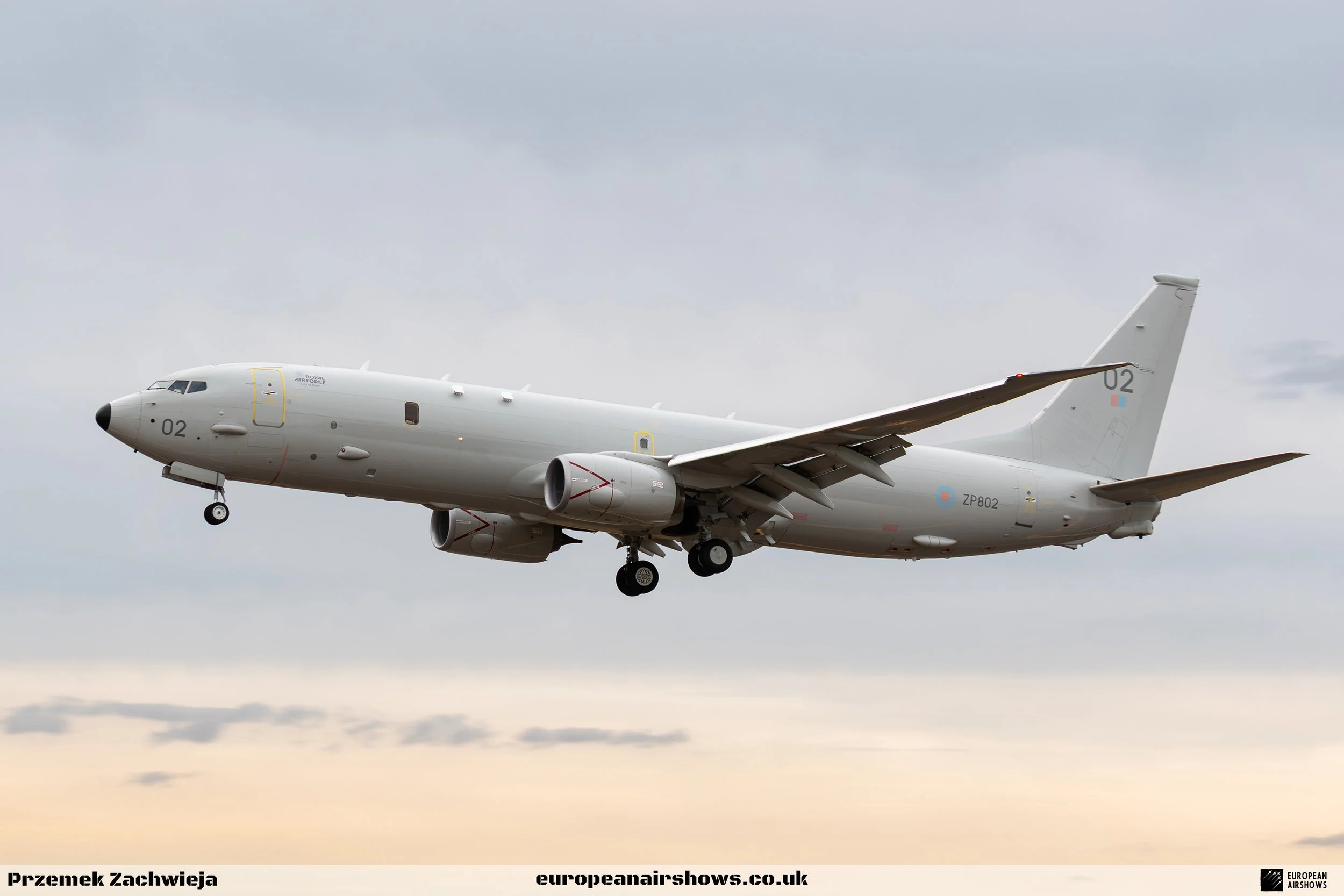
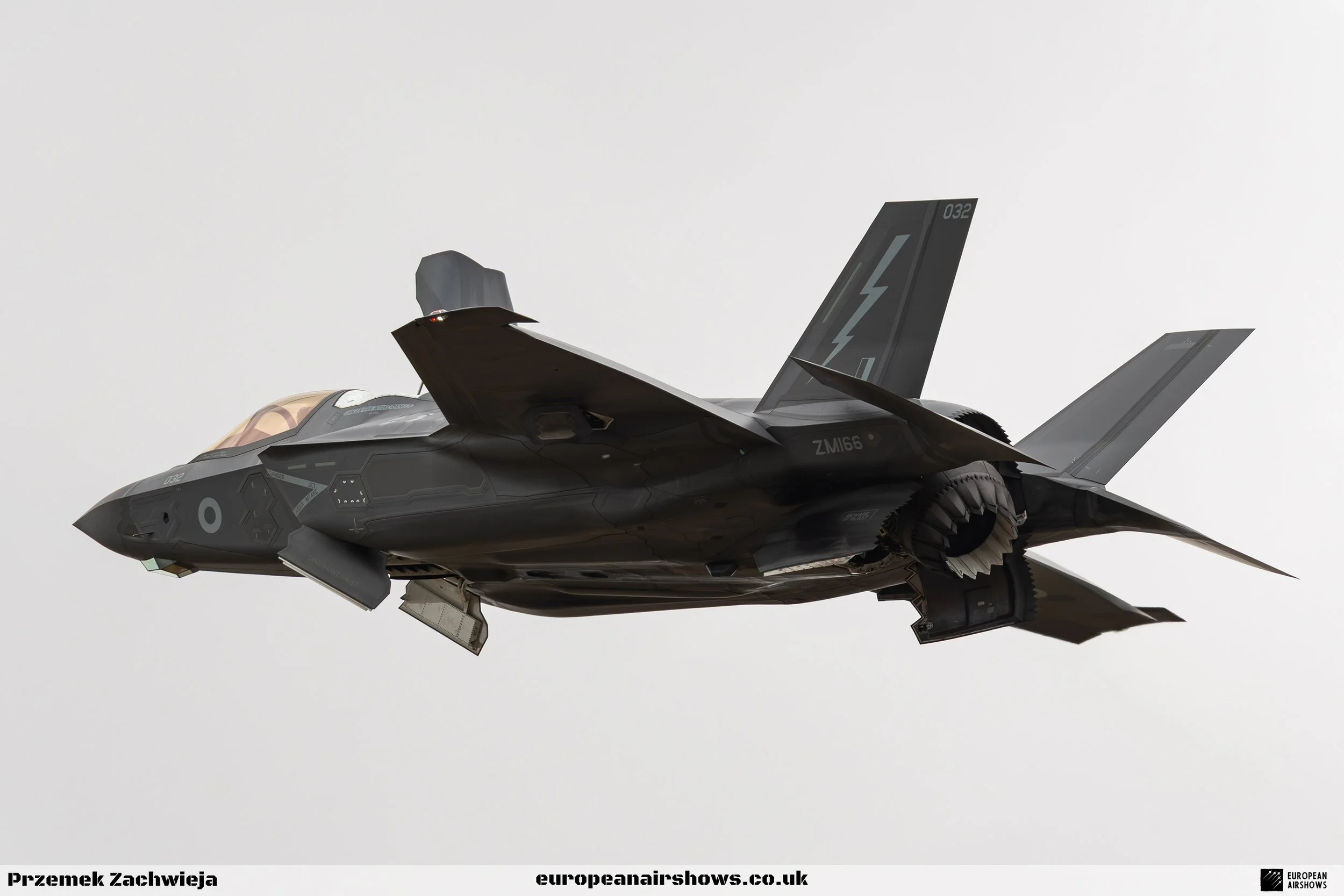
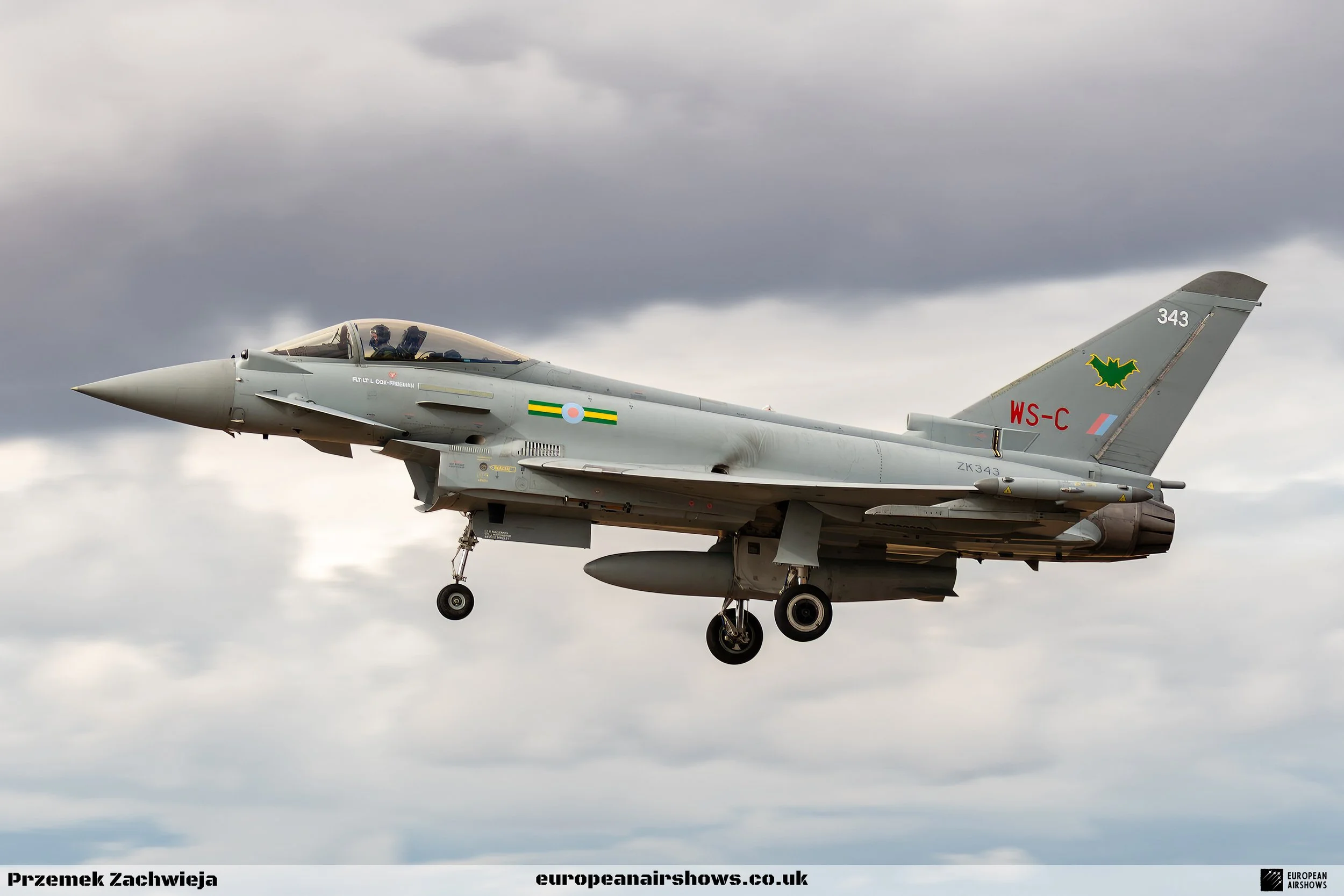
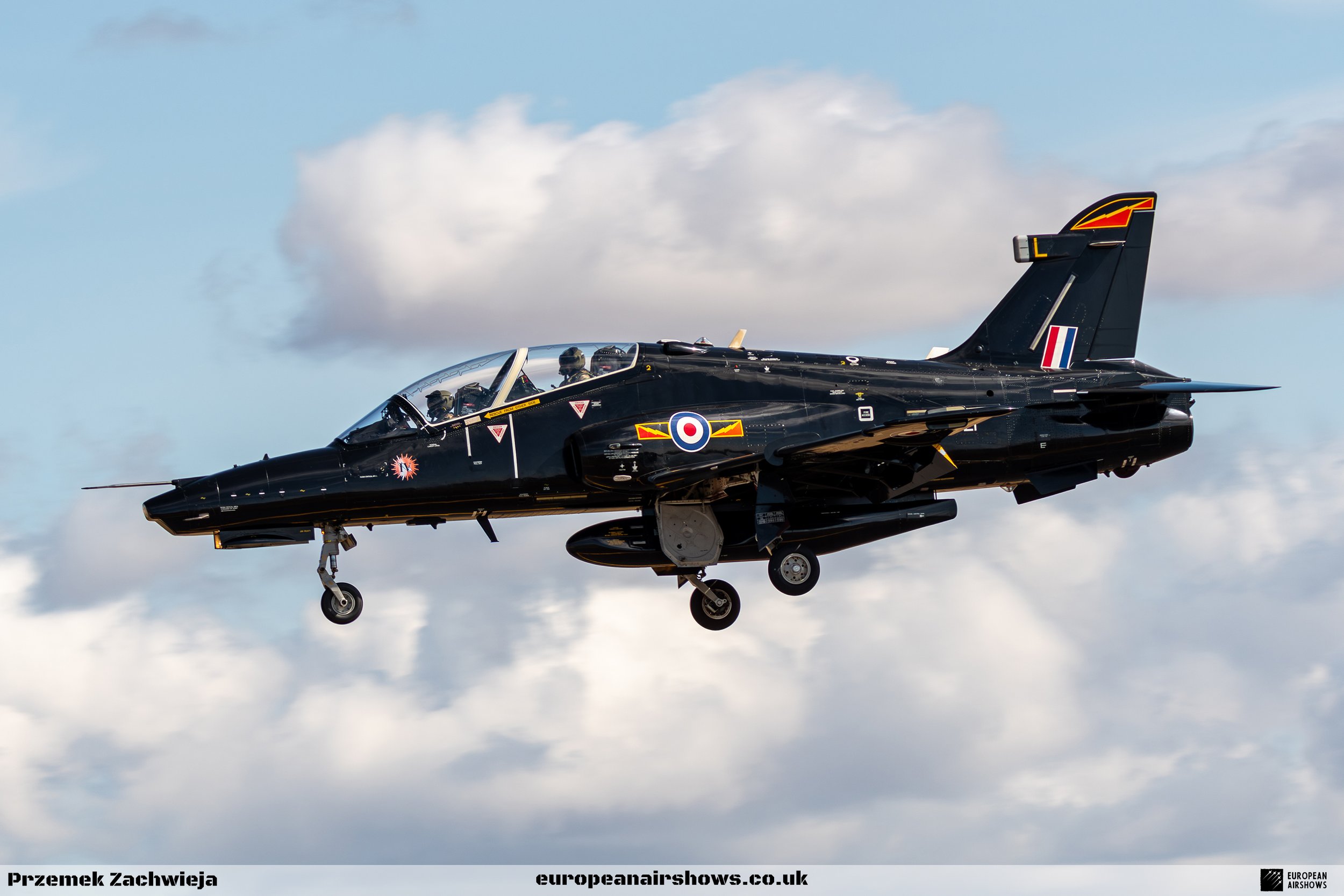
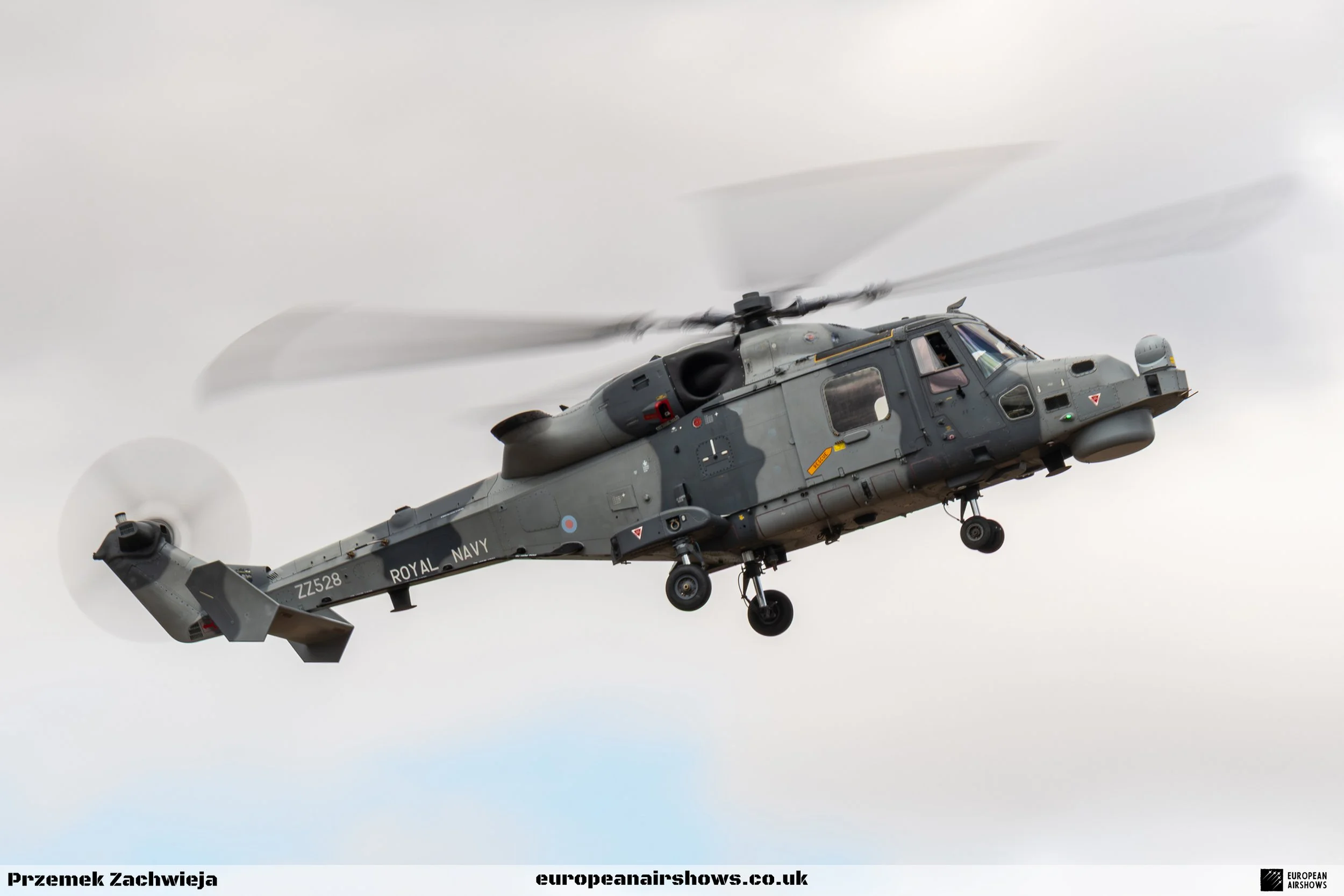
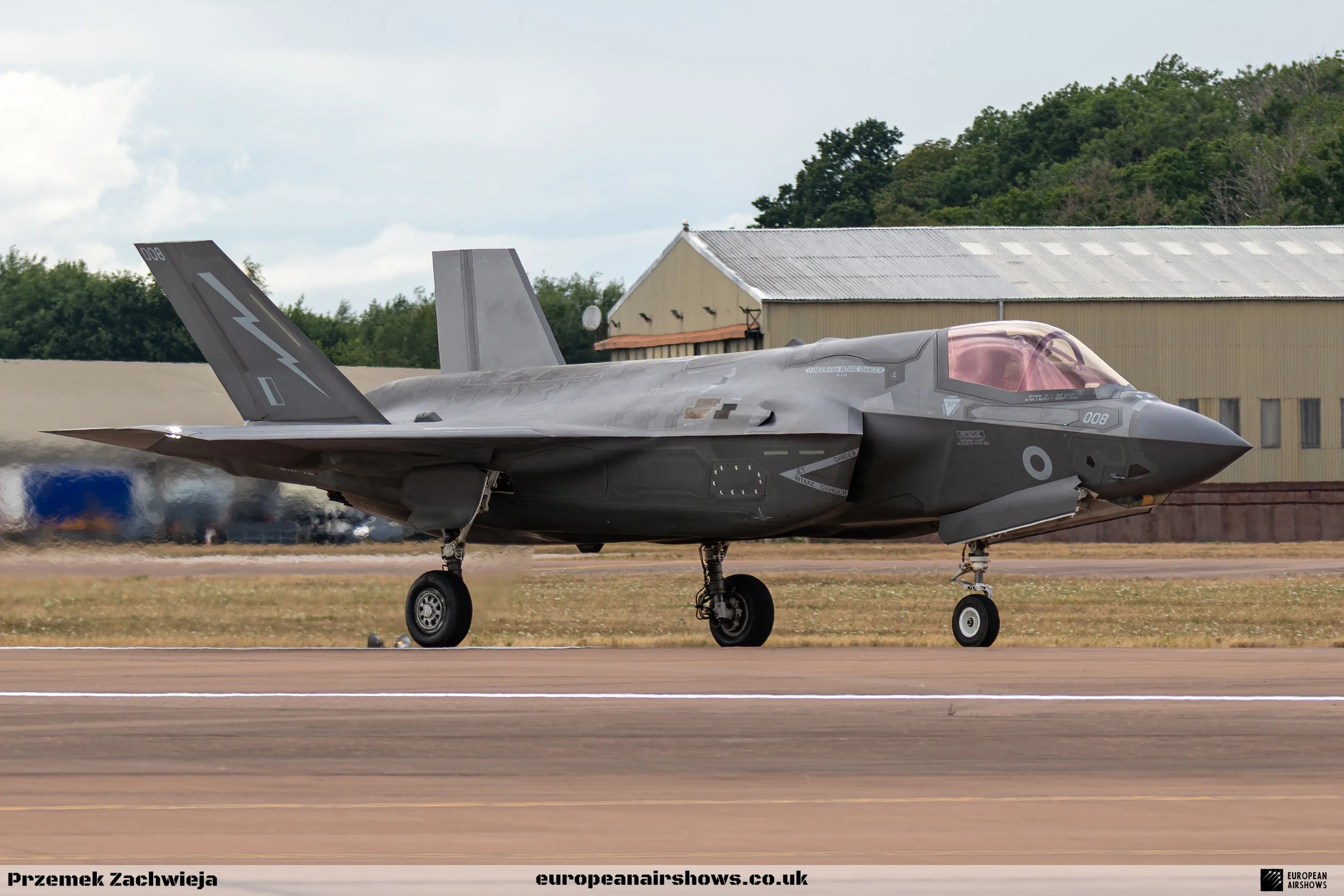
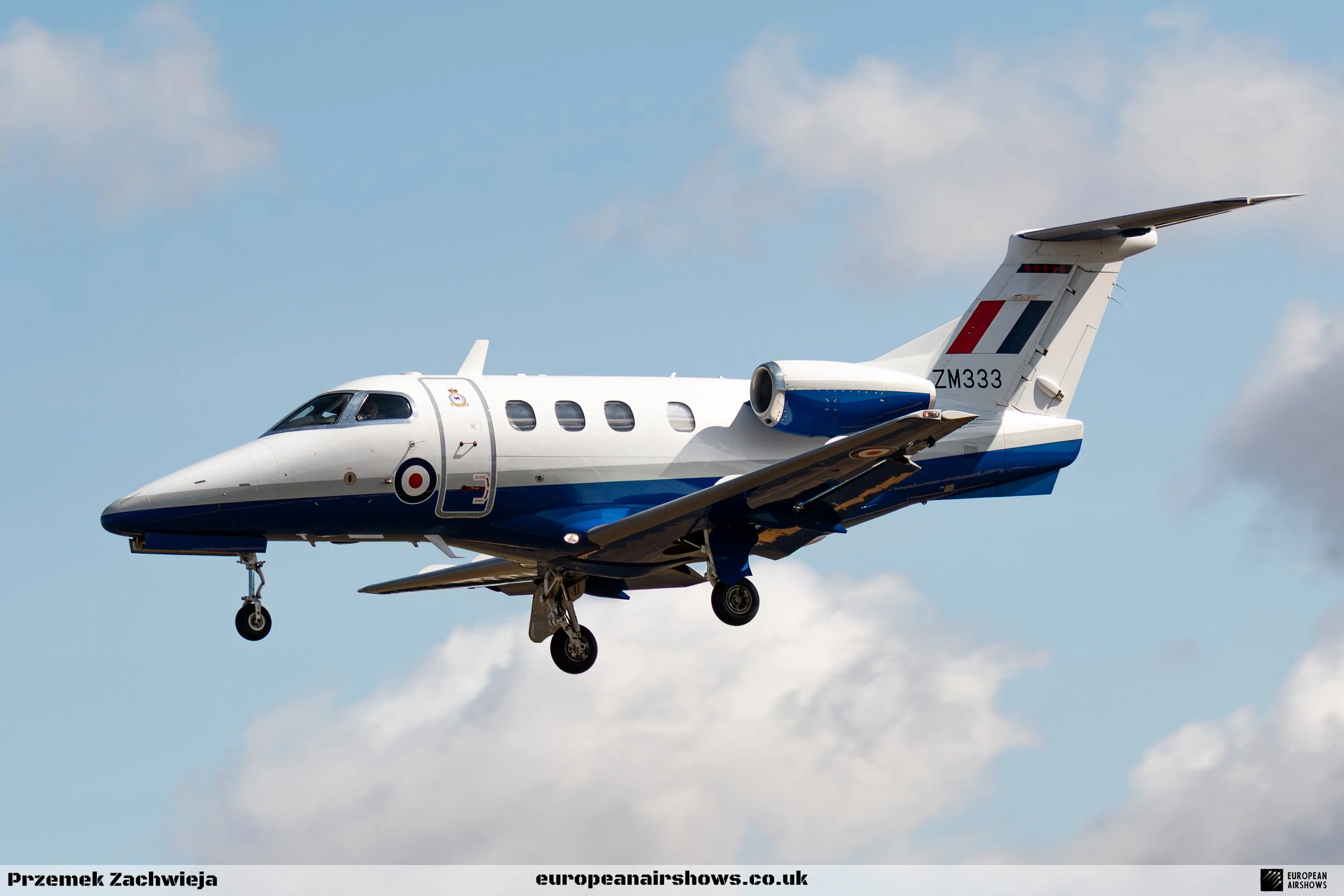
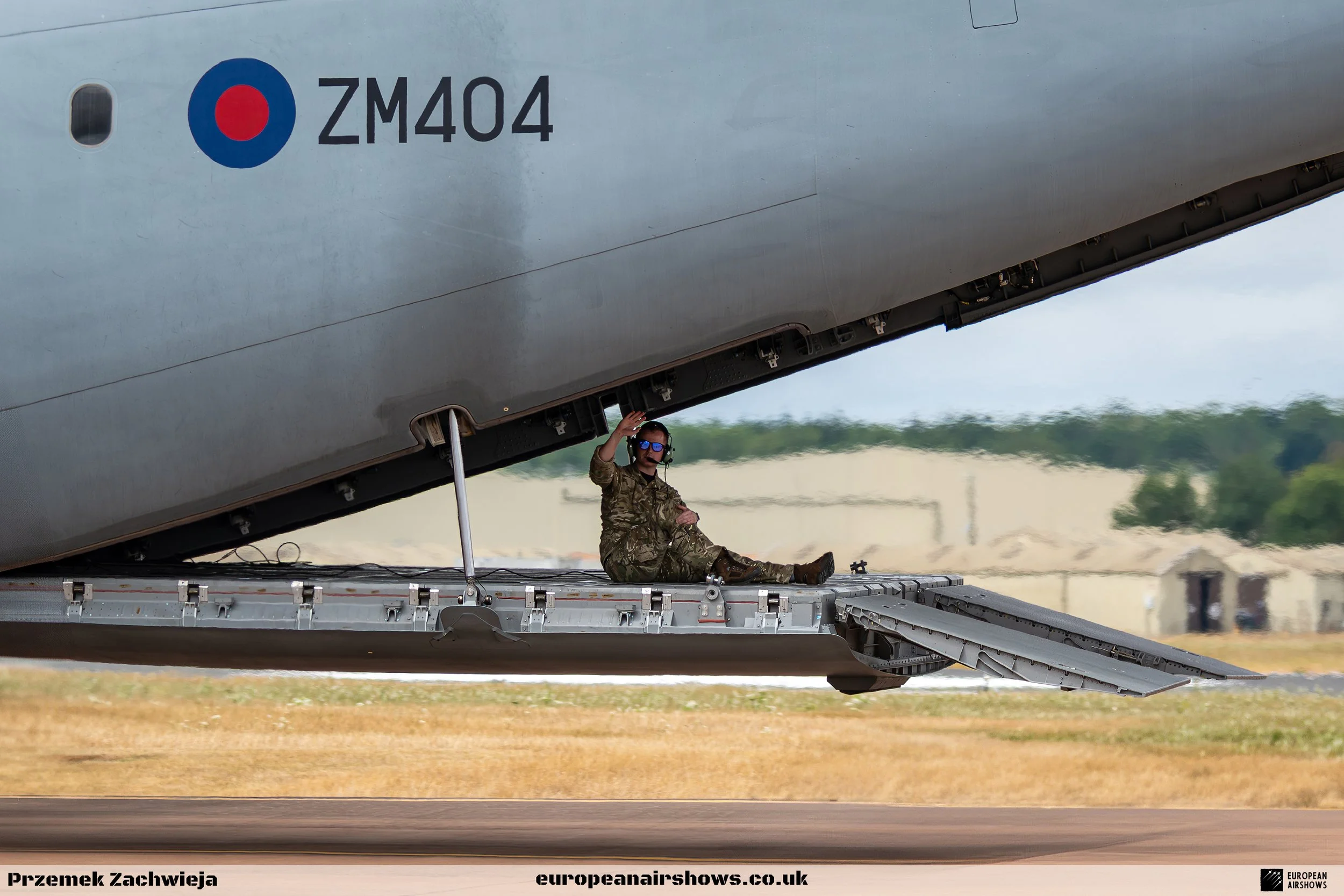
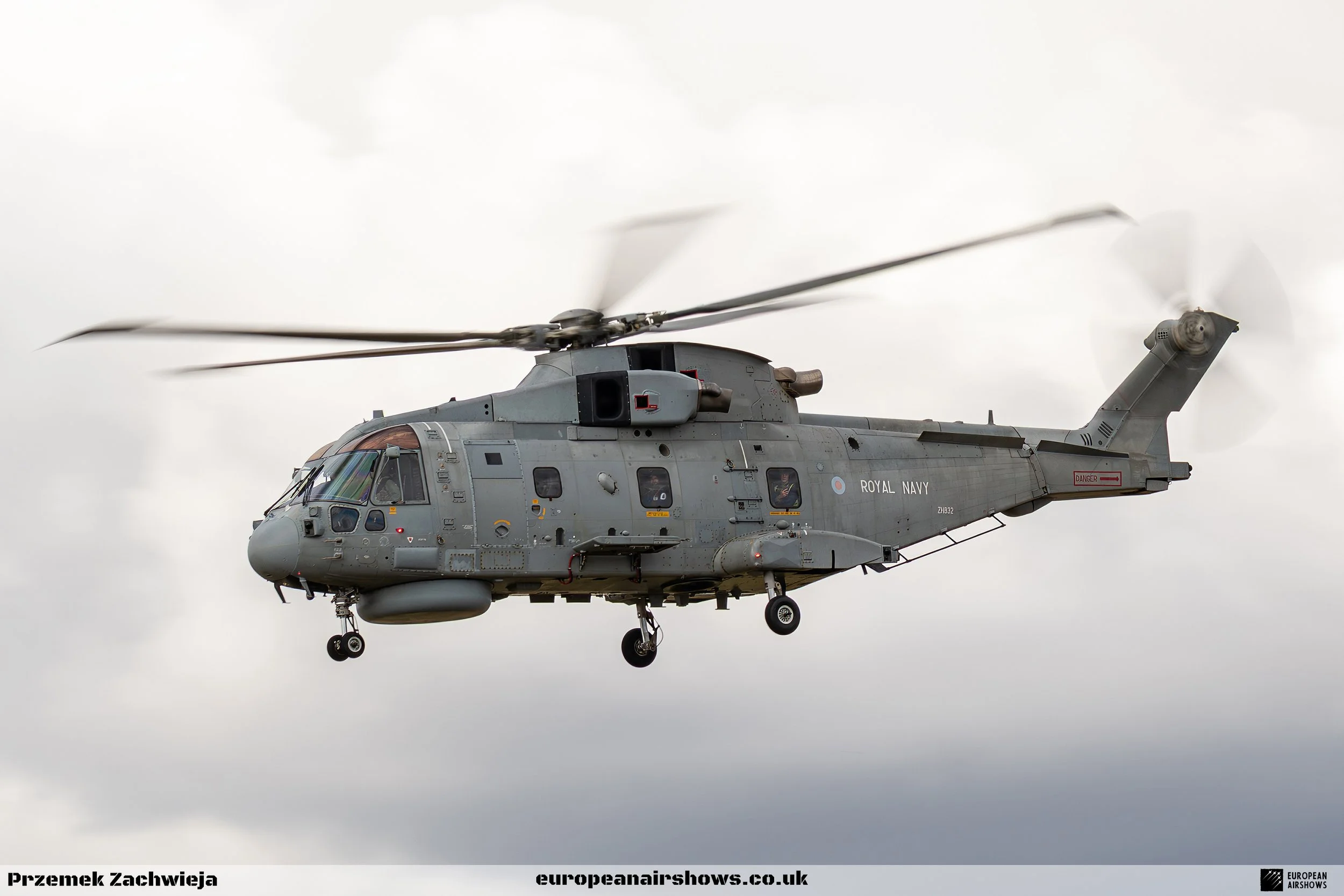
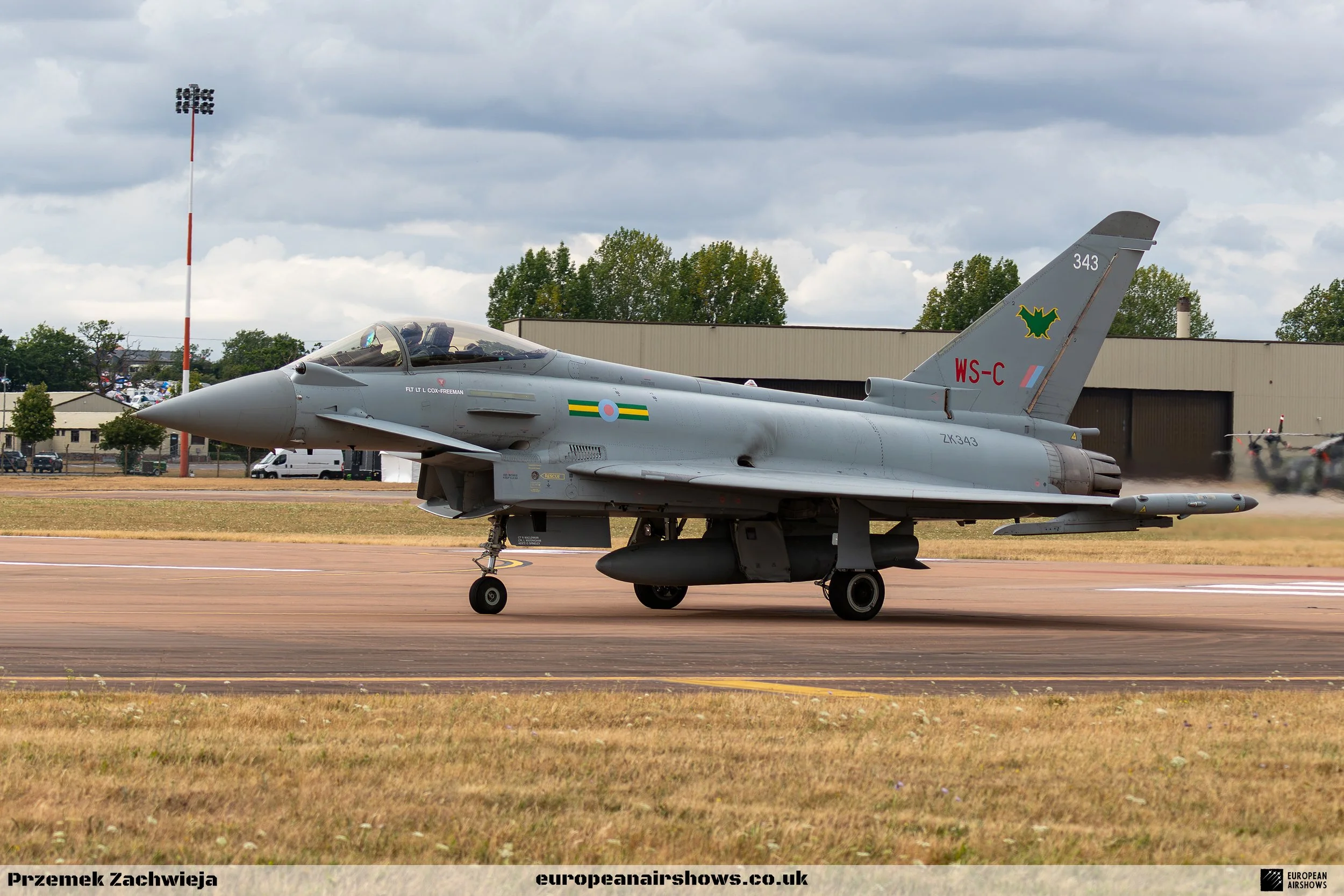
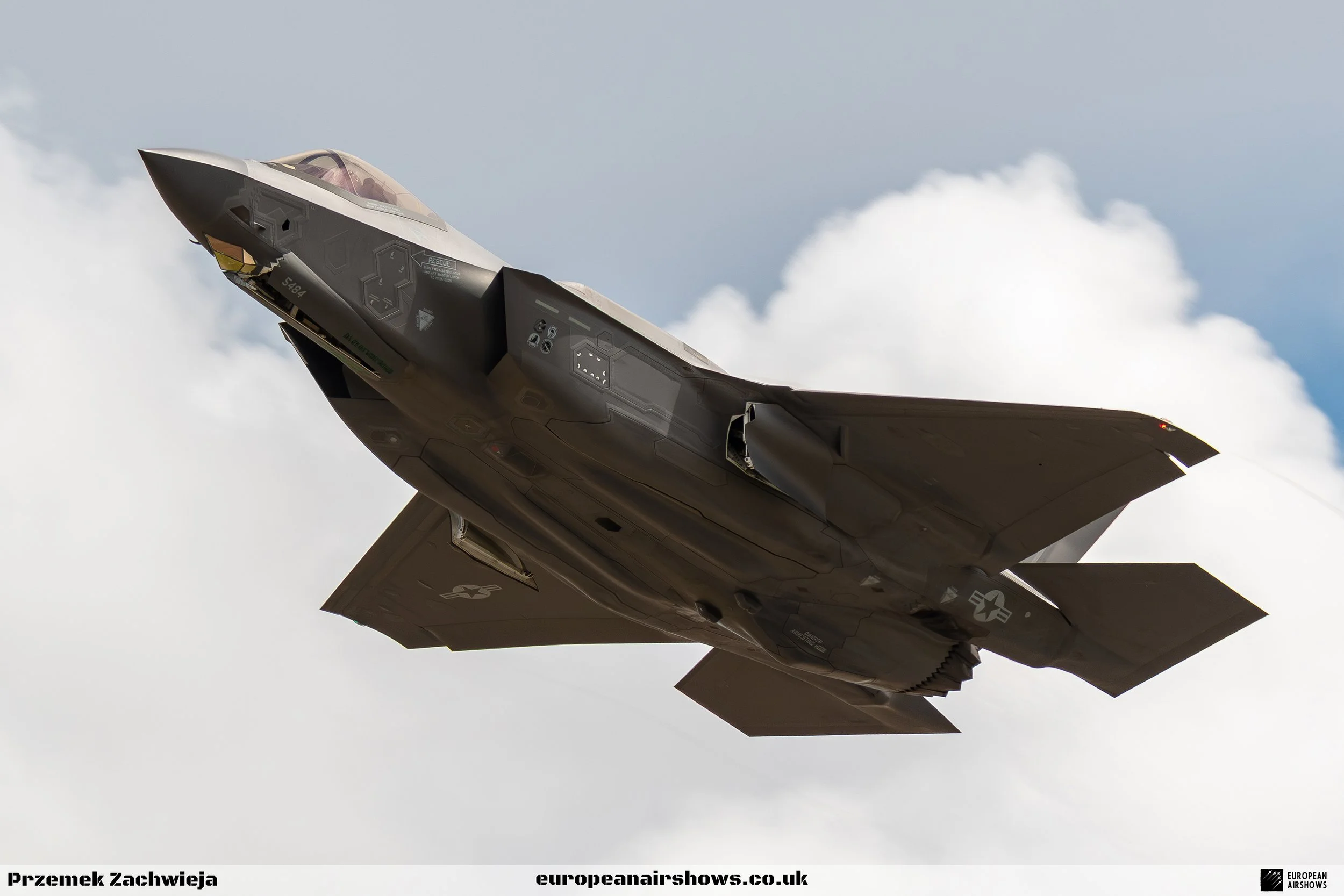
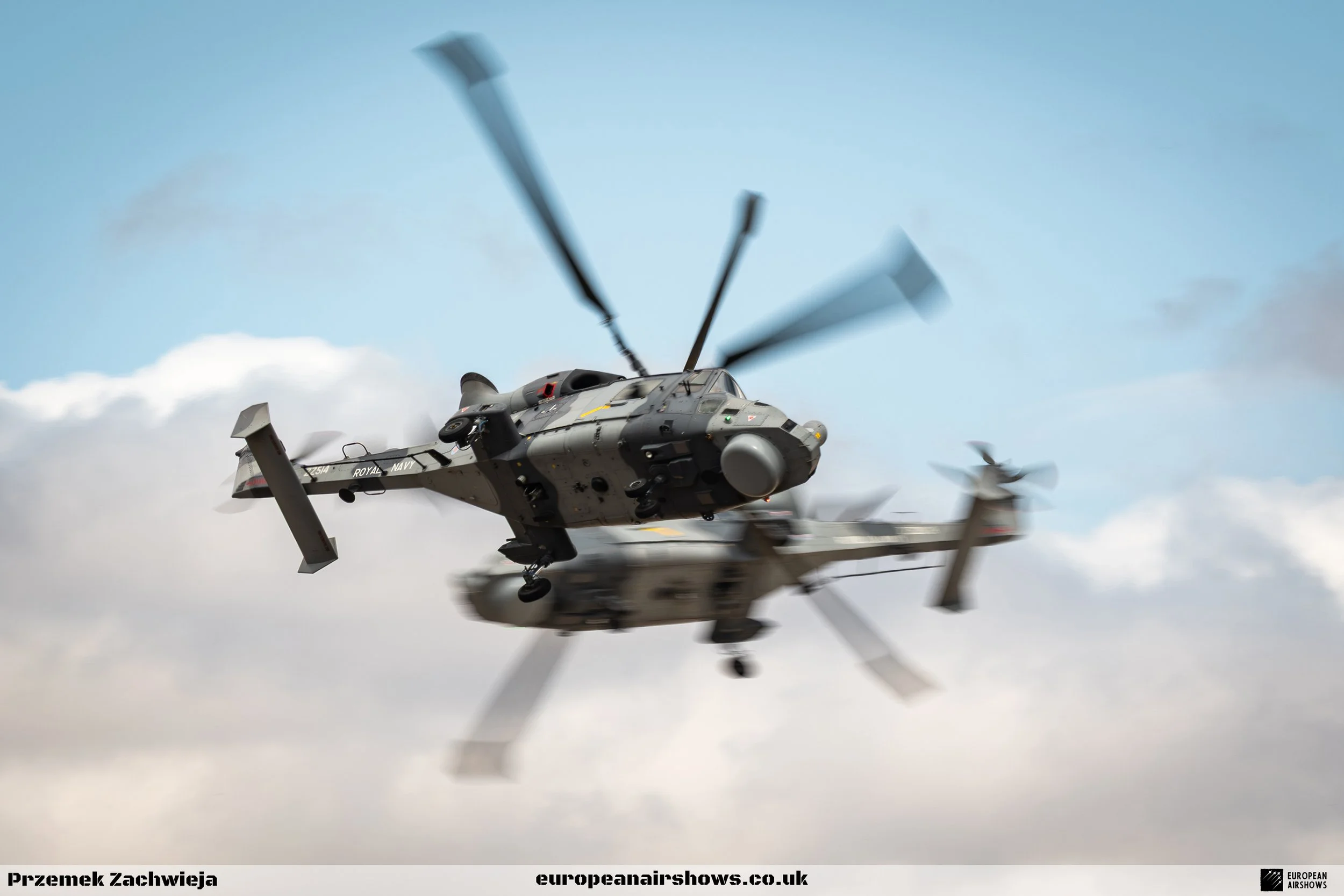
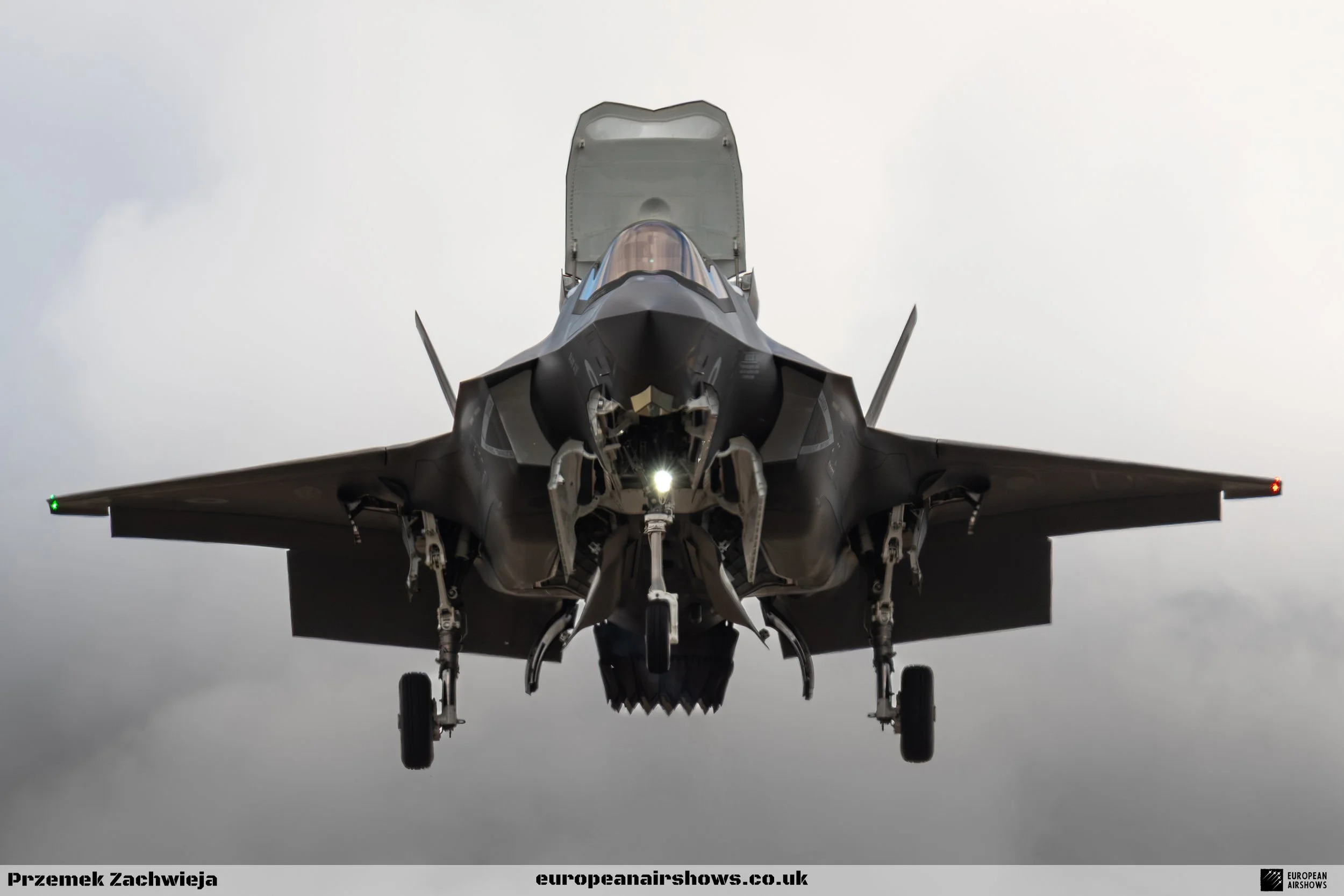
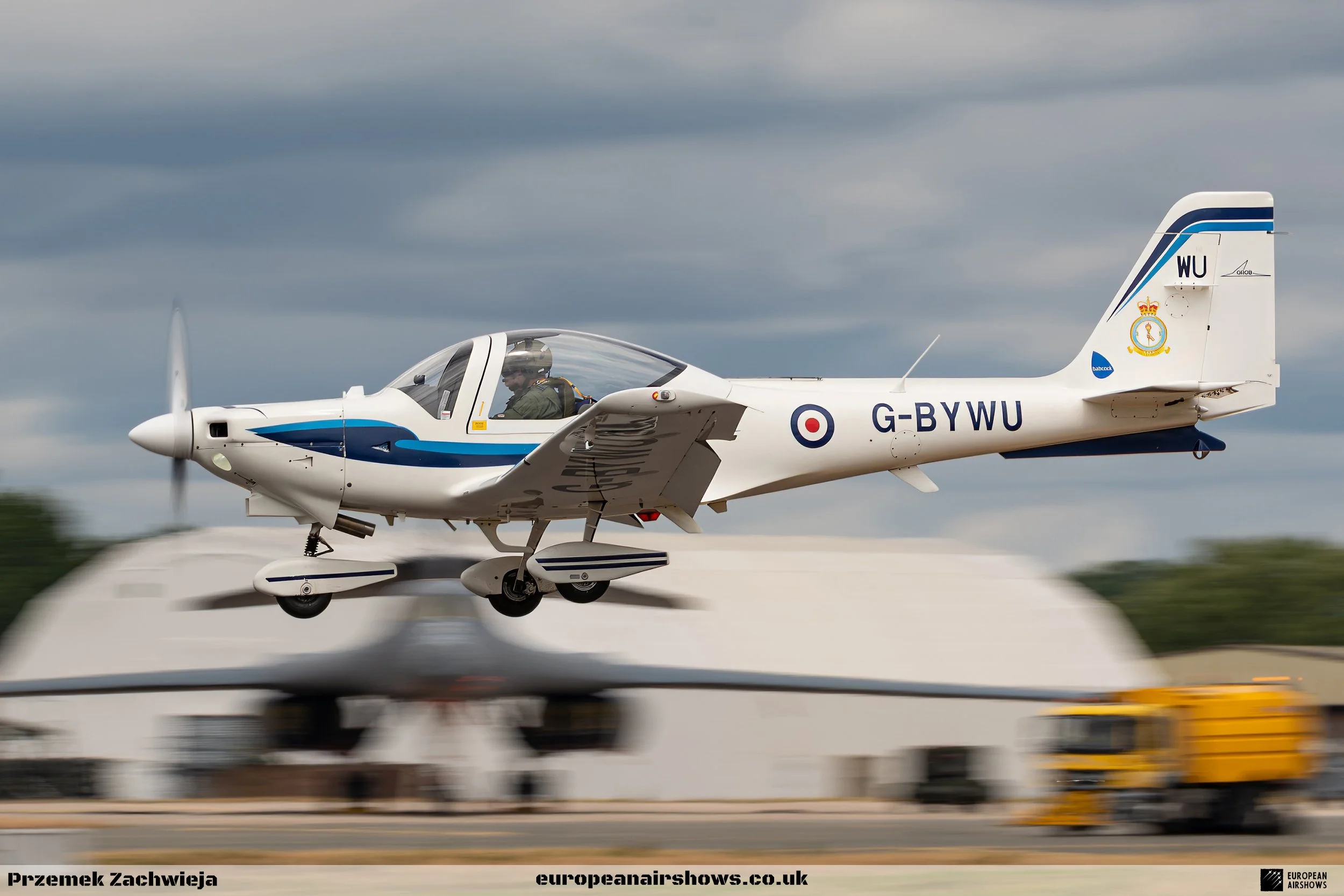
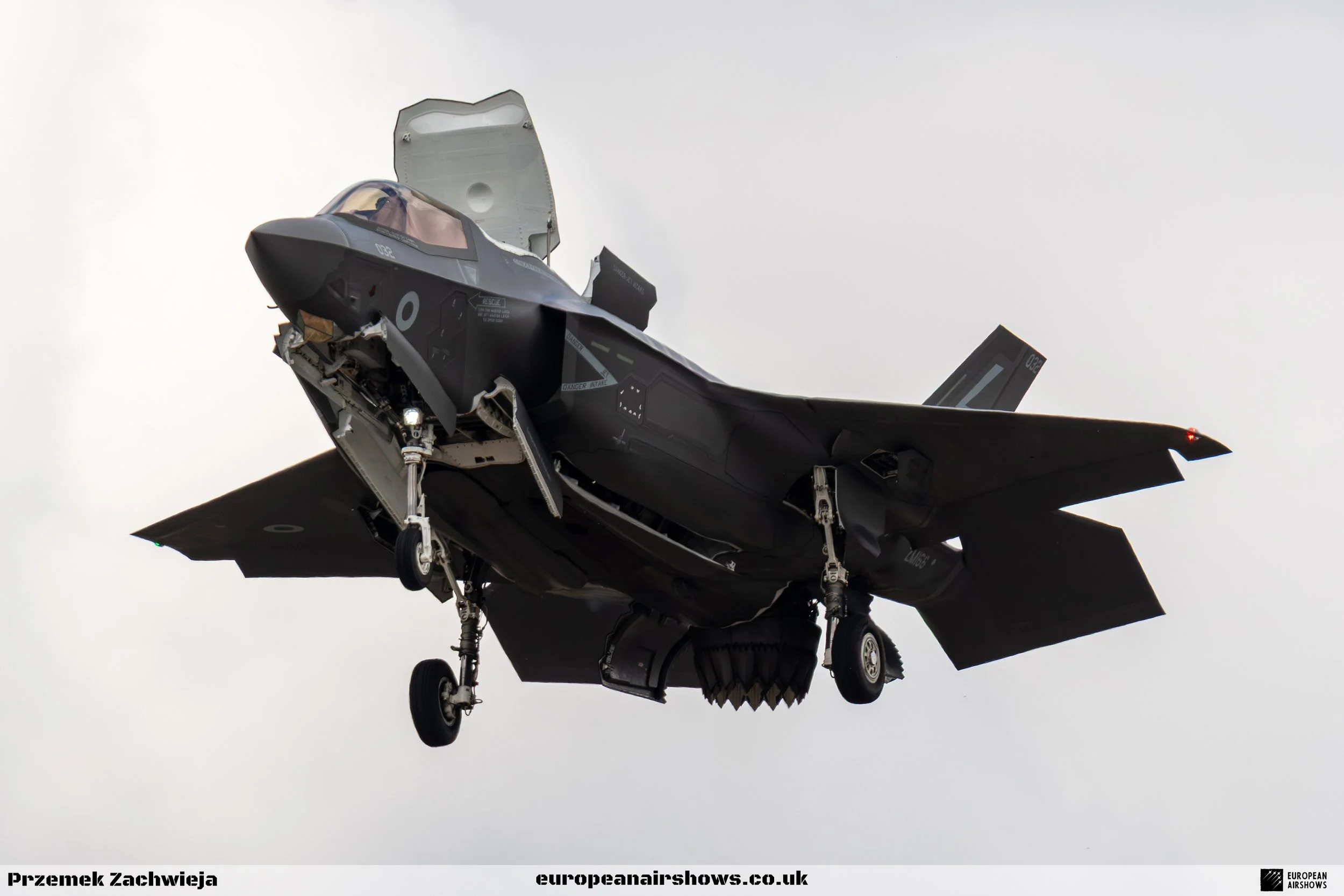
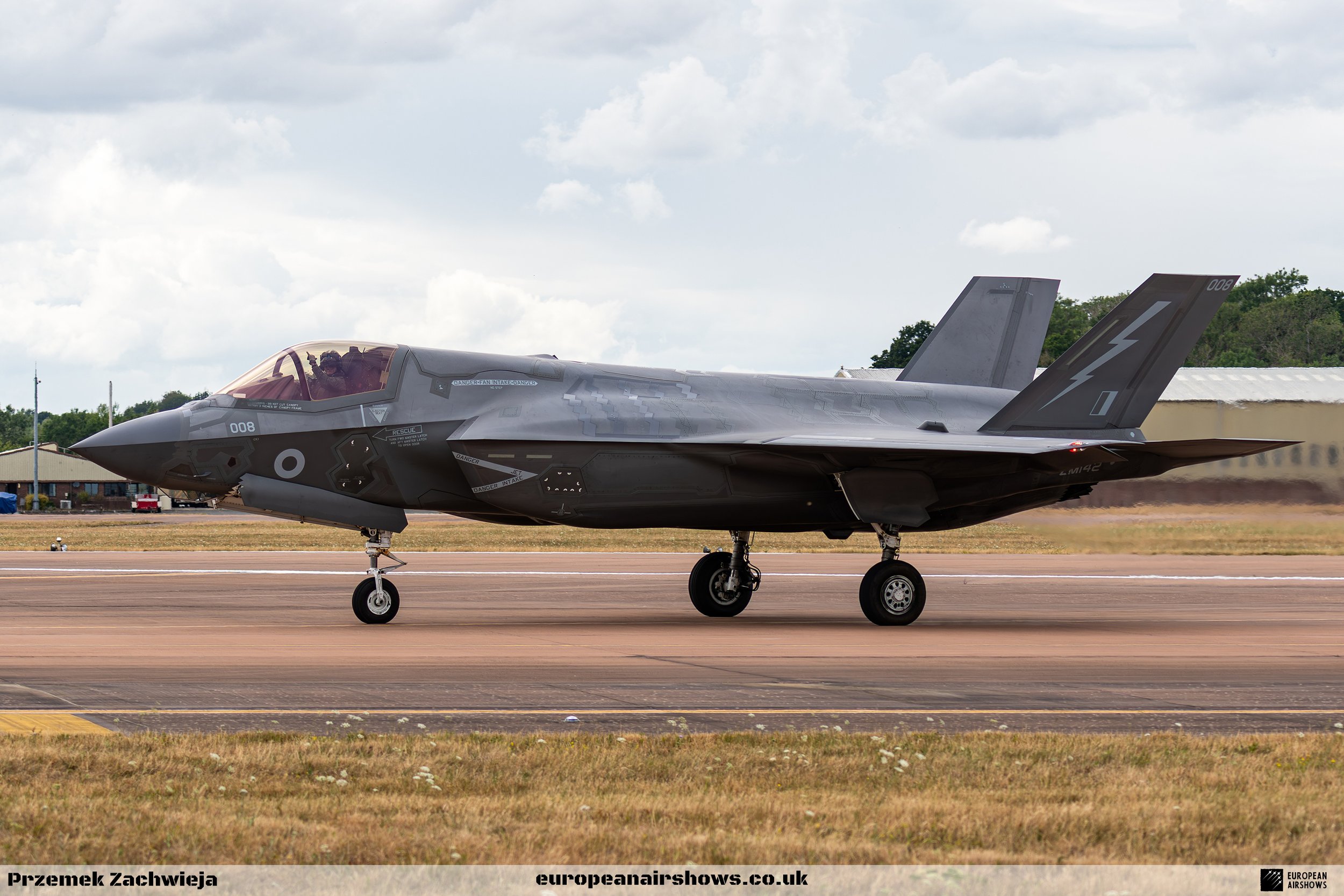
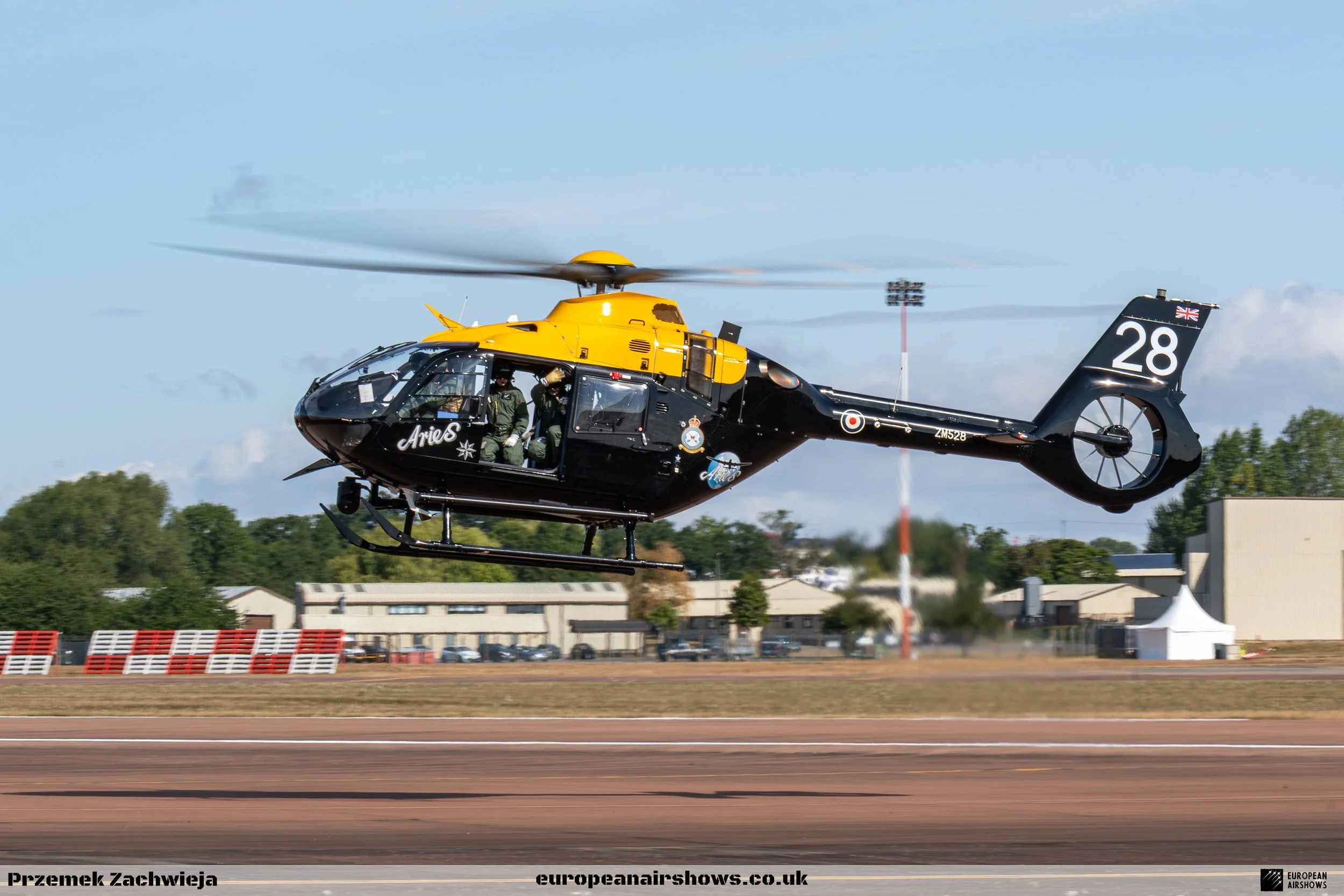
The home team filled its rows with breadth: an Atlas C.1 from 70 Squadron; Juno HT.1s from 1 FTS; Hawk T.2 (25 Squadron); Grob Prefect T.1 (57 Squadron); Tutor T.1 (Oxford UAS); Phenom T.1 (45 Squadron); two Typhoon FGR.4s one from IX(B) Squadron and one from 3(F)Sqn; a Poseidon MRA.1 from 120 Squadron for the ISR theme; and, of course, an F-35B Lightning II from 207 Squadron. The Royal Navy complemented with a Merlin HM.2 from 814 NAS and a Wildcat HMA.2 from 825 NAS.
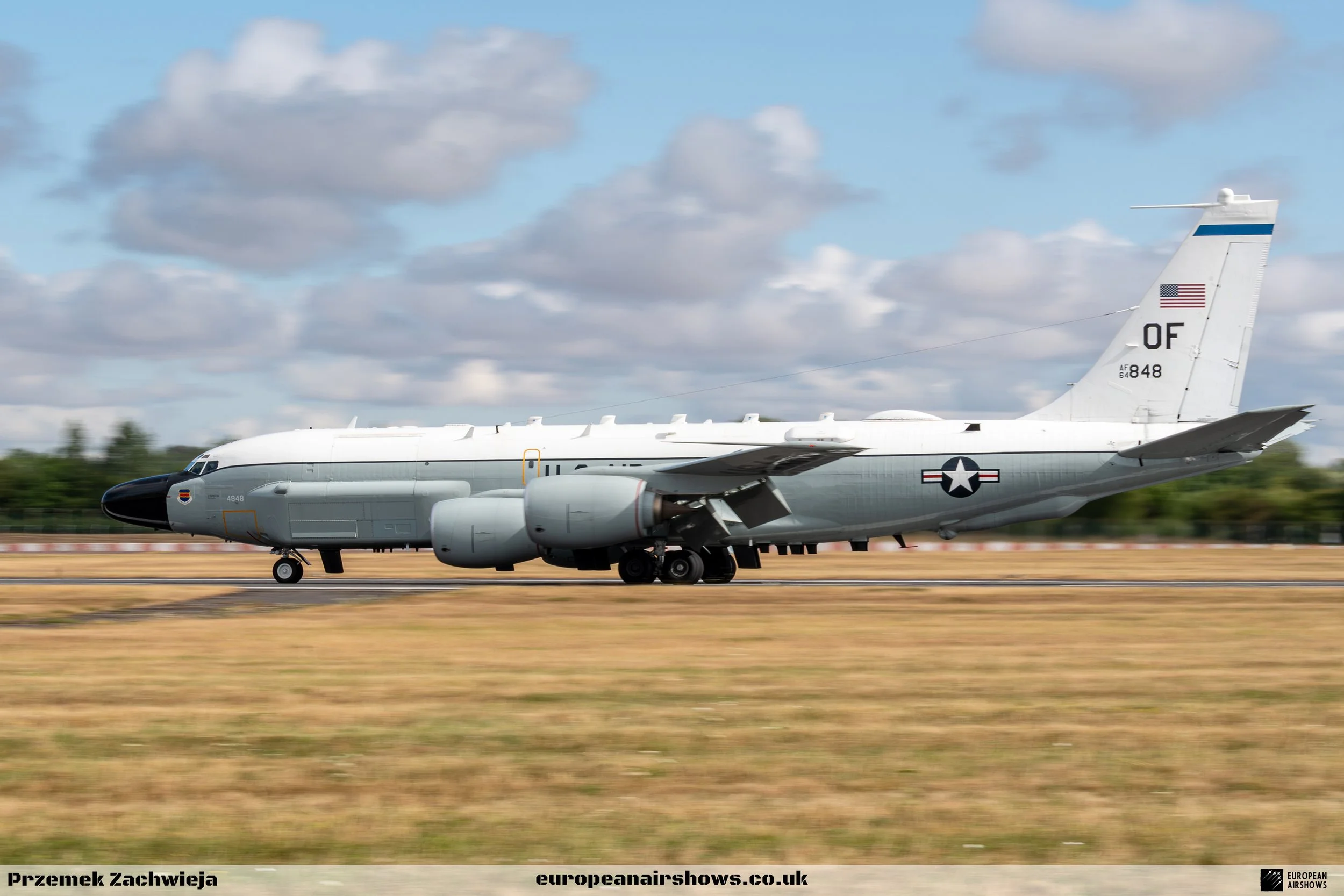
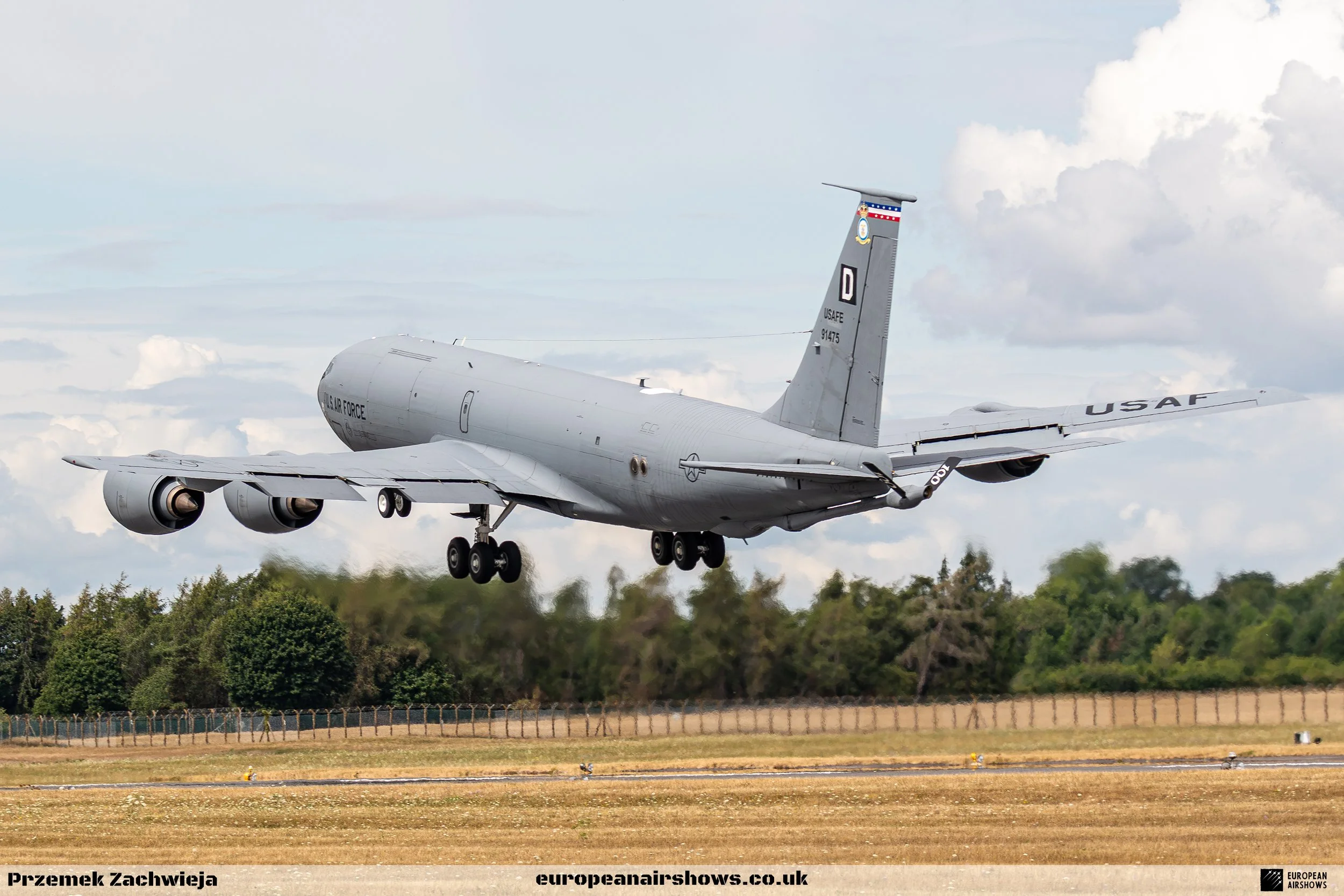
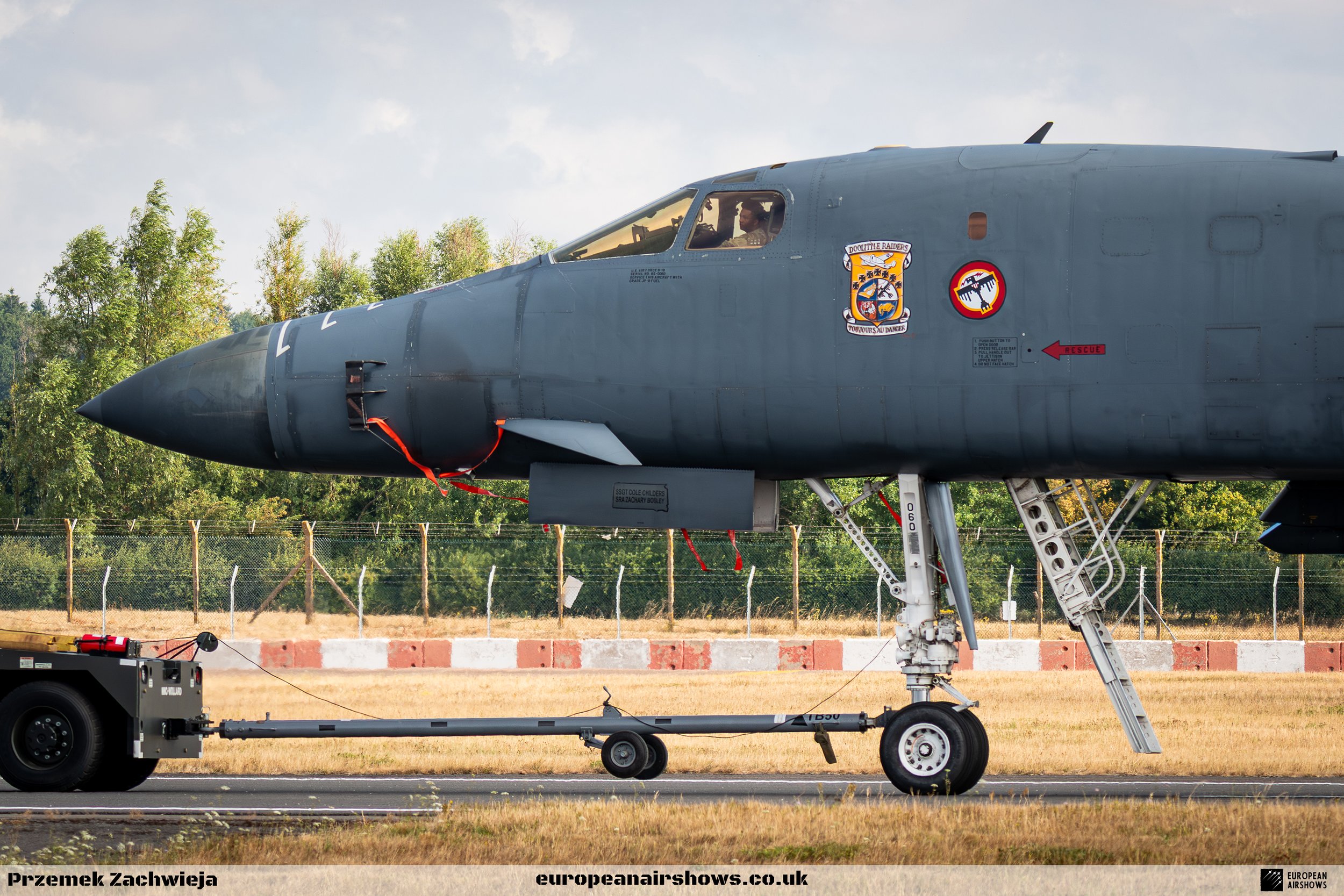
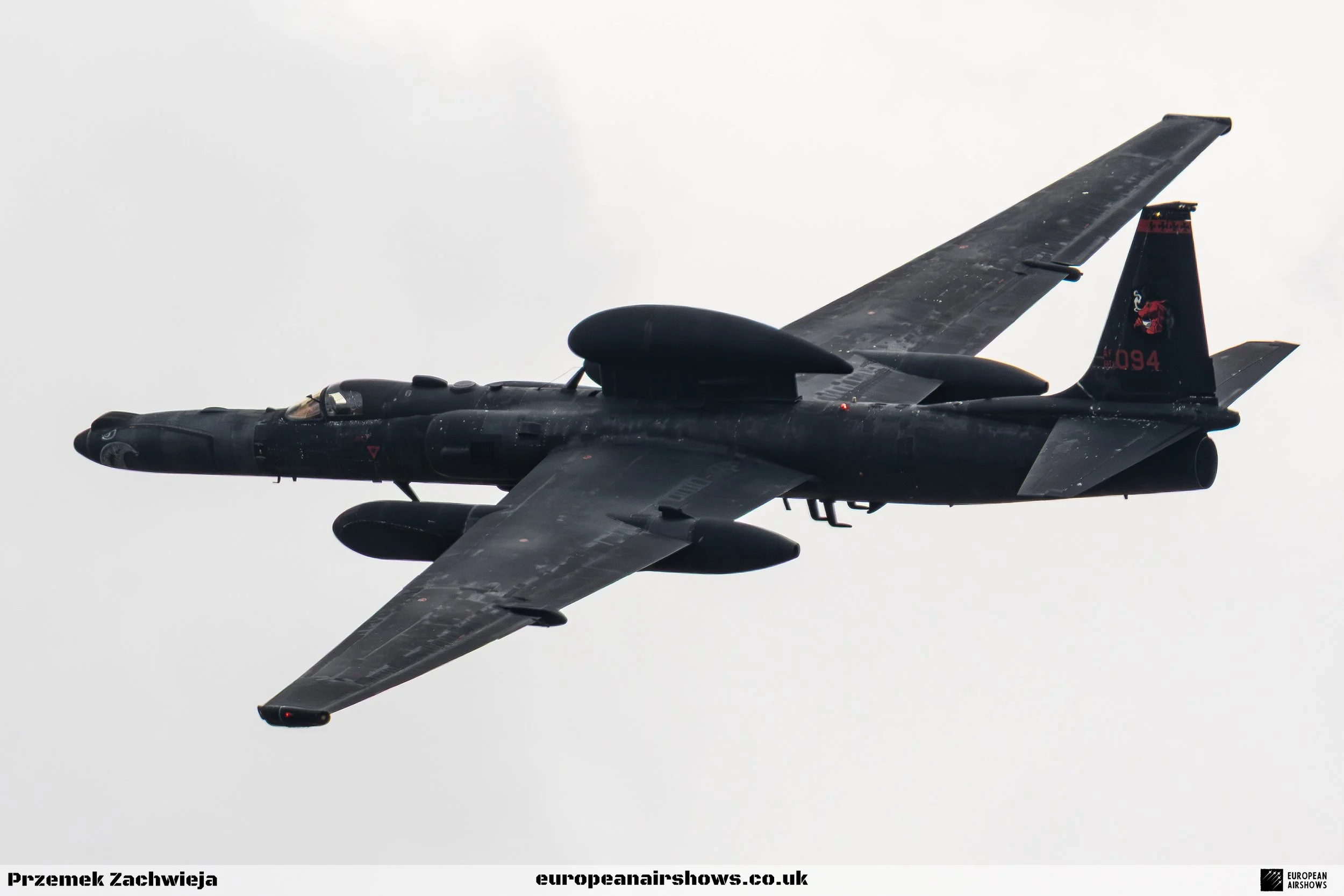
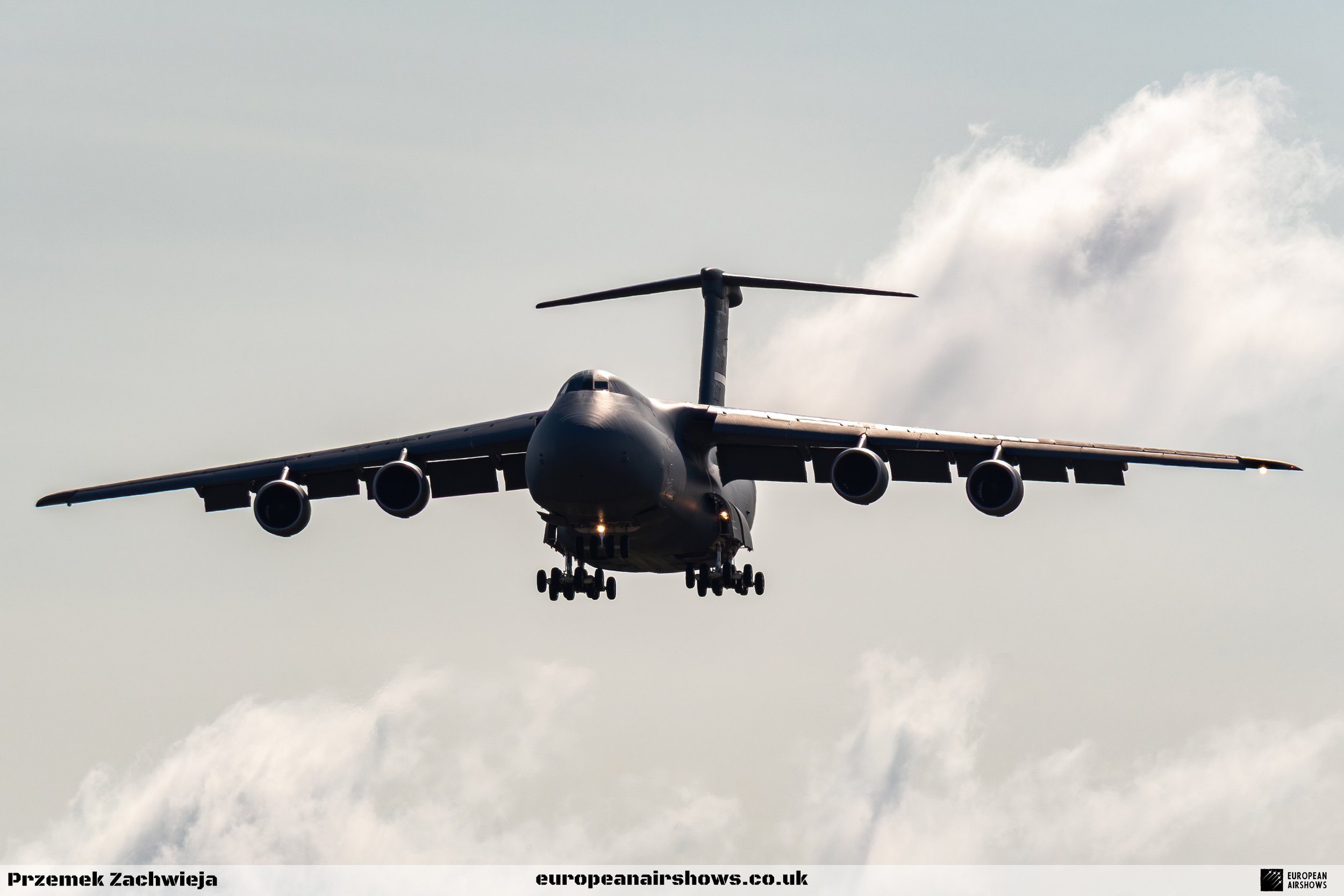
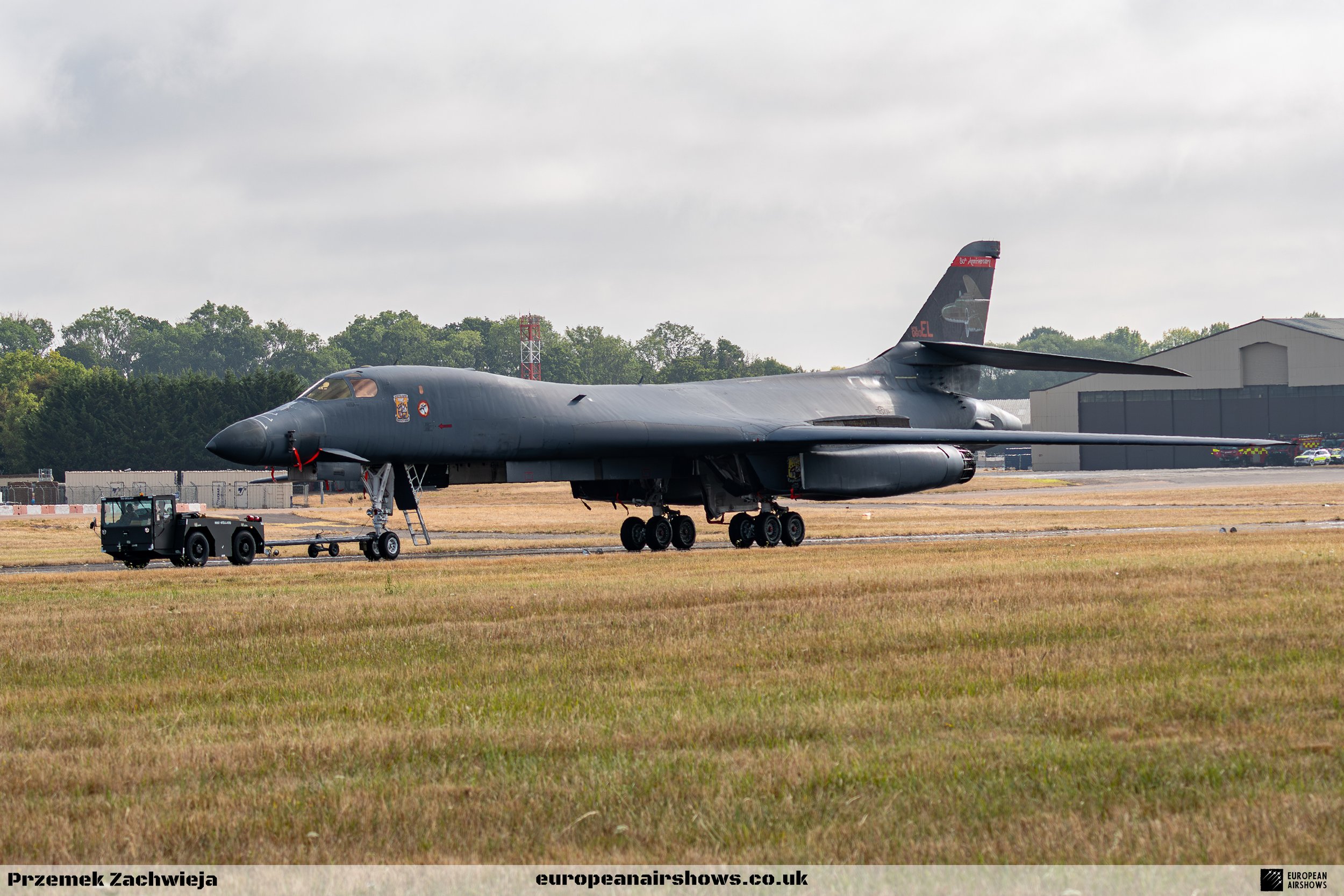
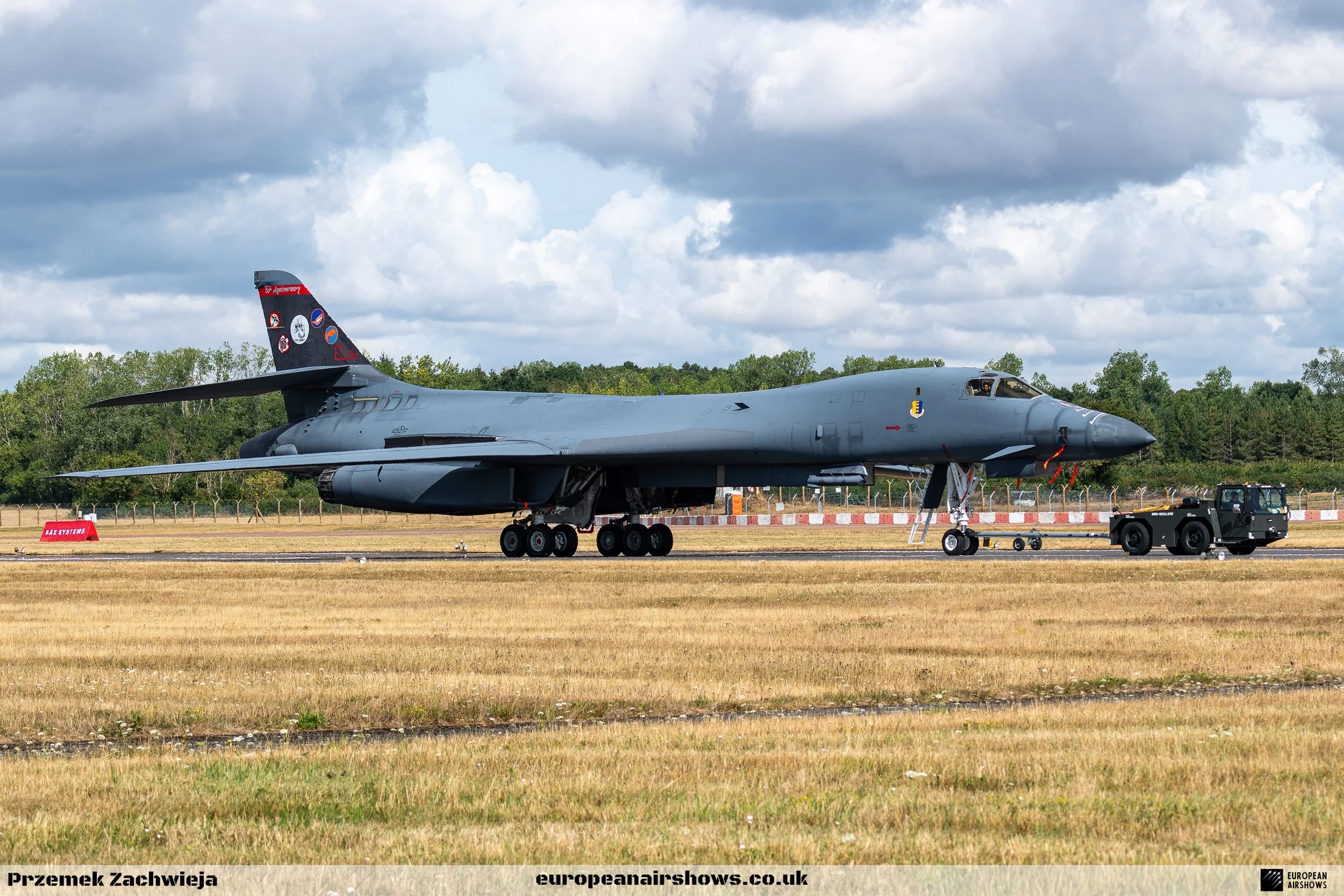
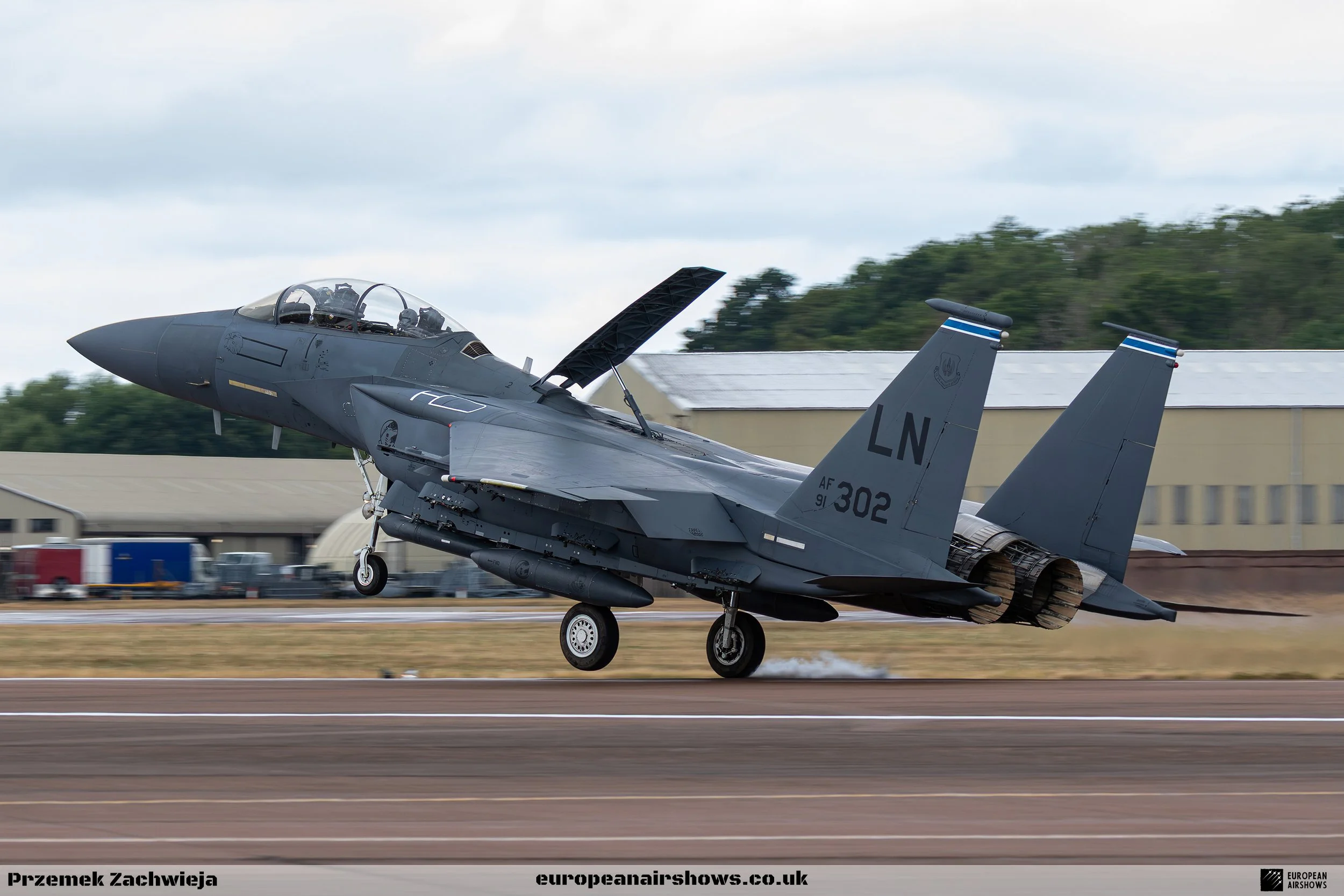
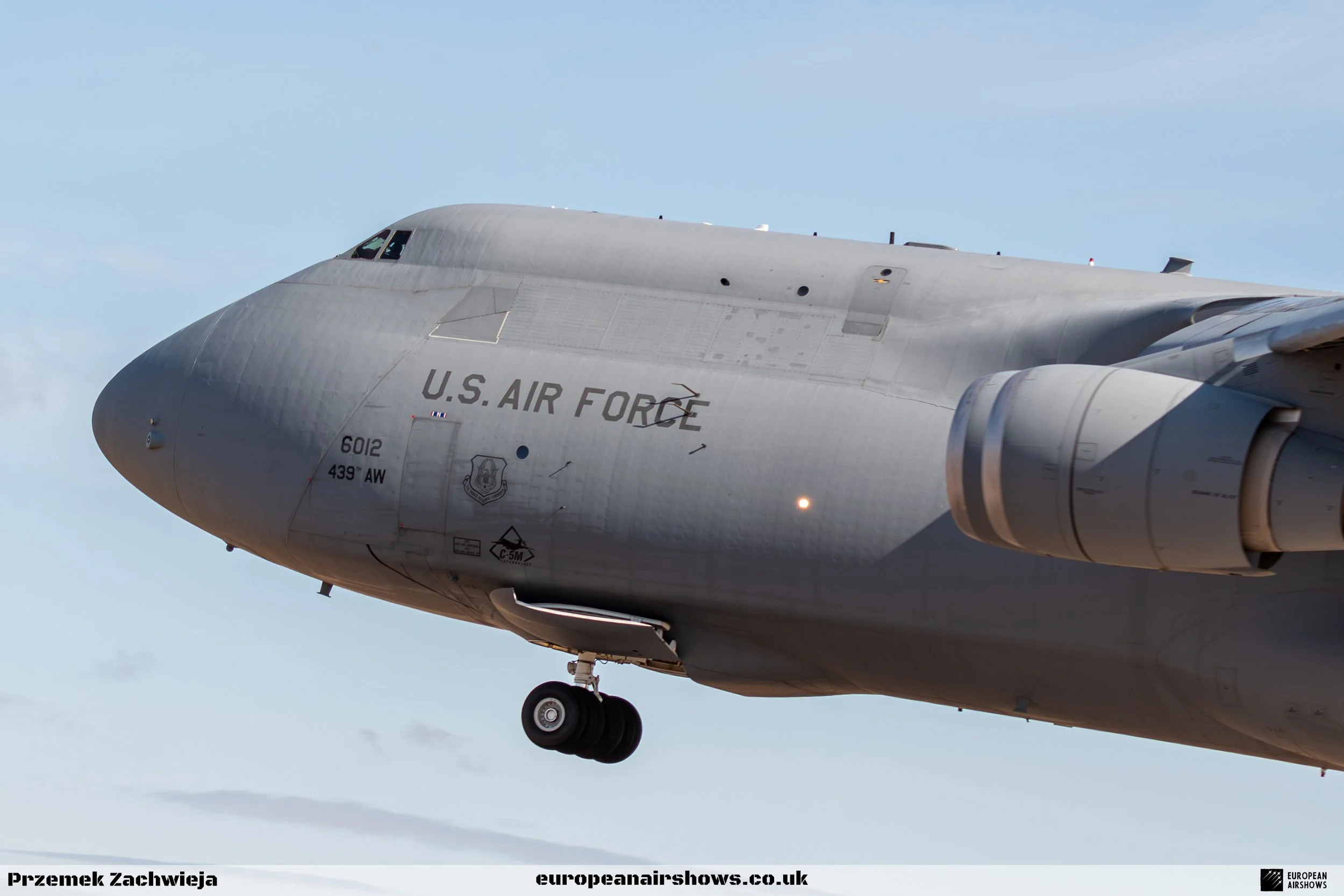
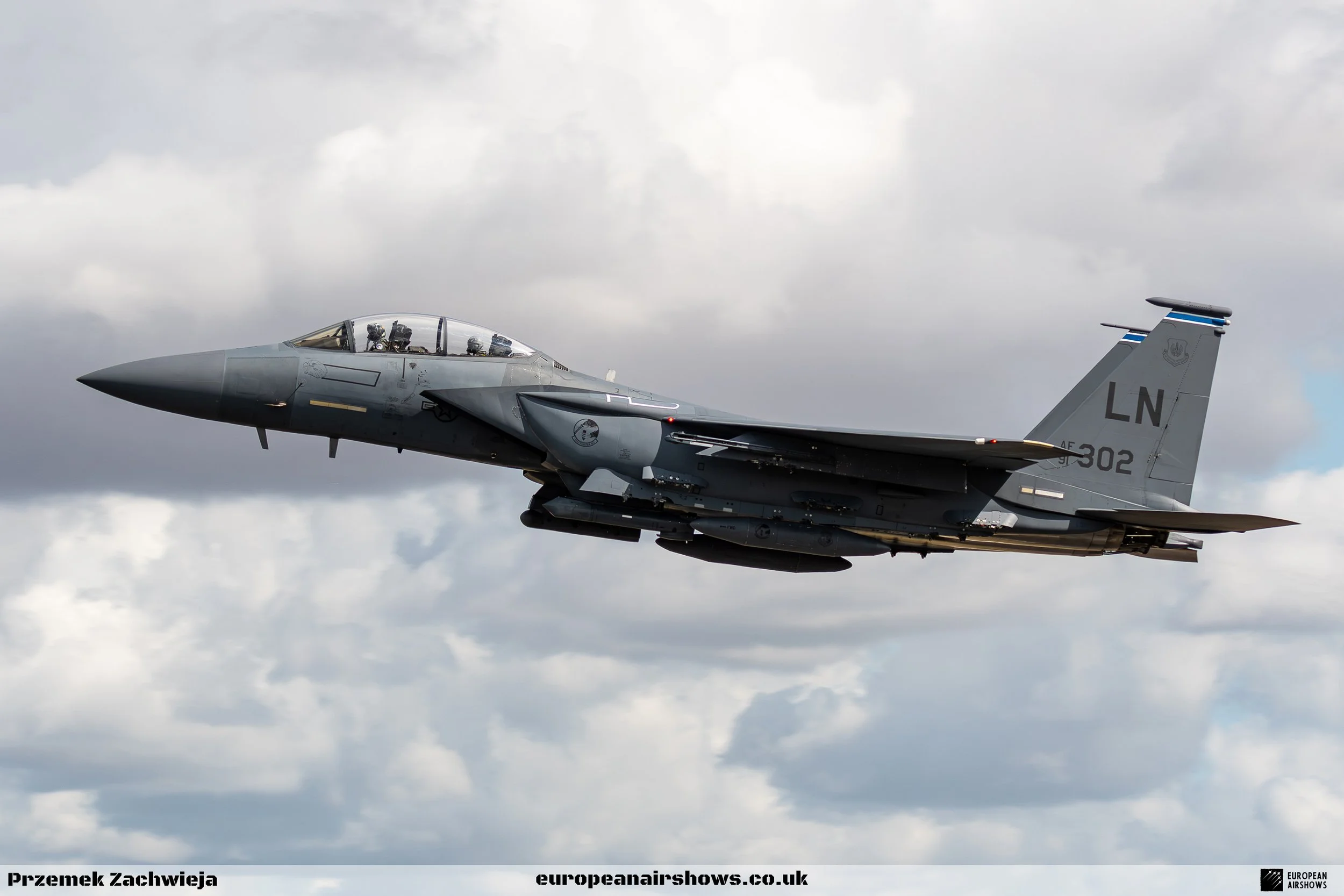
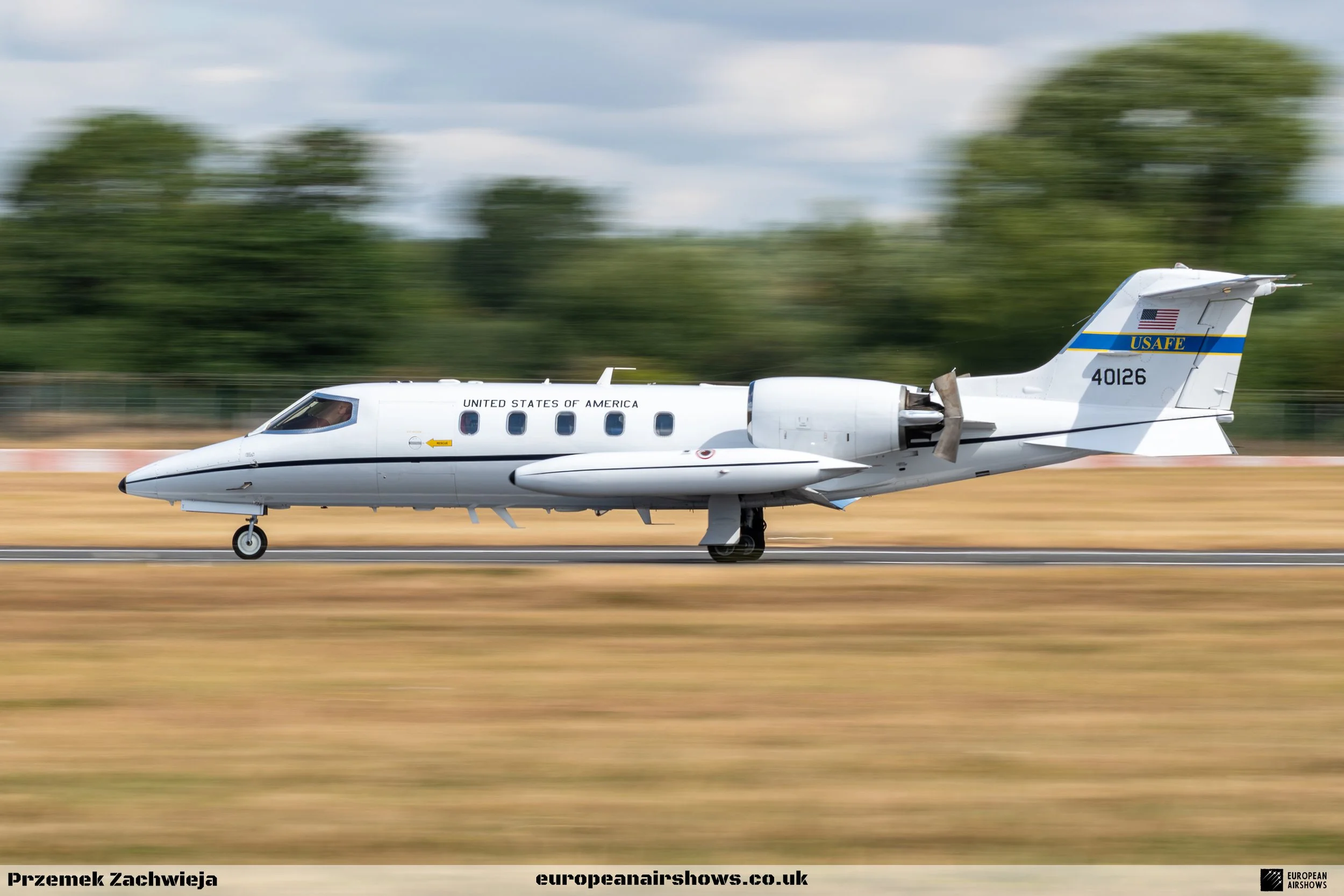
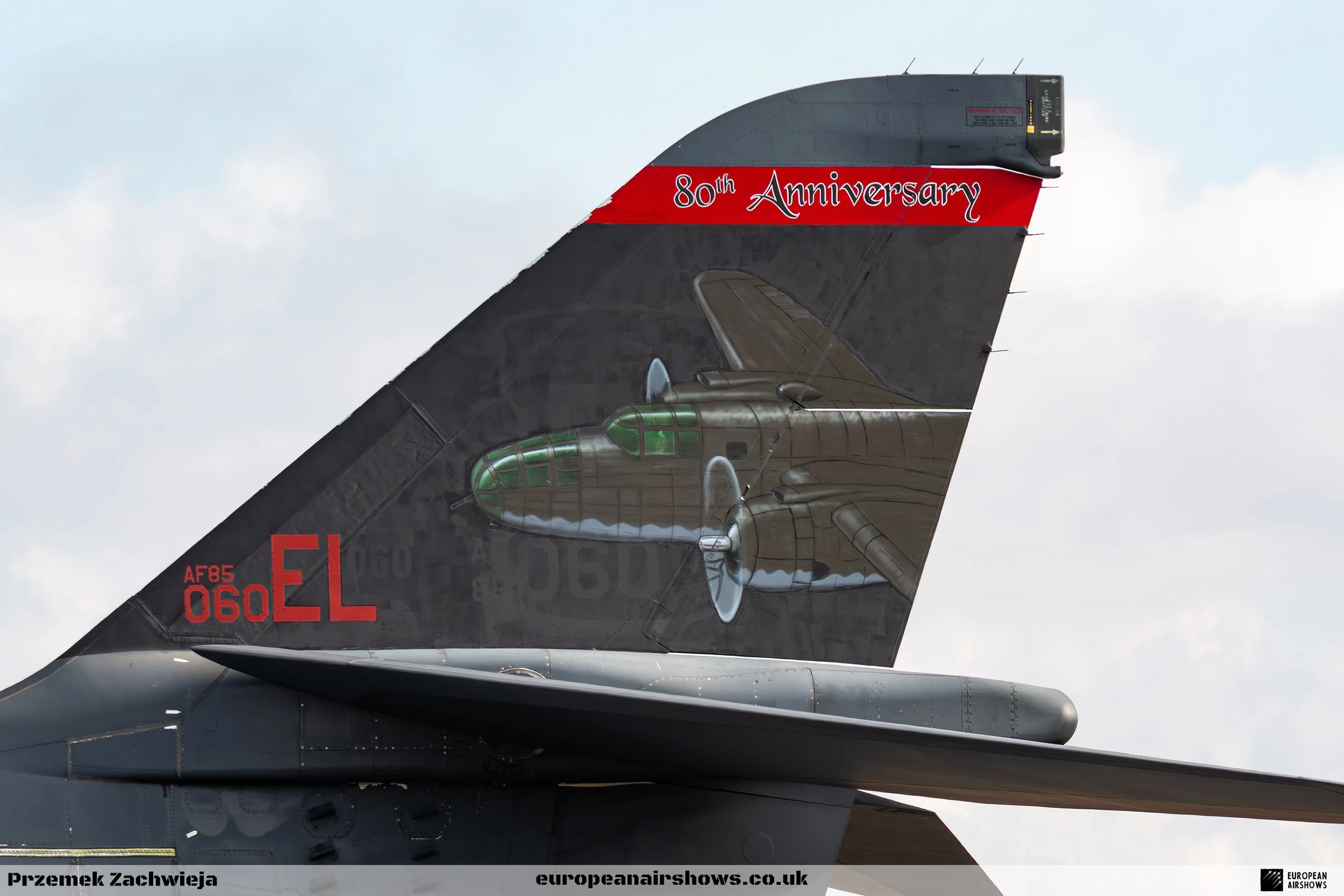
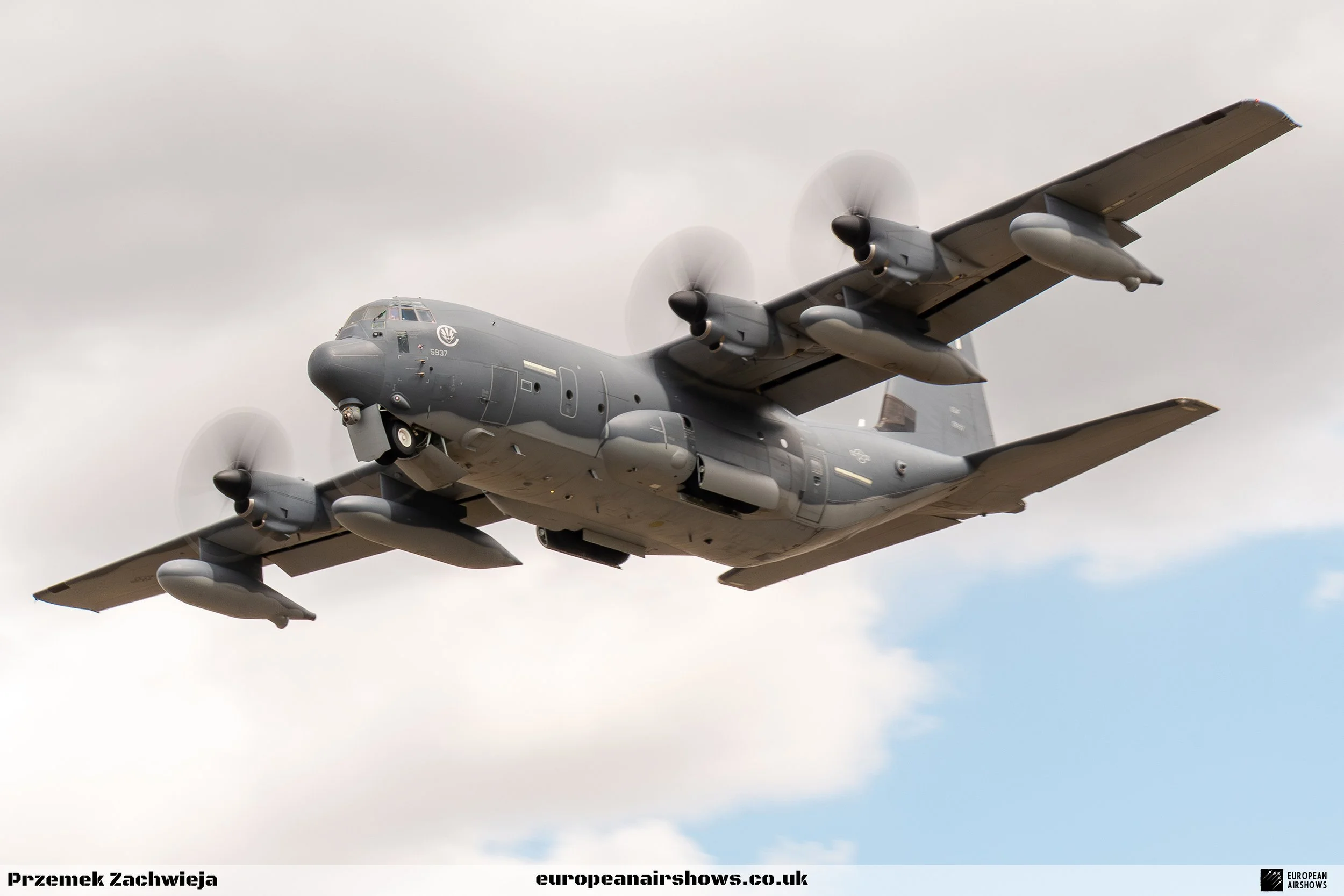
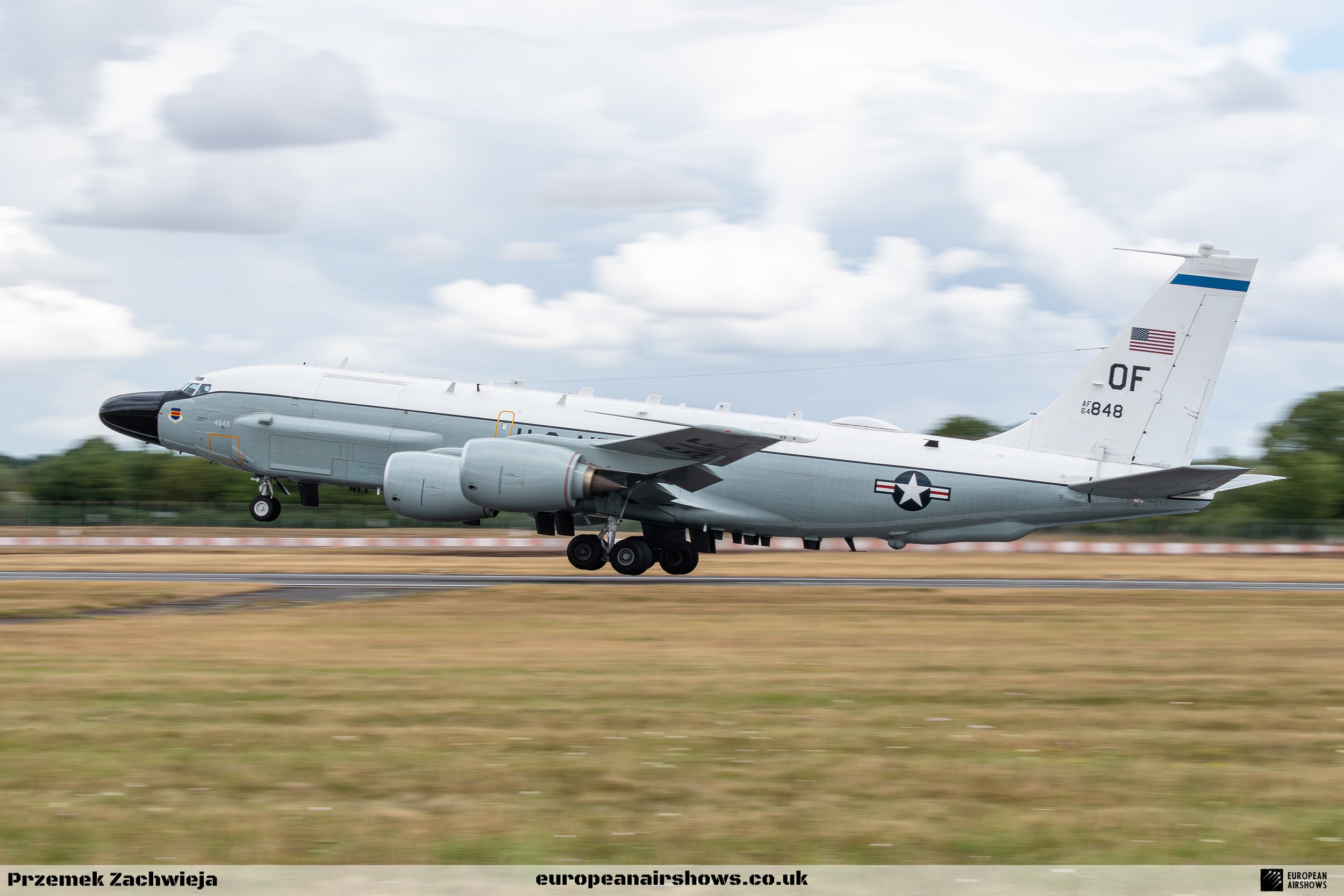
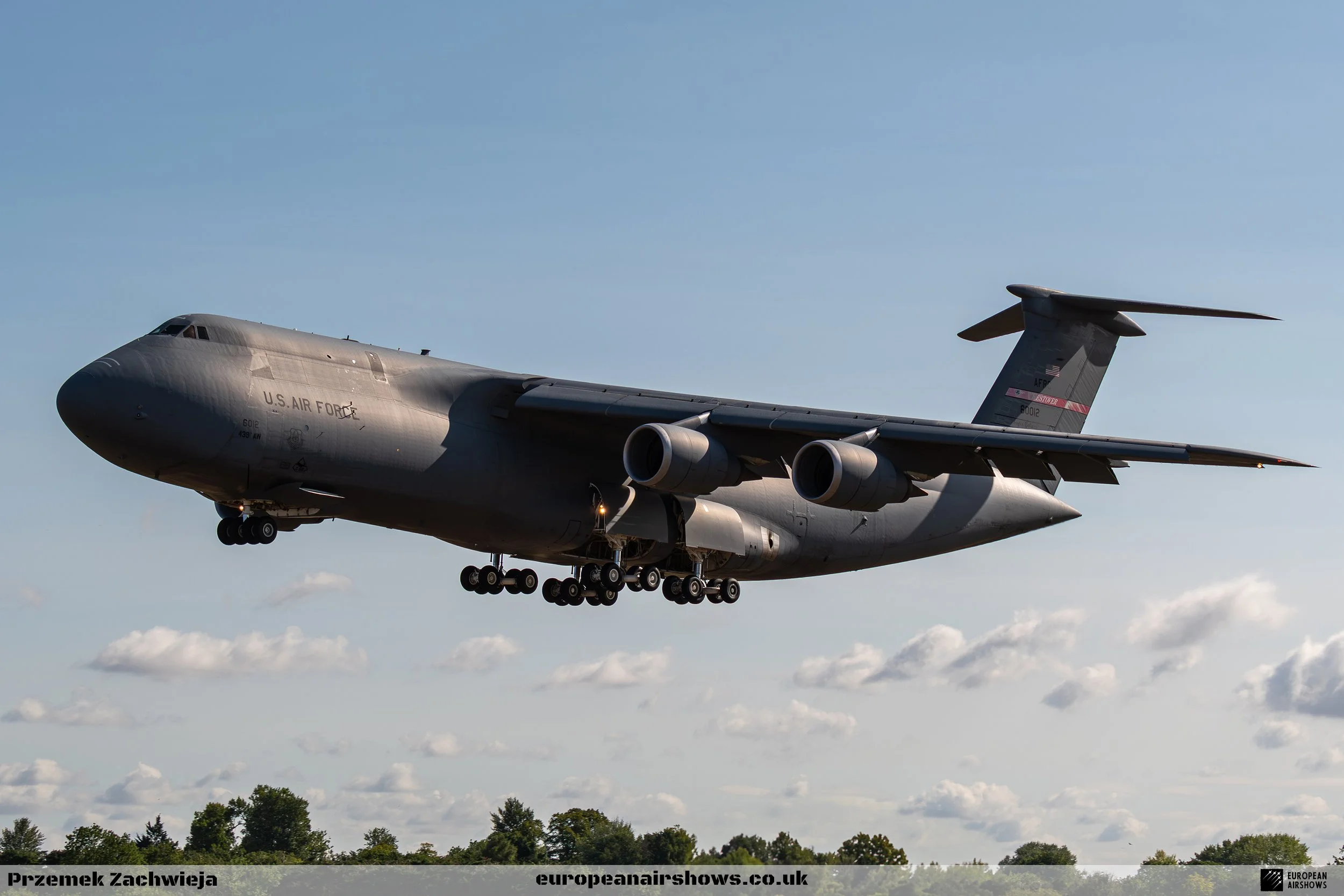
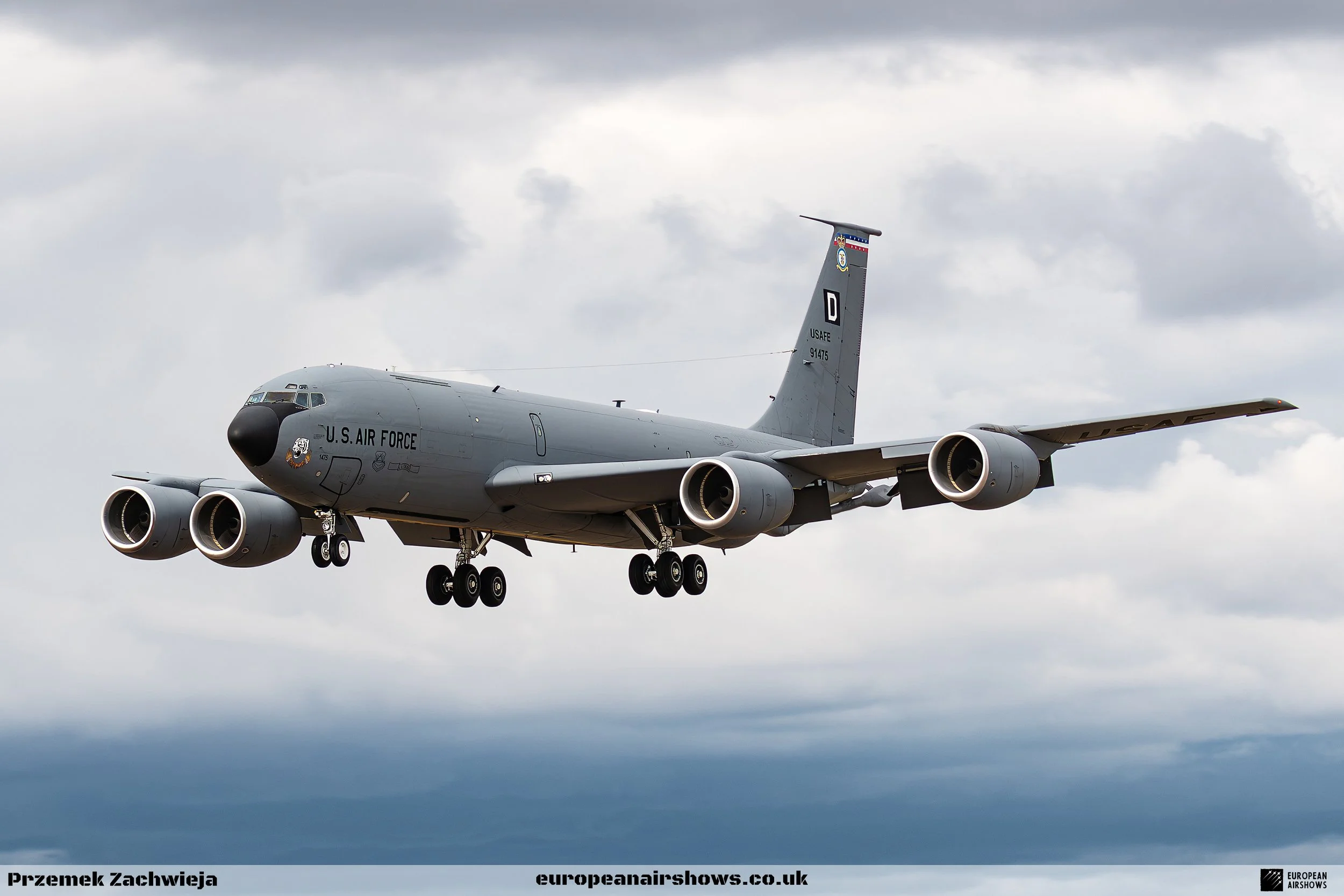
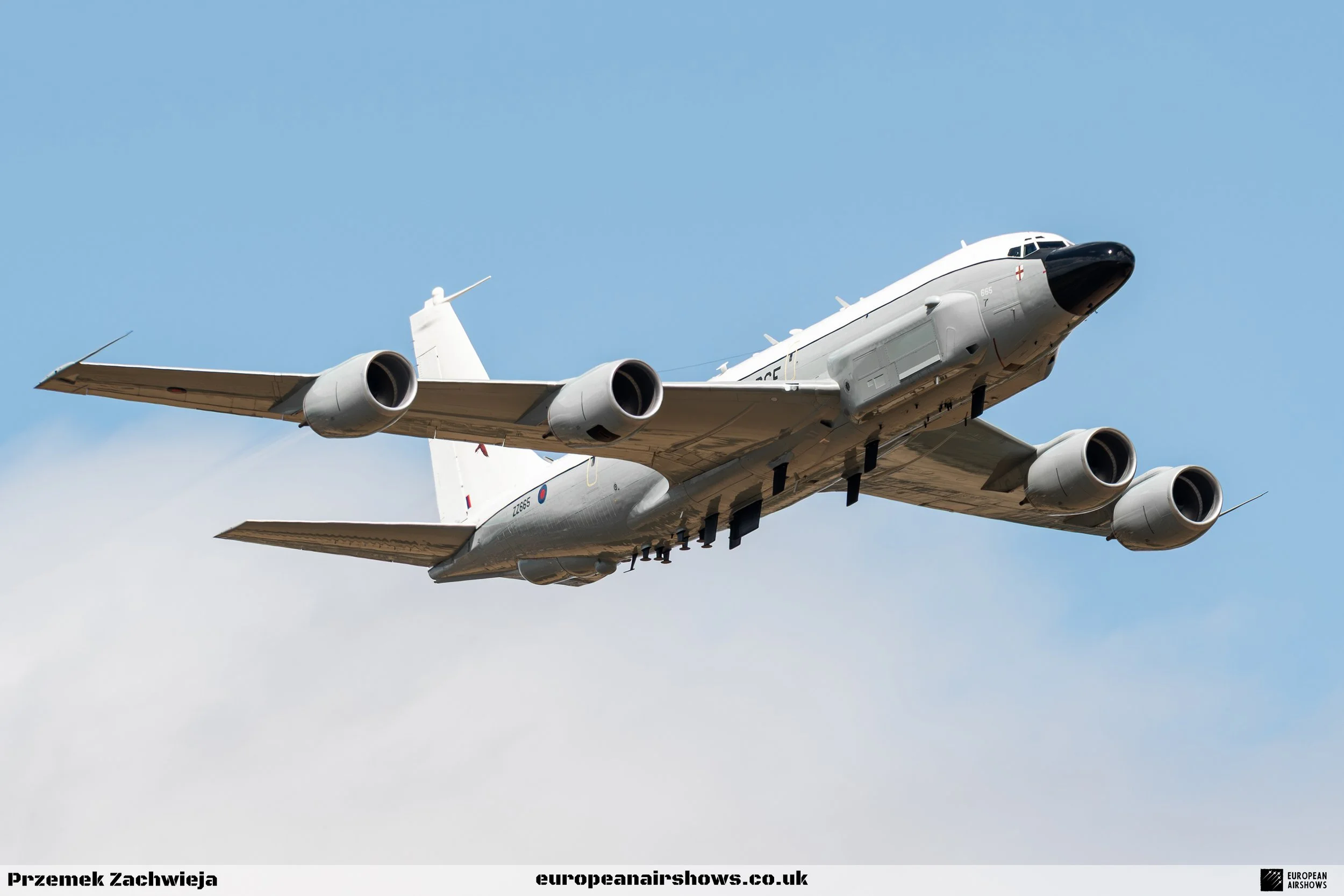
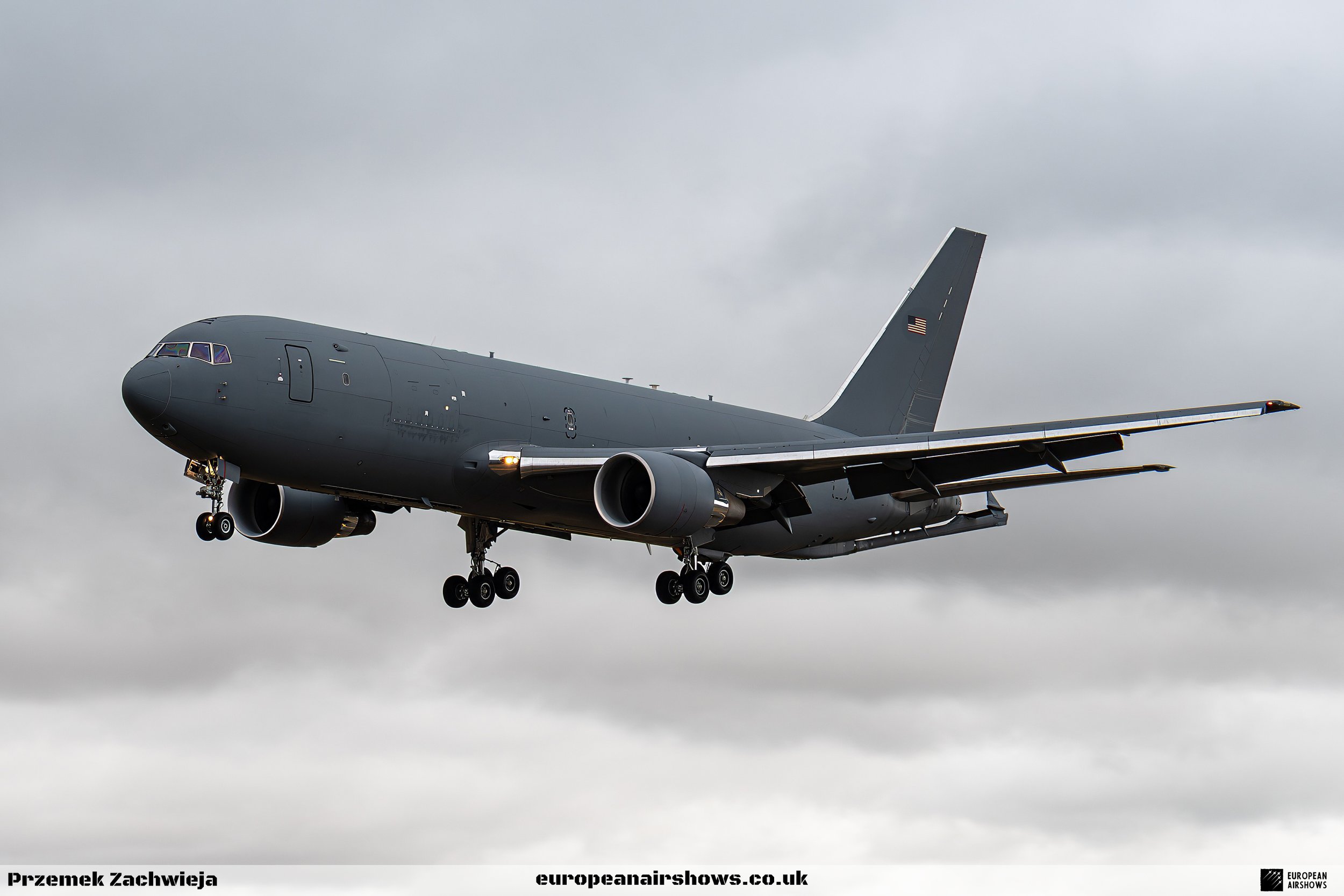
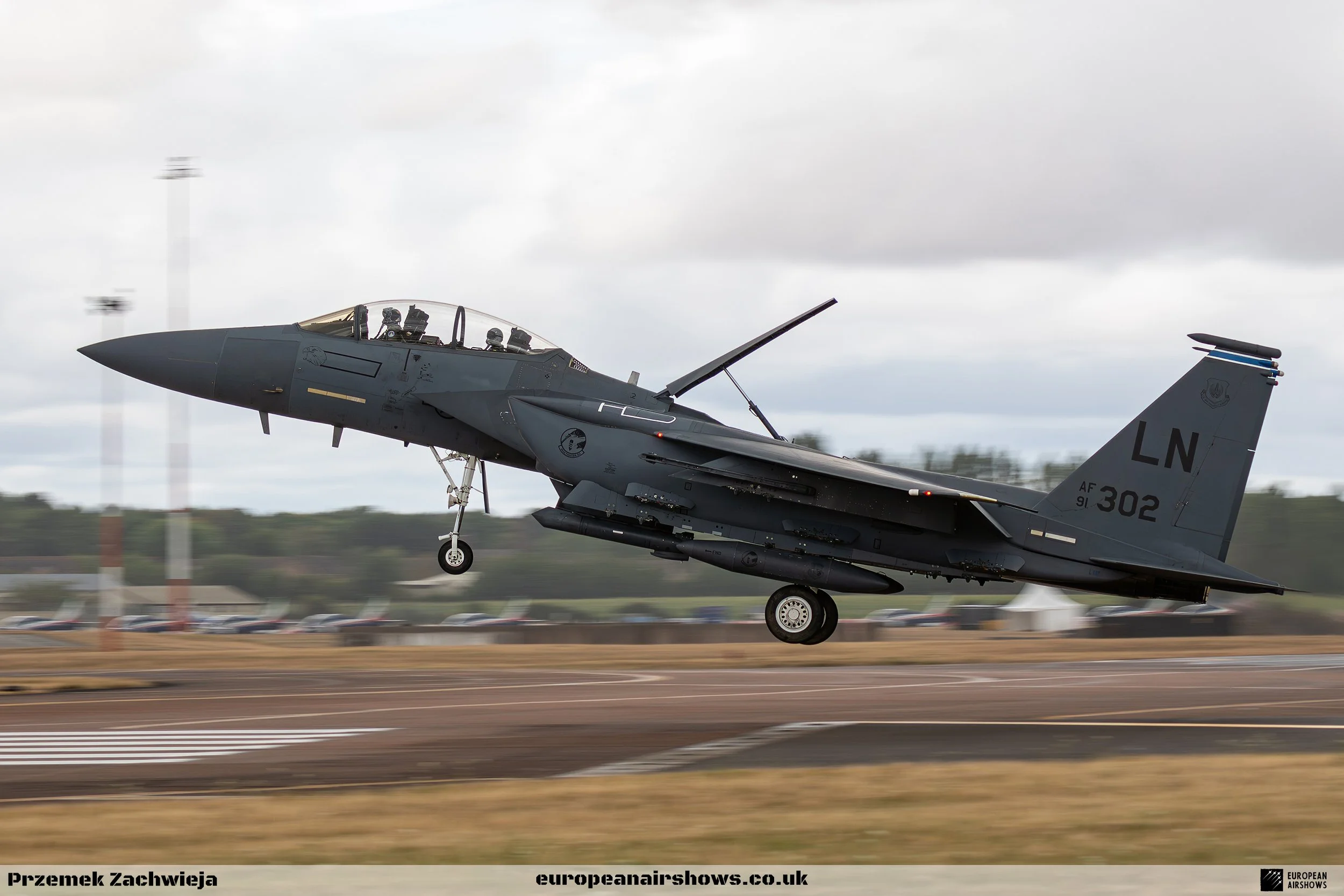
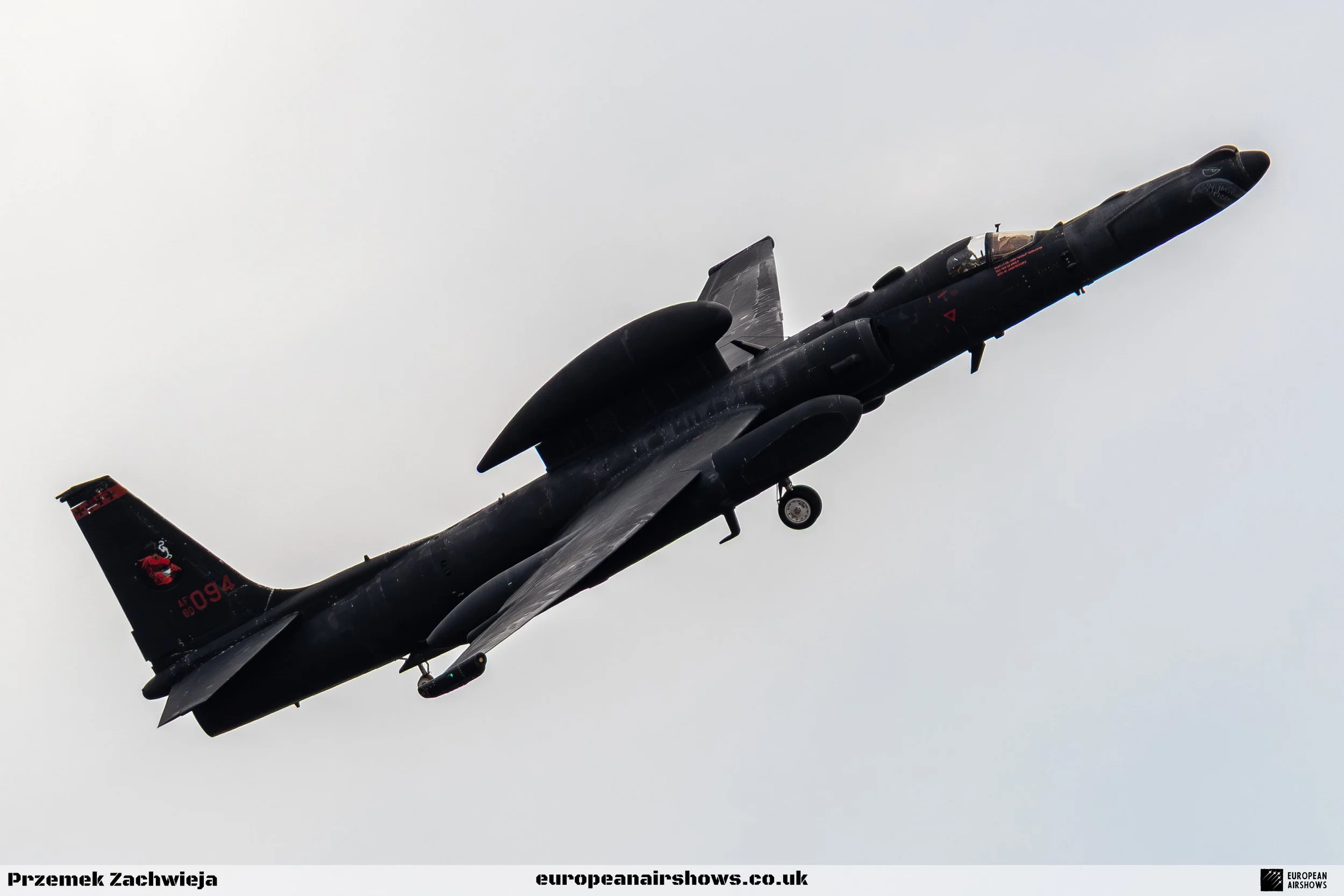
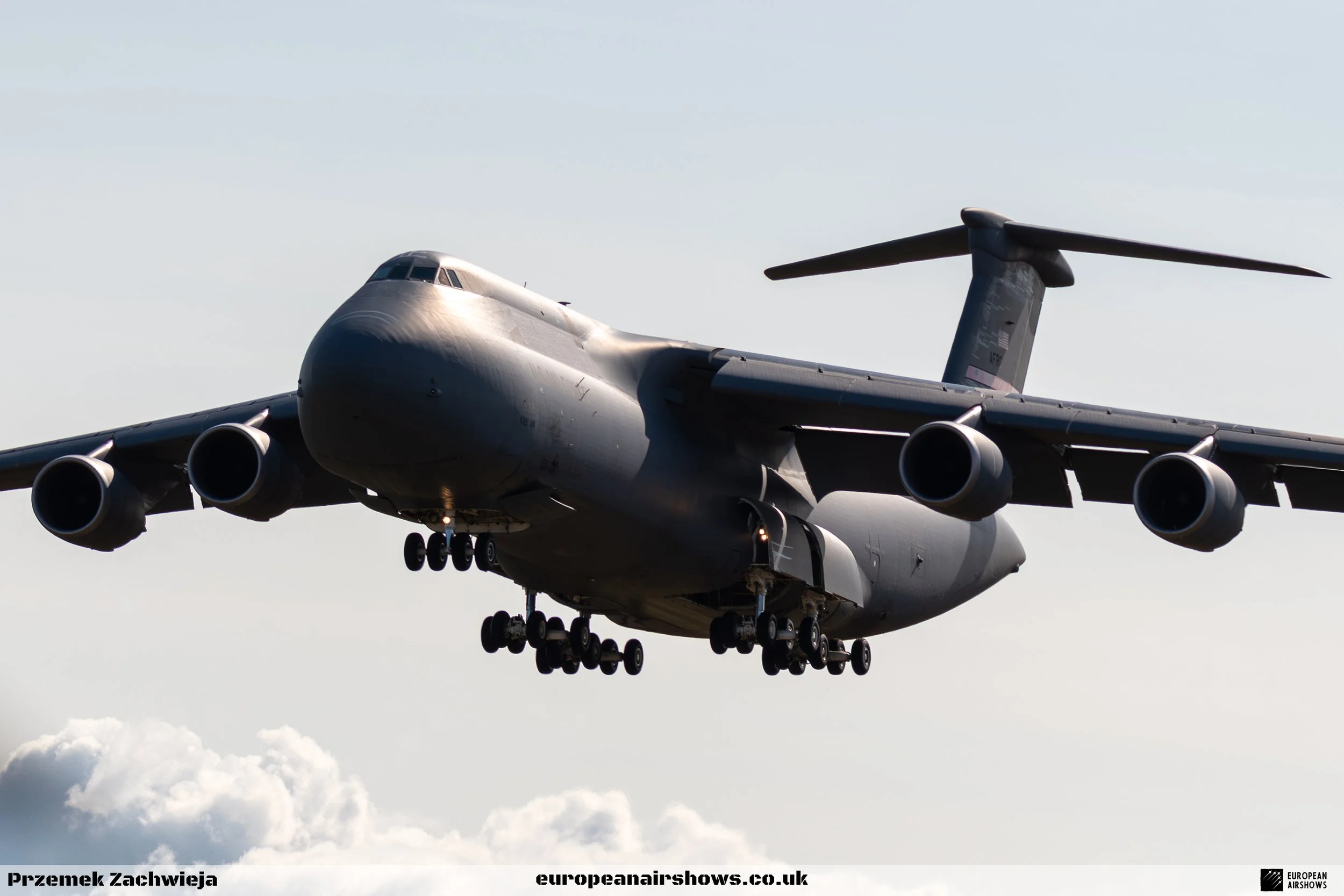
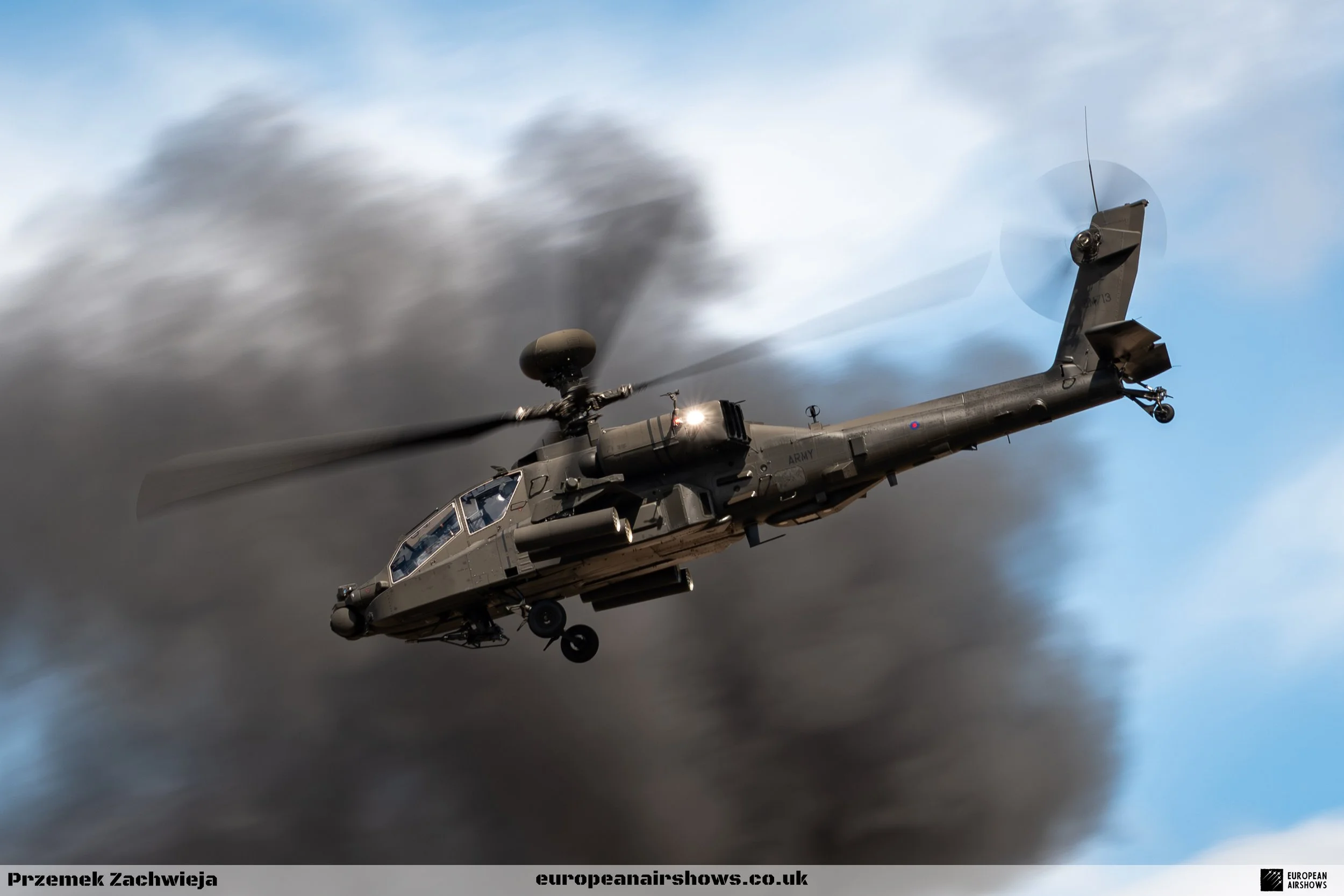
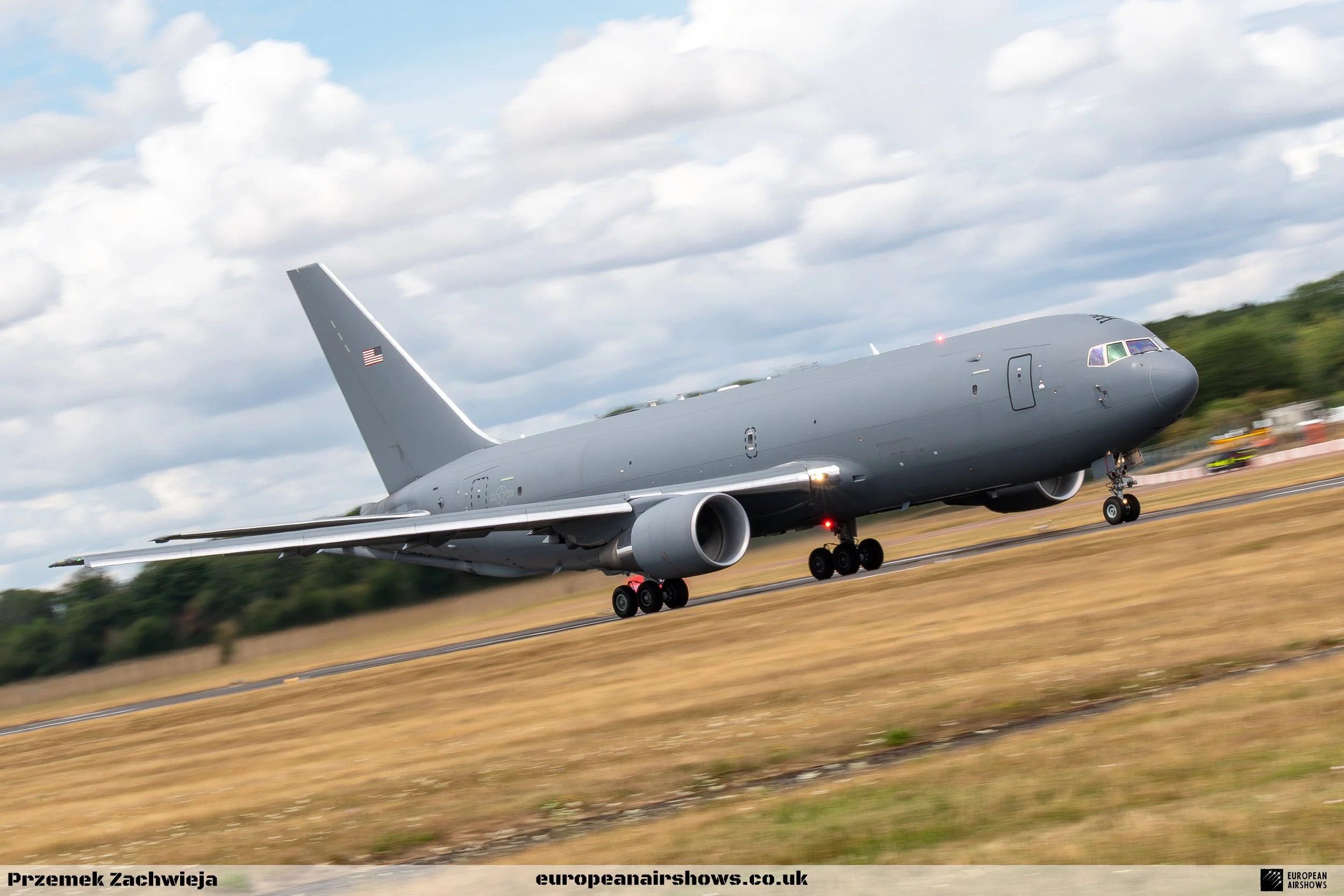
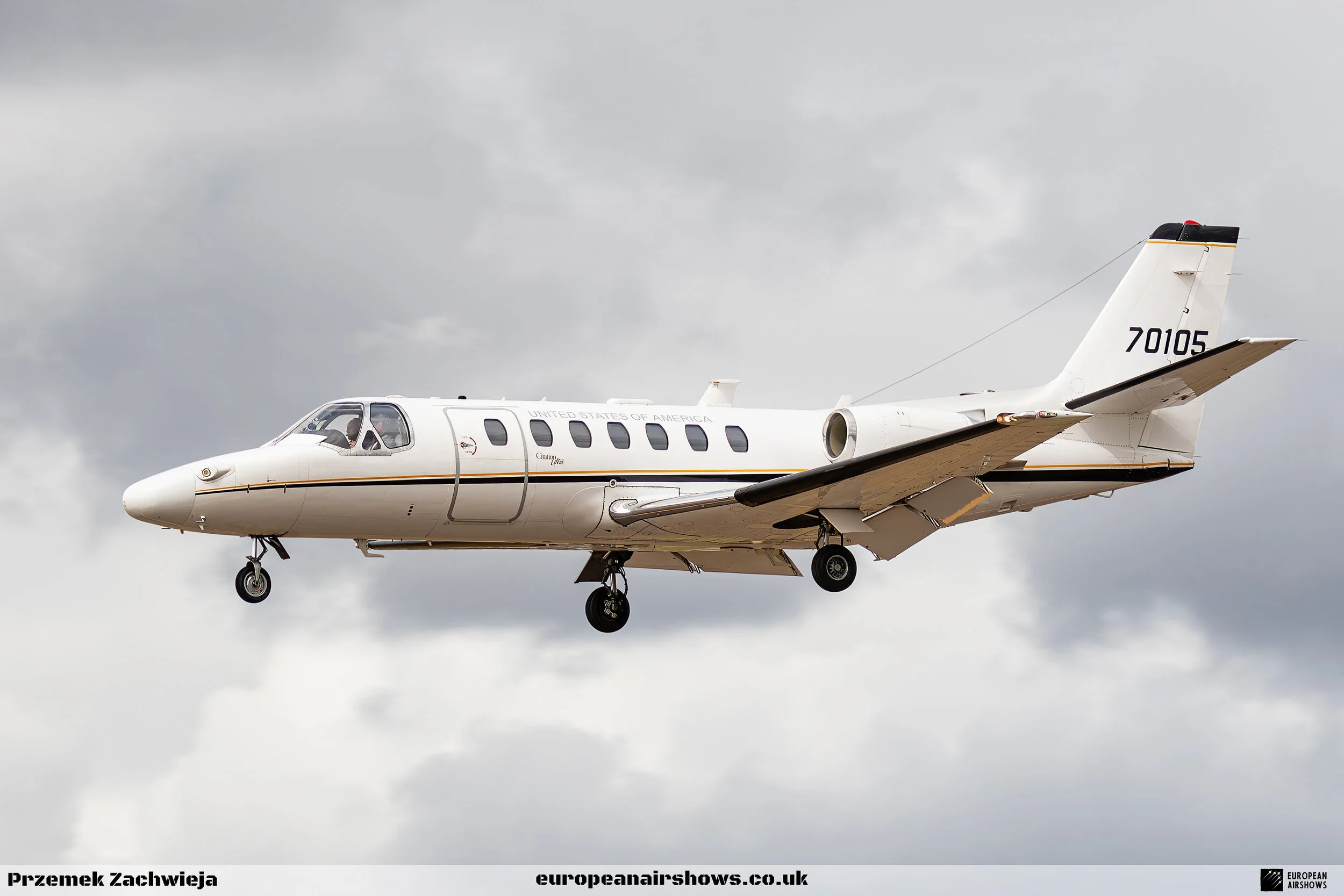
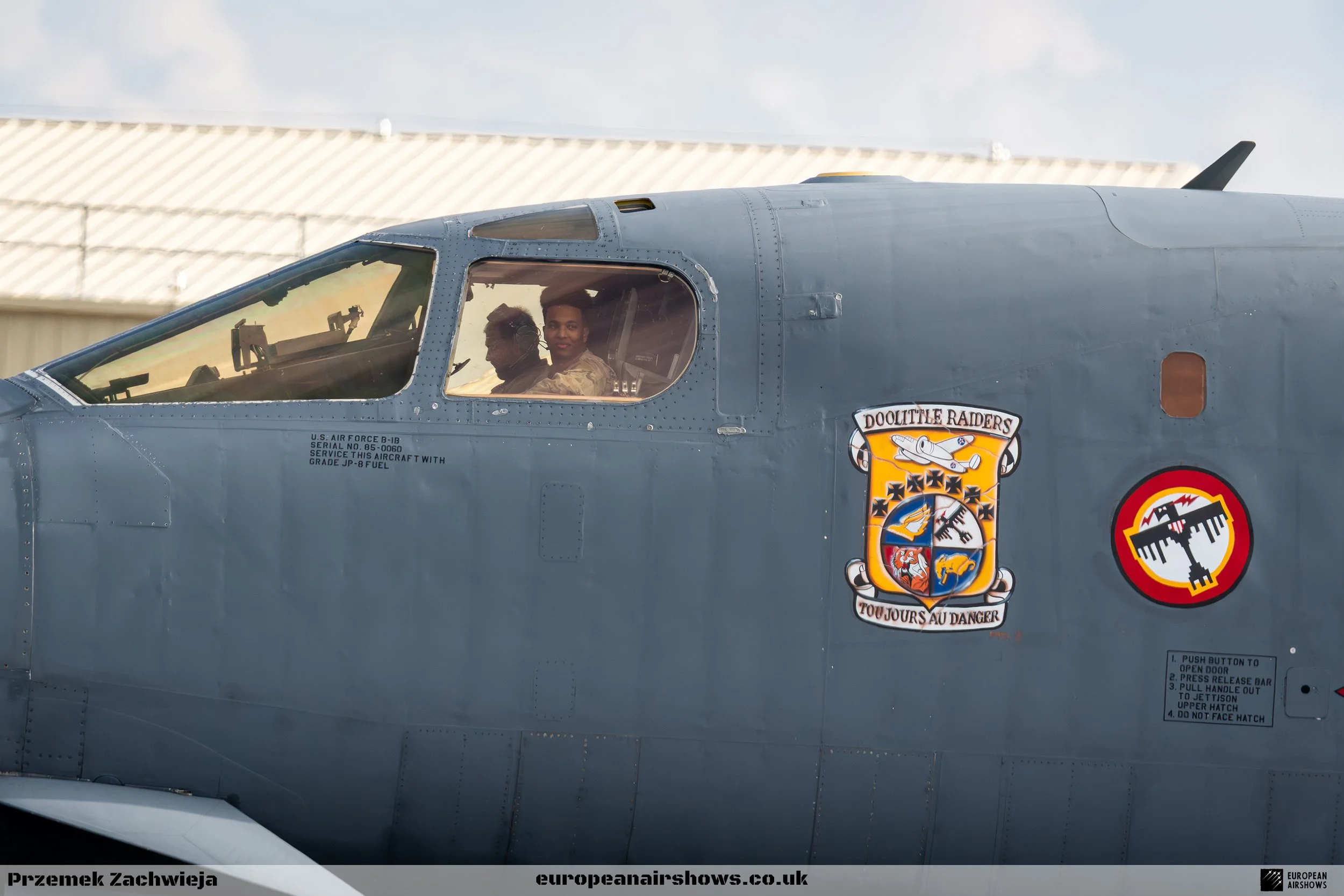
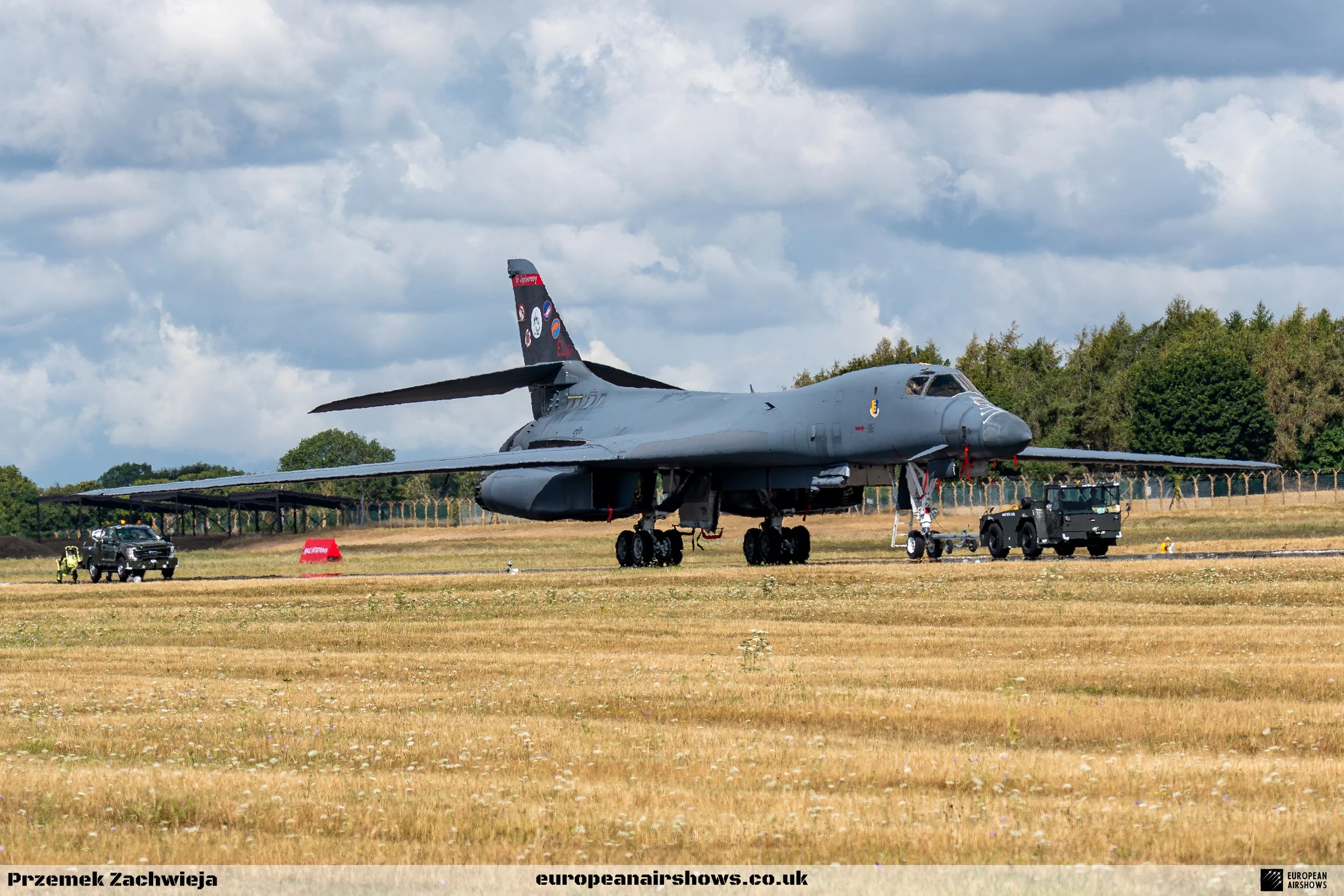
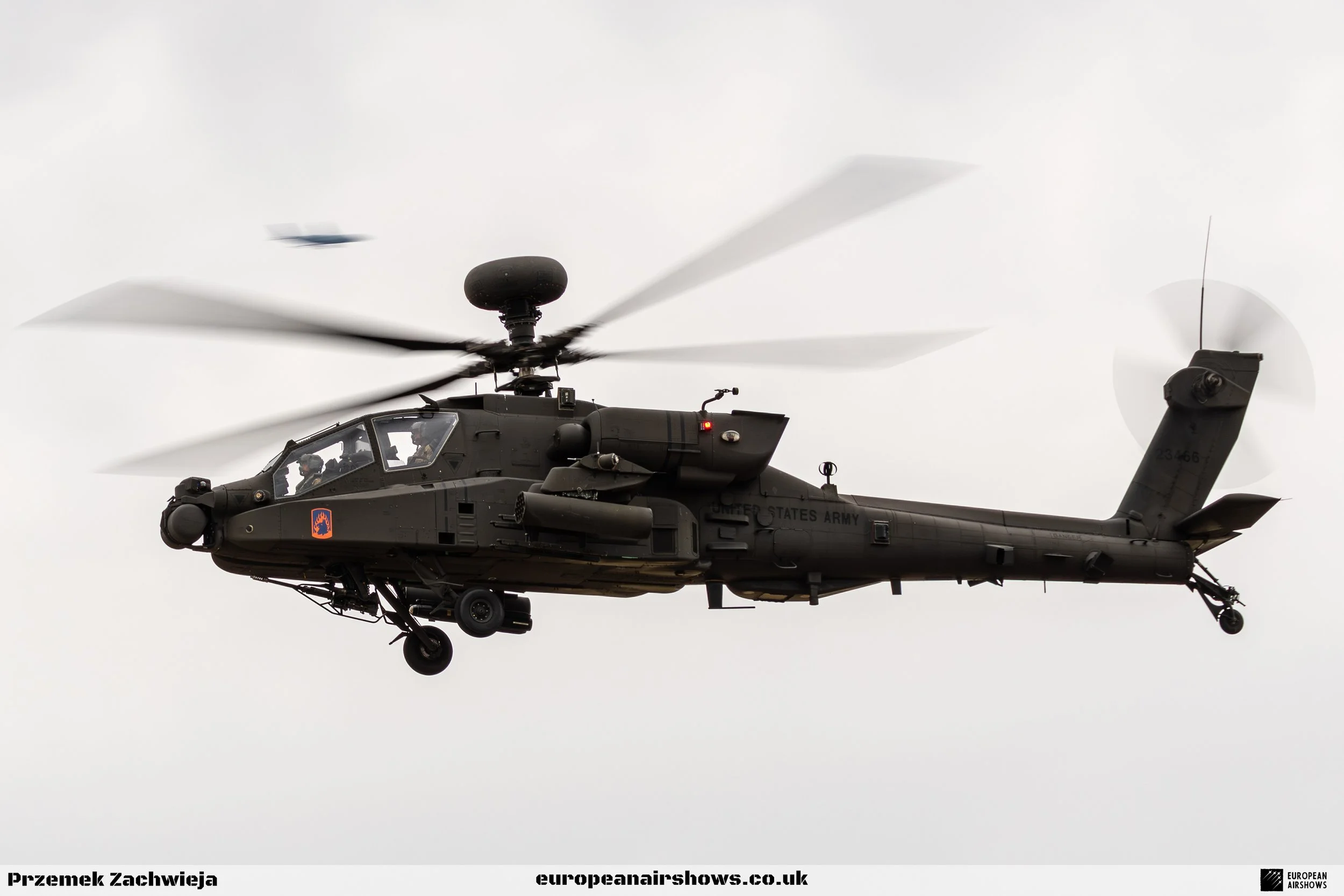
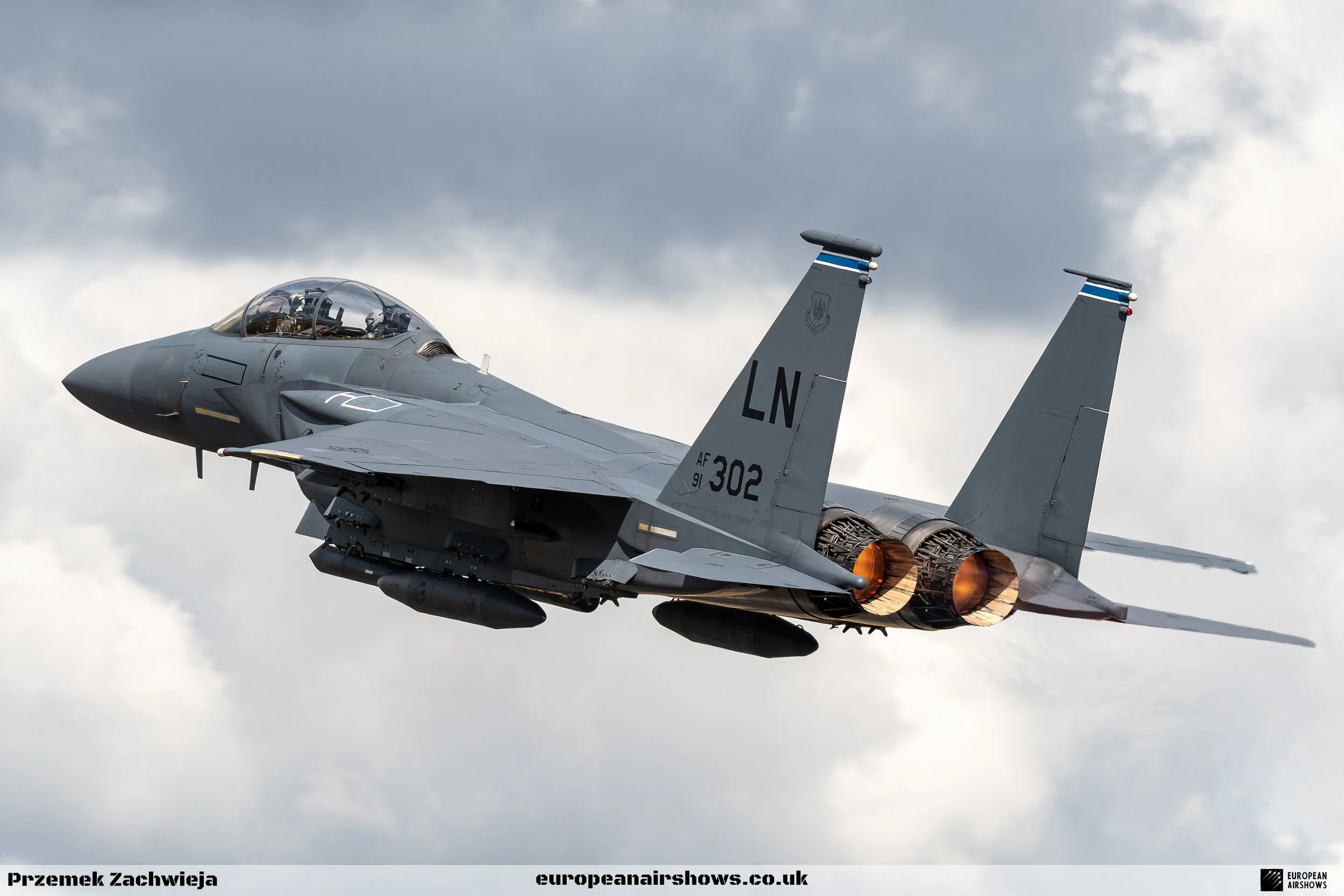
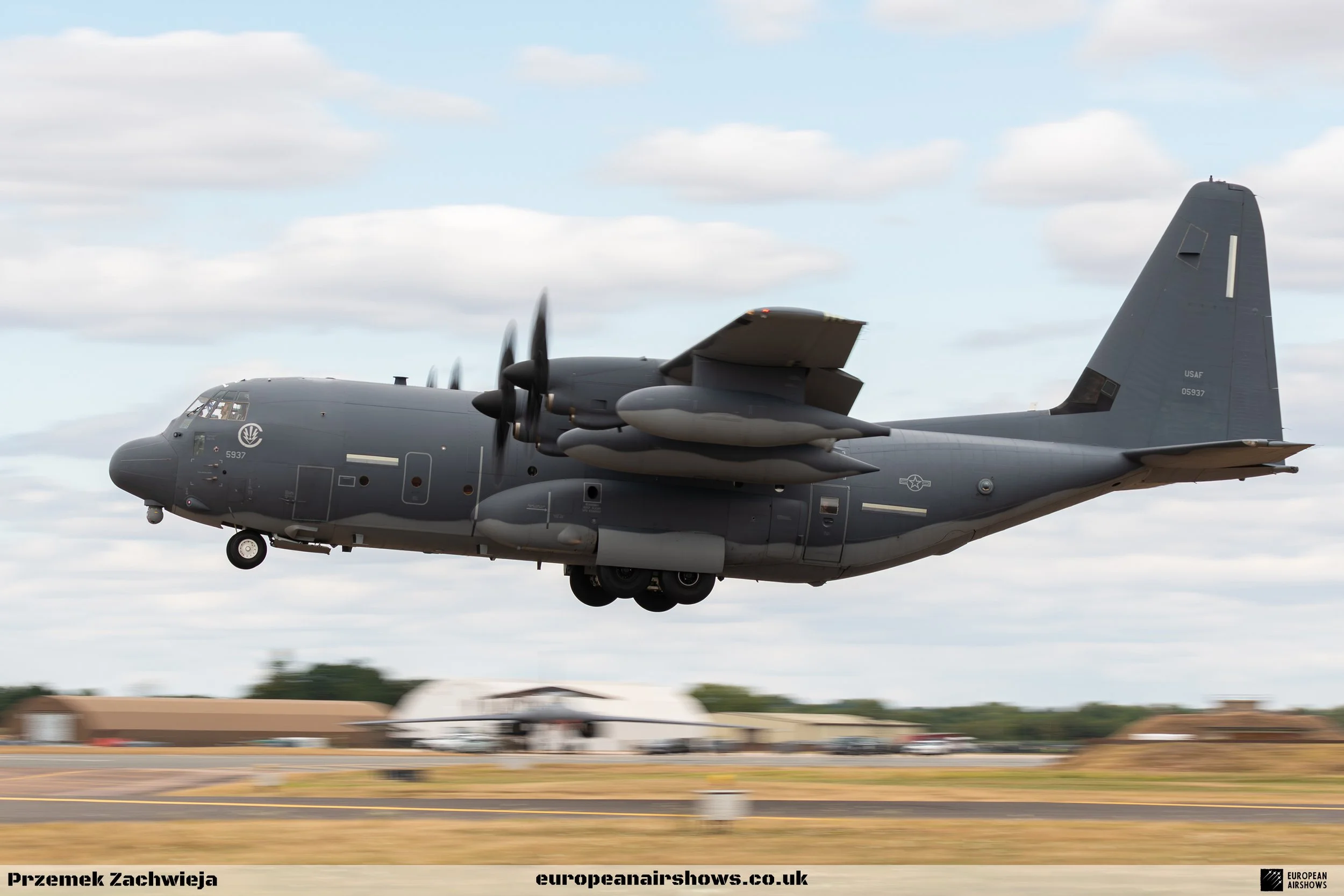
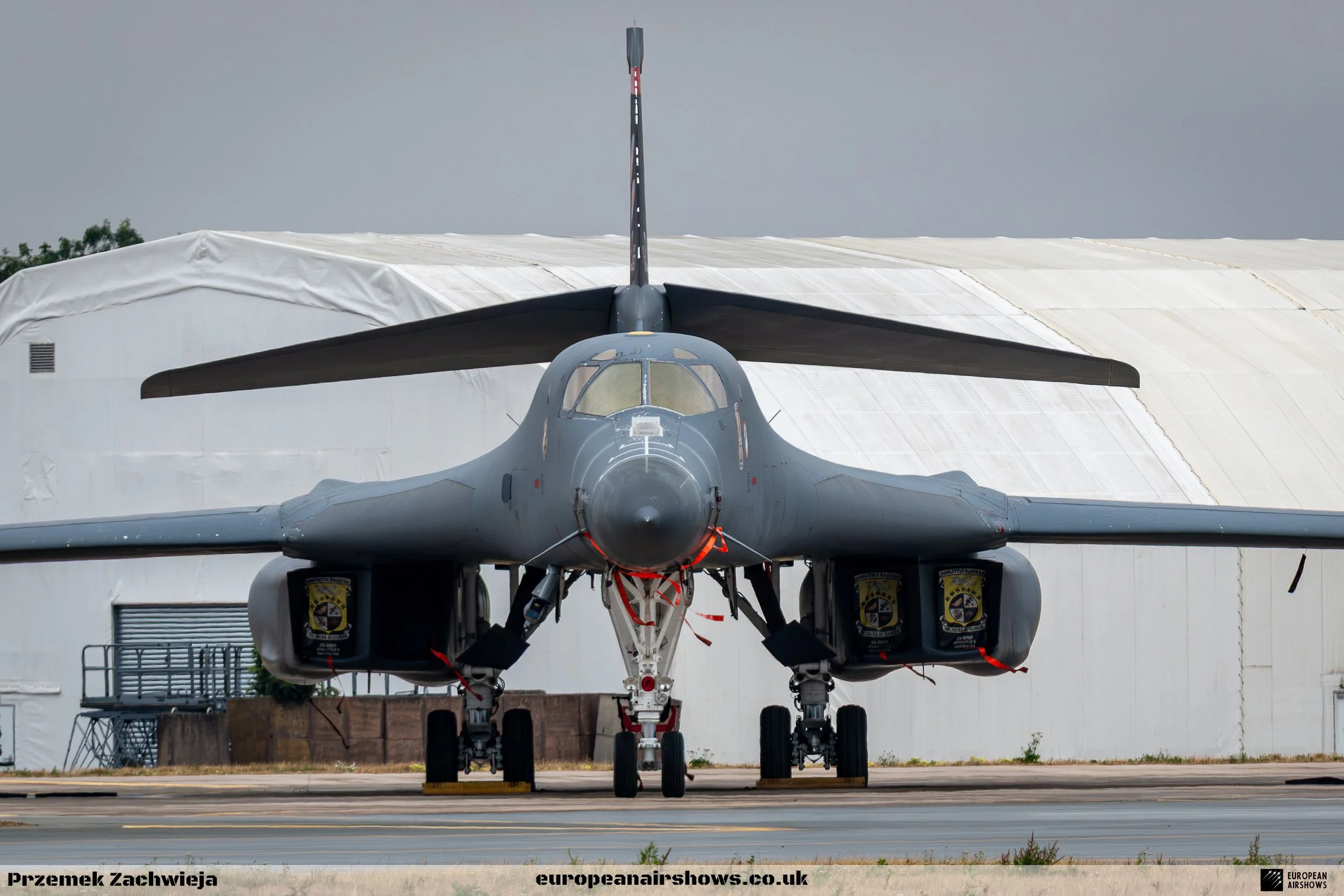
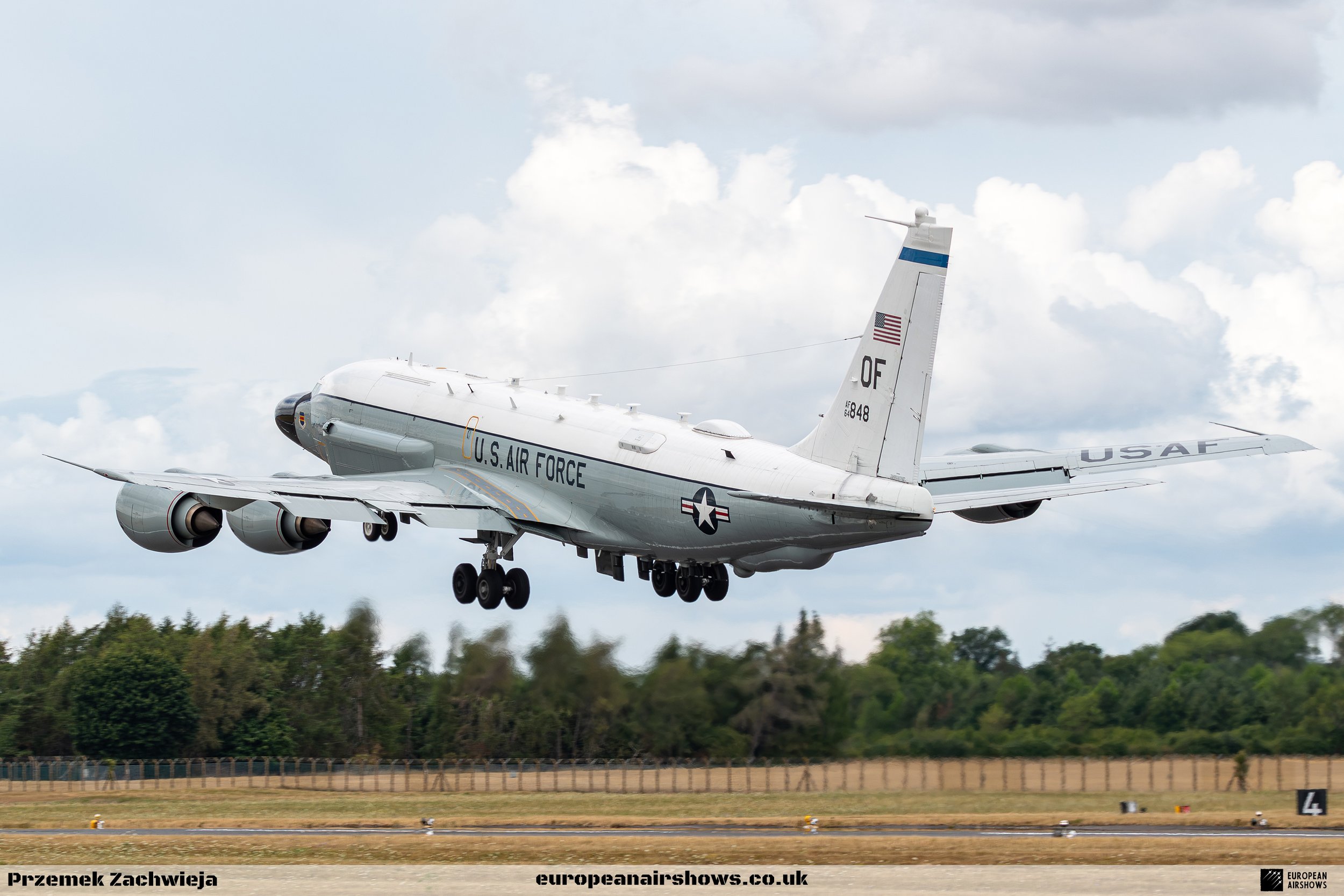
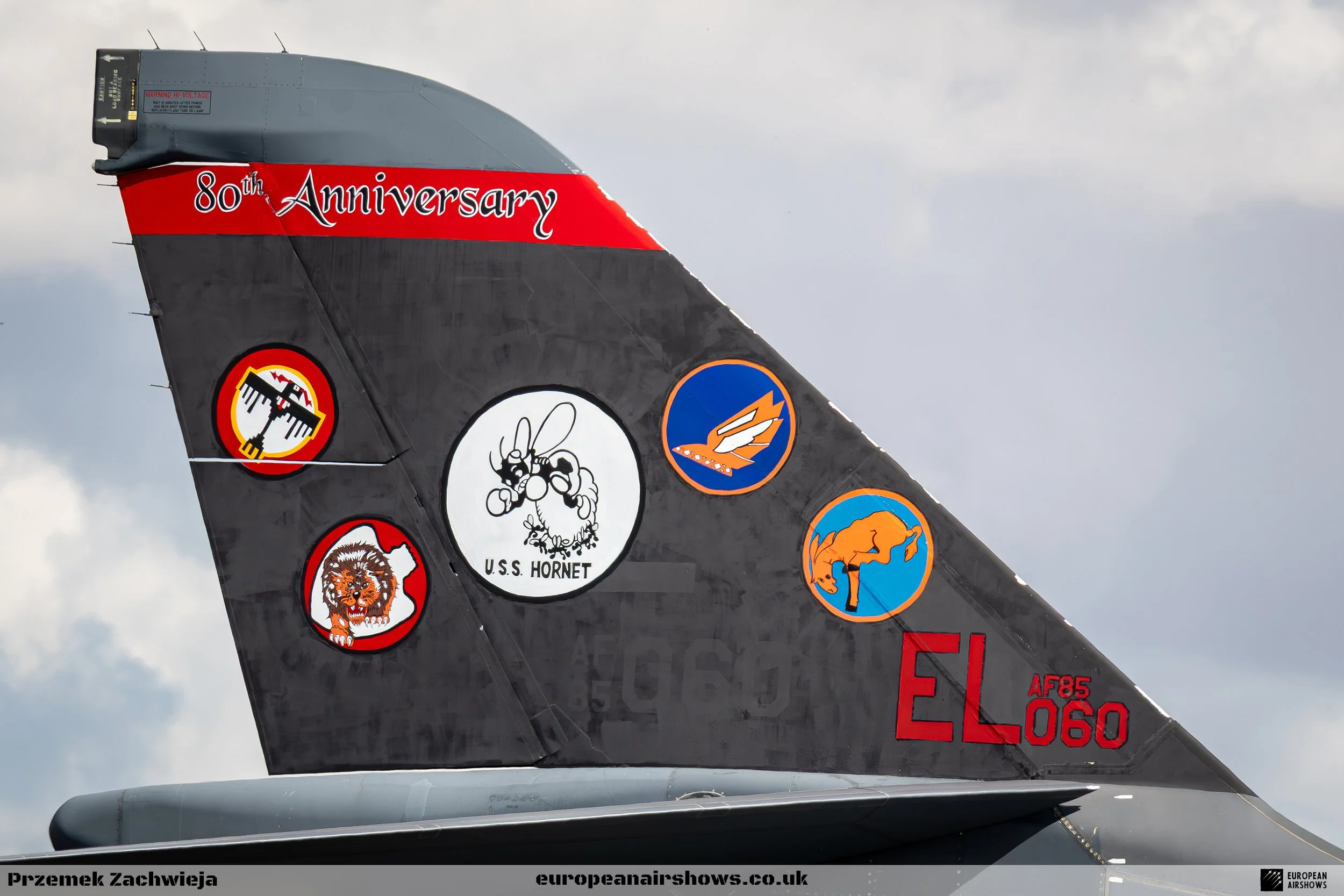
No RIAT would be complete without the big American hardware, and 2025 was no exception. The C-5M Super Galaxy from the 439th Airlift Wing was the largest aircraft on show, dwarfing the crowd lines. Alongside it were a KC-46A Pegasus (108th Wing) and a KC-135R Stratotanker from the 351st ARS, tying into Fairford40 by echoing the airfield’s Cold War tanker heritage. ISR presence was strong with a RC-135V Rivet Joint and a U-2S from the 99th ERS, the latter always drawing queues for photographs. Special Ops brought an MC-130J Commando II, while fighters included an F-35A from the 495th Fighter Squadron and an F-15E Strike Eagle from the 492nd. The undisputed talking point, however, was the B-1B Lancer from the 37th Bomb Squadron in a special scheme commemorating the 80th anniversary of the Doolittle Raid. The U.S. Army rounded out the APACHE50 theme with an AH-64E Guardian from its 12th CAB.
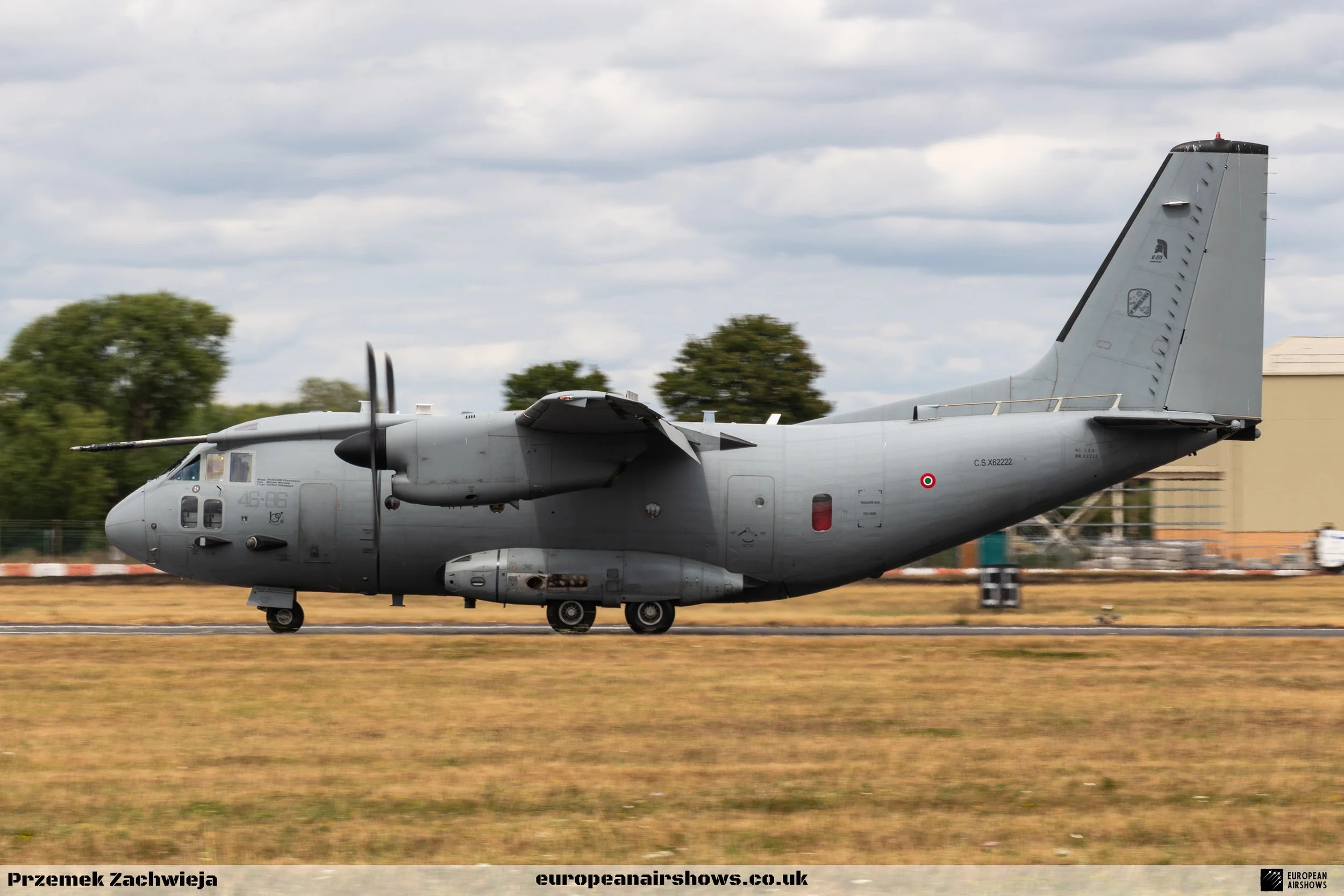
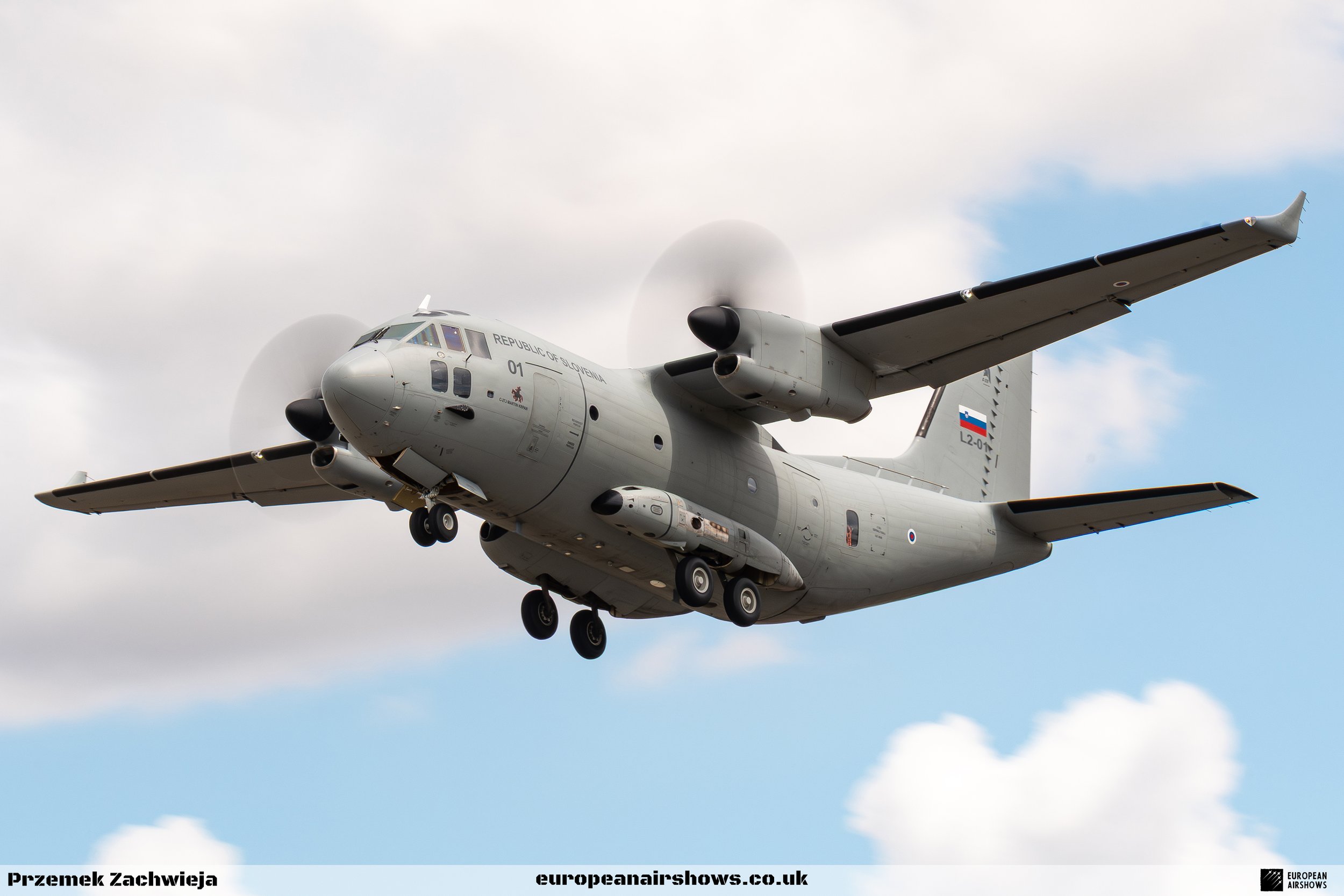
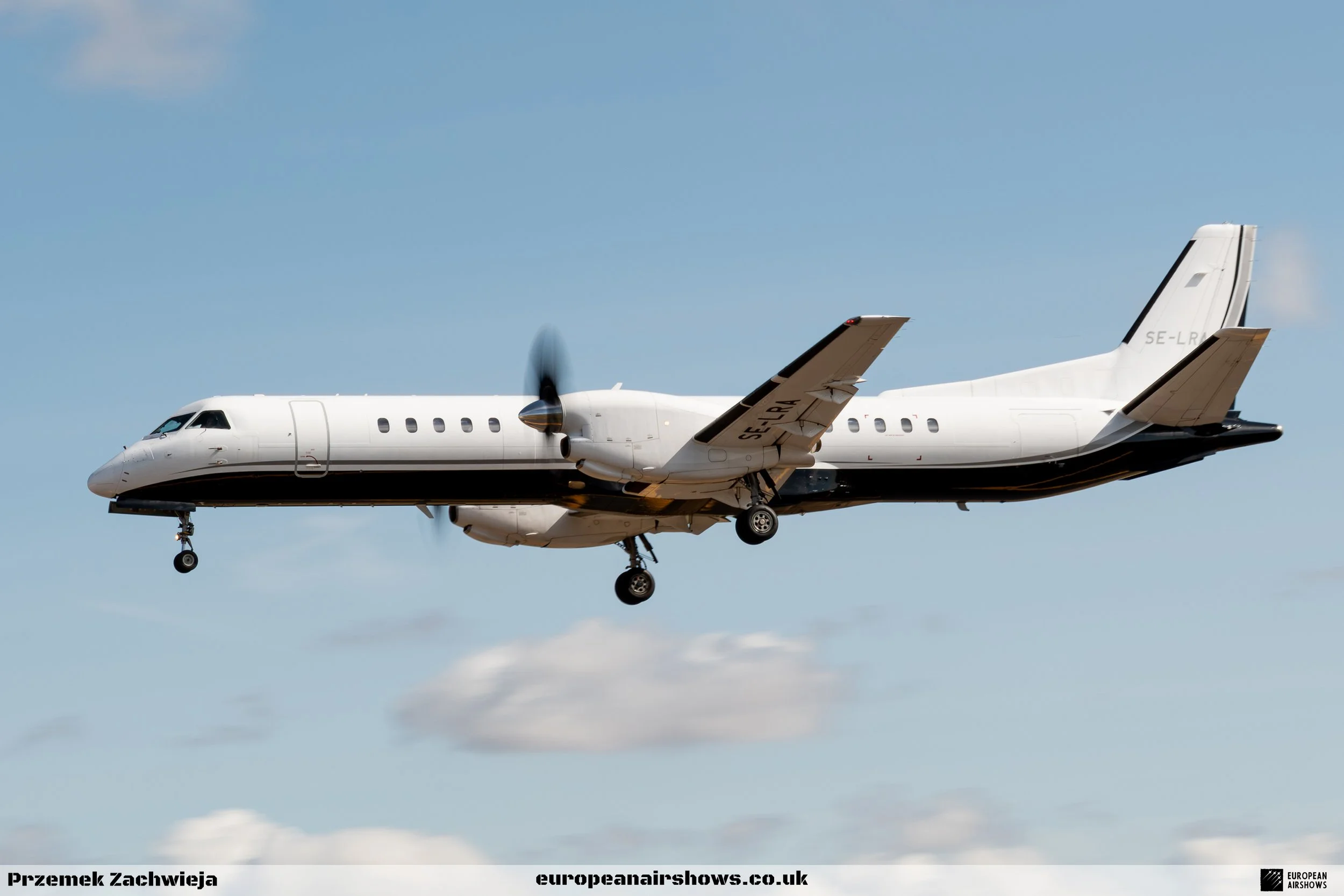
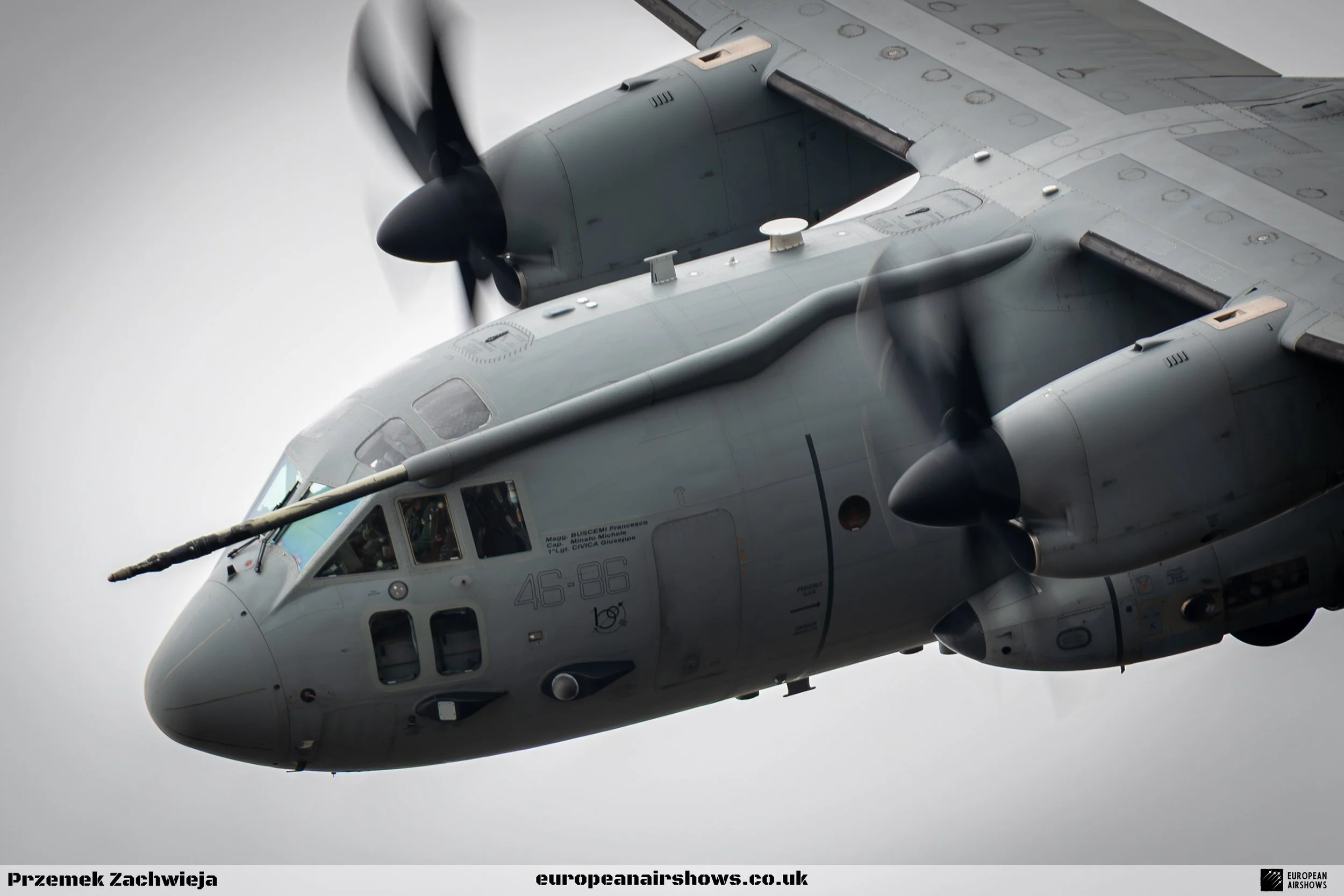
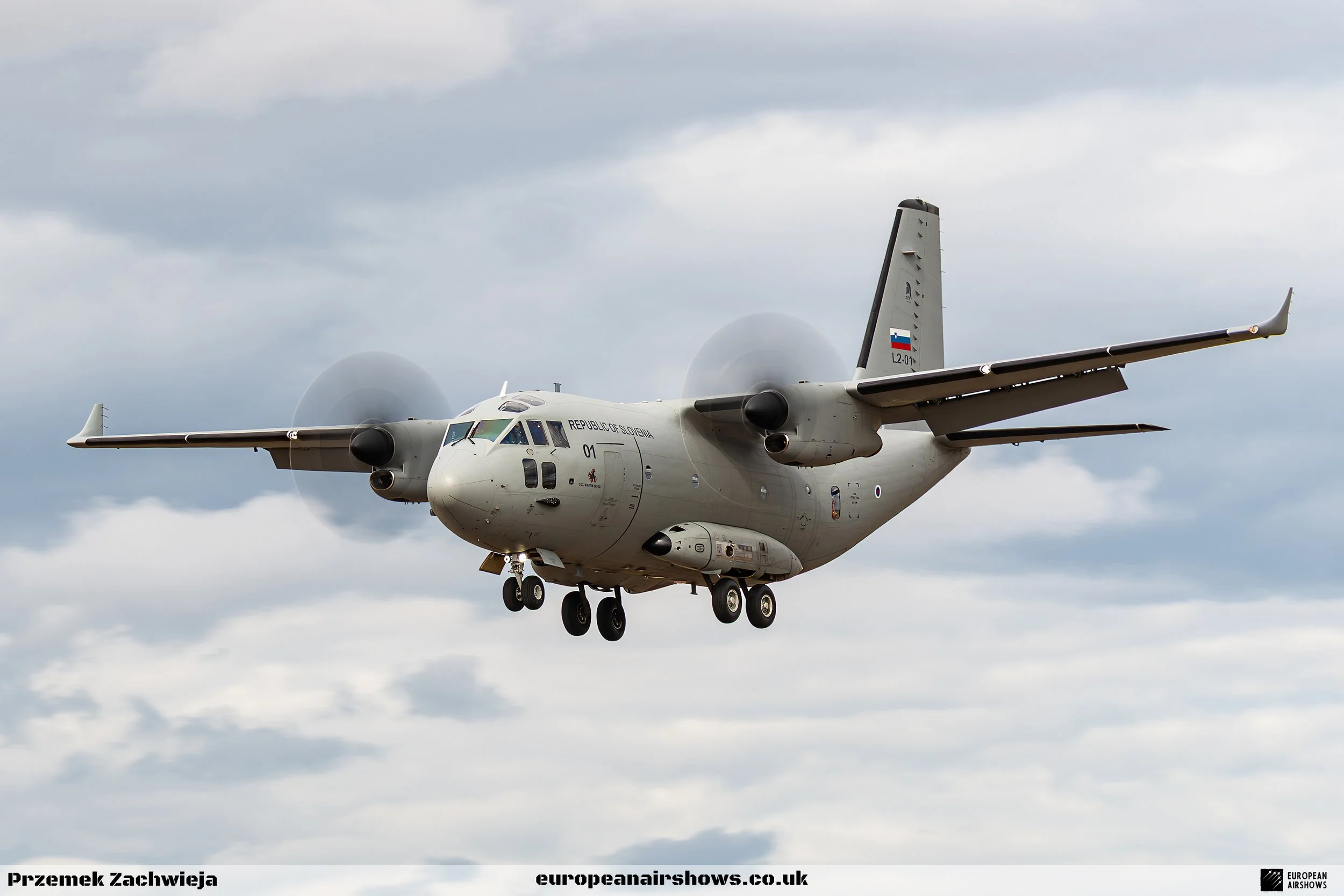
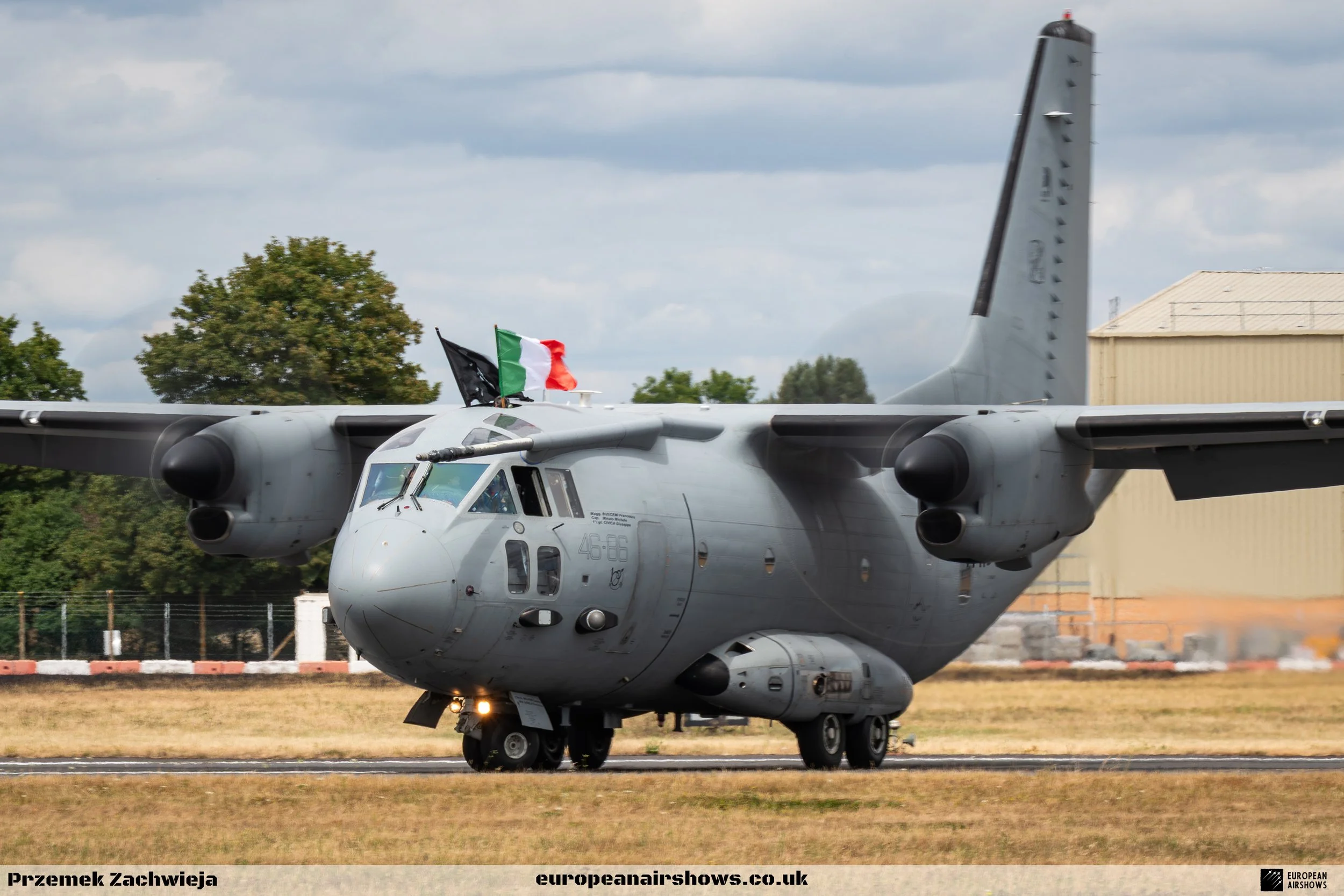
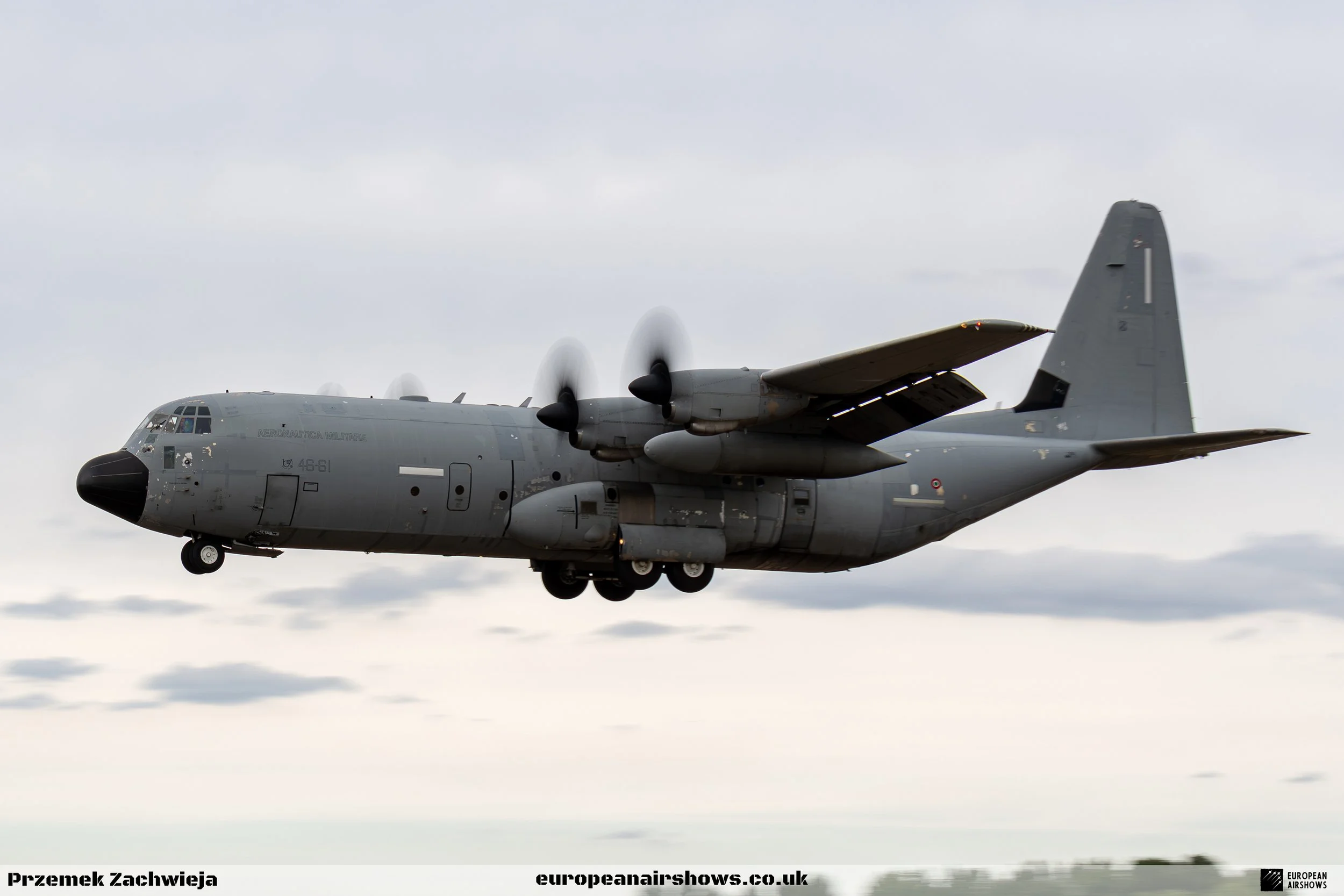
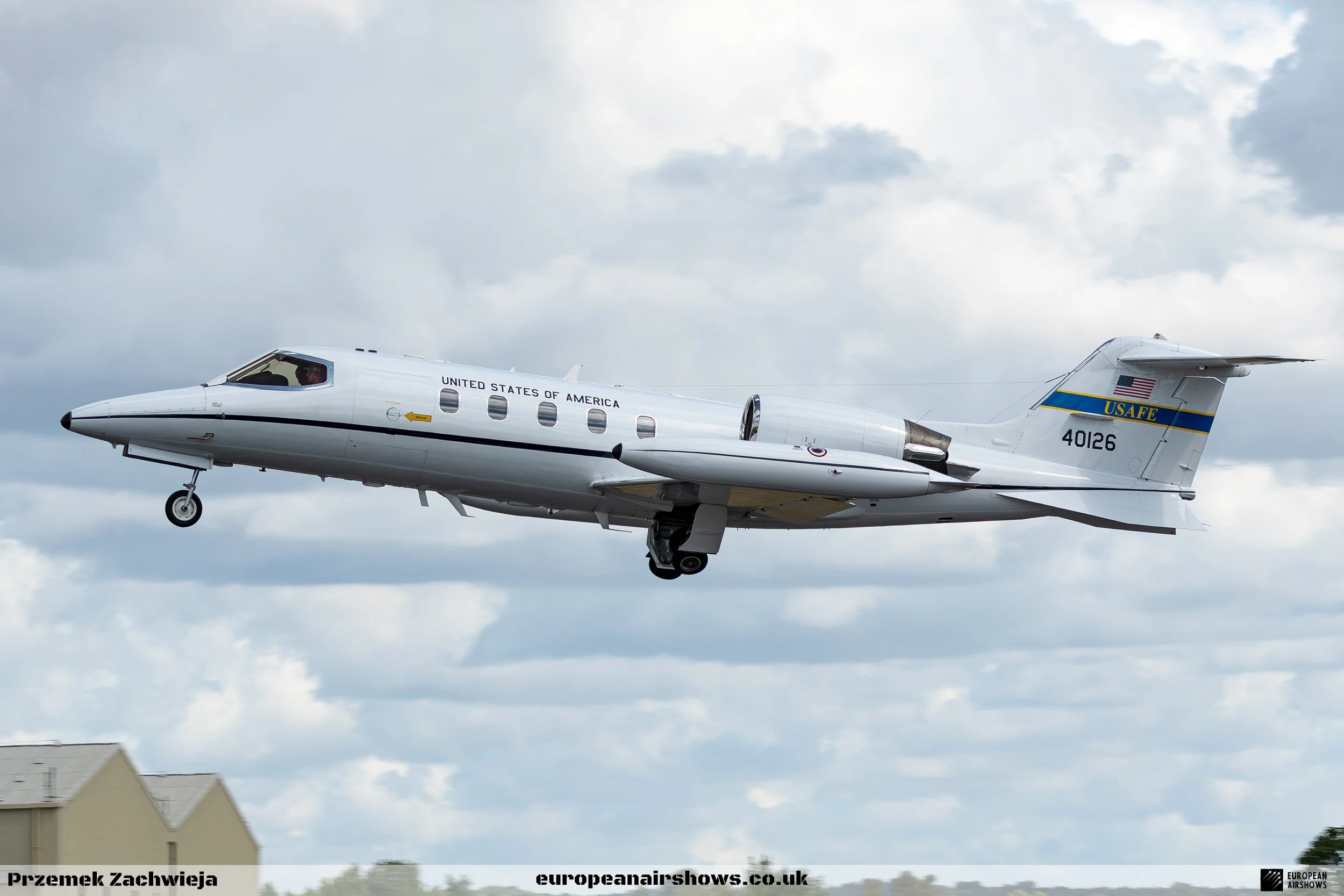
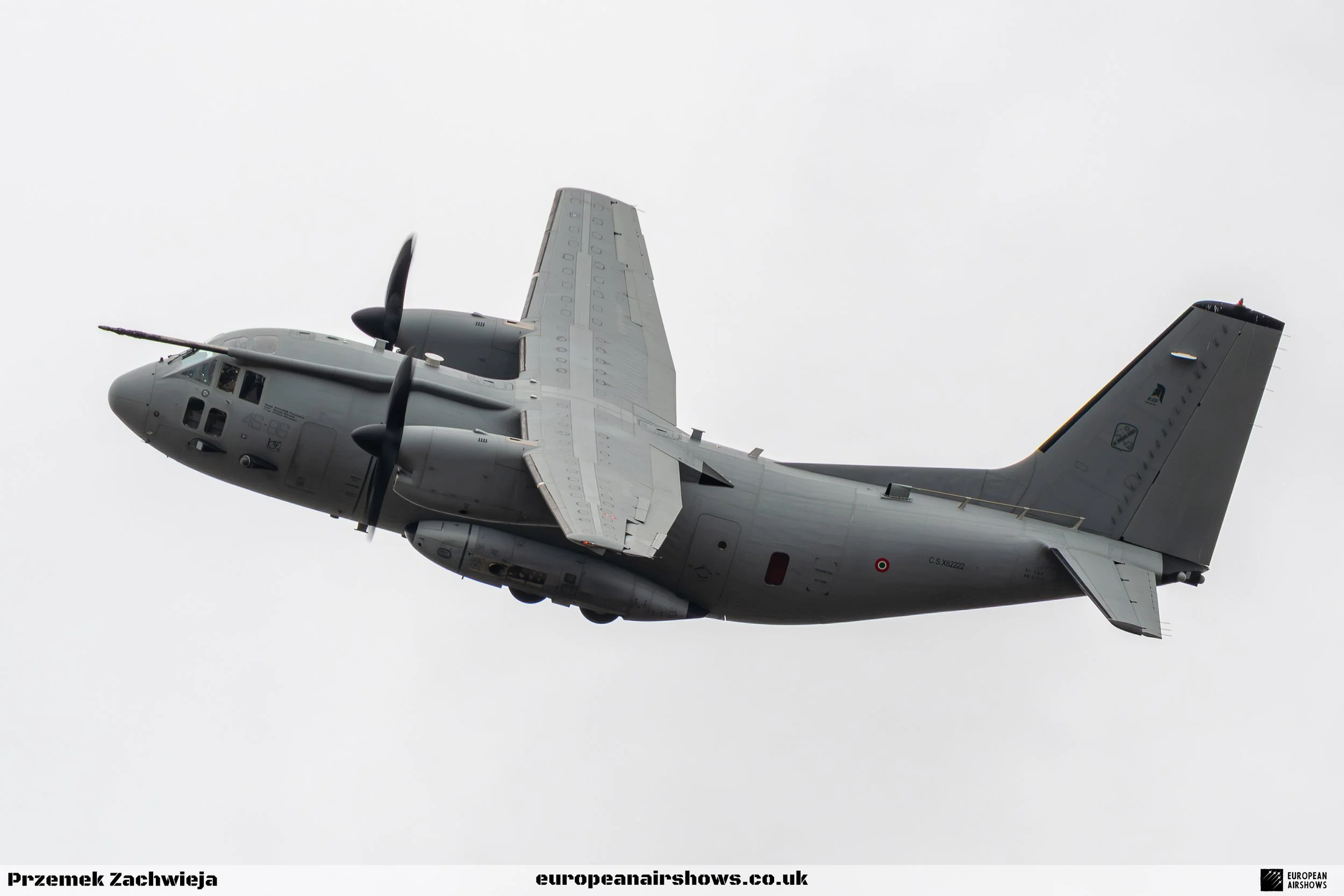
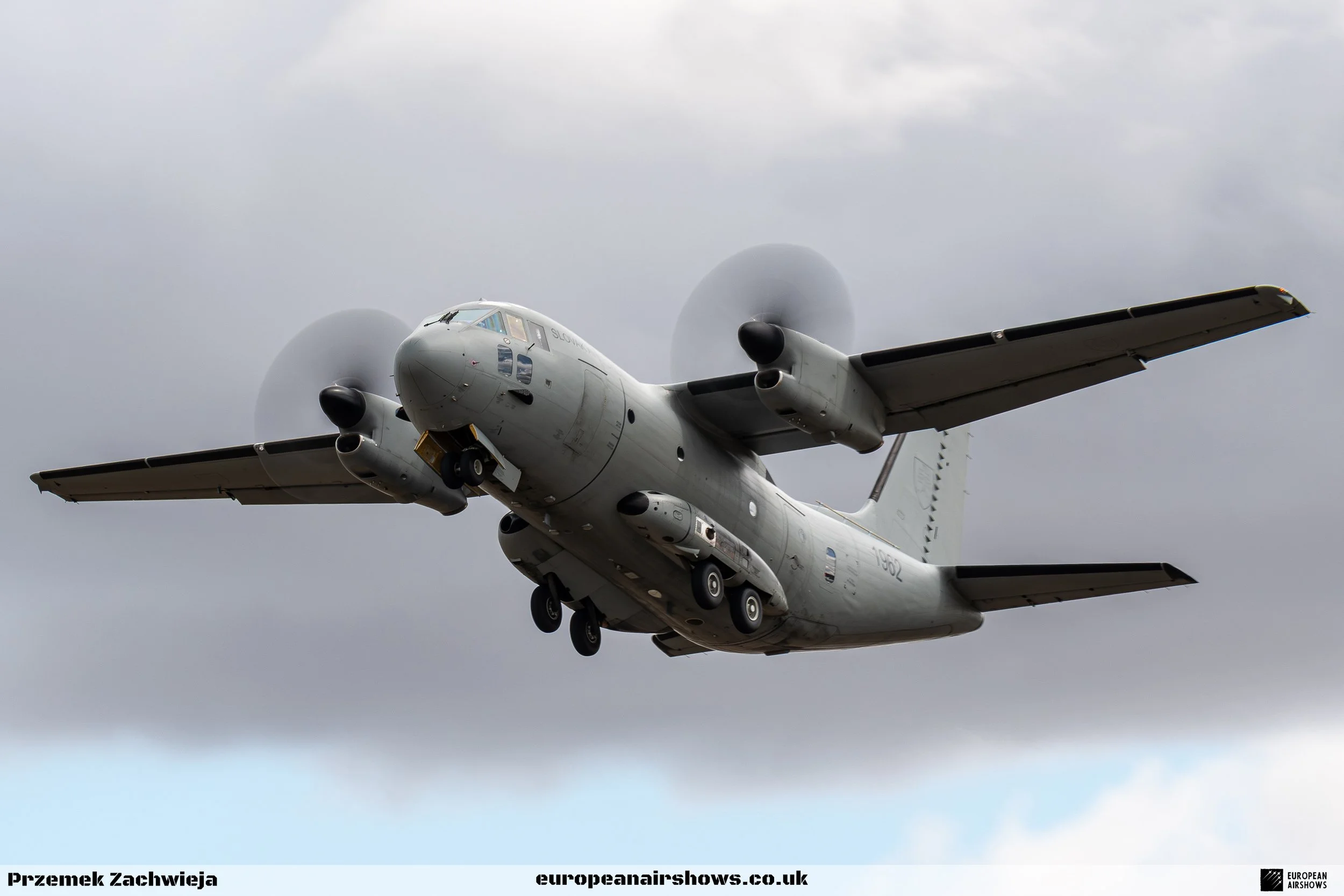
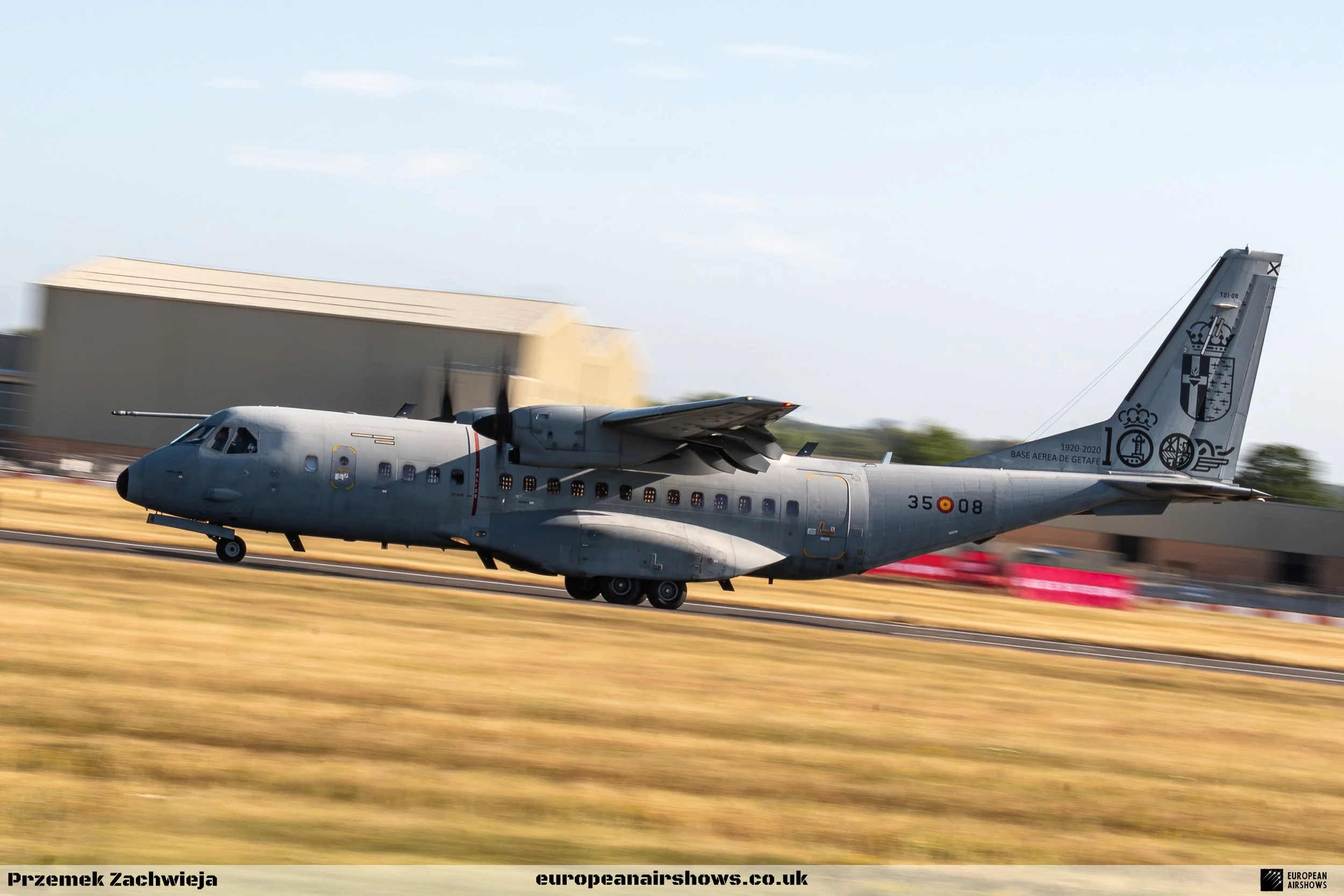
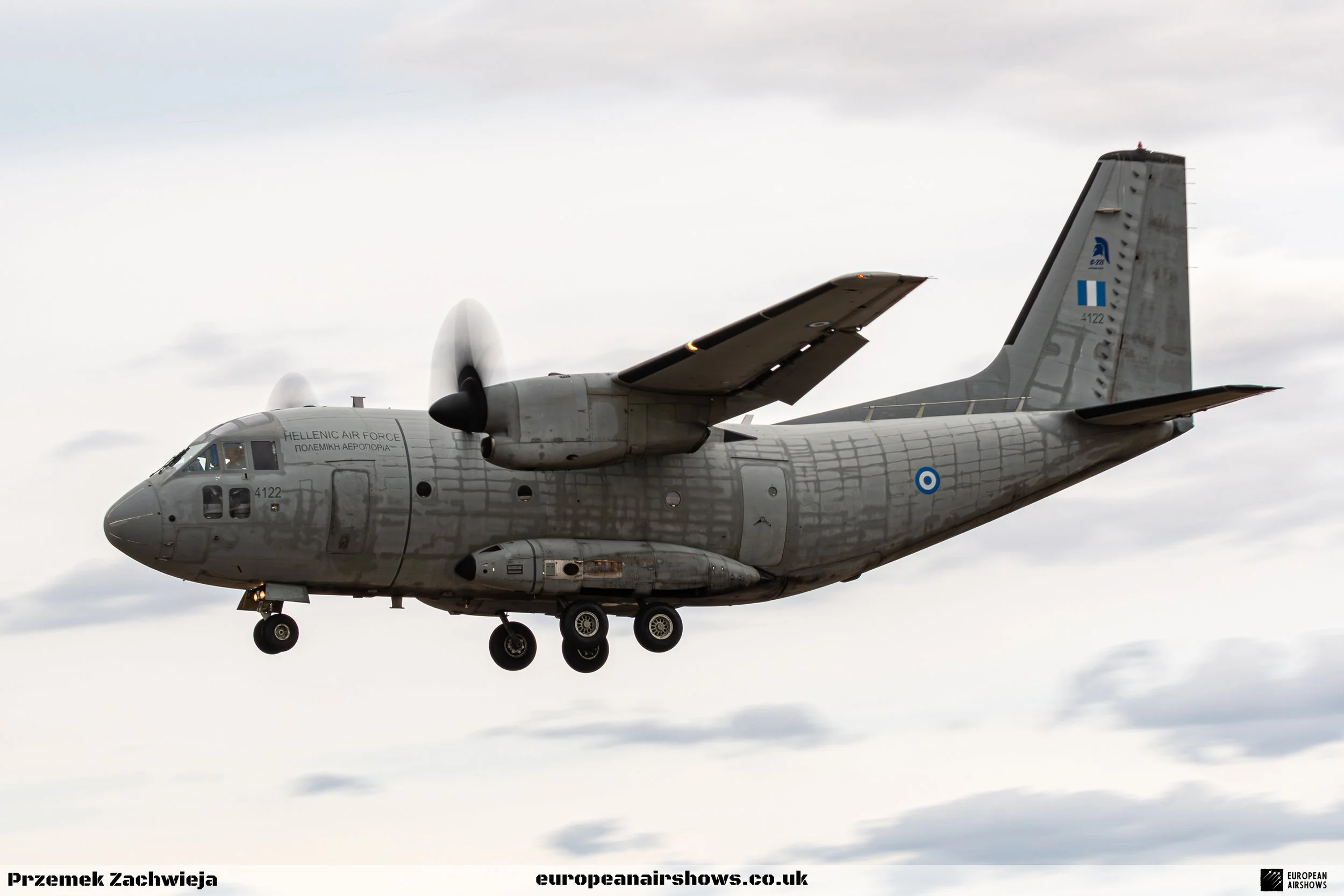
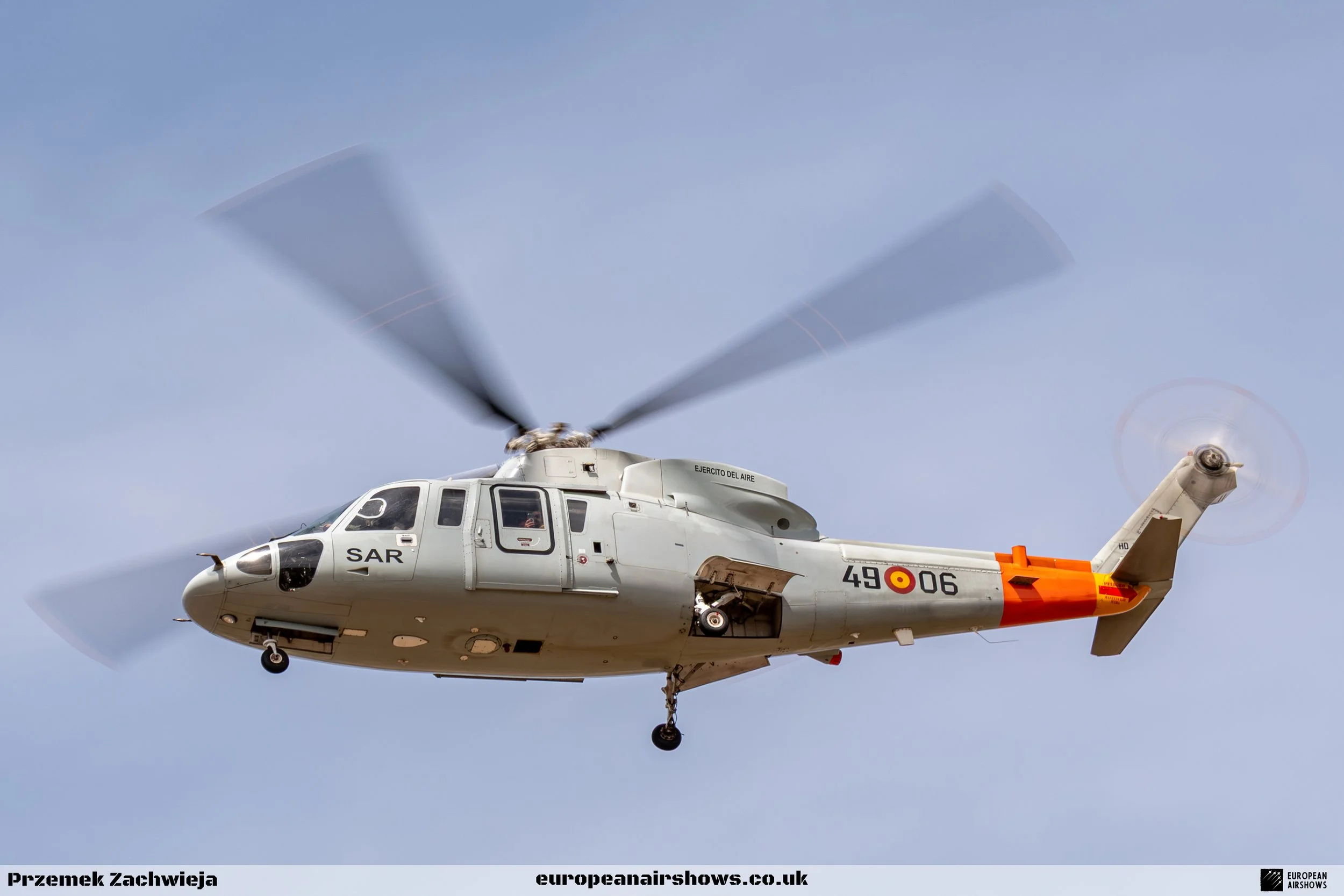
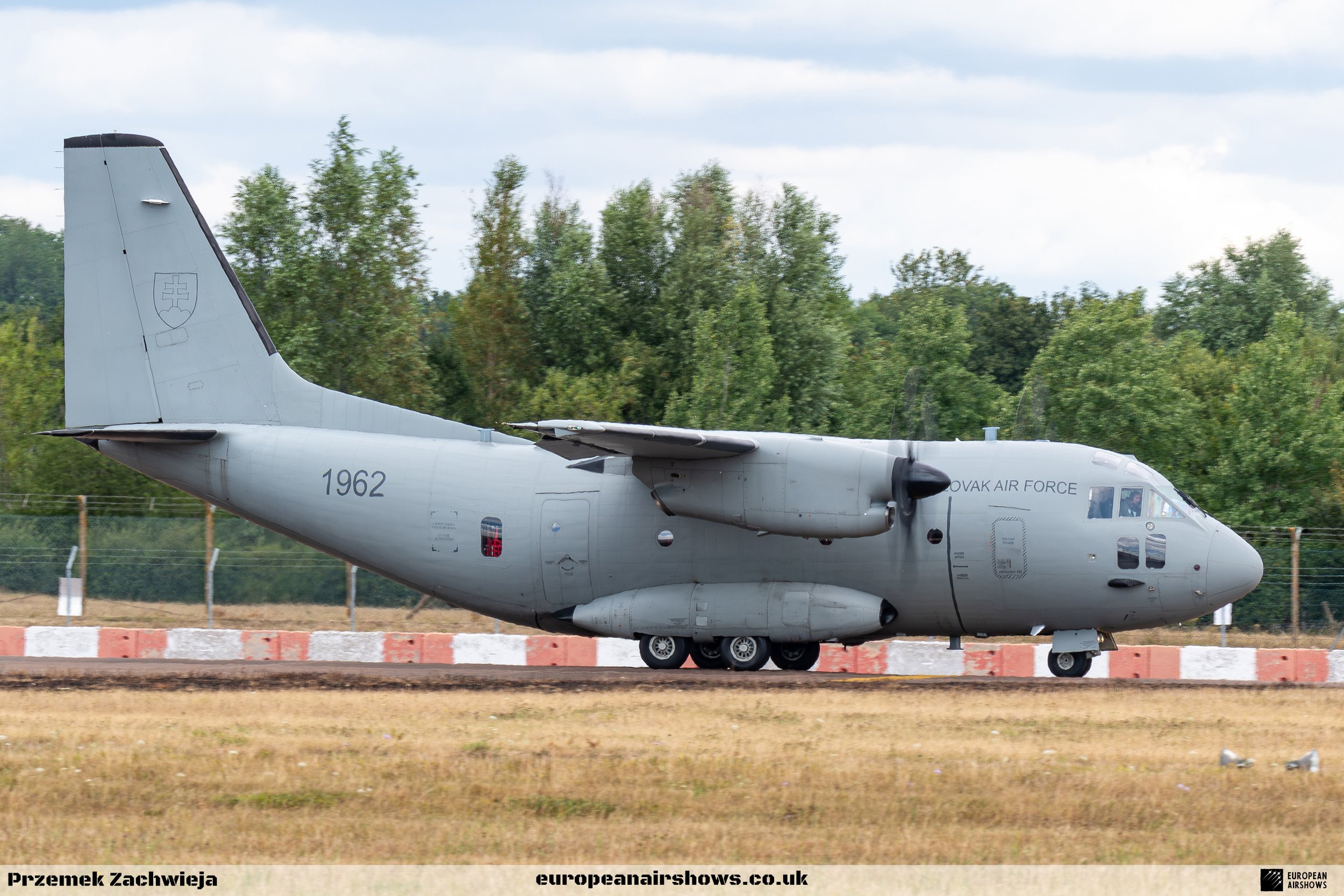
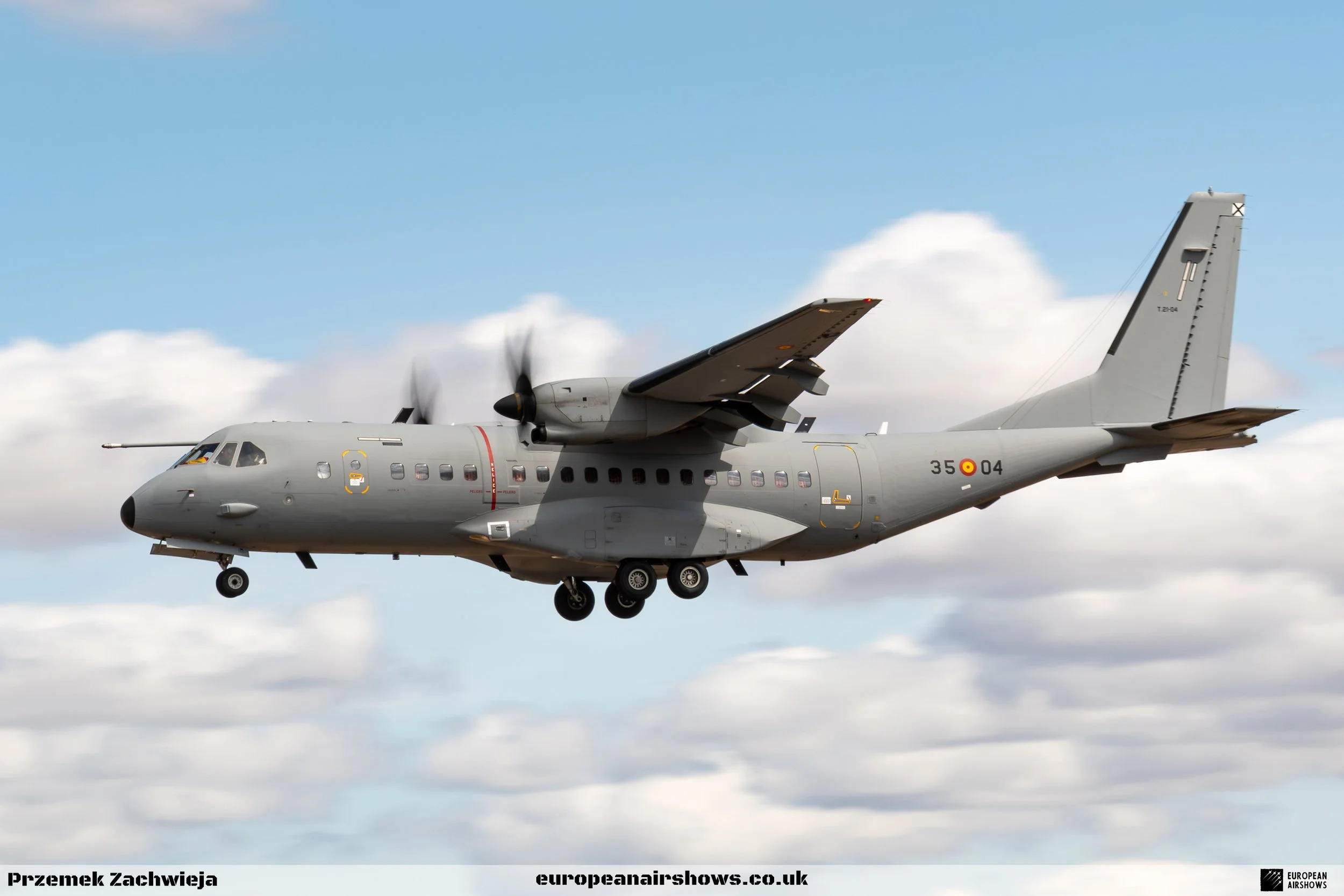
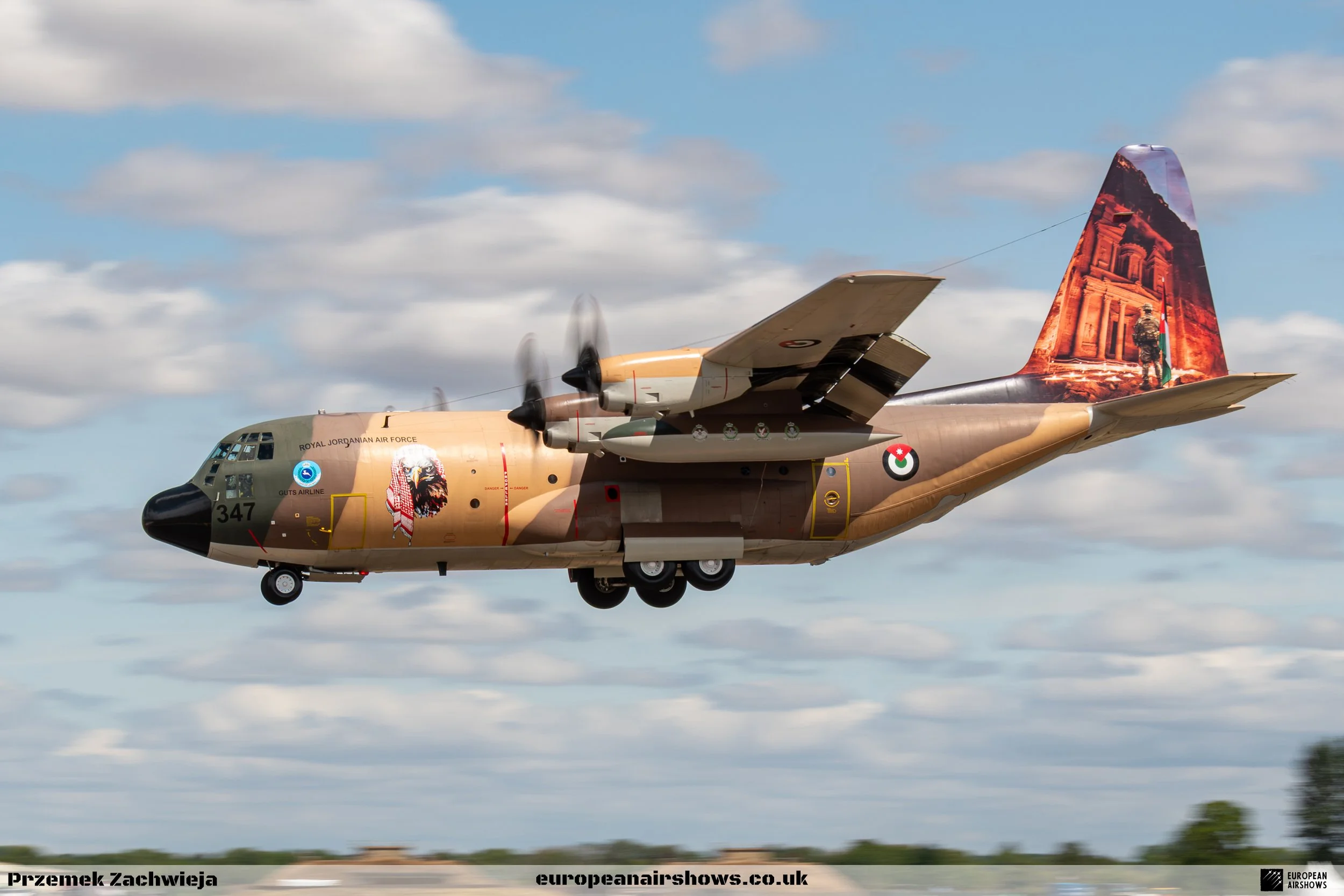
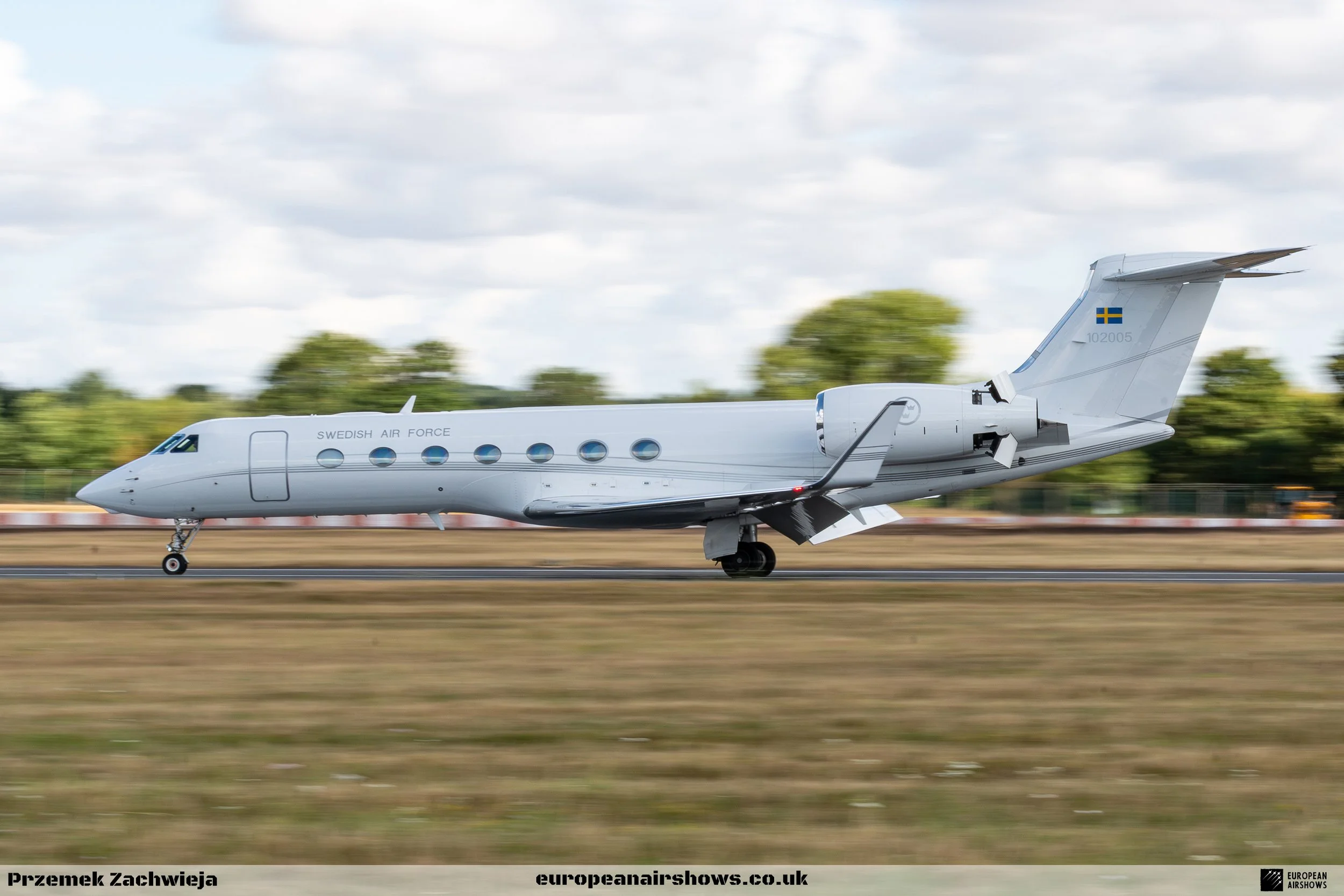
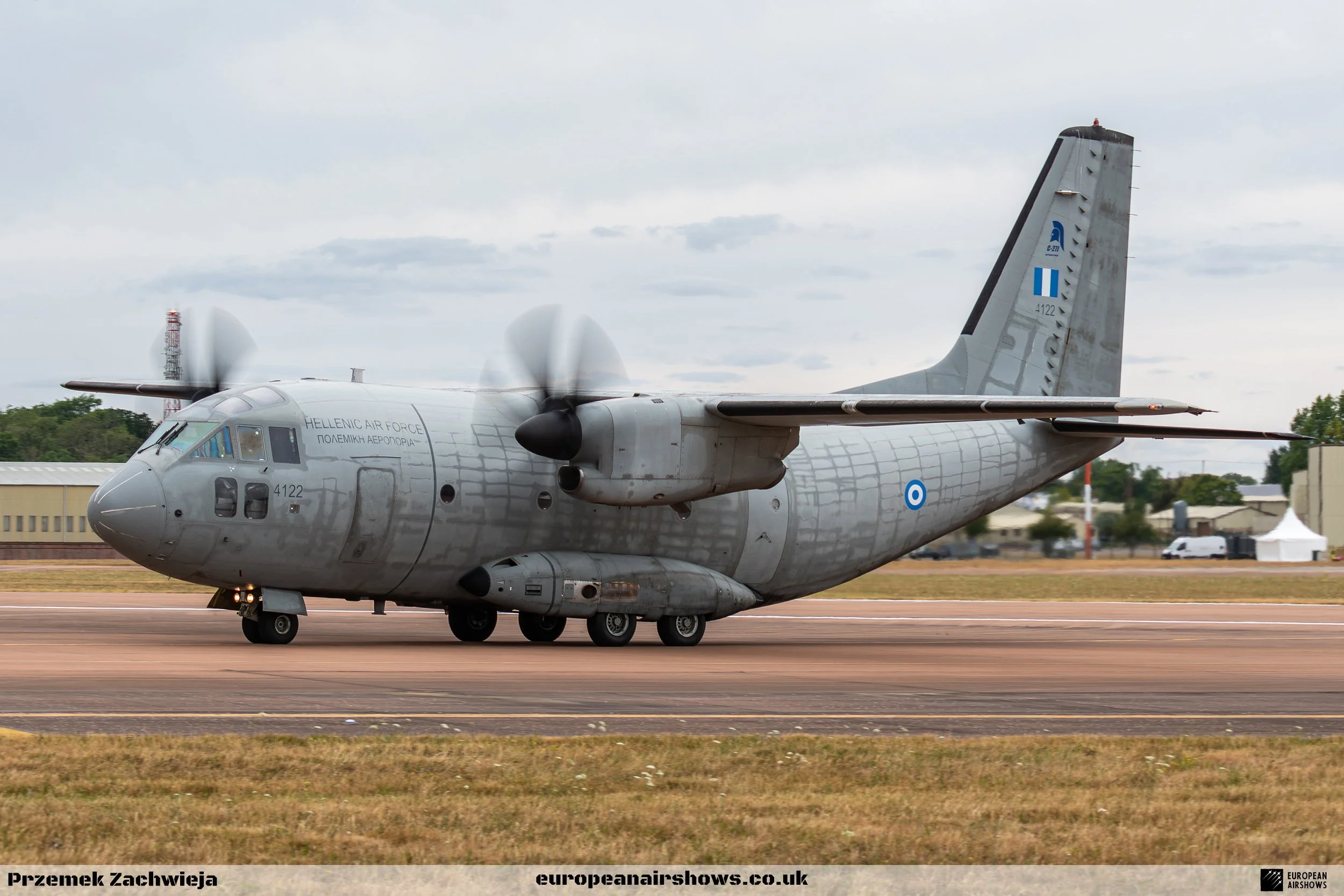
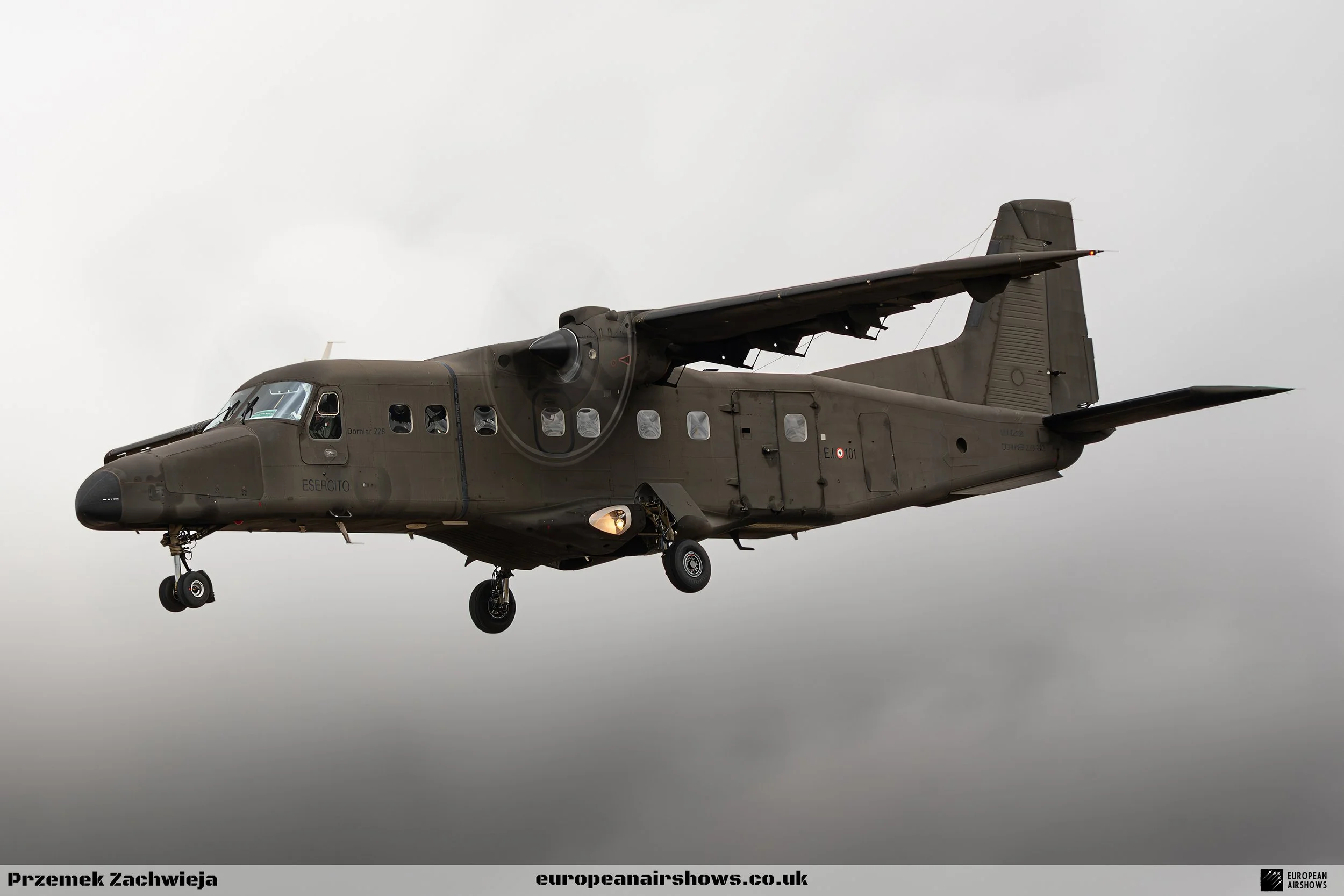
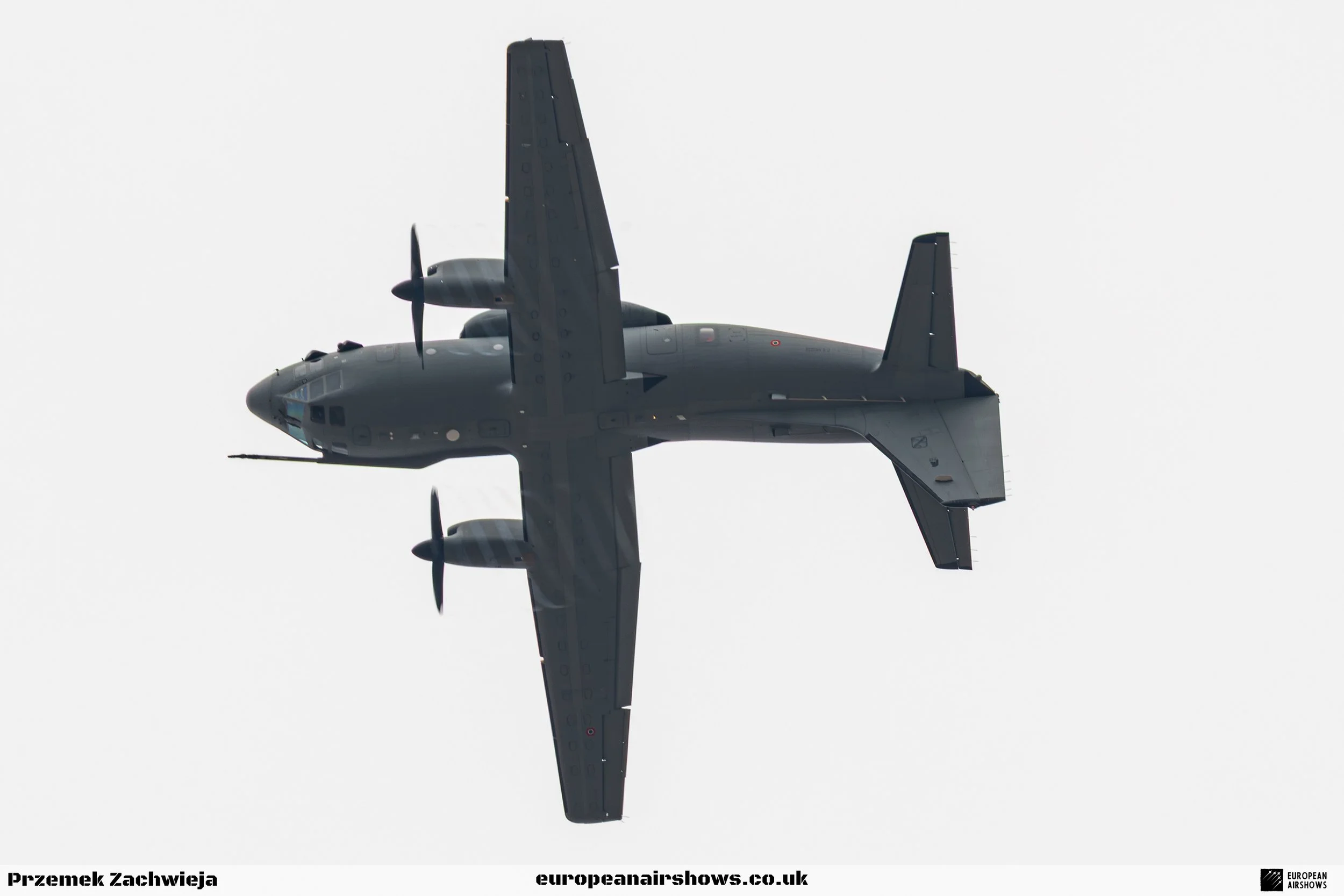
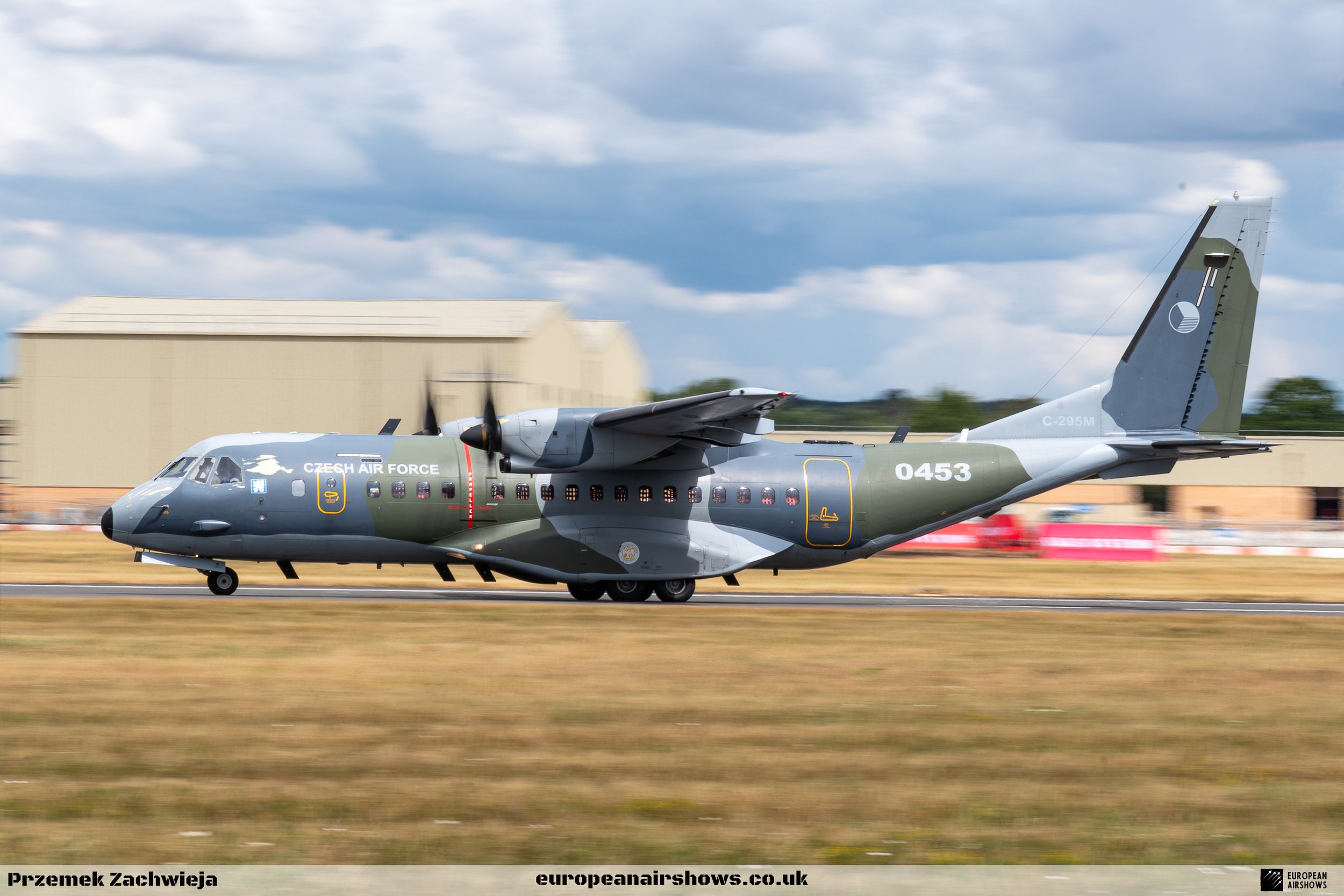
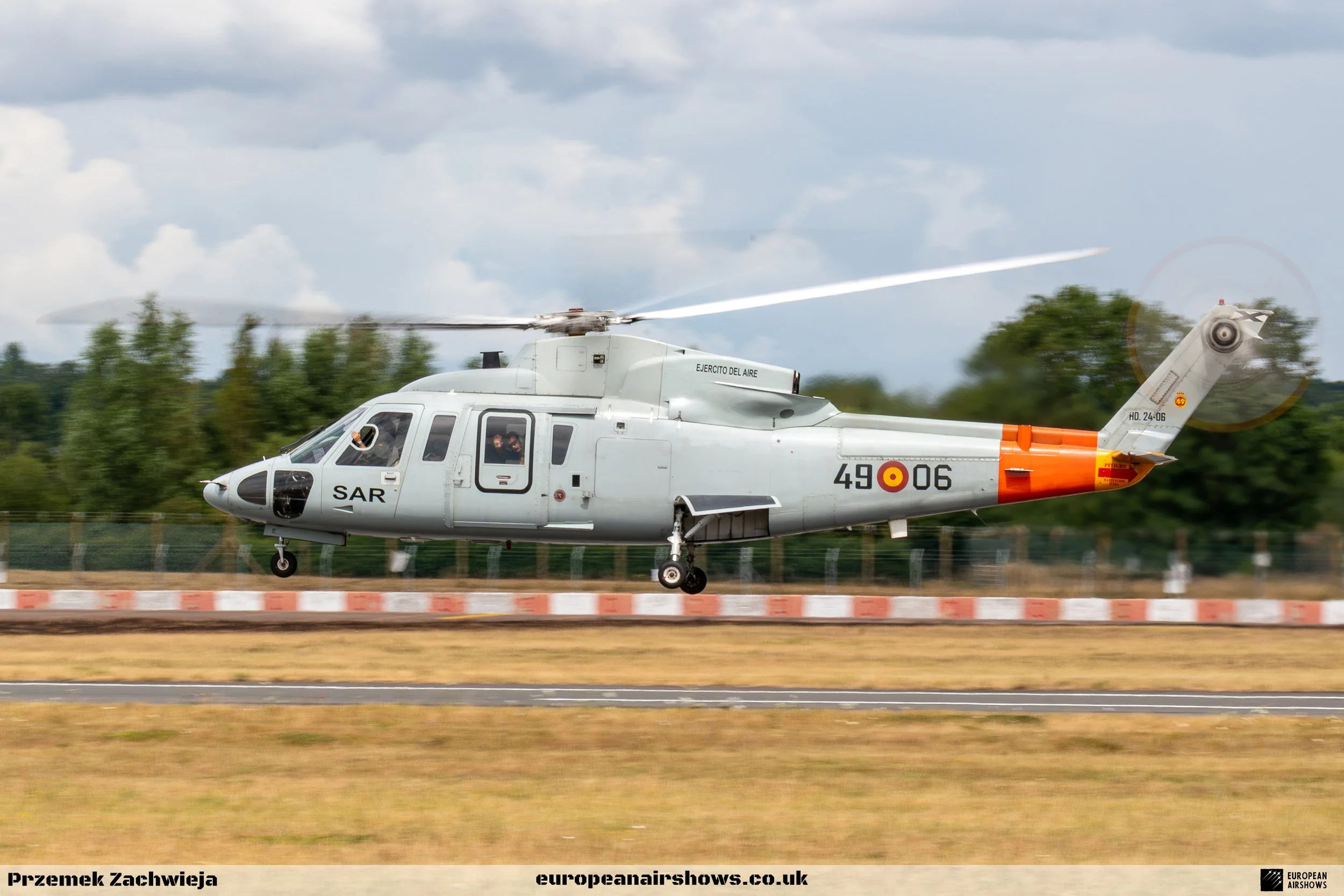
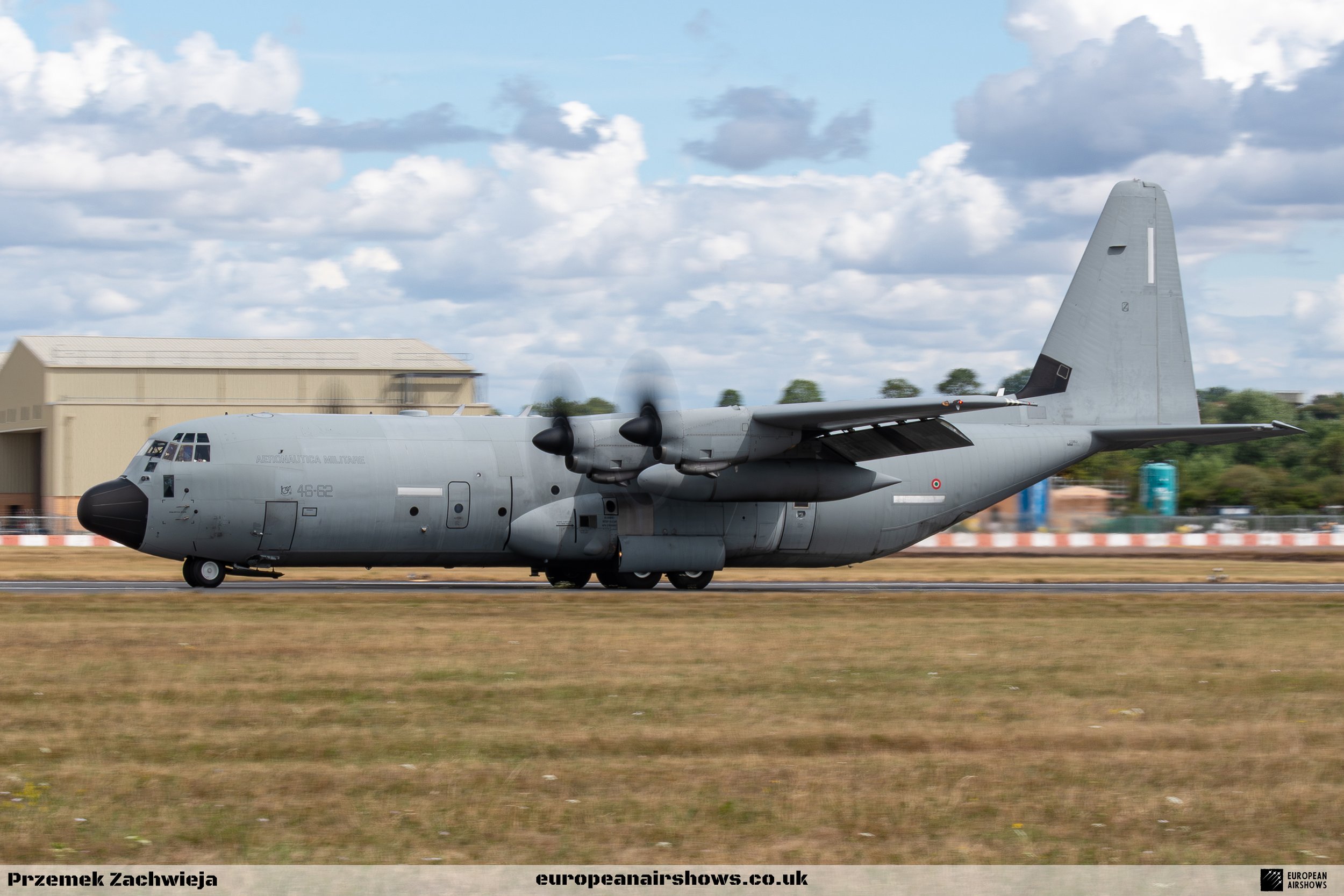
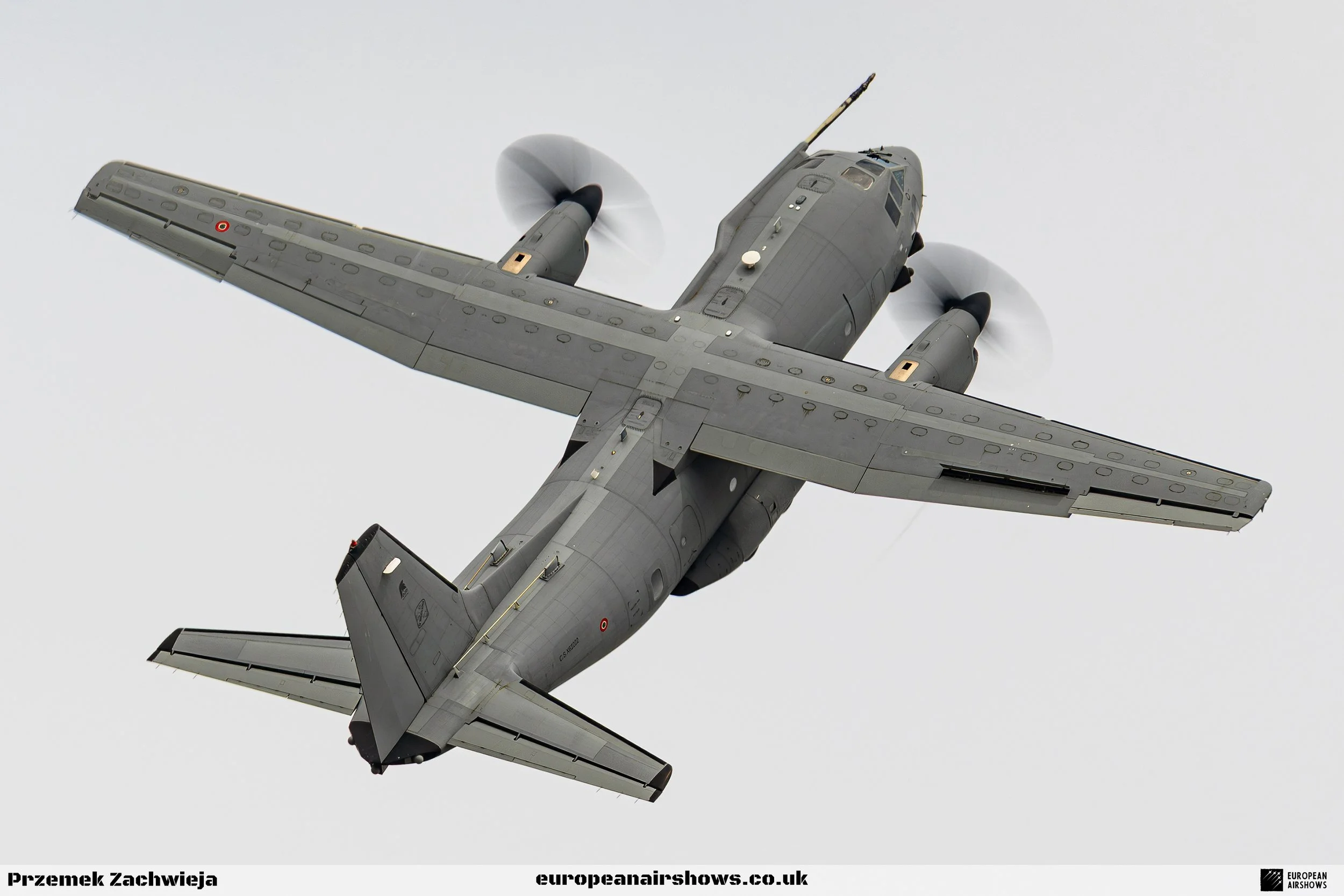
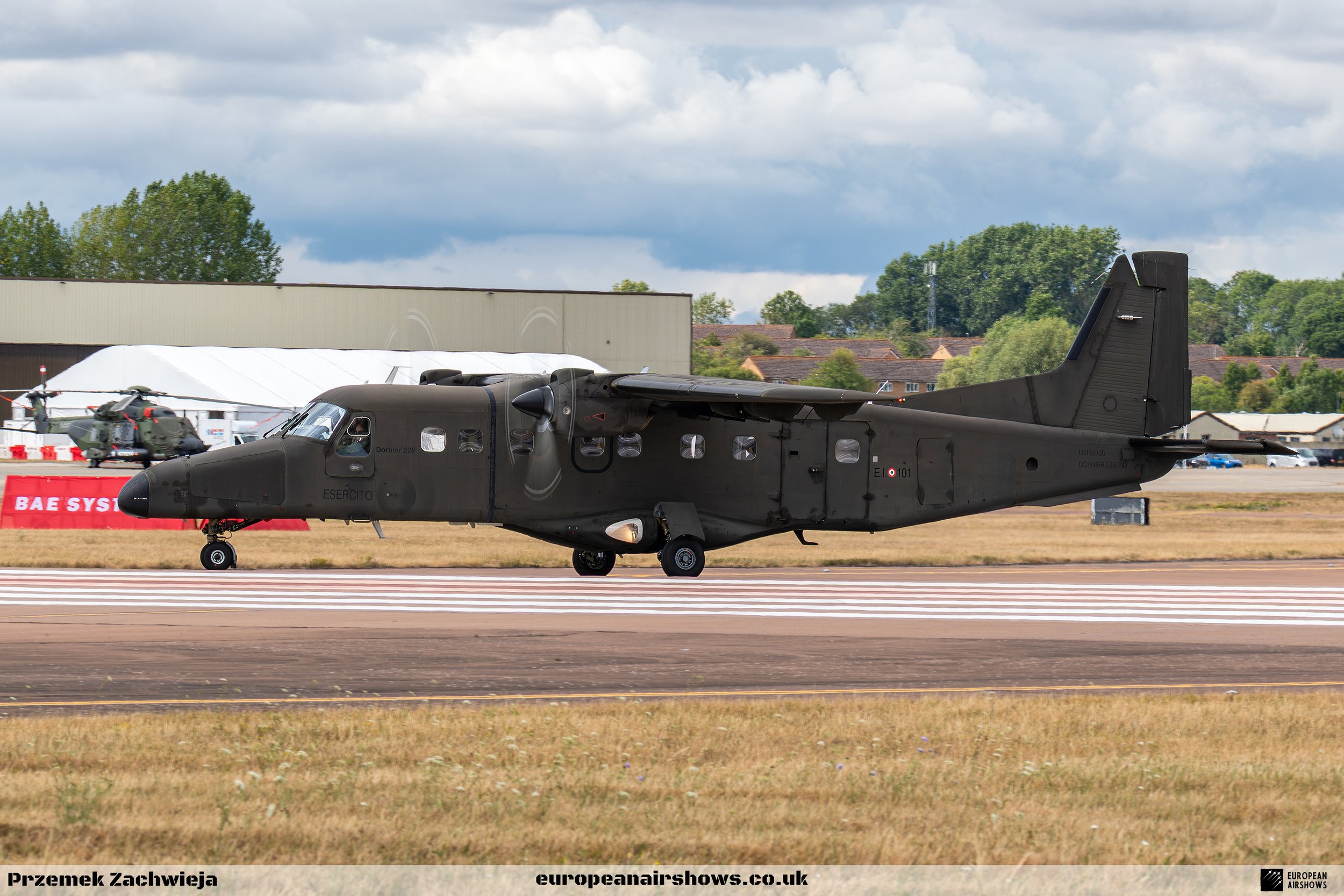
Beyond the showground rows, the “support cast” was just as fascinating for enthusiasts. A well-worn Hellenic Air Force C-27J proved a photo favourite, while multiple Italian KC-130Js, a mix of C-295Ms from Czech, Spanish, Finnish and Polish fleets, a Saab 2000, an Italian Army Do-228, and Sweden’s sleek Tp102D Gulfstream V all made appearances through the week—proof that at RIAT, the periphery is as rich as the core.
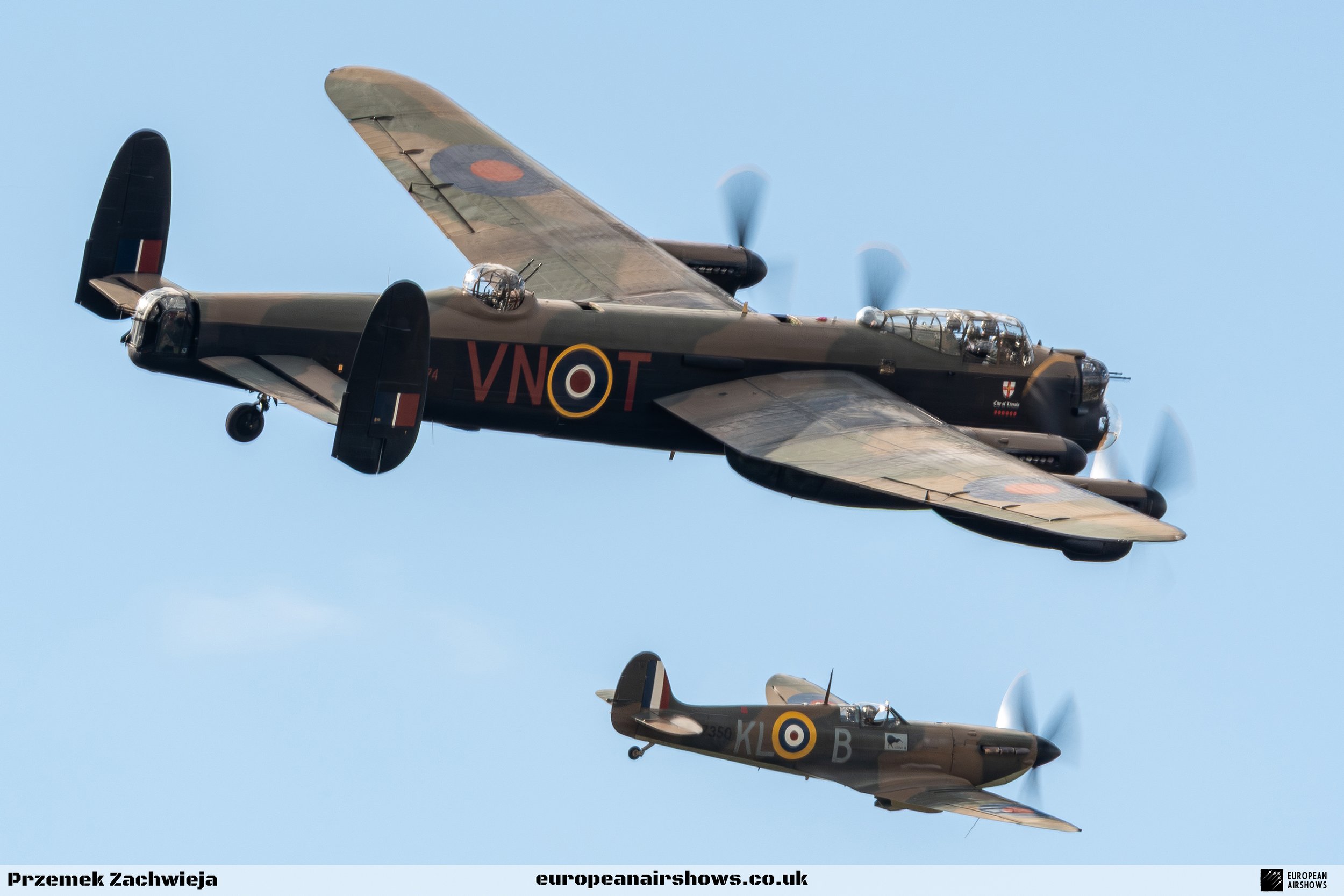
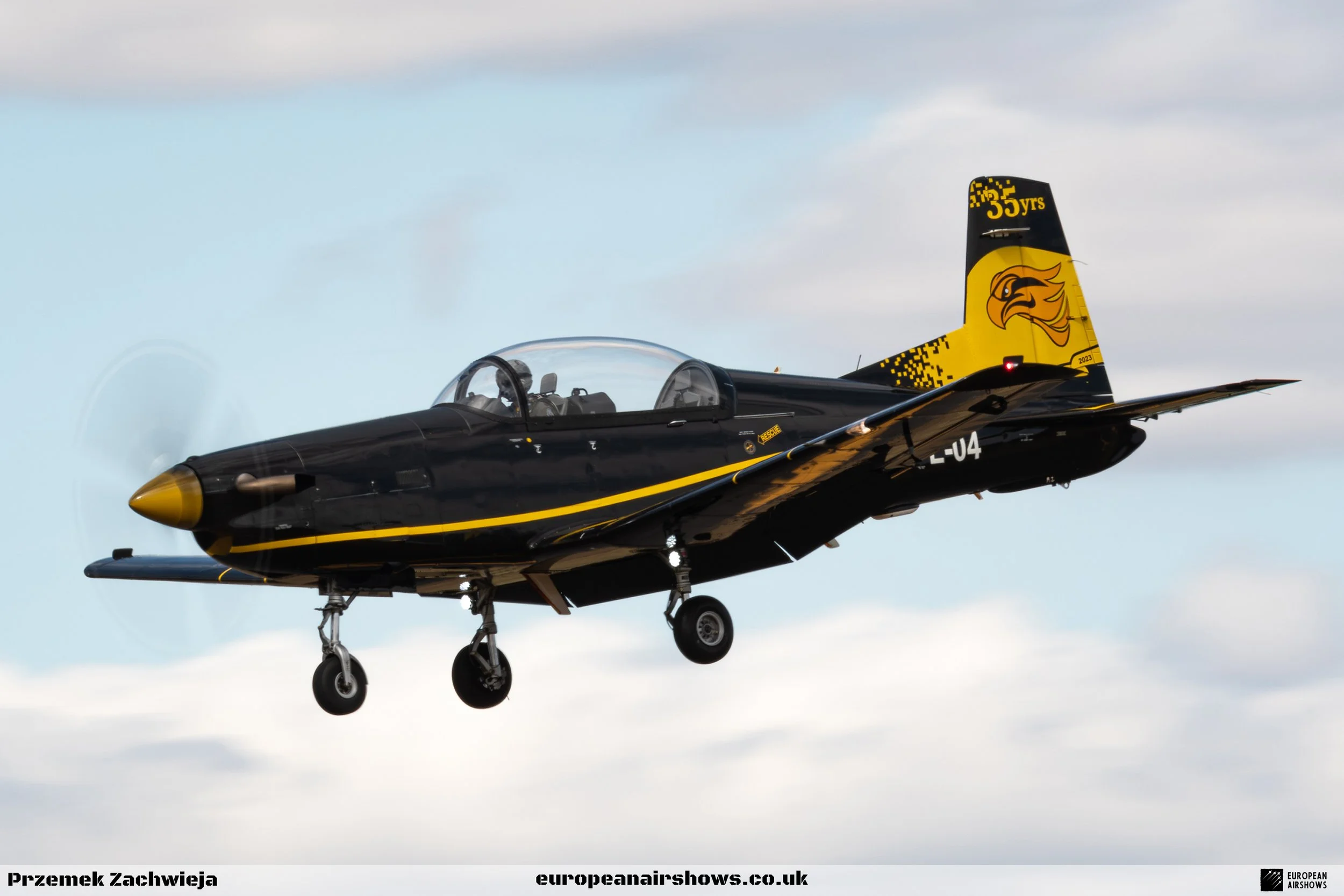
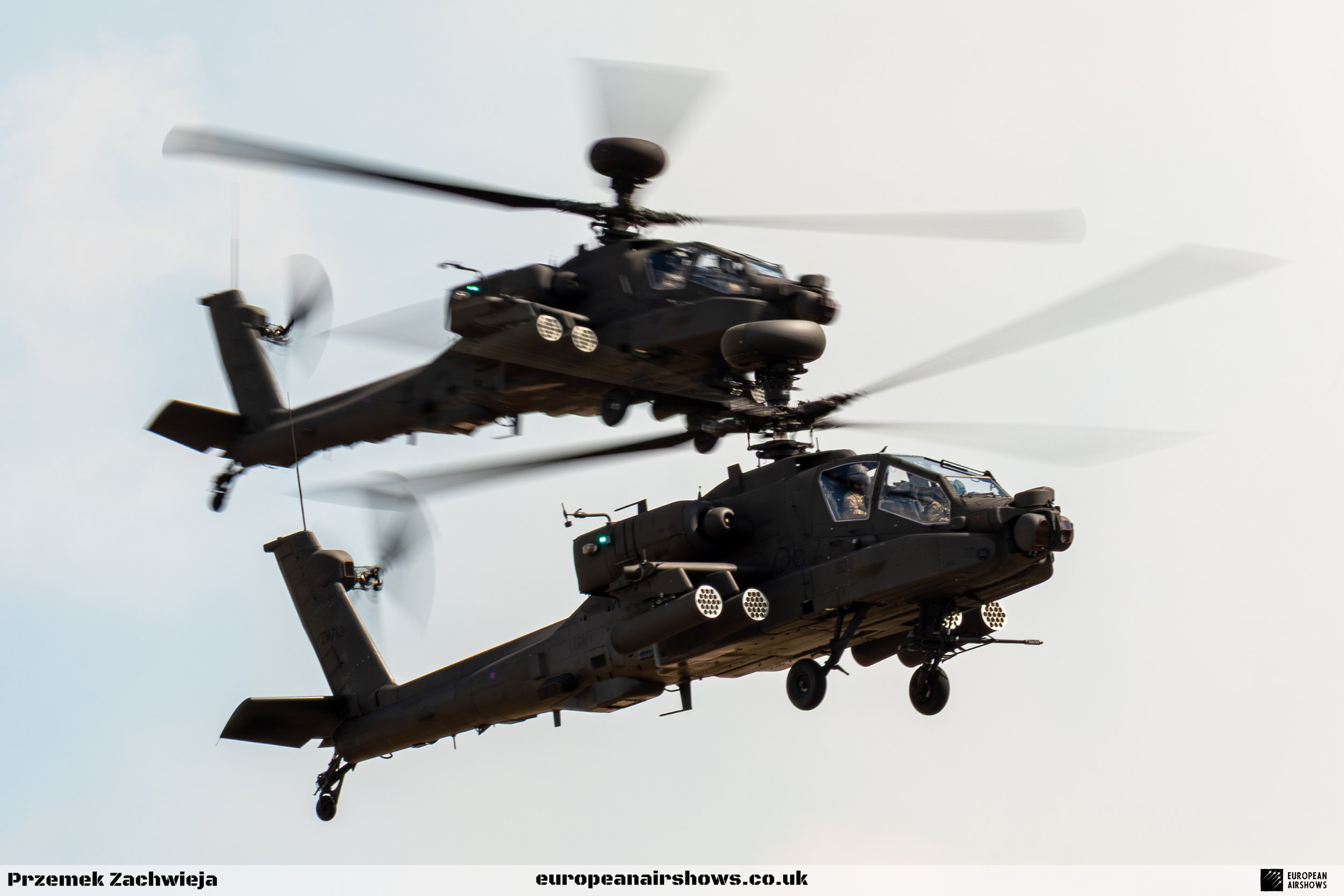
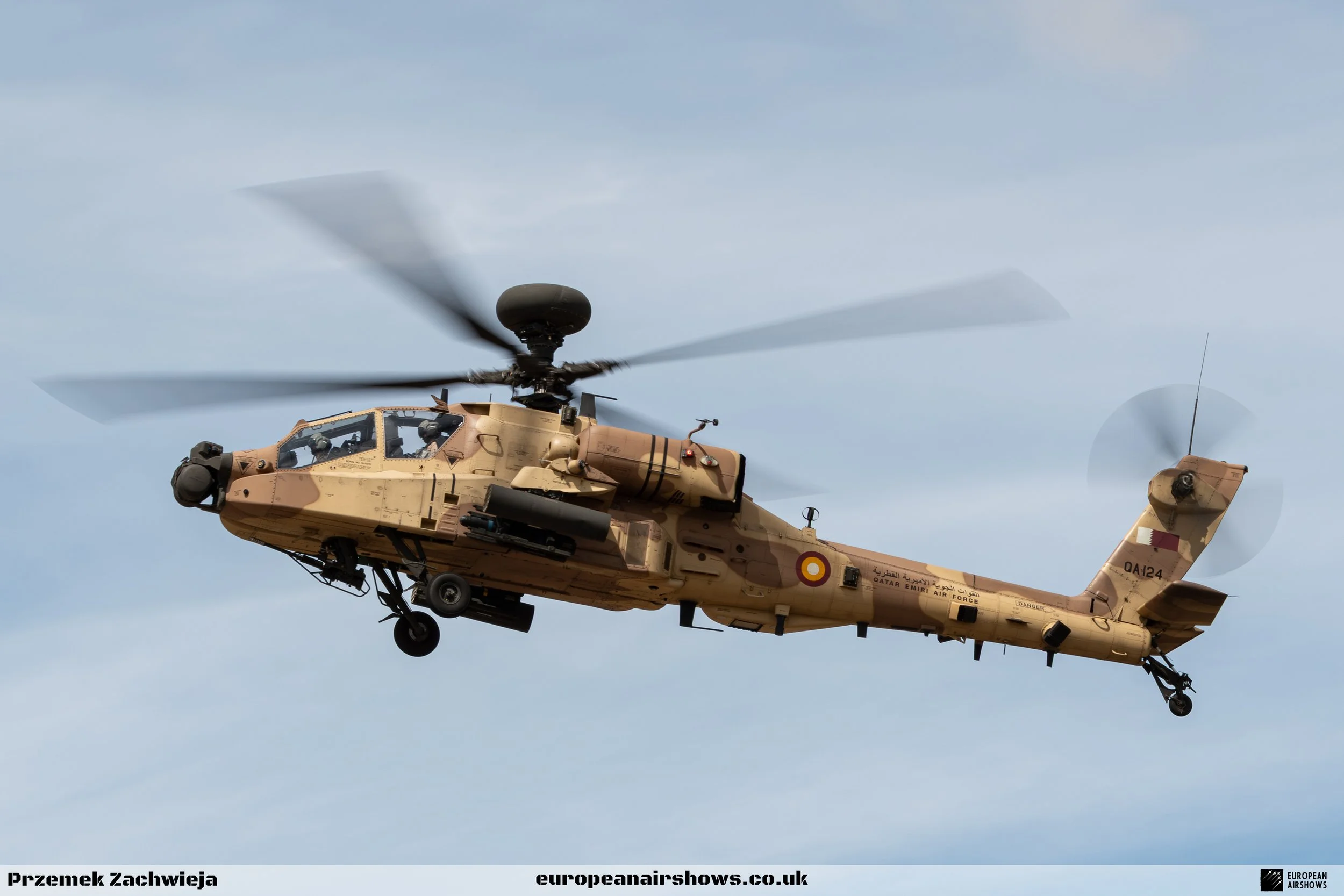
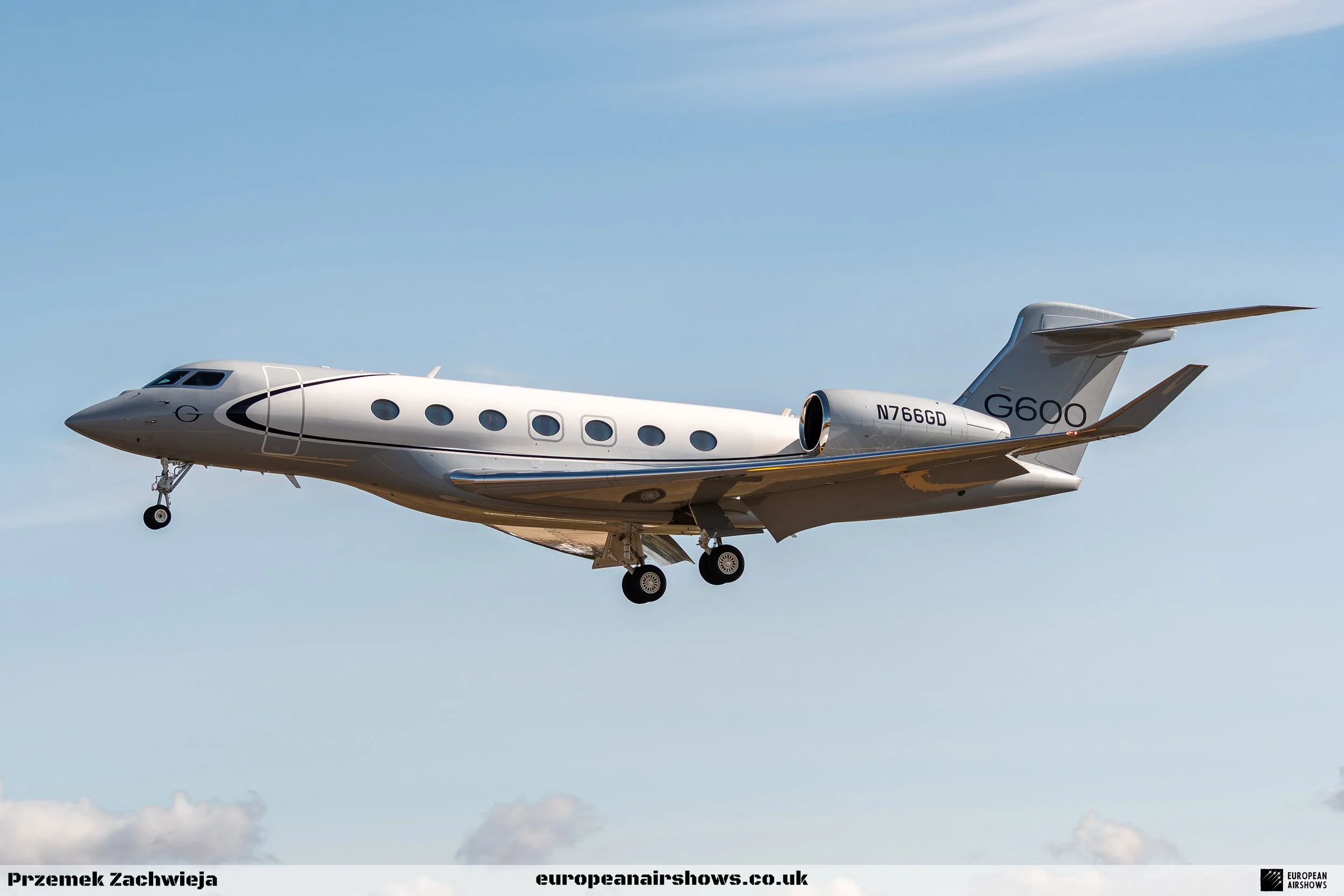
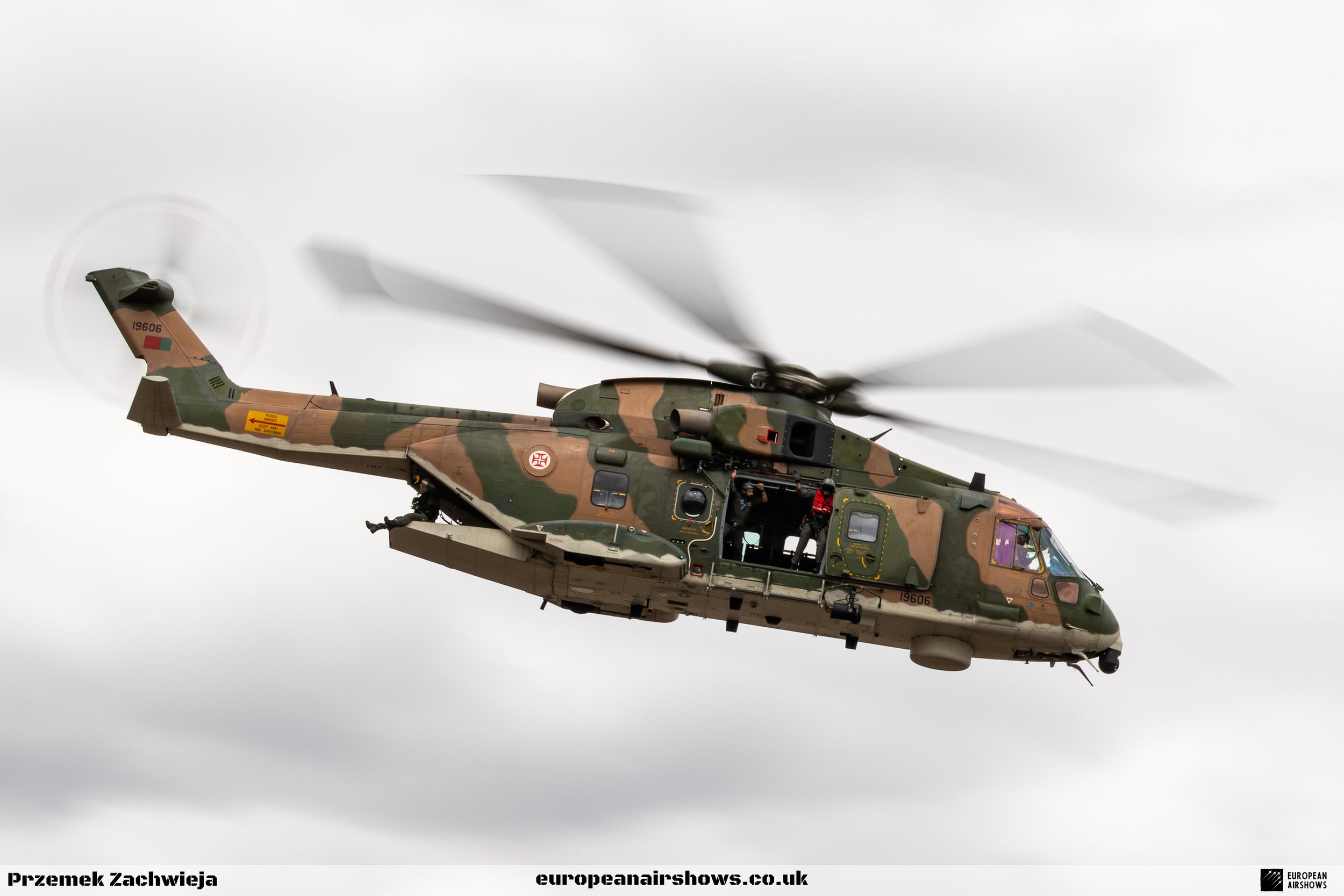
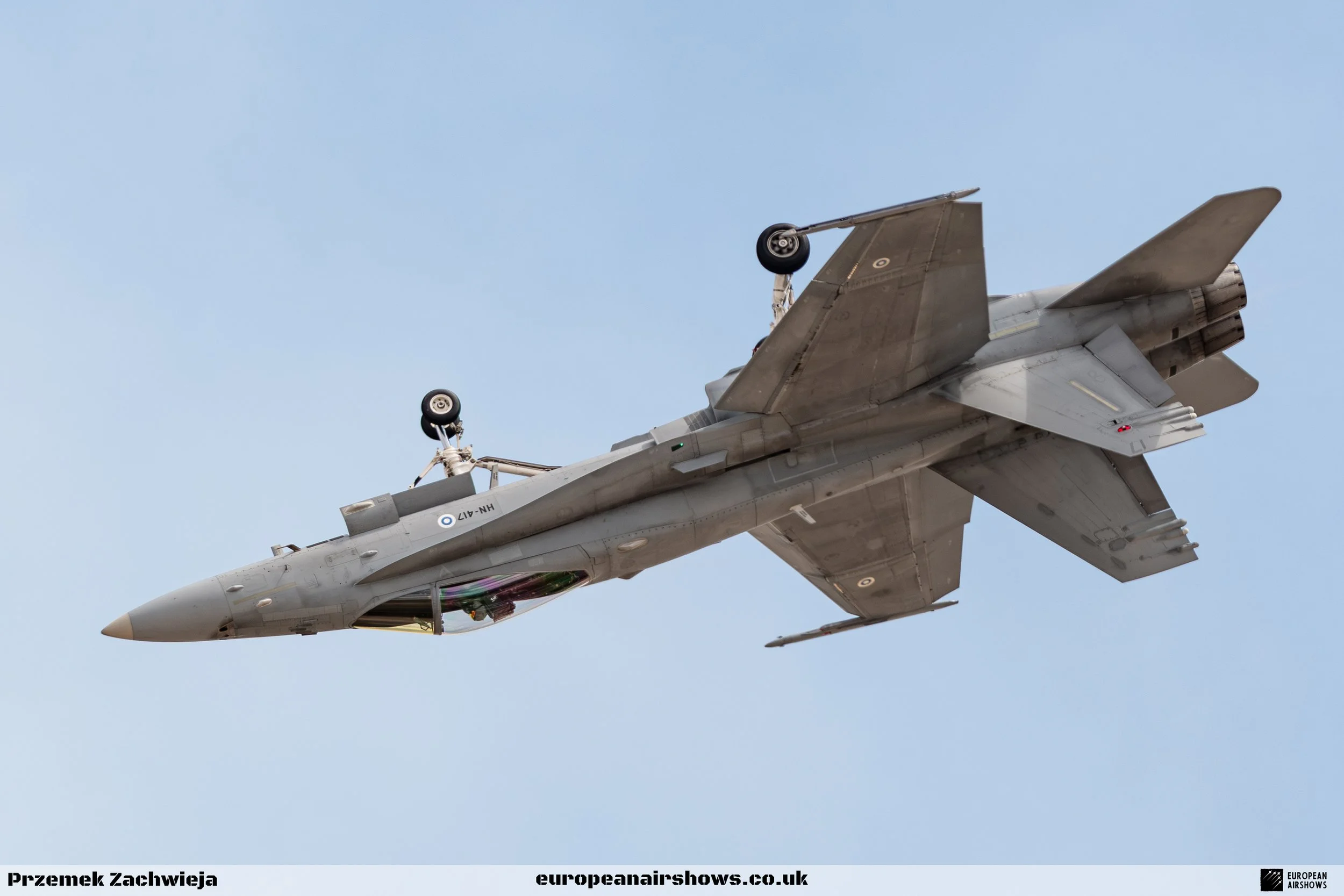
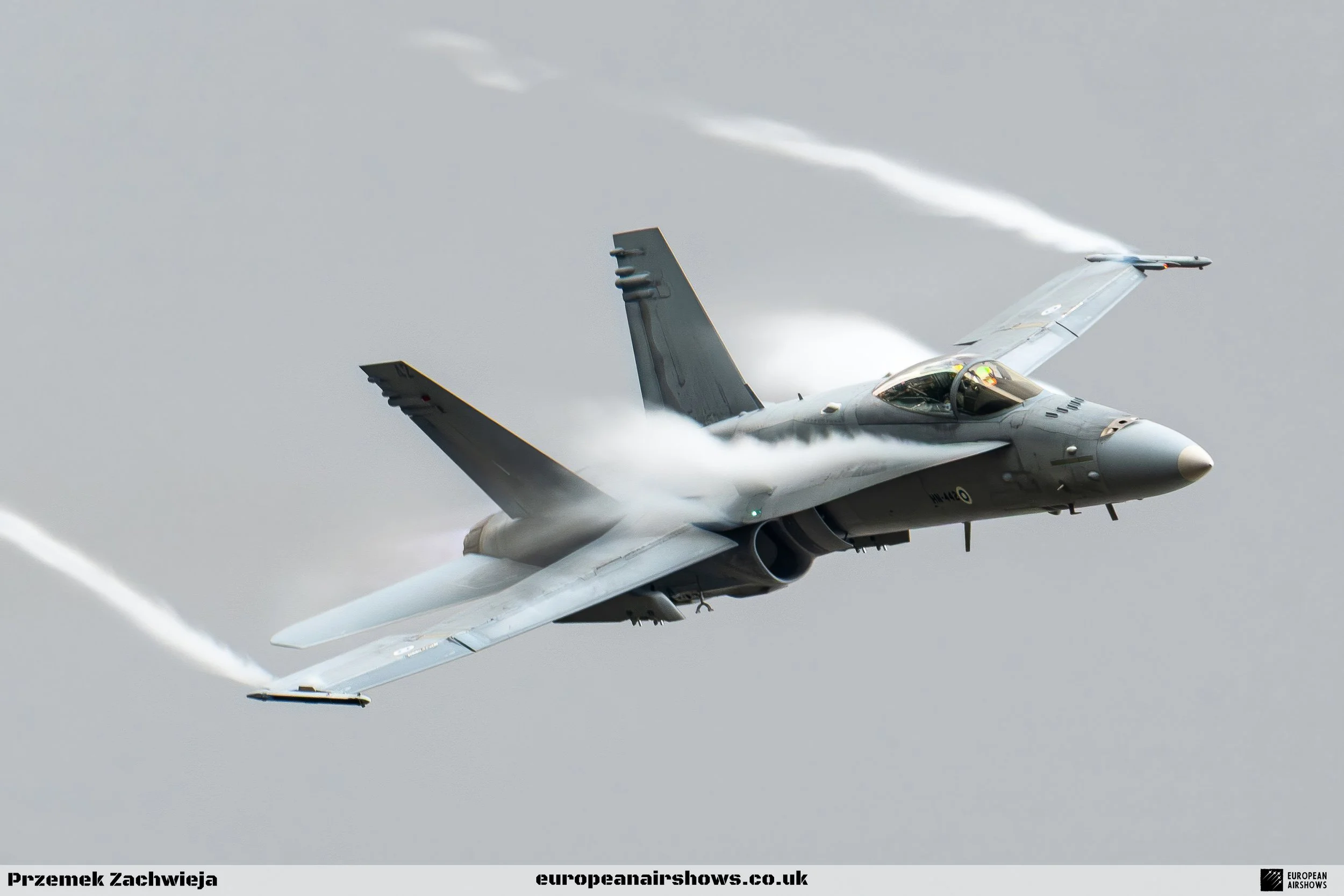
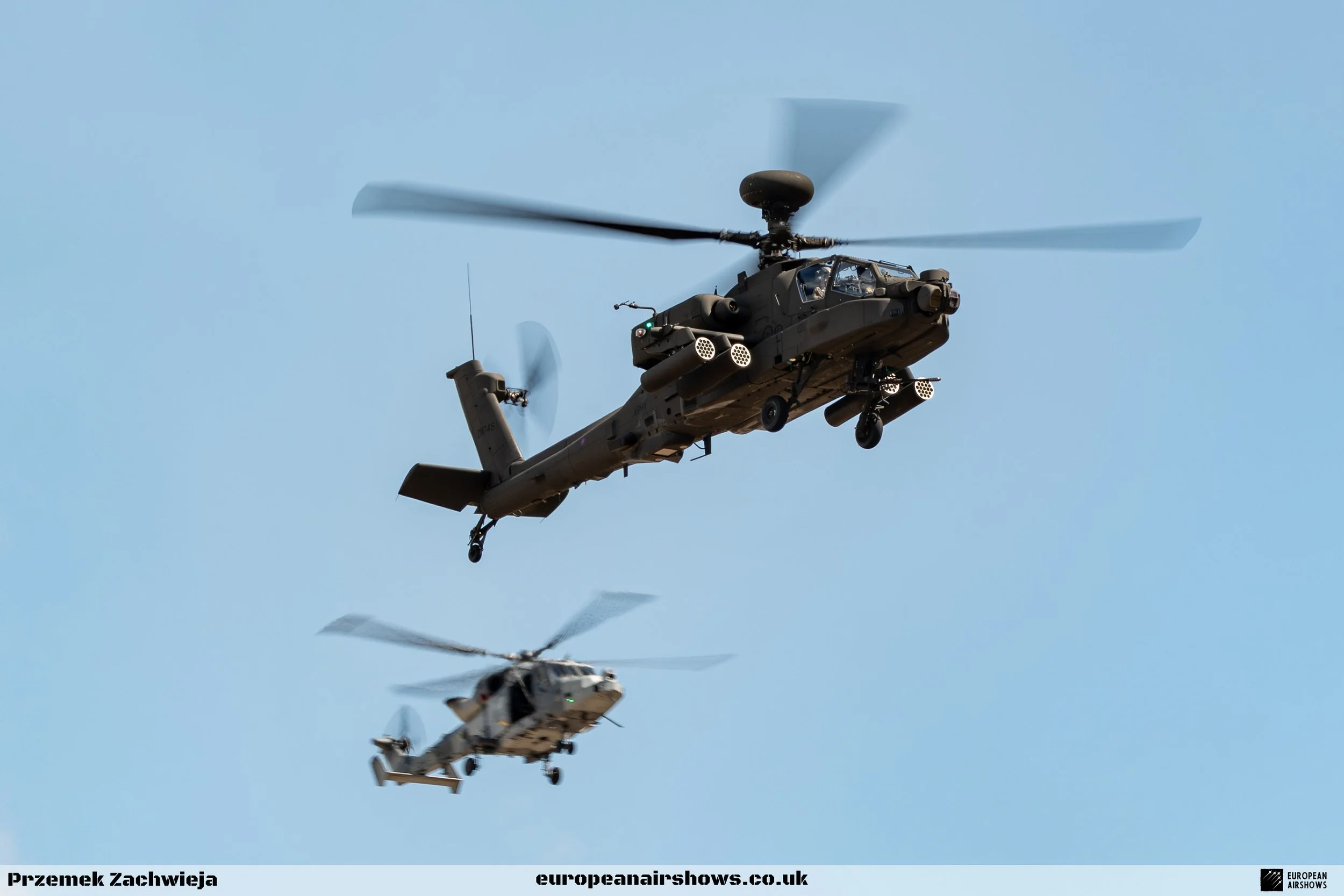
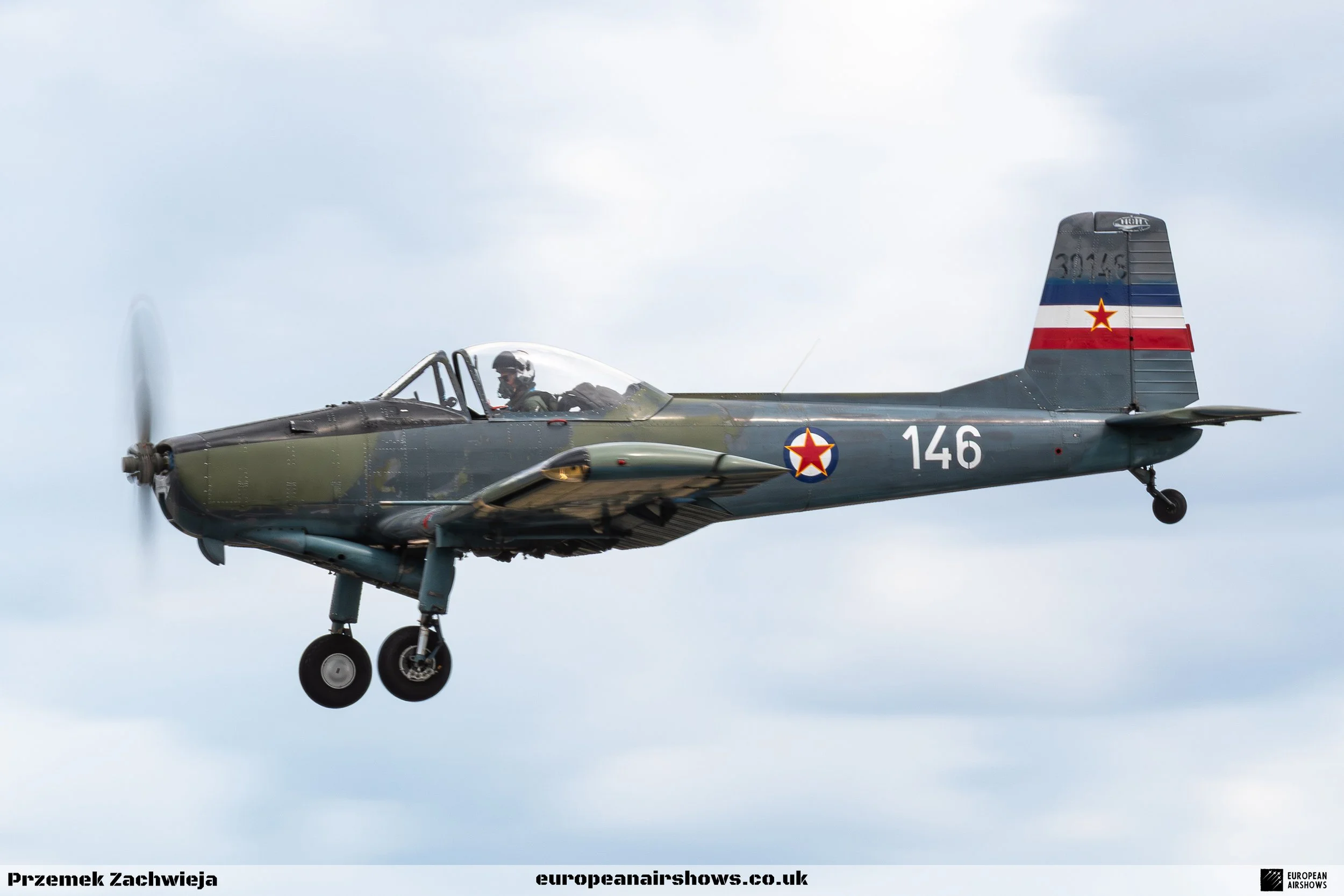
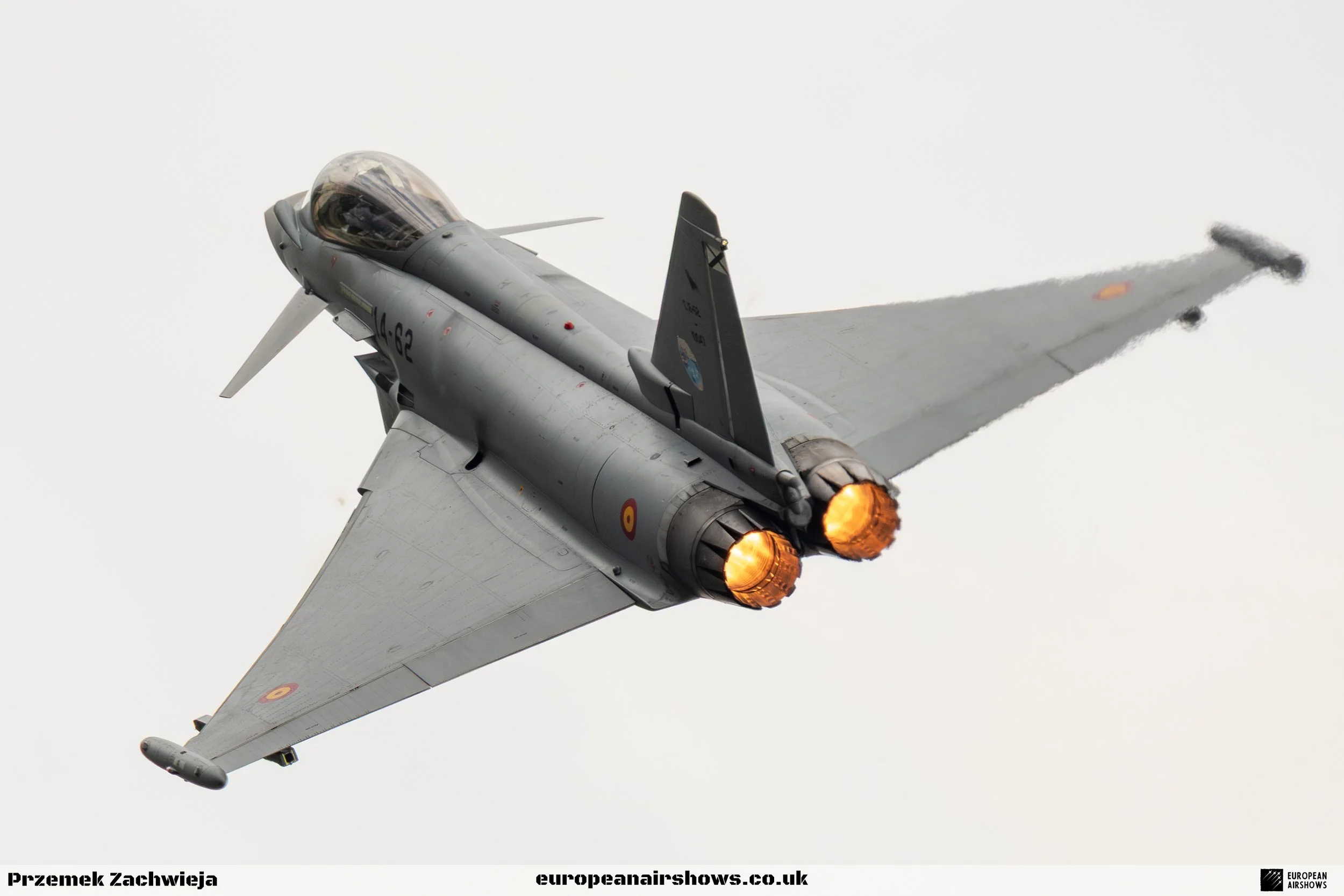
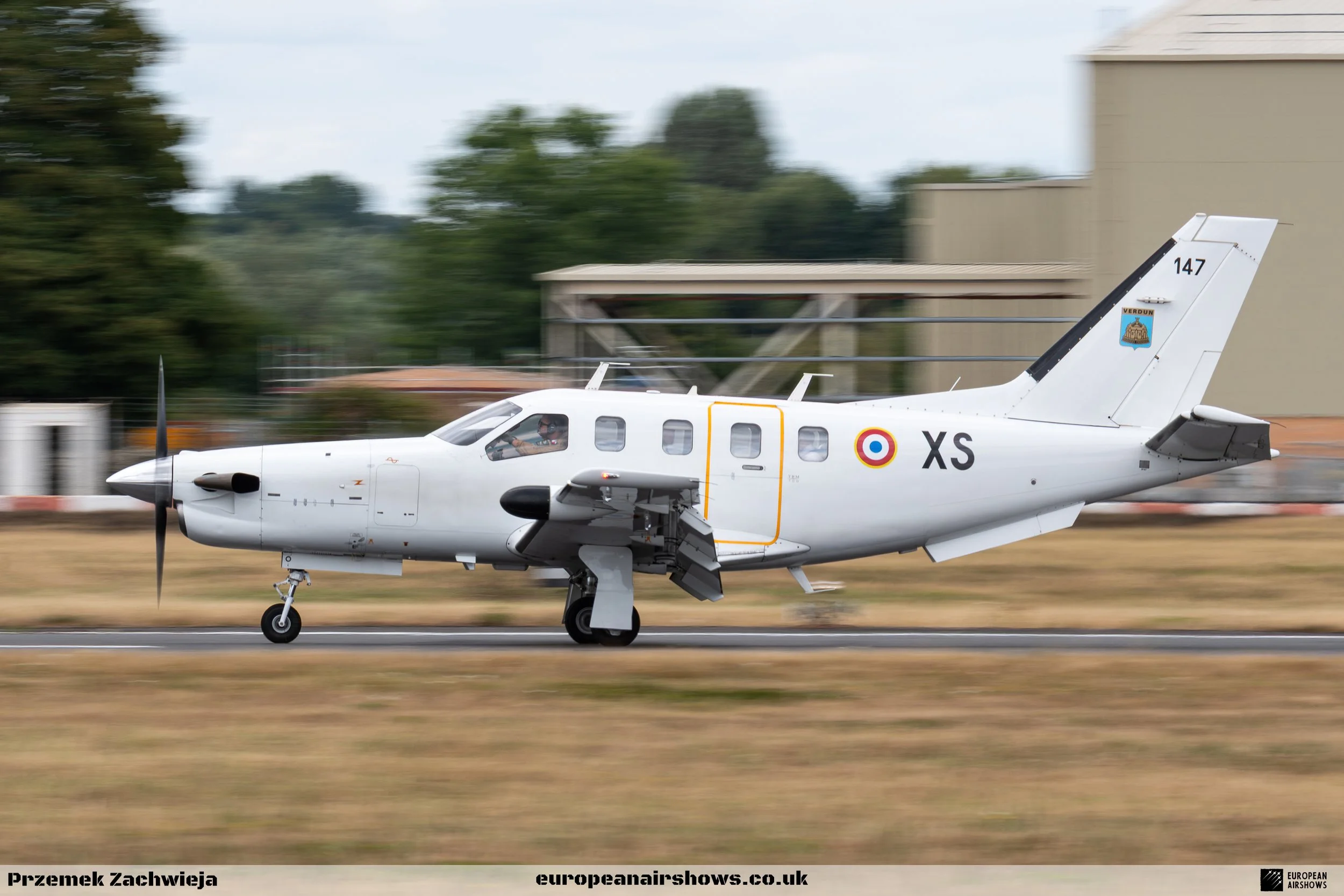
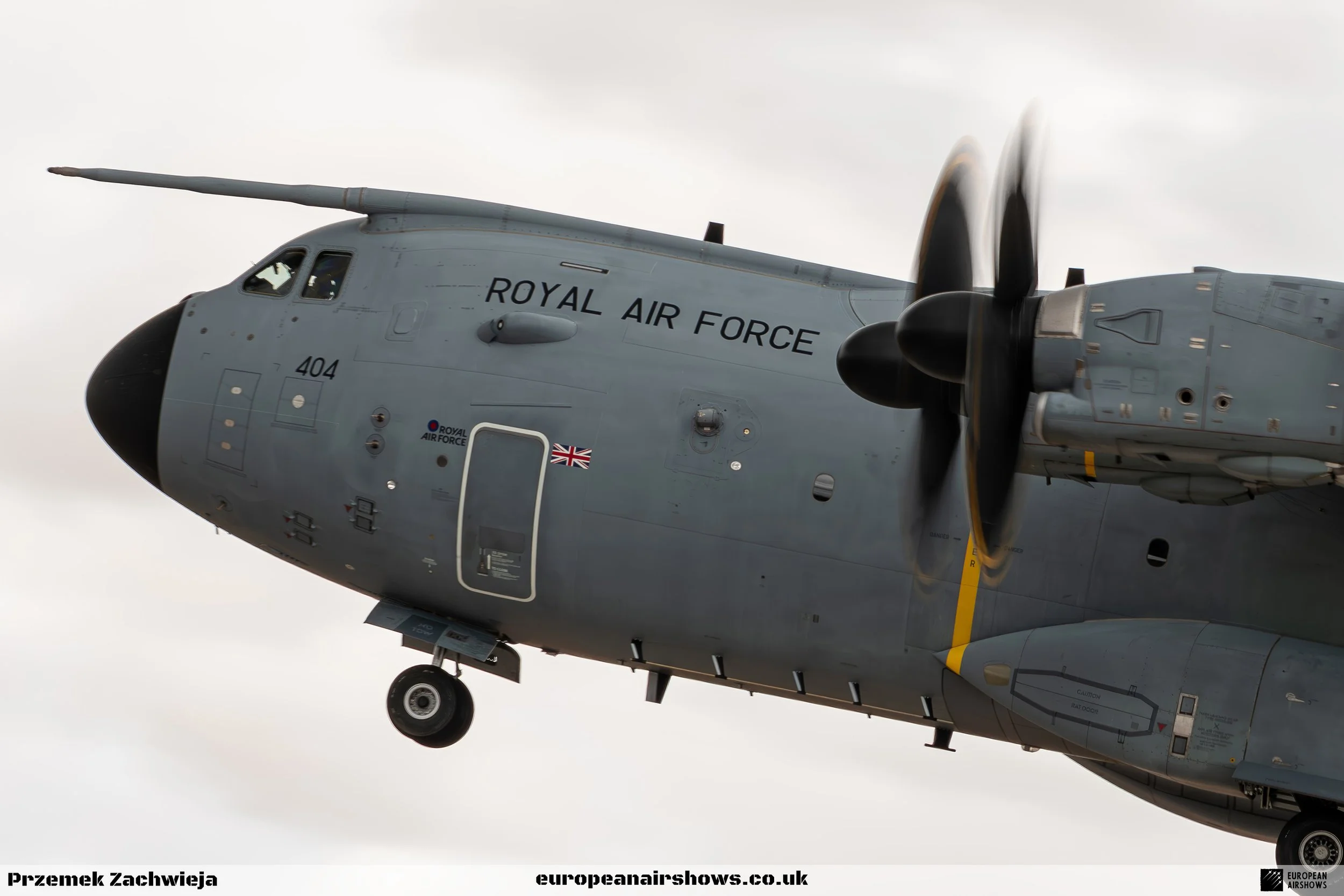
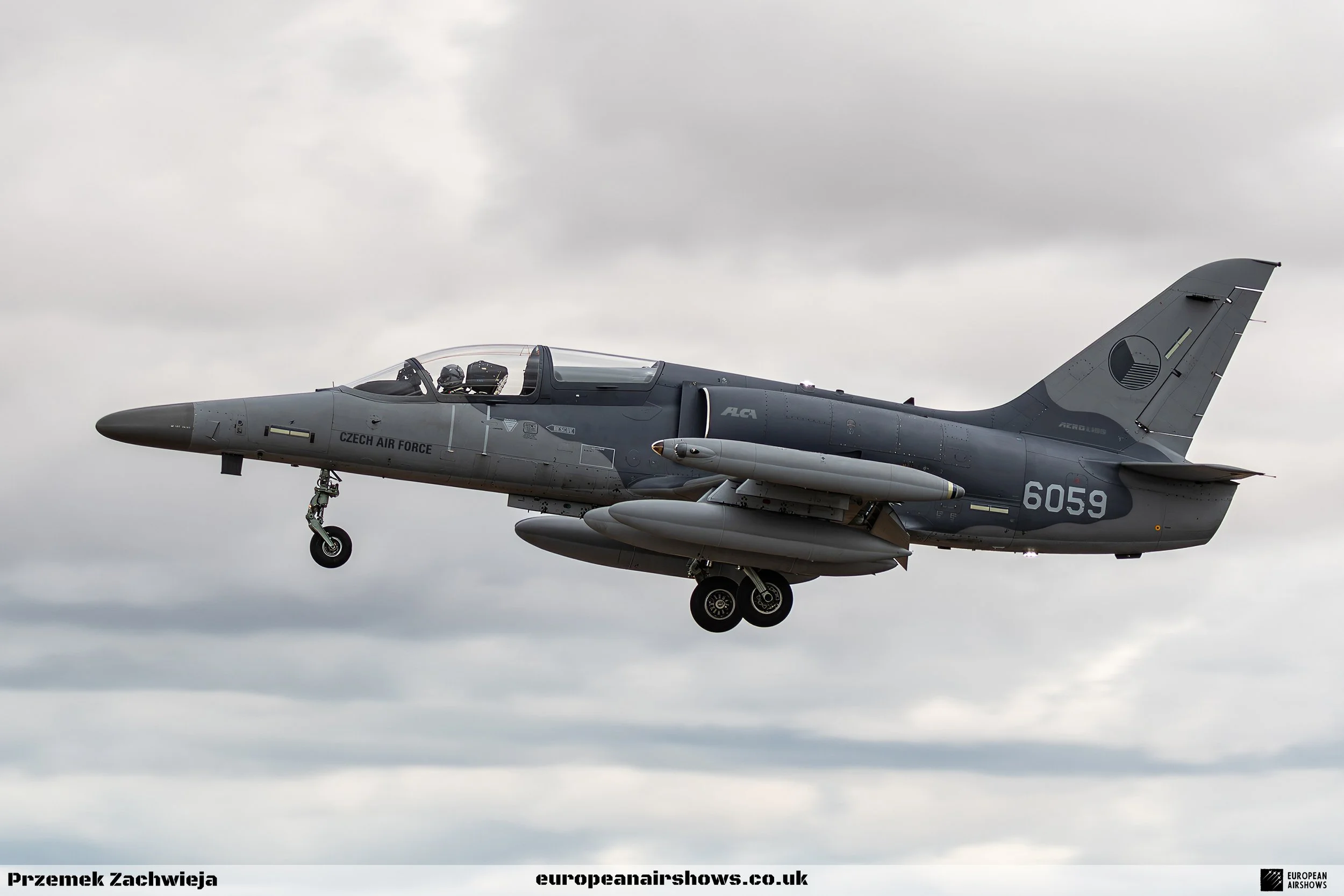
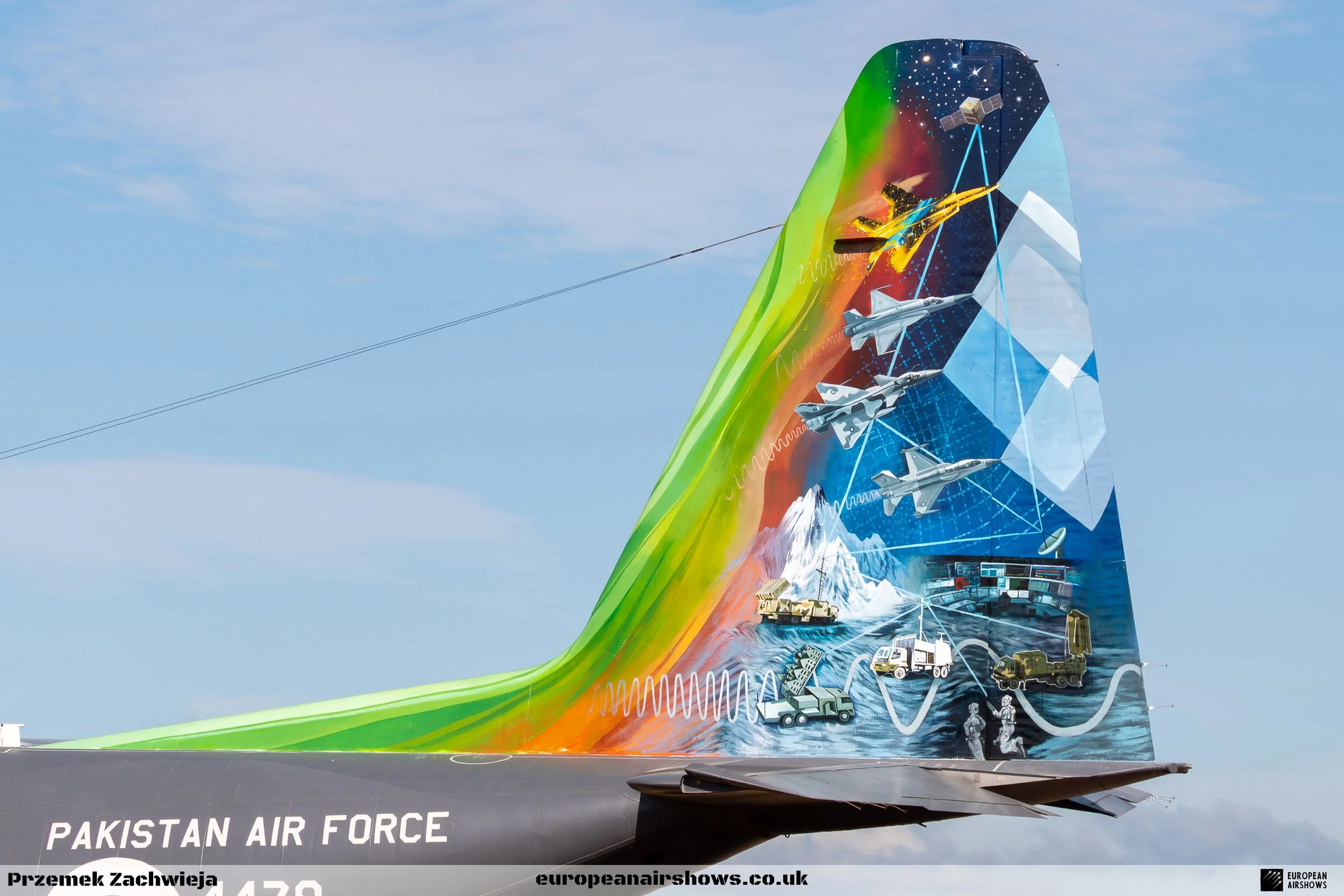
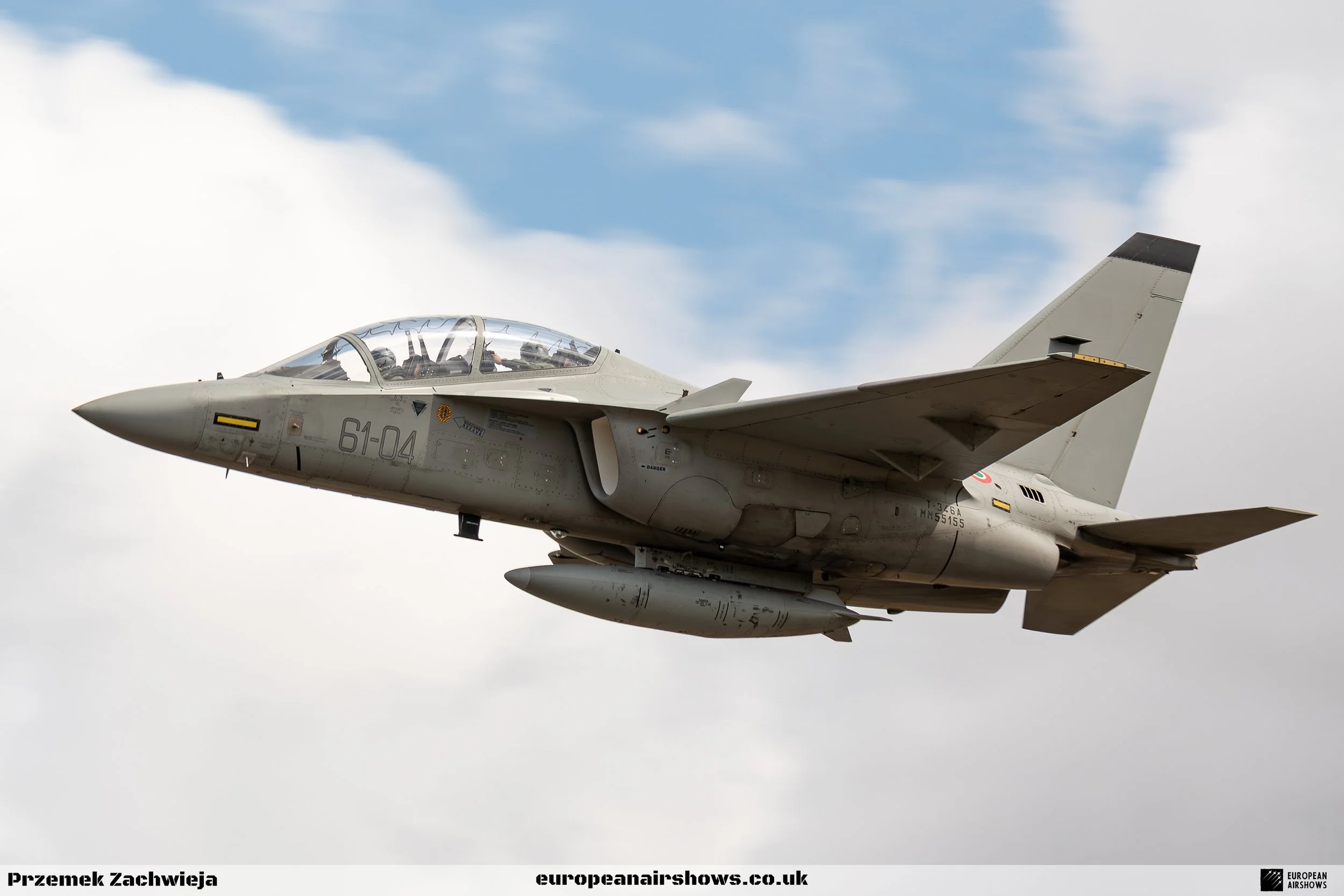
Where the static park gave Fairford its global flavour, the flying displays brought that story to life. Across three days, the programme balanced heritage pairings with frontline solos, rare international debuts, high-energy role demos, and polished aerobatic teams – each act slotting neatly into the Eyes in the Skies and Apache 50 themes that underpinned this year’s show.
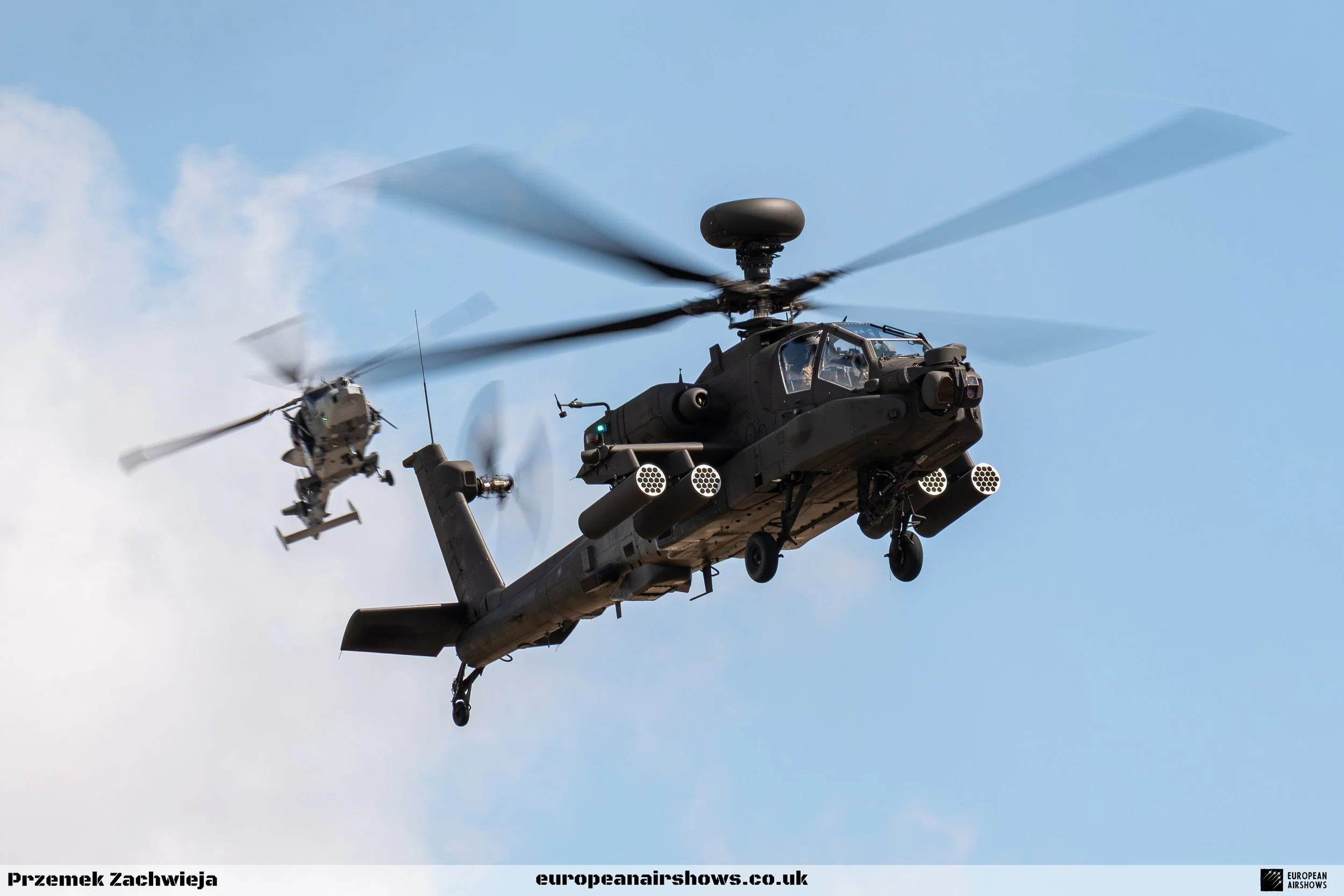
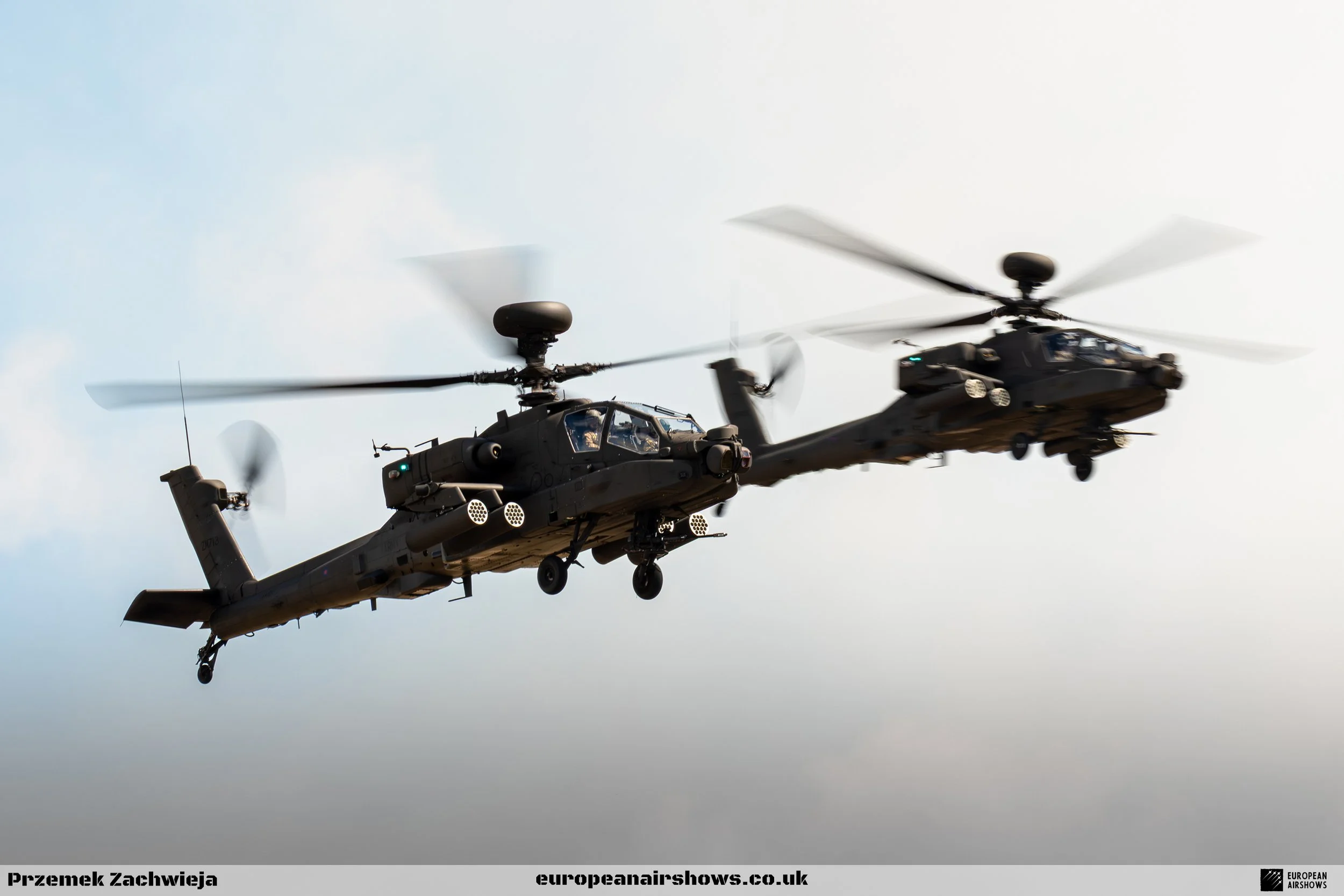
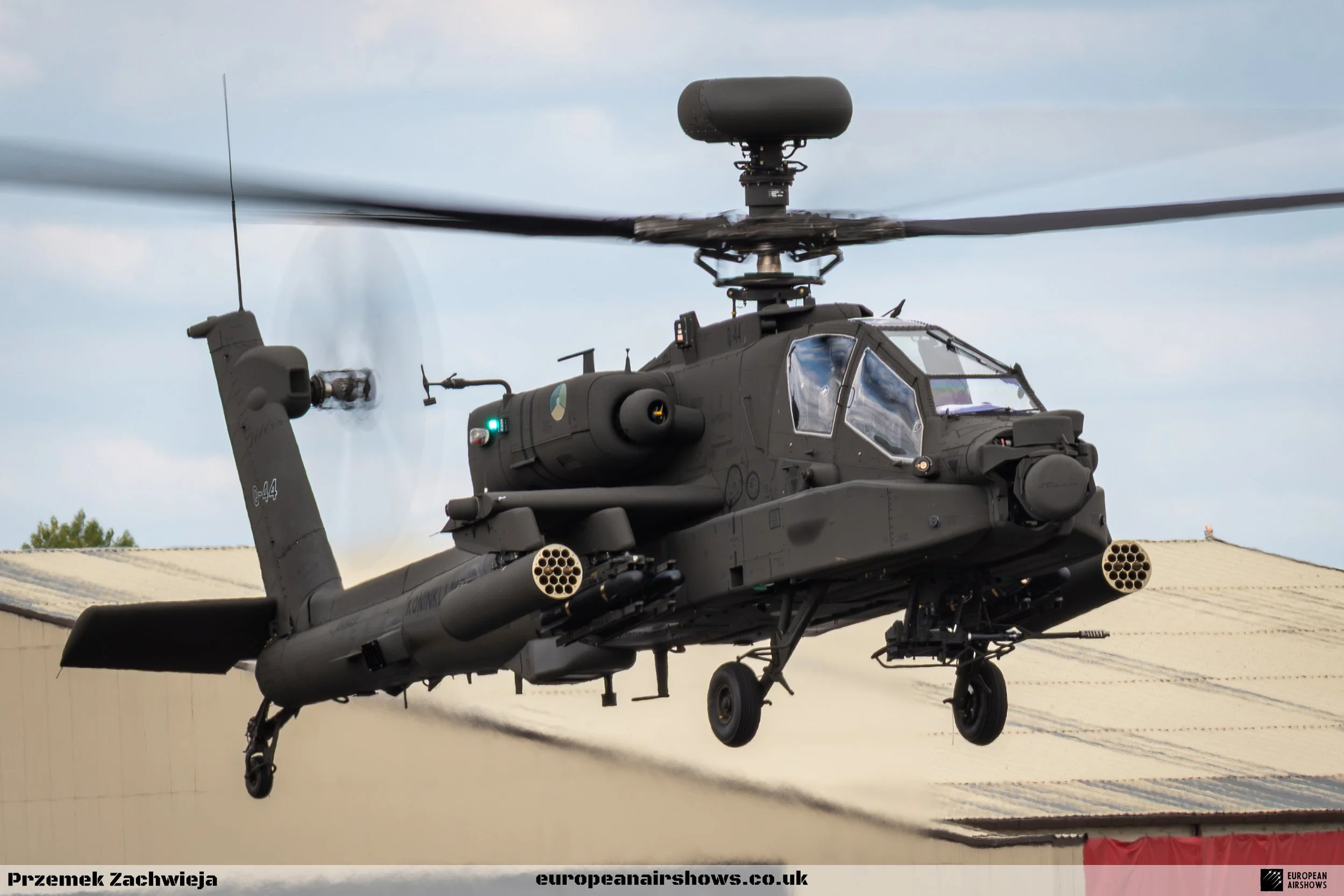
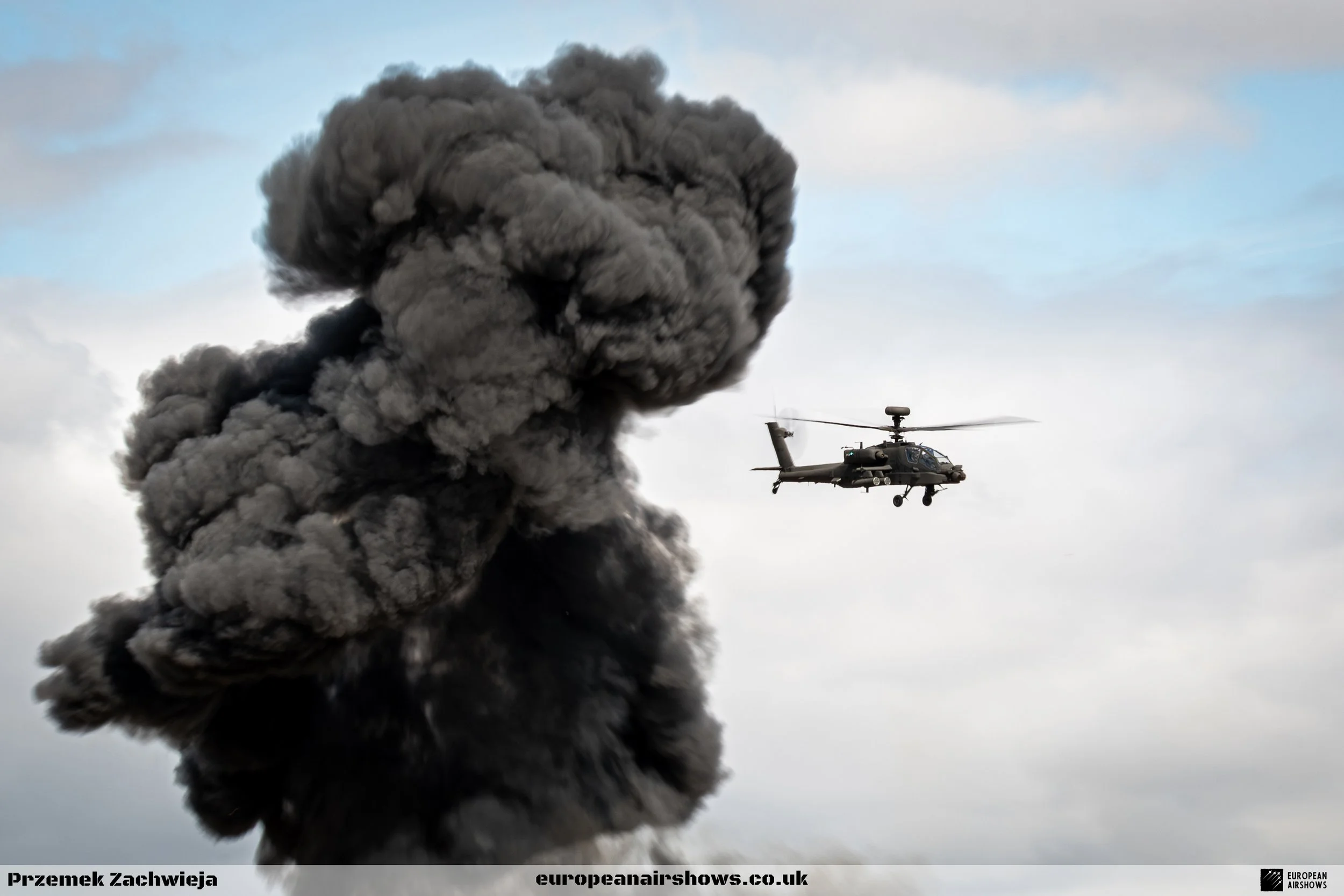
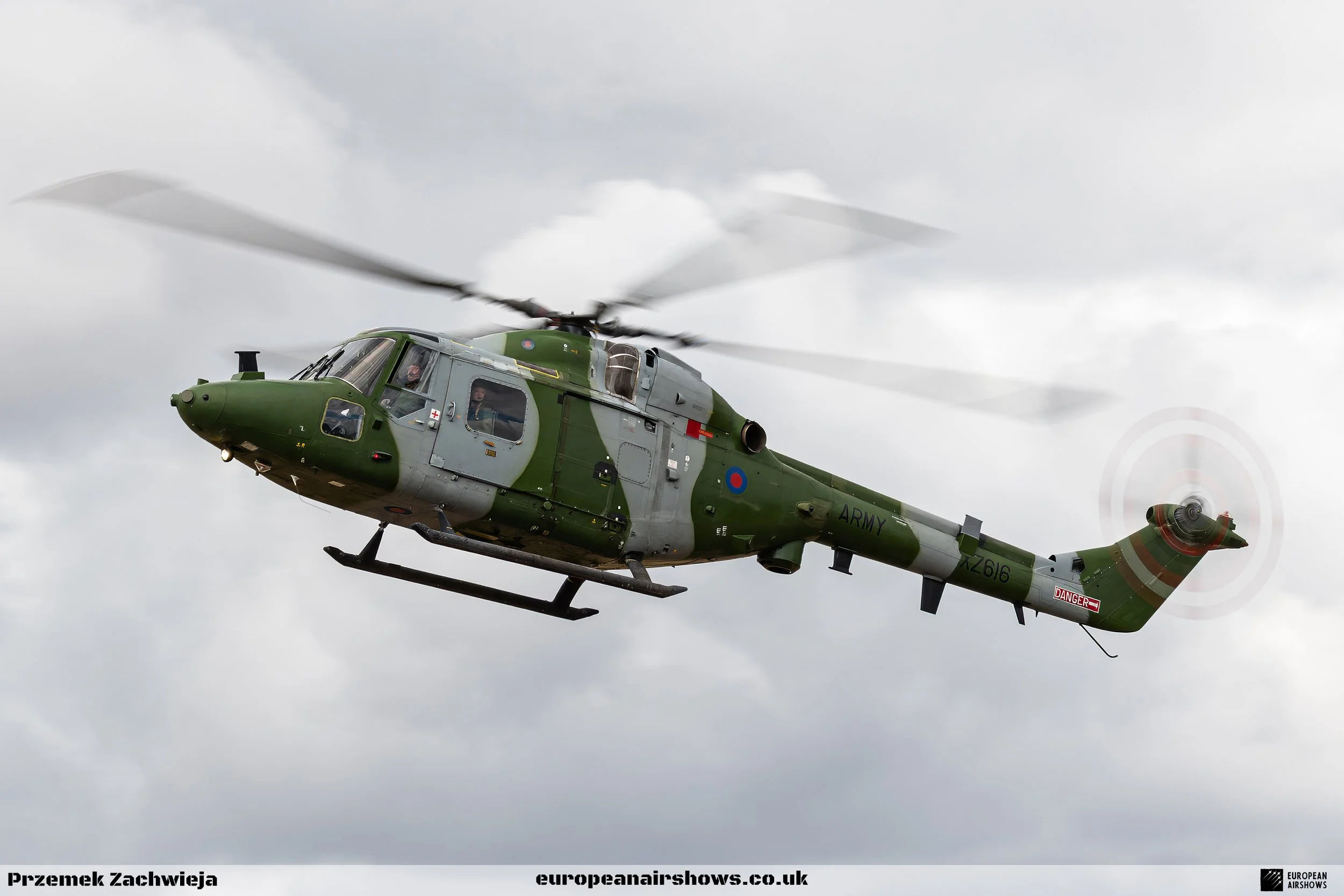
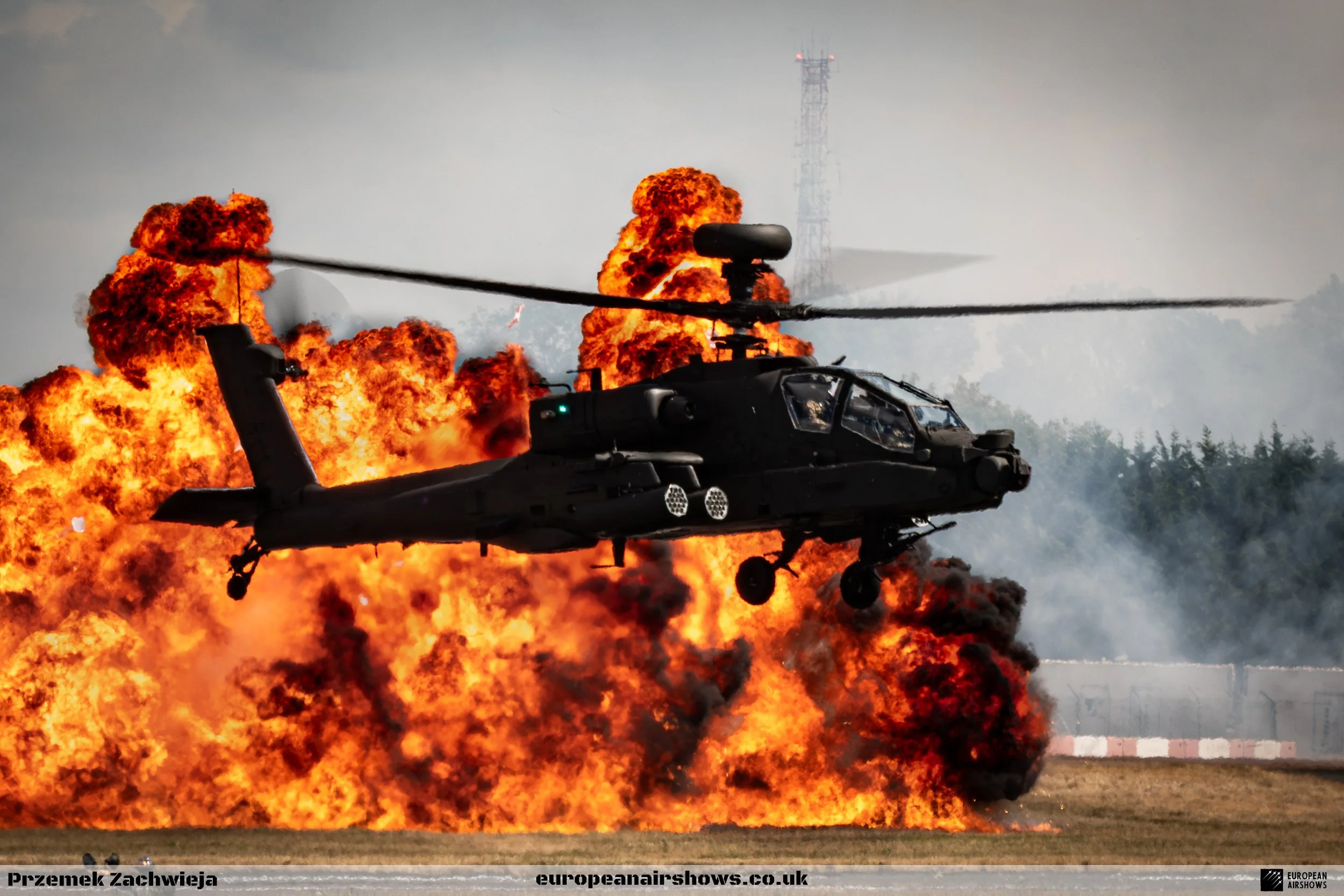
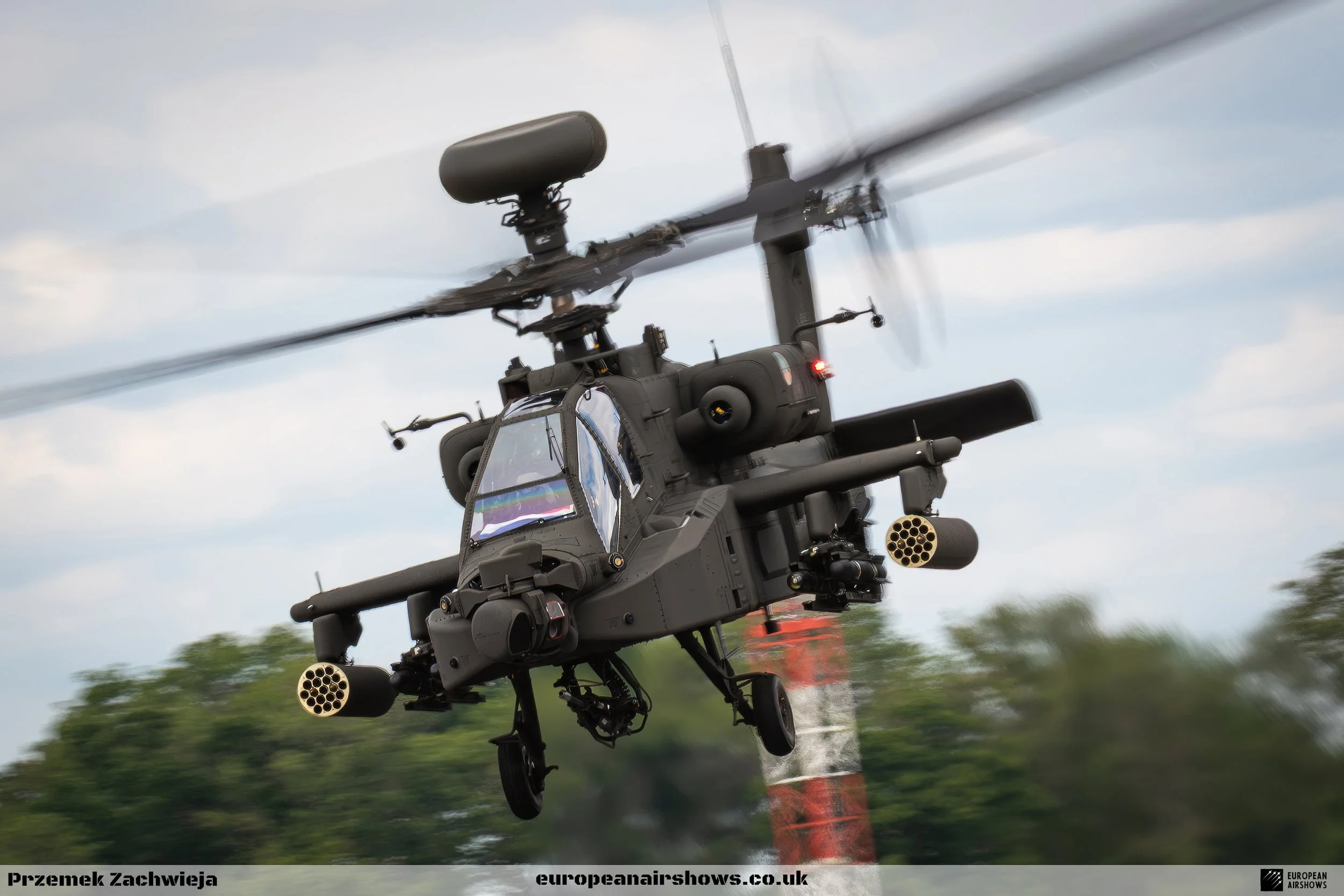
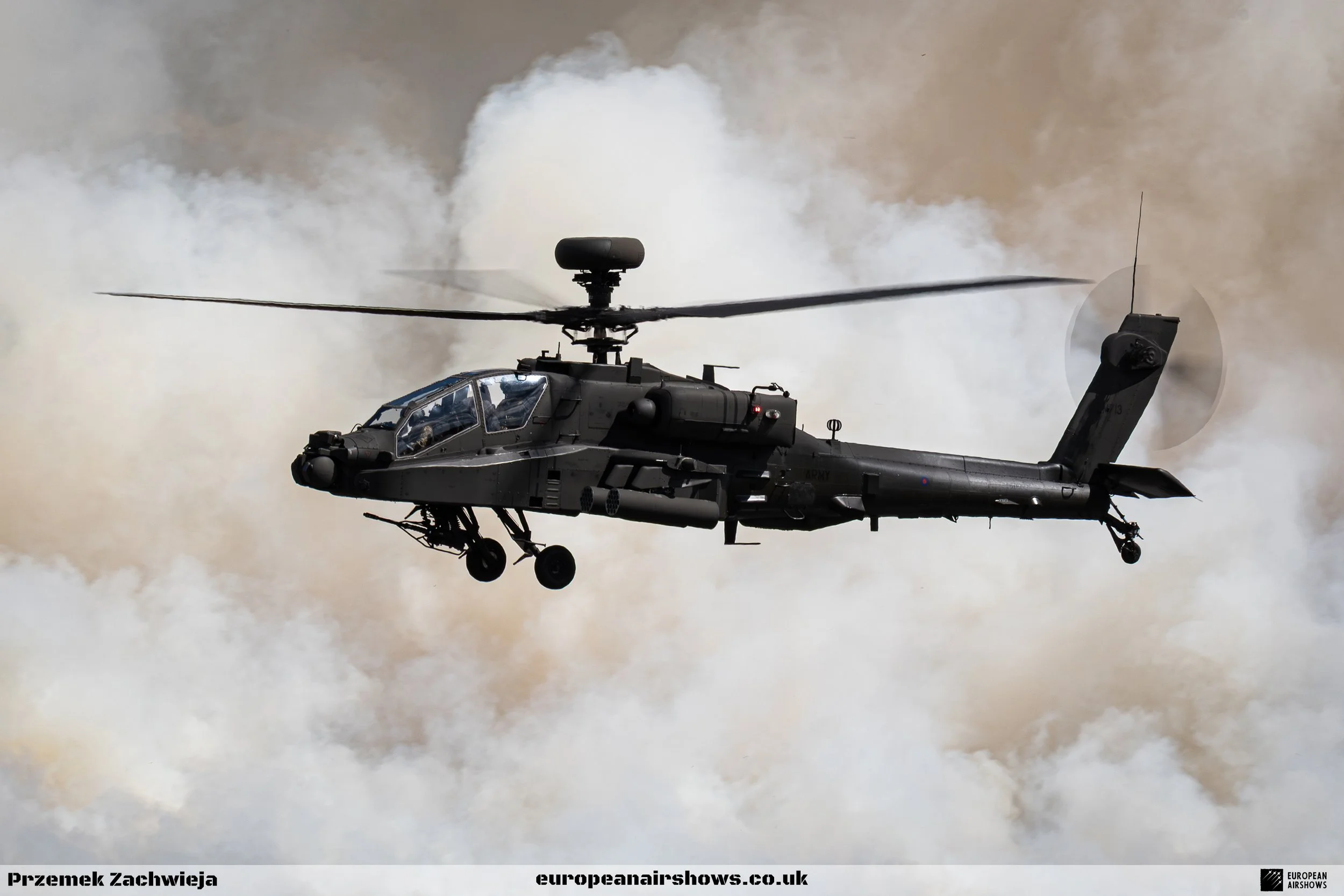
Friday’s curtain-raiser belonged to the British Army. Two Apache AH.2s and a Wildcat AH.1 from 7 Regiment AAC executed a role demo bristling with firepower, pyrotechnics and theatre. Simulated rocket runs gave way to a “wall of fire” so intense it left the runway wreathed in flames and smoke long after the display had finished, effectively setting RIAT ablaze to open the show. It was a one-day-only performance, but one that set the bar high and perfectly celebrated the Apache’s 50th anniversary.
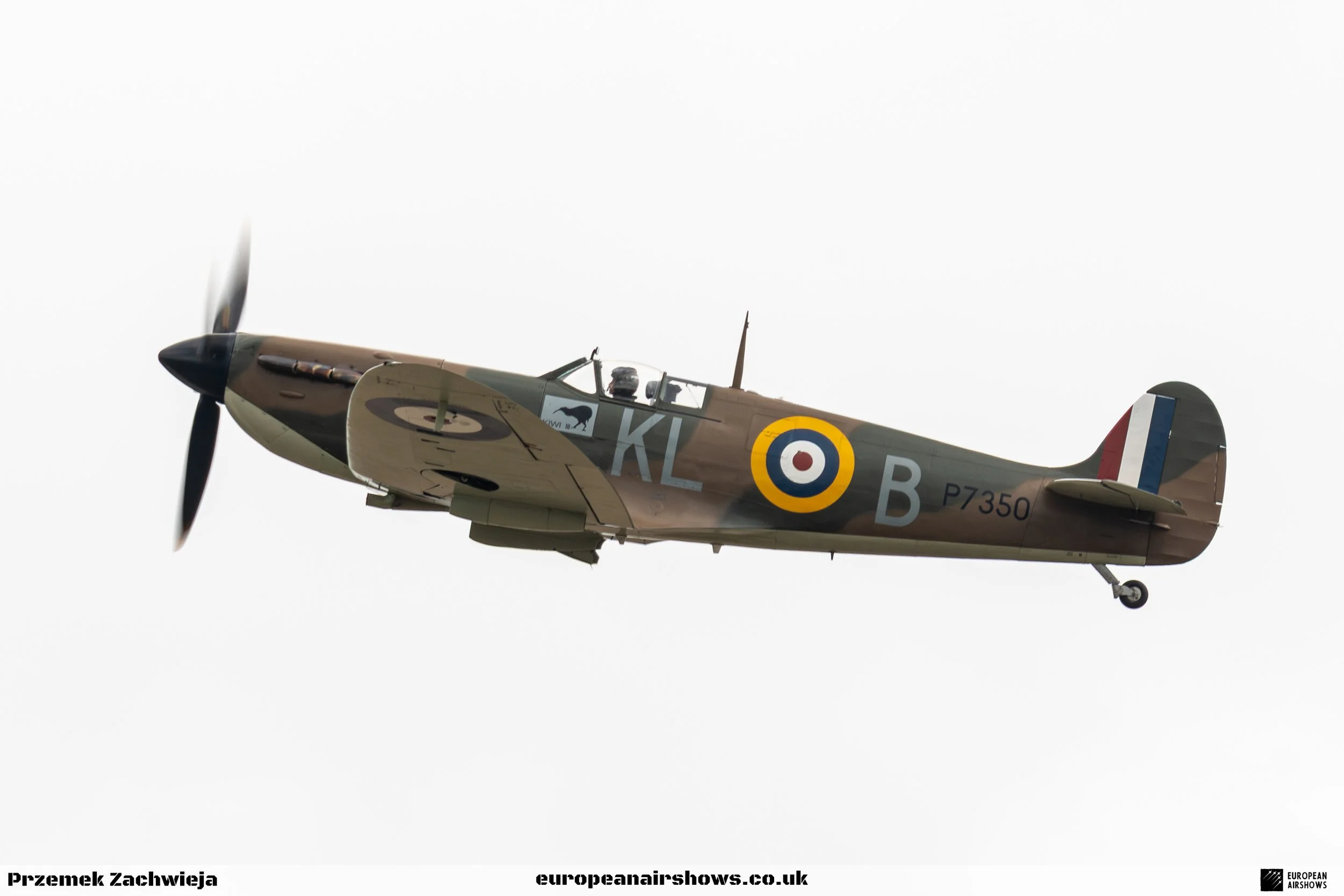
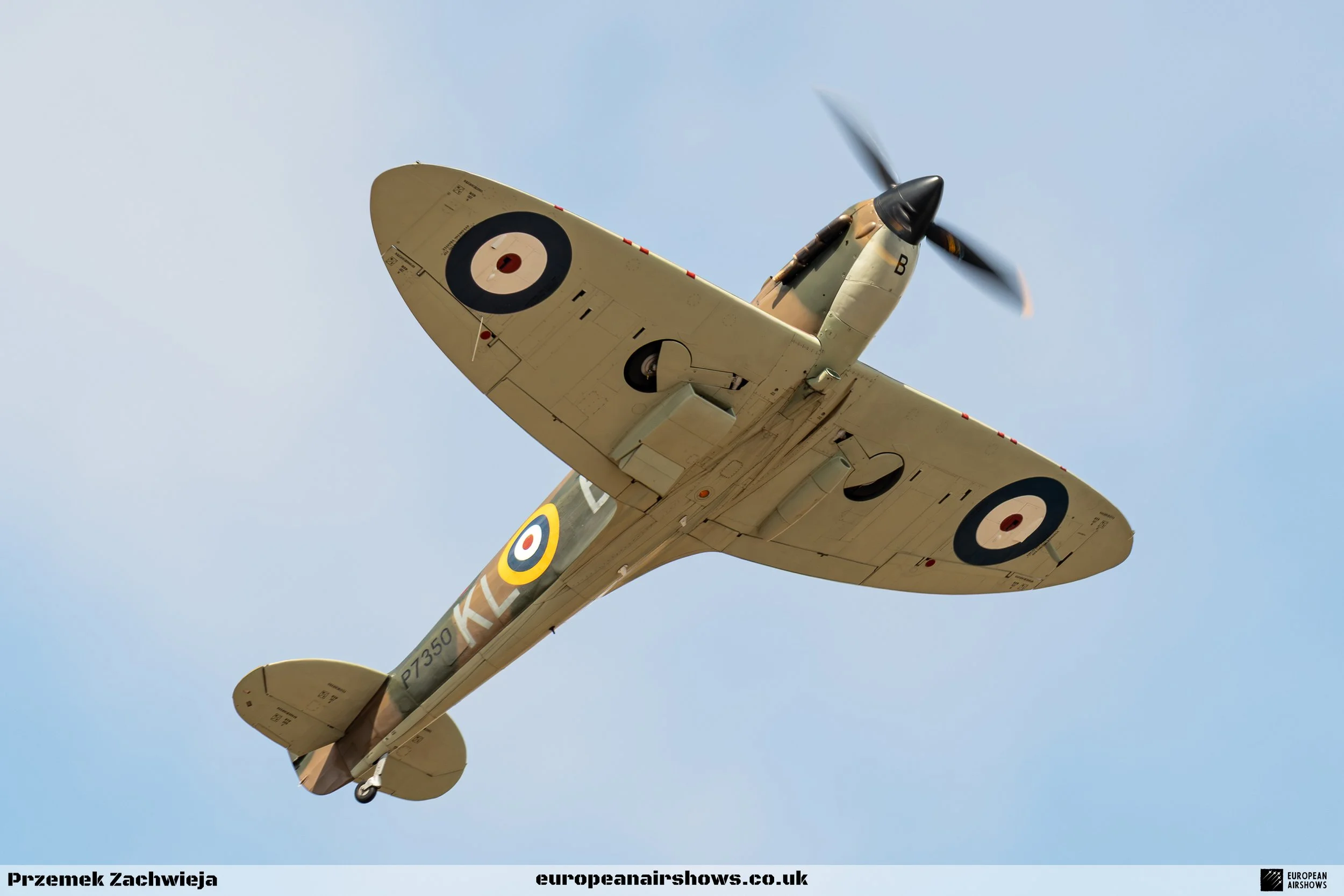
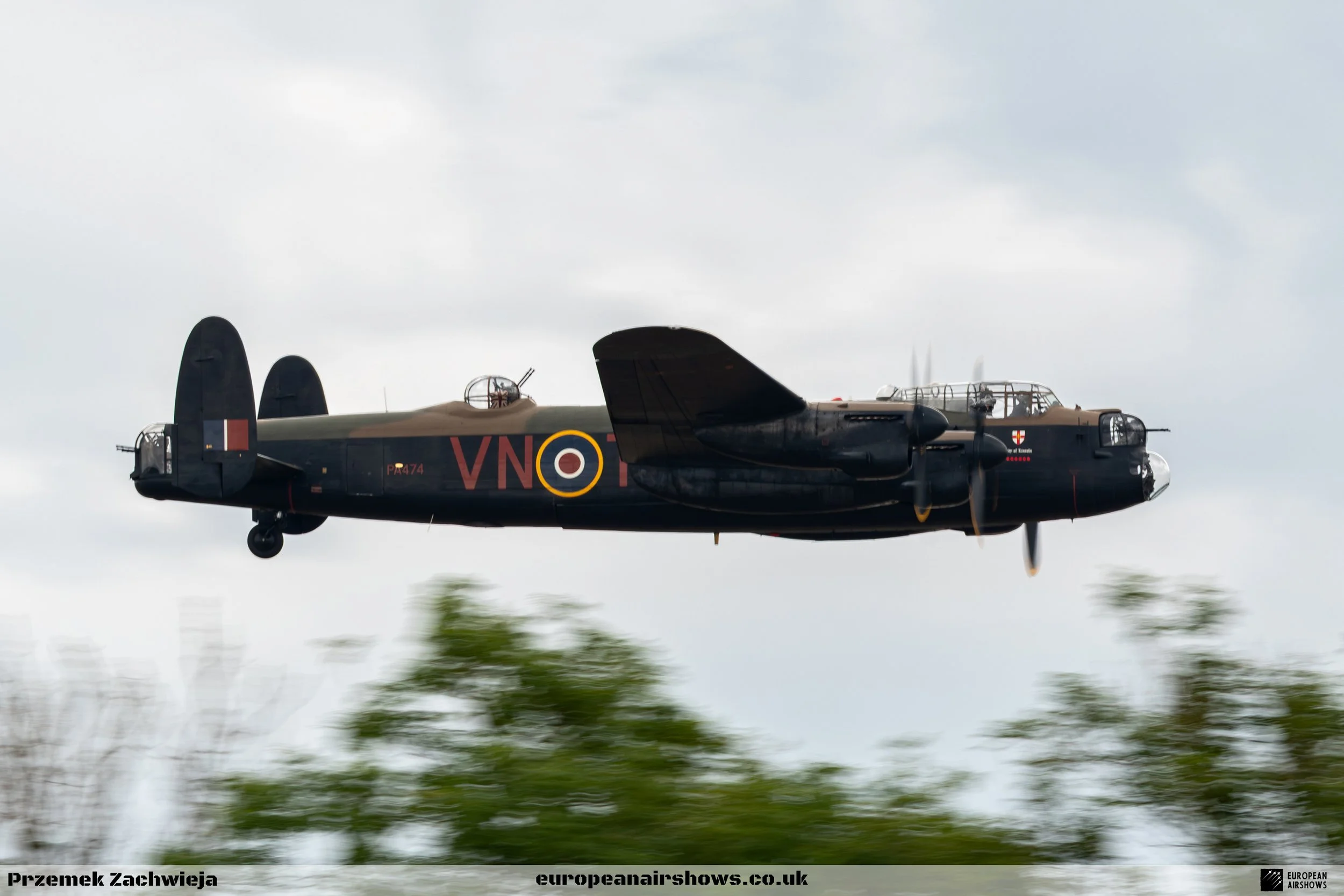
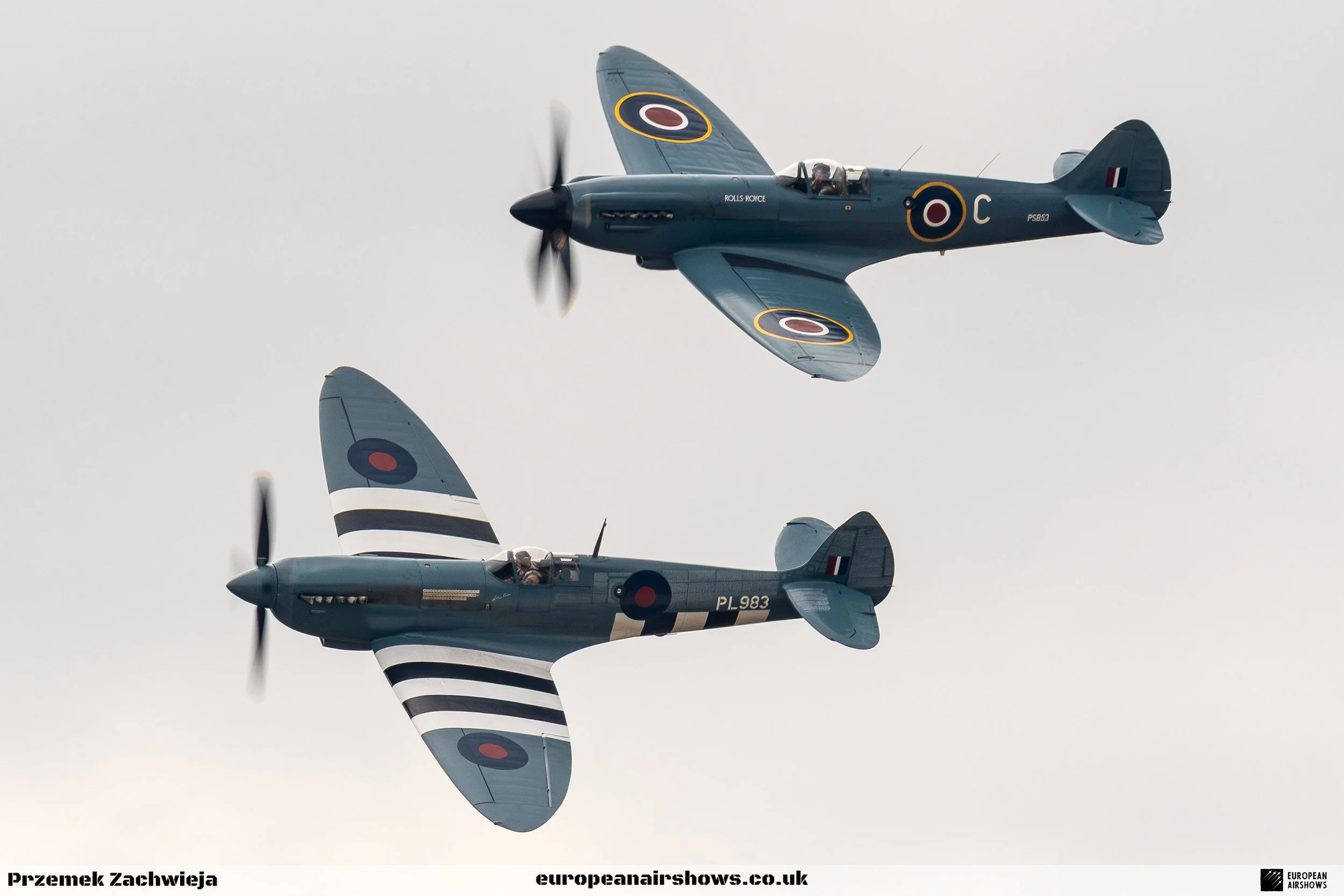
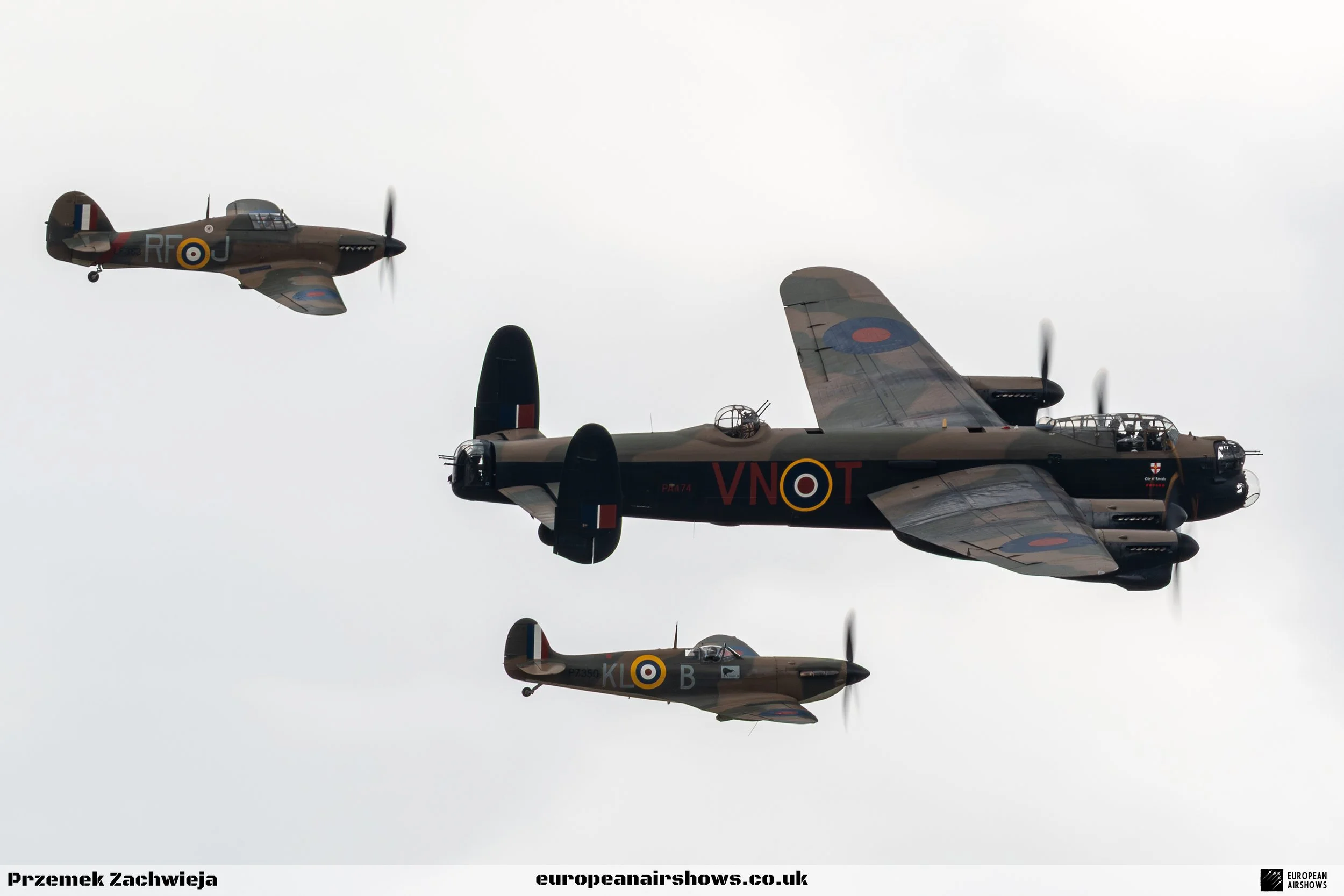
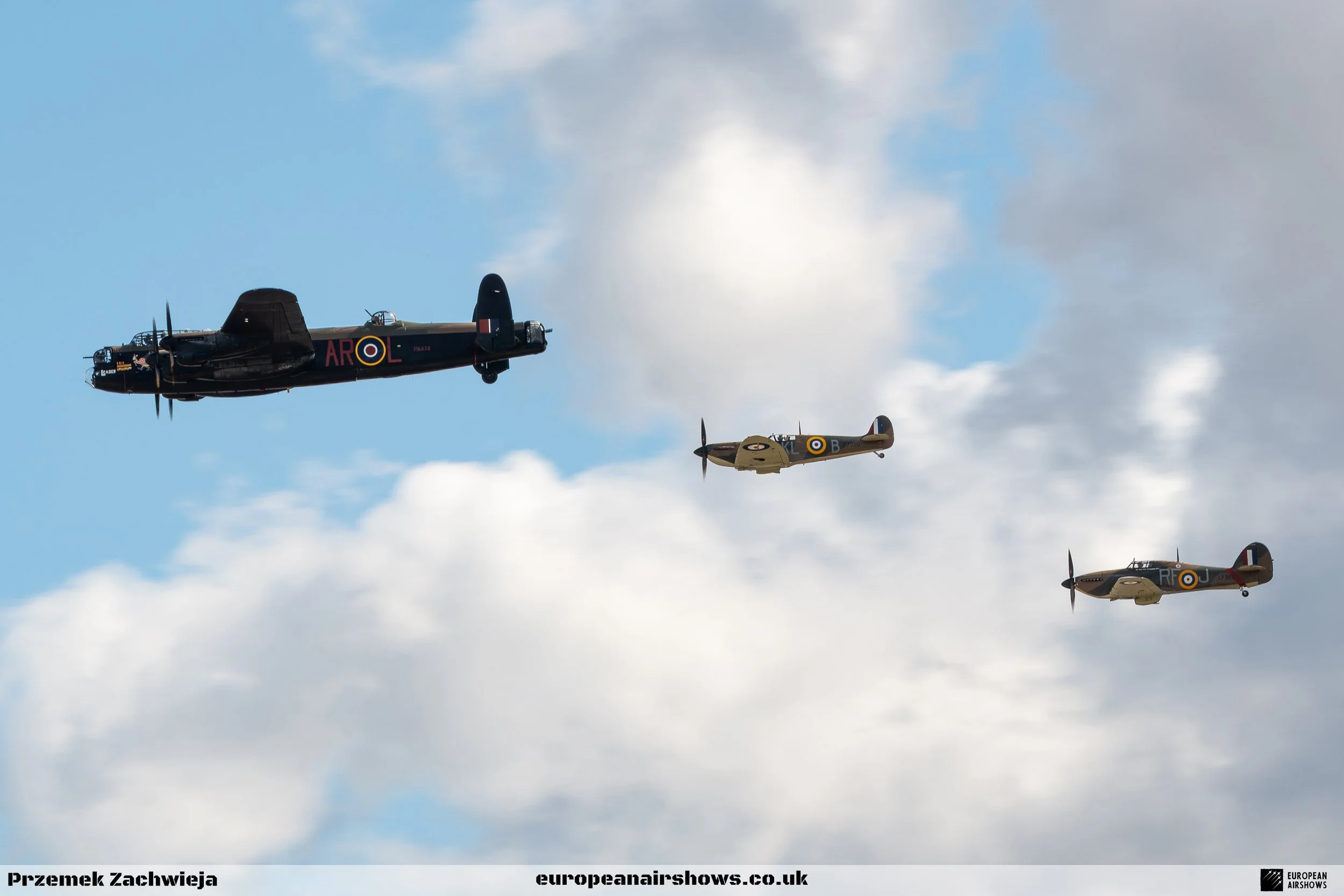
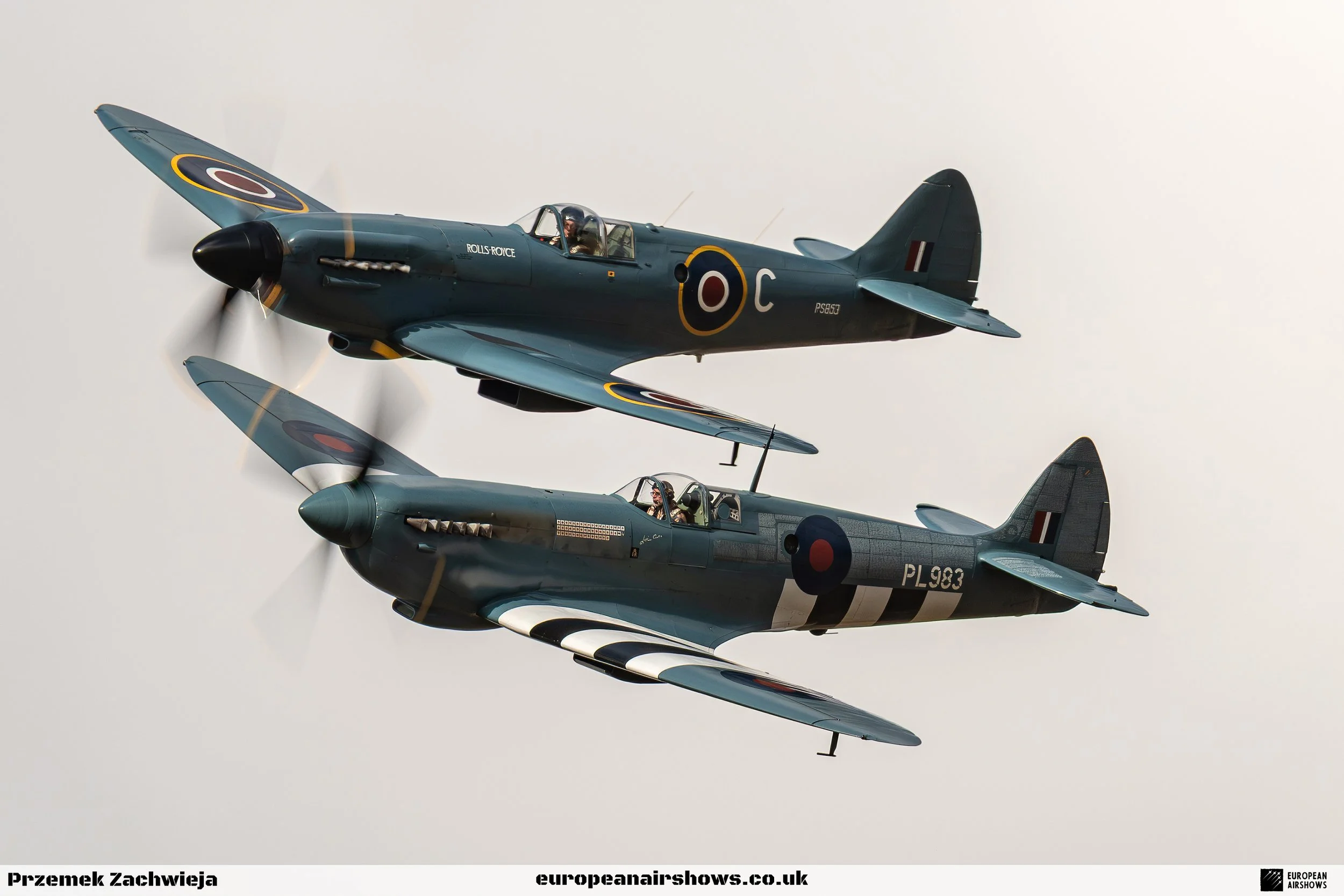
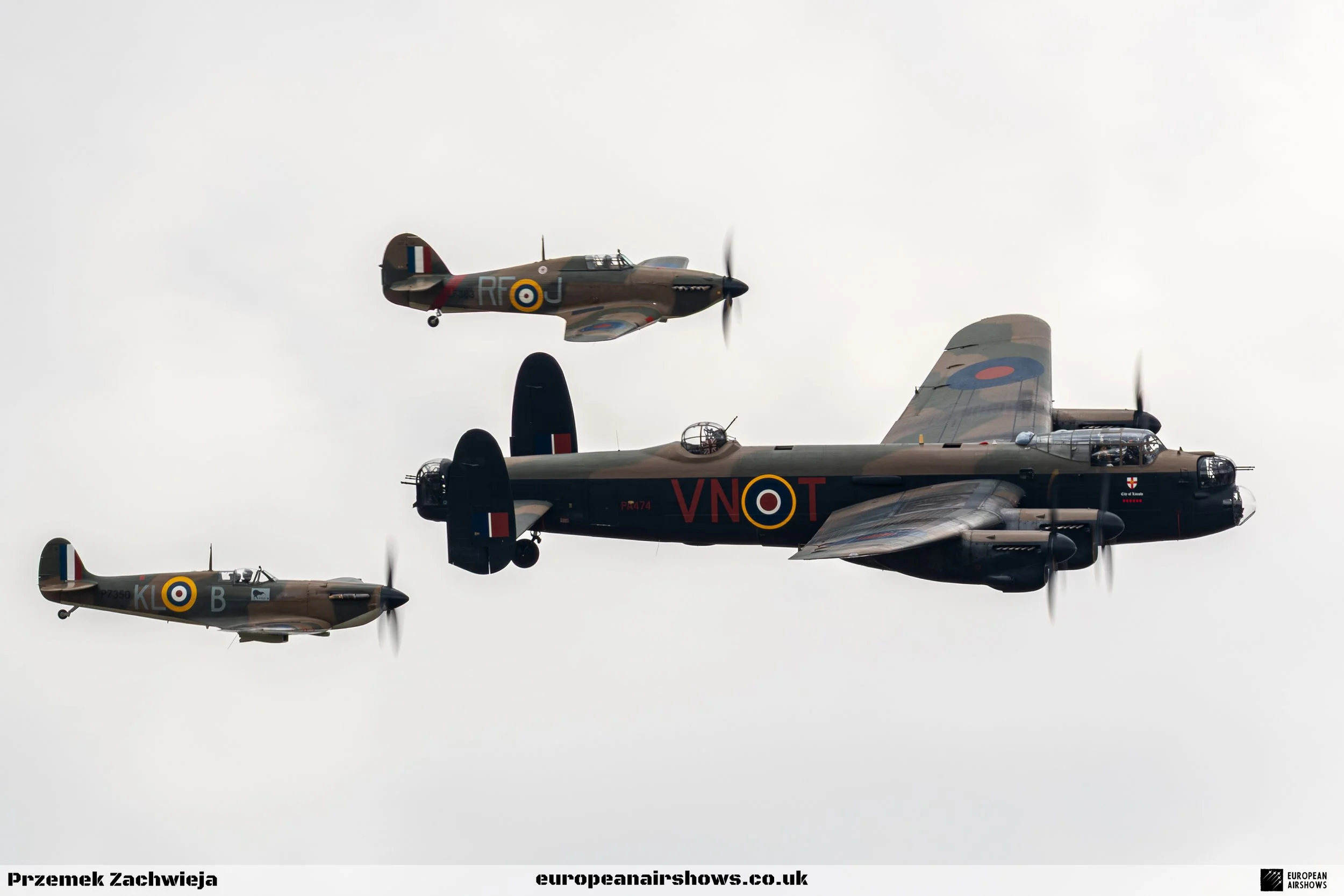
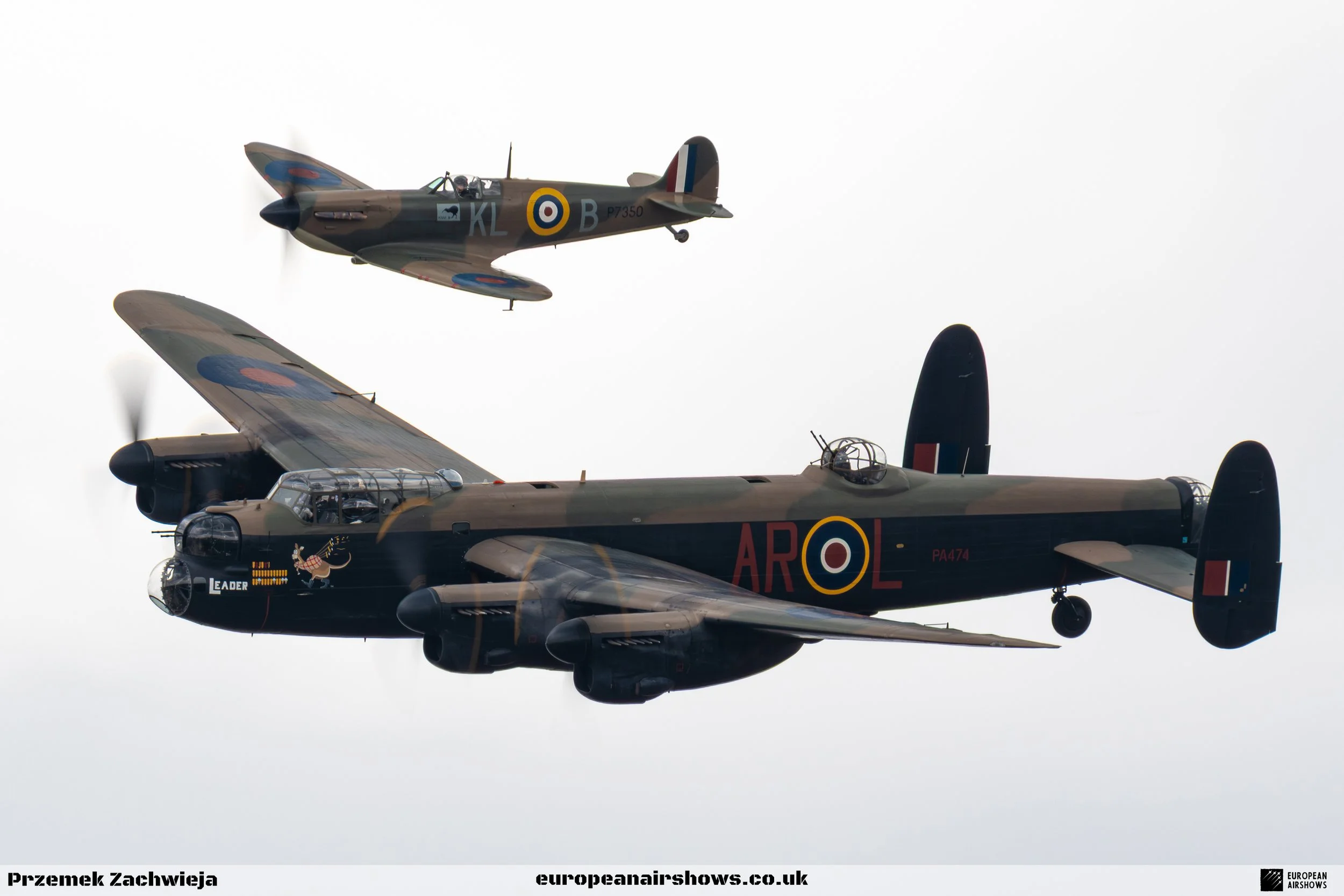
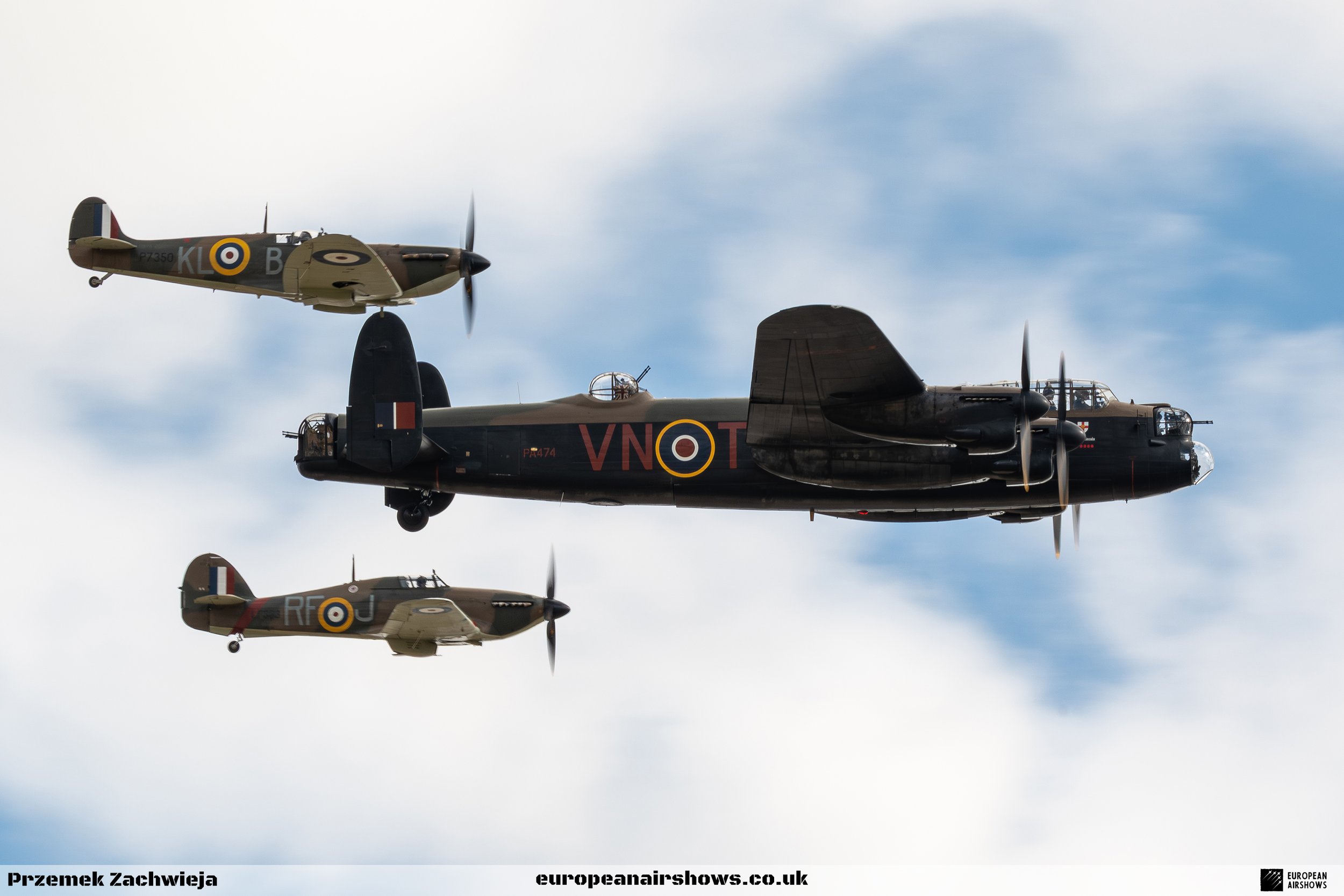
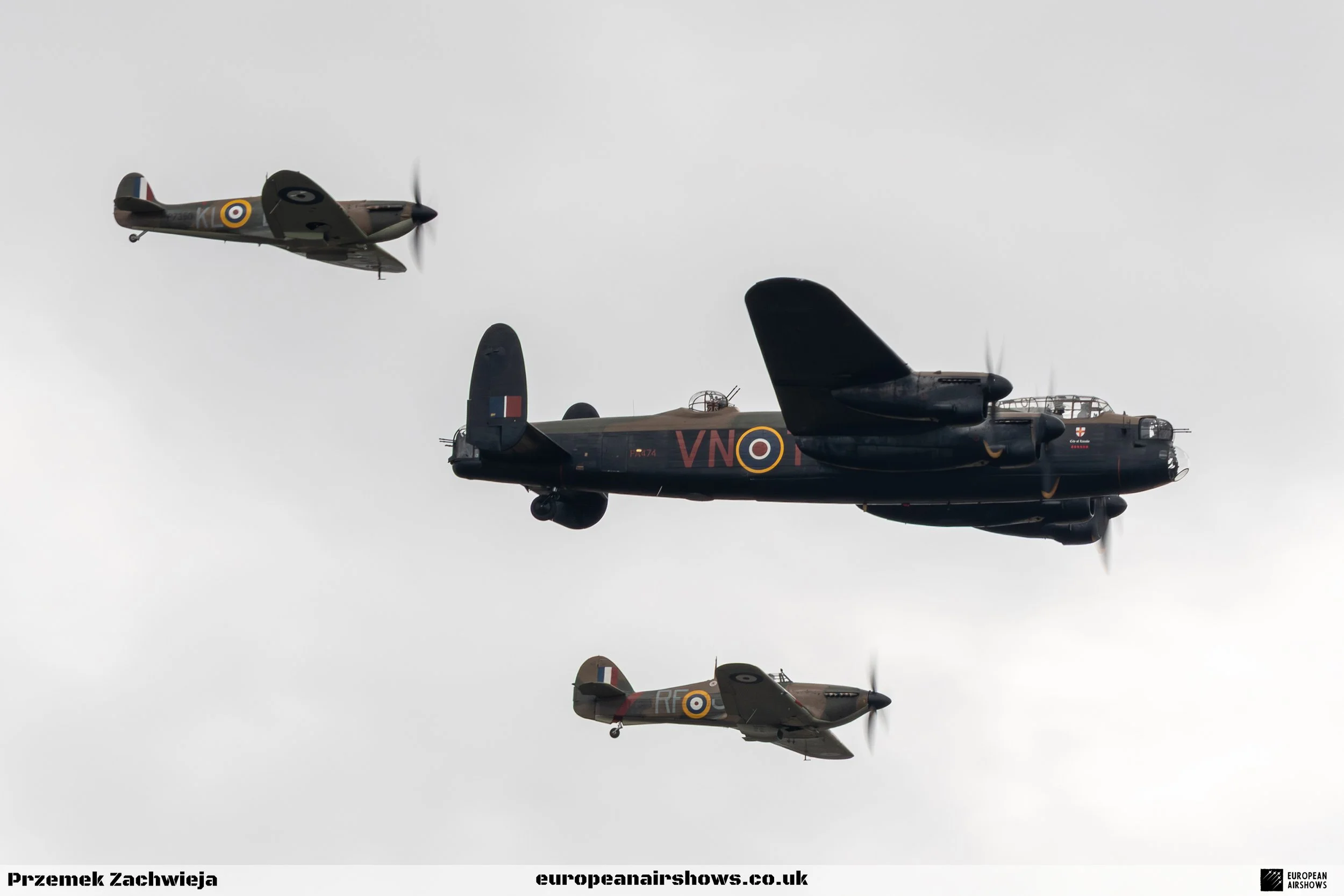
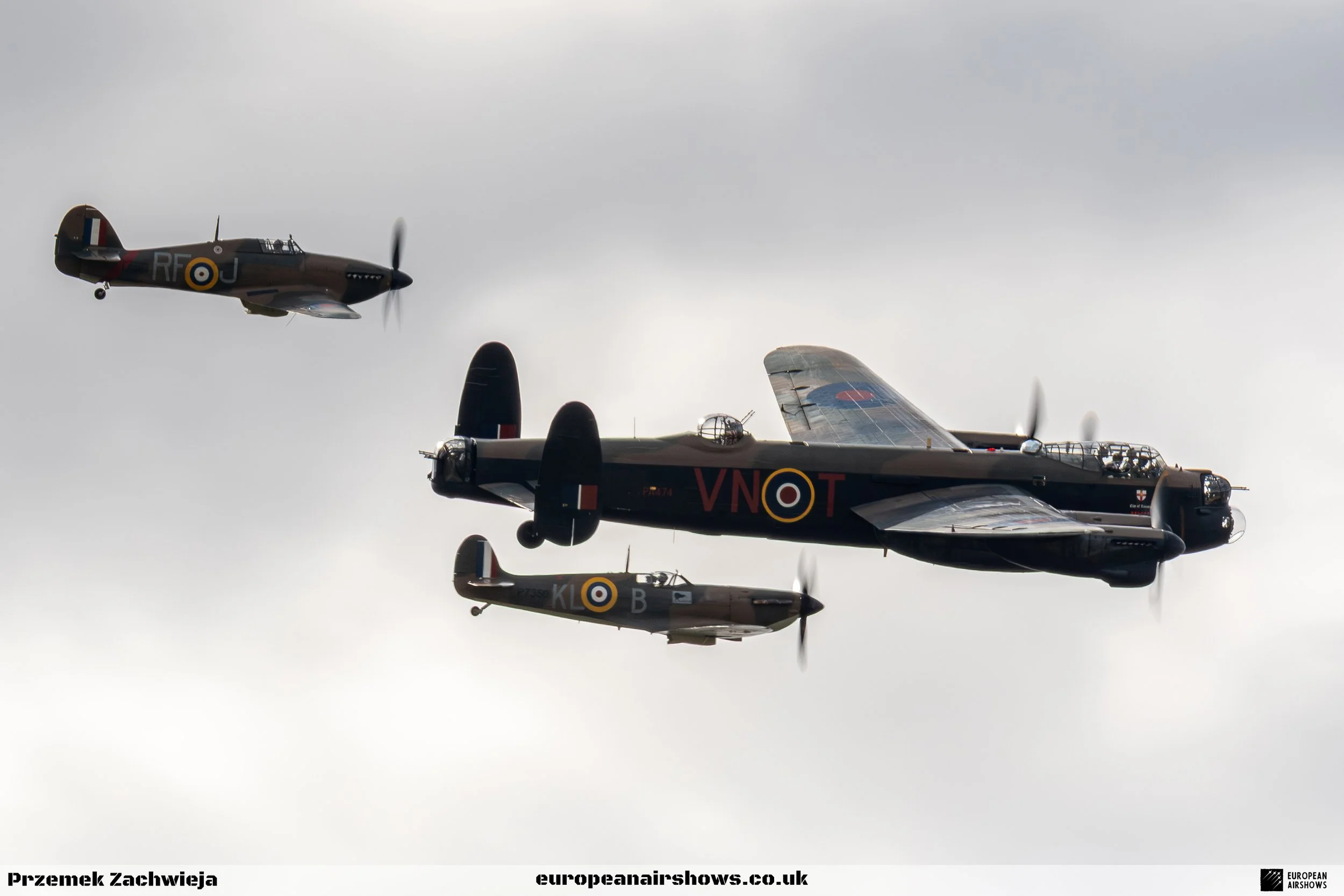
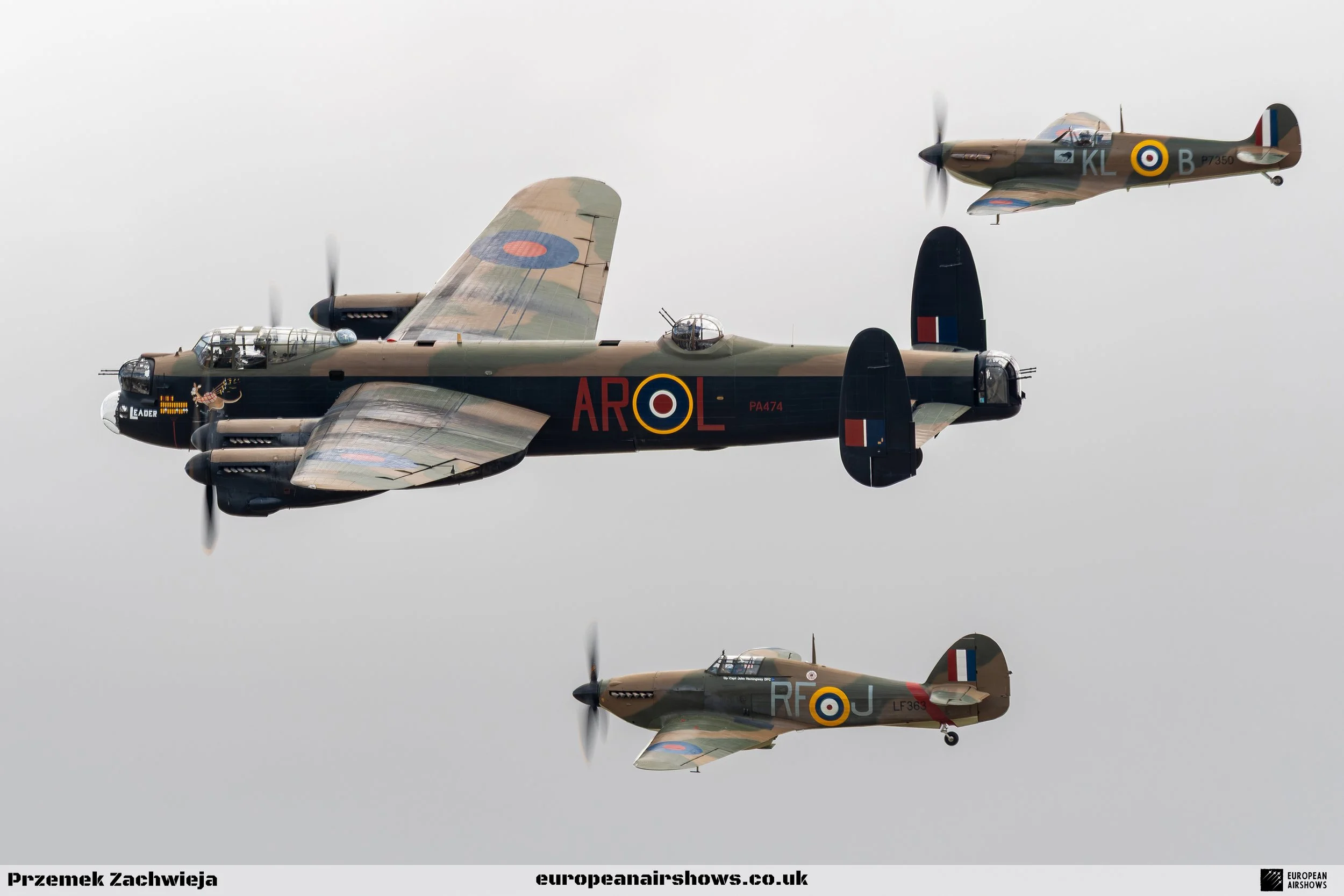
At the gentler end of the spectrum, the Aircraft Restoration Company’s Spitfire PR.XI joined the Rolls-Royce Spitfire PR.XIX for a rare high-altitude reconnaissance pairing, flying in together as a salute to the Eyes in the Skies theme. The Battle of Britain Memorial Flight added to the nostalgia, fielding a Spitfire, Hurricane and Lancaster—although the Lancaster missed Friday due to an engine fault, it returned for the weekend to complete the famous trio.
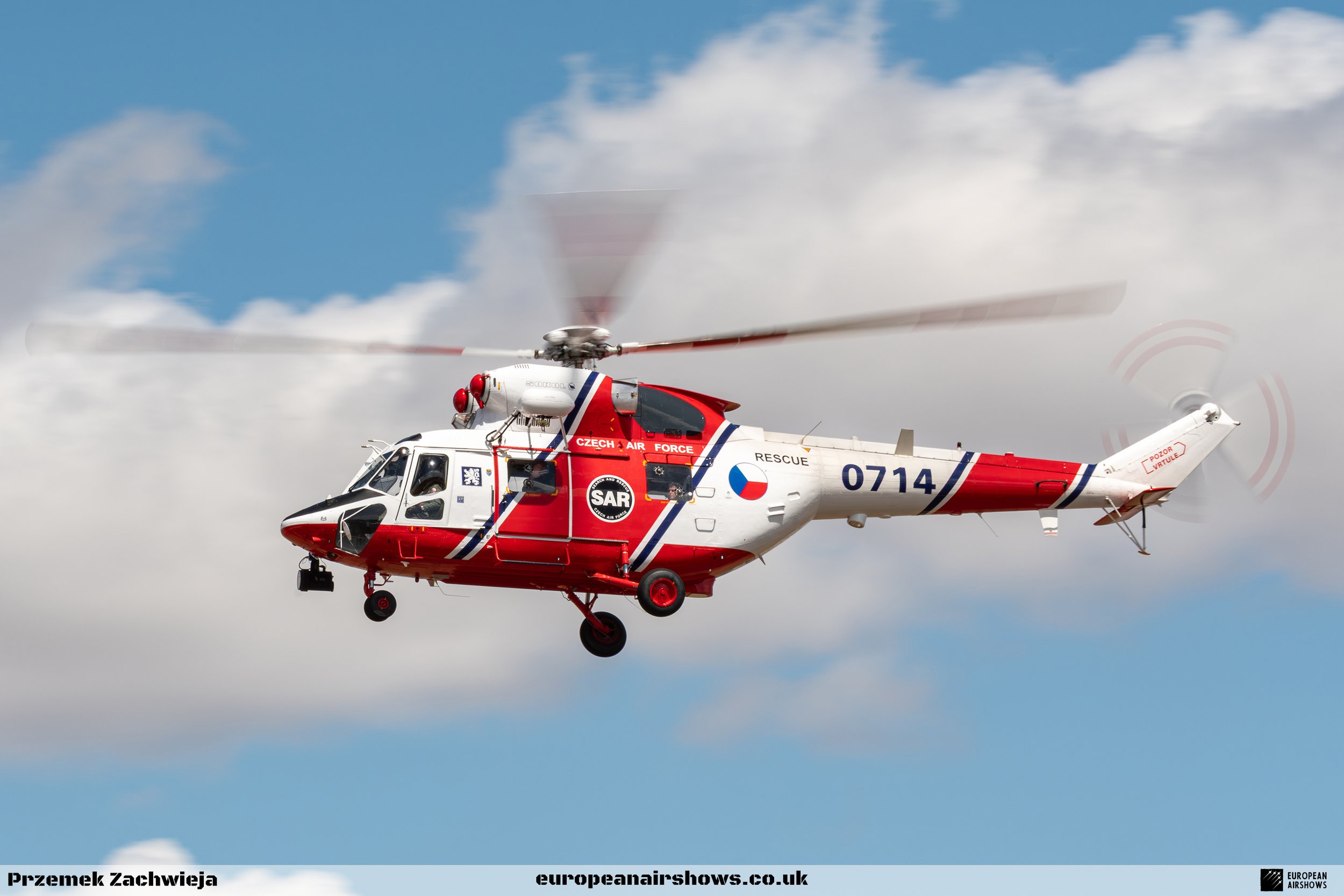
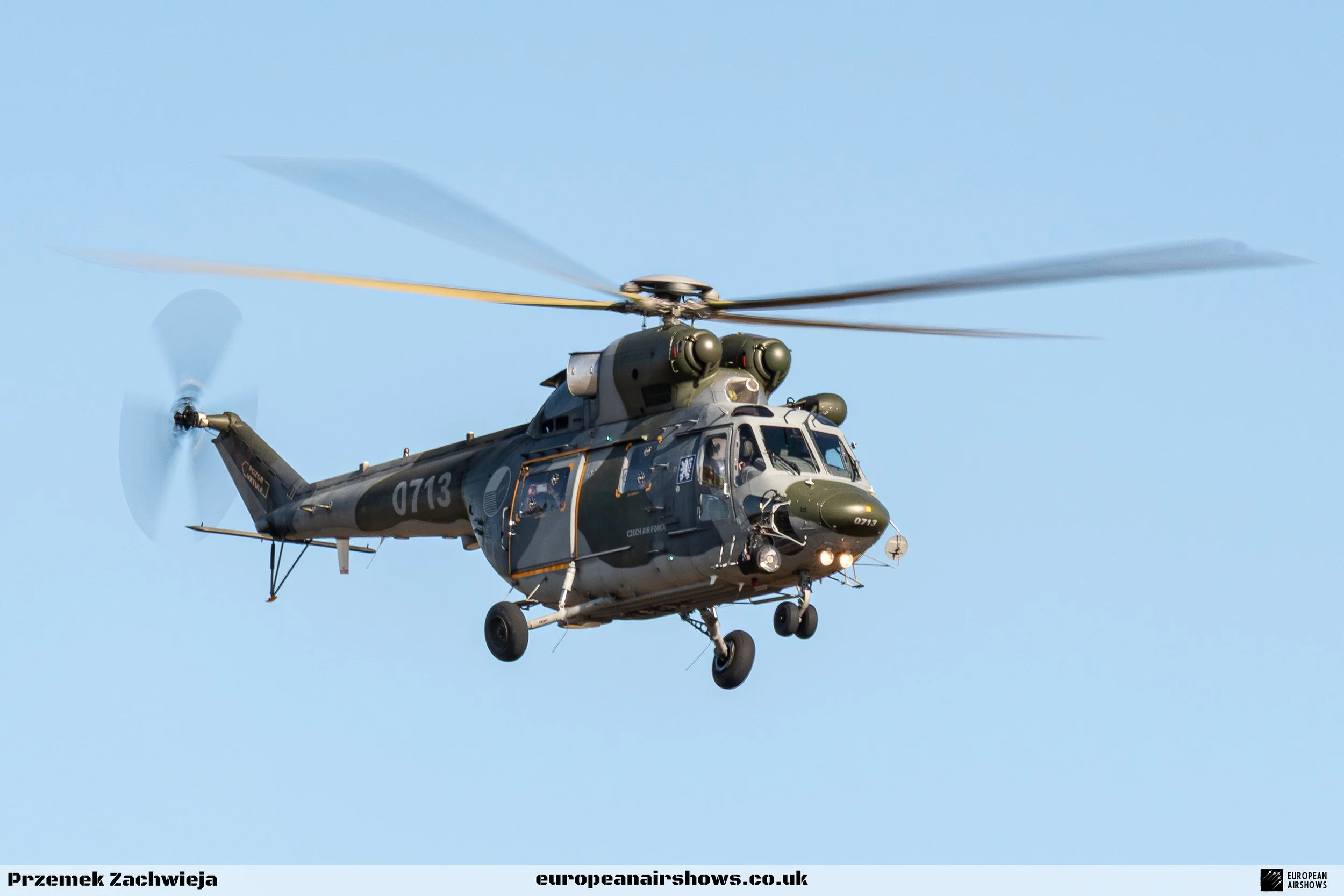
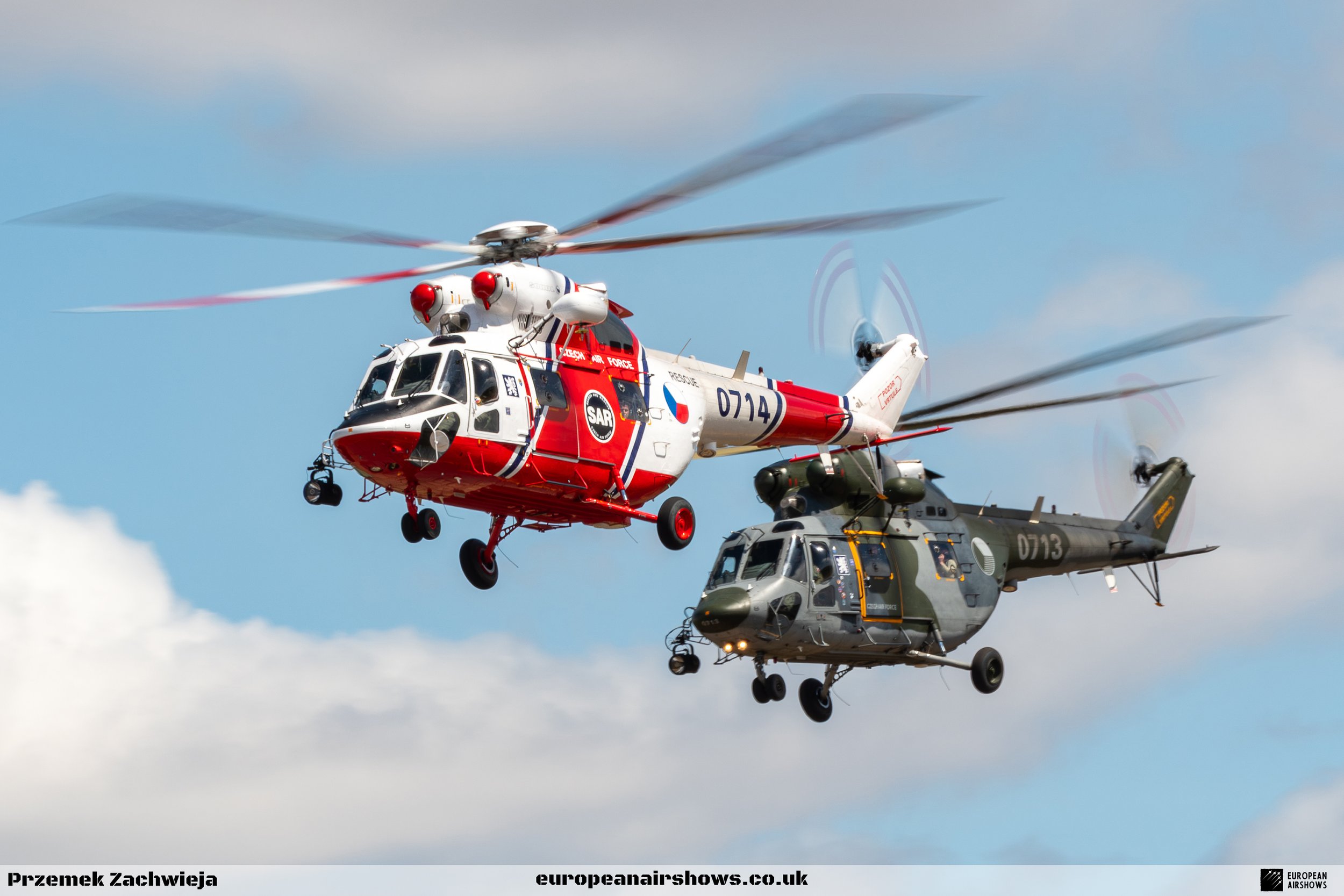
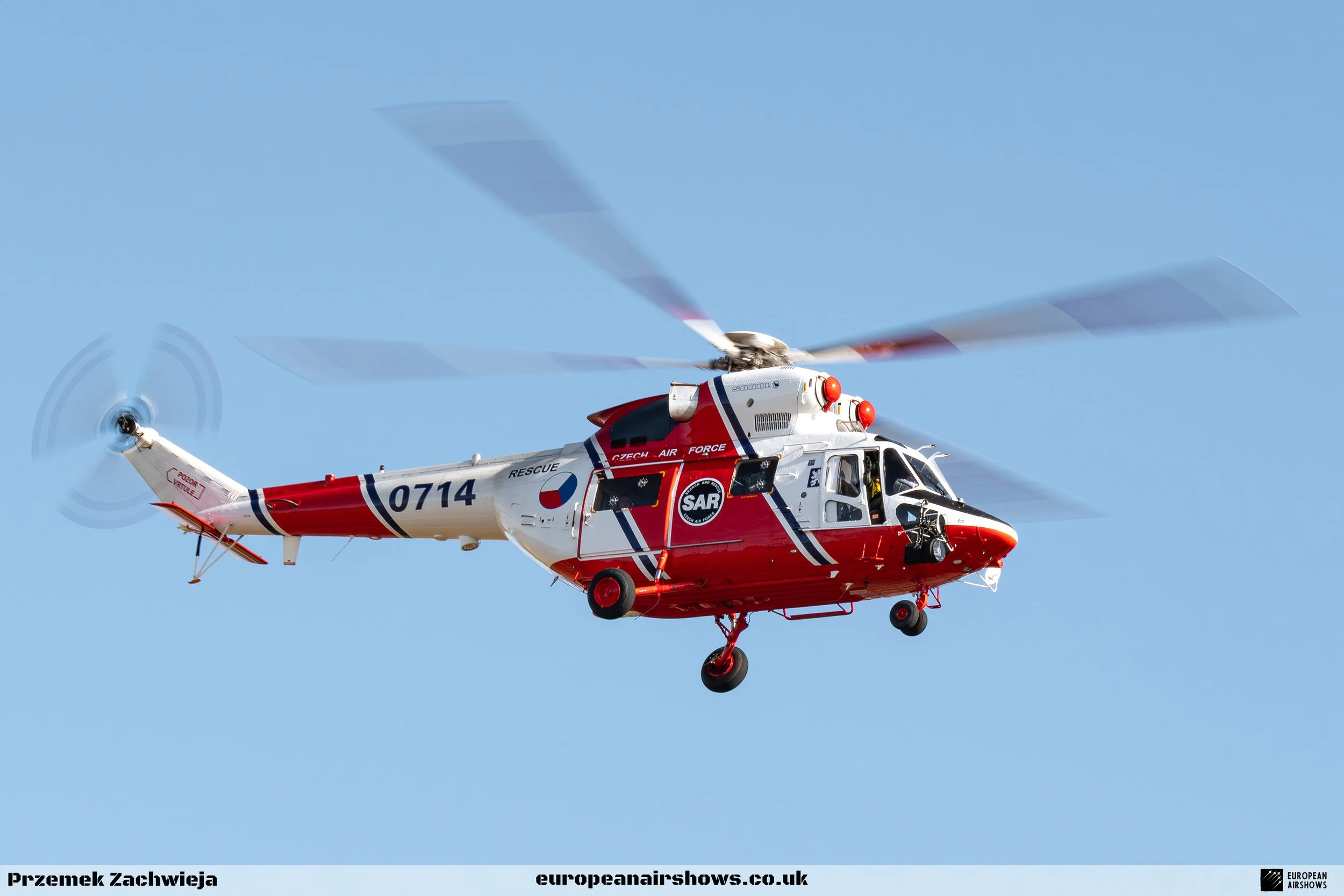
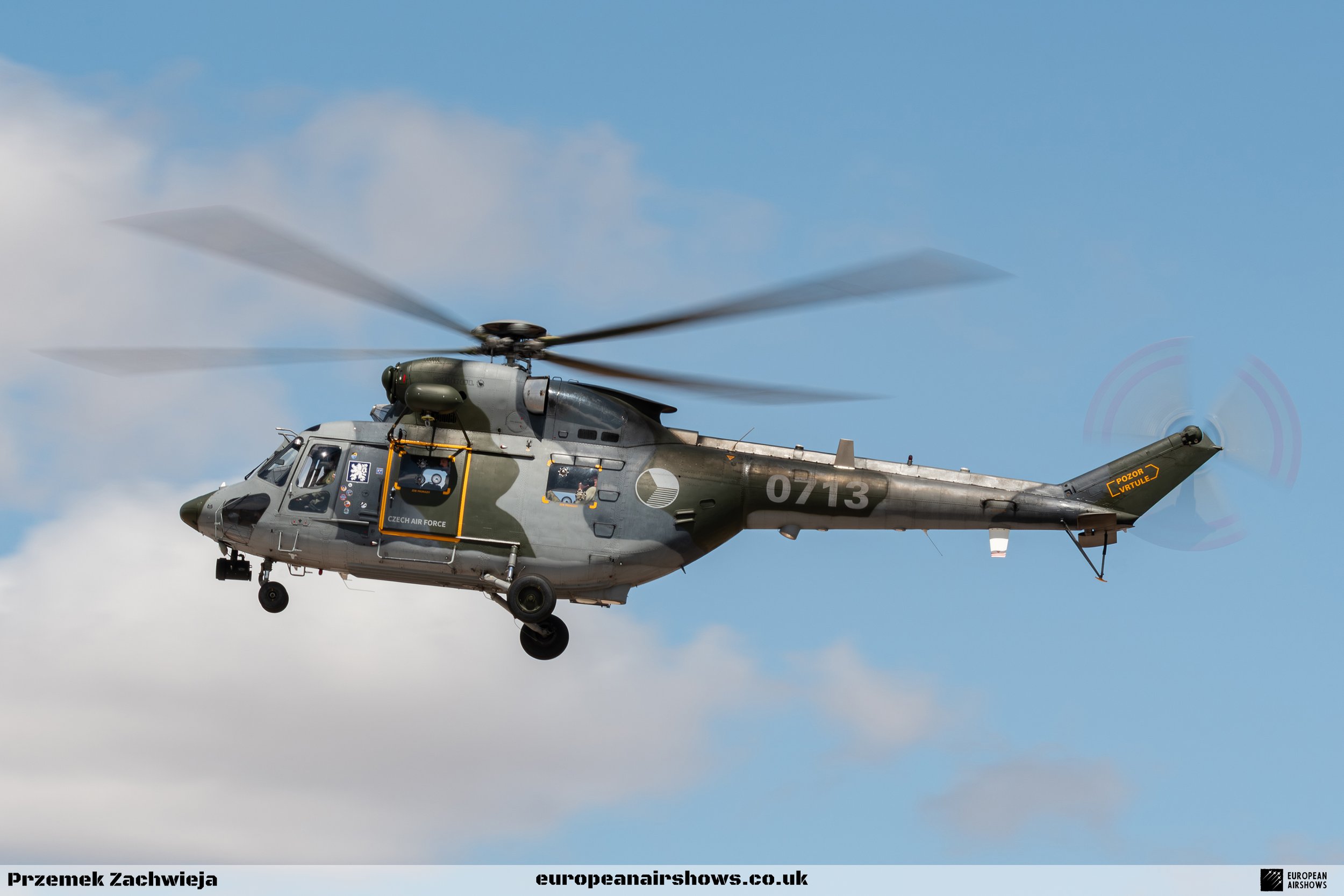
Among the most touching moments came from the Czech Air Force’s two-ship W-3A Sokol demo. Lt Col Petr Safarik, who had been grounded last year while undergoing cancer treatment, returned in the red-and-white Sokol, flying alongside Maj Antonin Petru in a camouflage machine. Their demonstration blended search-and-rescue precision with formation agility and carried a deeper message of resilience. For that reason, as much as their execution, the team was awarded the RAFCTE Trophy for the best overseas flying demonstration.
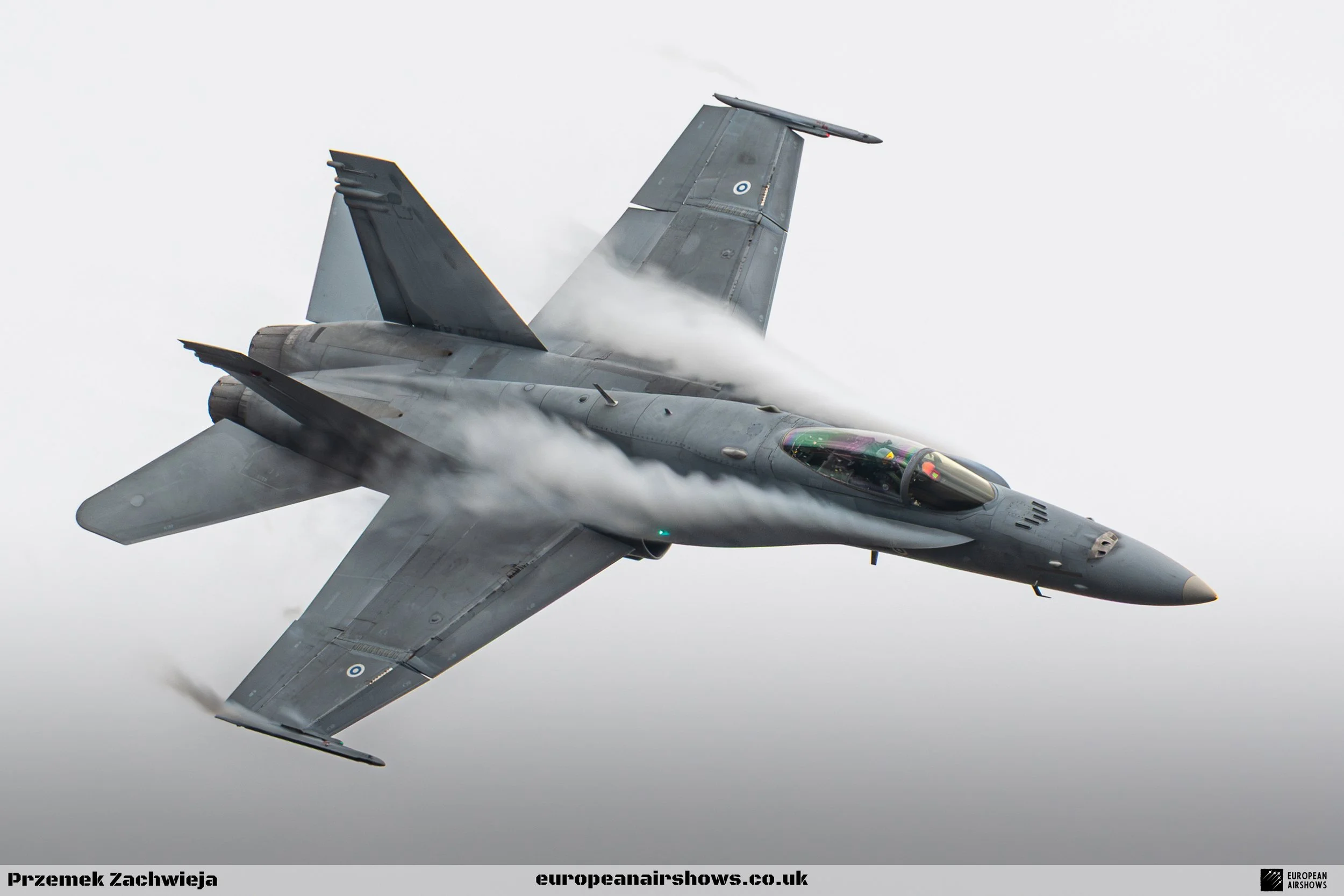
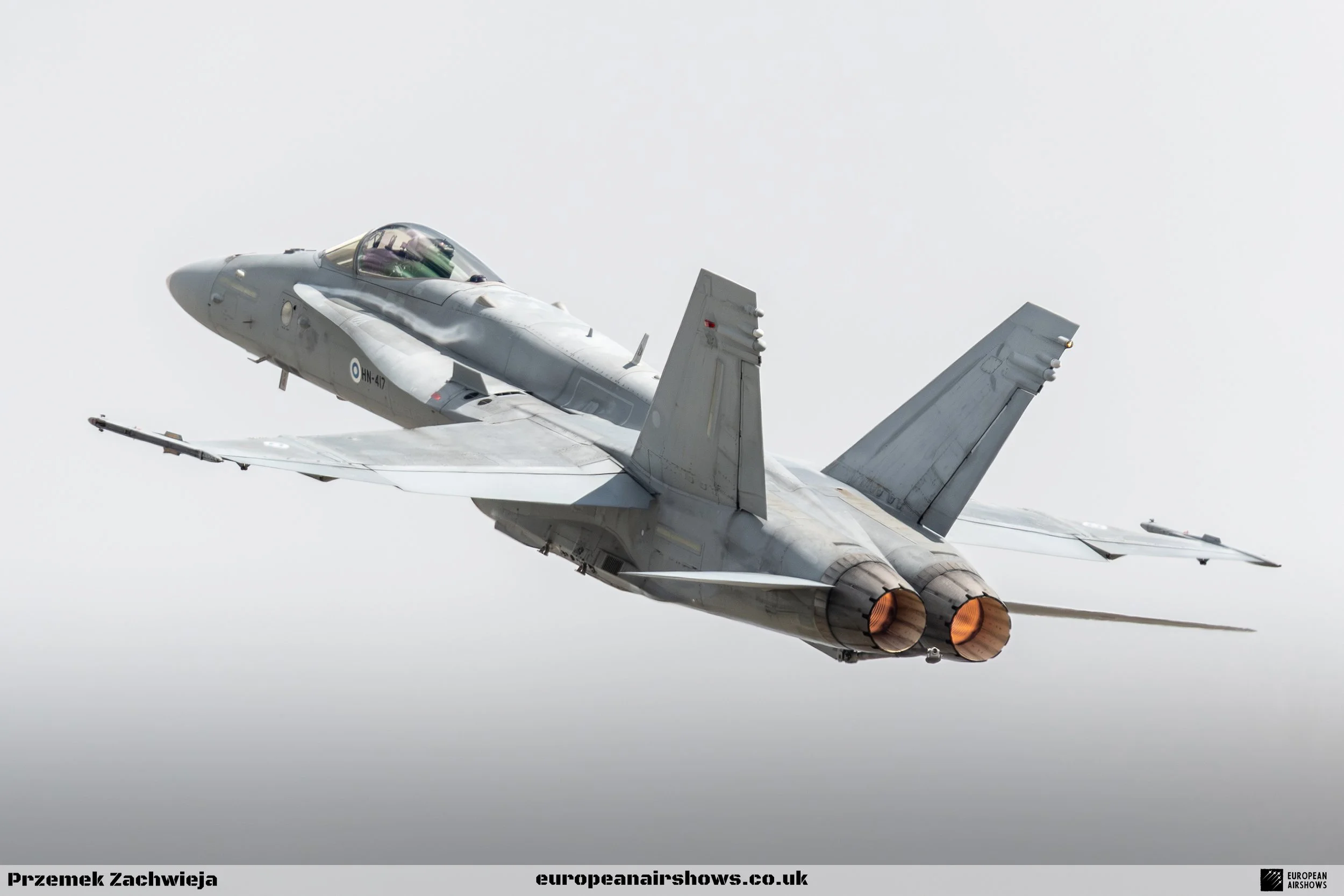
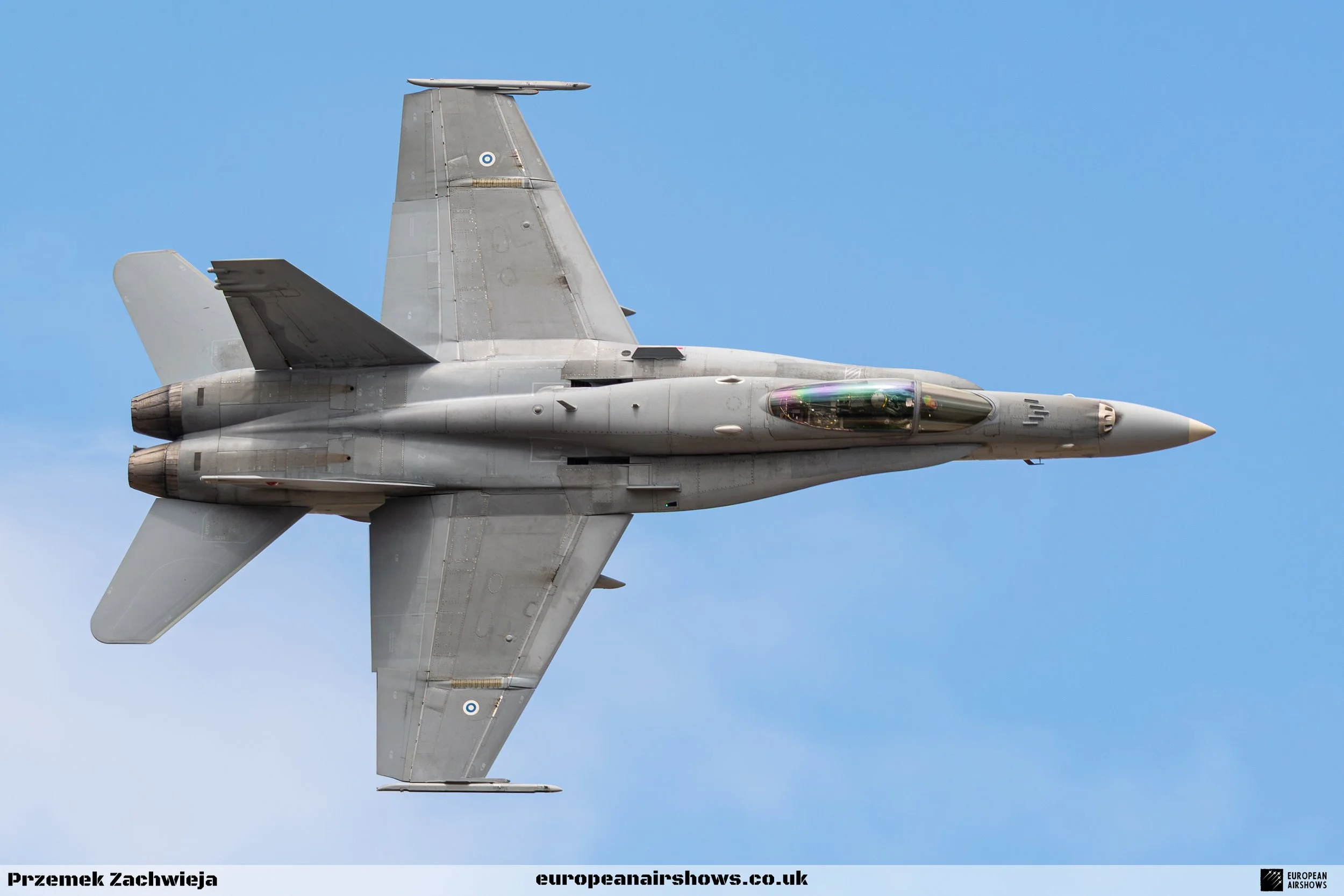
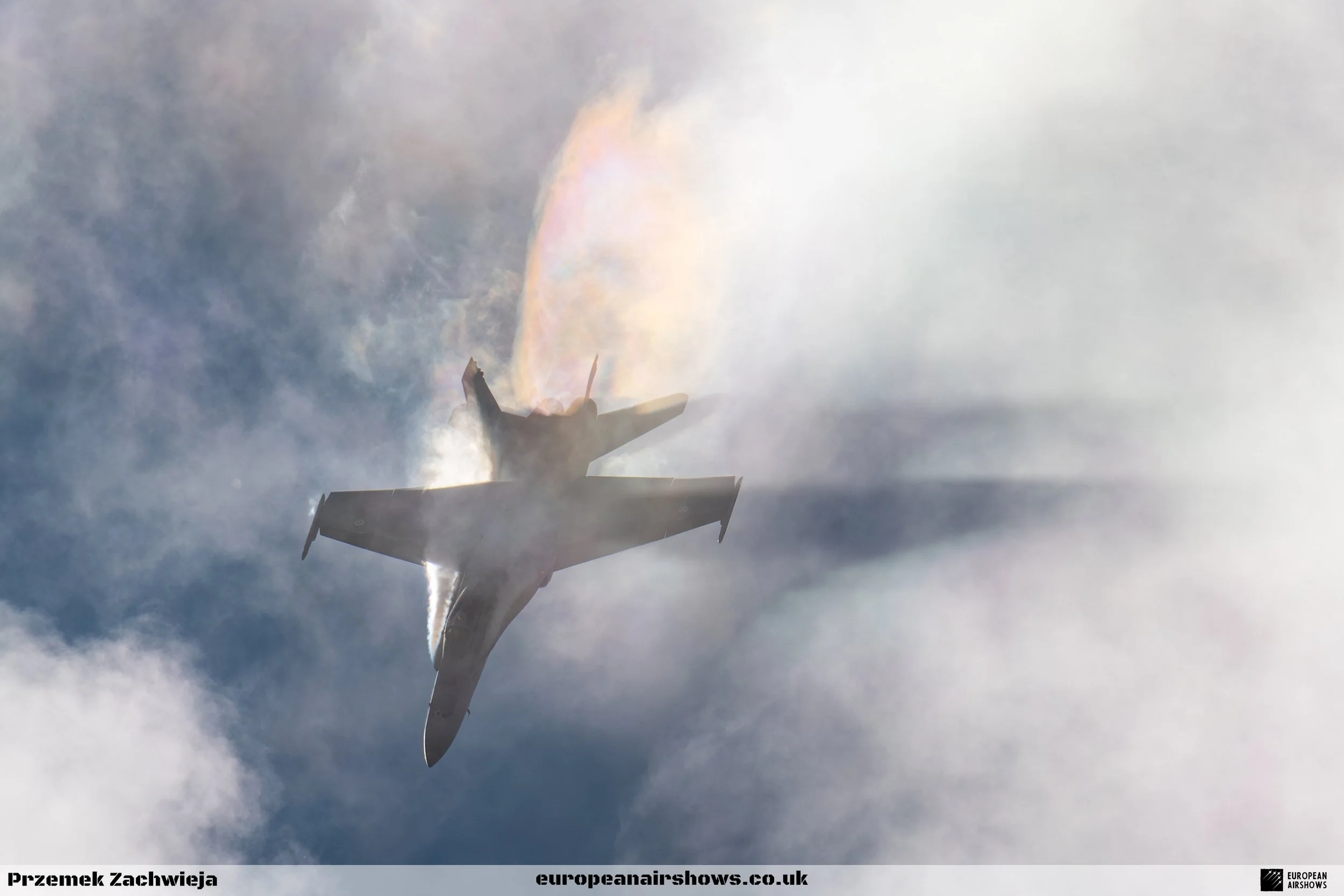
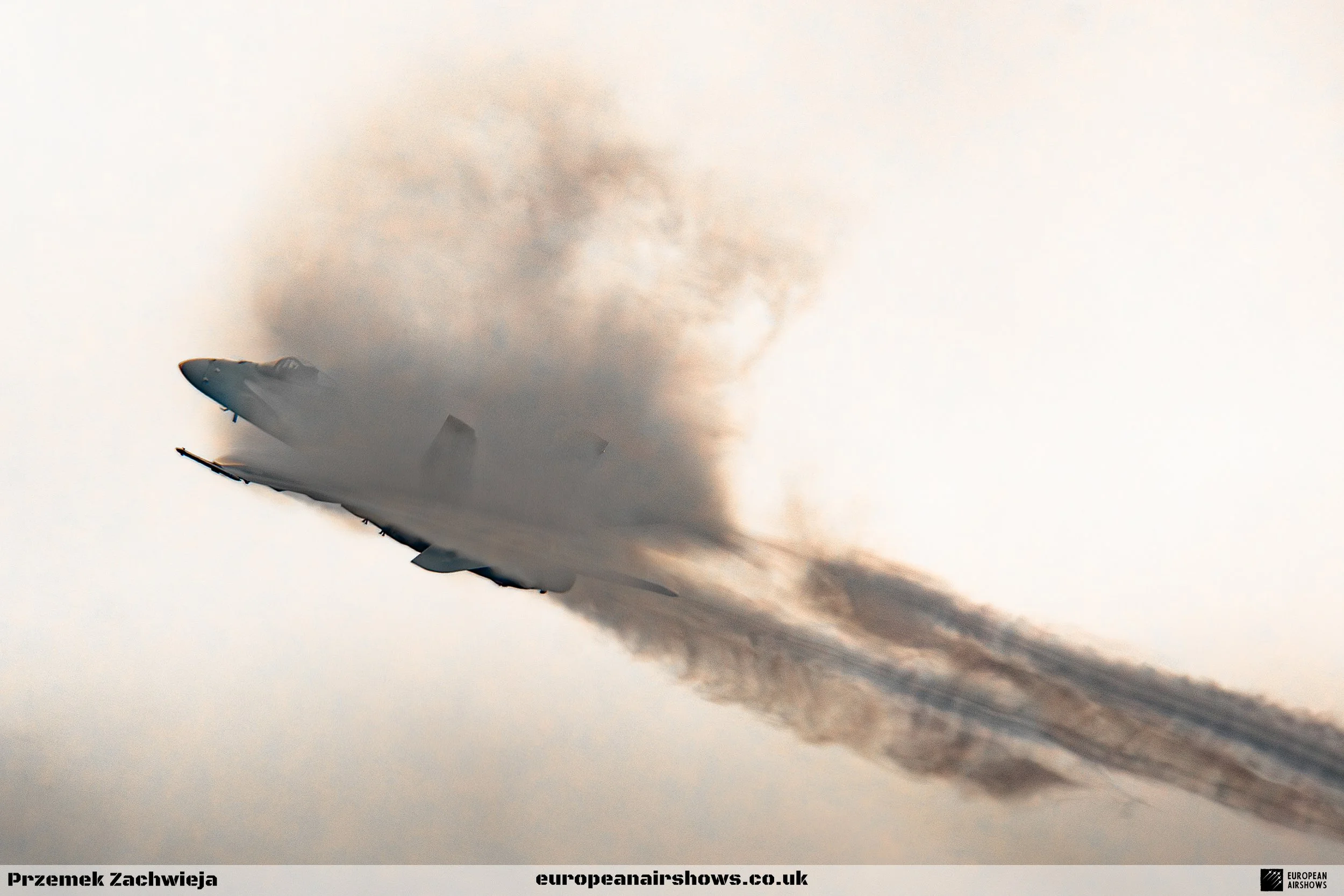
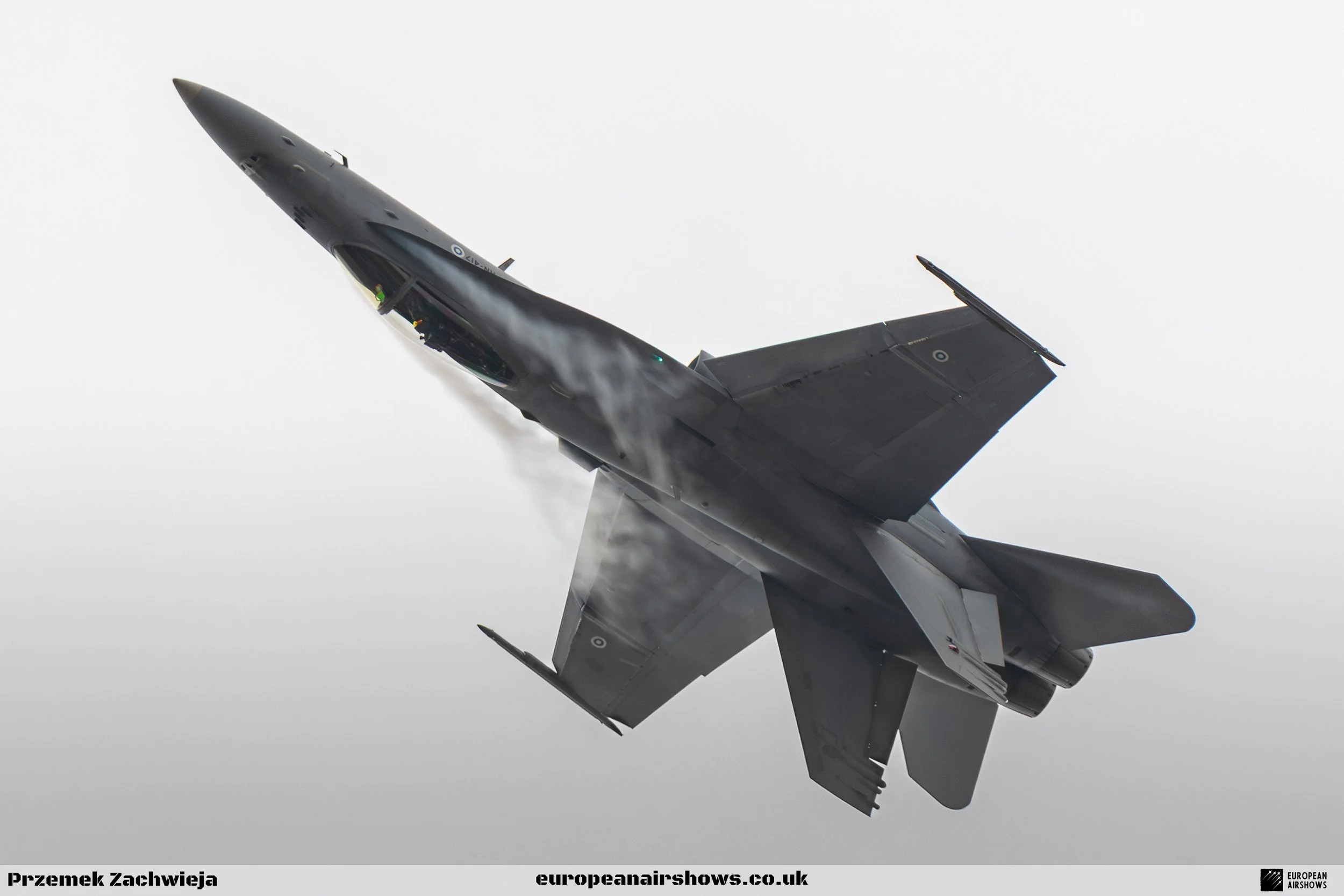
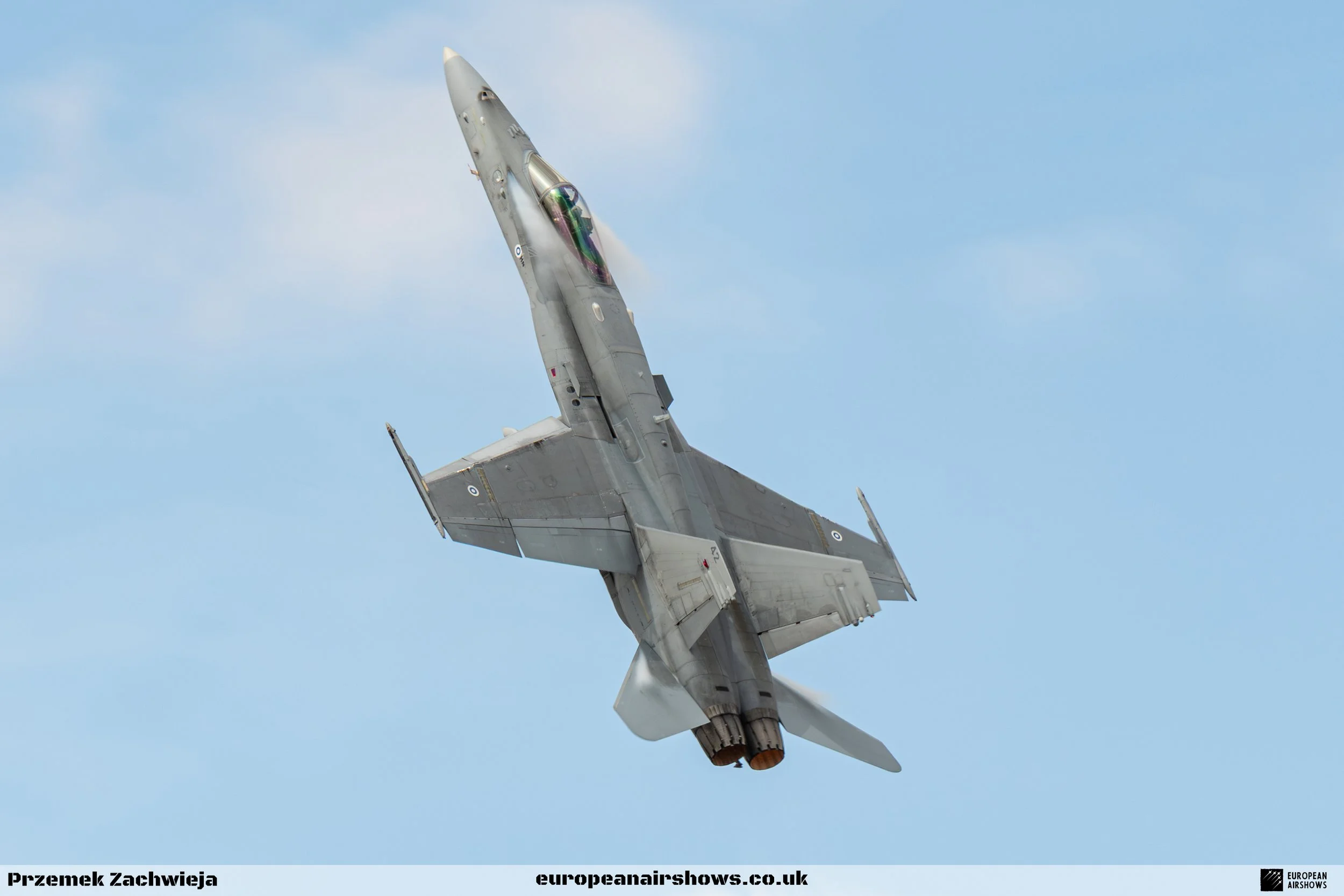
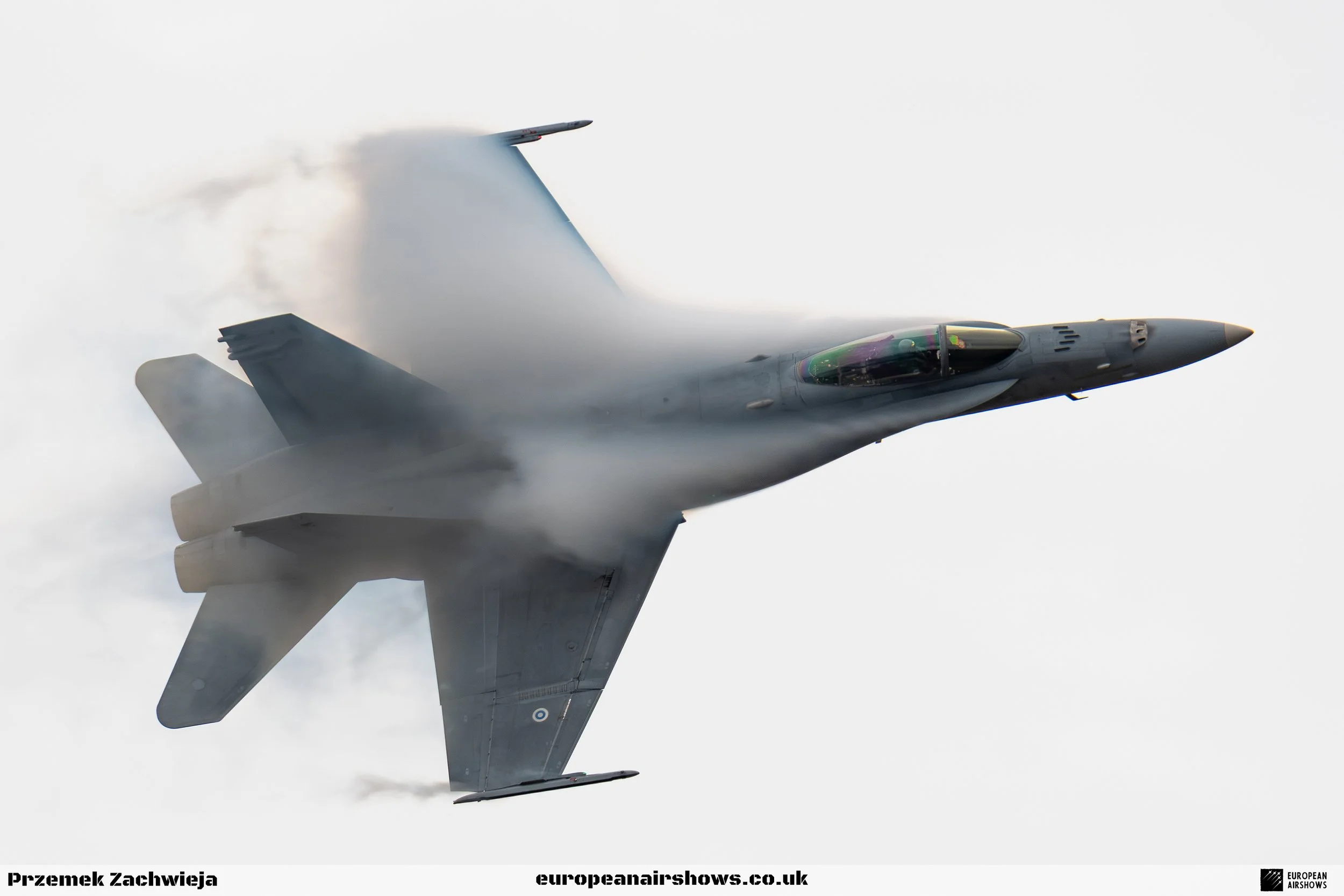
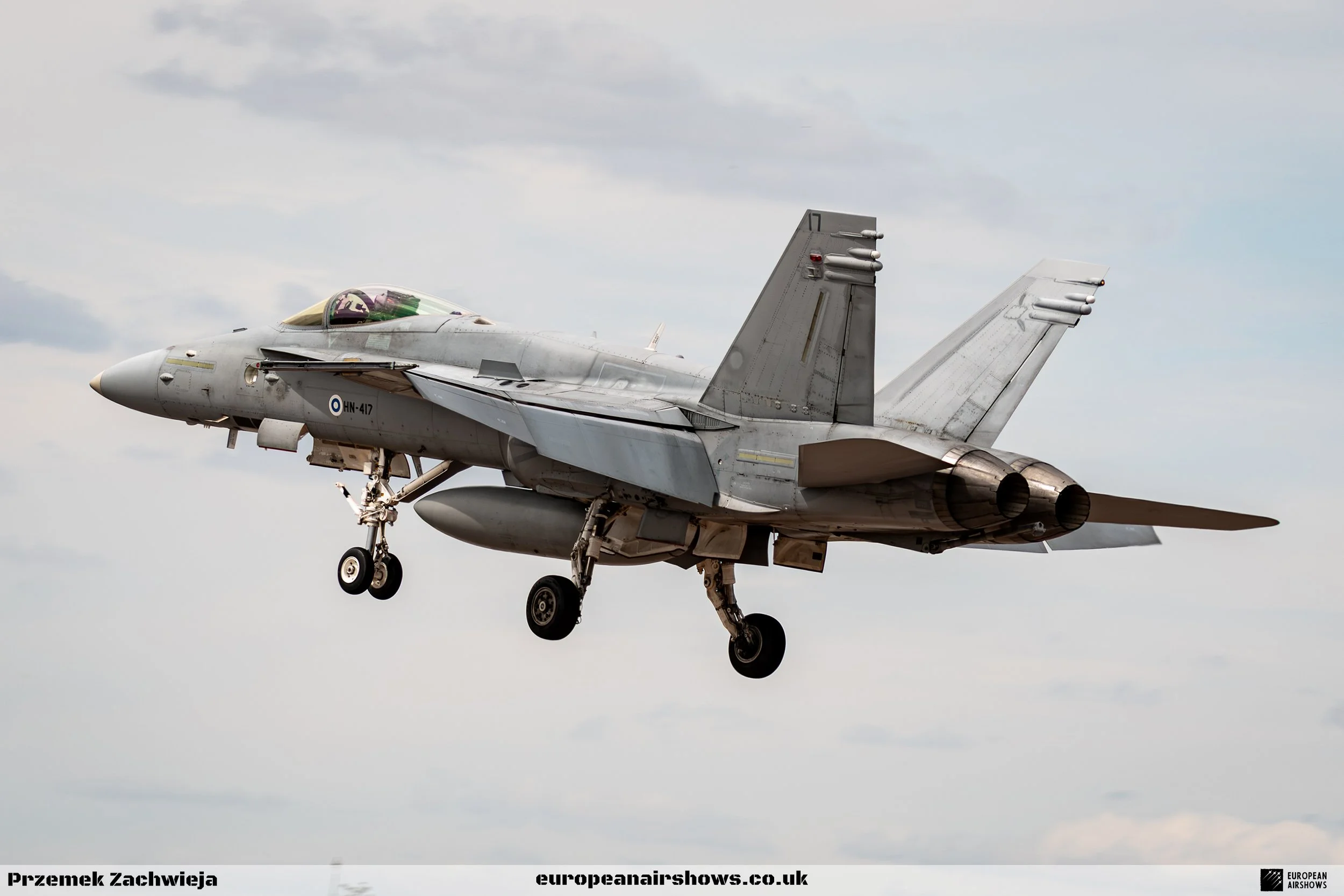
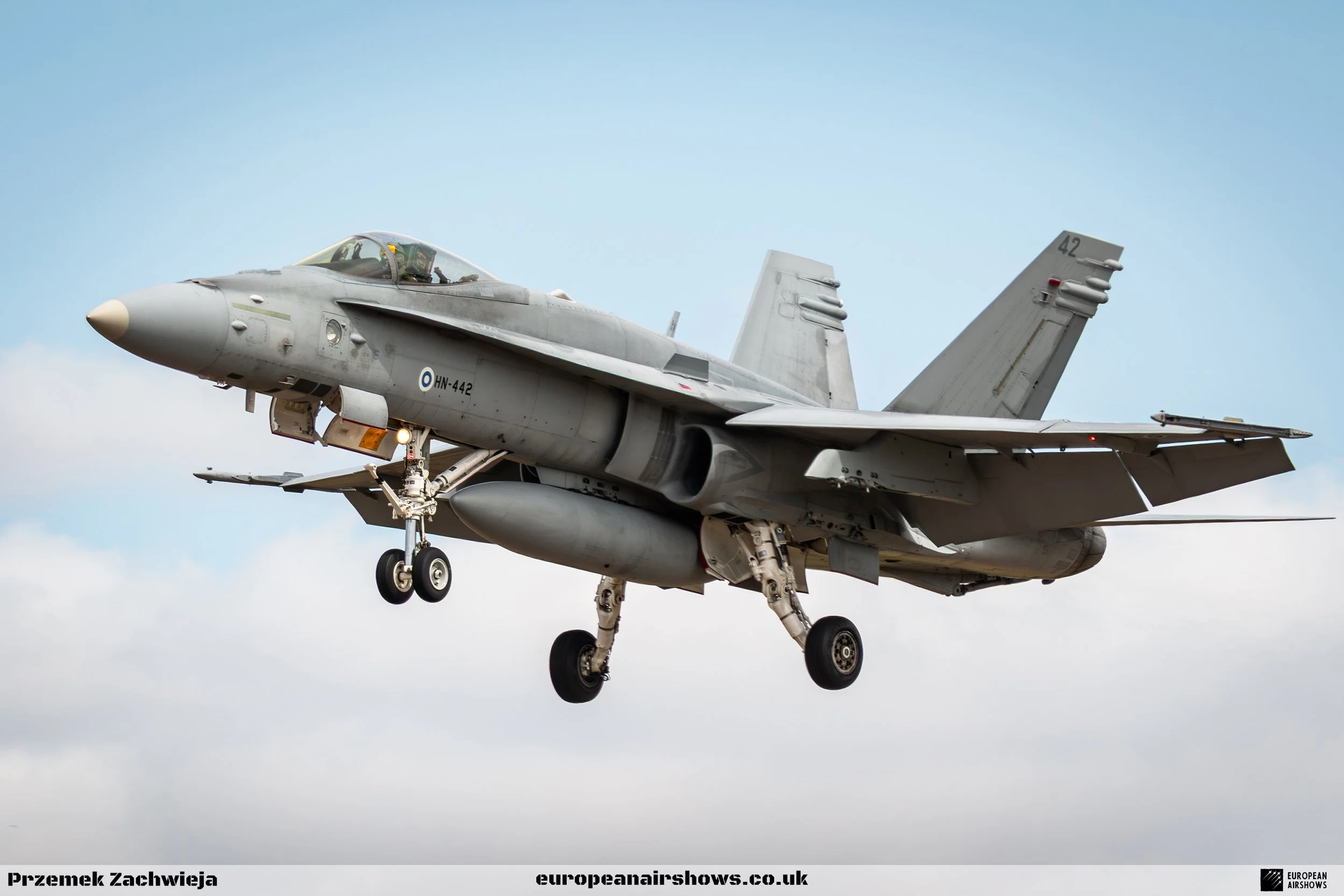
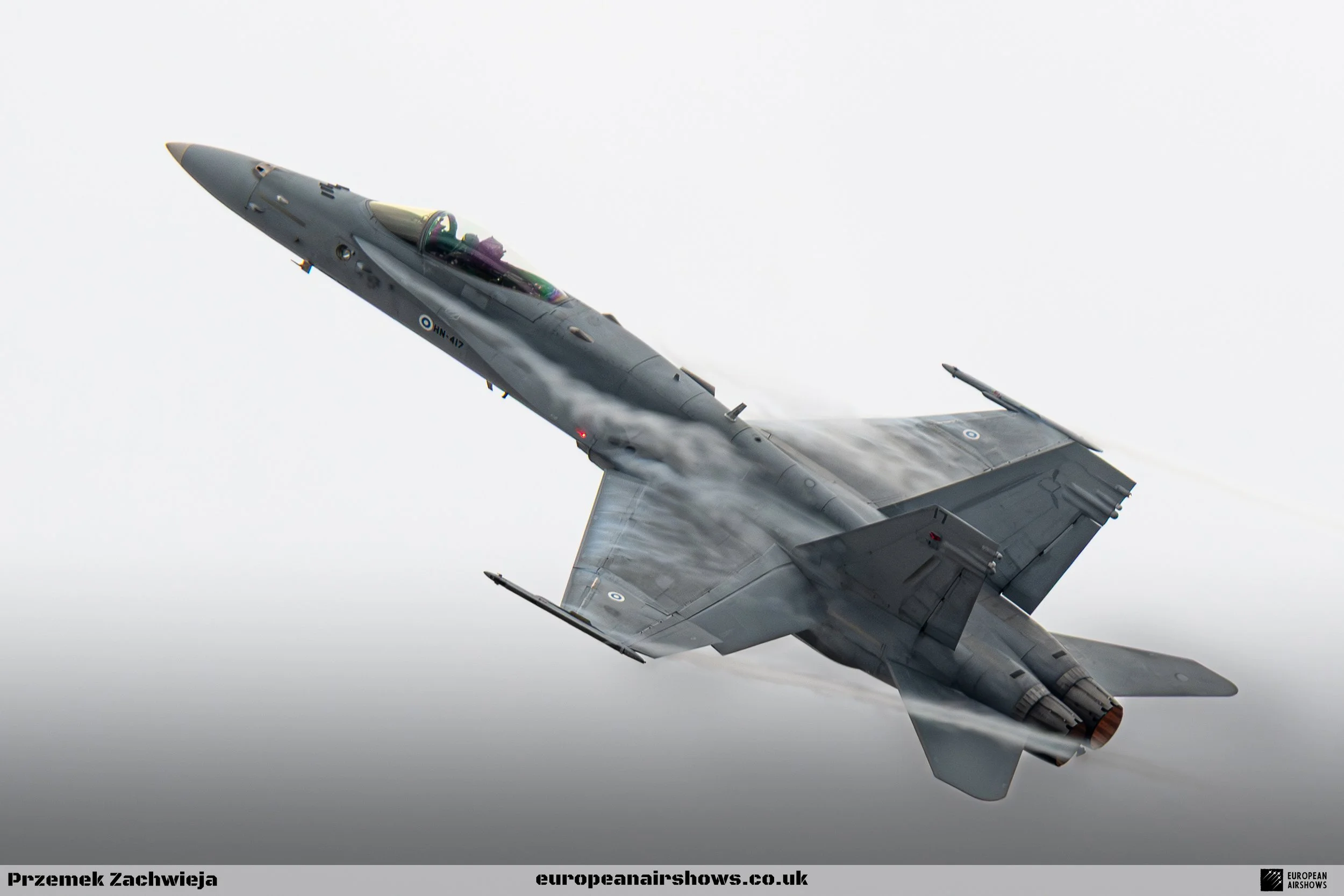
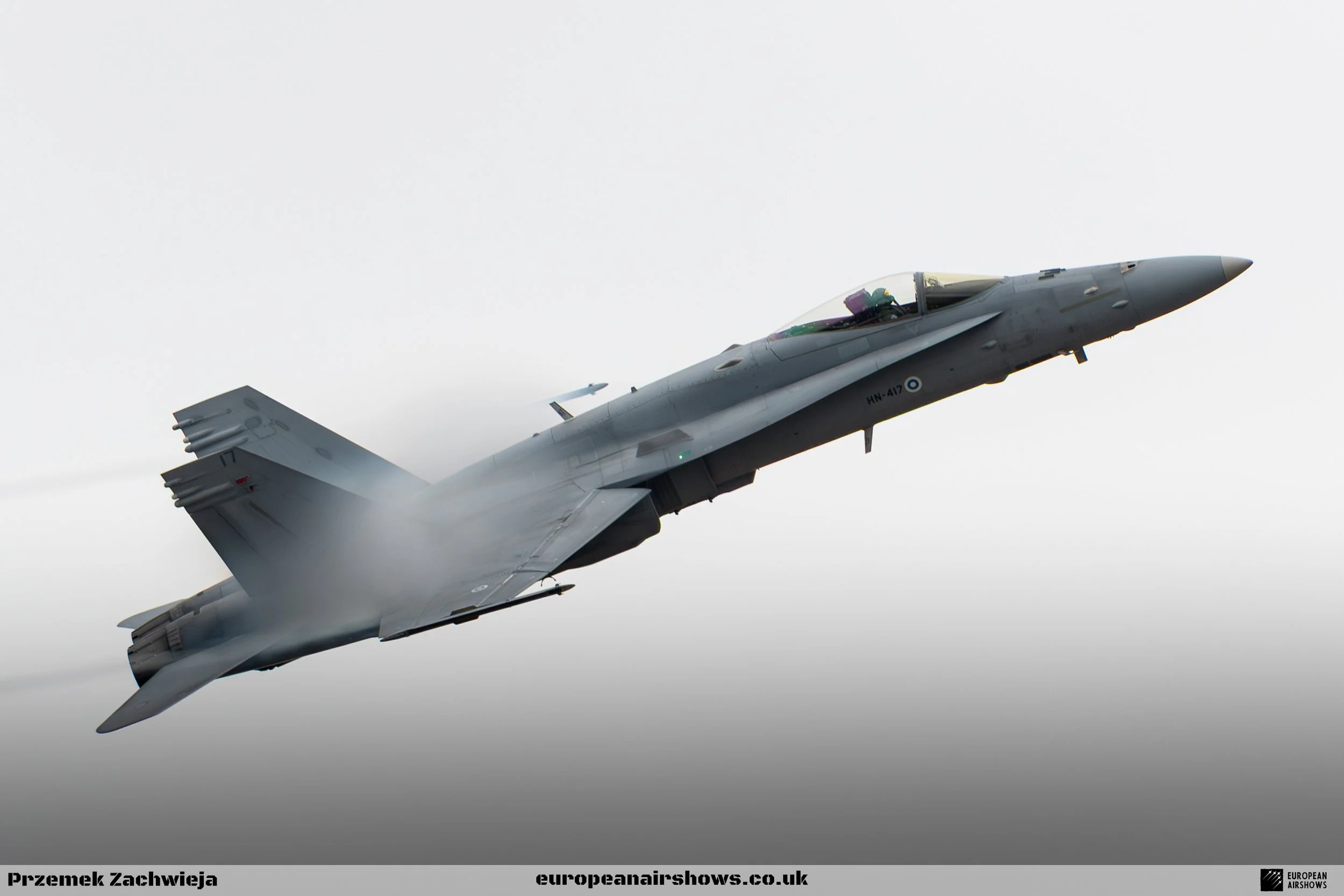
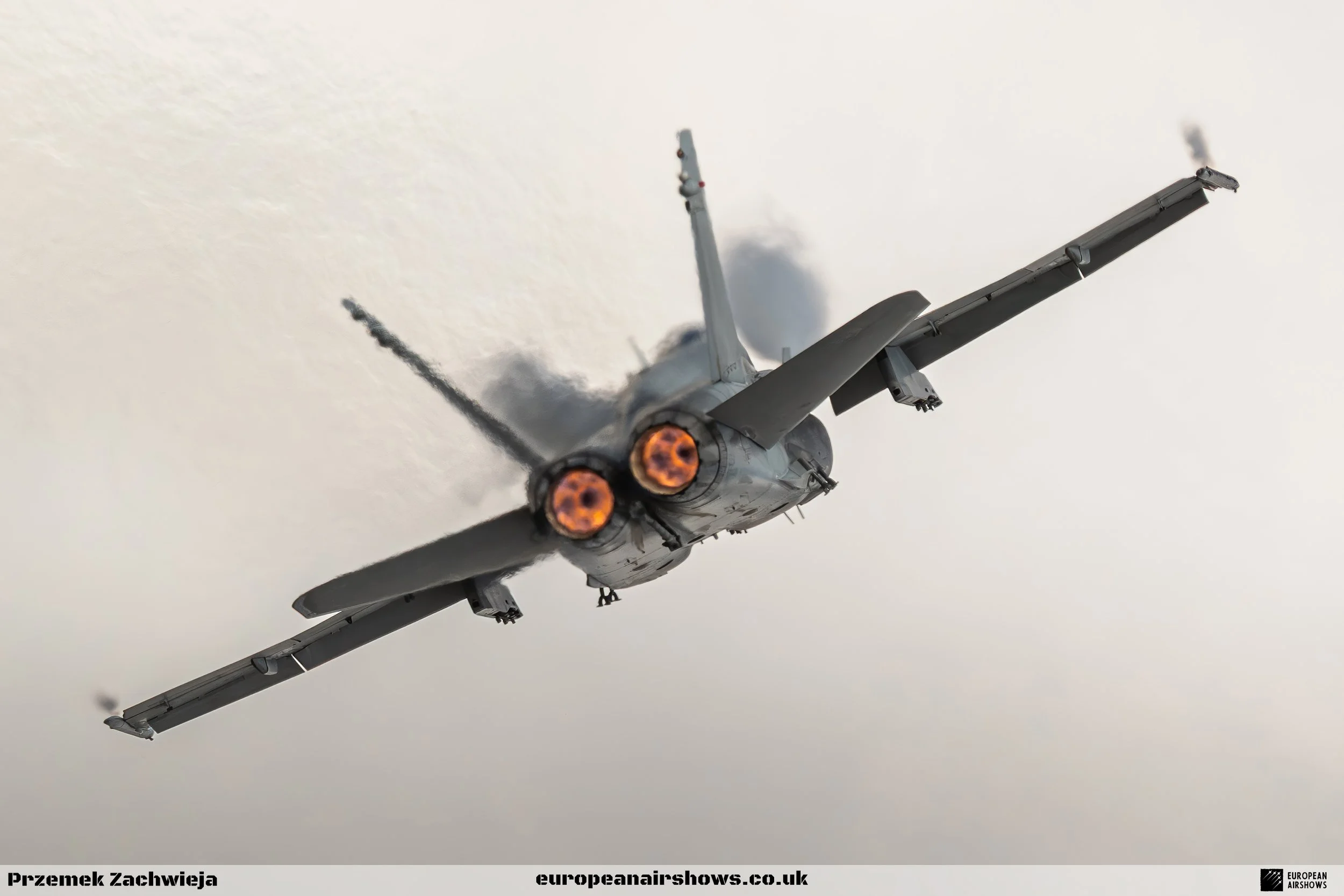
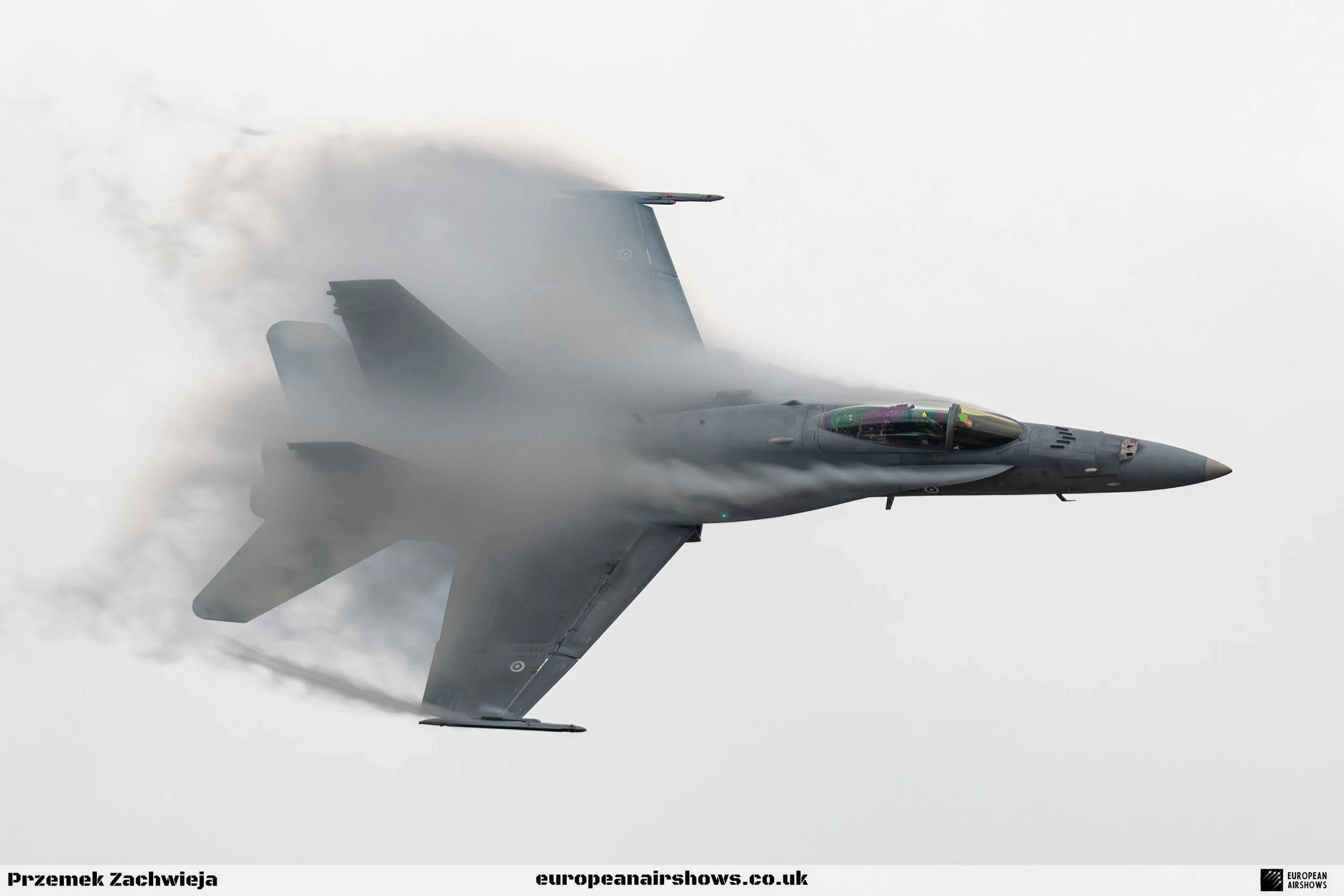
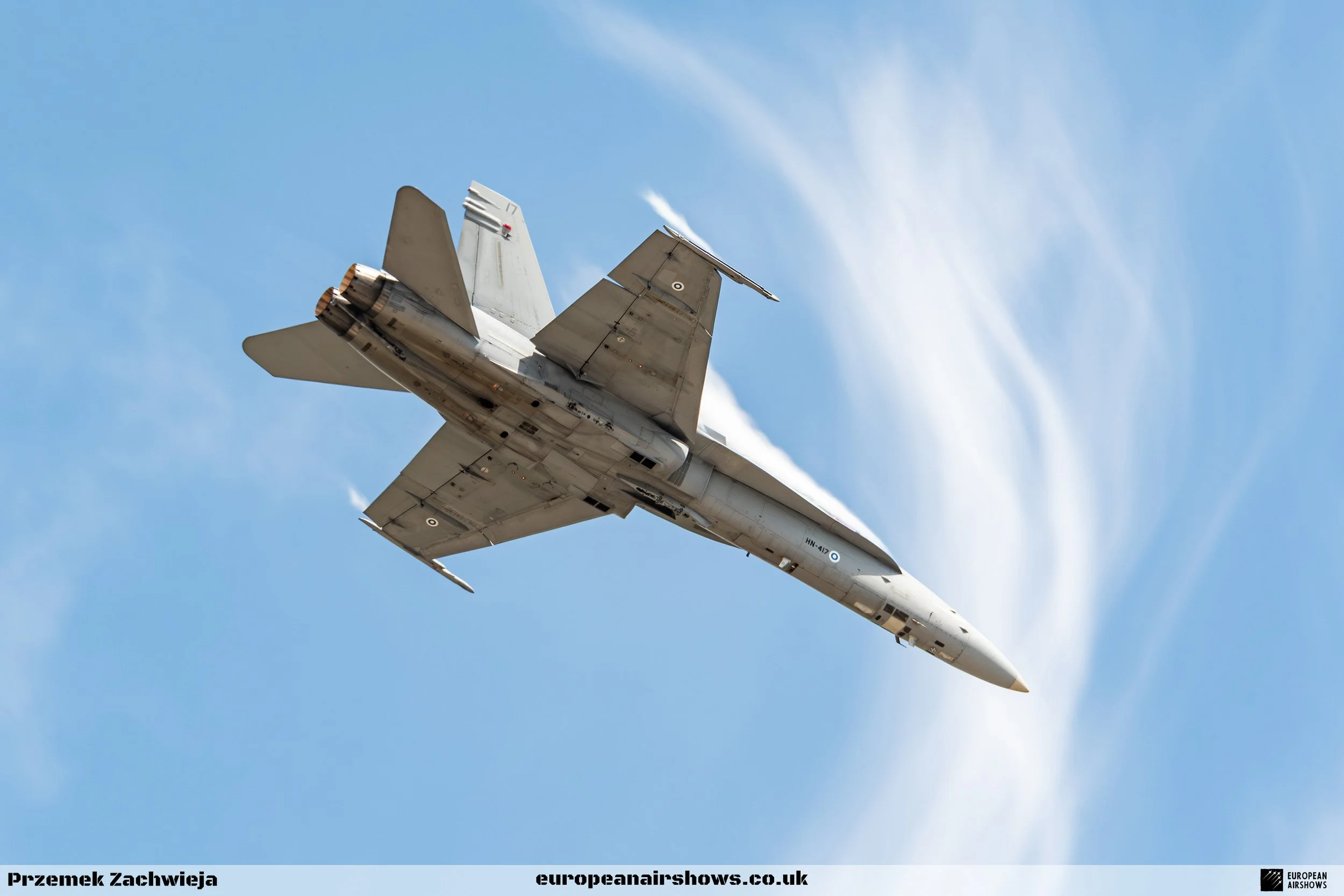
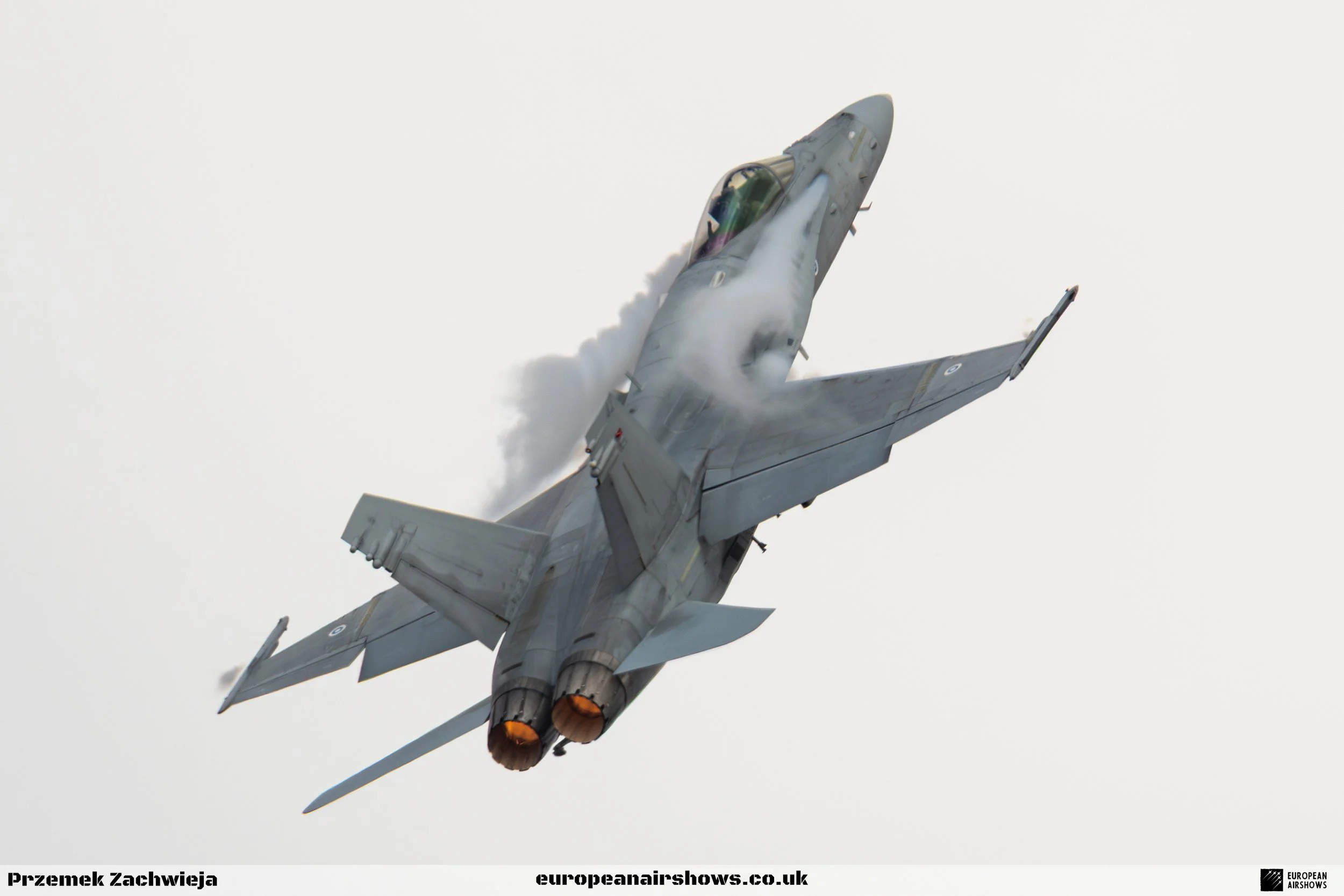
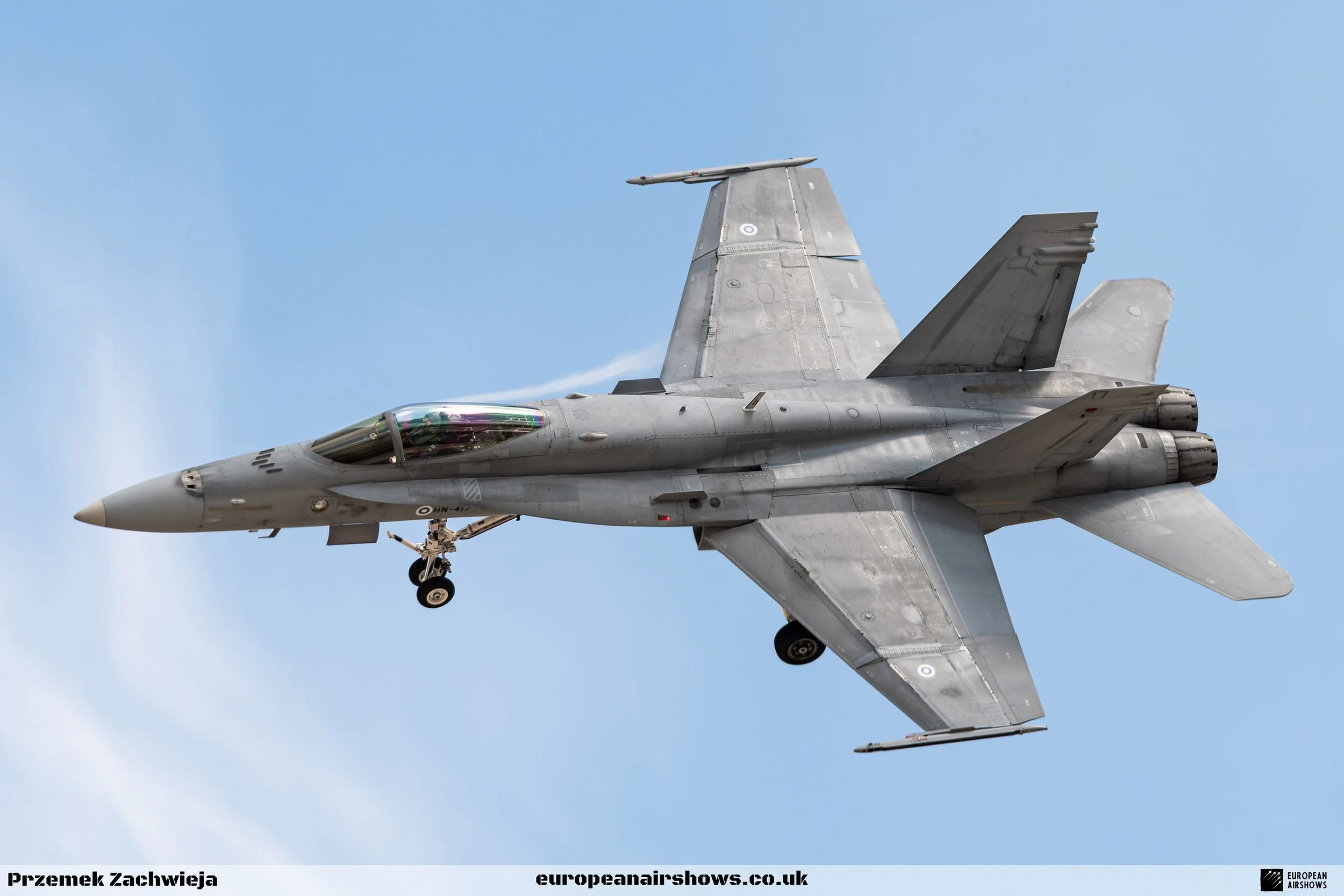
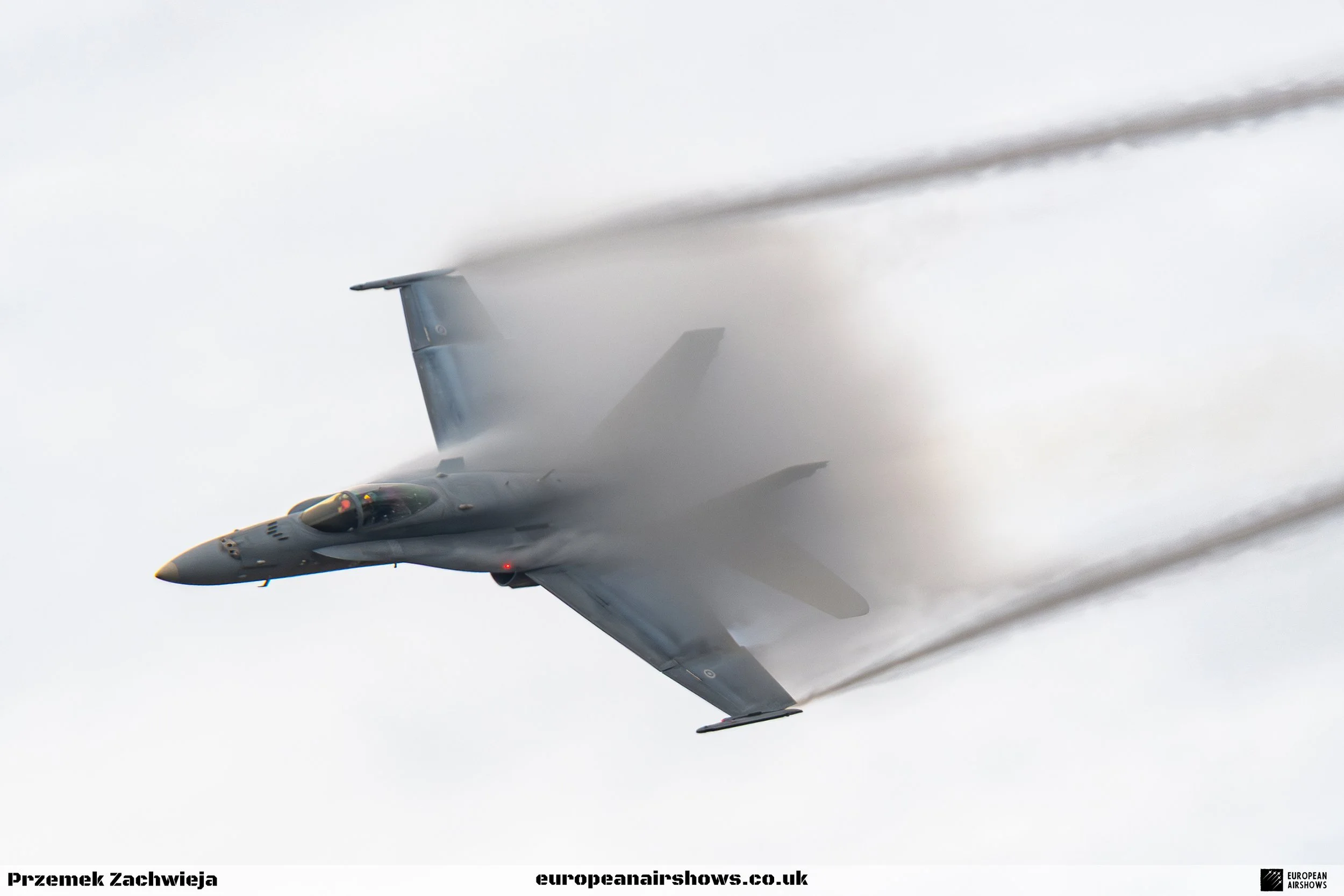
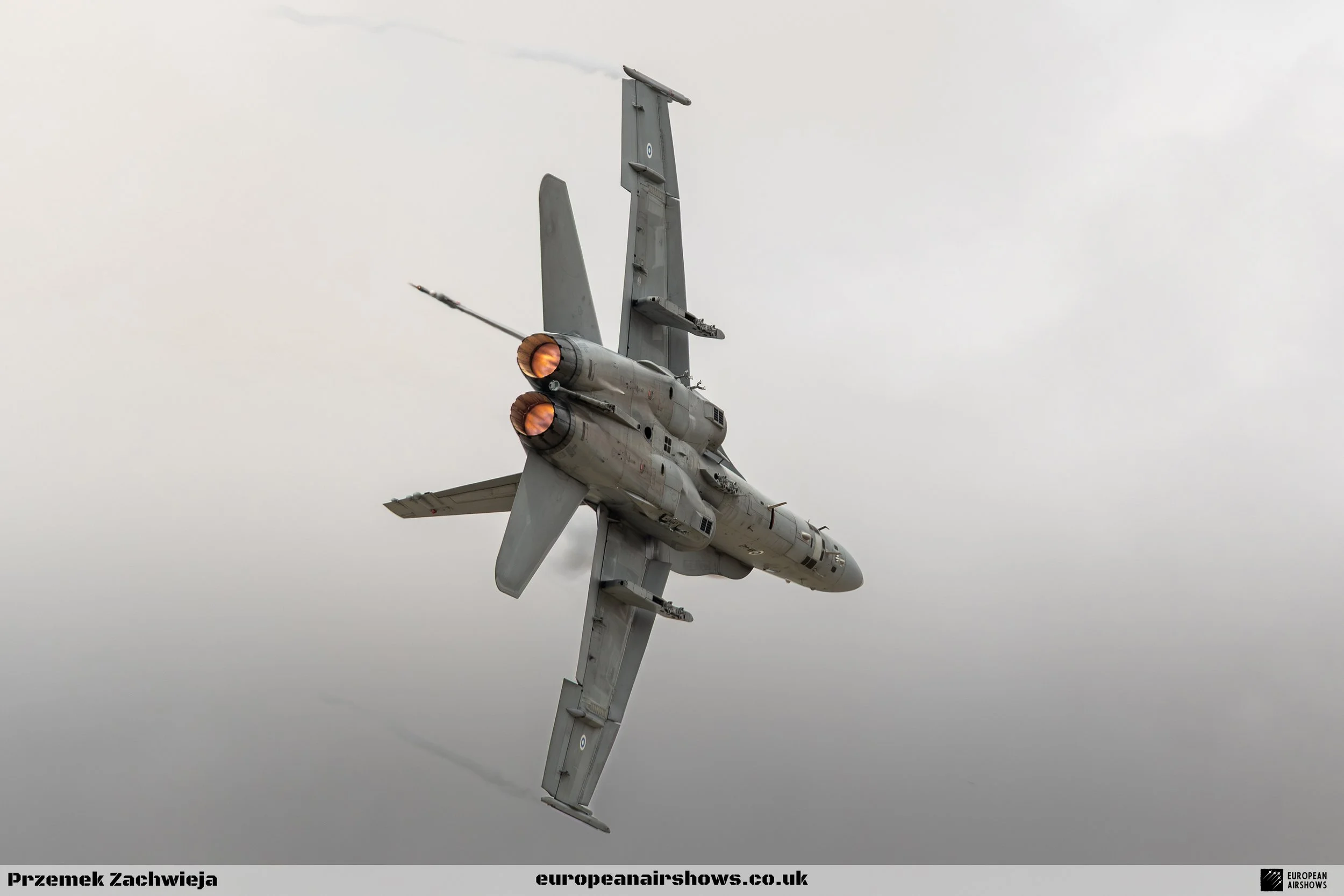
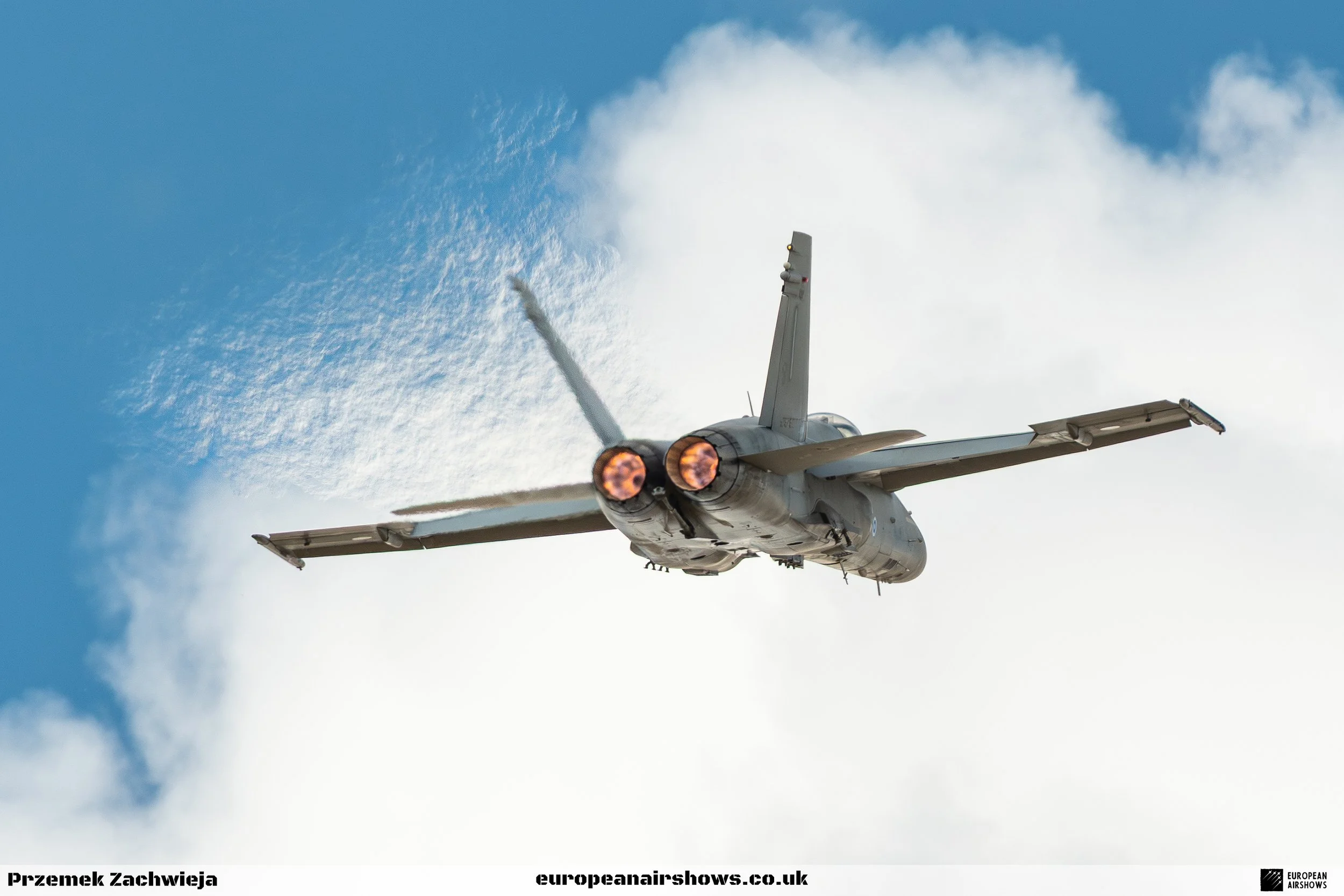
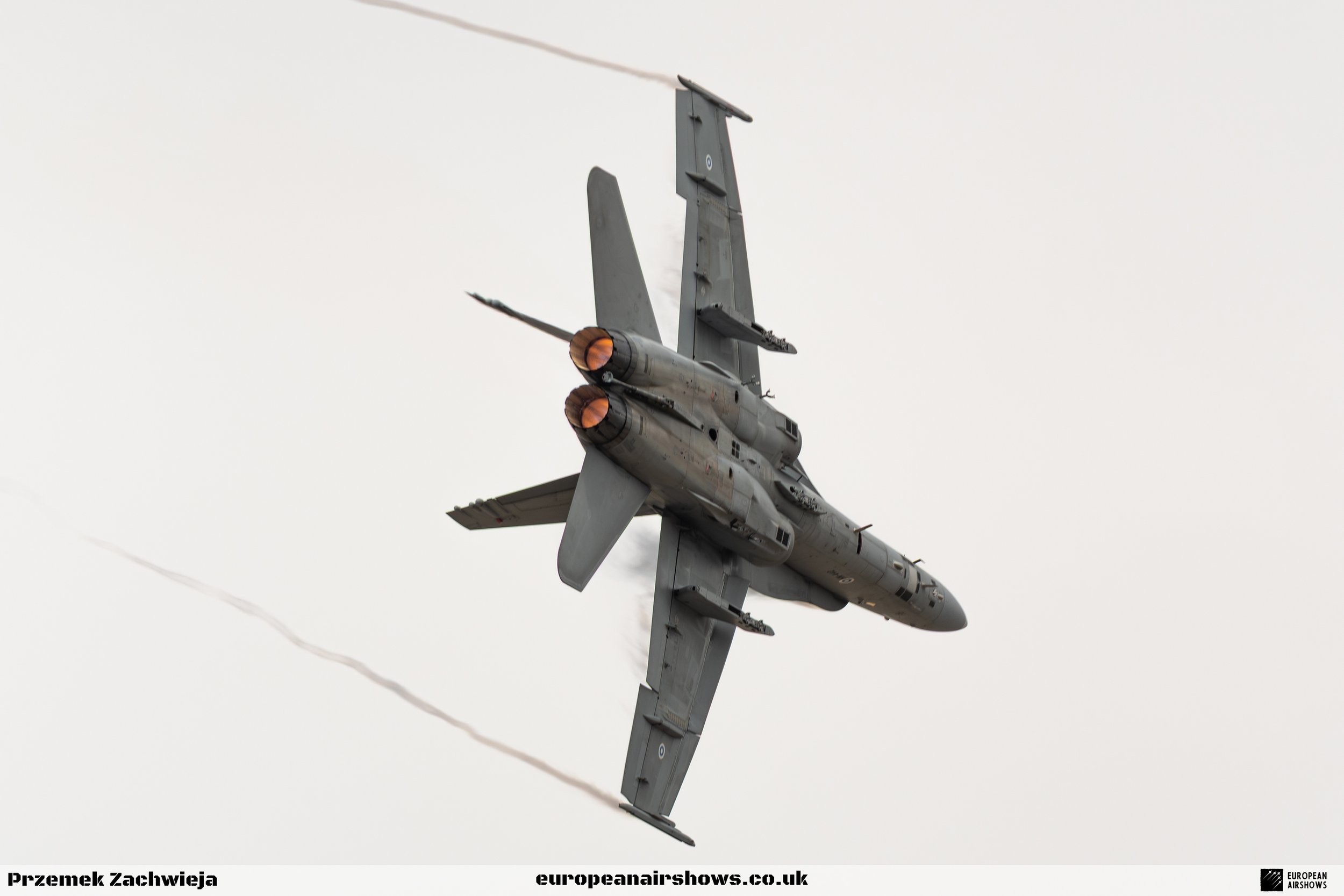
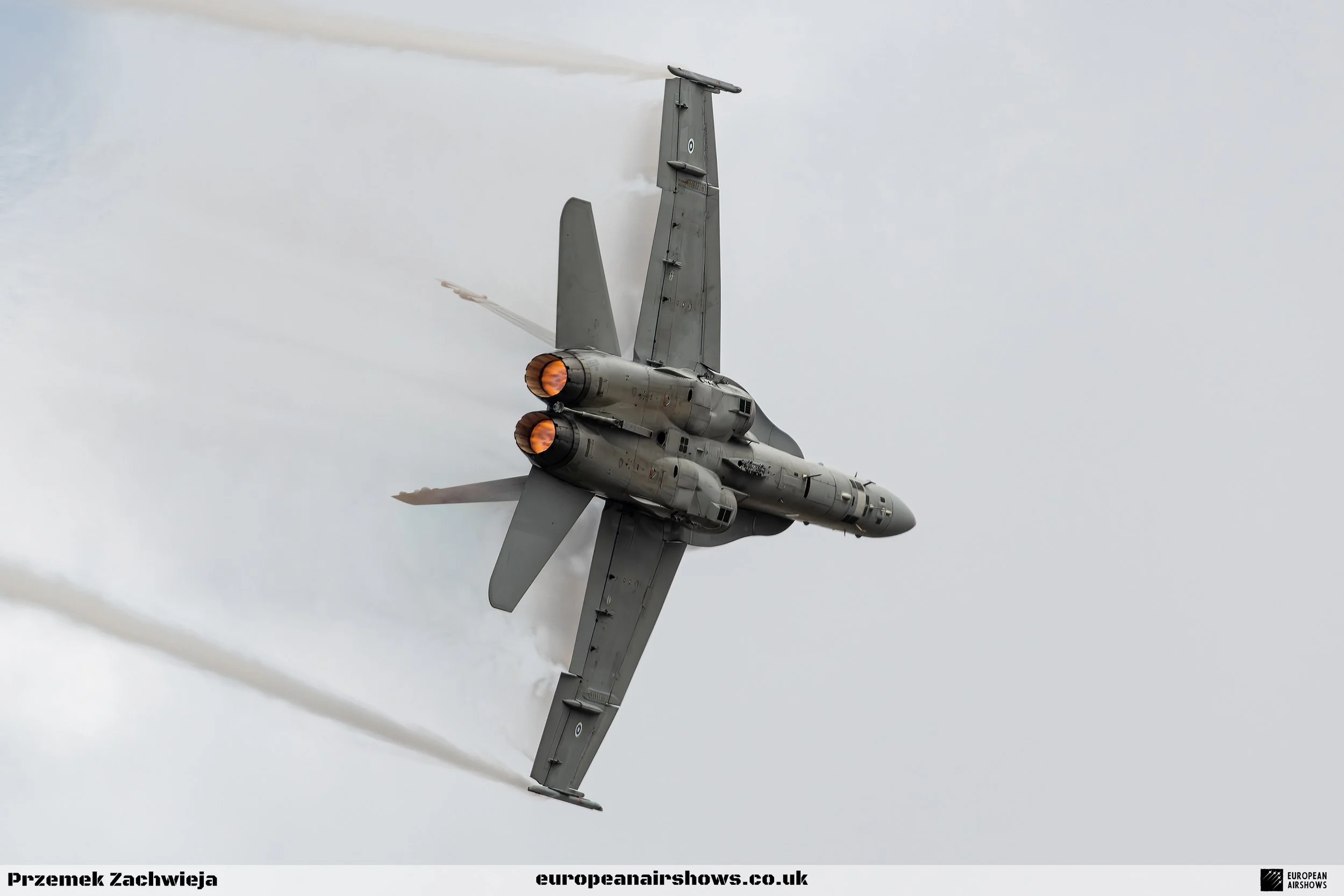
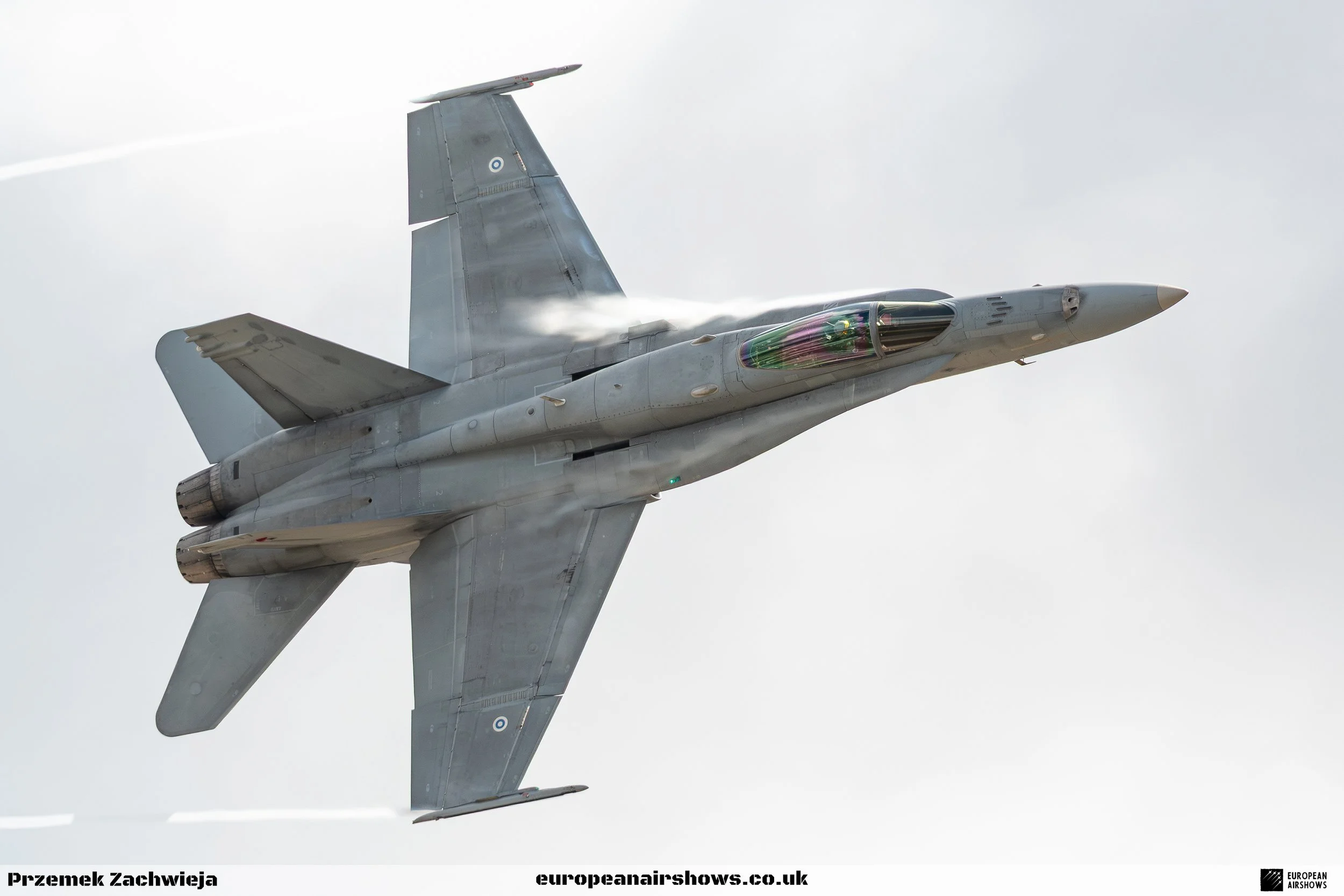
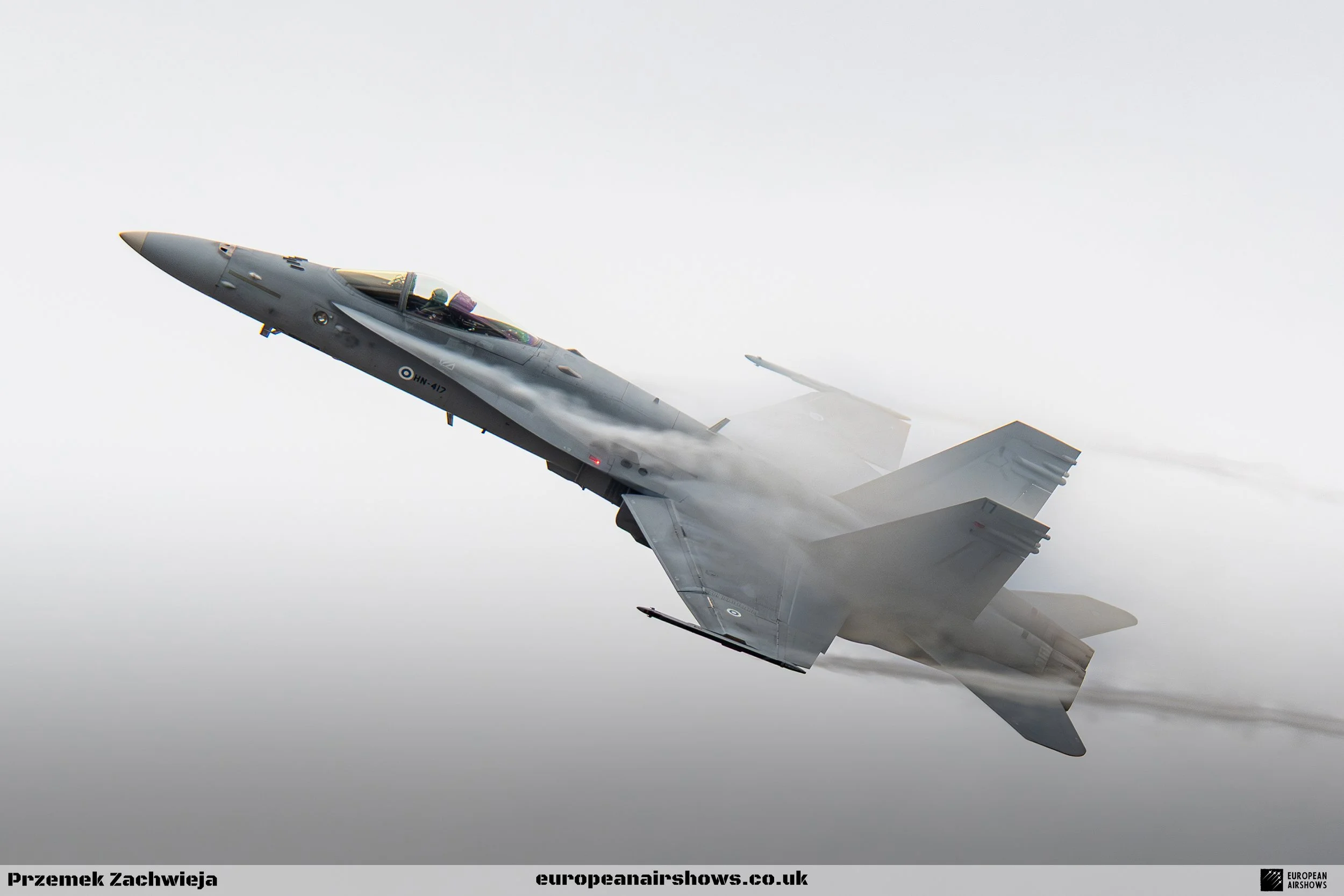
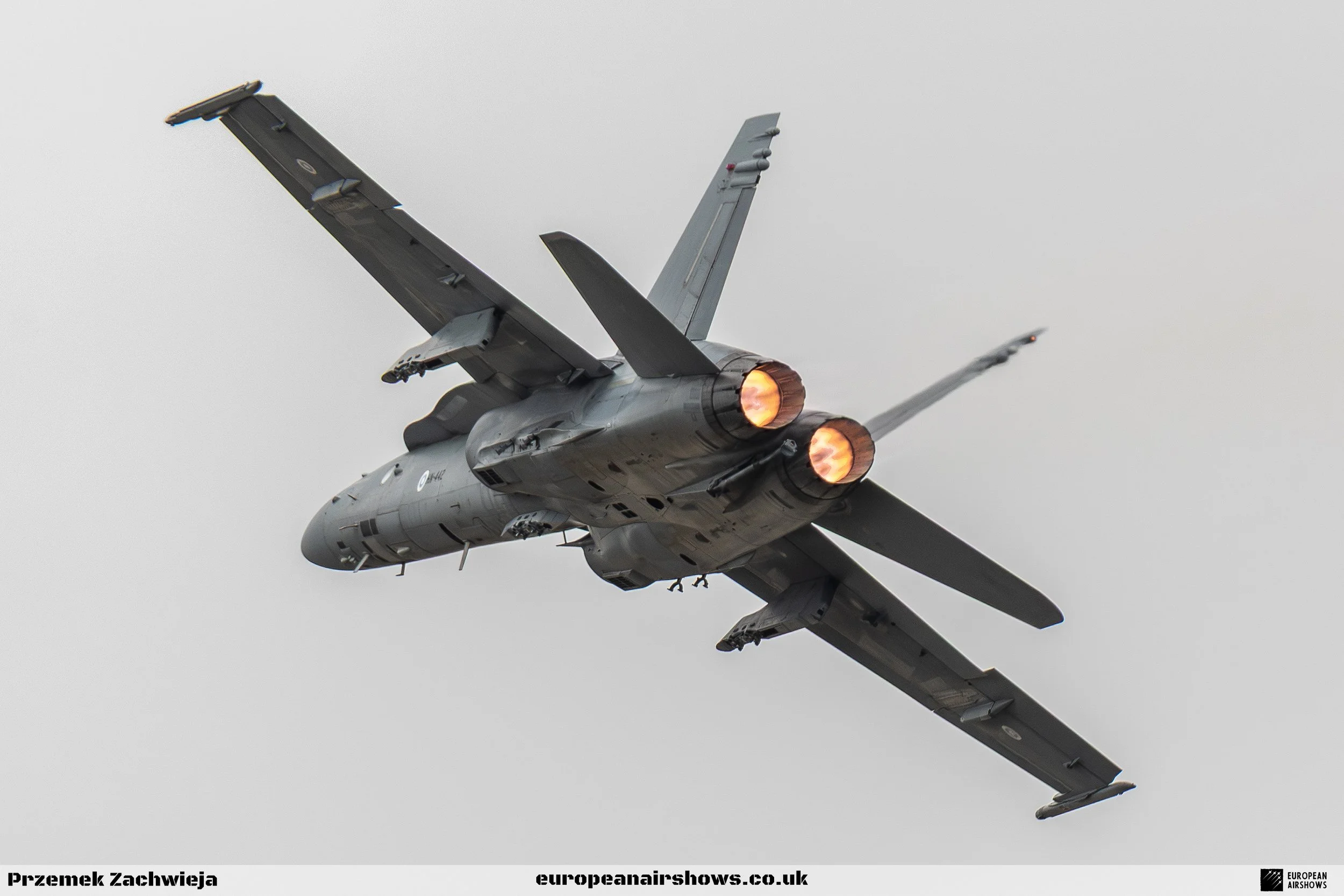
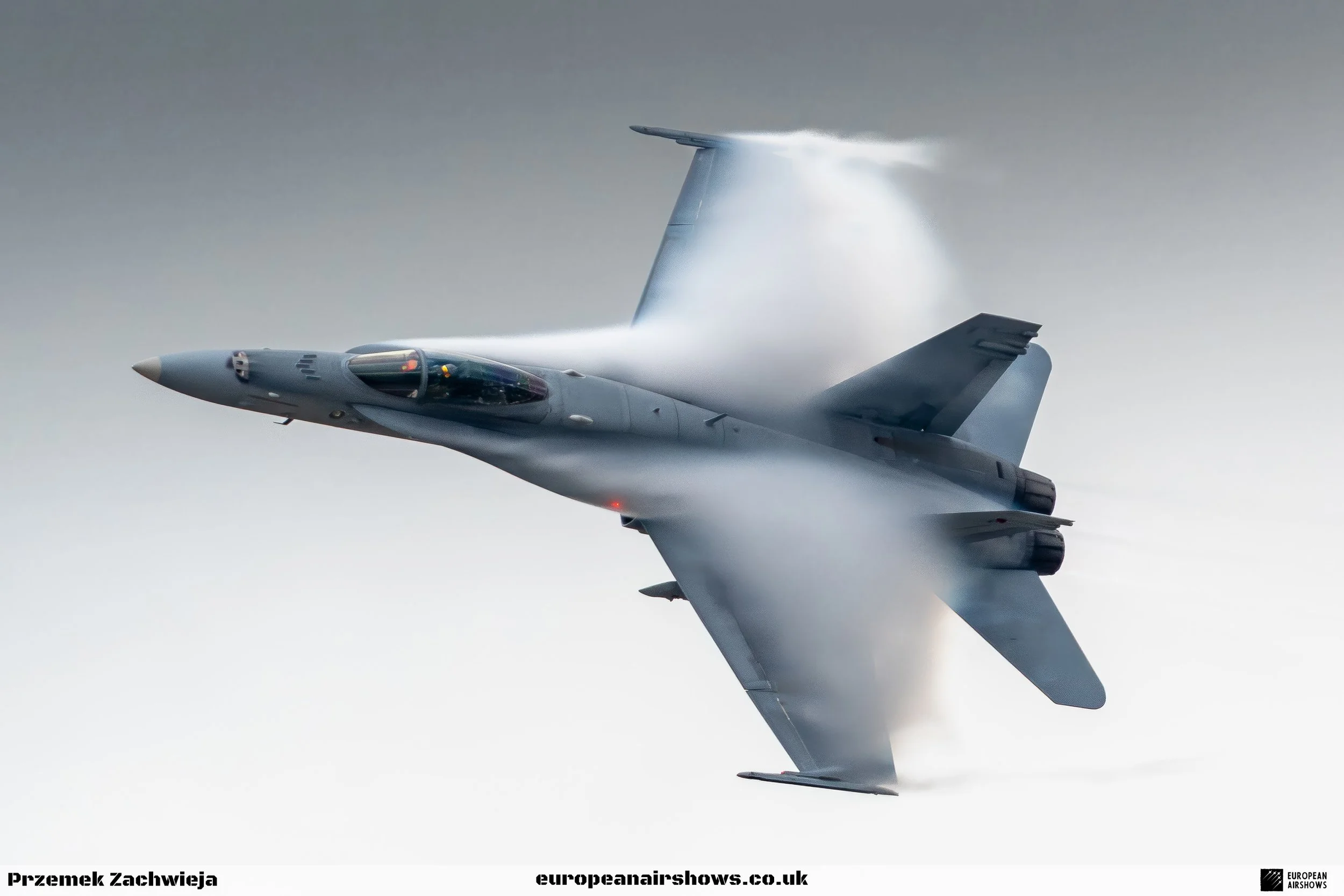
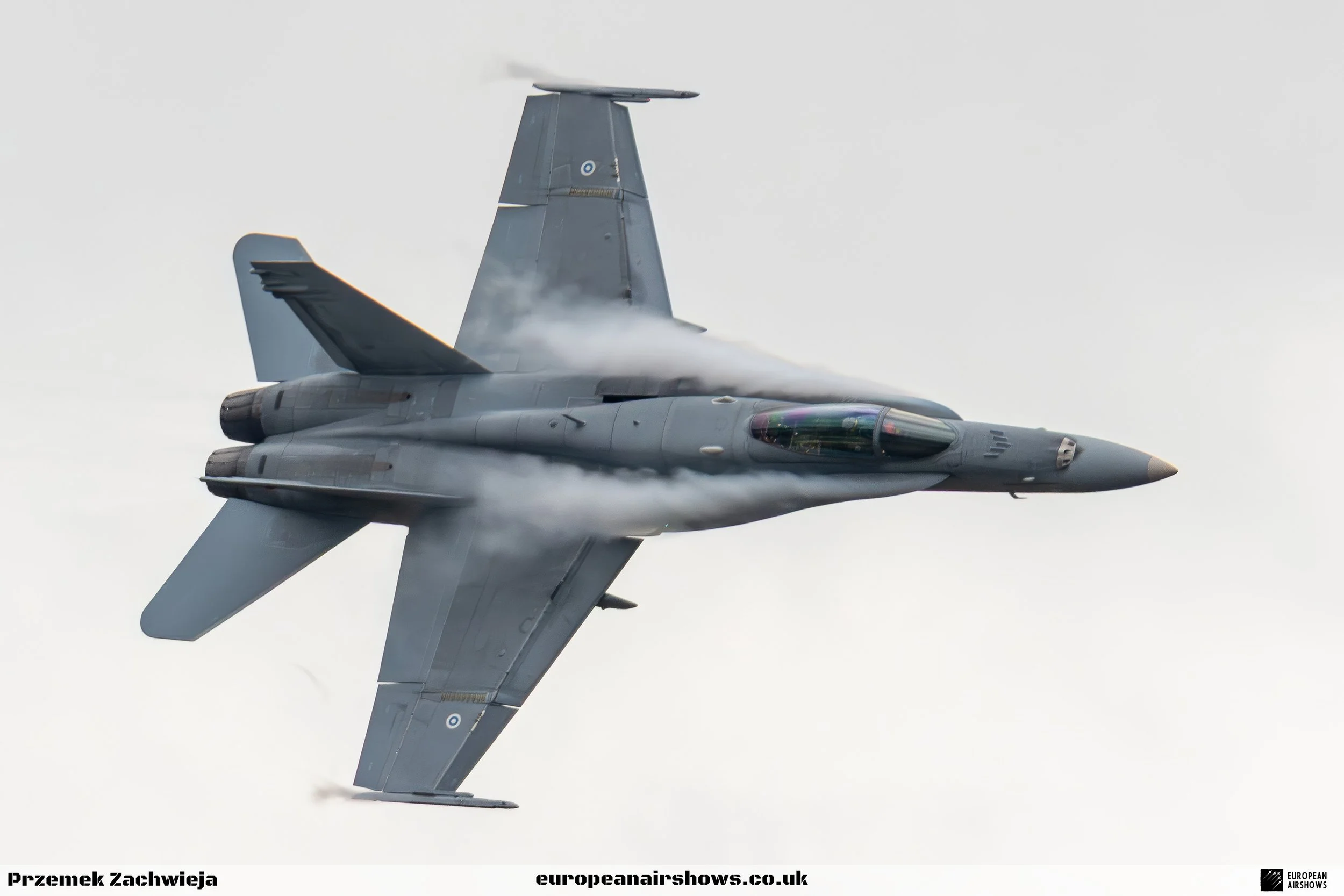
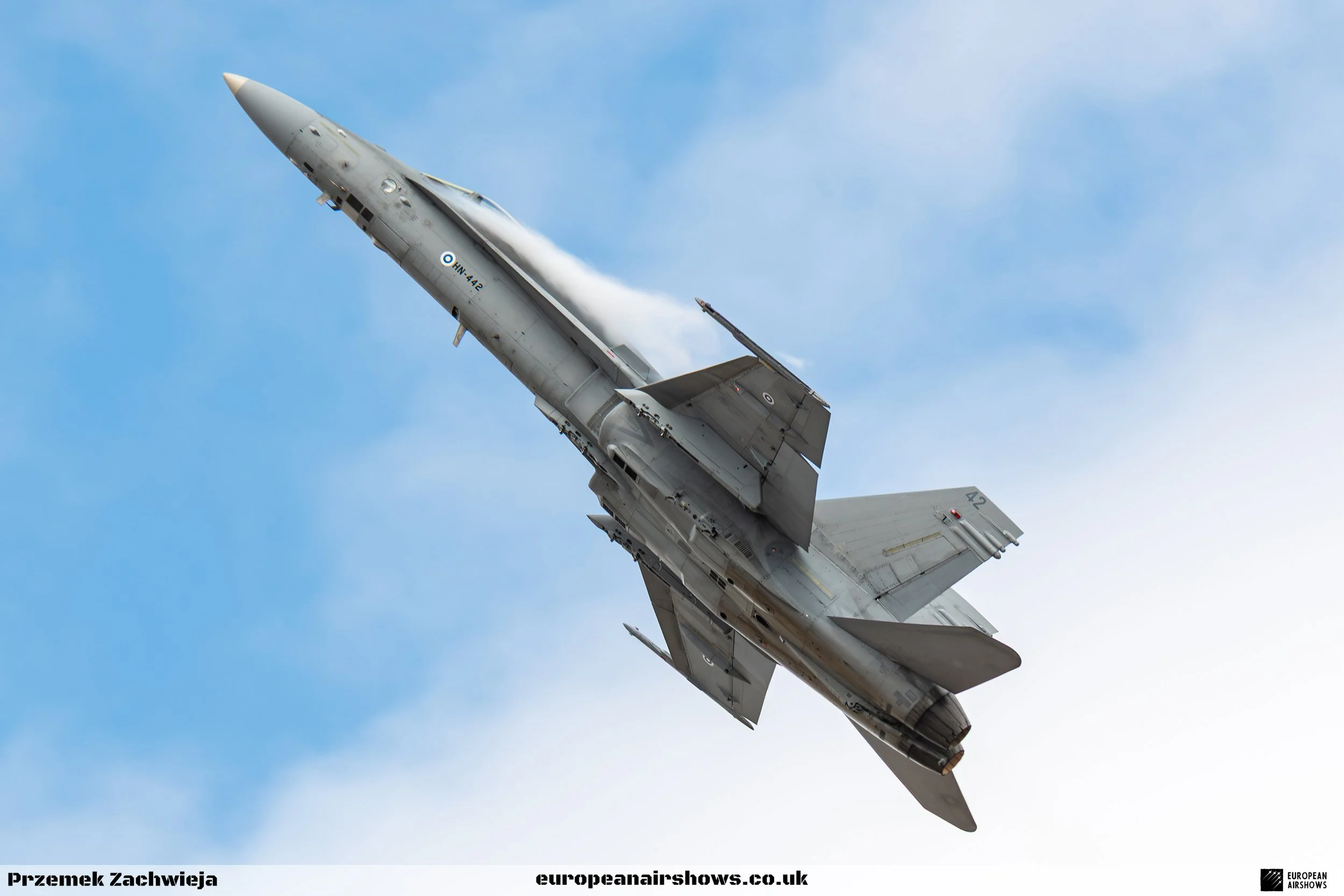
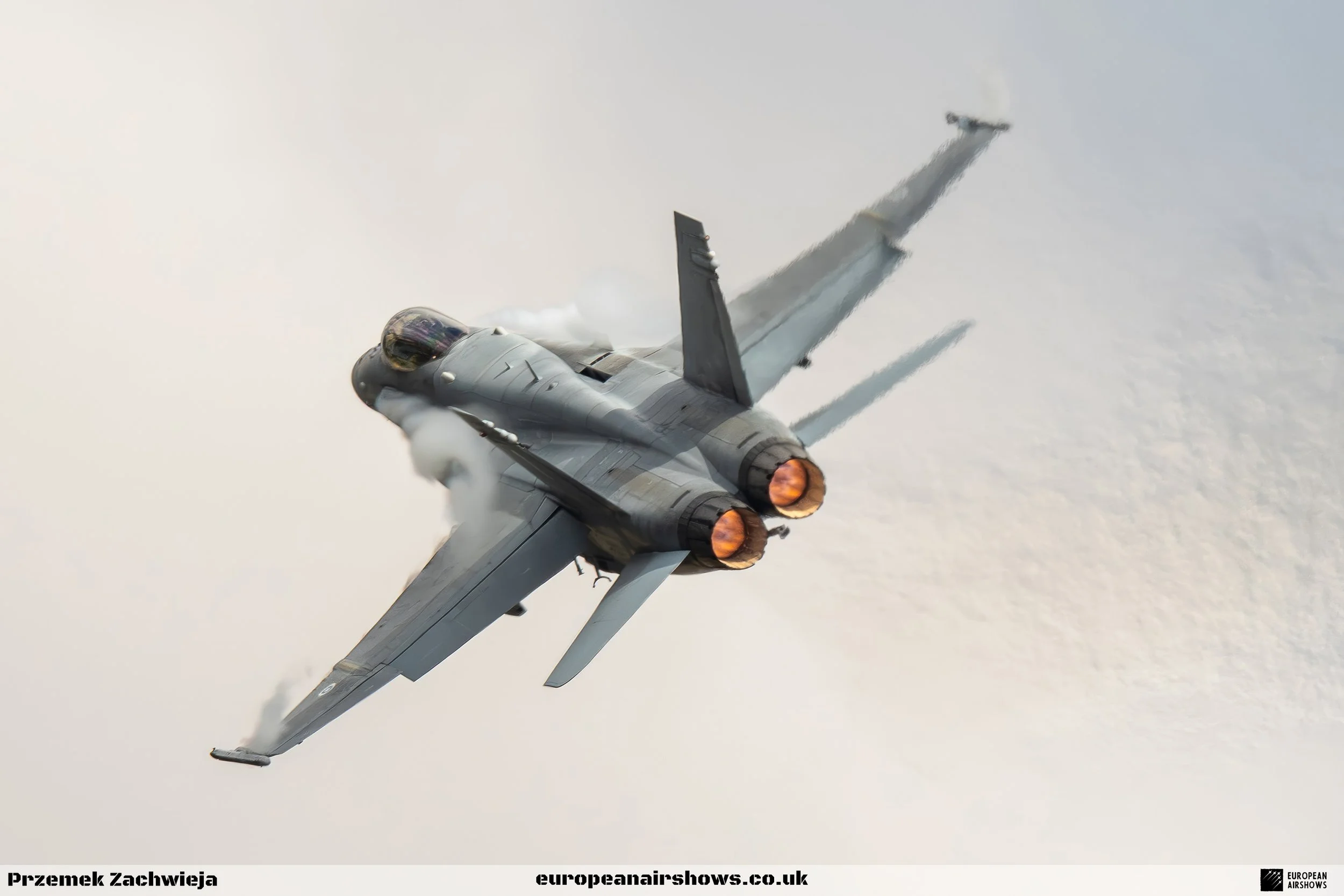
The Finnish Air Force F/A-18C Hornet from HävLLv 11 brought not one, but two display pilots. After this year’s primary display pilot was injured in training, Capt. Petteri Kairinen—2024’s demo pilot—stepped back in, alternating with Capt. Ville Tuomainen, who also took on display duties over the weekend. Between rehearsals and the show days, no fewer than seven Hornet routines were flown, a true testament to Finland’s commitment.
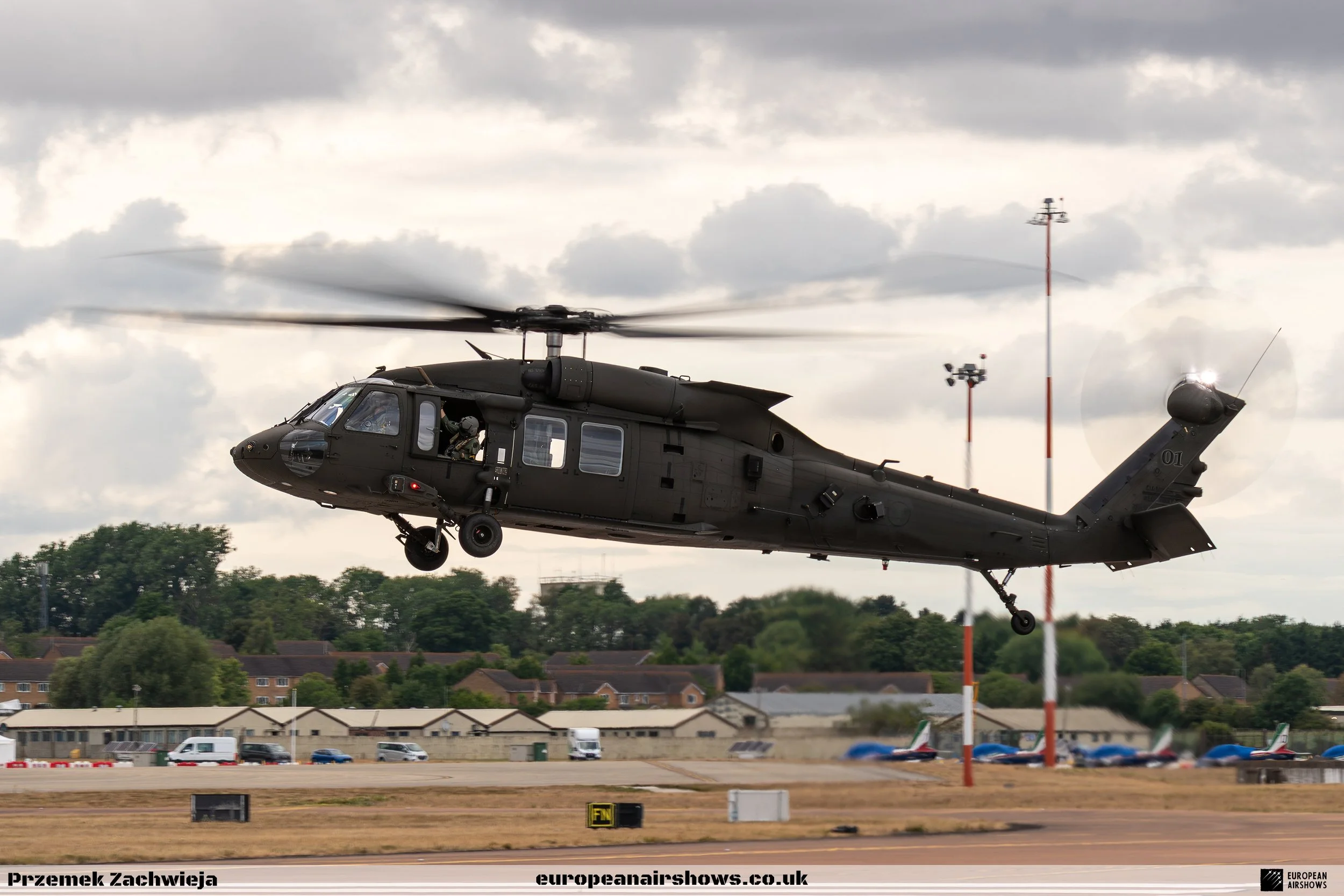
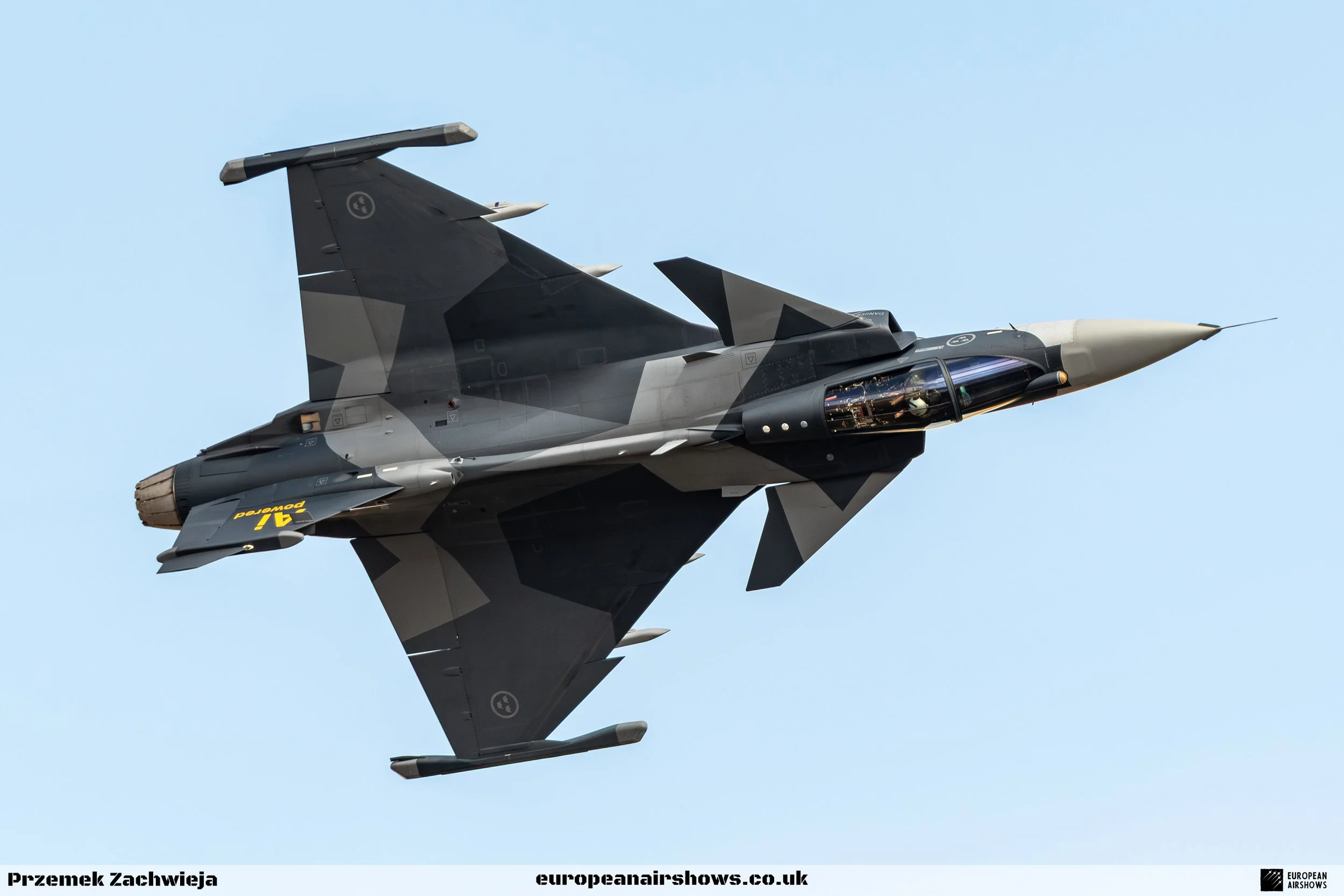
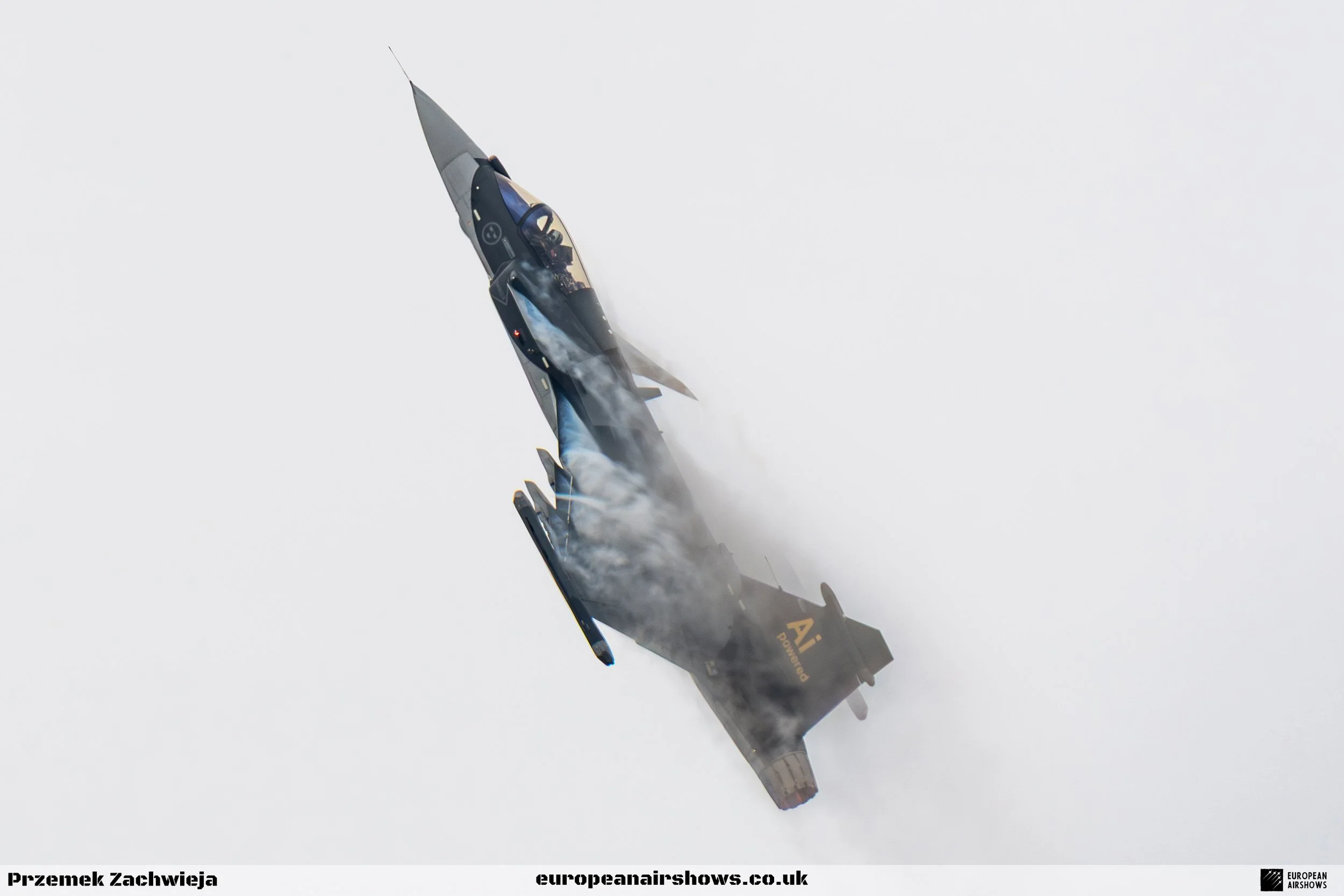
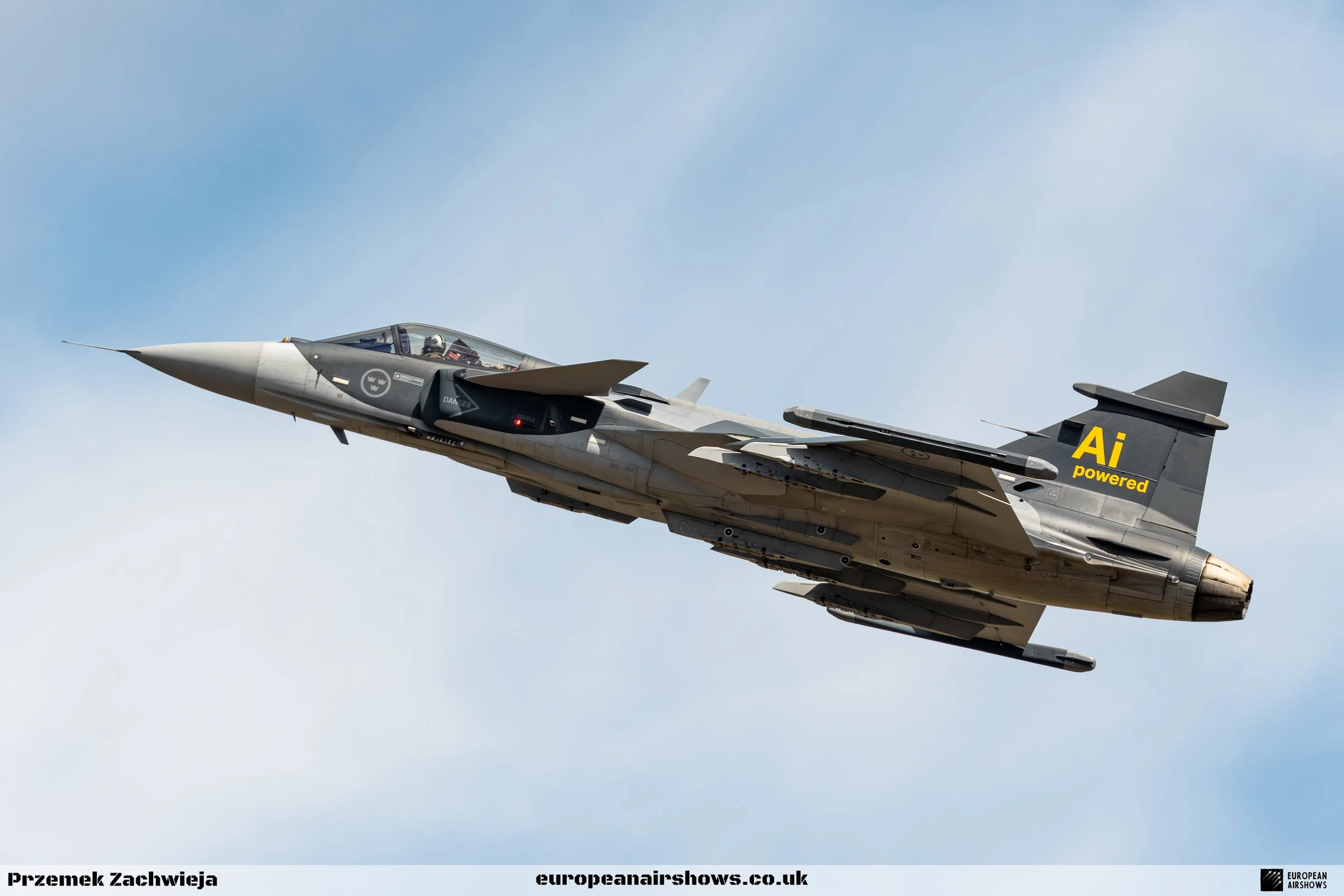
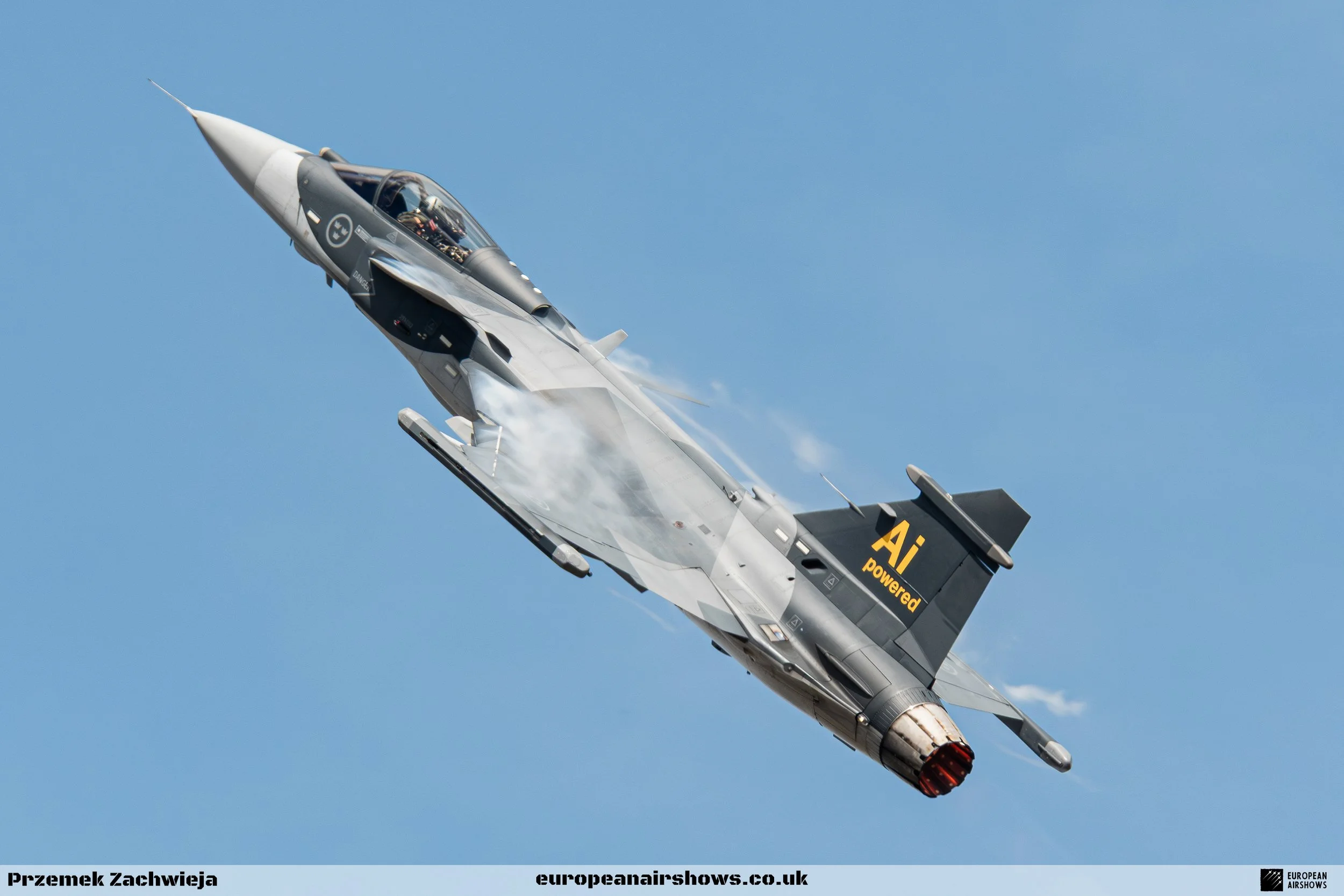
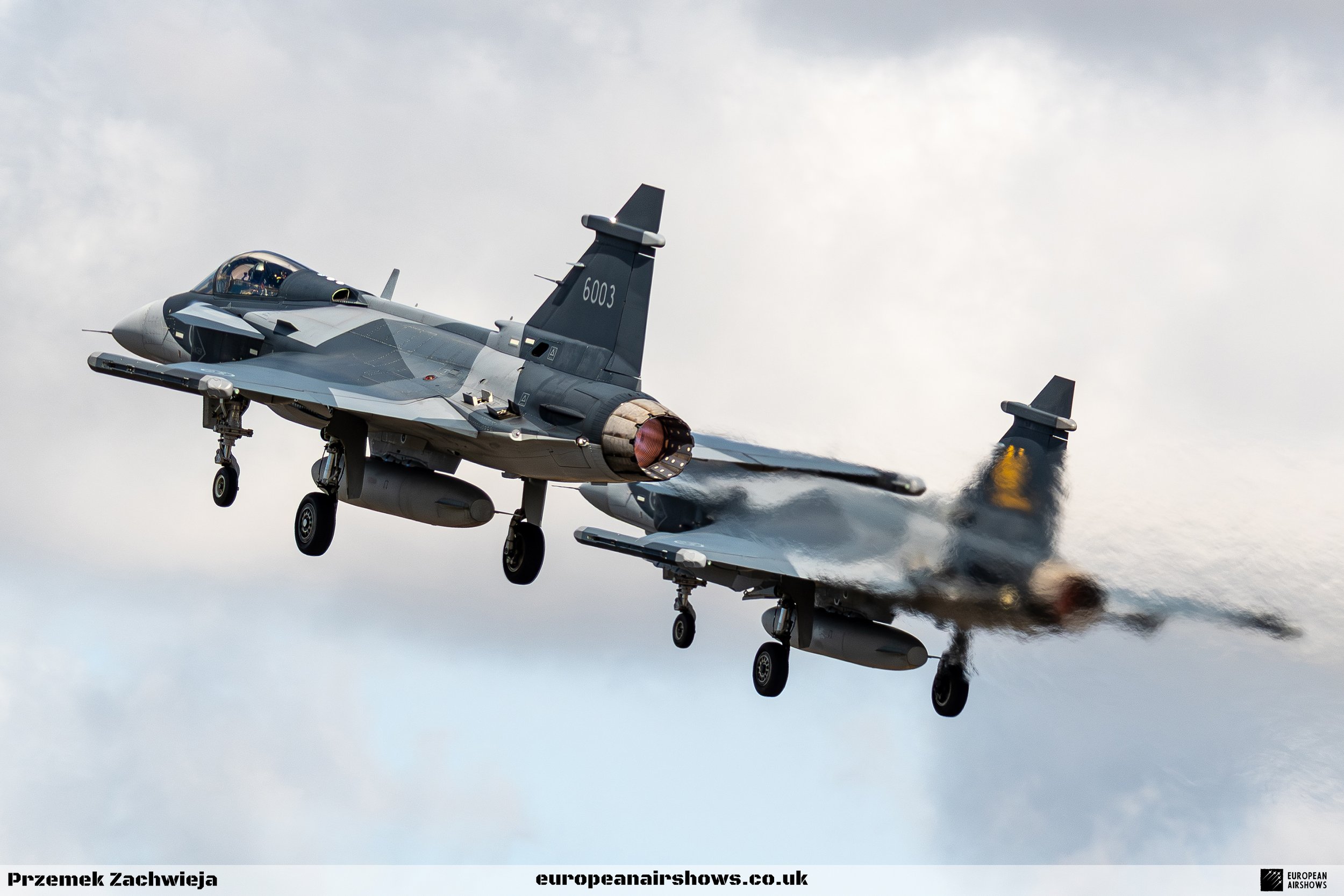
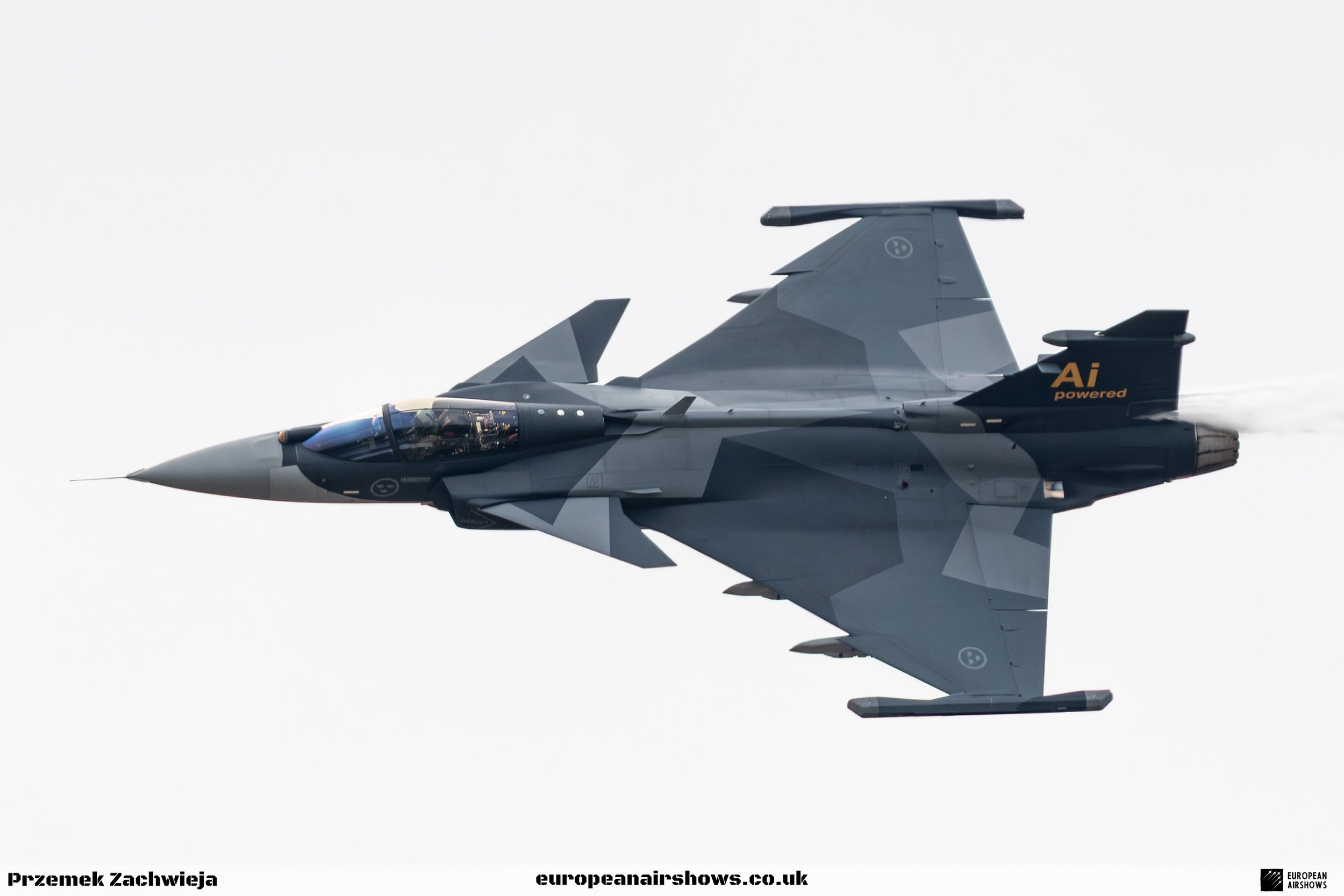
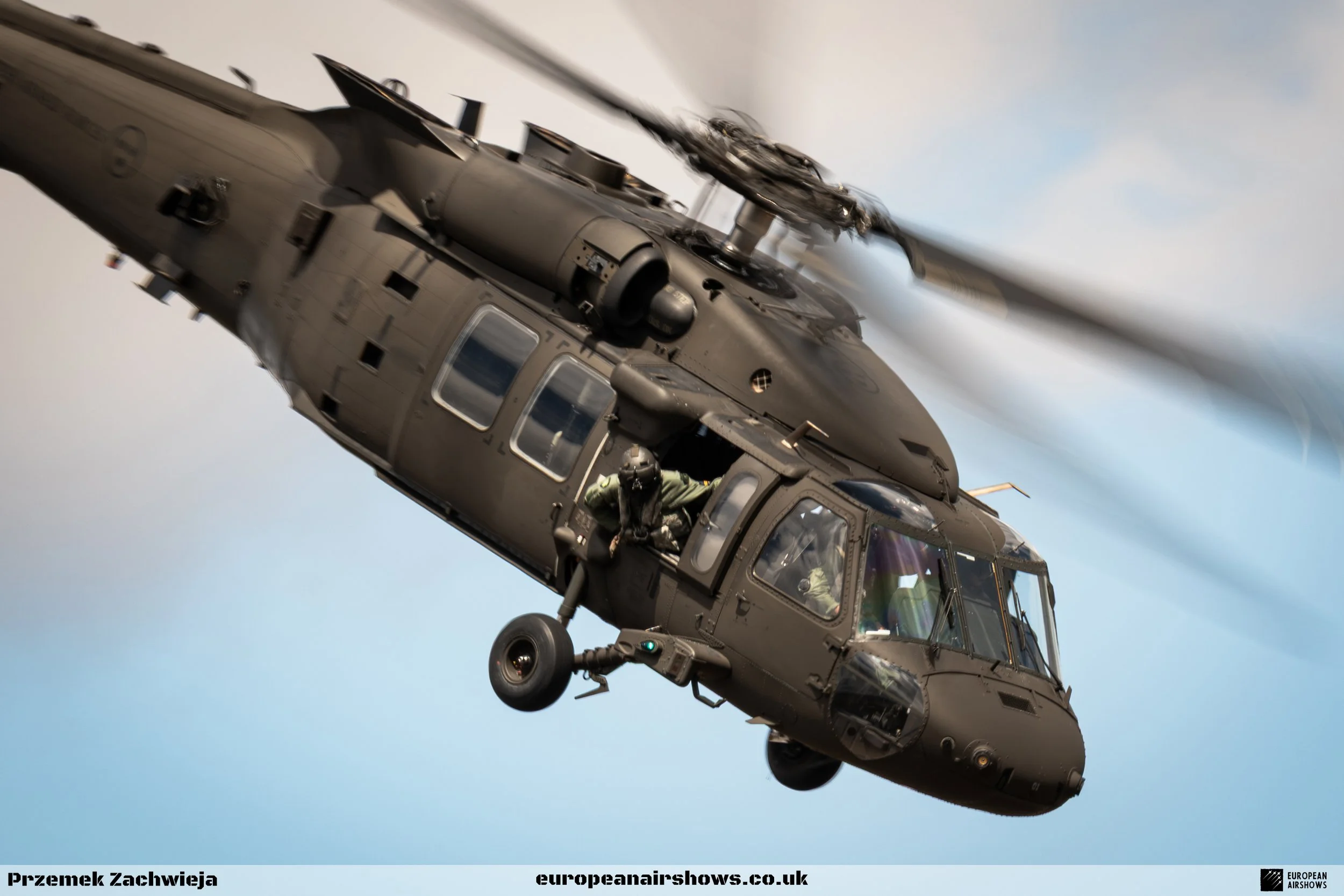
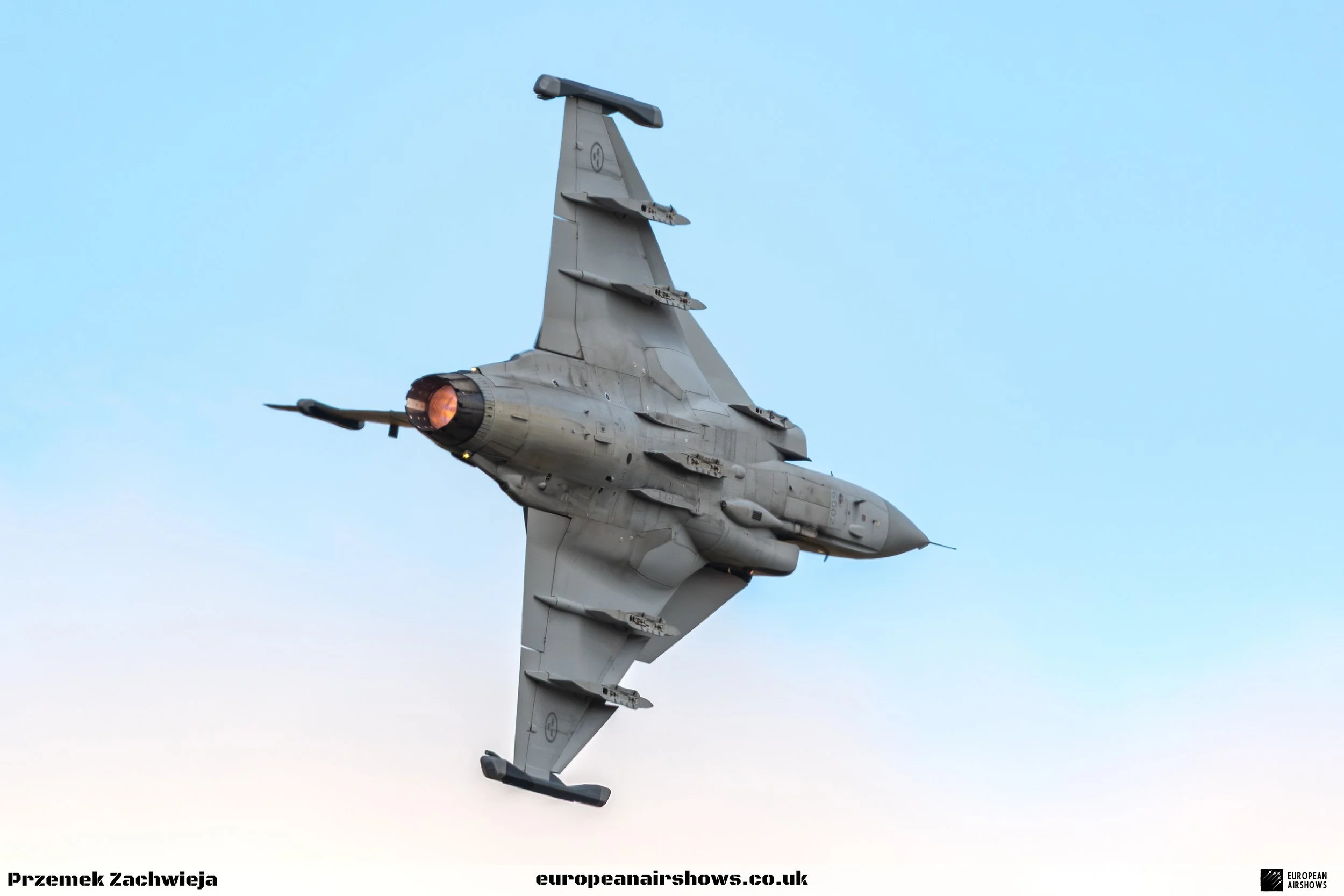
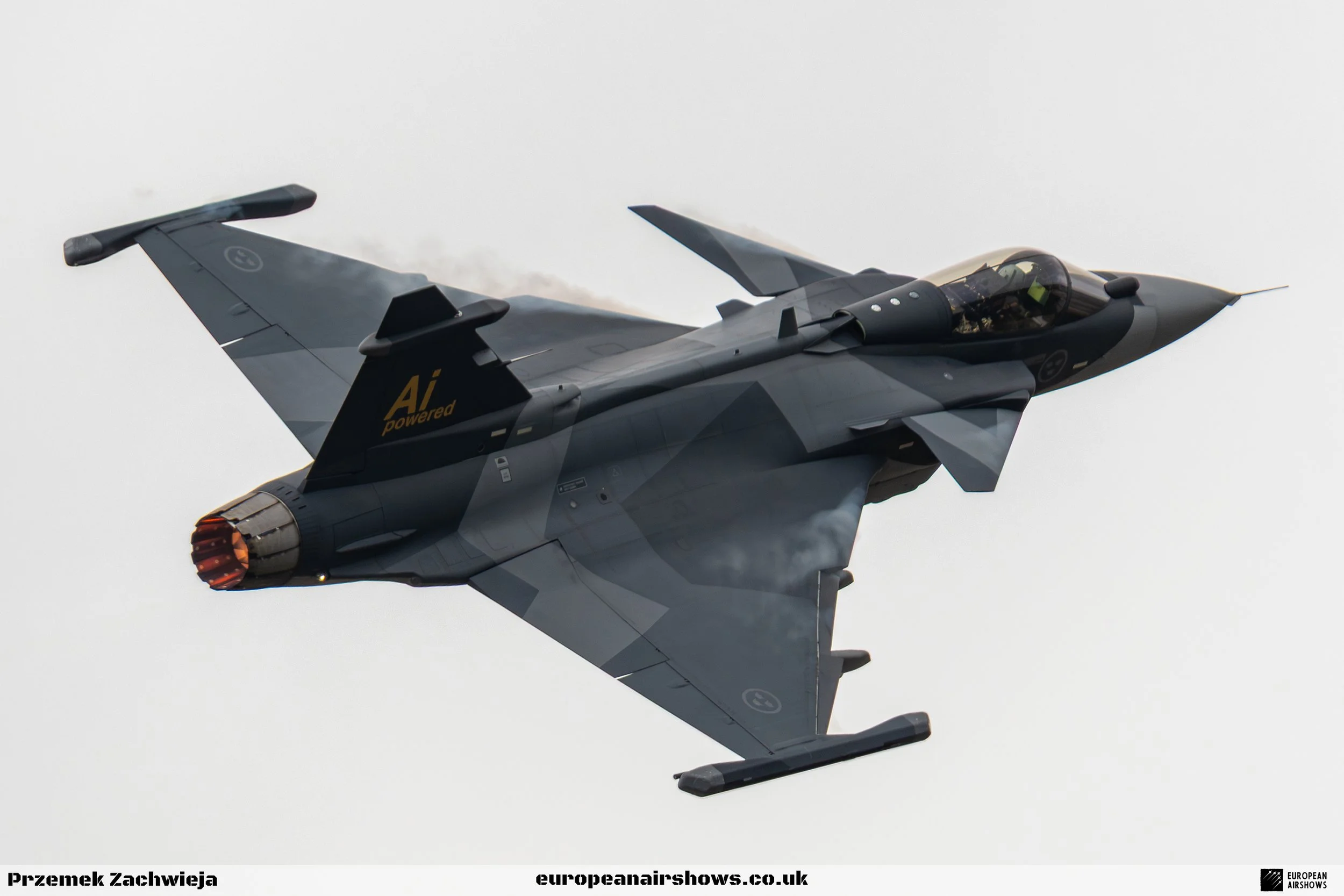
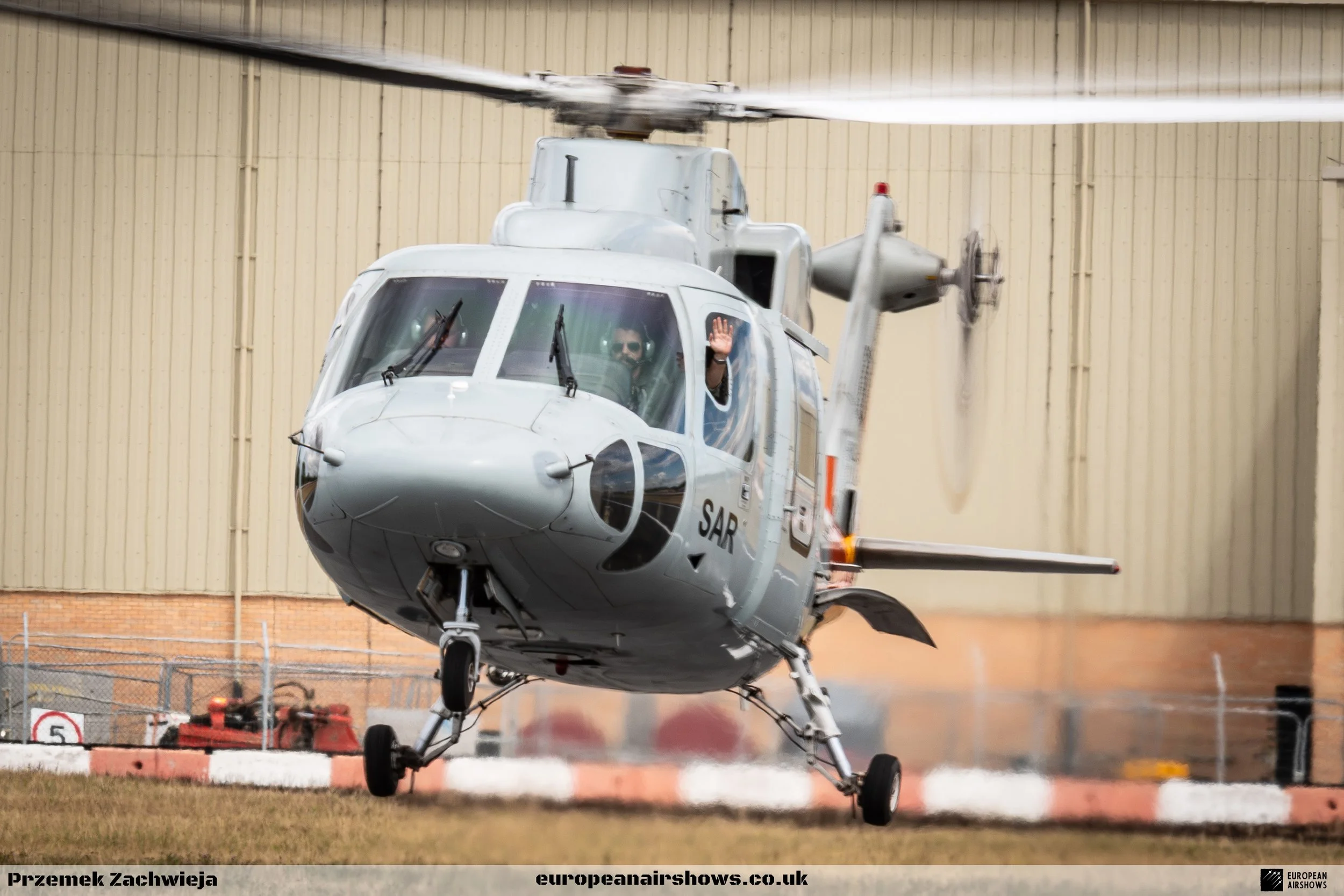
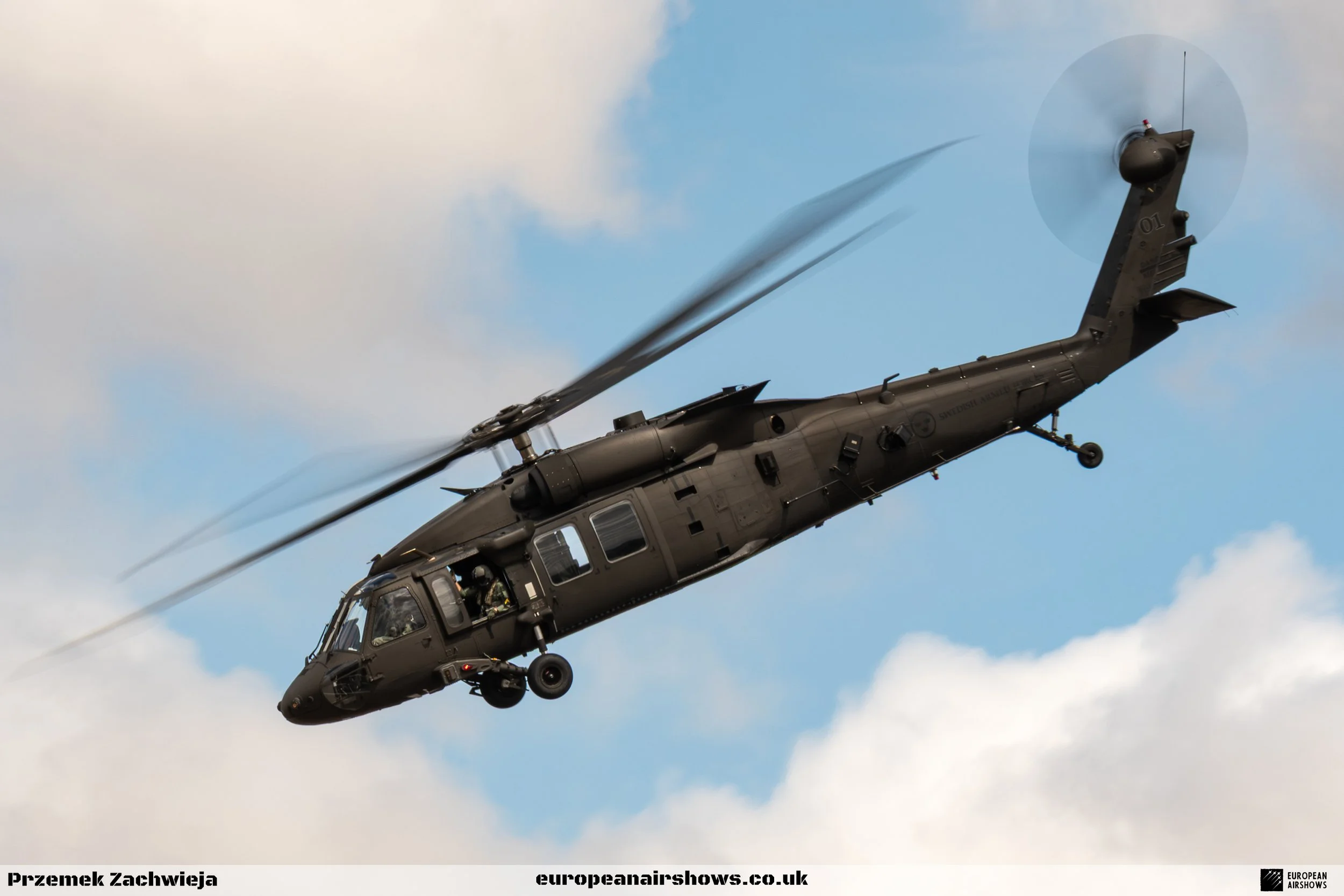
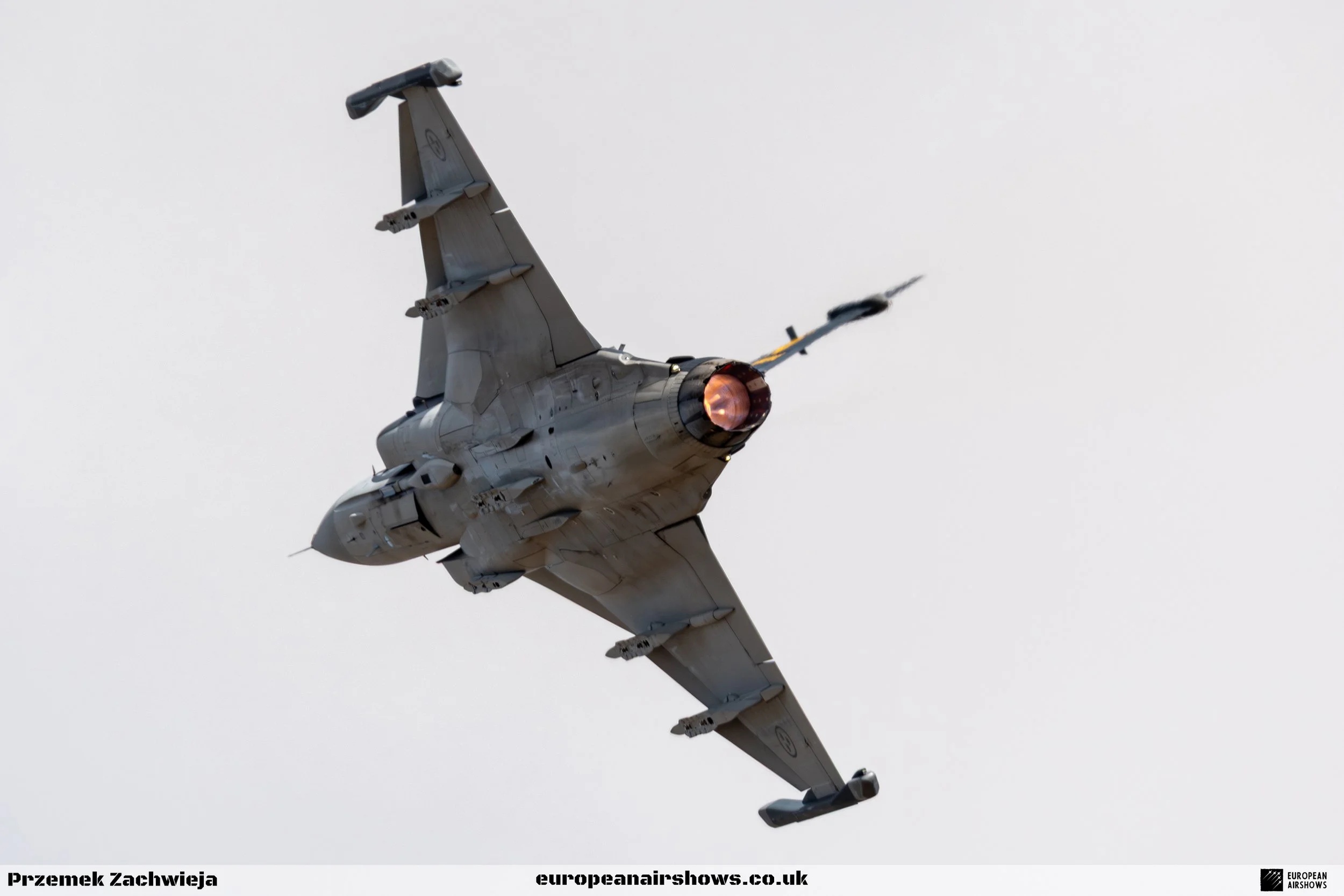
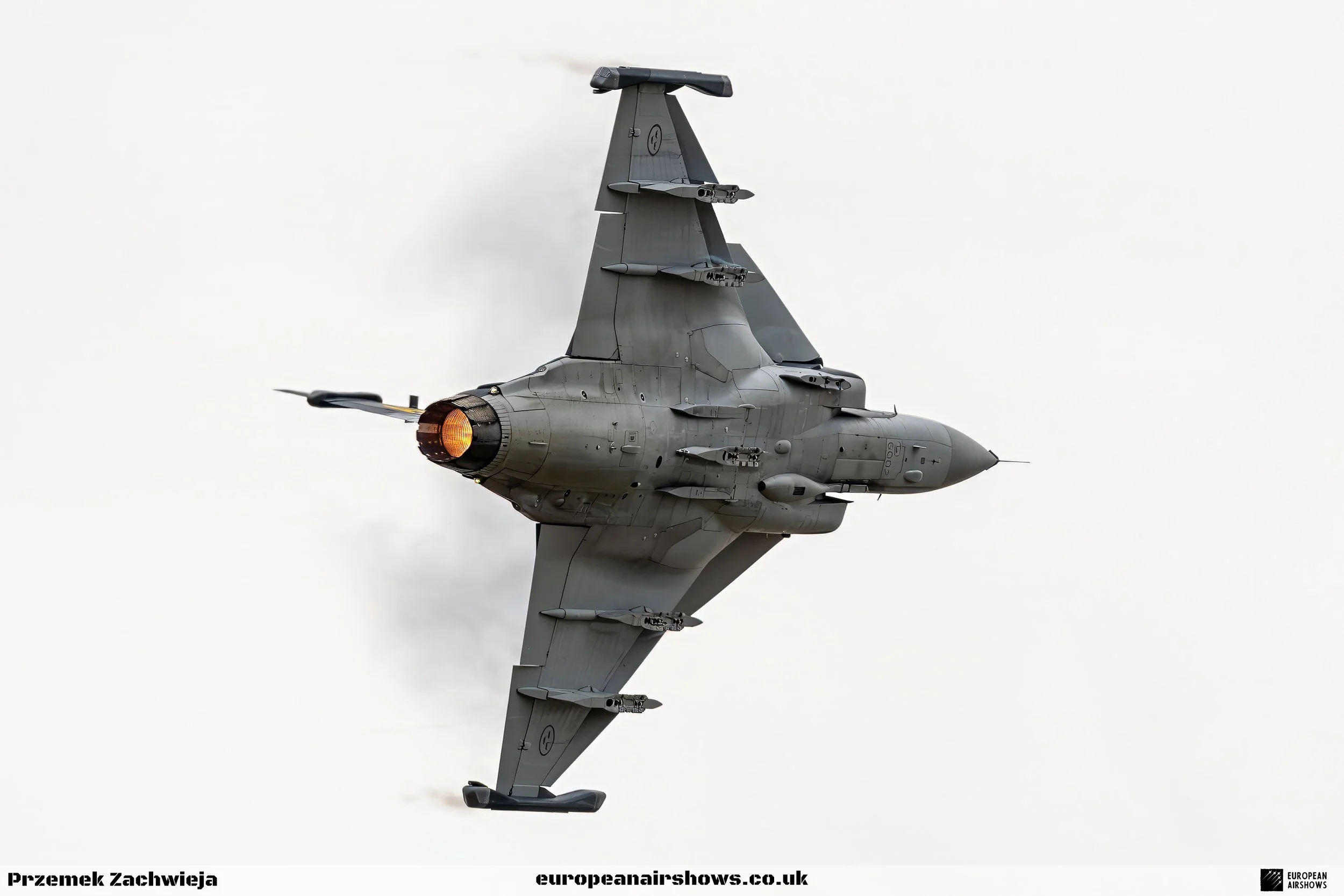
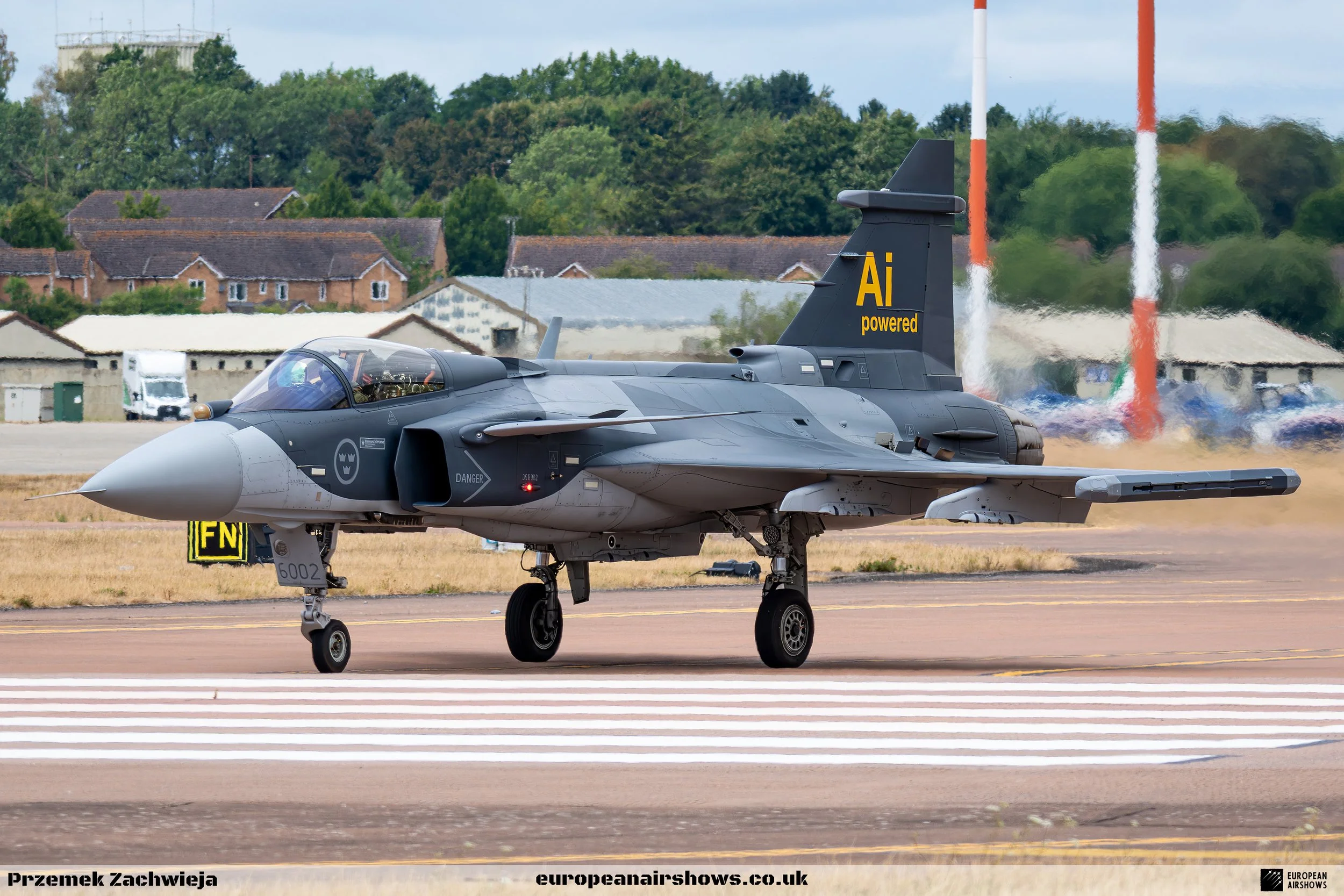
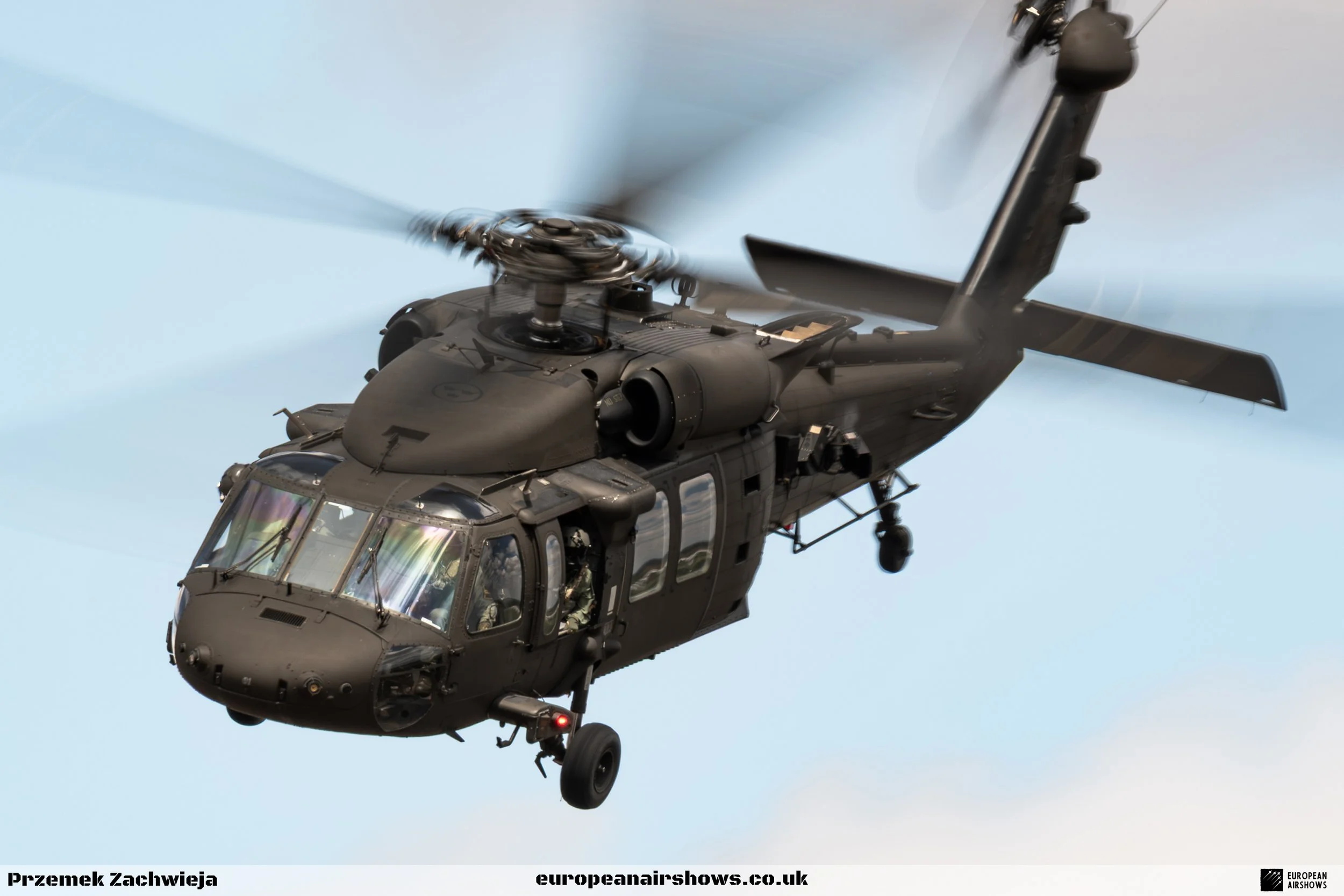
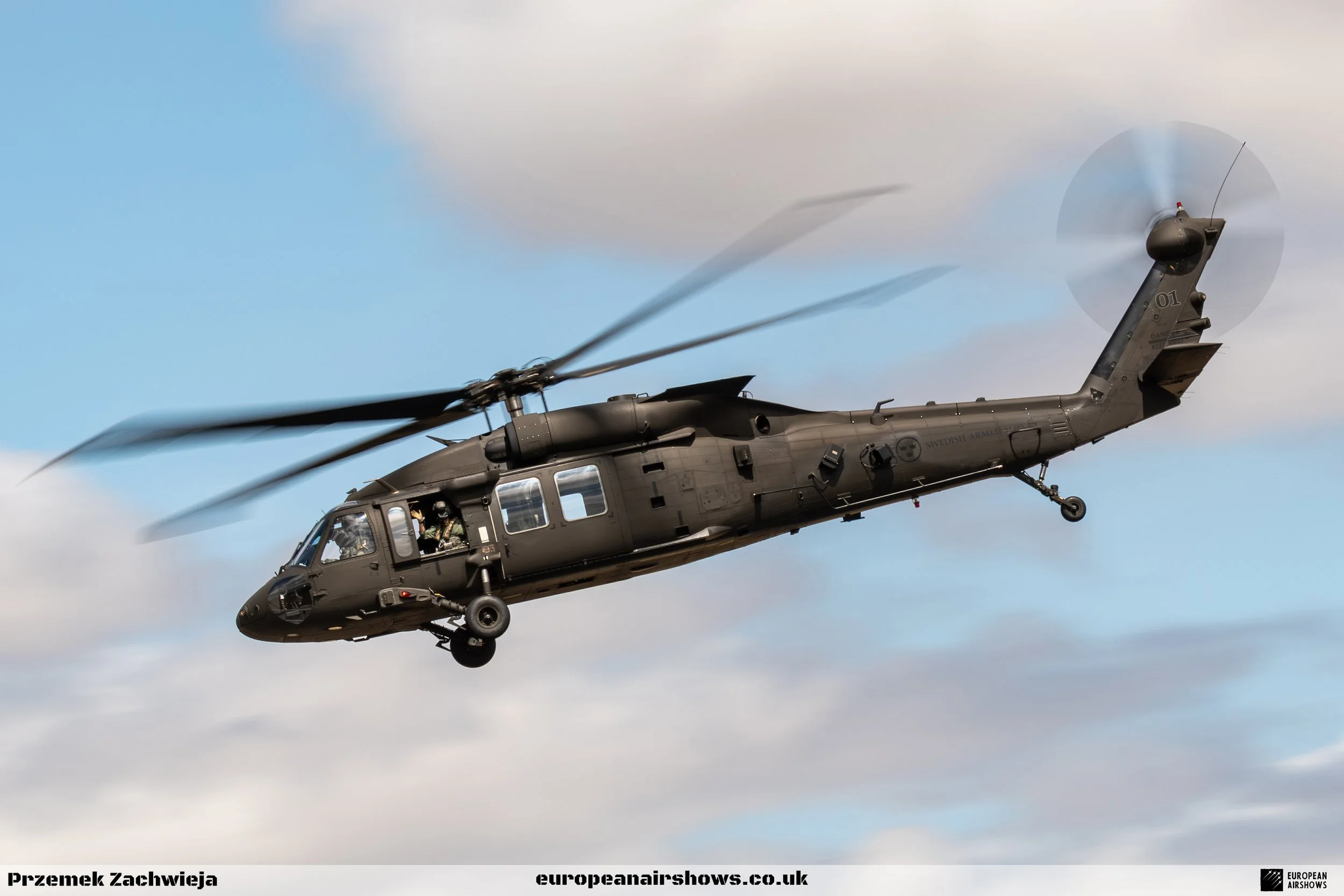
Sweden contributed on two fronts: Saab’s JAS-39E Gripen, displayed by test pilot Martin Donaldson, gave the public a glimpse of the future Gripen in a clean, professional routine. On the rotary side, 2.Hkpskv’s Hkp16 Black Hawk flew a muscular handling demo, while its static crew won RIAT’s brand-new Engagement Trophy for the most interactive and welcoming static display.
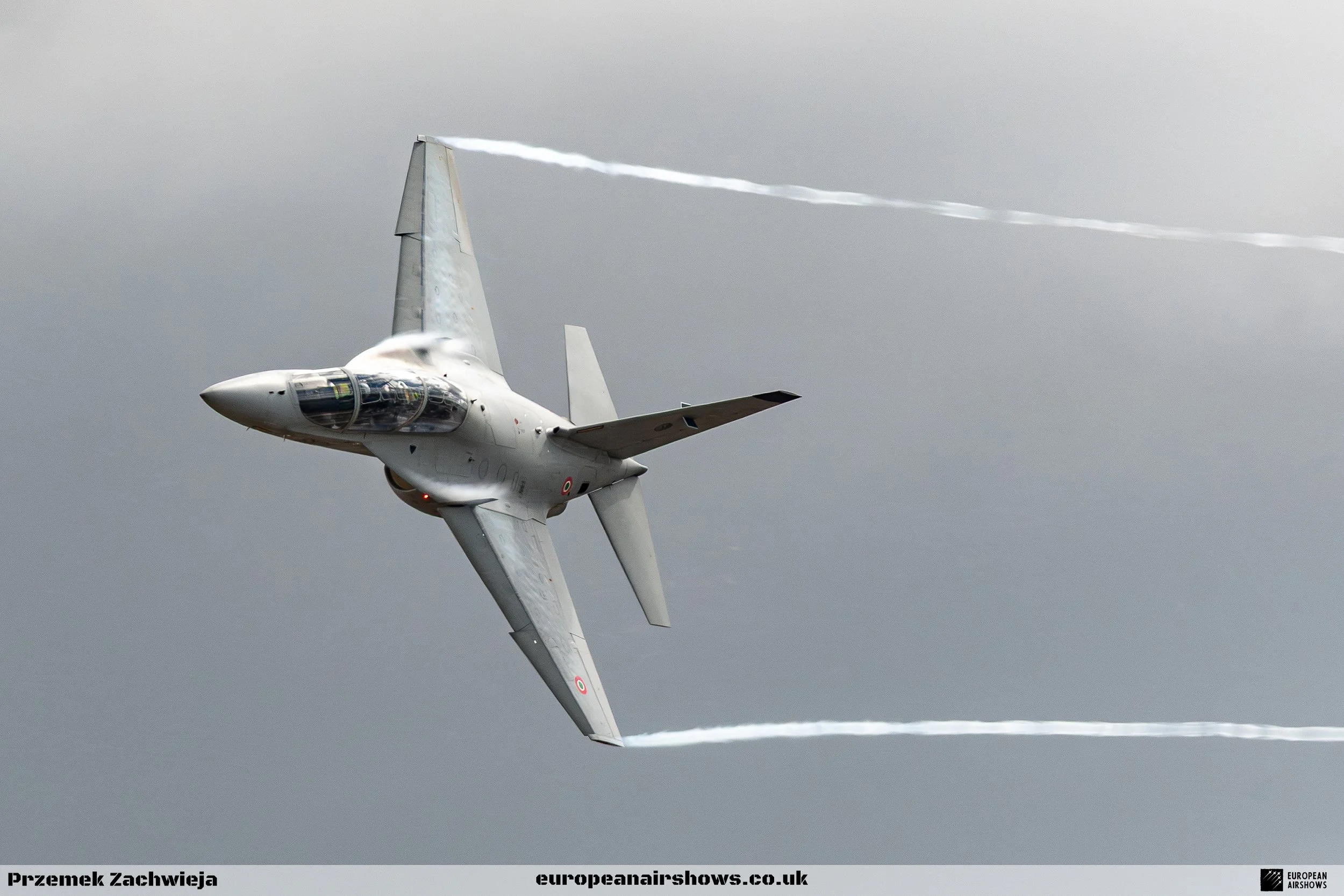
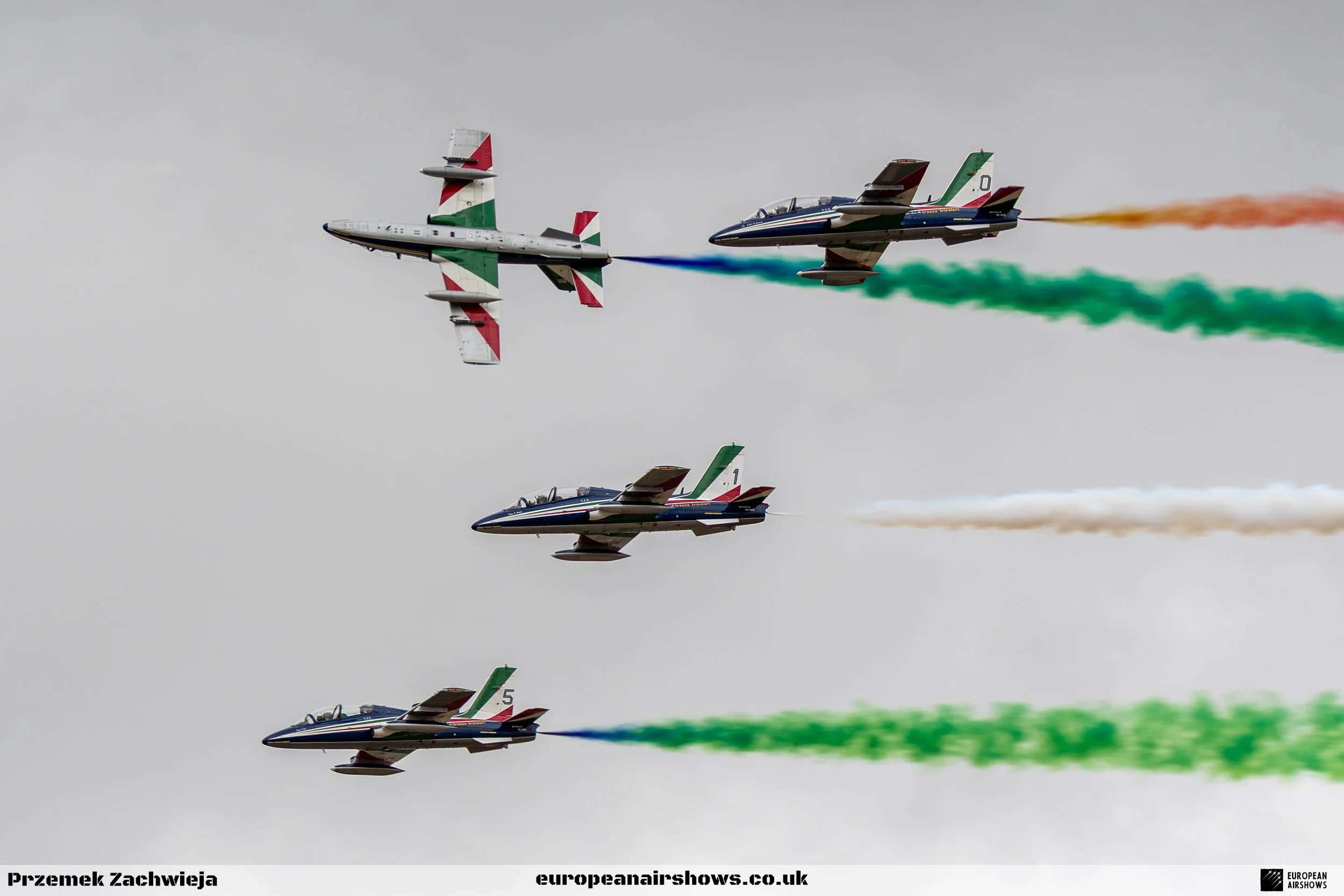
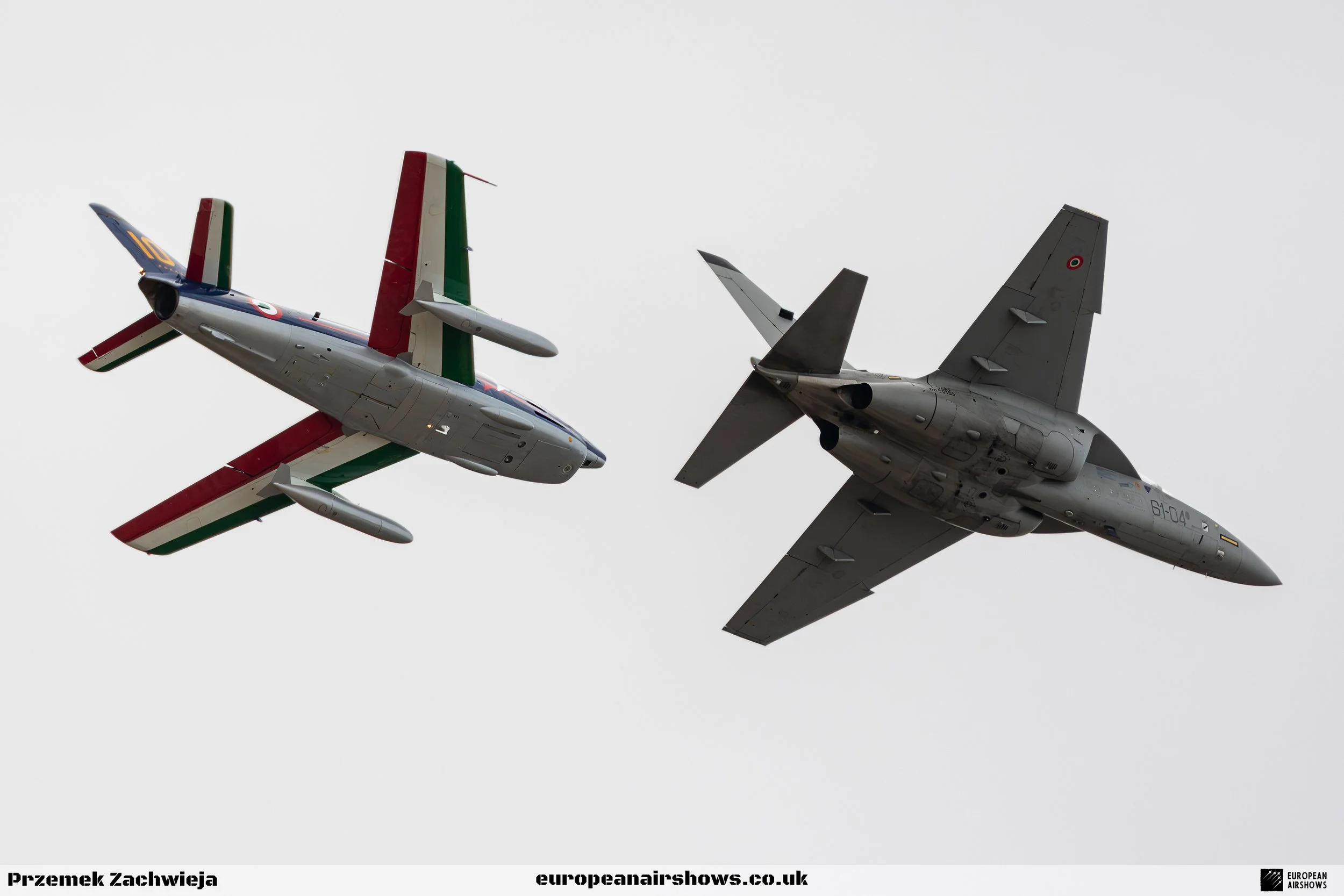
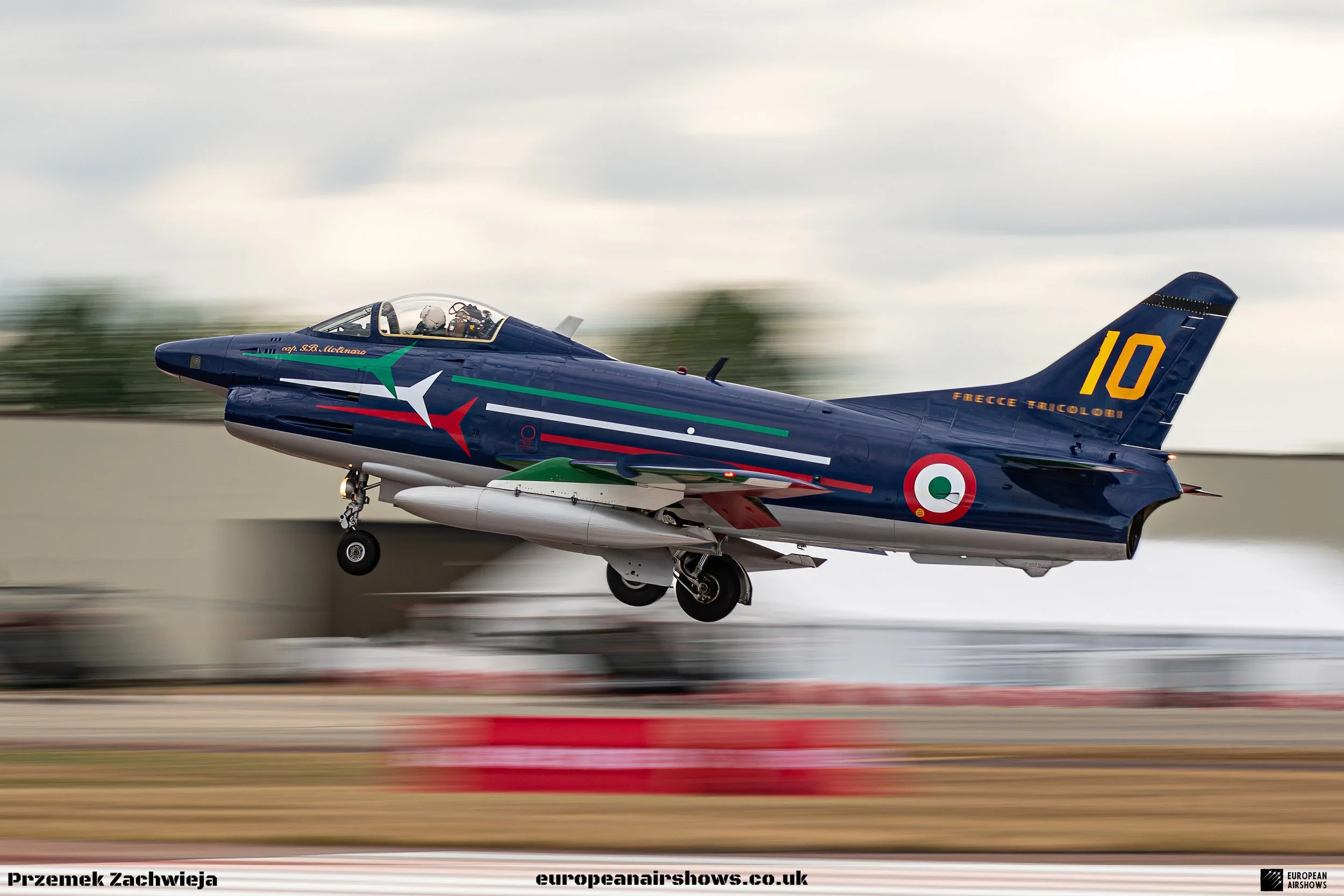
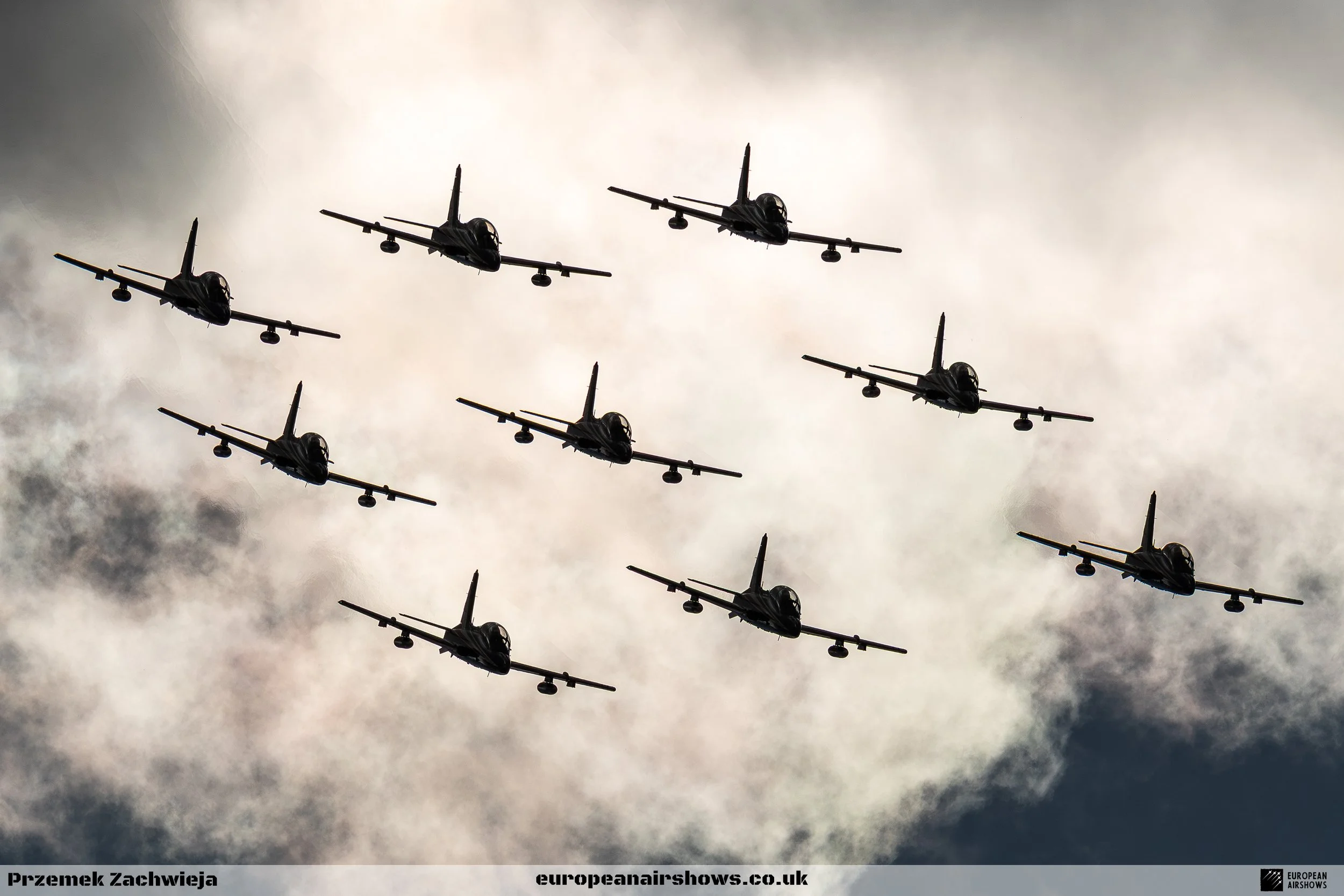
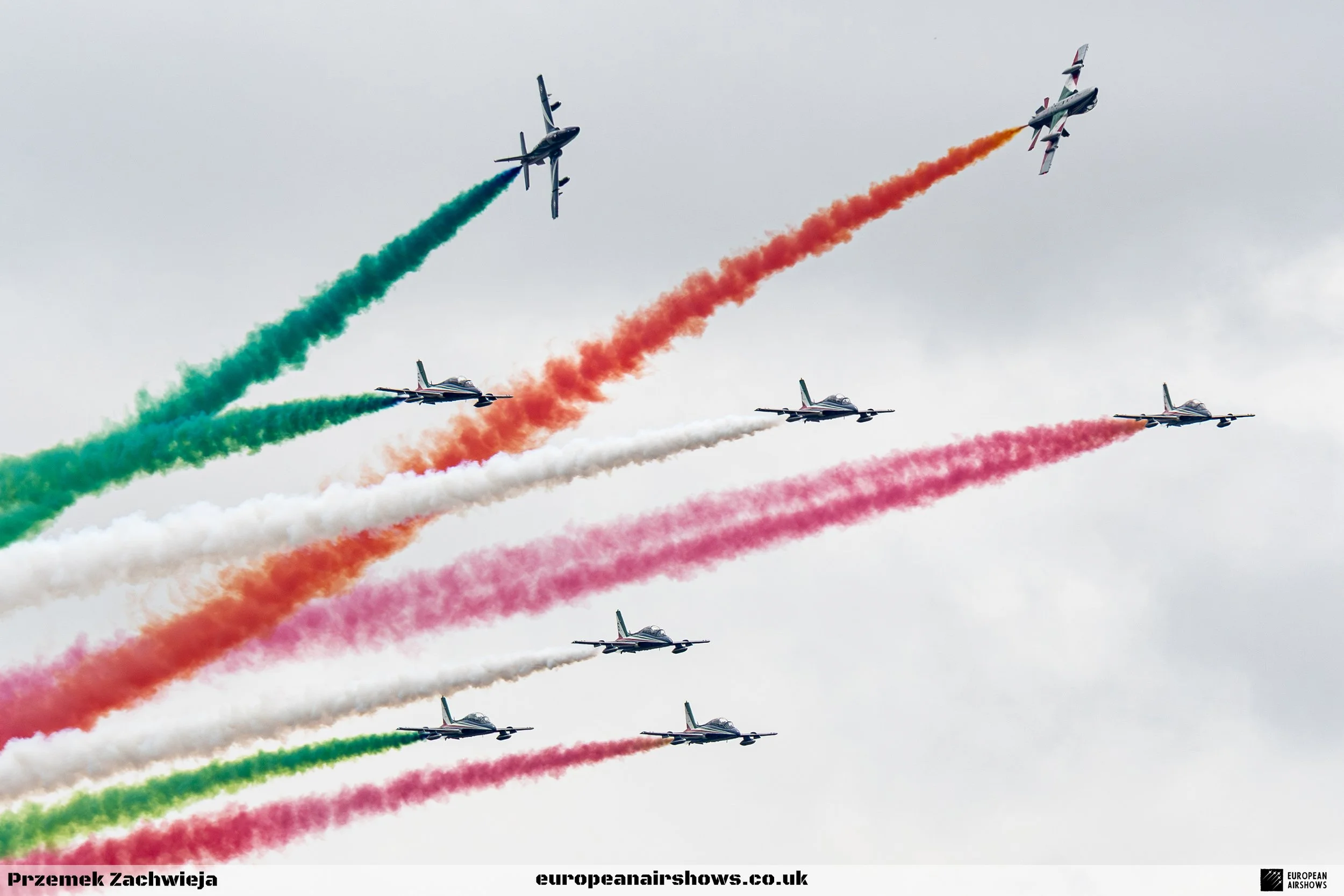
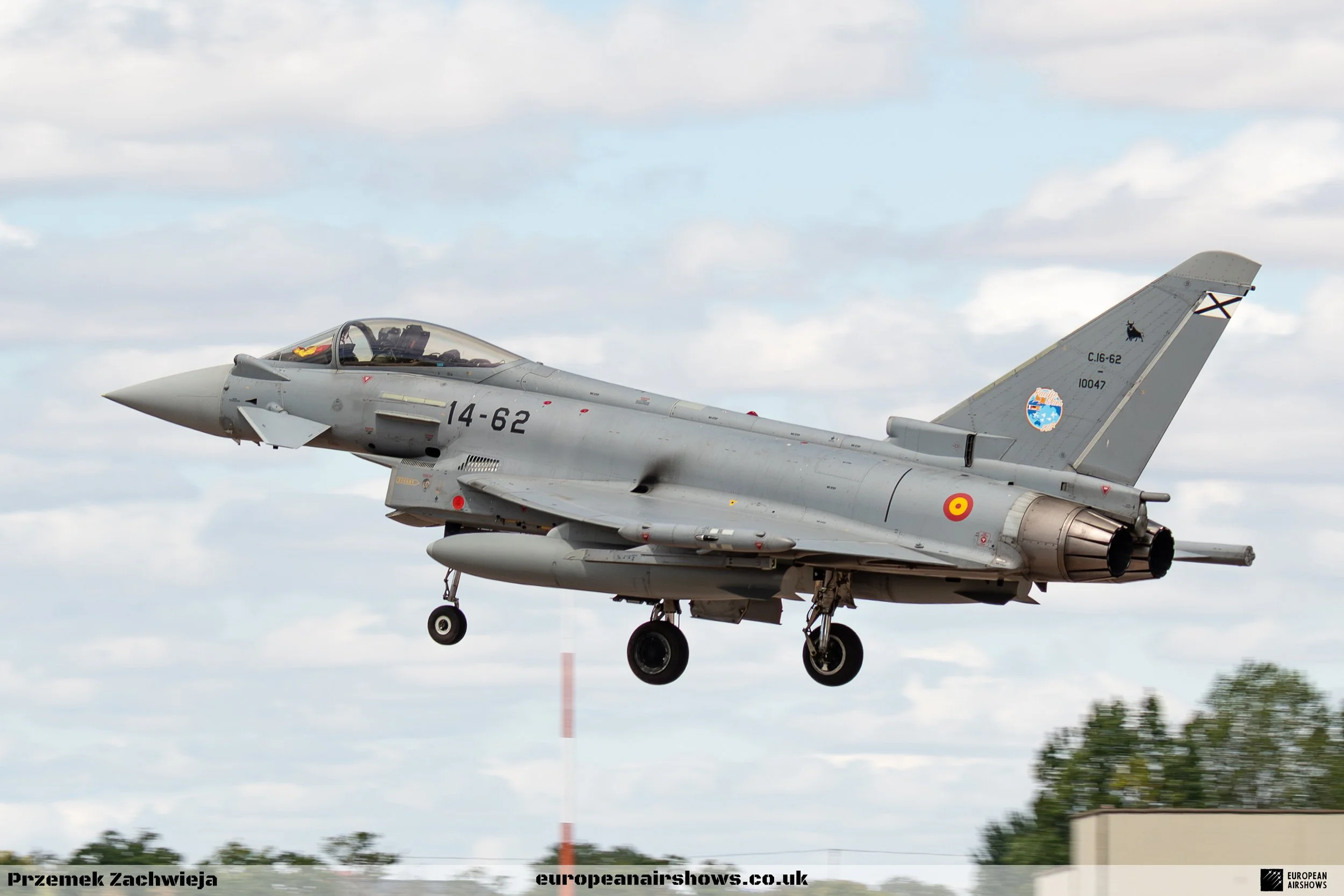
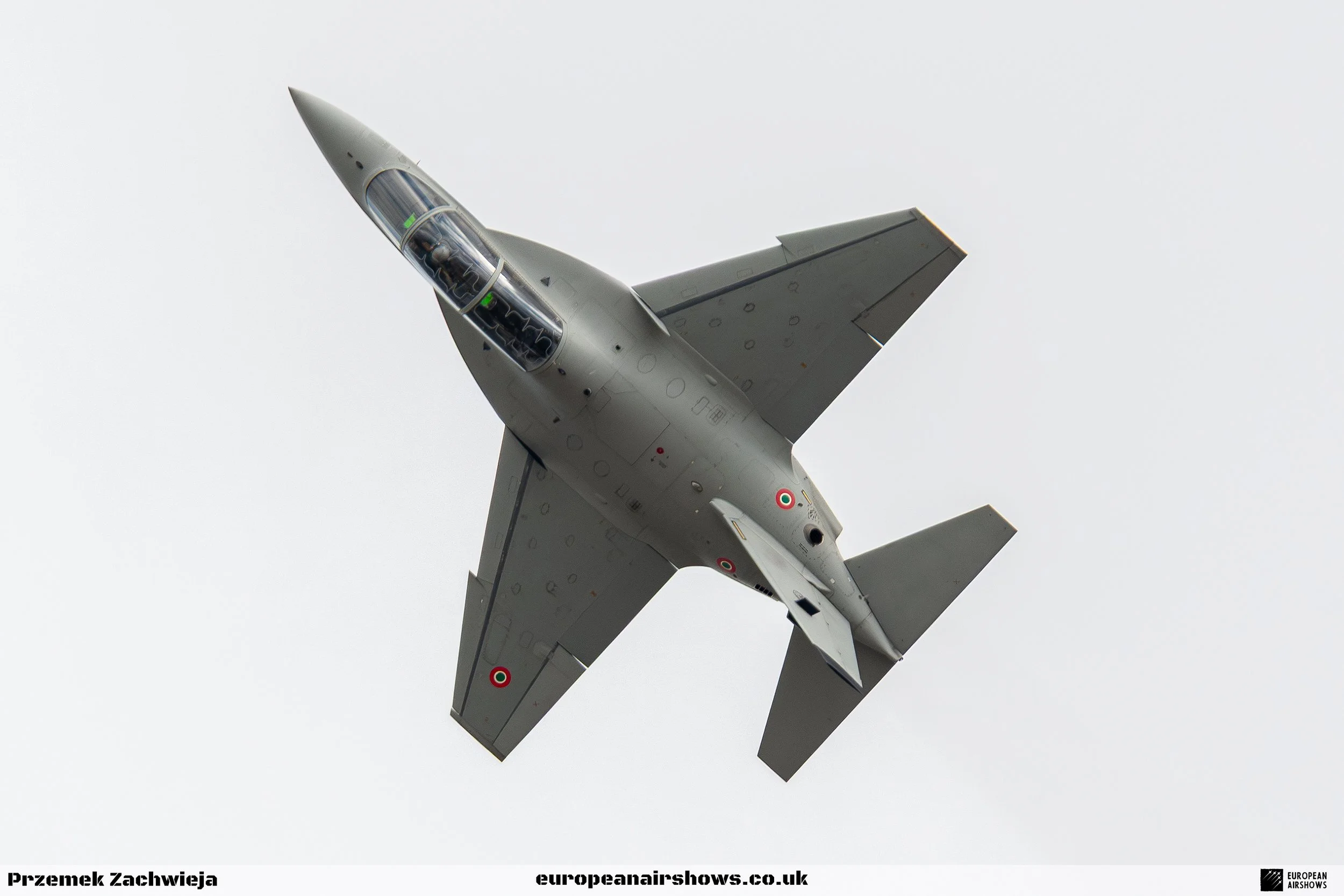
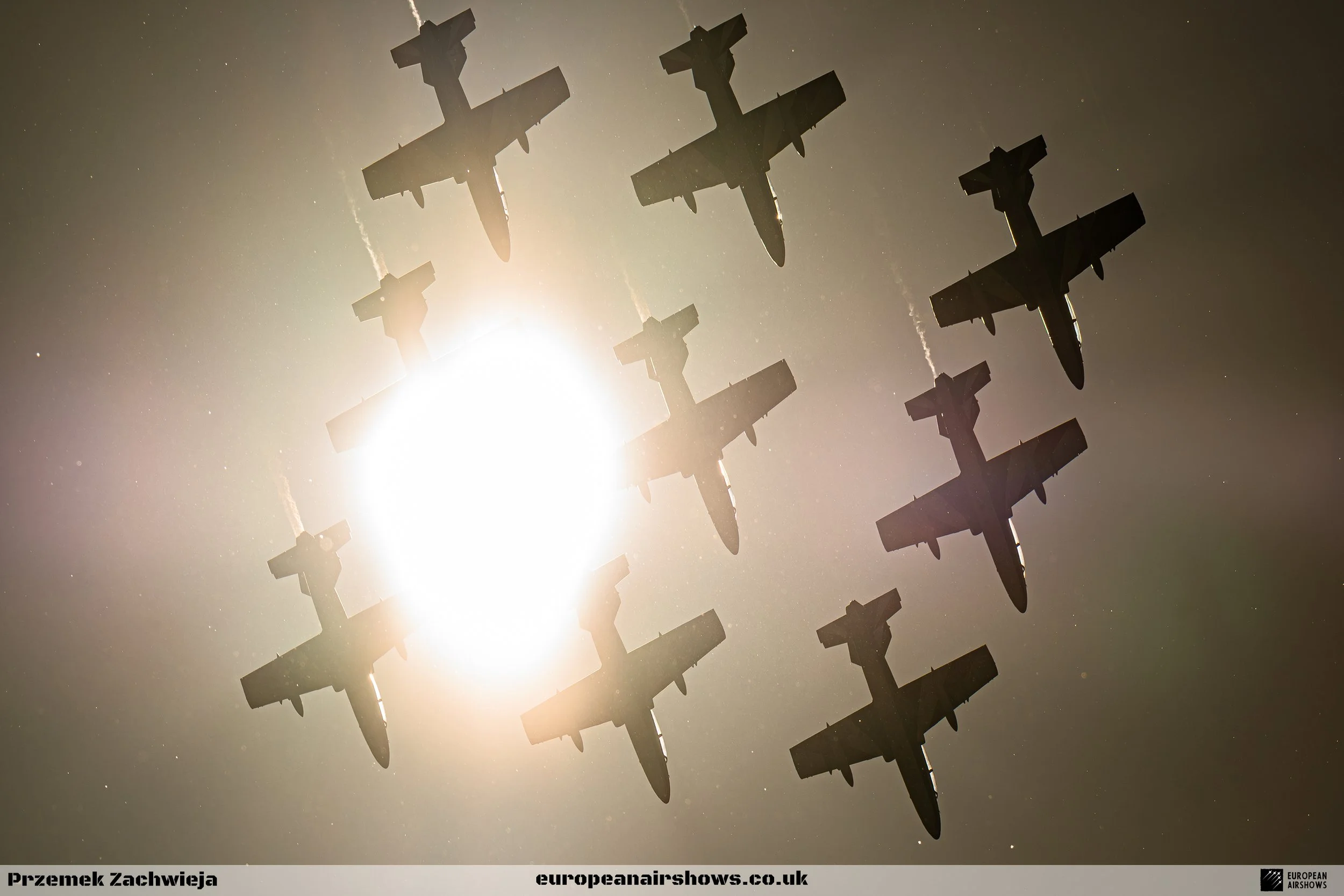
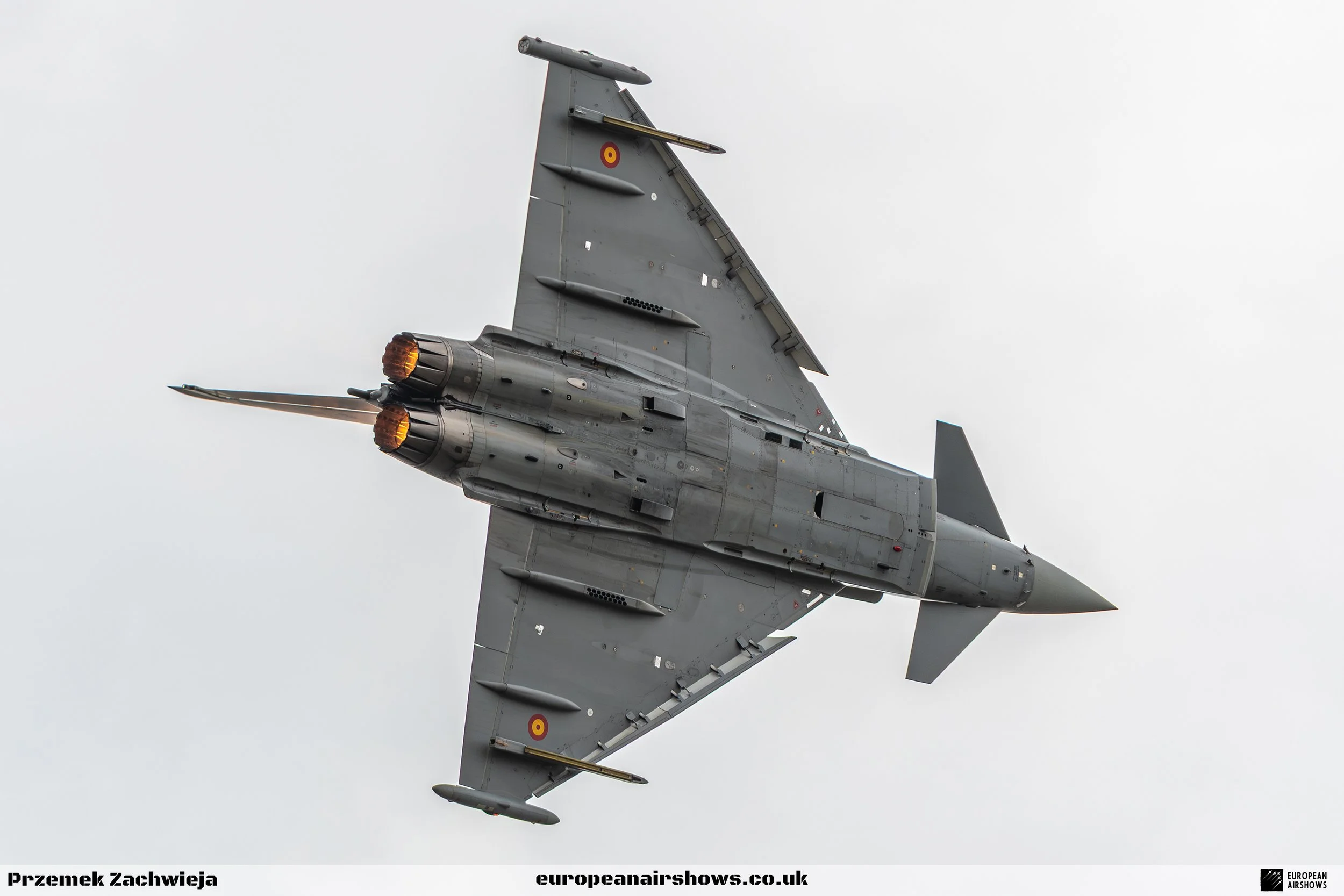
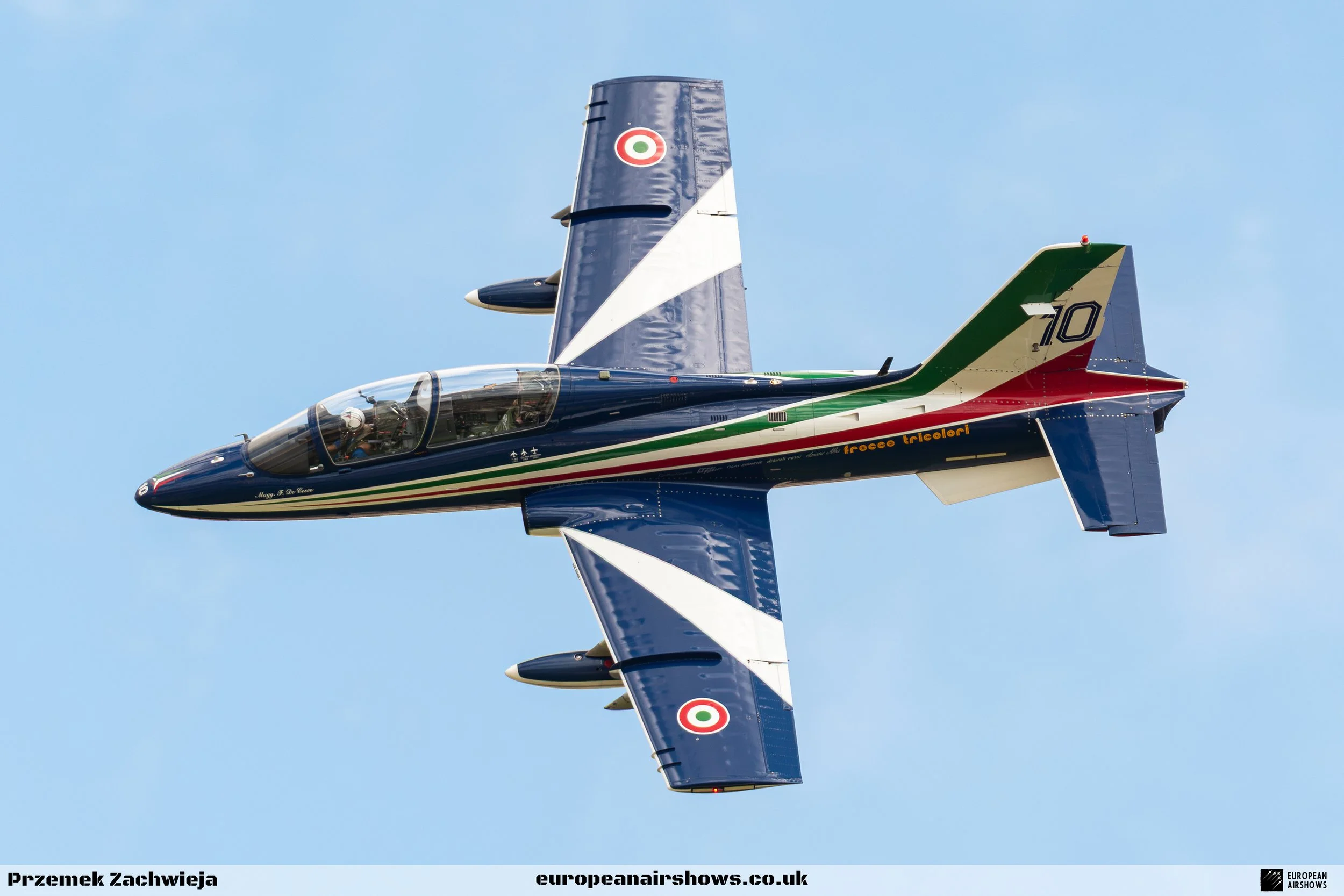
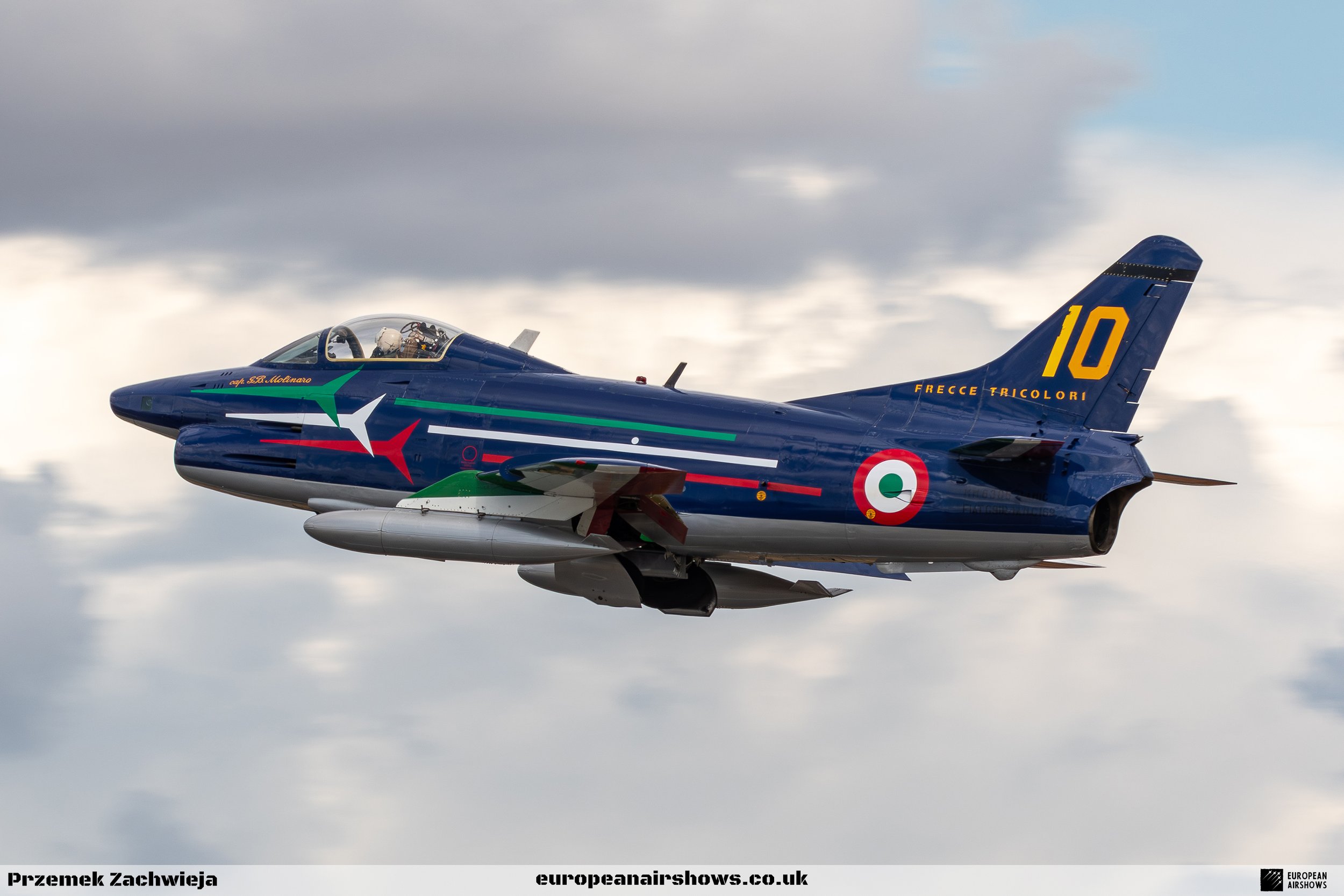
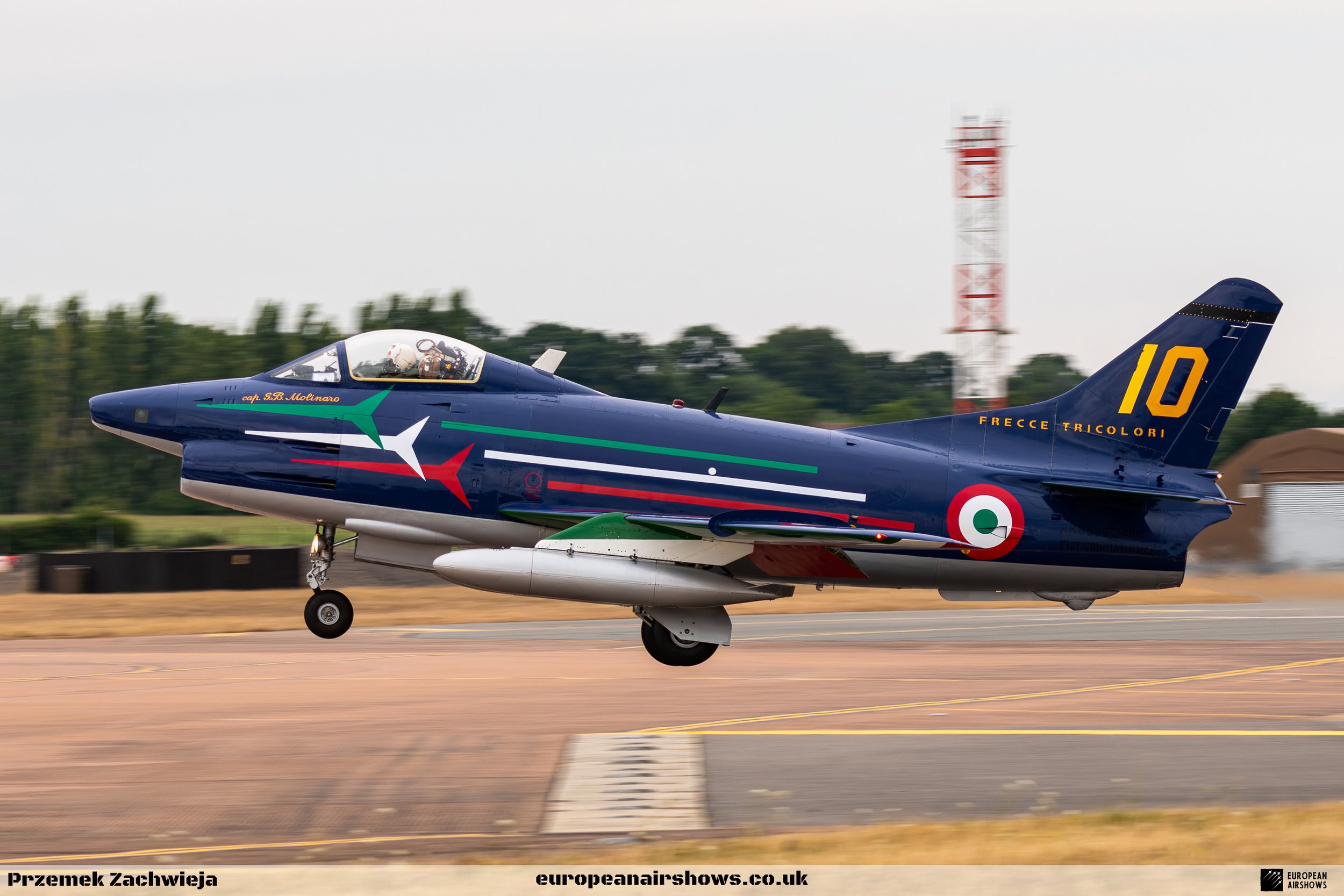
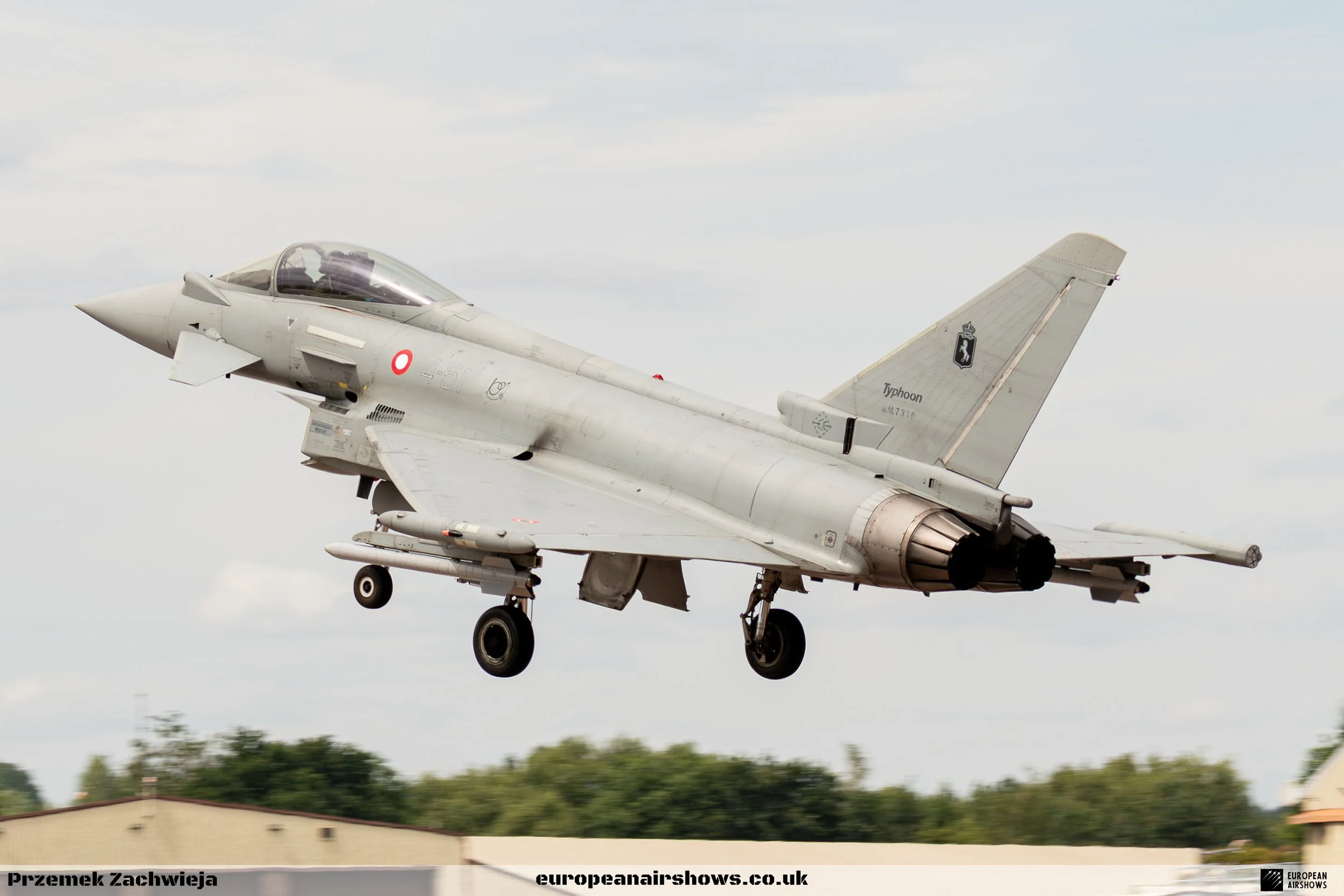
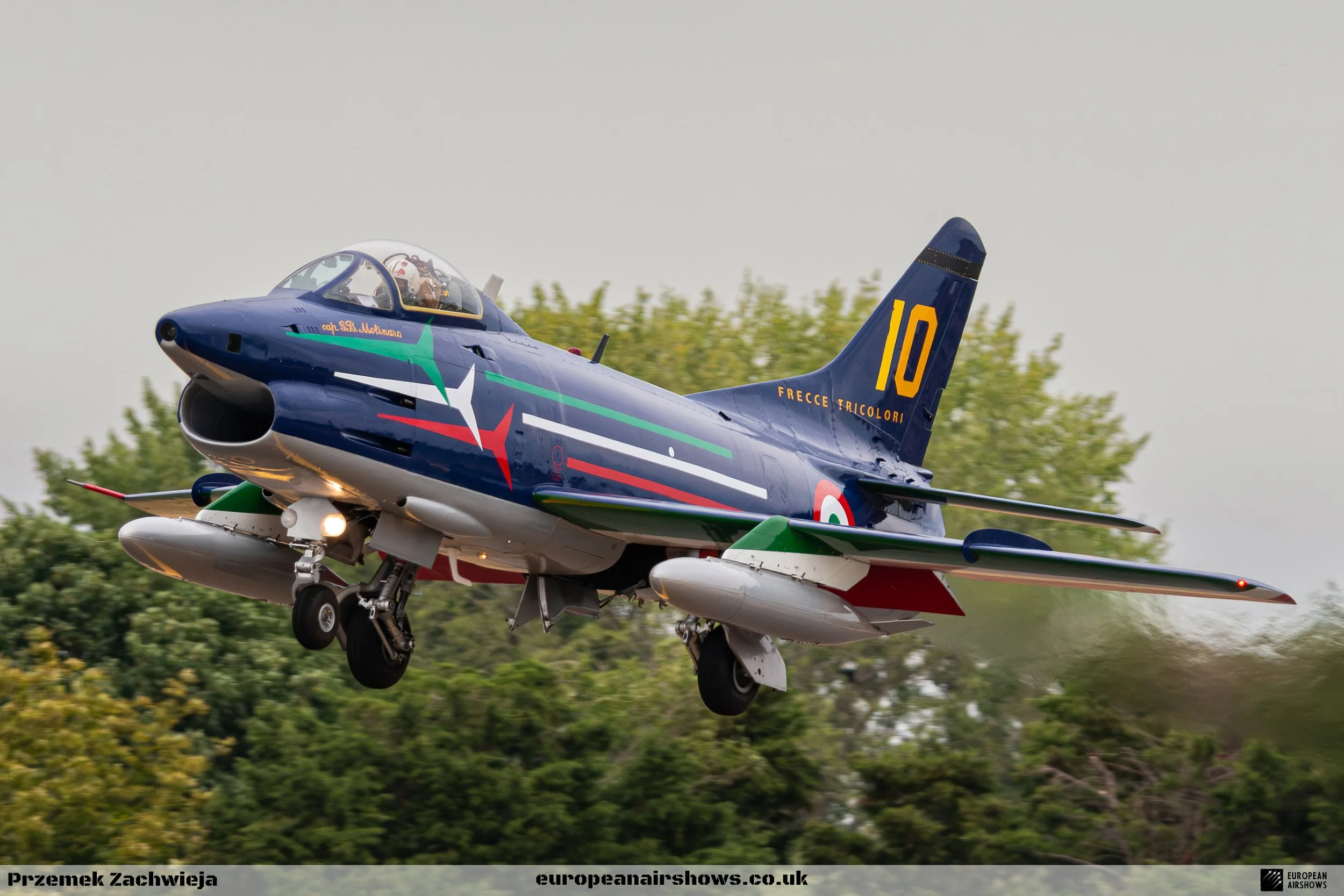
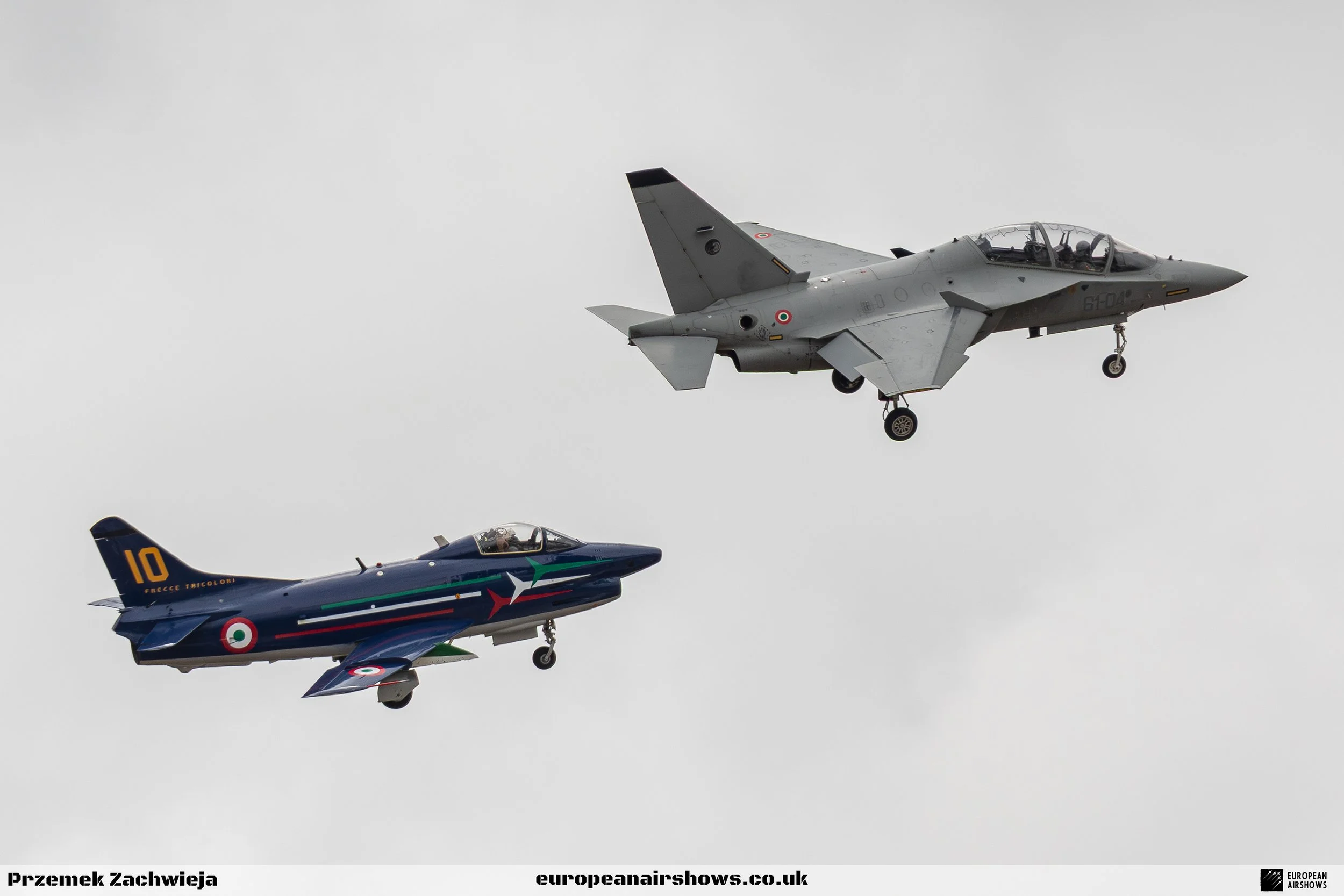
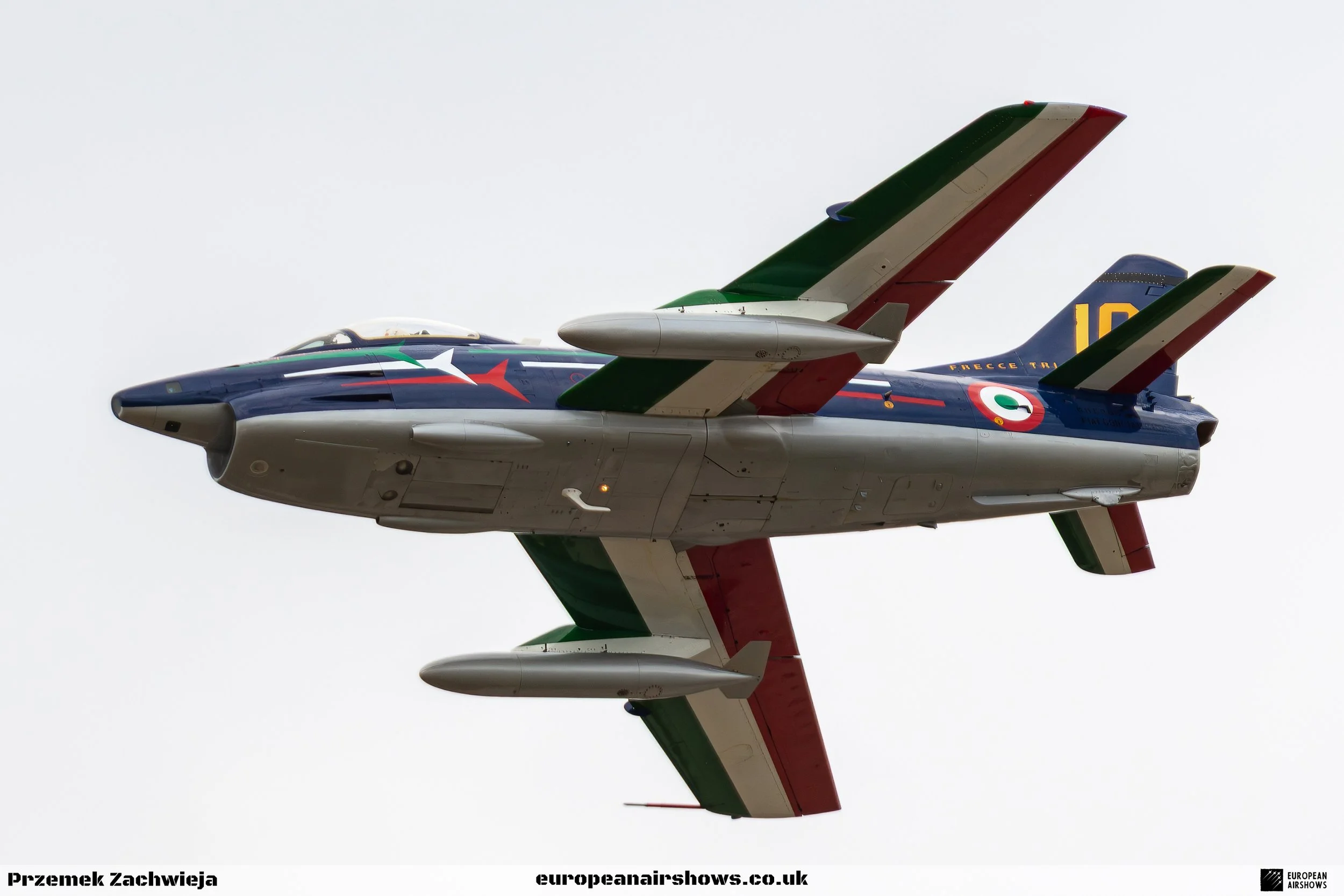
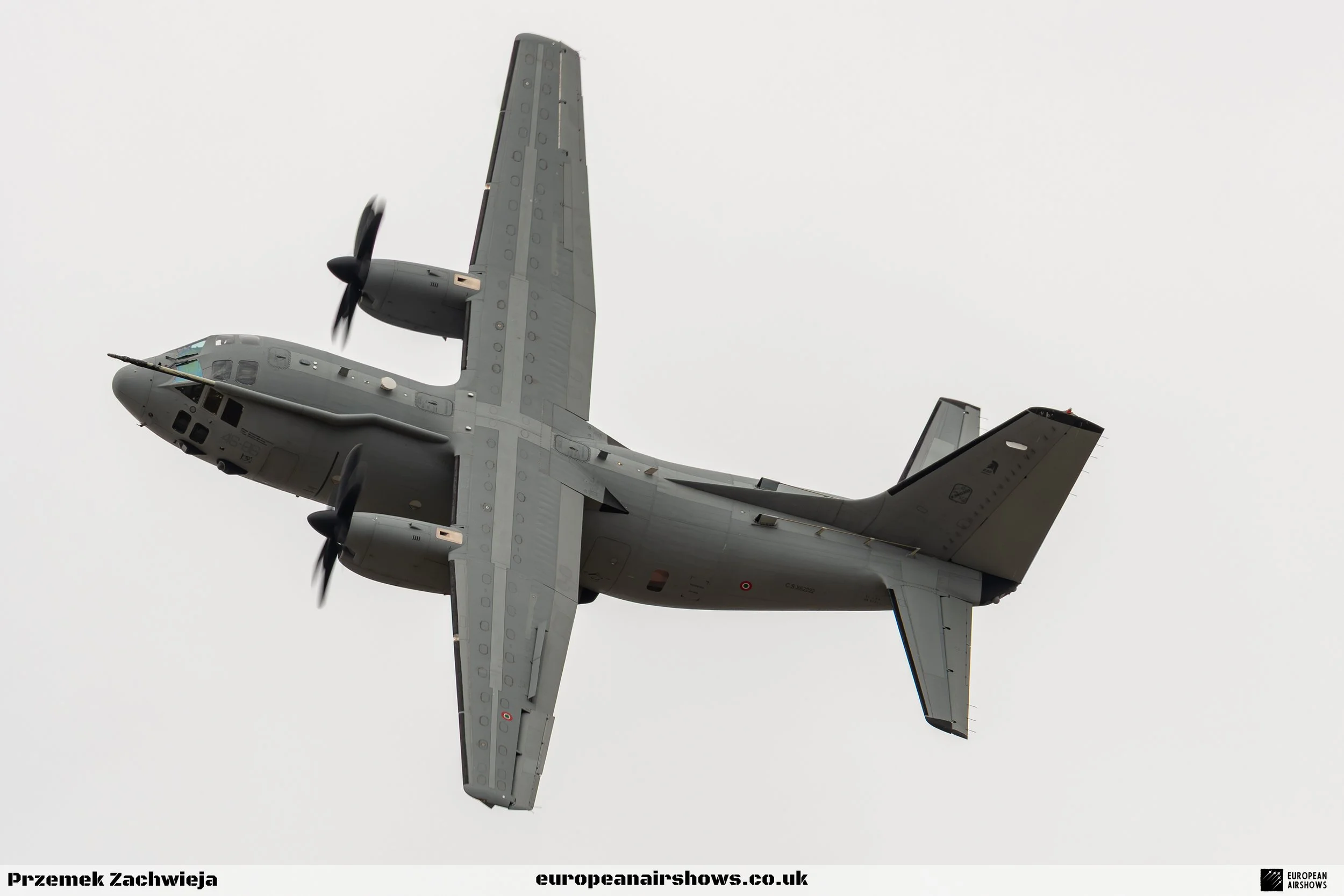
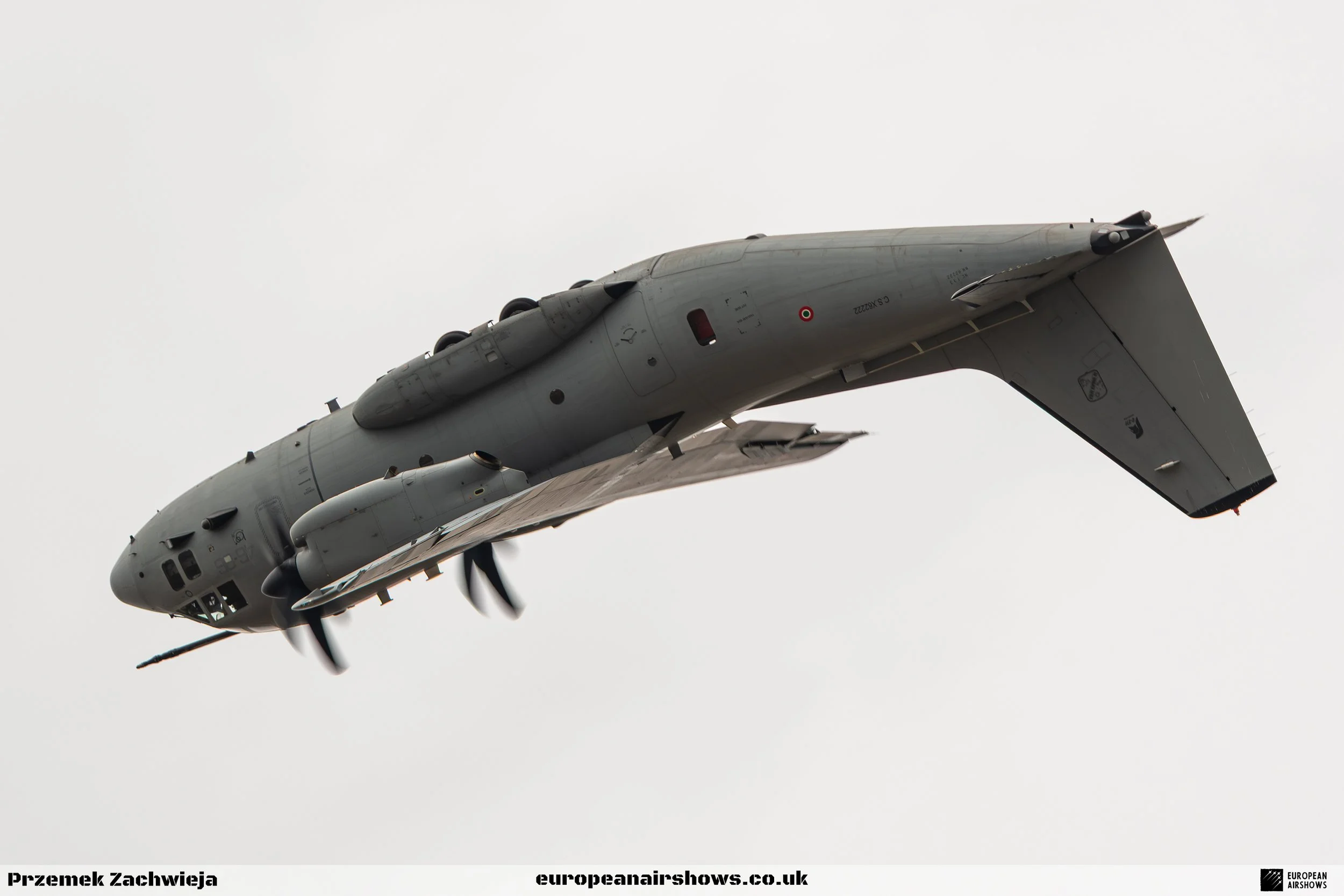
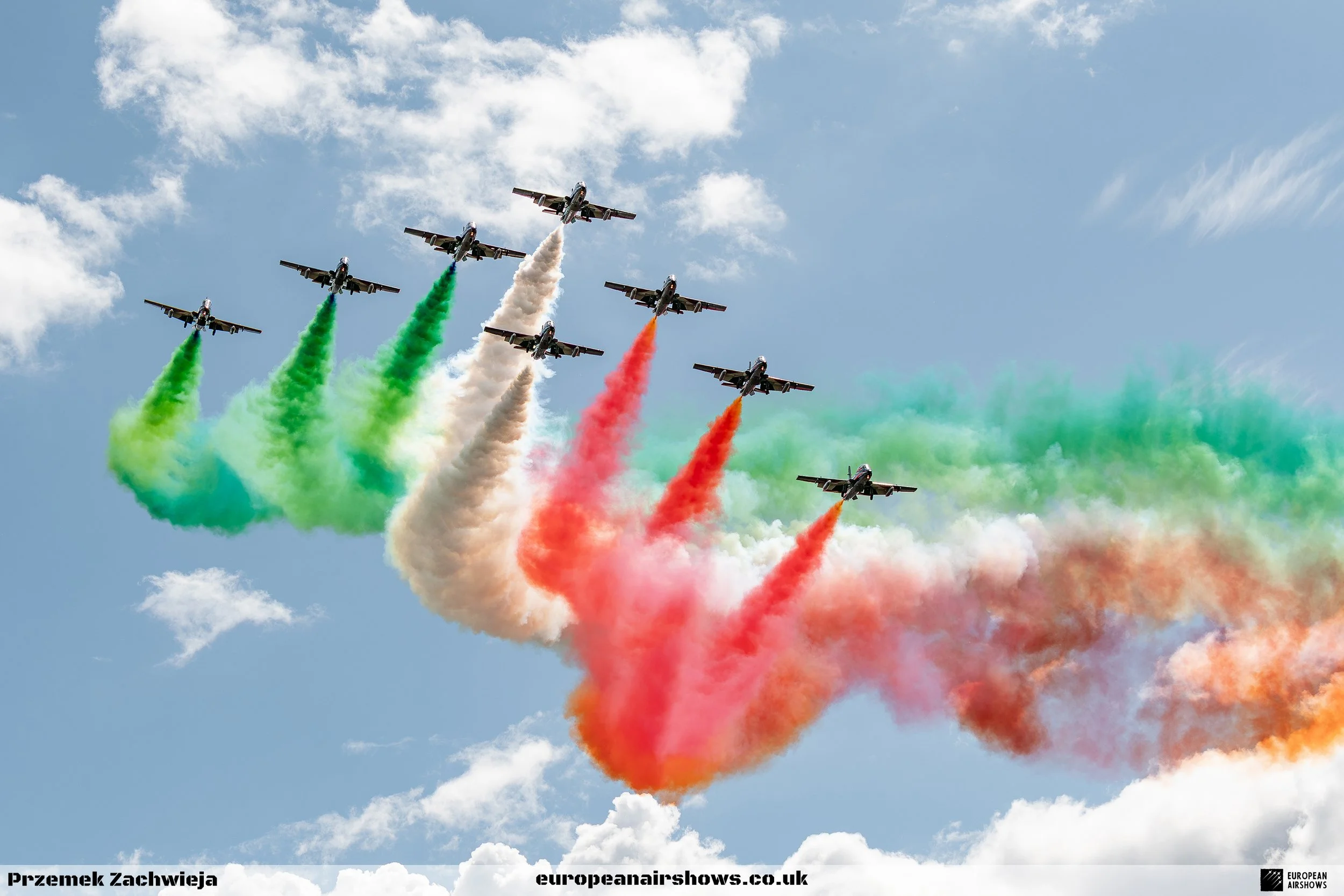
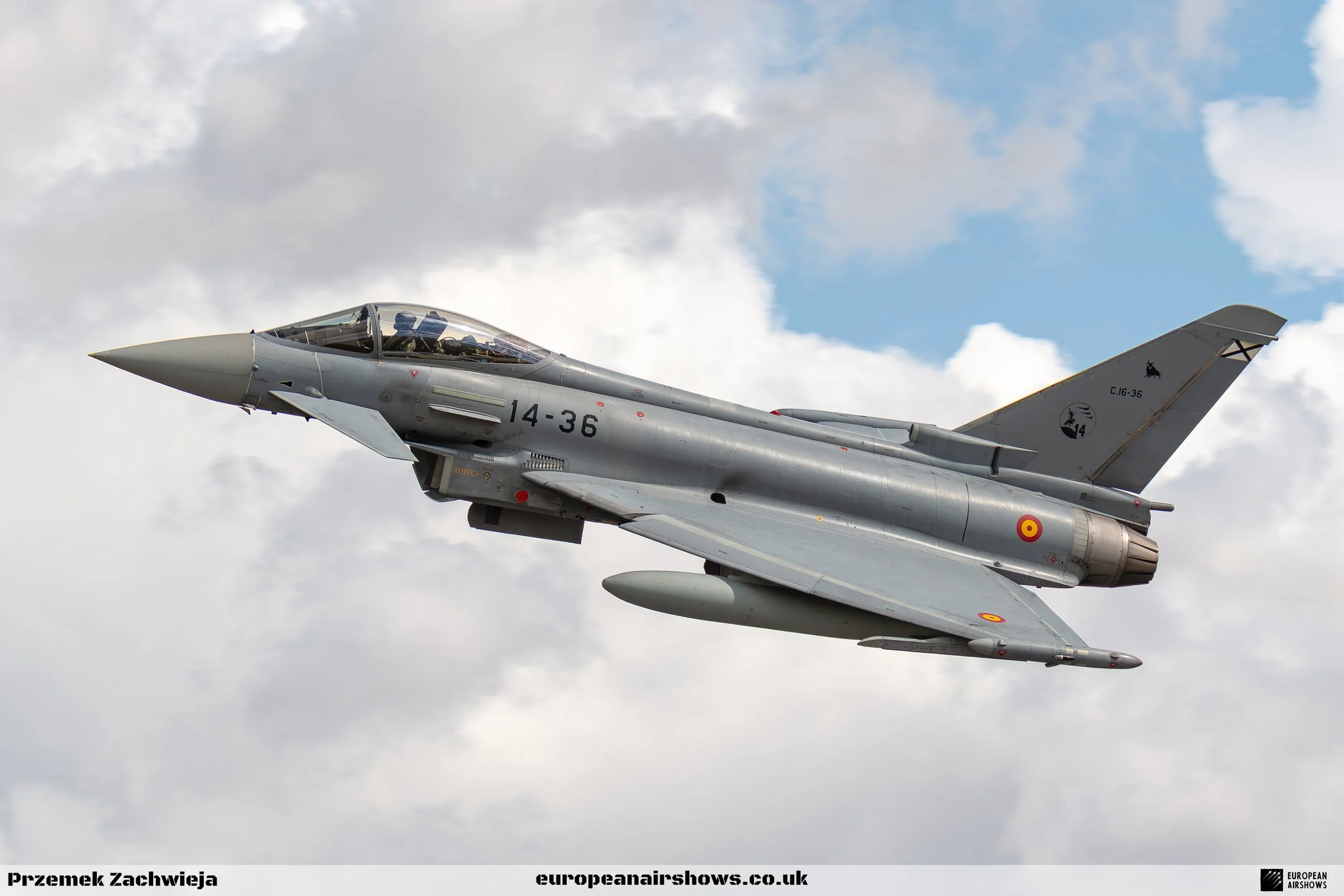
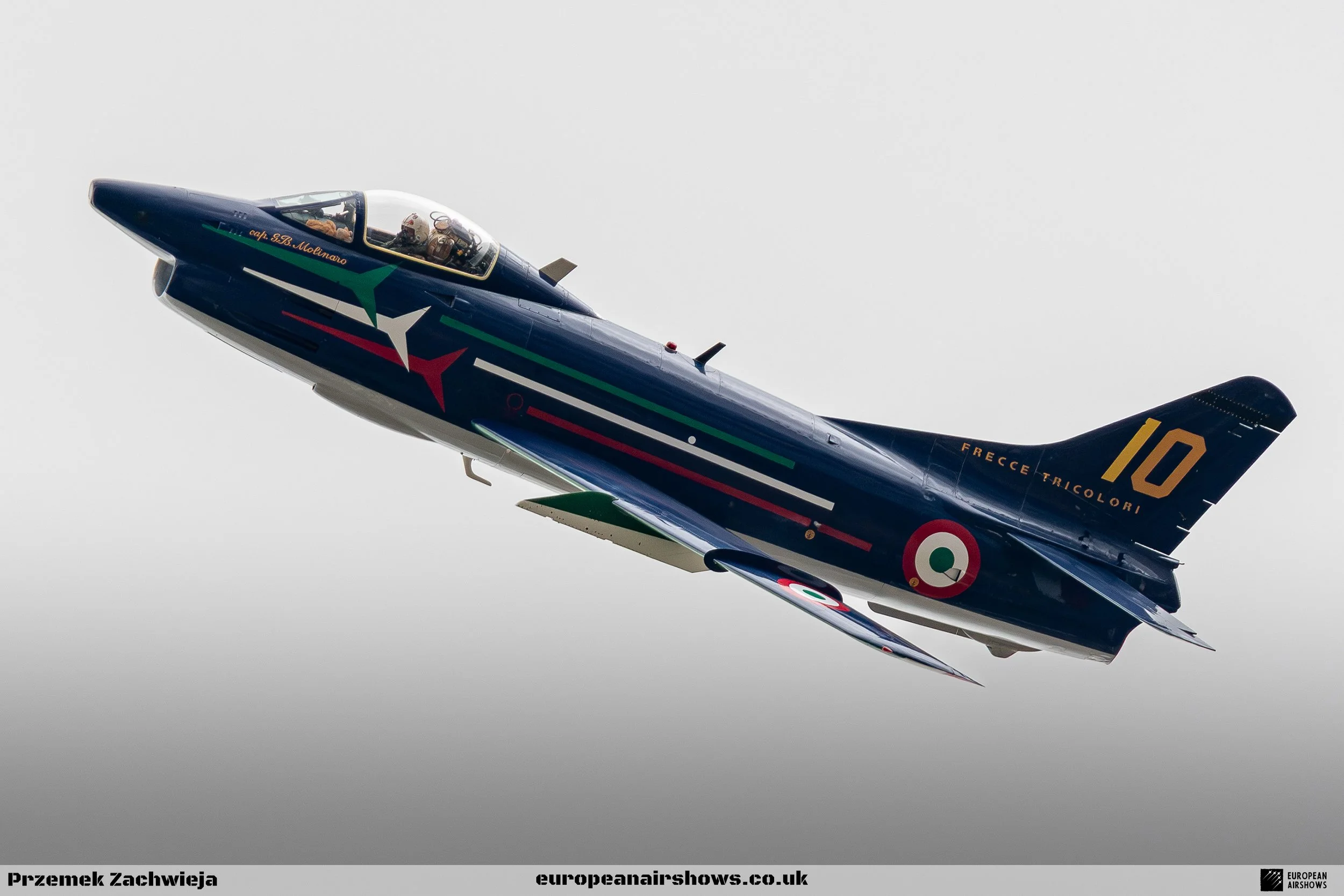
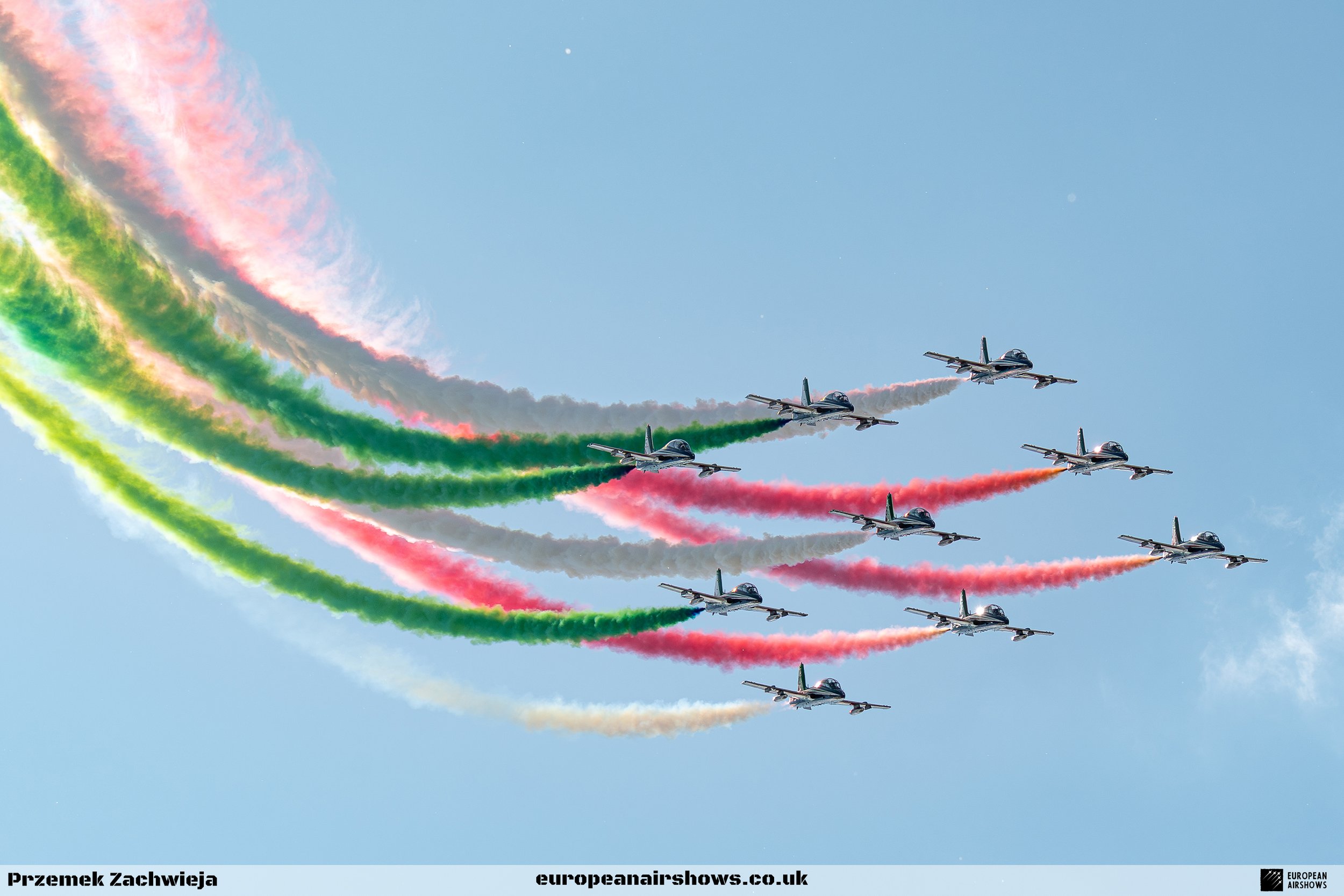
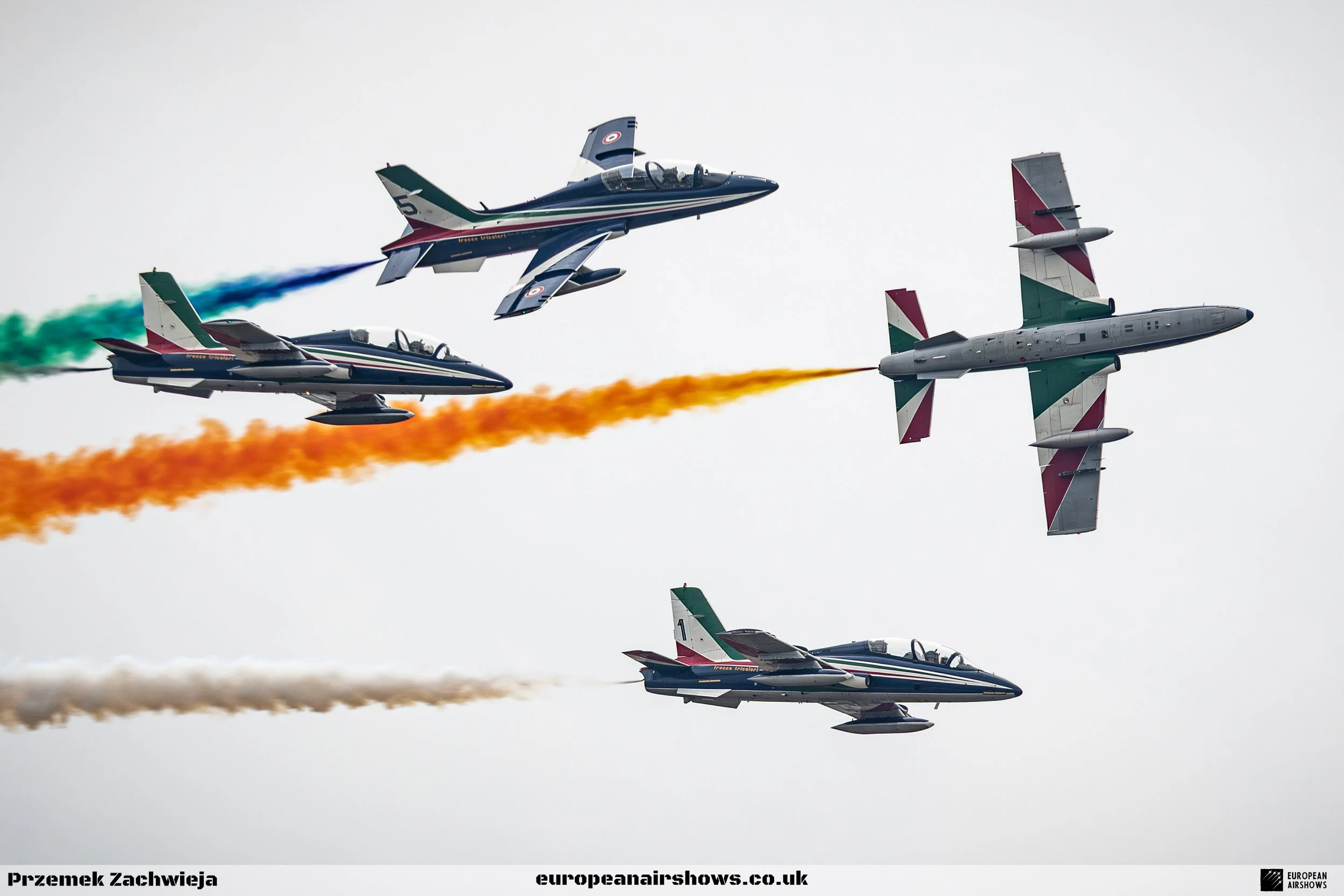
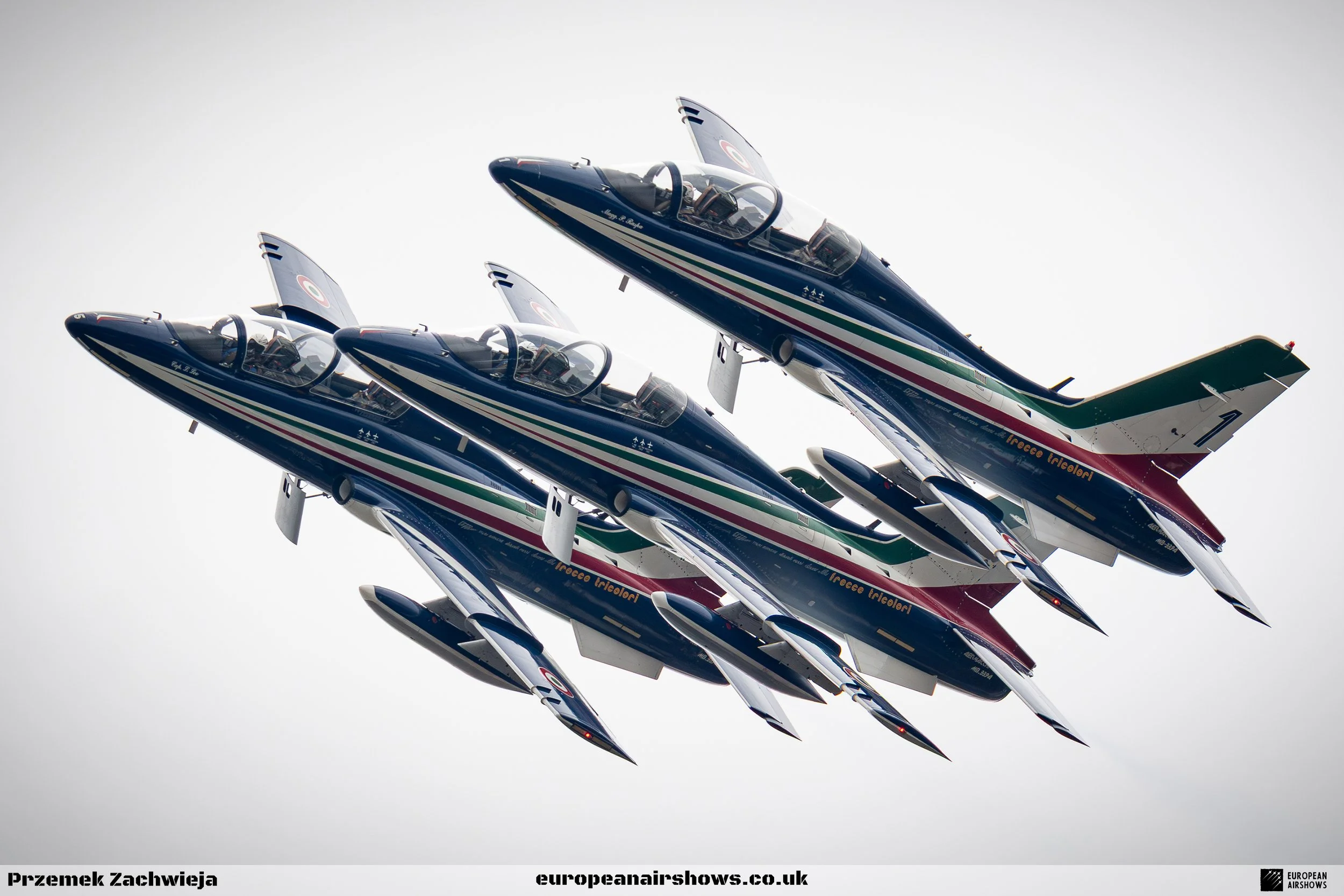
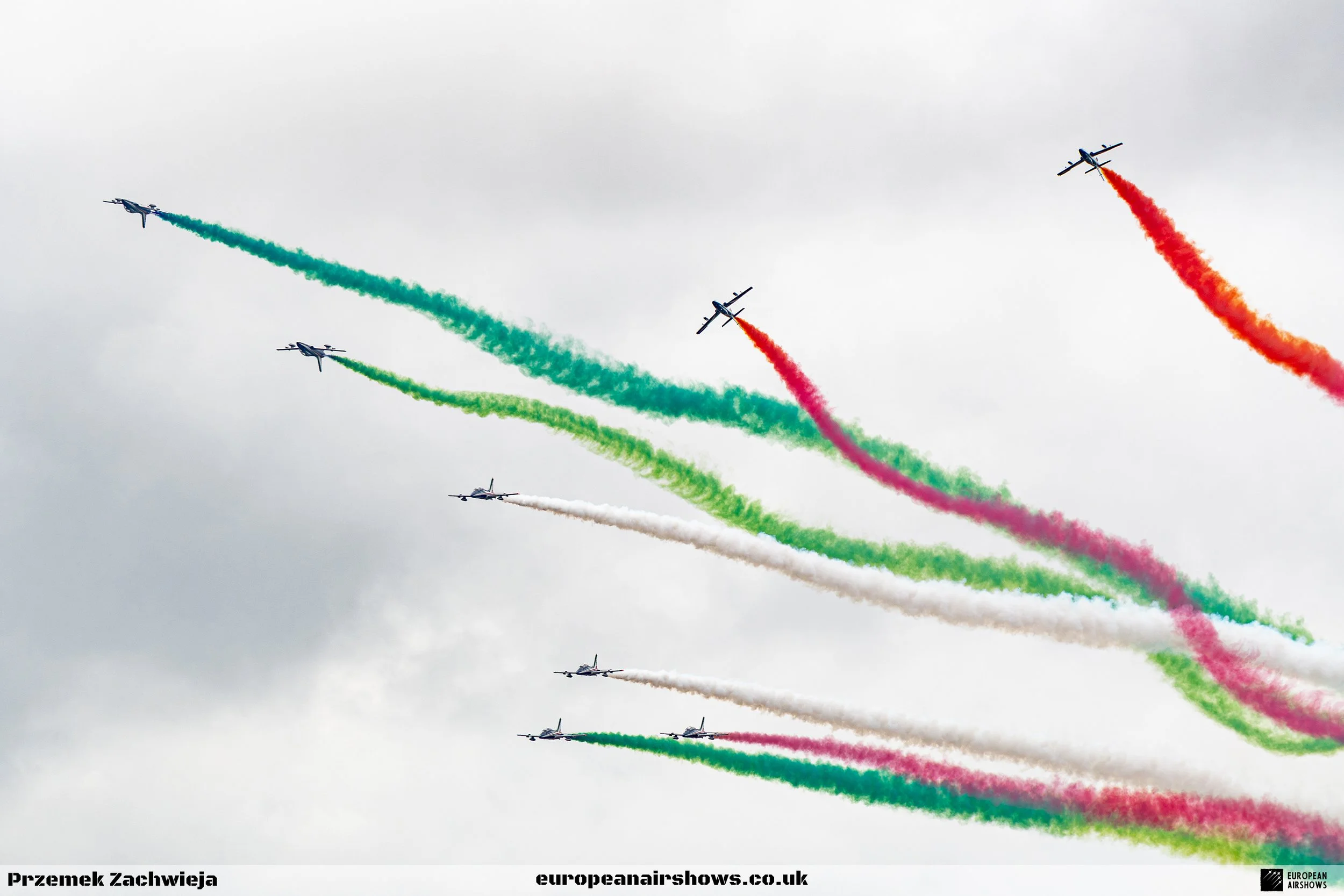
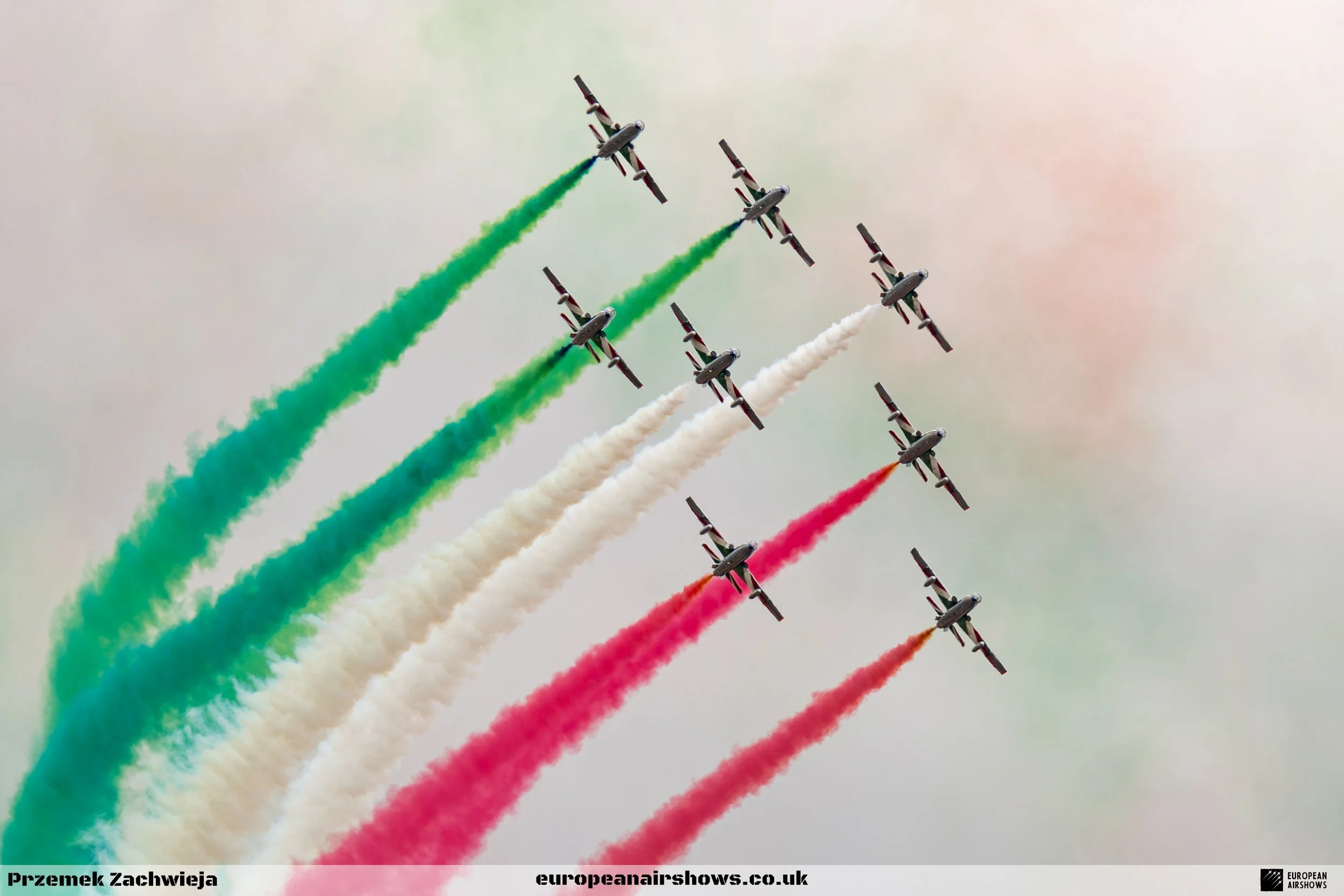
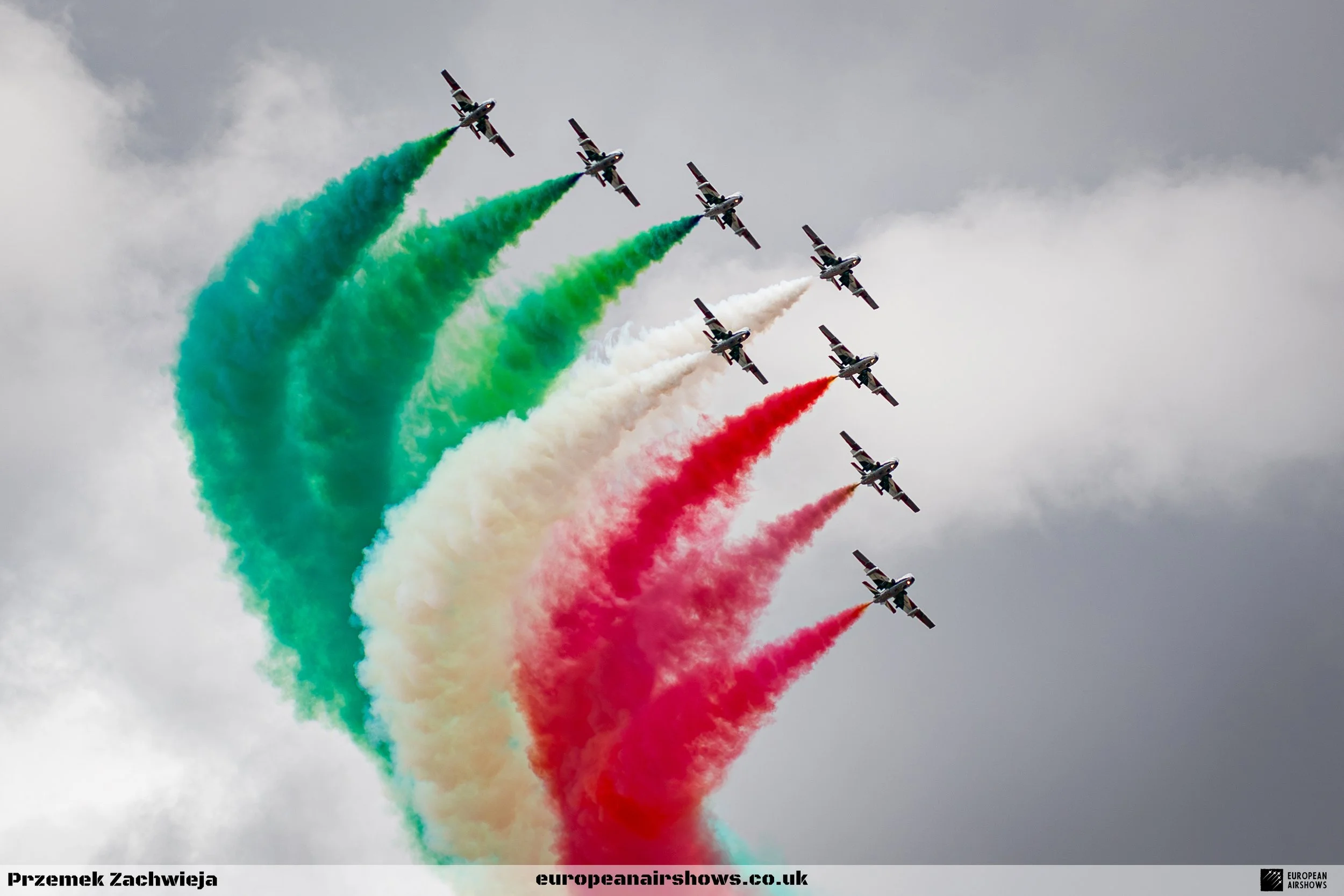
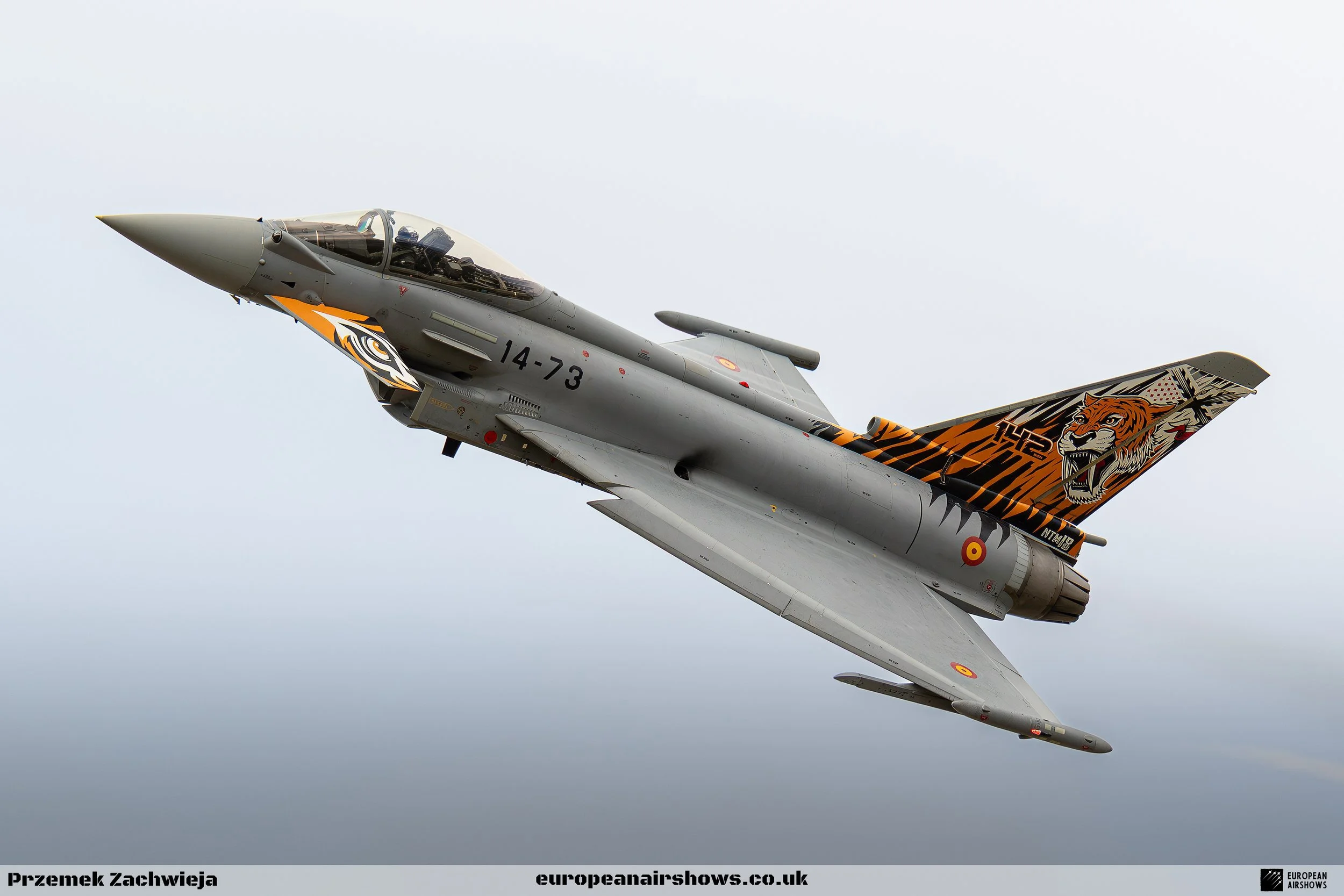
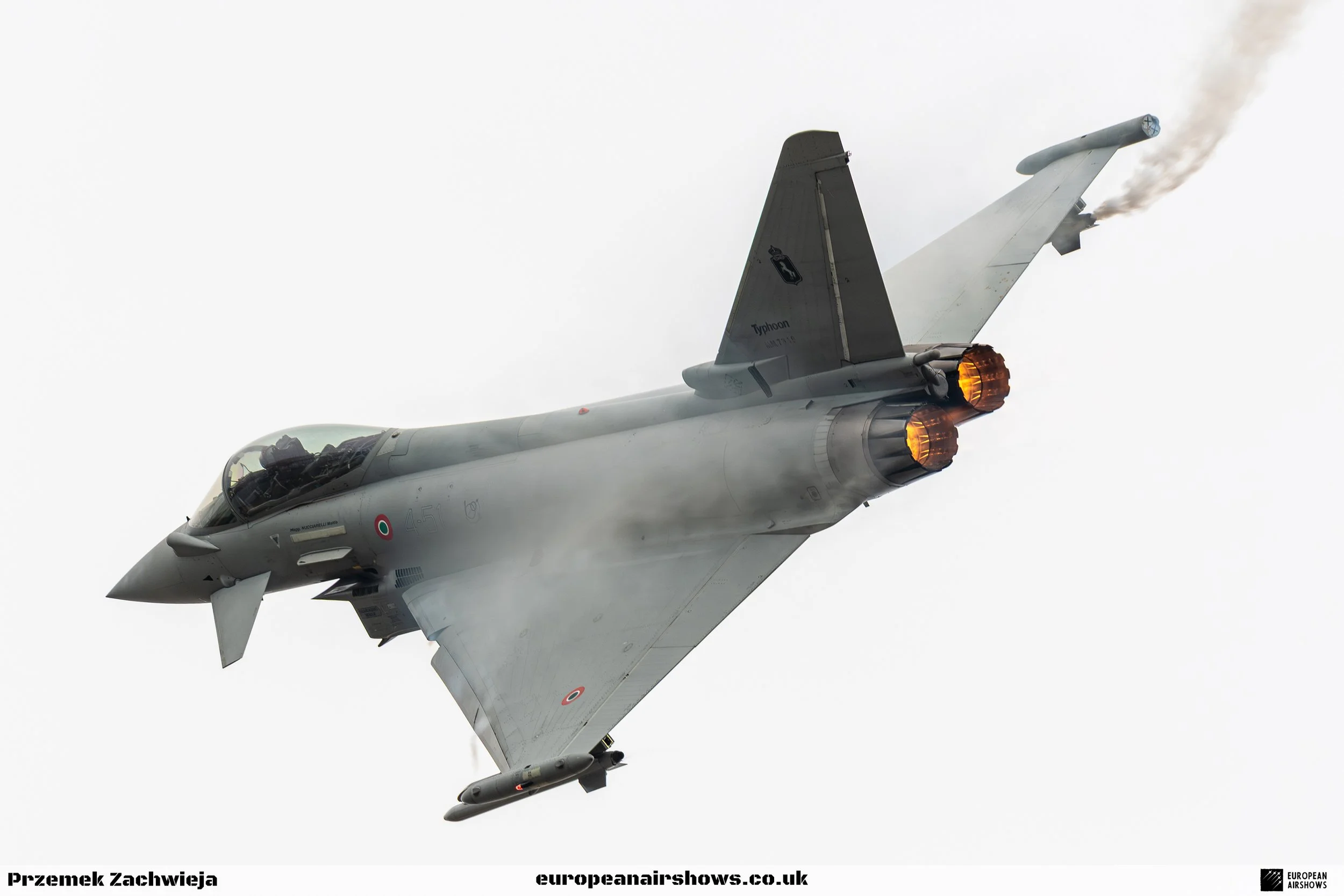
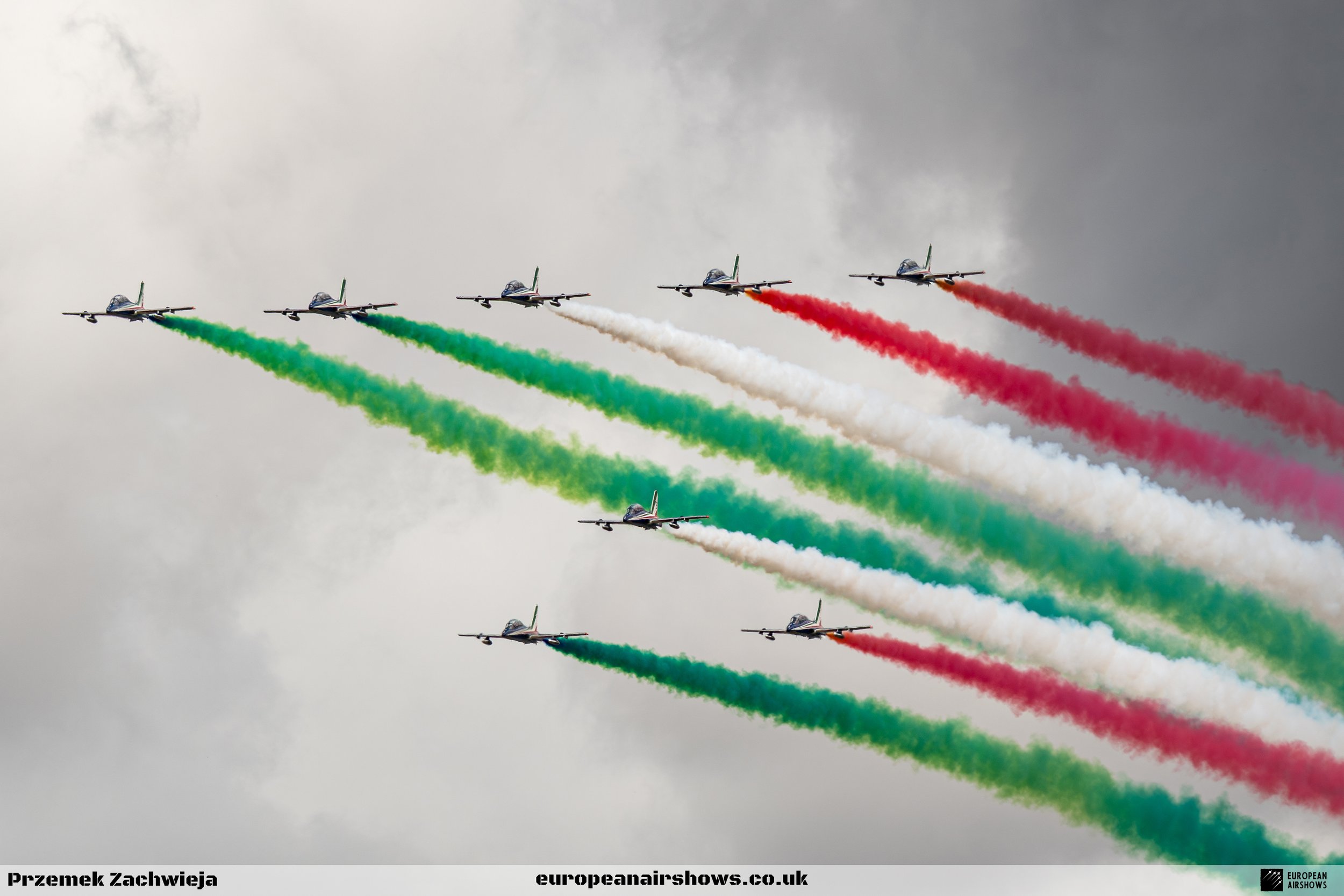
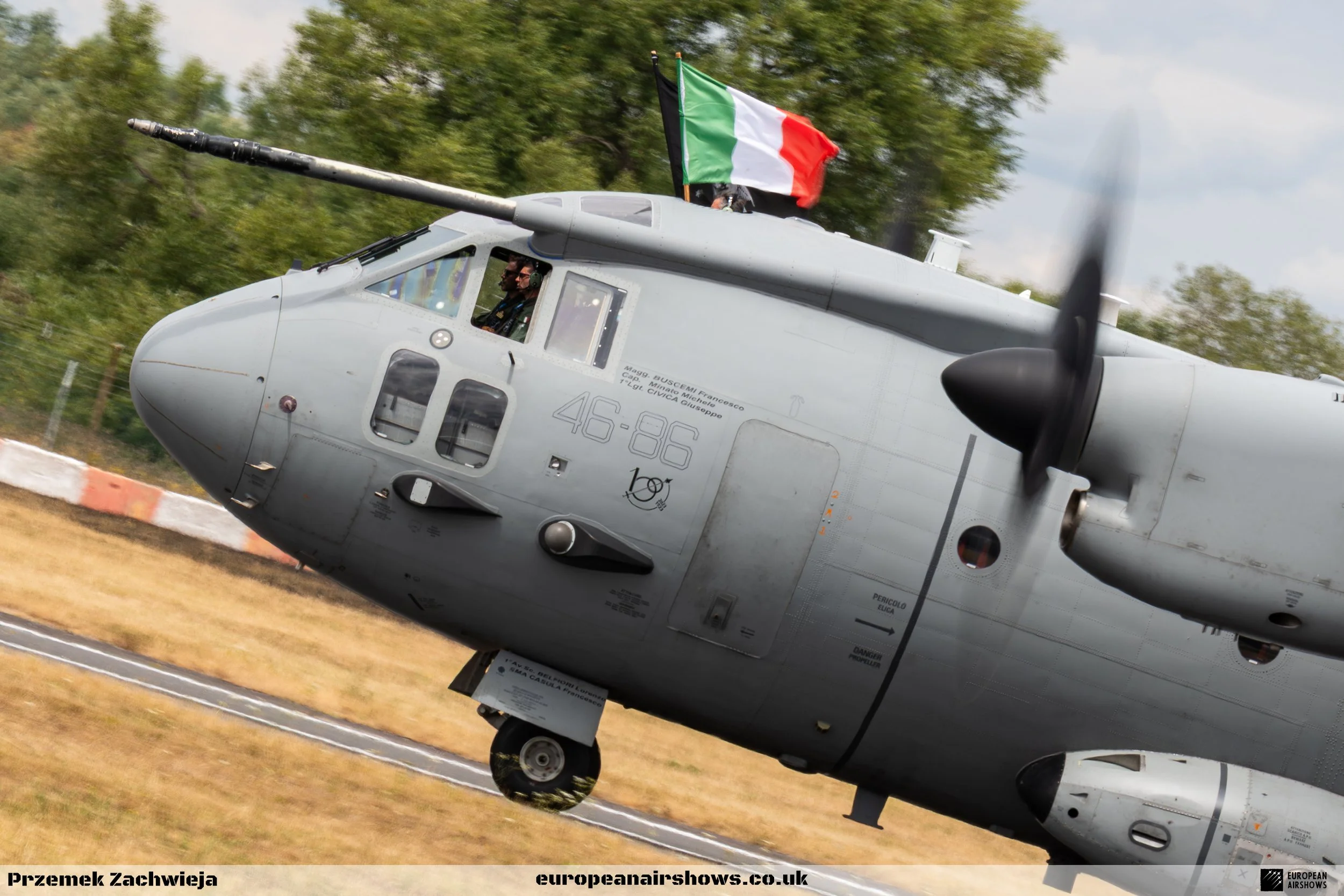
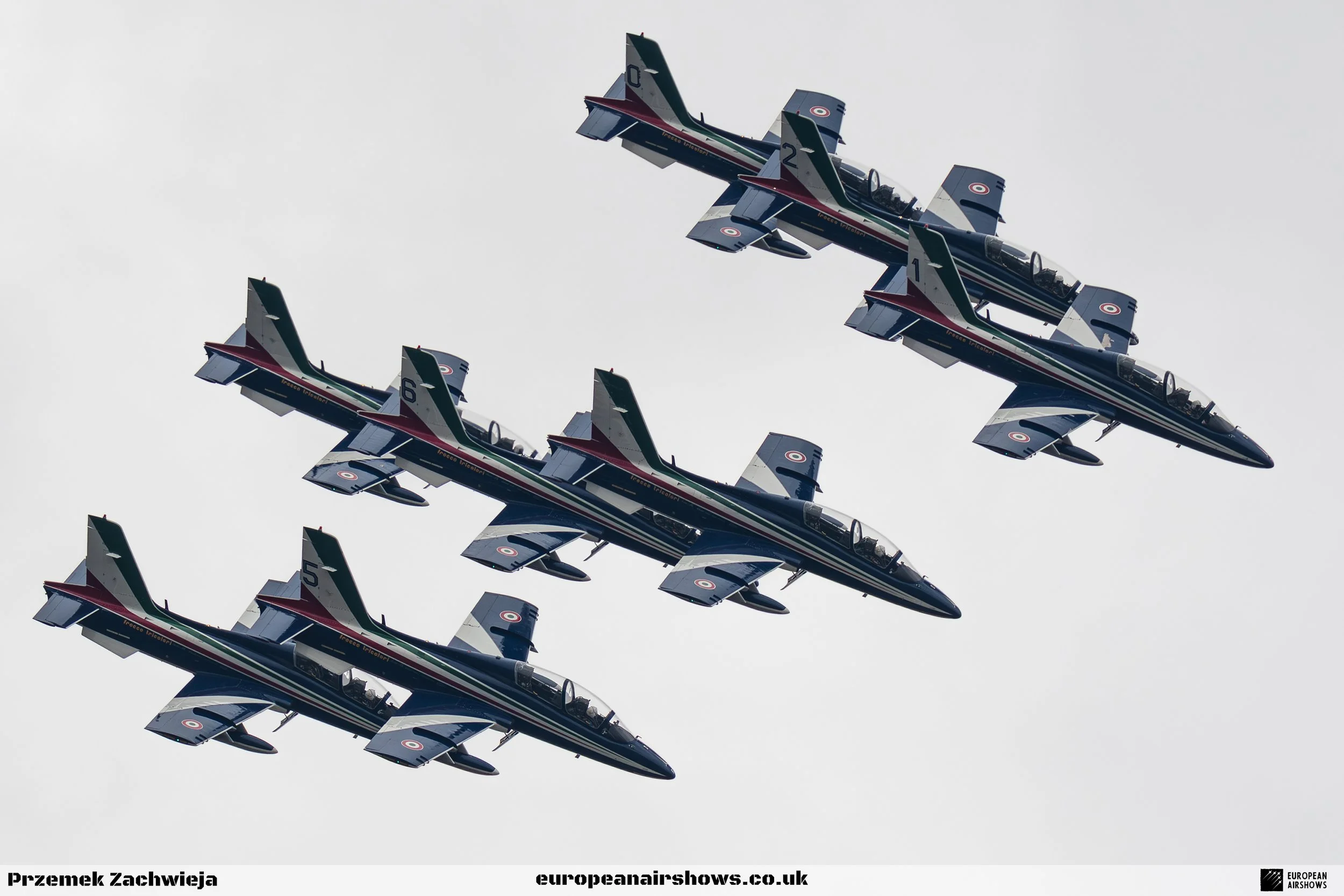
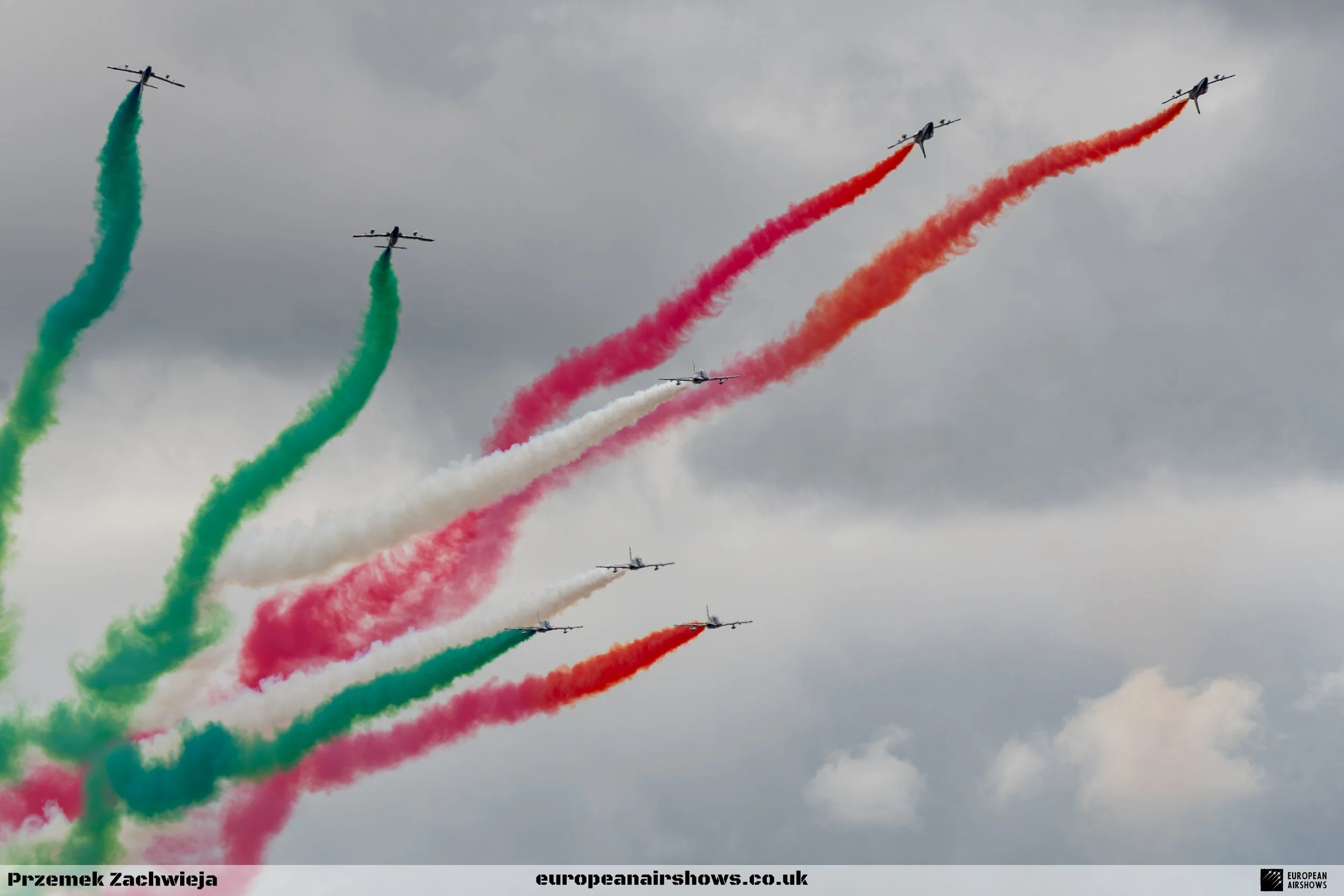
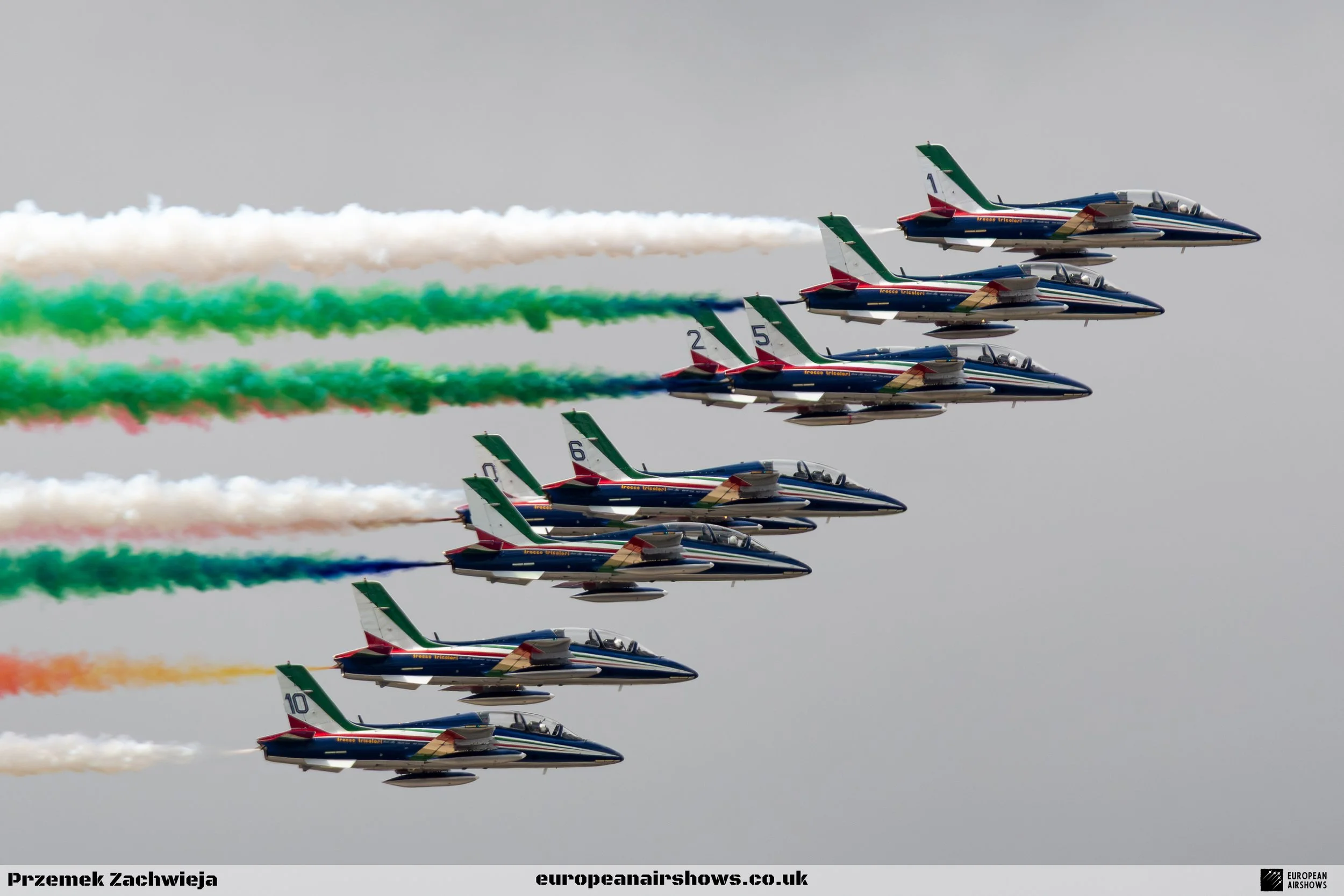
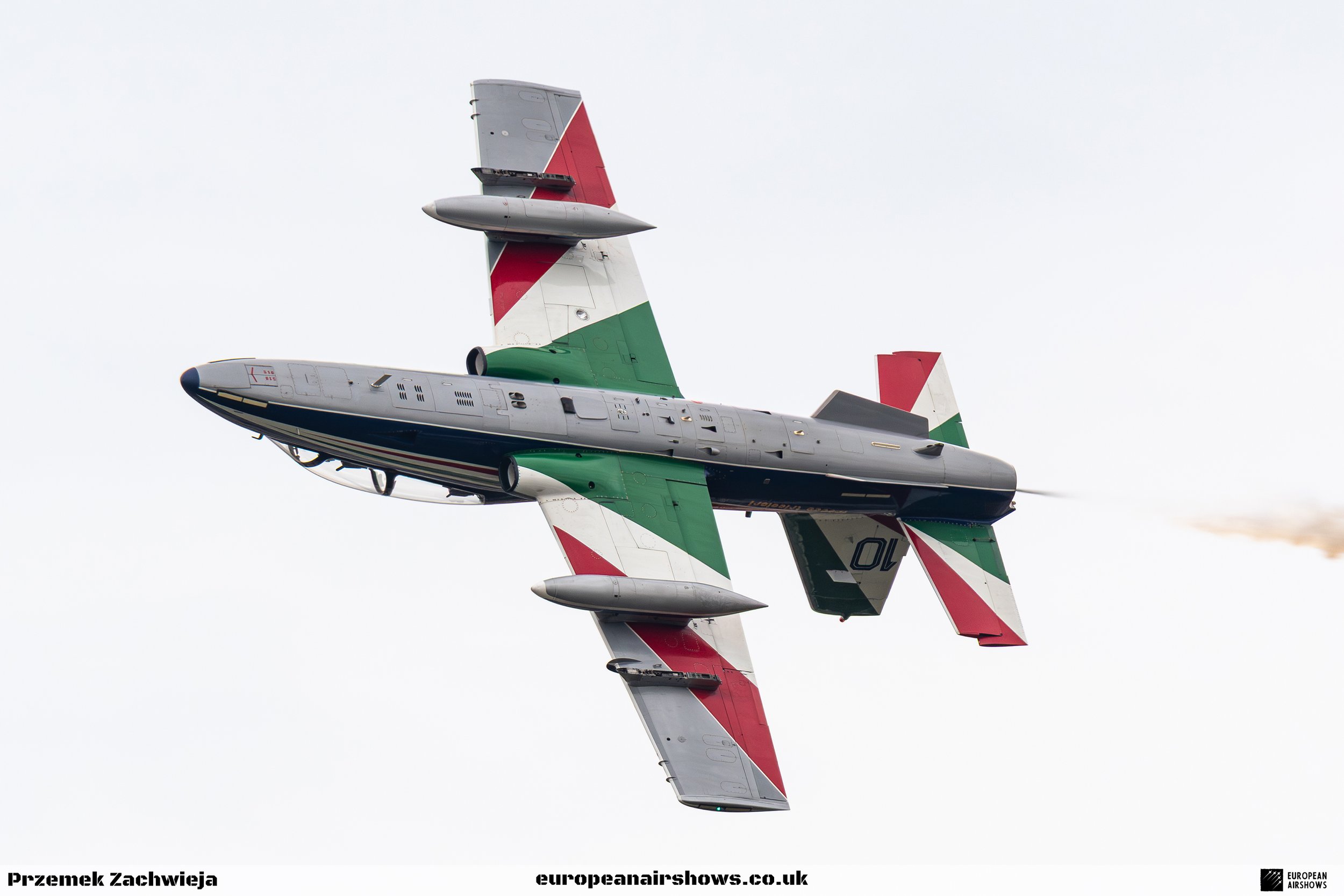
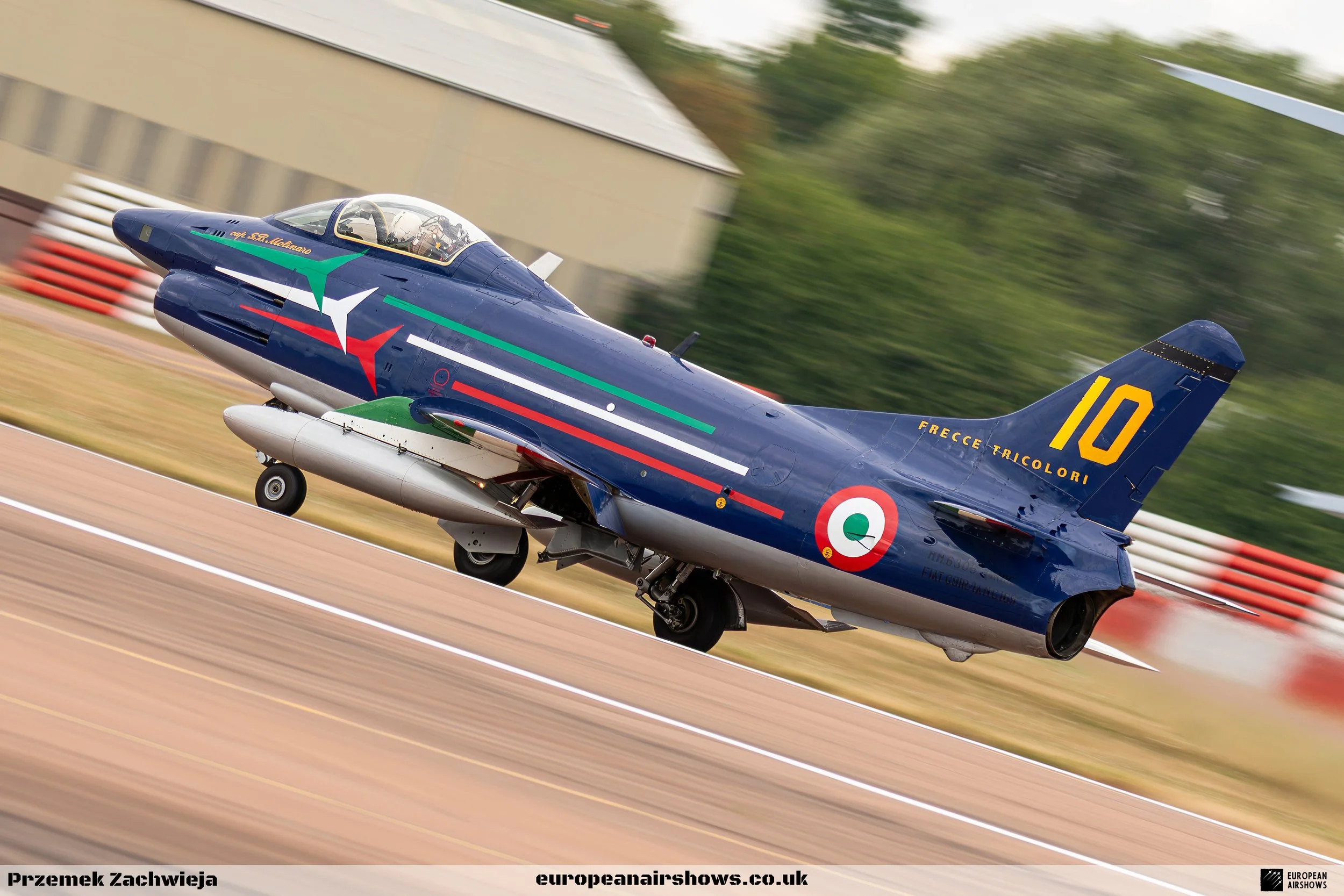
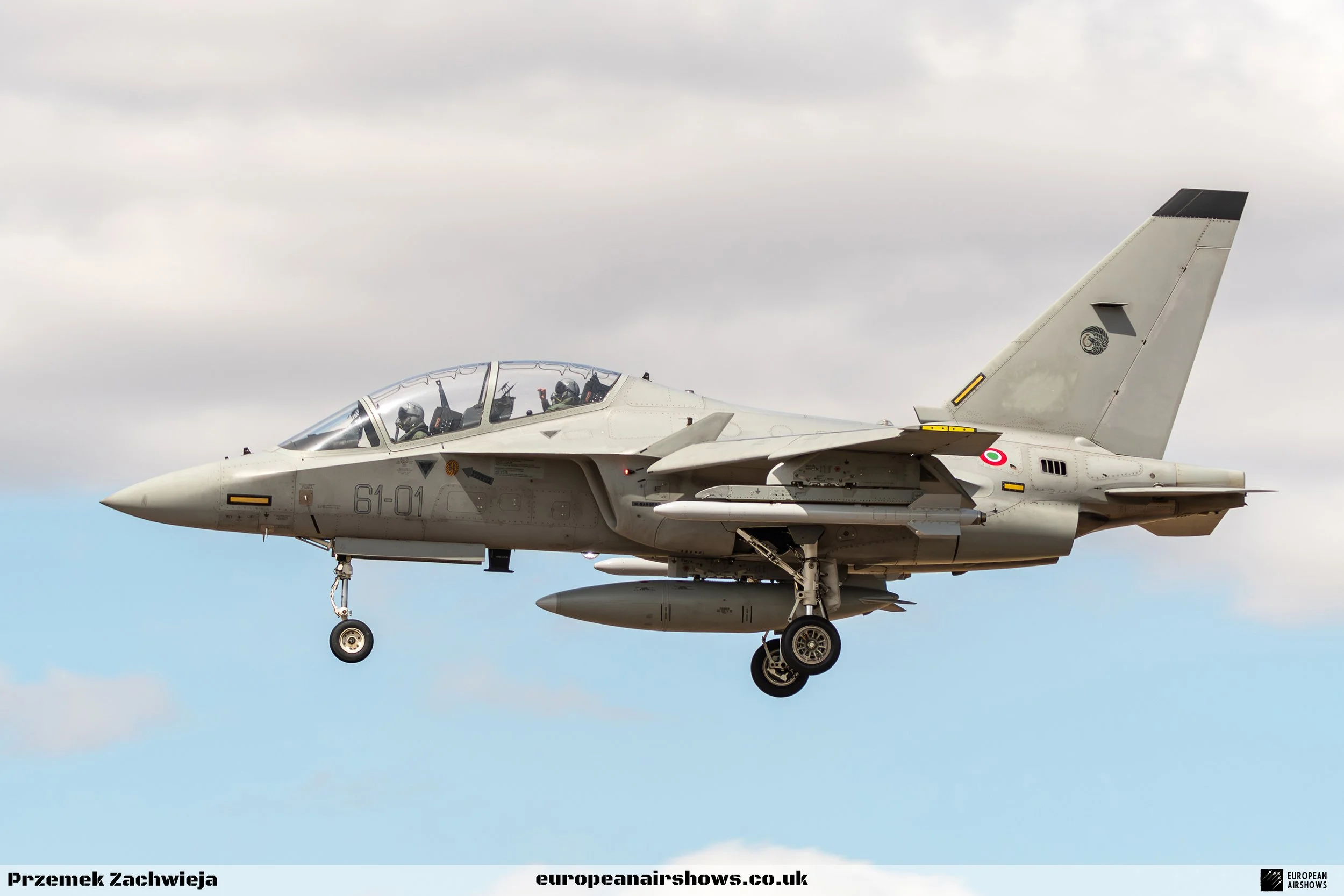
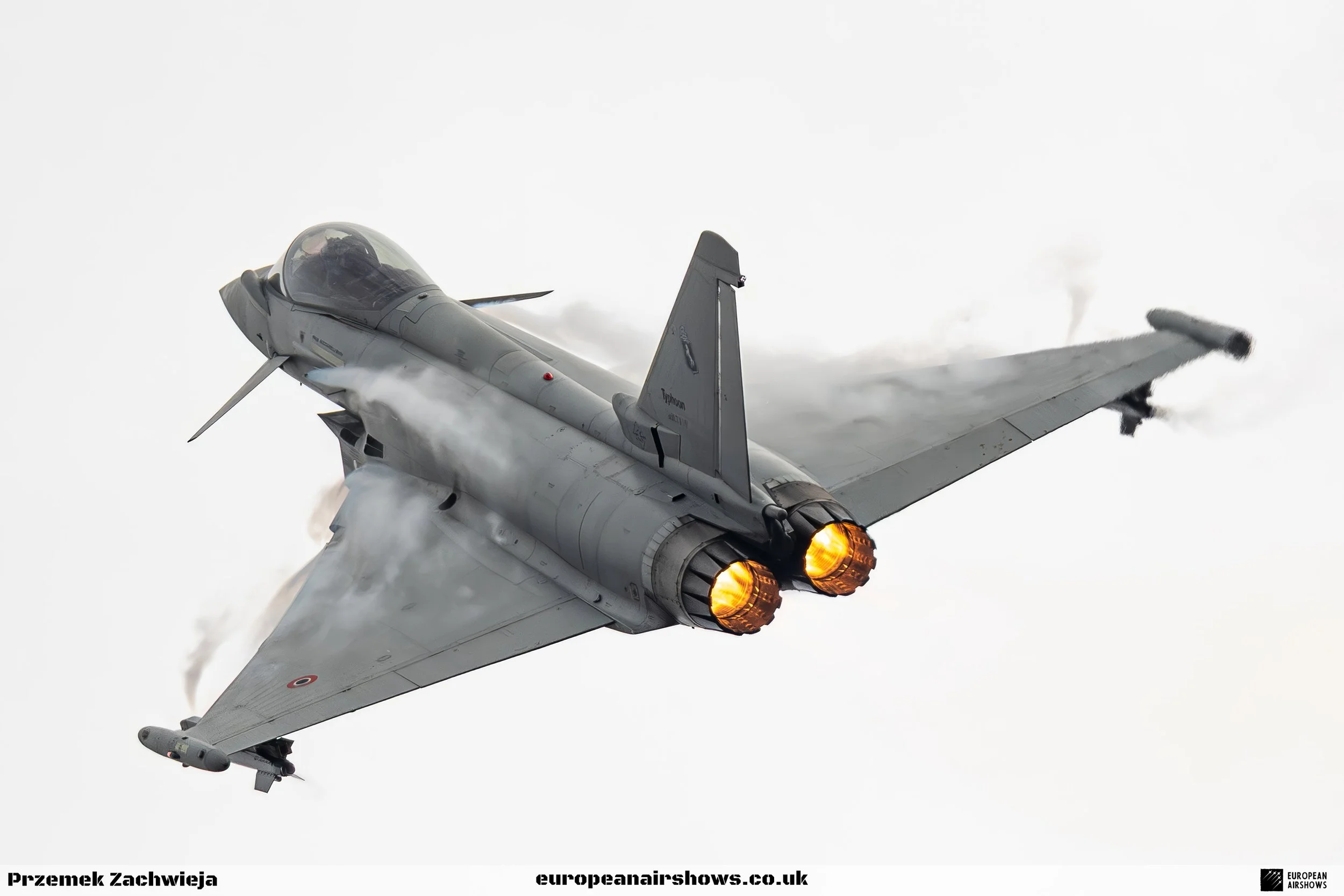
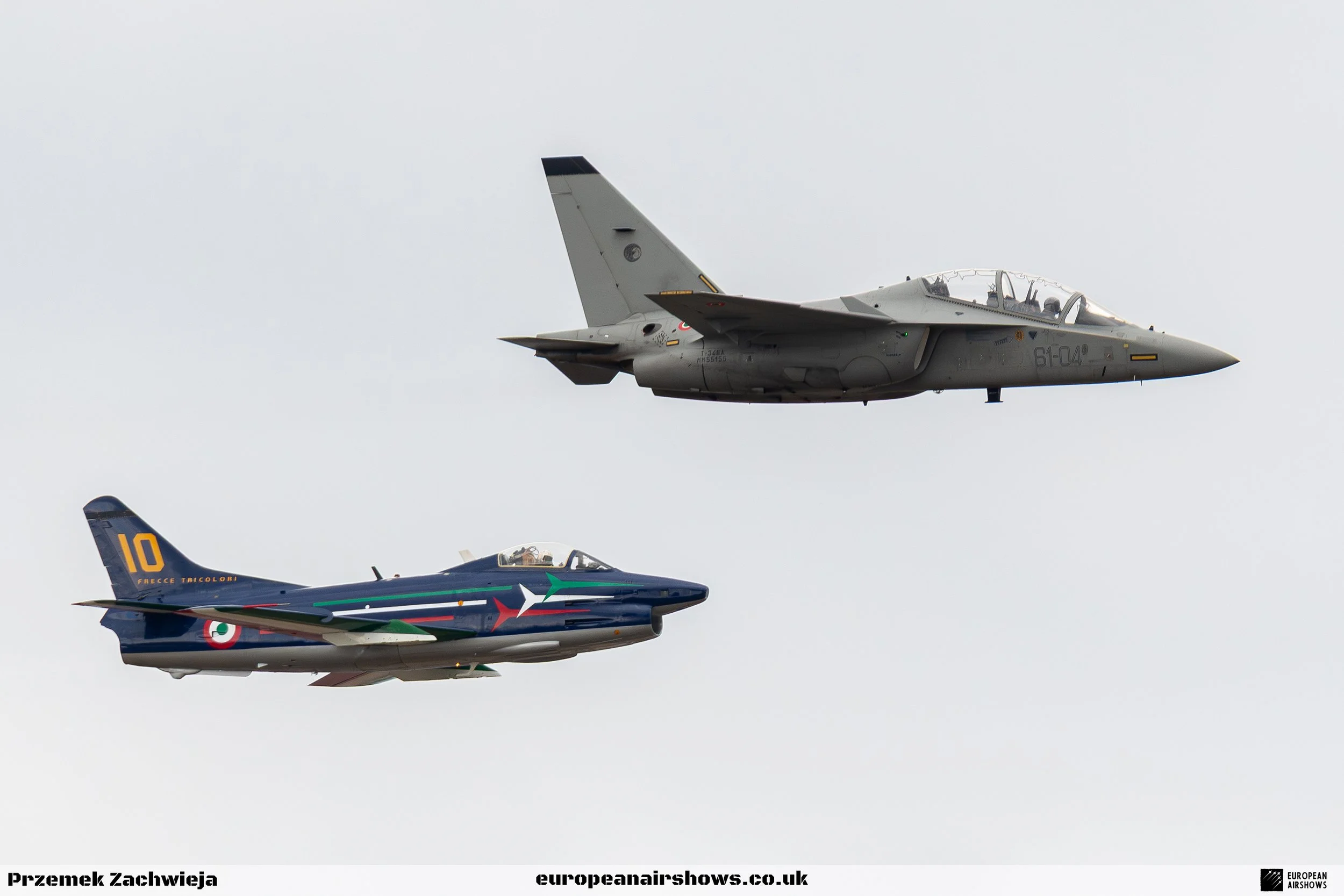
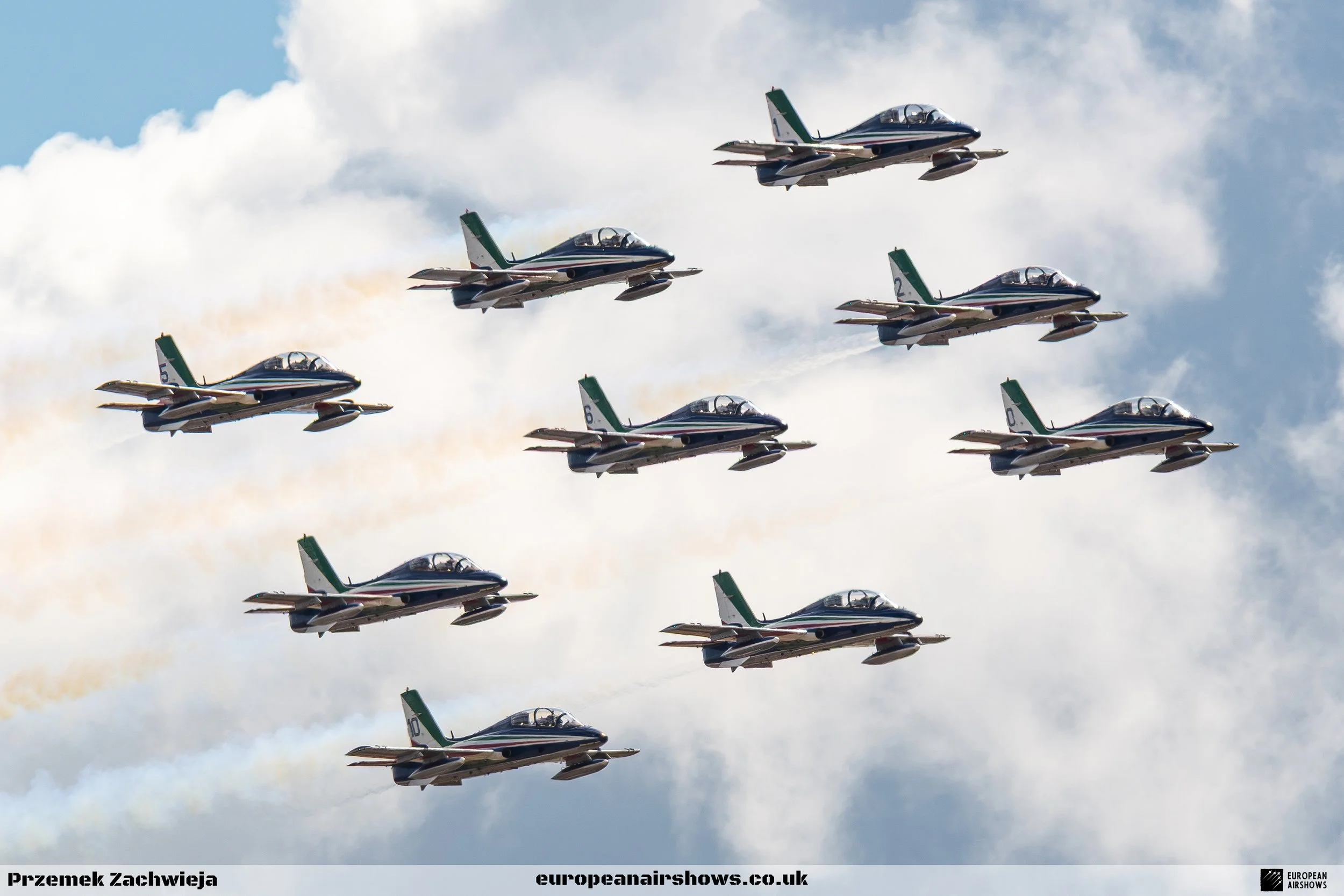
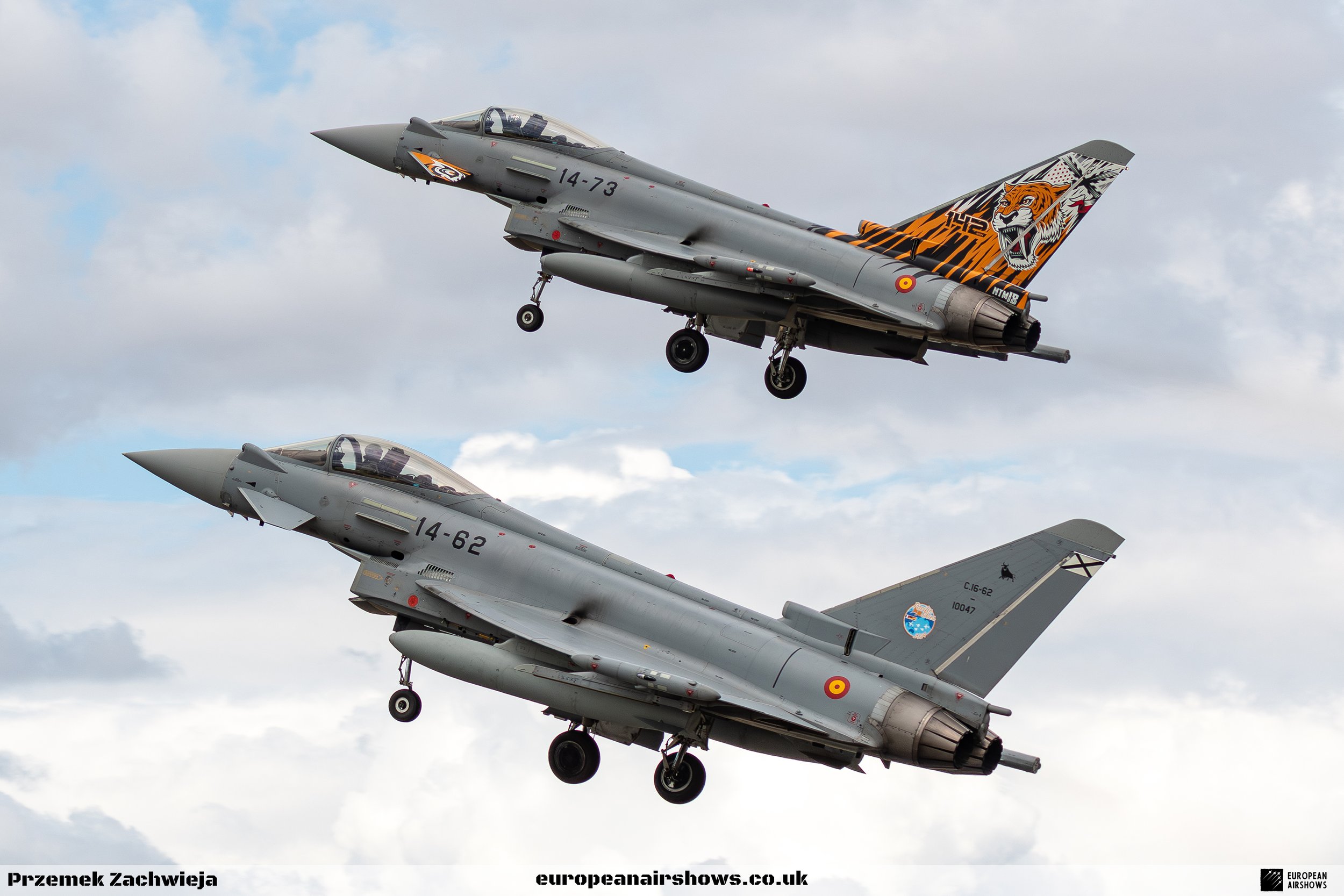
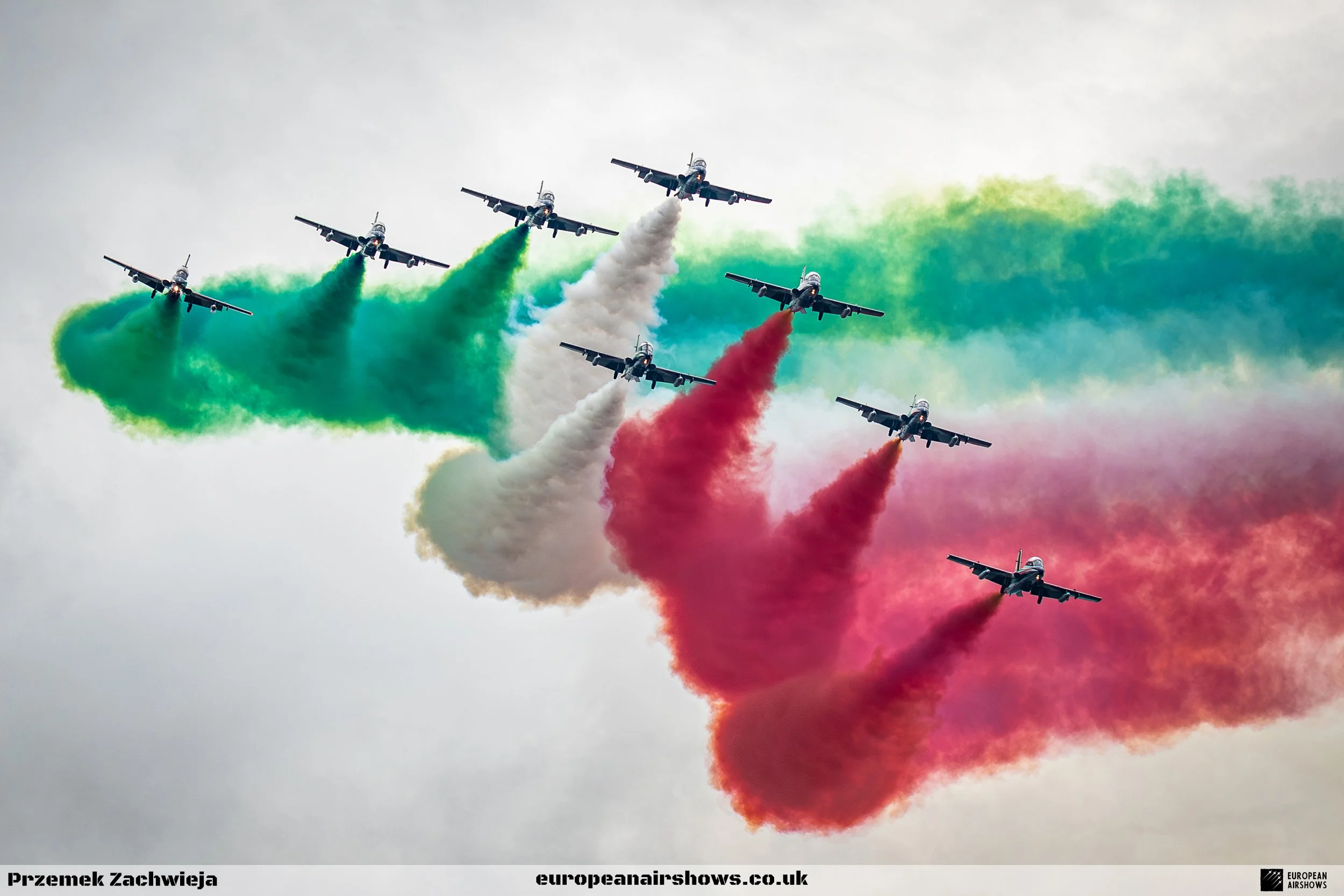
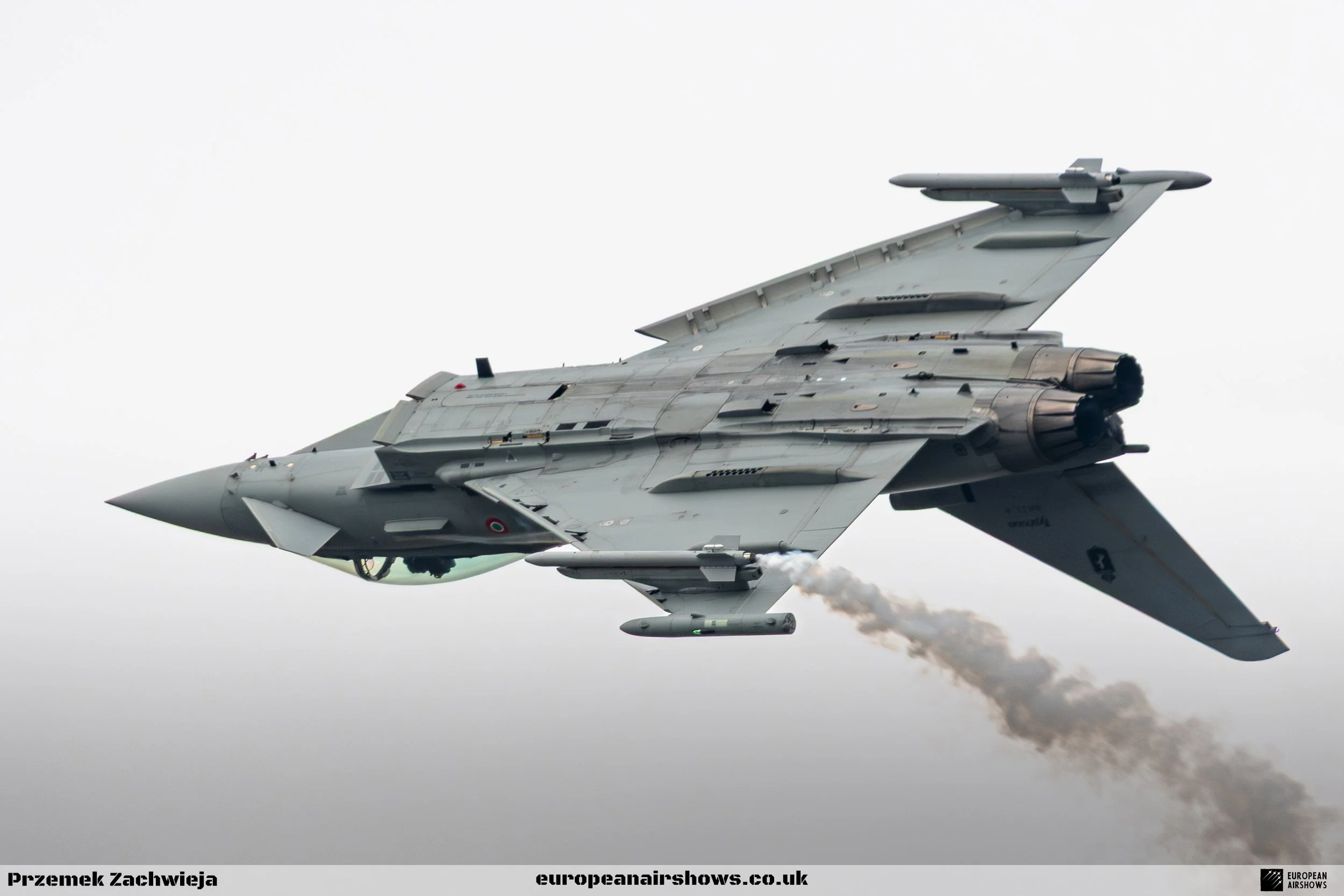
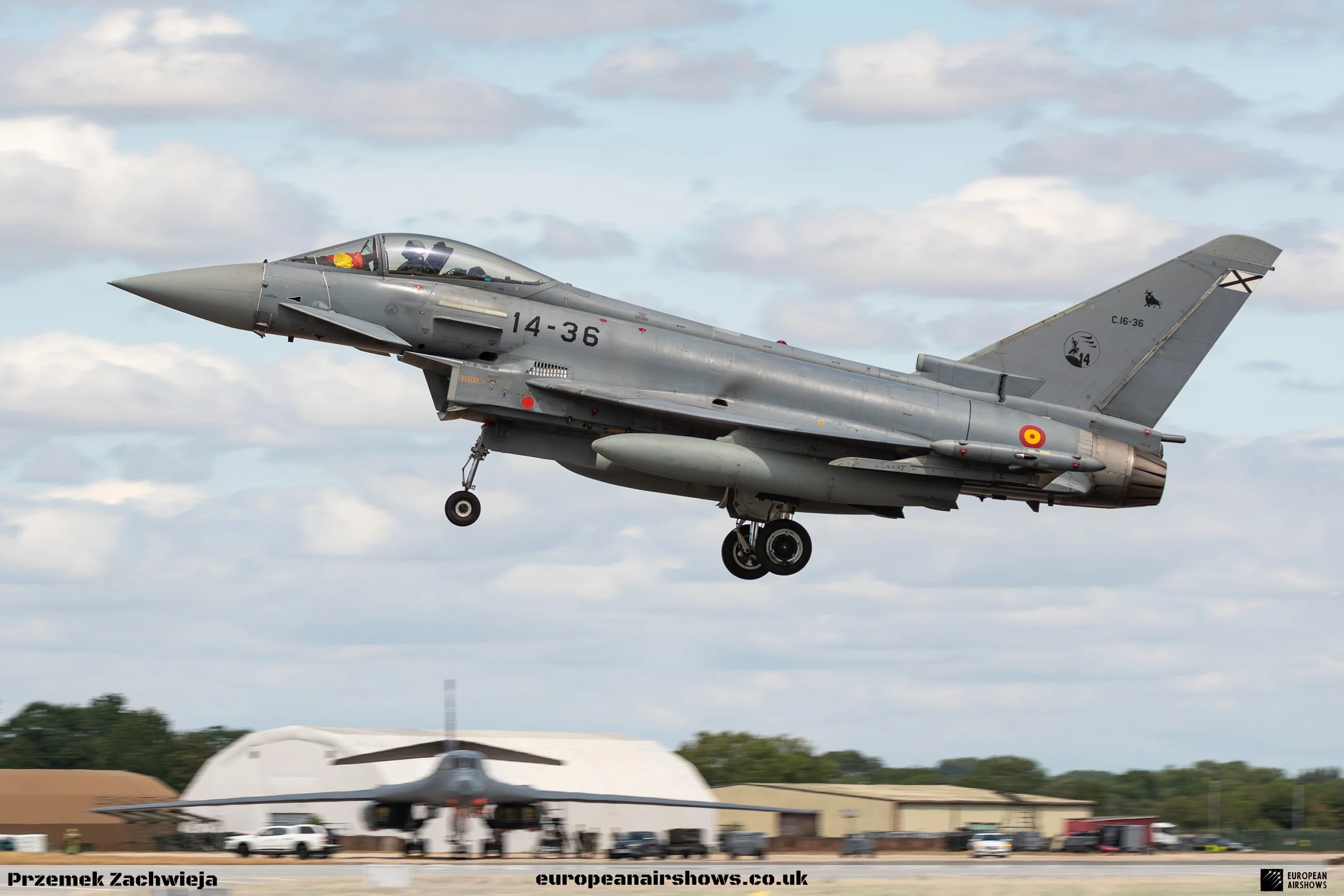
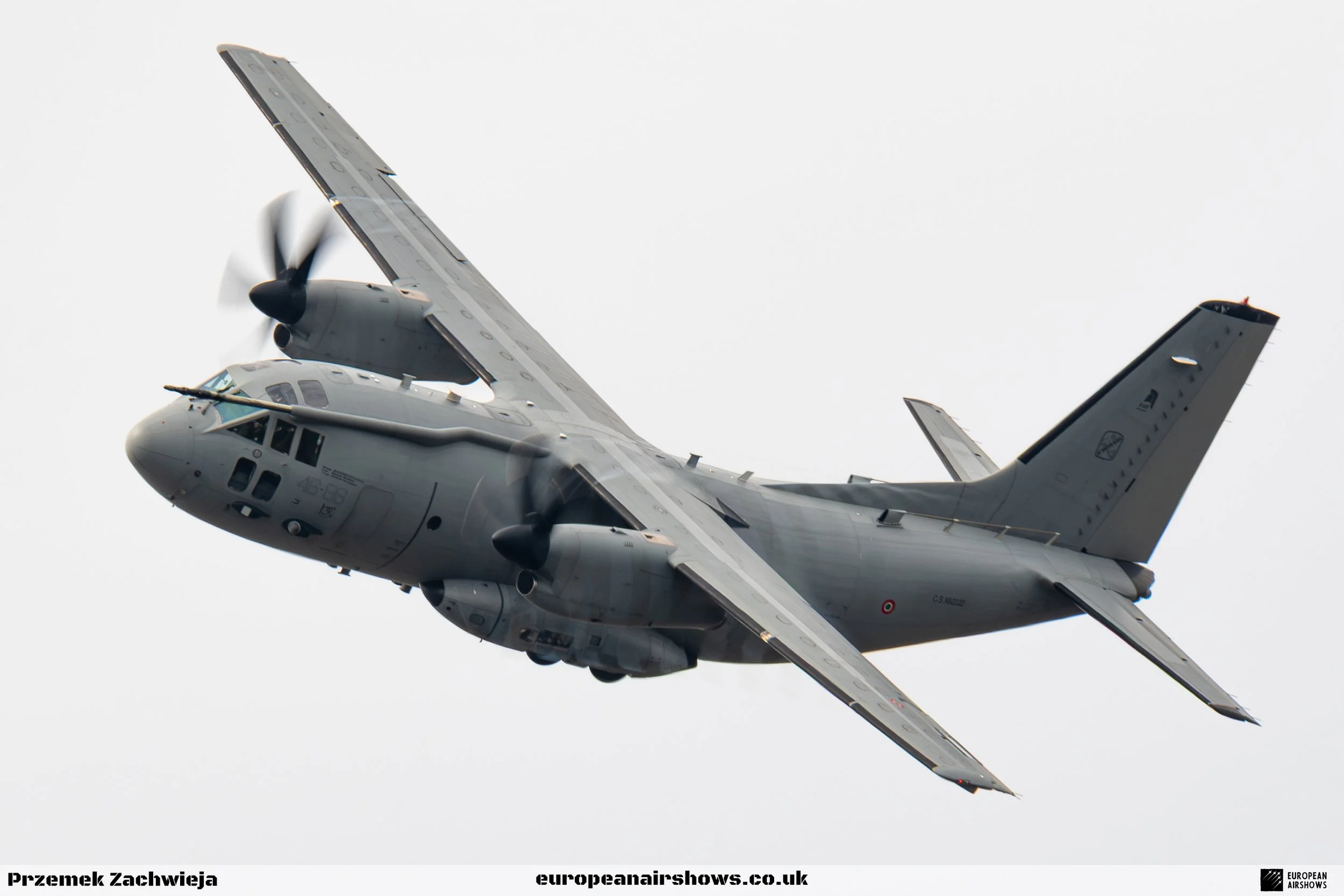
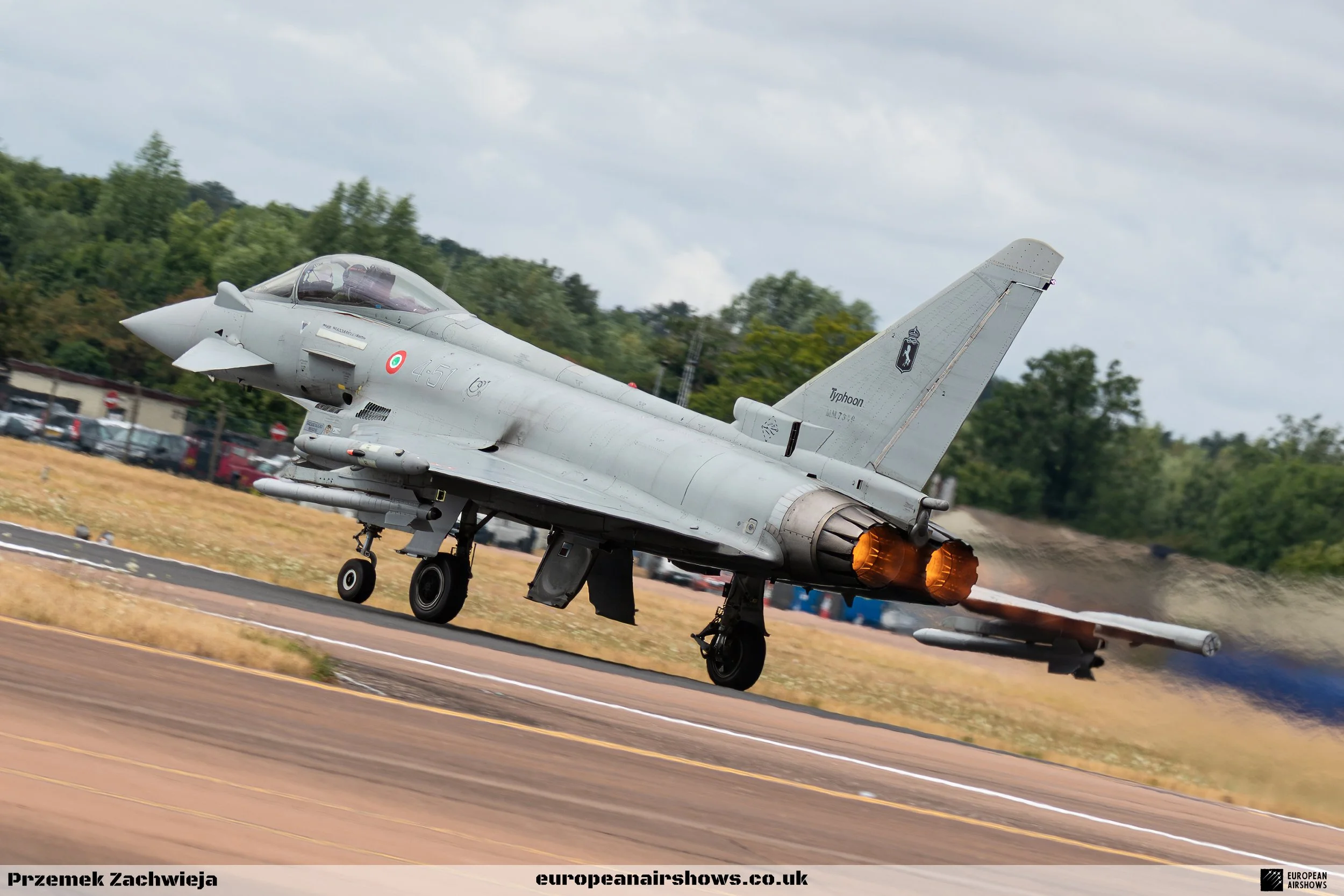
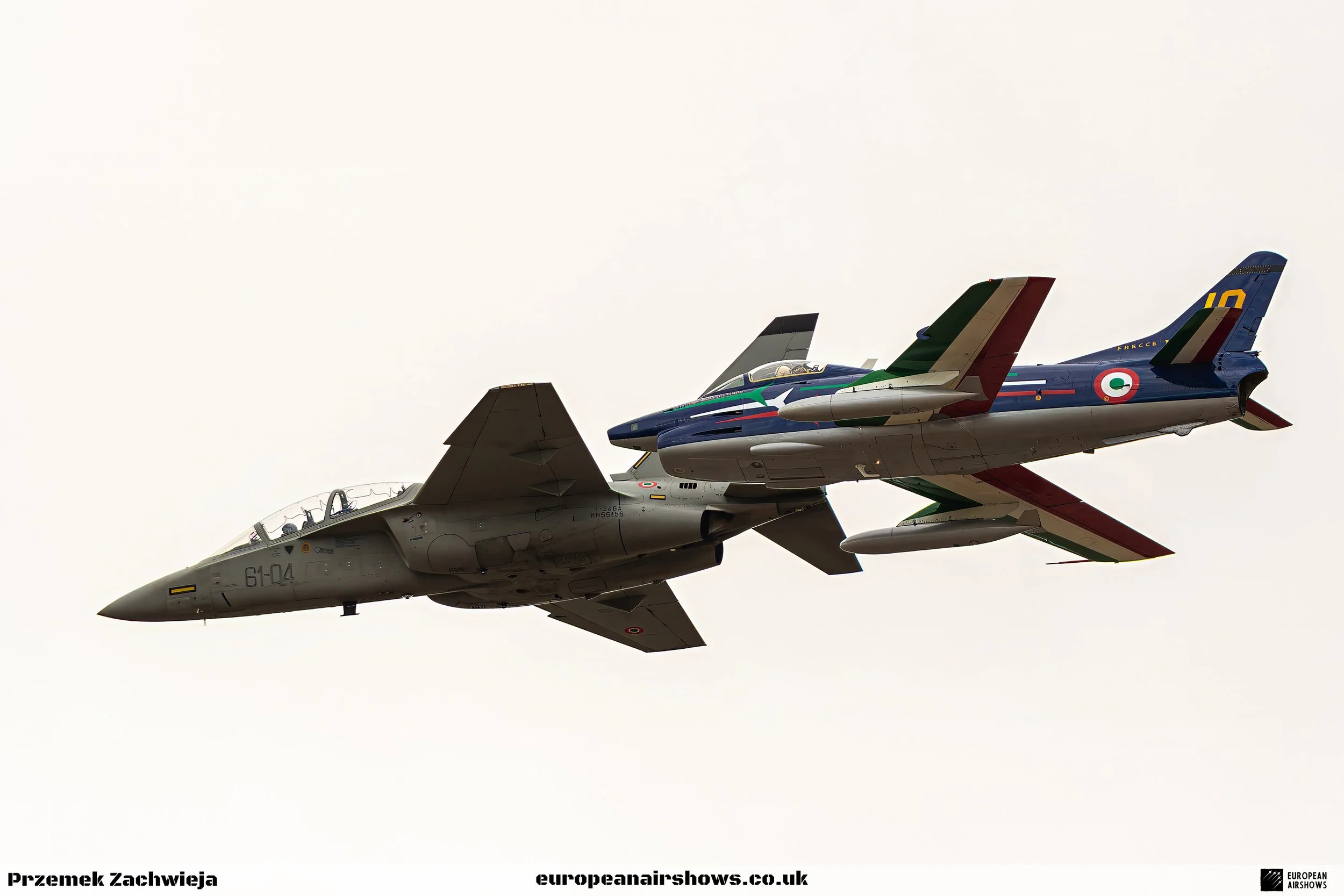
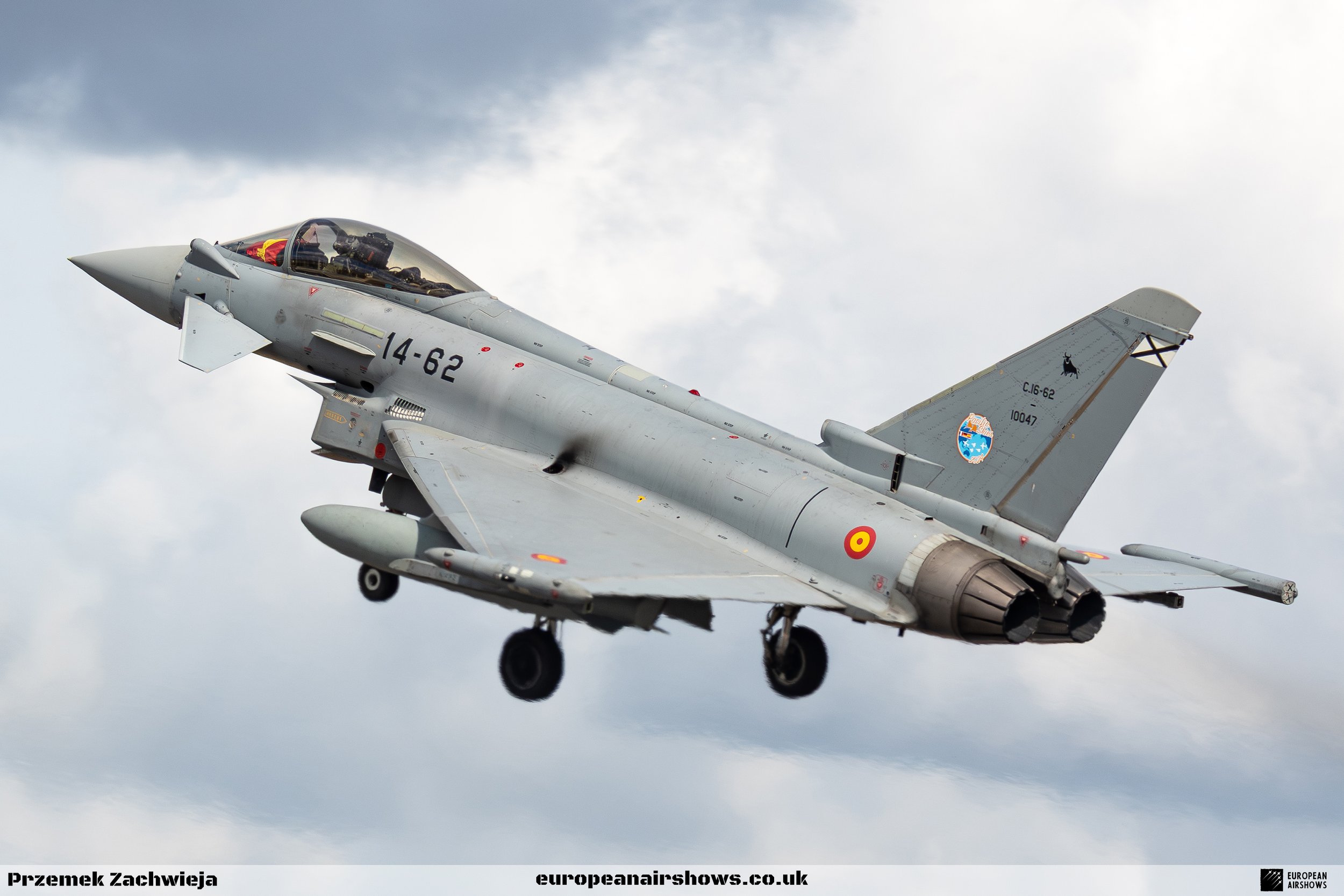
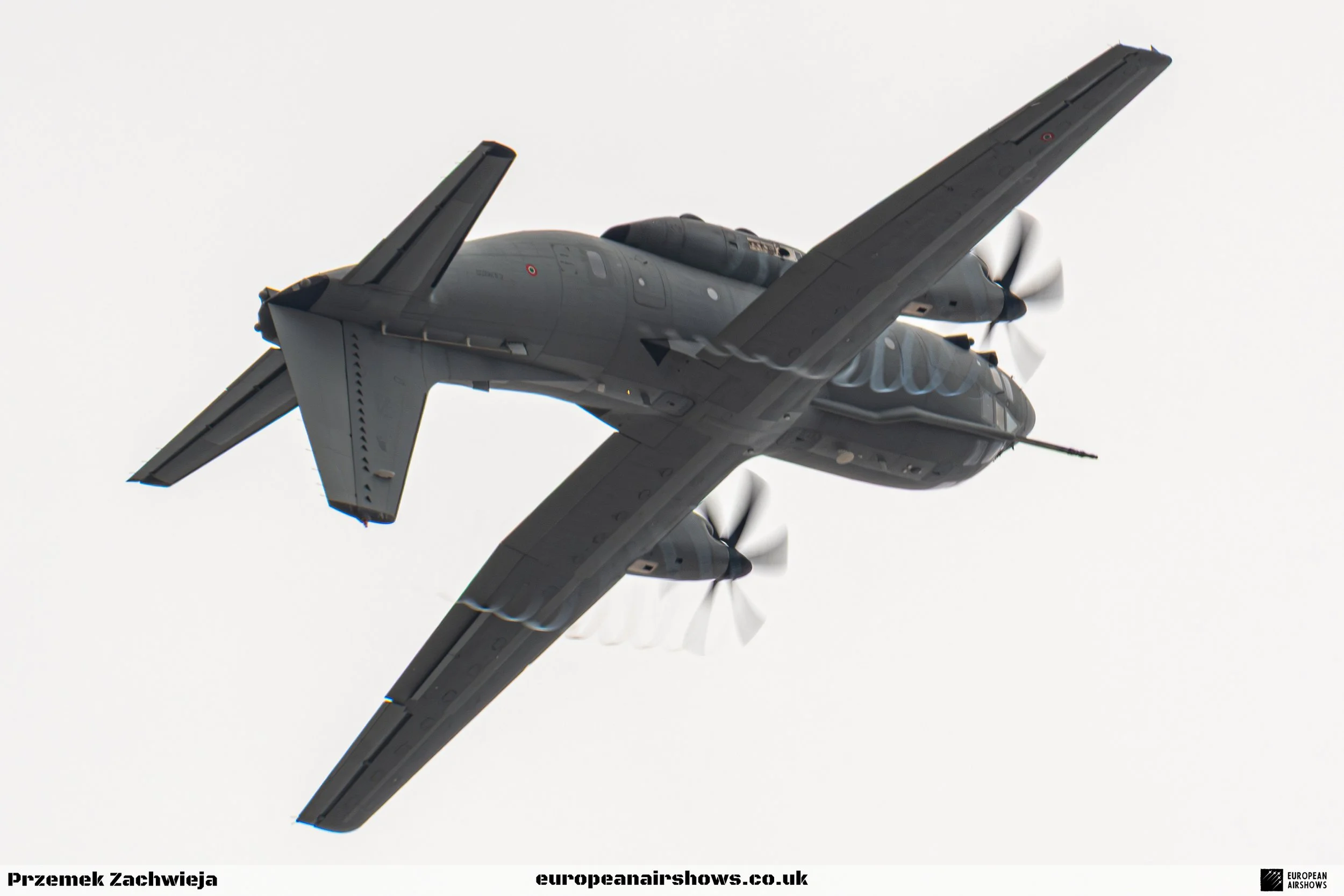
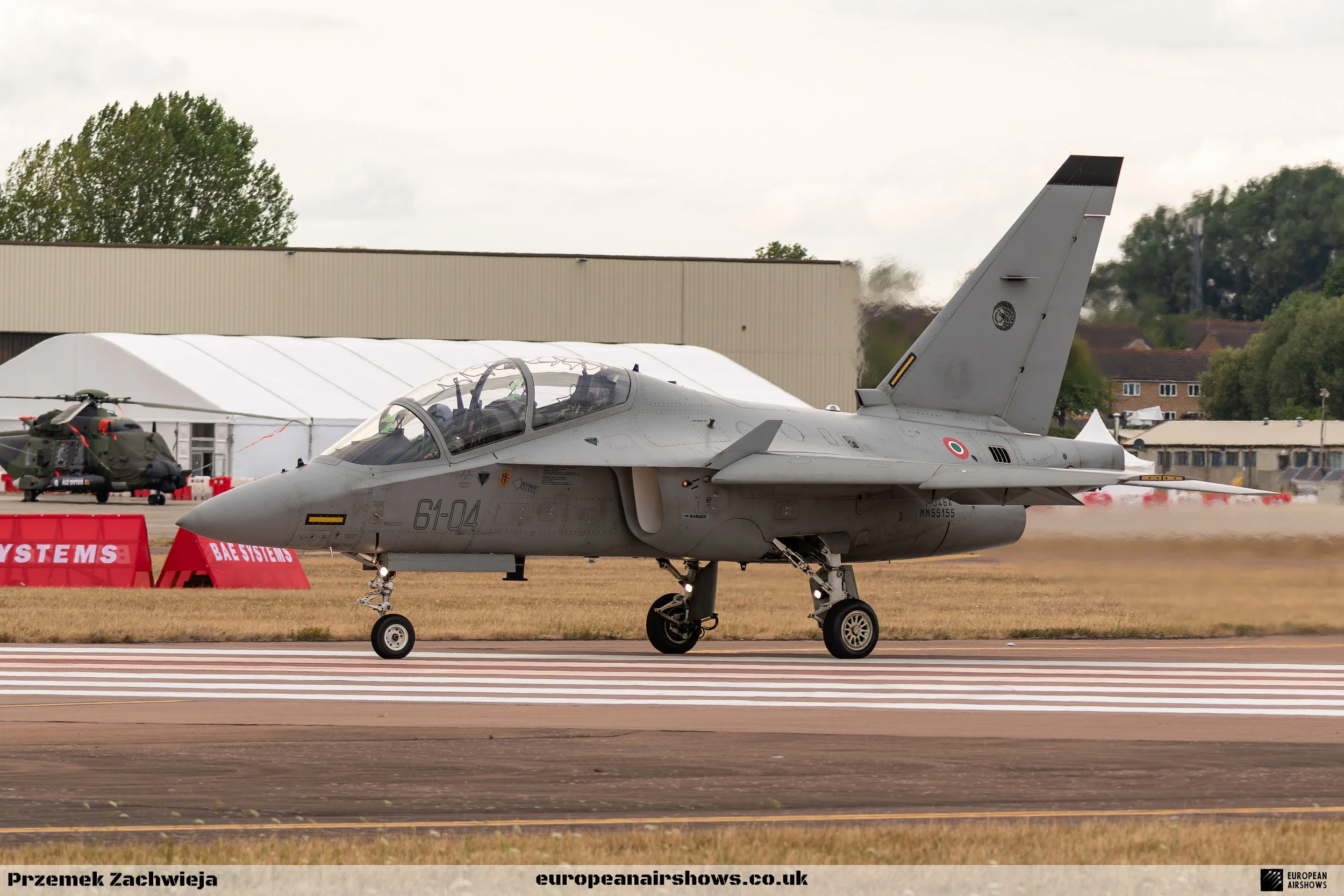
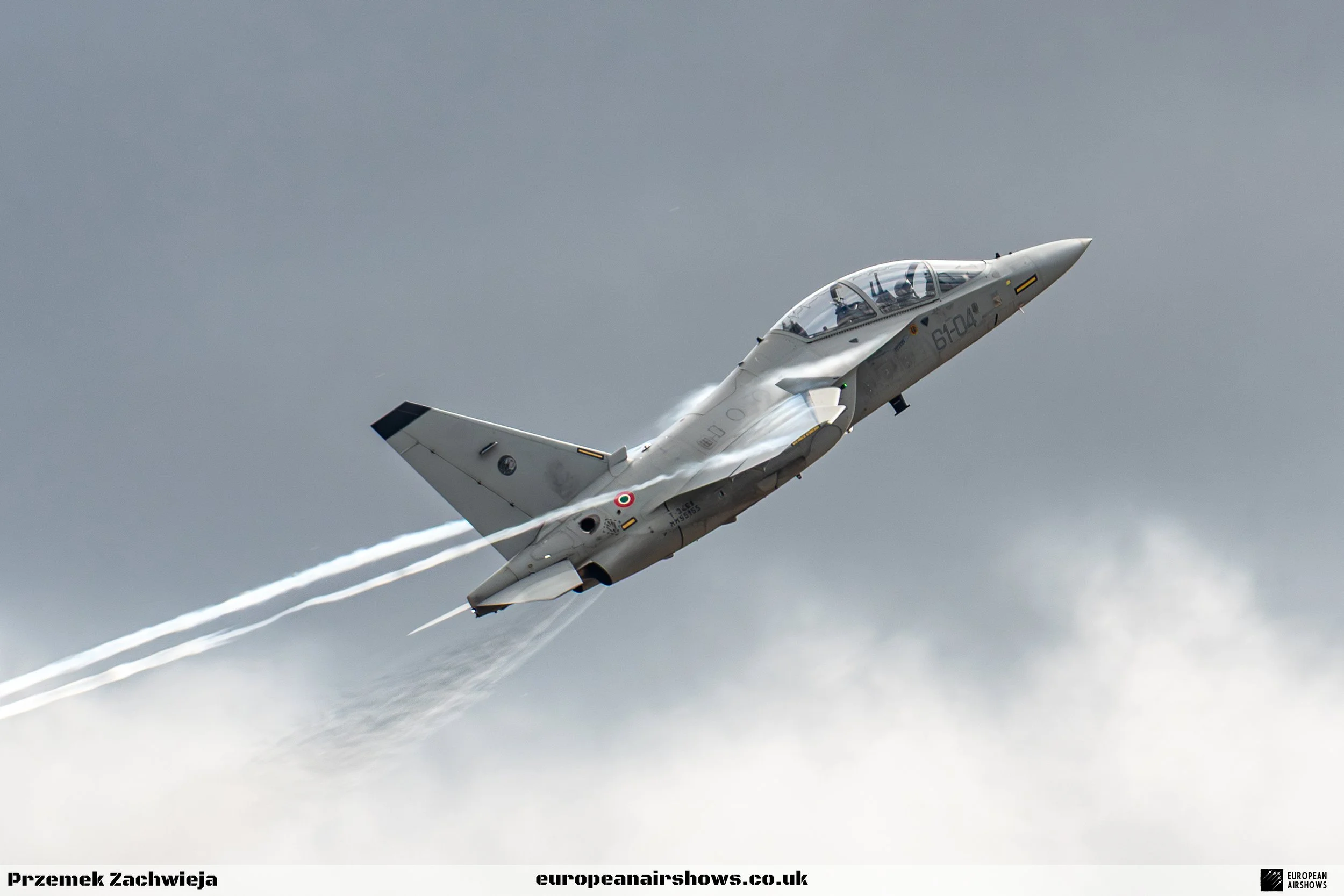
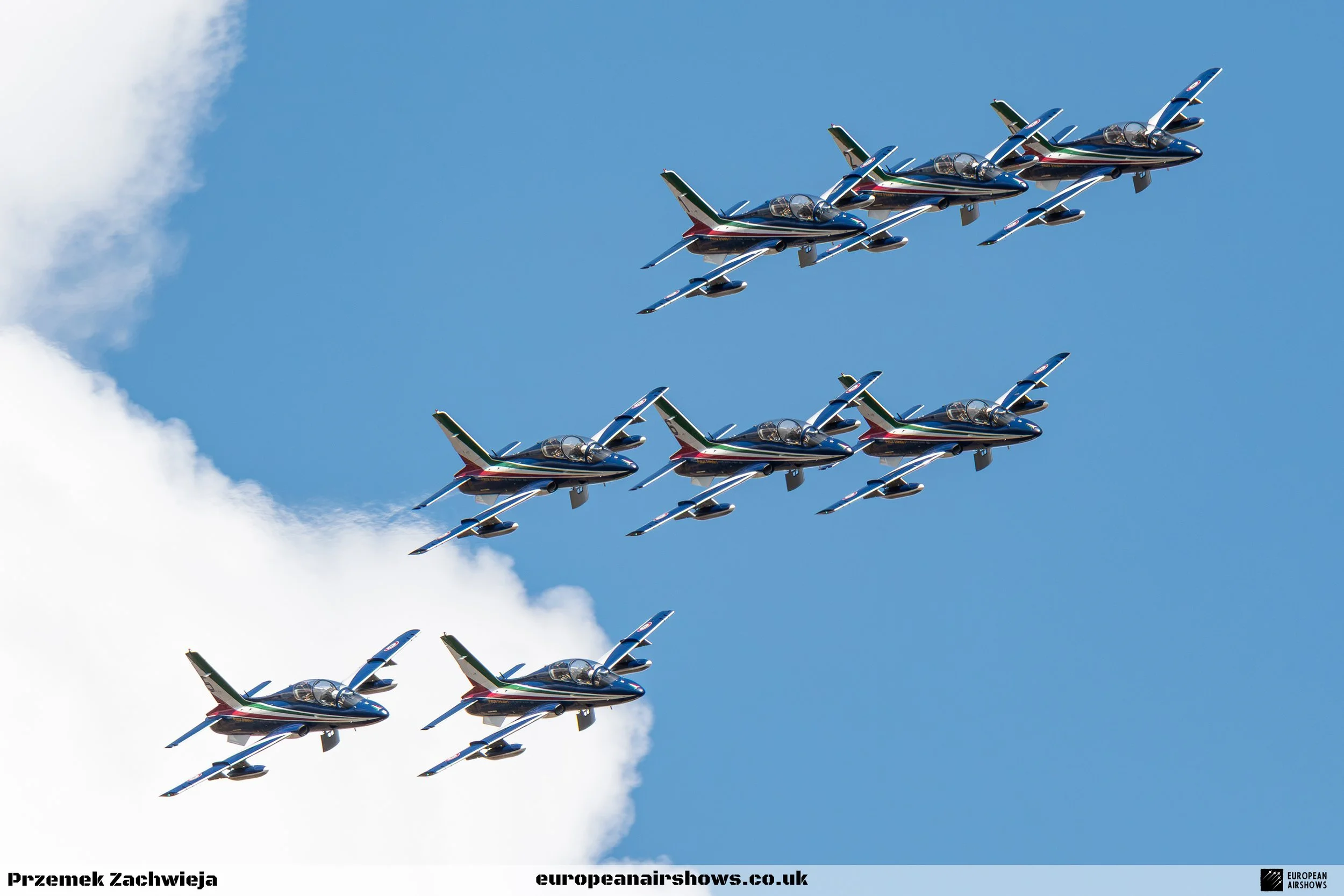
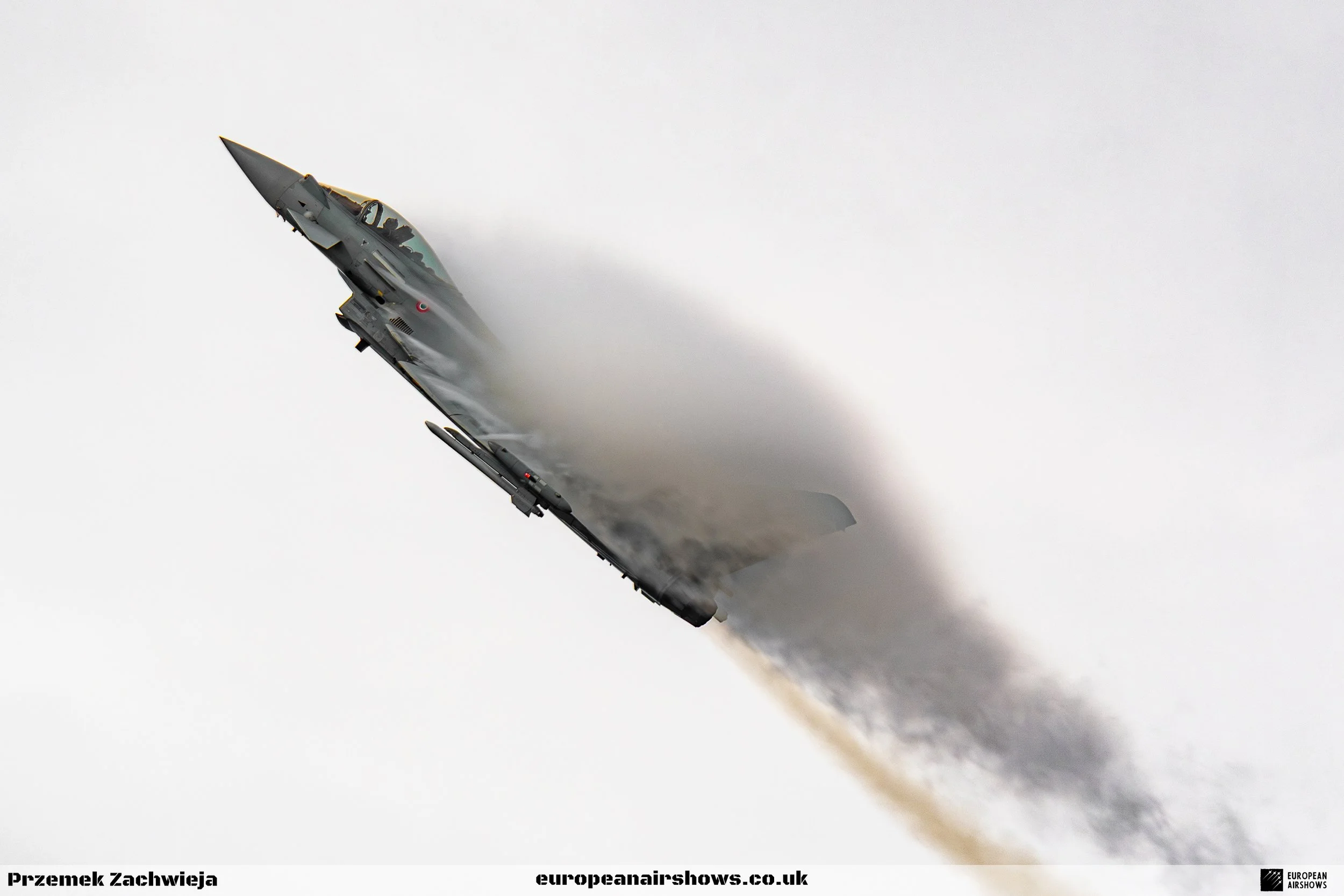
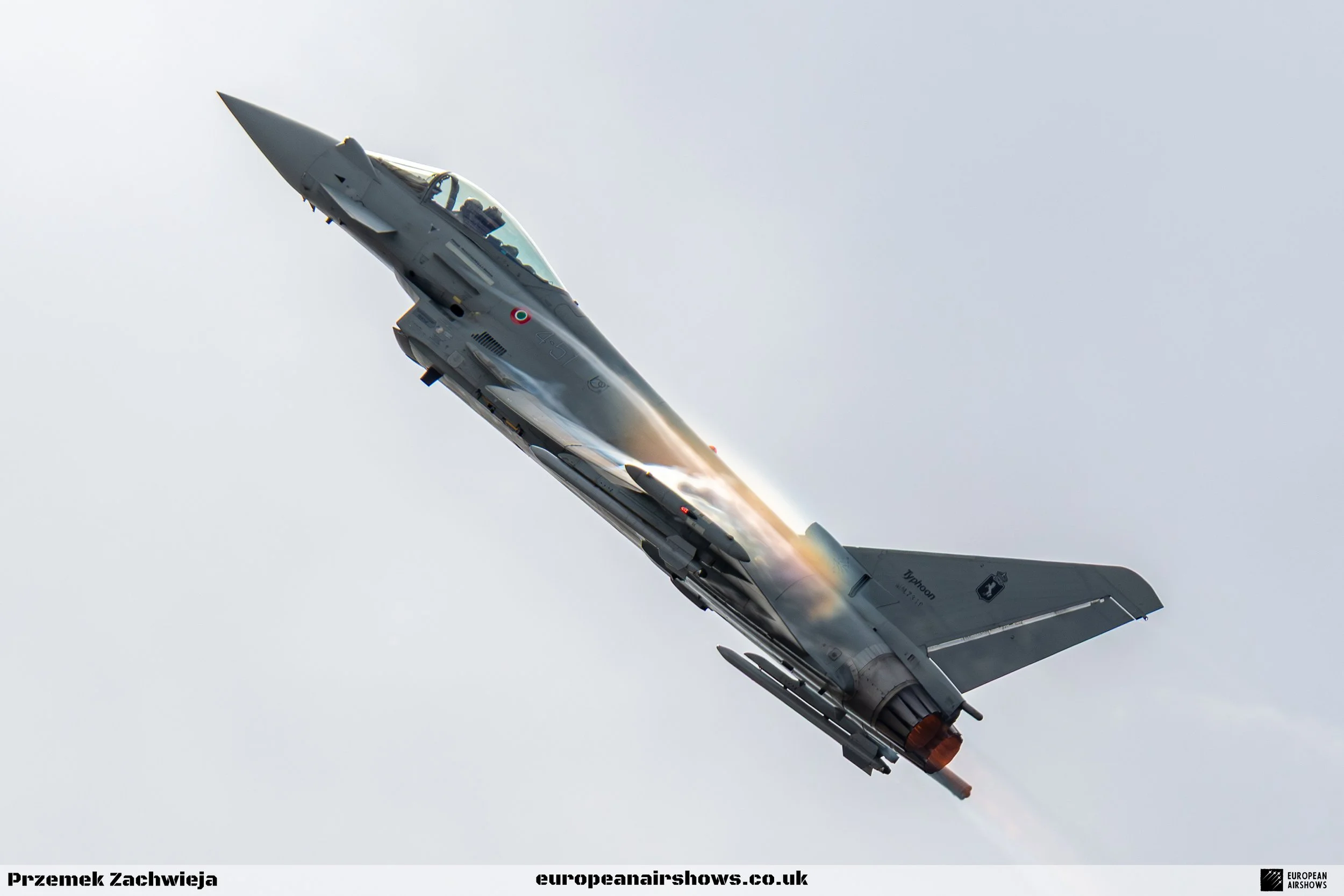
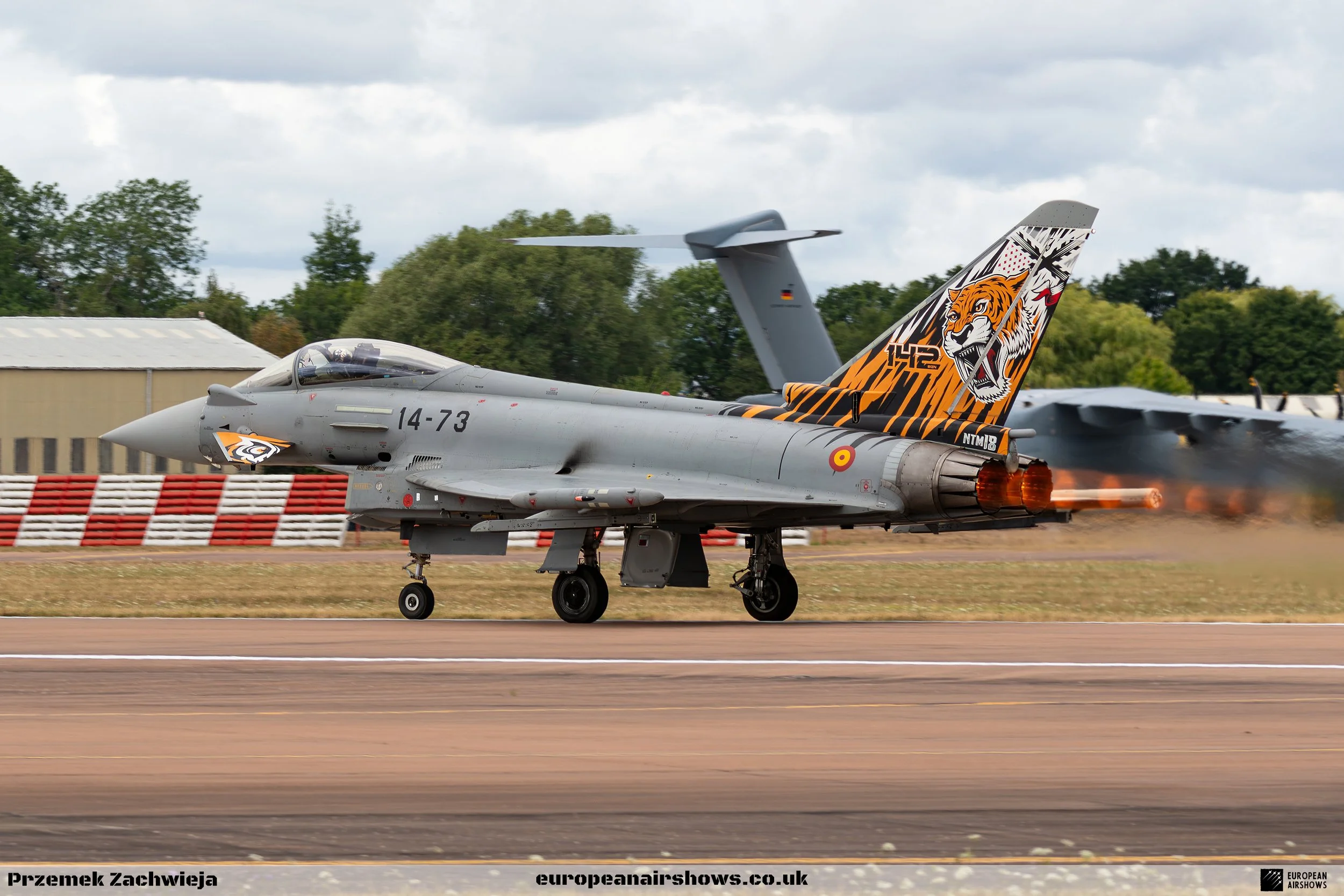
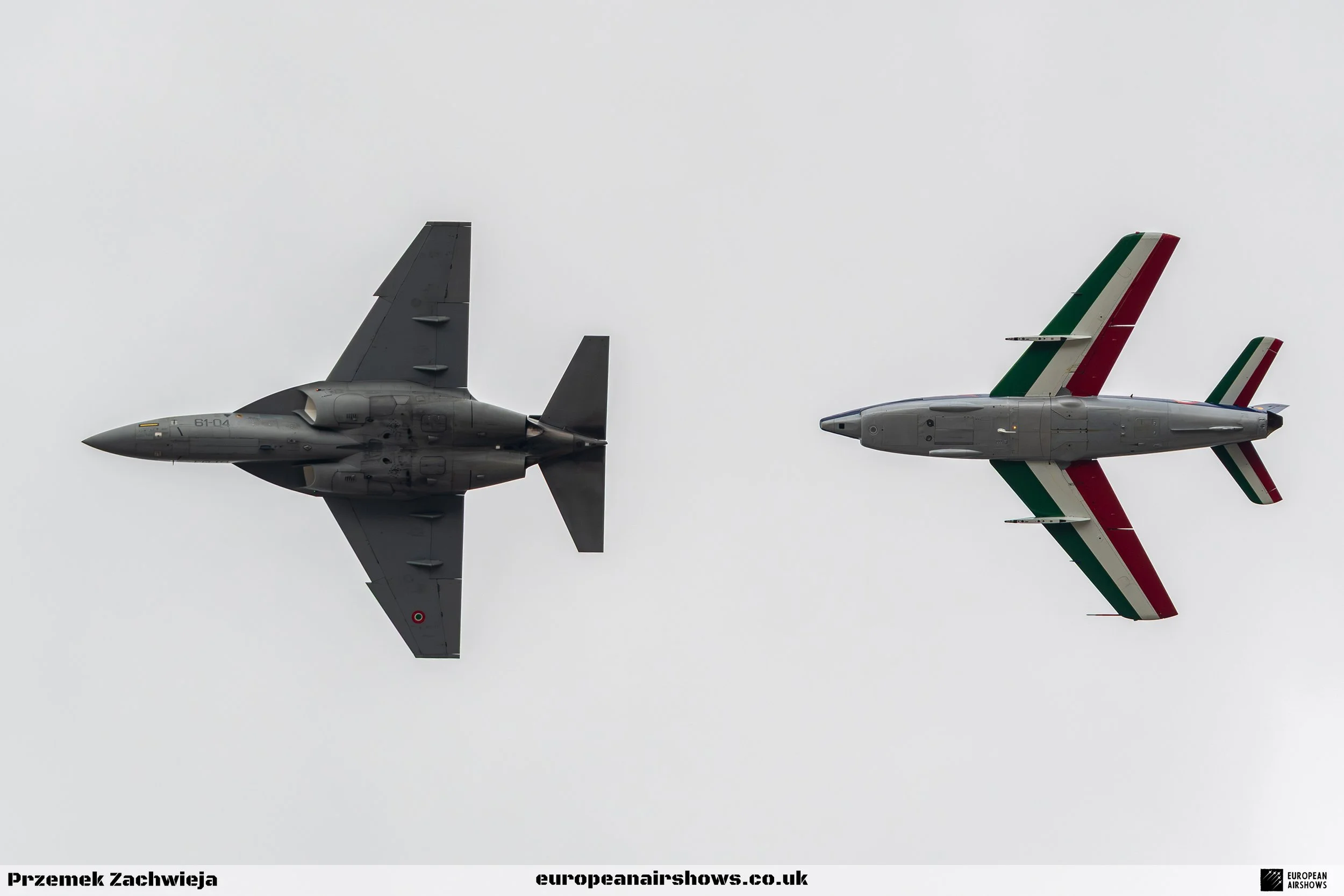
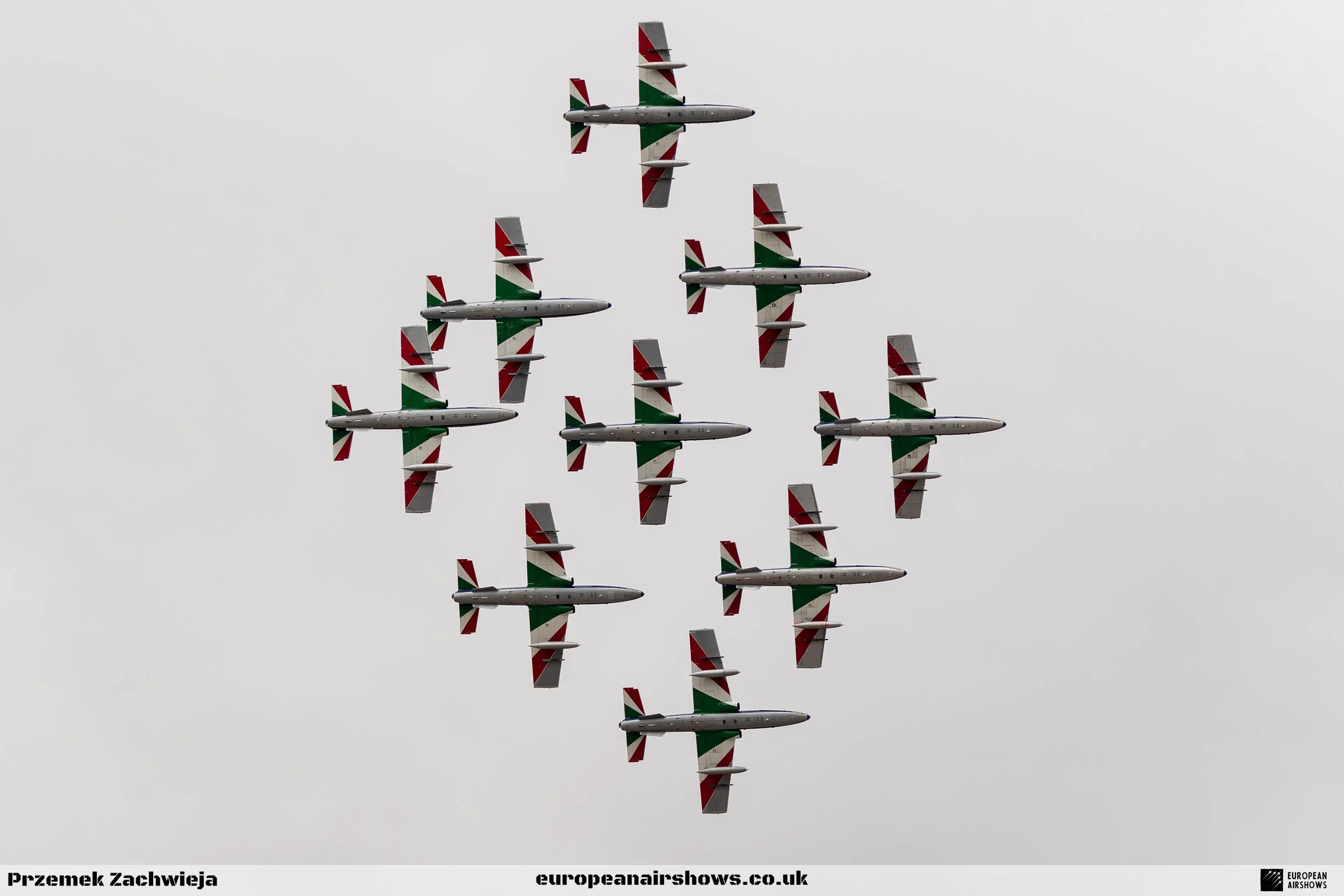
The Italian Air Force again proved why their displays are RIAT staples. The Reparto Sperimentale di Volo (311° Gruppo) fielded a formidable quartet: Capt. Mattia Nucciarelli’s crisp Eurofighter F-2000A demo; the crowd-favourite C-27J Spartan, tumbling improbably through loops, rolls and Cuban-eights; and two T-346A Masters, one performing a solo, the other joining Renzo Catellani’s immaculate Fiat G.91R for a once-in-a-lifetime flypast. The G.91R, the world’s only flying example, even performed a short solo sequence of graceful passes, its classic lines drawing applause from every corner. Completing the Italian presence, the Frecce Tricolori celebrated their 65th anniversary with a nine-ship MB-339PAN routine, filling the Gloucestershire skies with their signature tricolore smoke trails.
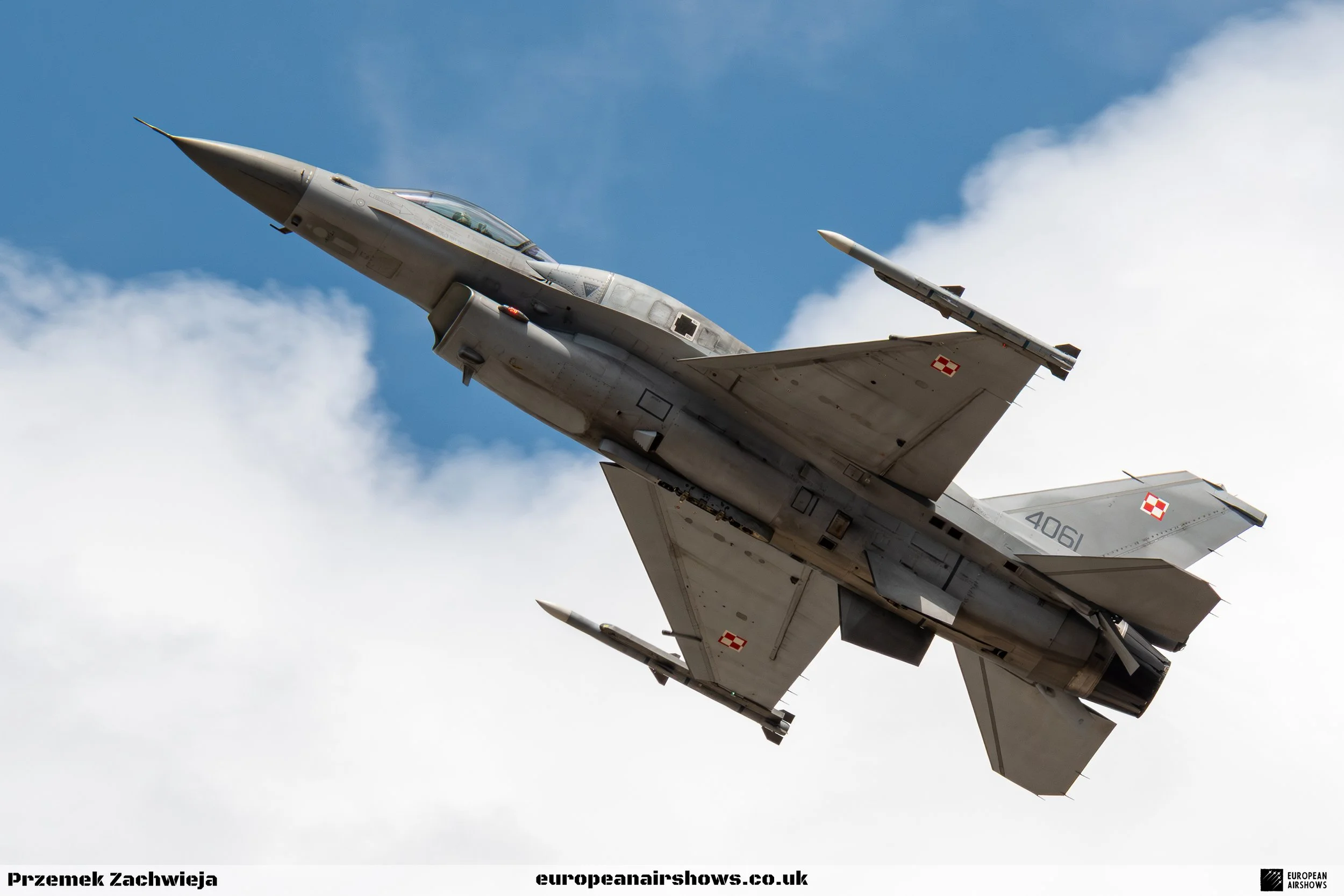
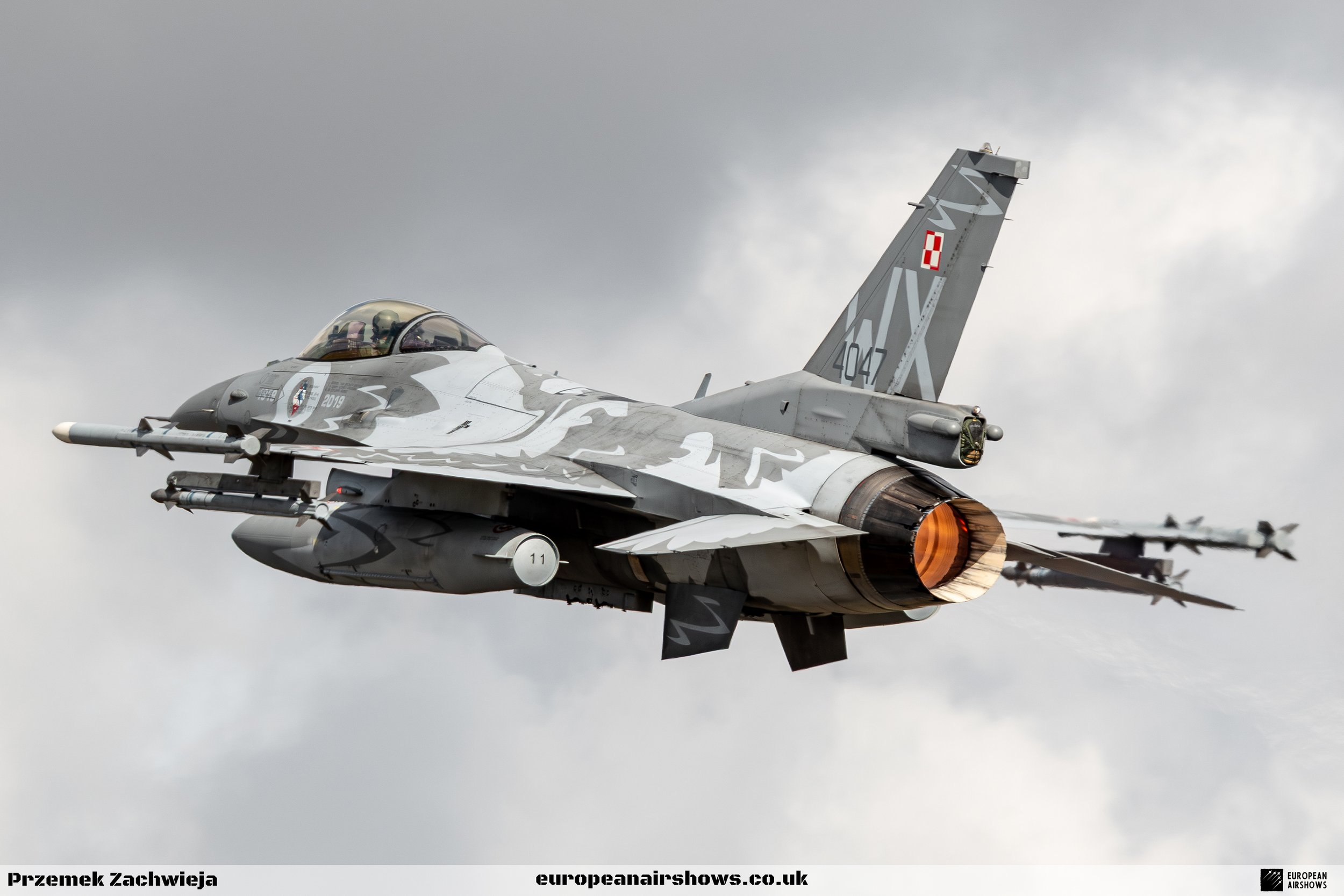
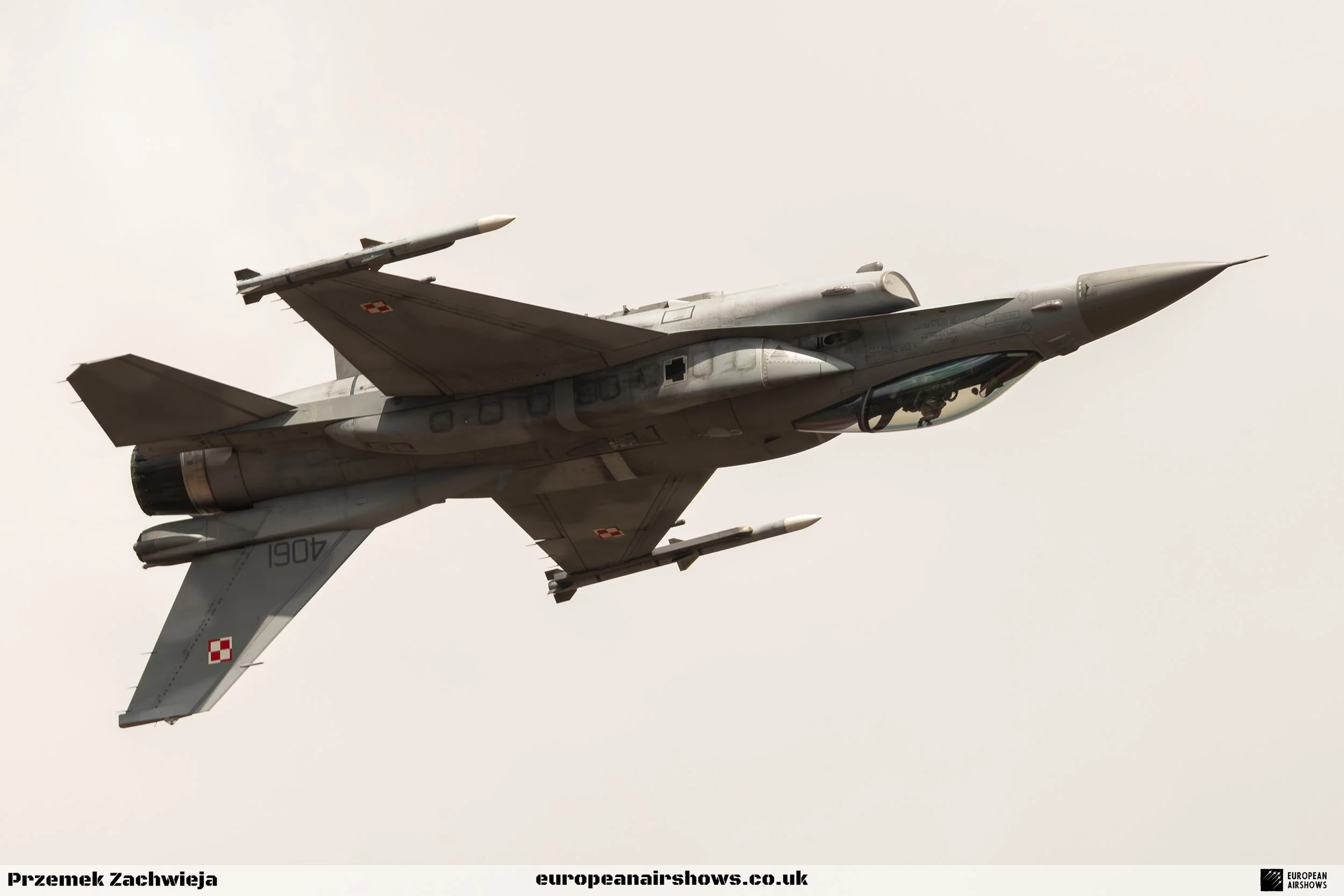
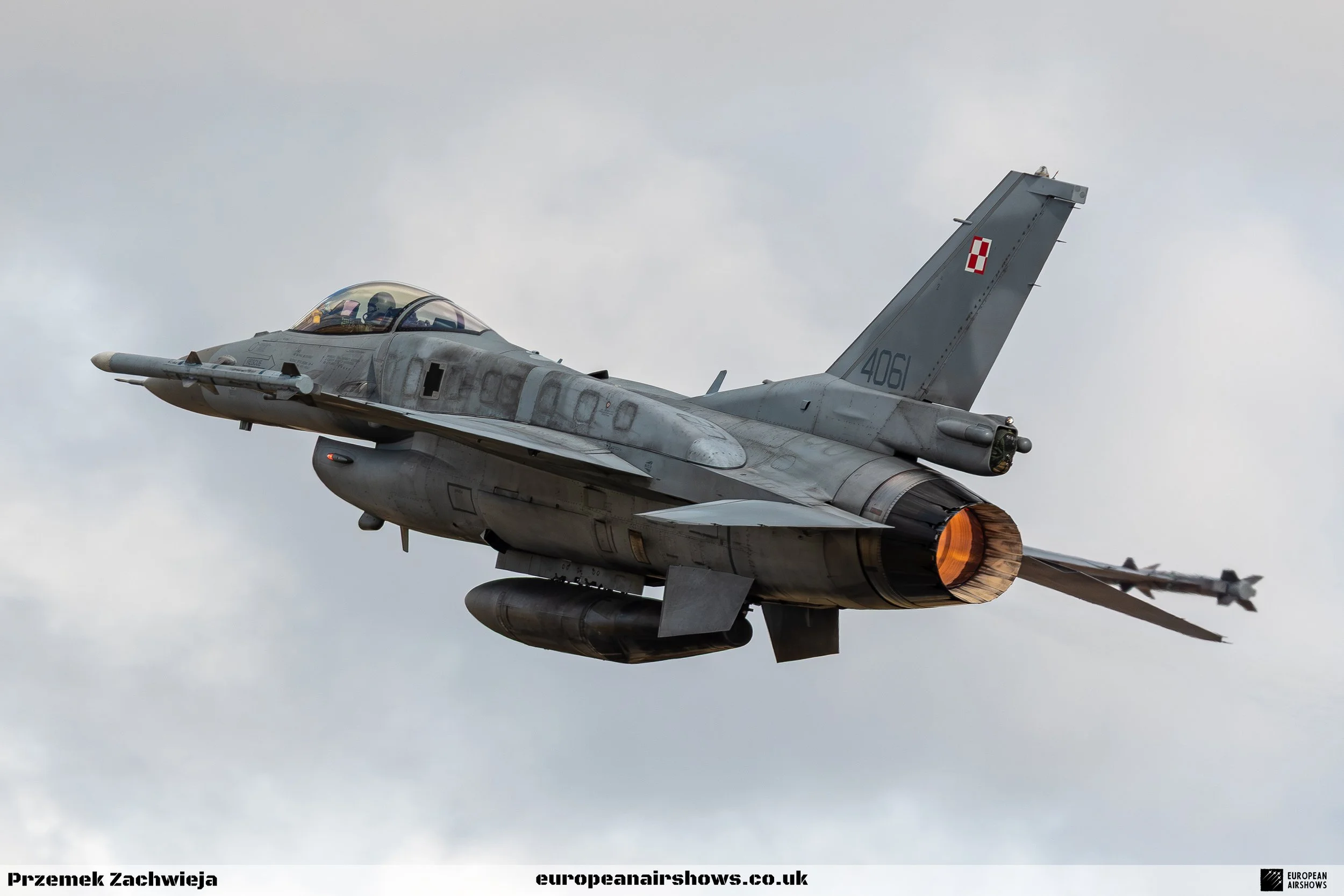
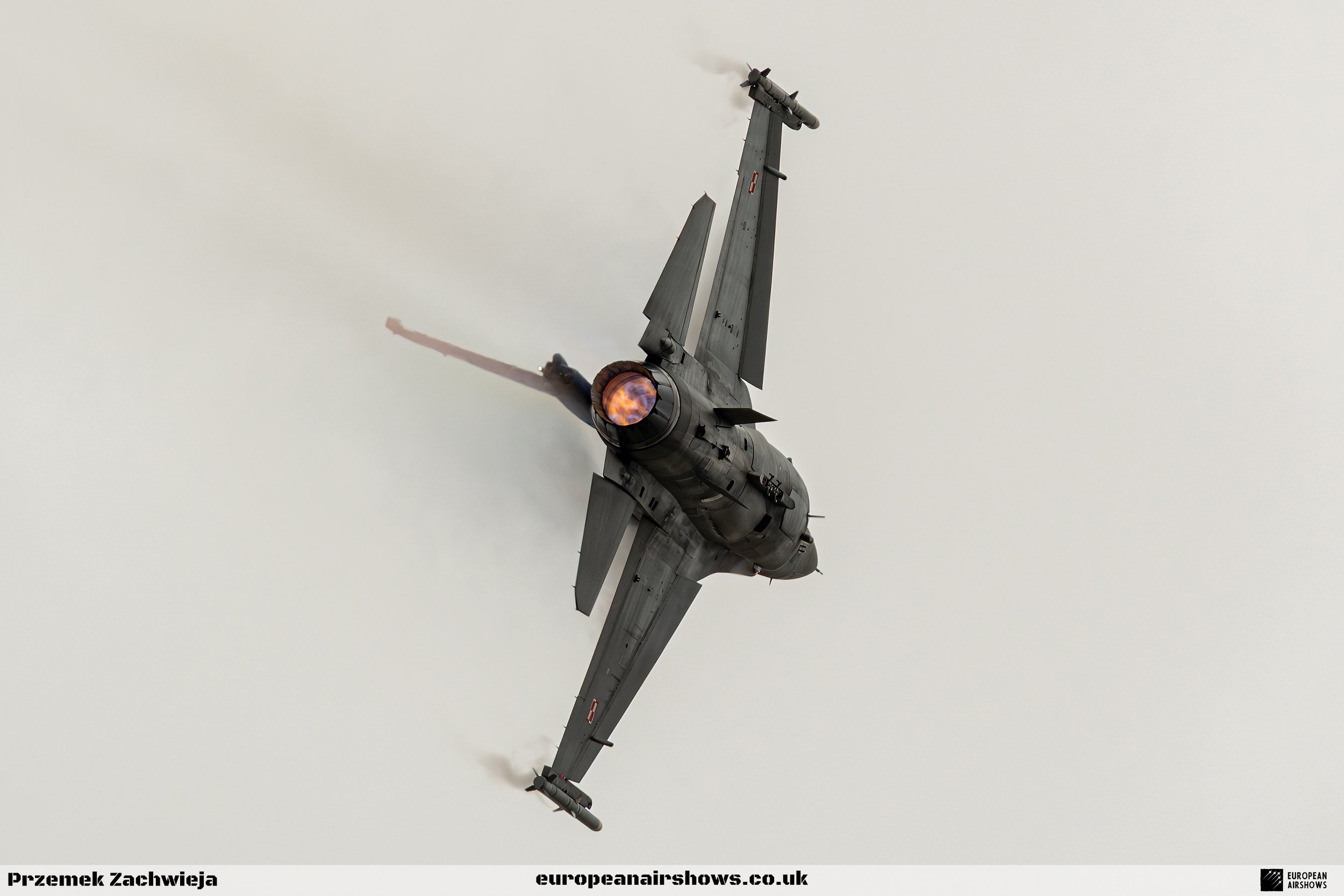
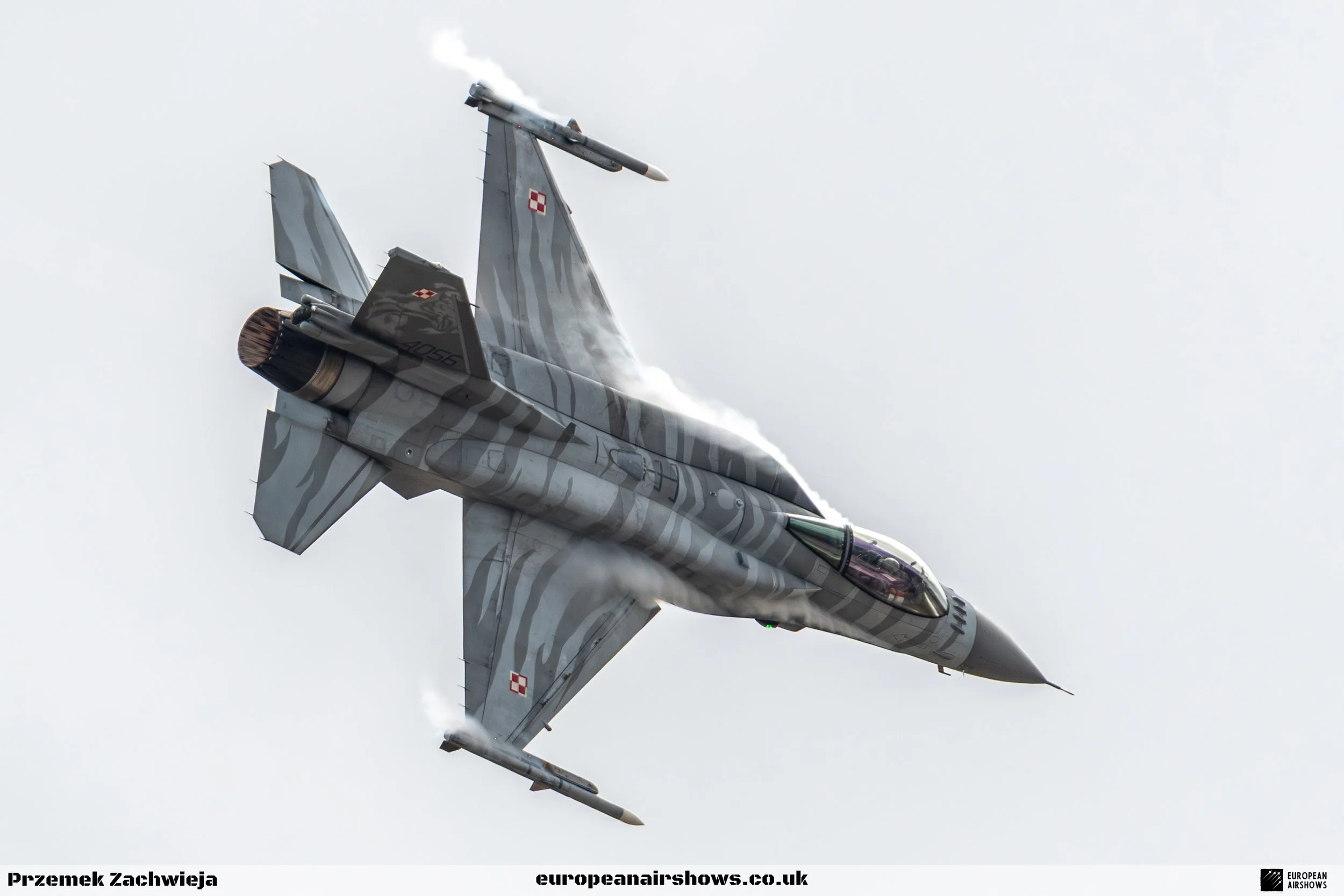
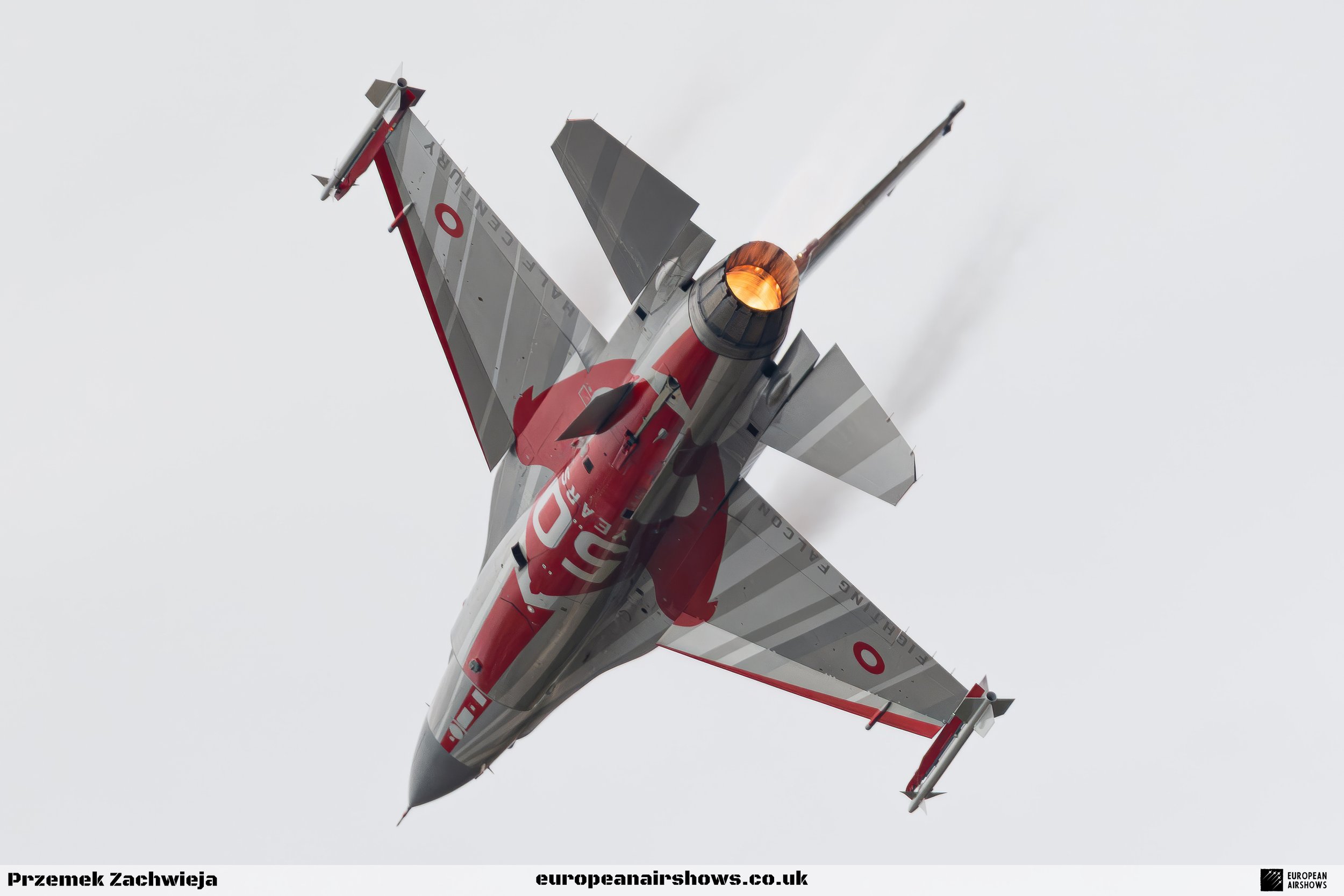
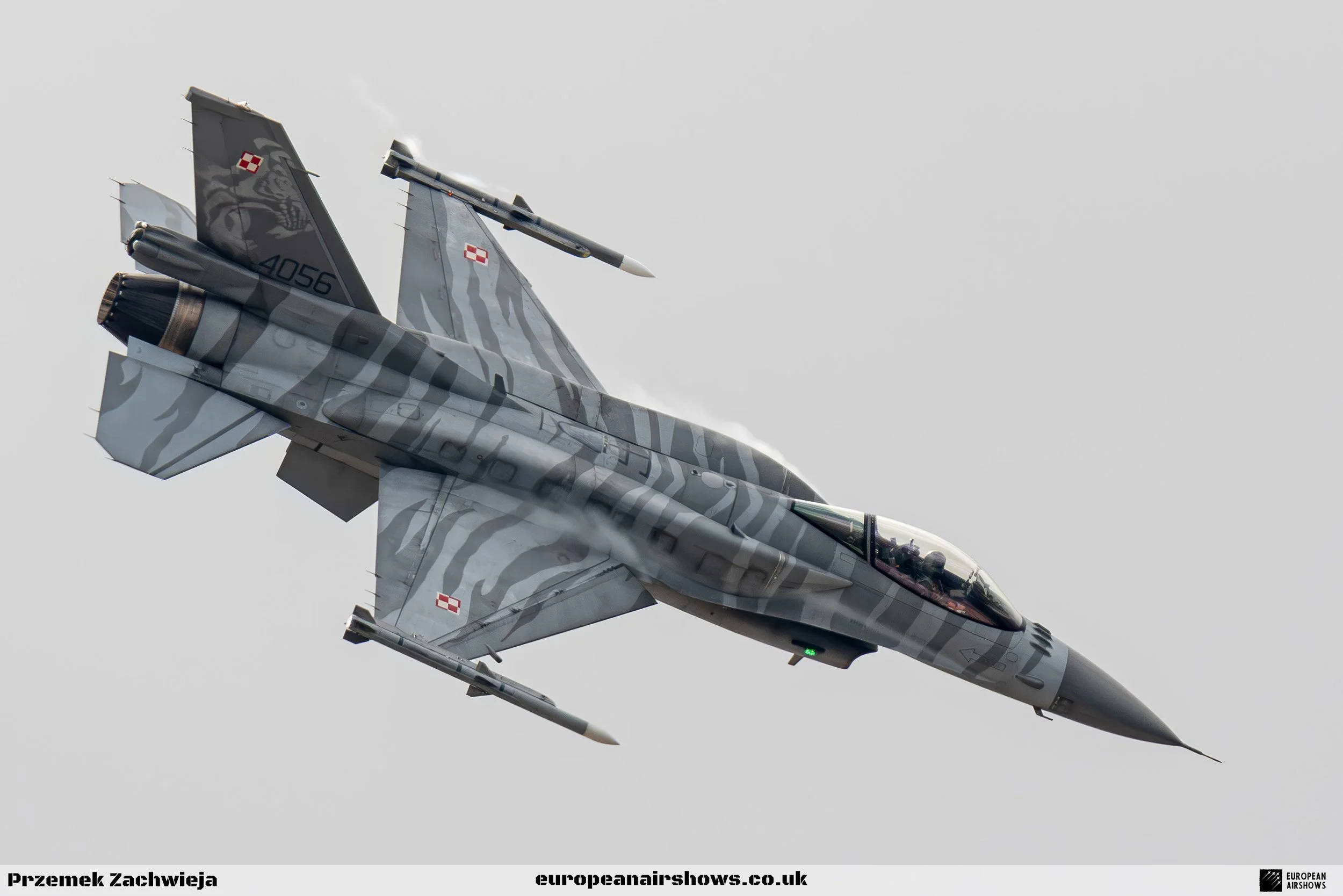
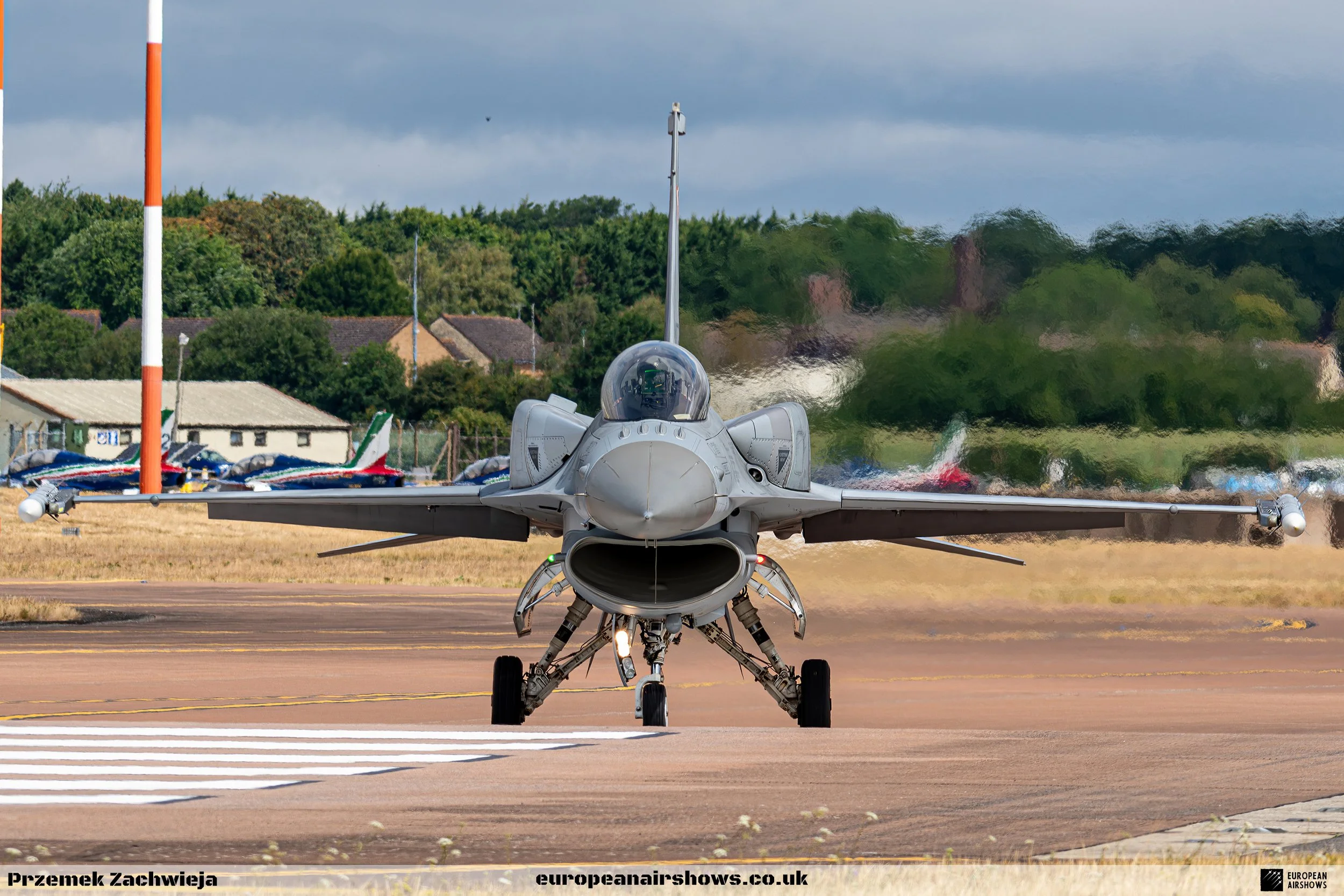
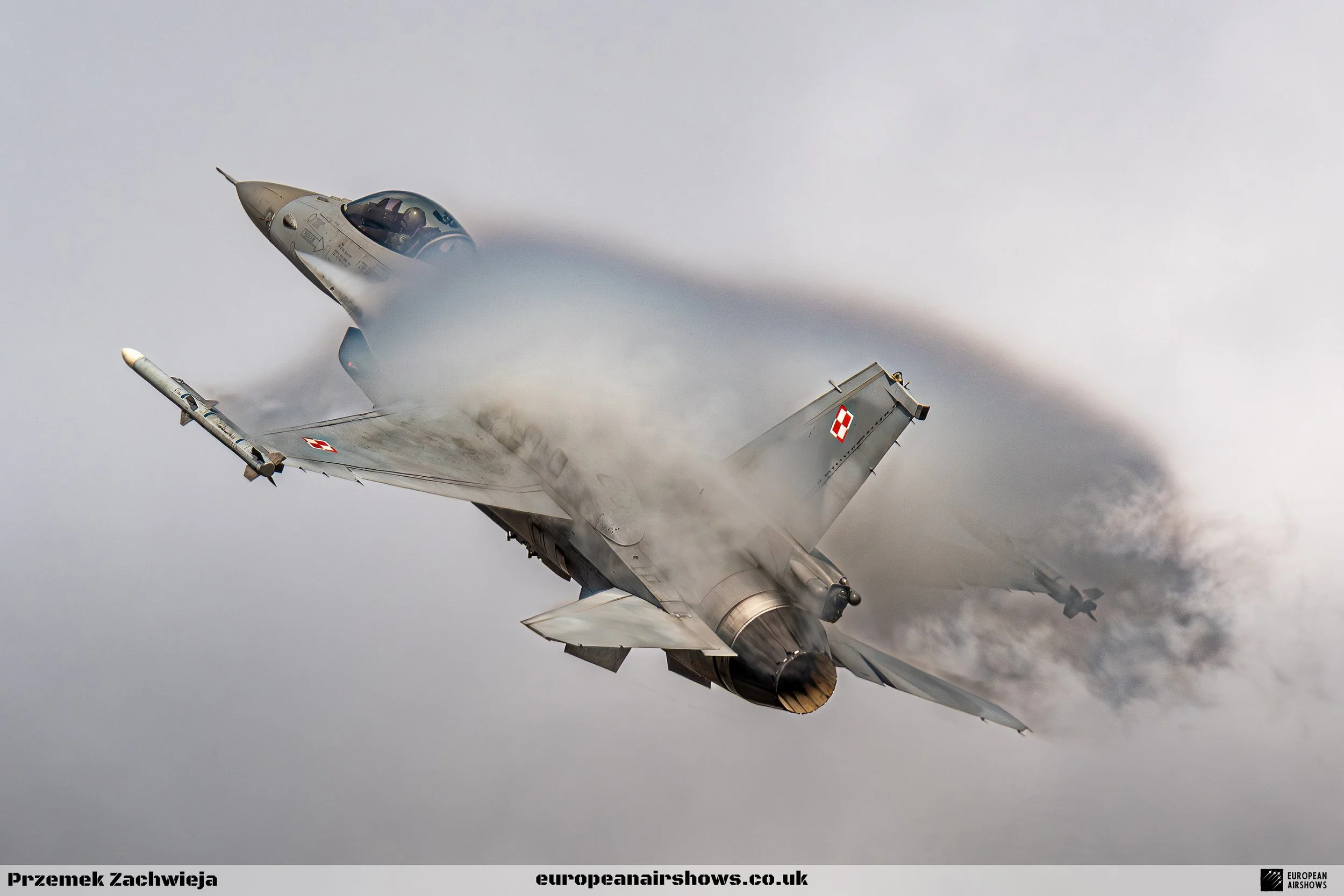
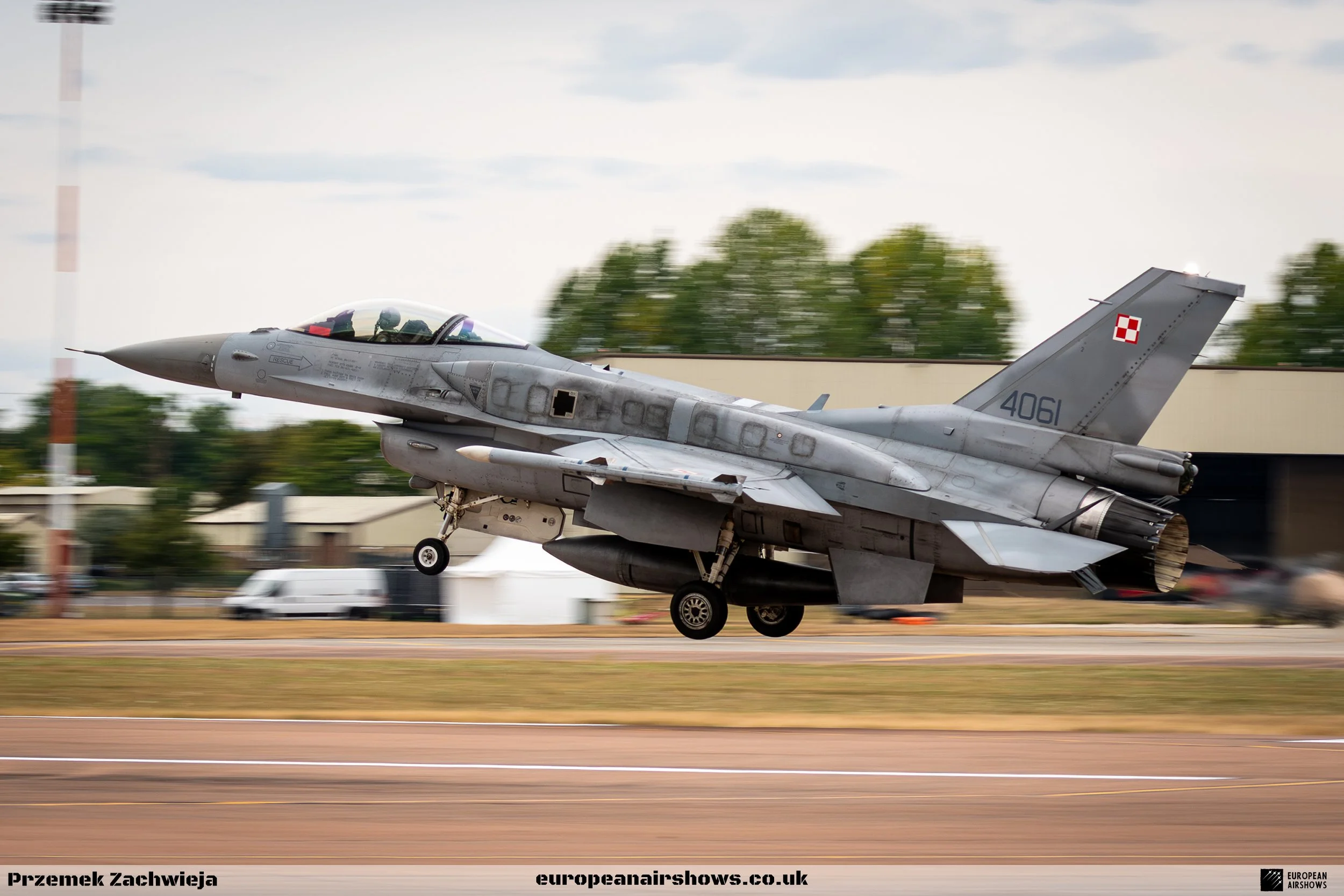
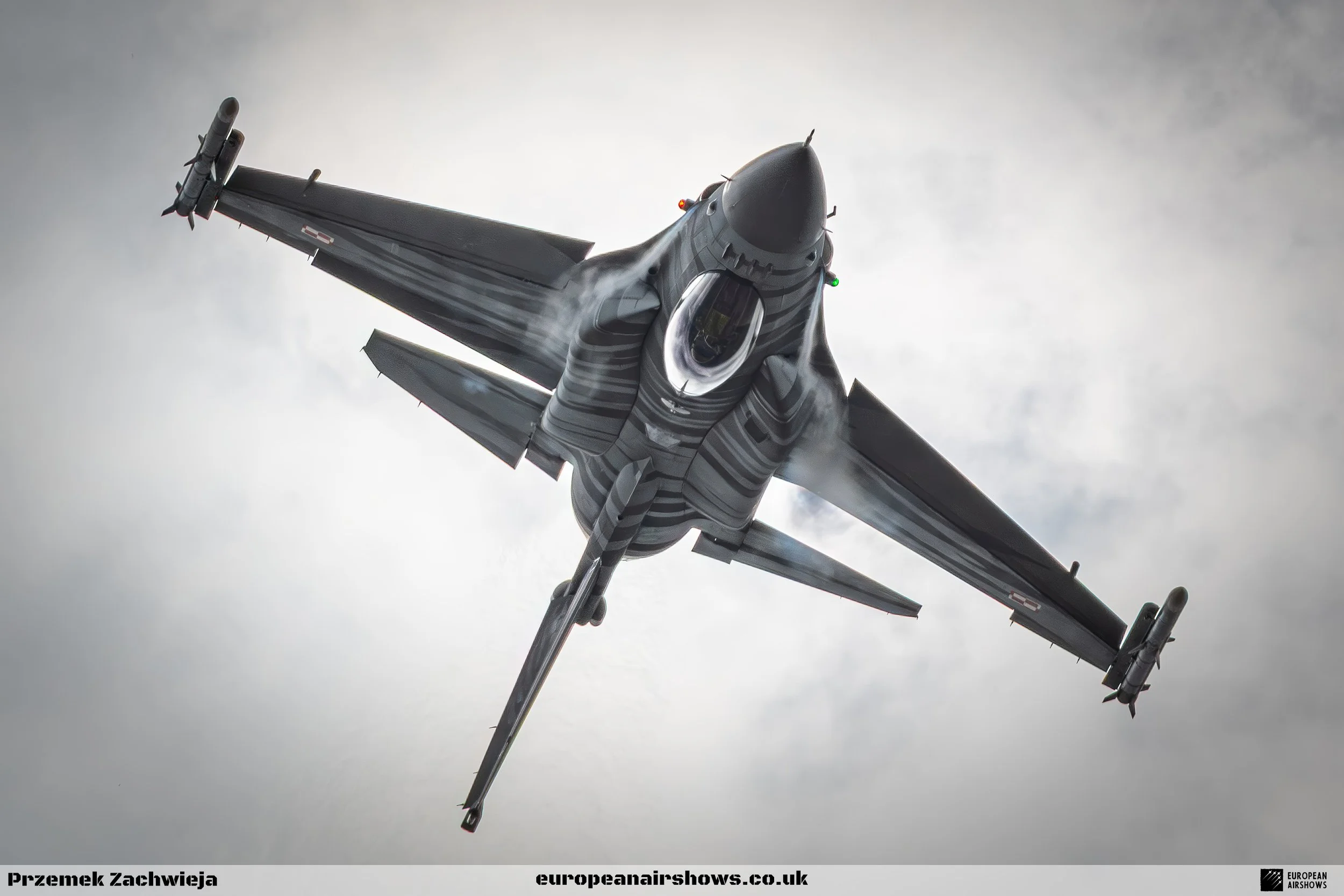
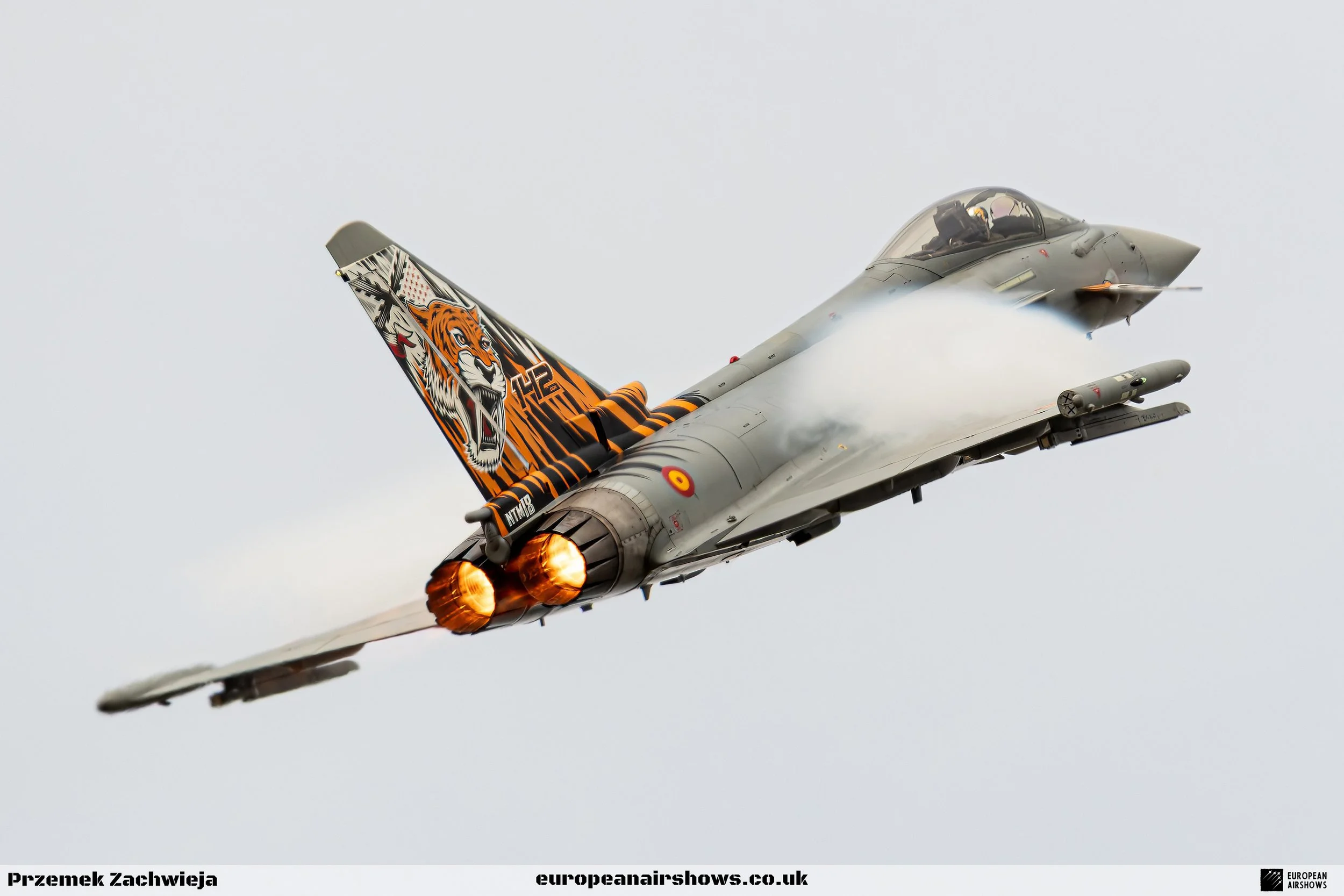
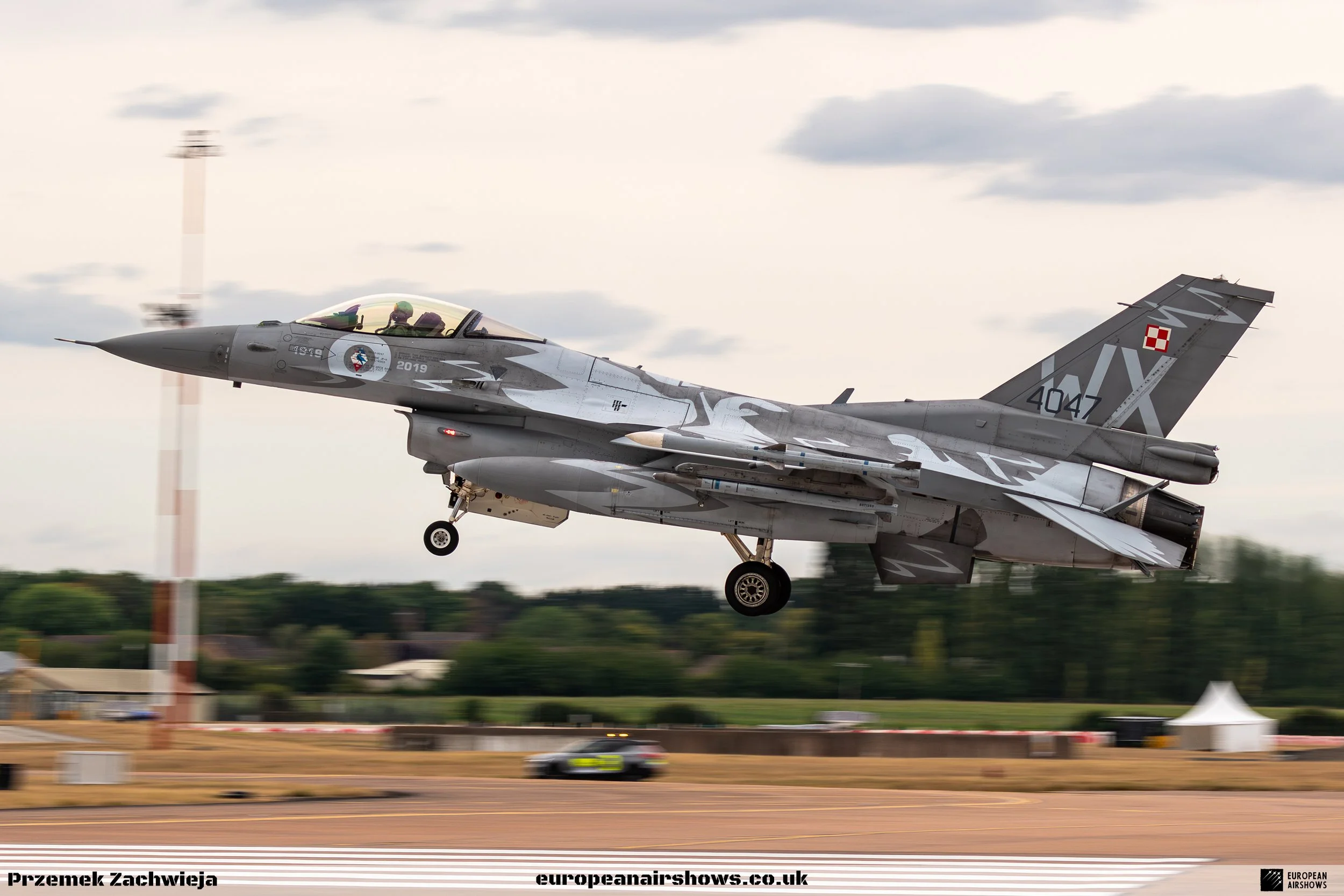
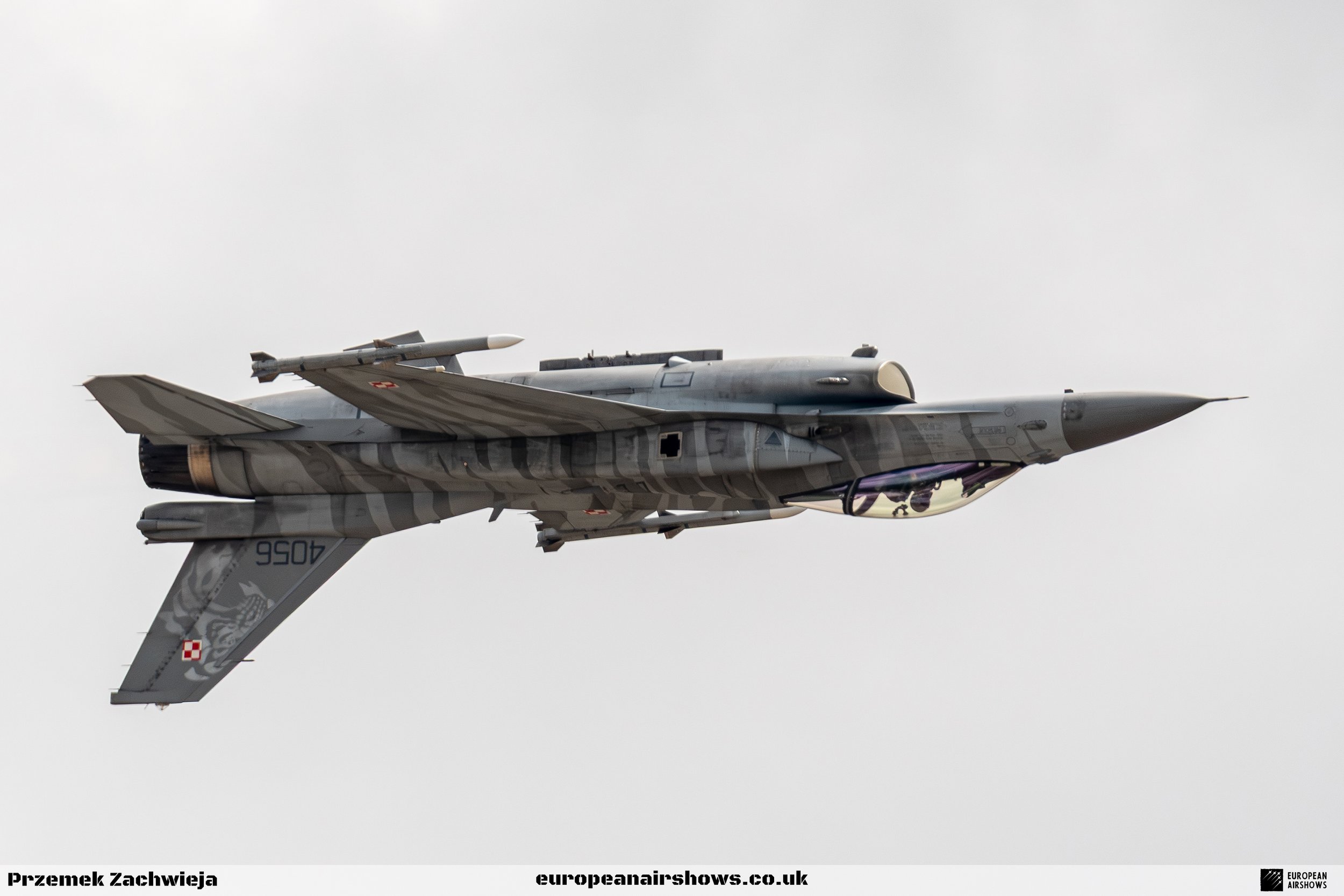
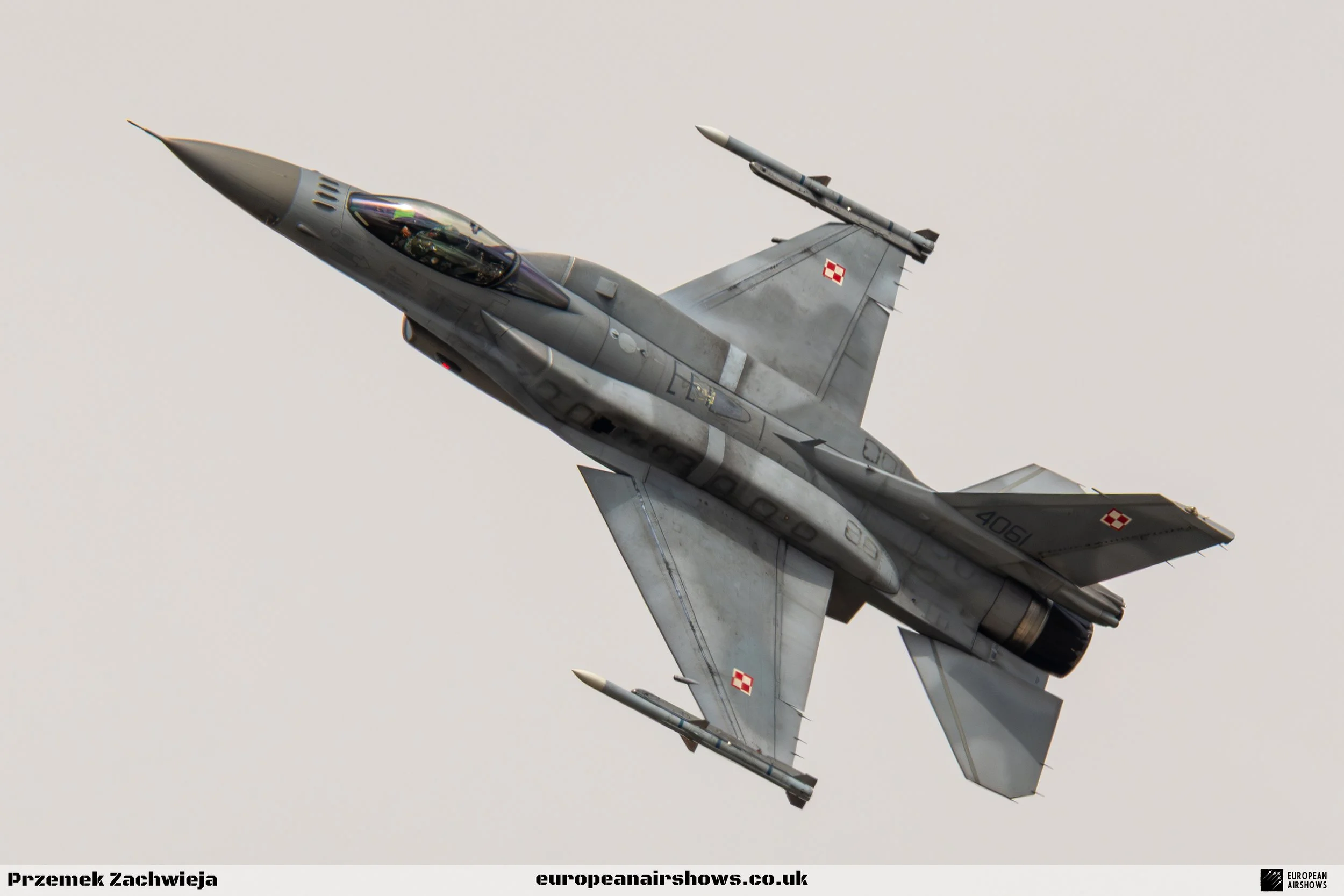
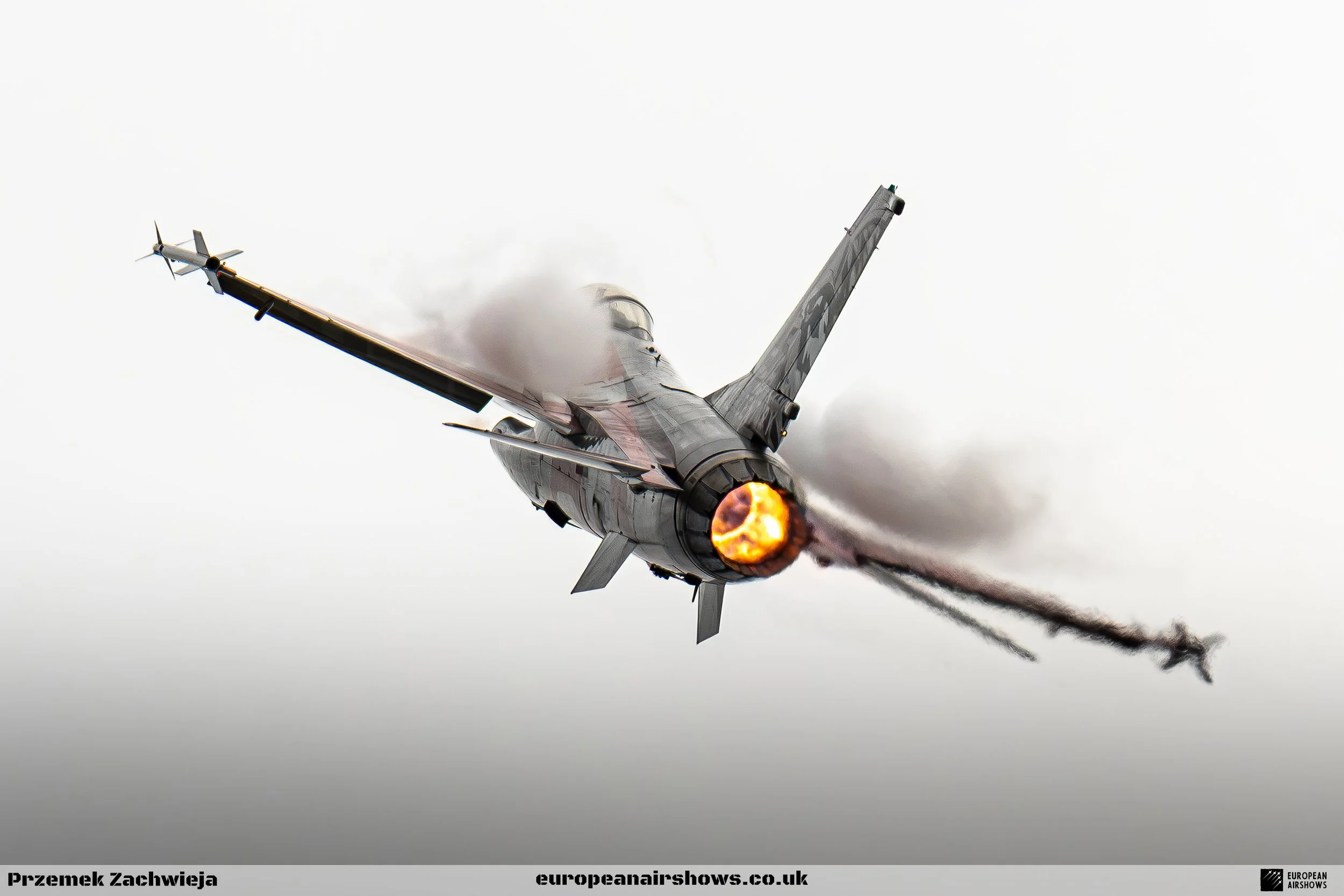
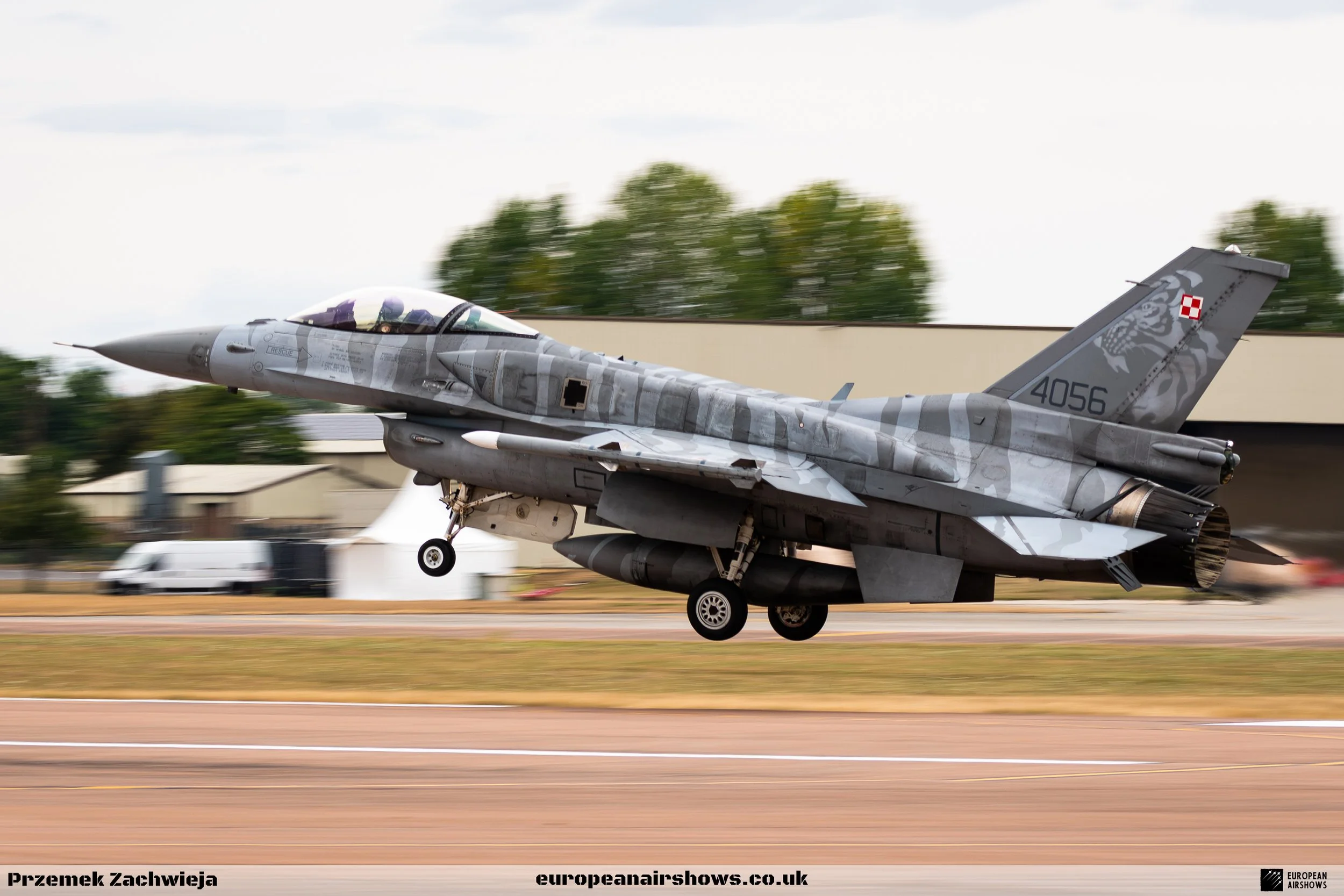
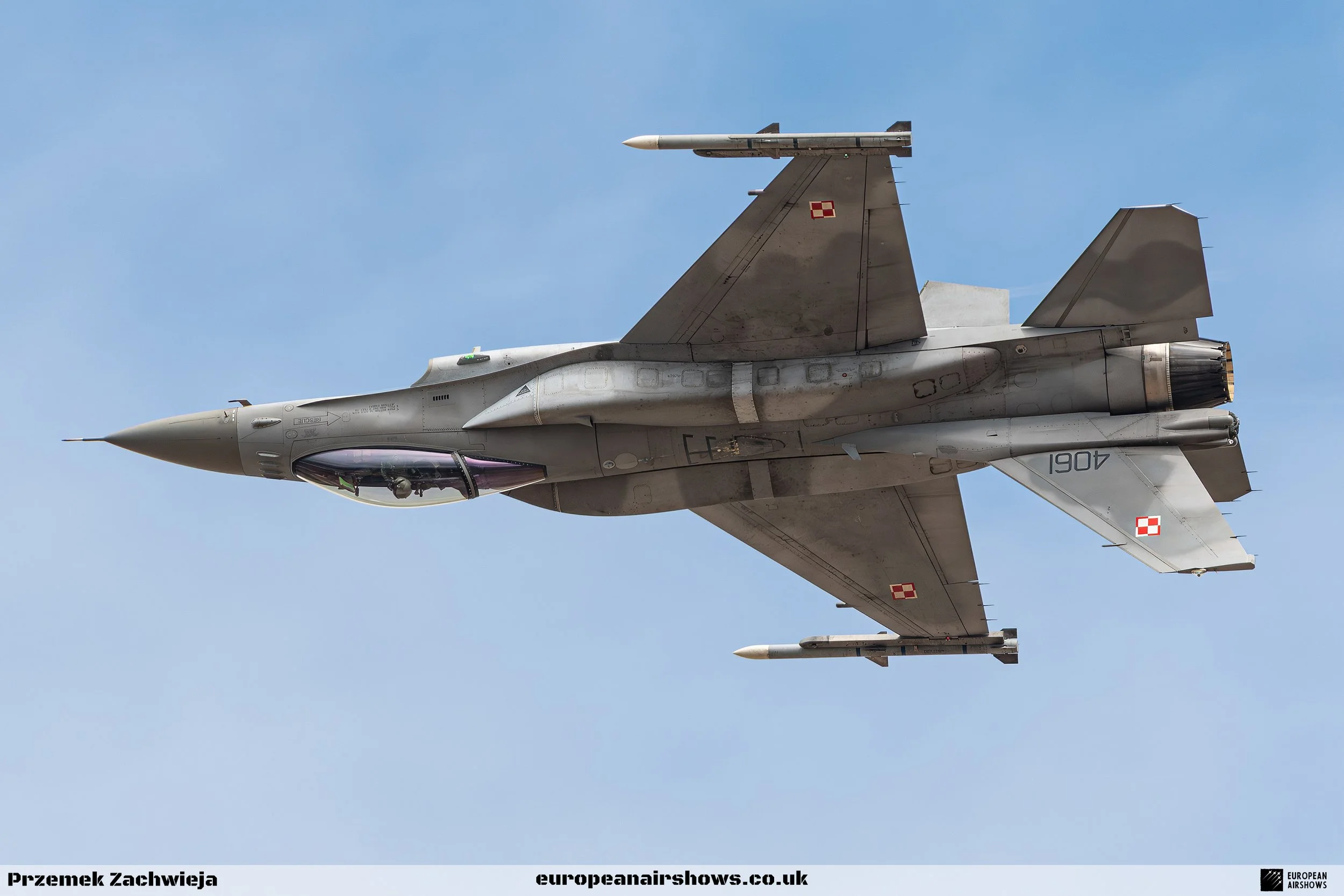
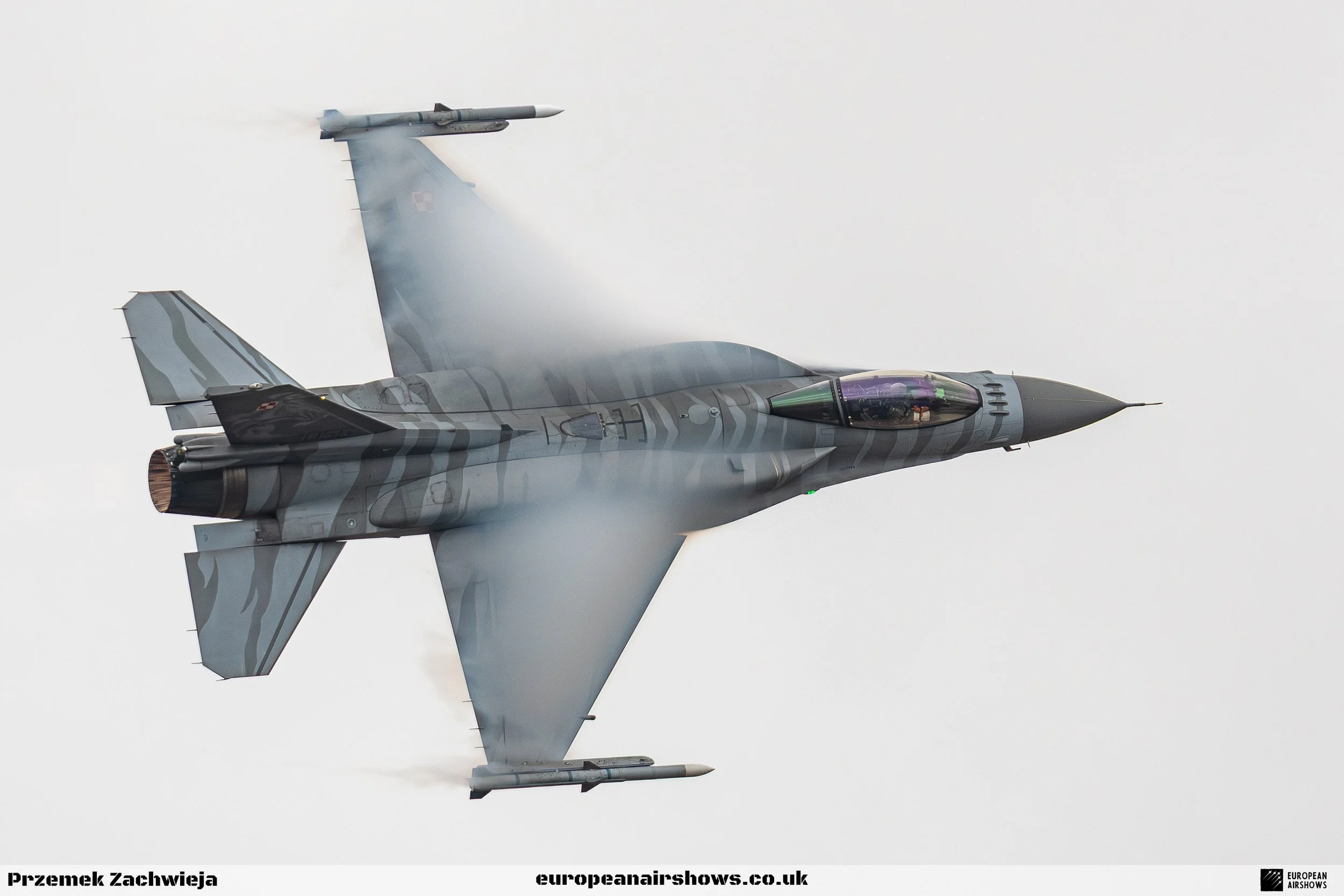
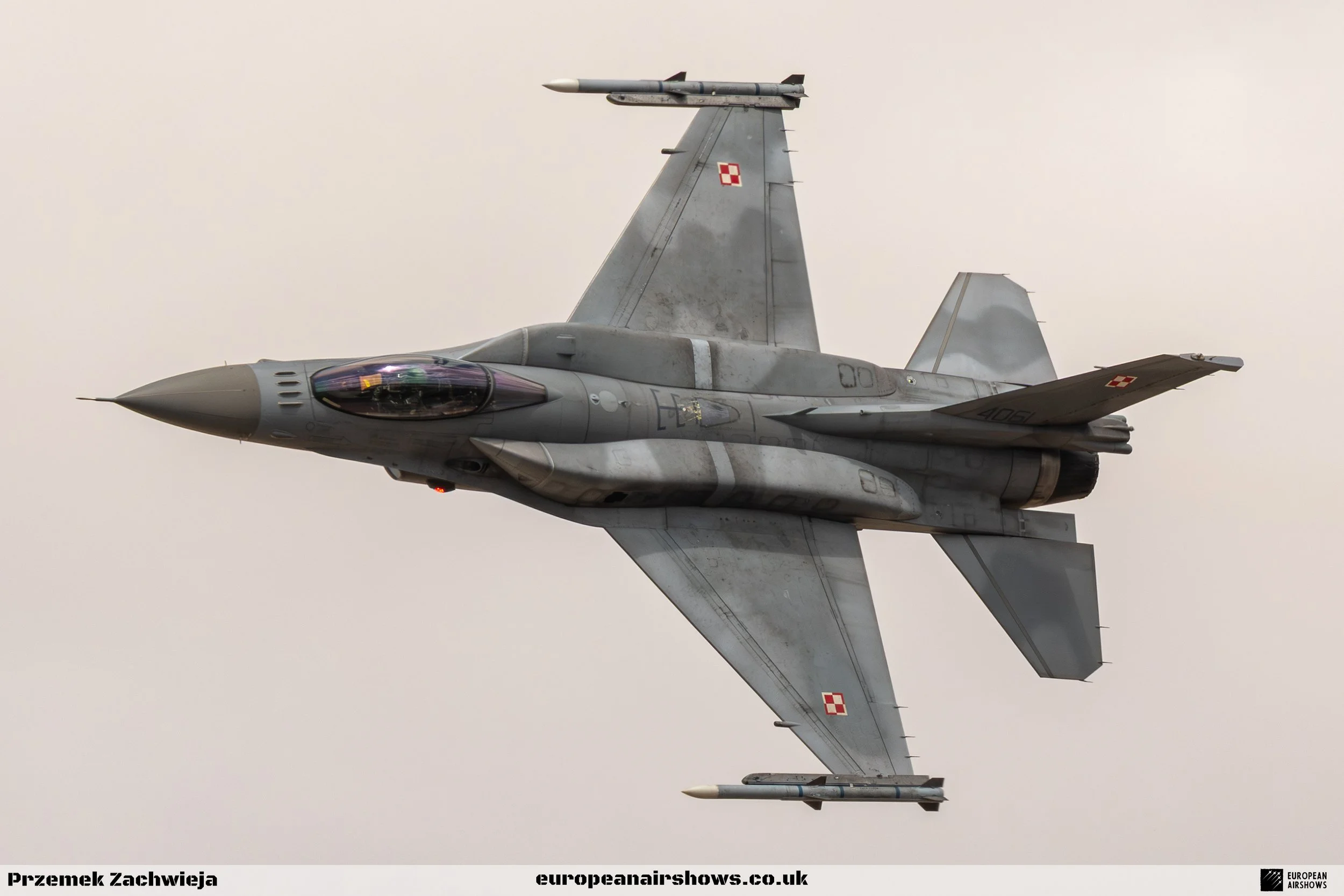
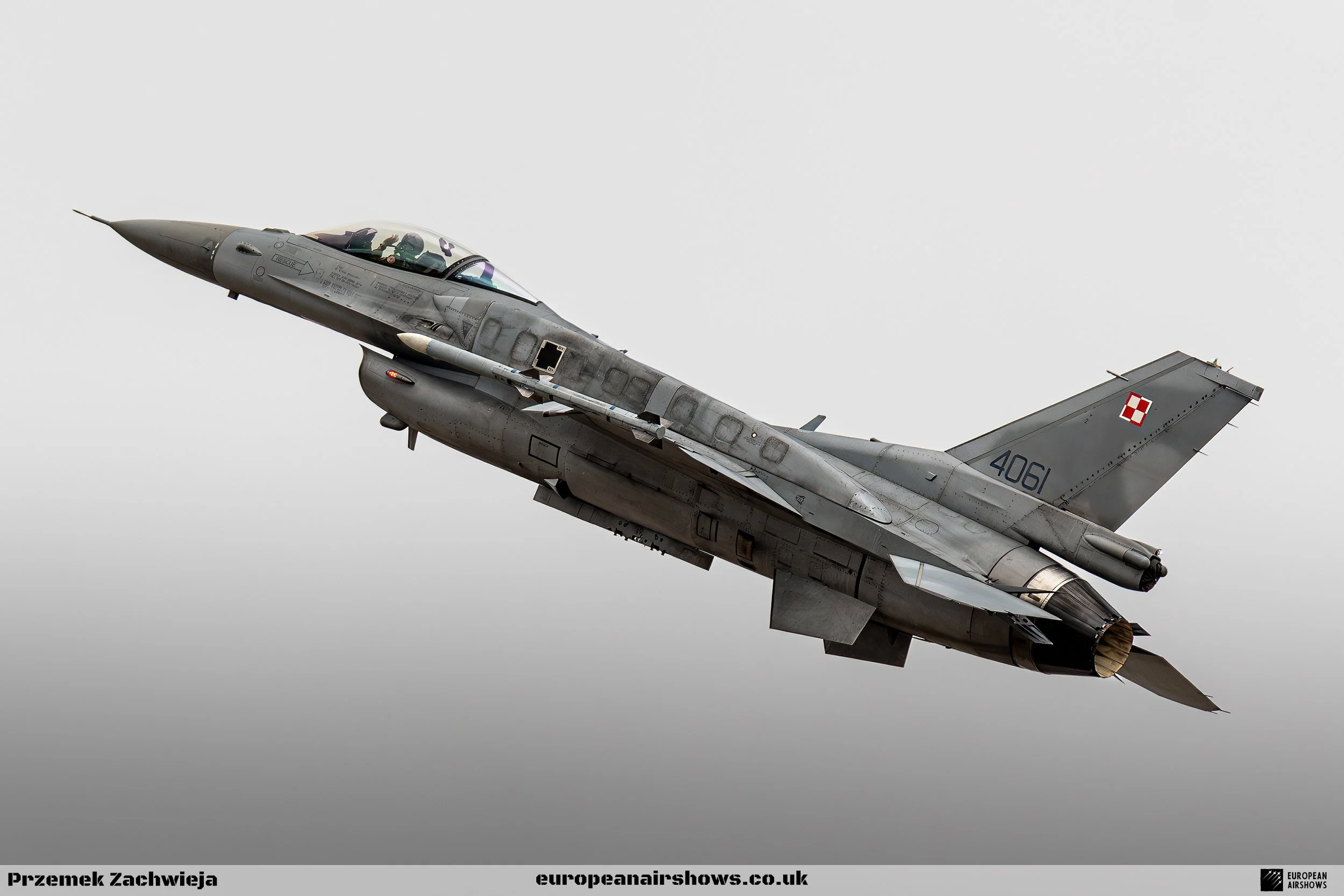
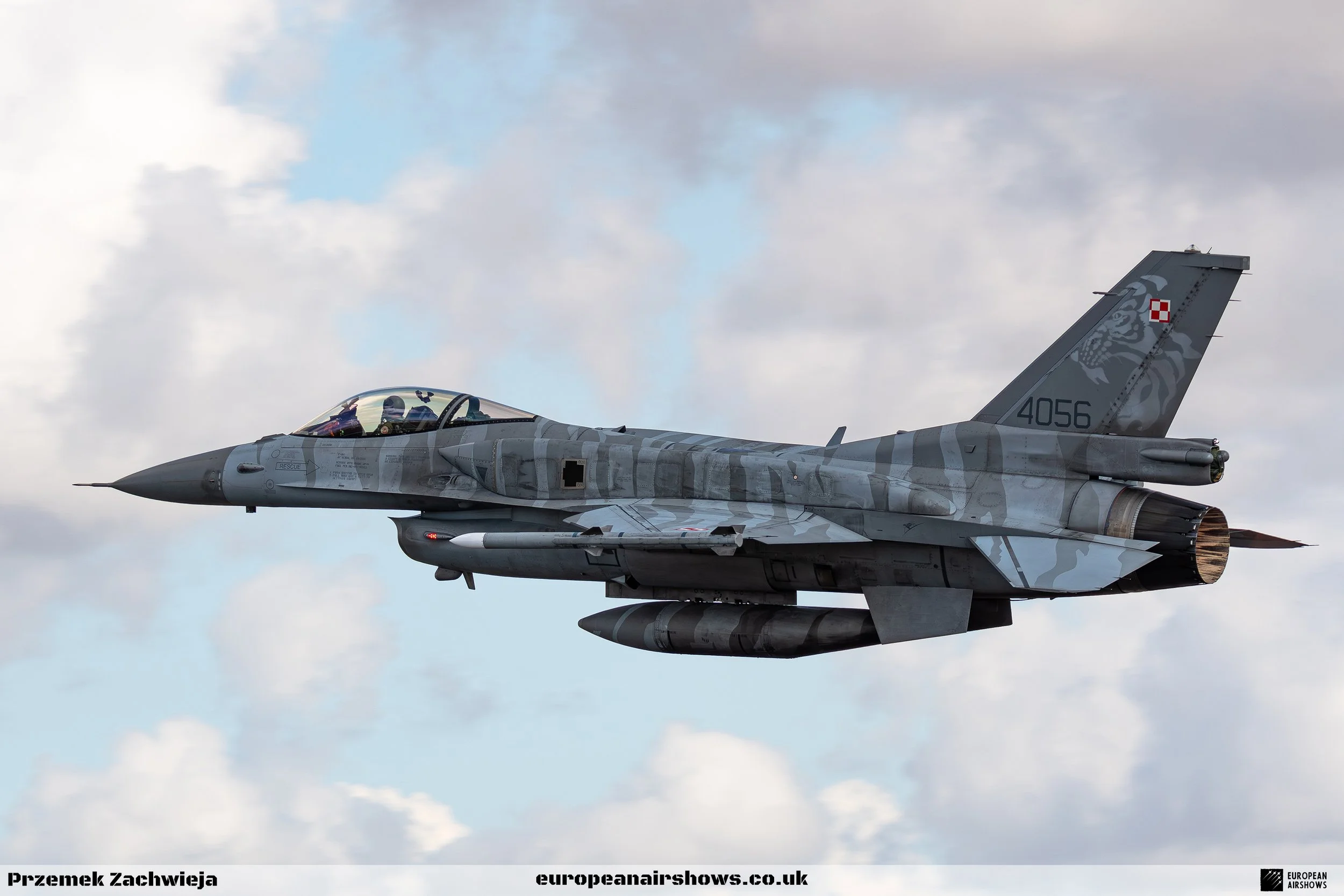
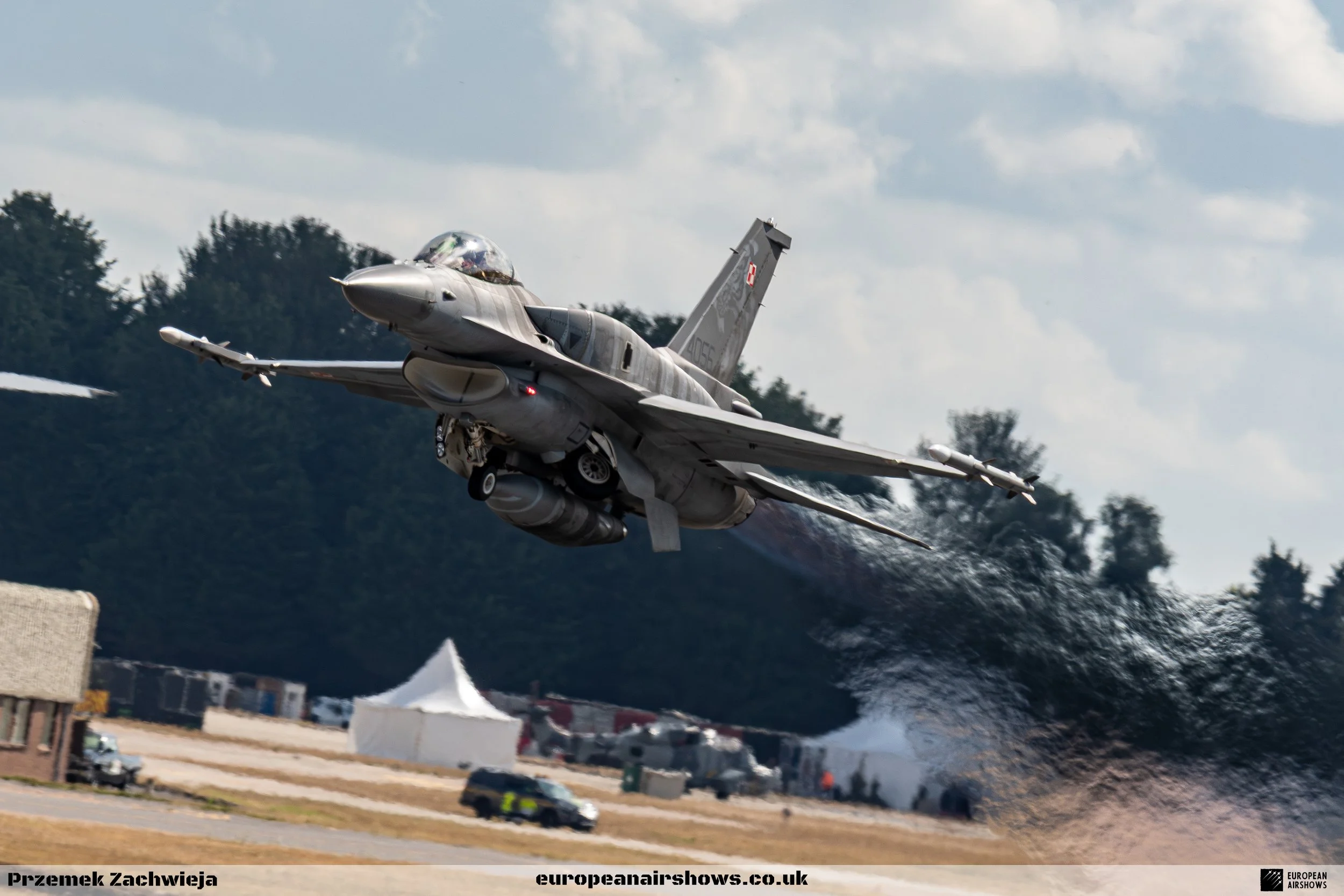
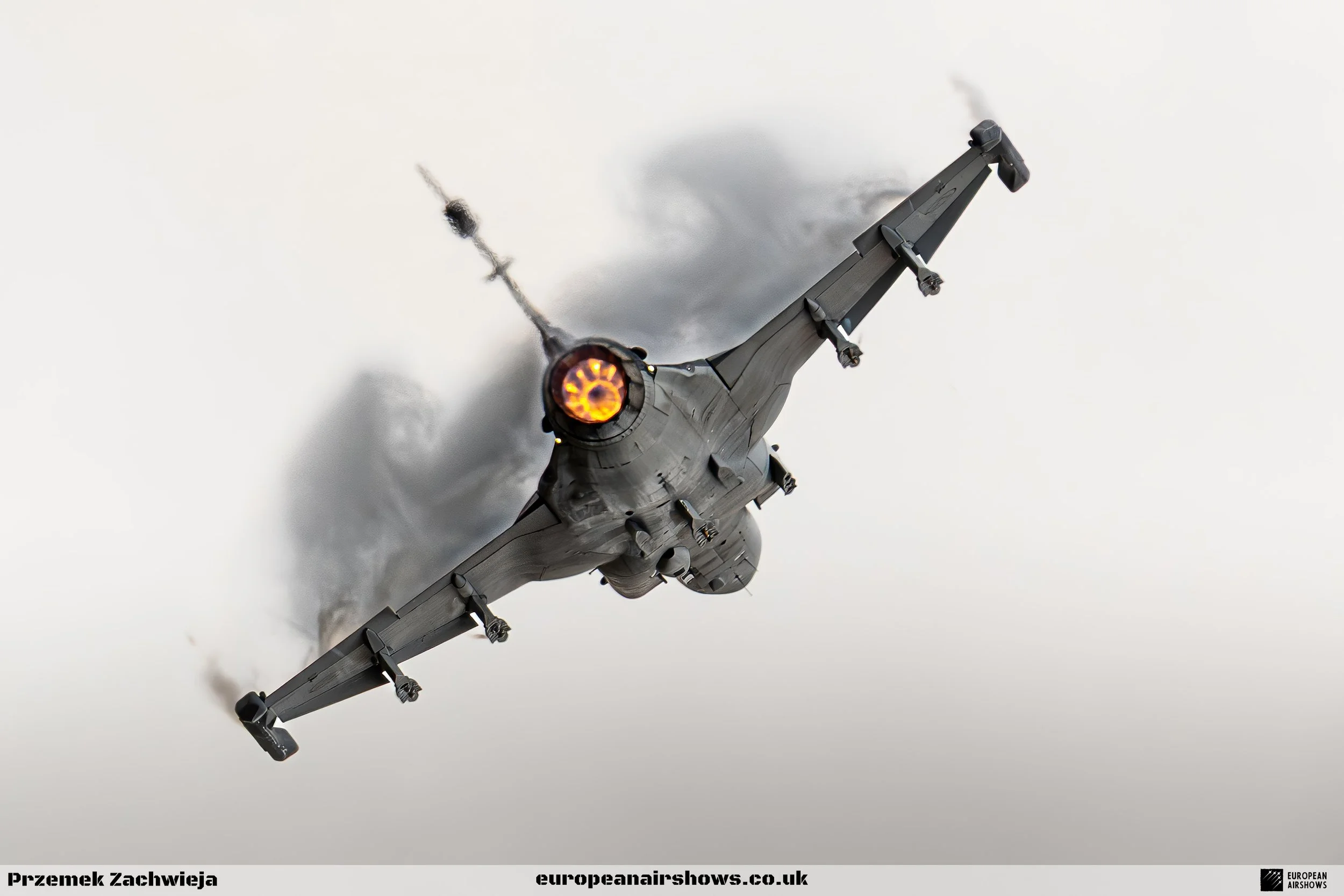
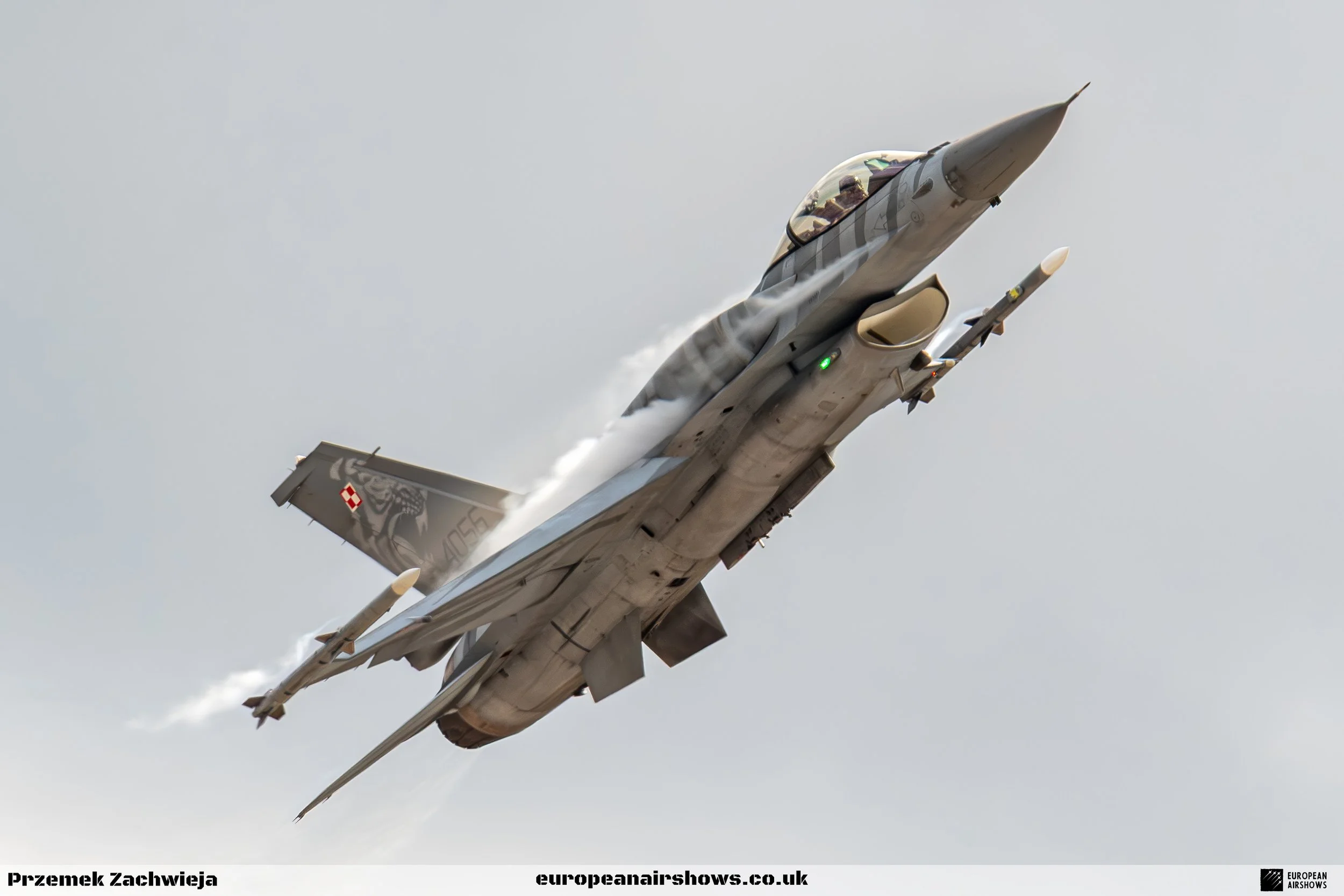
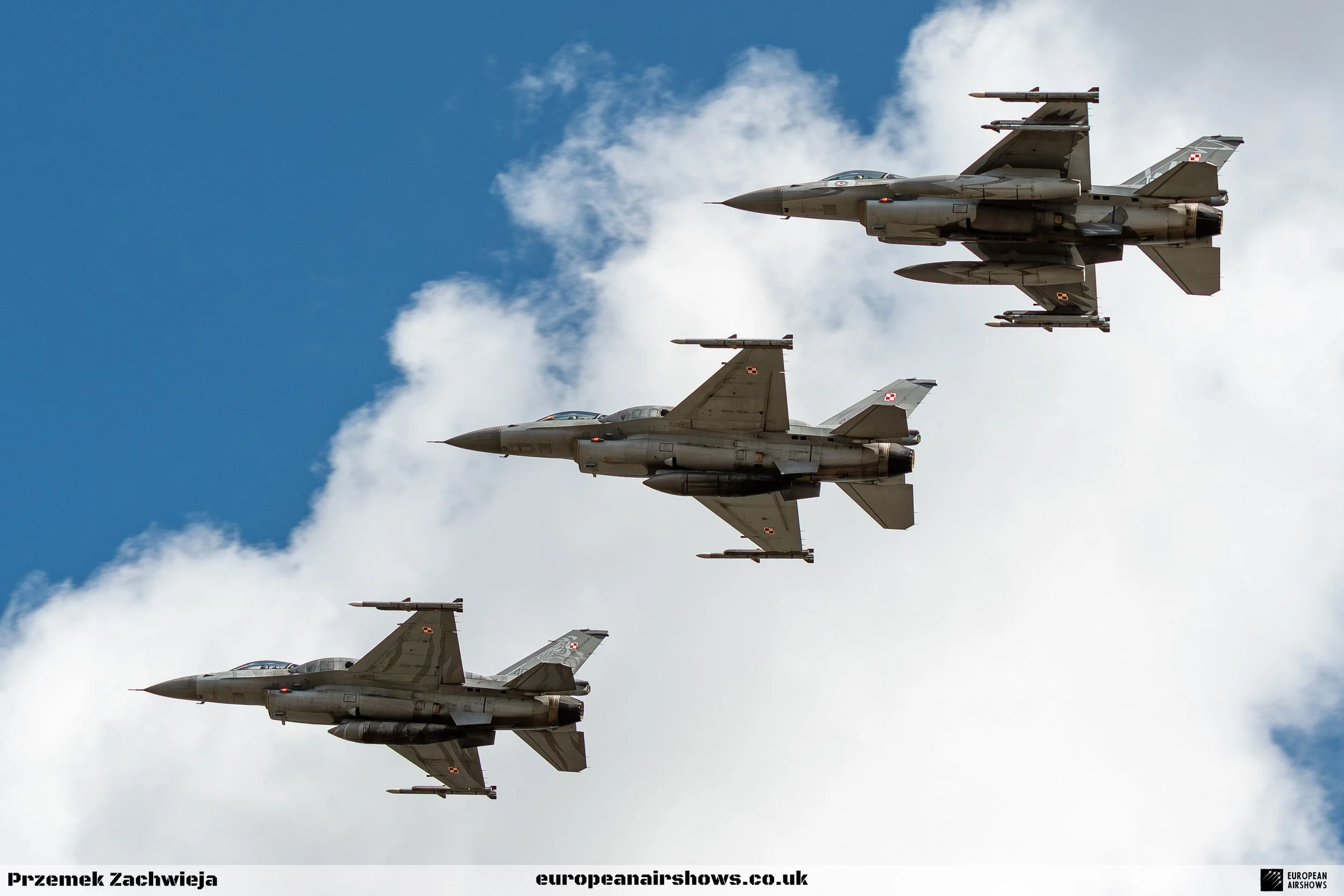
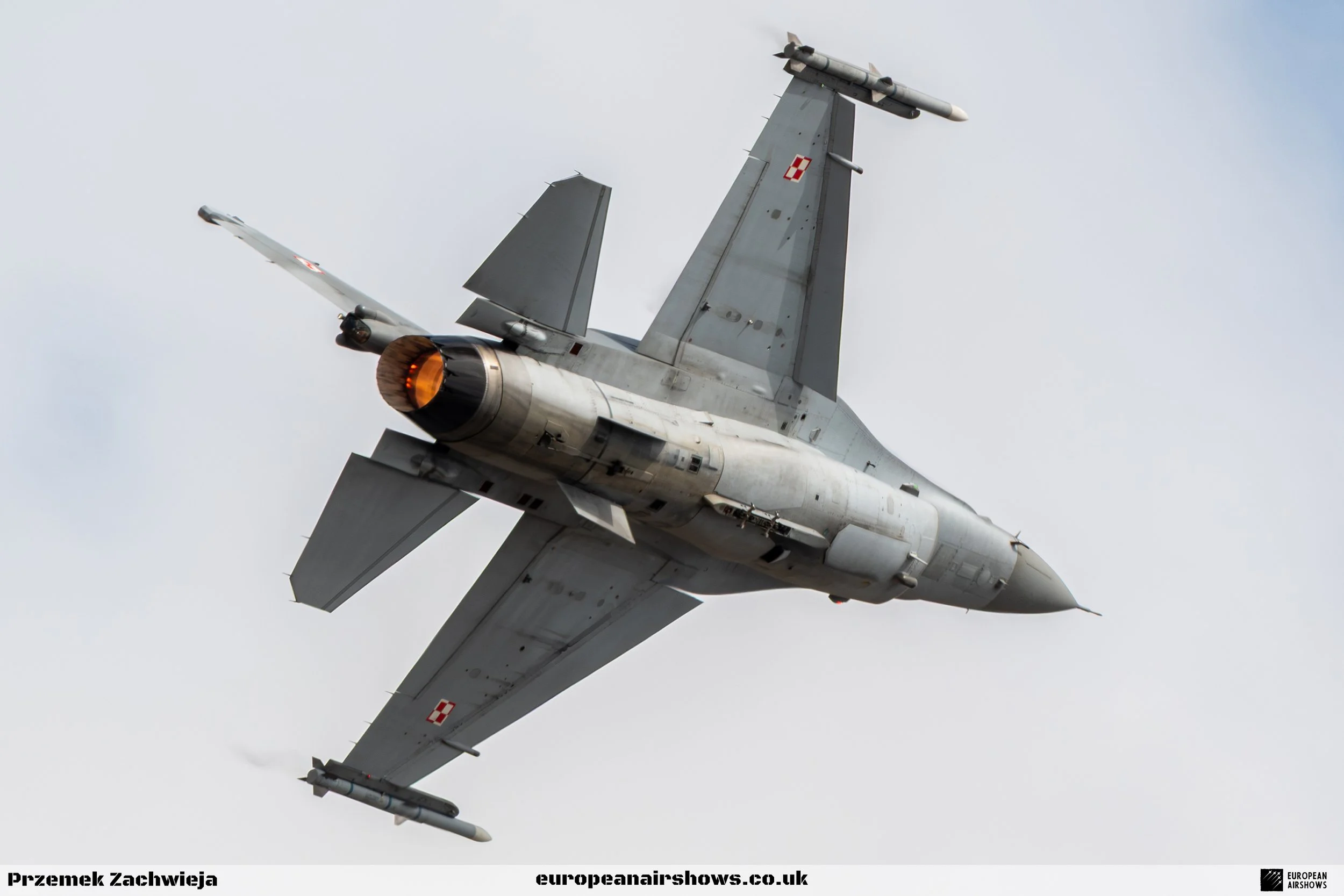
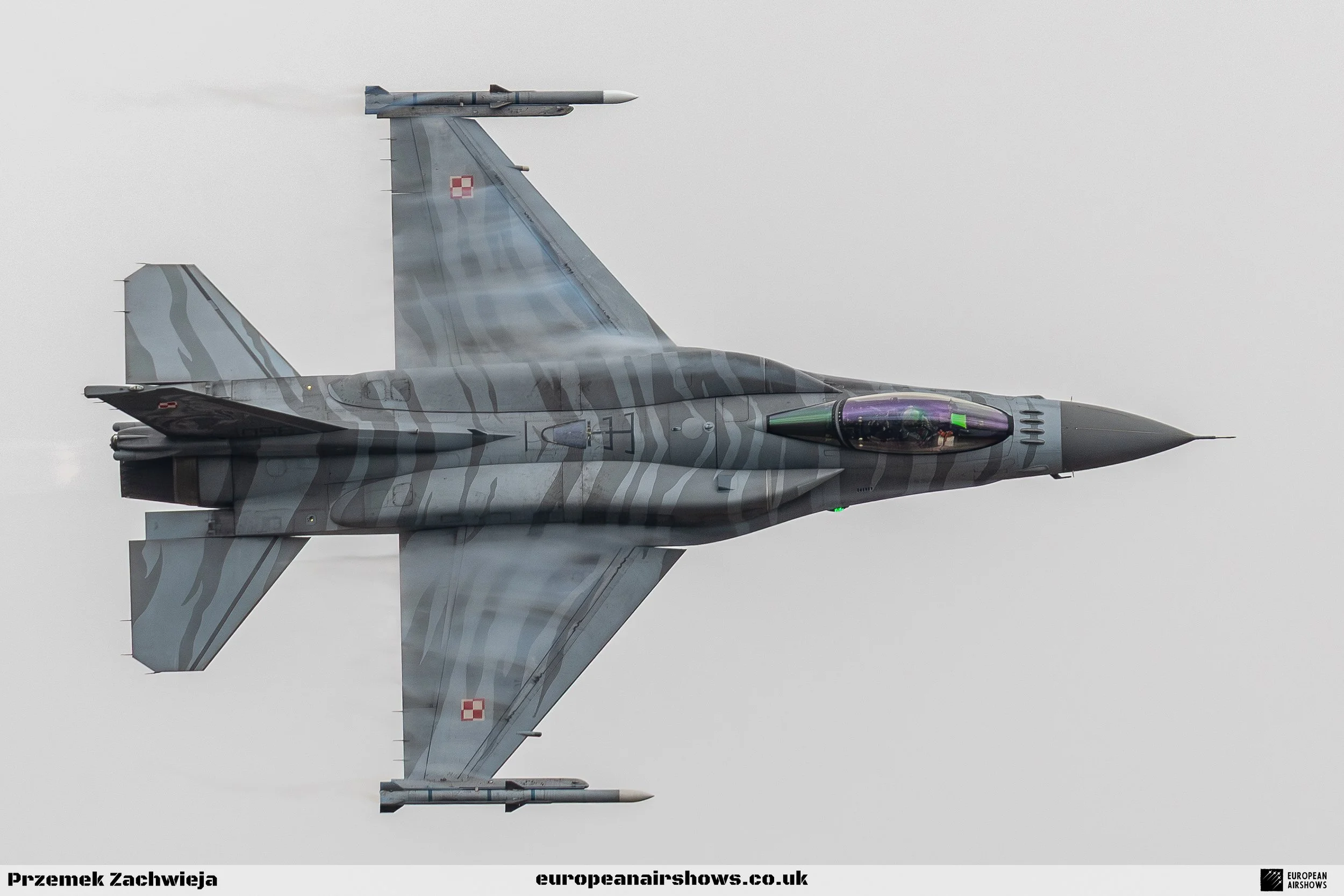
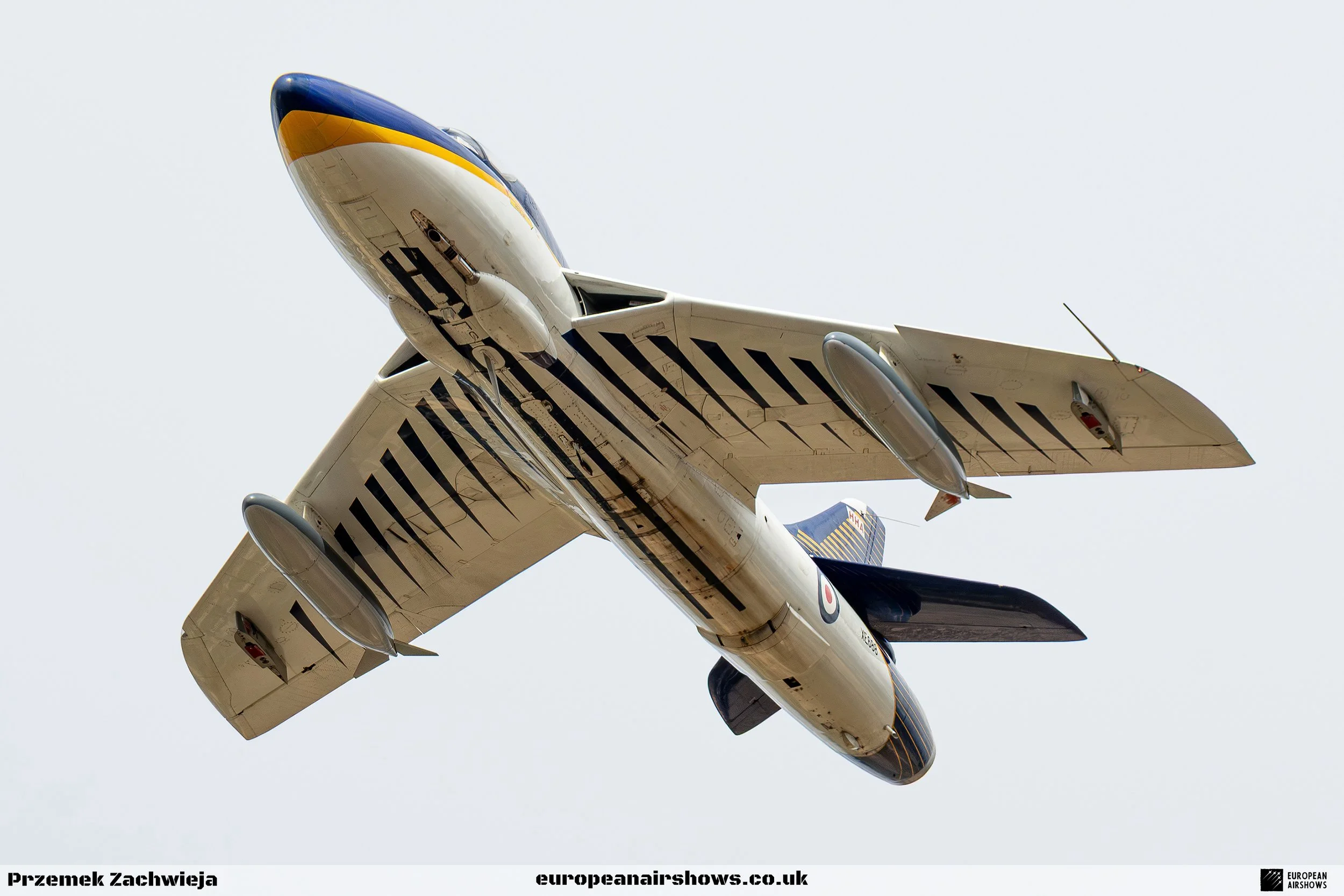
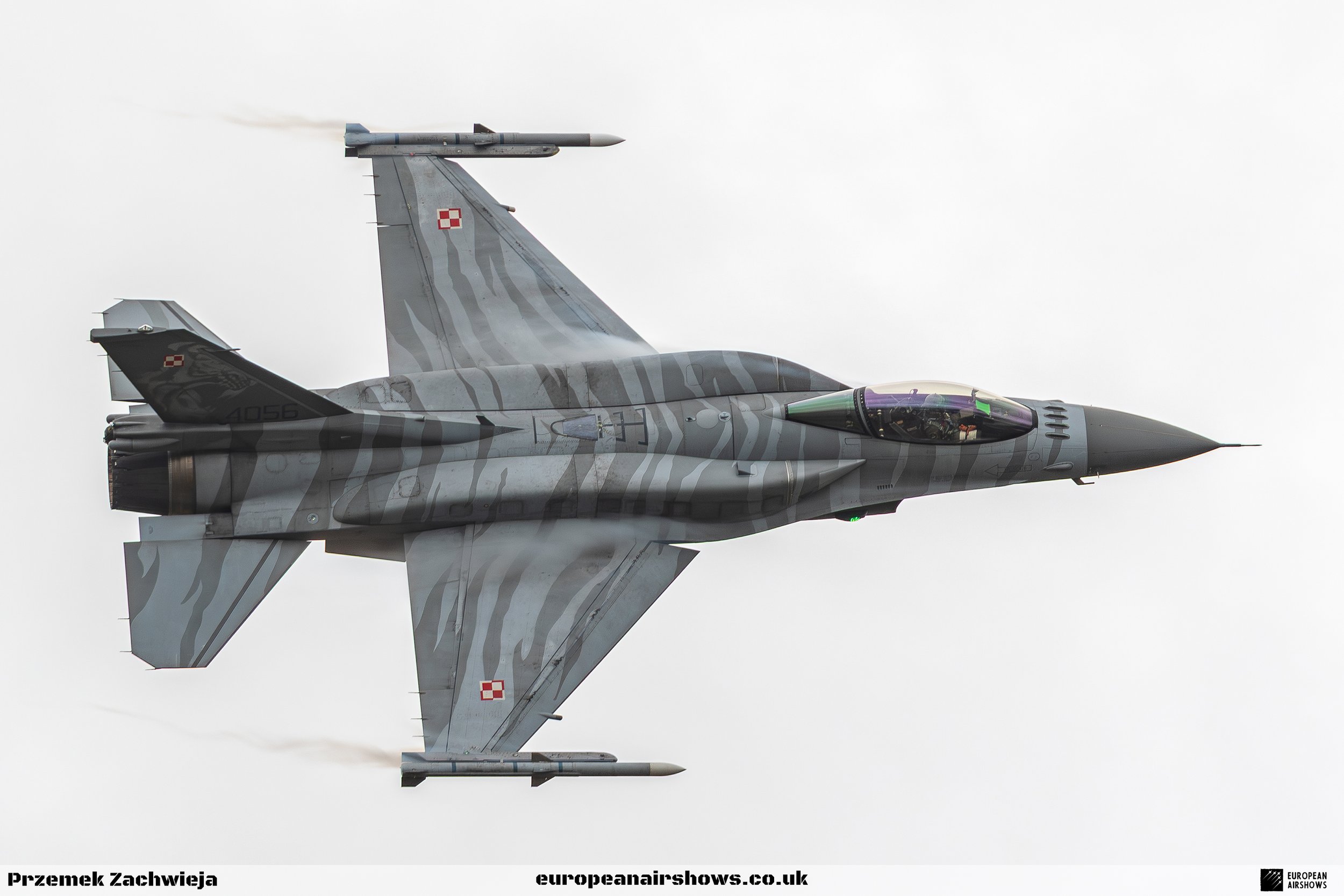
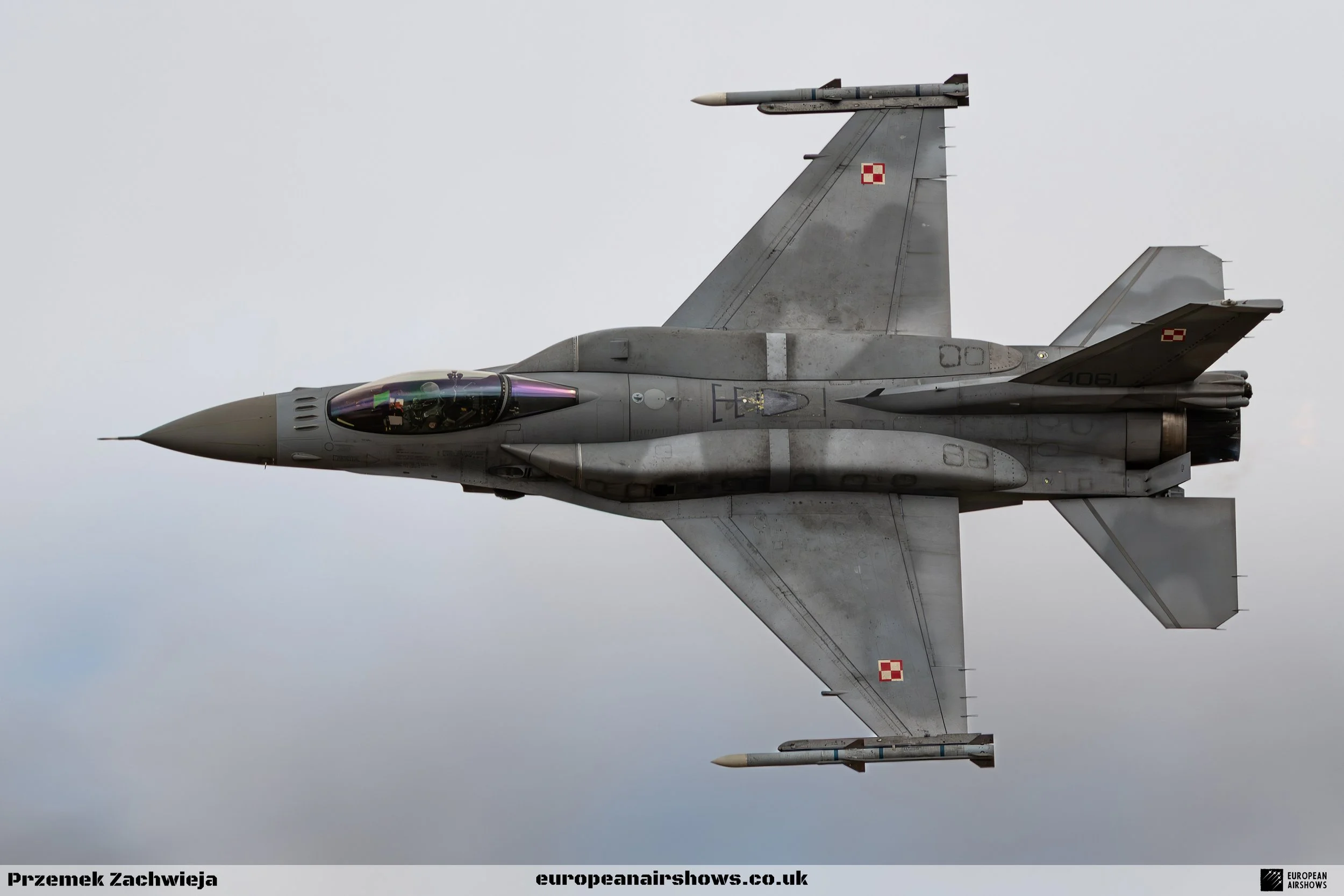
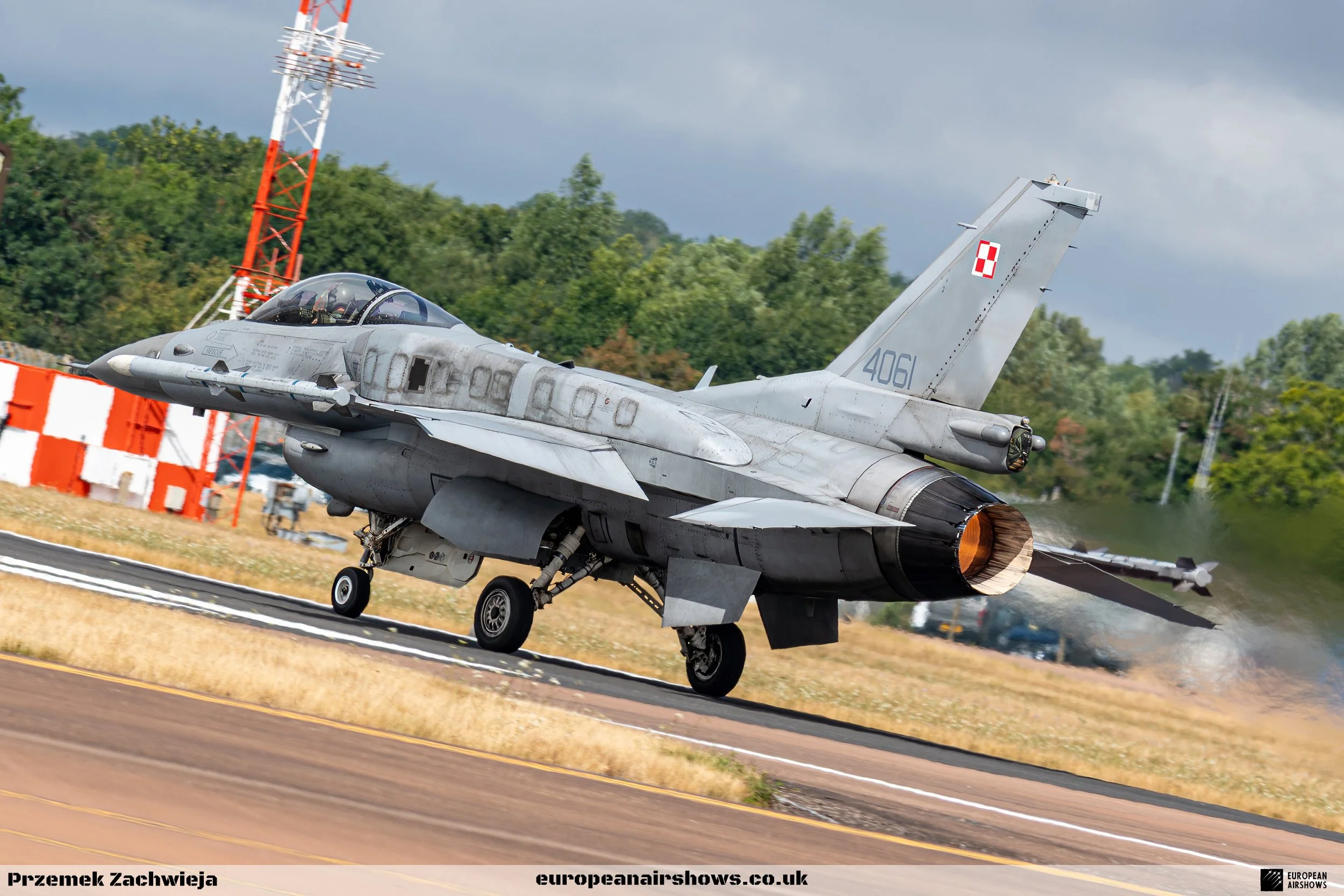
Poland’s F-16 Tiger Demo Team, flown by Maj. Maciej “SLAB” Krakowian of 6 Eskadra Lotnictwa Taktycznego, was one of the weekend’s most aggressive routines. On Friday, he flew a standard line jet, but Saturday and Sunday saw the full tiger-striped special livery unleashed. The combination of power, flair and crowd connection earned him the As the Crow Flies Trophy for the best overall display.
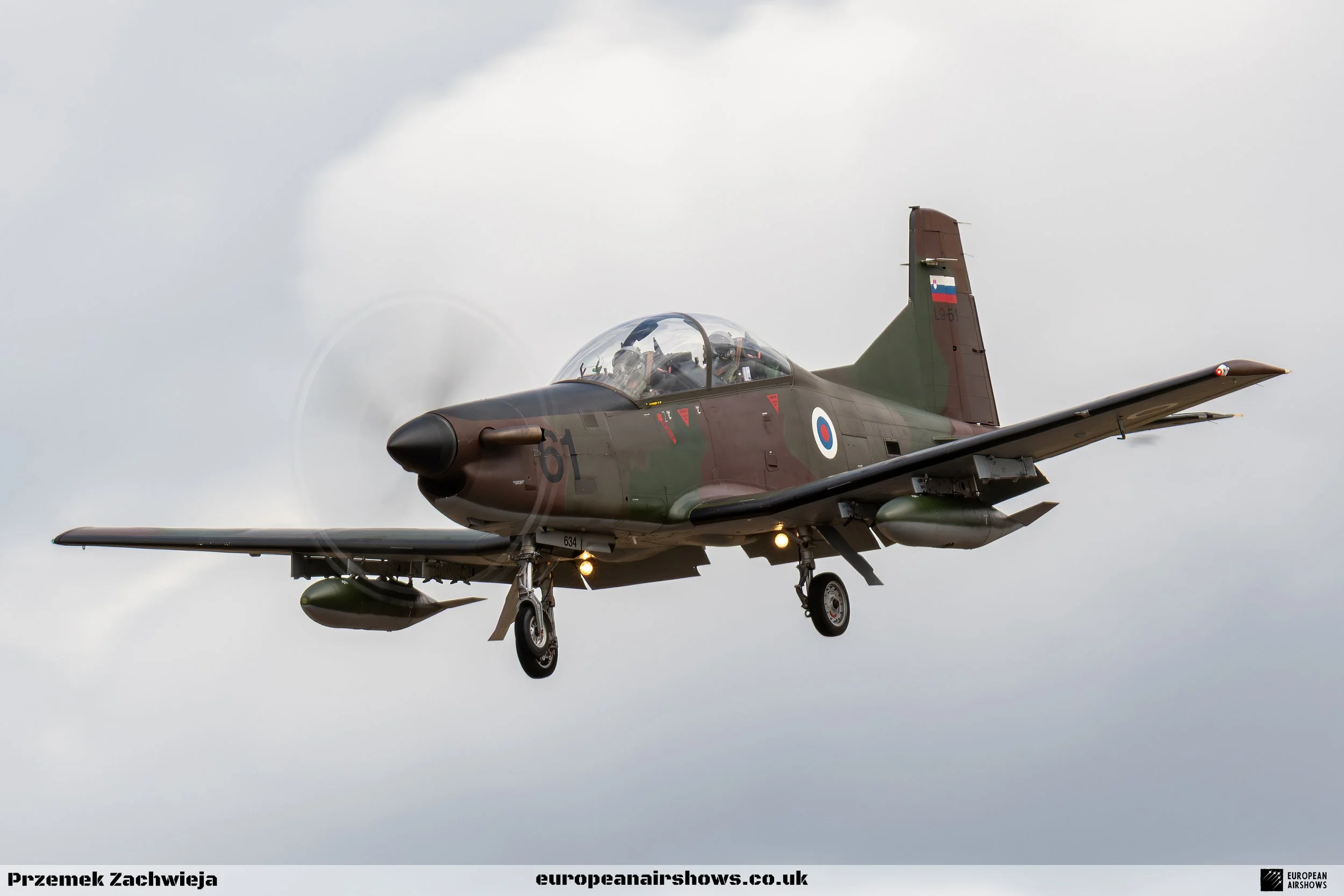
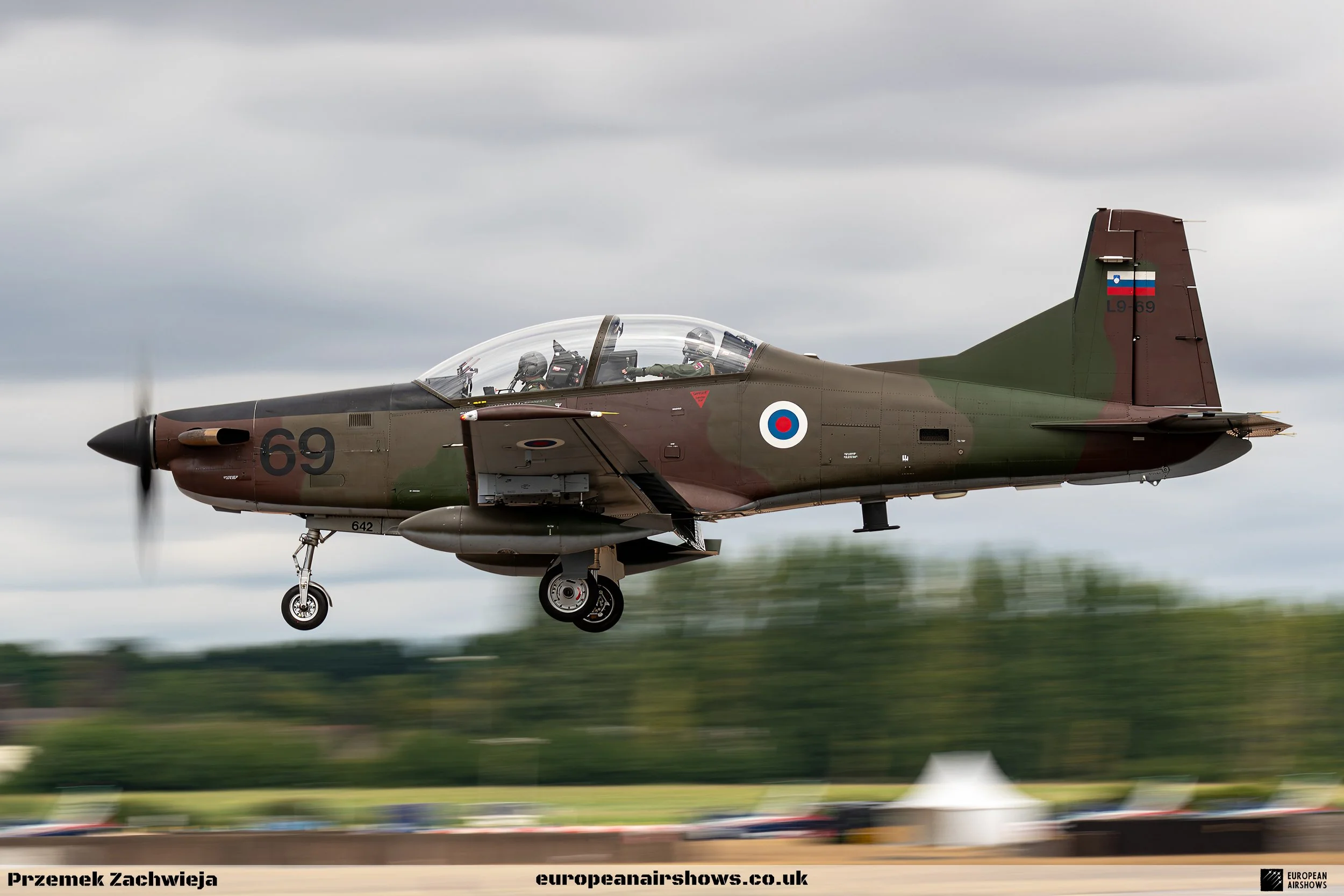
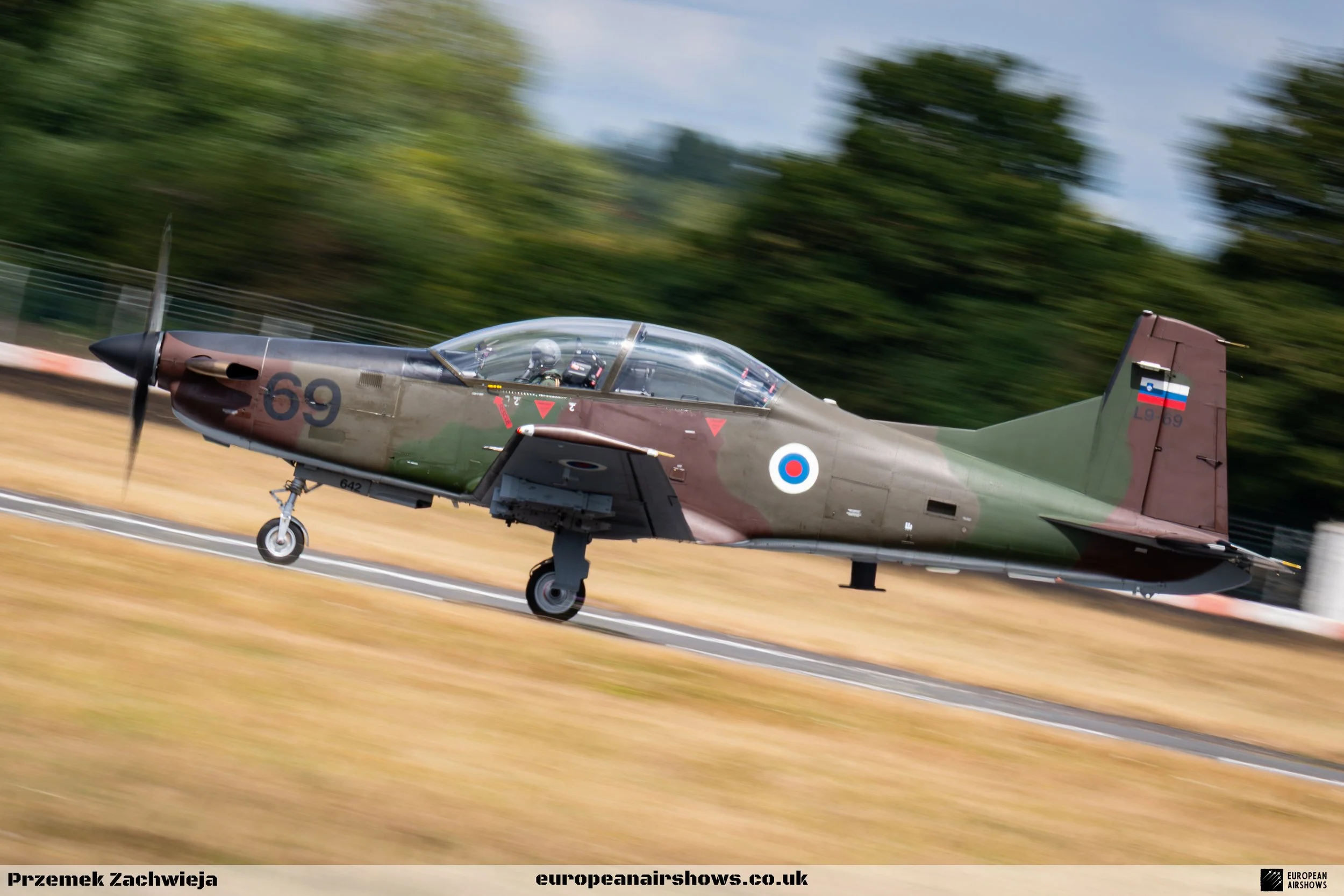
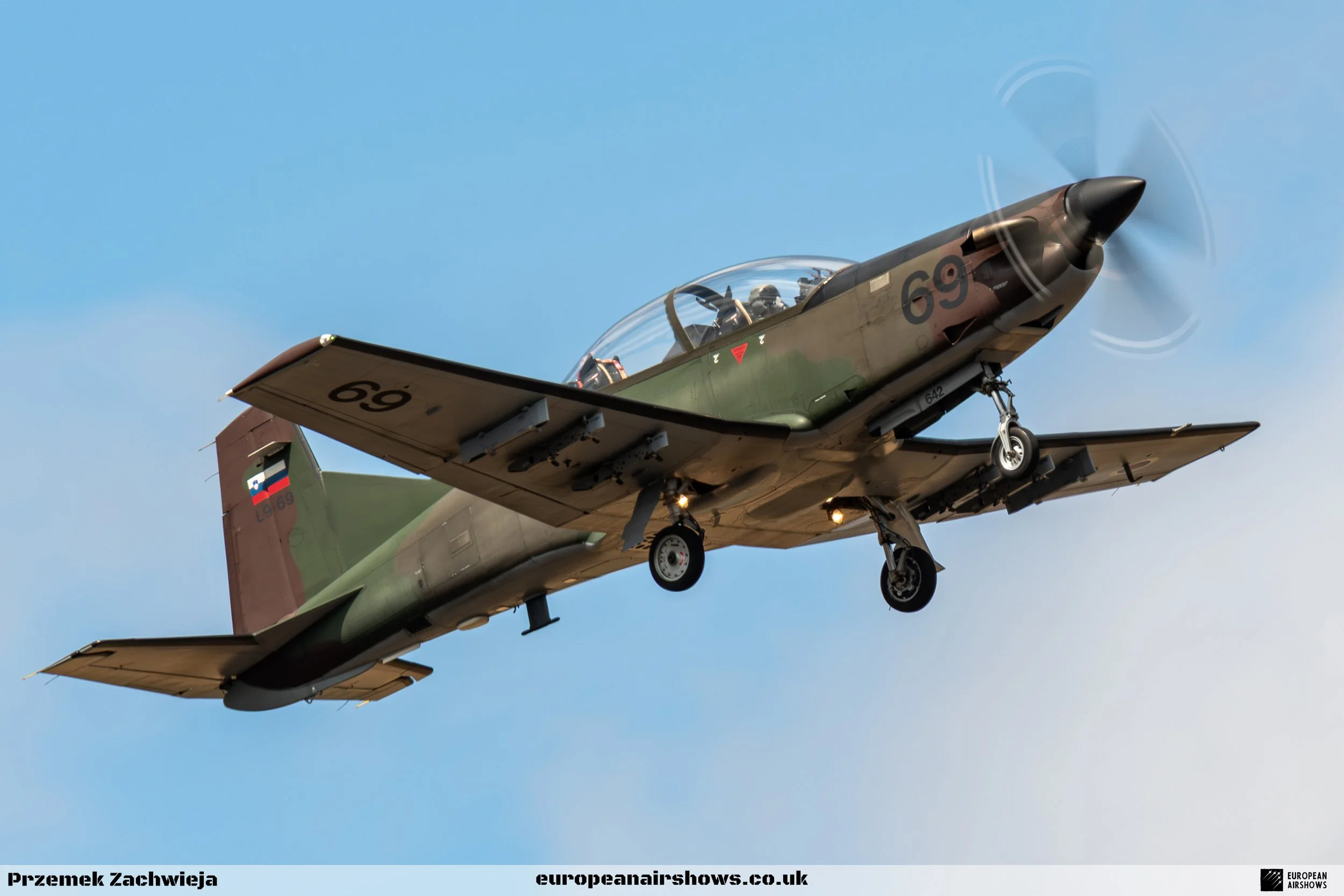
Slovenia’s Capt. Andrej Fiorelli brought refinement with his Pilatus PC-9M Hudournik. The slowest fixed-wing solo display slot aircraft on the card, it was nevertheless one of the most compelling, each manoeuvre crisp and deliberate. His flawless routine earned the King Hussein Memorial Sword for the overall most polished flying demonstration.
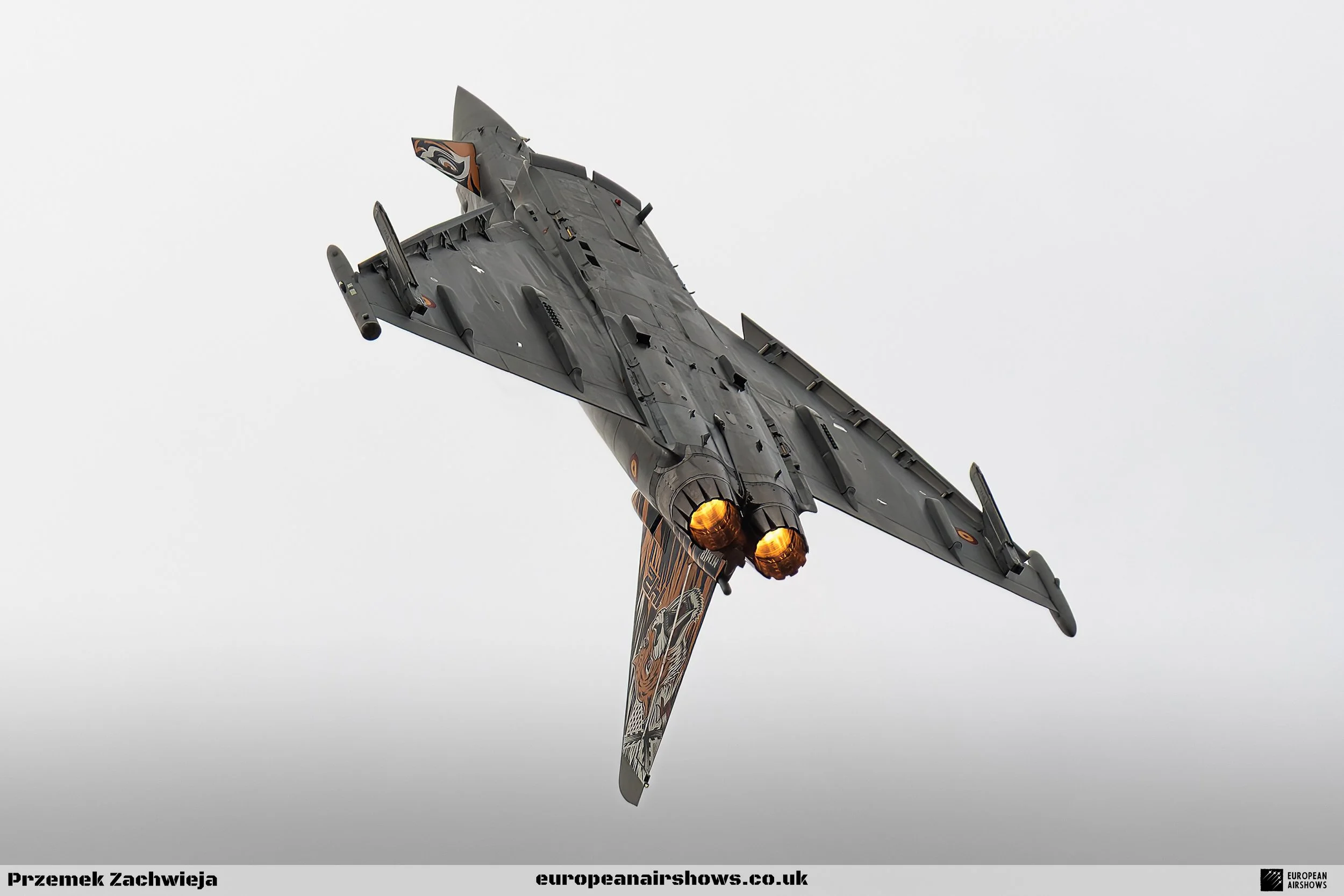
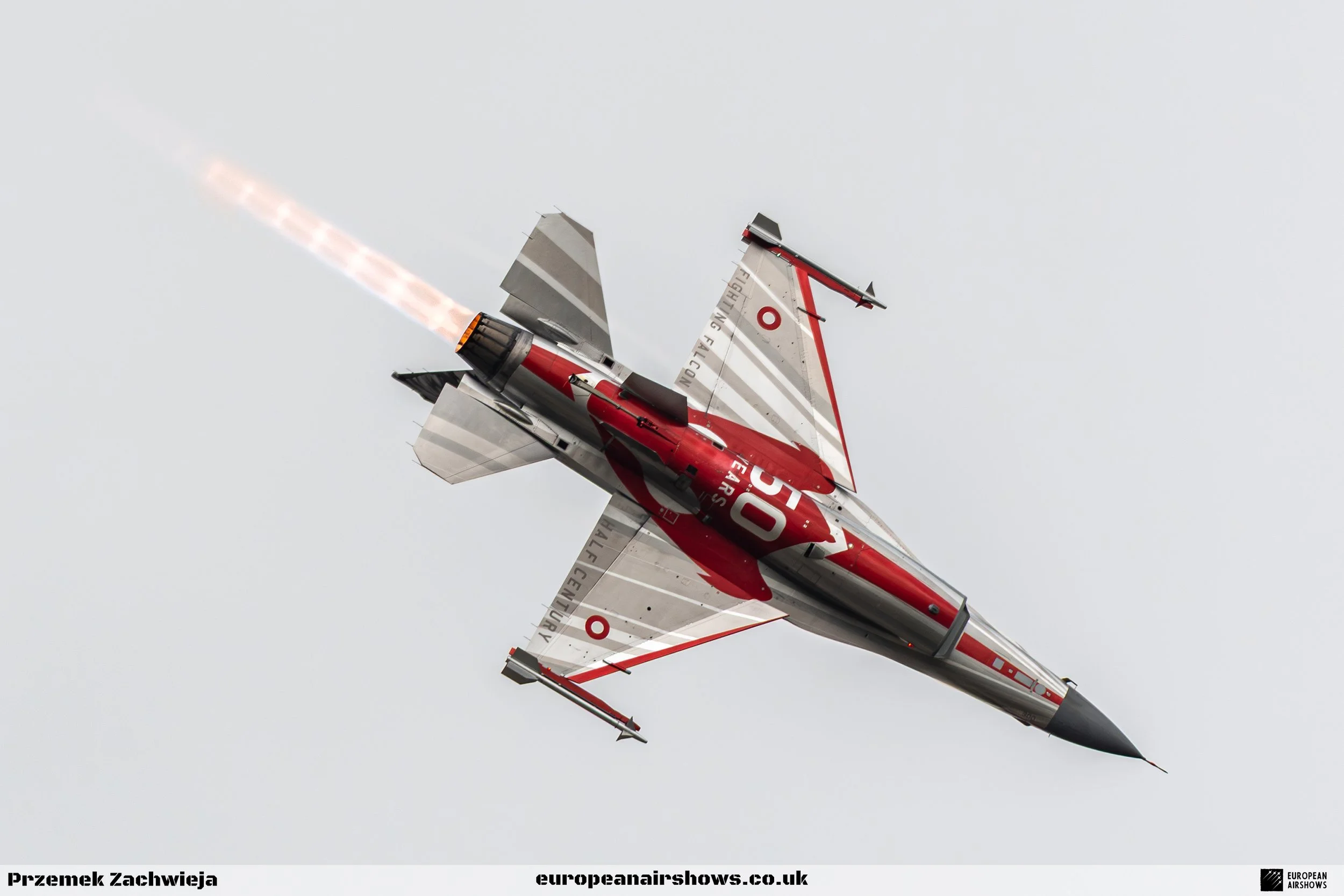
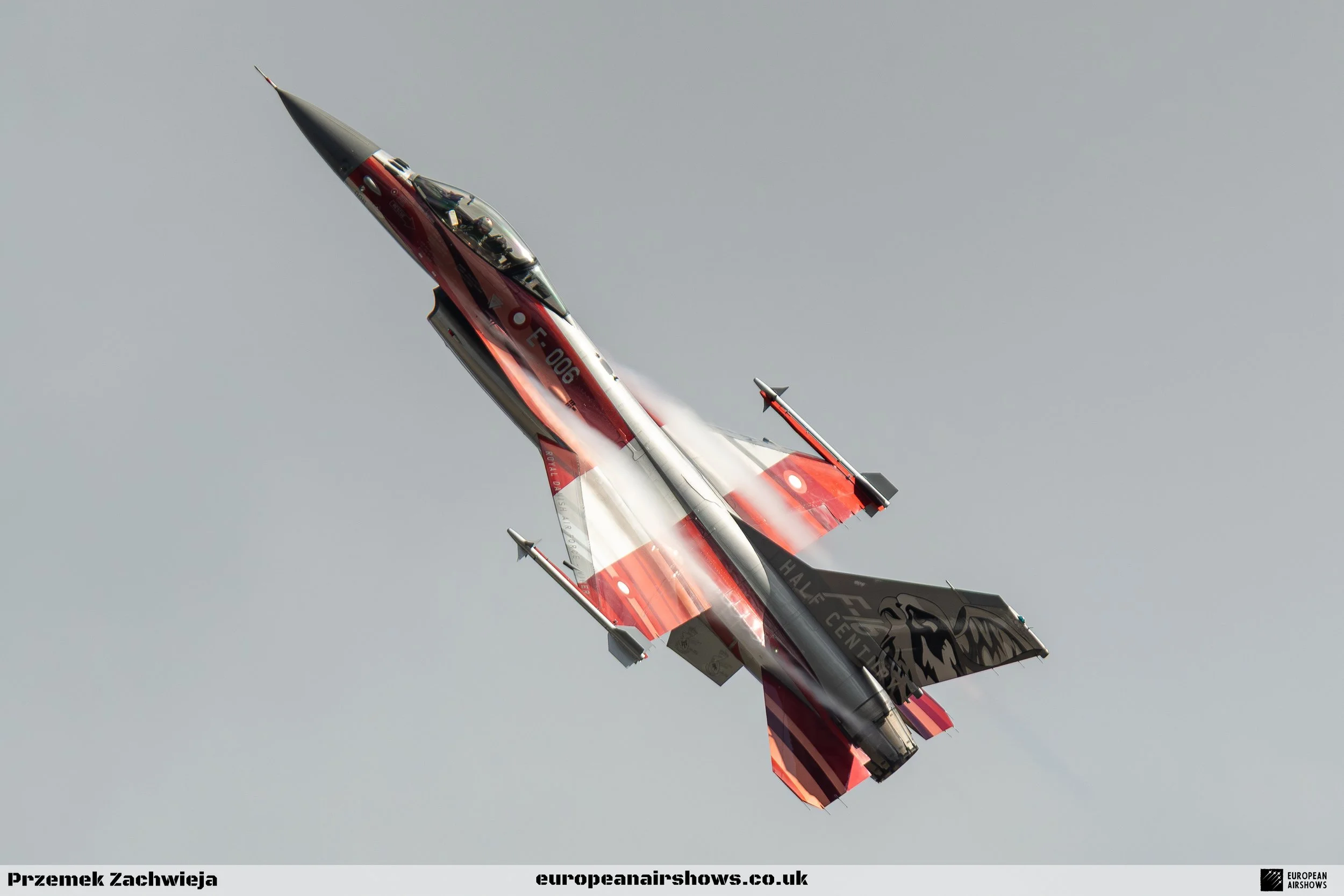
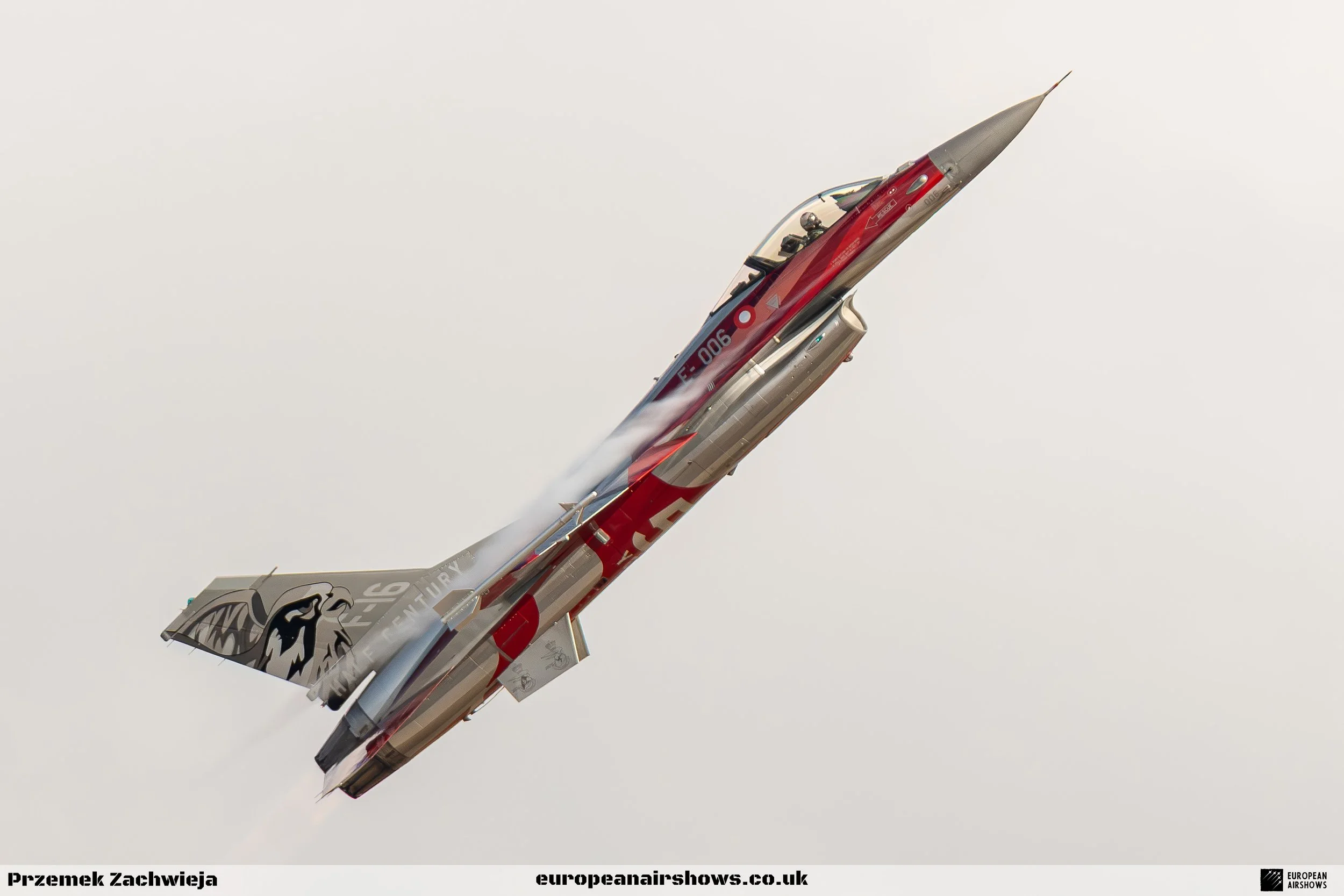
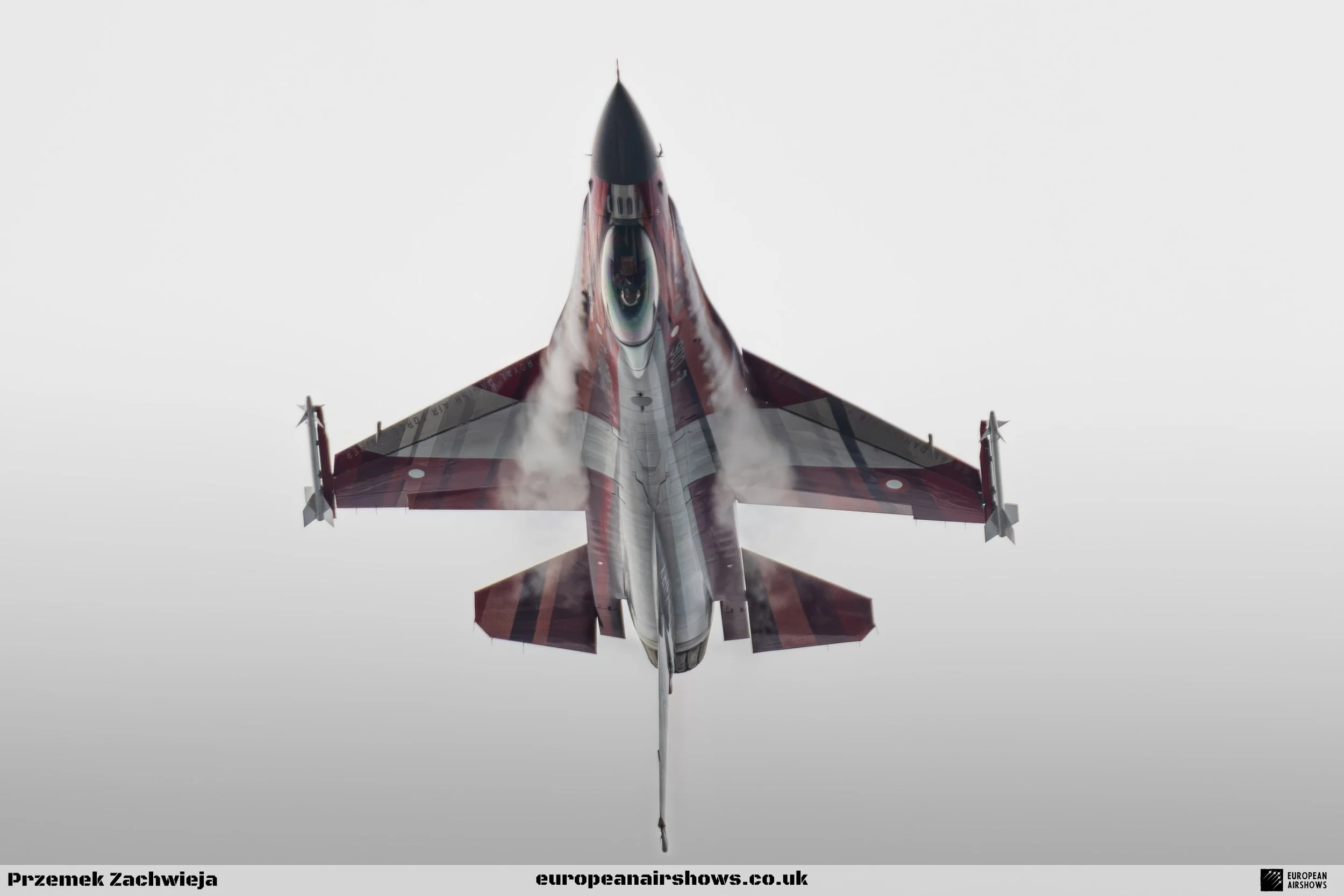
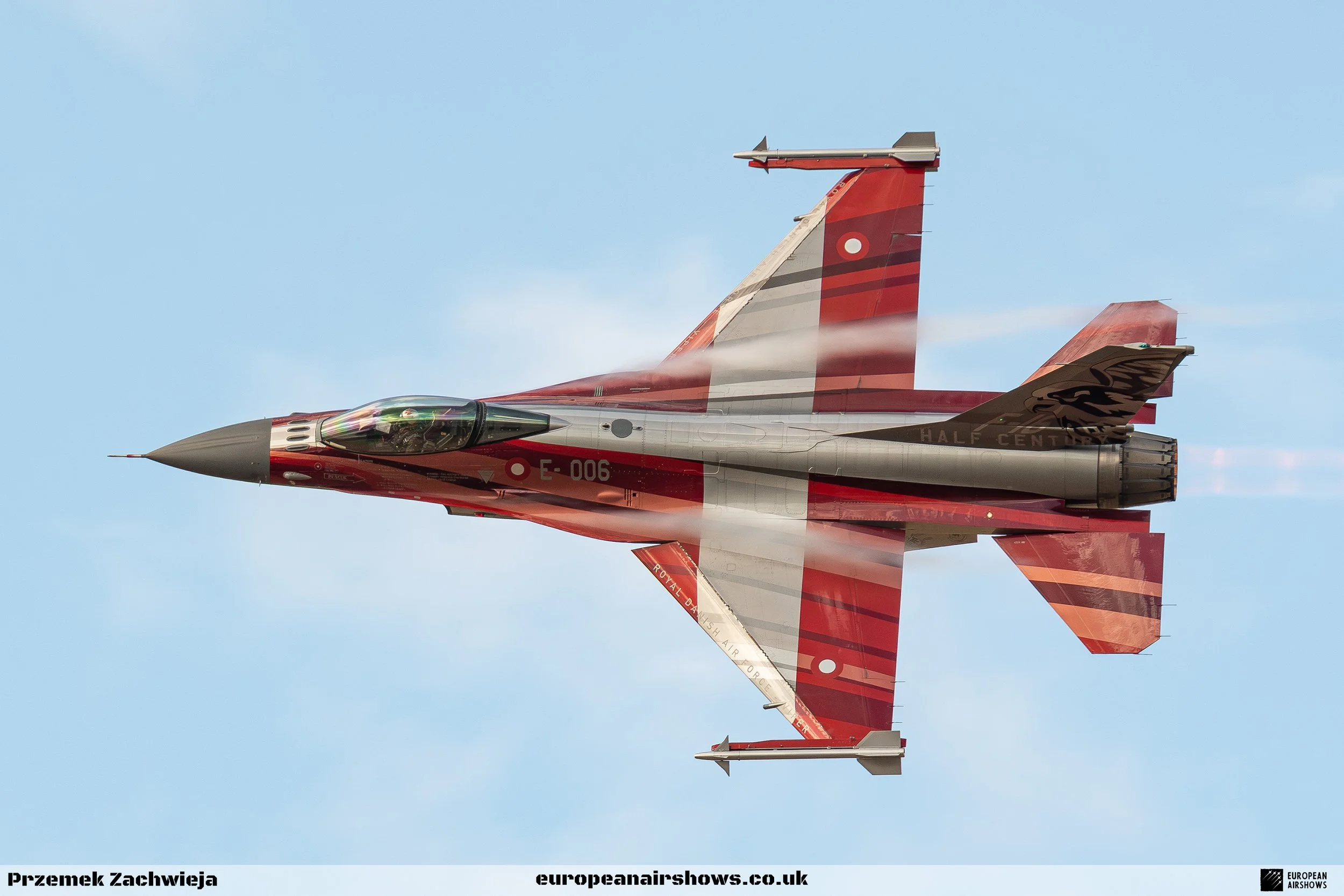
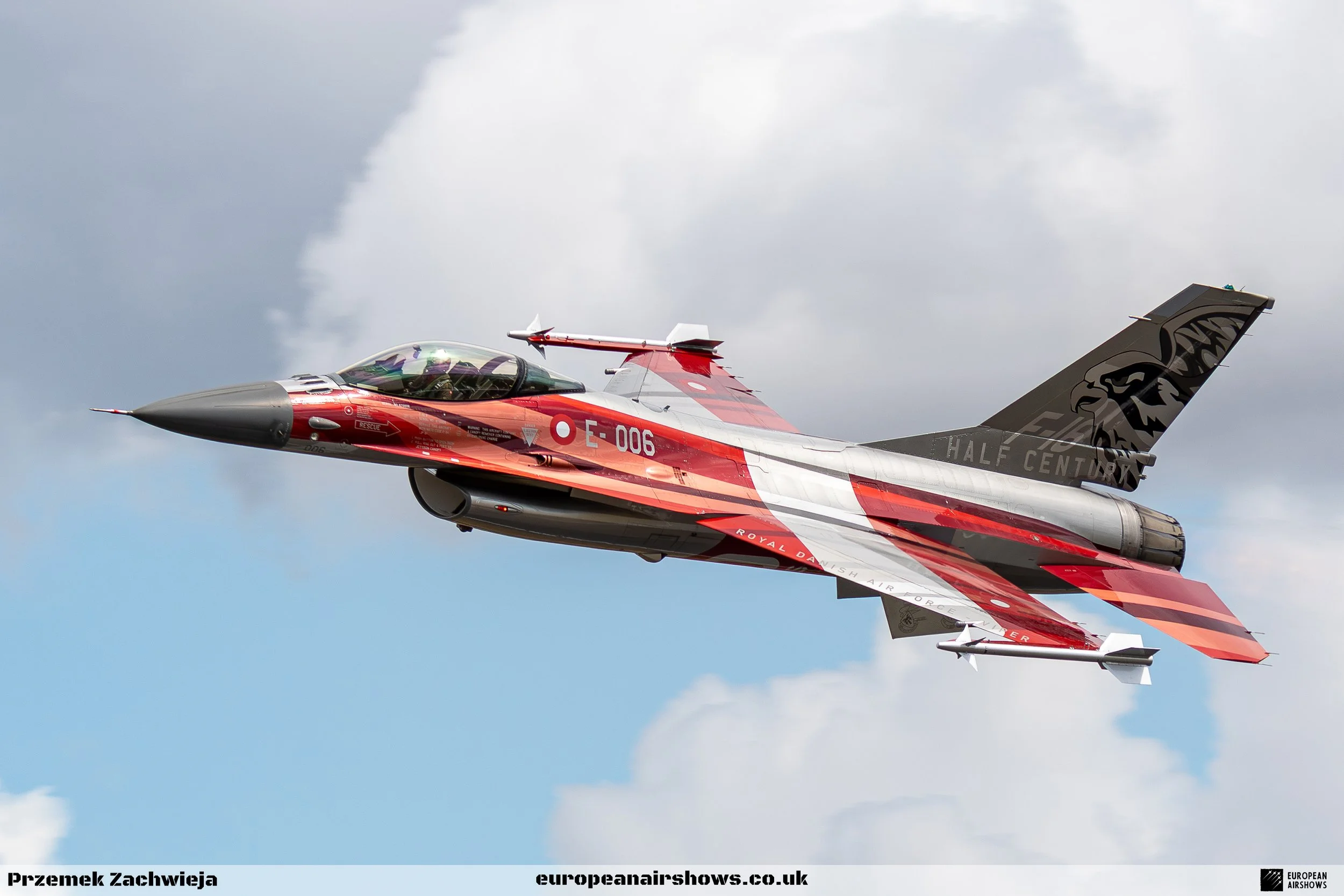
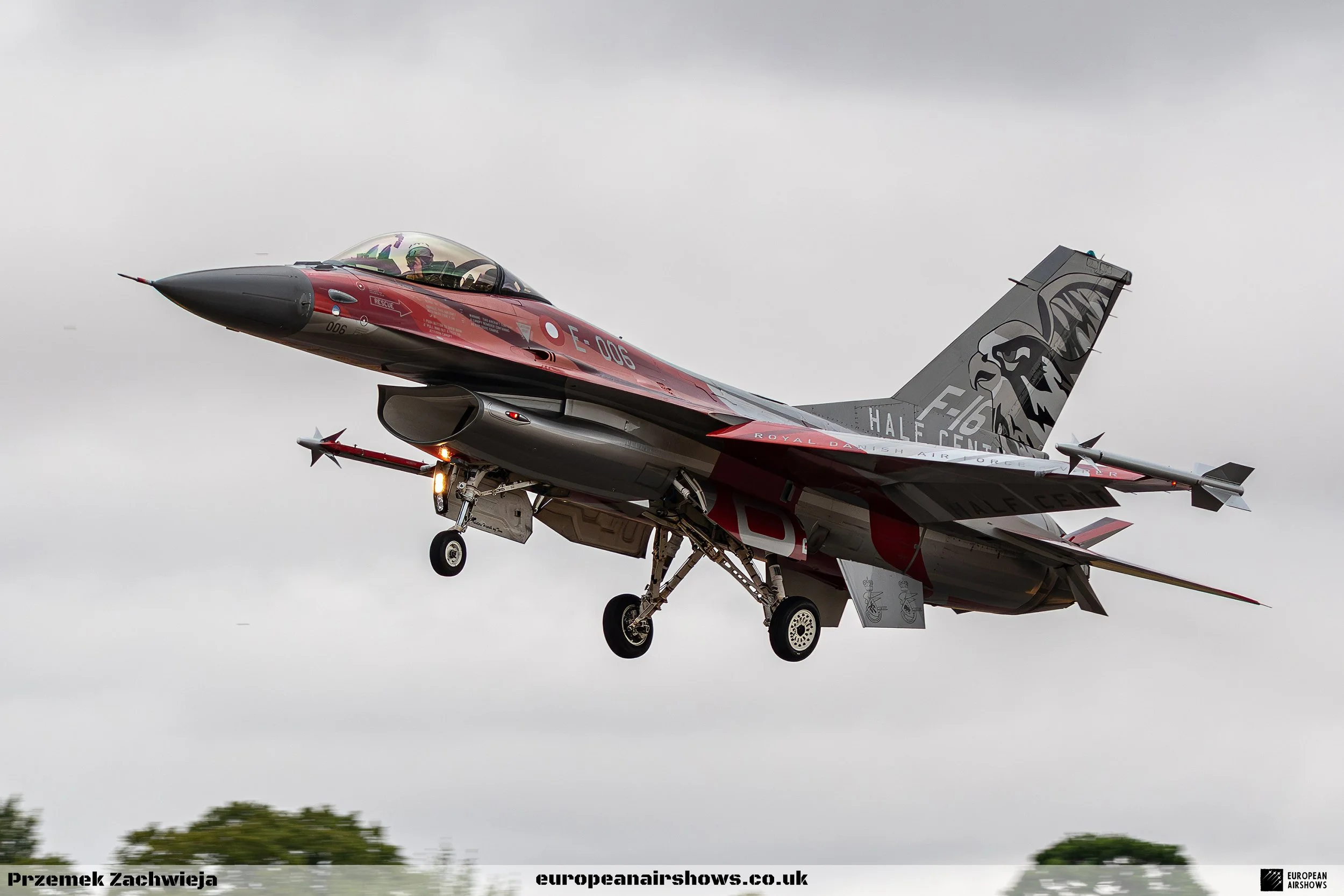
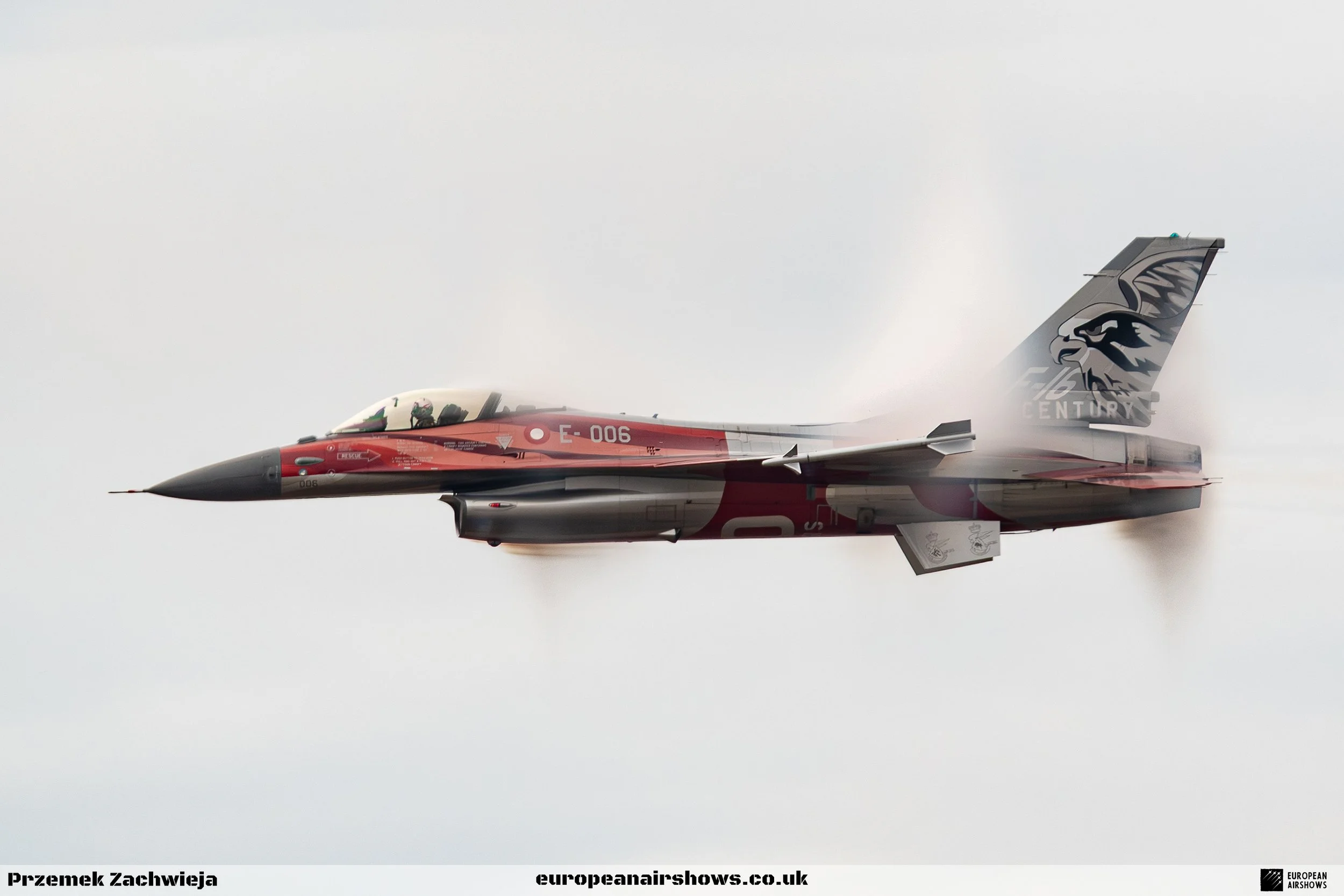
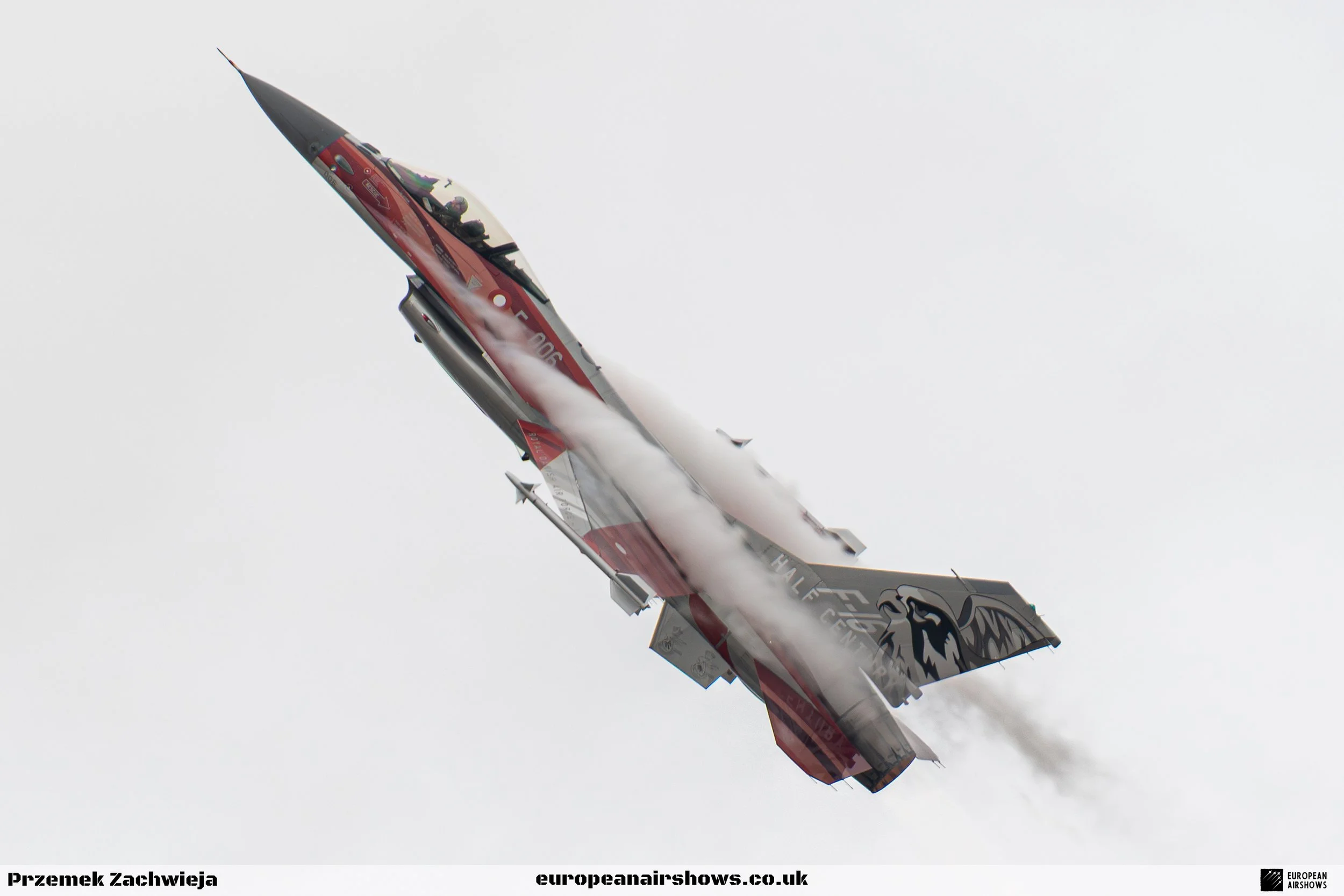
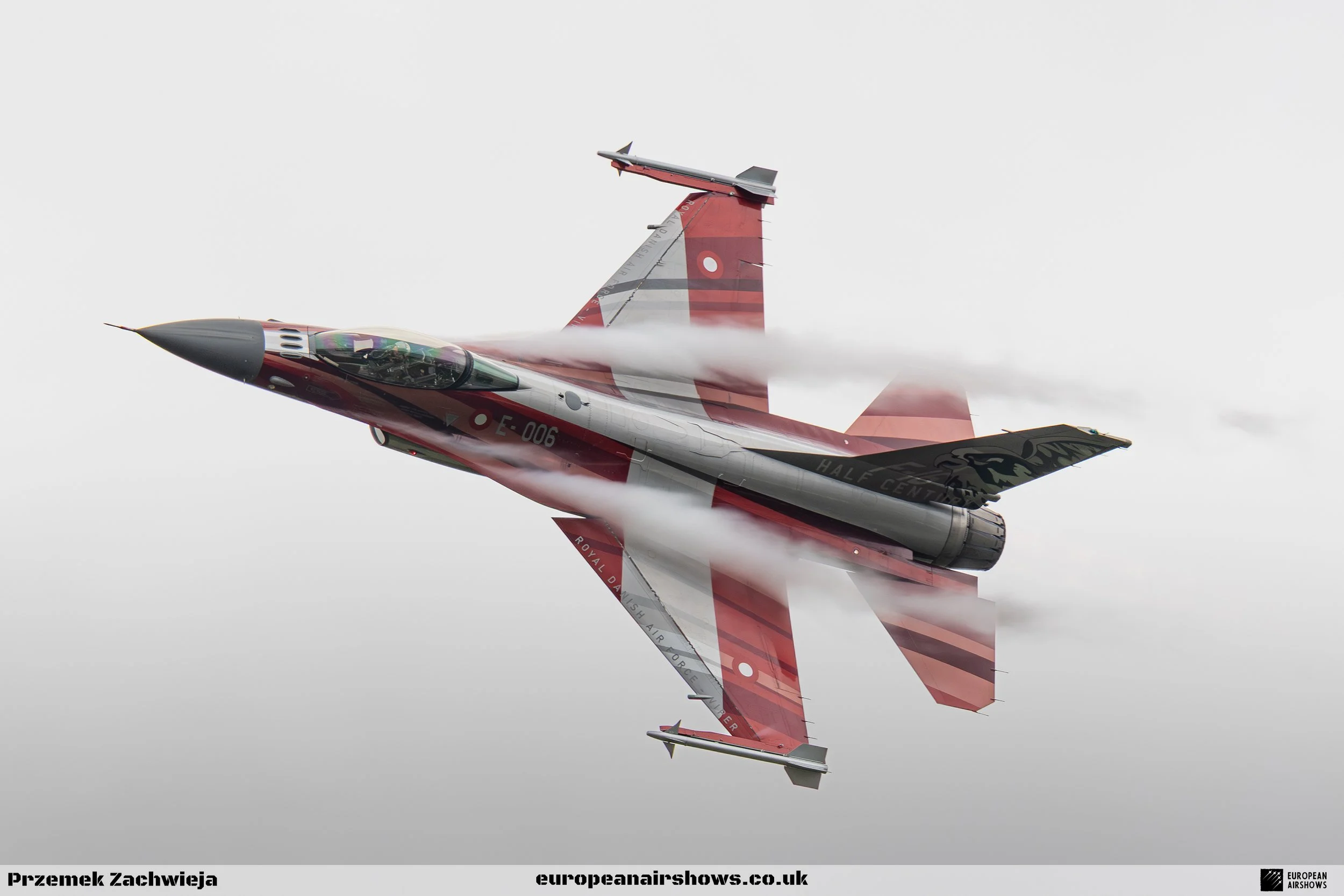
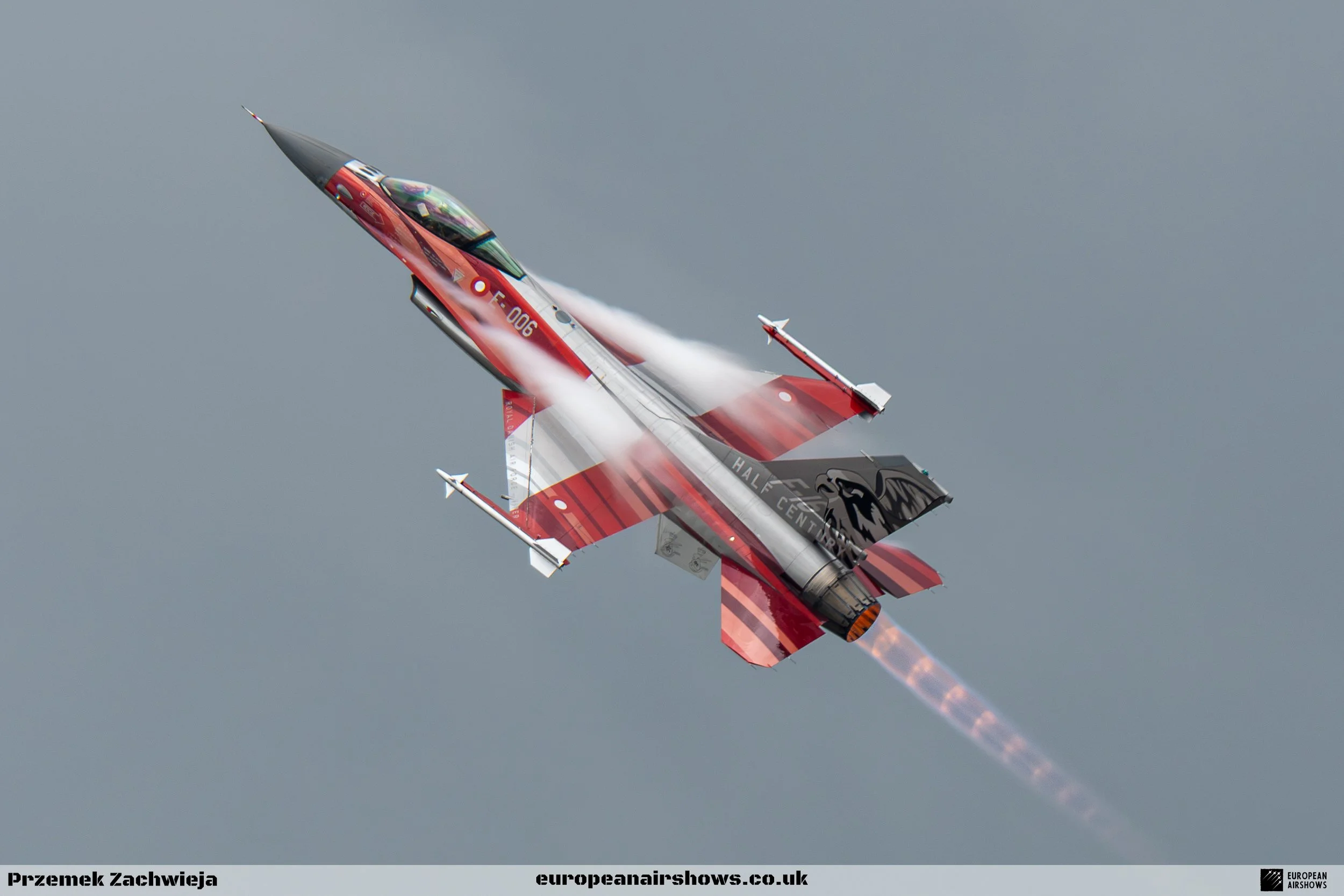
The Royal Danish Air Force closed a chapter of history with their last RIAT F-16 appearance. Capt. Troels “TEO” Vang flew F-16AM E-006 “Dannebrog II” in a routine as emotional as it was precise. For its striking scheme, the jet took the Best Livery Trophy, and for the quality of the flying, the Sir Douglas Bader Trophy for best individual display. It was a fitting farewell before Denmark retires the type at the end of the year.
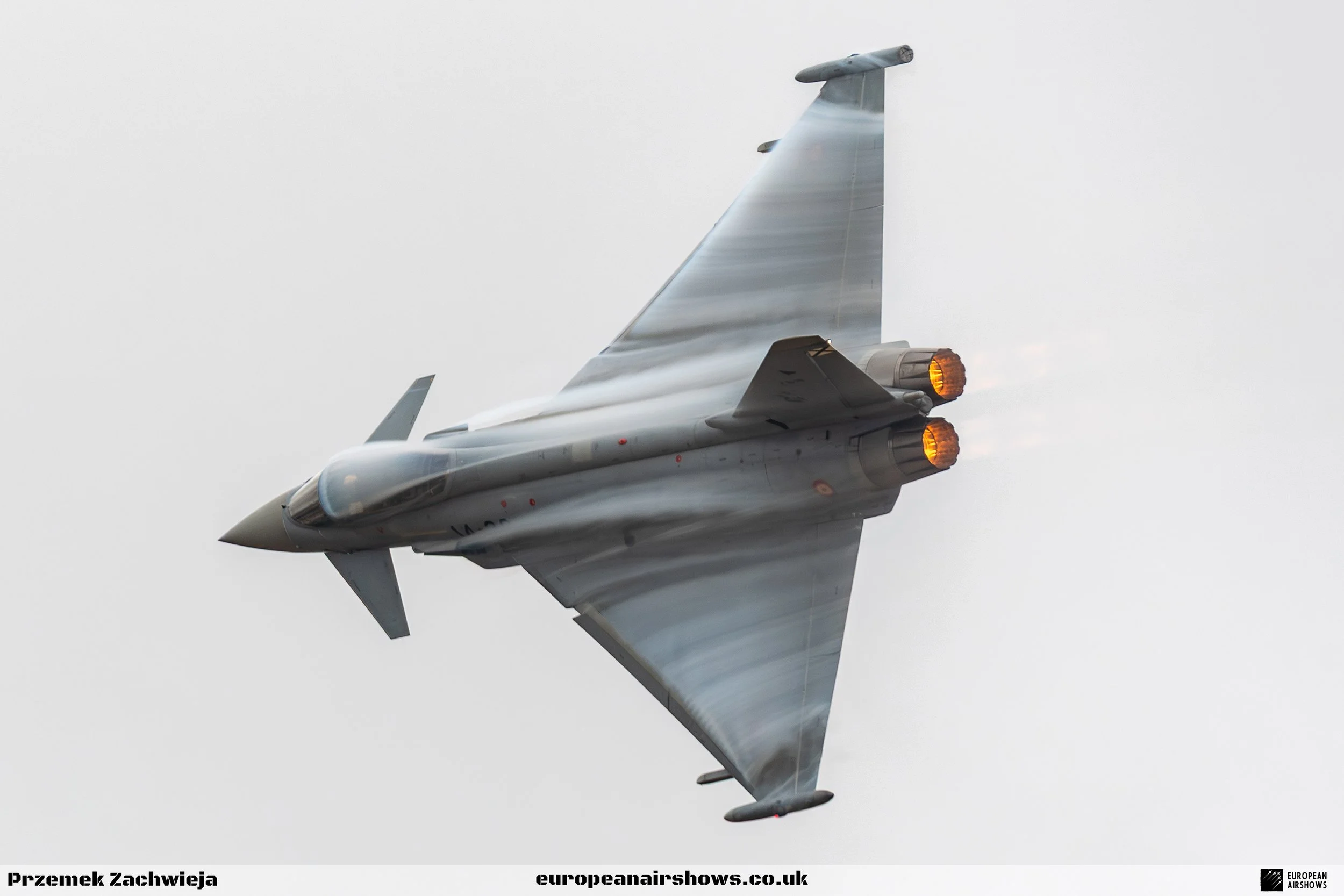
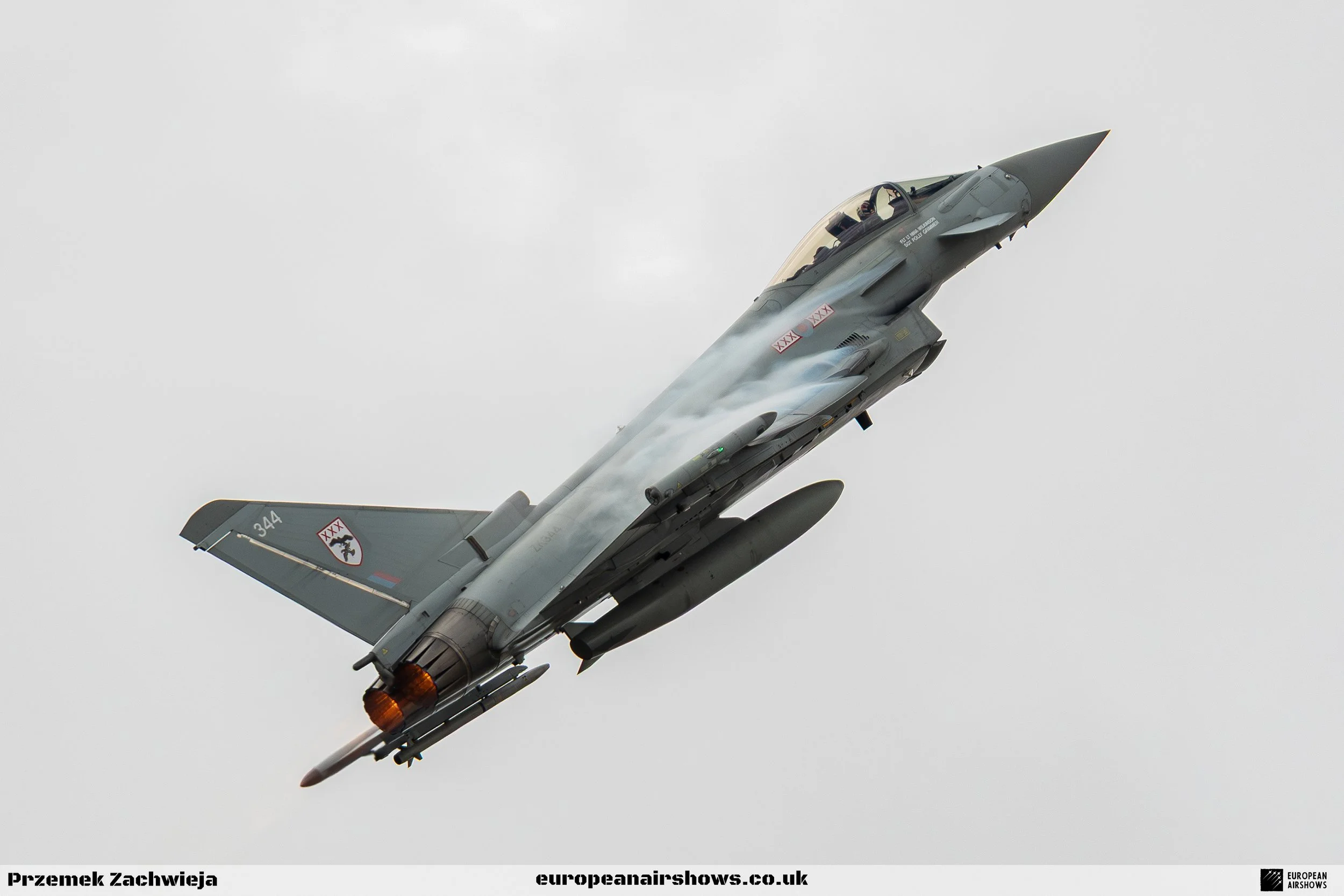
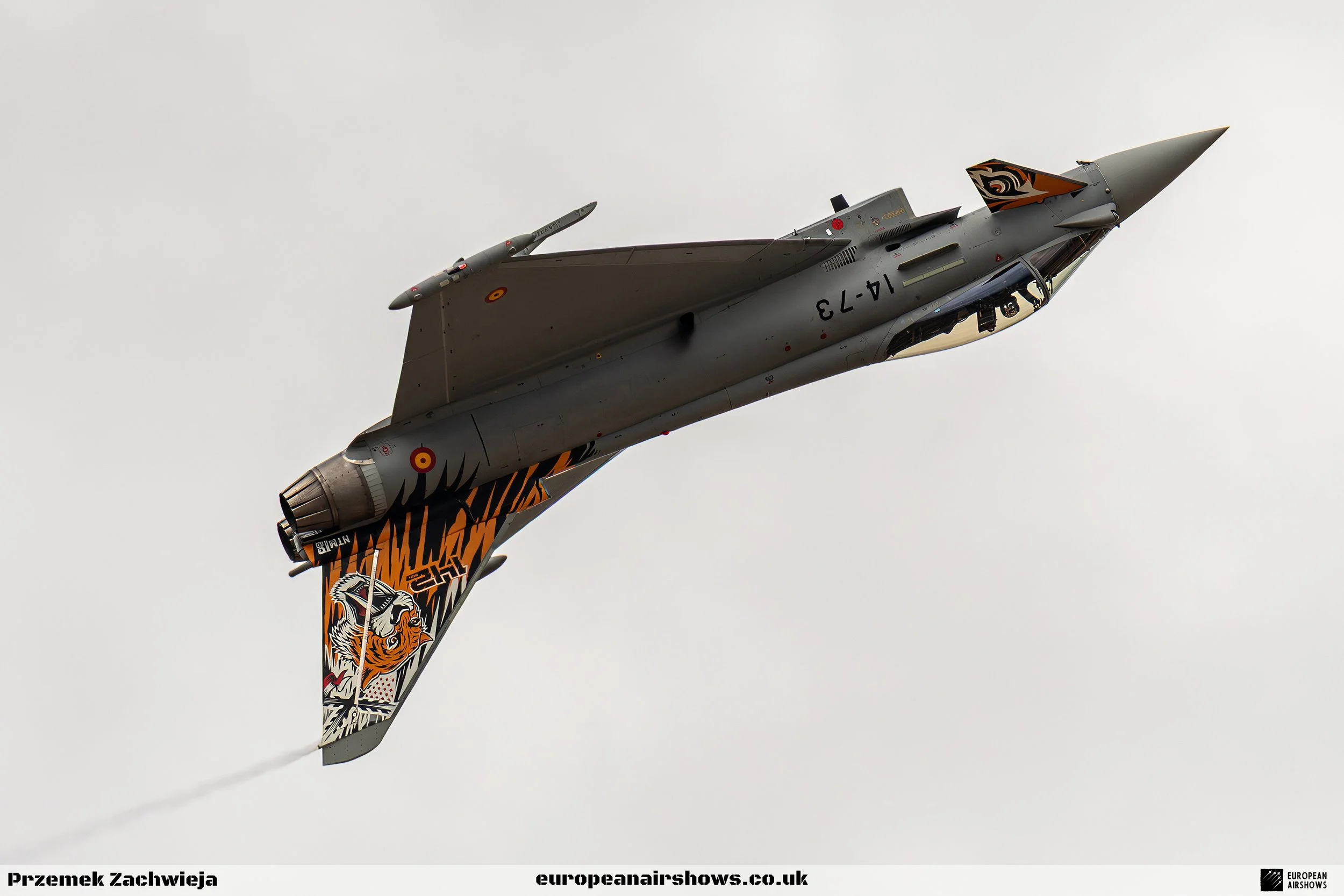
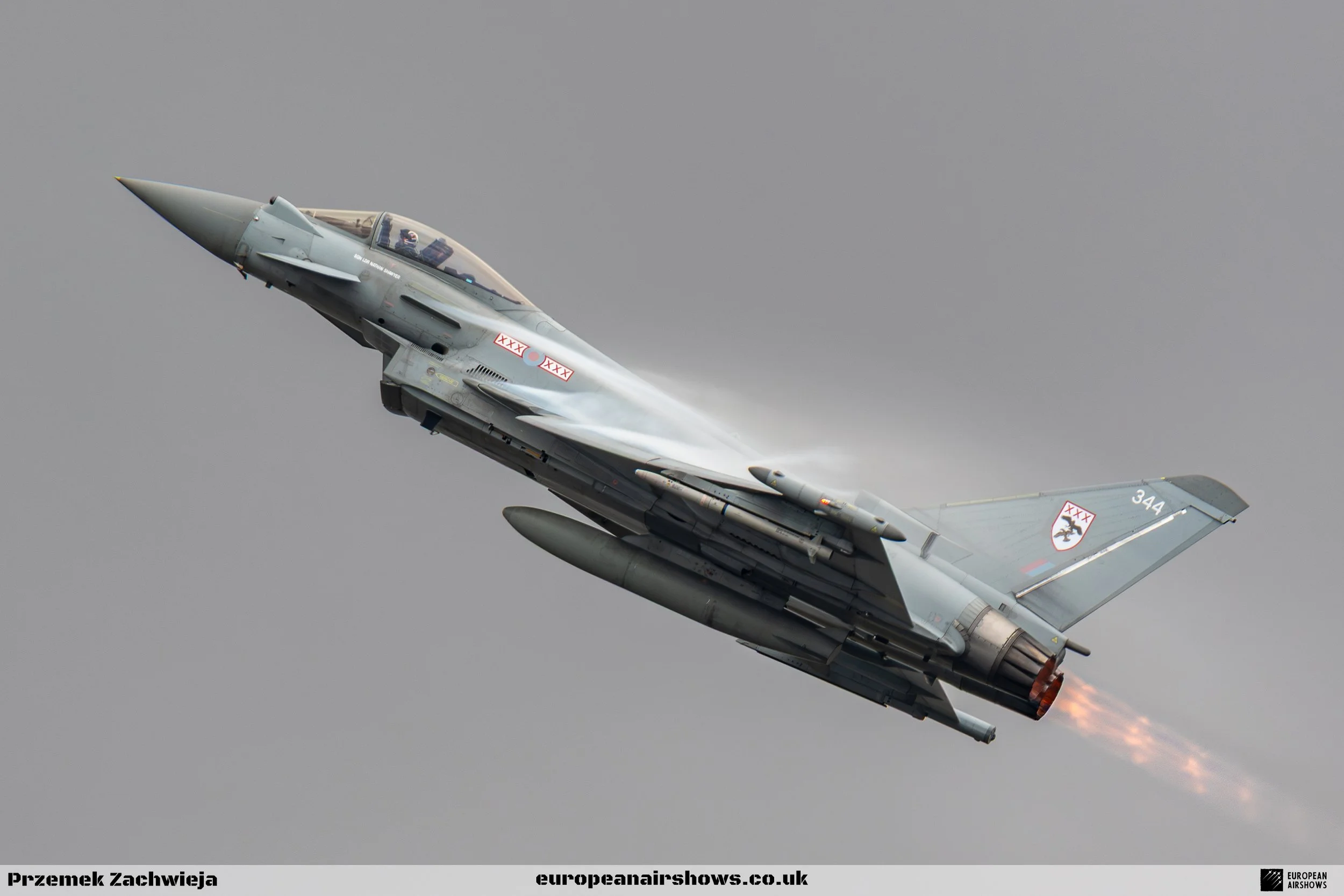
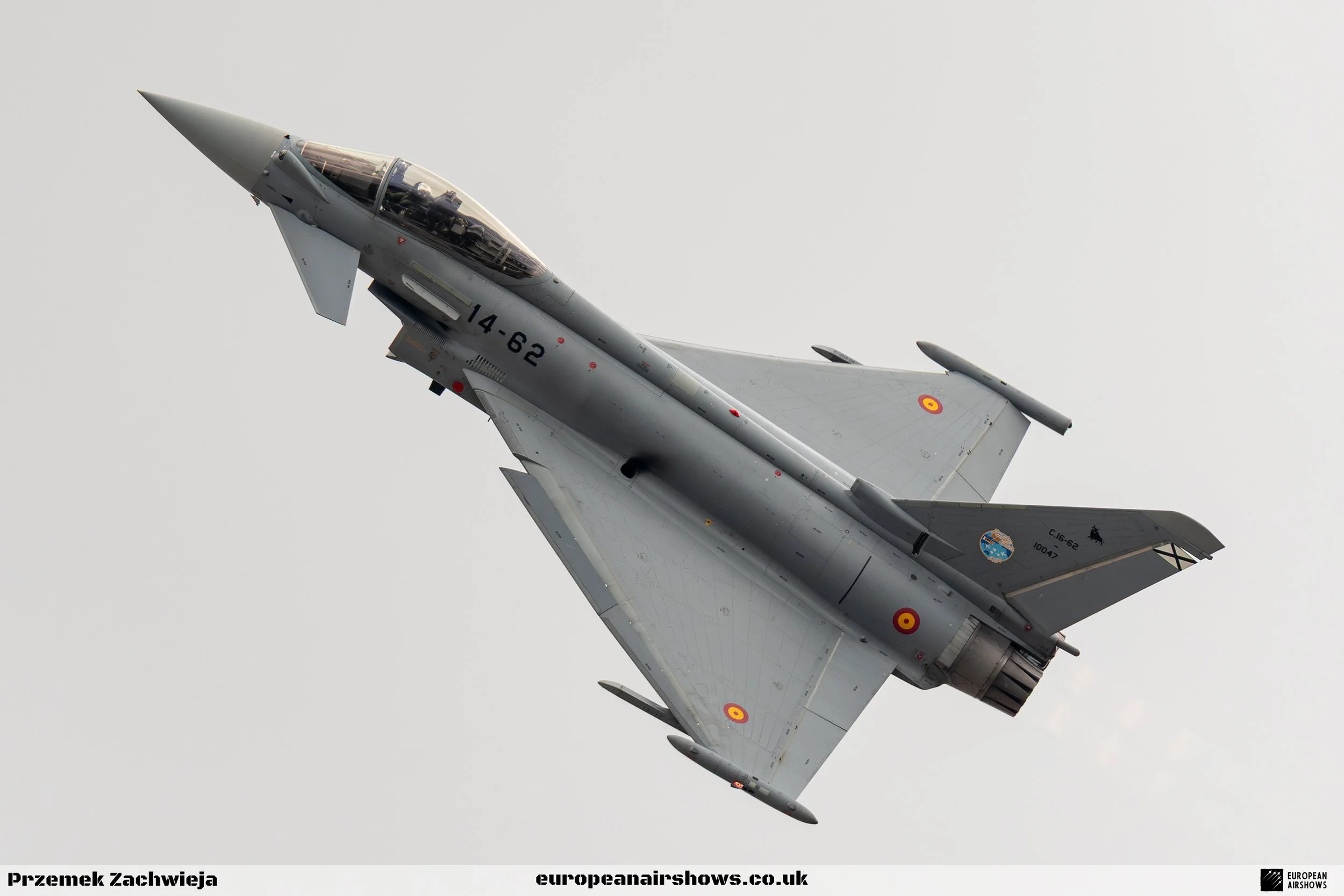
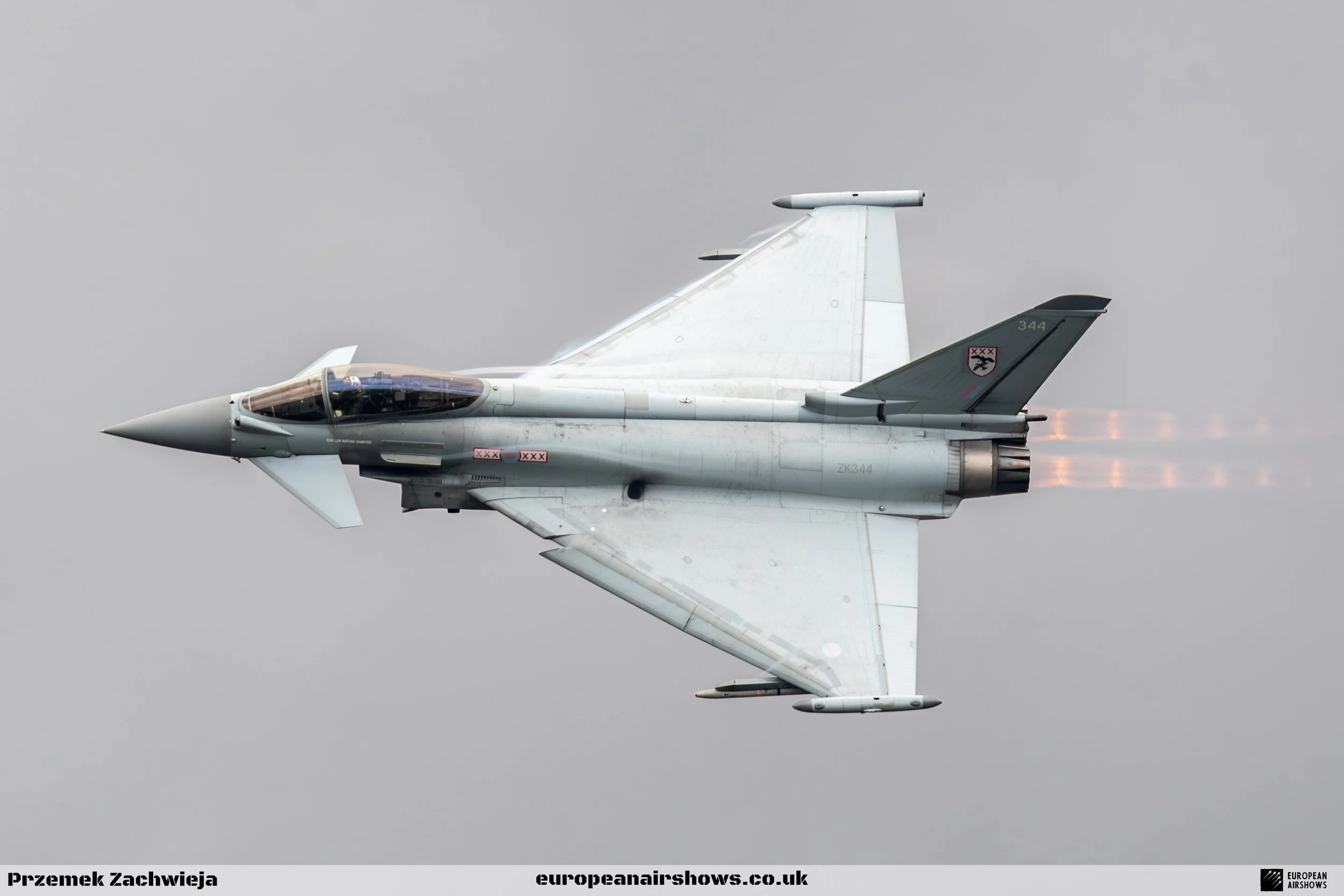
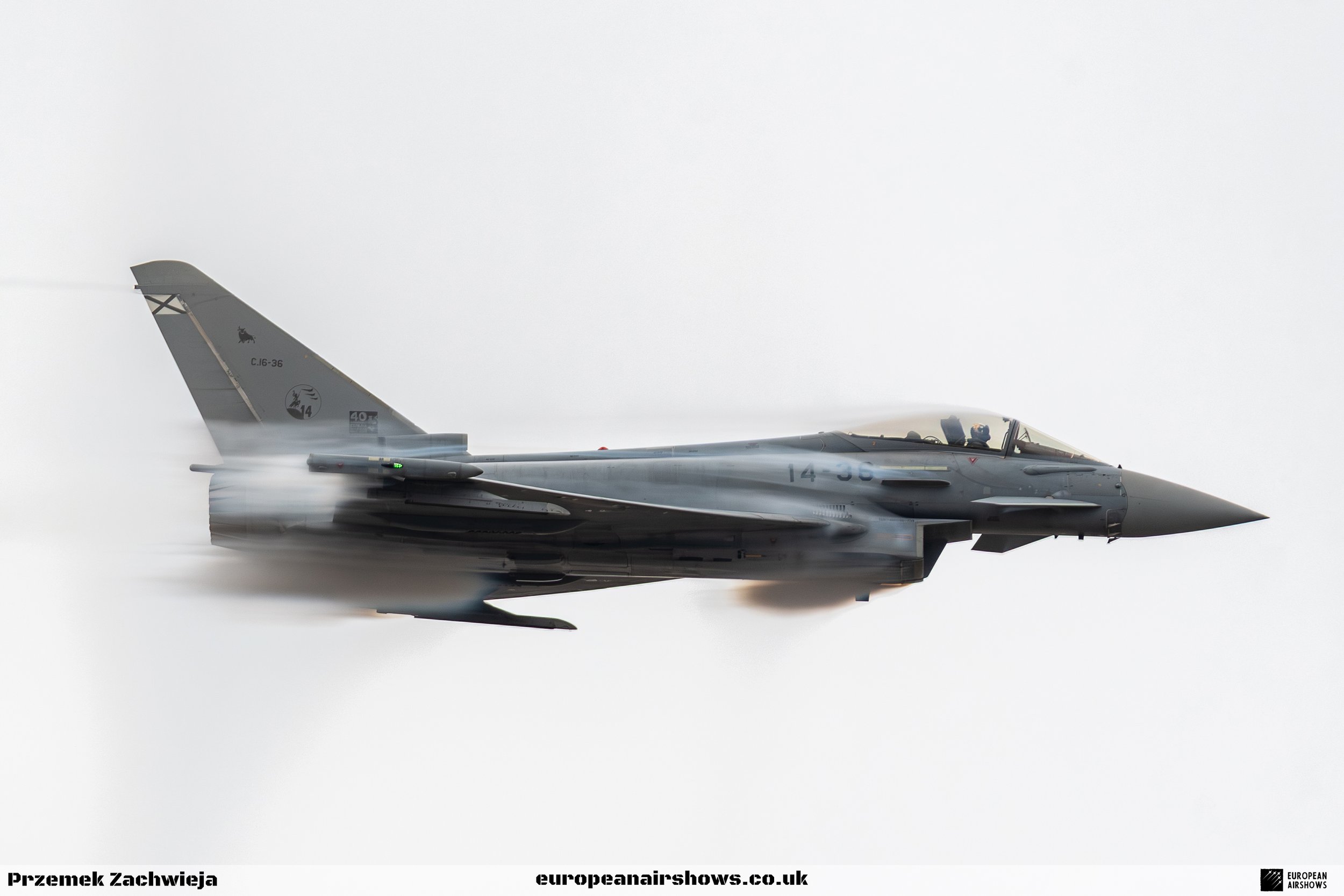
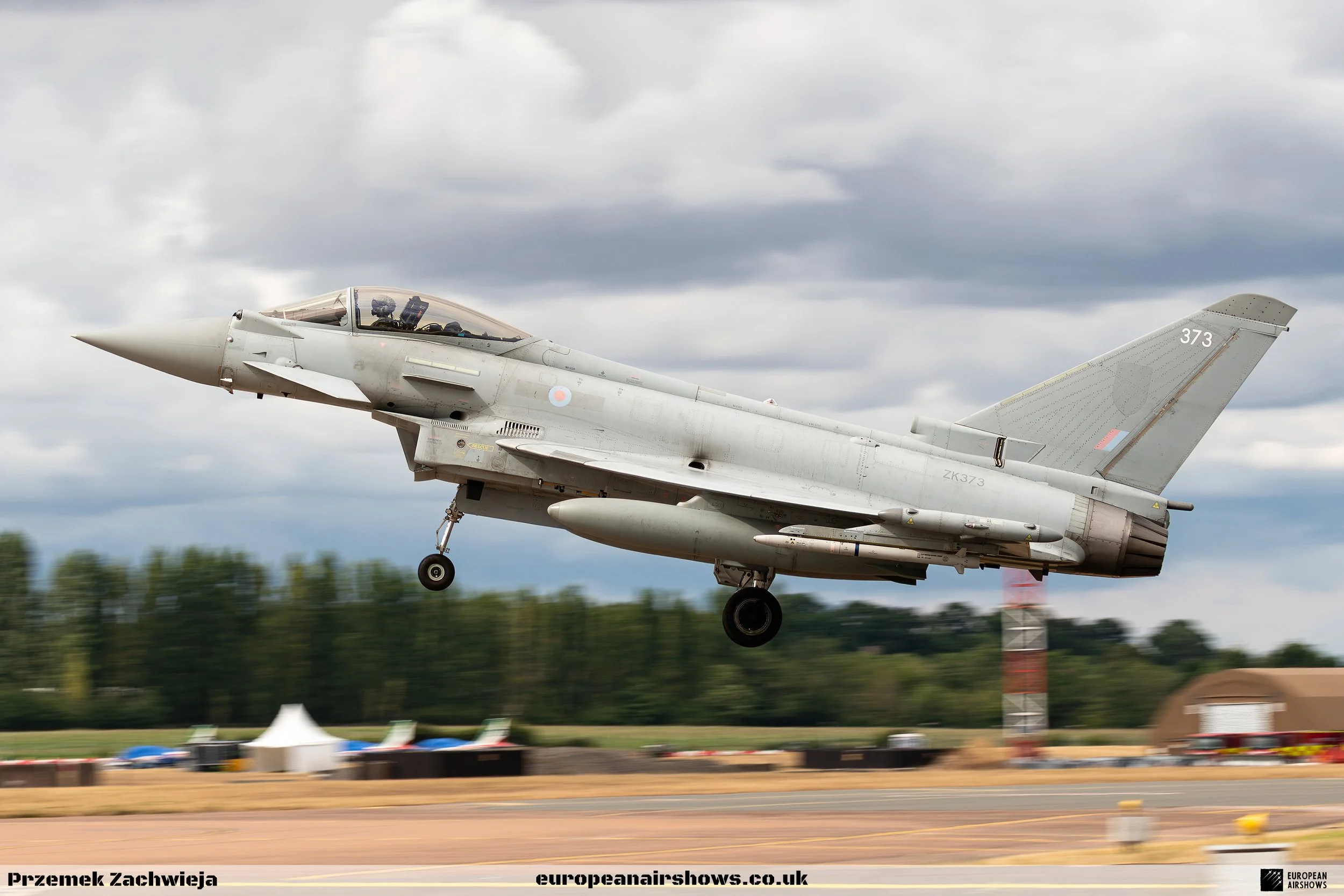
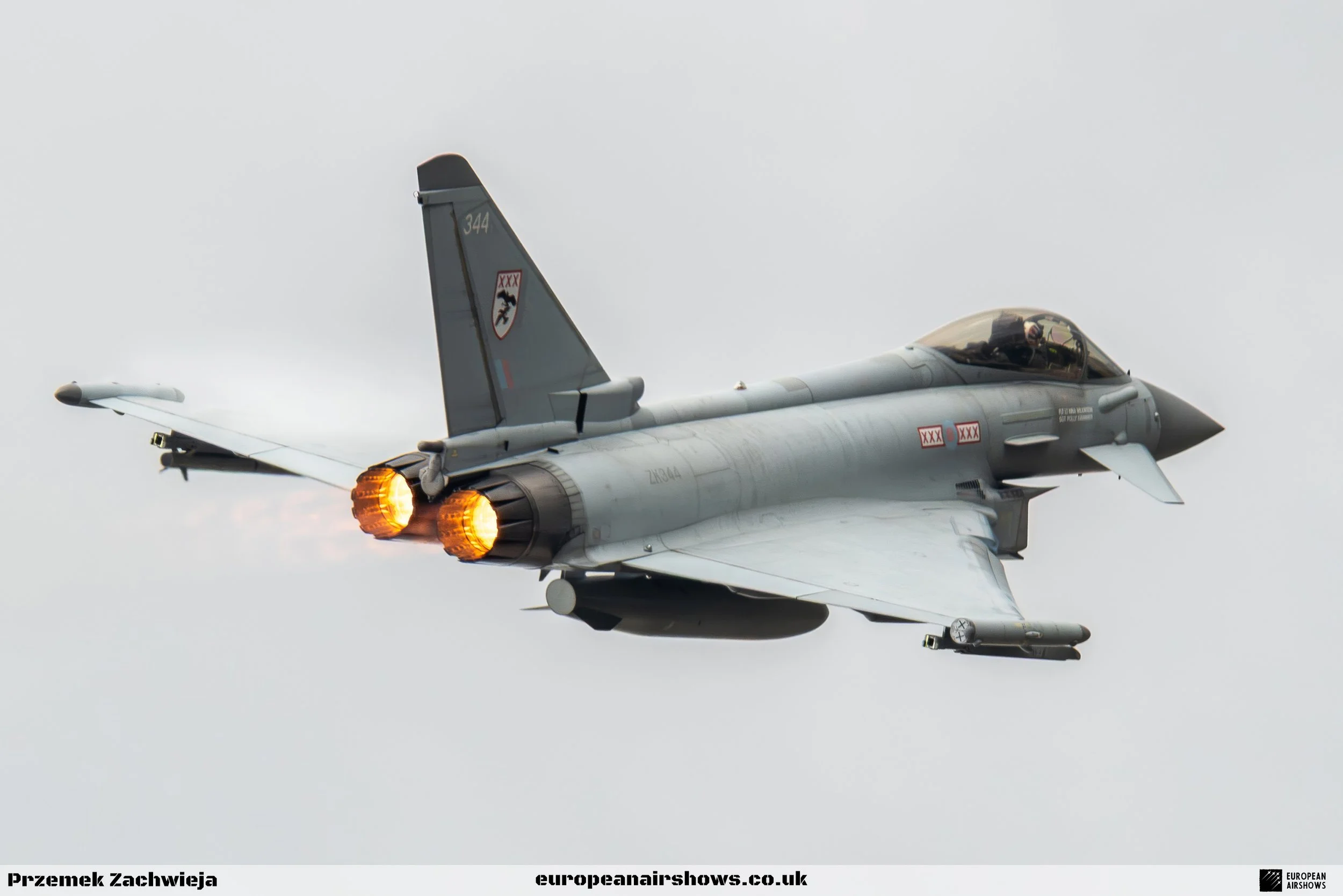
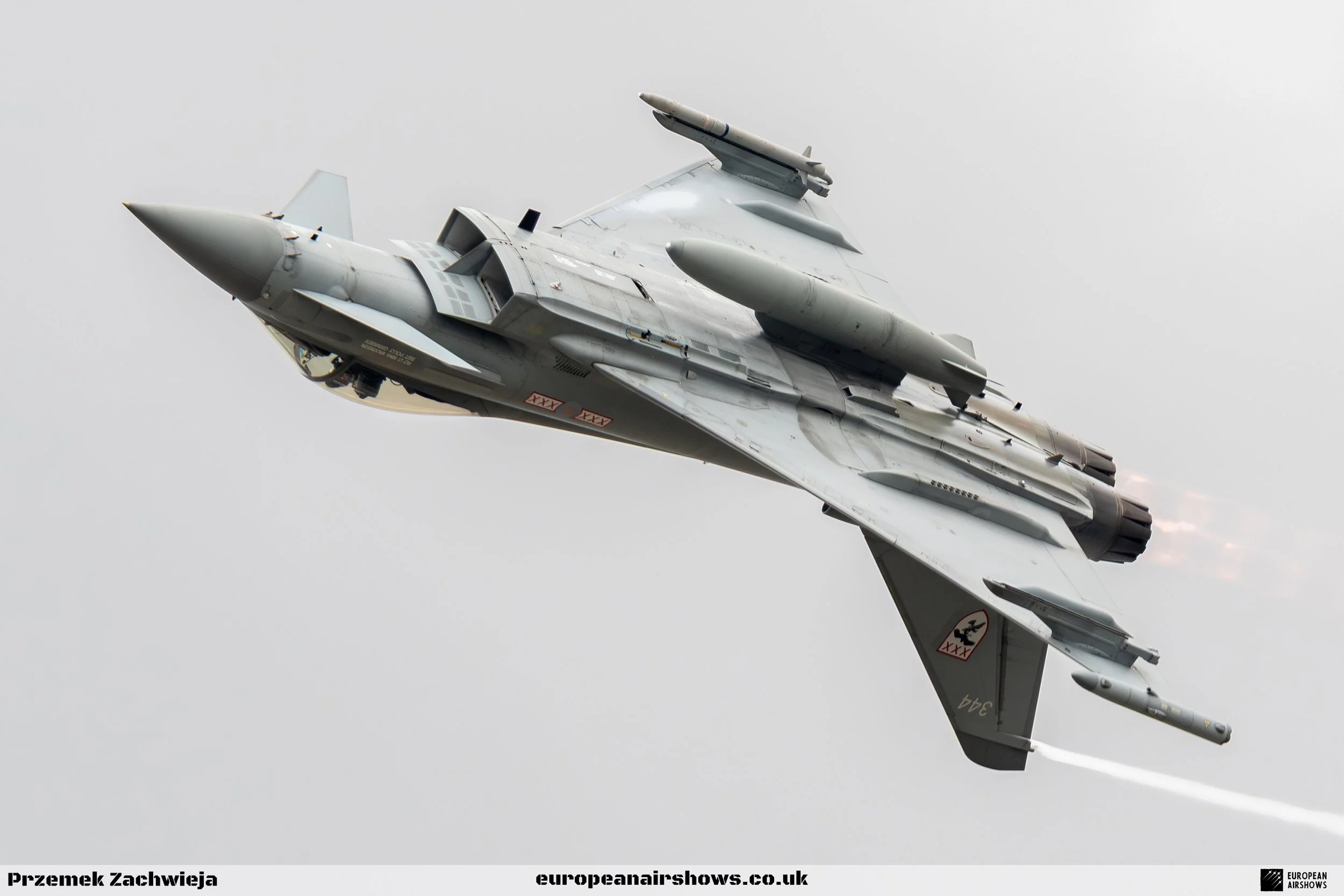
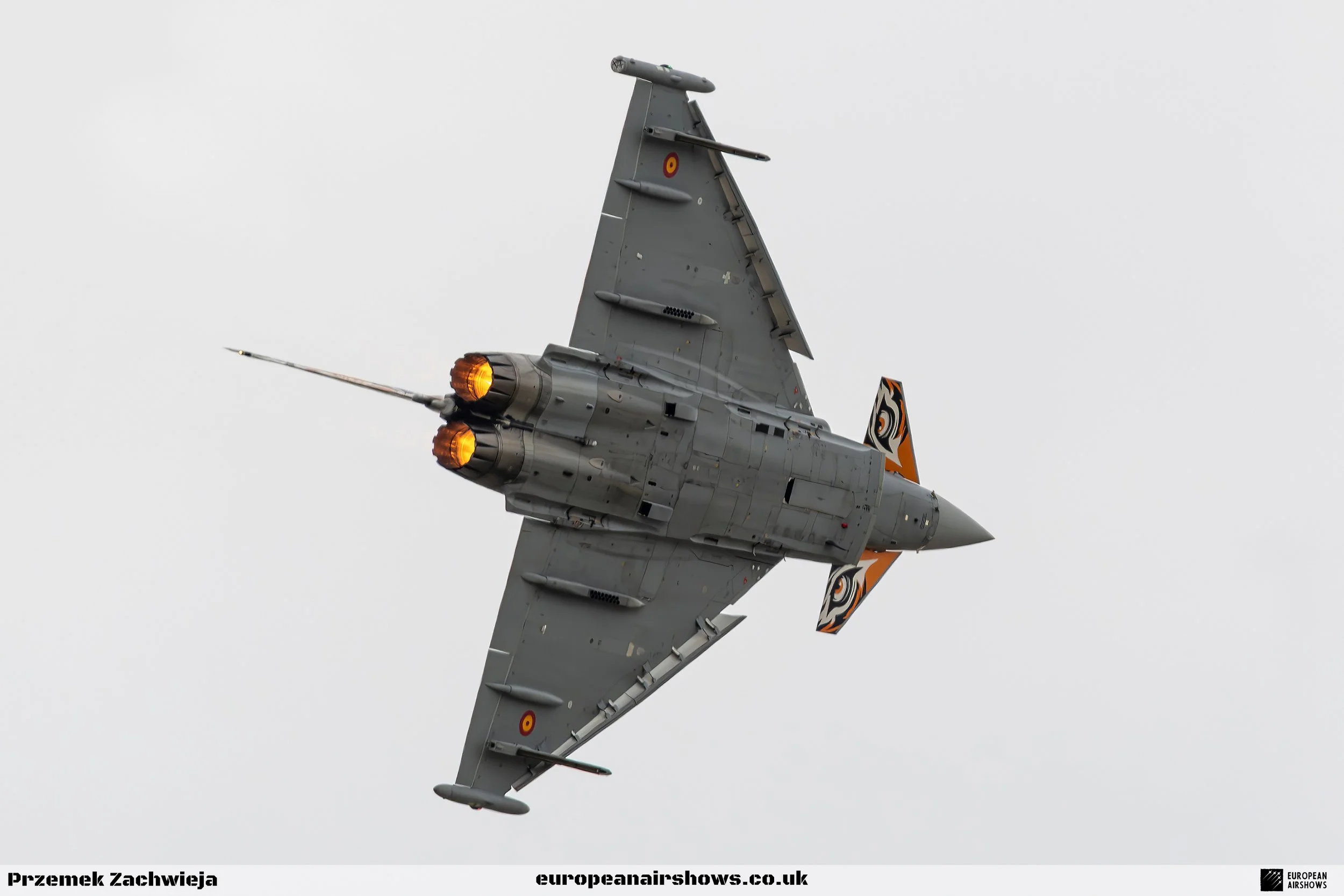
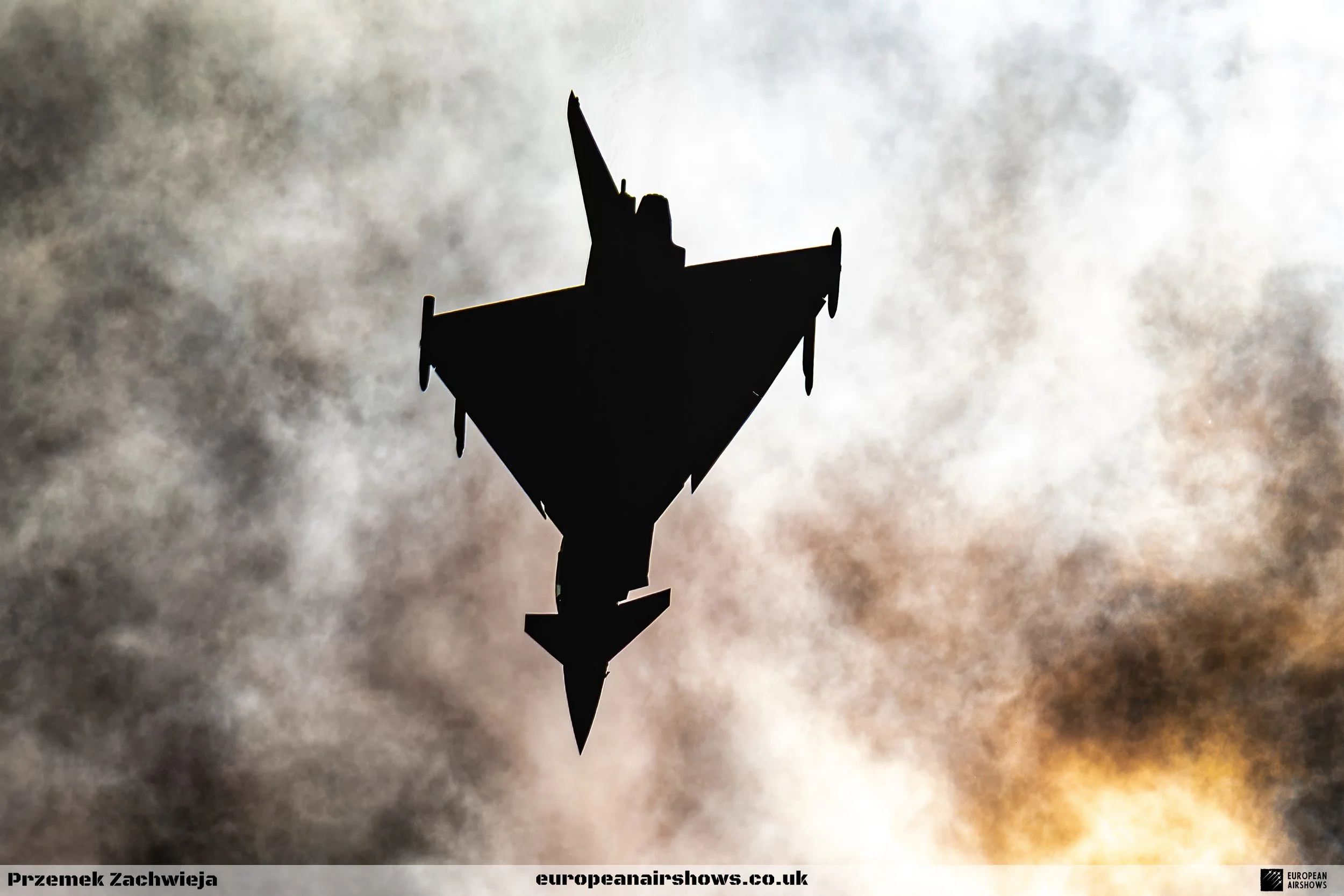
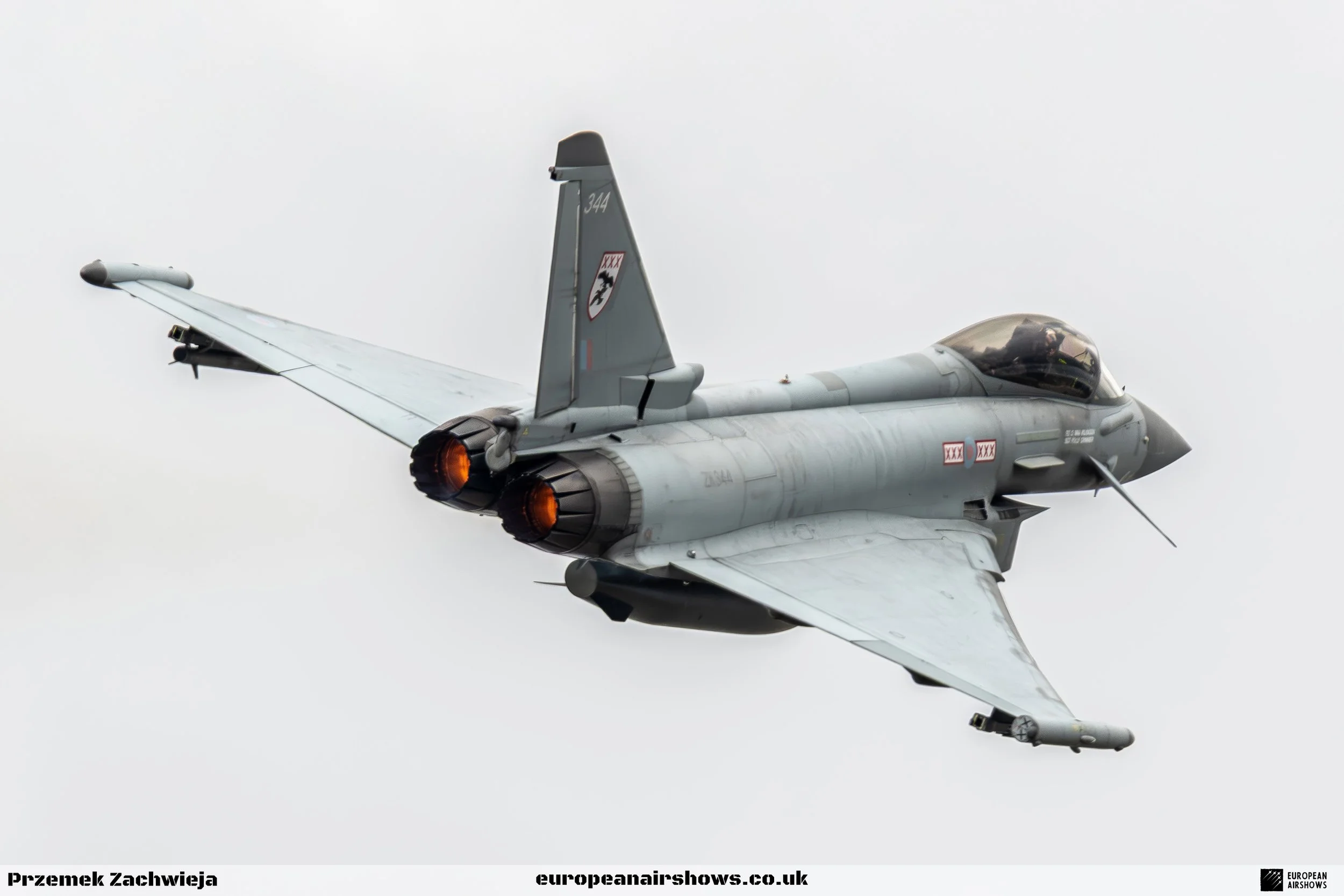
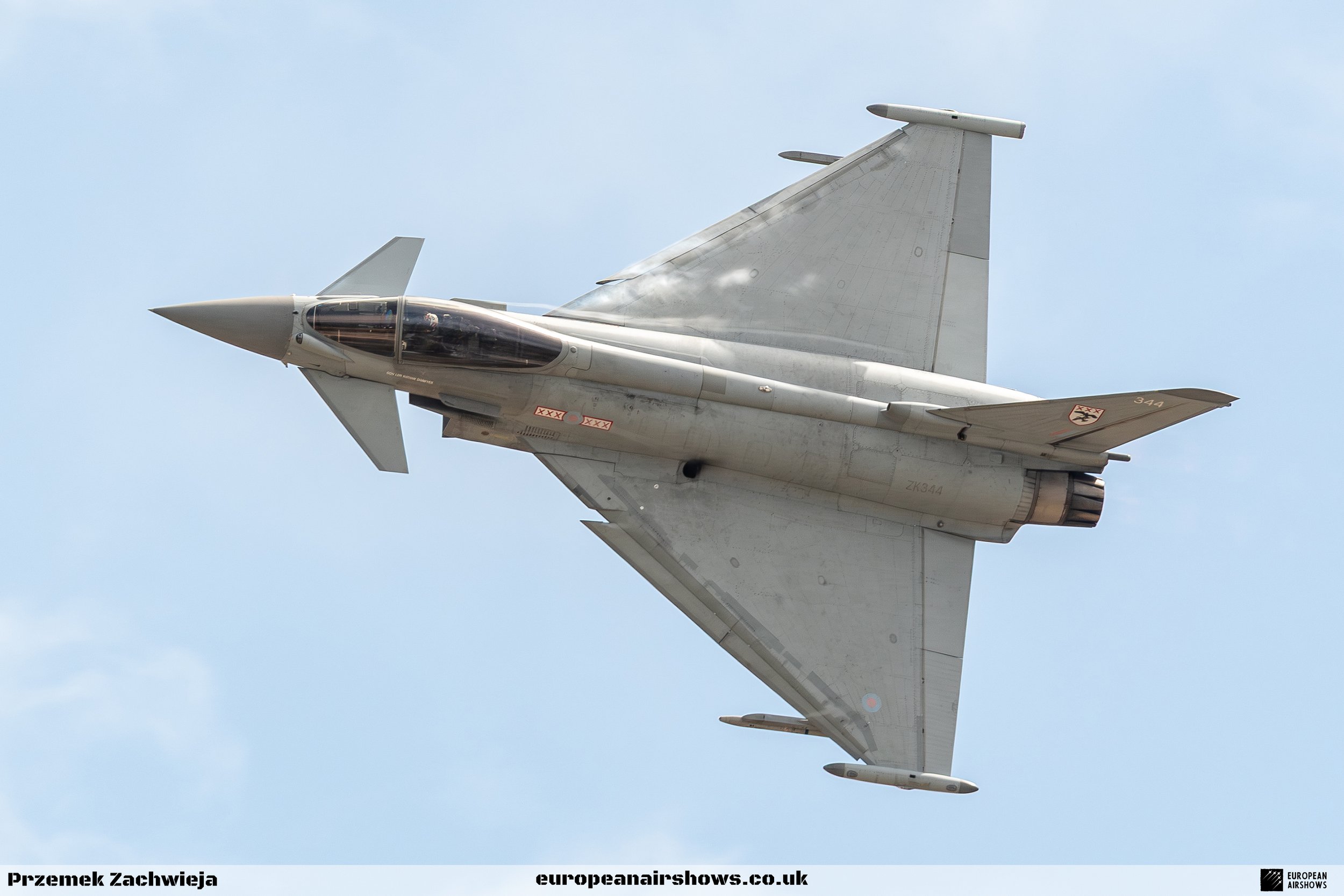
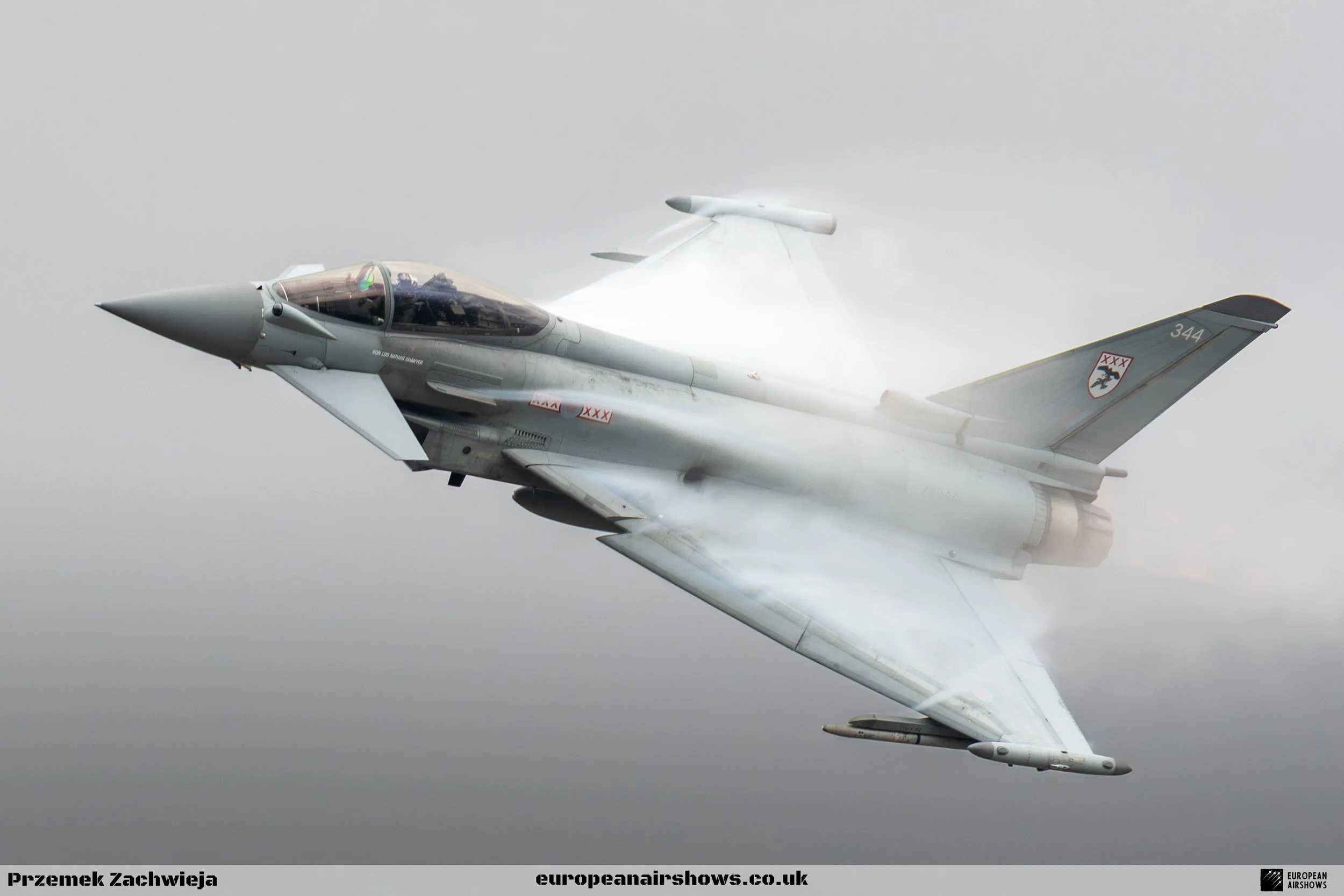
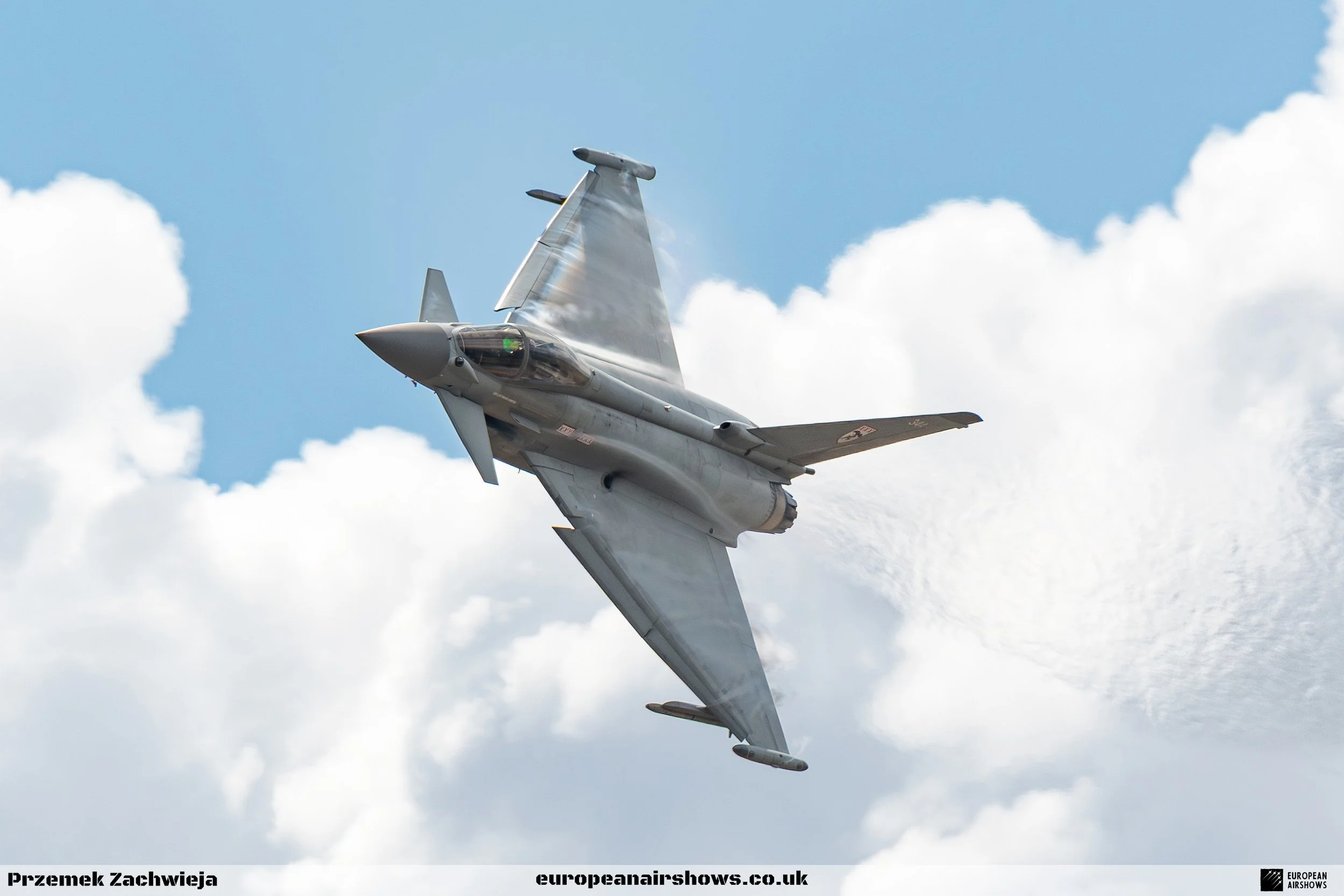
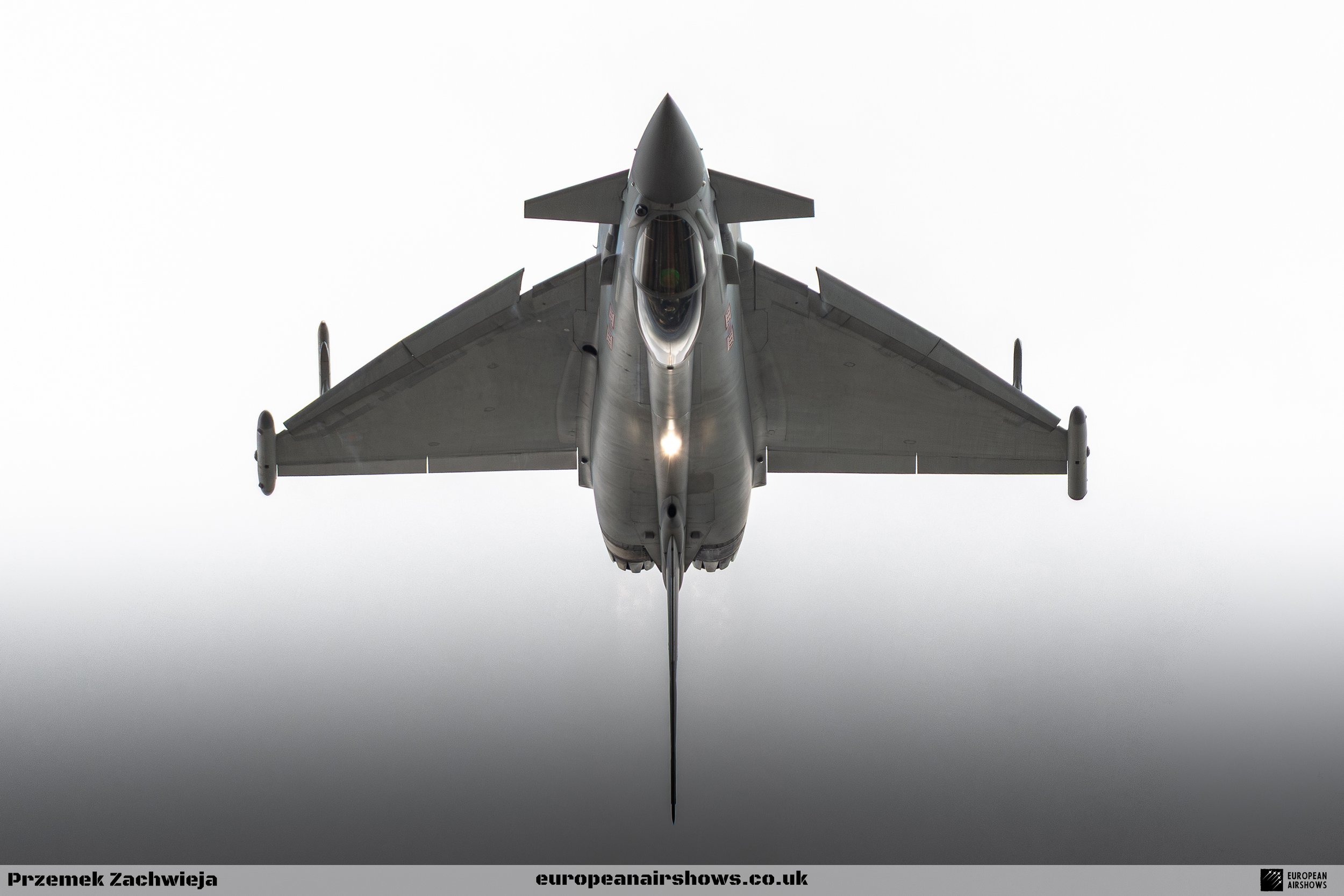
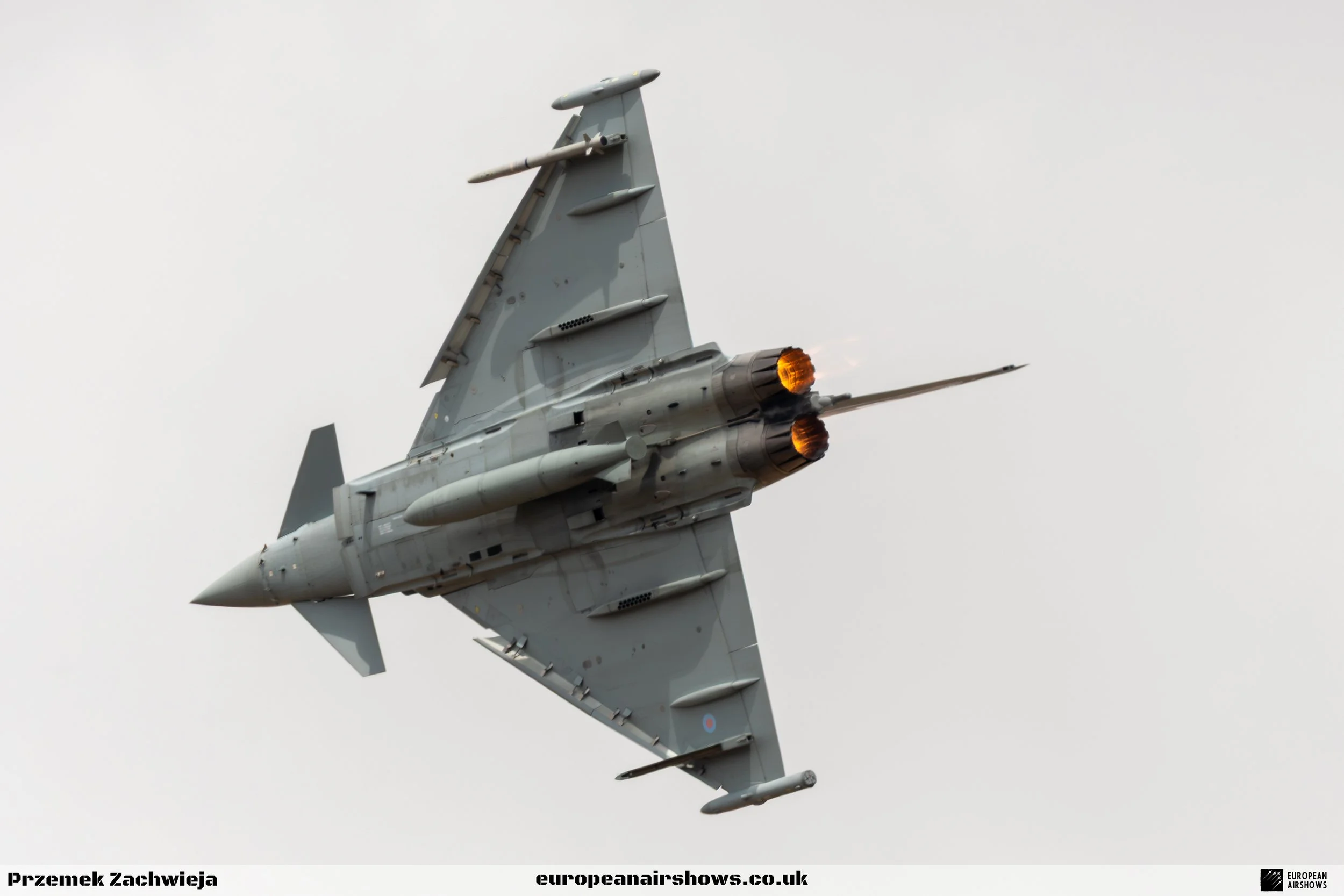
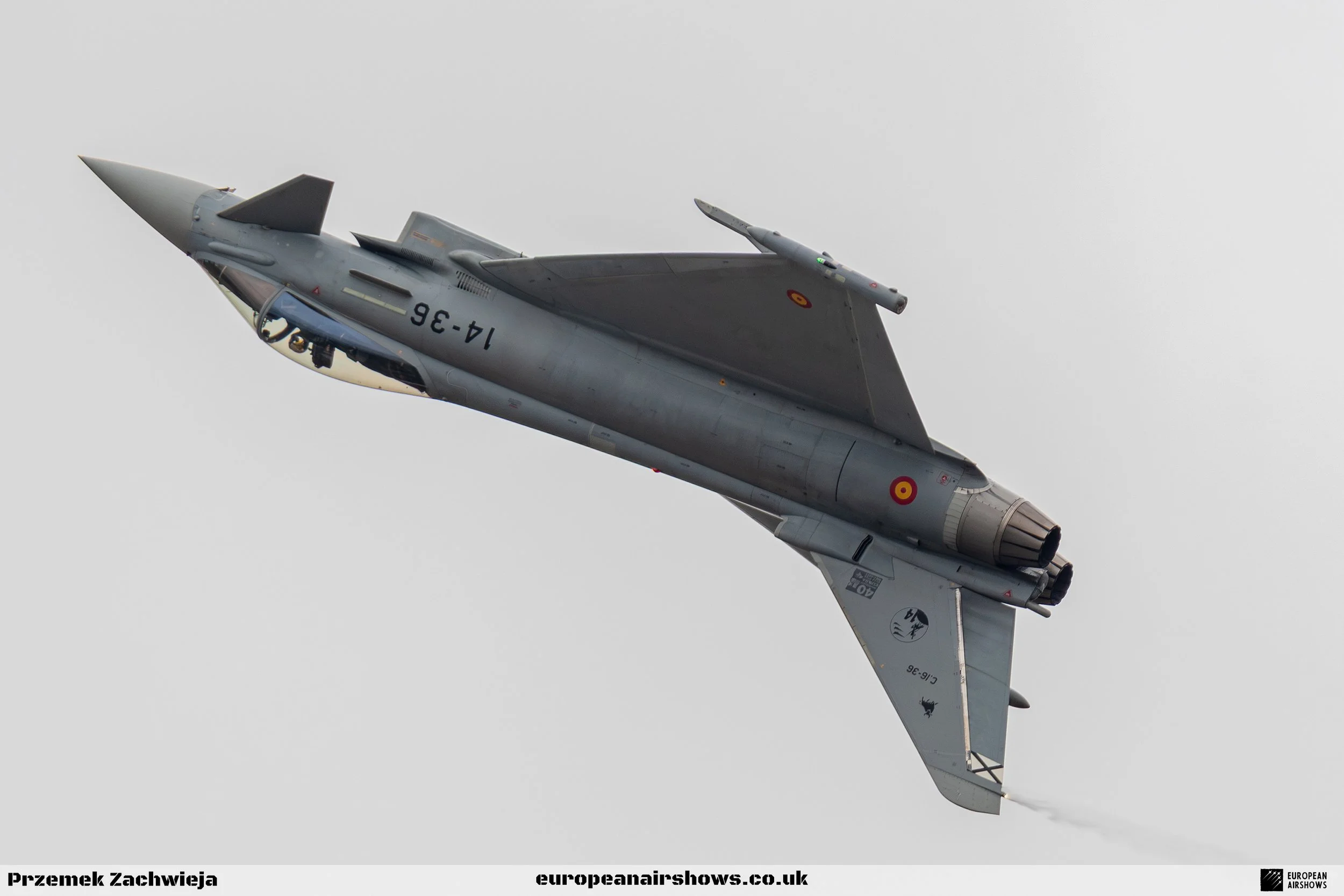
The RAF’s own Typhoon FGR.4, displayed by Sqn Ldr Nathan Shawyer of 29 Squadron, was widely hailed as one of the best Typhoon routines in years—sharp, flowing and perfectly timed. It rightfully won the Paul Bowen Trophy for best solo jet. By contrast, the RAF’s F-35B Lightning II was able to appear only on Friday, offering a brief hover and vertical departure that still sent cameras rattling up and down the line.
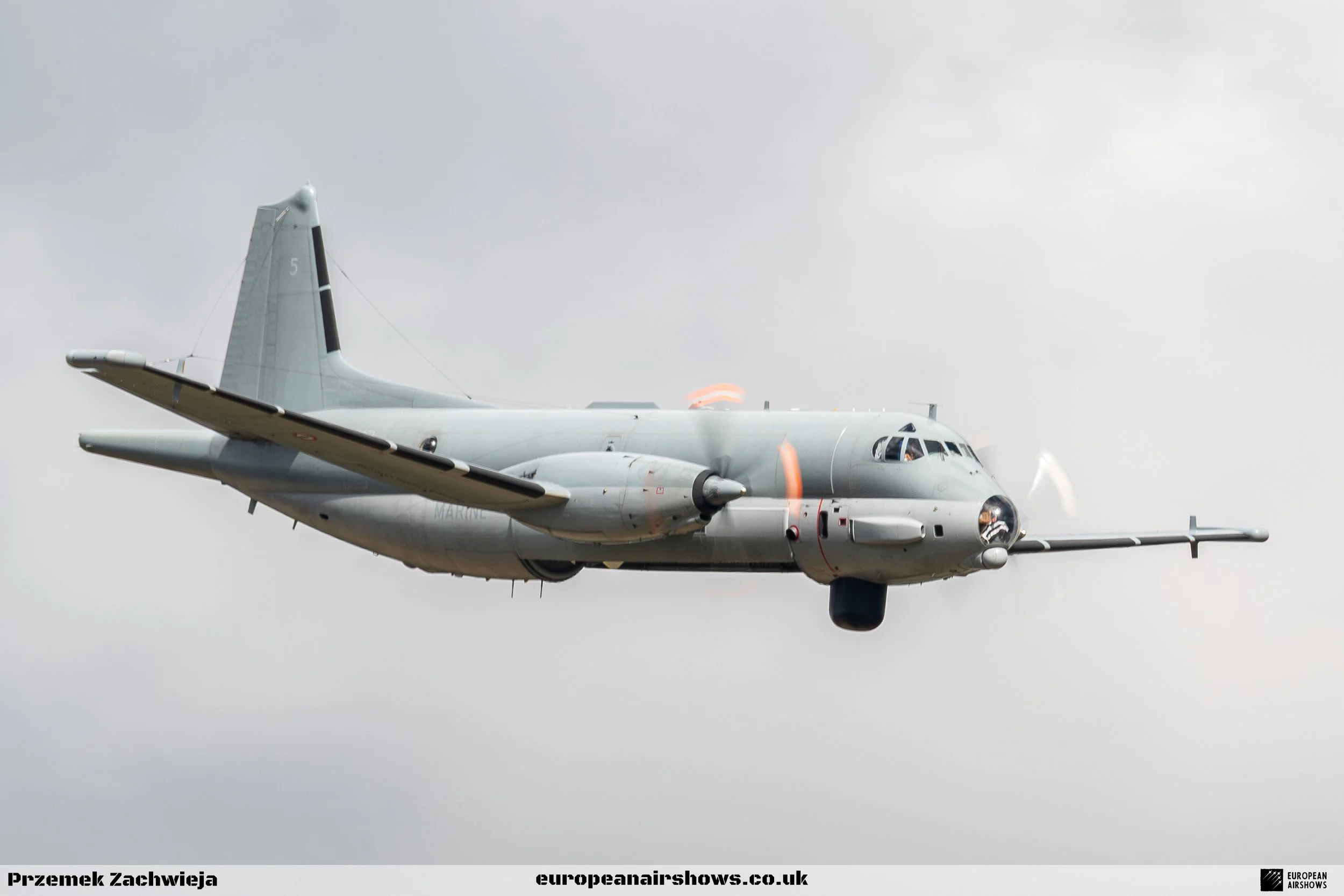
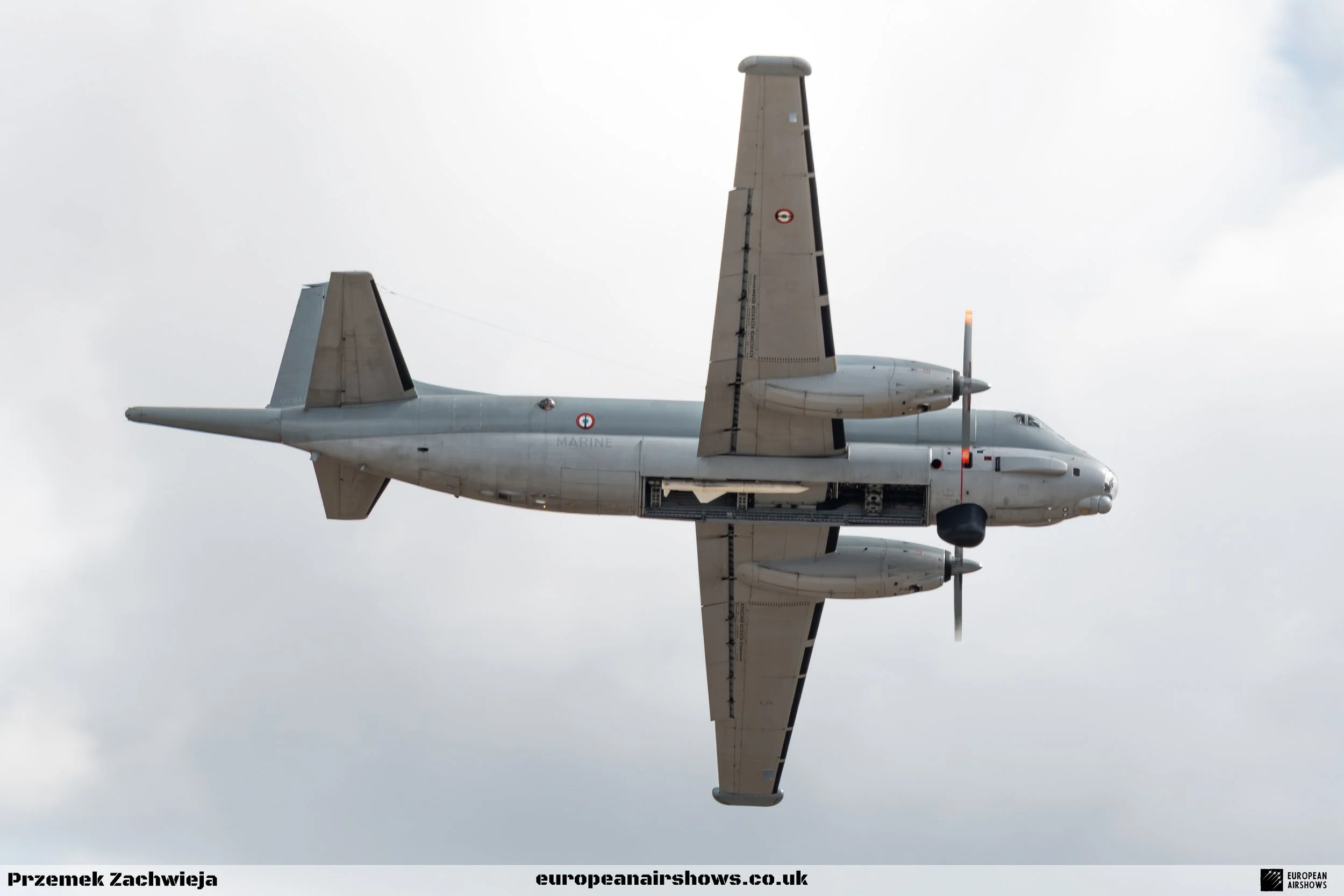
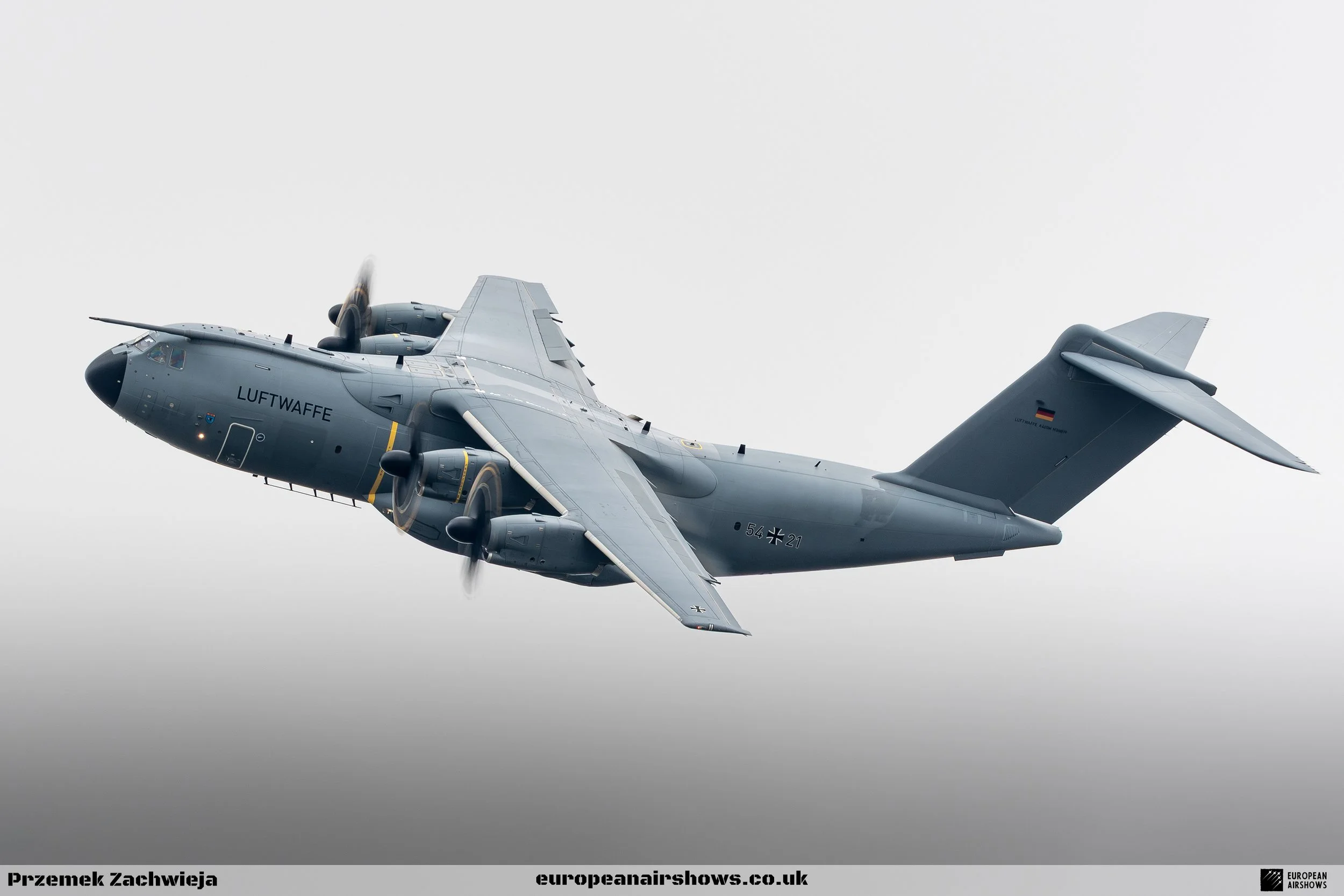
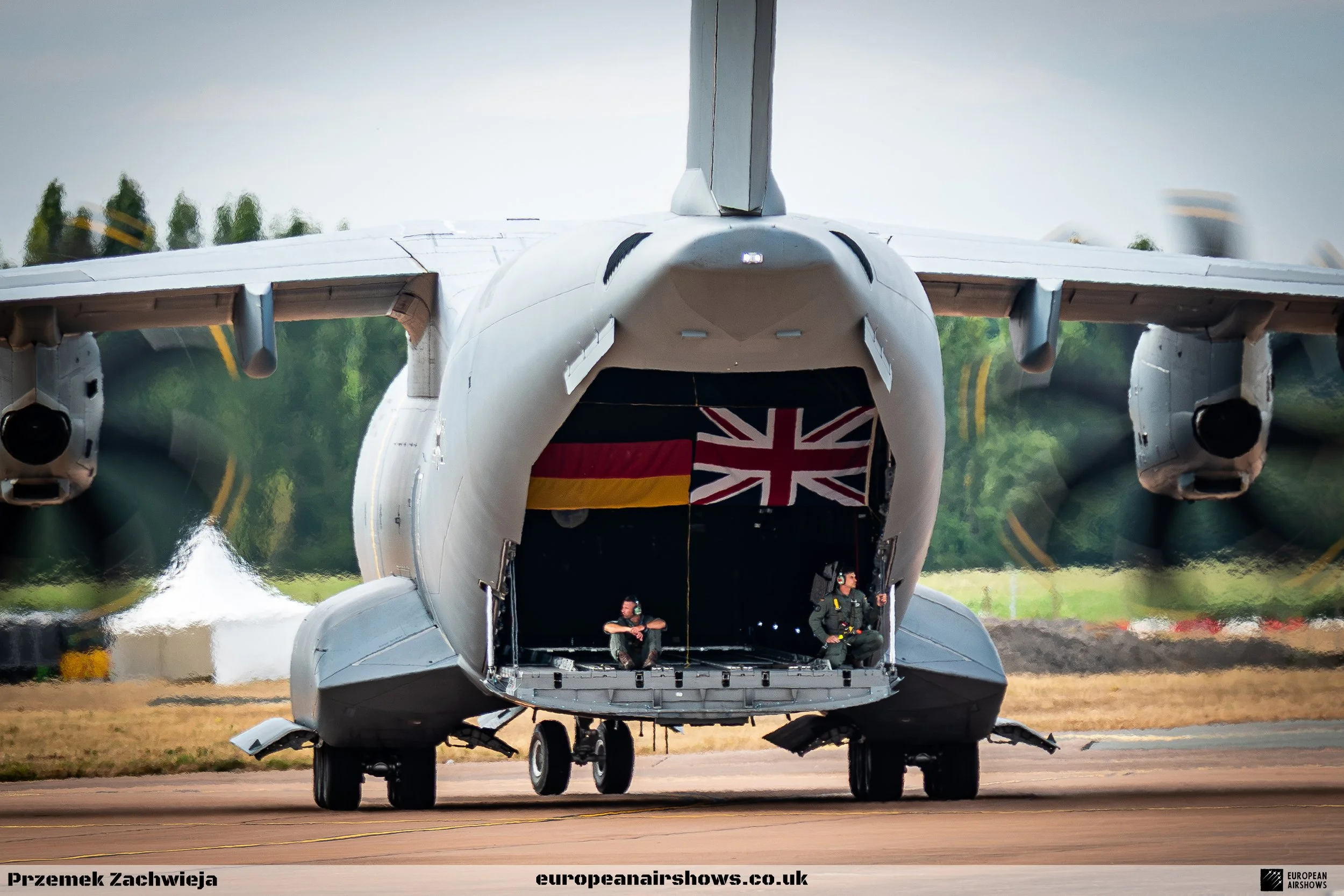
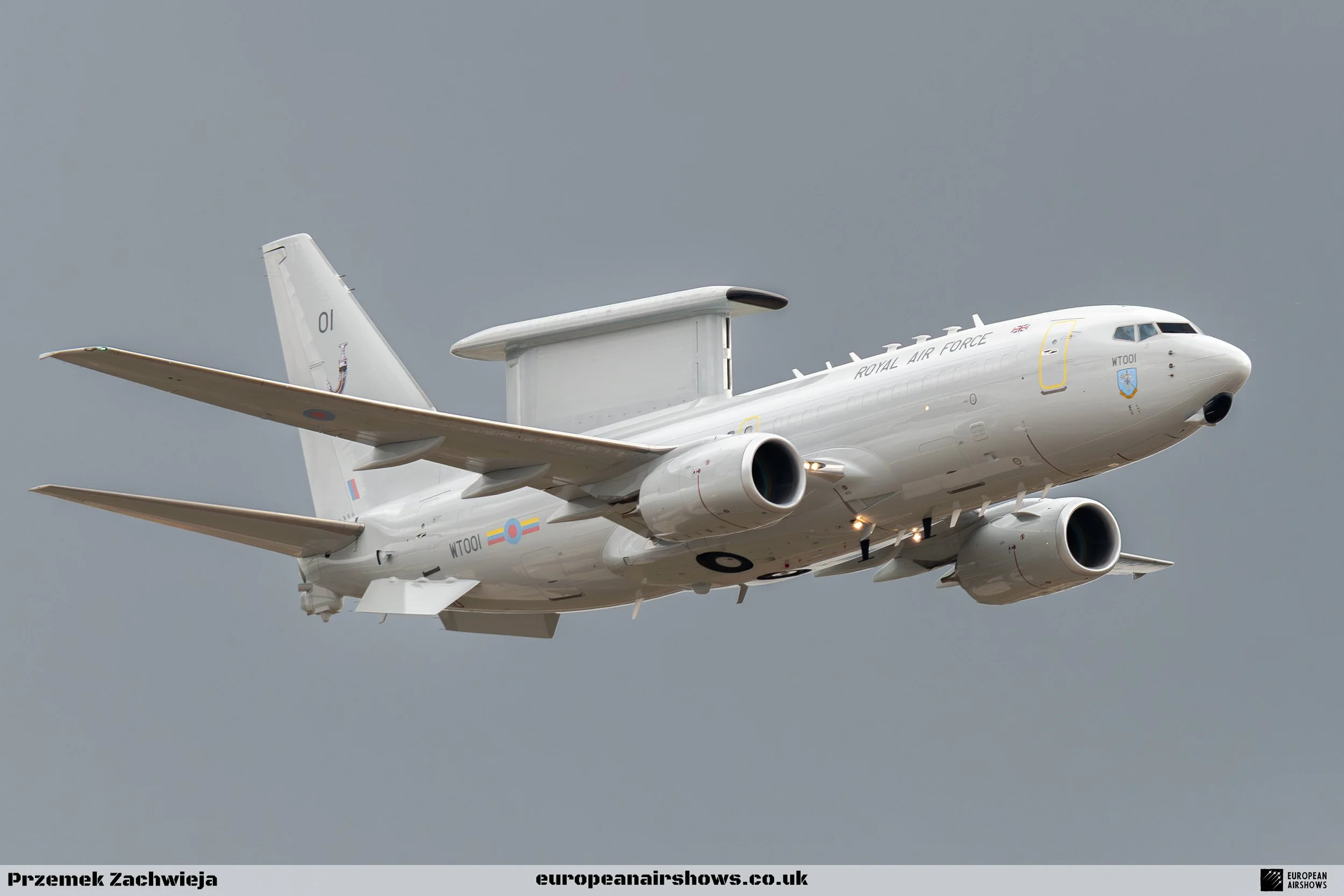
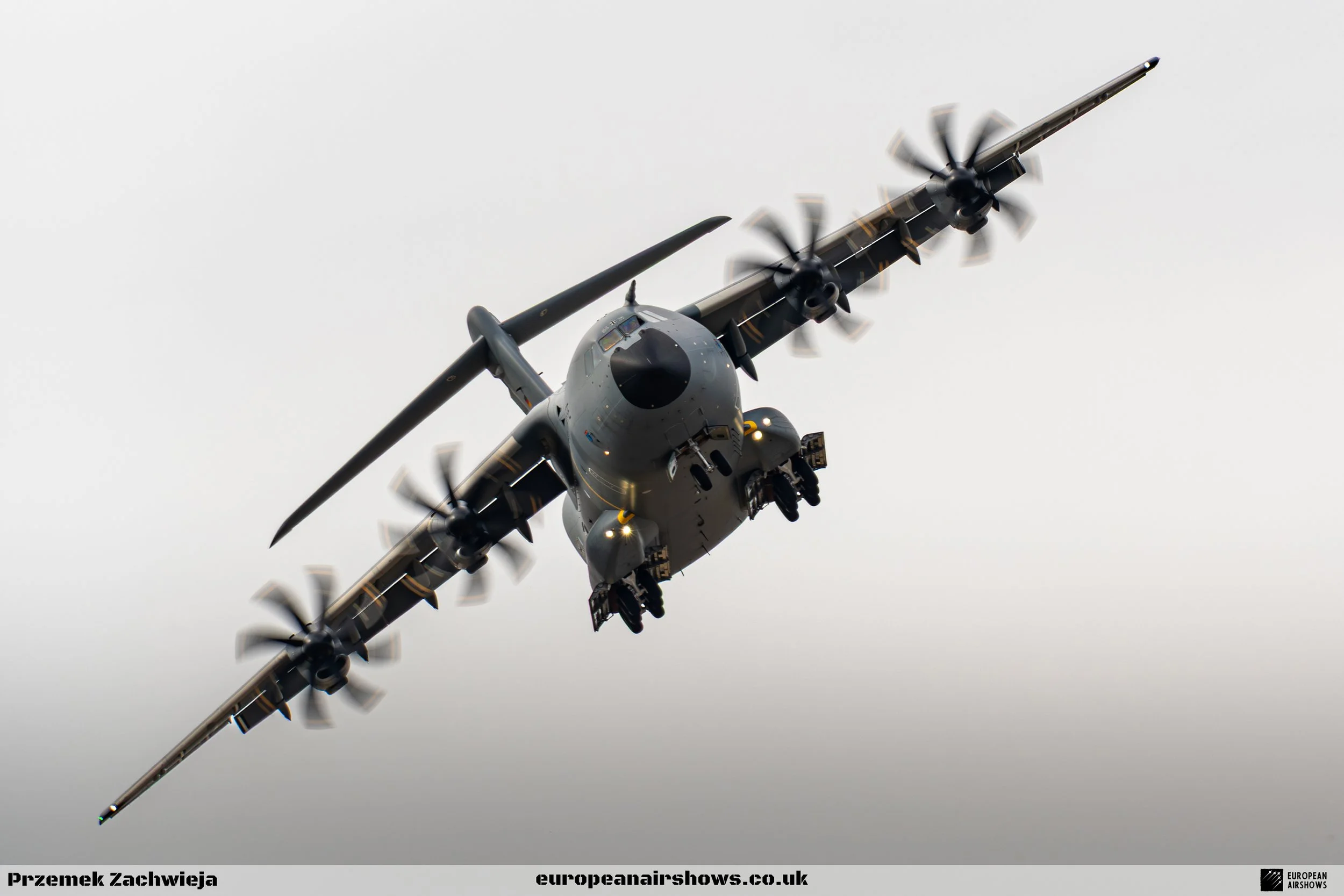
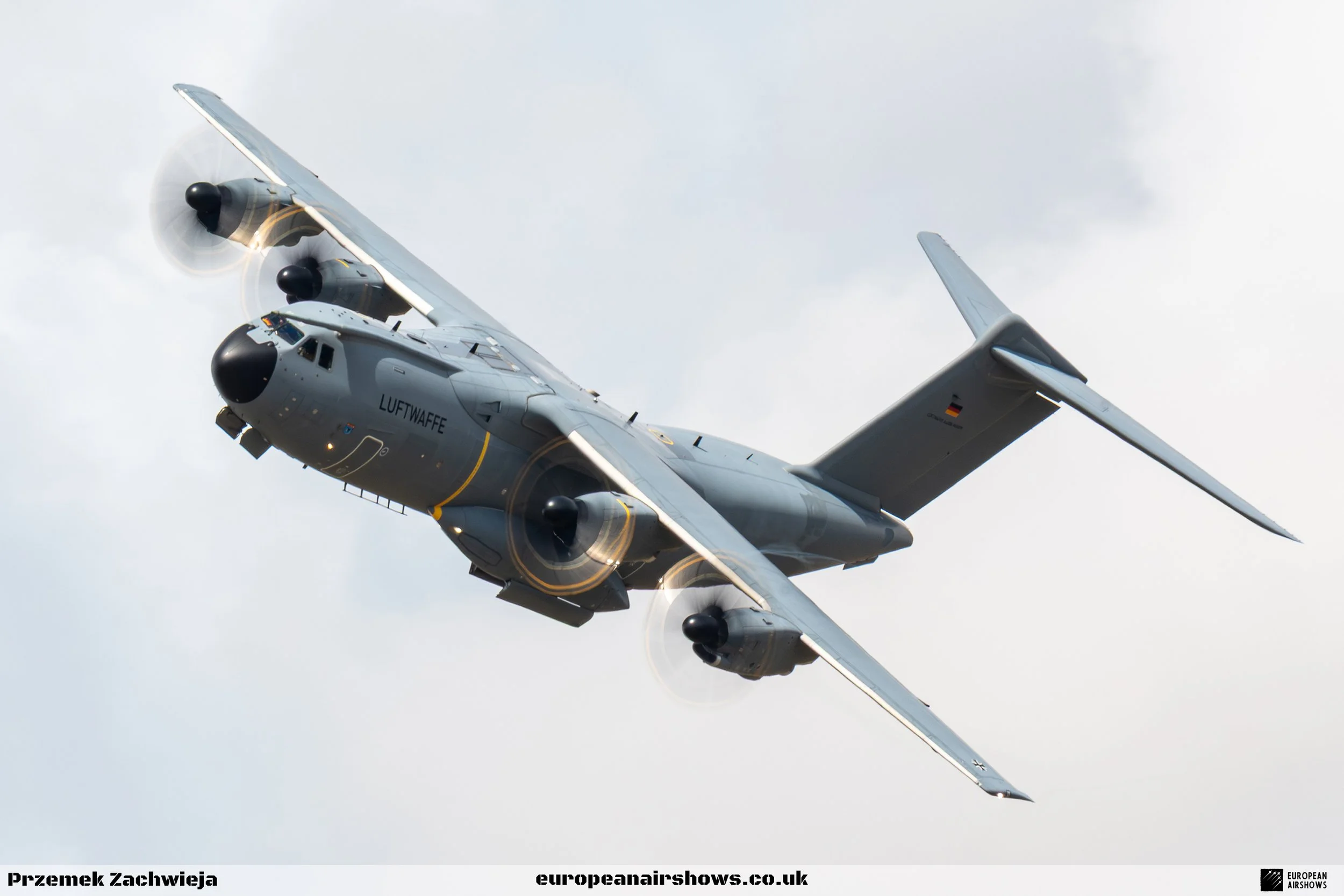
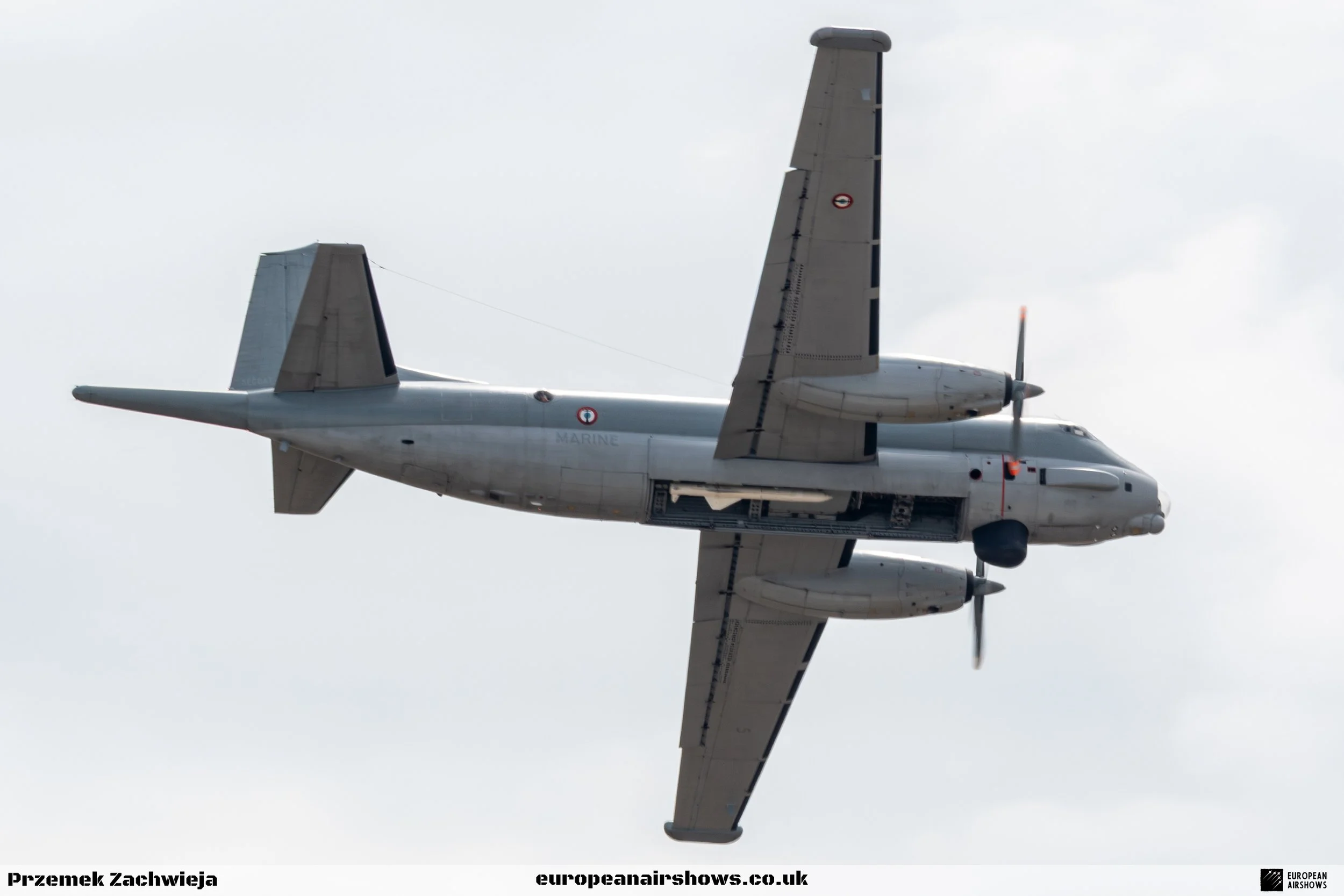
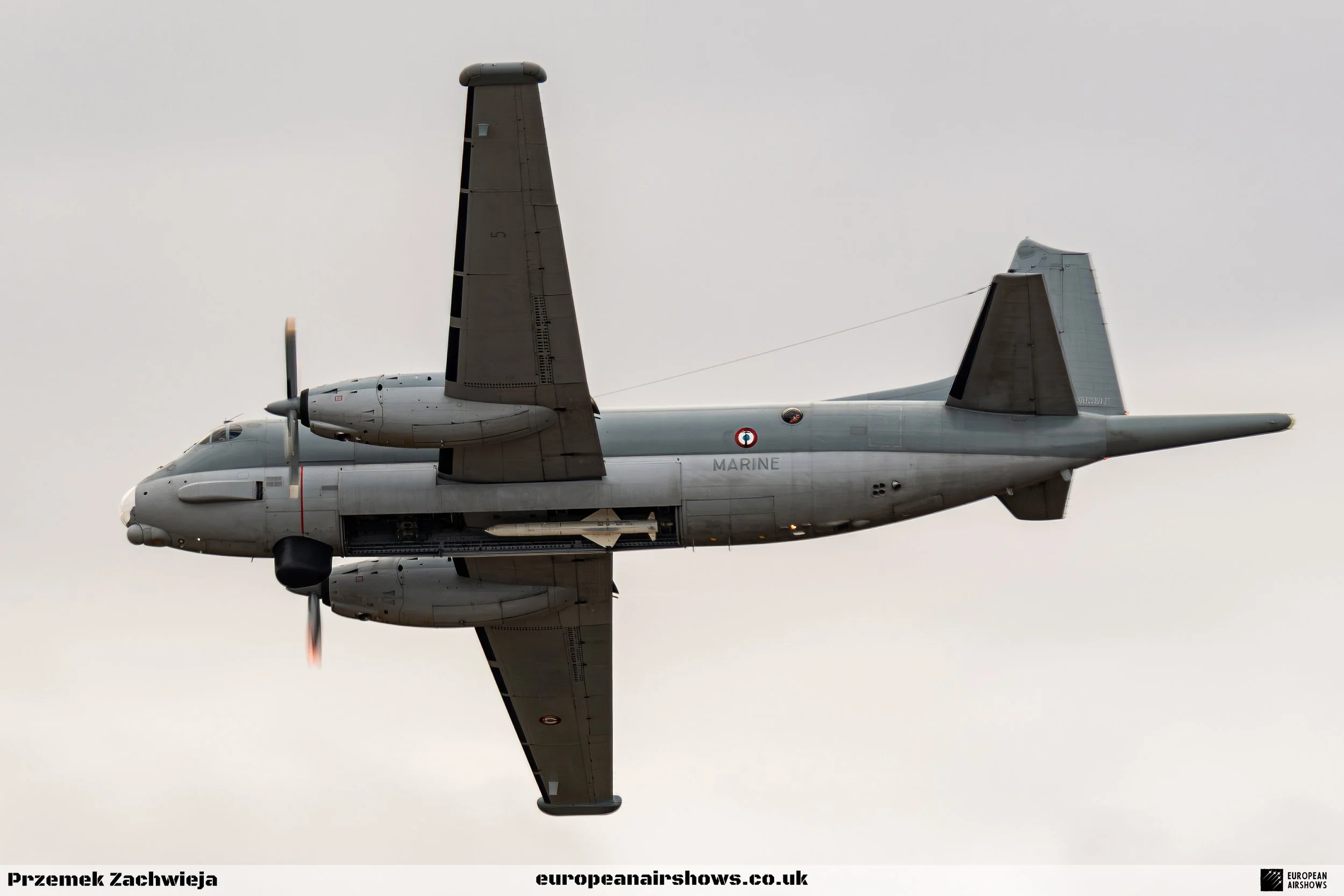
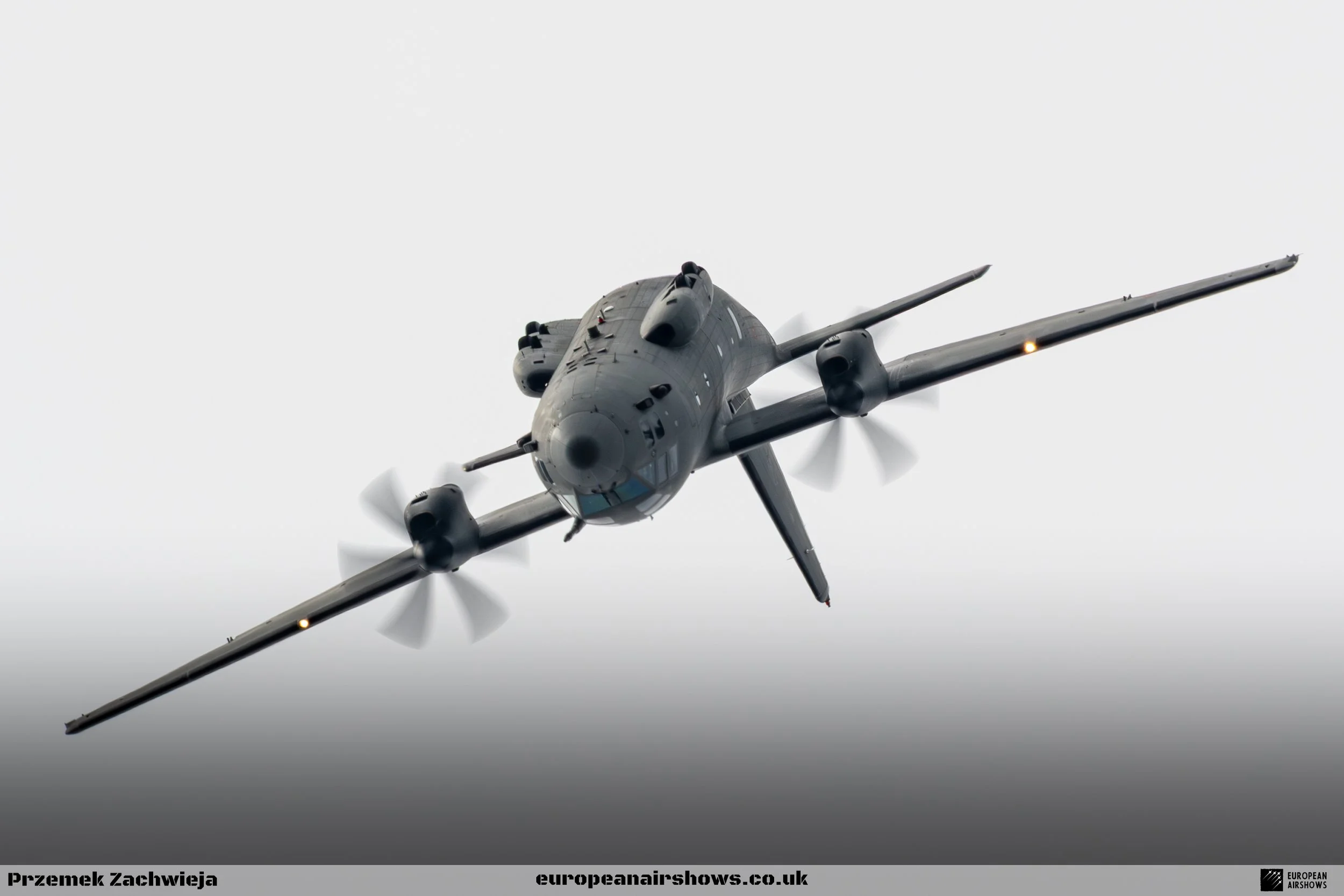
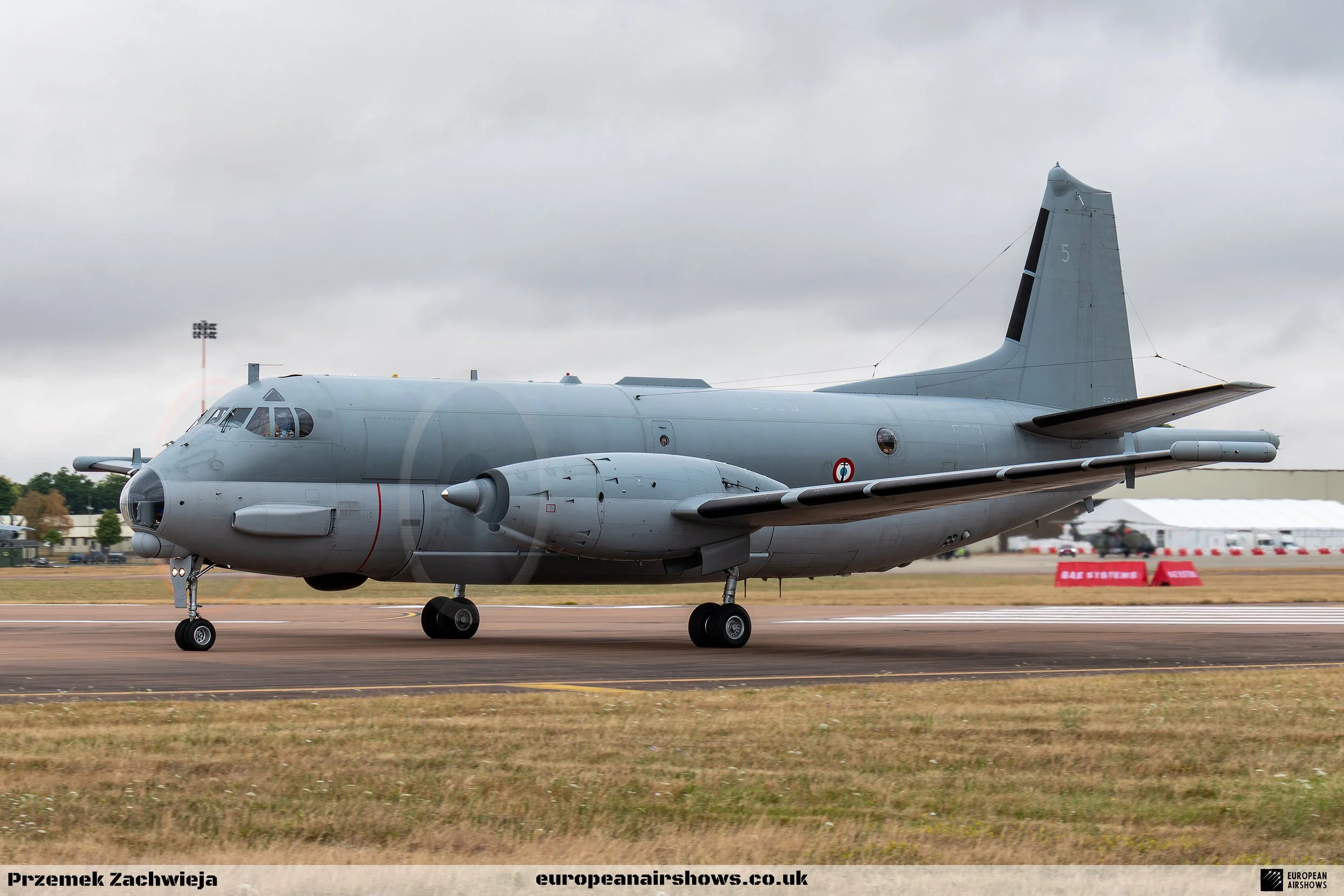
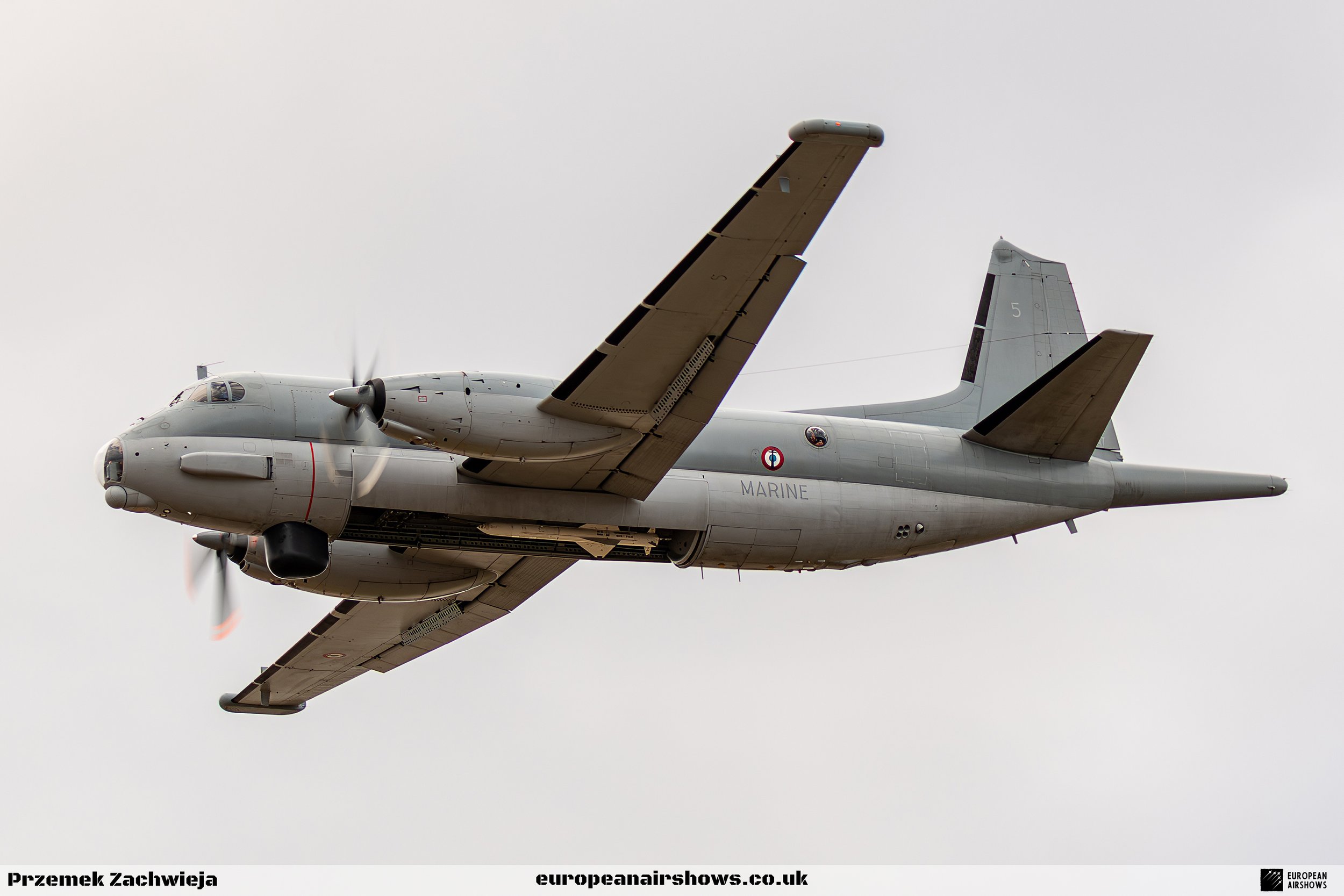
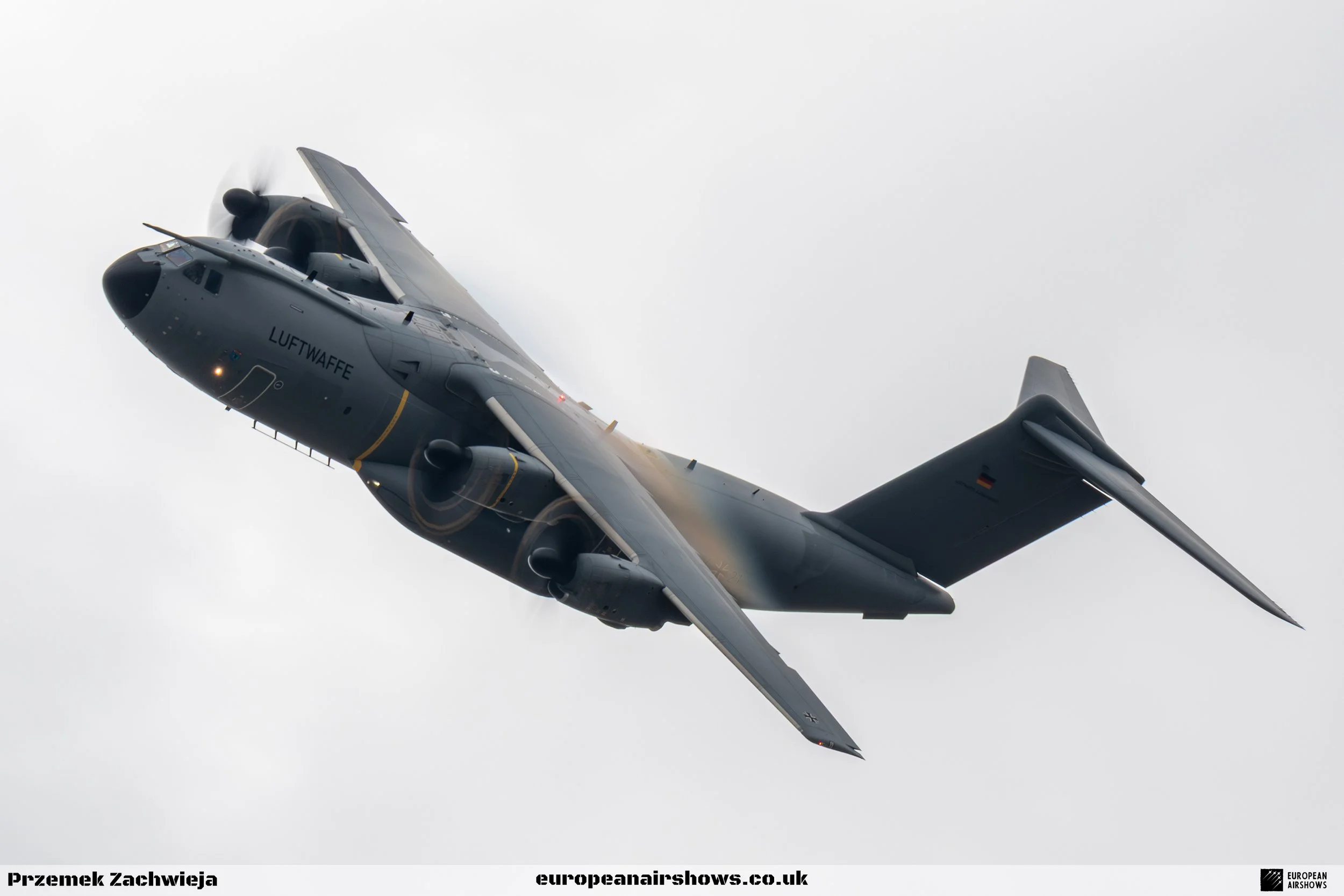
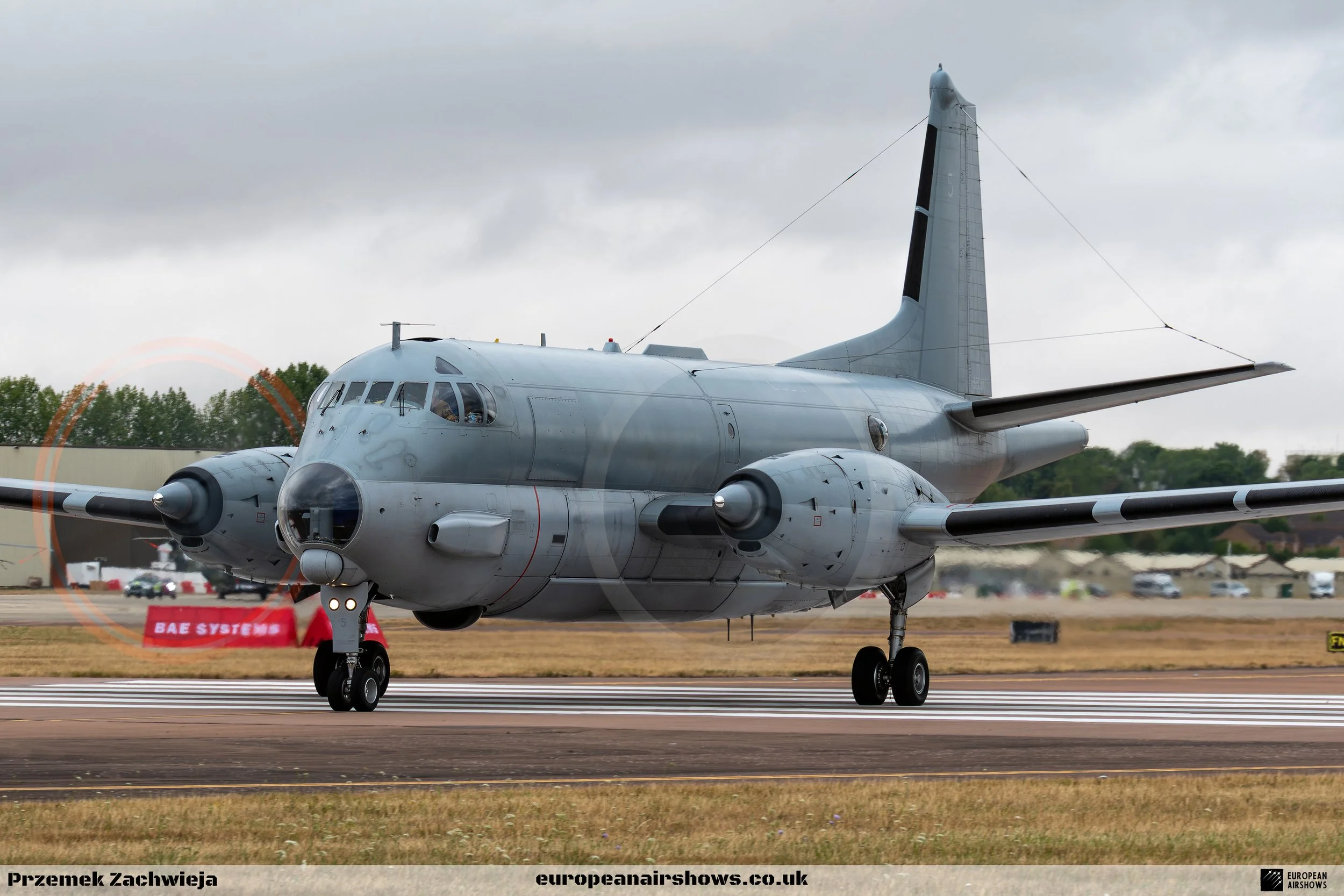
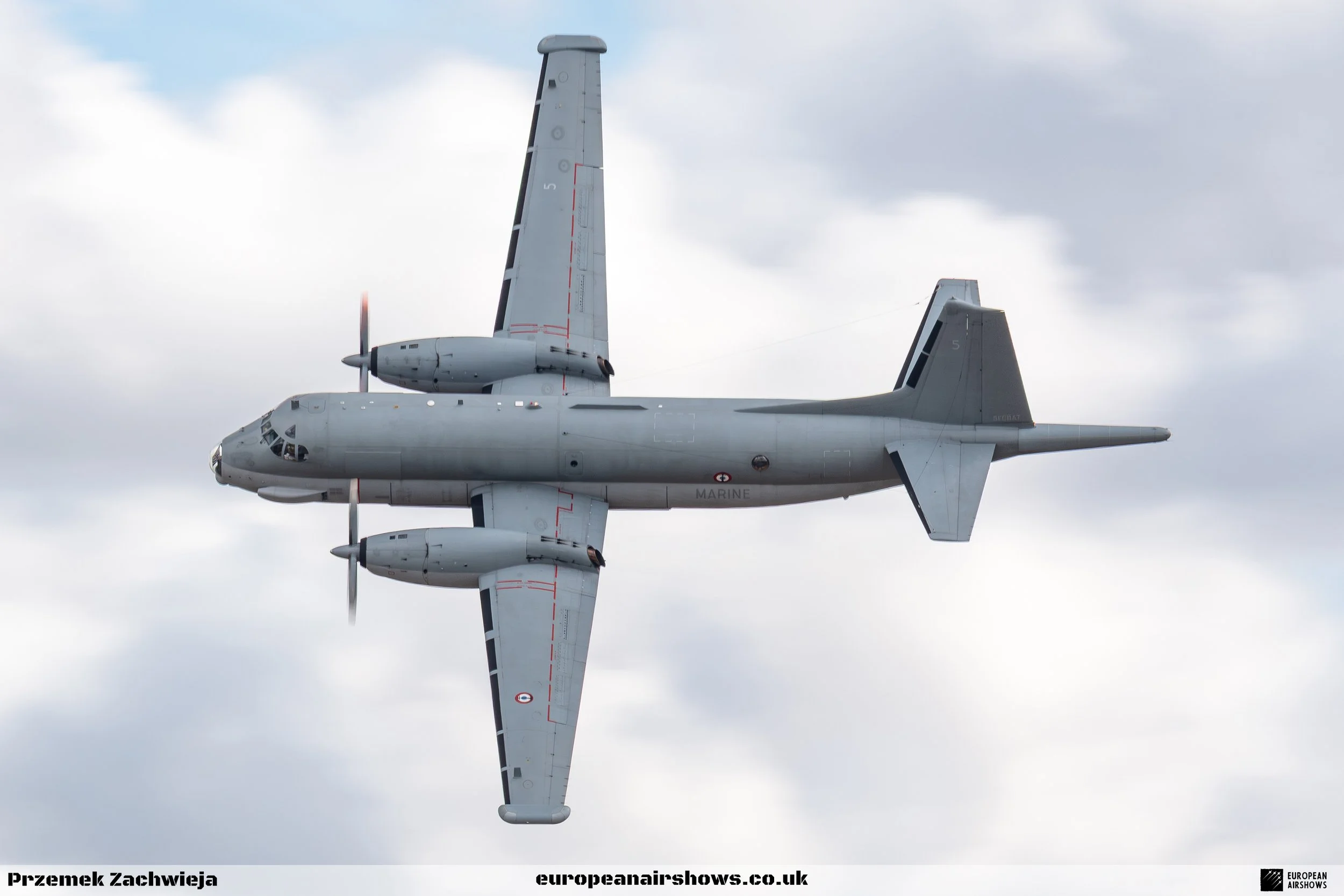
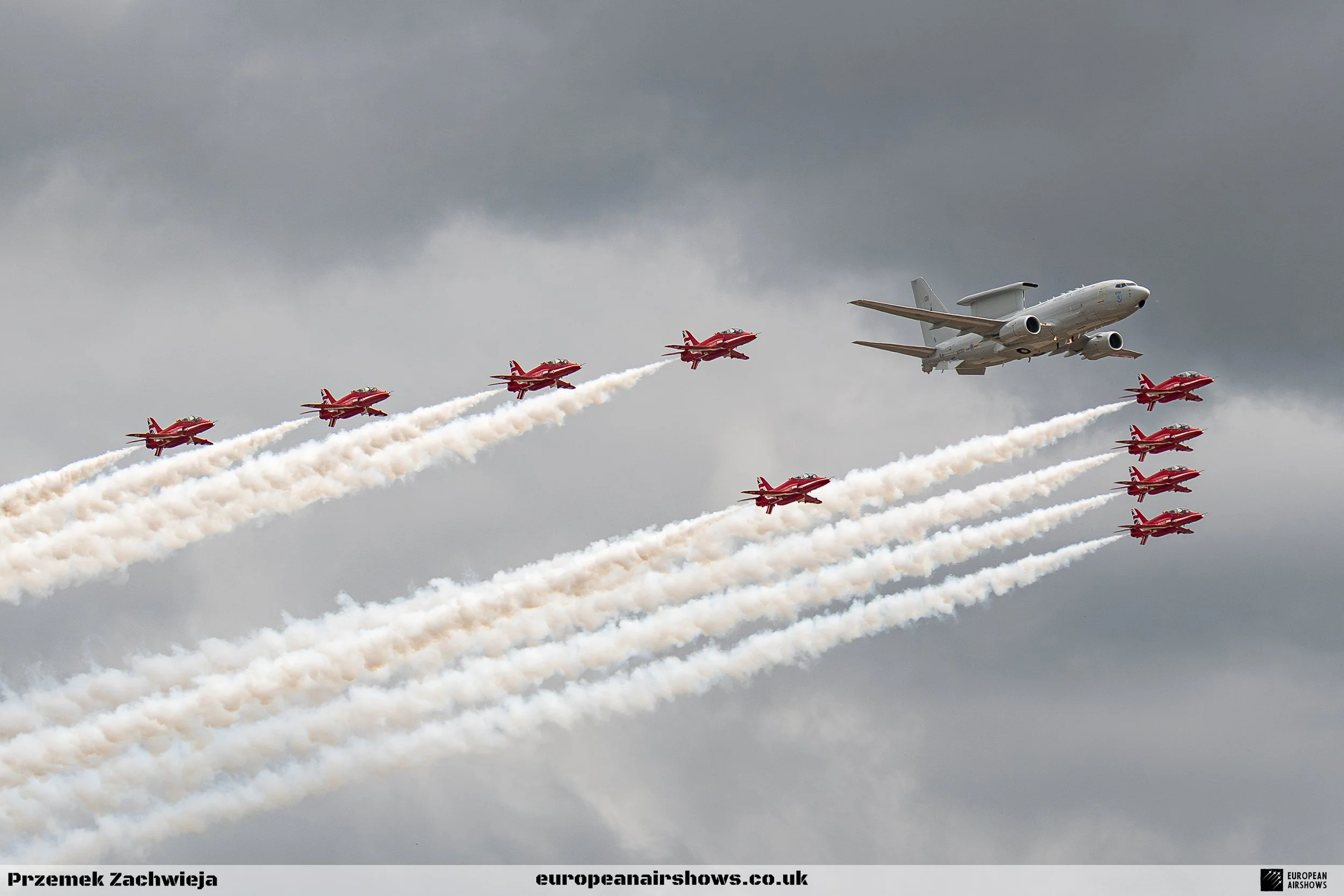
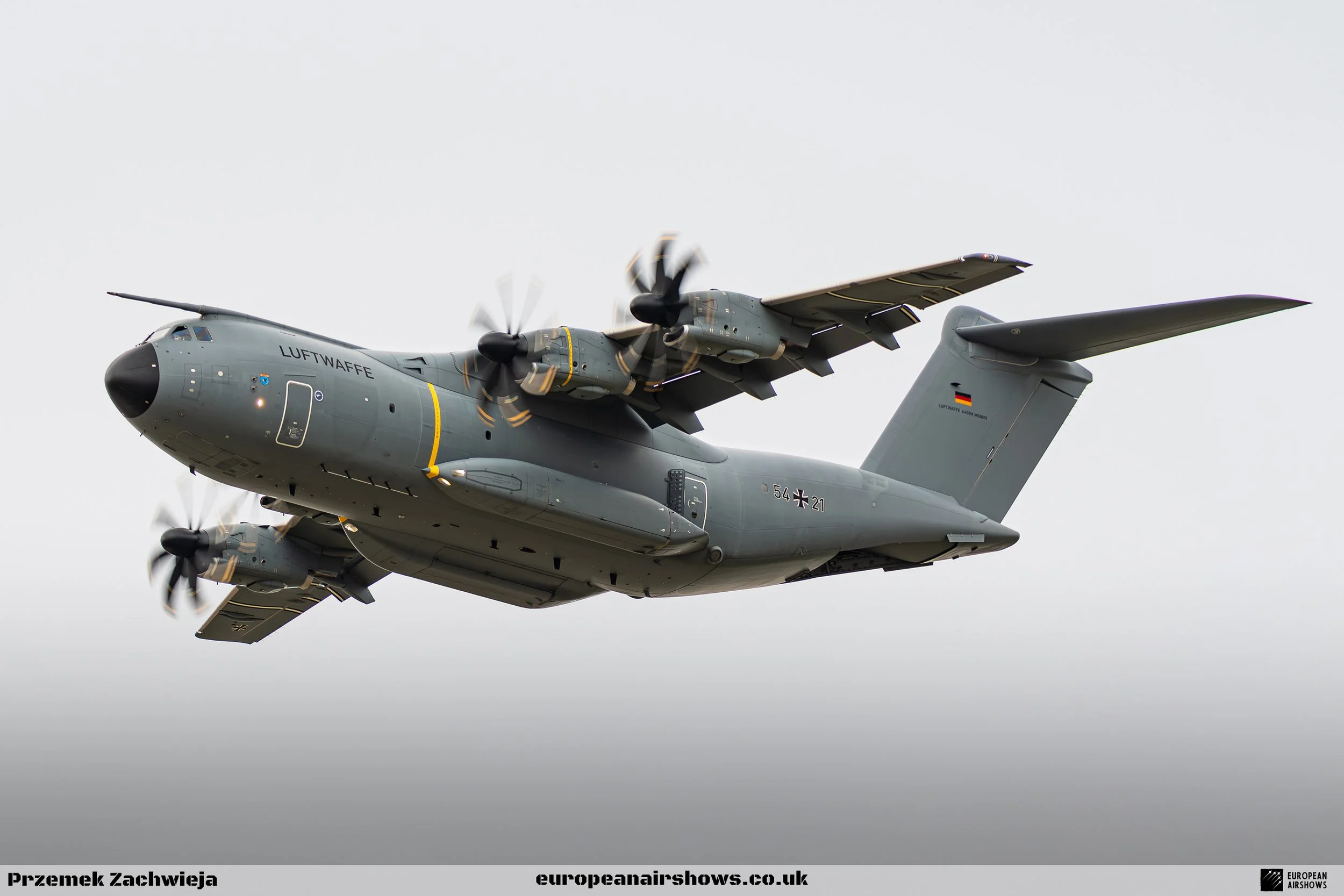
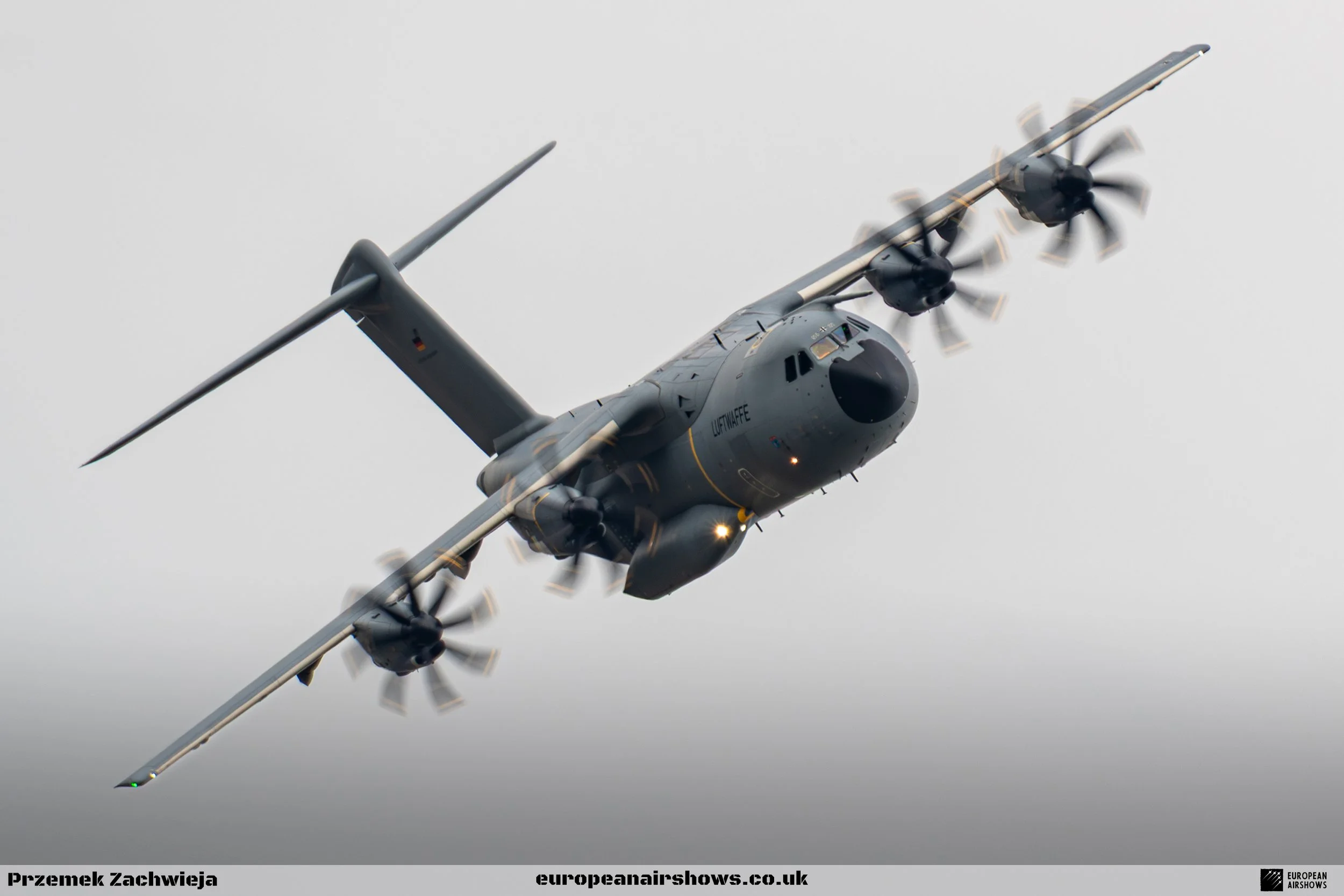
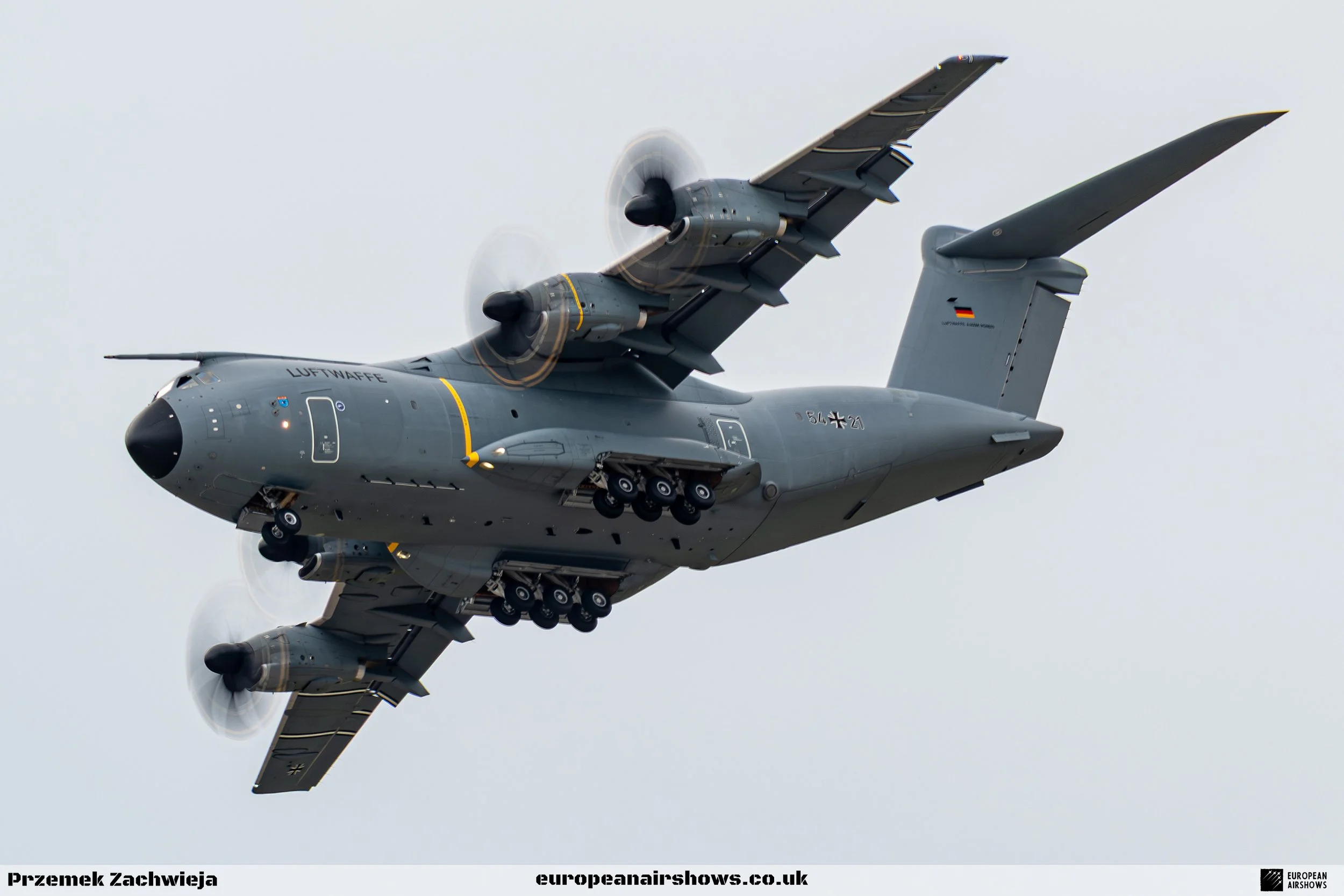
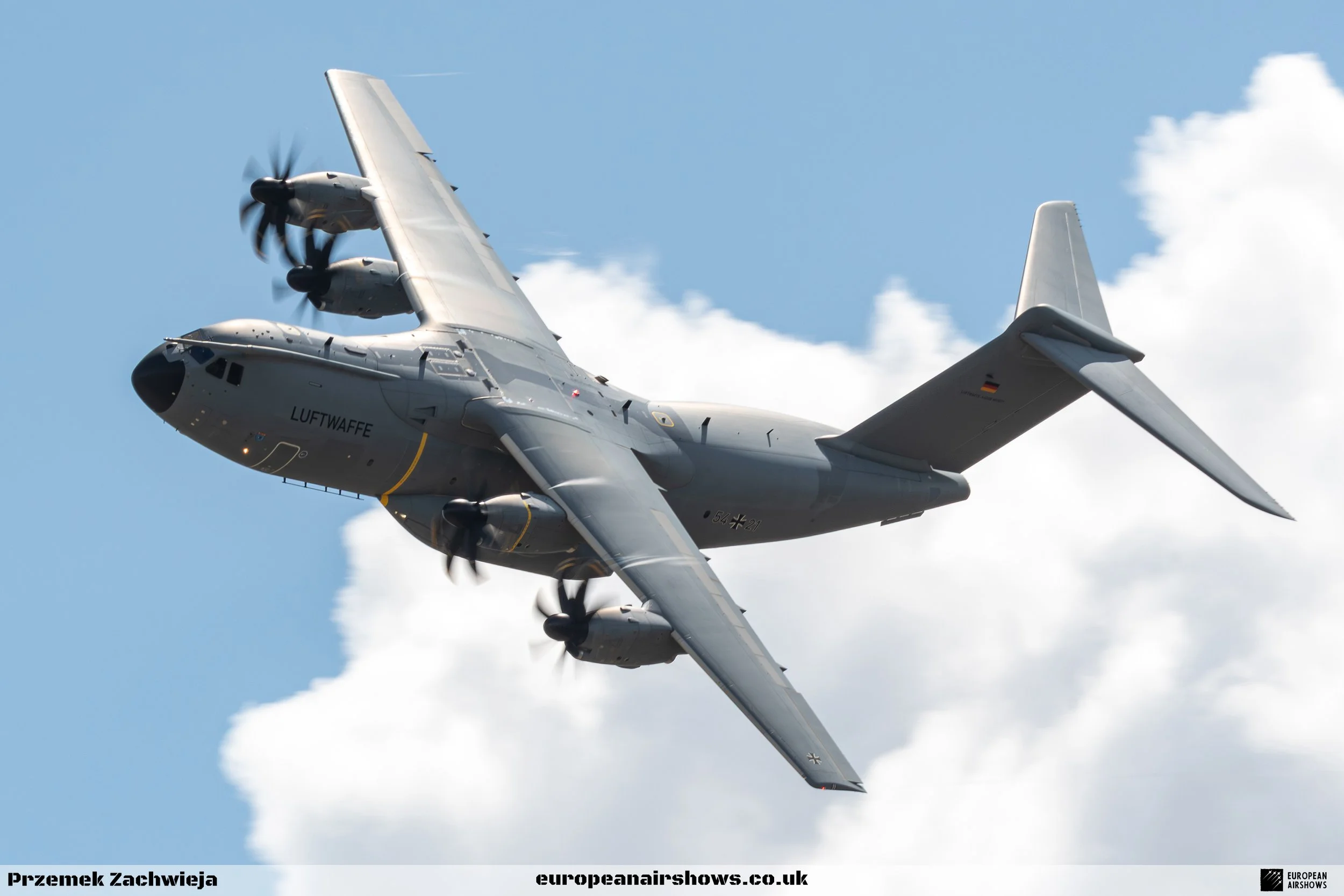
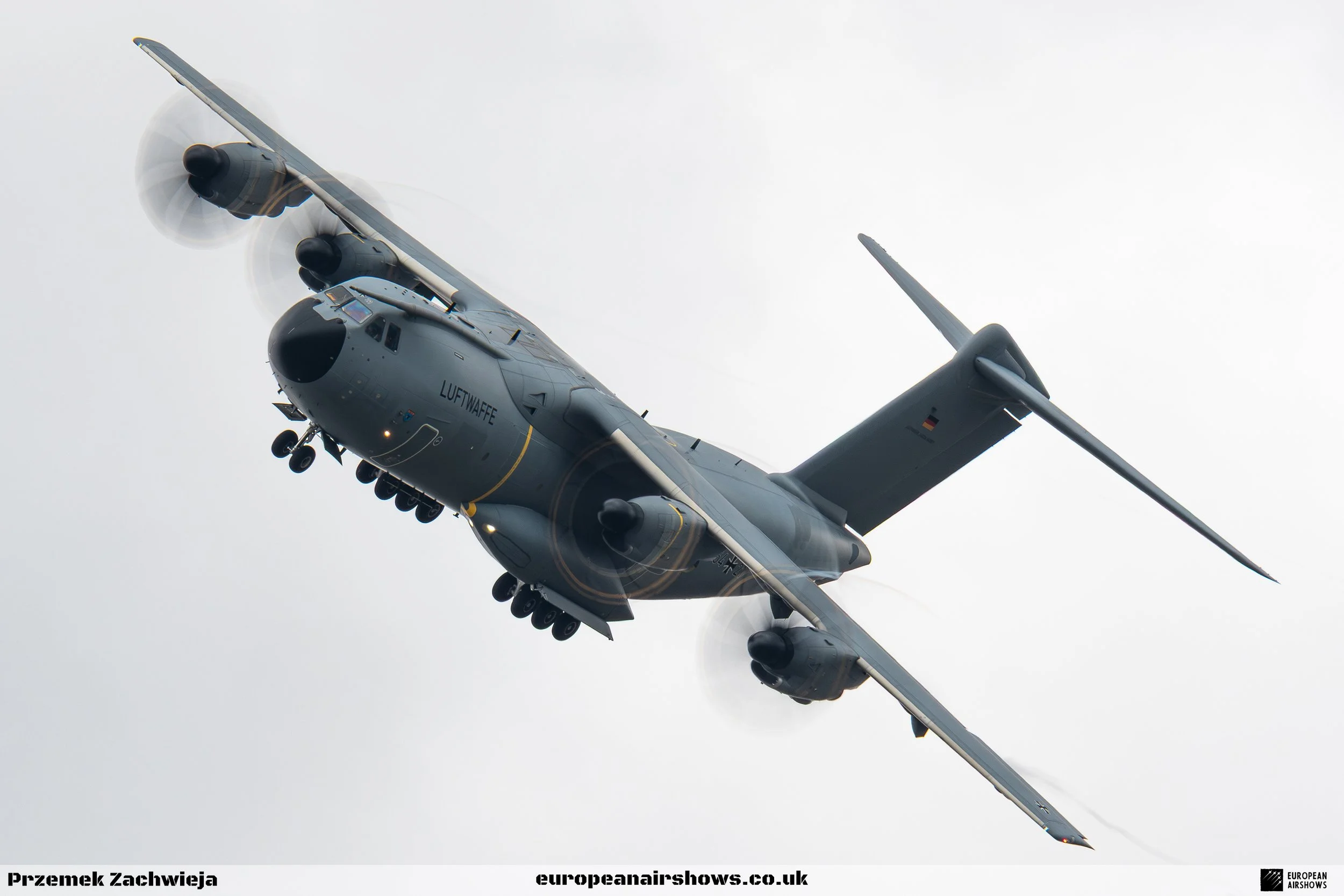
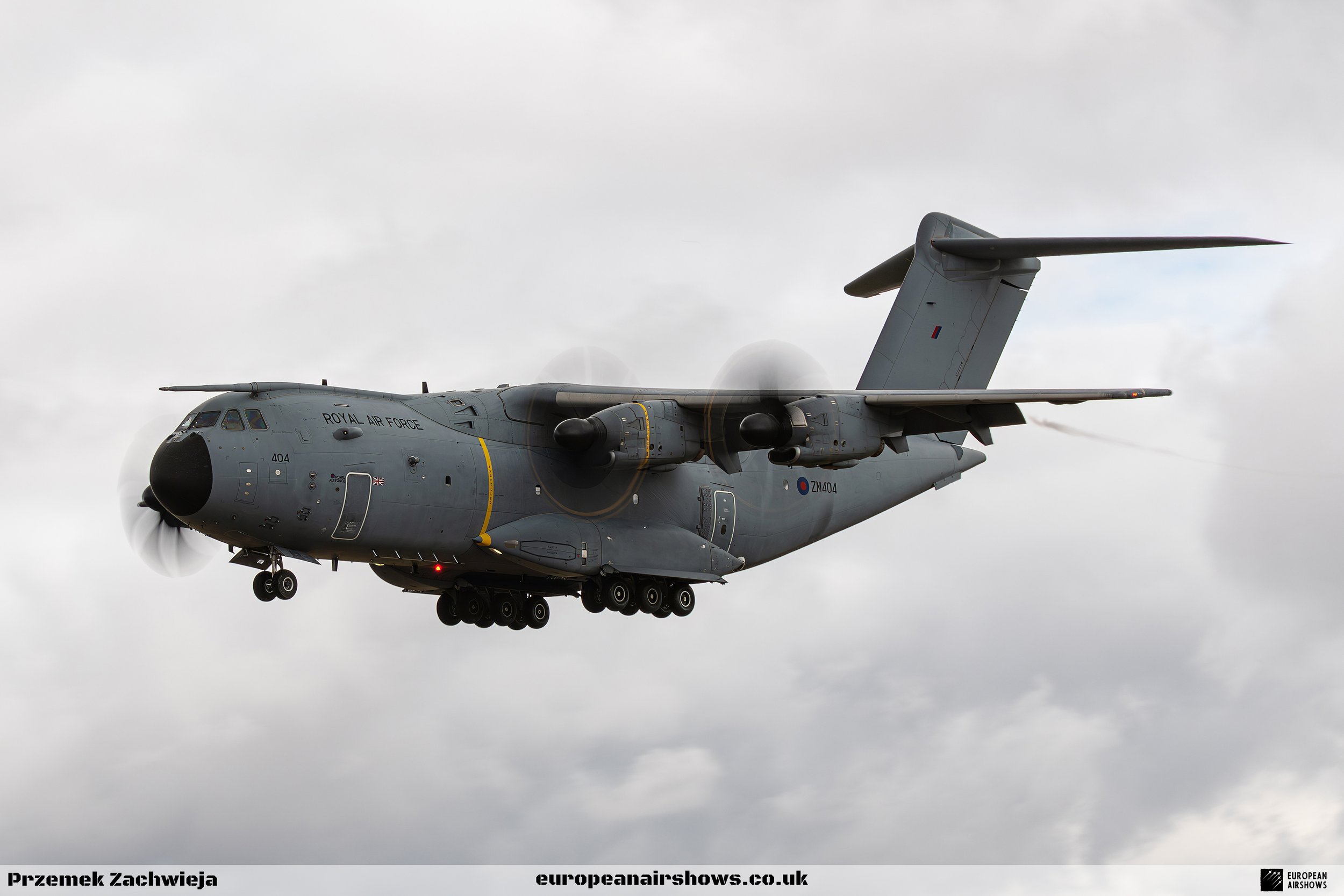
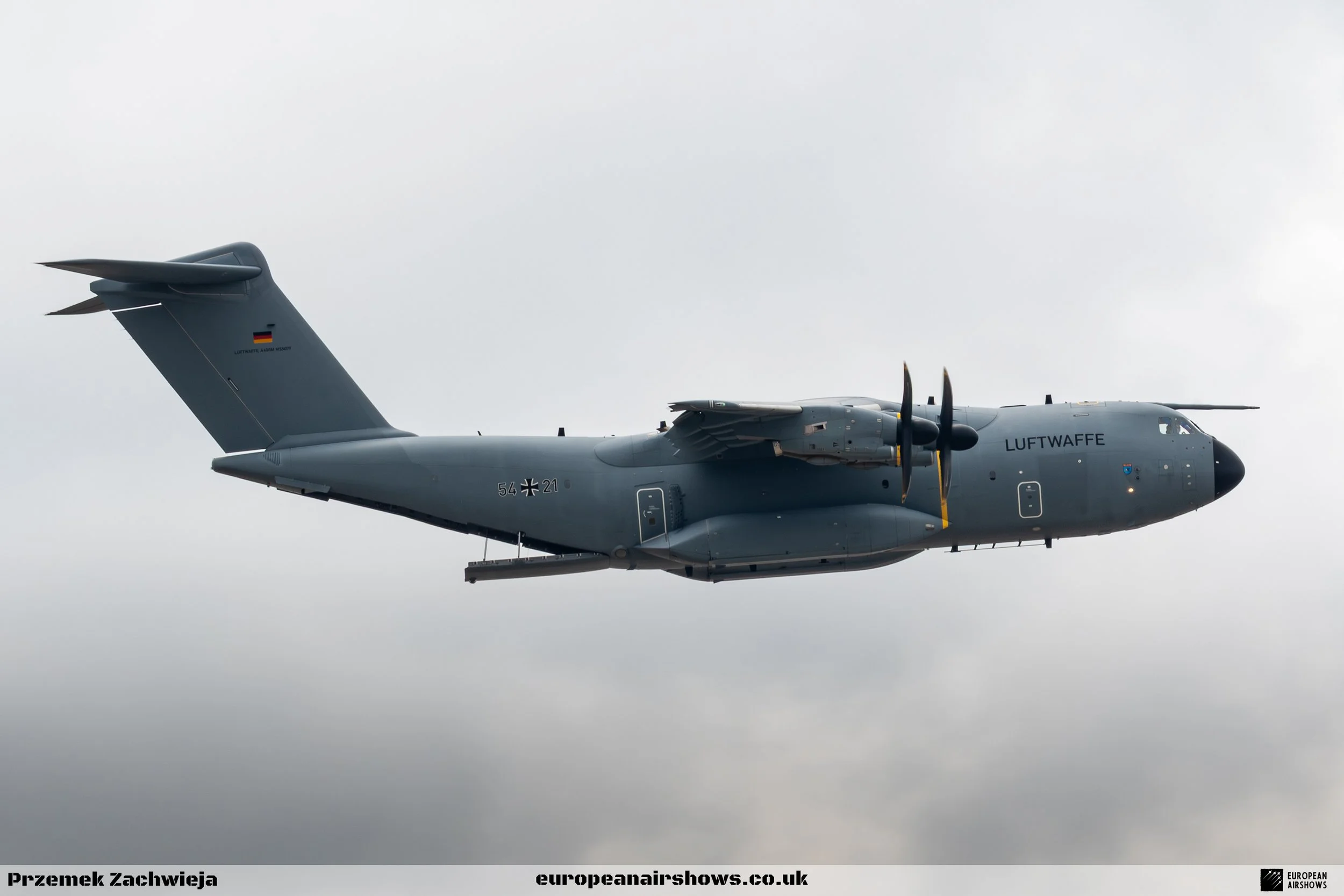
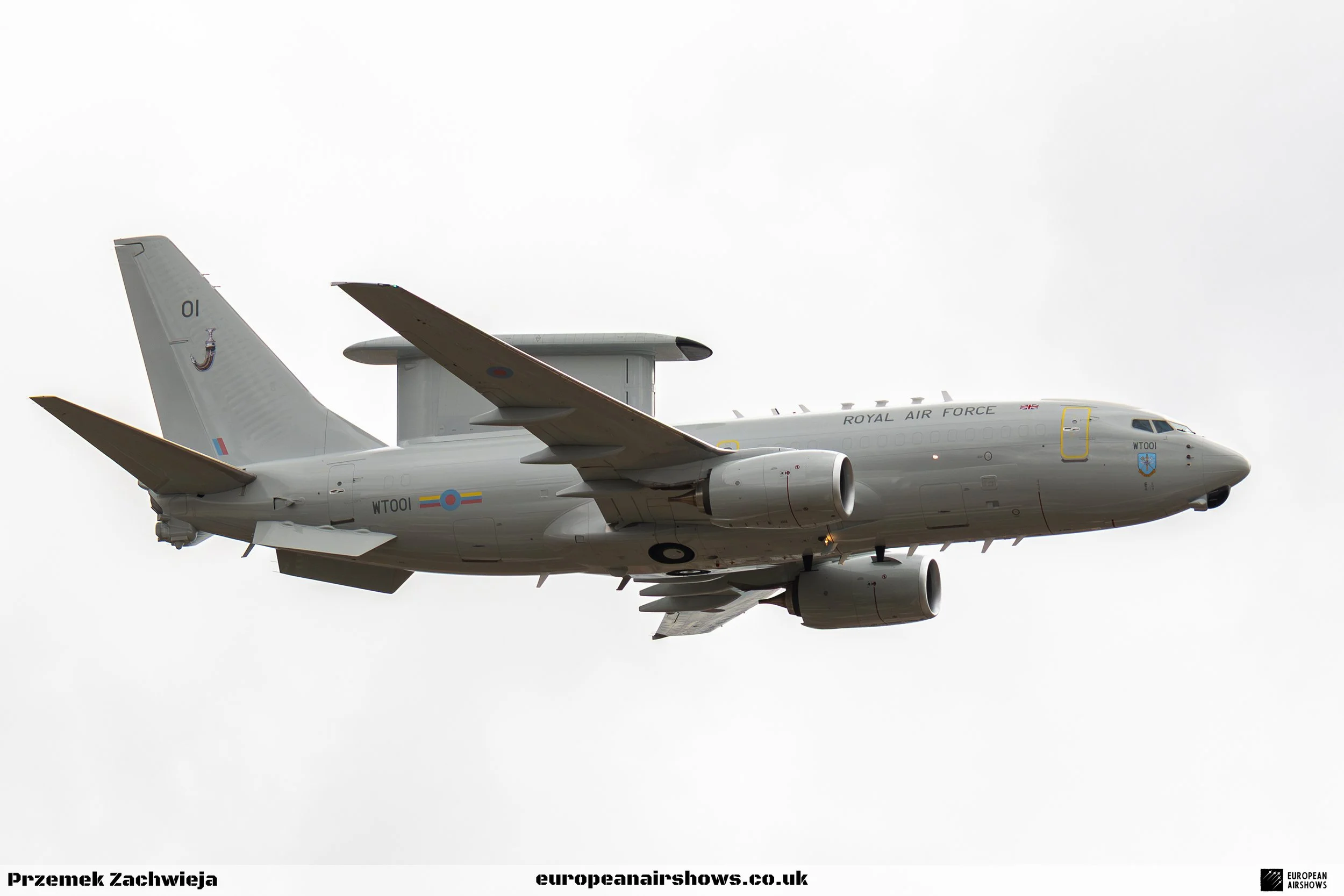
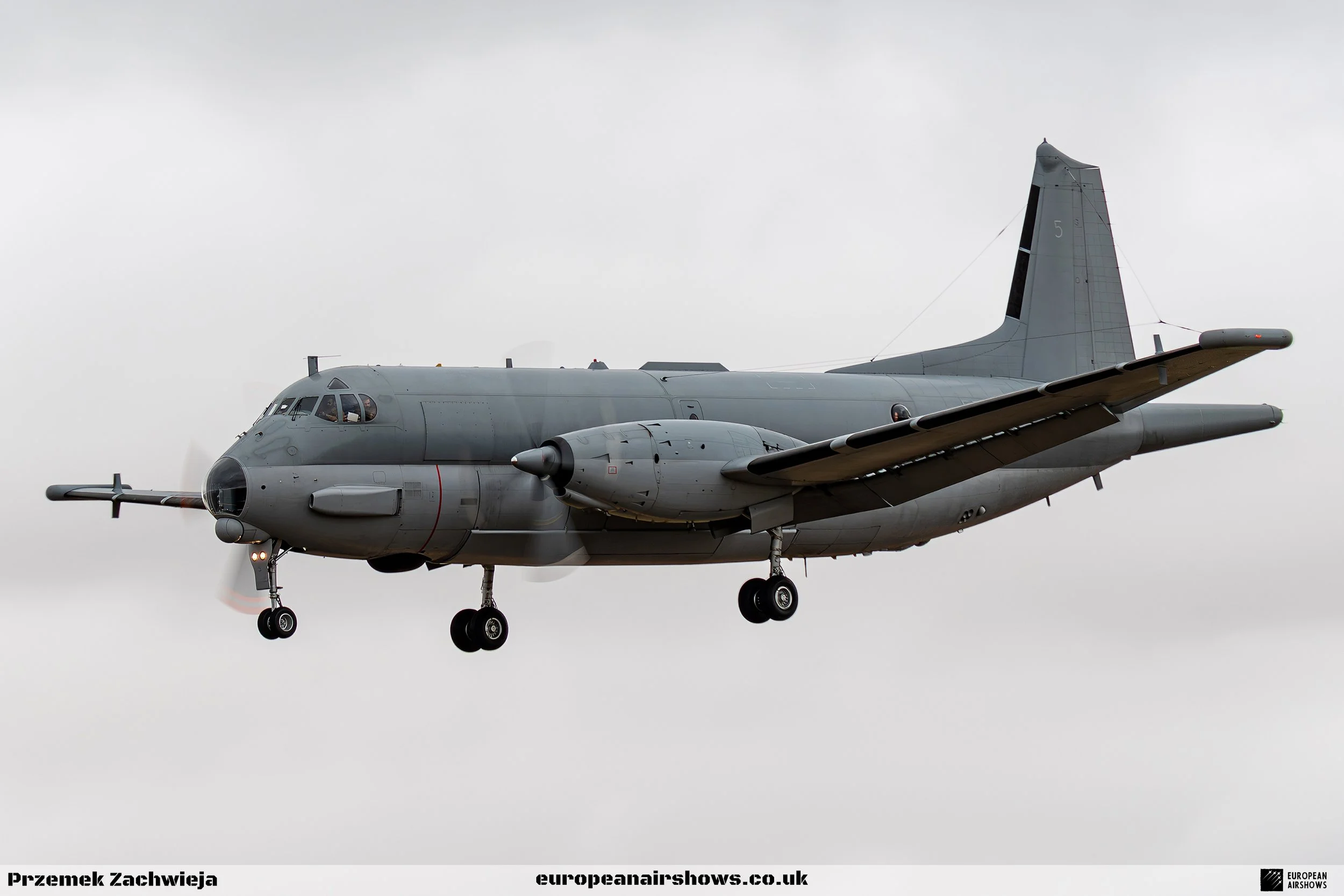
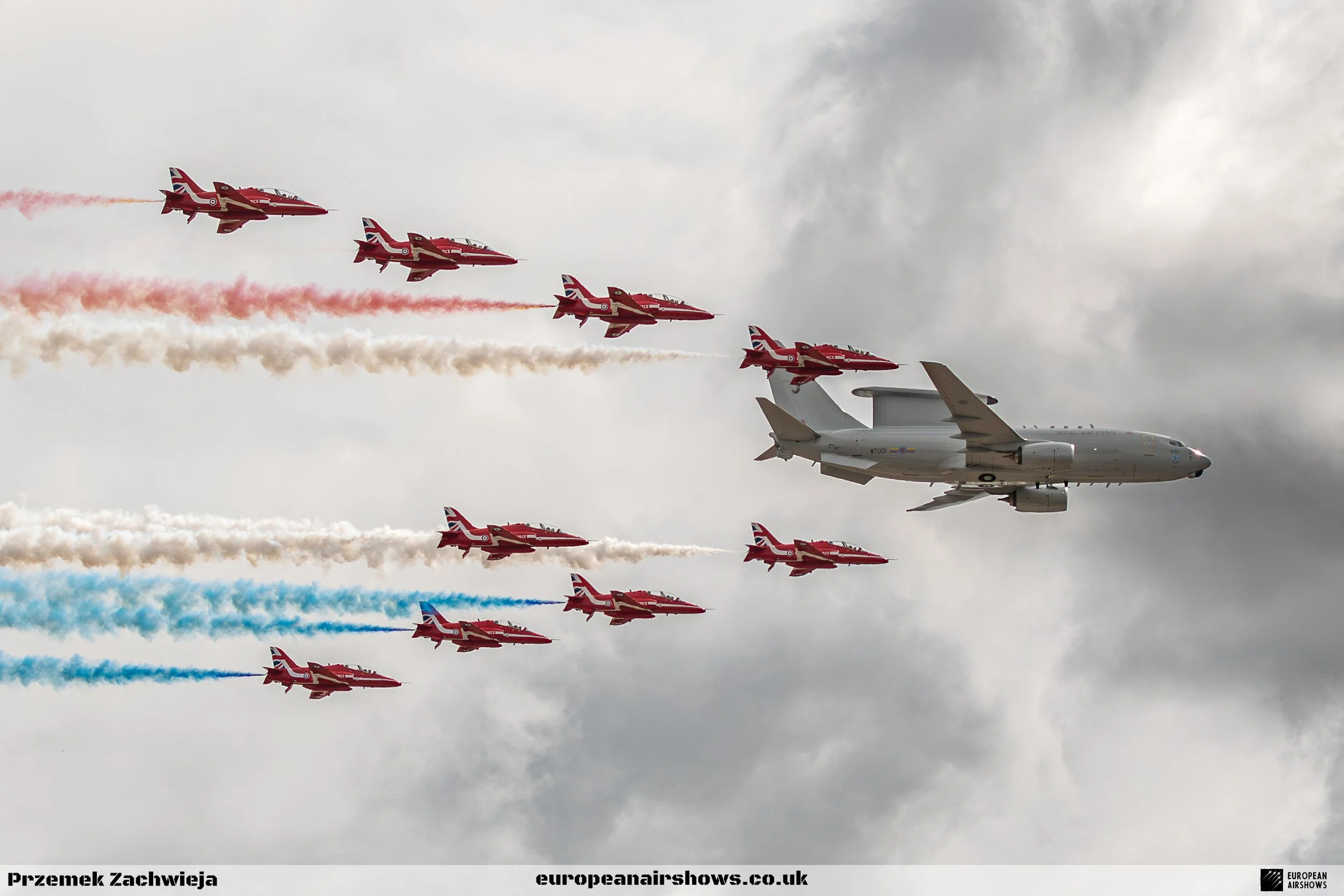
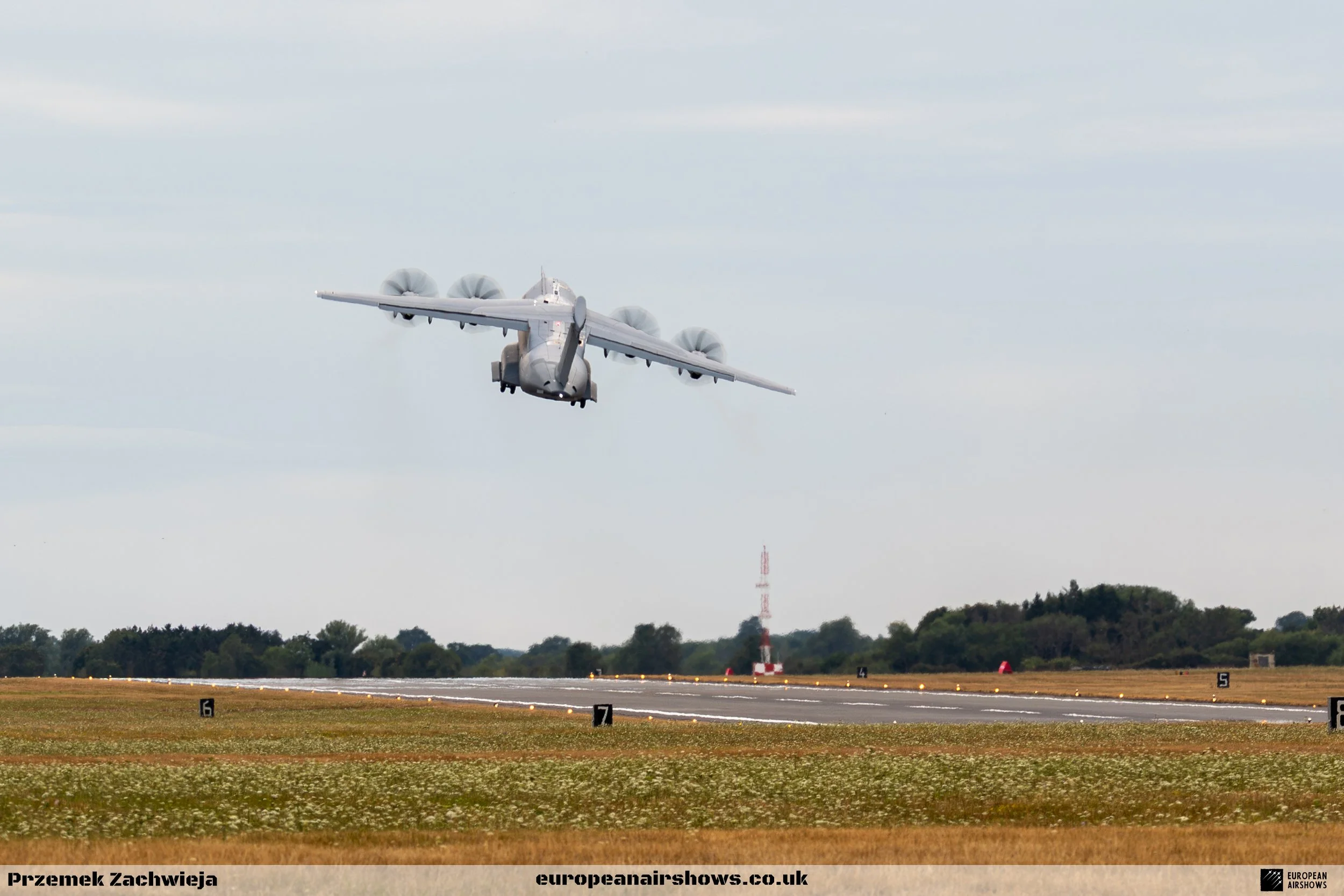
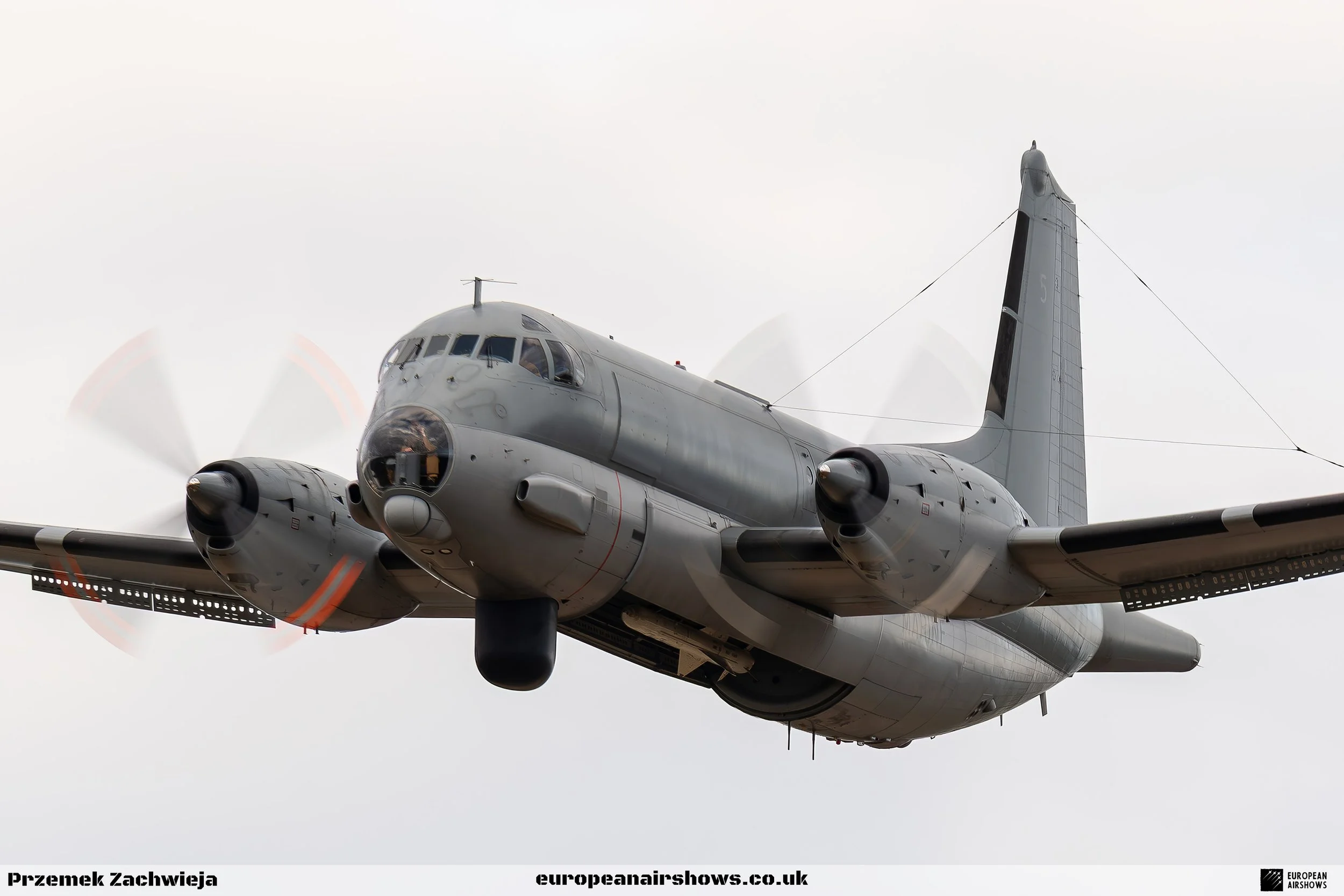
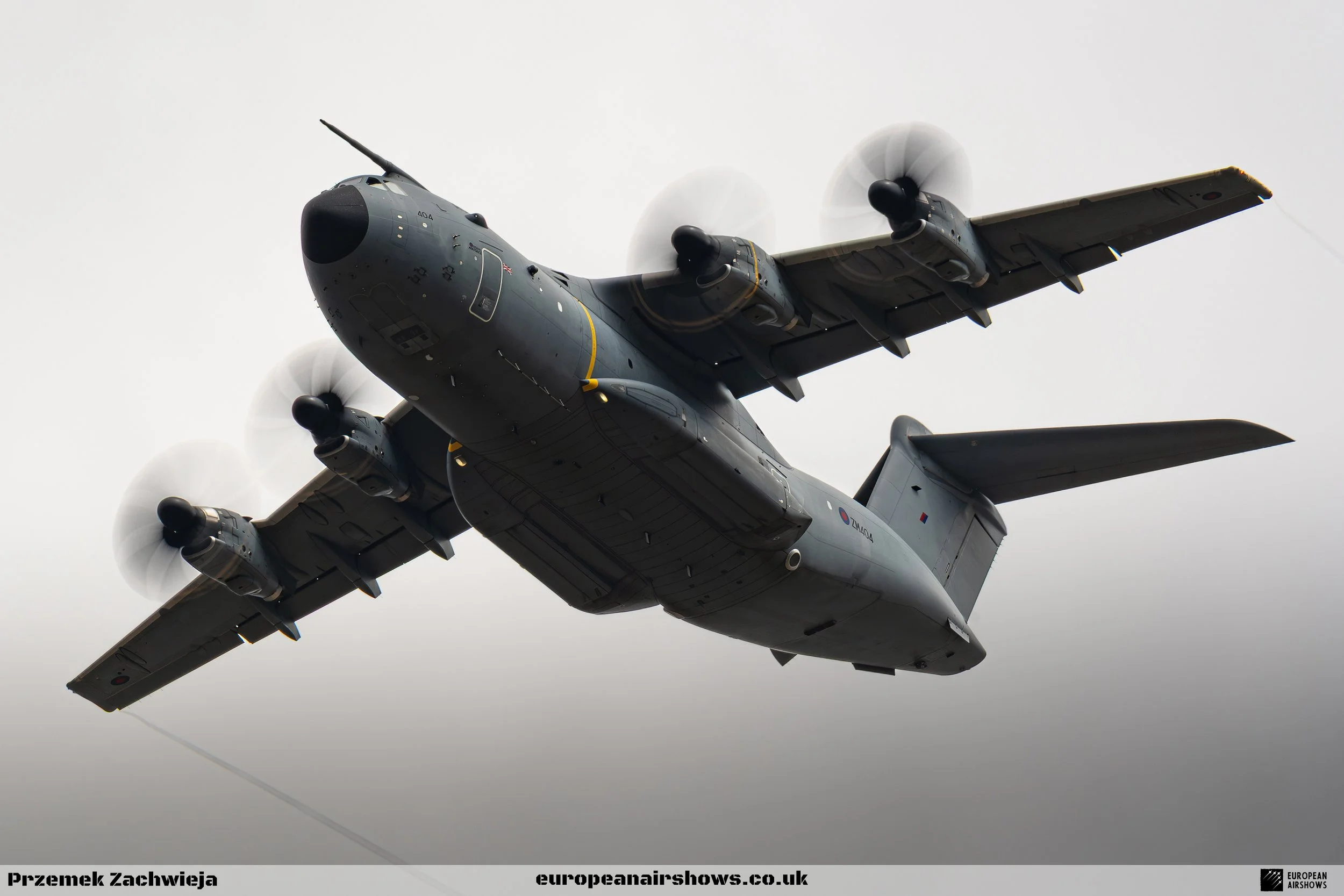
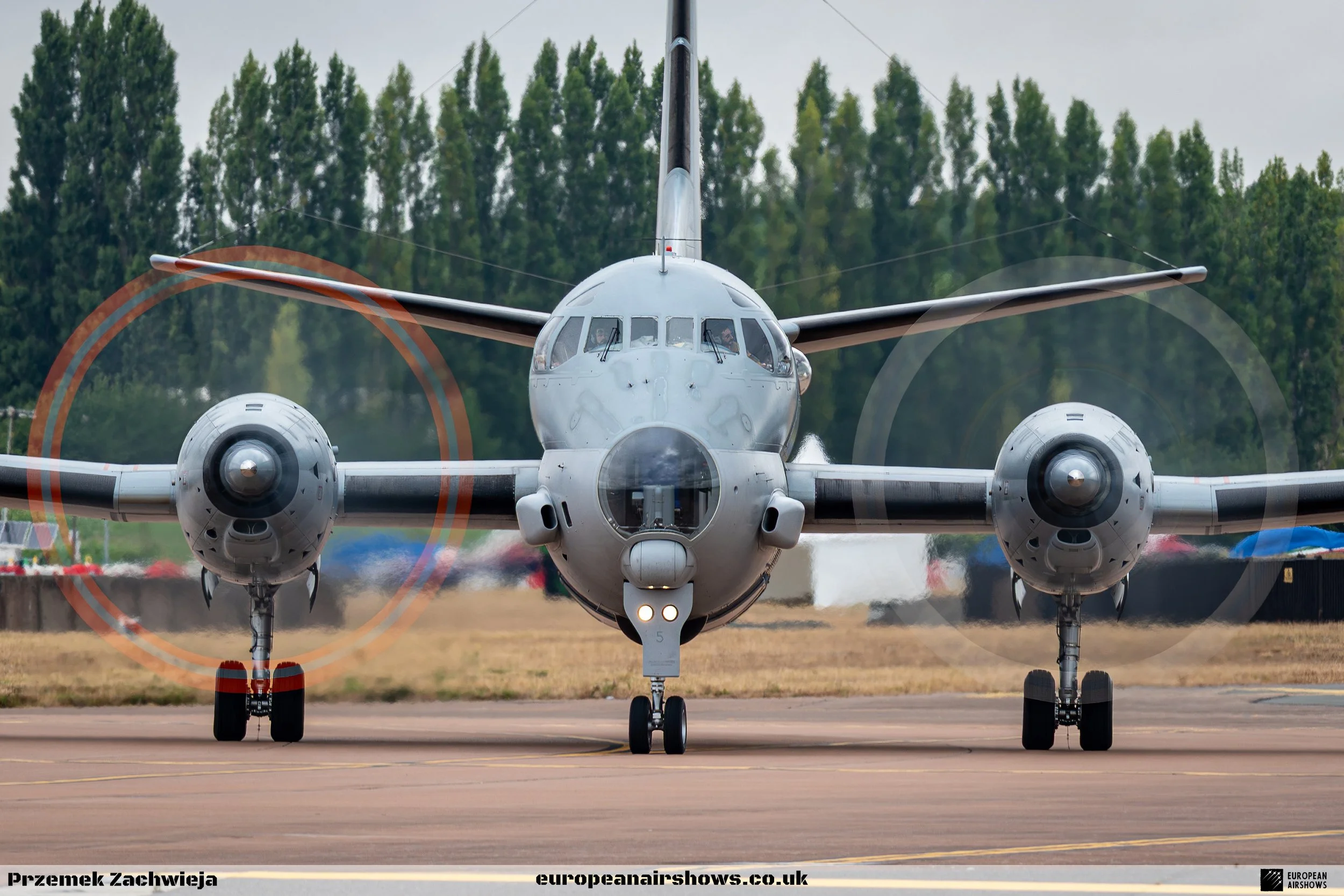
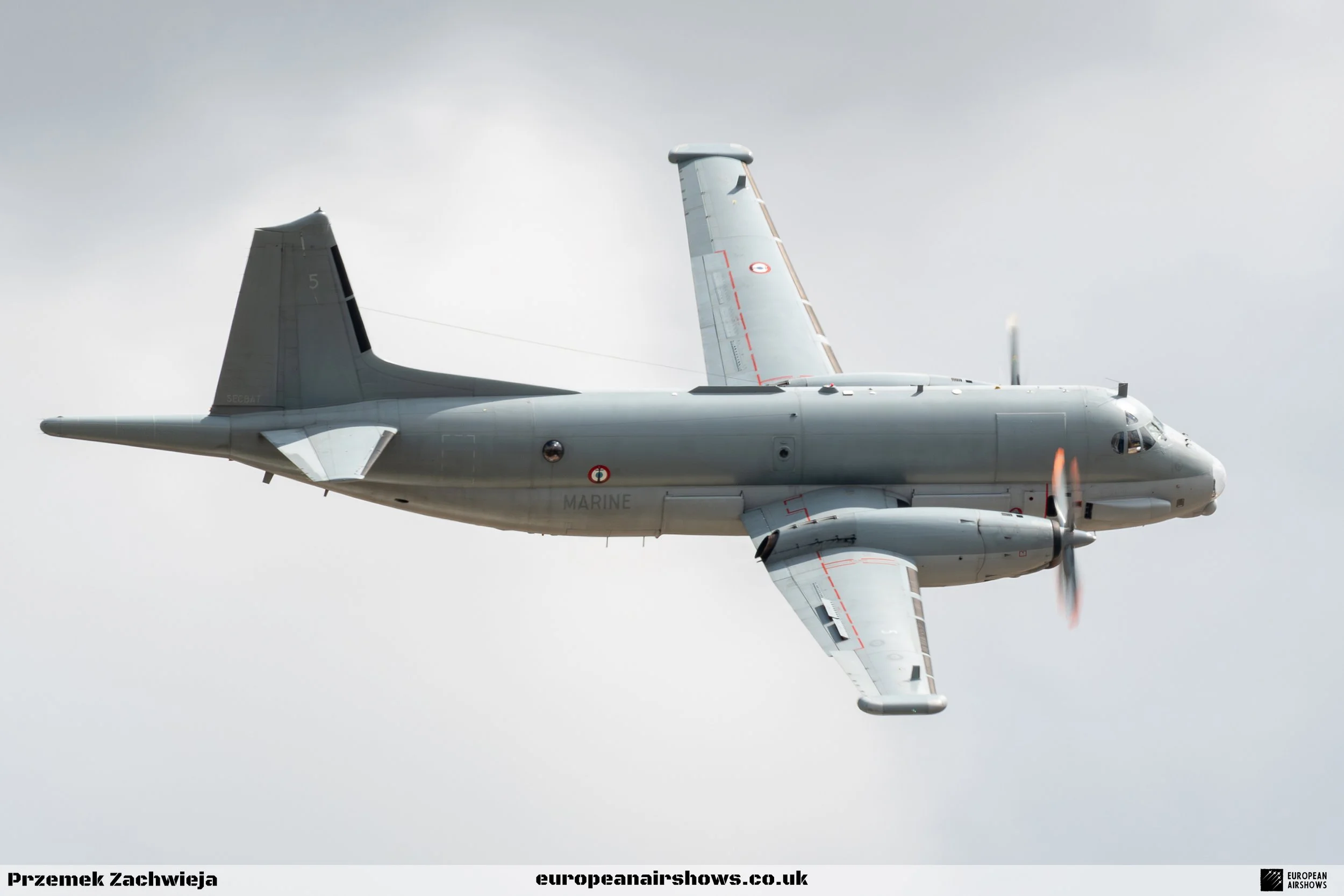
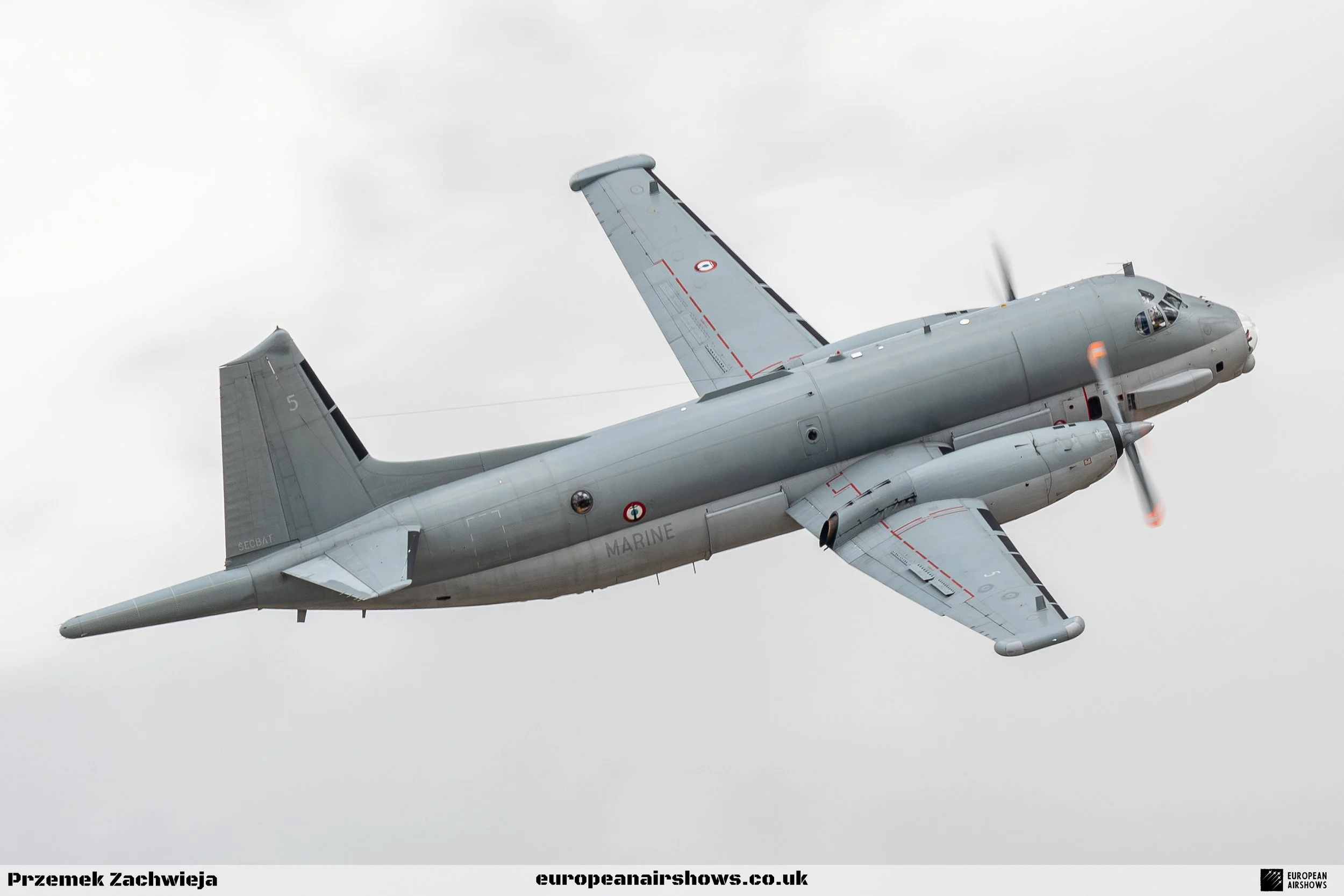
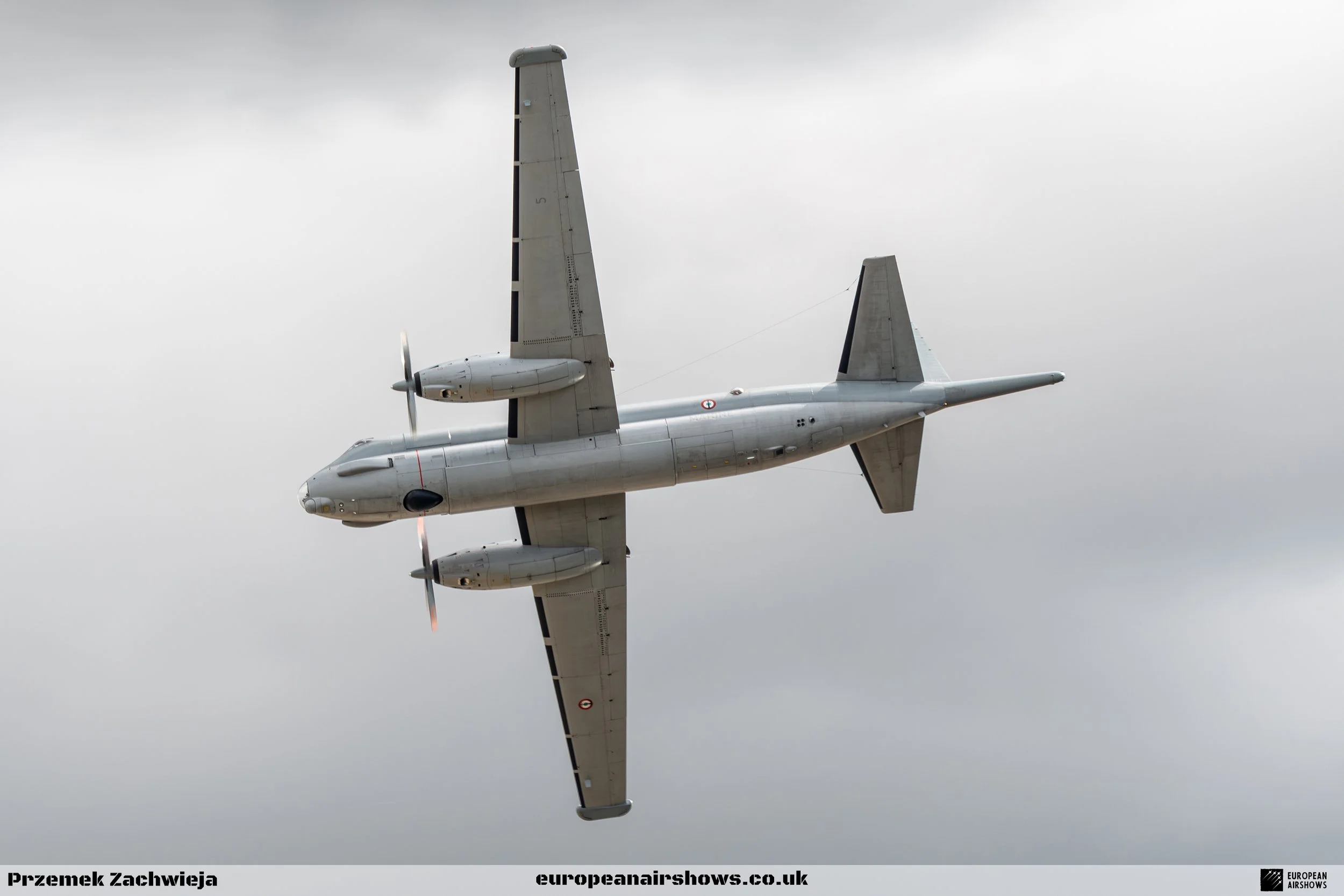
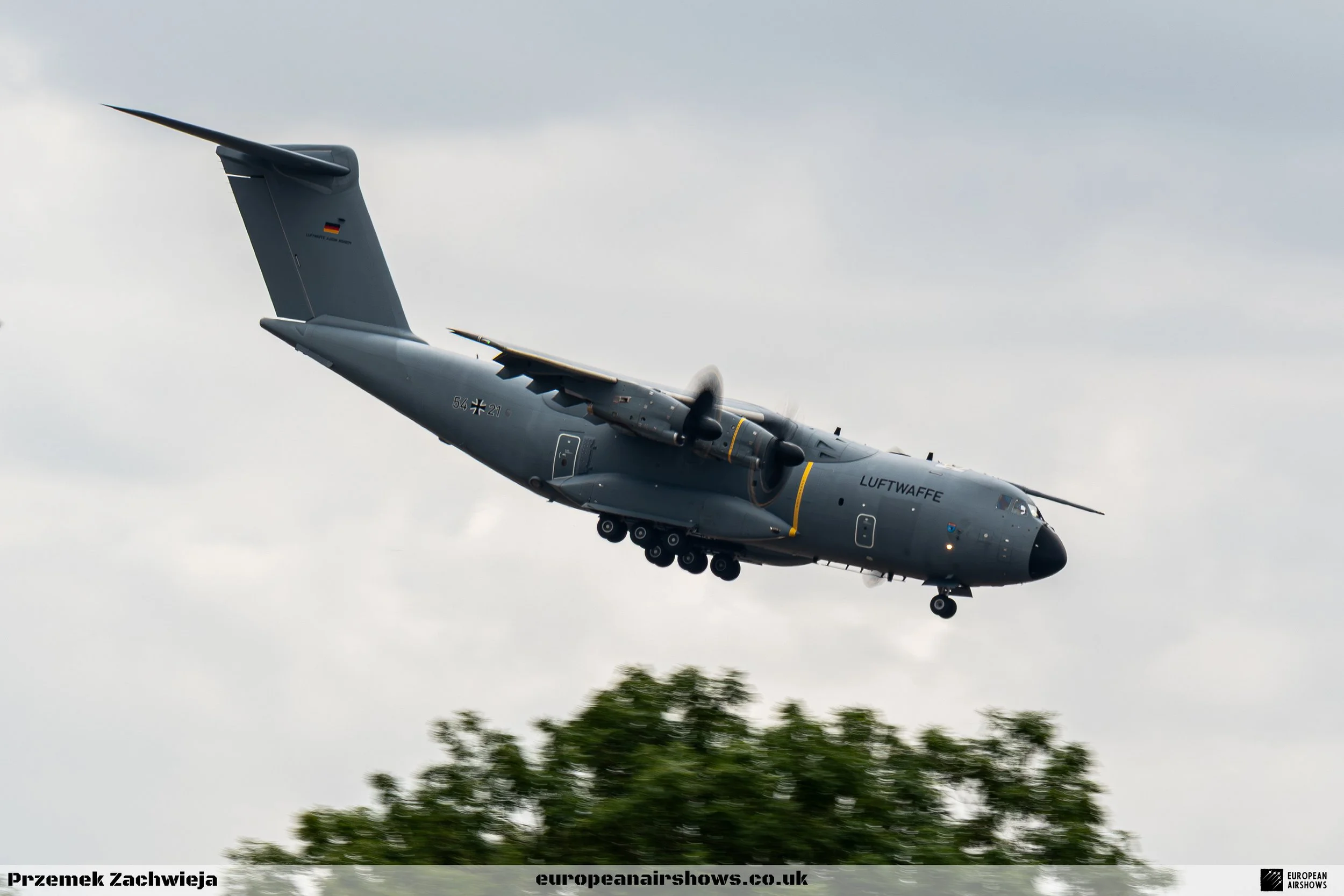
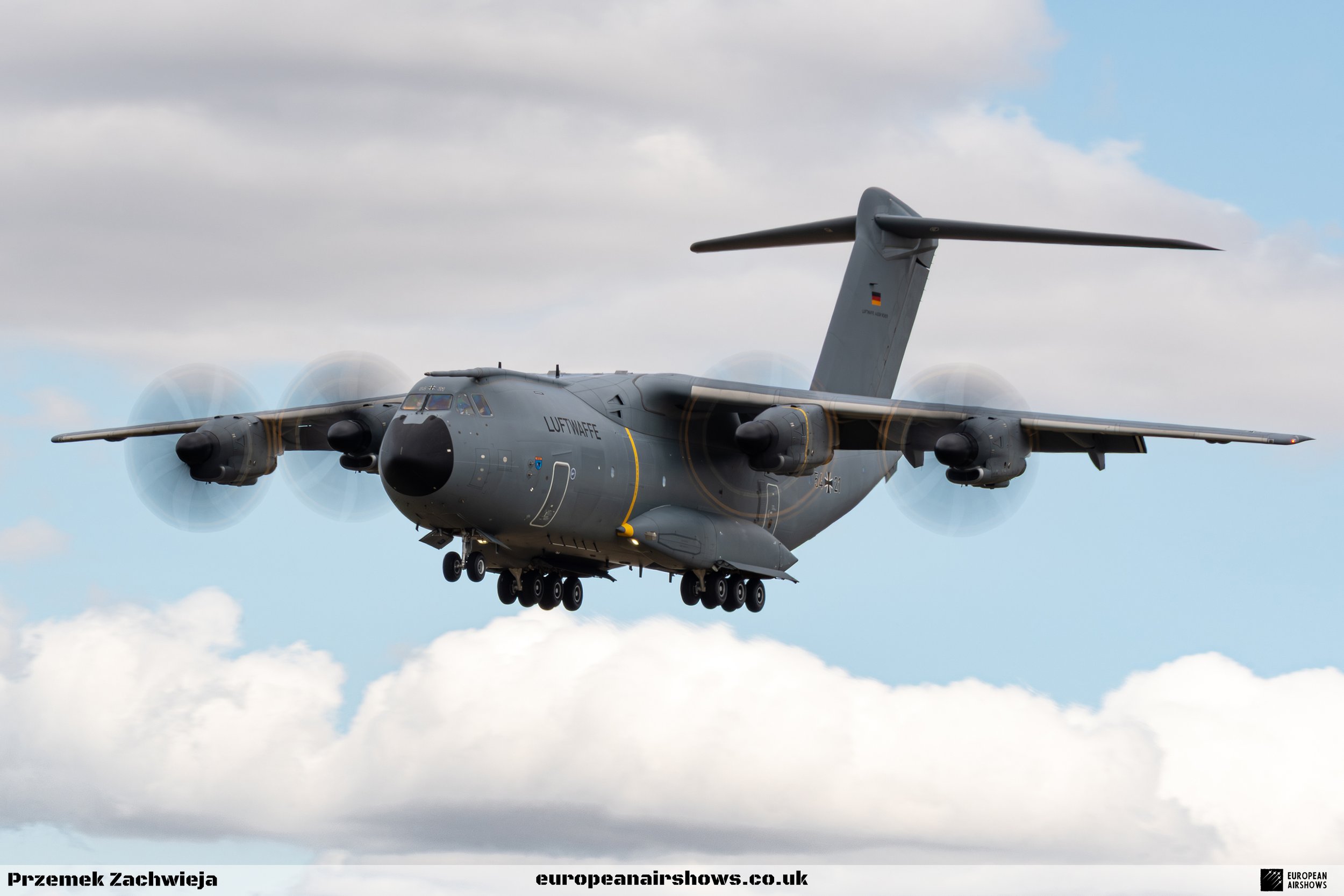
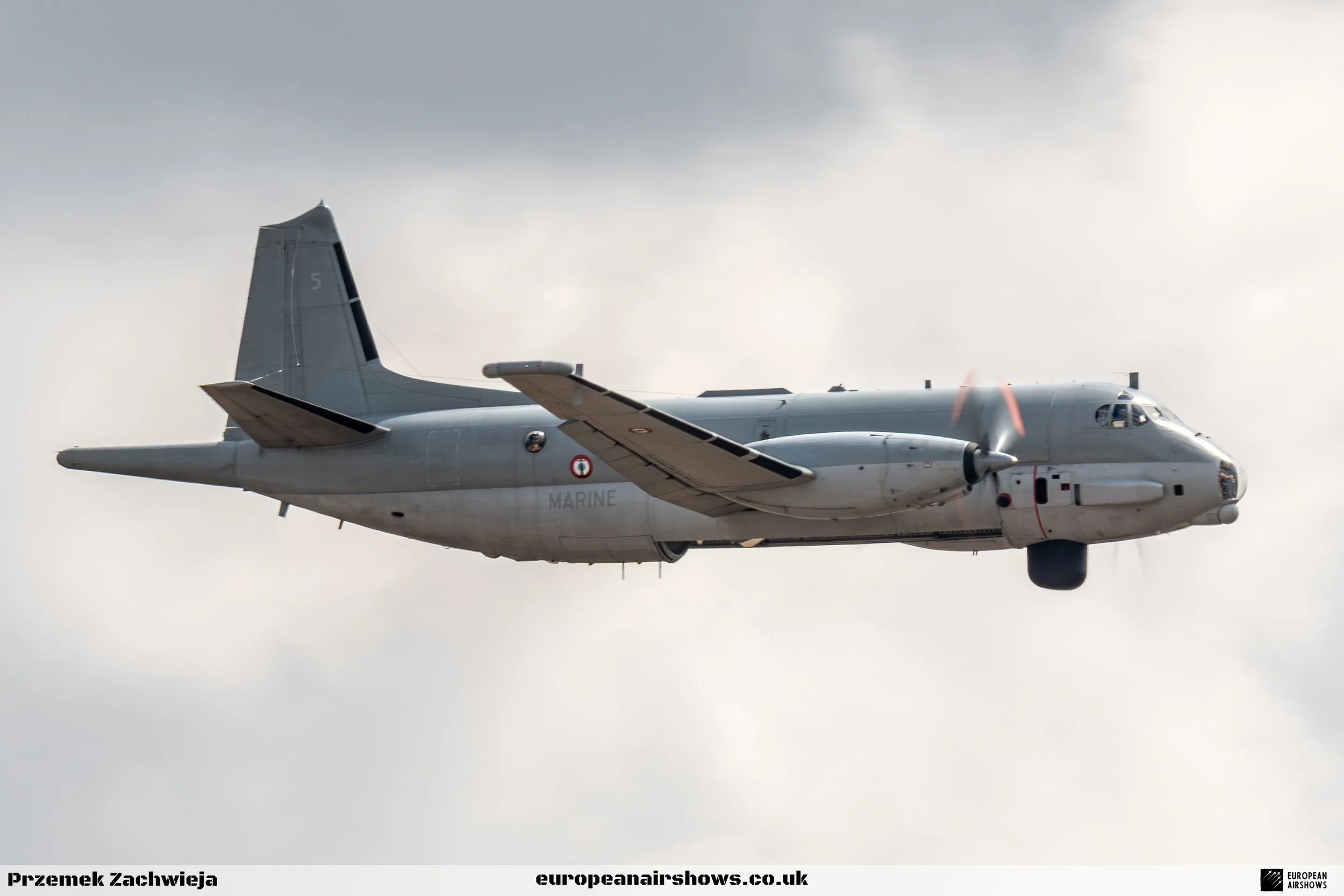
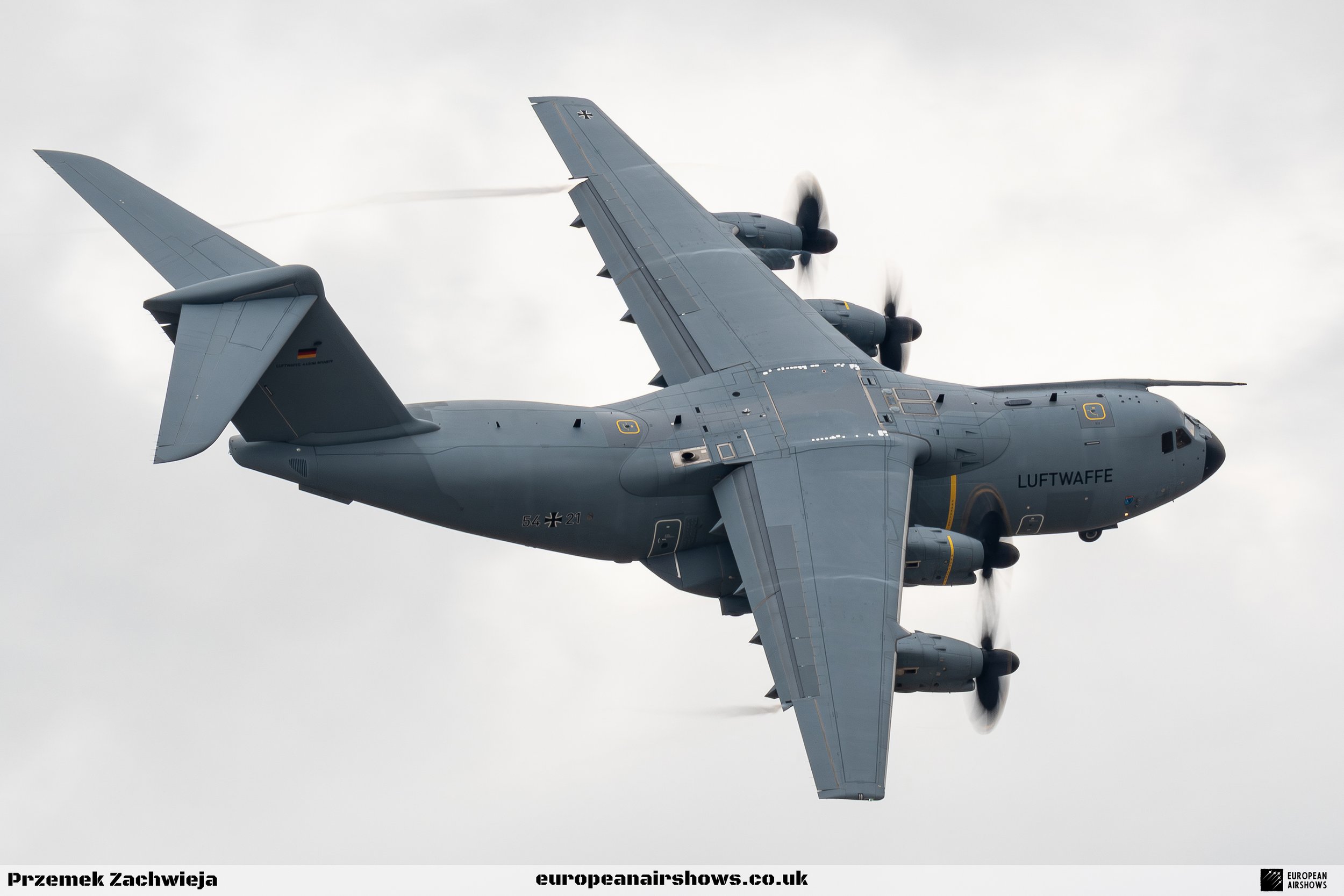
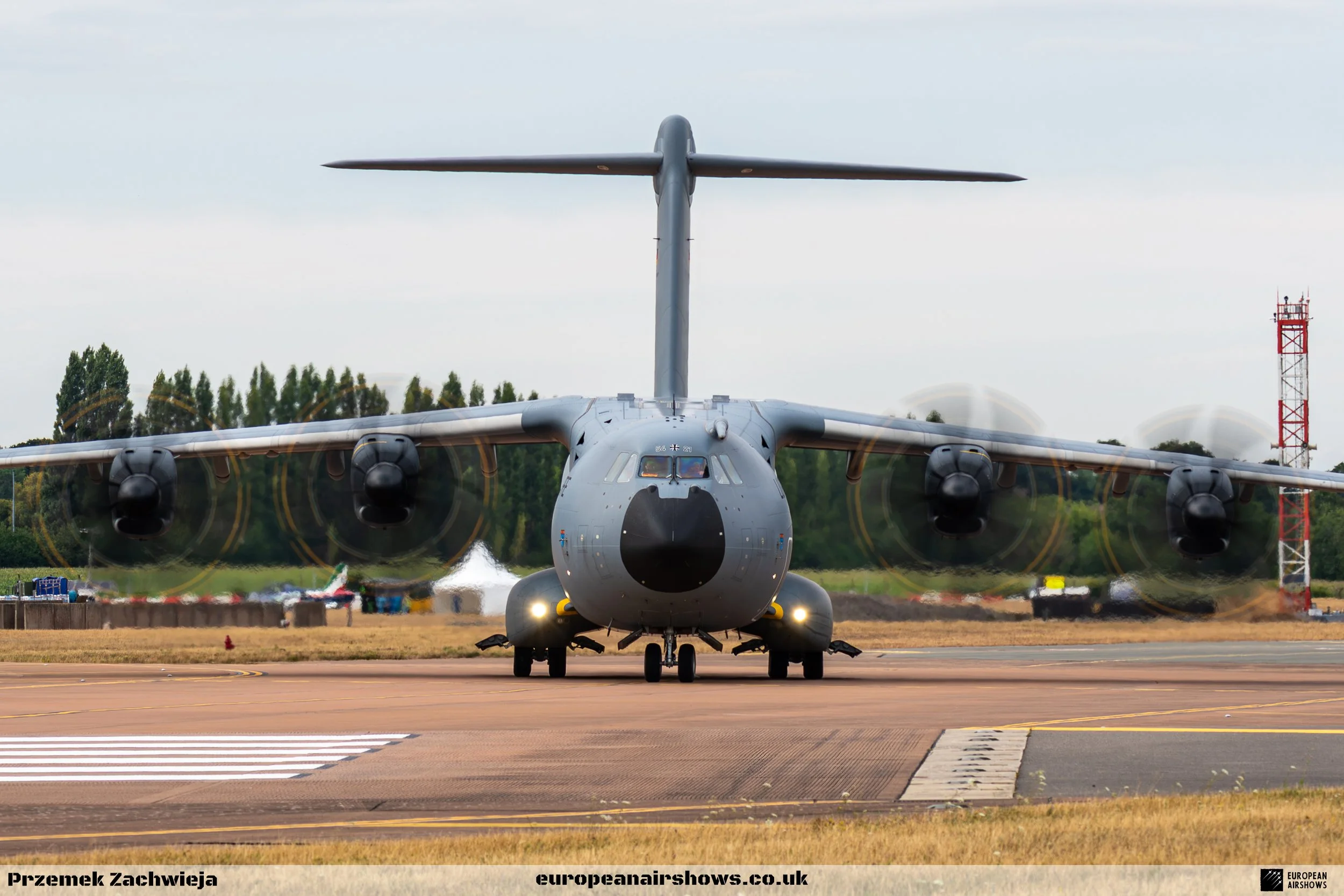
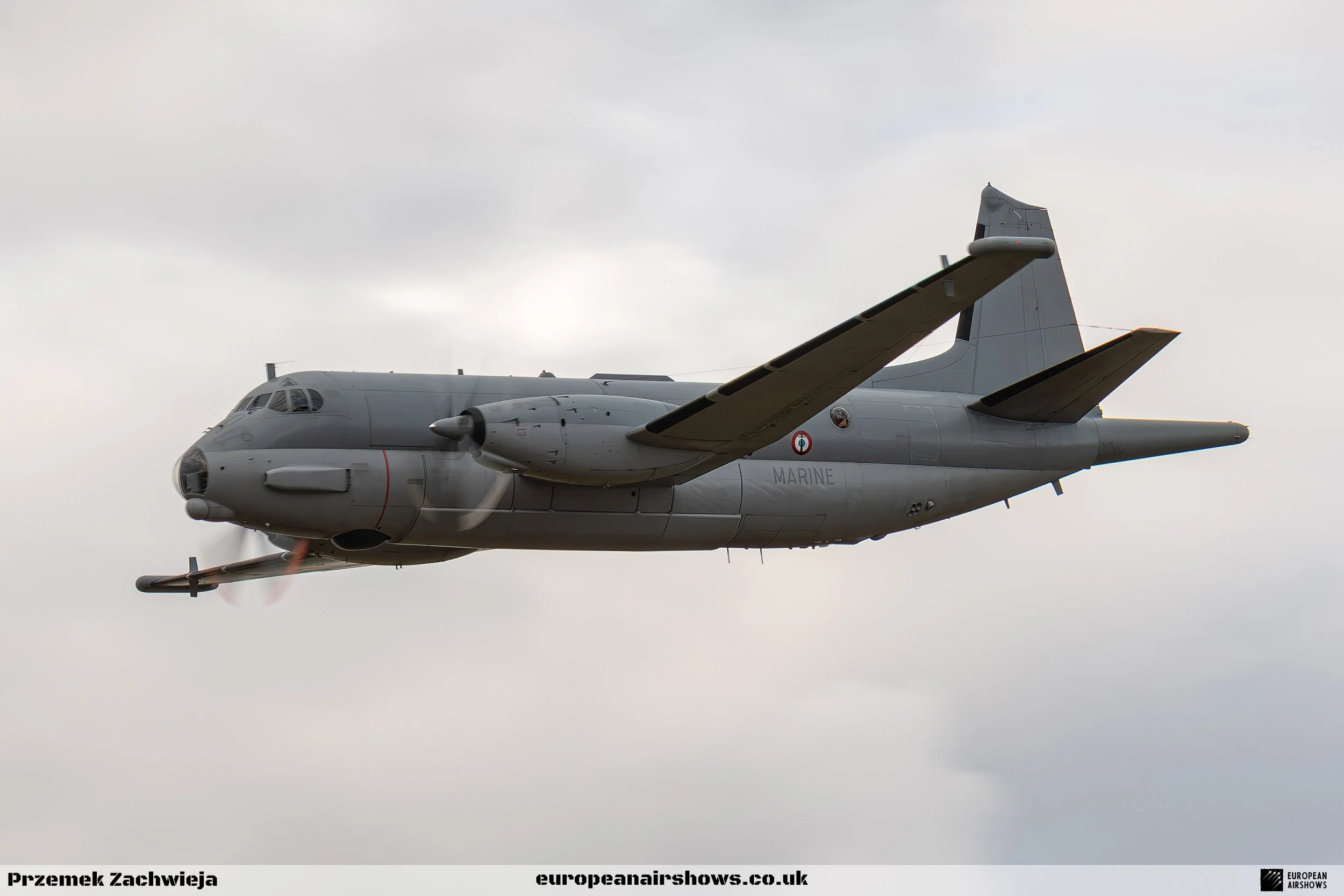
Big aircraft did more than parade. Germany’s A400M Atlas from LTG 62 performed its long-awaited UK demo debut after last year’s flypast-only, with Saturday’s reverse-thrust wheelie—lifting the nosewheel dramatically—eliciting a collective gasp. The French Navy’s Atlantique 2 offered a rare UK display from this maritime veteran, graceful in its sweeping turns. The RAF contributed a C-17 Globemaster III on Sunday, while the Poseidon MRA.1 and Rivet Joint R.1 each performed flypasts as part of the ISR theme. And the RAF’s newest platform, the Wedgetail AEW.1, missed its Friday slot due to a technical fault but made a triumphant entrance on Saturday, first flying in formation with the Red Arrows, then making solo passes to mark its airshow debut.
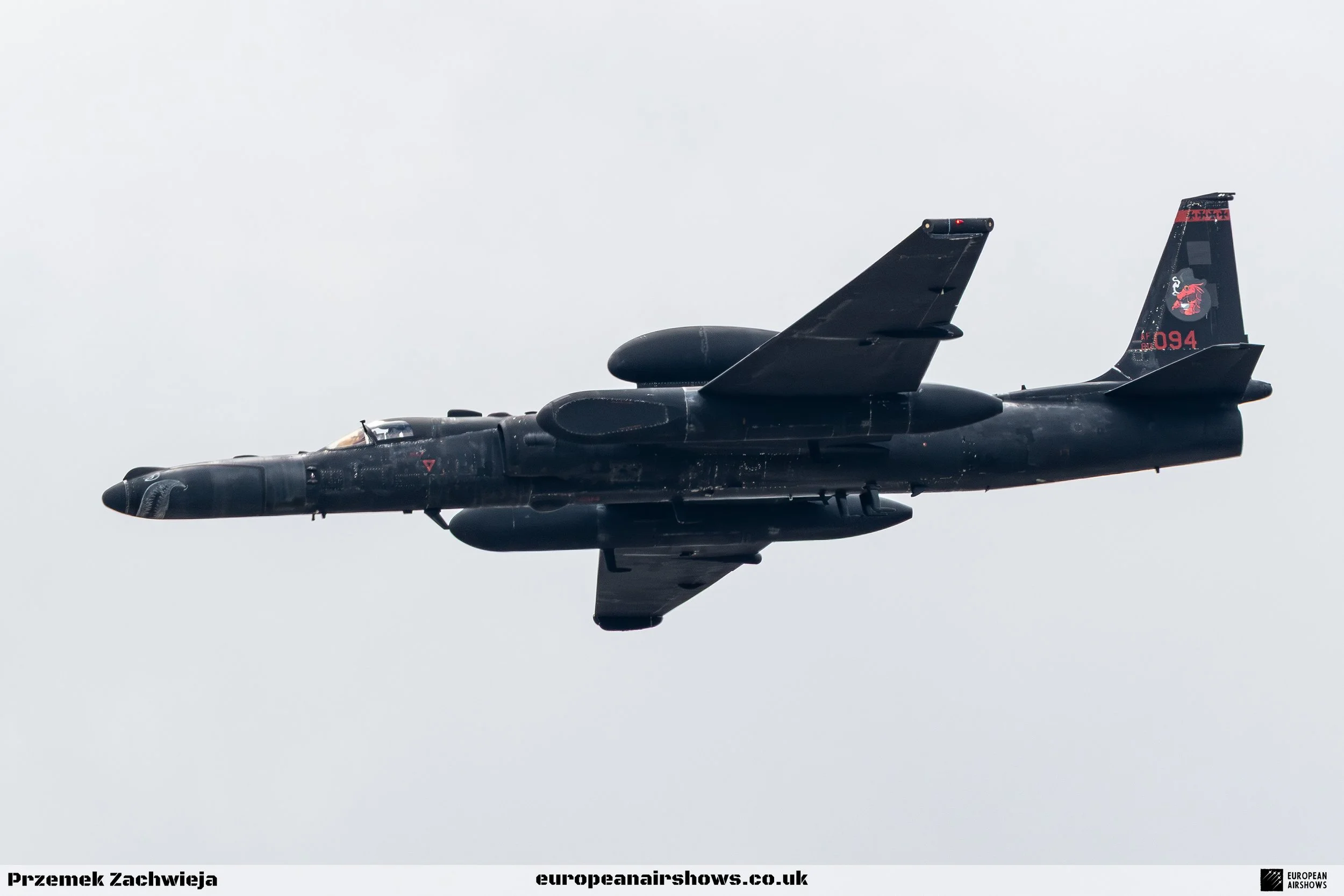
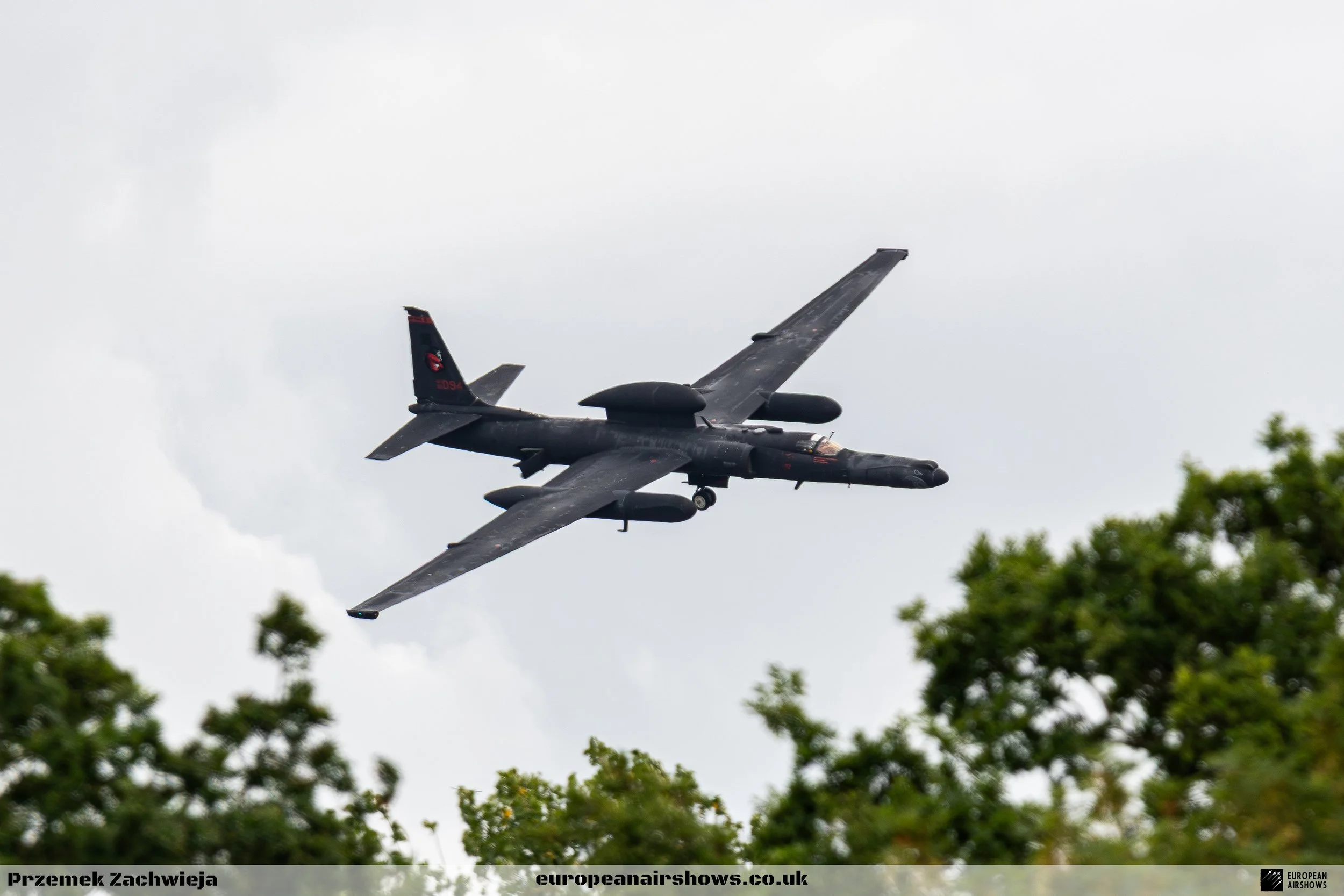
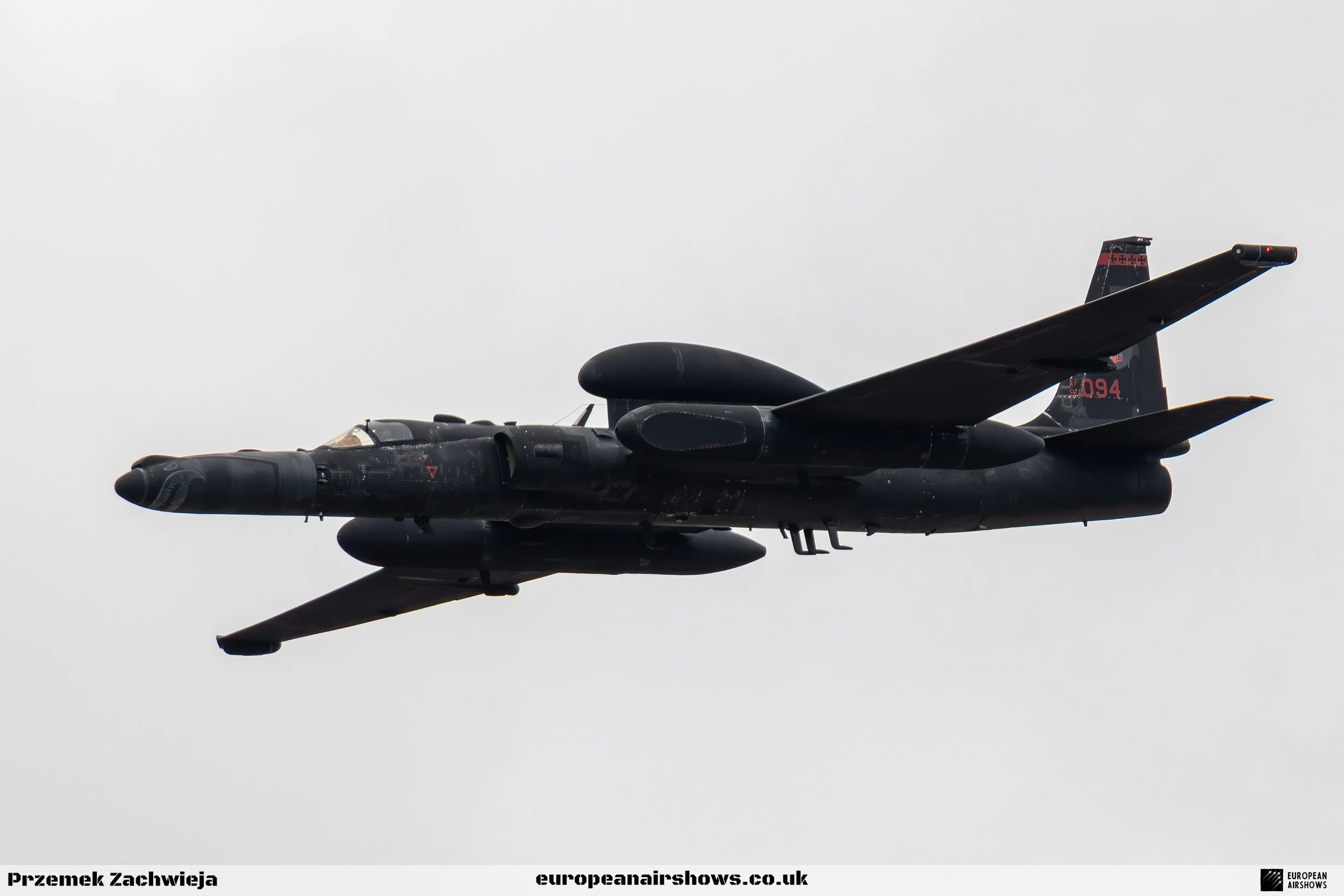
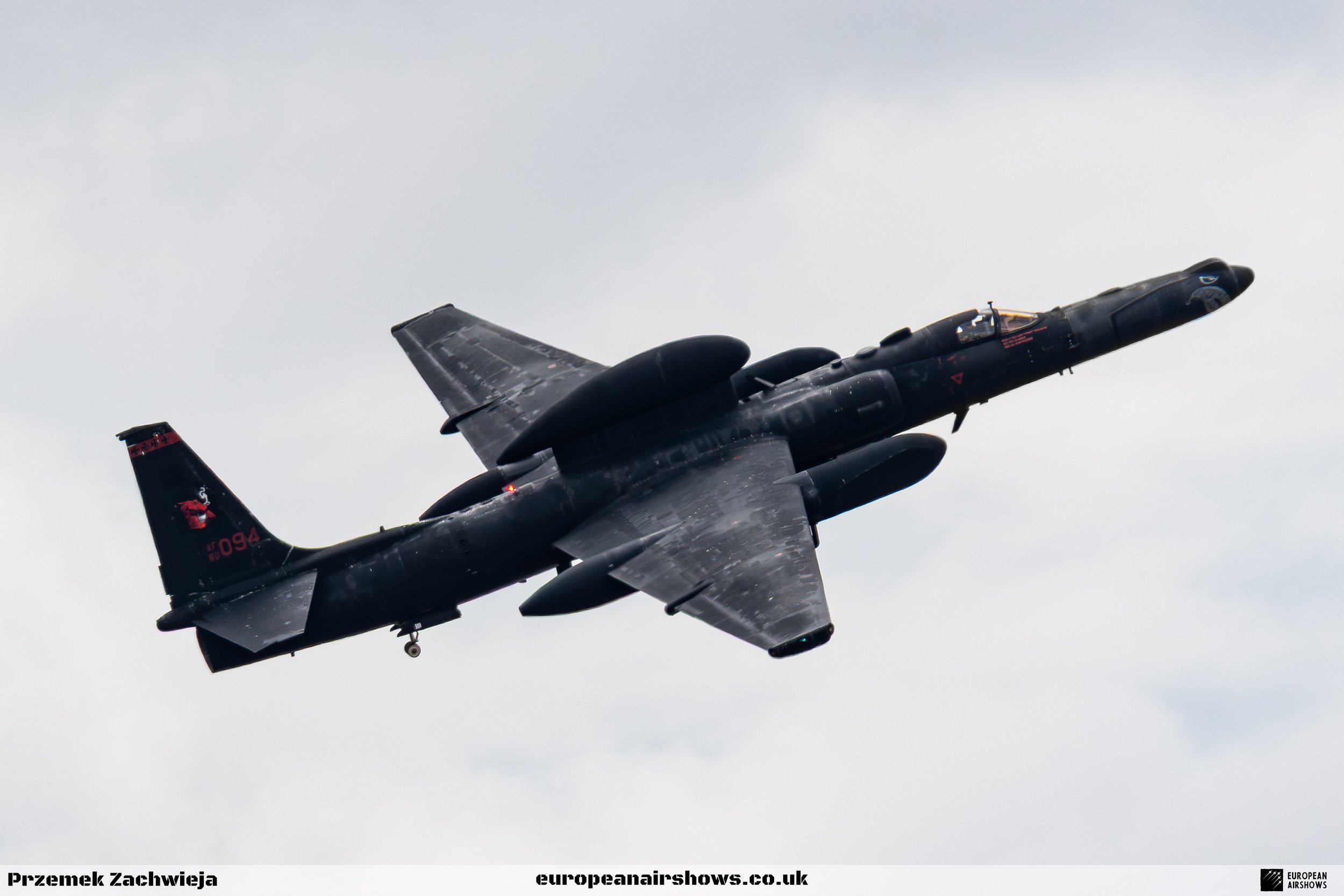
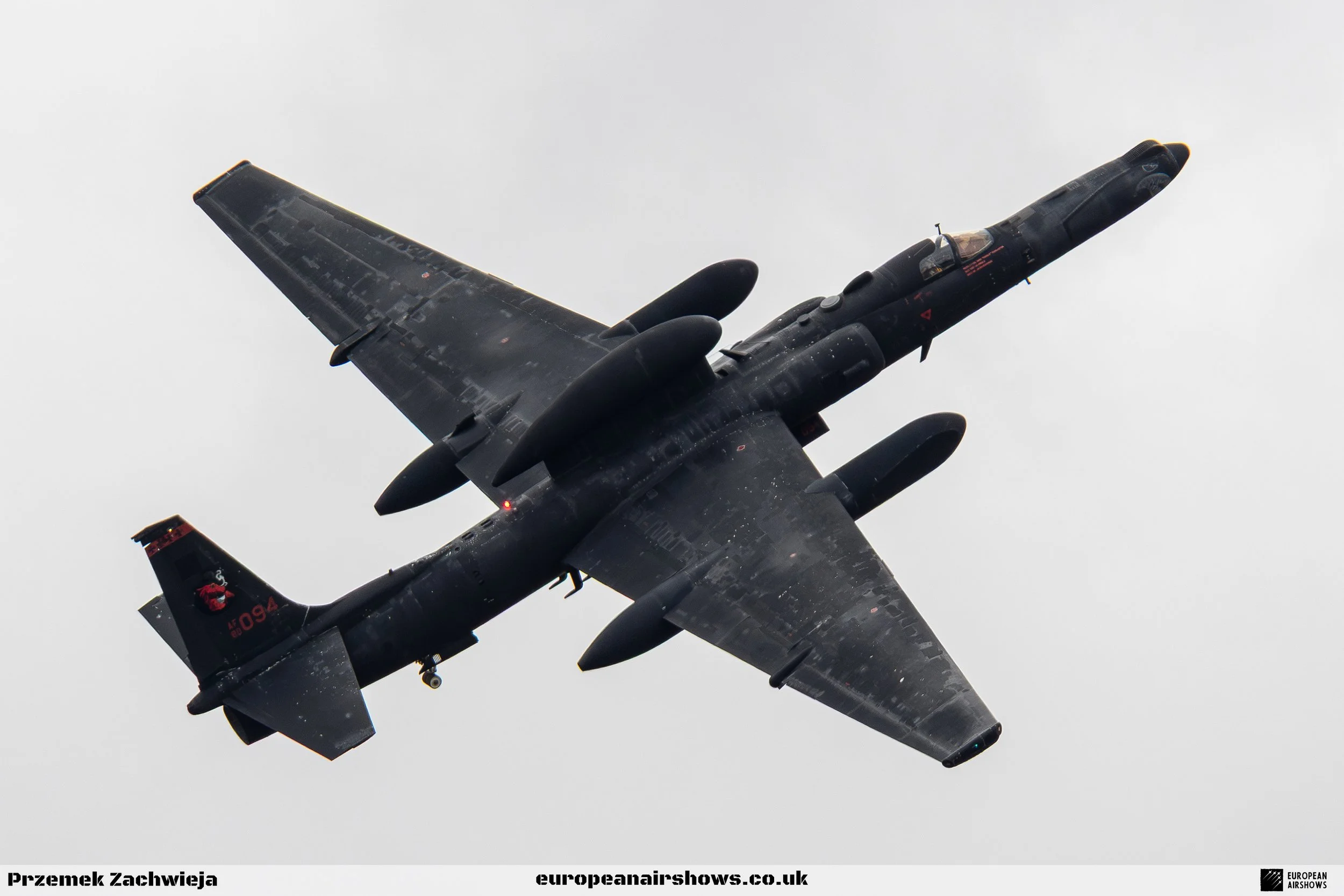
Among all the flying, perhaps nothing embodied Eyes in the Skies more than the USAF U-2S Dragon Lady. Flown by the 99th Expeditionary Reconnaissance Squadron, this was Europe’s only U-2 display of 2025. Configured exactly as it would be on a live mission, its steep climb and long, silent turns left an unforgettable impression—a true once-in-a-lifetime RIAT moment.
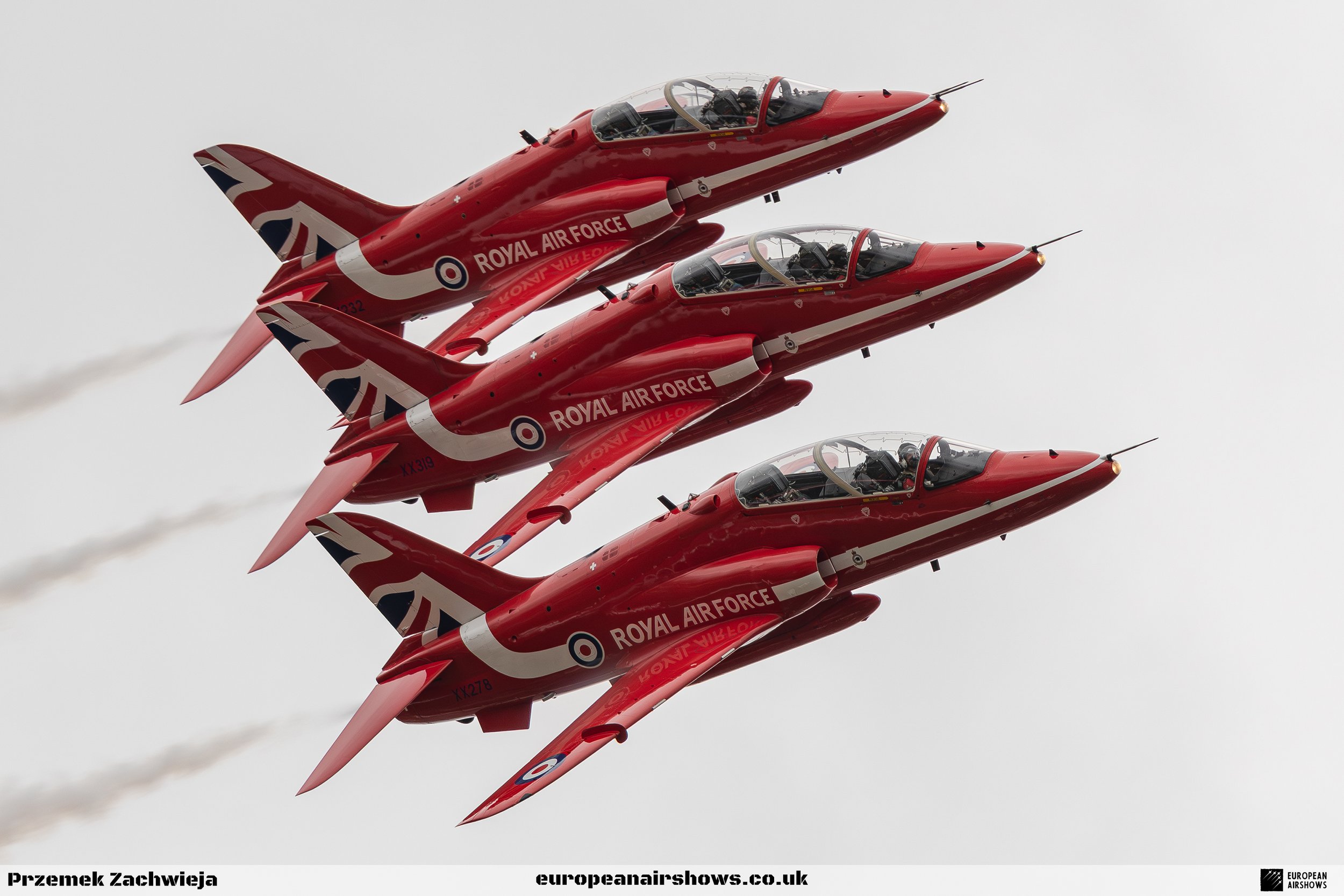
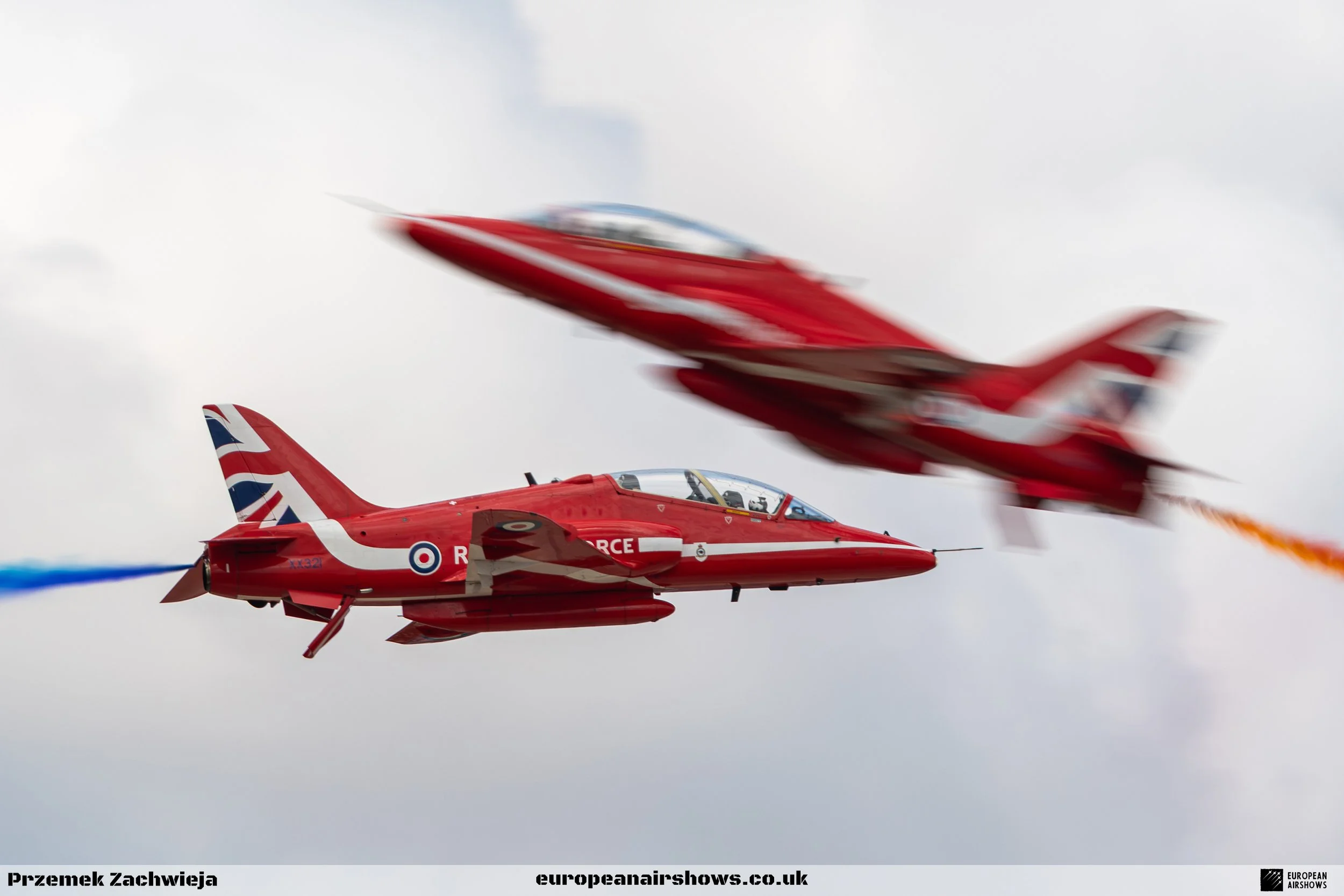
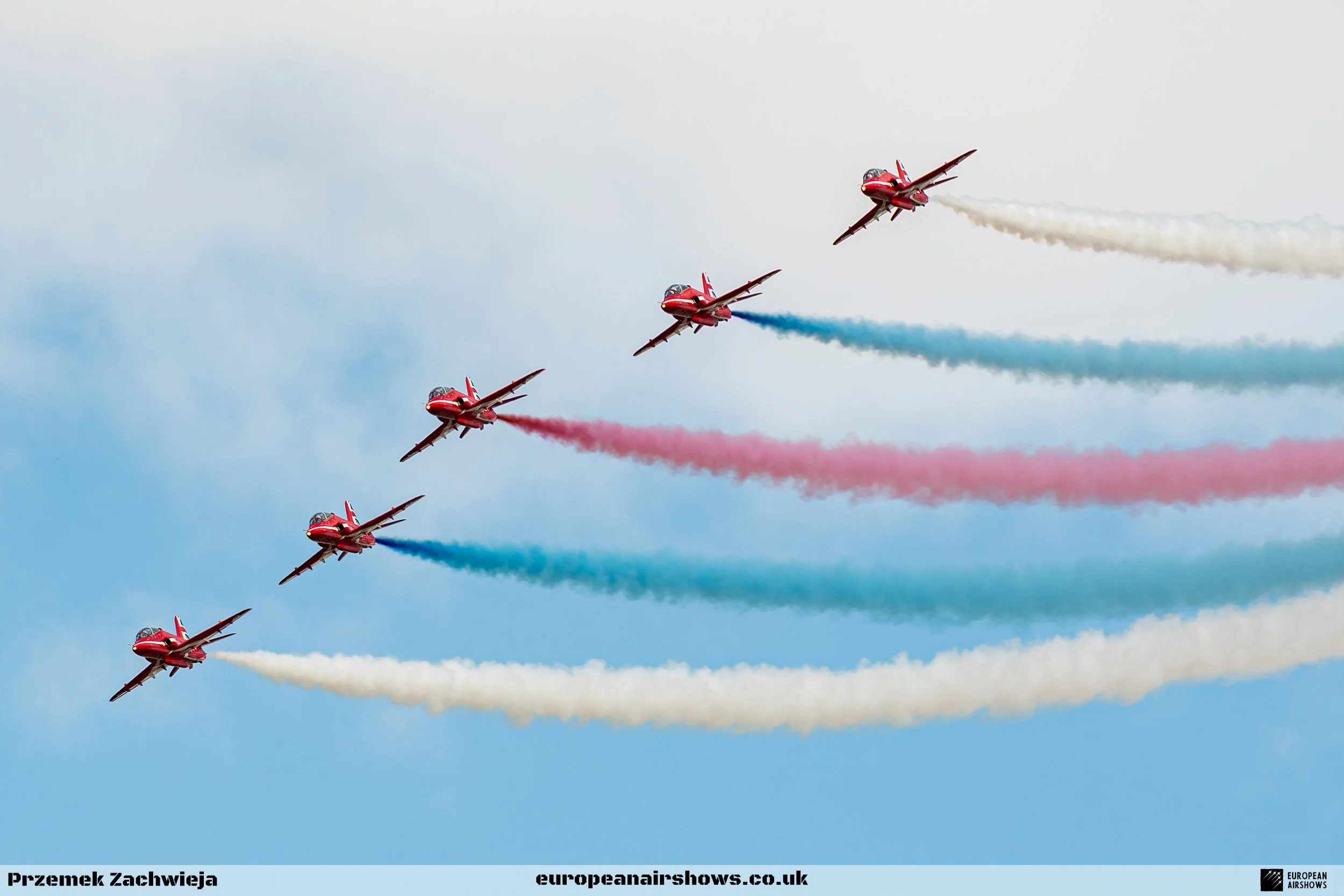
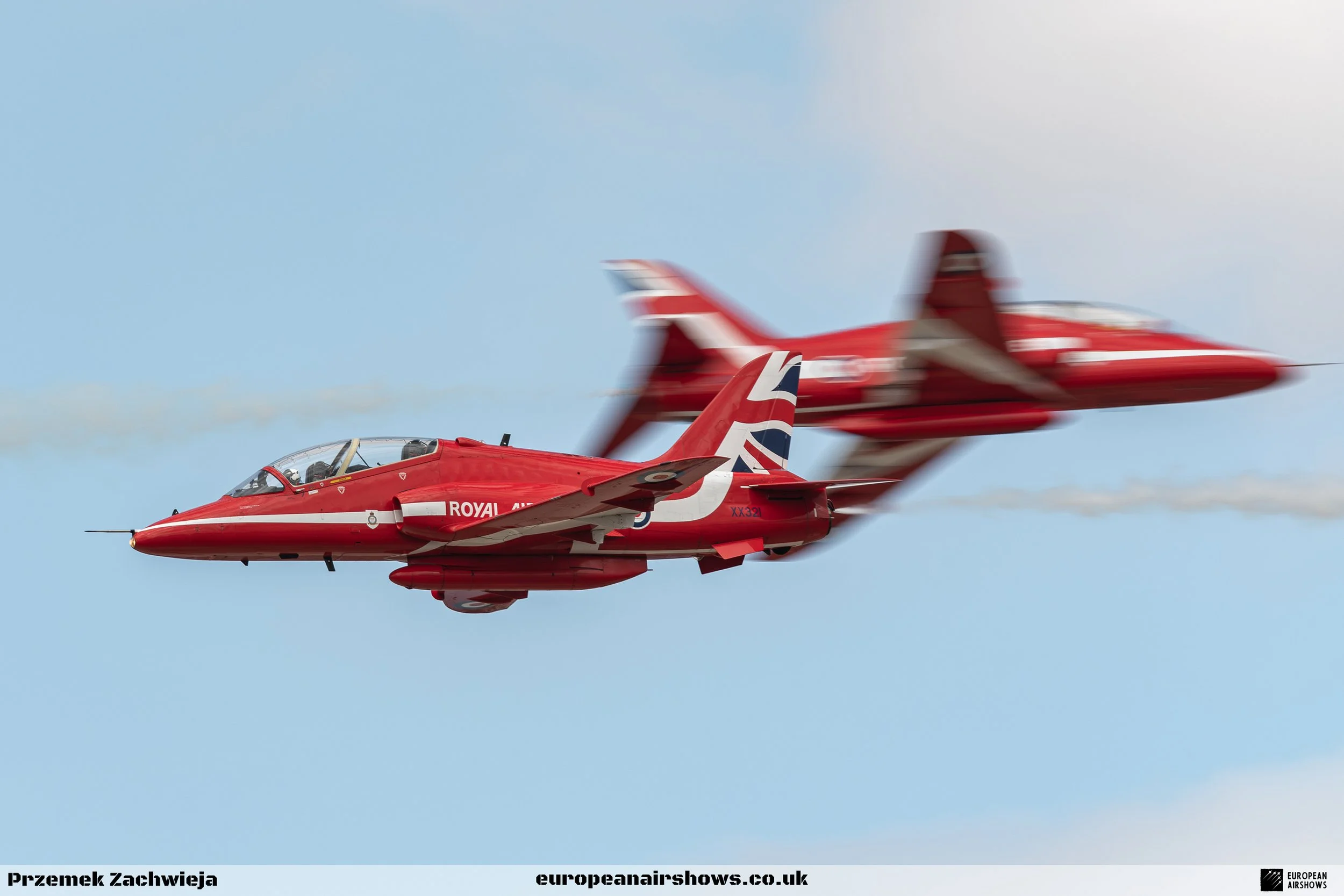
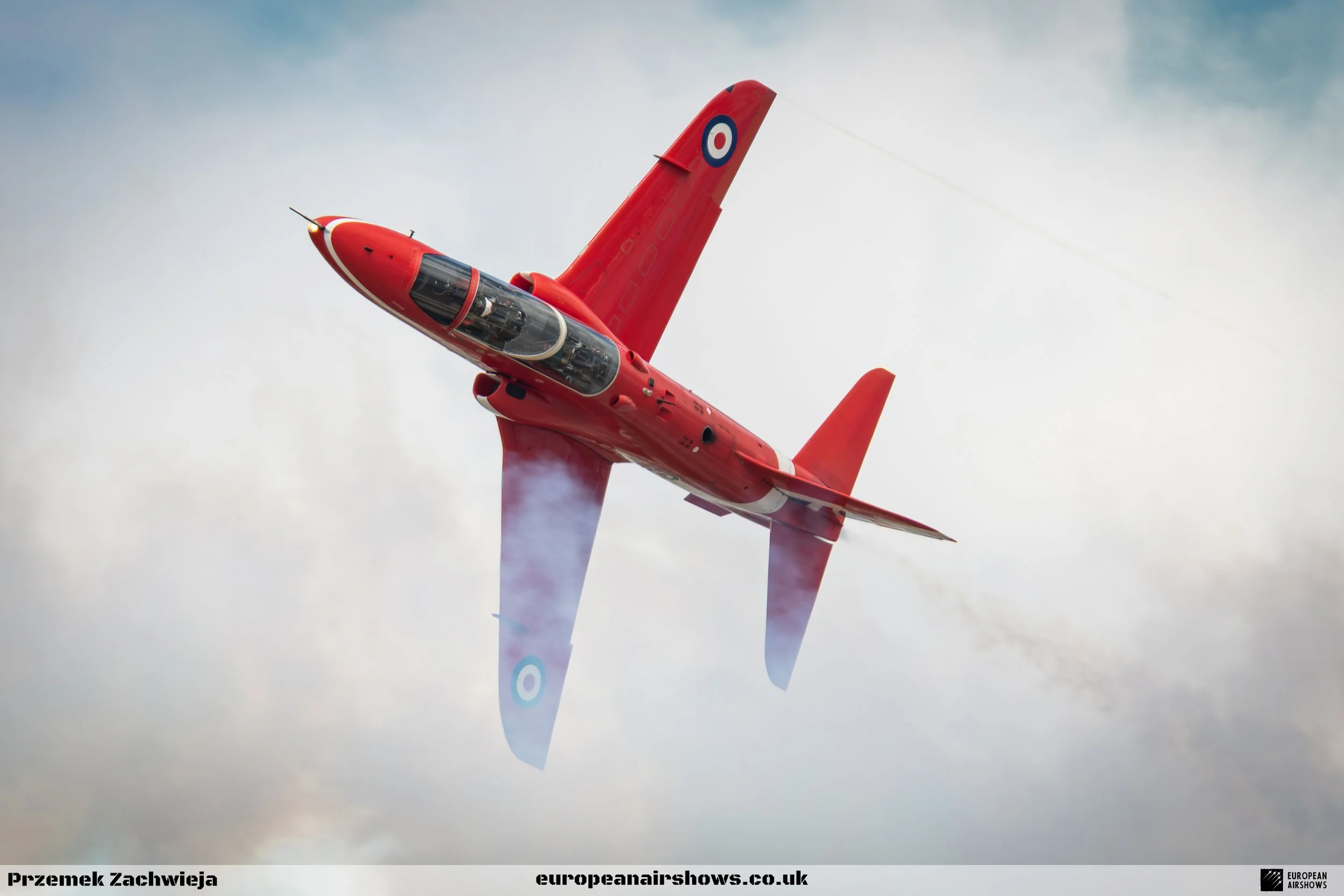
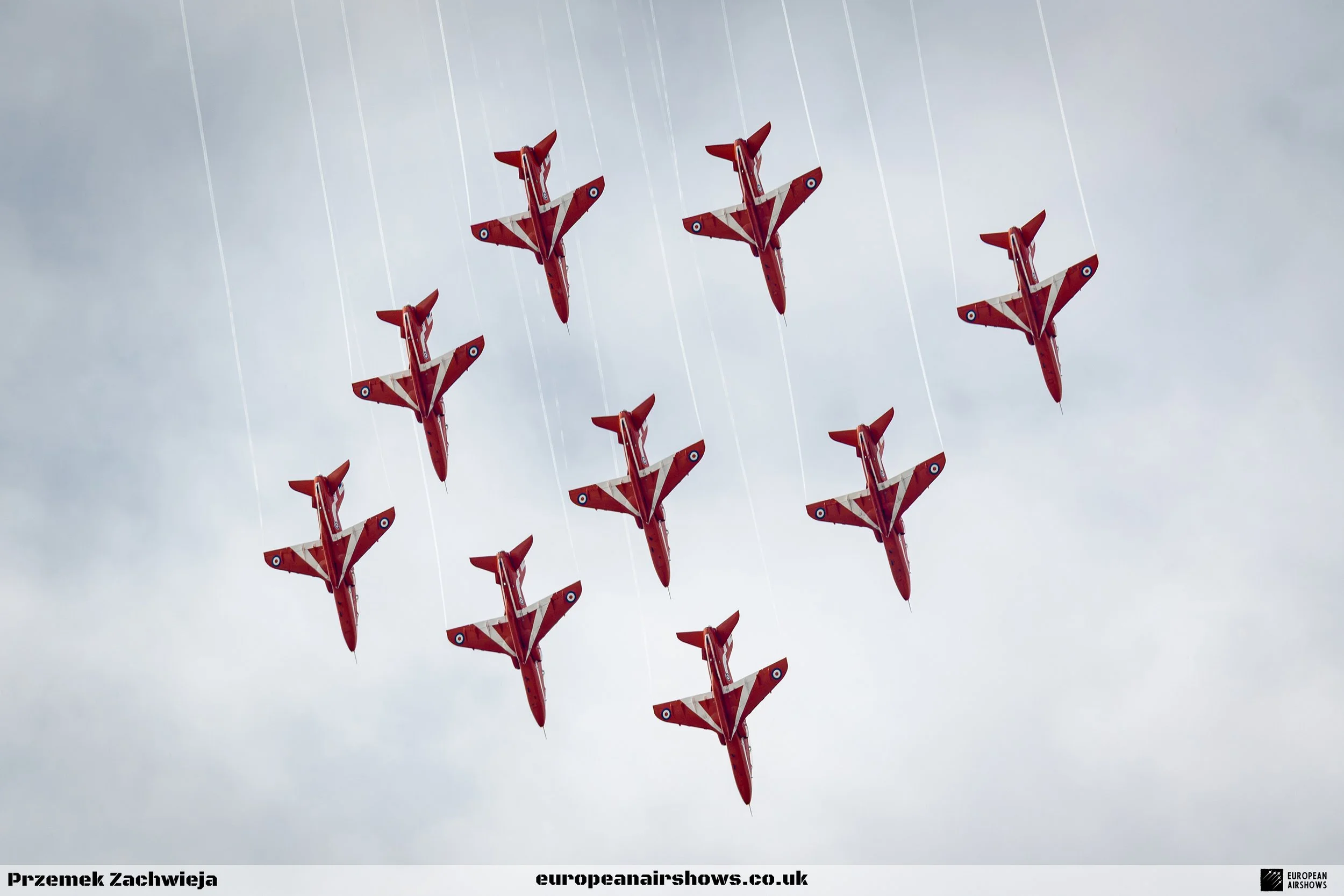
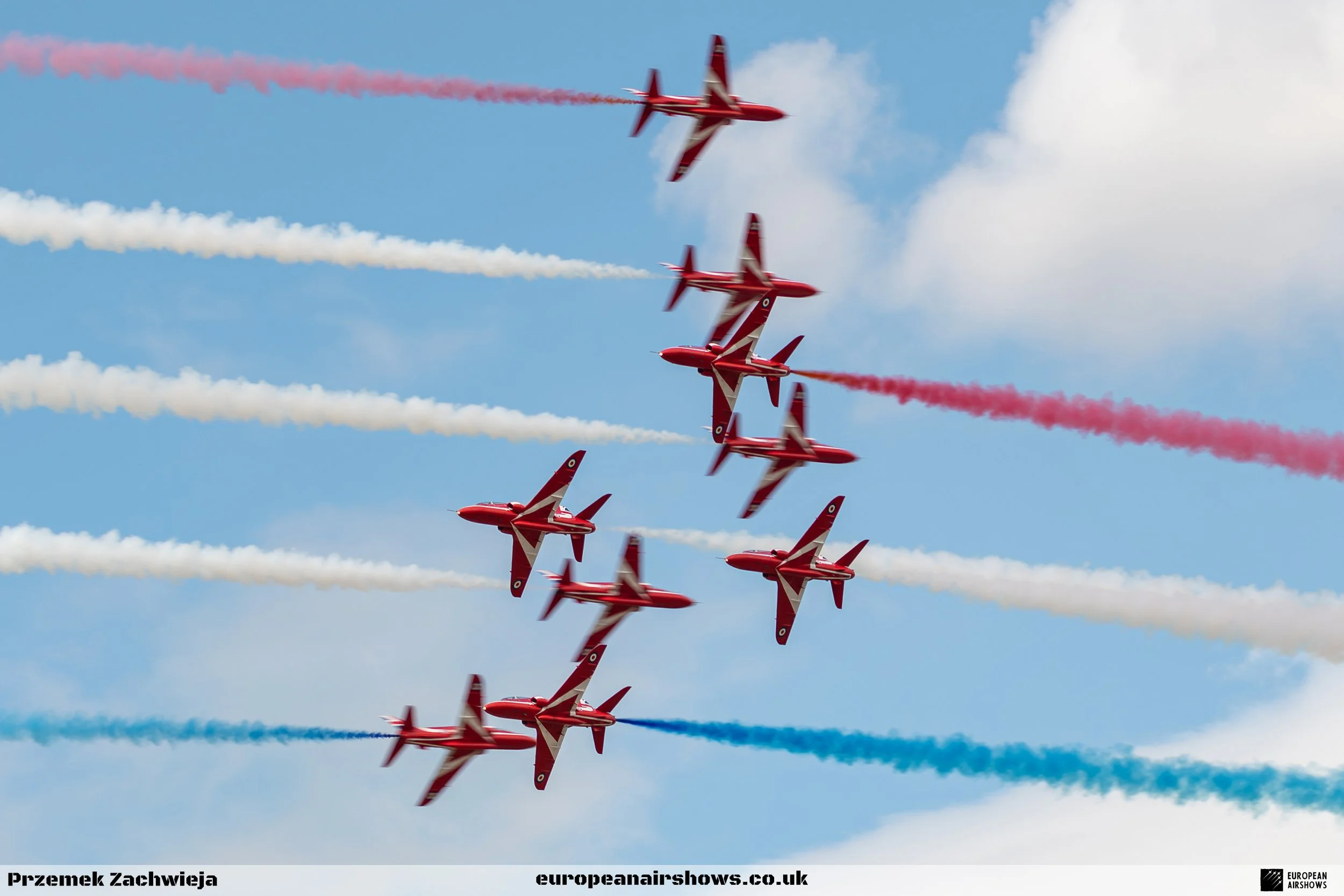
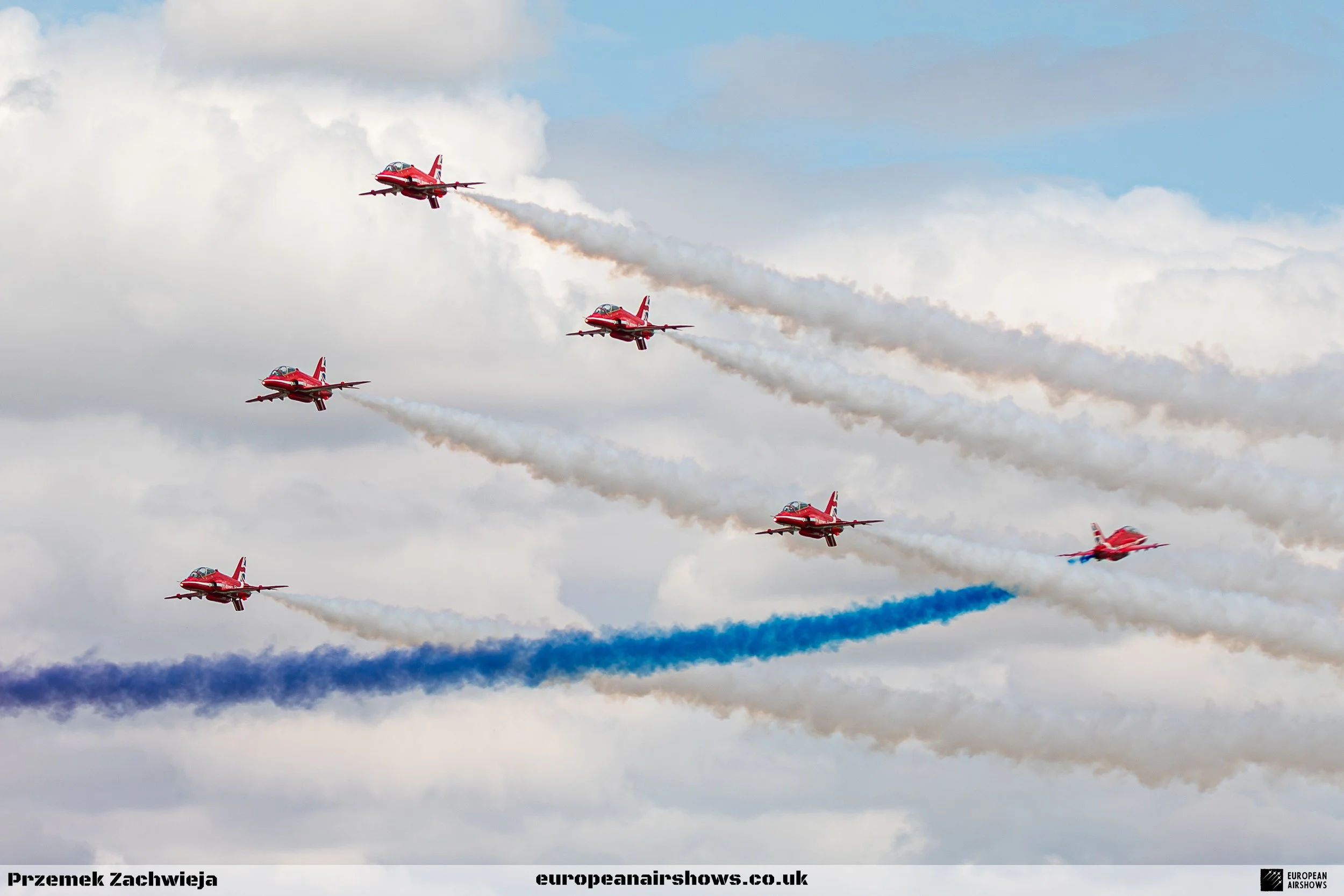
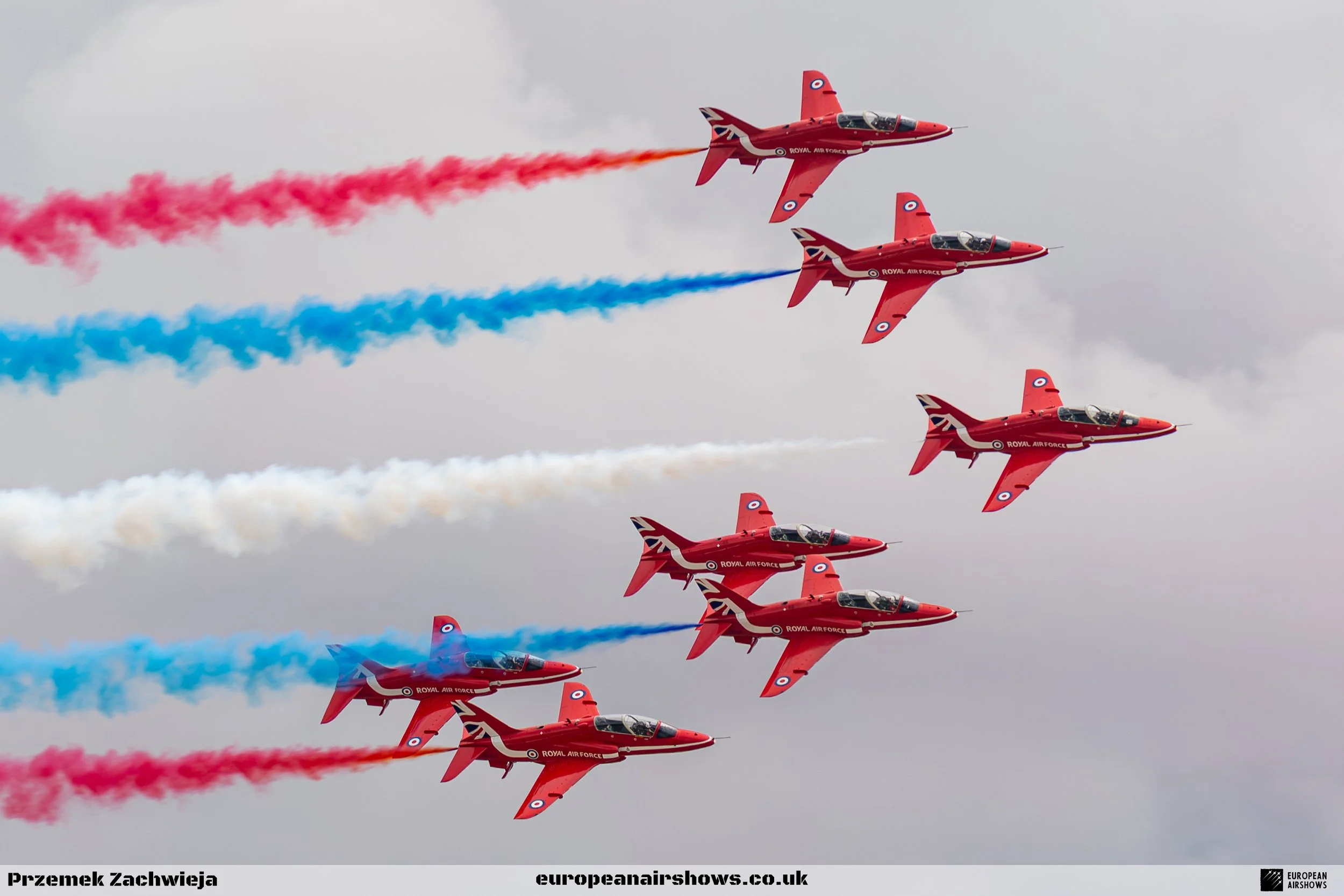
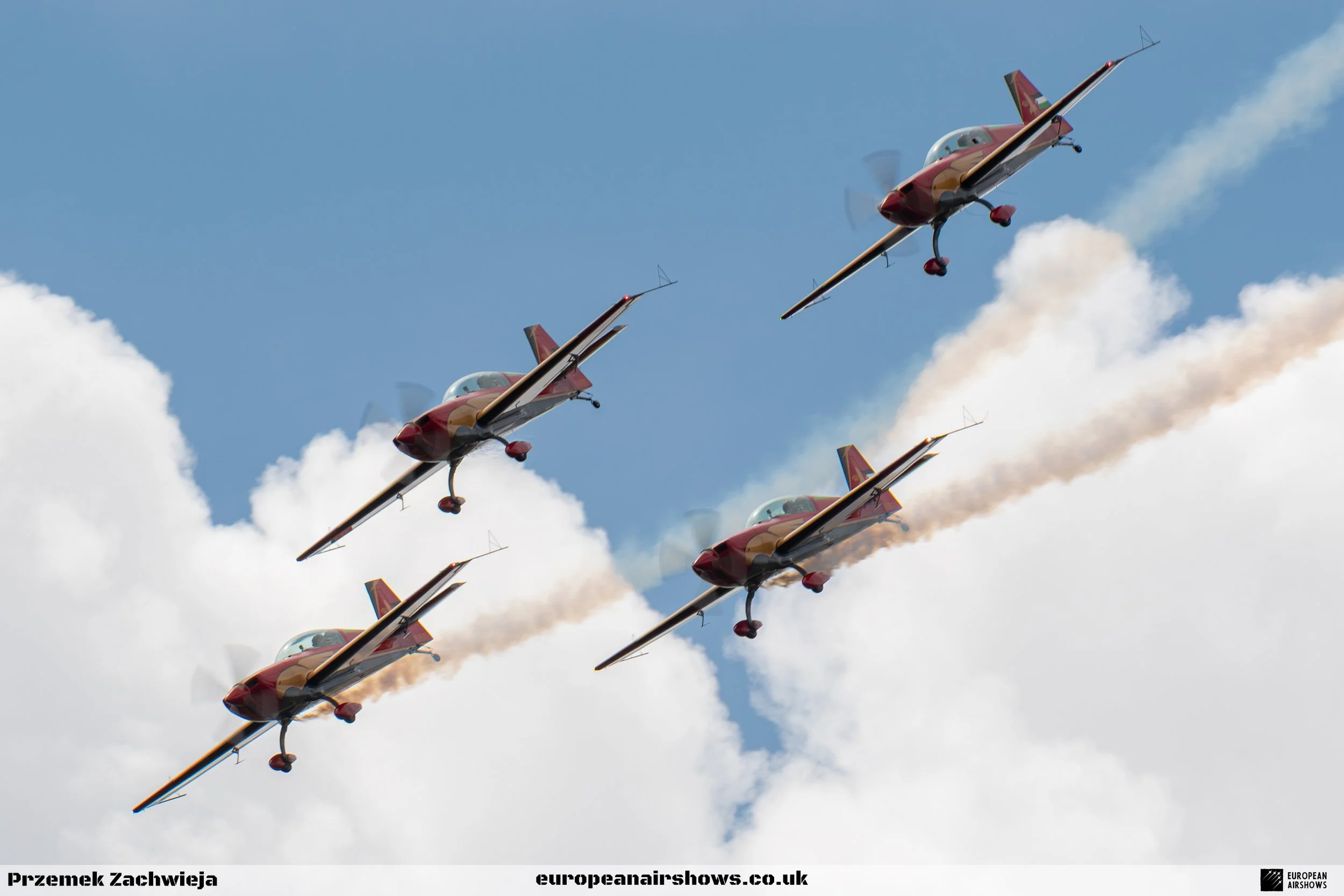
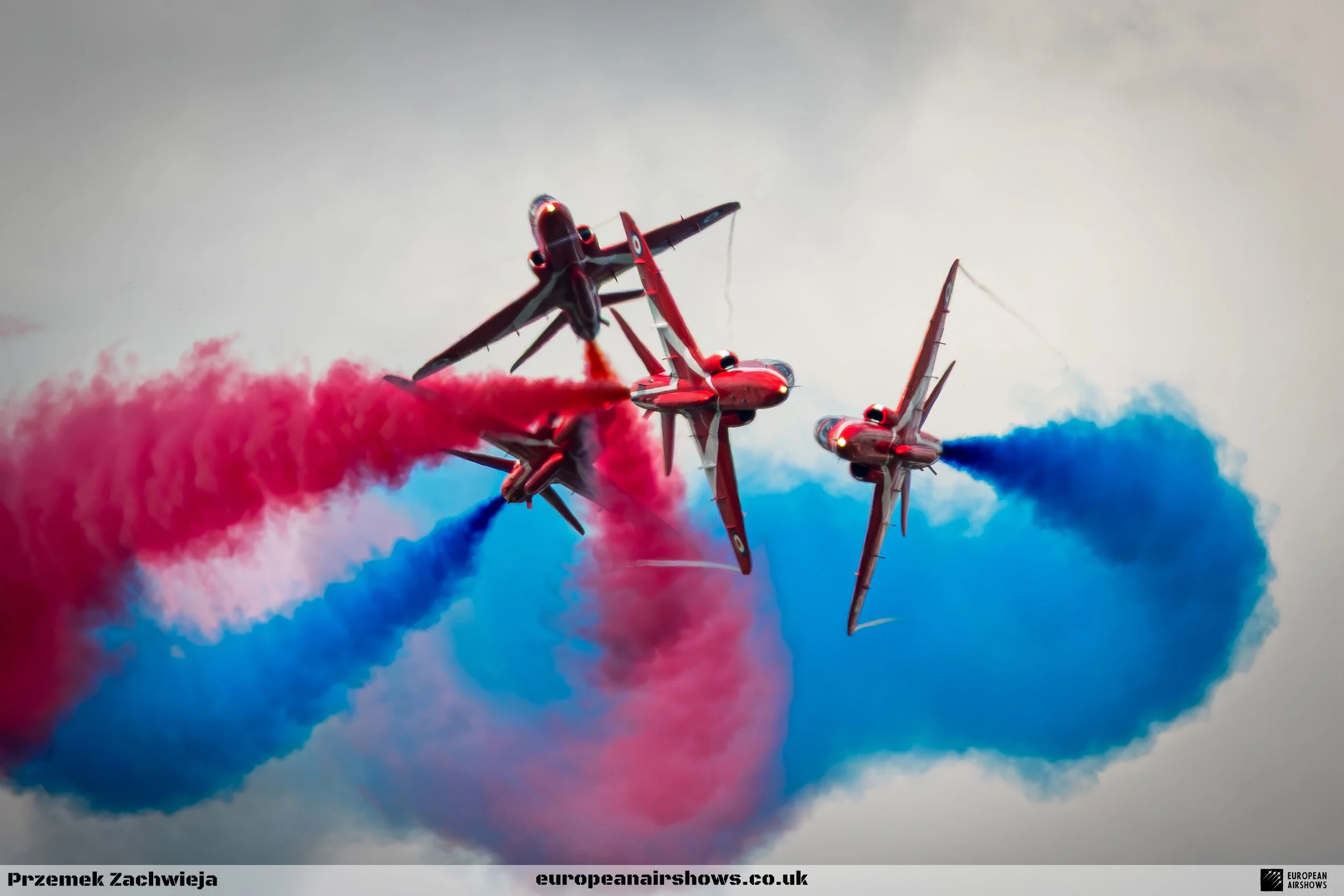
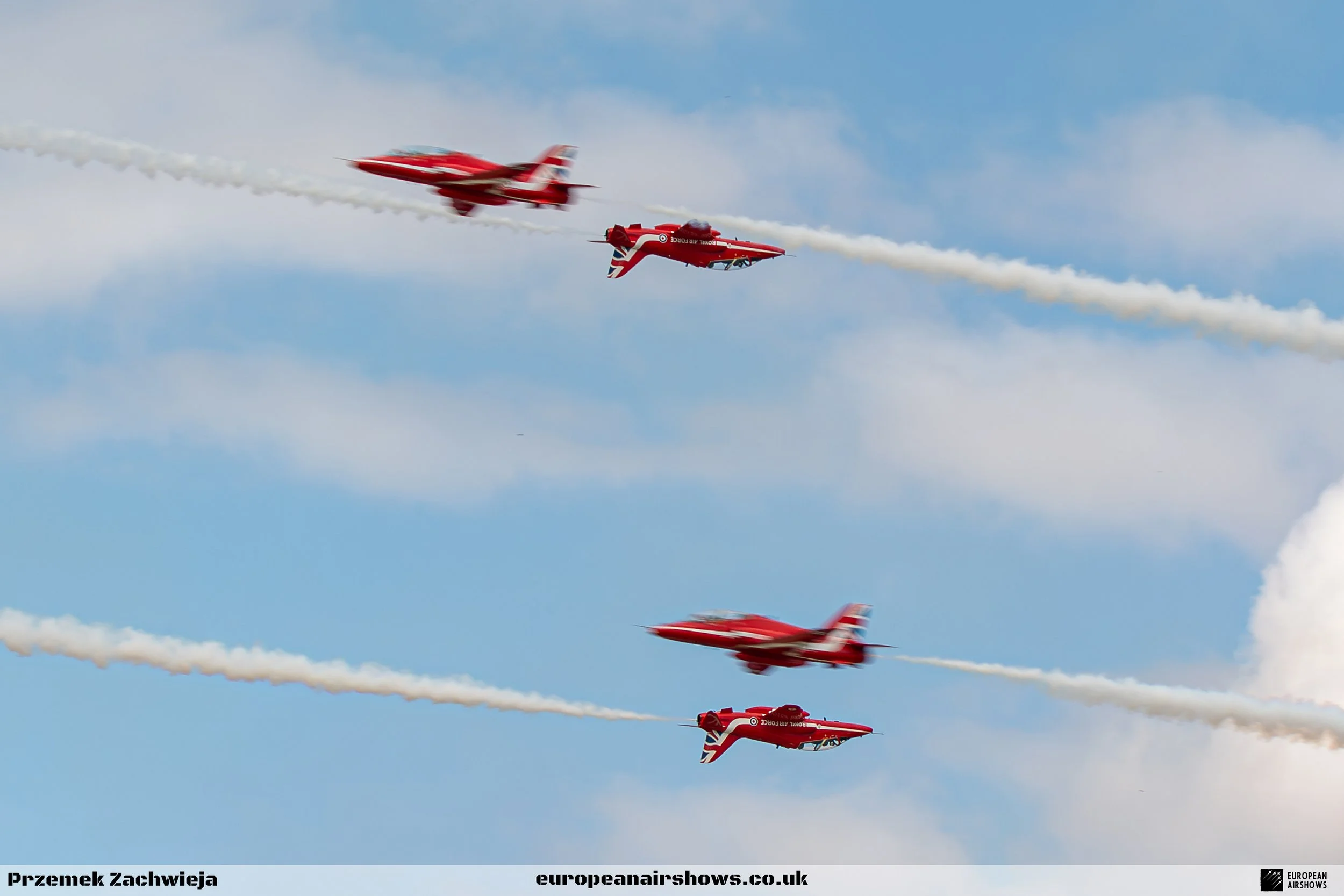
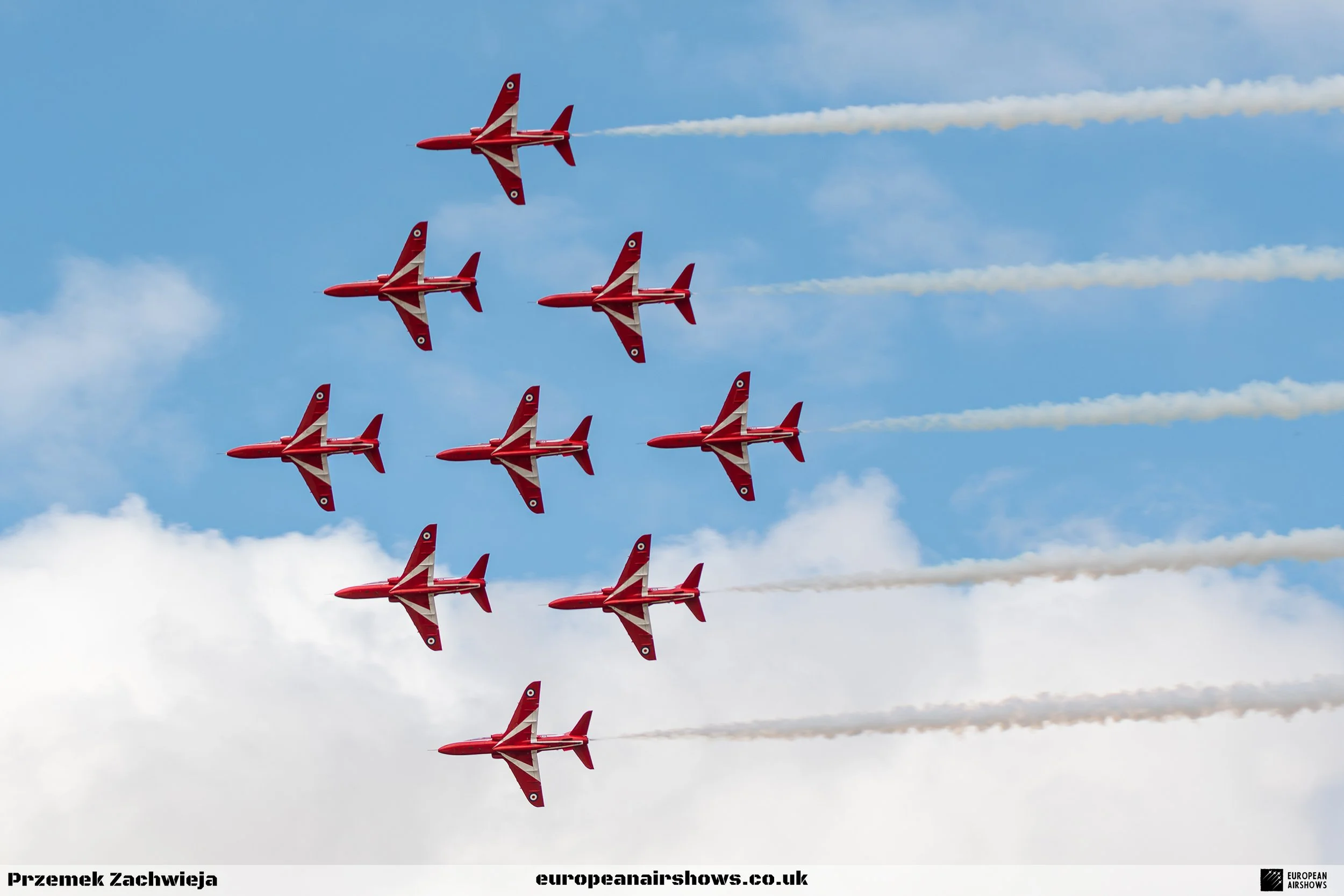
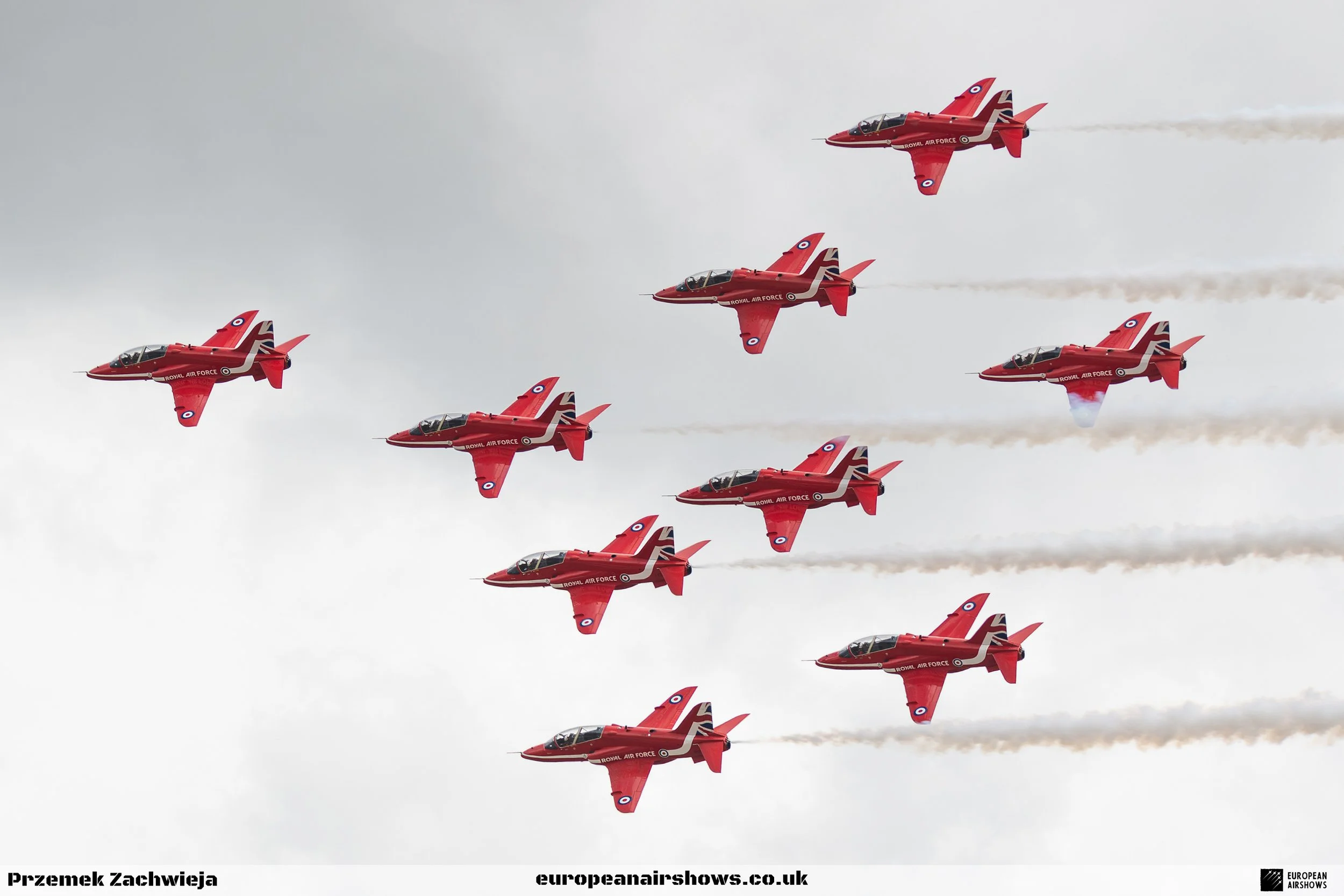
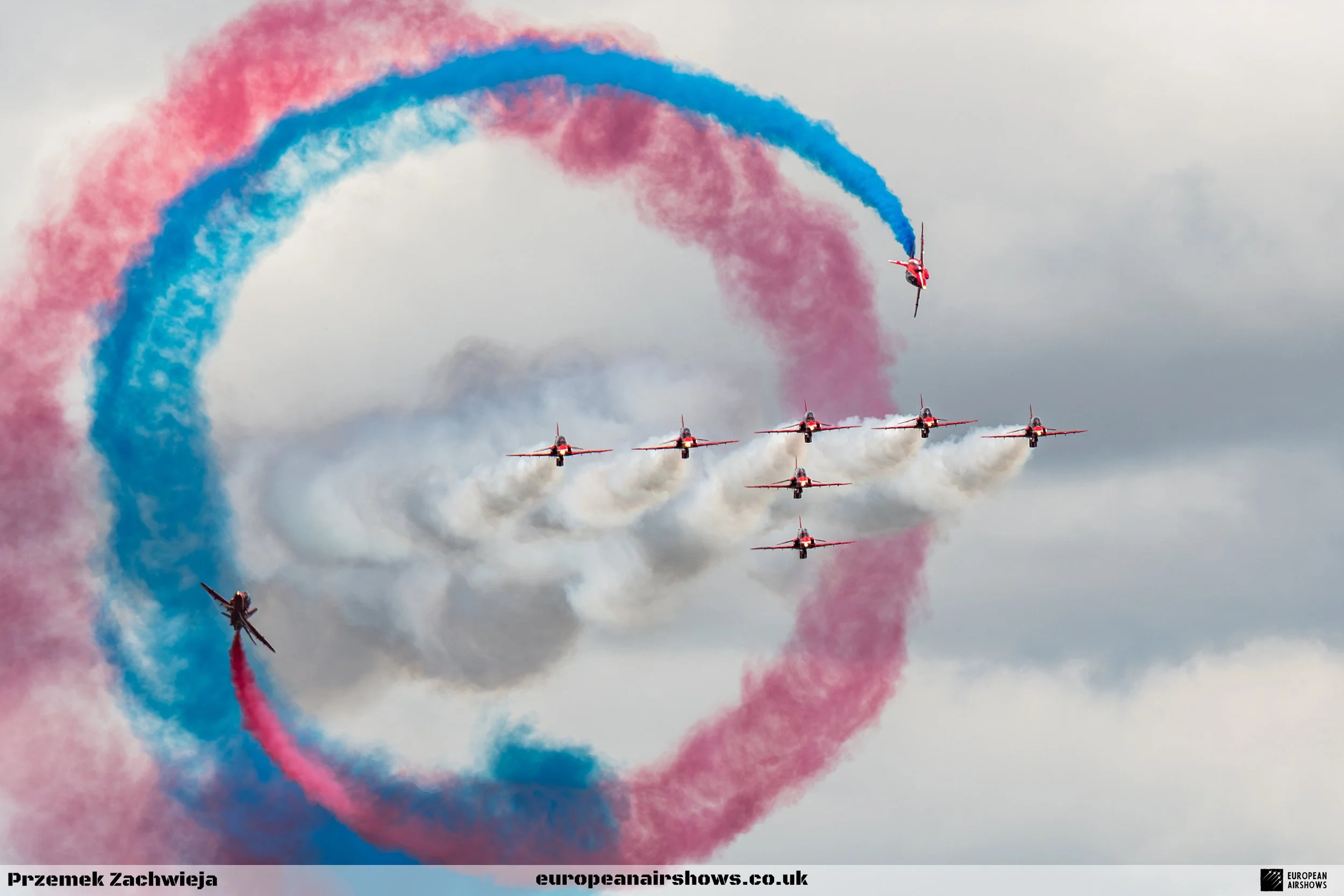
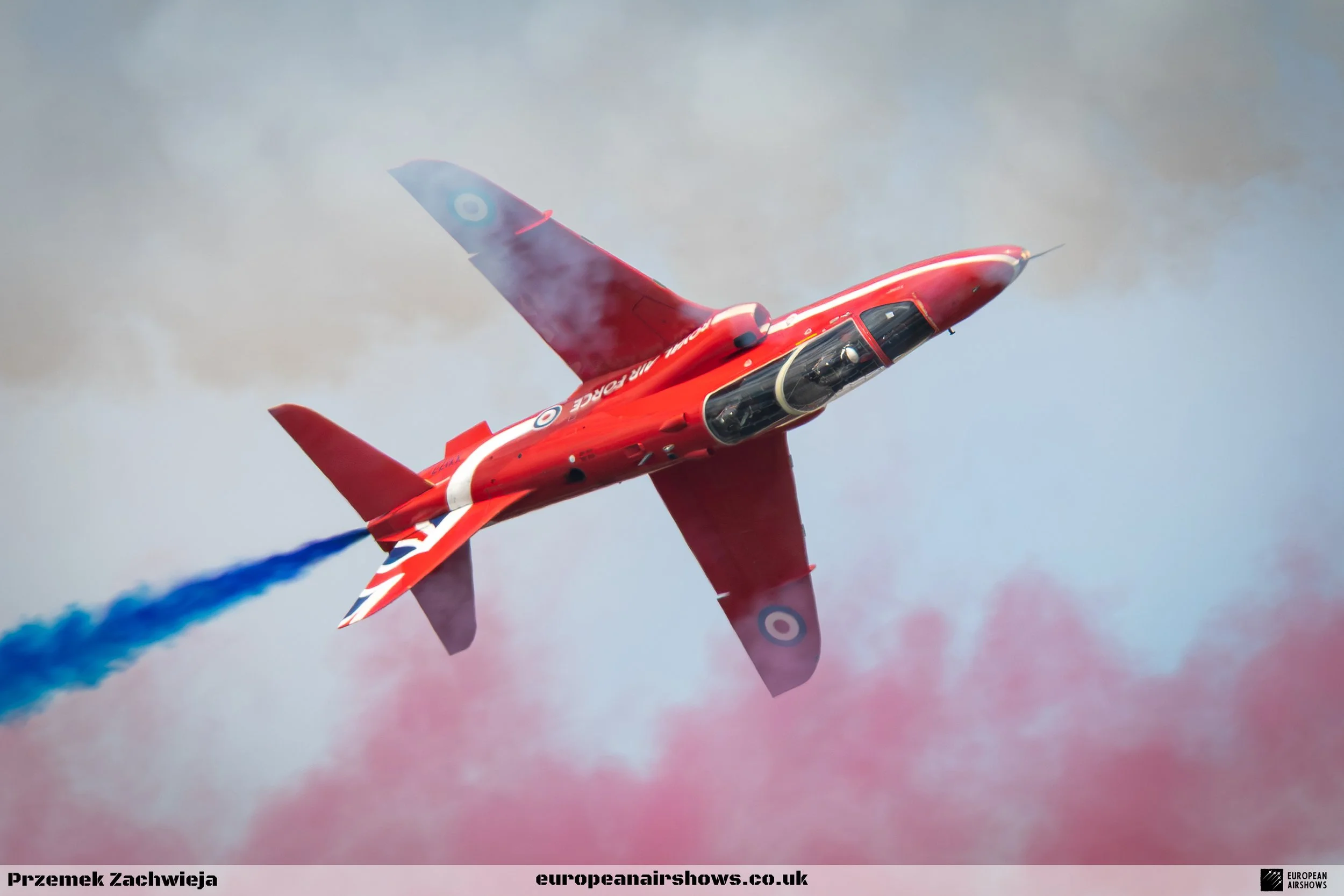
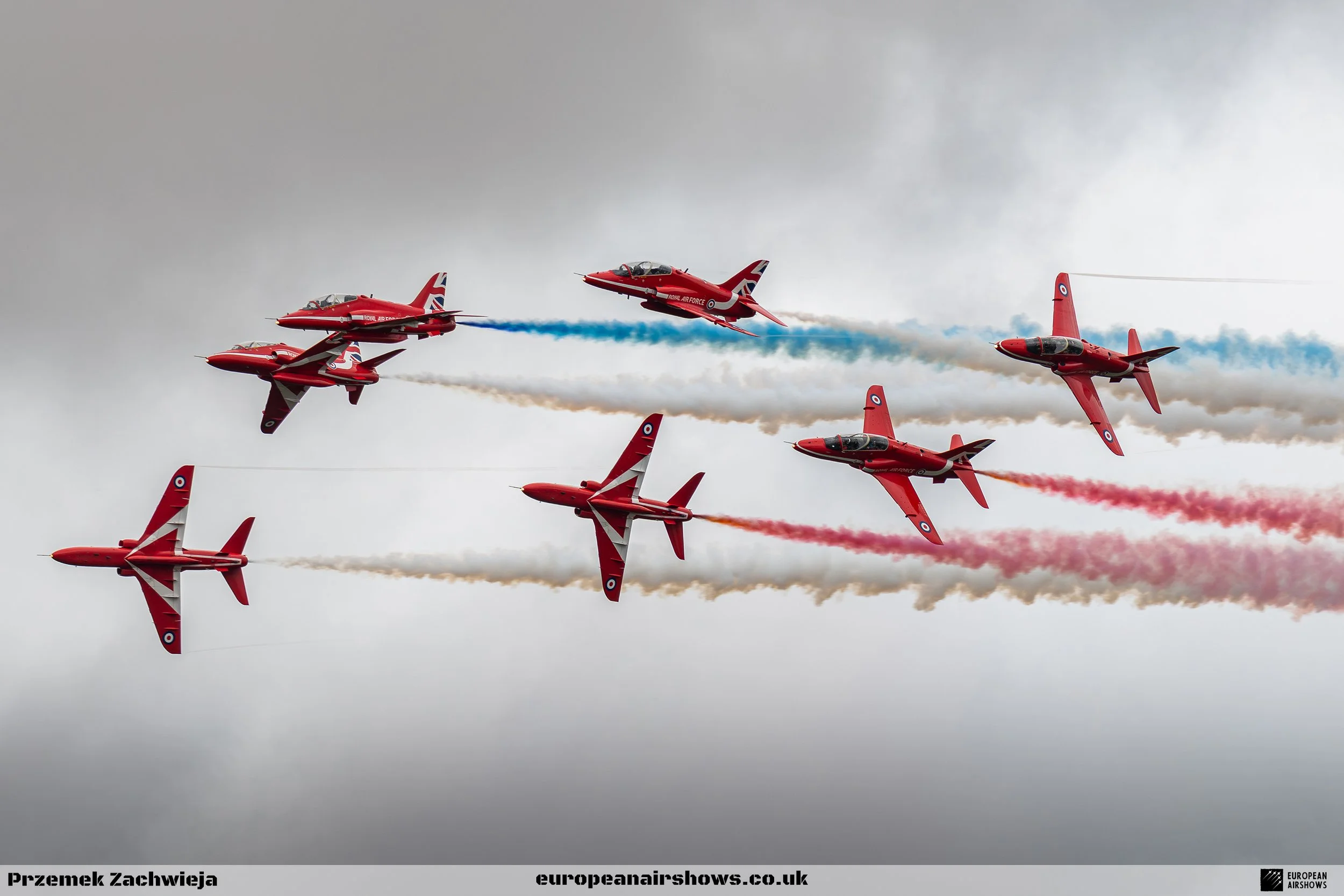
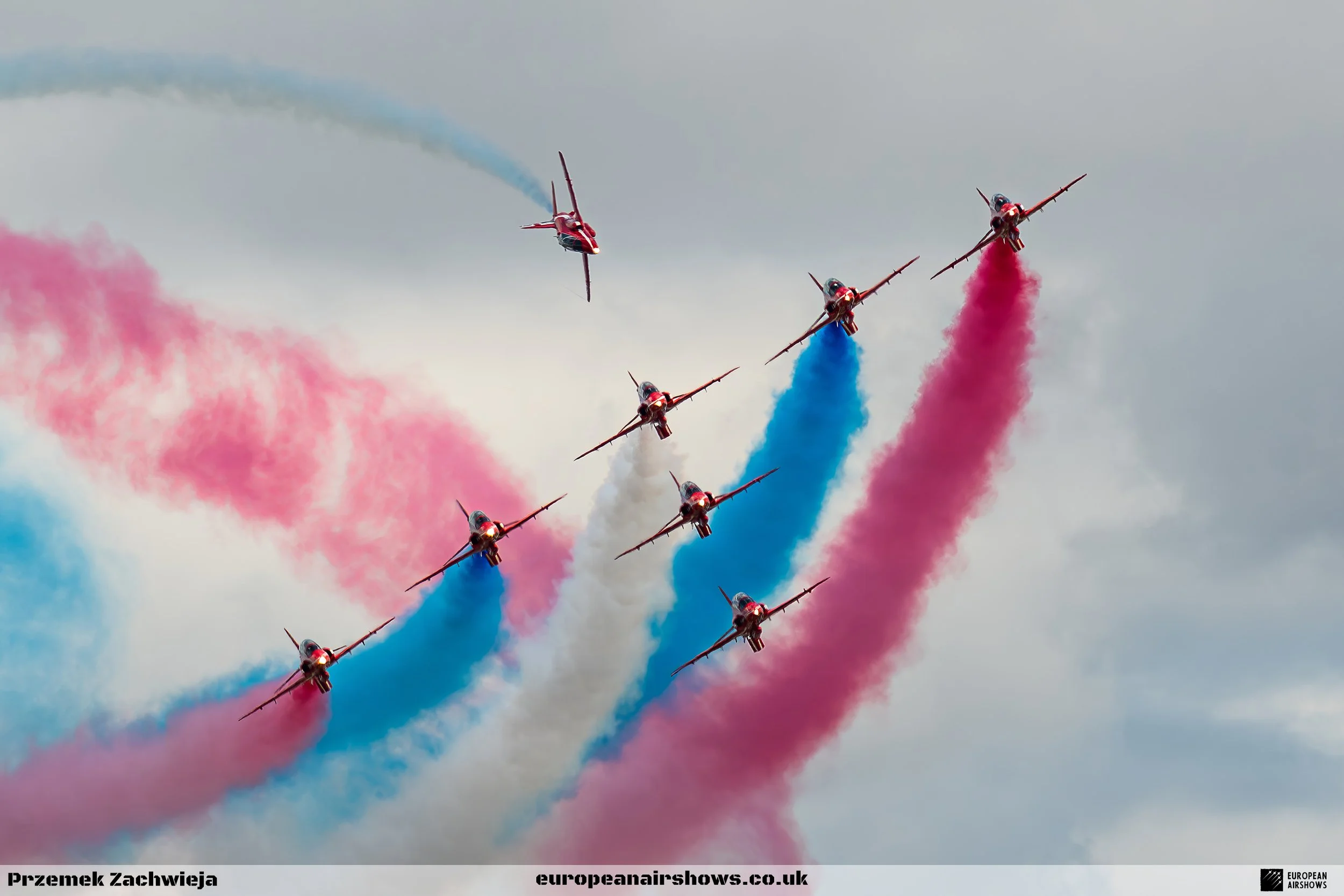
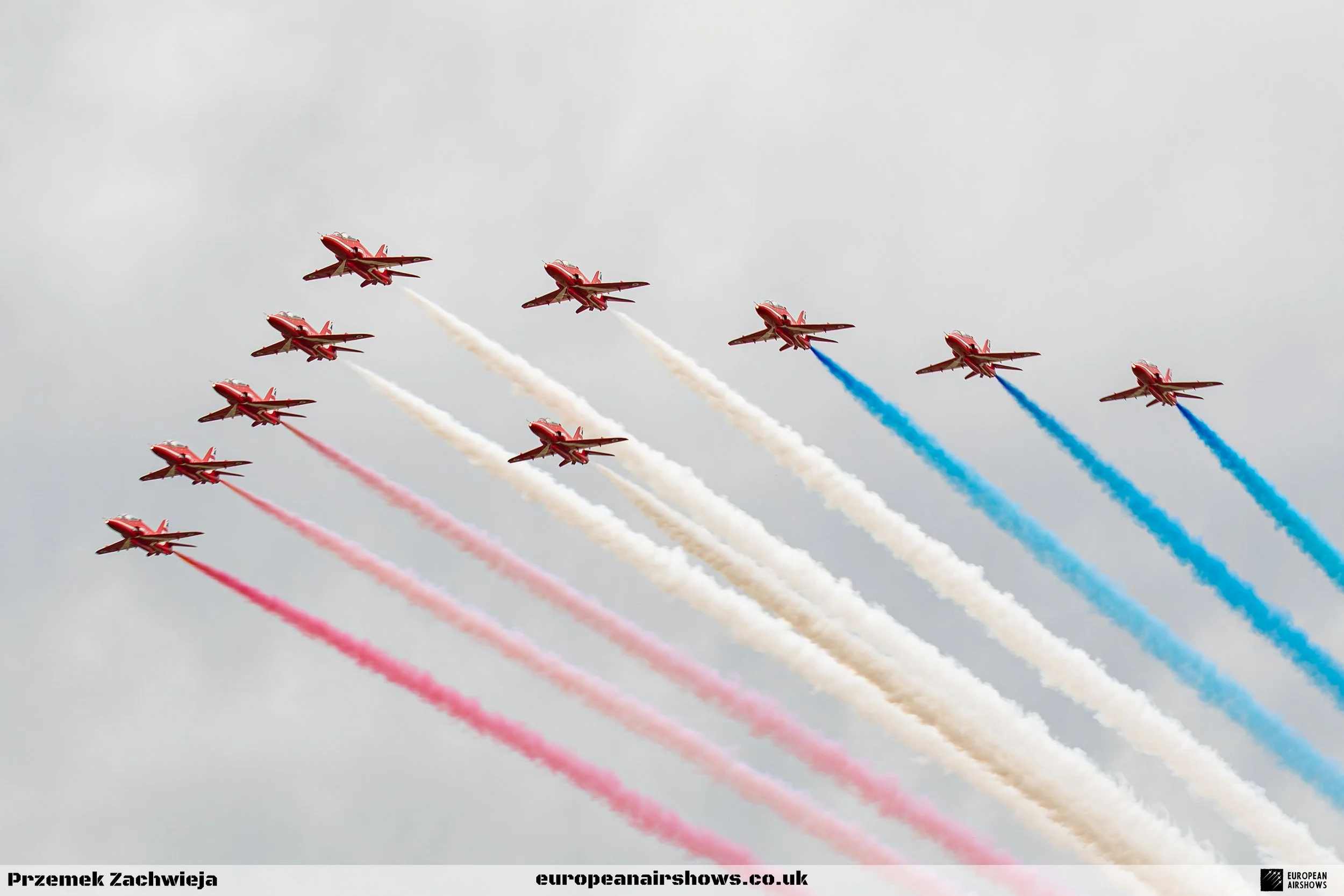
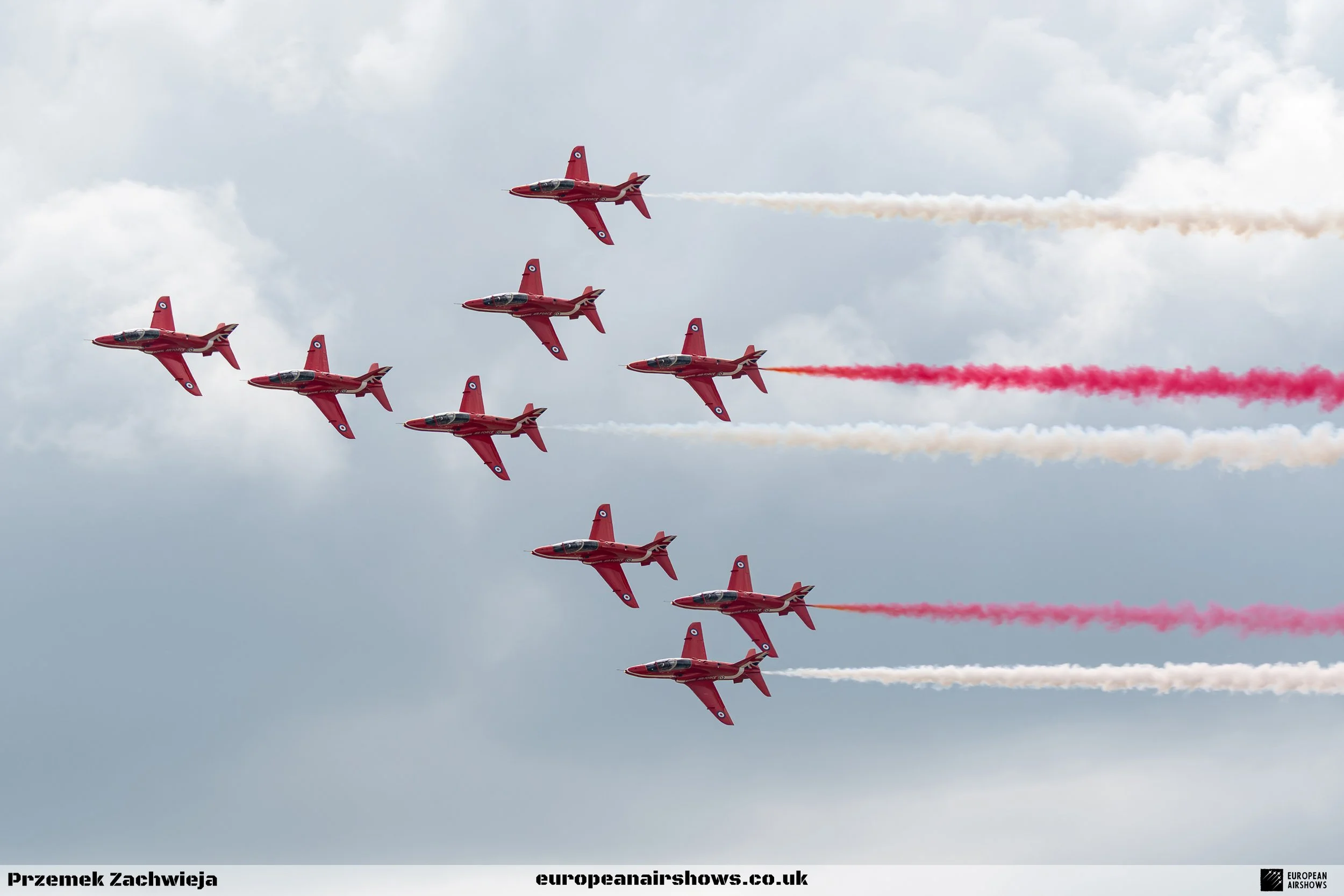
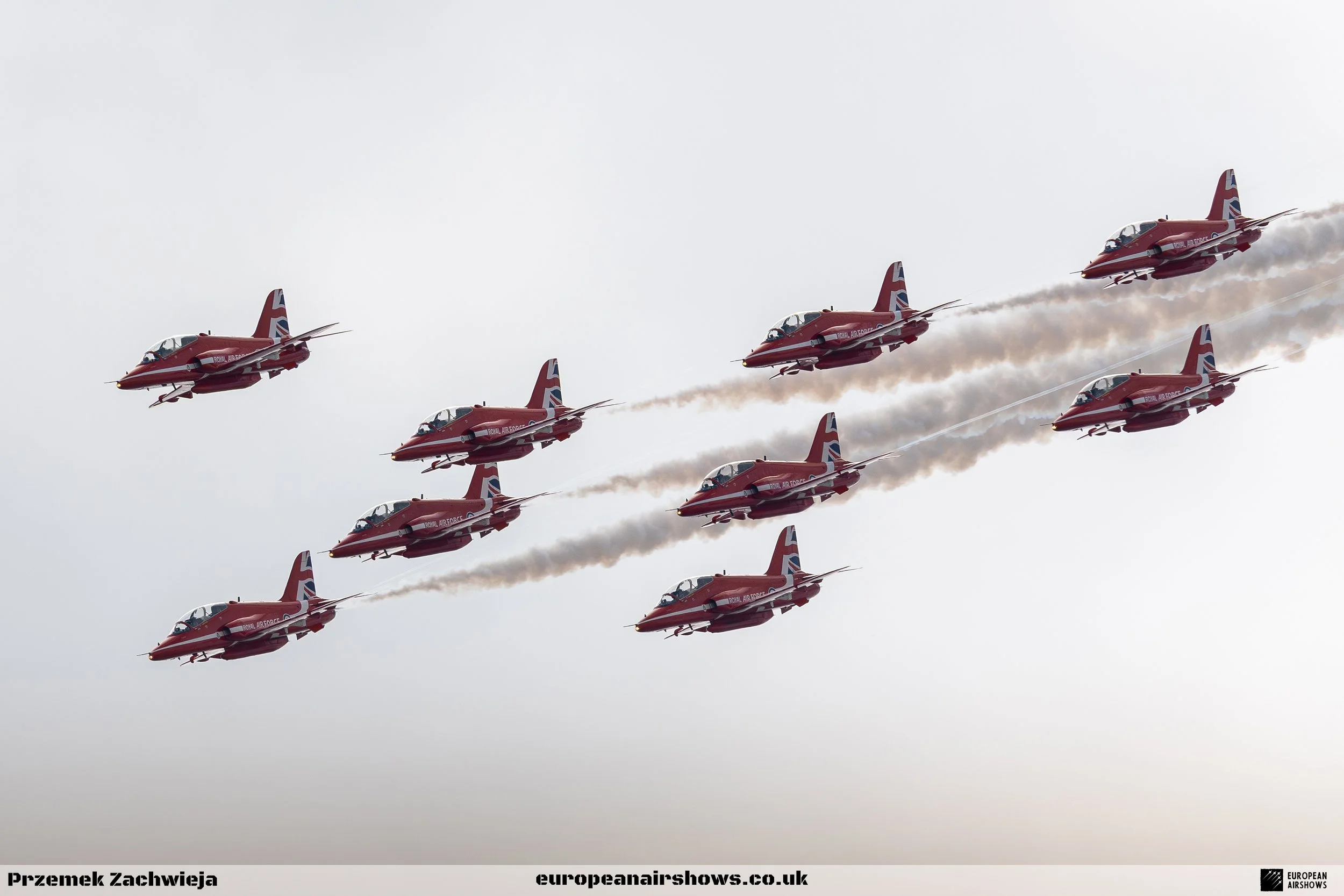
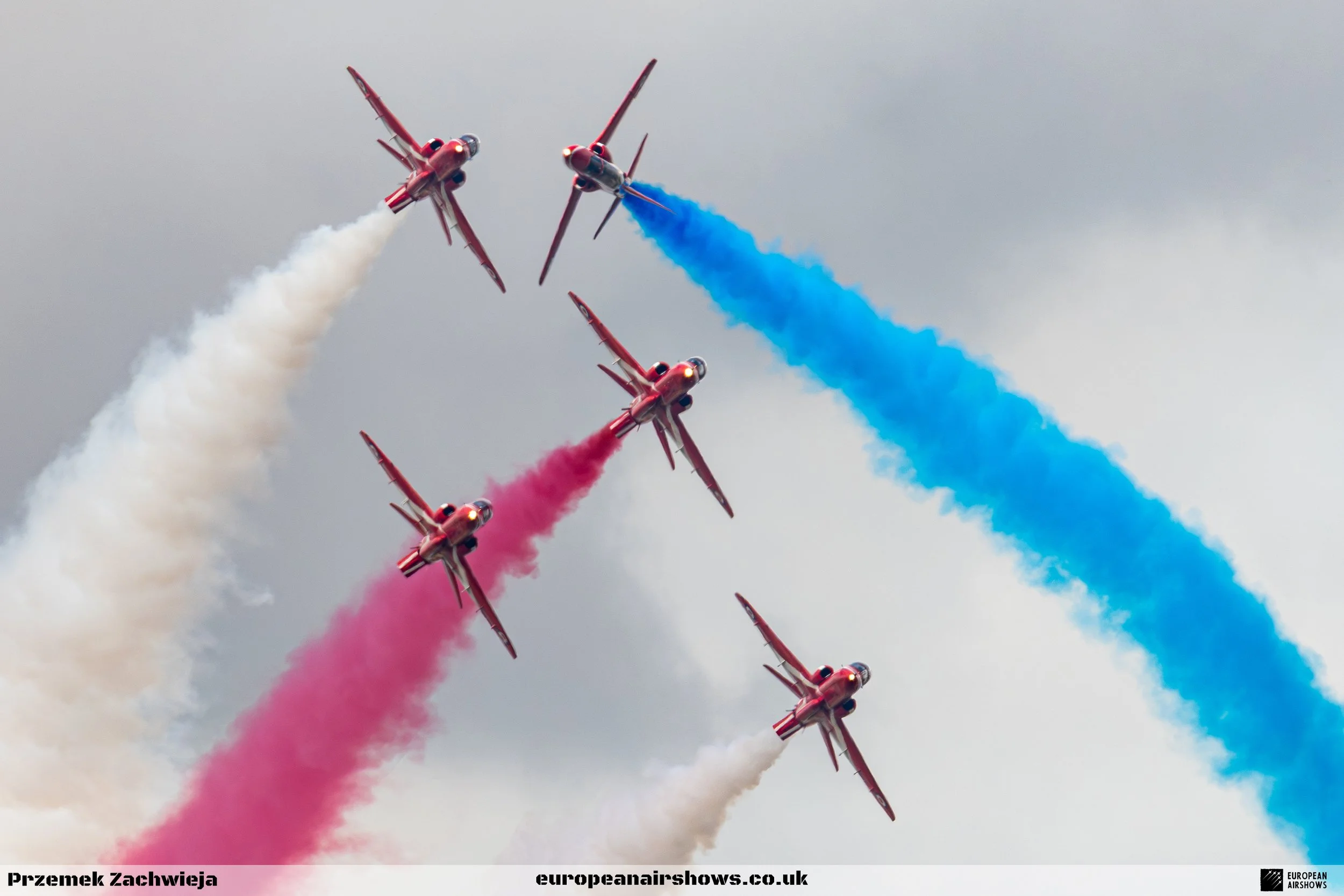
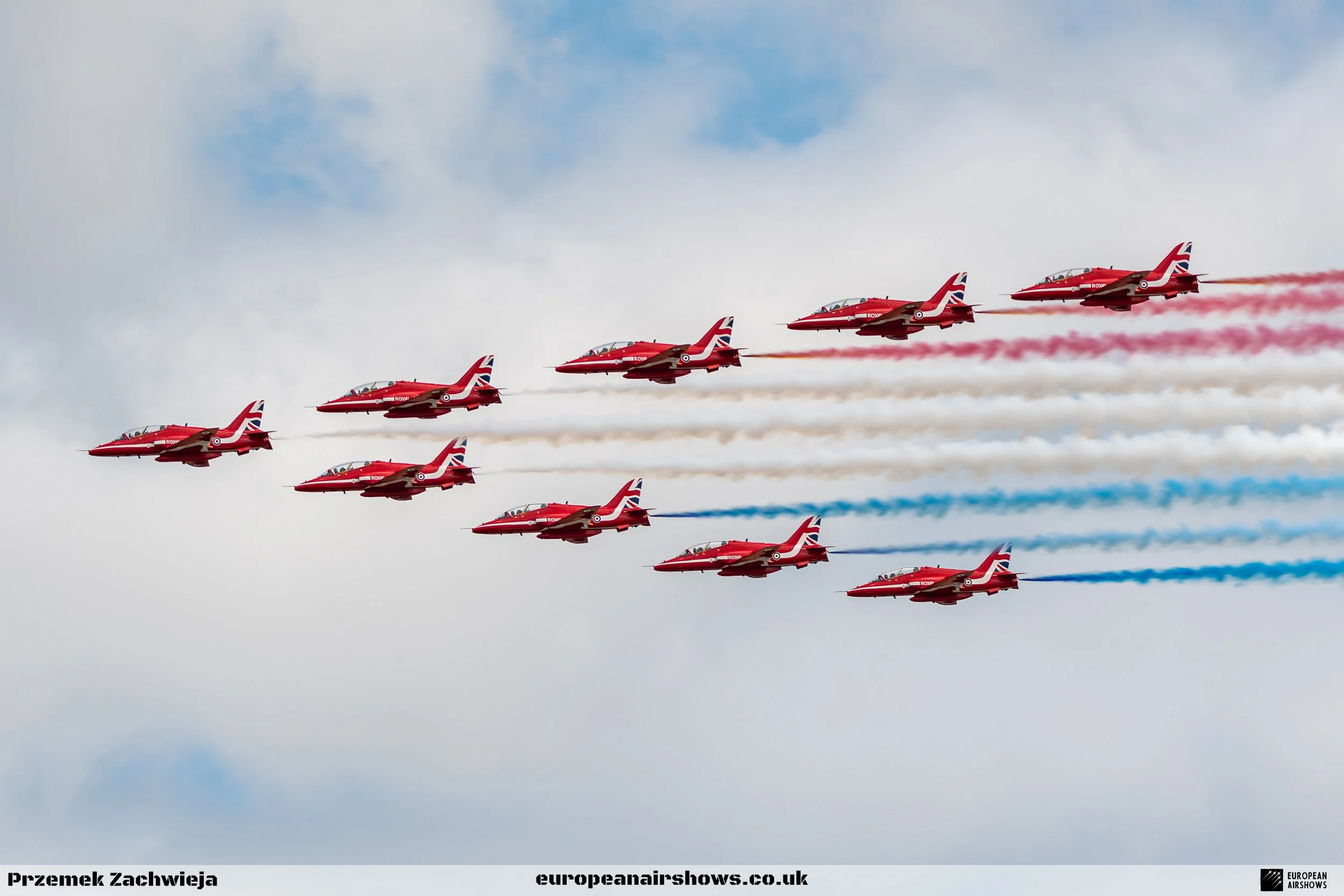
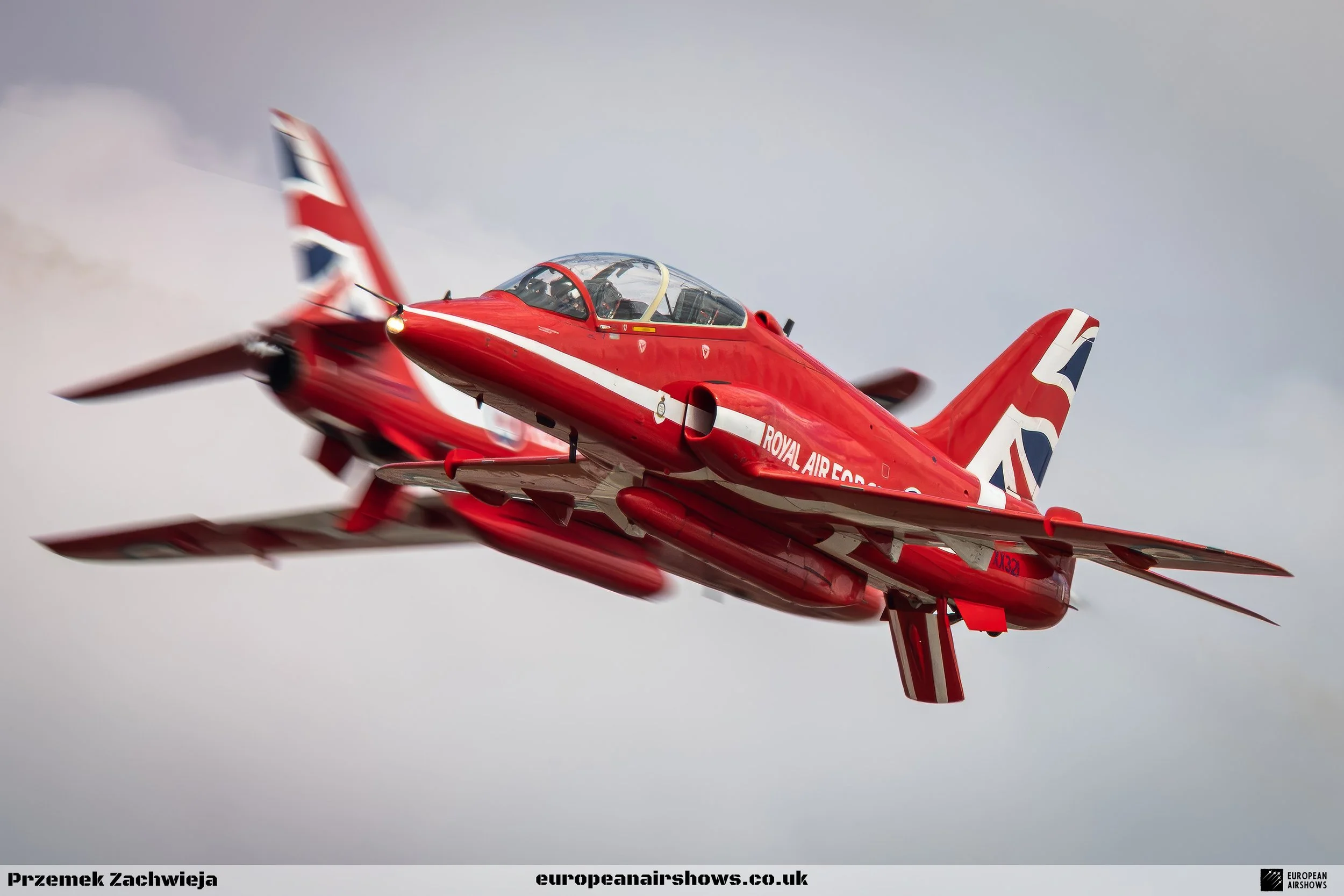
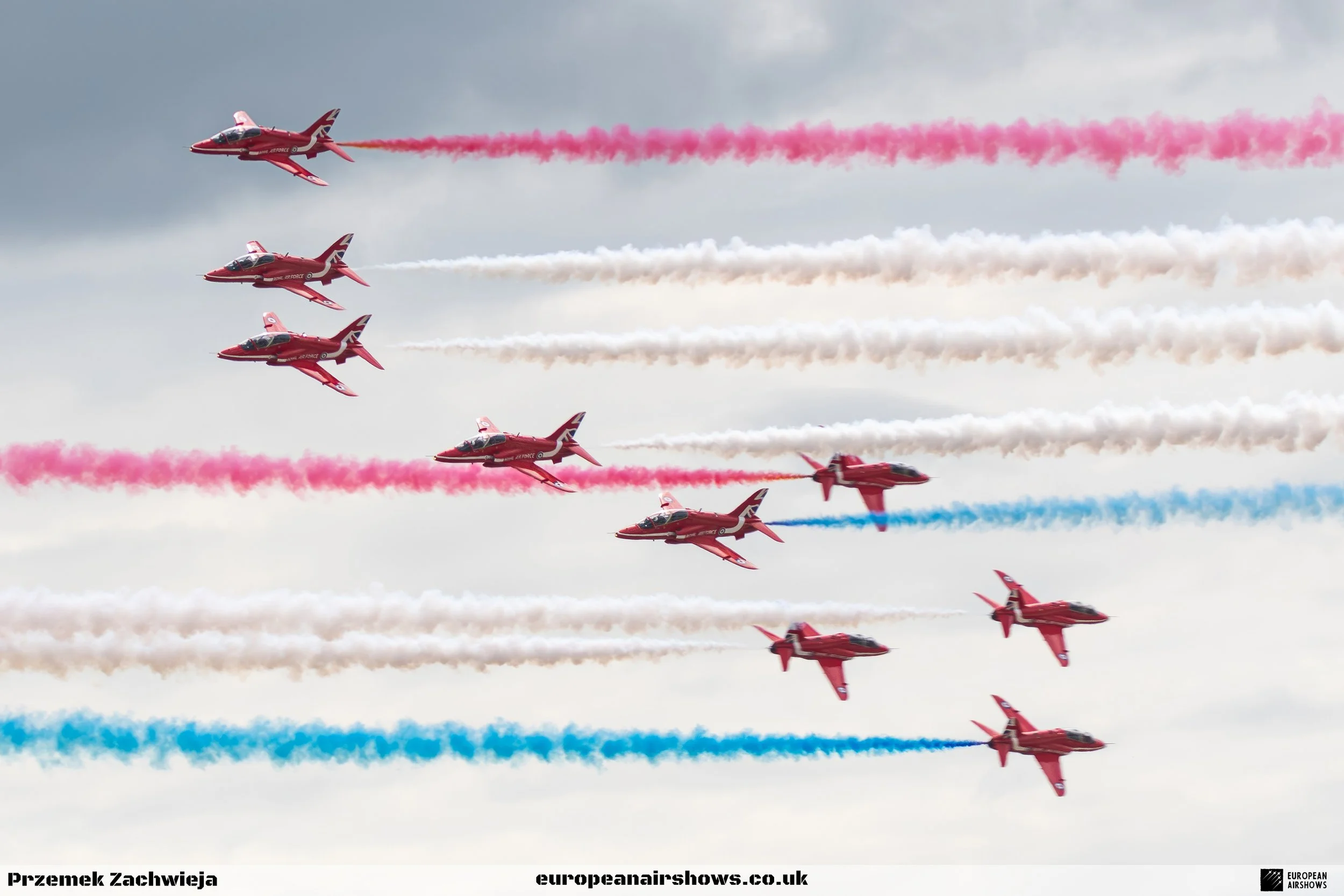
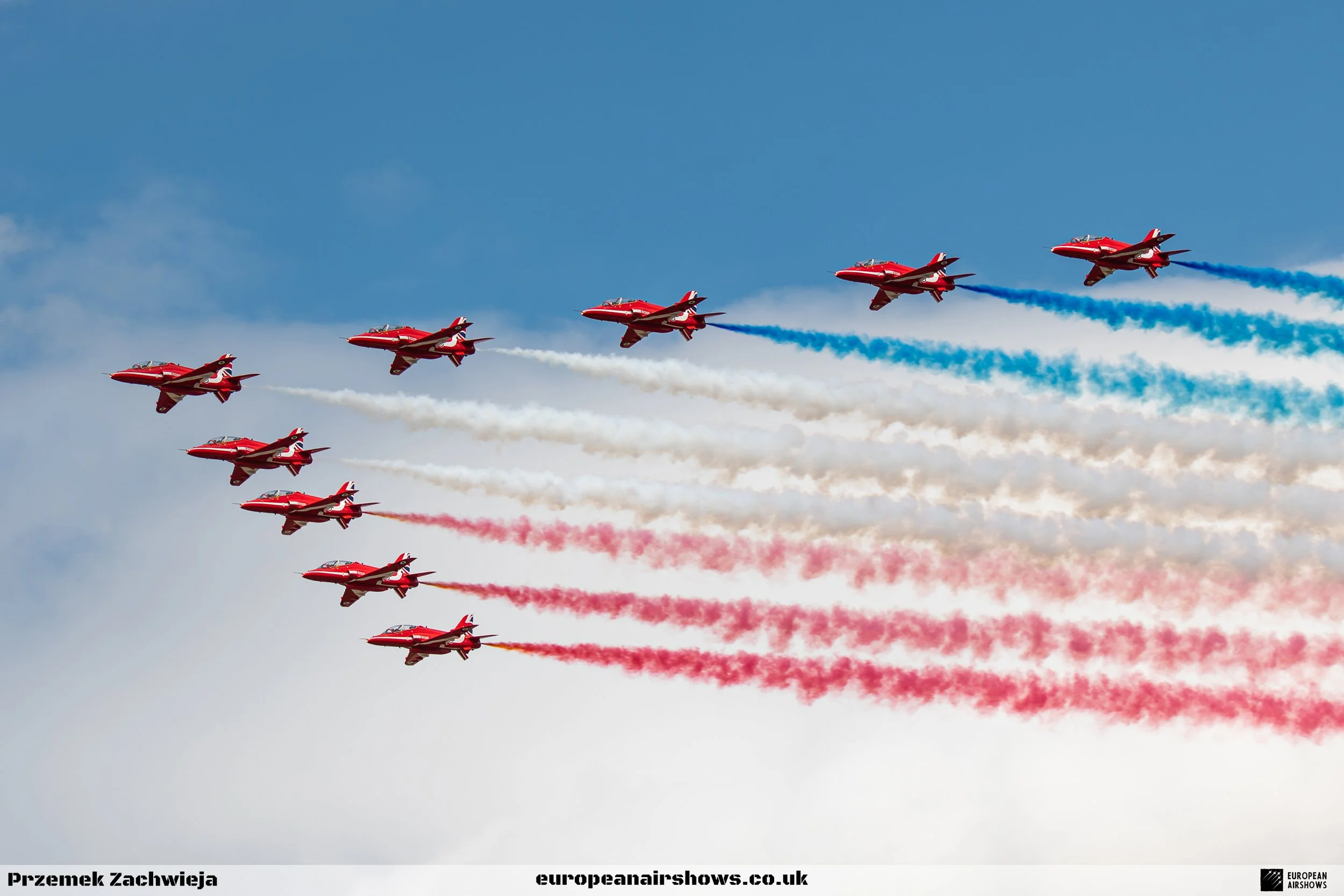
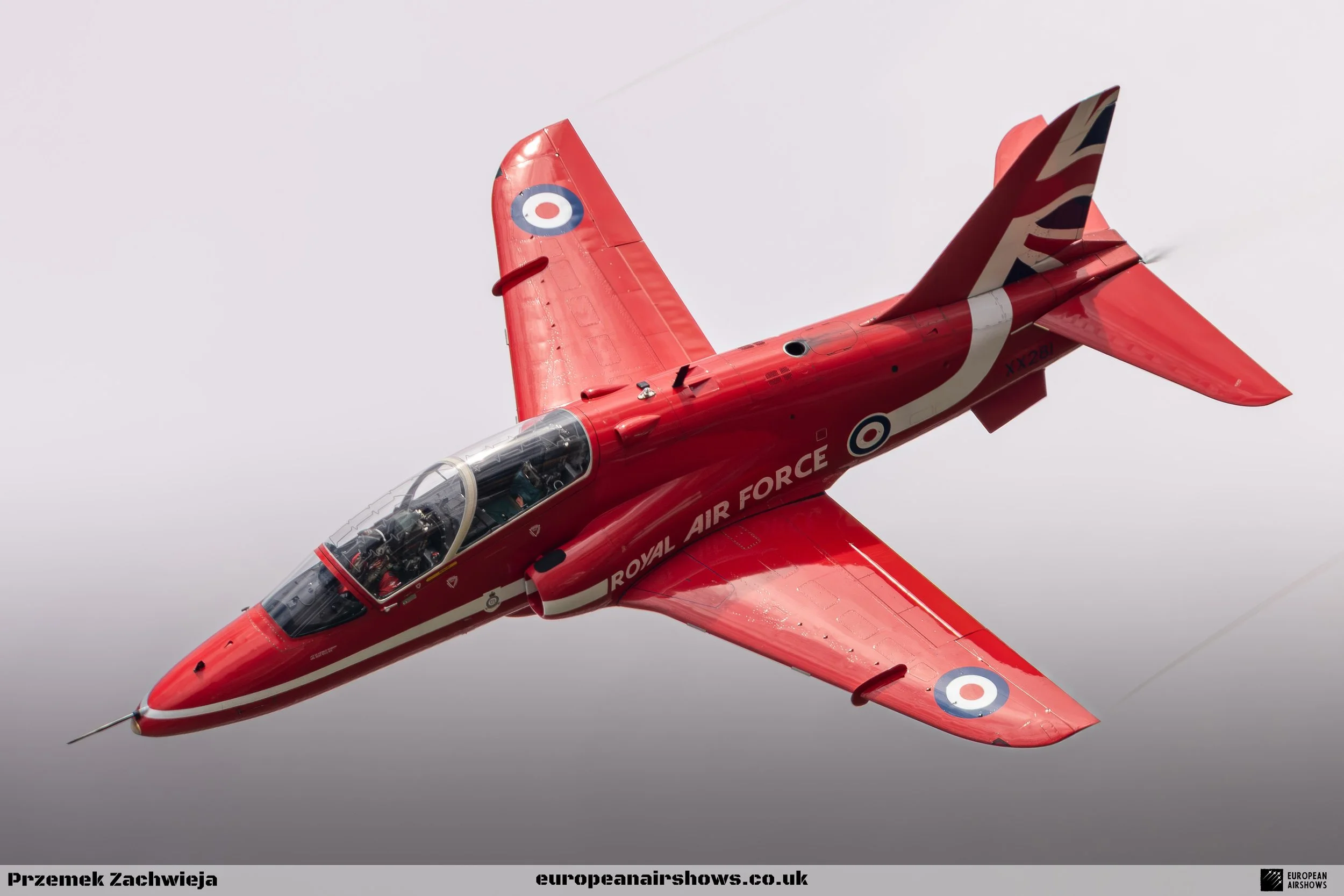
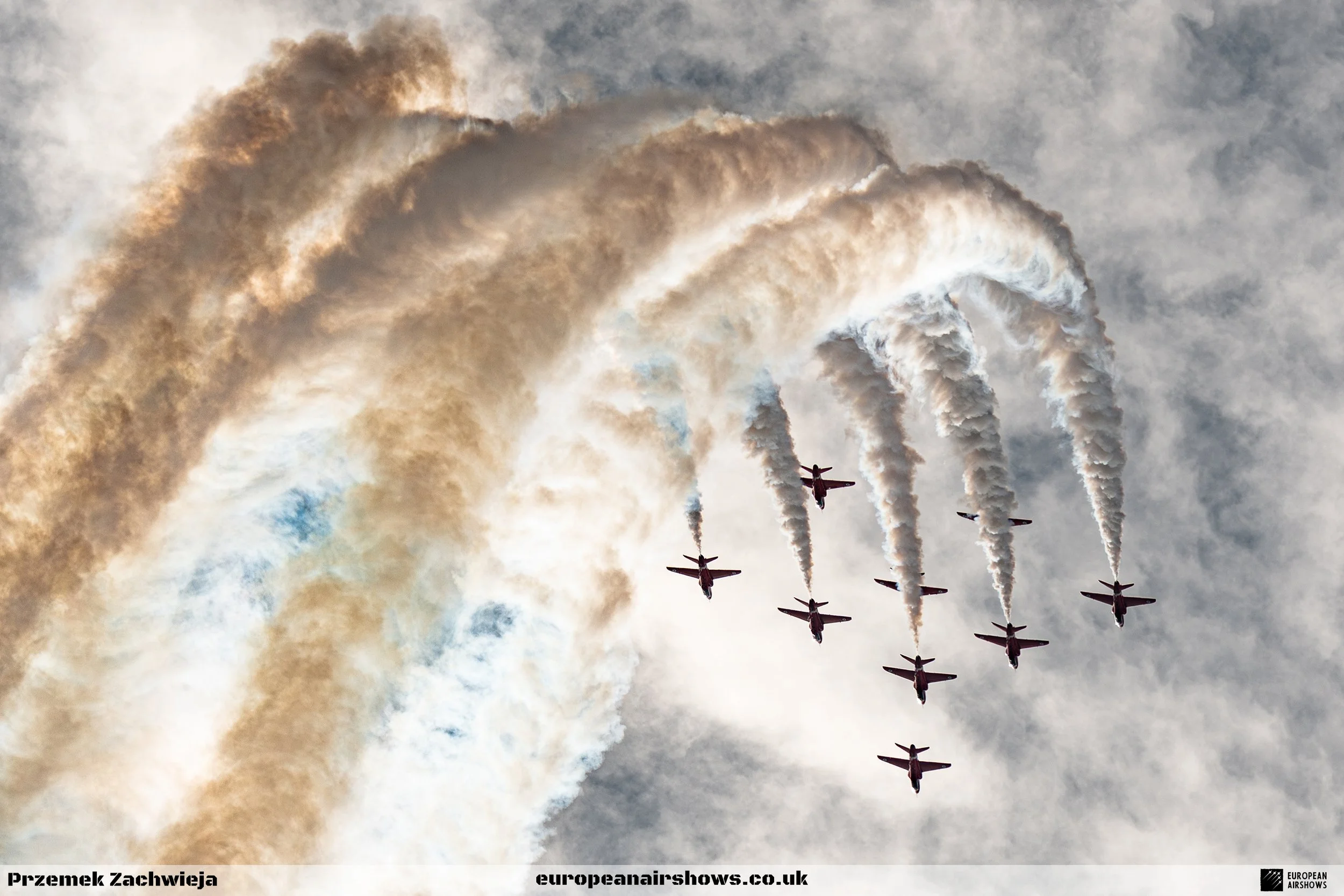
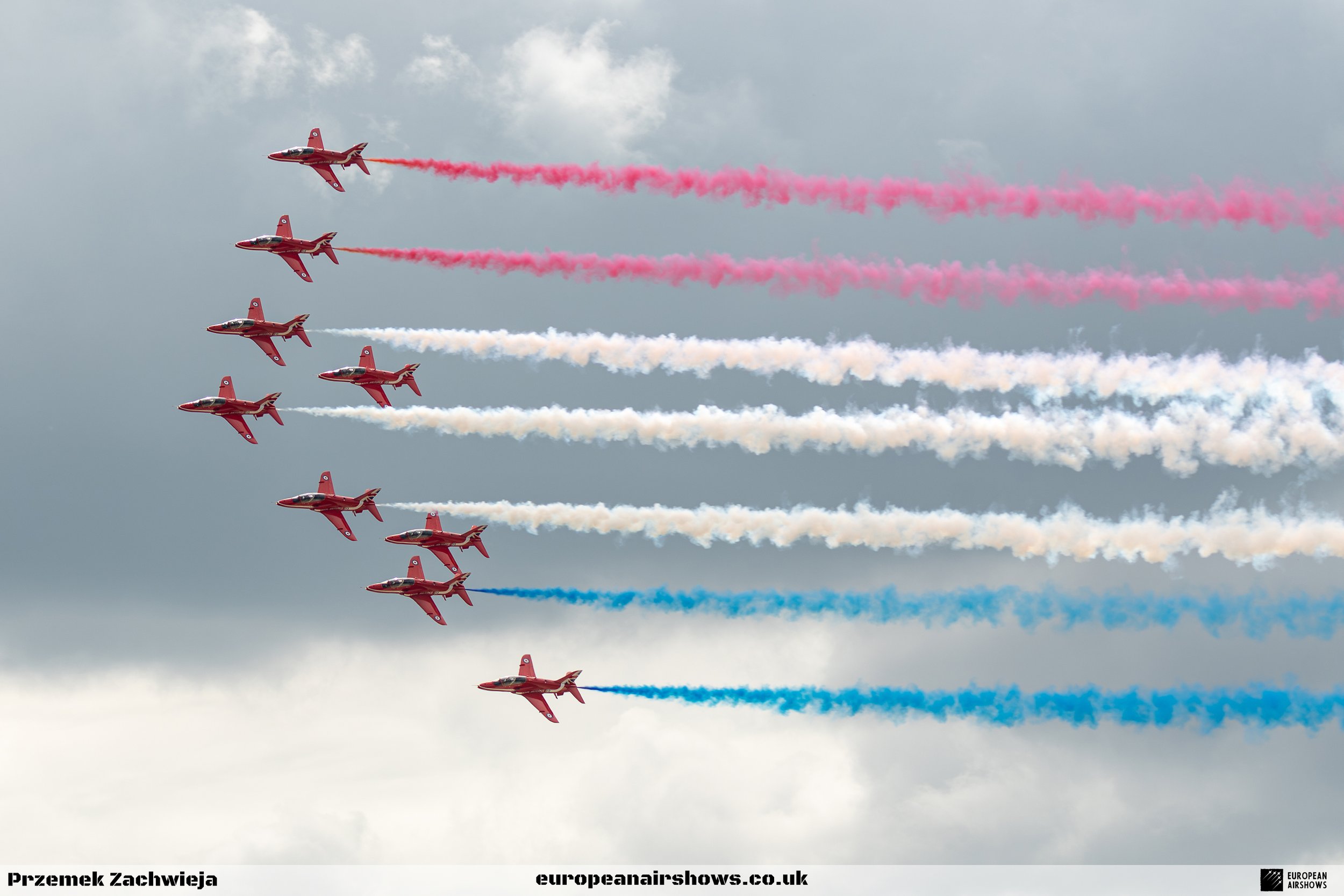
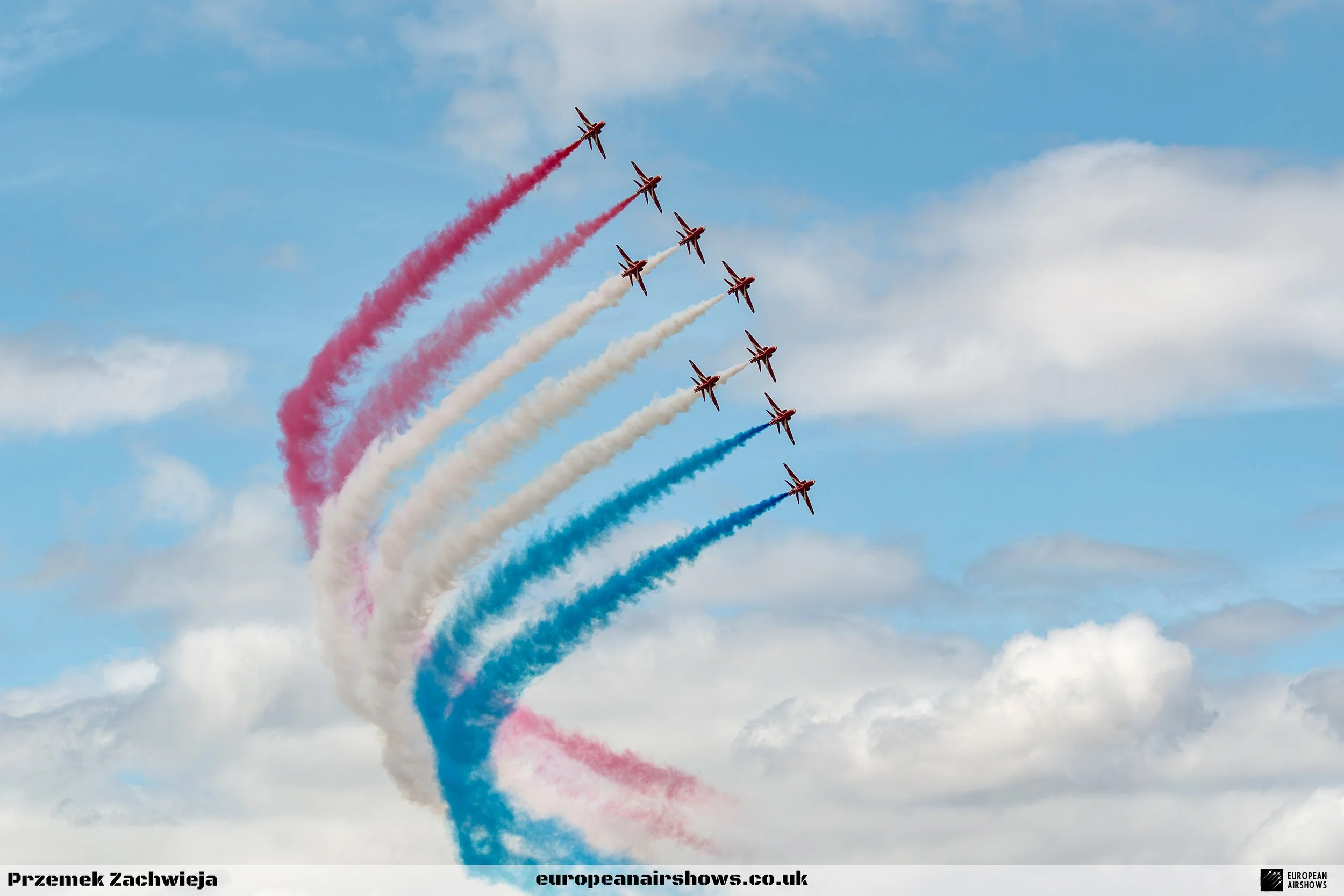
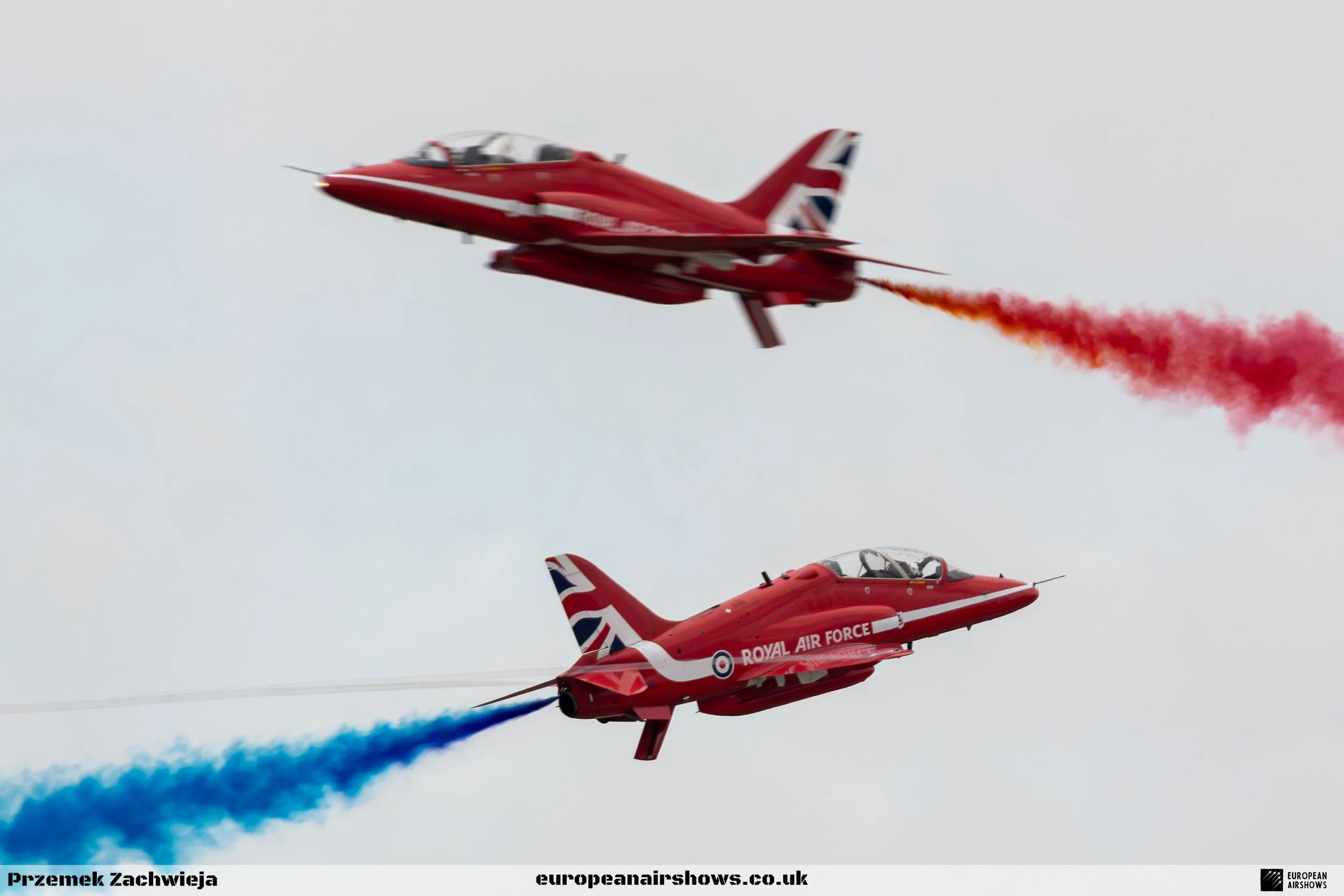
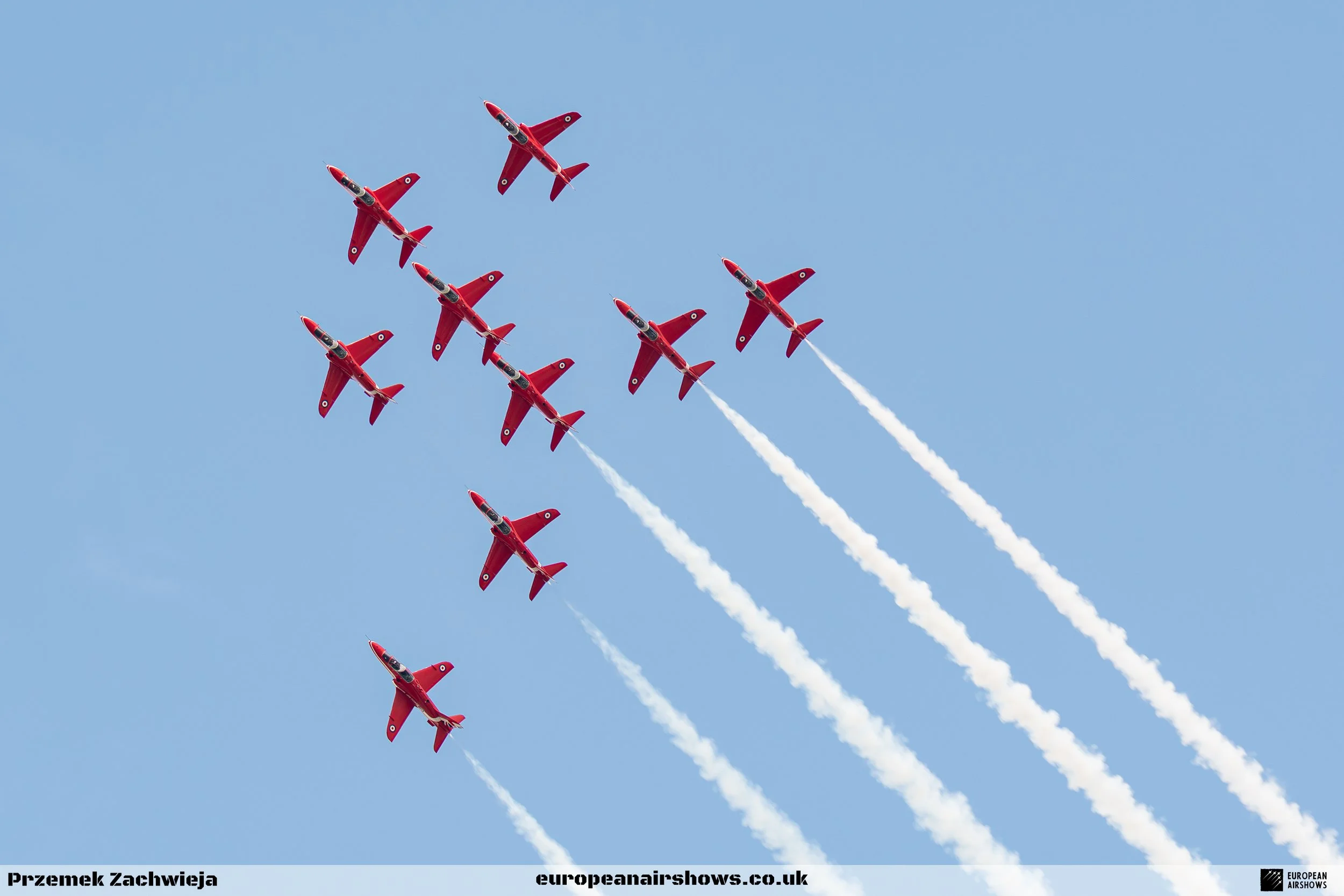
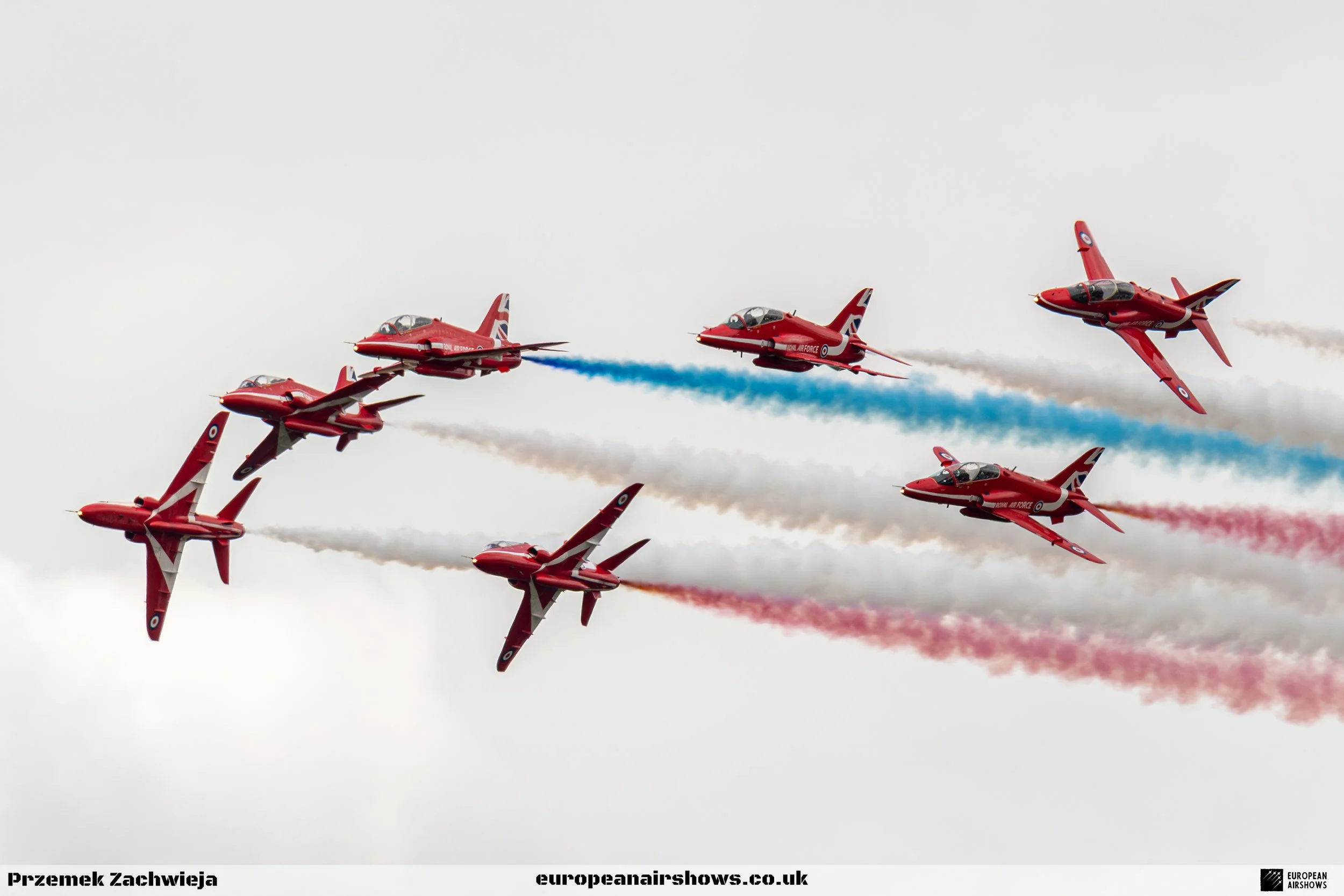
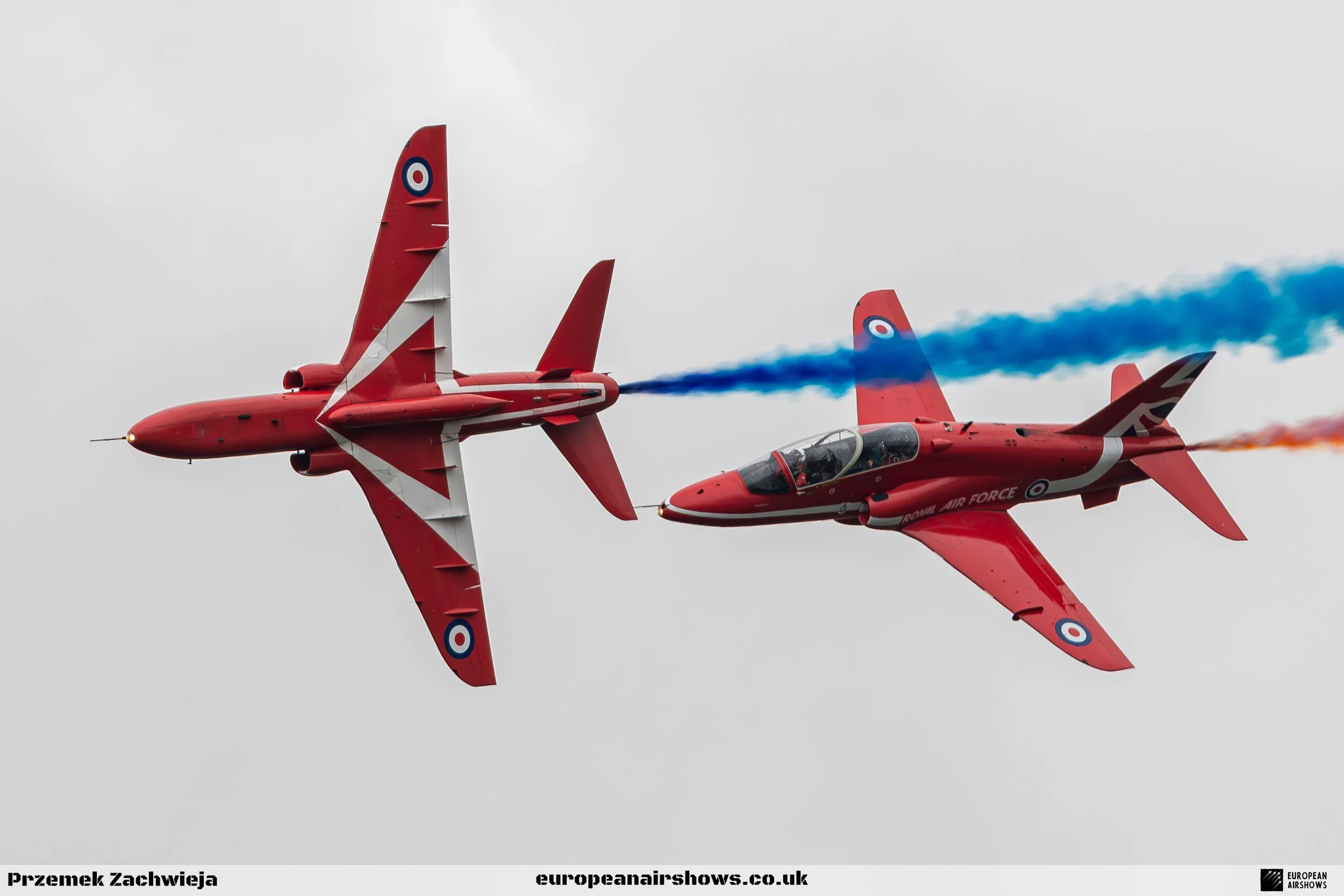
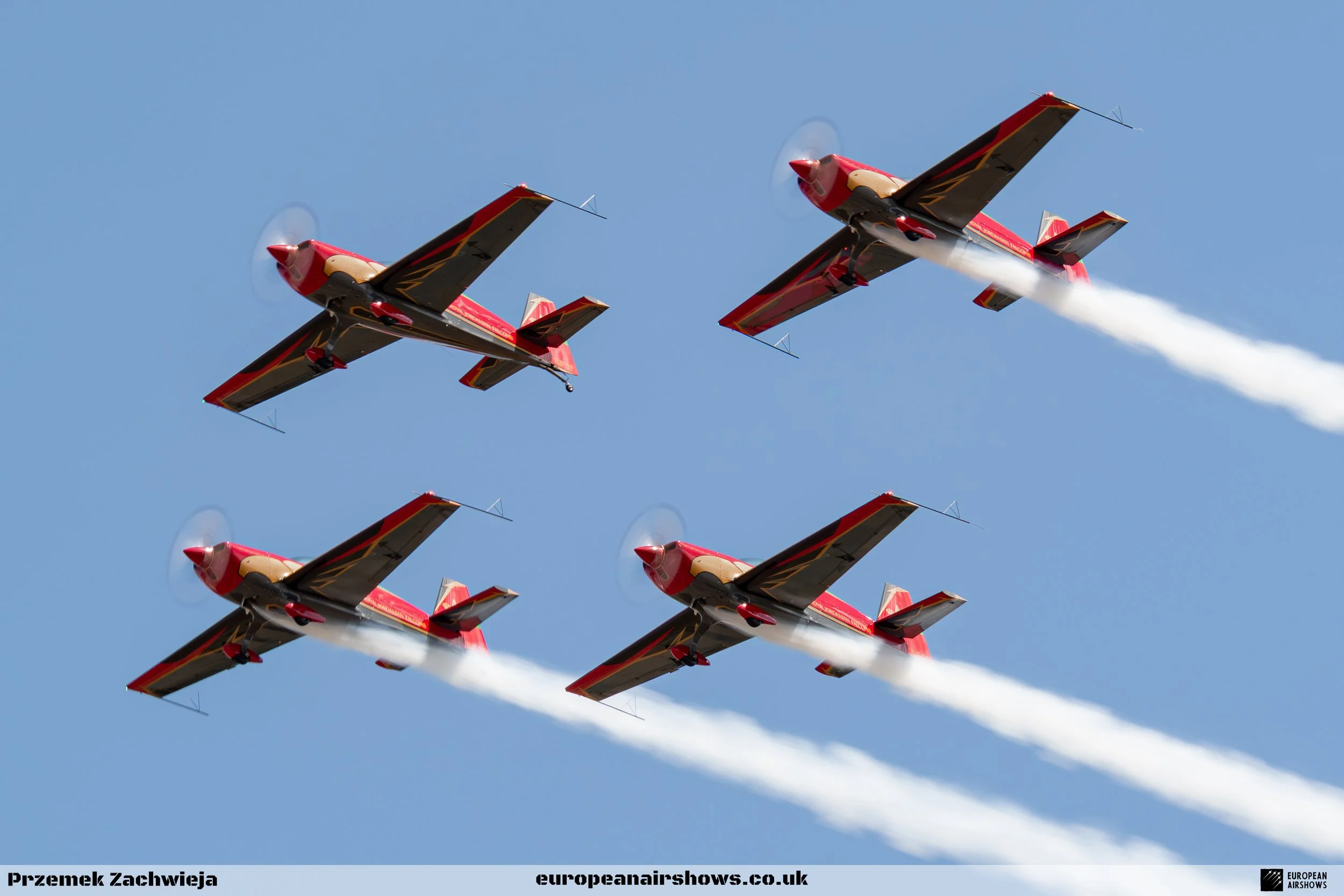
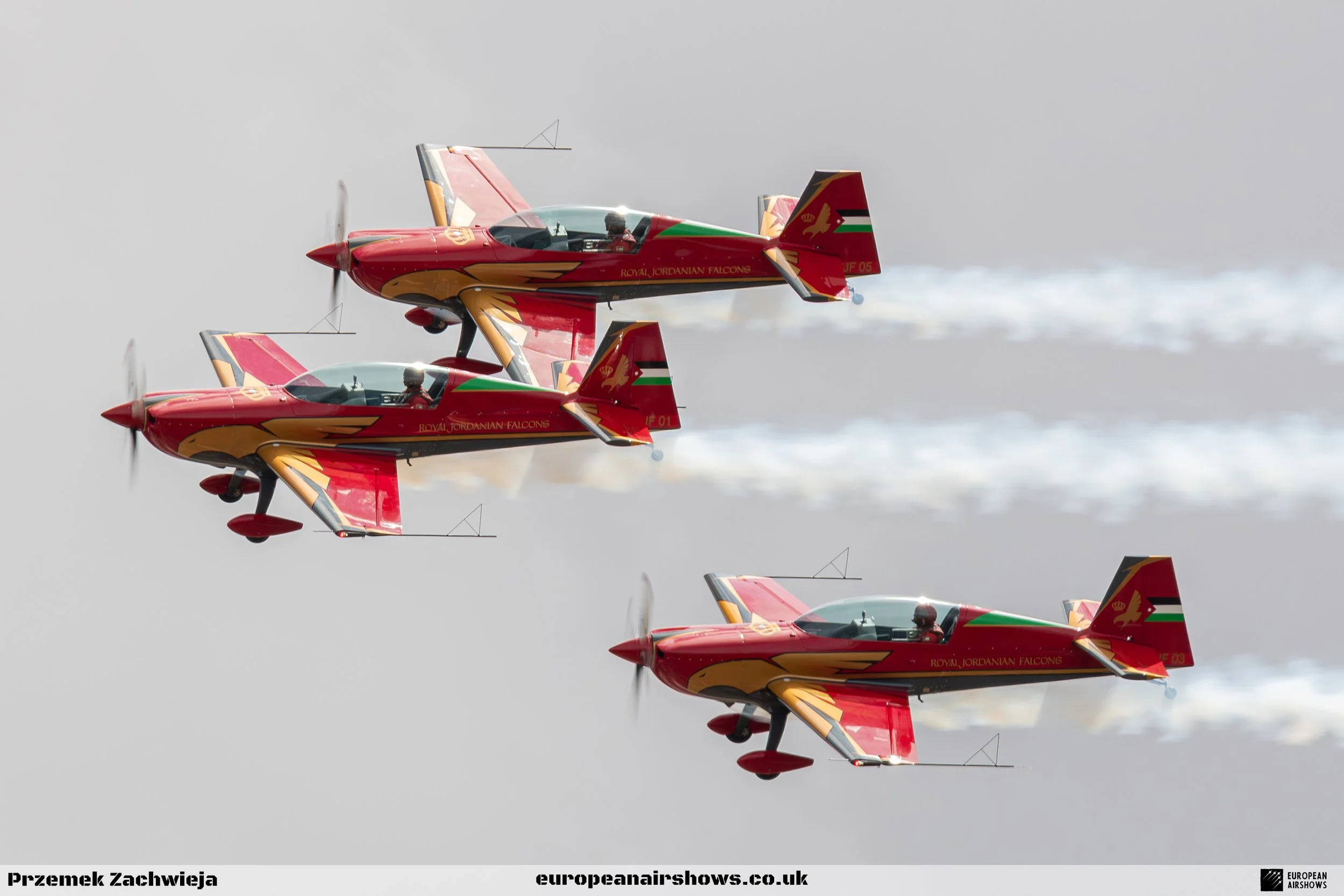
Alongside the Frecce Tricolori, the Royal Jordanian Falcons on four Extra 330LX aircraft provided elegance and precision. The RAF’s Red Arrows capped each day with trademark style, their nine Hawks executing three flawless displays over the weekend. Their surprise mixed formation with the RAF’s Wedgetail was the talk of Saturday, and for their professionalism and panache, they were awarded the Steedman Display Sword for the most notable British contribution.
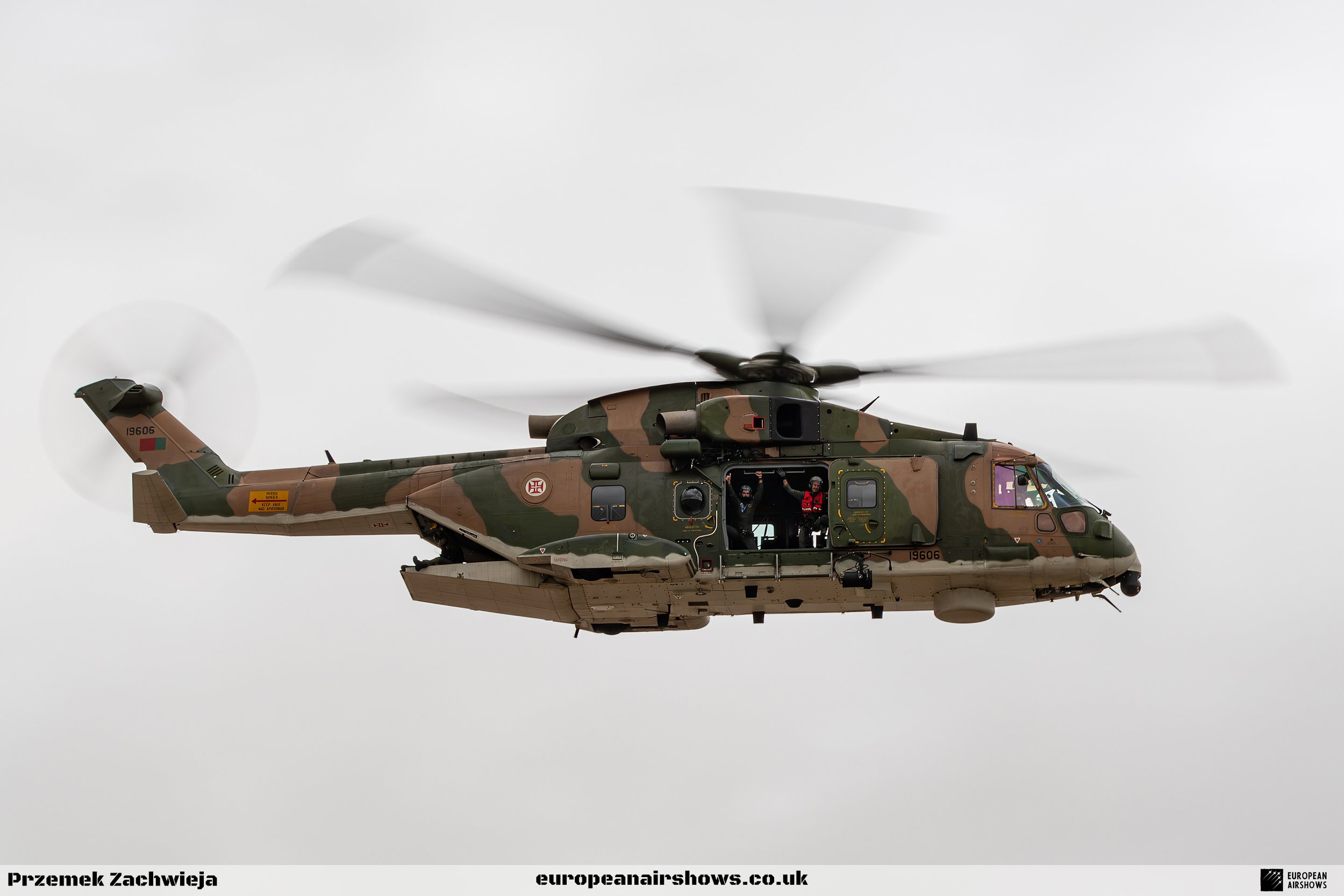
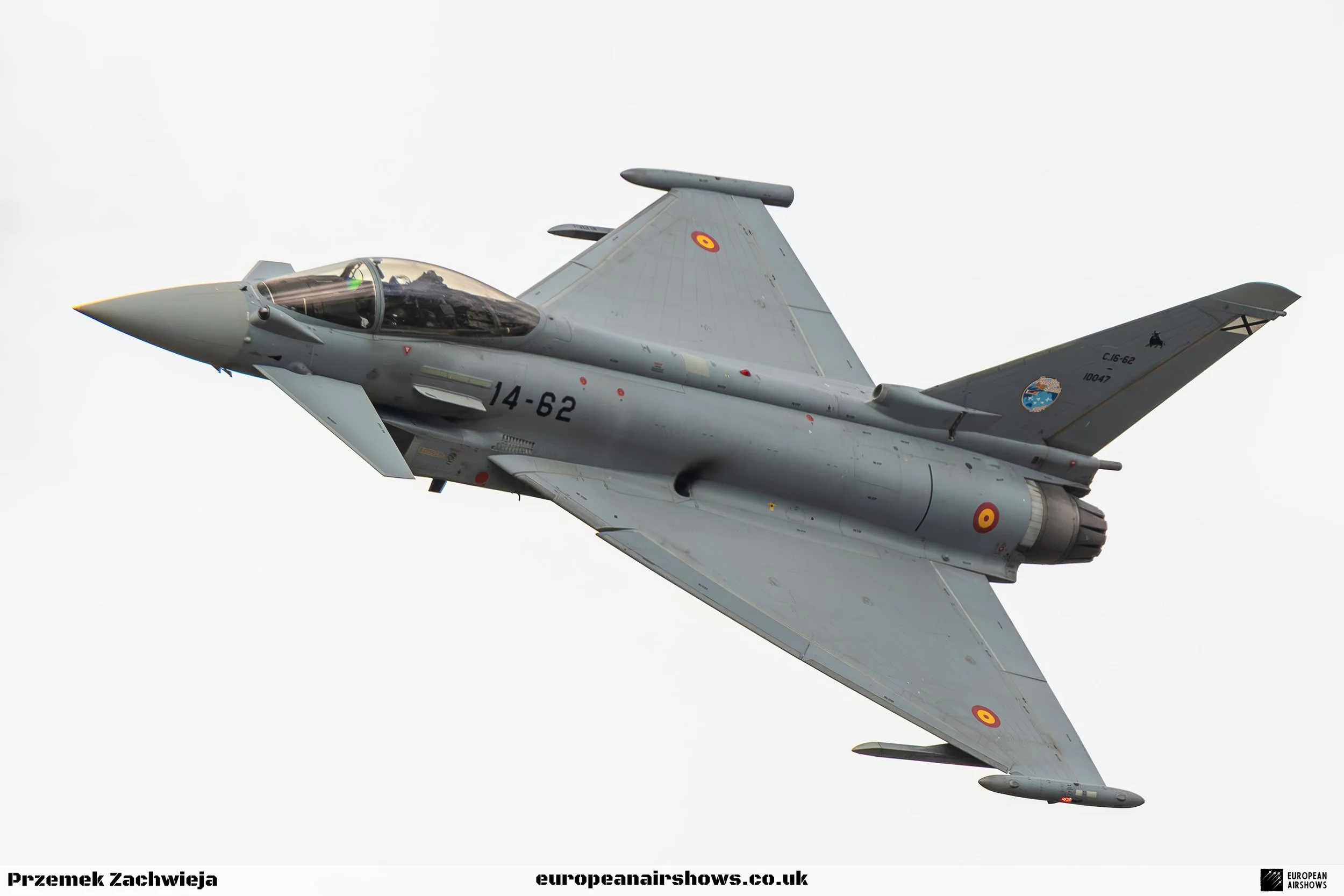
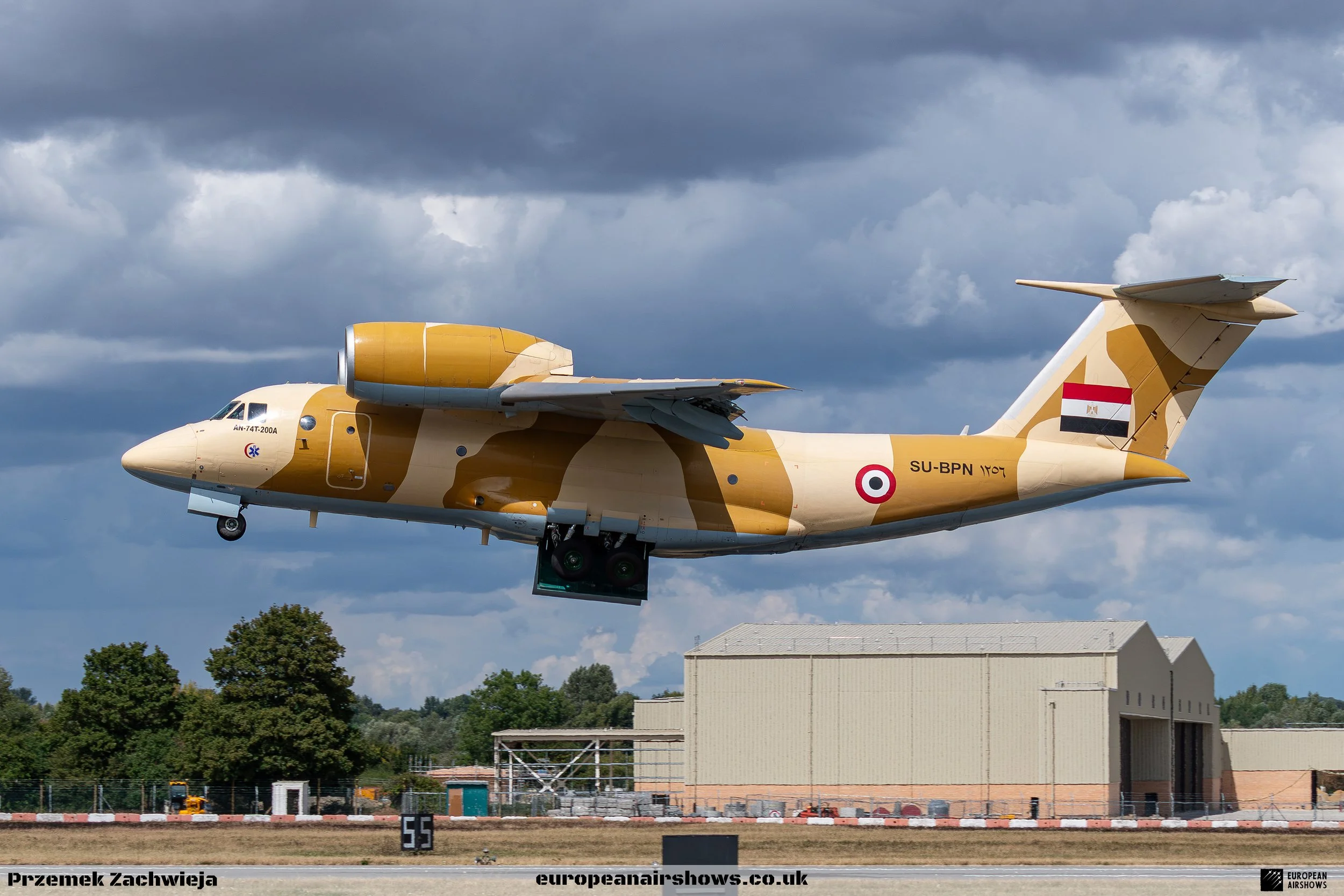
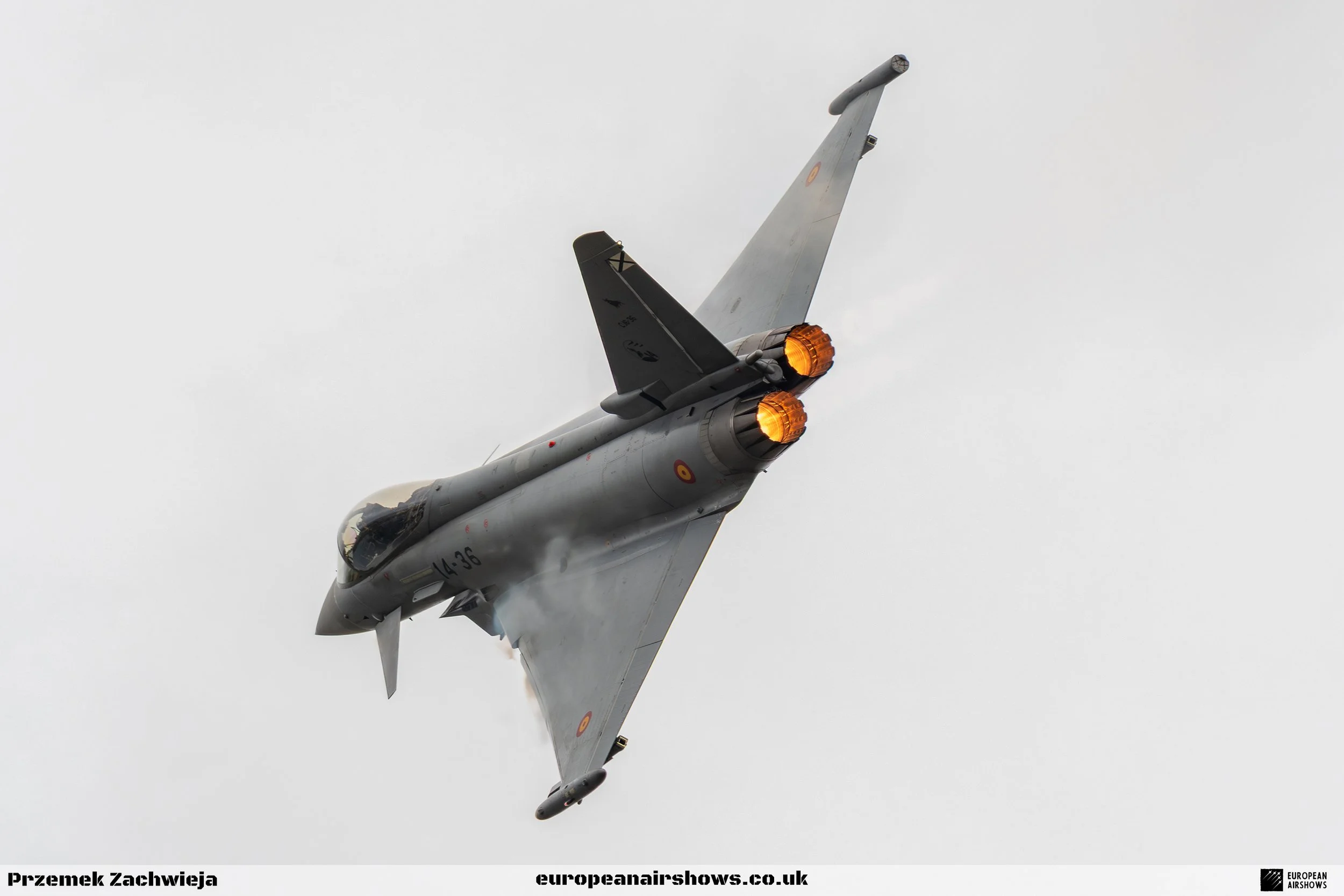
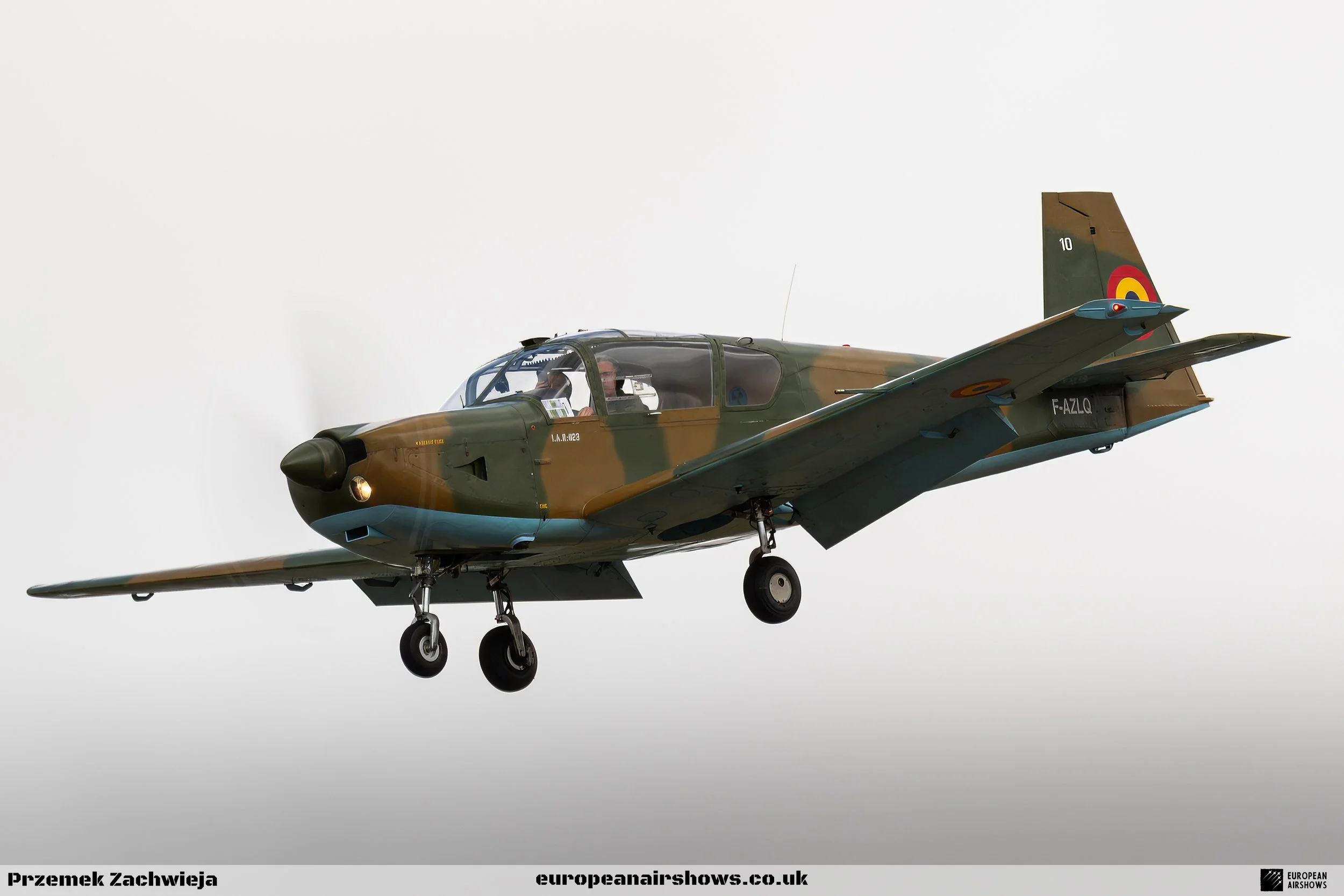
RIAT 2025 proved once again why it remains the world’s premier airshow, blending theatre, heritage and frontline power into six days of pure aviation immersion. From the fiery Army Air Corps role demo and the emotional return of the Czech Sokol team, to Poland’s award-winning Tiger Demo Team, Denmark’s poignant F-16 farewell, Italy’s RSV set-pieces and the USAF’s once-in-a-generation U-2S display, the flying programme was both polished and surprising. On the ground, the static park stretched for over a mile and told the global story of airpower in vivid detail, from Pakistan’s colourful deployment and Egypt’s rare An-74 debut to the RIAT debut of the Swedish blackhawk demo. Despite blazing sunshine on Friday and cloudier, wetter mornings across the weekend, the weather never disrupted the flow, and crowds stayed thick along the lines and fences from arrivals through to Monday’s departures. With Eyes in the Skies and Fairford 40 running as genuine themes, not just labels, RIAT 2025 felt cohesive, international and memorable—an event that once again set the benchmark for every other airshow on the calendar.
More airshow reviews
Read more reports, photography and first-hand coverage from airshows across Europe.