
REVIEW: Anatolian Eagle 2025
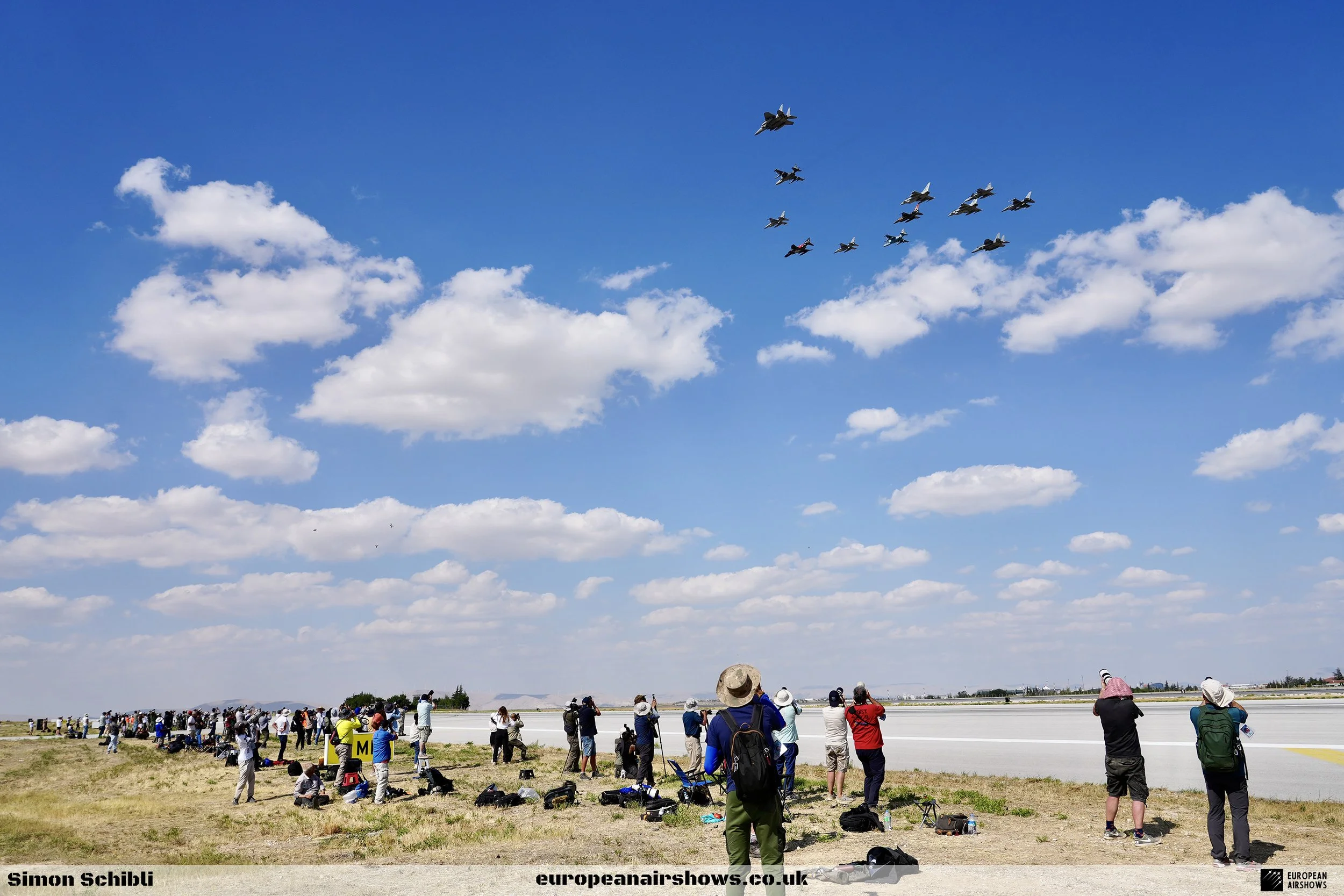
Anatolian Eagle 2025 was not an airshow. It was a high-intensity multinational air combat exercise, designed to replicate the complexities of modern Composite Air Operations. Yet for one carefully managed Spotter Day at Konya Air Base, the Turkish Air Force once again offered aviation enthusiasts a rare opportunity to witness operational air power at close quarters. The result was an event that combined realism, scale, and controlled spectacle in a way few European gatherings can match.
Hosted at Konya Air Base in central Turkey, Anatolian Eagle stands among the world’s most demanding multinational exercises. Its purpose is not display flying but advanced tactical training: air-to-air engagements, strike missions, electronic warfare integration, aerial refuelling coordination, and command-and-control through airborne early warning platforms. The 2025 edition, held from late June into early July, brought together a broad mix of Western and Eastern aircraft, supported by ISR assets, tankers, AWACS and an increasingly visible Turkish unmanned component.
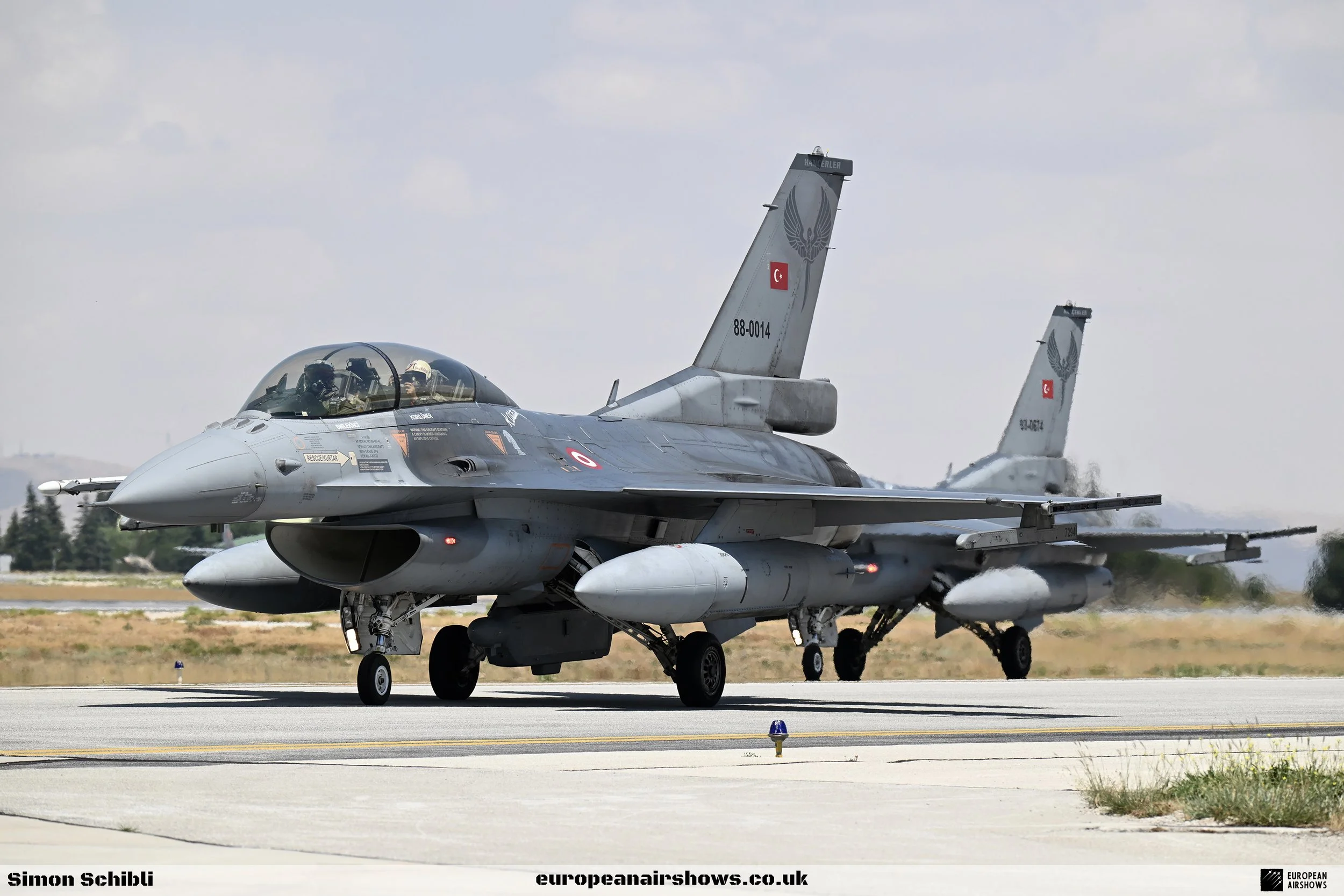
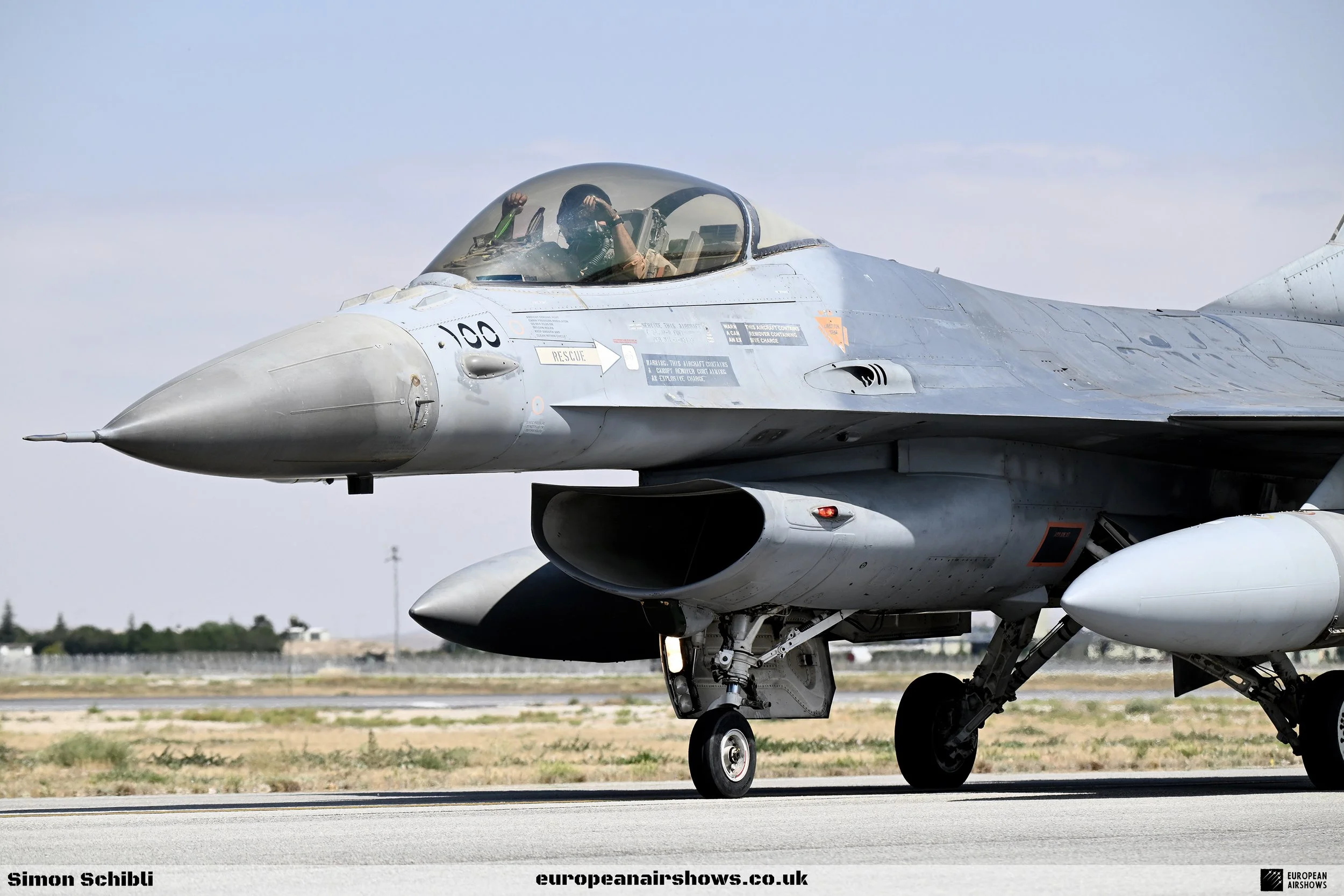
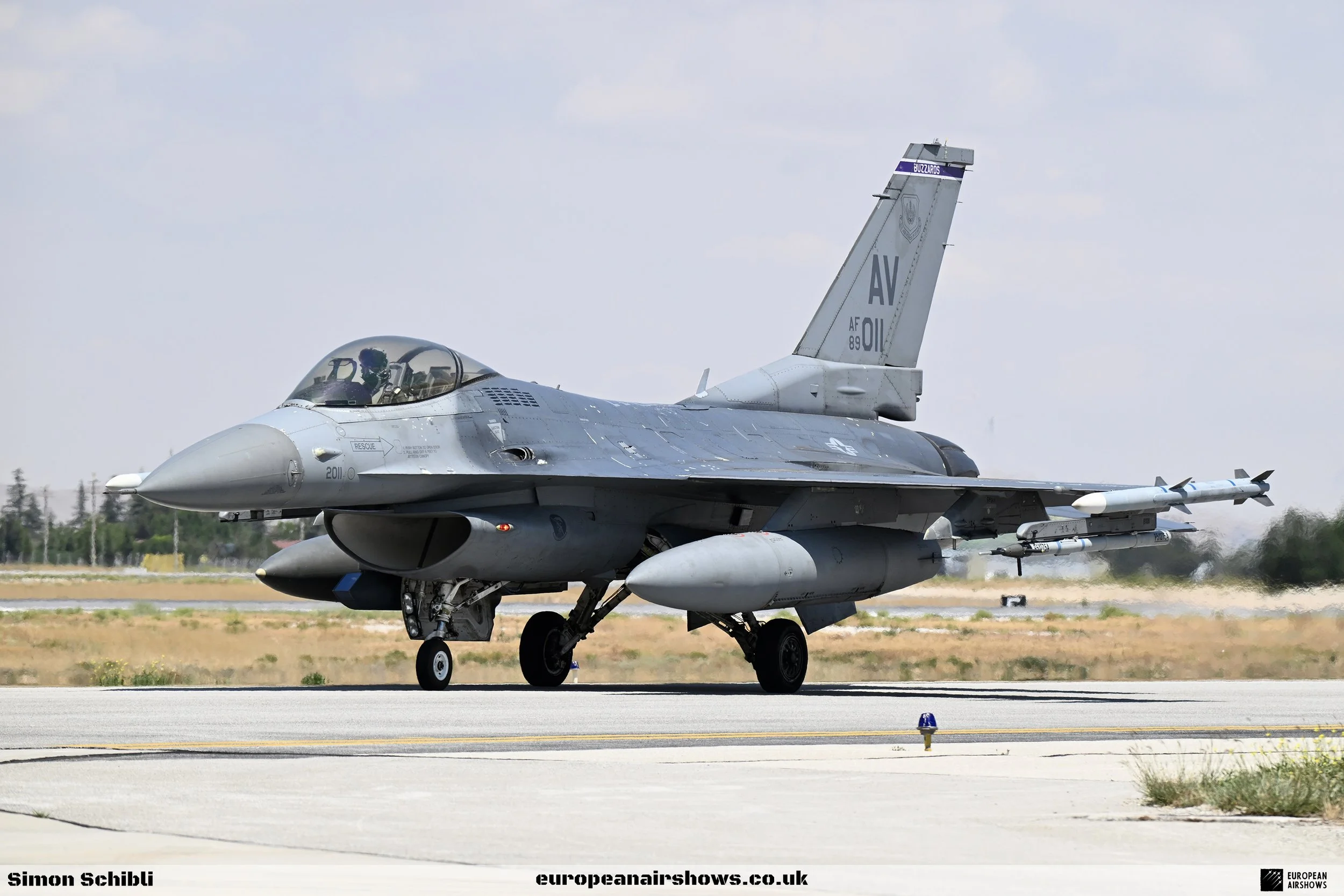
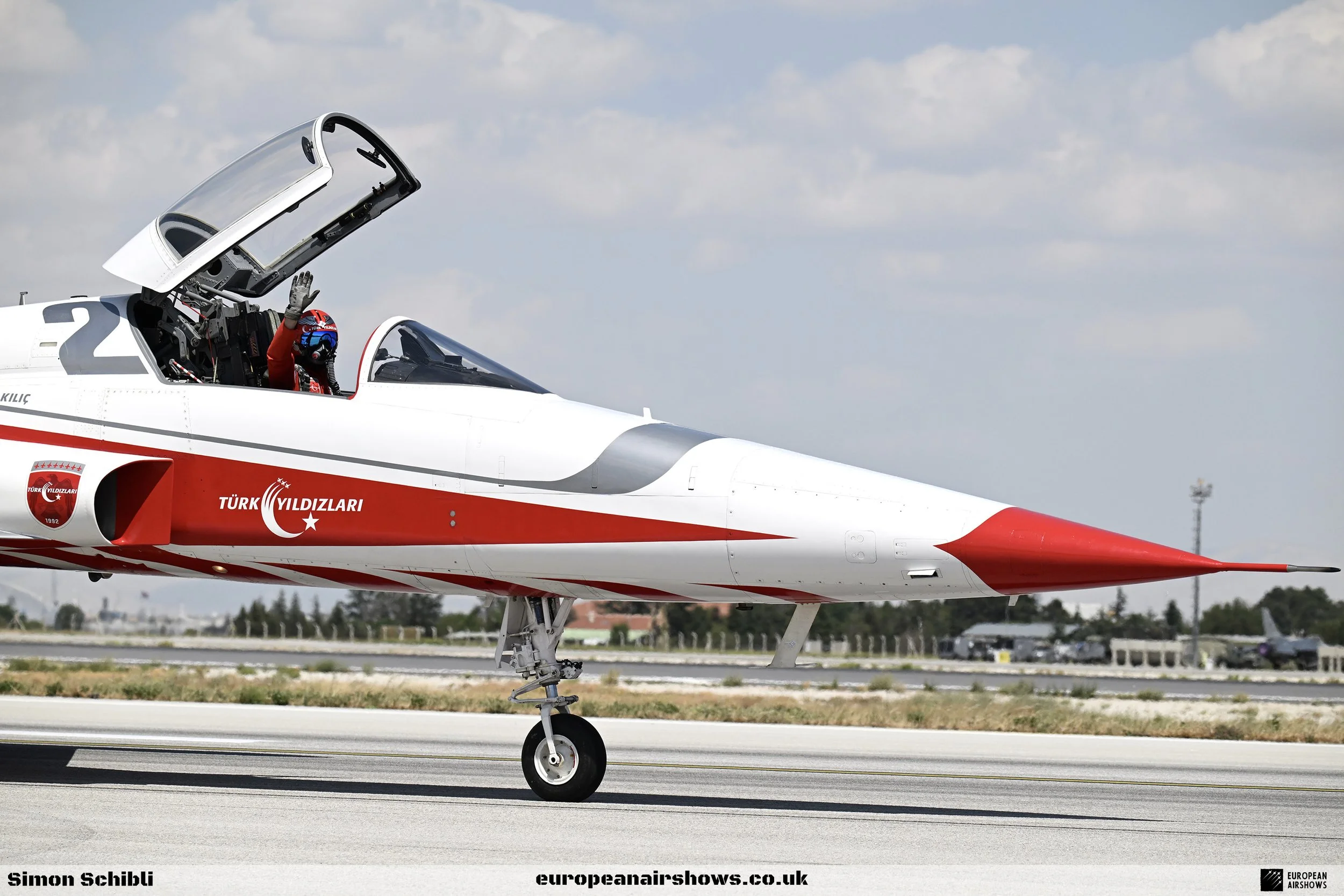
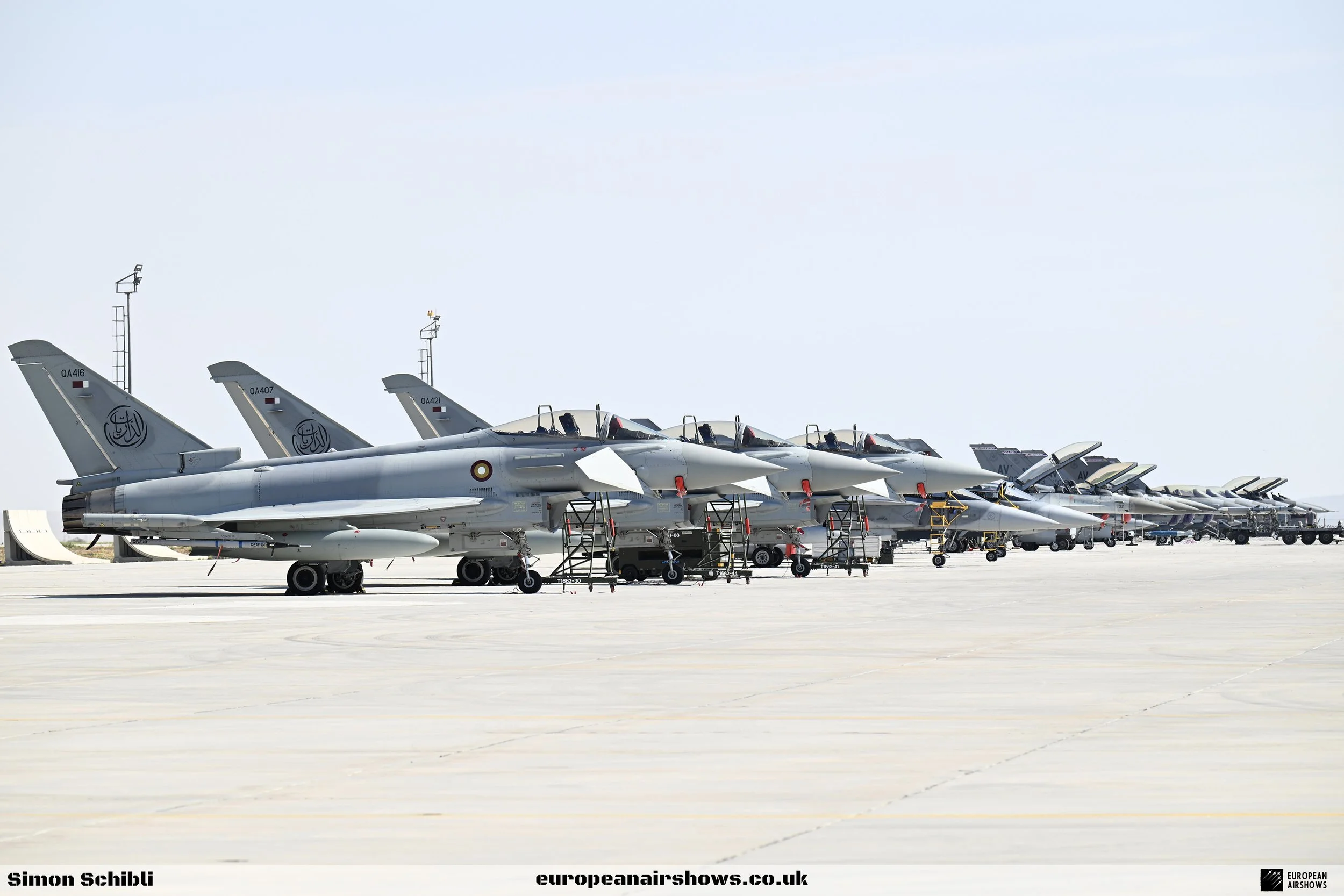
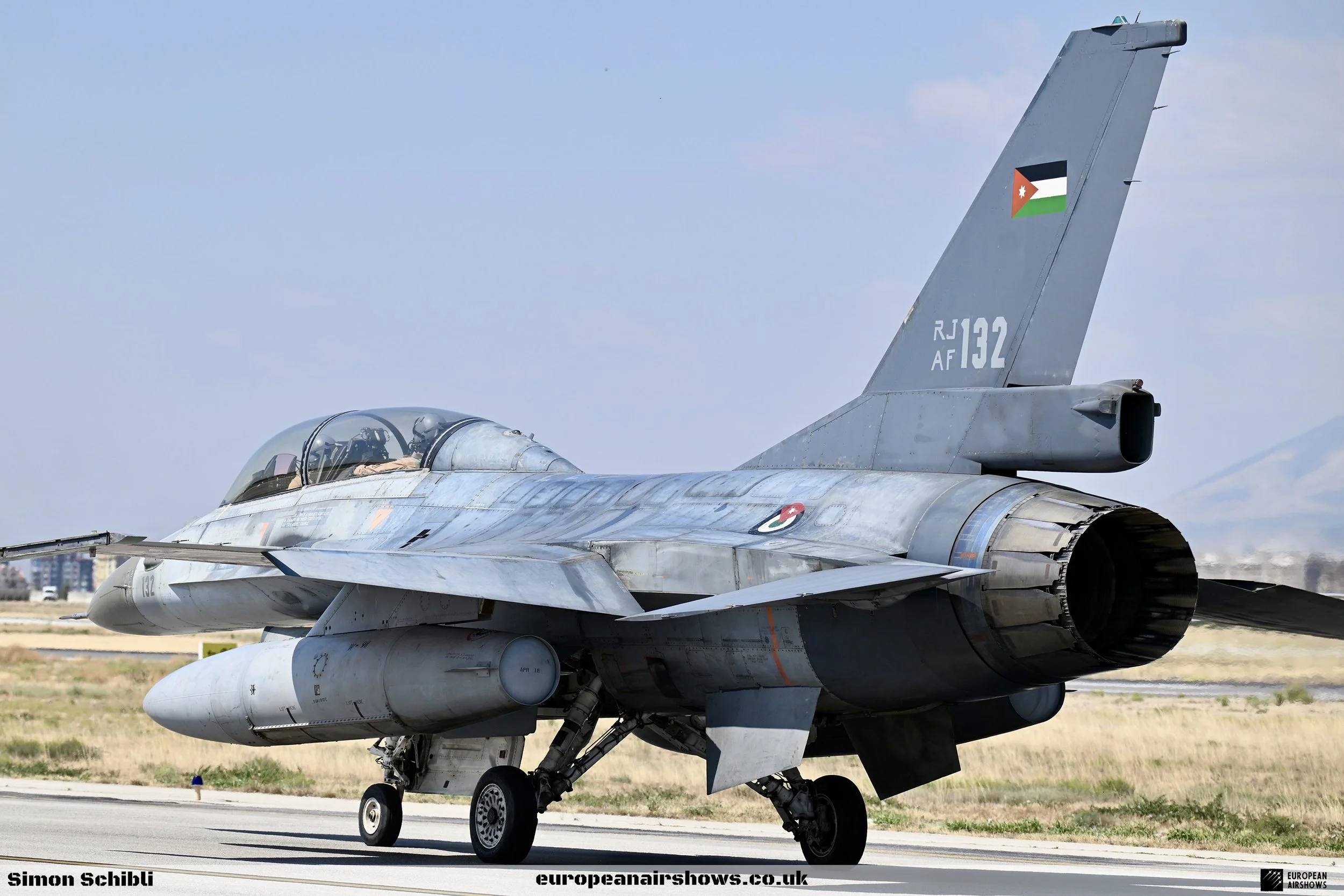
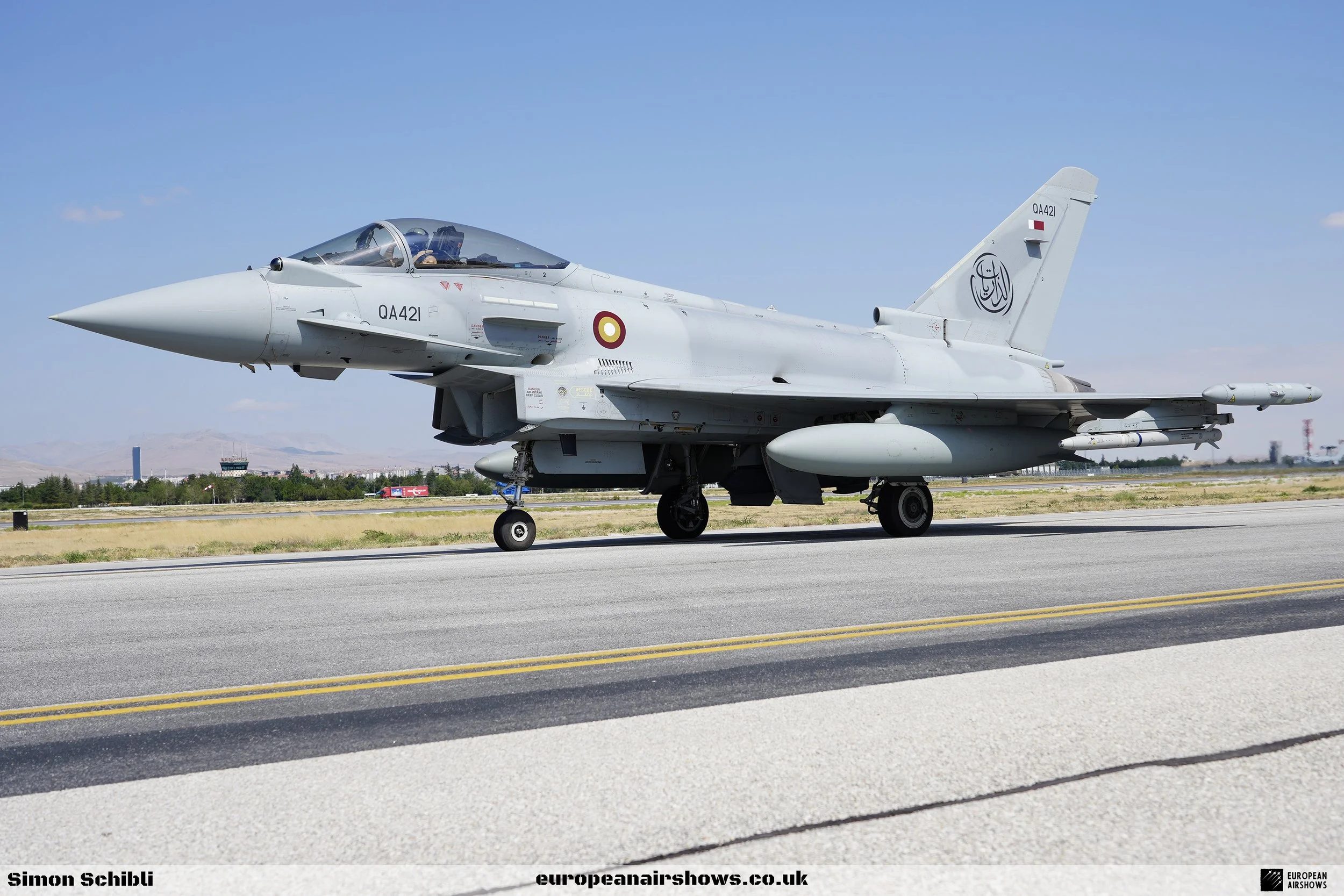
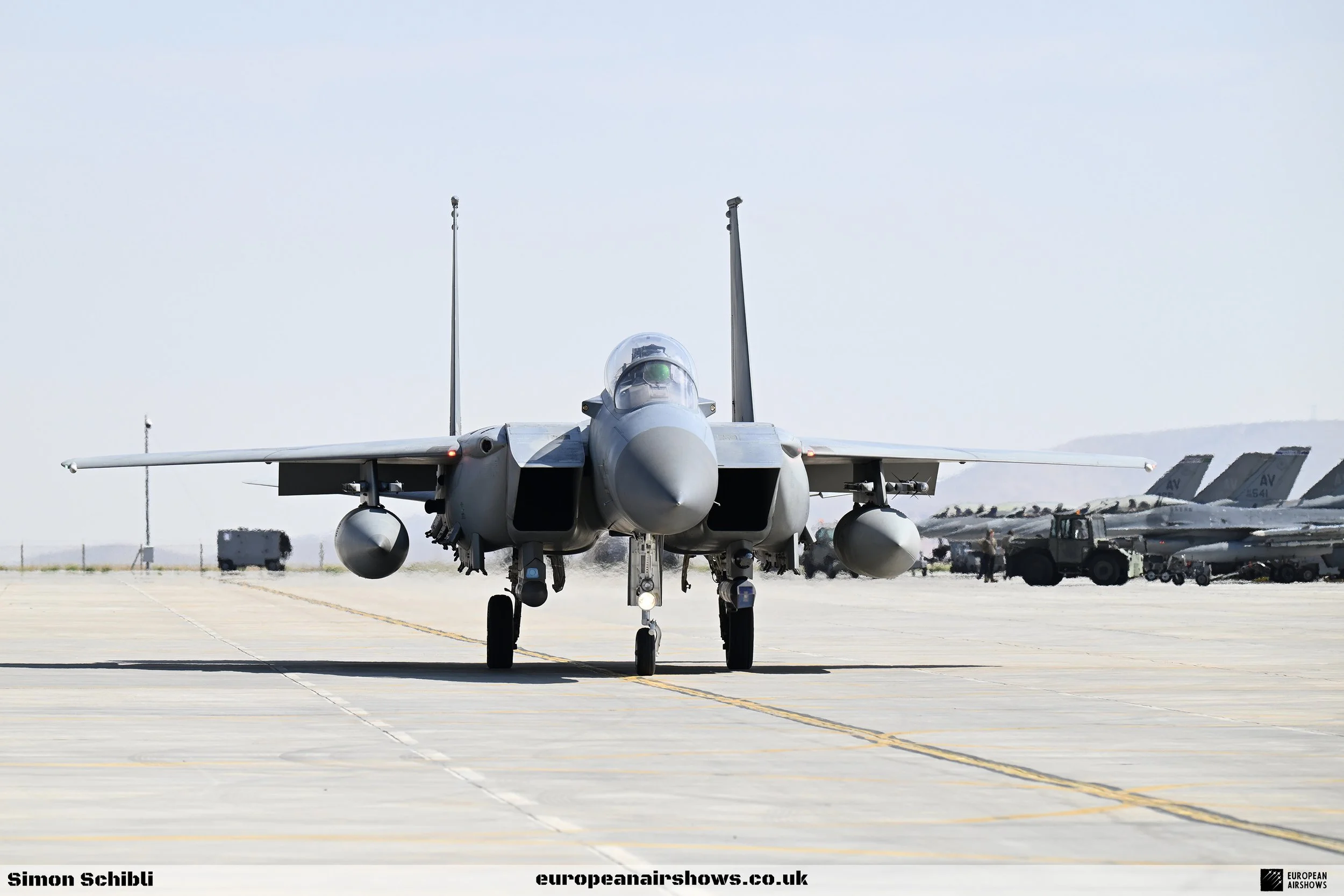
Travel to Konya proved more adventurous than anticipated. After arriving in Istanbul, heavy traffic resulted in a missed train connection, forcing a last-minute change of plan. The only viable alternative was an overnight bus journey across Turkey, lasting approximately twelve hours. Arrival in Konya shortly before 2 a.m. left little time for rest before heading directly to the base the following morning.
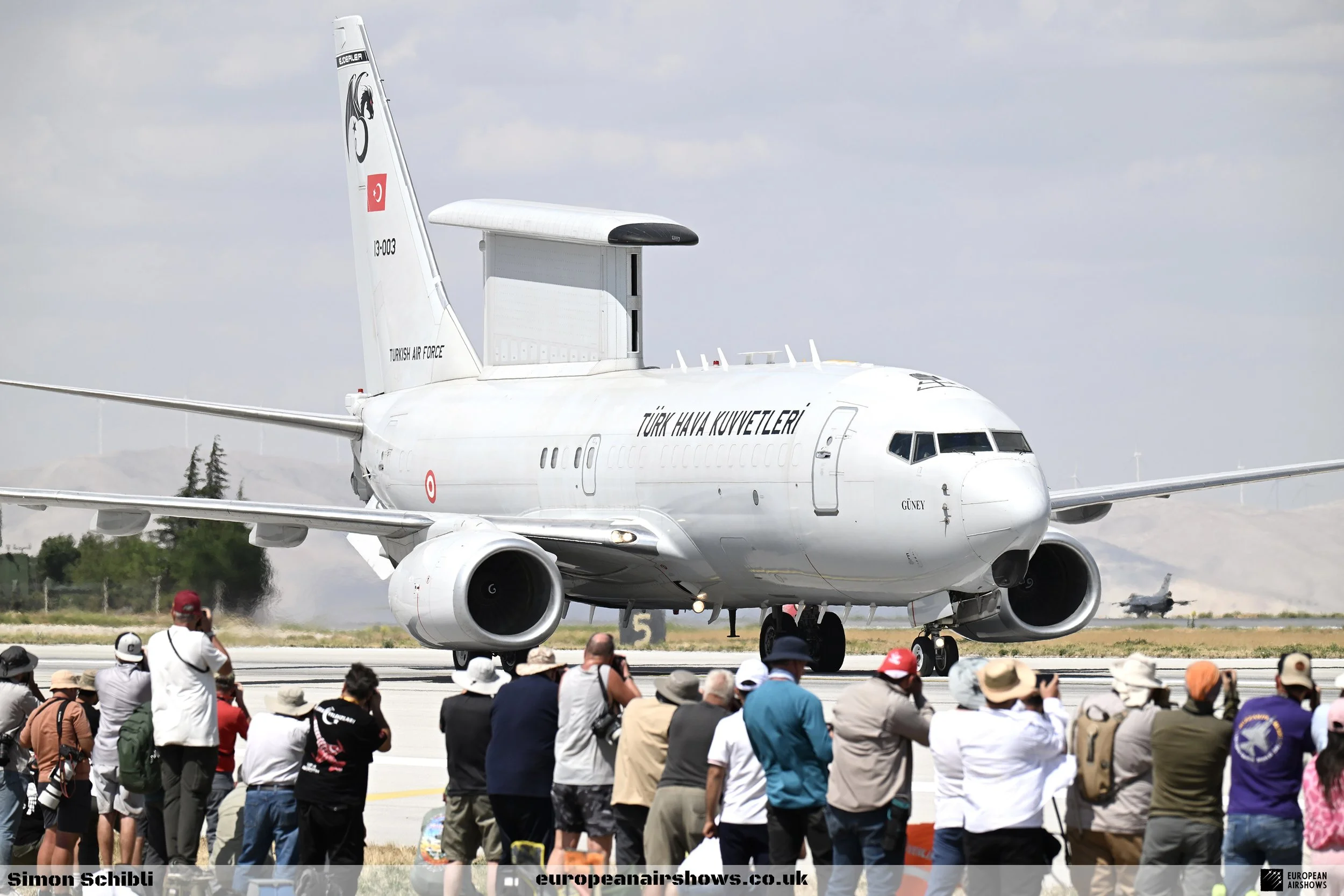
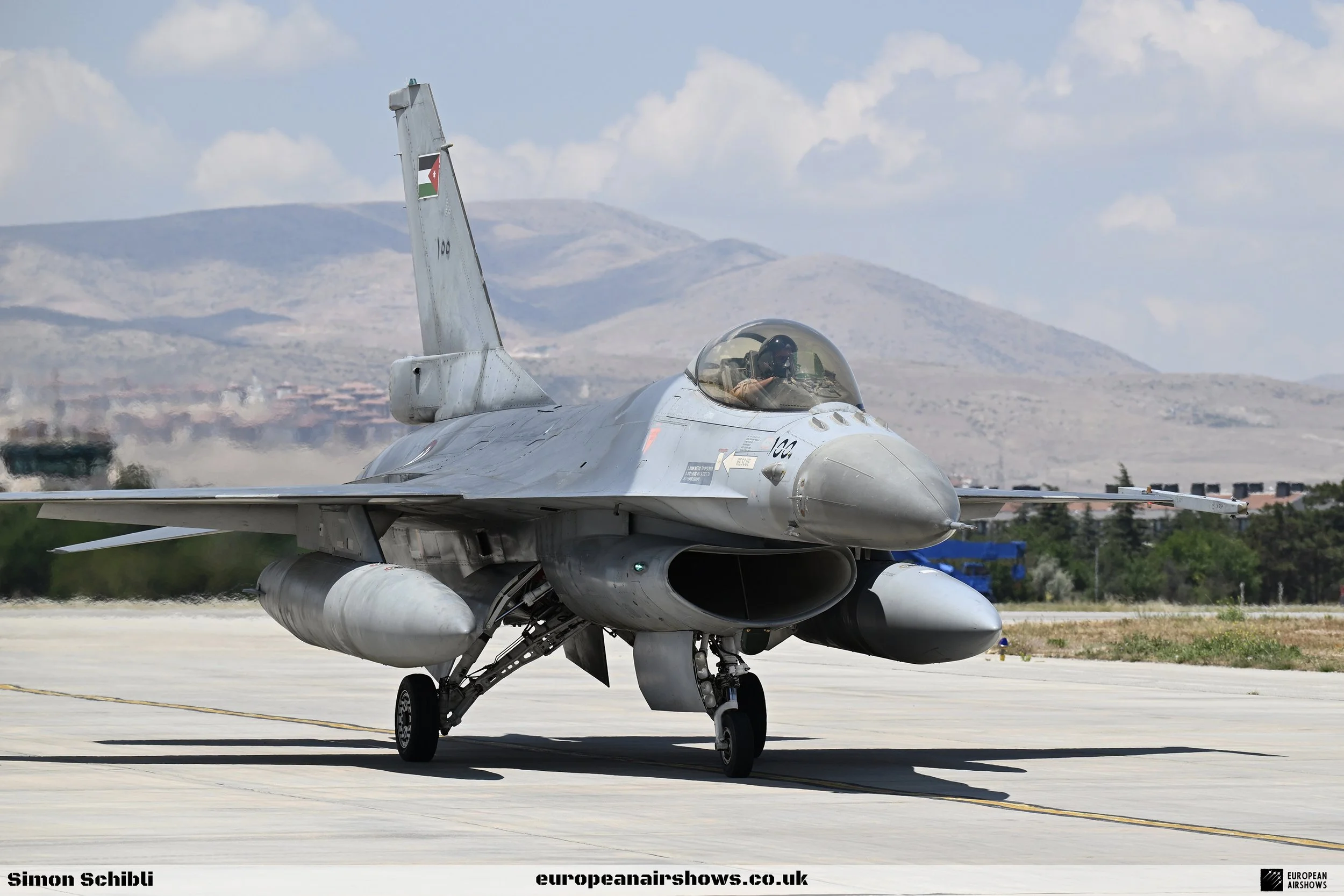
Entry procedures at Konya Air Base were efficient and professionally handled. Once cleared through security, photographers were transported by bus to the first observation area adjacent to the visiting aircraft parking ramps. Facilities were well organised, with food stalls, restrooms and several stands offering patches and memorabilia. Two primary vantage points were provided: one overlooking aircraft taxiing from parking, and another positioned just metres from the taxiway parallel to the runway, offering exceptional proximity for photography. July heat in Konya inevitably introduced significant heat haze, though a light breeze made conditions manageable.
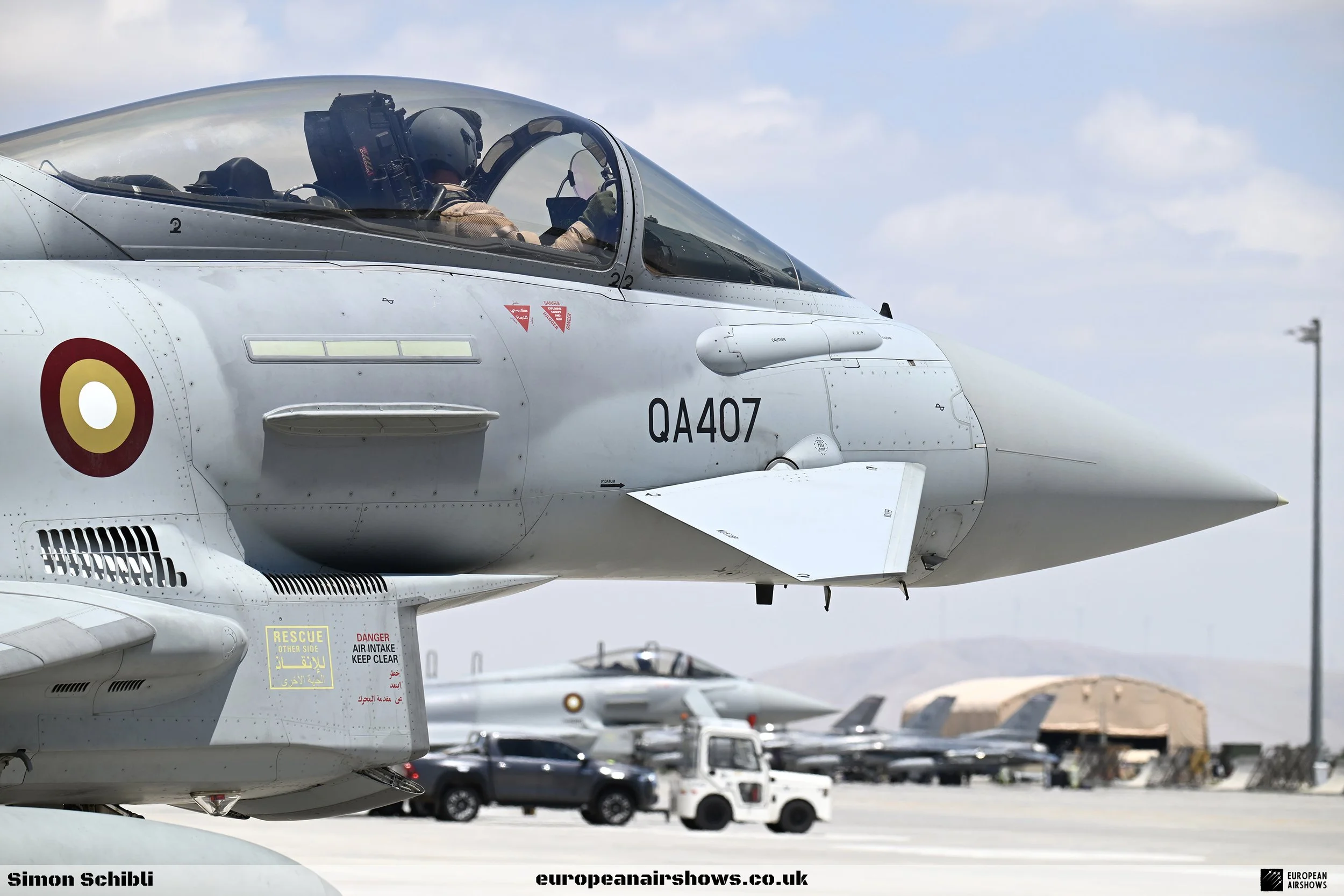
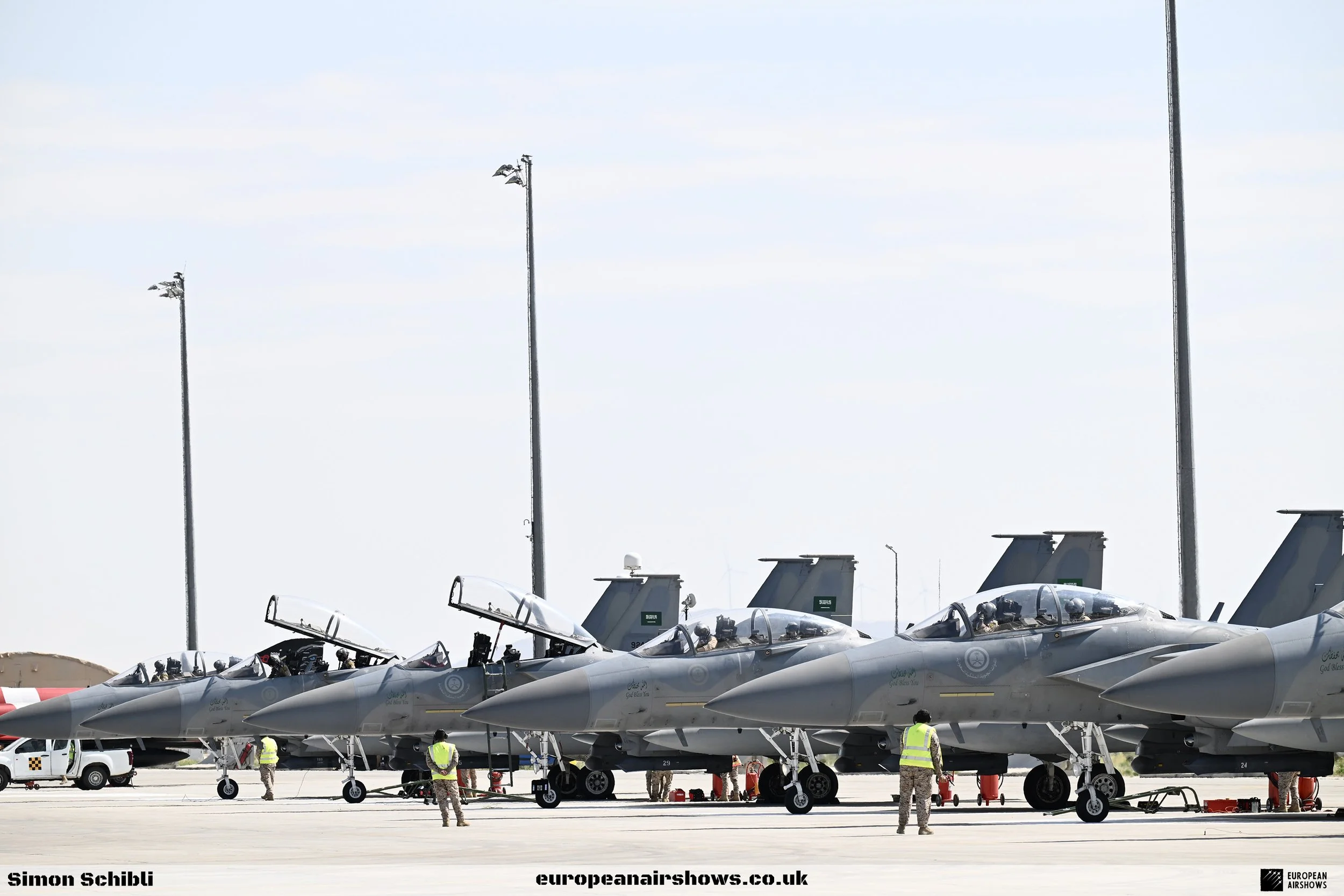
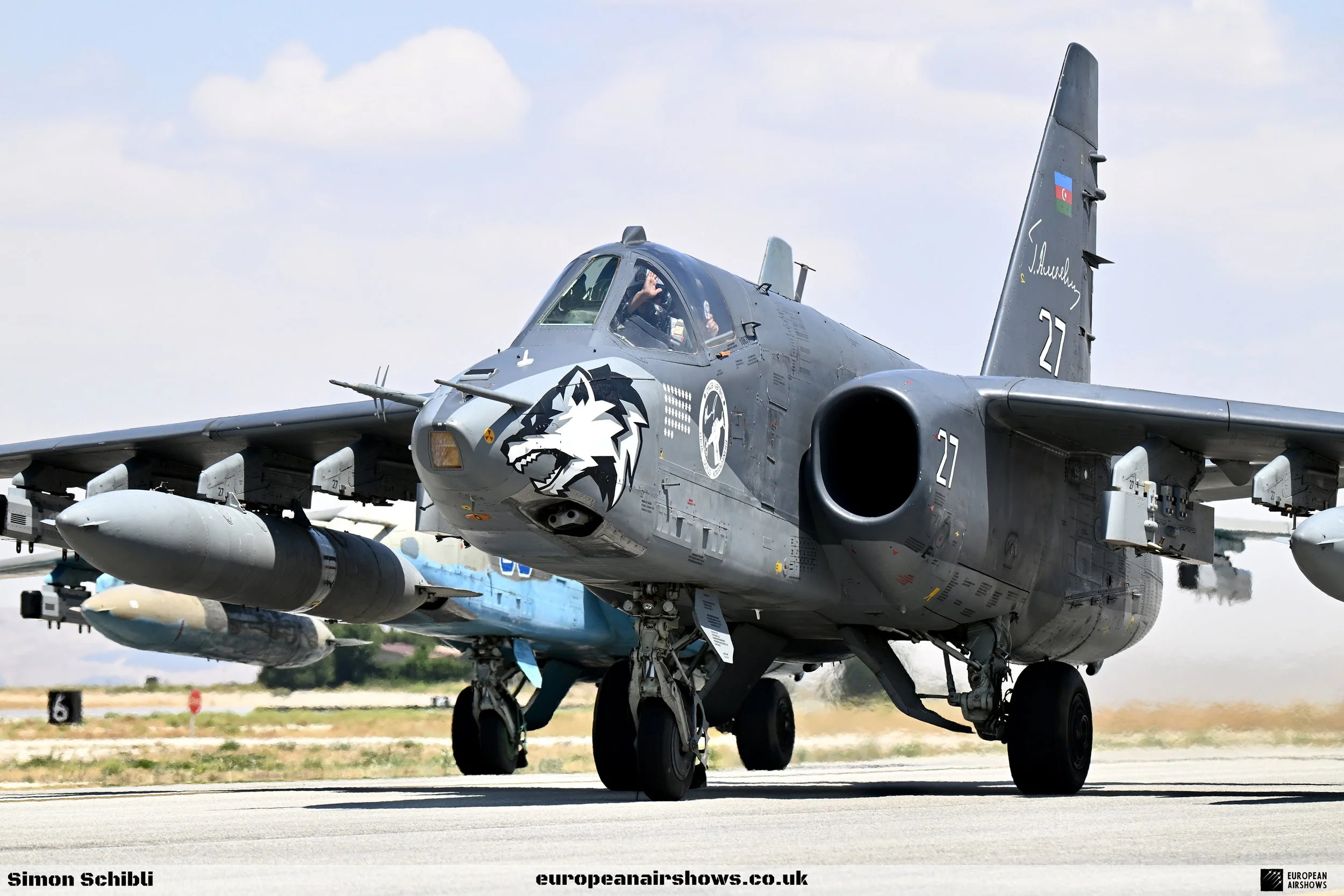
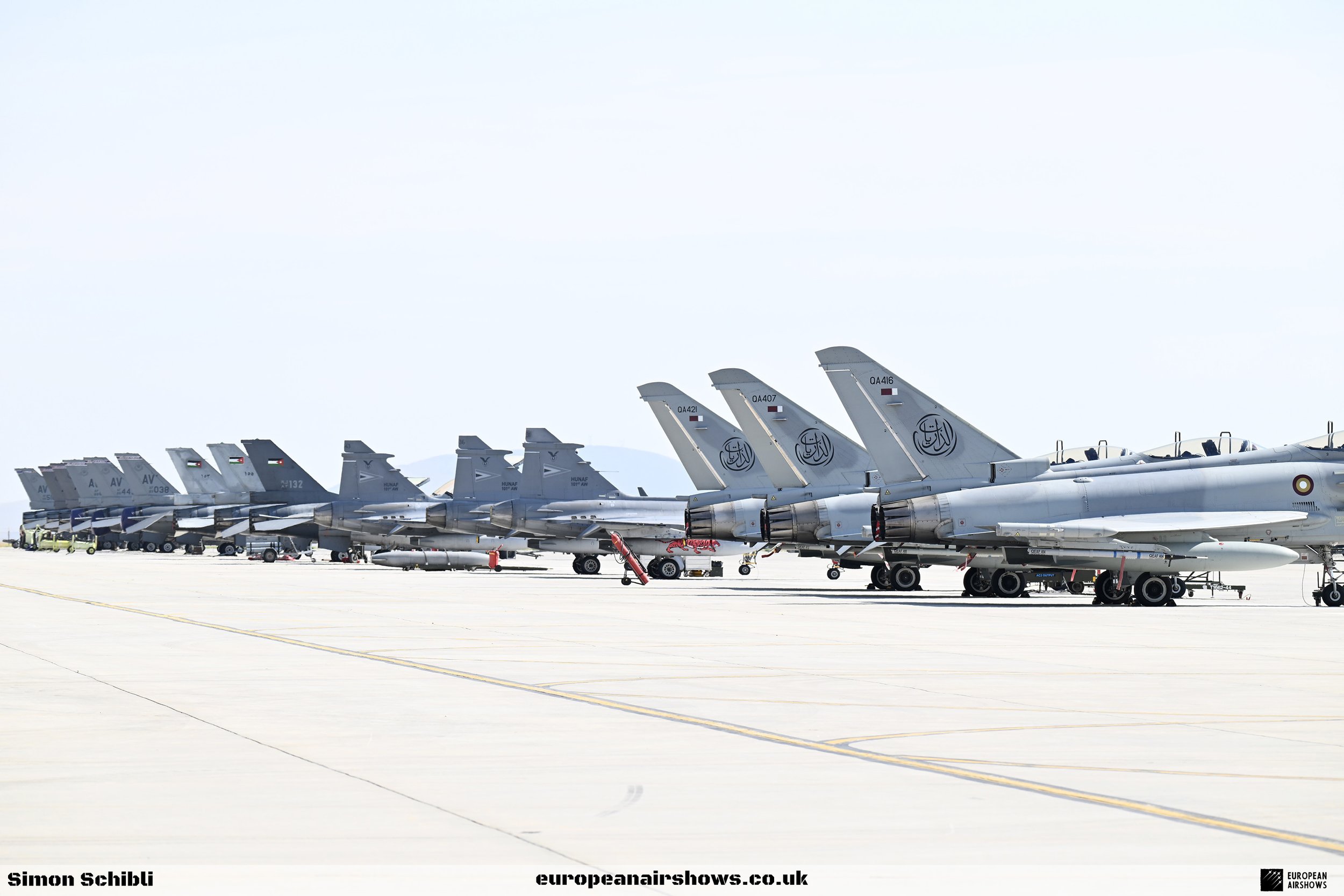
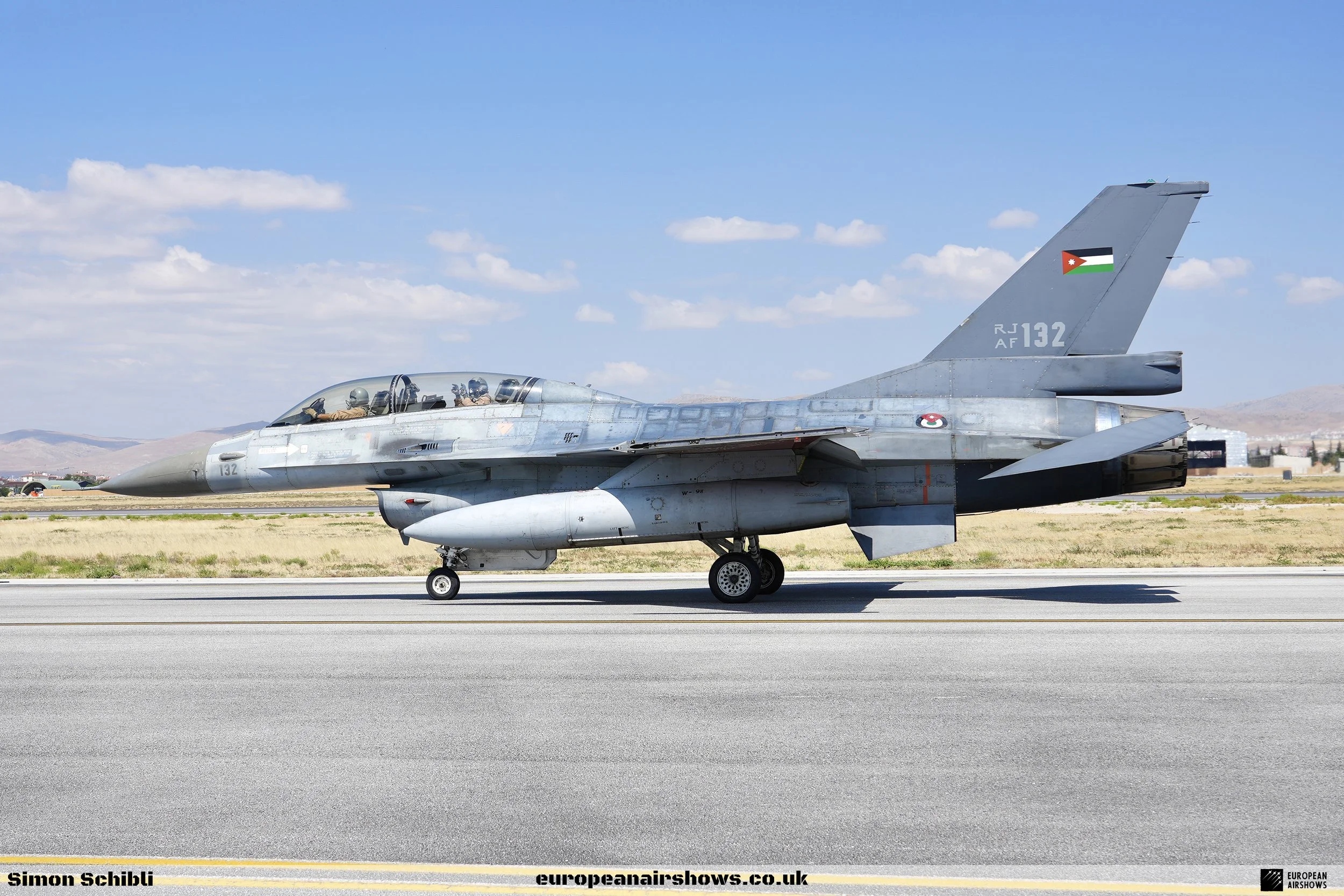
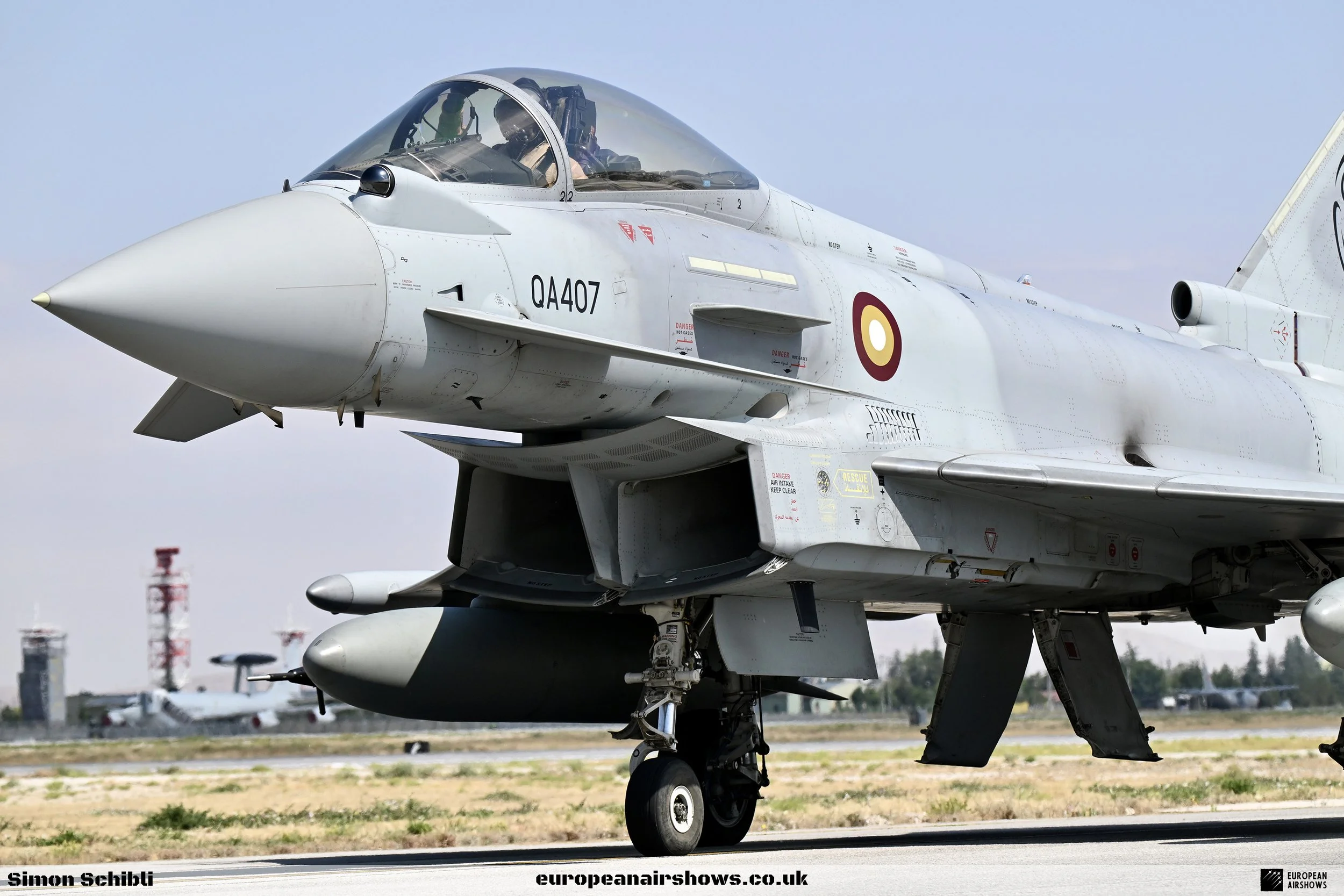
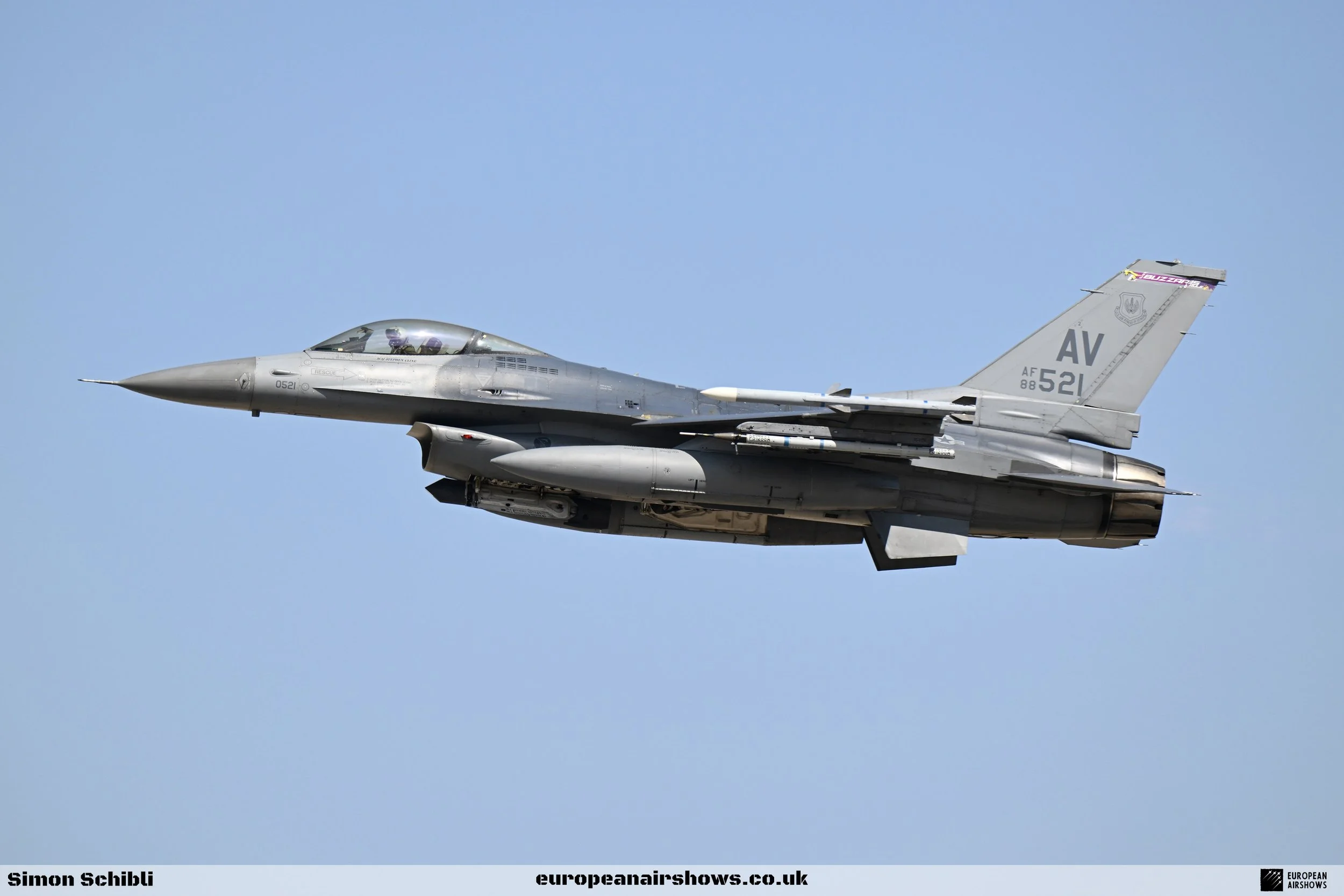
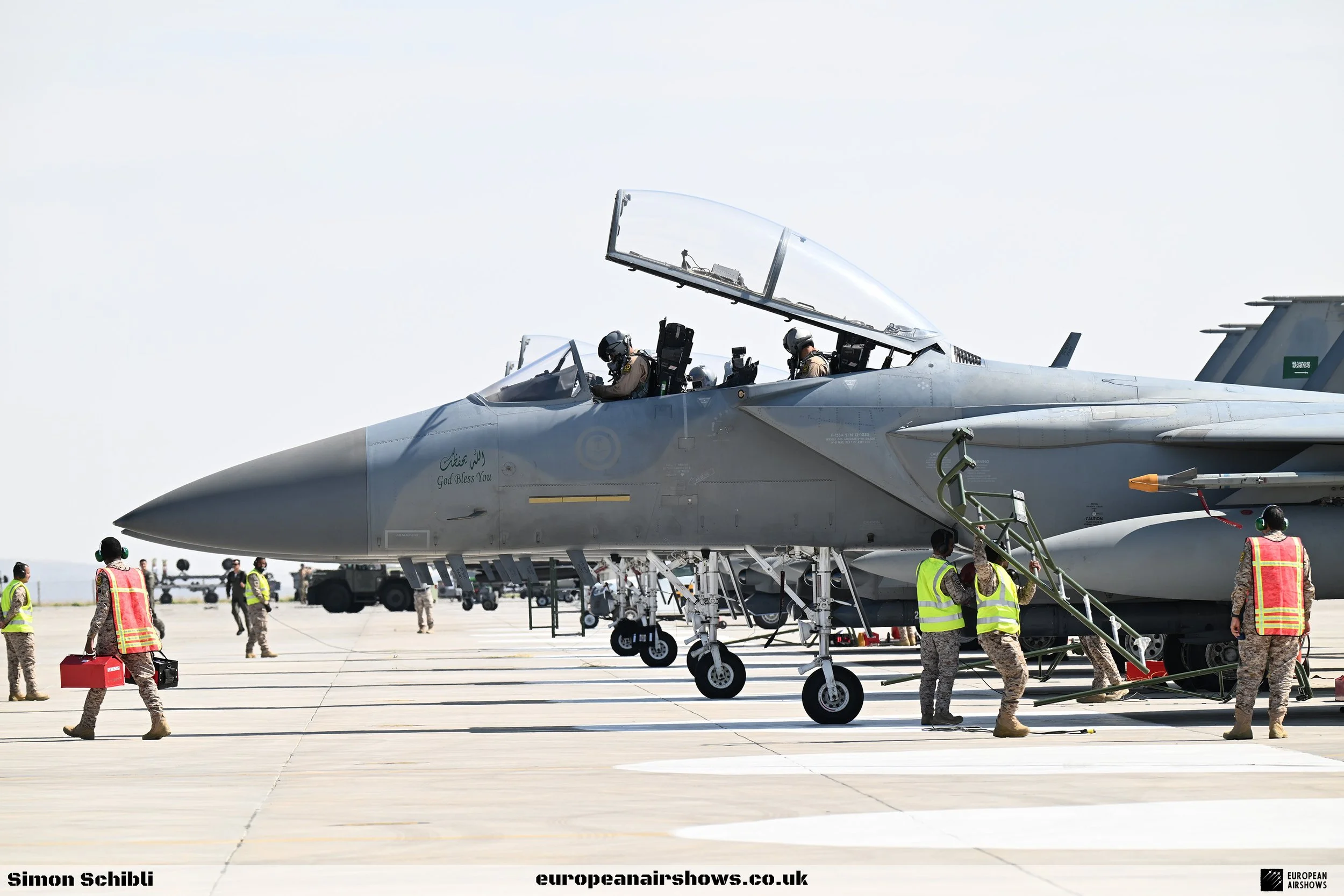
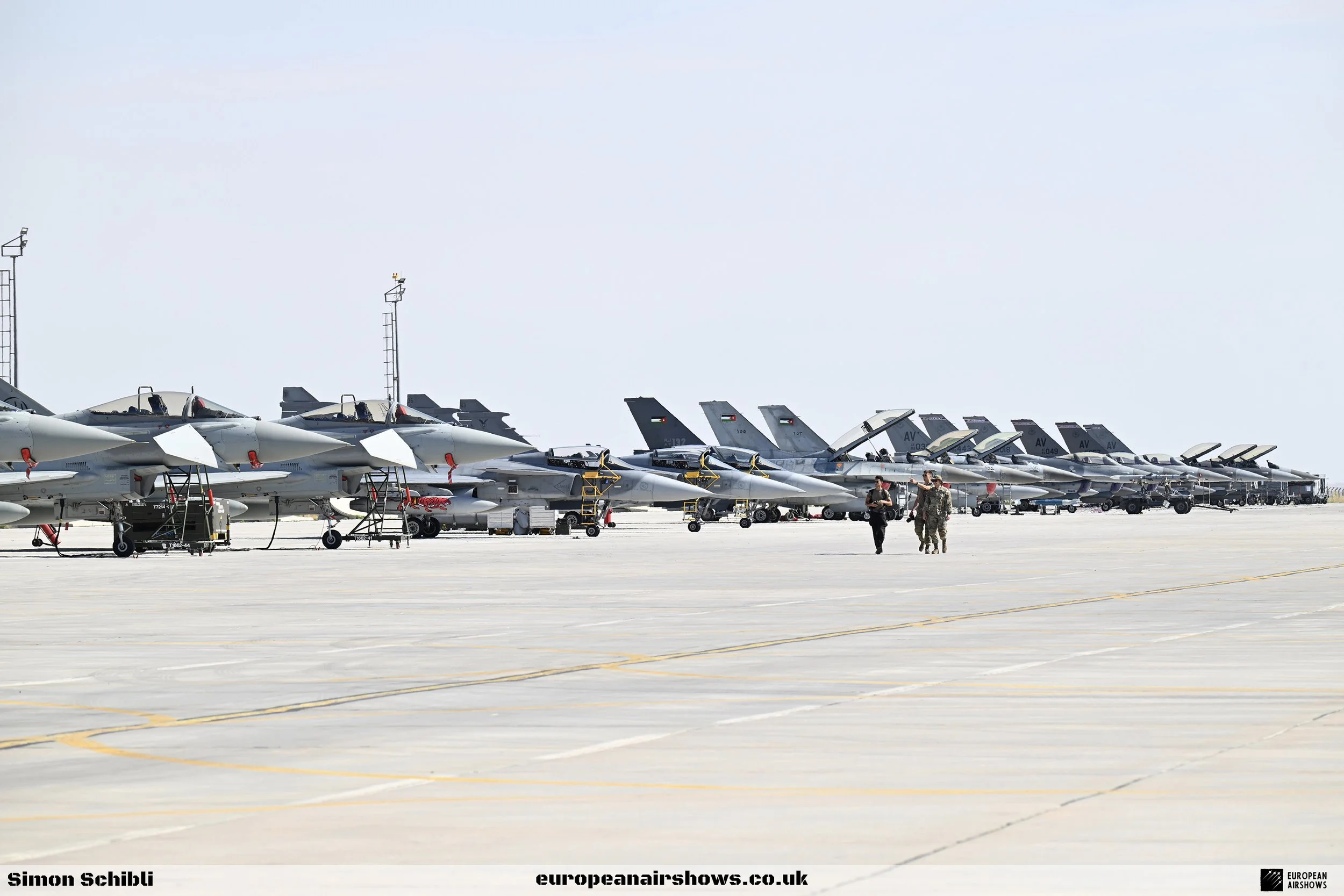
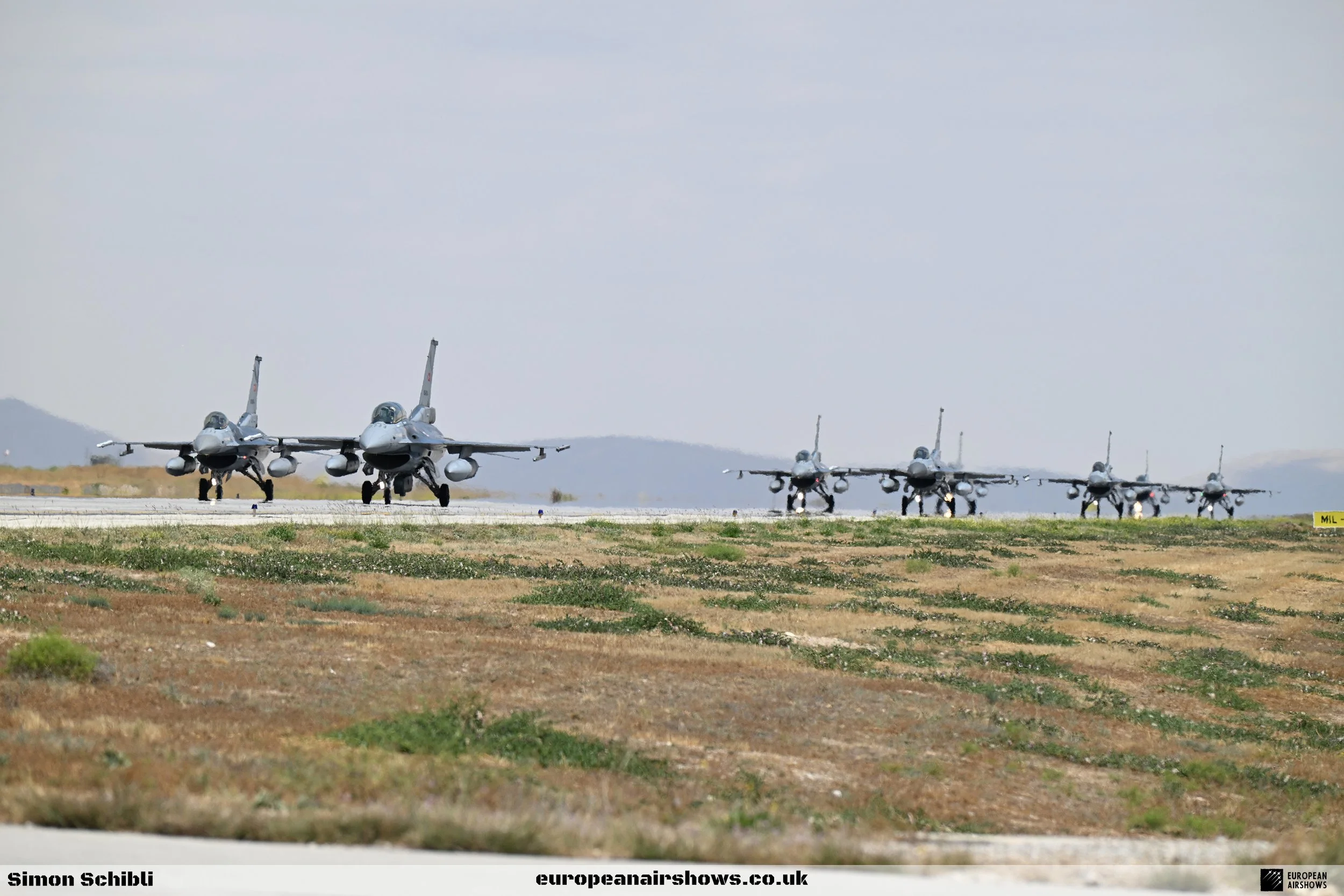
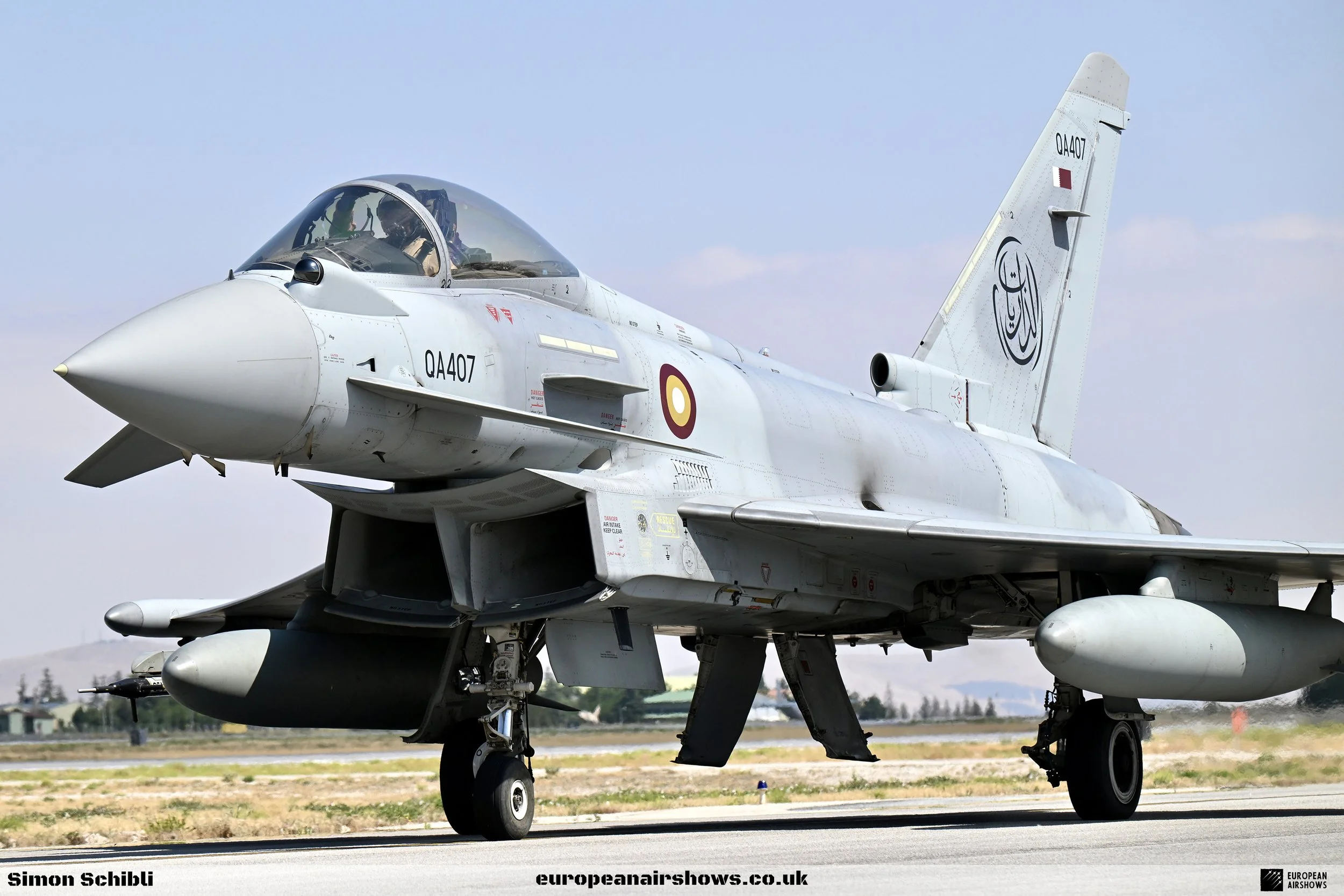
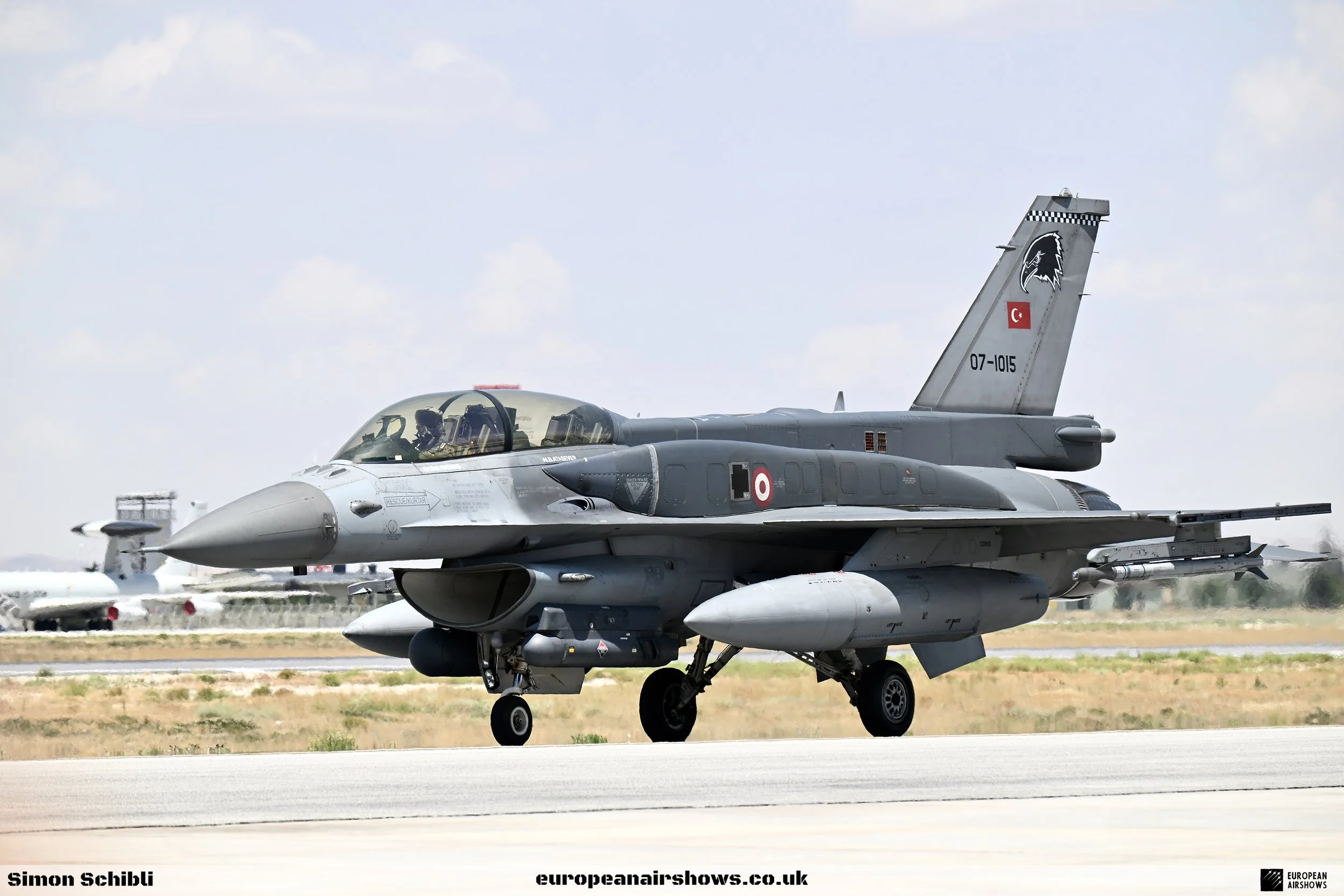
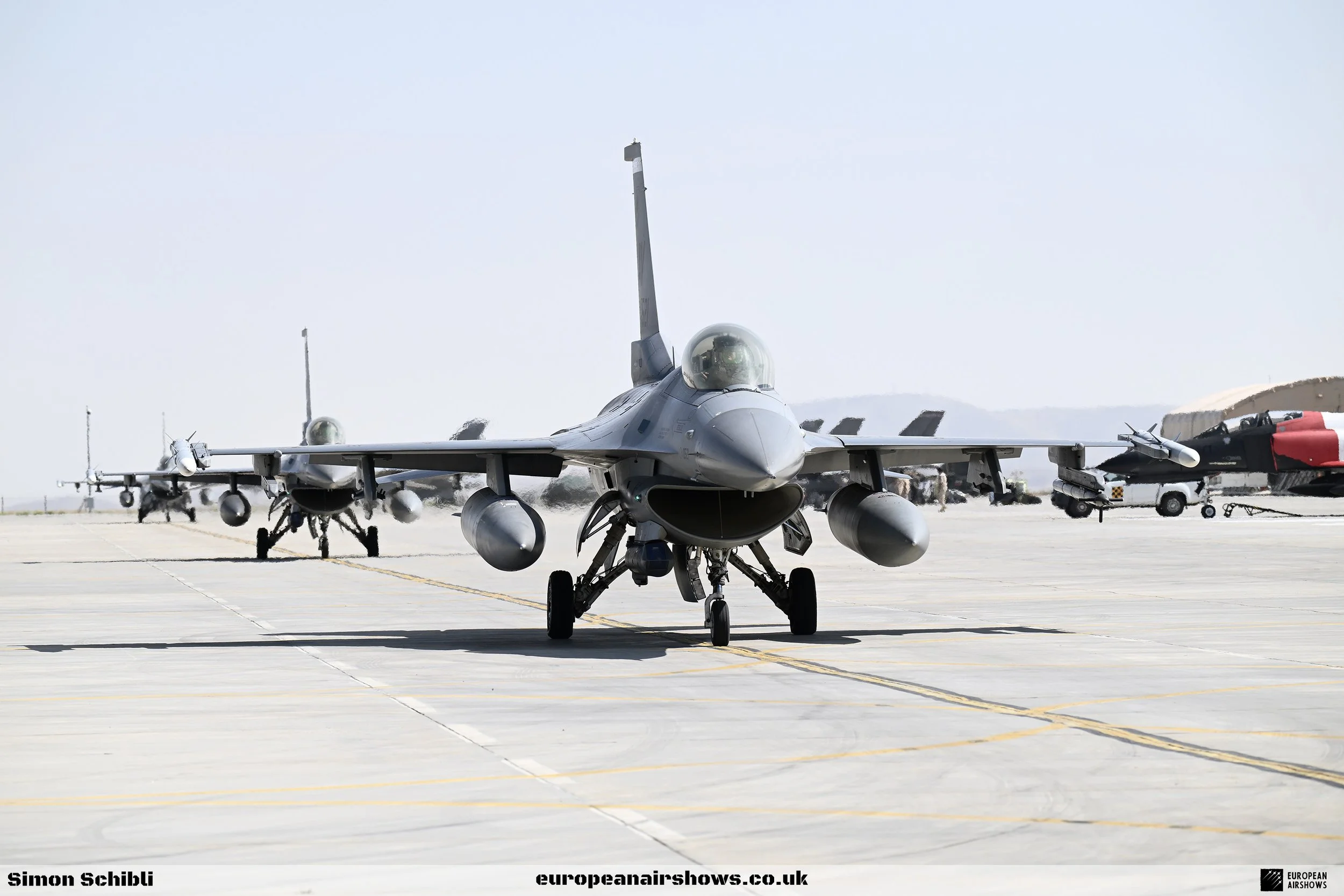
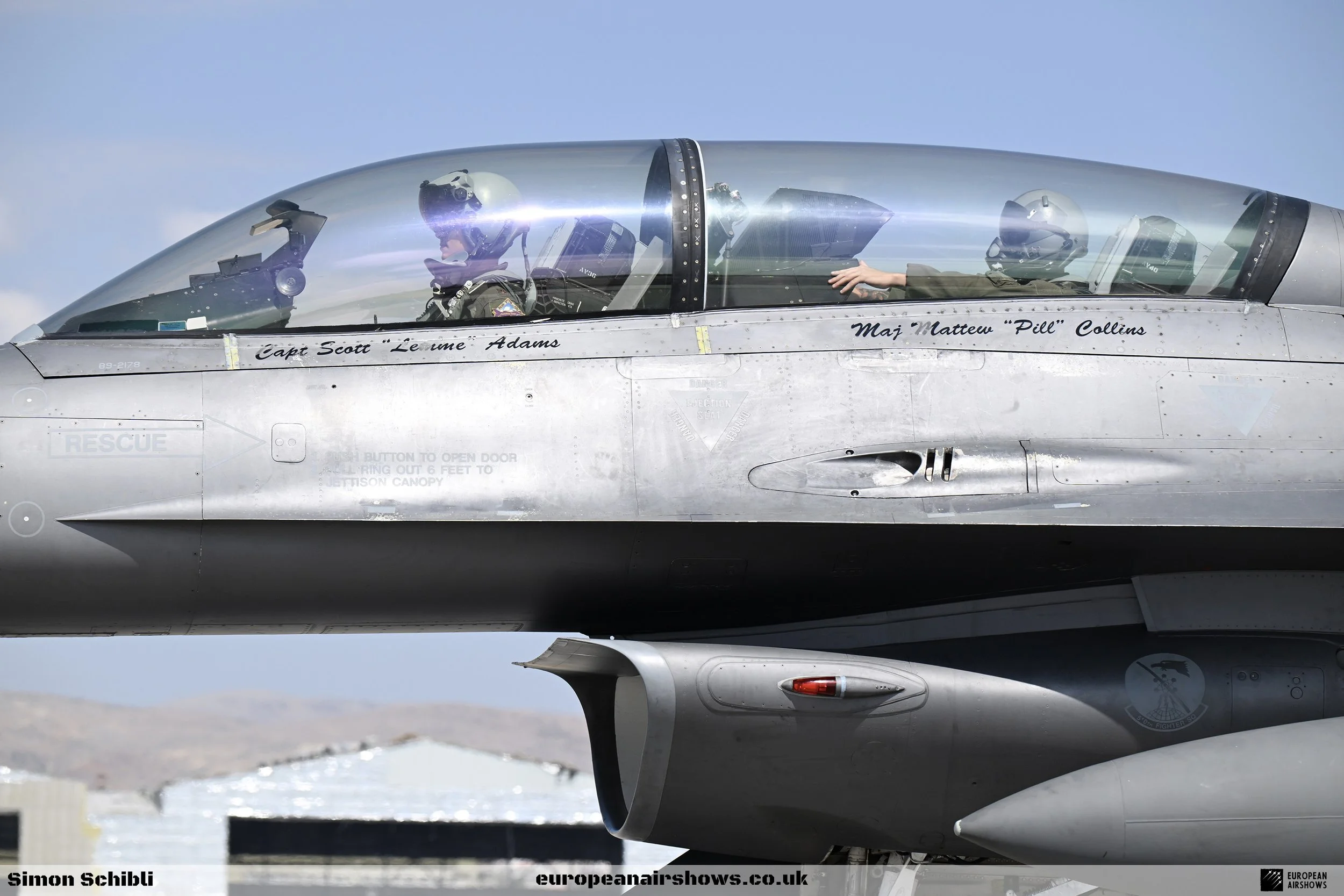
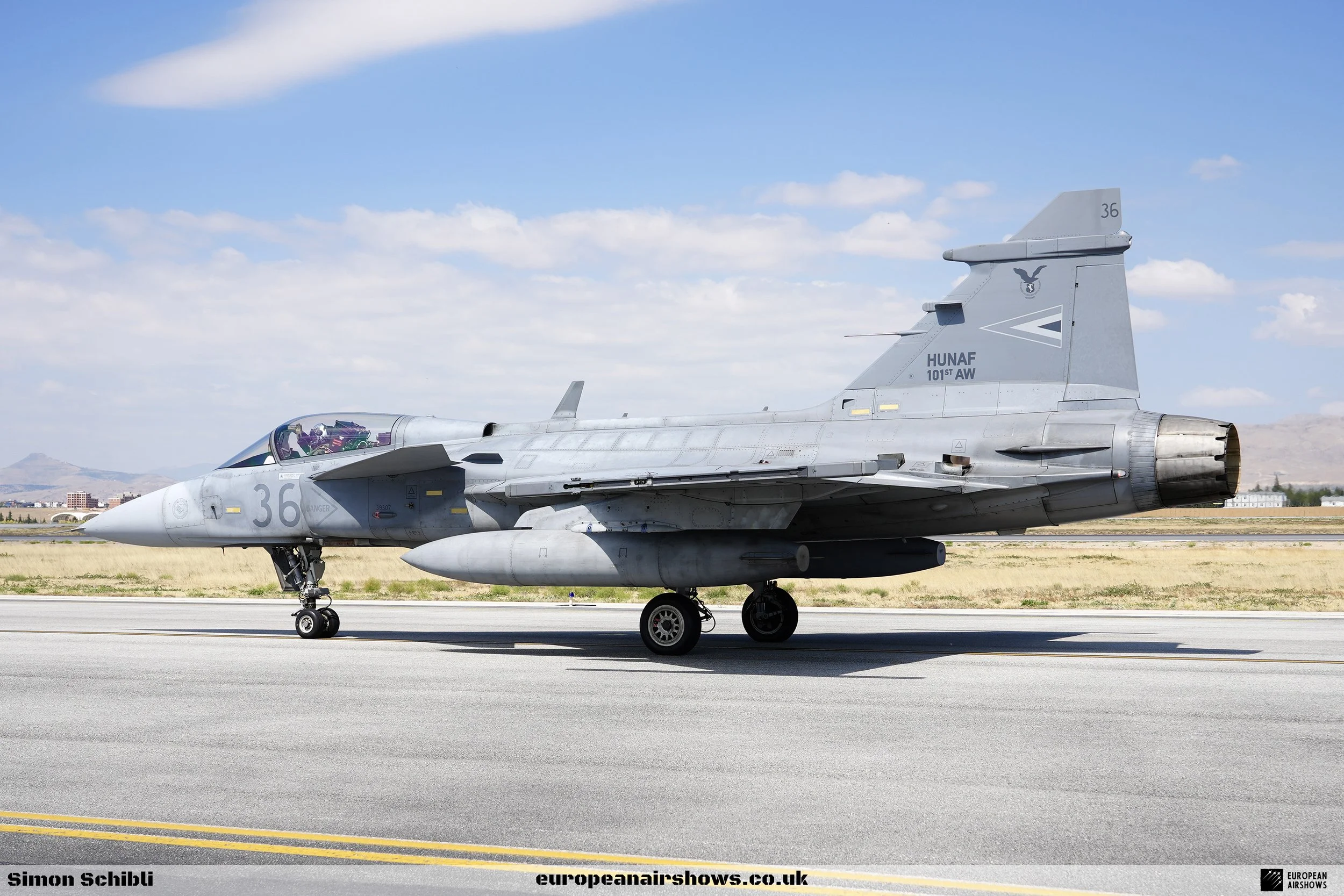
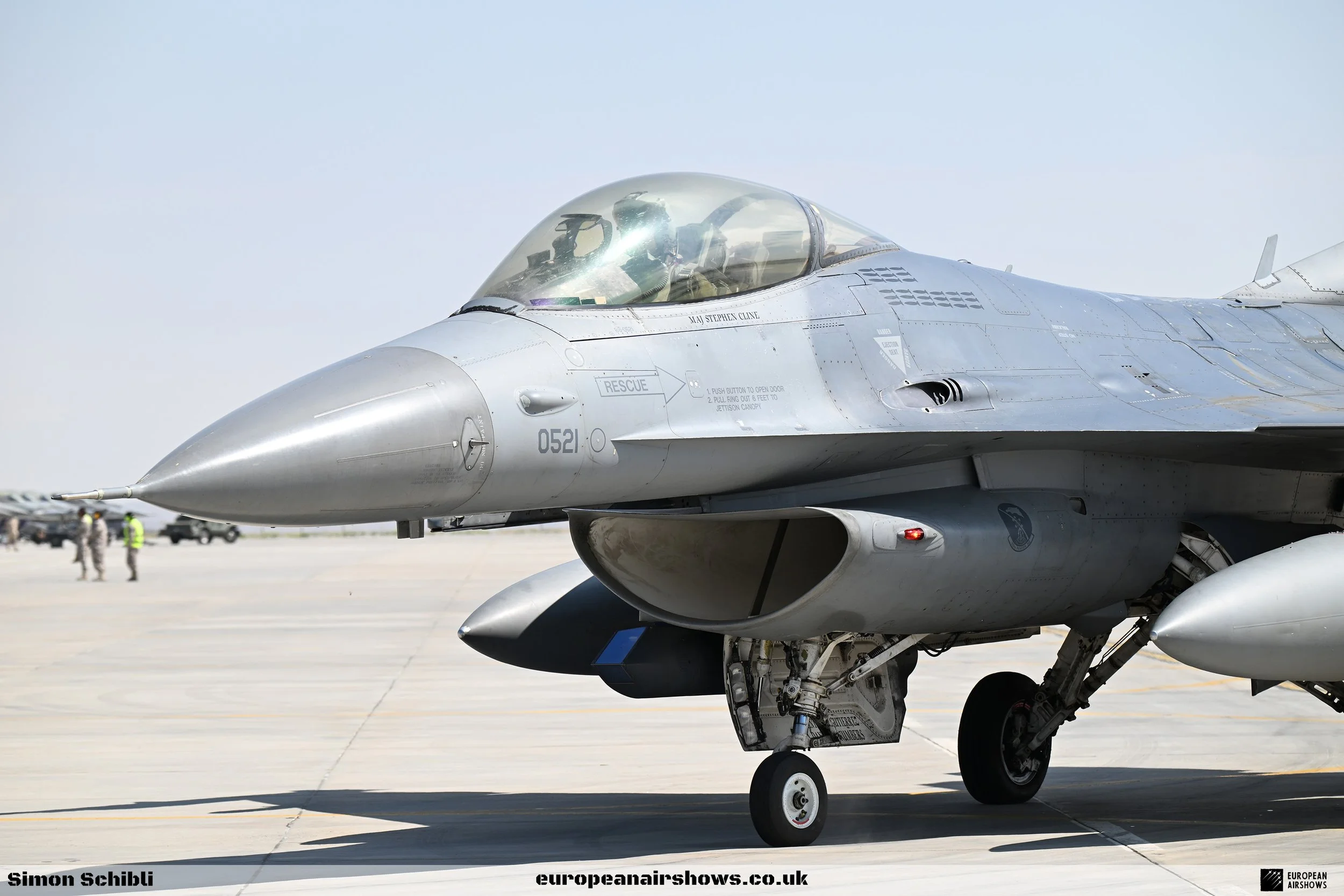
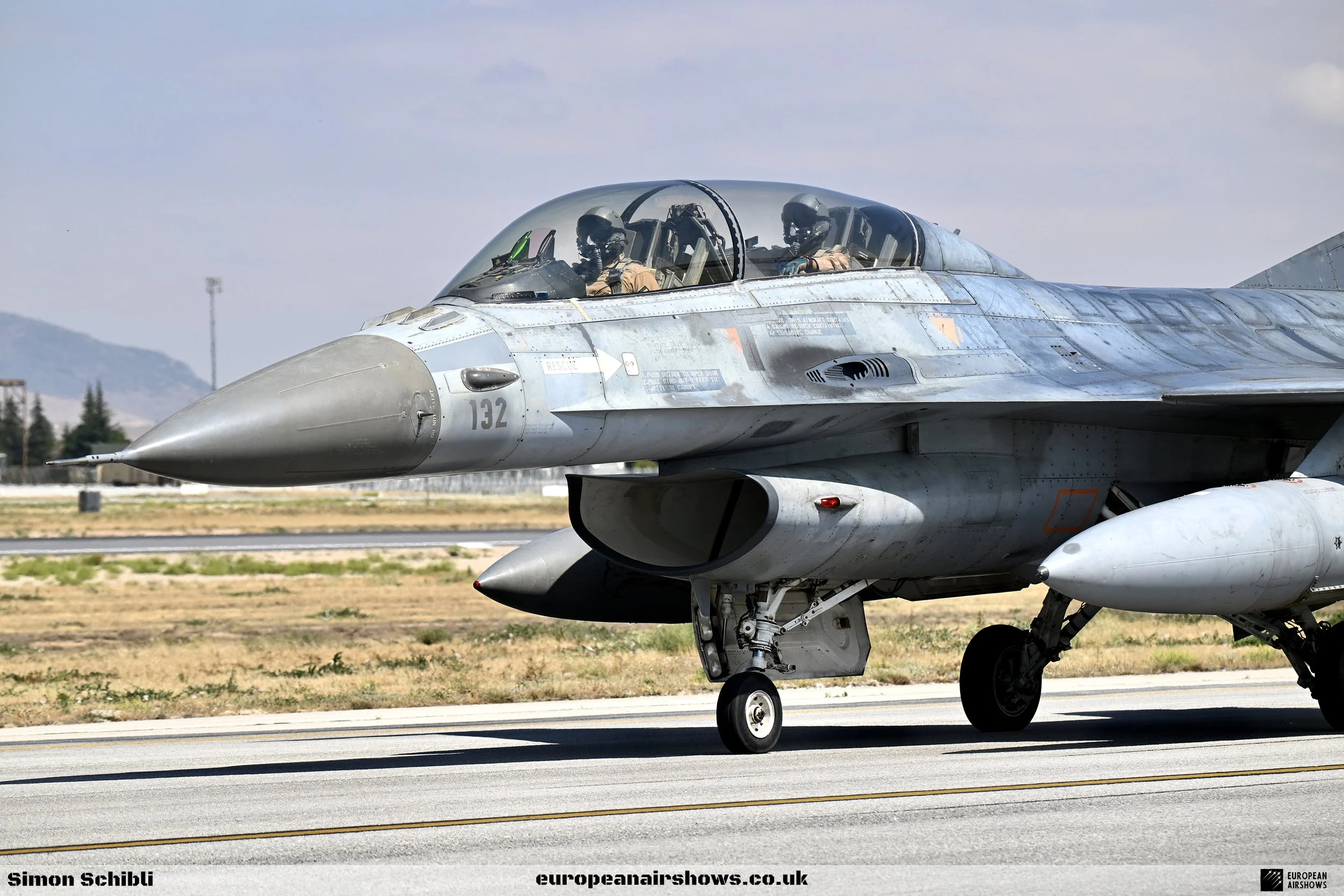
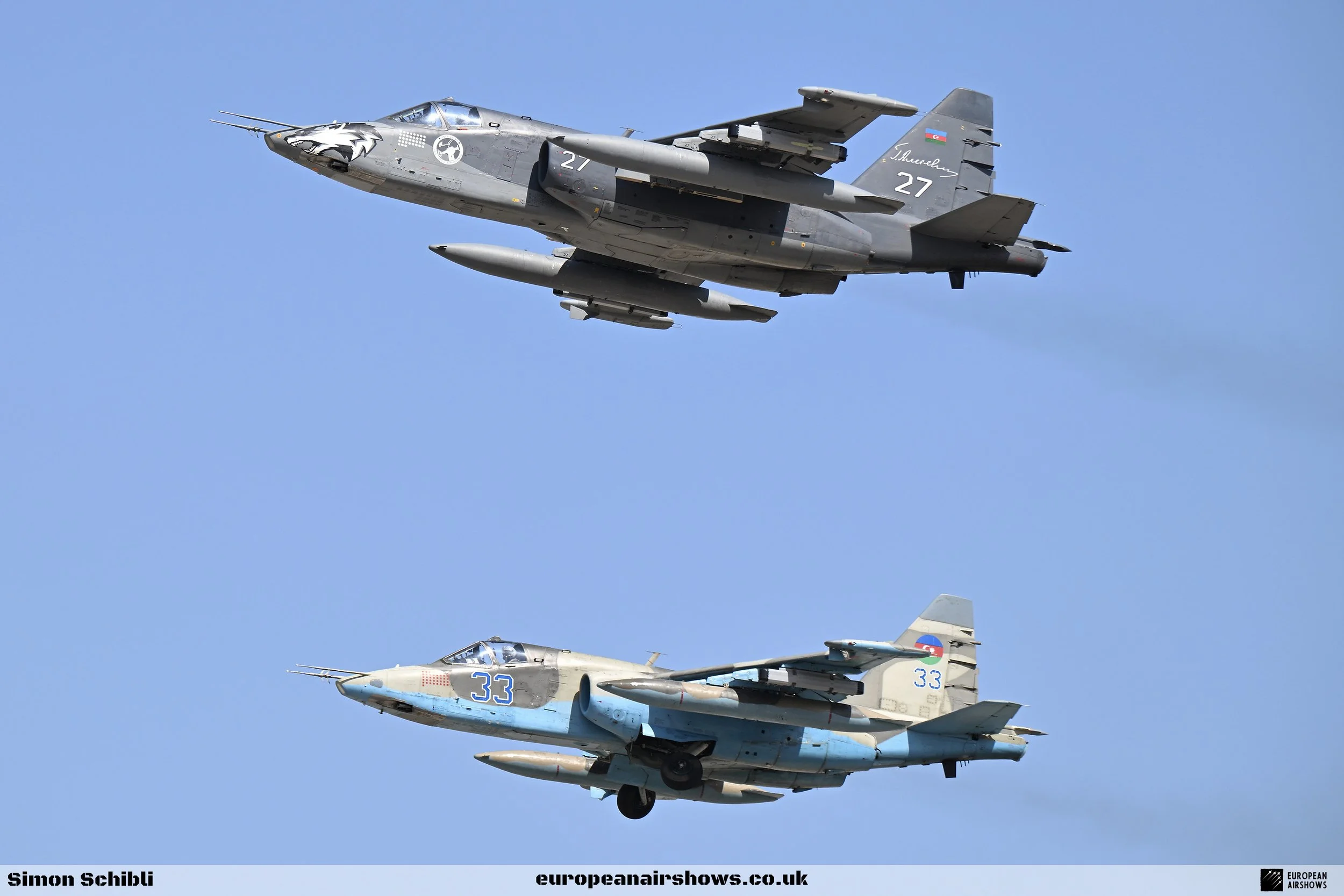
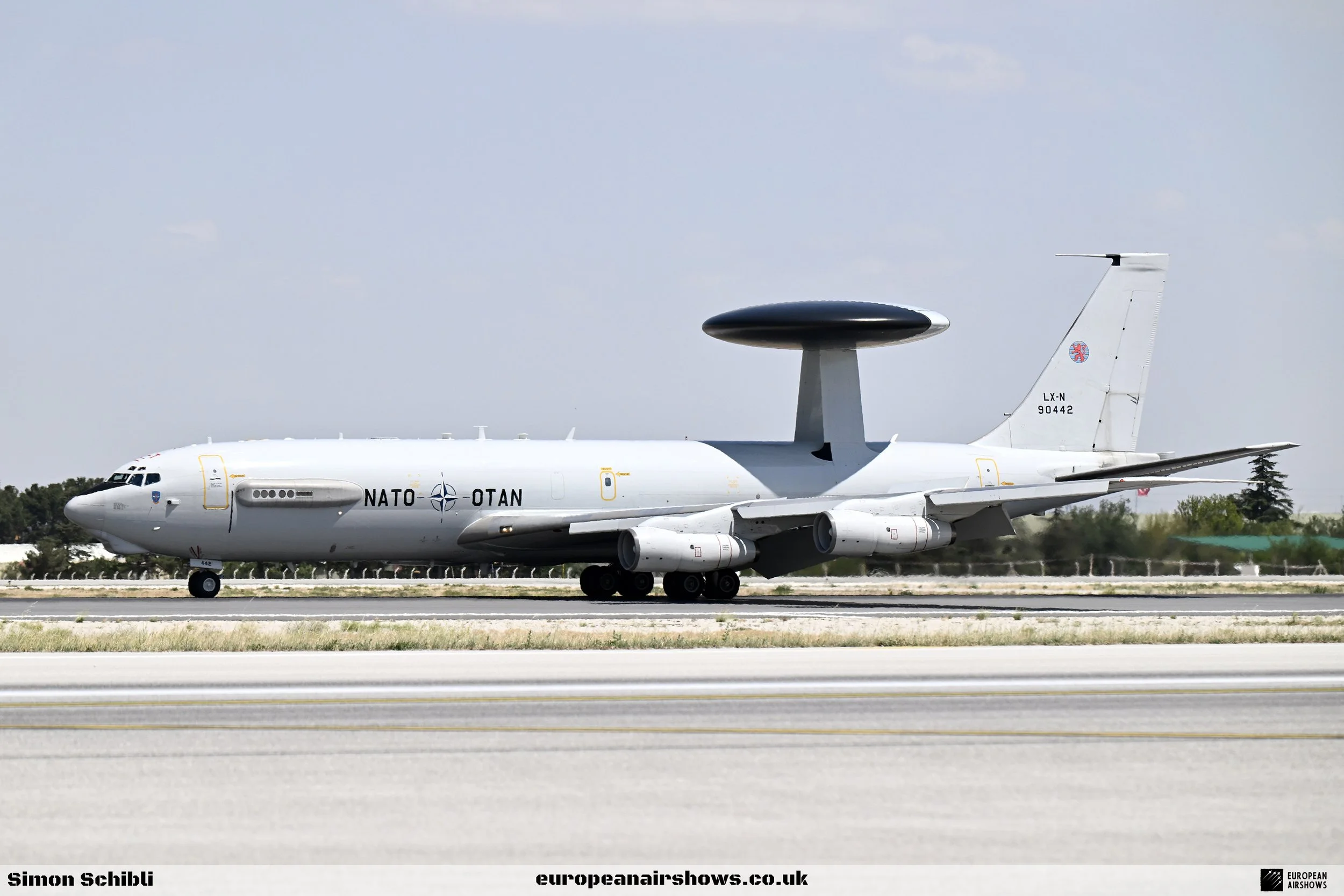
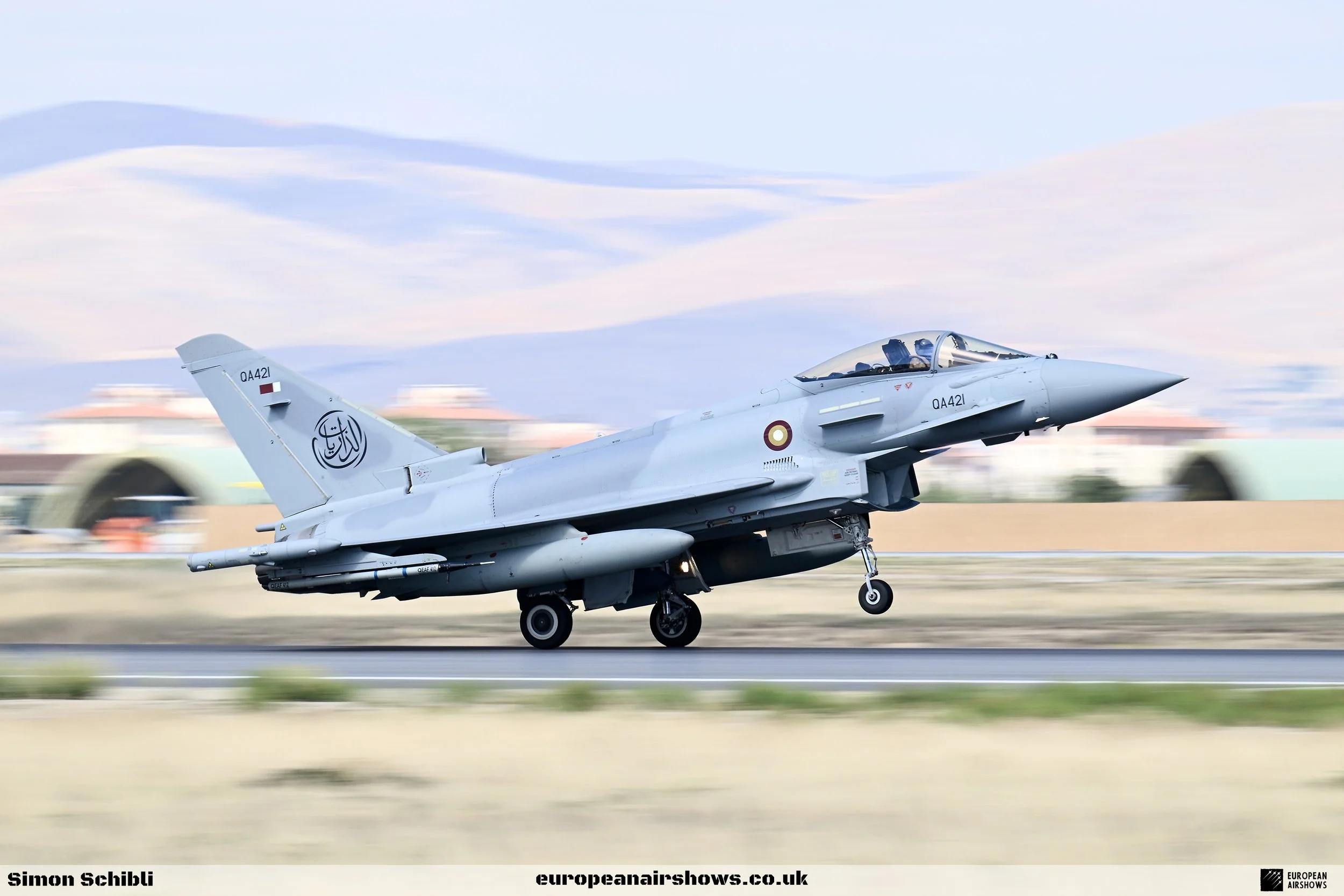
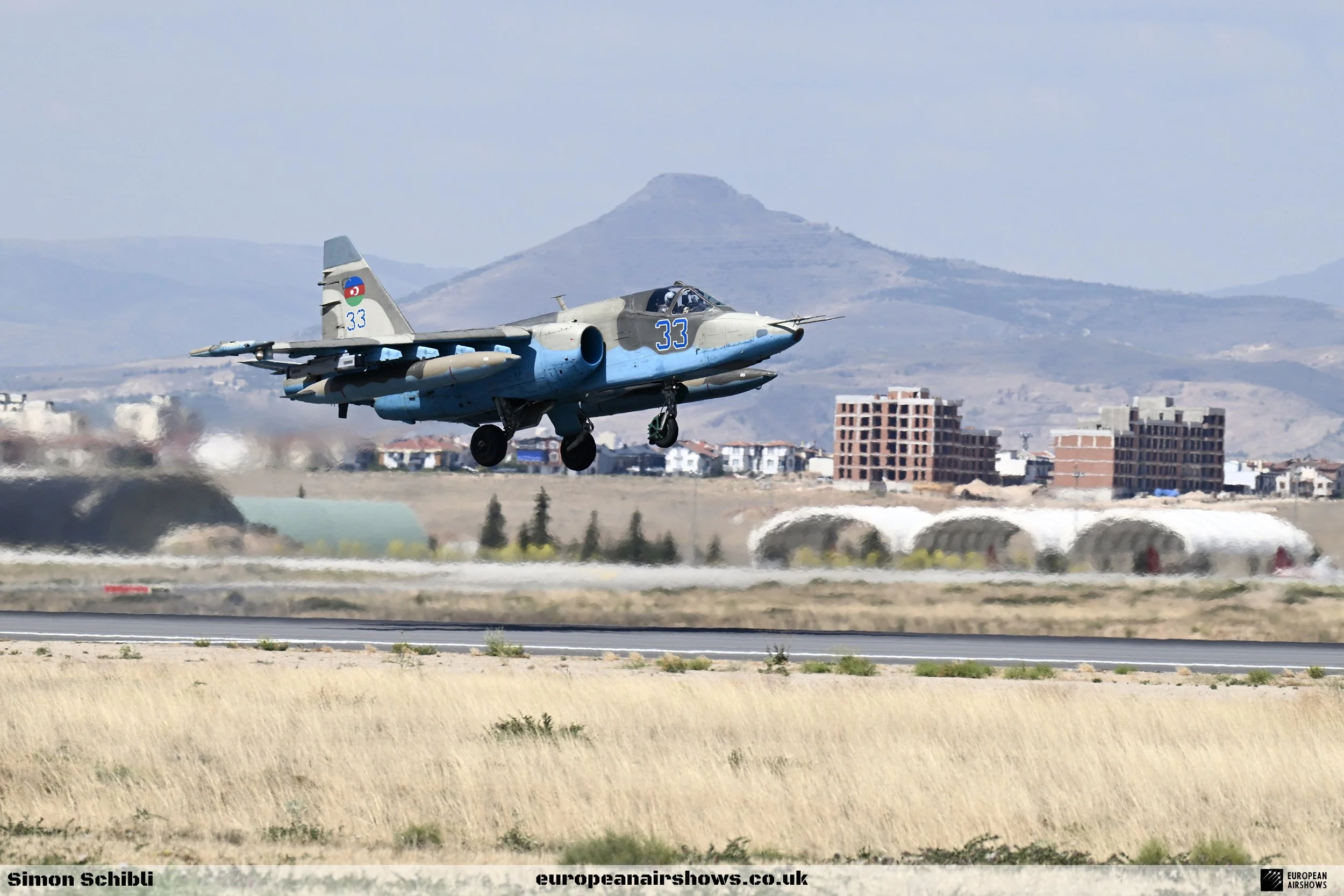
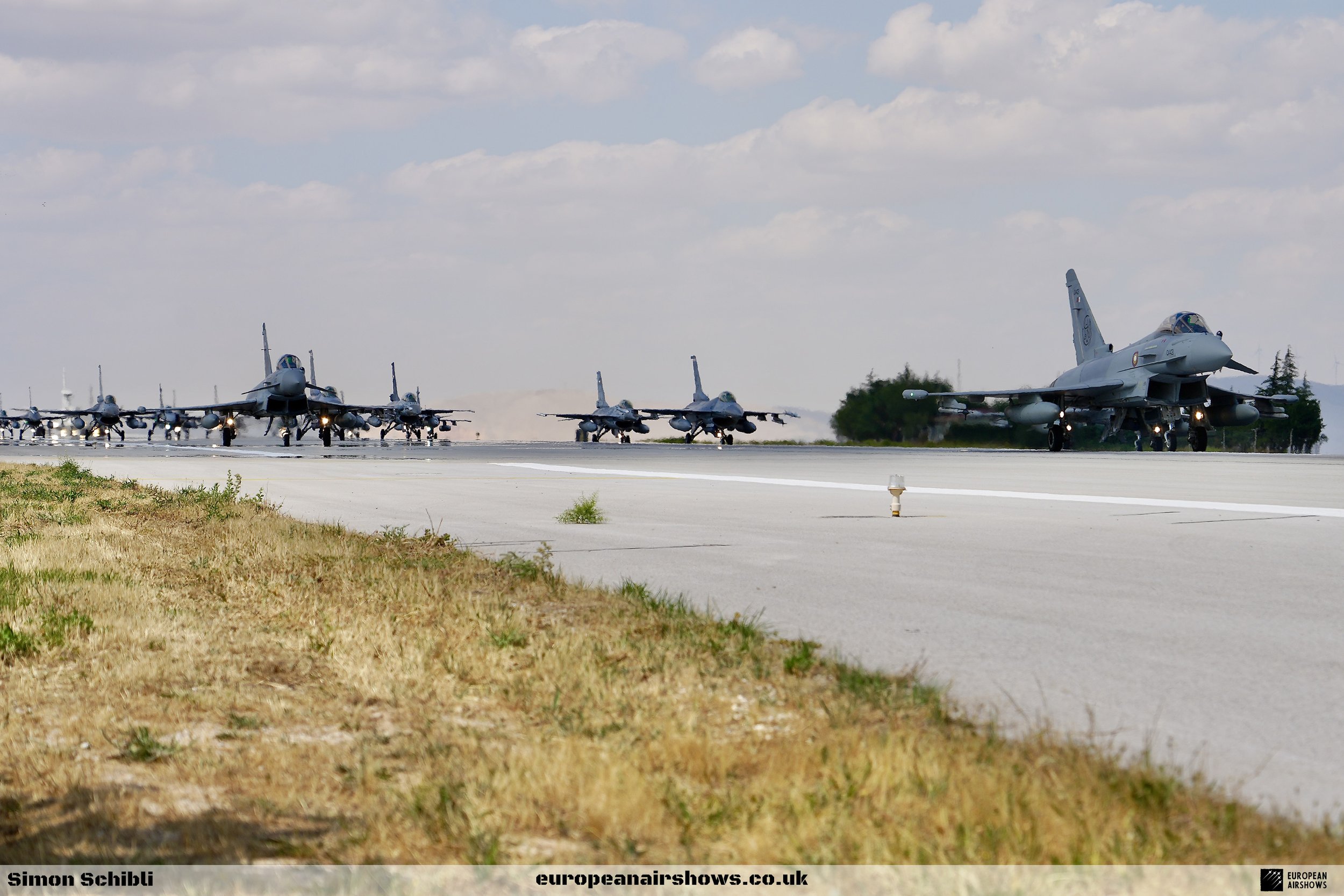
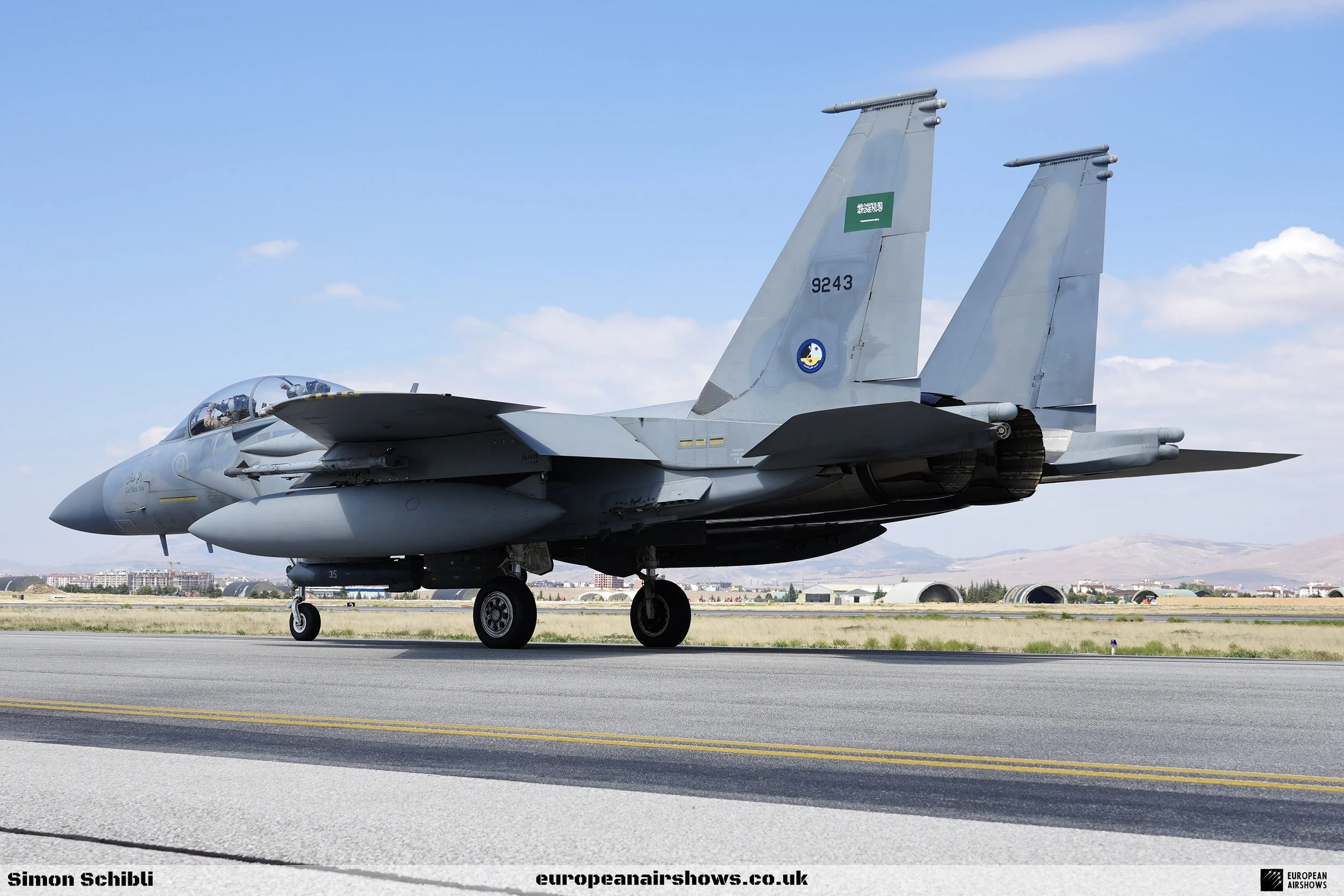
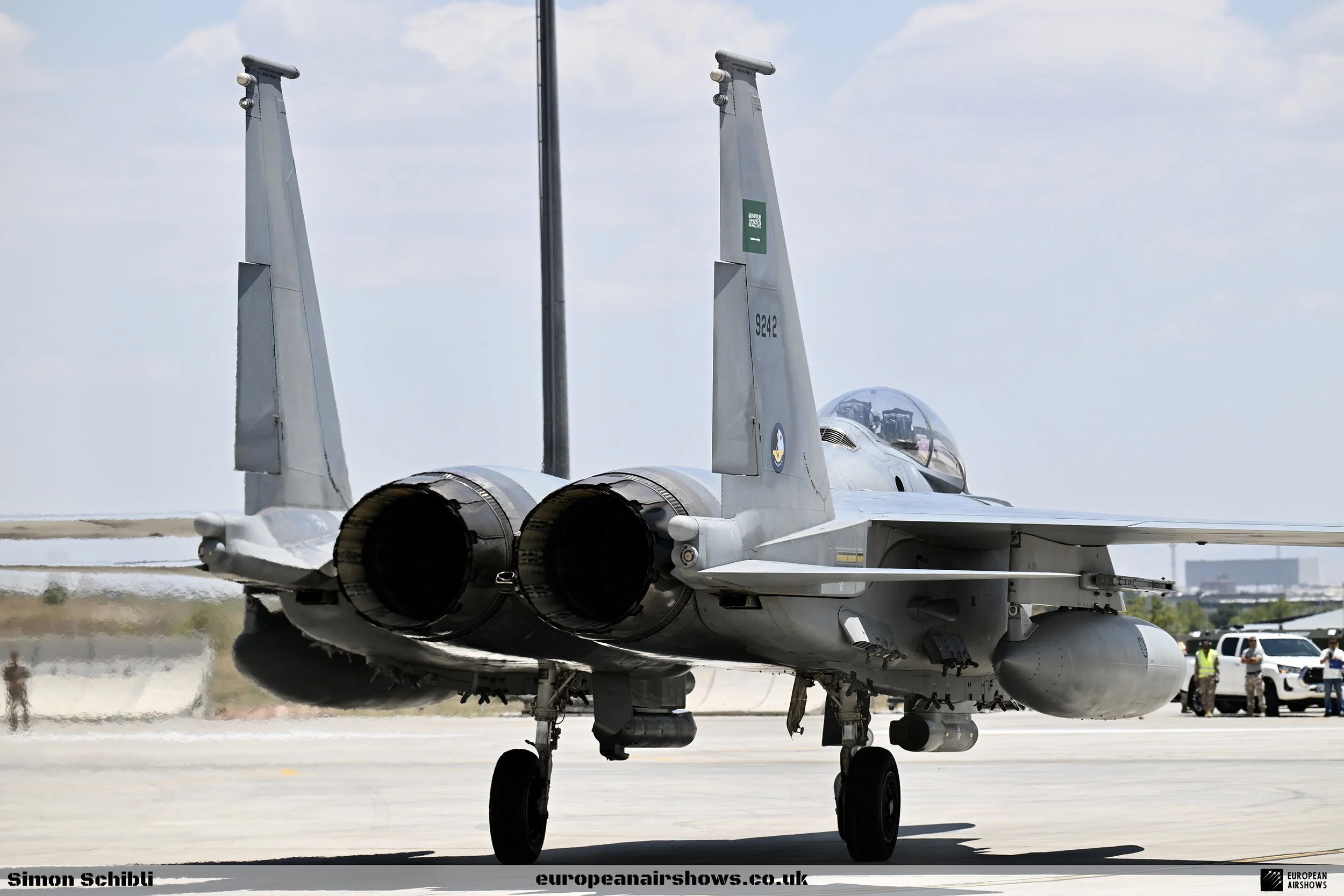
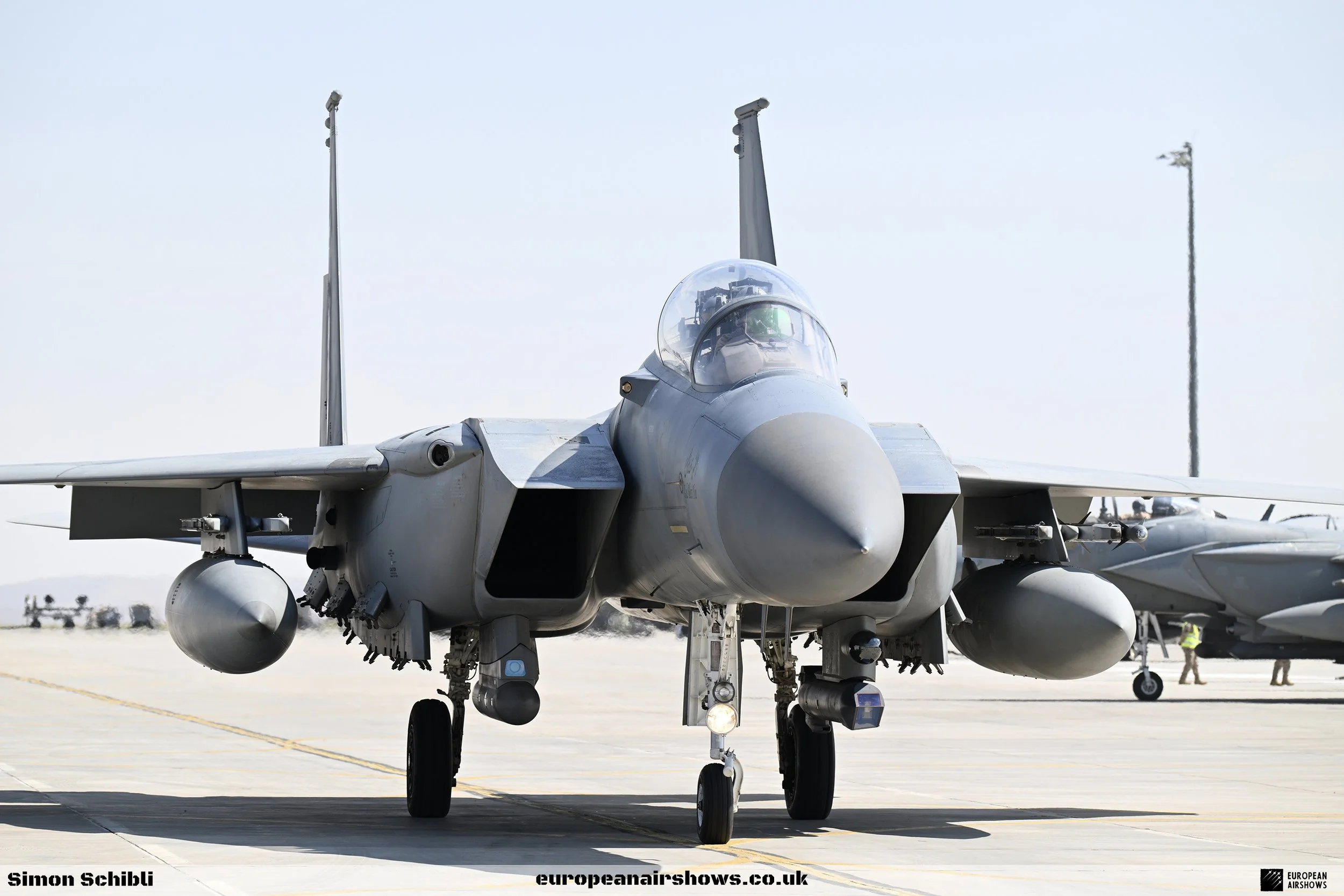
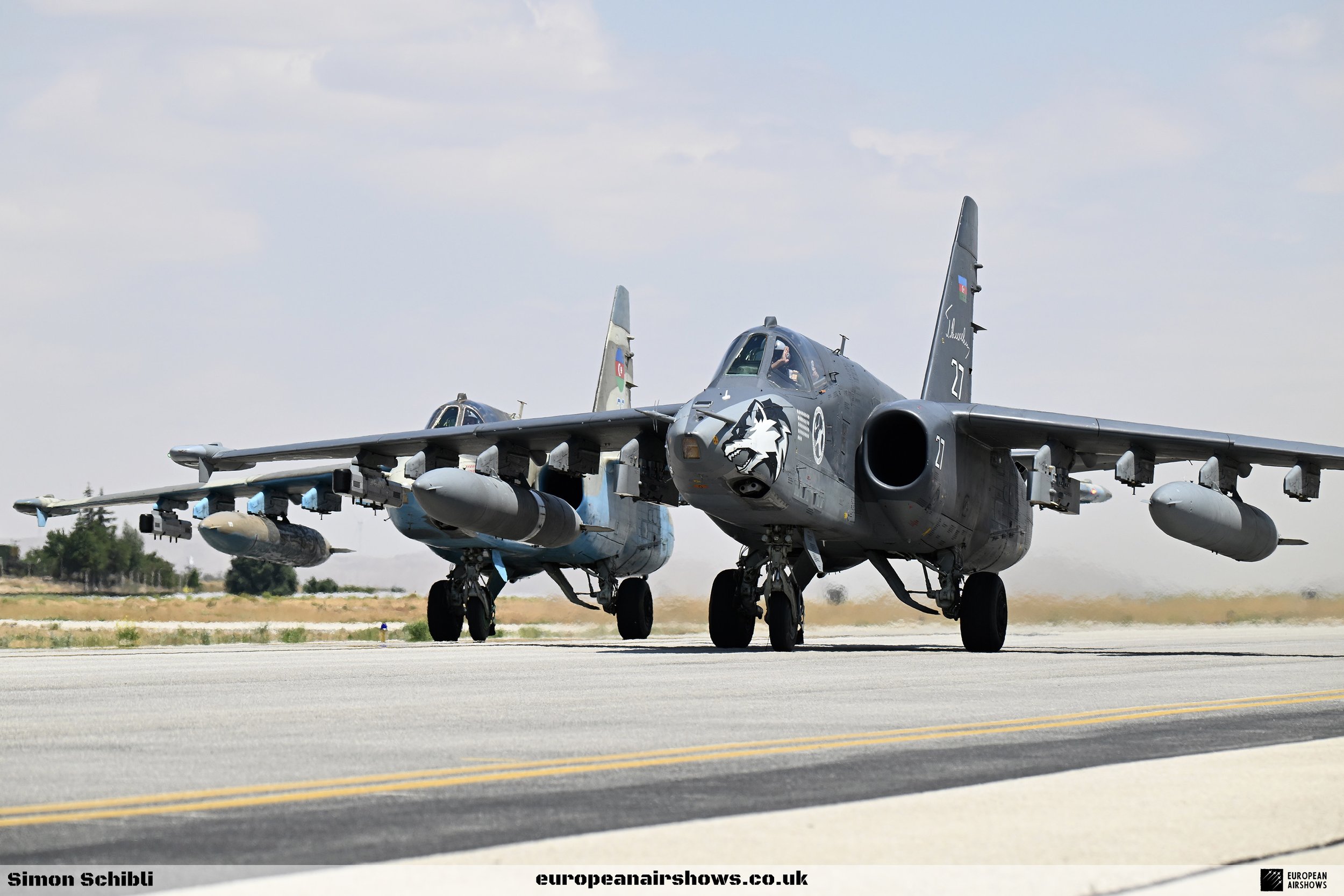
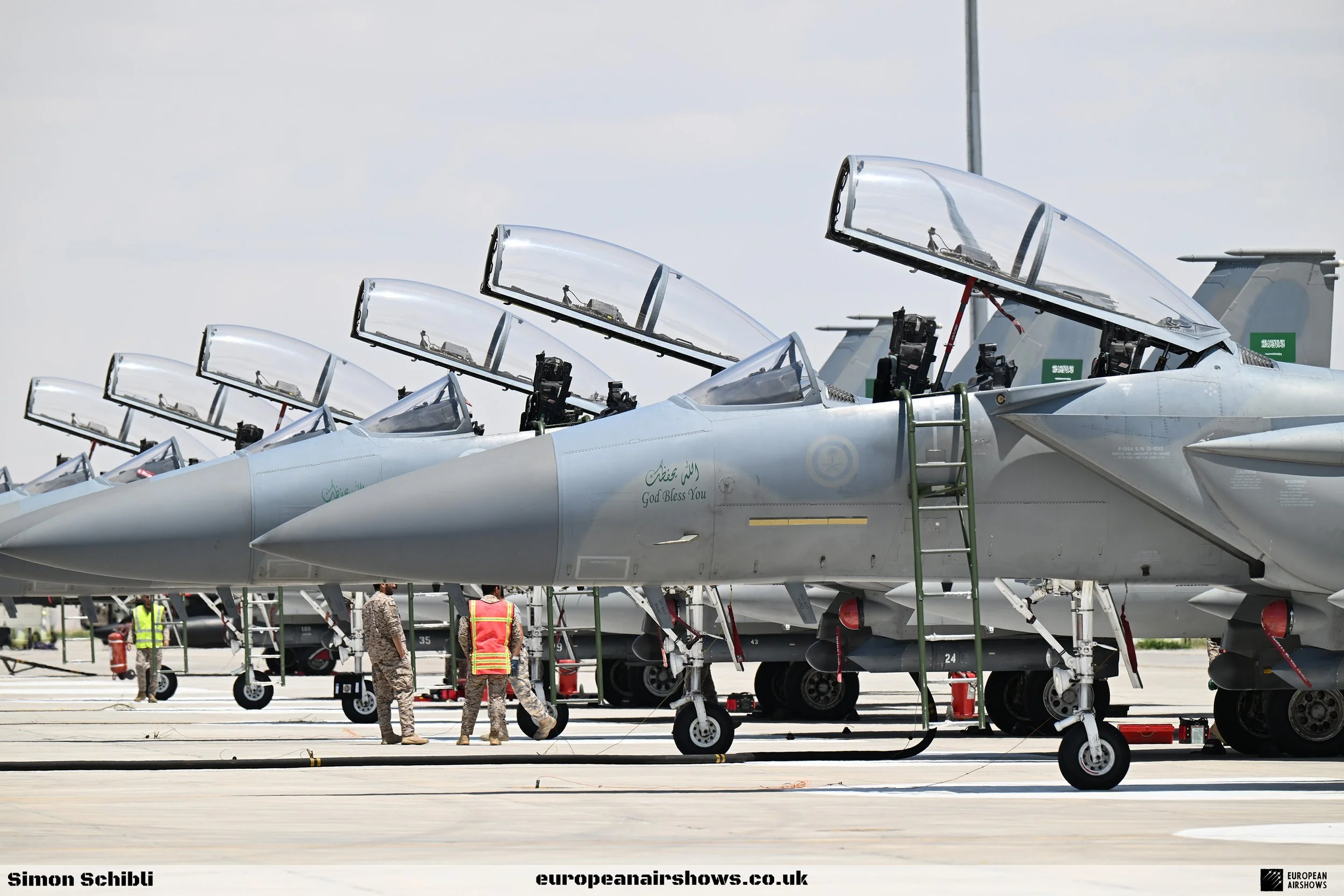
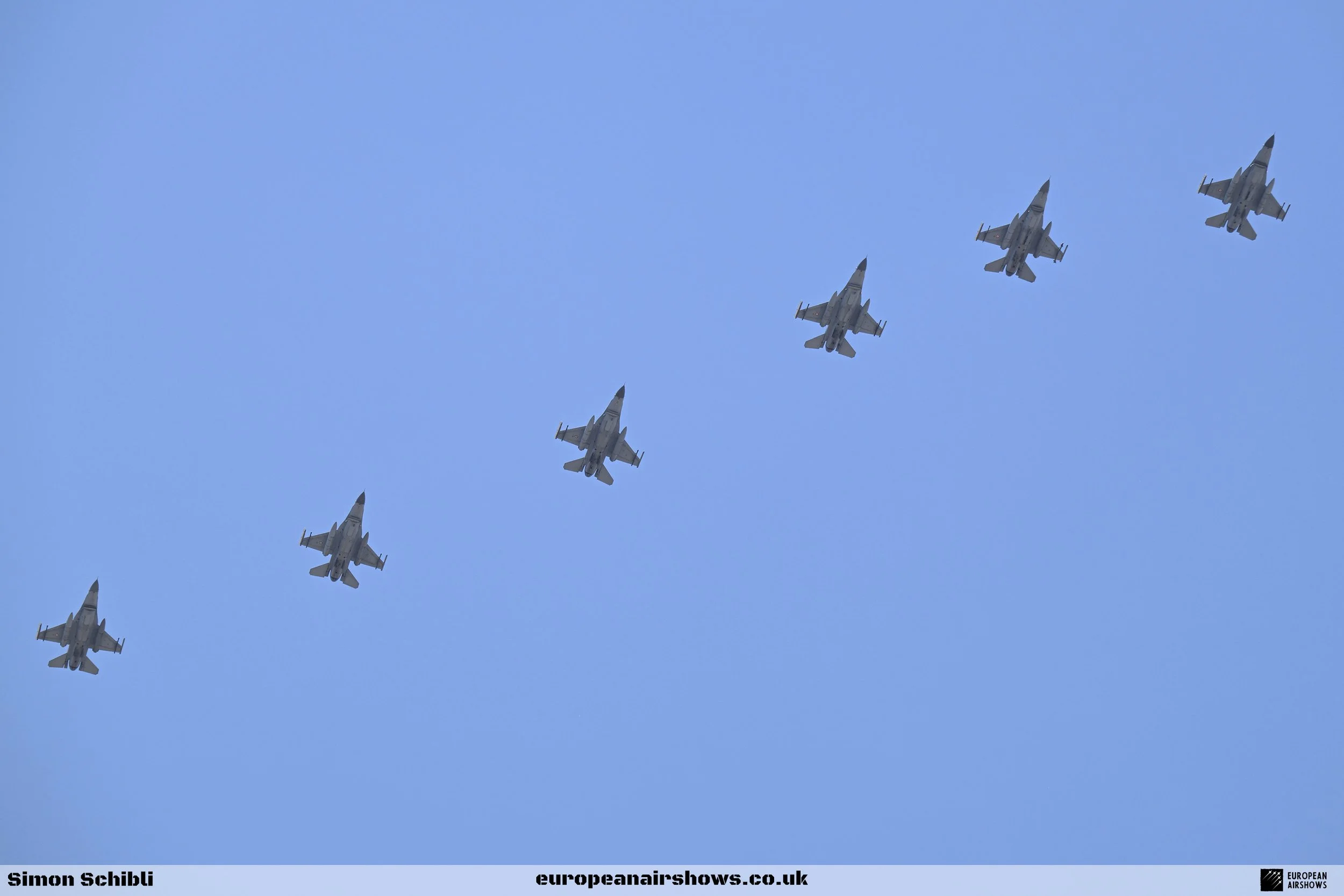
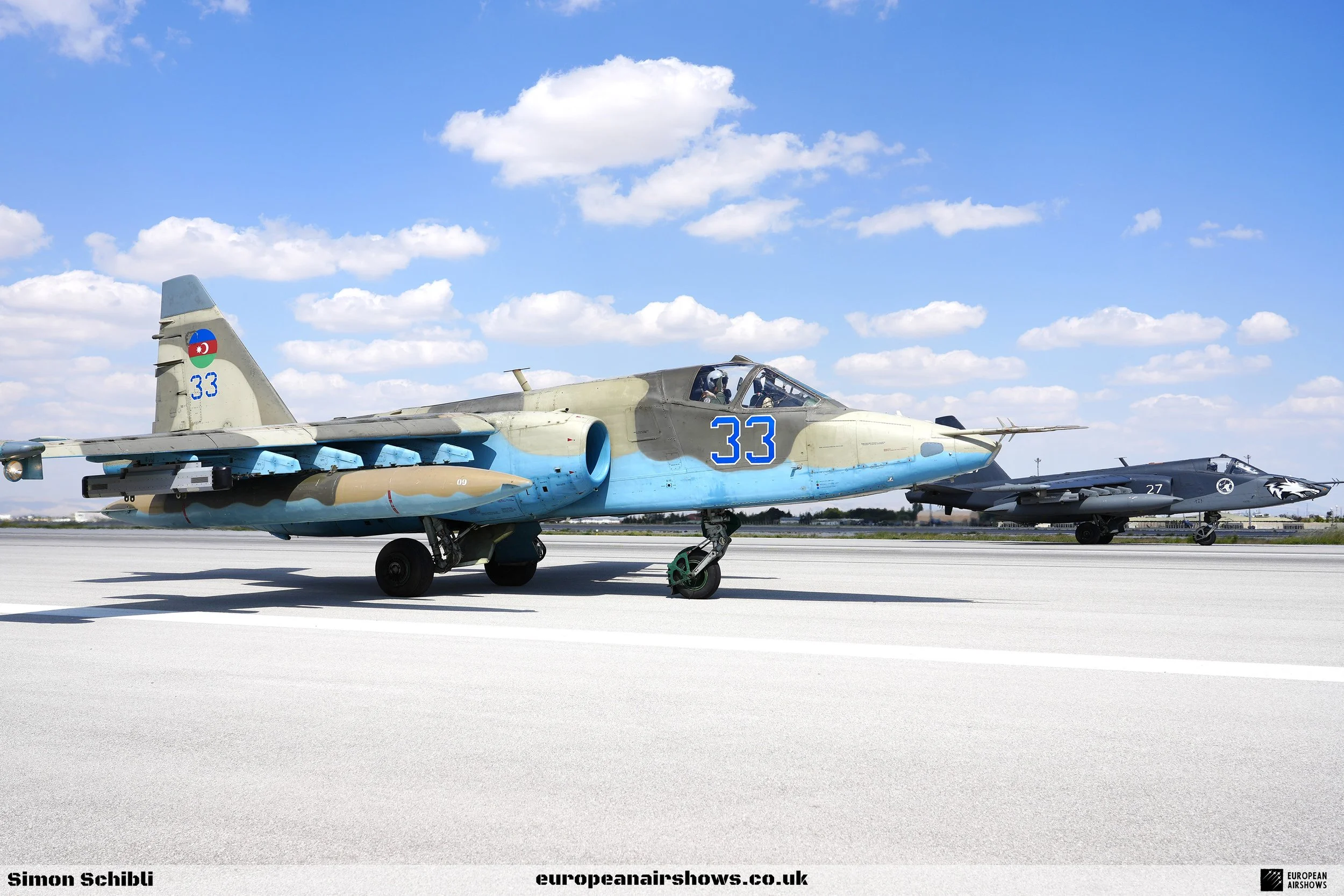
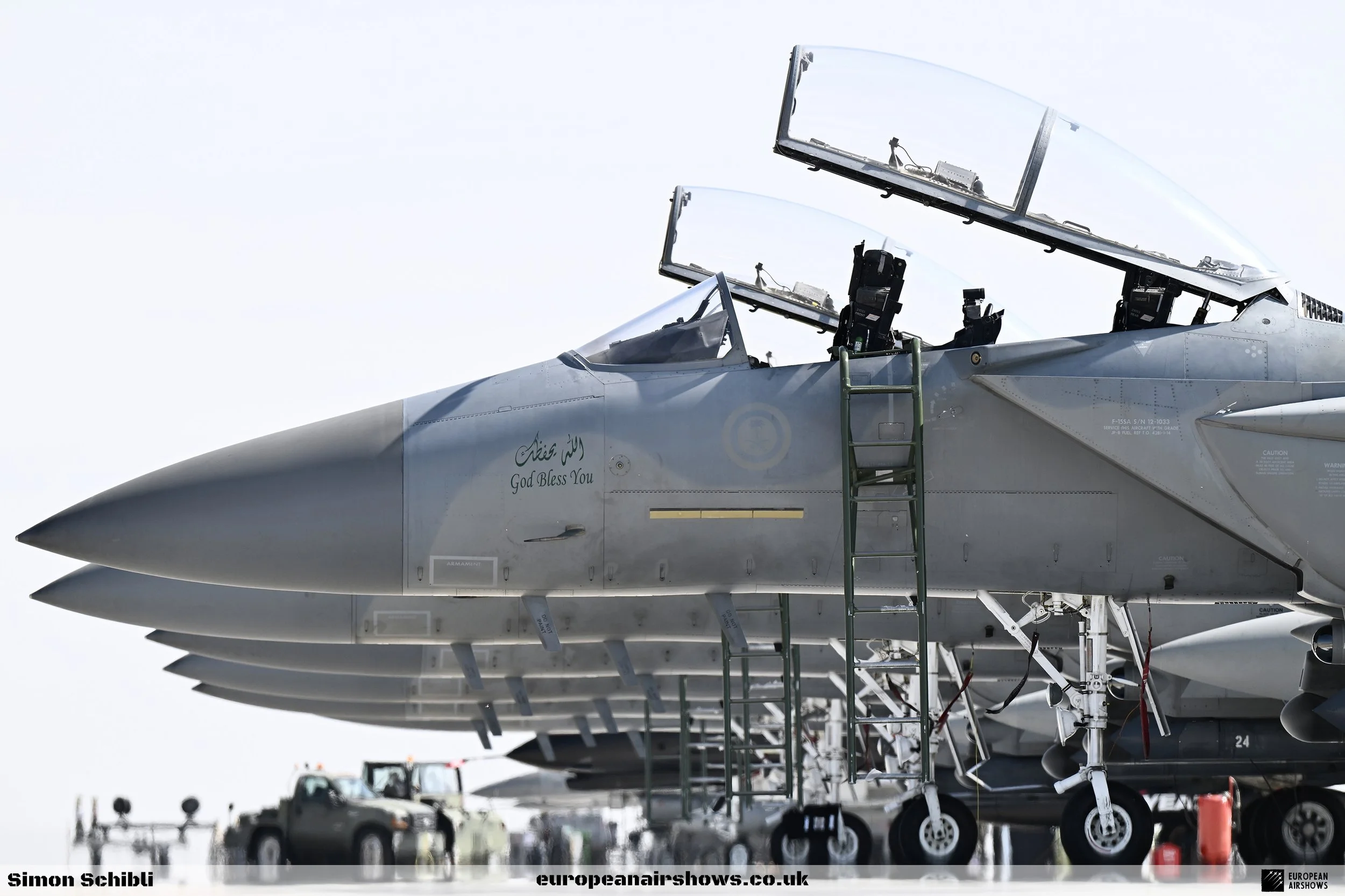
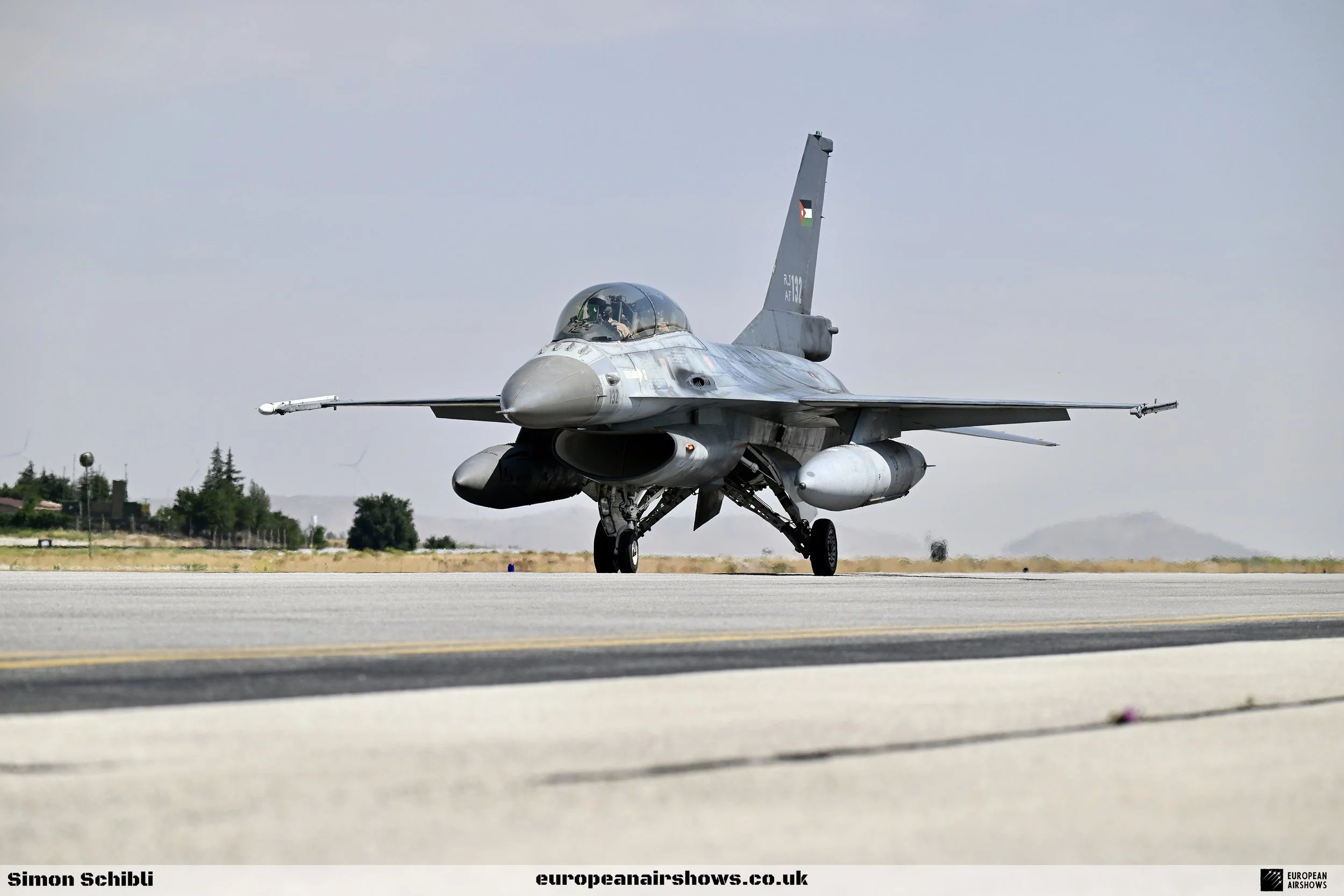
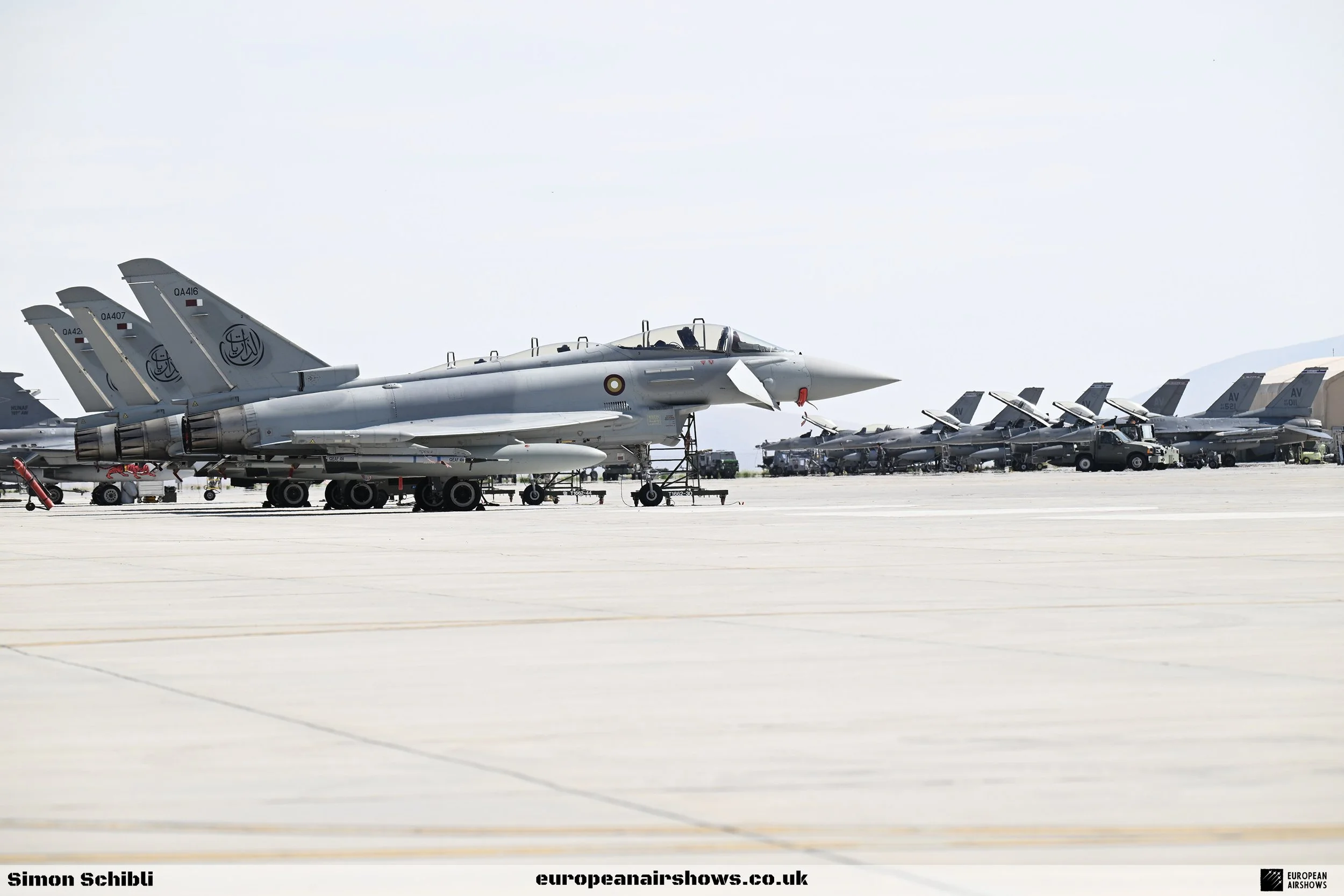
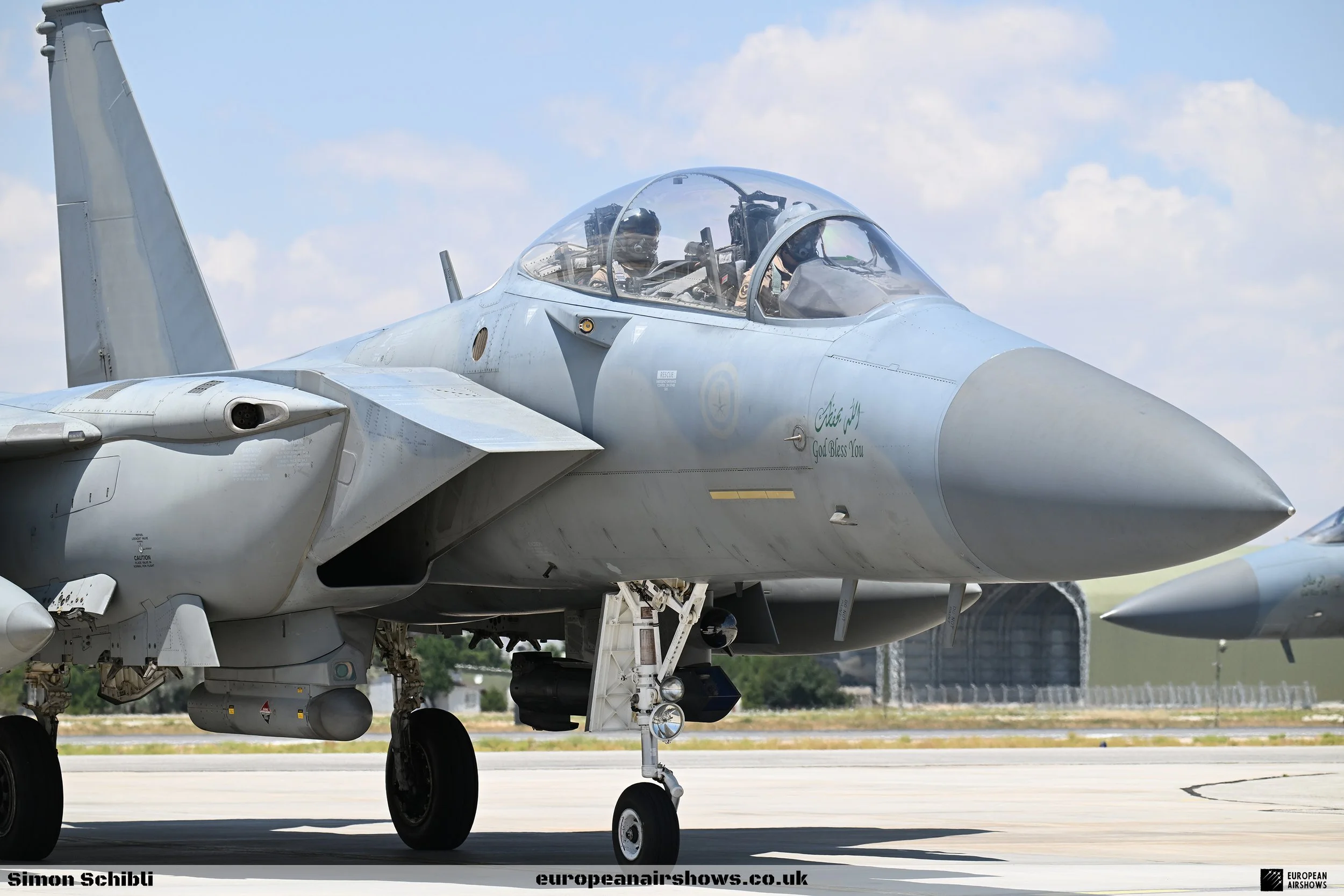
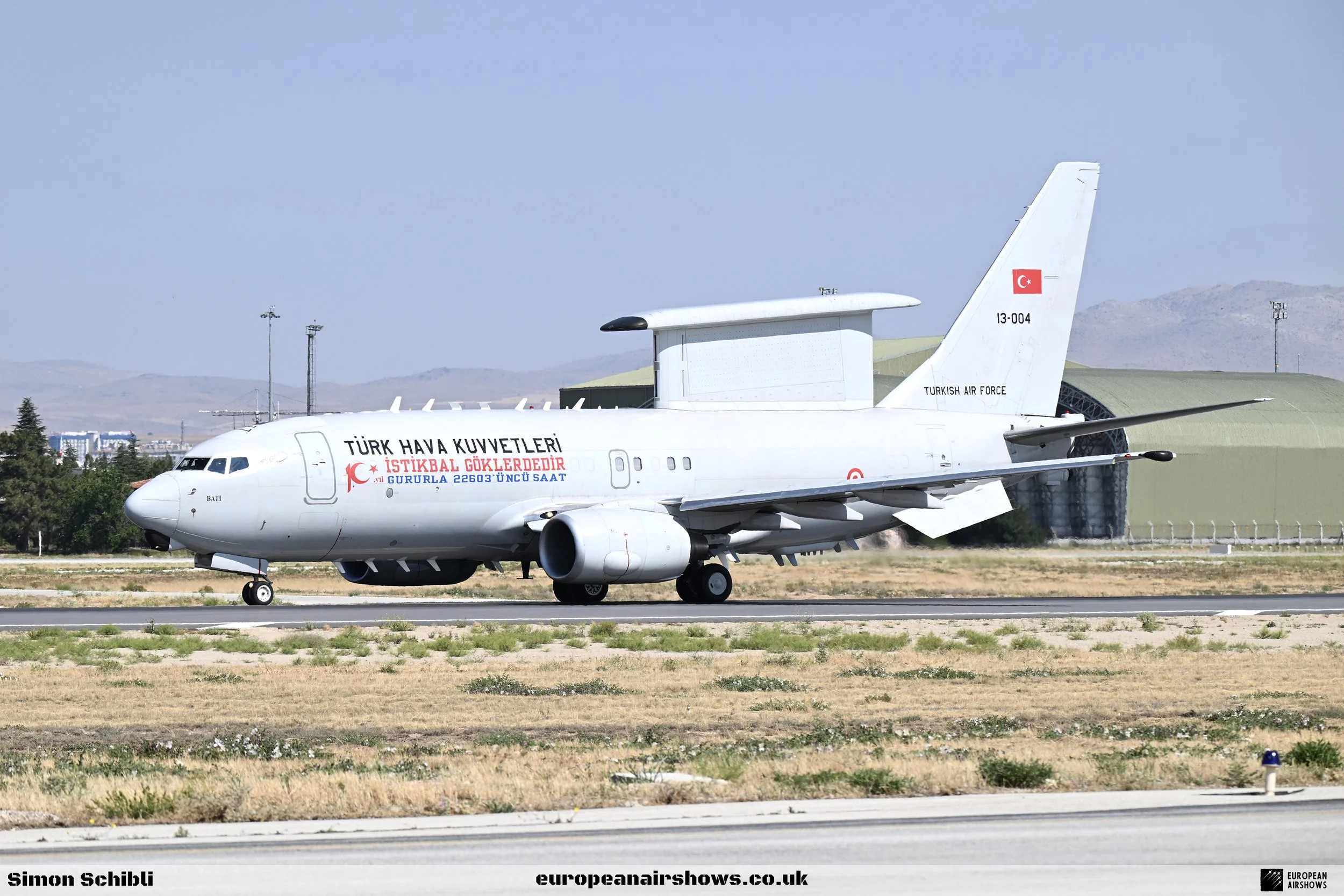
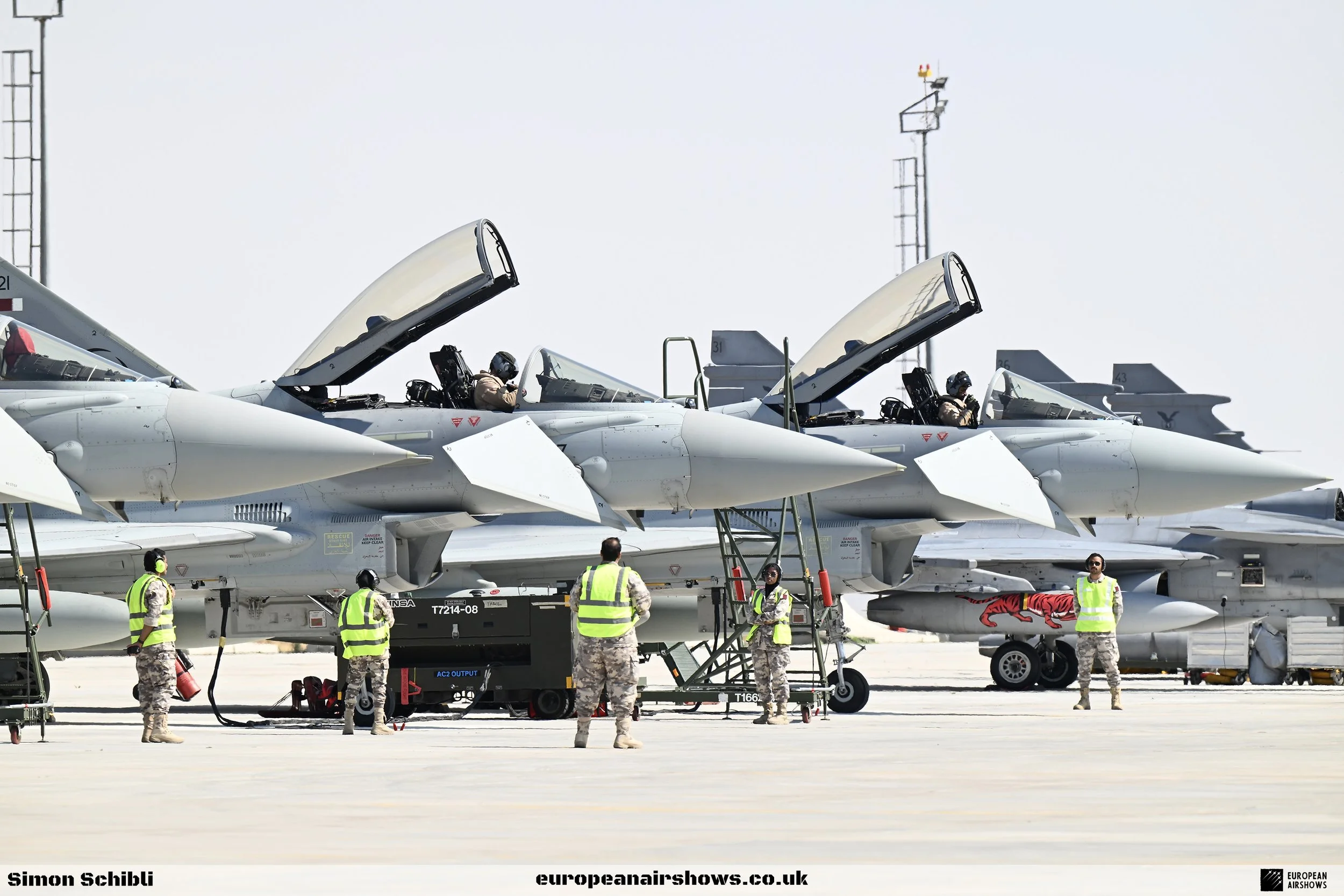
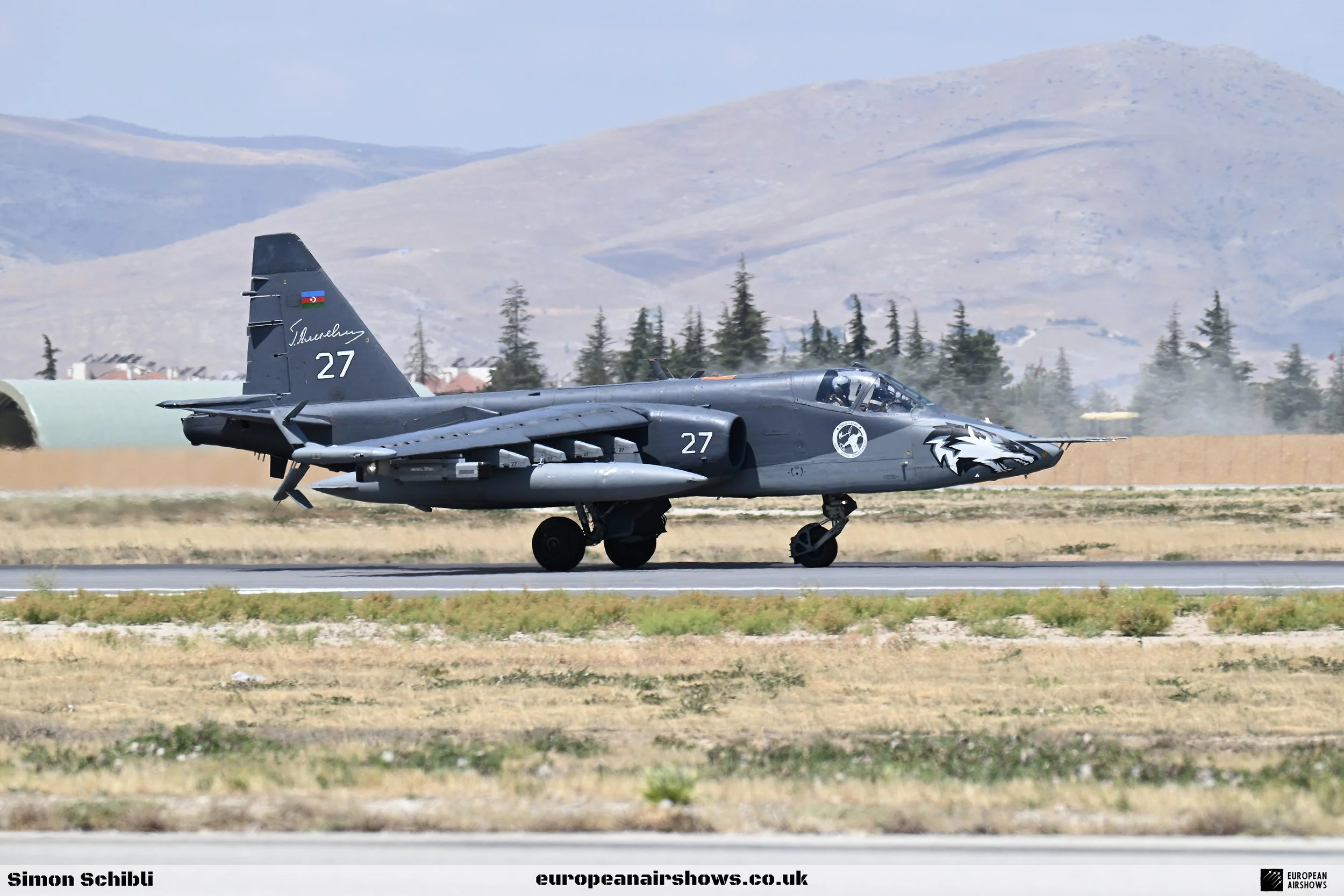
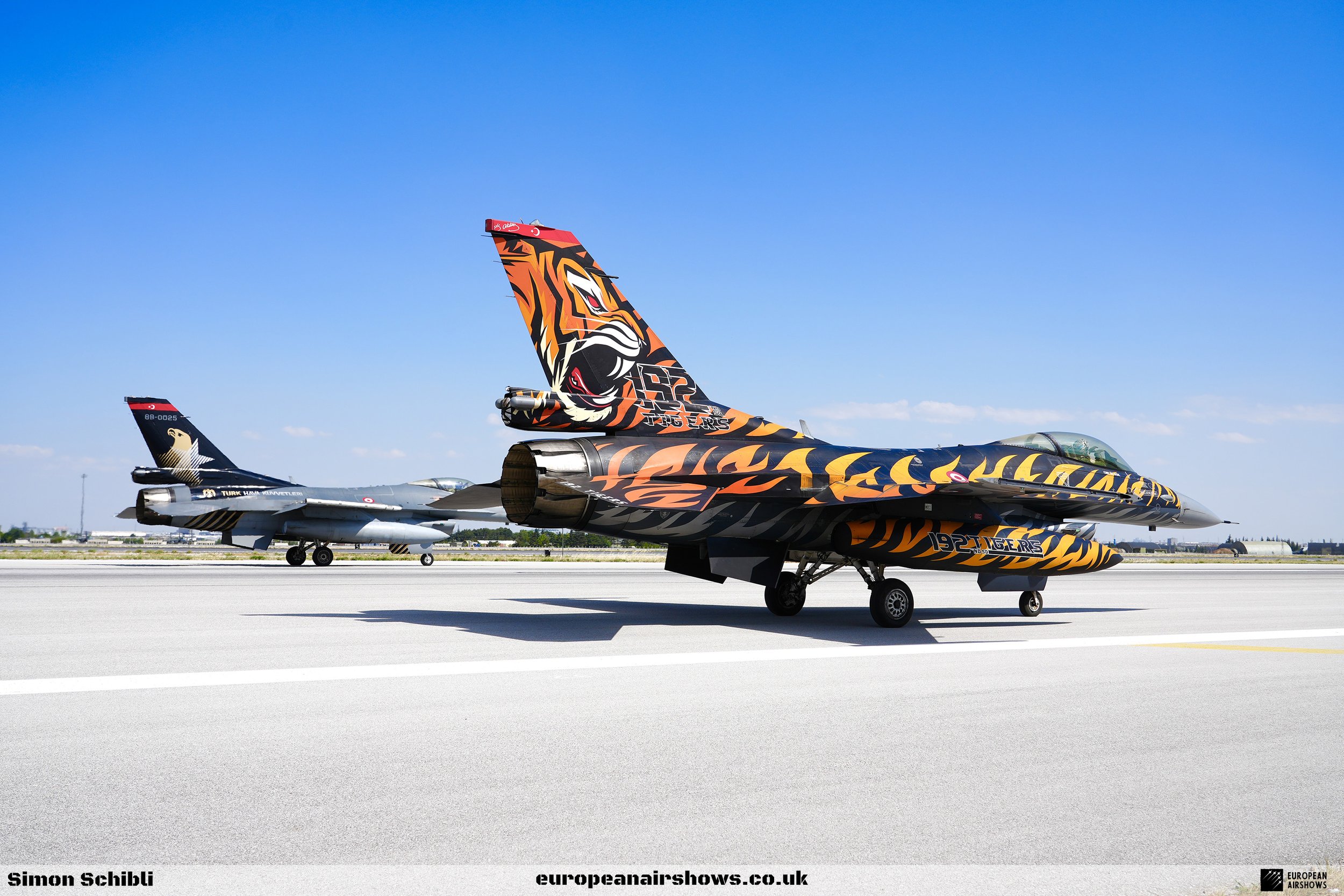
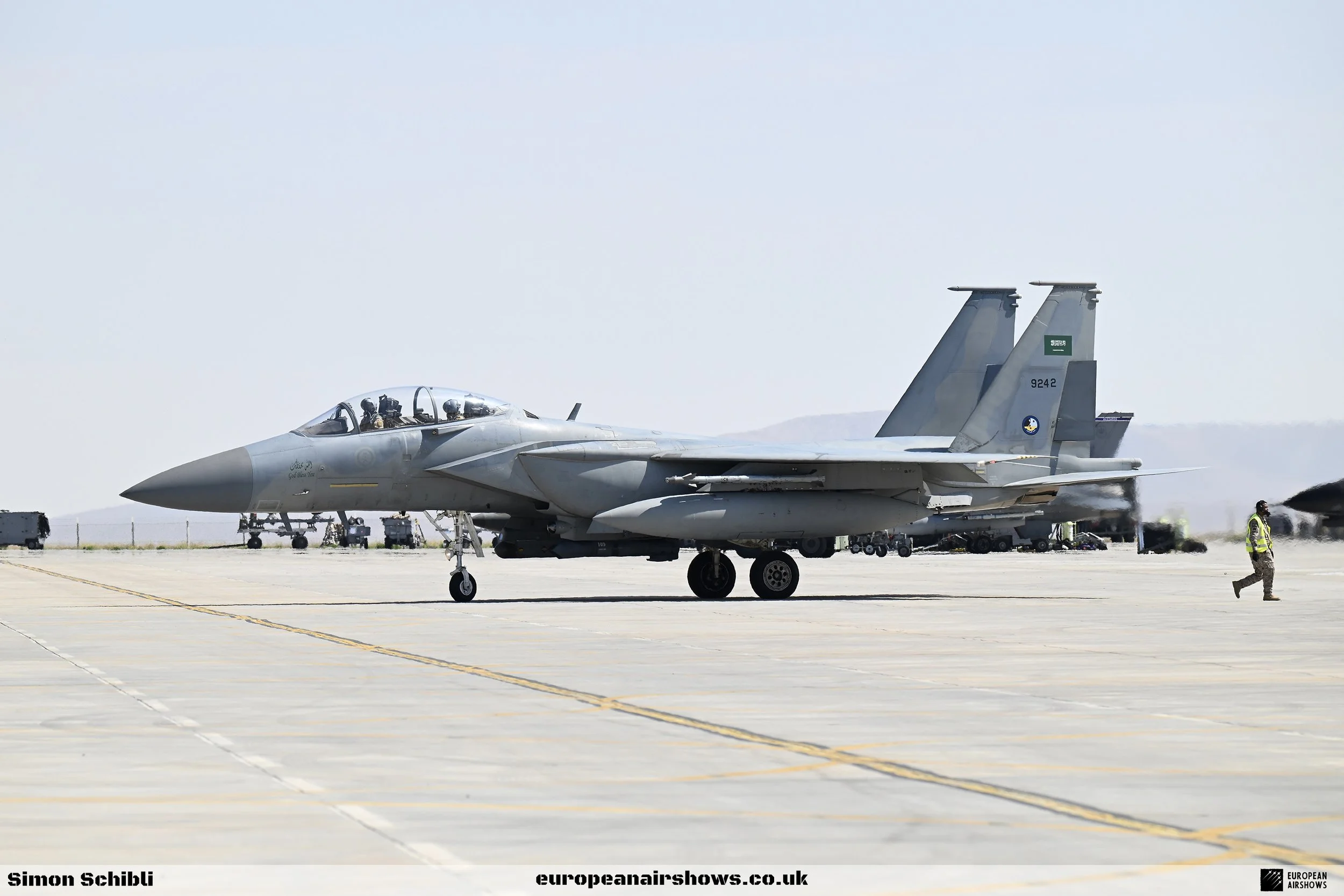
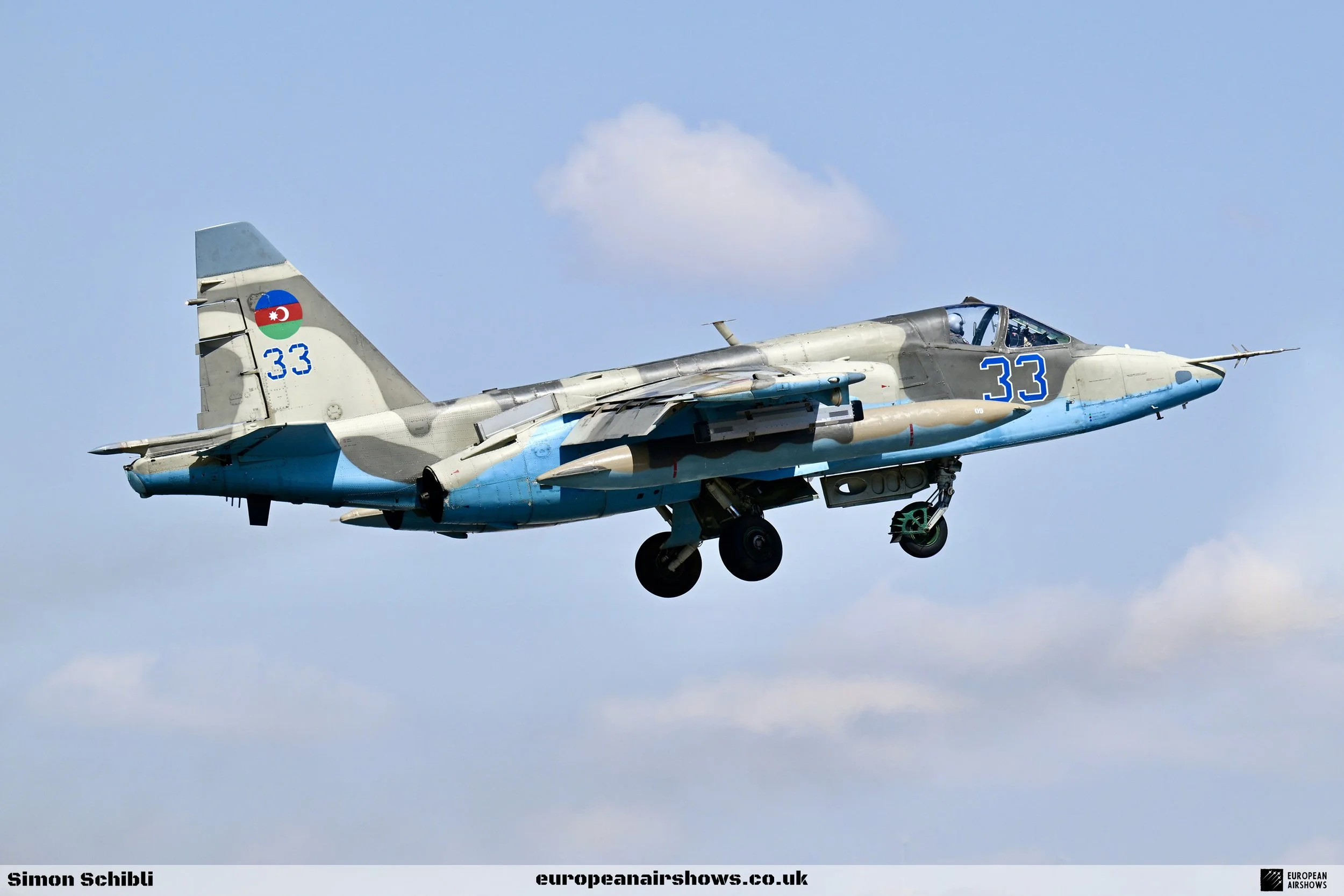
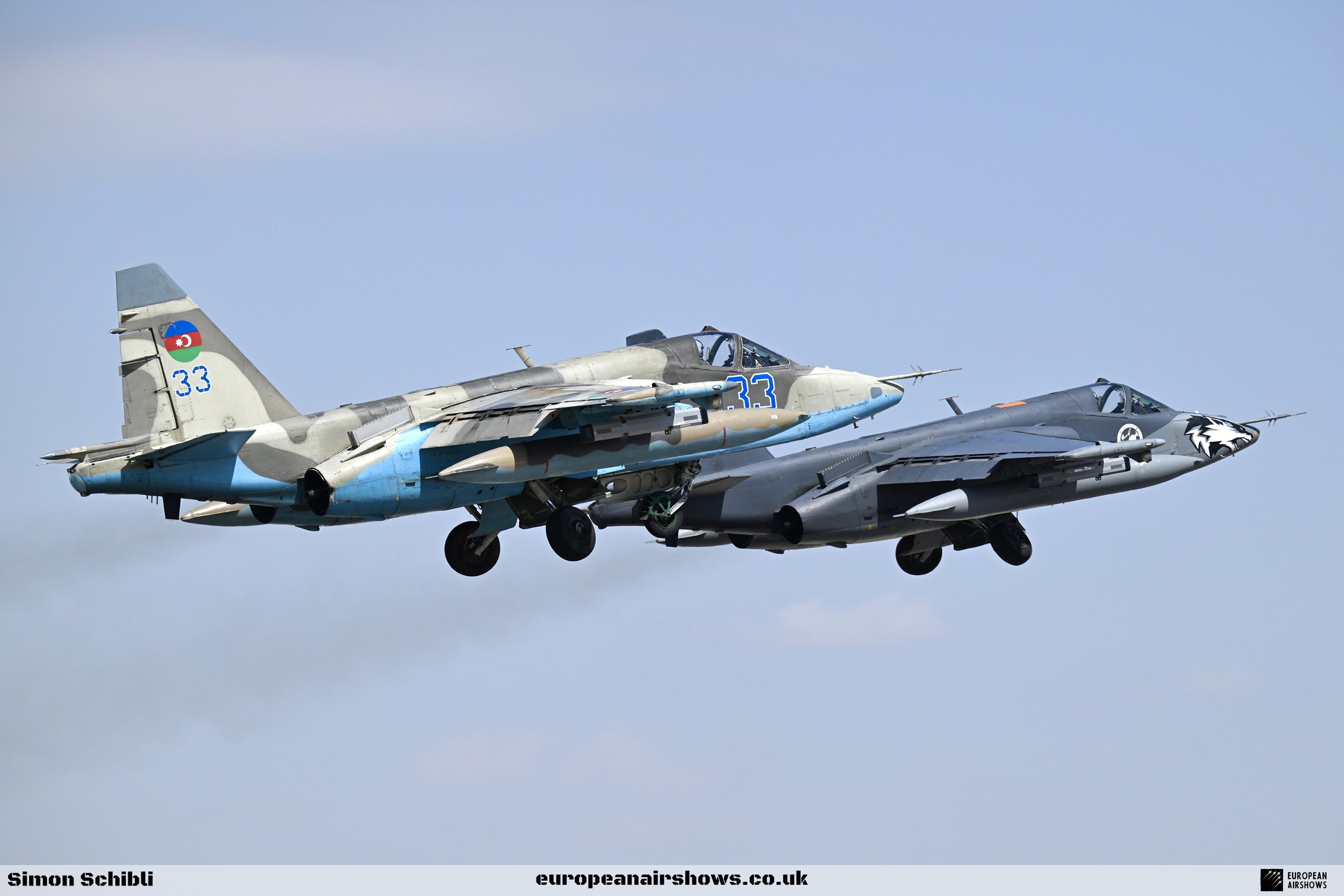
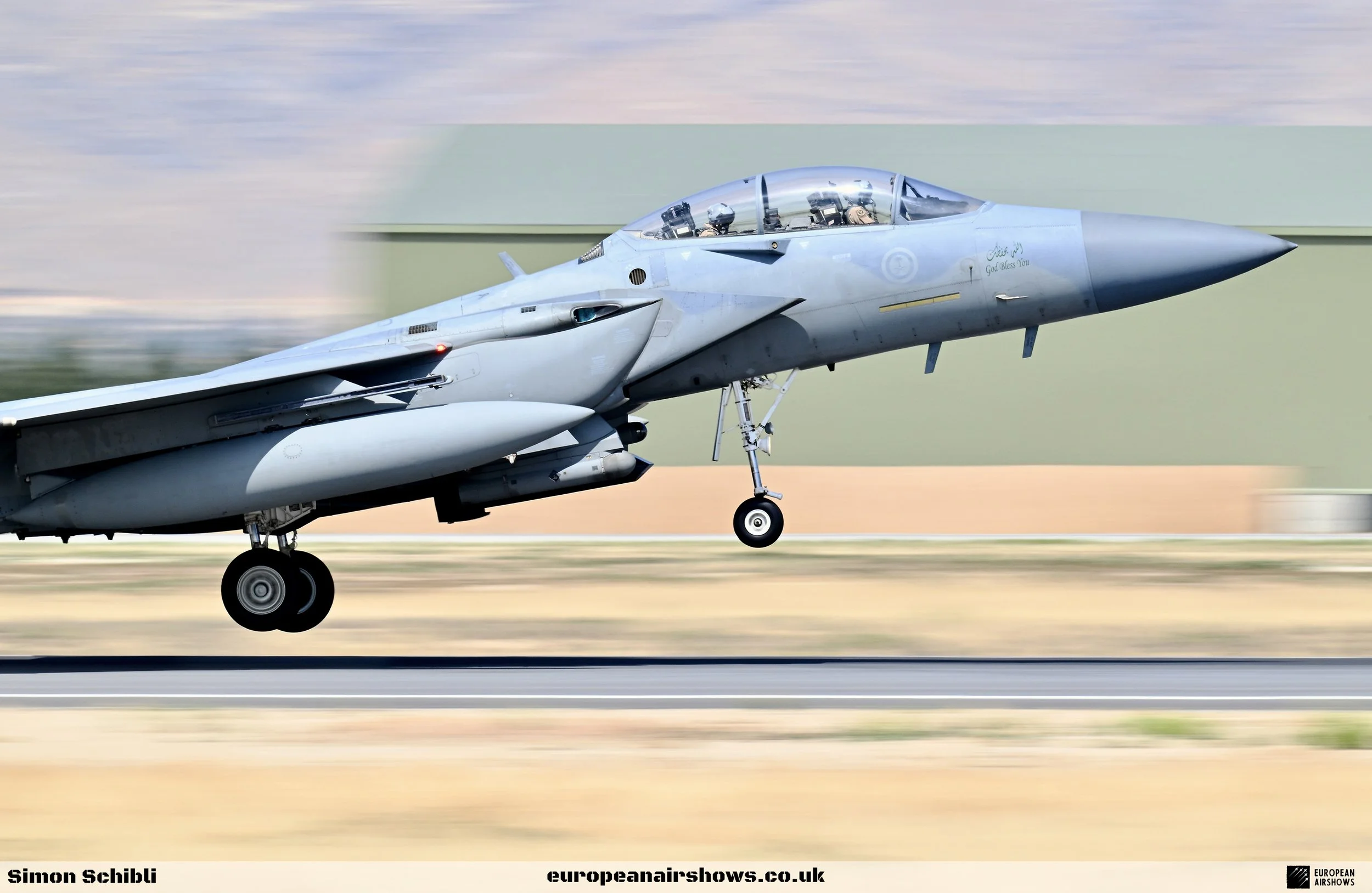
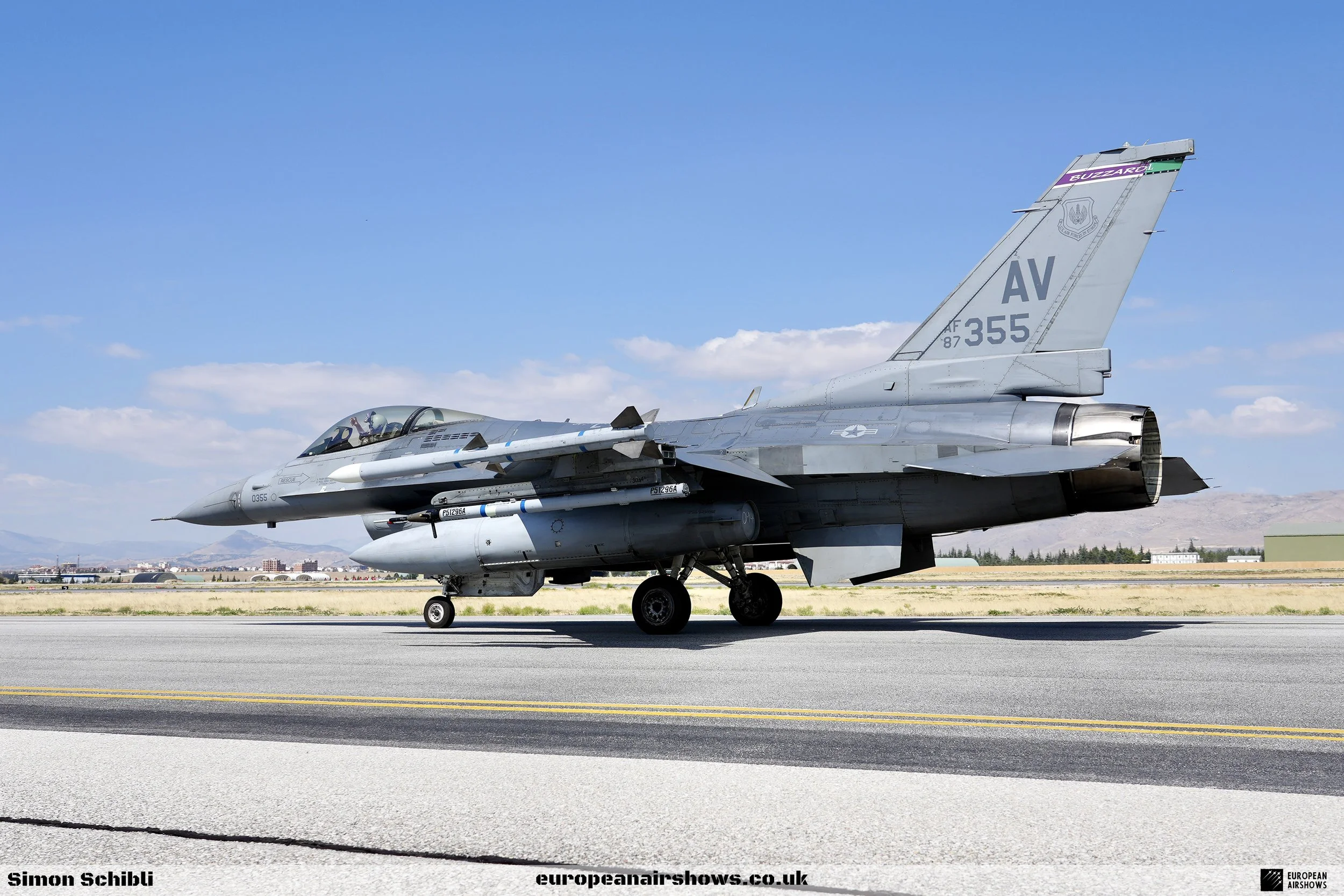
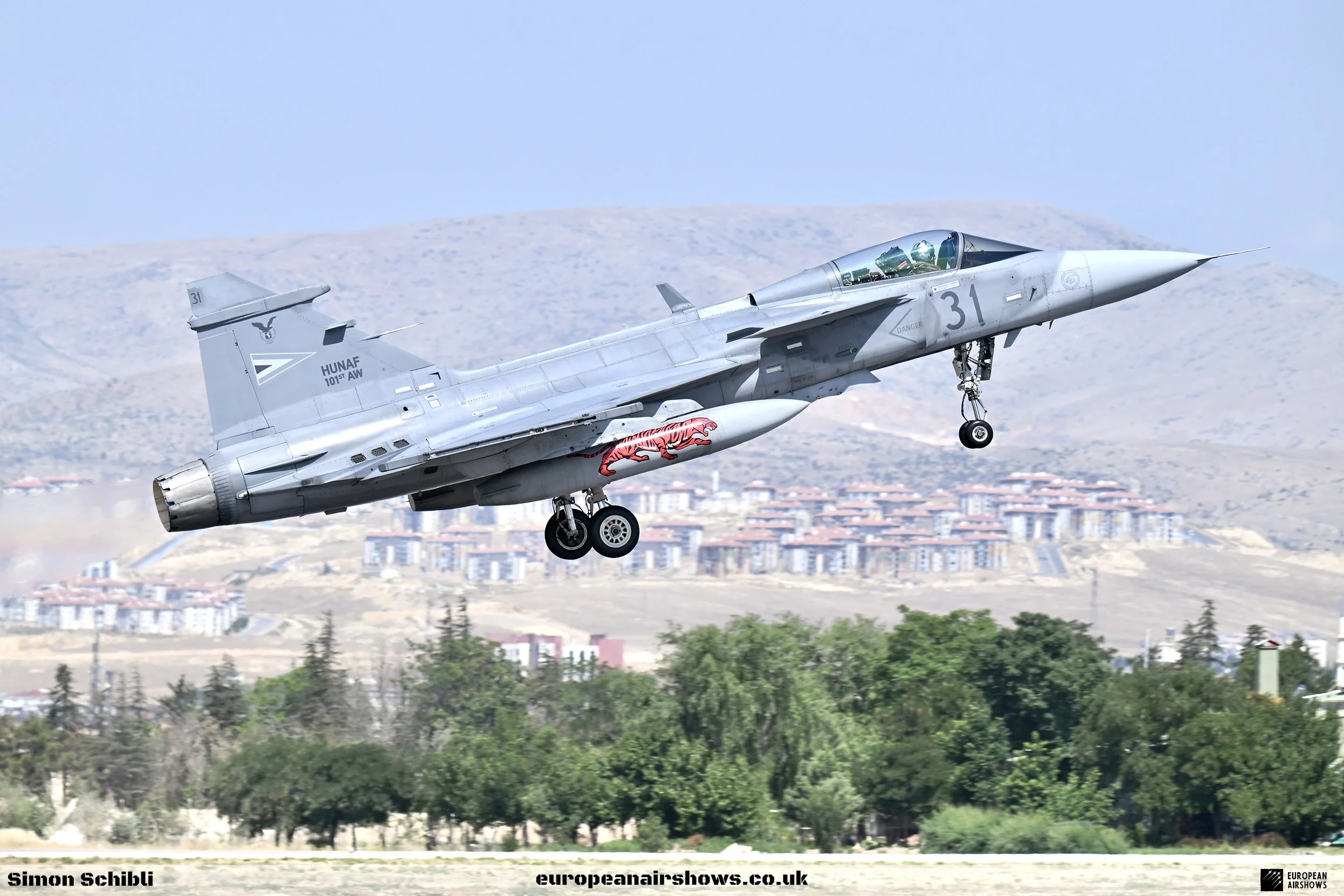
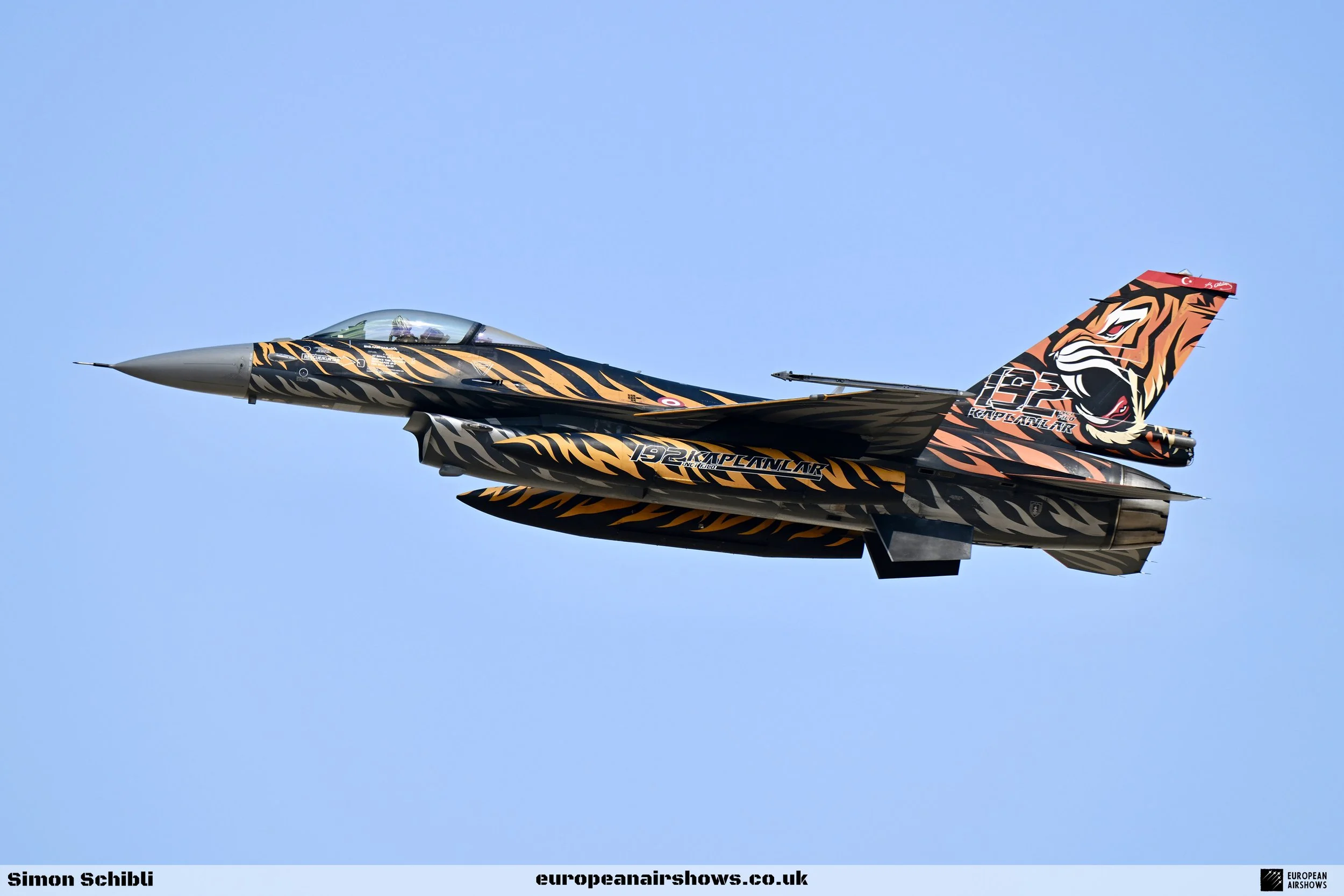
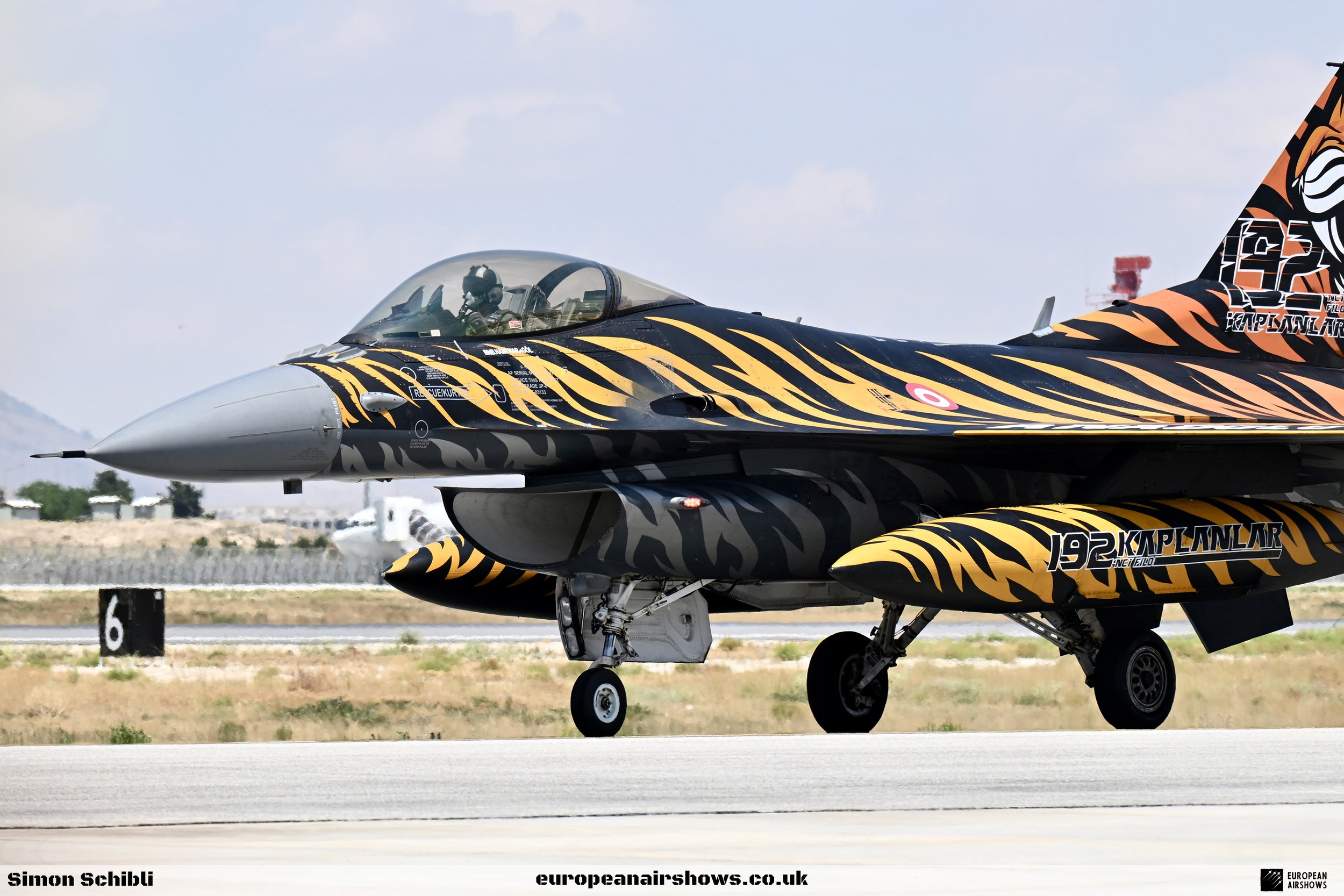
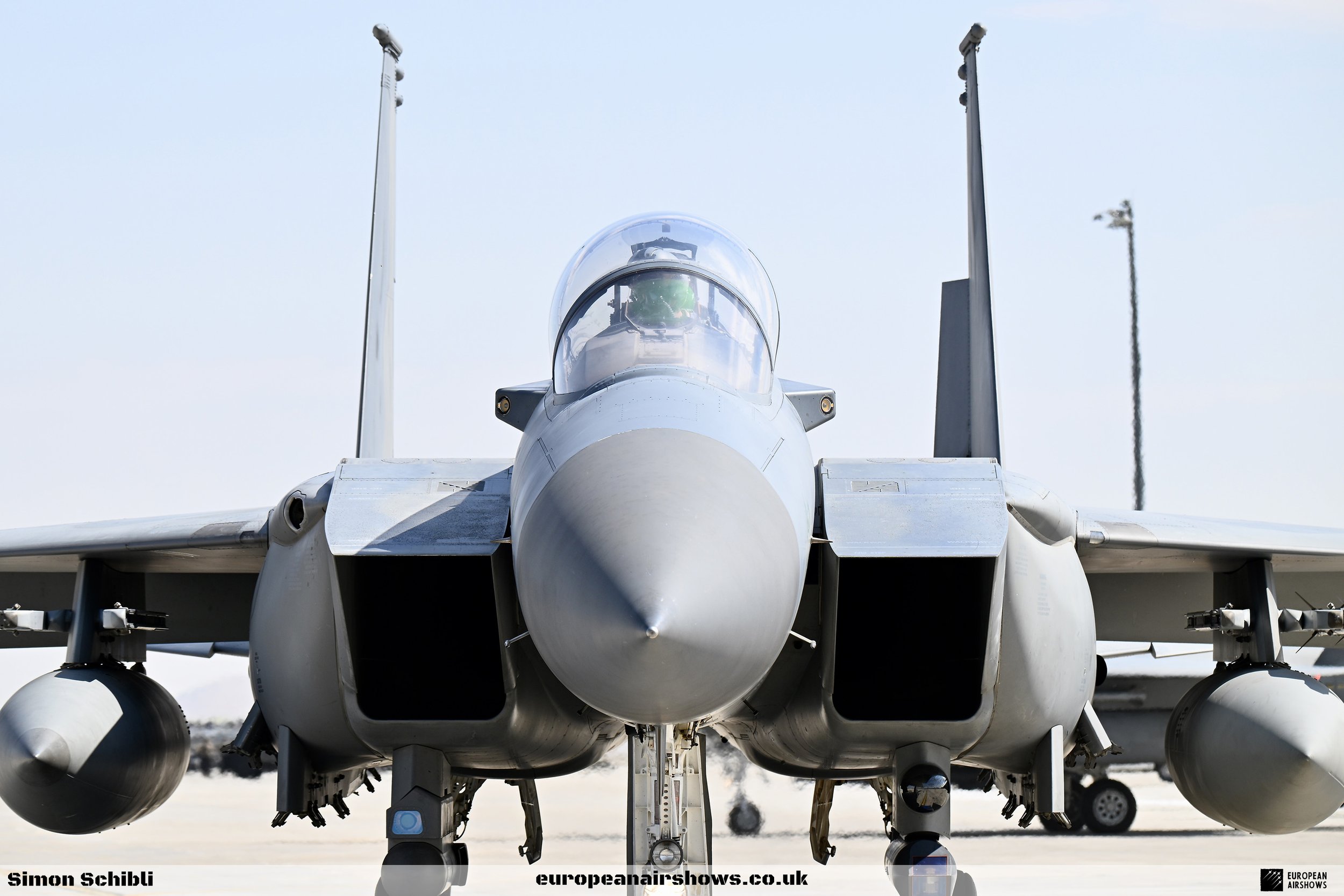
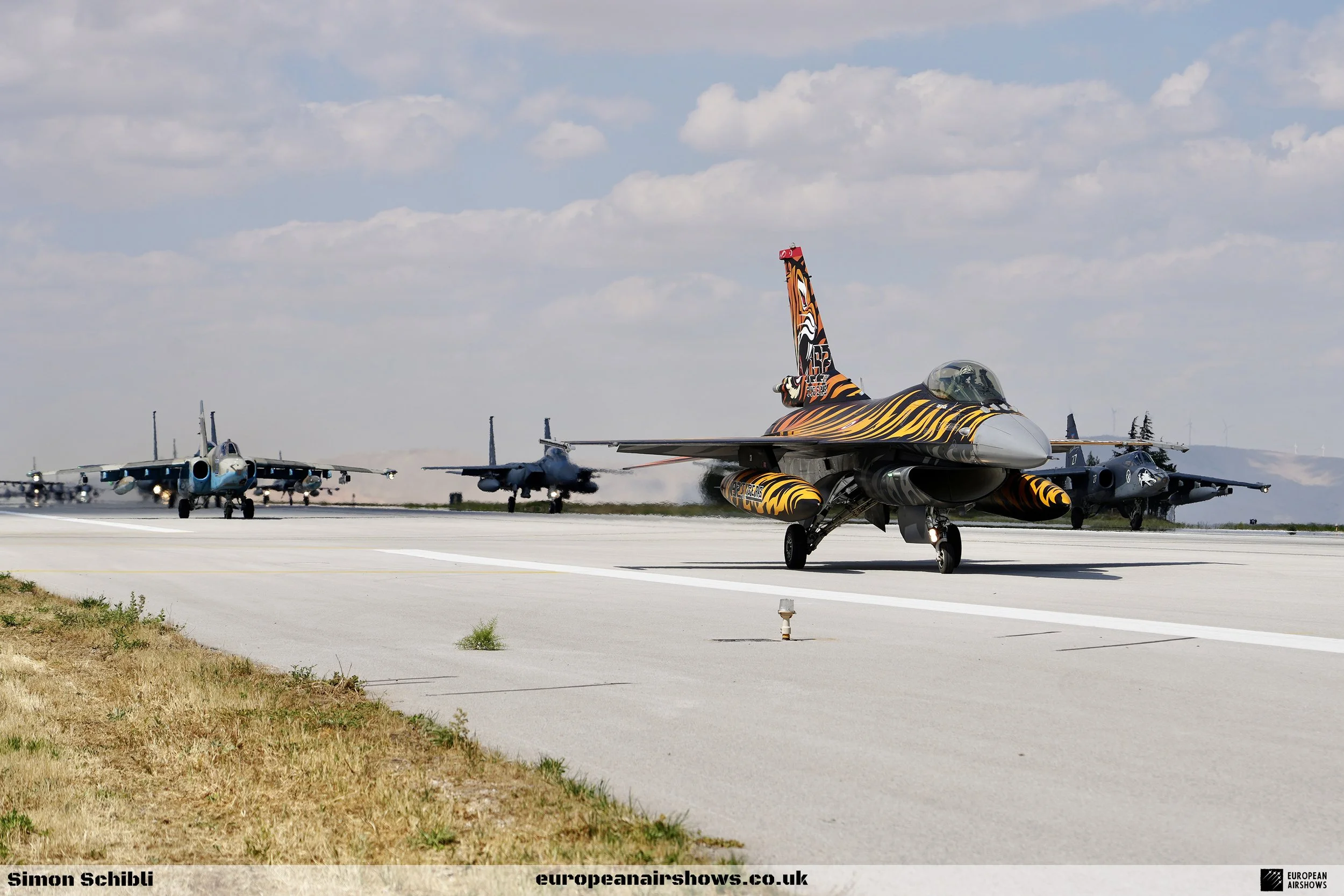
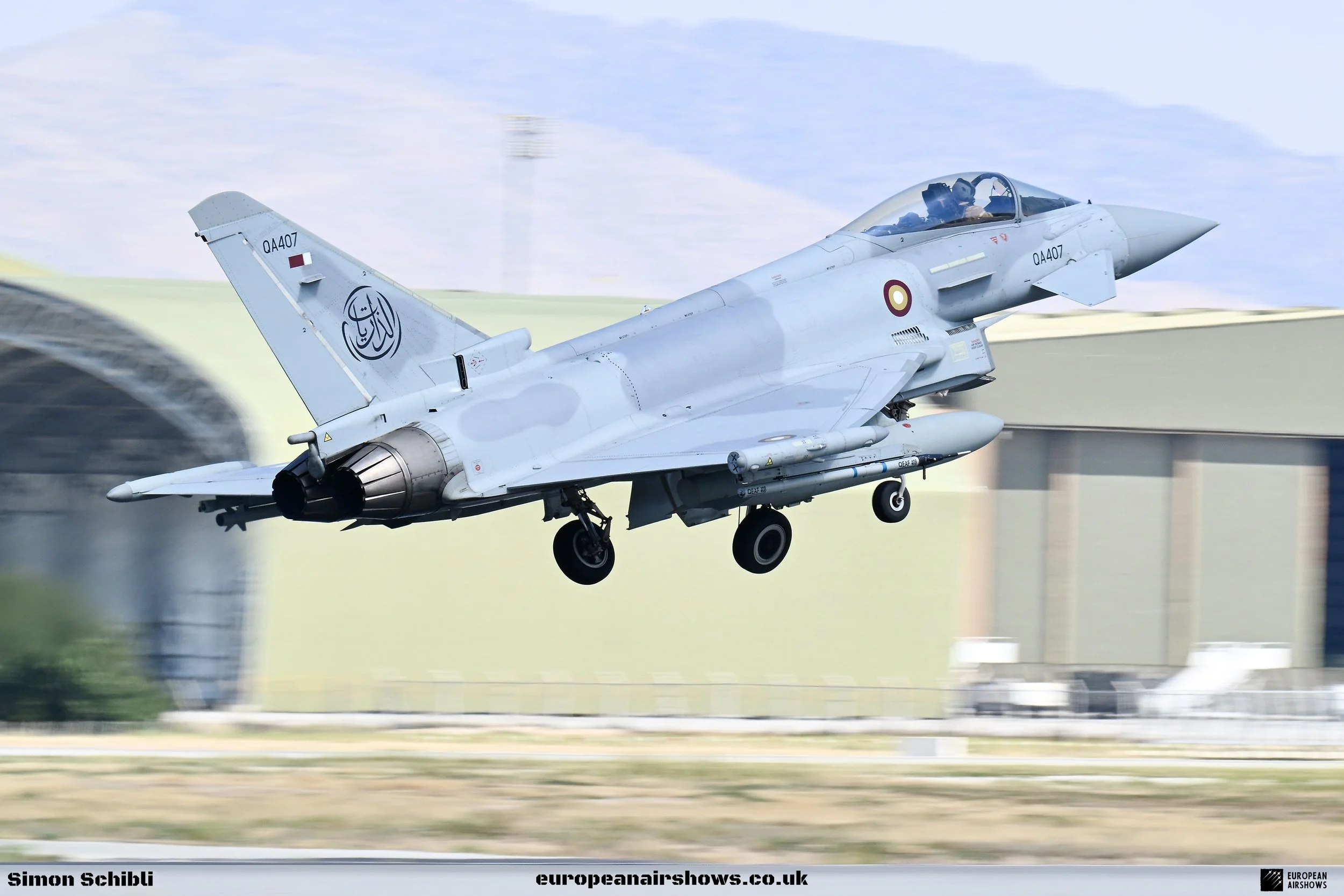
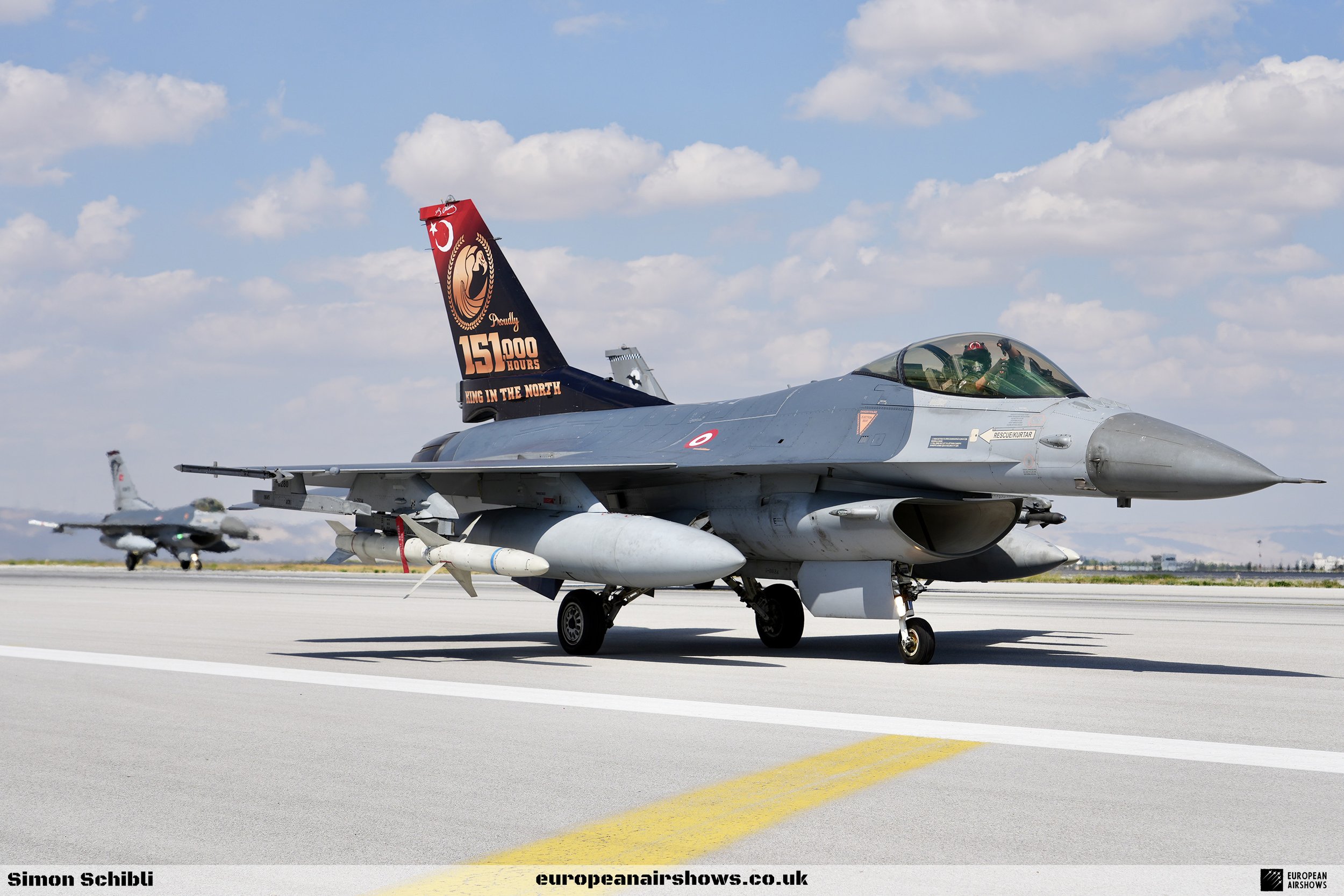
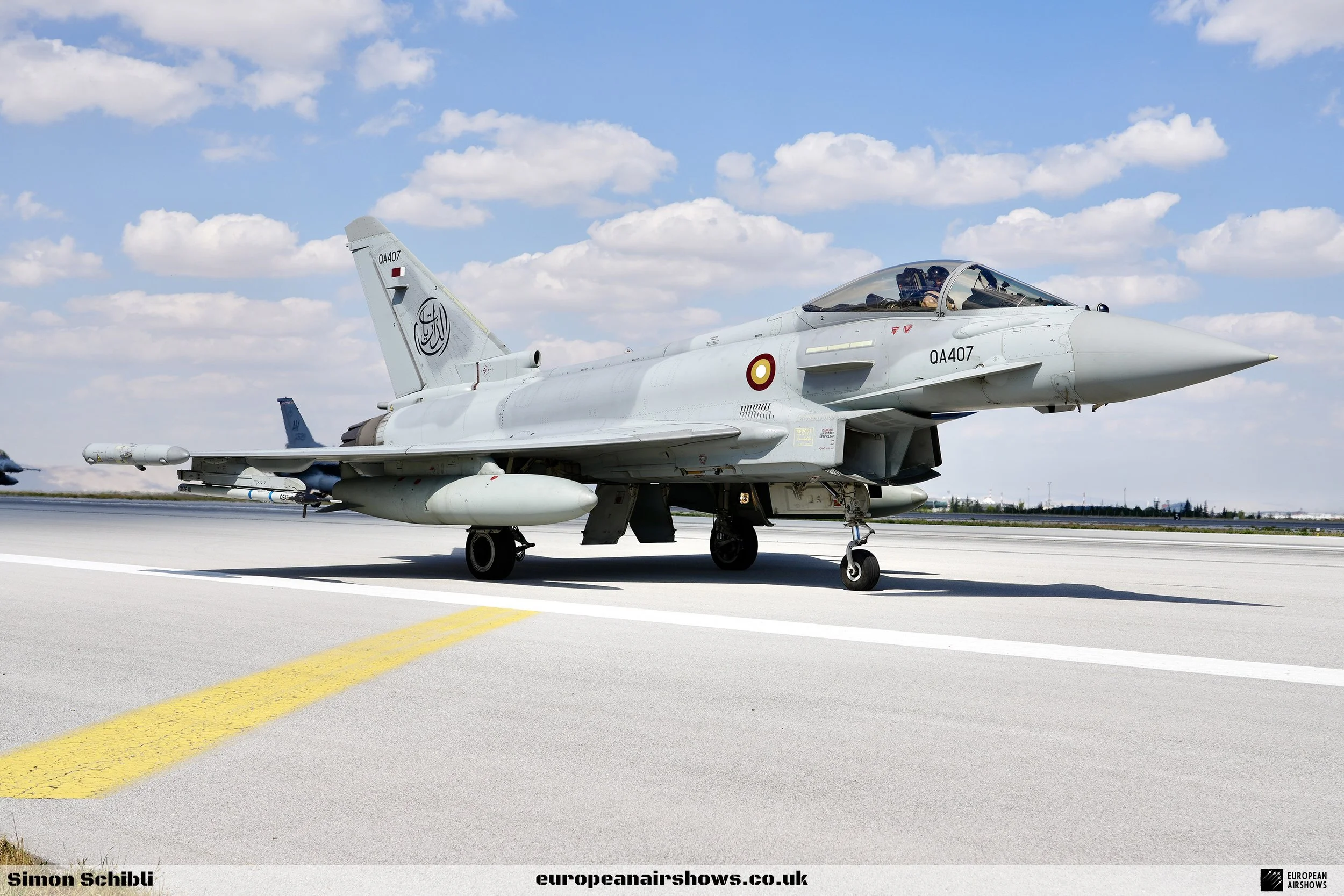
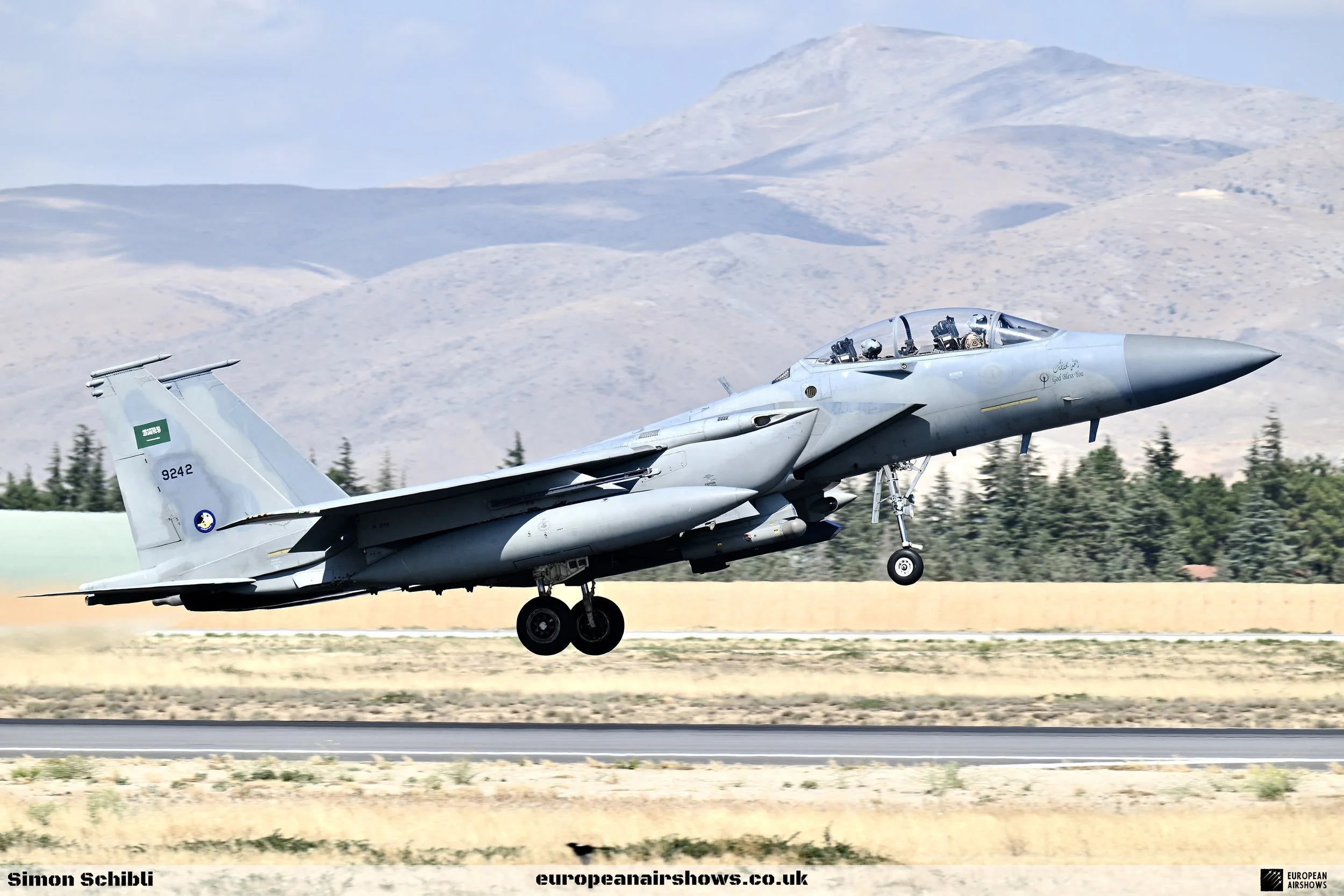
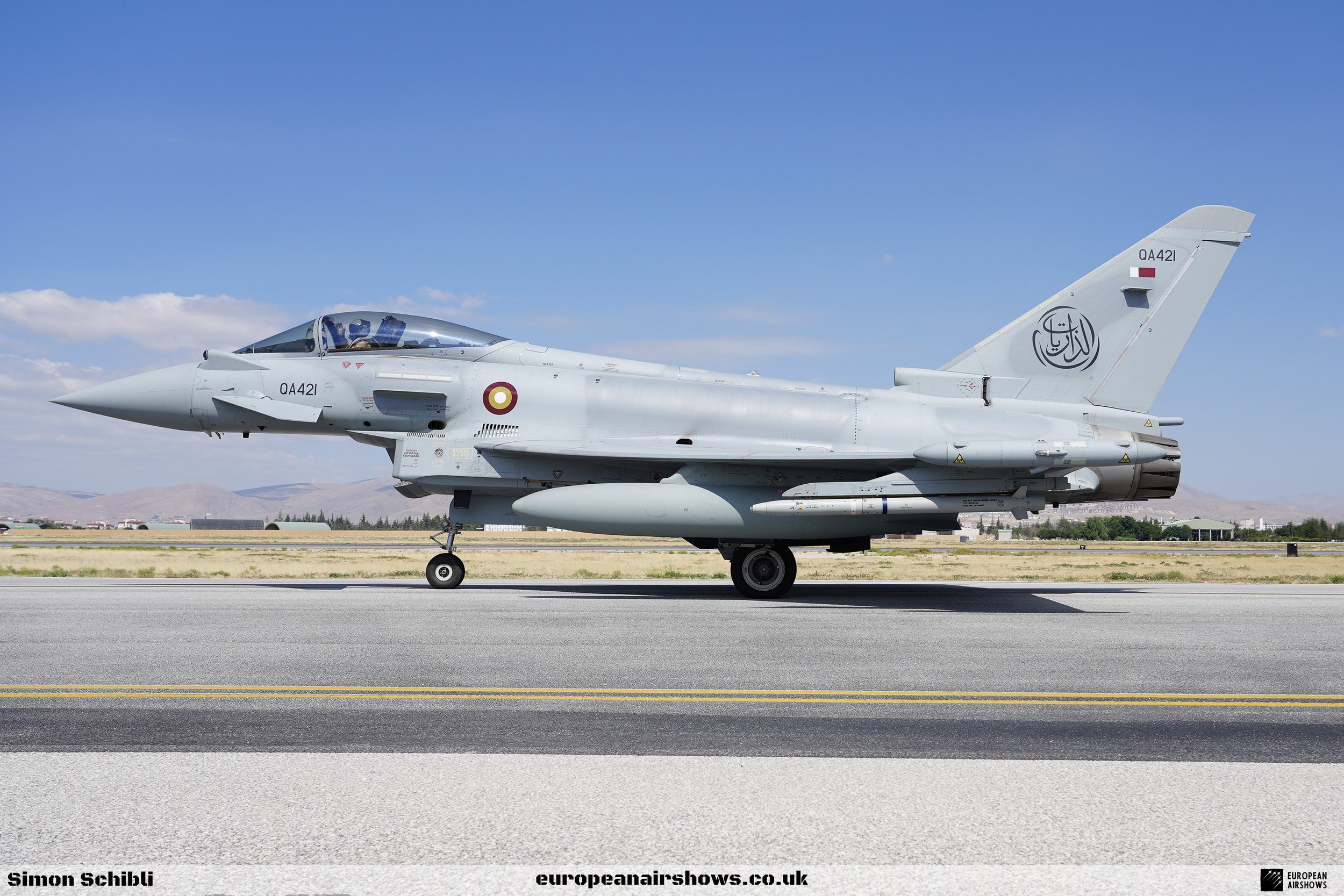
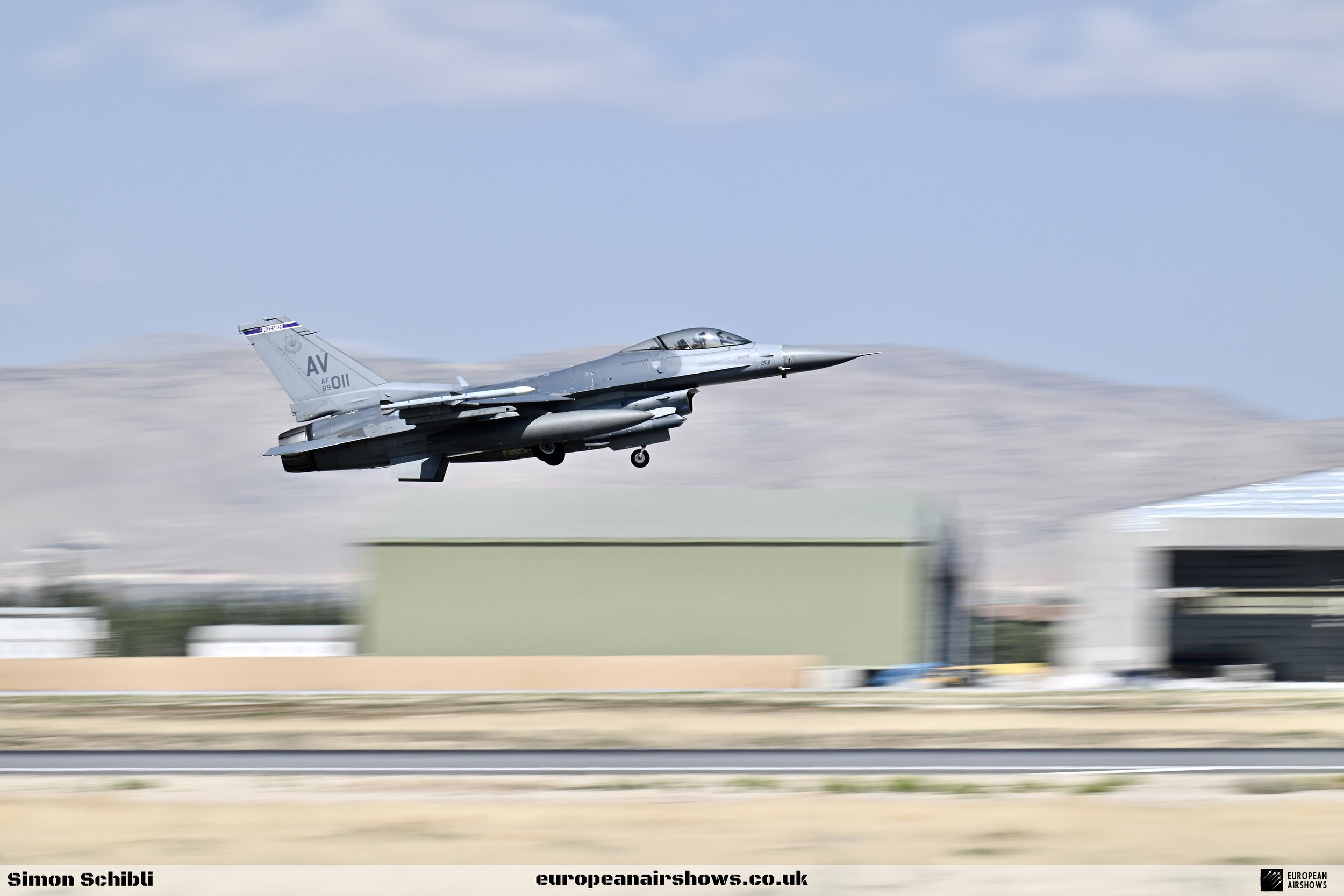
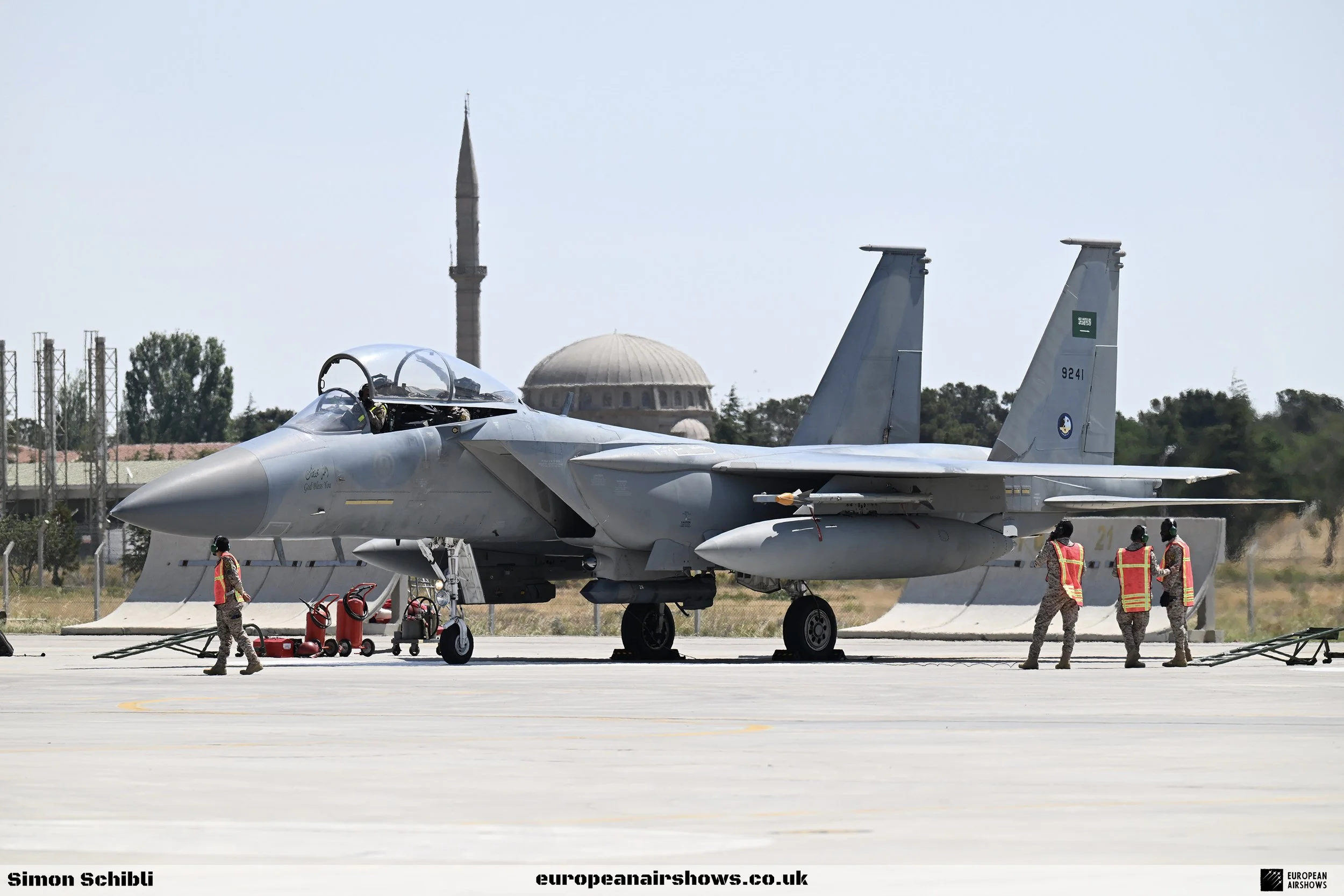
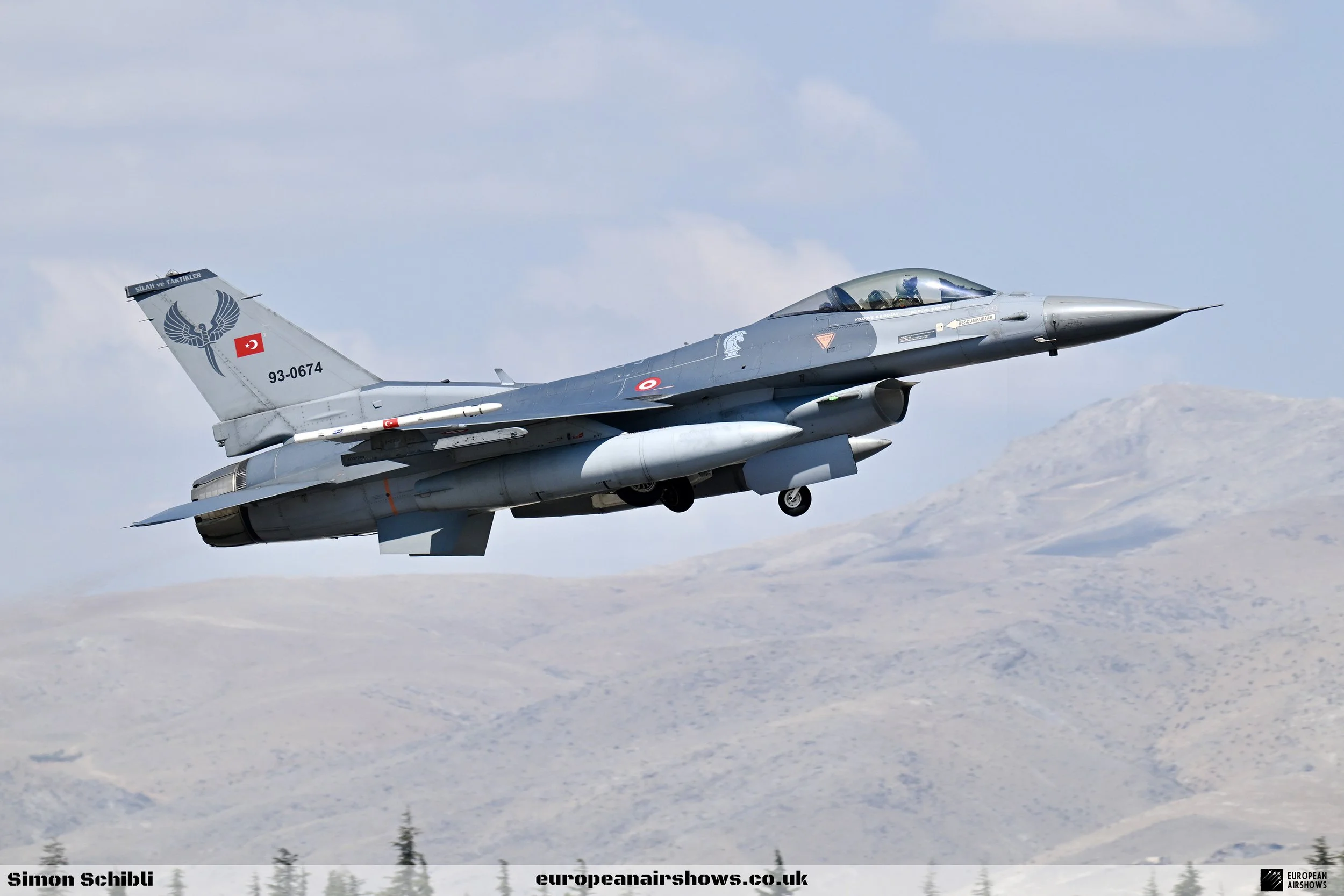
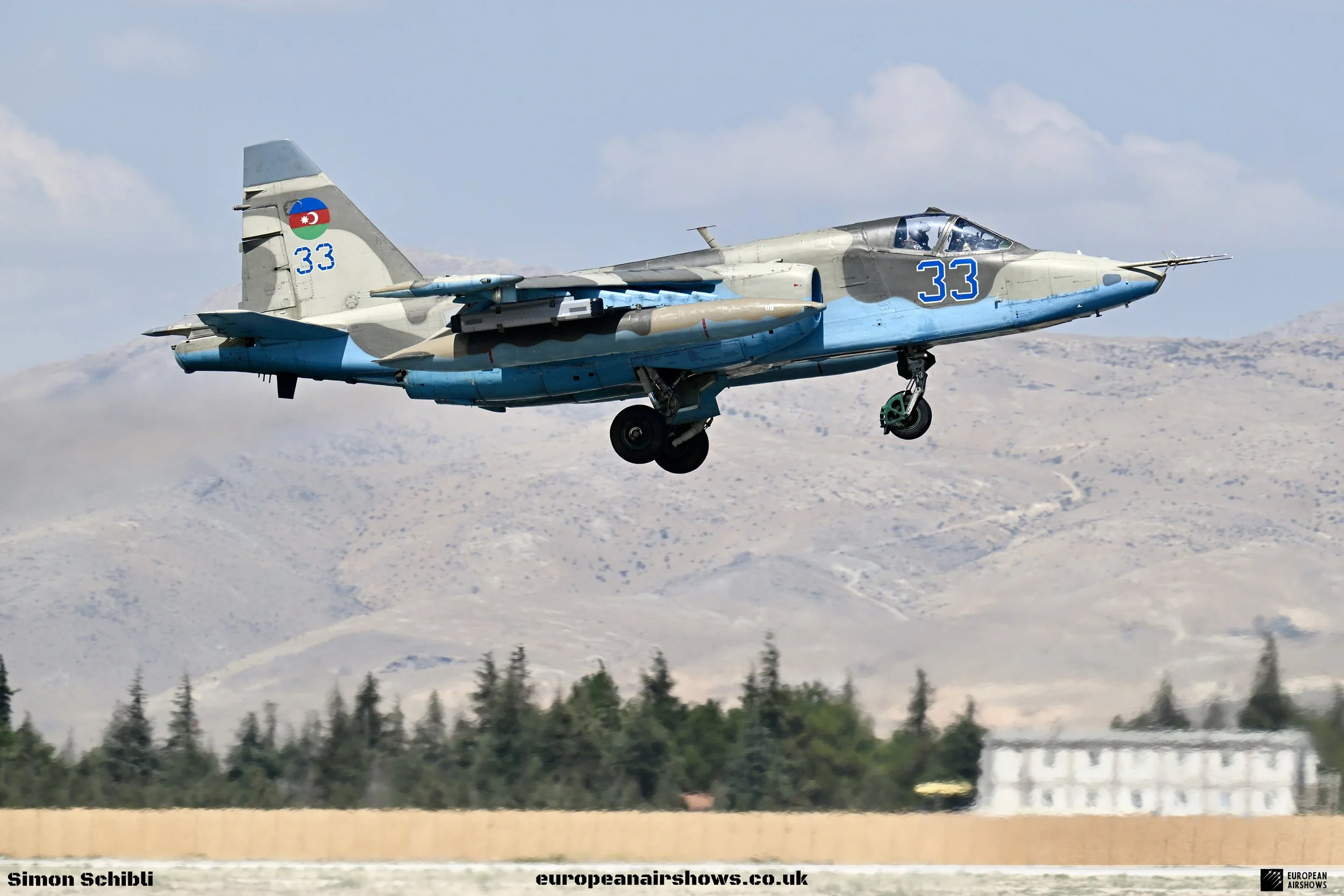
The morning launch sequence quickly demonstrated the scale of the exercise. Waves of F-15SA, F-16 Fighting Falcon, Eurofighter Typhoon and JAS 39 Gripen departed in disciplined succession. Turkish assets operated from separate areas of the base, including the distinctive Sukhoi Su-25 contingent. Overhead coordination came from the Boeing E-7 Wedgetail and NATO’s Boeing E-3 Sentry, while KC-135 Stratotanker tankers supported the airborne package. Unlike a traditional flying display, departures were purposeful and tightly scheduled, reflecting operational tempo rather than choreographed entertainment.
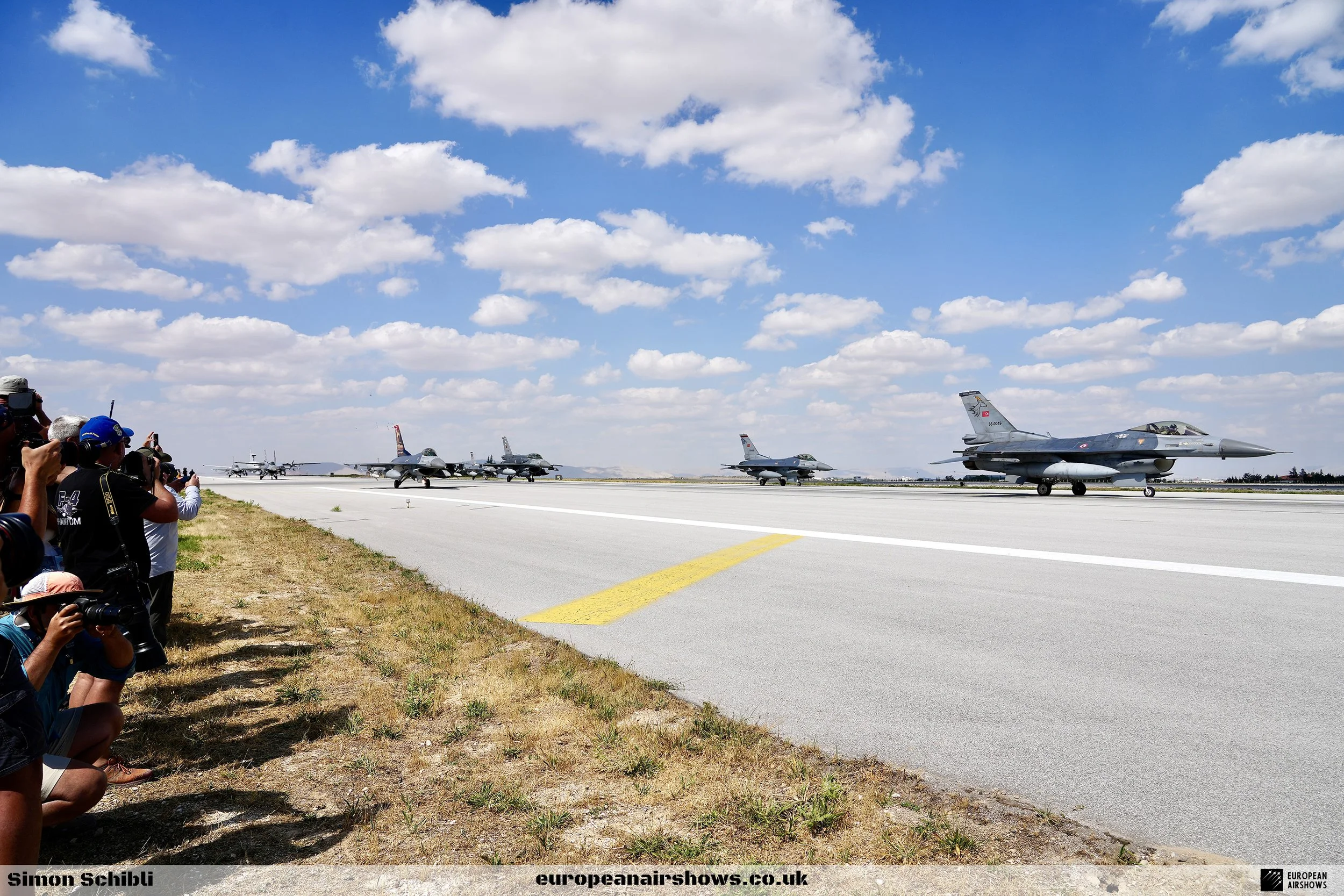
Following the first recovery wave, the Turkish Air Force staged a compact elephant walk, with multiple aircraft taxiing nose-to-tail in close formation. Even in limited form, the visual impact was considerable, emphasising readiness and coordination rather than theatrics. Midday saw a relocation to the opposite side of the runway, where the programme incorporated carefully managed demonstration elements.
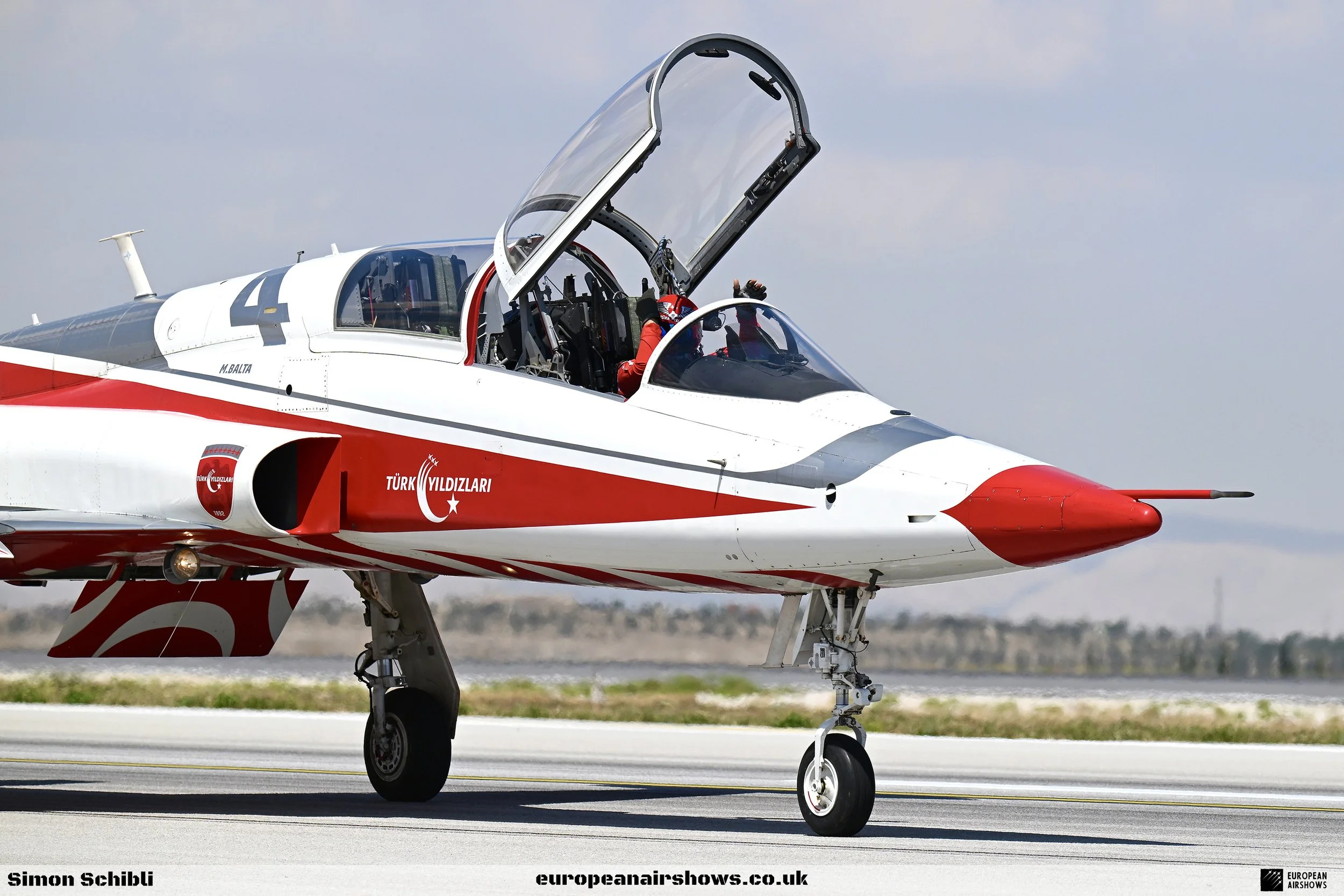
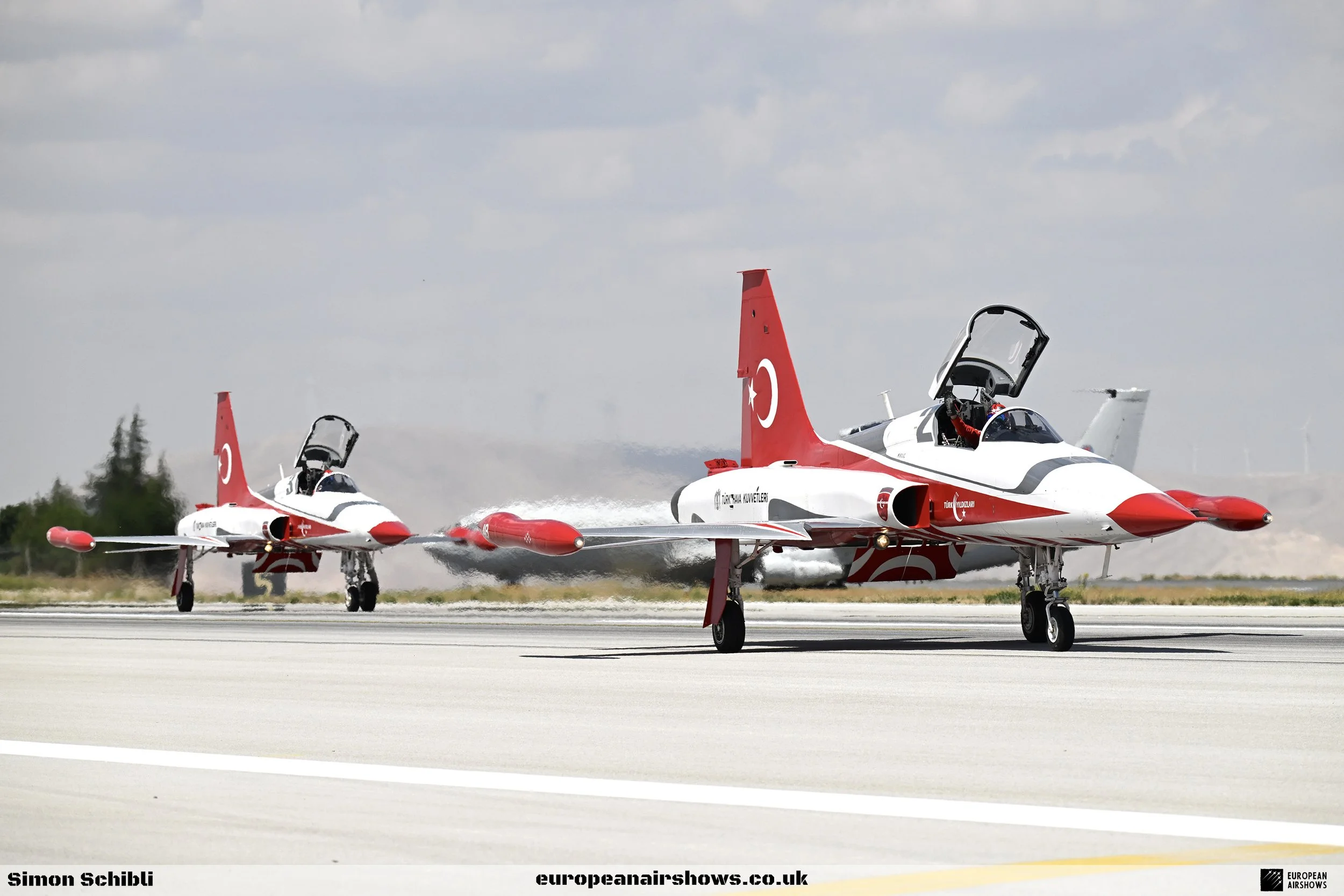
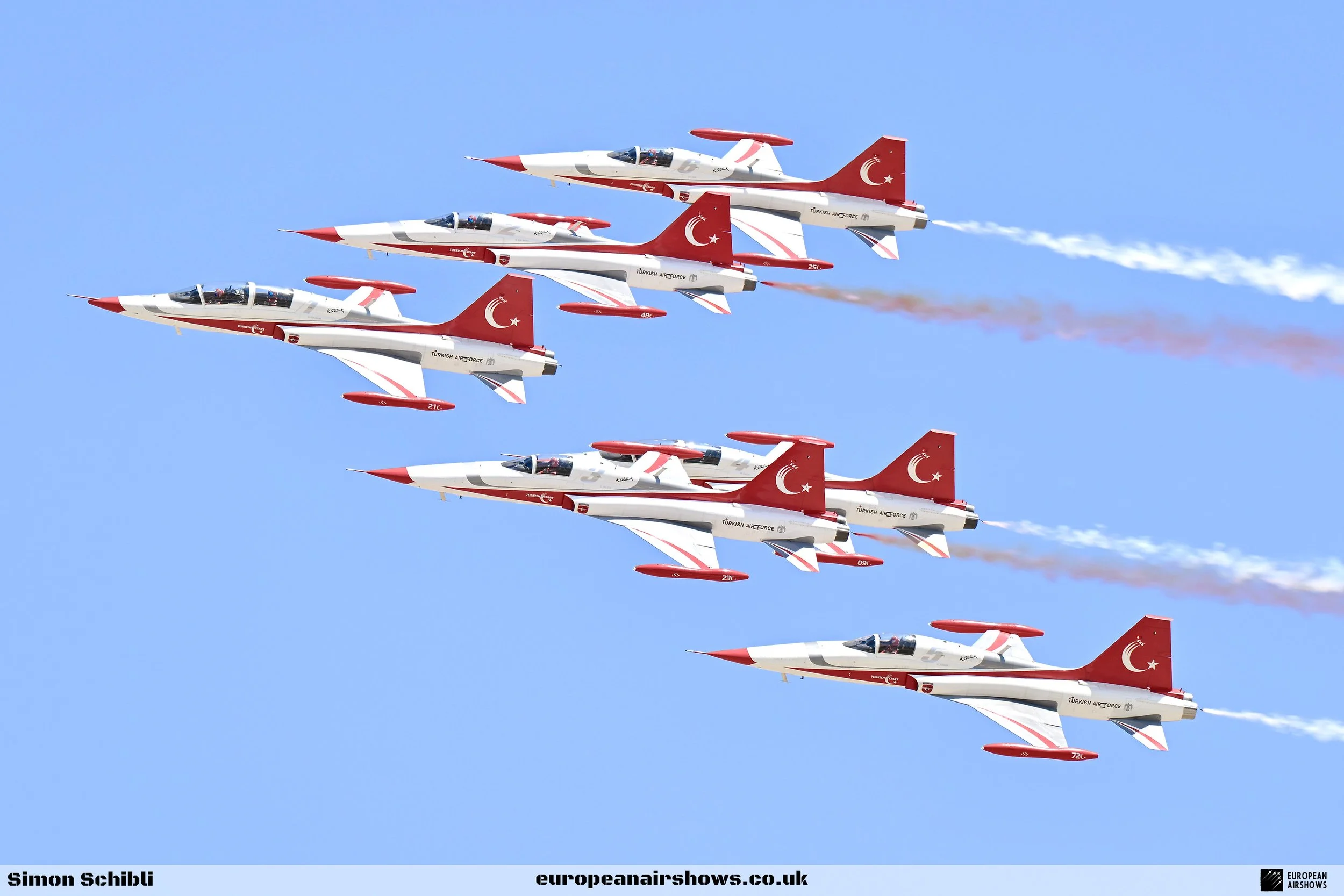
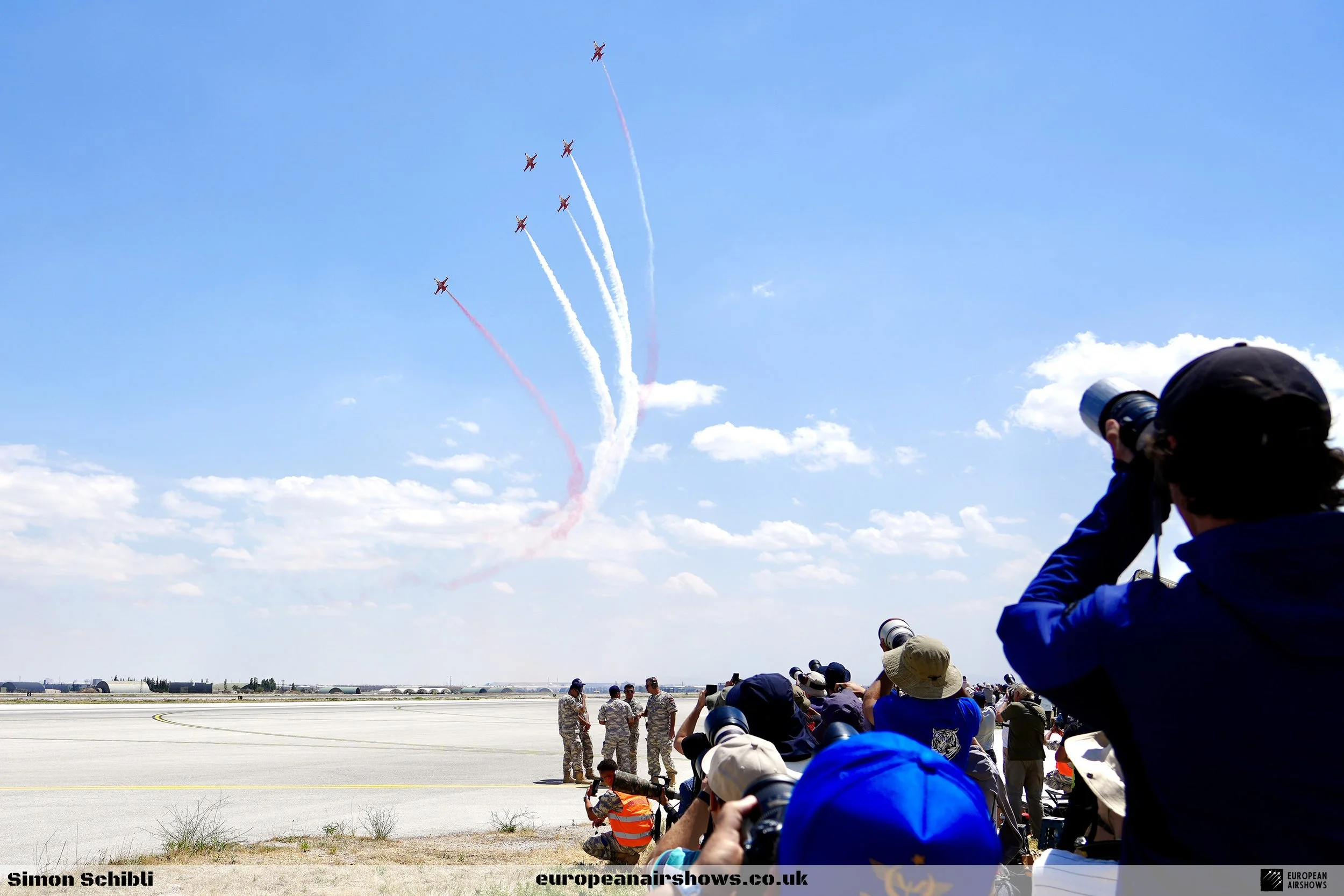
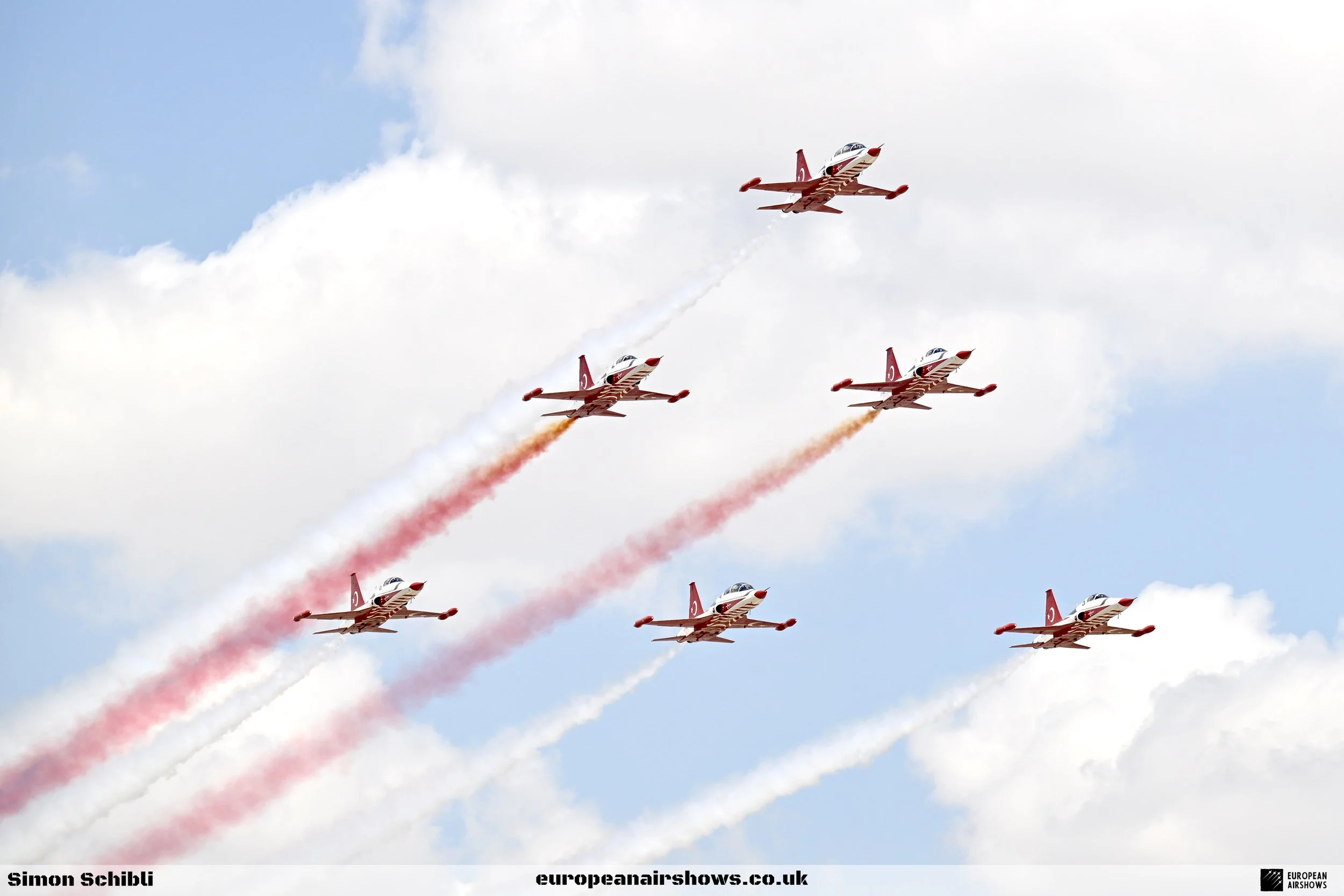
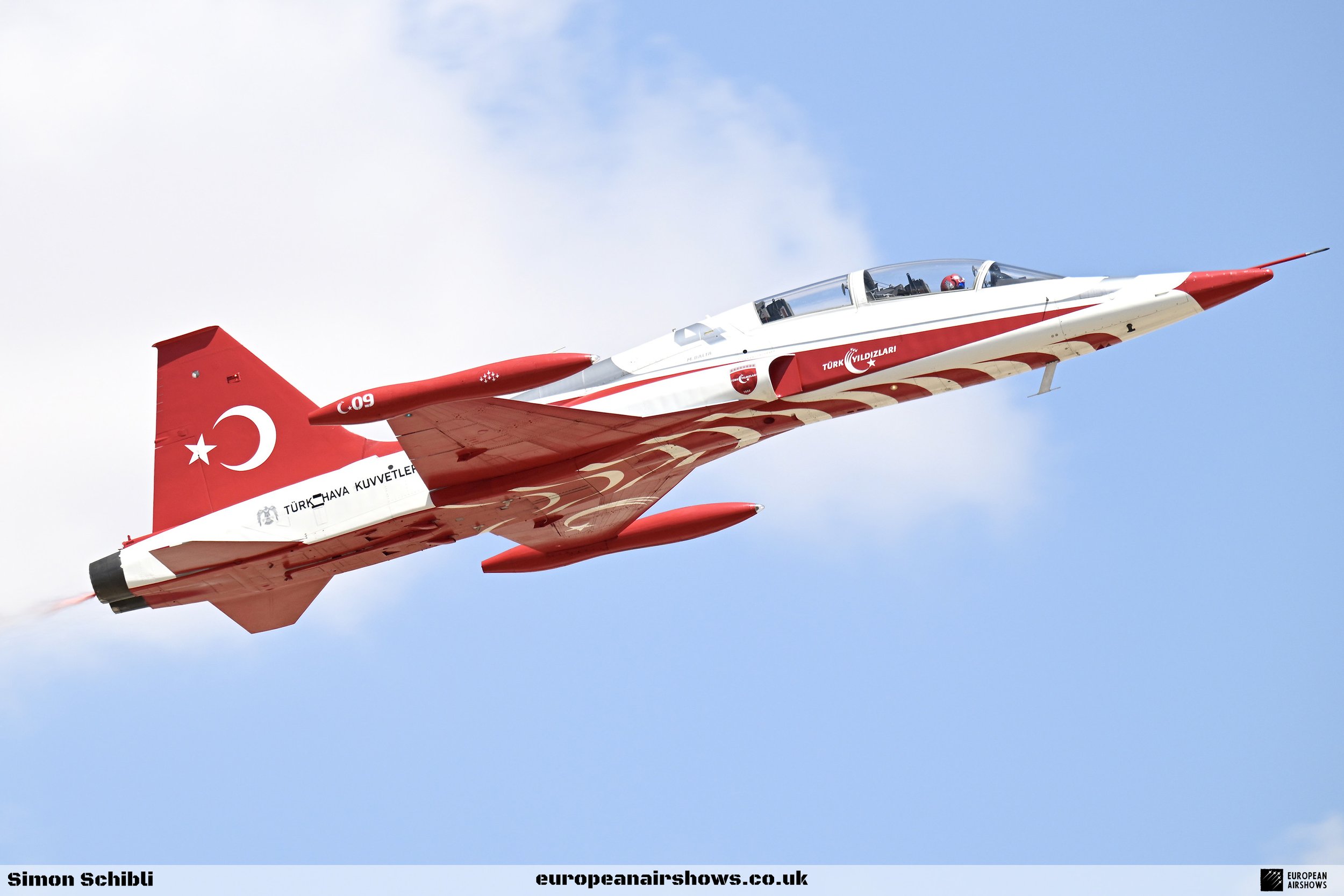
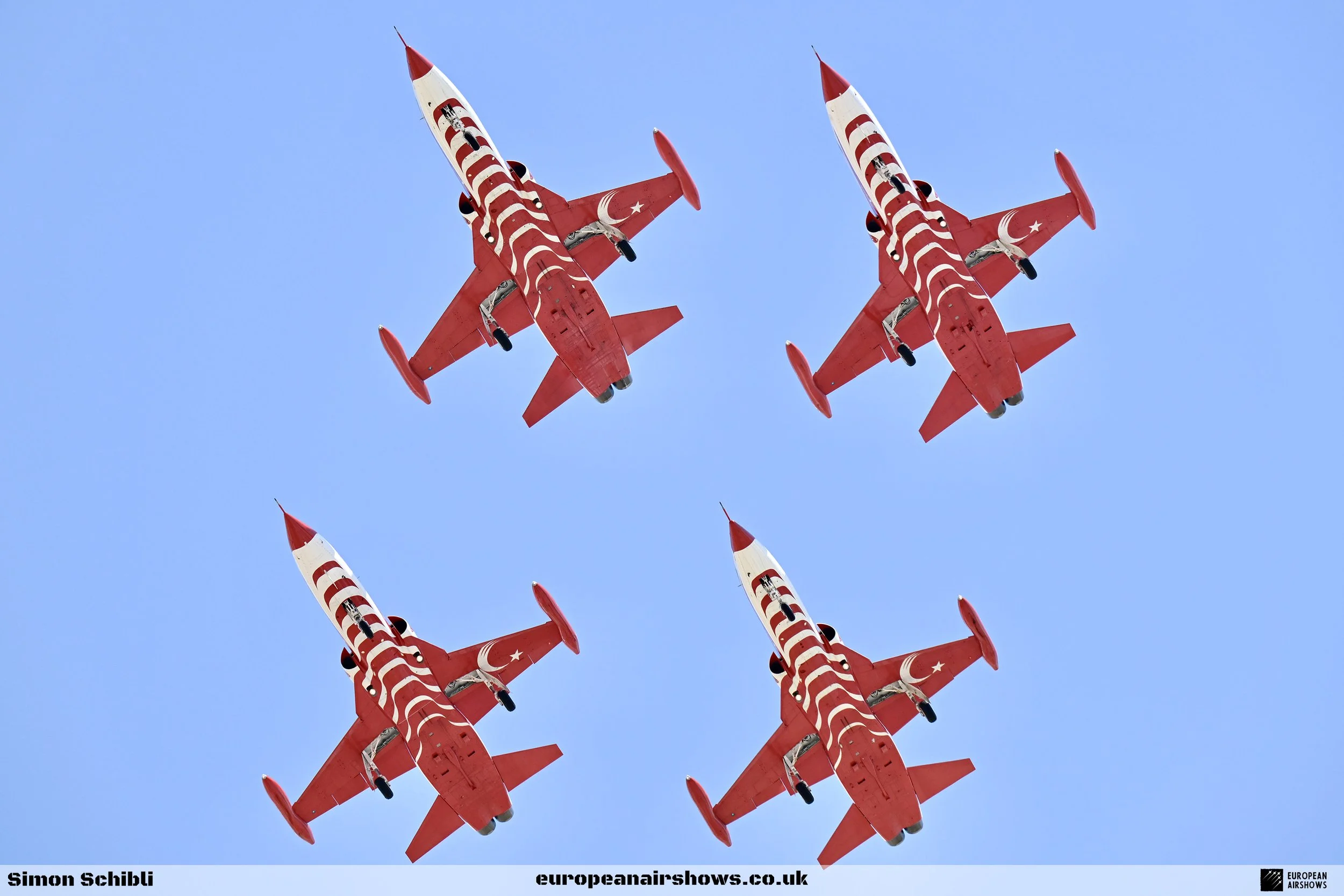
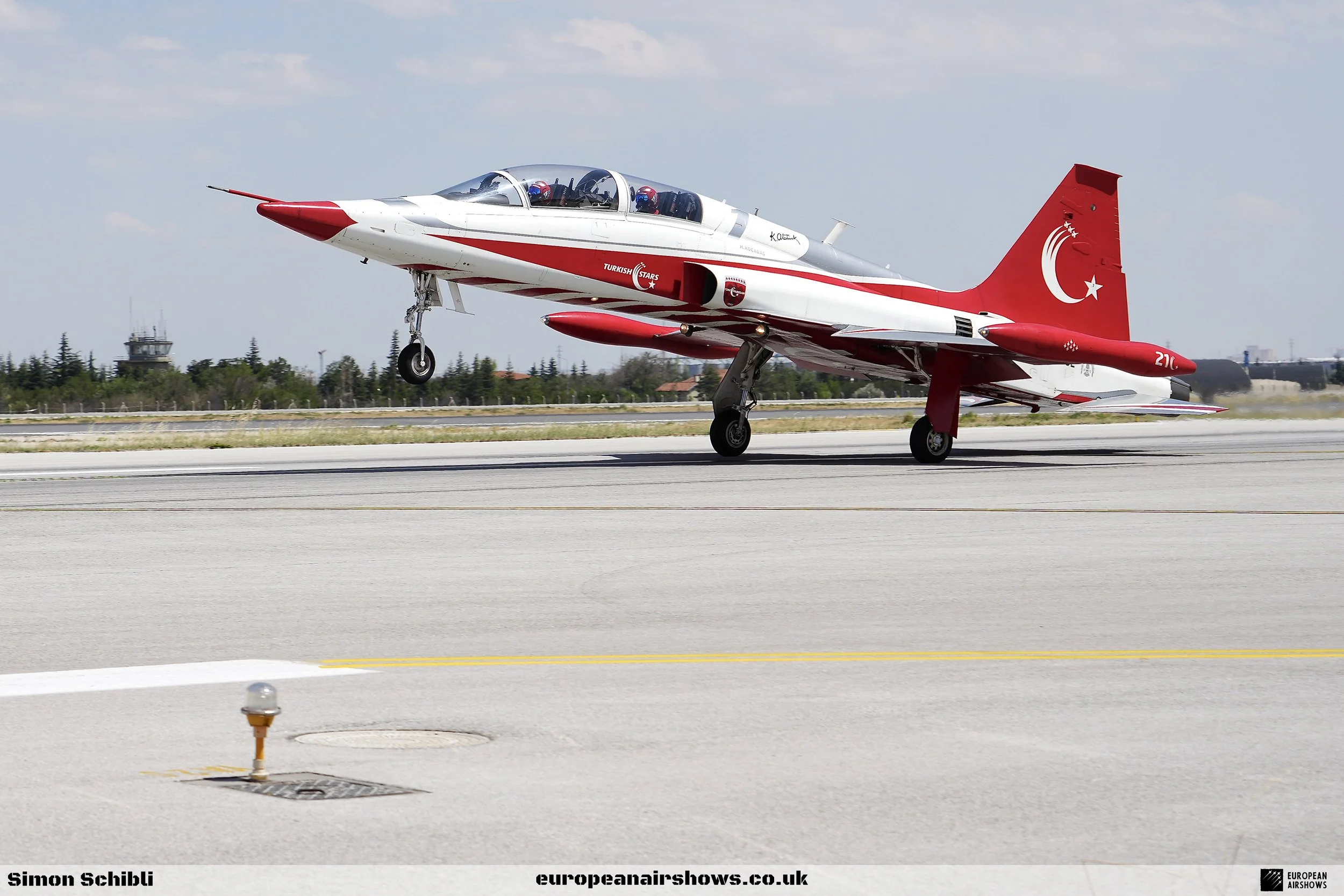
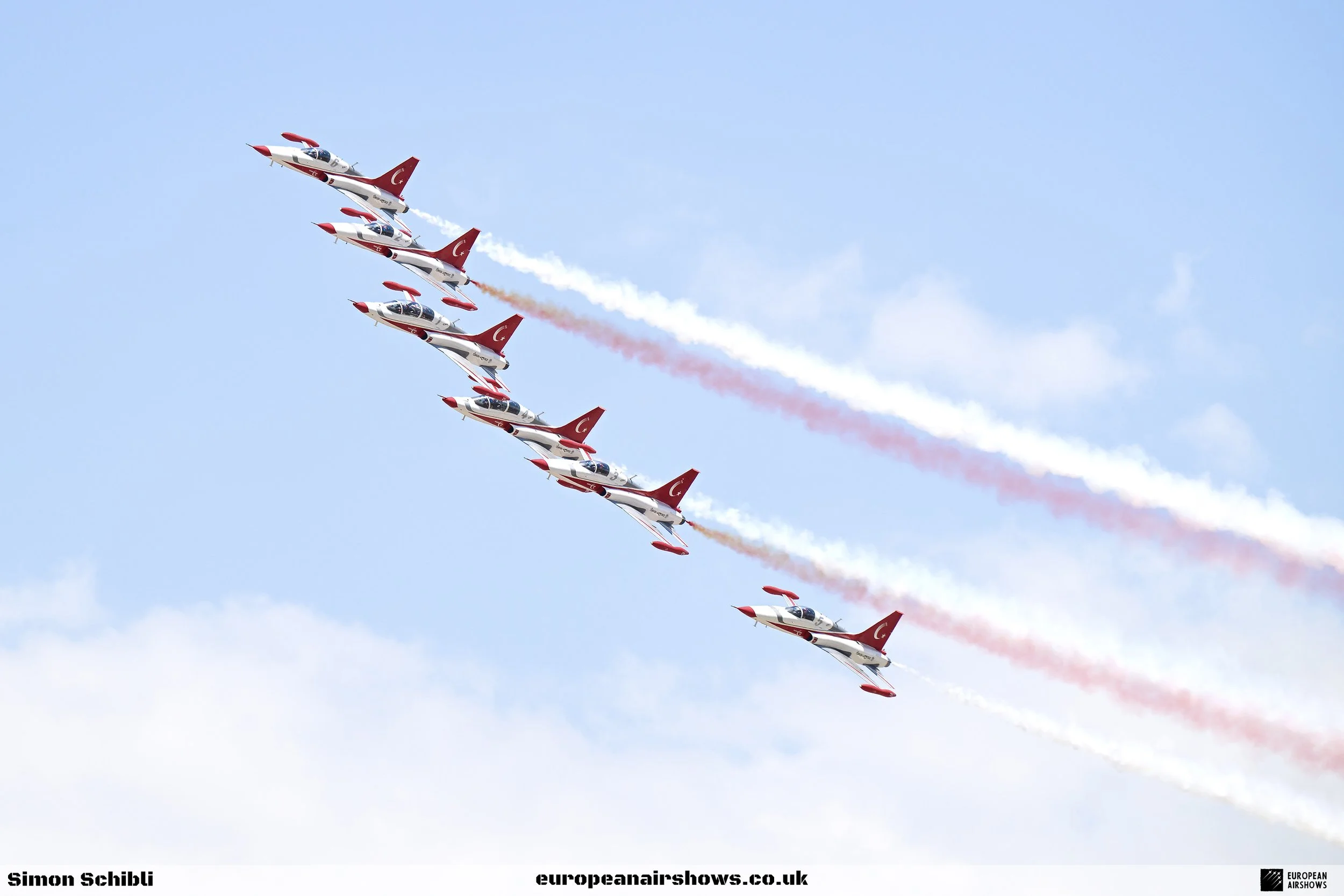
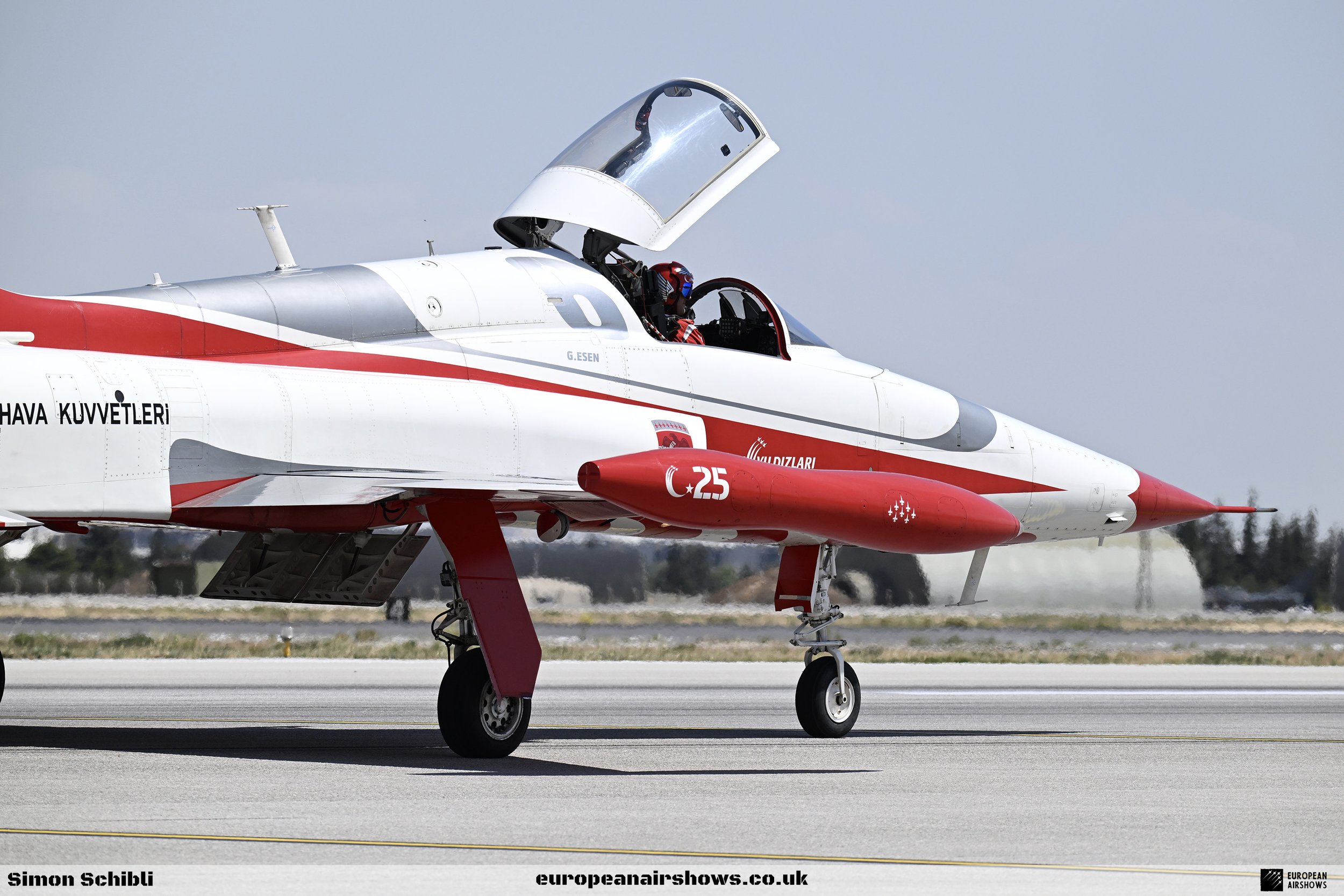
A home-base display by the Turkish Stars flying the Northrop NF-5 formed the most recognisable display segment of the day. Observing the team at Konya carries added significance, as this is their home station. While the routine felt slightly more restrained than at major European airshows, the close landings directly in front of the viewing area provided memorable photographic opportunities.
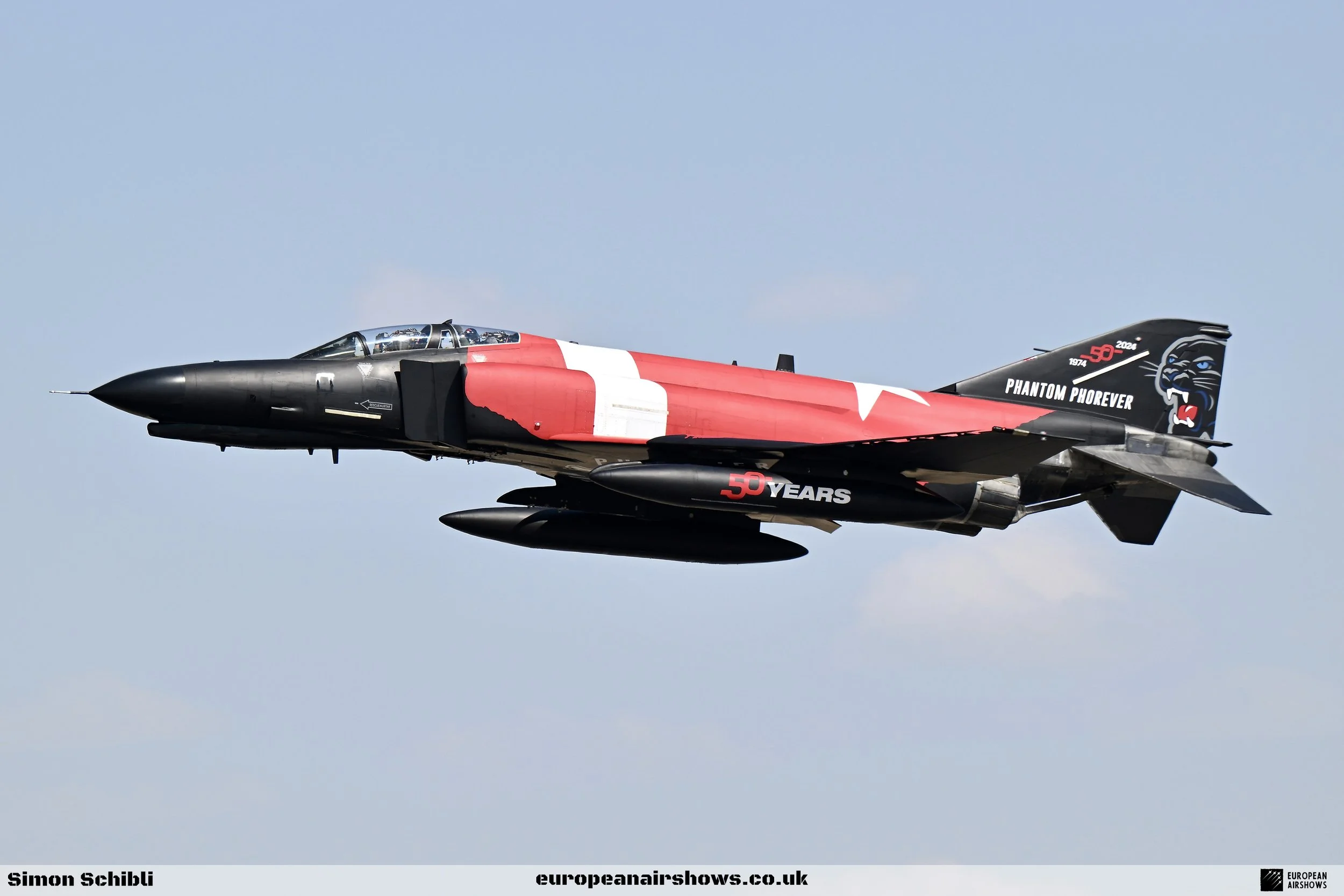
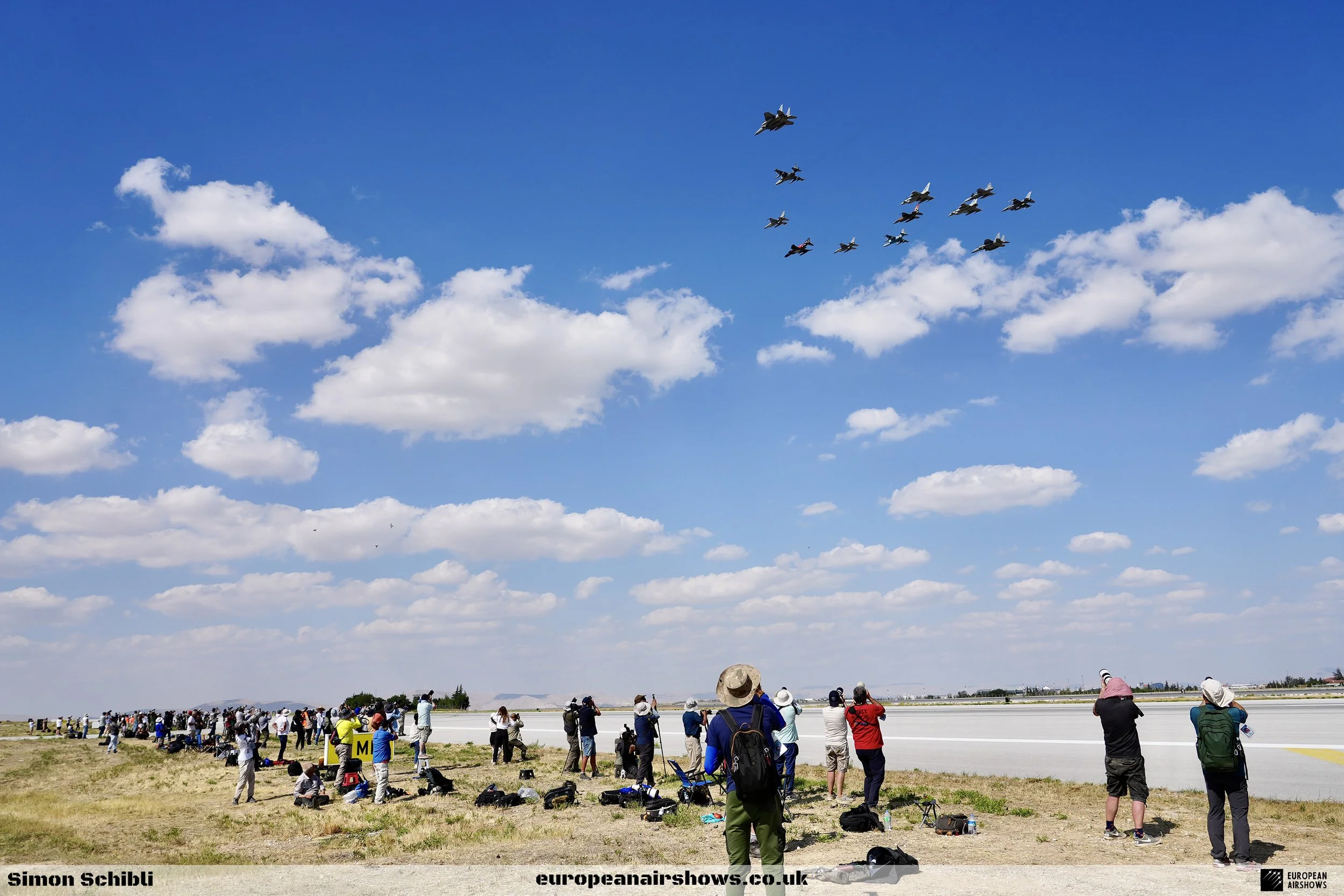
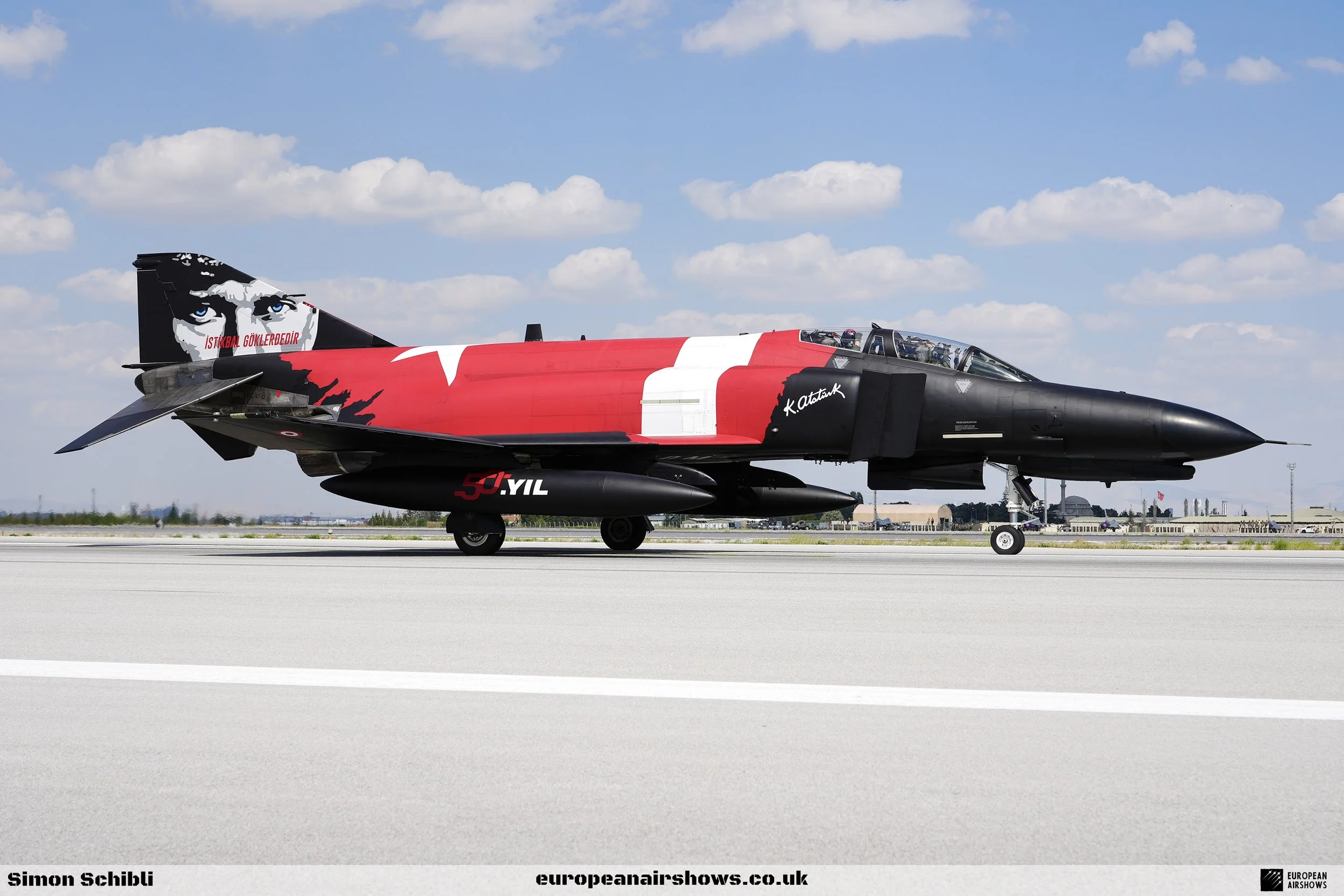
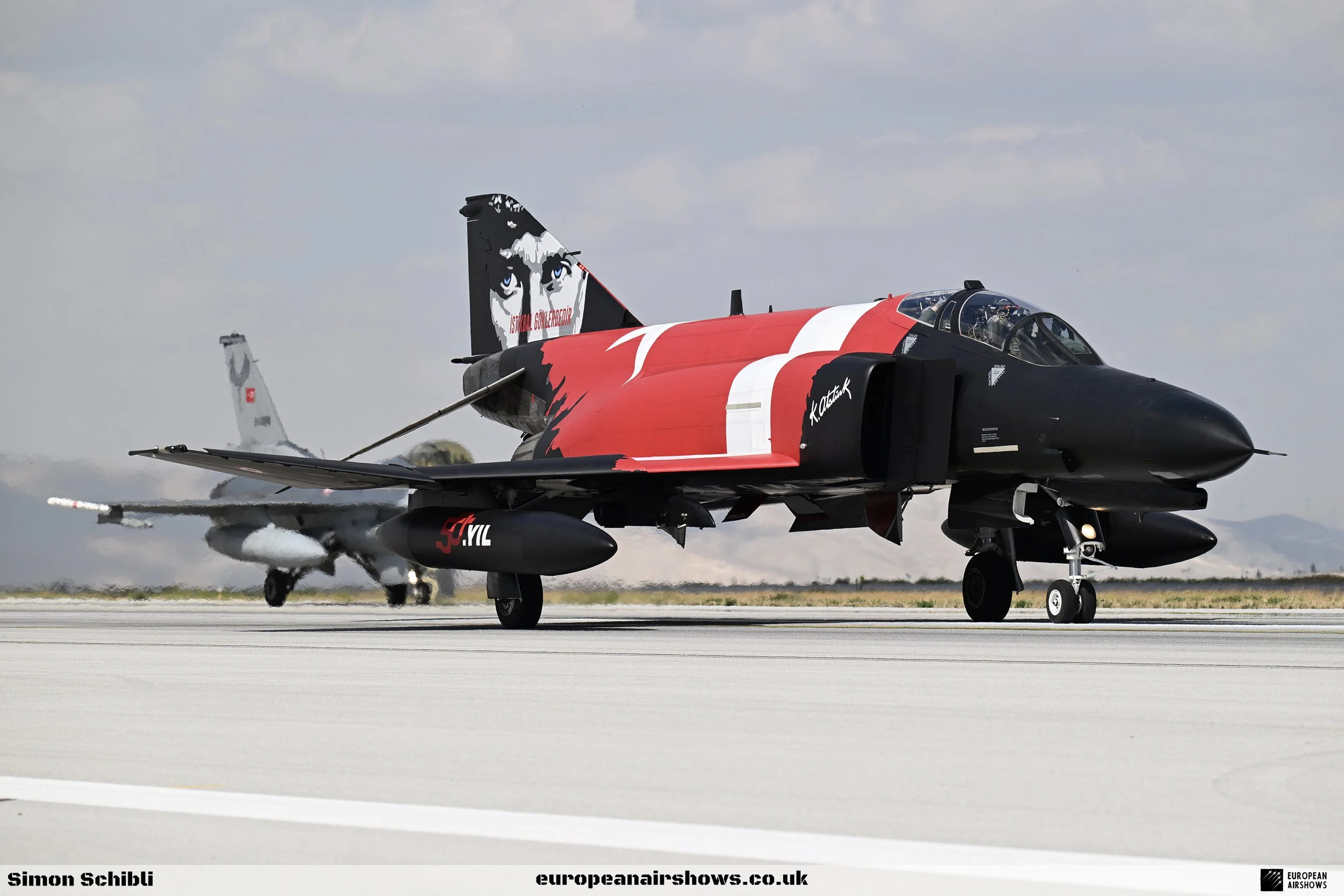
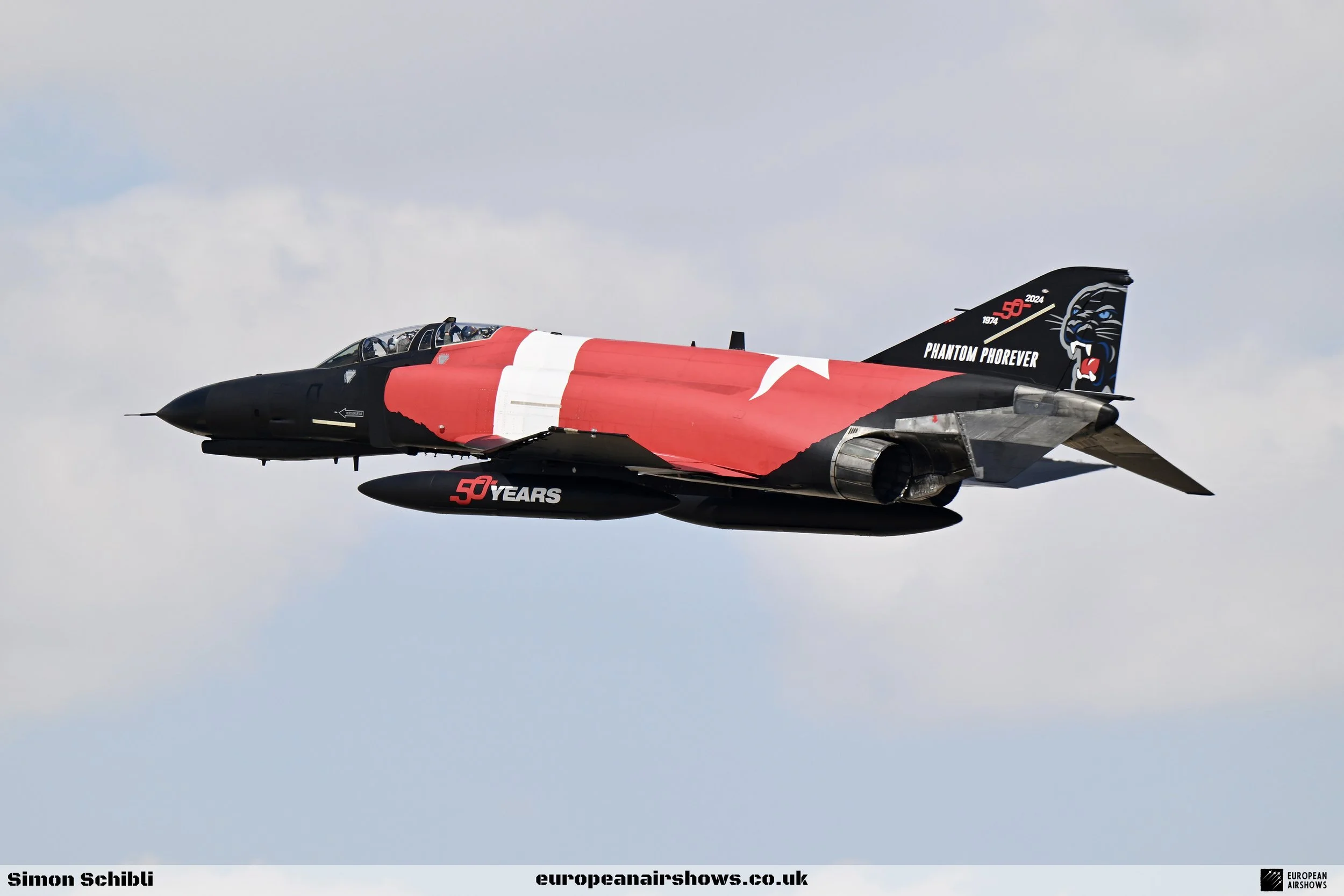
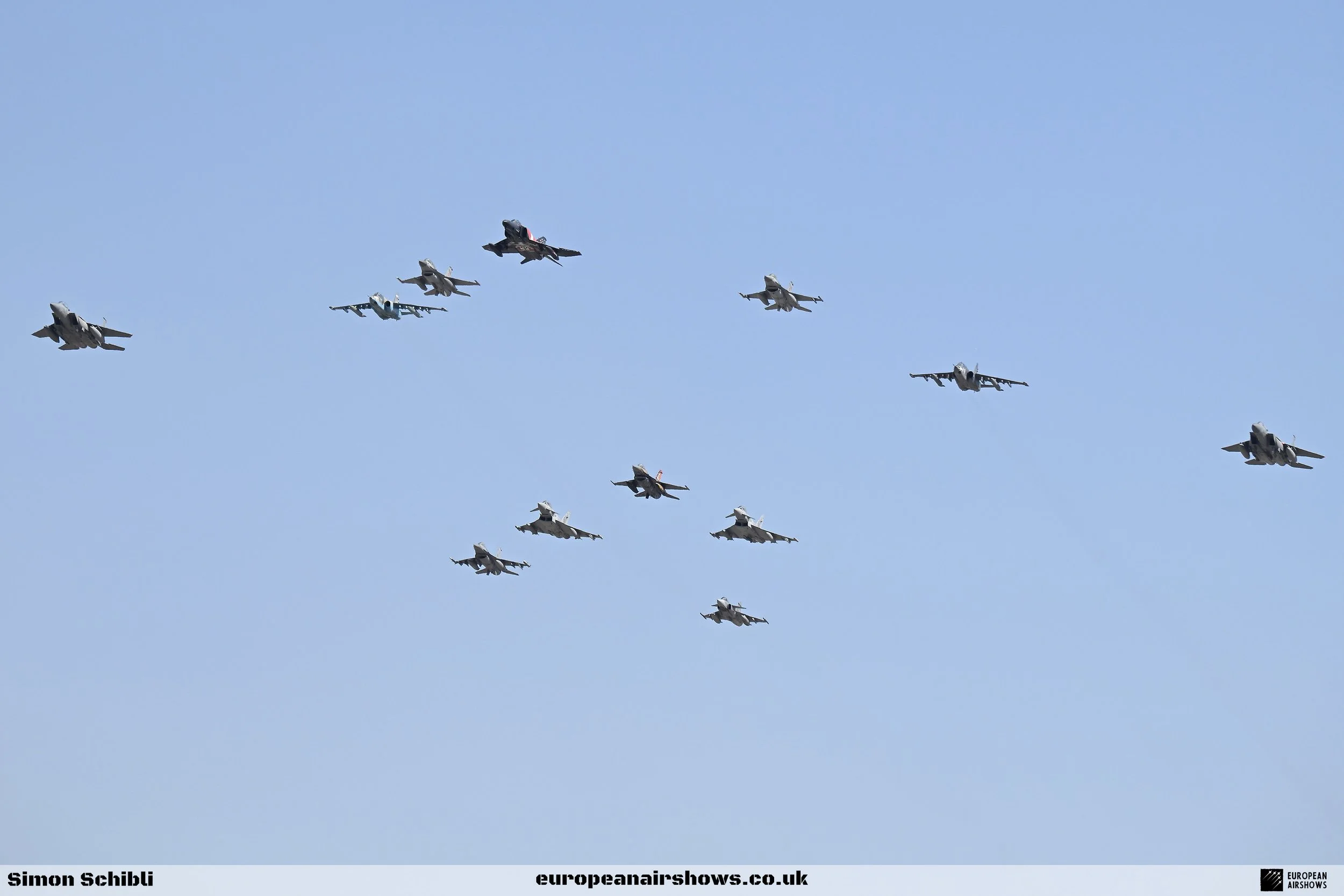
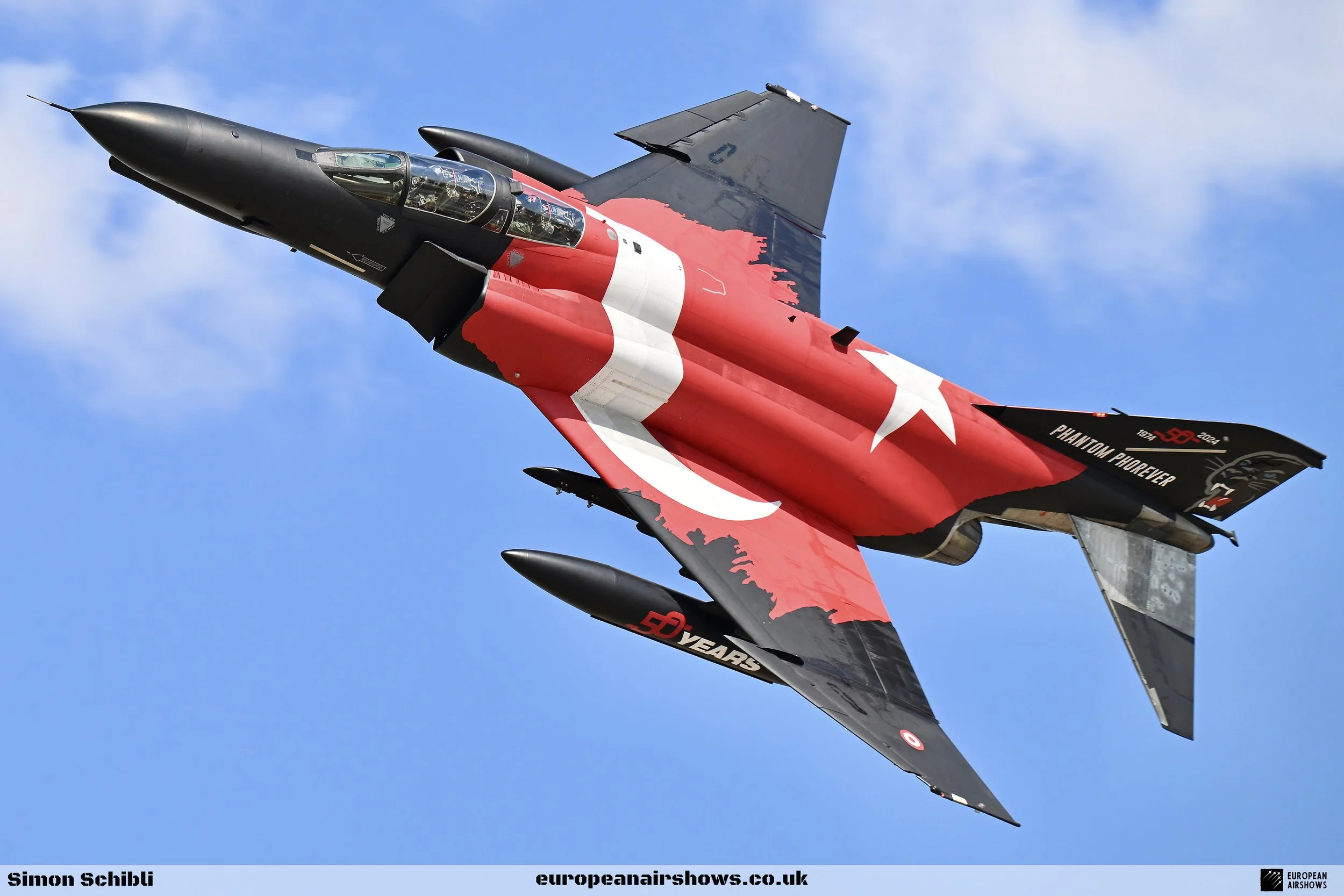
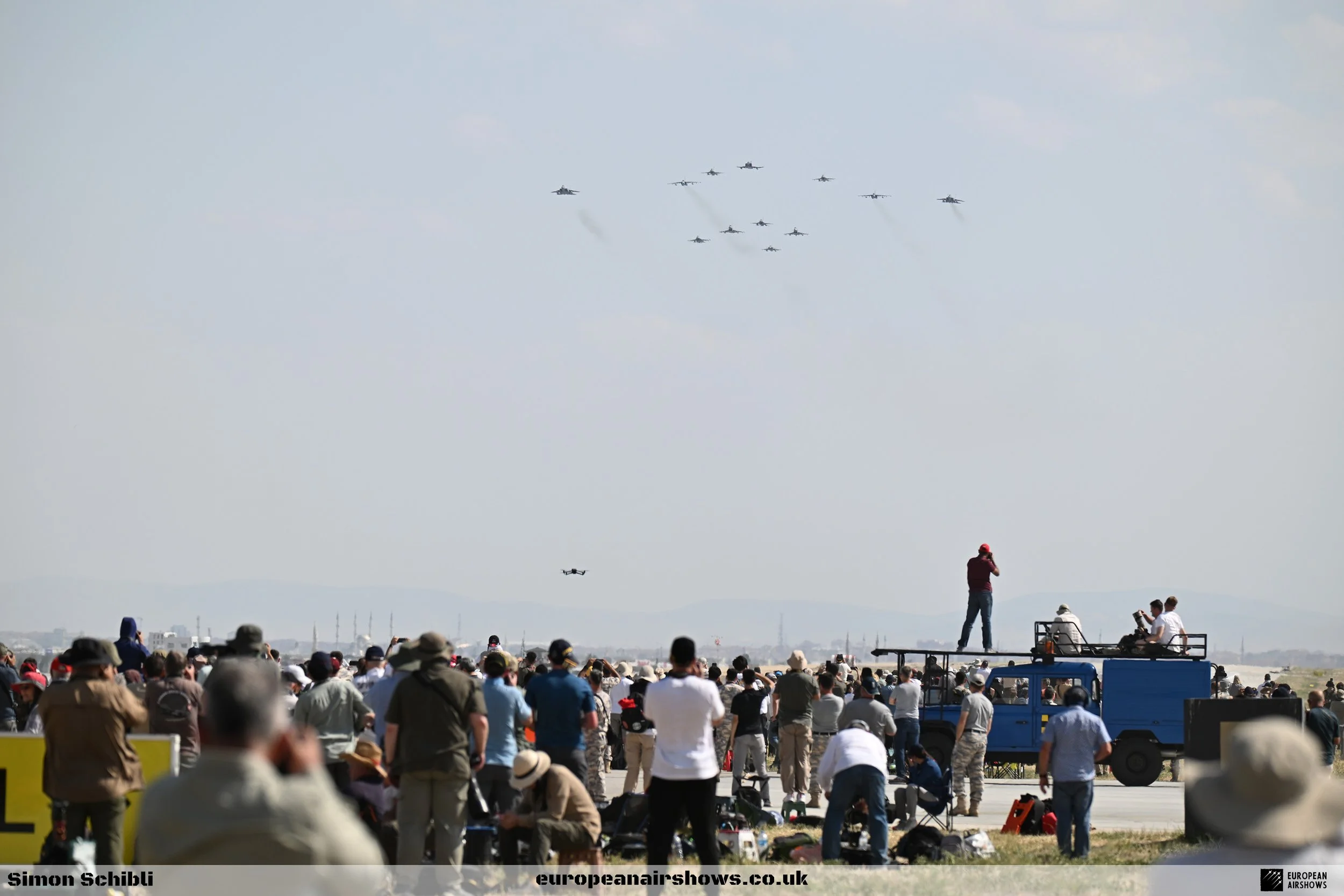
Attention soon shifted to one of the day’s most anticipated participants: the Turkish Air Force’s McDonnell Douglas F-4E Terminator 2020. Marking five decades of Phantom operations in Turkey, the aircraft’s special presentation added historical depth to an otherwise contemporary exercise environment. A multinational formation followed, bringing together F-15s, F-16s, Gripens, Typhoons, Su-25s and the Phantom in multiple passes before breaking to land, underscoring the cooperative spirit of the exercise.
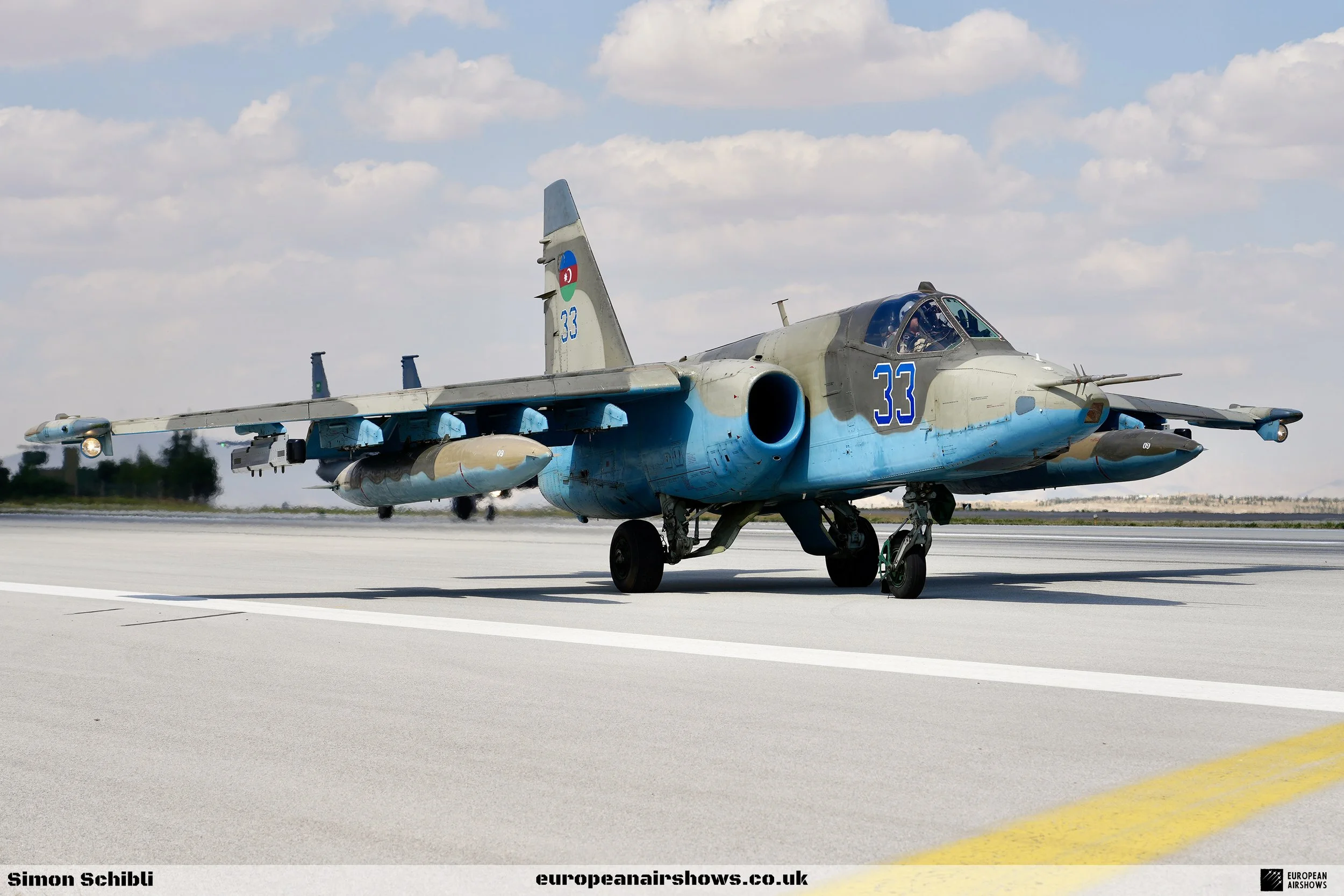
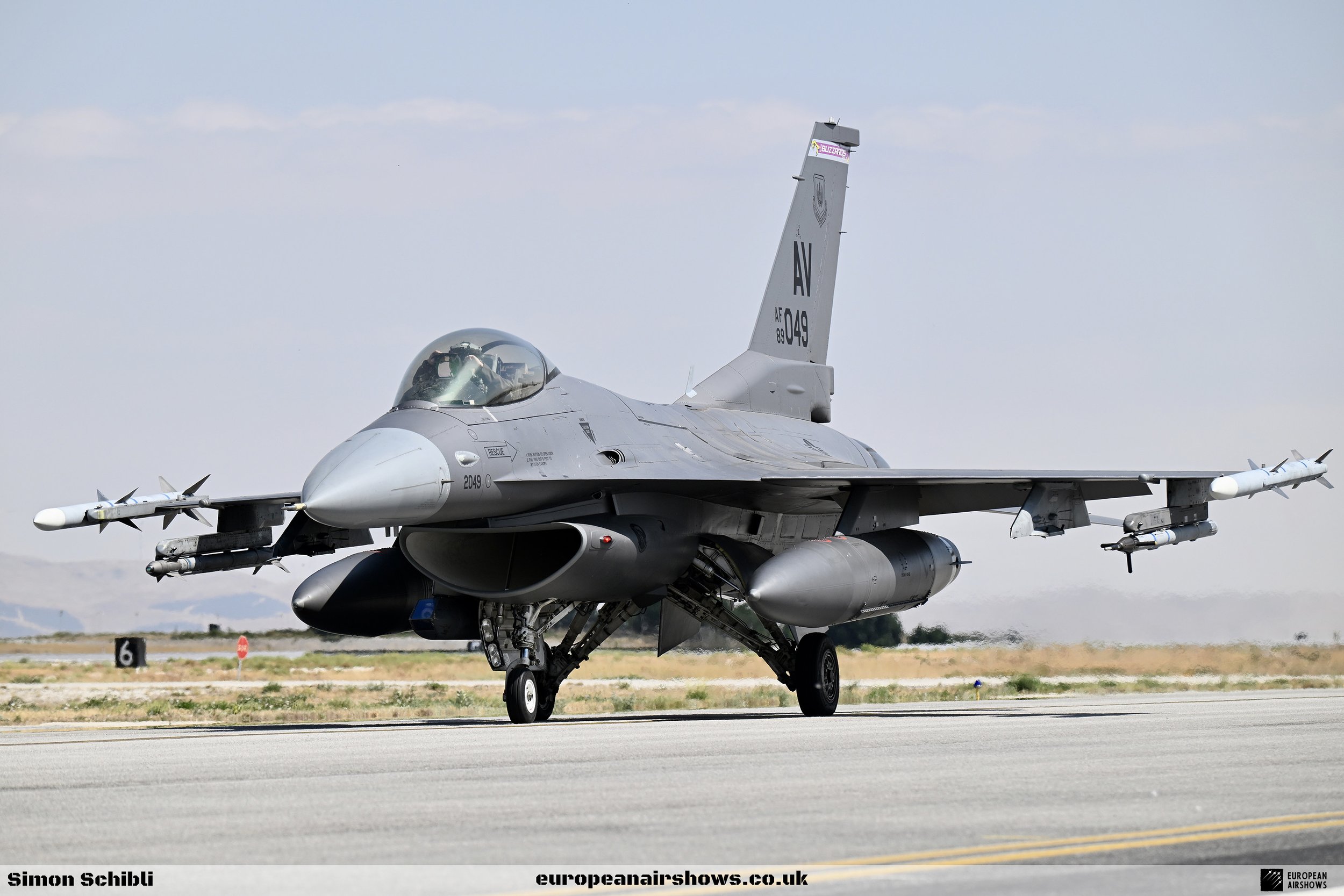
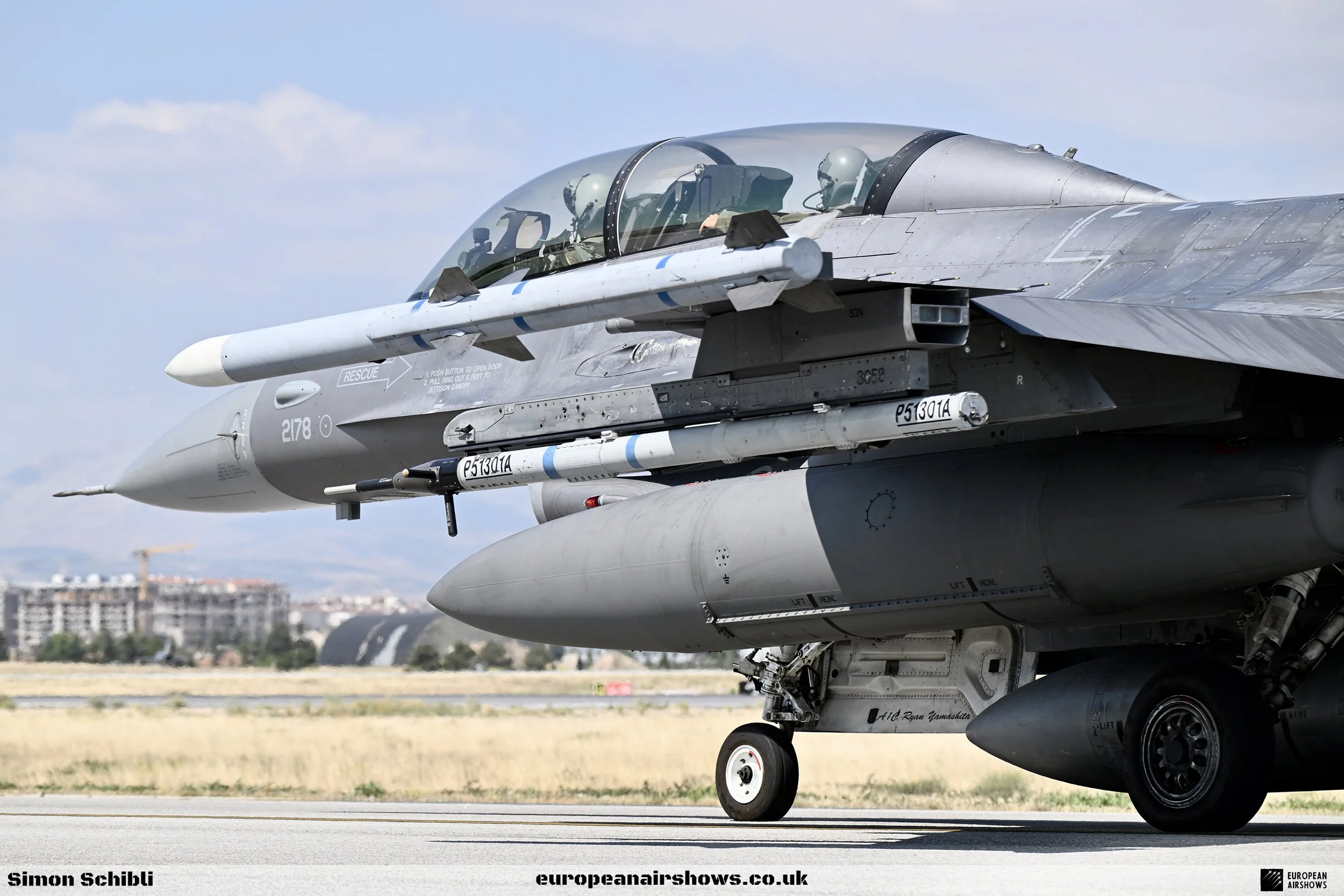
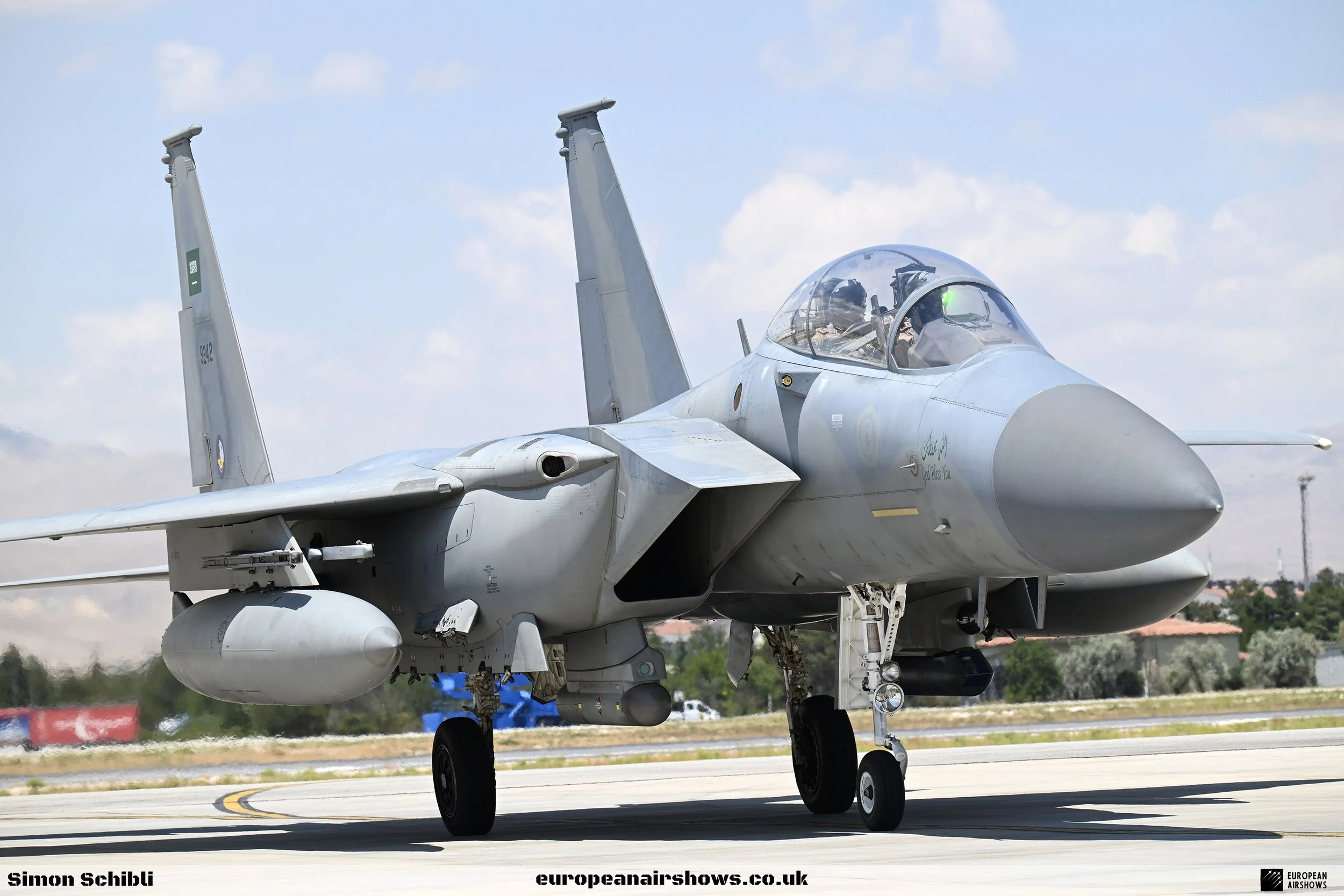
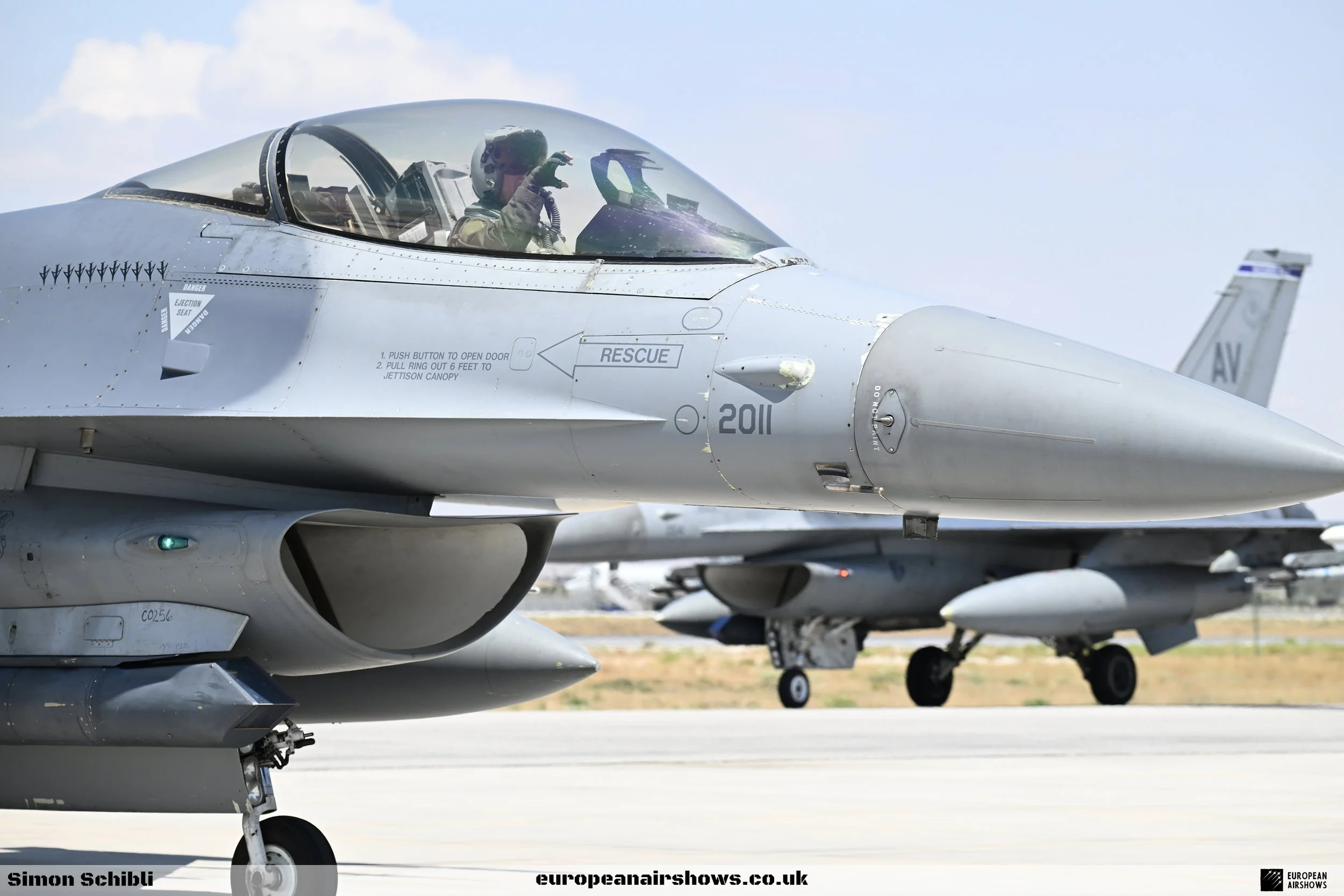
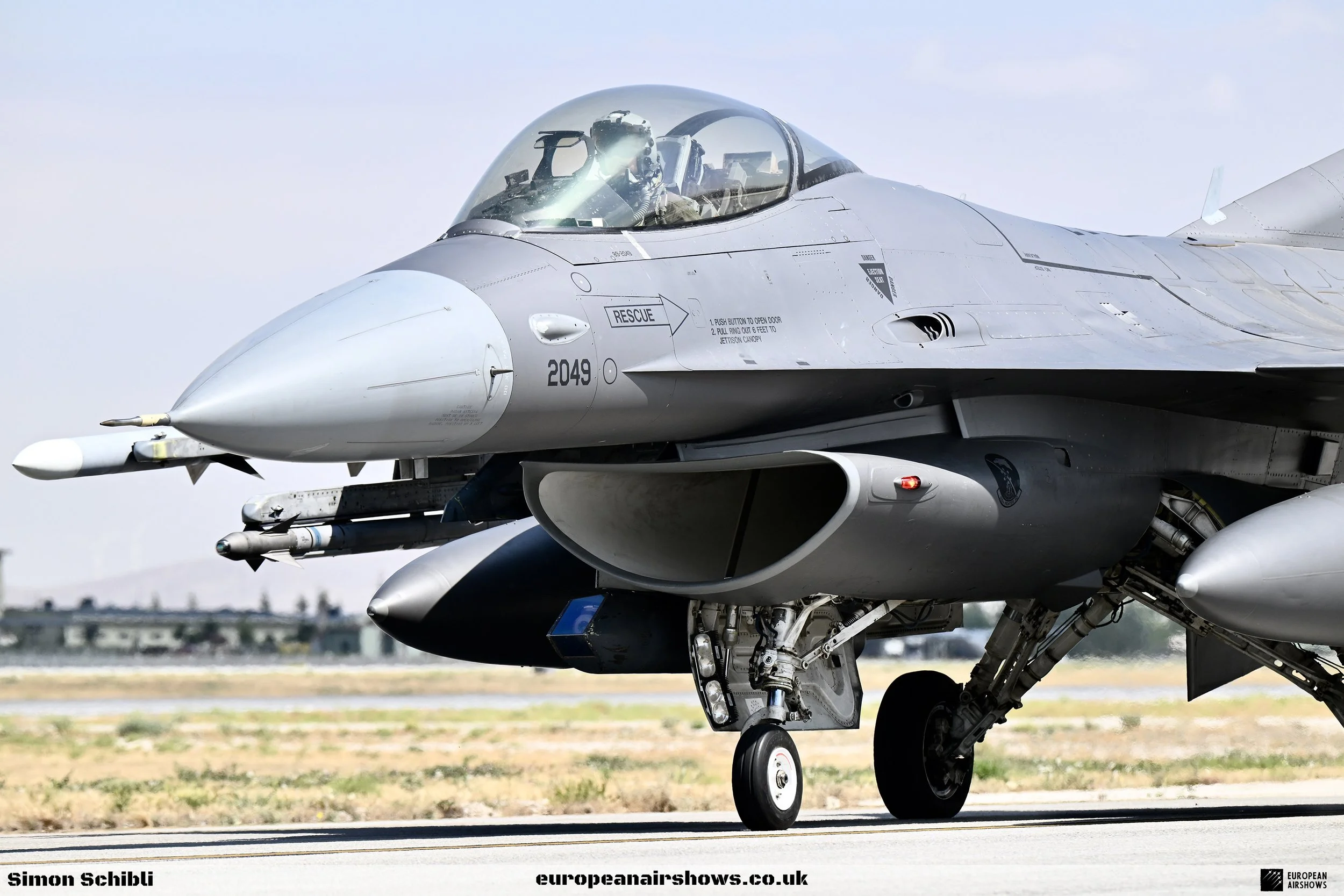
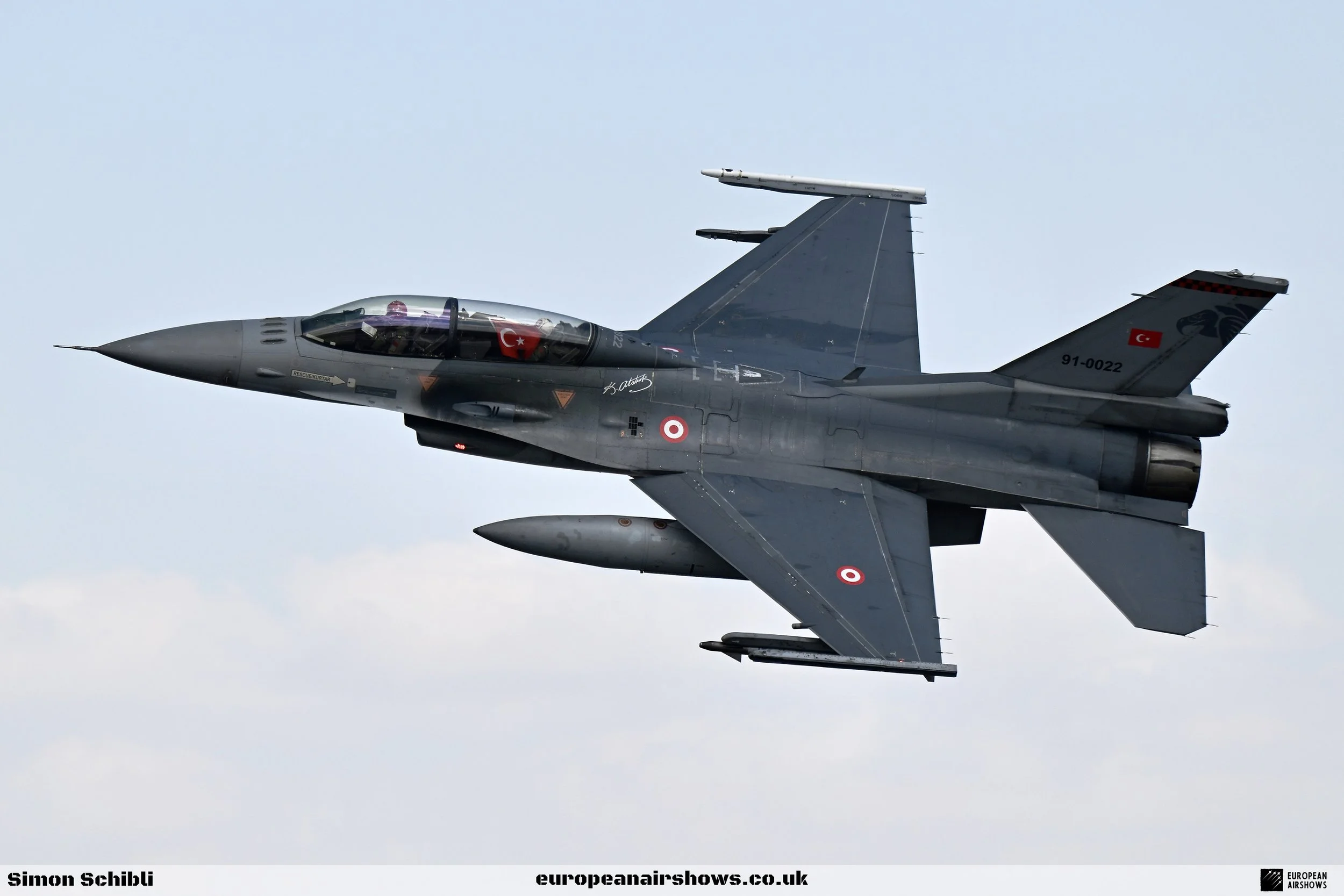
Late in the afternoon, with some aircraft still airborne, instructions were briefly given to prepare for departure. Moments later, confirmation came that the Phantom would conduct additional passes. The decision rewarded those who remained. Low, close, and well-lit passes from the Phantom provided a dramatic closing sequence, followed by final movements from participating fighters that concluded a long but exceptionally full day.
Overall, Anatolian Eagle 2025 delivered a highly successful Spotter Day. Organisation was strong, aircraft positioning consistently favoured the sun, and proximity to operational assets was excellent. Minor communication issues at the very end of the day were the only noticeable shortcoming. As with all such events, adherence to safety boundaries by attendees remains crucial to ensuring future access.
Anatolian Eagle will return in 2026. Based on the scale, access and overall quality of this year’s Spotter Day, it comes highly recommended for enthusiasts of modern military aviation and multinational air operations. Beyond the flying itself, the event also offers a rewarding opportunity to discover Konya and the wider Anatolian region, where history, landscapes and local cuisine add a memorable dimension to an already distinctive aviation experience.
