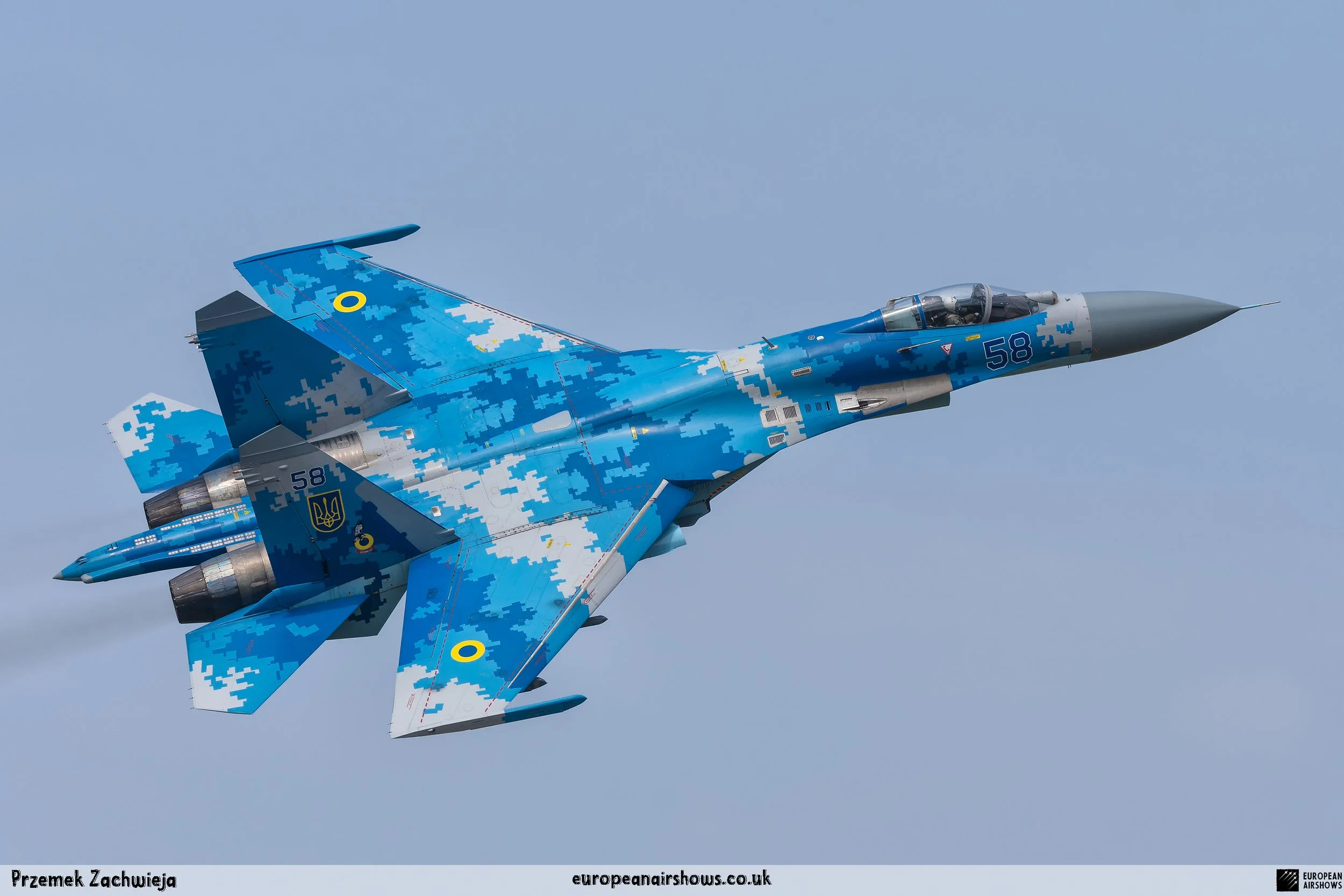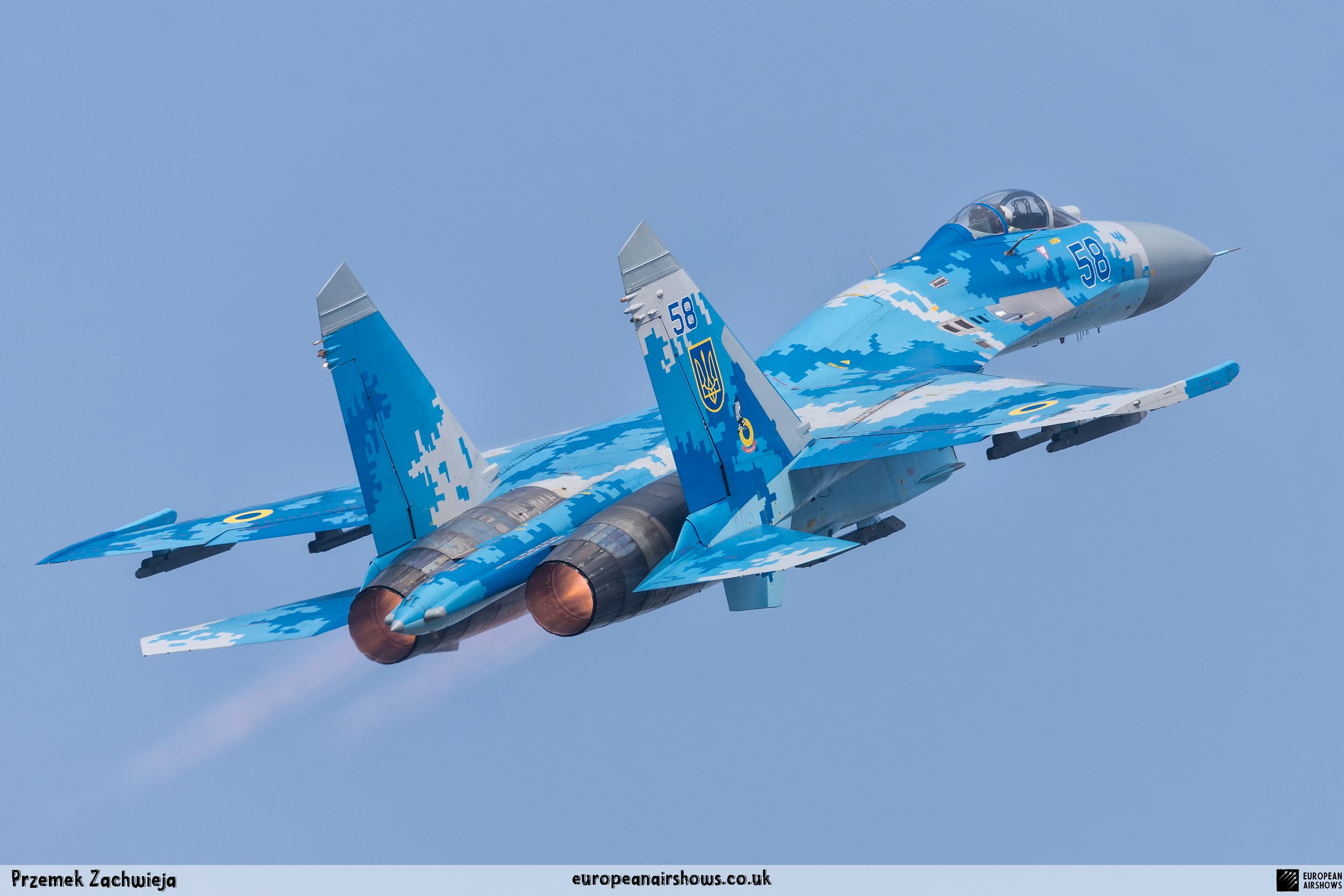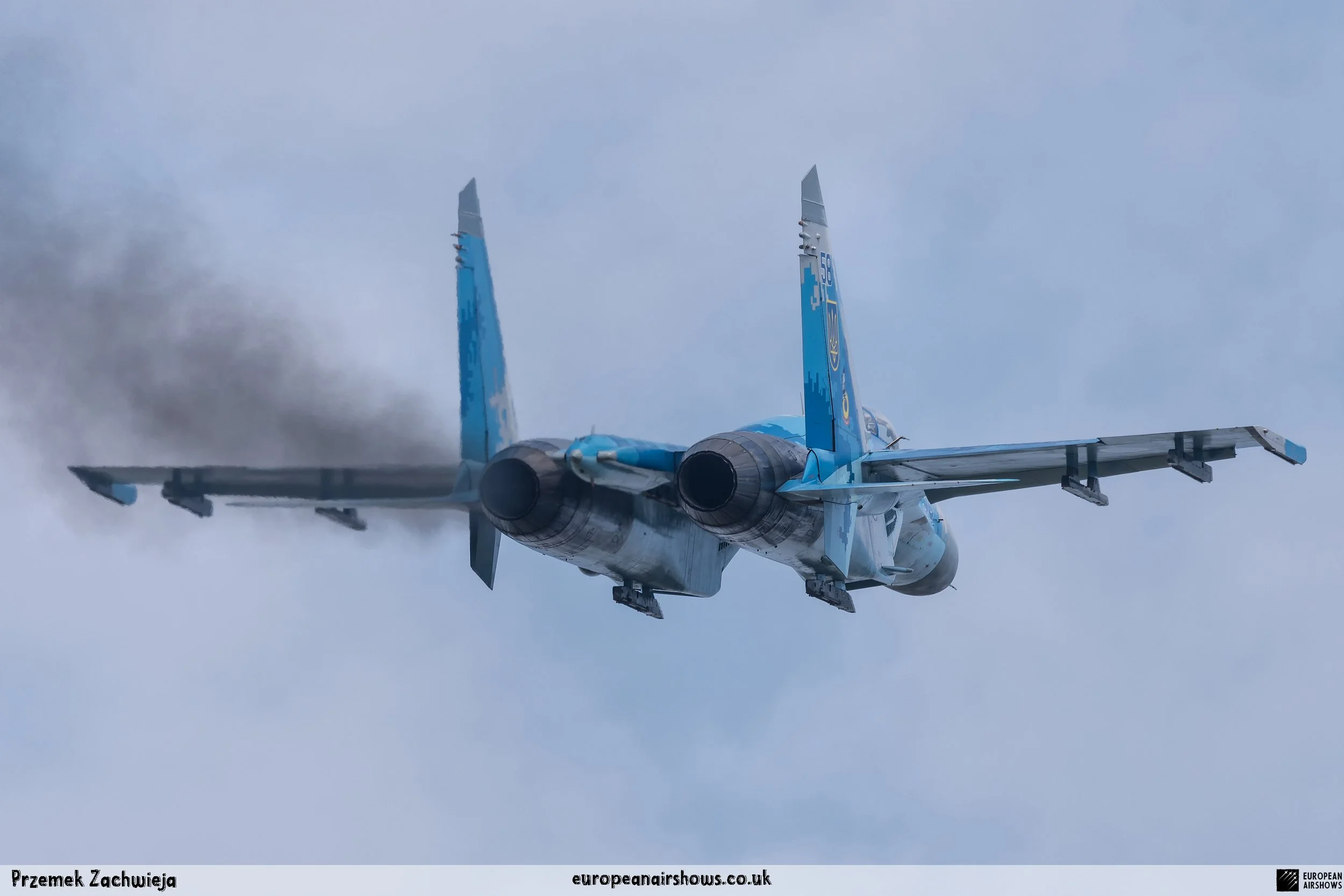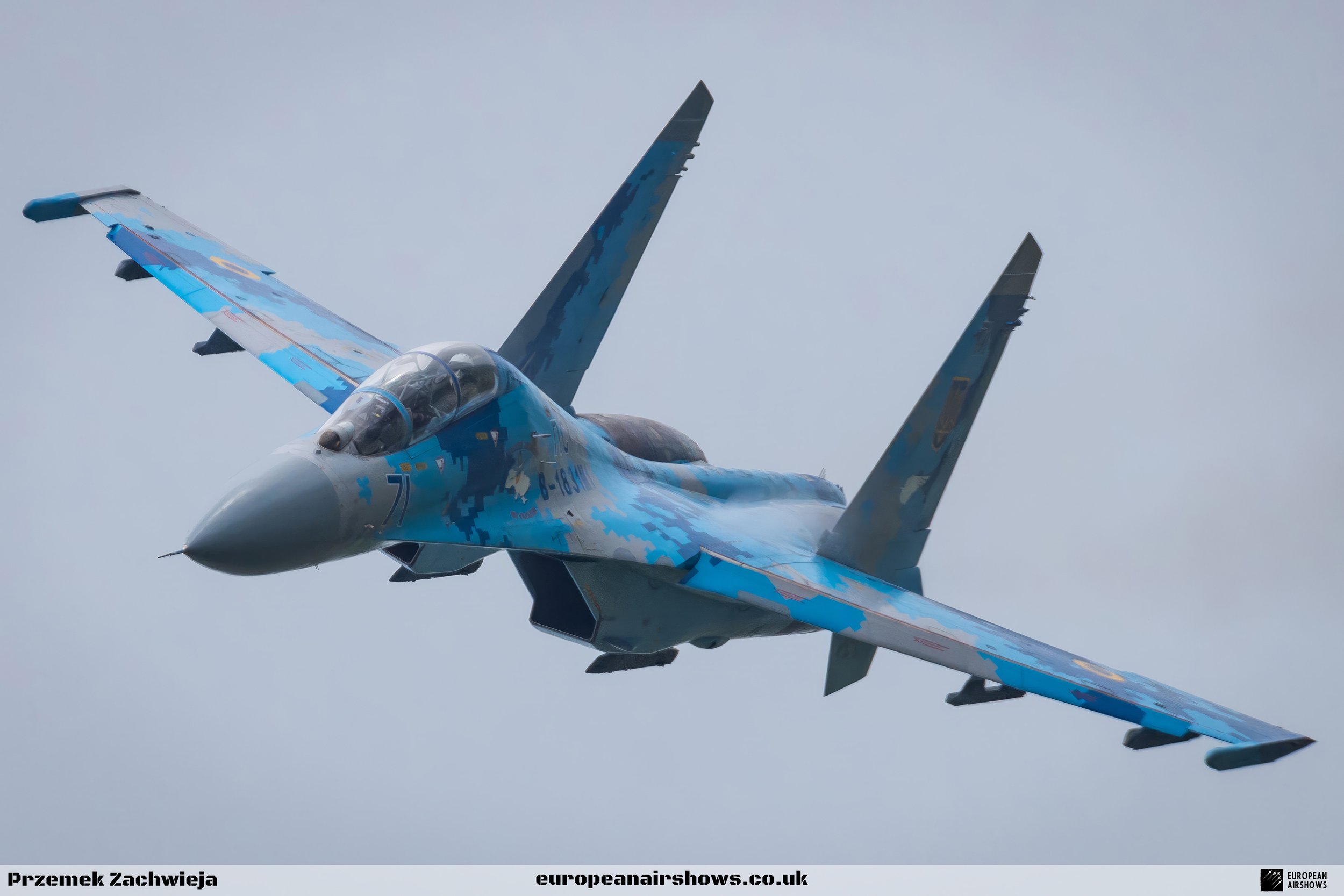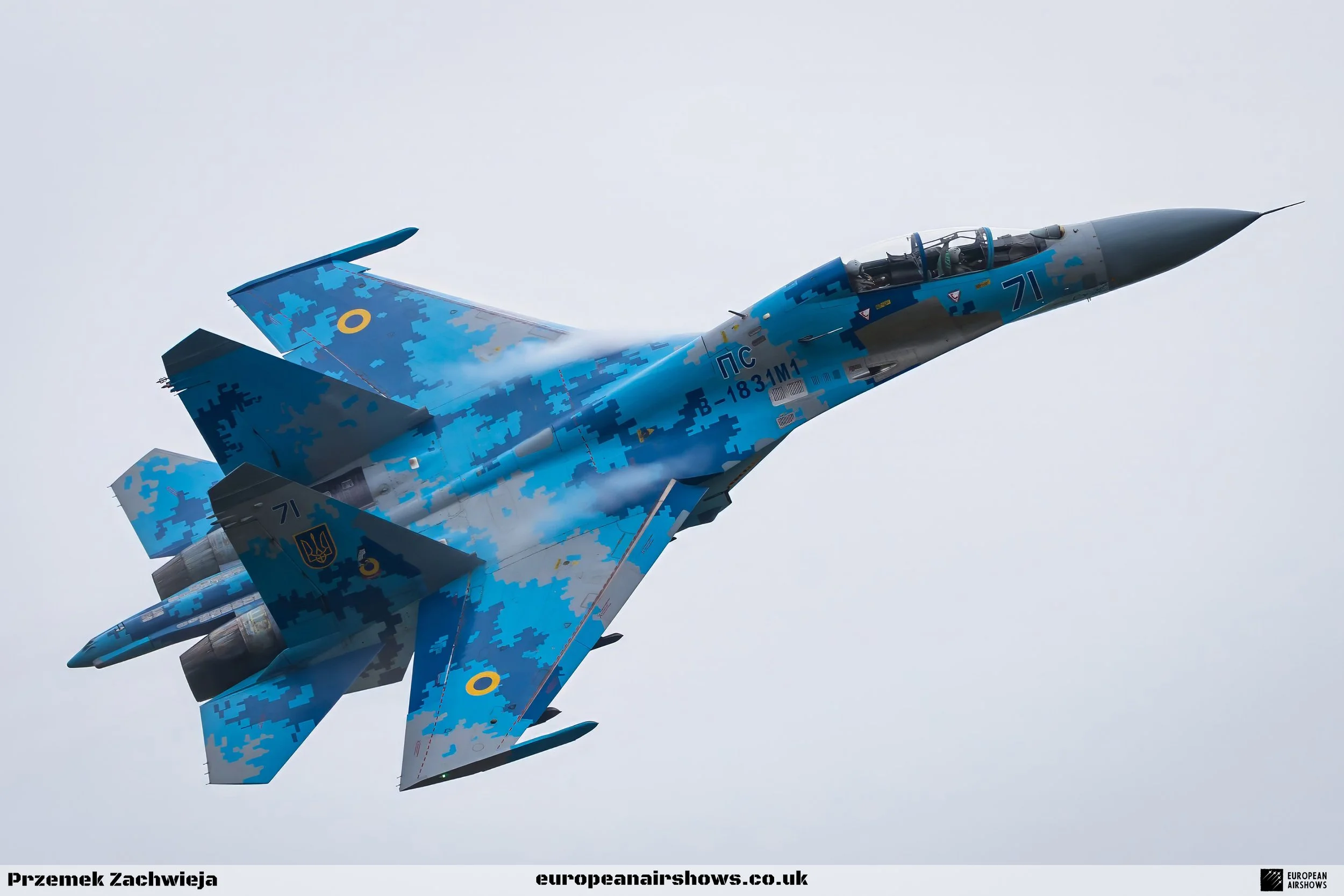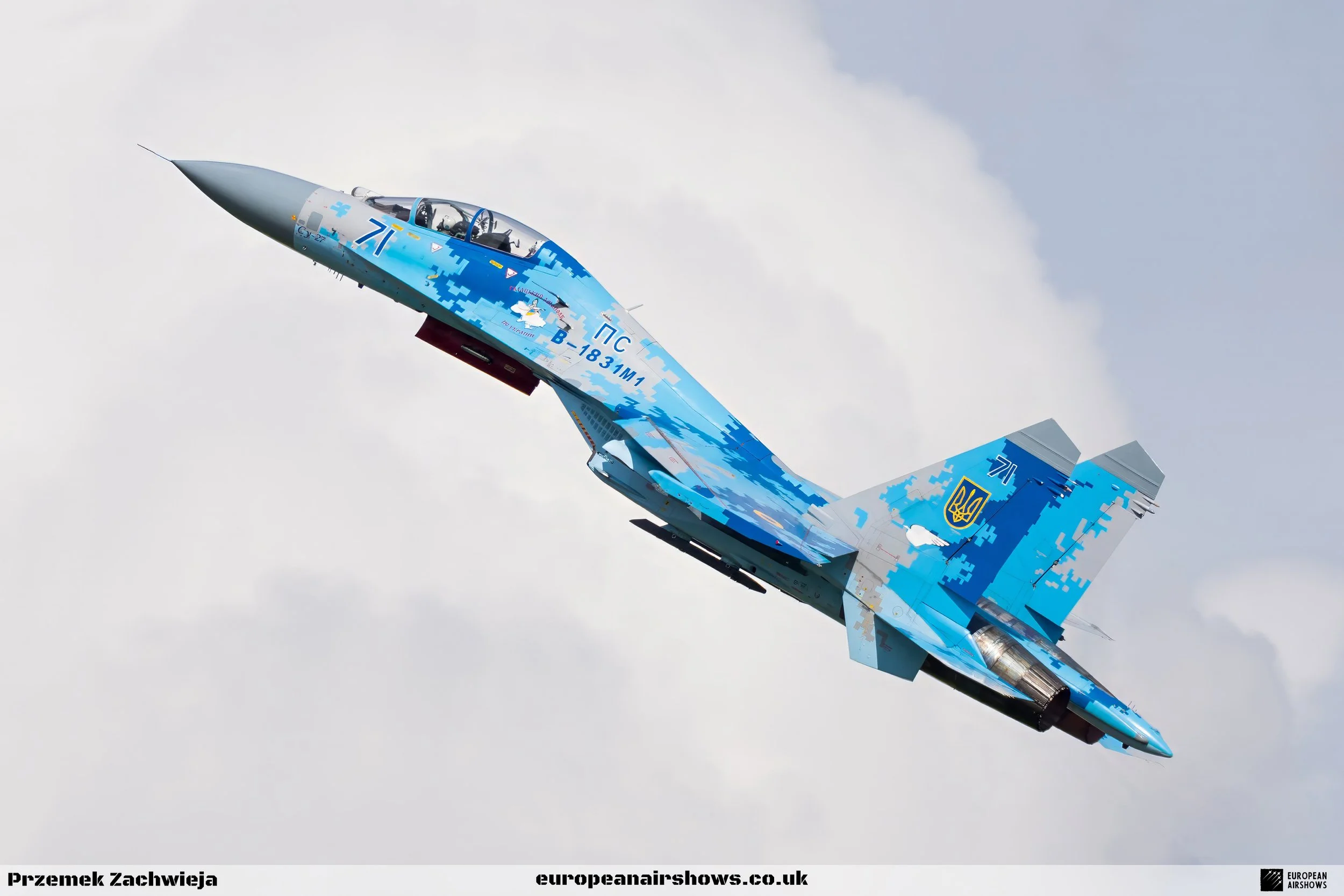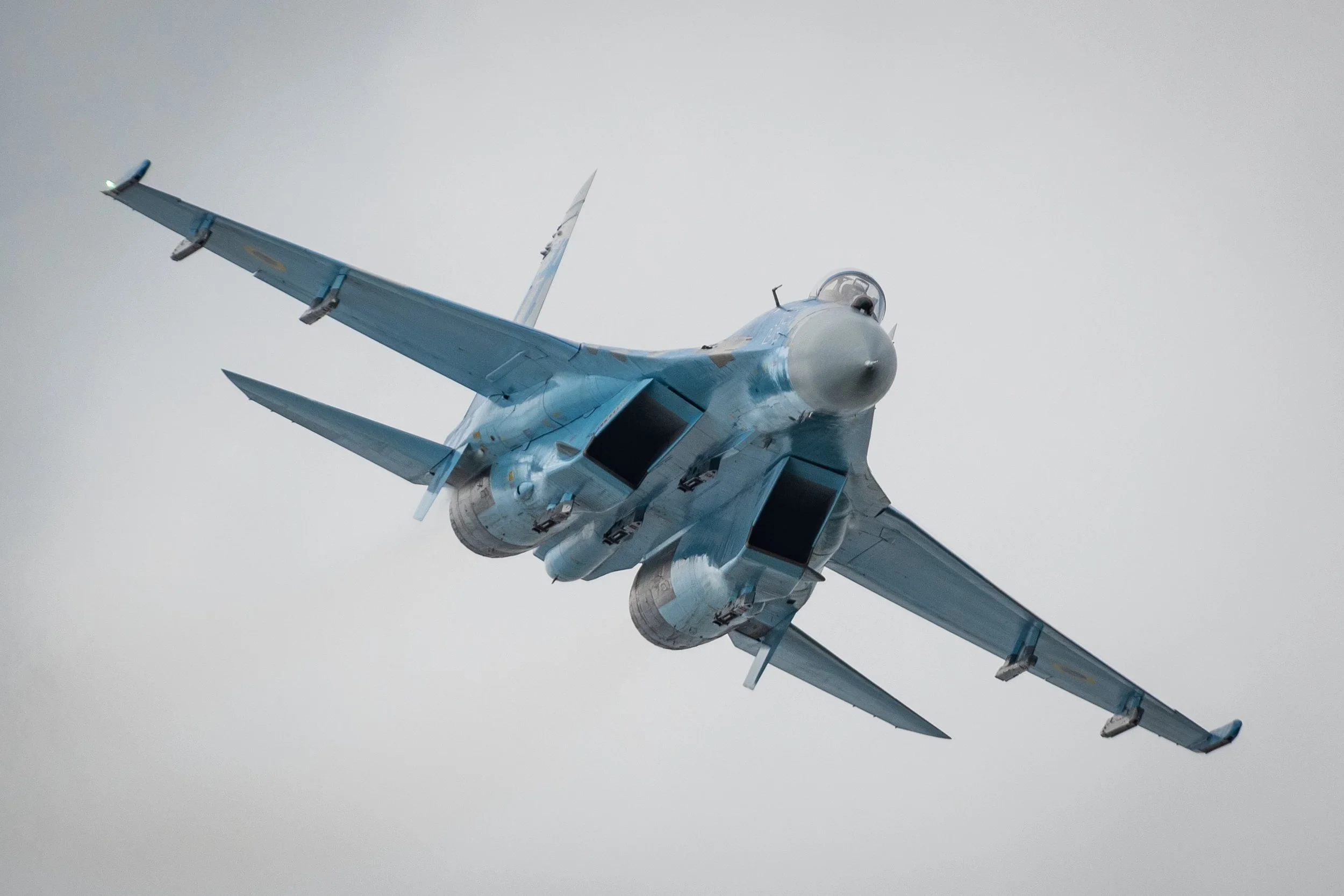
Ukrainian Air Force Su-27 Flanker Display Team
Su-27 Flanker Display Team

Ukrainian Air Force Su-27 Flanker Display Team

Su-27 Flanker Display Team

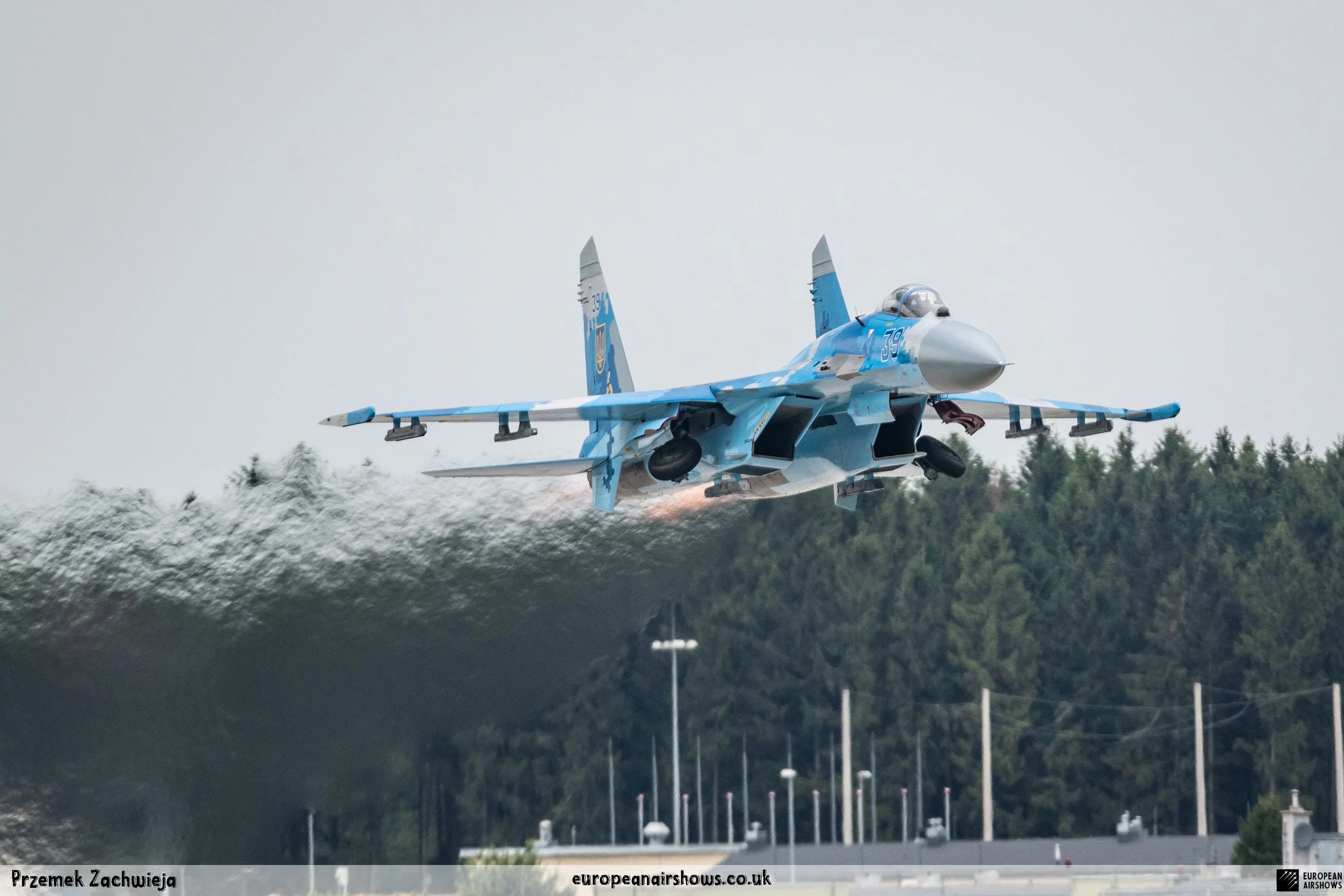
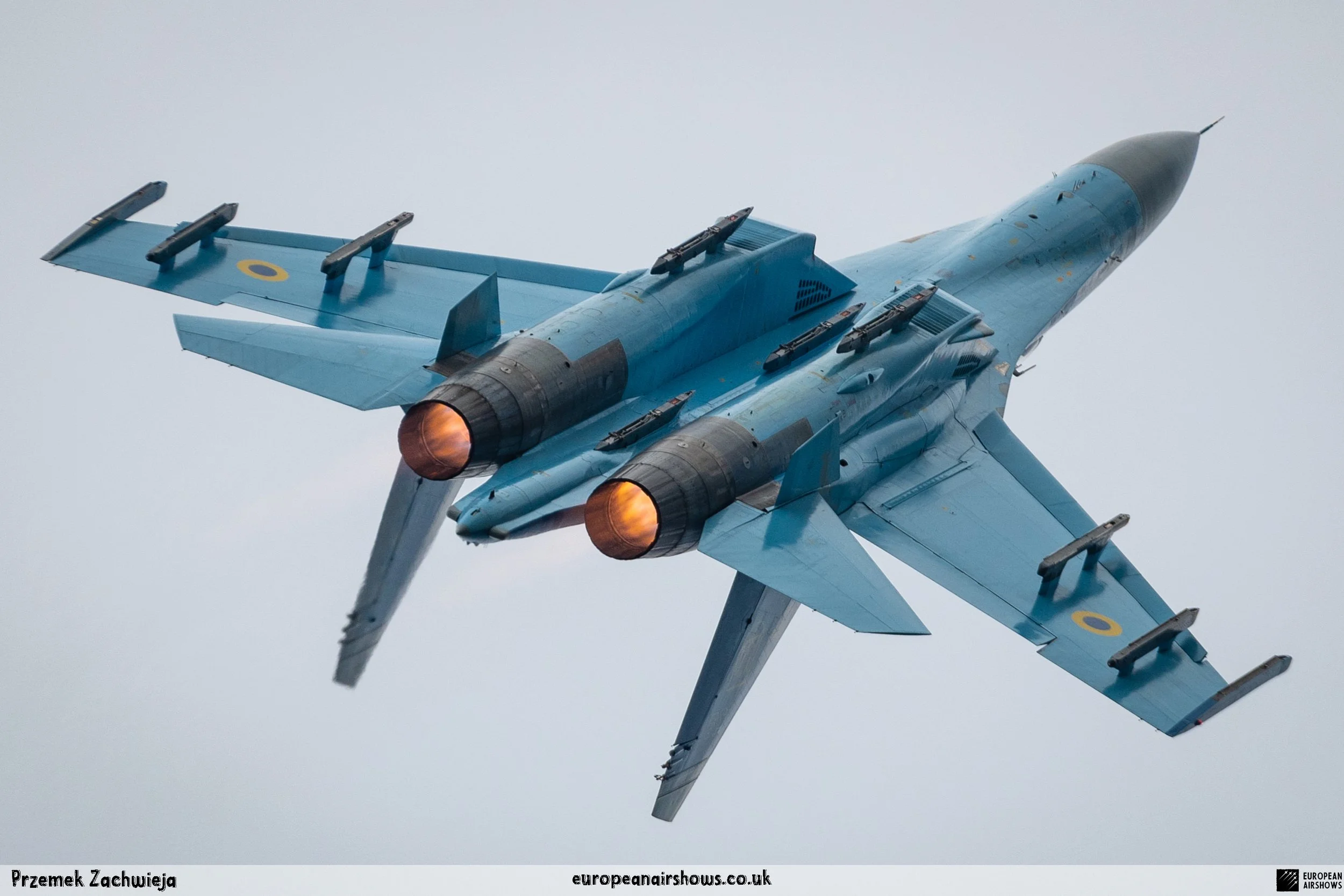
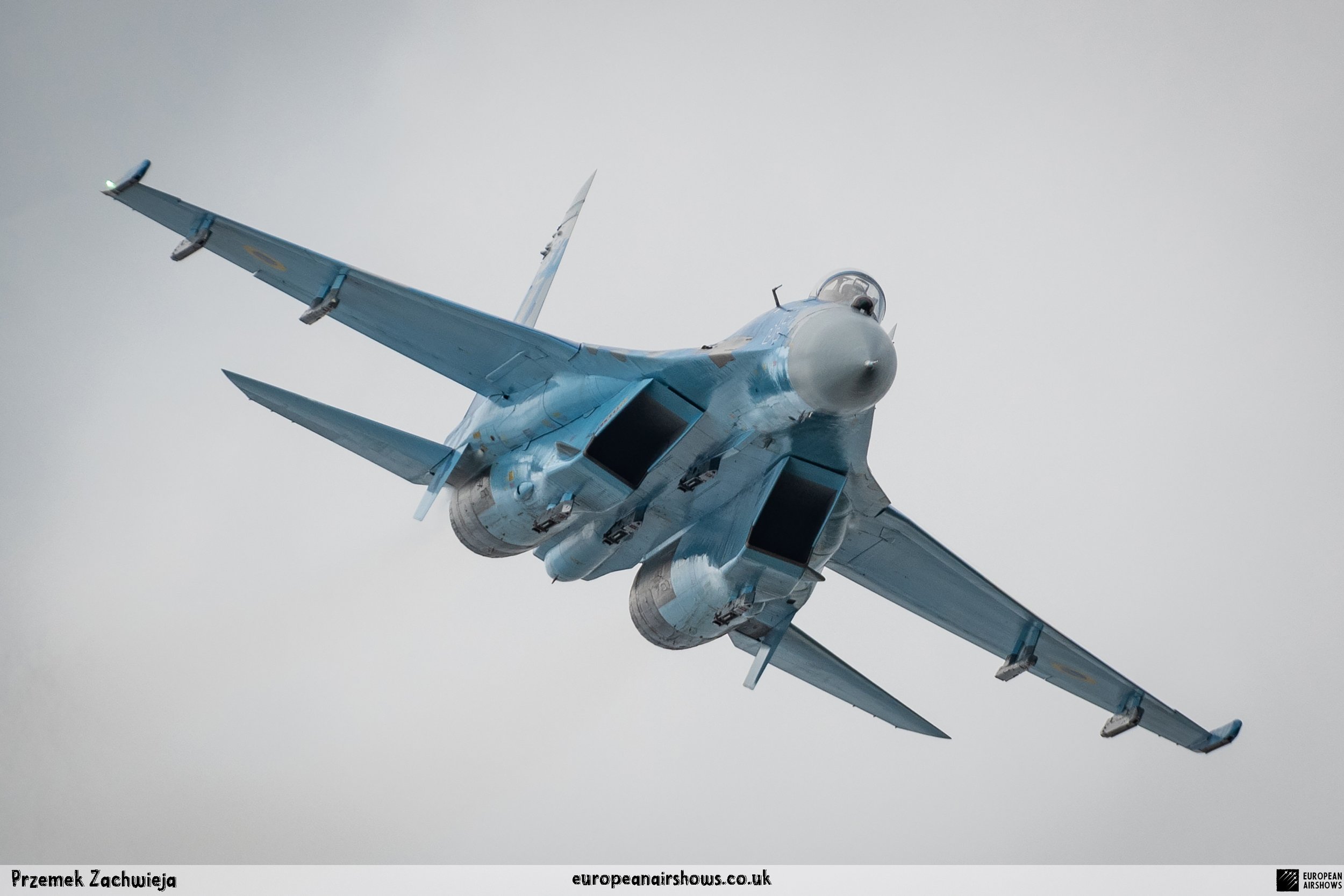
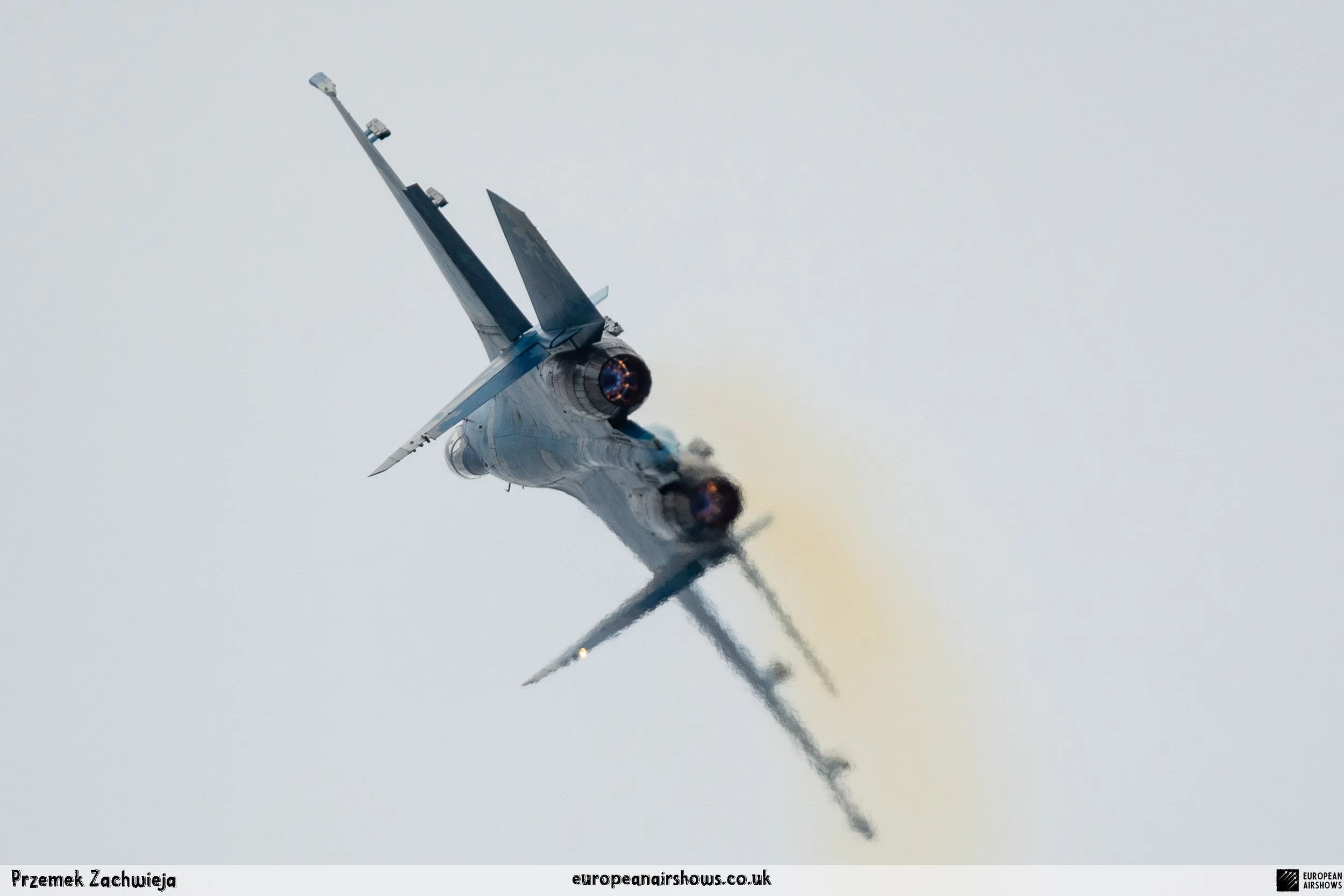
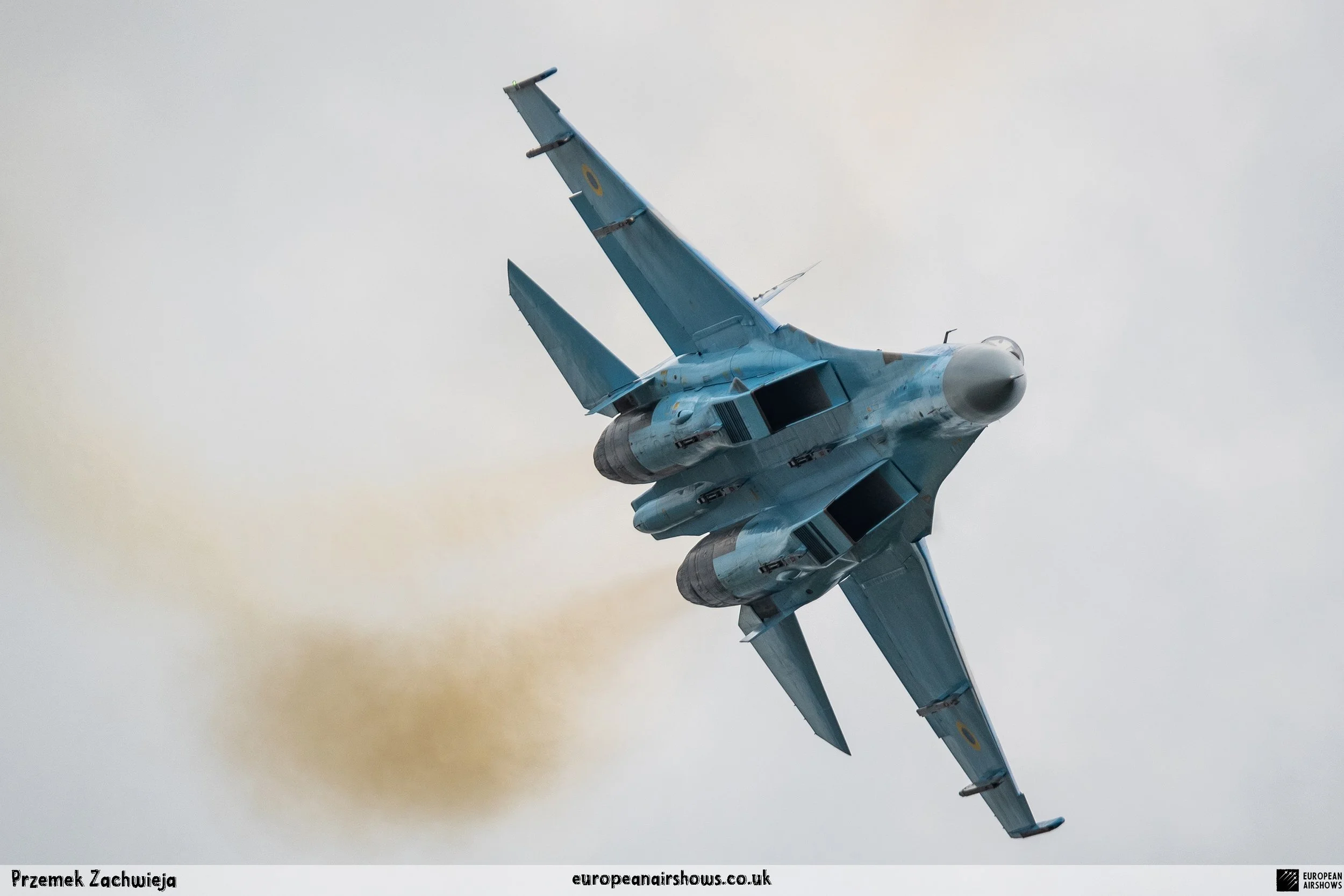
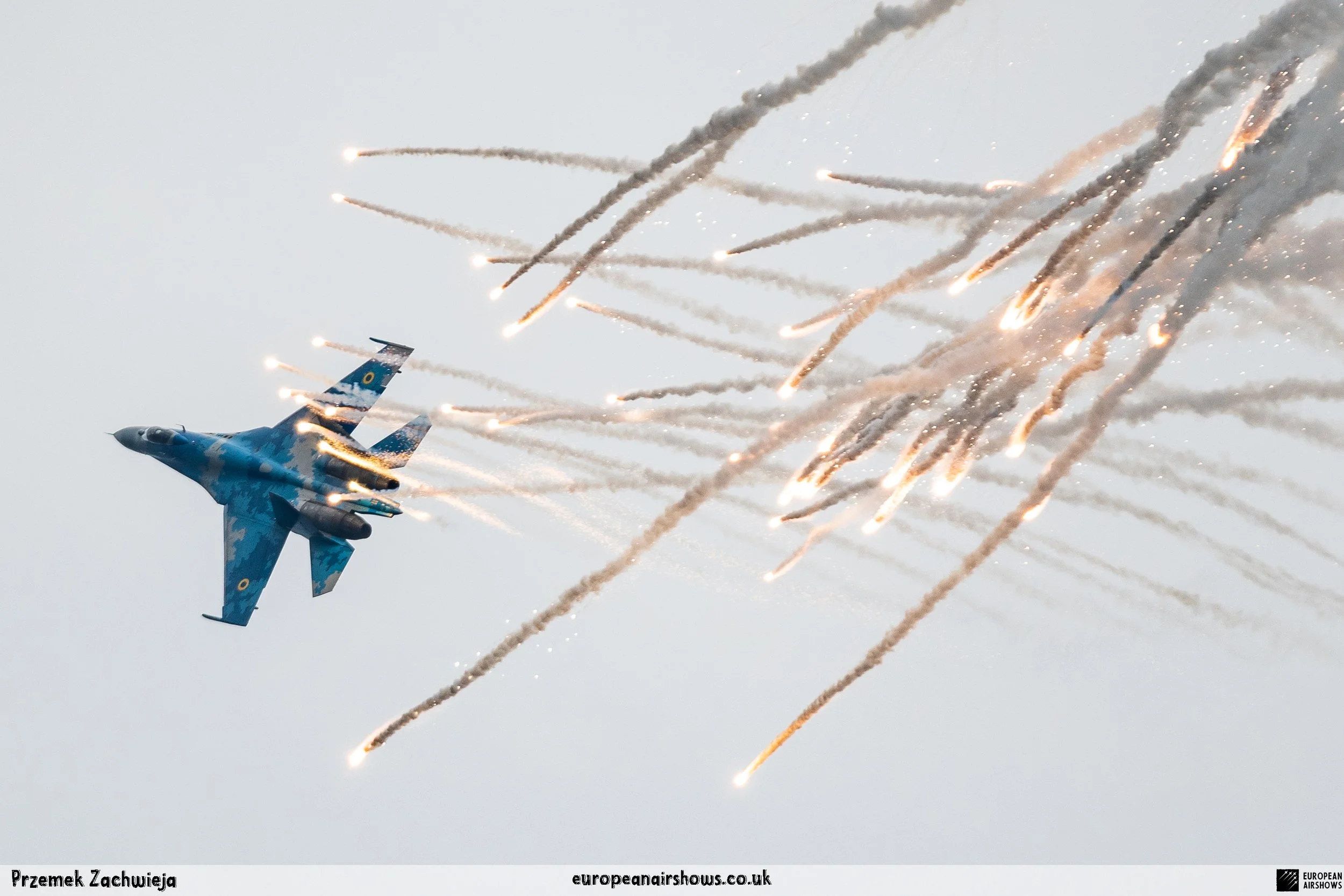
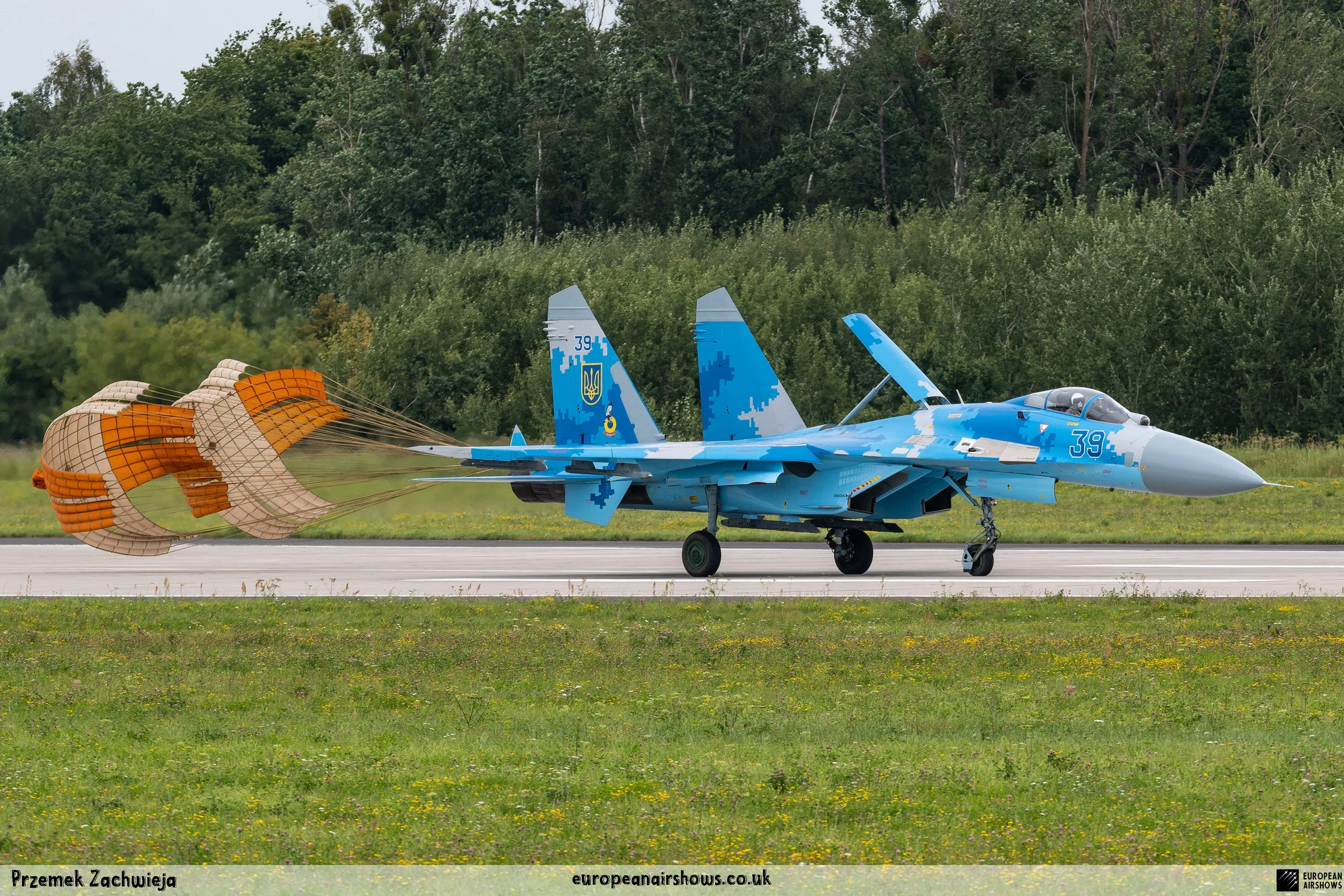
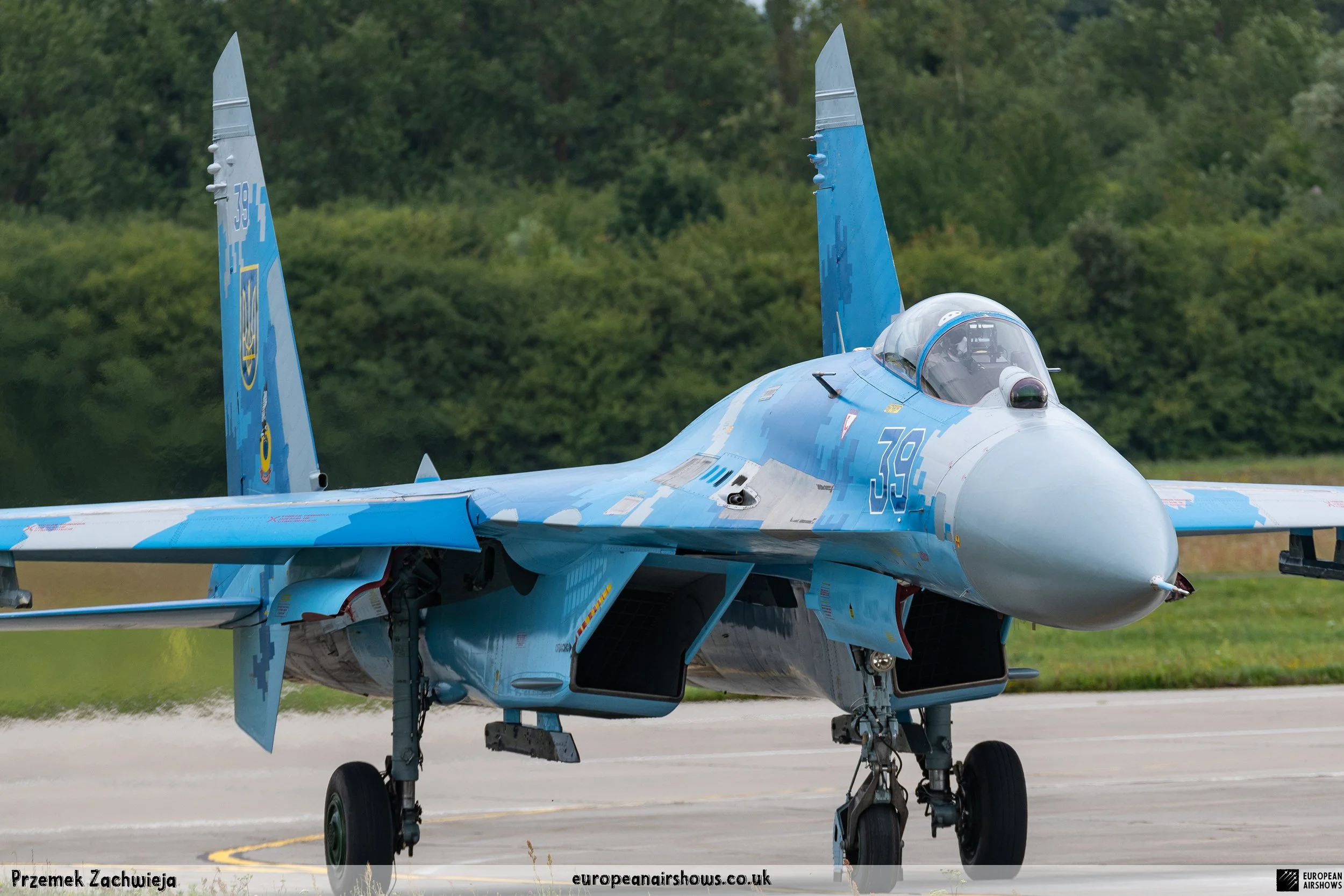
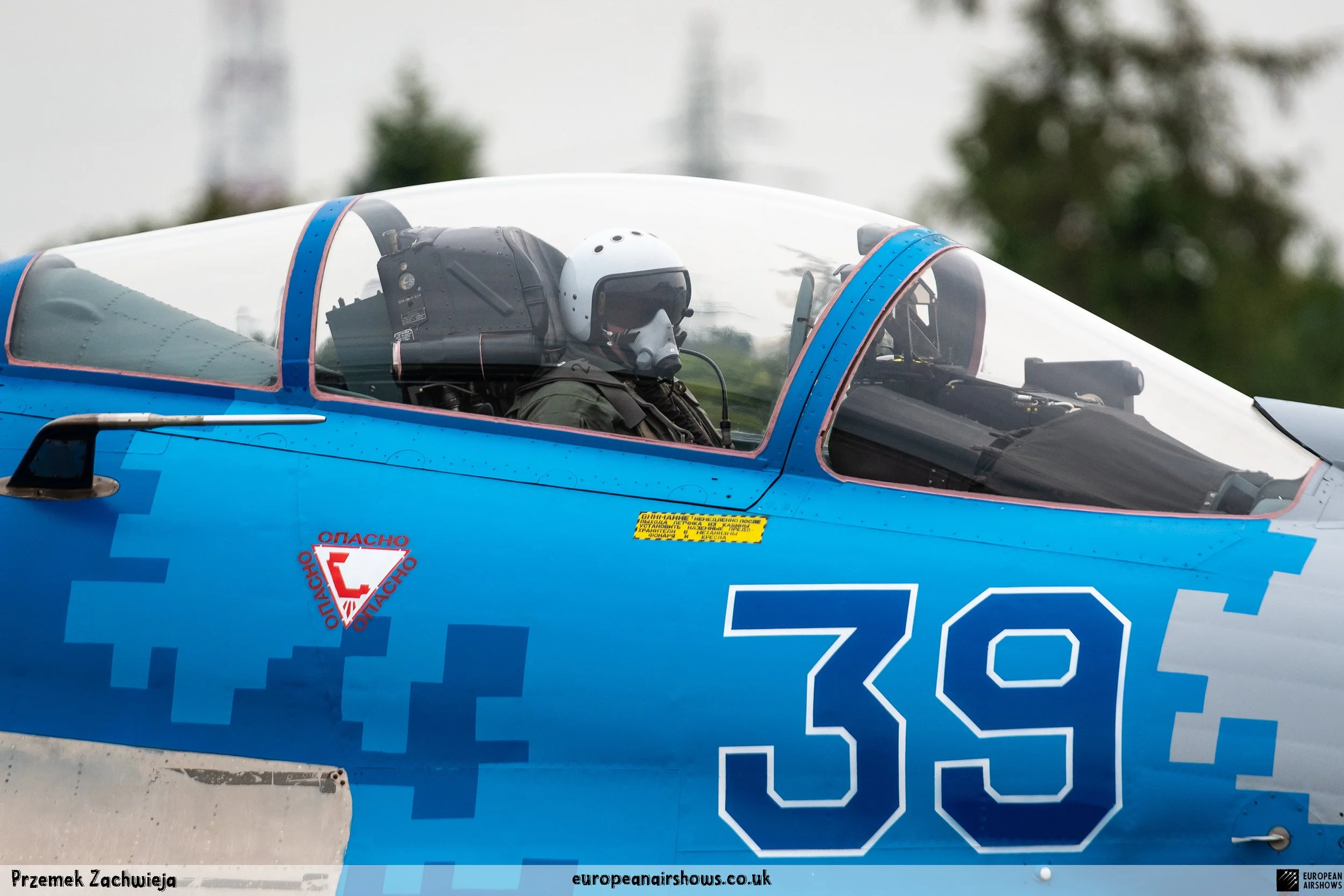
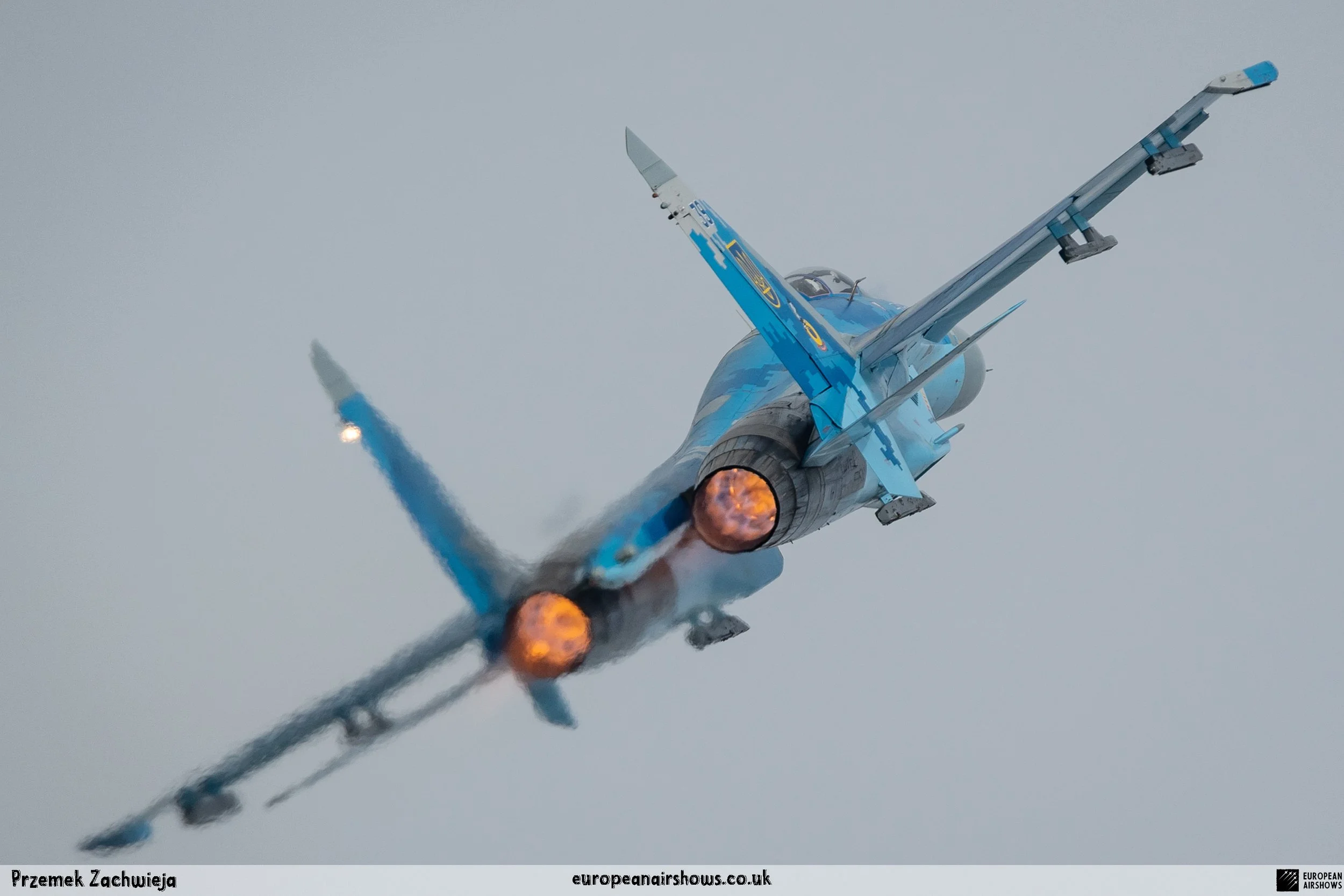
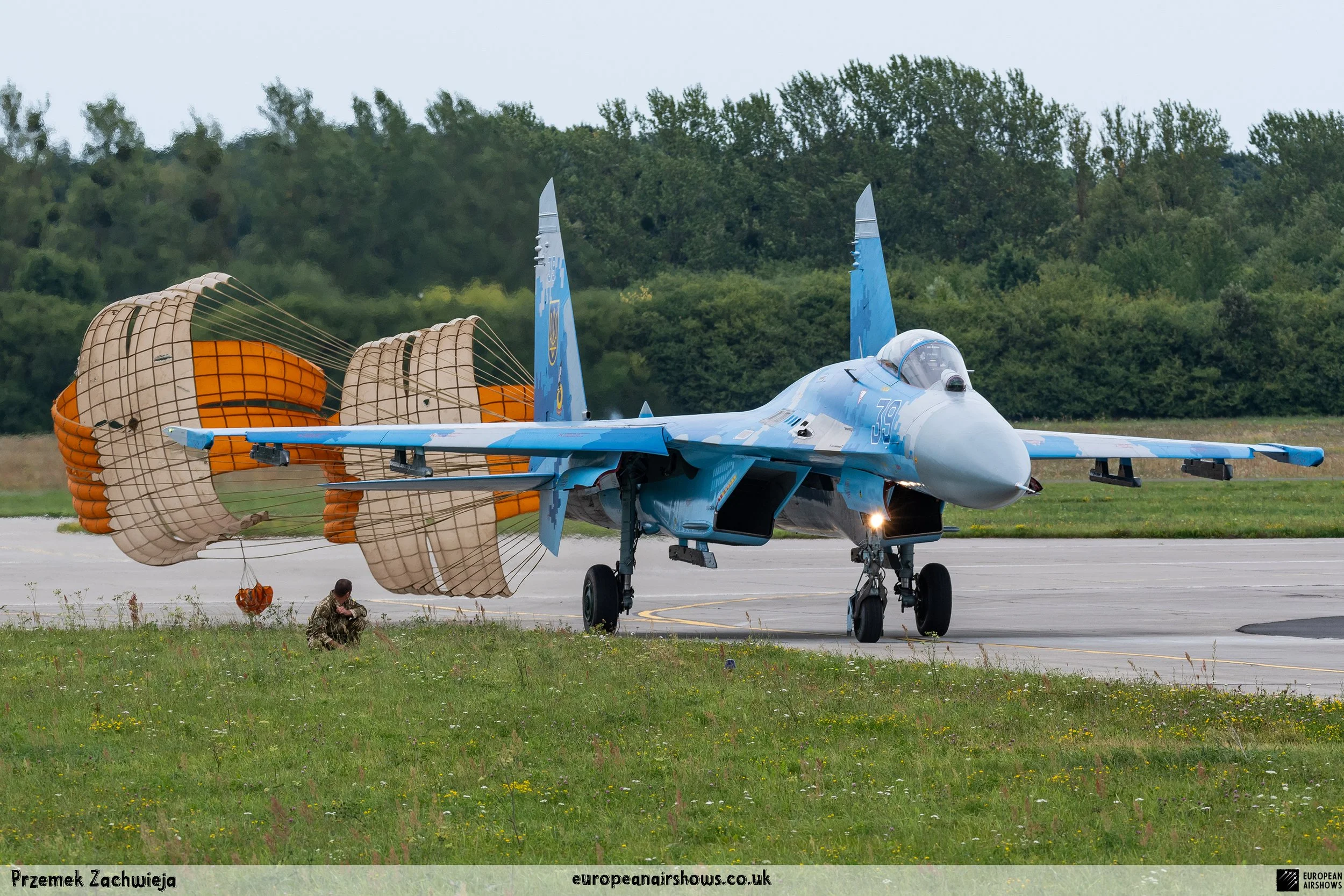
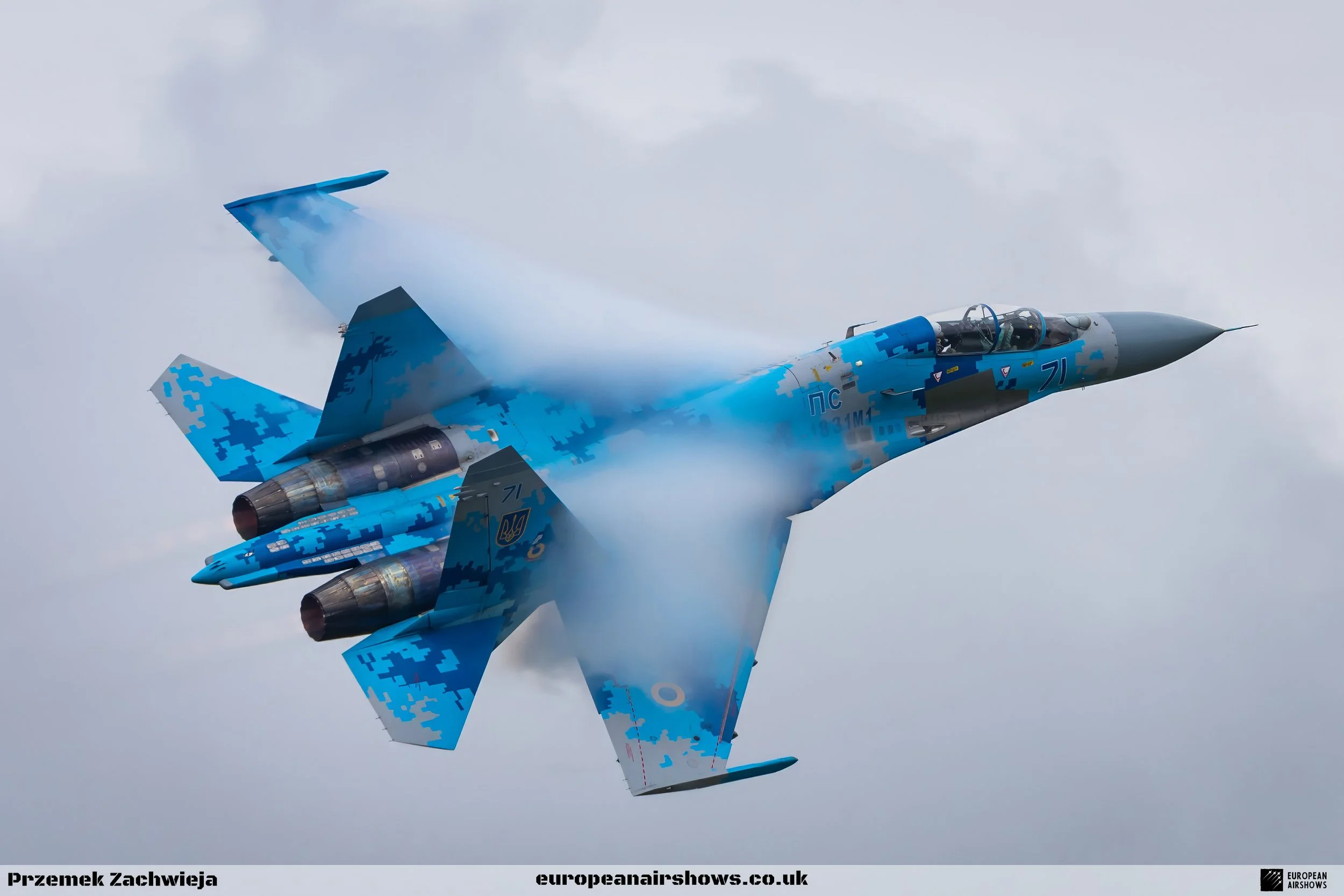
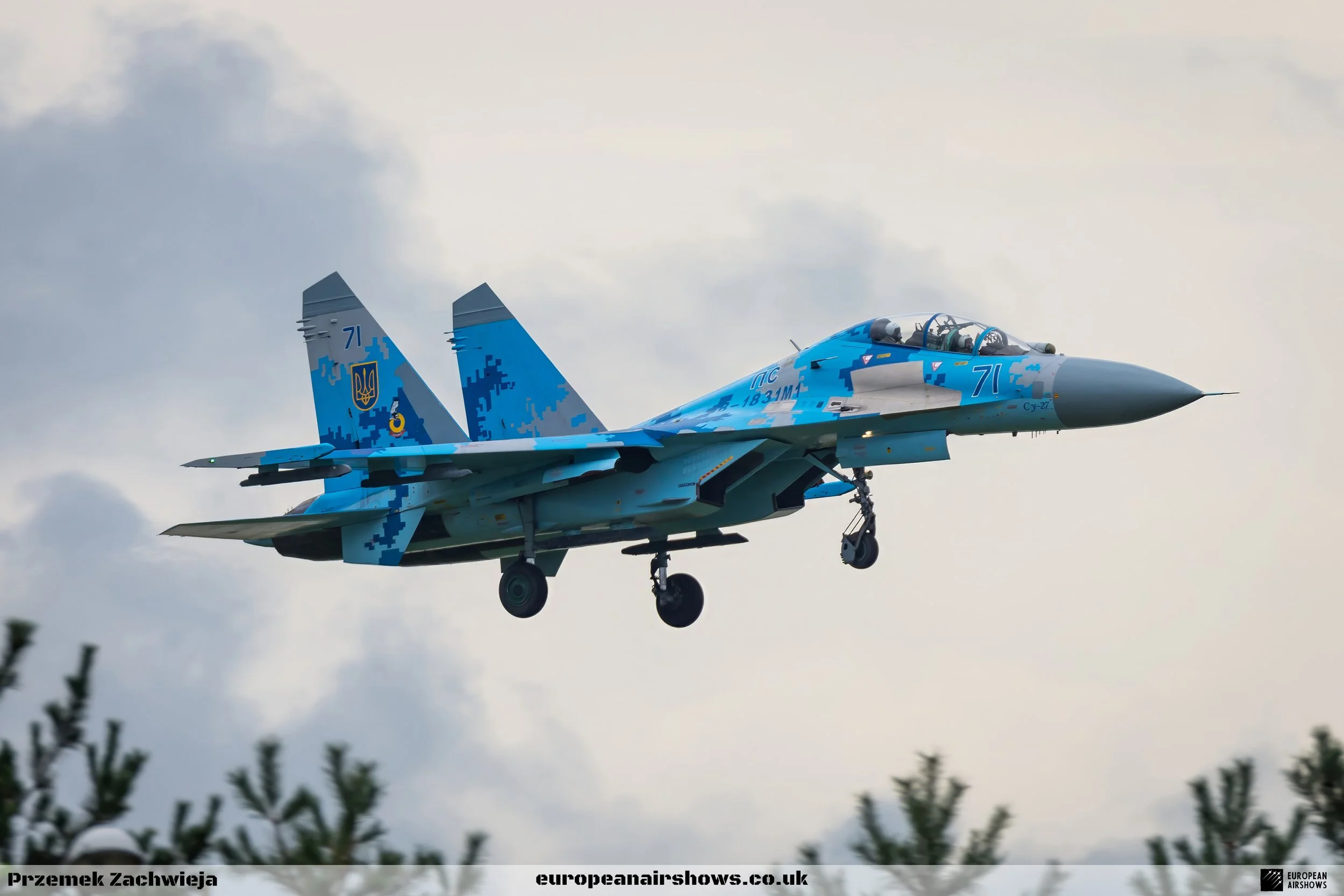
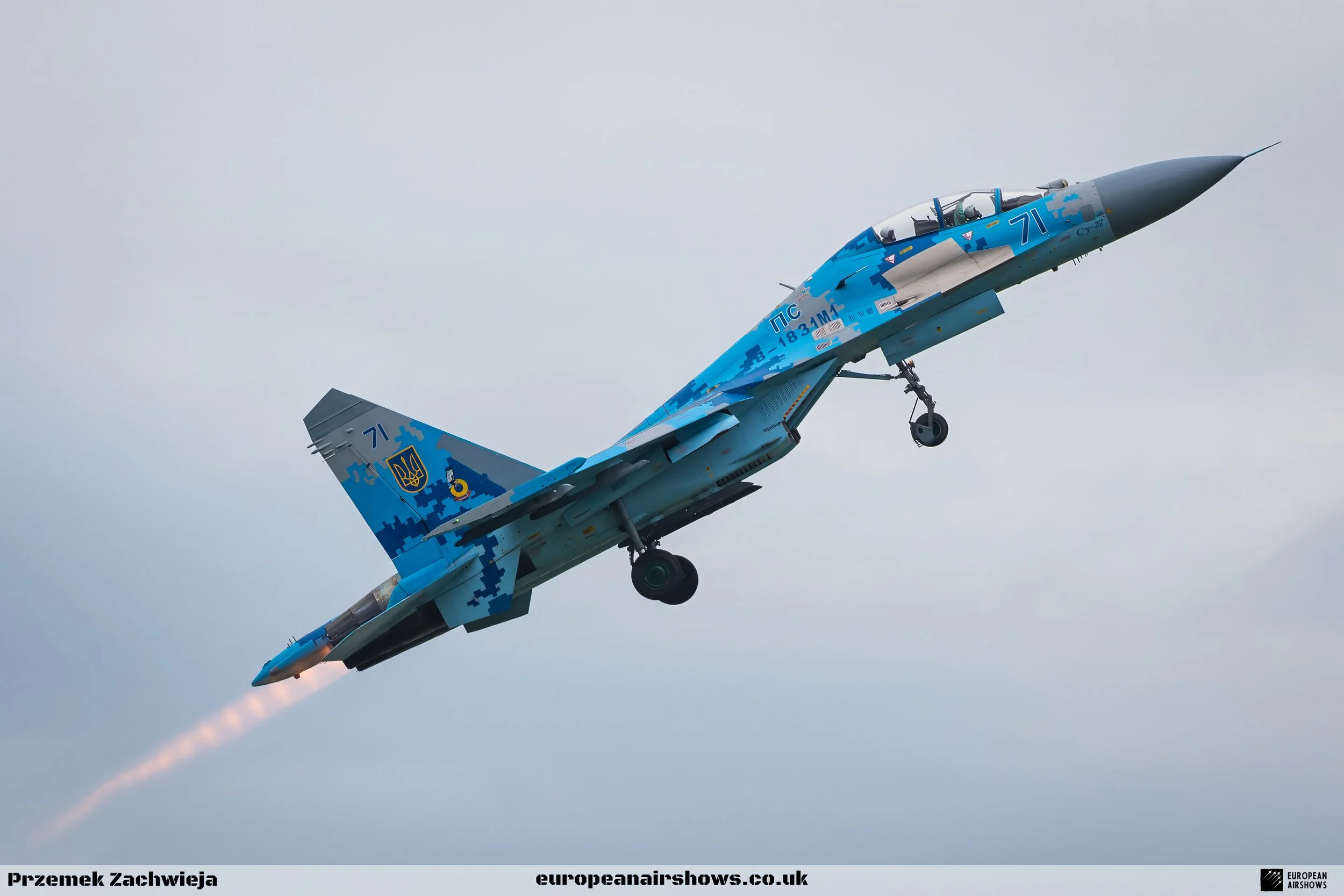
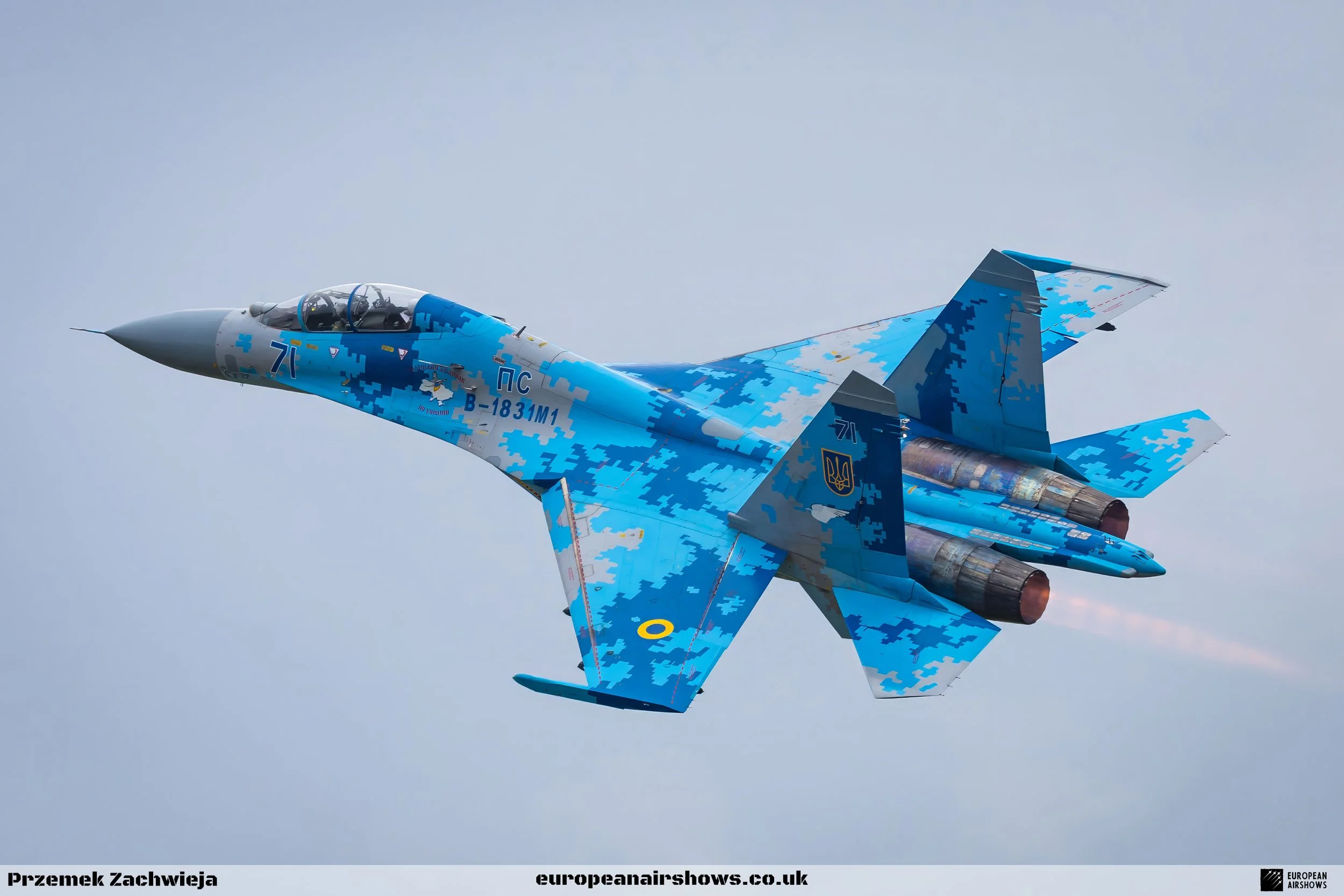
The Ukrainian Air Force Su-27 Flanker Display Team was a solo demonstration team that showcased the capabilities of the Sukhoi Su-27. The pilots and aircraft were sourced from the 831st Tactical Aviation Brigade at Mirgorod Air Base near Myrhorod in Poltava Oblast. The team primarily utilized the single-seat Su-27P1M for performances, occasionally flying the double-seat Su-27UB1M. The display team included a demo pilot, a second pilot flying the spare jet, and a group of engineers who traveled with the team, typically on an Il-76 or An-26 transport aircraft.

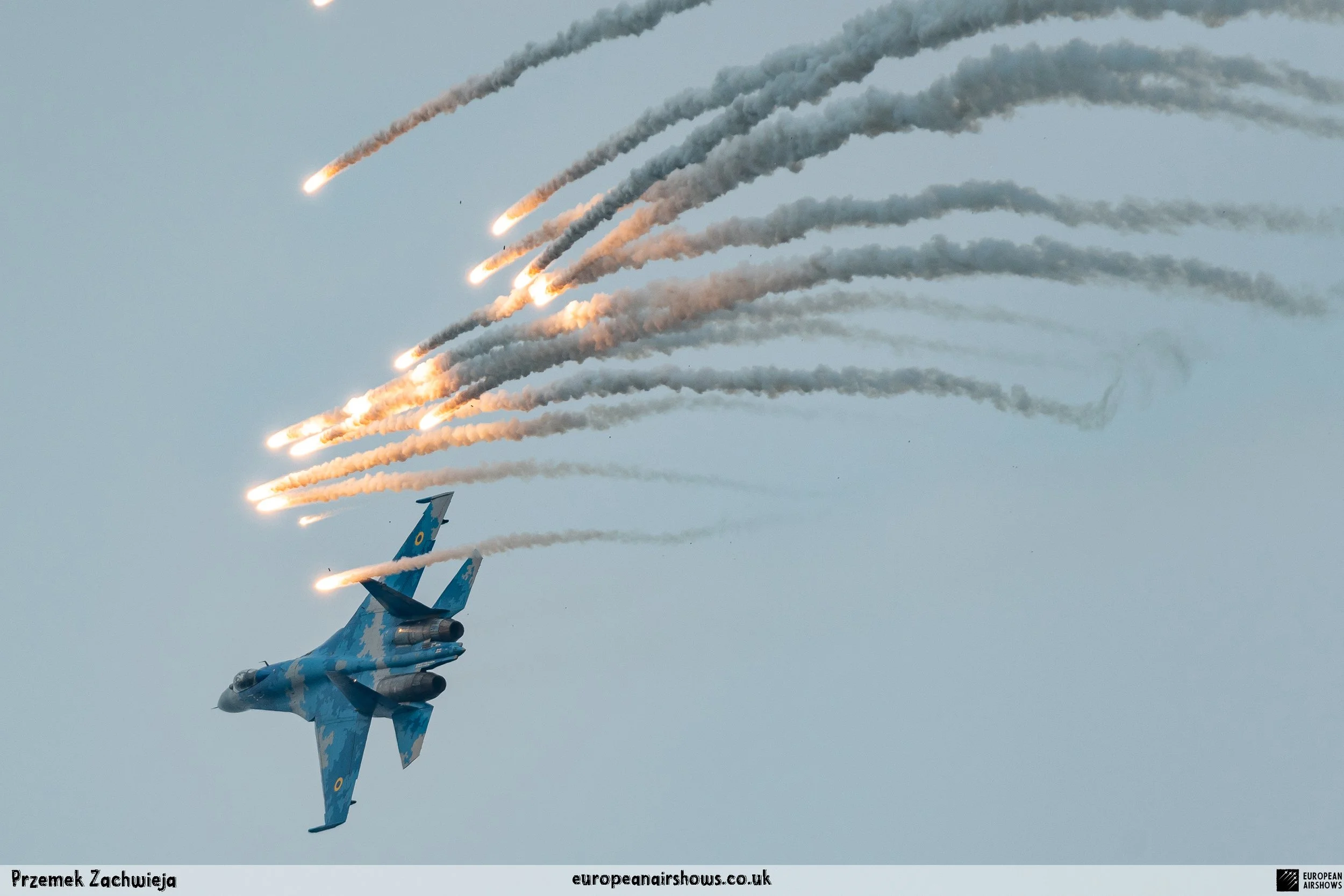
Their displays featured impressive maneuvers such as the tail slide and occasionally included flare drops, with notable performances at the Malta International Airshow in 2016 and the Gdynia Aerobaltic Airshow in 2019. The team actively performed until the COVID-19 pandemic, after which operations were paused.

Following the pandemic, the situation escalated when Russia invaded Ukraine on February 24, 2022, leading to the disbandment of the team. Colonel Oleksandr “Grey Wolf” Oksanchenko served as the team’s demo pilot from 2013 to 2018 and retired from both the team and the Ukrainian Air Force at the end of the 2018 season, joining the reserves. He returned to active duty to defend Ukraine during the invasion but was tragically shot down and killed on February 25, 2022, over Kyiv.

Despite his retirement, Oksanchenko volunteered as a coach and advisor for the team during its last season in 2019. He received numerous awards for his exceptional performances at various European airshows, solidifying his legacy in the aviation community.

About the Su-27

The Su-27, a cornerstone of Soviet aviation, was developed as a long-range air superiority fighter to rival the American F-15 Eagle. Its design process began in the late 1960s under the Sukhoi Design Bureau, with the first prototype taking flight on May 20, 1977. After years of refinement, the aircraft officially entered service with the Soviet Air Force in 1985. Conceived during the height of the Cold War, the Su-27 was engineered to dominate aerial combat through a combination of exceptional agility, speed, and endurance. Its sleek airframe, powered by twin Saturn AL-31F turbofan engines, allowed it to achieve a top speed of Mach 2.35 (approximately 2,500 km/h) and a combat range exceeding 3,500 kilometers, making it a formidable presence in the skies.

The Su-27’s design prioritizes performance, boasting a thrust-to-weight ratio that enables rapid acceleration and a climb rate of over 300 meters per second. Its operational ceiling reaches 18,000 meters, and it is armed with a 30mm GSh-30-1 cannon and a variety of air-to-air missiles, including the R-27 and R-73. The aircraft’s advanced aerodynamics and fly-by-wire control system grant it unparalleled maneuverability, famously demonstrated by the "Cobra" maneuver—a dramatic pitch-up to a high angle of attack. Early models featured sophisticated avionics for the time, including the N001 radar, which provided robust target detection and tracking. Beyond its combat role, the Su-27’s agility has made it a star in aerobatic displays, with teams like the Russian Knights showcasing its capabilities worldwide. This blend of power, versatility, and agility has solidified the Su-27’s reputation as one of the most capable fighters of its era.

Following the Soviet Union’s dissolution in 1991, Ukraine inherited a fleet of Su-27s and, facing resource constraints, opted to modernize rather than replace them. The resulting variants, the Su-27P1M and Su-27UB1M, reflect Ukraine’s efforts to enhance its air force’s capabilities. The Su-27P1M, a single-seat fighter, received an upgraded radar improving its detection range and tracking precision, alongside enhanced electronic warfare systems and compatibility with modern R-77 air-to-air missiles. The Su-27UB1M, a two-seat trainer variant, incorporates similar upgrades while retaining dual controls for pilot training, yet it remains fully combat-capable. These modifications, implemented in the 2000s and 2010s, have extended the operational relevance of Ukraine’s Su-27 fleet, enabling it to perform air defense and reconnaissance roles, notably during the conflict in Eastern Ukraine. This adaptability underscores the Su-27’s enduring legacy in modern aerial warfare.

Specifications

Crew

1

Length

21.9 m (71 ft 10 in)

Wingspan

14.7 m (48 ft 3 in)

Height

5.92 m (19 ft 5 in)

Max Speed

2,500 km/h (1,553 mph, 1,350 kn)

Range

3,530 km (2,190 mi, 1,910 nmi)

Service Ceiling

19,000 m (62,000 ft)

Rate of Climb

300 m/s (59,000 ft/min)

Su-27 in the Ukrainian Air Force

The Sukhoi Su-27 has been a cornerstone of the Ukrainian Air Force since the country's independence following the collapse of the Soviet Union in 1991. Ukraine inherited approximately 66-70 Su-27 aircraft, including single-seat and two-seat variants, which were originally part of the Soviet Air Forces stationed on Ukrainian soil. These fighters, renowned for their air superiority capabilities, became a vital asset as Ukraine worked to establish its own military framework. However, the early years posed significant challenges due to limited funding and the complexities of maintaining such advanced aircraft without direct support from the manufacturer, setting the stage for a turbulent history.

Over time, the Ukrainian Su-27 fleet encountered substantial difficulties, largely driven by financial constraints and geopolitical shifts. By 2019, the number of operational Su-27s had dropped to around 34, as high maintenance demands and a lack of spare parts—worsened by strained relations with Russia—forced many aircraft to be grounded or cannibalized for parts. In response, Ukraine launched modernization efforts in 2012 at the Zaporizhzhya Aircraft Repair Plant "MiGremont," upgrading some aircraft to Su-27P1M and Su-27UB1M standards. These enhancements improved radar, navigation, and communication systems, reflecting Ukraine's determination to keep the fleet combat-ready despite the odds.

The Su-27's role evolved dramatically with the onset of conflict, starting with the 2014 annexation of Crimea and the war in Donbas, and intensifying during the 2022 Russian invasion. Initially used for air patrols and limited interception due to minimal aerial threats, the aircraft became a key defensive tool against Russian forces in 2022. The fleet has endured losses, including a significant Russian missile strike on Mirgorod air base in July 2024 that destroyed two Su-27s and damaged others. Nevertheless, Ukraine has bolstered its military budget to restore stored airframes, ensuring the Su-27 remains a critical element of its air defense strategy, though the precise number of operational aircraft as of 2025 remains unclear.

Did You Know?

  • The Su-27 is renowned for its ability to perform jaw-dropping aerial stunts, like the Pugachev's Cobra maneuver, where it pitches up sharply to a high angle of attack and then gracefully recovers, showcasing its incredible agility.
  • This Soviet-designed marvel was built as a direct rival to the American F-15 Eagle, serving as a cornerstone of the Cold War arms race and a symbol of Soviet air power.
  • Armed with a cutting-edge radar system, the Su-27 can unleash a wide range of air-to-air and air-to-ground missiles, making it a multi-threat powerhouse in the skies.
  • The Su-27 has evolved into an impressive lineup of variants, including the Su-30 for multi-role missions, the Su-33 for naval operations, and the Su-35 for next-level combat performance, each pushing the boundaries of its original design.
  • Adopted by air forces in countries like China, India, and Vietnam, the Su-27 has not only been a global bestseller but has also proven its mettle in real combat across various conflicts.

Test Your Knowledge

Return to All Performers