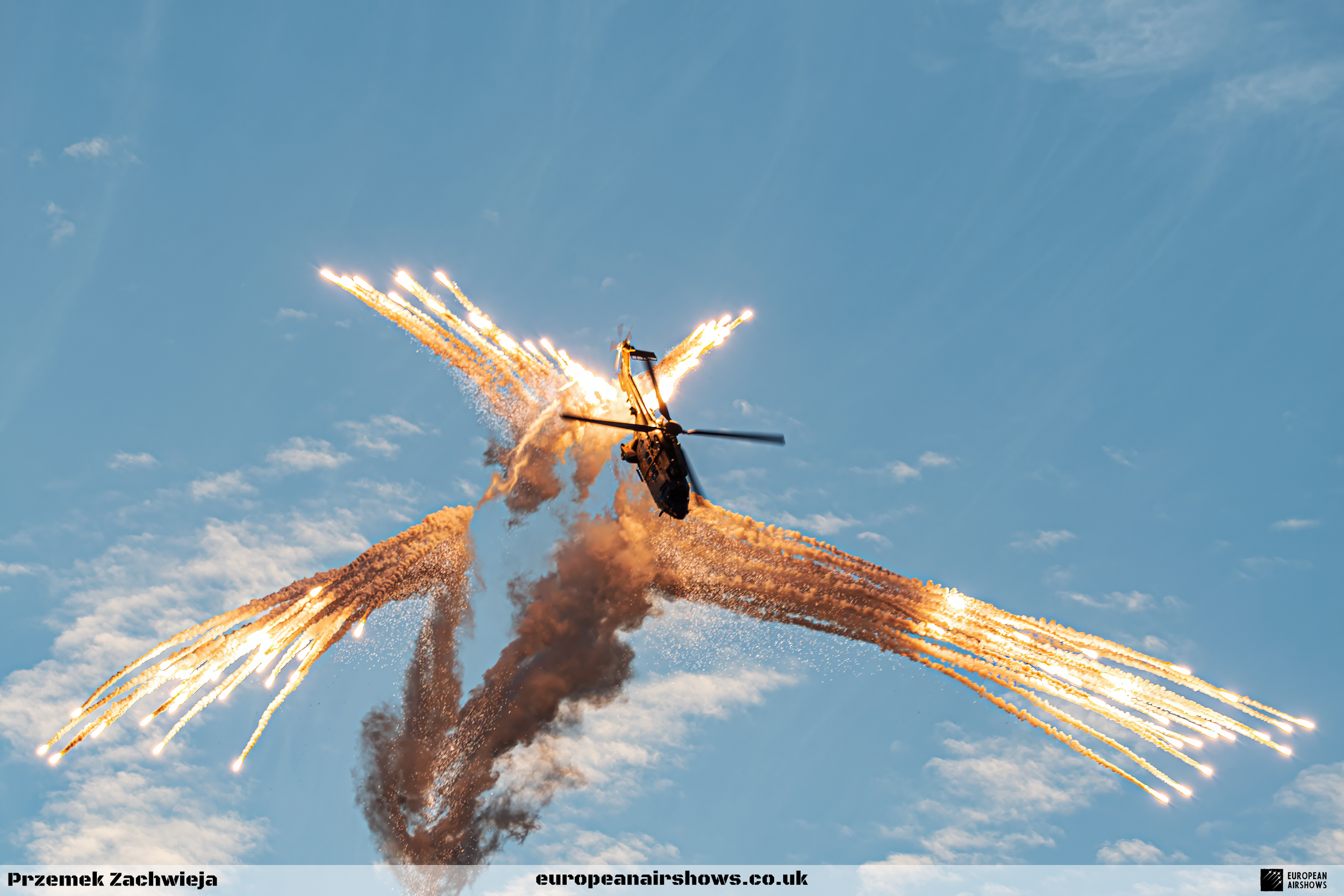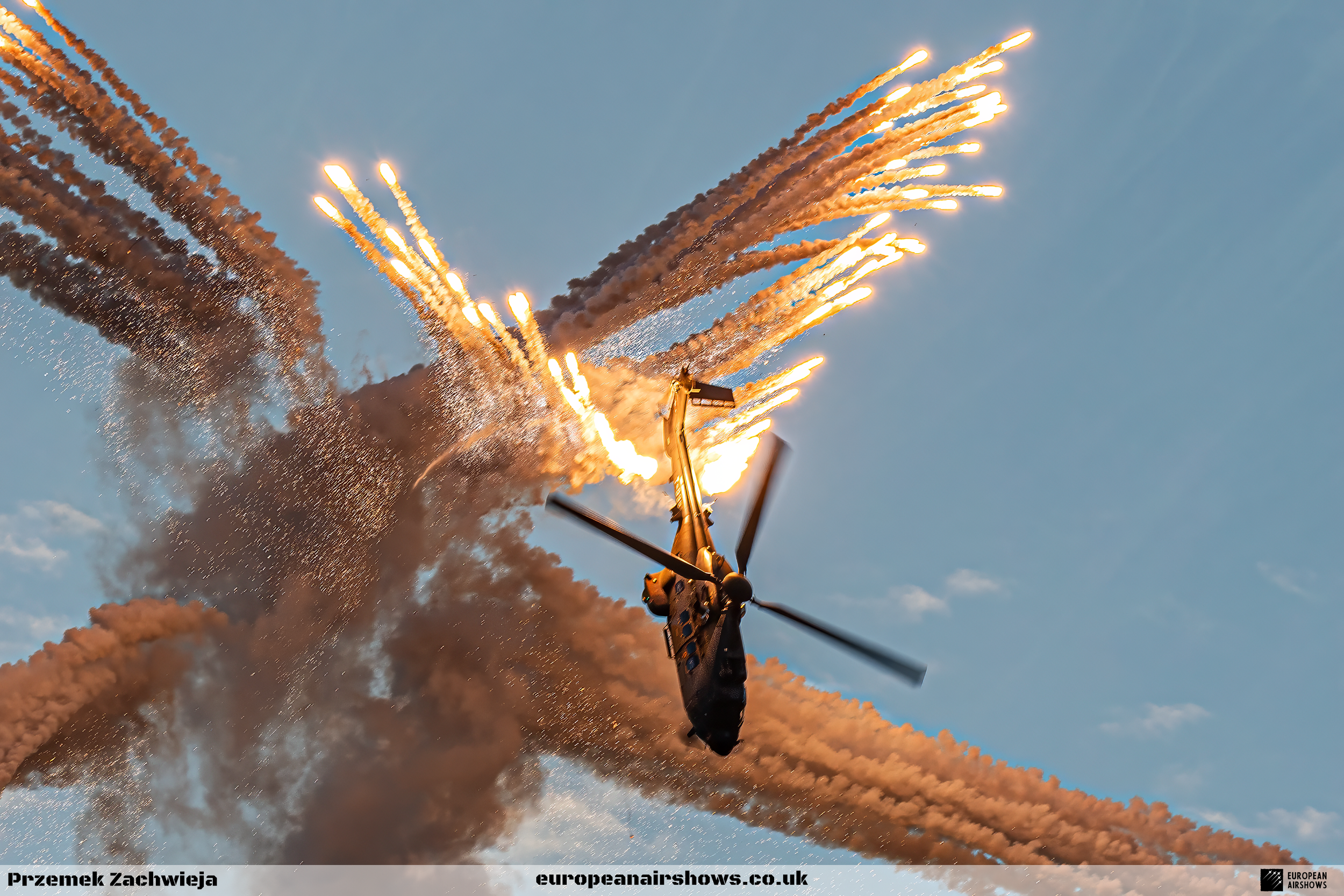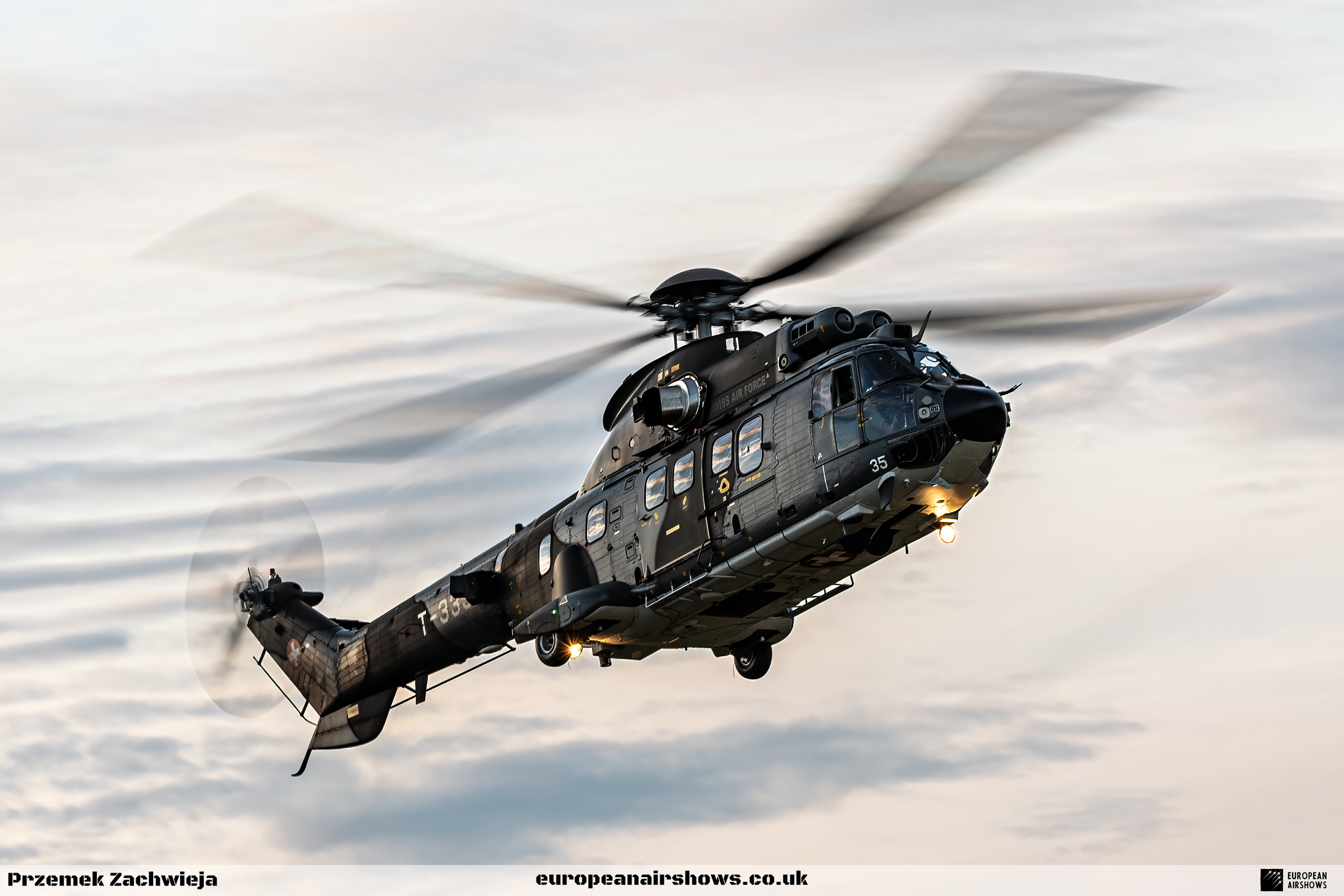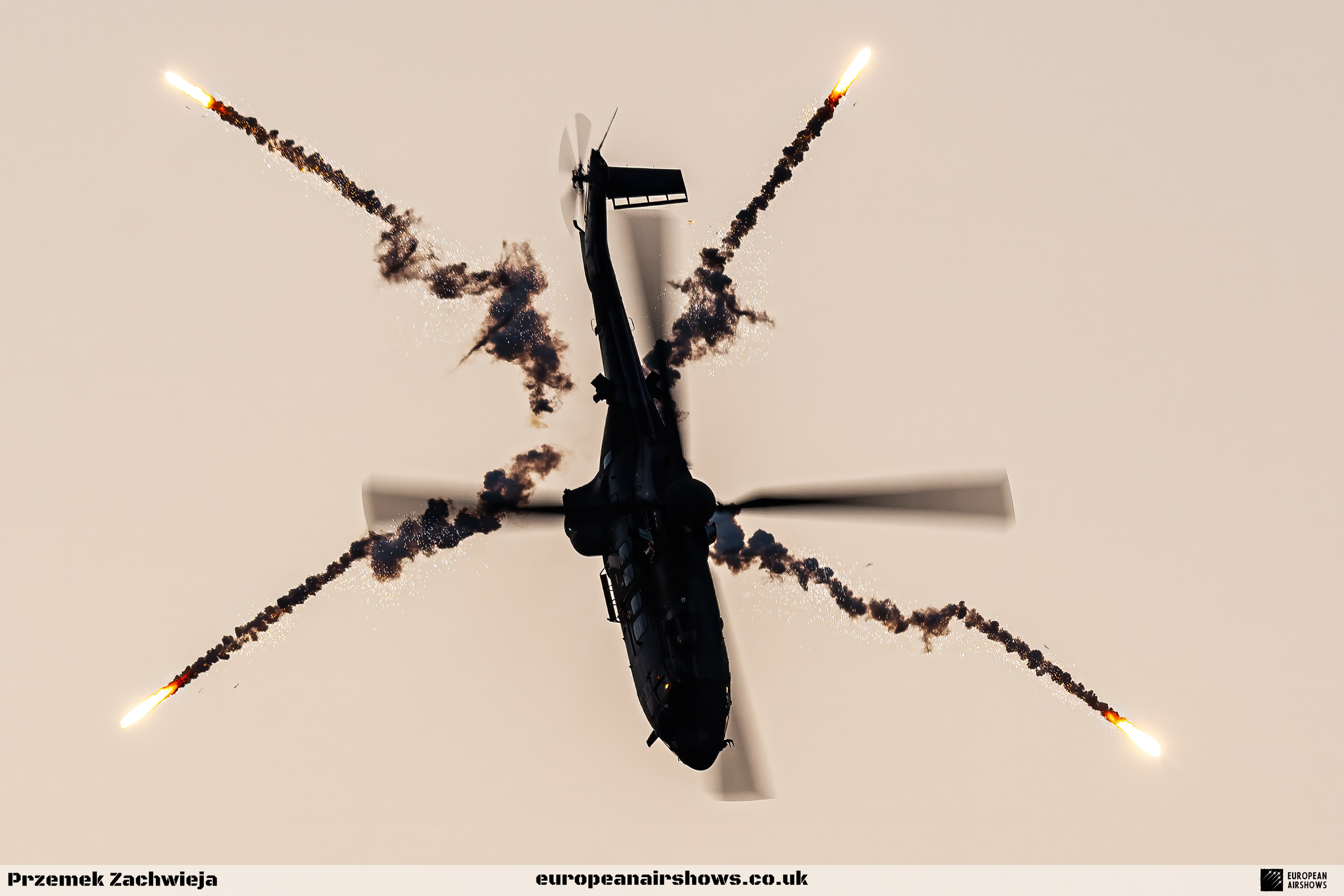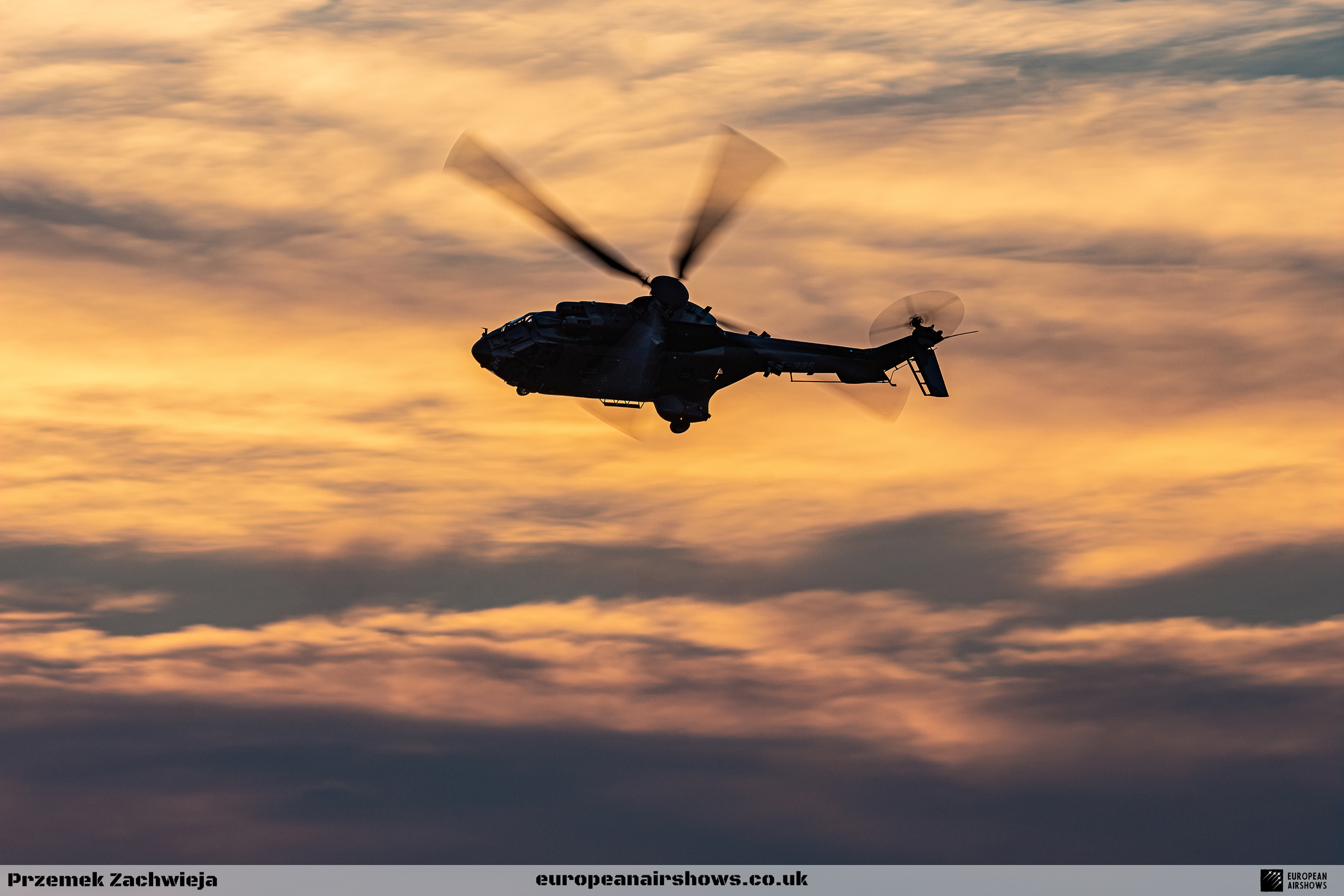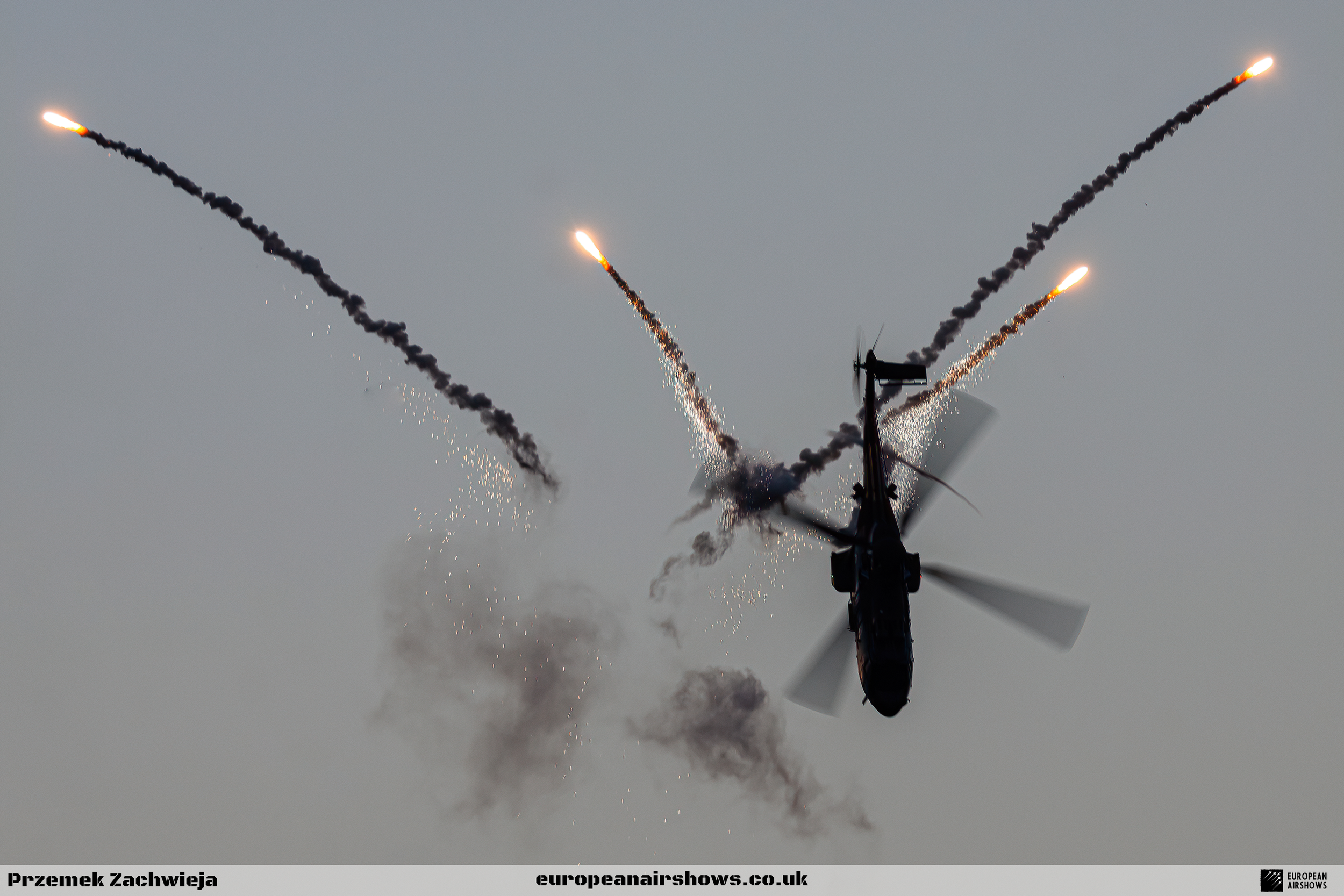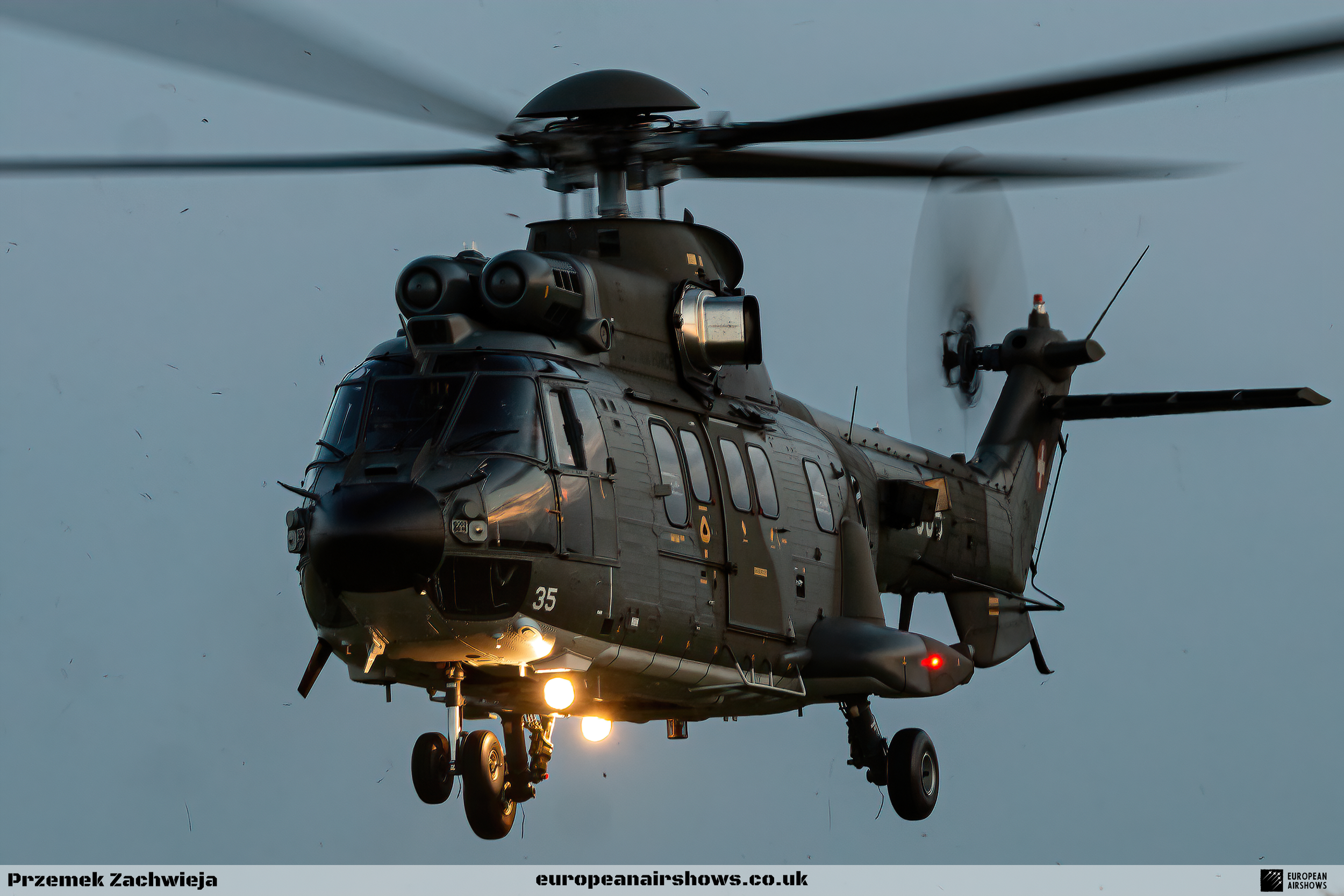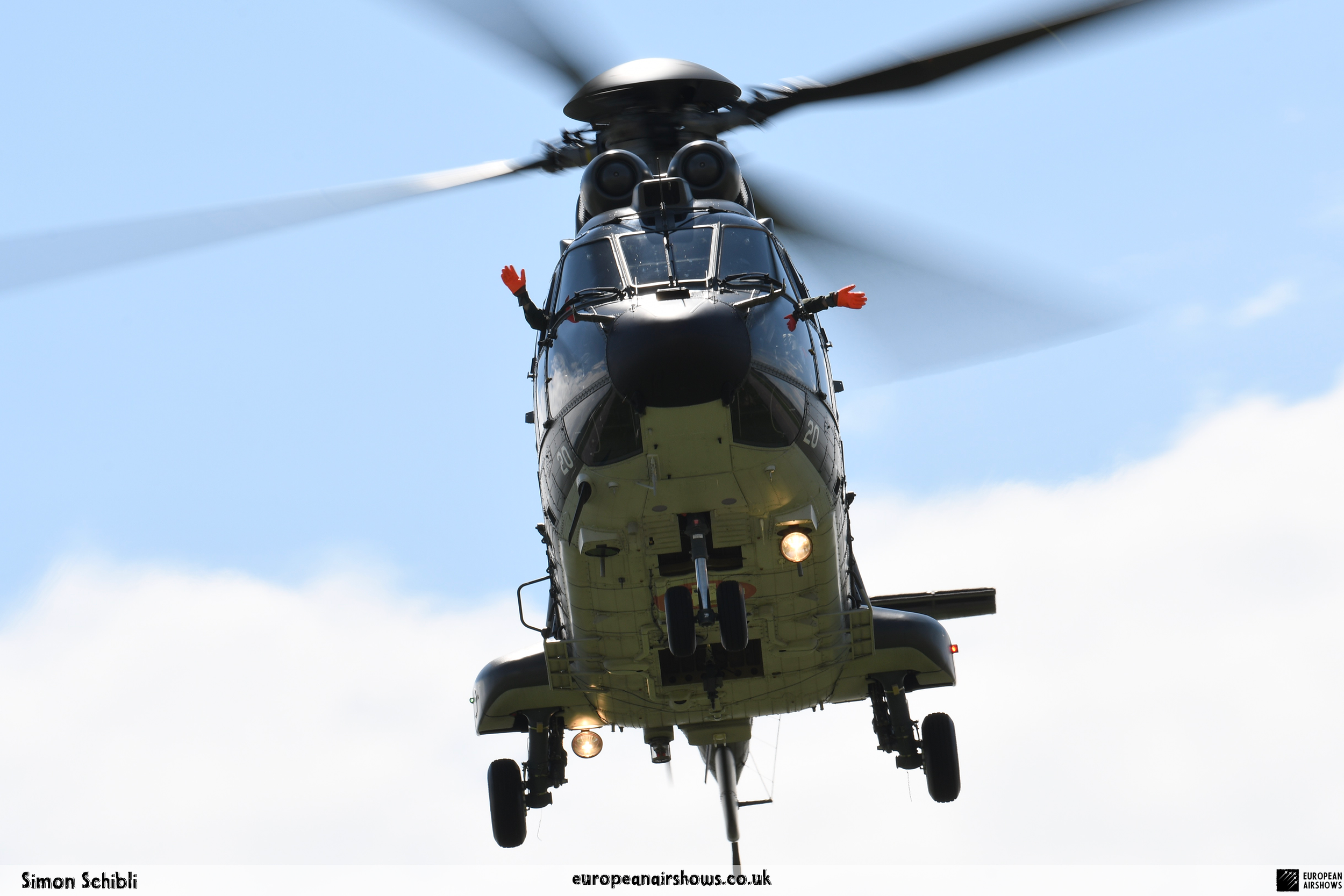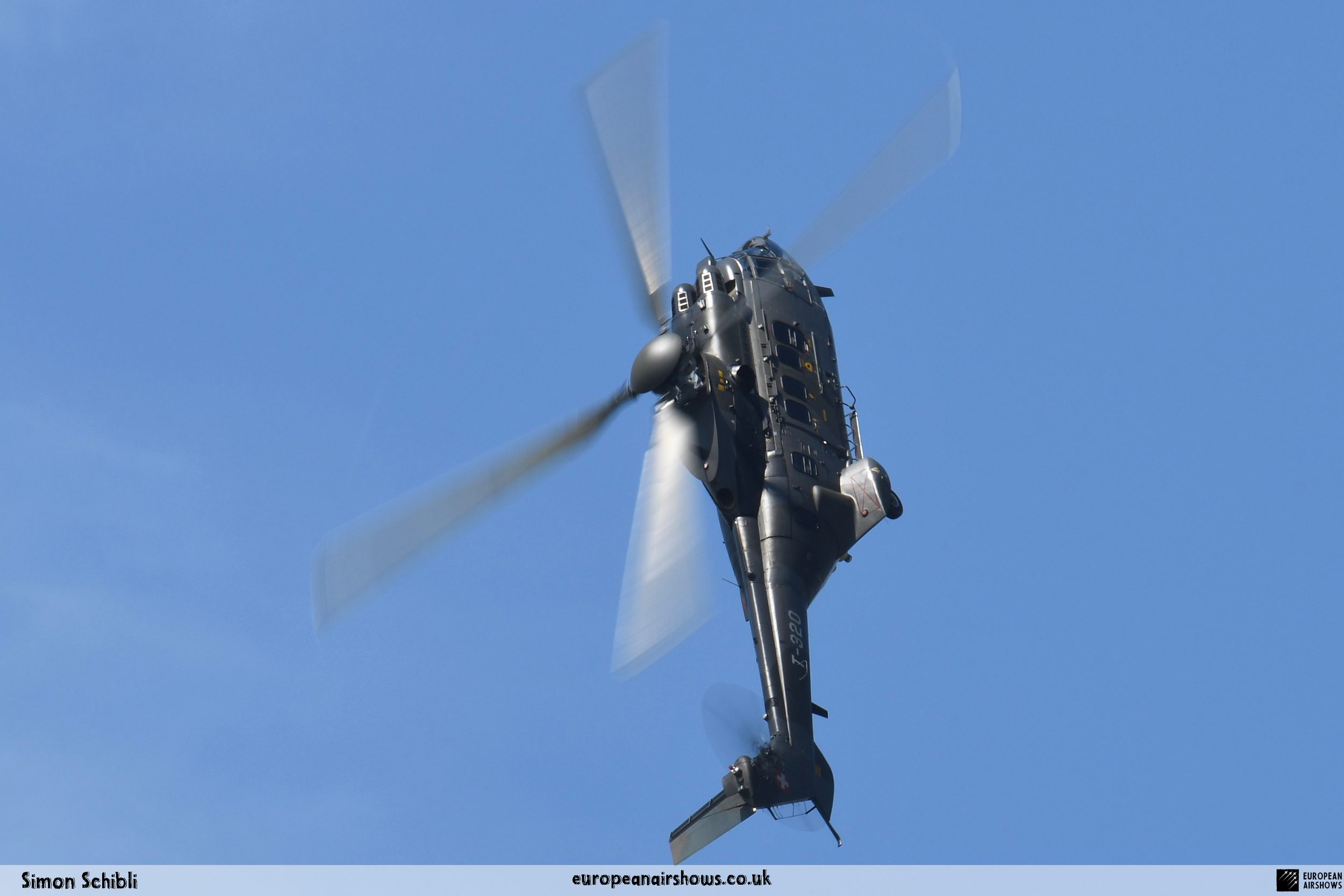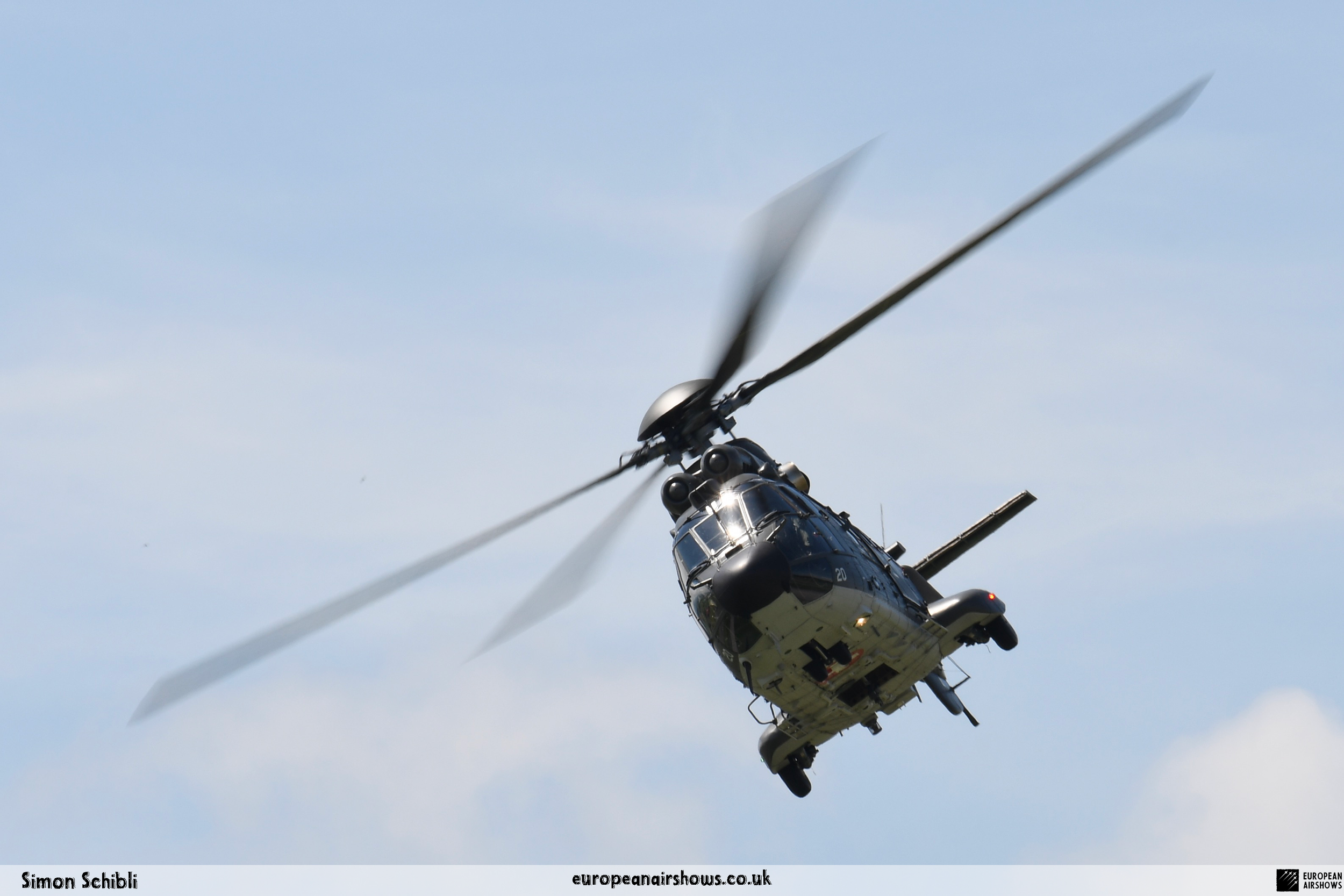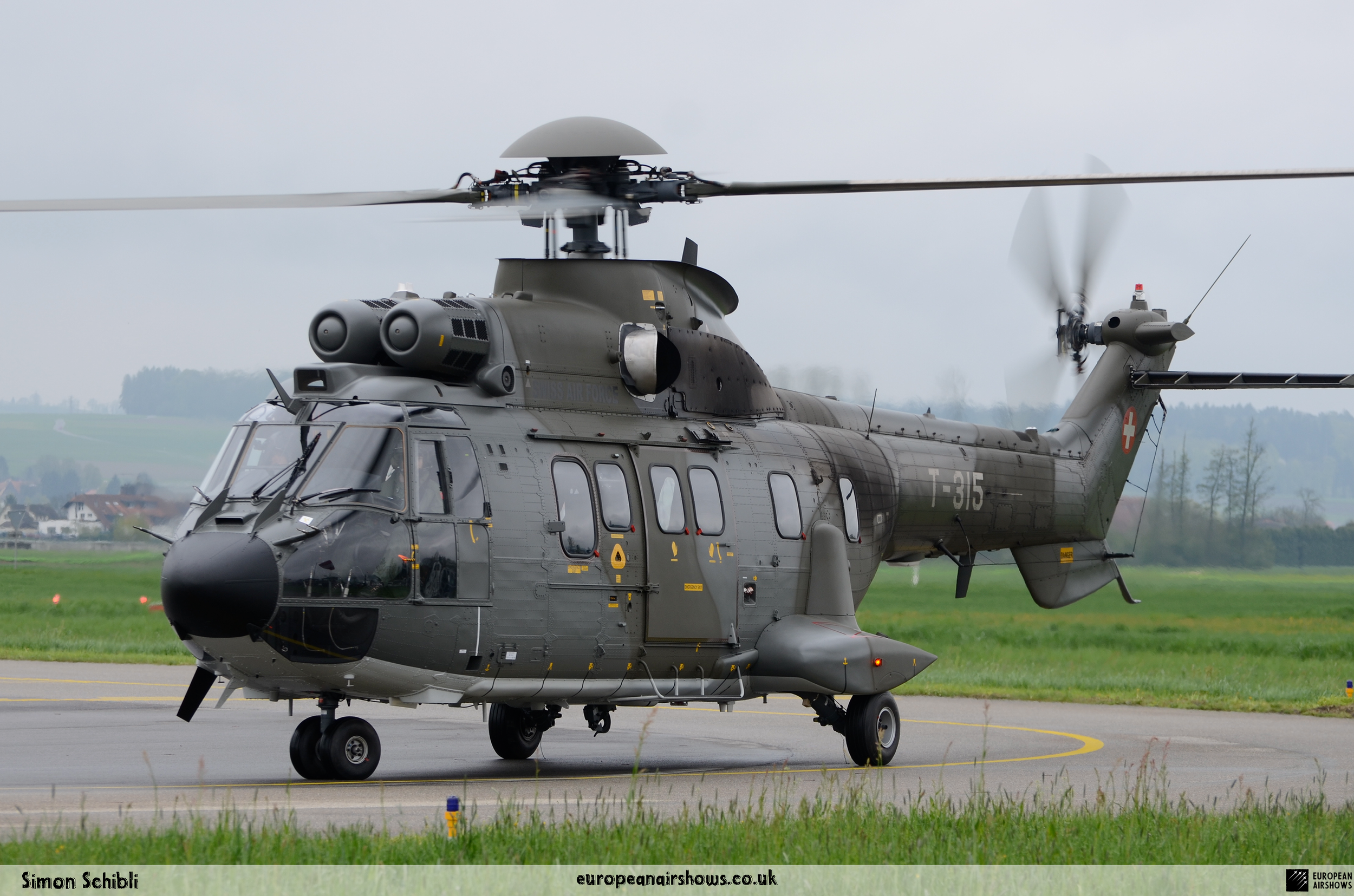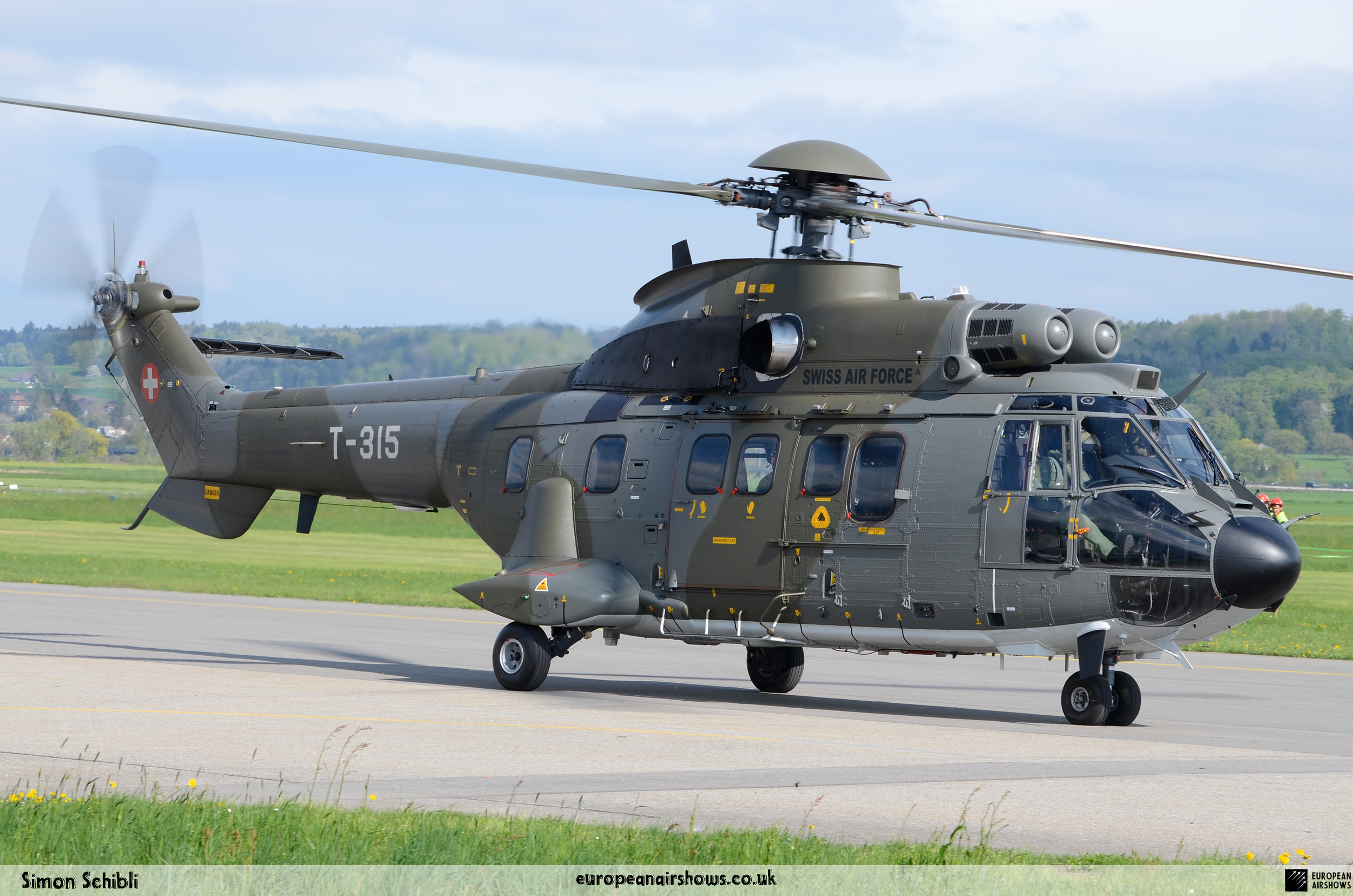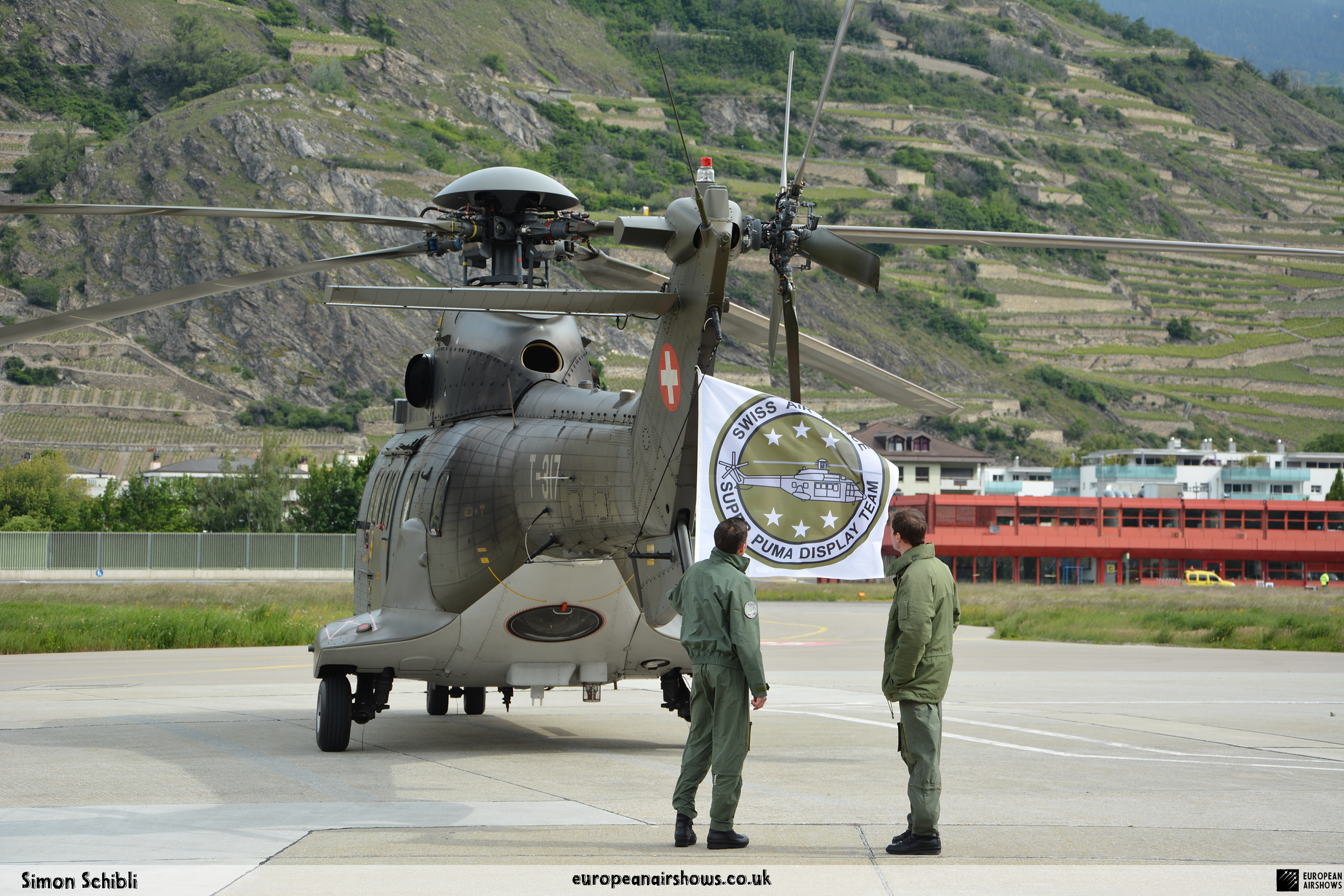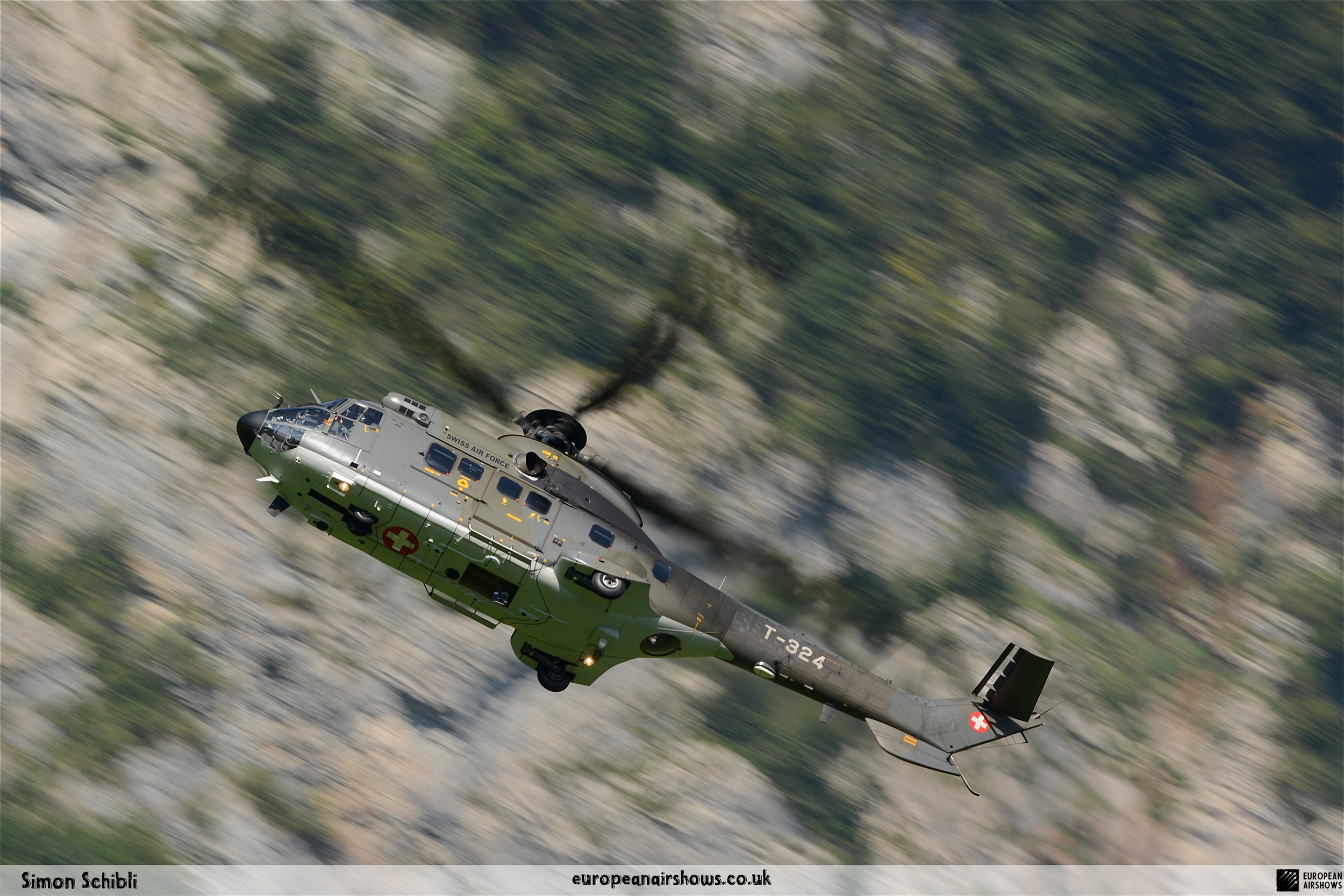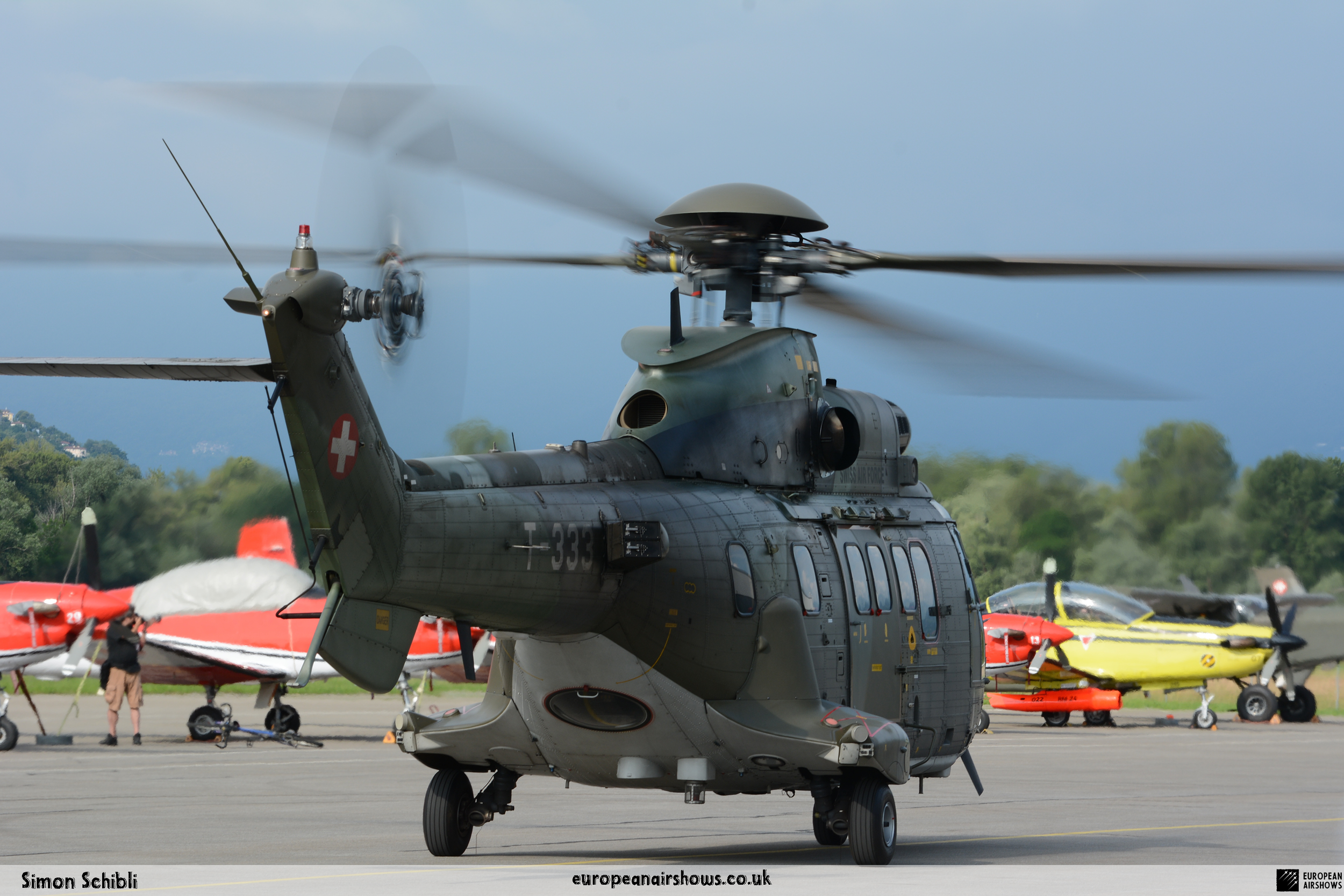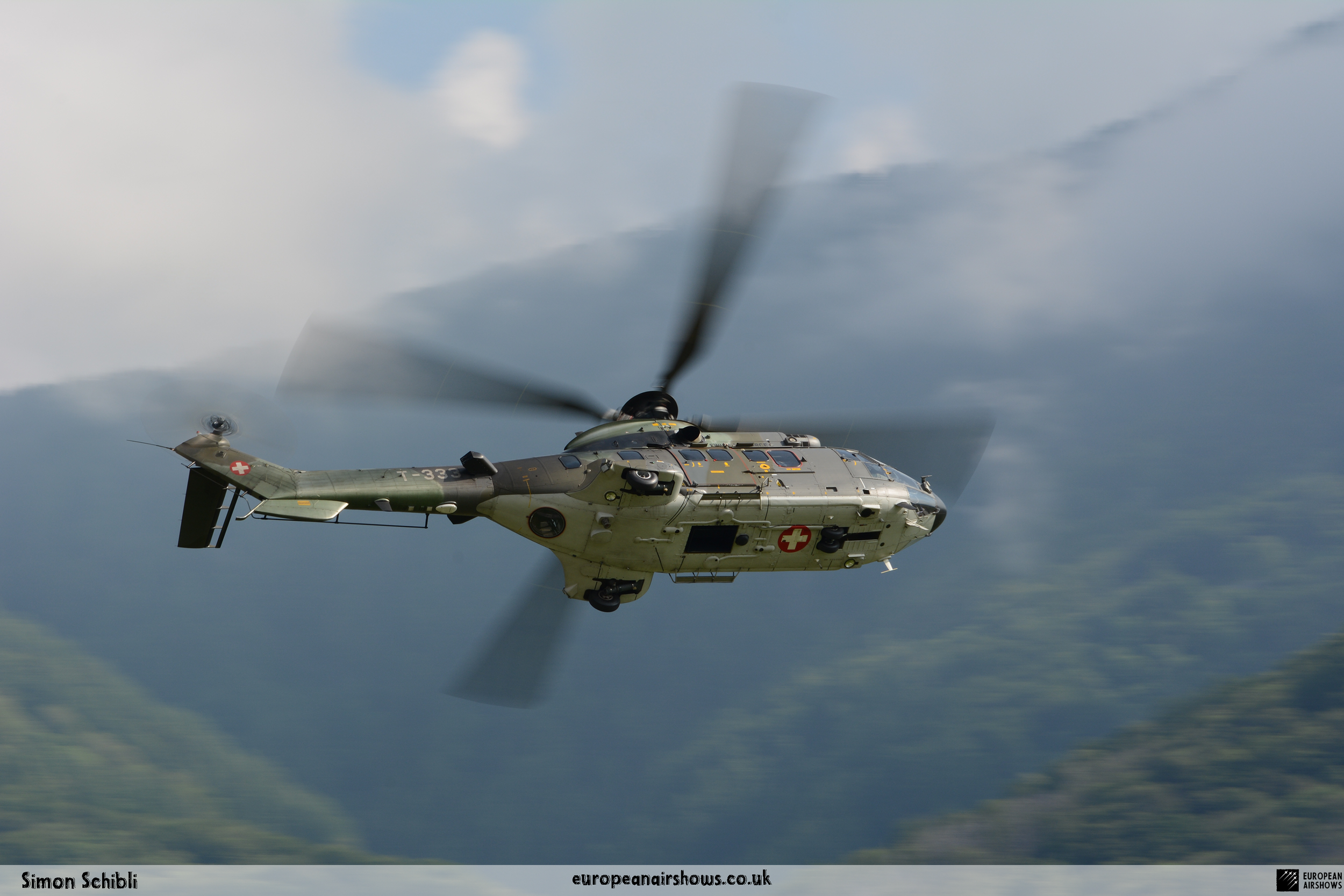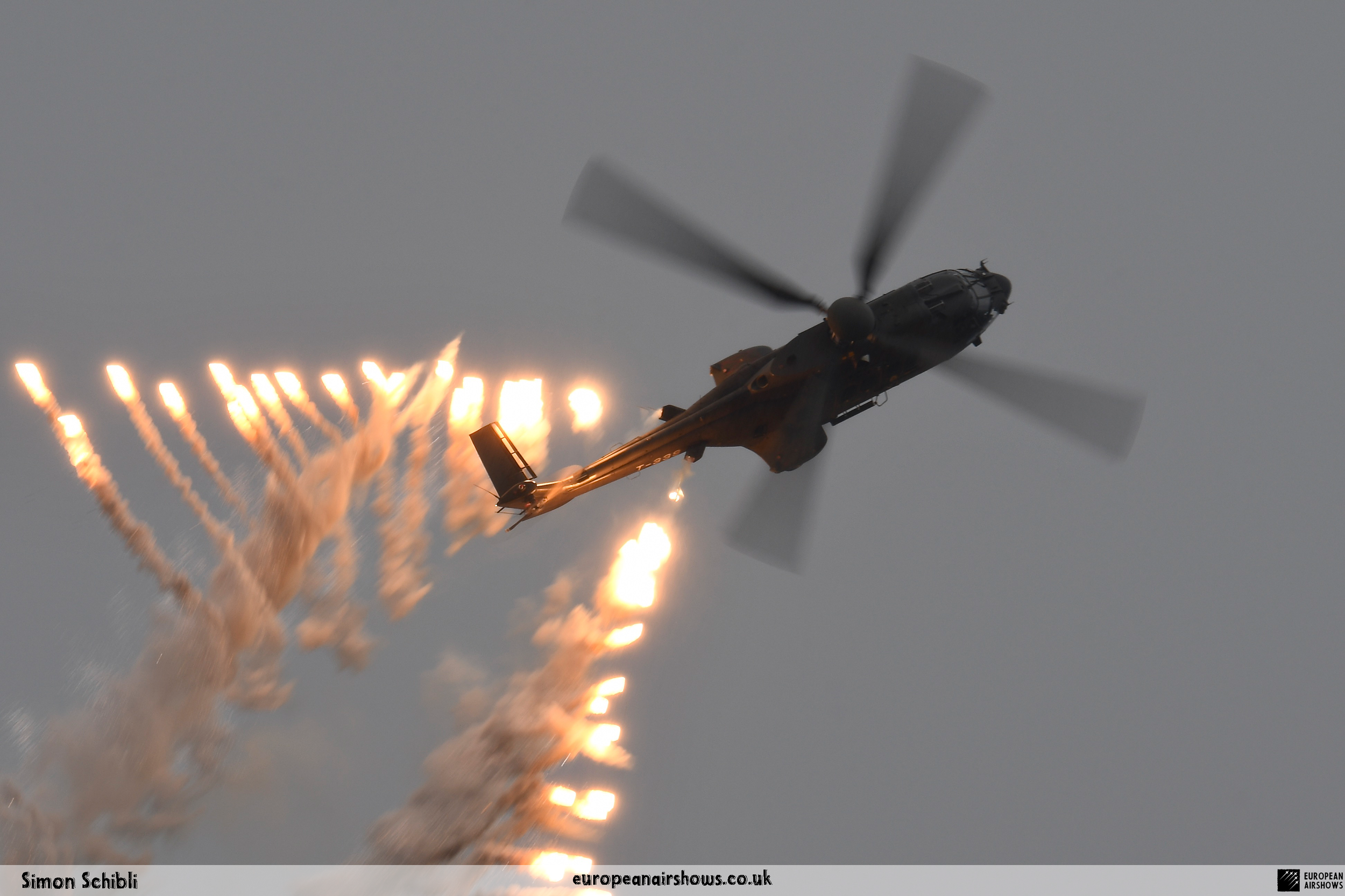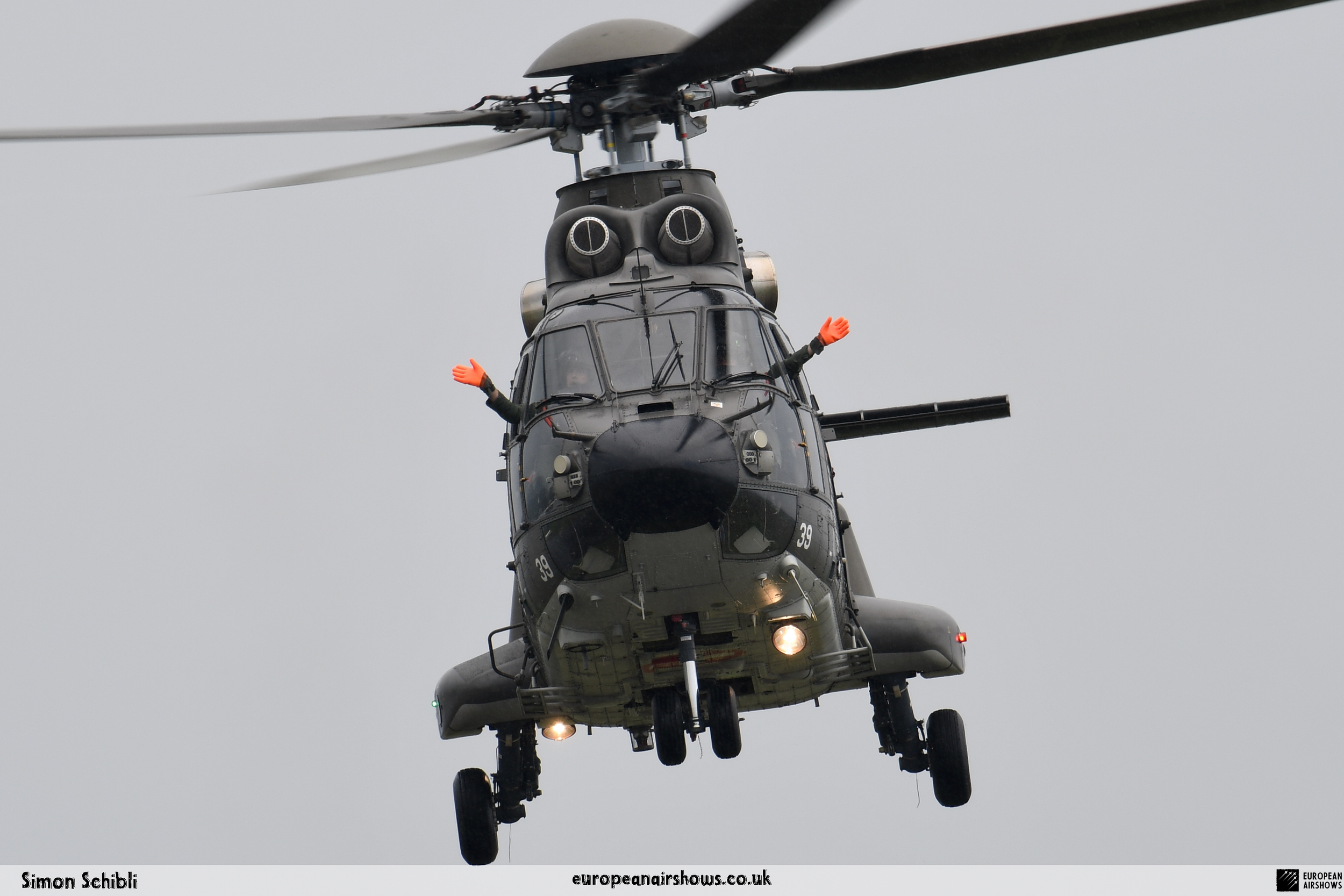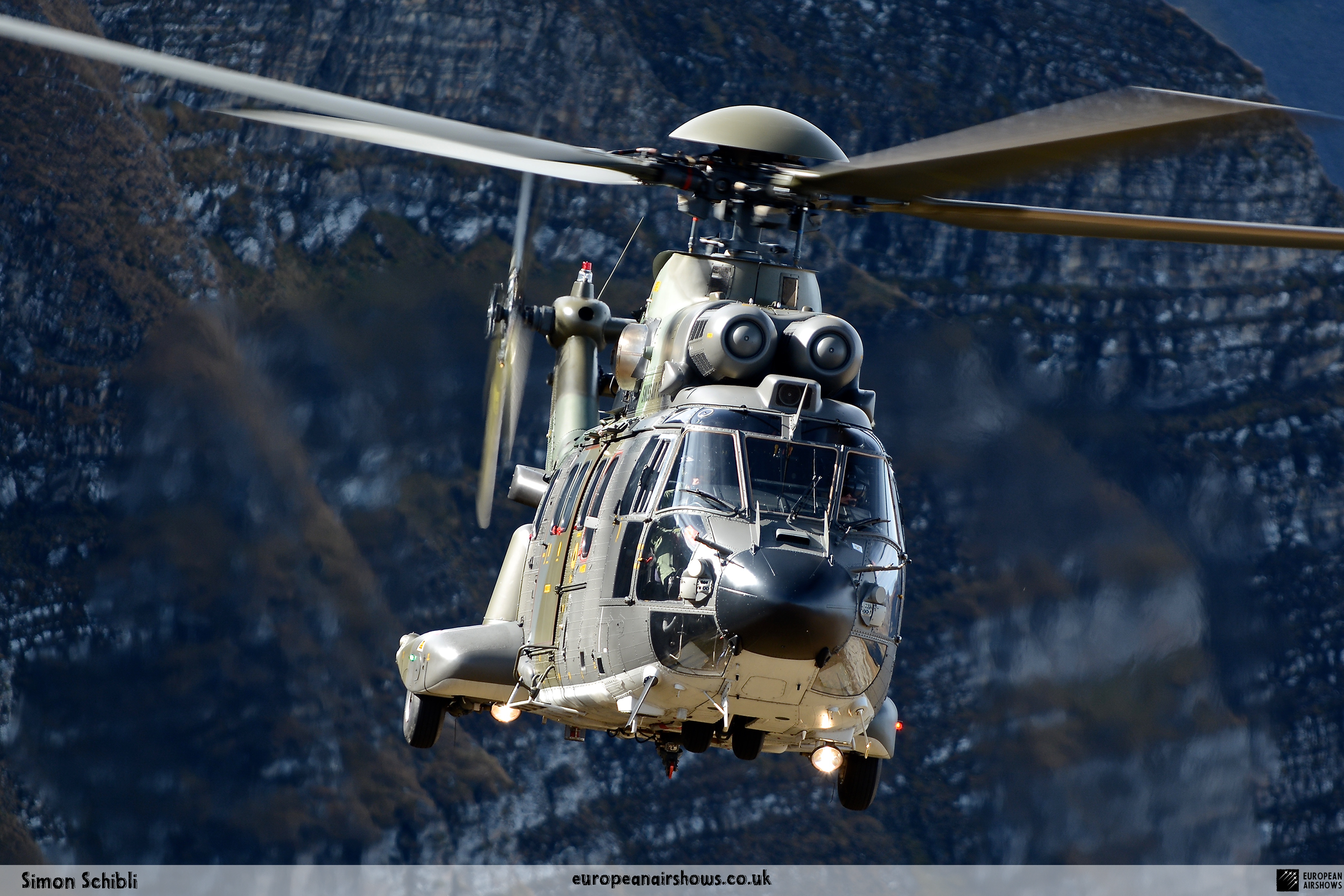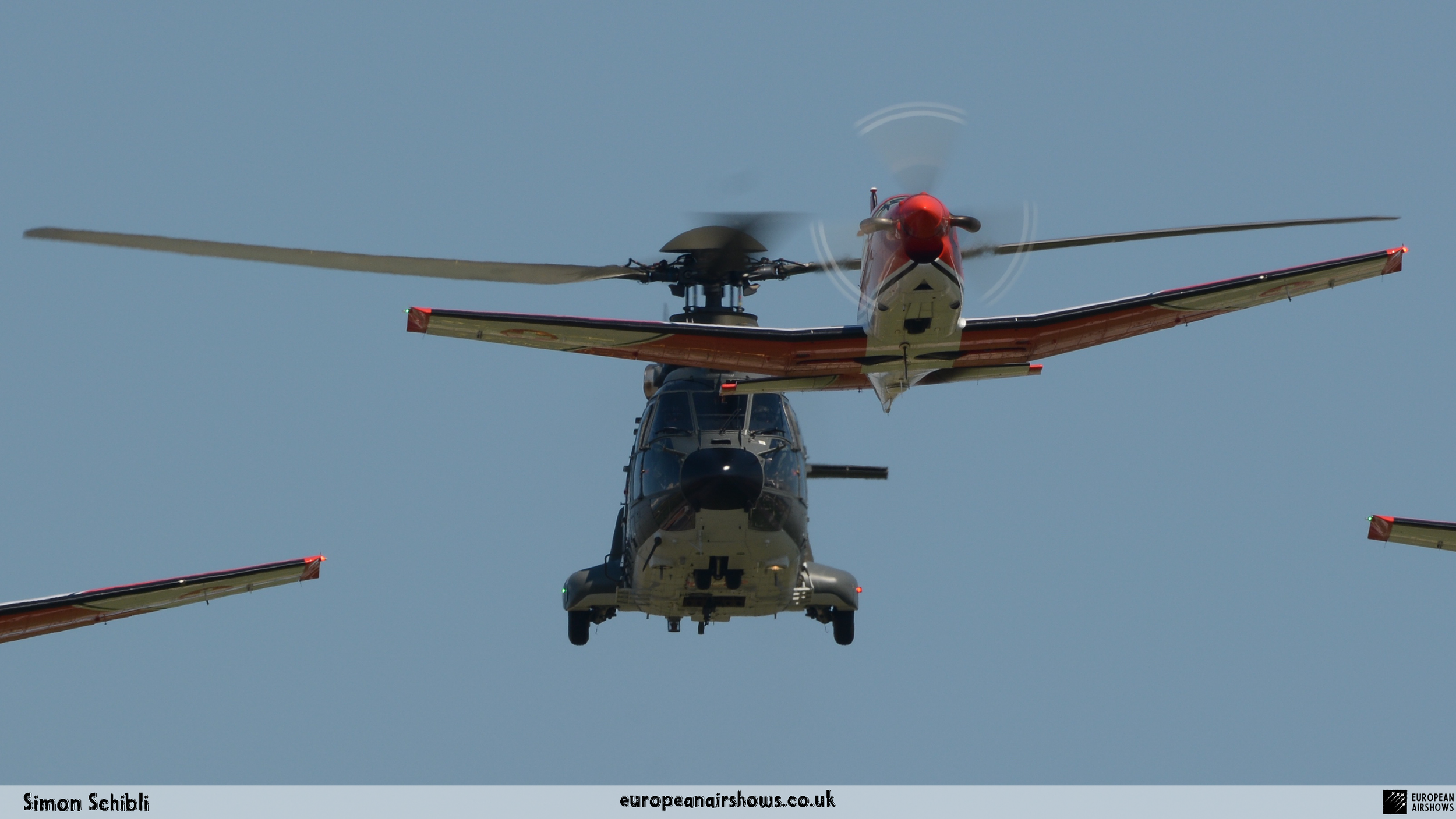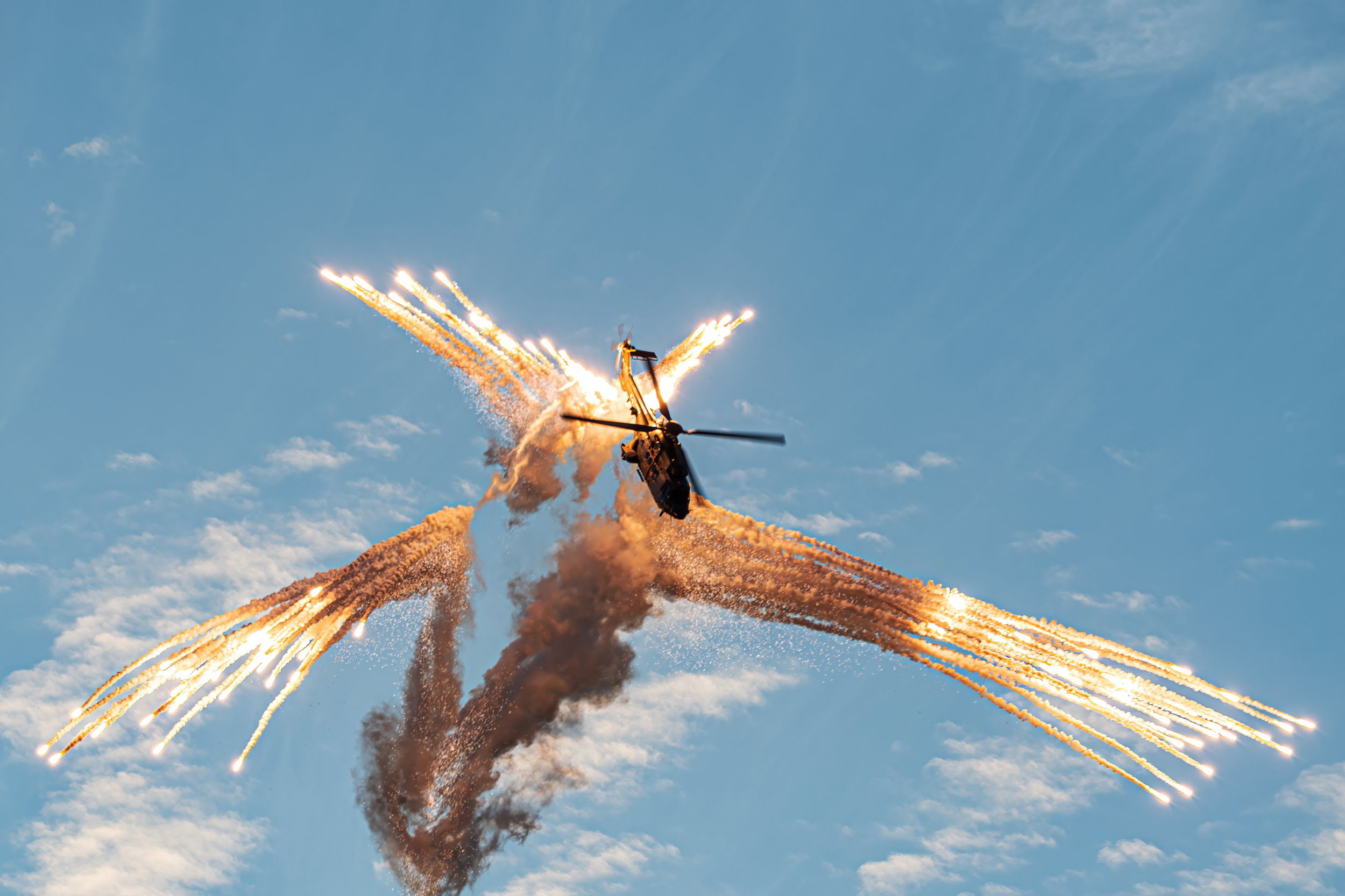
Super Puma Display Team
Performer Information
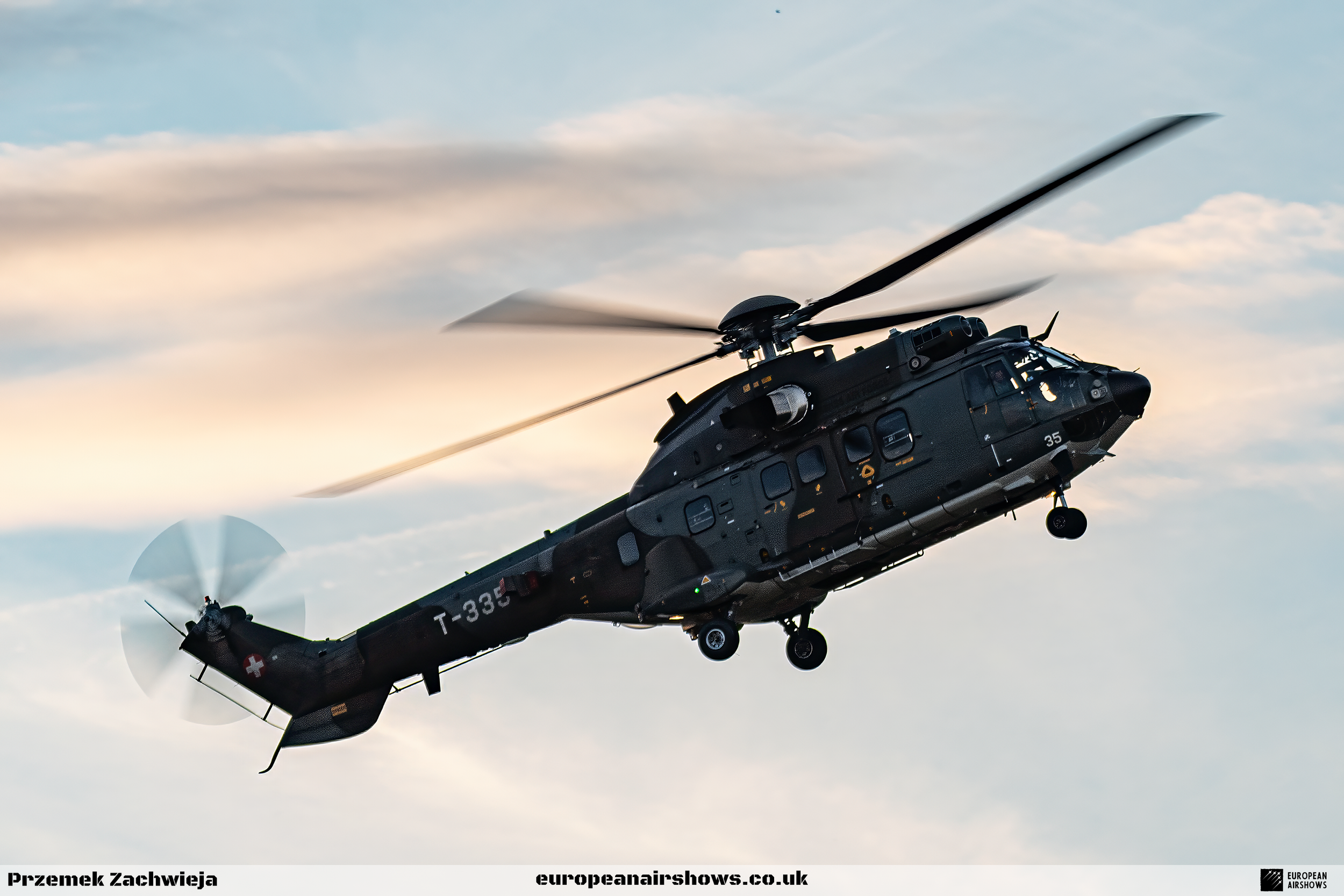
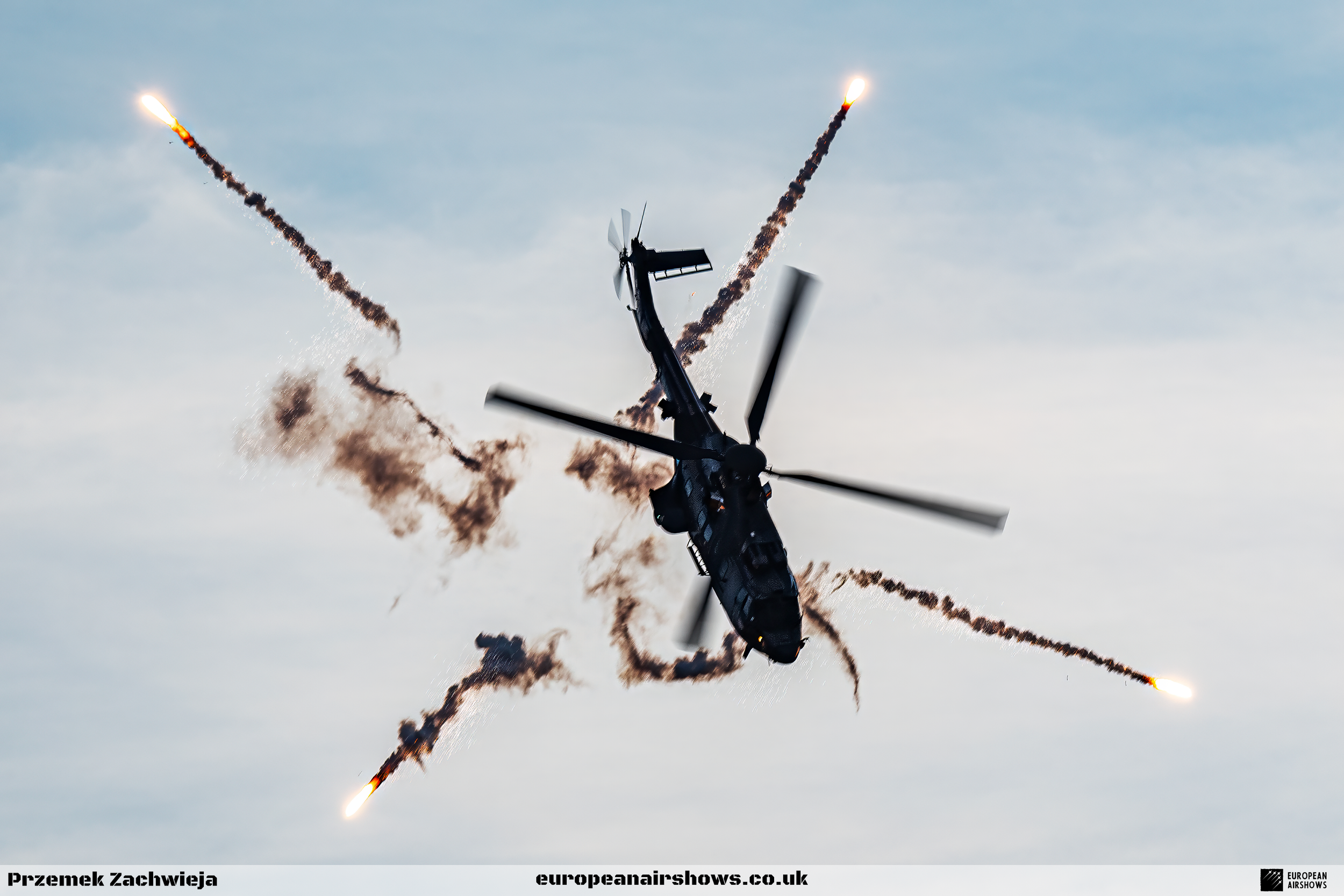
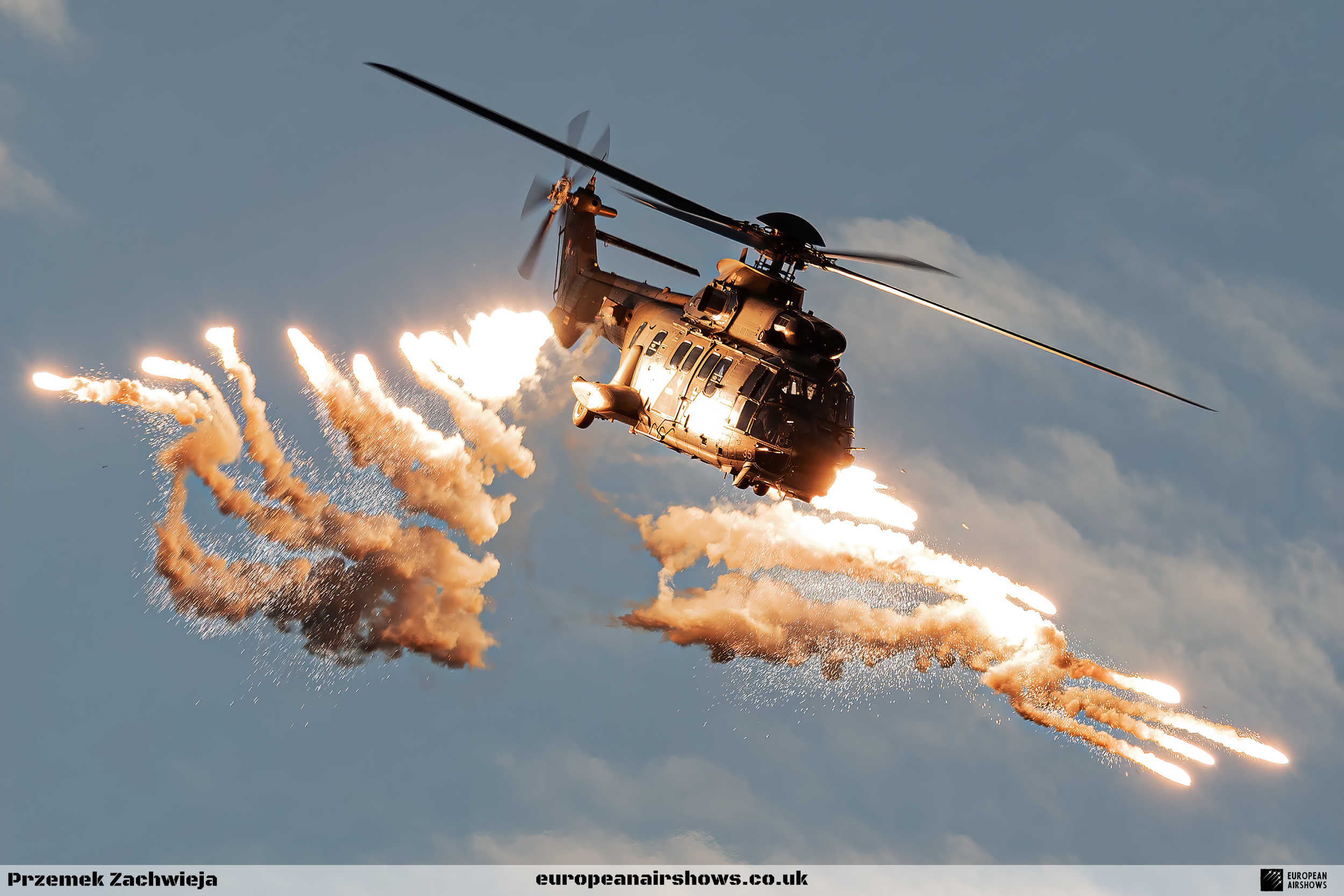
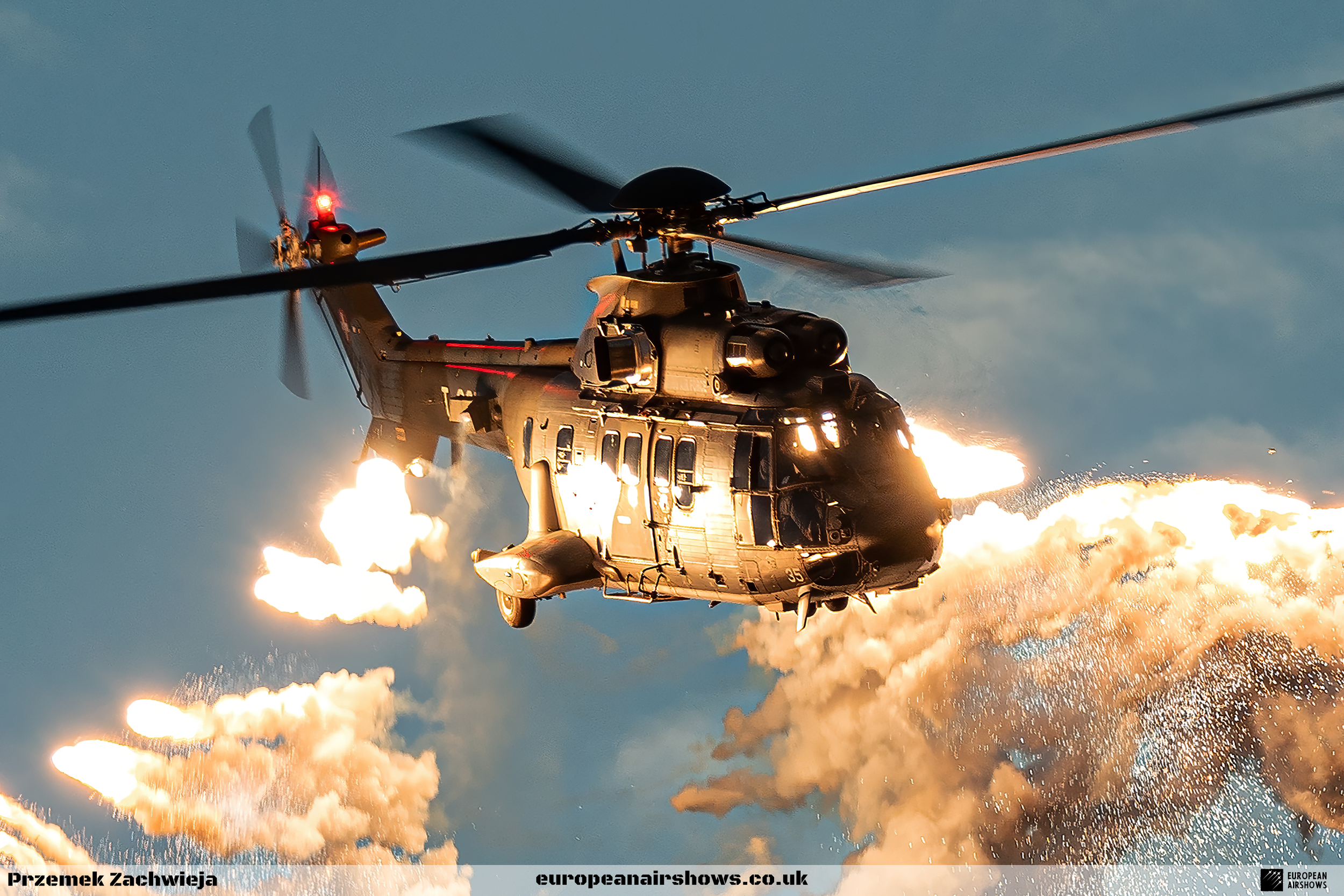
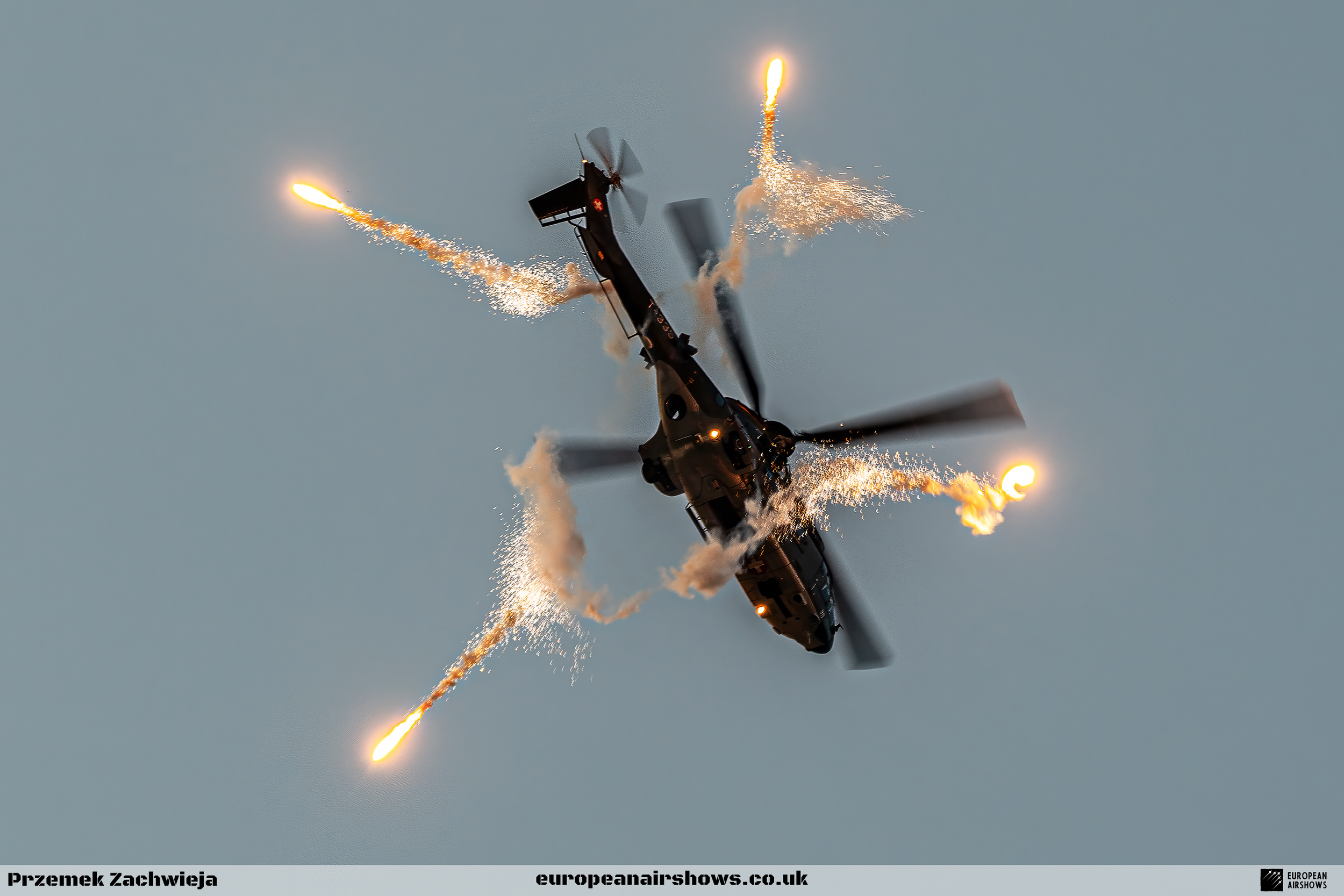
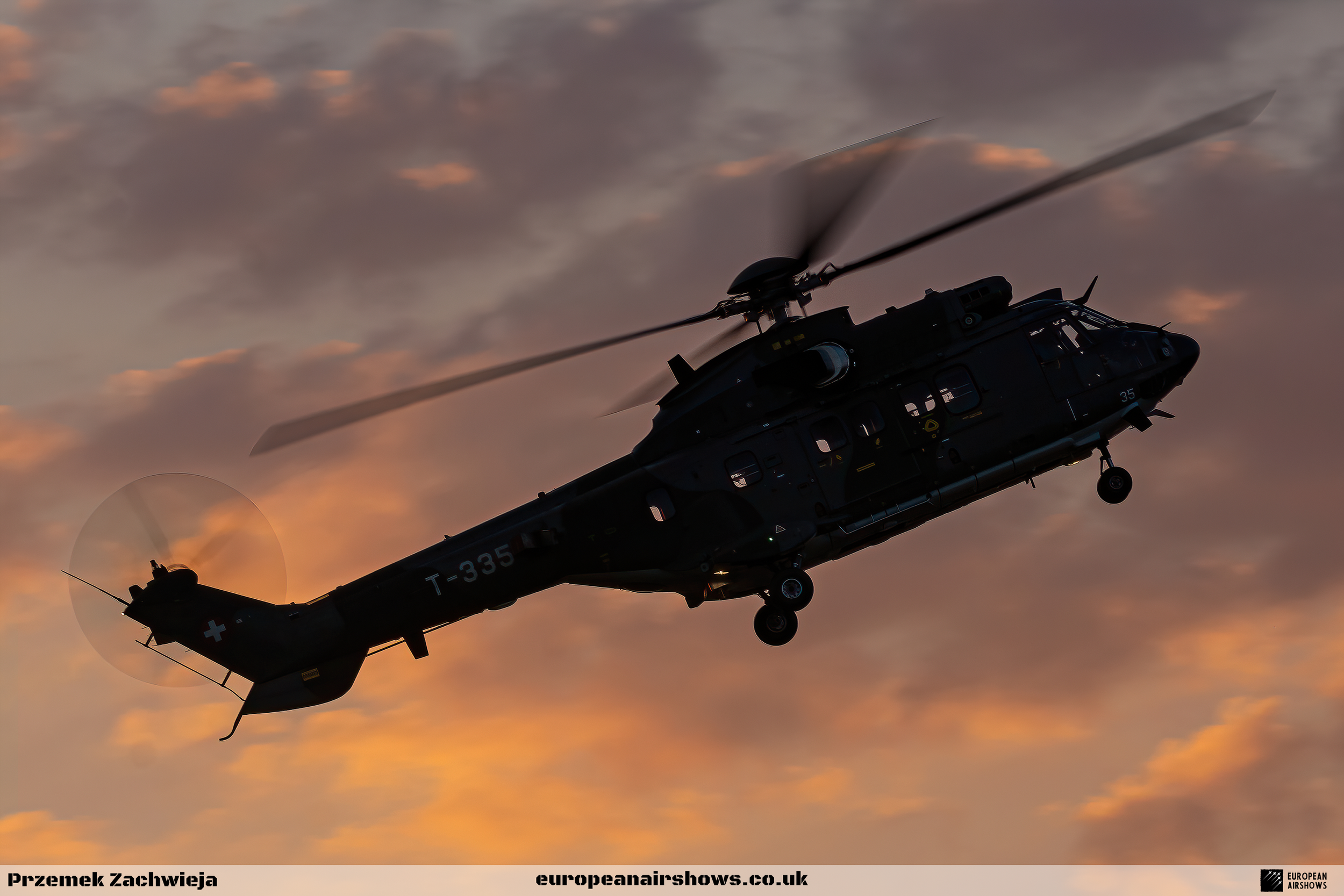
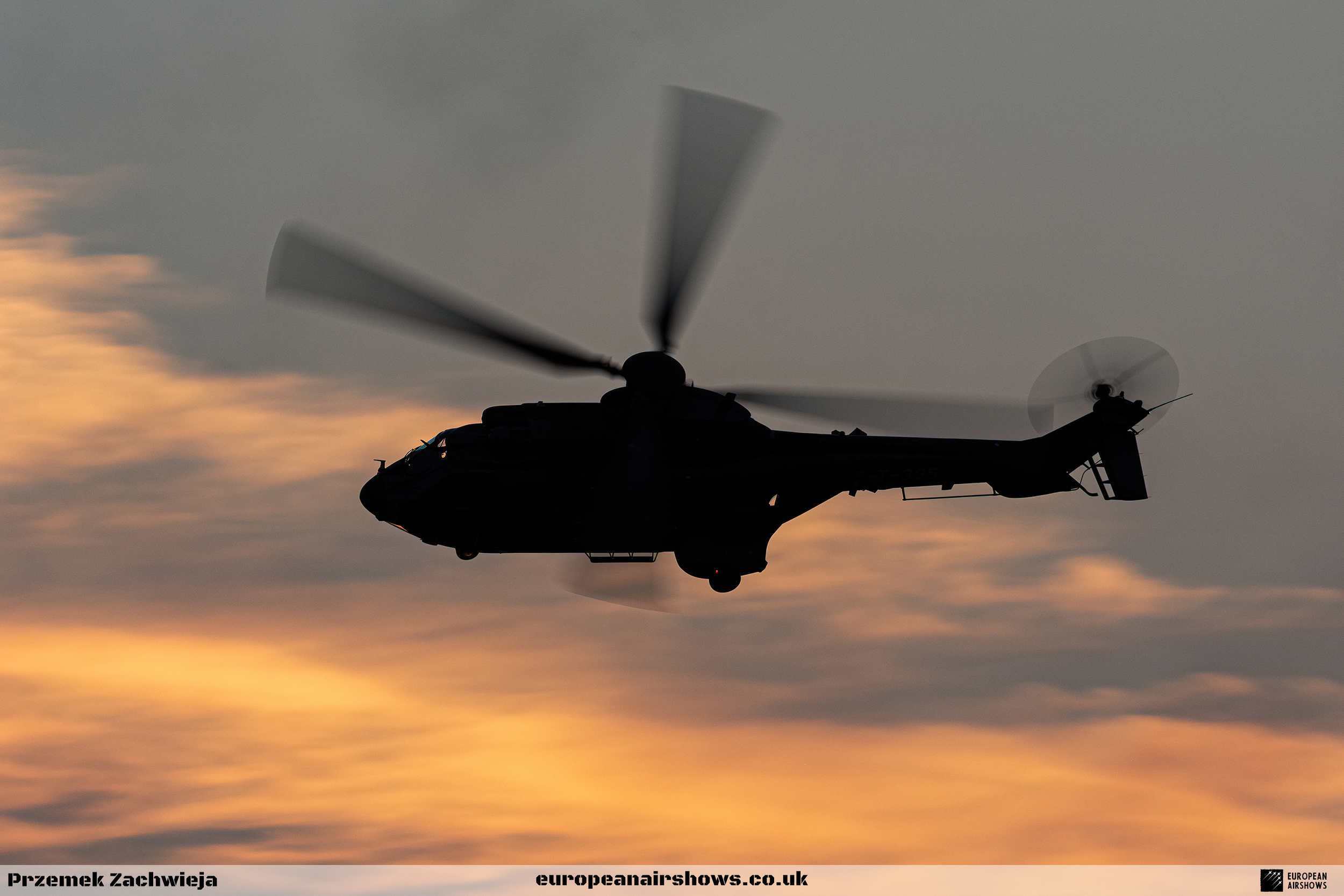
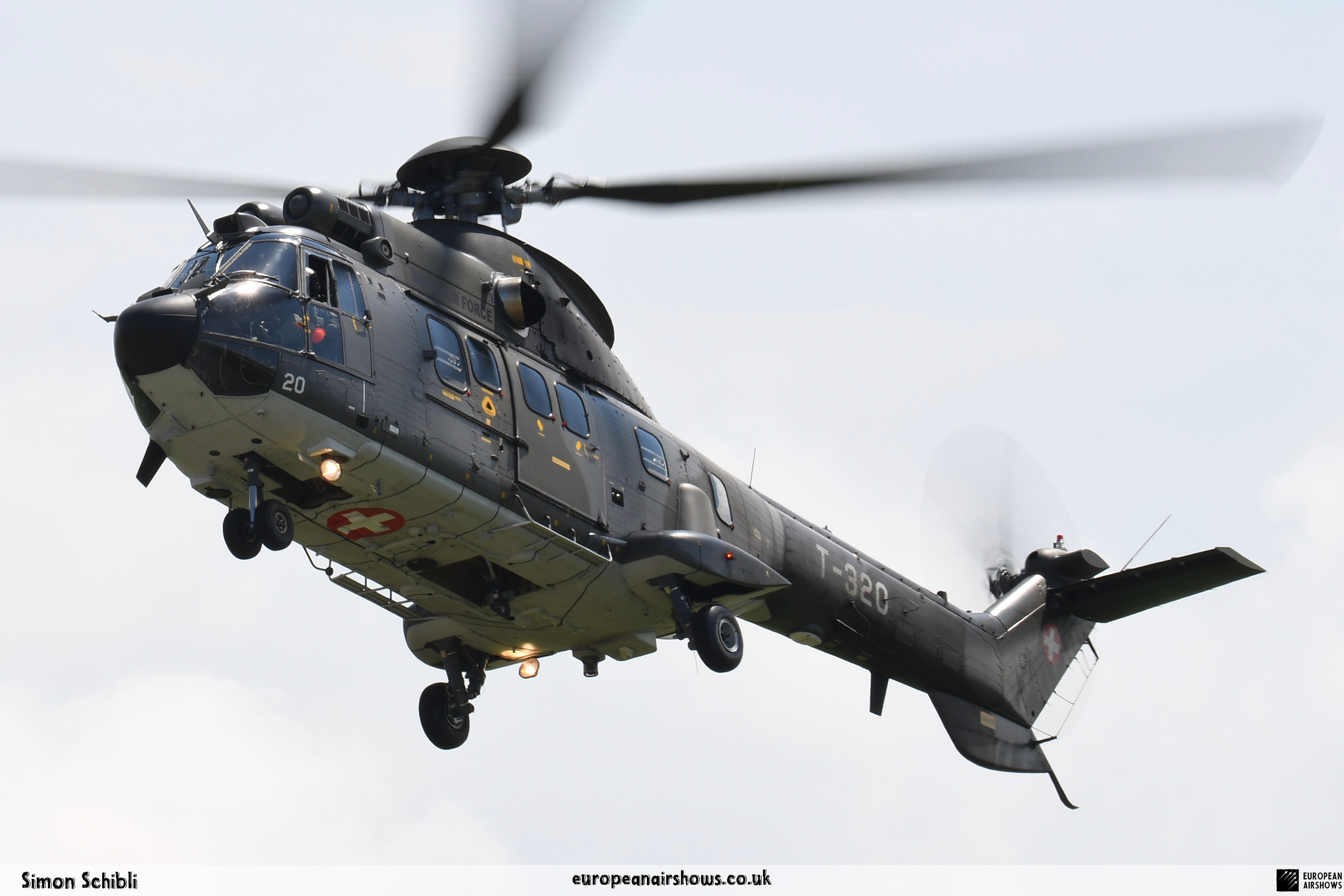
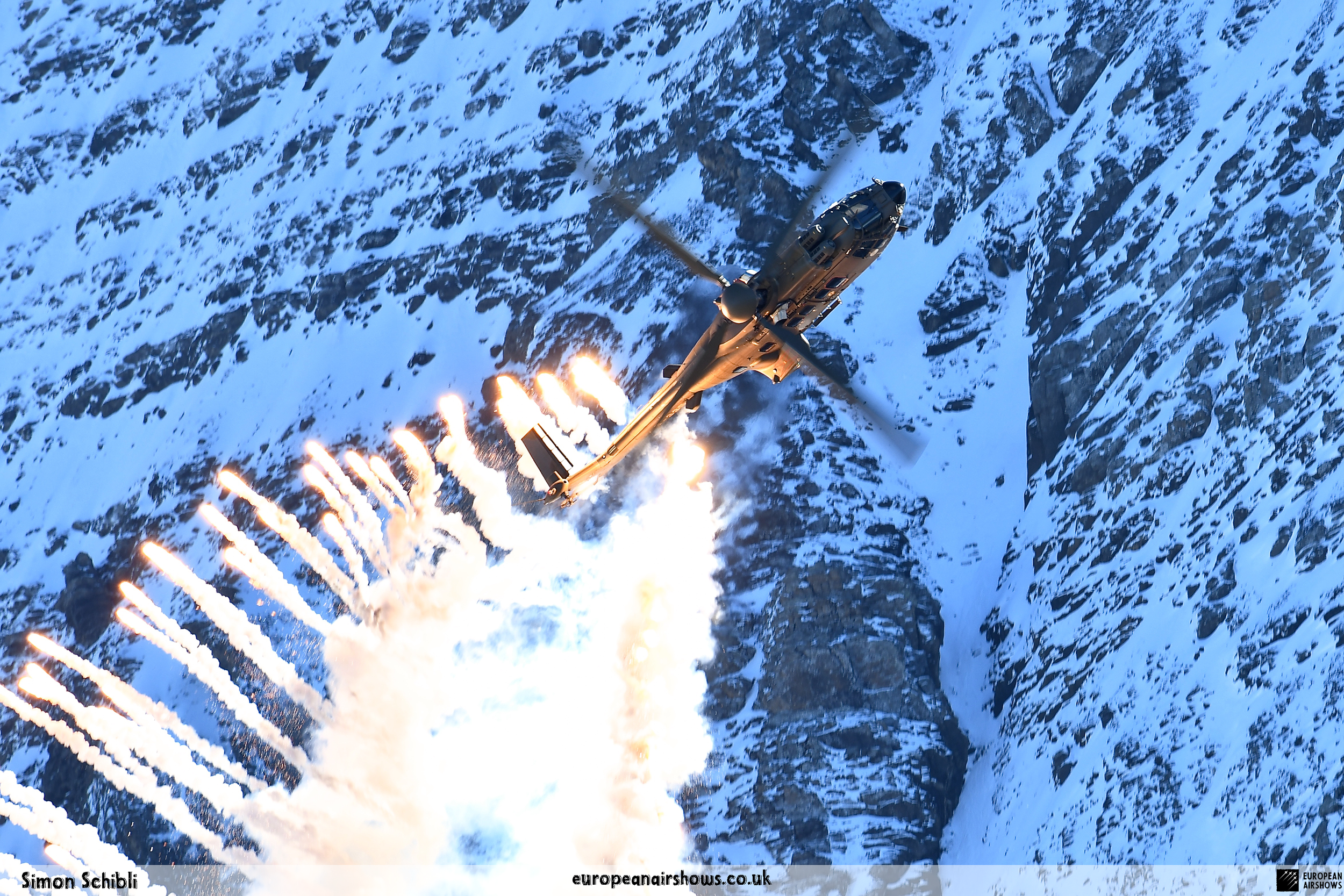
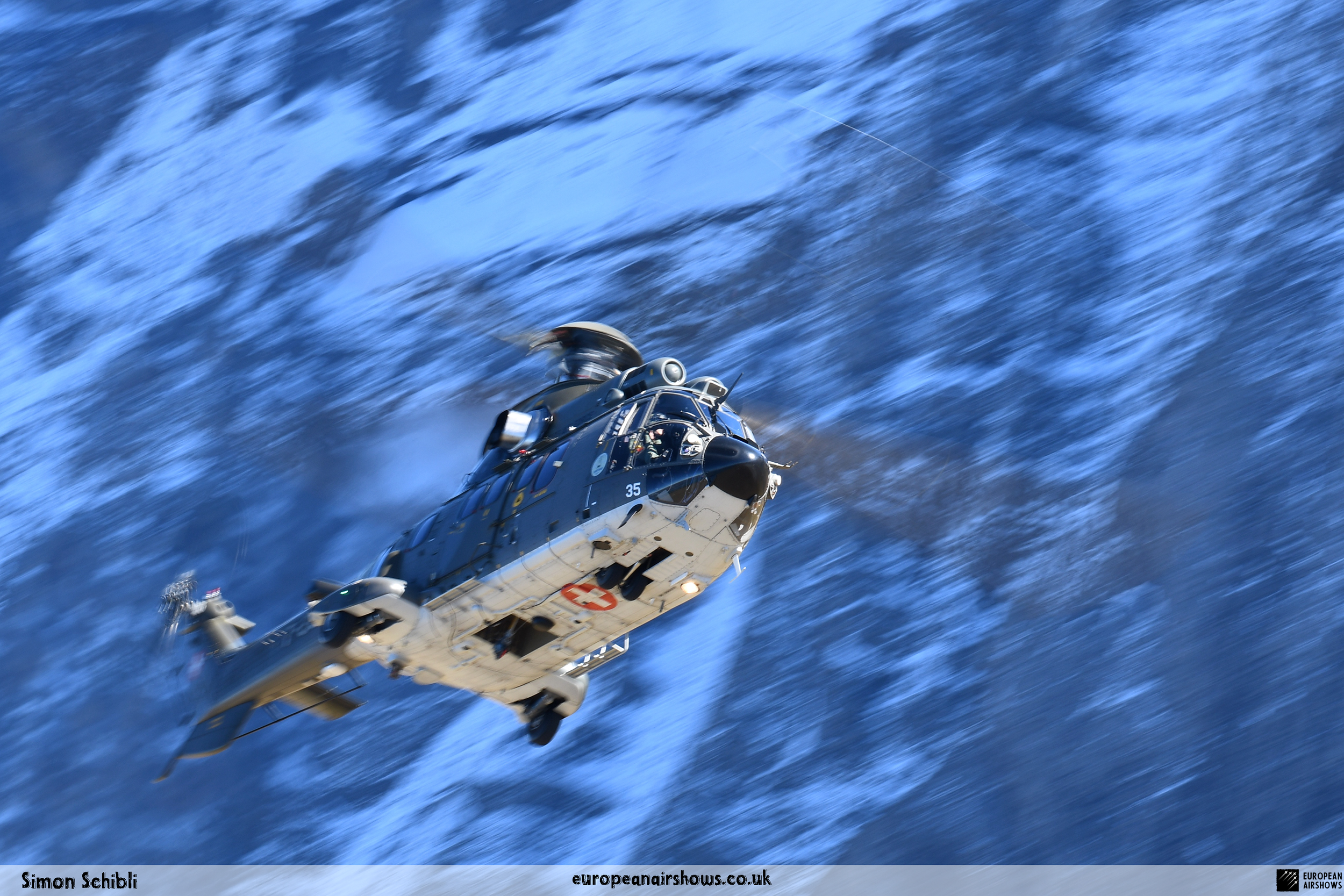
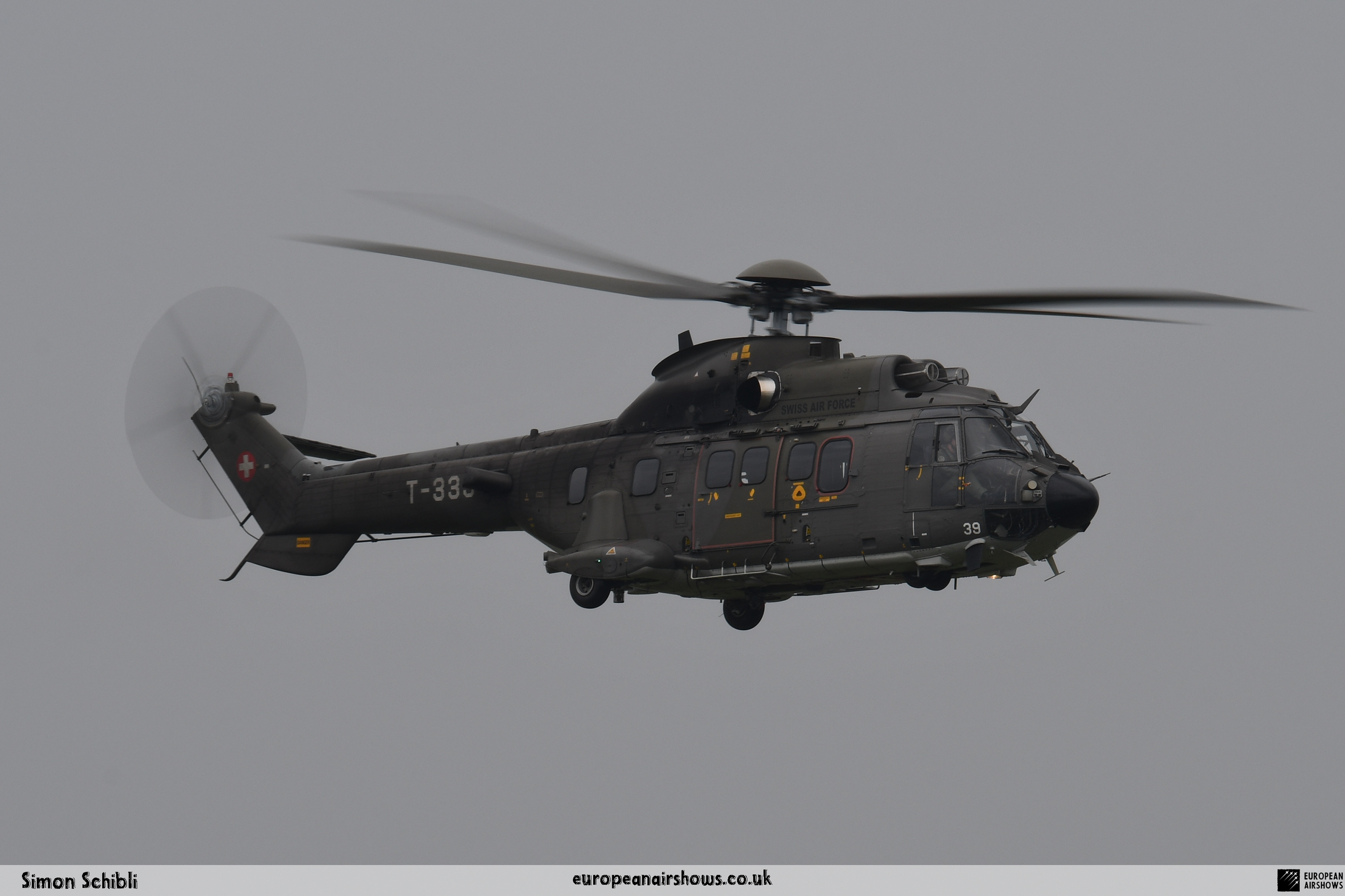
The Super Puma Display Team is a helicopter demonstration team of the Swiss Air Force, recognized for showcasing the advanced capabilities and versatility of the Super Puma and Cougar helicopters. Frequently collaborating with other distinguished Swiss teams such as the PC-7 Team and the Patrouille Suisse, the Super Puma Display Team participates in joint performances when operating at the same venue. This collaboration highlights the Swiss Air Force’s dedication to demonstrating a broad spectrum of aviation skills and technological prowess.
The primary mission of the Super Puma Display Team is to provide a platform for highly trained pilots to exhibit their exceptional flying skills and demonstrate the multifaceted operations of the Super Puma and Cougar helicopters, which are integral to the Swiss Air Force’s daily missions. Each demonstration typically lasts around eight minutes, during which the team performs a series of intricate and carefully choreographed maneuvers. These displays are meticulously adapted to suit the specific geographical and meteorological conditions of the venue, ensuring optimal performance and maximum audience engagement.
The team’s repertoire includes a diverse array of aerial maneuvers designed to highlight various operational aspects of the helicopters. Notable maneuvers include the Hammerhead, where the helicopter climbs vertically from horizontal flight at maximum speed, rotates precisely on the spot using the tail rotor, and then descends back along the same flight path. Tight Turns demonstrate the rotor’s capacity to handle significant aerodynamic forces by executing full circles as tightly as possible at maximum speed. The Screwdriver Up and Back Turn maneuvers involve climbing in a corkscrew motion with rapid rotations, followed by vertical descents to reduce altitude swiftly. The Pull-Up Back maneuver starts with the helicopter accelerating backward to around 100 km/h before converting momentum into an ascent that results in the nose pointing vertically downward, followed by a brief hover. The Clover Leaf creates the illusion of a loop by pulling the helicopter upwards at a steep angle and executing a slightly leaned turn. The Lazy Eight features an elegant climbing turn that culminates in the helicopter banking over 90 degrees, effectively turning it upside-down. The Screwdriver Down maneuver involves guiding the helicopter into a steep spiral descent from a nose-down position, while the Balance maneuver begins with a vertical climb similar to the Hammerhead before initiating a steep descent with the nose pointing downward.
The Super Puma Display Team is composed of four to six pilots, including the team commander. However, only two pilots are actively involved in flying each display: the captain and the co-pilot. The captain, seated on the right, focuses entirely on executing the show program with precision, ensuring that each maneuver is performed flawlessly. The co-pilot, or assisting pilot, located on the left, monitors the helicopter’s systems and manages radio communications. This co-pilot is also a trained display pilot whose responsibilities include assisting the captain by performing tasks such as lowering the landing gear upon command and relaying critical flight data, including engine performance, altitude, and speed. Additionally, the co-pilot maintains communication with air traffic control to ensure coordinated and safe operations throughout the display. The remaining pilots in the team serve as reserves and support personnel, ready to step in as needed or to assist with ground operations and maintenance.
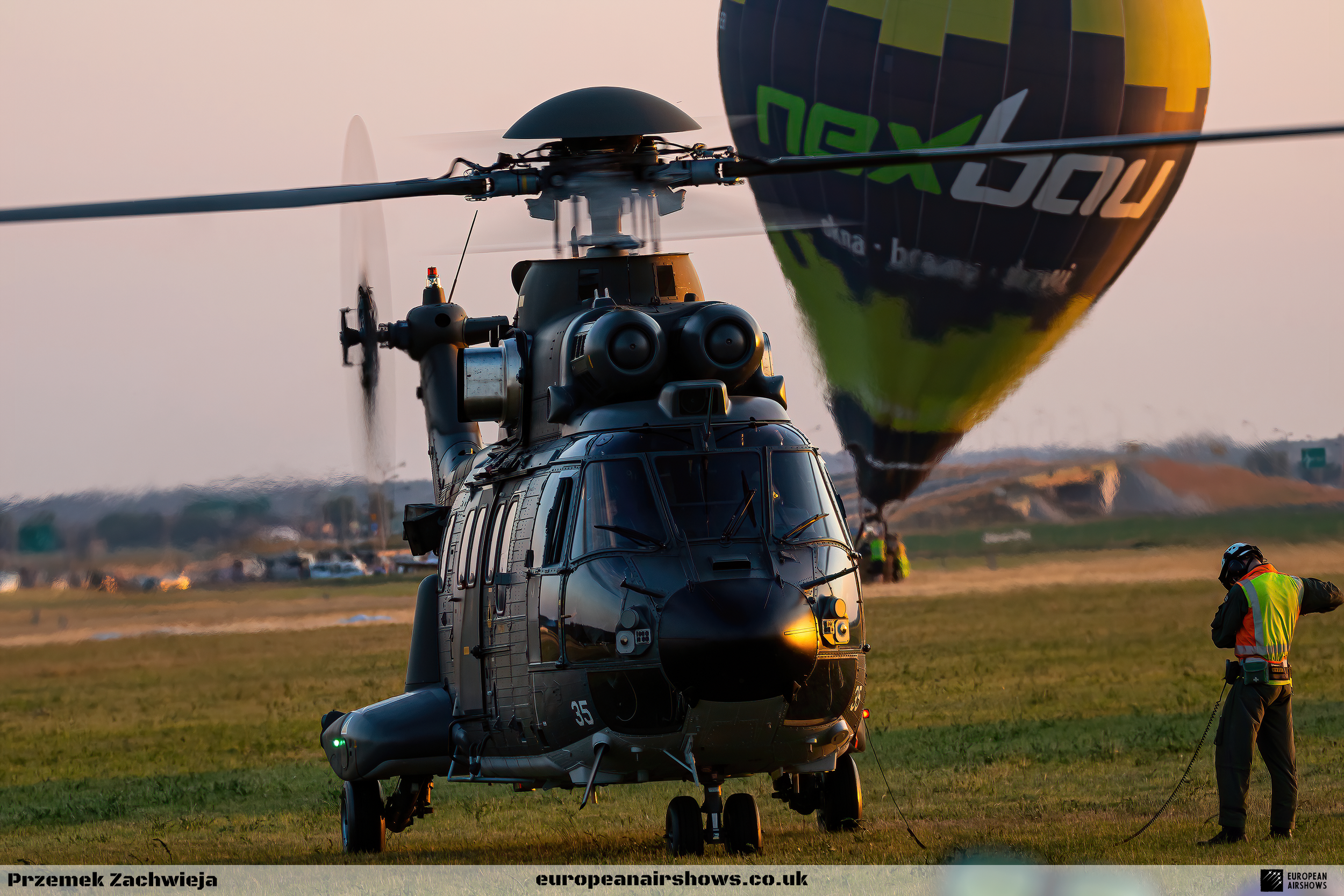
A distinctive aspect of the Super Puma Display Team is their commitment to public interaction. After completing their aerial performances, the team lands at the display venue, providing pilots with the opportunity to engage directly with spectators. During these interactions, pilots present and explain their helicopters, fostering a deeper appreciation and understanding of military aviation among the audience. These presentations typically take place at airbases and various public locations both before and after the aerial demonstrations.
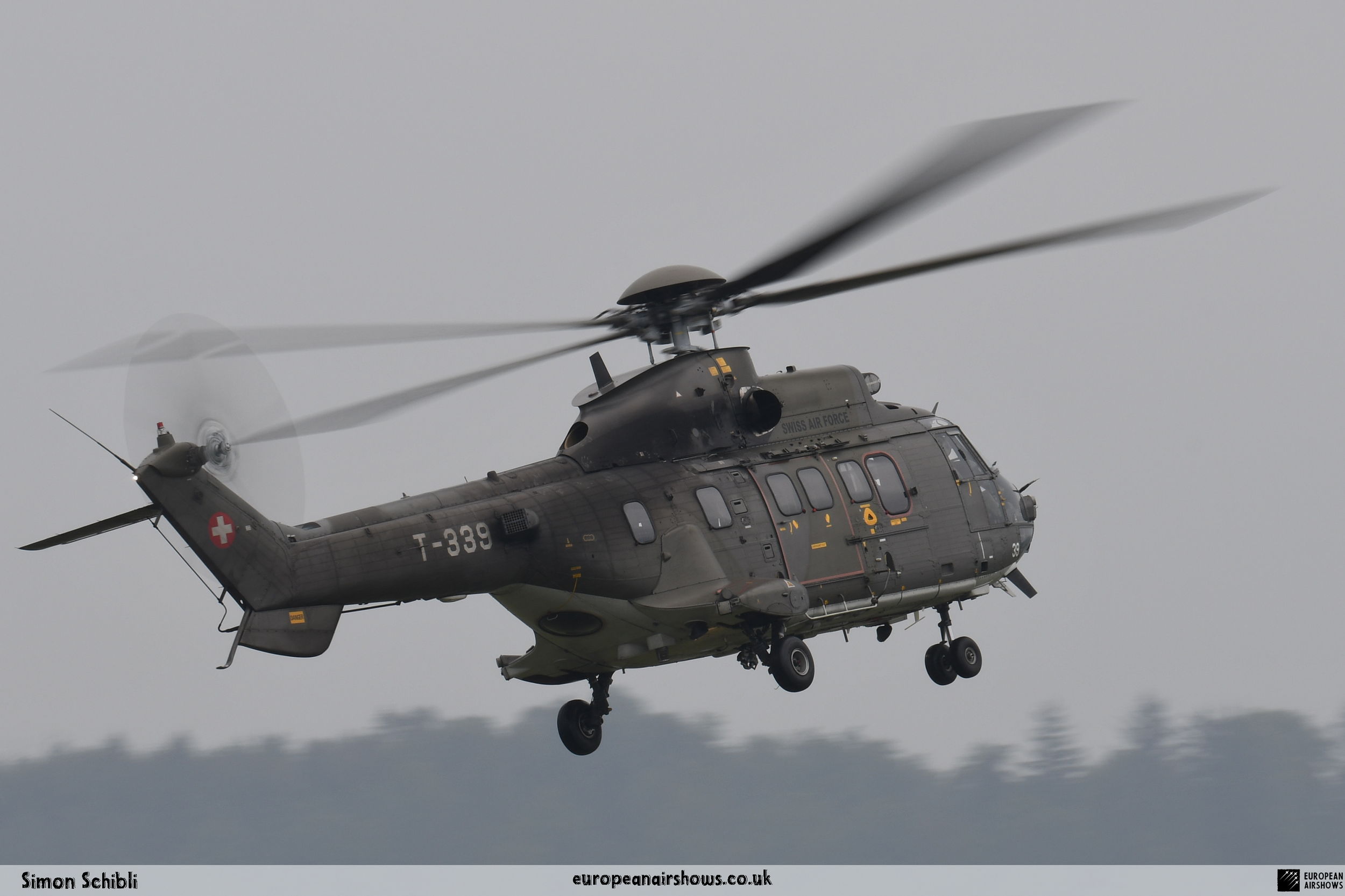
Specifications
Crew
2
Capacity
24 passengers (AS332) / 20 passengers (AS532)
Length
18.7 m (AS332) / 15.53 m (AS532)
Height
4.97 m (AS332) / 4.92 m (AS532)
Max Speed
277 km/h (AS332) / 249 km/h (AS532)
Range
851 km (AS332) / 573 km (AS532)
Service Ceiling
17,000 ft (AS332) / 11,320 ft (AS532)
Rate of climb
1,460 ft/min (AS332) / 1,420 ft/min (AS532)
About the Aircraft
The Eurocopter AS532 Cougar, now designated as the Airbus Helicopters H215M, is a twin-engine, medium-weight, multipurpose helicopter developed by France. Originally evolving from the Aérospatiale SA 330 Puma, the Cougar was introduced in 1990 as the military variant of the AS332 Super Puma. It features enhancements tailored for military operations, including advanced avionics, reinforced structures, and configurations that support tactical missions. Powered by two Turbomeca Makila 1A1 turboshaft engines, the Cougar is equipped with a four-bladed main rotor and a five-bladed tail rotor, ensuring robust performance and reliability in various operational contexts.
The Eurocopter AS332 Super Puma, also known in some configurations as the Airbus Helicopters H215, is a four-bladed, twin-engine, medium-size utility helicopter. First flown in 1978 and entering production in 1980, the Super Puma succeeded the SA 330 Puma as the primary model in its series. Designed for versatility, the AS332 Super Puma serves extensively in both civilian and military roles, including passenger transport, medical evacuation, and utility missions. The helicopter boasts a spacious cabin accessible via two sliding plug doors, capable of accommodating up to 20 passengers in its stretched-fuselage variant. Advanced features such as a glass cockpit, multifunction liquid crystal displays, and a duplex digital autopilot enhance operational efficiency and safety.
Both the AS532 Cougar and AS332 Super Puma share a common lineage and many structural similarities. They are powered by the same Turbomeca Makila 1A1 turboshaft engines and incorporate similar rotor systems, providing consistent performance across different configurations. The design includes six internal fuel tanks with options for additional auxiliary and external tanks, allowing for extended flight endurance. Safety features are paramount, with crash-worthy fuel plumbing, fire detection and suppression systems in the engine bay, and jettisonable windows for emergency exits. Continuous upgrades, including integrated flight management systems and anti-collision warning systems, have maintained the helicopters’ status as reliable and efficient platforms in their respective roles.
Did You Know?
- The Super Puma Display Team can tailor their eight-minute helicopter performance to accommodate any venue’s unique geographical and weather conditions, showcasing their adaptability and skill.
- The Super Puma Display Team often collaborates with other renowned Swiss teams like the PC-7 team and the Patrouille Suisse, creating spectacular joint performances at the same location.
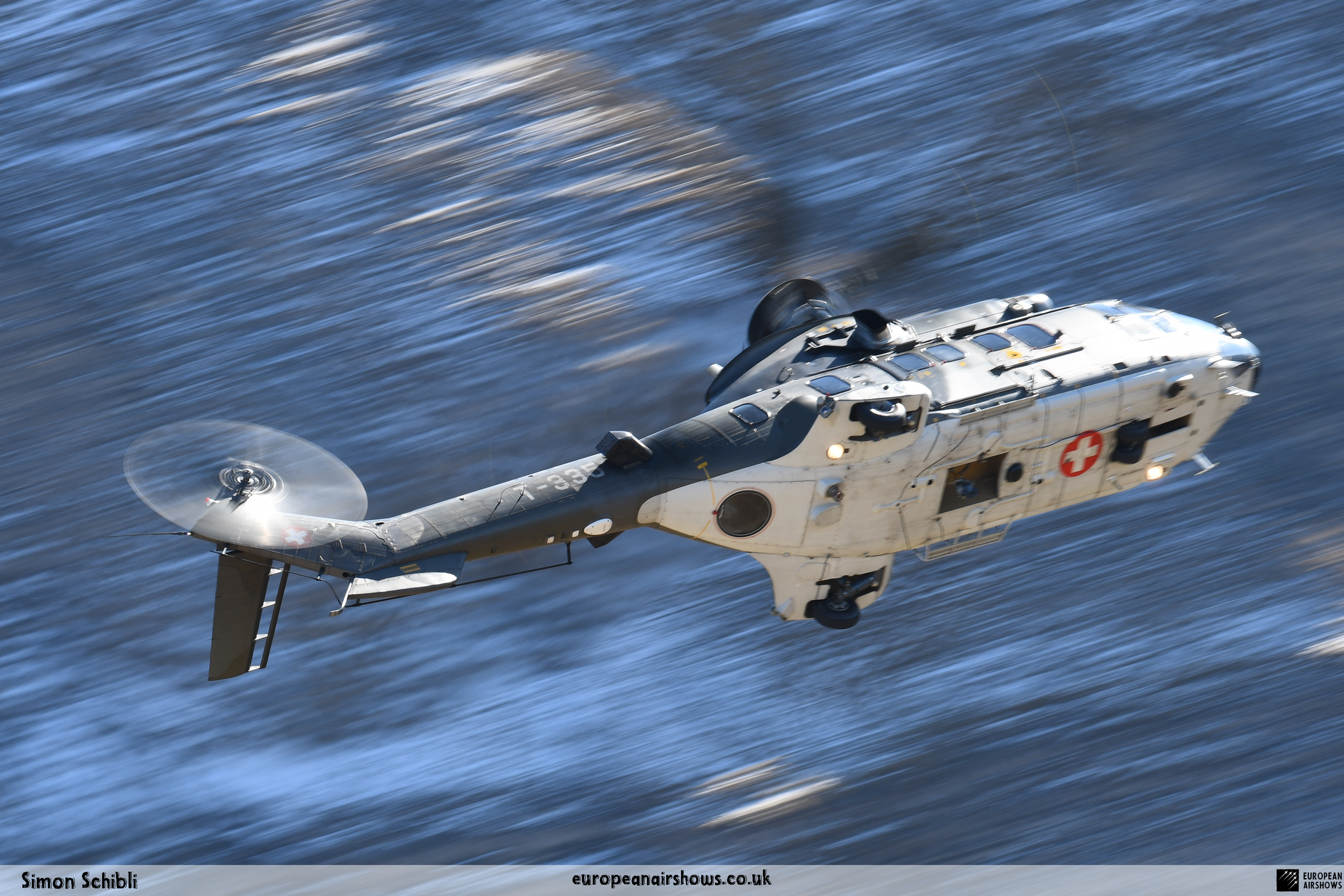
- All pilots in the Super Puma Display Team are not only highly trained but also serve as flight instructors within the Swiss Air Force, ensuring top-tier expertise during every display.
- After landing at the display venue, team pilots engage directly with spectators, providing personal interactions and detailed explanations of their Super Puma and Cougar helicopters.
- The team performs intricate maneuvers such as the Hammerhead and Lazy Eight, demonstrating the Super Puma’s exceptional agility and the pilots’ extraordinary control skills.
Test Your Knowledge
Differences Between AS532 Cougar and AS332 Super Puma
Despite their shared heritage and numerous structural similarities, the Eurocopter AS532 Cougar and AS332 Super Puma are distinct in their intended roles and specific modifications. The AS532 Cougar is primarily the militarized variant, featuring enhancements tailored for military applications such as improved avionics, reinforced airframes, and configurations that support tactical operations. These modifications enable the Cougar to perform a wide range of missions, including troop transport, combat search and rescue, and special operations support, making it a versatile asset for military operations.
In contrast, the AS332 Super Puma is predominantly designed for civilian use, focusing on roles such as passenger transport, medical evacuation, offshore oil rig support, and utility missions. While both helicopters can perform similar basic functions, the Super Puma emphasizes comfort and versatility for civilian applications, with features like soundproof upholstery, individually adjustable heating and ventilation systems, and configurable cabin layouts to accommodate varying passenger or cargo requirements. The civilian variant prioritizes passenger comfort and operational flexibility, making it suitable for diverse commercial and humanitarian missions.
Externally, distinguishing between the Cougar and Super Puma can be challenging due to their similar appearances. However, certain details can aid in their differentiation. For instance, Cougar helicopters often feature silver-colored turbine air inlet grills, a distinguishing mark not typically present on Super Pumas. Additionally, the layout and number of antennas differ between the two variants, providing subtle visual cues for identification. Following fleet upgrades completed in 2014, both helicopters now feature modern glass cockpits and advanced navigation systems, further blurring the visual distinctions. Nevertheless, the primary differentiation lies in their operational roles and the specific equipment installed to meet the demands of military versus civilian missions.