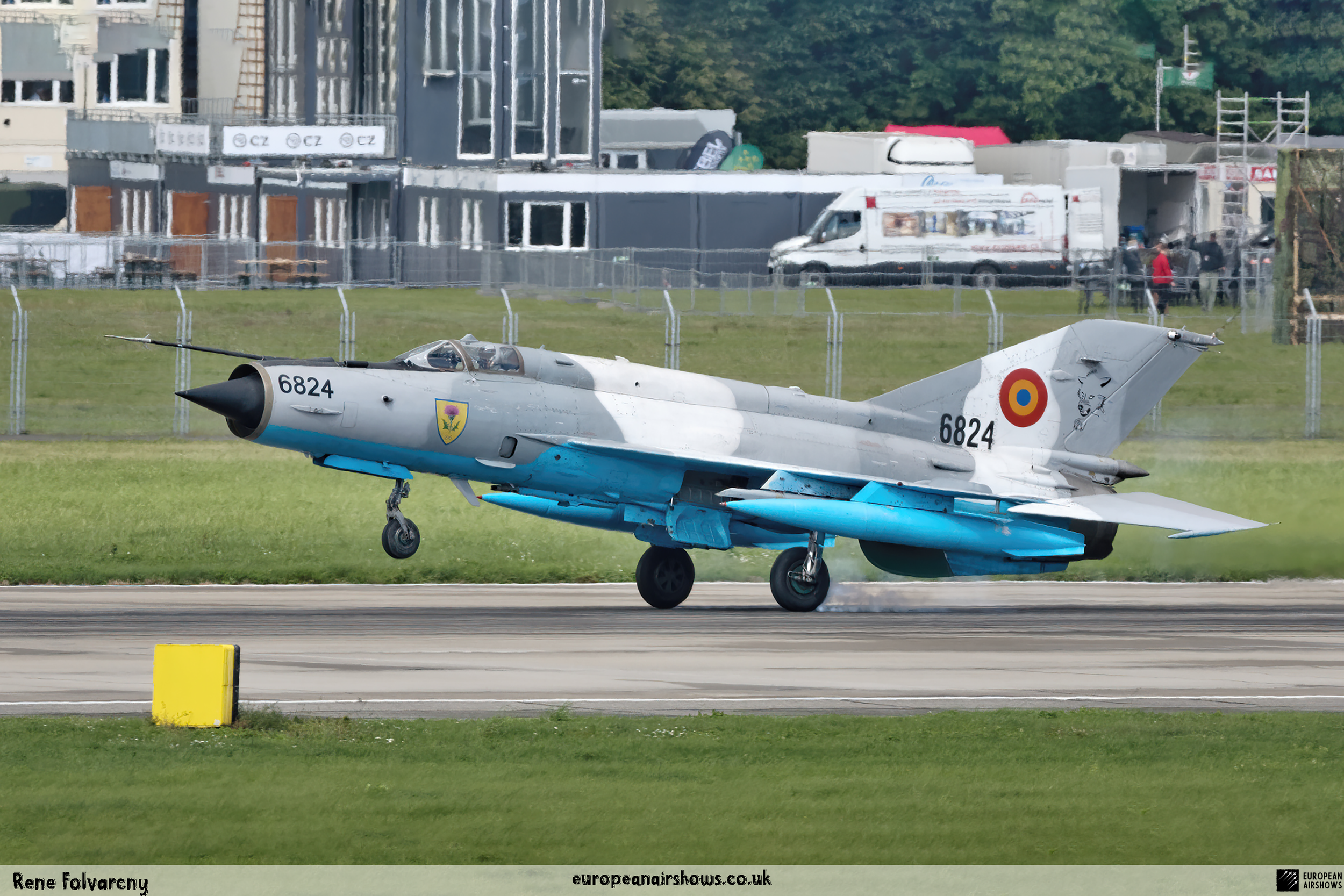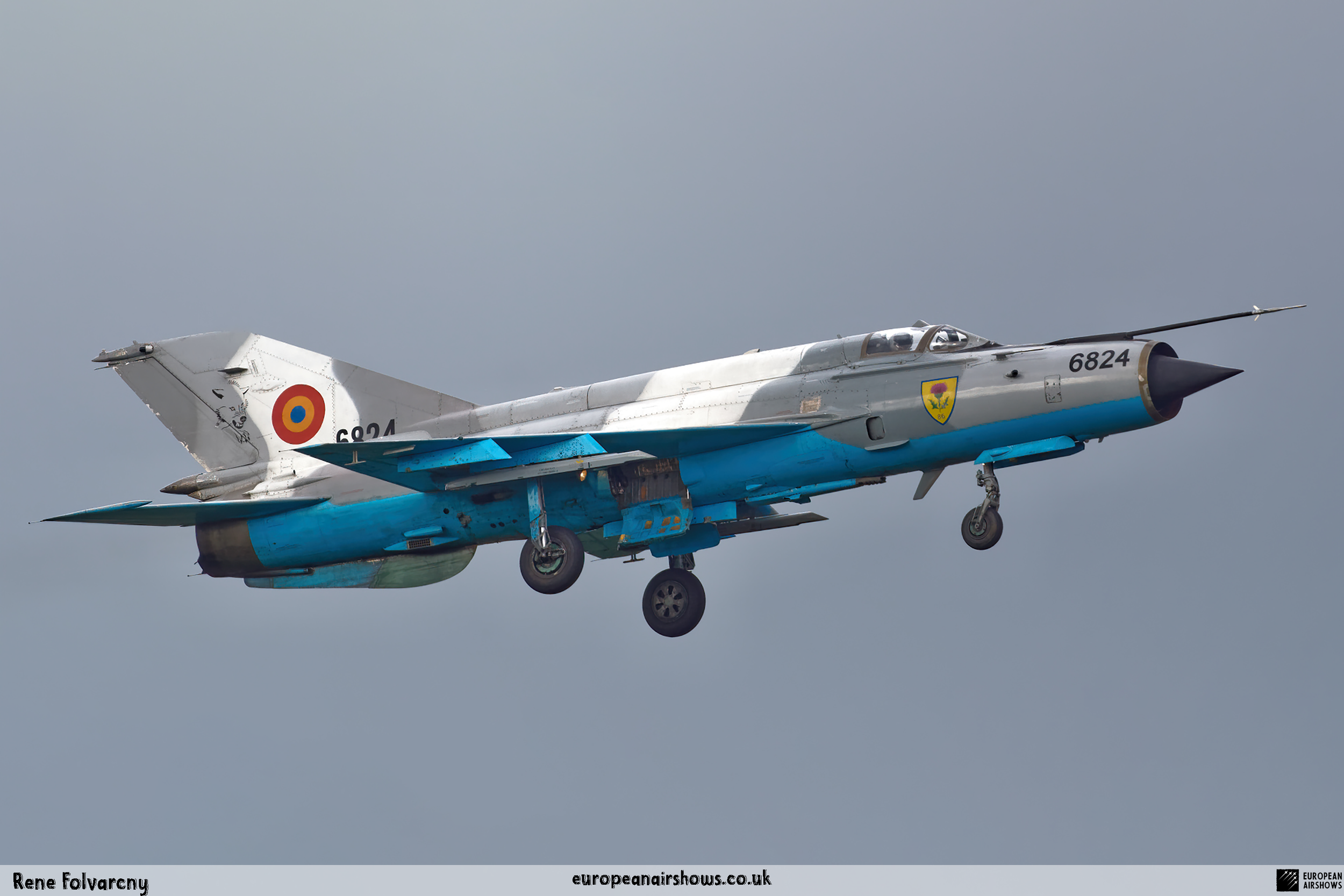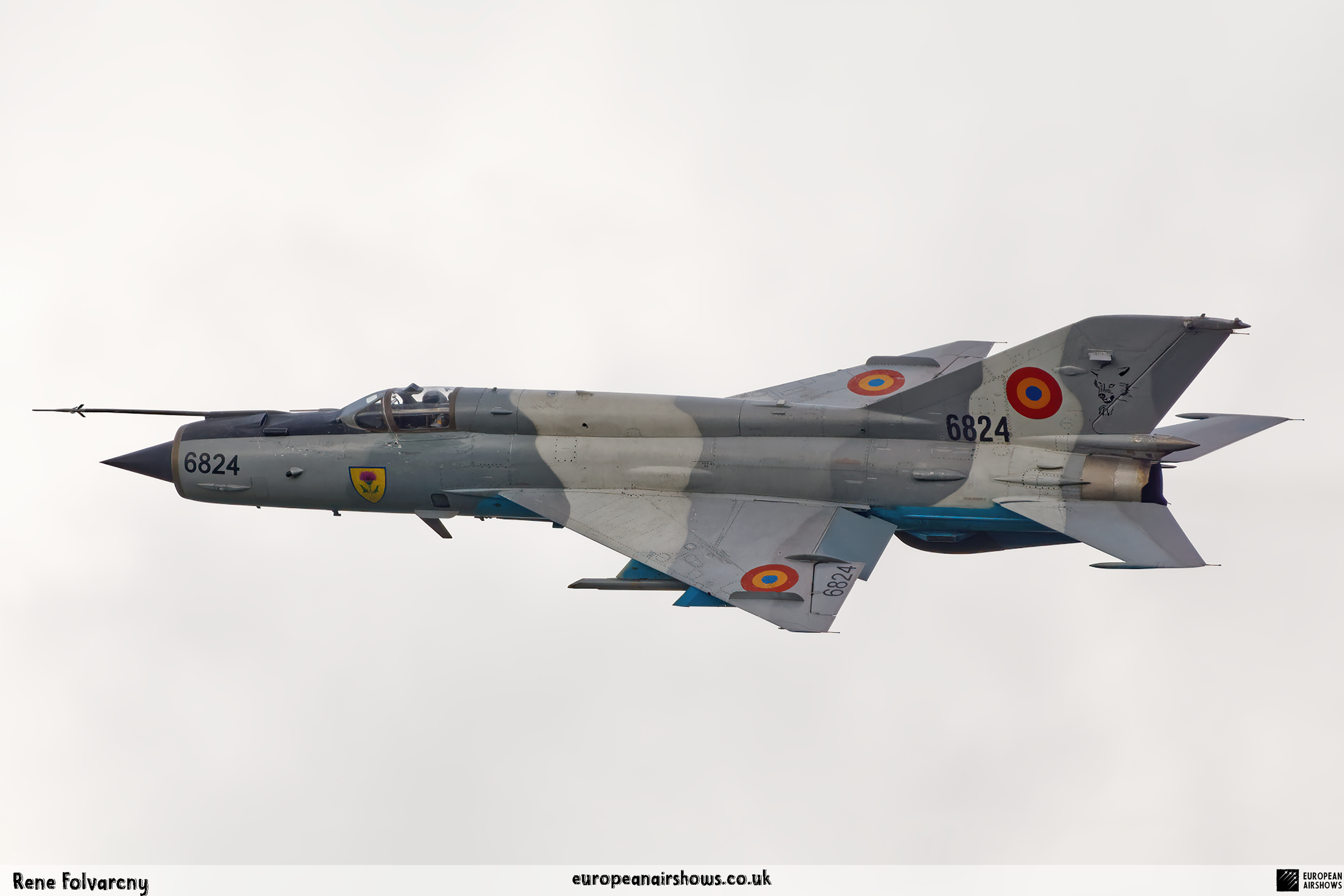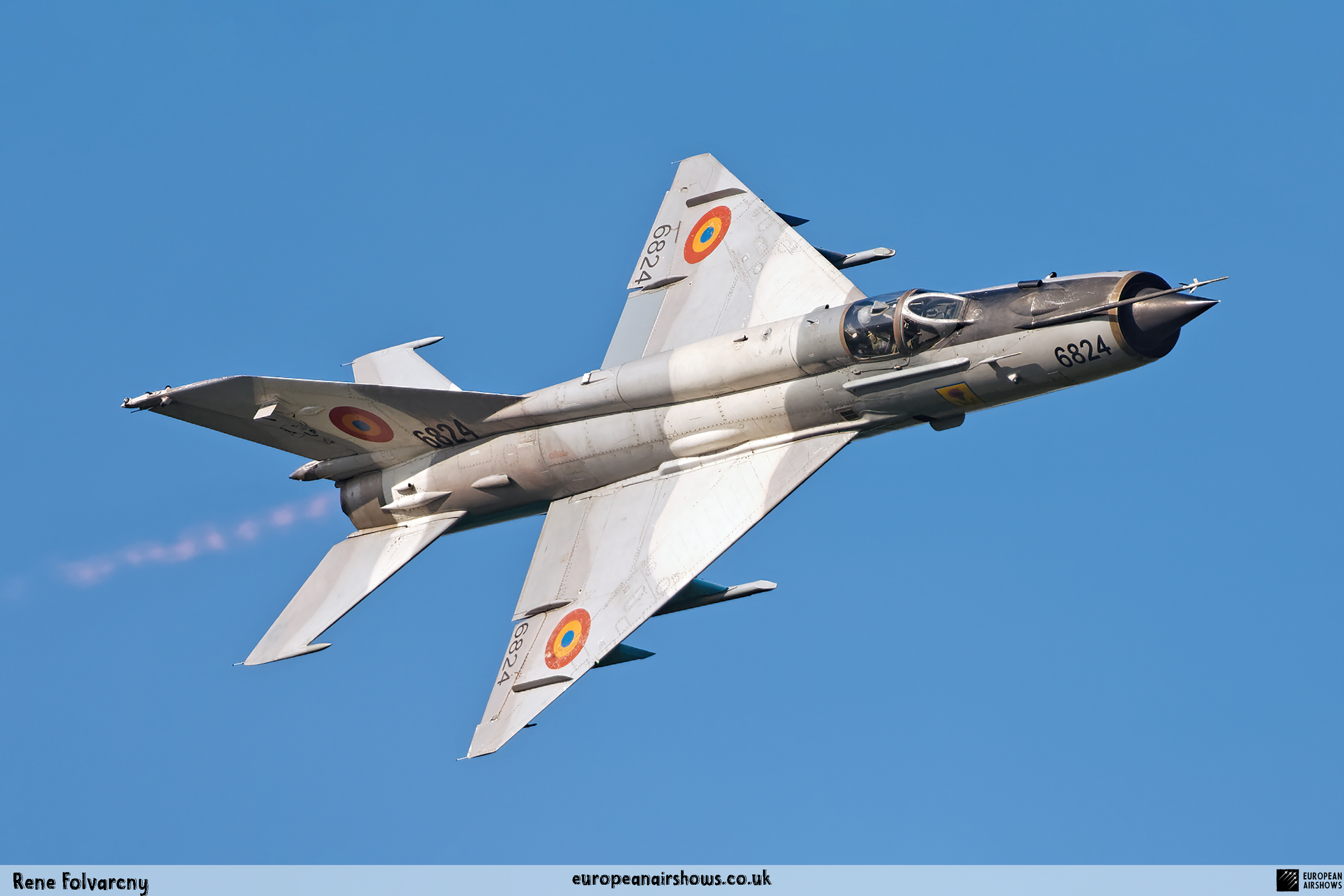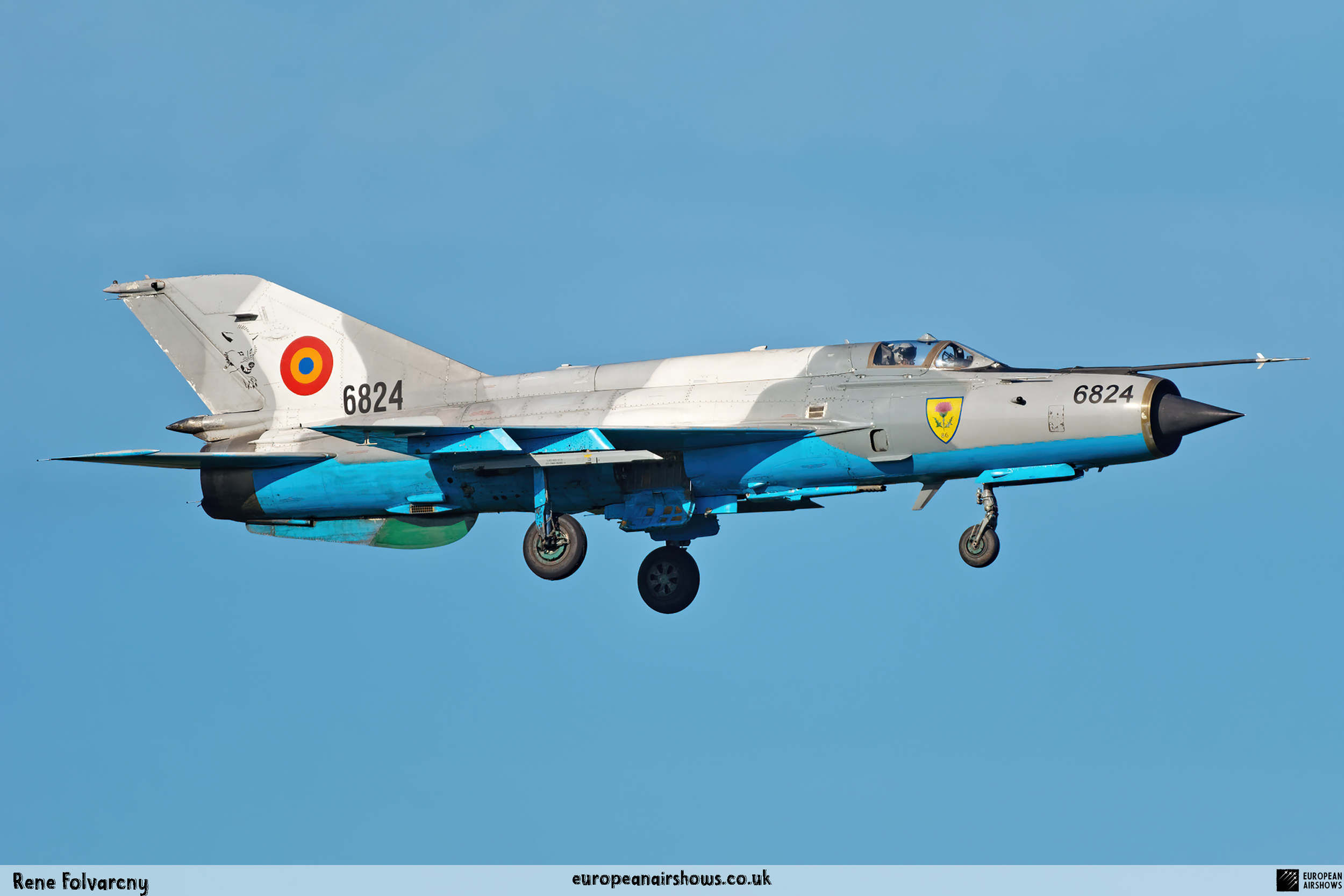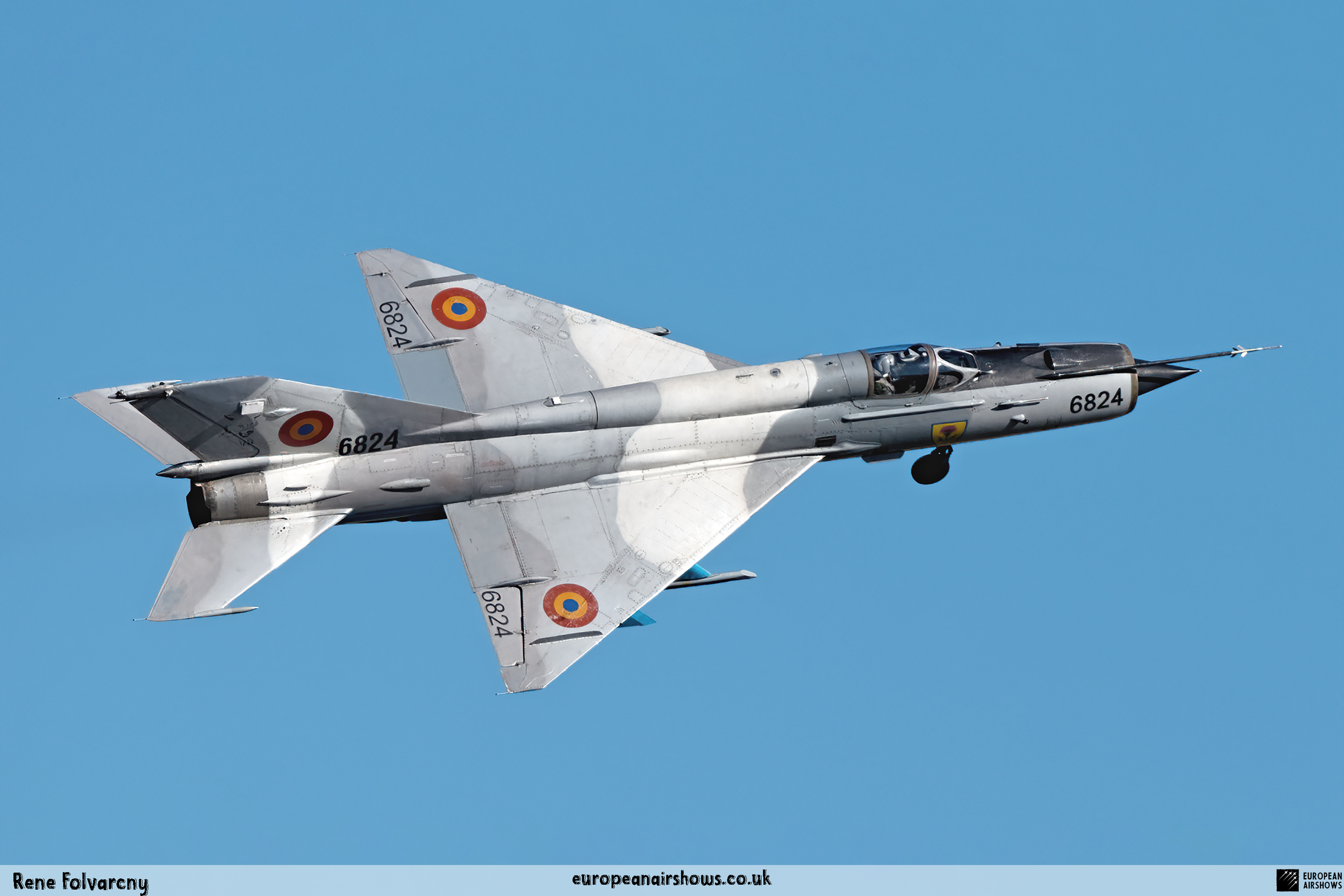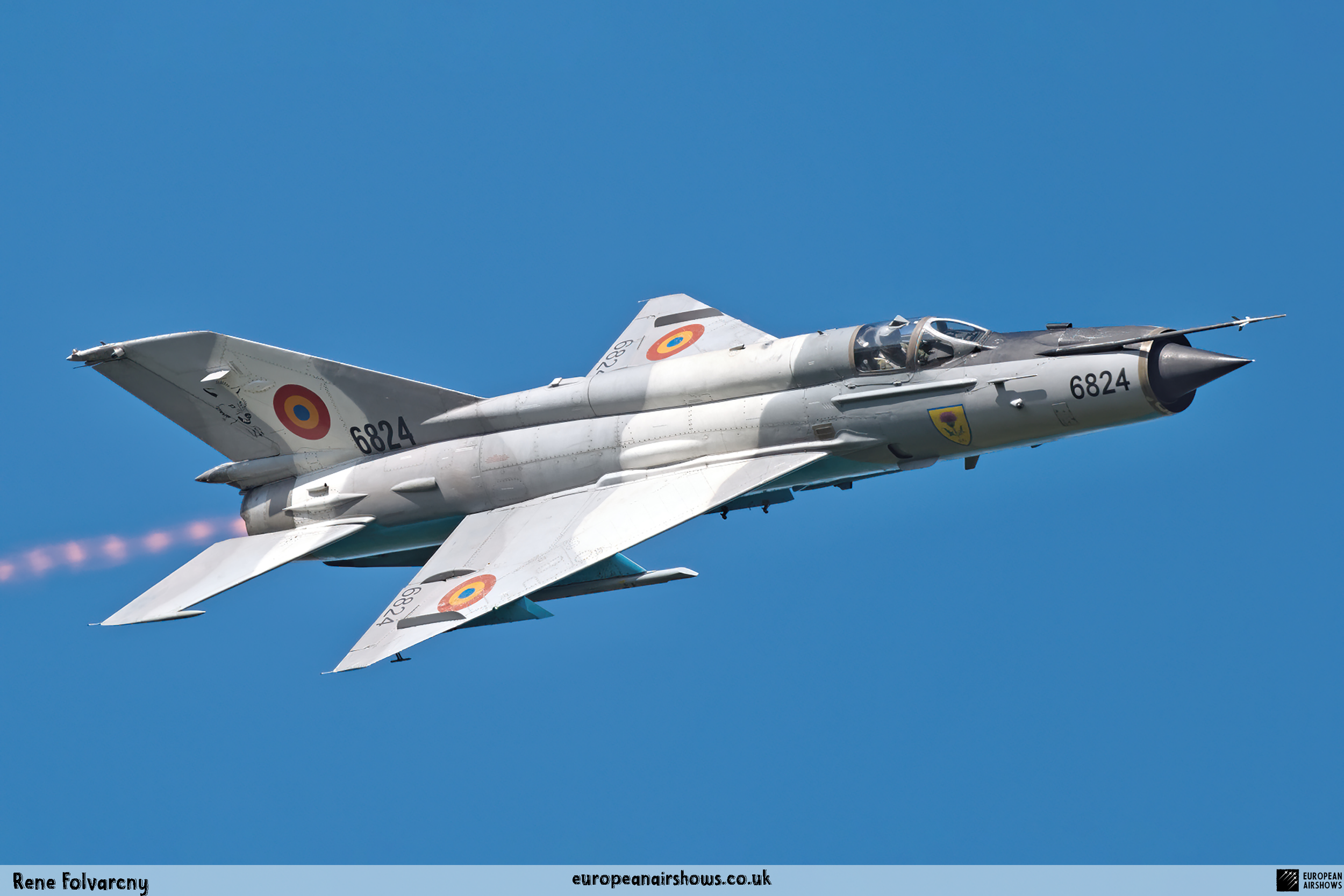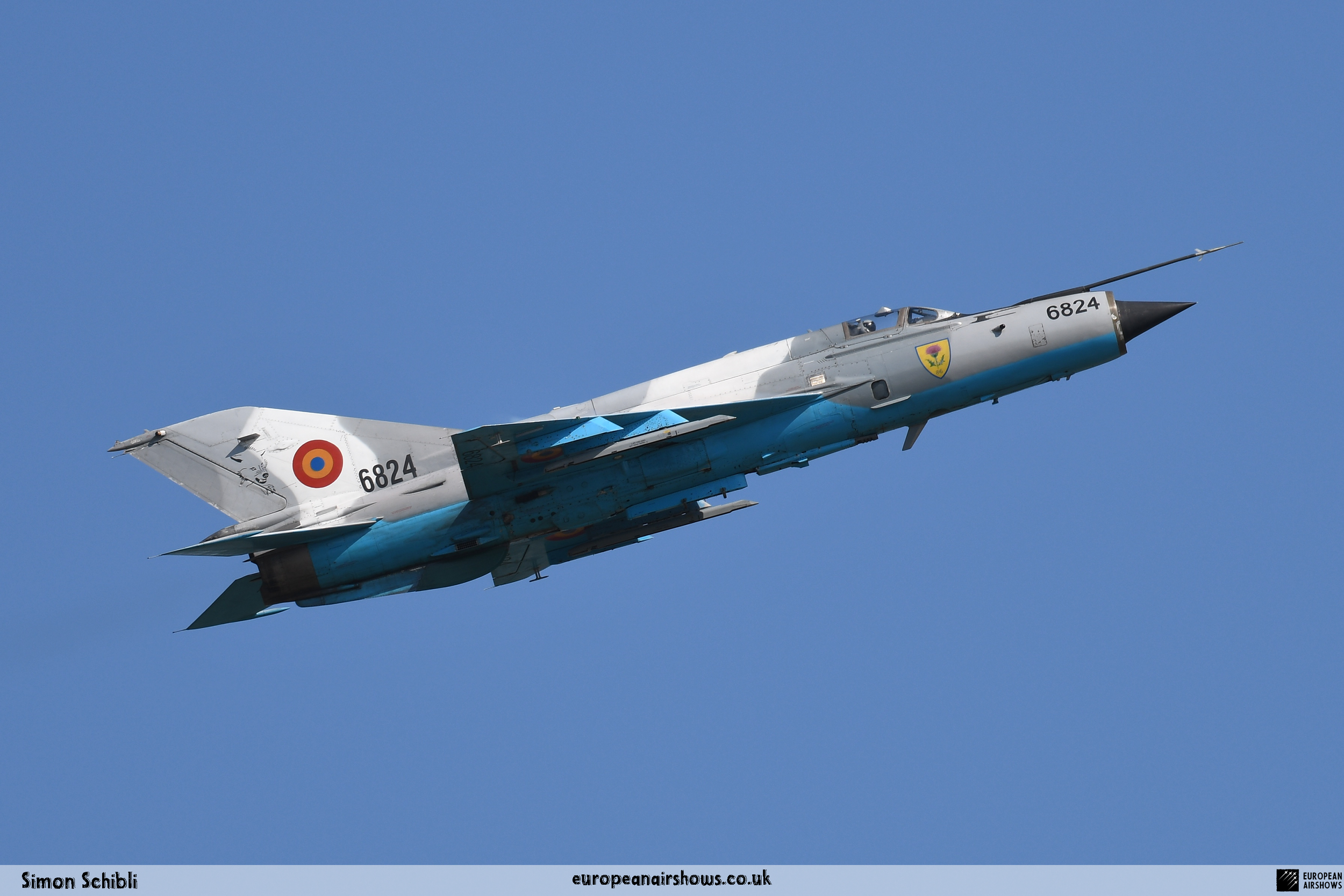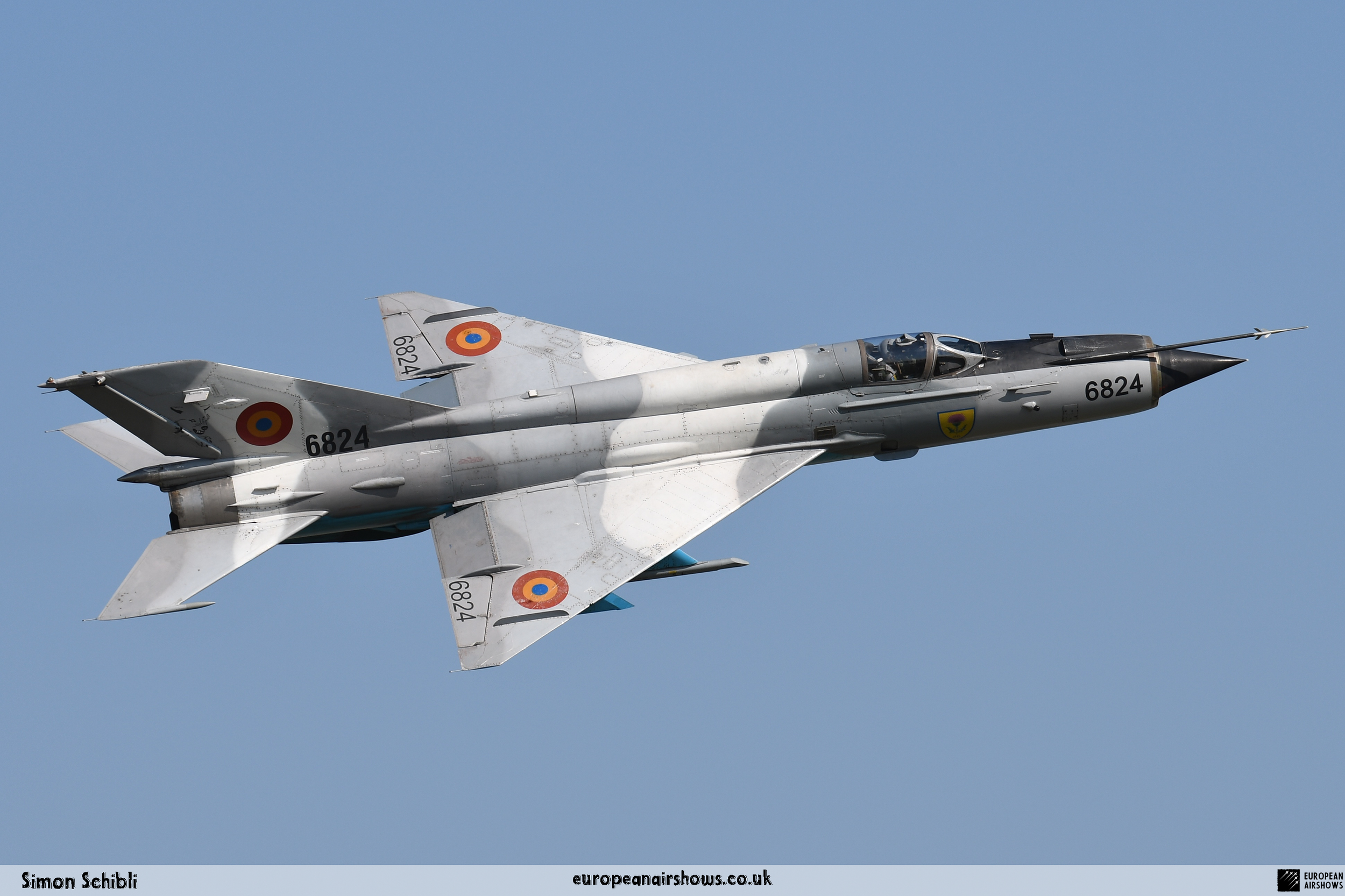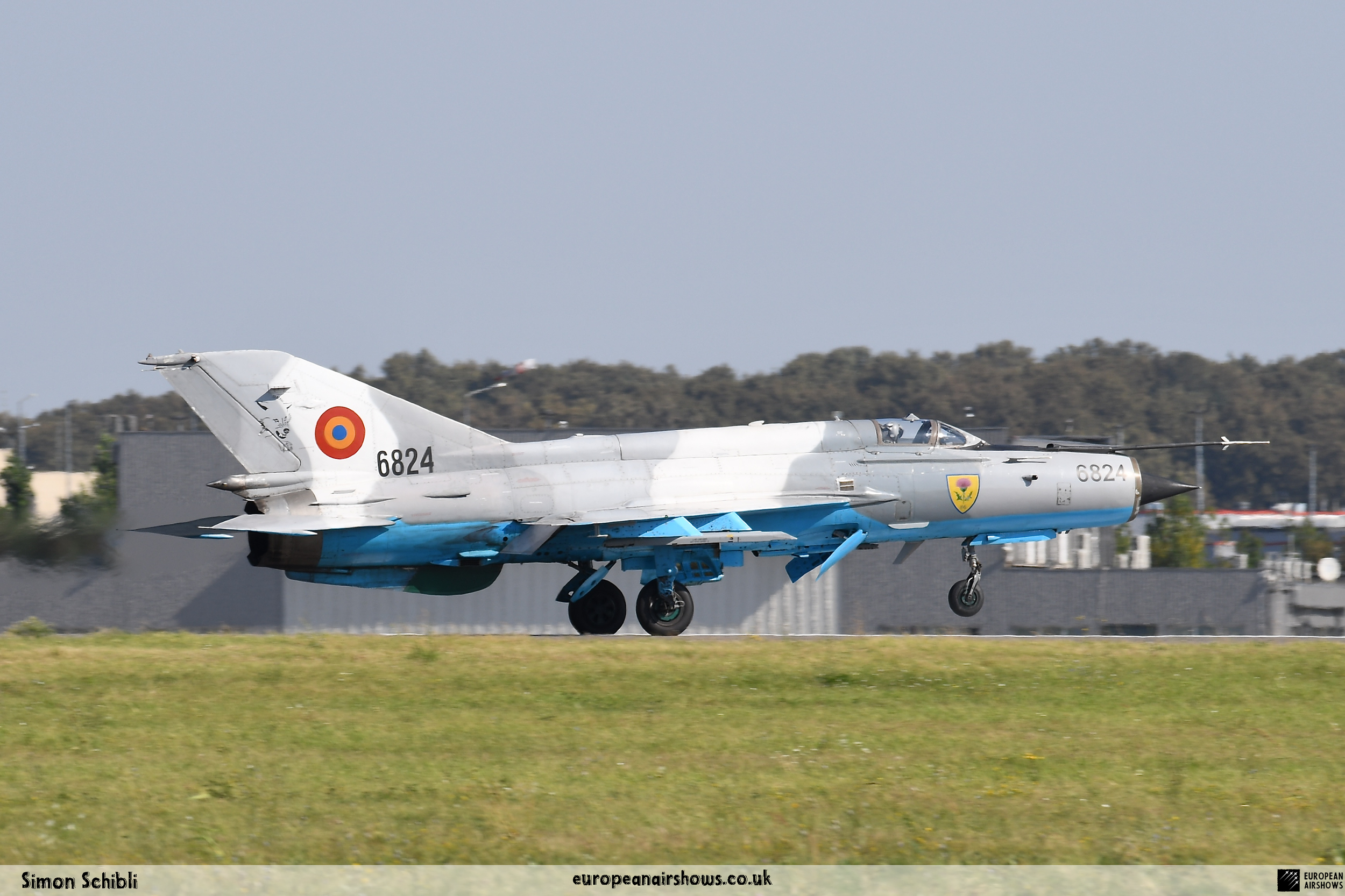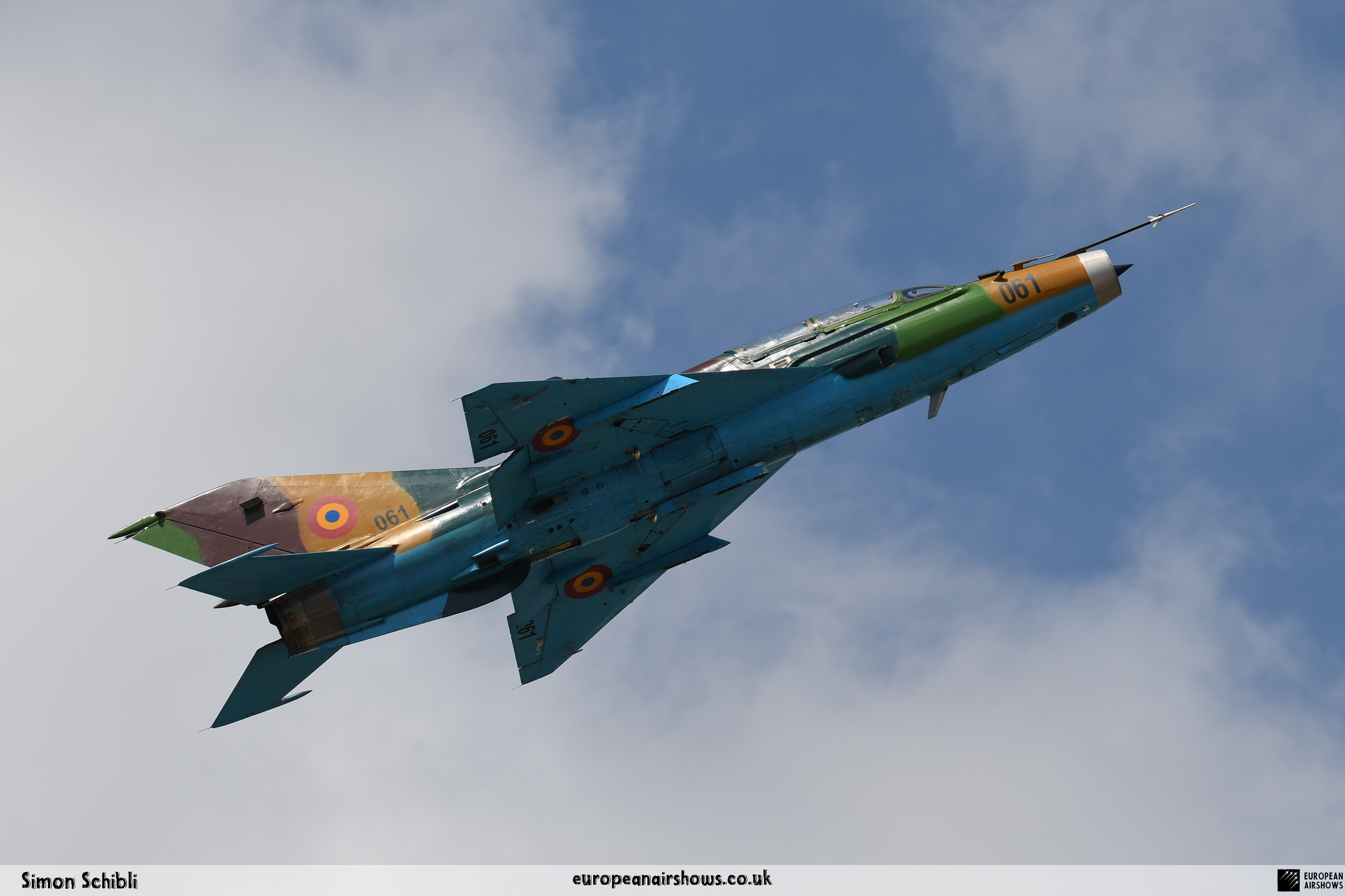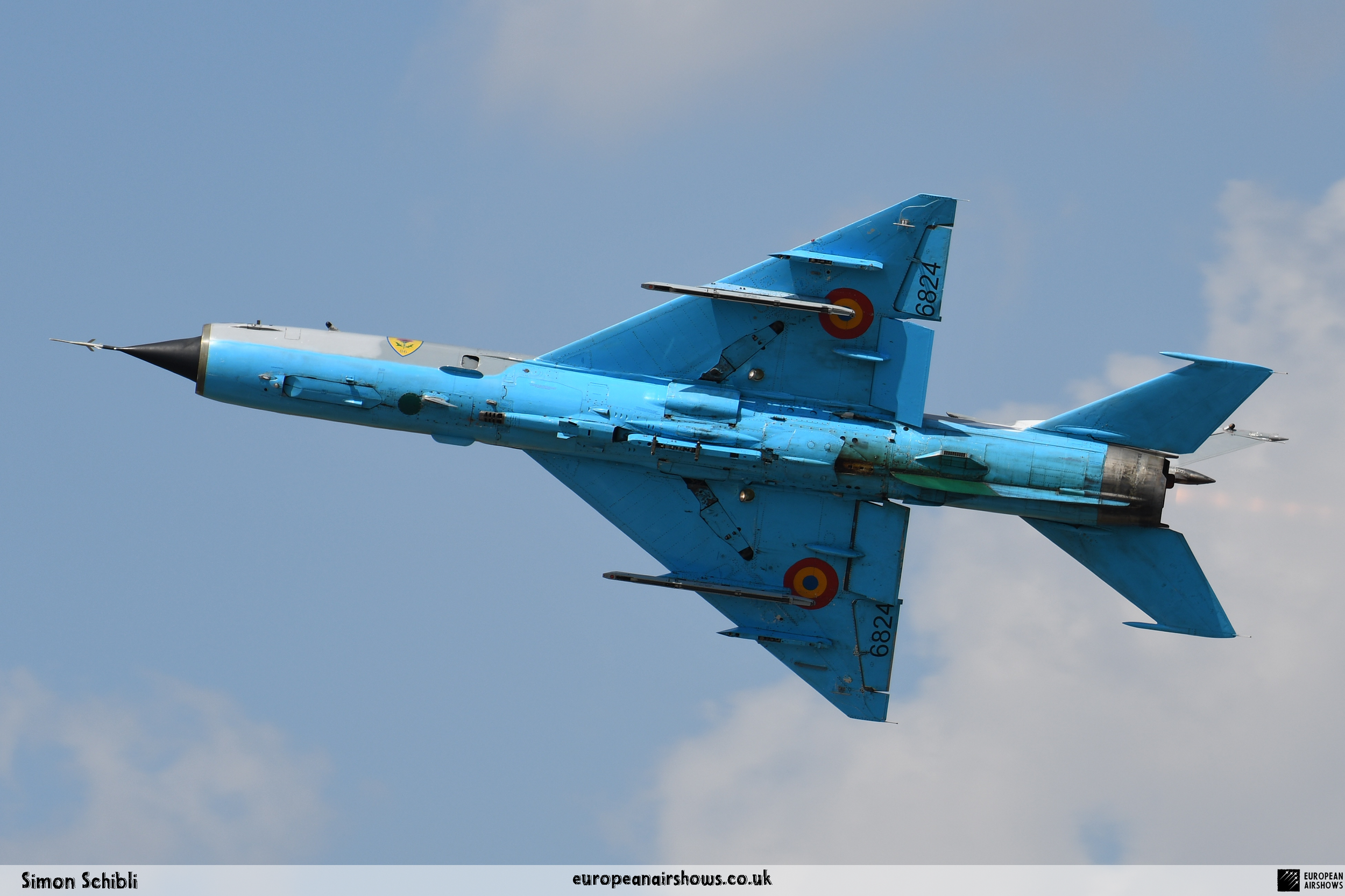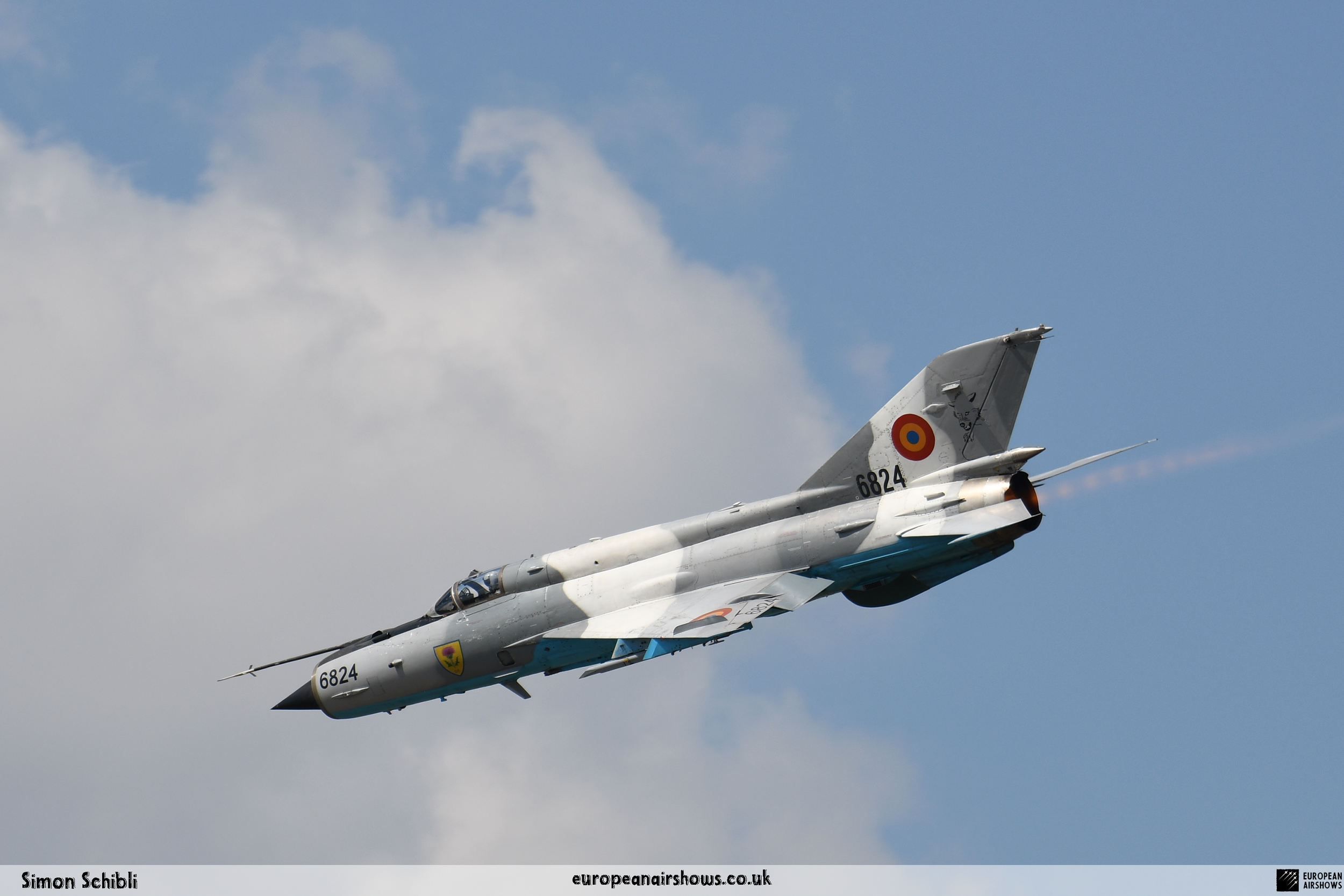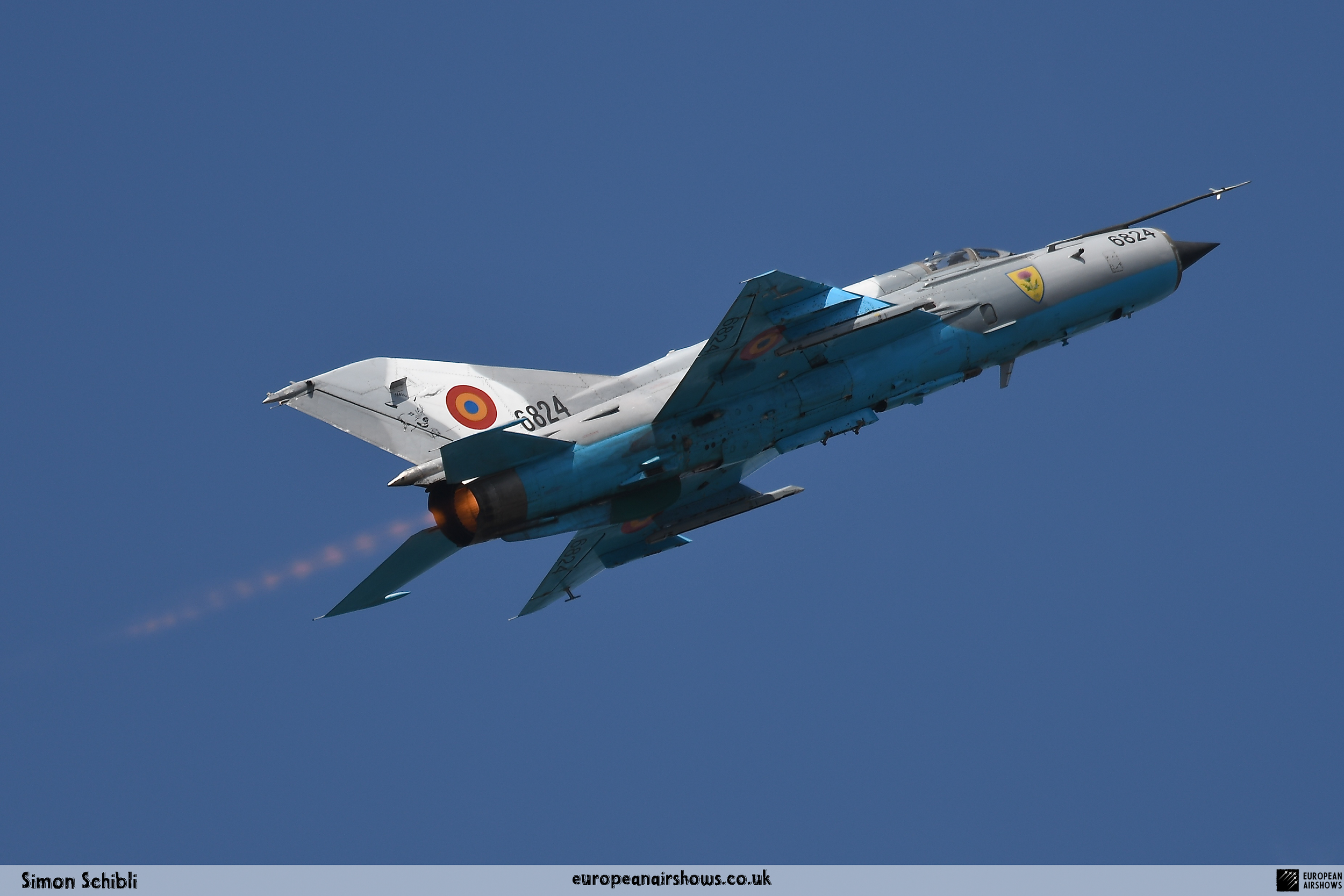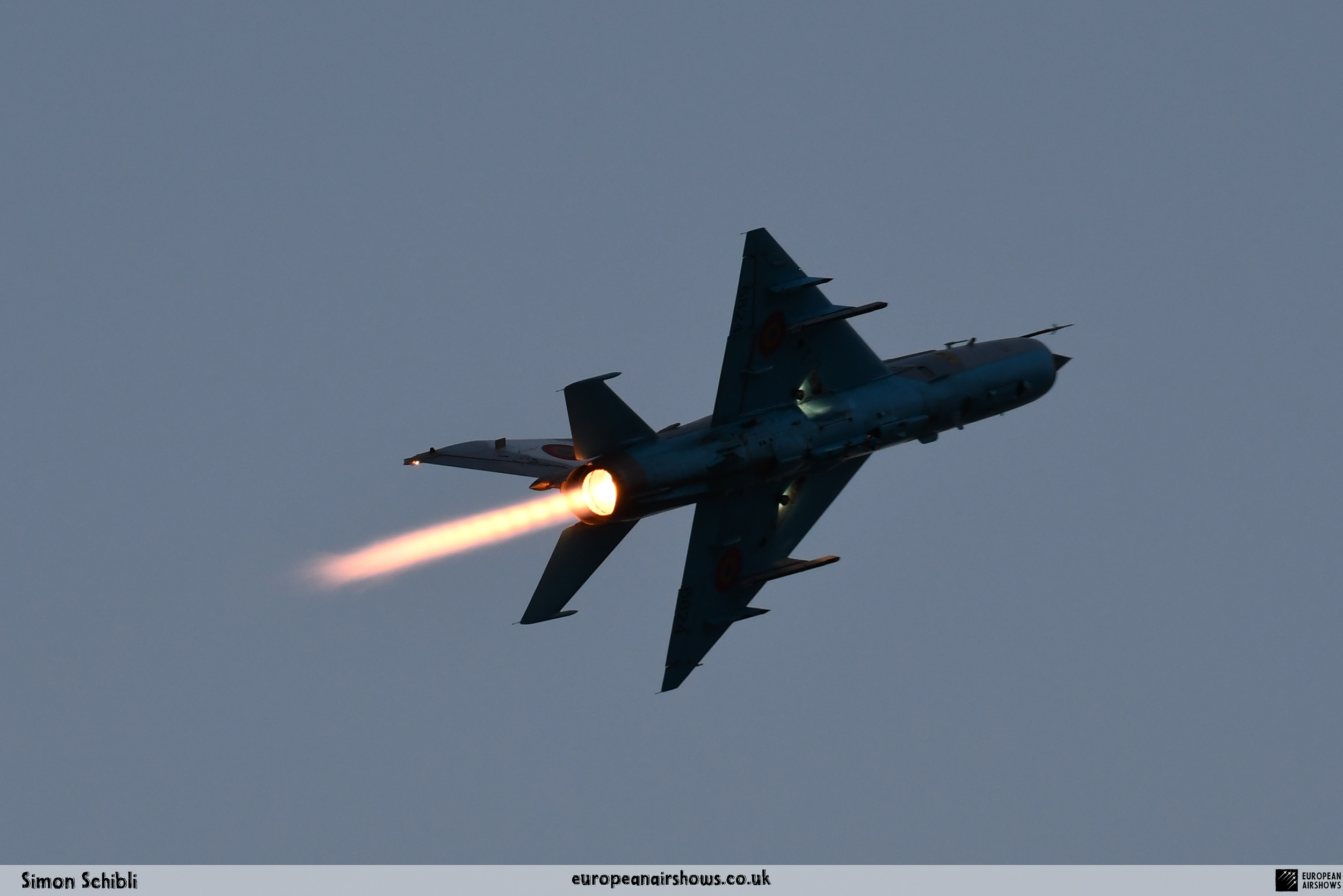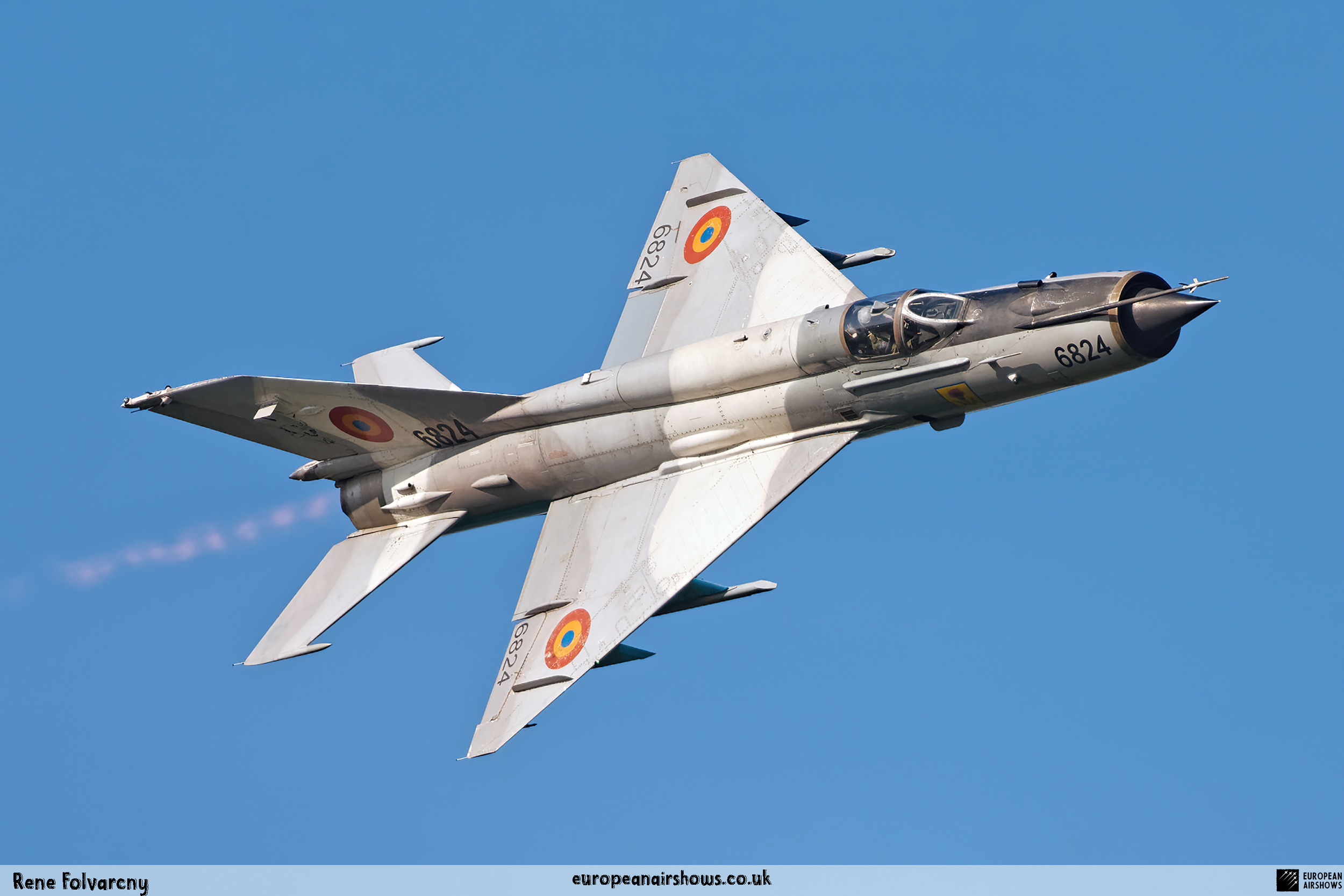
Romanian Air Force MiG-21 Solo Display
Note: This aircraft has now been retired from the Romanian Air Force.
MiG-21 Solo Display
The Romanian Air Force MiG-21 Solo Display is a prominent aerial performance that regularly features at national and international airshows. Operated from Borcea Air Base, the display showcases a single MiG-21 aircraft piloted by highly trained aviators. A key highlight of the performance is the aircraft’s fast roll rate, which demonstrates the MiG-21’s exceptional maneuverability and engineering capabilities. This rapid rolling maneuver not only underscores the fighter’s agility but also captivates audiences with its precision and speed.
The Solo Display has become a staple at various Romanian airshows, including the annual Bucharest International Air Show, drawing significant attention from aviation enthusiasts and the general public alike. Additionally, the display team has participated in several larger international airshows, where the MiG-21 Solo Display has been well-received for its thrilling and technically impressive performances. These appearances have helped to elevate Romania’s presence in the global aviation community, showcasing the country’s commitment to maintaining and demonstrating its military aviation heritage.
About the MiG-21
The Mikoyan-Gurevich MiG-21, introduced by the Soviet Union in the 1950s, is one of the most iconic and prolific jet fighters in aviation history. Designed as a supersonic interceptor and fighter, it boasted a revolutionary delta wing and the powerful Tumansky R-11 turbojet engine, propelling it past Mach 2. Its lightweight construction, agility, and affordability made it a standout, capable of roles from air superiority to ground attack. With over 11,000 units built, the MiG-21 was exported to more than 50 countries, becoming a symbol of Soviet military reach during the Cold War. Its sleek design and versatility cemented its status as the most-produced supersonic jet ever, influencing air forces worldwide.
The MiG-21’s combat history is as storied as its design, with significant roles in conflicts like the Vietnam War, where it famously clashed with U.S. aircraft in dogfights, testing American pilots and tactics. It also saw action in Middle Eastern wars, such as the Six-Day War (1967) and Yom Kippur War (1973), shaping aerial combat strategies and revealing both its strengths—like speed and maneuverability—and its weaknesses, such as limited range and avionics. Despite being outpaced by modern fighters, its ruggedness, ease of maintenance, and adaptability through upgrades have kept it flying in some air forces into the 21st century. This enduring presence highlights the MiG-21’s remarkable impact on aviation.
Romania operated several distinct variants of the MiG-21, each with unique upgrades tailored to evolving needs. The MiG-21F-13 was an early model with basic avionics and limited armament, like cannons and rockets. The MiG-21PF added an improved radar for all-weather missions, while the MiG-21PFM enhanced this with better avionics and air-to-ground capabilities. The MiG-21MF brought a more powerful engine and advanced weapons systems. Romania’s standout contribution was the MiG-21 LanceR program, modernizing the fleet with variants like the LanceR A (optimized for ground attack), LanceR B (a trainer), and LanceR C (focused on air defense), featuring cutting-edge avionics, new radar, and compatibility with missiles like the AIM-9 Sidewinder. These upgrades transformed the MiG-21 into a versatile, modern platform.
Specifications
Crew
1
Length
14.7 m (48 ft 3 in)
Wingspan
7.154 m (23 ft 6 in)
Height
4.1 m (13 ft 5 in)
Max Speed
2,175 km/h (1,351 mph, 1,174 kn)
Range
793 km (493 mi; 428 nmi)
Service Ceiling
17,500 m (57,400 ft)
g limits
+8.5
MiG-21 in the Romanian Air Force
The MiG-21, a pivotal aircraft in Romanian military aviation, first joined the Romanian Air Force (RoAF) in 1962, ushering in a new era of capability during the Cold War. Romania initially received 12 MiG-21F-13s, eventually expanding its fleet to include diverse variants such as the MiG-21RFM (PF), MiG-21RFMM (PFM), MiG-21R, MiG-21M, and MiG-21MF/MF-75, alongside trainers like the MiG-21U-400/600, MiG-21US, and MiG-21UM. At its peak in the 1980s, the RoAF operated over 300 MiG-21s, forming the backbone of its air defense. Though rarely engaged in combat, the aircraft faced action during the 1999 NATO bombing of Yugoslavia, where three MiG-21s were destroyed on the ground. This Soviet-supplied jet symbolized Romania’s alignment with the Eastern Bloc and its technological strides during a tense geopolitical period.
In the 1990s, as Romania pivoted toward NATO integration, modernizing its aging MiG-21 fleet became a priority. Between 1995 and 2002, Romania collaborated with Israel’s Elbit Systems to upgrade 111 aircraft, birthing the MiG-21 LanceR in three variants: LanceR A (ground attack), LanceR B (trainer), and LanceR C (air superiority). These upgrades introduced advanced avionics, NATO-compatible systems, and versatile weaponry, including R-60M, R-73, Magic 2, and Python III missiles. This transformation extended the MiG-21’s service life and bolstered Romania’s air force credibility during its NATO accession, proving a cost-effective alternative to acquiring new aircraft while bridging Eastern and Western military standards.
The MiG-21 LanceR’s later years, however, were plagued by maintenance challenges and a troubling safety record, with an accident rate exceeding 30 incidents per 100,000 flight hours since 1996. High-profile crashes, such as the 2018 airshow tragedy that claimed pilot Florin Rotaru’s life, highlighted the aircraft’s decline. By the early 2020s, only 36 LanceRs remained active, and after a final crash in 2020 involving a MiG-21UM, the fleet was grounded. Romania shifted to F-16s, acquired from Portugal and Norway, with the MiG-21 officially retiring in 2024 after over 60 years of service. Its history encapsulates Romania’s journey from Soviet reliance to NATO alignment, reflecting both the resilience and the limitations of this iconic jet.
Did You Know?
- The MiG-21 was the first Soviet aircraft to combine fighter and interceptor capabilities in a single platform, making it a versatile asset during the Cold War.
- Despite its age, the MiG-21 has been involved in more air-to-air combat engagements than any other jet fighter in history, with over 1,000 confirmed kills.
- The MiG-21's delta wing design was inspired by the German Messerschmitt Me 163 Komet, a rocket-powered interceptor from World War II.
- In 1967, a MiG-21 piloted by Soviet test pilot Alexander Fedotov set a world record for the highest altitude reached by a jet aircraft, climbing to 37,650 meters (123,524 feet).
- The MiG-21 was so widely exported that it has been operated by air forces on every continent except Antarctica.