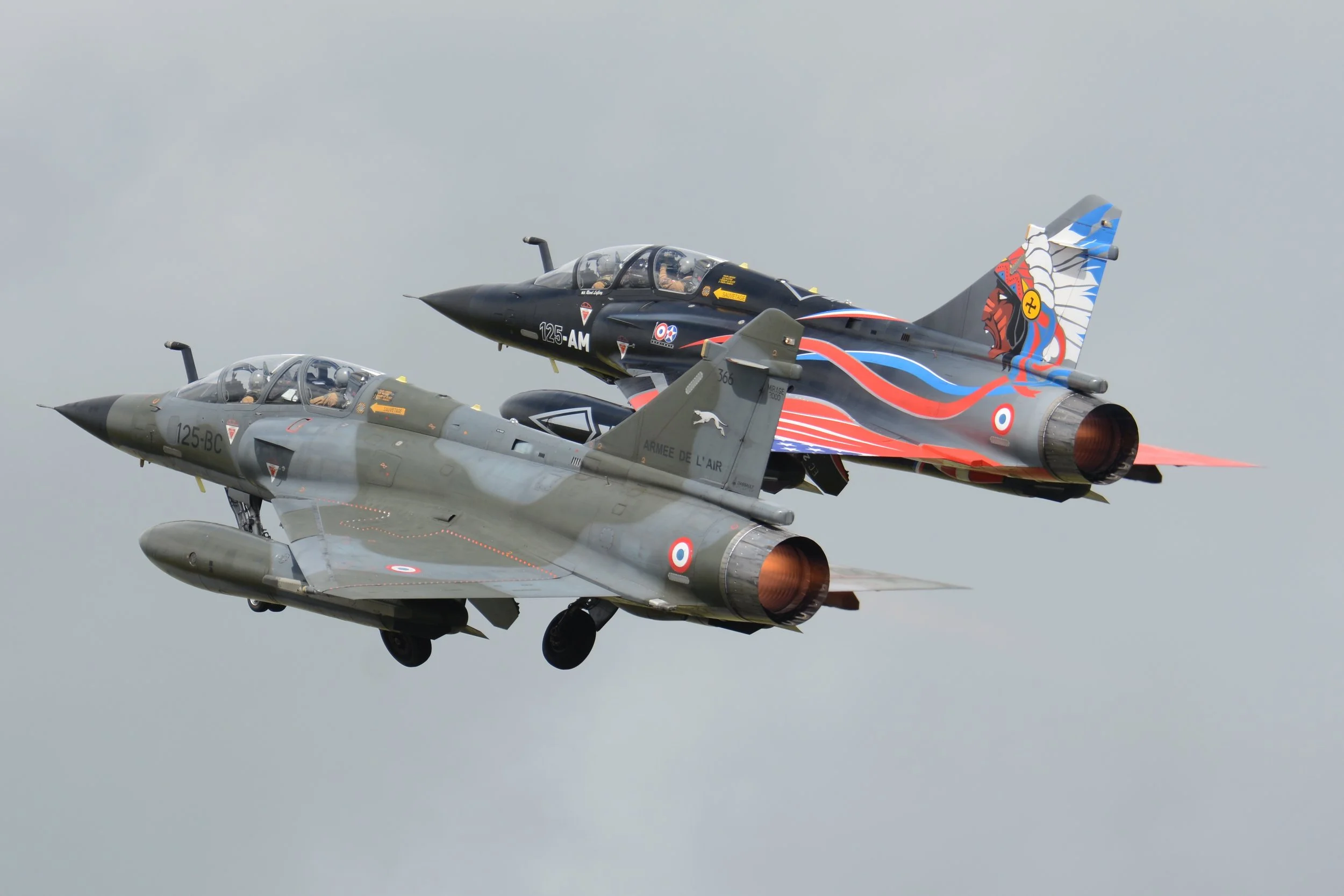
Ramex Delta
Mirage 2000N tactical demonstration of the Strategic Air Forces
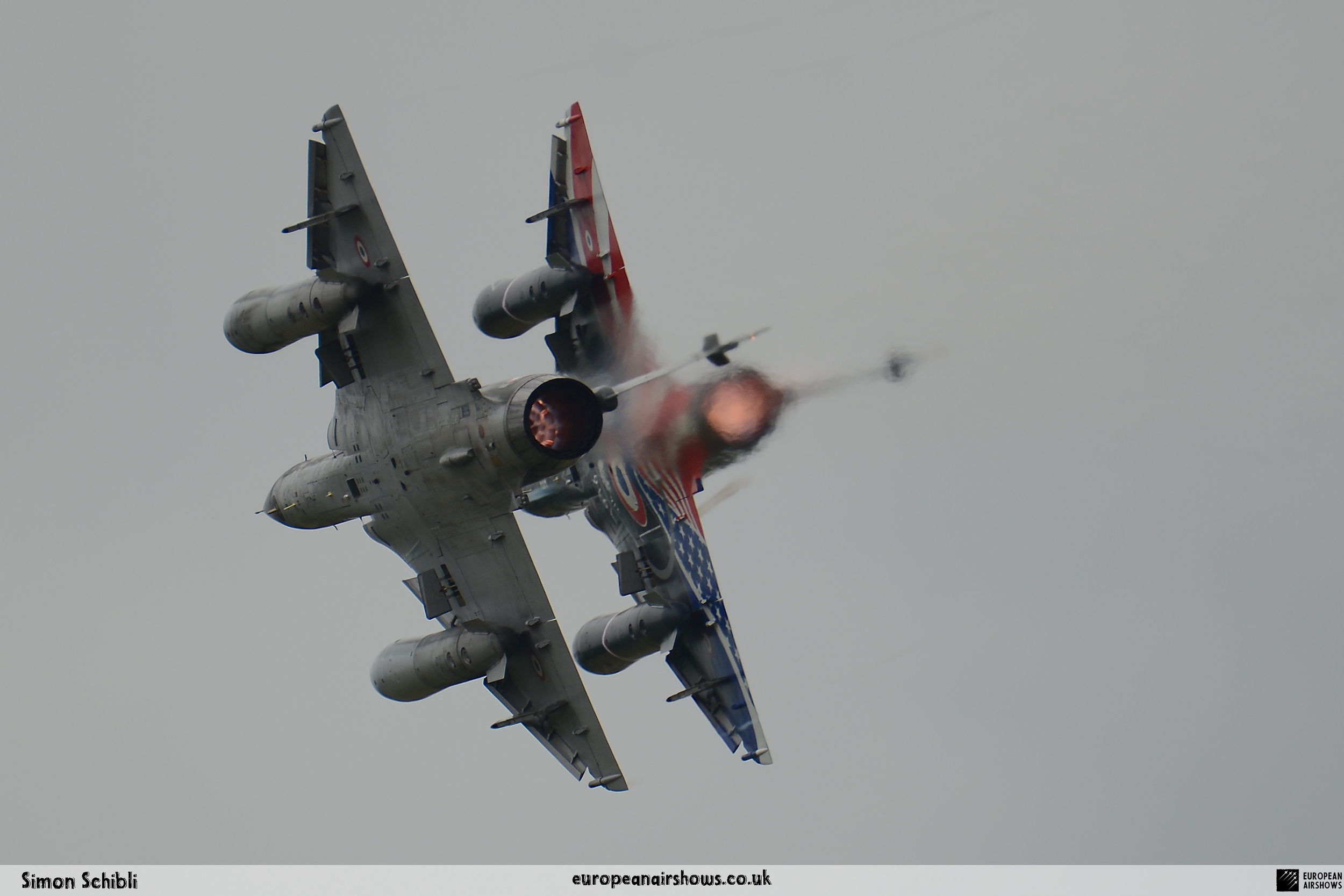
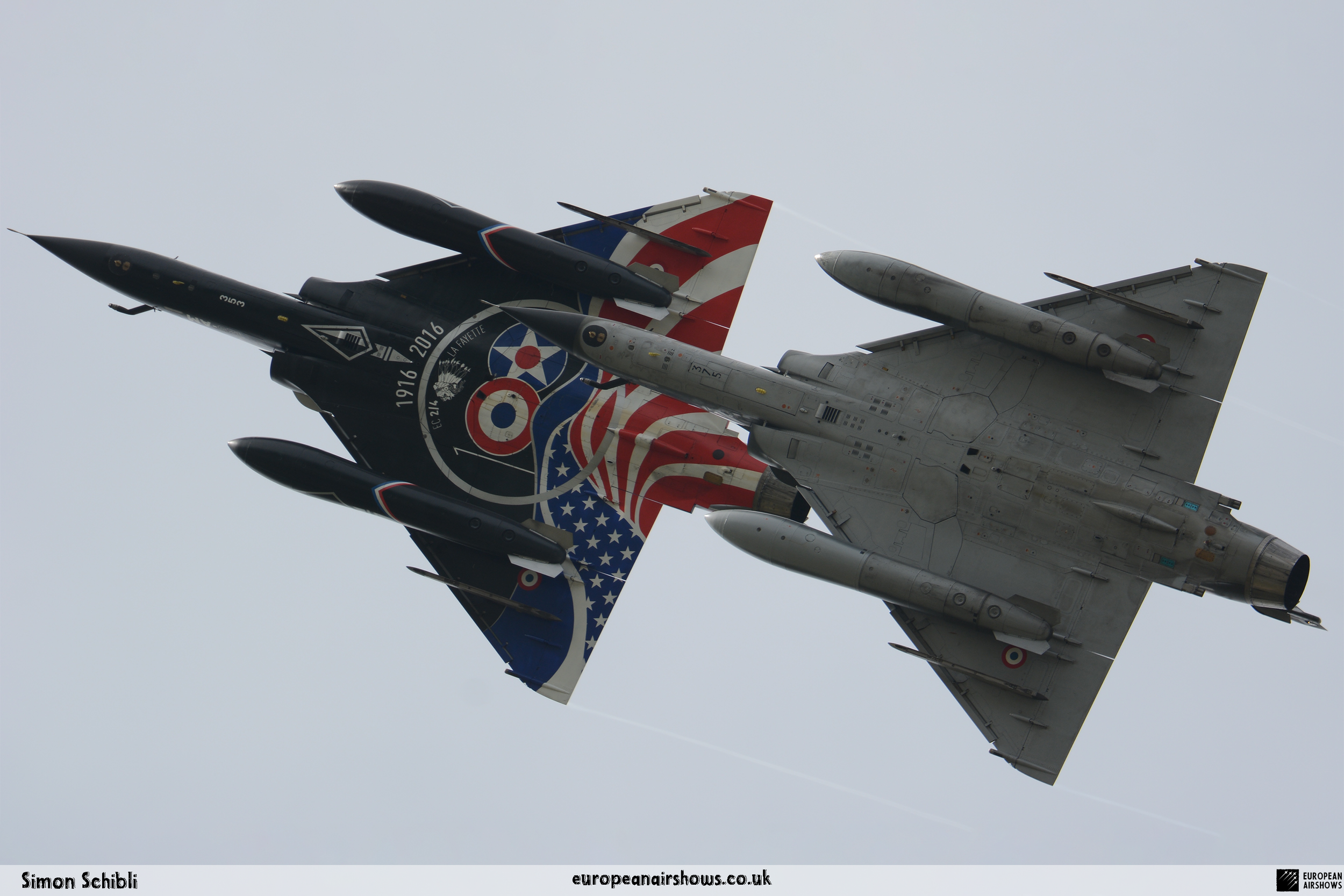
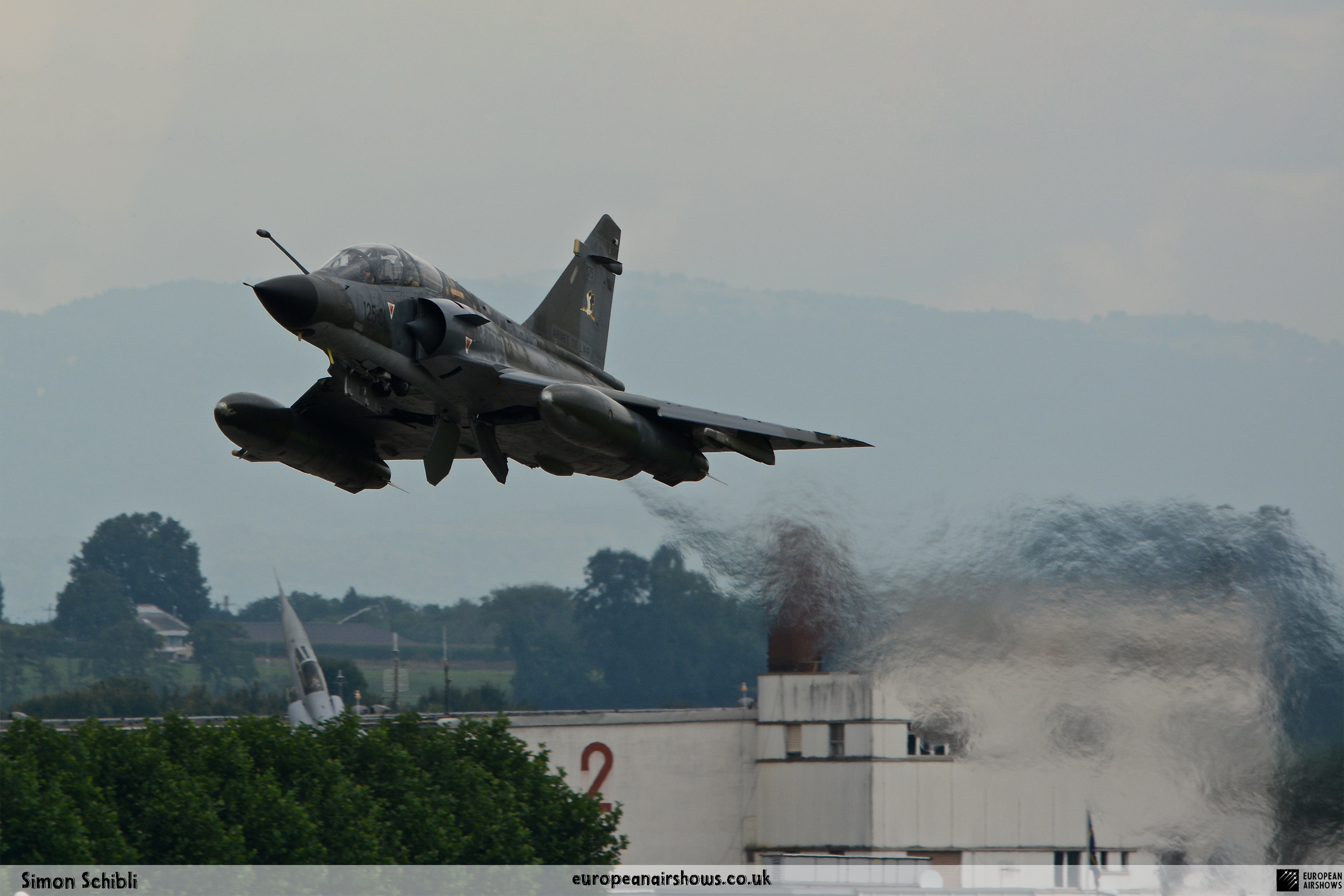
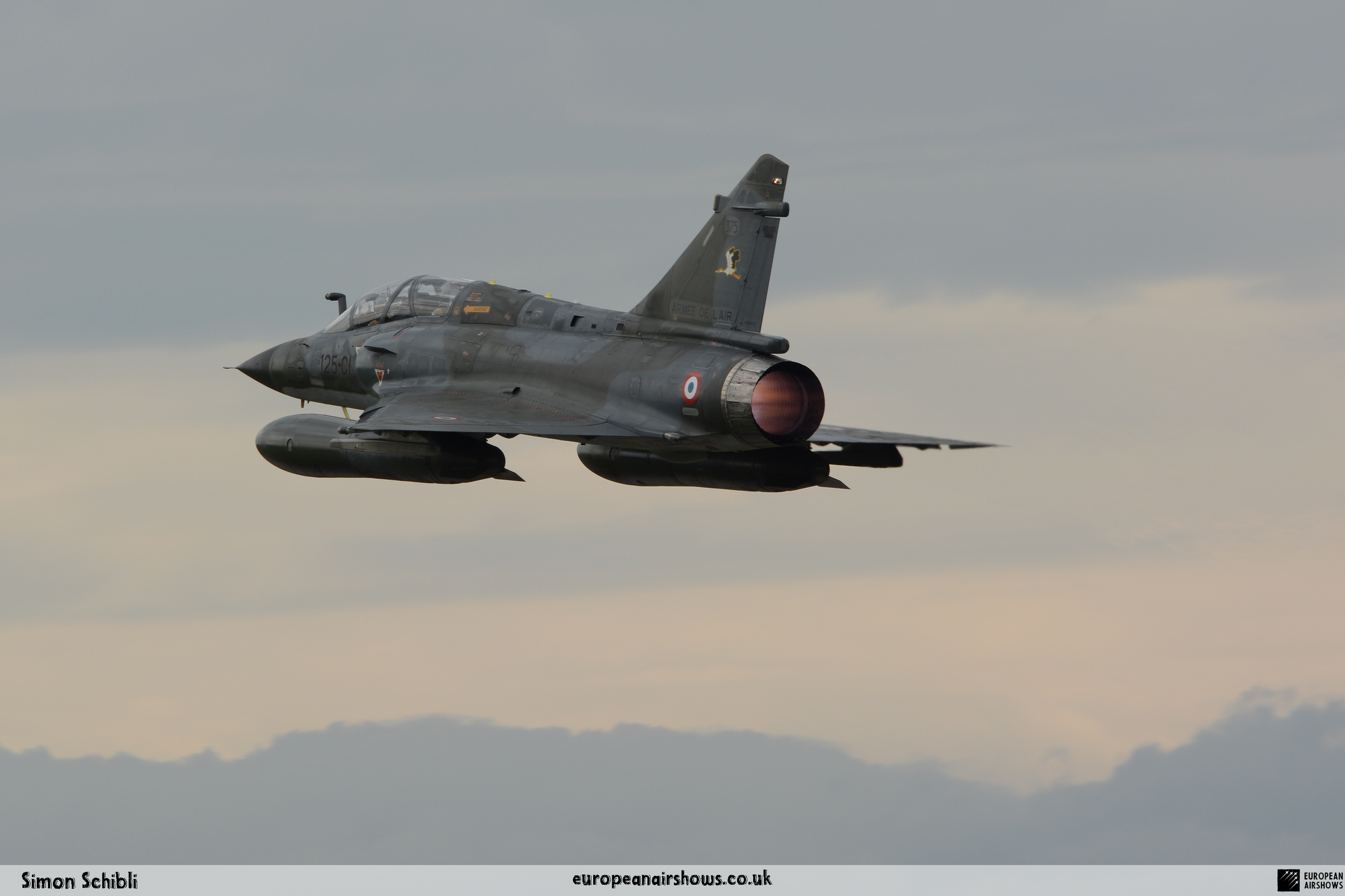
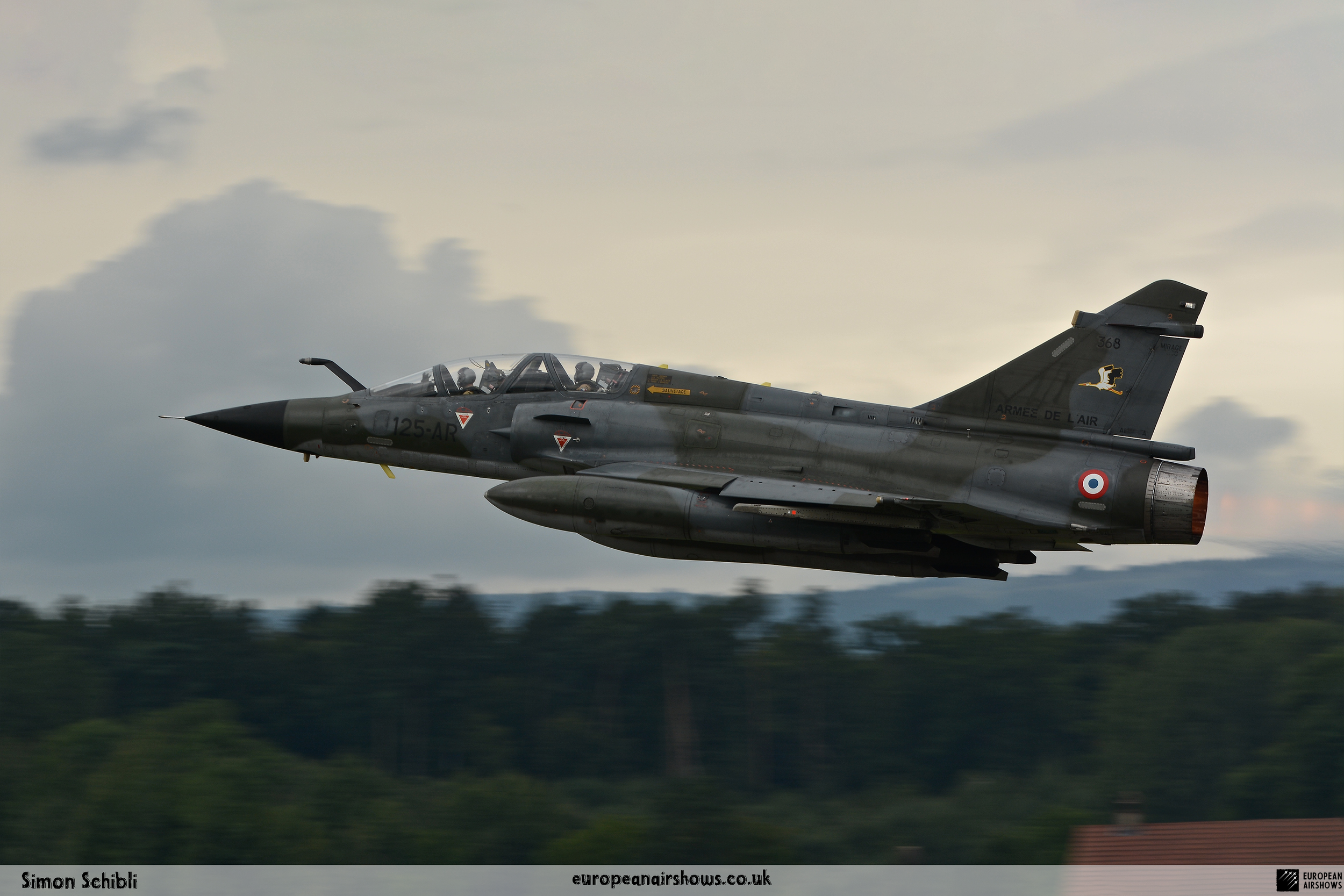
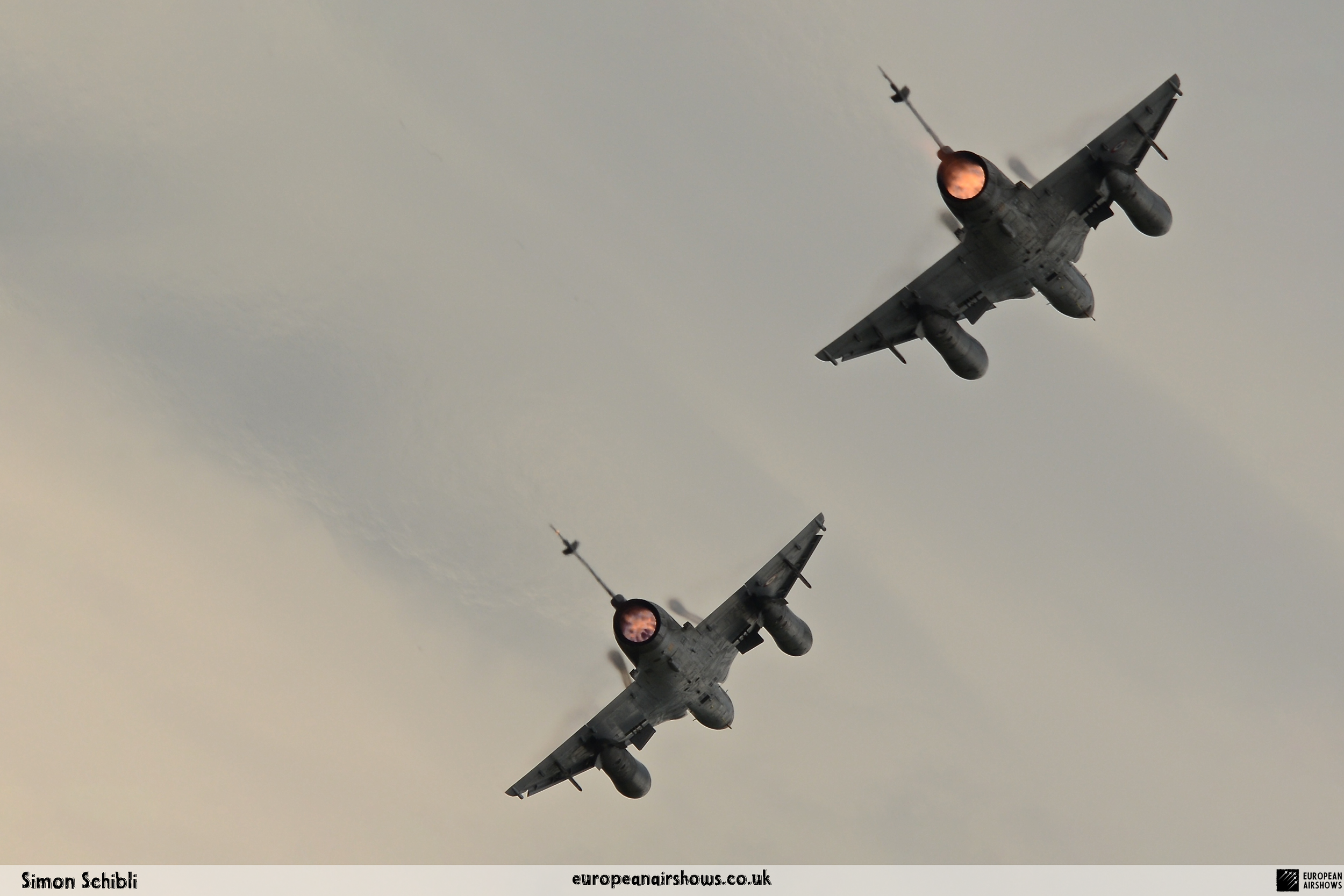
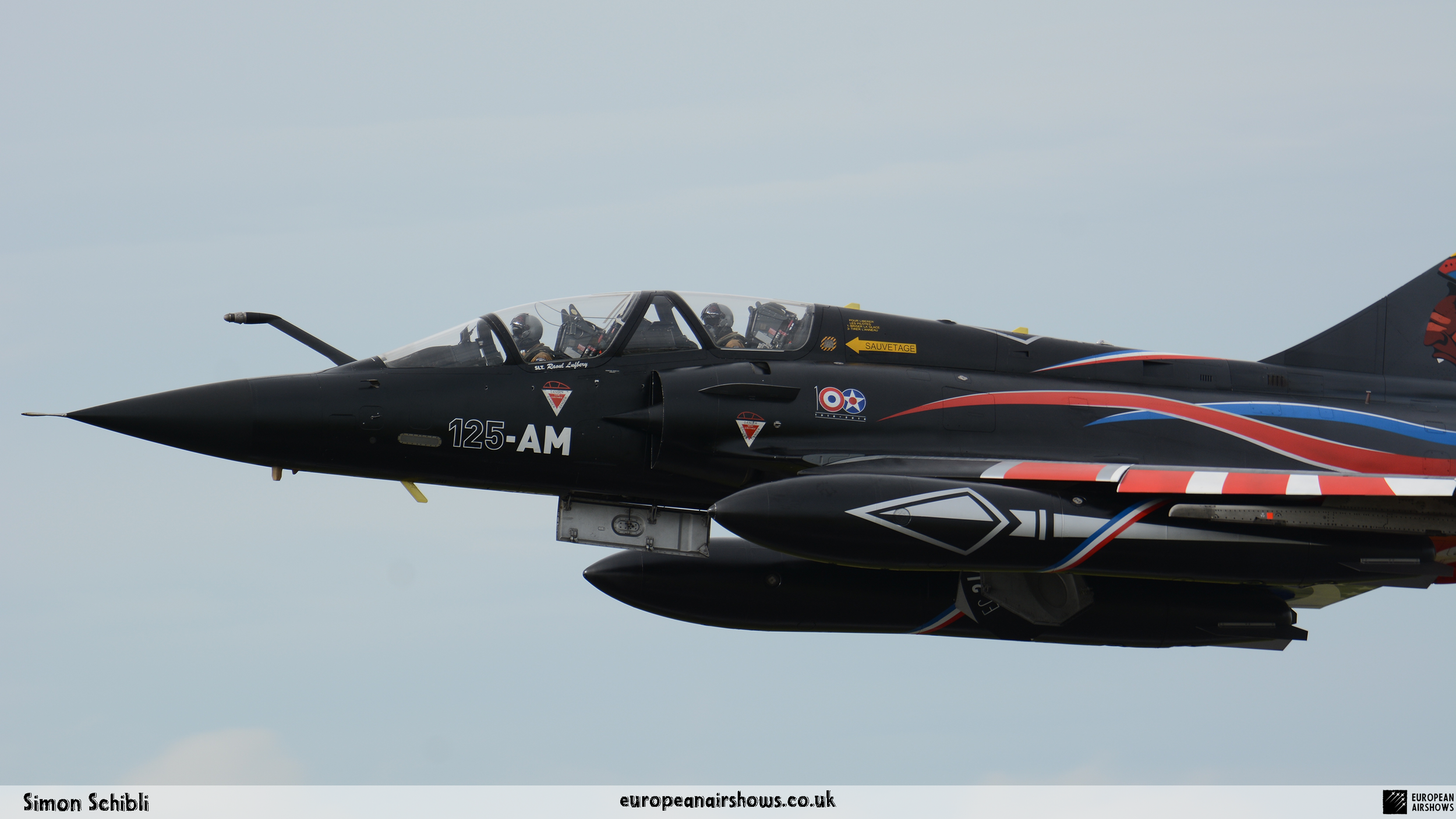
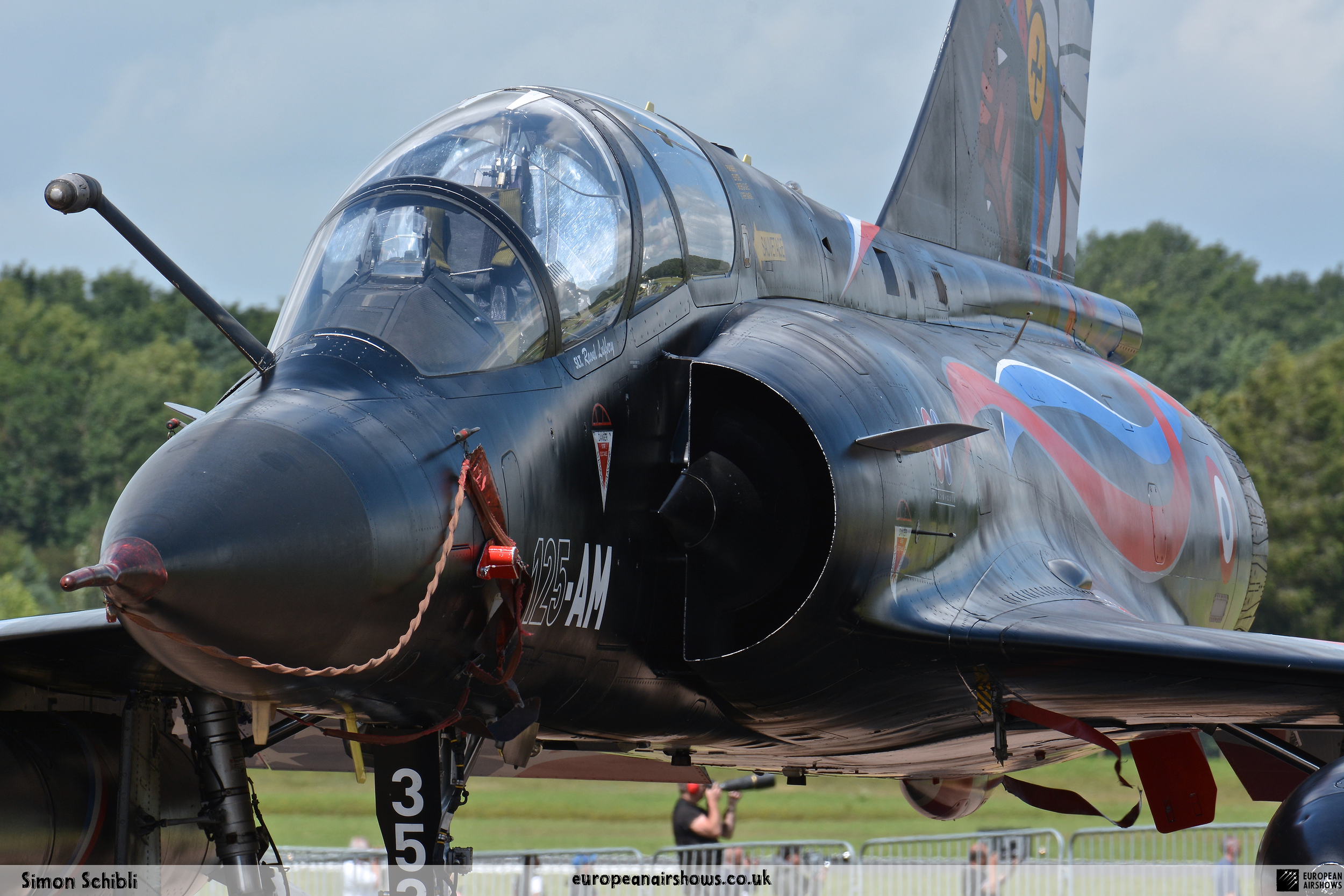
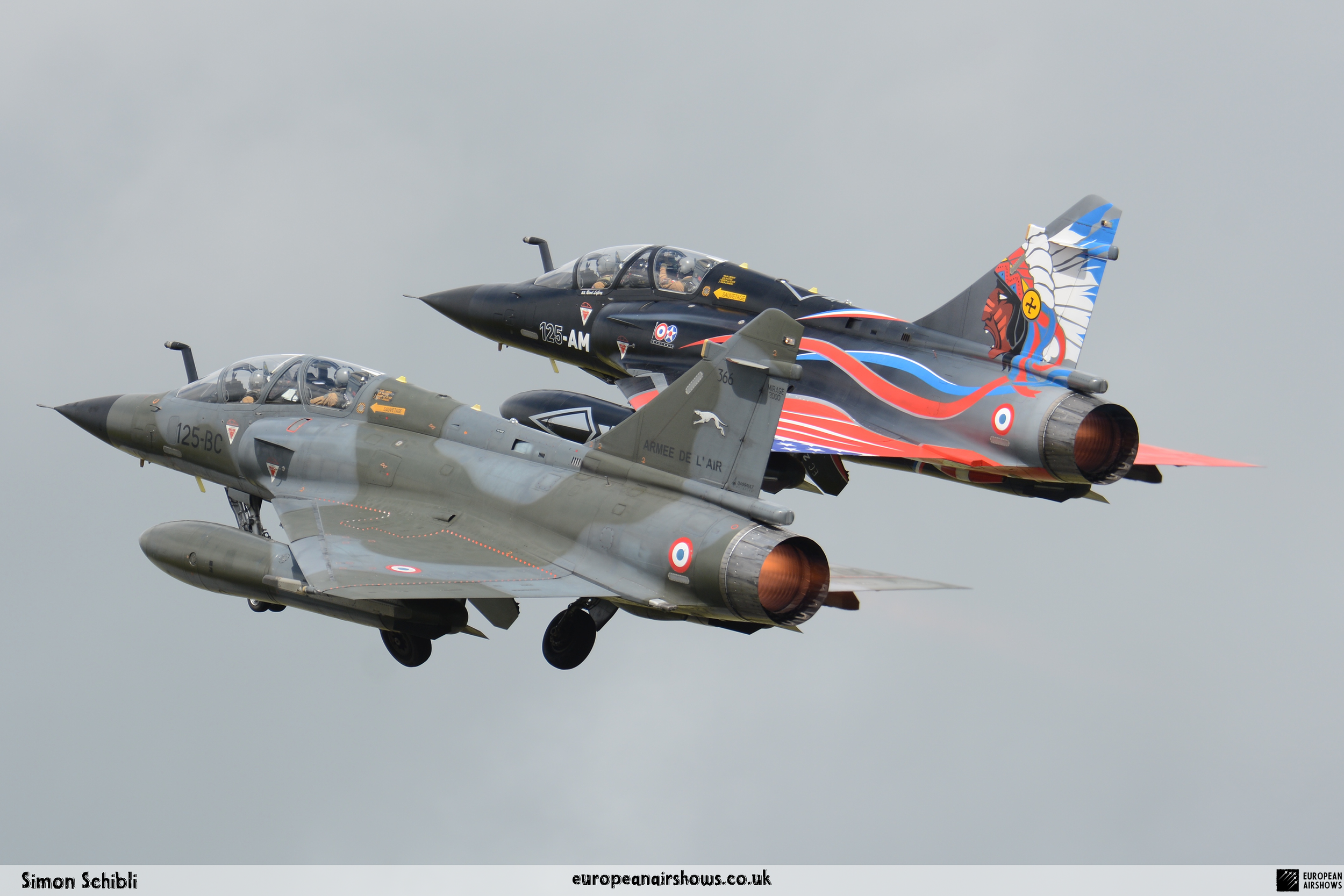
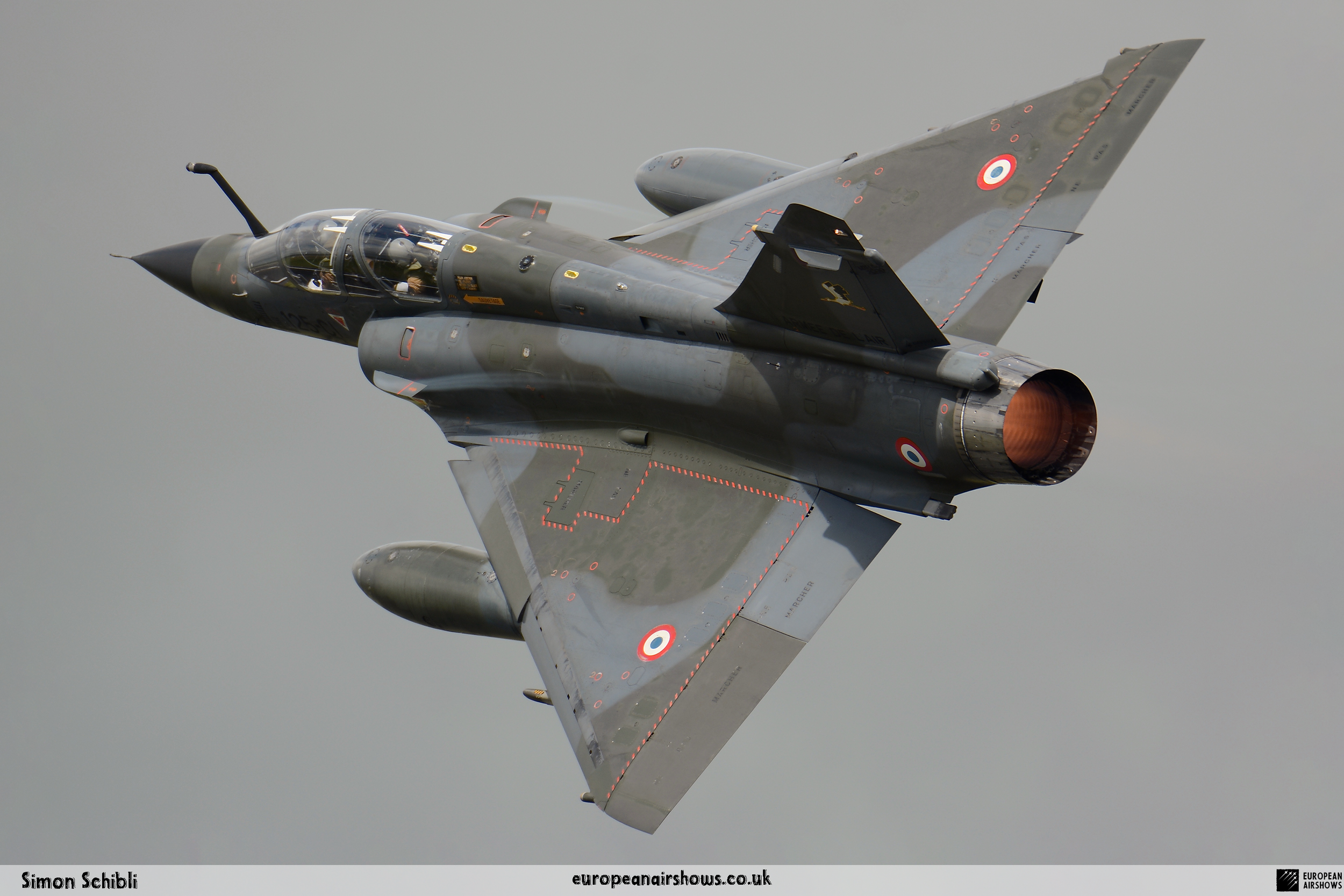
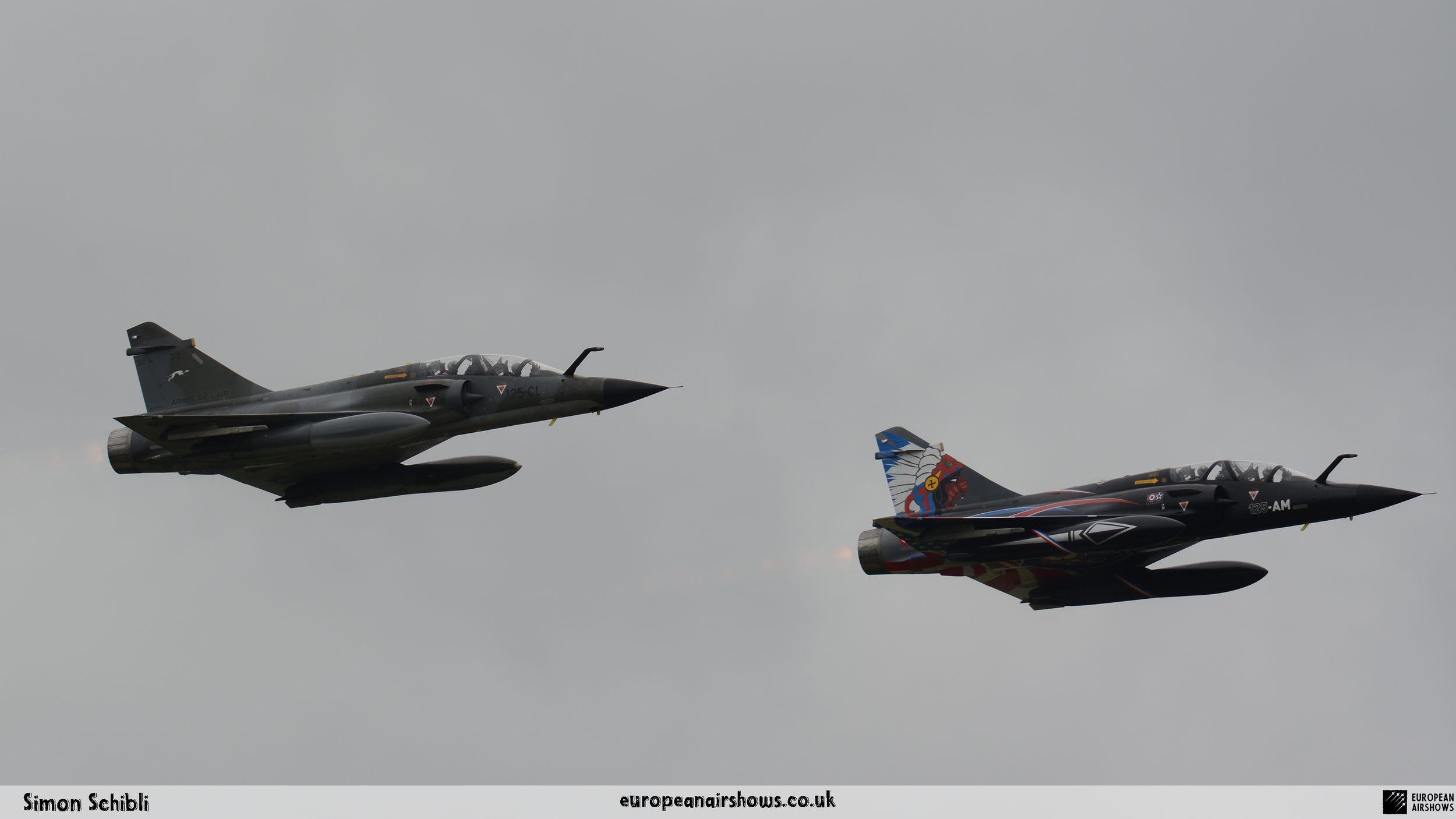
Ramex Delta converted the operational world of France's Mirage 2000N nuclear-strike force into an exceptionally fast two-aircraft display. Front-line pilot-and-NOSA crews used close formation, tactical separation, simulated attacks and low-level show-of-force passes to demonstrate the methods behind the Strategic Air Forces rather than conventional aerobatics.
- Display origins
- 2007
- Ramex era
- 2011-2016
- Display format
- 2 aircraft
- Aircraft
- Mirage 2000N
- Final display
- RIAT 2016
- Operational retirement
- 2017-2018
The team
A public demonstration created inside France's operational nuclear-strike force.
The concept began with EC 3/4 “Limousin”
The Mirage 2000N tactical display began at Istres in 2007 within Escadron de Chasse 3/4 “Limousin”. Its first documented public season followed in 2008. Unlike a national aerobatic team, the project was intended to reveal selected parts of ordinary combat aviation: the way two aircraft departed, manoeuvred in mutual support, separated for an attack and rejoined after the simulated mission.
La Fayette inherited the display in 2011
When EC 3/4 “Limousin” was disbanded in 2011, the Mirage 2000N force at Istres was reorganised around EC 2/4 “La Fayette”. The tactical pair and its supporting personnel transferred with that operational continuity. The identity Ramex Delta became firmly associated with the La Fayette period and remained one of the French Air Force's official public ambassadors until the final season in 2016.
Four aircrew in two operational aircraft
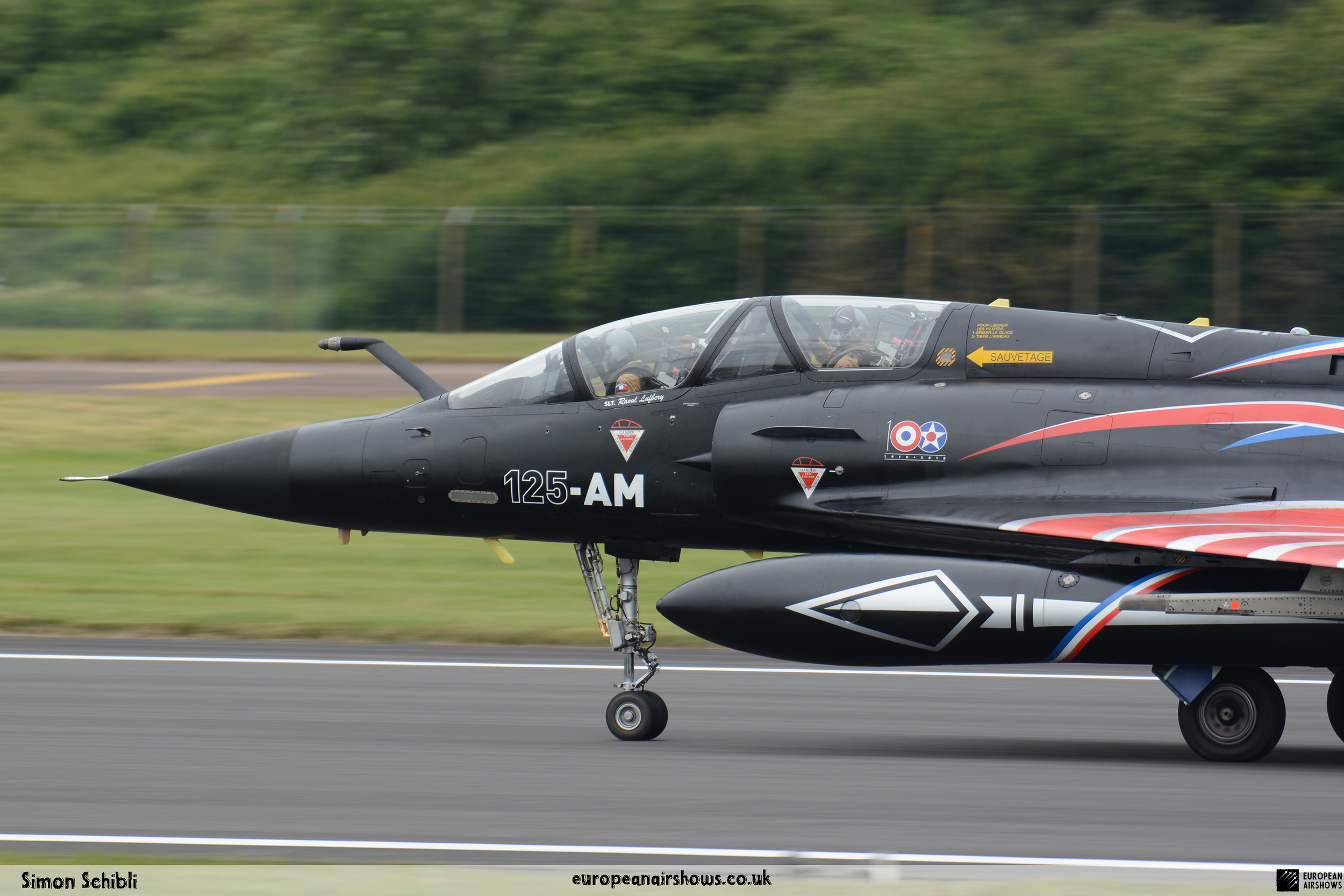
Each Mirage carried a pilot in the front cockpit and a NOSA—navigateur officier systèmes d'armes—in the rear. The team therefore displayed as four operational aircrew rather than two solo display pilots. A normal deployment used two presentation aircraft with another Mirage available as reserve, supported by engineers and specialists from the squadron rather than a separate permanent fleet.
Display duty remained secondary to combat readiness
The crews were current members of the Strategic Air Forces. Their main work included nuclear-deterrent readiness, conventional strike training, low-level navigation, air-to-air refuelling and operational deployments. Ramex Delta preparation had to fit around those responsibilities, which is why the display looked like a compressed tactical sortie rather than a sequence designed solely for spectacle.
The display
A strike mission reduced to minutes and flown in front of the crowd.
Ramex Delta's routine used formations and simulated attacks derived from operational training. The official French Air Force described the pair flying as low as about 70 metres and exceeding 1,000 km/h during a show-of-force pass in 2016—figures that explain why the display made such an impression without relying on smoke or classical formation aerobatics.
Close-formation departure
The pair could launch and establish a compact tactical formation, immediately presenting the discipline required when two heavy strike aircraft operate as one element.
Operational formation work
Echelon, line-abreast and close tactical spacing showed how leader and wingman shared lookout, navigation and mutual support during a mission.
Simulated attack geometry
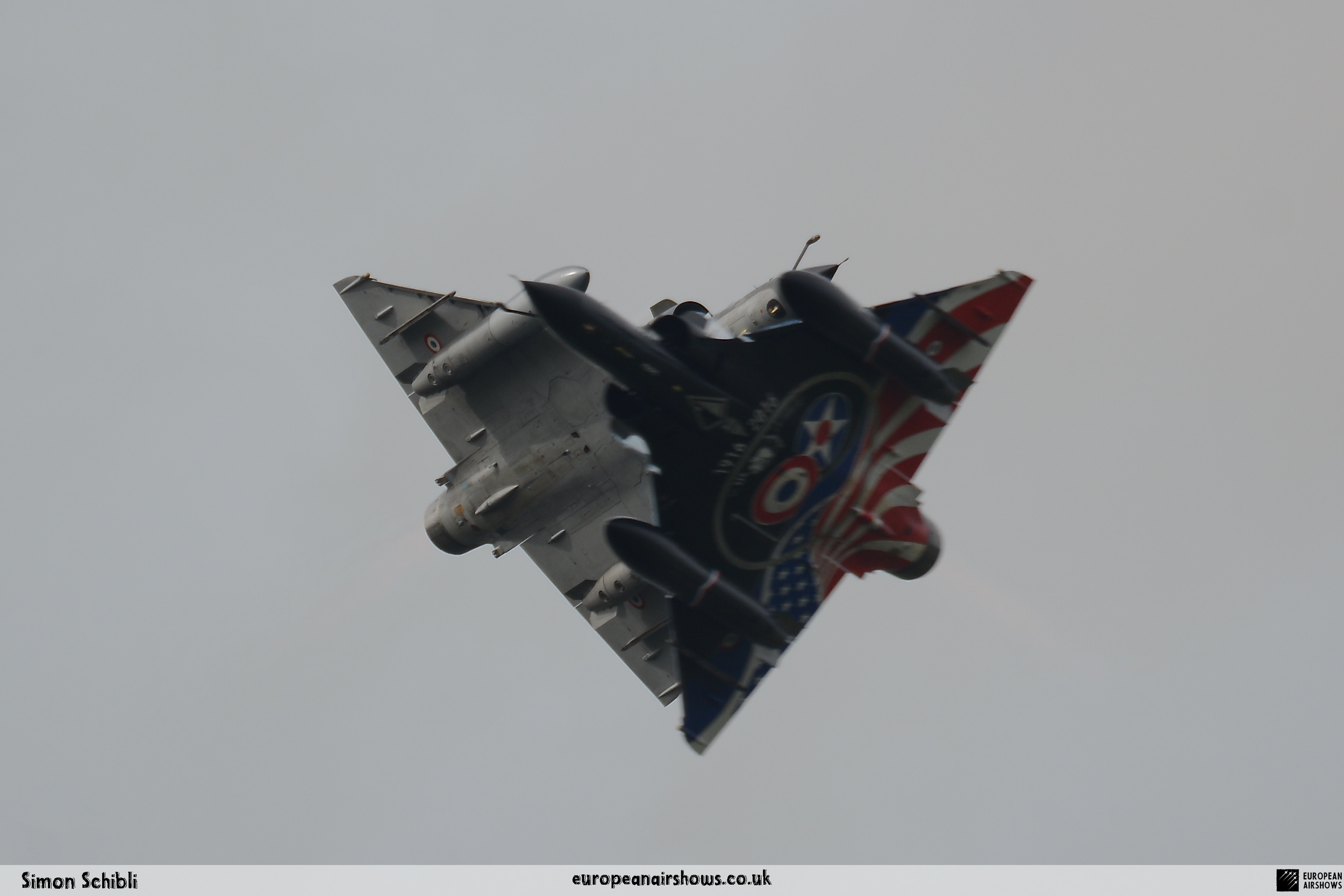
The Mirages separated into attack profiles, curved towards the target area and crossed the display axis in sequences that suggested low-level ingress, pop-up attack and escape manoeuvres.
Show of force
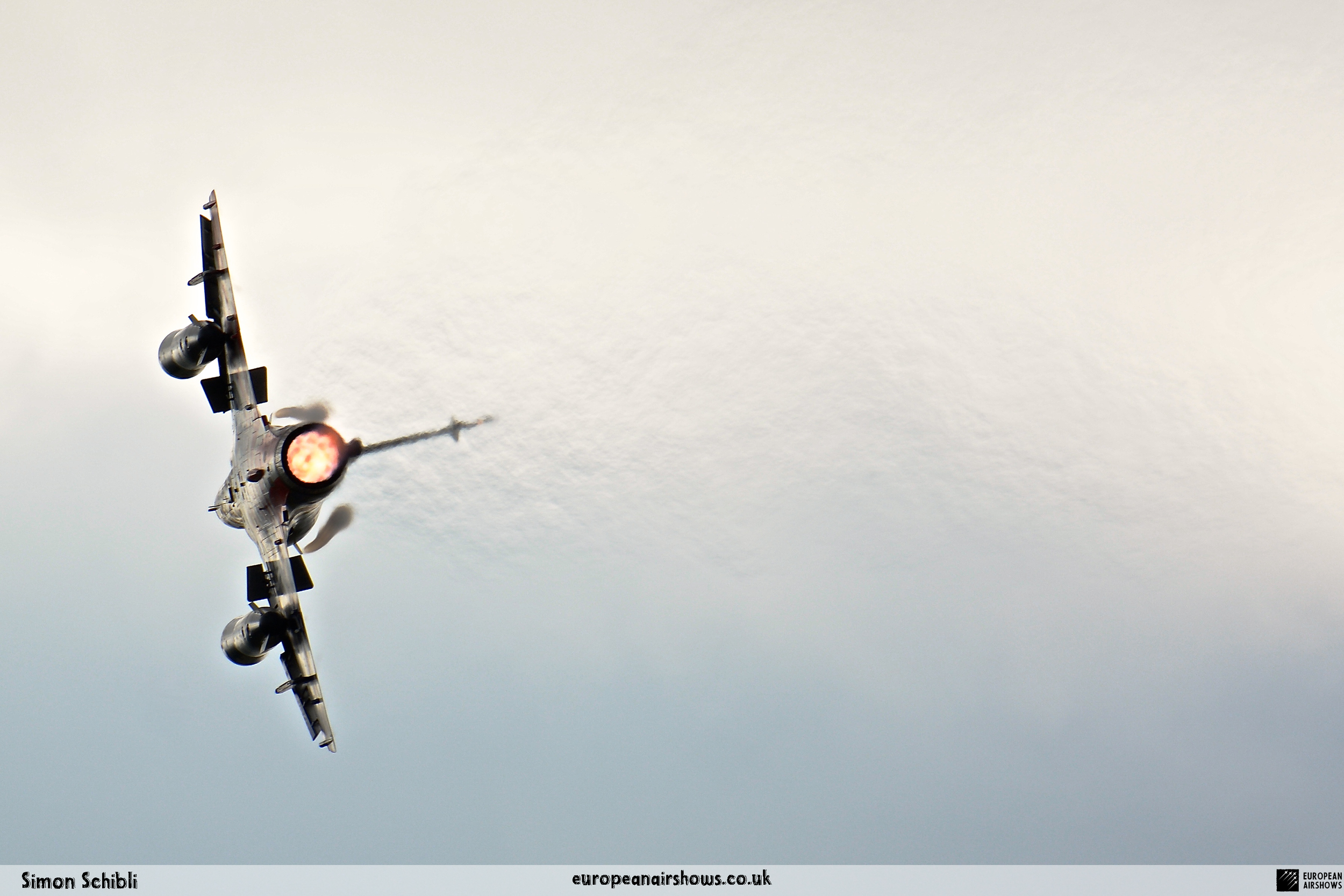
High-speed low passes exploited the Mirage's compact delta shape, afterburner and powerful M53-P2 engine to reproduce the visual impact of an operational overflight.
Defensive split and crossing
Rapid breaks, opposing approaches and offset crossings illustrated how a pair could react to a threat while keeping each aircraft supported by the other.
Tactical rejoin
After the separated phase, the aircraft rebuilt the pair for a final formation pass or recovery, completing the narrative of one compact operational sortie.
The aircraft
Dassault Mirage 2000N: the low-level carrier of France's airborne deterrent.
A dedicated two-seat nuclear-strike Mirage
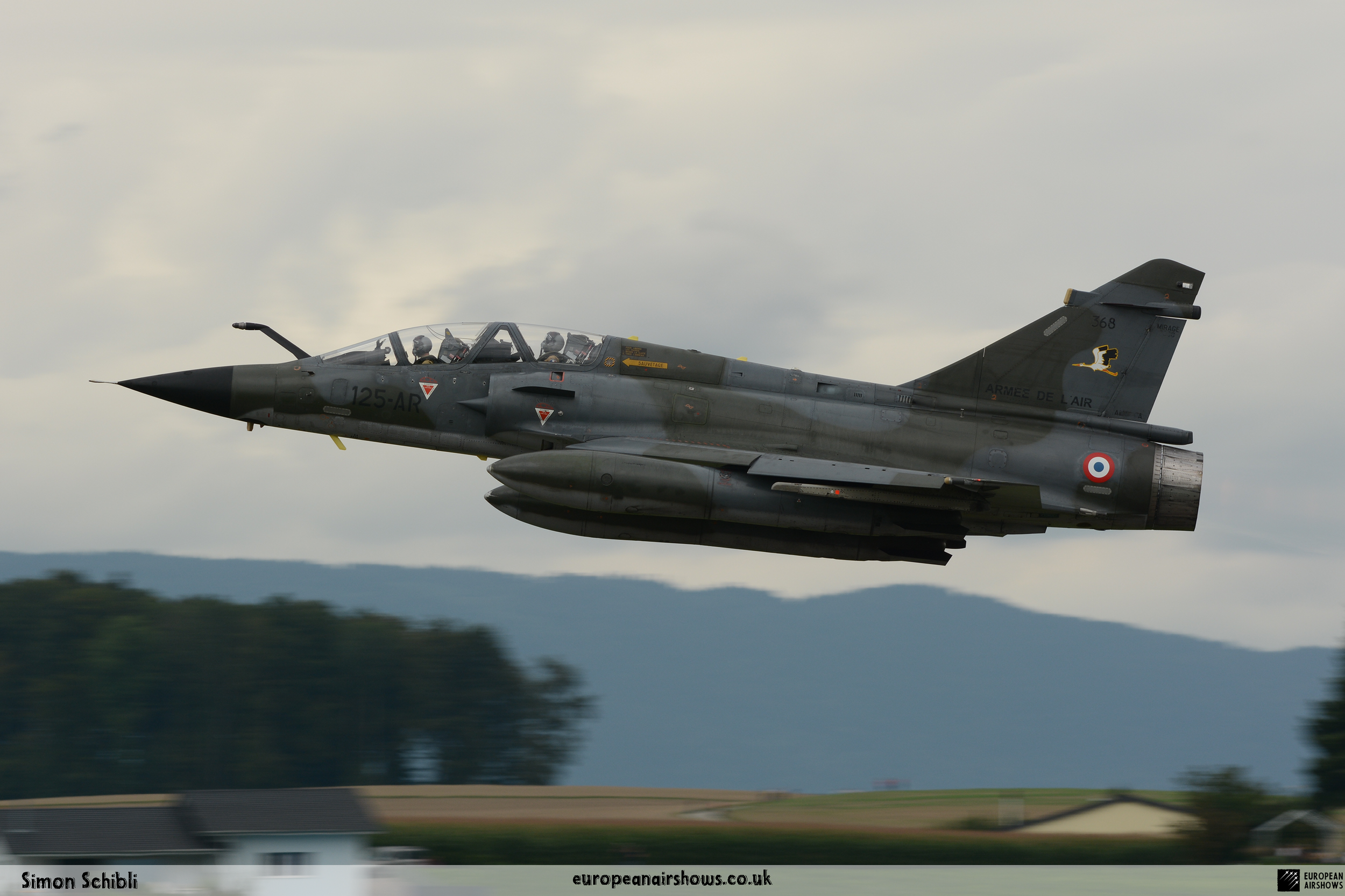
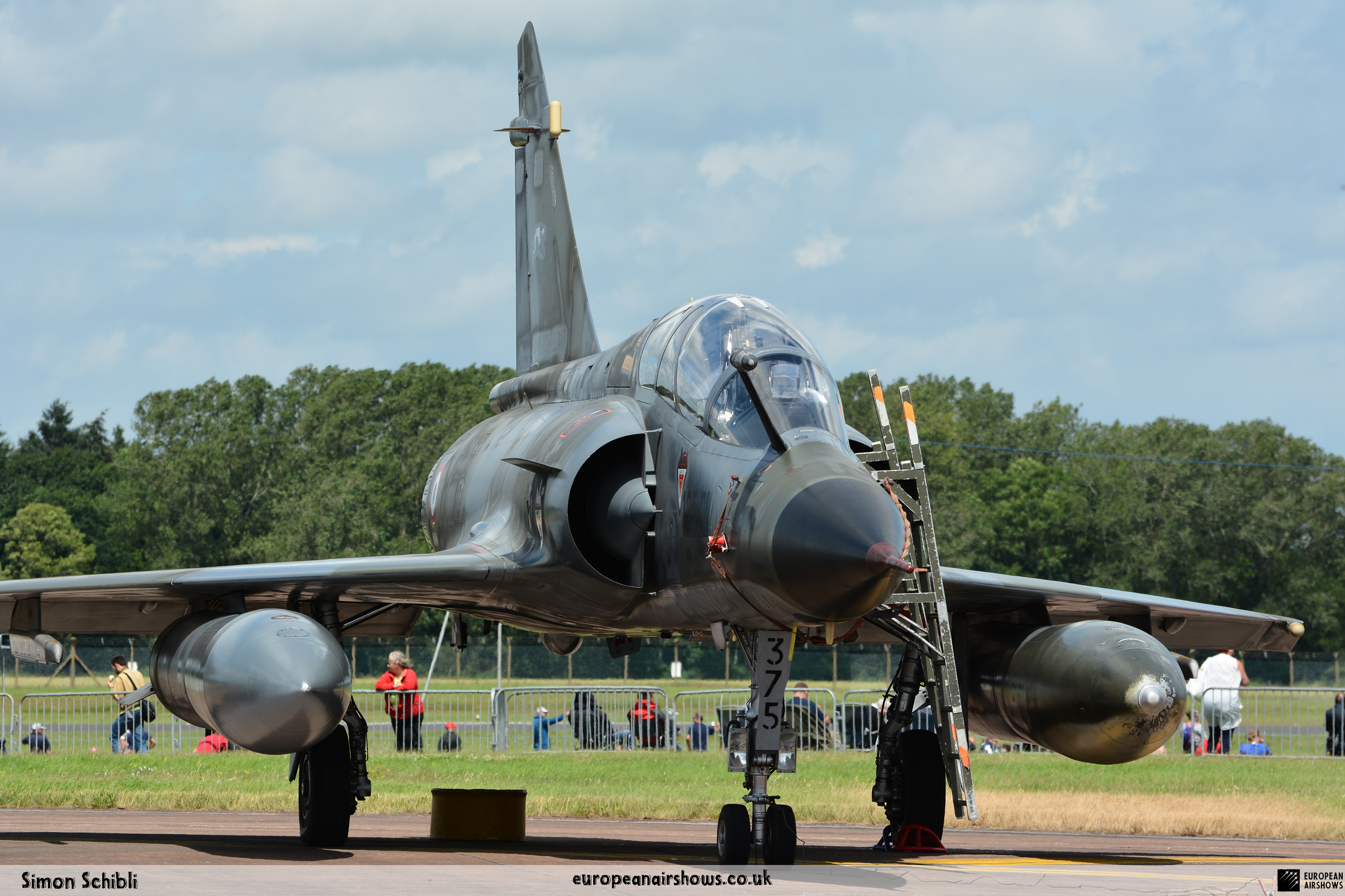
The Mirage 2000N was developed from the tandem-seat Mirage 2000B for the Strategic Air Forces. Its task was to penetrate at very low level and deliver the ASMP, later ASMP-A, supersonic stand-off missile. The front-seat pilot concentrated on flying while the rear-seat NOSA managed navigation, tactical systems, weapon employment and the wider mission.
Antilope 5 and automatic terrain following
The defining system was the Antilope 5 terrain-following radar. Linked to the navigation-and-attack system and autopilot, it allowed the aircraft to maintain a programmed clearance above terrain at high subsonic speed, by day or night and in poor weather. This capability shaped both the Mirage 2000N's operational identity and the low, fast character that Ramex Delta evoked in public.
K standards and the ASMP-A era
Successive standards kept the fleet aligned with France's deterrent and conventional requirements. The final K3 standard integrated the improved ASMP-A system, which entered service on the Mirage 2000N in 2009. The aircraft could also undertake conventional attack, reconnaissance and training tasks, although the nuclear mission remained its defining role.
A delta-wing aircraft optimised for speed
The tailless delta wing, relaxed-stability fly-by-wire controls and M53-P2 afterburning turbofan gave the Mirage high acceleration and strong turning performance while retaining the range and systems needed for deep strike. Unlike single-seat fighter variants, the 2000N did not carry internal cannon; its space and systems were arranged around the specialised two-seat attack mission.
Why it produced such an effective pair display
The Mirage 2000N was not built as an airshow aeroplane, yet its compact planform, crisp control response and strong afterburning performance made tactical manoeuvres easy to read from the ground. Two aircraft could remain close enough to appear as a single unit, then separate rapidly into attack geometry without disappearing from the display area.
The story so far
From a Limousin tactical demonstration to an award-winning final display at Fairford.
1983
The Mirage 2000N prototype flies
Dassault adapts the Mirage 2000's two-seat airframe for France's future low-level nuclear mission. The new version combines the M53-P2 engine, specialised navigation-and-attack equipment and Antilope 5 terrain following with a cockpit divided between pilot and NOSA.
1988
Operational service begins
The Mirage 2000N enters service with the Strategic Air Forces on 1 April 1988. It replaces older strike aircraft in the airborne deterrent and becomes a central element of French nuclear readiness.
2007
The two-ship tactical display is created
EC 3/4 “Limousin” at Istres develops a public demonstration using two Mirage 2000Ns. The intention is not to create a classical aerobatic team, but to show tight tactical formations and simulated attacks derived from operational strike training.
2008
First documented public season
The new Mirage 2000N tactical demonstration appears at French air events, including the Orange meeting. It establishes the format that later becomes widely known as Ramex Delta.
2011
Transfer to EC 2/4 “La Fayette”
EC 3/4 “Limousin” is disbanded and EC 2/4 “La Fayette” moves from Luxeuil to Istres, inheriting the Mirage 2000N training and operational structure. The tactical pair continues with La Fayette crews and the Ramex Delta identity becomes established.
2012-2015
A major European tactical display
Ramex Delta performs at French meetings and selected international events, including appearances in the Netherlands, Belgium, Switzerland and the United Kingdom. Its combination of low-level speed, formation precision and simulated attack work makes it one of the era's most highly regarded fast-jet pairs.
2016
La Fayette centenary and final season
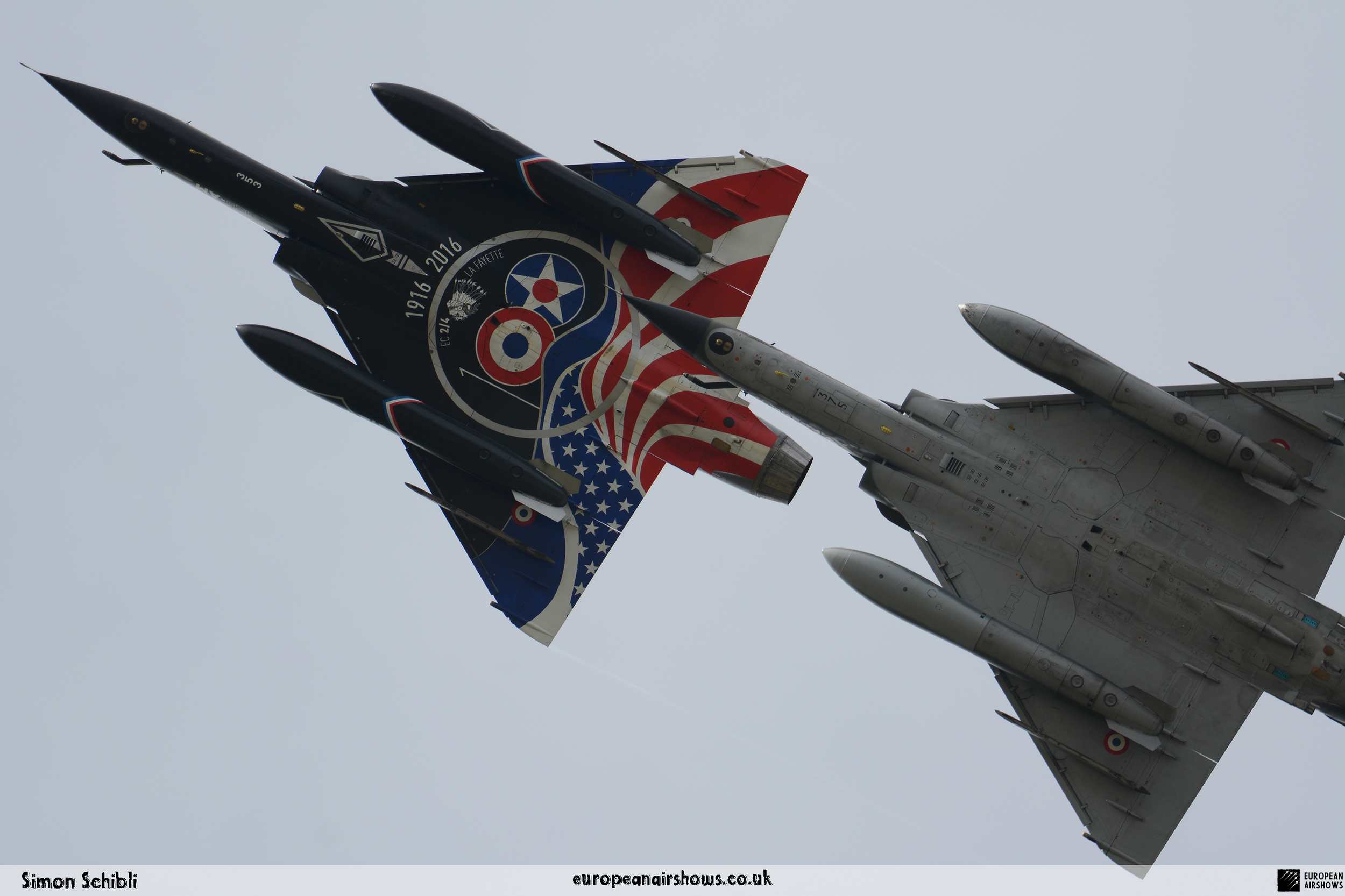
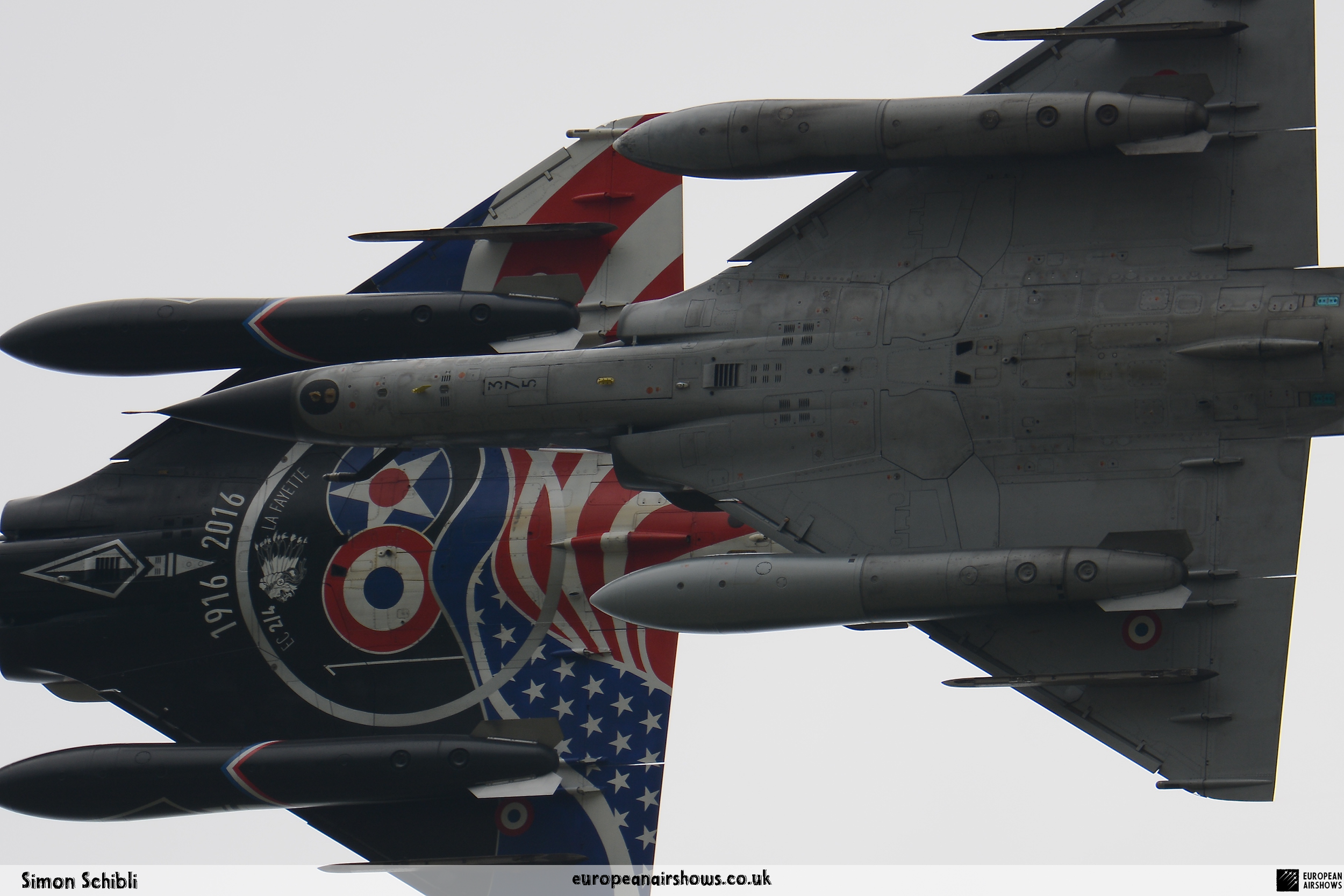
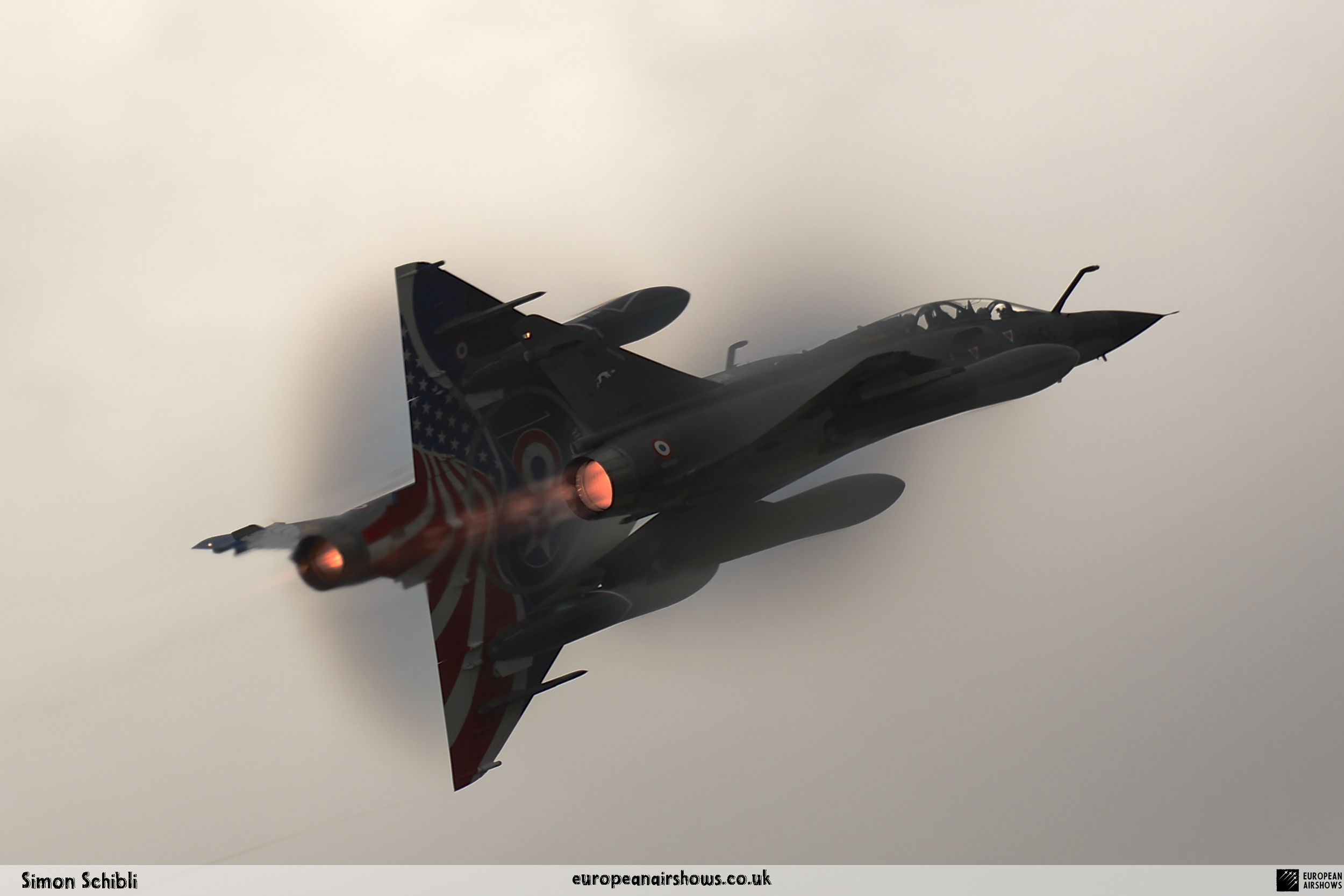
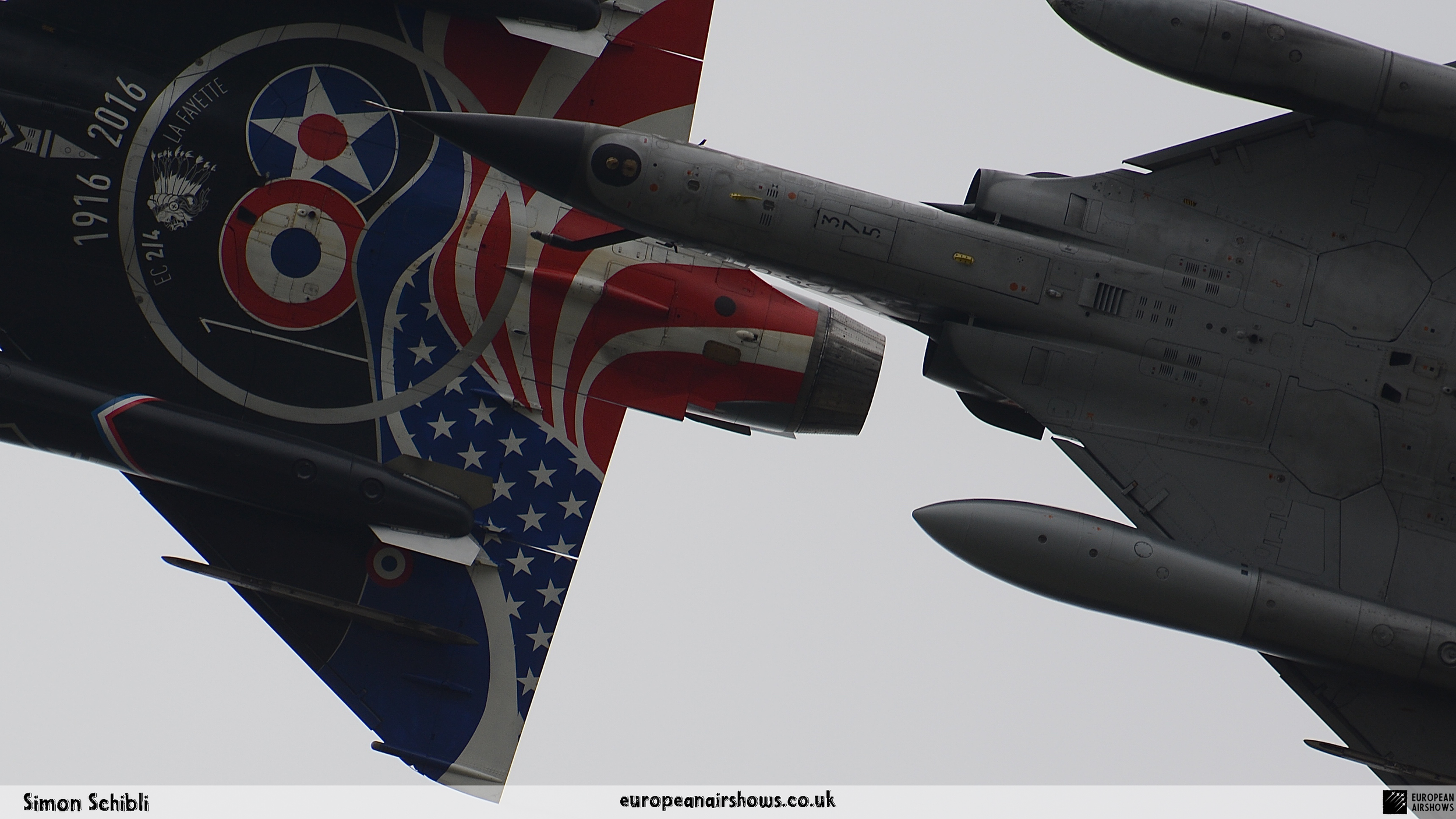
The lead display aircraft receives a spectacular scheme marking one hundred years since the creation of the Lafayette Escadrille. The season is also announced as Ramex Delta's last, as La Fayette prepares to convert to Rafale and the Mirage 2000N approaches withdrawal.
July 2016
A double-award farewell at RIAT
Ramex Delta flies its final public display at RAF Fairford. The pair receives the RAFCTE Trophy for the best flying demonstration by an overseas participant, while the centenary Mirage wins the FRIAT award for best livery. The team ends at the peak of its international reputation.
2017-2018
The Mirage 2000N leaves operational service
The DGA records the type as withdrawn from operational service in 2017. A formal retirement ceremony follows at Istres on 21 June 2018, completing the transfer of the strategic mission to the Rafale B and ending three decades of front-line Mirage 2000N service.
2022
The final French Mirage 2000N flight
Mirage 2000N number 356, retained by DGA Essais en vol as a test and training aircraft, makes the type's final flight in French service on 22 February. This later DGA chapter was separate from Ramex Delta and the operational Strategic Air Forces fleet.
Name & legacy
A callsign, a delta wing and a tactical-display concept that outlived the team.
What “Ramex Delta” meant
Ramex was associated with the radio callsign used by EC 2/4 “La Fayette” at Istres. Delta worked on two levels: the phonetic-alphabet letter D used to identify a formation and the triangular delta wing that defines the Mirage 2000's silhouette. Together they created a concise operational name rather than a conventional aerobatic-team title.
Couteau Delta was a successor, not a renaming
From 2017 the French Air Force assigned the tactical two-ship display role to Mirage 2000D crews of the 3rd Fighter Wing at Nancy-Ochey. Former Ramex experience helped the new project, but Couteau Delta had its own aircraft, operational community, callsign and routine. Ramex Delta therefore remains specifically the Mirage 2000N display of the Strategic Air Forces.