
Pterodactyl Flight
Airworthy First World War replicas · Multi-aircraft battle displays
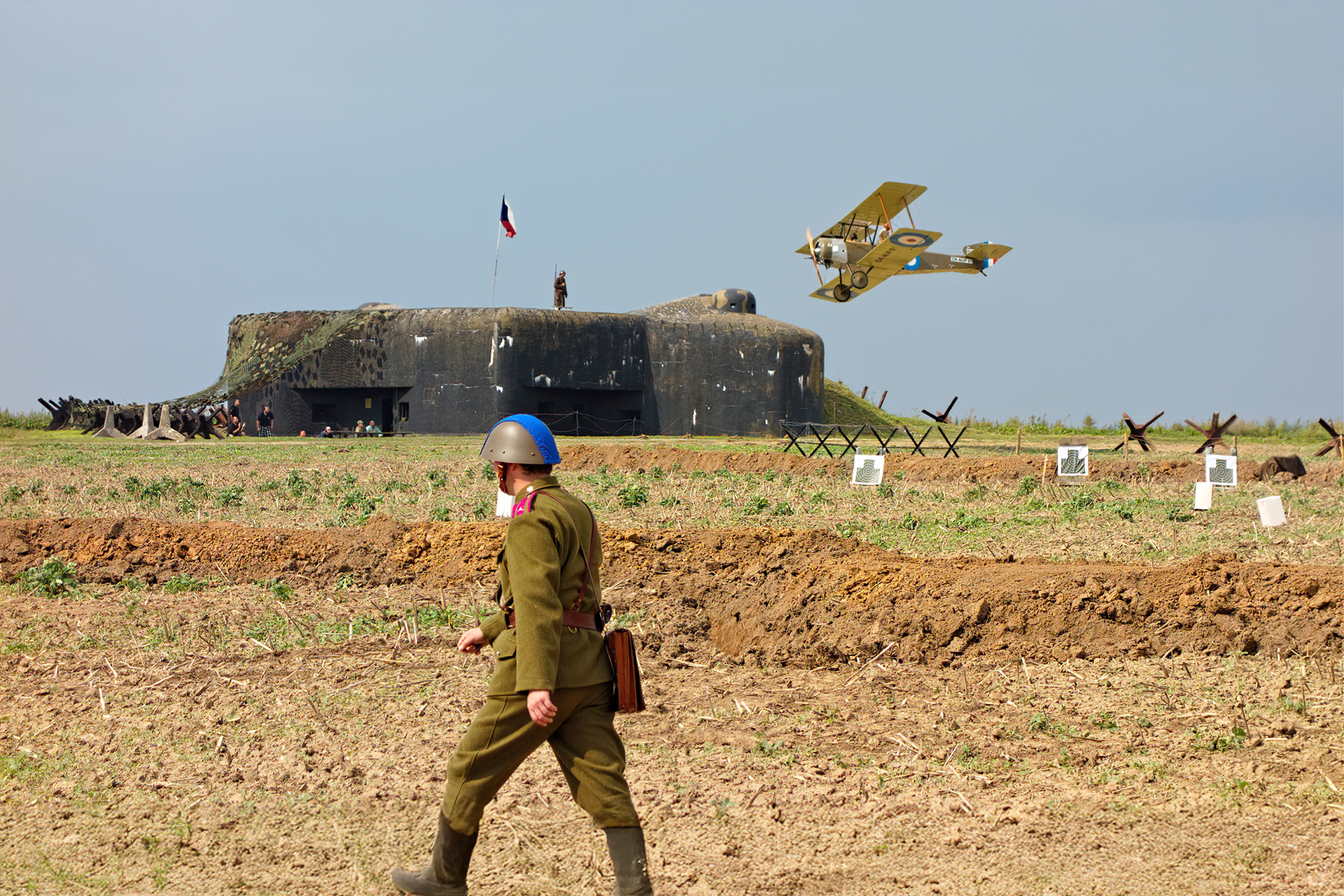
A Czech flying theatre production in the truest sense: replica fighters and reconnaissance aircraft, opposing patrols, ground troops, mock targets and timed explosions combined into one continuous Great War story.
- Company-era roots
- 2012
- Current association
- Established 2020
- Aircraft
- Airworthy WWI replicas
- Published formations
- Four or six aircraft
- Home region
- Vysočina / Jihlava area
- Latest verified display
- Leszno 2025
The team
Not a sequence of heritage flypasts, but a complete battle staged across the airfield.
Pterodactyl Flight is a Czech civilian display group specialising in airworthy replicas of aircraft from the First World War. Its presentation is closer to live theatre than a conventional formation display: the aircraft represent opposing forces, ground performers create an airfield or battlefield scene and each pass advances a recognisable story.
Published large-show formations have used four or six aircraft. Patrols arrive together, individual machines separate into one-versus-one engagements and aircraft make attack runs against mock positions on the ground. Pyrotechnic cues, blank-firing gun effects, vehicles, period clothing and a staged shoot-down can be added when the venue, display plan and local permissions allow it.
The organisation behind the flying
The name has passed through two related organisational chapters. Pterodactyl Ltd was incorporated in the United Kingdom in September 2012 with Czech pilot and builder Petr Svoboda as a director. That company supported replica design, construction and demonstration work before being dissolved in November 2021. The present Czech body, Pterodactyl Flight, z. s., was registered in April 2020 as a voluntary association. Its registered purpose includes building, operating and publicly displaying replicas while preserving knowledge of aviation technology, history and the work of early pioneers.
The flying identity continued after the Czech association was formed. Pterodactyl Flight appeared at Czech and international events, including the Náměšť air base open day and Airshow Žamberk in 2024, followed by a major Great War battle at Antidotum Airshow Leszno in 2025. It was advertised for Břeclav in 2026, but the organiser later cancelled the entire airshow.
More than the pilots
The airborne element depends on a larger ground team. Aircraft preparation, trailering or ferry logistics, period equipment, mock structures, battlefield props and pyrotechnic timing must all be joined to one script. The strongest performances therefore feel like a single production rather than aircraft and explosions happening independently of one another.
The display
Aerial combat only works when the audience can follow the story.
The routine is adapted to the aircraft available, the crowd line, the size of the site and whether ground effects are permitted. It should not be described as one fixed six-aircraft sequence: smaller appearances can use fewer machines, while the fullest production adds soldiers, vehicles, mock structures and pyrotechnics around the flying.
Opposing patrols
Aircraft are grouped into recognisable sides so the audience can read who is pursuing whom instead of watching an anonymous stream of replicas.
Formation arrivals
Multi-aircraft passes establish the scale of the battle before the formation breaks into smaller engagements across the display area.
One-versus-one combat
Crossing passes, pursuit curves and reversing turns create the appearance of a dogfight while remaining a planned modern display sequence.
Ground-attack runs
Selected aircraft attack mock positions or an enemy airfield, allowing the flying to interact directly with the battlefield scene below.
Timed pyrotechnics
Explosions and blank-firing gun effects can be matched to individual passes. Their use depends on the organiser, site plan and local approvals.
Staged shoot-down
The story can finish with one aircraft apparently defeated, using choreography and ground effects rather than attempting an unsafe literal recreation.
The aircraft
Period silhouettes outside, modern replica engineering underneath.
Pterodactyl Flight does not operate a single standard aircraft type. Its identity comes from bringing several designs together: early monoplanes, rotary-era triplanes, two-seat reconnaissance aircraft and later-war fighters. That variety gives the display a believable visual progression rather than a formation of identical machines wearing different markings.
Published line-ups have included the Sopwith 1½ Strutter, Sopwith Camel, Royal Aircraft Factory S.E.5a, Fokker E.II or E.III, Fokker Dr.I and Fokker D.VII. At Leszno in 2025, four flying replicas represented the S.E.5a, Fokker E.III, Fokker D.VII and Fokker Dr.I, while another E.III appeared in the ground scene. No single event list should be treated as a permanent inventory.
Replica scale and construction
Contemporary reporting from the Stojčín workshop explains that many aircraft are built at roughly 85 per cent of original size rather than as literal full-scale reproductions. Original drawings can be adapted to Czech rules and modern pilot dimensions. The documented workshop method uses aircraft-grade thin-wall steel tubing for the fuselage and synthetic fabric covering in place of the original all-wood, wire-braced fuselage method described in the report.
This is an important distinction. The aircraft reproduce the outline, markings and open-cockpit atmosphere of the originals, but their engines, systems, dimensions and performance can differ significantly. Original First World War specification figures should therefore not be presented as the operating limits of Pterodactyl Flight's replicas.
Why the fleet can change
Replica availability, maintenance, pilot currency, transit method, weather, venue size and the chosen historical scenario all affect the aircraft sent to a particular event. “Pterodactyl Flight” describes the production and group, not a permanently fixed six-aircraft formation.
The story so far
From a Czech replica workshop to one of Central Europe's largest flying Great War scenes.
5 September 2012
Pterodactyl Ltd is incorporated
A UK-registered company is created with Petr Svoboda as a director. Production activity and workshops remain connected with the Czech Republic, supporting airworthy replicas, static aircraft and demonstration work.
Mid-2010s
The battle format expands internationally
The flying group develops a recognisable airshow identity around multi-aircraft Great War combat. Published overviews place its first Polish appearances in 2015, followed by repeat invitations.
2017
Six-aircraft SIAF production
A major SIAF presentation is advertised with a Sopwith 1½ Strutter, Sopwith Camel, S.E.5a, two Fokker Dr.Is and a Fokker E.II. The scenario includes opposing forces, ground attacks, pyrotechnics and a staged shoot-down.
2018
The Stojčín workshop opens its doors
Czech Radio documents Petr Míka's replica-building work. The report explains the use of steel-tube fuselages, synthetic fabric and adapted original drawings, with many builds around 85 per cent scale.
7 April 2020
Pterodactyl Flight, z. s. is established
The present Czech association is formally registered in Batelov. Its stated purpose includes building, operating and publicly displaying replicas while preserving aviation history and practical skills.
30 November 2021
The original limited company closes
Pterodactyl Ltd is dissolved in the United Kingdom. The separate Czech association had already been registered, and later airshow appearances confirm that the Pterodactyl Flight name continued in the air.
2024
Strong Czech domestic programme
Pterodactyl Flight appears in published programmes for events including the Náměšť air base open day and Žamberk, where its First World War reconstruction includes an enemy-airfield scene.
20-21 June 2025
Great War battle at Leszno
Four flying replicas, representing the S.E.5a, Fokker E.III, Fokker D.VII and Fokker Dr.I, perform with re-enactors, a second E.III in the ground scene, blank-firing guns, props and timed effects.
2026
A booking lost with the event
Pterodactyl is advertised for Břeclav's First World War dogfight, but the organiser first postpones and then cancels the entire airshow. The current Czech association remains registered, while Leszno 2025 is the latest flying appearance verified for this profile.
Identity & interpretation
Historic atmosphere without pretending the replicas are untouched wartime originals.
A battle display, not an aerobatic team
Pterodactyl Flight may use formation flying, pursuit turns and crossing passes, but its objective is narrative rather than precision aerobatics. The manoeuvres serve opposing characters, attacks and a beginning-to-end battlefield scenario.
Replicas with practical compromises
The aircraft are designed to evoke historic types while meeting contemporary construction and operating requirements. Scale, engines, cockpit dimensions and structures can differ from the originals, even when the external impression is highly convincing.
One name, two organisational eras
The 2012 date belongs to Pterodactyl Ltd, the former UK company. The present Czech association dates from 2020. The flying identity bridges both, so either date alone tells only part of the story.
A flexible travelling production
The fullest display needs aircraft, pilots, ground performers, scenery, pyrotechnics and a suitable site. Smaller events may receive a reduced aerial battle, while larger venues can support the complete air-and-ground theatre.
Editorial note: aircraft rosters and individual pilots published for historic events are retained as dated examples, not presented as a permanent current line-up. Public information does not support one fixed six-aircraft fleet or one unchanging battle script for every appearance.


