Czech Air Force W-3A Sokol Demo Team

Czech Air Force W-3A Sokol Demo Team

Performer Information

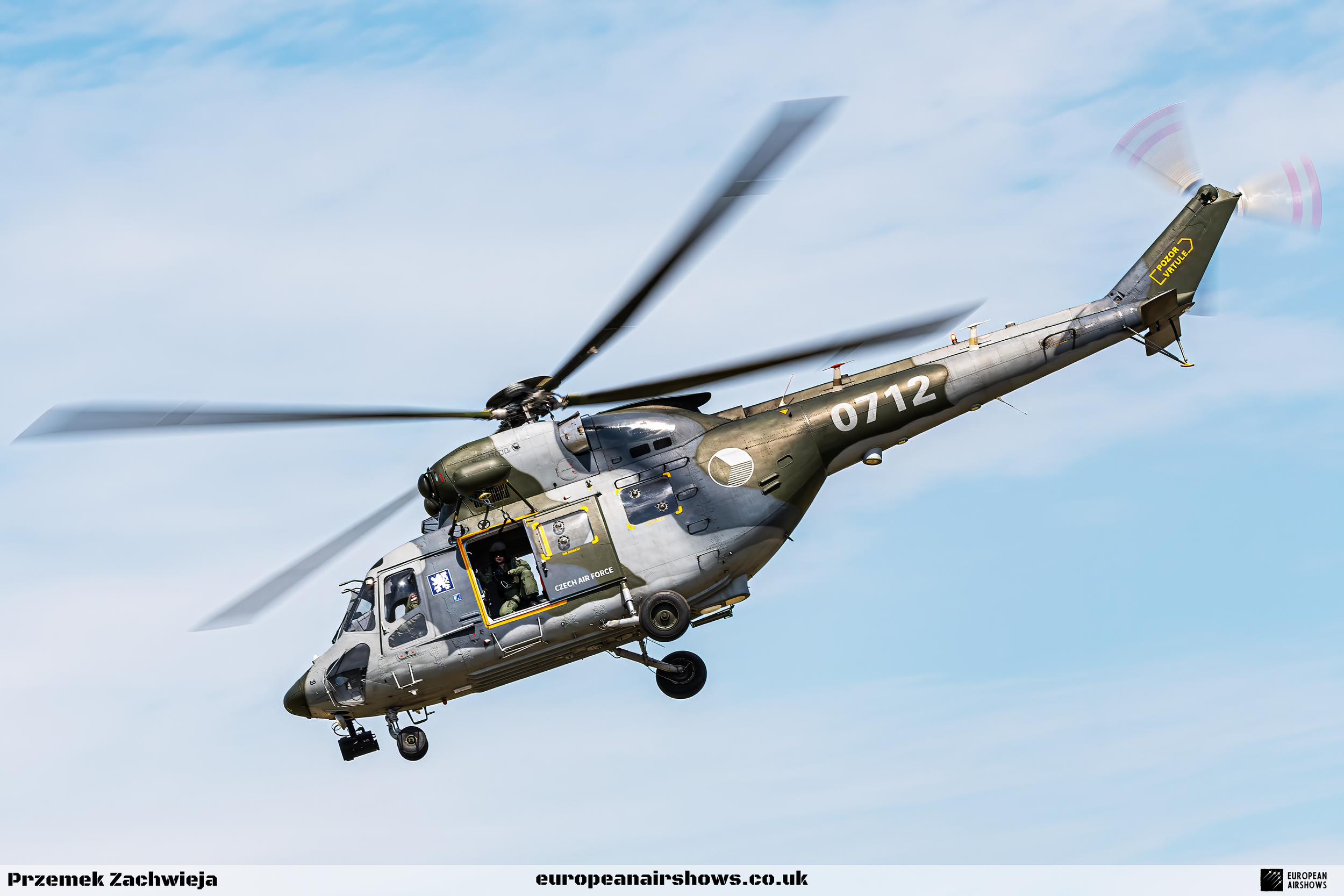
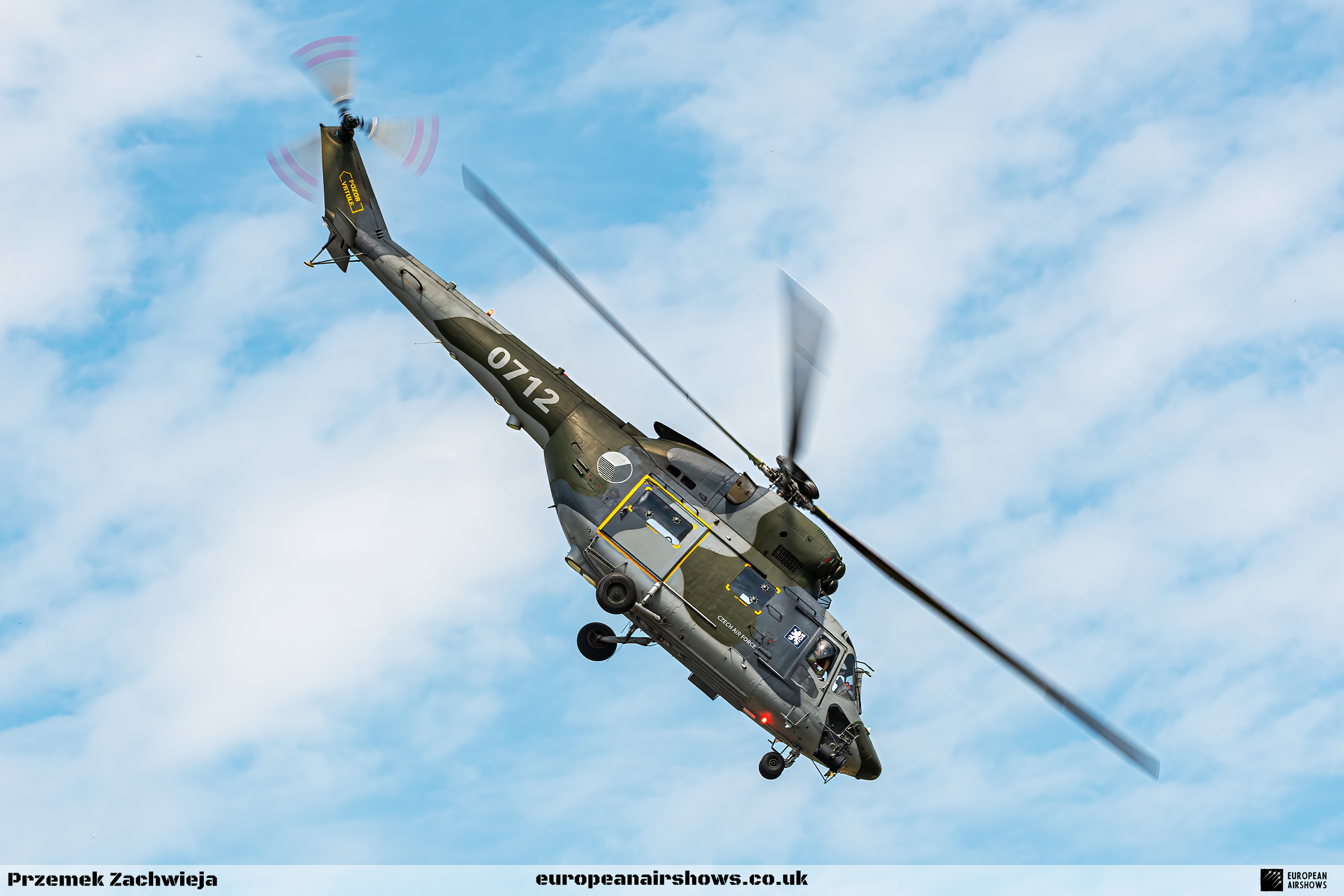
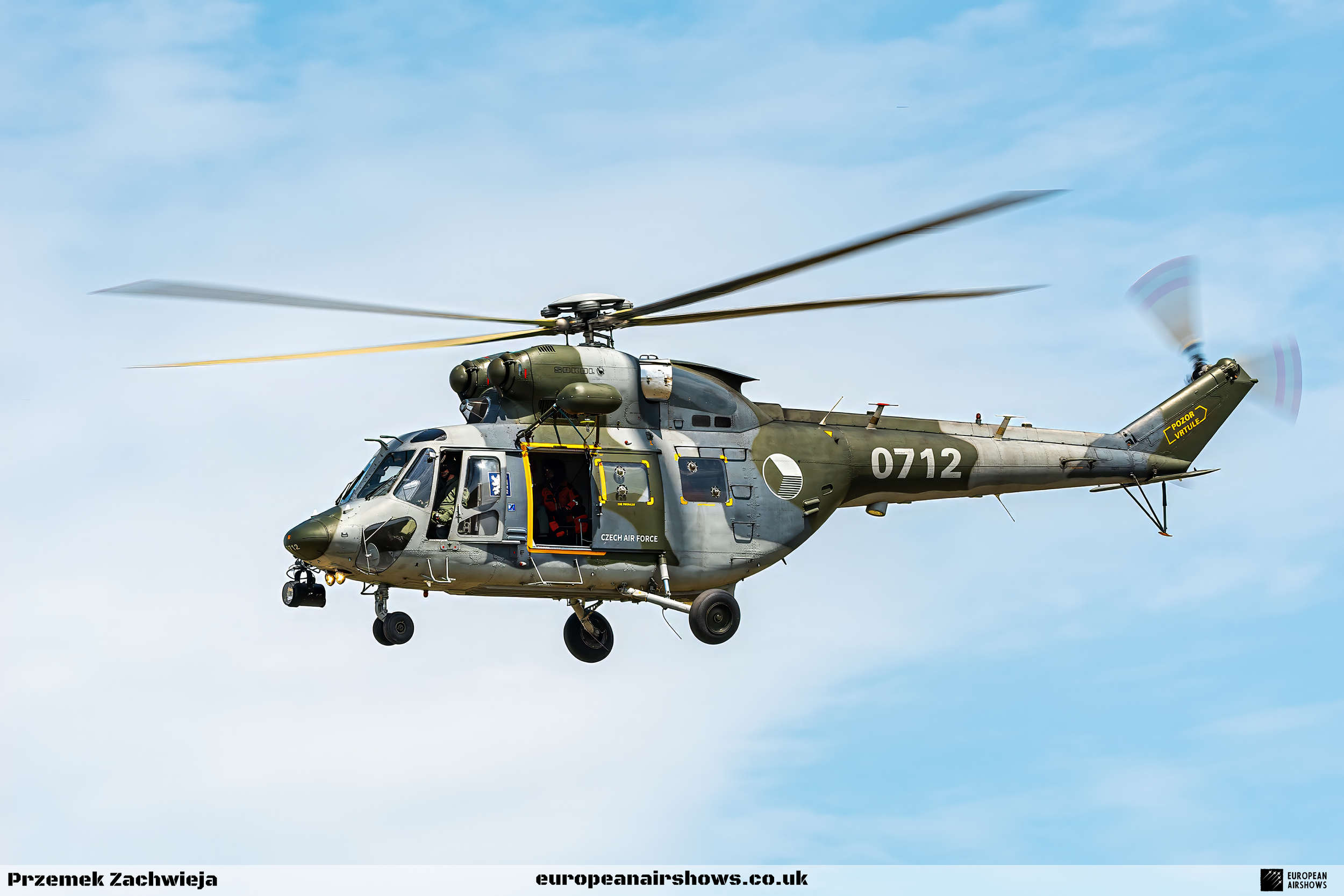
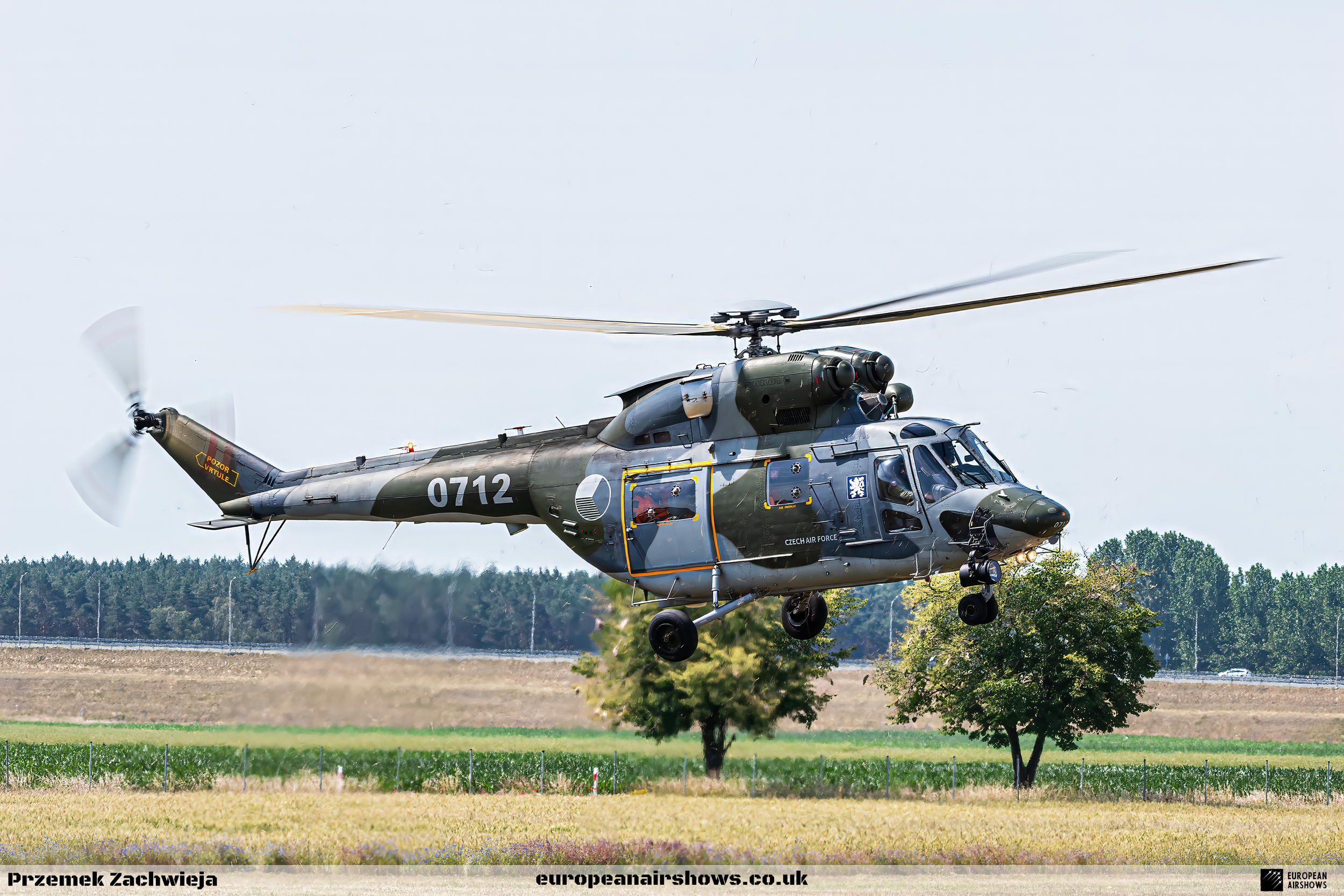
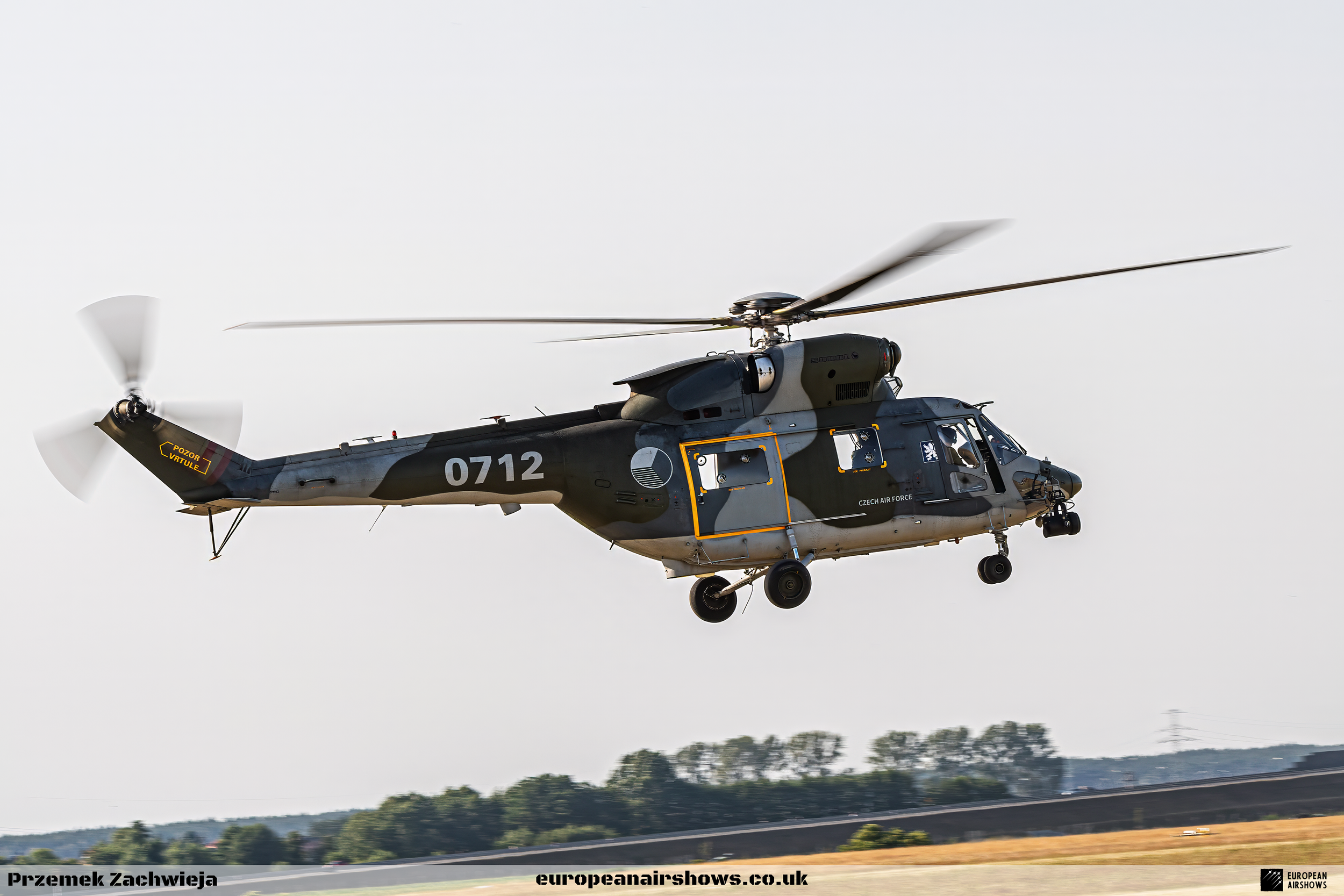
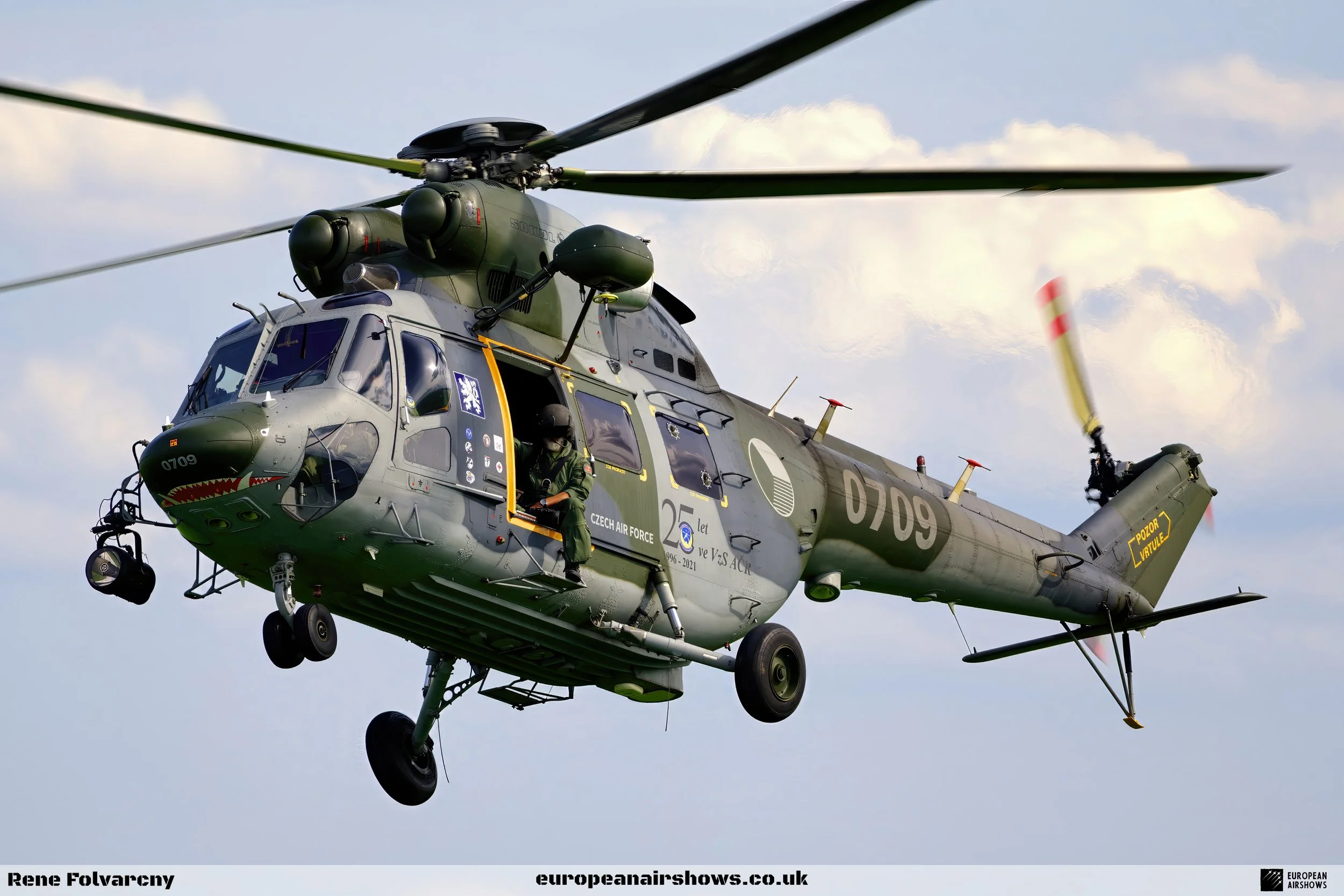
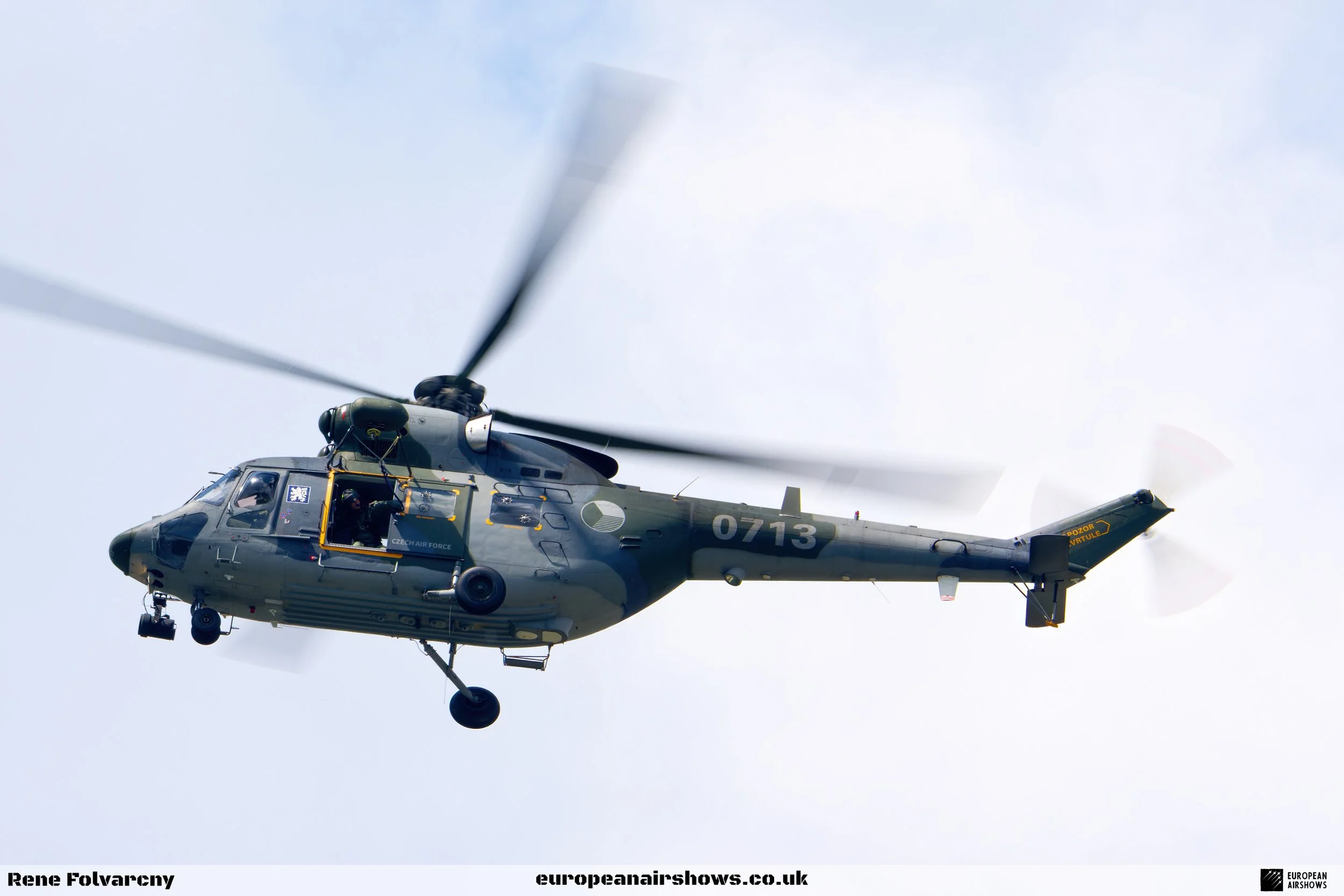
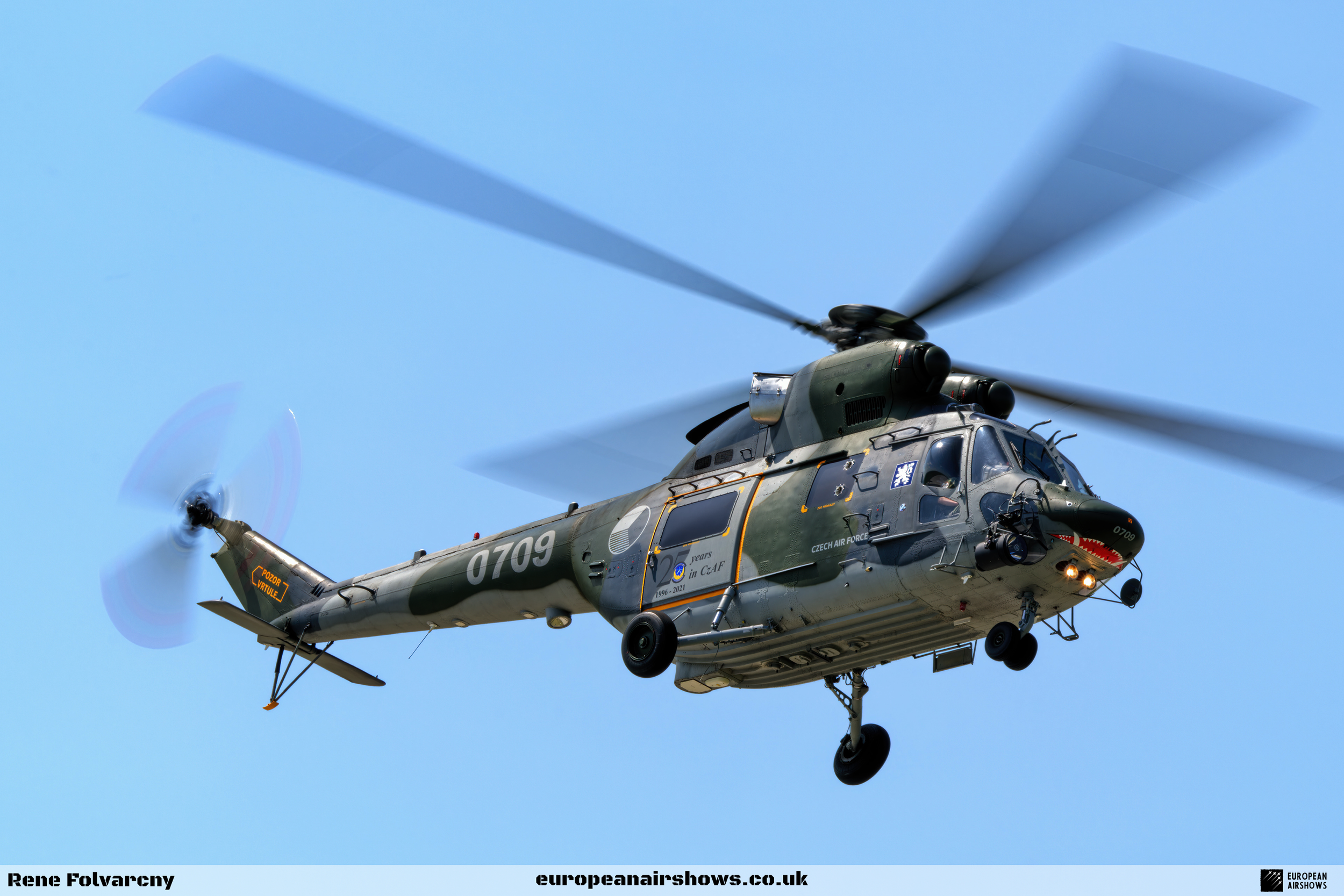
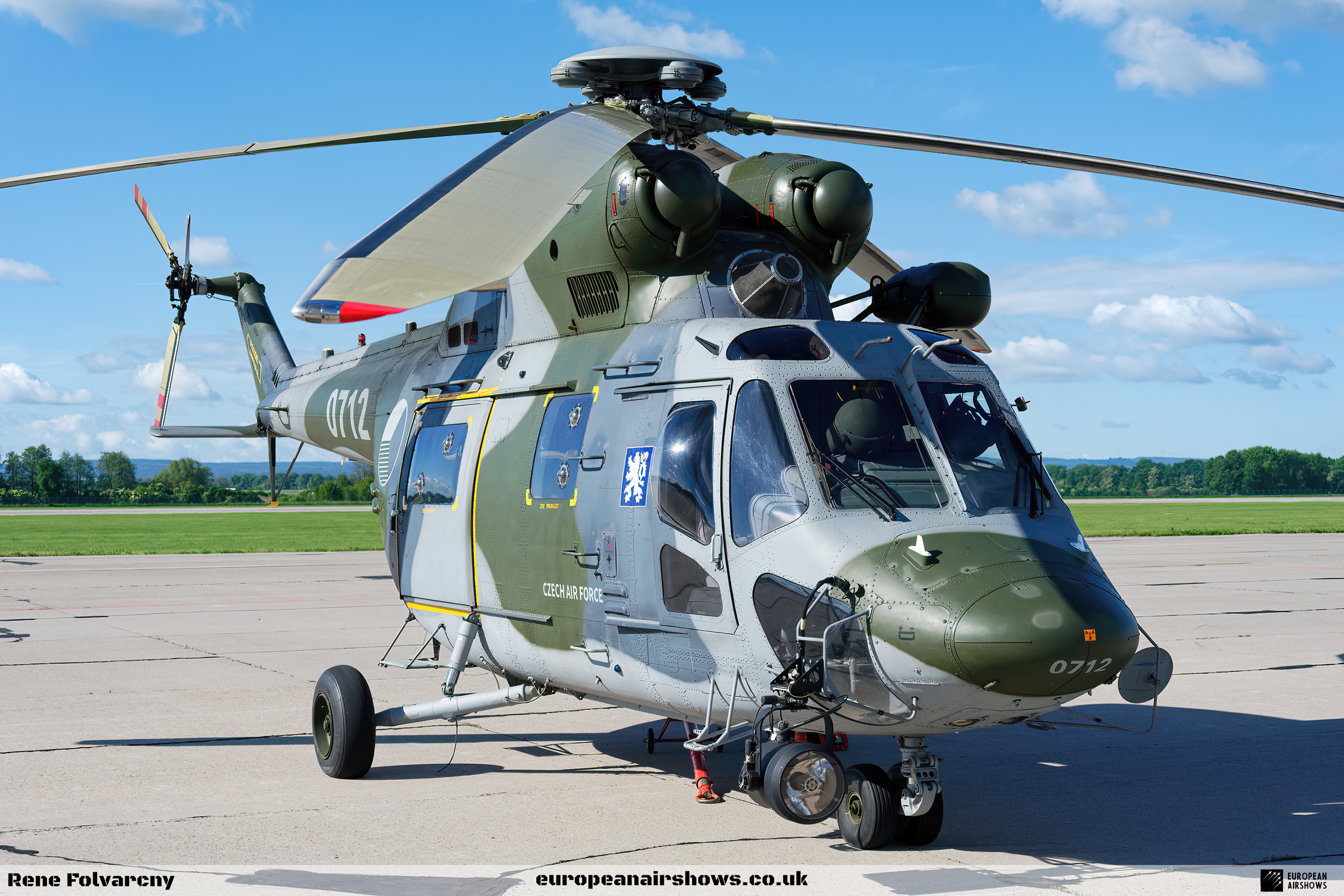
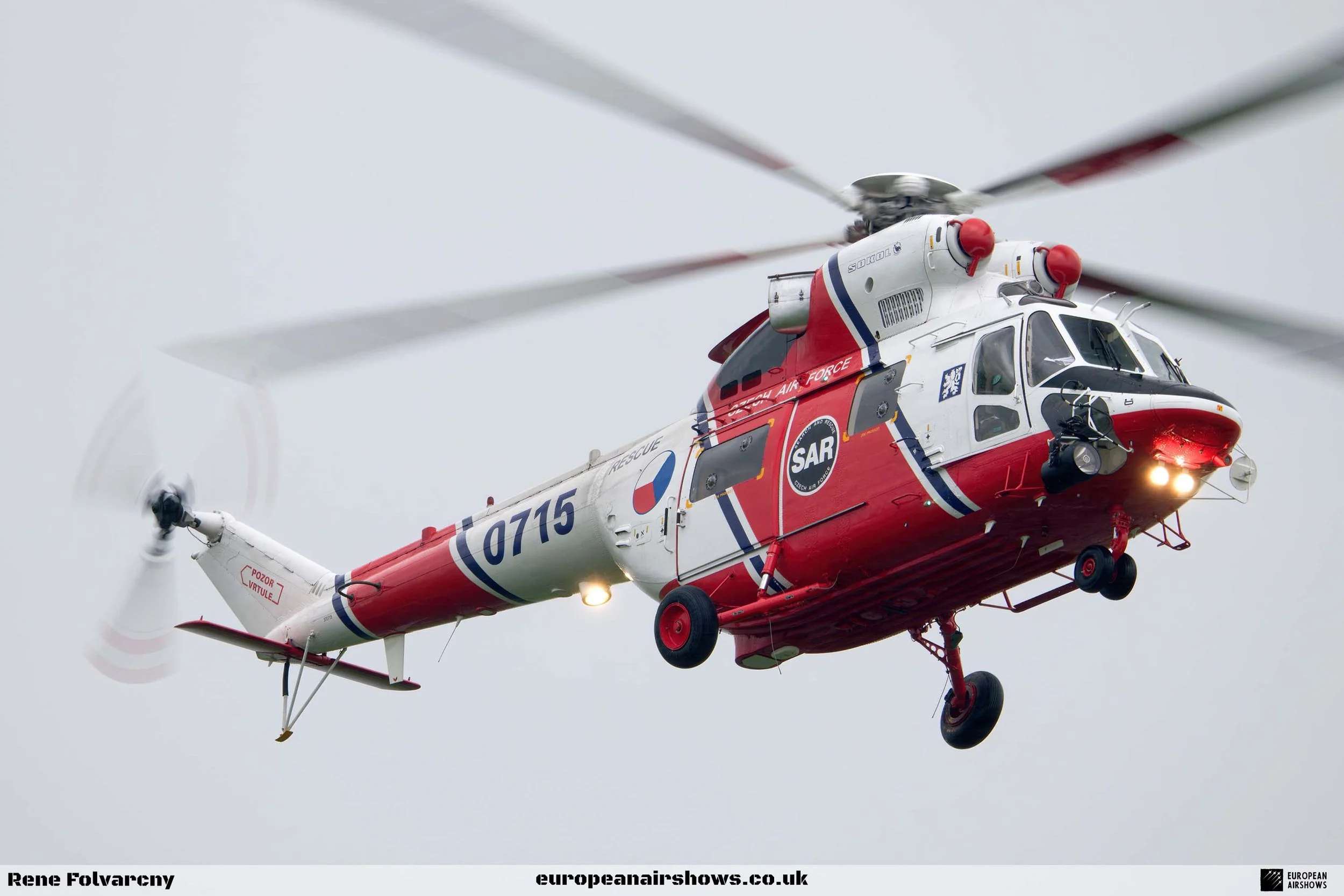
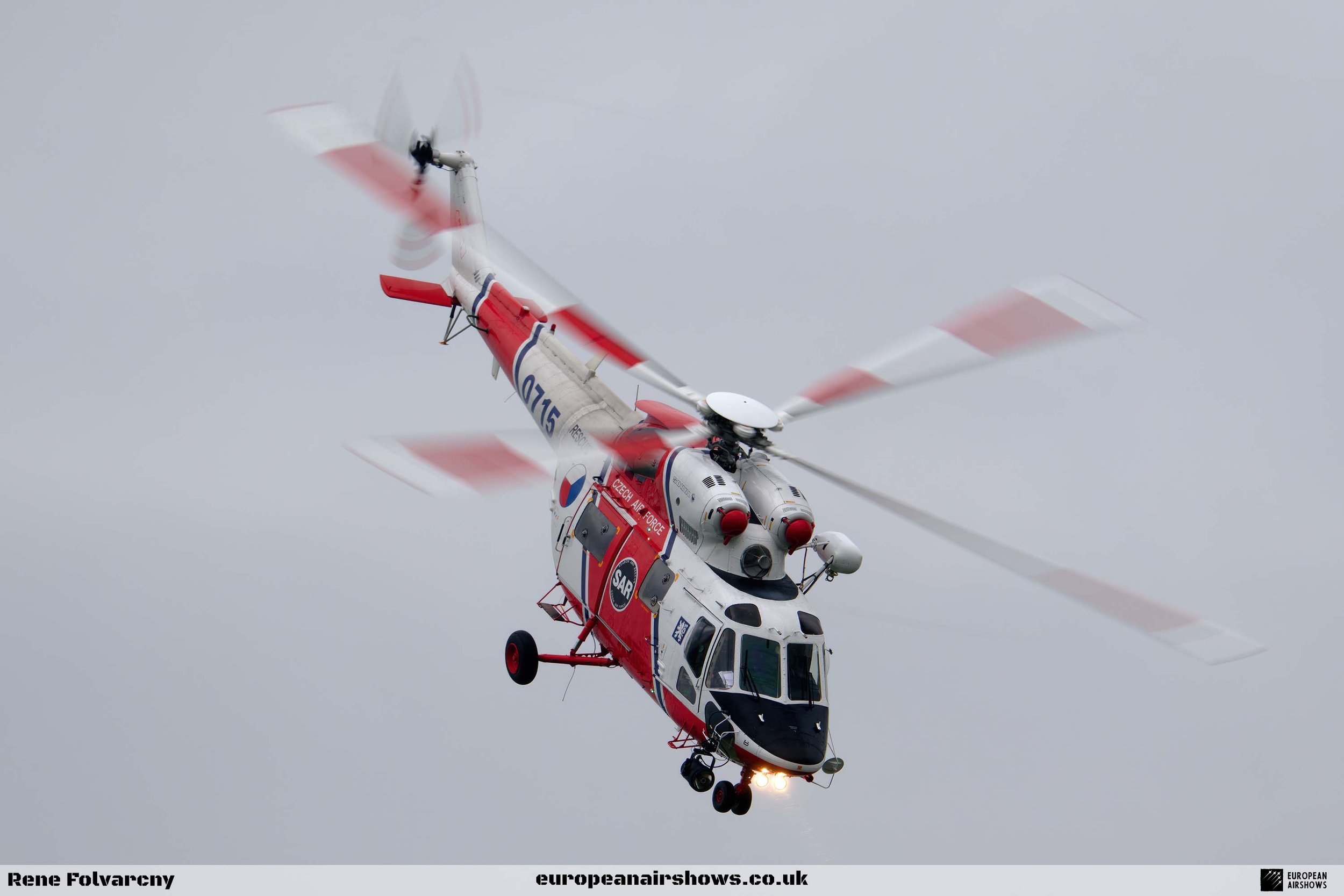
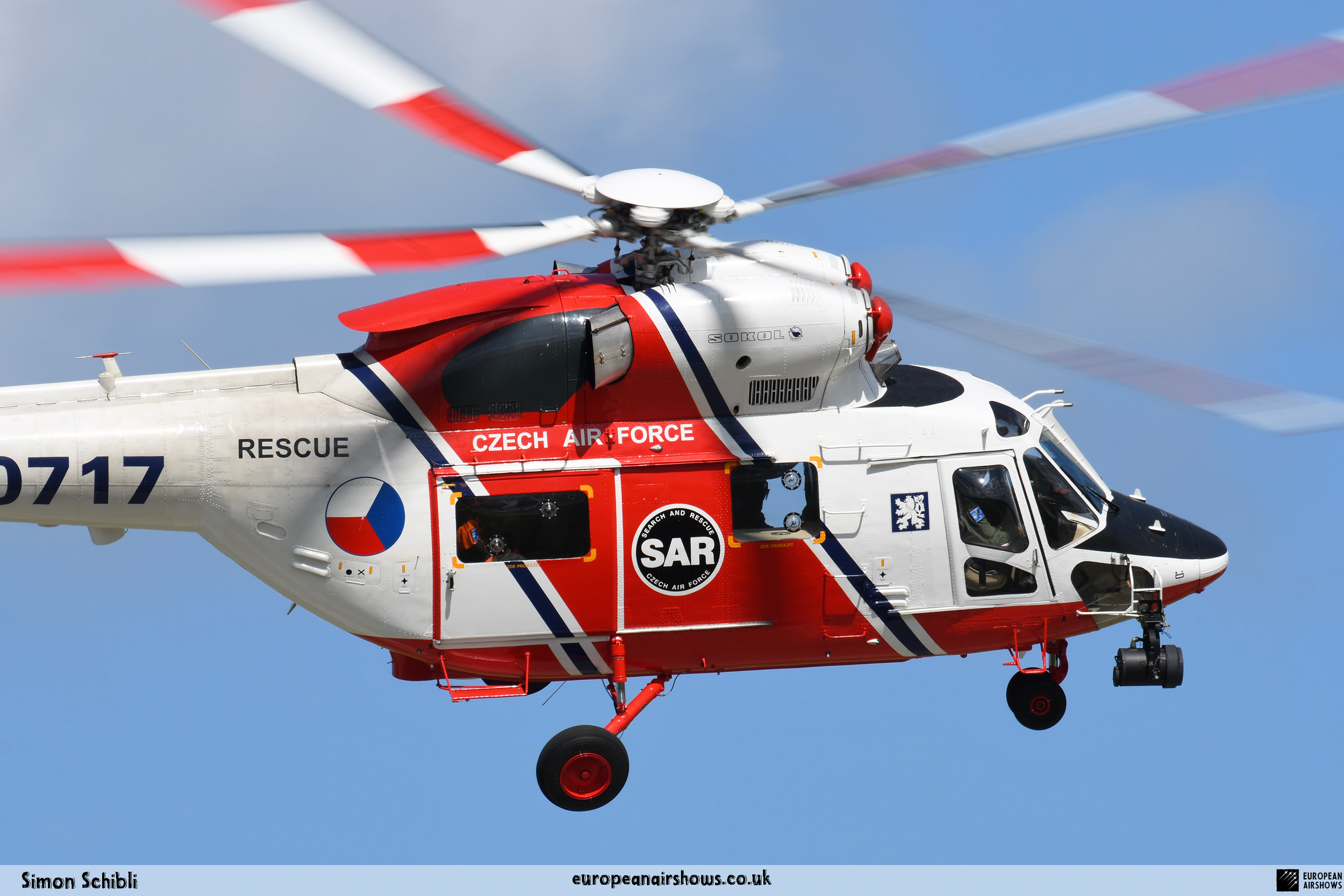
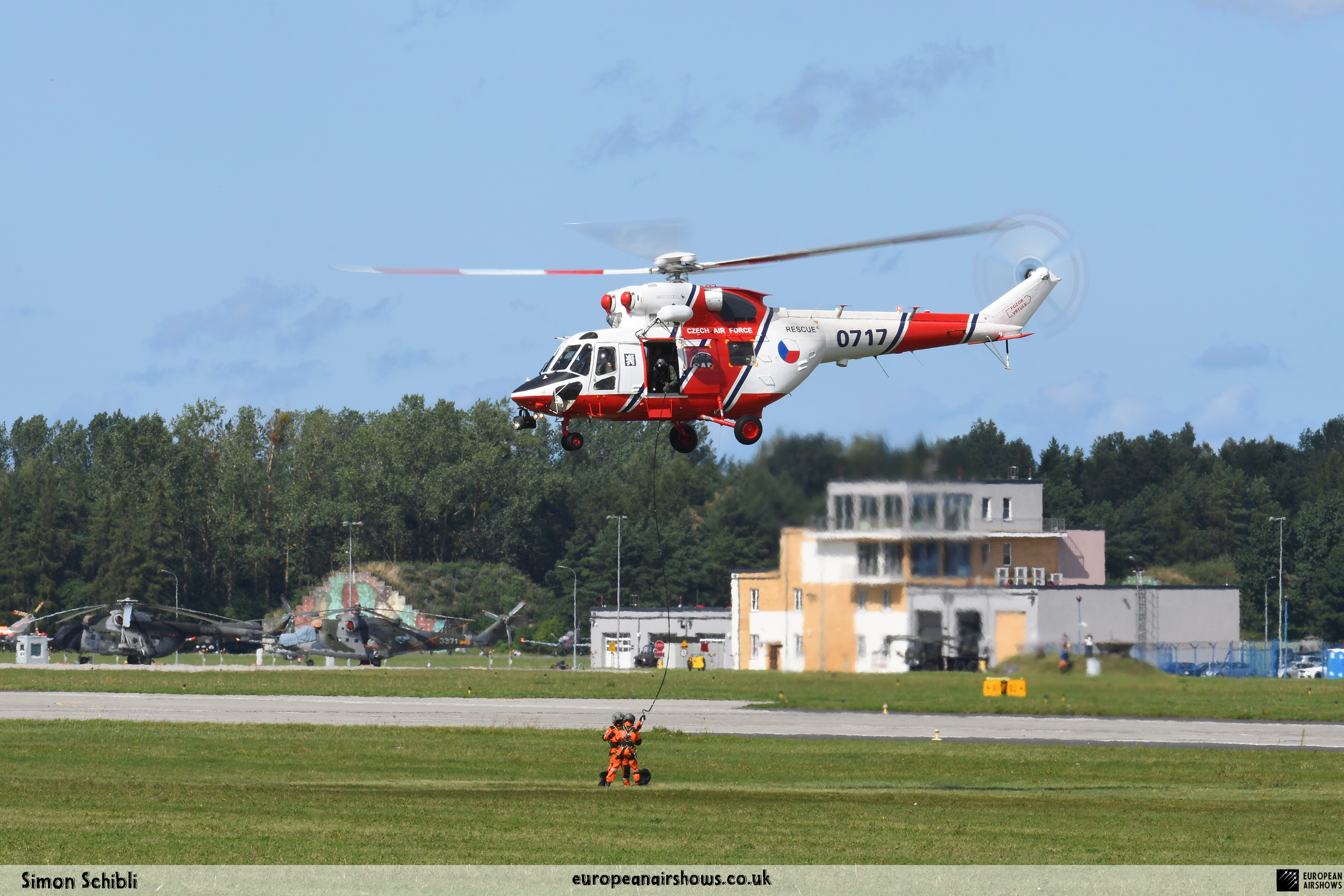
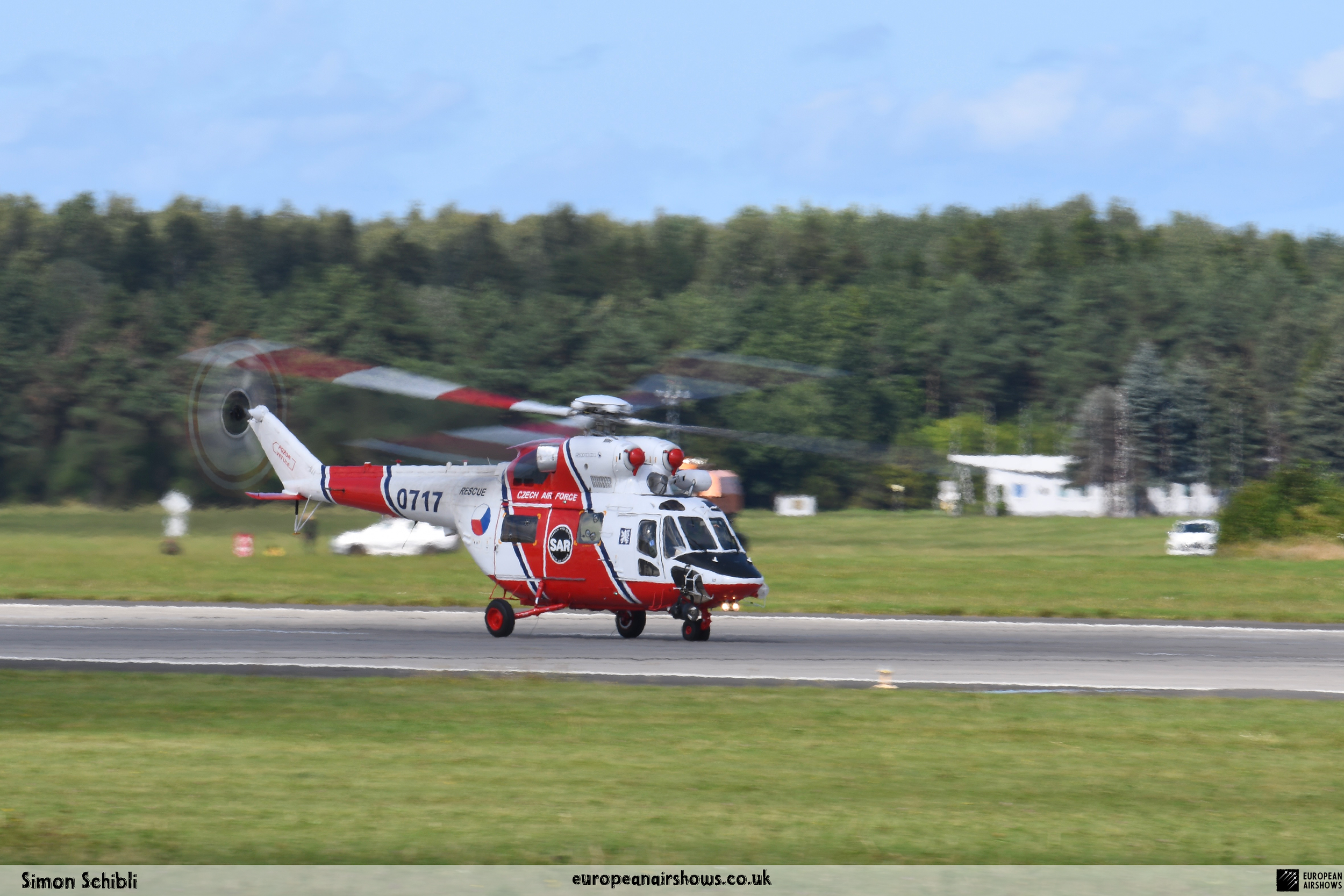
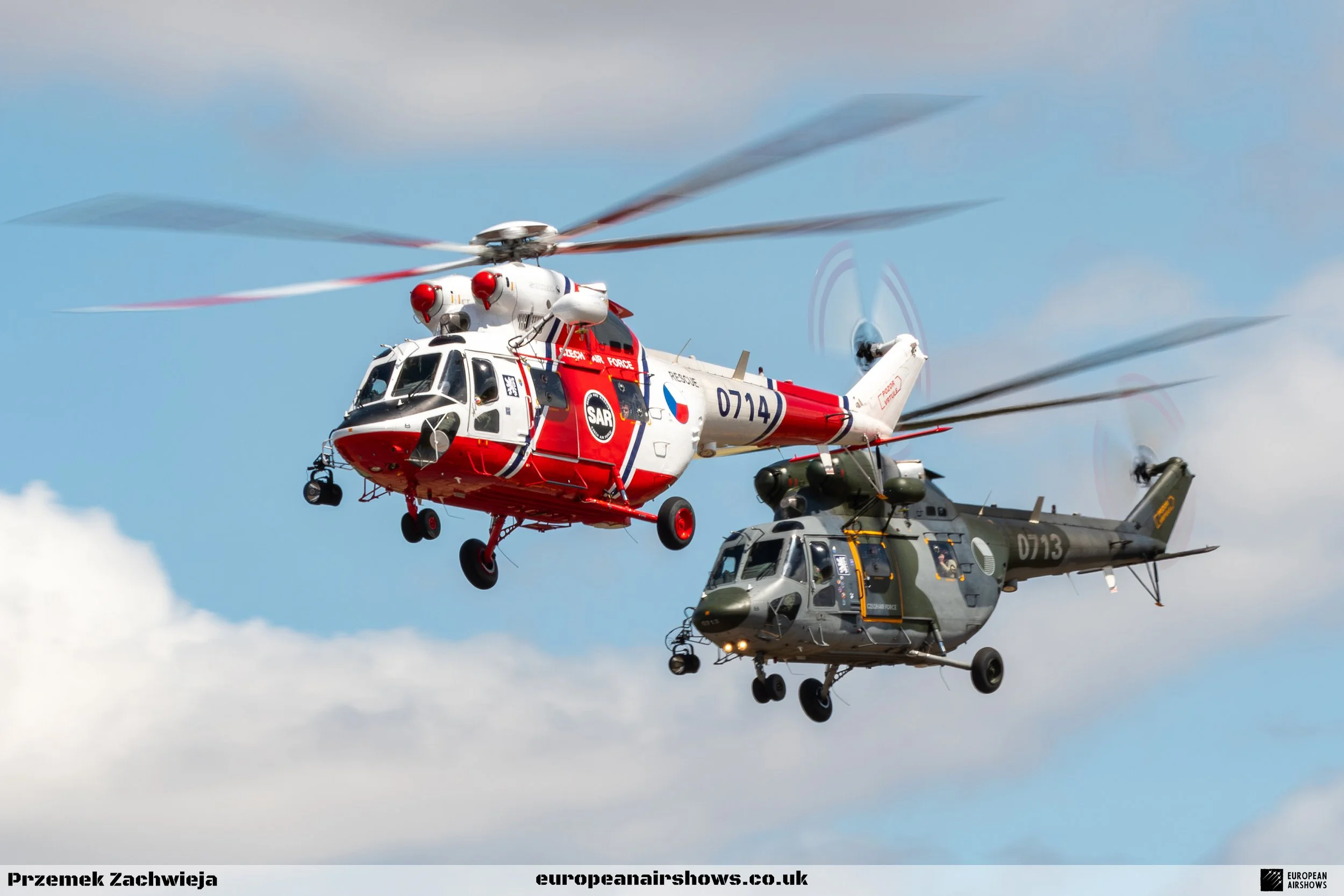
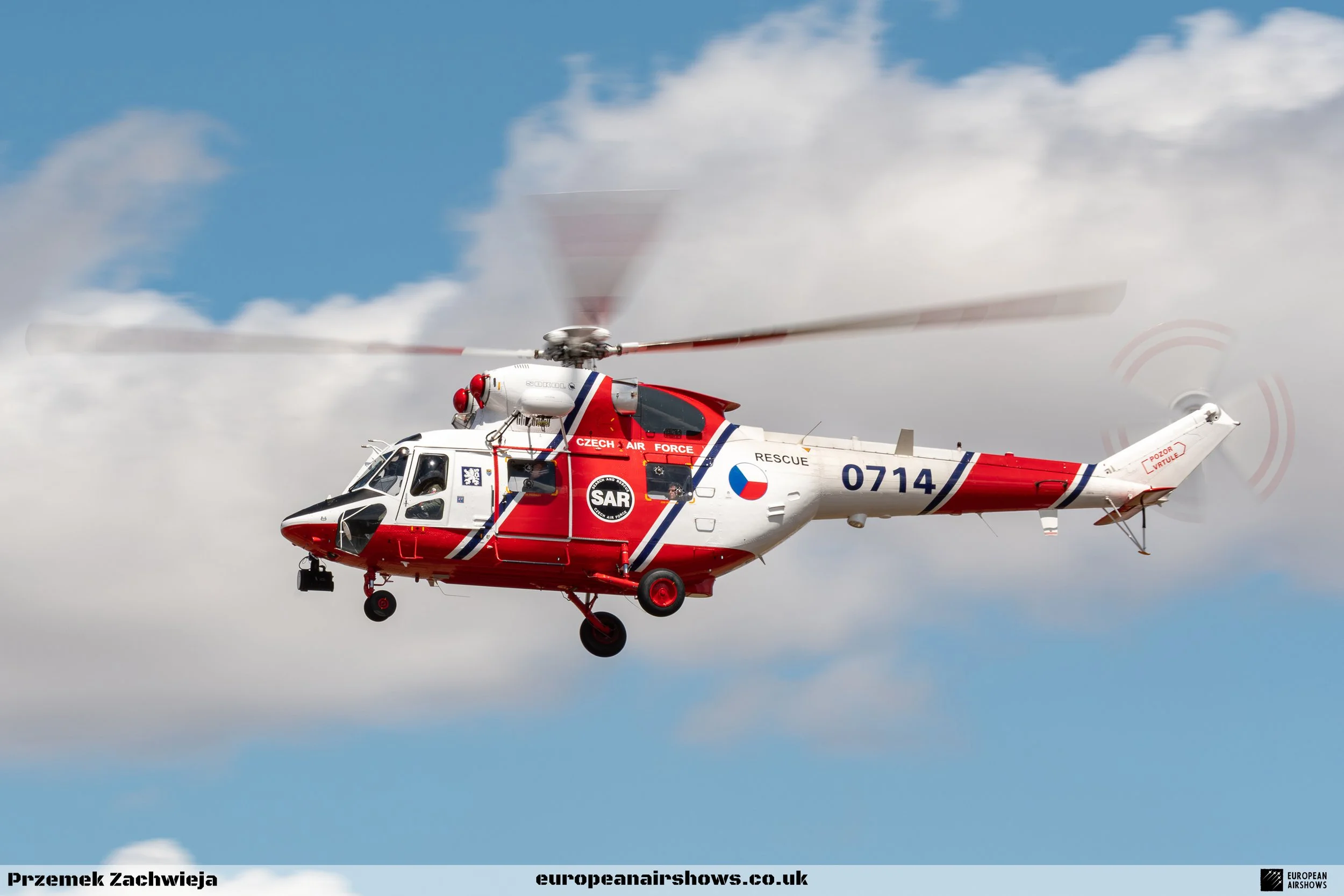
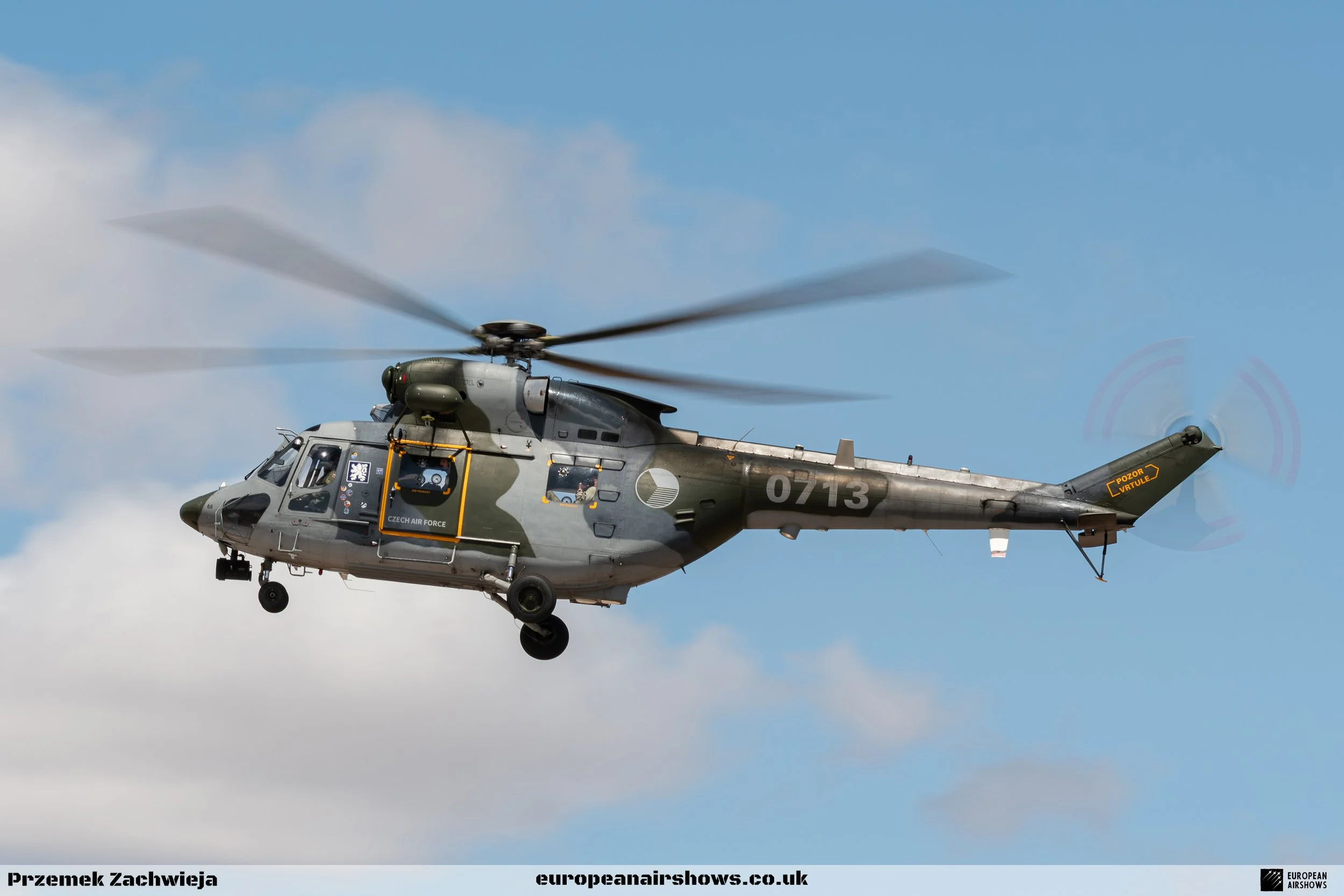
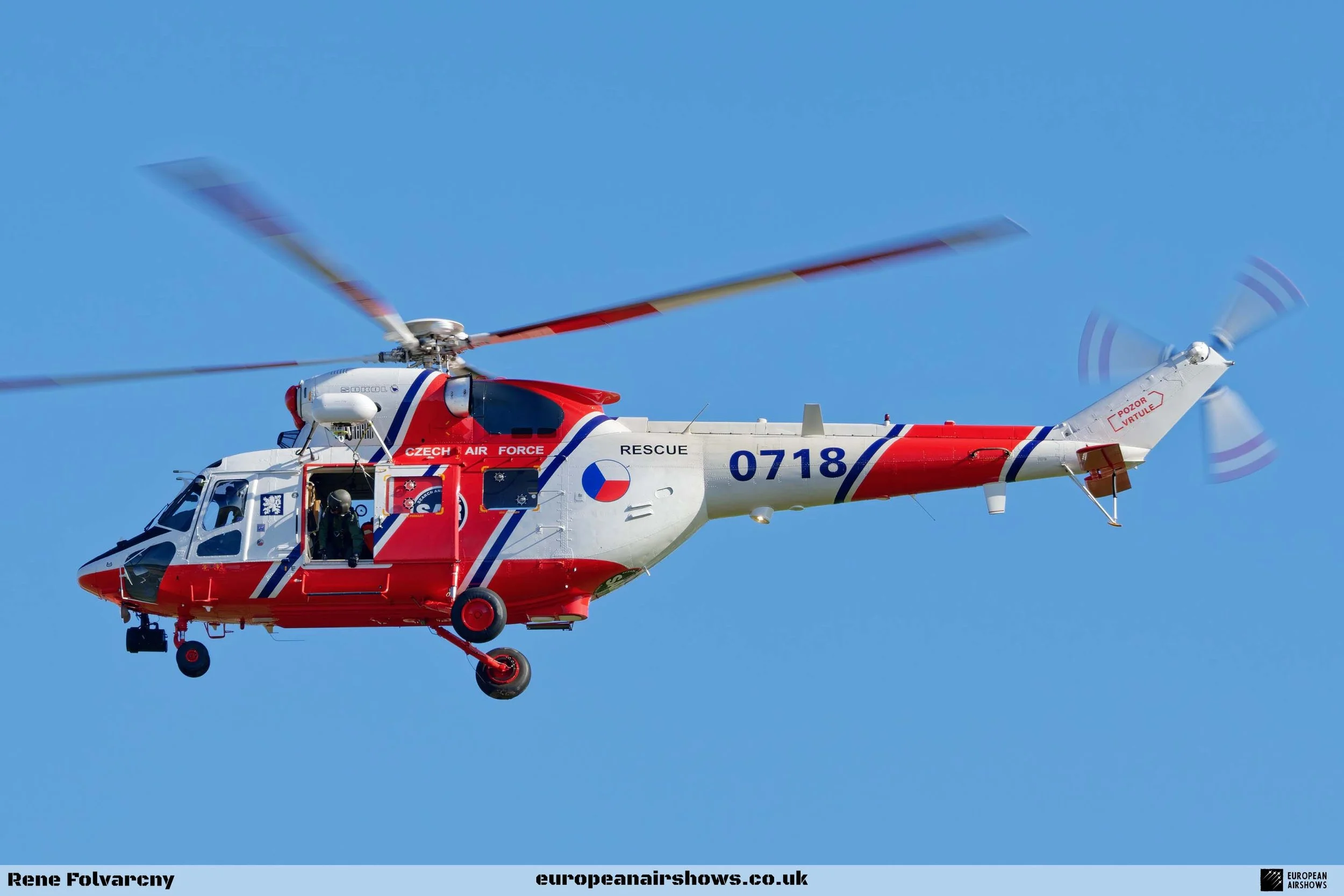
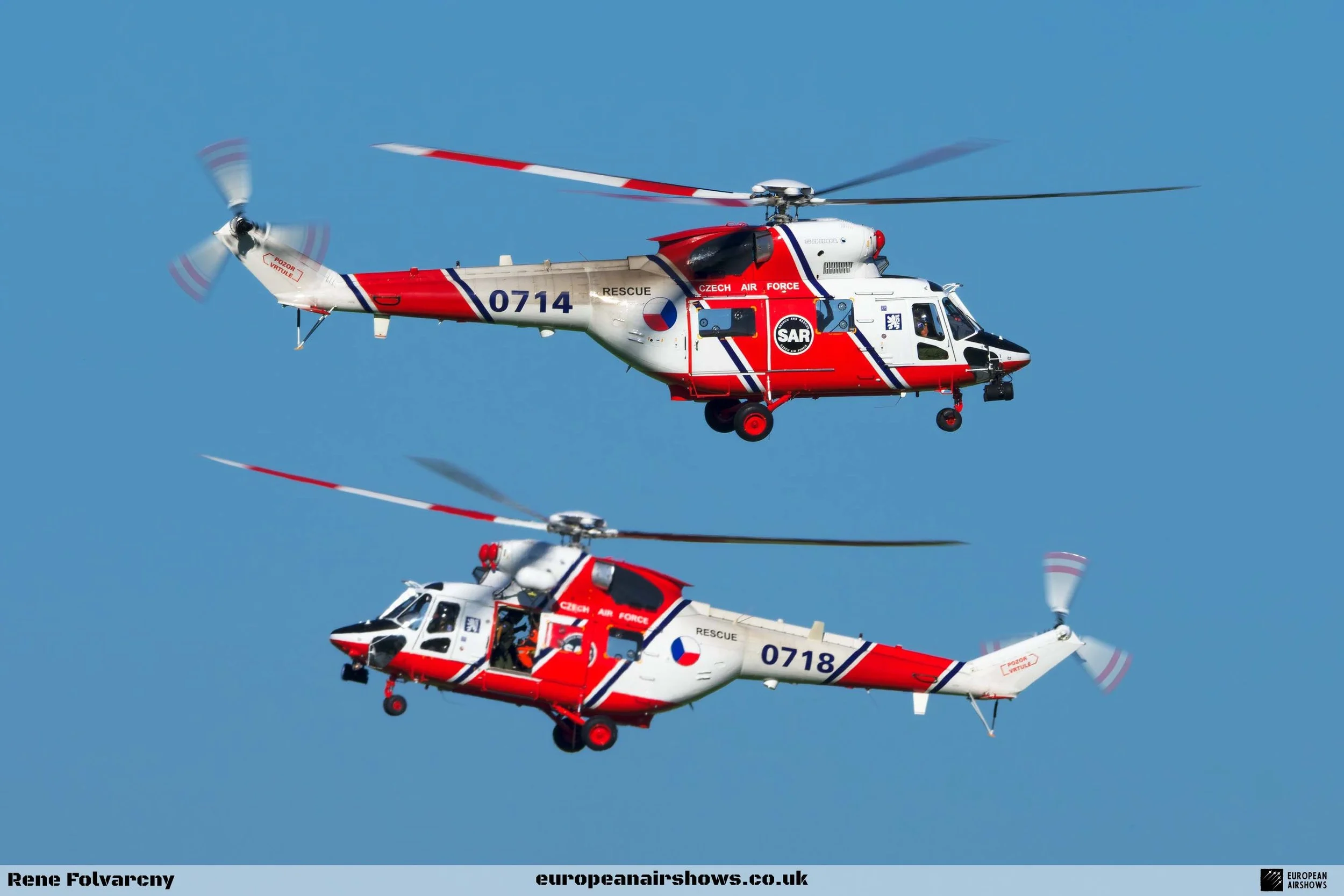
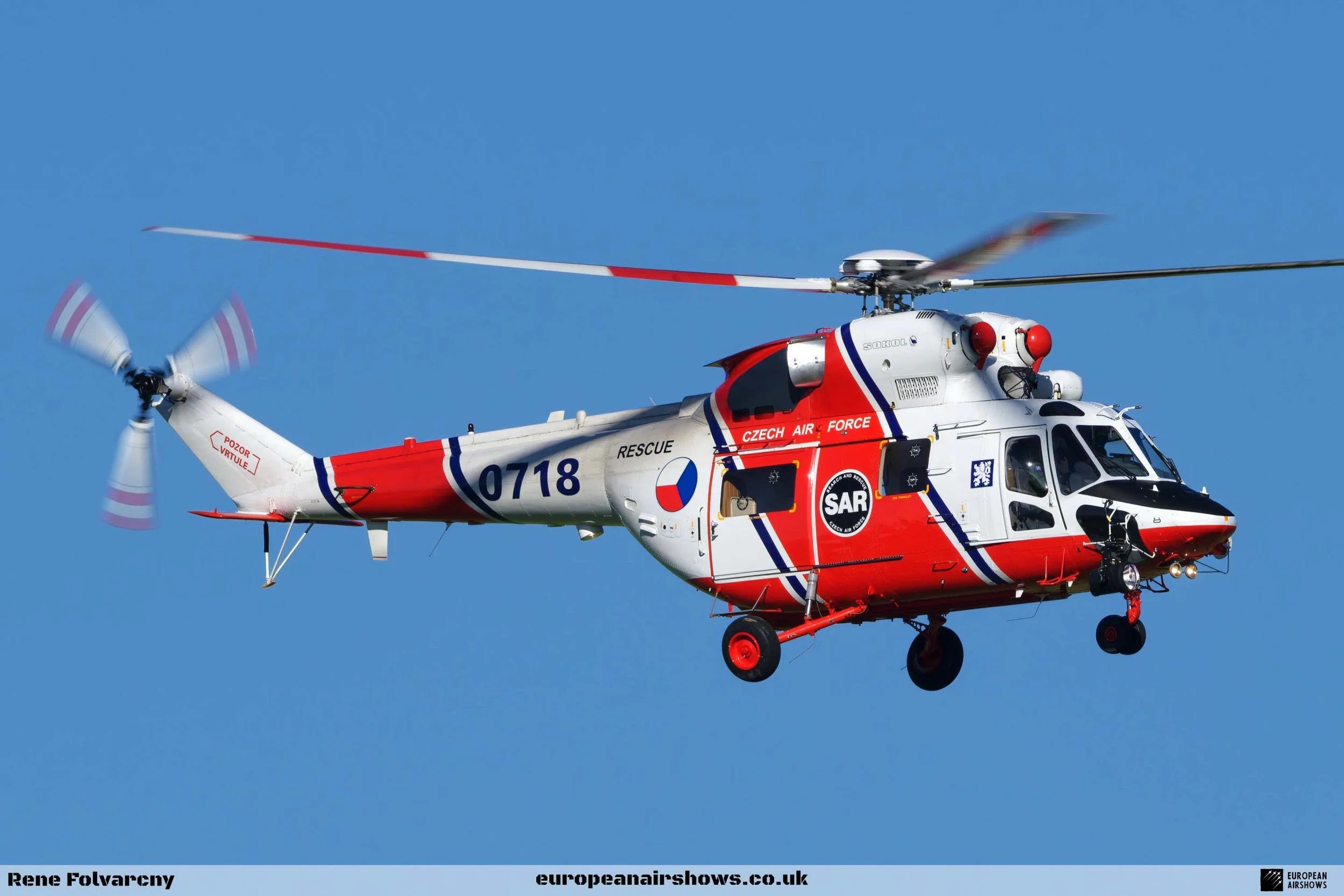
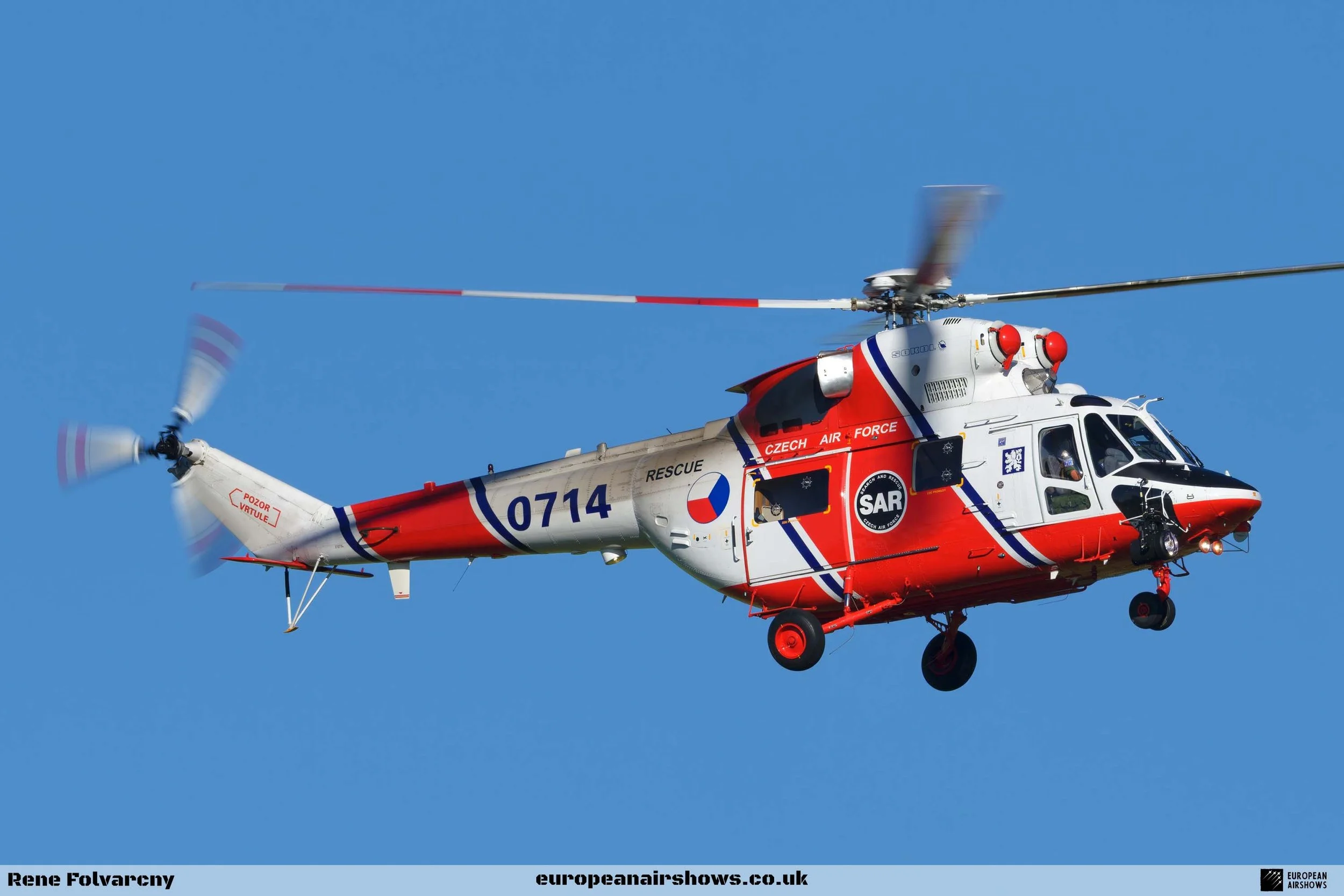
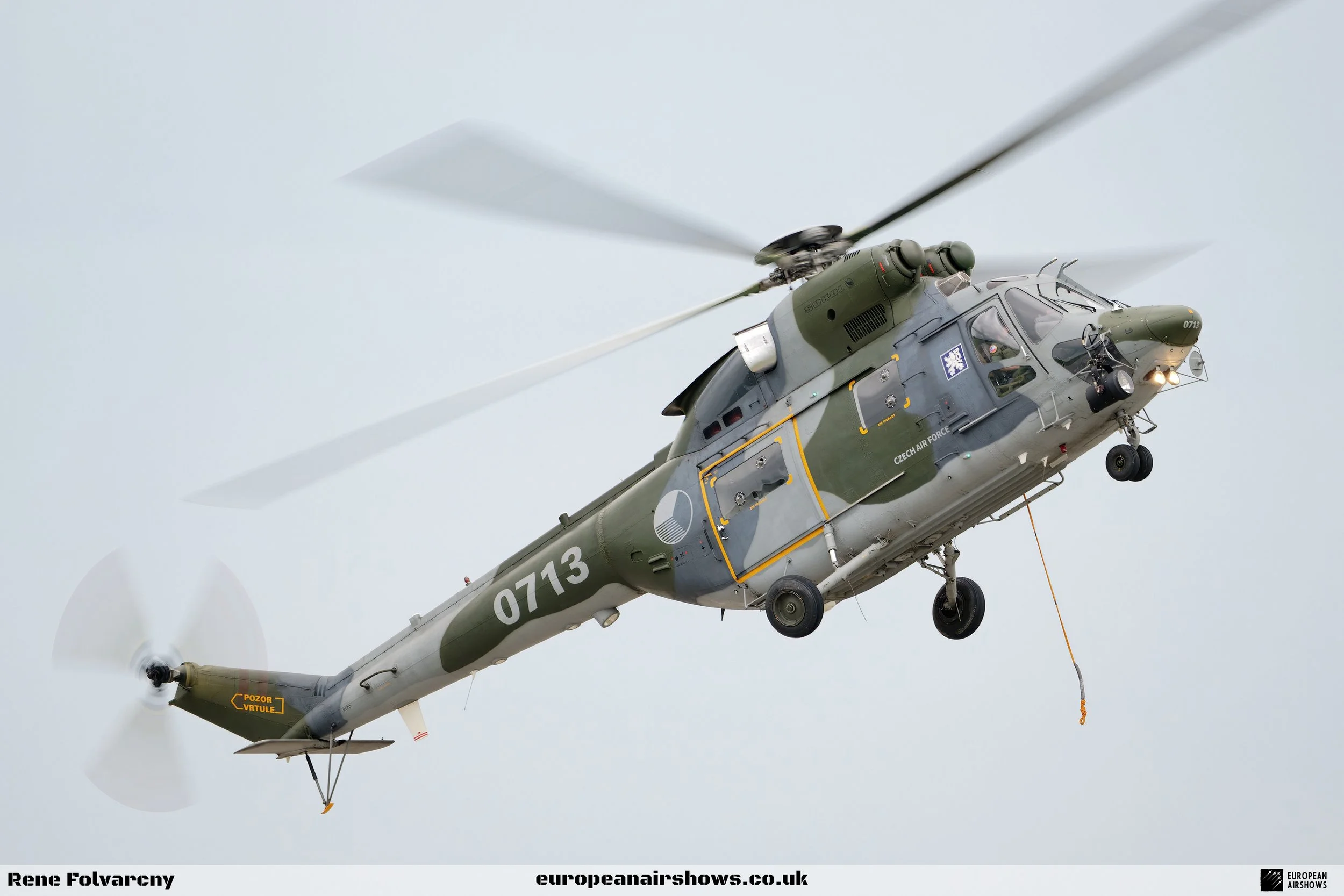
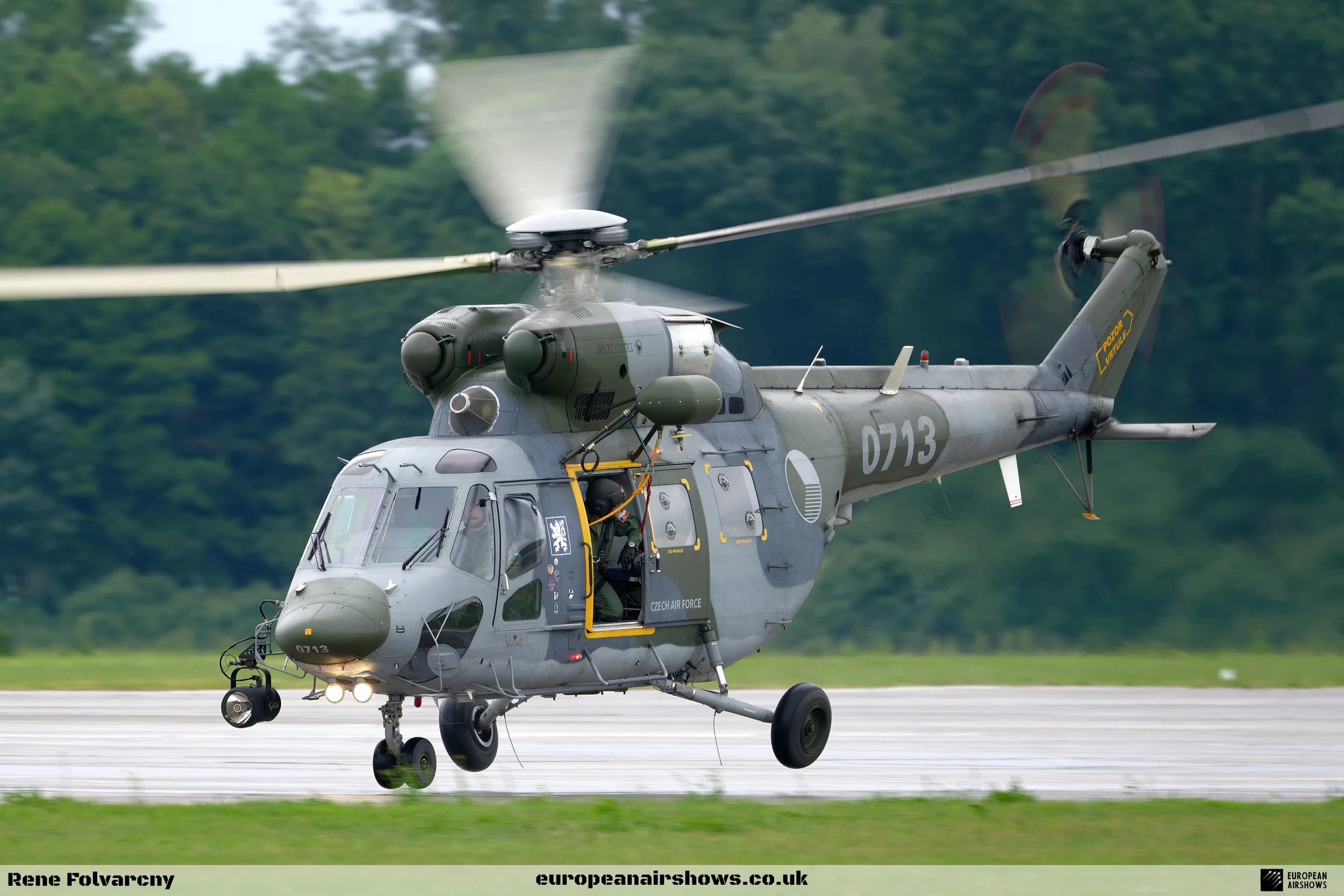
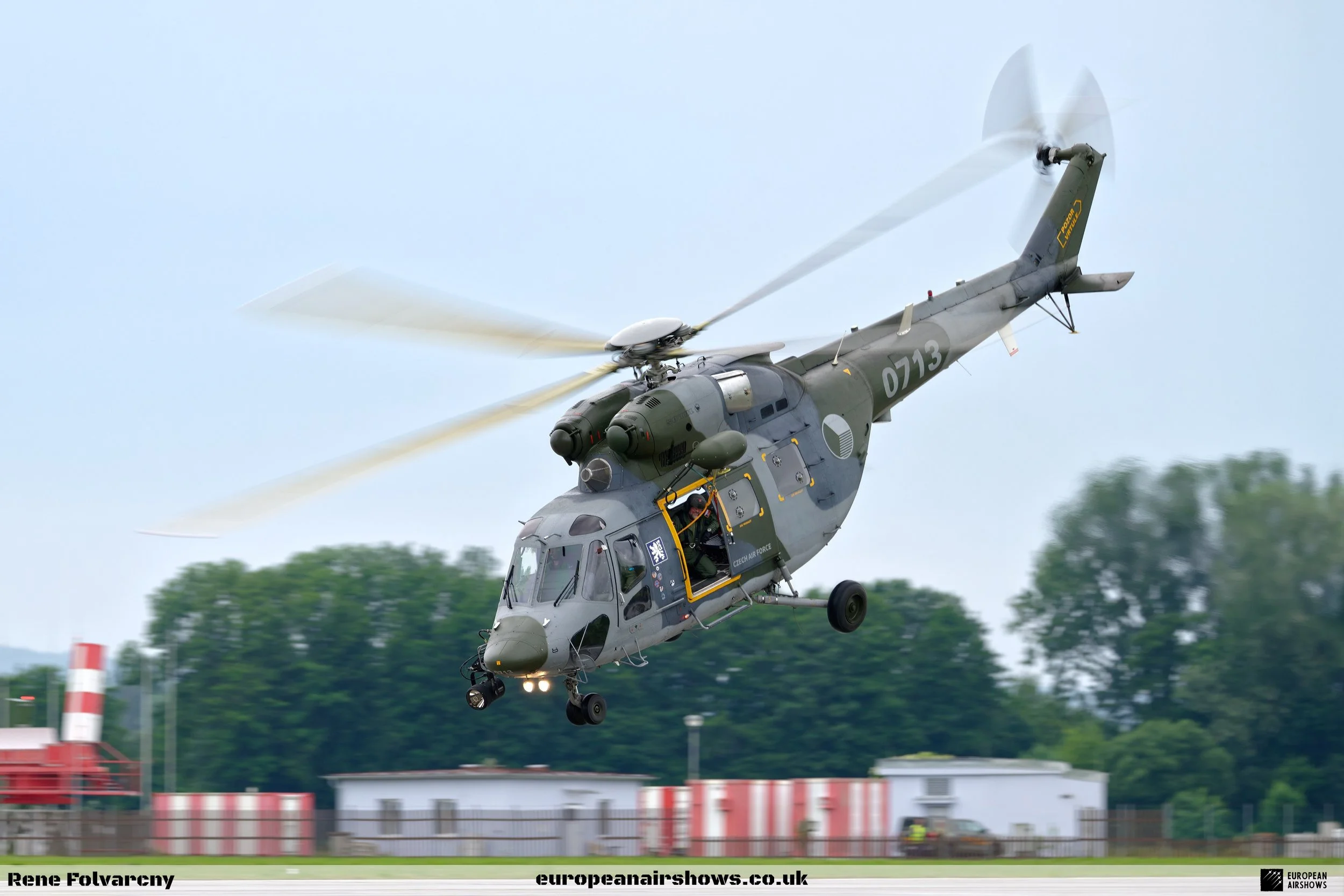
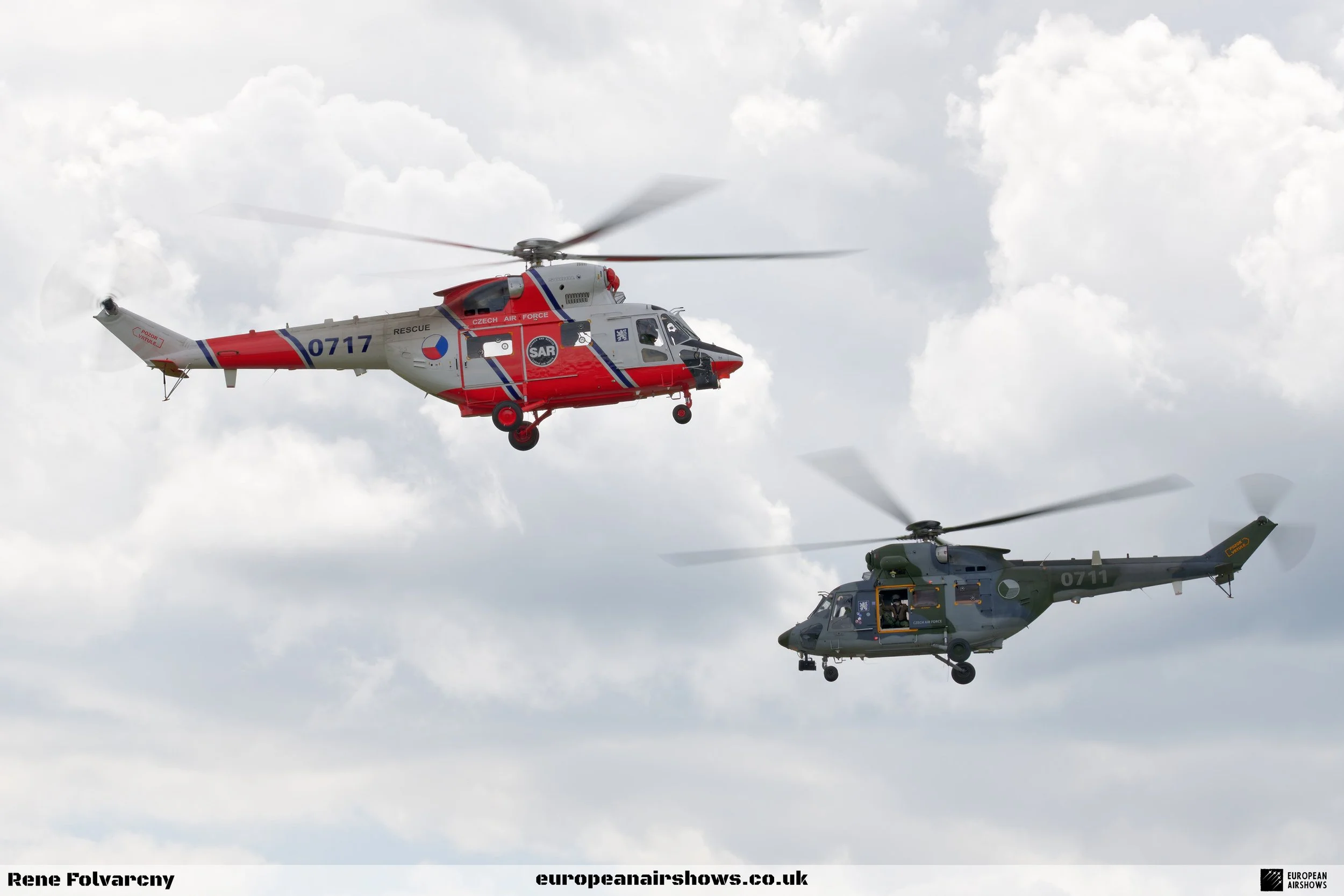
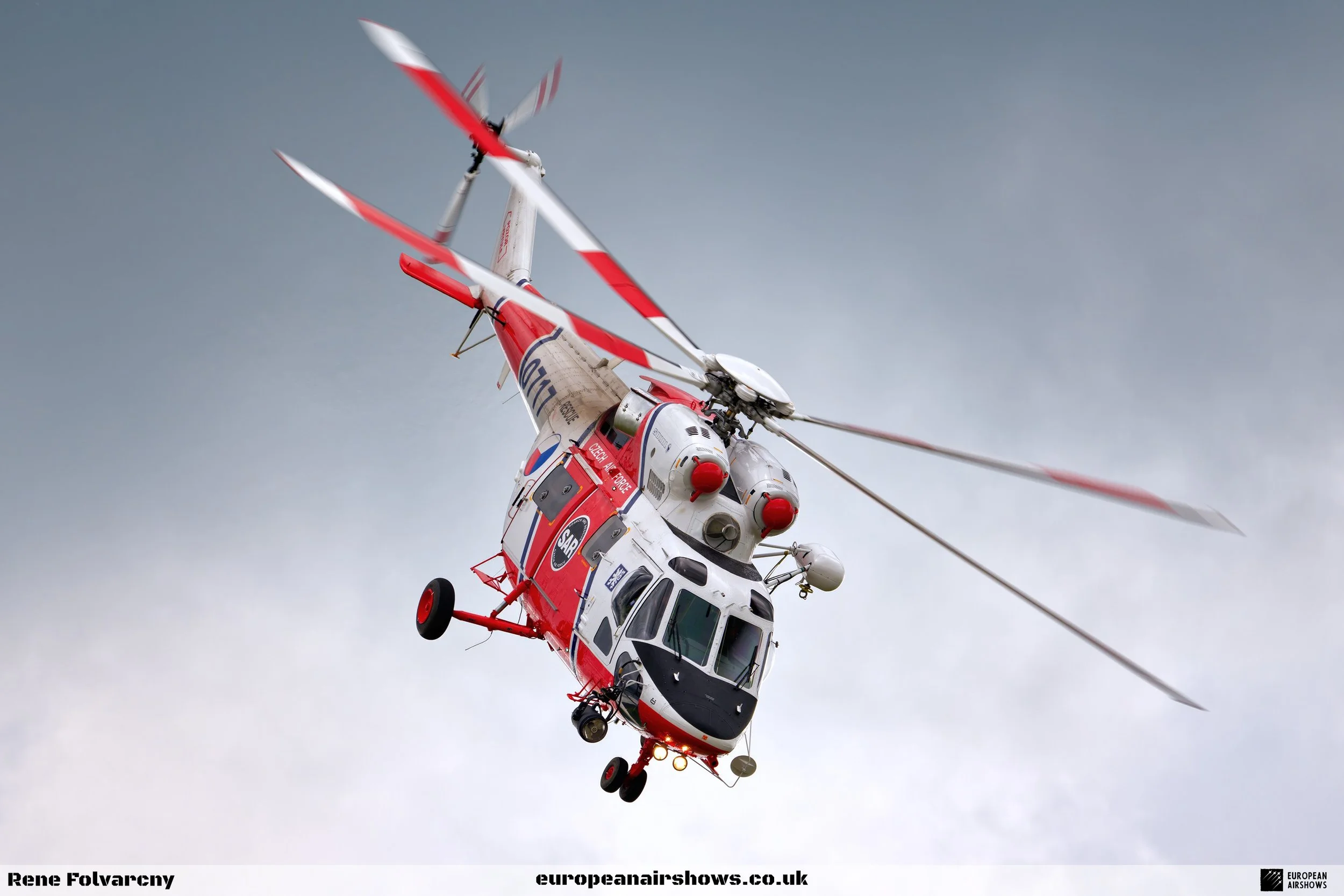
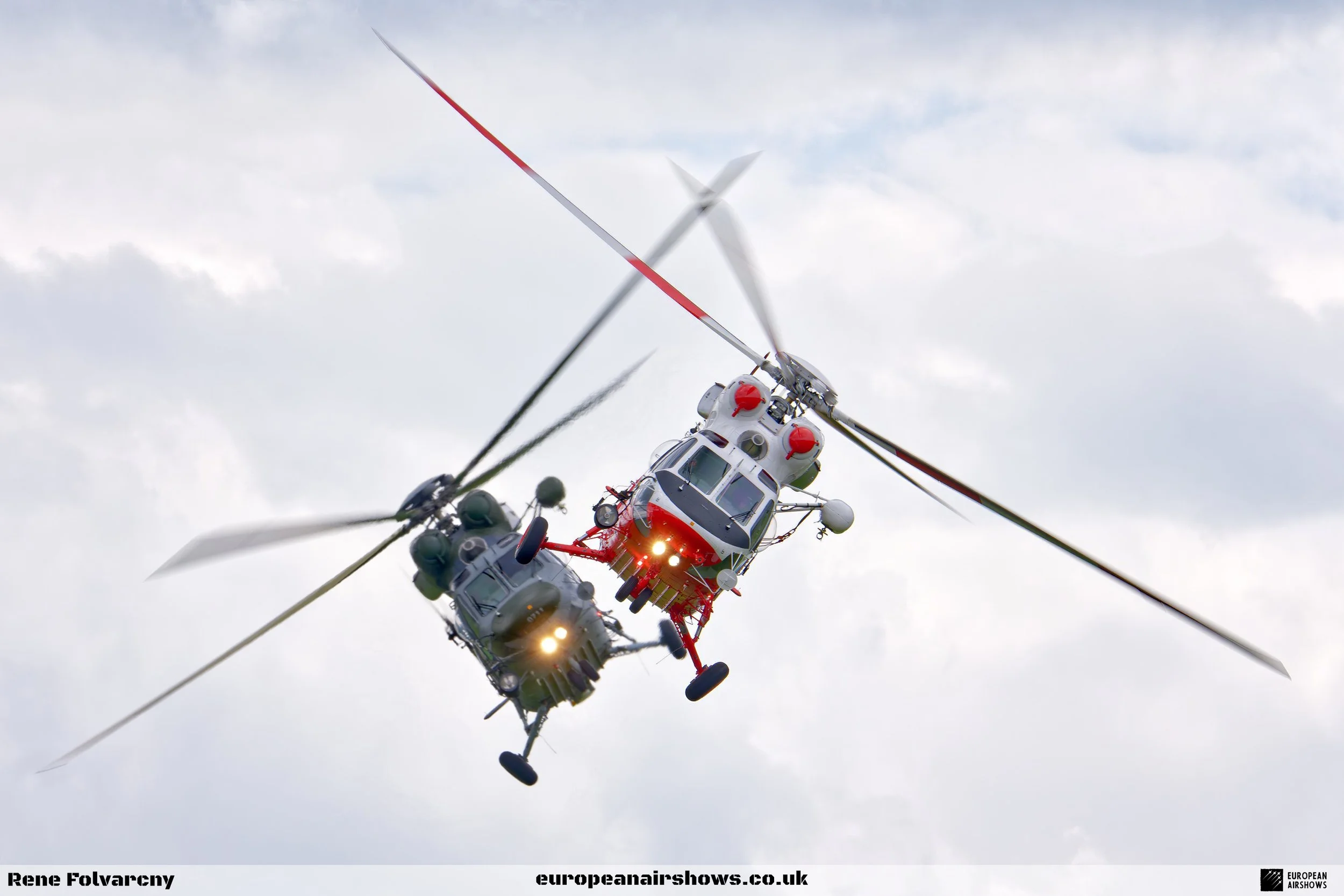
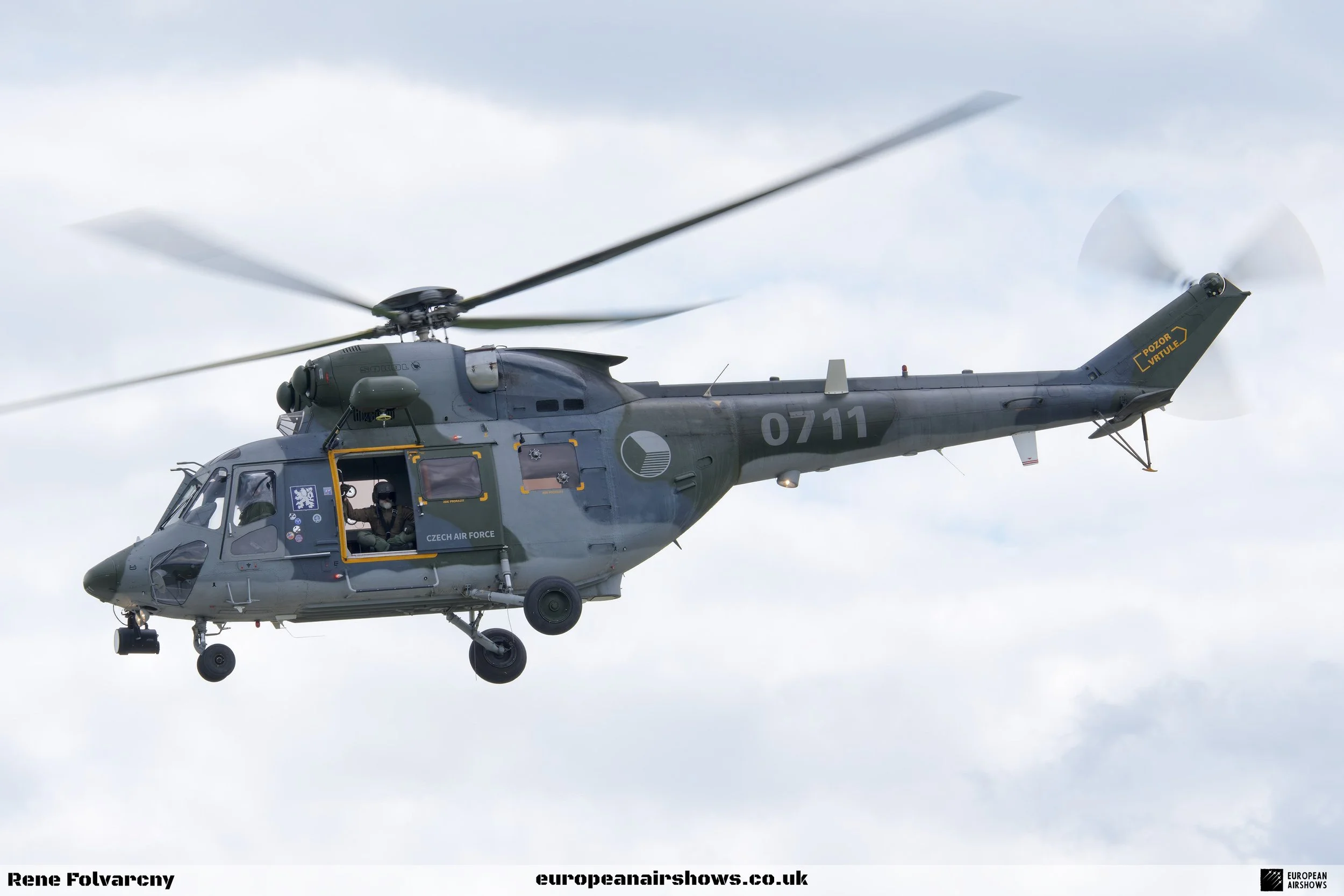
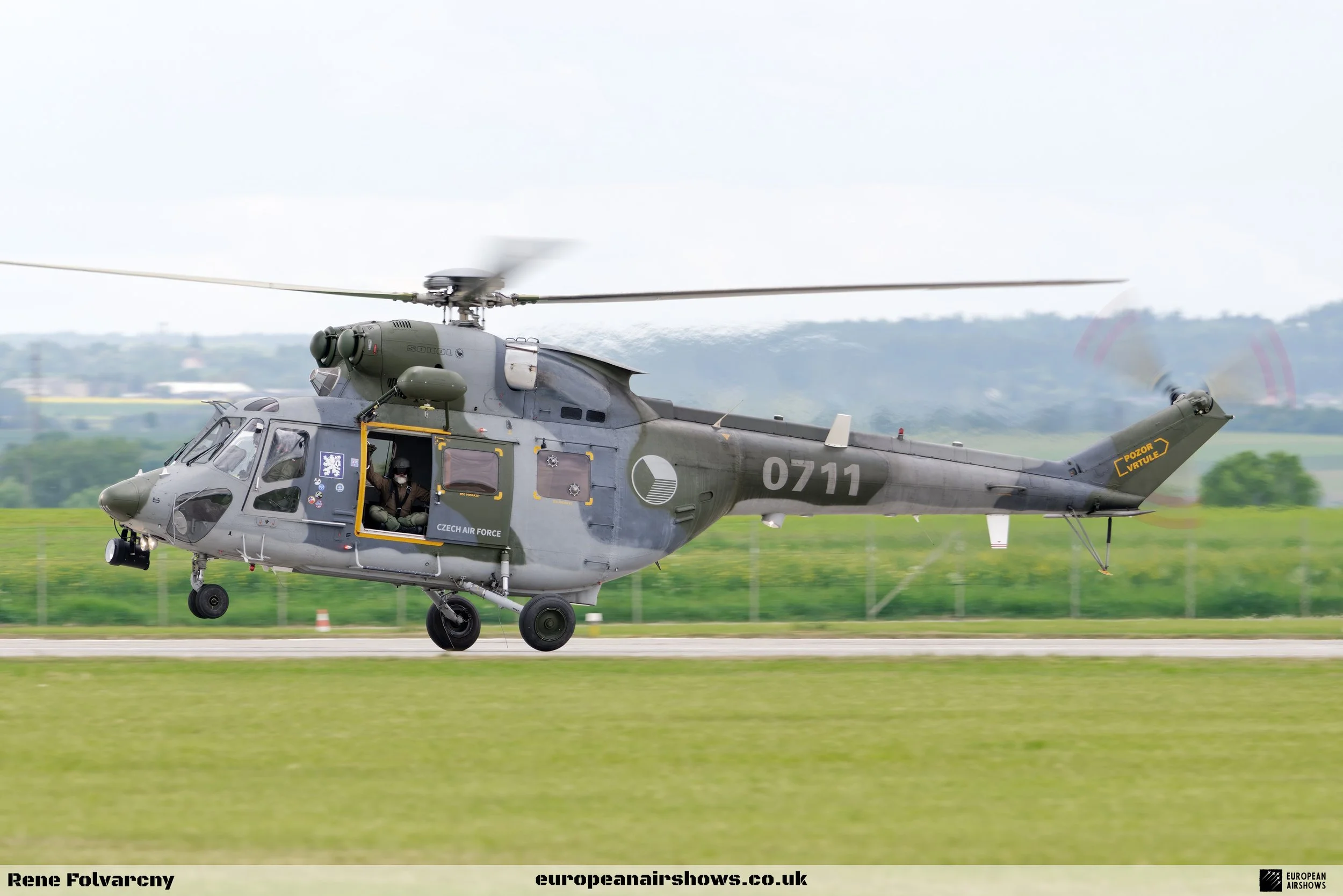
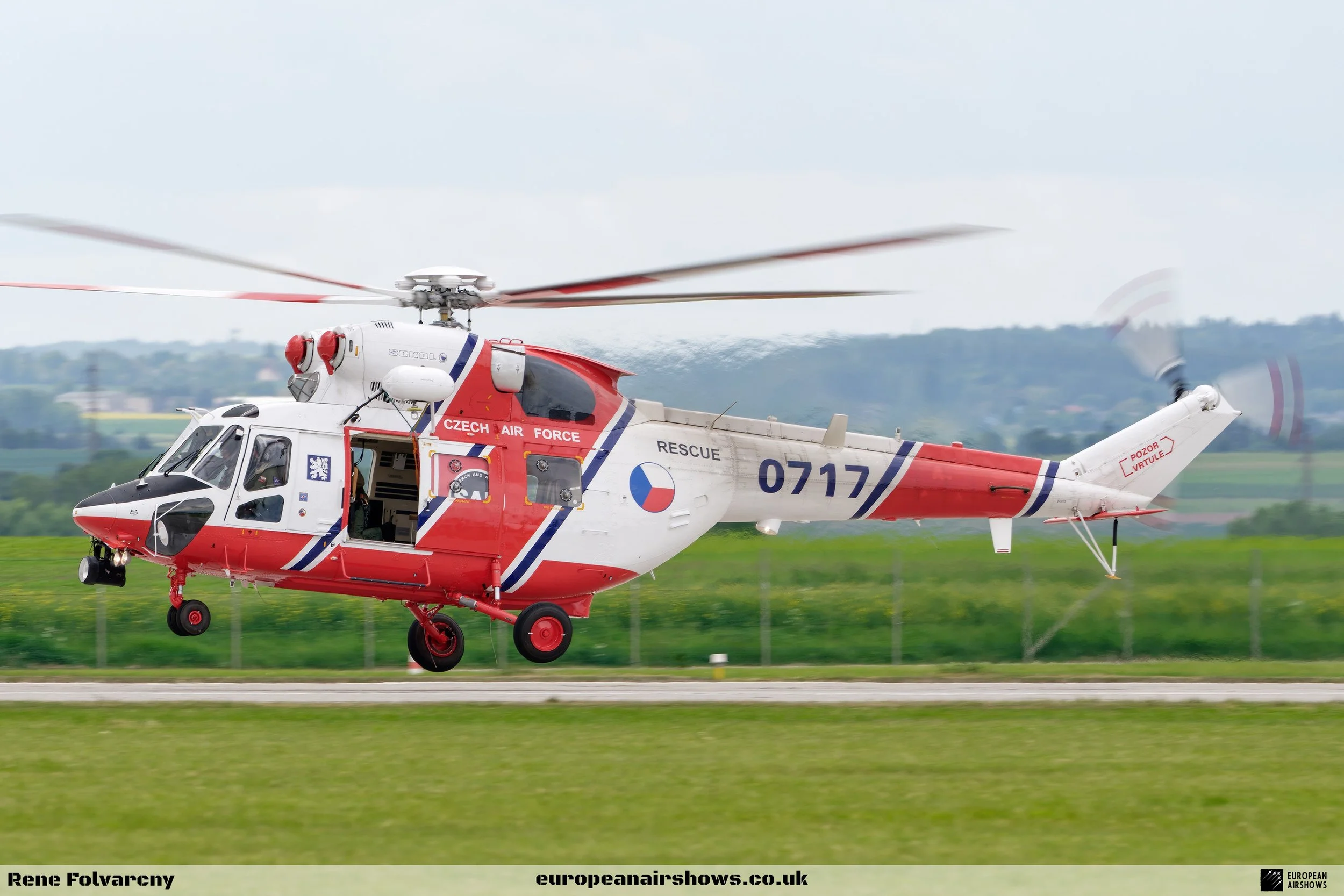
The Czech Air Force W-3A Sokol Demo Team is a solo helicopter demonstration team from the 243rd Helicopter Squadron, part of the 24th Wing at the 24th Transport Air Force Base in Prague-Kbely Airport.

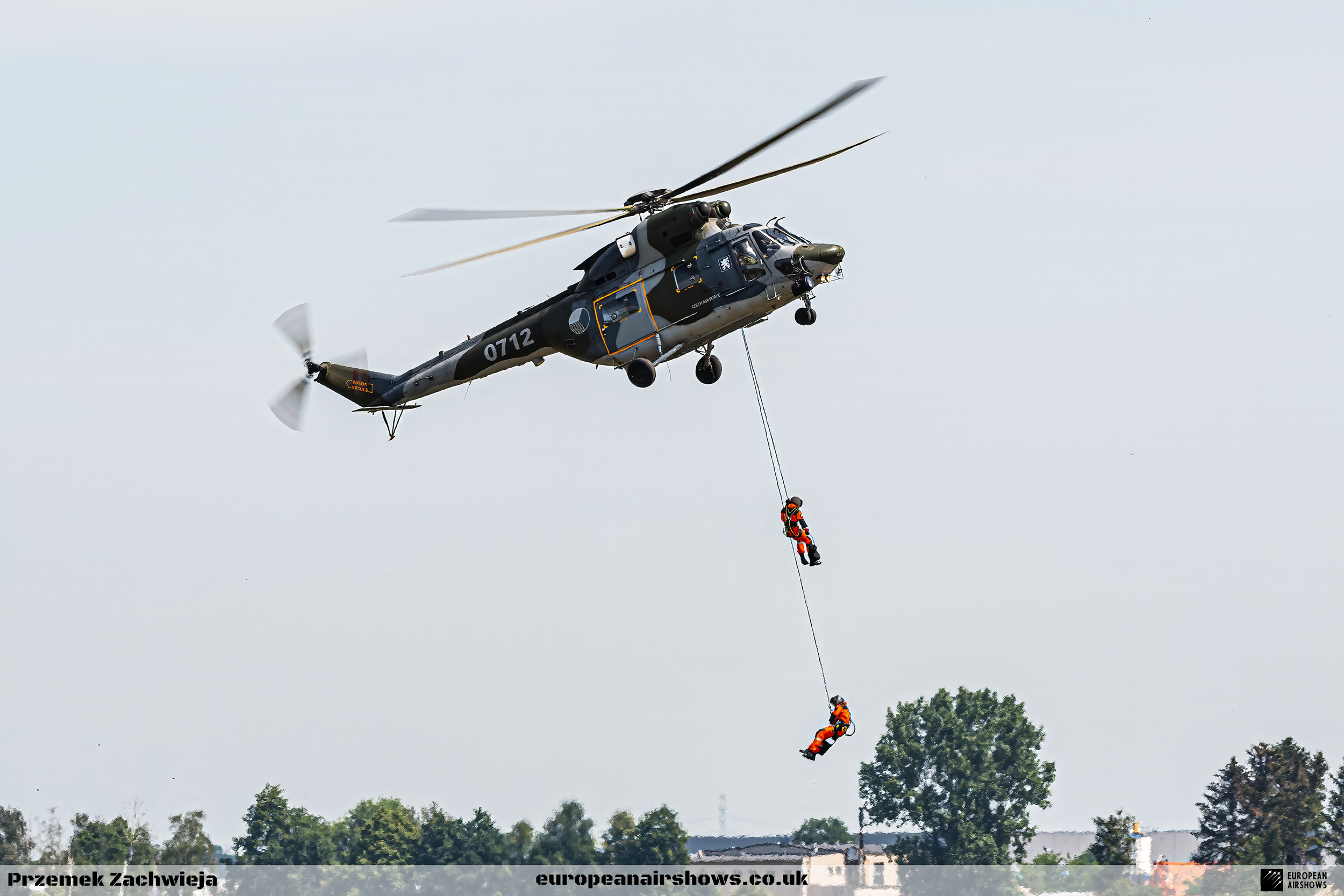
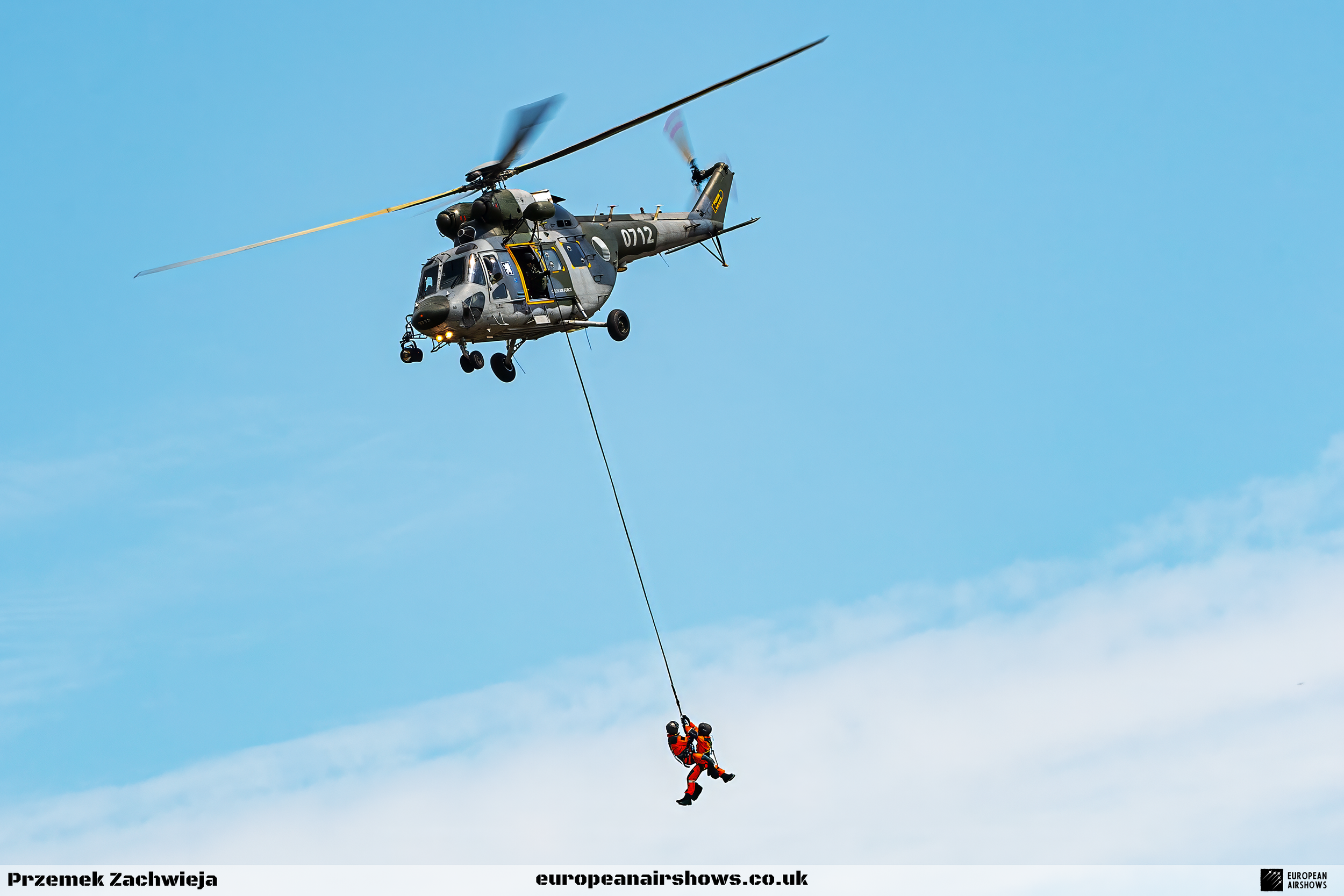
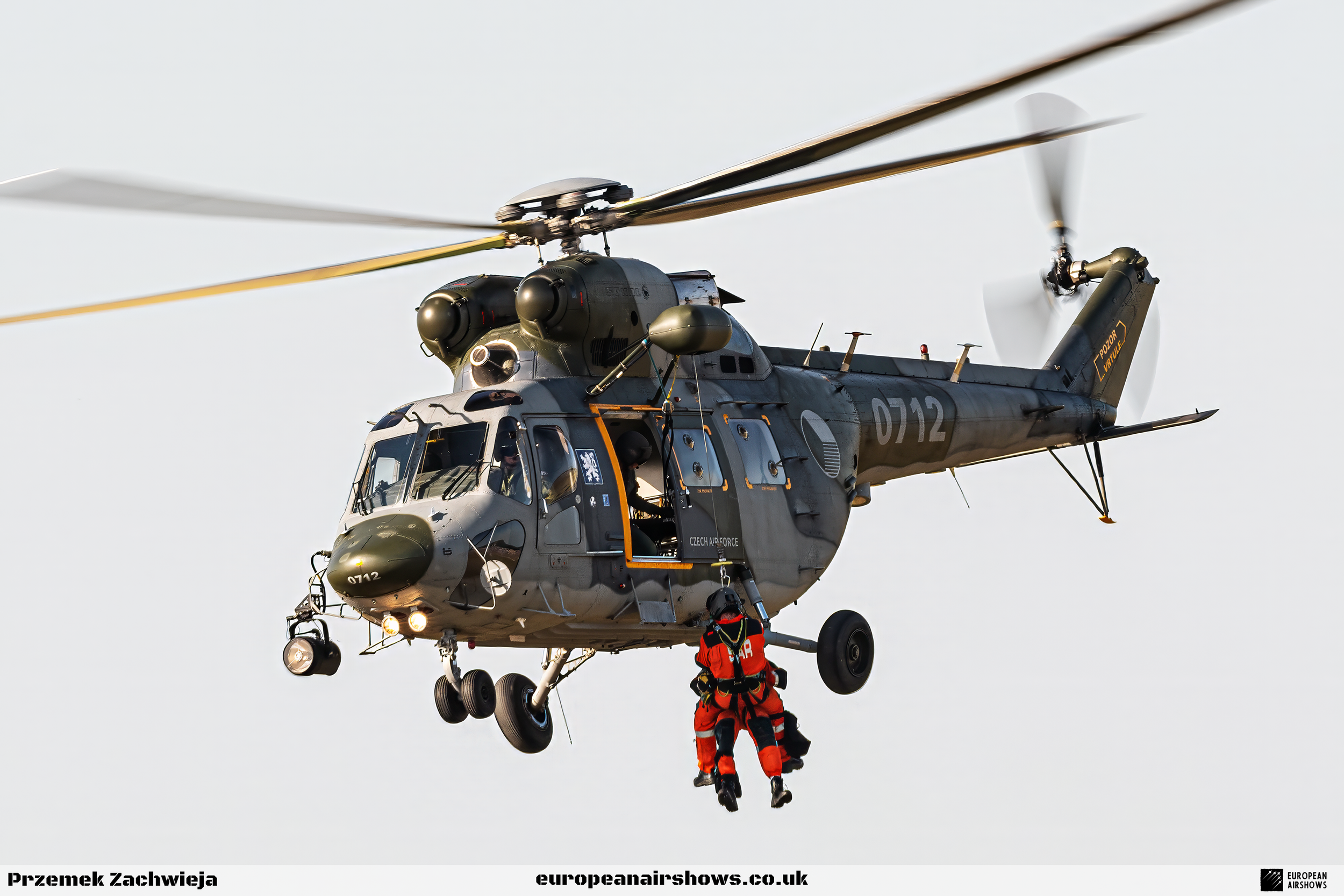
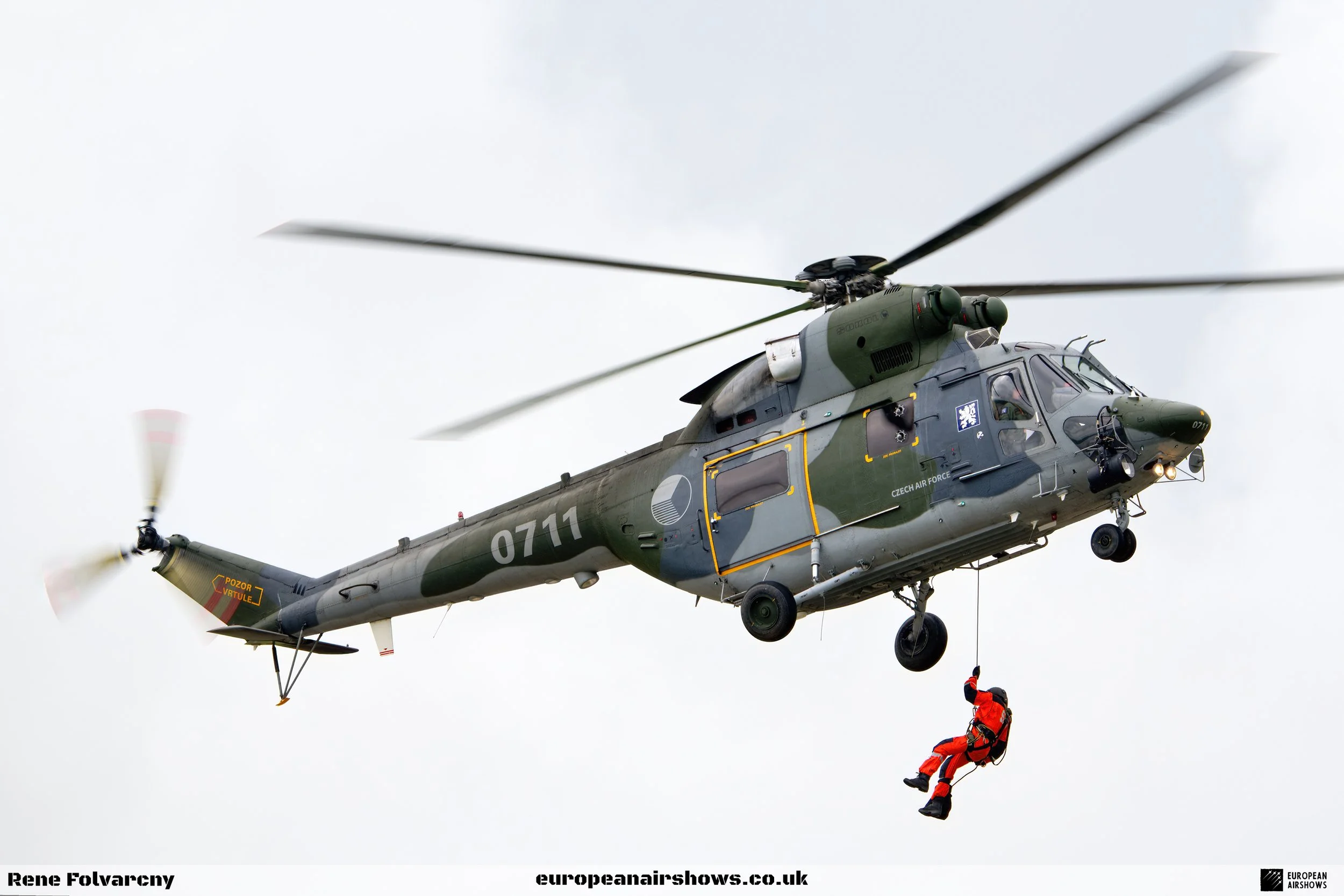
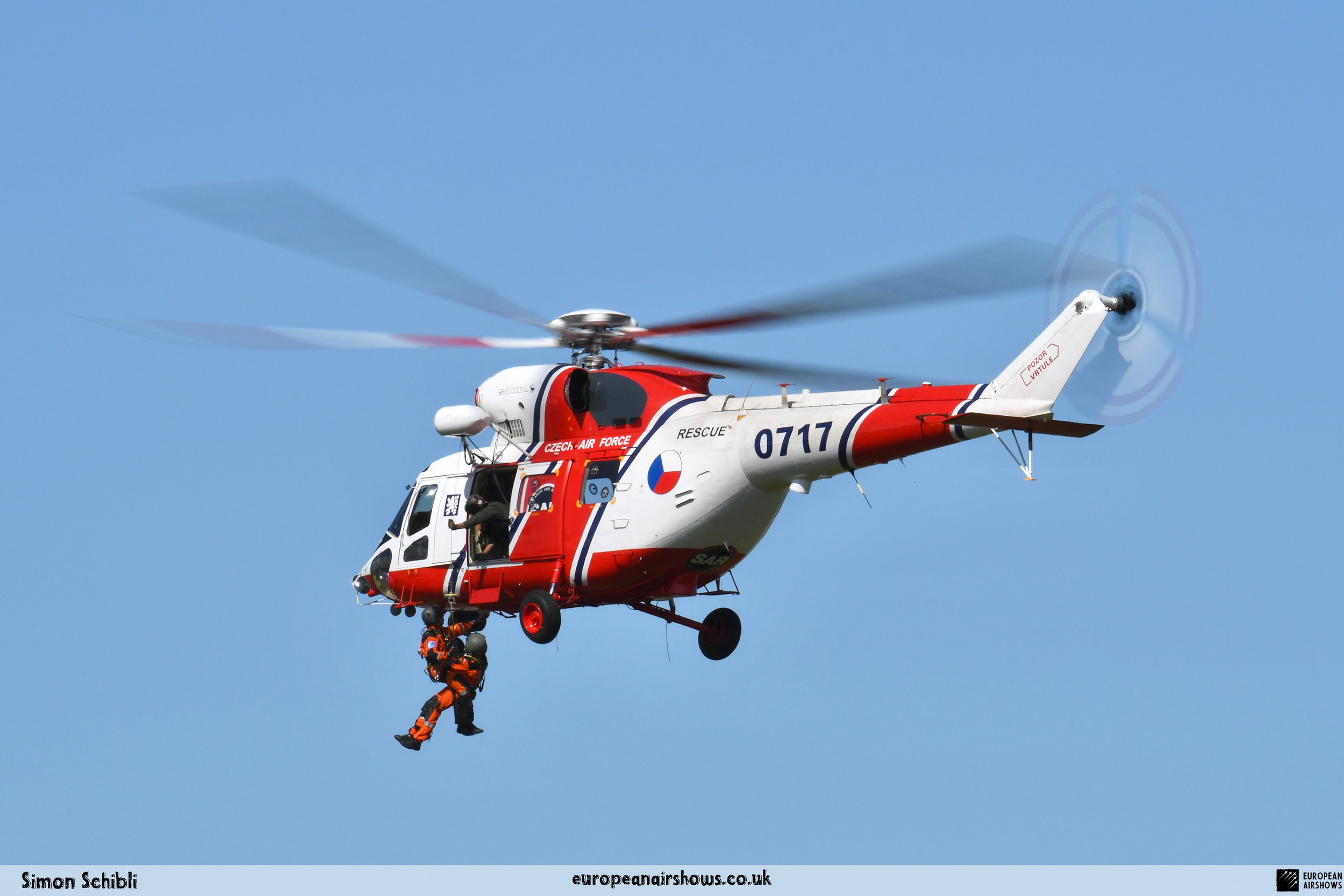
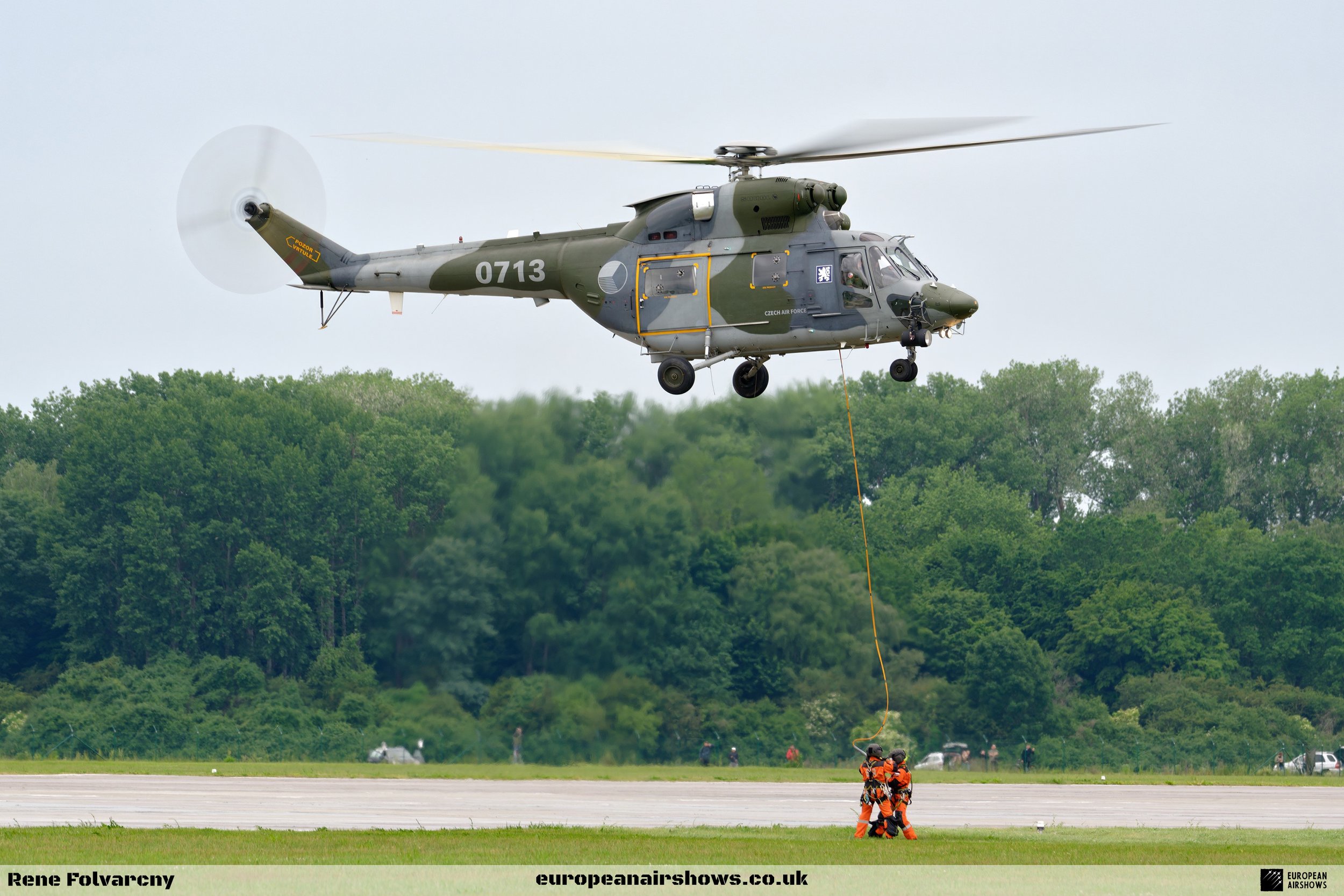
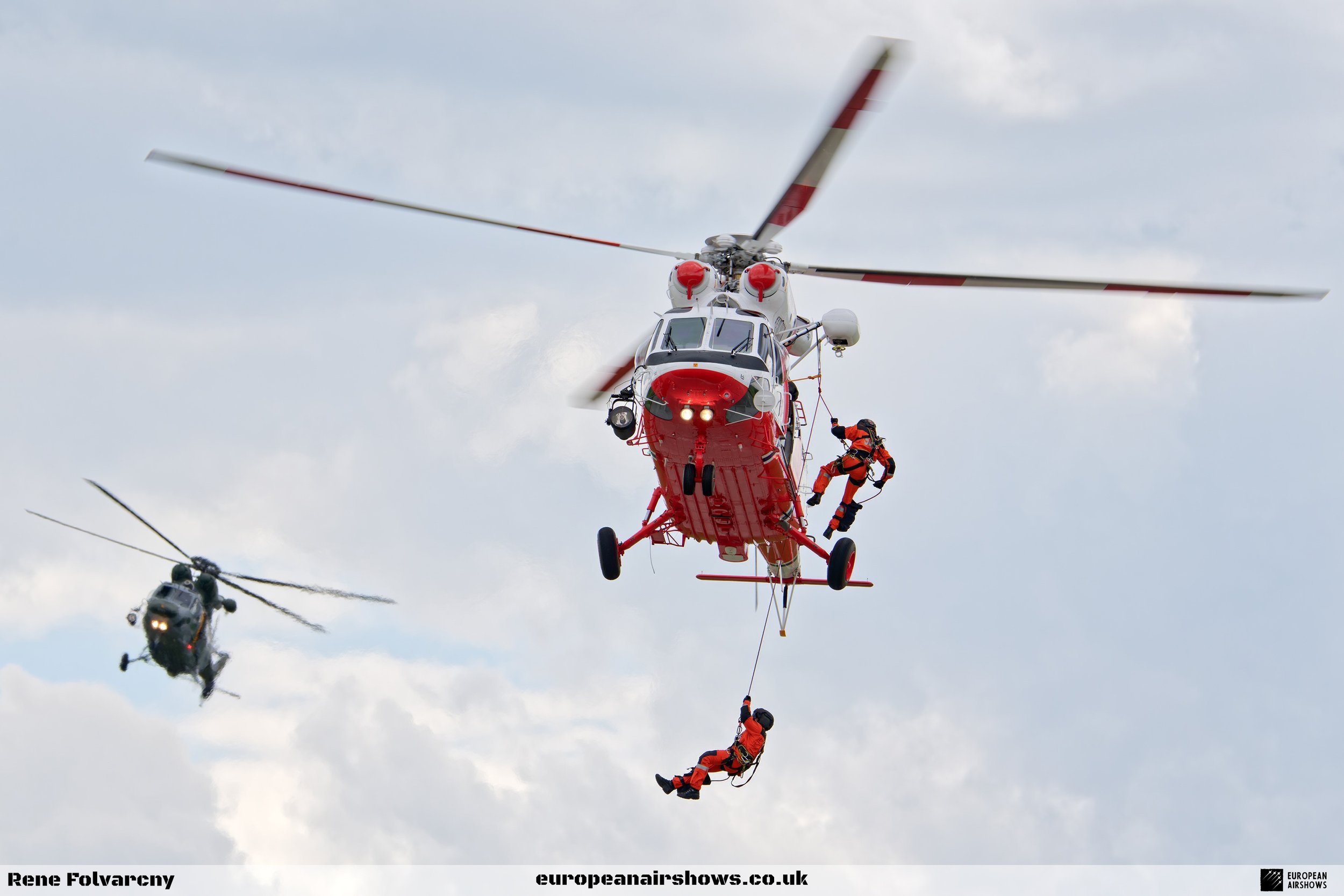
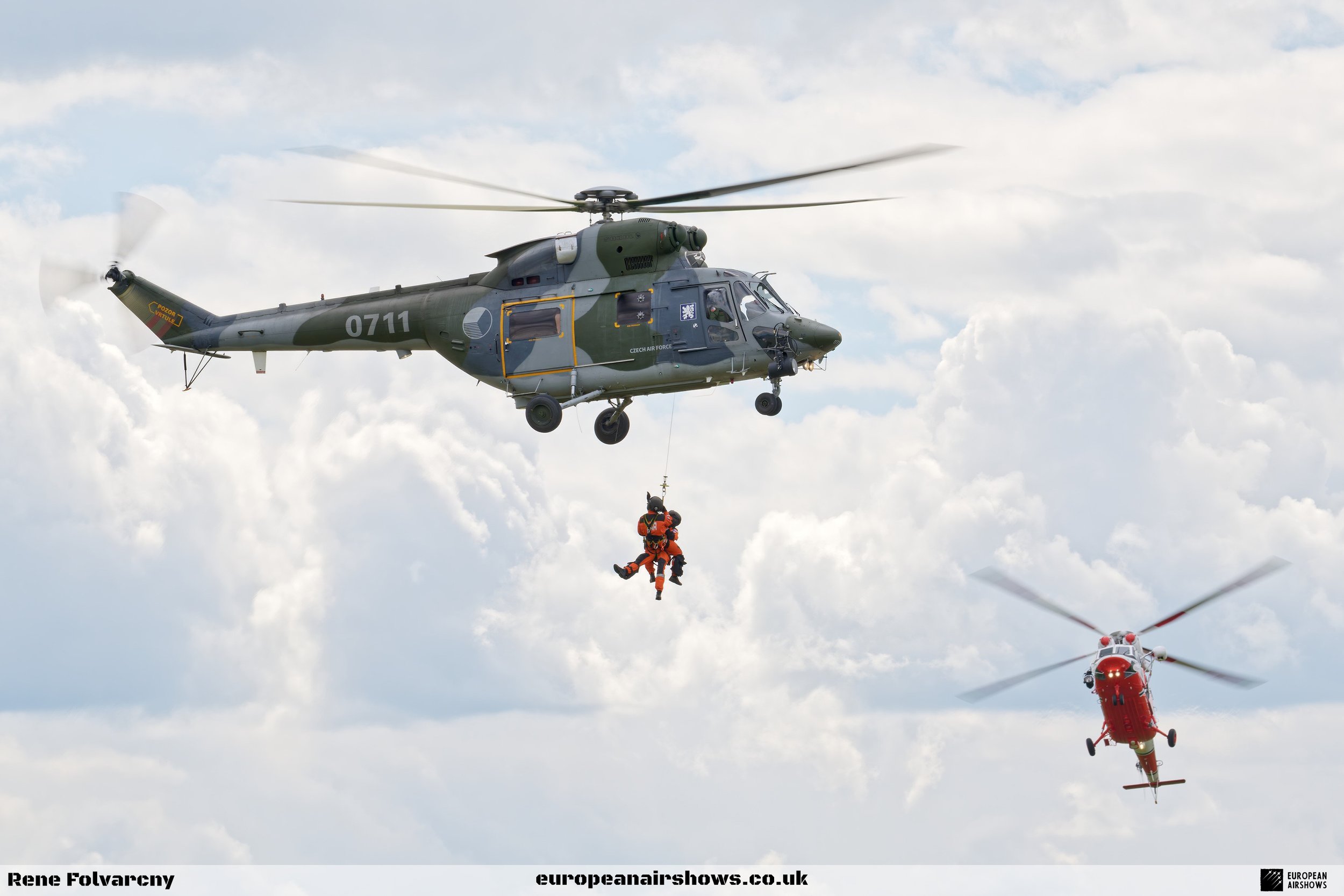
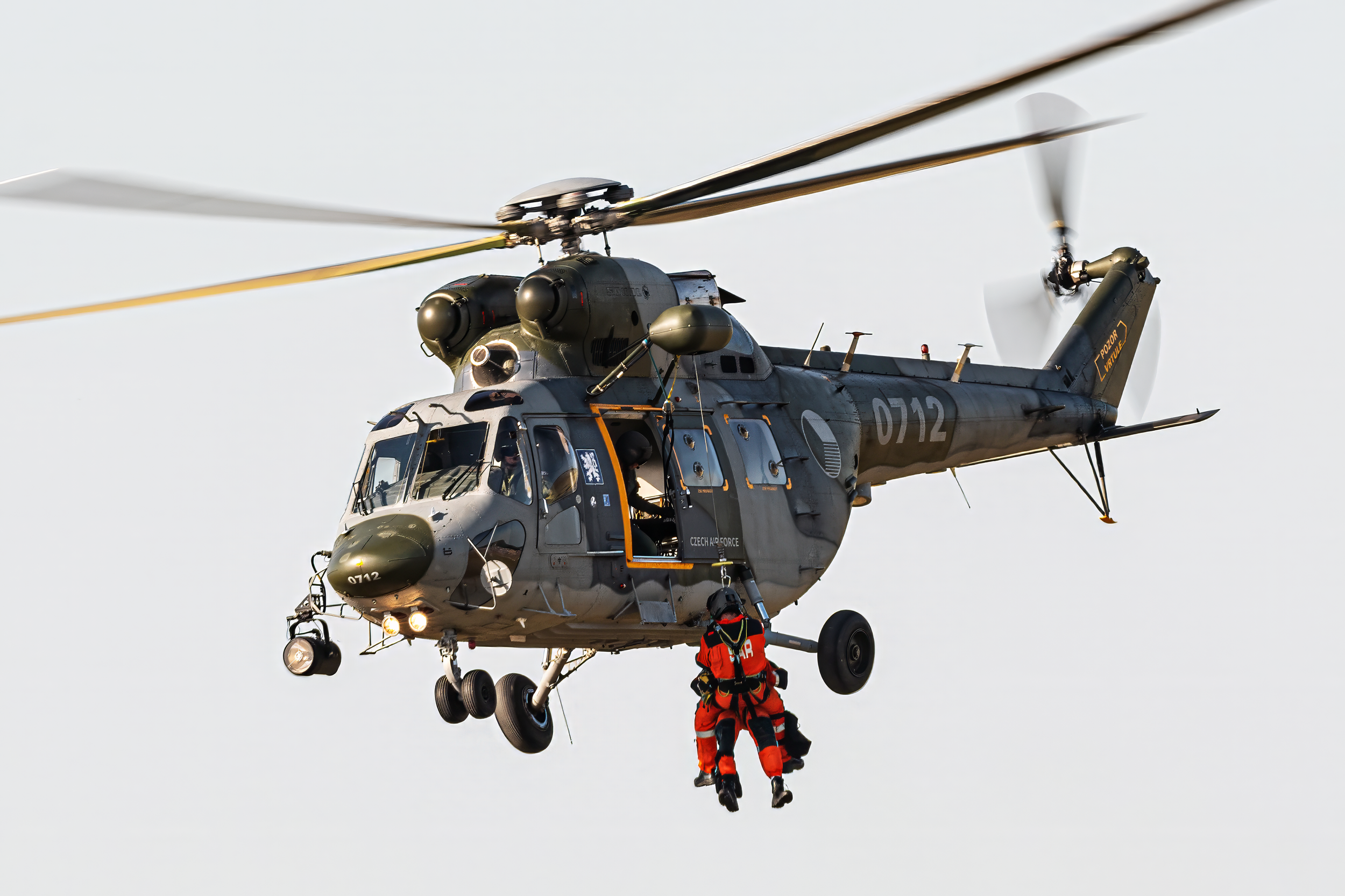
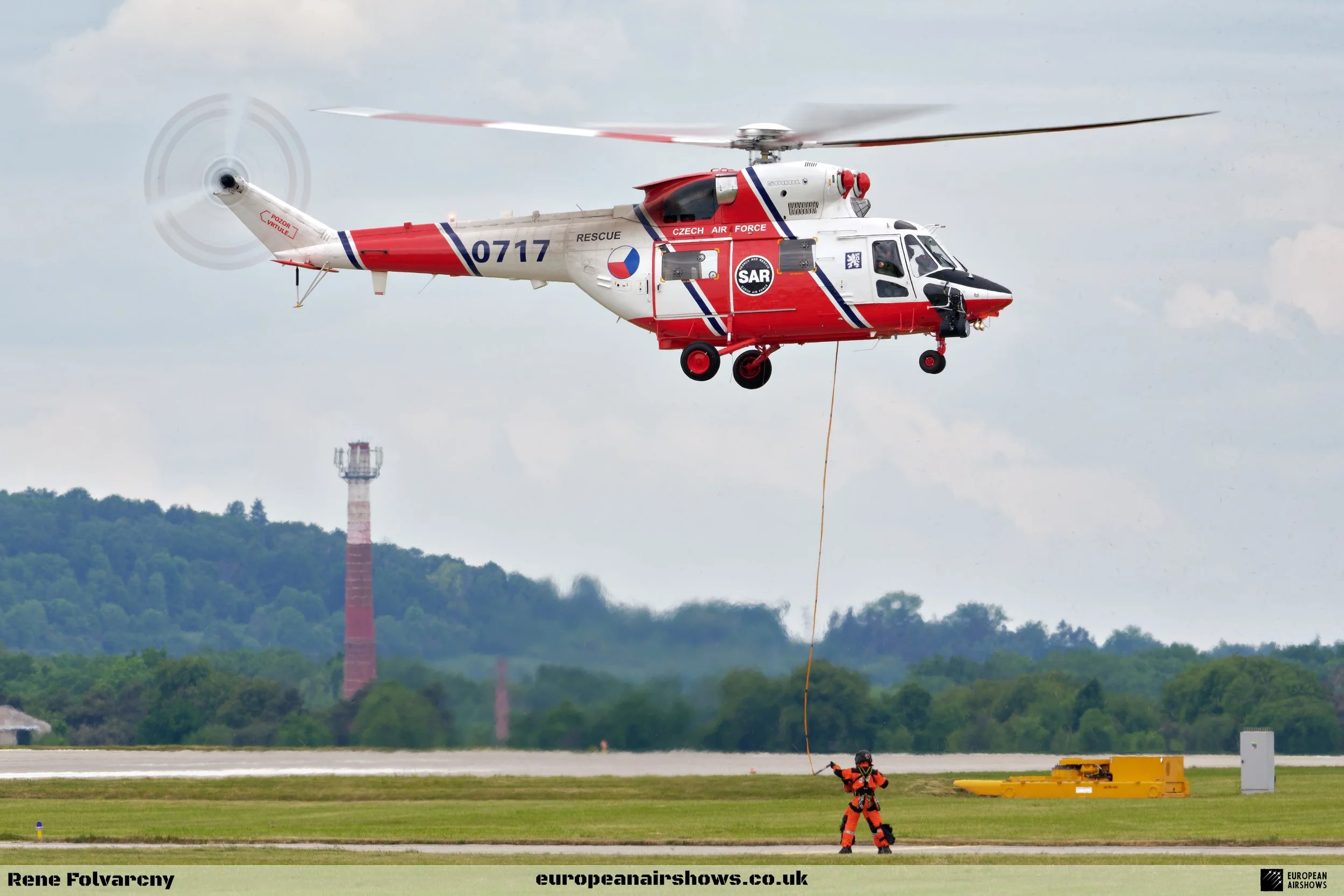
The team’s 15-minute display focuses on search and rescue operations, showcasing the agility of the W-3A Sokol helicopter. The performance includes winching two crewmen, demonstrating the helicopter’s operational capabilities.

A signature maneuver is the “yoyo,” where two crewmen hang from the winch while the pilot and winch operator coordinate movements. As the helicopter ascends and descends, the crewmen remain in a fixed position relative to the ground, highlighting the precision and skill of the team.

The Czech Air Force W-3A Sokol Demo Team exemplifies the advanced capabilities of the W-3A Sokol helicopter and the professionalism of the Czech Air Force.

Specifications

Crew

2

Capacity

12 passengers

Length

14.21 m (46 ft 7 in)

Height

5.14 m (16 ft 10 in)

Max Speed

260 km/h (160 mph, 140 kn)

Range

745 km (463 mi, 402 nmi)

Service Ceiling

4,910 m (16,110 ft)

Rate of climb

9.3 m/s (1,830 ft/min)

About the Aircraft

The PZL W-3 Sokół, translating to “Falcon” in English, is a versatile and robust medium-size twin-engine helicopter developed by the Polish company PZL-Świdnik, now part of Leonardo. This helicopter marked a significant milestone as the first rotorcraft entirely designed and manufactured in Poland. The development of the Sokół began in 1973, spearheaded by a dedicated team of engineers led by Stanisław Kamiński. Its design was influenced by the operational requirements of both military and civilian sectors, particularly within the Soviet Union, which was anticipated to be the primary operator of this innovative aircraft. The Sokół made its maiden flight on November 16, 1979, and after a rigorous testing phase, it achieved type certification from aviation authorities in Poland, Russia, the United States, and Germany.

The Sokół’s production commenced in low rates in 1985, and by June 1996, the 100th unit had been completed. Over the years, the helicopter has undergone various certifications, including FAA FAR Part 29 standards in 1993 and German certification later that year. Its multipurpose capabilities allow it to excel in a variety of roles such as passenger transport, cargo operations, emergency medical services (EMS), and firefighting. The helicopter is powered by two Pratt & Whitney Rzeszów-built PZL-10B turboshaft engines, and its construction incorporates advanced materials, including composites for its rotors, enhancing both performance and durability.

In the late 1990s, PZL-Świdnik explored the development of a derivative model known as the Huzar, intended for battlefield operations. However, this program faced numerous challenges, including funding delays and political changes, ultimately leading to its cancellation in 1999. Instead, the company shifted focus to upgrading existing W-3 Sokół helicopters for support roles, resulting in the W-3PL Gluszec variant, which features enhanced avionics and improved powerplants. The Sokół’s design and capabilities continue to evolve, with various upgrades and modernizations in response to operational needs, ensuring its relevance in contemporary aviation markets and maintaining its legacy as a significant achievement in Polish aerospace engineering.

Did You Know?

  • The PZL W-3 Sokół was the first helicopter entirely designed and produced in Poland, showcasing the country’s engineering capabilities in aviation.
  • The Sokół’s maiden flight took place on November 16, 1979, and it received type certification from multiple aviation authorities, including those in Poland, Russia, the United States, and Germany.
  • The Czech Air Force acquired its first Sokol helicopters in exchange for MiG 29s, reflecting a strategic shift in military aviation resources.
  • During the severe floods in Moravia in 1997, Sokol helicopters were instrumental in search and rescue operations, demonstrating their life-saving capabilities.
  • The Sokol has been adapted for various missions, including emergency medical services (EMS), firefighting, and cargo transport, showcasing its versatility.

Test Your Knowledge

Sokol in the Czech Air Force

The Czech Air Force introduced the twin-engine W-3A Sokol into its ranks in 1996, marking a significant upgrade in its fleet. Originally developed in Poland, the prototype of the Sokol first took to the skies on 16 November 1979, with serial production beginning seven years later. The acquisition of these helicopters was part of an exchange deal involving MiG 29s, and the first Sokol flight to Prague-Kbely on 27 September 1996 symbolized the start of a new era in Czech military aviation.
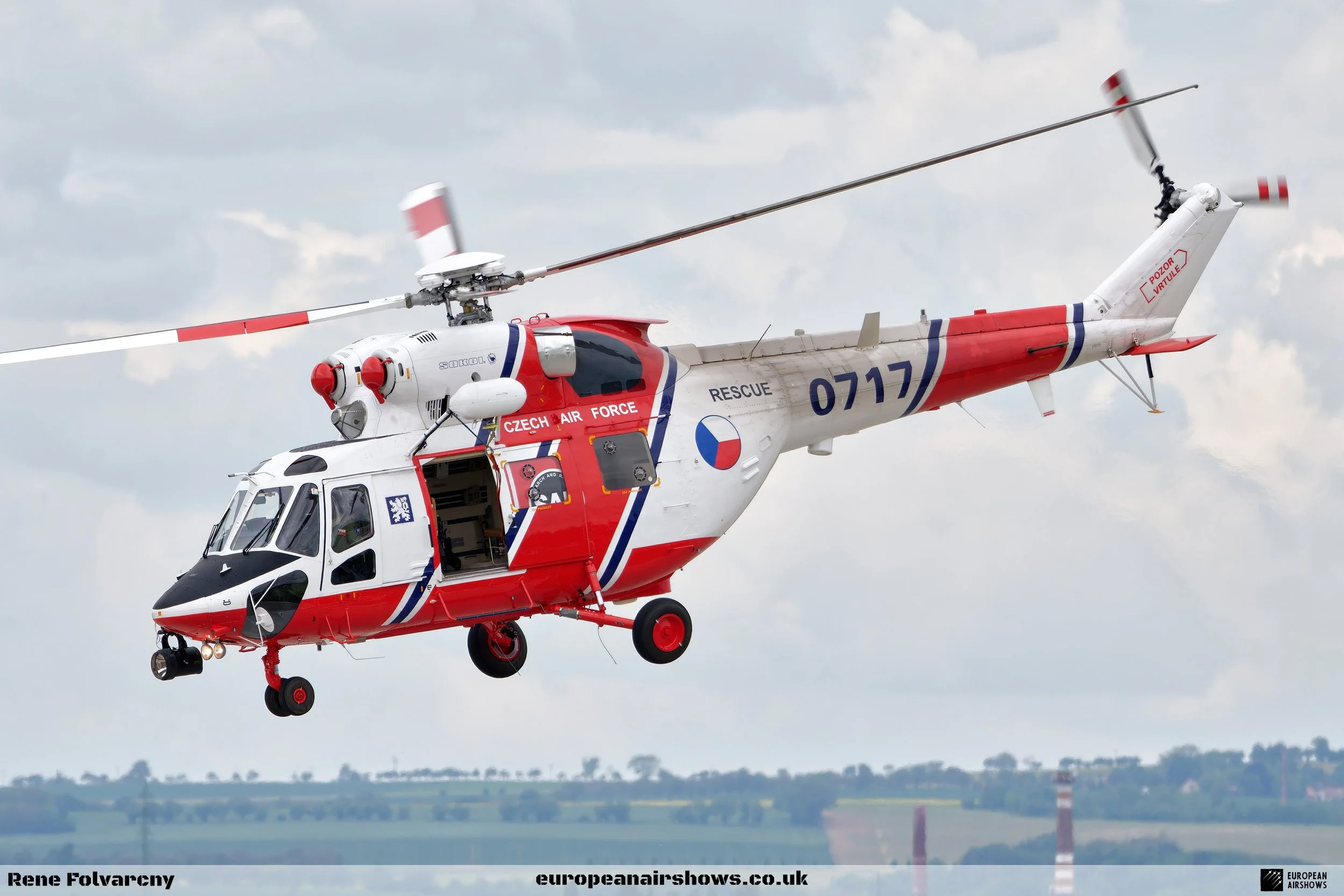
Soon after their arrival, the initial four Sokol helicopters were used primarily for passenger transport, with operations conducted from the manufacturing facility in Swidnik, Poland, directly to the air base in Prague-Kbely. As the helicopters became more integrated into the force, additional variants equipped for search and rescue (SAR) and air ambulance missions were introduced. The Sokol’s four-bladed main rotor paired with a vibration damper quickly proved its operational value, notably during the Moravian floods in the summer of 1997, where these machines played a critical role in life-saving rescue efforts.
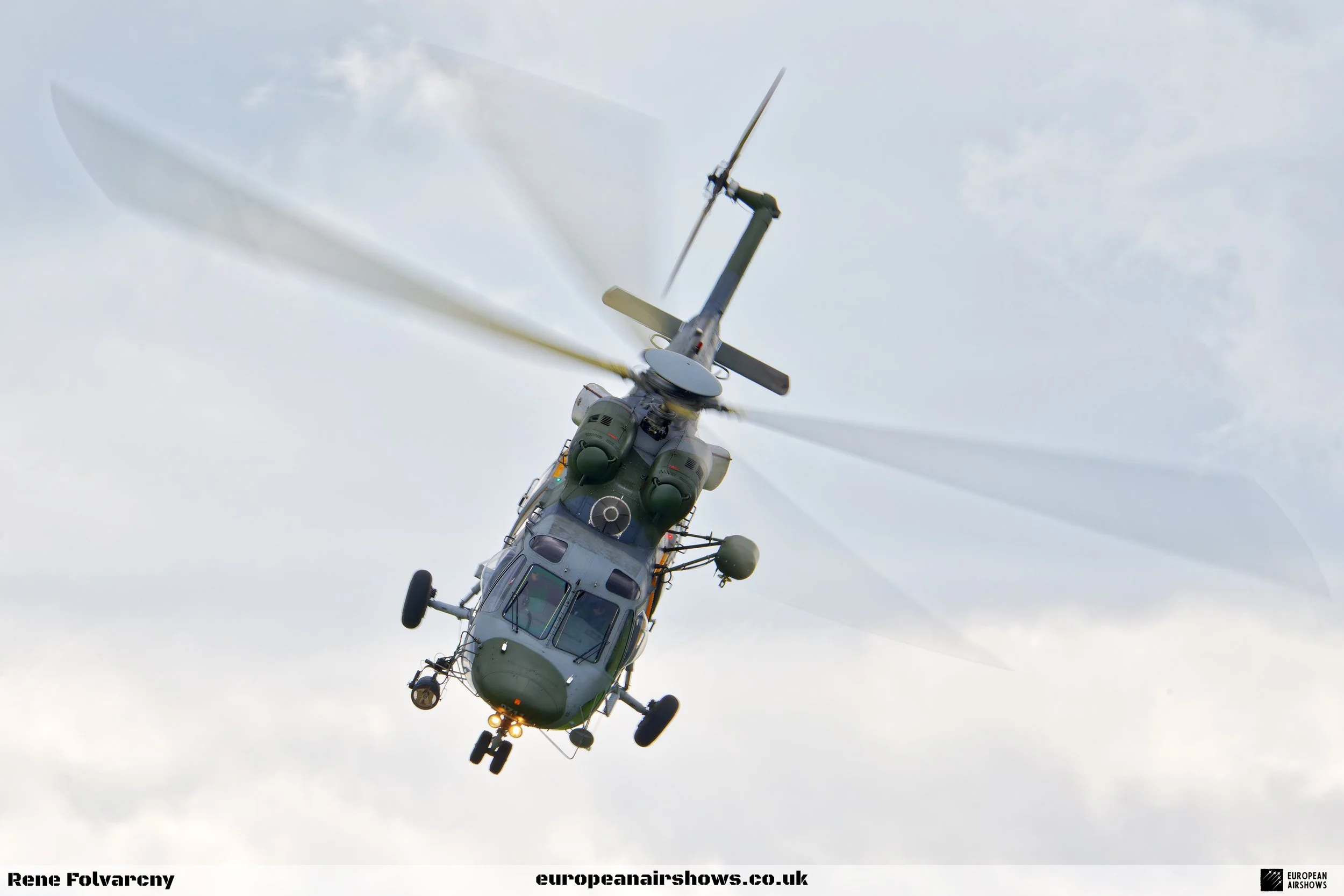
Today, ten “Falcons” are actively operated by the 24th Transport Air Force Base in Prague-Kbely, teaming with the Air Rescue Service Centre based in Plzeň-Líně. Each mission is manned by a dedicated crew consisting of a helicopter captain, co-pilot, and onboard technician, with additional specialized air rescuers taking part during SAR operations. In air ambulance configurations, a doctor and a nurse join the team, ensuring medical emergencies are addressed promptly. Beyond SAR and medical transport, the Sokol helicopters also perform a variety of tasks including transport, paradrops, and firefighting, the latter being supported by a unique bucket system capable of carrying up to 1000 litres of extinguishing agent.

Return to All Performers