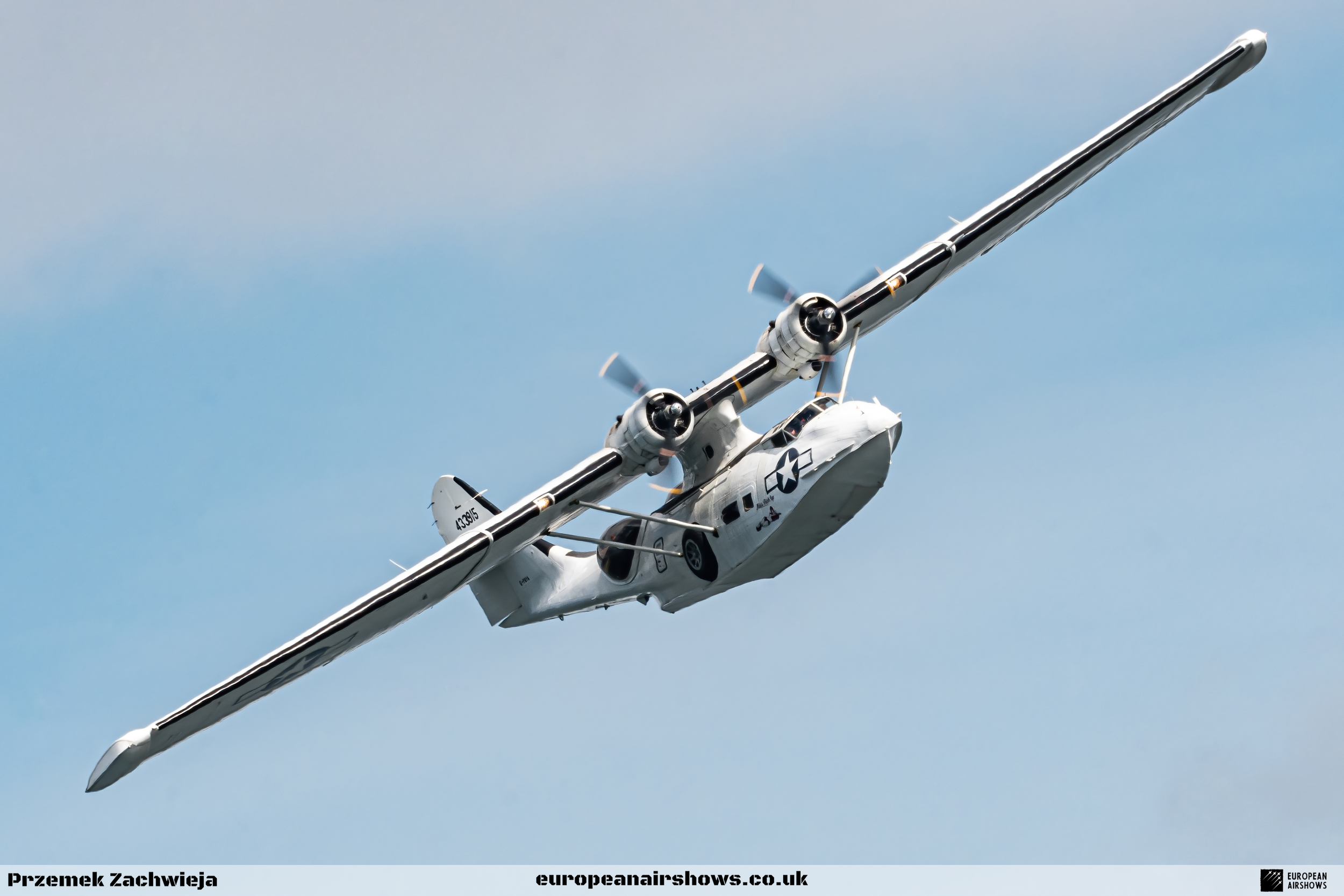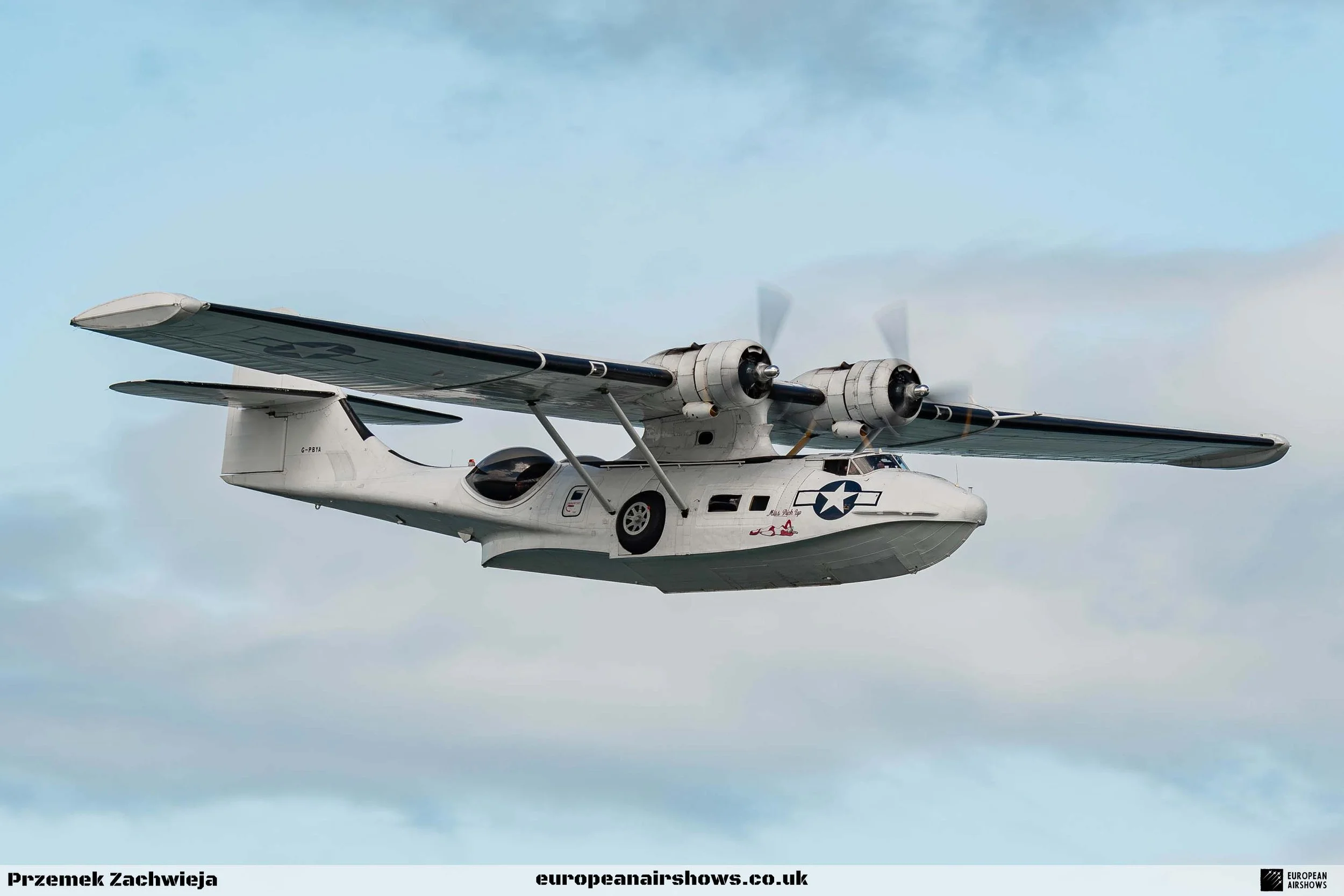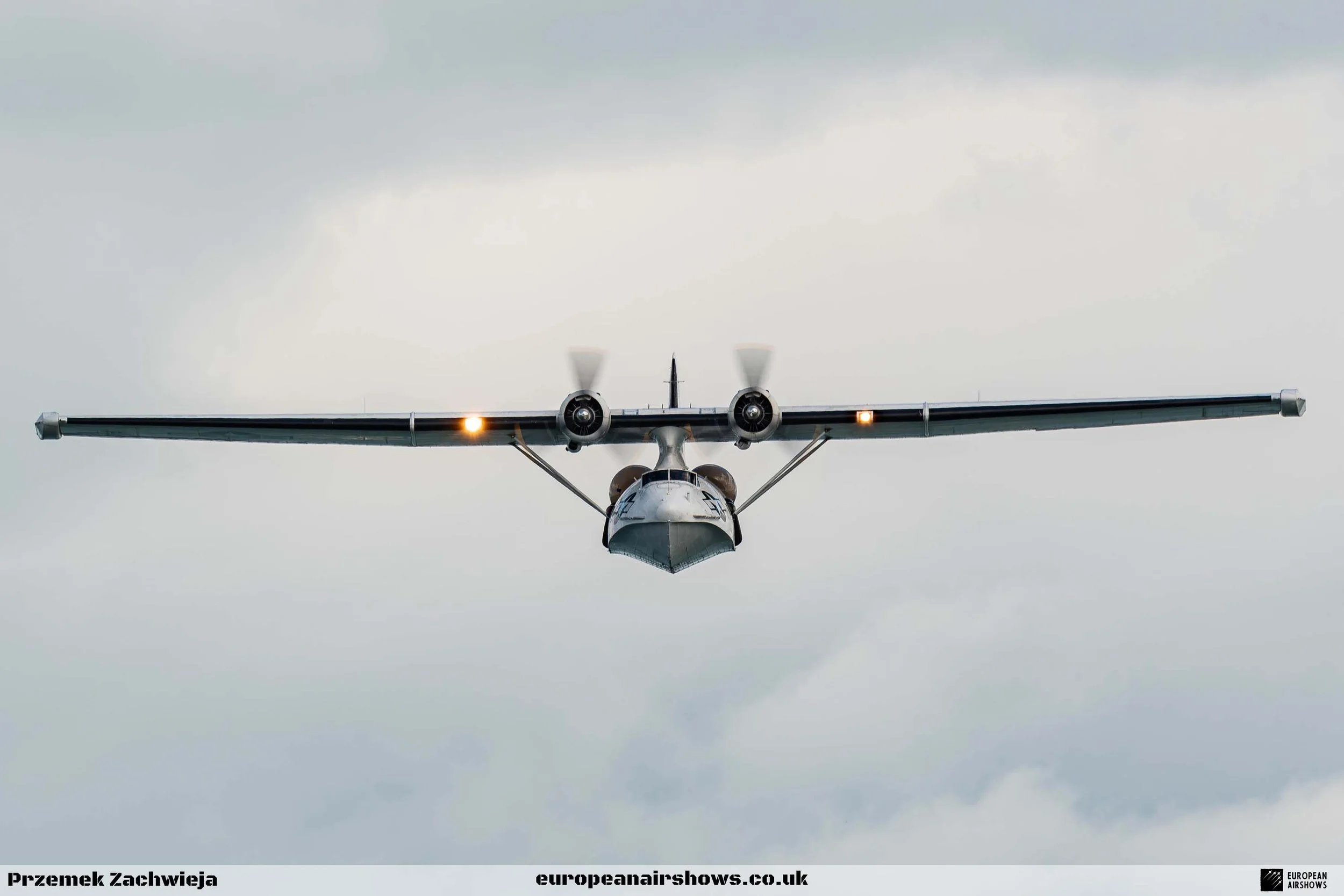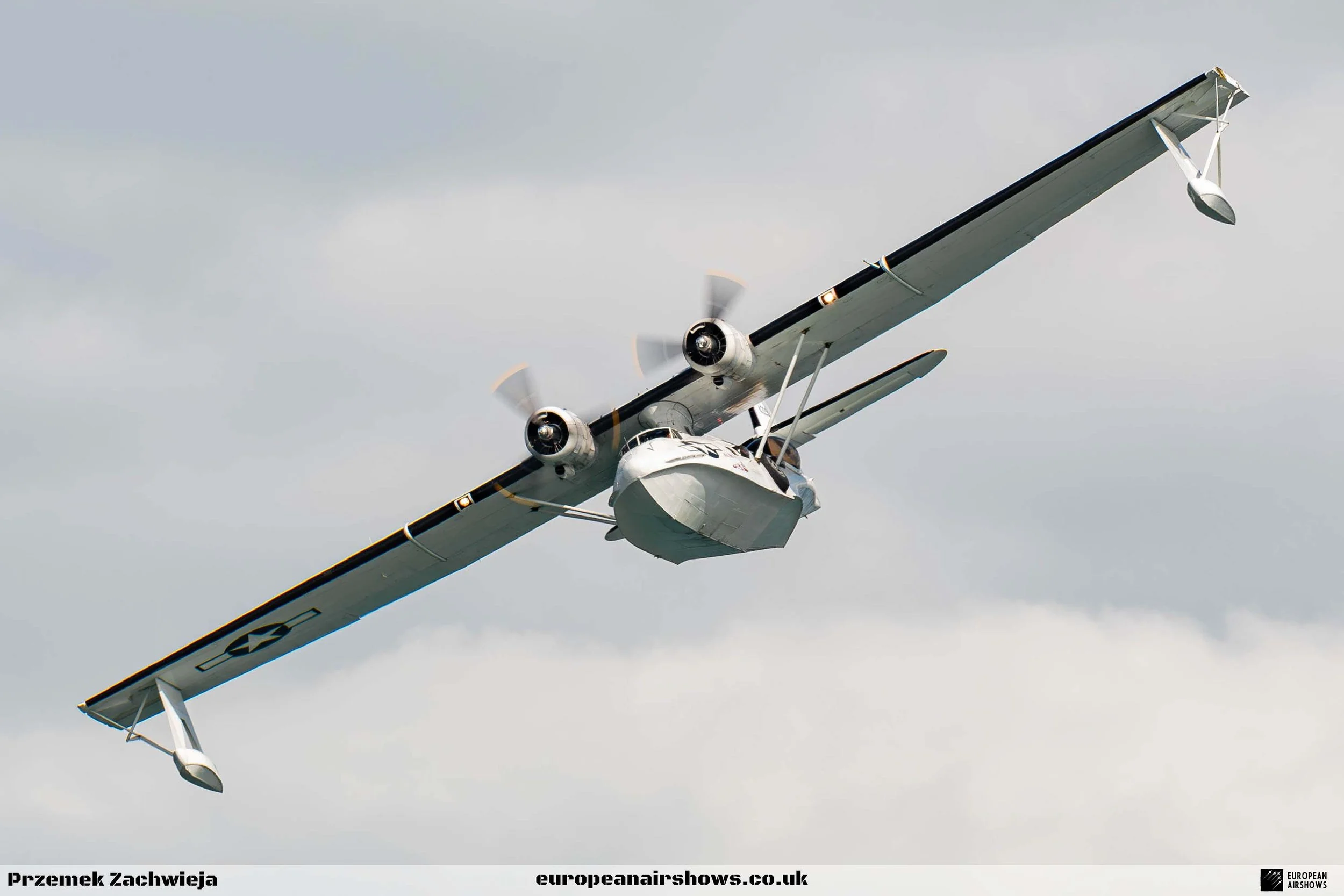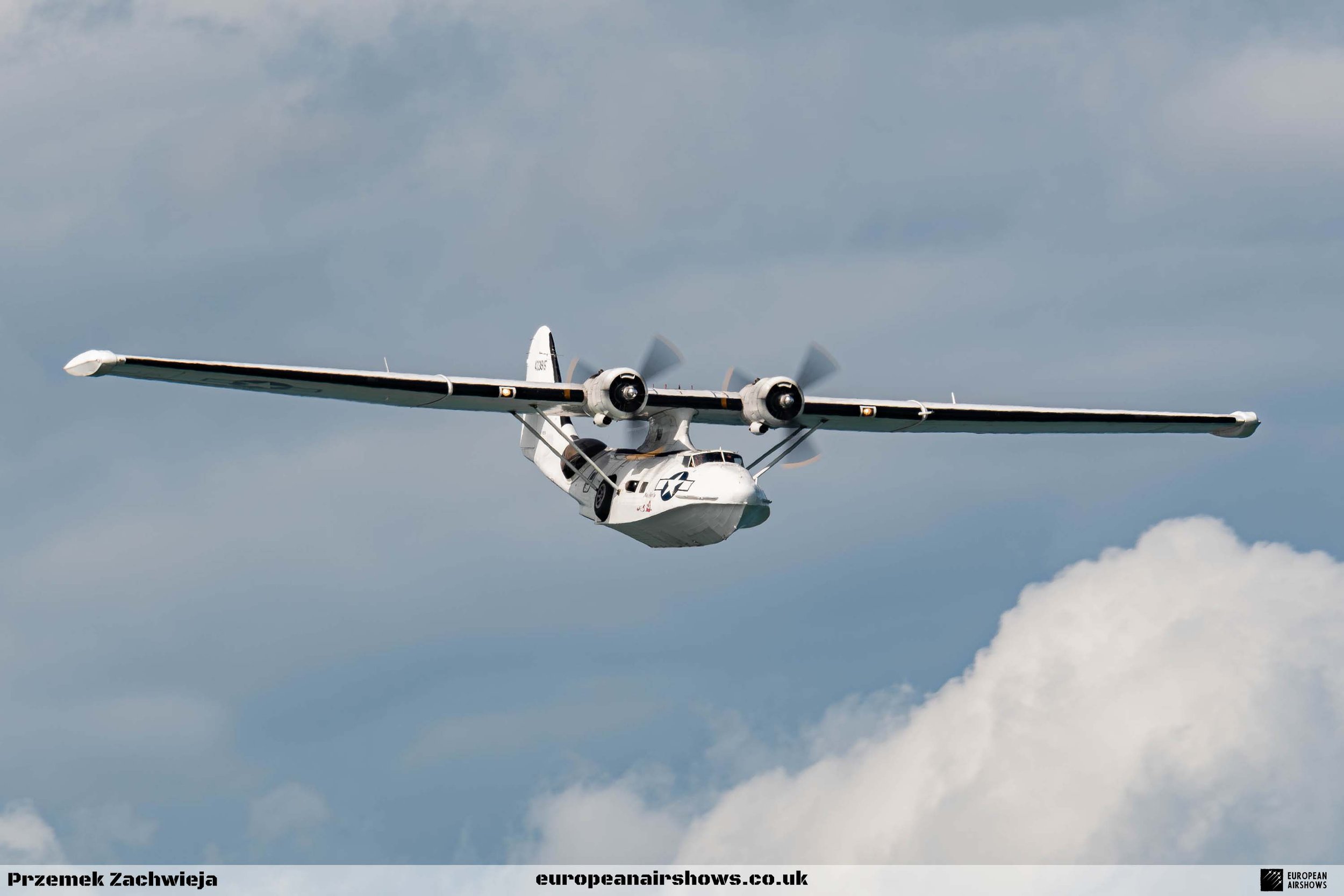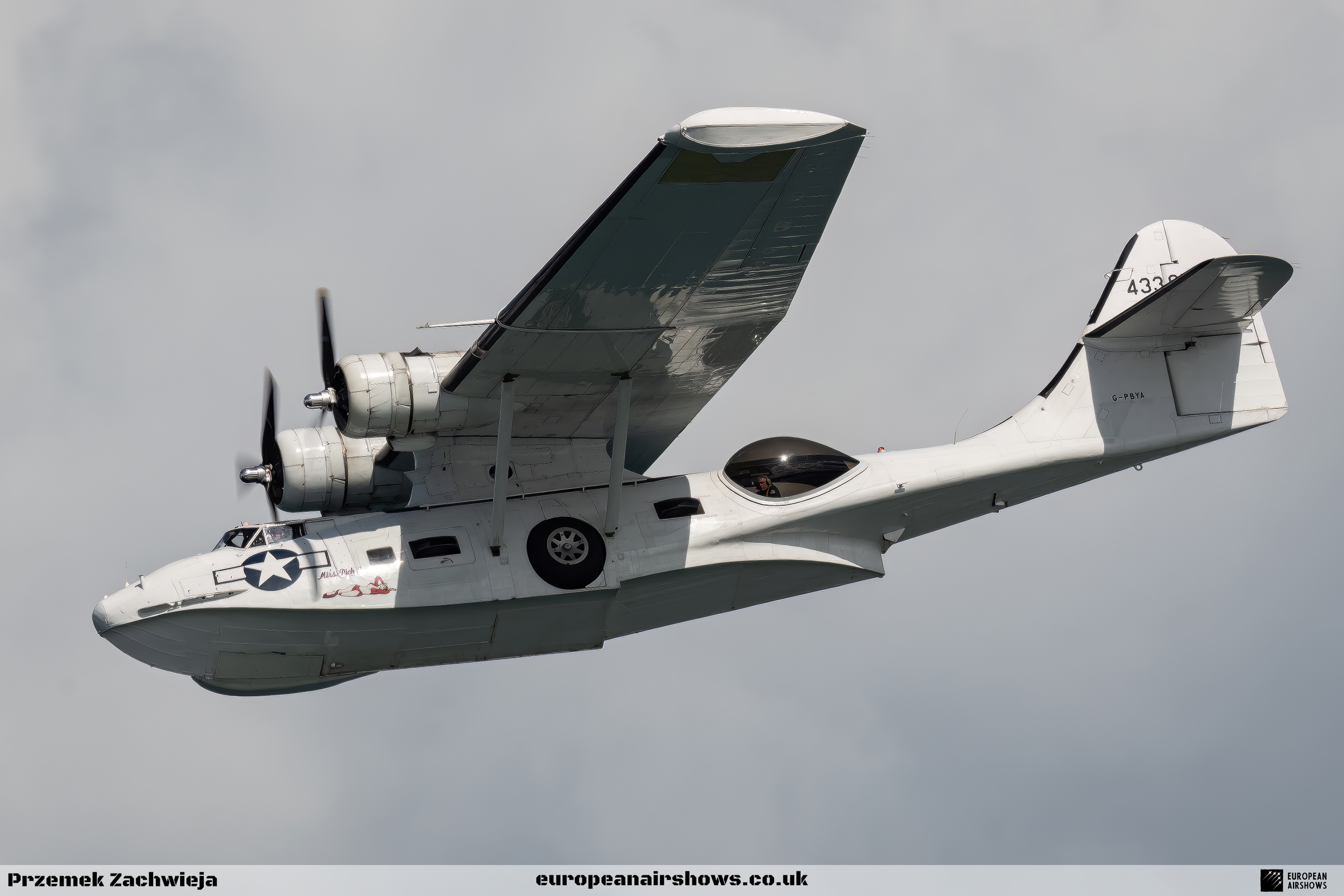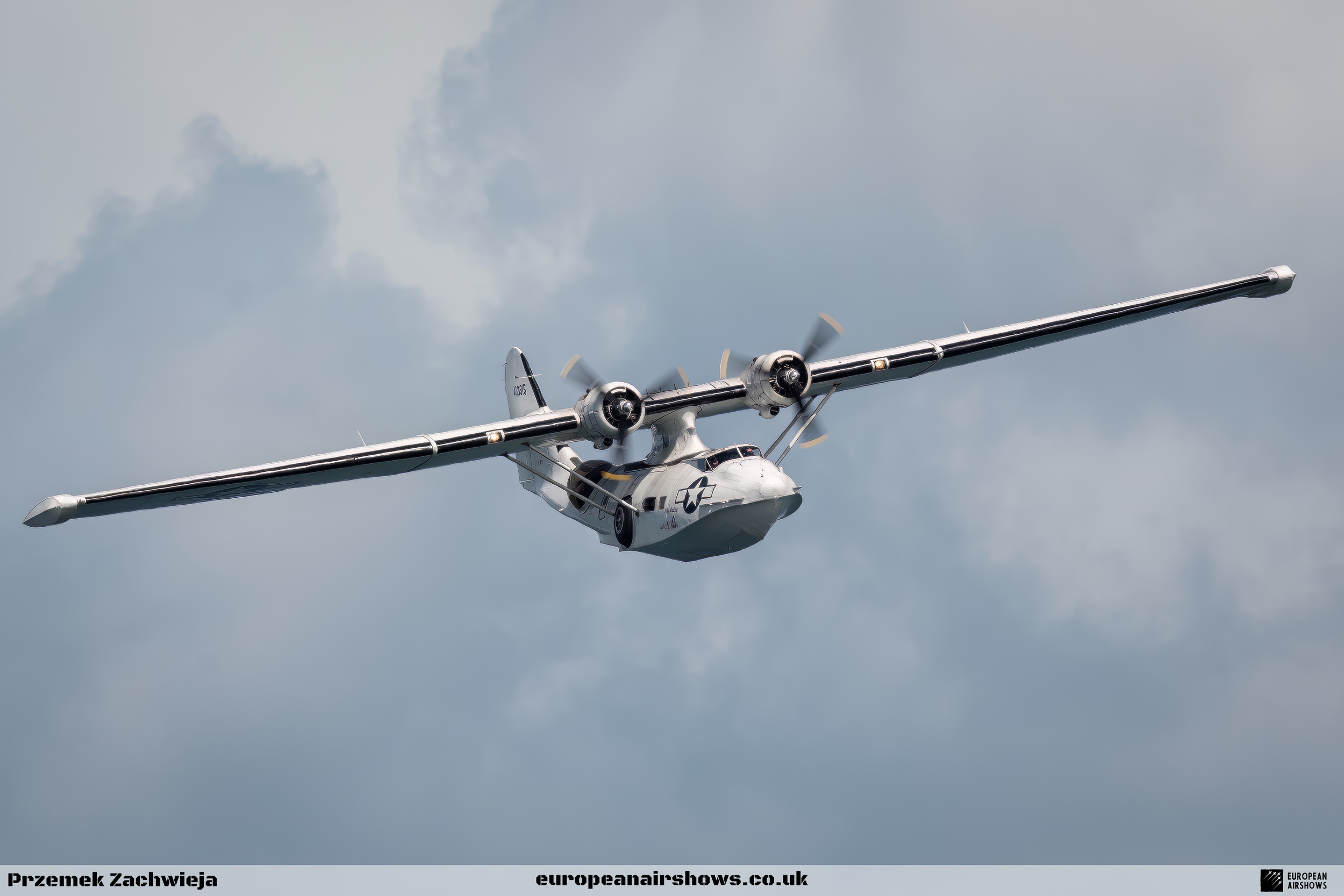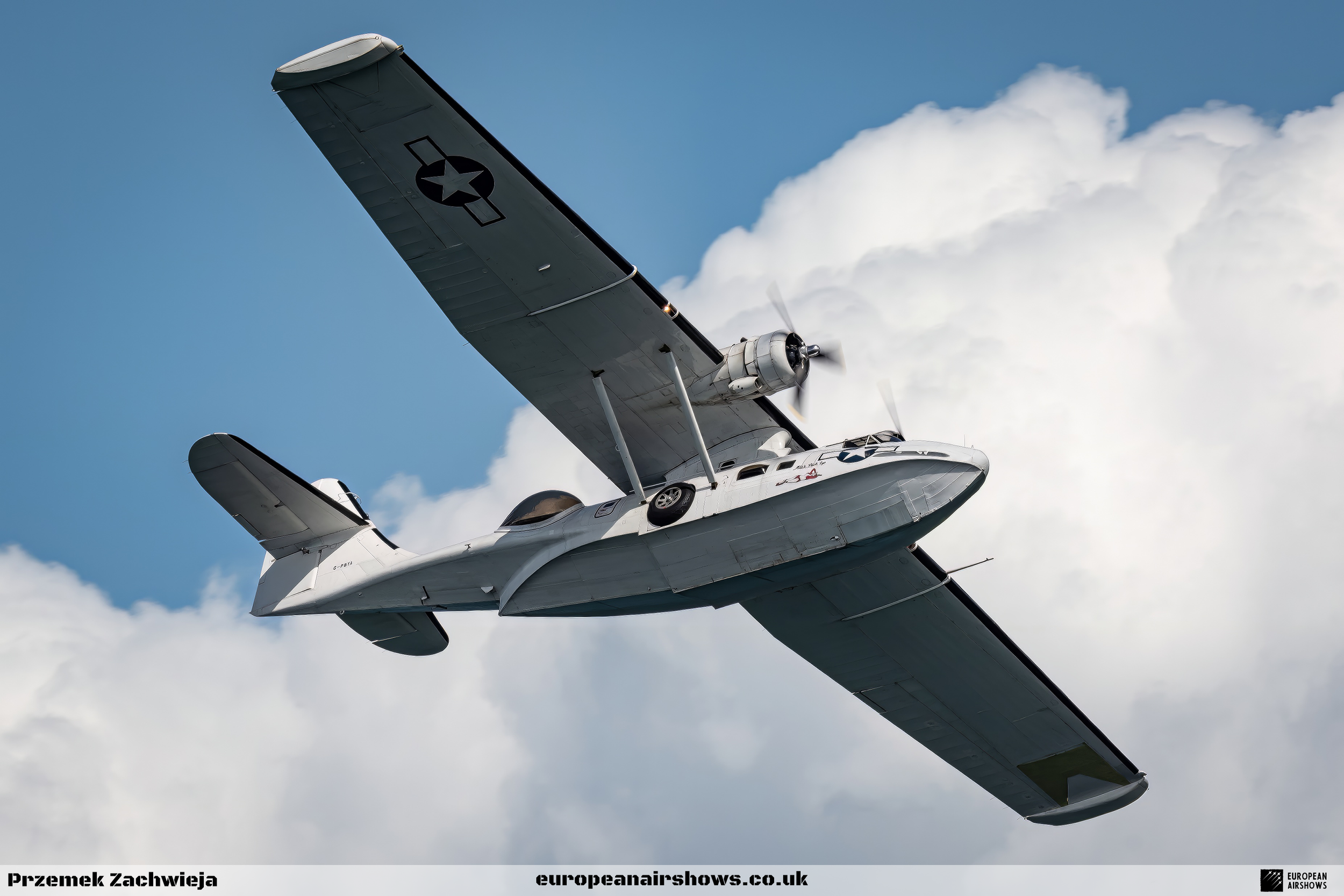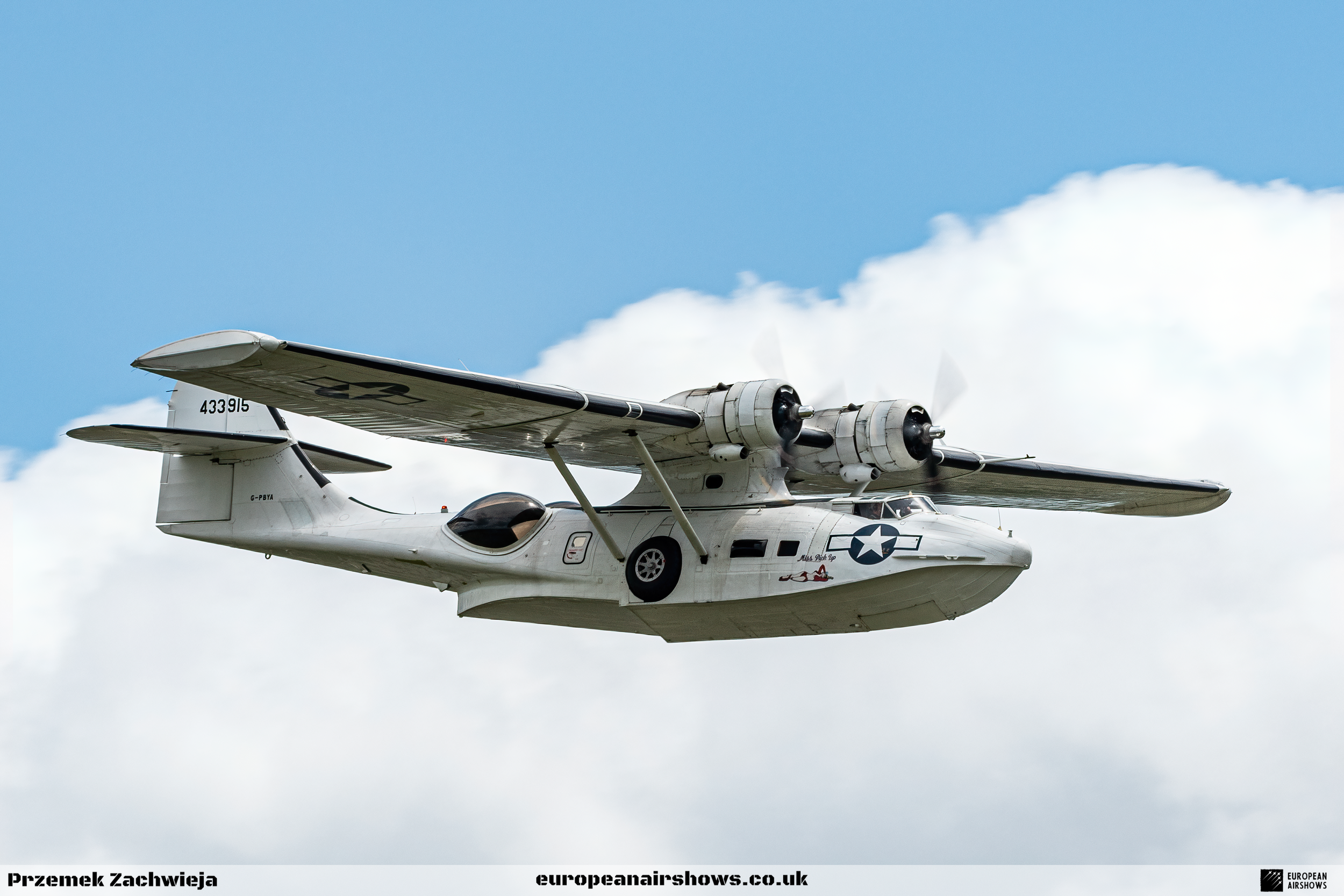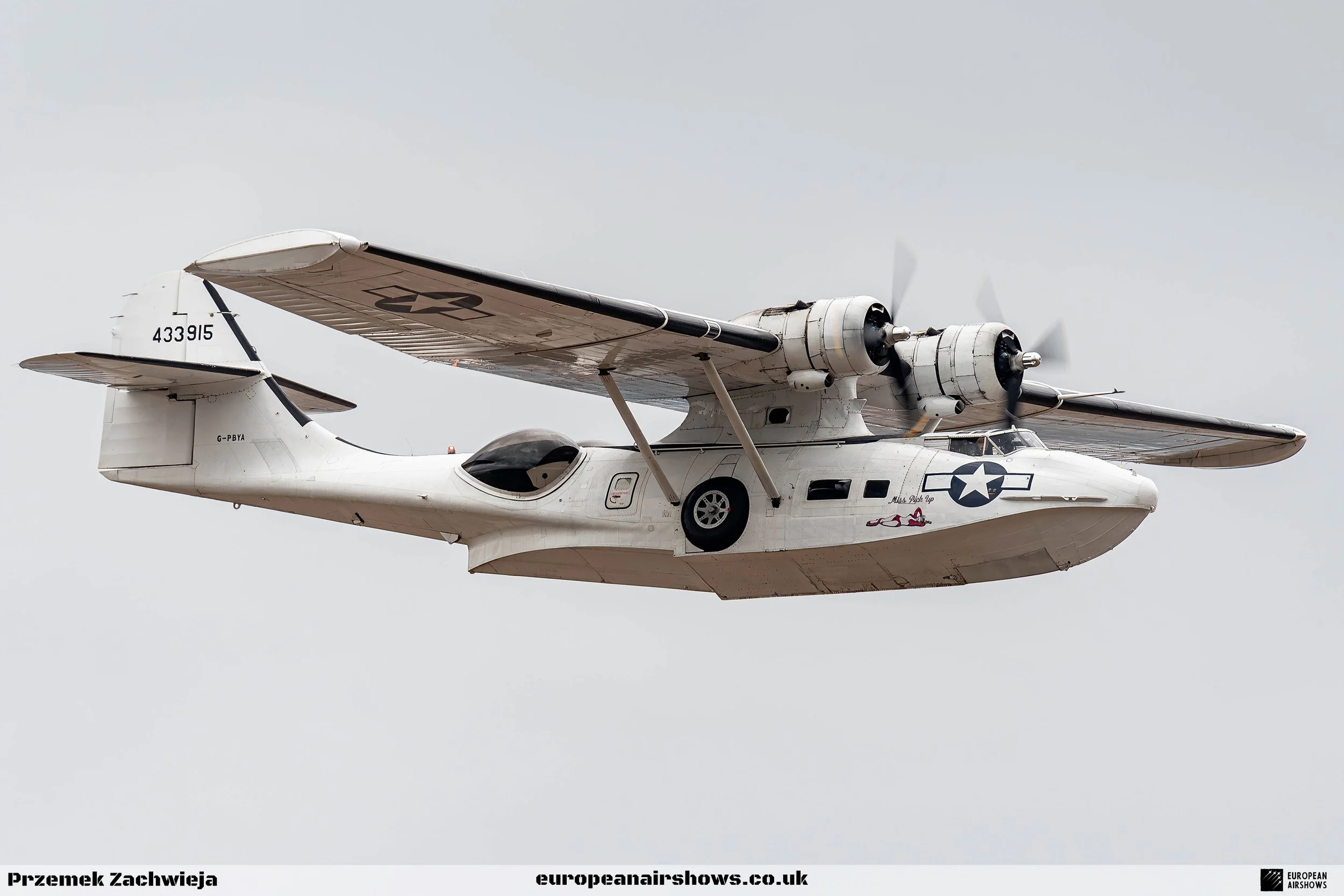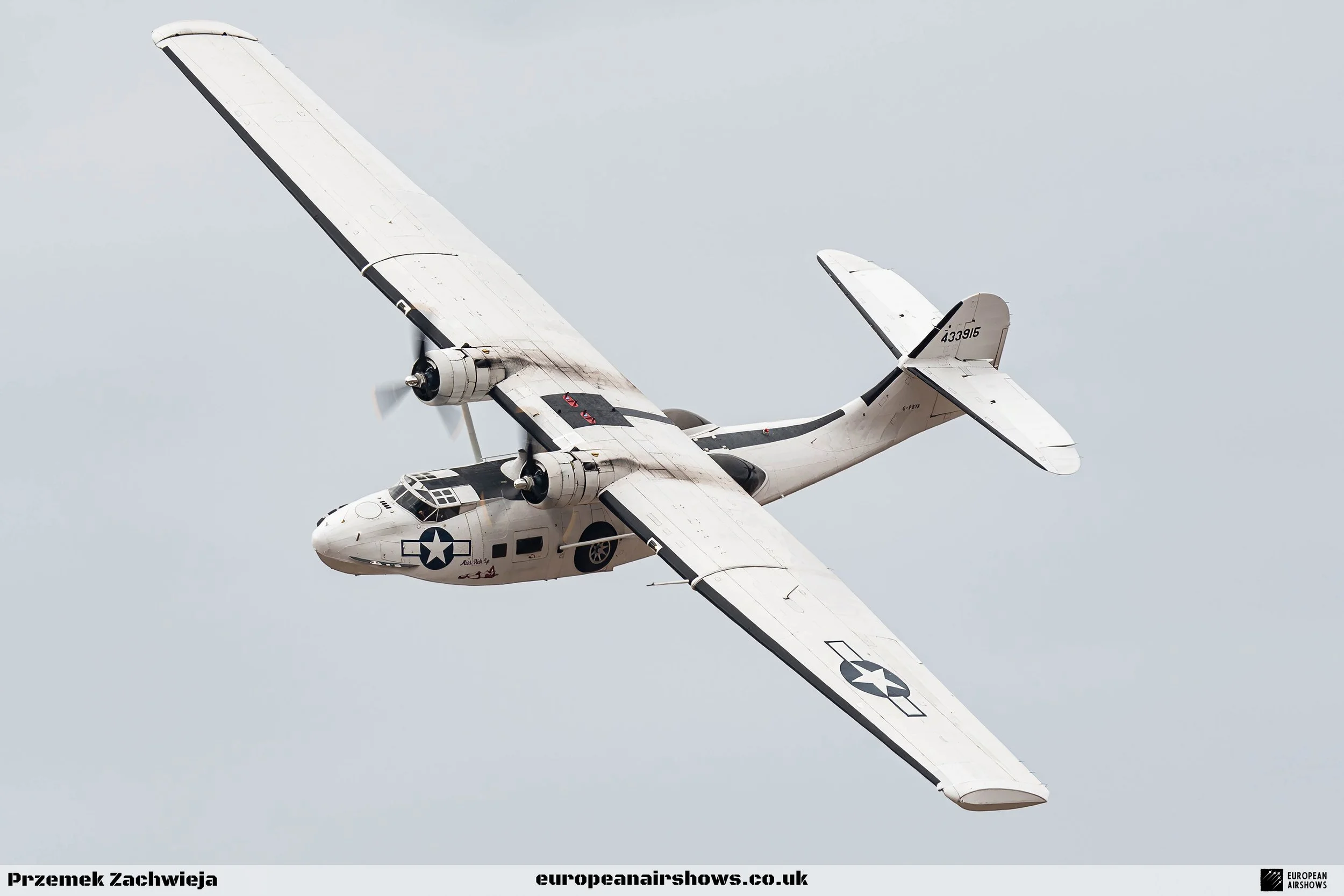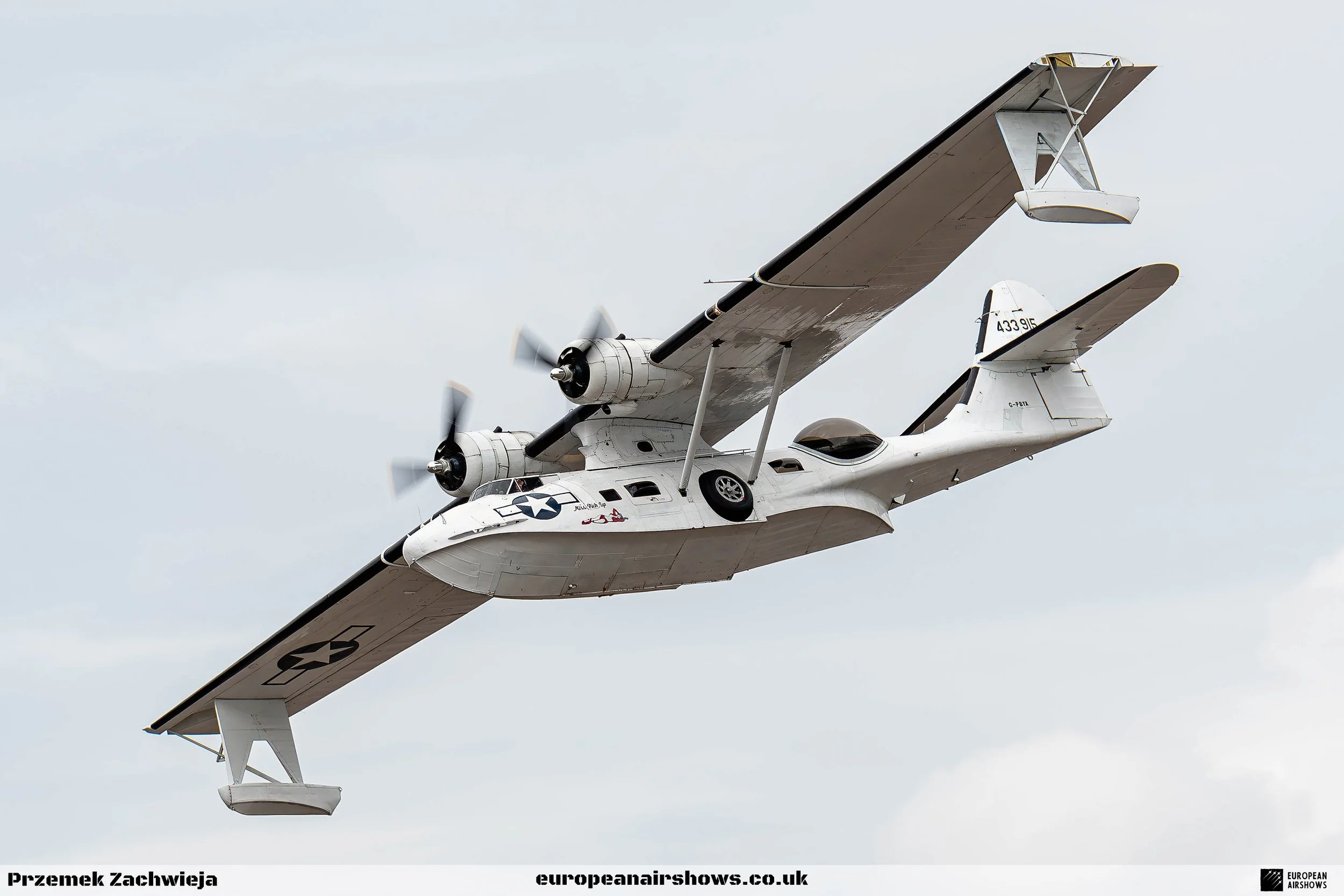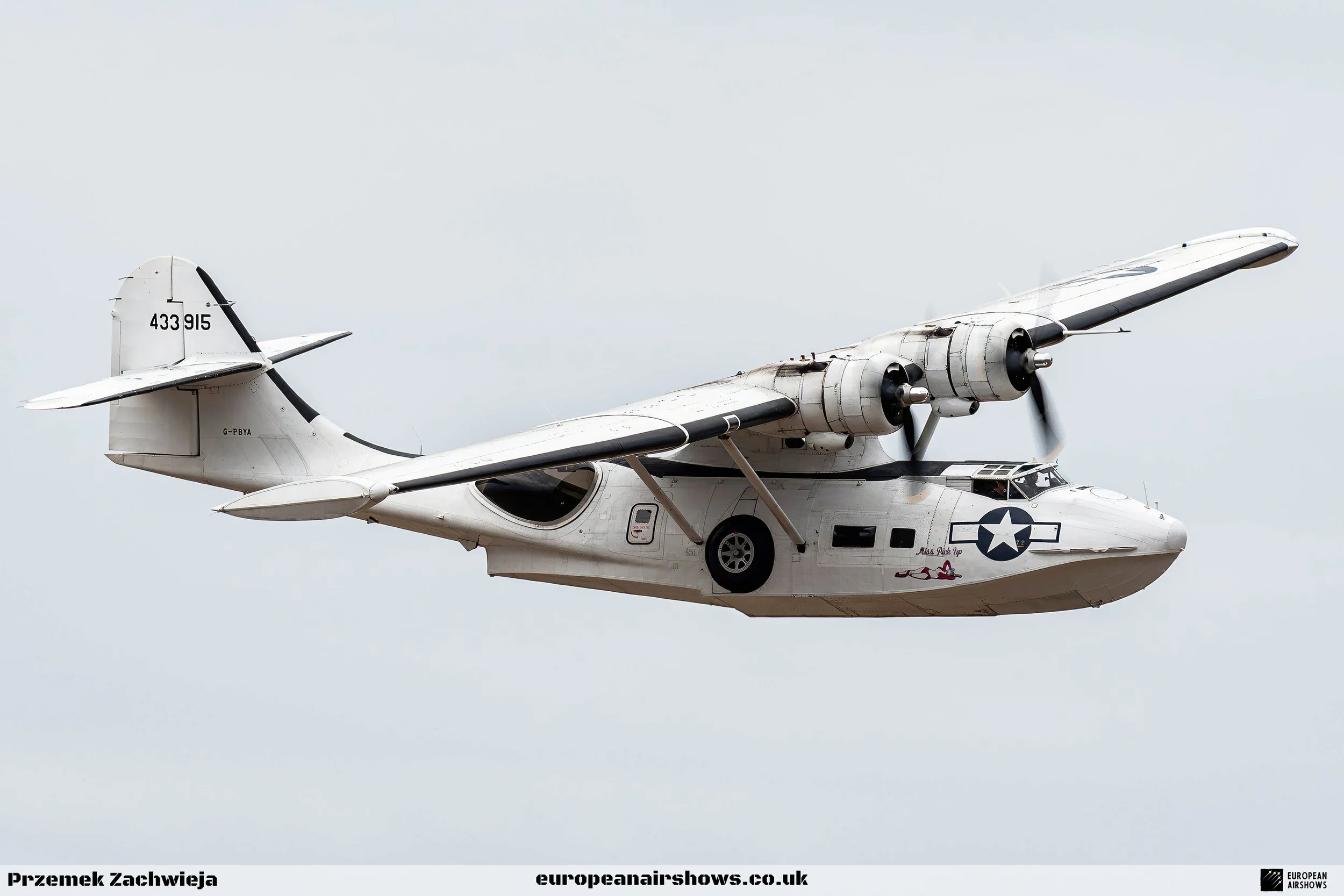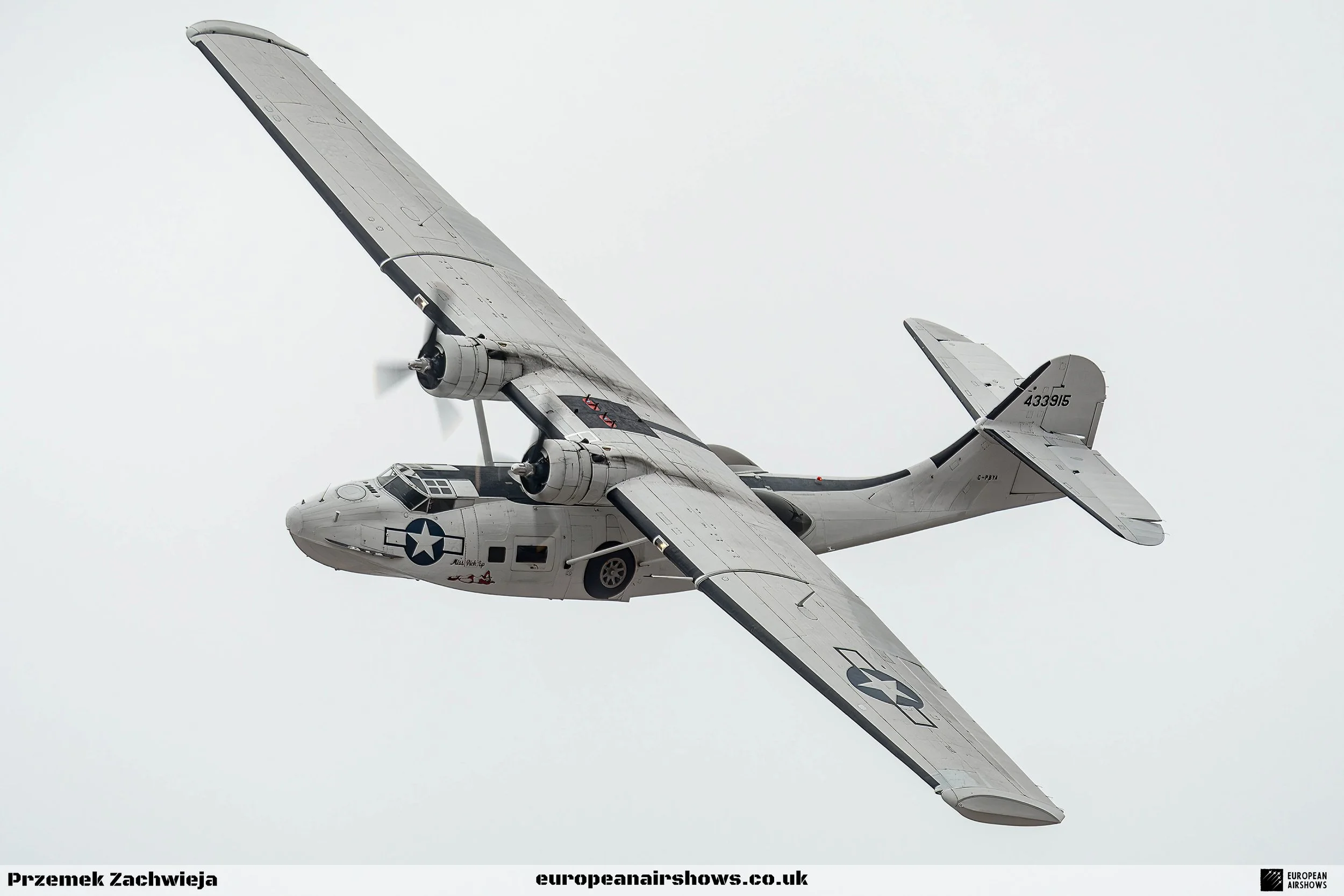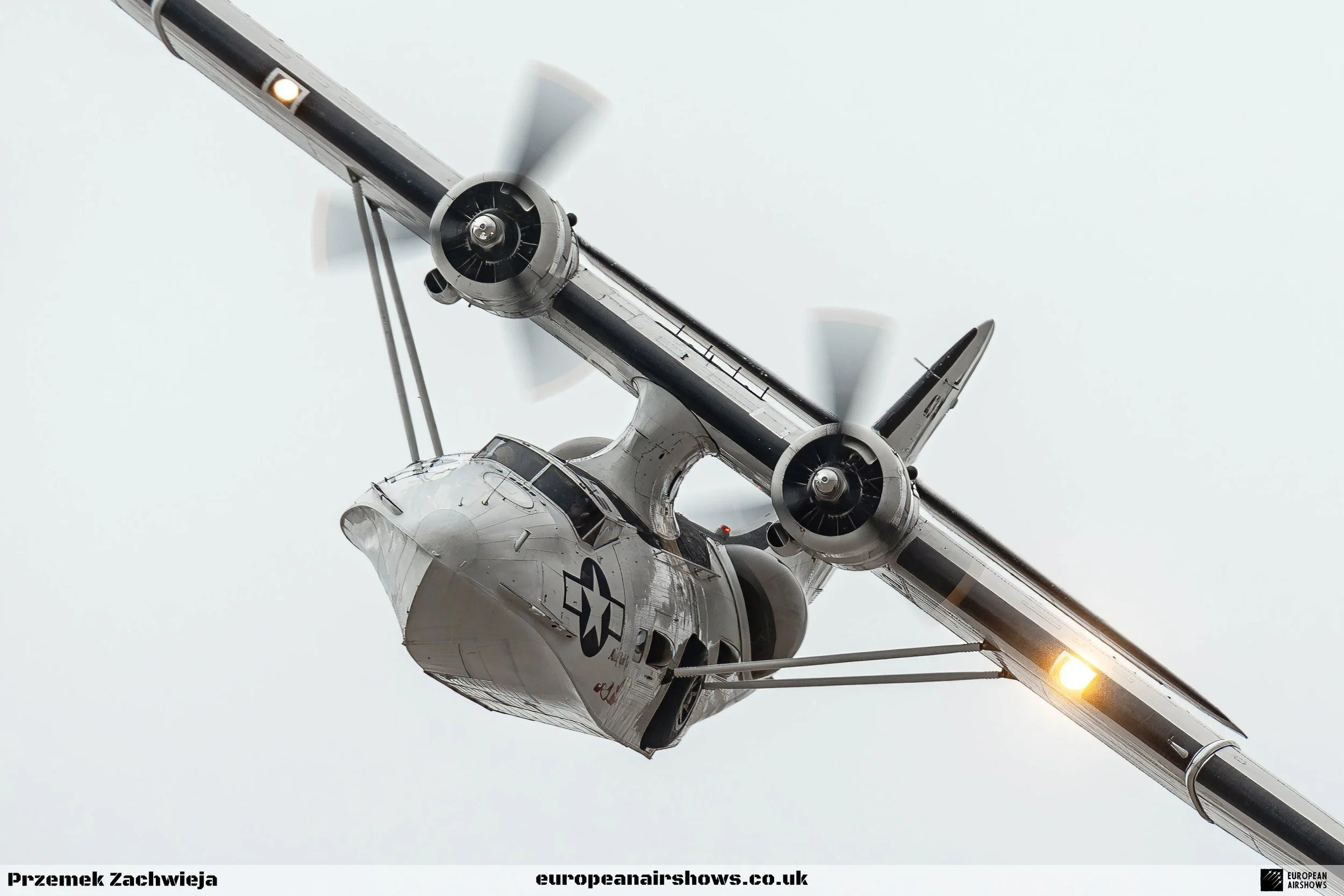
Consolidated PBY Catalina G-PBYA

Consolidated PBY Catalina G-PBYA

About the Consolidated PBY Catalina

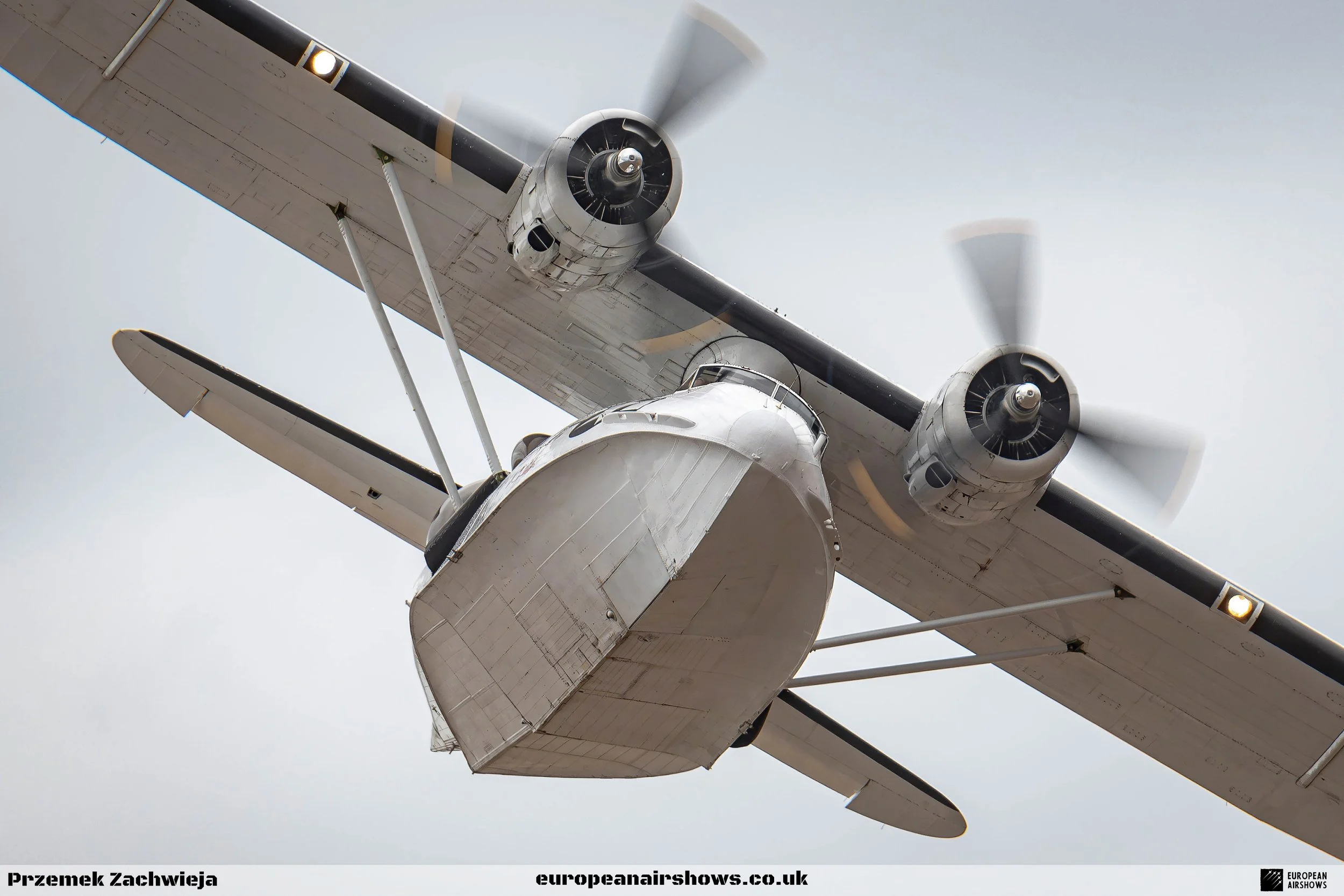
The Consolidated PBY Catalina wasn’t just an airplane—it was a flying boat that ruled the waves and skies with a rugged charm that’s hard to beat. Born in the 1930s out of Consolidated Aircraft’s San Diego hangars, this versatile beast was designed to patrol vast oceans, hunt submarines, and pluck stranded sailors from the drink. With its distinctive parasol wing perched high above a boat-like hull, the Catalina could land on water or, in later models like the PBY-5A, roll onto land with retractable gear. It wasn’t the fastest or flashiest, but its ability to loiter for hours—sometimes up to 20—made it the Allies’ unsung hero in World War II, a jack-of-all-trades that thrived where other planes couldn’t.

Picture this: it’s 1935, and the Catalina takes its first flight, a lumbering giant powered by twin Pratt & Whitney engines. By 1936, it’s in service with the U.S. Navy, ready to scan the horizon for enemy ships. When war broke out, it found its calling—spotting Japanese carriers before the Battle of Midway, shadowing U-boats in the Atlantic, even swooping in for daring rescues in the Pacific. Its long range—over 2,500 miles—meant it could roam far from base, a guardian angel for convoys and a nightmare for submarines. And those “Black Cat” squadrons? They painted their Catalinas pitch-black and struck Japanese shipping under moonlight, proving this flying boat had a sneaky side.

The Catalina didn’t fade when the guns fell silent. After World War II, it traded bombs for water buckets, battling wildfires as a firefighting plane, or hauled cargo and passengers to remote corners where runways were a fantasy. Over 3,300 were built, serving not just the U.S. but nations like Canada, Britain, and even the Soviet Union. It’s the plane that kept going, a testament to its sturdy aluminum frame and can-do spirit. From wartime heroics to peacetime workhorse, the Consolidated PBY Catalina carved its name into aviation history as the ultimate survivor.

Specifications

Crew

8

Length

63 ft 10 in (19.46 m)

Wingspan

104 ft 0 in (31.70 m)

Height

21 ft 1 in (6.43 m)

Max Speed

196 mph (315 km/h, 170 kn)

Range

2,520 mi (4,030 km, 2,180 nmi)

Service Ceiling

15,800 ft (4,800 m)

Rate of climb

690 ft/min (3.5 m/s)

Canso A Variant

The Canso A, a Canadian spin on the iconic Consolidated PBY Catalina, isn’t just another flying boat—it’s the amphibious daredevil of the family, built to strut its stuff on both water and land. Unlike its pure flying boat siblings, the Catalinas, which were stuck skimming the waves, the Canso A rocks a retractable undercarriage, letting it touch down on everything from icy runways to frozen lakes. Crafted by the skilled hands at Boeing Aircraft of Canada in Vancouver and Canadian Vickers Ltd. in Montreal, this variant took the trusty PBY-5A blueprint and gave it a distinctly Canadian makeover. Sure, it shares the same beefy airframe and roaring Pratt & Whitney engines as its American cousin, but the Canso A was tweaked to meet the Royal Canadian Air Force’s (RCAF) wild demands, making it a standout in the PBY lineup.

What really makes the Canso A pop is its knack for versatility, thanks to that game-changing amphibious design. While the standard Catalinas were fabulous on water but helpless on land, the Canso A could switch from ocean patrols to snow-covered airstrips without breaking a sweat. This wasn’t just a perk—it was a necessity for Canada’s brutal winters, where frozen surfaces often replaced open water. The RCAF didn’t stop at landing gear, though; they loaded the Canso A with specialized gear to fit their needs. Think ASV.II radar systems, tricked out in dual-mode LRASV and Polyplexer setups, perfect for sniffing out enemy subs in the Atlantic. It’s the kind of tech that turned this plane into a submarine-hunting rockstar, setting it apart from the more vanilla PBY-5A models.

But the Canso A’s differences go beyond just fancy gadgets and wheels. The RCAF demanded a brawler, and they got it with custom defensive armament that could give as good as it got. We’re talking factory-standard setups plus slick RCAF-specific flak-suppression mods, ensuring this bird could dodge and weave through enemy fire. Add to that some unique paint jobs and markings—because who says a warplane can’t look good?—and you’ve got a variant that’s as Canadian as maple syrup. While the American-built PBY-5A stuck to a more standardized script, the Canso A’s Canadian production might’ve even slipped in subtle tweaks, like different materials or build tricks, though the details stay tantalizingly vague. What’s clear is that this plane was built to thrive in Canada’s unforgiving playground.

The Canso A didn’t just borrow the PBY-5A’s design—it remixed it for the Great White North. Those 380 units churned out by Canadian Vickers and Boeing weren’t just clones; they were fine-tuned for RCAF action, with some even crossing the border to serve the USAAF as the OA-10A. The amphibious edge gave it a leg up over the water-bound Catalinas, letting it tackle missions in places where other variants would’ve floundered. Whether it was bouncing between snow and sea or packing extra punch with its tailored weaponry, the Canso A was the RCAF’s go-to for flexibility. It’s a testament to how a solid base design can get a glow-up when a country like Canada puts its stamp on it—rugged, ready, and unmistakably its own.

Did You Know?

  • The PBY Catalina got its name from Santa Catalina Island off California, where it was first dreamed up and tested—a sunny origin for a plane that’d later brave the stormiest seas.
  • In World War II, Catalinas flew the longest bombing mission ever recorded, trekking over 3,500 miles from Australia to Ceylon in 1942 to pound Japanese targets, proving stamina beats speed any day.
  • The “Black Cats” were Catalinas painted midnight black for sneaky night raids in the Pacific—imagine these hulking boats swooping down on Japanese ships like ghostly pirates of the air.
  • A Catalina saved the day after the USS Indianapolis sank in 1945, spotting survivors in shark-filled waters and calling in help—hundreds owe their lives to that eagle-eyed crew.
  • Post-war, Catalinas turned into firefighting superheroes, scooping water from lakes to douse wildfires, a far cry from dropping depth charges but just as heroic in its own way.

Test Your Knowledge

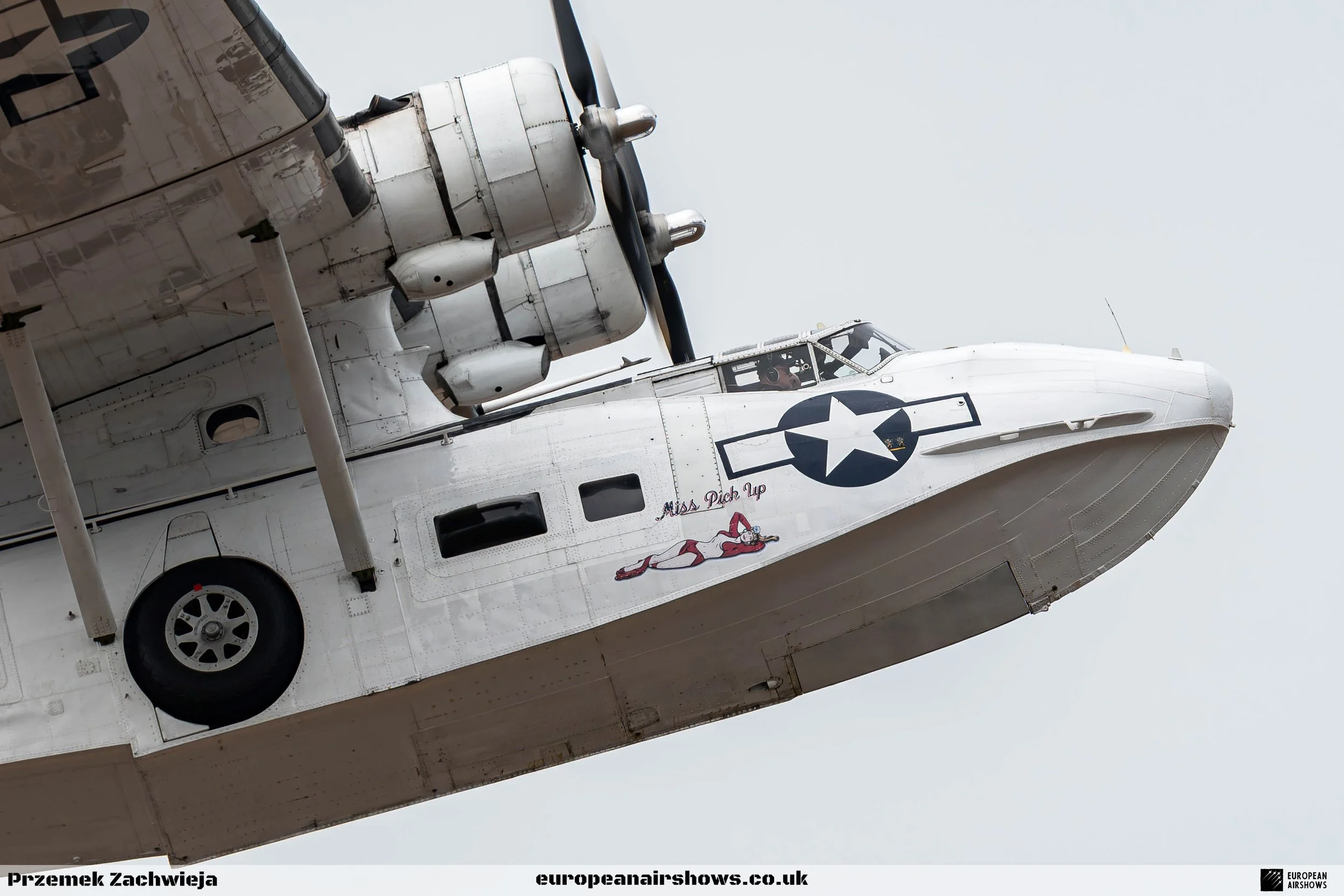
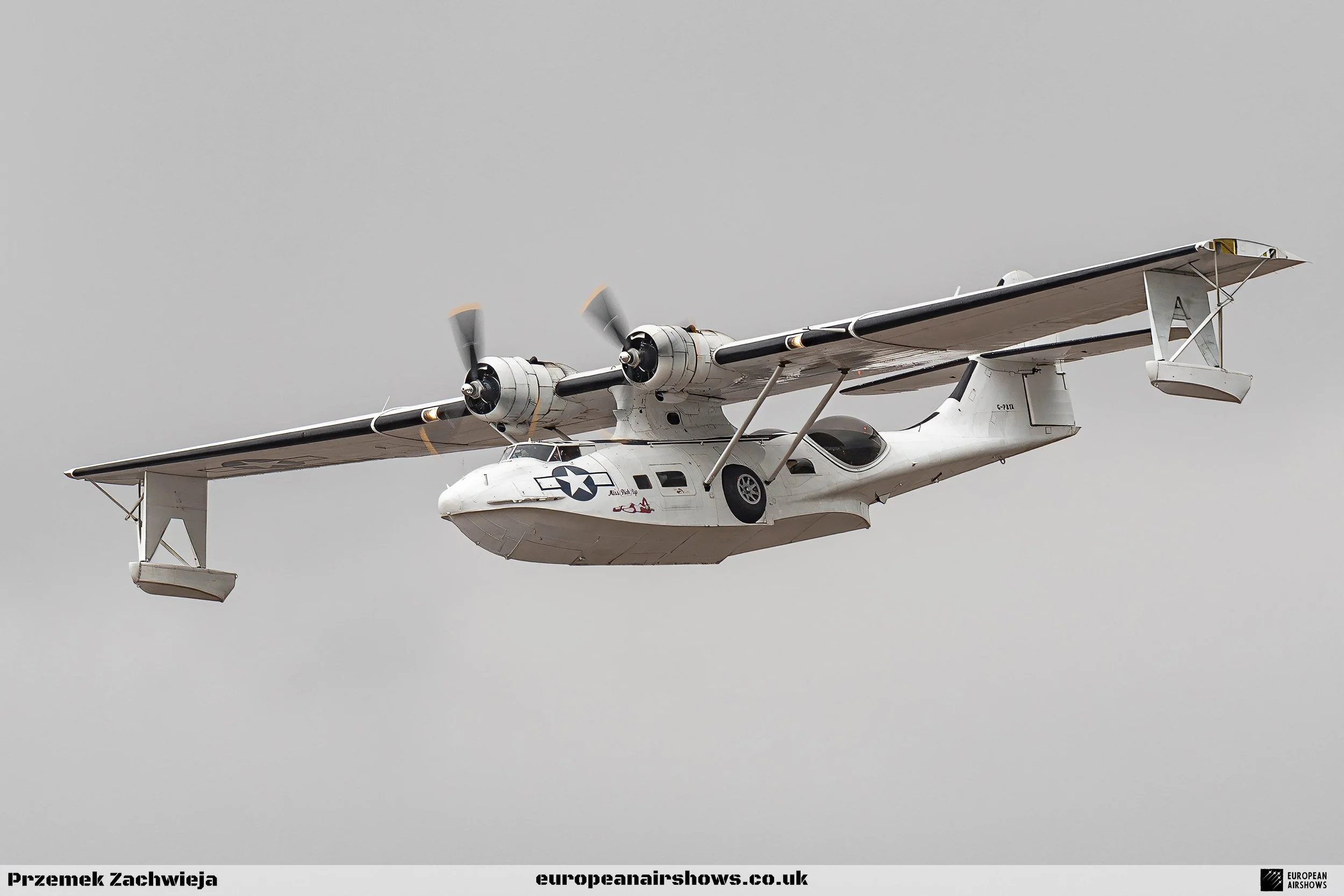
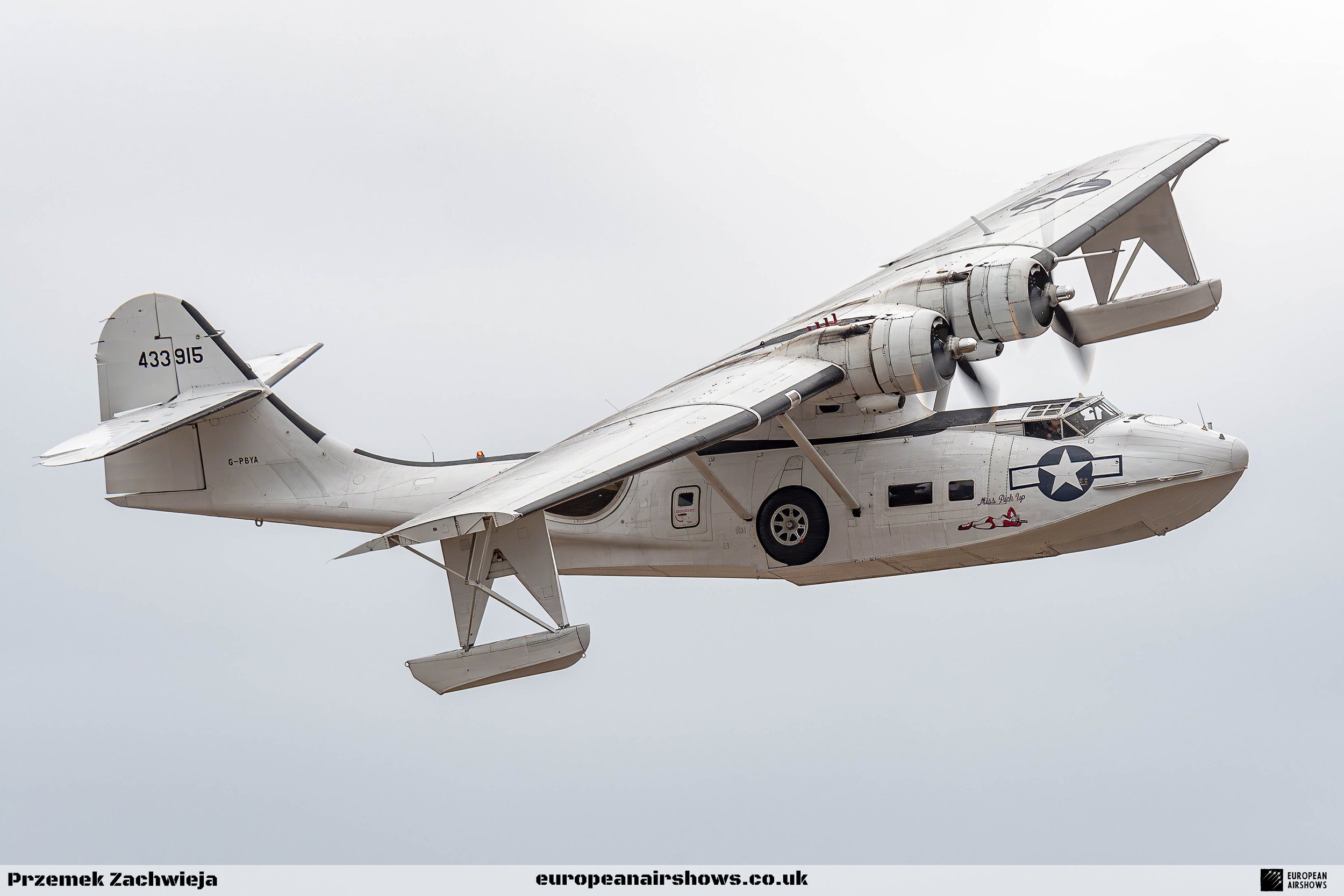
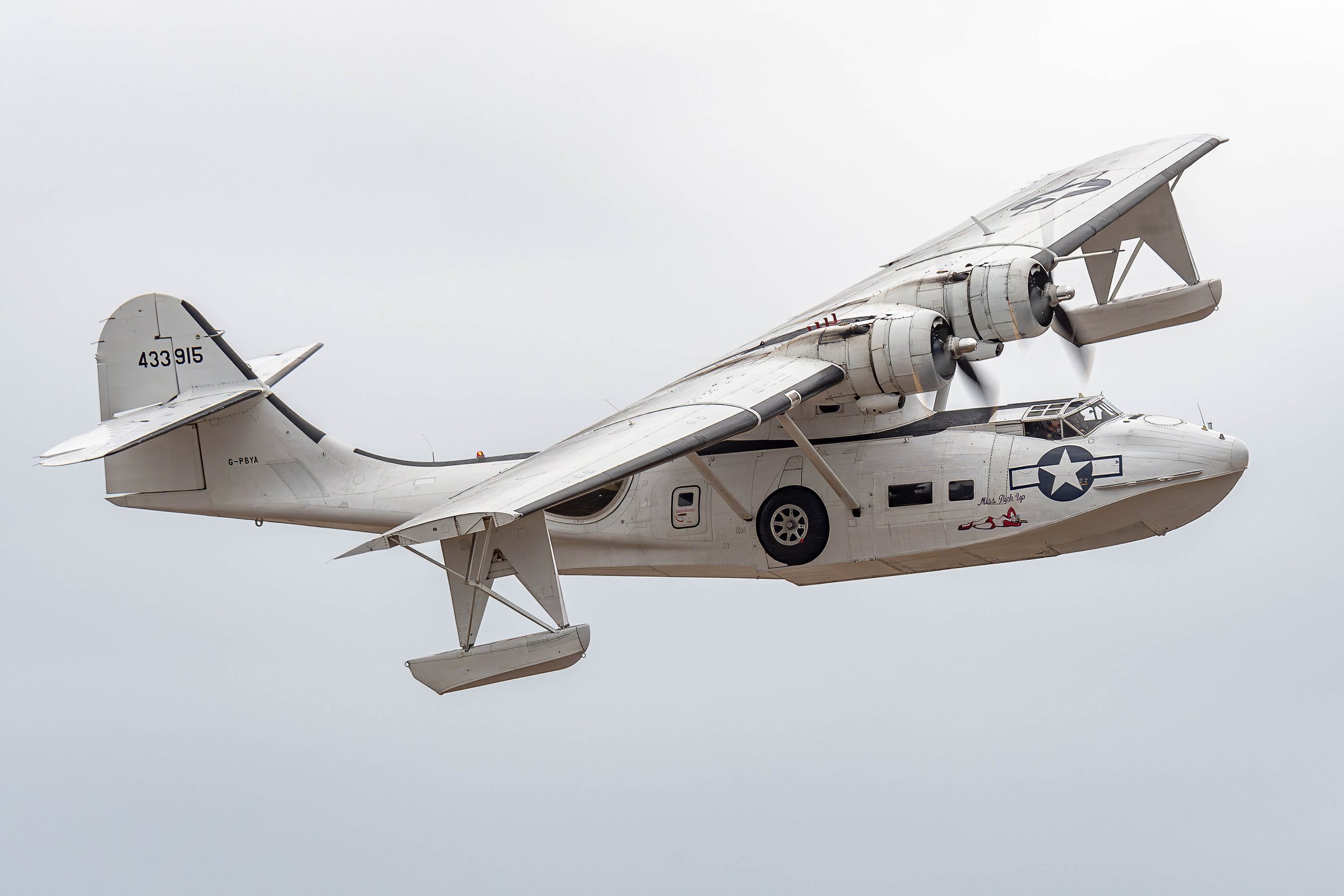
Catalina G-PBYA 'Miss Pick Up'

G-PBYA, fondly known as "Miss Pick Up," is a PBY-5A Catalina flying boat with a history as adventurous as a wartime novel, and it’s been delighting aviation fans for over 80 years. Born in 1943, this rugged amphibian rolled off the production line at Canadian Vickers in Quebec, Canada, built for the Royal Canadian Air Force (RCAF). With the serial number 11005, it joined the 9th Bomber Reconnaissance Squadron at Bella Bella, British Columbia, where it spent World War II patrolling the Pacific. Its mission? Hunting enemy submarines and keeping the coast safe. While it could take off and land on both water and runways, it mostly stuck to the waves, proving the Catalina’s knack for thriving in soggy situations.

When the war wrapped up, G-PBYA didn’t retire to a quiet hangar—it dove into civilian life with gusto. Sold off to various operators, it traded its military gear for new gigs like firefighting and cargo hauling. One standout chapter saw it battling forest fires as a water bomber in Canada and even in the South of France, where it flew under the registration F-ZBAY. But by the late 1990s, its luck seemed to run out—abandoned and rusting in Canada, it was a shadow of its former self. Enter Plane Sailing Air Displays Ltd., a UK outfit with a soft spot for Catalinas. They scooped it up, gave it a loving restoration, and in 2004, flew it across the Atlantic to Duxford Airfield in England. That transatlantic jaunt marked its rebirth as a showstopper—and Europe’s only airworthy Catalina.

At Duxford, G-PBYA found its groove as an airshow darling, now owned by Catalina Aircraft Ltd. and cheered on by The Catalina Society, its very own fan club. The nickname "Miss Pick Up" isn’t just catchy—it’s a nod to the nose art it sports, honoring OA-10A Catalina 44-33915 of the US Army Air Forces’ 5th Emergency Rescue Squadron. Based at RAF Halesworth during the war, the original "Miss Pick Up" plucked downed airmen from the North Sea, earning its playful title. G-PBYA carries that legacy skyward, a flying tribute to those daring rescues. And it’s not just a pretty face—back in 2004, it made waves (literally) with water landings France, its first in years, proving it still had the old magic.

The adventures didn’t stop there. In 2020, G-PBYA made headlines with an unexpected detour—an engine hiccup forced an emergency landing on Loch Ness, sparking a rescue mission complete with a crane and a squad of determined volunteers. It’s also strutted its stuff on screen, popping up in films and TV shows, and once even had a royal pilot—Prince Philip, the Duke of Edinburgh, took the controls. These escapades add a dash of stardom to its resume, making it more than just a plane; it’s a character with stories to tell. Now, lovingly maintained at Duxford, it keeps soaring, a testament to the Catalina’s grit and the passion of those who keep it aloft.

G-PBYA remains a crowd-pleaser, blending wartime valor with peacetime pizzazz. Whether it’s dazzling at airshows or resting in its hangar, "Miss Pick Up" is a living slice of history that refuses to fade away. Its journey—from Pacific patrols to French firefighting, from a rusty relic to a transatlantic triumph—shows off the Catalina’s staying power. With every flight, it honors its past while charming new fans, proving that some old birds just get better with age.

Return to All Performers