
Shuttleworth DH.88 Comet involved in landing accident at Flying Proms
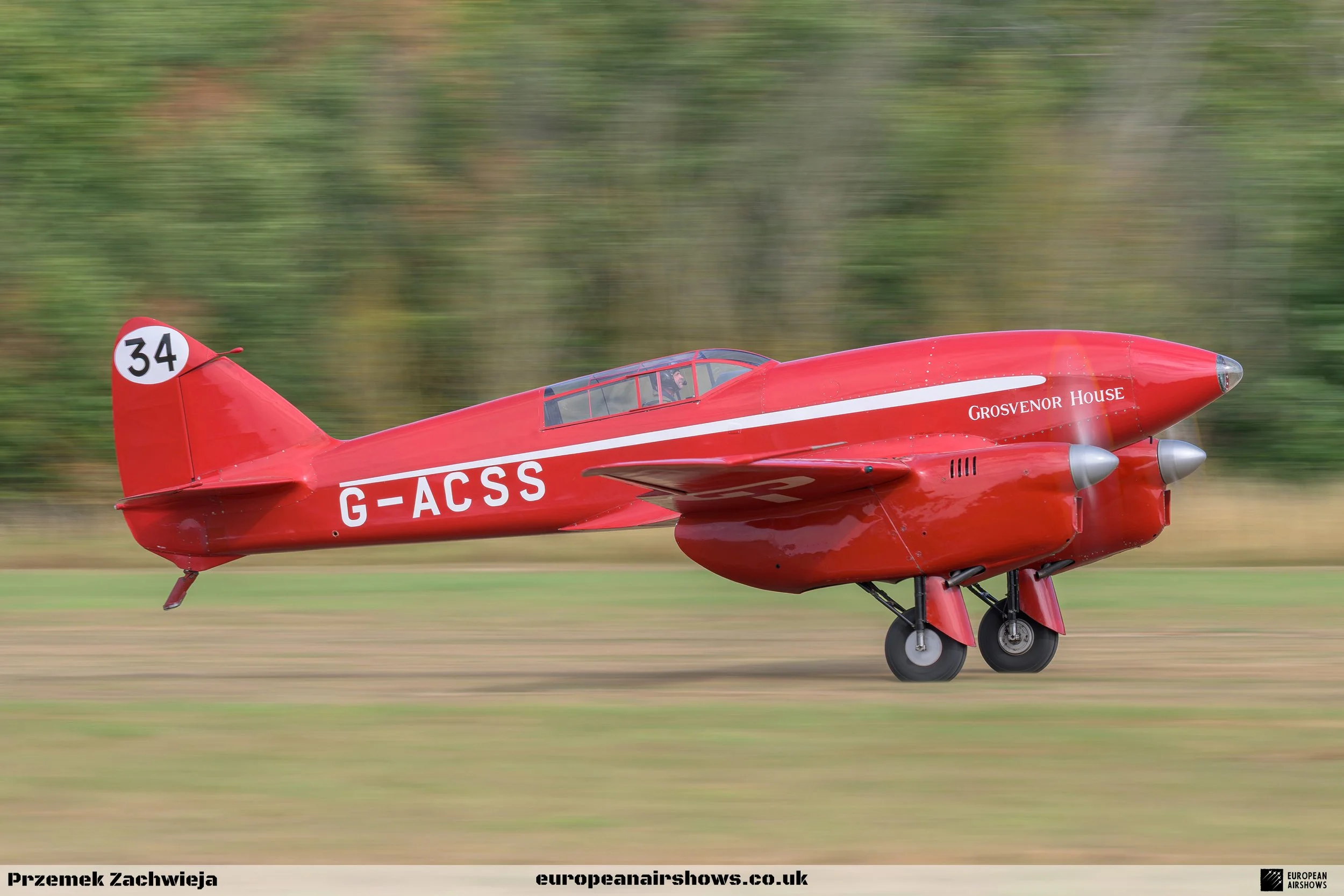
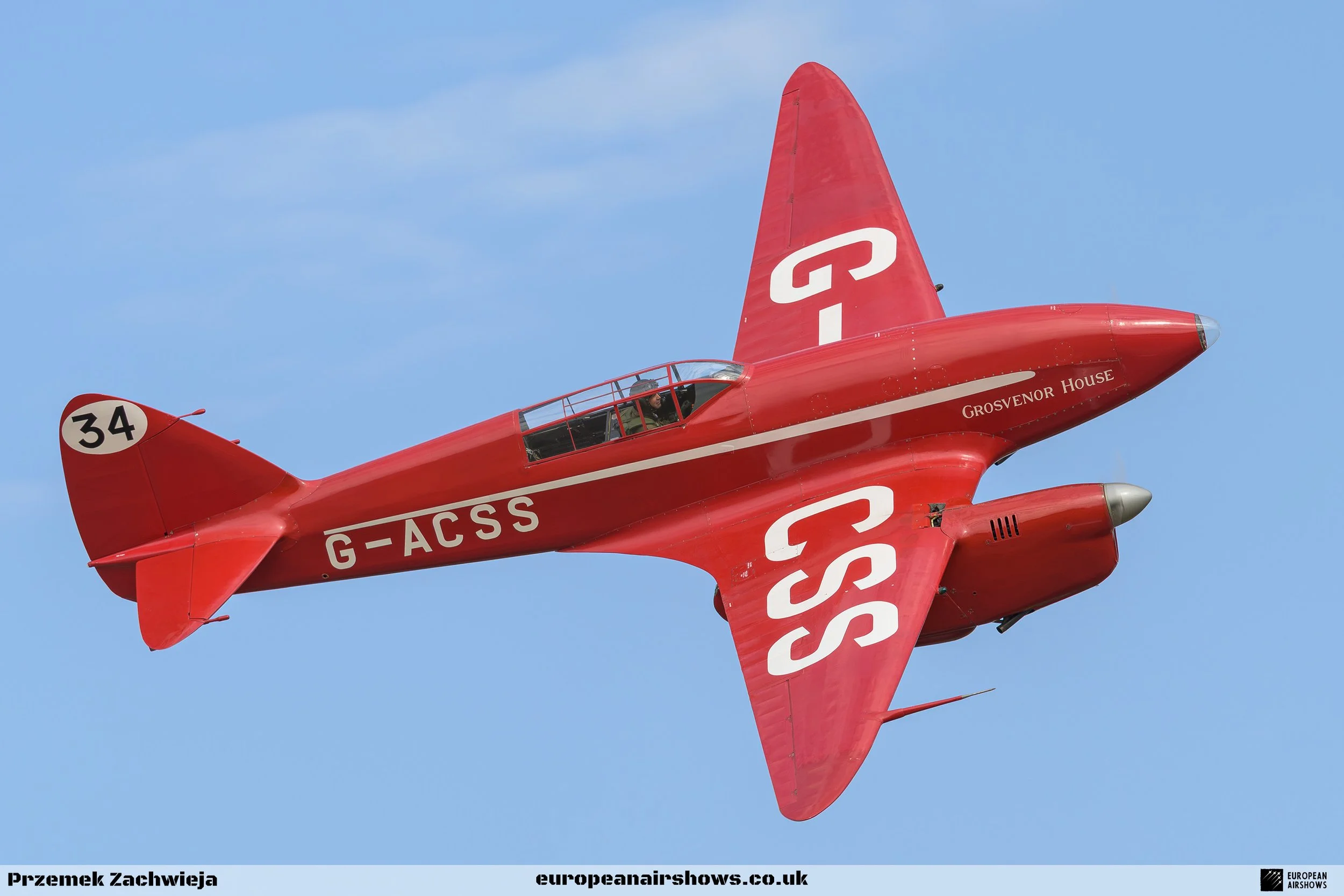
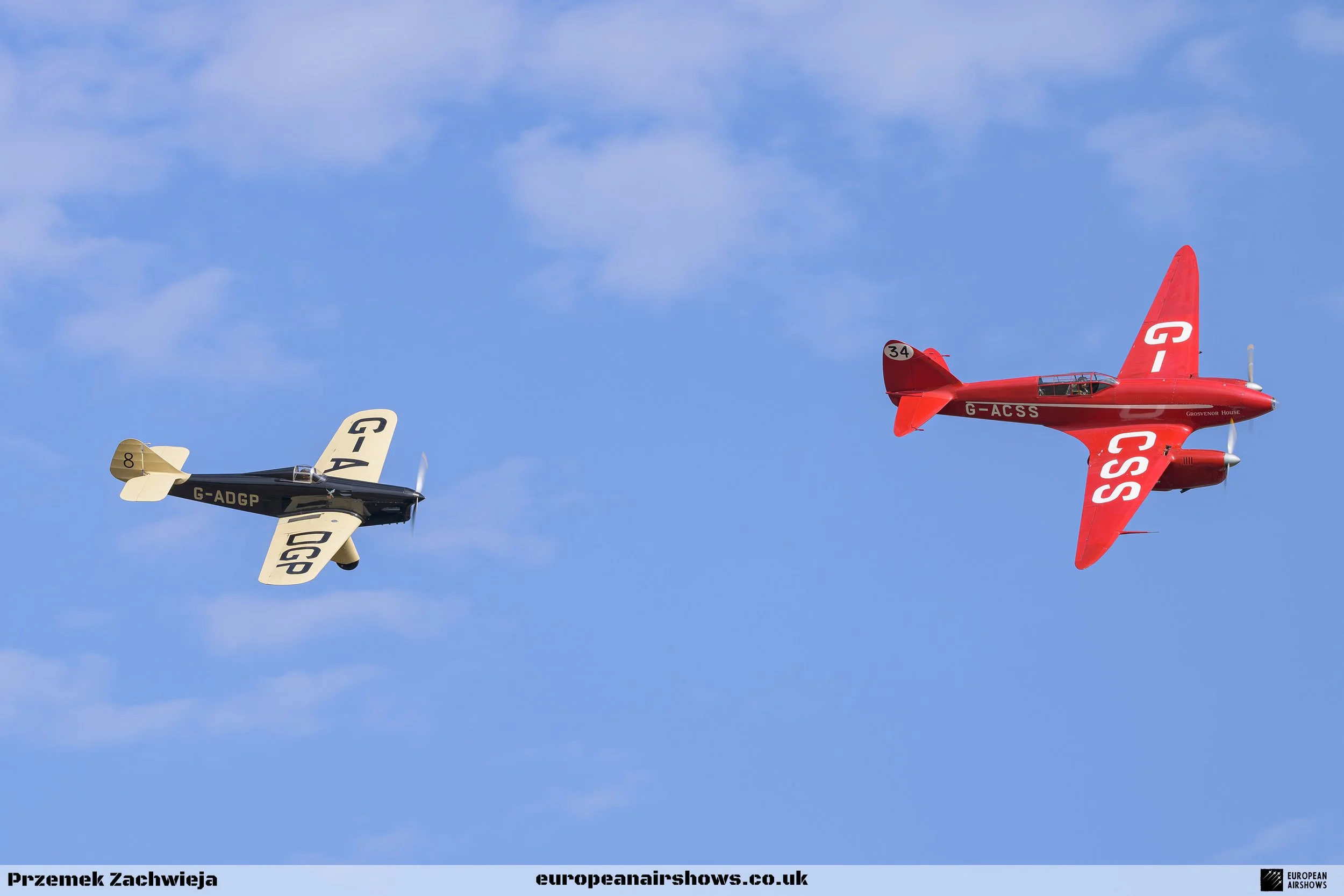
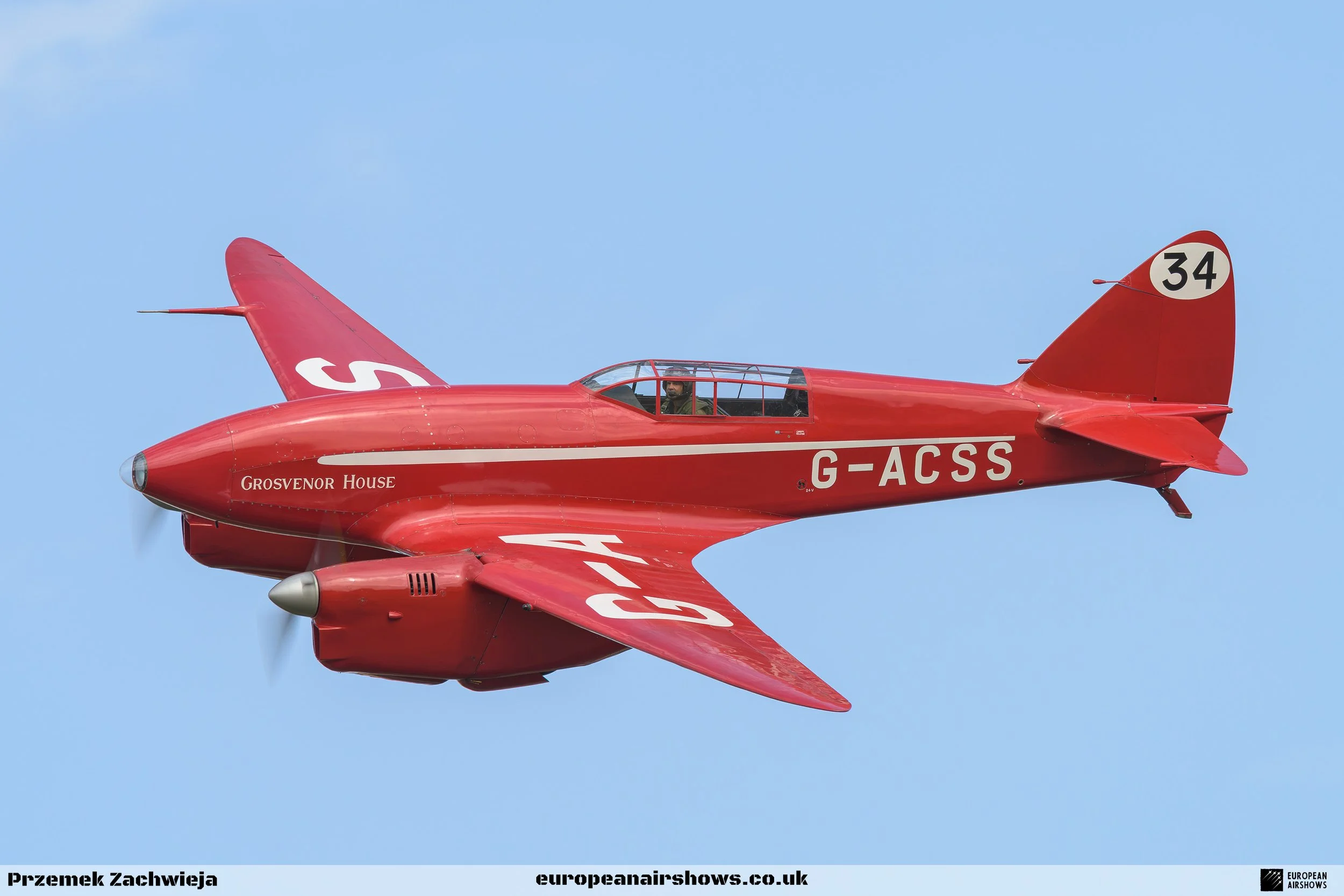
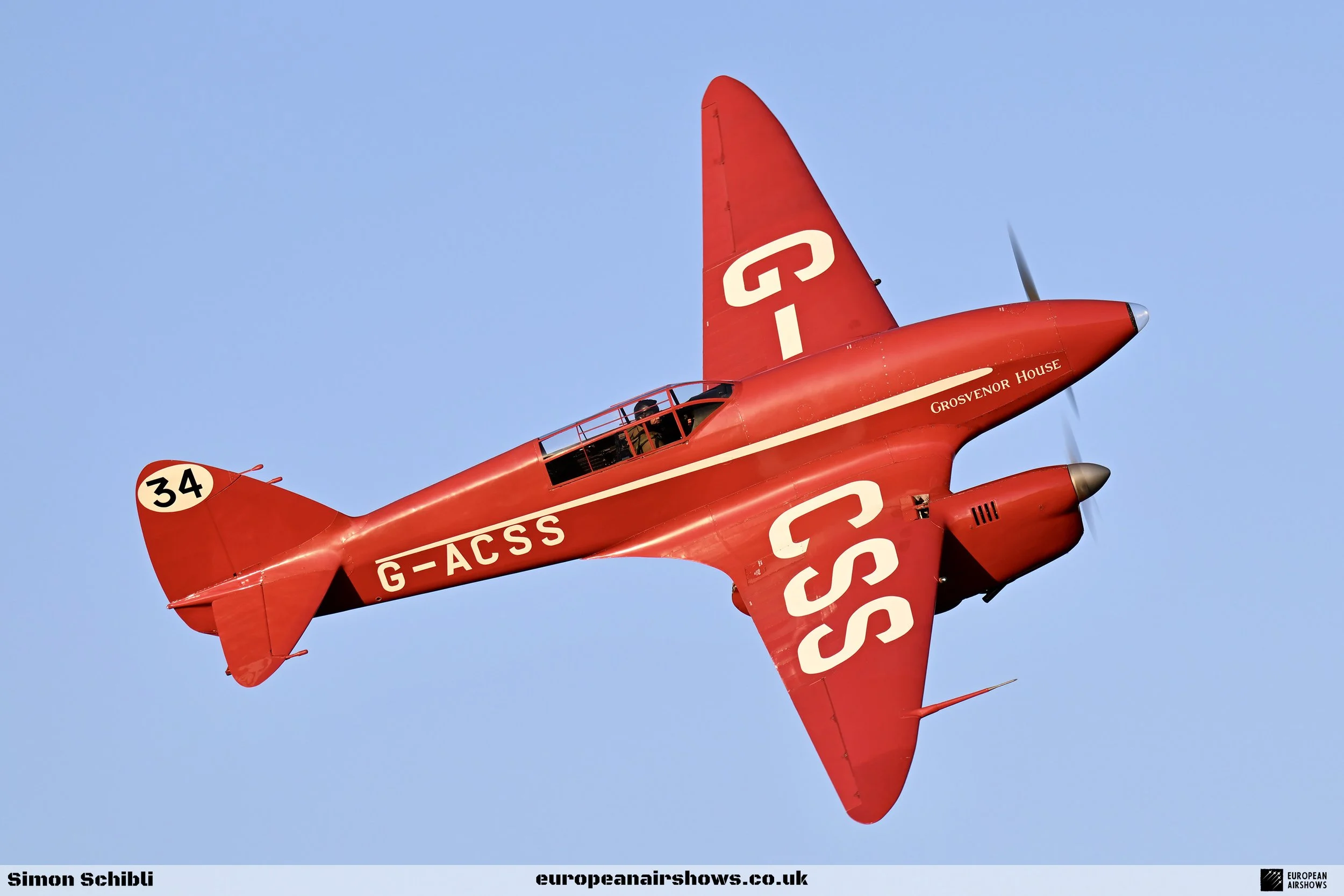
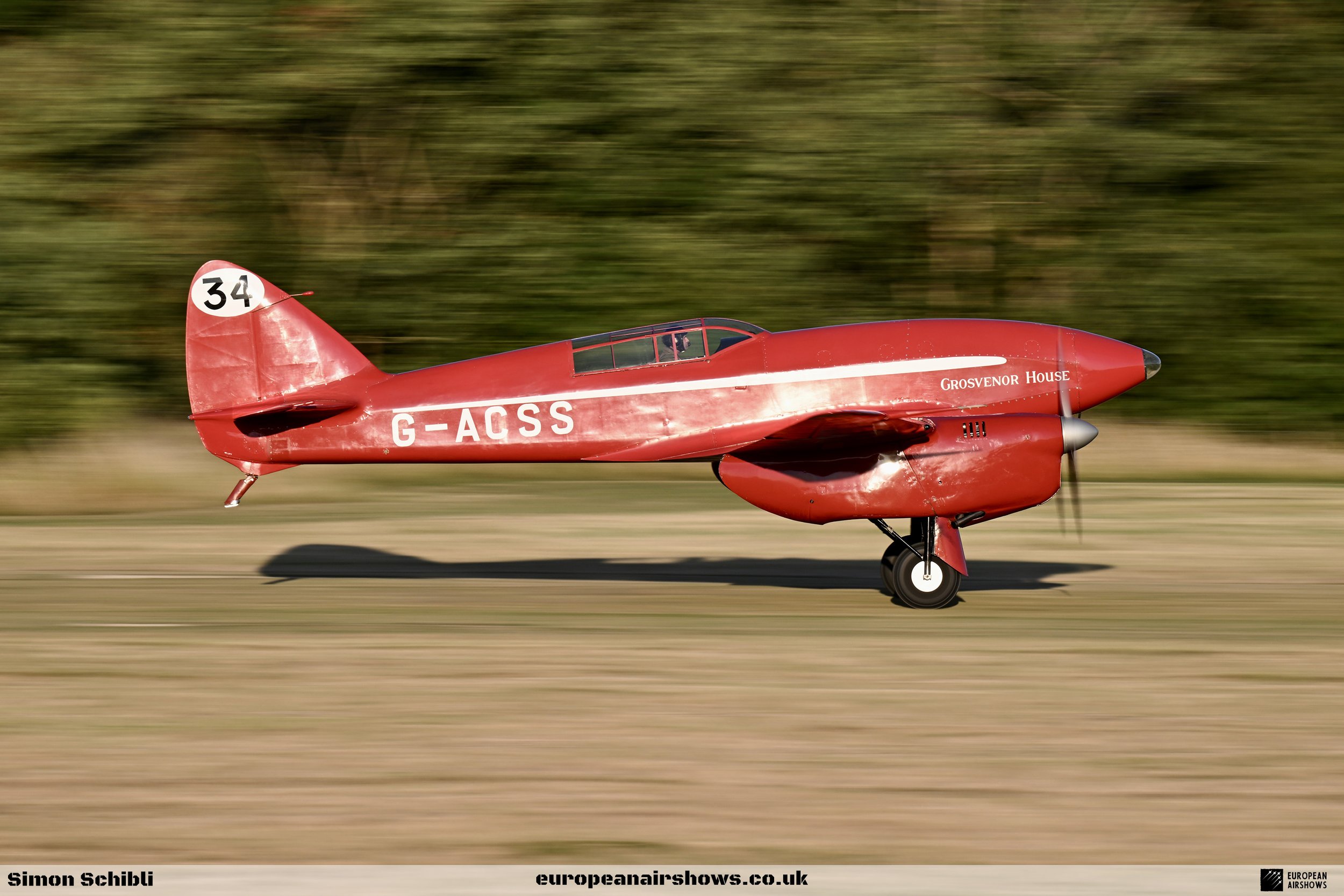
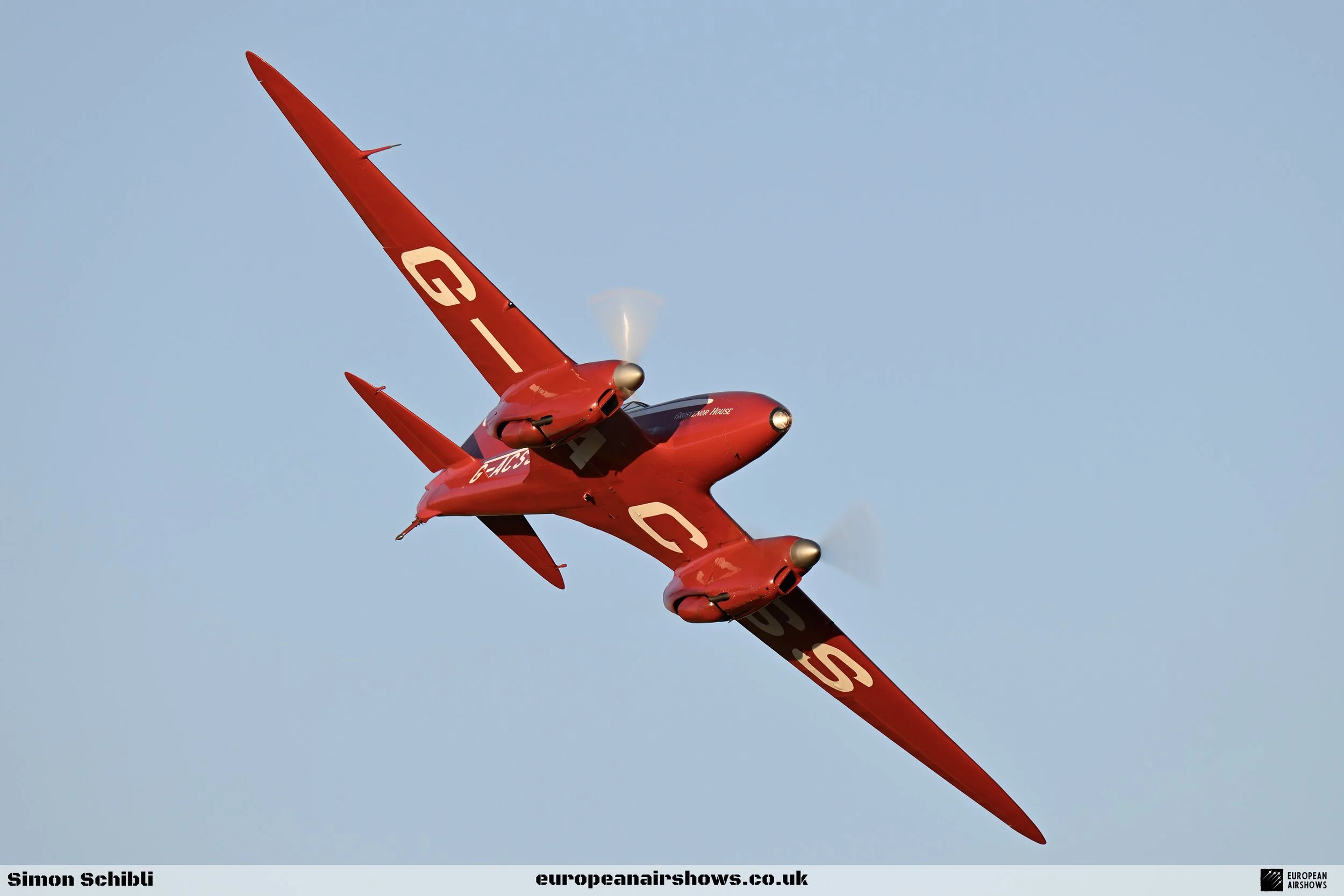
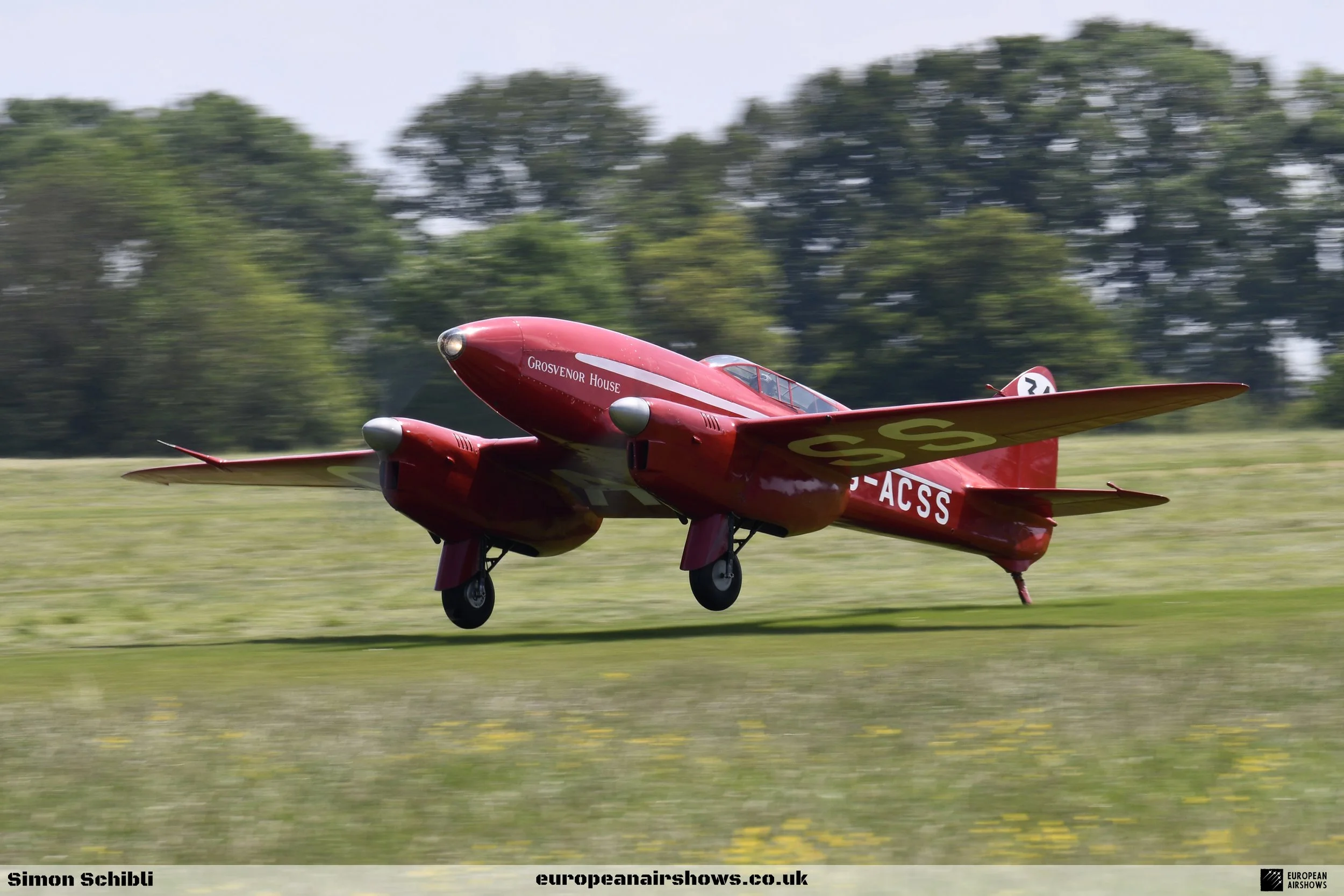
The Shuttleworth Collection’s historic de Havilland DH.88 Comet, G-ACSS Grosvenor House, has been involved in a serious landing accident during the Flying Proms Air Show at Old Warden.
The incident occurred at approximately 19:20 on Saturday, 15 August, when the aircraft nosed over while landing on the airfield’s grass runway.
Only the pilot was on board. Emergency services attended the scene and extracted the pilot from the aircraft. According to the Shuttleworth Trust, the pilot was responding and was subsequently taken to hospital for further assessment.
In a statement, the Trust said:
“The Shuttleworth Trust confirms that an incident occurred at approximately 19:20 on the airfield on 15.08.2026. This was part of the Flying Proms Air Show and involved one of our aircraft, the de Havilland DH.88 Comet, and there was one crew on board.
“The Emergency services attended and have confirmed that the crew member in question has been extracted, is responding and has been taken to hospital for further assessment.”
The second half of the orchestral performance was allowed to continue following the emergency response.
The extent of the pilot’s injuries and the damage sustained by the aircraft have not yet been confirmed.
A notoriously difficult aircraft to land
The DH.88 Comet is widely regarded as an exceptionally challenging aircraft to operate, particularly during the landing phase.
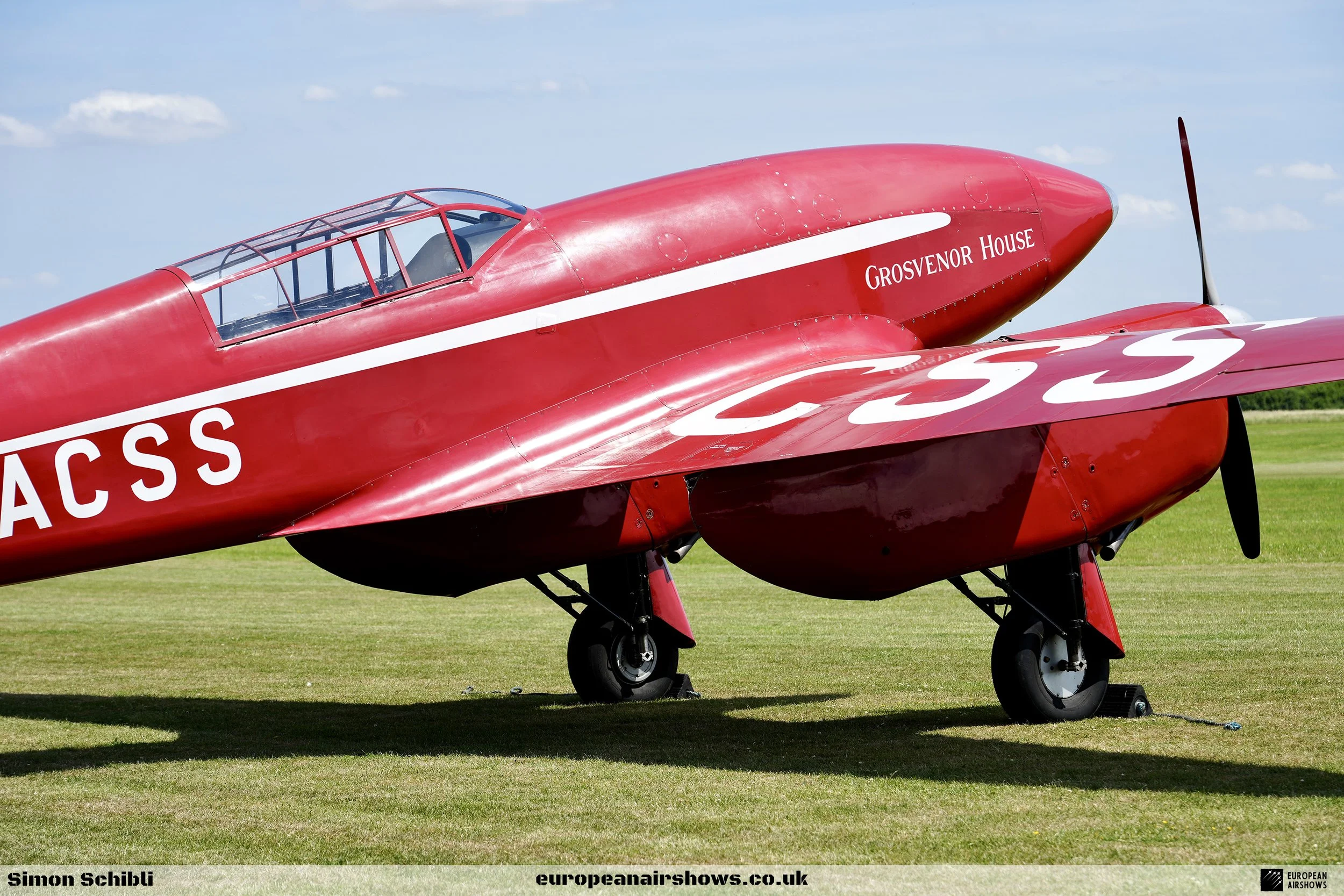
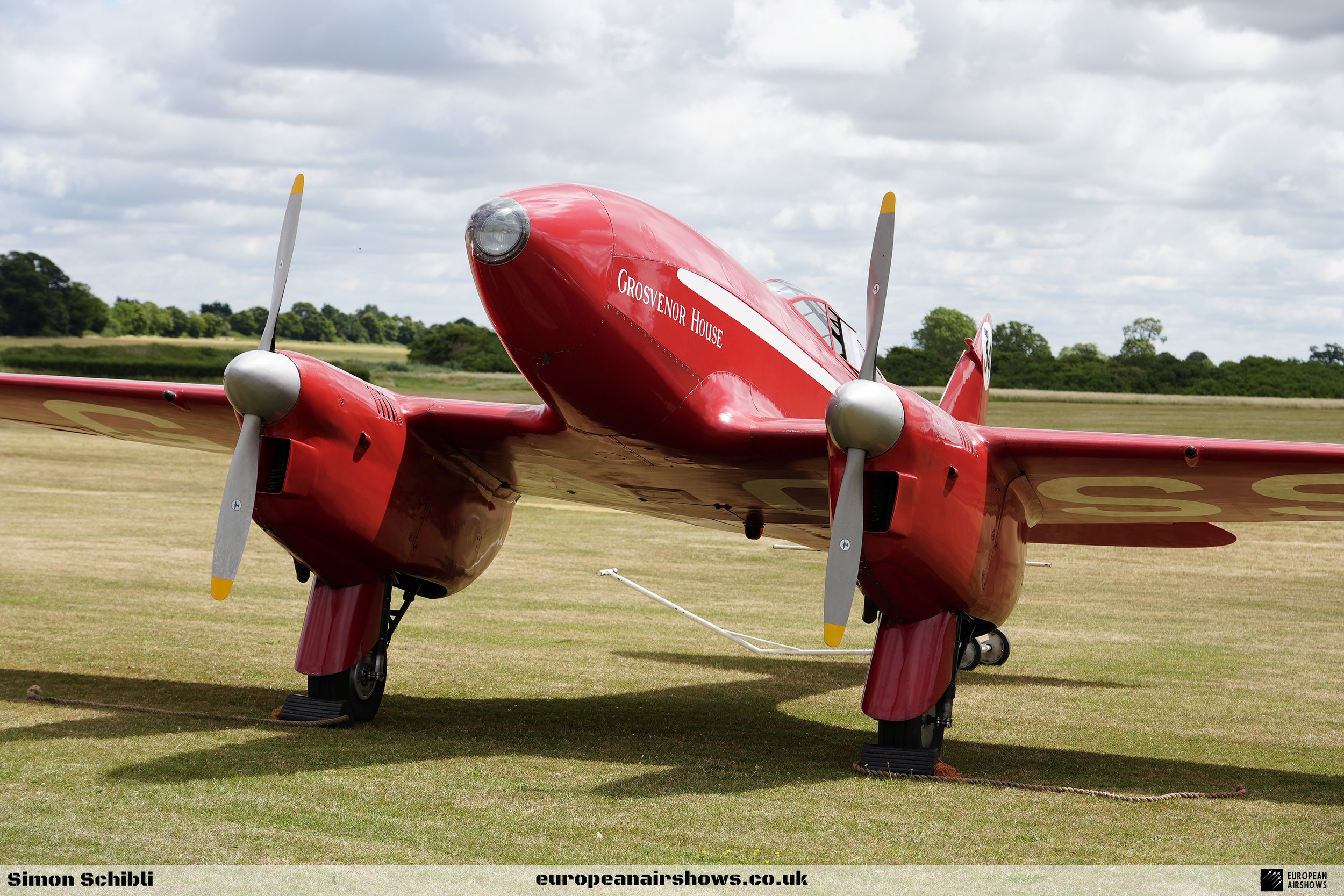
Designed specifically for the 1934 MacRobertson Air Race from England to Australia, the Comet was created for speed and long-range efficiency rather than forgiving low-speed handling. Its narrow cockpit provides very limited forward and downward visibility, while its sharply tapered wings can stall first at the tips.
There is also little conventional warning as the aircraft approaches a stall. Shuttleworth pilot Dodge Bailey previously explained that the DH.88 does not produce the usual pre-stall buffet and can roll sharply if a full stall develops.
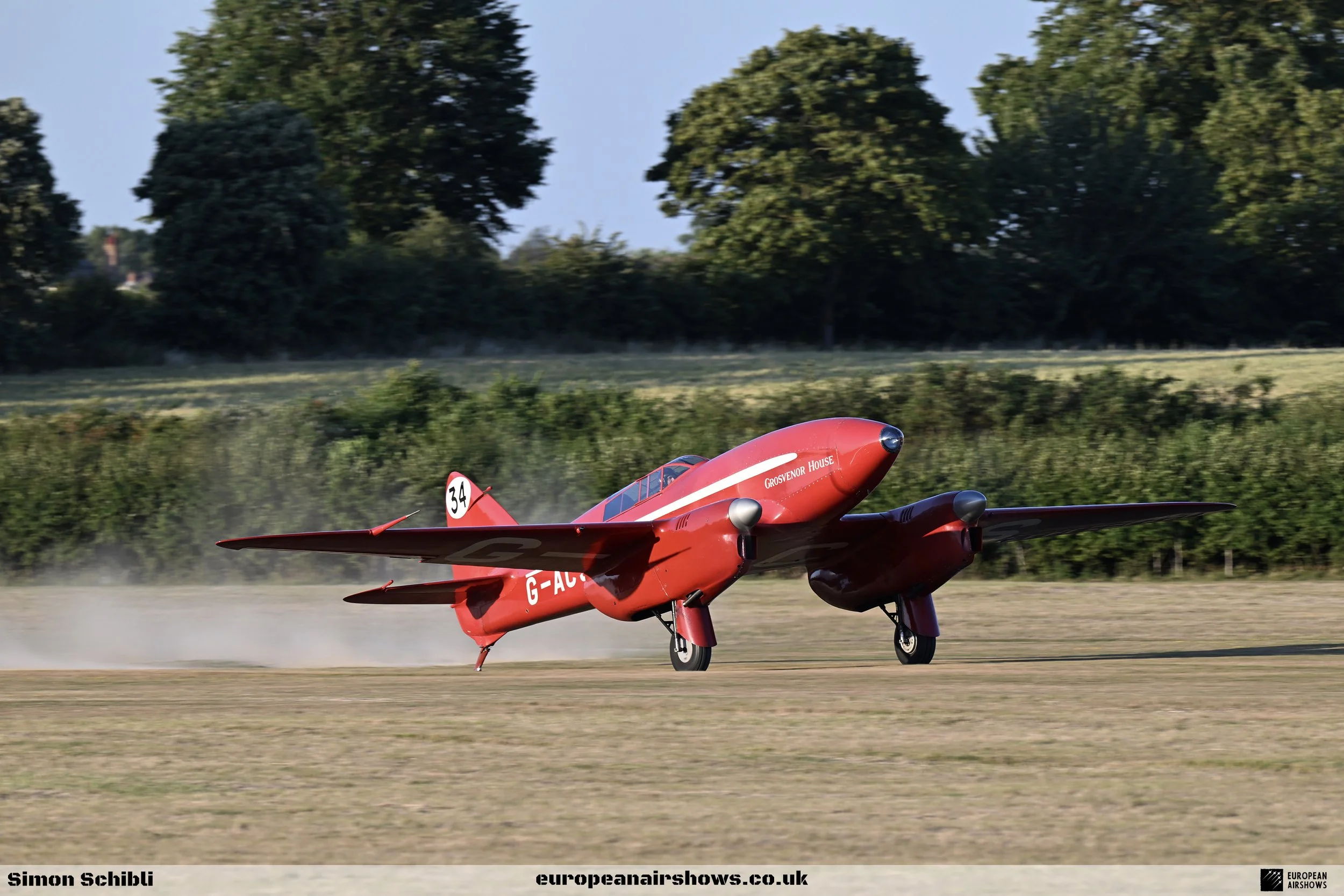
Landing the aircraft requires a precise wheel landing. Historic Comet pilot Arthur Clouston warned against attempting a conventional three-point landing because the aircraft could balloon back into the air. Its relatively high landing speed and tendency to bounce leave little room for error or unfavourable surface conditions.
The exceptionally hard ground at Old Warden could therefore be relevant to the circumstances surrounding Saturday’s accident. The airfield’s grass surface has become extremely firm following the prolonged lack of rain, and its condition was specifically mentioned during commentary at Shuttleworth’s Summer Air Show on 25 July.
A hard, dry surface provides less cushioning during touchdown and can make an already demanding aircraft more prone to bouncing. However, no cause has been established, and the condition of the runway should currently be considered only as one potential factor.
Previous accident involving G-ACSS
This is not the first landing accident involving Grosvenor House at Old Warden.
During a test flight on 28 October 2002, the aircraft bounced four times while landing before its right main undercarriage collapsed on the fifth touchdown. The Comet came to rest after dropping onto its right wingtip and engine nacelle.
An investigation by the Air Accidents Investigation Branch identified weaknesses in the original undercarriage arrangement. The landing gear structure was subsequently modified and strengthened before the aircraft eventually returned to flight in August 2014.
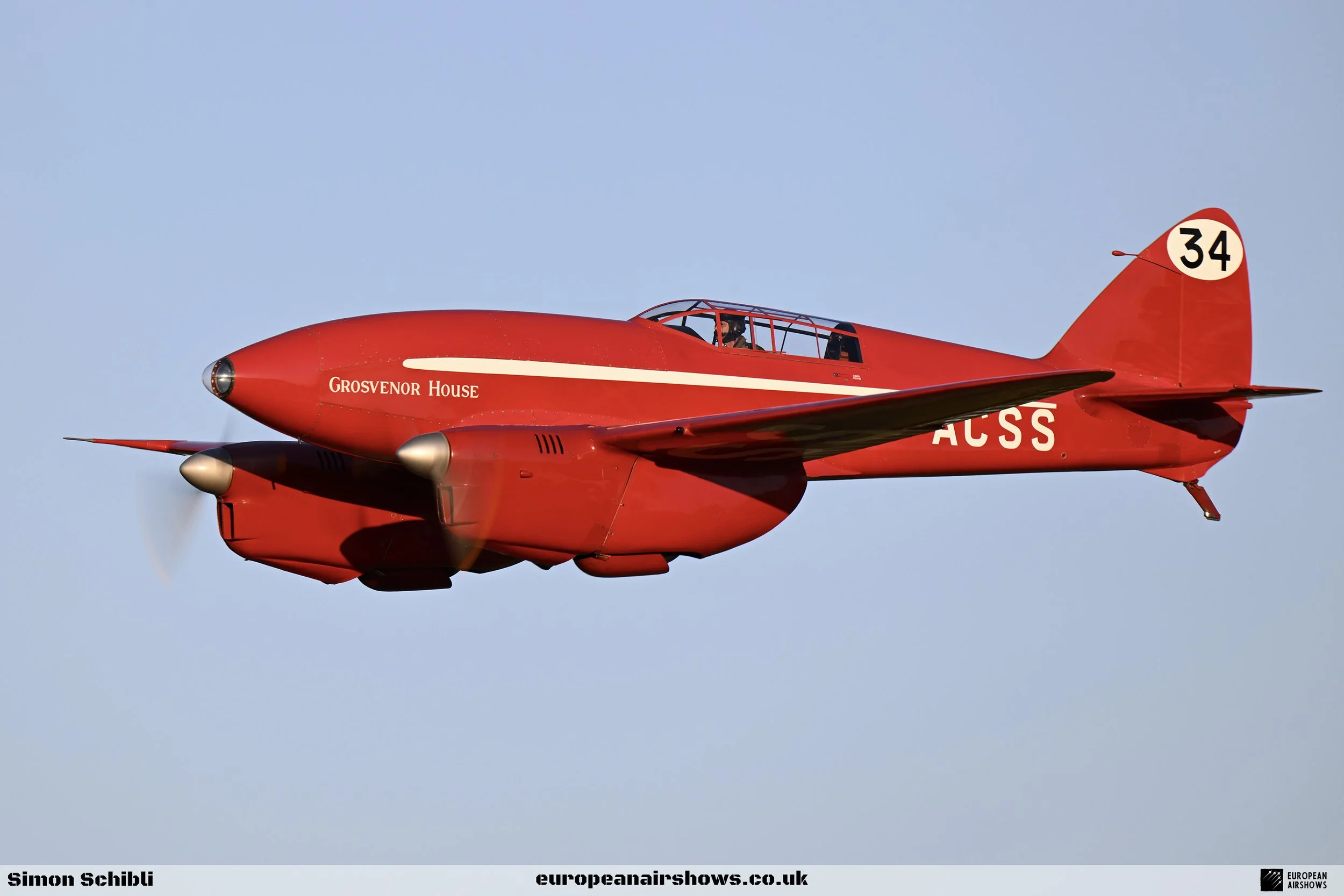
G-ACSS is the original aircraft that won the 1934 MacRobertson Air Race, completing the journey from Mildenhall to Melbourne in 70 hours and 54 minutes. Its historical importance makes Saturday’s accident a particularly serious blow for the Shuttleworth Collection and the wider historic aviation community.
Why Grosvenor House is so special
Only five DH.88 Comets were ever built, and just two original airframes are known to survive. Before Saturday’s accident, Grosvenor House was the only original example still flying, with G-ACSP Black Magic undergoing a long-term restoration.
This was not a replica or a recreation of the 1934 race winner. It was the actual aircraft flown by Charles Scott and Tom Campbell Black from England to Australia, defeating a field that included several of the most advanced racing and passenger aircraft of the period.
The Comet was one of the most advanced British aircraft of its generation. Its streamlined wooden stressed-skin construction, enclosed cockpit, retractable undercarriage, landing flaps and variable-pitch propellers brought together features that would soon become common on high-performance aircraft. Its design is often regarded as an important step towards later de Havilland aircraft, most famously the Mosquito.
The aircraft’s story did not end in Melbourne. It was later evaluated by the RAF as K5084 before being damaged in a heavy landing and sold as scrap. It was rescued, rebuilt and subsequently raced under the names The Orphan and The Burberry.
In March 1938, Arthur Clouston and Victor Ricketts flew the aircraft from England to New Zealand and back, covering more than 26,000 miles in just under eleven days. It later spent the Second World War in storage and was displayed at the 1951 Festival of Britain before joining the Shuttleworth Collection in 1965.
A restoration programme launched in 1972 eventually returned the Comet to the air in May 1987 after 49 years on the ground. Following its 2002 landing accident, another lengthy programme of engineering work brought it back once again in 2014.
Its survival across more than nine decades, several accidents and two major restorations makes Grosvenor House far more than another historic display aircraft. It is a genuine record-breaking machine from one of the most important periods in British aviation history.
Second serious accident at Shuttleworth this year
Saturday’s incident is the second serious aircraft accident during a Shuttleworth airshow in 2026.
On 30 May, the replica Avro Triplane G-ARSG struck trees at low speed during the Wings and Wheels Air Show at Old Warden. The pilot survived and was later discharged from hospital, although the aircraft sustained substantial damage.
That accident remains under investigation by the Air Accidents Investigation Branch.
Further information regarding the condition of the DH.88 Comet and its pilot is expected to be released by the Shuttleworth Trust when available.
What happens next?
The pilot has been extracted from the aircraft and taken to hospital for further assessment. Attention will now turn to recovering Grosvenor House and establishing the full extent of the damage.
The aircraft bounced during landing before tipping onto its nose. The exact sequence of events and any contributing factors, including the unusually hard condition of the grass airfield, will need to be examined before further conclusions are drawn.
It is too early to determine whether the Comet can be repaired or how long any potential restoration might take. Its wooden construction will require a thorough inspection, as some structural damage may not be immediately visible.
However, Grosvenor House has survived serious damage before and has already been returned to the air following more than one major restoration. Further information is expected from the Shuttleworth Trust once the pilot’s condition and the extent of the damage are known.
