
FUBAR Aviation Acquires MiG-21 for Return to Flight
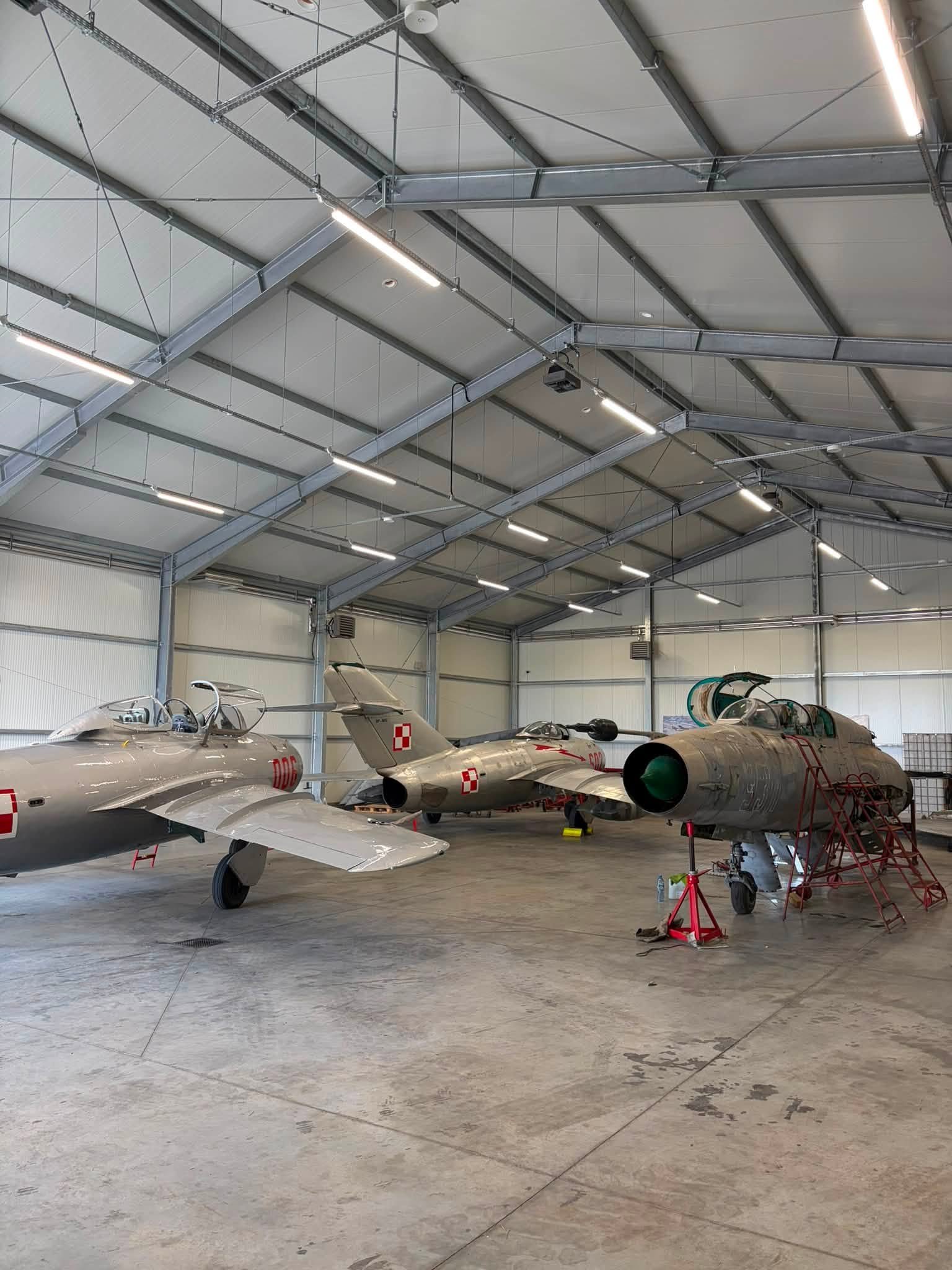
FUBAR Aviation has acquired former Polish Air Force MiG-21UM “9311”, adding one of the Cold War’s most recognisable supersonic fighters to its rapidly expanding collection of historic jets.
The aircraft has already arrived at the company’s hangar at Olsztyn-Mazury Airport. FUBAR initially announced that further details would follow before answering the question everyone was asking: “Yes, it will fly.”
Once returned to airworthy condition, 9311 is expected to become the only MiG-21 flying in Europe.
From the MiG-15 to the MiG-21
The acquisition represents a major step forward for FUBAR Aviation, which has built one of Europe’s most important collections of operational Cold War jets.
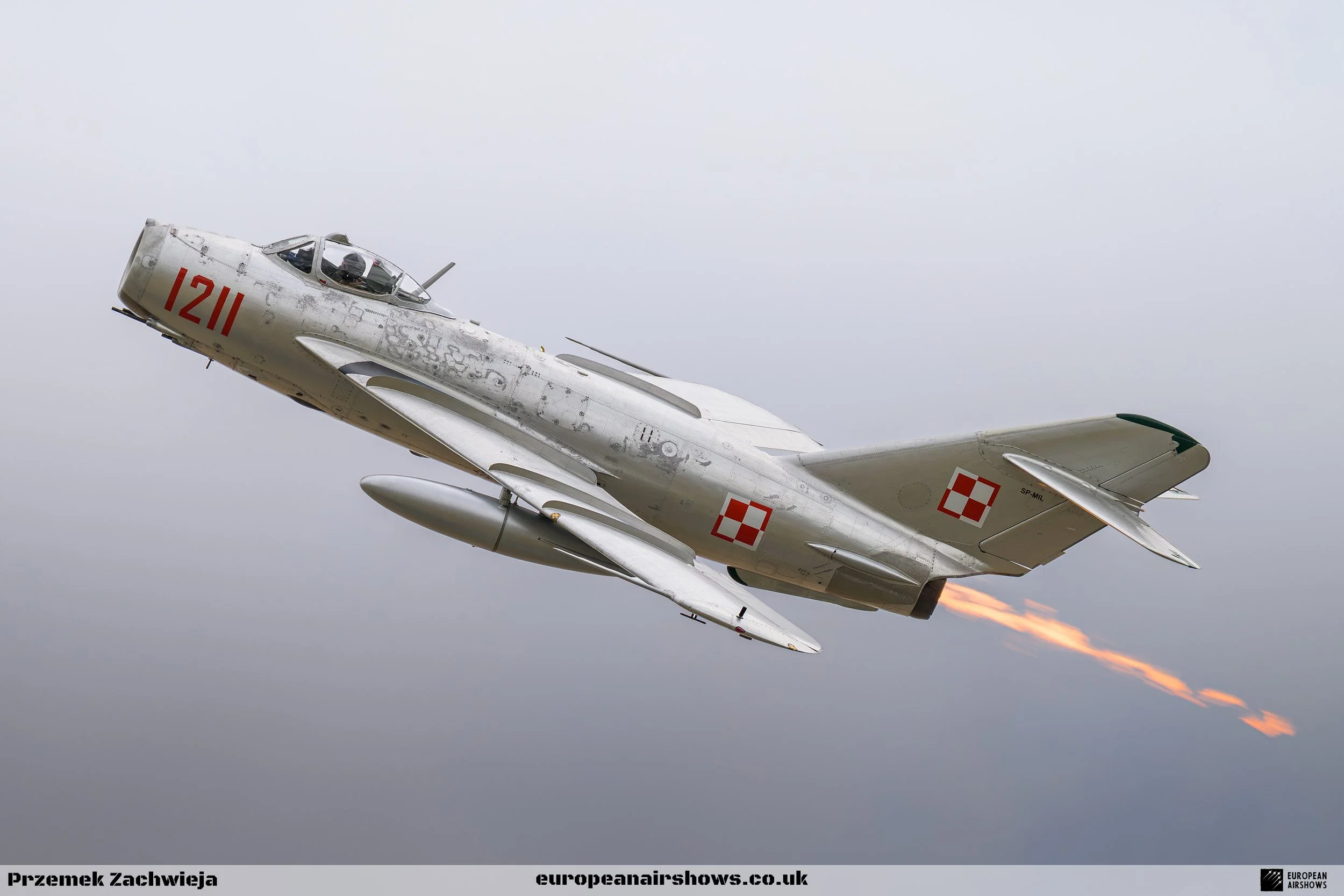
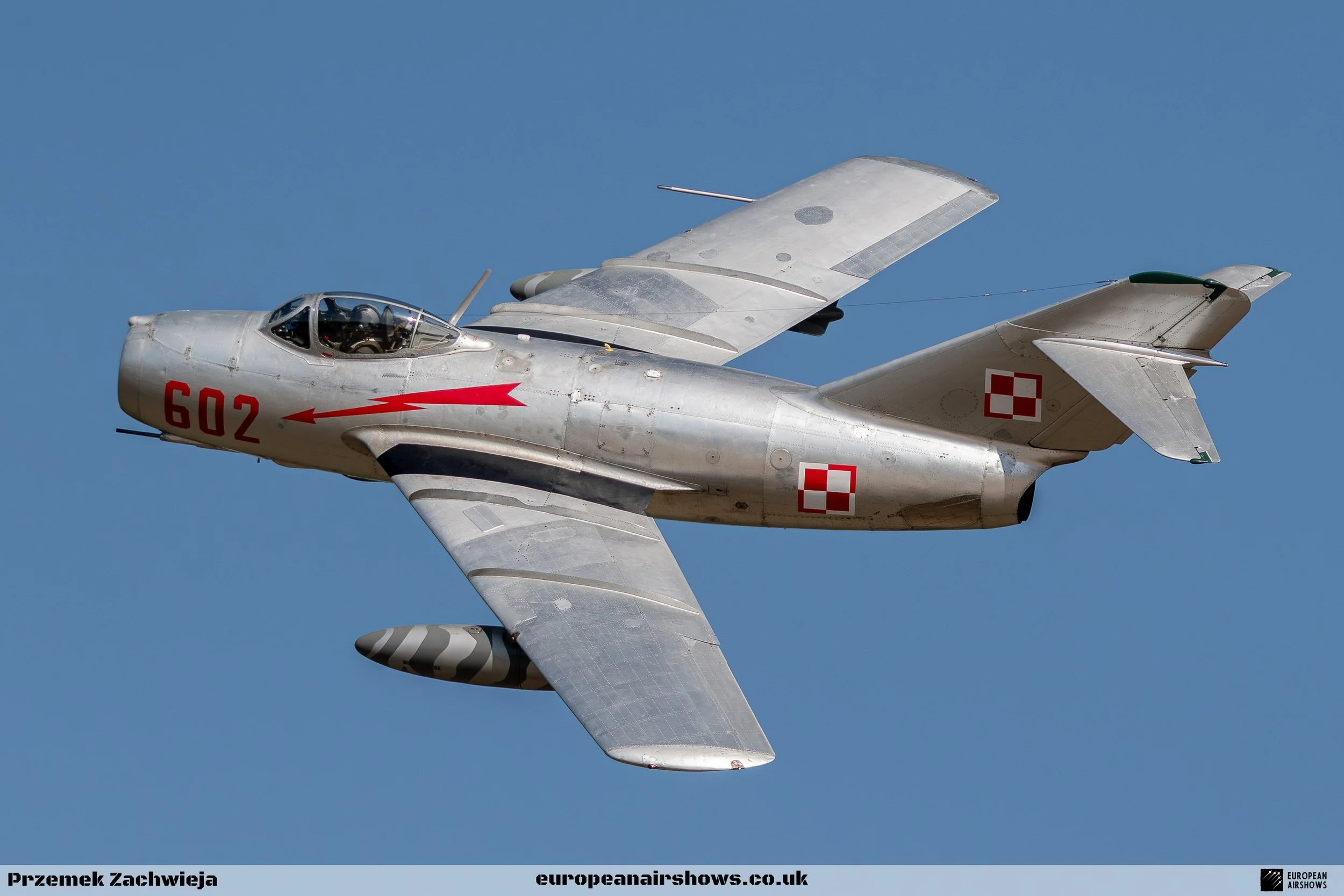
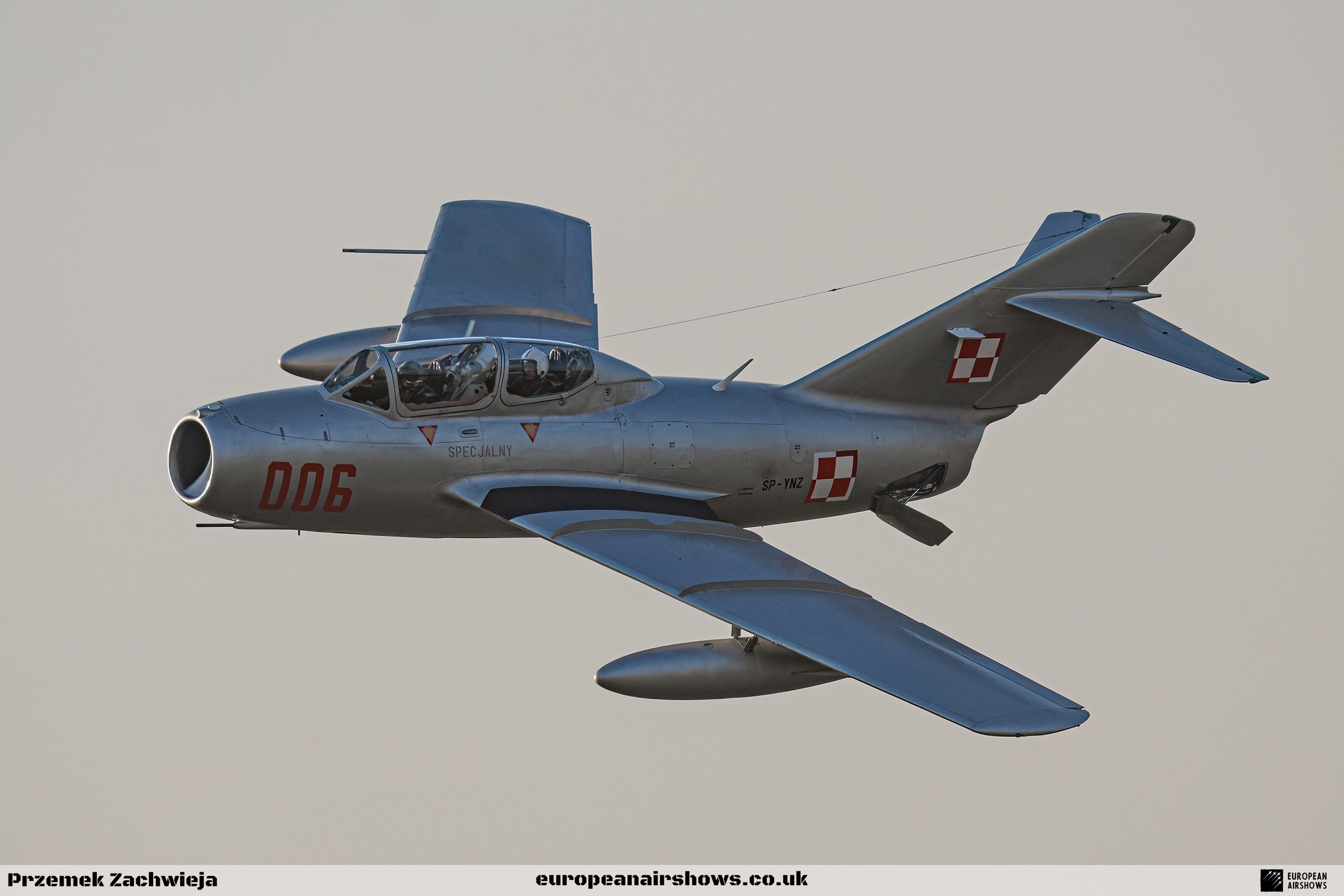
Its existing fleet includes Lim-2/MiG-15bis SP-MIG, two-seat SB Lim-2/MiG-15UTI SP-UTI and Lim-5/MiG-17F SP-MIL. The recently restored Lim-5 made its flying debut in 2026 and is currently the only airworthy MiG-17-family aircraft based in Europe. Adding the MiG-21UM means the Polish operator now has flying or planned-to-fly representatives of three successive generations of Mikoyan fighter development: the MiG-15, MiG-17 and MiG-21.
Unlike the single-seat fighters that made the MiG-21 famous, the UM is a two-seat trainer-combat version with tandem cockpits for an instructor and student. It was the final major two-seat training variant of the MiG-21 family and allowed pilots to learn the handling of a genuinely supersonic fighter before progressing to operational single-seat aircraft. Poland received 54 MiG-21UMs between 1971 and 1981.
The History of MiG-21UM 9311
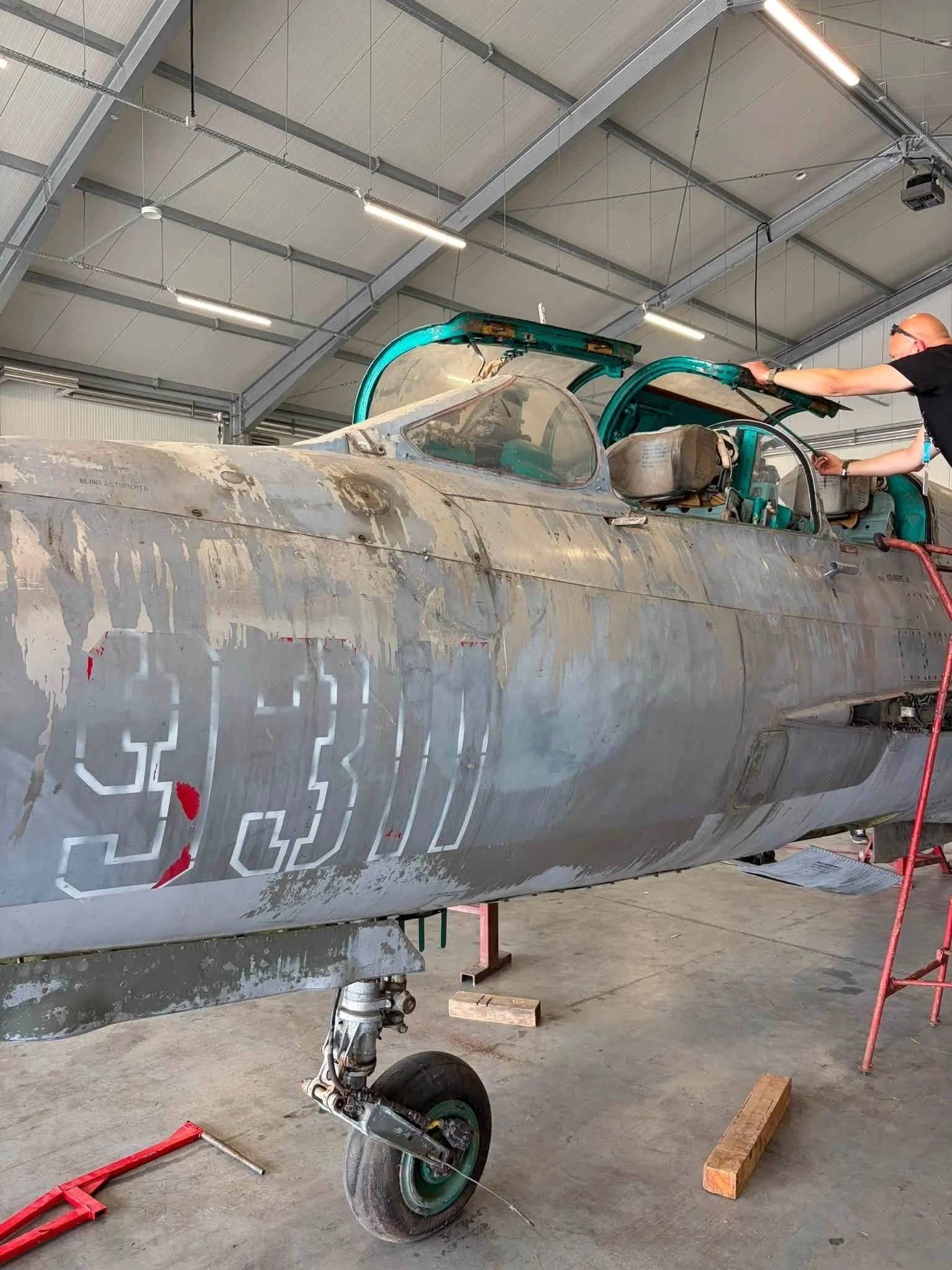
MiG-21UM 9311 carries construction number 516999311 and was delivered to Polish military aviation on 28 July 1980.
Its first known unit was the 26th Fighter Aviation Regiment at Zegrze Pomorskie, one of the principal Polish MiG-21 bases during the Cold War. The regiment operated several versions of the Fishbed, including the two-seat UM used for conversion training, continuation flying and pilot proficiency.
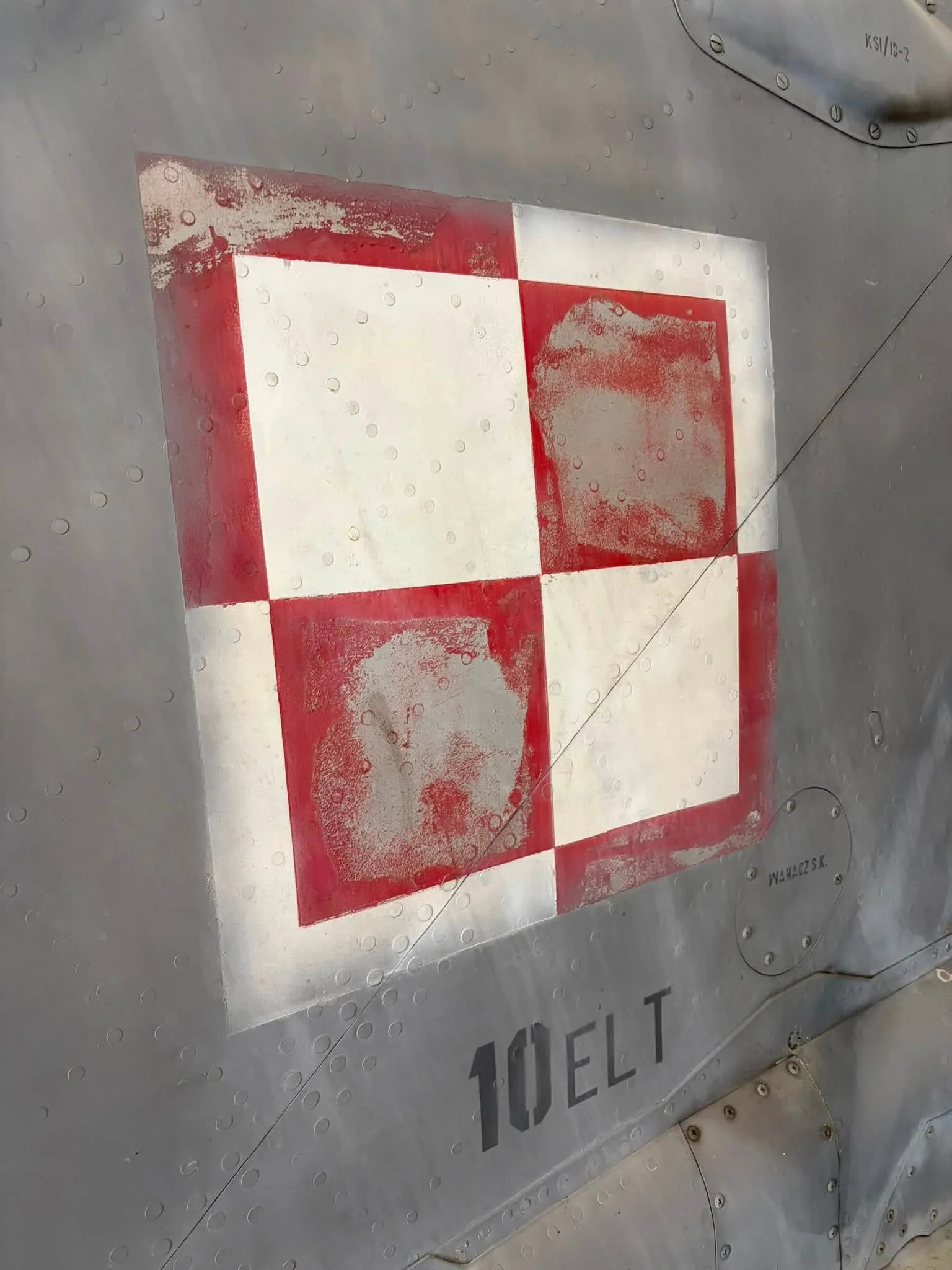
The aircraft was later transferred to Łask, where it served with the unit that became the 10th Tactical Aviation Squadron. During this period, 9311 received the distinctive multi-grey camouflage associated with Łask’s final generation of MiG-21s, replacing the natural-metal finish worn by many Polish examples earlier in their careers.
Several Łask MiG-21s were repainted around 2000 as the unit prepared its aircraft for public appearances during the closing years of Polish Fishbed operations. The camouflage made 9311 one of the more recognisable Polish MiG-21UMs and has since been reproduced by model and decal manufacturers.
Towards the end of its military career, 9311 was recorded at Poznań-Krzesiny. Photographs place the aircraft there during 2003 and again in May 2004, shortly after the end of operational MiG-21 flying in the Polish Air Force. Poland withdrew the type at the end of 2003, closing more than four decades of MiG-21 service.
The aircraft’s movements after retirement are less thoroughly documented. It was subsequently recorded in storage during 2007, still carrying its Polish military number and identifiable as an ex-Krzesiny aircraft. Its arrival at Olsztyn-Mazury therefore begins the first clearly documented new chapter in the story of 9311 for many years.
Europe’s Only Flying MiG-21
Returning any MiG-21 to the air is a considerable undertaking. The aircraft combines a supersonic airframe, an afterburning turbojet, military ejection seats and systems designed for frontline service rather than straightforward civilian operation.
FUBAR has not yet announced a restoration timetable, civil registration or planned debut for 9311. However, the company has already demonstrated its ability to return complex historic jets to flight through the restoration and certification of Lim-5 SP-MIL.
When 9311 flies, it will fill a gap left when Croatia withdrew Europe’s final operational MiG-21 fleet in December 2024. Although several MiG-21s remain airworthy elsewhere in the world, including an aircraft currently offering civilian supersonic flights in Florida, there is no other publicly known flying example based in Europe. On that basis, 9311 is set to become the continent’s only operational MiG-21.
For European airshow audiences, the project could eventually bring back a sight and sound that has disappeared from the continent’s skies: the unmistakable delta wing, nose intake and afterburning roar of the MiG-21.
FUBAR Aviation has promised further information soon. For now, the most important part of its announcement is also the simplest: 9311 will not remain a static exhibit. It is intended to fly again.
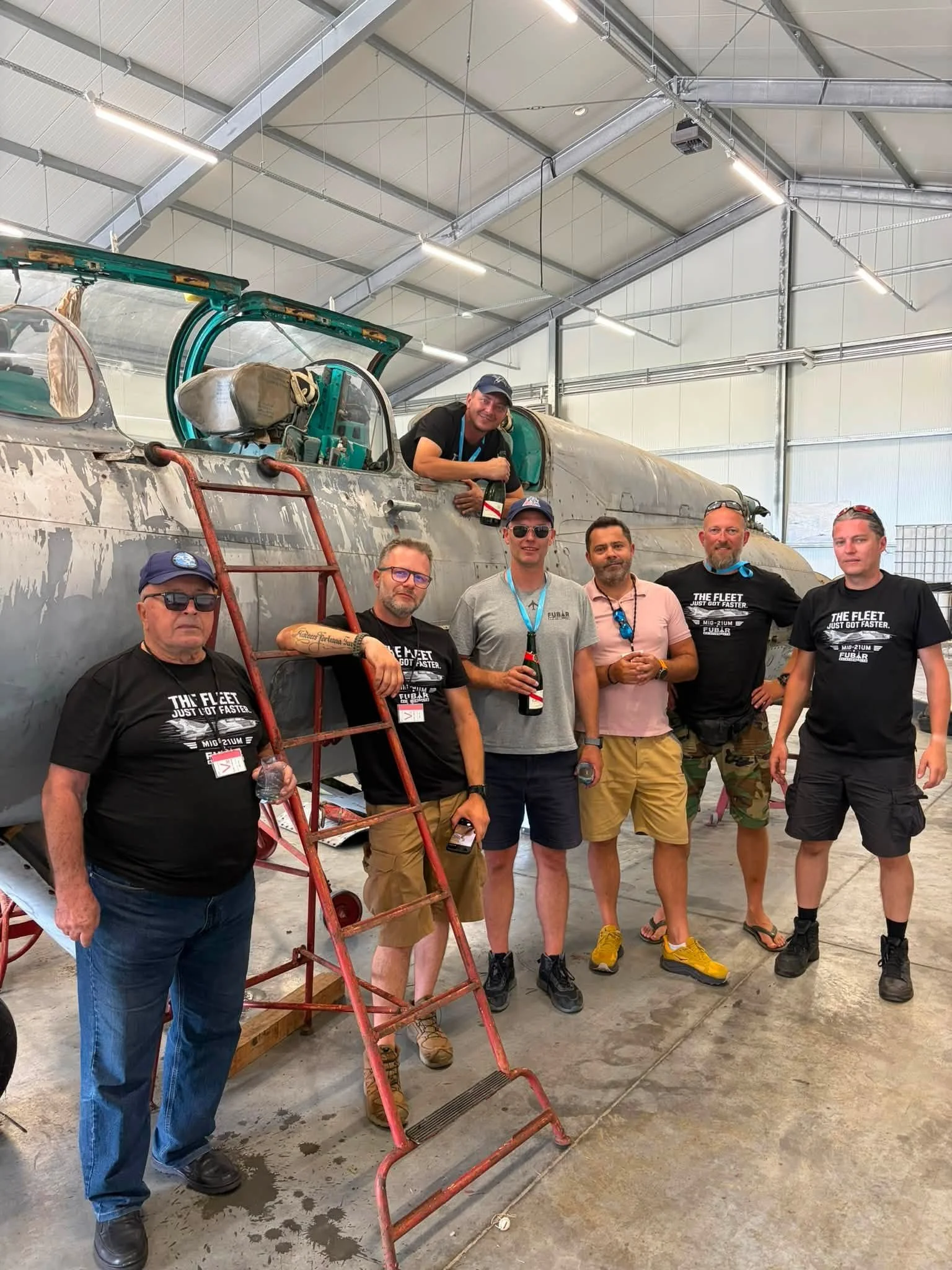
The final four photographs, courtesy of FUBAR Aviation, show MiG-21UM 9311 inside the company’s hangar at Olsztyn-Mazury Airport.
Read FUBAR Aviation’s official announcement here.
