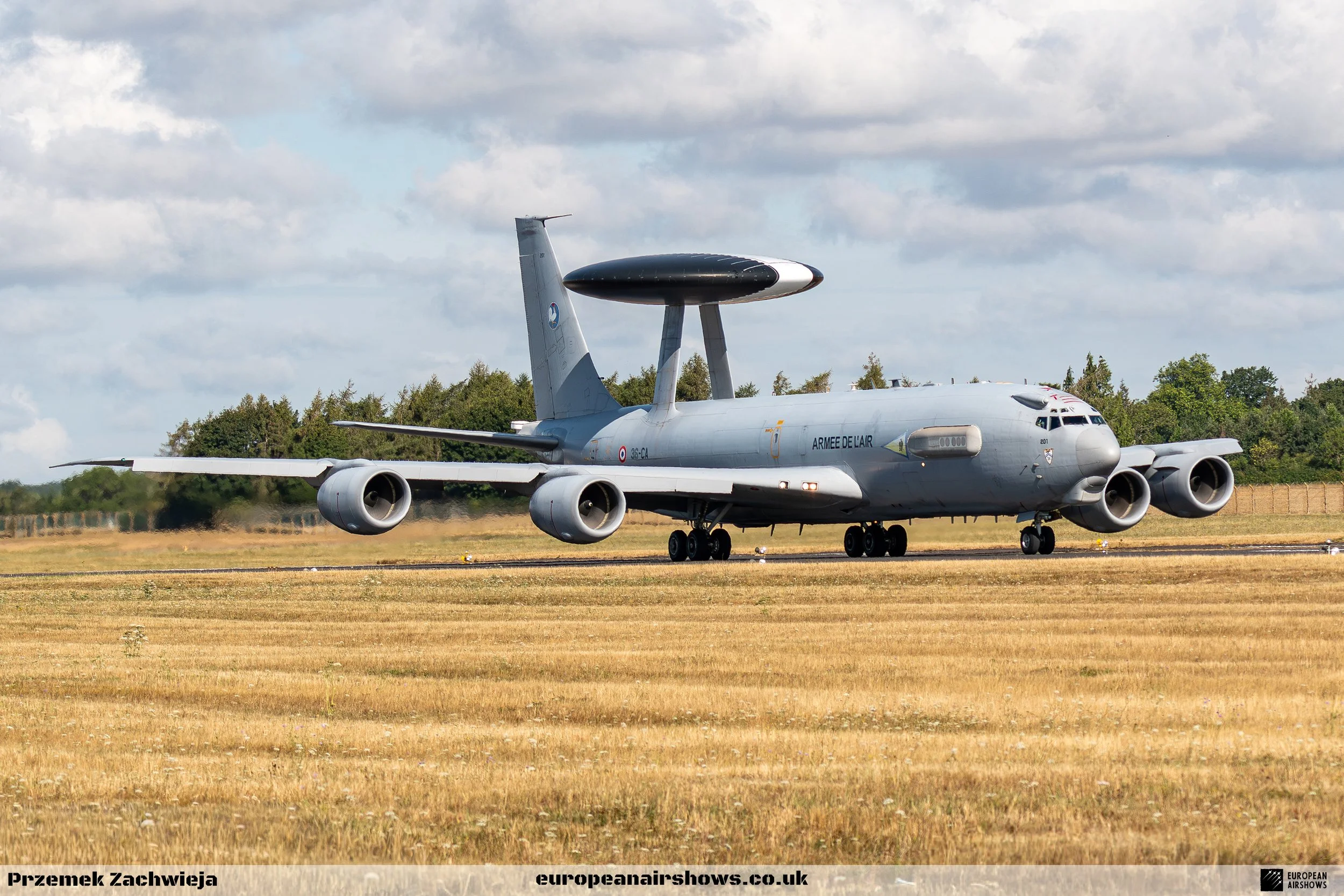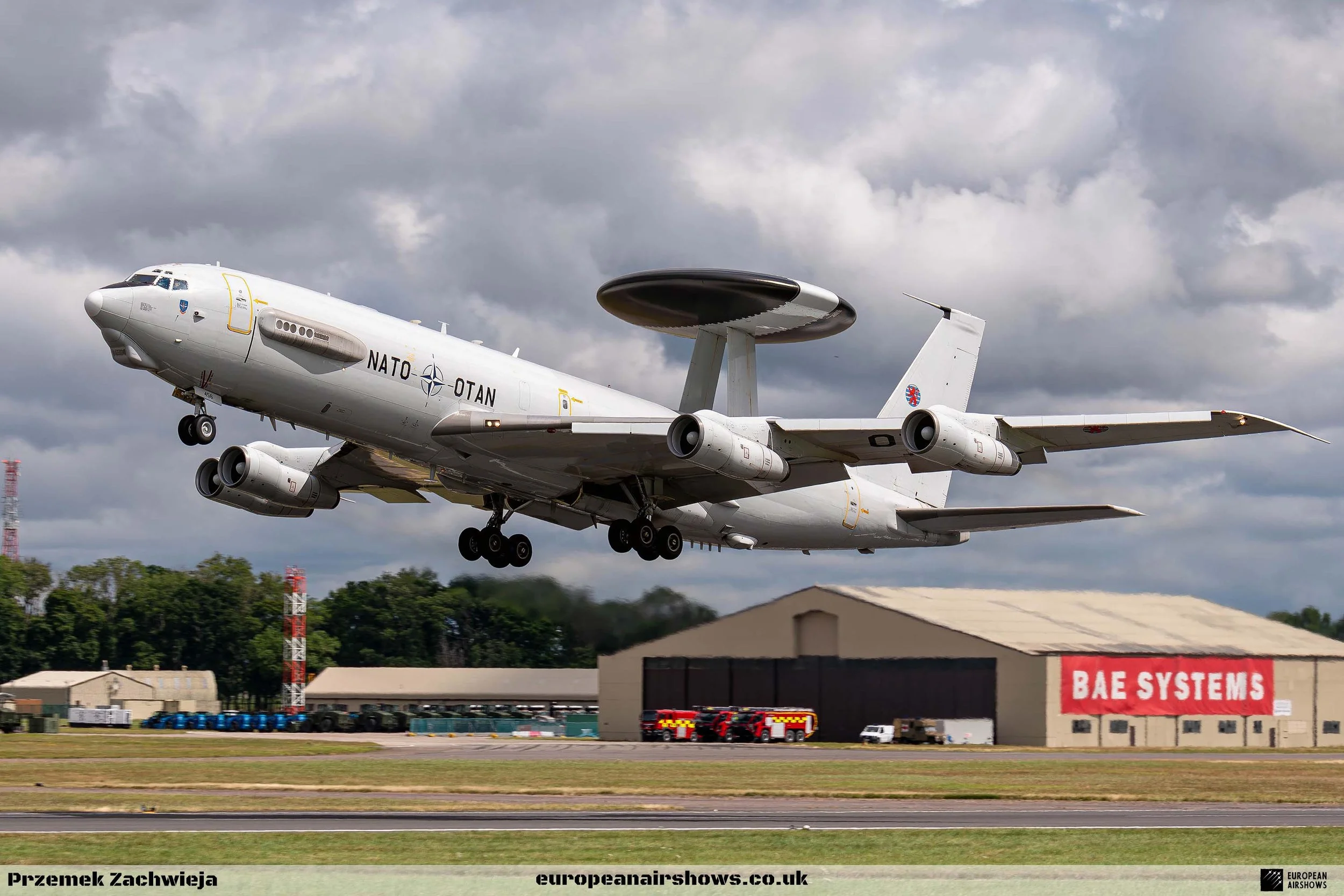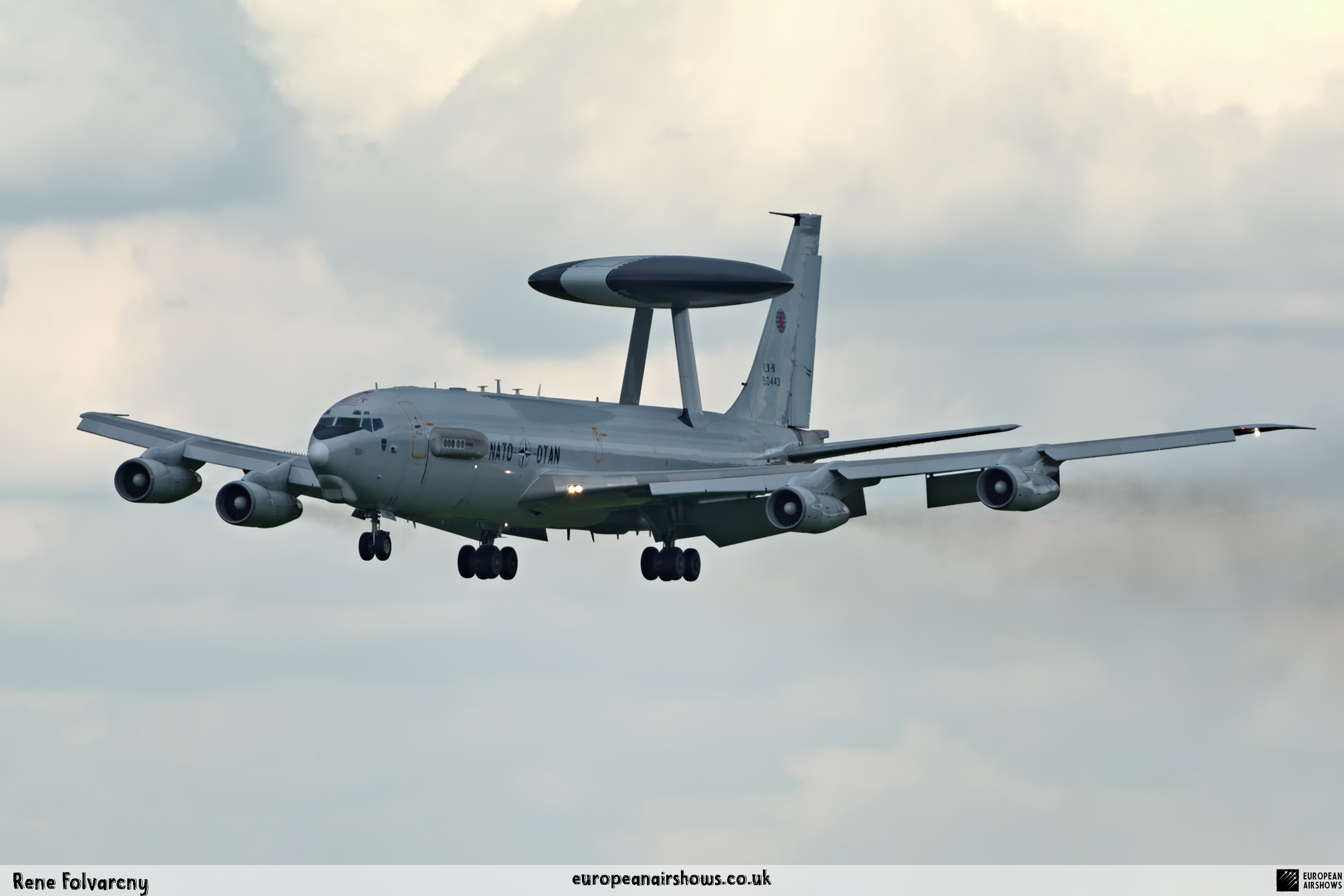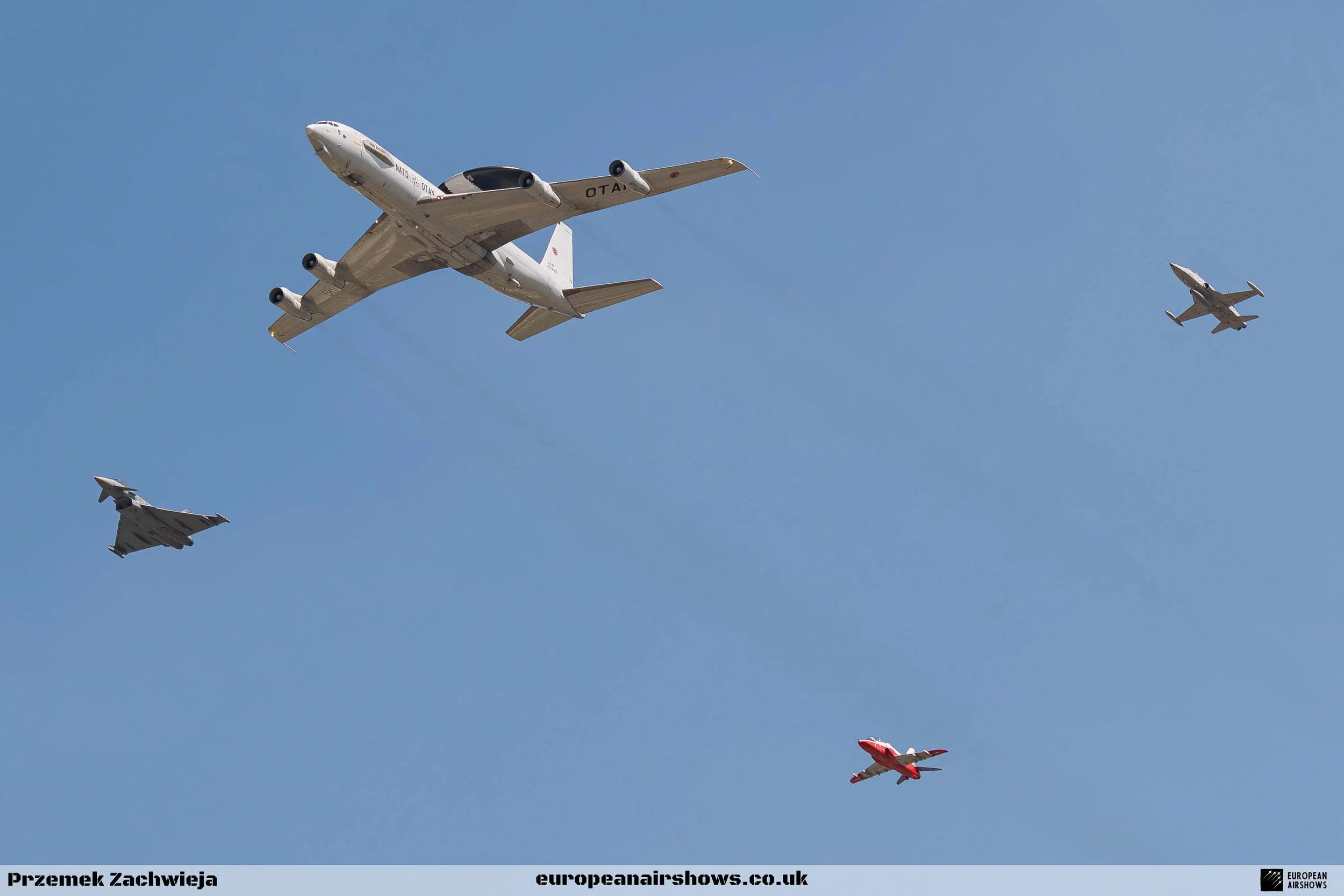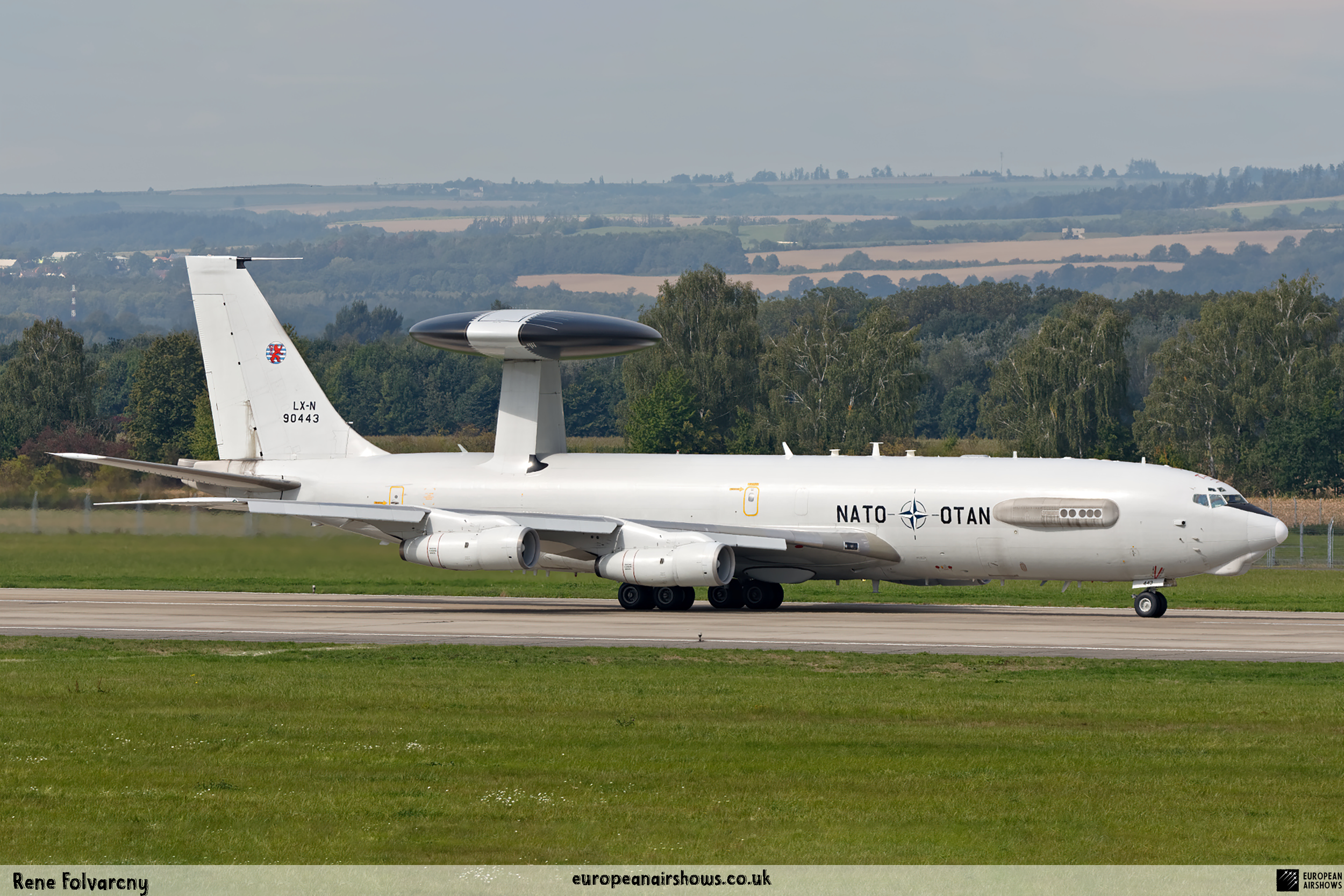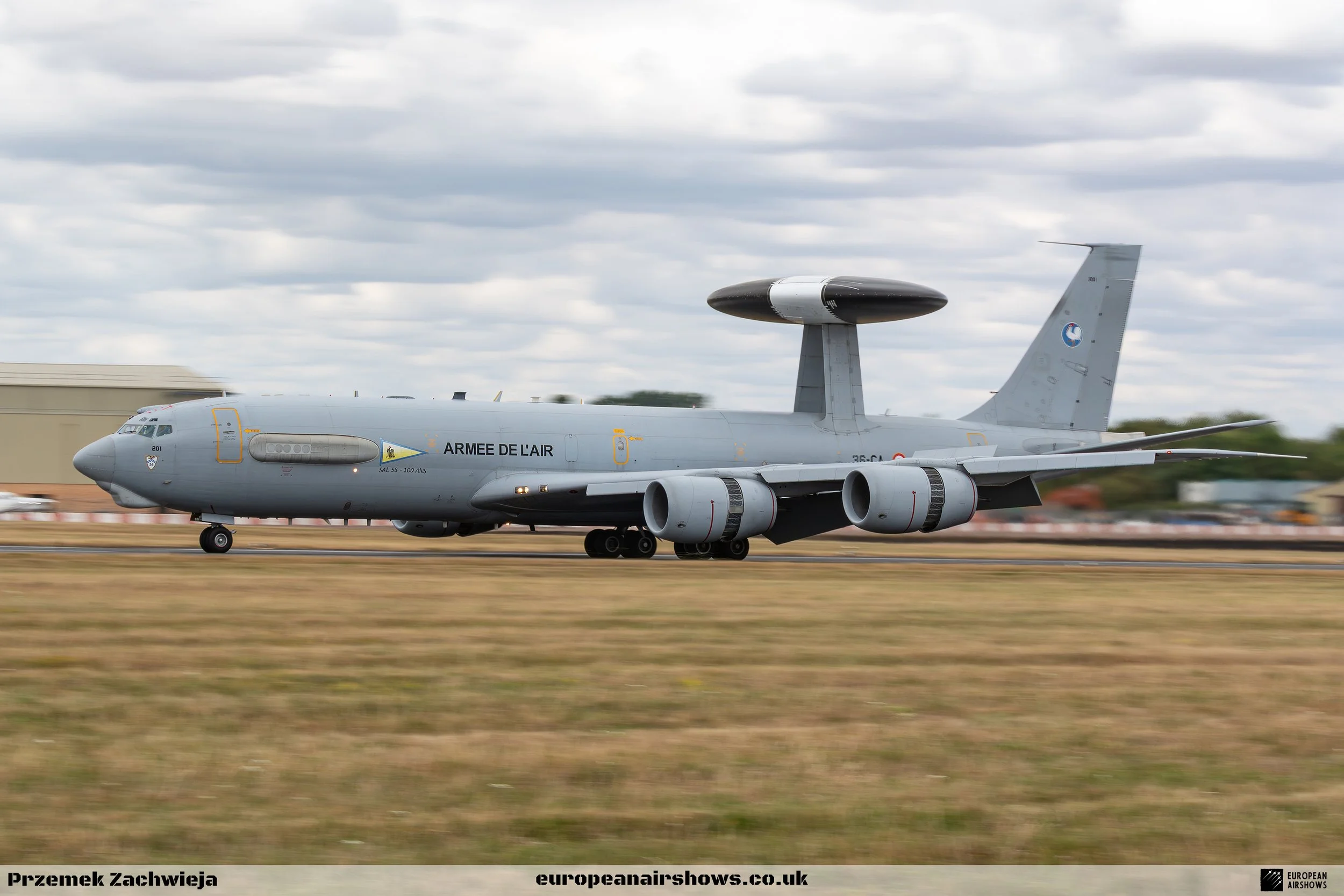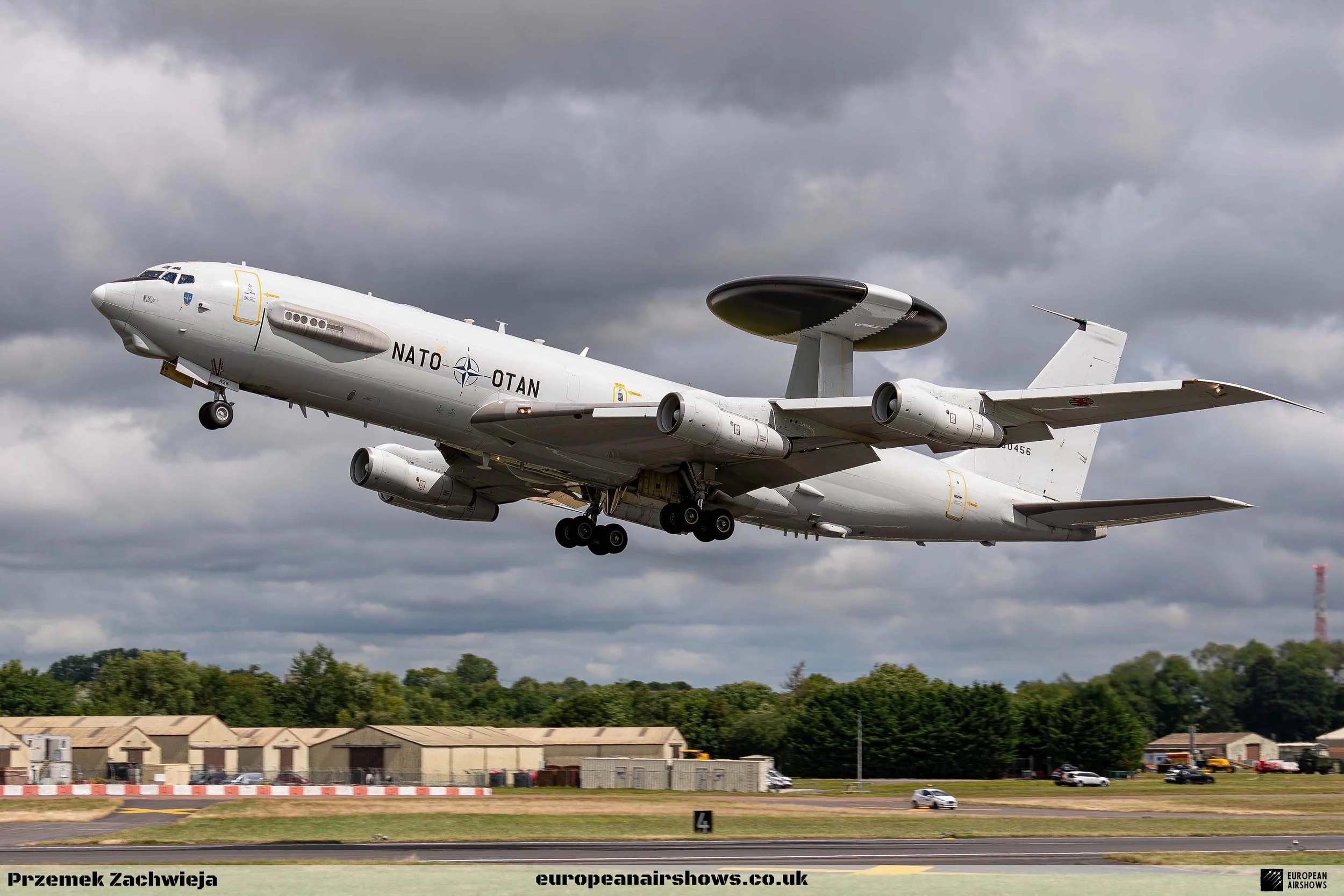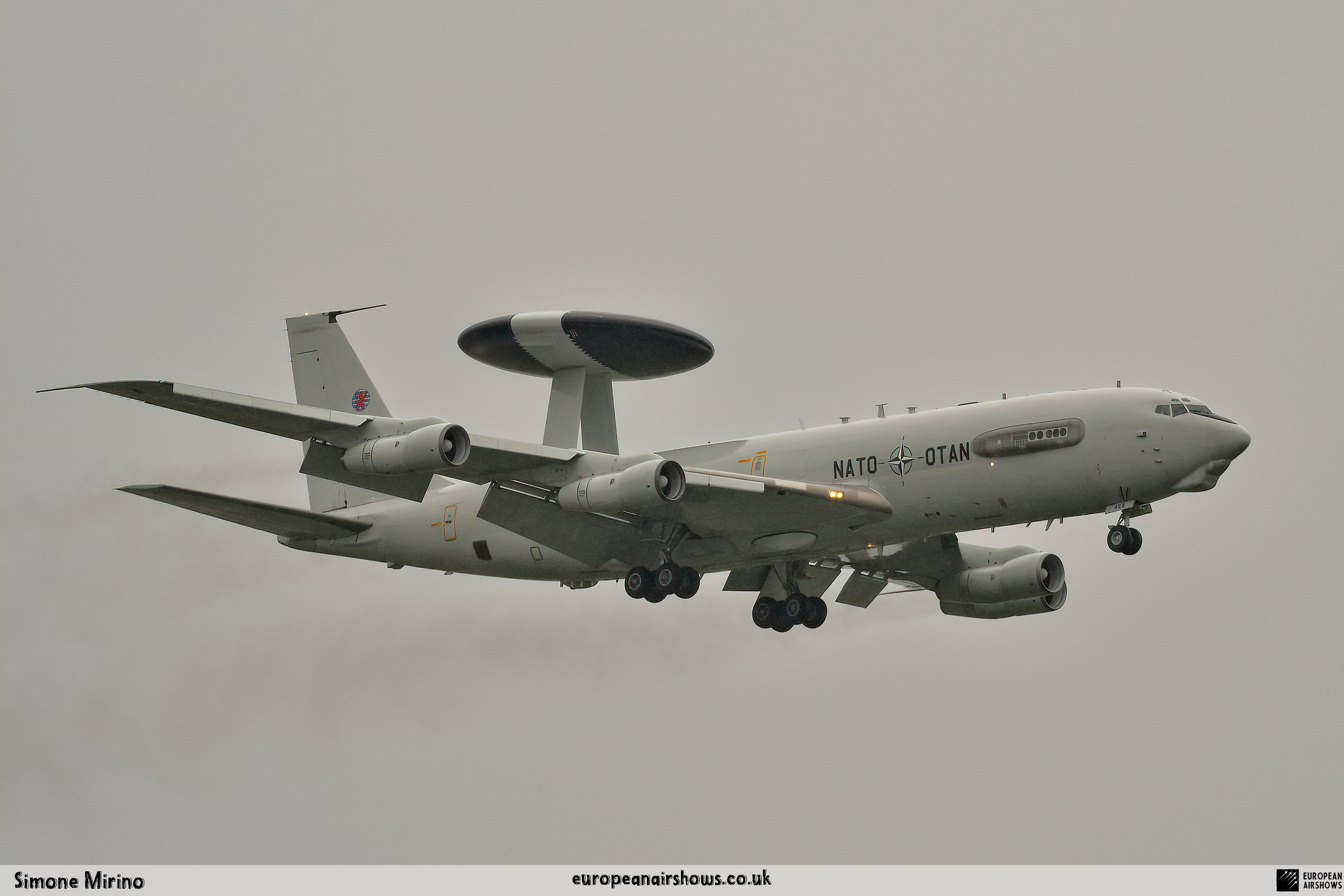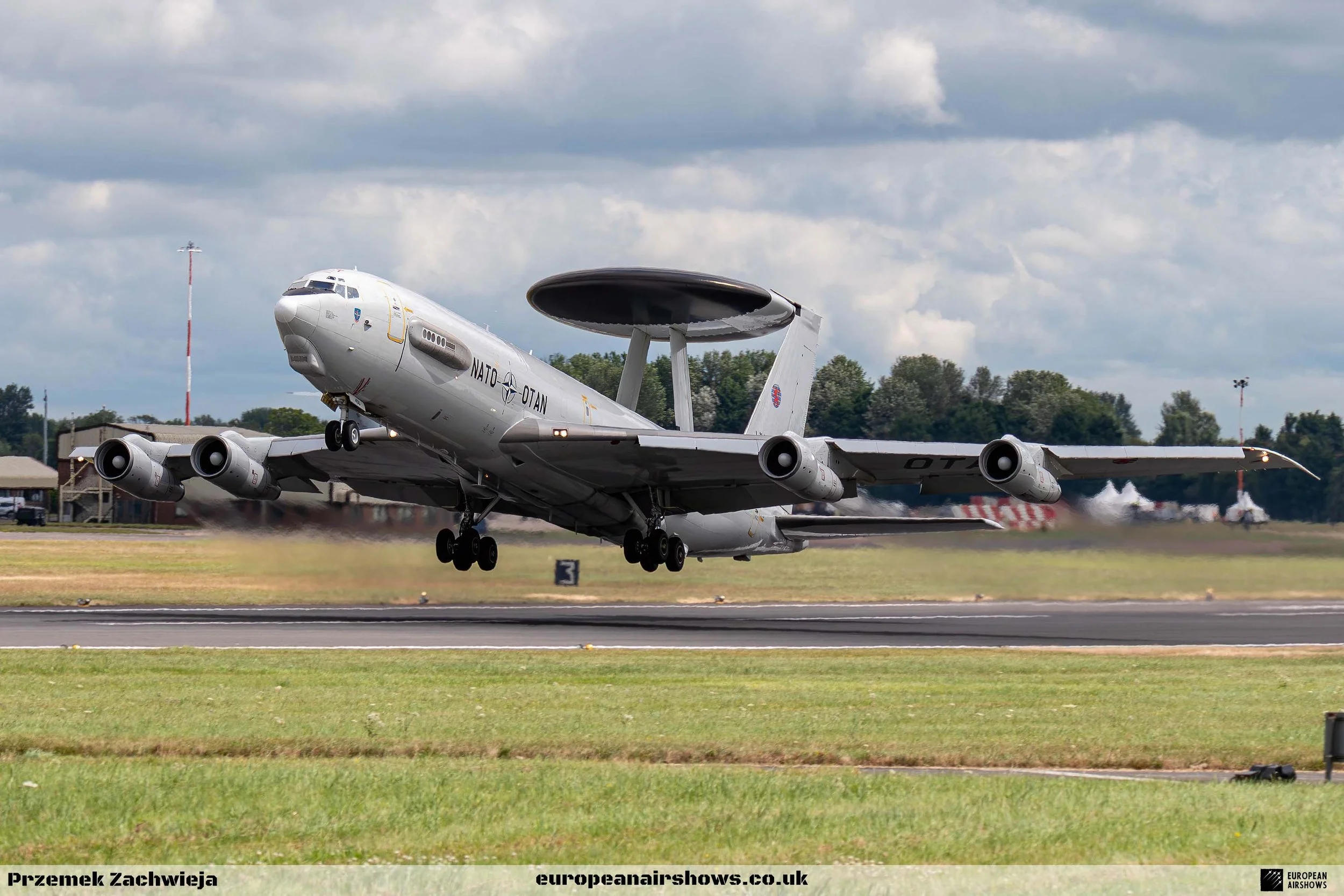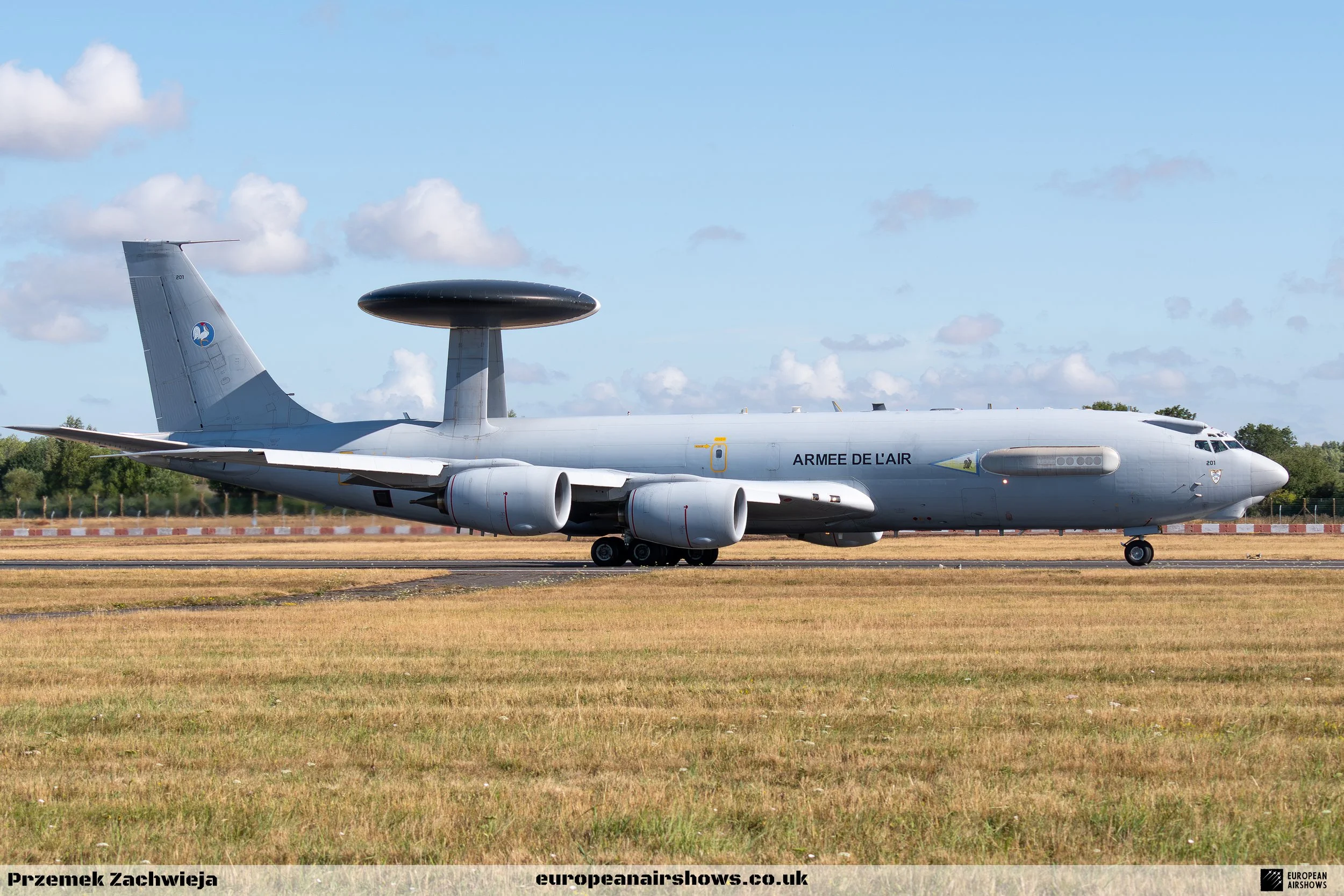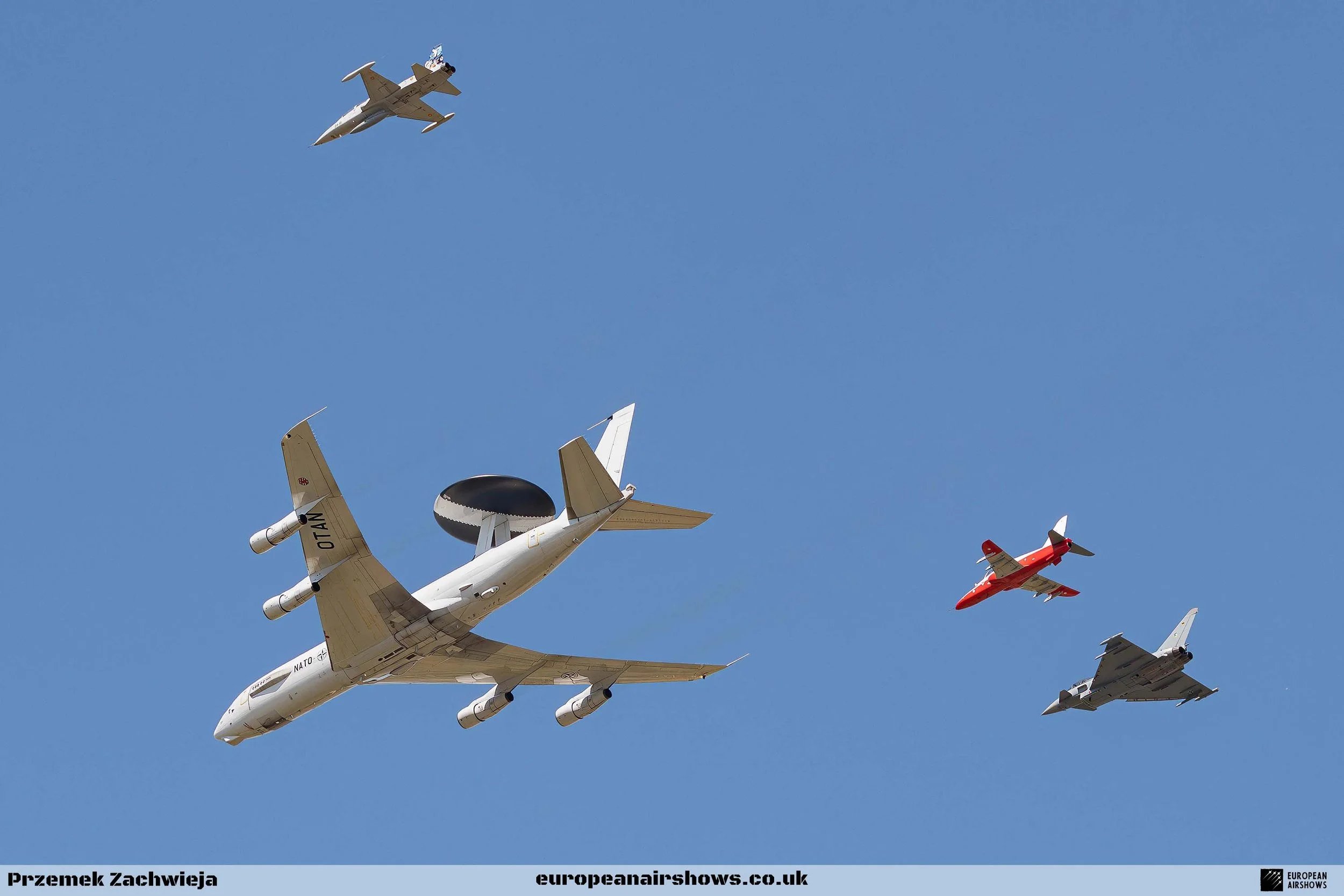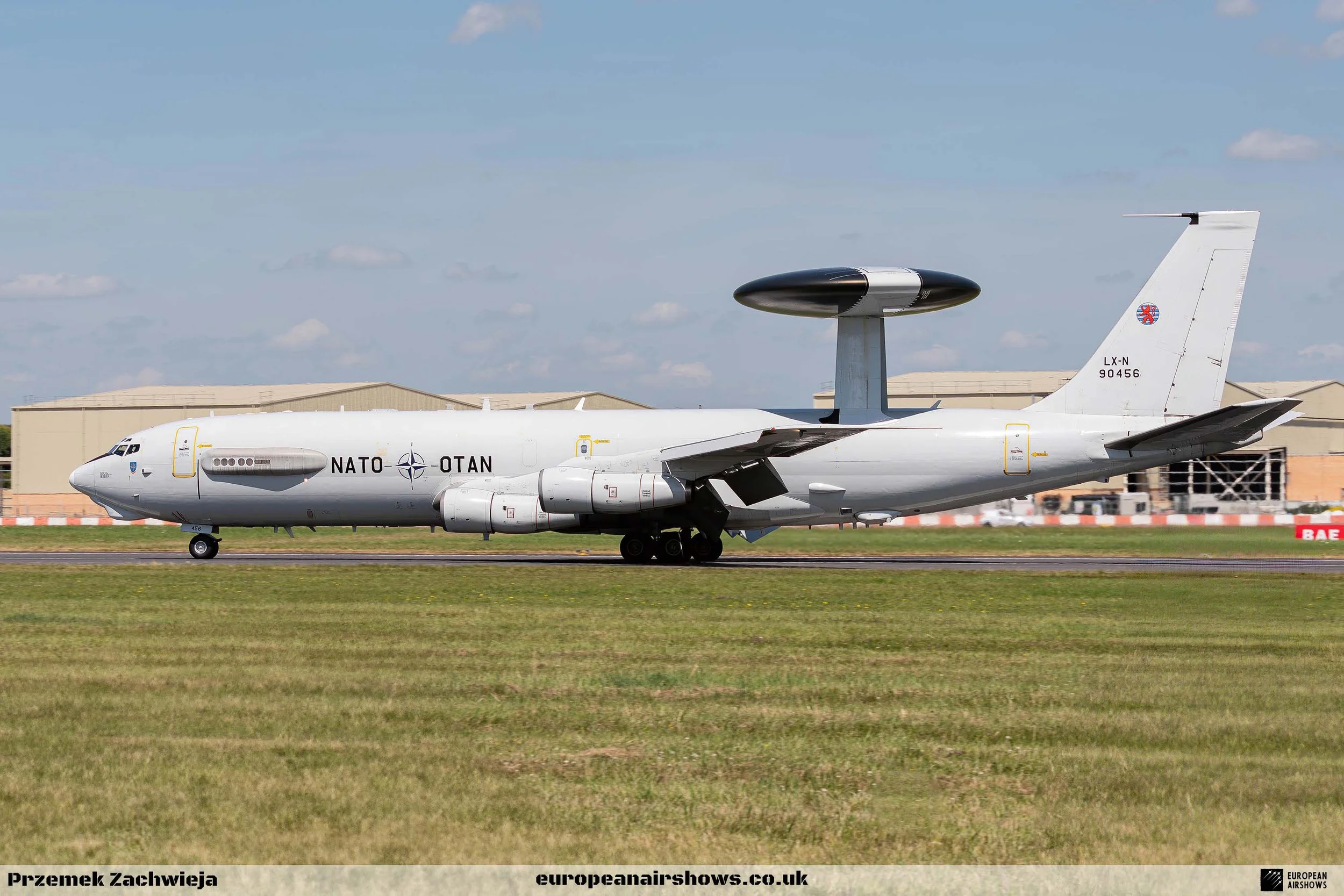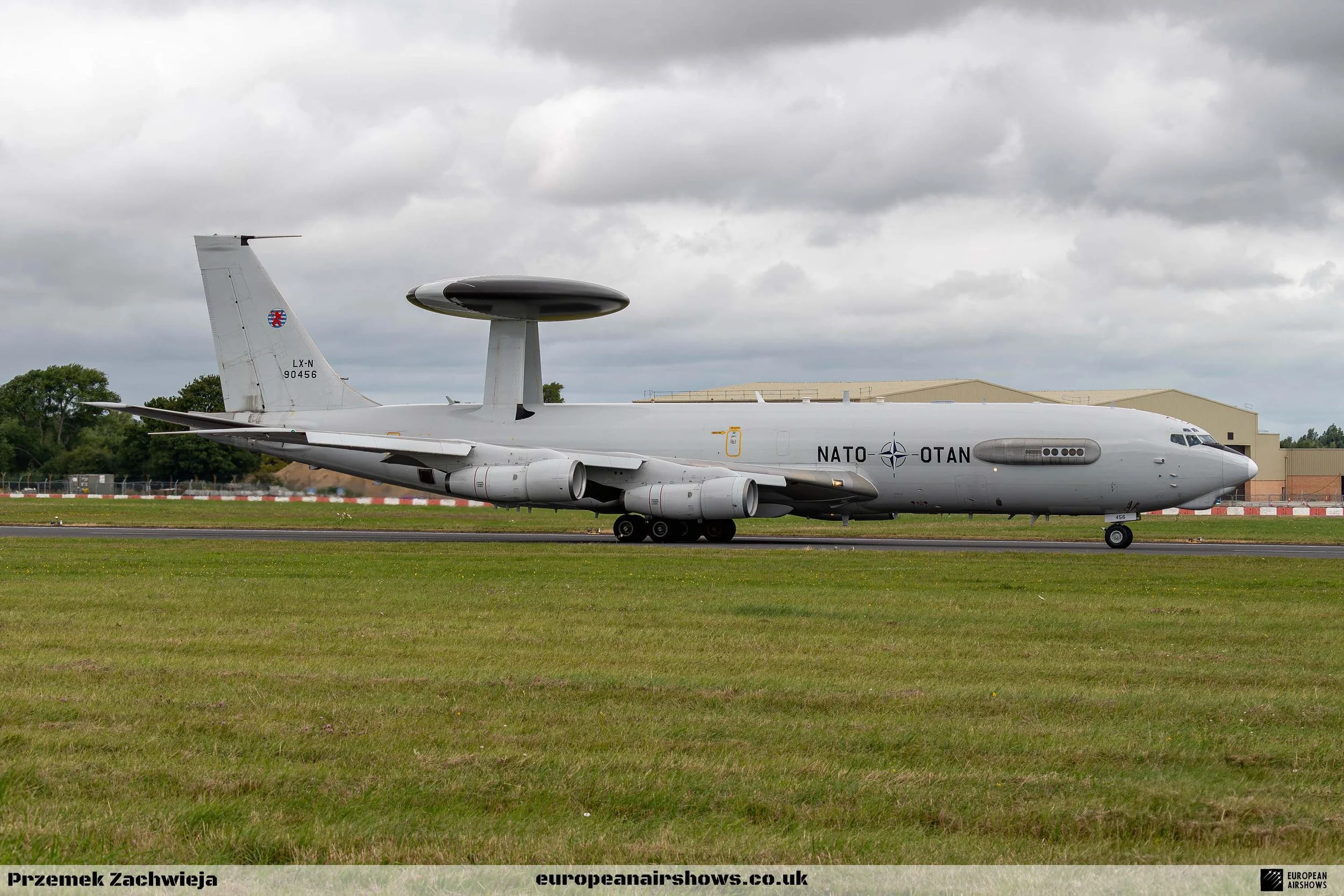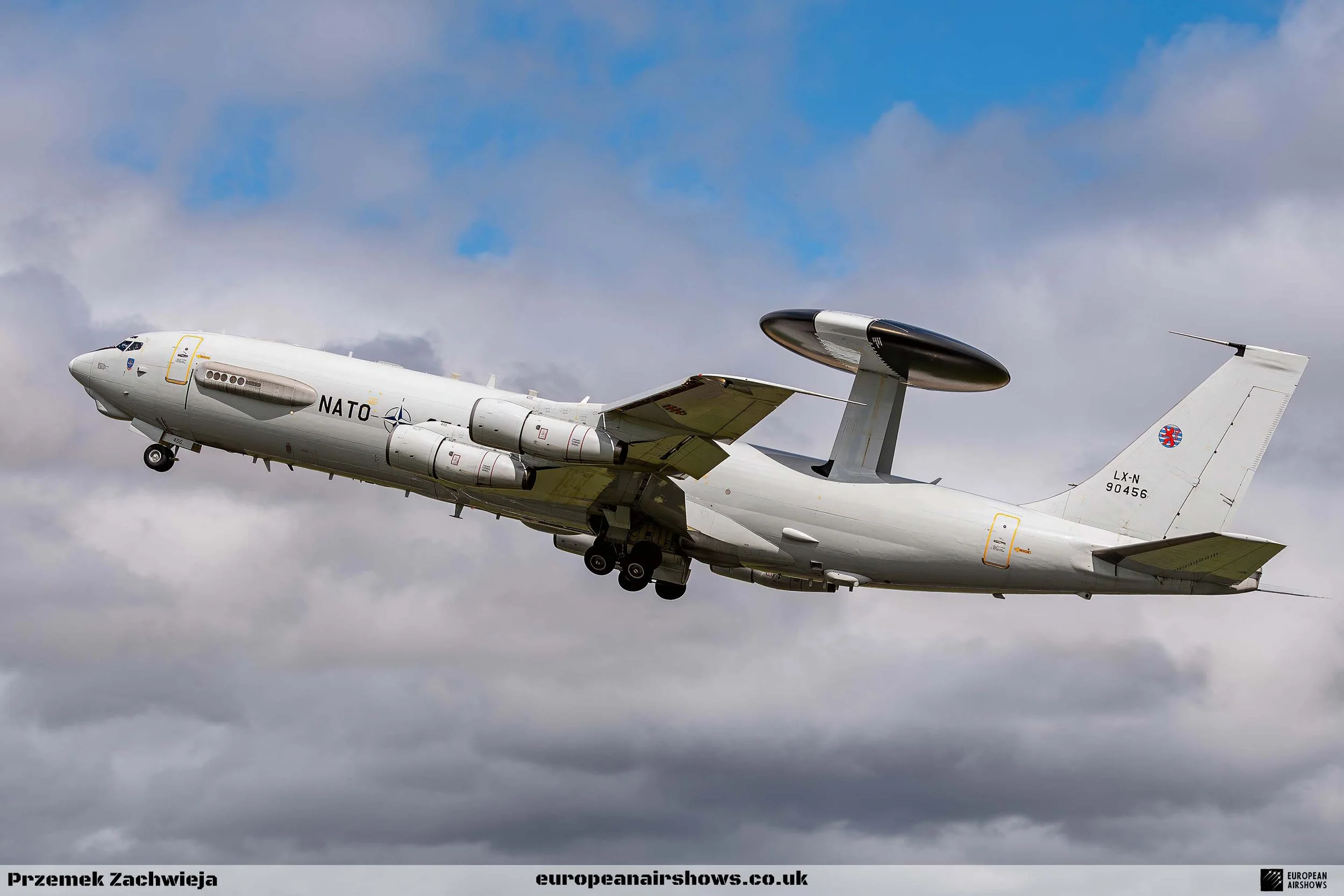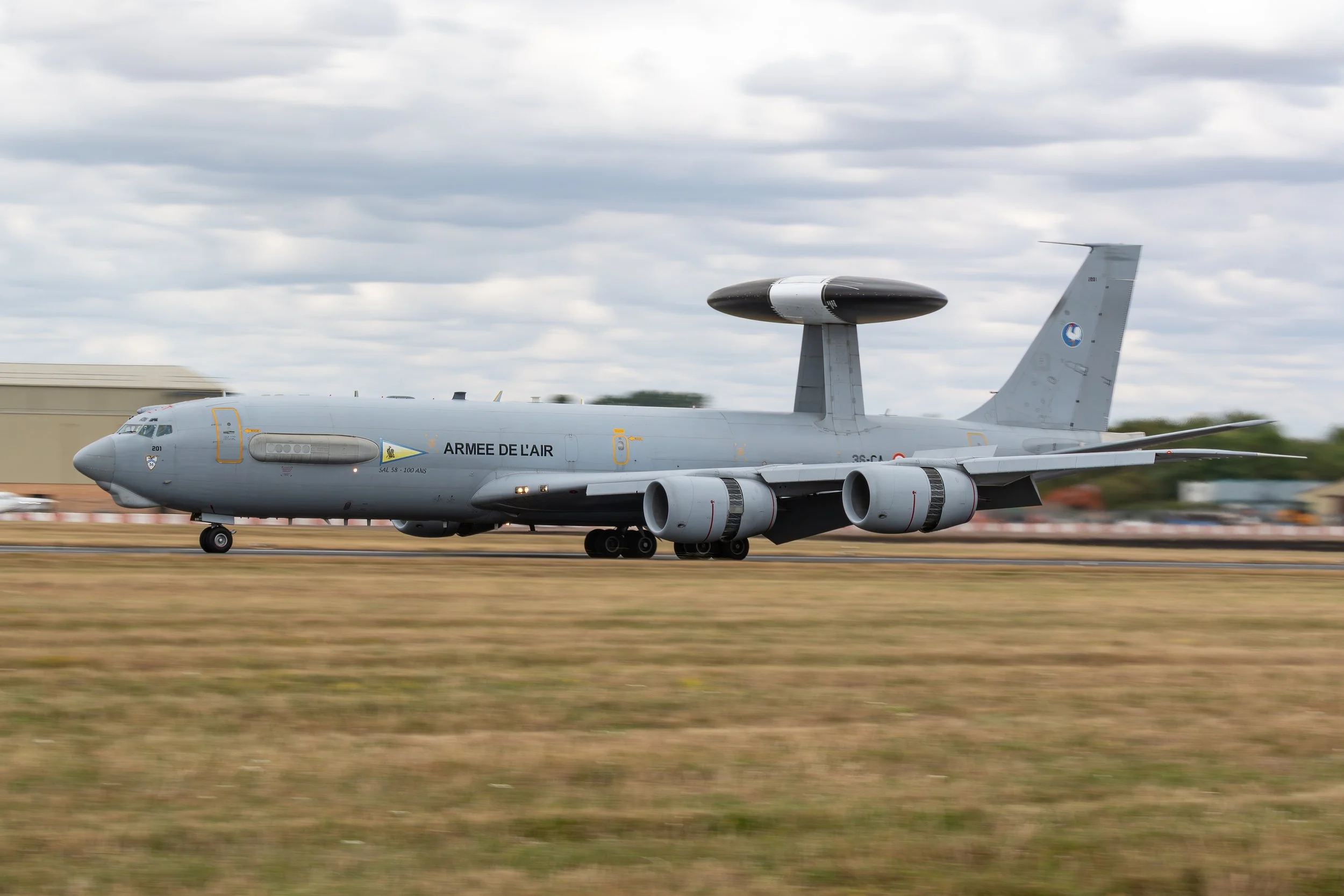
Boeing E-3 Sentry (AWACS)
The 707-based airborne early warning & control platform that rewrote the rules of air command and control from the Cold War to today
The Boeing E-3 Sentry is the definitive Western Airborne Early Warning & Control (AEW&C) aircraft—an advanced radar, communications and battle-management node built on the proven Boeing 707 airframe. Following the U.S. Air Force’s 1963 requirement for a new “AWACS” to replace the EC-121 Warning Star, Boeing’s solution paired a pulse-Doppler radar in a 30-ft (9.1 m) rotodome with an integrated mission system and long-endurance platform. The first purpose-built E-3 flew on 25 May 1976, and the type entered service in March 1977.
The architecture centered on Westinghouse’s AN/APY-1/2 radar and a mission suite developed with IBM/Hazeltine, giving the E-3 true “look-down” capability against low-flying targets with robust track-while-scan and data-link integration. Production ran from 1977 to 1992 with 68 aircraft delivered to the USAF, NATO, the UK, France and Saudi Arabia. Later national variants introduced CFM56 high-bypass engines and mission upgrades, while the USAF’s Block 40/45 modernisation created the E-3G standard.
Today, Sentry fleets continue frontline tasking while replacement plans advance—most prominently the transition to the Boeing E-7 Wedgetail for several operators. Yet the core AWACS concept the E-3 proved in service—high-endurance surveillance fused with airborne command and control—remains fundamental to modern air operations.
Operational Chronicle
A detailed timeline of development, deployment, and distinguished service
AWACS Requirement
The USAF issues the Airborne Warning and Control System requirement to replace the EC-121, launching competitive studies for a new radar, mission system and platform.
EC-137D Maiden Flight
The EC-137D testbed (a 707-382B with rotodome) flies on 9 February, supporting the radar fly-off and validating the 707 as the AWACS platform.
Full-Scale Development
USAF approves full-scale development; Westinghouse’s pulse-Doppler radar is selected and pre-production aircraft are authorised to prove the integrated system.
E-3 First Flight
The first production-standard E-3 Sentry flies on 25 May; engineering and operational test and evaluation accelerates ahead of service entry.
Service Introduction
Deliveries begin to the 552nd at Tinker AFB, Oklahoma. Over the next seven years, 34 USAF Sentry aircraft are produced, with additional airframes for NATO and export customers.
NATO Component
NATO takes delivery of the first of its multinational E-3A fleet at Geilenkirchen—forming a unique pooled AWACS force registered in Luxembourg.
Desert Storm
E-3s provide continuous battle-management over Iraq and Kuwait, coordinating air operations and contributing to the majority of coalition air-to-air victories.
Balkans Operations
NATO and national E-3s control complex air campaigns over the former Yugoslavia, integrating large multinational packages and air policing missions.
Homeland & ISAF Tasking
NATO launches Operation Eagle Assist over North America post-9/11; from 2011–2014, NATO E-3s deploy to Afghanistan for airspace management under ISAF.
Libya—Unified Protector
E-3s orchestrate the coalition air campaign enforcing UN resolutions over Libya, coordinating strike, ISR and air-refueling flows.
Transitions & Upgrades
RAF retires its E-3D fleet (2021) as nations progress to the E-7 Wedgetail; USAF E-3G Block 40/45 continues while replacement procurement advances.
Operational Highlights
Major operations where the E-3 Sentry proved decisive in command and control
E-3s provided round-the-clock battle management, deconfliction and intercept control, underpinning coalition air dominance and air-to-air success.
NATO and national Sentry fleets coordinated complex strike packages, no-fly zones and air policing across contested and congested airspace.
NATO E-3s flew homeland defence missions from U.S. bases after 9/11—an unprecedented collective defence deployment.
AWACS directed the coalition air campaign enforcing UN mandates, synchronising strike, ISR and tanker assets over the Mediterranean.
NATO E-3s controlled busy multinational air corridors over Afghanistan, enhancing safety and efficiency for combat and support sorties.
Sentry aircraft supported the coalition campaign against ISIS, providing wide-area surveillance, identification and airborne C2.
Service Record
Key milestones and statistics from the E-3 Sentry’s career
Technical Specifications
Essential details and characteristics of the Boeing E-3 Sentry
Development Story
From AWACS concept to the world’s benchmark airborne C2 platform
Origins and Requirements
In the early 1960s, the USAF sought a successor to the EC-121 that could detect low-flying threats against ground clutter and manage increasingly complex strike packages. The 1963 AWACS requirement triggered parallel airframe and radar competitions. Boeing’s 707-based EC-137D flew as a systems testbed, while Westinghouse and Hughes competed to supply a pulse-Doppler radar with true “look-down” performance.
After flight trials, Westinghouse’s design was selected and, on 26 January 1973, full-scale development was approved. IBM/Hazeltine provided the mission computer and display suite, enabling multi-sensor fusion and track-while-scan across wide areas. The first production-standard E-3 flew in May 1976; deliveries started in 1977 to the 552nd at Tinker AFB.
Architecture and Variants
The E-3’s 30-ft rotodome houses the AN/APY-1/2 radar; below decks, consoles manage surveillance, identification and control via voice and data links. Early USAF/NATO airframes used TF33 turbofans, while UK, French and Saudi fleets adopted CFM56 engines for better fuel burn, climb and acoustic performance. Continuous upgrades culminated in the USAF’s E-3G Block 40/45, replacing legacy computing, improving tracking and communications, and reducing crew workload.
Service Evolution and Replacement
Sentry fleets have directed air campaigns from the Gulf War and Balkans to Libya, Afghanistan and the fight against ISIS, and they routinely underpin air policing on NATO’s flanks. With 68 airframes built (1977–1992), the type remains in service while several operators transition to the E-7 Wedgetail. Until then, modernised E-3s continue to provide wide-area surveillance and airborne command and control over land and sea.
Enduring Legacy
A theatre-level force multiplier for half a century
The Boeing E-3 Sentry stands as one of the most consequential aircraft of the late-Cold War and post-Cold War eras. From its first E-3 flight on 25 May 1976 through decades of operations across the Middle East, Europe and beyond, the Sentry proved that a high-endurance surveillance and C2 node could knit together complex, multinational air campaigns. With multinational fleets still serving—and replacement programmes underway—the E-3’s blend of wide-area sensing, identification and coordination remains the benchmark for airborne battle management.