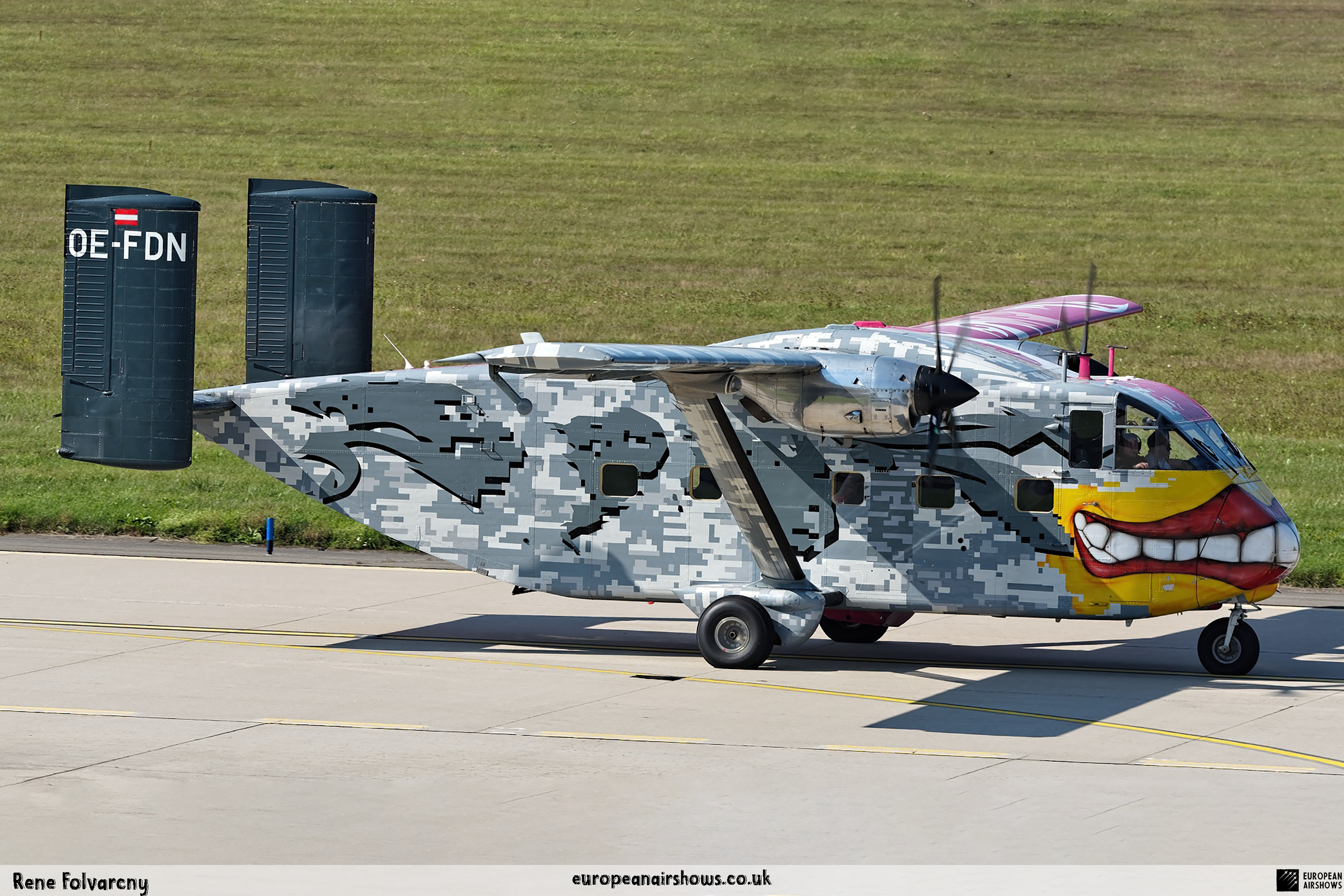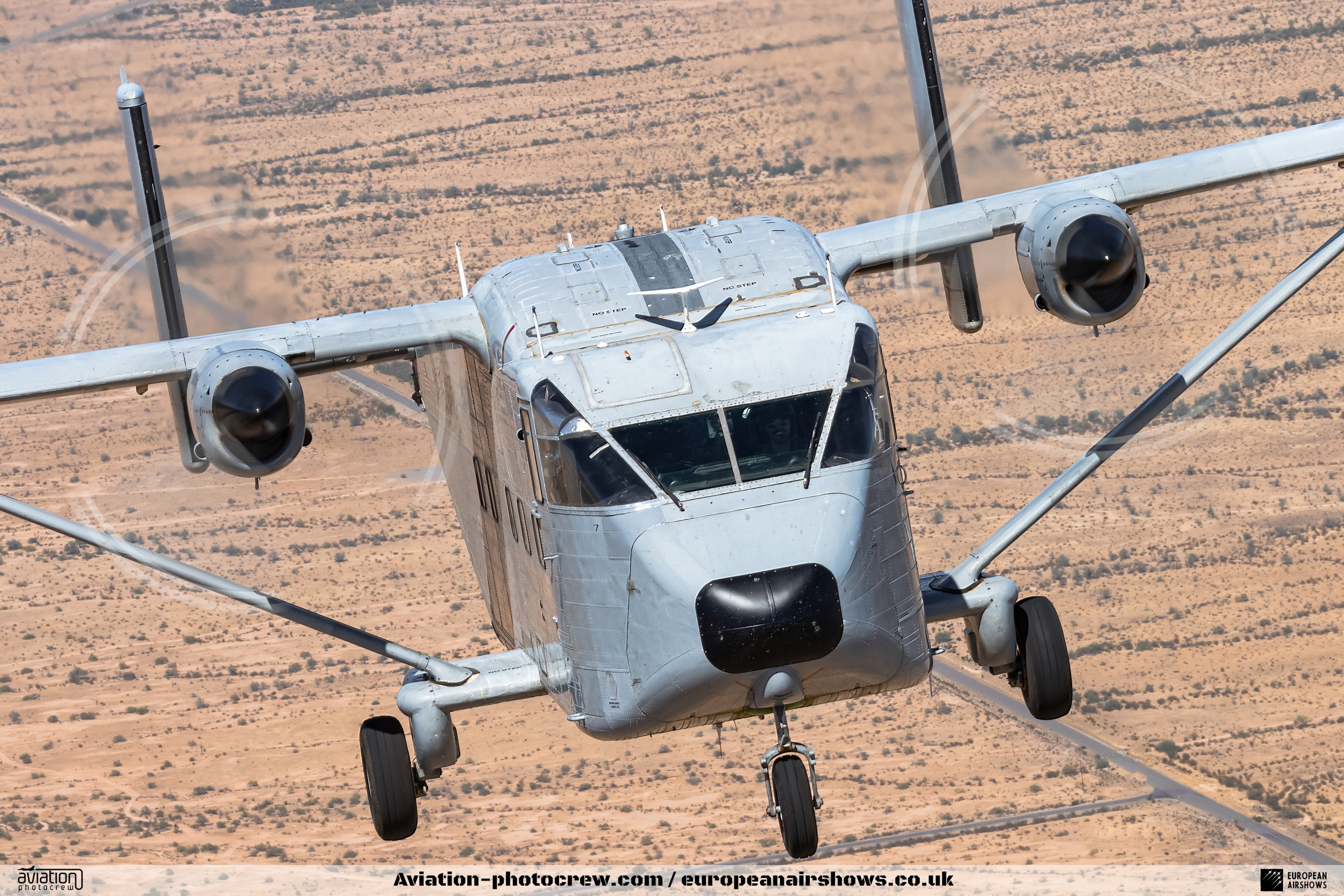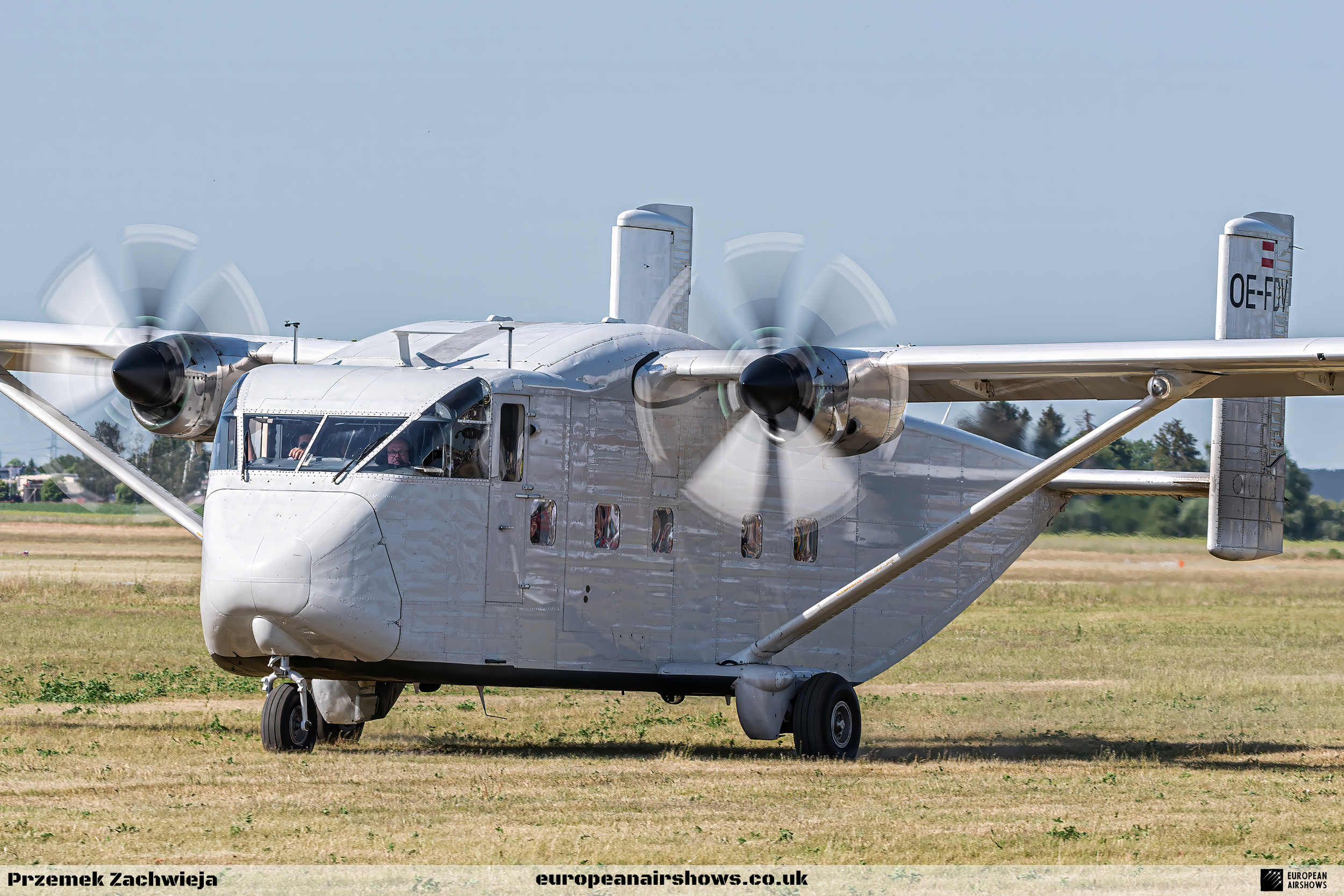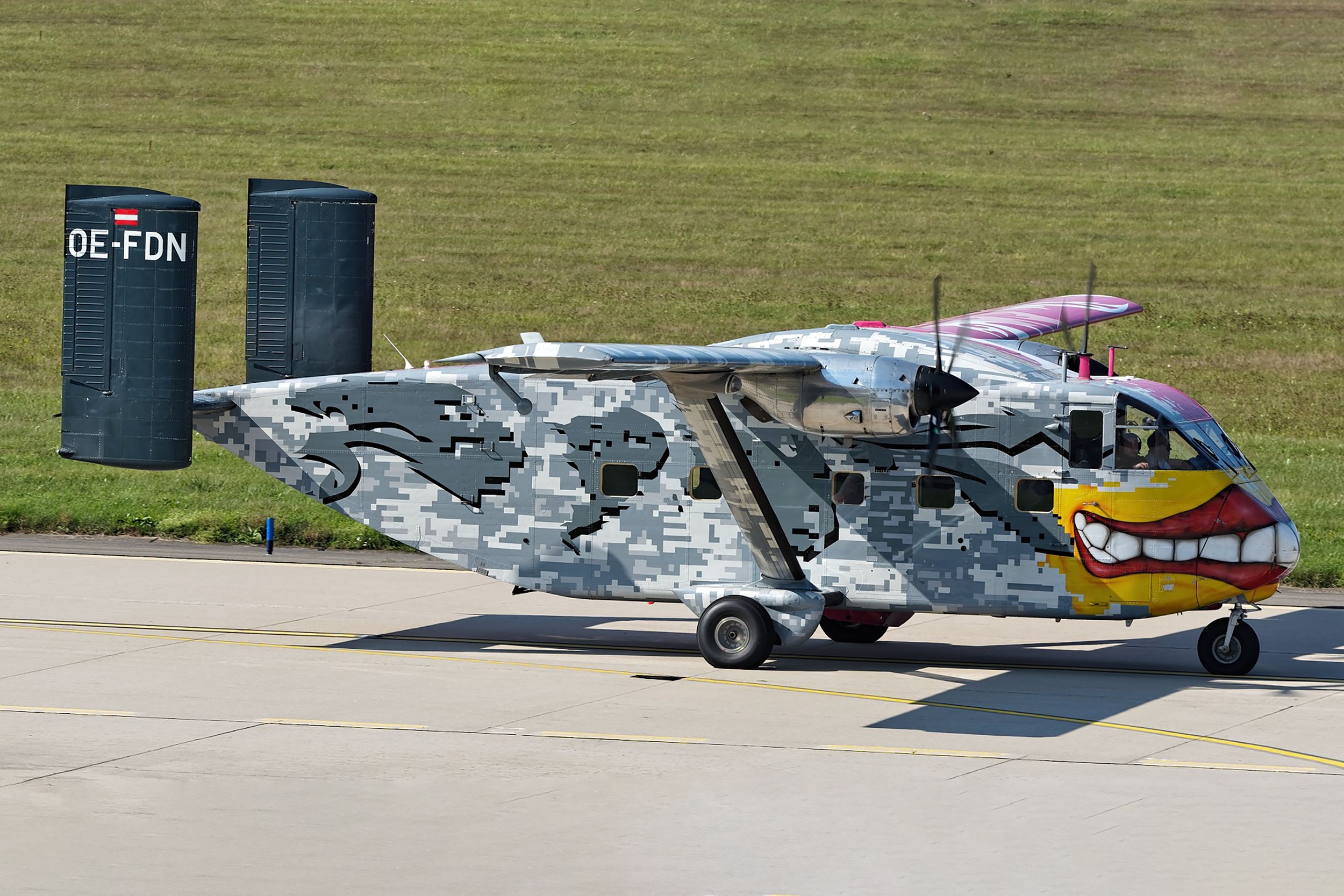
Short SC.7 Skyvan
Belfast-built STOL utility transport—nicknamed the “Flying Shoebox”—that spawned the Short 330/360 and U.S. Army C-23 Sherpa
The Short SC.7 Skyvan is a rugged, short take-off and landing (STOL) utility aircraft designed and built by Short Brothers in Belfast, Northern Ireland. First flown on 17 January 1963, the Skyvan married a high-aspect-ratio wing with a square-section fuselage and rear cargo ramp—prioritising payload, simplicity and field performance over speed. Early prototypes flew with piston engines before production standard aircraft adopted turboprops.
Shorts developed the Skyvan after evaluating—and rejecting—a Miles high-aspect-ratio transport concept, proceeding with their own all-metal twin. Initial production used Turbomeca Astazou engines; in 1968 the definitive Series 3 introduced Garrett TPE331s to improve hot-and-high performance. Across civil and military service, the type carved out a niche where a rear ramp, low operating cost and true STOL mattered more than cruise speed.
Beyond freight and passengers, Skyvans worked in aerial survey and mapping, parachute training and skydiving, mosquito-control spraying, and even specialist research roles. The design lineage later produced the stretched, commuter-airliner Short 330/360 and the ramp-equipped C-23 Sherpa for the U.S. Army.
Operational Chronicle
Key development milestones and notable service highlights
Concept Origins at Shorts
After assessing a Miles high-aspect-ratio transport idea, Short Brothers opted to pursue their own utility STOL design—what became the SC.7 Skyvan—emphasising a braced high-lift wing and box-section fuselage with rear ramp.
Prototype Construction Begins
Assembly started at Sydenham (Belfast). The first prototype initially flew with Continental piston engines before re-engining to turboprops during the same year of flight test.
Maiden Flight
On 17 January 1963 the Skyvan took to the air for the first time. Later in 1963 the prototype received Turbomeca Astazou turboprops, establishing the configuration for early production.
Series 3 with Garrett TPE331
Production switched to the more powerful Skyvan Series 3, replacing Astazou engines with Garrett TPE331s to address temperature limits and improve performance in demanding conditions.
Military Service Expands
Small air arms adopted the Skyvan for transport and para-roles; the Austrian Air Force introduced the type in the late 1960s, with other users including Oman and Guyana over time.
Survey, STOL Commuter & Beach Ops
Questor Surveys converted airframes for aerial geology; Skyvans also flew STOL commuter and lifeline routes—famously operating to short/rough strips and challenging fields such as Scottish island airfields.
NASA Mid-Air Retrieval
NASA’s Wallops Flight Facility operated a Skyvan for mid-air recovery of parachute-borne payloads from sounding rockets and high-altitude balloons—an unusual and highly specialised role.
Production Ends
The production run concluded with 149 aircraft built, including prototypes. Many later transitioned to skydiving fleets and utility operators worldwide.
Niche Roles Continue
Skyvans remain active in small numbers for skydiving, aerial photography, survey and public-service spraying (e.g., mosquito control), with limited military service persisting in select countries.
Operational Roles
Where the Skyvan’s STOL, rear ramp and boxy cabin made it the right tool
Shorts designed the Skyvan around short, rough strips and quick turnarounds—fitting lifeline routes to island and rural communities and proving the merits of a rear cargo ramp in a small airframe.
Adopted by smaller air forces for troop/cargo lift, para-dropping and SAR tasks; notable users included Austria, Oman and Guyana, leveraging the ramp and low operating costs.
Questor Surveys and others modified Skyvans with sensor ports and consoles for geological and photographic survey—taking advantage of stable handling and ample cabin volume.
A Skyvan at NASA Wallops recovered parachute-borne payloads from balloons and sounding rockets in flight—an unusual mission showcasing precise flying and the benefits of the rear ramp.
The big door, flat floor and quick climbs made the Skyvan a favourite jump ship; many airframes transitioned to civilian dropzones after airline/military careers.
A handful of U.S. public-service operators have used Skyvans for mosquito-control applications, exploiting payload, endurance and rear-loading flexibility.
Service Snapshot
Headline figures for the Short SC.7 Skyvan
Technical Specifications
Essential details and characteristics of the Short SC.7 Skyvan
Development Story
From Belfast concept to a go-anywhere utility classic
Origins and Configuration
In the late 1950s, Short Brothers examined a Miles high-aspect-ratio transport proposal, then committed to an in-house all-metal utility aircraft with exceptional STOL performance. The resulting SC.7 combined a braced, high-aspect-ratio wing with twin fins, fixed tricycle gear and a square-section fuselage with a rear ramp—ideal for outsized loads relative to size.
The first prototype flew on 17 January 1963 powered by piston engines, but was soon re-engined with Turbomeca Astazou turboprops, which powered early Series 2 production. Operational feedback later drove a powerplant change to Garrett TPE331s for the Series 3 to resolve temperature-limit issues and improve climb and hot-and-high capability.
Into Service and Roles
The Skyvan’s mix of payload, rear-loading and short-field performance suited regional carriers, government agencies and small air forces. Military operators used it for light transport, supply drops and para-training. Civil operators exploited the flat floor and big door for survey pods, mapping cameras and, later, mass-skydiving operations where rapid cycles and a ramp mattered more than speed.
A particularly distinctive chapter came at NASA’s Wallops Flight Facility, where a Skyvan supported mid-air retrieval of parachute-borne payloads from sounding rockets and high-altitude balloons between 1979 and 1995—a mission few aircraft could perform as economically.
Legacy and Derivatives
Although production ended in 1986 after 149 airframes, the Skyvan’s concept lived on in the stretched Short 330 and 360 commuter airliners and in the C-23 Sherpa ramp variant for the U.S. Army. Today, surviving Skyvans continue in niche roles—skydiving, survey, aerial work and limited military service—remaining a recognisable Belfast export and a cult favourite among enthusiasts.
Enduring Legacy
Belfast’s boxy workhorse that keeps earning its keep
The Short SC.7 Skyvan stands as a quintessential utility transport: tough, simple, and brilliantly suited to short, rough strips with useful payload and a genuine rear ramp. From its first flight on 17 January 1963 through decades of civil and military use, the type has served commuters, paratroops, surveyors, skydivers and scientists. Though production ended in 1986, the Skyvan’s DNA continued in the Short 330/360 family and the C-23 Sherpa—while surviving airframes still find work where a compact, honest STOL ramp-aircraft is the perfect fit.