PZL TS-11 Iskra
Poland’s first domestically developed jet—training generations of pilots, serving in Poland and India, and flying airshows with the White-Red Sparks
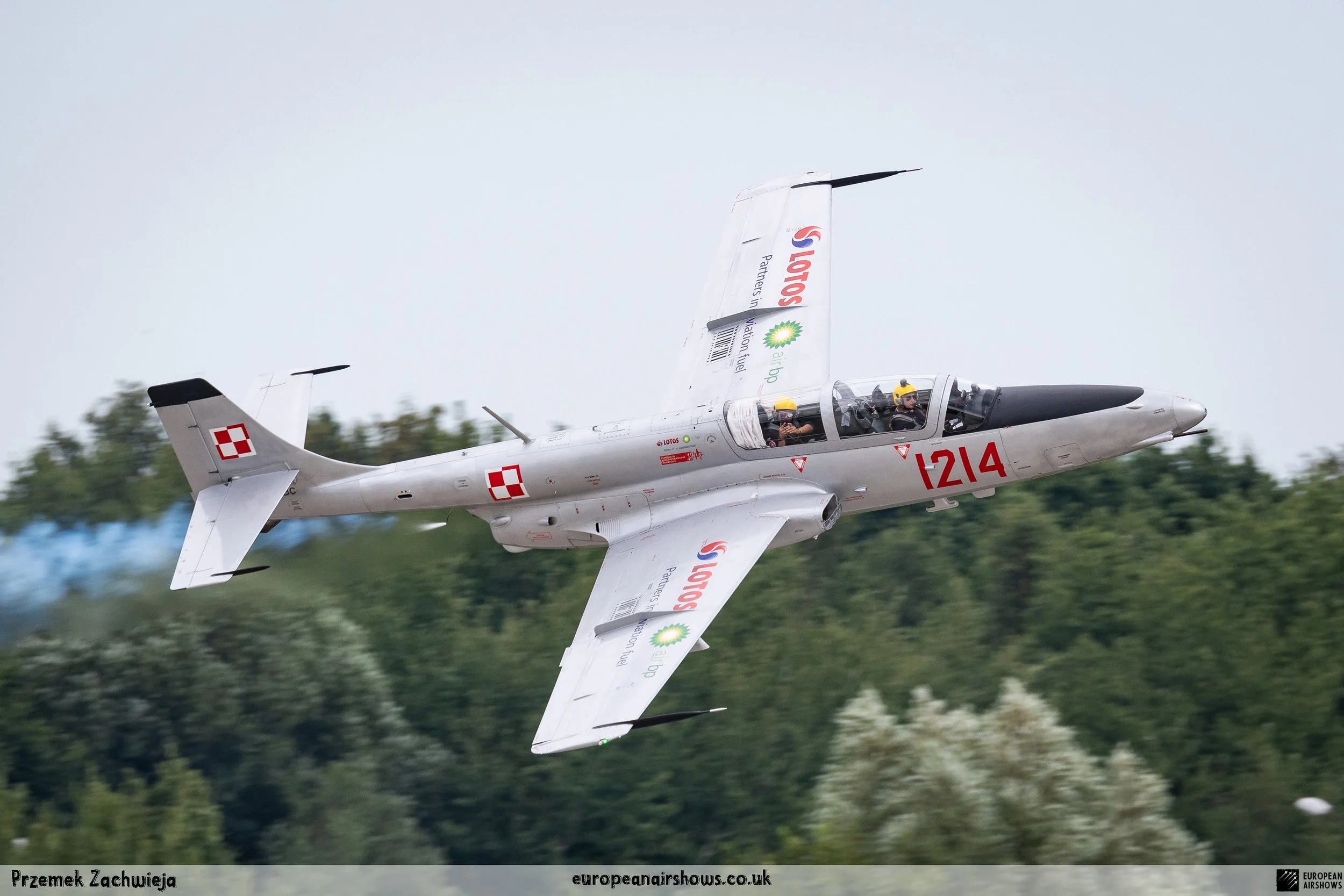
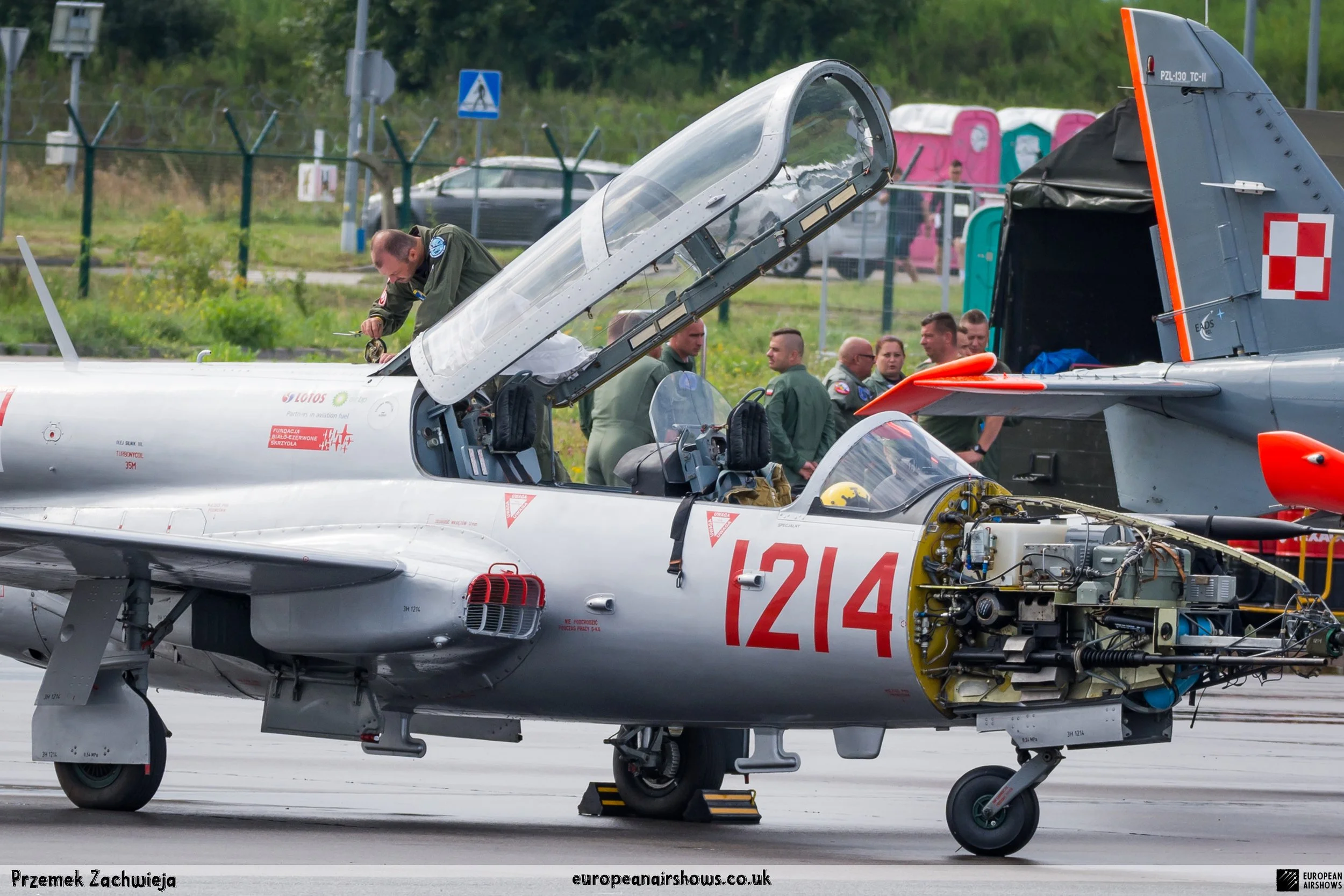
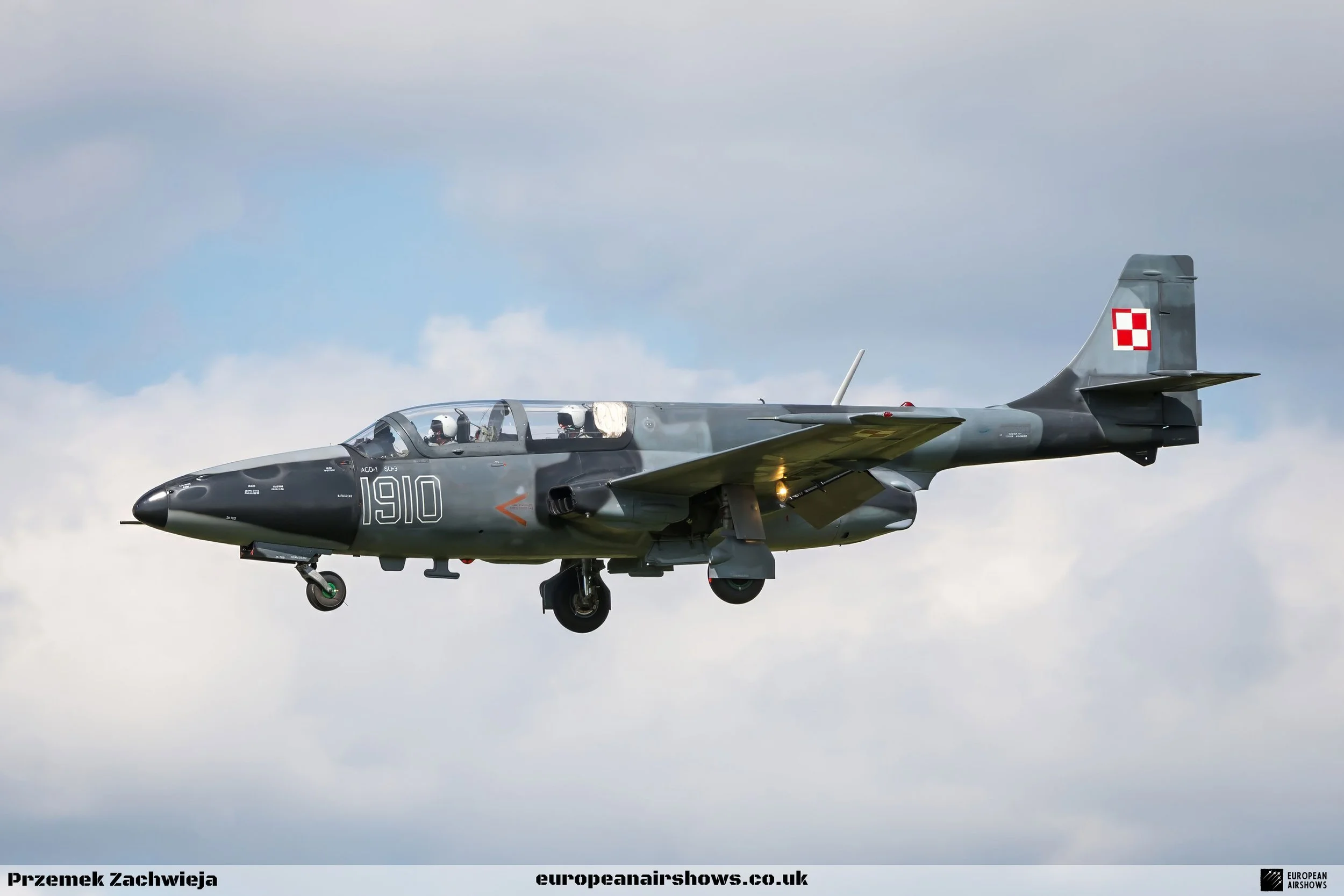
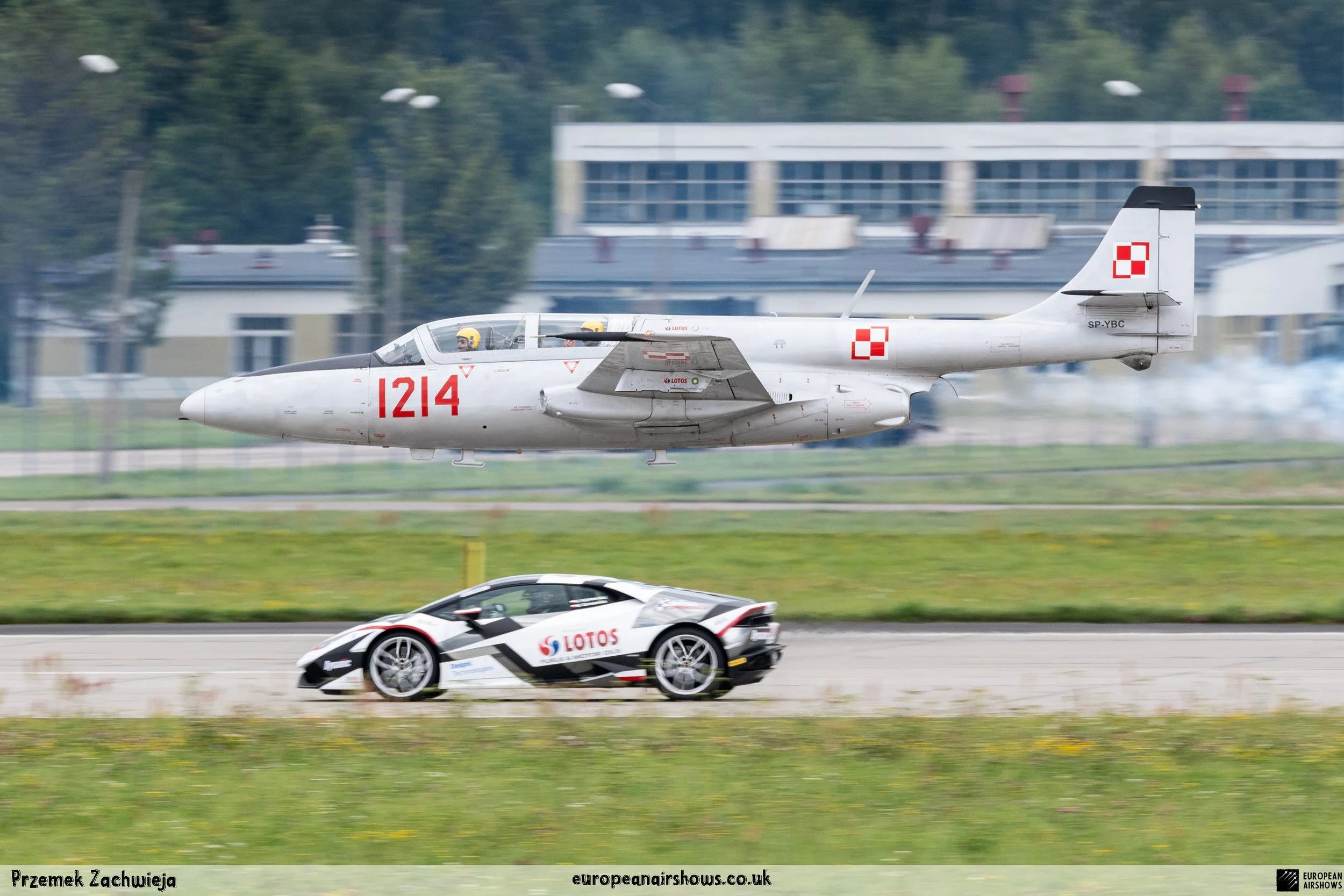
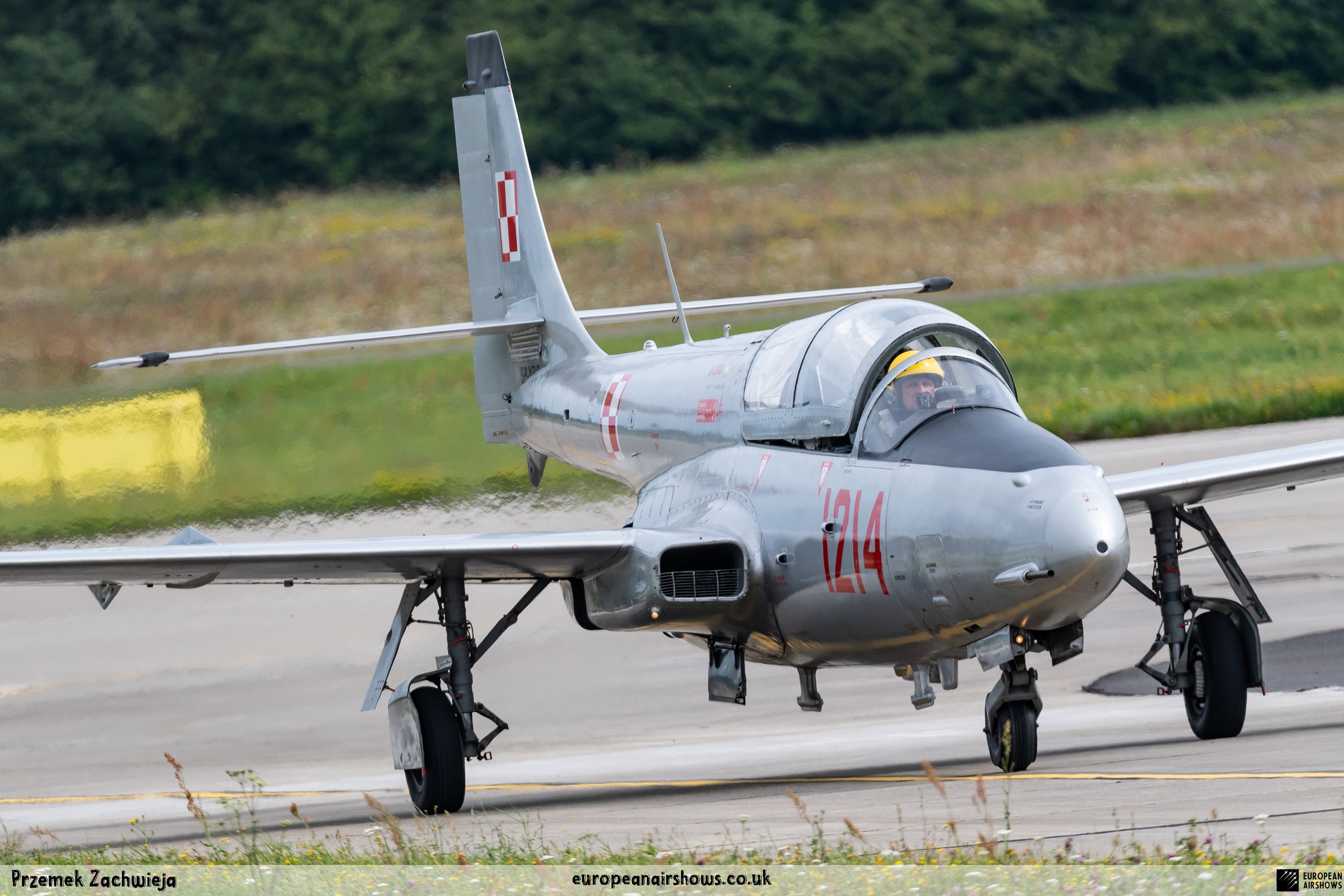
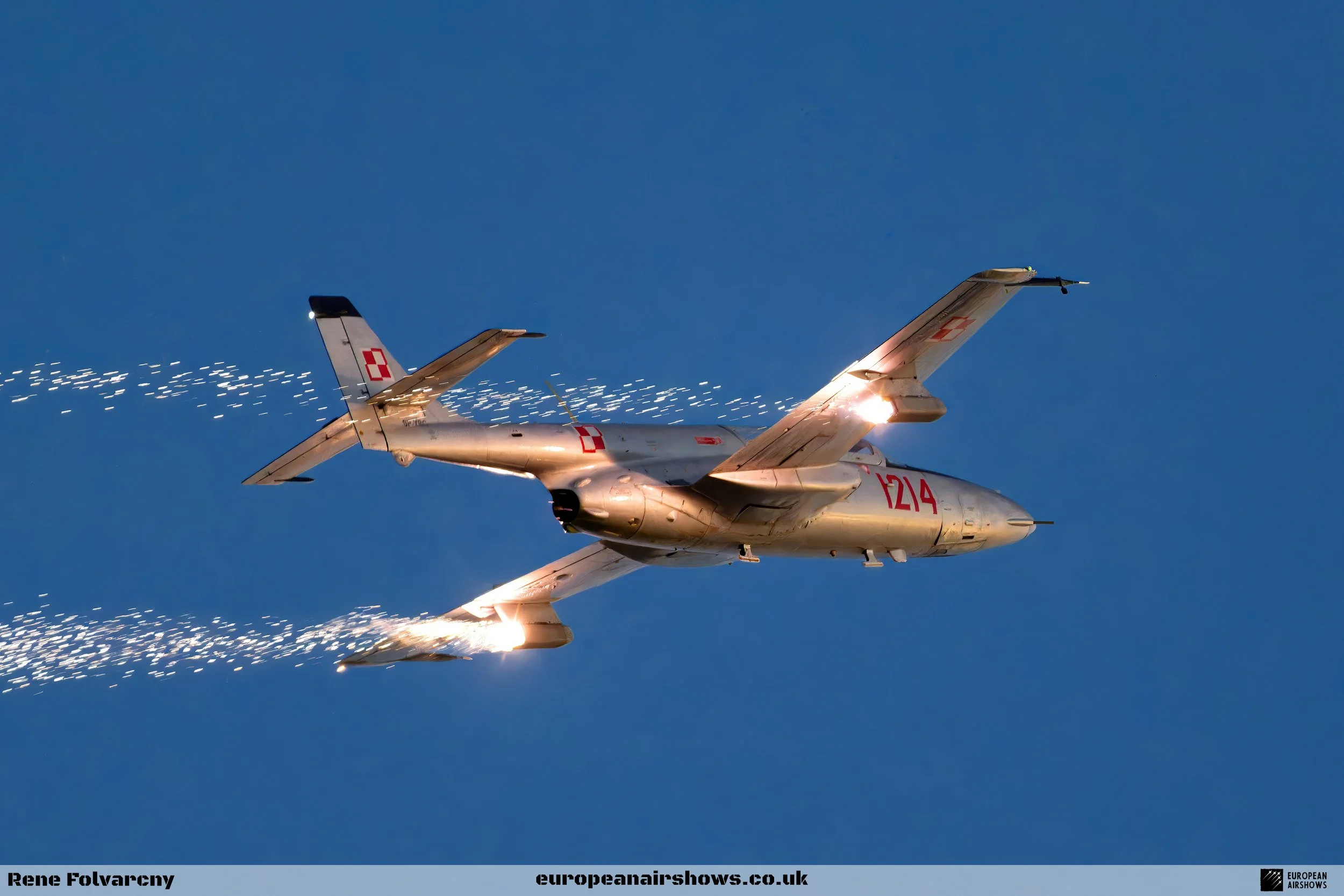
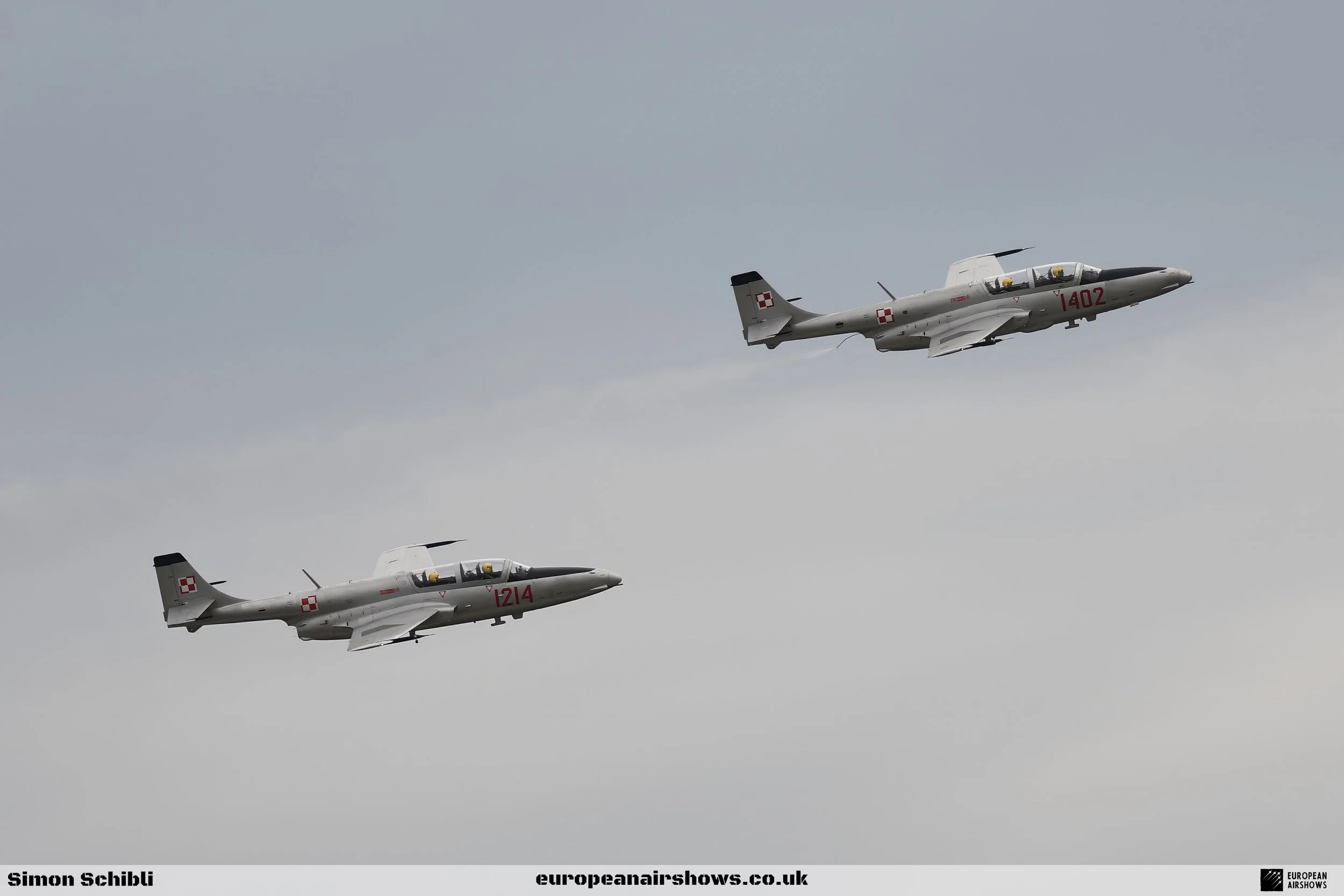
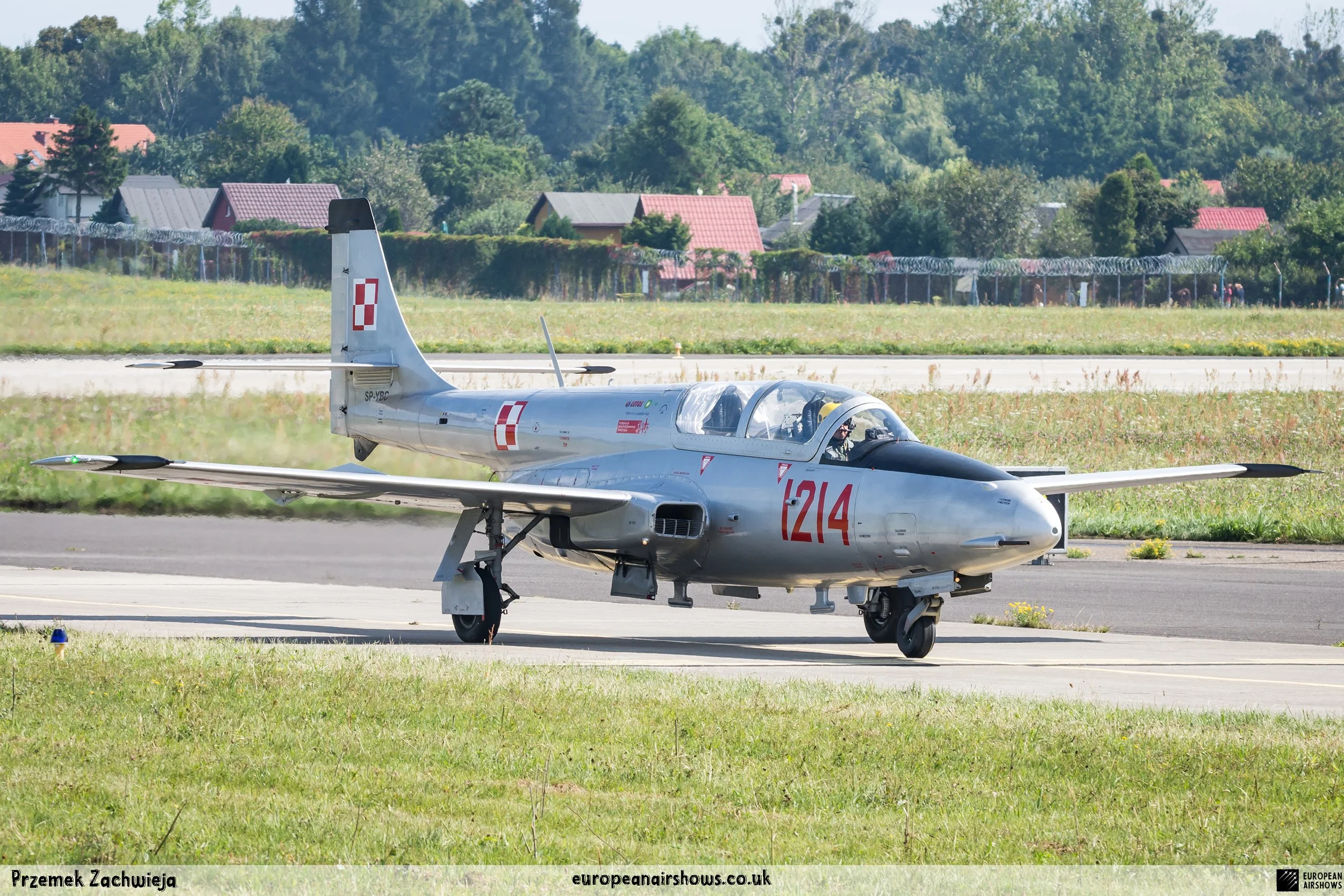
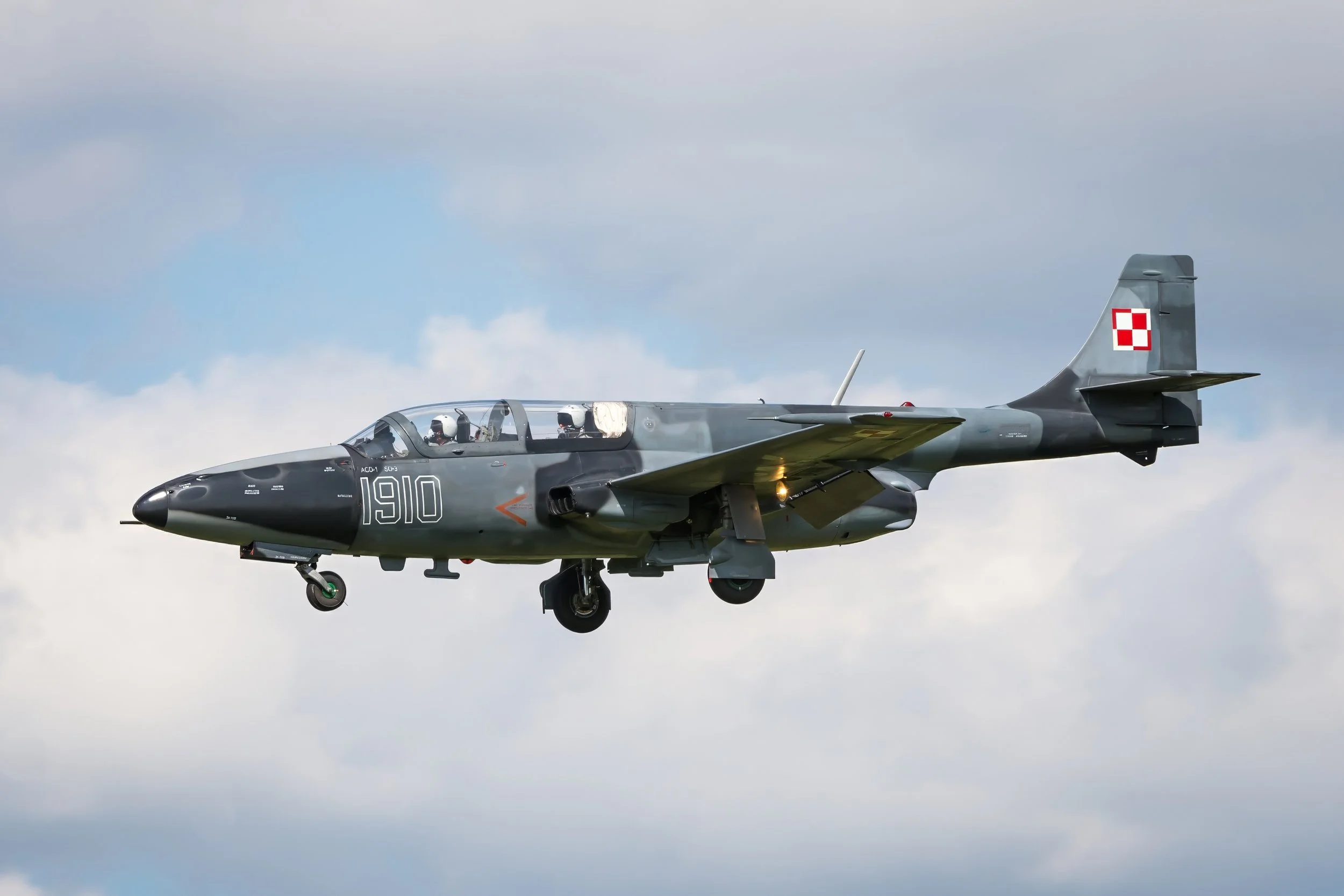
The PZL TS-11 Iskra (“Spark”) was the first jet aircraft designed and produced in Poland. Conceived from a 1957 requirement to replace the TS-8 Bies, it flew for the first time on 5 February 1960 and entered Polish Air Force service in 1964. Over a production run from 1963 to 1987, 424 examples were built, forming the backbone of Poland’s jet training for more than five decades and also serving with the Indian Air Force.
Early prototypes used the Armstrong Siddeley Viper, before standardized Polish engines arrived: first the WSK HO-10 (Viper copy), then the SO-1 and SO-3/-3W series that powered most production aircraft. Although the Warsaw Pact ultimately selected the Aero L-29 Delfín as its standard trainer, the Iskra remained Poland’s principal jet trainer and later gained export success with India (initial 50 aircraft from 1975; total 76 delivered).
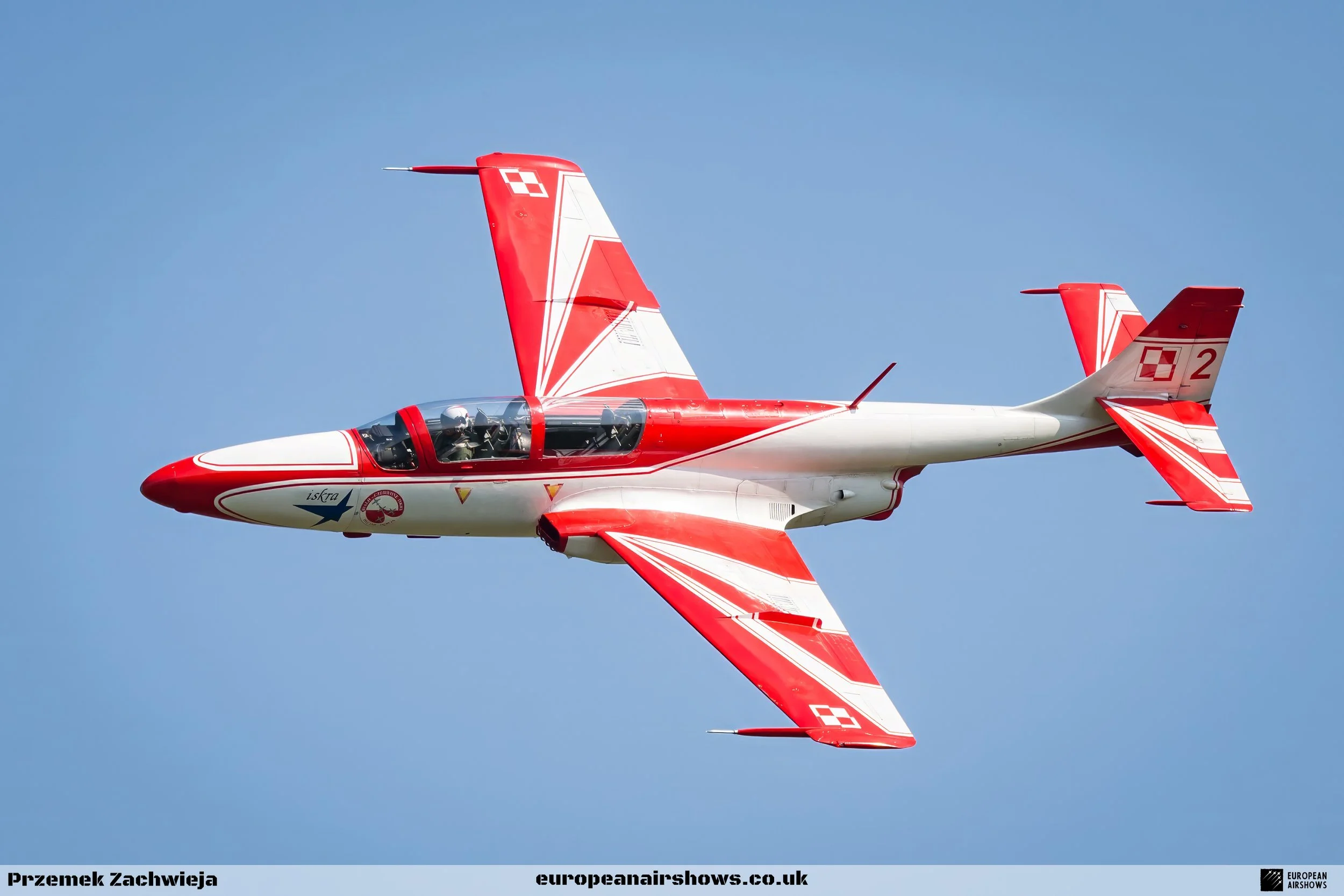
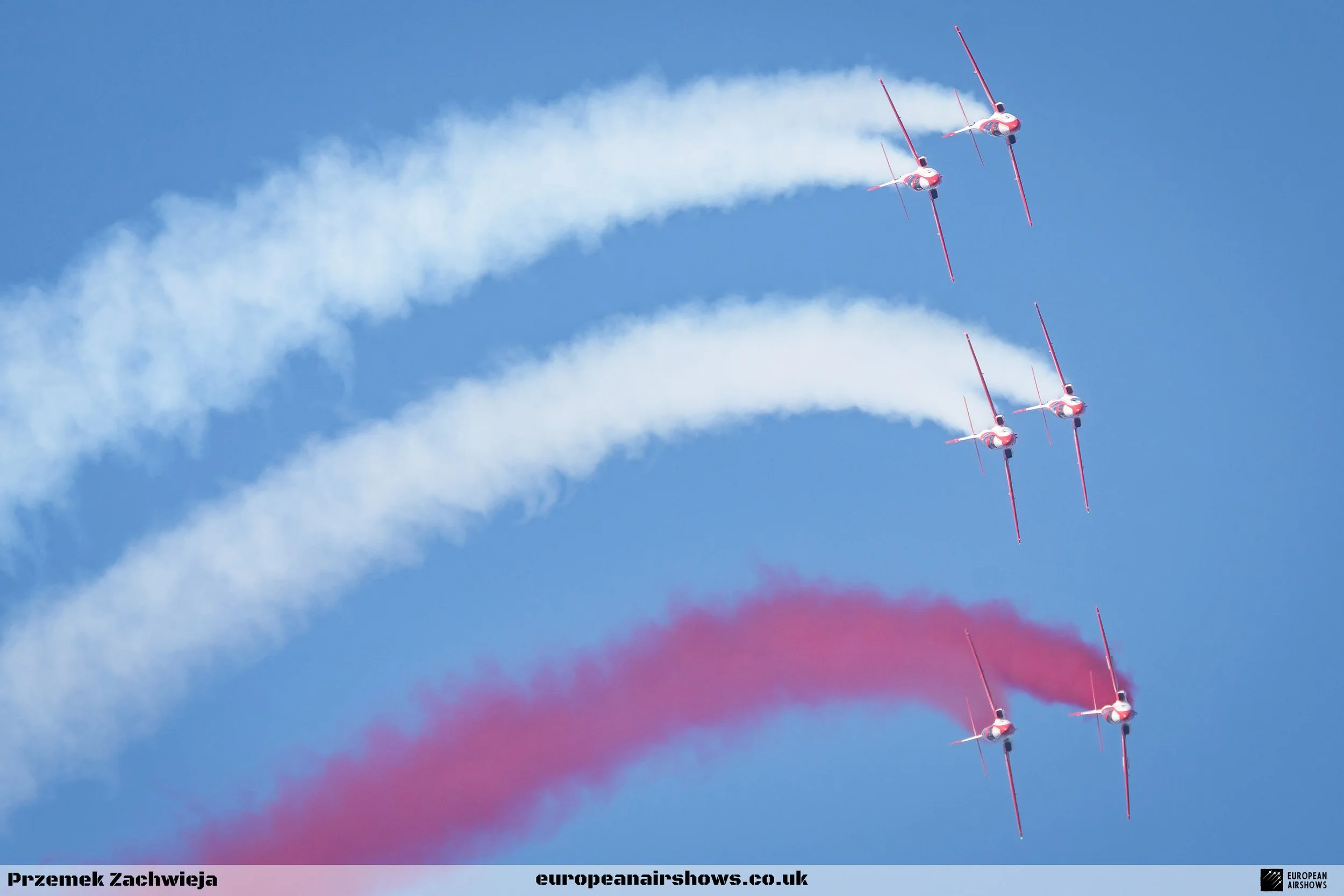
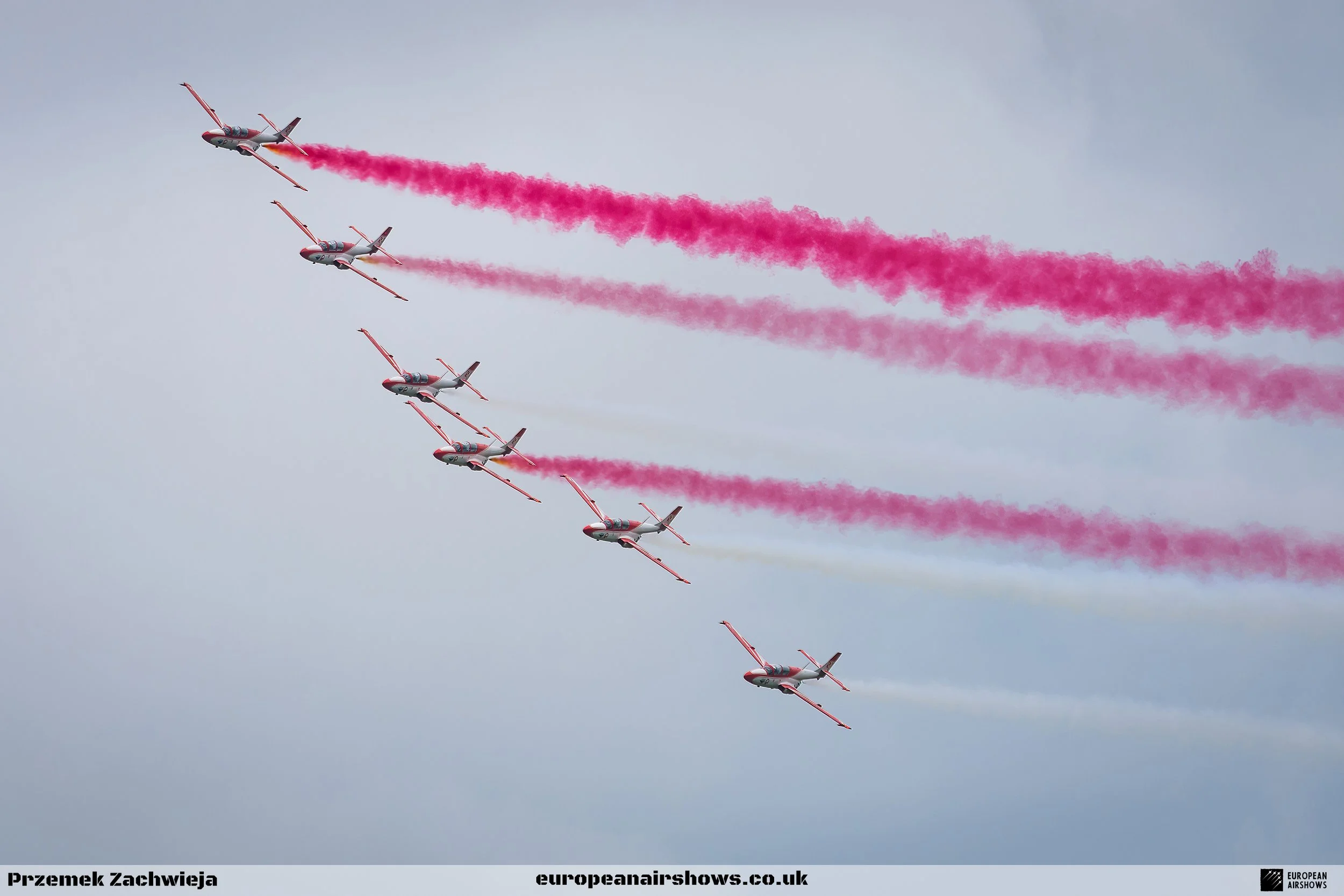
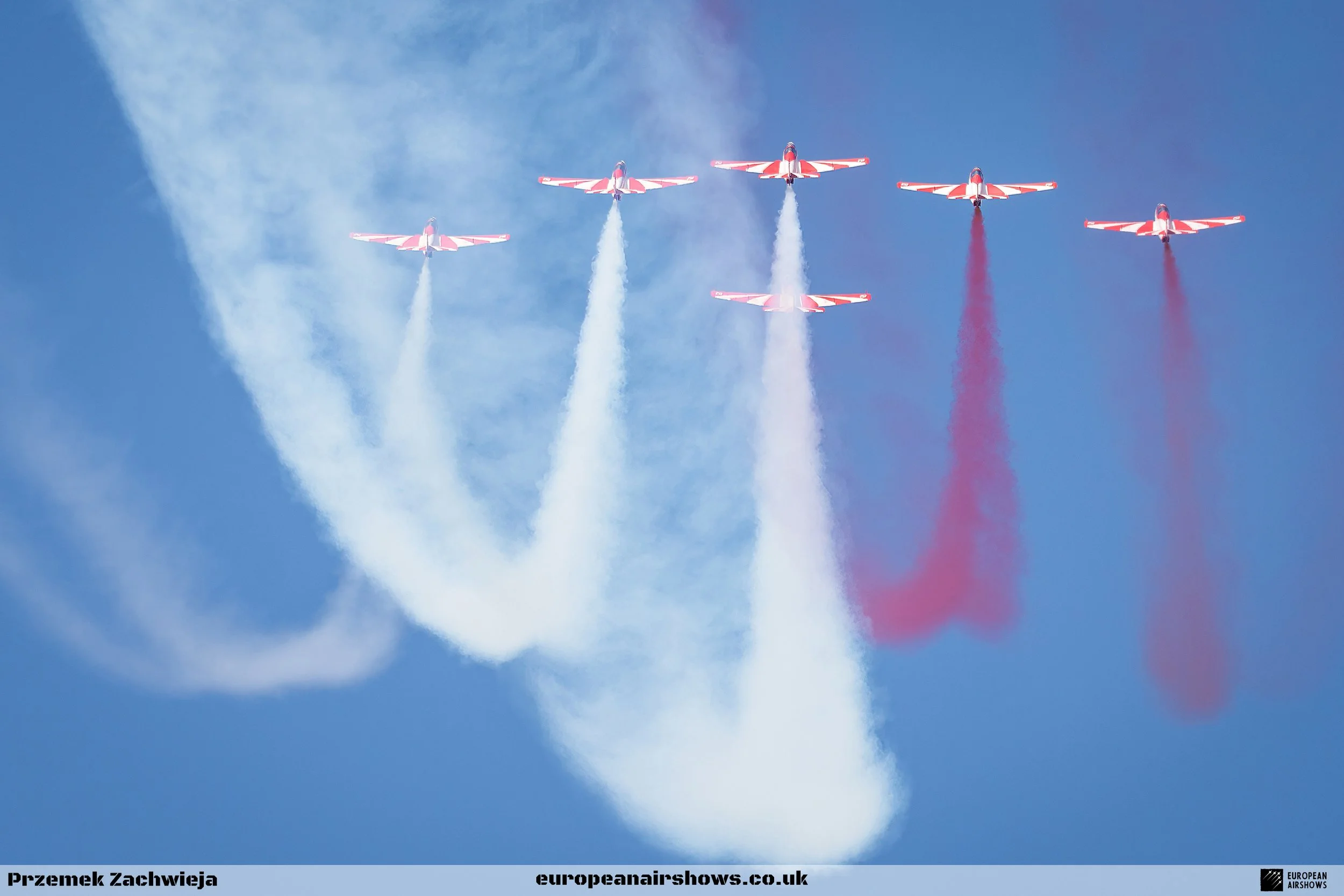
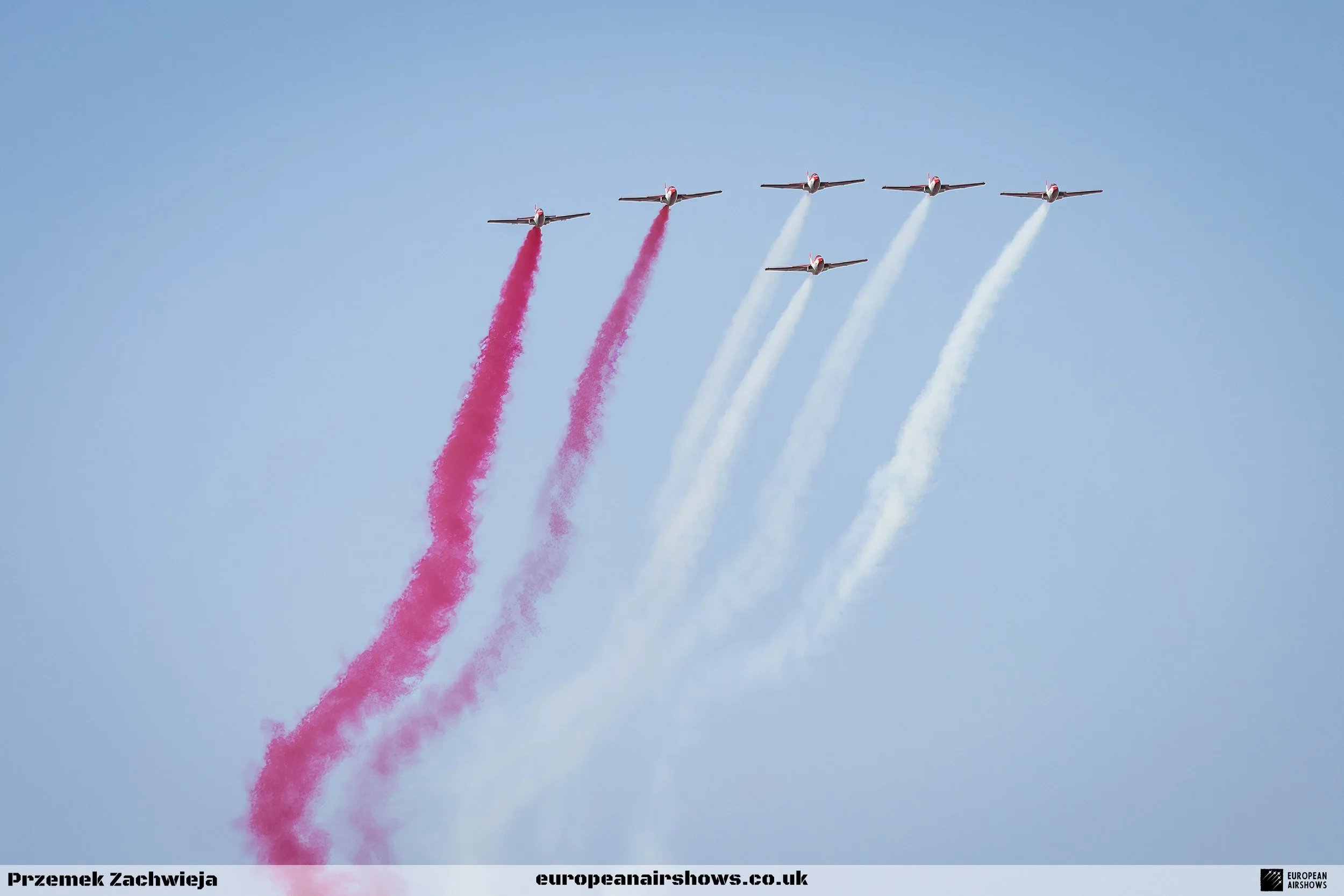
Beyond training, the versatile airframe supported weapons and reconnaissance training (bis-B hardpoints; rare single-seat TS-11R/“bis-C” photo-recon versions). The type’s public profile was defined by the aerobatic team founded in 1969—today known as the Biało-Czerwone Iskry (White-Red Sparks)—which displayed seven TS-11s across Europe until 2021.
Operational Chronicle
From national requirement to record-setting trainer and long service
Requirement Issued
Polish Air Force issues a formal requirement for a jet trainer to replace the TS-8, assigning design leadership to Tadeusz Sołtyk. Work begins at IL and moves to PZL-Mielec.
Maiden Flight
On 5 February 1960, the prototype flies with a Viper 8 engine; later prototypes adopt the Polish HO-10. Public debut follows in September over Łódź.
First Deliveries
Initial production TS-11 bis A aircraft delivered to training units; subsequent builds standardize SO-1 then SO-3 engines.
Service Entry & Records
Type enters Polish Air Force service and sets class records—including a noted 839 km/h speed flight—showcasing performance for a basic/advanced trainer.
Aerobatic Team Founded
Rombik aerobatic team formed on the TS-11, evolving into today’s White-Red Sparks—eventually a seven-ship team that became a Polish aviation icon.
Export to India
First batch of 50 bis D aircraft delivered to the Indian Air Force (final total 76). The Iskra serves with IAF training units until 2004.
Production Ends
With 424 built across several variants, new-build production ceases, but the fleet continues in Polish service into the 21st century.
IAF Retirement
The Indian Air Force withdraws its last TS-11 trainers after nearly three decades of service.
Final Polish Service
Poland retires the last operational Iskras; the White-Red Sparks perform their final public displays the same season.
Service Highlights
Training pipeline, export service and public displays
Core basic/advanced jet trainer of the Polish Air Force across multiple generations, transitioning thousands of pilots from piston trainers to frontline jet types.
India received 76 aircraft (initial 50 in 1975–76, followed by additional deliveries in the 1990s), operating them at Hakimpet and other training bases until withdrawal in 2004.
Poland’s long-running national jet aerobatic team displayed up to seven TS-11s, becoming a trademark sight at European airshows for five decades.
bis-B variants added four under-wing pylons for ordnance training; rare single-seat recon conversions (often referred to as TS-11R/bis-C) trialled cameras and sensors.
From the prototype’s British Viper to Polish HO-10, then SO-1 and SO-3/-3W engines—improving reliability and overhaul intervals for long trainer service life.
Noted class records (including an 839 km/h speed) demonstrated the design margin built into Poland’s first home-grown jet.
Service Record
Key milestones and statistics from the Iskra’s career
Technical Specifications
Essential details and characteristics of the PZL TS-11 Iskra
Development Story
From a 1957 requirement to Poland’s long-serving jet trainer
Origins and Requirement
In 1957 the Polish Air Force issued a requirement for a modern jet trainer to supersede the TS-8 Bies. The initial work began at the Institute of Aviation (IL) and transitioned to PZL-Mielec, with Tadeusz Sołtyk leading the design. The first prototype flew on 5 February 1960, initially with a British Viper 8 turbojet.
Engines and Early Production
After the prototype phase, Polish engines replaced the Viper: first the HO-10, then the improved SO-1 and SO-3/-3W, which brought better reliability and overhaul life—crucial for training fleets. Deliveries of the bis A production model began in 1963; the aircraft officially entered service in 1964.
Variants and Roles
The bis-B added four under-wing pylons for weapons training, while small batches of reconnaissance conversions (often referred to as TS-11R / “bis-C”) tested cameras and sensors. The refined bis-D became a principal late build, and 76 aircraft were exported to India, where they served until 2004.
Long Service & Public Profile
Although the Warsaw Pact selected the L-29 as its standard trainer, the Iskra evolved into a national mainstay: a durable, forgiving platform used for basic/advanced training and famous displays by the Biało-Czerwone Iskry. Production ended in 1987 after 424 aircraft; Poland finally retired the type in 2021.
Enduring Legacy
A landmark in Poland’s aerospace story
The TS-11 Iskra stands as Poland’s first home-grown jet and a resilient training workhorse. From its first flight on 5 February 1960 to final retirement in 2021, it delivered reliable performance, trained generations of pilots, represented Poland at airshows with the seven-ship White-Red Sparks, and proved that an indigenous jet programme could thrive through changing eras. Its longevity across Poland and India makes the Iskra a defining European trainer of the Cold War and post-Cold War period.