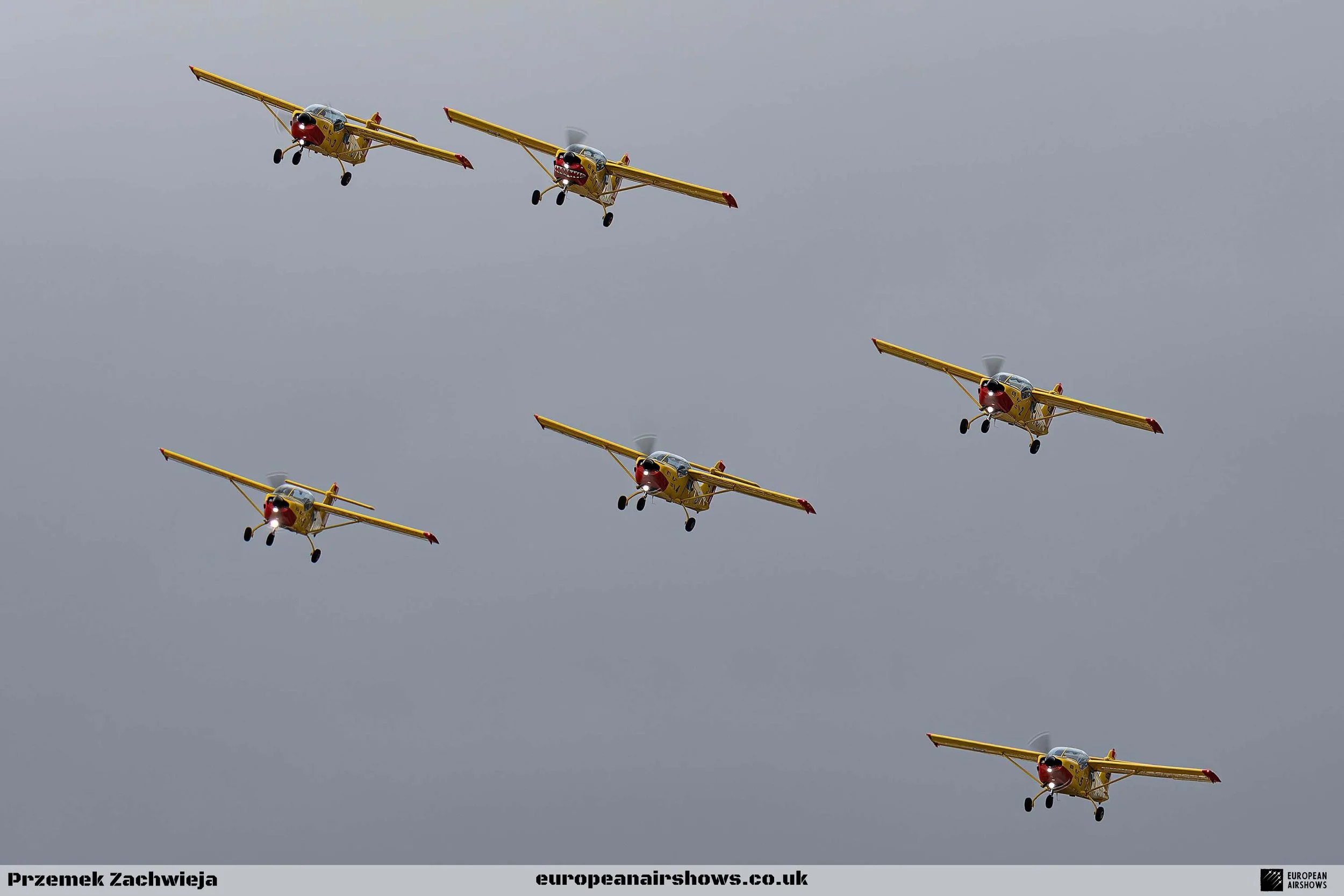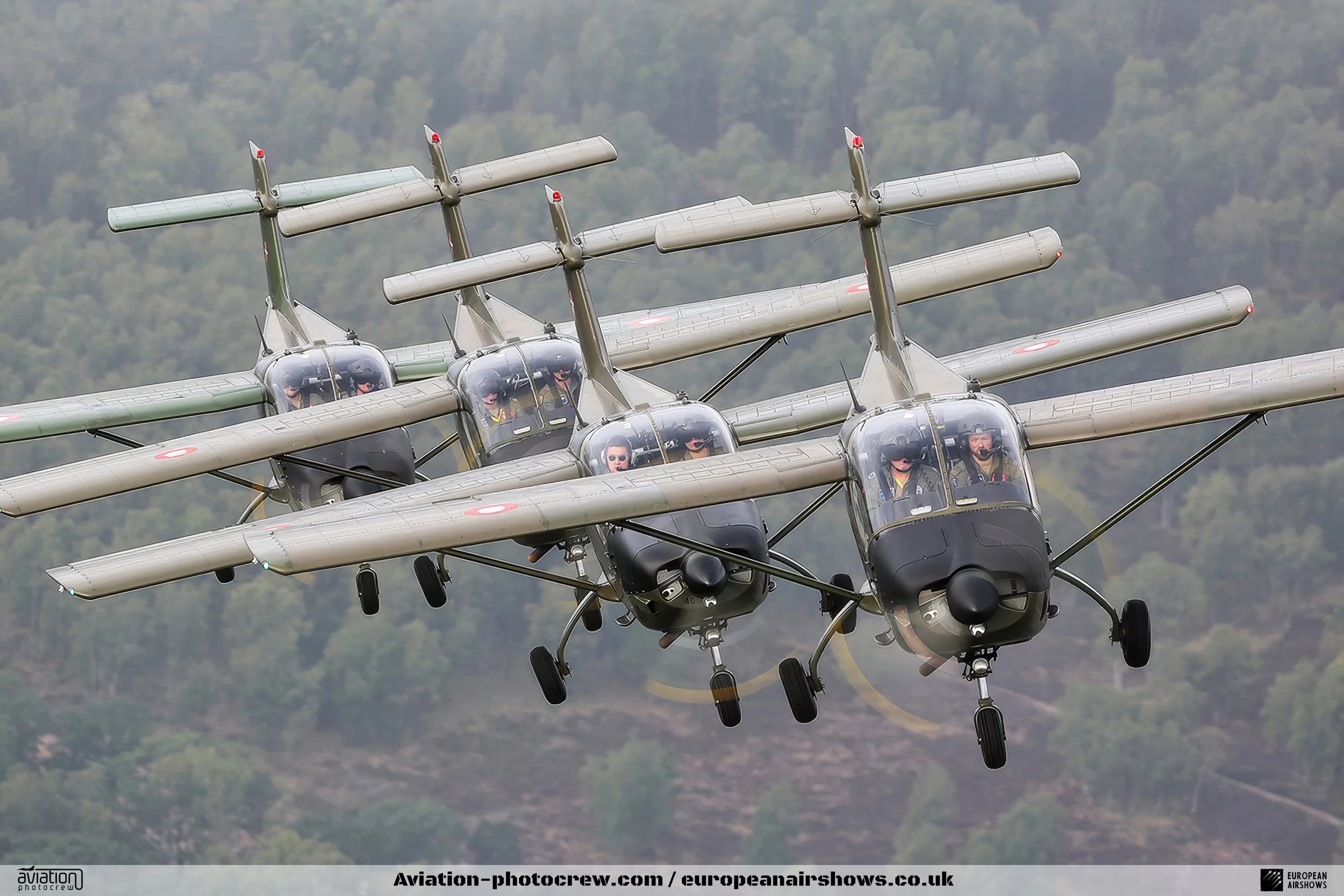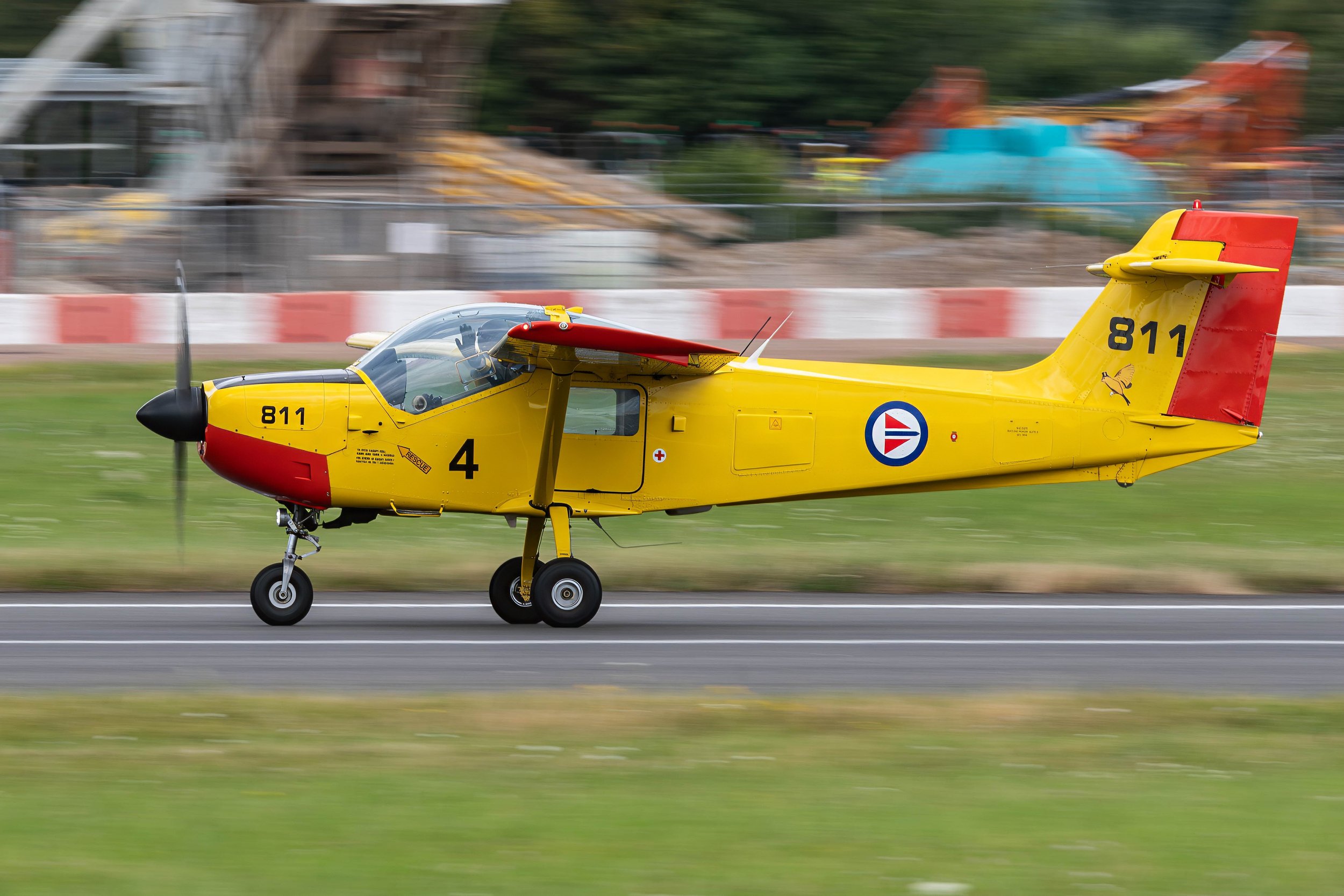
Saab MFI-15 Safari / MFI-17 Supporter
Sweden’s robust basic trainer—civil Safari and military Supporter—spawning the PAC Mushshak family and serving widely from Scandinavia to South Asia
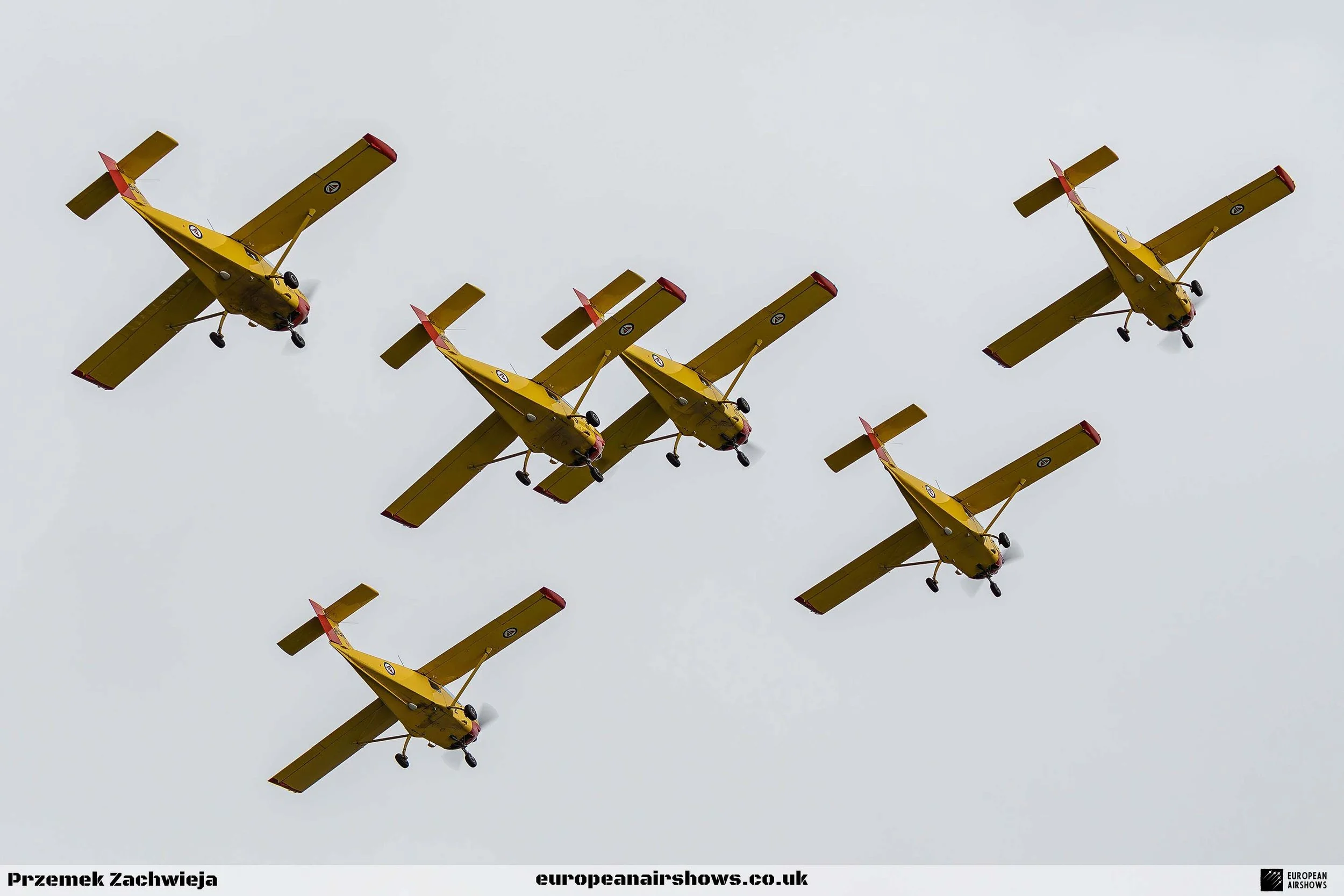
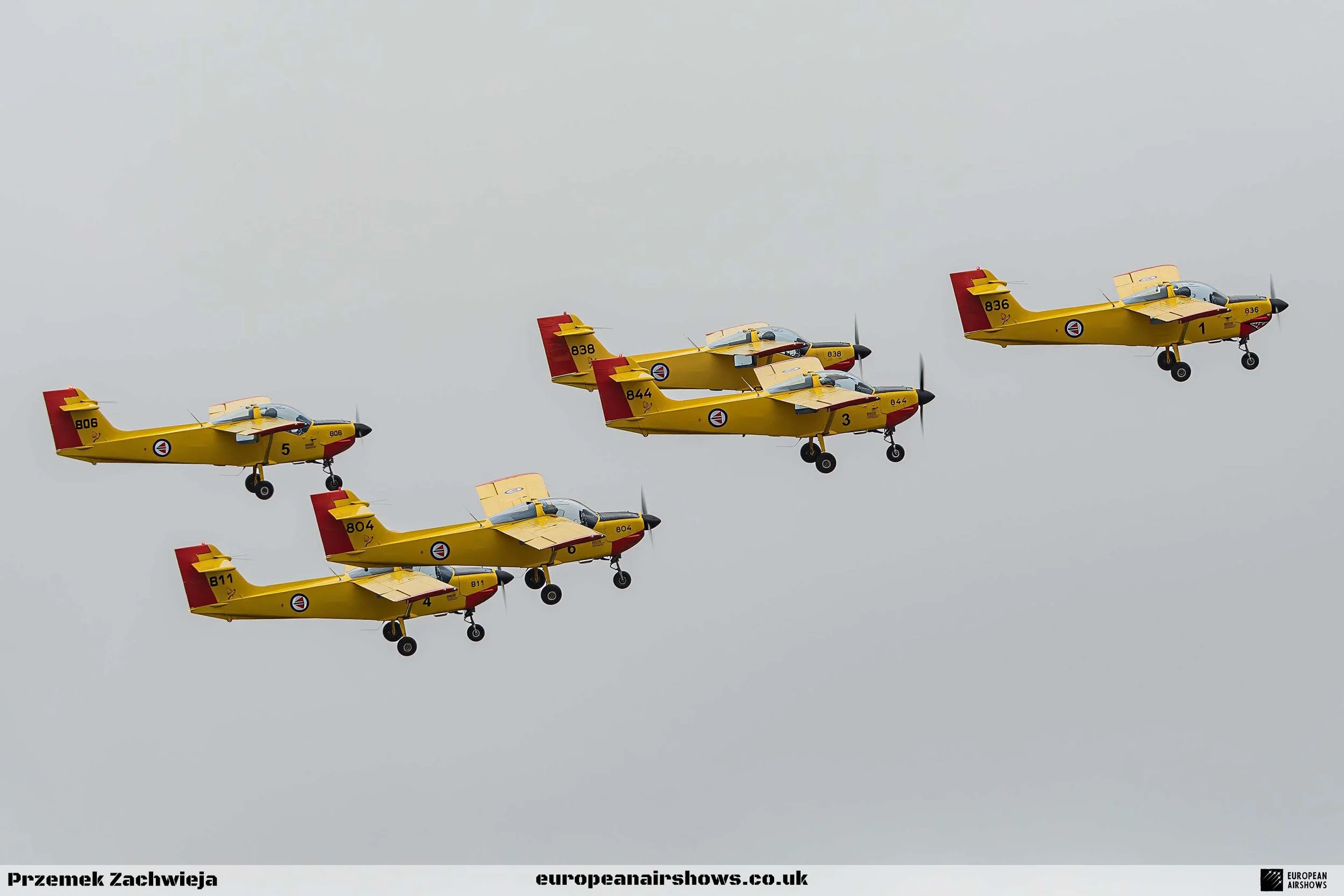
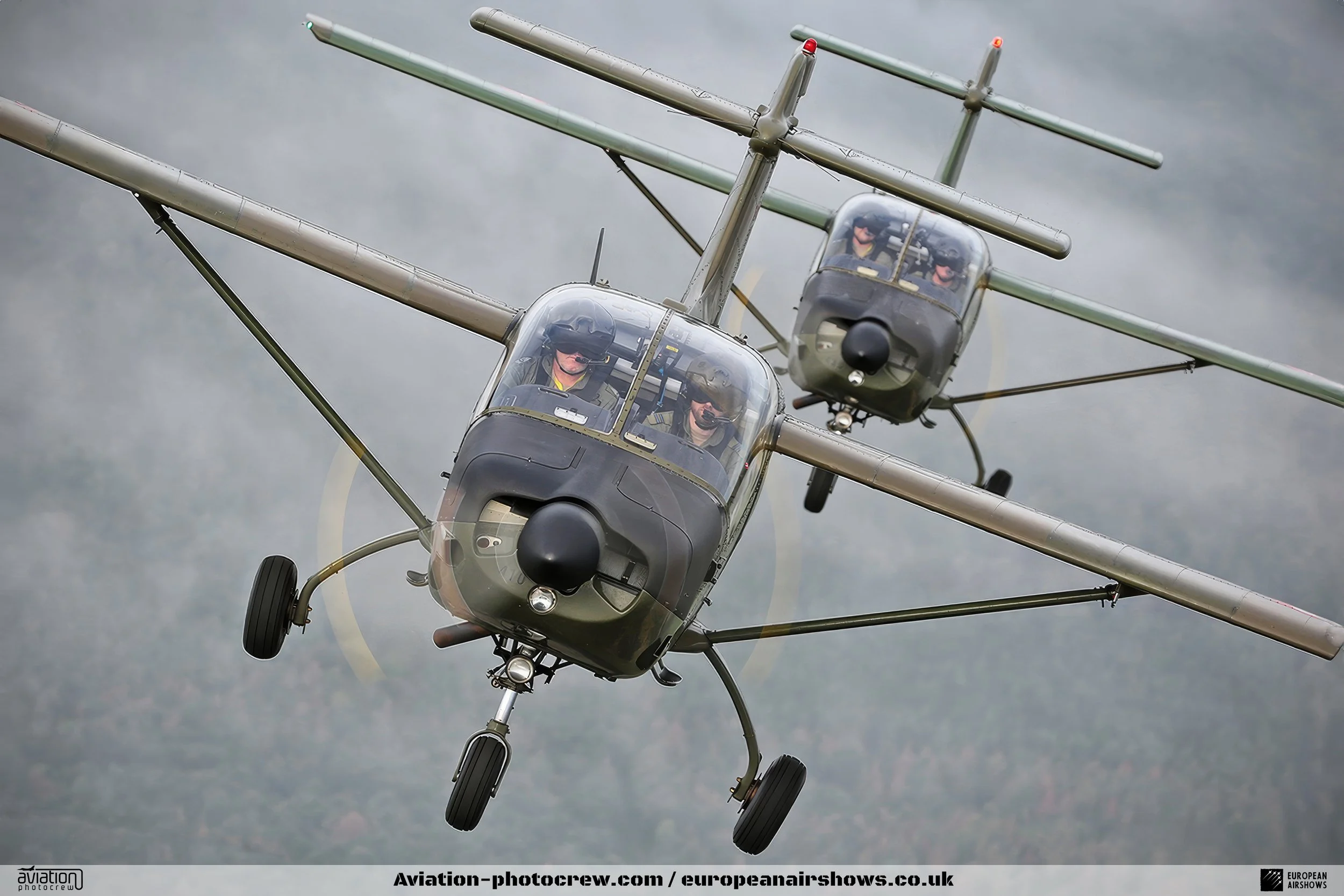
The Saab MFI-15 Safari and its military sibling, the MFI-17 Supporter, were conceived at Malmö Flygindustri as rugged, economical two/three-seat trainers and utility aircraft. Following Saab’s 1968 acquisition of MFI, the design matured into a distinctive T-tailed, fixed-gear trainer powered by a 200-hp Lycoming IO-360—simple to maintain yet fully aerobatic. The type’s straightforward handling and strong structure made it ideal for ab-initio flying and liaison tasks.
The first Safari prototype lineage began with SE-301 in 1969; the refined production-standard T-tail prototype flew on 26 February 1971, leading to deliveries from 1972. Military MFI-17 Supporters (including Denmark’s T-17) added hardpoints and strengthened systems. Pakistan Aeronautical Complex later license-built and evolved the design as the Mushshak and Super Mushshak, extending the family’s global footprint.
While not a combat aircraft, the Safari/Supporter family proved its worth in daily service: primary training, navigation, formation, light liaison and observation—roles where reliability, short-field performance and low operating cost matter most. Hundreds were built across Sweden and Pakistan, and many remain active with air forces and civilian operators today.
Operational Chronicle
Design milestones, production and global service highlights
Saab Acquires MFI
Saab takes over Malmö Flygindustri, bringing the in-house light-aircraft team and the MFI-9 heritage that would evolve into the new Safari/Supporter line.
SE-301 Prototype Flies
Early prototype (conventional tail, IO-320 engine) takes to the air, validating the basic layout and performance before re-engineering to the production T-tail.
Safari First Flight
Refined MFI-15 with T-tail and 200-hp Lycoming IO-360 completes its first flight on 26 February, clearing the path to certification and deliveries.
Service Entry
Initial deliveries of civil Safari and military-leaning Supporter variants begin; the type quickly gains a reputation for robustness and forgiving handling.
Denmark Selects the T-17
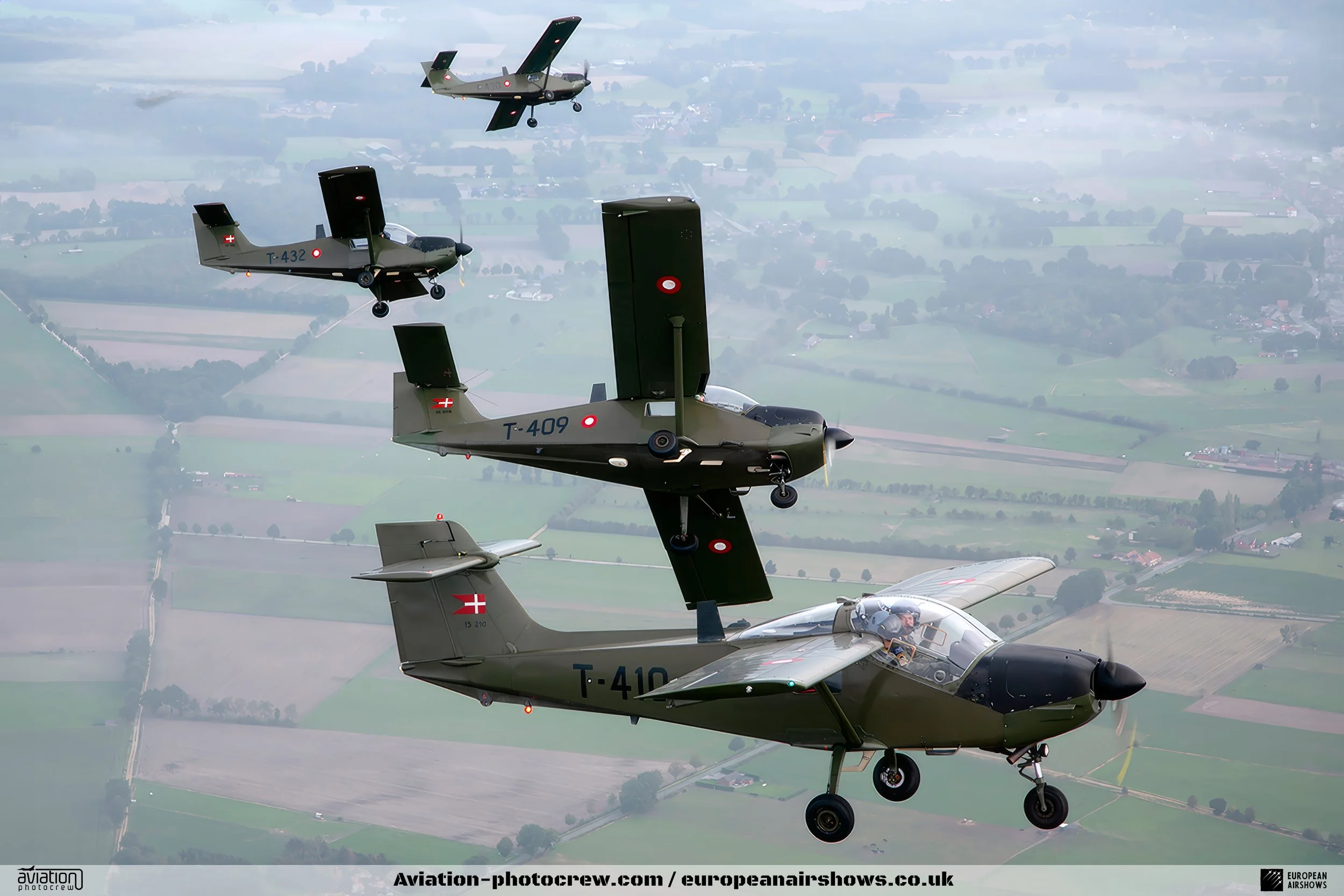
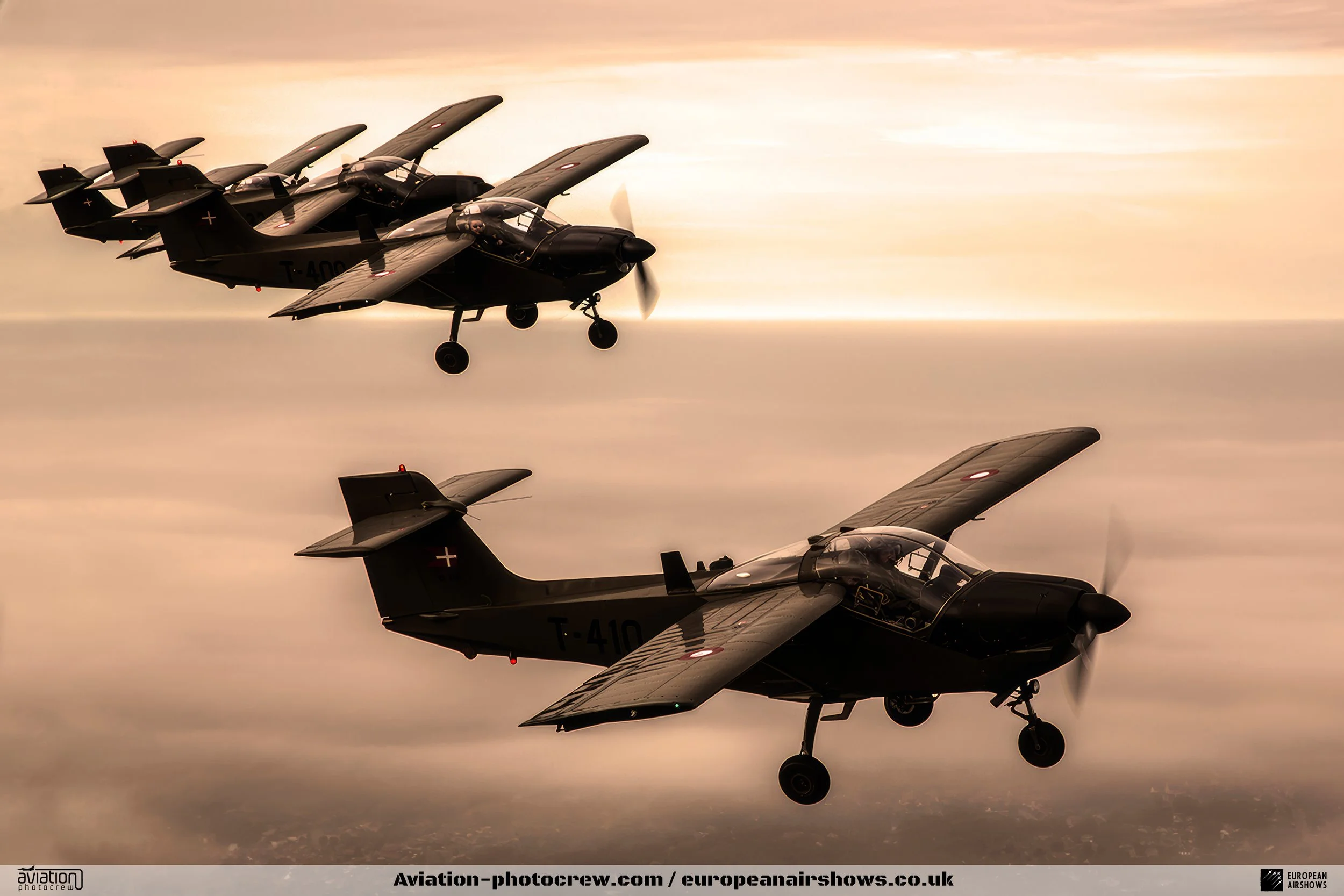
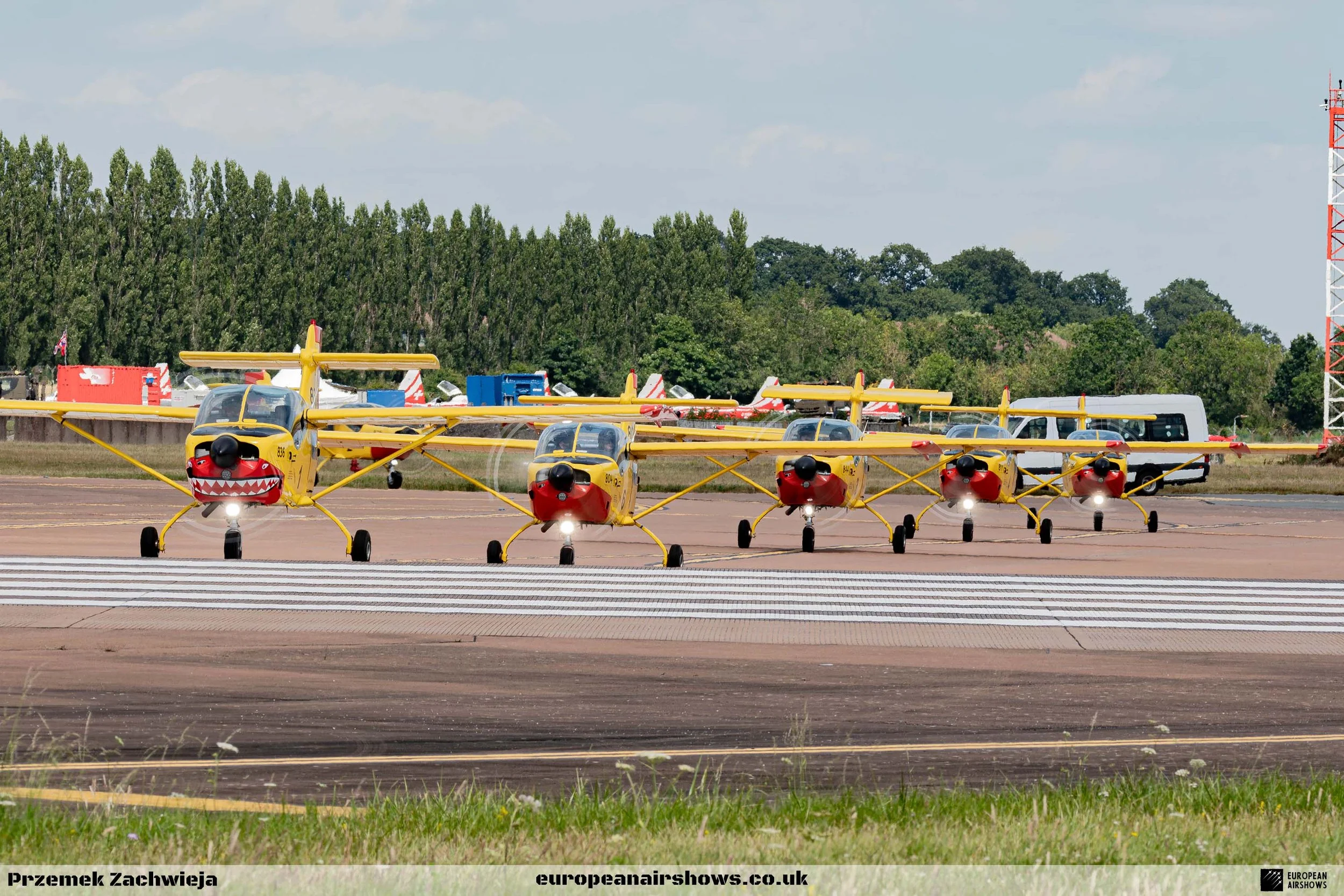
Royal Danish Air Force adopts the MFI-17 as the T-17 Supporter for primary training; the type becomes a long-lived national basic trainer and liaison platform.
PAC Mushshak Production
Pakistan Aeronautical Complex starts license production of the MFI-17 as the Mushshak, later evolving into the uprated Super Mushshak for global export.
Sustained Global Use
Safari/Supporter airframes continue in European service (notably Denmark) and expand worldwide via Mushshak derivatives in training and liaison roles.
Still on the Line
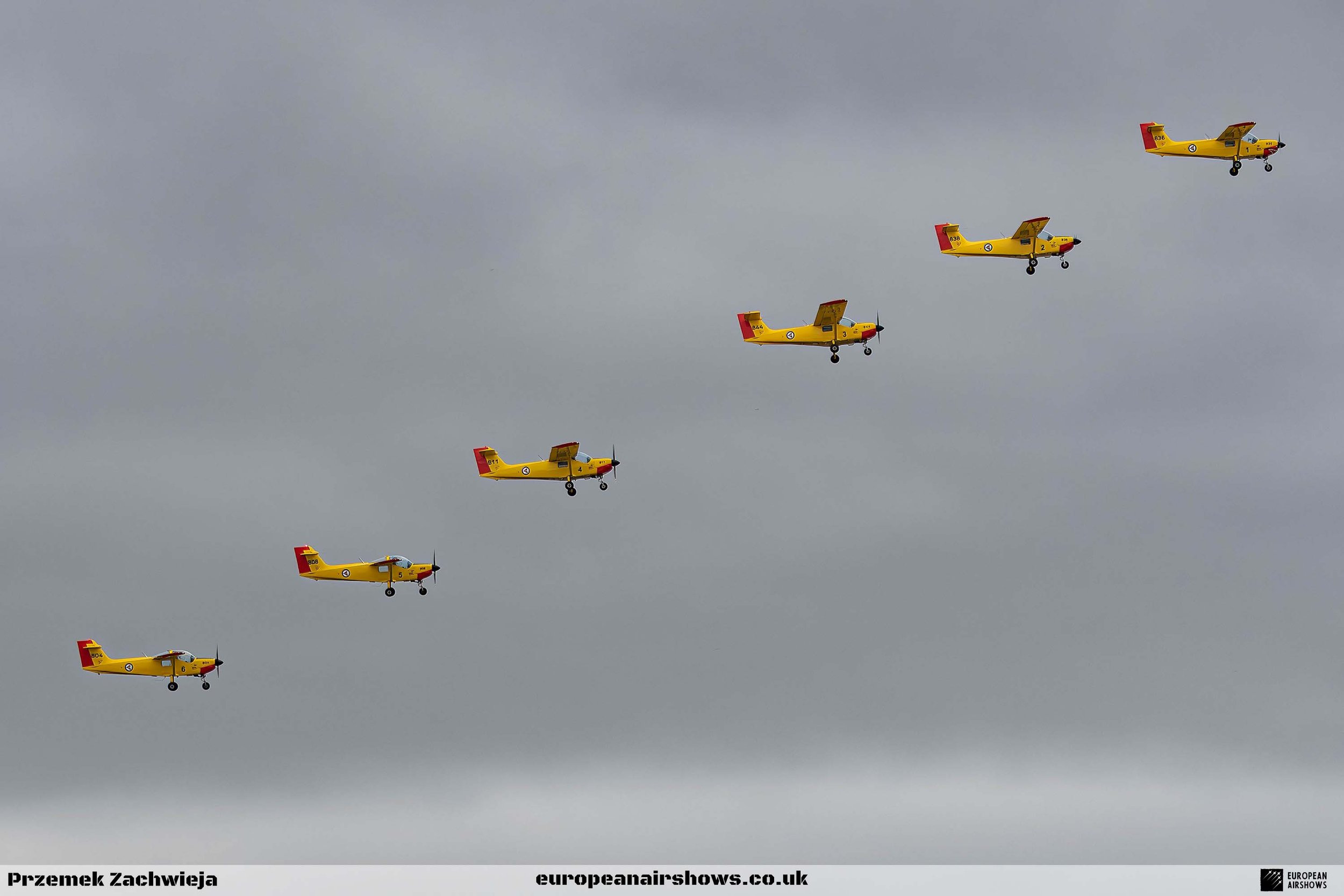
The T-17 remains active with the Royal Danish Air Force for basic flying, liaison and display duties; Mushshak family production and exports continue.
Combat Operations
Representative training and utility roles performed by the Safari/Supporter family
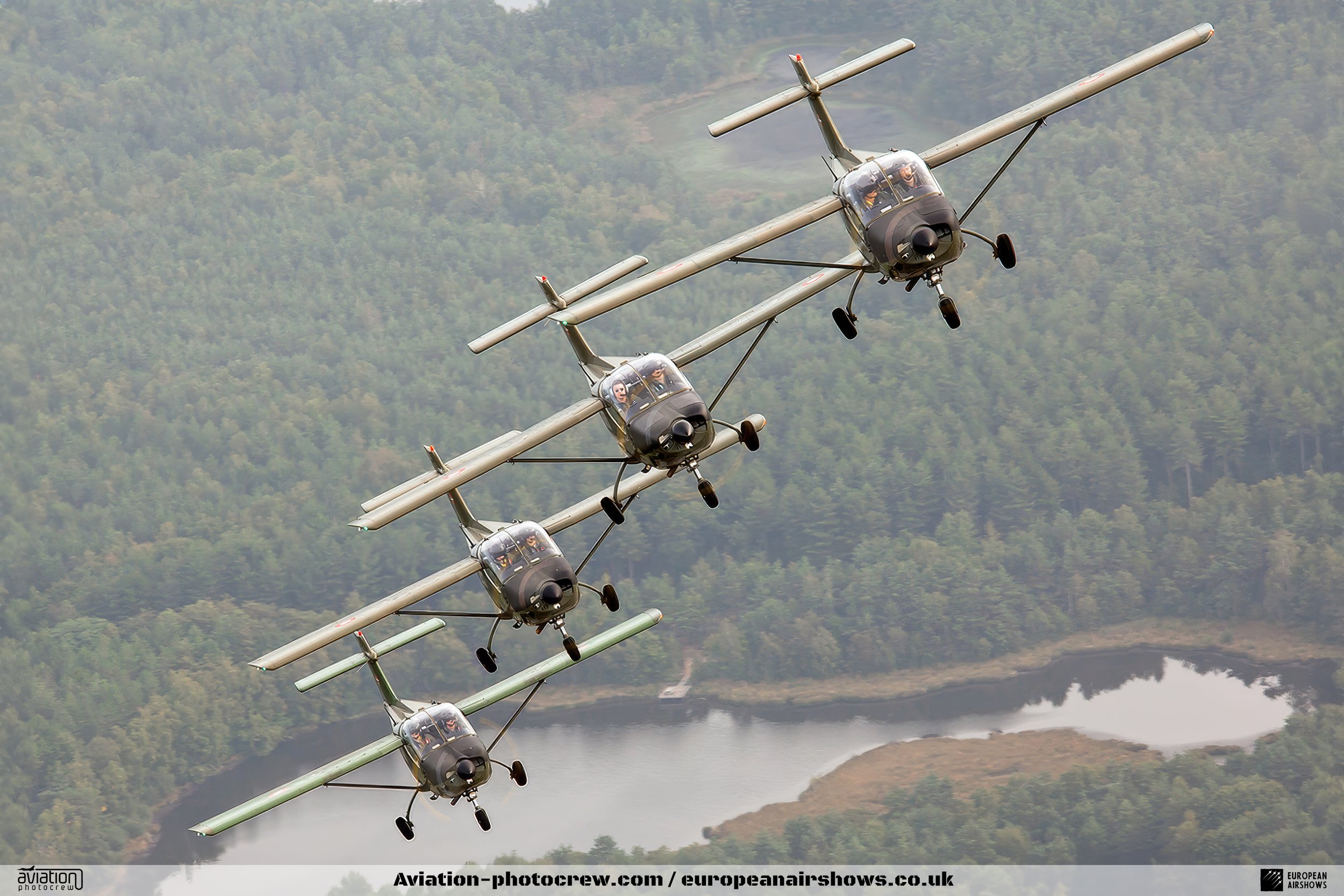
Ab-initio training with simple systems, strong airframe and benign stall/spin characteristics; widely used for formation, aerobatics and navigation sorties.
Short-field capability and low operating cost make the type useful for range supervision, airbase liaison, aerial observation and light transport tasks.
PAC develops the MFI-17 into Mushshak/ Super Mushshak with systems and power upgrades, supplying domestic fleets and exports for basic training.
T-17s frequently appear at Nordic events demonstrating formation, navigation passes and low-speed handling as a national basic trainer.
Hundreds of Safaris served flying clubs and private owners—towing gliders, conducting aerial photography and providing cost-effective tourer capability.
A metal airframe, simple systems and readily available Lycoming parts underpin exceptional service lives and high availability rates.
Service Record
Key milestones and statistics for the Safari/Supporter family
Technical Specifications
Essential details and characteristics of the Safari / Supporter
Development Story
From Malmö concept to a global family of basic trainers
Origins and Early Prototypes
Malmö Flygindustri leveraged experience from the MFI-9 to propose a sturdier, roomier two/three-seat successor. After Saab acquired MFI in 1968, the project accelerated. The lineage’s first airframe, SE-301, flew in 1969 with a conventional tail and smaller IO-320 engine, before the design migrated to the hallmark T-tail to protect the tailplane on rough strips and improve handling at high angles of attack.
The production-standard MFI-15 Safari with a 200-hp Lycoming IO-360 made its first flight on 26 February 1971. Fixed tricycle gear, large doors and excellent visibility made the type popular with clubs and schools; stressed for aerobatics, it was equally at home teaching spins, loops and formation basics.
Supporter and the T-17
The military-focused MFI-17 Supporter added strengthened systems and optional hardpoints. Denmark evaluated contenders and adopted the type as the T-17, where it has endured as a national basic trainer and liaison aircraft thanks to reliability, low fuel burn and ease of maintenance.
License Production in Pakistan
Pakistan Aeronautical Complex obtained rights to assemble and later manufacture the Supporter as the Mushshak, culminating in the Super Mushshak with upgraded avionics and a more powerful engine. This line has kept the core MFI-15/17 architecture in front-line training for decades, exporting to multiple countries.
Why It Endured
Straightforward all-metal construction, benign handling, good short-field performance and the ubiquitous IO-360 created a trainer that is inexpensive to run yet fully capable for the earliest stages of military and civil flying. Many airframes remain active in Europe and beyond.
Enduring Legacy
A durable basic trainer with a long shadow
The Safari/Supporter family proved that simplicity and sound engineering can outlast fashion. First flown in 1971 in production-standard form and entering service in 1972, it trained generations in Denmark and inspired Pakistan’s Mushshak line. With hundreds built and many still working, the design remains a byword for low-cost reliability and approachable handling—an unglamorous but essential foundation of global flight training.