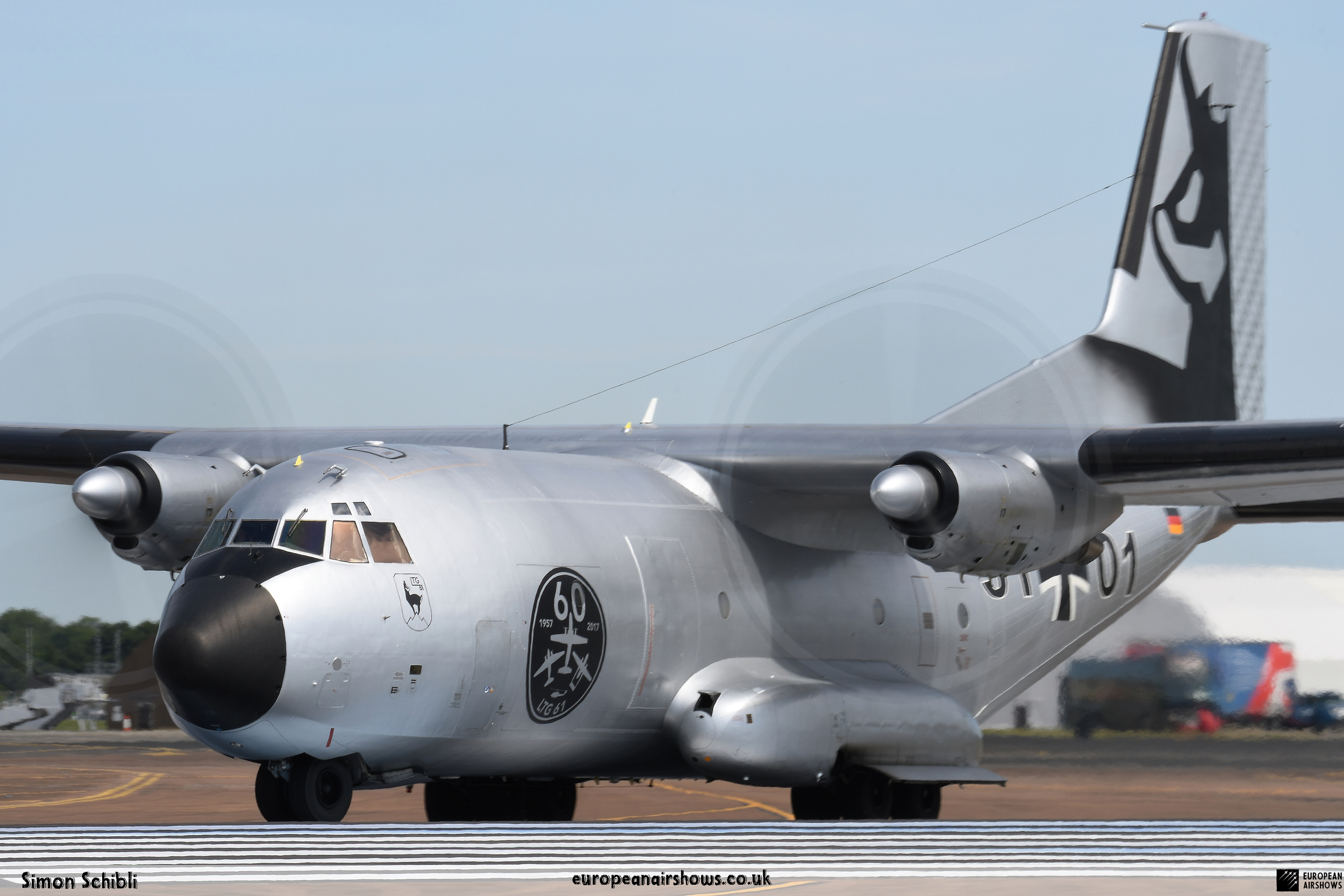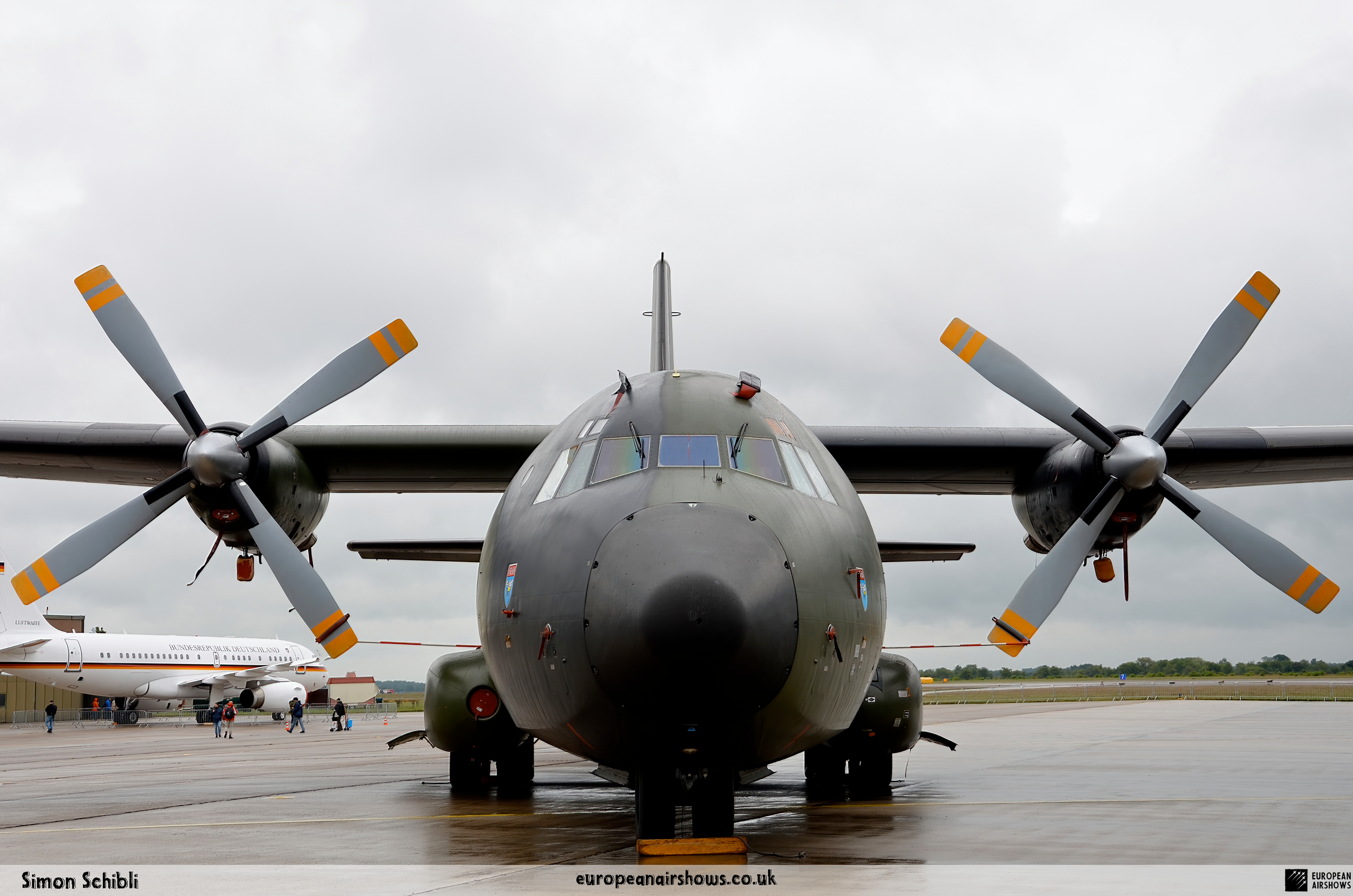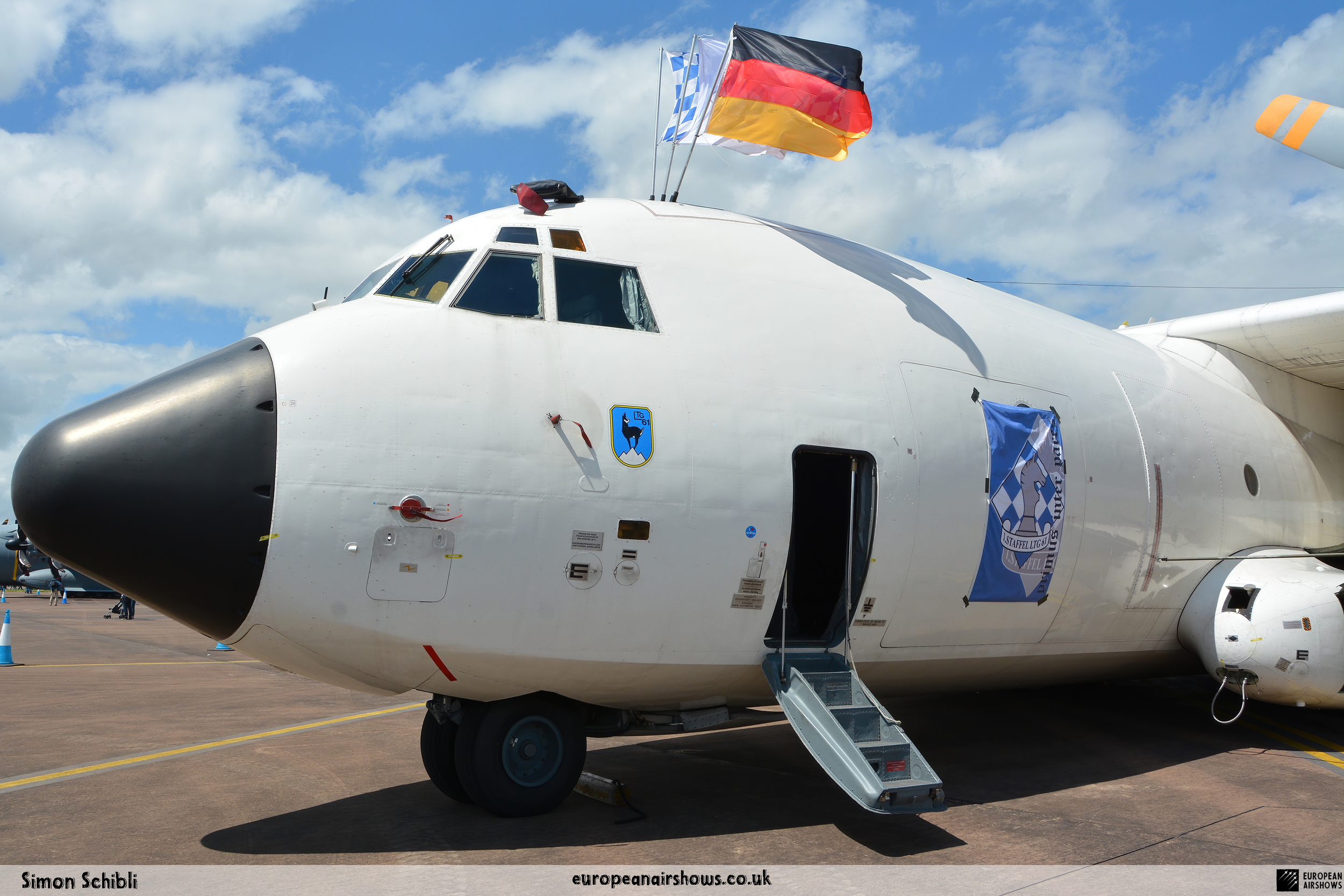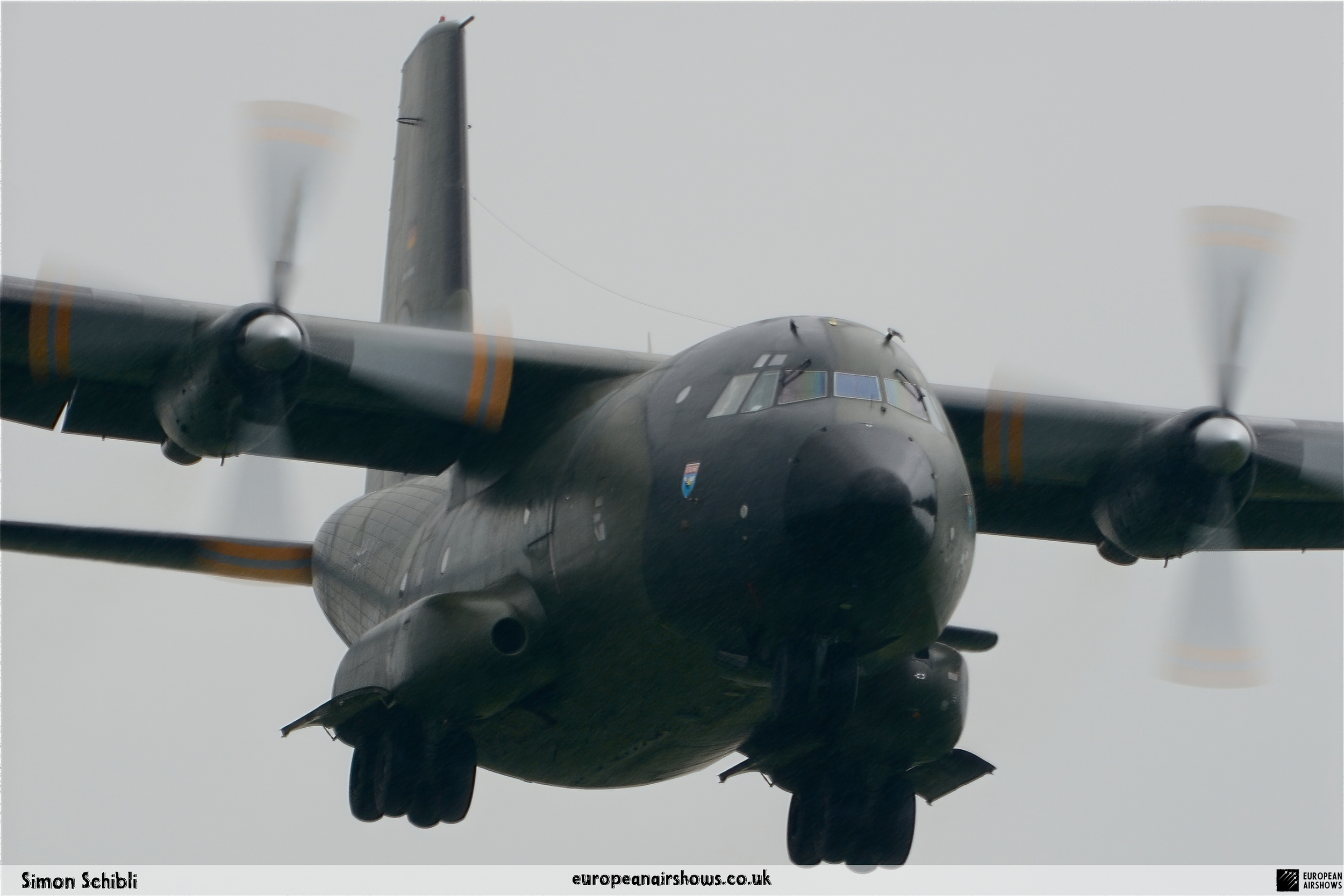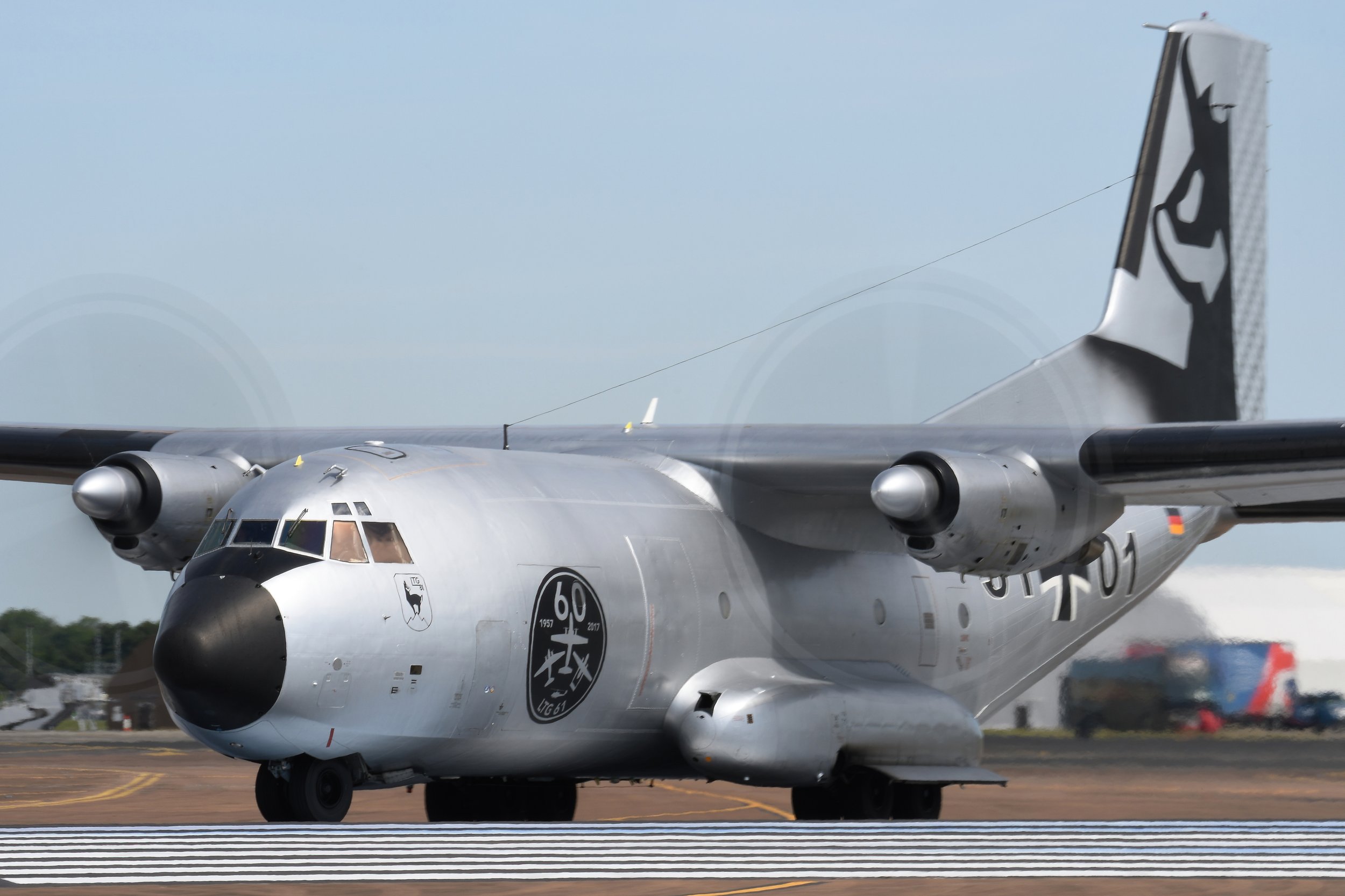
Transall C-160
Franco-German tactical airlifter that served from the late 1960s into the 2020s across Europe, Africa and the Middle East
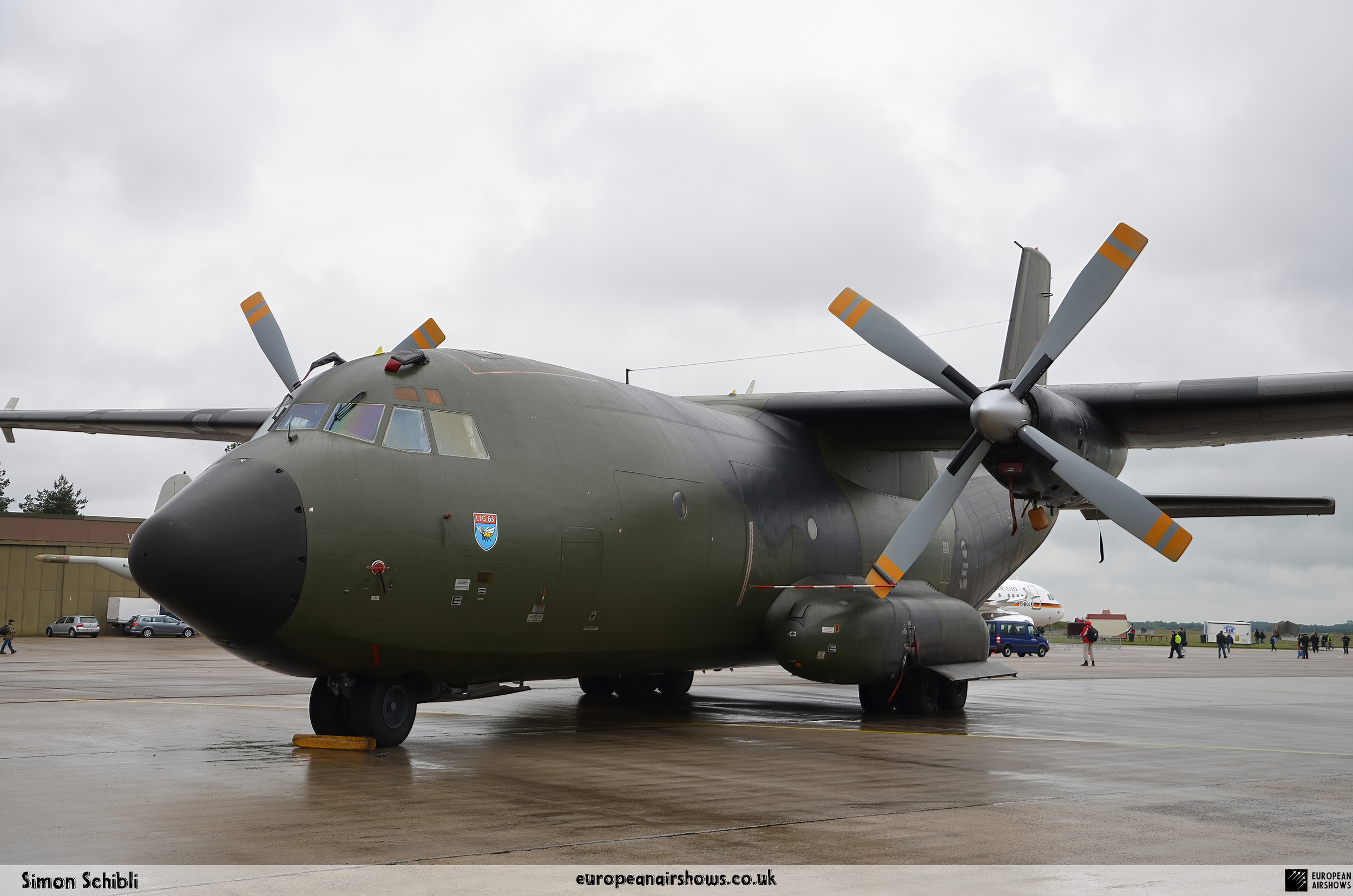
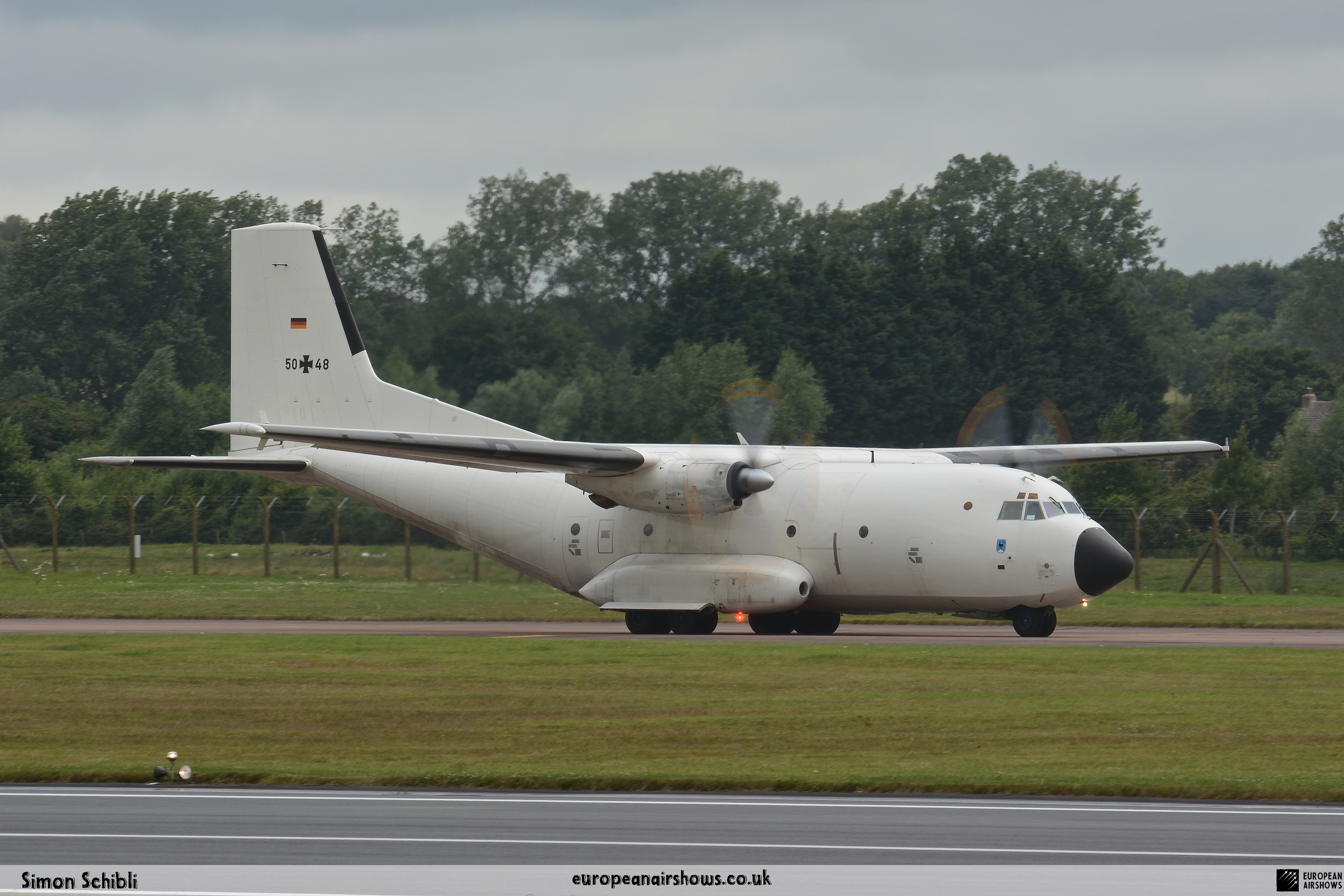
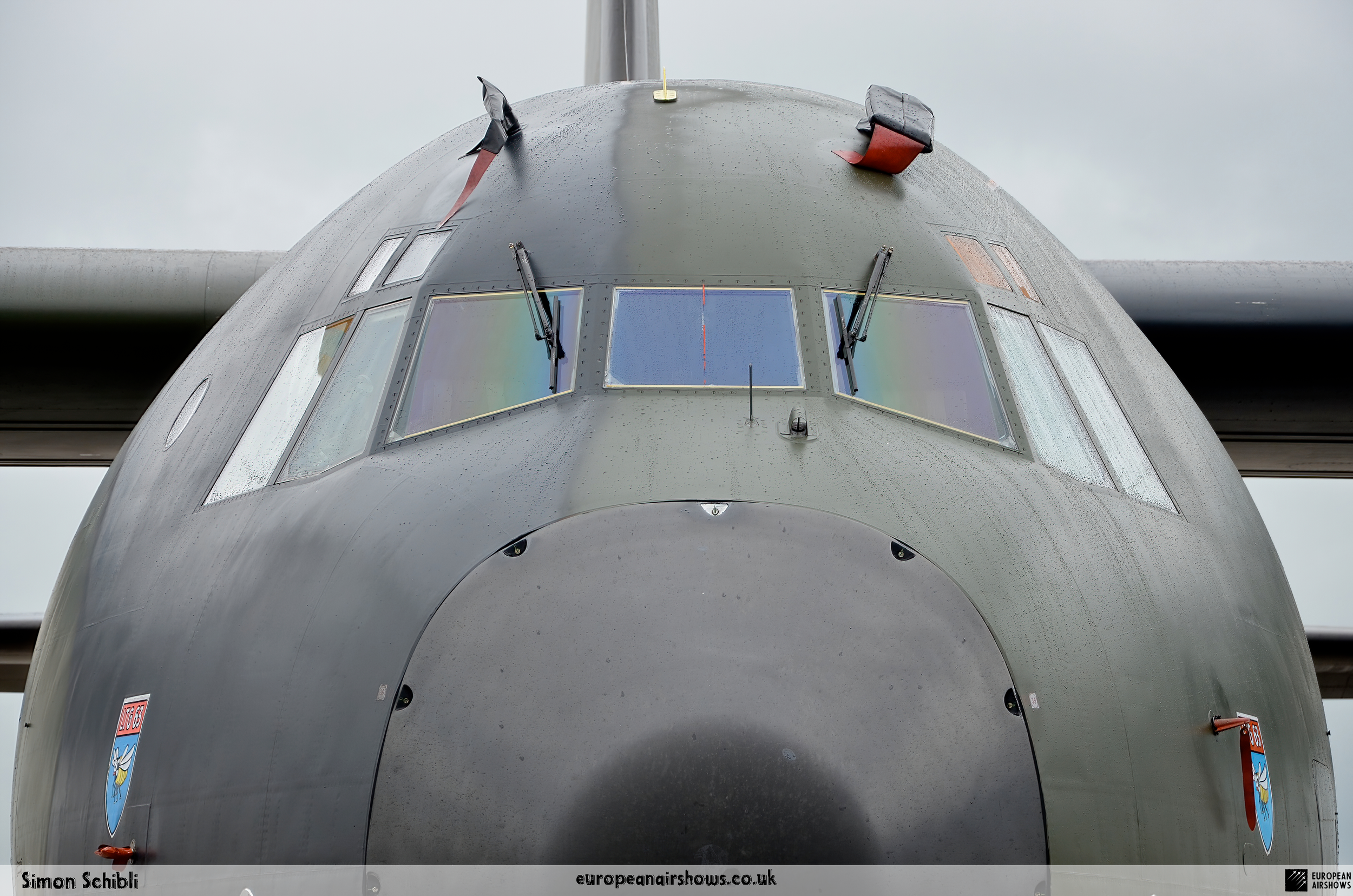
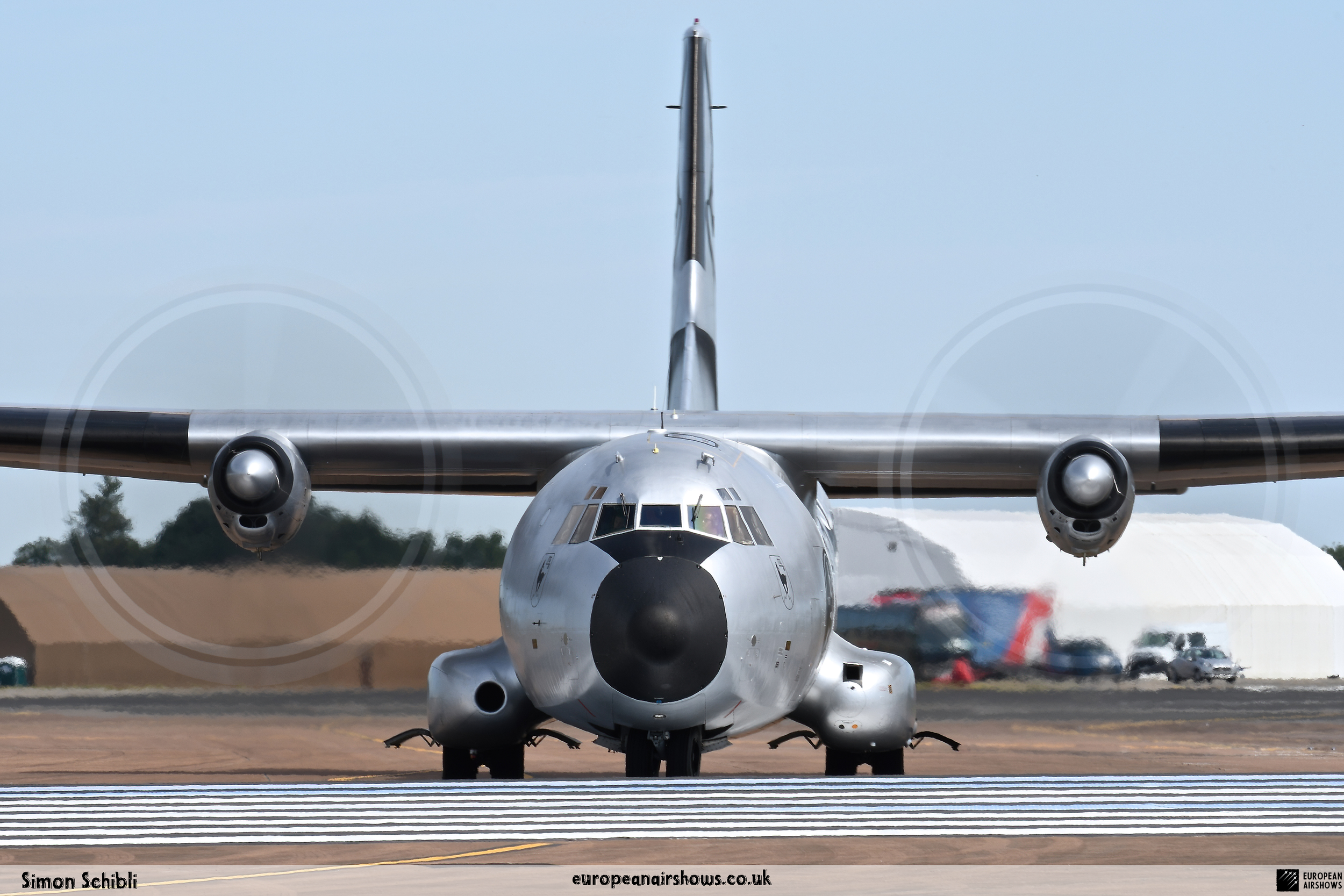
The Transall C-160 is a twin-turboprop tactical transport designed and built by the Franco-German “Transporter Allianz” consortium (Transall). Conceived to replace the Nord Noratlas, it combined short- and rough-field performance with a pressurised hold, rear ramp and robust systems fit. The prototype flew on 25 February 1963; service entry followed in 1967 with France and West Germany, and the type went on to serve with Turkey and South Africa as well as in limited civil roles.
The programme began with a bilateral requirement signed in 1957 and formalised by the creation of Transall in January 1959. Production ran in two main batches (1965–72 and early 1980s), the latter creating the C-160NG for France with extra fuel, updated avionics and an aerial-refuelling probe. Specialised French variants included the C-160G “Gabriel” SIGINT platform and C-160H “Astarte” long-range communications relay.
Over five decades the C-160 supported combat, peacekeeping and humanitarian airlift. Germany retired the type in 2021 and France in 2022; a number remain active in Turkish Air Force service.
Operational Chronicle
A detailed timeline of development, deployment, and distinguished service
Franco-German Requirement
France and West Germany sign an agreement (28 November) to replace the Noratlas with a modern tactical transport, framing performance and austere-strip needs.
Transall Consortium Formed
Nord Aviation (France) joins Weser Flugzeugbau/VFW and Hamburger Flugzeugbau (Germany) to create “Transporter Allianz” — Transall — to design and build the C-160.
Maiden Flight
The first prototype, built by Nord, flies on 25 February 1963; German-built prototypes follow on 25 May 1963 and 19 February 1964.
Service Entry
Initial production C-160F (France) and C-160D (West Germany) enter frontline transport units; nine C-160Z are produced for South Africa.
First Production Run Ends
The initial production batch concludes after deliveries to France, Germany and South Africa; four French airframes are adapted as C-160P postal freighters.
Second Series / C-160NG
France orders an improved batch leading to the C-160NG with extra fuel in the wing centre section, updated avionics and an IFR probe; first aircraft of this series flies in 1981.
Chad Operations (Op Manta)
French C-160s sustain forces and logistics during the Chadian–Libyan conflict, showcasing hot-and-high and austere-strip utility in Saharan conditions.
Balkans Airlift
C-160s support IFOR/SFOR and humanitarian relief into former Yugoslavia, operating into constrained airfields and staging hubs across Europe.
Afghanistan (ISAF)
French C-160s deploy via Dushanbe to shuttle personnel and freight into Afghan forward bases, alongside C-130s, throughout early ISAF operations.
Sahel: Serval & Barkhane
C-160s deliver troops and materiel to Bamako and forward strips (e.g., Gao) during Op Serval and then Op Barkhane across the wider Sahel.
European Retirement
Germany retires the Transall in 2021; France follows in 2022 after more than five decades of continuous operations. The Turkish Air Force continues to operate the type.
Combat Operations
Major campaigns where the C-160 distinguished itself in action
French C-160s sustained the rapid deployment and resupply of forces along the “red line,” operating in extreme heat and dust from austere Saharan strips.
Supported IFOR/SFOR and humanitarian missions, moving troops, aid and equipment into constrained airfields during peace enforcement and relief operations.
Flew rotation and intratheatre lift from Dushanbe staging, supplying forward operating bases and enabling French and coalition contingents.
C-160s airlifted troops and materiel to Bamako and Gao at the outset of French intervention, then continued logistics support across northern Mali.
Sustained theatre-wide logistics across the Sahel, exploiting short/rough-field performance to reach remote strips supporting counter-insurgency operations.
Regularly employed for disaster relief and evacuations, moving medical teams, aid cargo and evacuees where larger jets could not operate.
Service Record
Key milestones and statistics from the C-160’s distinguished career
Technical Specifications
Essential details and characteristics of the Transall C-160
Development Story
From Franco-German concept to a global airlift workhorse
Origins and Industrial Teaming
Seeking a common successor to the Noratlas, France and West Germany signed a joint requirement in 1957 for a rugged, short-field transport able to haul ~16 tonnes over theatre ranges and operate from semi-prepared strips. In January 1959, Nord Aviation, Weser Flugzeugbau/VFW and Hamburger Flugzeugbau formed the Transall consortium to share design, manufacture and final assembly.
The first prototype flew on 25 February 1963, with two further prototypes following from German lines in 1963 and 1964. Six pre-series aircraft supported trials before production deliveries began in 1967 to French and German transport wings.
Design Progression
The C-160’s high wing, rear ramp and pressurised hold were optimised for vehicles, pallets and paratroops; partially retractable landing gear lowers the fuselage on the ground to ease loading. Twin Rolls-Royce Tyne turboprops offered strong economy and reliability while retaining hot-and-high and STOL performance.
A second production series in the early 1980s created the C-160NG with centre-section fuel, aerial refuelling probe and modernised avionics. France also fielded specialised versions: the C-160G “Gabriel” for signals intelligence and the C-160H “Astarte” for long-range communications relay.
Operational Evolution
From Saharan deployments in the 1980s to Balkans airlift, early ISAF operations from Dushanbe into Afghanistan, and the Sahel campaigns of the 2010s, the Transall consistently delivered where runway length, surface or support limited larger jets. Germany’s farewell came in 2021 and France’s in 2022, with Turkey continuing frontline use.
Enduring Legacy
A signature European airlifter for over half a century
From its first flight on 25 February 1963 to the retirement of European fleets in 2021–2022, the Transall C-160 proved a dependable backbone of air mobility. It bridged generations of tactics and technology, supporting combat, peacekeeping and humanitarian operations on multiple continents. In doing so, the C-160 cemented the value of Franco-German industrial cooperation and set the stage for later European transports, while continuing to serve with international operators into the 2020s.