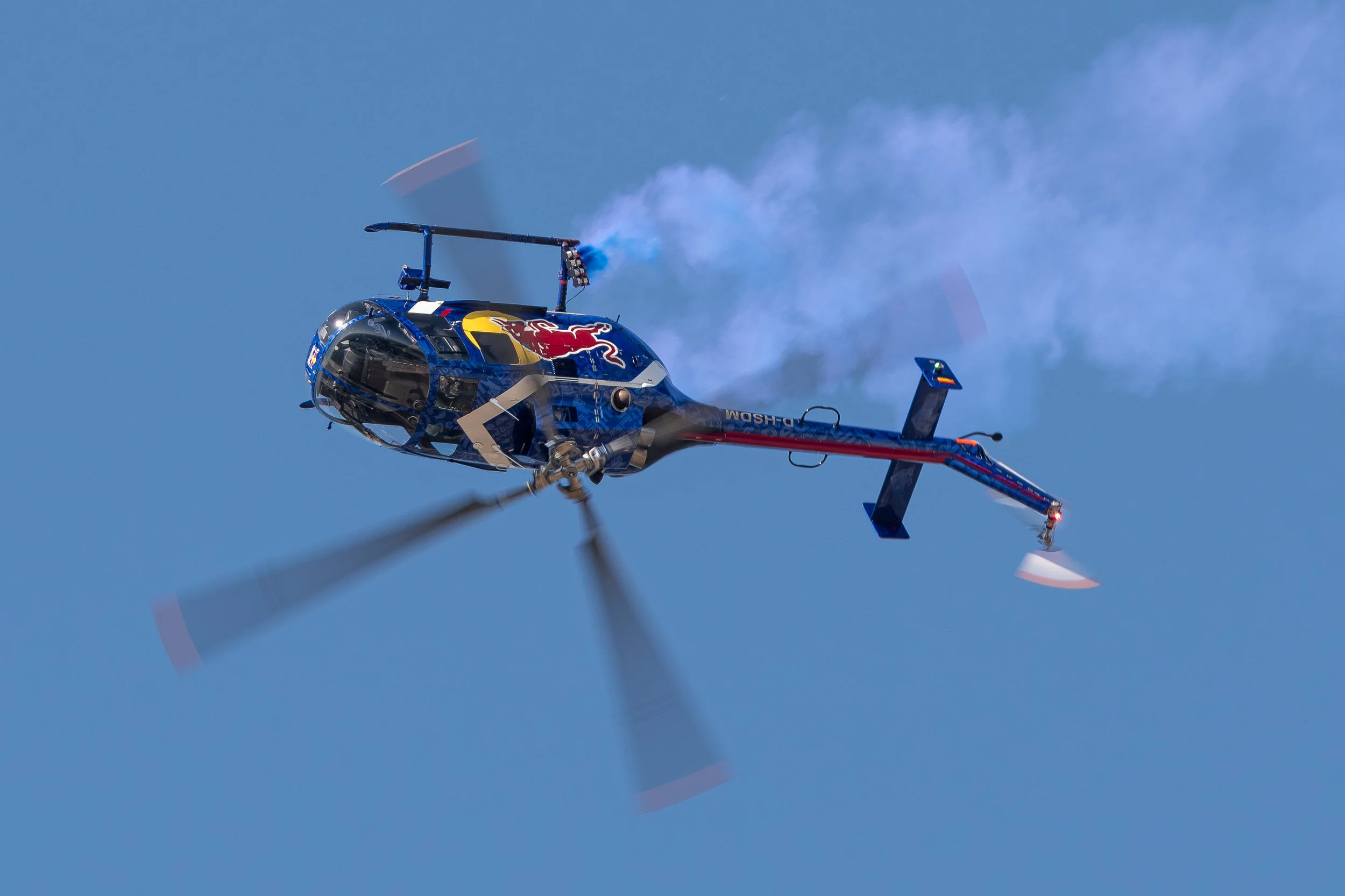
MBB Bo 105
The rigid-rotor, light twin that redefined anti-tank, EMS and utility helicopter operations
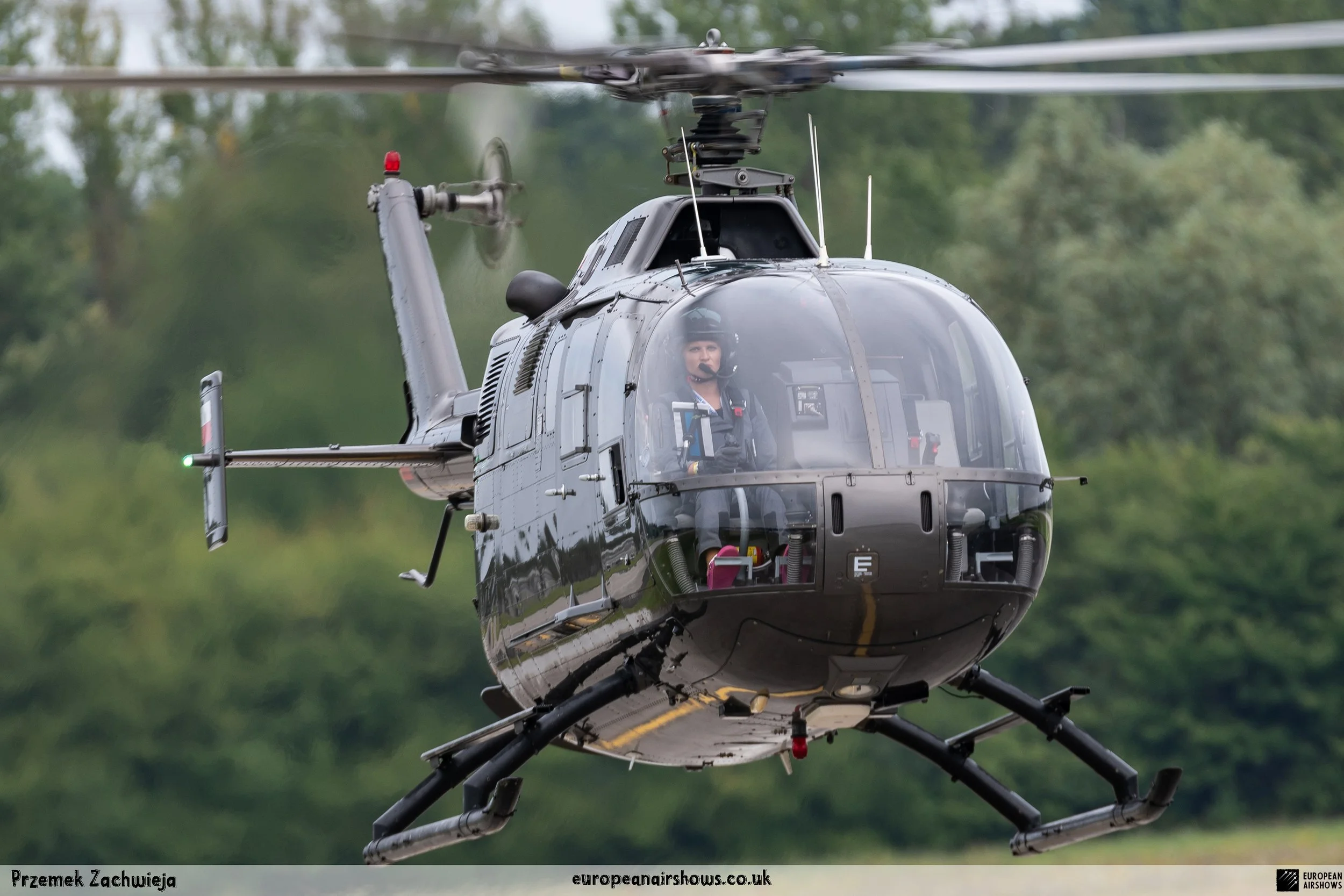
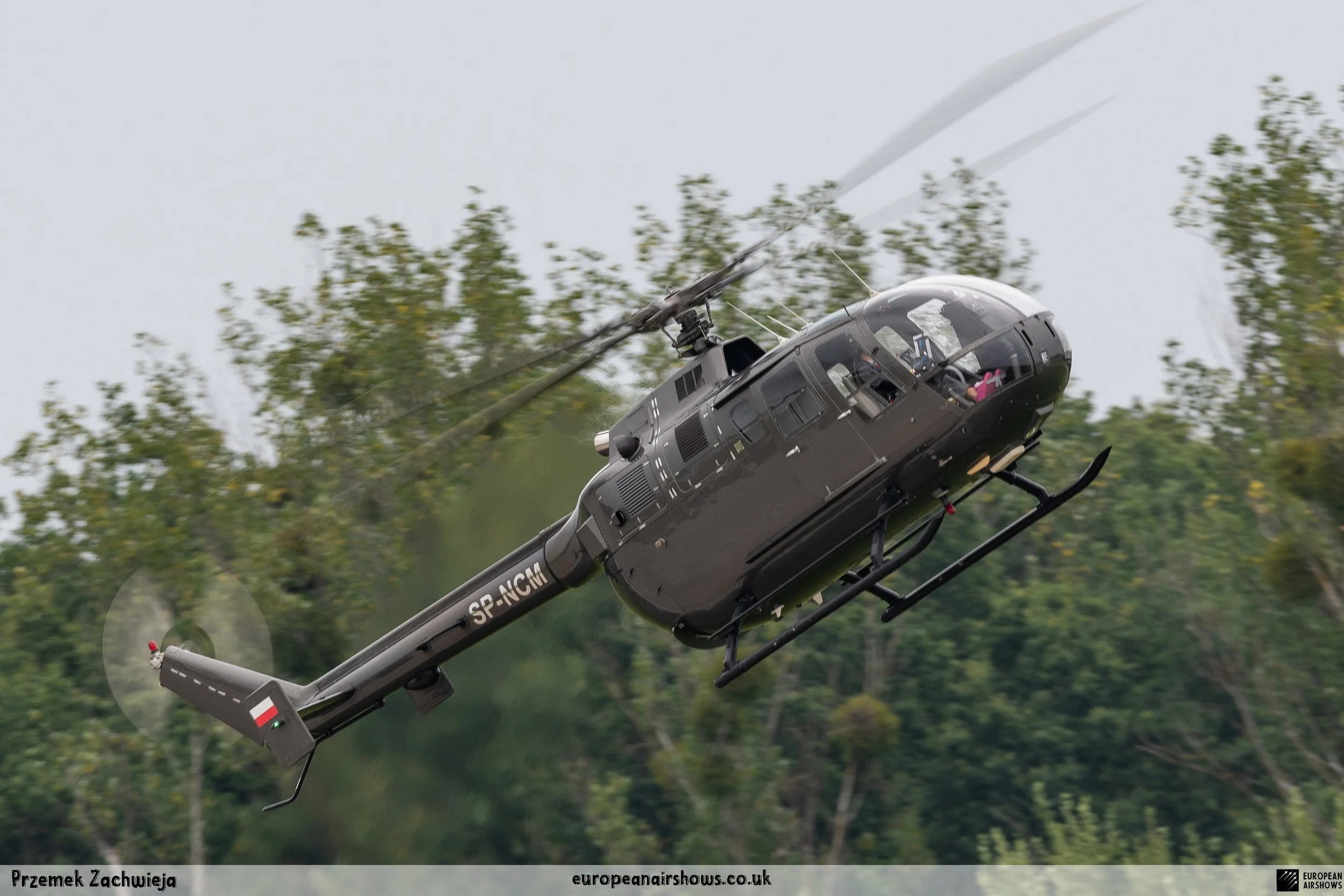
The Messerschmitt-Bölkow-Blohm Bo 105 is a landmark of rotorcraft engineering: the world’s first light twin-engine helicopter and the first helicopter certified to perform full aerobatic manoeuvres. Its signature hingeless “Bölkow” rigid rotor—titanium hub with composite blades—delivered exceptional agility, low maintenance and high reliability, transforming what a compact utility helicopter could do for the military, emergency services and industry.
Development began in the mid-1960s at Bölkow, with the second prototype making the maiden flight at Ottobrunn on 16 February 1967. German certification followed in 1970 and, by 1972, FAA and UK CAA approvals opened export markets. Early civil deliveries went to ADAC air rescue and Bavarian State Police, while progressively uprated military and civil variants—Bo 105A/C/CB/CS/LS—expanded the type’s performance and payload.
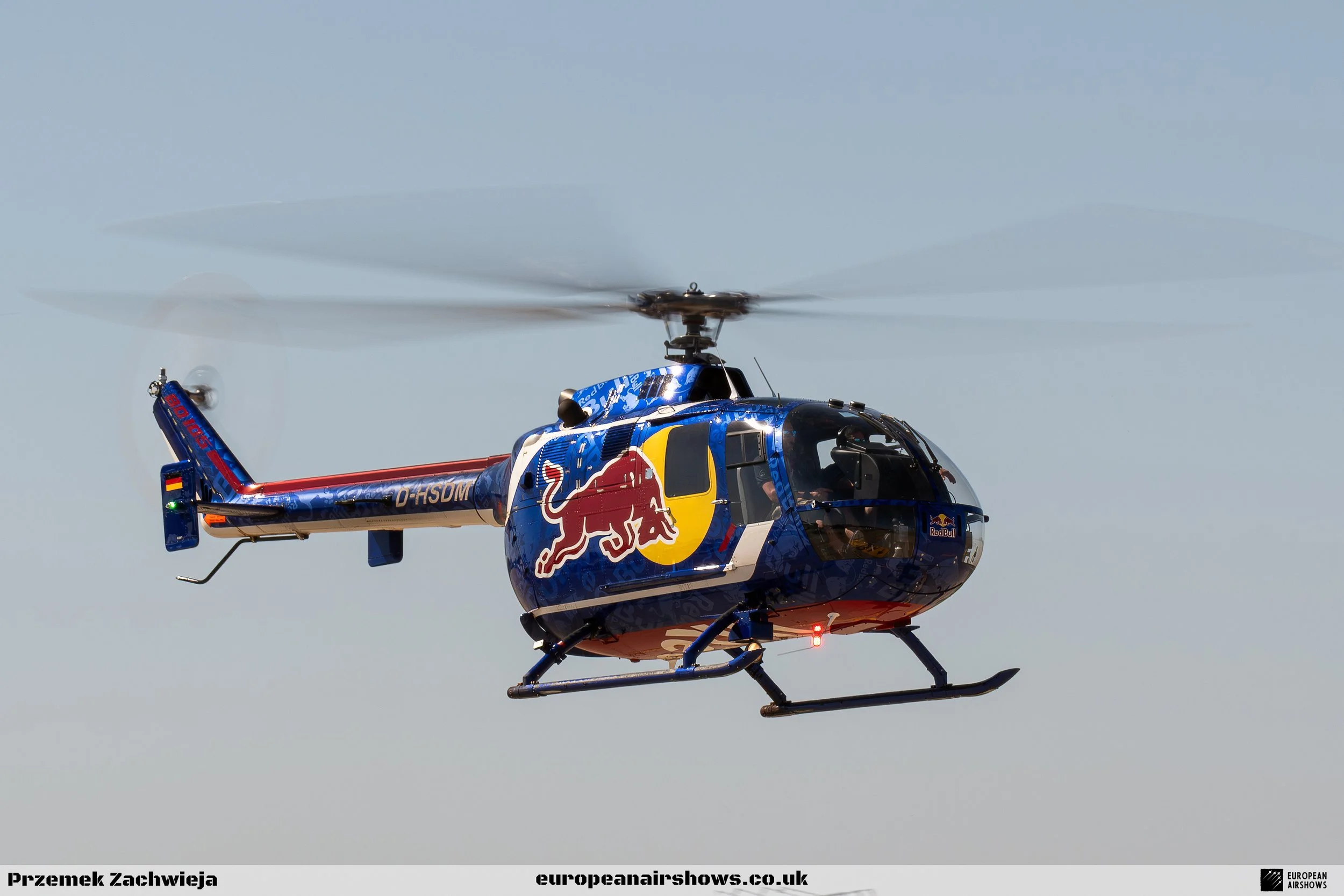
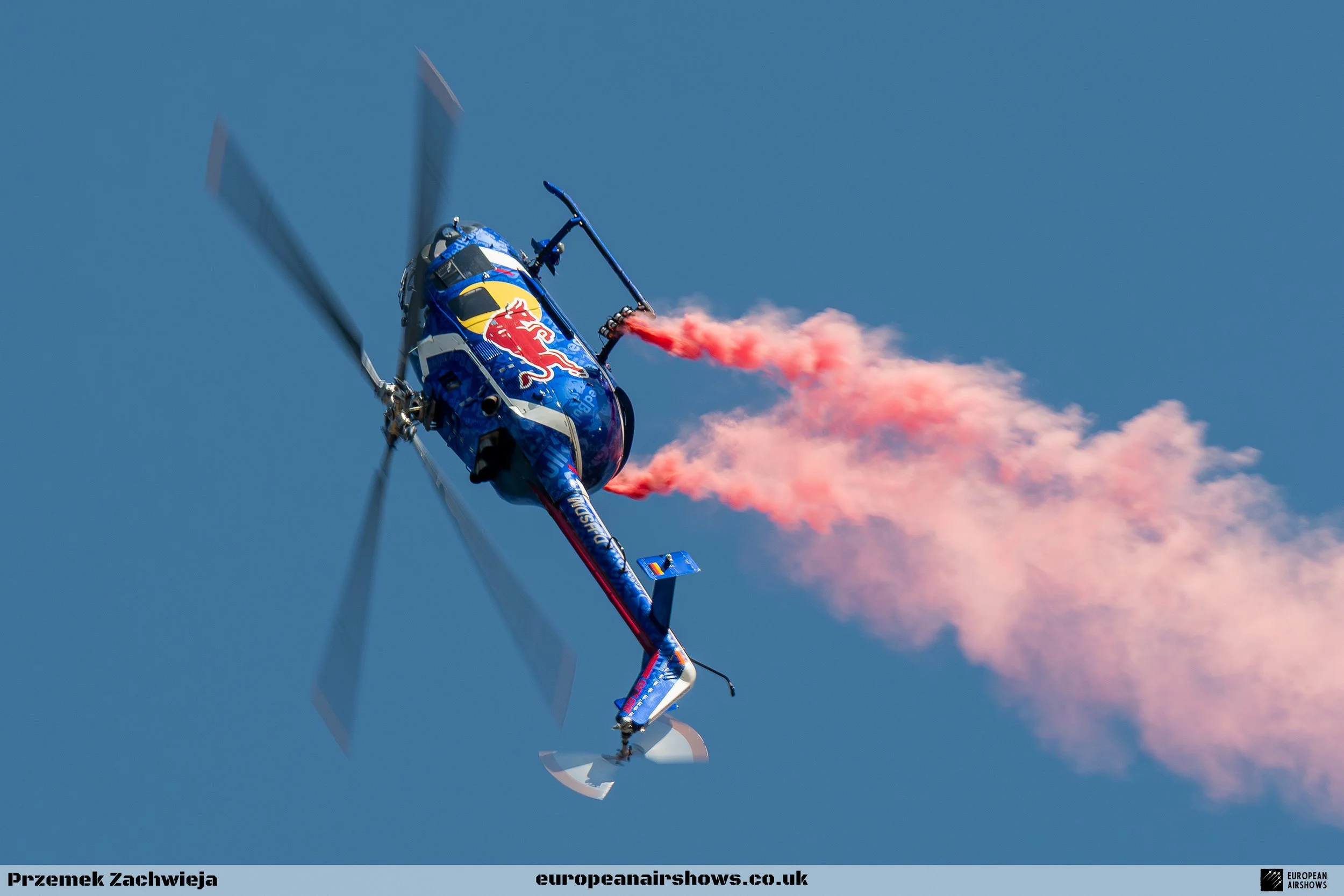
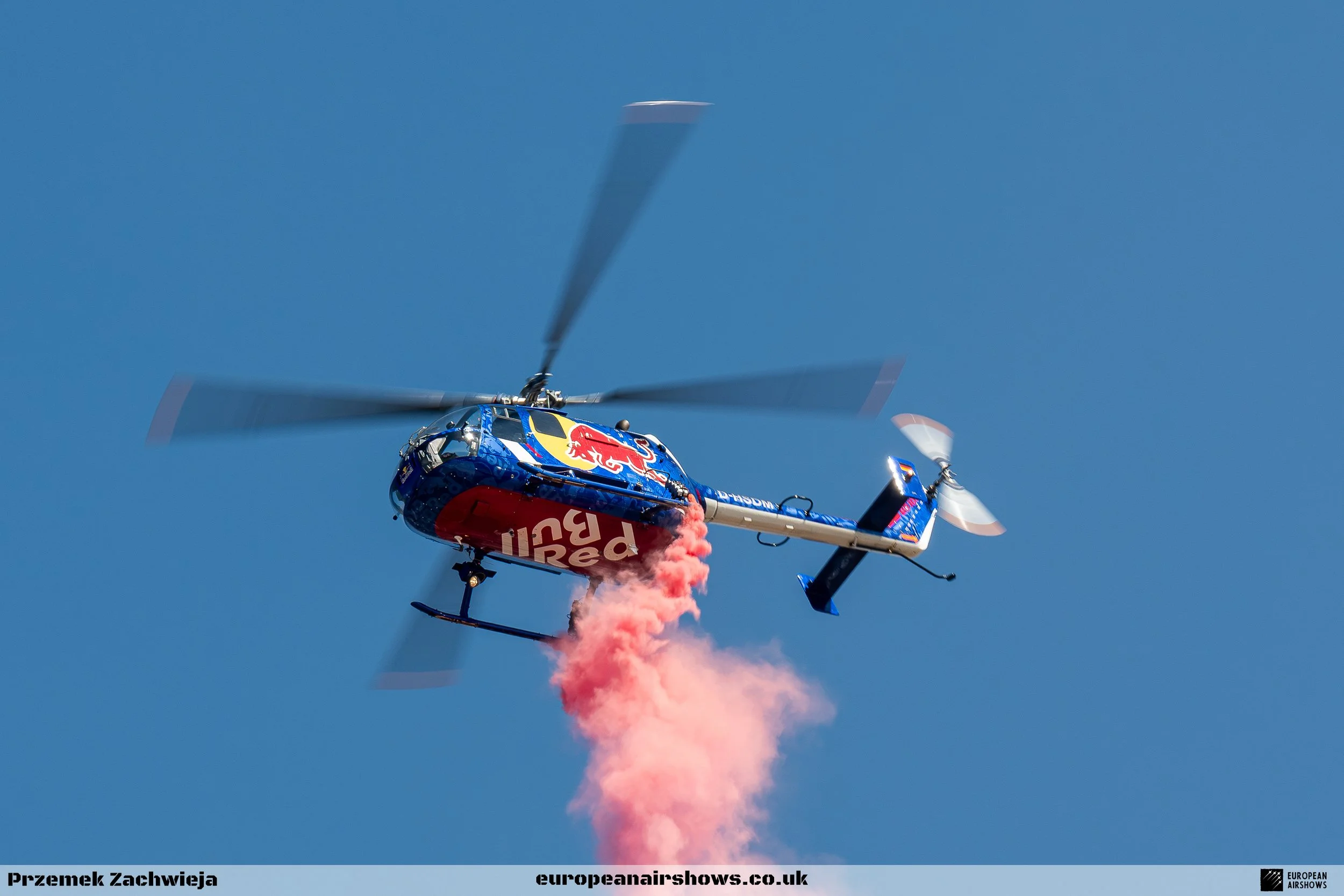
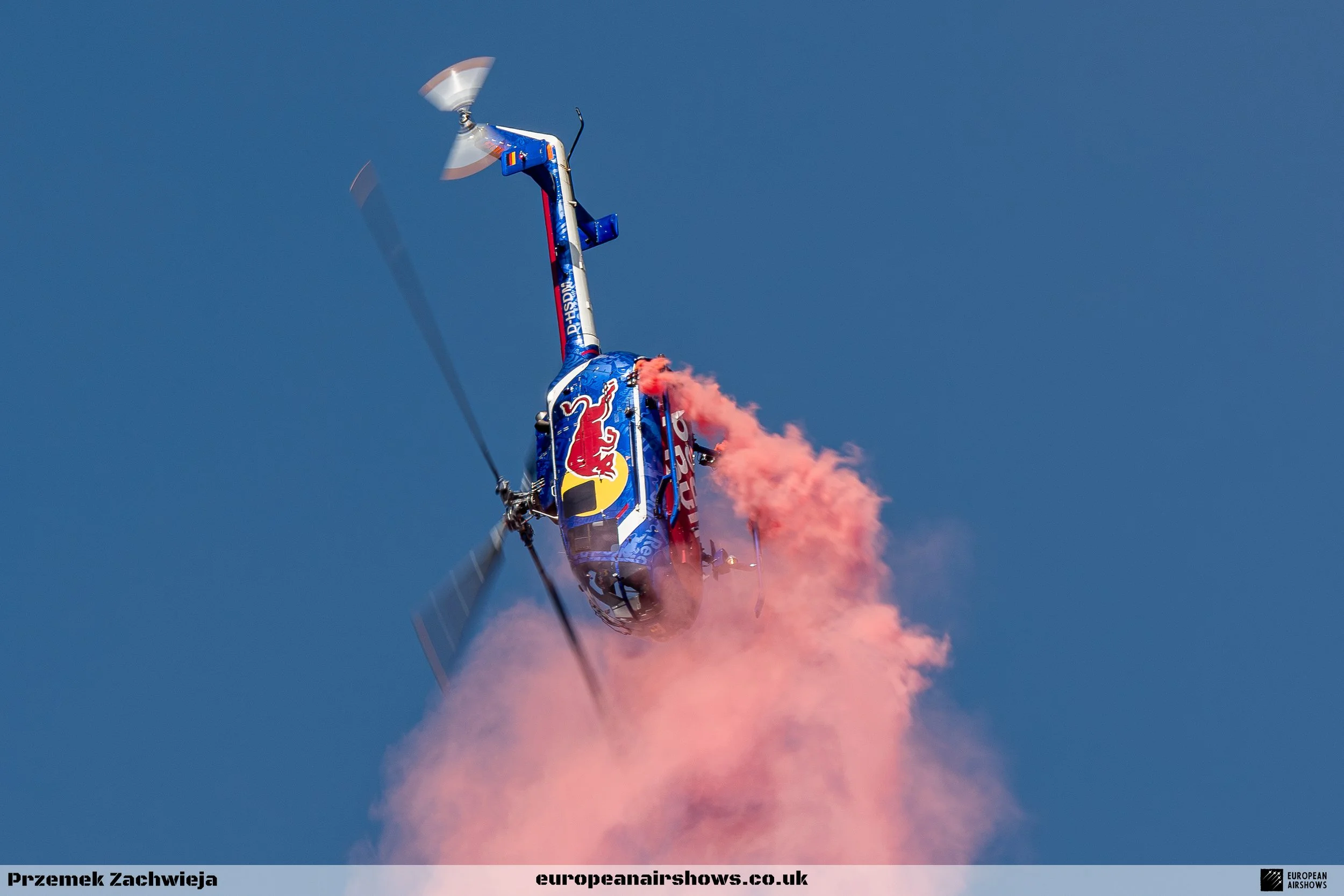
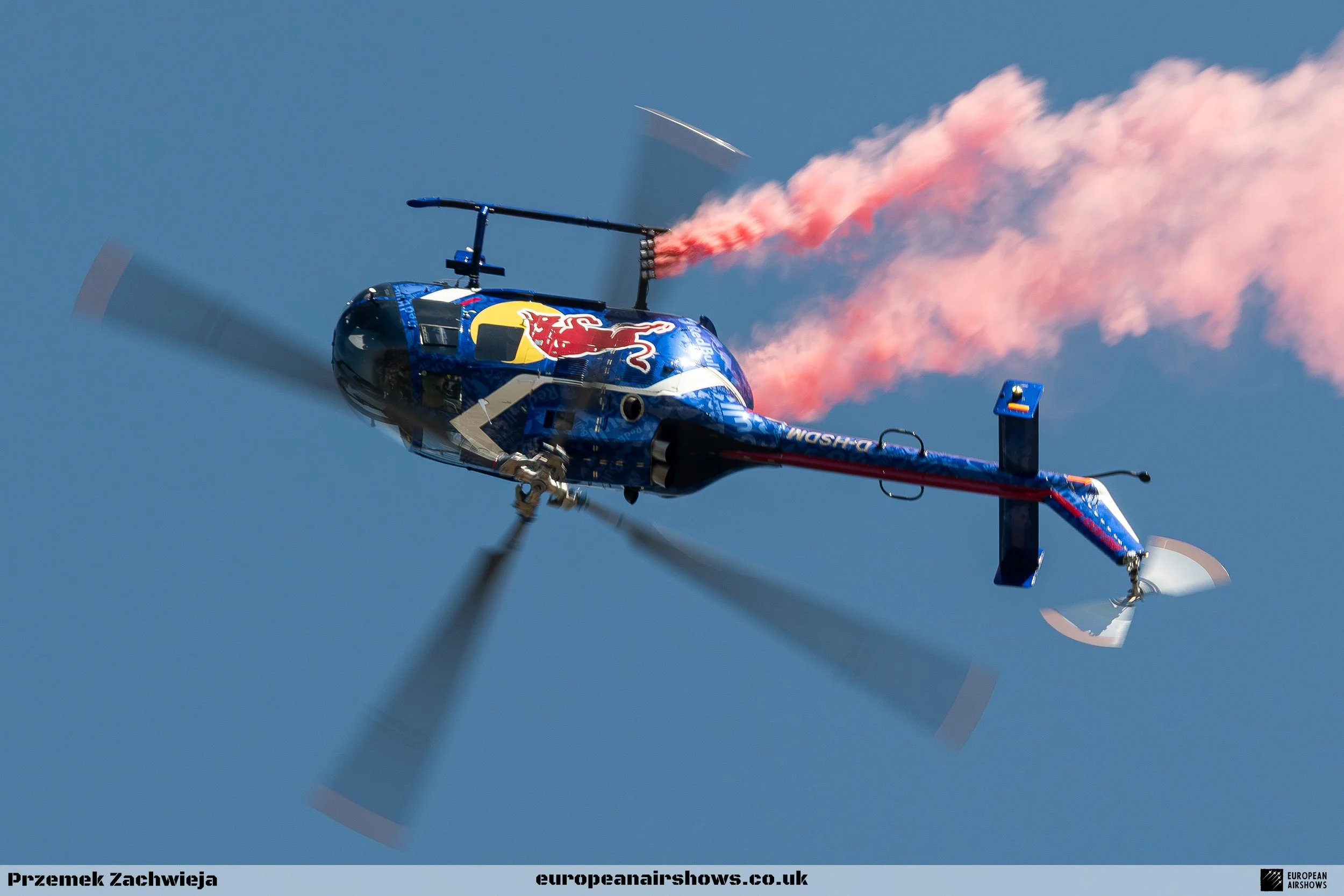
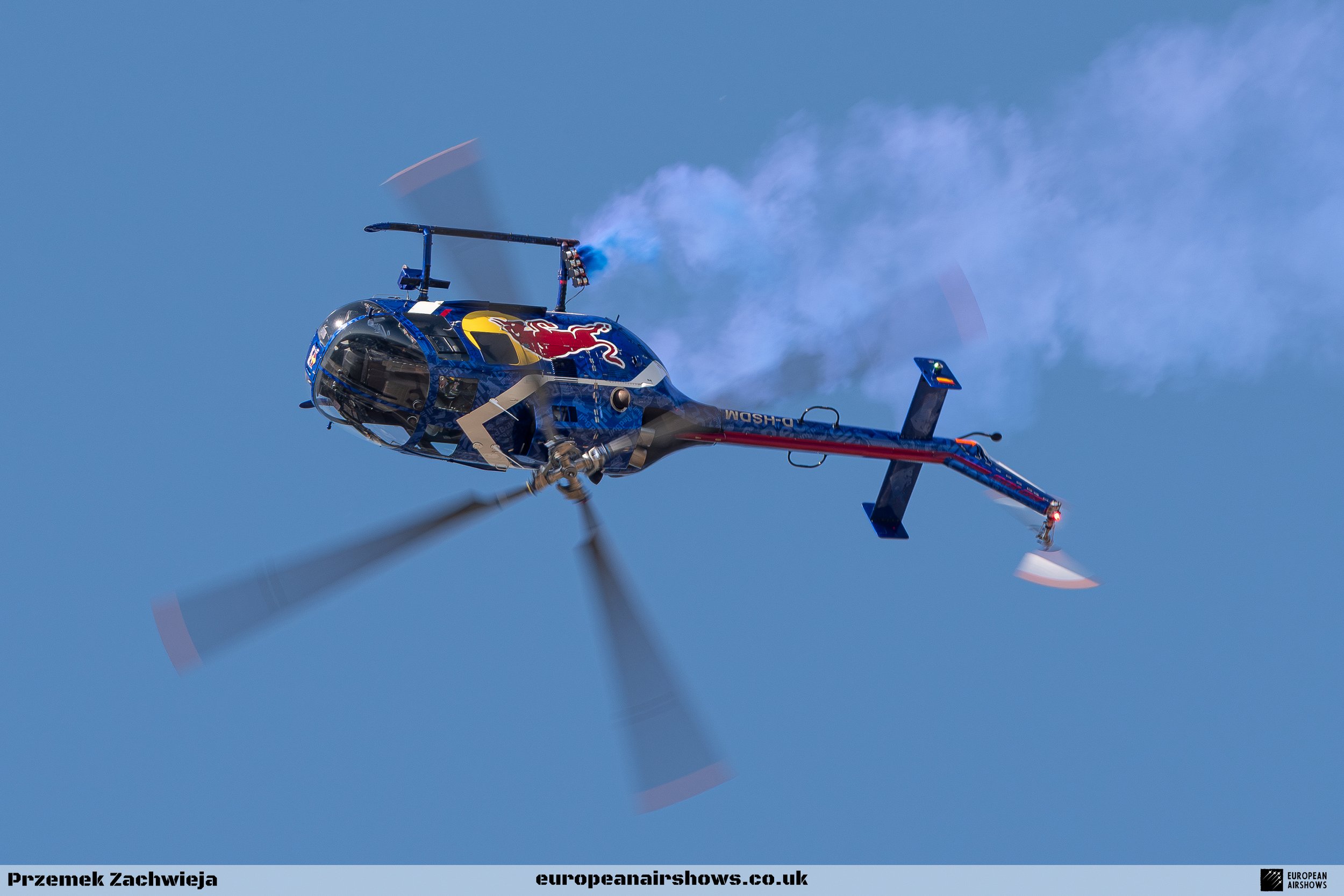
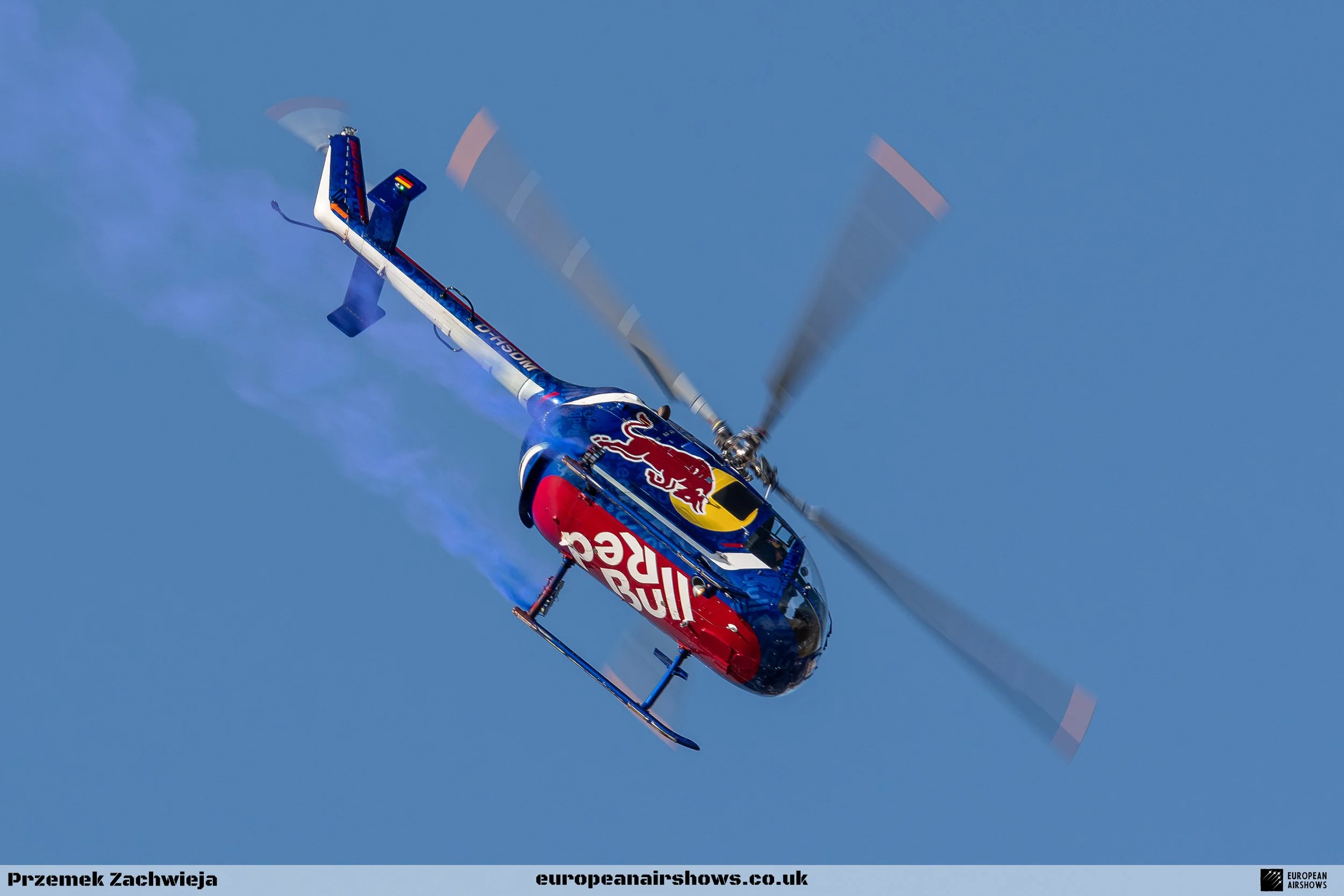
For the German Army, the Bo 105 evolved into the PAH-1 anti-tank platform carrying up to six HOT missiles; for the civil sector, it set the template for modern helicopter emergency medical services (HEMS). Production ended in 2001 after more than 1,400 airframes, but the Bo 105 continues to serve worldwide and remains famous for Red Bull’s aerobatic demonstrations.
Operational Chronicle
A detailed timeline of development, deployment, and distinguished service
Programme Initiated
Bölkow launches a new light helicopter centred on a pioneering hingeless (rigid) rotor head with composite blades—aiming for high agility and reduced maintenance.
Maiden Flight
On 16 February, the second prototype Bo 105A flies at Ottobrunn, Germany, proving the rigid-rotor concept and twin-engine layout.
German Certification & Early Deliveries
Type certification by the German authority leads to early deliveries to ADAC air rescue and Bavarian State Police; the Bo 105 enters frontline civil service.
FAA/CAA Certification & Bo 105C
US FAA and UK CAA approvals enable exports. The improved Bo 105C with uprated Allison 250 engines becomes the main production model.
PAH-1 Anti-Tank Programme
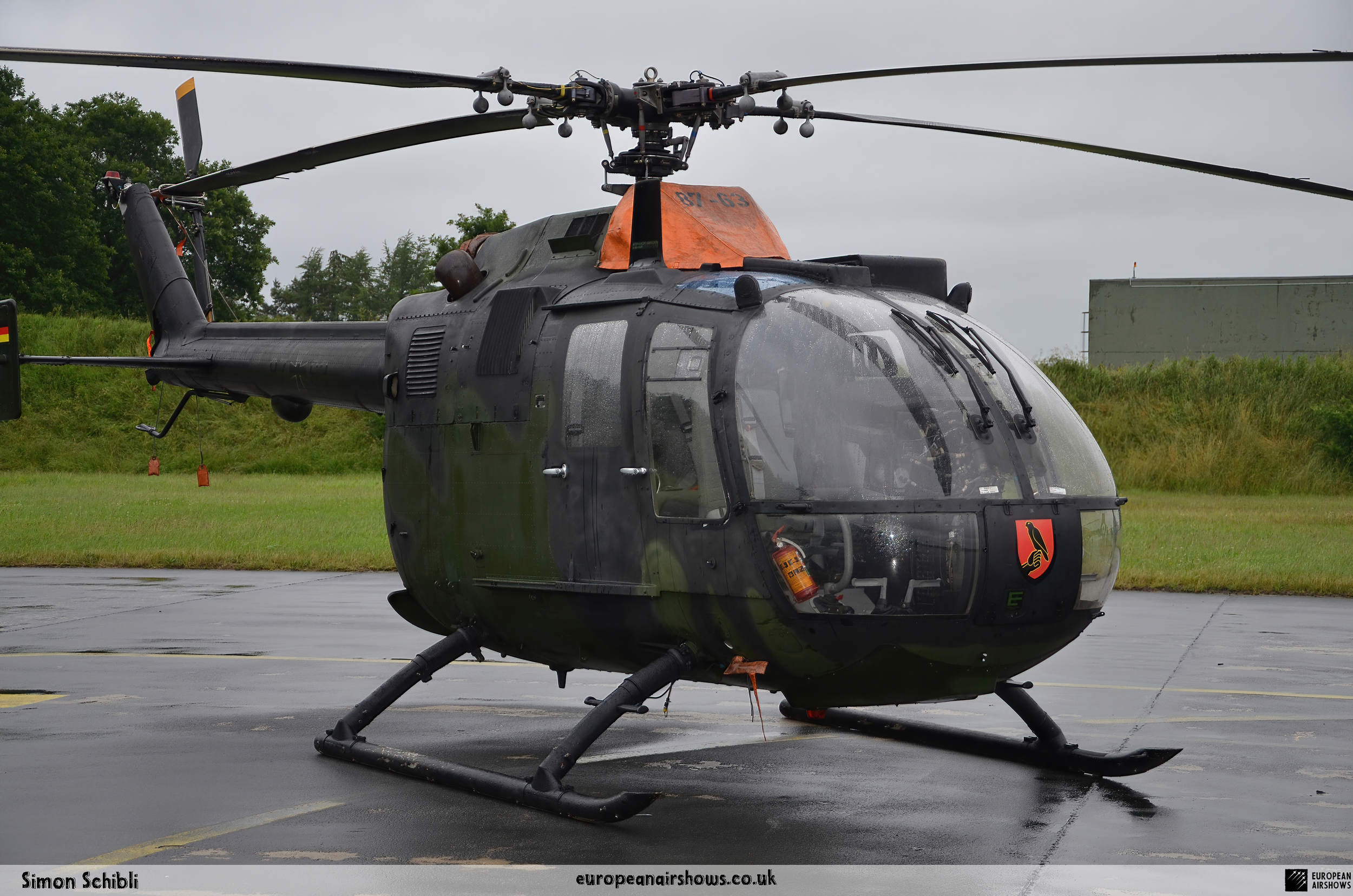
The German Army selects a dedicated anti-tank variant, PAH-1, capable of carrying six HOT missiles with a stabilized sighting system.
Large-Scale PAH-1 Deliveries
West Germany receives 212 PAH-1 helicopters, while liaison/observation Bo 105M (VBH) deliveries replace older Alouette II fleets.
HEMS Standard-Bearer
The Bo 105 becomes a mainstay of European helicopter emergency medical services—its compact size, twin-engine redundancy and clamshell doors proving ideal.
End of Production
Series manufacture ceases after more than 1,400 airframes; many continue in service worldwide in military, police and civil roles.
Aerobatic Certification
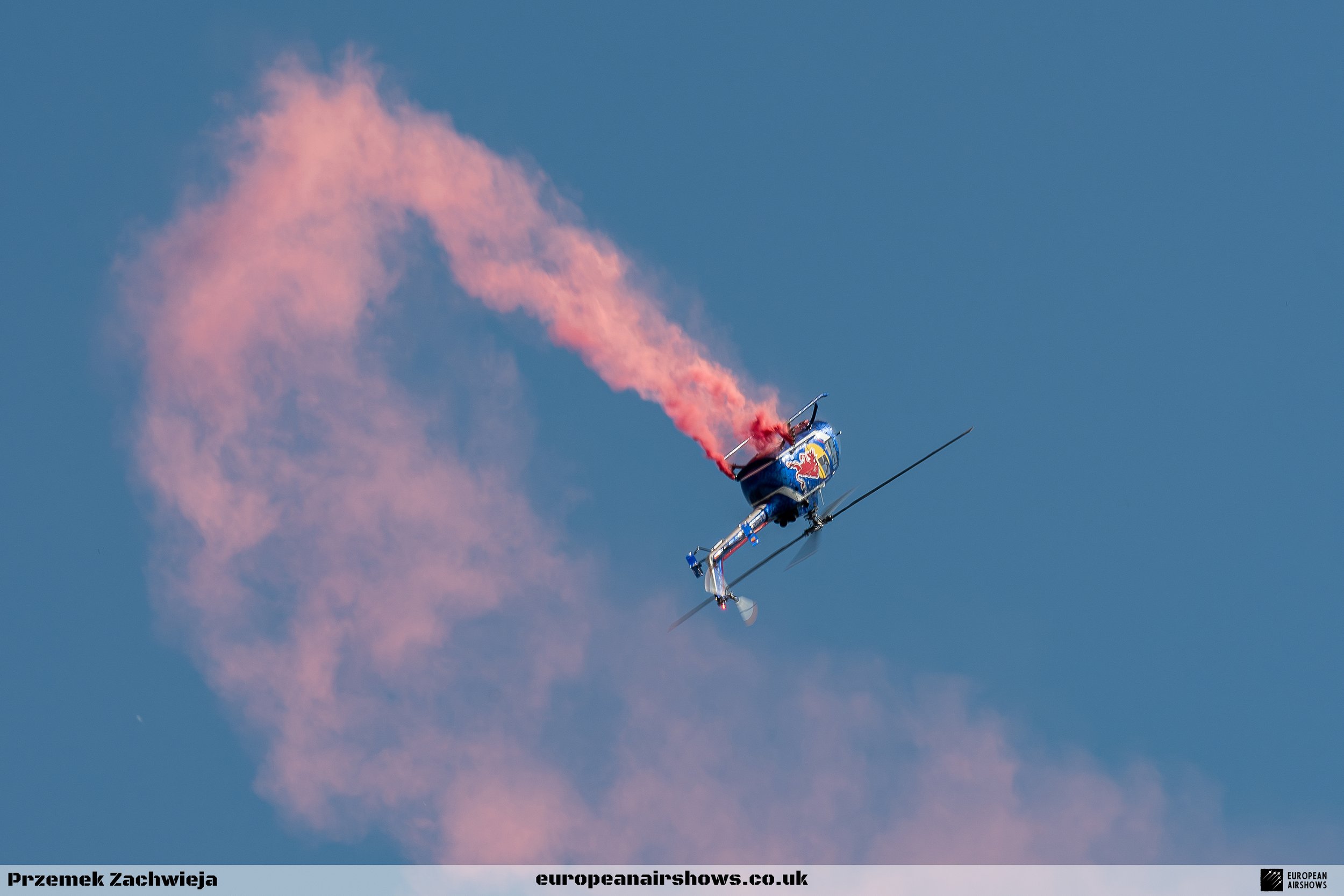
Thanks to the rigid rotor, selected Bo 105s gain approval for full aerobatics—famously displayed by Red Bull/Chuck Aaron with loops and rolls.
Sustained Service & Research
Bo 105s remain active with armed forces, police and HEMS operators; Germany’s DLR uses a Bo 105 as a research and test platform.
Combat Operations
Major campaigns where the Bo 105 distinguished itself in action
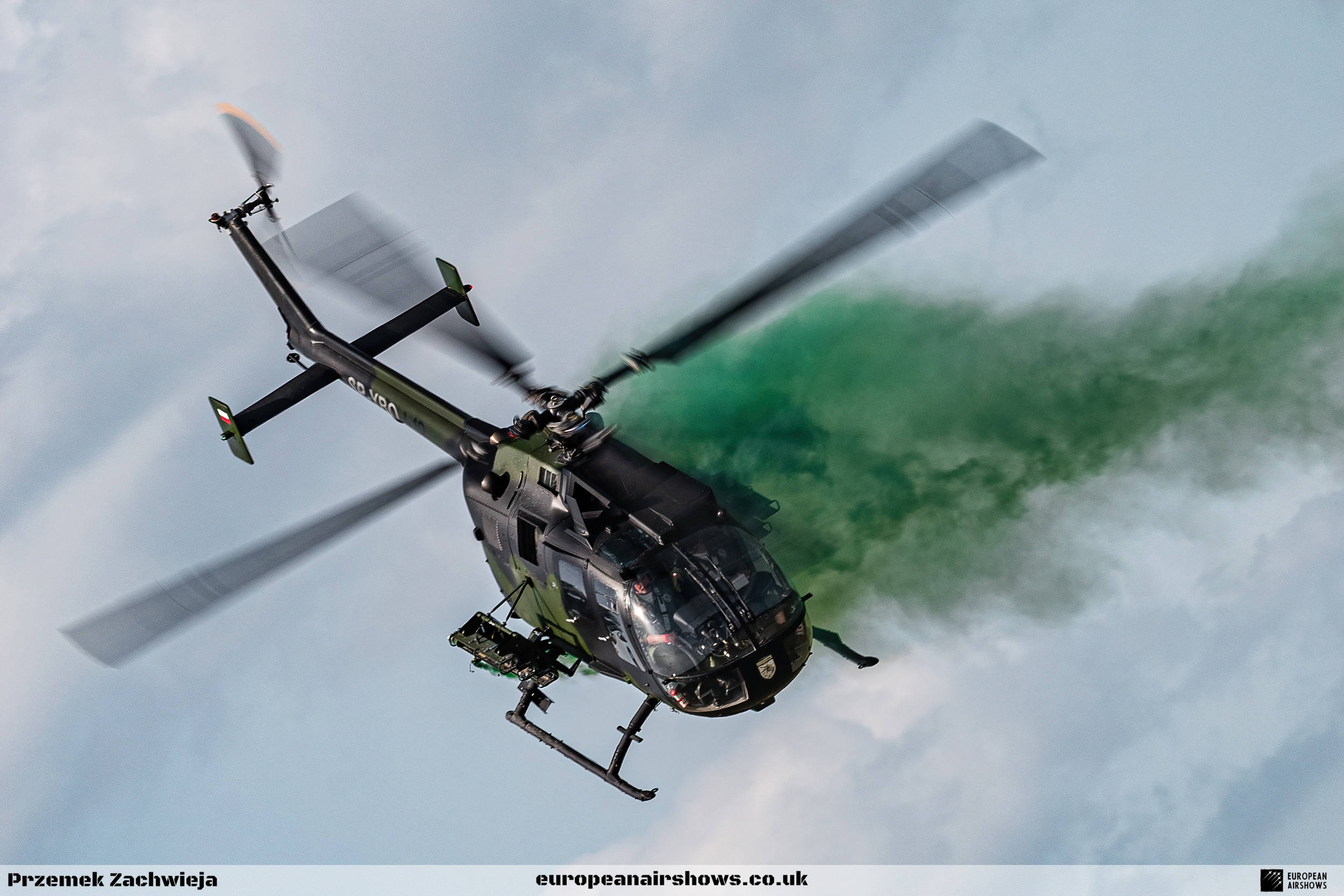
German Army units field the Bo 105 PAH-1 with up to six HOT anti-tank missiles and stabilized sighting, forming a key NATO anti-armour capability during the Cold War.
Bo 105M (VBH) variants replace Alouette II in observation, liaison and light utility roles—valued for reliability, small footprint and twin-engine safety.
State police units (e.g., Bavaria) employ the Bo 105 for patrol, surveillance and public safety tasks—its nimble handling suited to urban operations.
ADAC and other operators pioneer modern helicopter emergency medical services with the Bo 105; clamshell rear doors and flat floor ease patient loading.
Oil & gas, powerline, and survey work leverage the Bo 105’s twin-engine redundancy, precise handling and compact footprint for confined-area operations.
Red Bull/Chuck Aaron showcase the type’s unique aerobatic certification with loops and rolls, highlighting the rigid rotor’s control authority.
Service Record
Key milestones and statistics from the Bo 105’s distinguished career
Technical Specifications
Essential details and characteristics of the MBB Bo 105
Development Story
From radical rotor concept to a global utility and EMS icon
Origins & Rotor Innovation
Bölkow’s engineers pursued a bold idea in the 1960s: a rigid main rotor head without flapping or lead-lag hinges, paired with composite blades. The concept promised better control response and lower upkeep. After rig testing—including trials using an Alouette II testbed—the second Bo 105A prototype flew on 16 February 1967, validating the twin-engine light helicopter concept.
Certification & Early Service
German certification arrived in 1970, quickly followed by deliveries to ADAC air rescue and Bavarian State Police. FAA and UK CAA certifications in 1972 unlocked export sales. The Bo 105C introduced uprated Allison 250 engines and became the main production standard, while later CS/CB/LS subtypes added incremental performance and weight improvements.
Military Evolution: PAH-1
For the German Army, MBB developed the PAH-1 anti-tank version with a stabilized sight and provision for six Euromissile HOTs. West Germany procured 212 PAH-1s delivered between 1979 and 1984, while the Bo 105M (VBH) fulfilled liaison and observation tasks. Though eventually superseded by more advanced types, PAH-1 units formed a vital Cold War deterrent.
Civil Impact & Legacy
The Bo 105 became a template for modern HEMS: compact footprint, twin-engine redundancy, clamshell rear doors and a flat floor for rapid loading. Offshore and utility operators valued its precise handling. Production ended in 2001 after more than 1,400 airframes, but the type remains in global service—and, uniquely among helicopters, certain airframes are certified for full aerobatics, made famous by Red Bull displays.
Enduring Legacy
A pioneer of rigid-rotor technology and light-twin utility
From its first flight on 16 February 1967, the Bo 105 proved that a small, twin-engine helicopter with a rigid rotor could be agile, dependable and economical to maintain. It underpinned NATO anti-armour tactics as the PAH-1, defined the European HEMS model with ADAC and peers, and even brought aerobatics to rotorcraft display flying. Though production ended in 2001, ongoing military, police, civil and research use ensure the Bo 105’s reputation endures as one of the most influential light helicopters ever built.