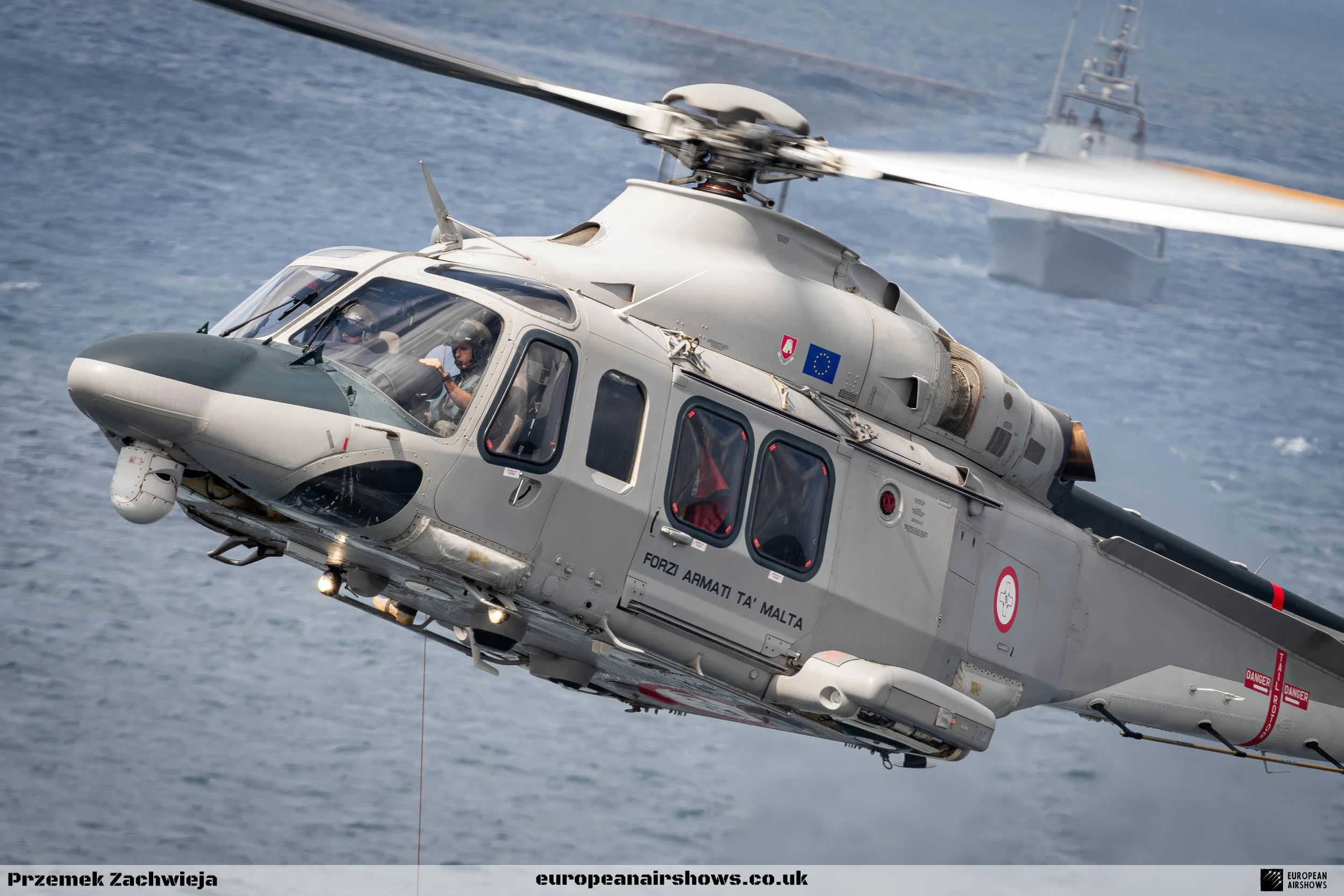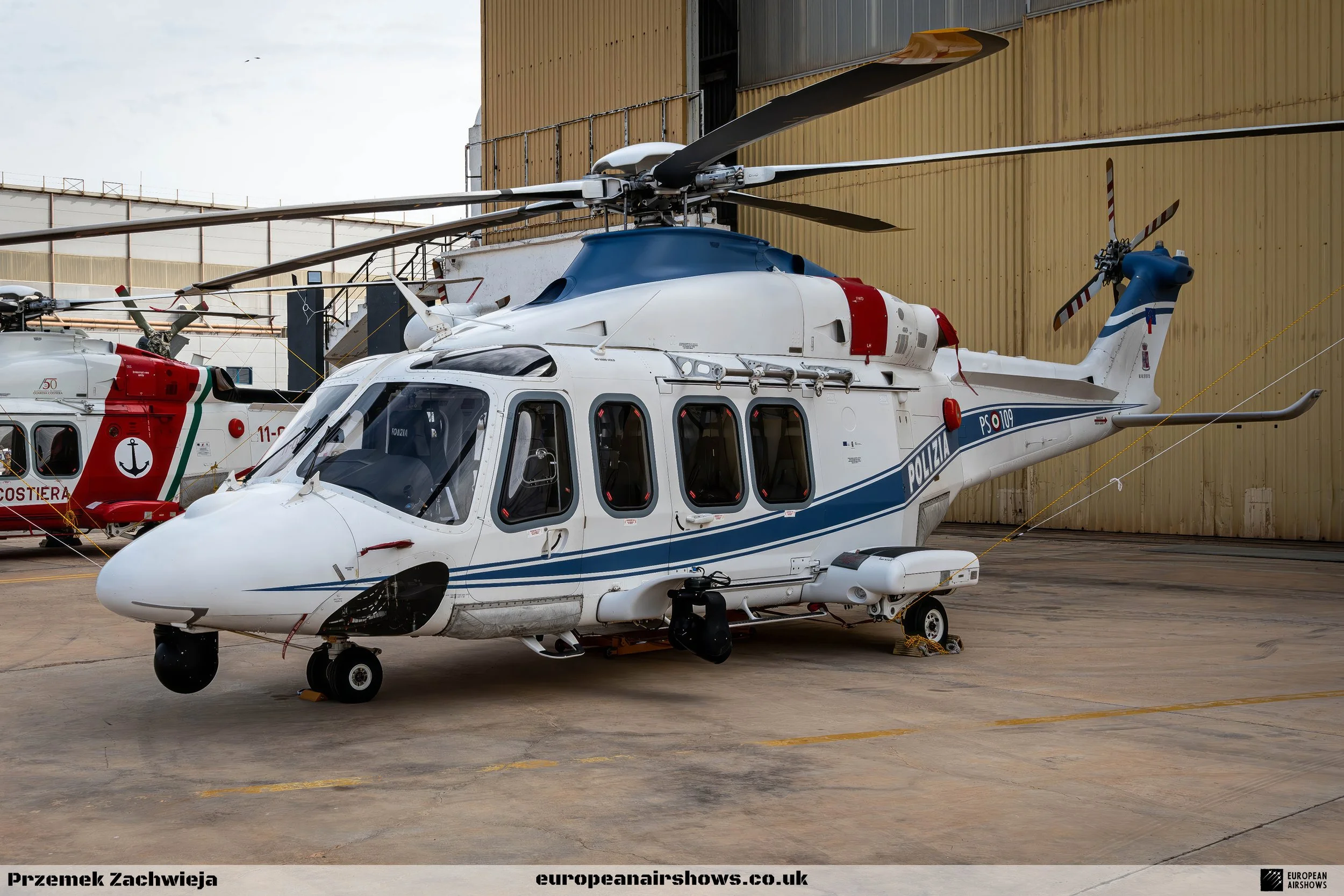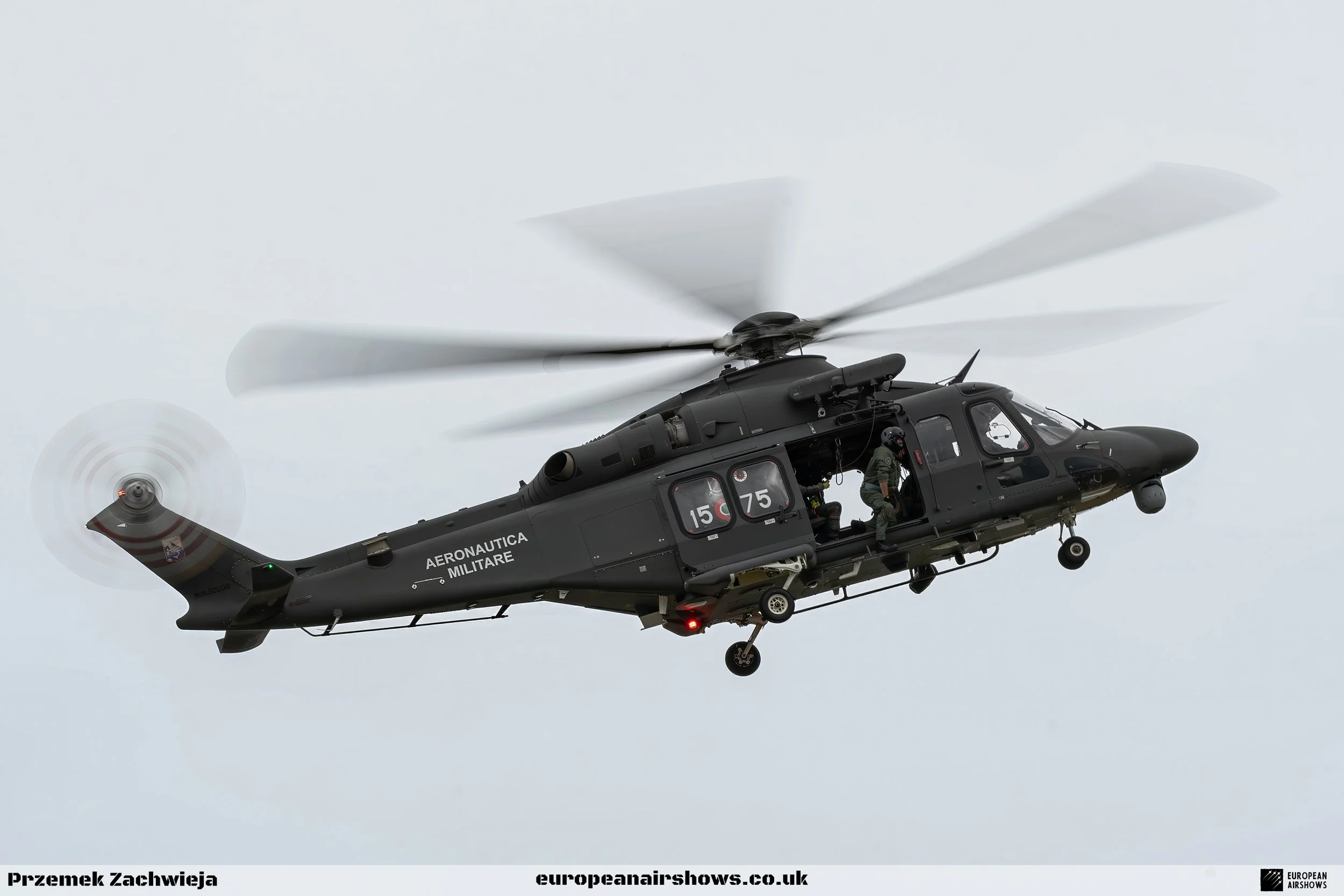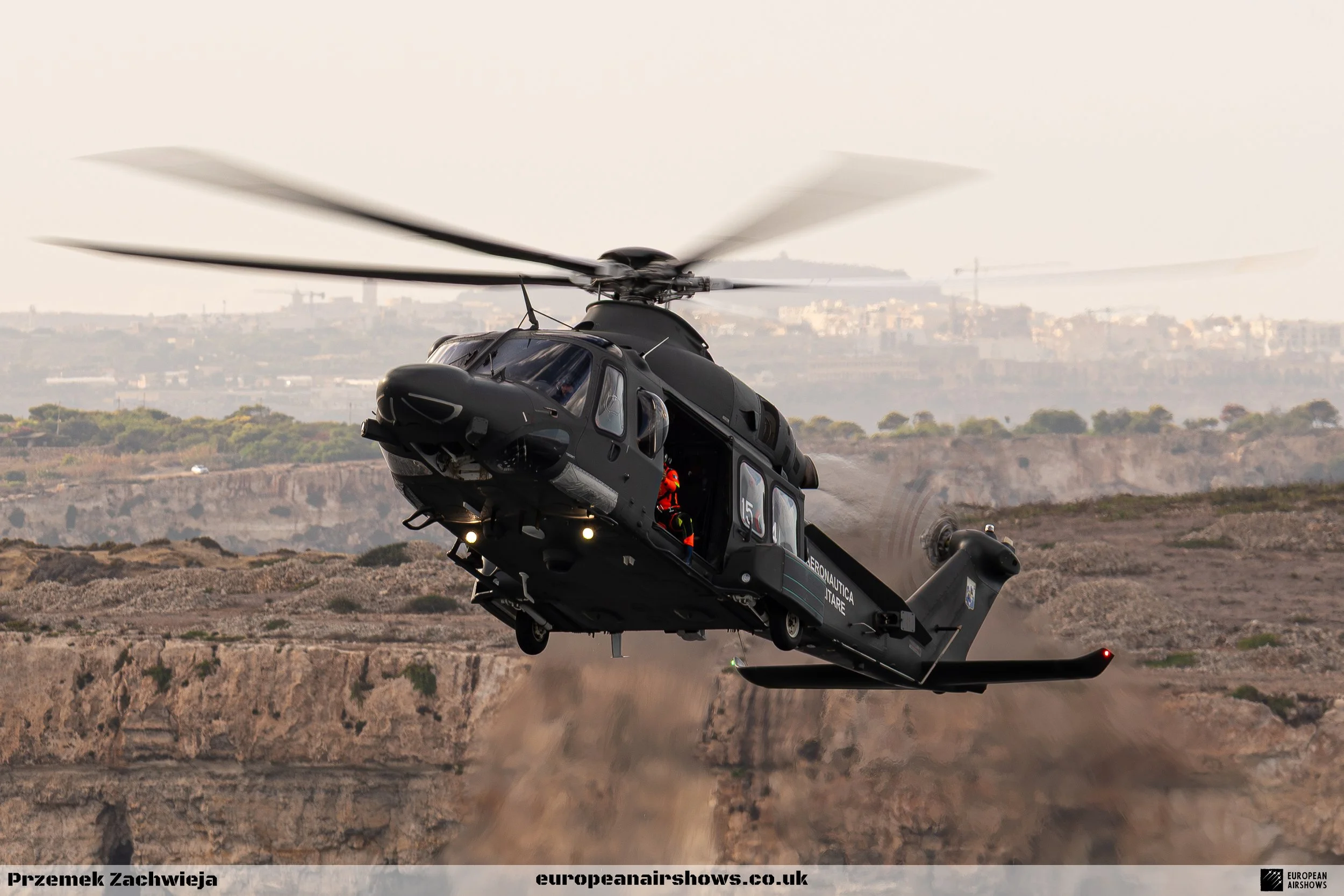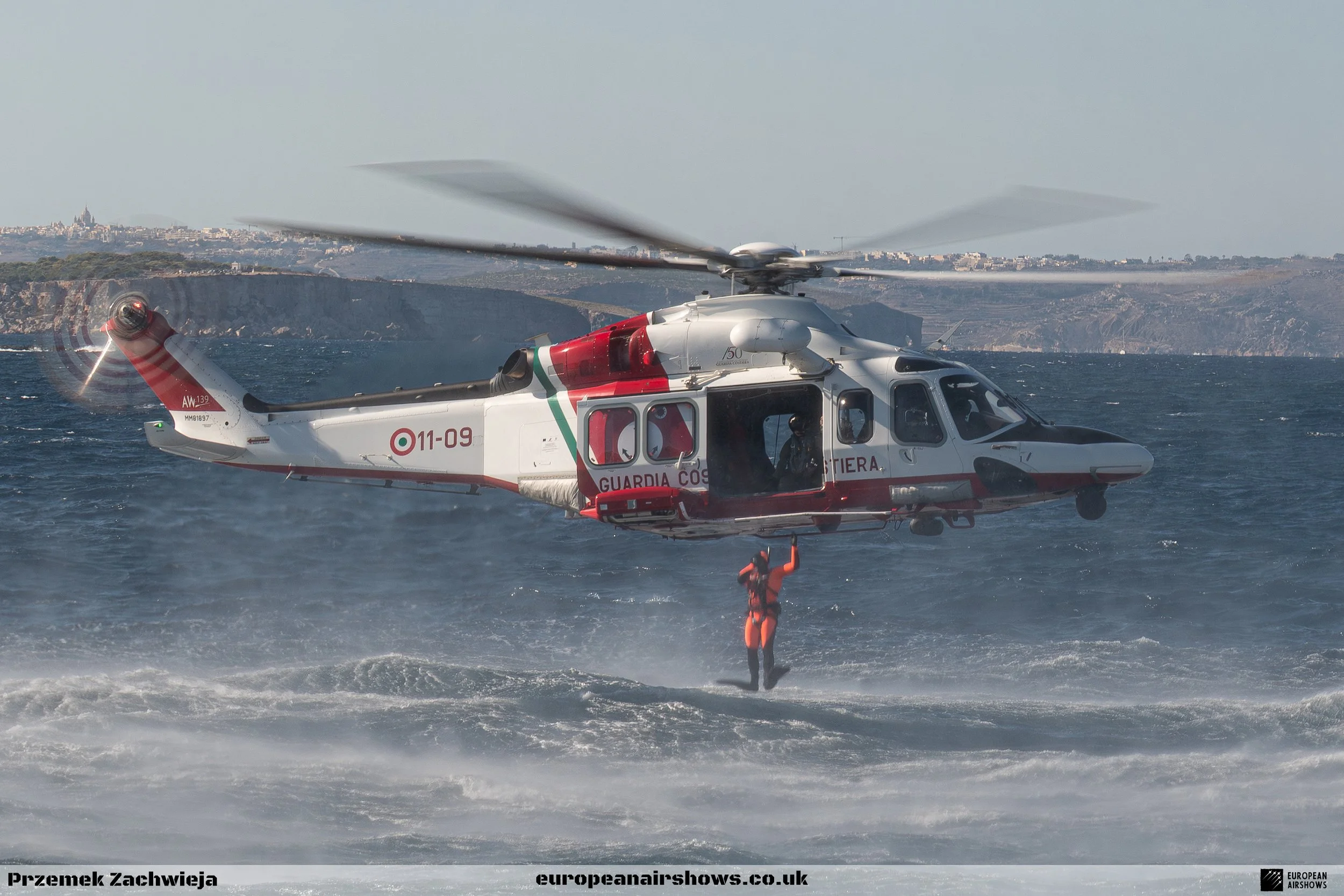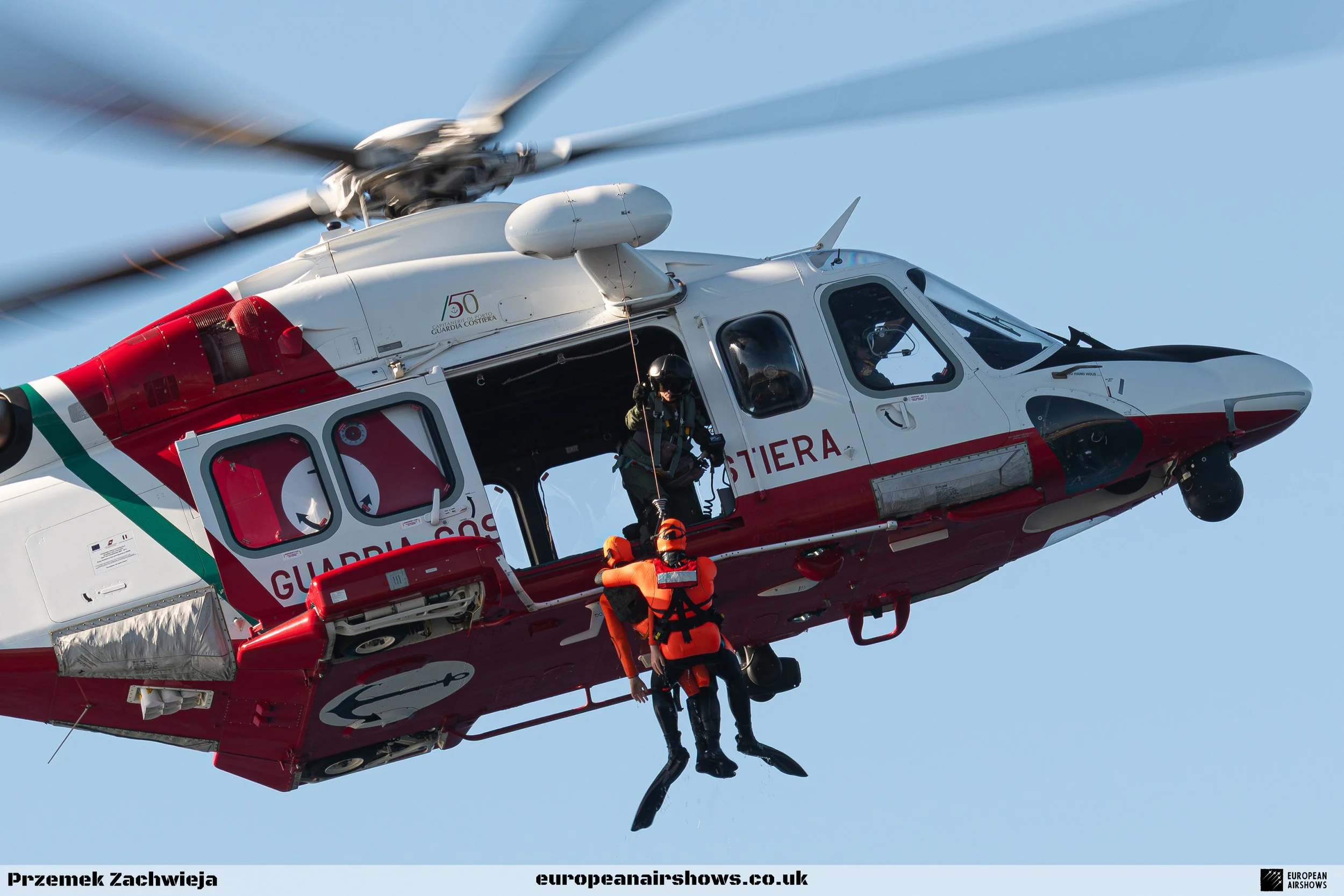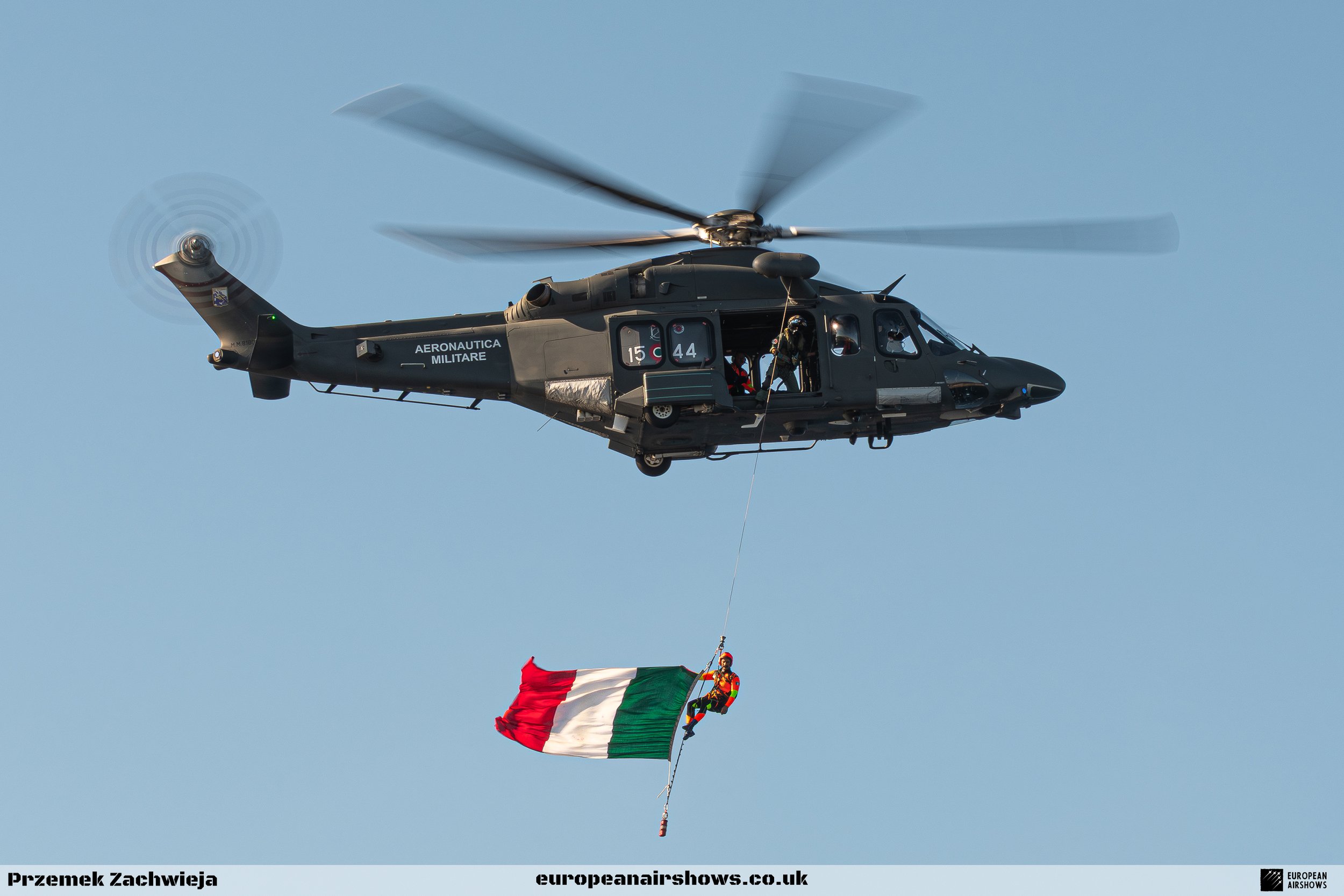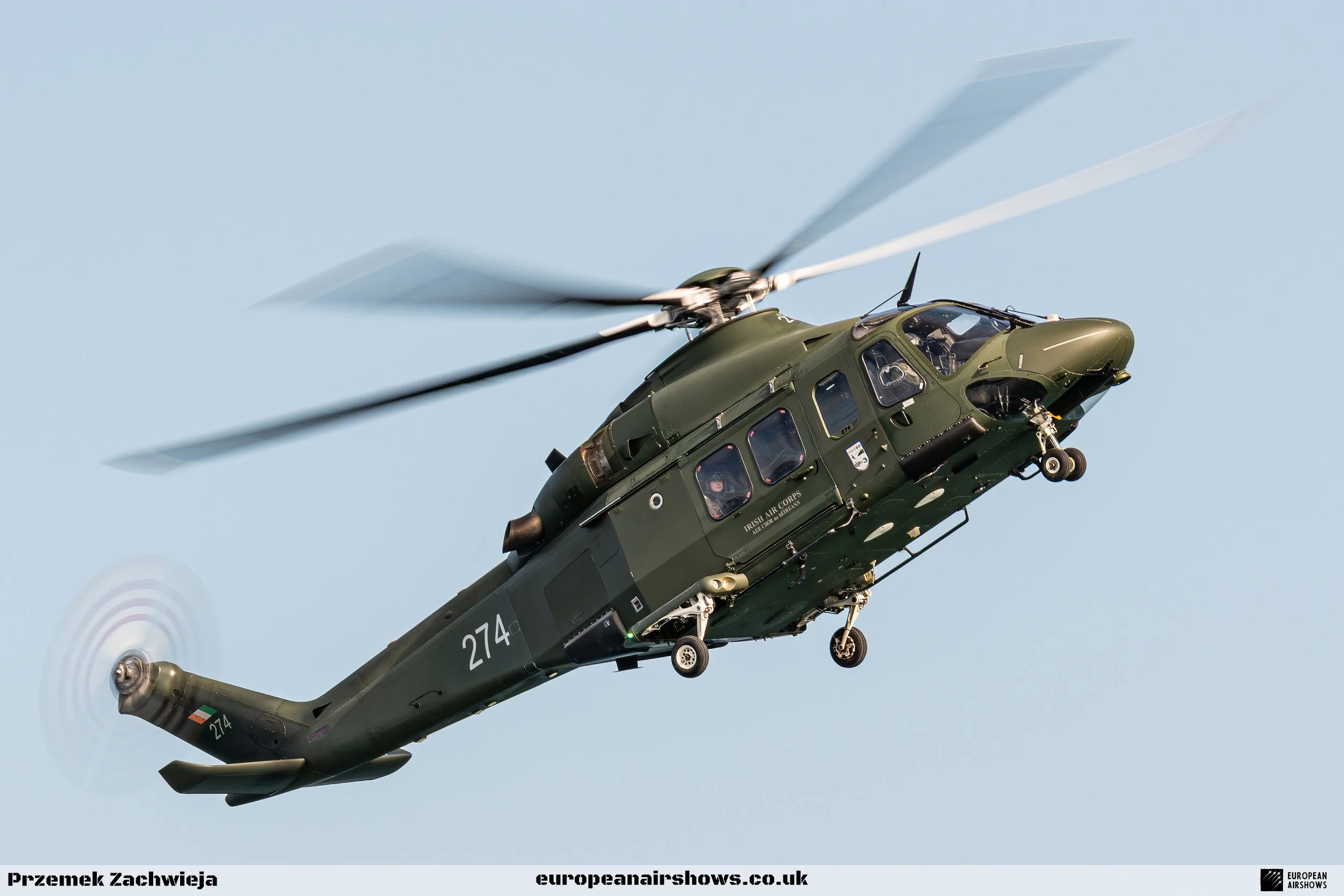
AgustaWestland / Leonardo AW139
The 15-seat, twin-engine, multi-mission helicopter that reshaped offshore, SAR, EMS and military utility operations worldwide
The AW139 began life as the Agusta-Bell AB139—announced in 1998 as a clean-sheet, medium twin to bridge civil and military roles from offshore transport to search and rescue. Its maiden flight on 3 February 2001 marked the start of a rapid certification and service entry cycle: European type approval arrived in mid-2003, followed by FAA certification in 2004 and swift uptake by government, military and commercial operators.
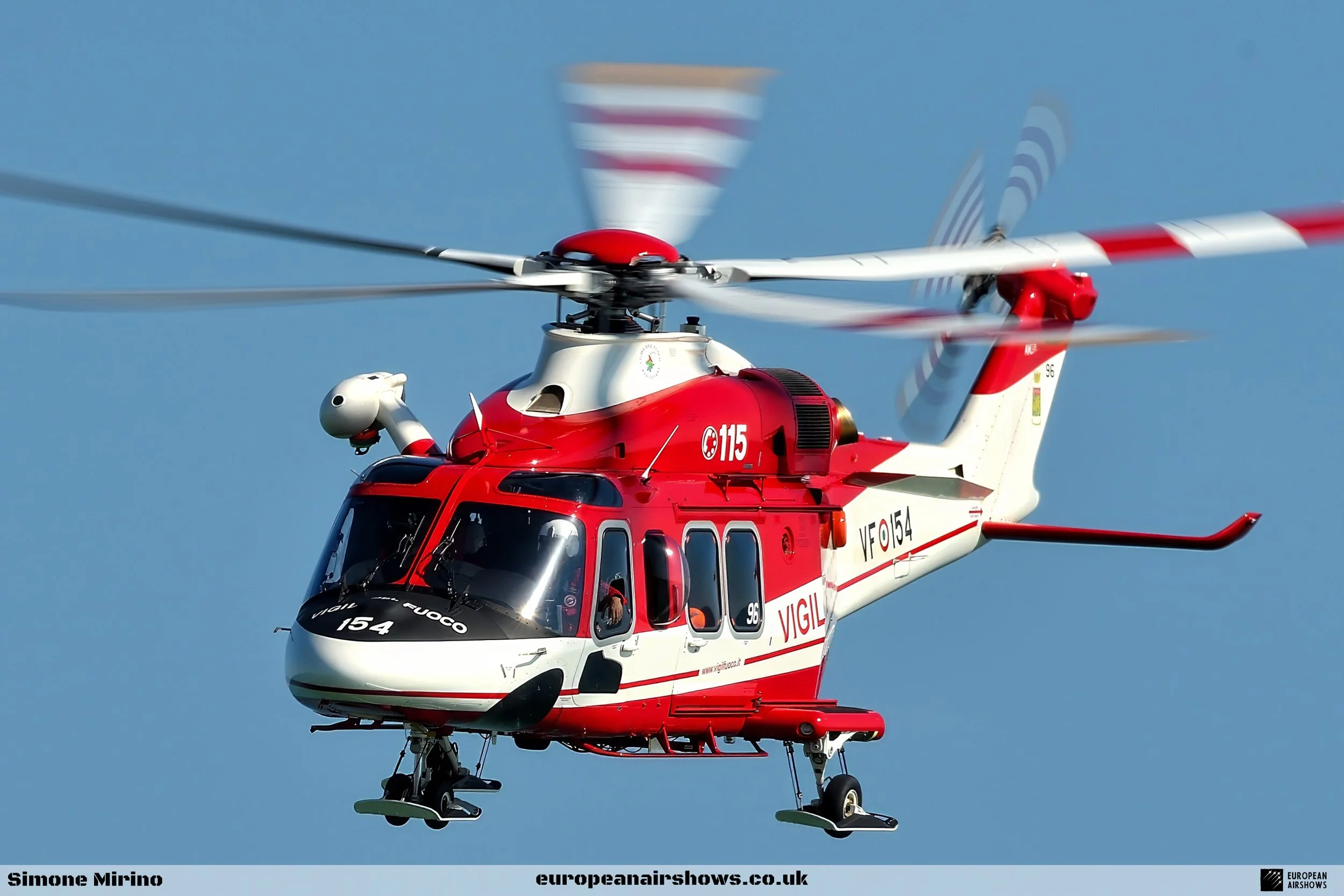
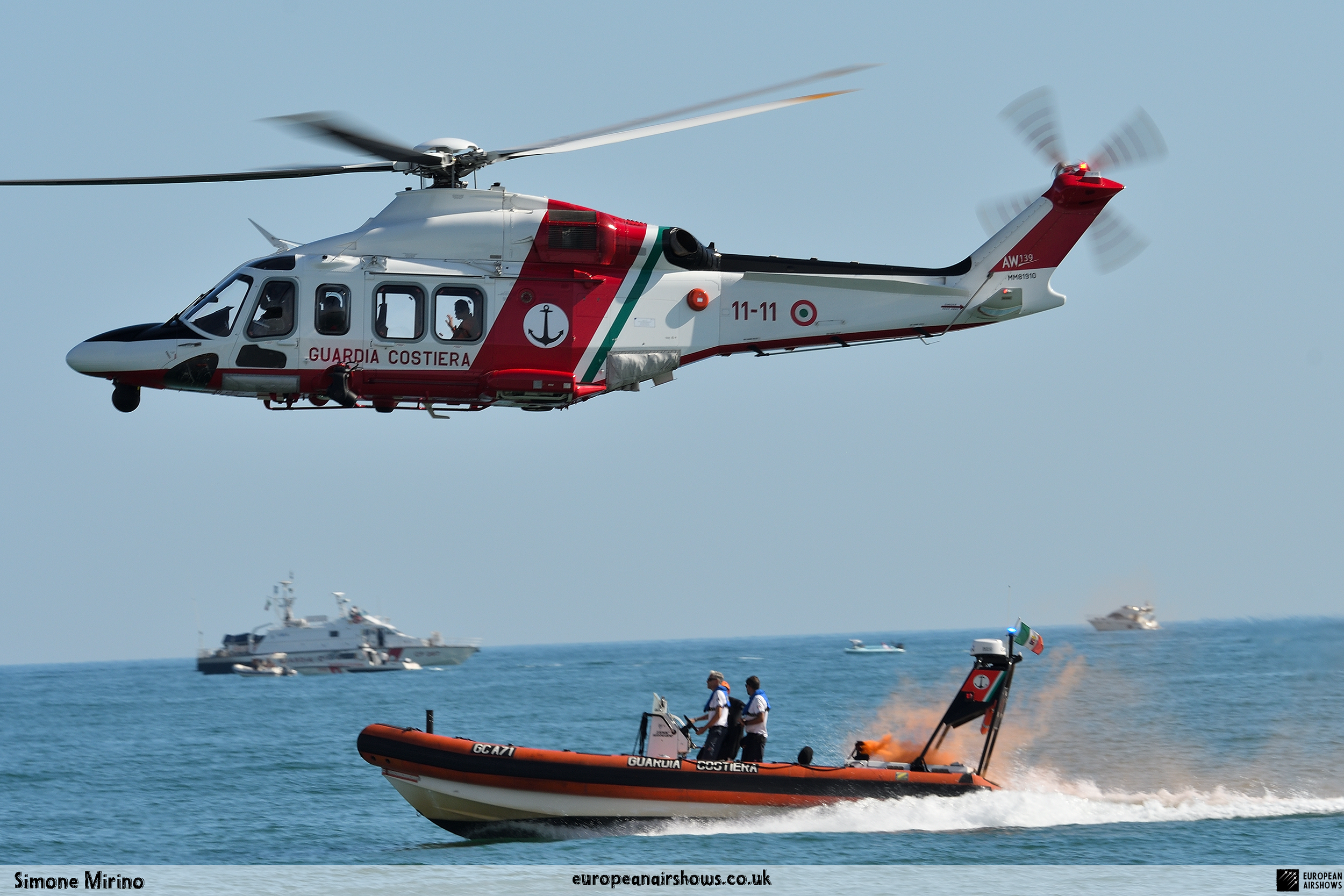
After Bell’s withdrawal, the type was redesignated AW139 and production expanded in Italy, the United States and—via partners—Poland and Russia. Early customers in the oil-and-gas sector validated the aircraft’s endurance and dispatch reliability offshore, while state users adopted customised variants for homeland security, disaster response and medevac.
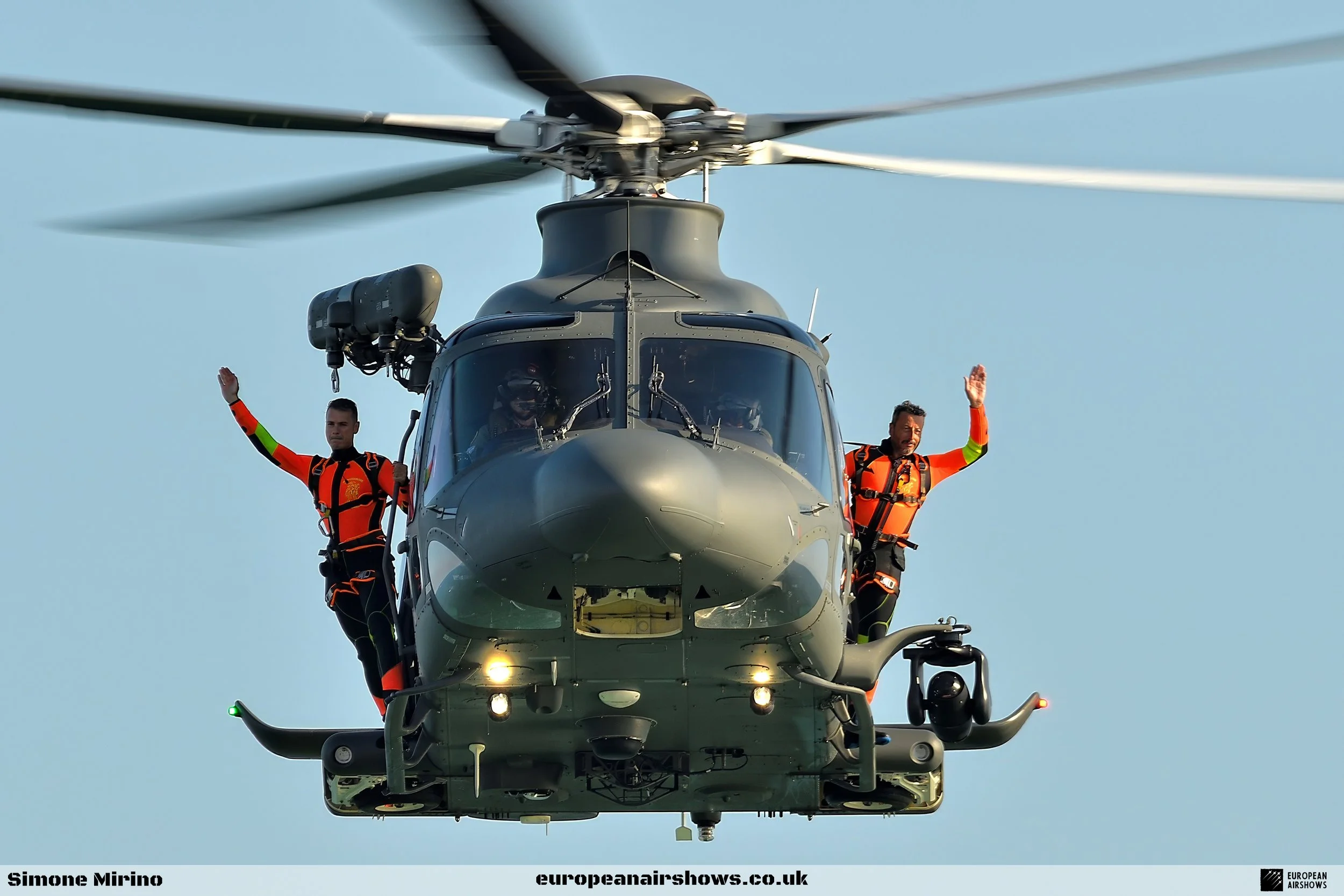
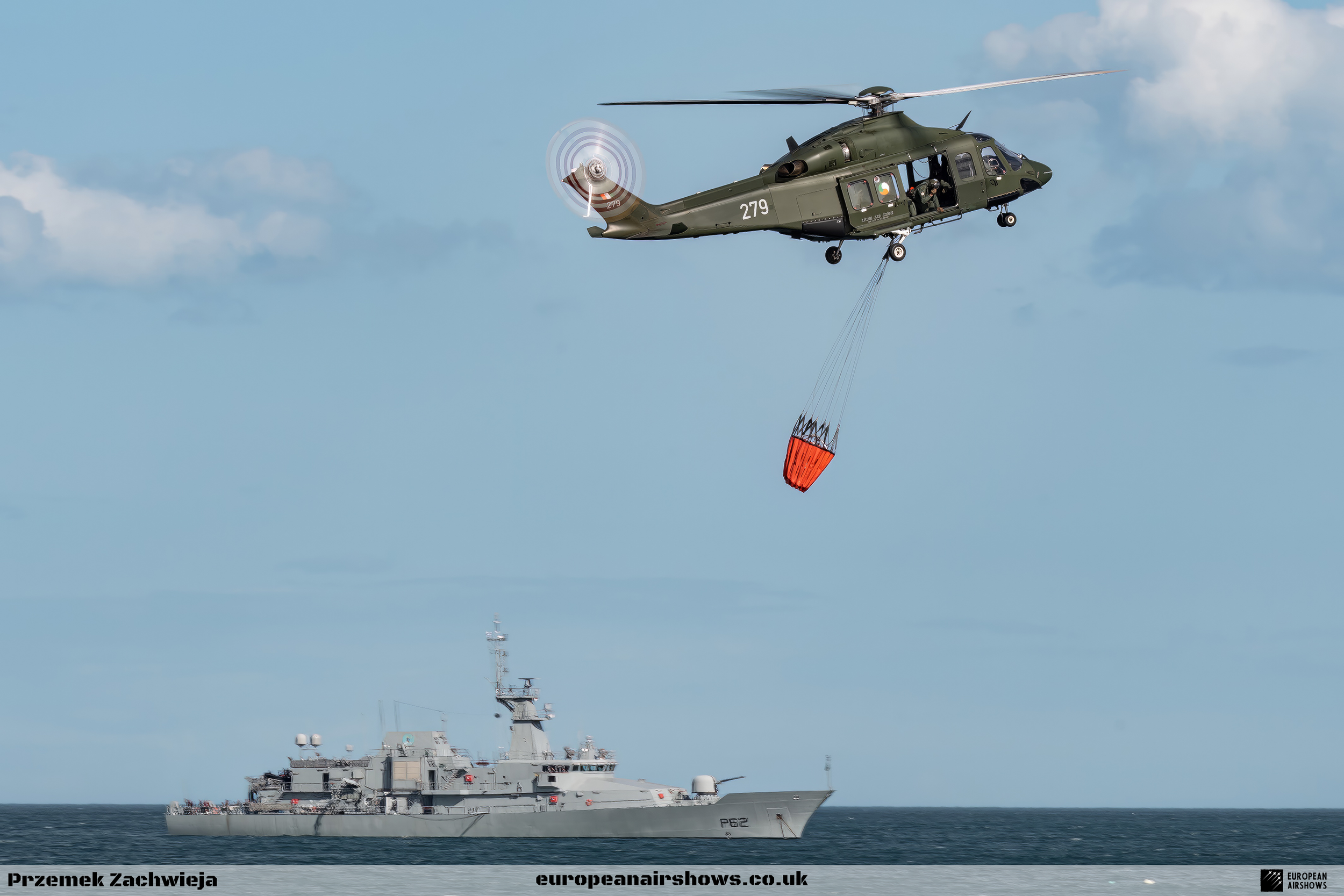
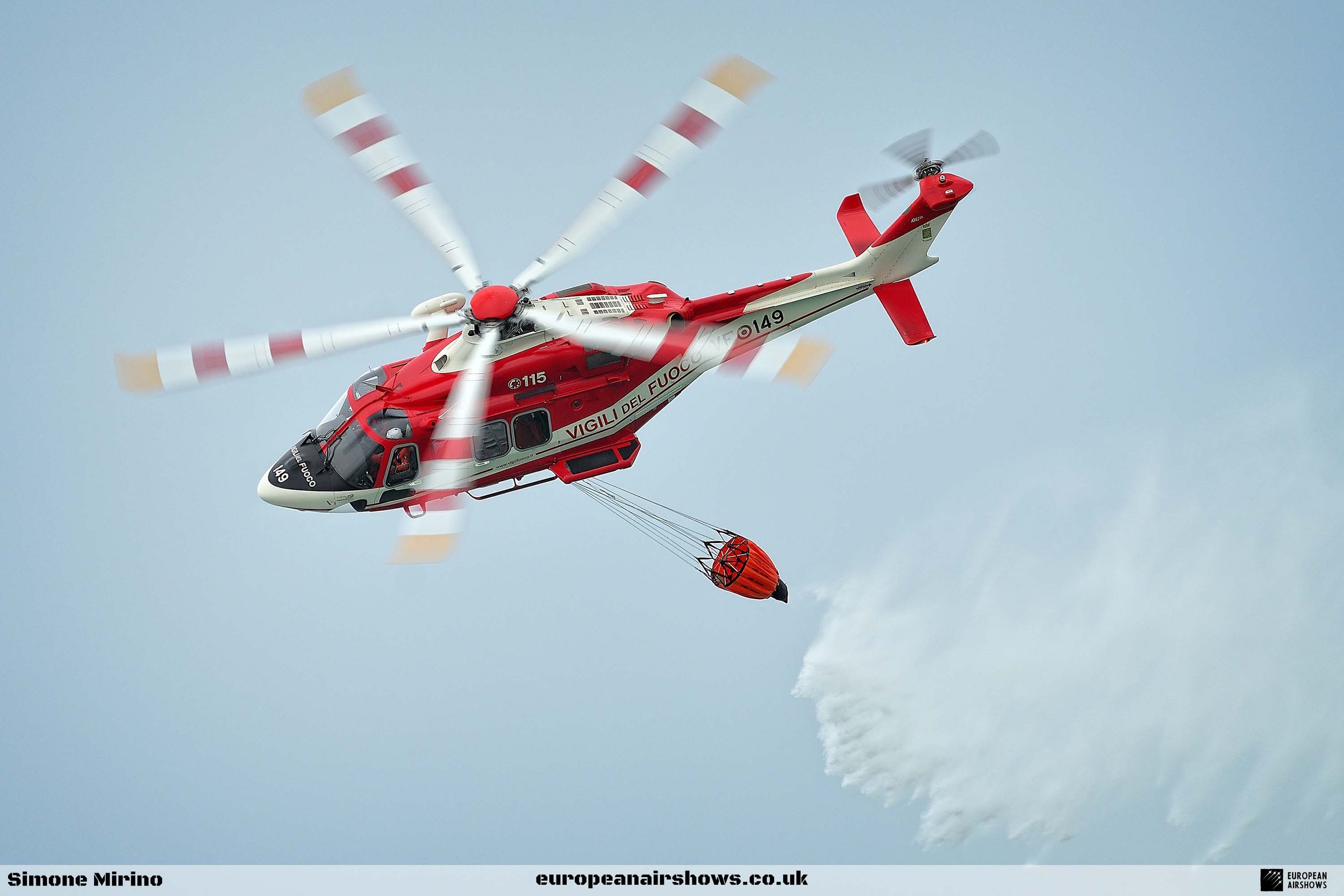
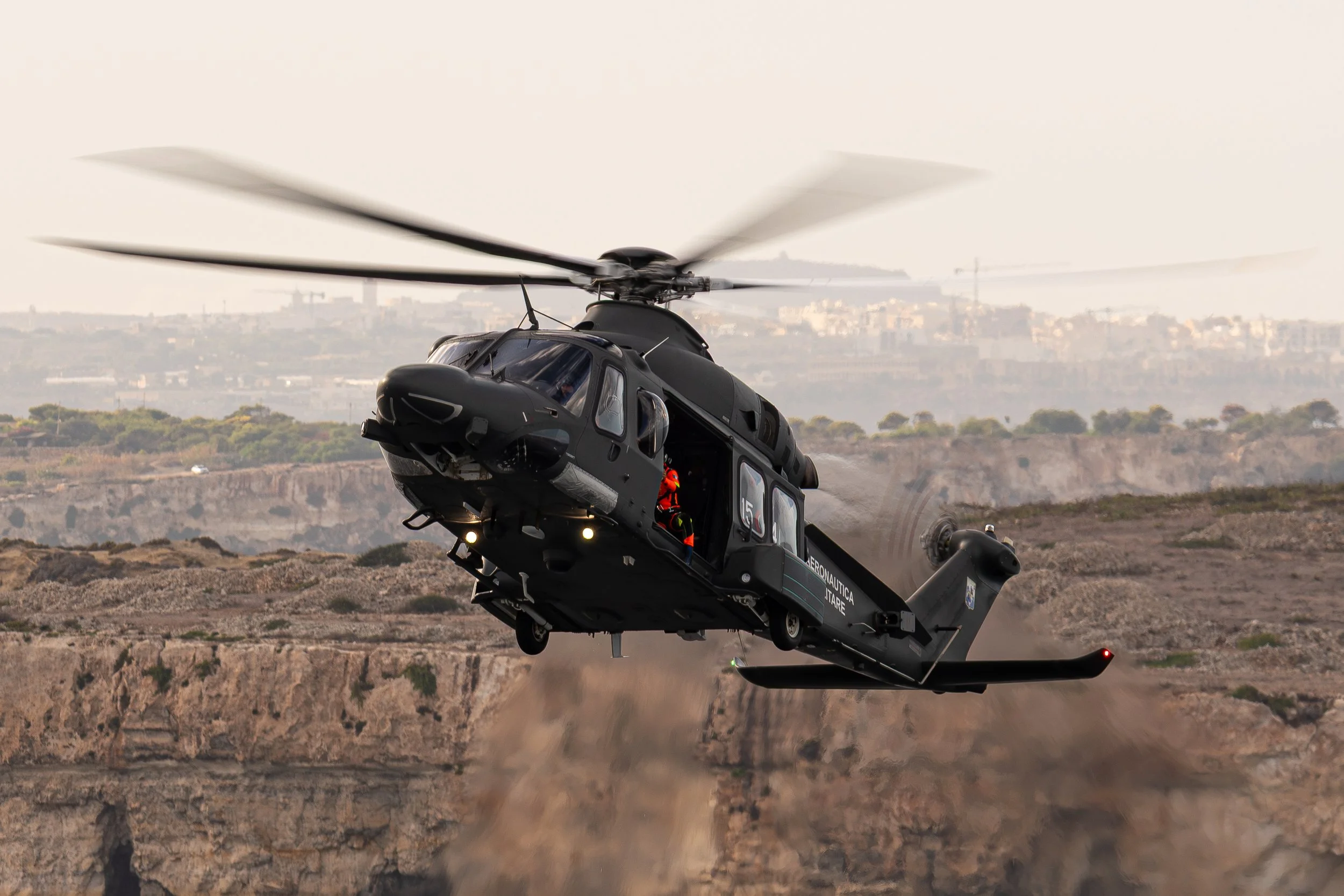
Military derivatives followed: Ireland introduced the AW139 in 2006; Italy’s Aeronautica Militare fielded the HH-139A (AW139M) from 2012 for SAR/CSAR and homeland security; and the U.S. Air Force selected the MH-139A Grey Wolf (an AW139 variant produced with Boeing) to replace the UH-1N fleet. With more than 1,200 built and millions of flight hours logged, the AW139 remains a core platform in its class.
Operational Chronicle
Key milestones in development, certification, service entry and major adoptions
AB139 Programme Announced
Agusta and Bell unveil the AB139 at Farnborough, launching a new medium twin for civil and para-public roles with a spacious 15-seat cabin.
Full-Scale Mock-Up Debuts
A full-scale mock-up appears at Paris, previewing the cockpit layout and cabin flexibility for offshore, EMS and VIP configurations.
Maiden Flight
The prototype flies on 3 February from Cascina Costa (Italy), beginning a fast-paced test campaign toward certification.
First Production Aircraft
The first production-standard aircraft flies in June, paving the way for deliveries.
European Certification & Service Entry
ENAC/JAA (later EASA) certification is achieved in mid-2003; the type enters service the same year with early customers.
FAA Type Certificate
U.S. certification follows in December 2004, accelerating North American deliveries.
First Military Operator
The Irish Air Corps accepts its first AW139s, employing them for troop transport, SAR support, air ambulance and VIP tasks.
Italy Fields HH-139A (AW139M)
Aeronautica Militare introduces the HH-139A for SAR/CSAR and homeland security; the VIP VH-139A also enters service with 31° Stormo.
HH-139B Deliveries
Italy receives the first HH-139B, a customised evolution enhancing mission systems and availability for 24/7 national tasking.
USAF MH-139A Grey Wolf
The USAF accepts its first MH-139A in 2019; four aircraft are delivered in 2022 for testing, with the first production-standard airframe delivered in 2024.
Global Fleet Milestones
More than 1,200 AW139s produced; individual airframes surpass 10,000 flight hours in intensive EMS/SAR service, underscoring fleet maturity.
Operational Highlights
Representative missions and adoptions across civil, para-public and military users
ENAC/JAA approval enables first deliveries; the AW139 rapidly establishes itself with offshore, EMS and government operators.
Large fleets with CHC, Bristow, Gulf Helicopters and Weststar support oil-and-gas platforms with greater range and payload than legacy types.
Six AW139s cover troop transport, medevac, SAR support and VIP transport—an early military endorsement of the type.
Aeronautica Militare fields the HH-139A/B for SAR/CSAR and national security missions, while VH-139A supports state/VIP transport.
AW139-based Grey Wolf replaces the UH-1N for nuclear security and DV transport; production-standard deliveries began in 2024.
A Queensland Government Air AW139 becomes the first globally to exceed 10,000 flight hours—evidence of durability in 24/7 rescue roles.
Service Record
Production, certification and fleet milestones
Technical Specifications
Essential details and characteristics of the AW139 family
Development Story
From AB139 joint venture to a best-selling Leonardo helicopter family
Origins and Early Programme
Agusta and Bell announced the AB139 in 1998 to replace ageing medium twins with a modern, 7-tonne-class design featuring a 15-seat cabin, Category A performance and contemporary avionics. A full-scale mock-up appeared in 1999 and the prototype flew on 3 February 2001, followed by the first production-standard aircraft in June 2002.
Italian ENAC/JAA certification arrived in June 2003, enabling initial deliveries the same year; FAA certification followed in December 2004. Bell later withdrew from the programme and the type was redesignated AW139, with production expanding to meet strong civil and government demand.
Industrial Footprint and Adoption
Production centres in Italy and the U.S., with major contributions from partners such as PZL-Świdnik and HeliVert, supported rapid output. Offshore operators (CHC, Bristow, Gulf Helicopters, Weststar) adopted the AW139 for range, speed and payload advantages, while national agencies configured the cabin for EMS, SAR, law enforcement and disaster response.
Military Evolution
The Irish Air Corps introduced the AW139 in 2006. Italy’s Aeronautica Militare fielded the HH-139A from 2012 (and later HH-139B), while the U.S. Air Force selected the AW139-based MH-139A Grey Wolf in 2018, accepted initial aircraft from 2019–2022 and received the first production-standard airframe in 2024. The larger AW149 evolved from the AW139 architecture for dedicated military lift.
By 2024, cumulative production exceeded 1,200 airframes and individual rescue aircraft surpassed 10,000 flight hours—evidence of the type’s maturity in continuous 24/7 operations.
Enduring Legacy
A global benchmark in the medium twin class
The AW139’s combination of PT6C power, modern avionics and a flexible, quick-change cabin created a platform equally at home over the North Sea, in alpine SAR or supporting national security. From its 3 February 2001 first flight through today, it has become Leonardo’s best-selling rotorcraft, a foundation for the AW149, and the basis of the USAF’s MH-139A Grey Wolf—proof that a well-balanced civil design can scale into demanding government and military roles while sustaining high availability in round-the-clock operations.