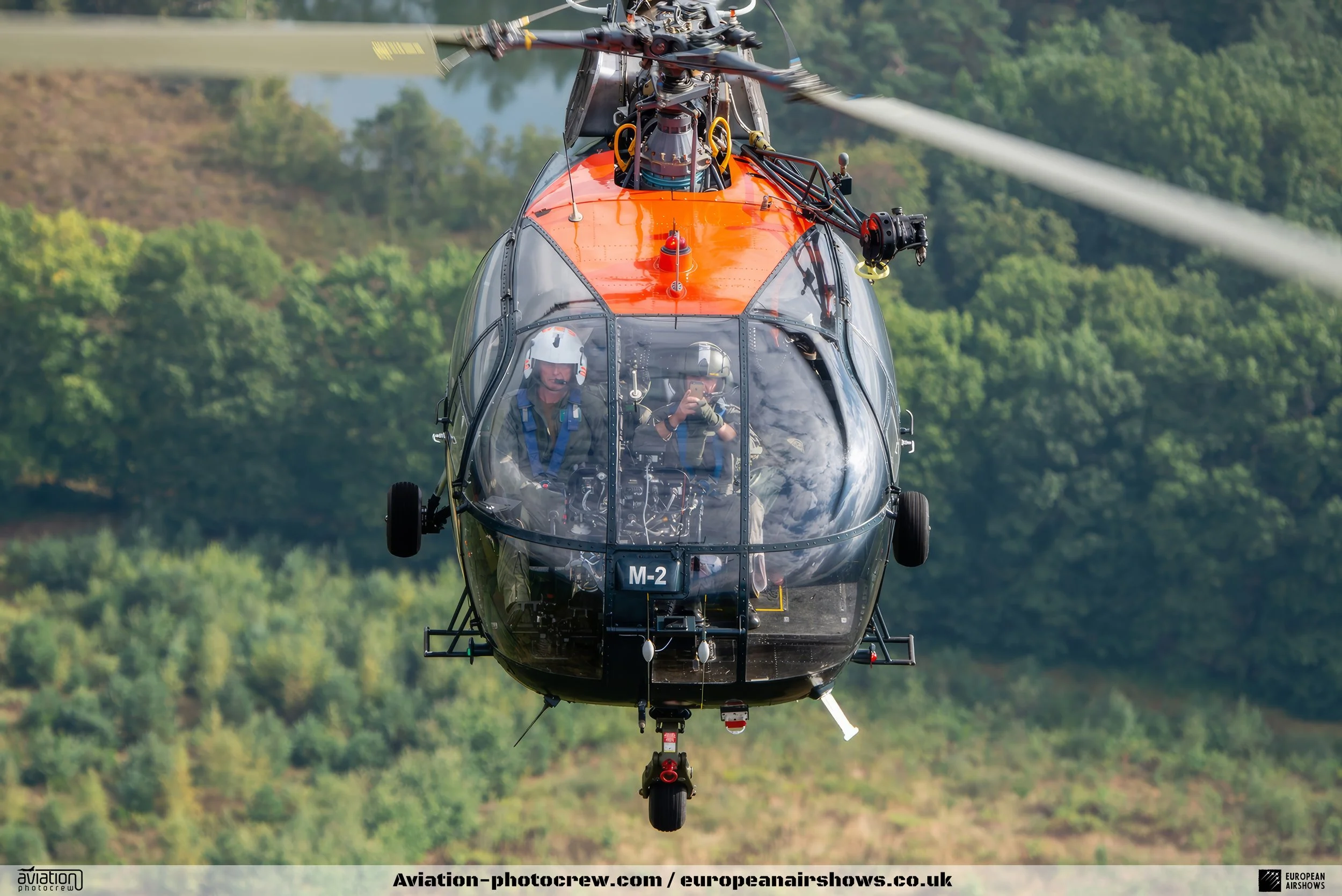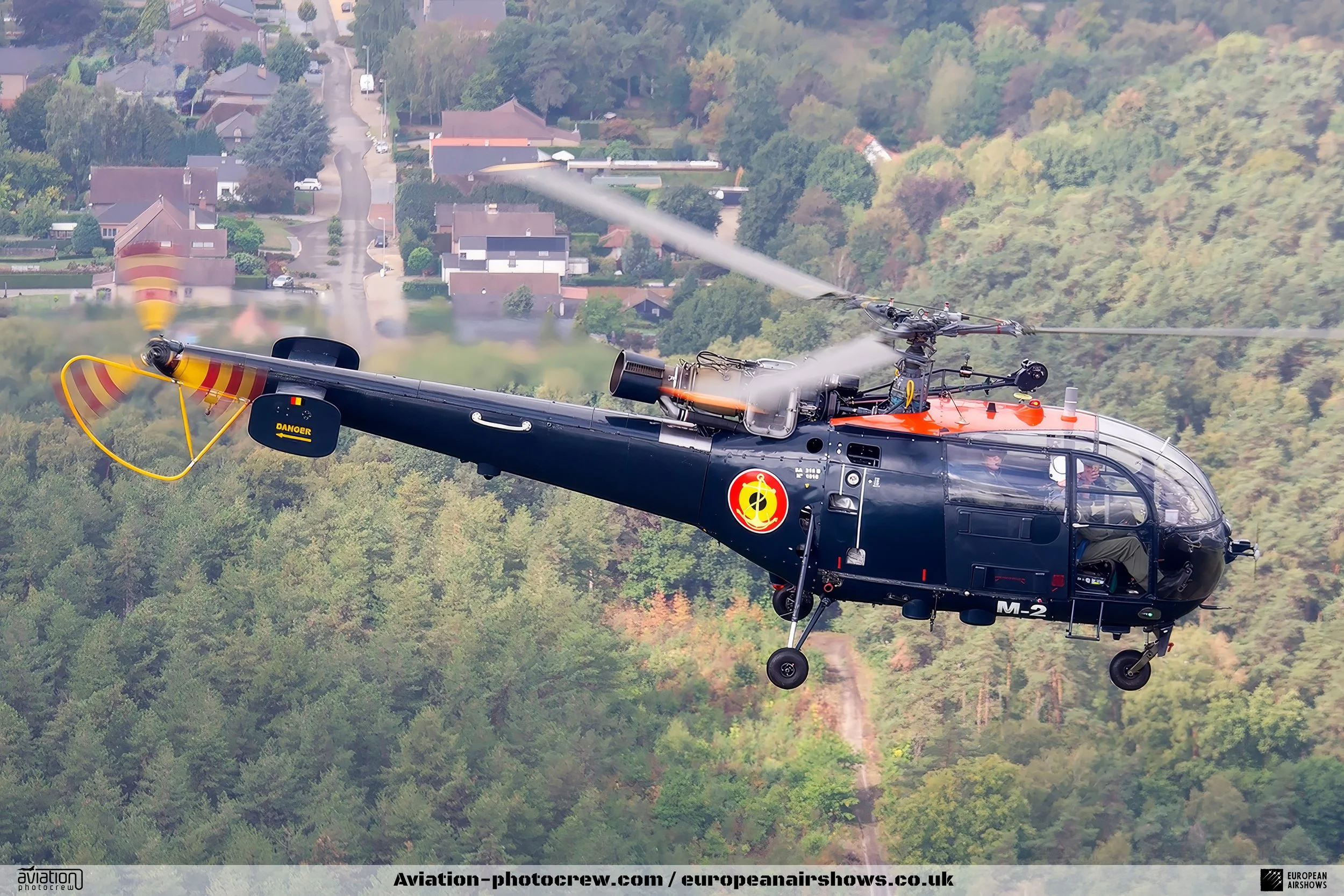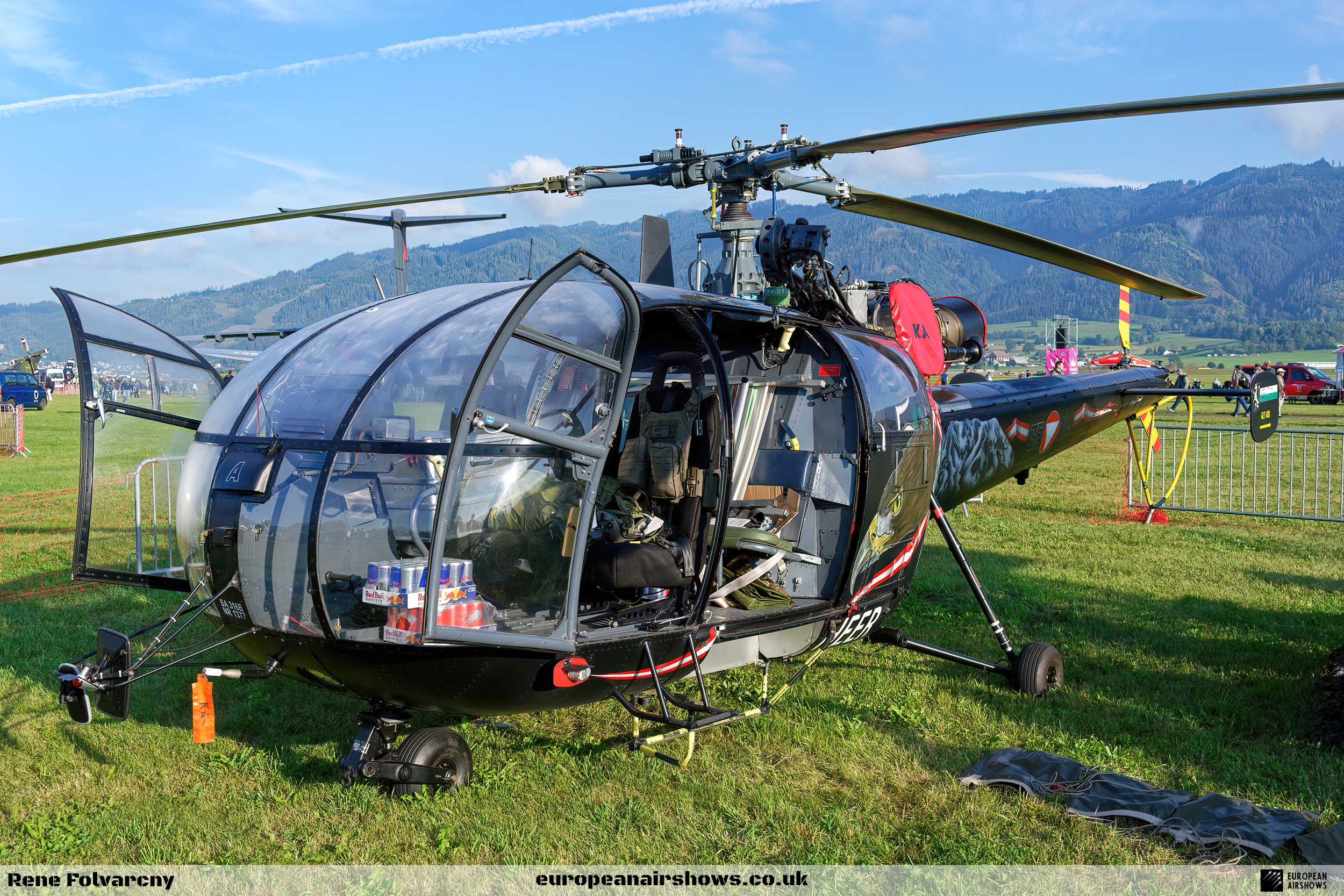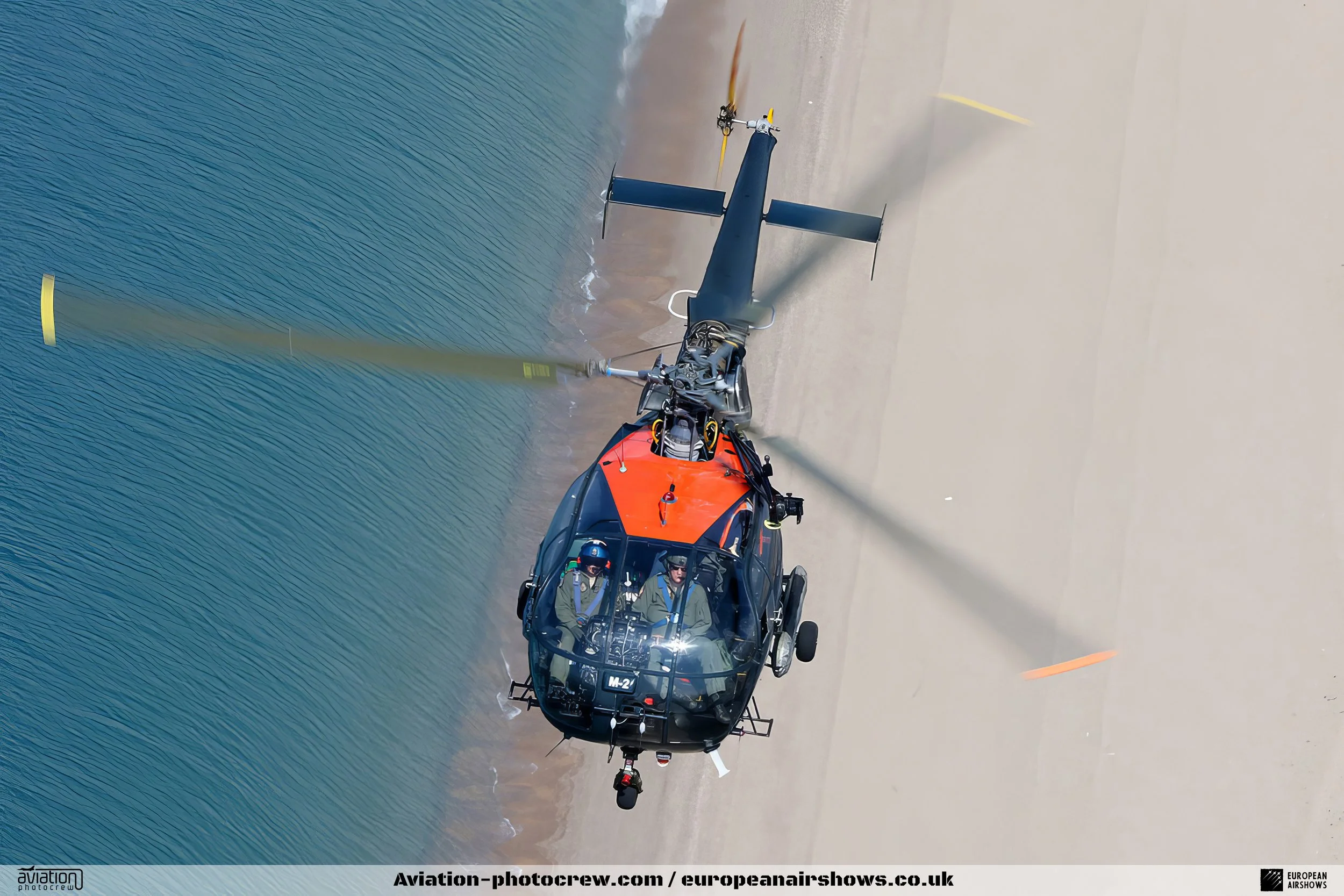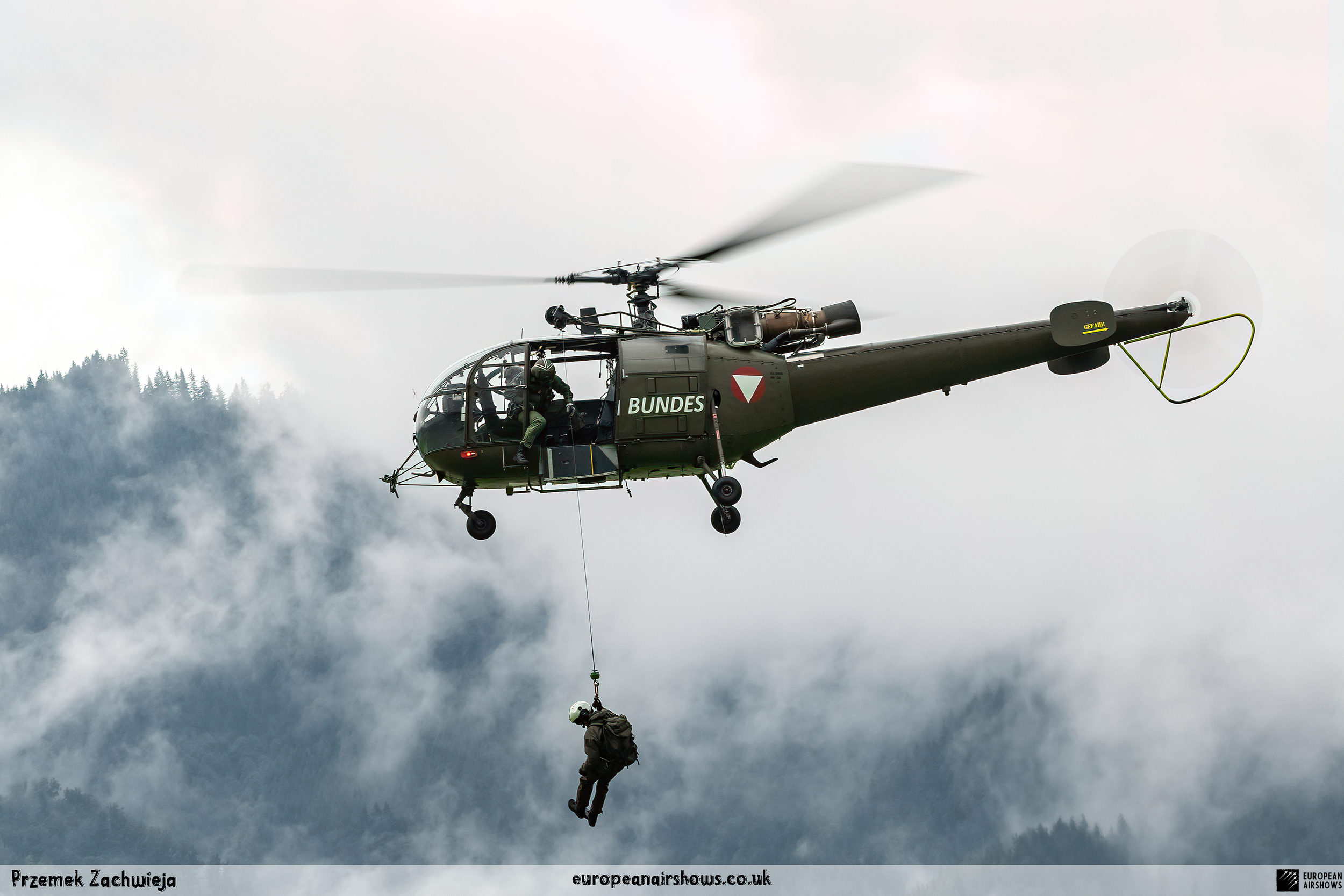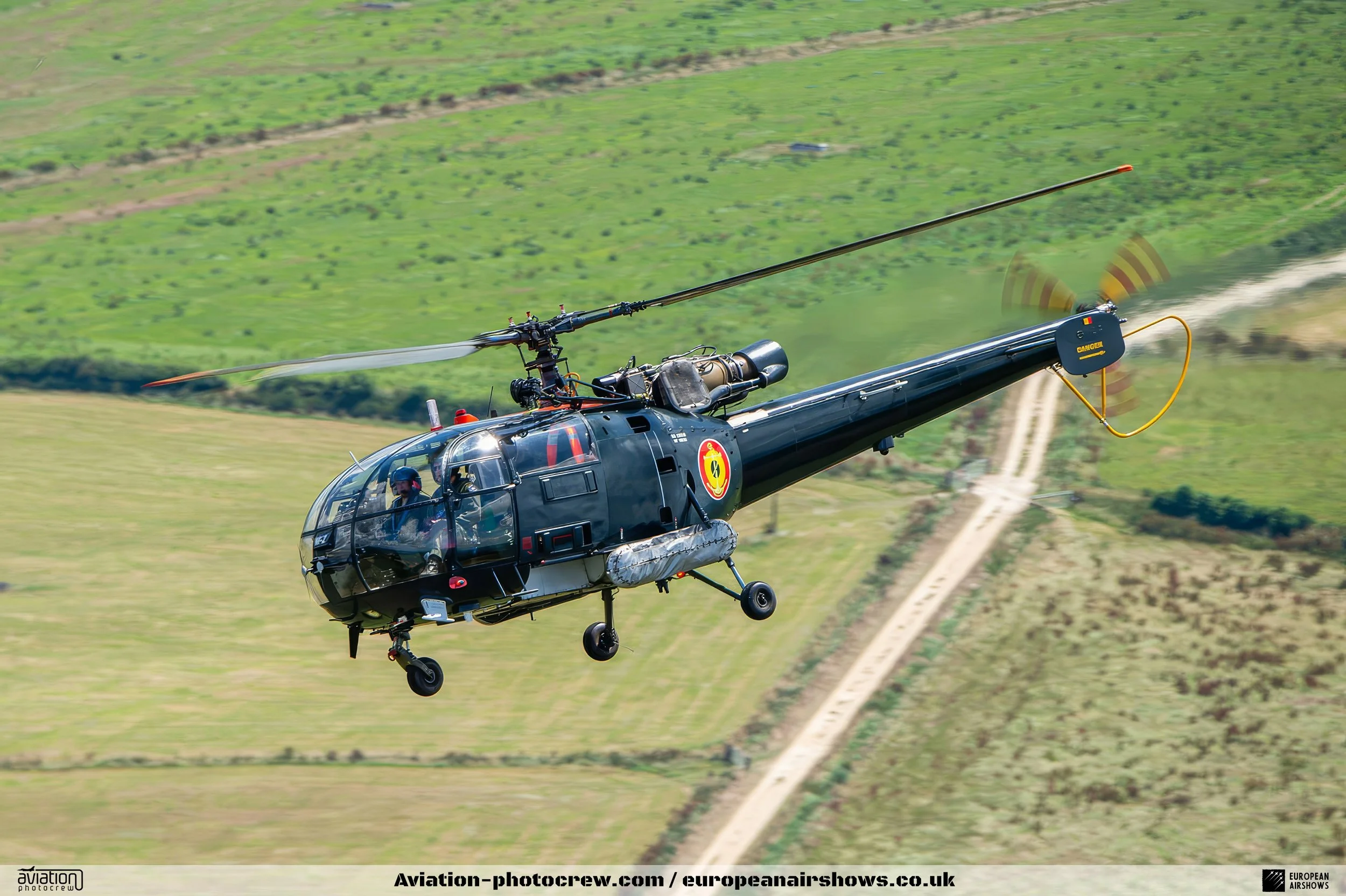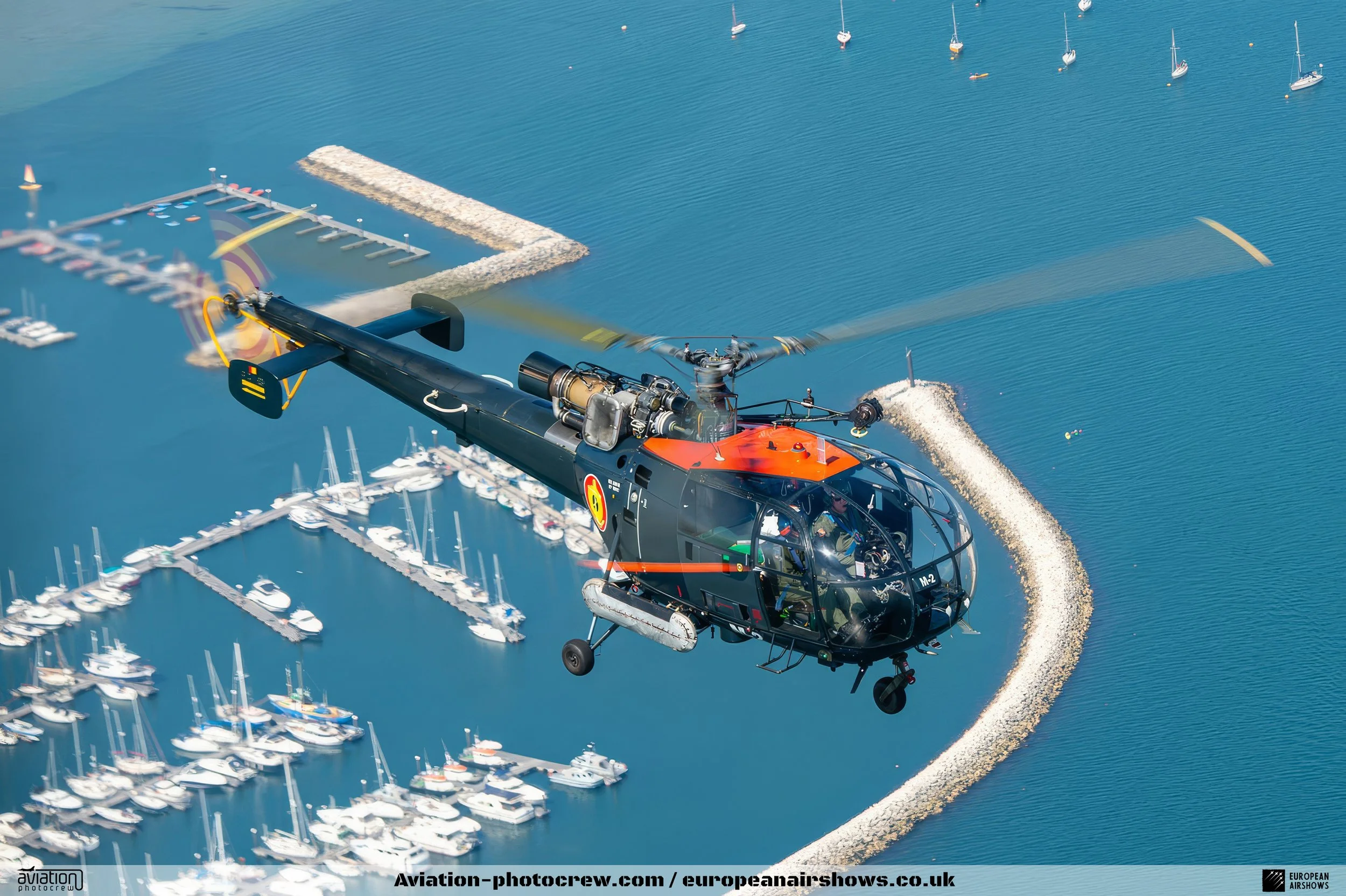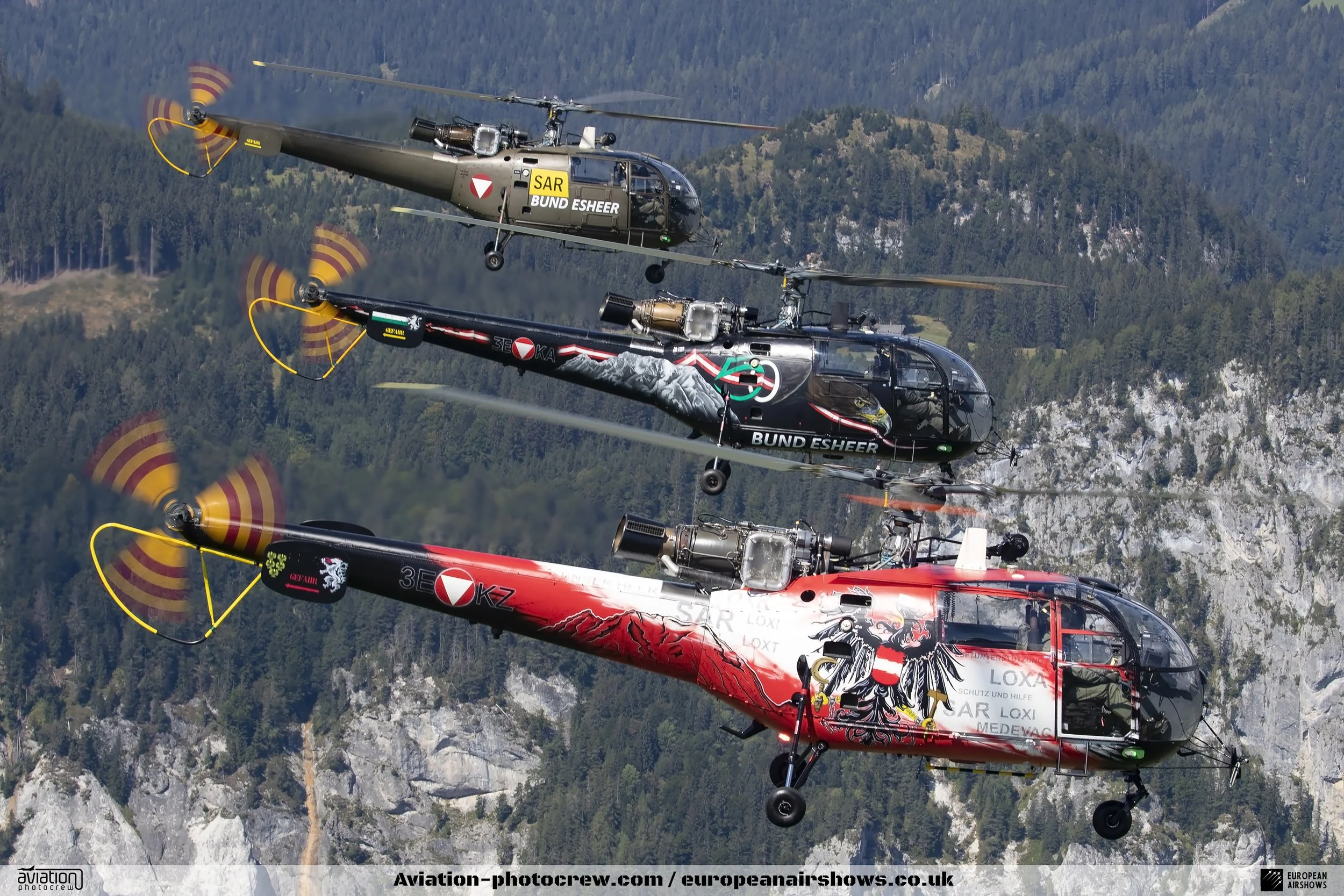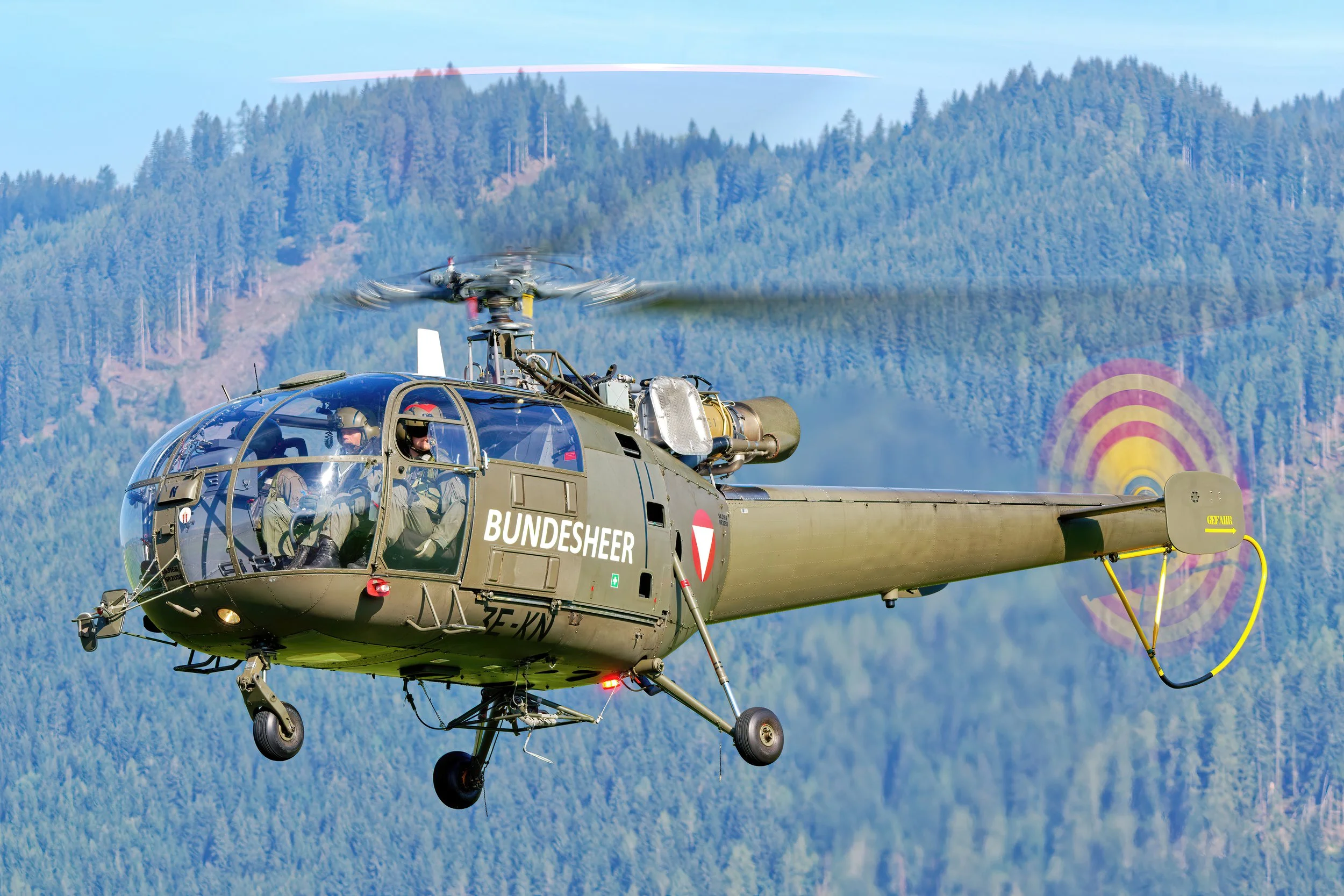
Sud Aviation / Aérospatiale Alouette III
The turbine light-utility helicopter that took mountain rescue to new heights and served worldwide from war zones to warships
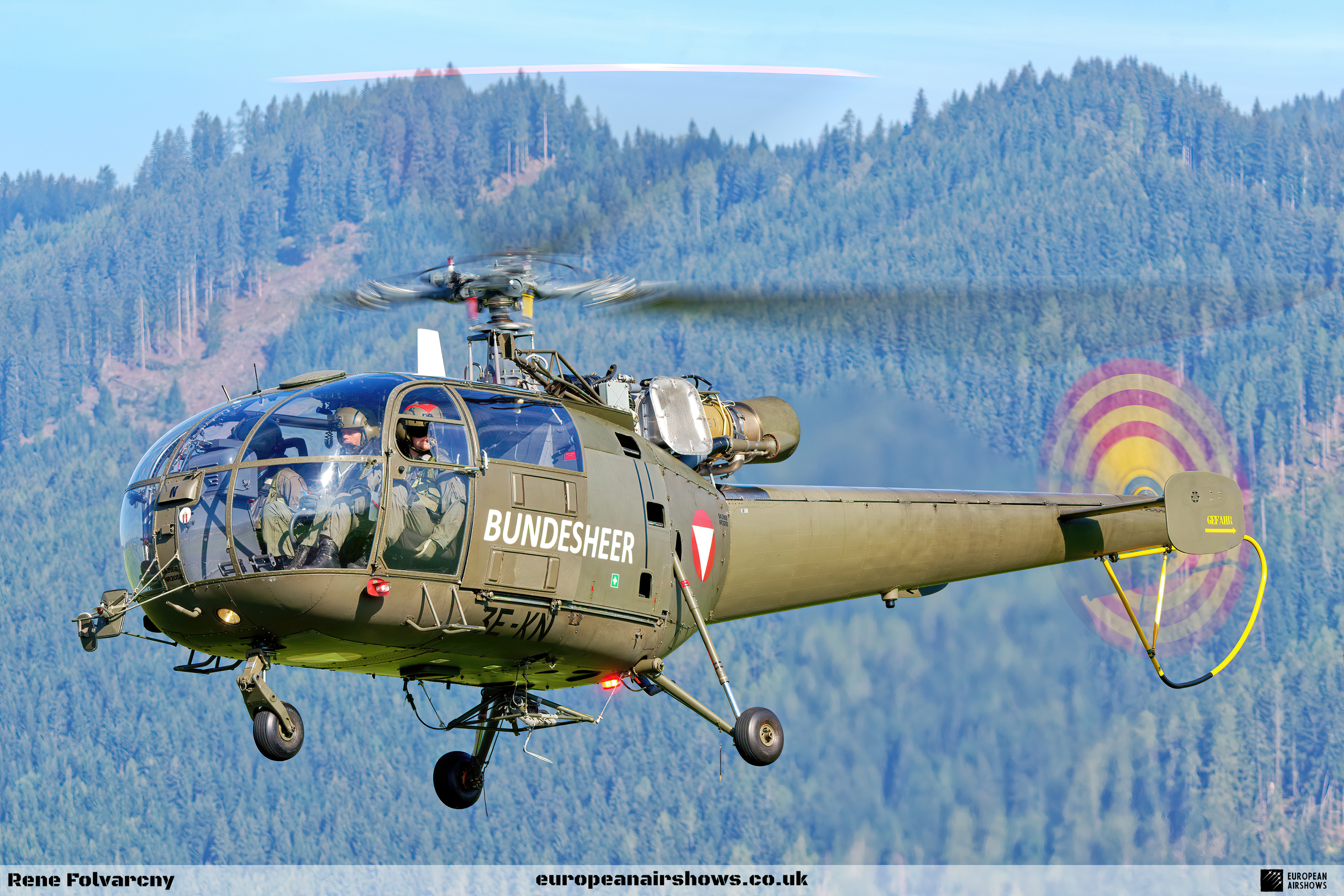
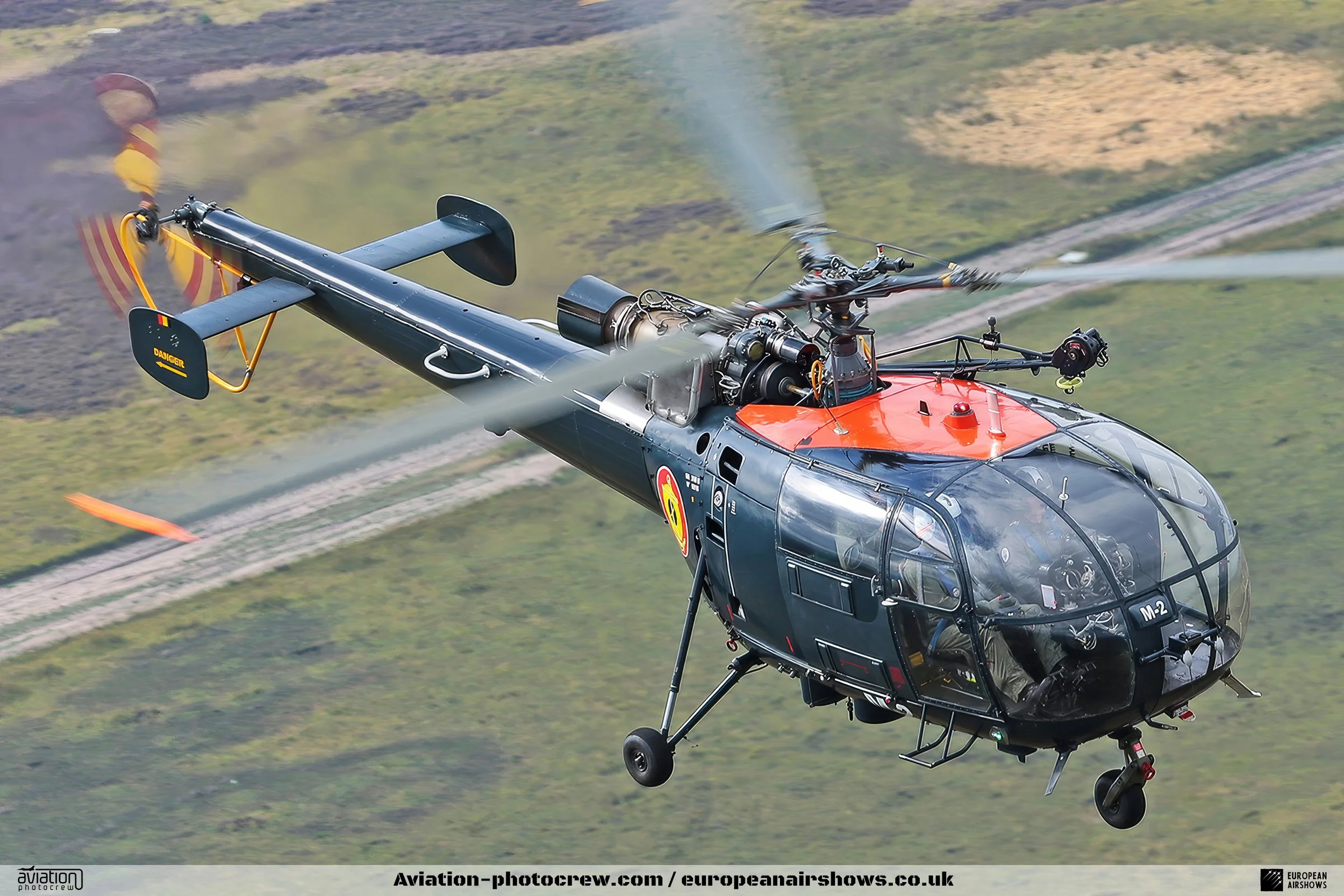
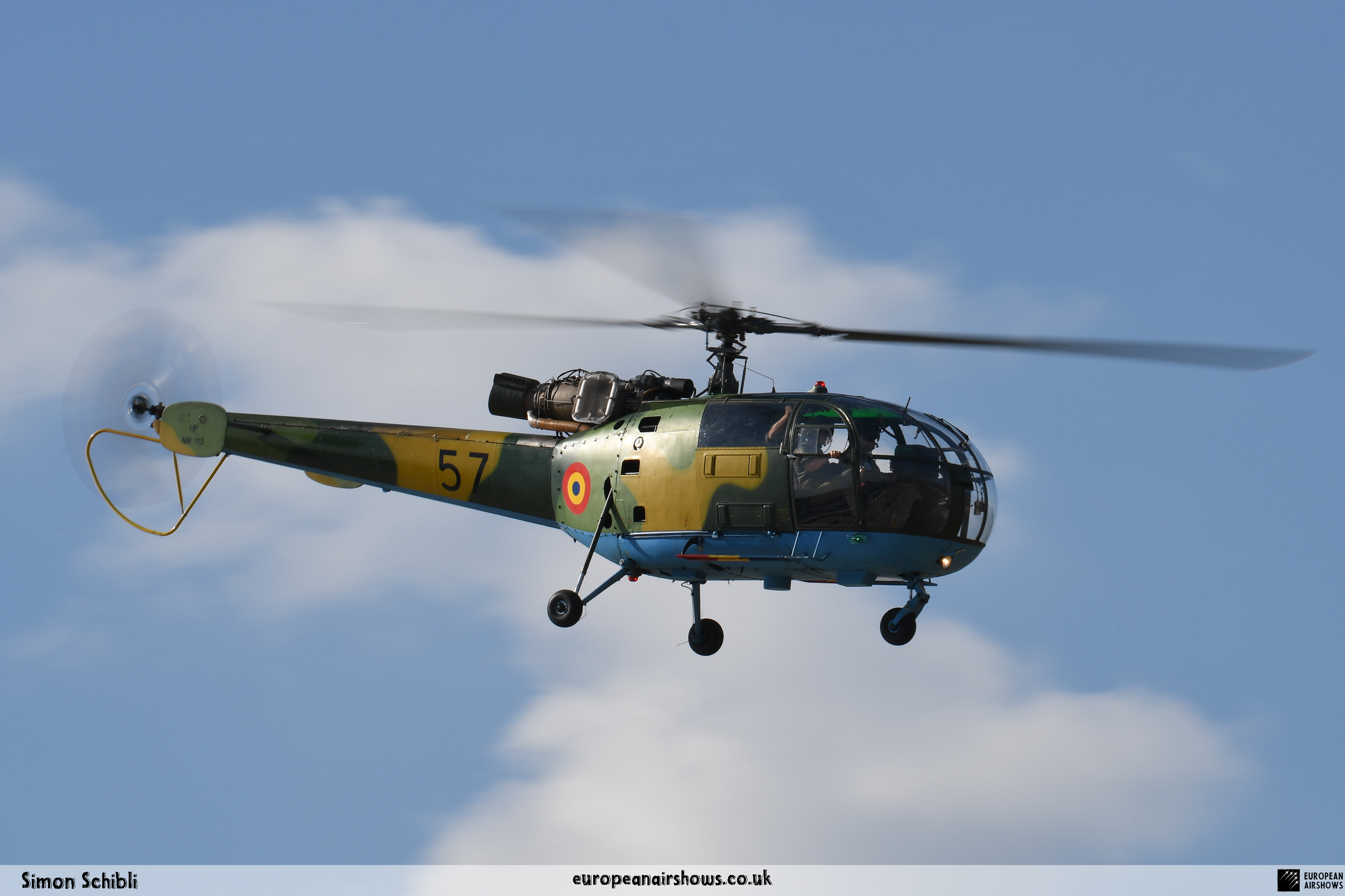
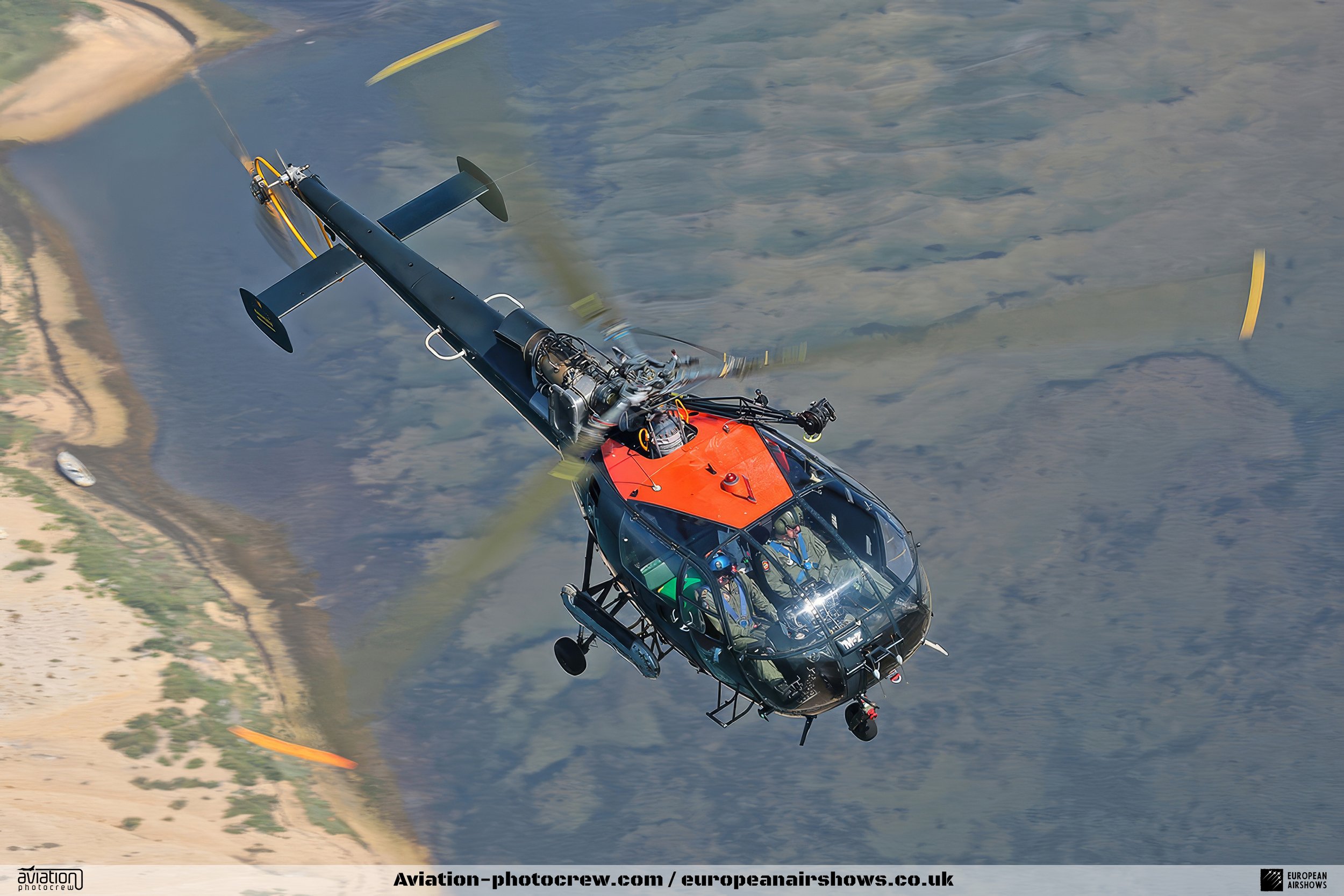
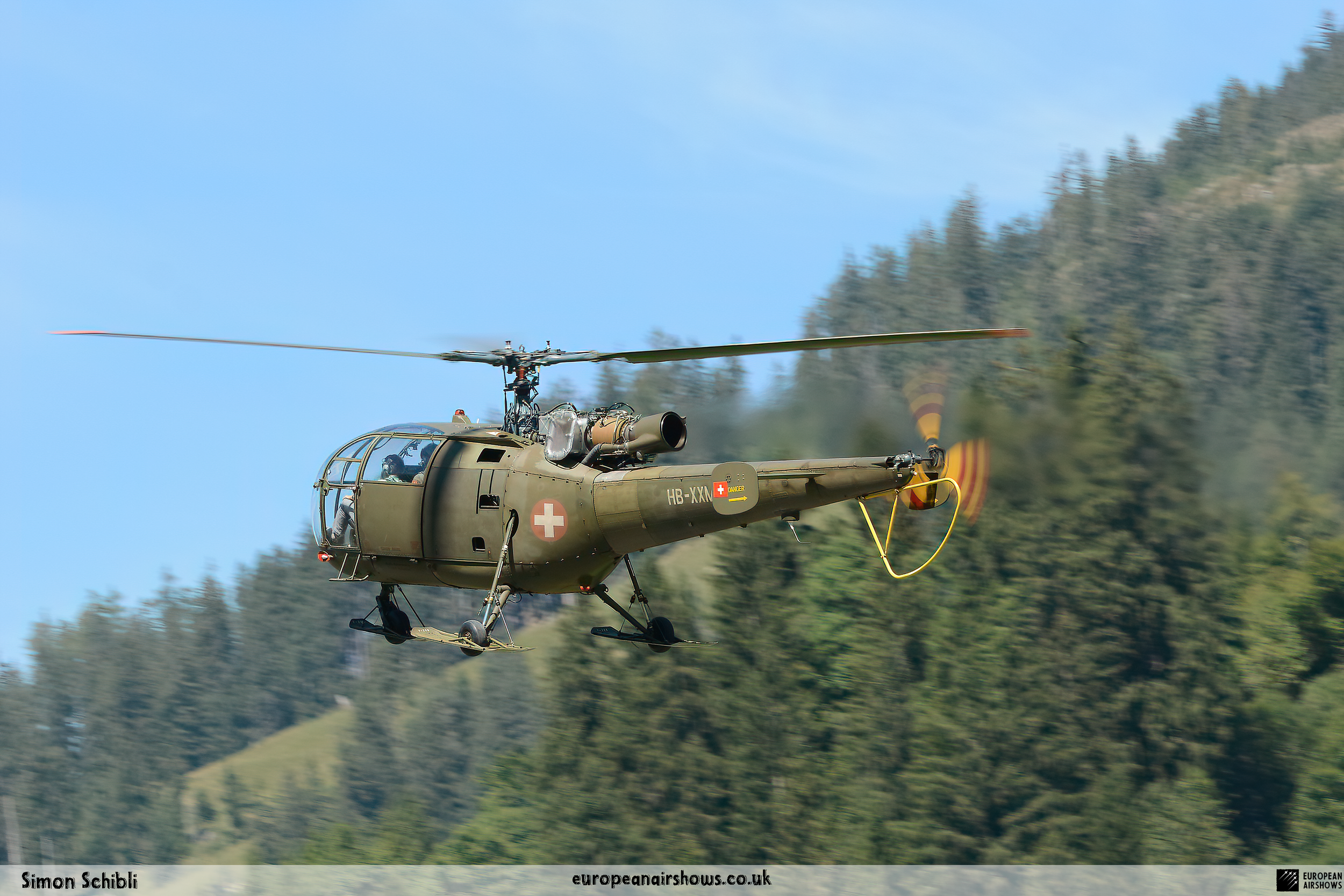
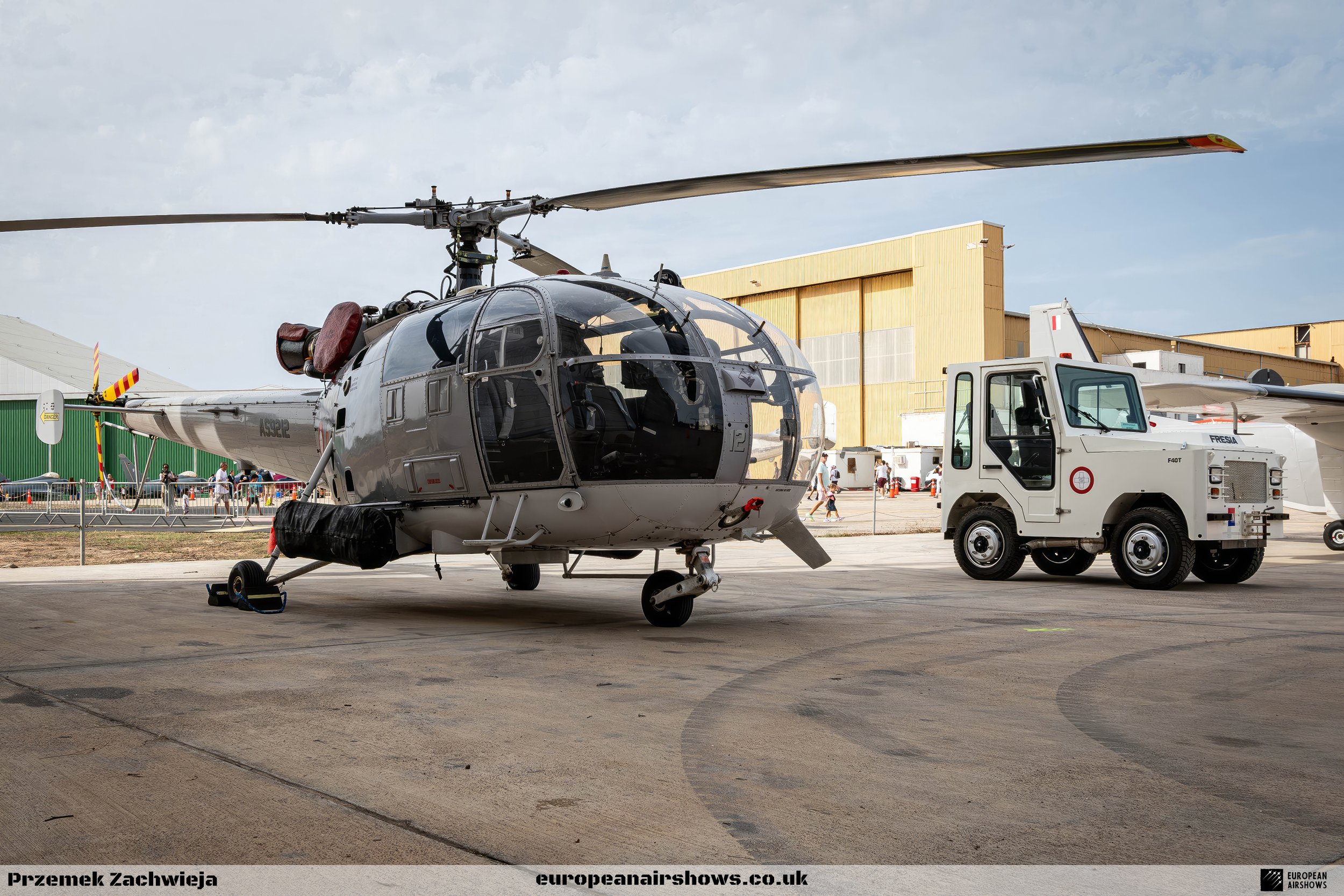
The Alouette III (SA 316/SA 319) is one of the most successful light turbine helicopters of the 20th century—an enlarged, more powerful evolution of the Alouette II with a roomy cabin for rescue stretchers, eight-seat utility layouts, and shipborne operations. First flown on 28 February 1959, it paired a reliable Turbomeca turboshaft with a three-blade, fully articulated main rotor to deliver excellent hot-and-high performance and precise handling.
Series production began in the early 1960s with Sud Aviation (later Aérospatiale) and licensed manufacture by HAL in India as the Chetak. More than two thousand were built for over 30 nations. Its modular layout allowed fast role changes—SAR, medevac, liaison, observation, training, maritime utility, and light attack fits—keeping the type relevant for decades.
Upgrades produced two principal families: the SA 316B with the Turbomeca Artouste IIIB and the SA 319B with the Astazou XIV. Operators valued its benign autorotation, all-round visibility, short-field agility and proven reliability in austere conditions, ensuring service lives that, in some fleets, continued into the 2020s.
Operational Chronicle
A timeline of development, deployment and notable service around the world
Concept & Development
Sud Aviation begins work on a larger, more powerful successor to the Alouette II—retaining the simple, rugged architecture while creating space for medevac stretchers and an eight-seat utility cabin.
Maiden Flight
The prototype SE 3160 (Alouette III) flies on 28 February 1959, demonstrating the advantages of a reliable turboshaft, three-blade rotor and low empty weight for mountain and hot-and-high work.
Service Entry & Exports
Early Alouette IIIs enter French service; exports follow rapidly across Europe, Africa and Asia. The type becomes a standard platform for SAR, liaison and medevac units.
African Conflicts
Alouette IIIs see extensive use in African bush wars—flying troop lifts, CASEVAC and gunship escorts. Door-mounted guns and light weapon fits adapt the airframe to rough, austere theaters.
Alpine & Maritime Rescue
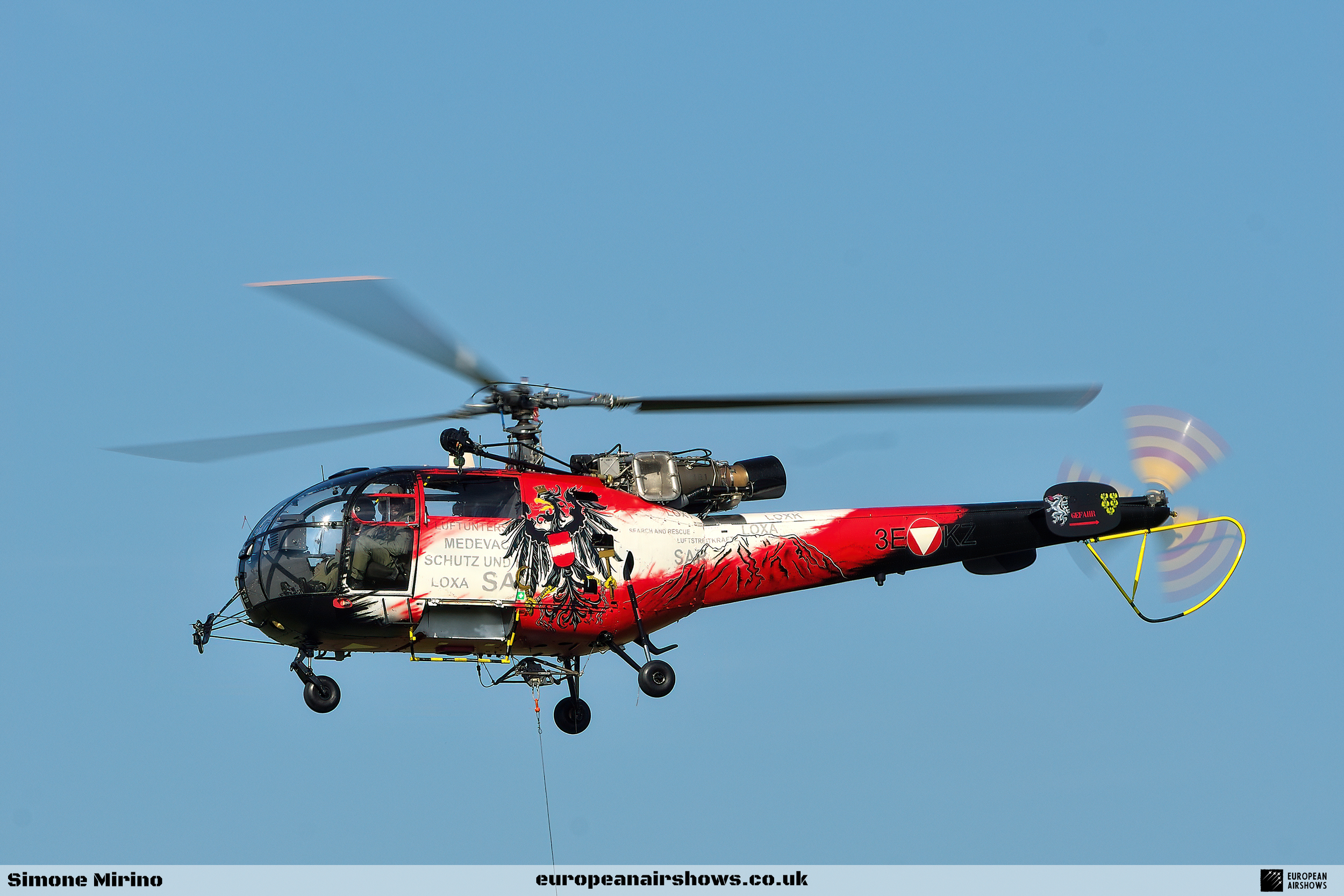
European air arms employ the Alouette III for mountain rescue and maritime SAR. Its benign handling, power reserve and compact footprint make it ideal for cliff, glacier and shipboard operations.
HAL Chetak Production
Licensed manufacture begins in India as the Chetak, supporting large-scale service with the Indian armed forces and extending the design’s life with local upgrades and maritime roles.
Shipborne Operations
Embarked Alouette III/Chetak detachments operate from frigates and carriers for utility, SAR and surveillance—proving the type’s value as a small, versatile naval helicopter.
Production Wind-Down
With more than two thousand built, production ends after a remarkably long run. Many operators continue to fly the type thanks to good parts support and straightforward maintenance.
Long Service Lives
Modernization and careful husbandry keep Alouette IIIs active in training, liaison and rescue duties. Several European operators retire the type only in the 2010s–2020s; others continue limited use.
Historic & Utility Roles
Surviving examples fly with heritage units and in secondary roles worldwide—an enduring reminder of the helicopter that set the template for light turbine utility operations.
Representative Operations
Typical missions and campaigns that defined the Alouette III
Light-lift troop moves, CASEVAC and gunship escort from rough strips and forward bases. Rugged skids, simple systems and door-gun fits made the type highly adaptable in austere conditions.
Mountain rescue on glaciers and cliff faces, often at high density altitudes. The Alouette III’s power reserve, autorotation characteristics and cabin access made it a mainstay of Alpine SAR.
Shipborne detachments on carriers and frigates for plane-guard, medevac, vertical replenishment and patrol—its compact footprint and reliability suited to small decks.
HAL-built Chetaks support a vast range of tasks—training, coastal SAR, liaison and light utility—illustrating the design’s longevity and ease of support in large fleets.
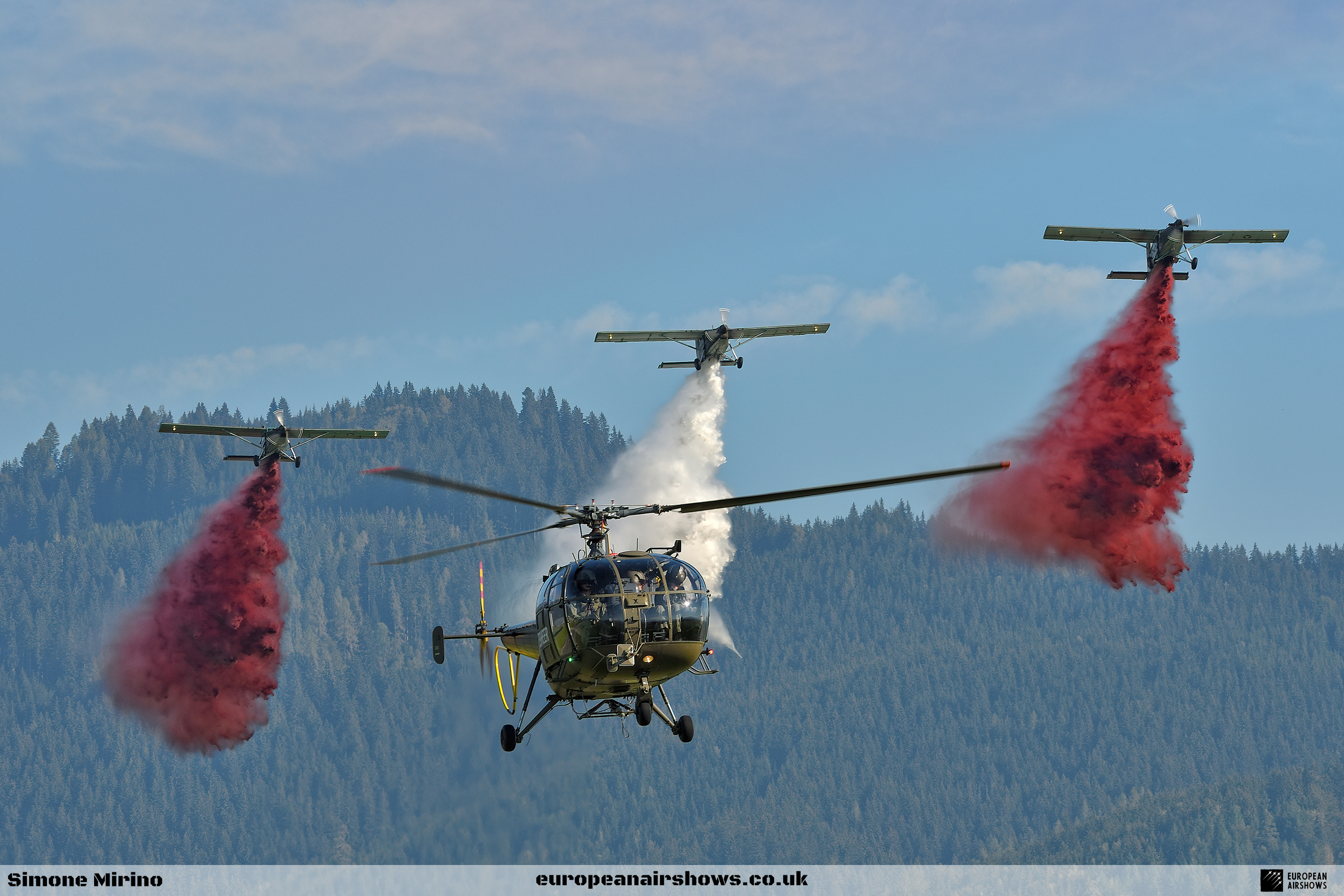
Rapid response after floods, landslides and earthquakes—sling loads, medical evacuation and reconnaissance in areas inaccessible to ground vehicles.
Conversion training, instrument and mountain-flying syllabi, VIP and command liaison—roles that kept the Alouette III indispensable long after newer types arrived.
Service Record
Key milestones and hallmarks of the Alouette III
Technical Specifications
Essential details and characteristics of the Alouette III
Development Story
From Alouette II successor to global light-utility benchmark
Design Aims
Engineers at Sud Aviation set out to retain the simplicity and robustness of the Alouette II while solving space and performance limits. The answer was a stretched airframe with easy cabin access, good all-round visibility and a fully articulated three-blade rotor that gave crisp control and forgiving autorotations.
Power came from Turbomeca turboshafts—most commonly the Artouste IIIB in the SA 316B and the Astazou XIV in the SA 319B—offering solid hot-and-high performance and straightforward maintenance. Operators praised the type’s ability to move quickly between roles with minimal tools and little ground support.
Production & Variants
Series production ramped up in the early 1960s; by the mid-1980s more than two thousand airframes had been completed. The family stabilized around two core variants (SA 316B and SA 319B) with optional rescue hoists, stretchers, floats, door-gun mounts and light weapon kits. India’s HAL produced large numbers as the Chetak, sustaining a vast user community.
Operational Reputation
Whether flying Alpine SAR, coastal plane-guard, disaster relief or bush-war CASEVAC, the Alouette III earned a reputation for reliability, precise handling and benign behavior in emergencies. Many fleets kept the type in front-line or secondary roles for 40–60 years, a testament to the design’s endurance and the ease of supporting it in the field.
Enduring Legacy
A benchmark for light turbine utility helicopters
The Alouette III’s impact is hard to overstate: it professionalised light-utility helicopter operations worldwide, set standards for mountain rescue and shipborne utility, and proved that simplicity plus power equals longevity. From its first flight on 28 February 1959 to continued niche service today, the type’s straightforward maintenance, flexible cabin and trustworthy handling have kept it relevant across generations. Many nations transitioned to newer designs only after half a century of use—an extraordinary service life that cements the Alouette III as one of the most important light helicopters ever built.