
RAF Cosford
Air Show
2026
A superb Rafale, “Sally B” operating from Cosford, strong RAF participation and a thunderous Chinook finale. Despite heavy cancellations, Cosford delivered one of its strongest shows in recent years.
Heavy late cancellations could have weakened the programme, but RAF Cosford Air Show 2026 recovered with the French Air and Space Force Dassault Rafale C, Lockheed Martin F-35B Lightning II hover, Eurofighter Typhoon FGR.4, Army Air Corps Apache and Wildcat display, Boeing B-17G Flying Fortress “Sally B” and RAF Chinook Role Demonstration.
RAF Cosford Air Show has always had a slightly different feel to most other UK events. It is not just an airshow placed on an airfield for one day of flying; it is an RAF station opening itself up to the public, with the engineering schools, museum, training airframes, personnel and operational displays all wrapped into the day. For 2026, that identity was even clearer under the “Engineering the Future” theme.
With the Royal International Air Tattoo not taking place in 2026, Cosford also carried a little more weight than usual. It became the main military airshow in the UK calendar and, despite a difficult run of cancellations in the weeks and days before the event, the organisers still delivered one of the longest and most varied RAF Cosford flying displays in recent years.
The weather was kinder than the early forecast had suggested, though not perfect. The day began with low cloud and quite flat light, which made the opening displays difficult for photography. For much of the day, Cosford’s usual problem remained: the sun sits on the wrong side of the display line, so even when conditions improved the light could be awkward. Later in the afternoon the cloud lifted, the sky opened up in places and the light became far more usable, especially for the later warbird and helicopter items. It was never a perfect blue-sky day for photographers, with haze and changing cloud making exposure awkward, but for the general public it felt warm, bright and very comfortable.
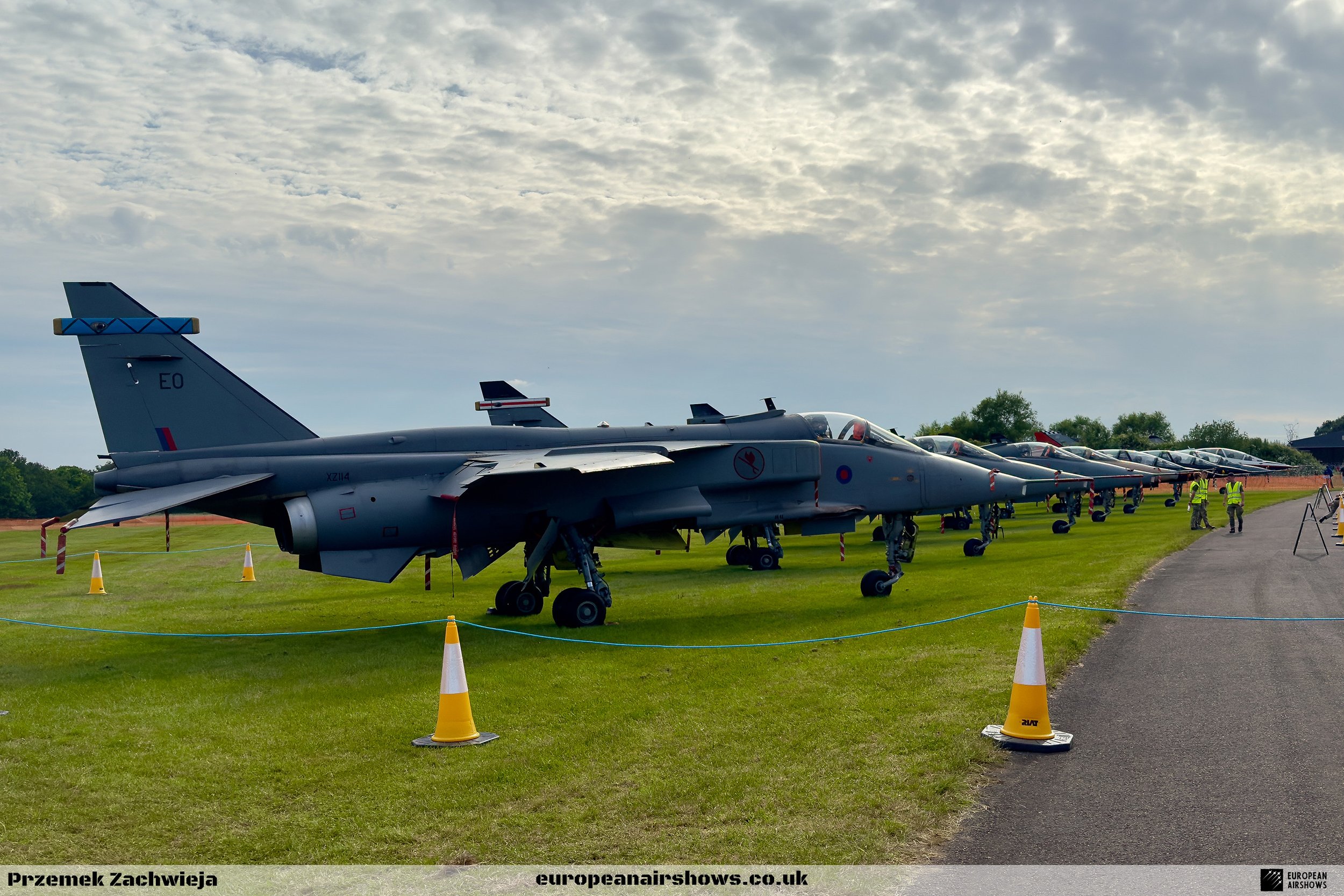
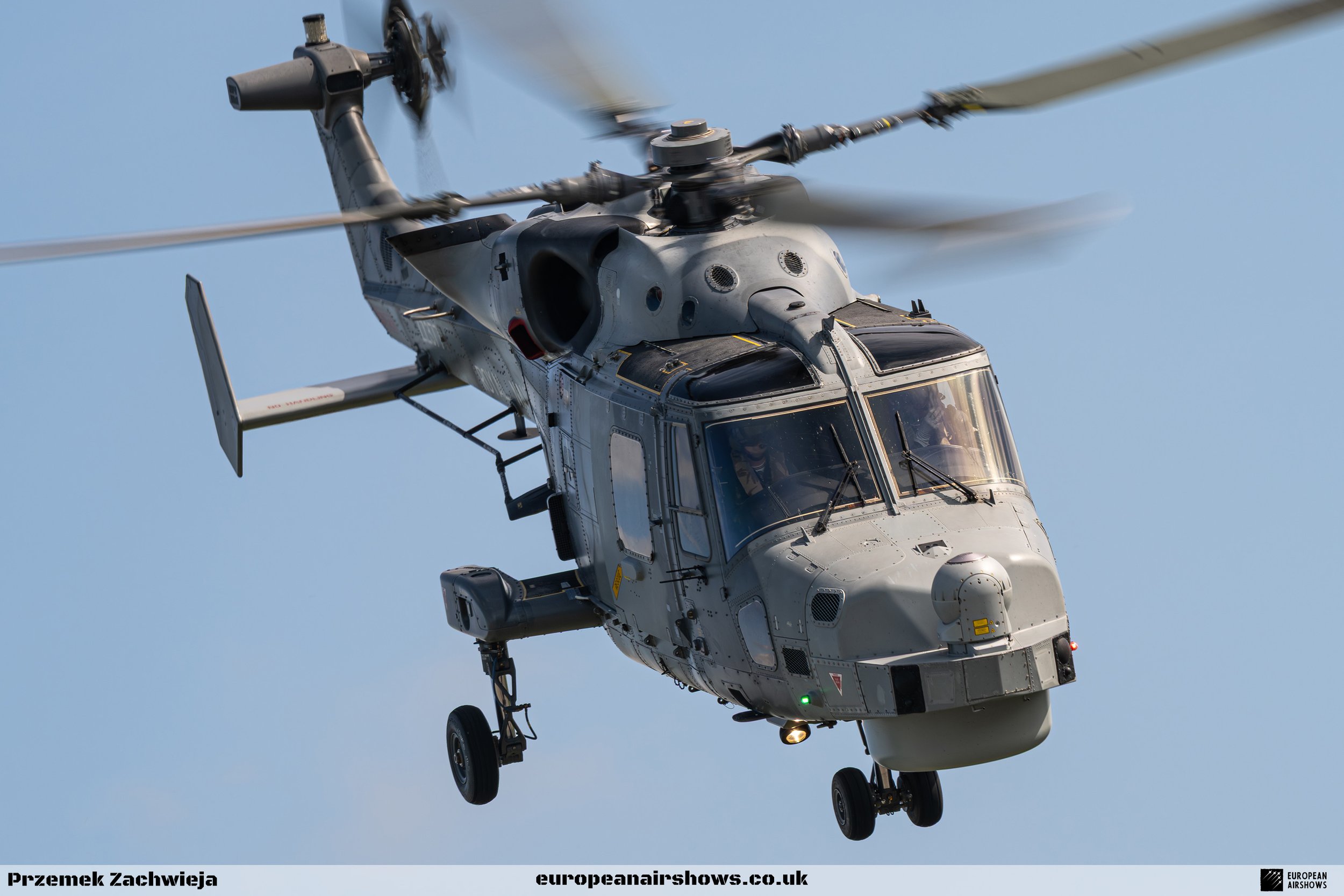
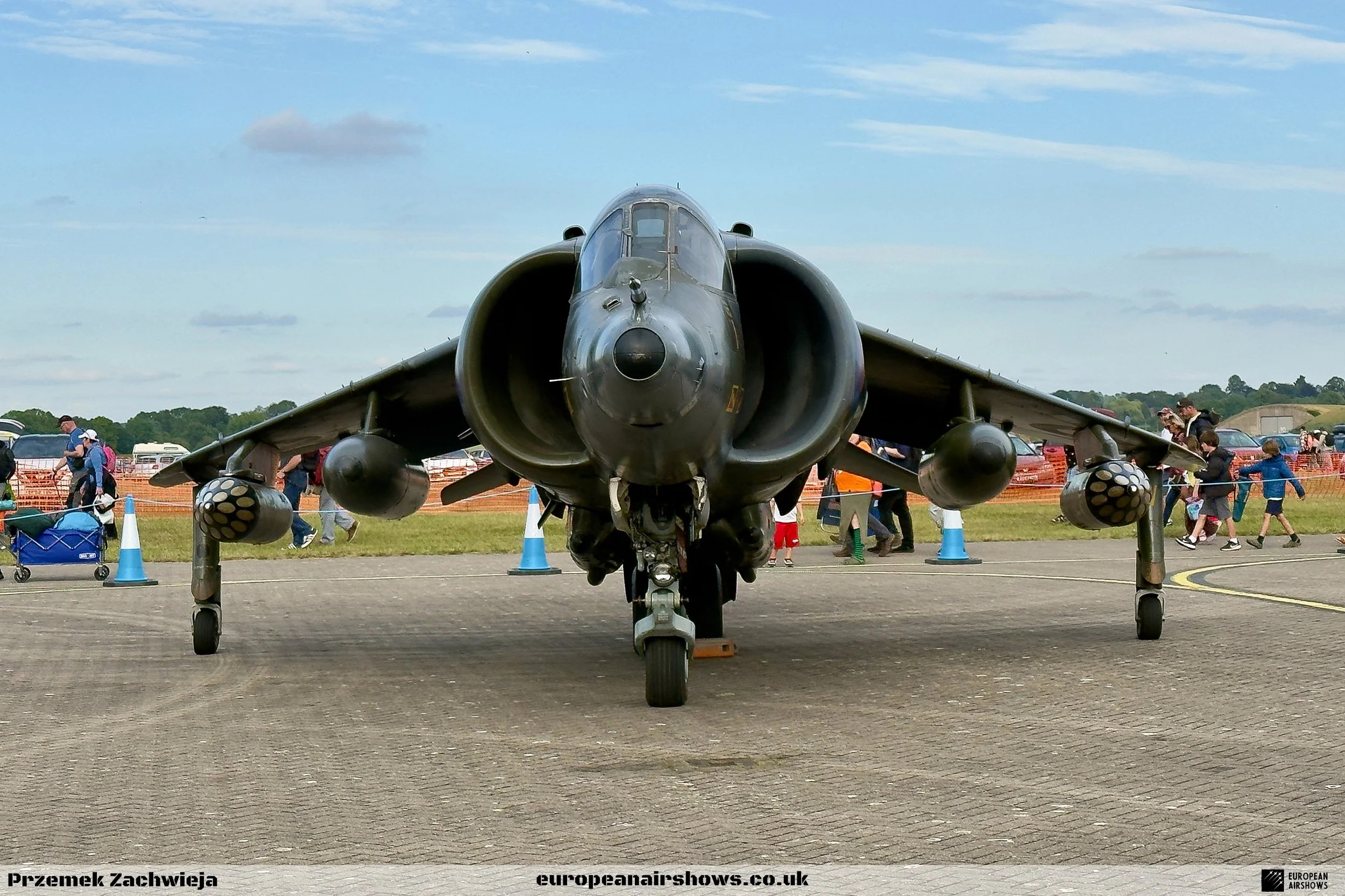
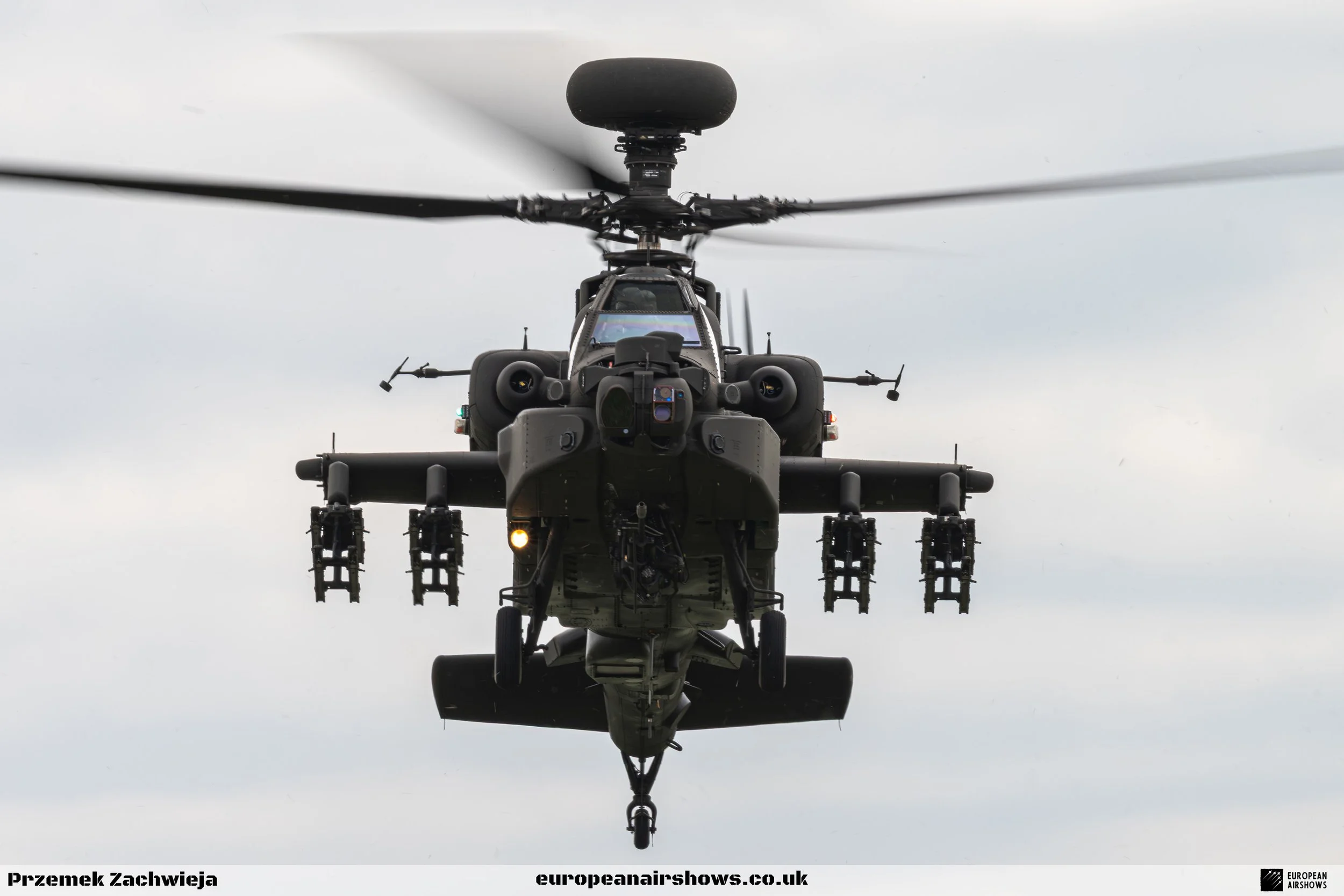
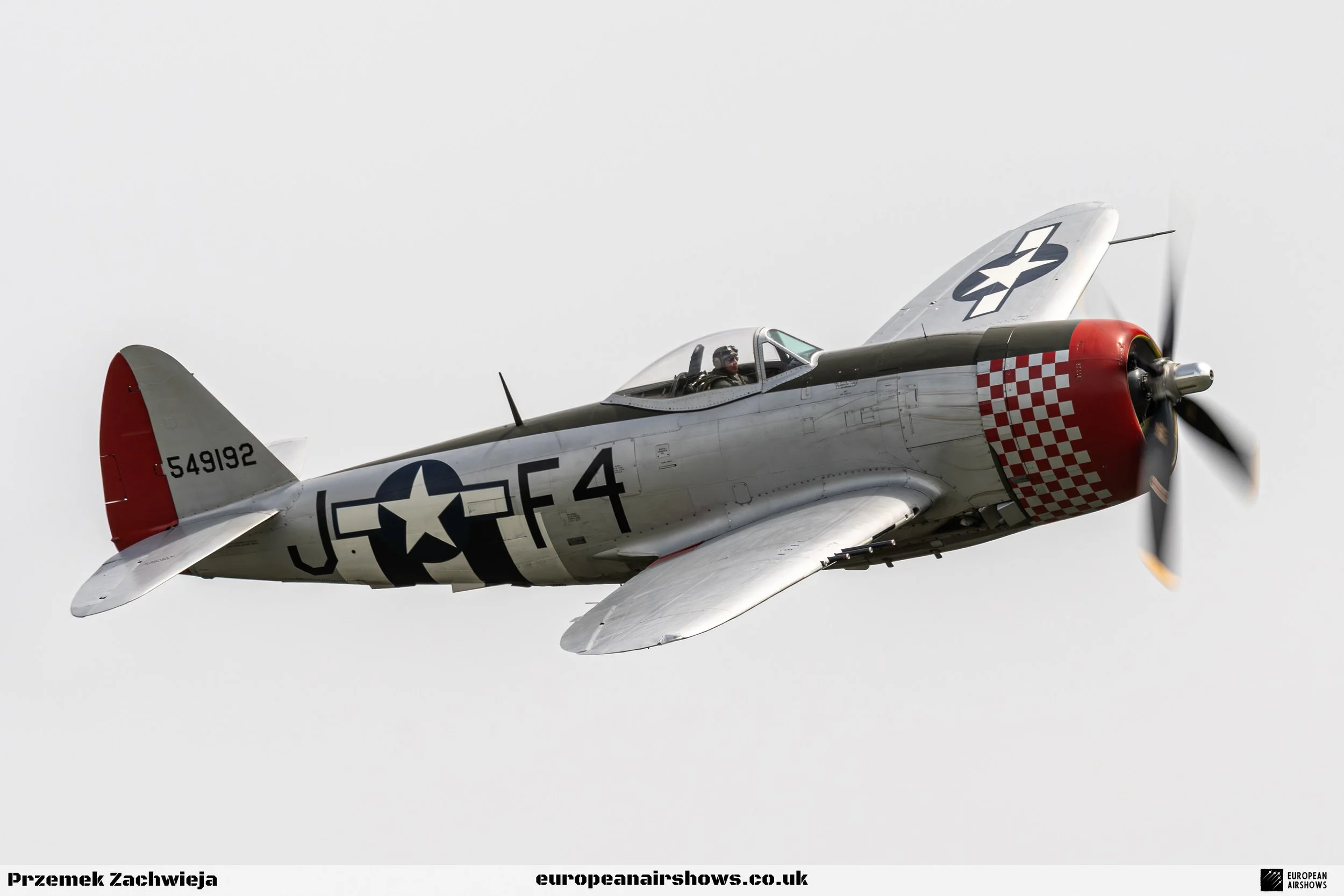
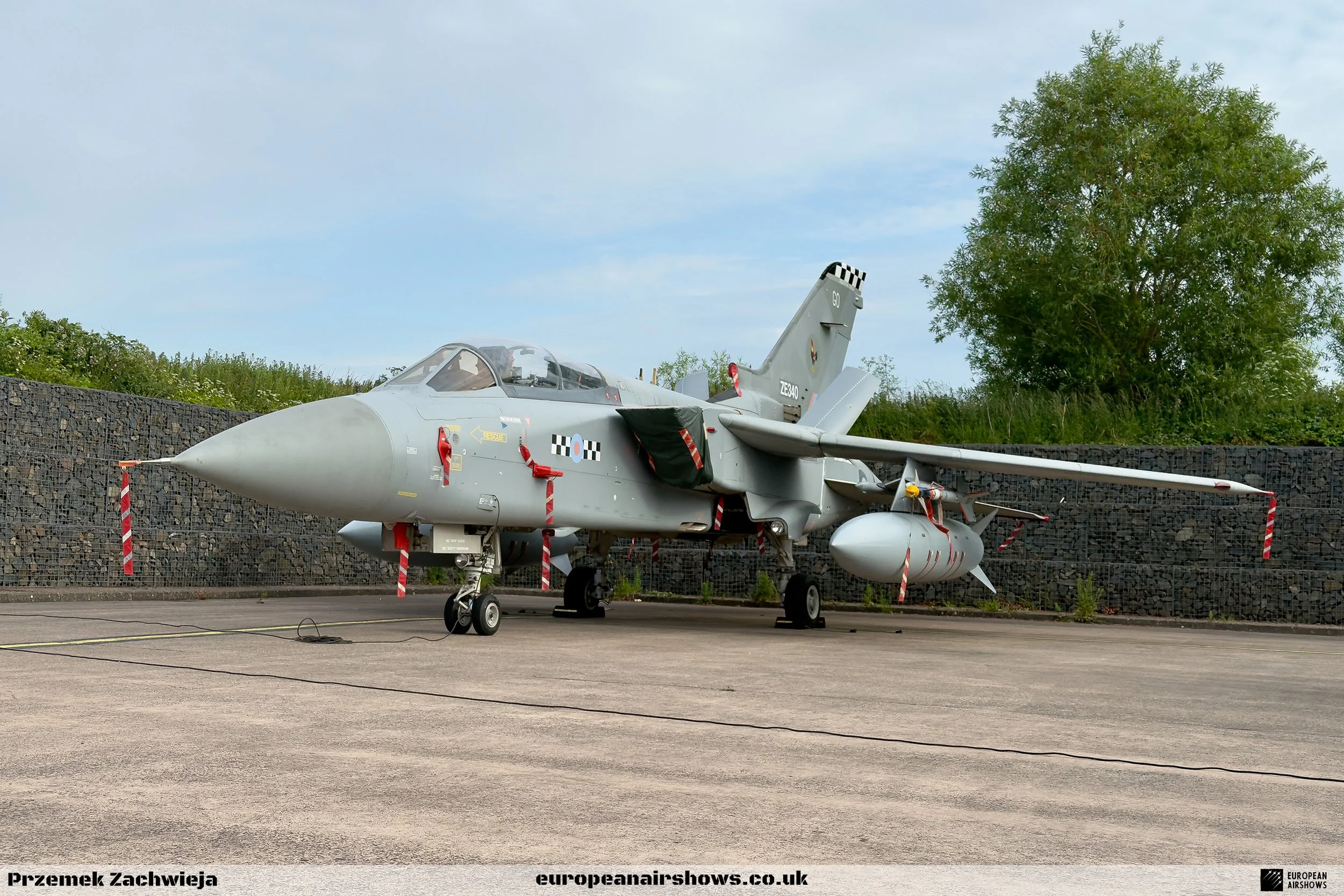
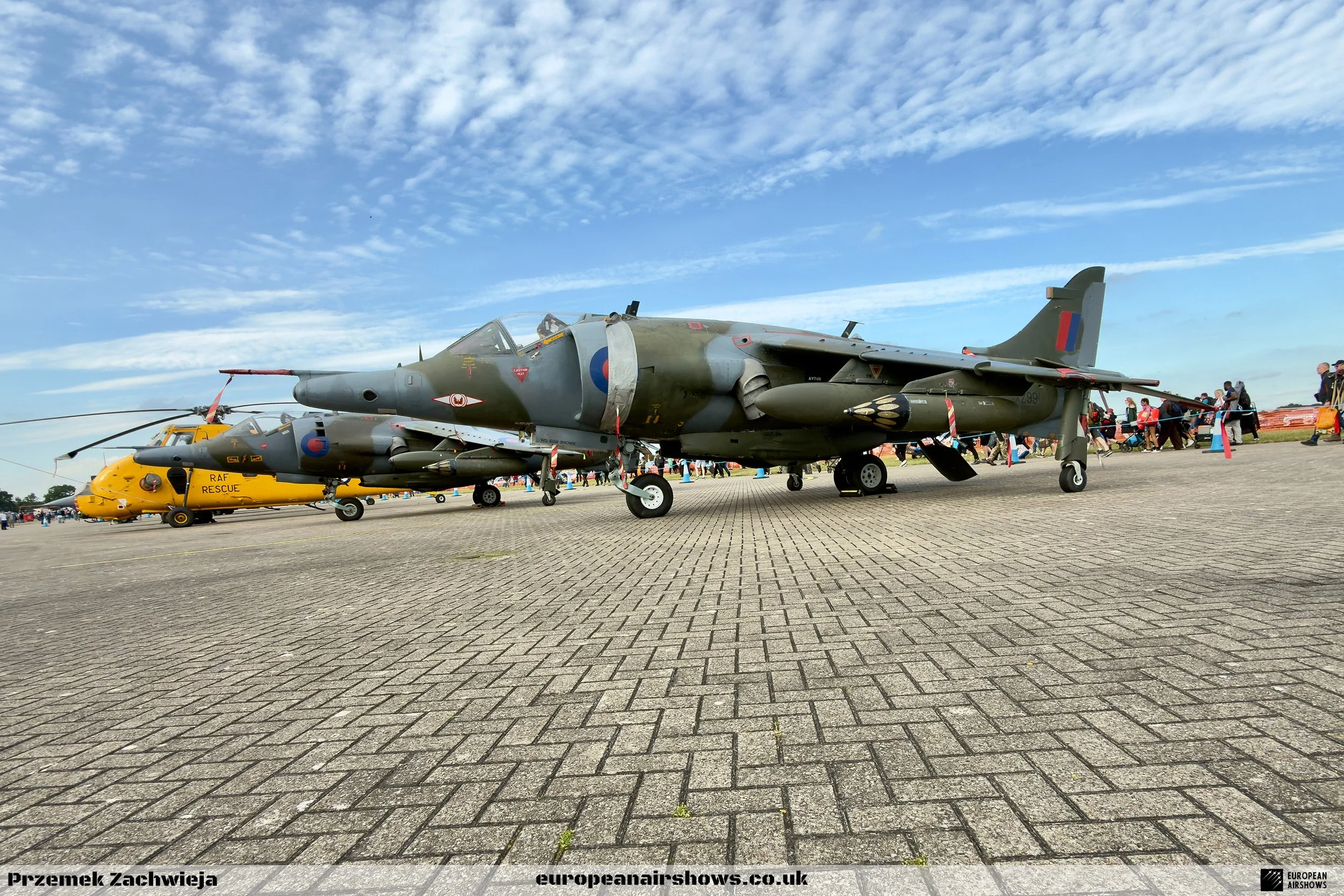
The static display at Cosford is never just about visiting aircraft. The station’s own training aircraft are a huge part of the attraction, and in 2026 they gave the ground display a very strong Cosford identity.
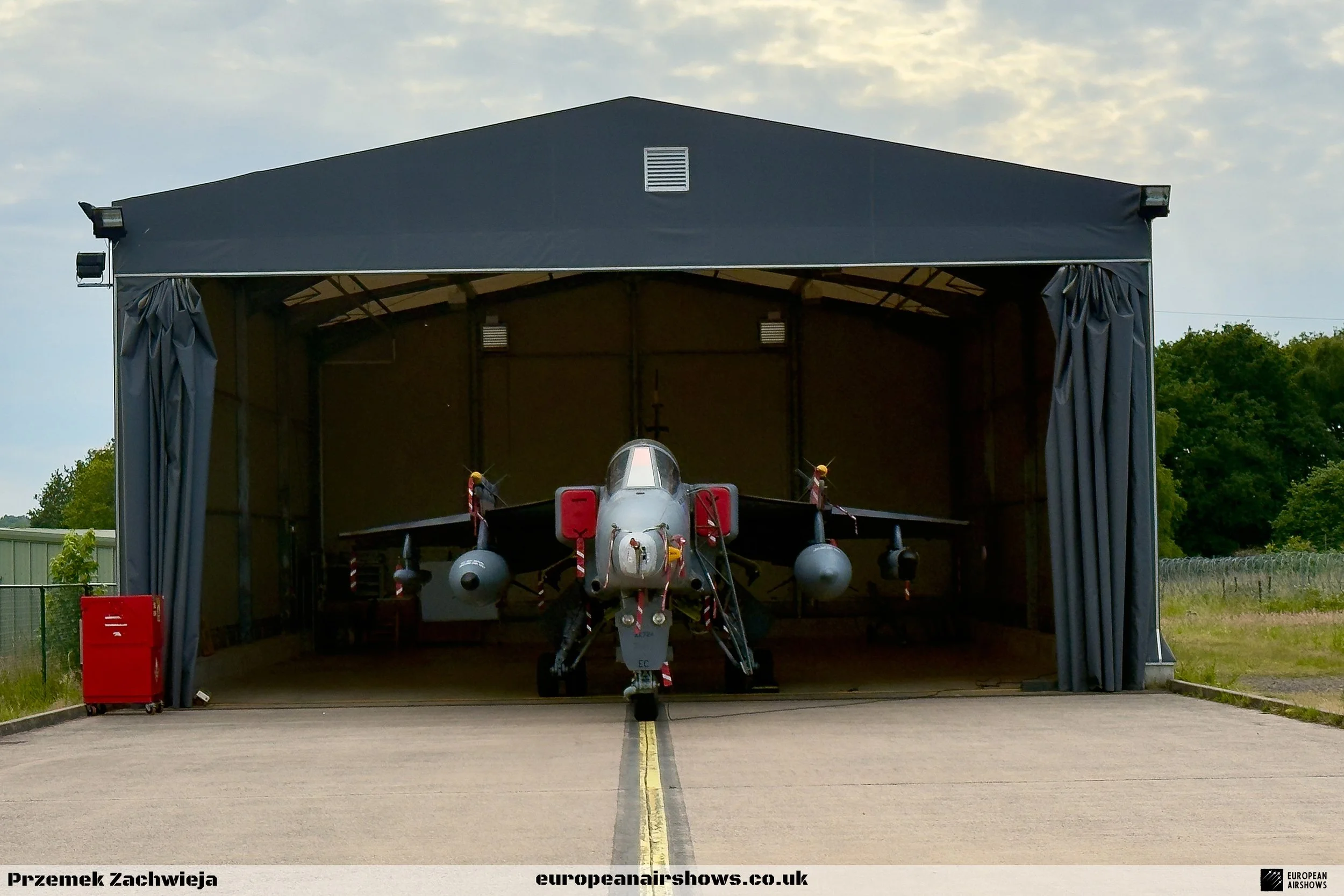
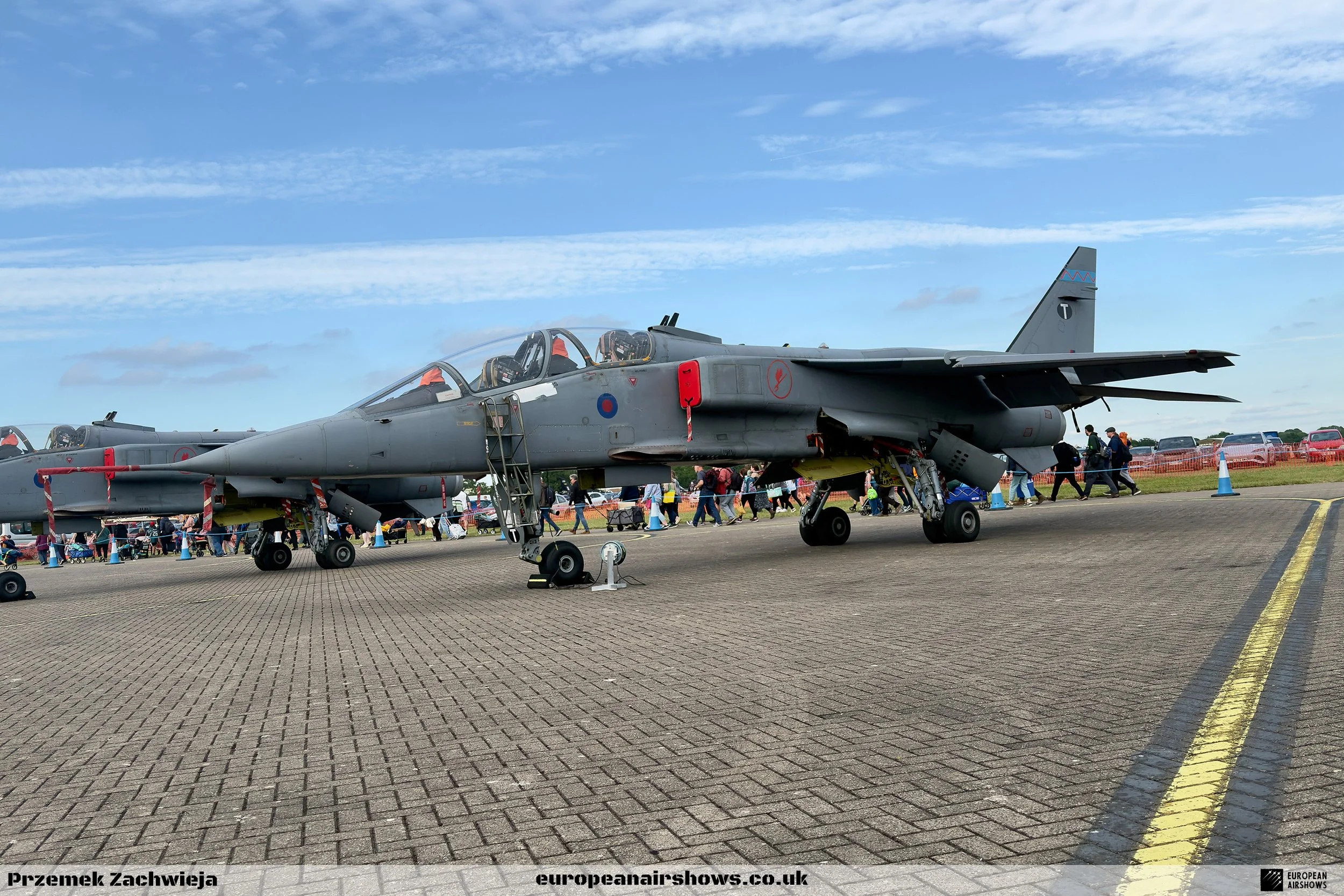
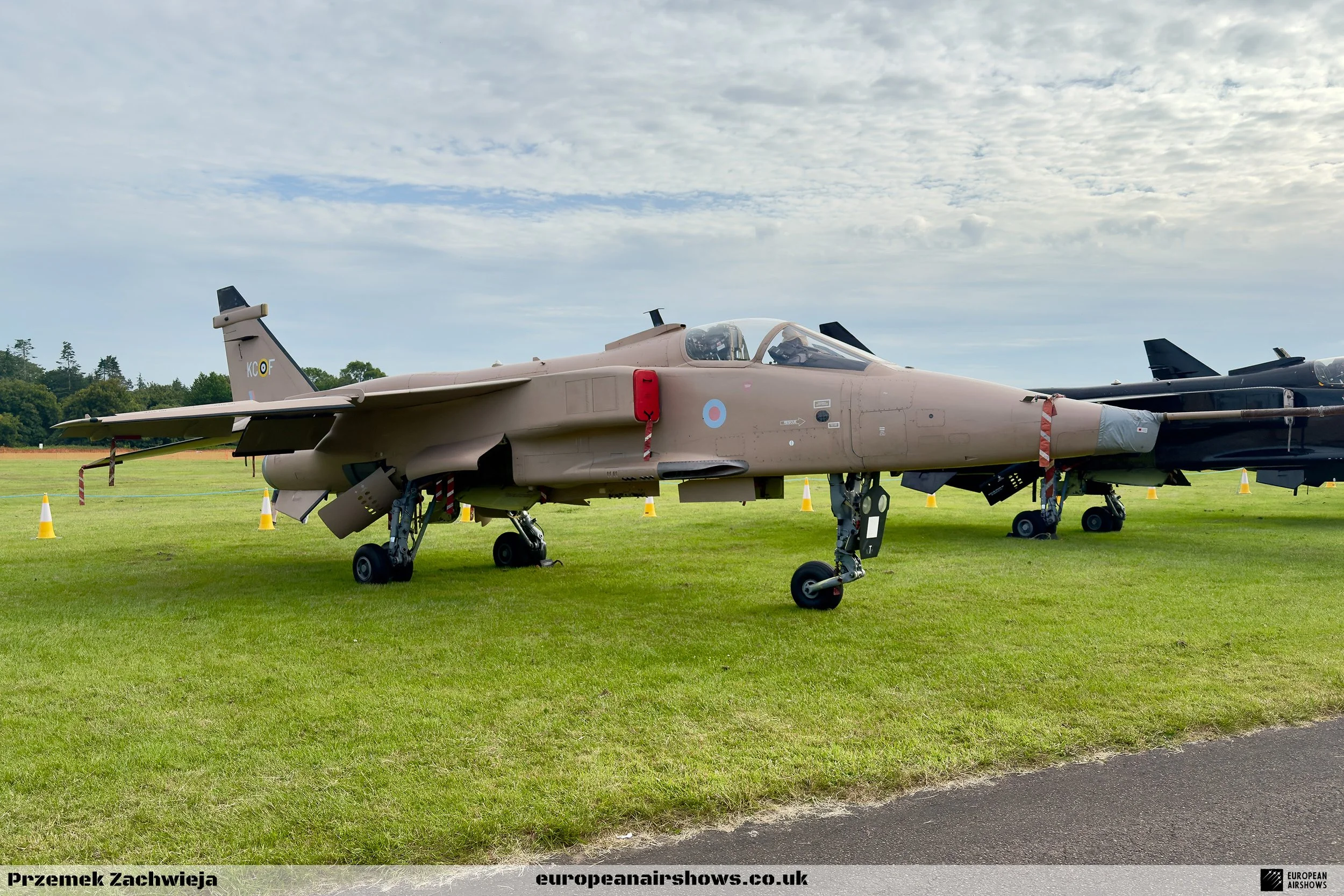
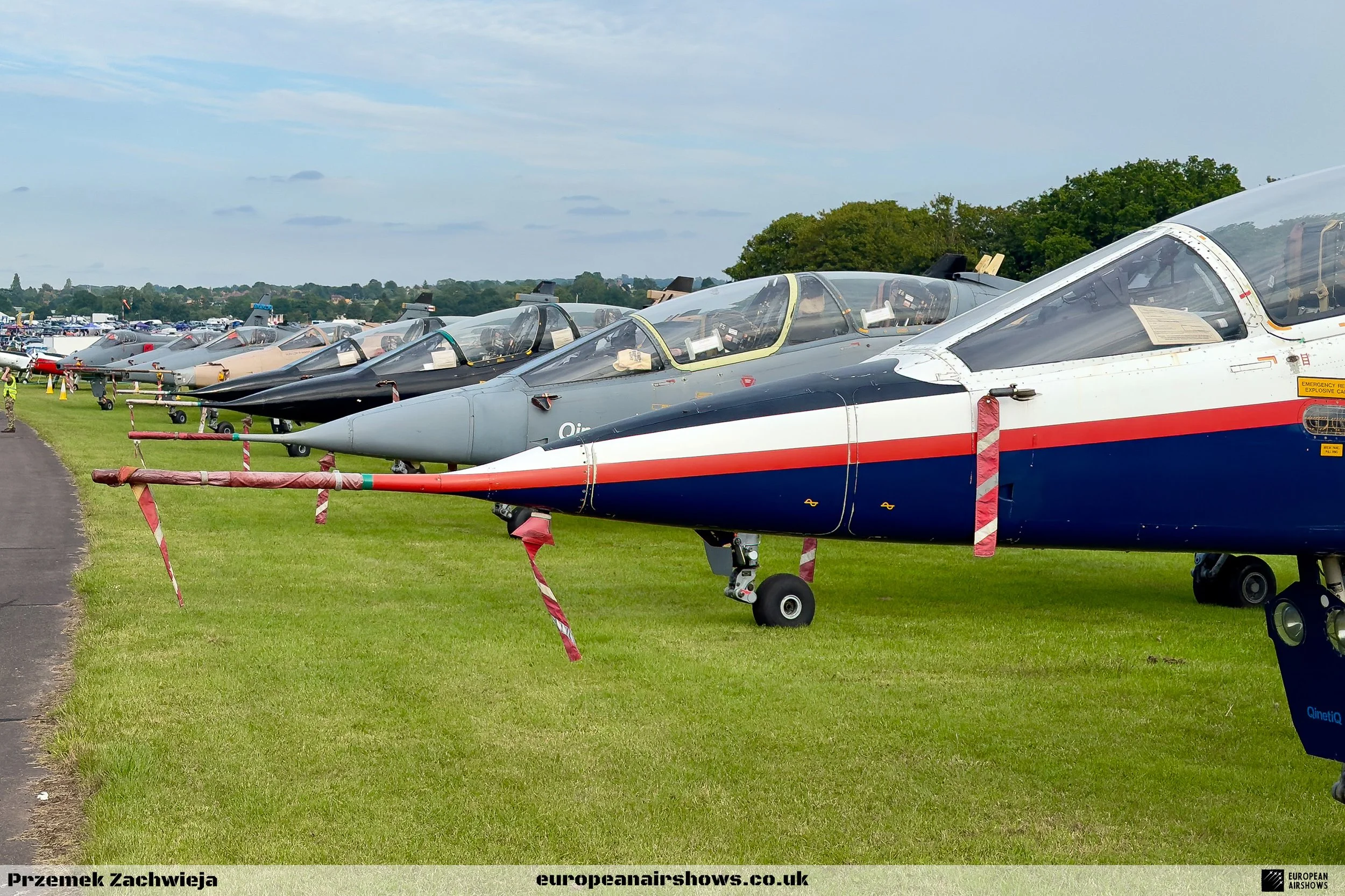
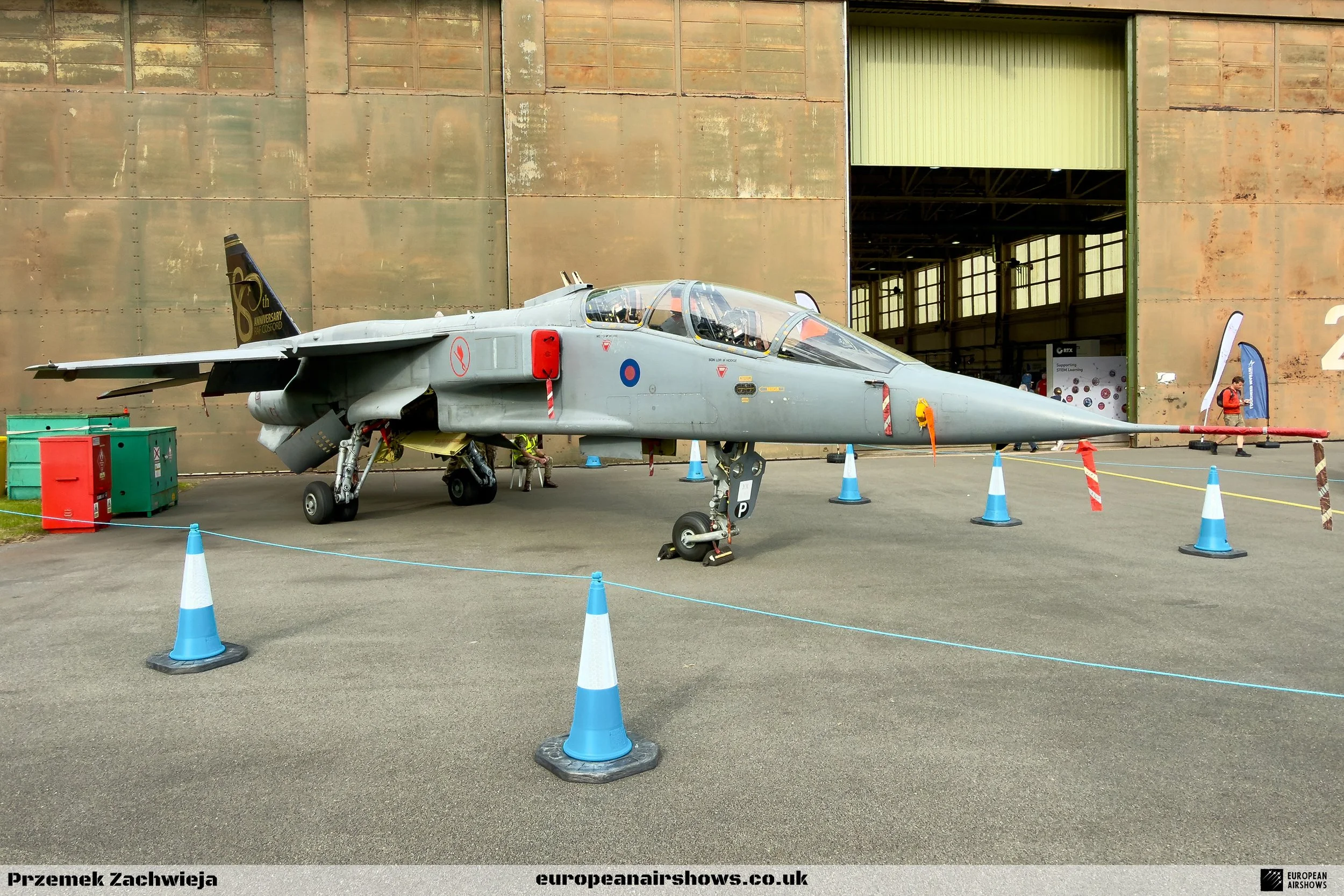
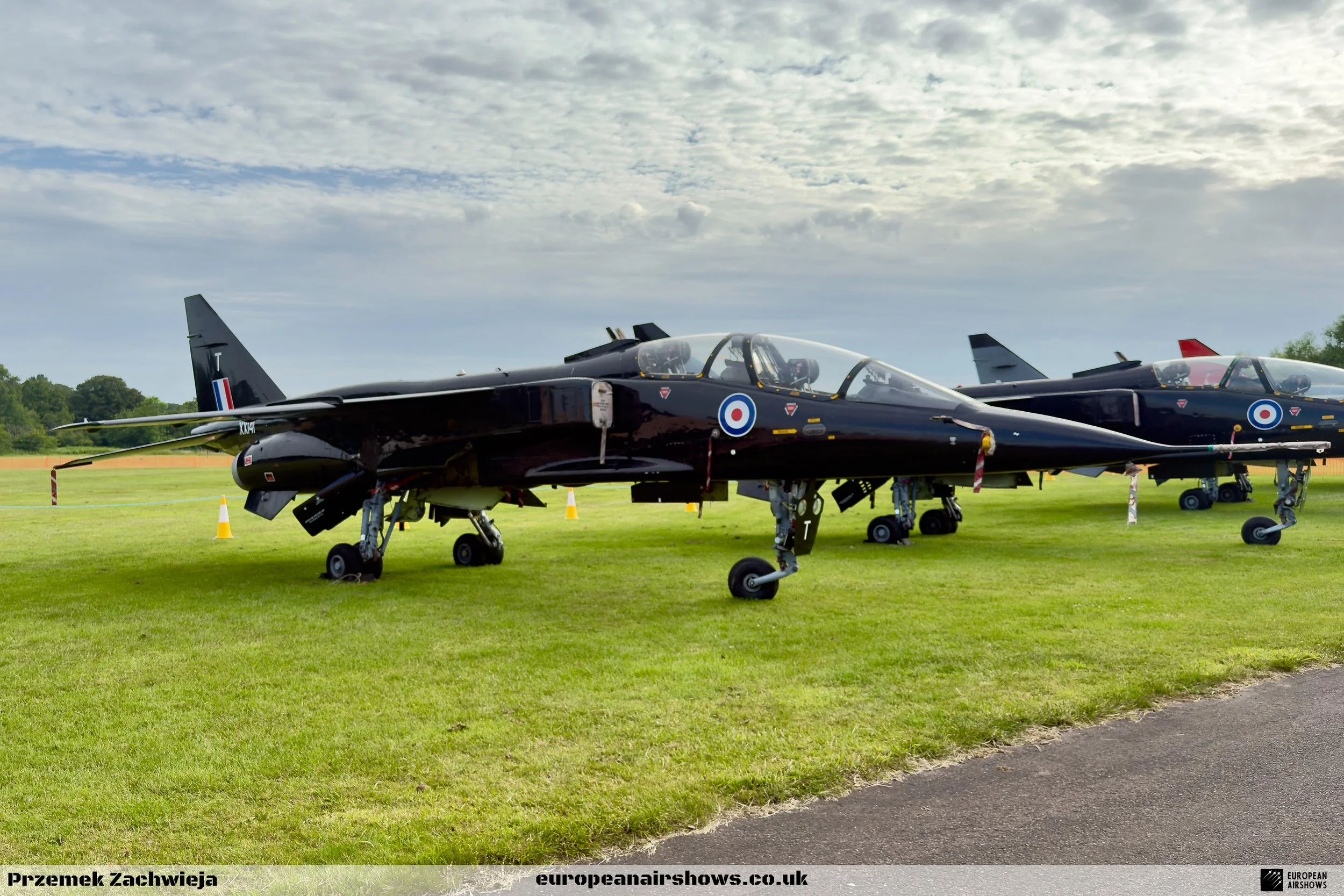
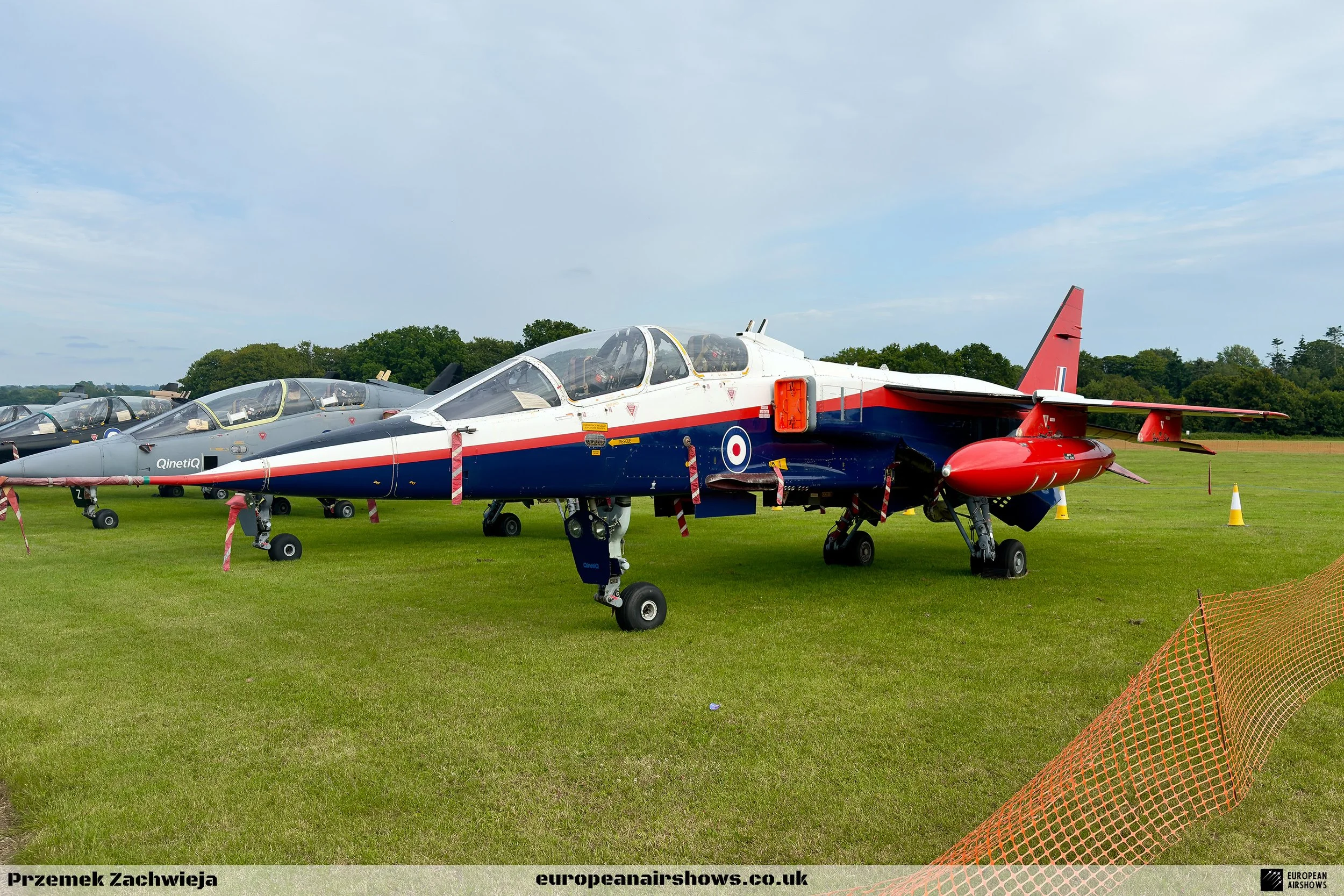
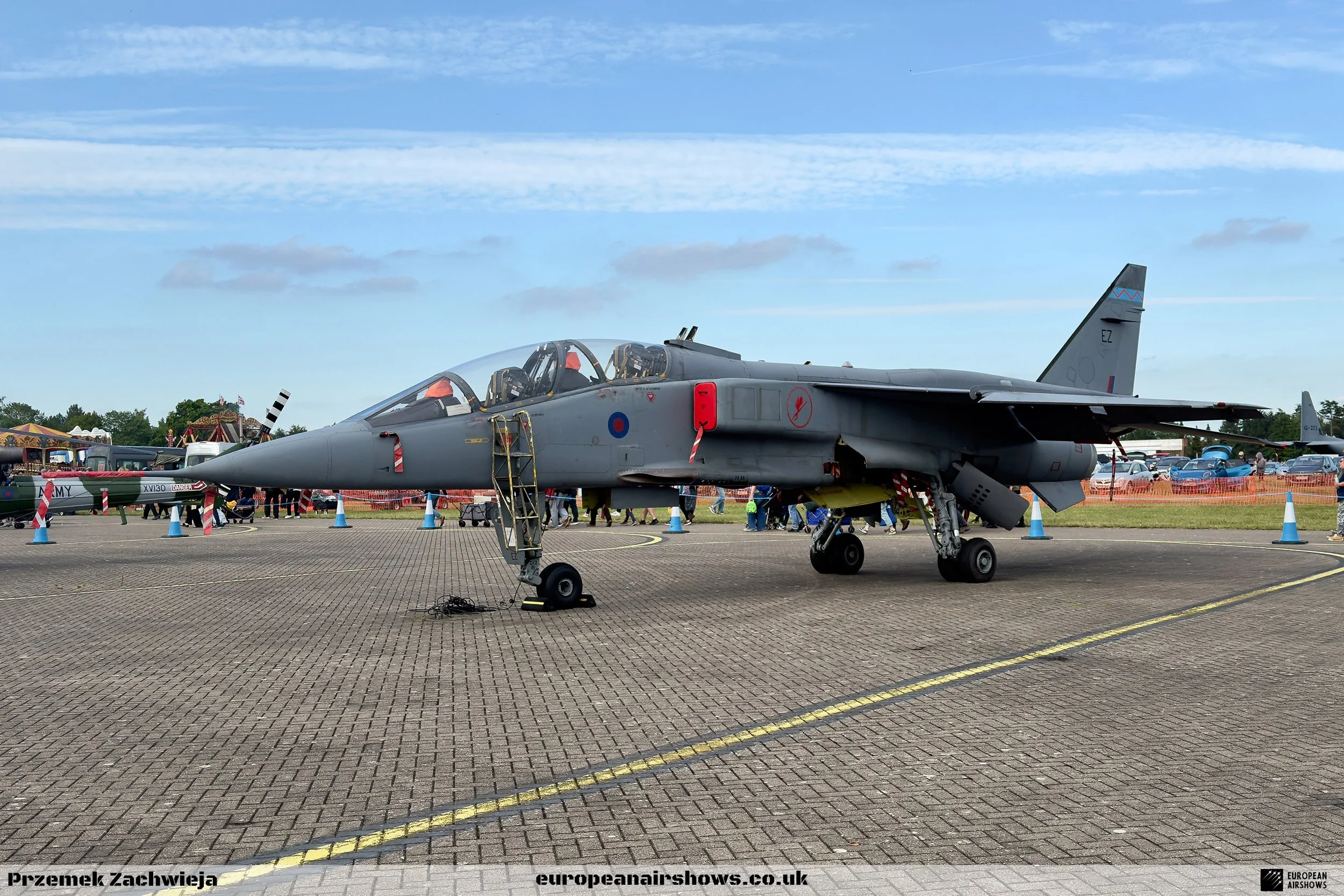
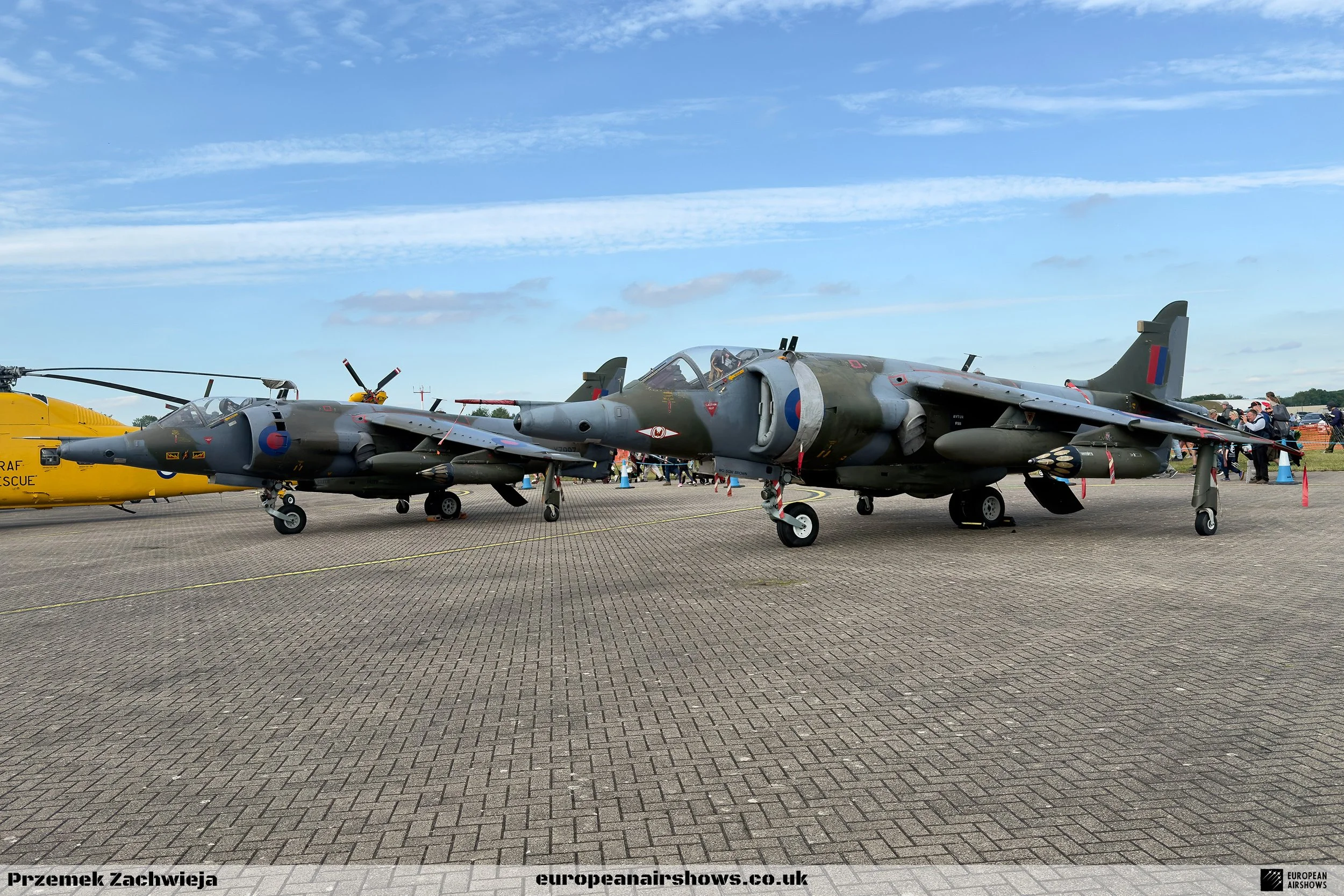
The most obvious feature was the sheer number of SEPECAT Jaguars from RAF Cosford and No. 1 School of Technical Training. They were spread across the airfield and around the hangar areas, giving enthusiasts plenty to look at beyond the main static line. One Jaguar was presented in a fully armed configuration inside the hangar, which gave the type a much more operational feel rather than simply appearing as another retired RAF fast jet. The Jaguars are no longer flying, but at Cosford they still have a job to do, training the next generation of RAF engineers and technicians.
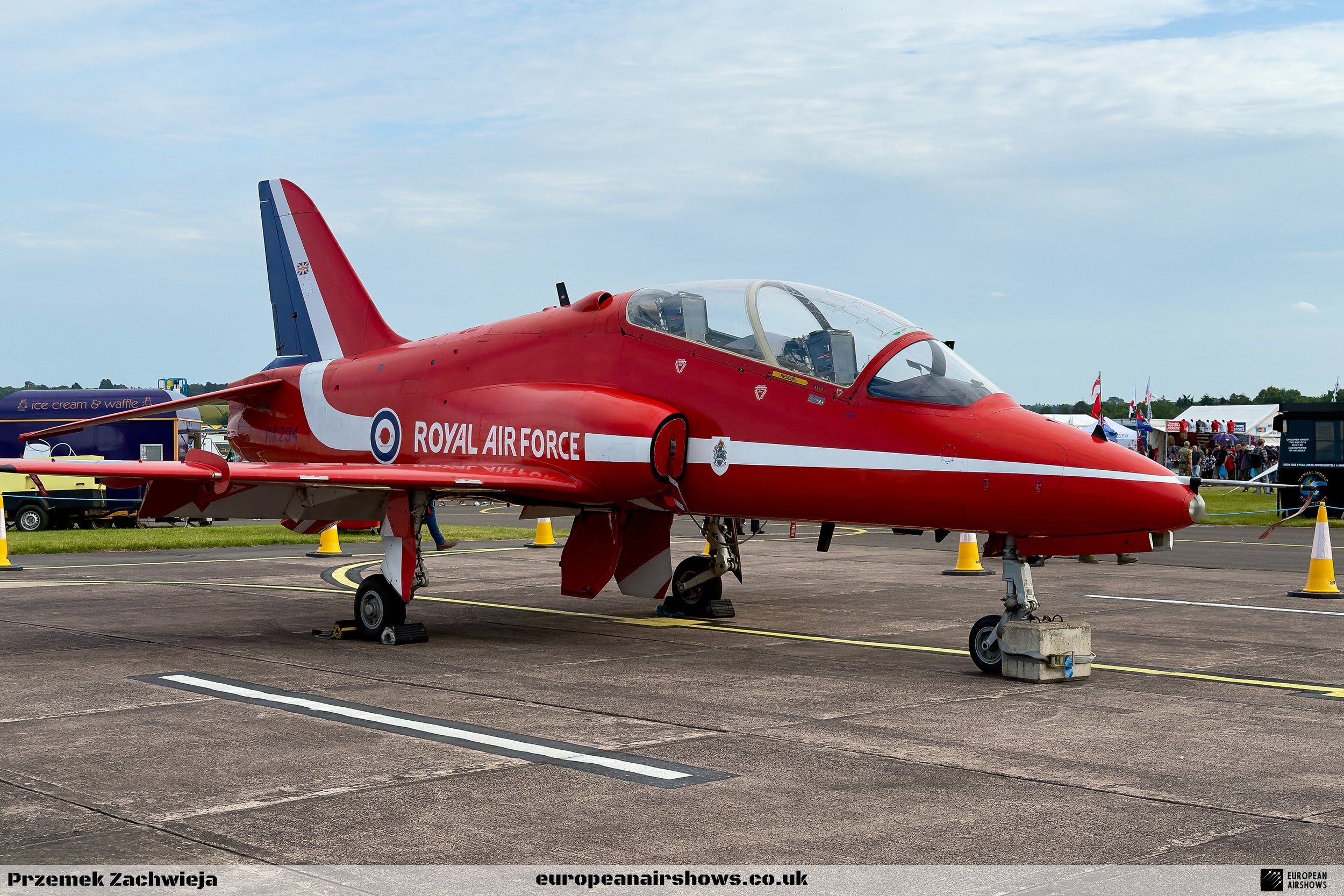
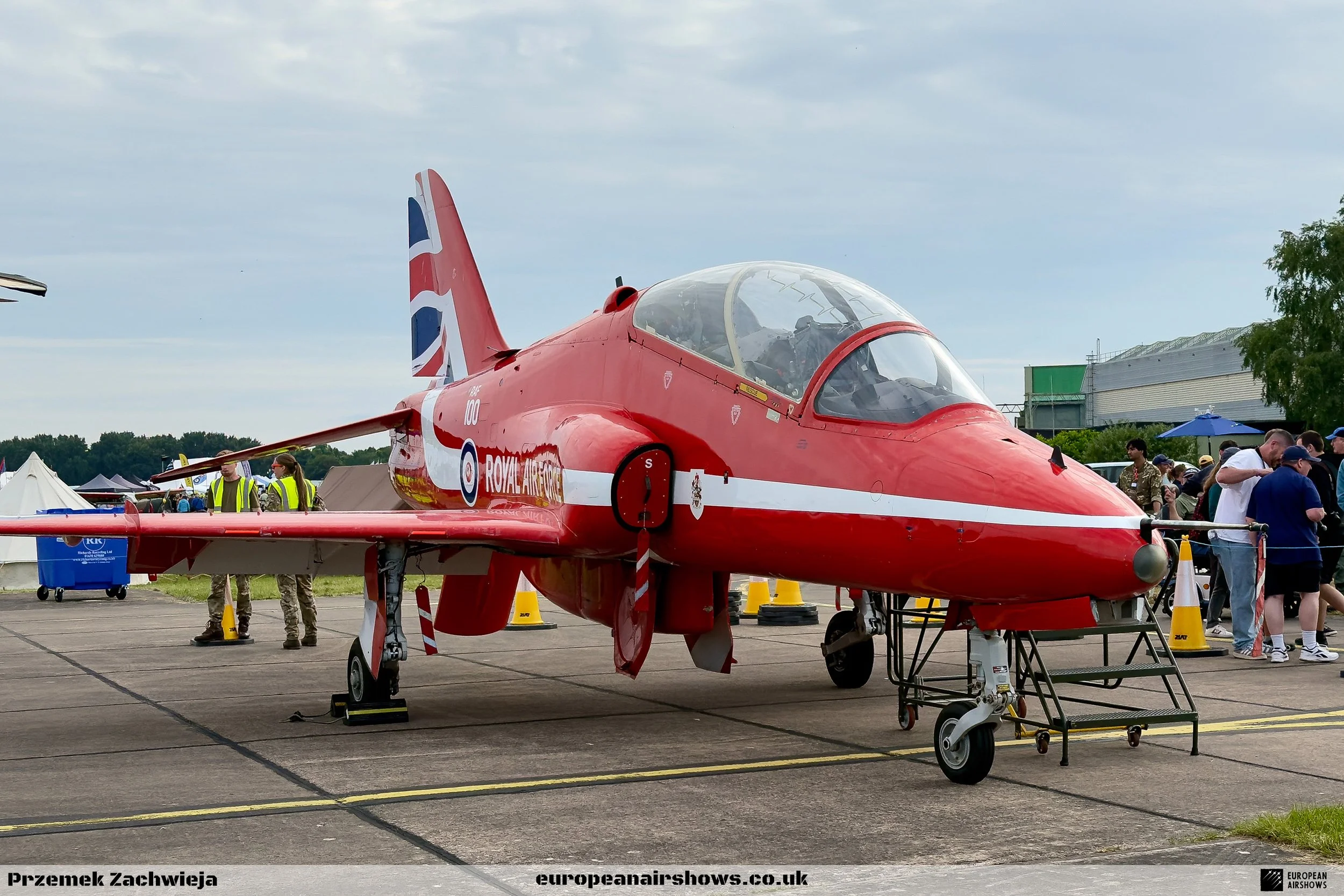
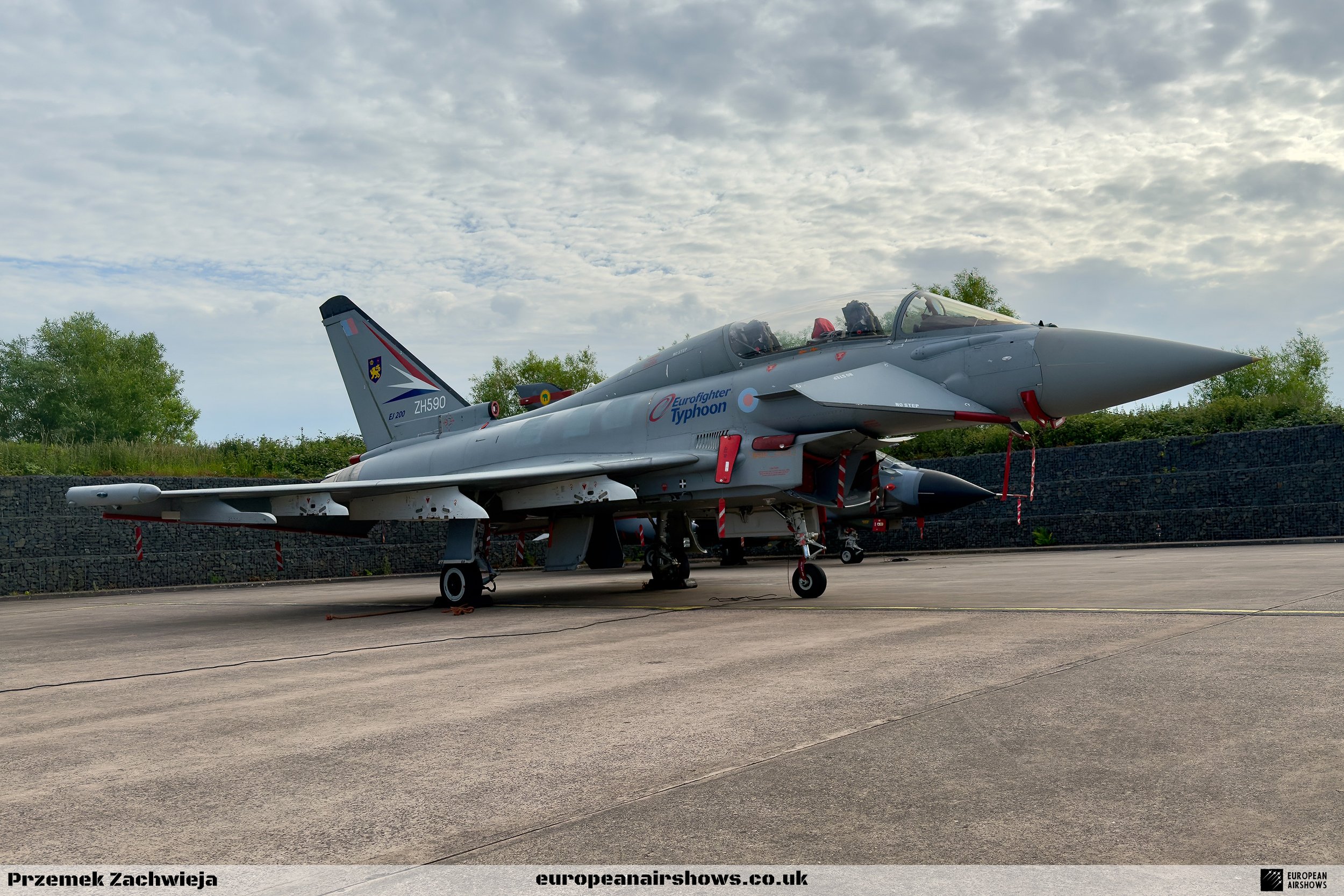
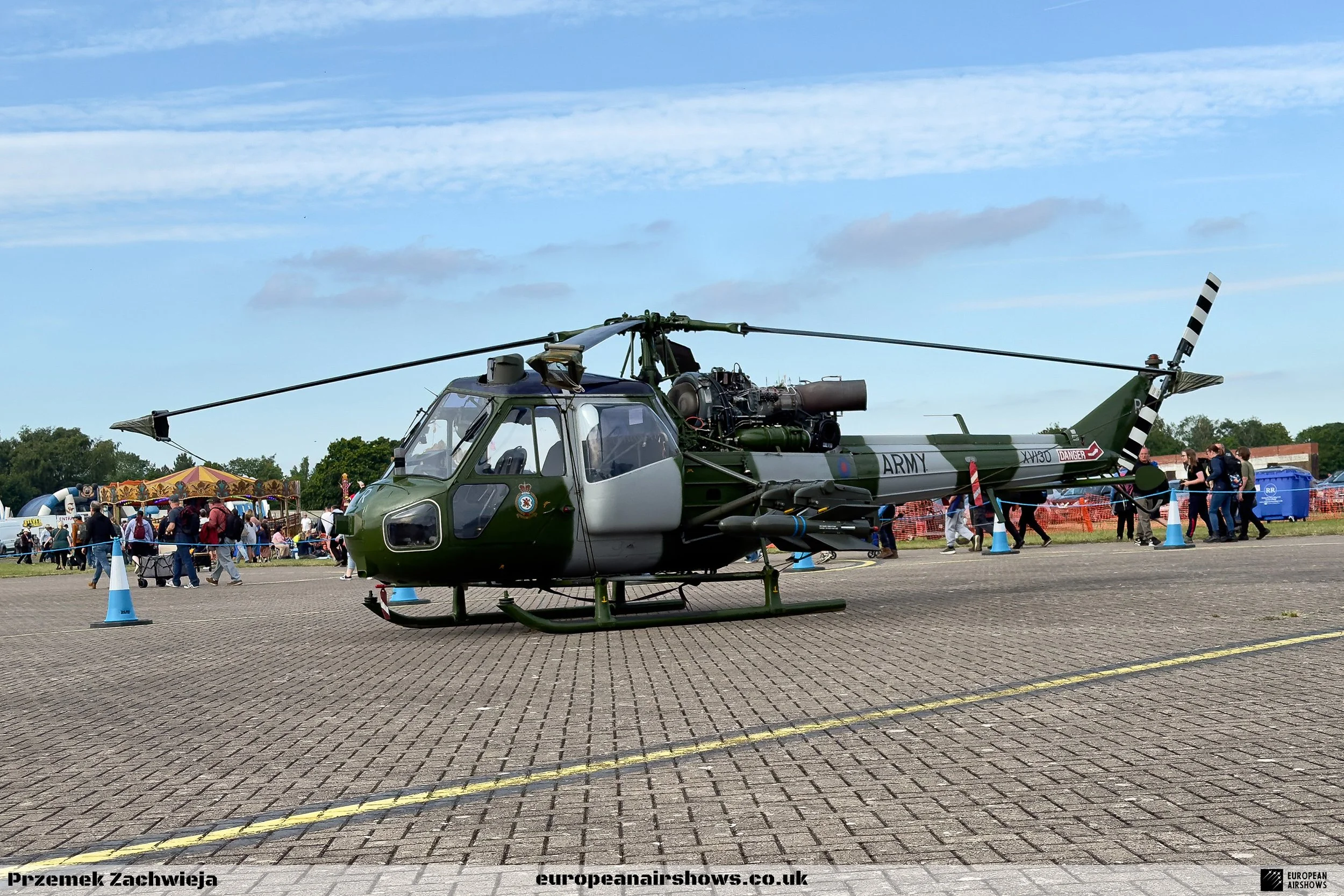
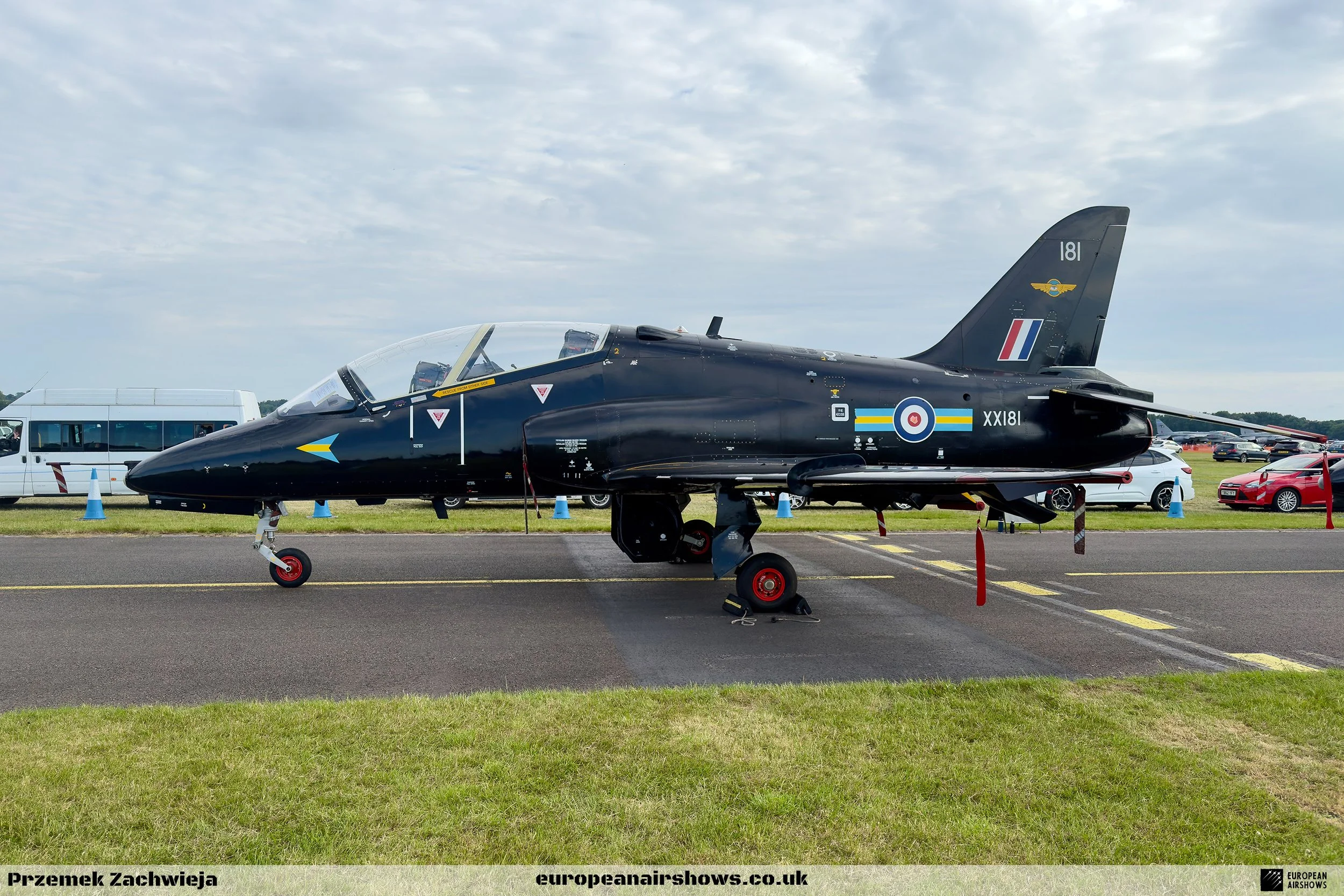
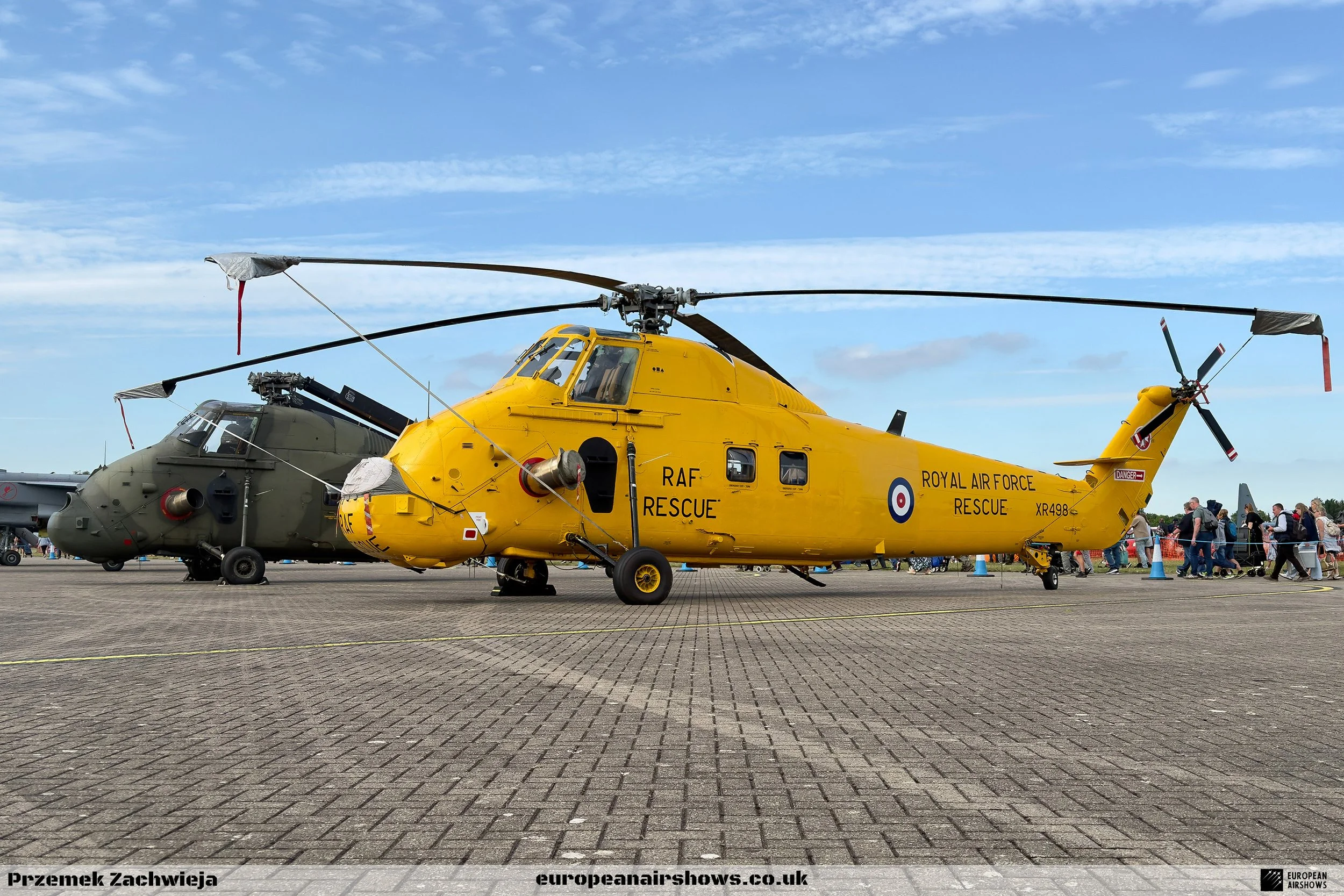
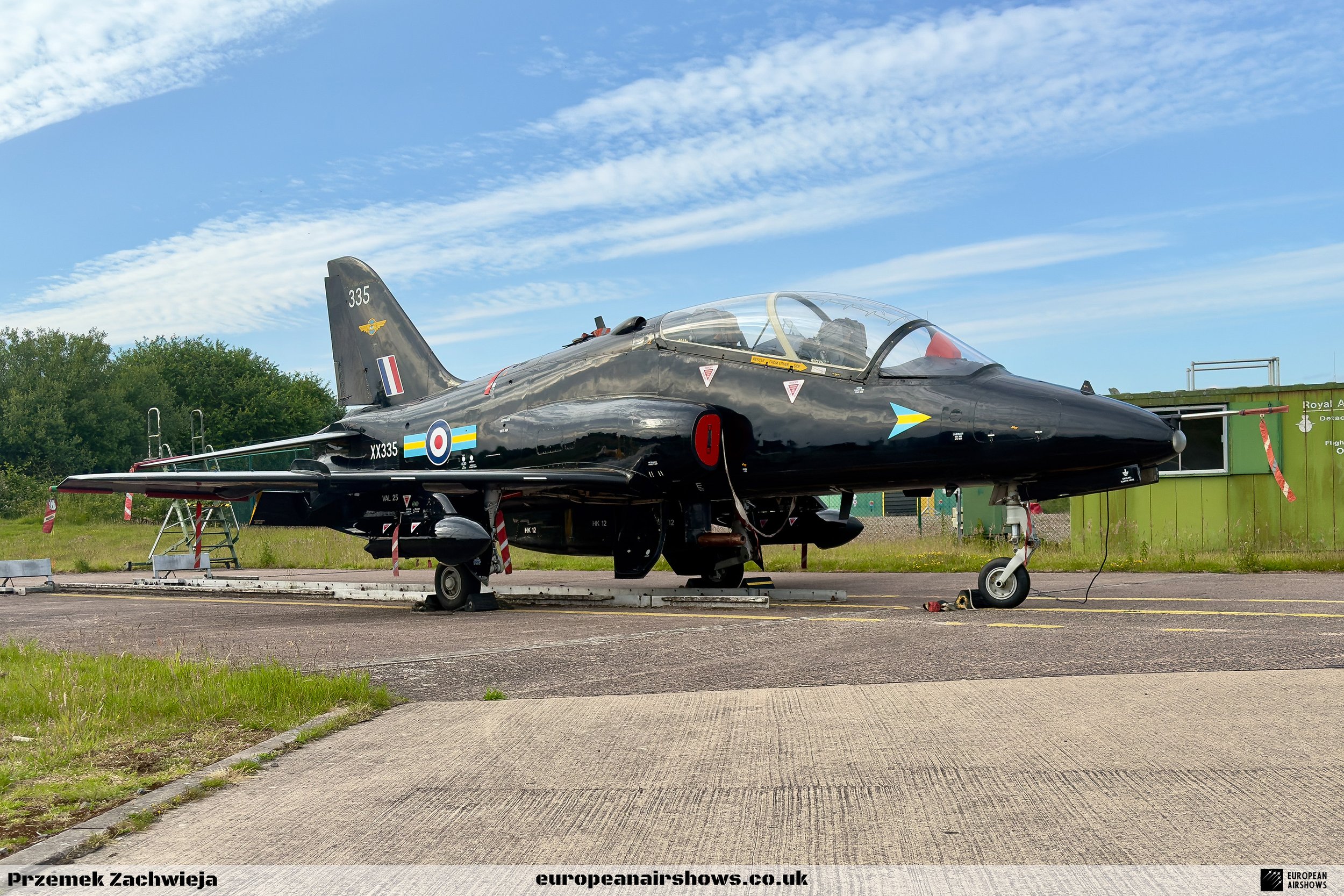
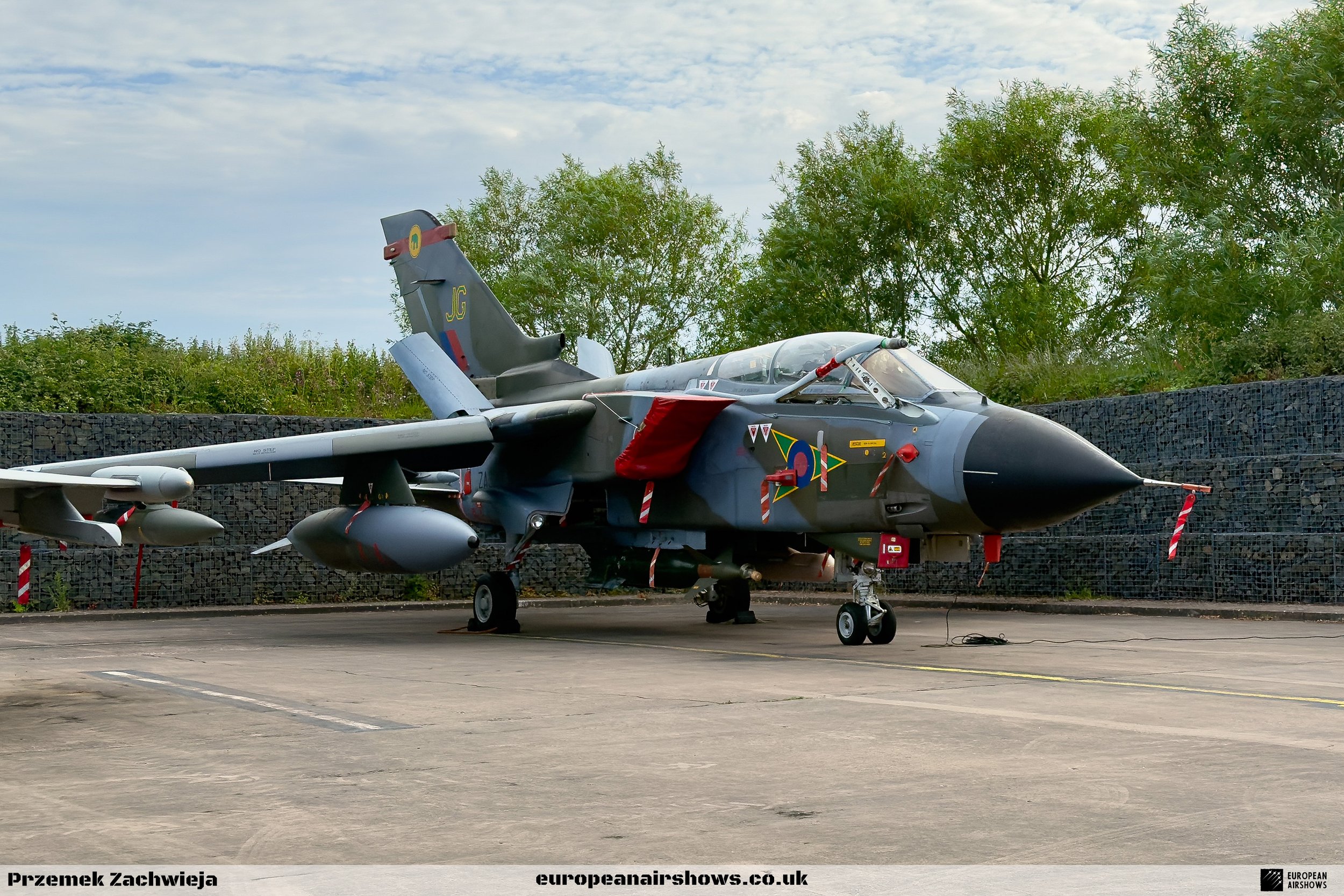
Alongside them were other Cosford-based instructional airframes, including several BAE Systems Hawk T.1s, one in former Red Arrows colours, Panavia Tornados, Westland Wessex helicopters and Eurofighter Typhoon DA4. The Typhoon development aircraft remains one of Cosford’s most interesting modern fast-jet exhibits, especially when seen alongside aircraft from earlier RAF generations. There was a real thread running through the static display: Jaguar, Hawk, Tornado and Typhoon, all showing different chapters of RAF fast-jet history and engineering training.
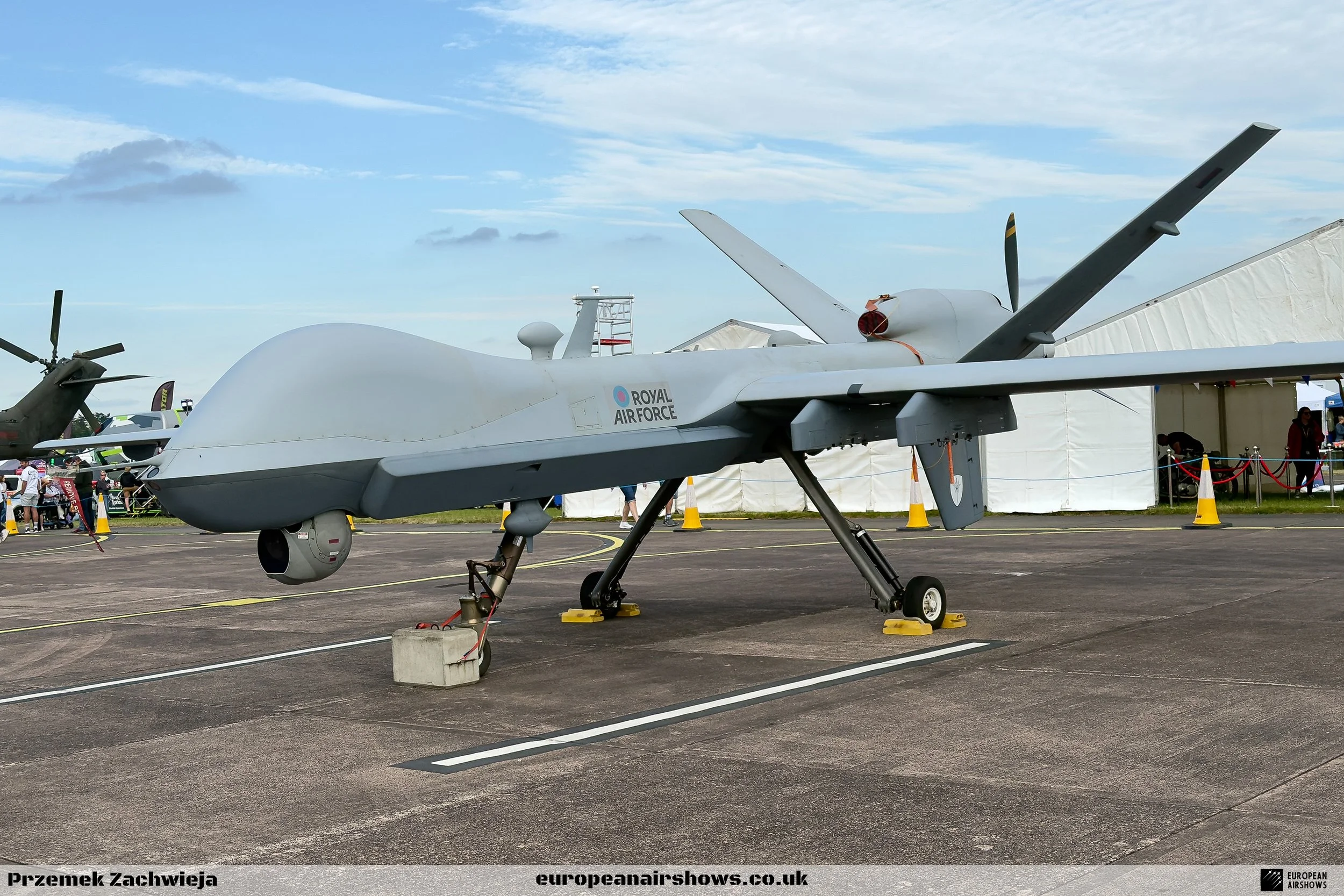
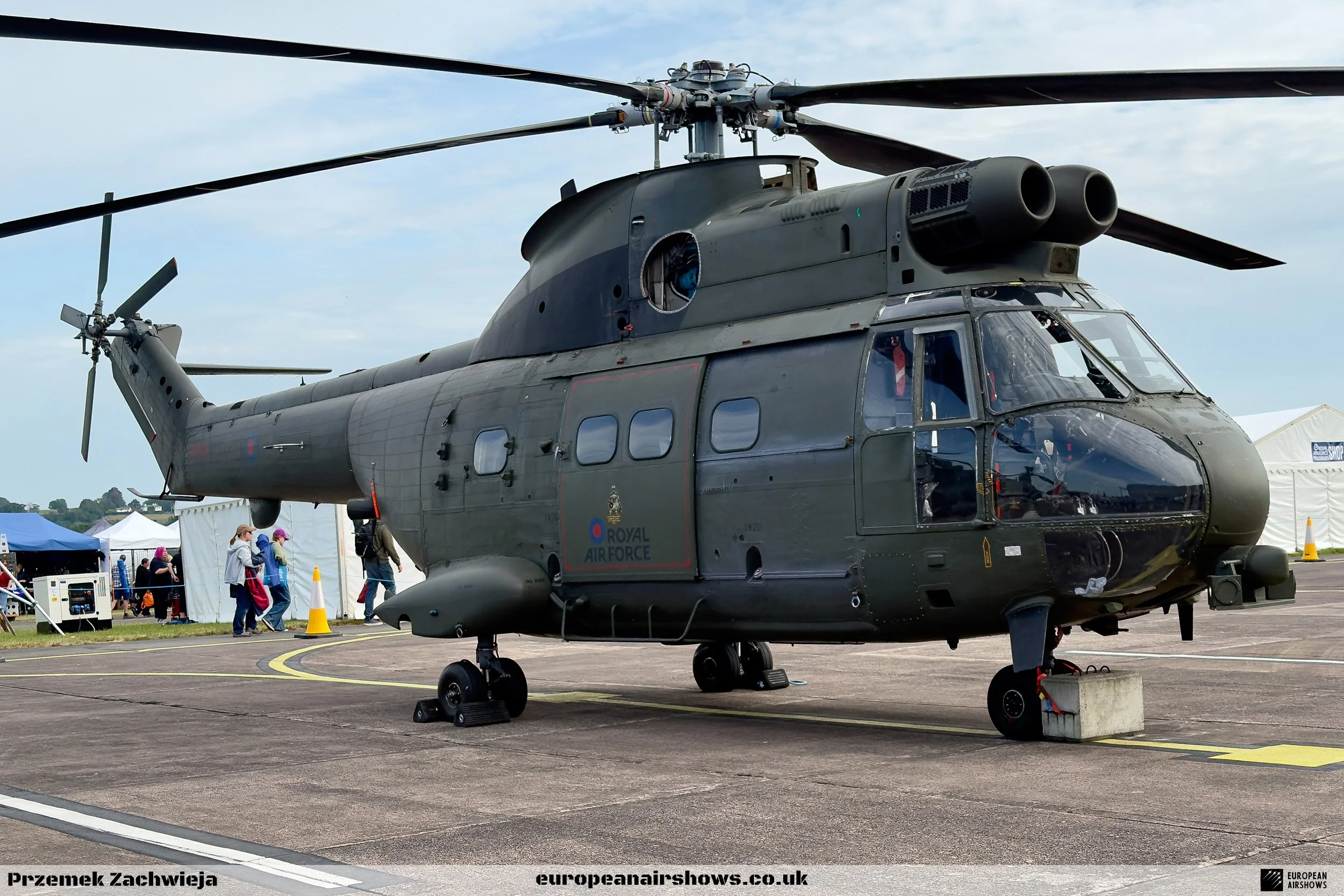
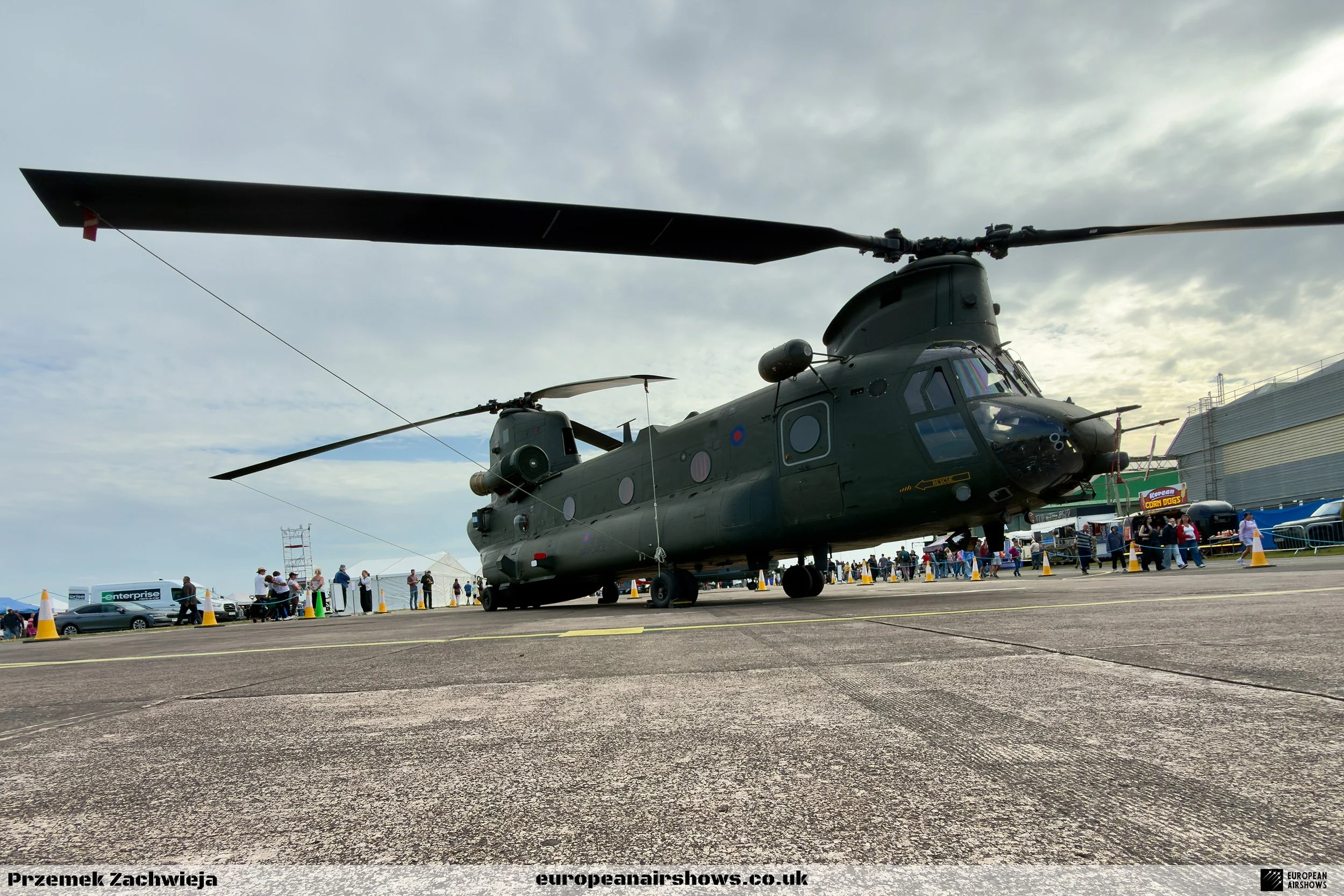
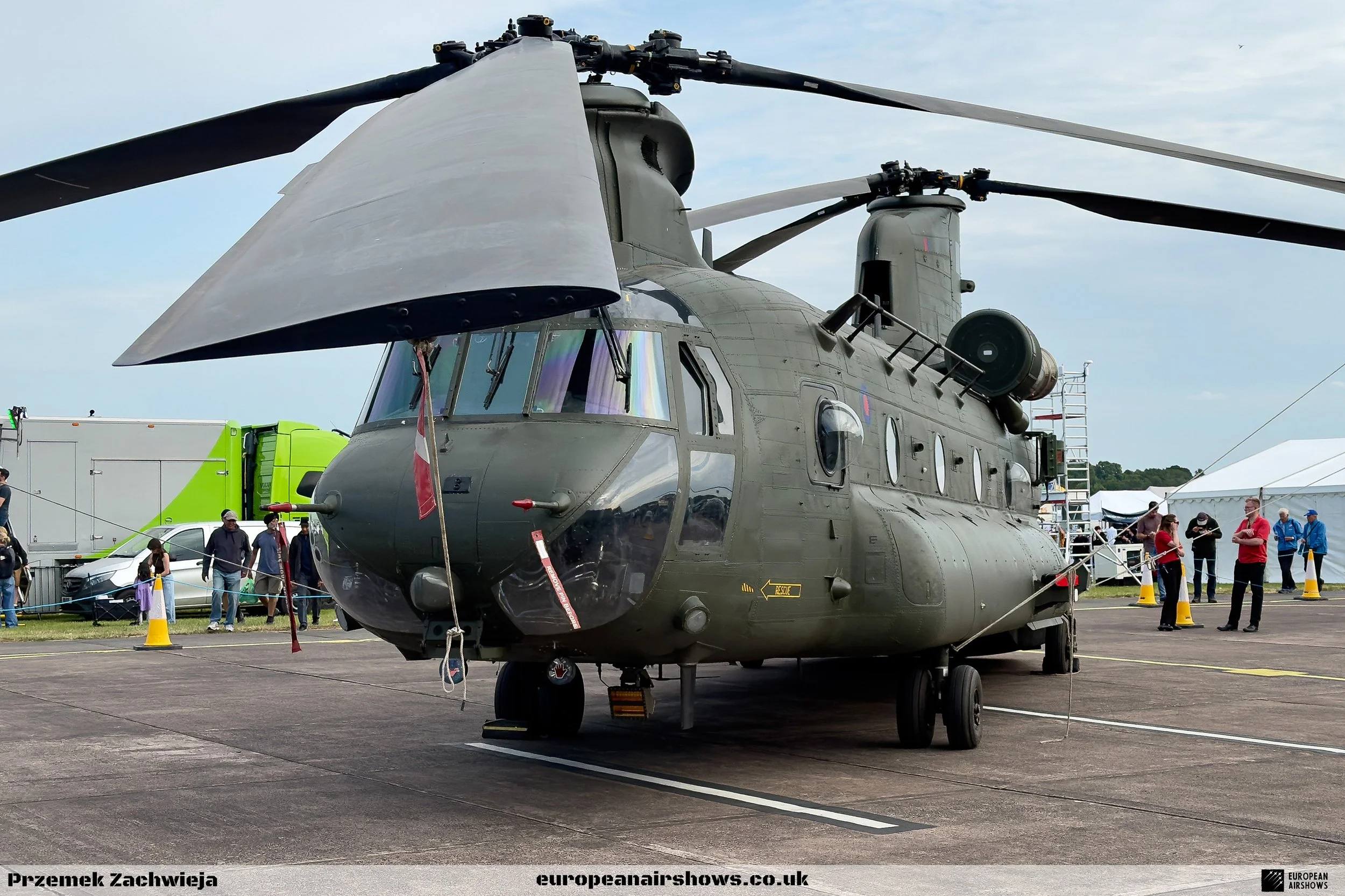
The RAF Museum Midlands also added depth to the static aircraft park. Among the notable museum-linked aircraft were the General Atomics MQ-9A Reaper, Boeing Chinook HC6A “Bravo November”, a British Aerospace Hawk T.1A in Red Arrows colours, Westland Puma HC.2 and other familiar RAF types. “Bravo November” was always going to attract attention. The Chinook is one of the most famous individual RAF helicopters, and seeing it on static display at Cosford added real interest for both casual visitors and aviation enthusiasts.
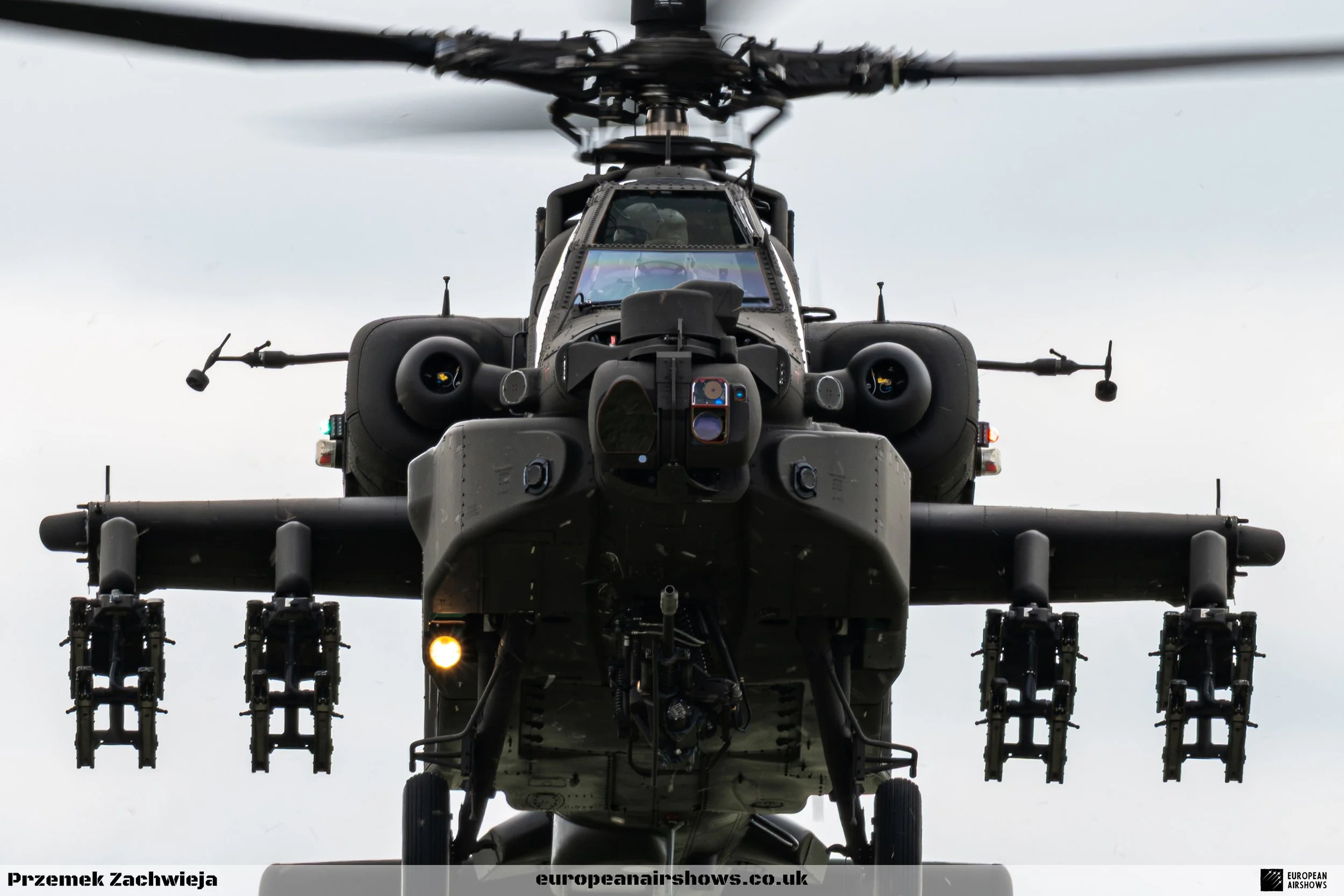
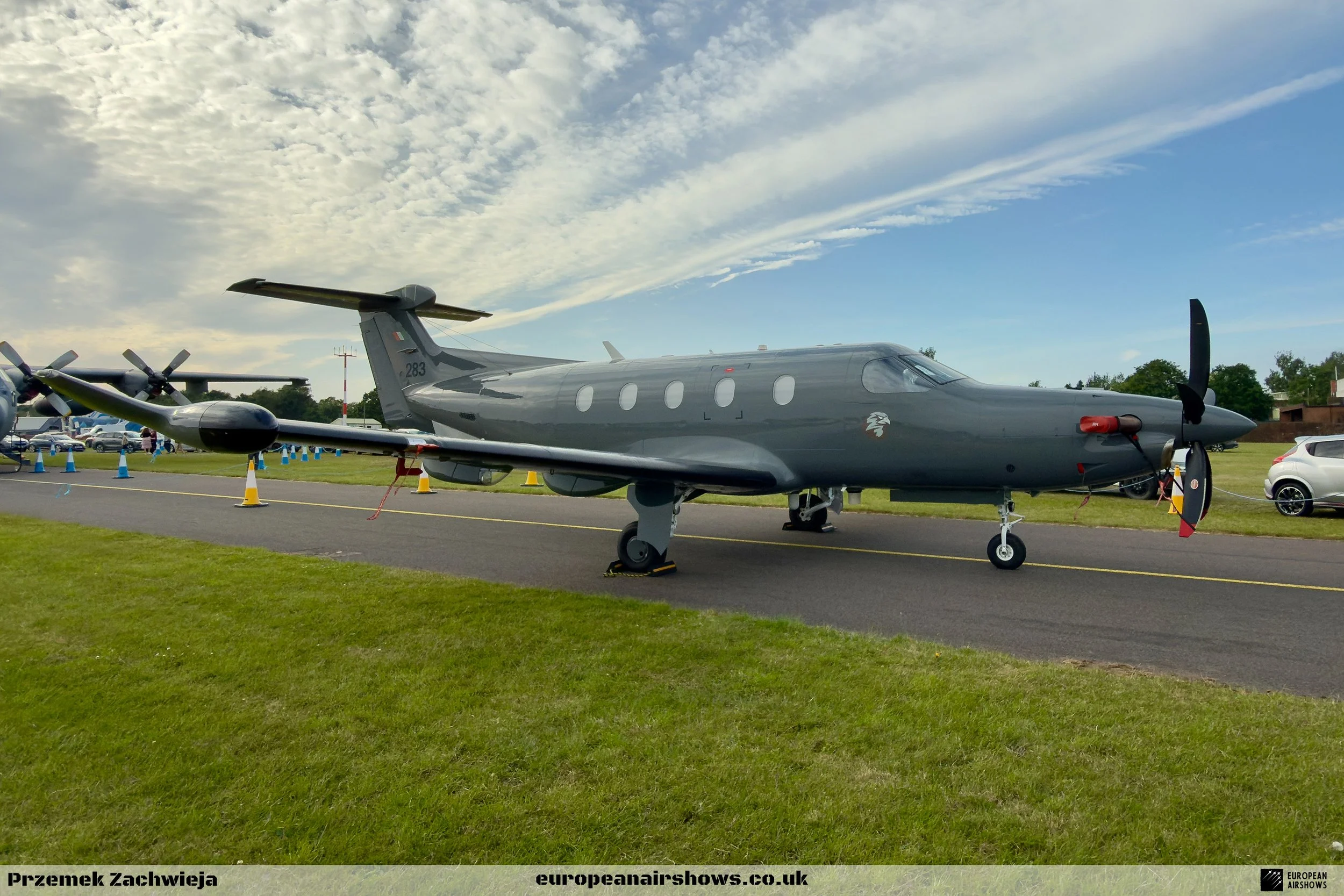
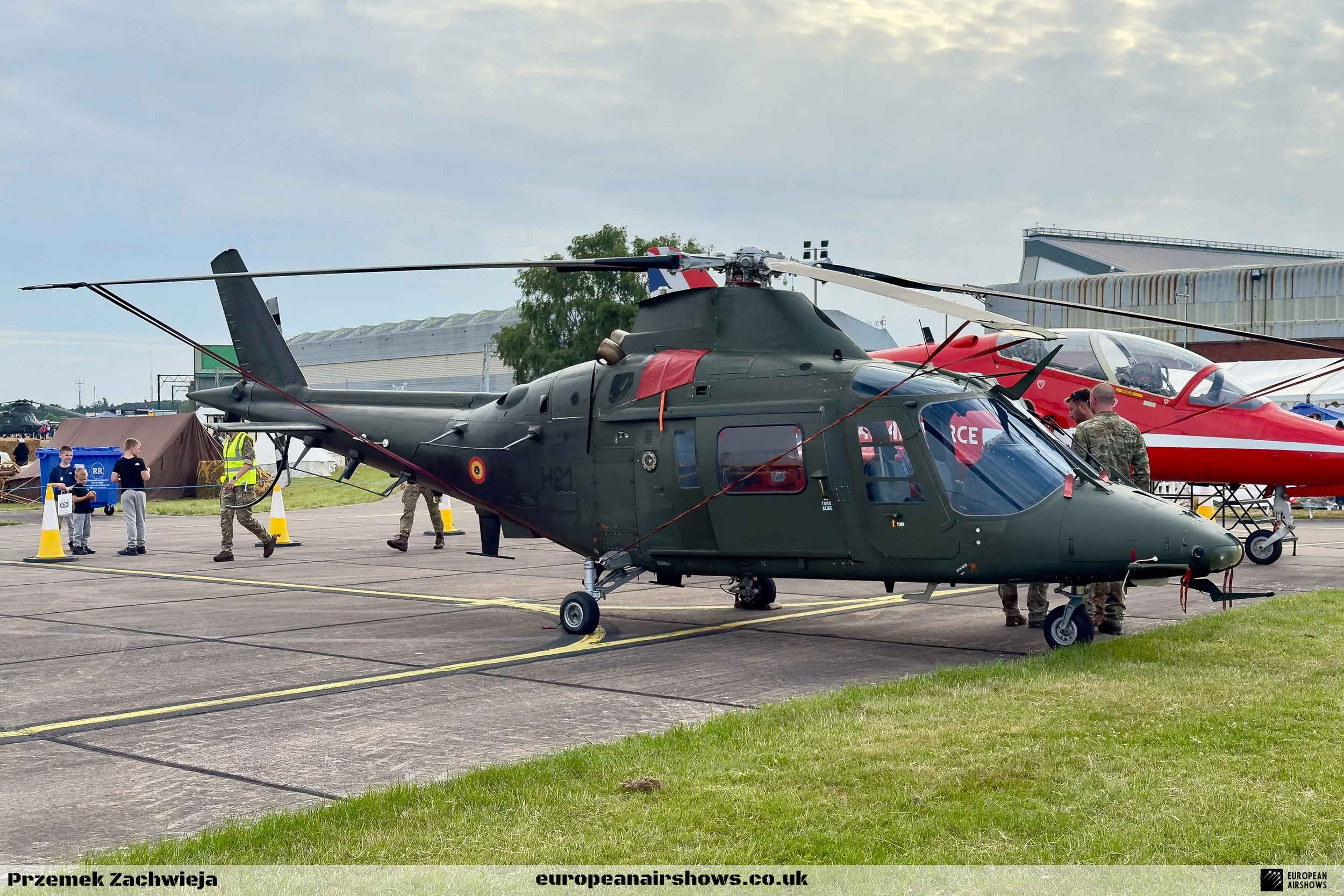
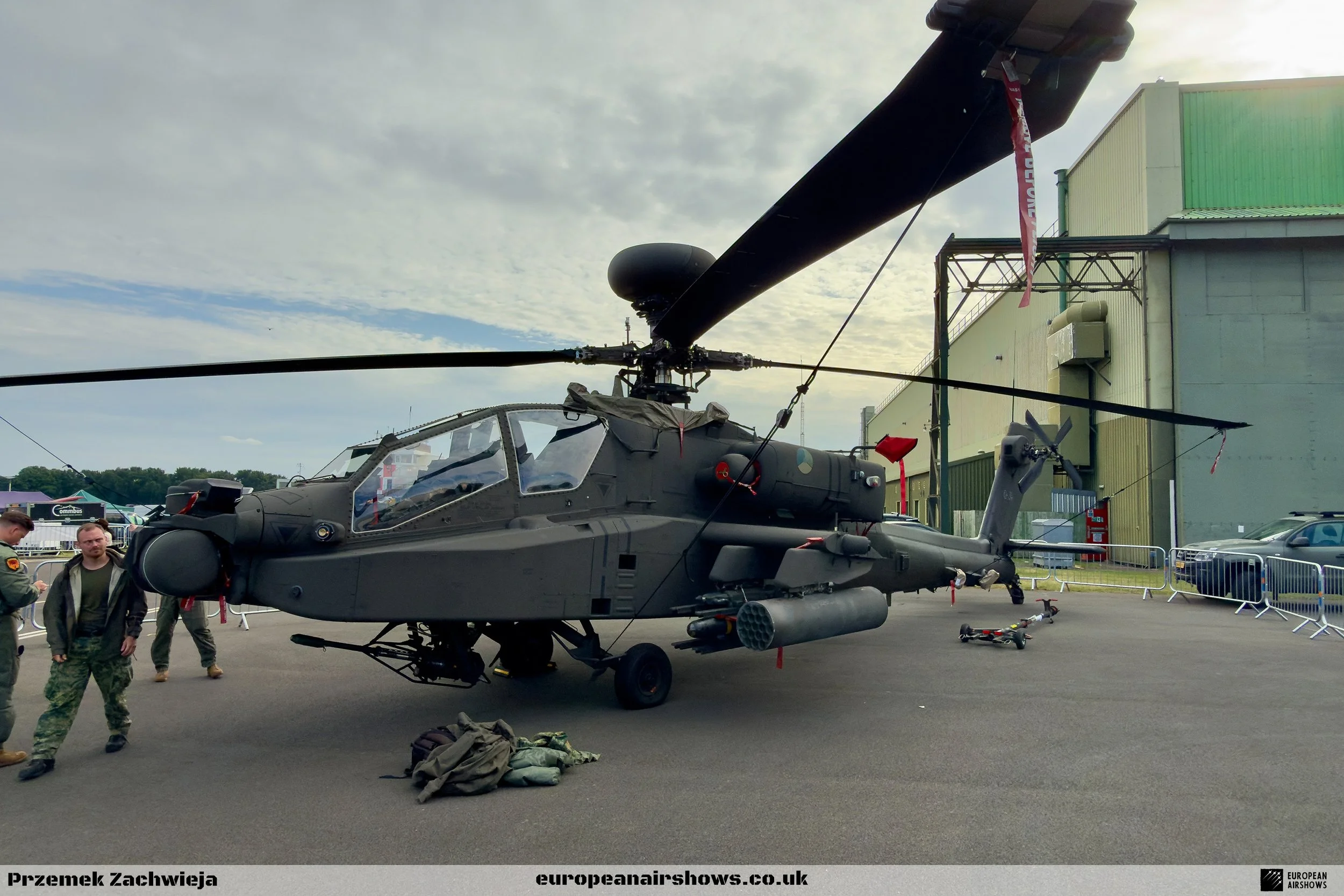
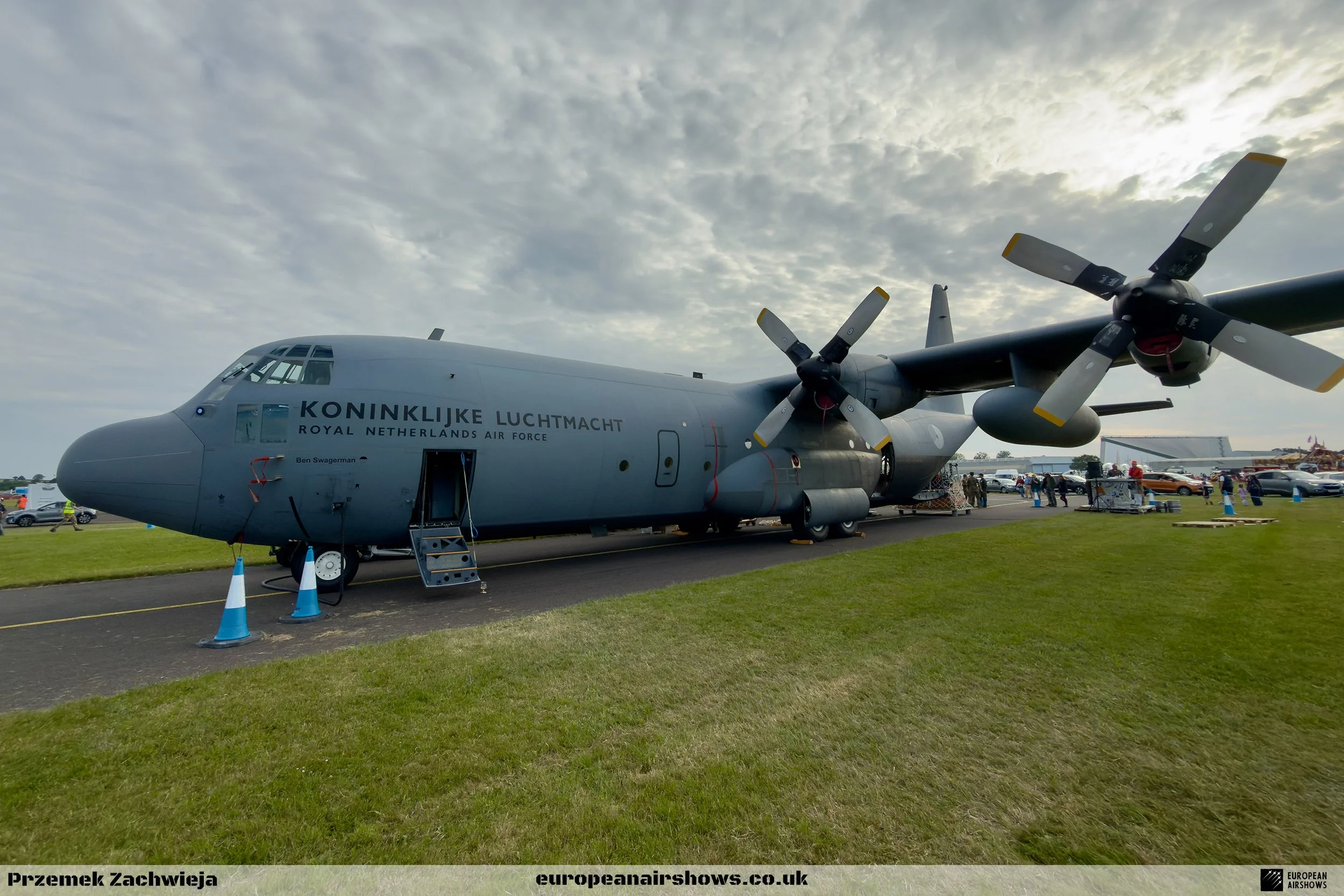
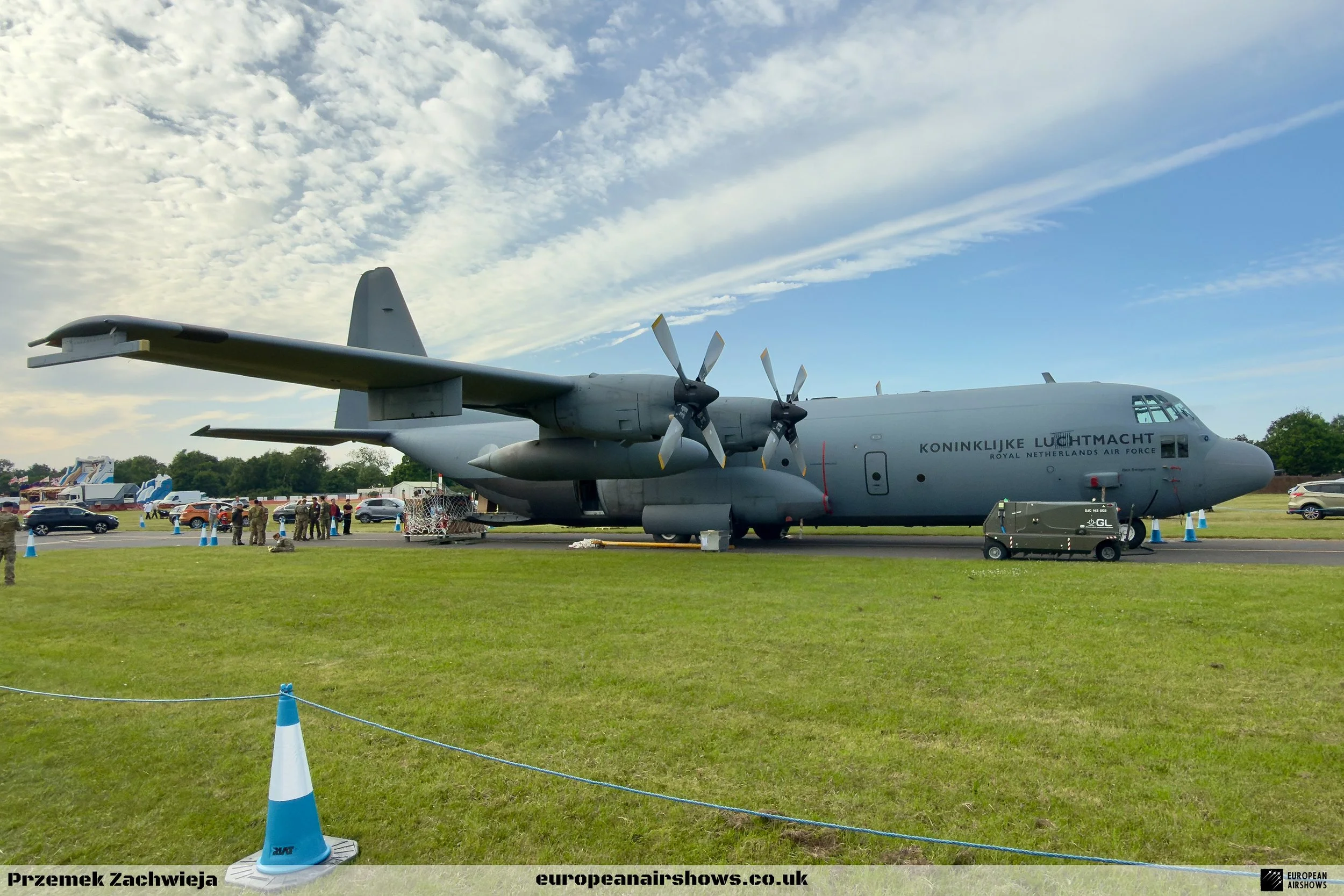
International static participation was also strong. The Belgian Air Force Agusta A109BA was a welcome visitor, though perhaps not placed as prominently as many photographers would have liked. The Irish Air Corps Pilatus PC-12NG brought a smart modern utility aircraft to the line-up, while the Royal Netherlands Air Force contributed two major highlights: the Boeing AH-64E Apache Guardian and a Lockheed C-130H Hercules. The Hercules, in particular, was a popular exhibit, giving the public the chance to appreciate the size and practicality of a tactical transport aircraft up close.
Rotary-wing aircraft were well represented across the ground display. The Dutch Apache, Army Air Corps Apache, Chinook, Puma, Wessex, Gazelle/Scout-era types and the Belgian A109 gave the static side a broad helicopter theme. That worked well alongside the flying display, which would later include the Army Air Corps, Black Cats and RAF Chinook Role Demo.
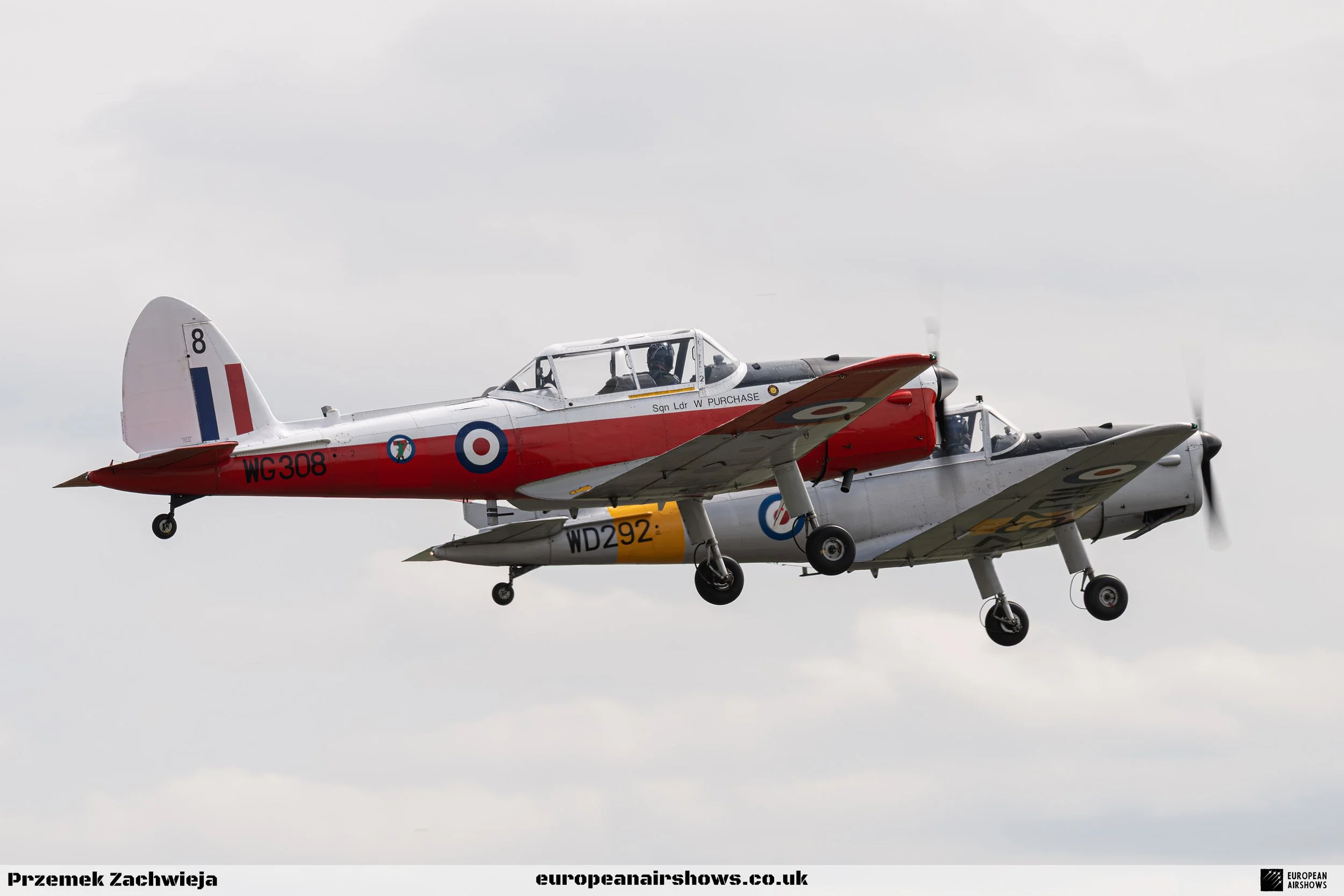
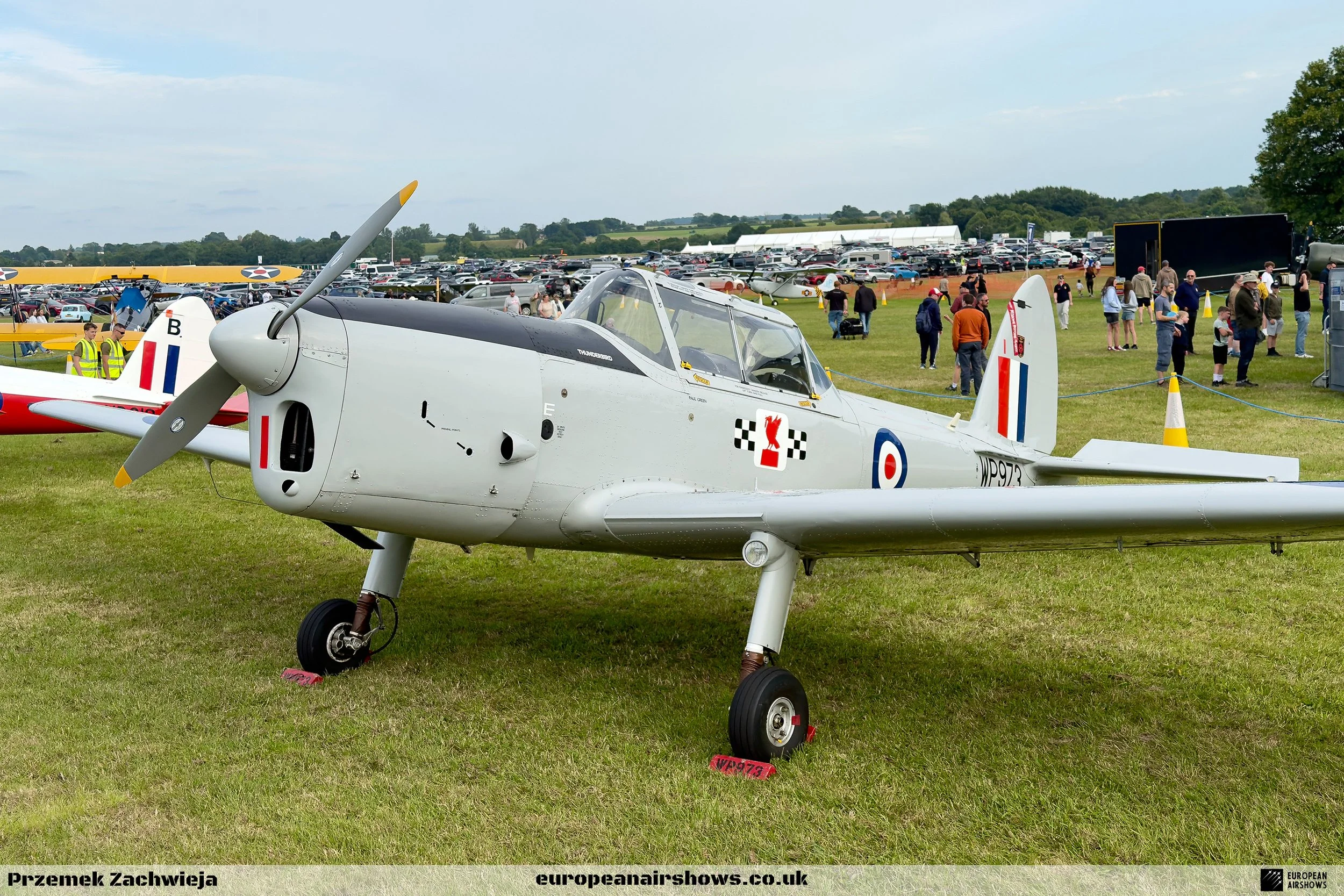
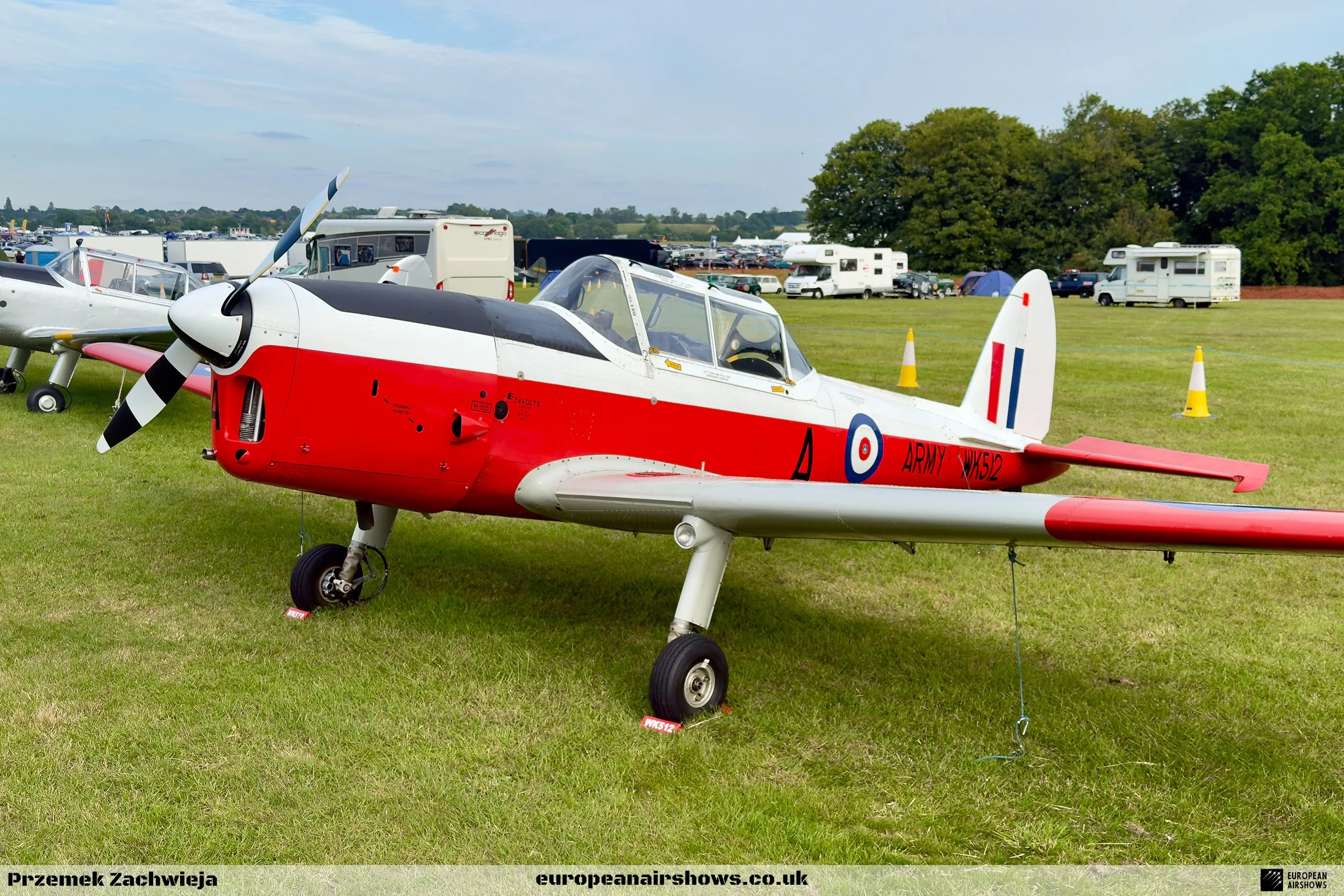
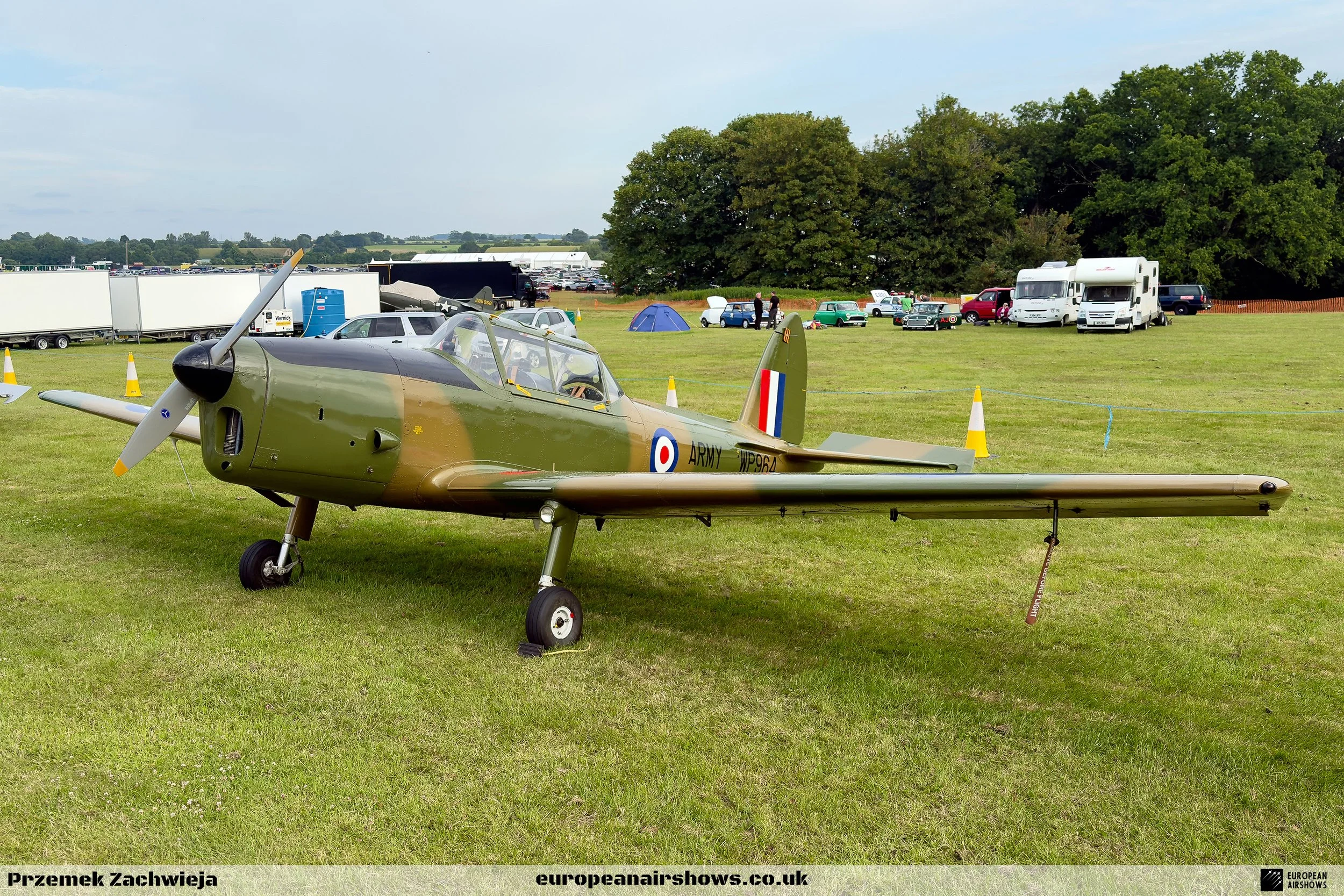
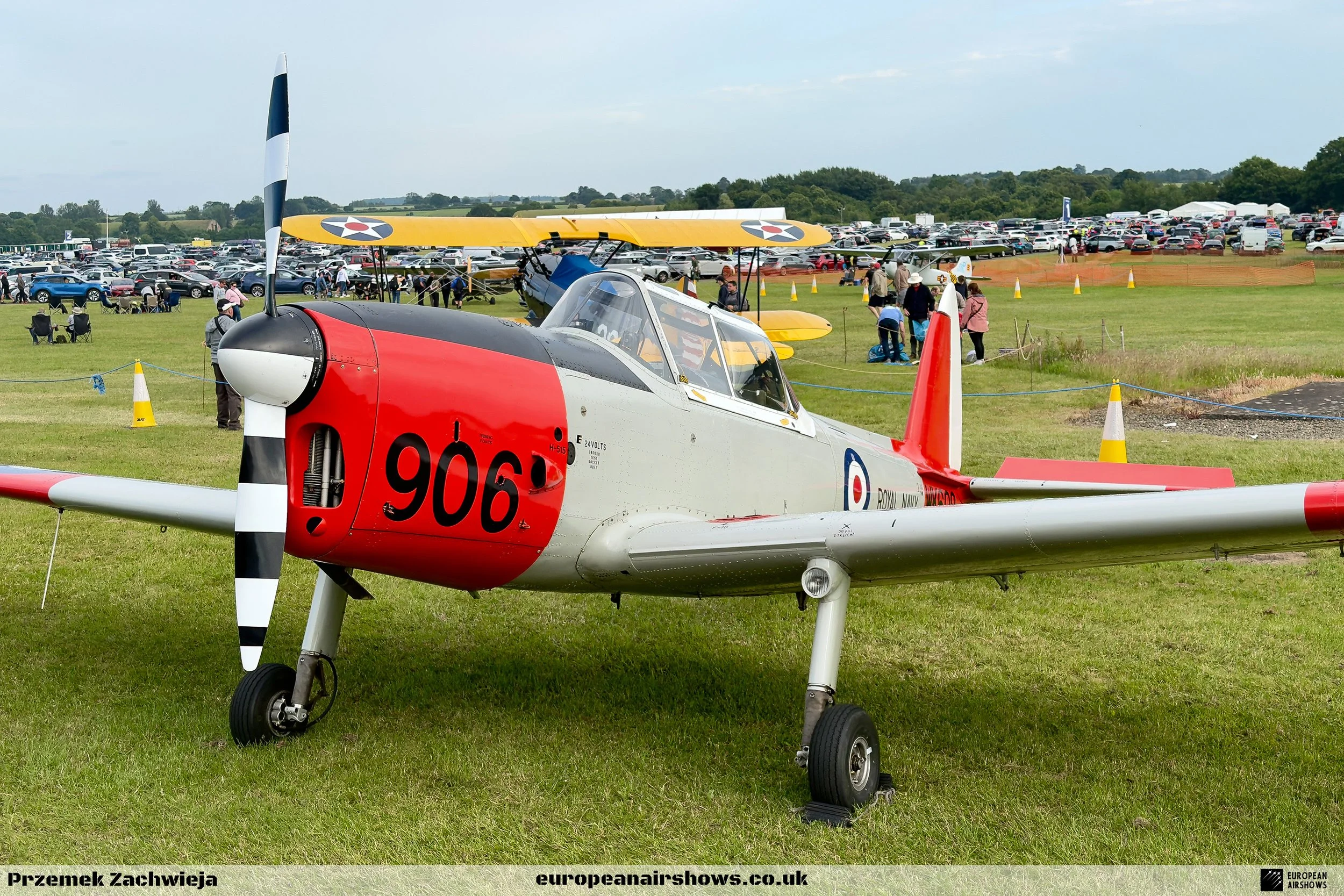
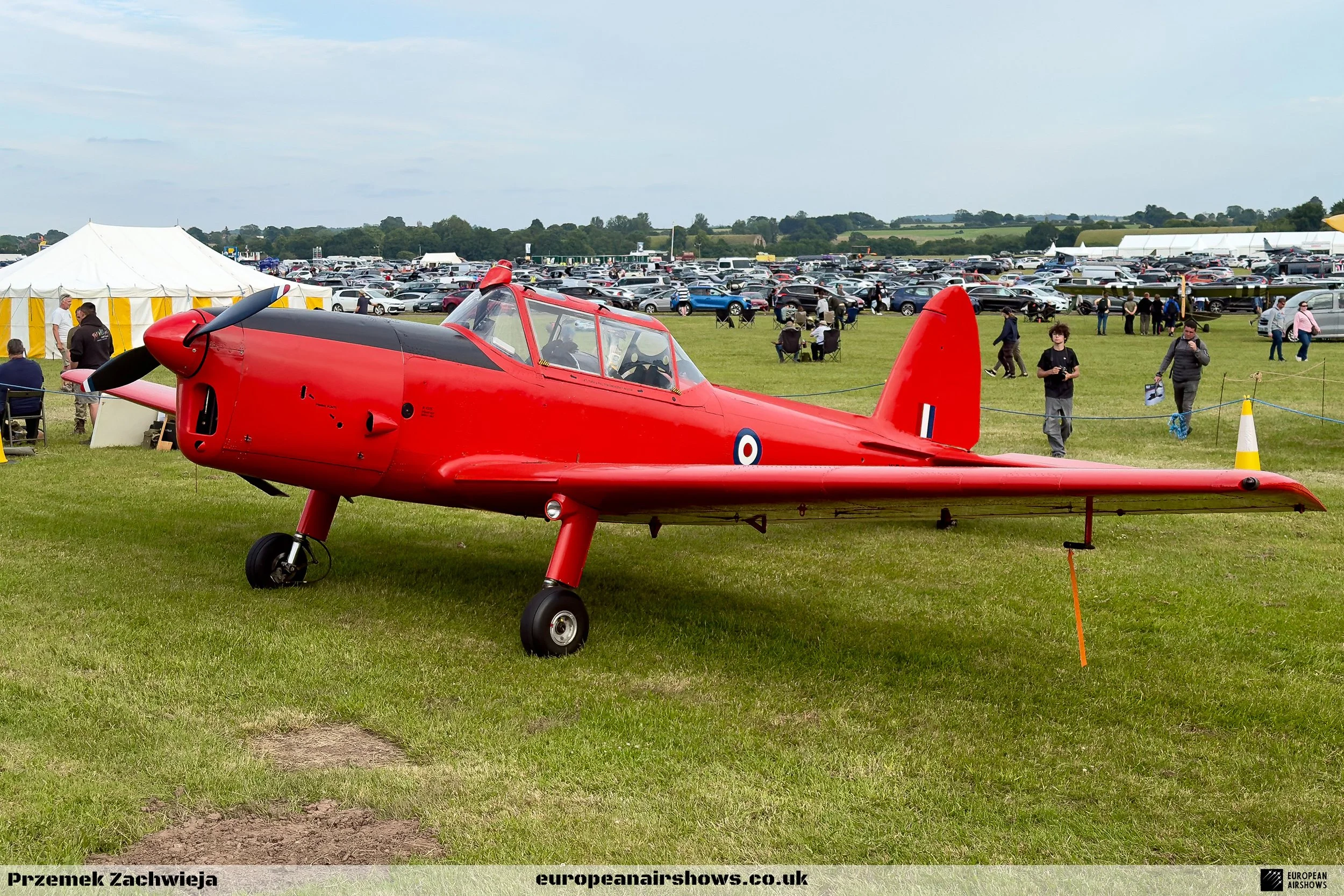
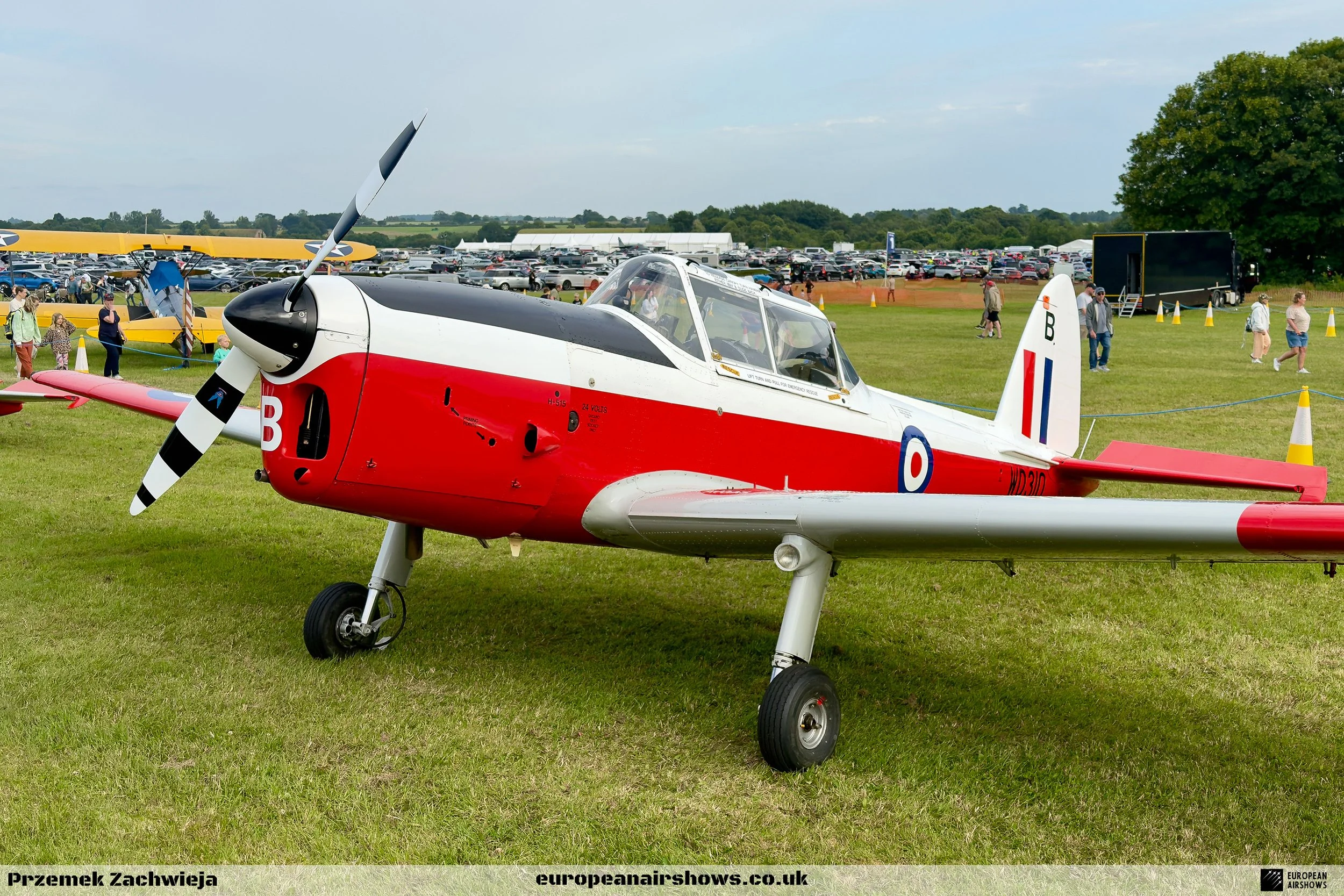
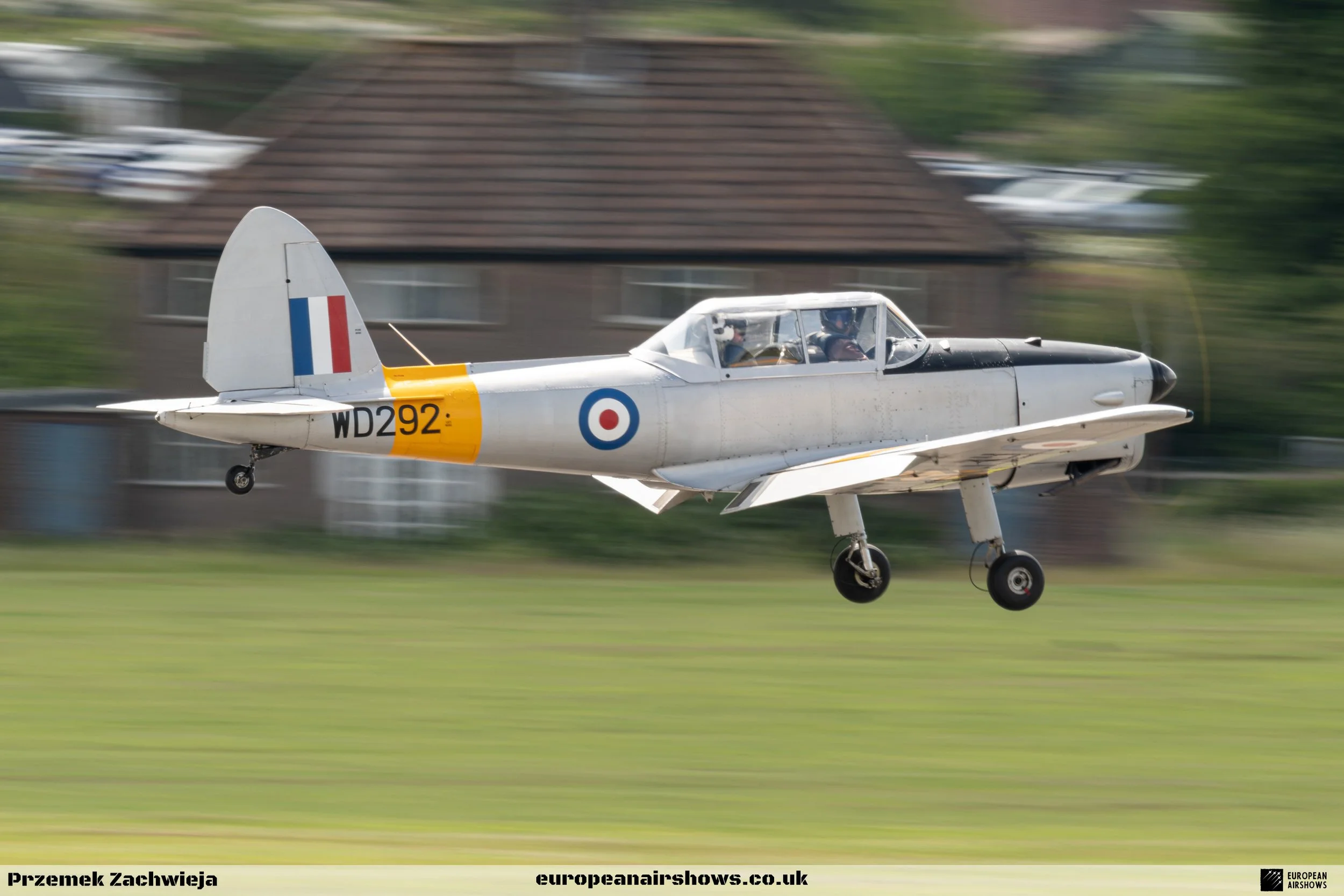
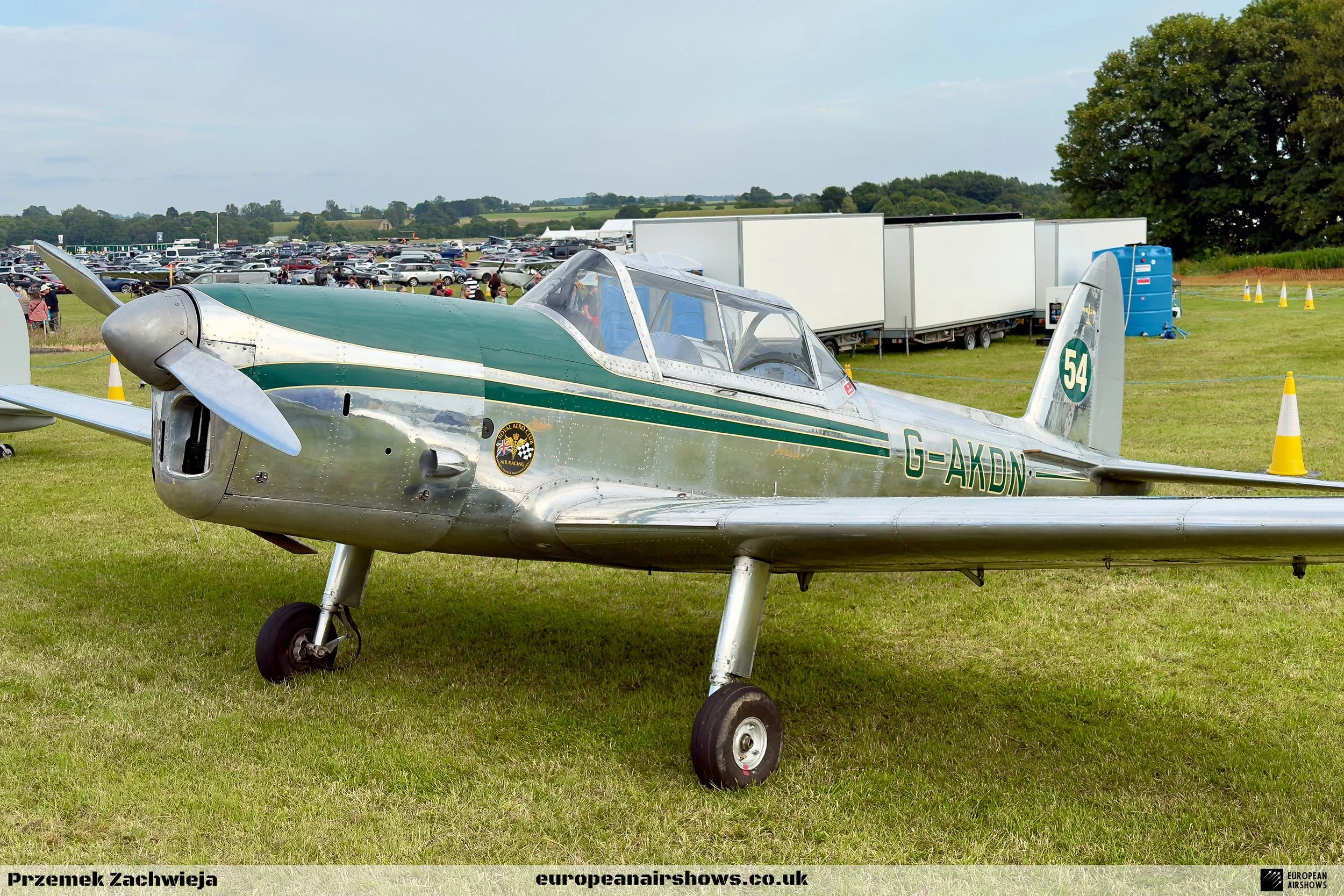
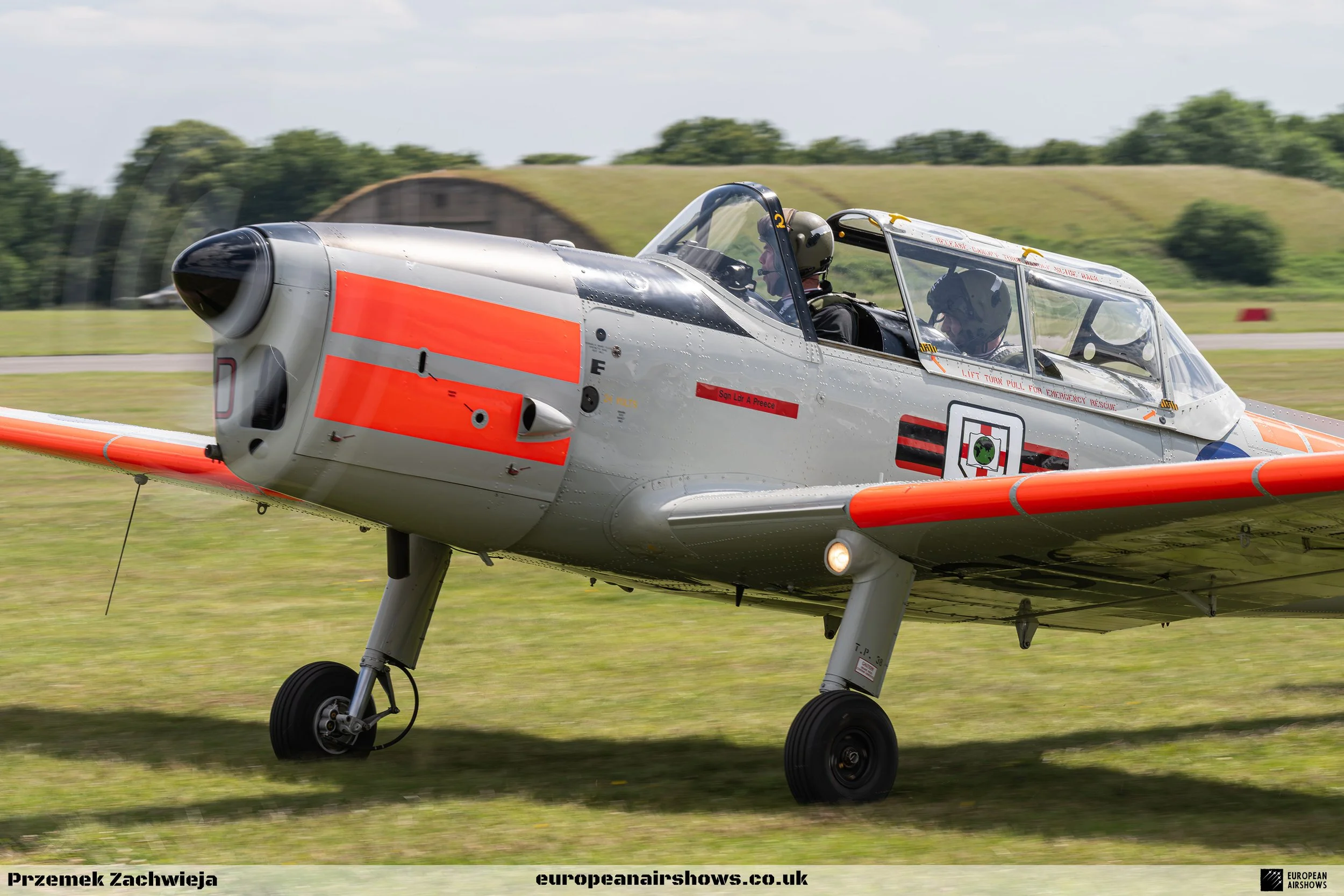
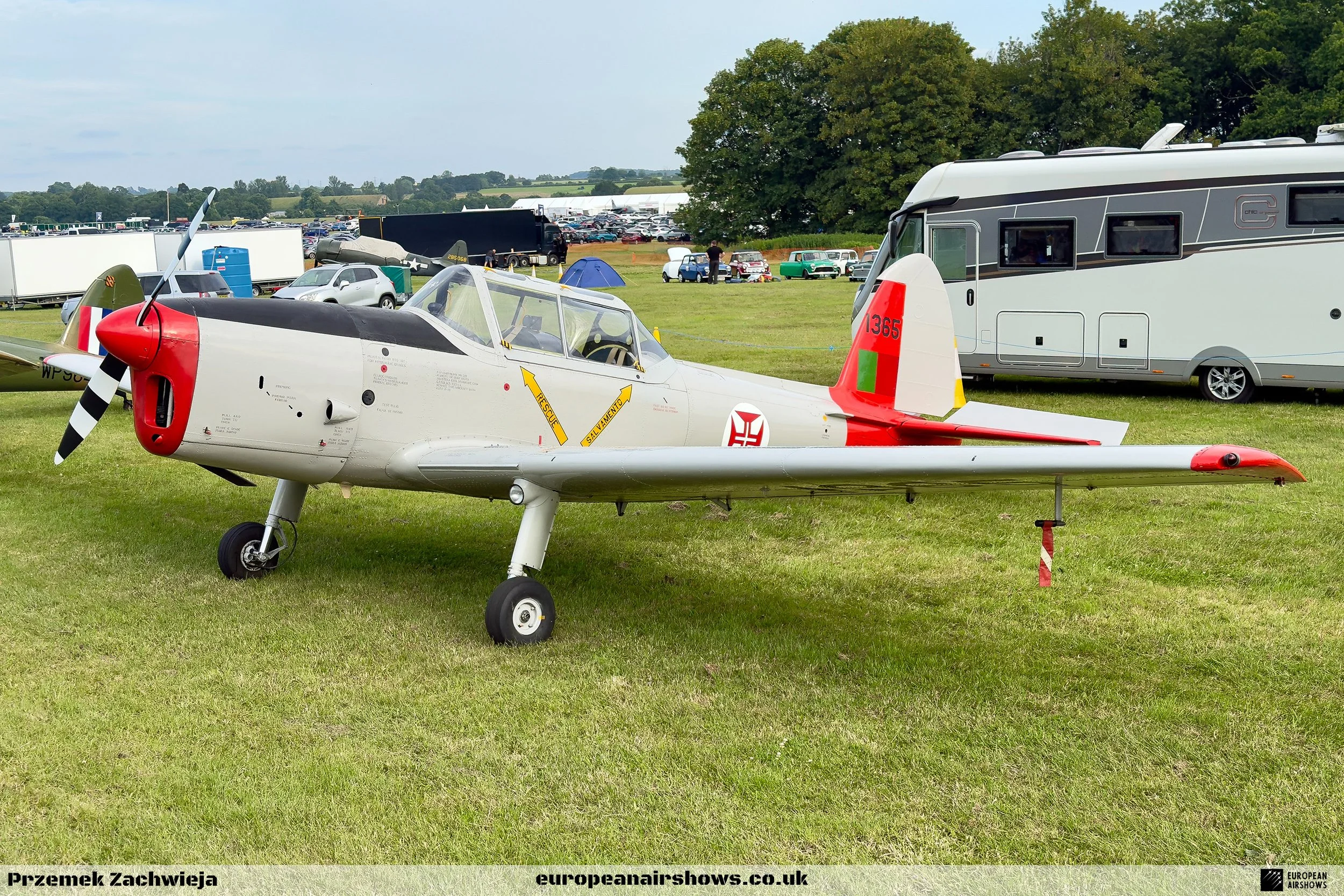
There was also a large gathering of de Havilland Canada DHC-1 Chipmunks marking the type’s 80th anniversary. This was a lovely touch, especially at a show so closely linked with training. The Chipmunk is one of those aircraft that almost every British aviation enthusiast has some connection with, whether through cadet flying, air experience, photography or simply seeing them at airfields over the years.
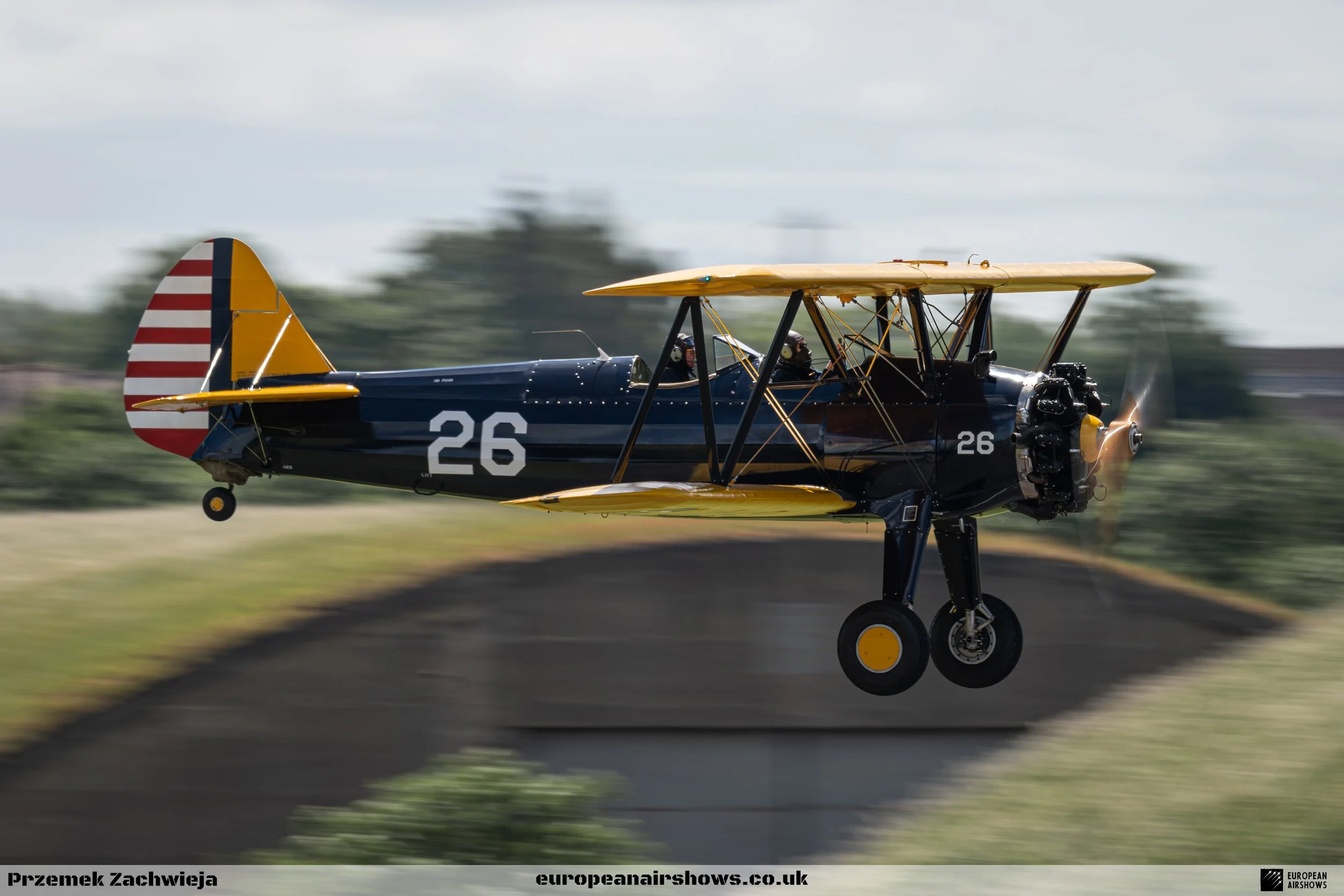
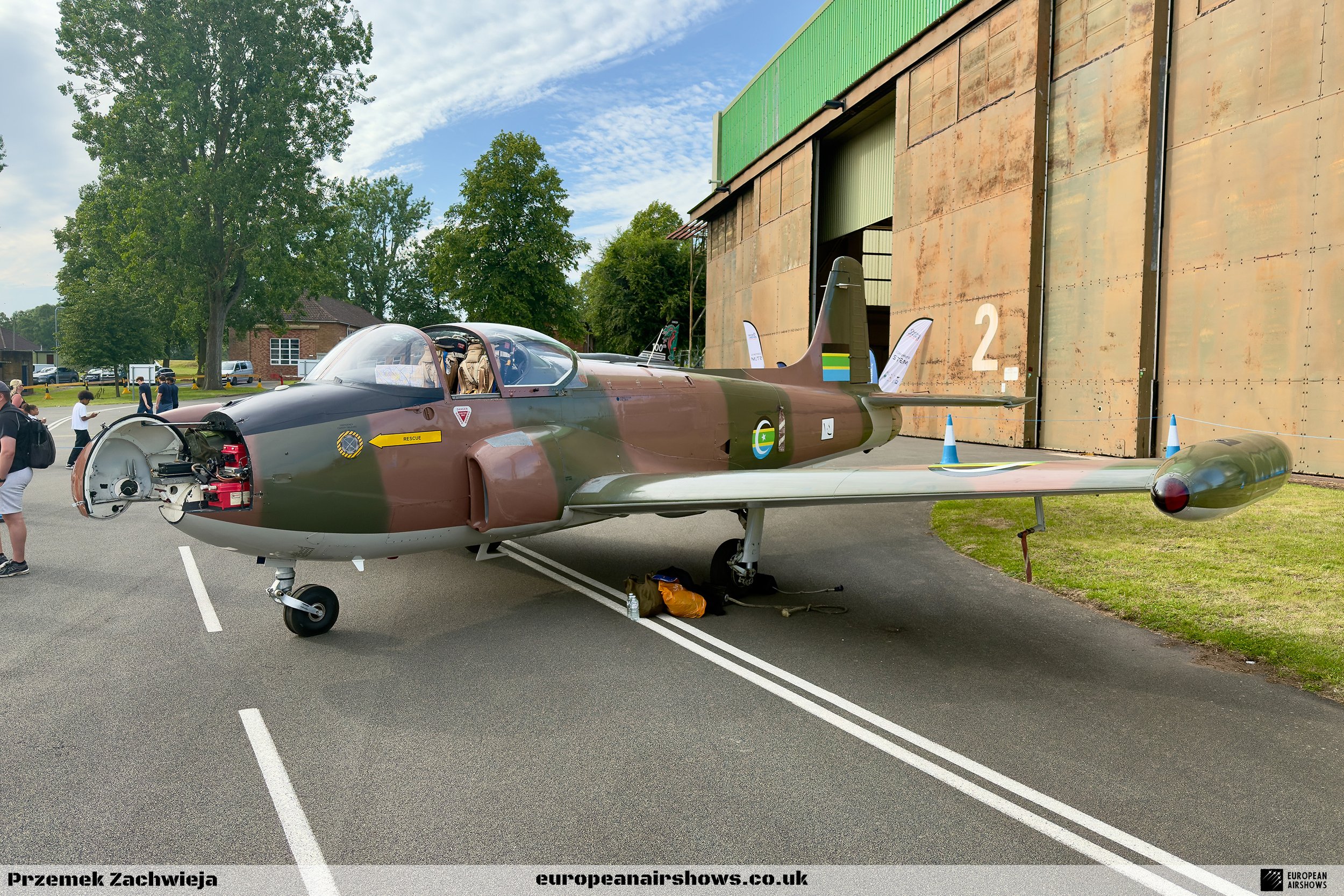
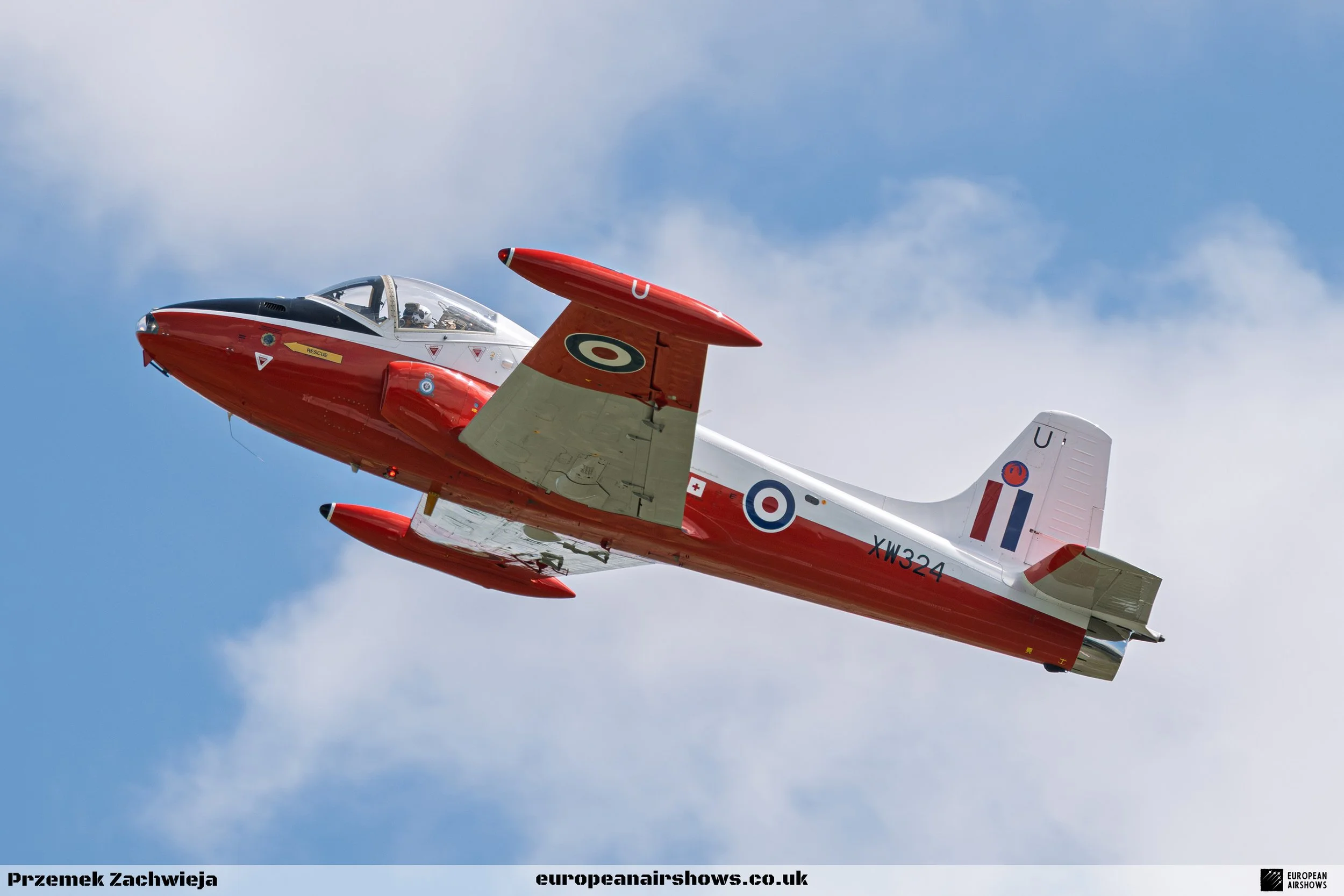
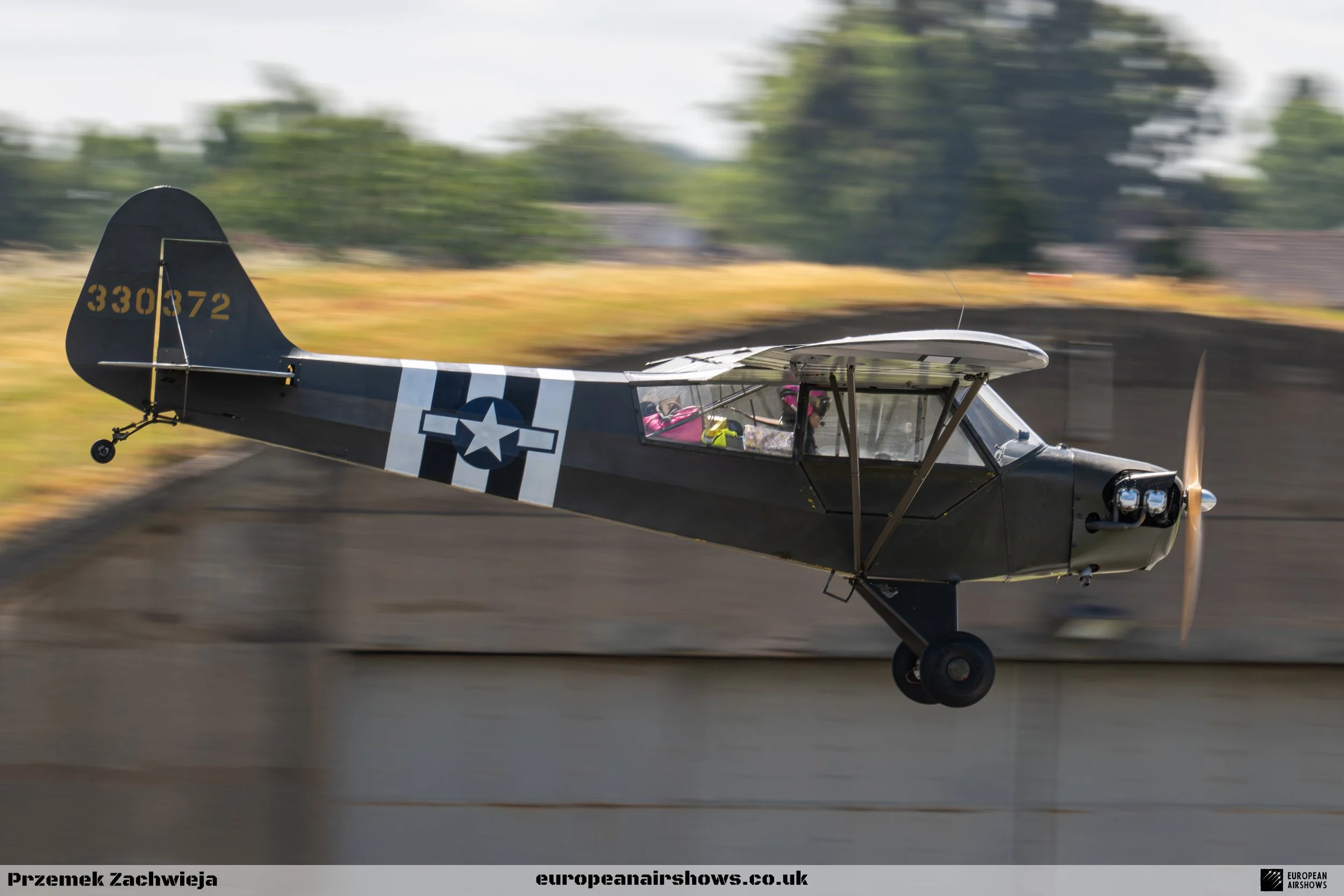
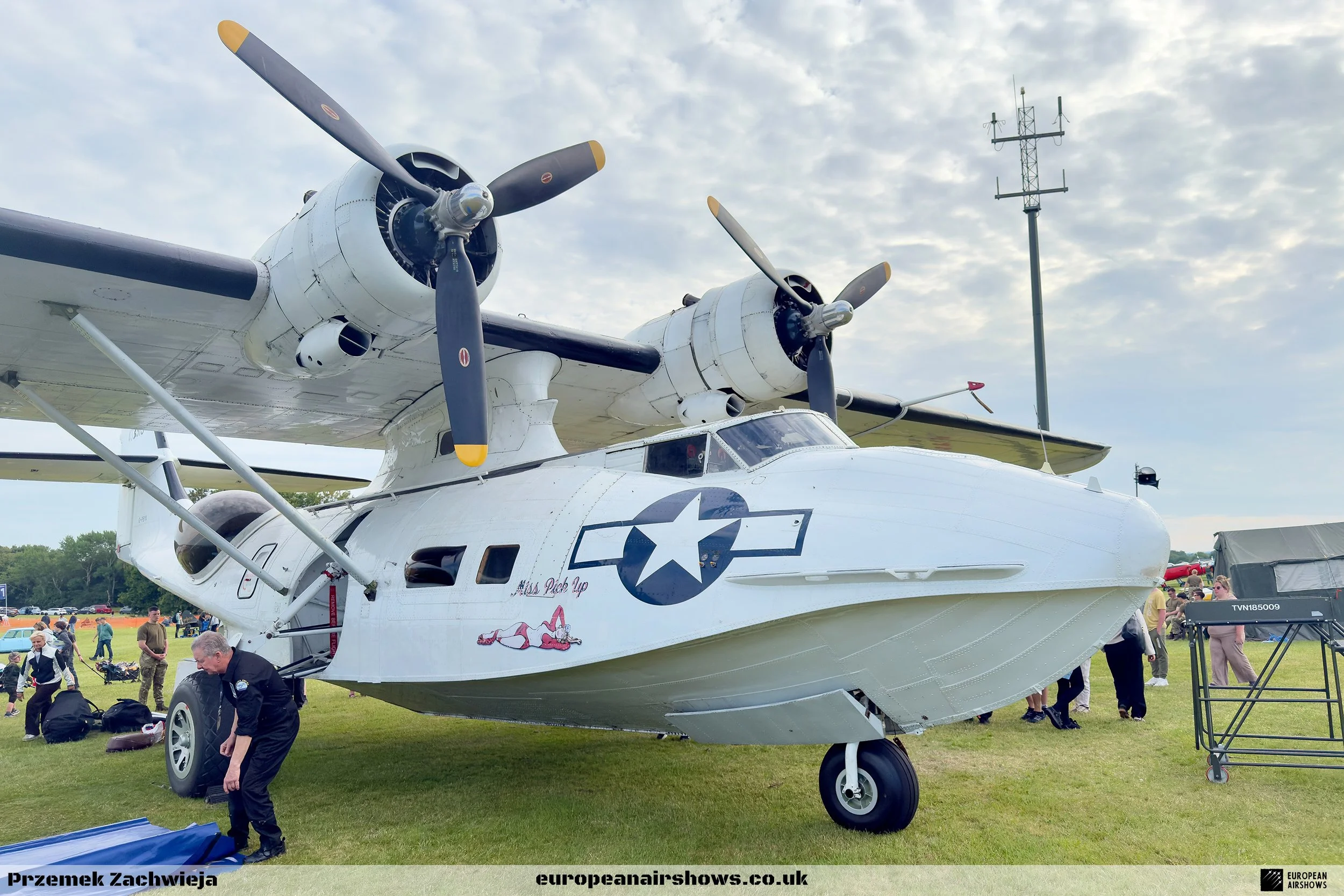
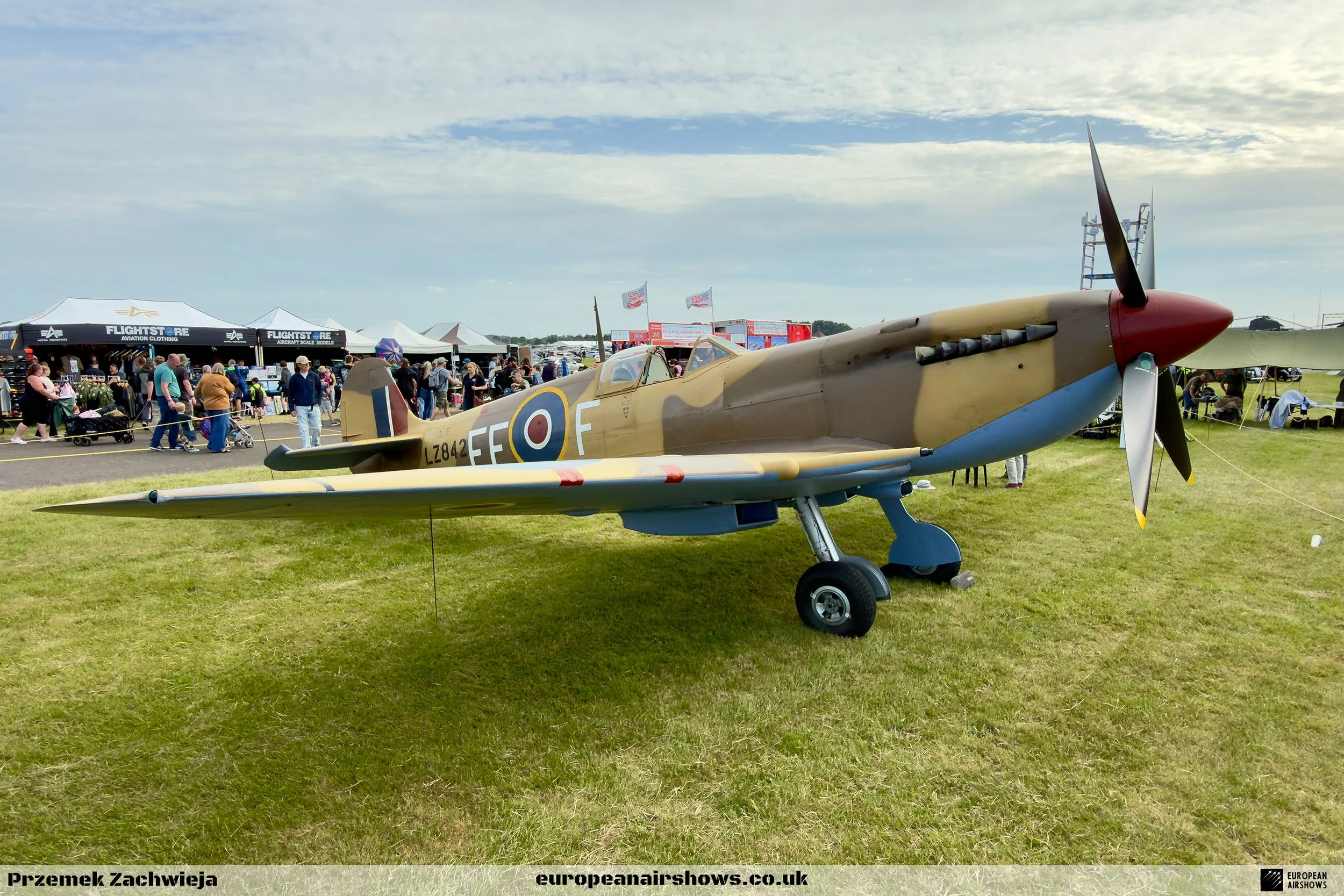
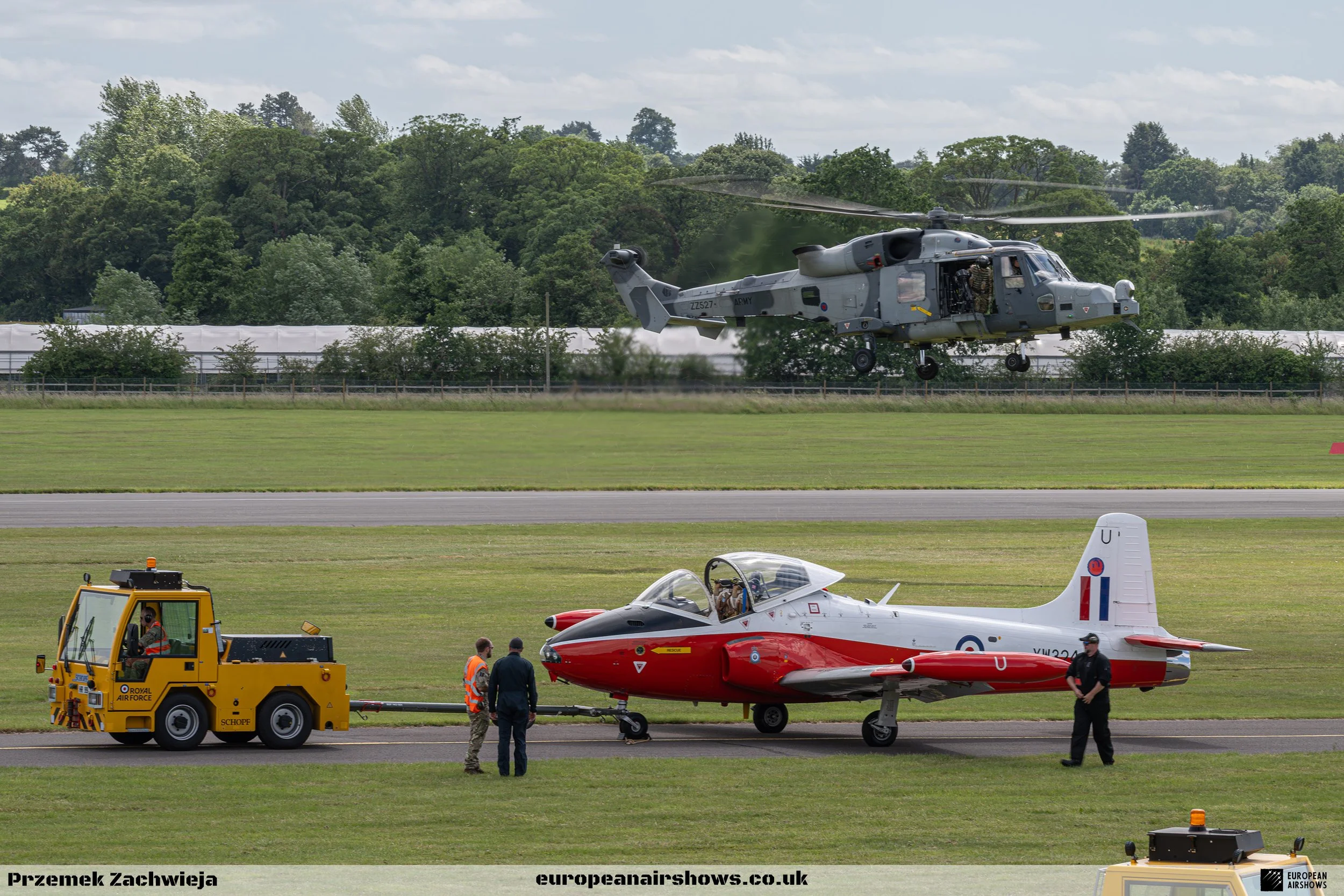
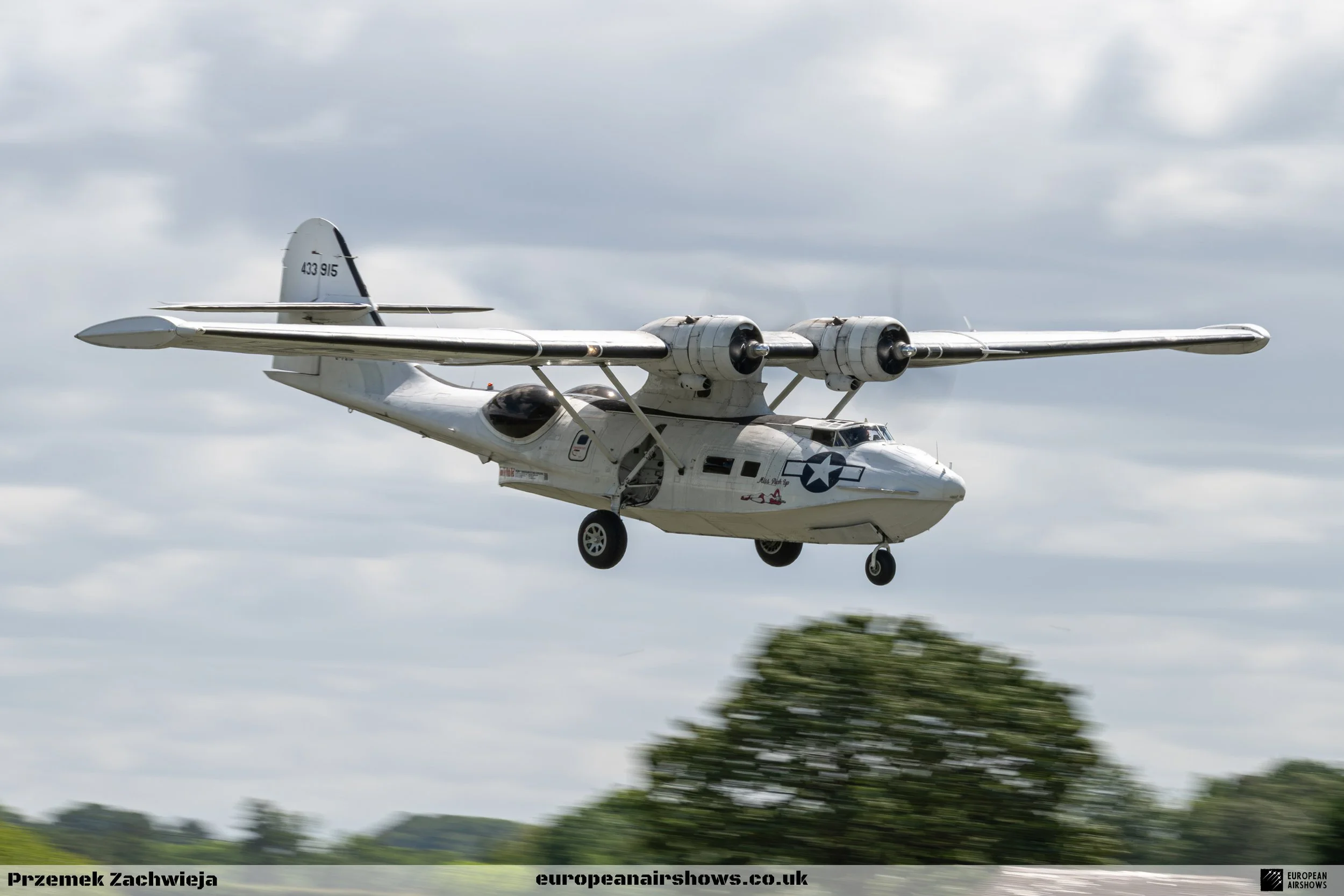
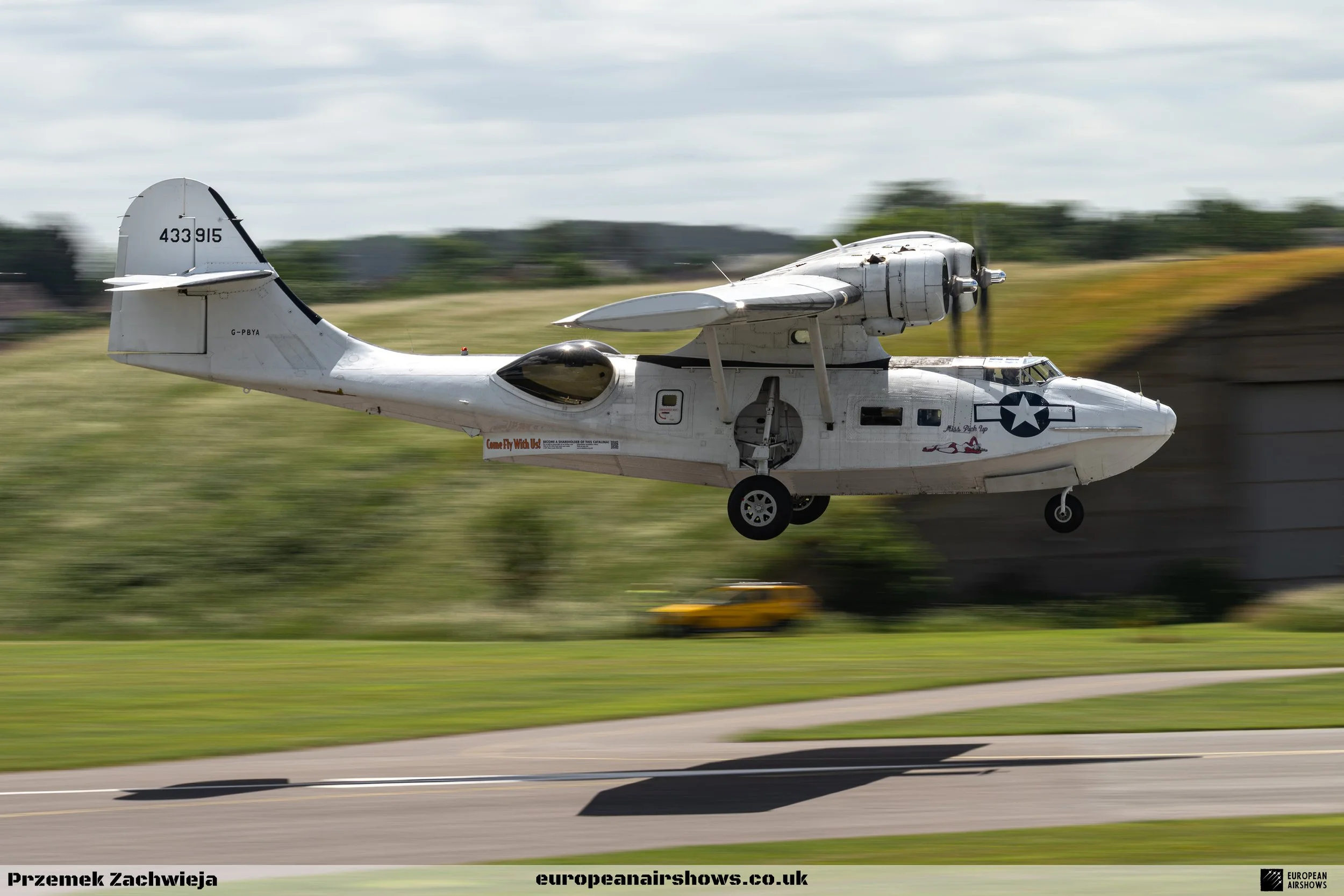
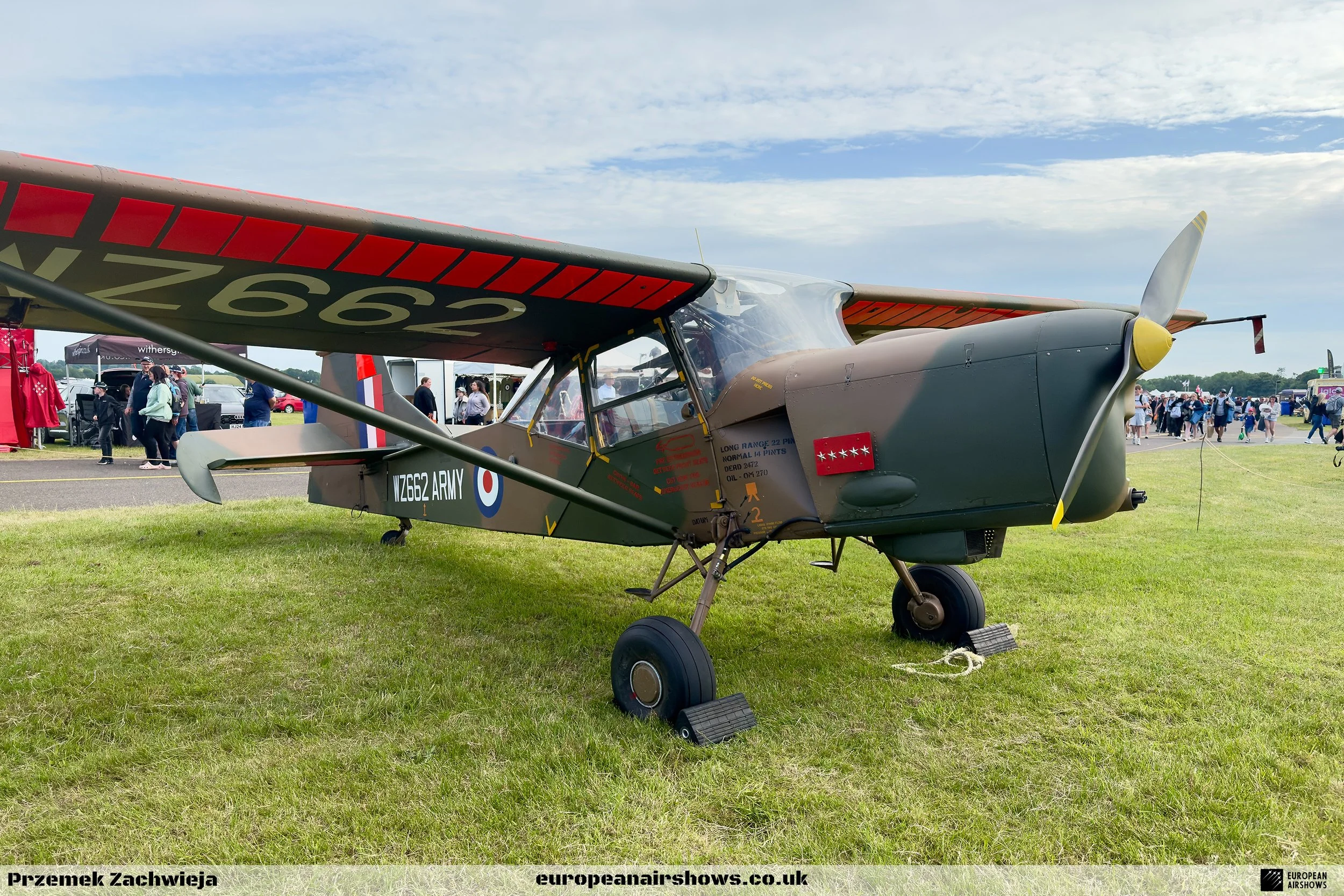
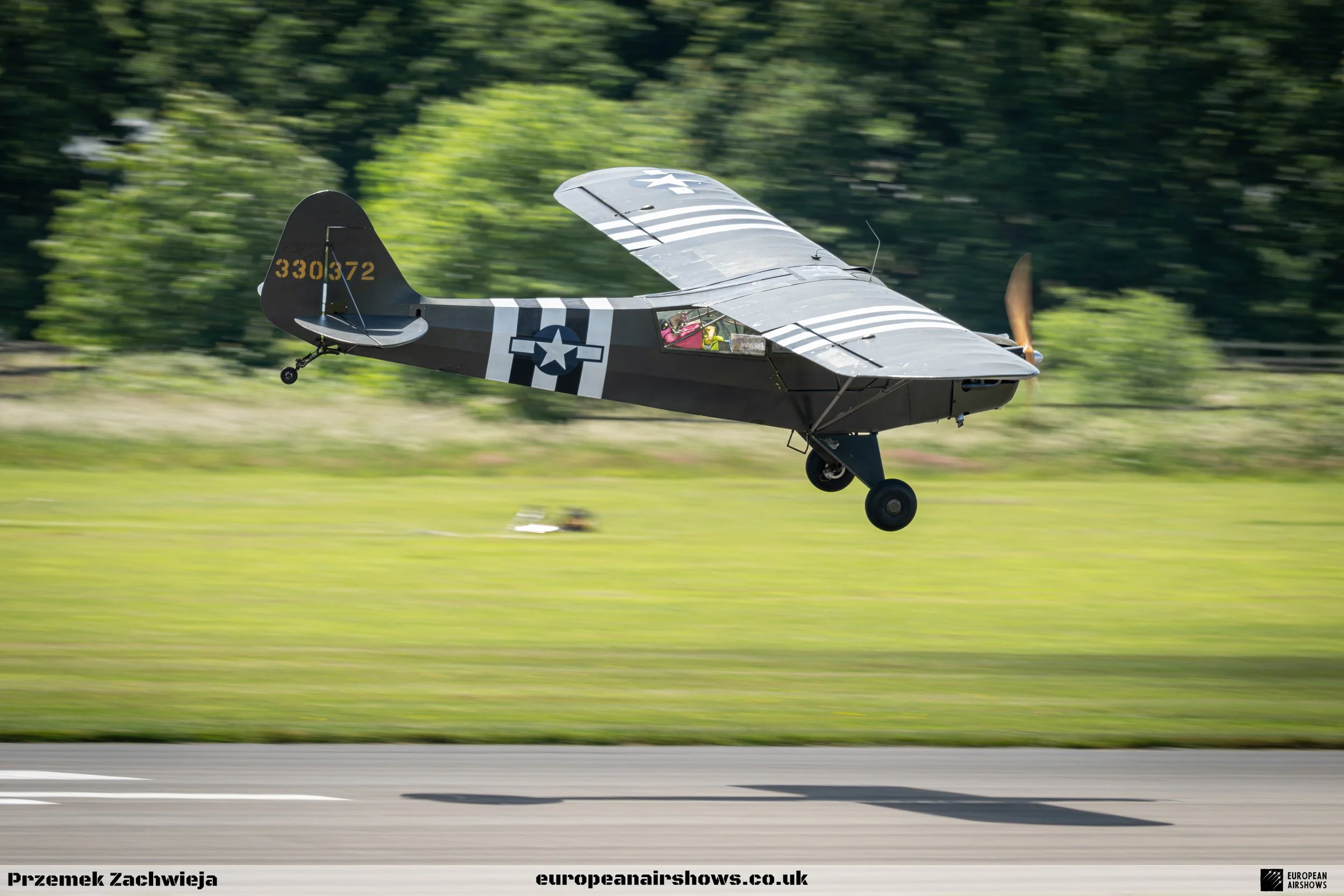
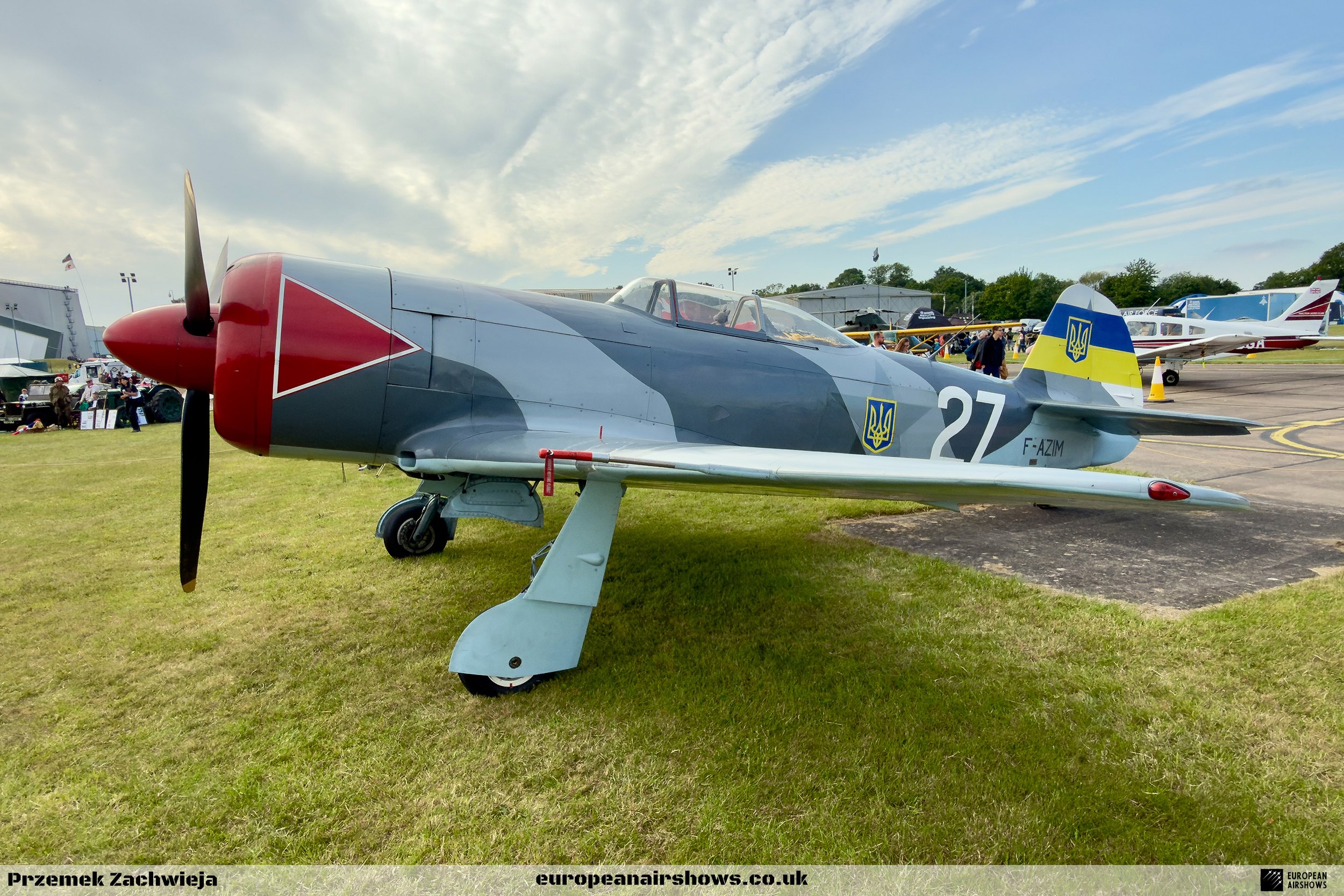
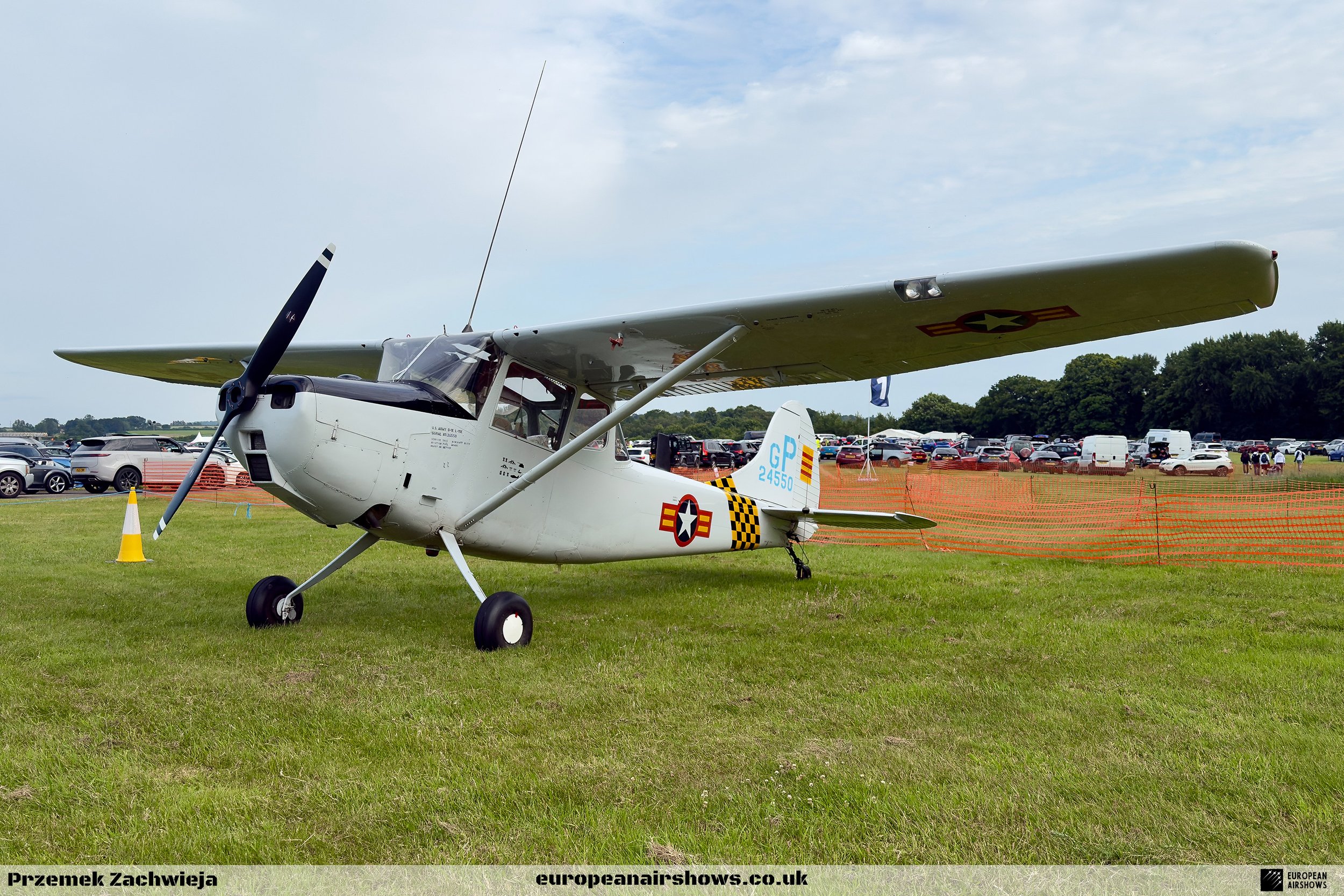
Other historic and vintage aircraft helped give the static display plenty of variety, including aircraft such as the Catalina, Harvard/Texan, Boeing Stearman, Spitfire, Piper L-4, Cessna Bird Dog, Yak-3, Jet Provost and others spread around the showground. Combined with the STEM hangars, RAF engagement areas, vintage village and museum access, the ground display was far more than something to fill the morning before the flying started. It was one of the strongest parts of the whole event.
The flying display could easily have felt badly wounded. In the run-up to the show, Cosford lost several significant acts. The Flying Bulls Aerobatic Team cancelled, as did the Flying Bulls F-86 Sabre. One of the two planned Mustangs, “Hurry Home Honey”, was also lost from the programme. The Norwegian Historical Squadron de Havilland Vampire, Rolls-Royce Heritage Flight Supermarine Spitfire PR.XIX and Royal Netherlands Air Force Historical Flight Supermarine Spitfire Mk.IX were further late cancellations. The BBMF Dakota also failed to make the show after further technical issues, continuing a frustrating start to its season.
That is a lot for any airshow to absorb, especially so close to the event.
To Cosford’s credit, the final flying programme did not feel thin. Quite the opposite. Replacements and late additions were found, the running order grew rather than shrank, and the end result was a long, busy and surprisingly complete display. The organisers deserve real credit for that. Cancellations are part of airshows, but recovering from that many changes and still producing a display of this size takes proper work behind the scenes.
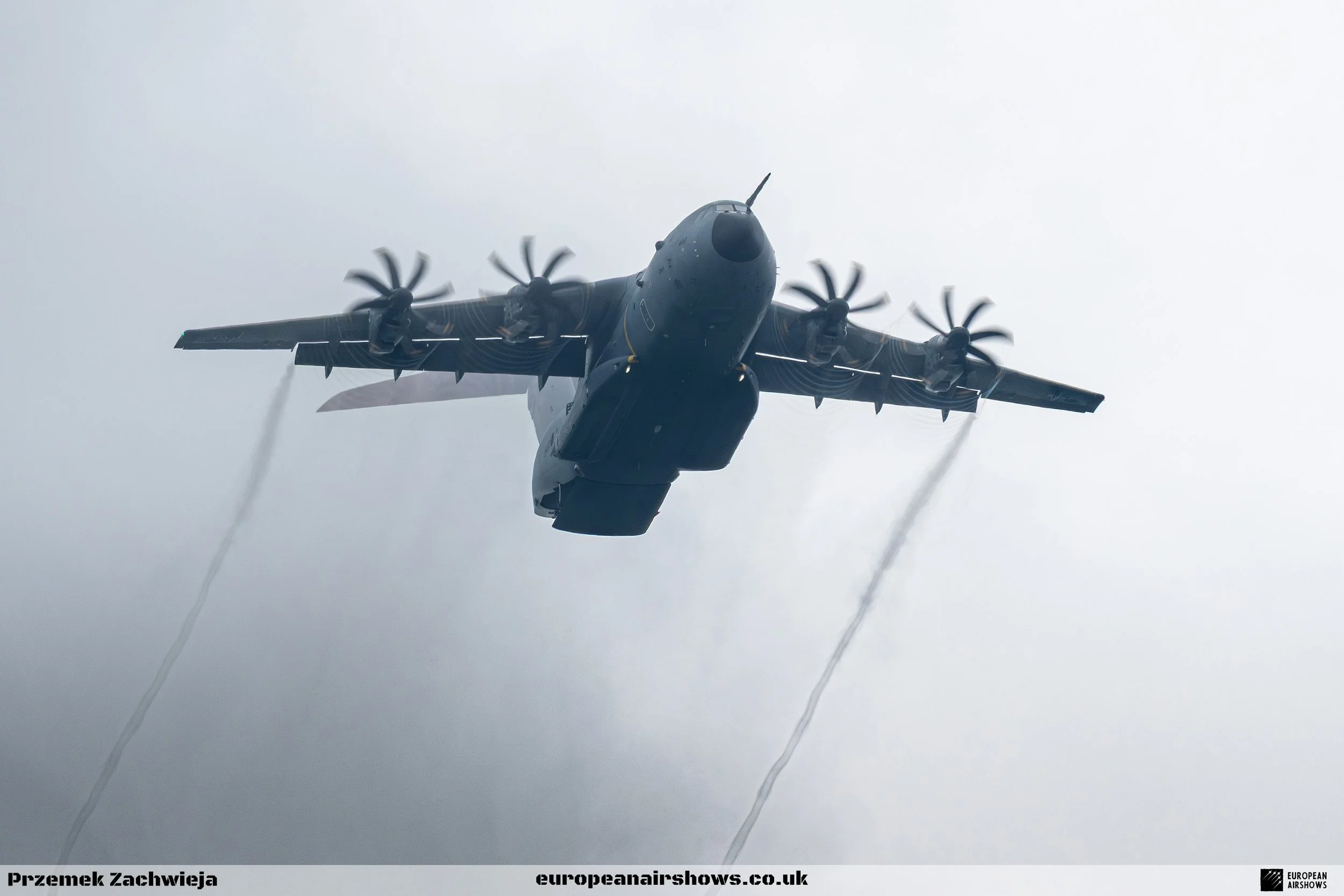
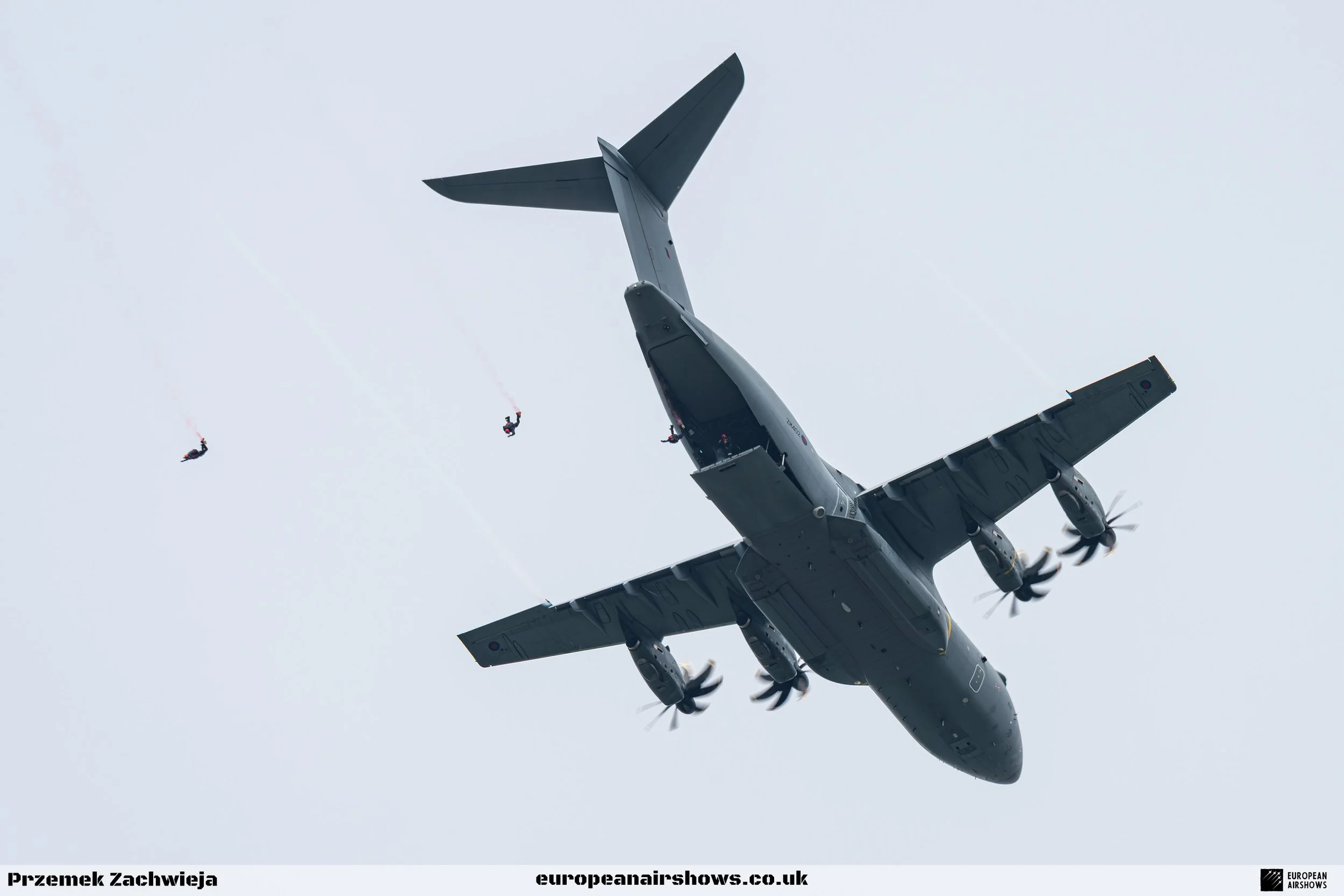
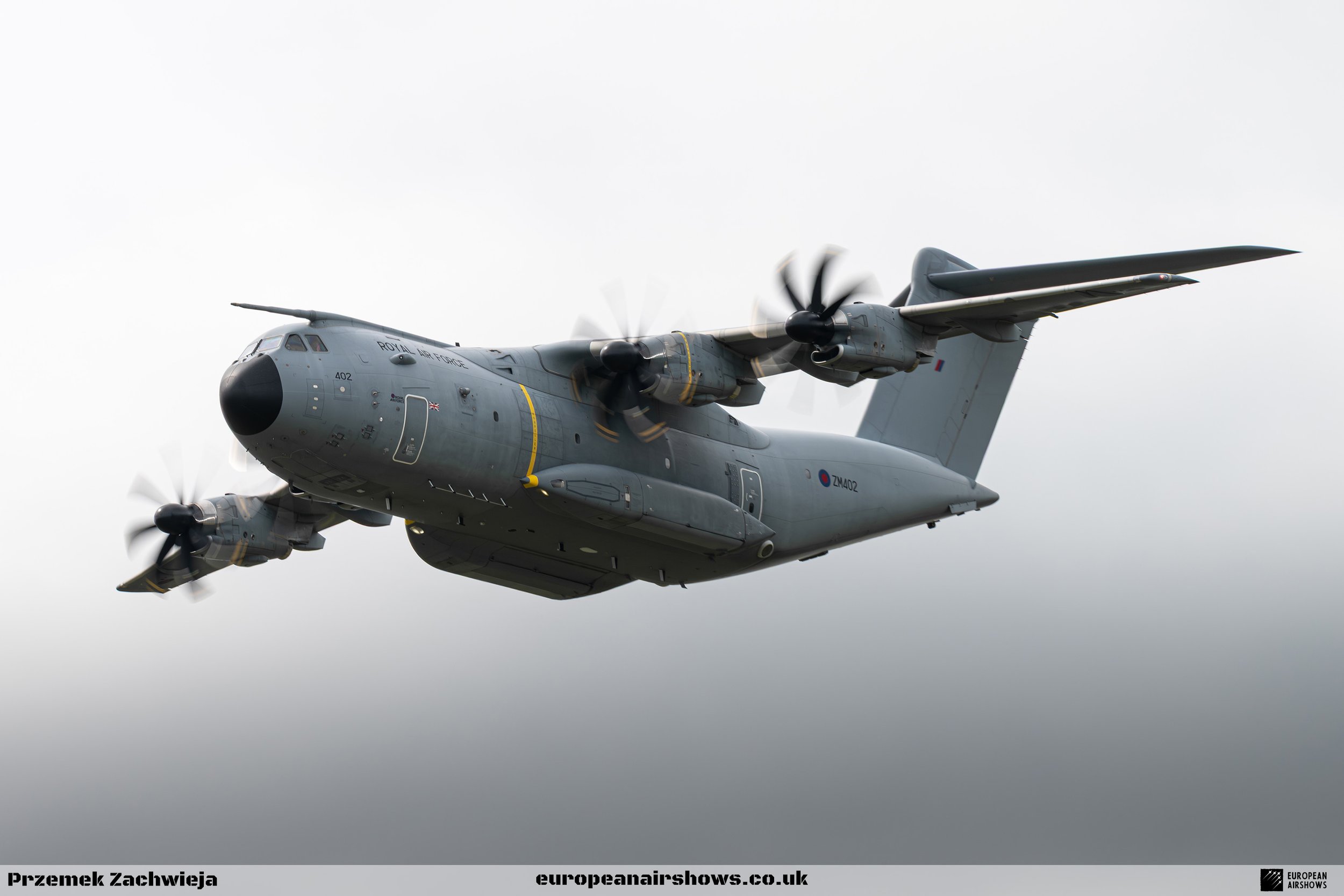
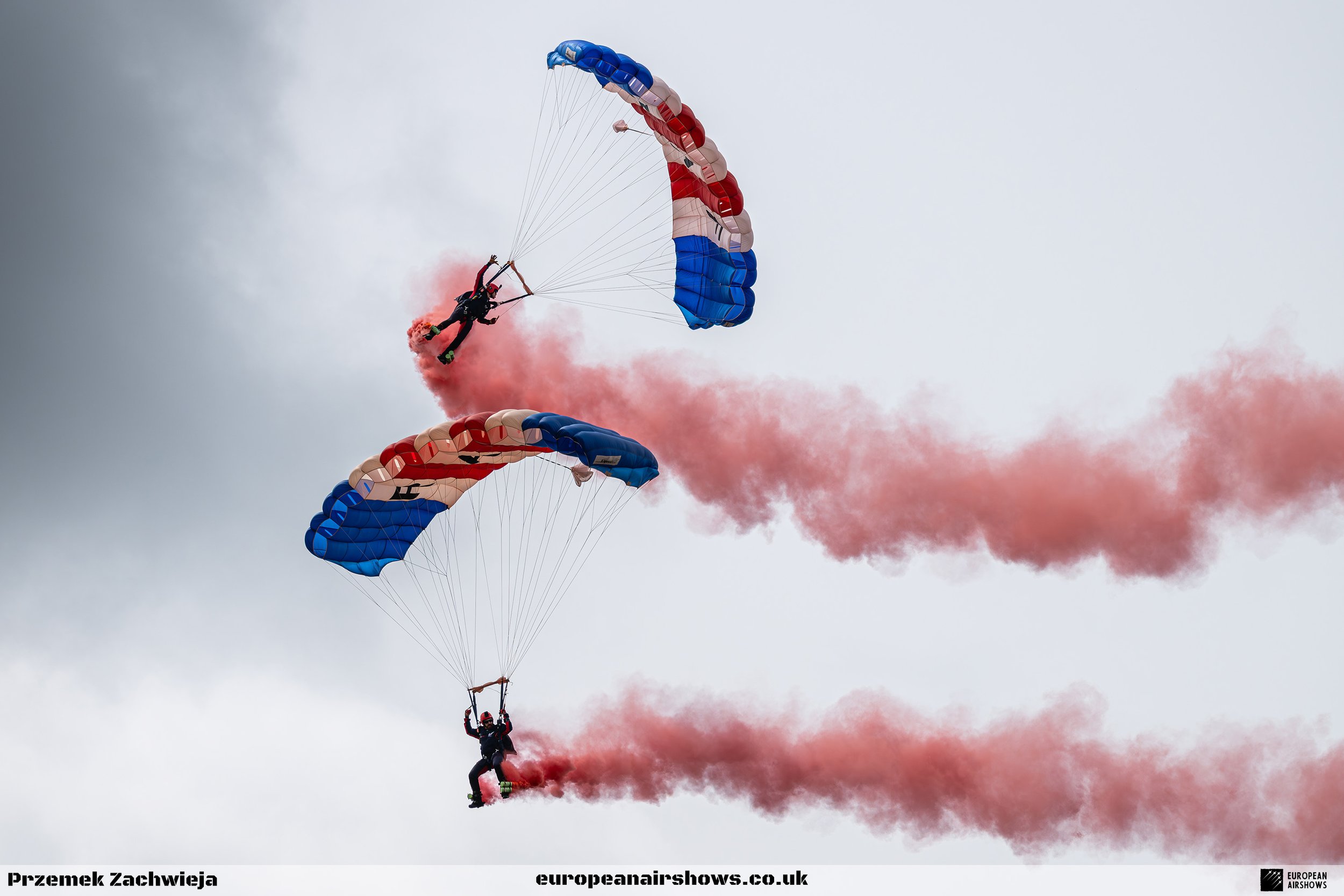
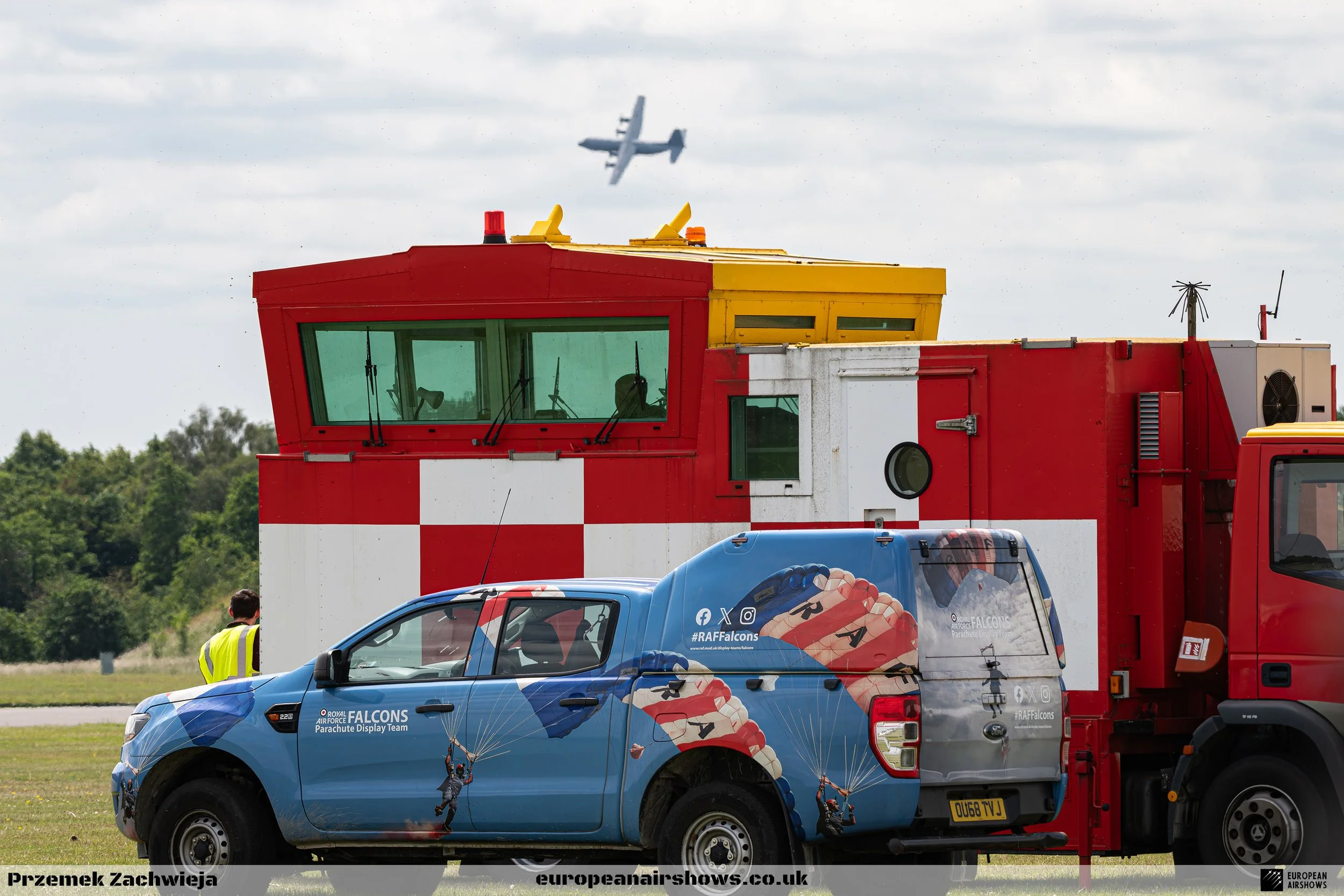
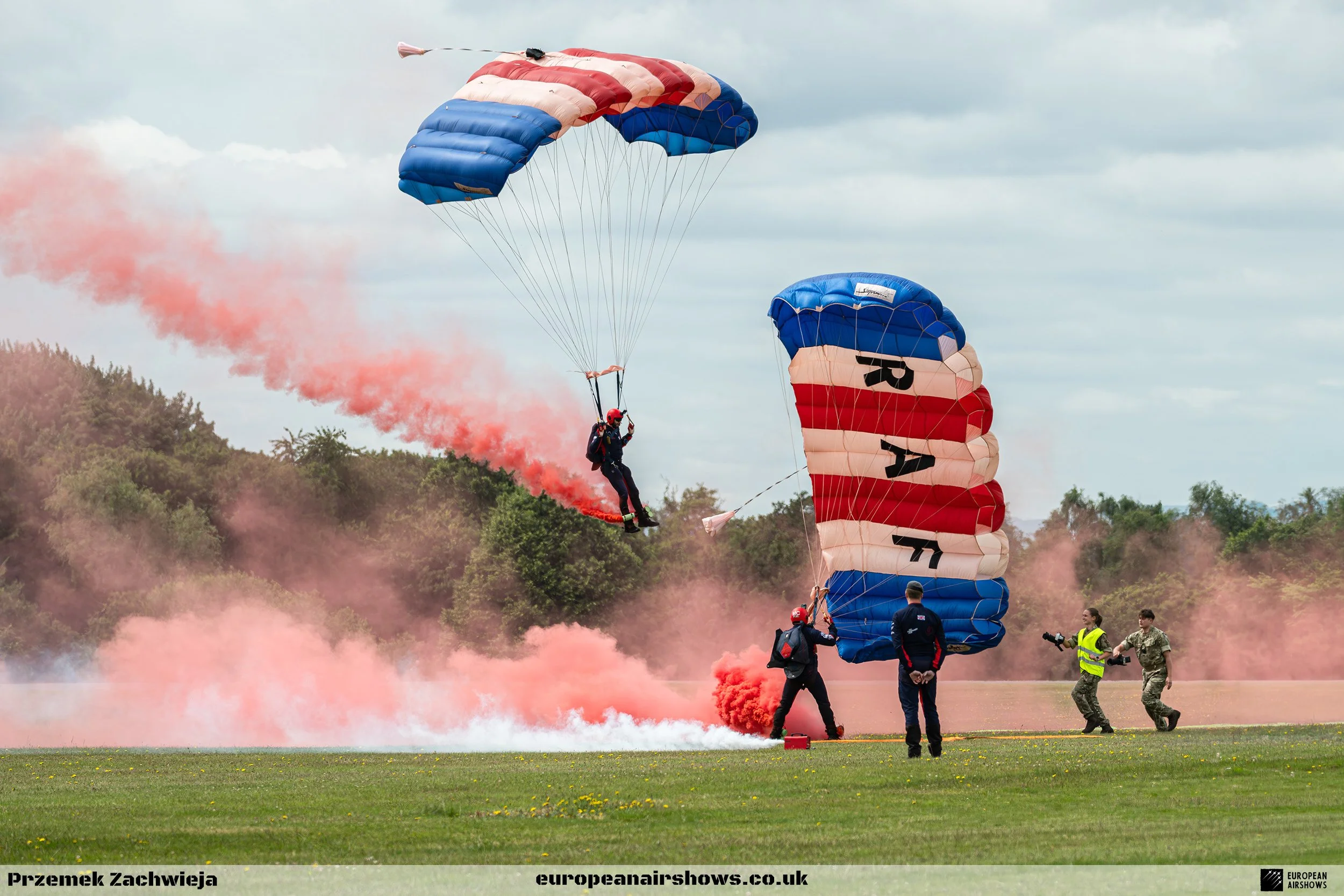
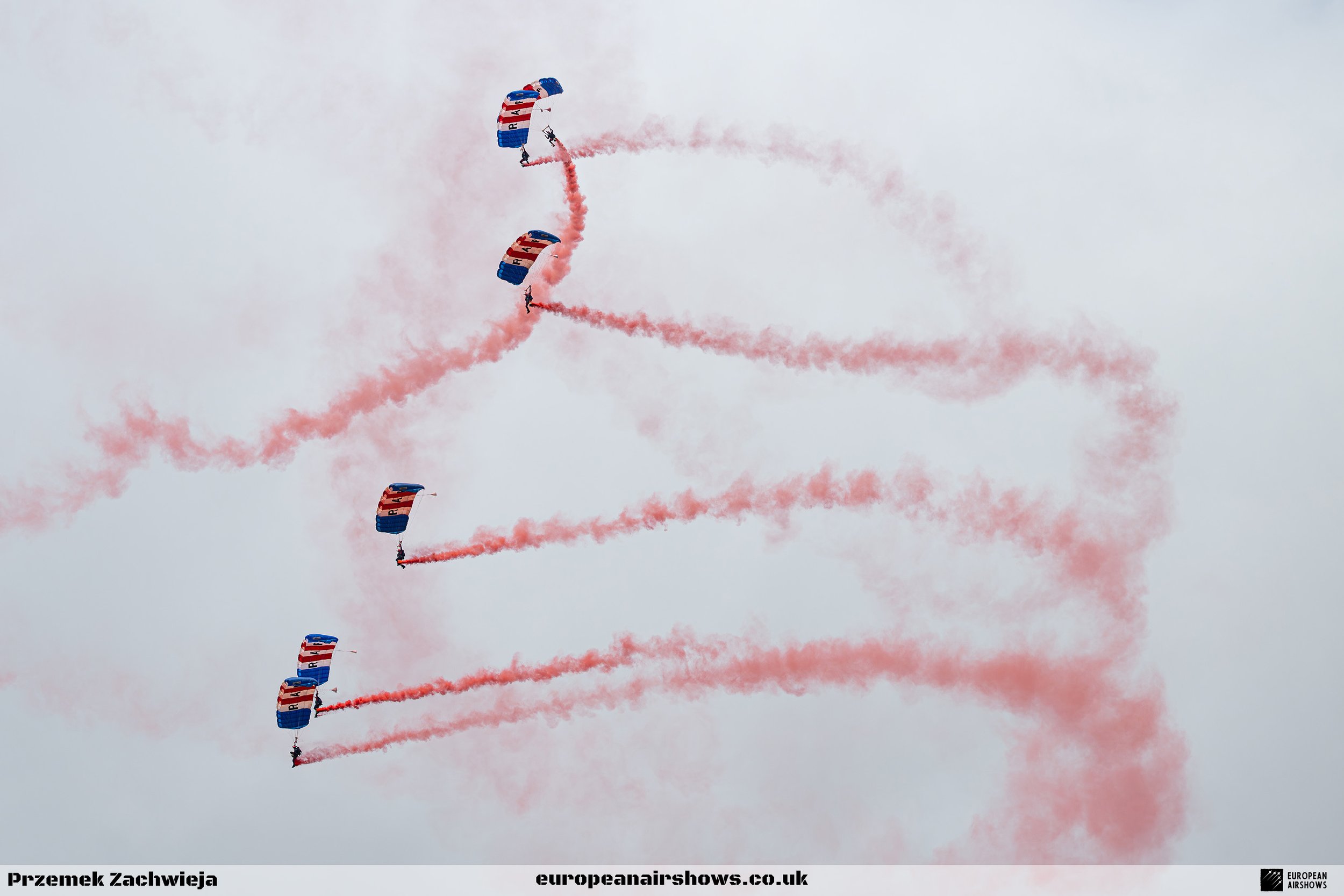
In traditional Cosford fashion, the RAF Falcons opened the flying display. Their jump platform this year was an RAF Airbus A400M Atlas C.1, which gave the opening a much more substantial feel than a simple parachute drop. The Atlas later returned for a flypast, adding a modern RAF air mobility element to the start of the programme.
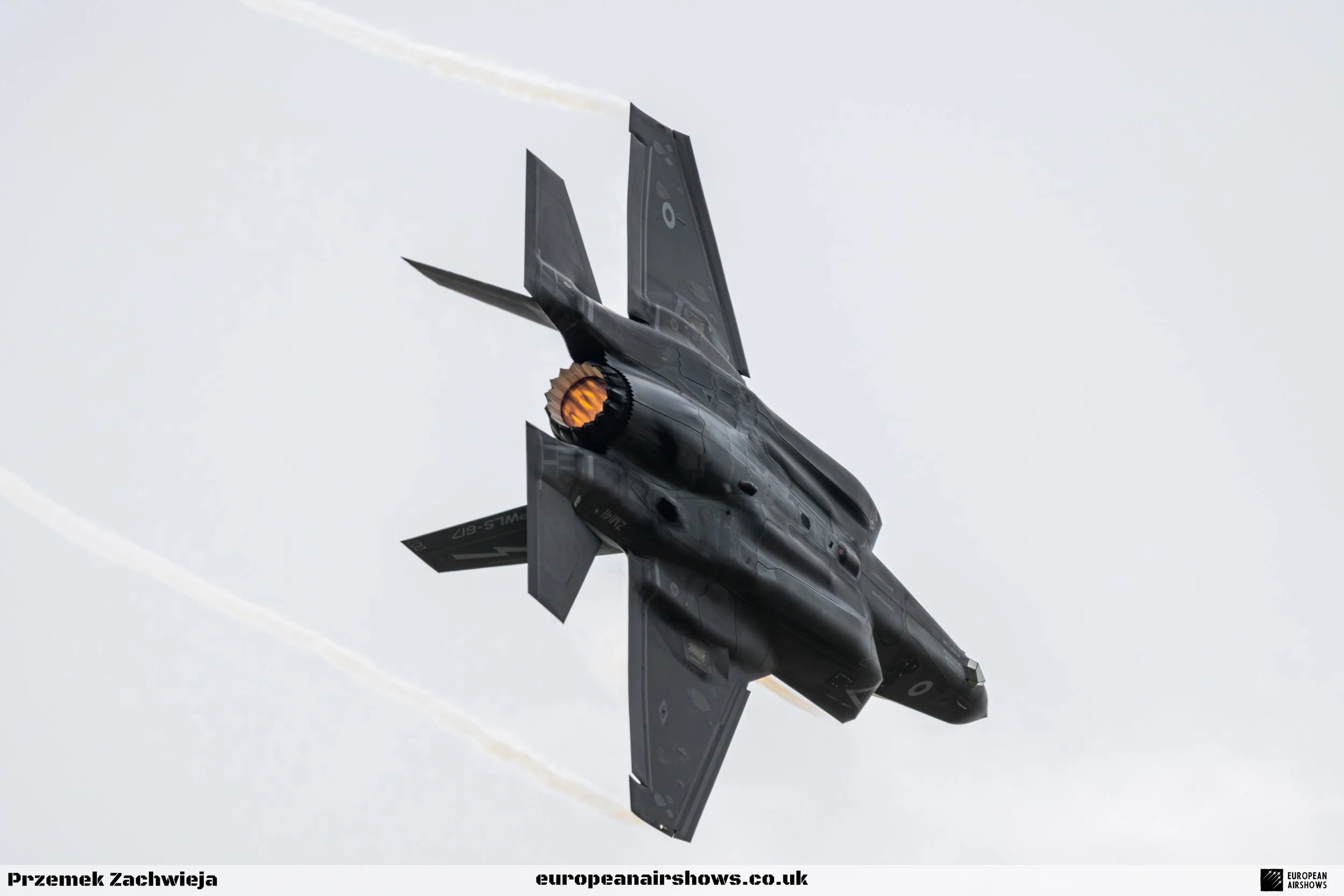
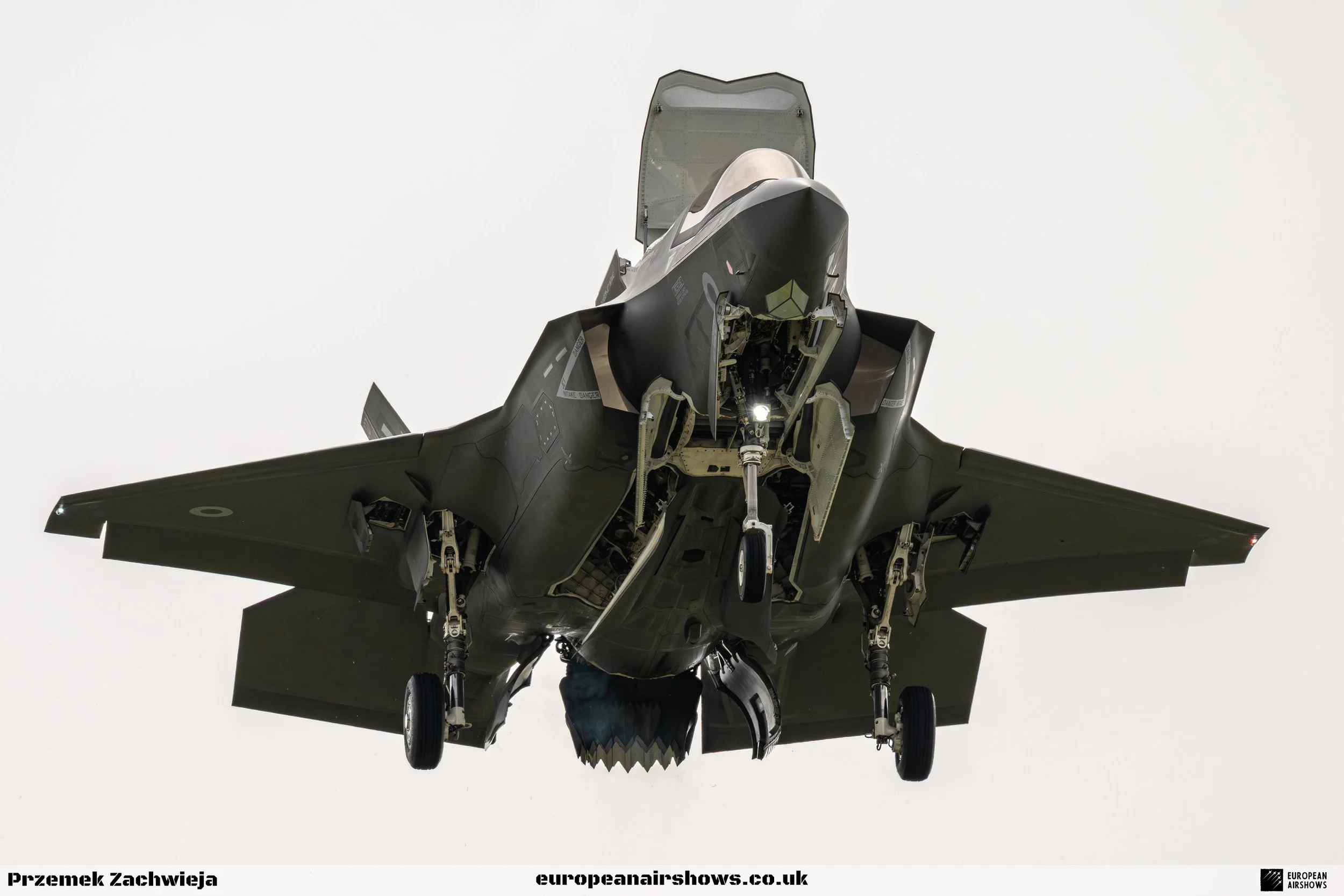
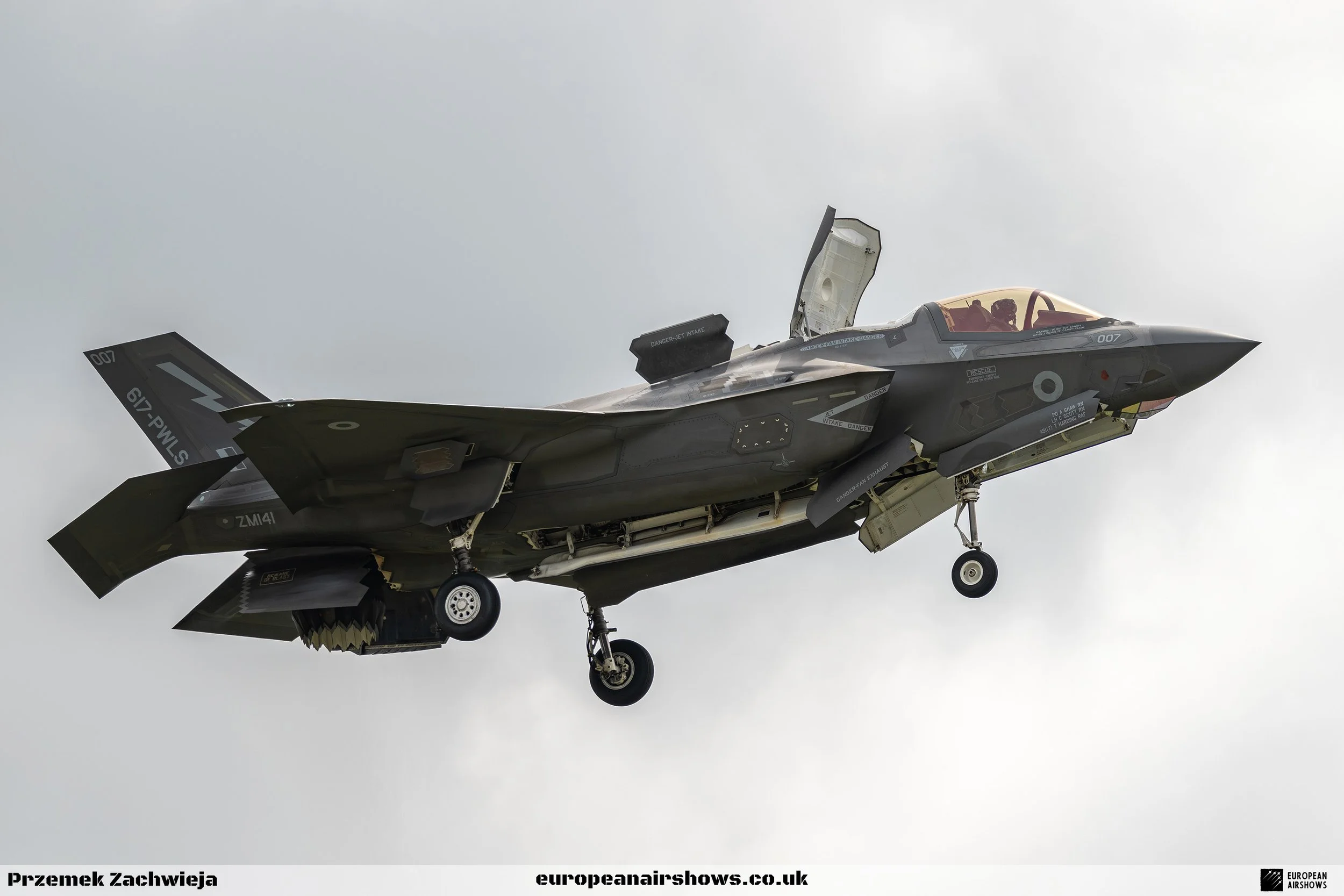
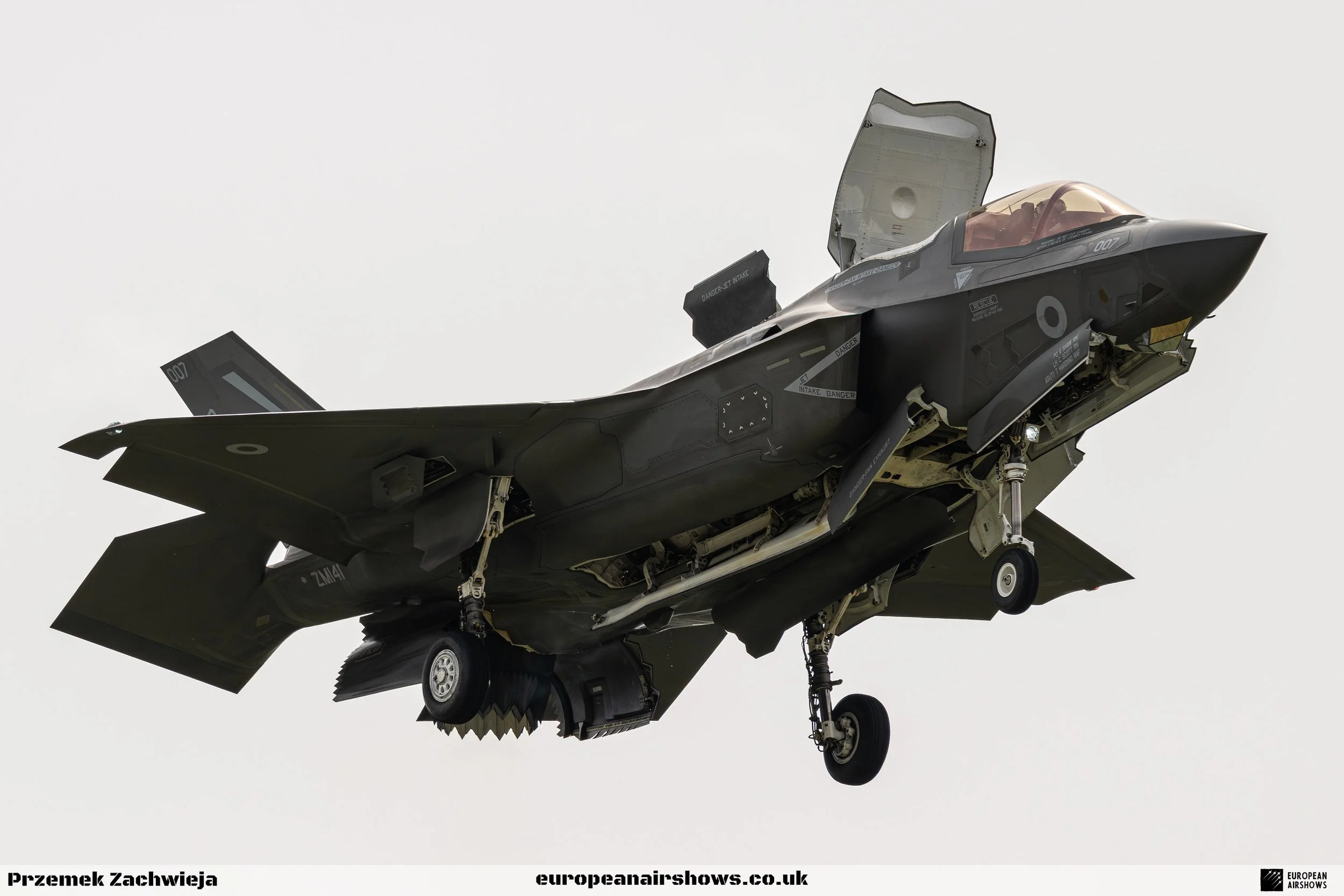
The first major RAF fast-jet moment came from the Lockheed Martin F-35B Lightning II. It was not a full aerobatic display, but the flypast and hover demonstration still drew a big reaction from the crowd. The F-35B is one of those aircraft that divides opinion, but when it transitions into the hover in front of a crowd it remains a remarkable sight. It was brief, loud and very memorable.
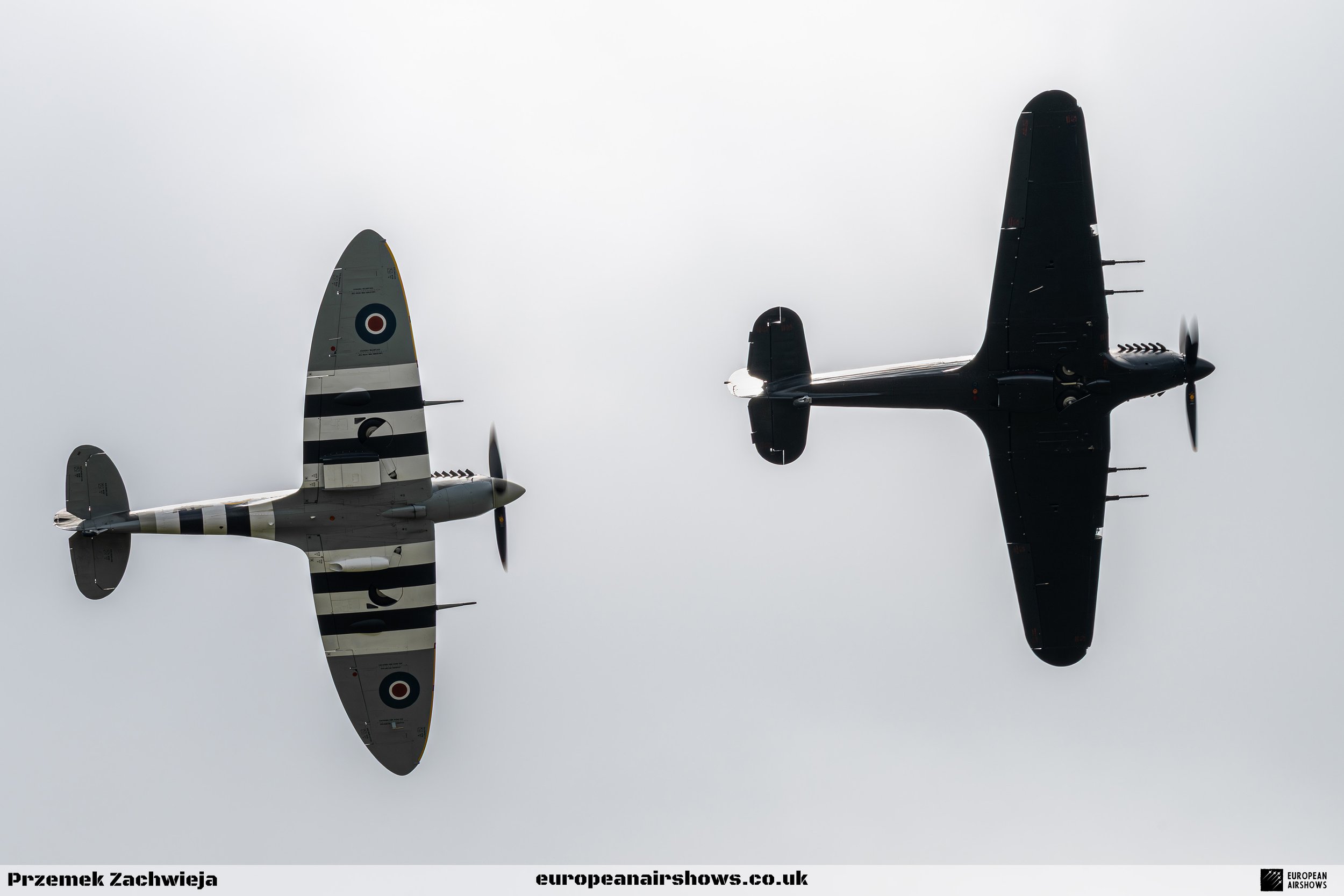
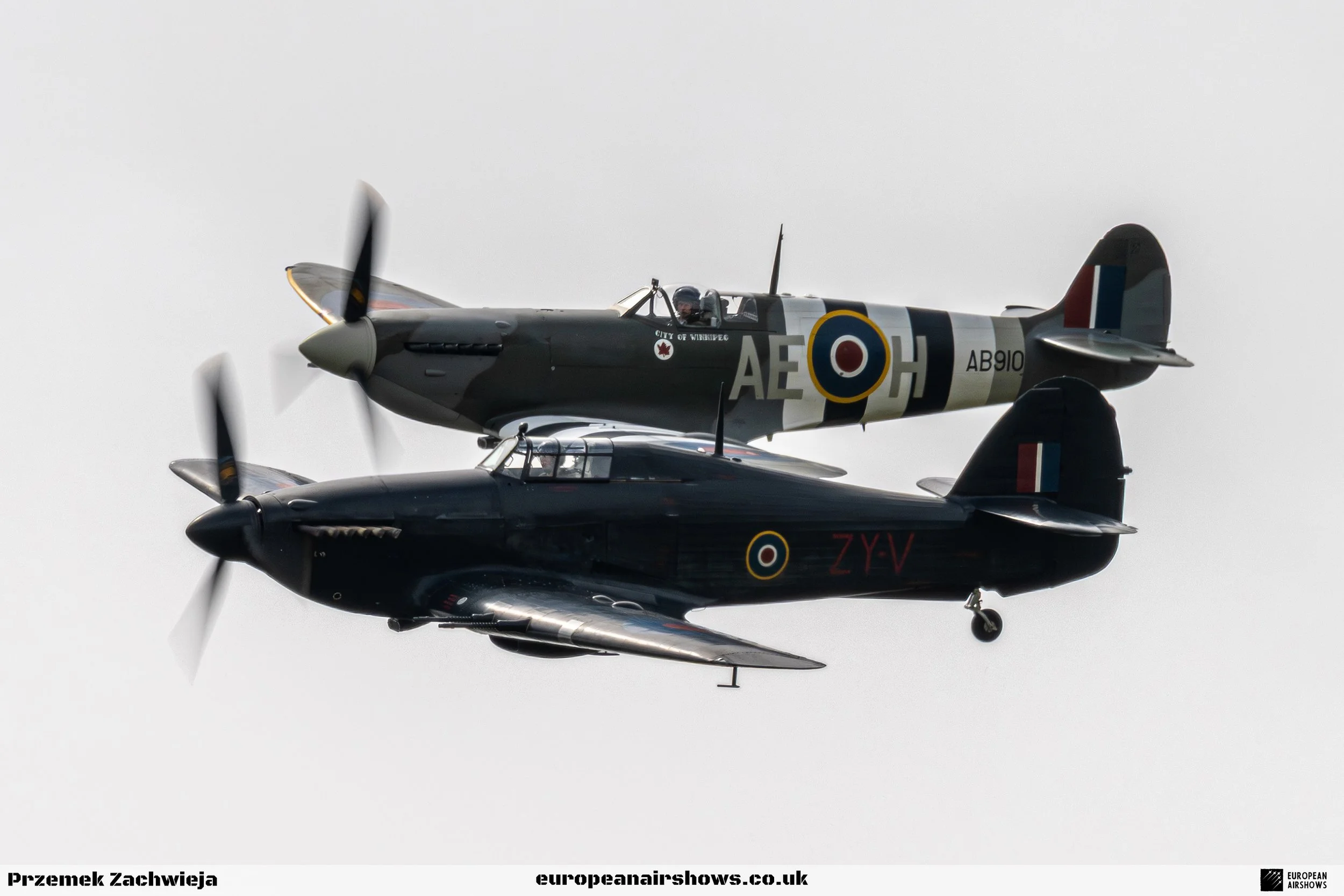
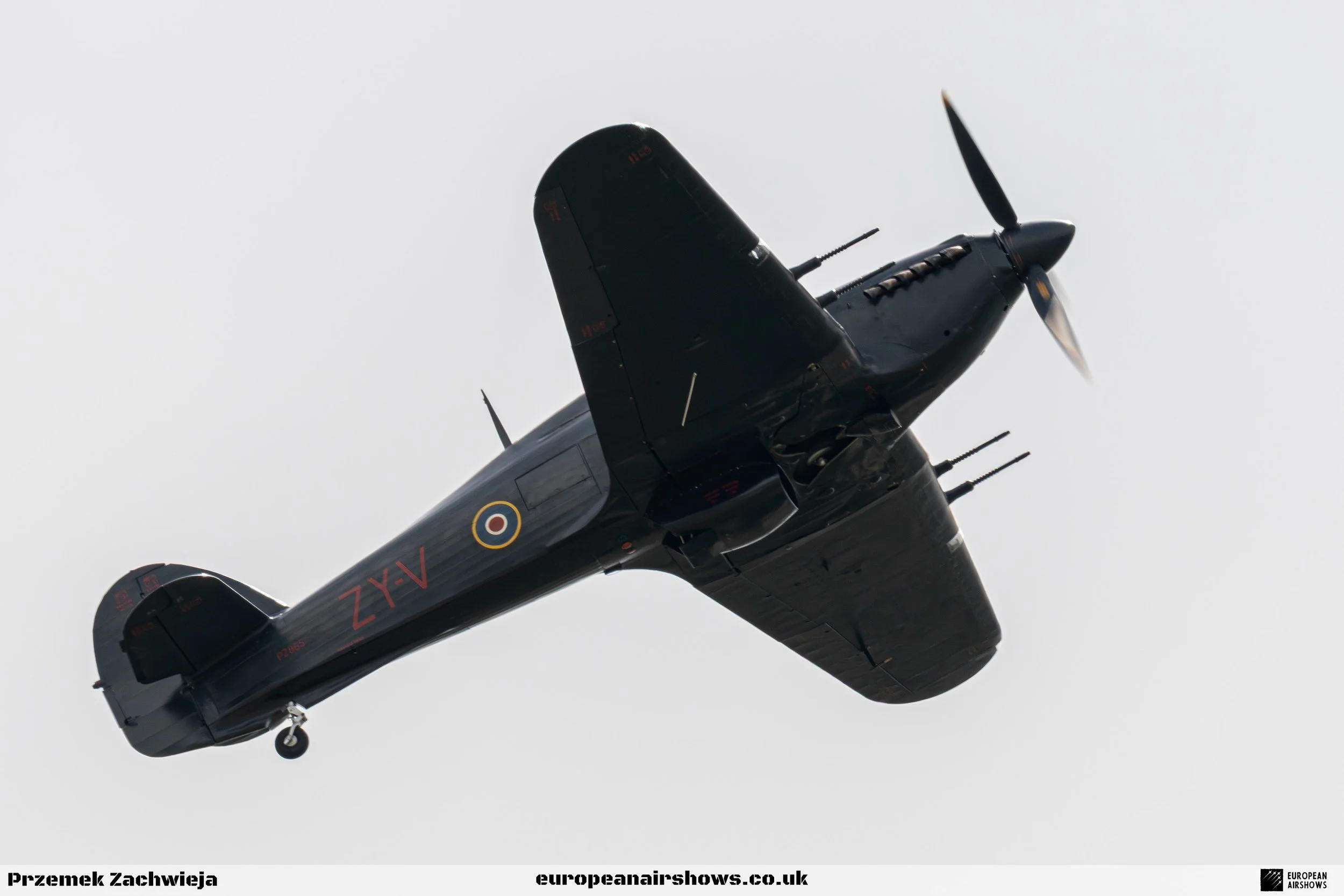
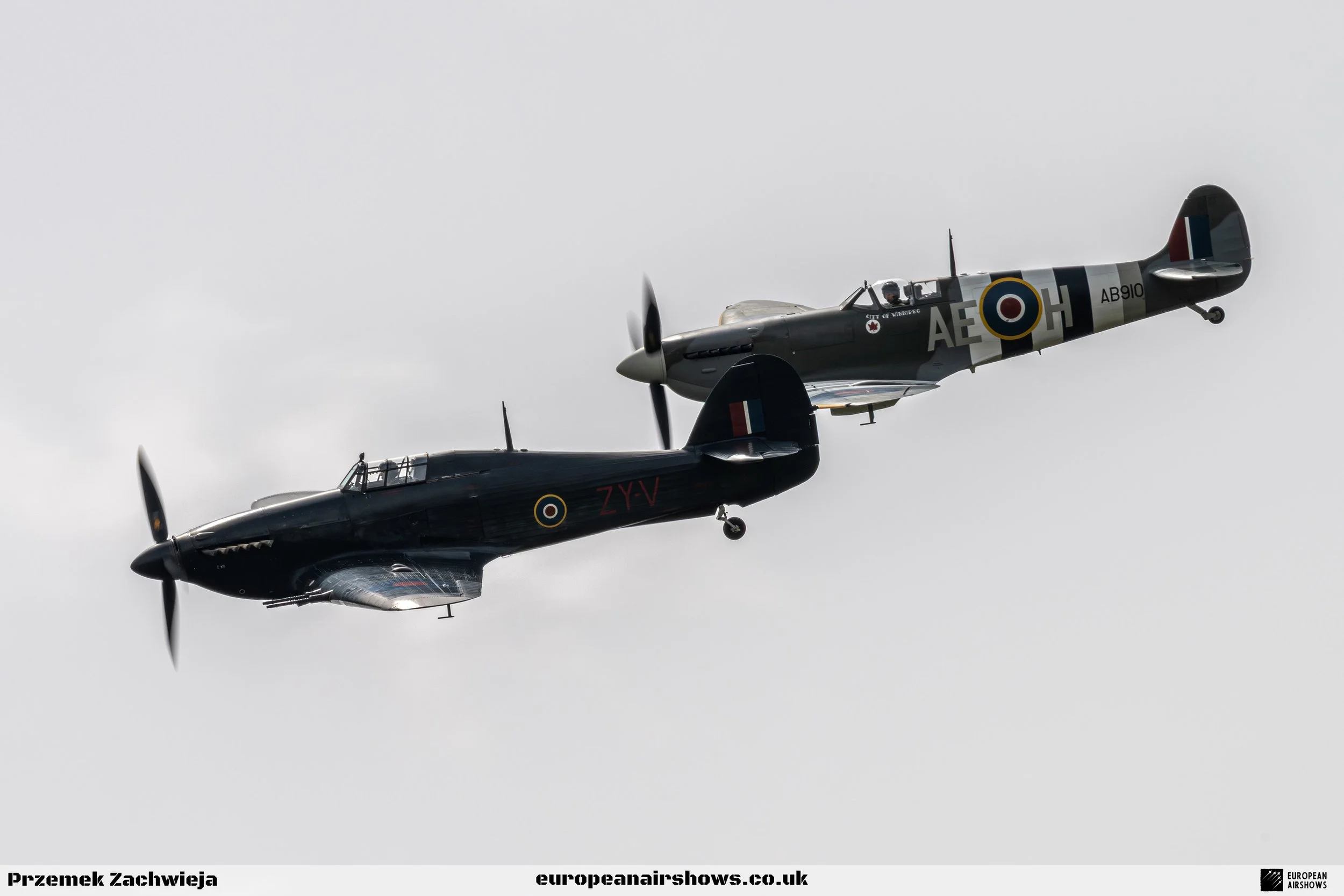
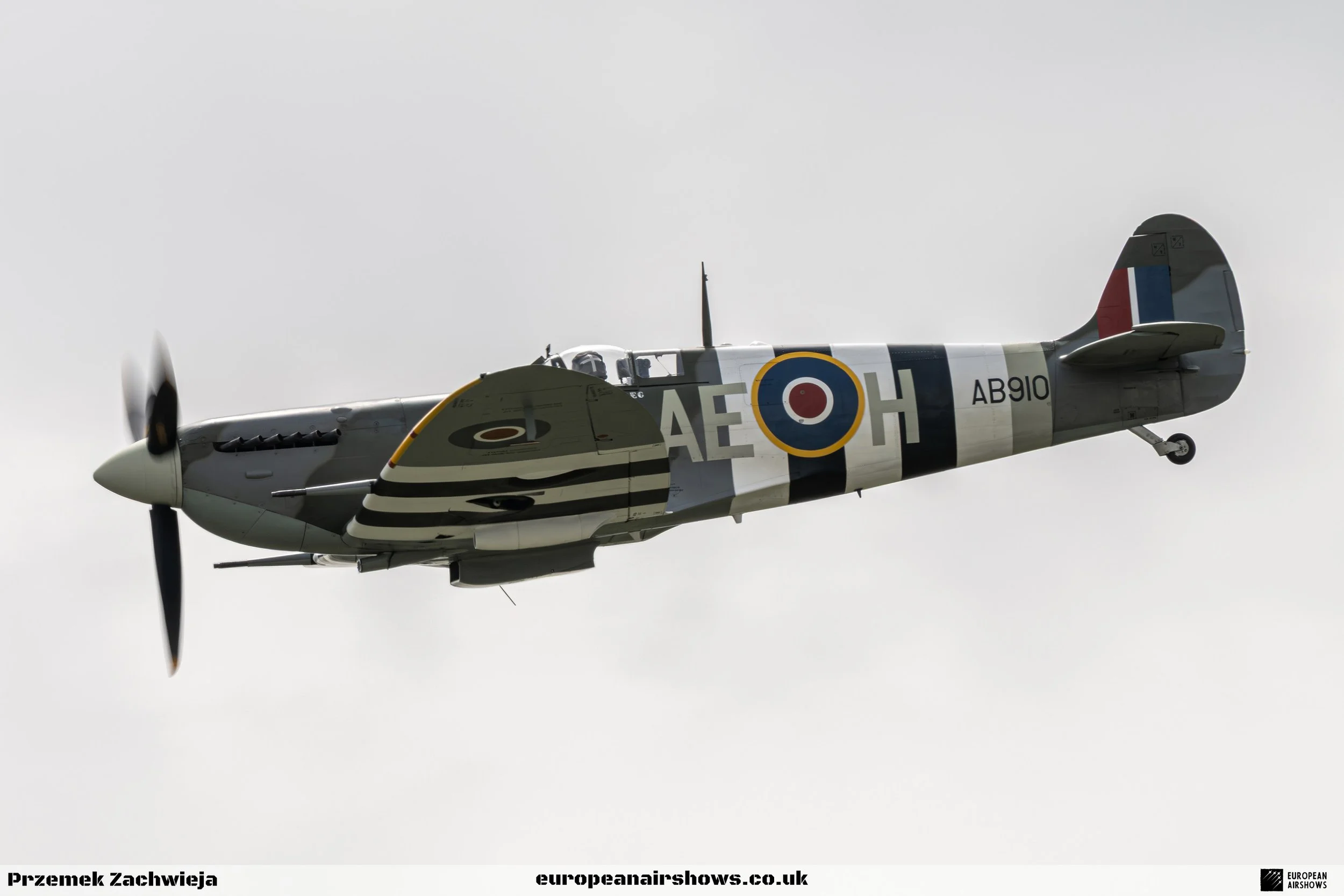
The Battle of Britain Memorial Flight was due to appear with its Dakota, Spitfire and Hurricane, but with the Dakota unavailable the display was left to the fighters. The Spitfire and Hurricane still gave Cosford an important wartime RAF presence, bringing the pace down and the atmosphere up. Against the improving but still hazy sky, their display was more about shape, sound and history than outright spectacle, but it fitted the RAF show setting perfectly.
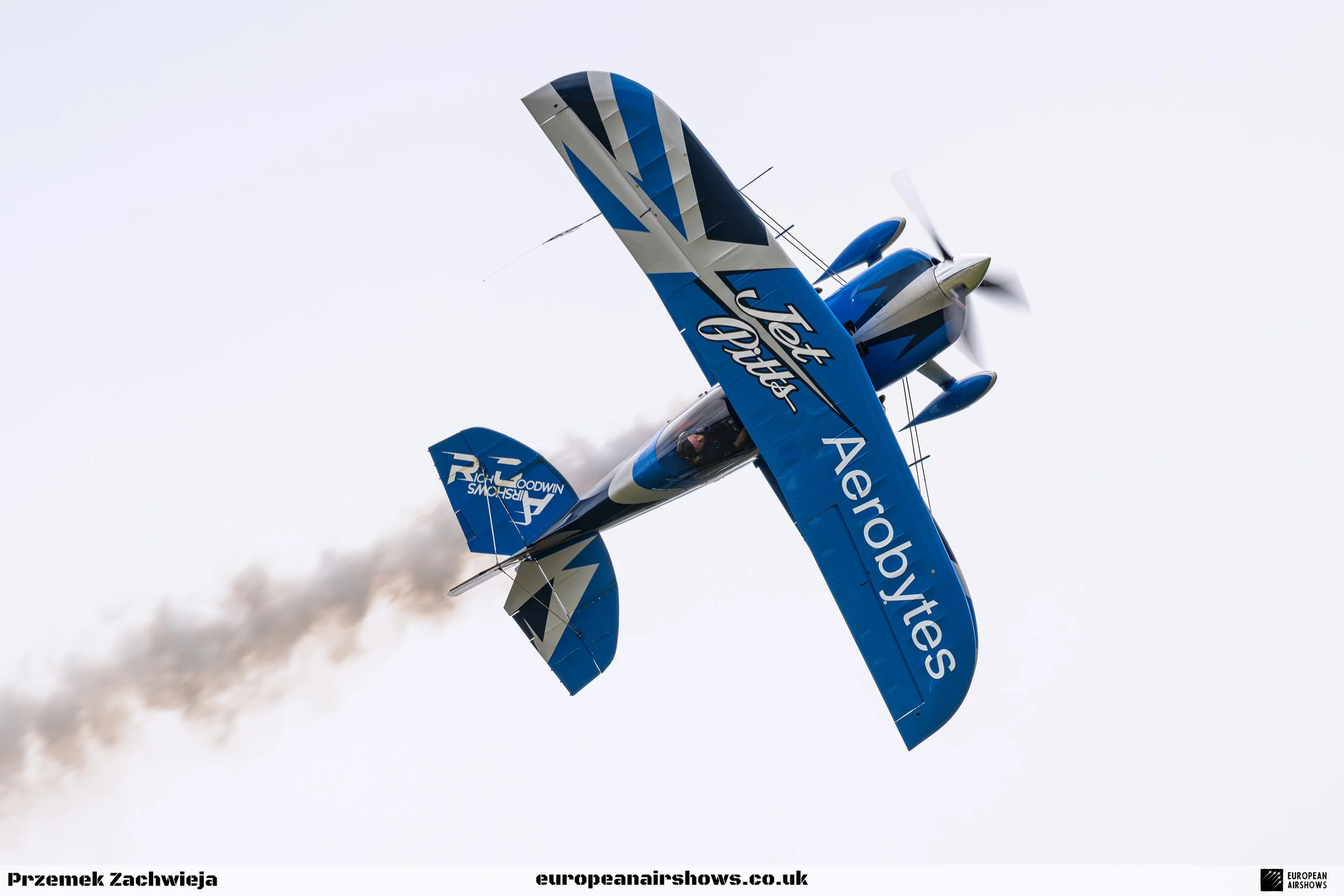
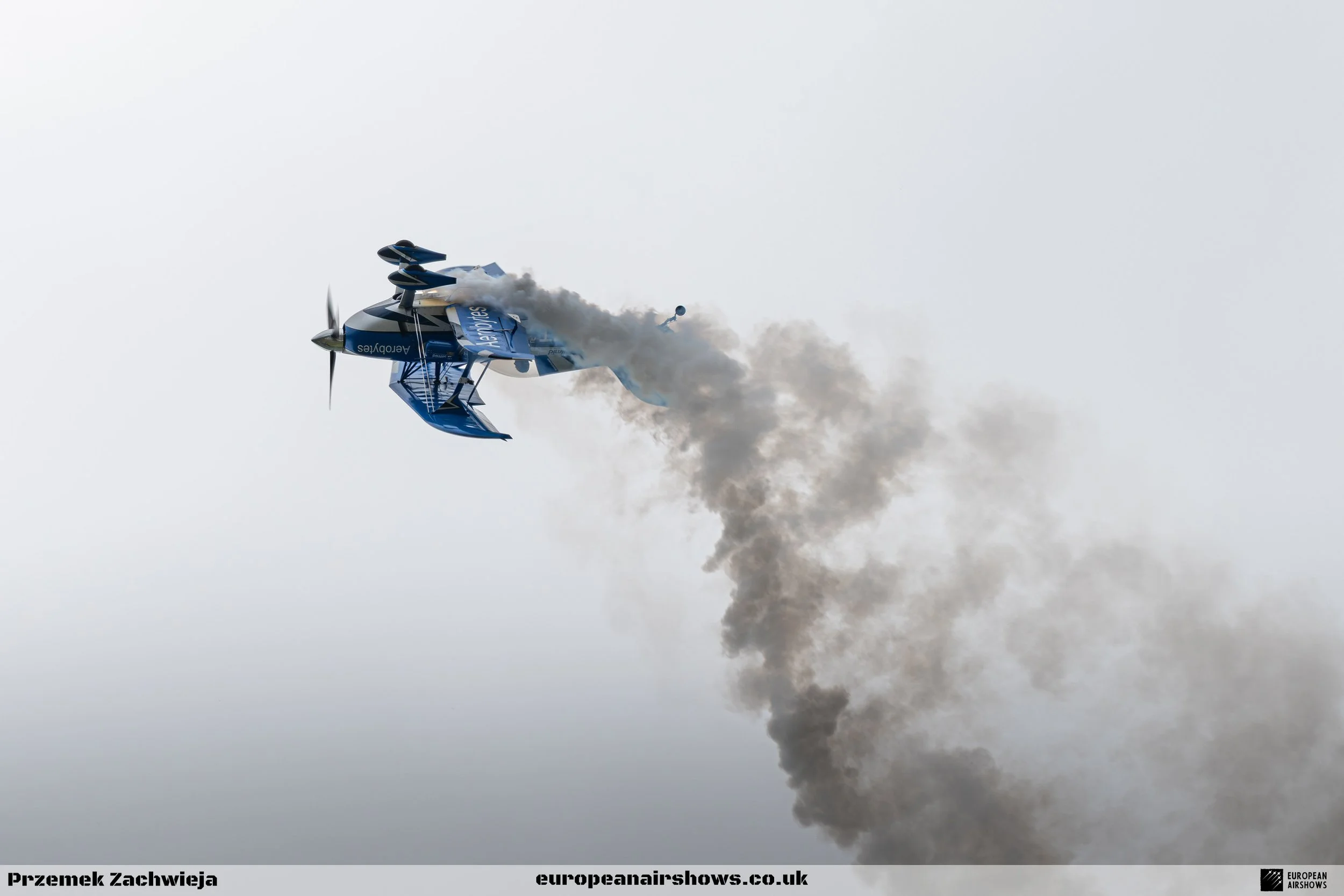
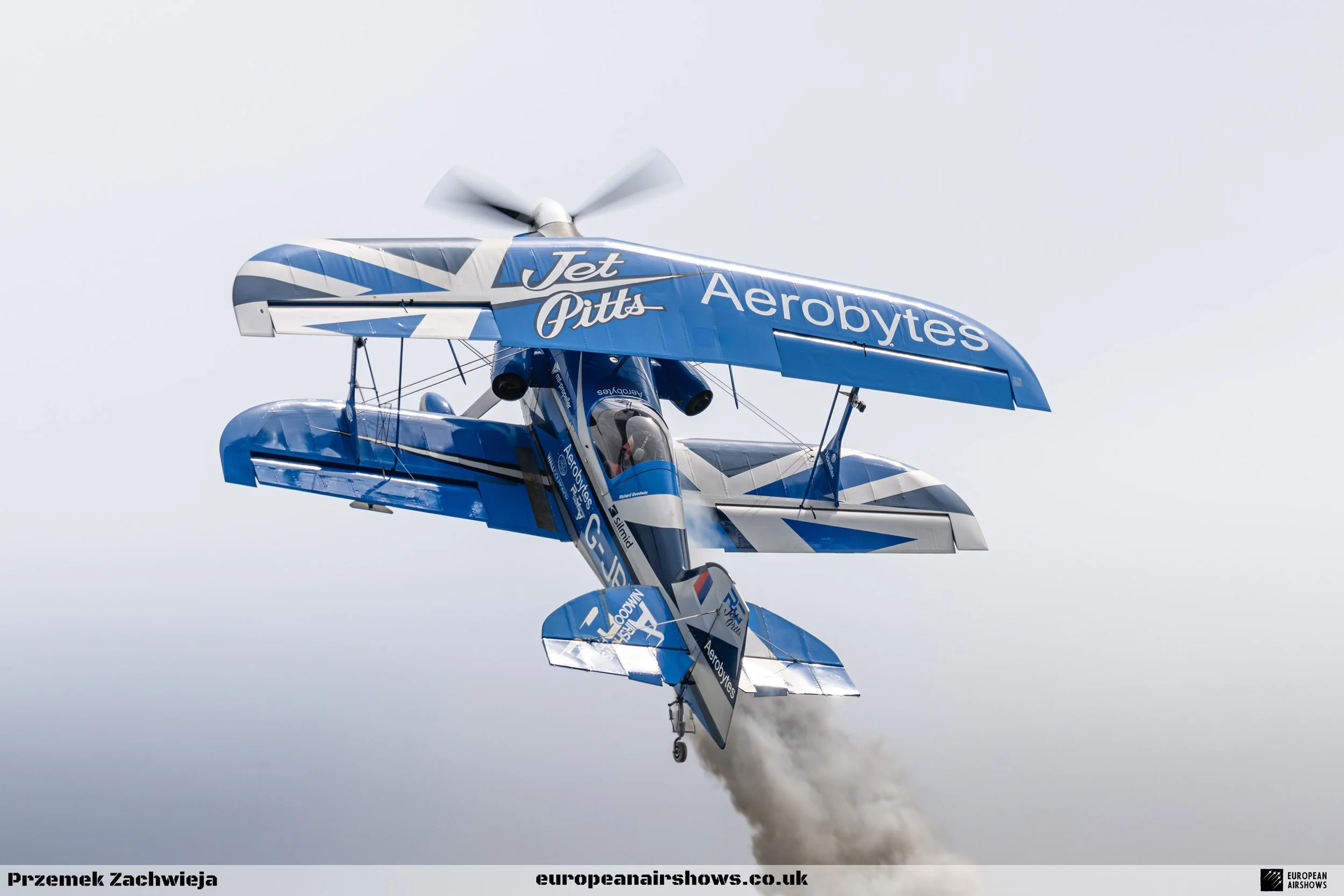
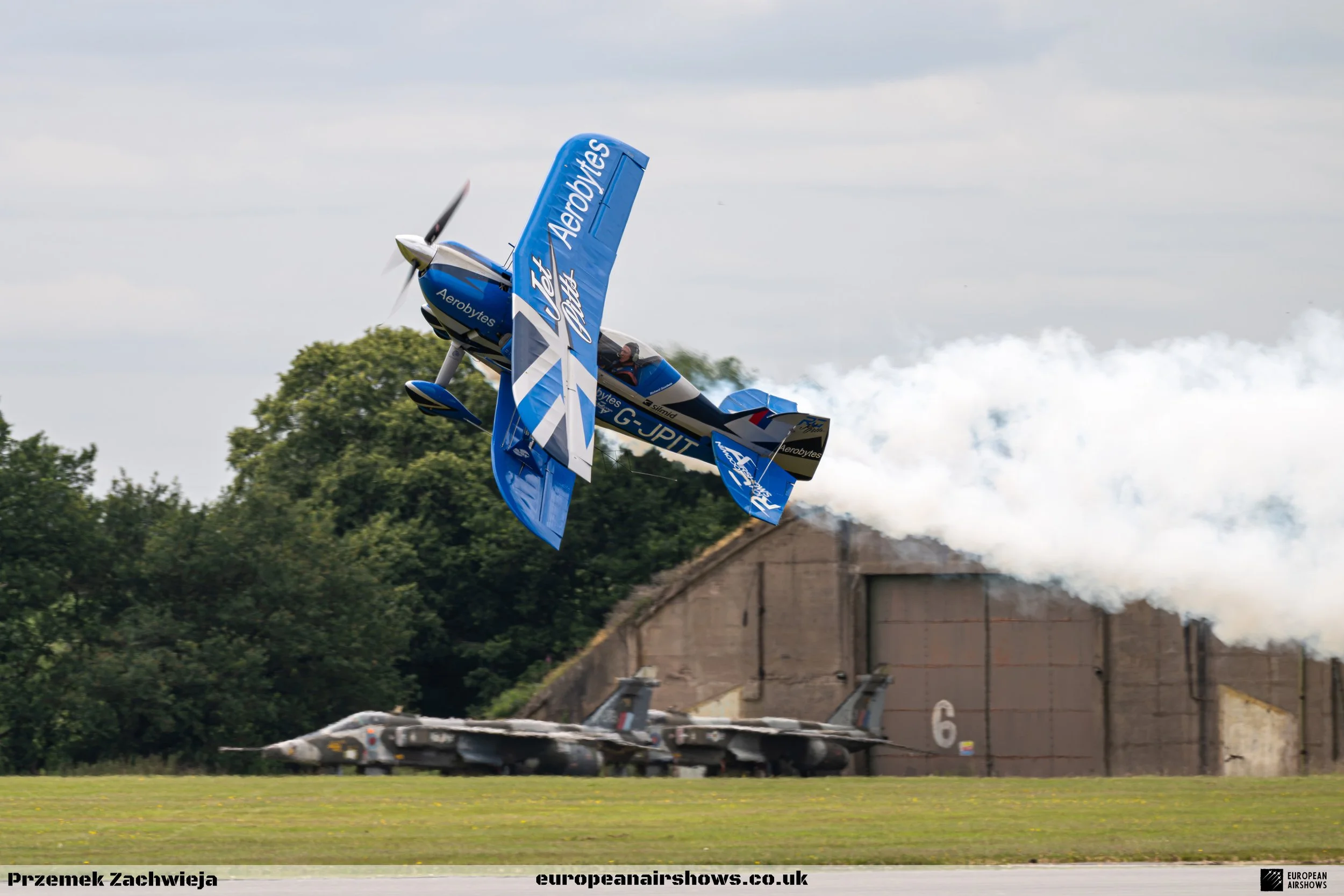
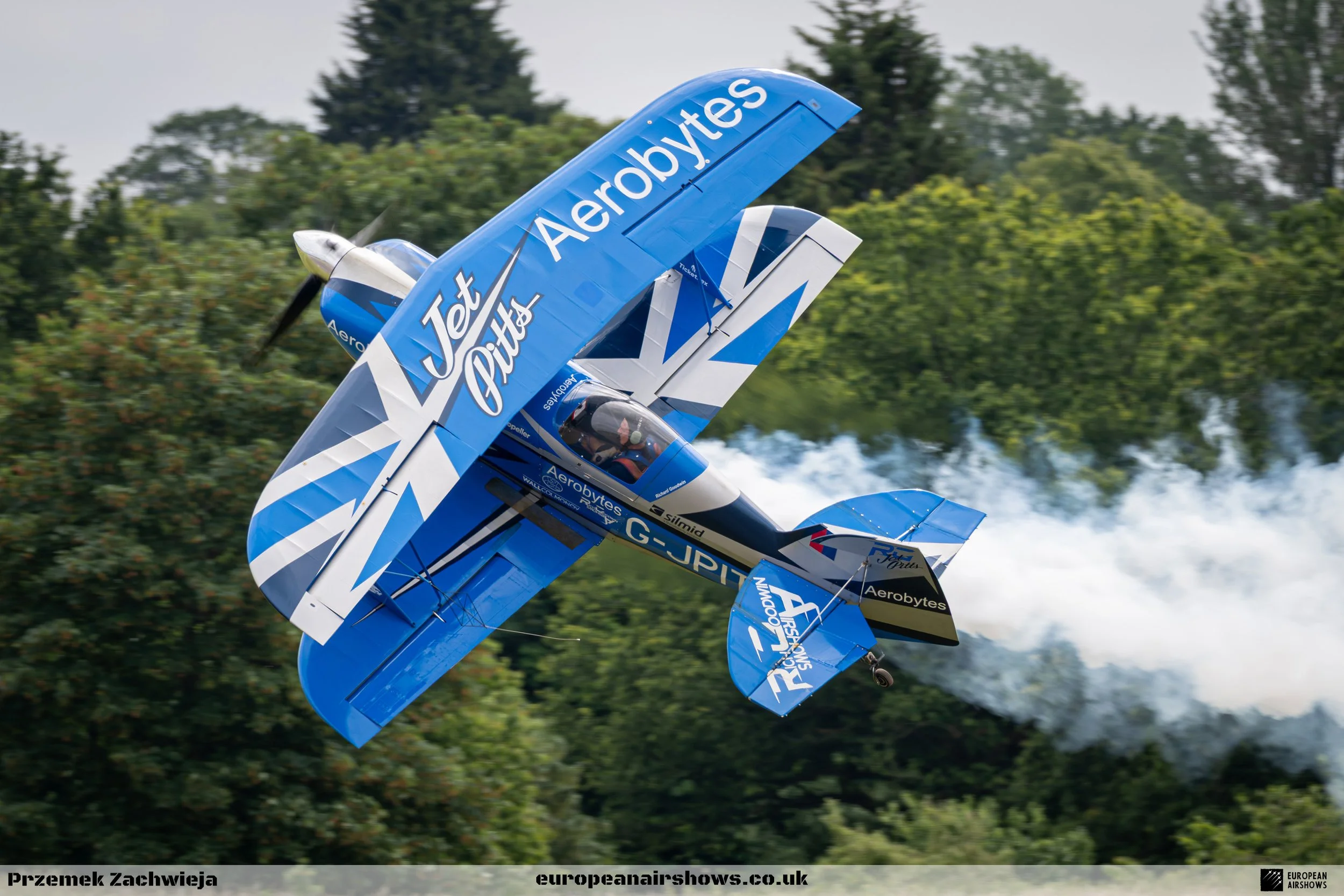
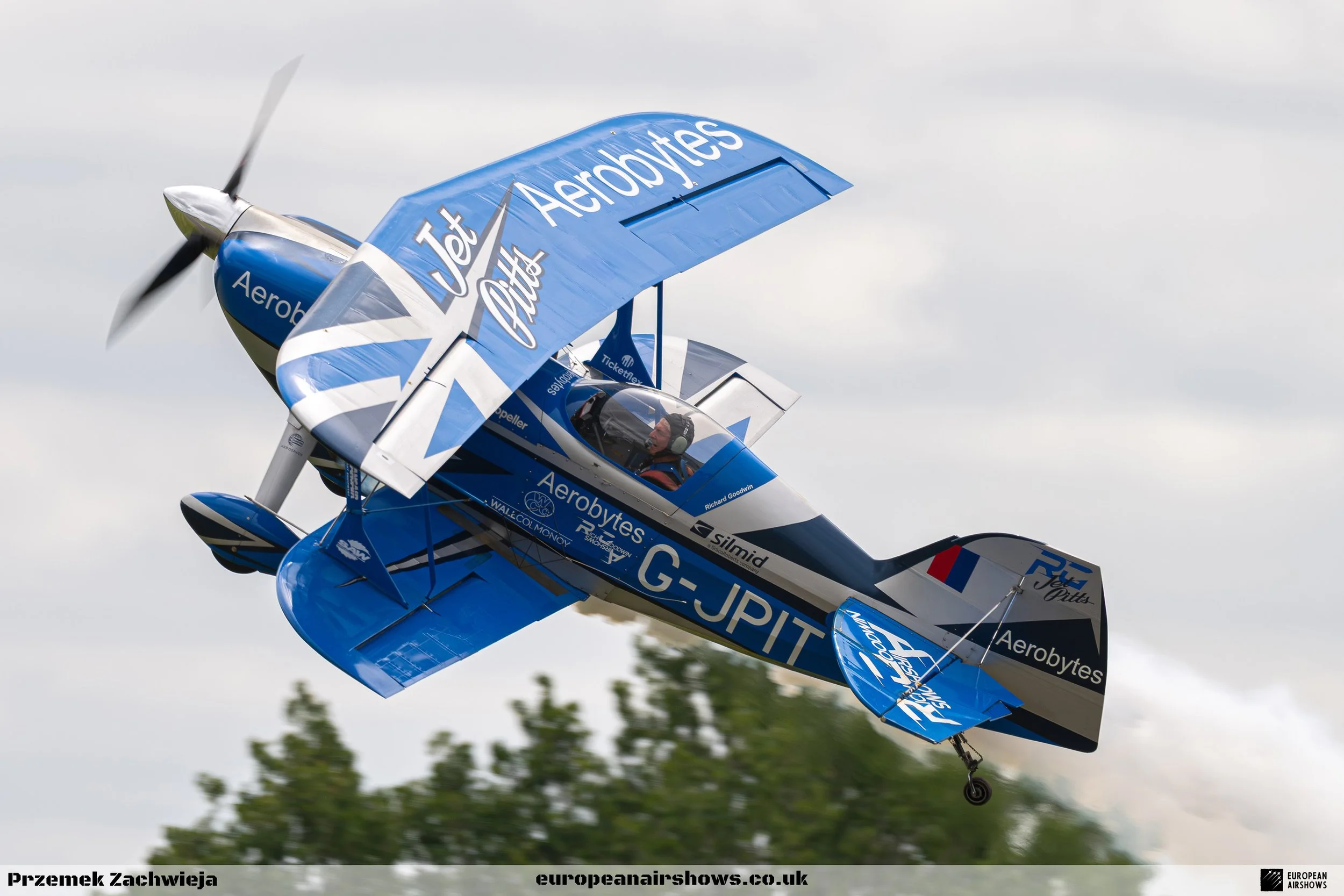
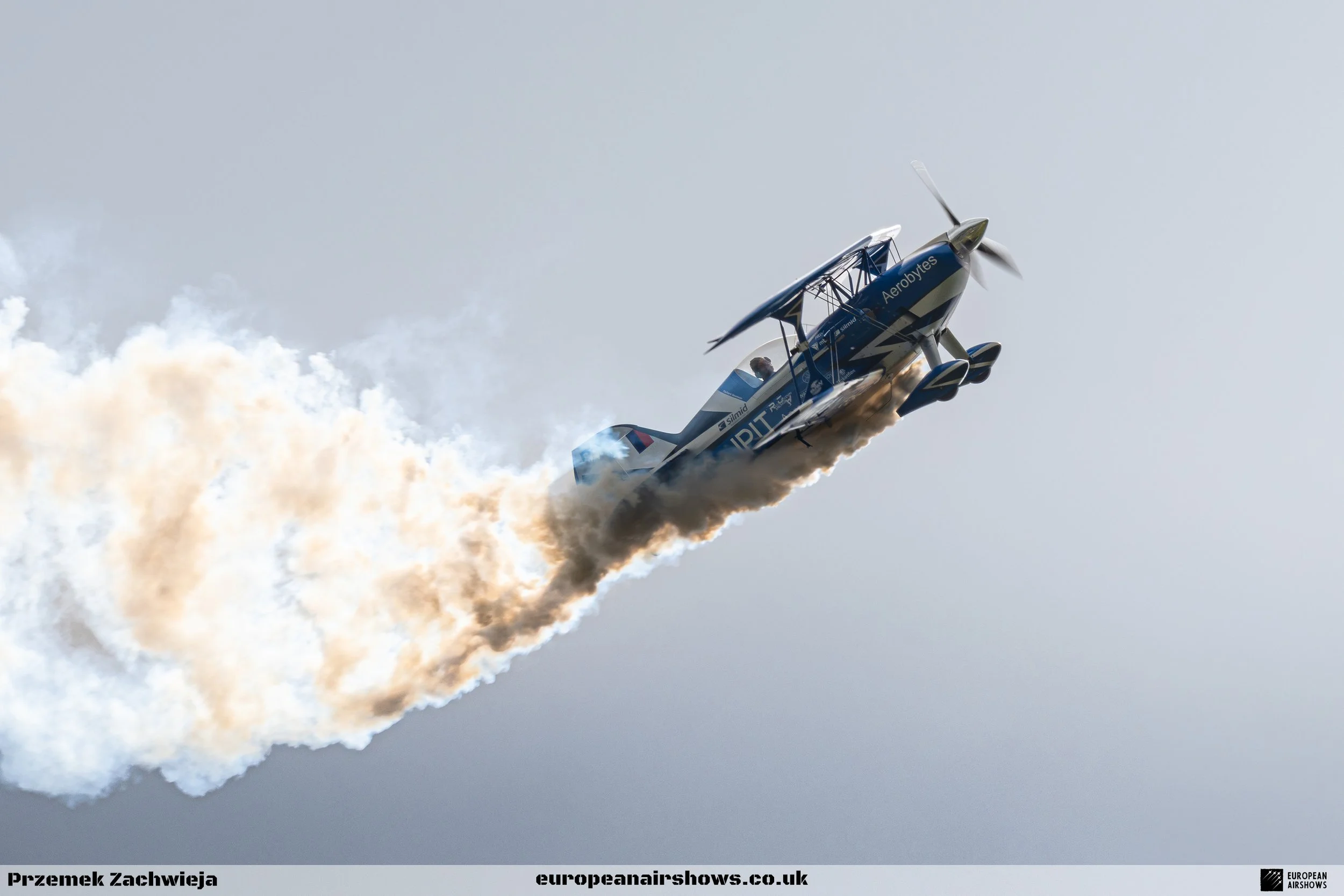
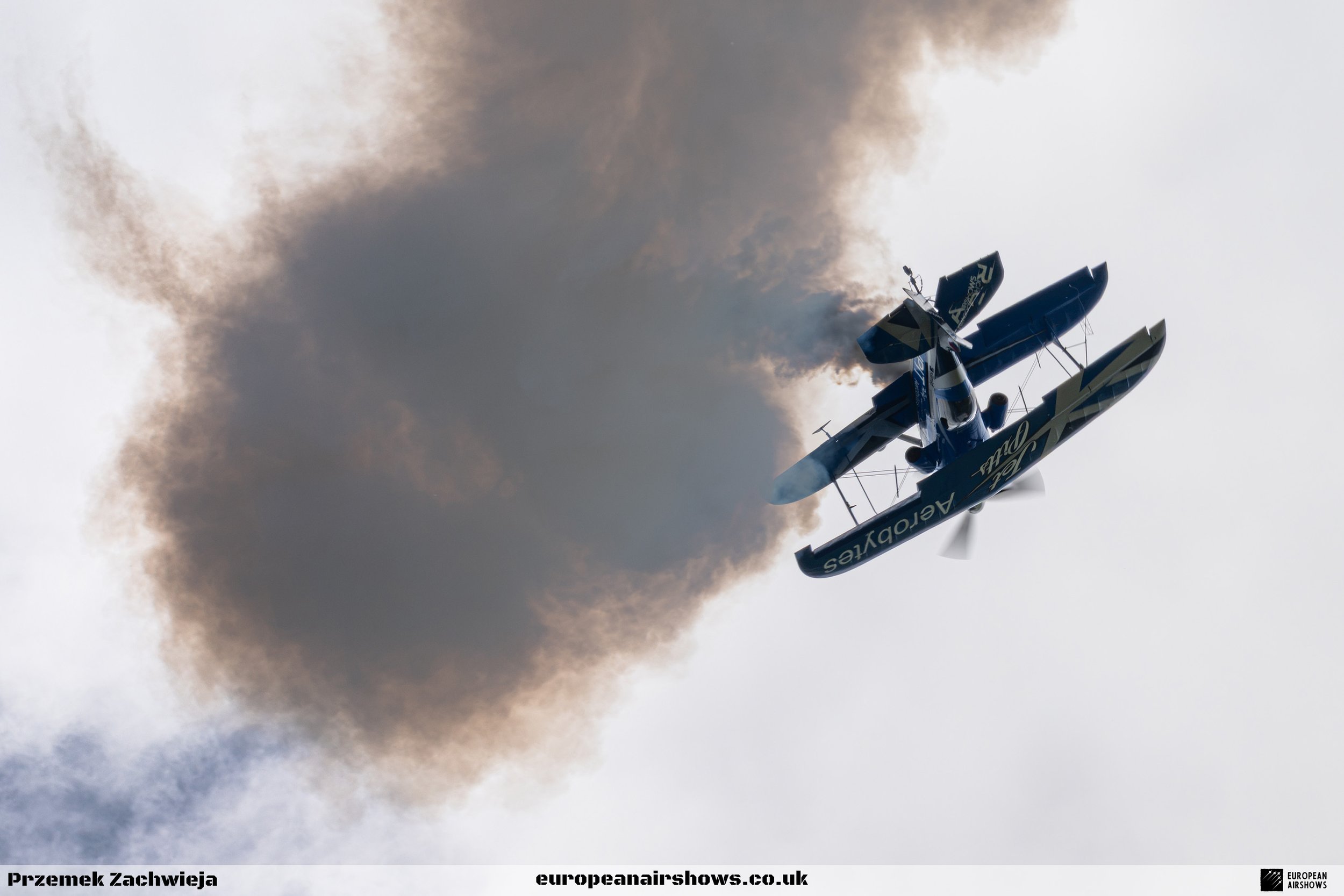
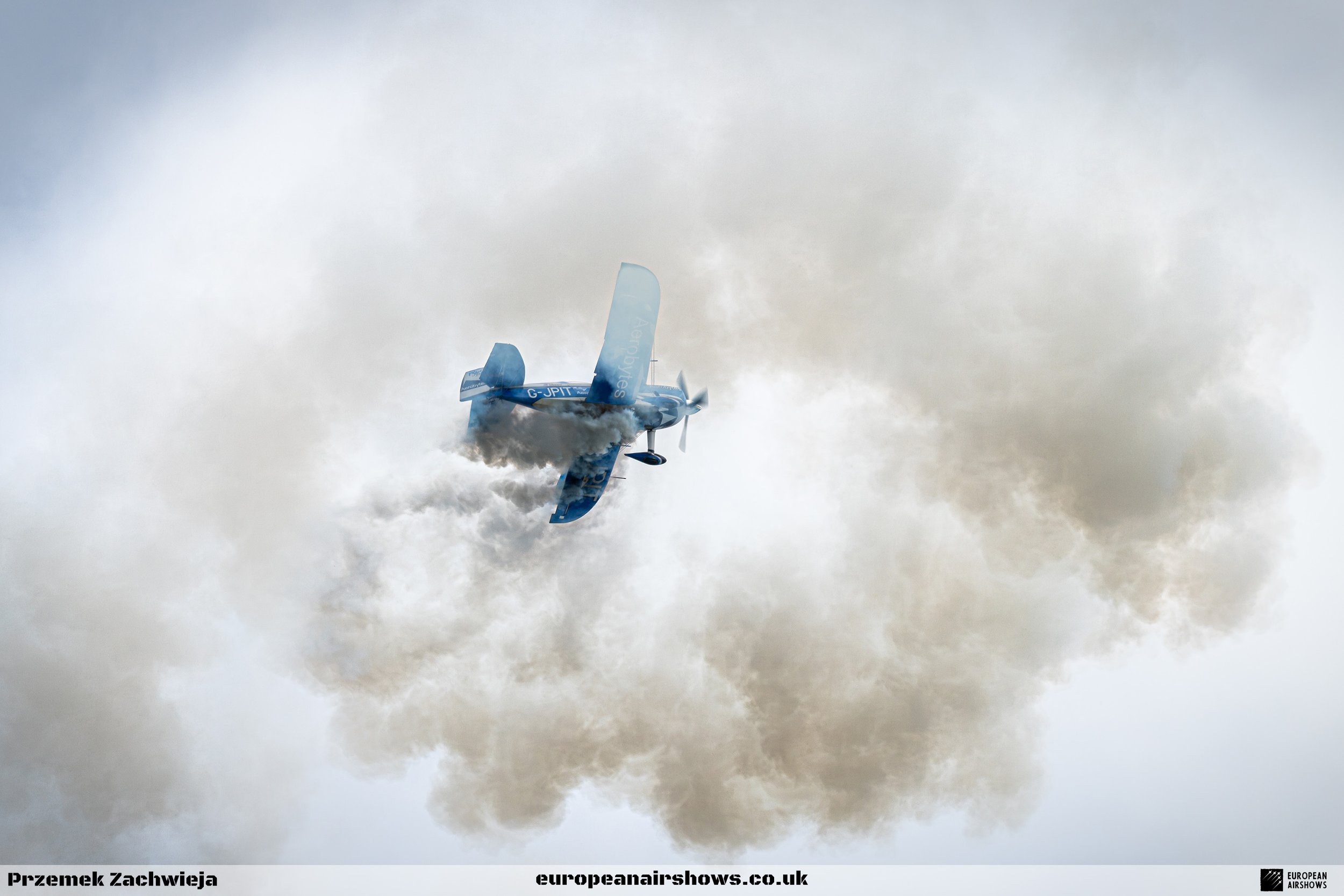
One of the first civilian displays came from Rich Goodwin in the Jet Pitts S2S. The Jet Pitts has been associated with Cosford before, but when it appeared in 2022 it had not yet been fitted with the two small jet engines that now give the aircraft its extra punch. In that sense, 2026 felt like the aircraft’s proper Cosford debut in its current form. Rich Goodwin’s routine was exactly what you expect: tight, noisy, smoky, slightly mad and constantly active. In a programme dominated by military and historic aircraft, it gave the crowd a burst of pure aerobatic theatre.
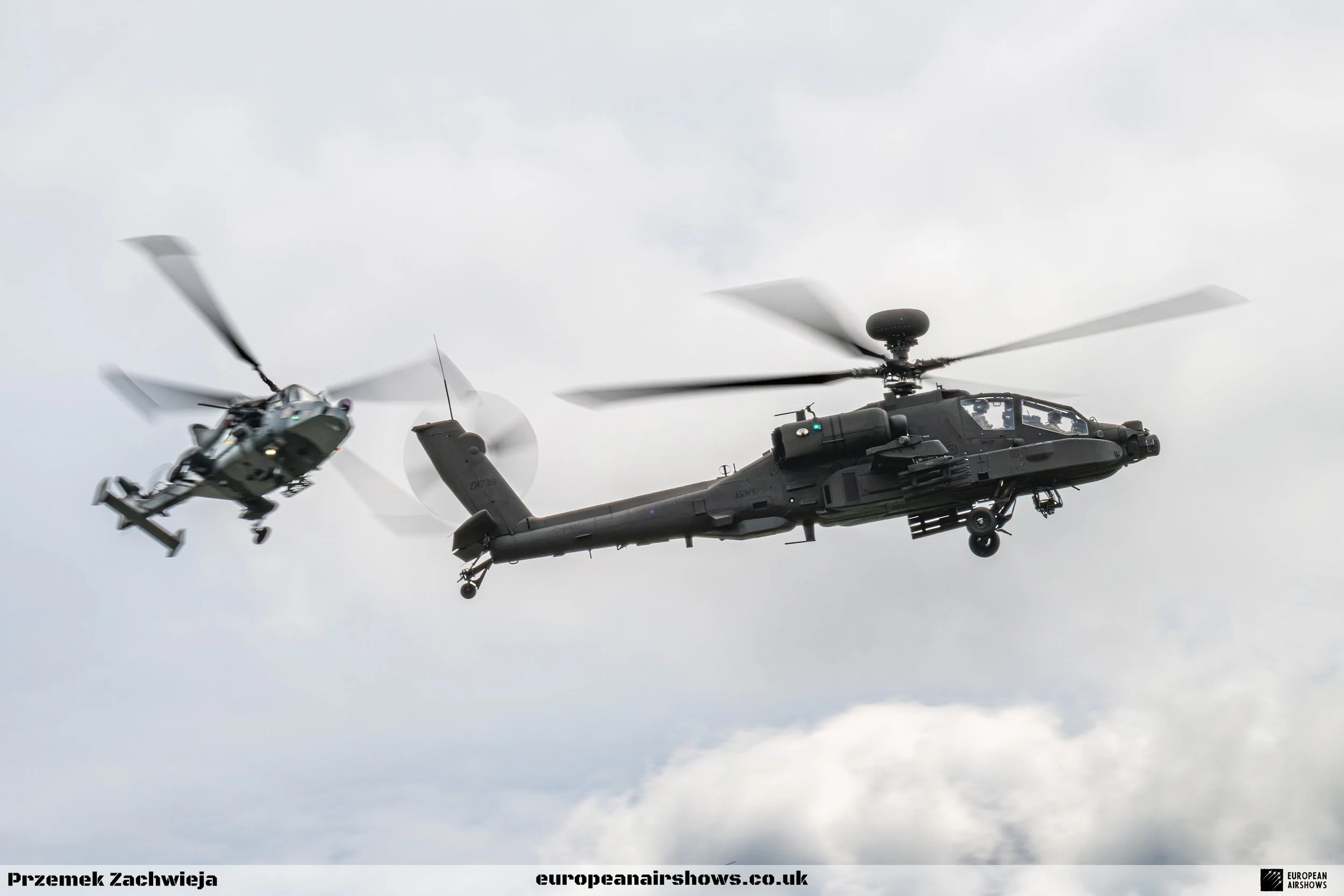
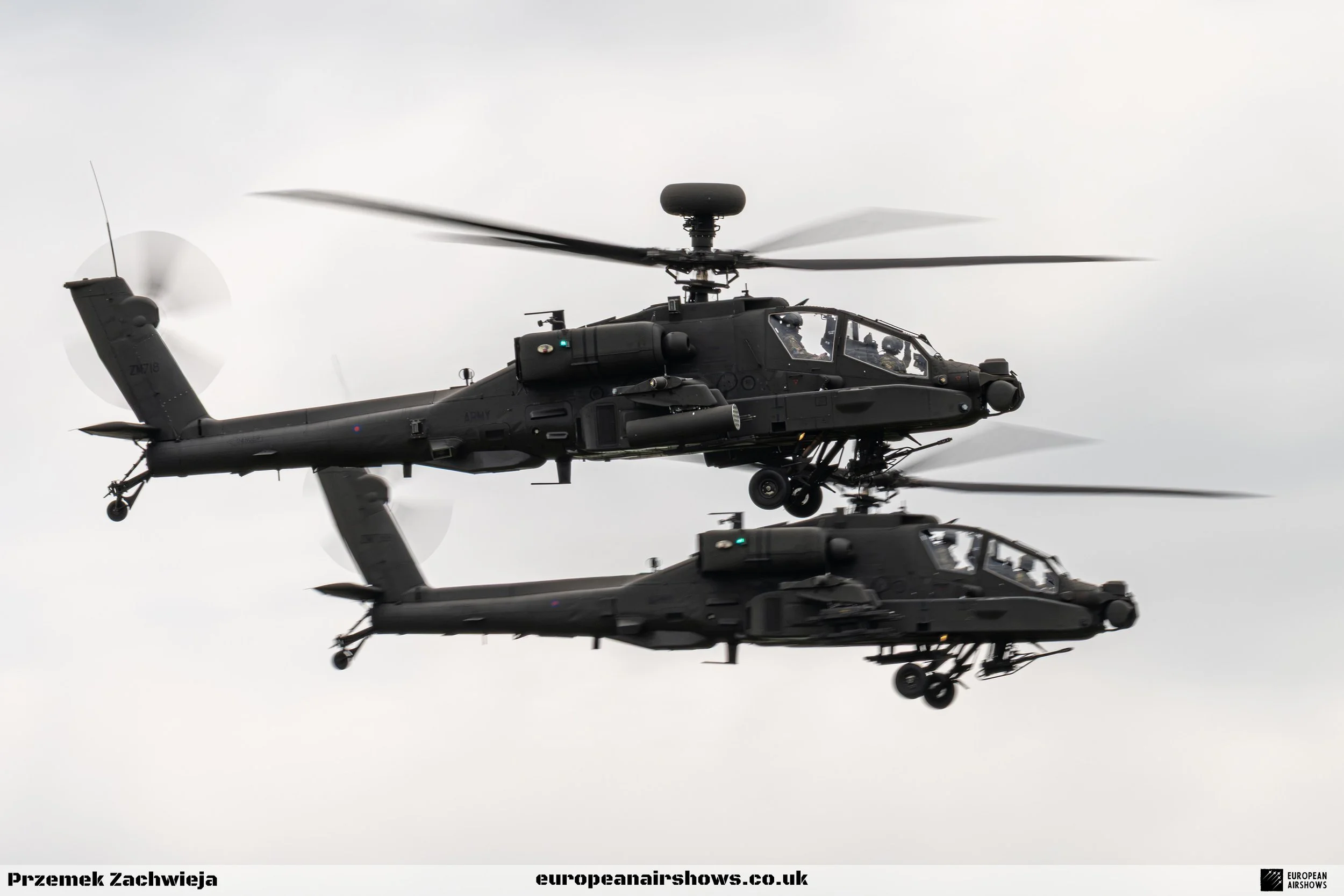
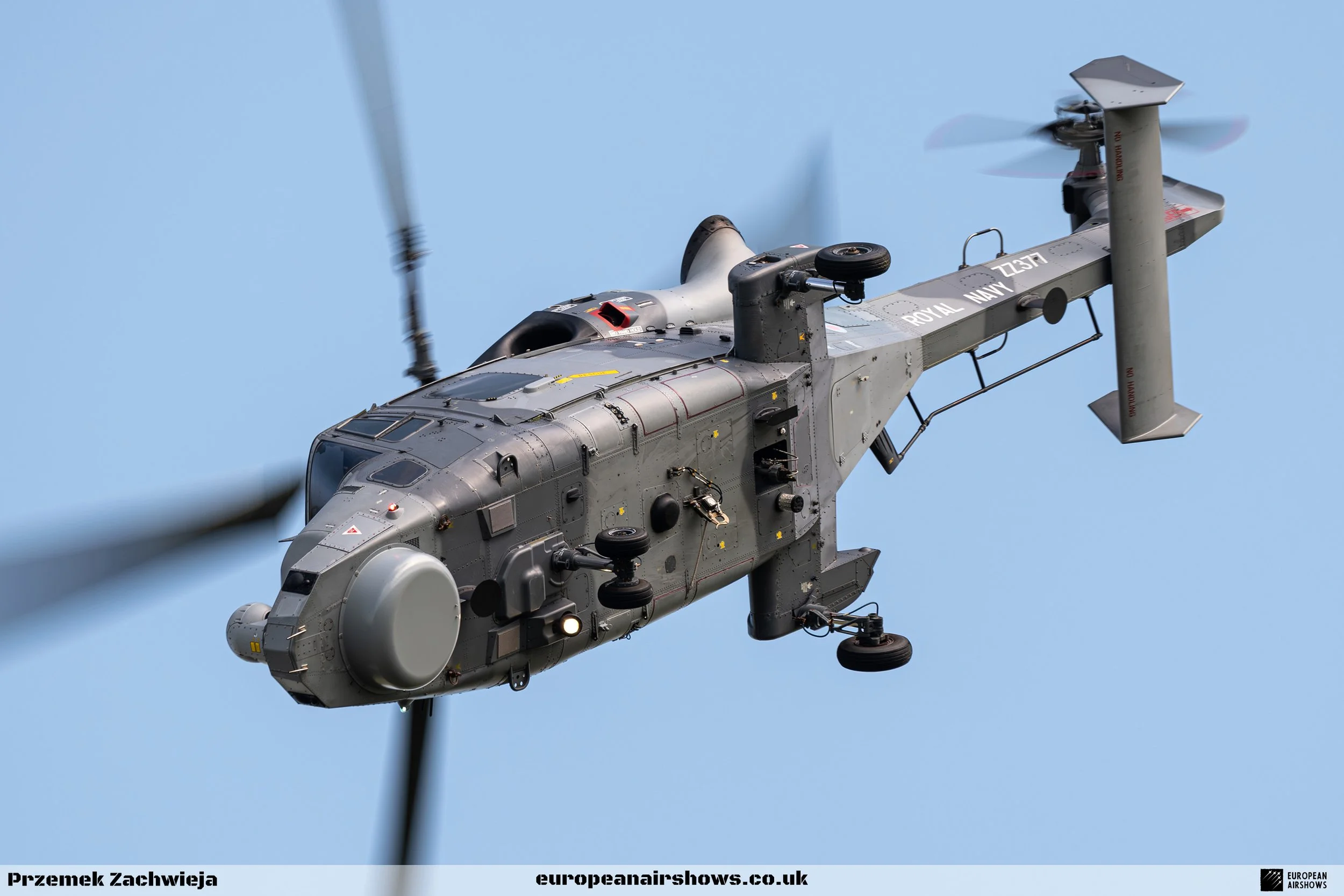
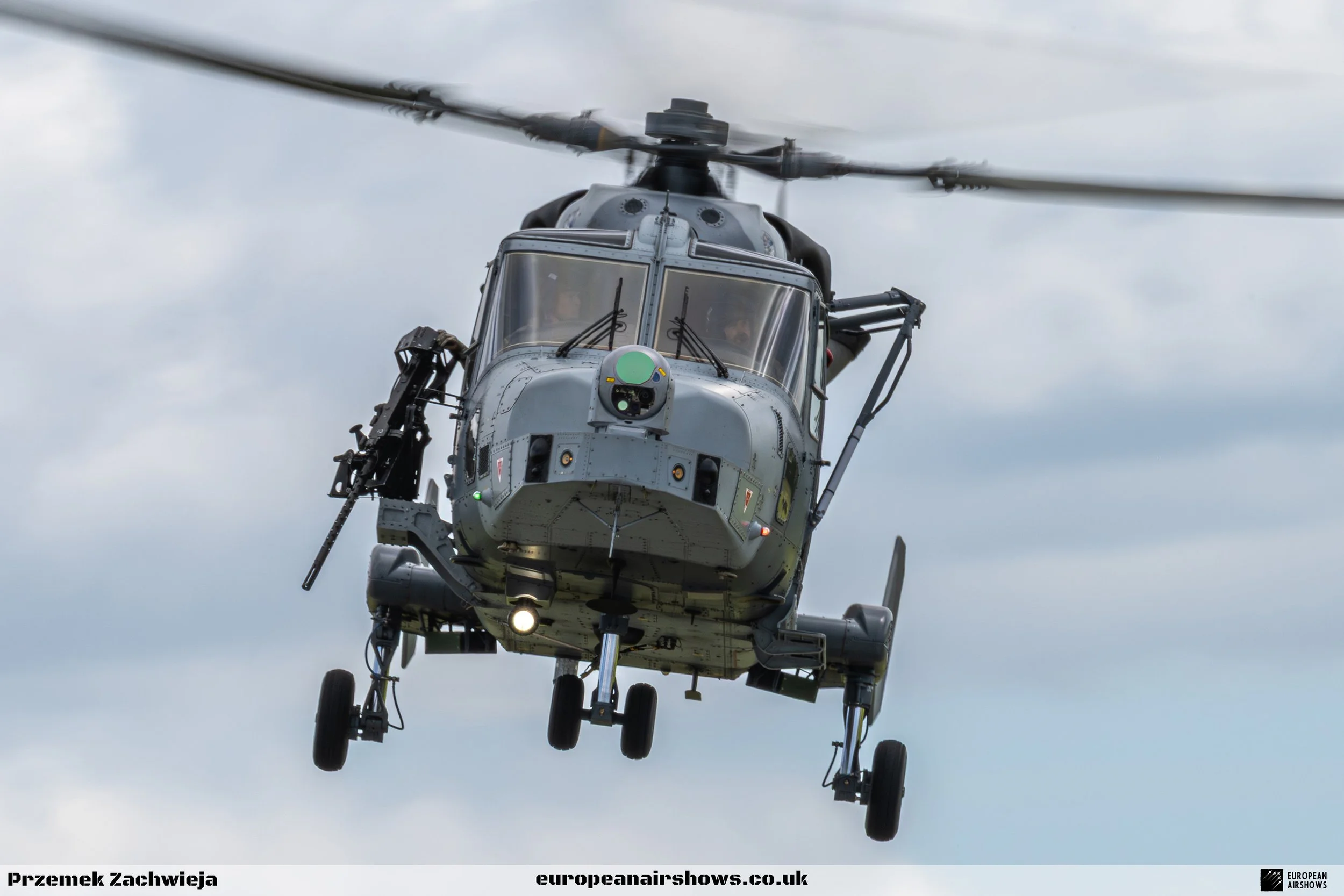
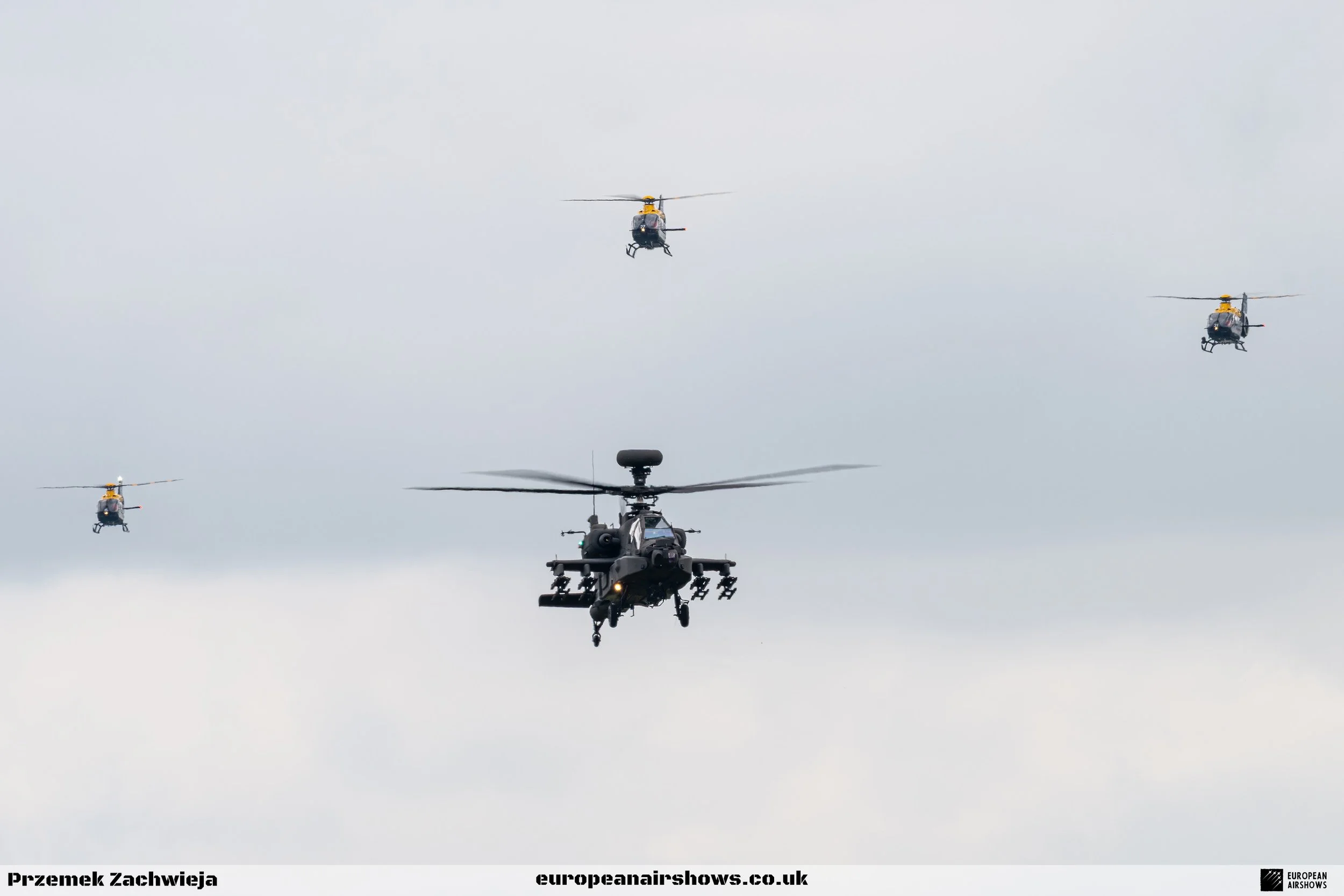
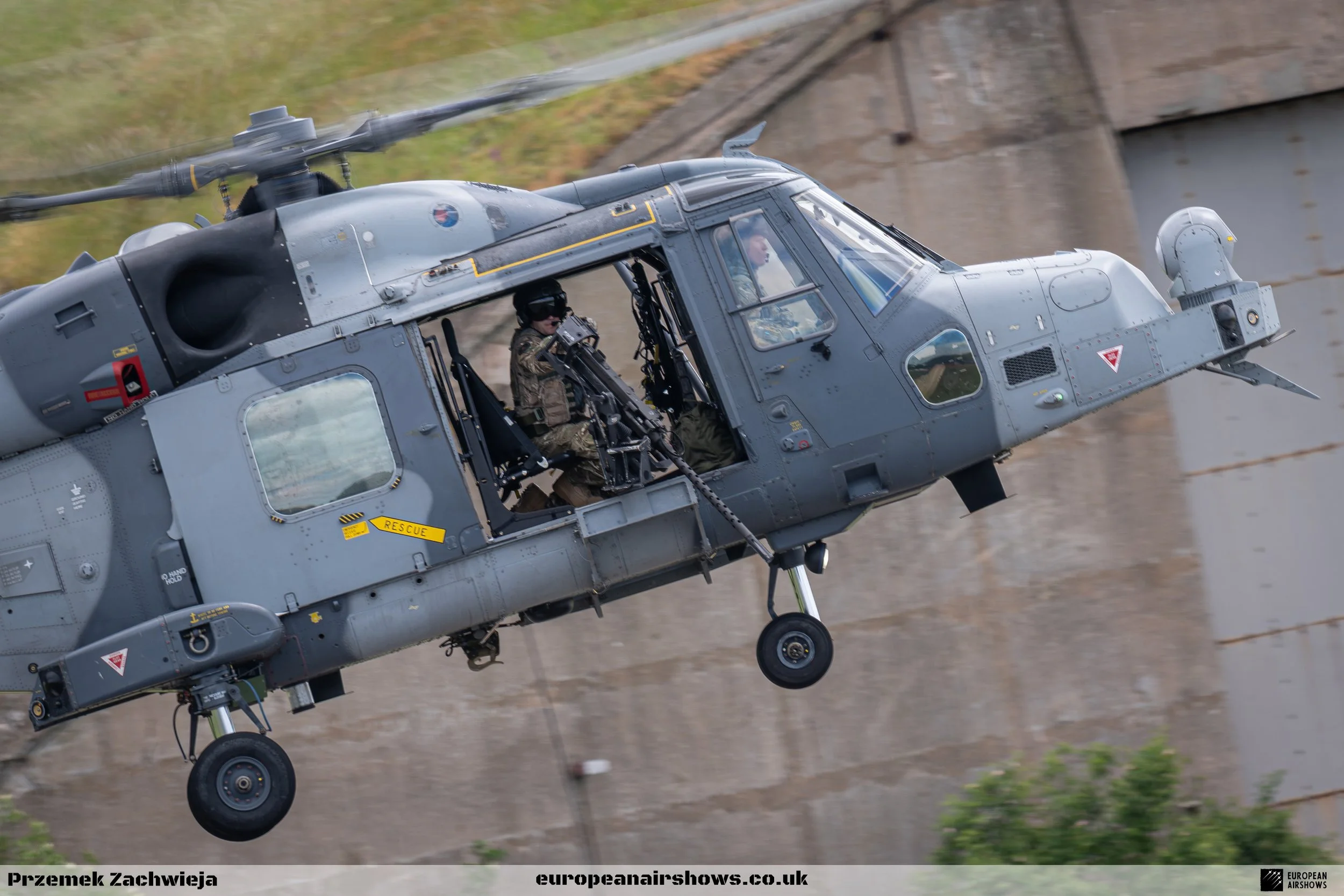
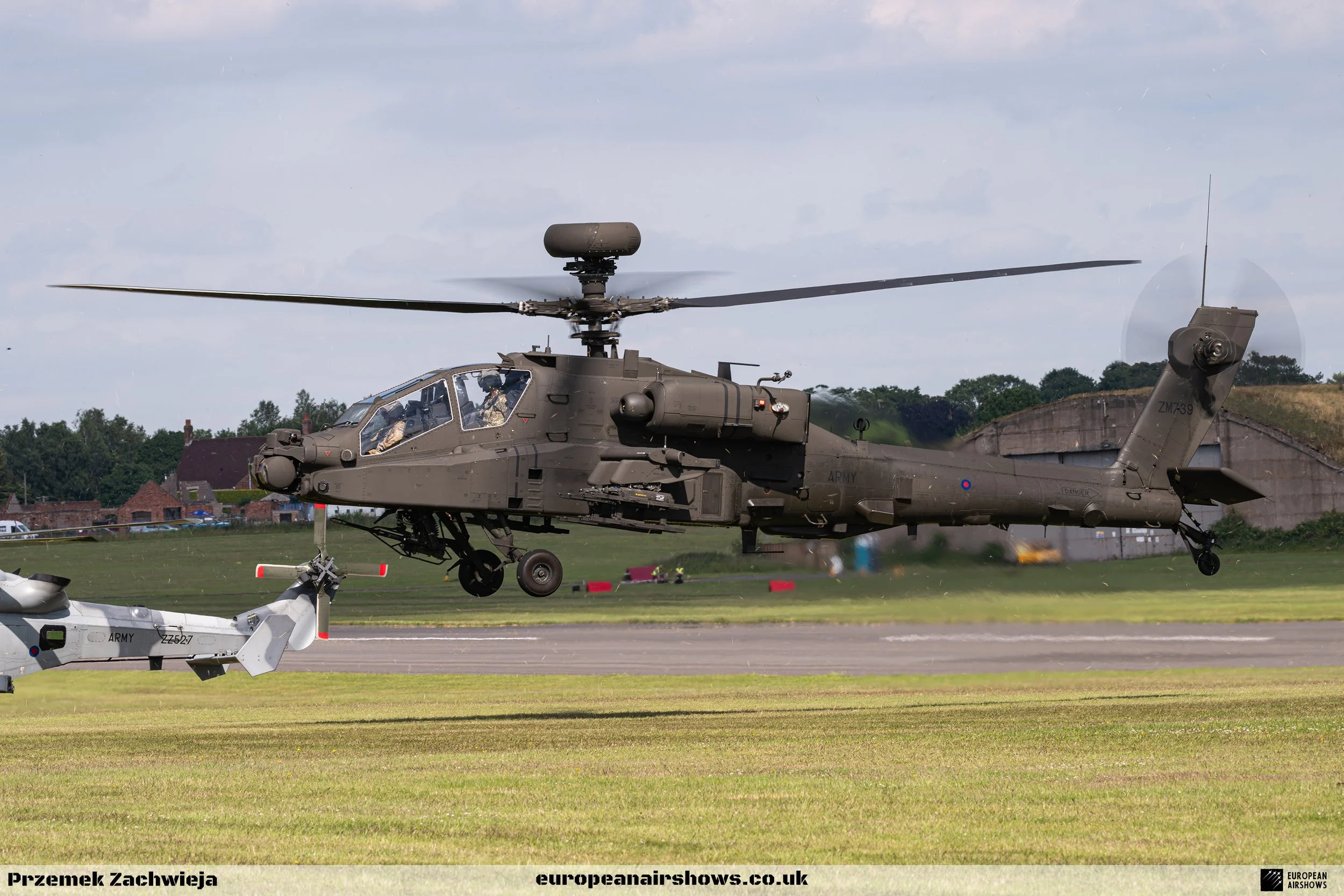
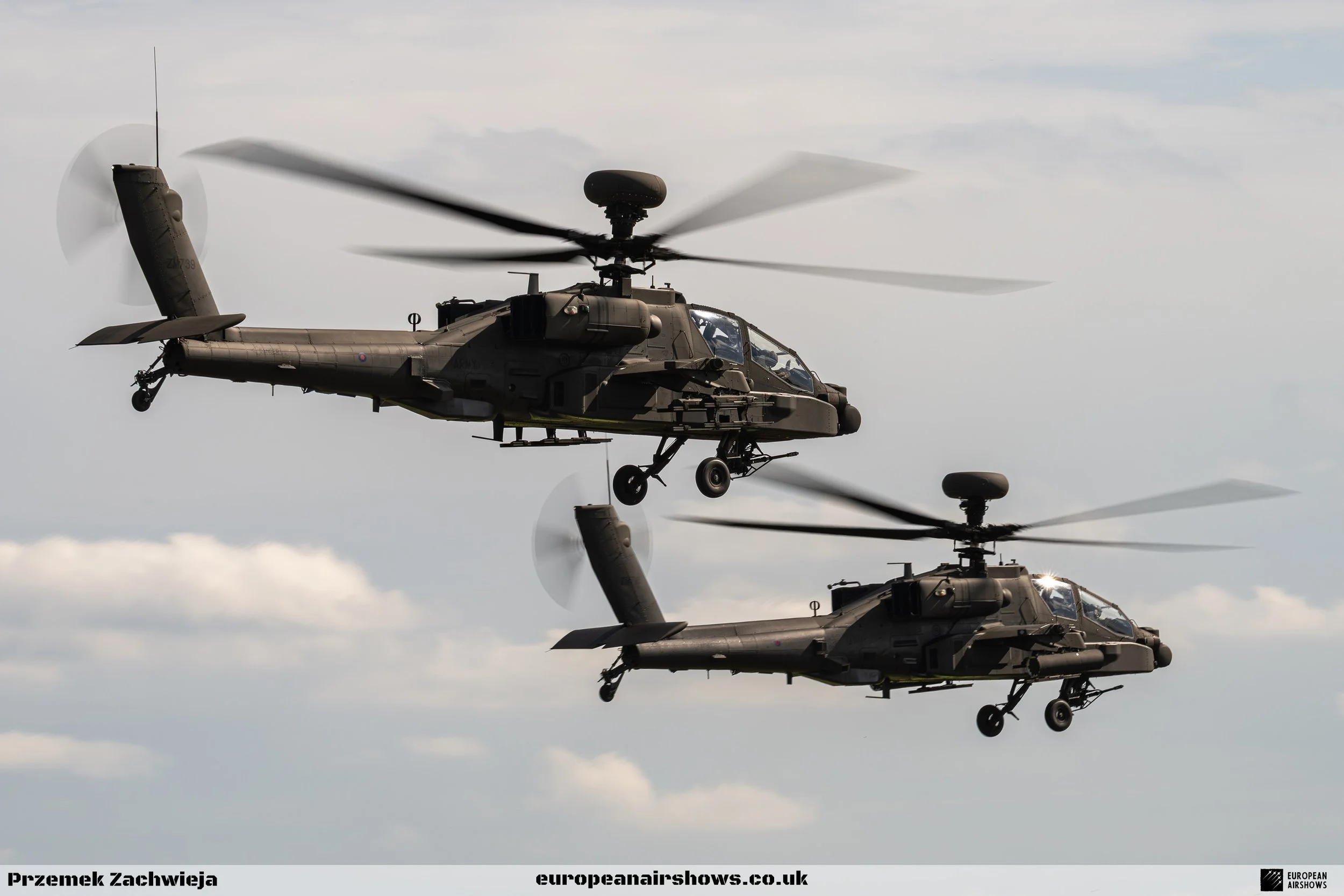
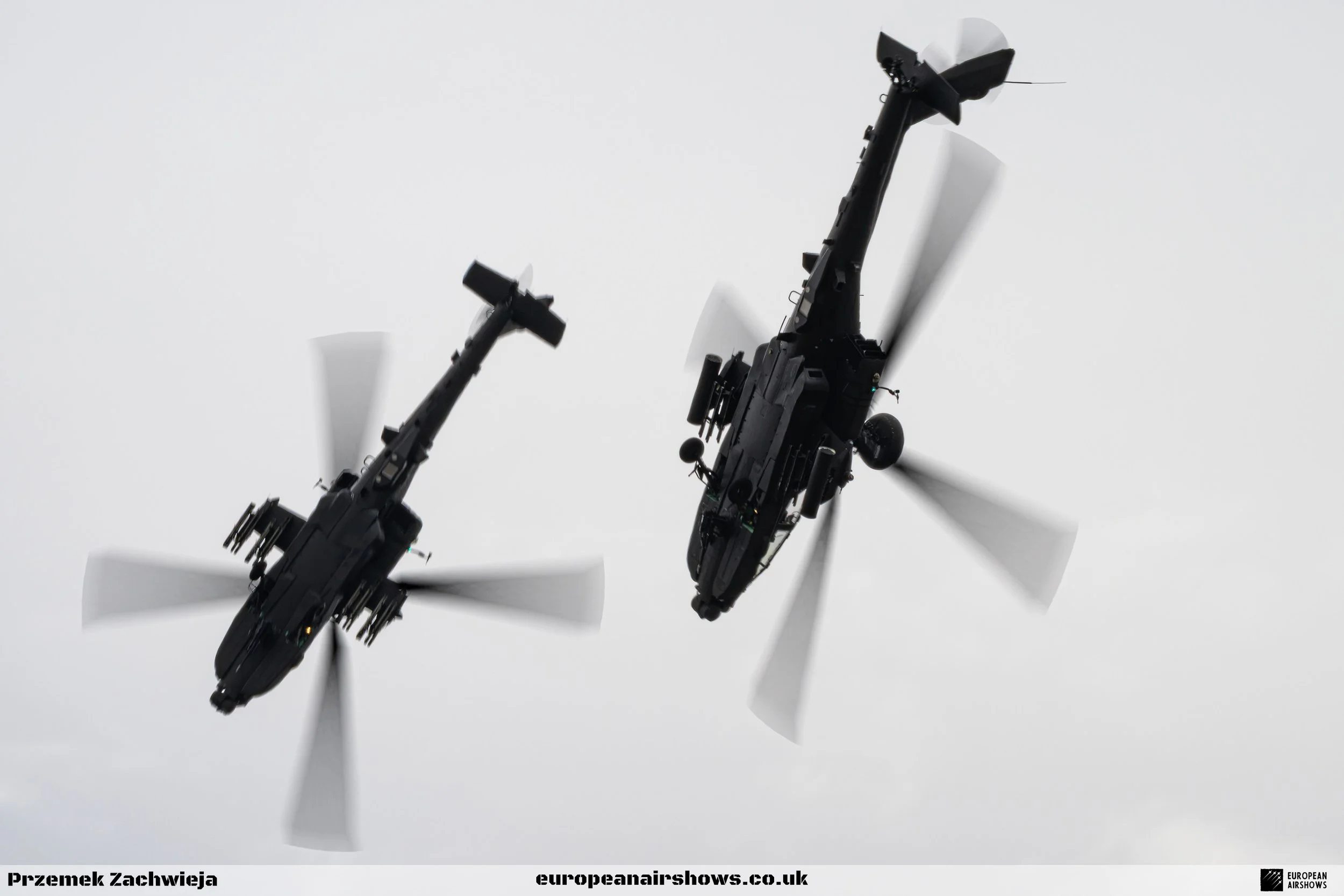
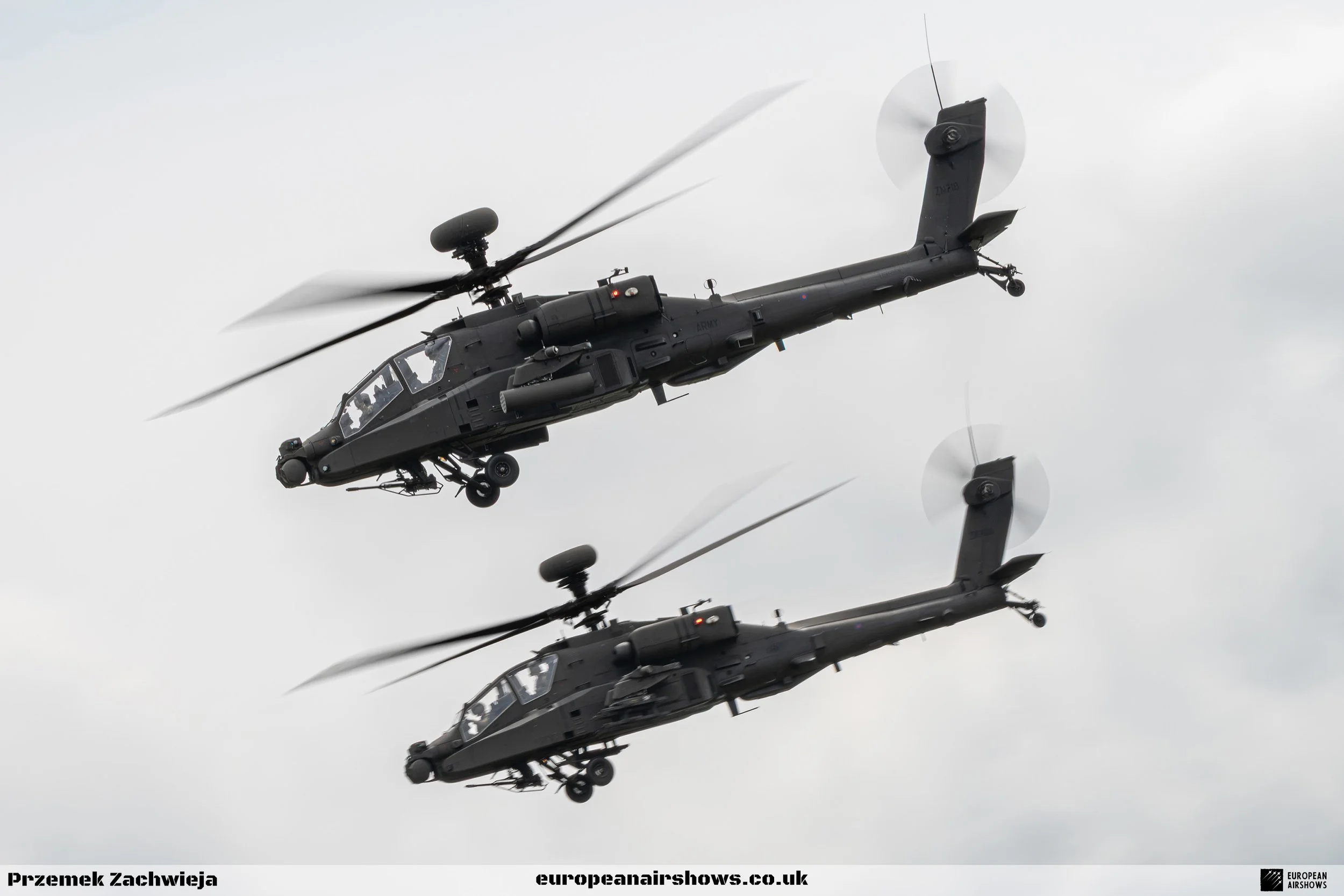
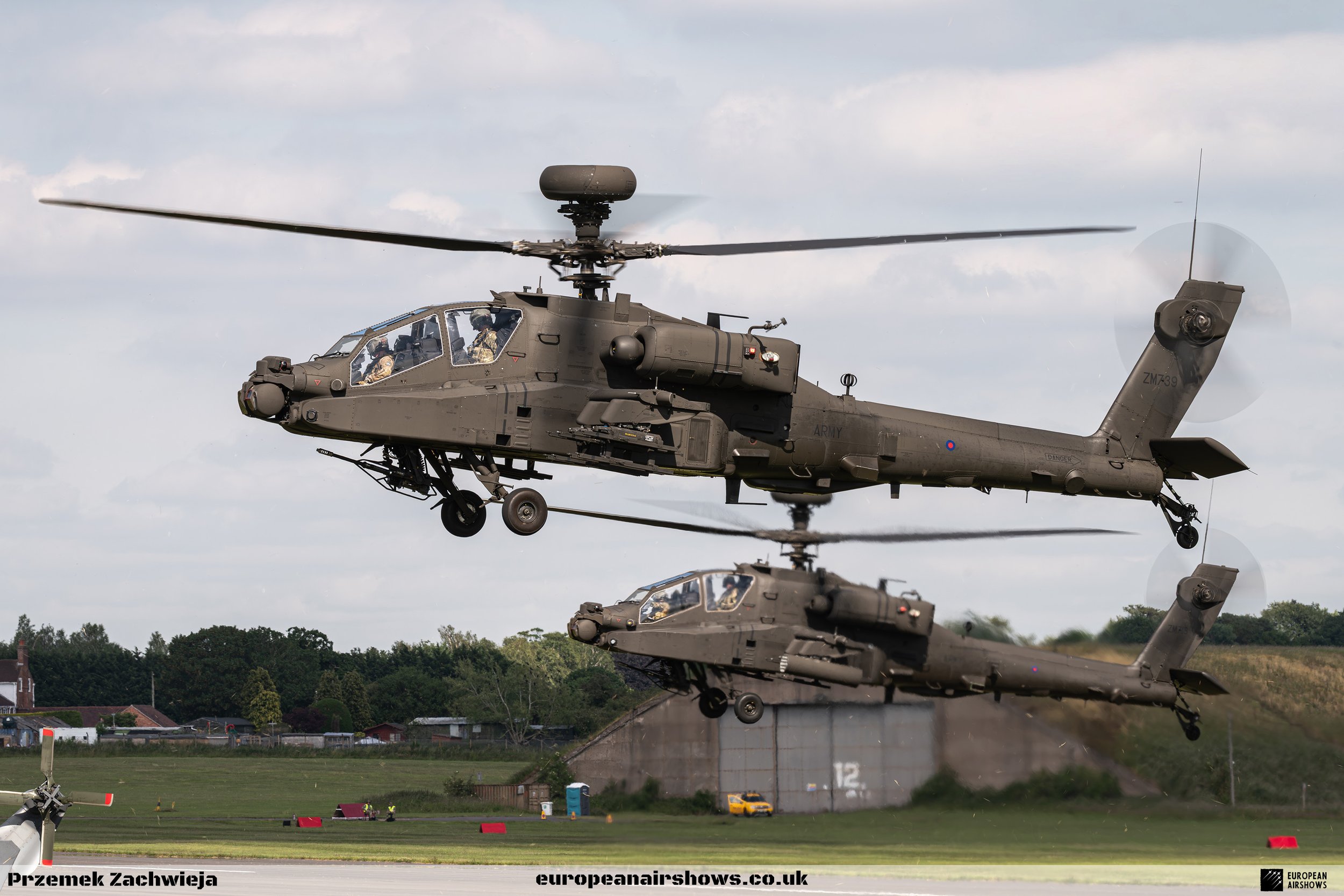
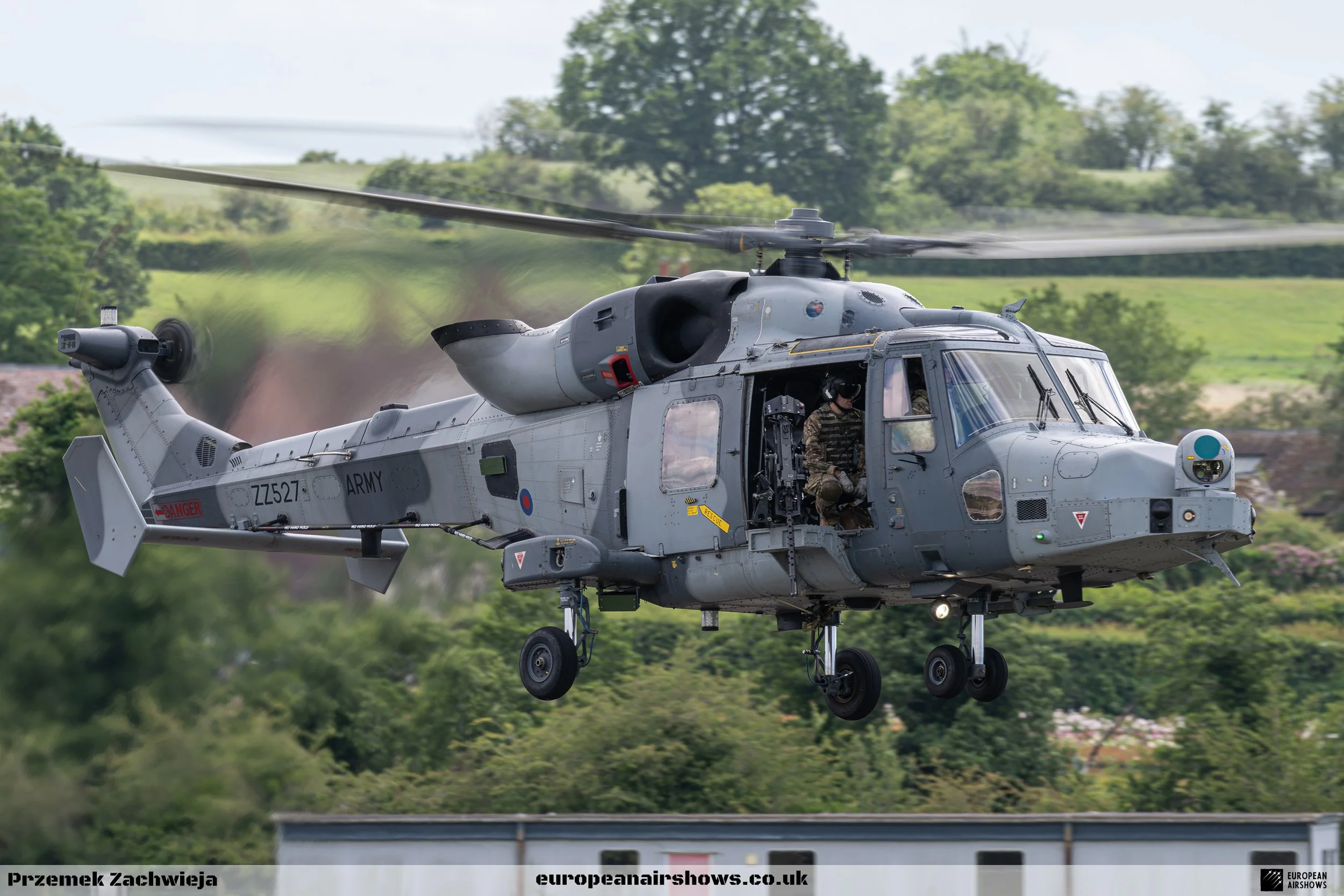
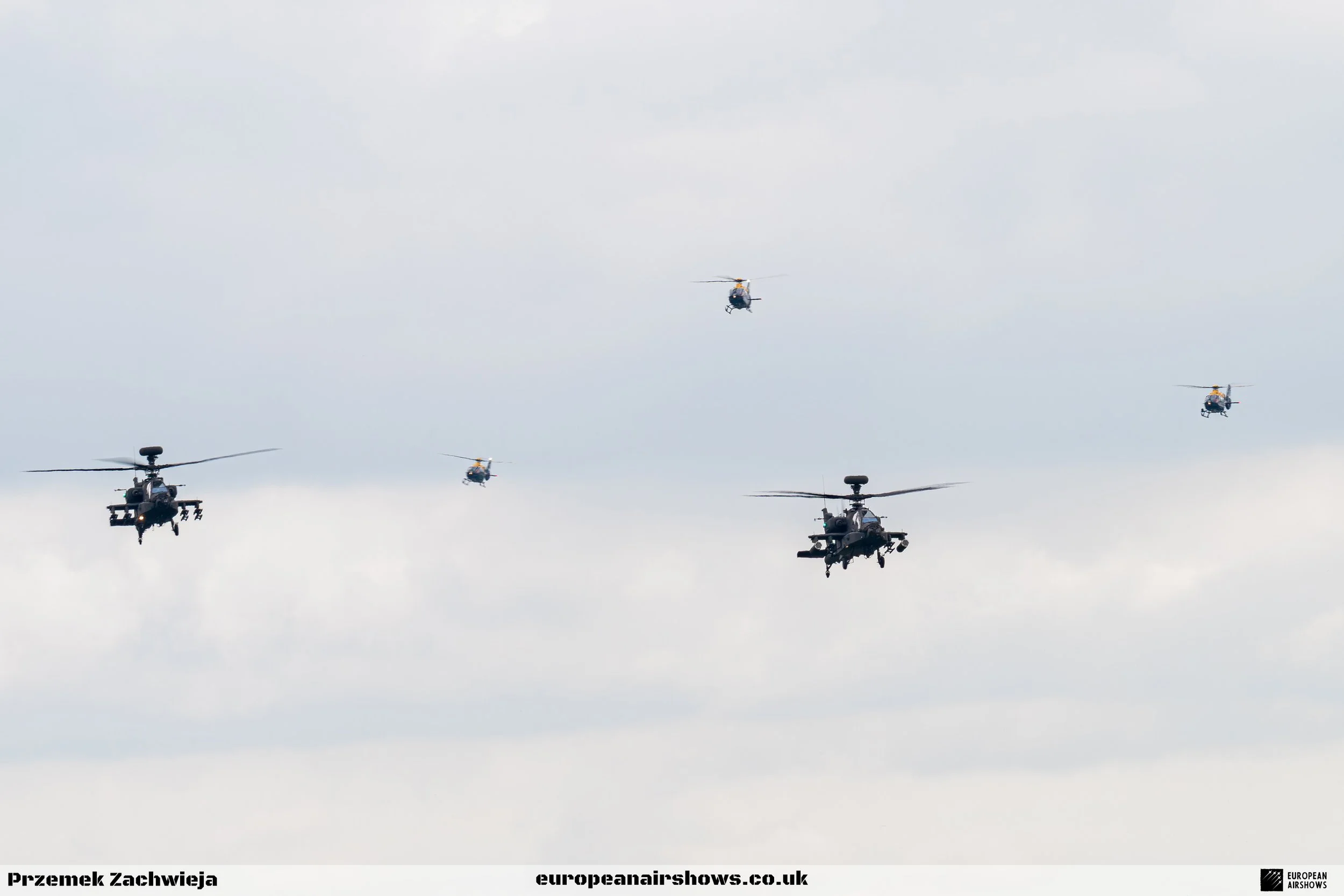
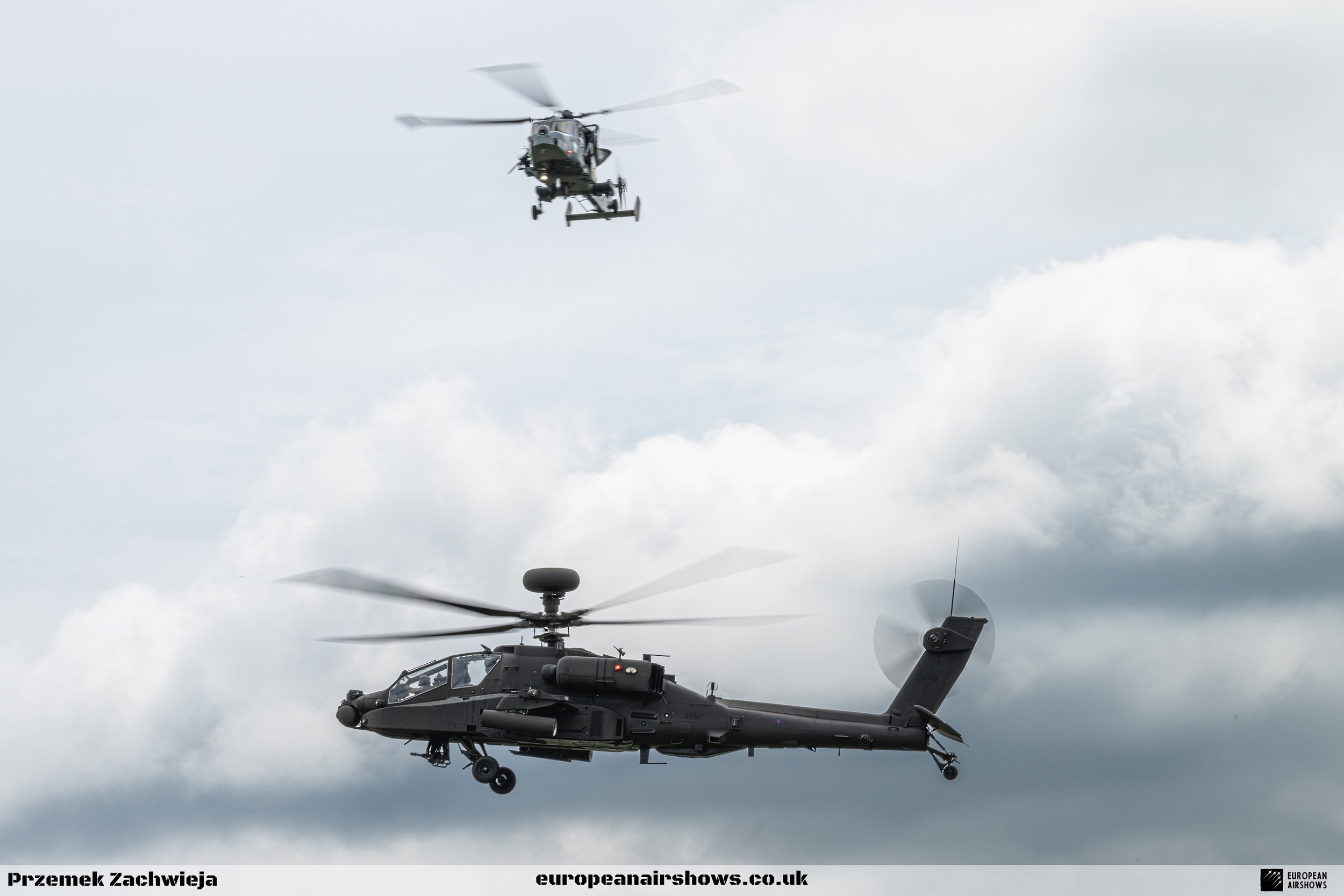
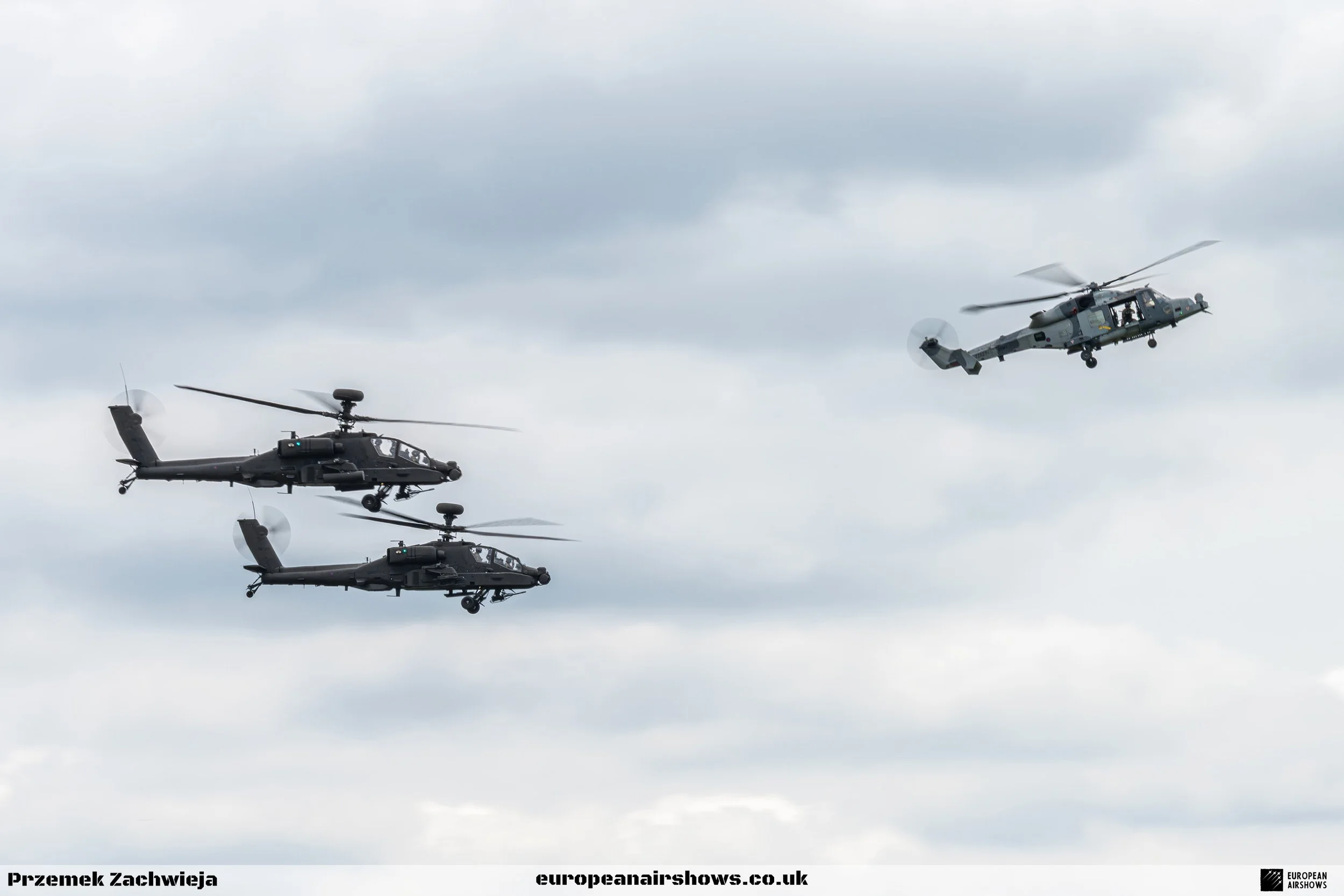
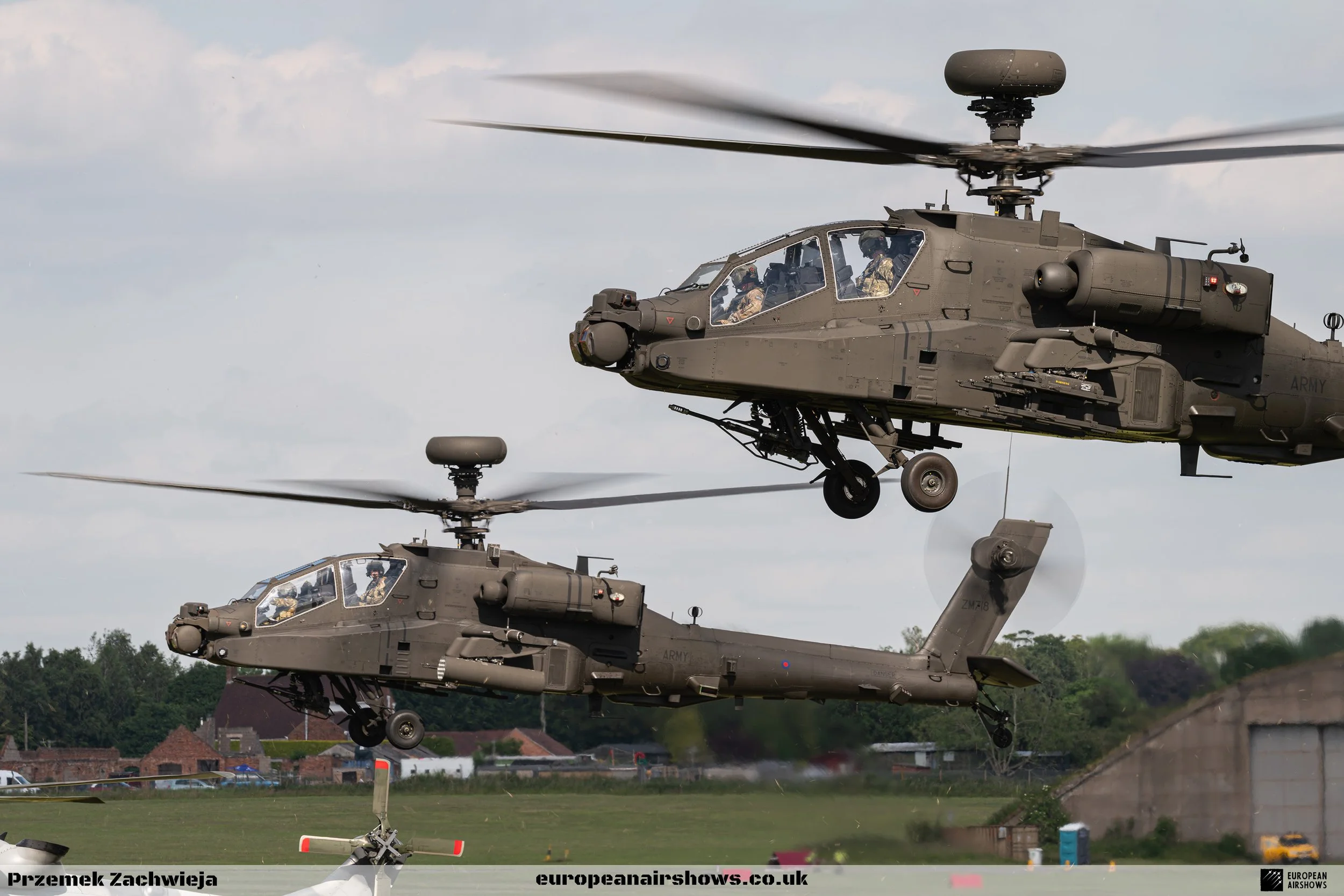
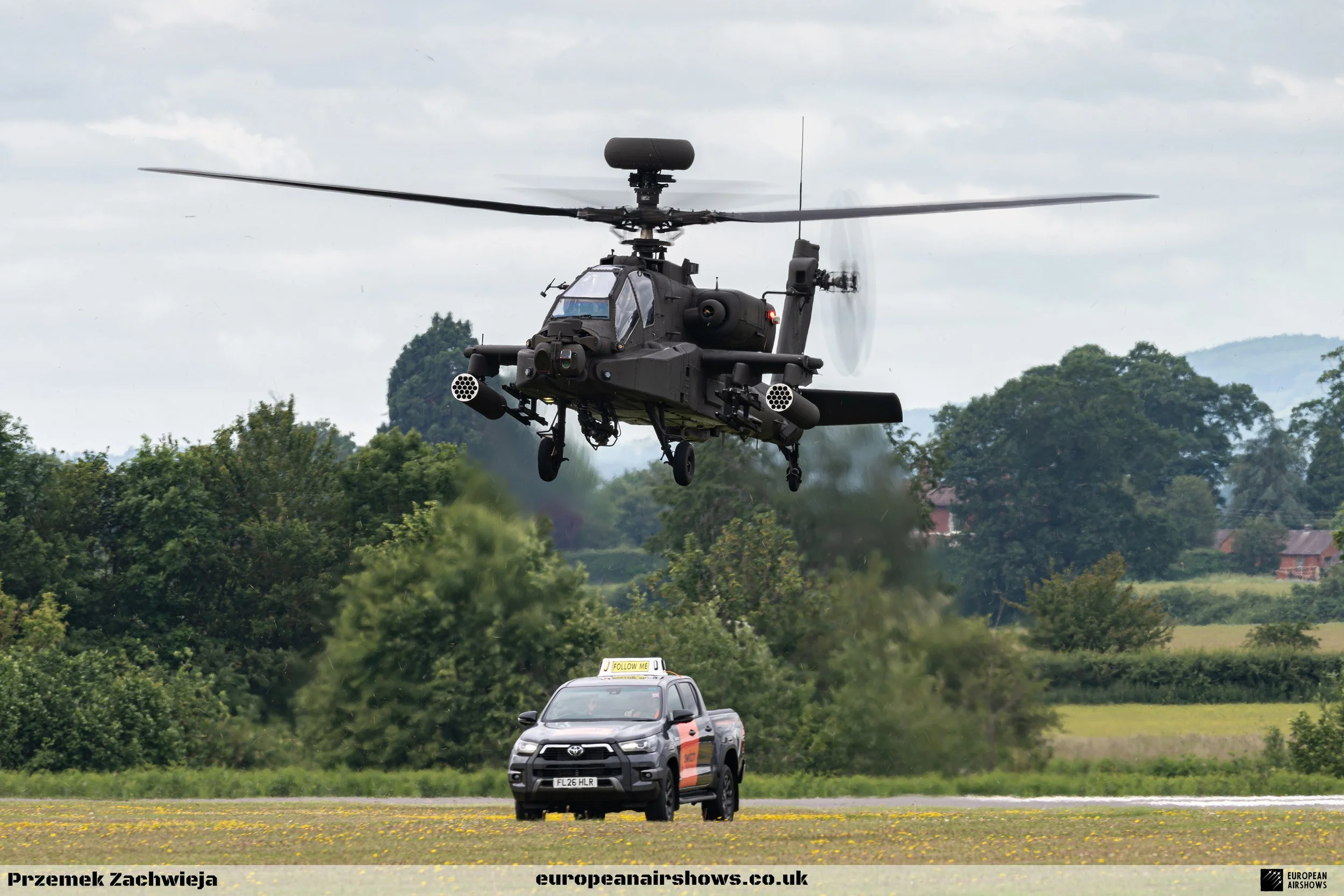
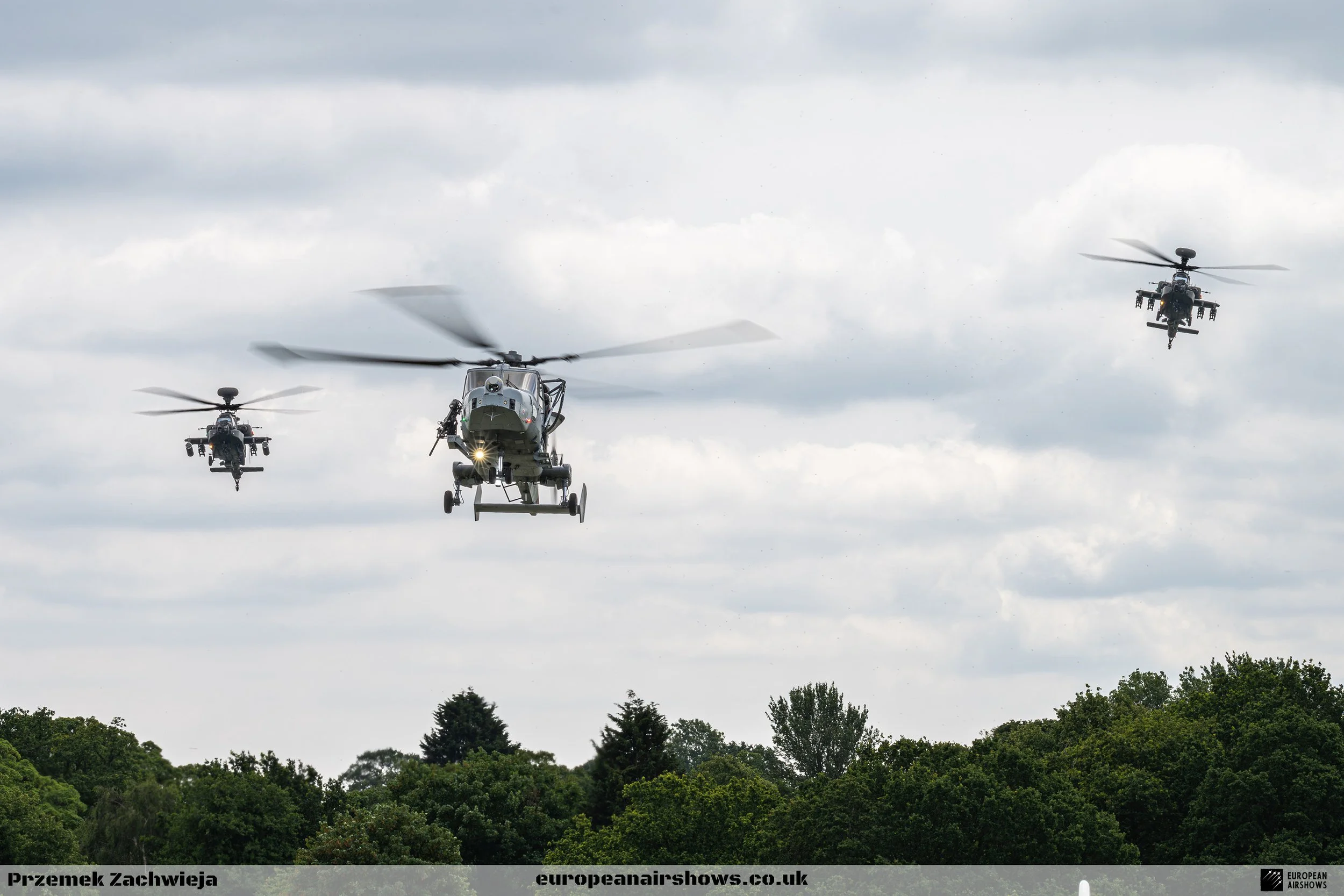
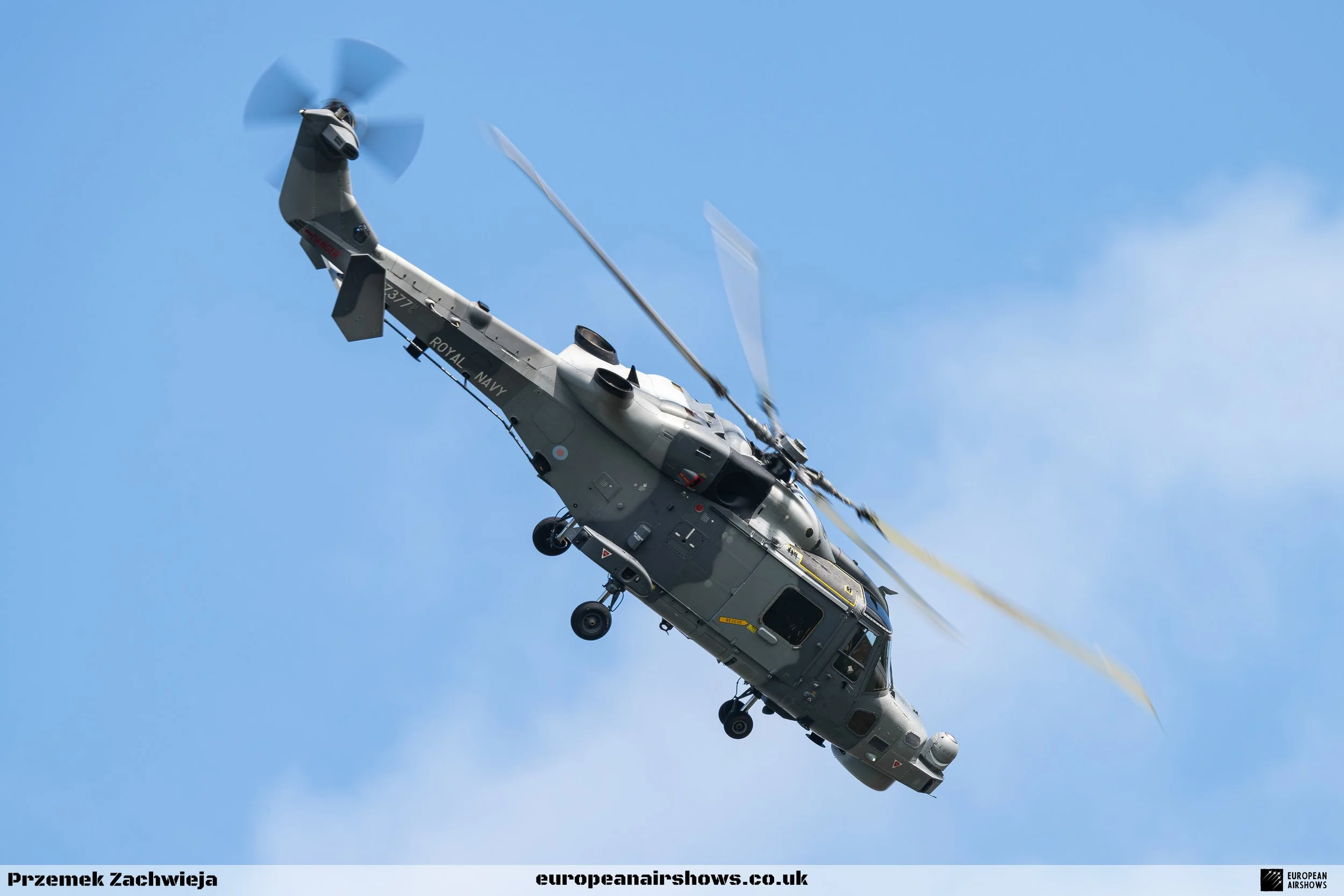
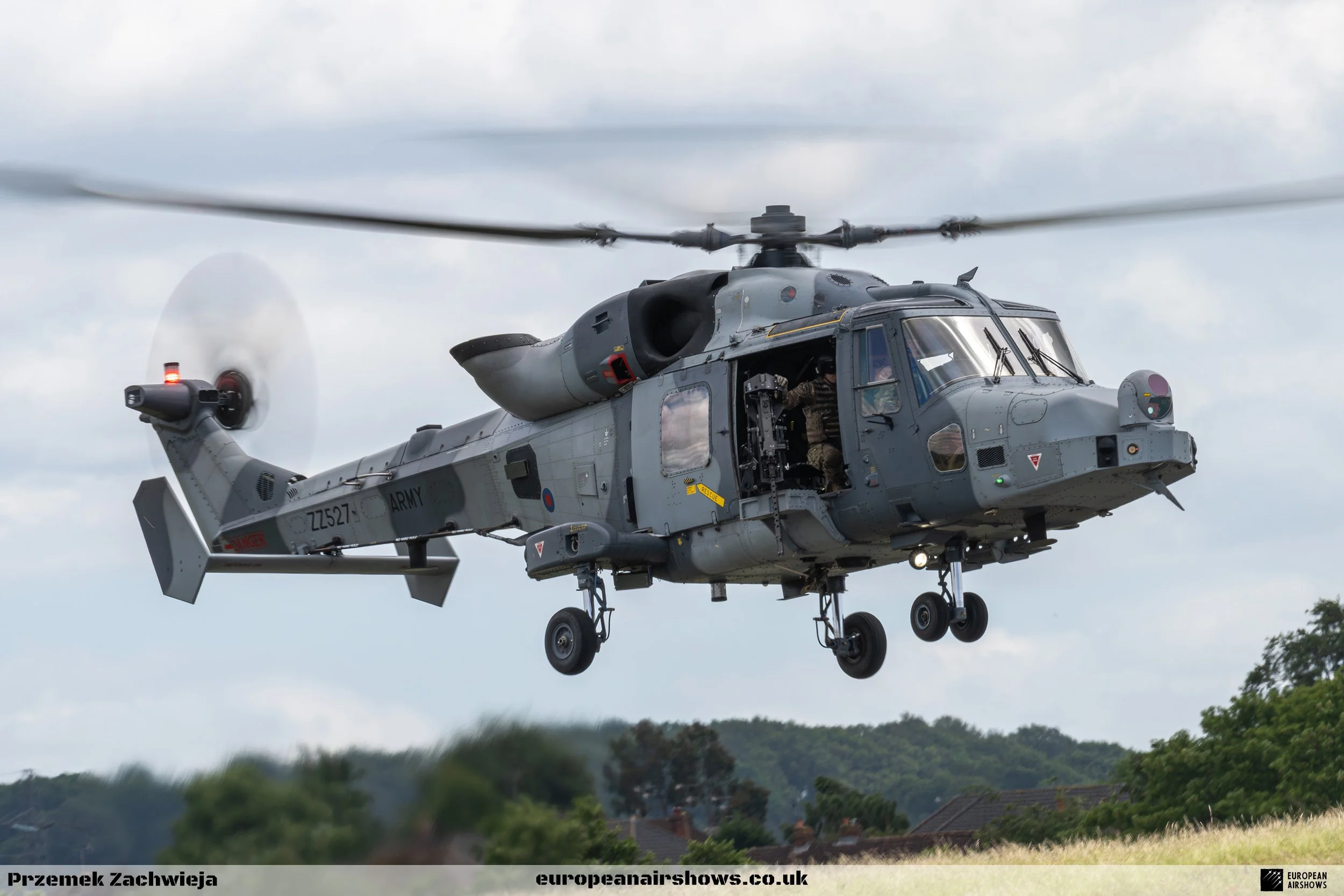
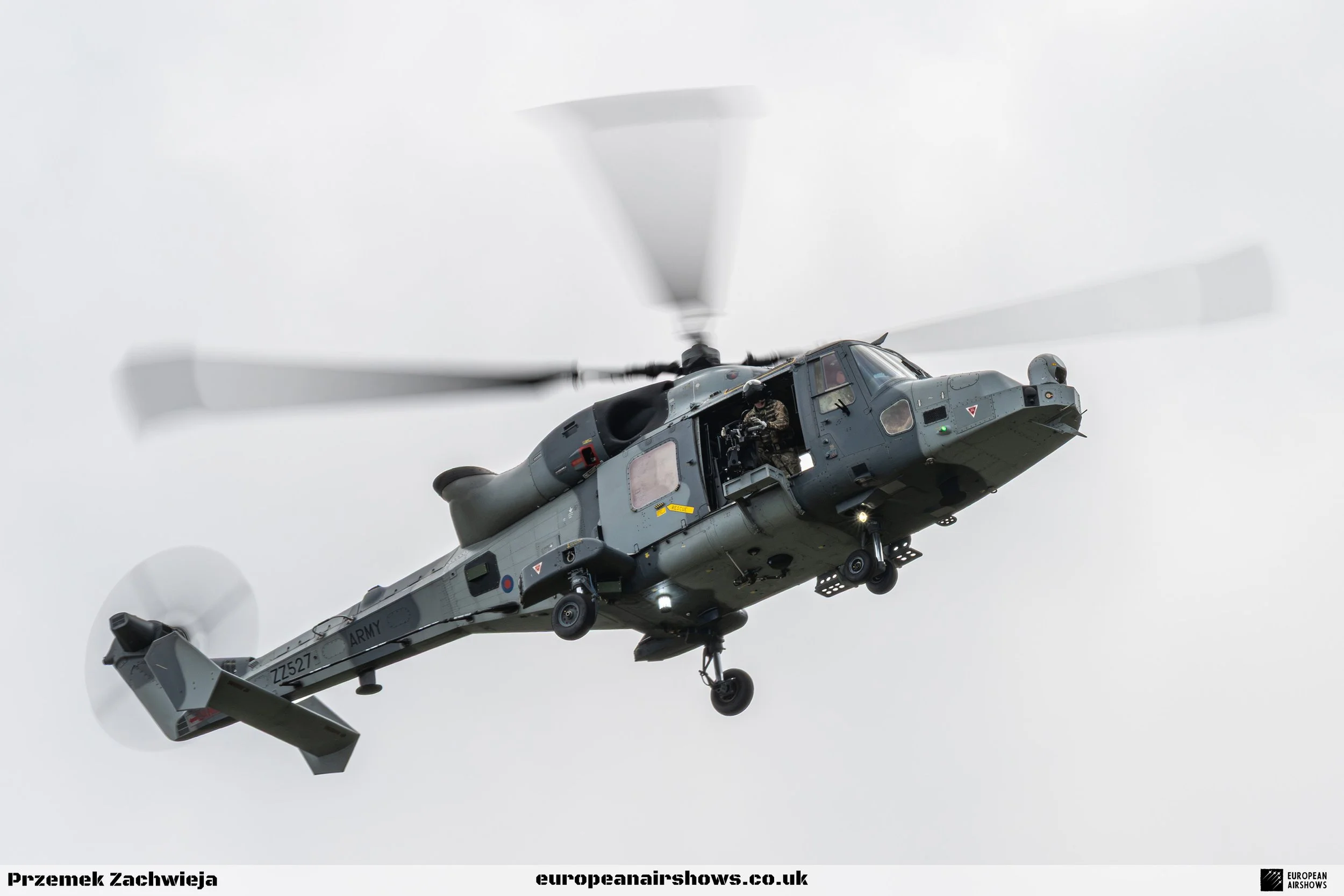
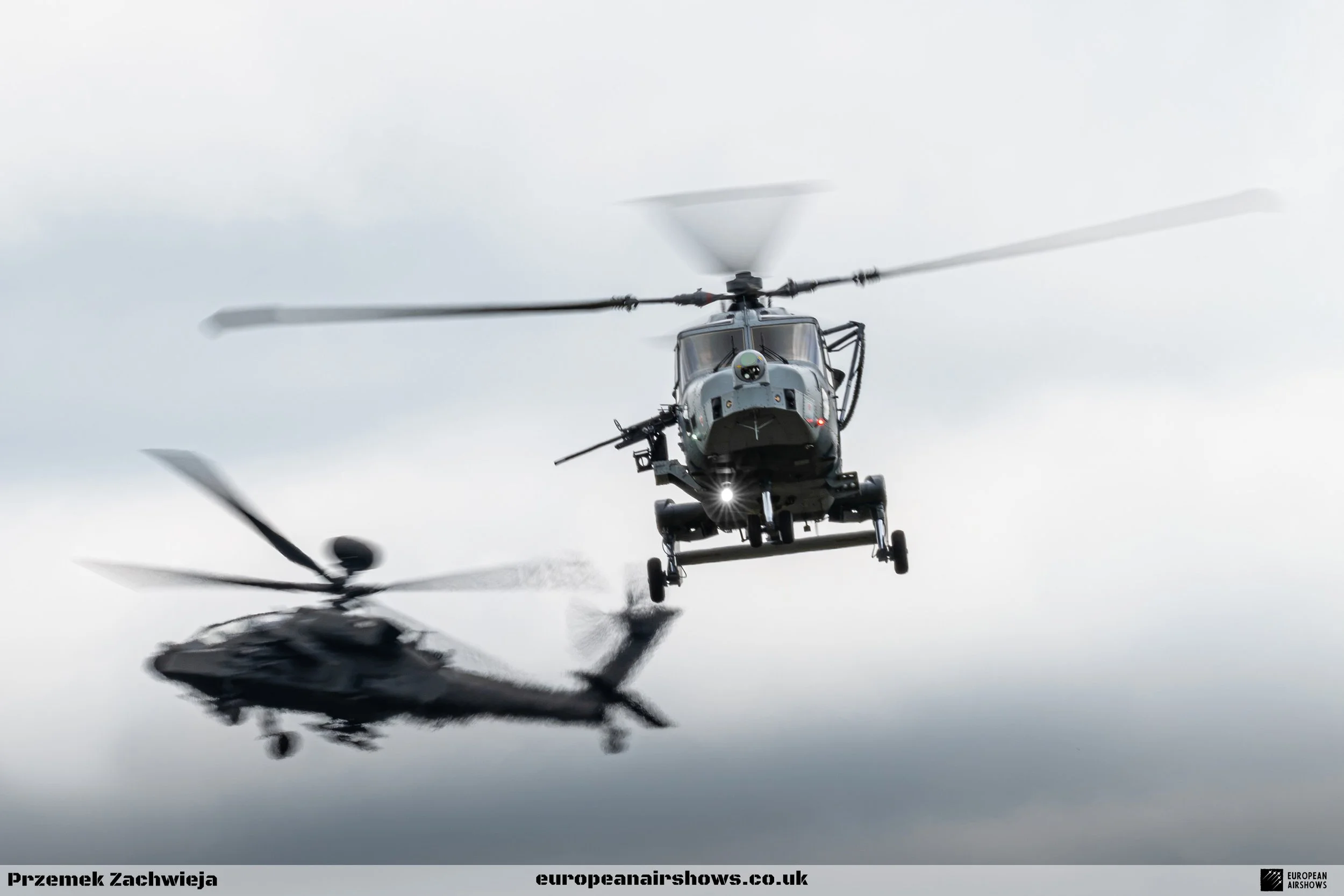
The Army Air Corps Display Team was one of the clear highlights of the day. The team flew with two Boeing Apache AH.2s and a single Leonardo Wildcat AH.1, but this year the emphasis was less on a traditional role demonstration and more on choreographed display flying. Without pyrotechnics, the focus shifted onto the aircraft themselves, and that worked extremely well. The two Apaches had real presence in the pairs work, while the Wildcat added speed, agility and a different shape to the routine.
The use of the Blue Eagles callsigns was a lovely nod to the Army Air Corps’ display history. The original Blue Eagles were one of the best-known British helicopter display teams, and seeing that name brought back in modern form gave the 2026 routine a little more meaning than just “Apache and Wildcat display.” It was polished, well-shaped and one of the best military helicopter displays seen at Cosford in recent years.
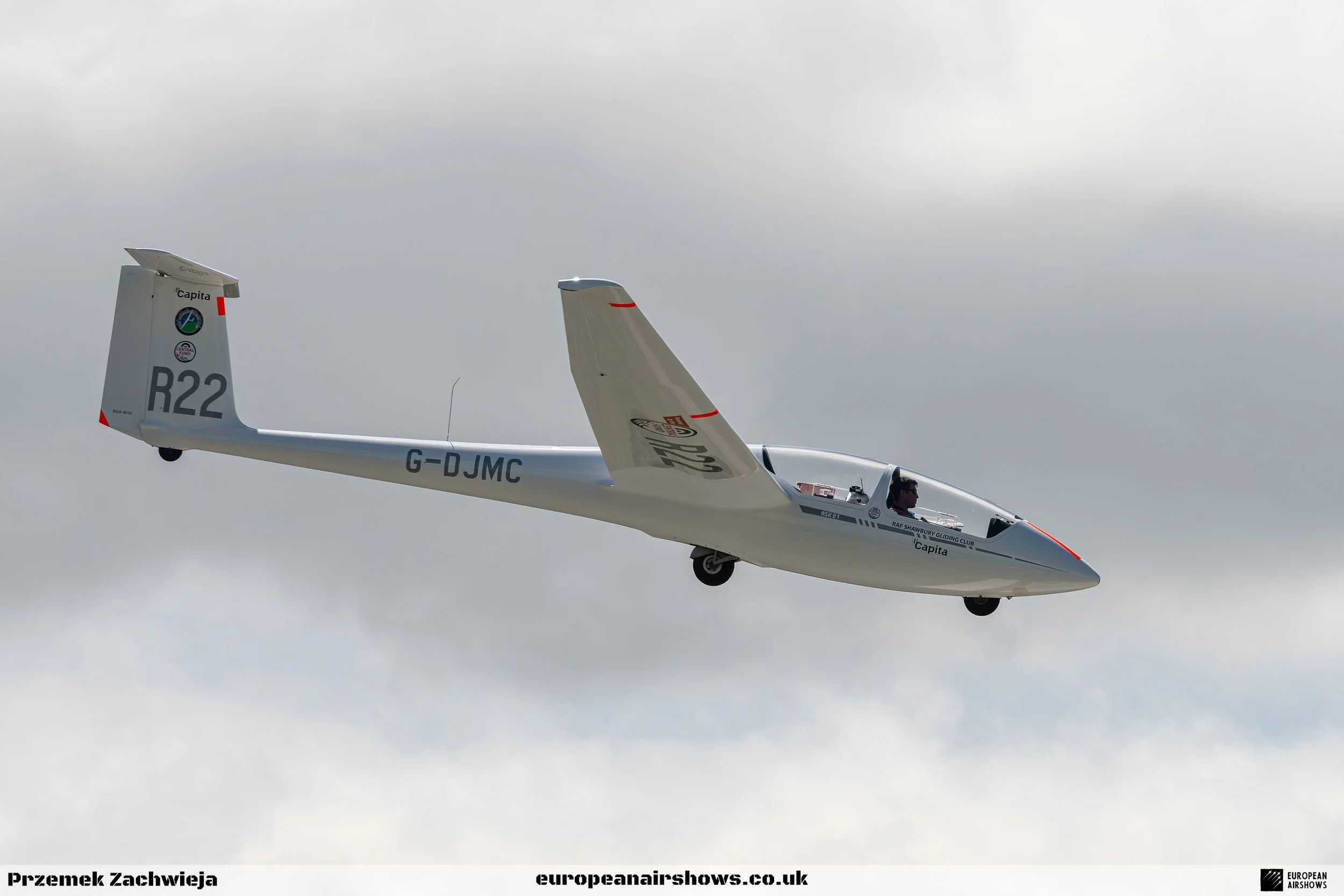
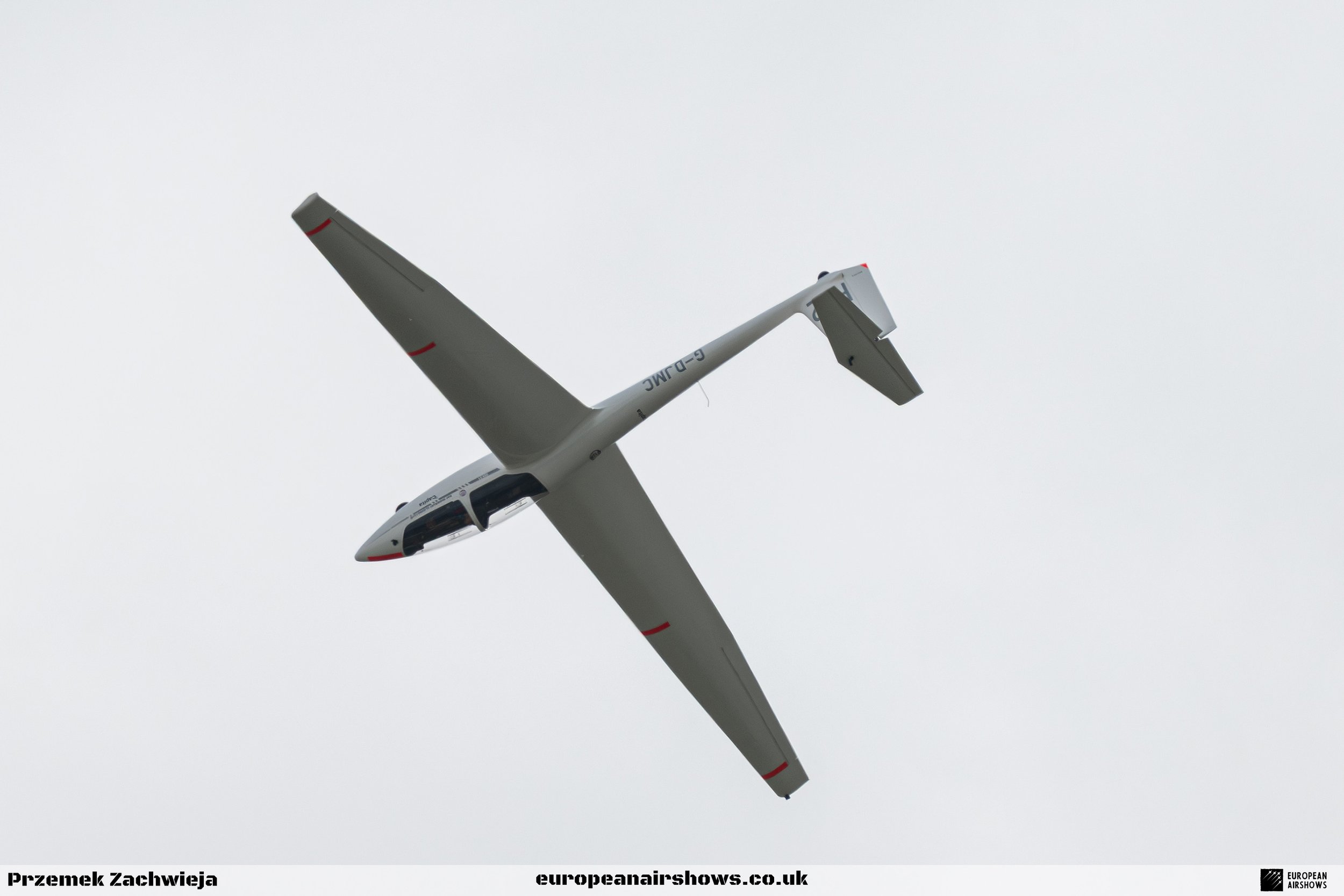
A much quieter but equally fitting display came from the Schleicher ASK 21 of Shawbury Gliding Club. Air Recruit Bradley Lefley-Kemp’s display was a good example of why Cosford’s theme worked so well. It was not just about frontline jets and big helicopters; it was about training, opportunity and the wider RAF aviation environment. The ASK 21 routine was graceful, clean and controlled, using loops, turns and energy management rather than noise. It was a very different pace, but it belonged at Cosford.
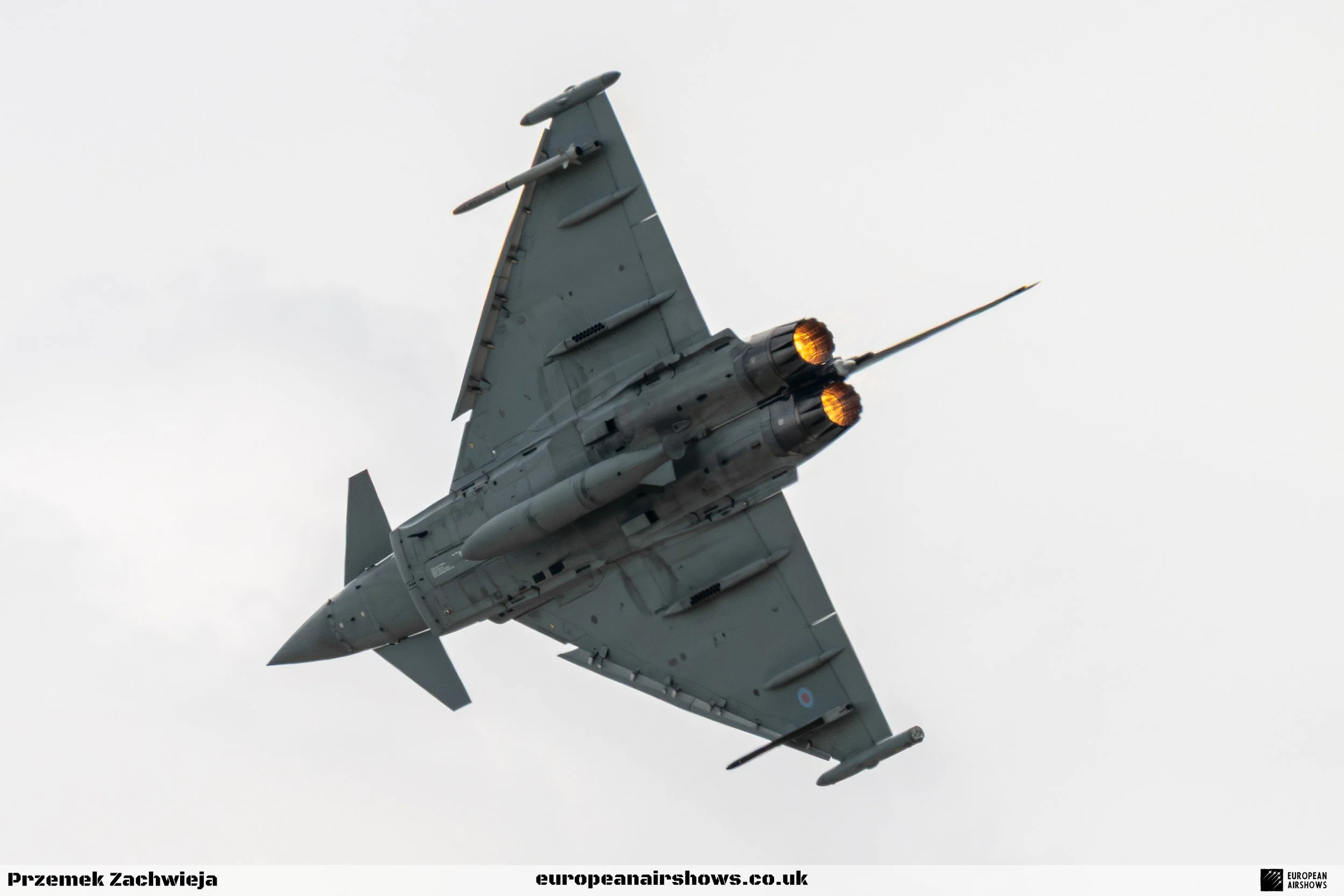
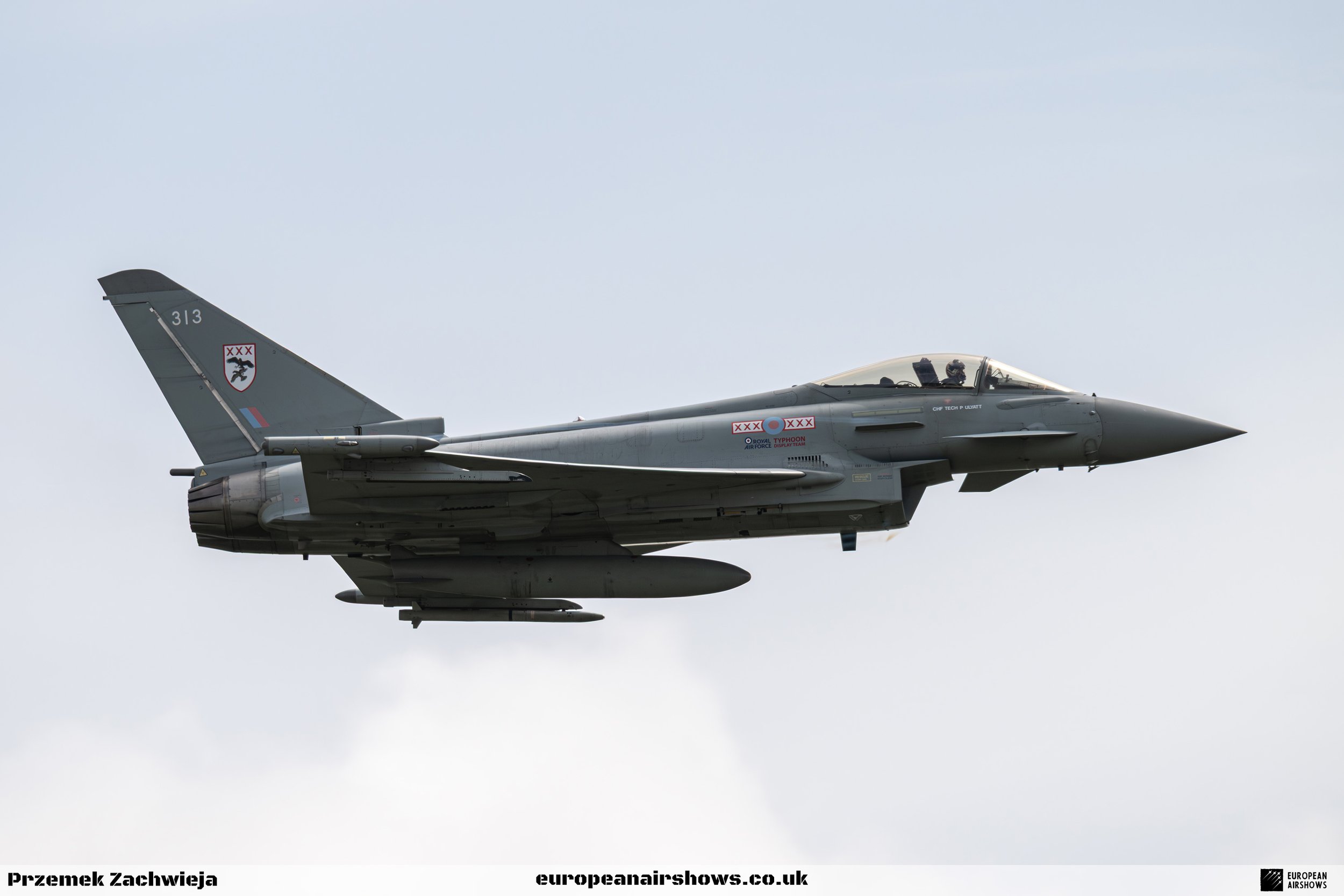
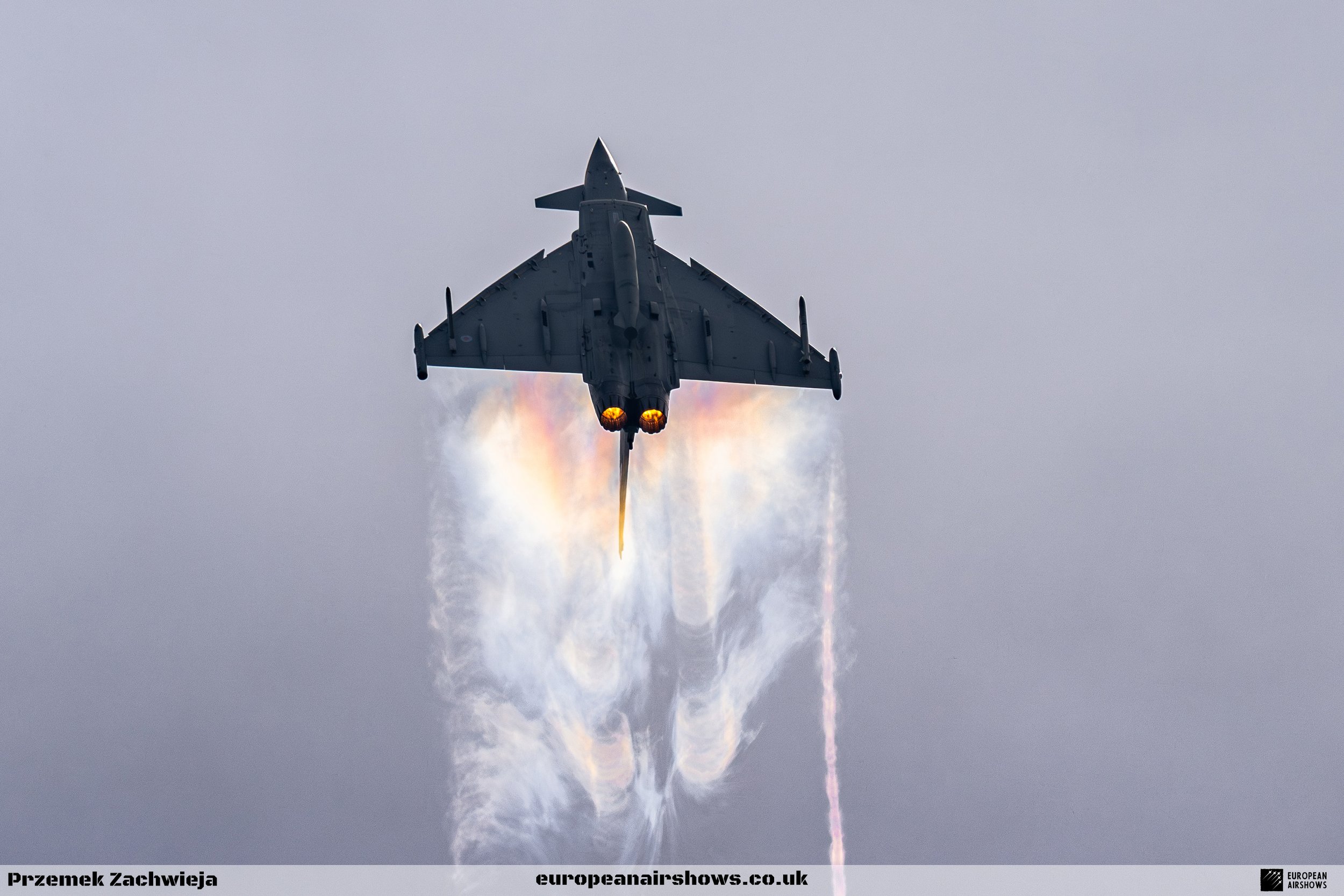
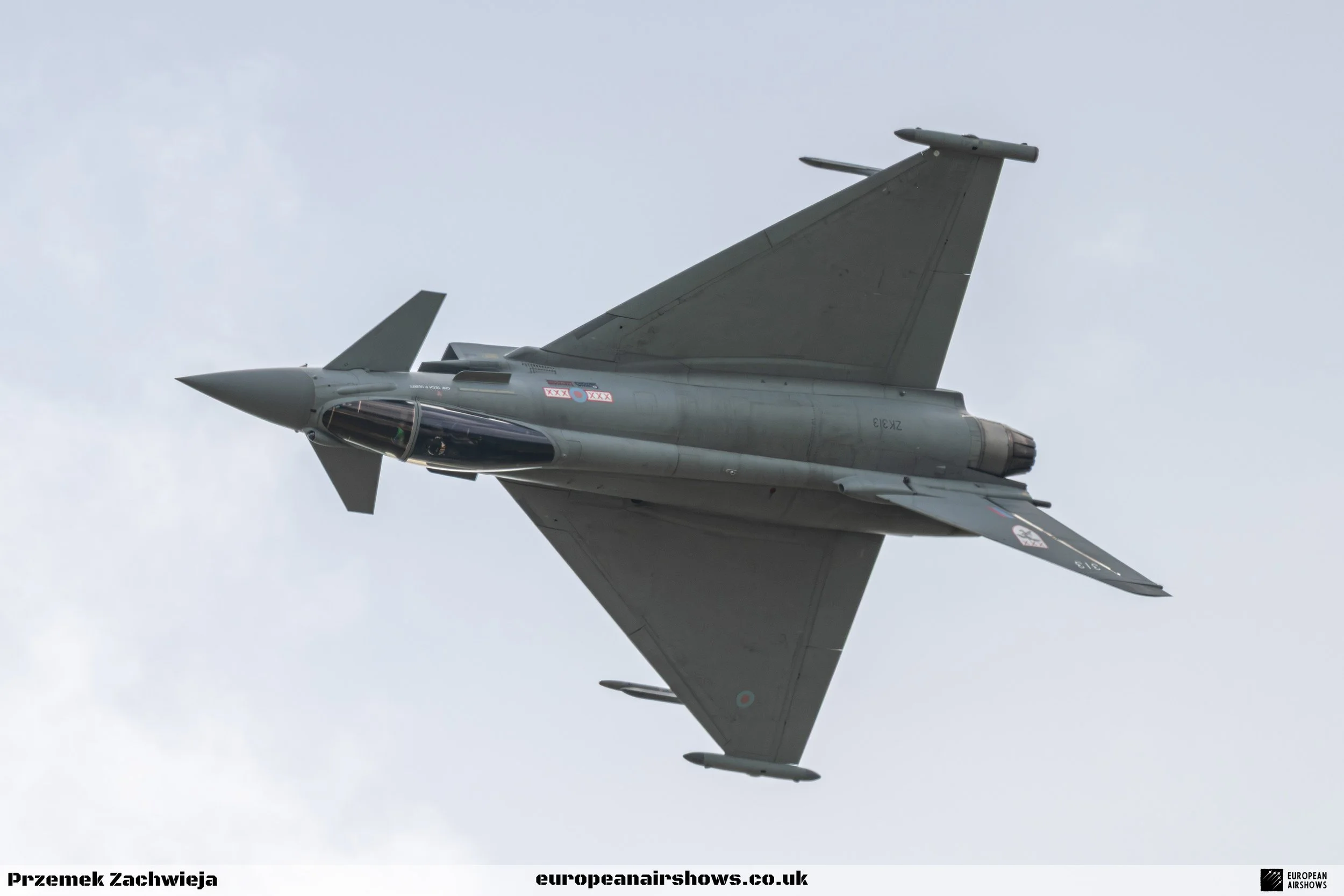
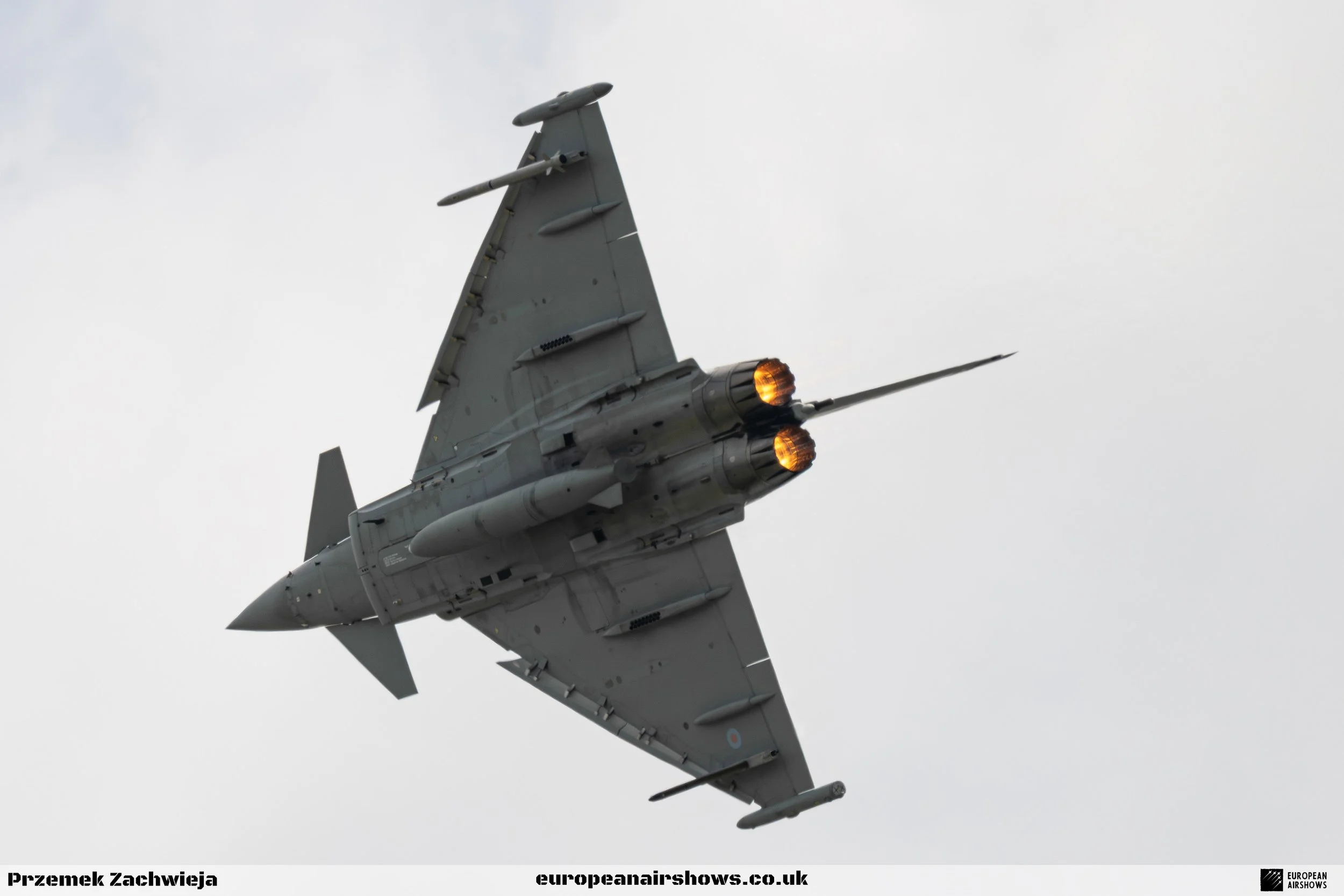
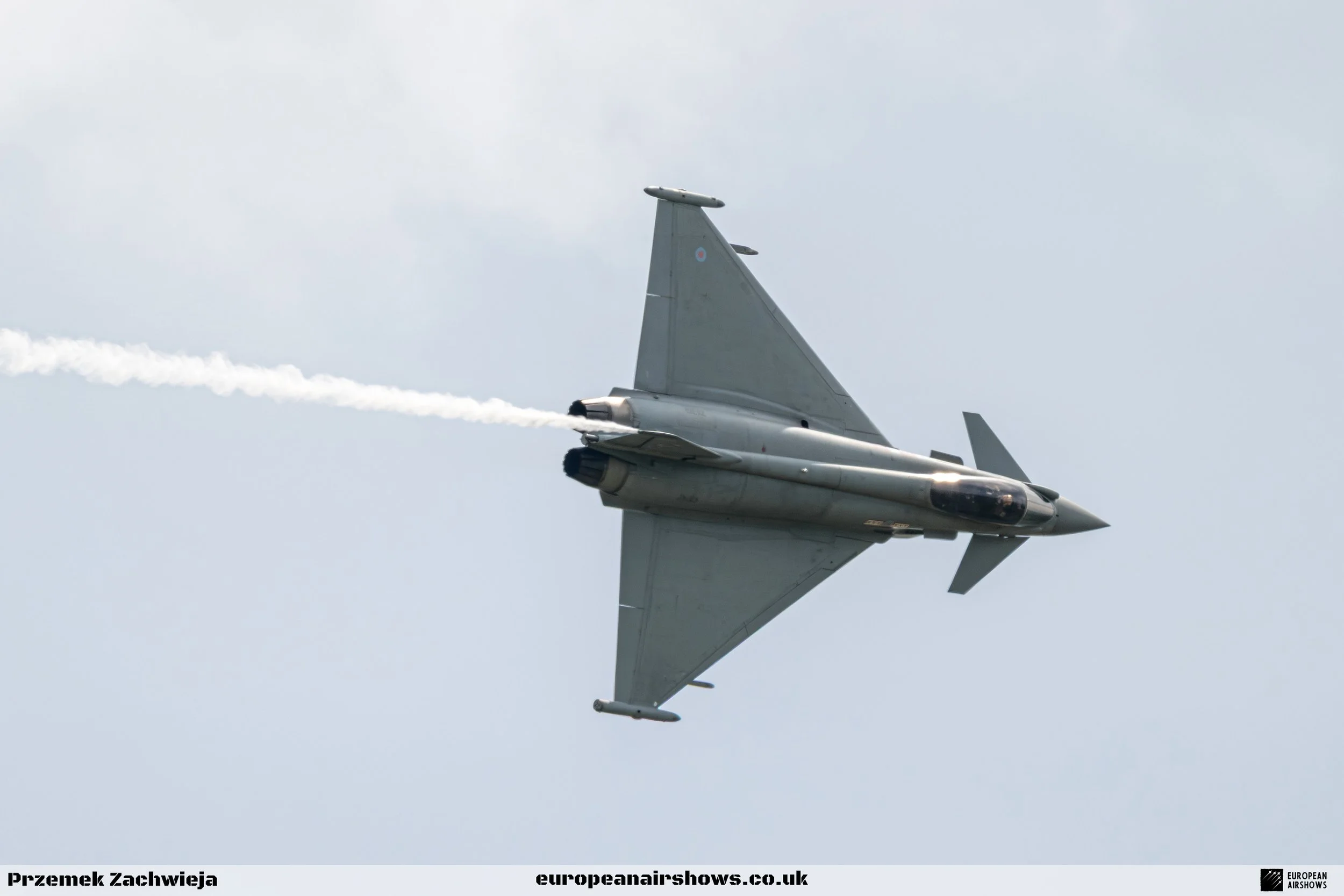
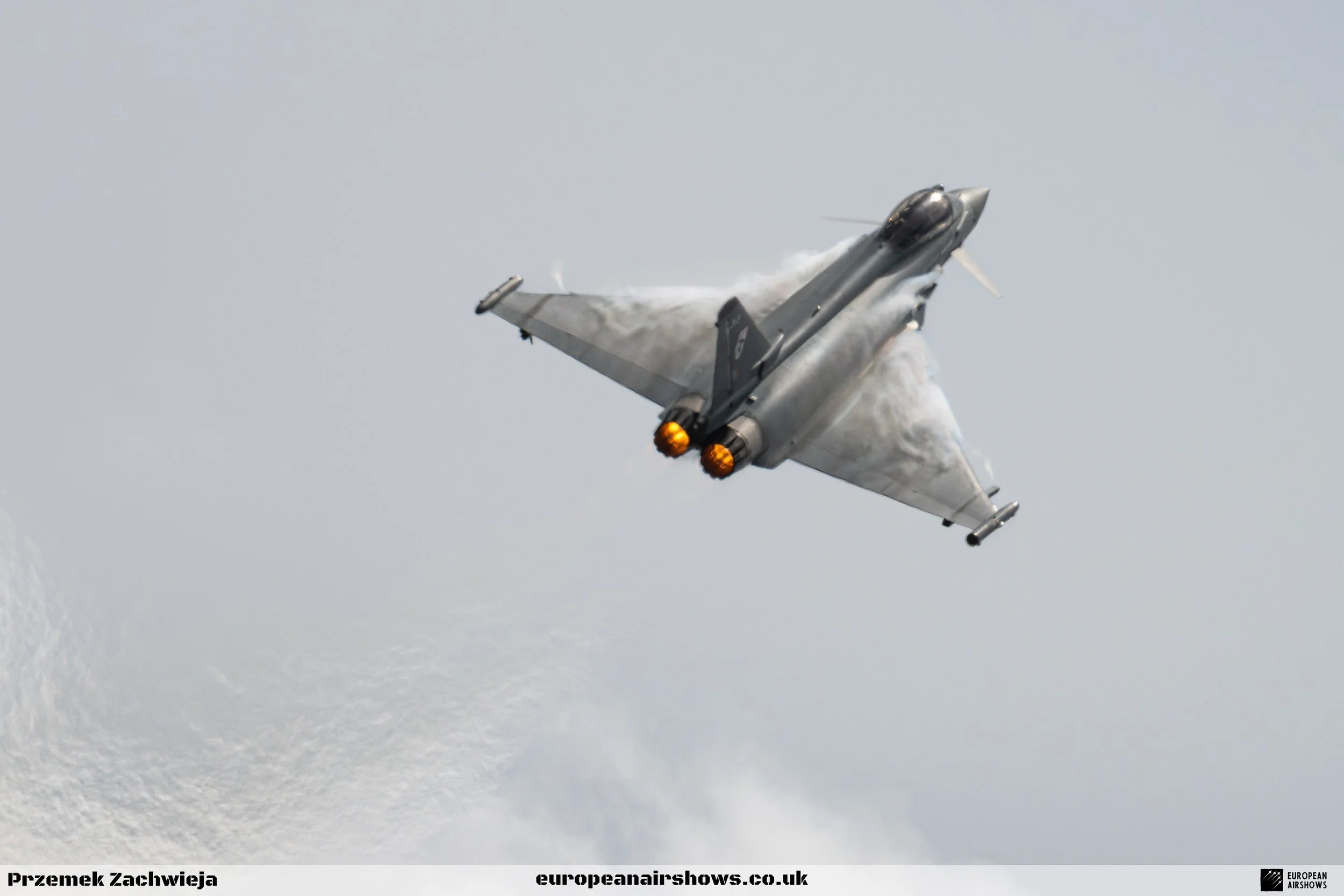
The RAF Typhoon Display Team then gave the crowd the noise many had been waiting for. The Eurofighter Typhoon FGR.4 remains one of the most dramatic solo fast-jet displays in Europe when flown well, and at Cosford it gave the show its RAF frontline punch. The display had all the expected ingredients: afterburner climbs, hard turns, fast passes and tight repositioning. In the difficult light the jet was not always easy for photographers, but the noise and energy carried across the crowd line.
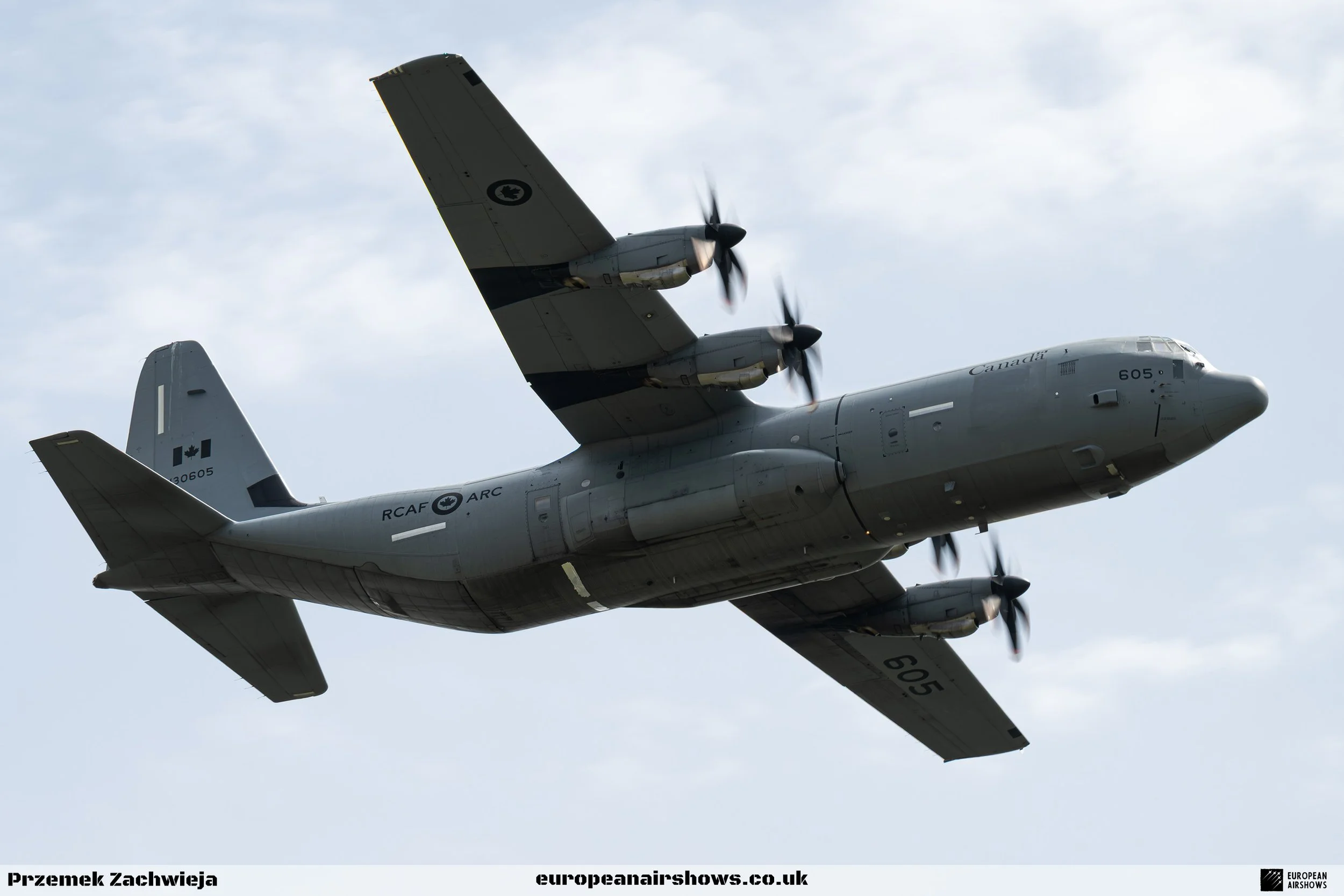
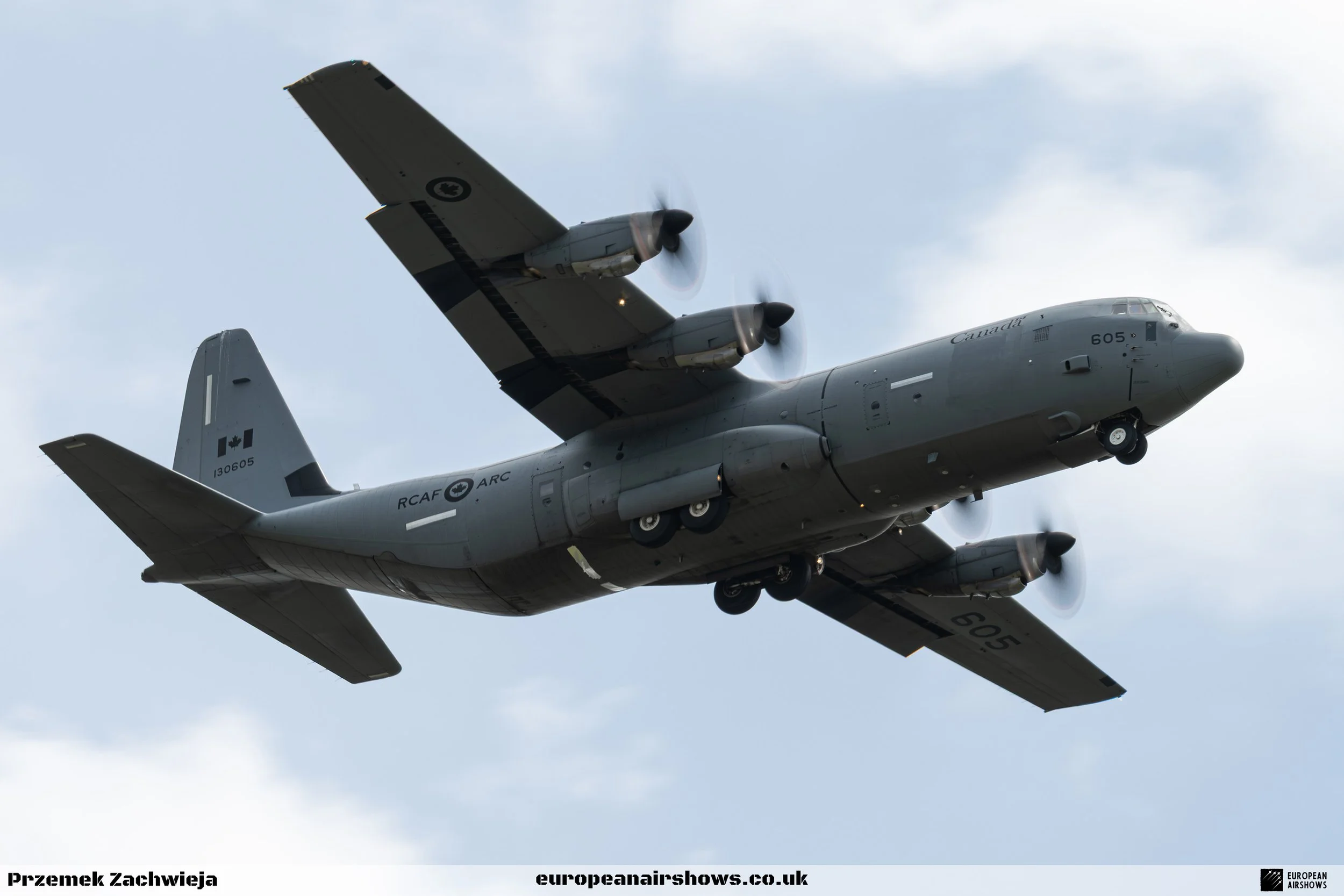
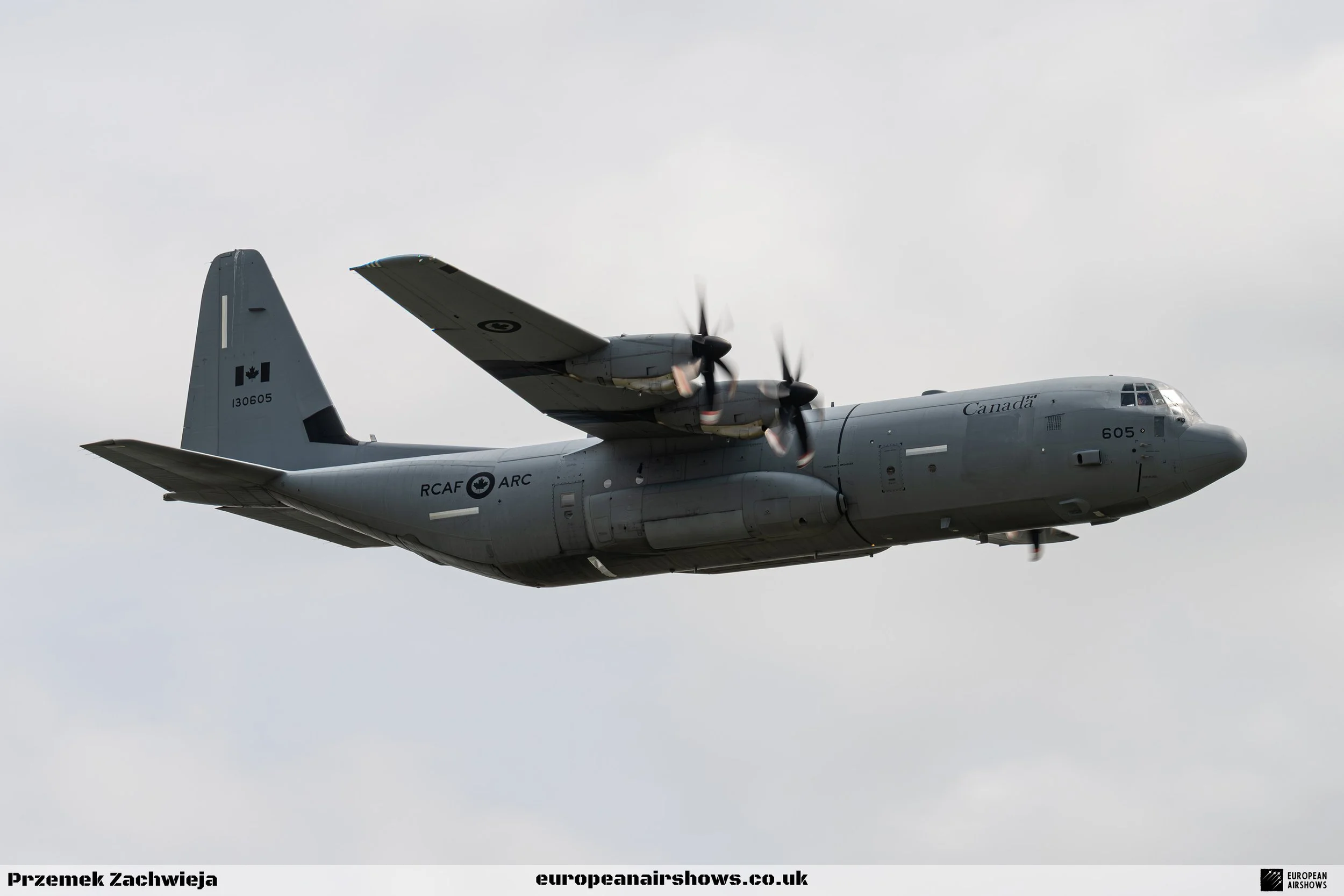
Transport aviation was also represented in the air. The Royal Canadian Air Force CC-130J Hercules made several flypasts, adding a welcome foreign military contribution to the flying display. Although not a full display, the Hercules passes gave the programme some heavy-aircraft variety and were particularly welcome in a year when international flying participation was otherwise limited.
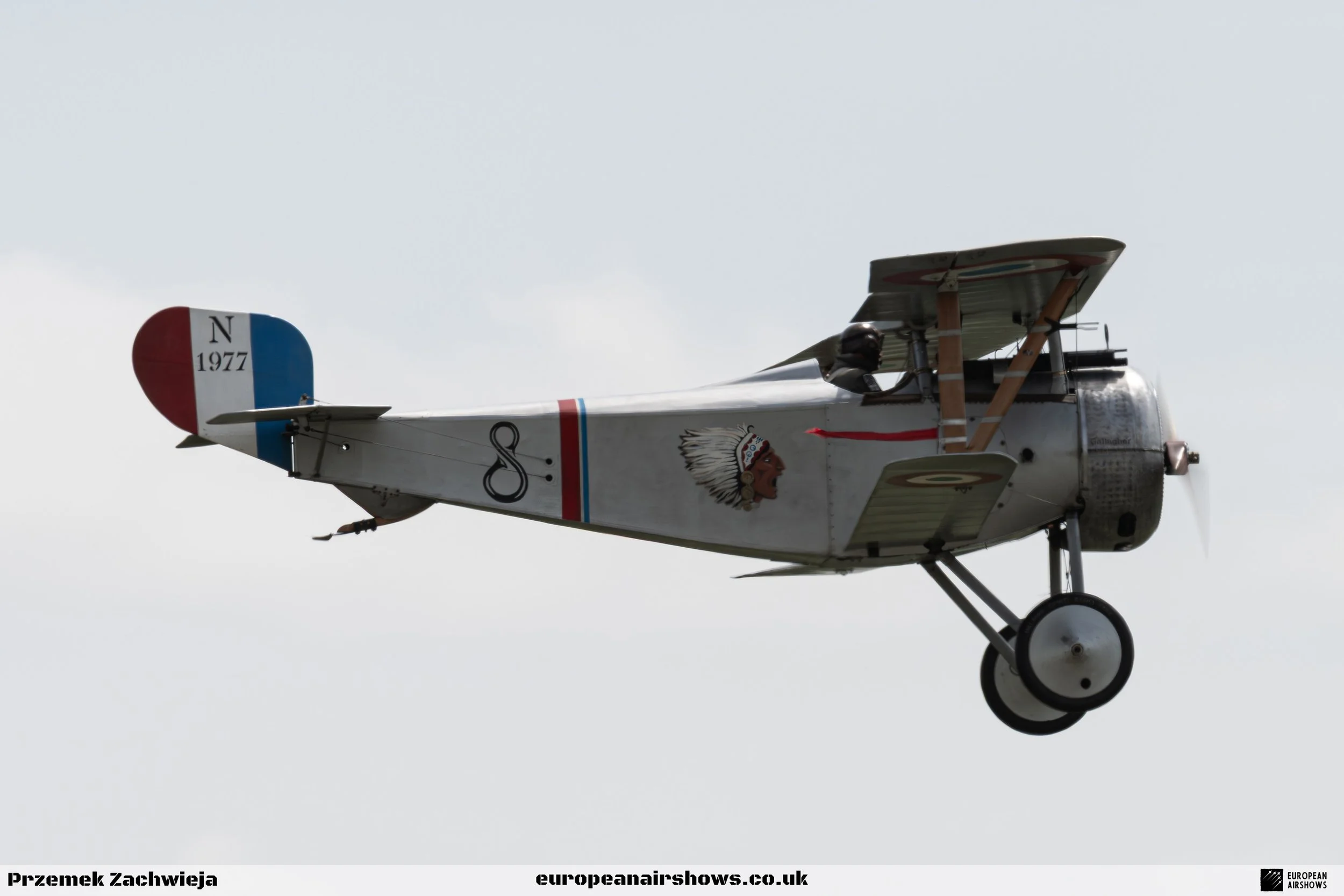
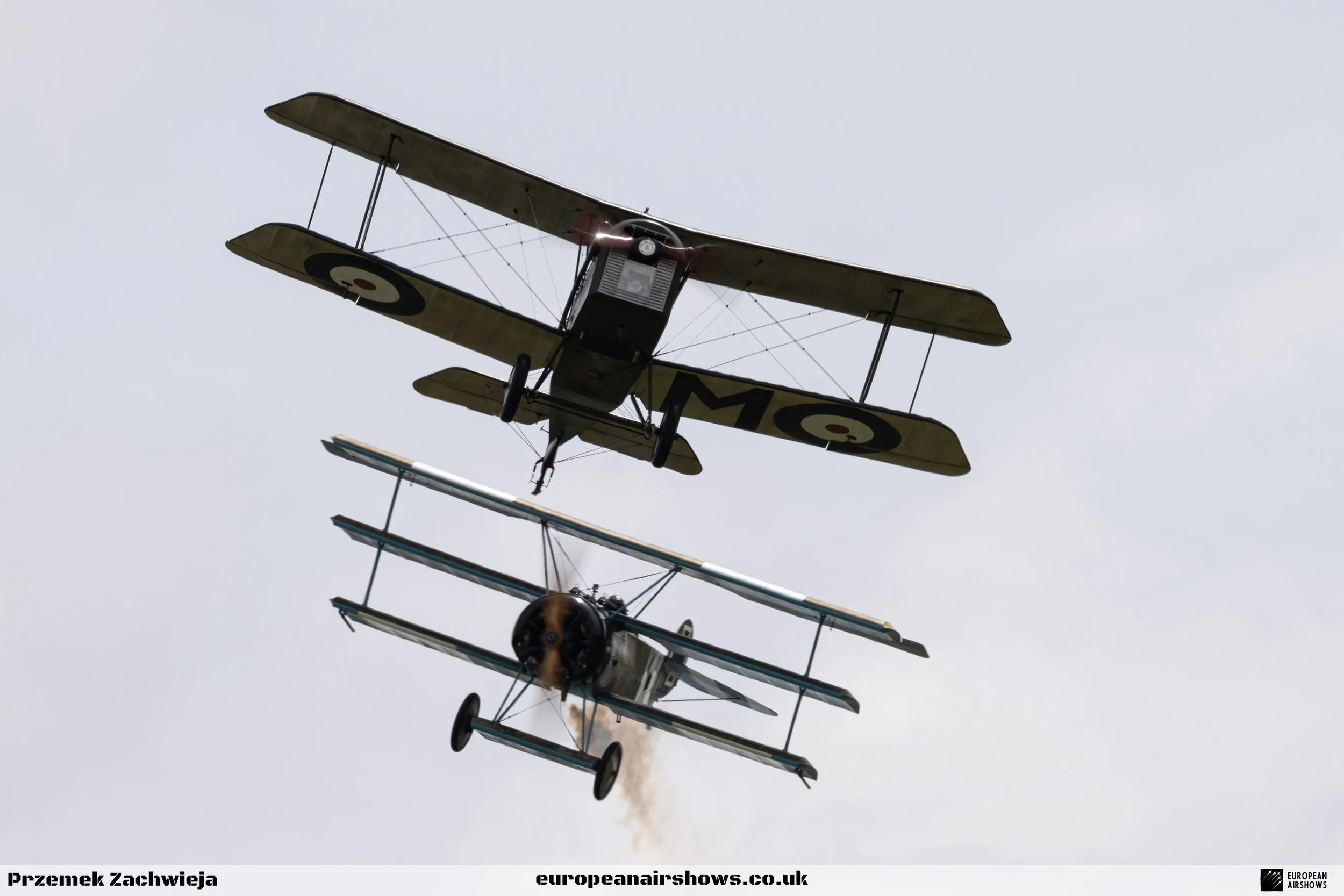
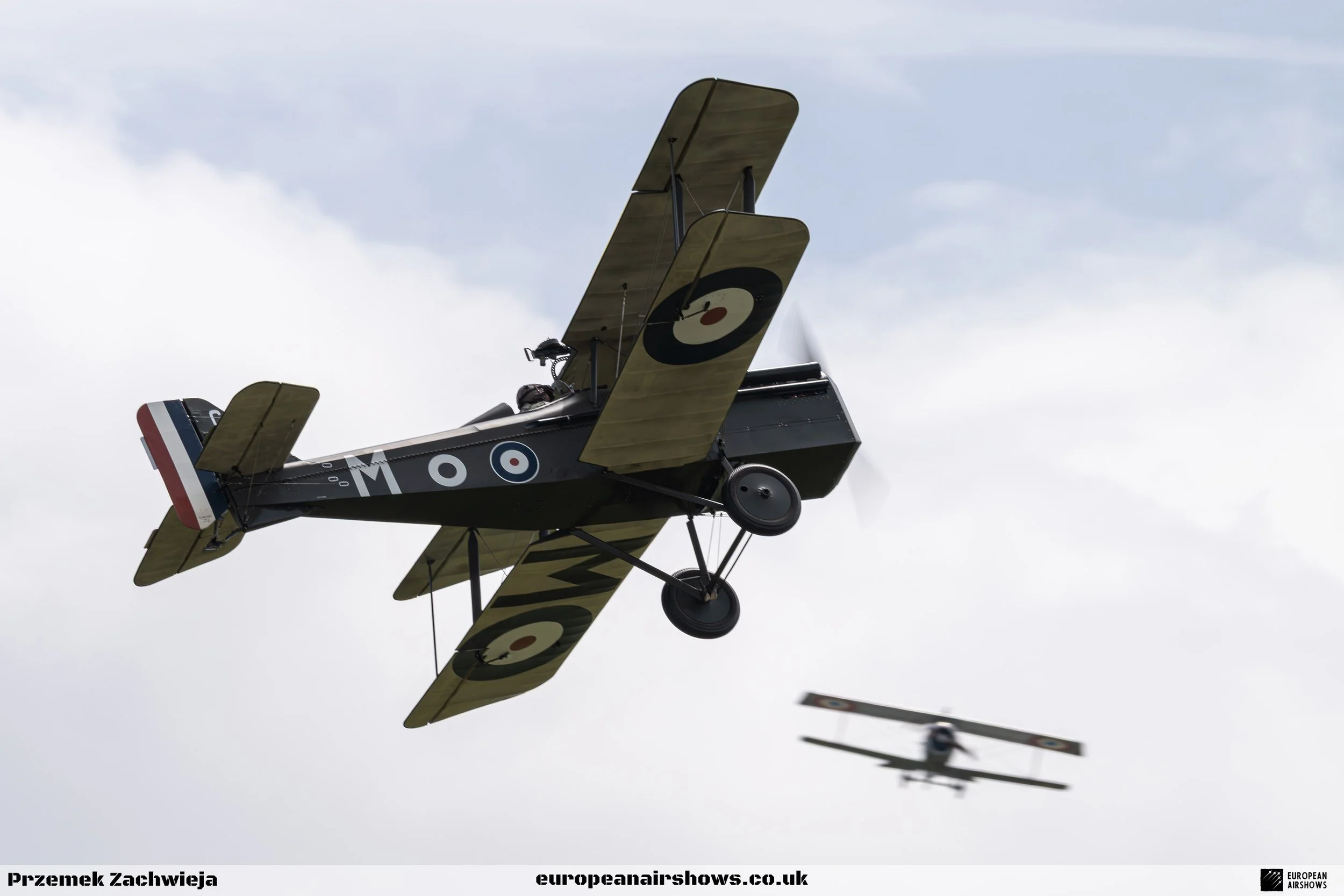
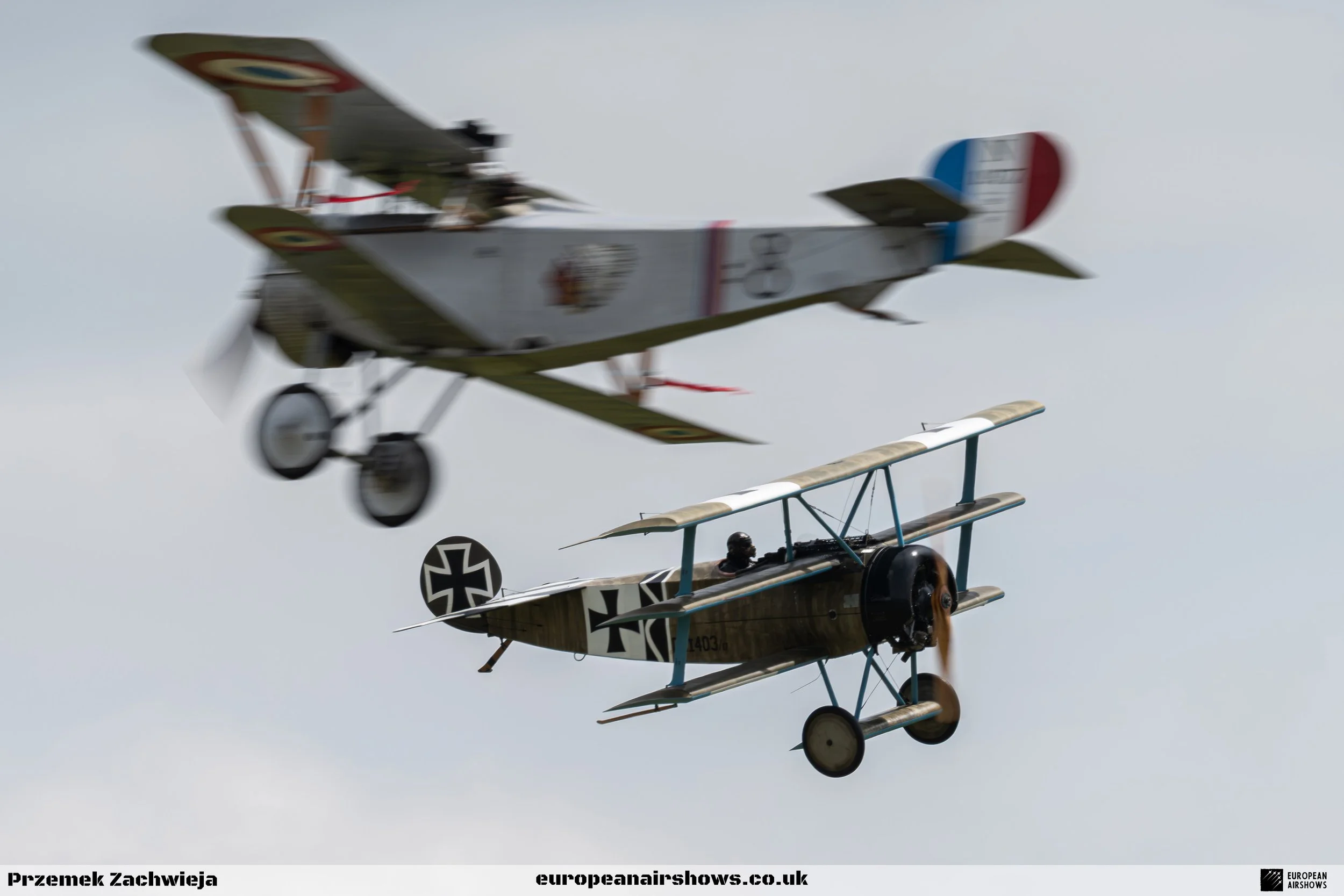
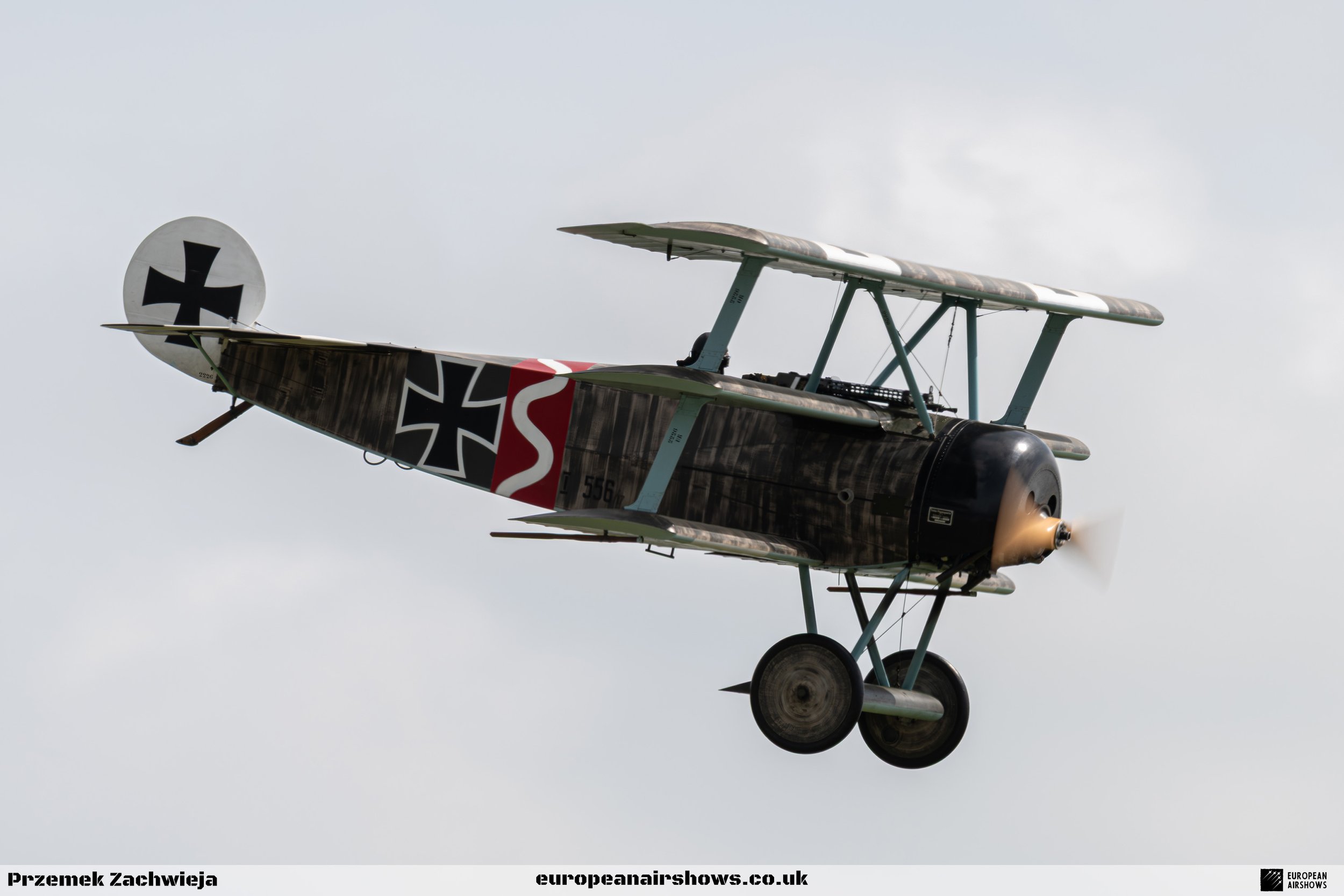
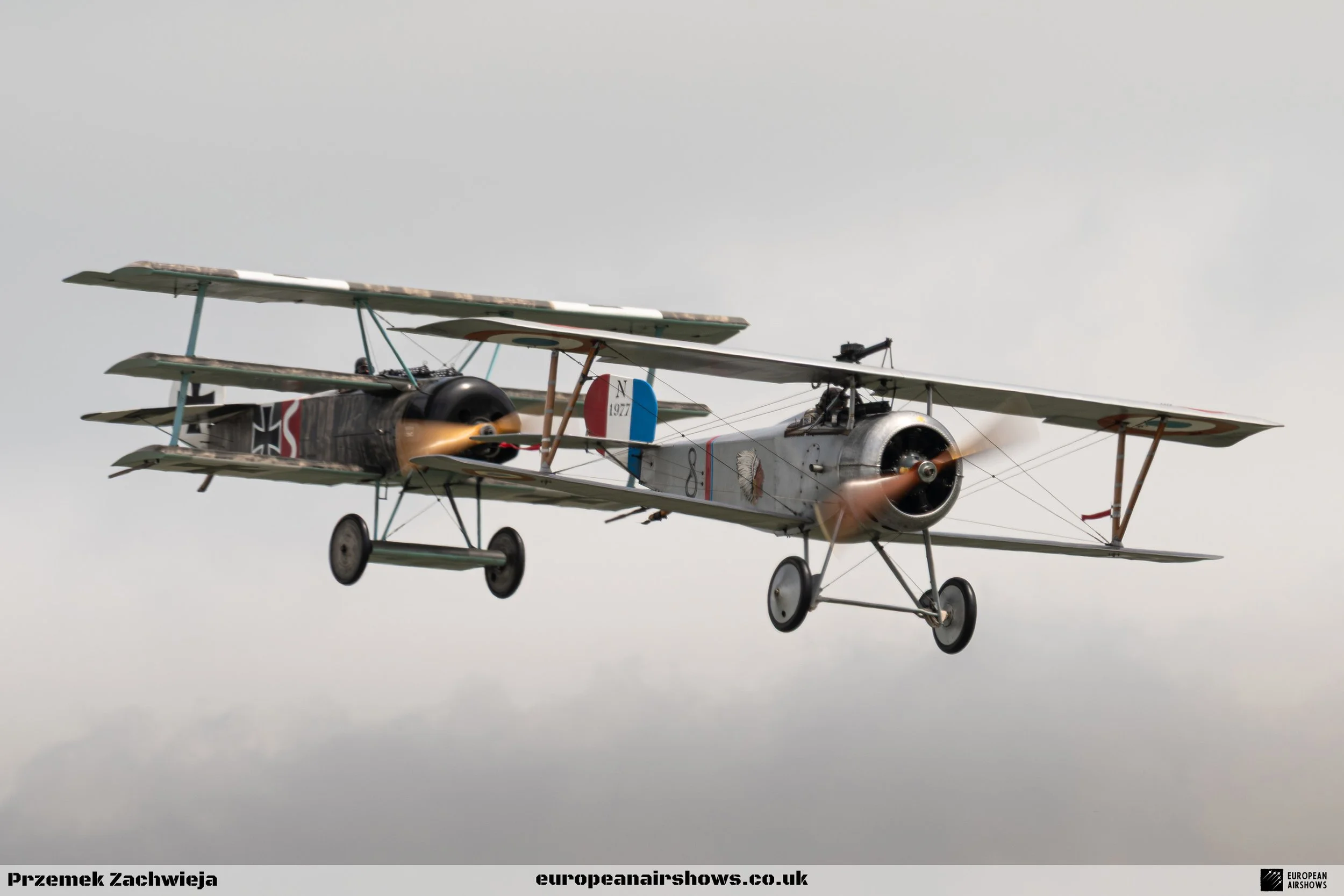
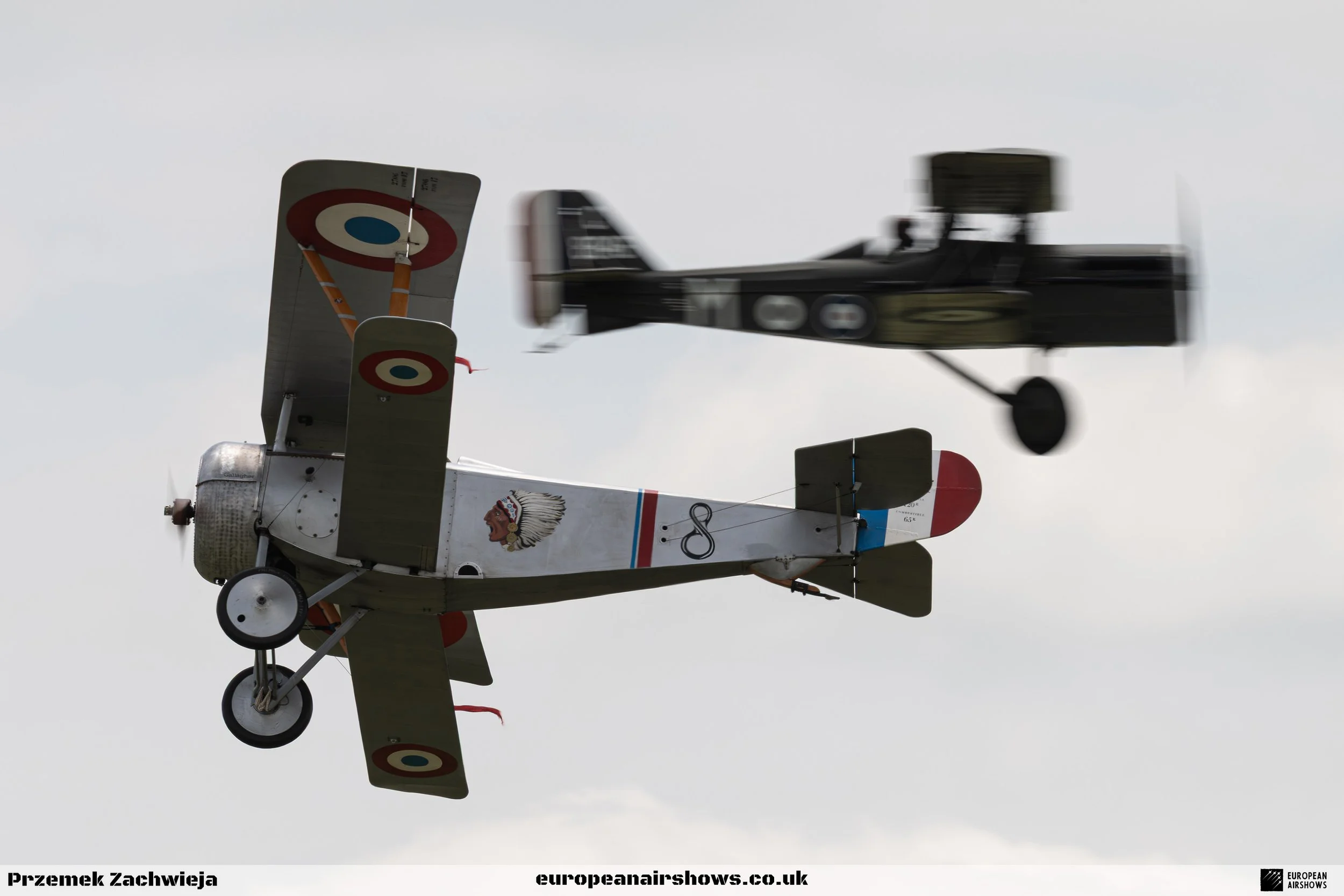
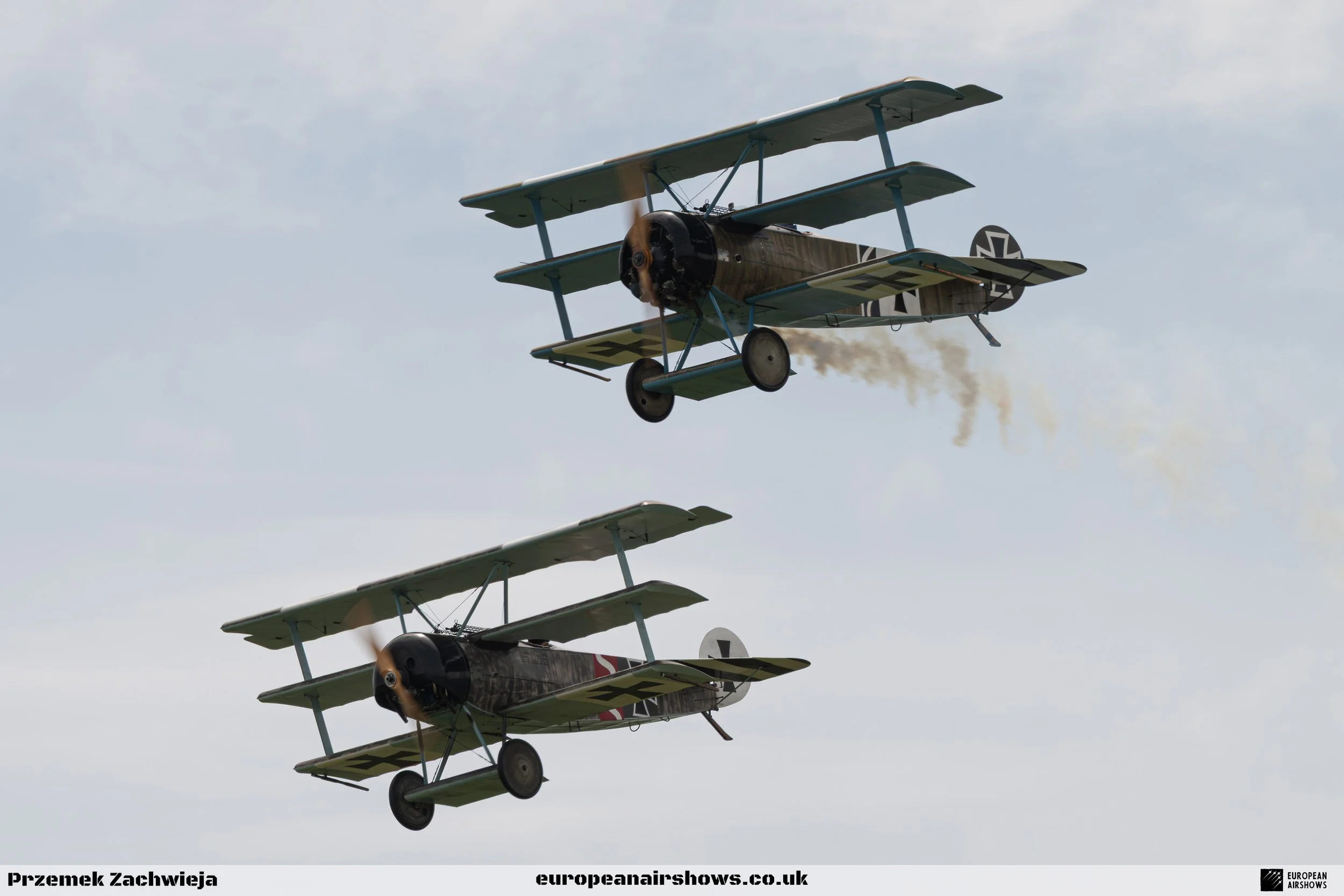
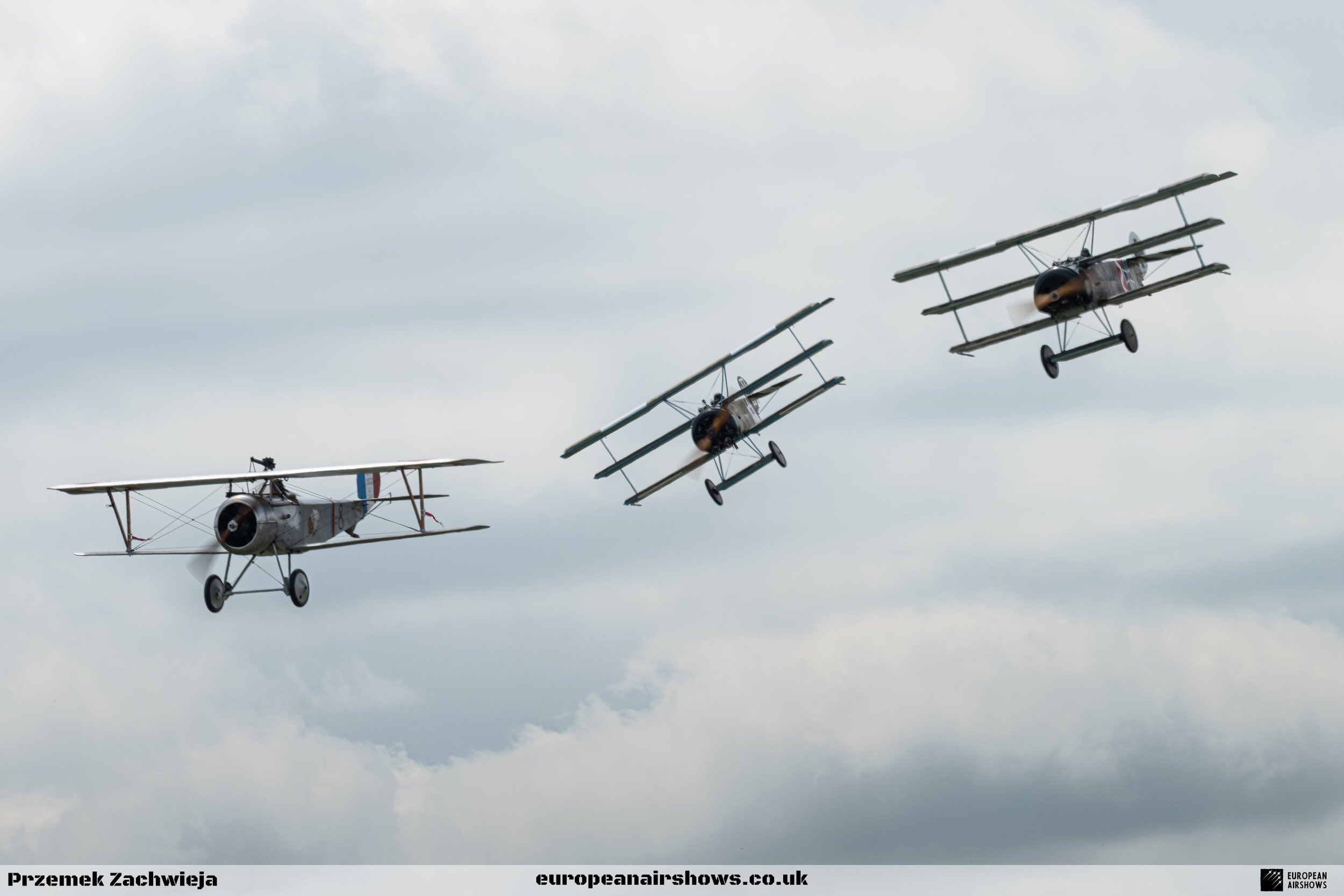
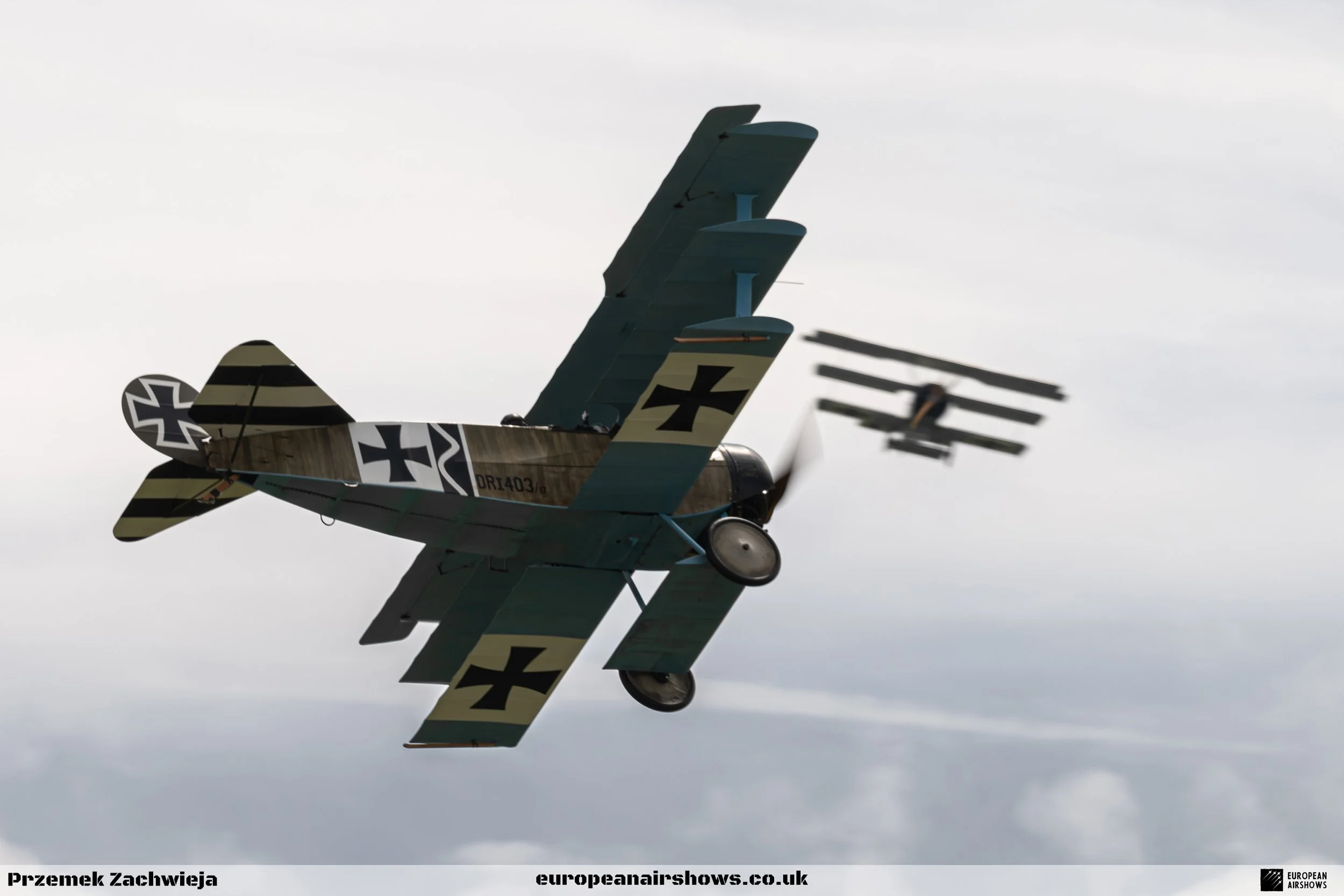
The Great War Display Team was one of the day’s great crowd-pleasers. With replicas of the Fokker Dr.I Triplane, Royal Aircraft Factory SE5a and Nieuport 17, the team recreated the early days of air combat with a proper sense of theatre. The ground-based pyrotechnics added to the atmosphere without overwhelming the aircraft. It was noisy, smoky, chaotic and full of movement, exactly what this sort of display should be. A truly marvellous act, and one that still feels very different from almost anything else on a modern UK flying programme.
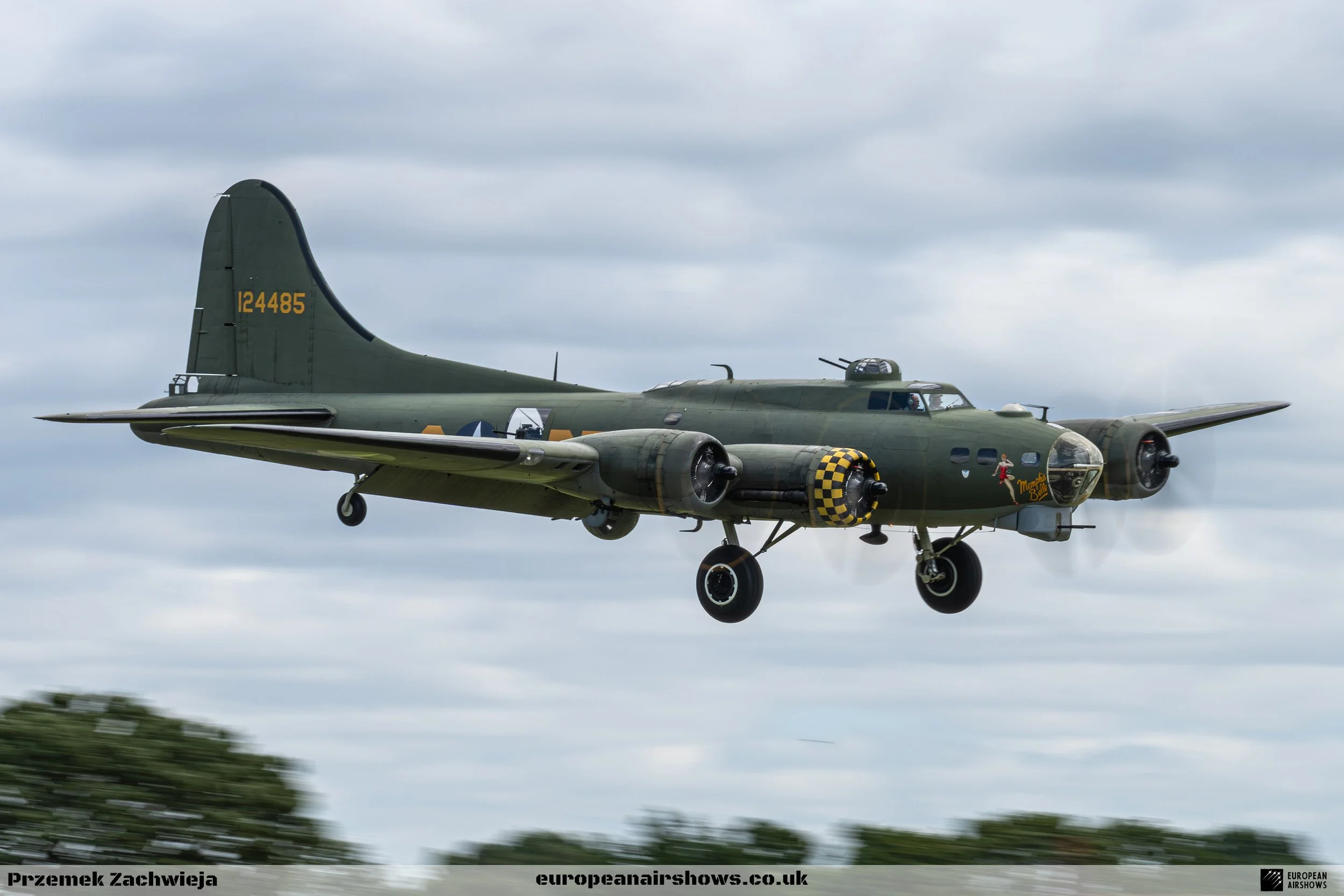
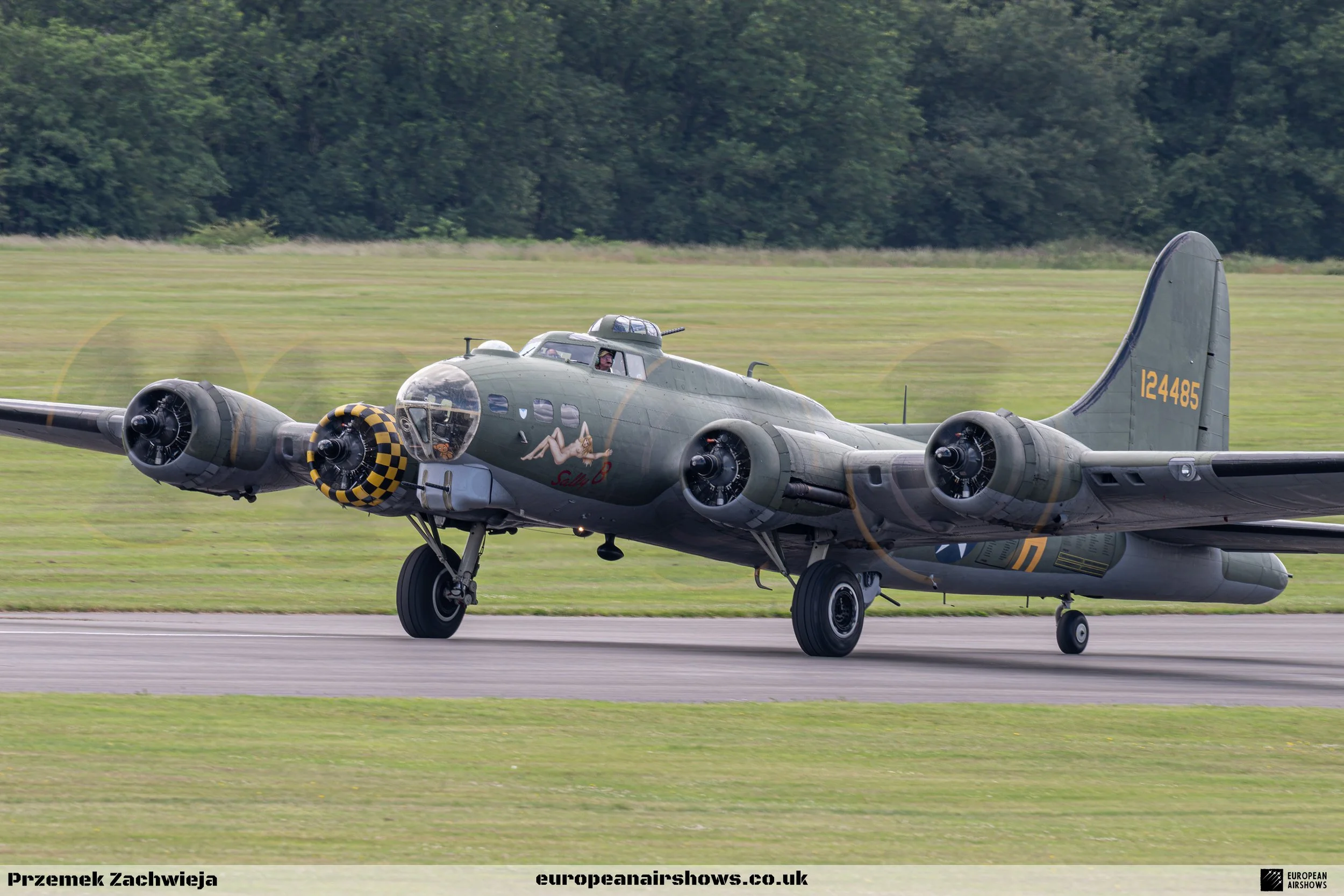
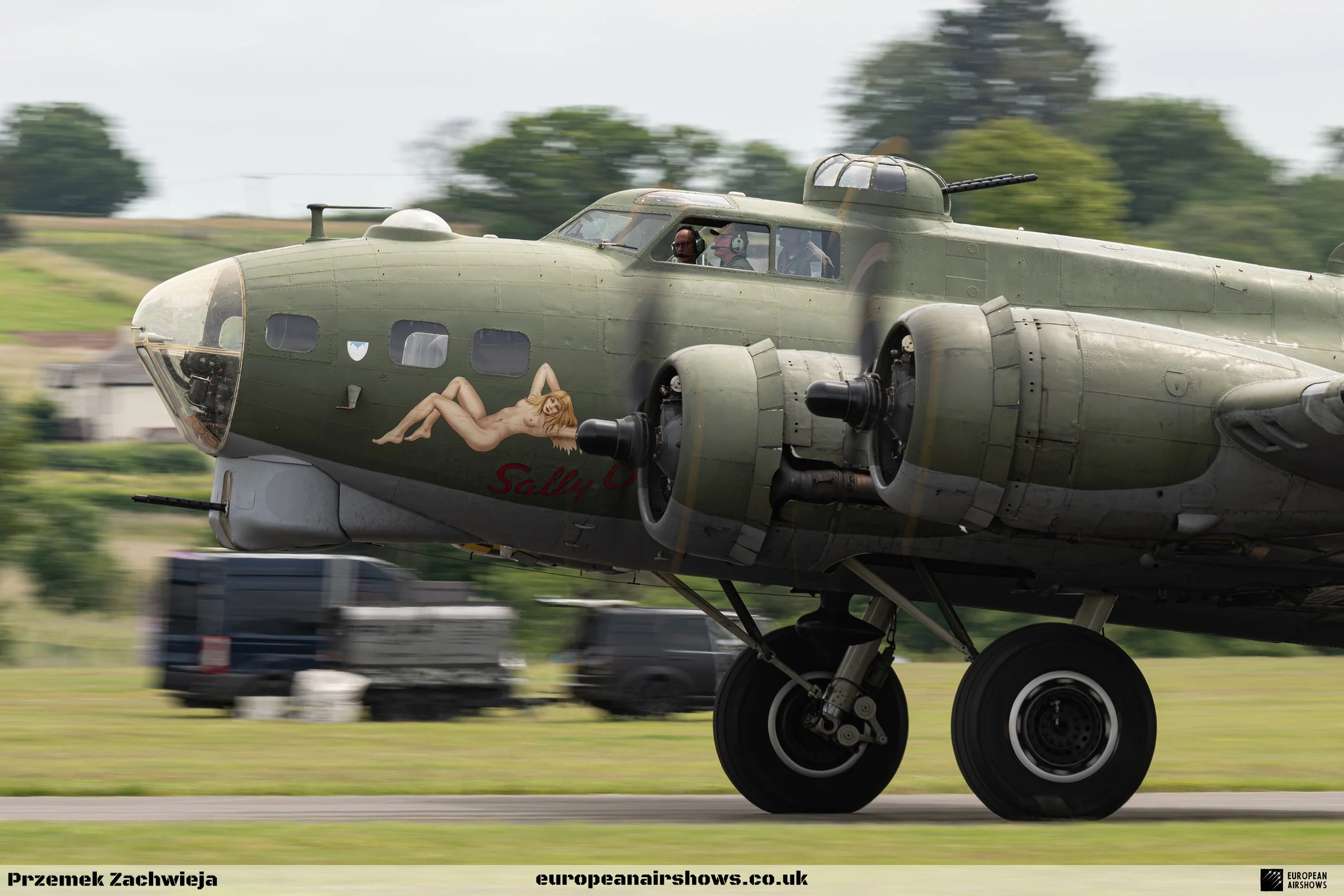
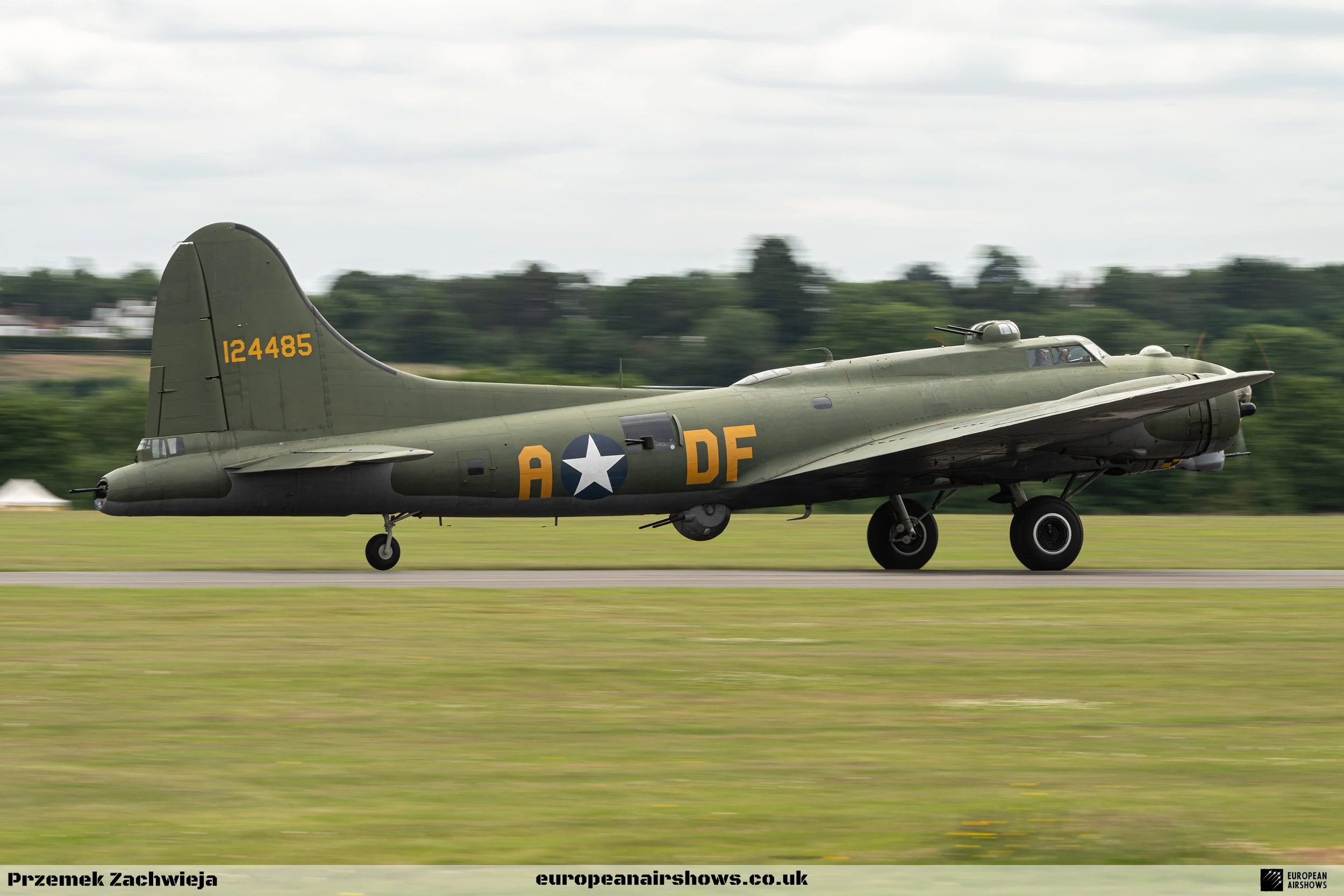
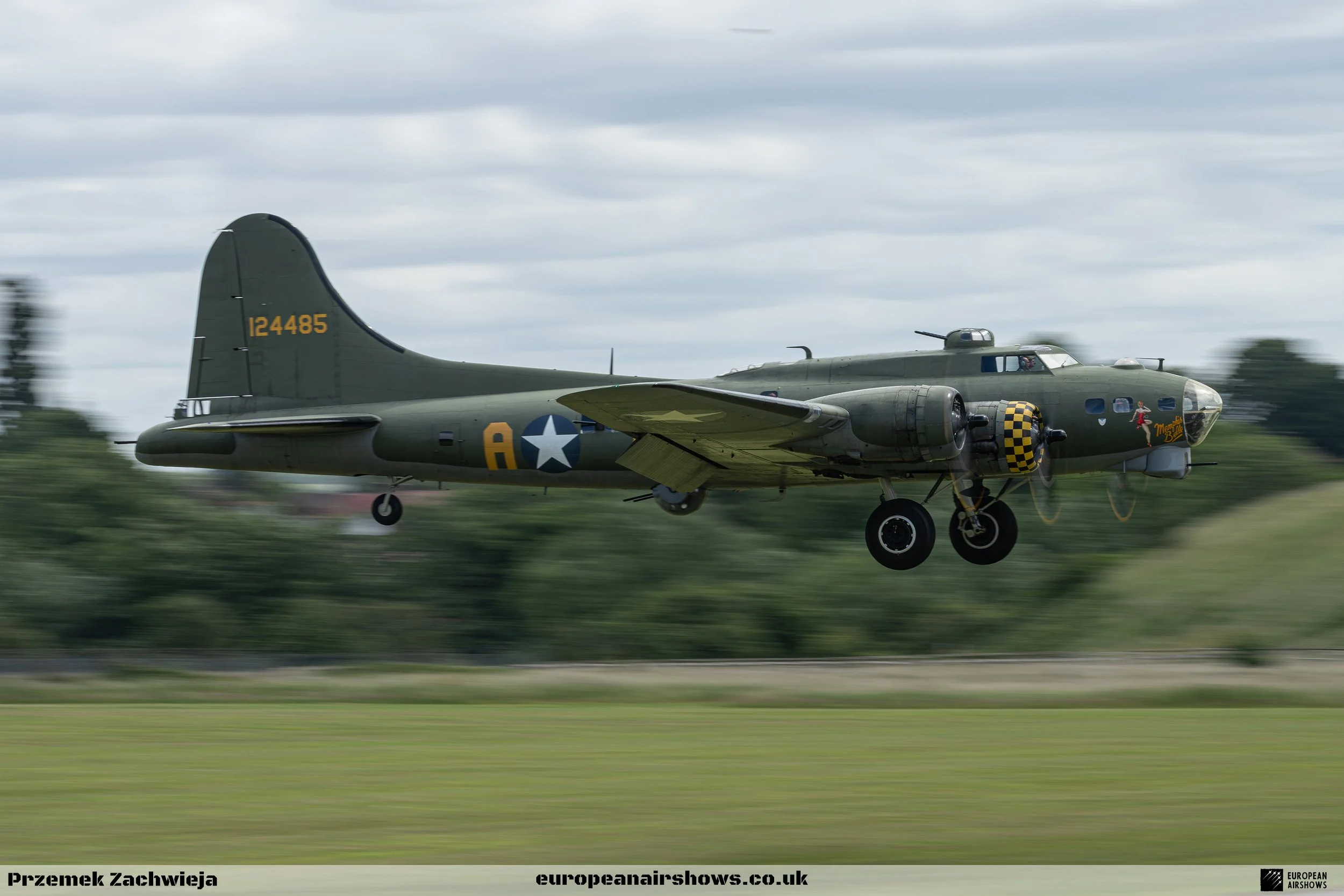
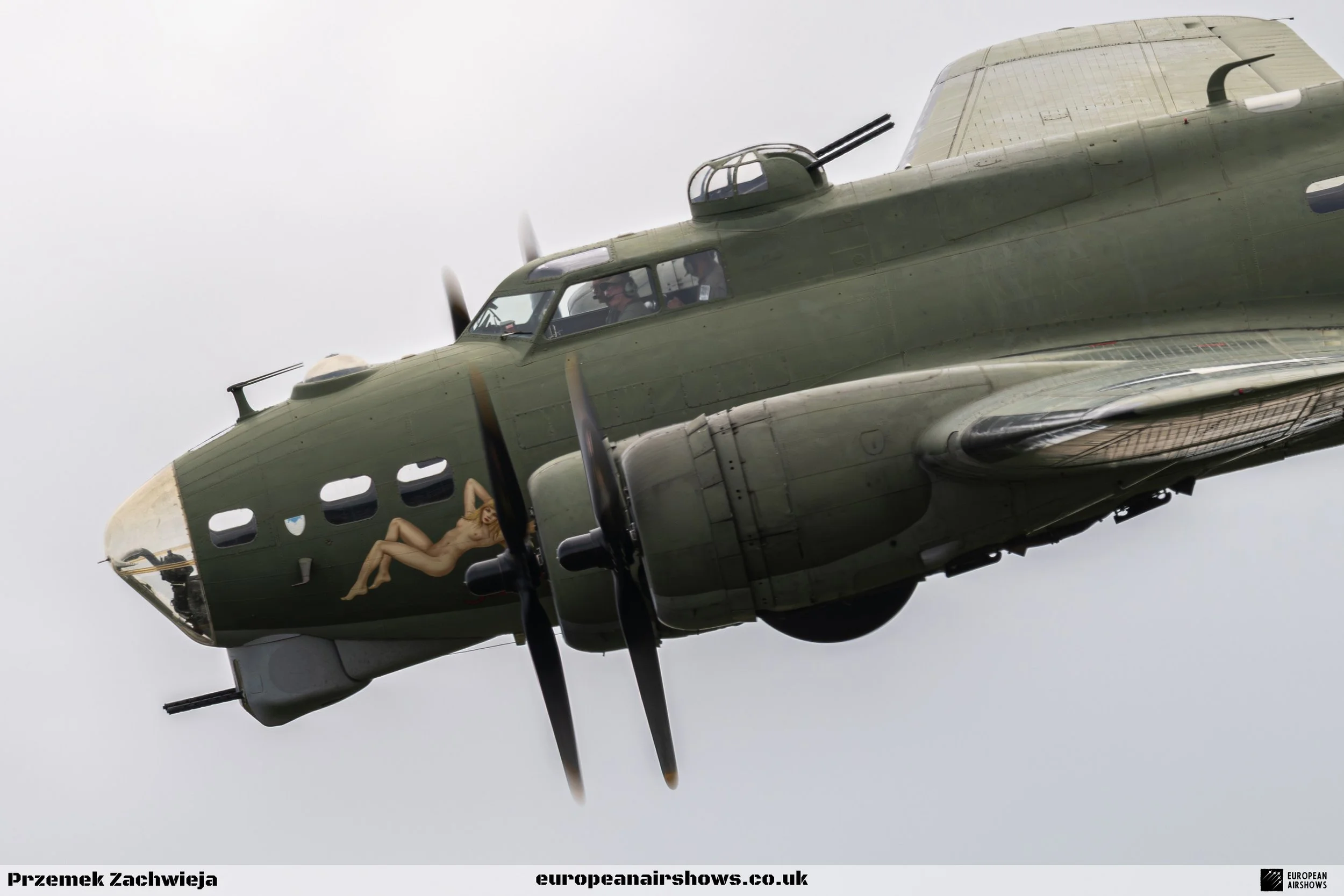
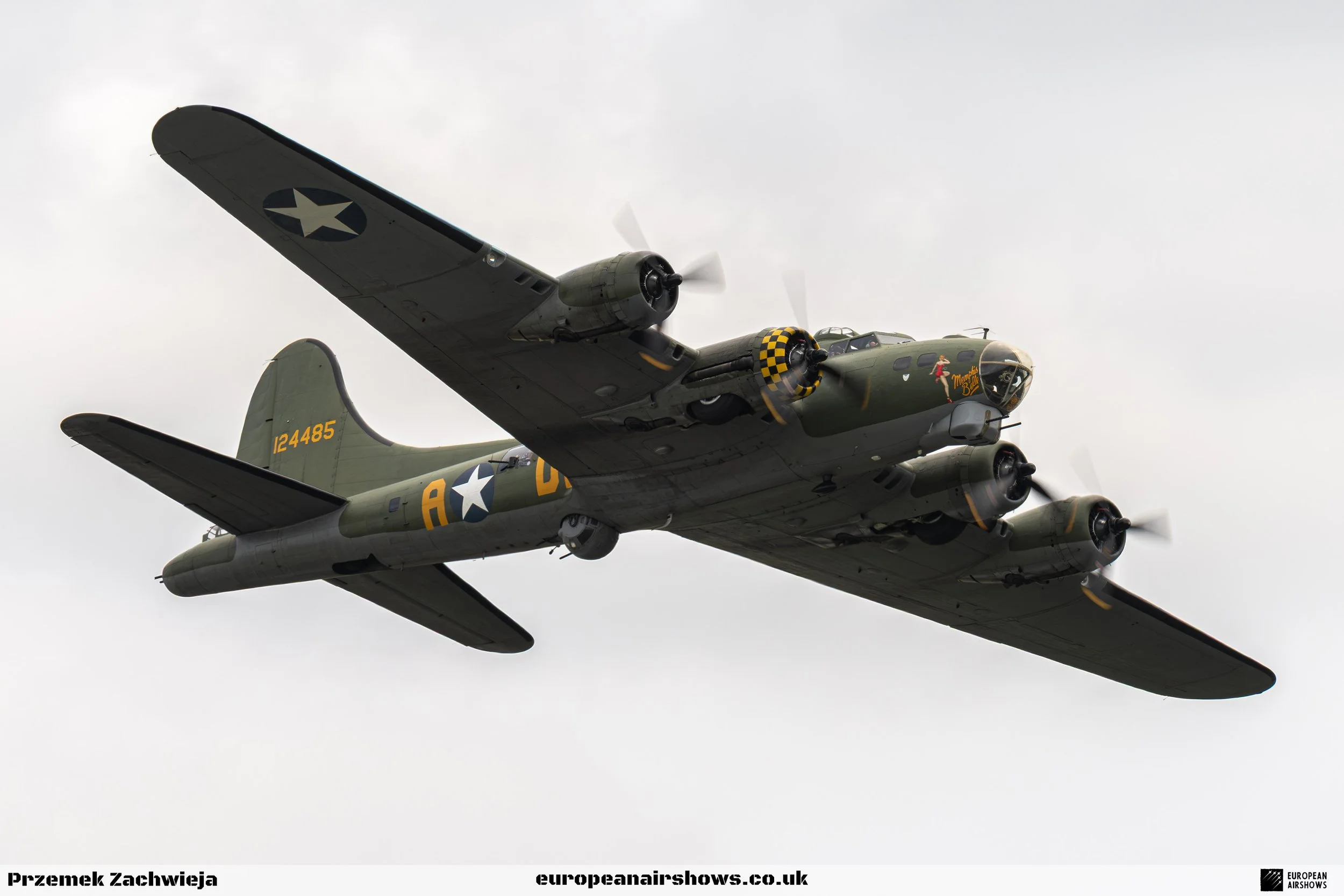
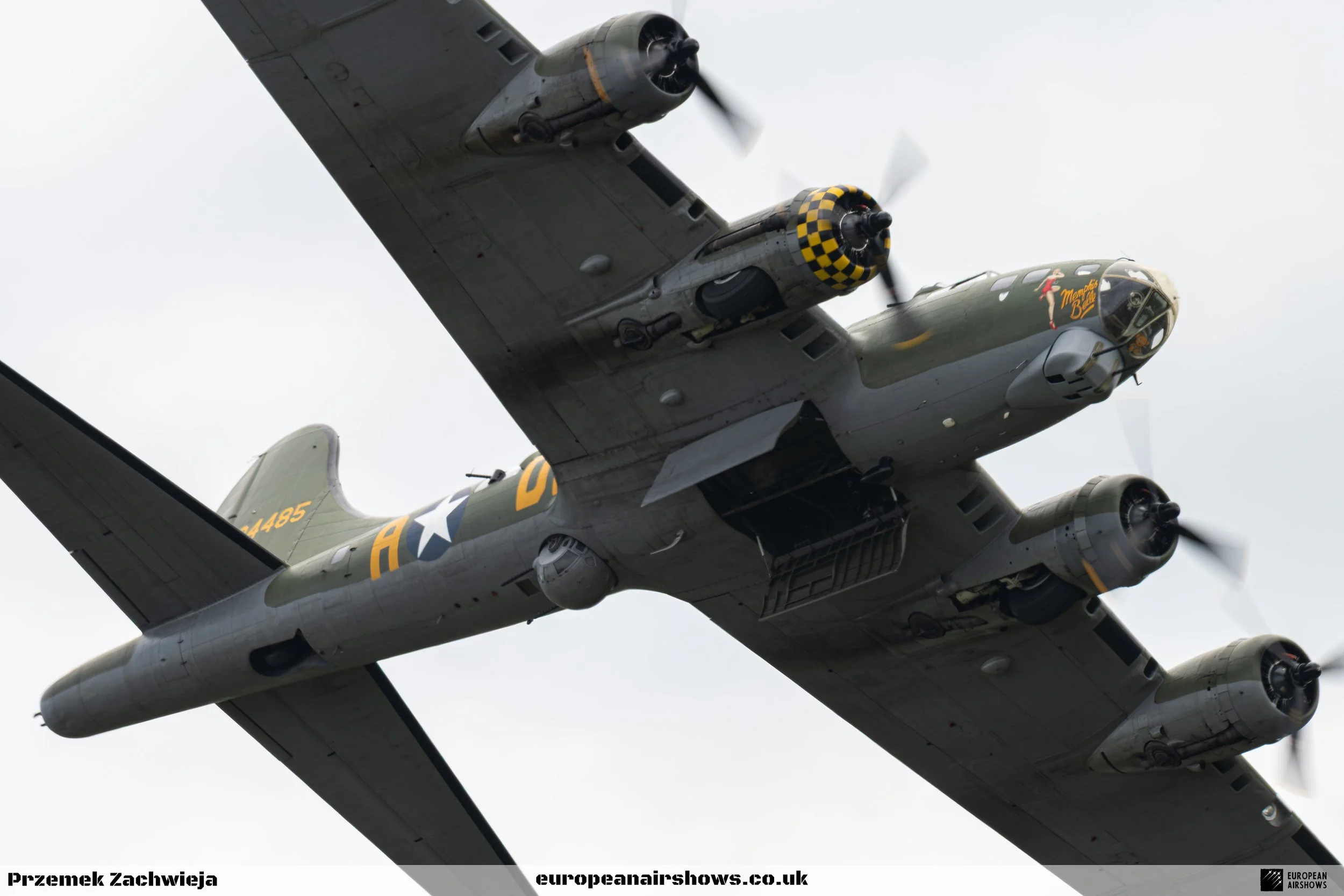
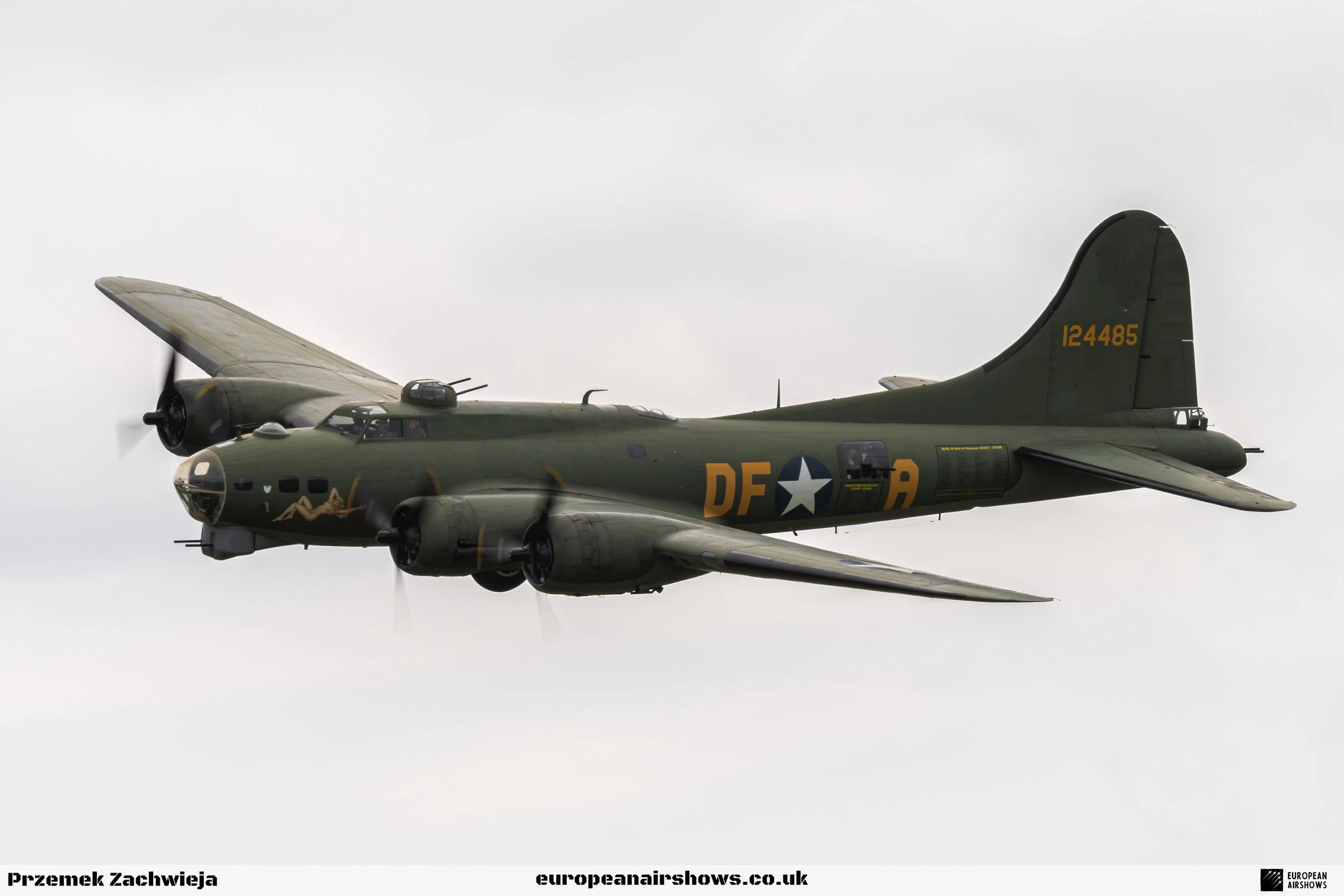
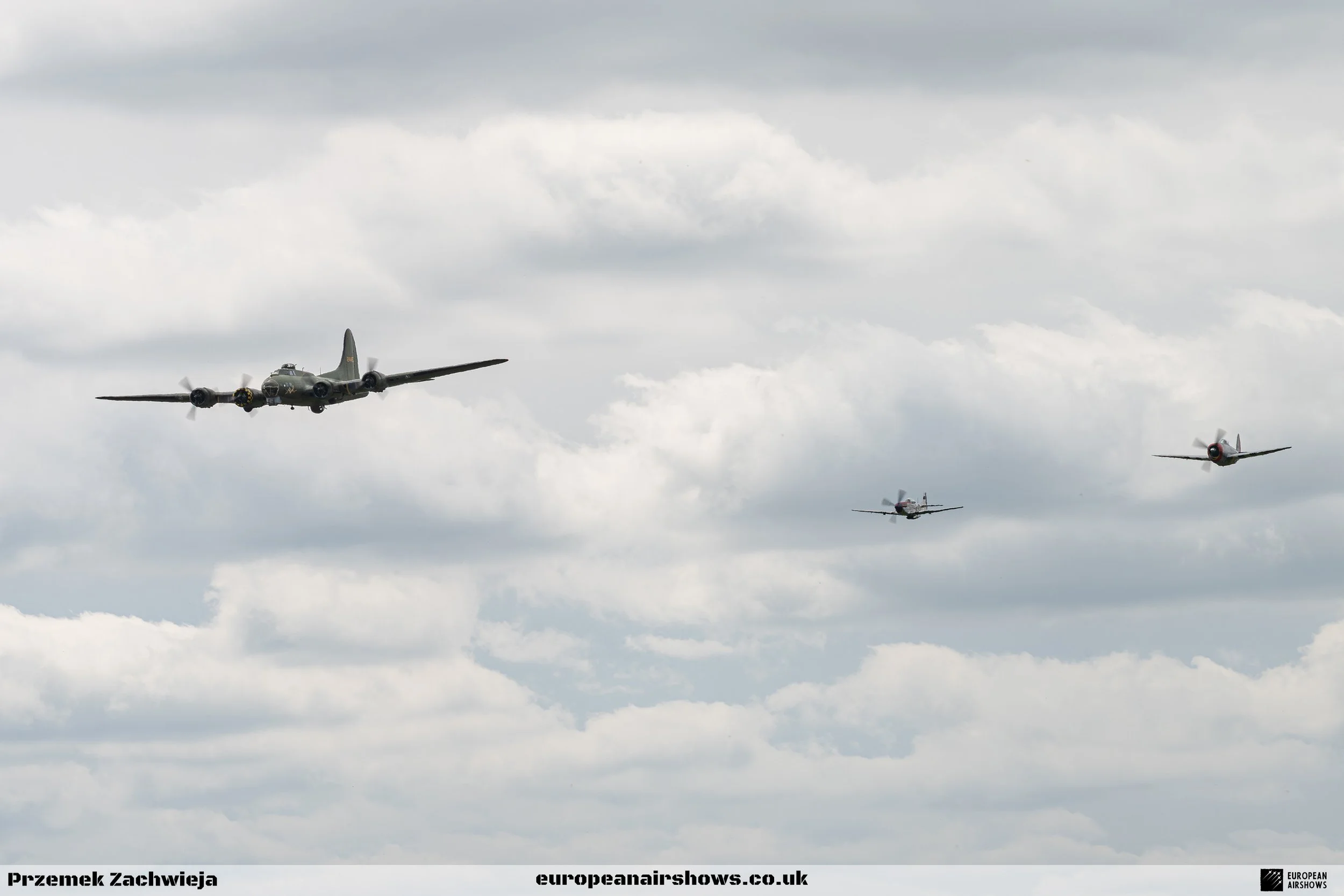
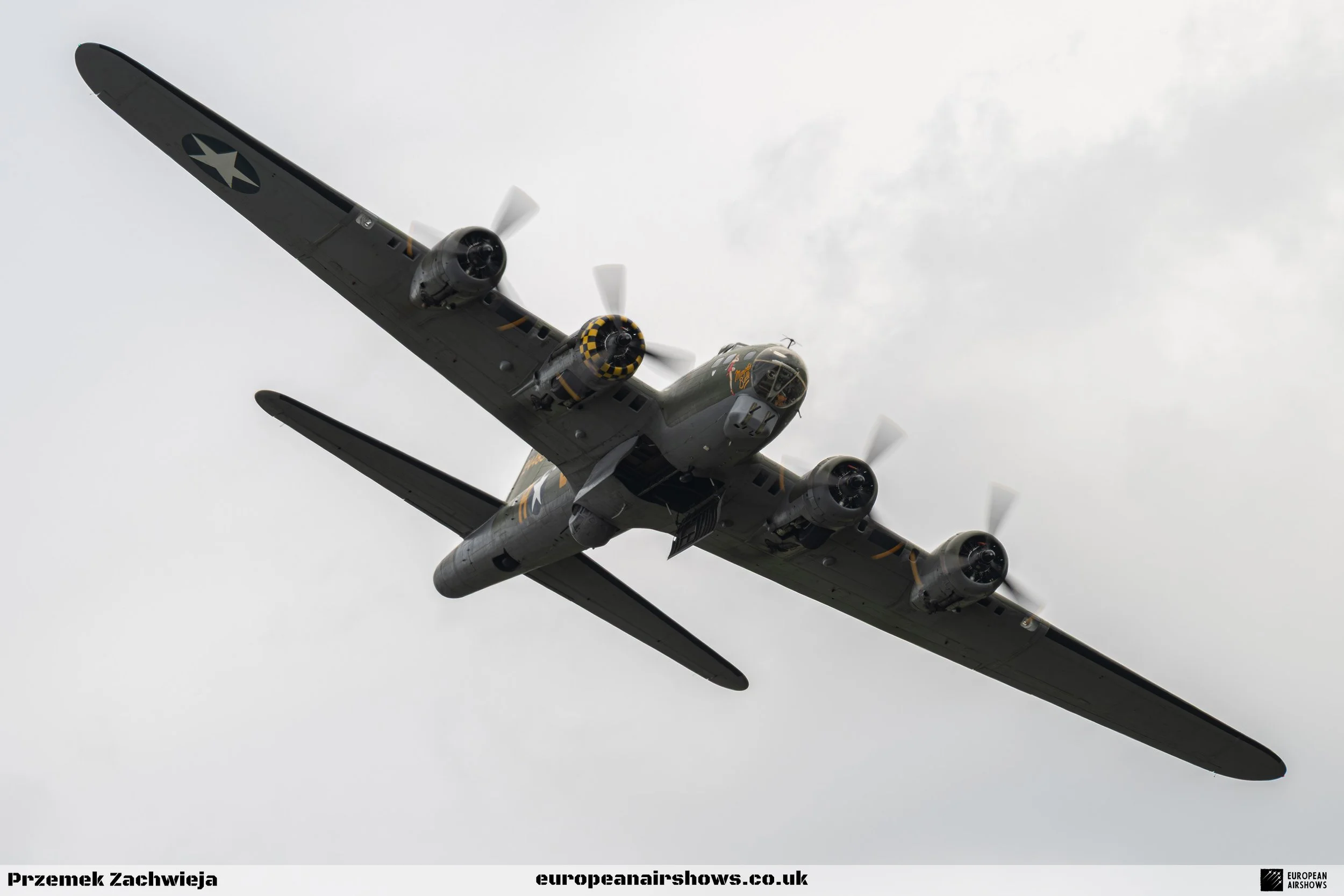
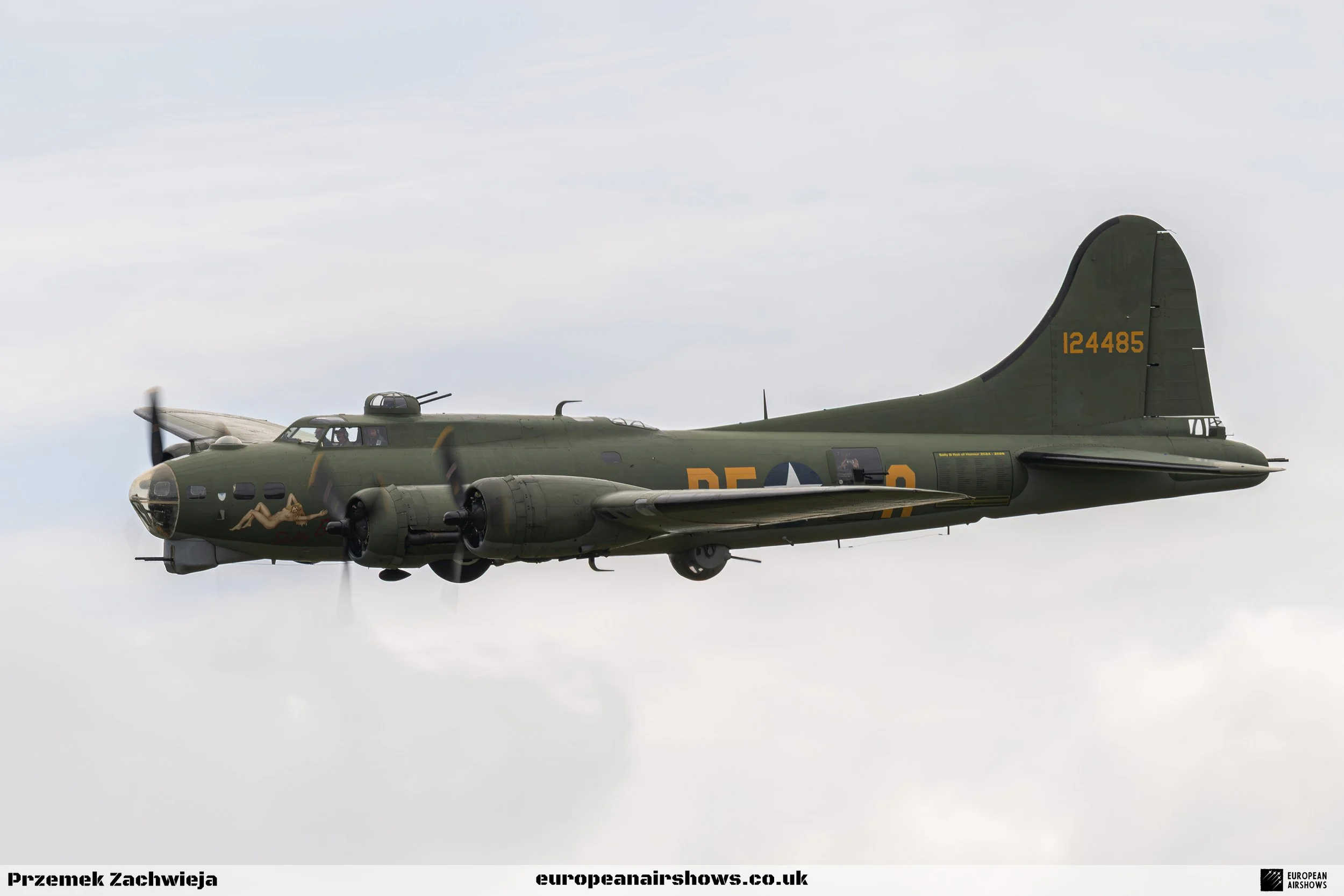
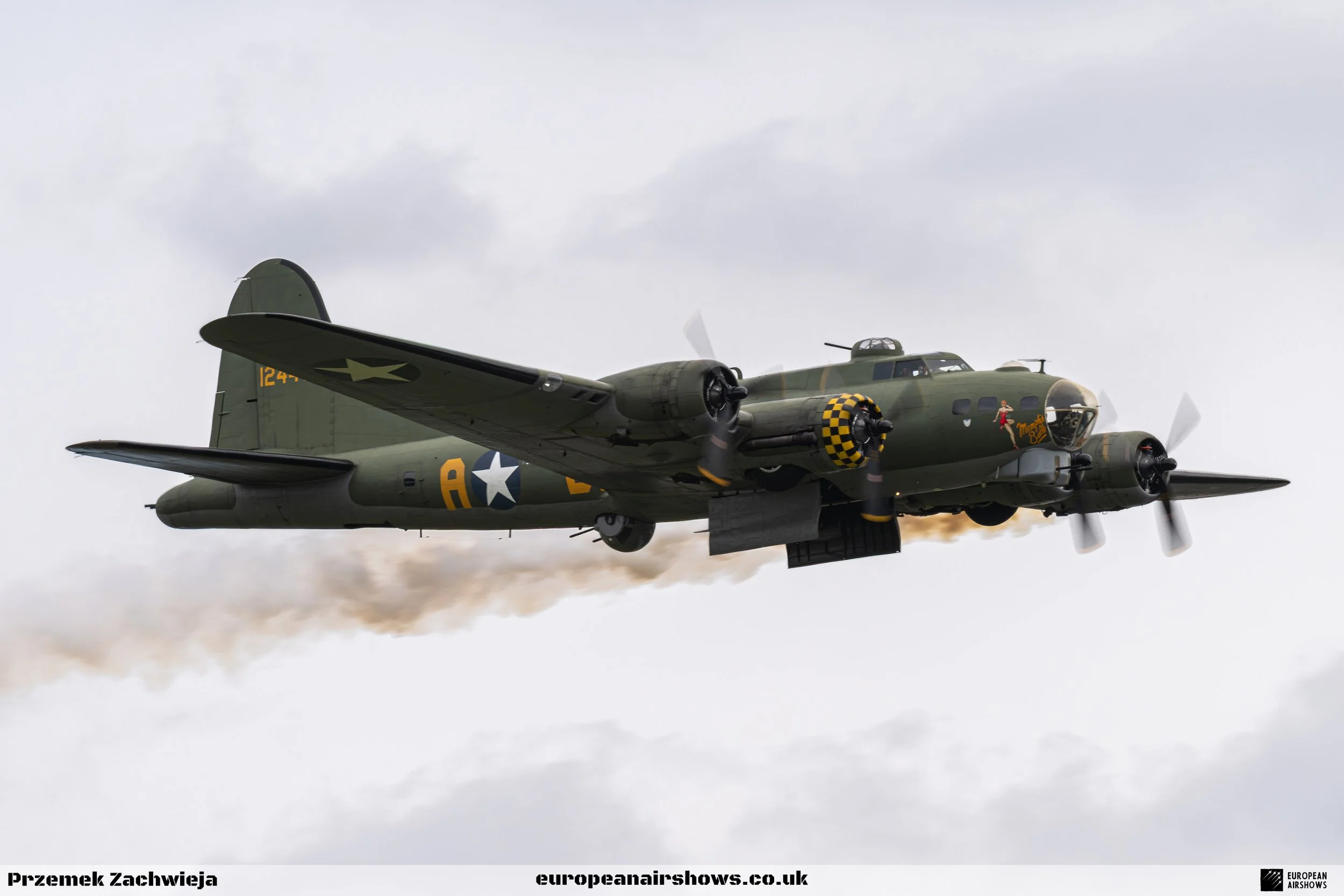
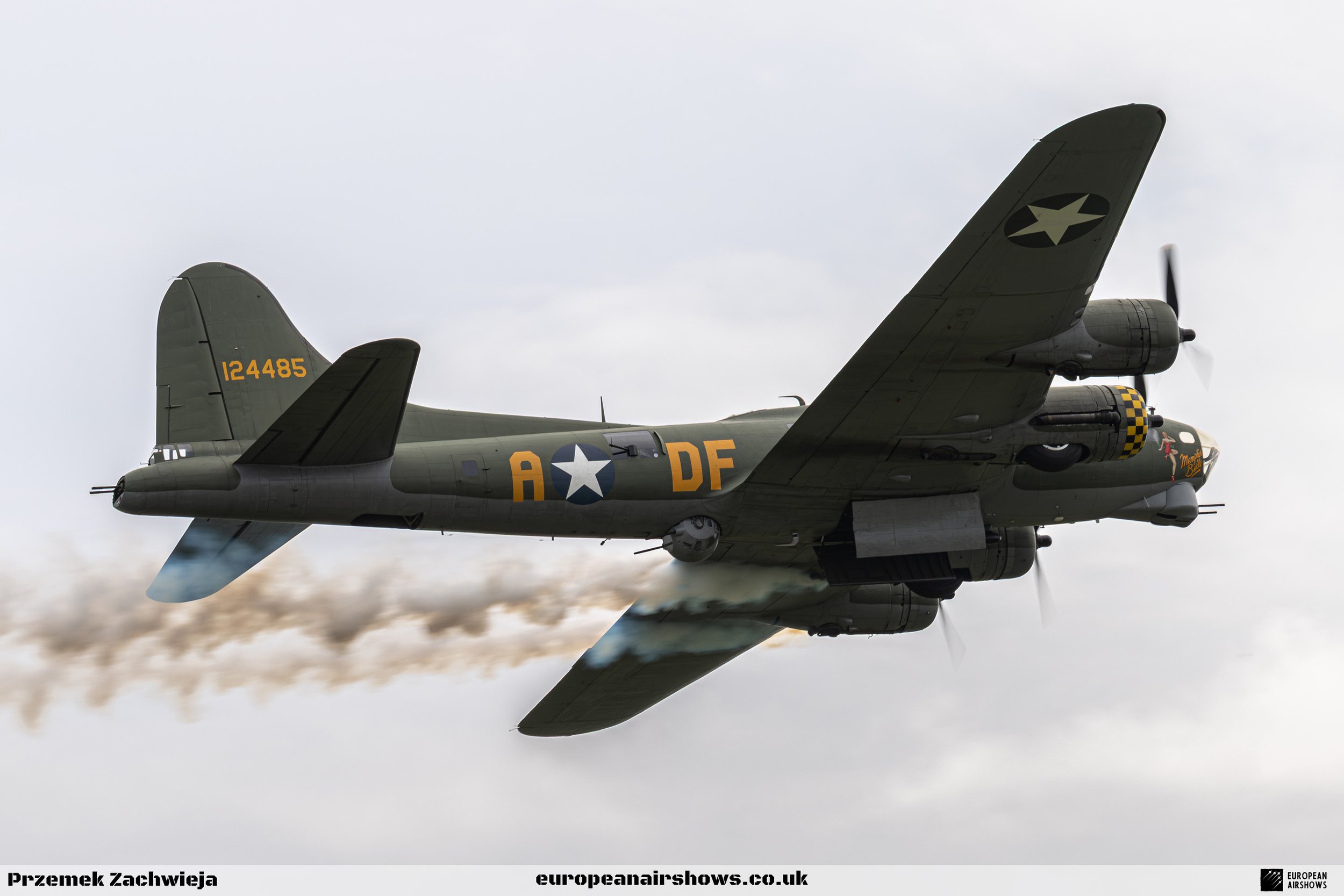
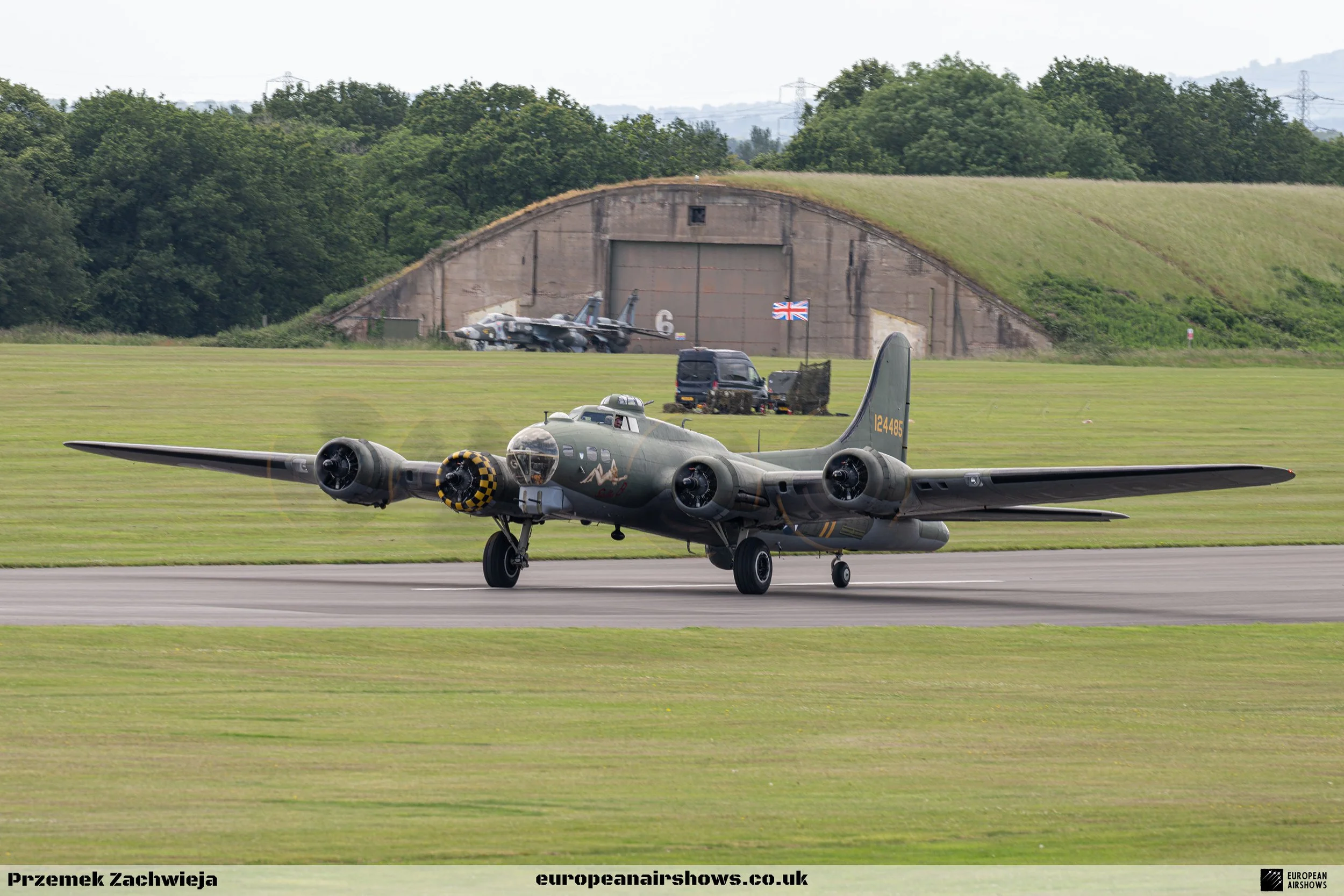
The American warbird element was one of the strongest parts of the afternoon. Boeing B-17G Flying Fortress “Sally B” was operating from Cosford itself, which is a rare sight given the size of the aircraft and the airfield’s runway. Seeing a four-engined bomber of that scale arrive, display and operate from the airfield gave the crowd something special. The B-17 is not an aircraft that needs to be thrown around the sky. Its presence, sound and history are enough.
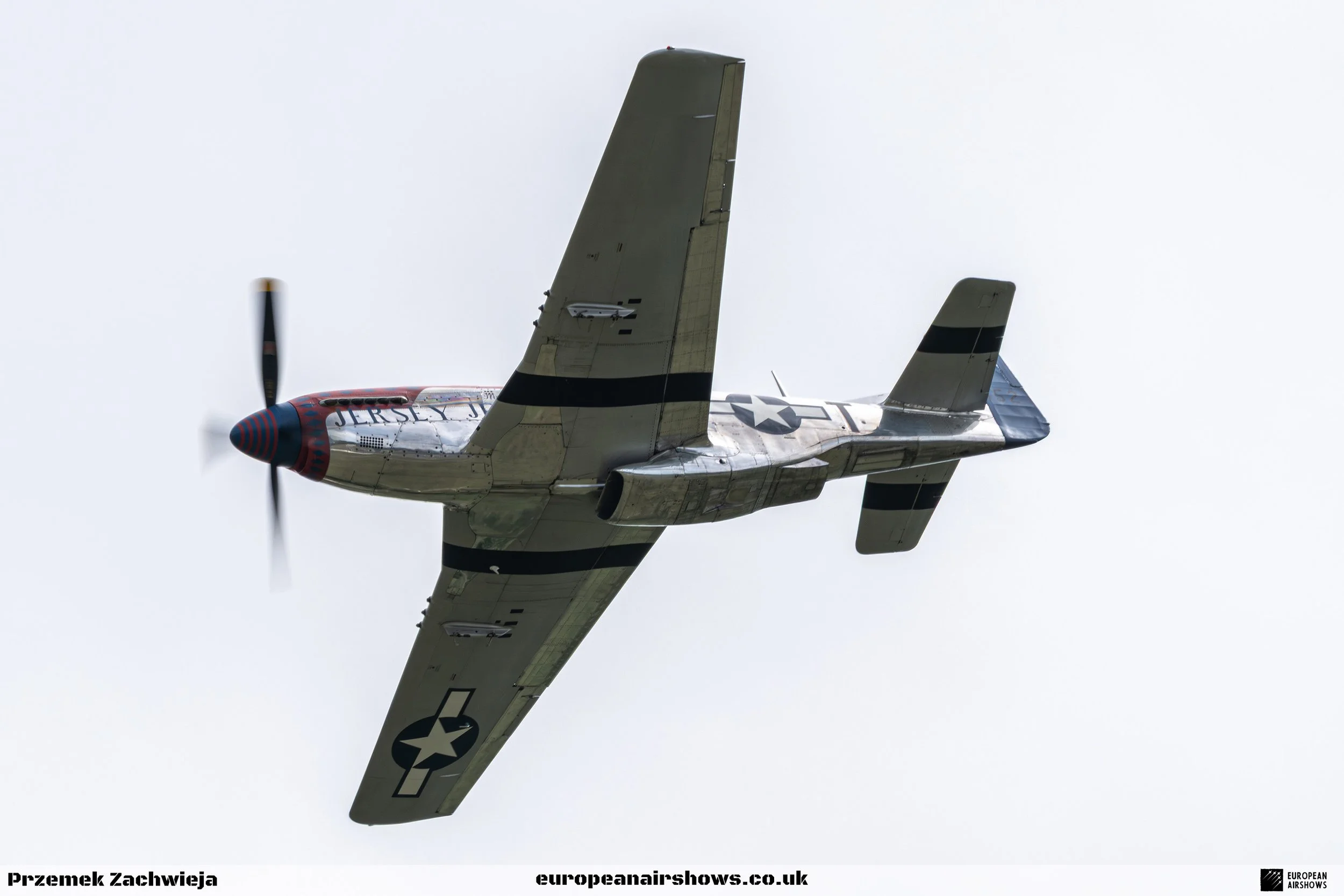
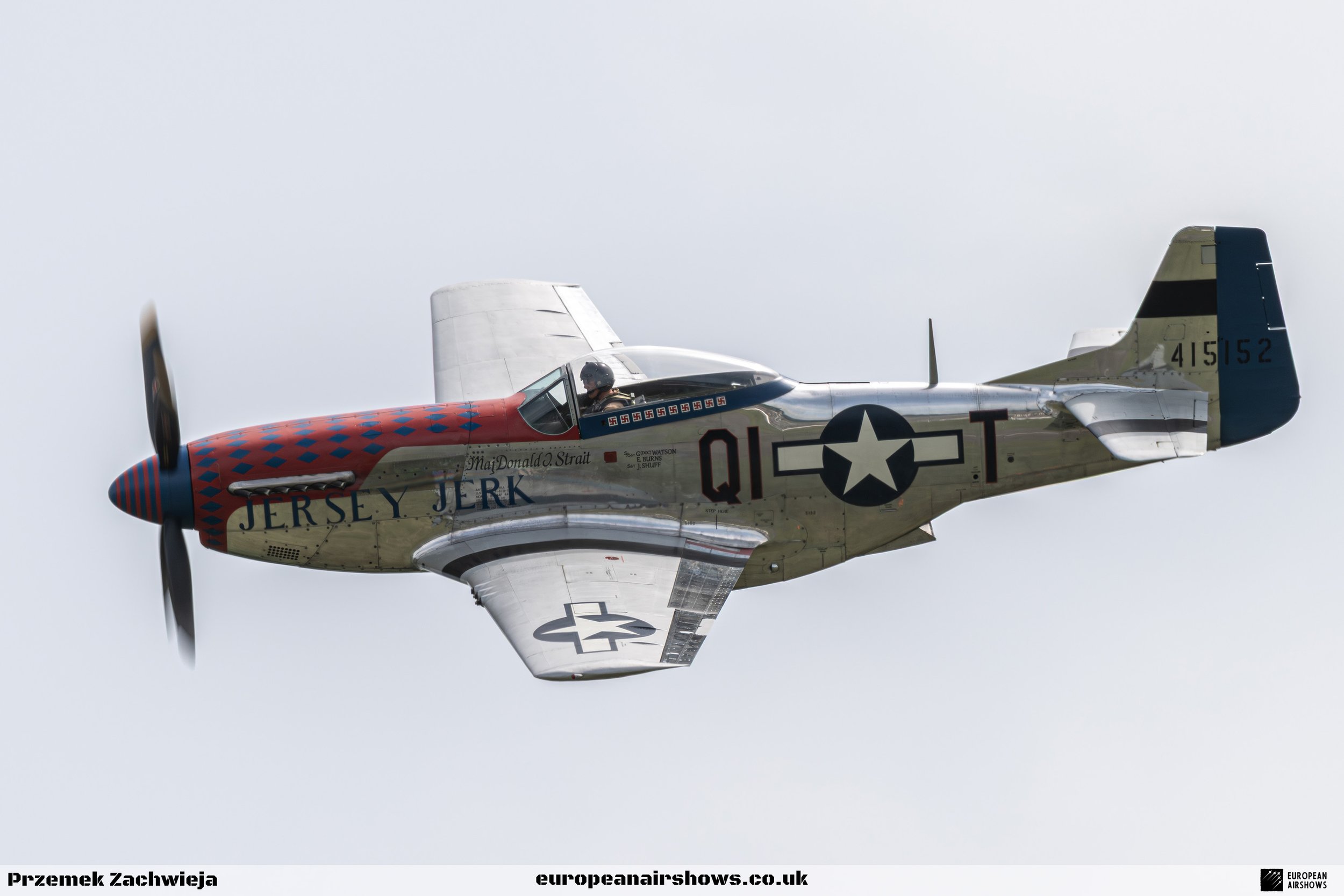
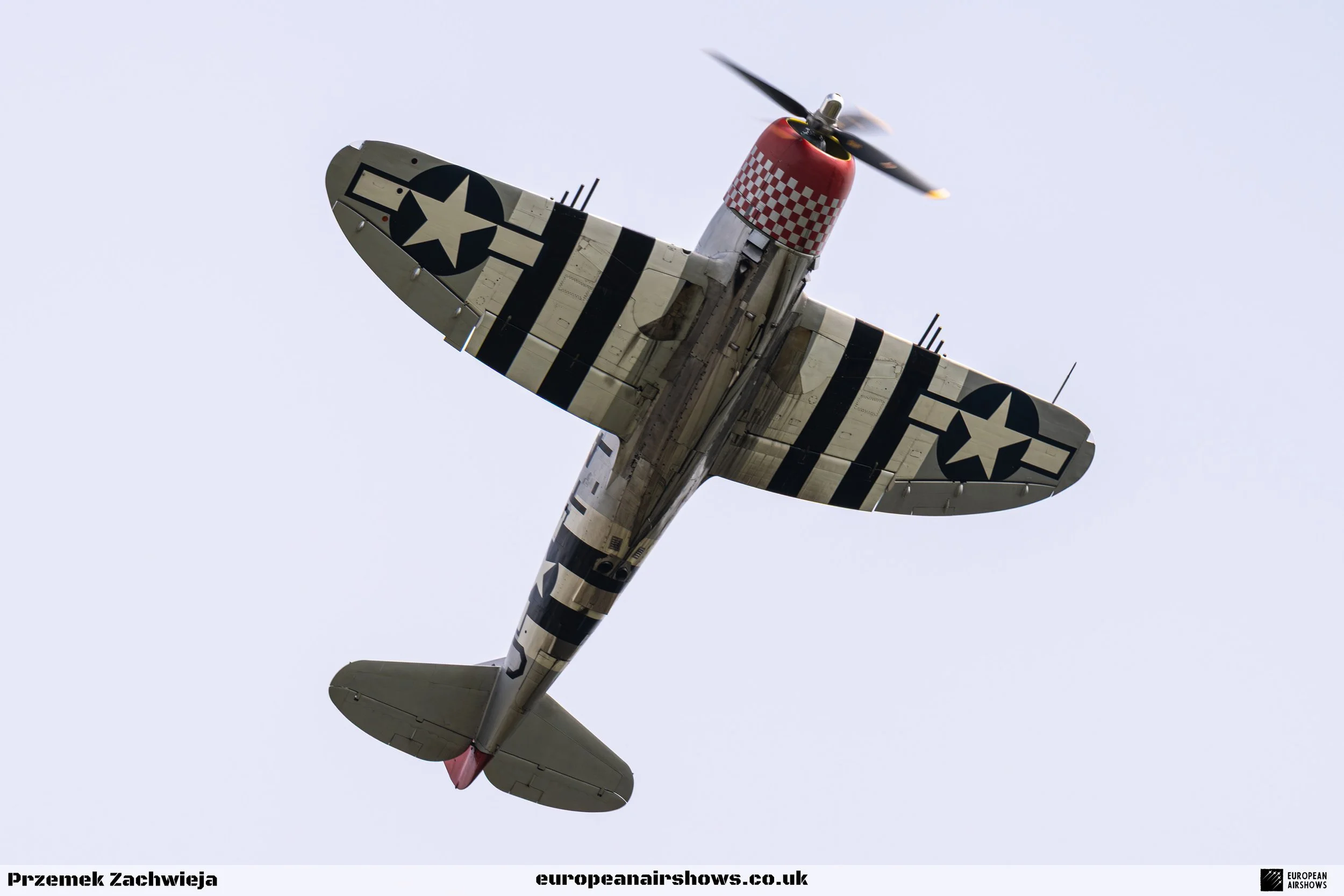
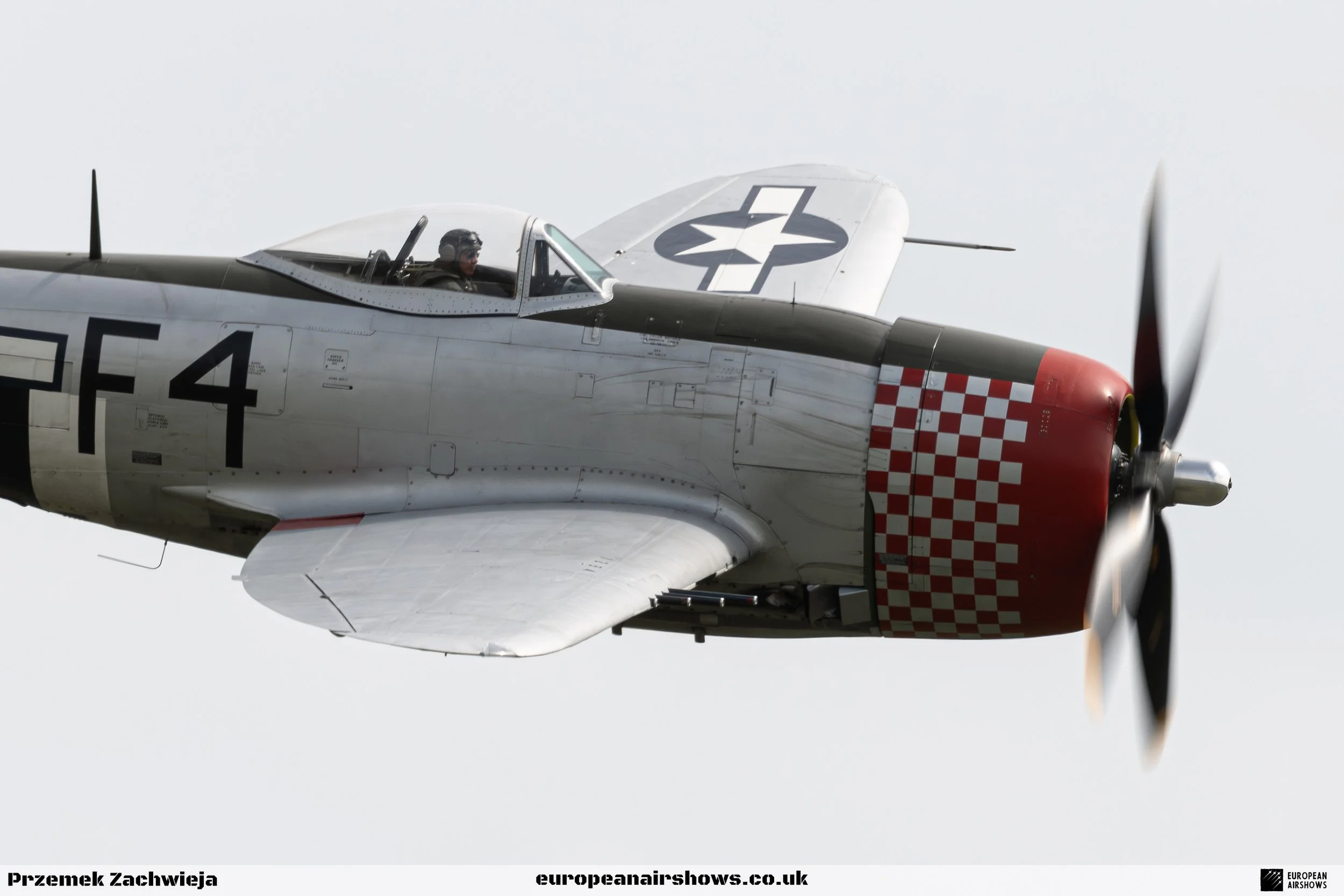
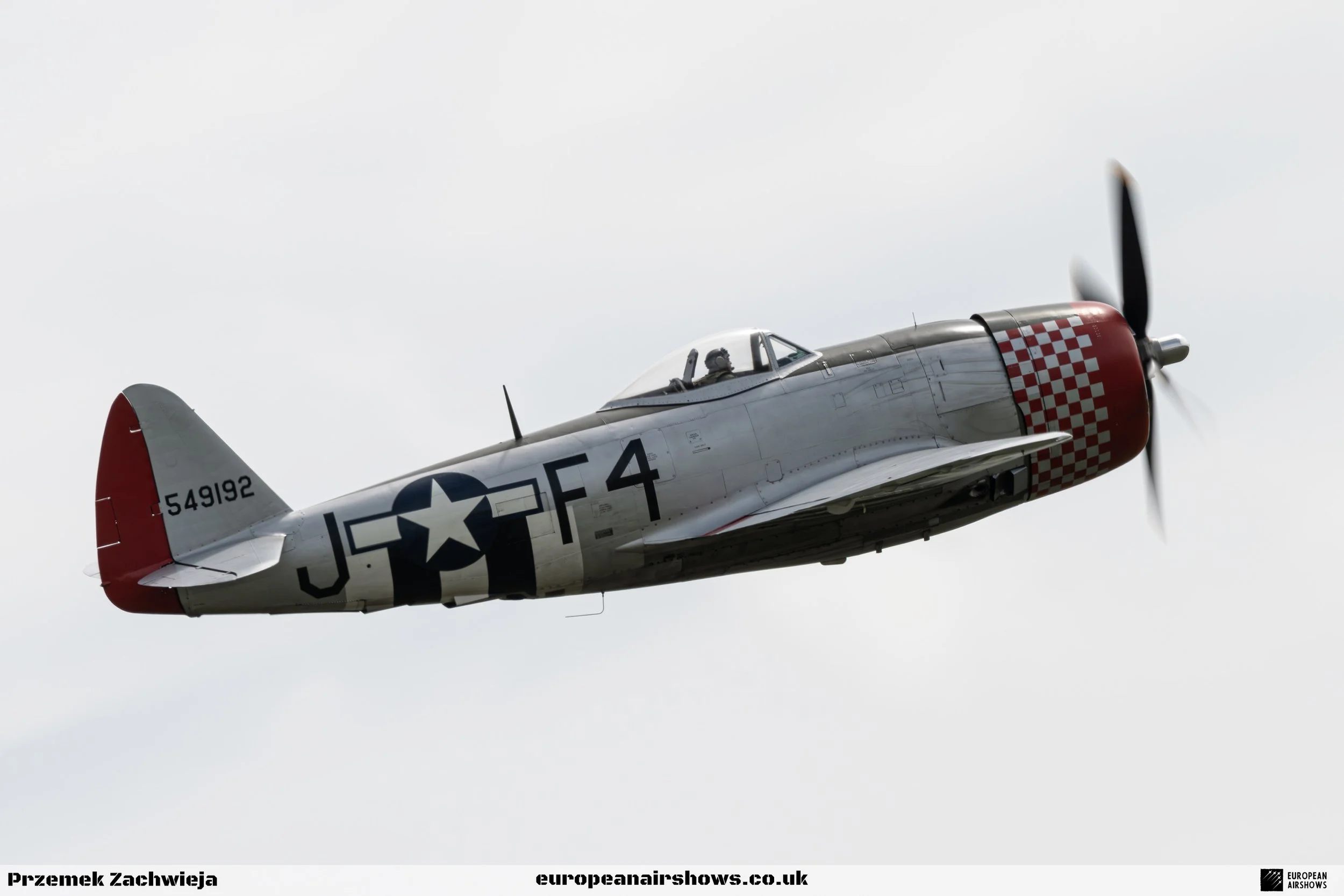
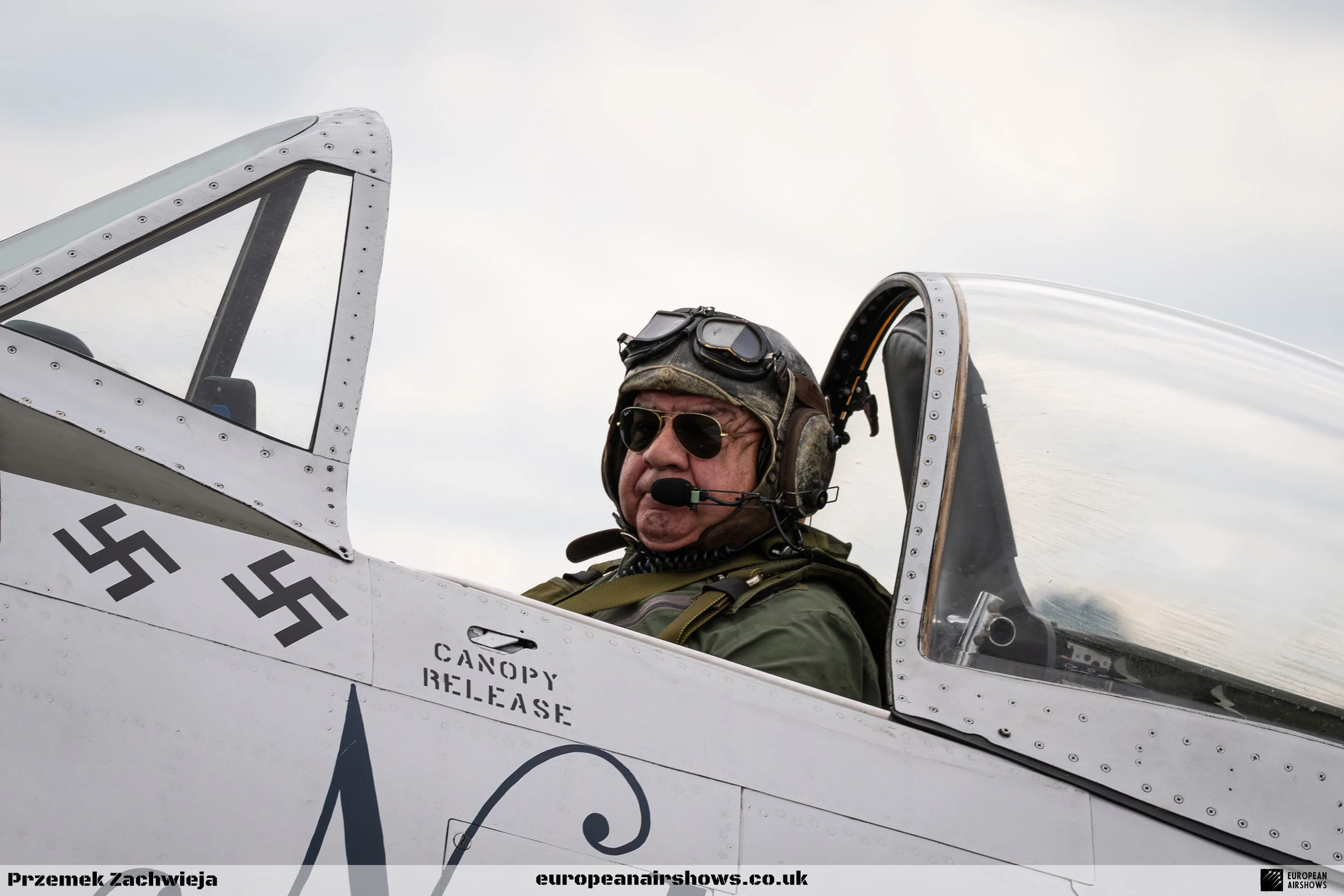
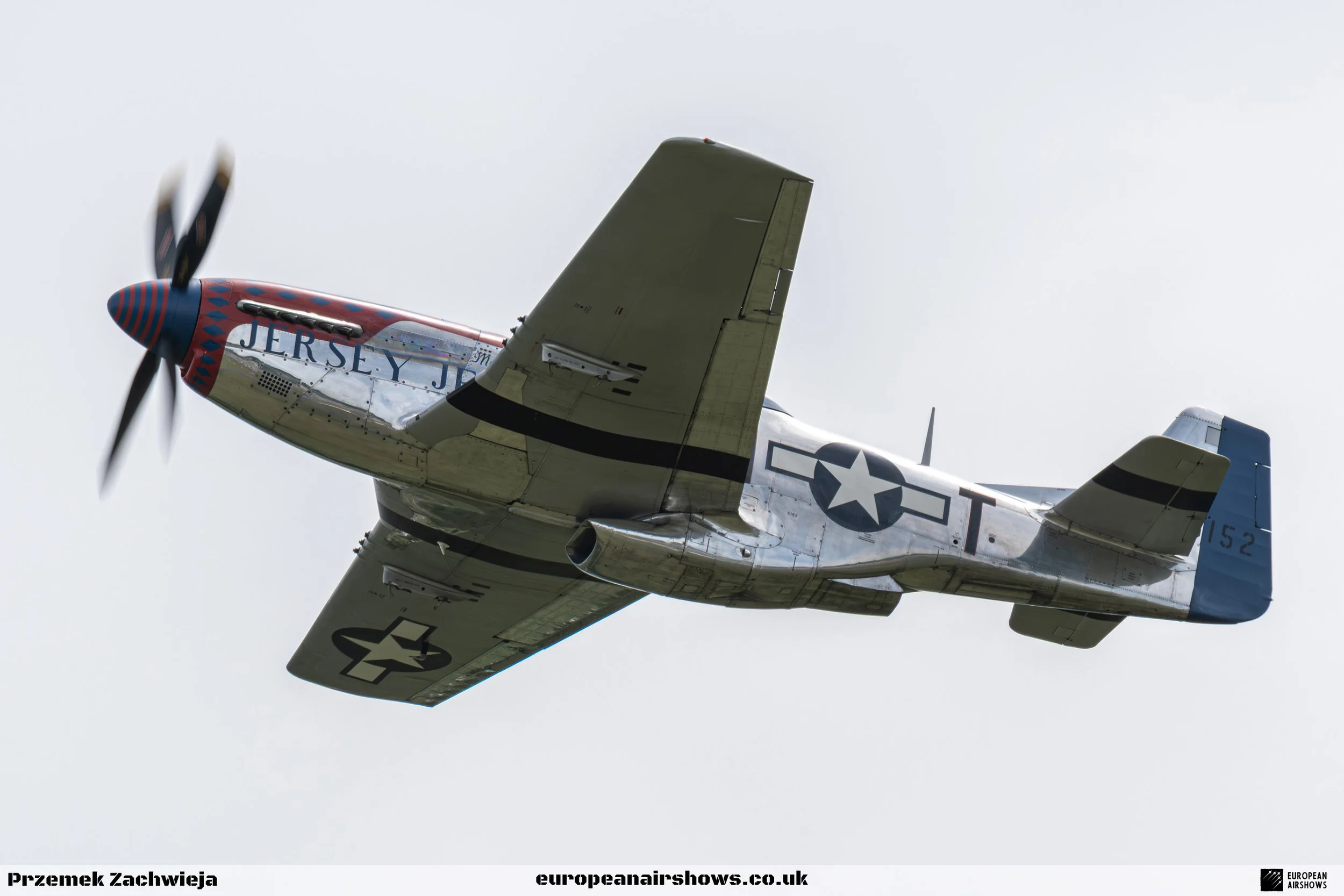
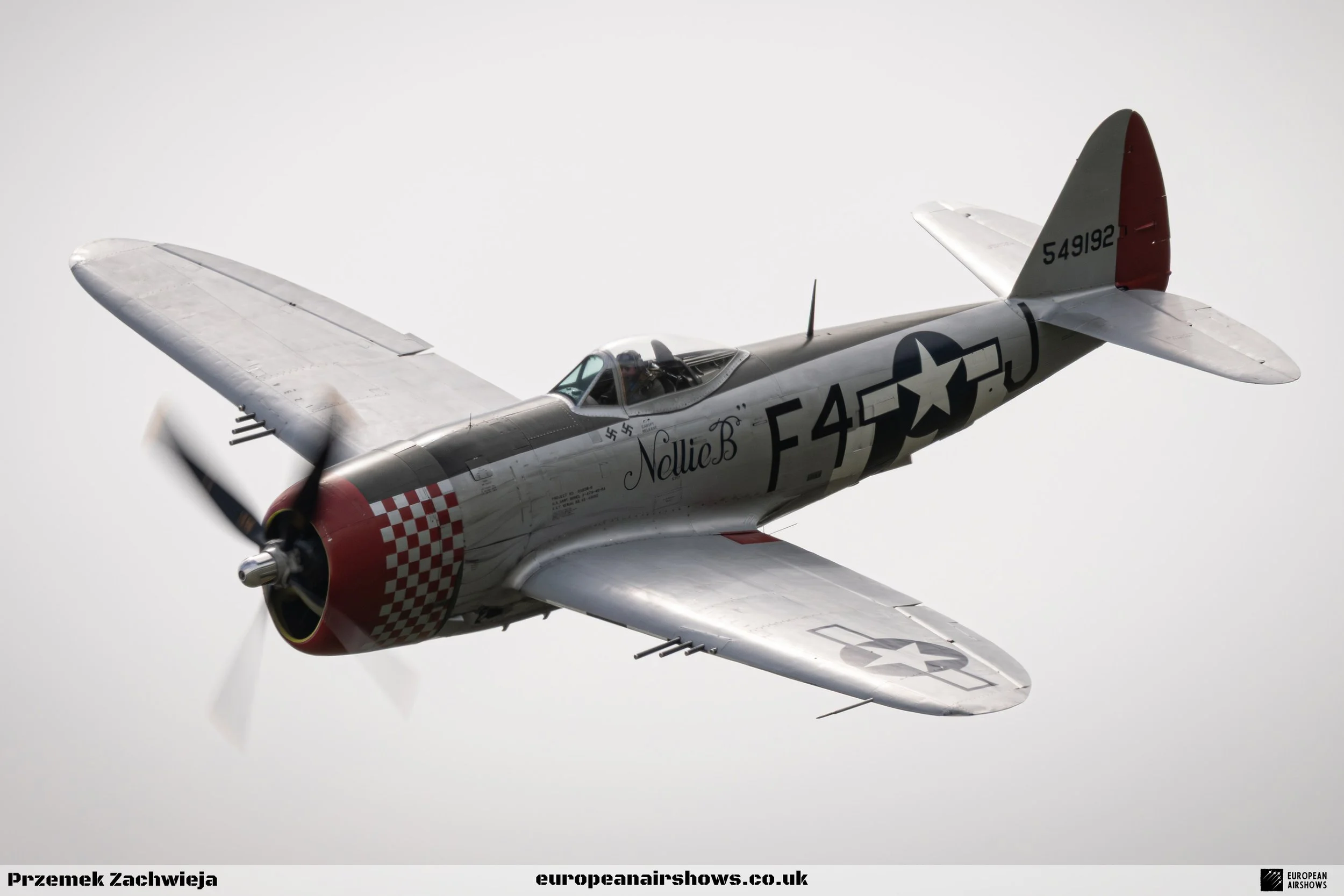
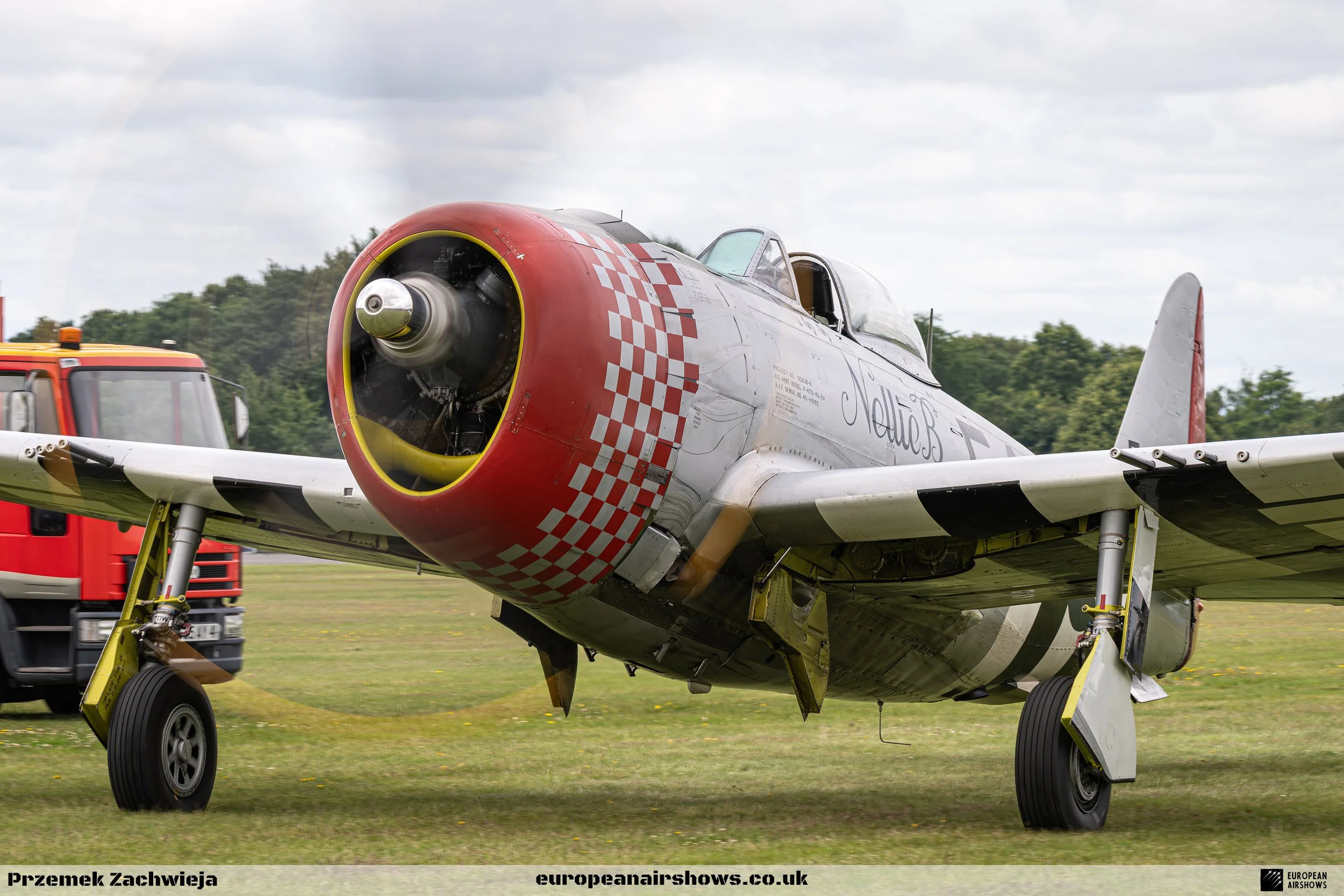
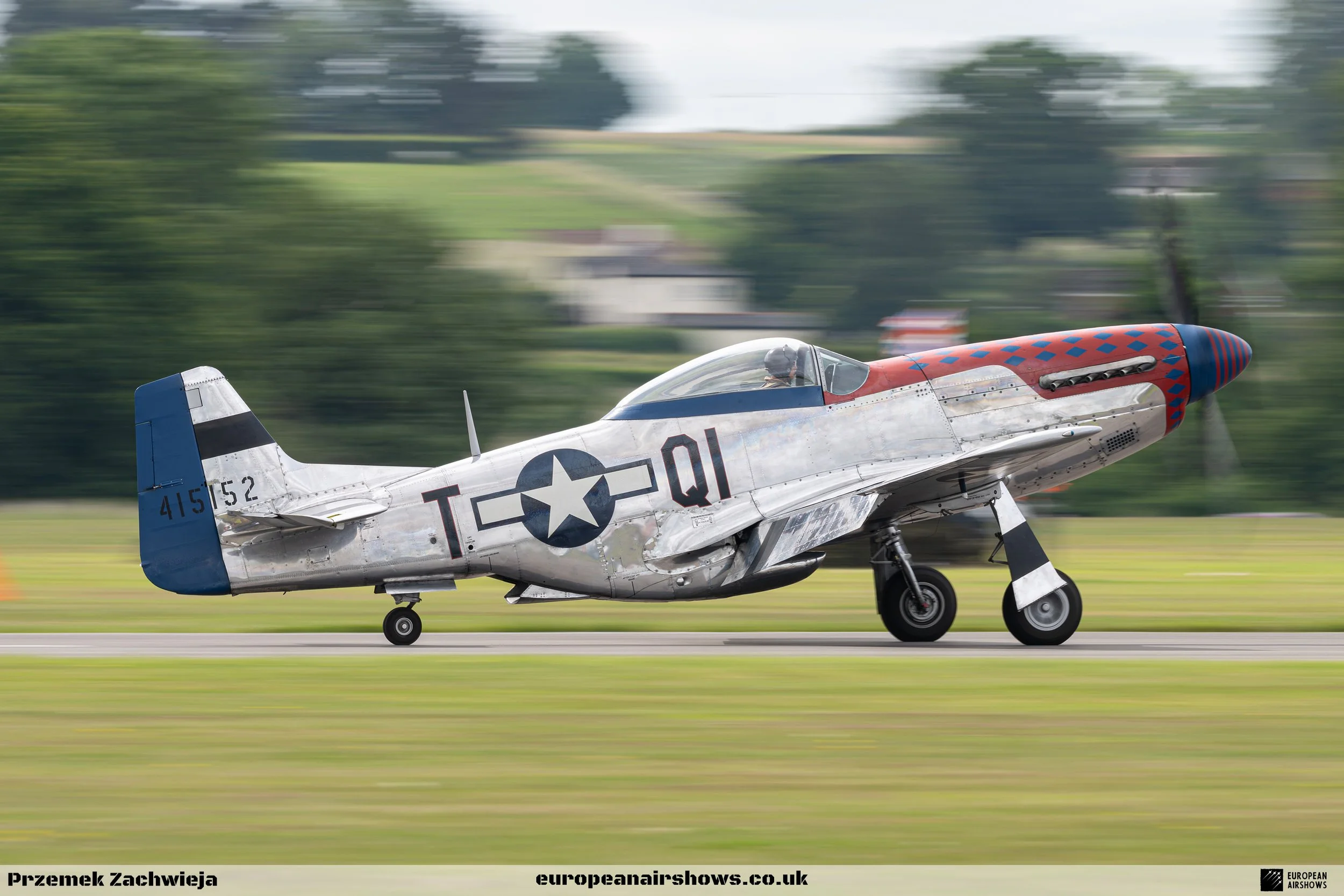
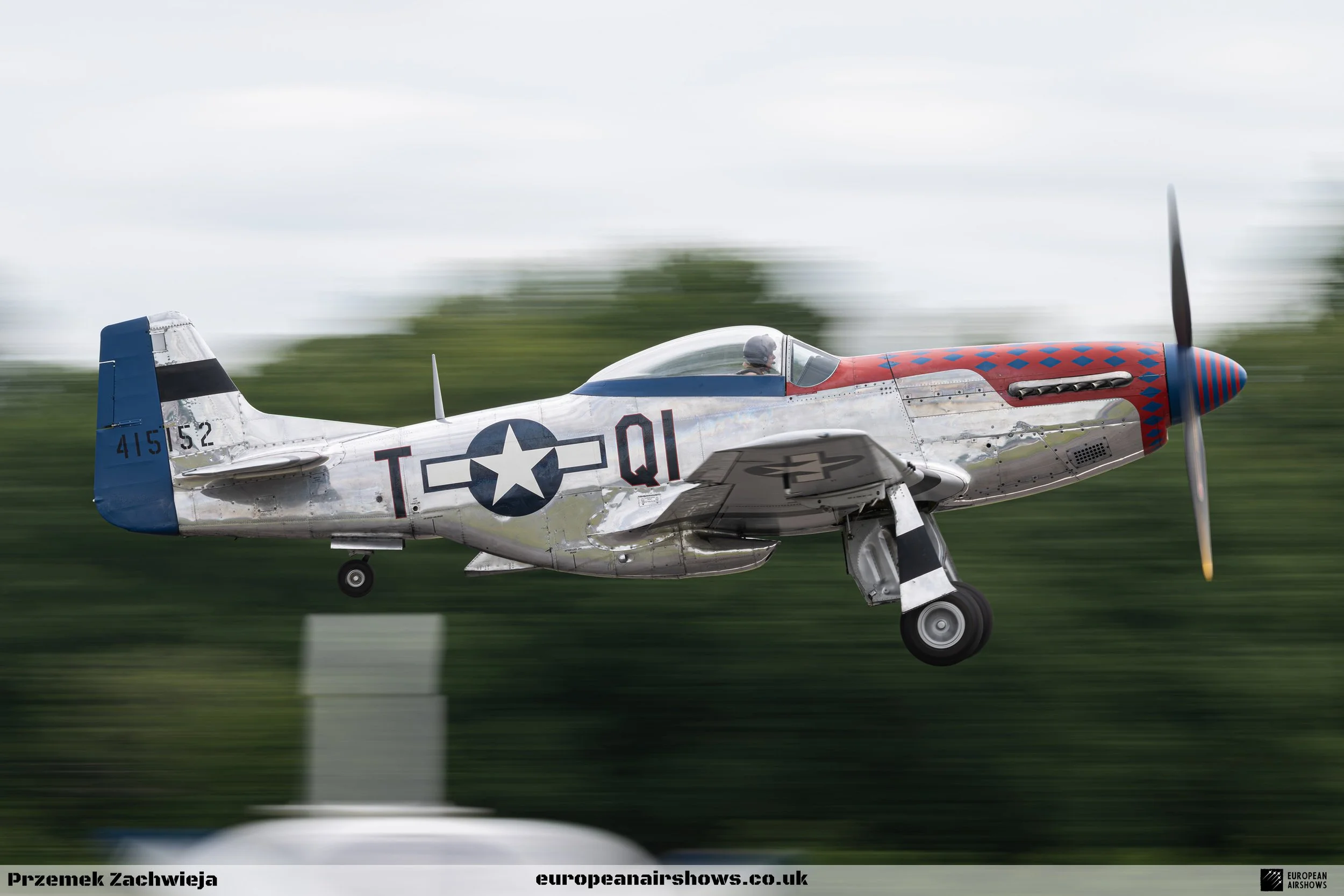
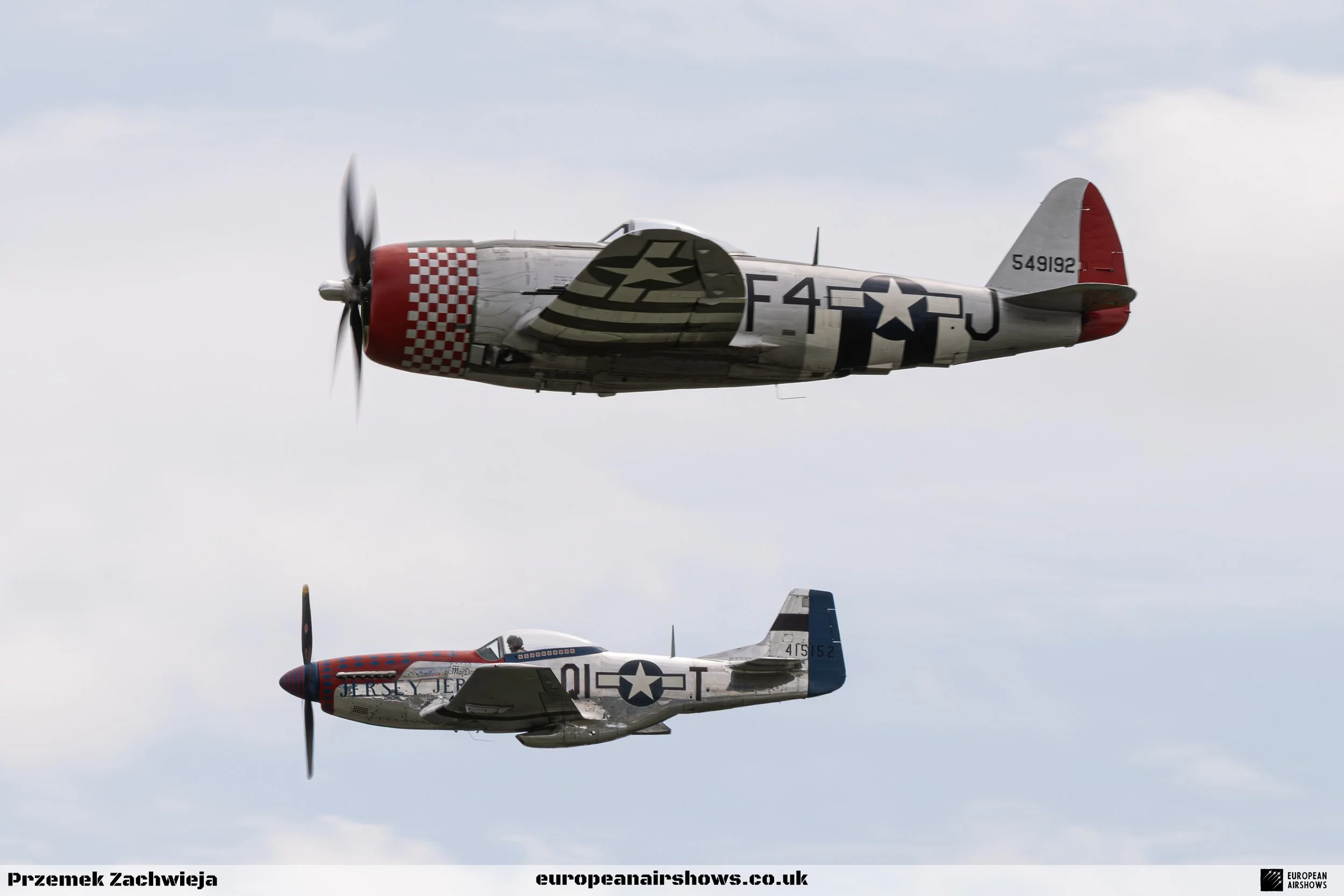
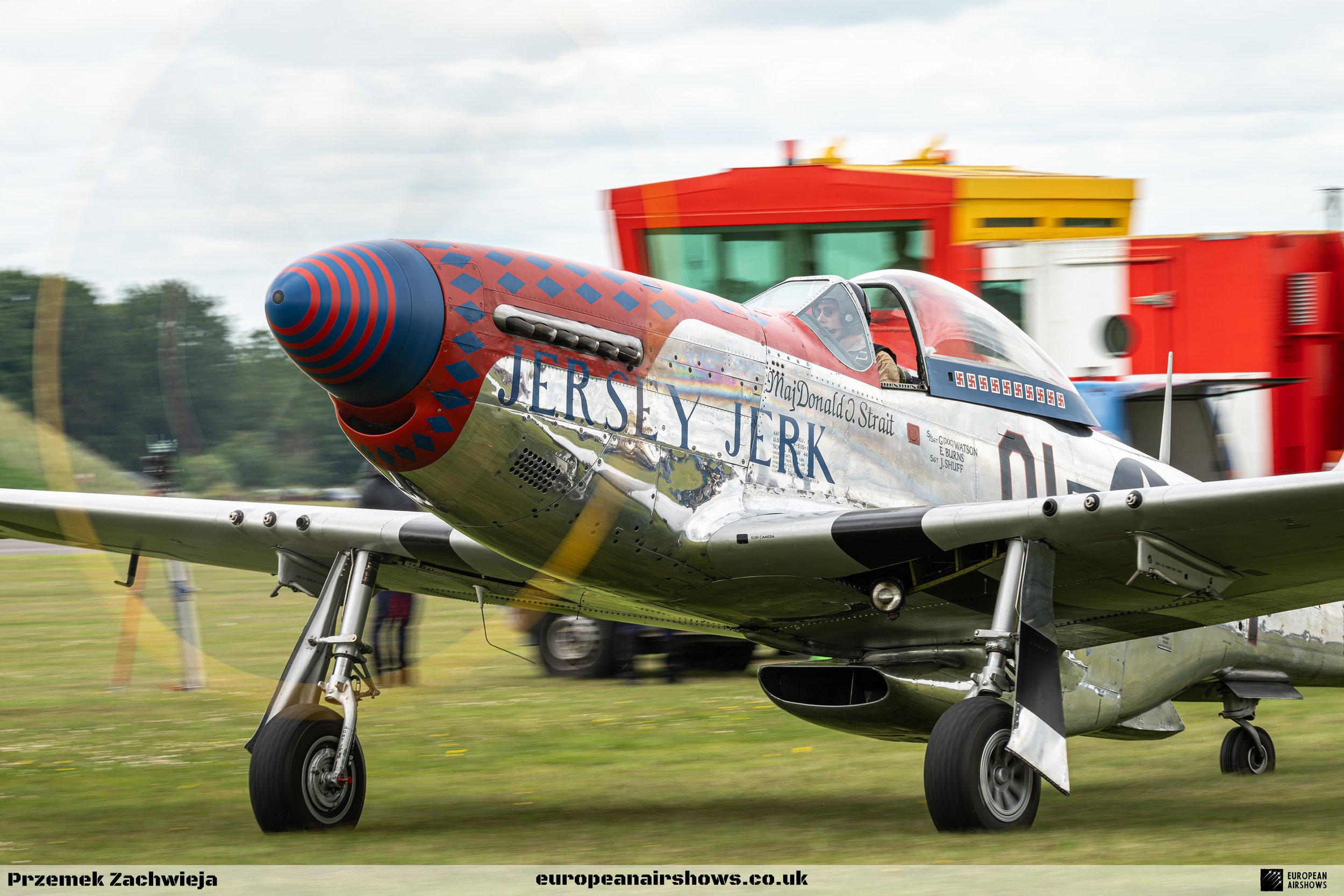
“Sally B” also took part in a memorable flypast leading the North American P-51D Mustang “Jersey Jerk” and Republic P-47D Thunderbolt “Nellie B”. The formation gave the show a strong USAAF moment before the fighters broke away for their solo displays. “Jersey Jerk” brought the classic Mustang lines and speed, while “Nellie B” gave the sequence weight and radial-engine character. The P-47 is a big, rugged aircraft compared with the Mustang, and the contrast between the two made the sequence far more interesting than a simple single-type warbird slot.
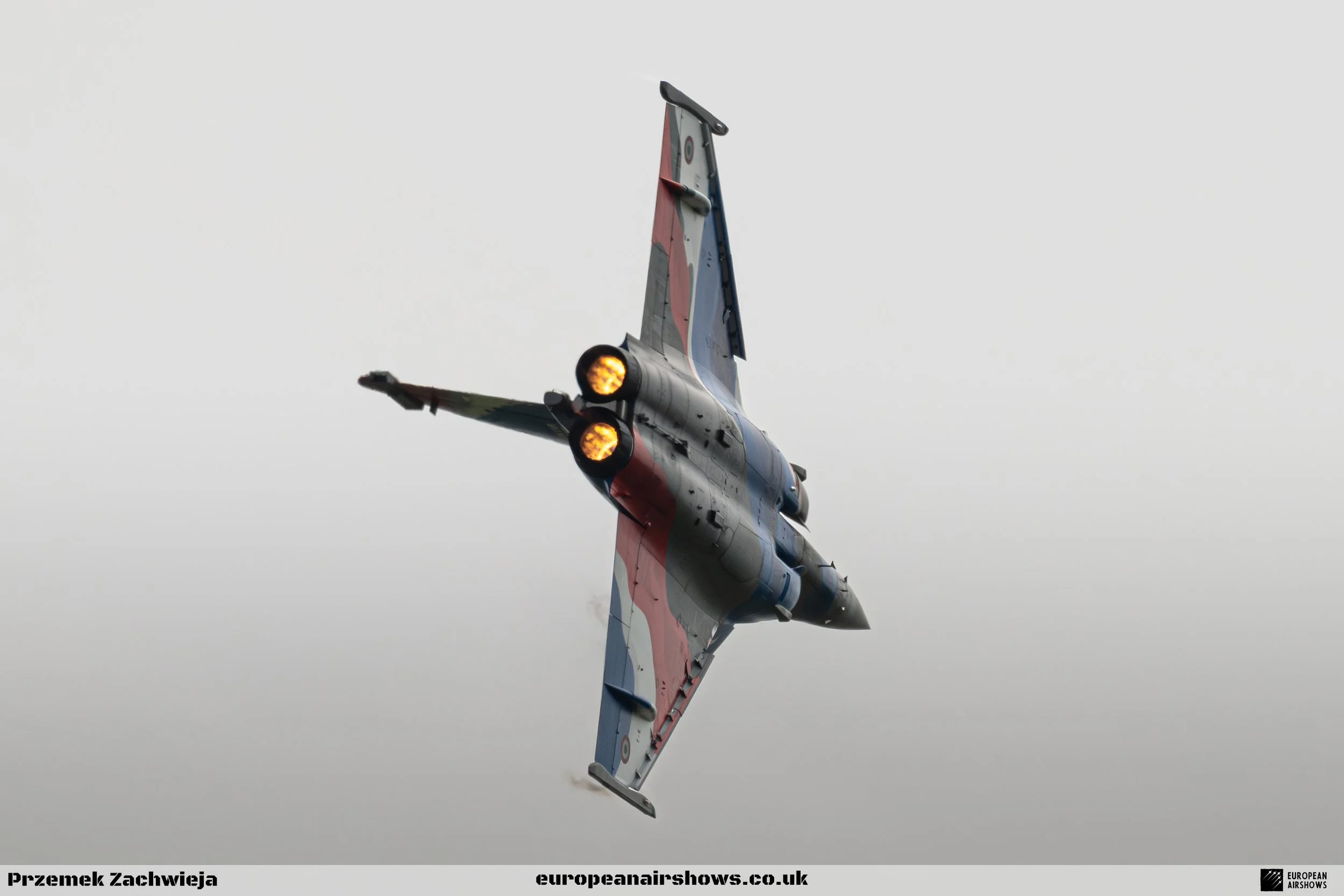
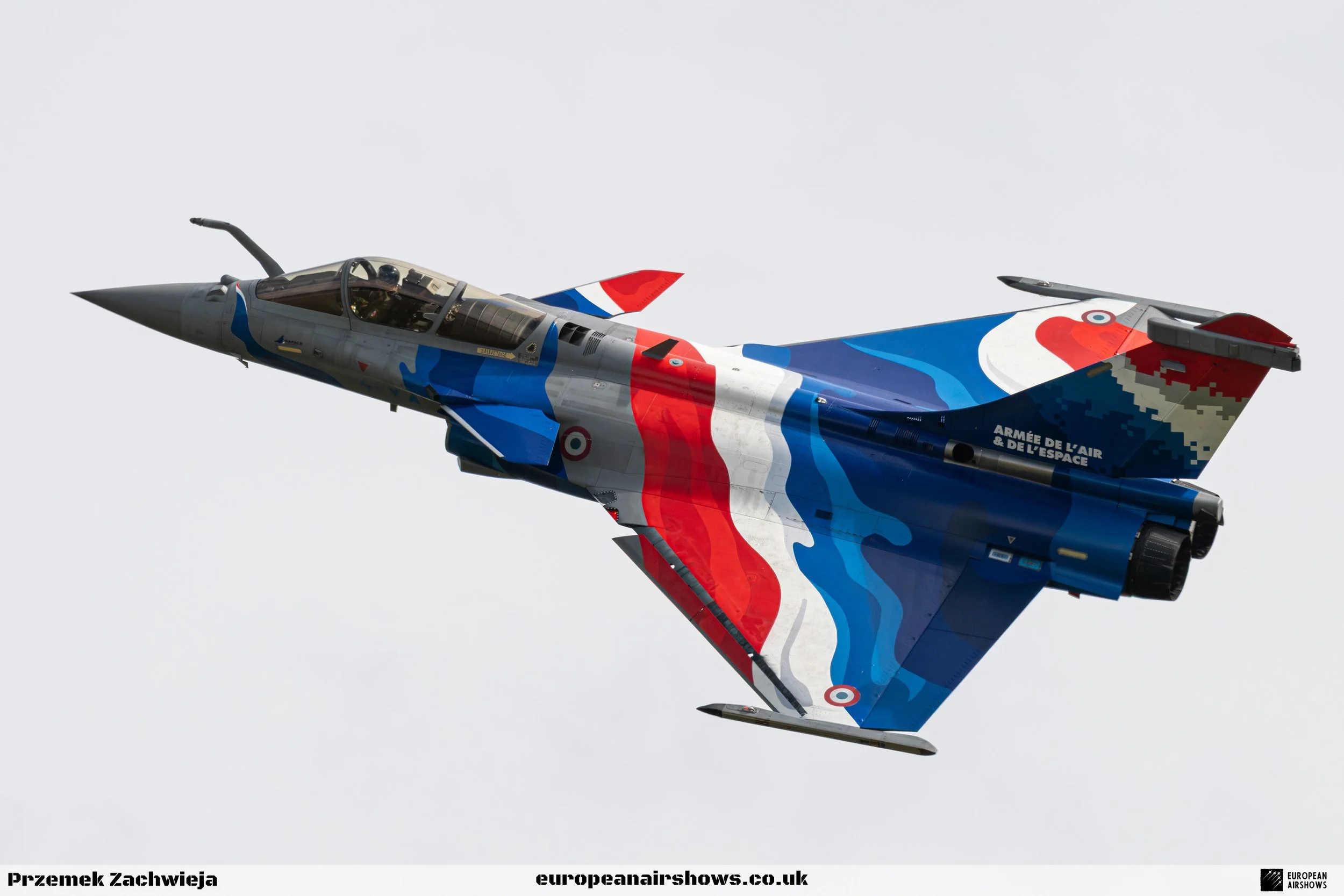
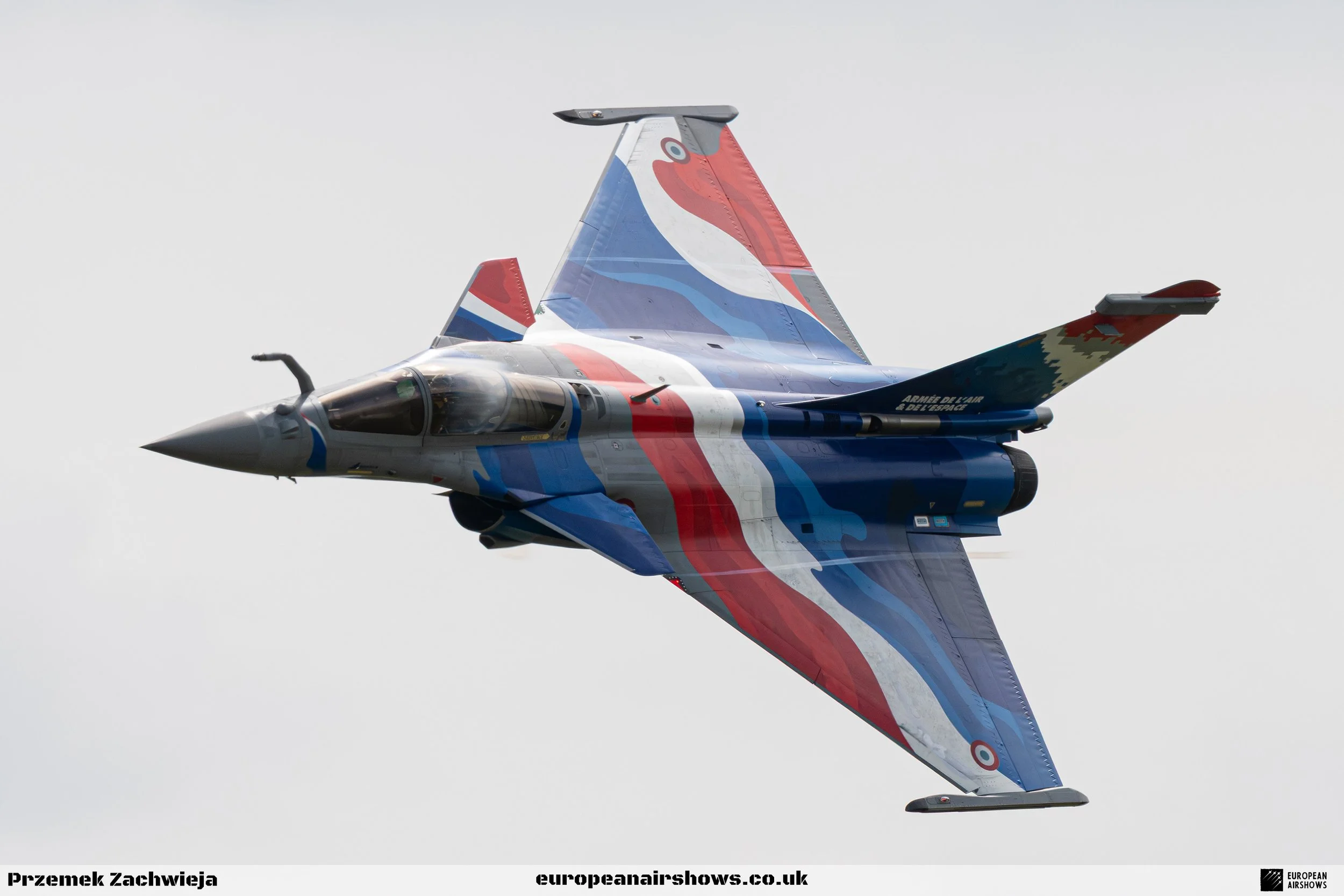
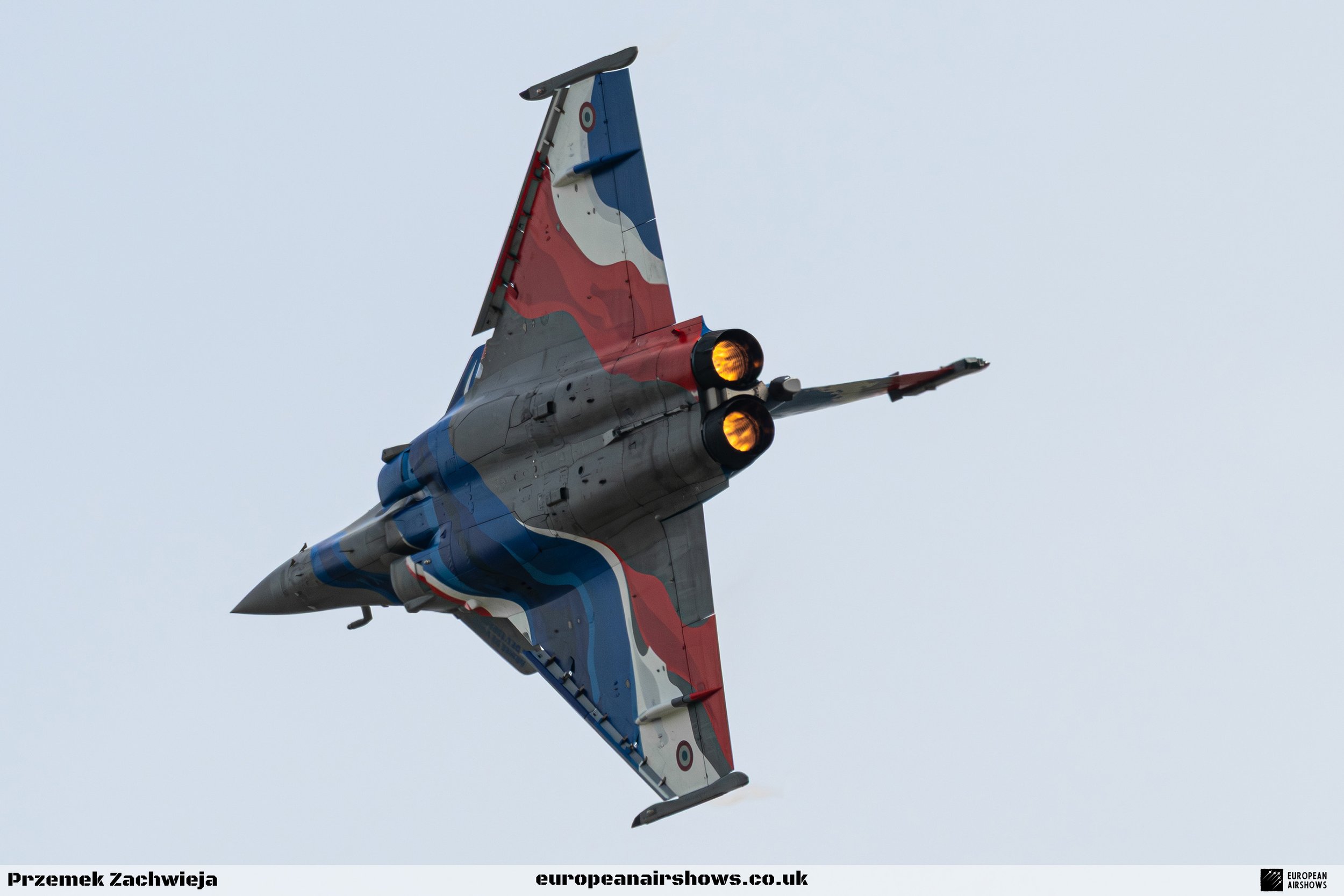
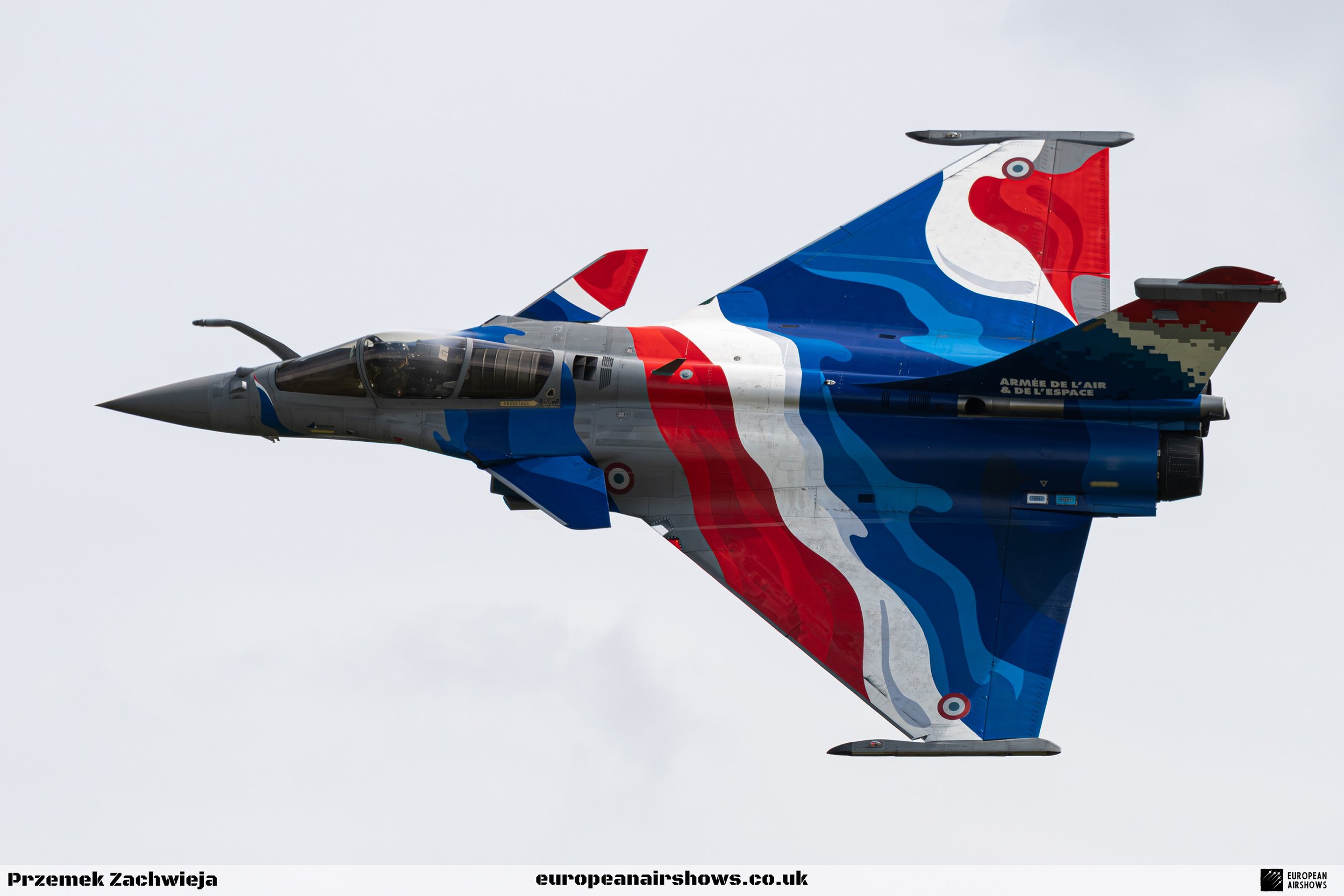
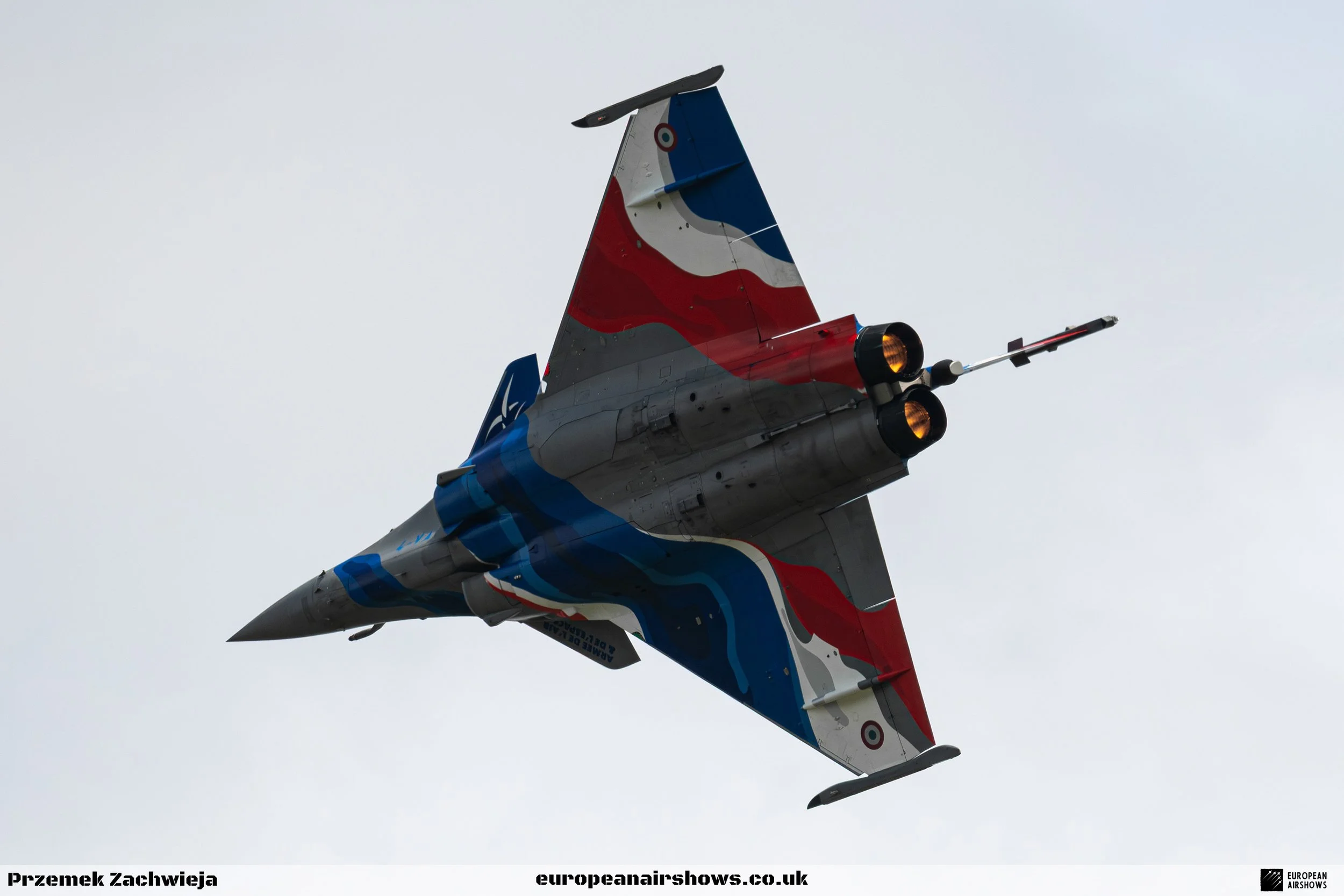
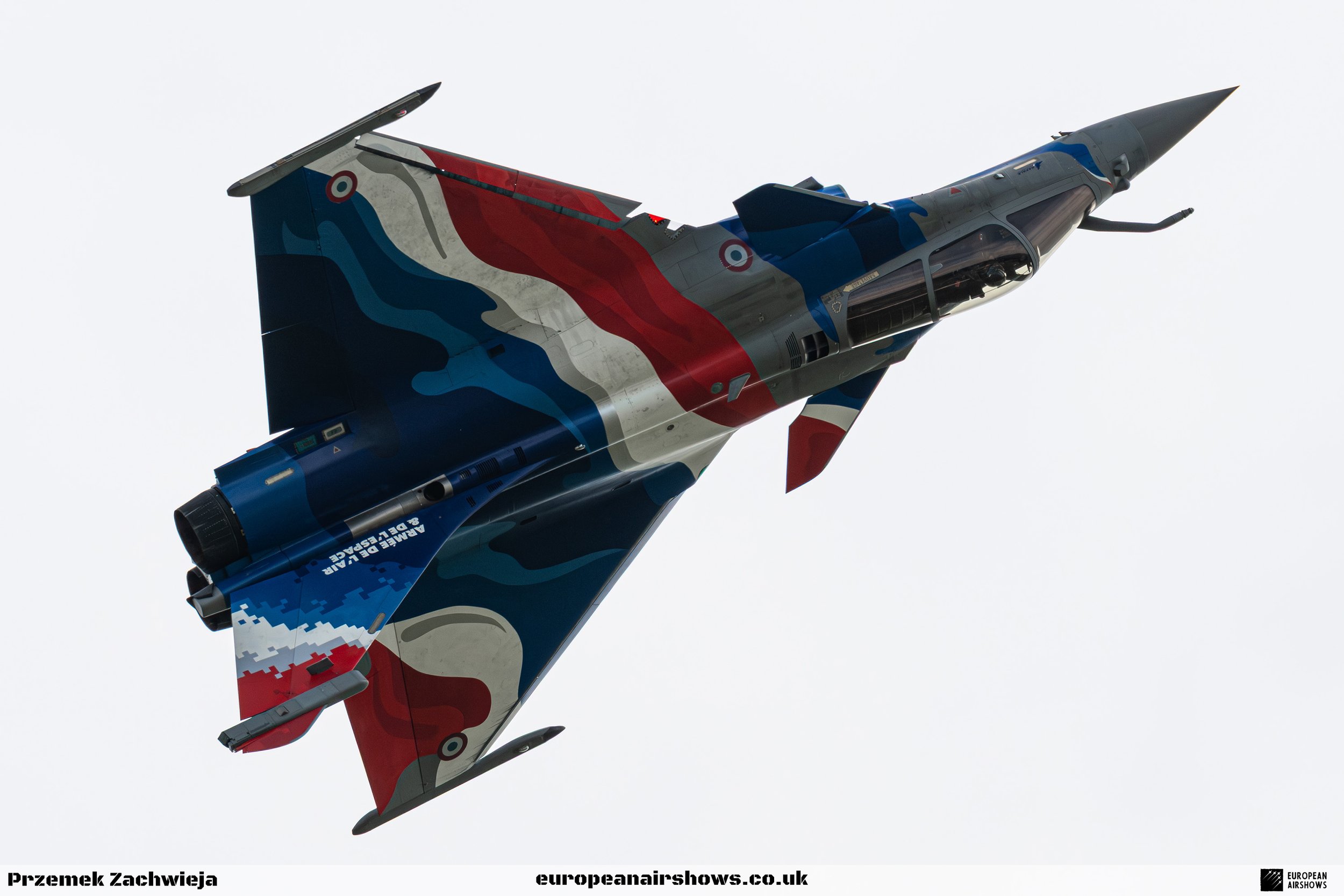
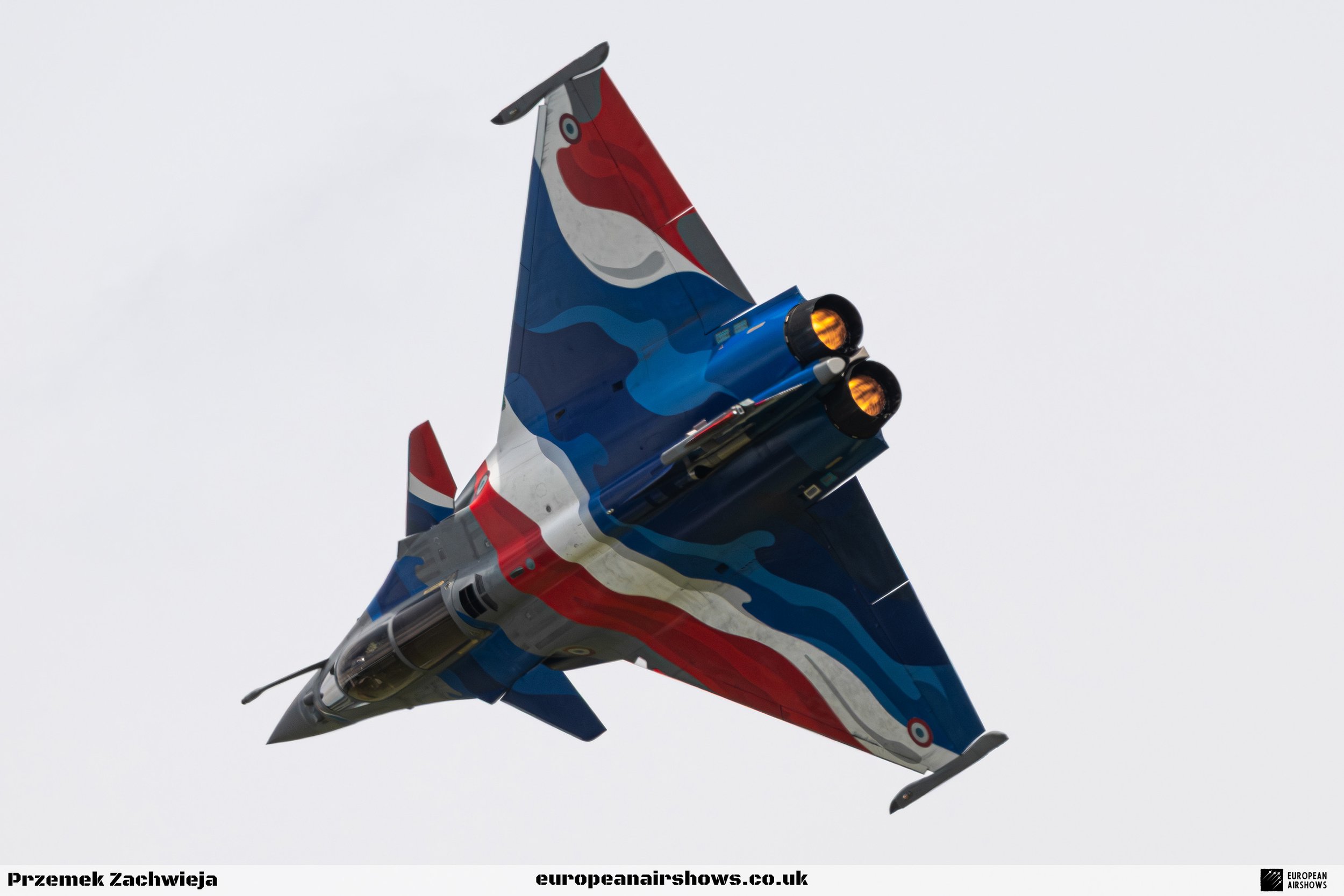
The main foreign military display of the day was the French Air and Space Force Dassault Rafale C Solo Display. Cosford had been unlucky with the Rafale in previous years, with the team cancelling two earlier planned appearances, so its return in 2026 was very welcome. It was worth the wait.
The Rafale display brought a completely different fast-jet style to the show. Where the Typhoon is all brute force, noise and big vertical energy, the Rafale feels more fluid and relentless. The aircraft was barely ever just transiting; it was constantly turning, rolling, pitching or repositioning. It was one of the sharpest displays of the day and easily one of the standout moments of RAF Cosford Airshow 2026.
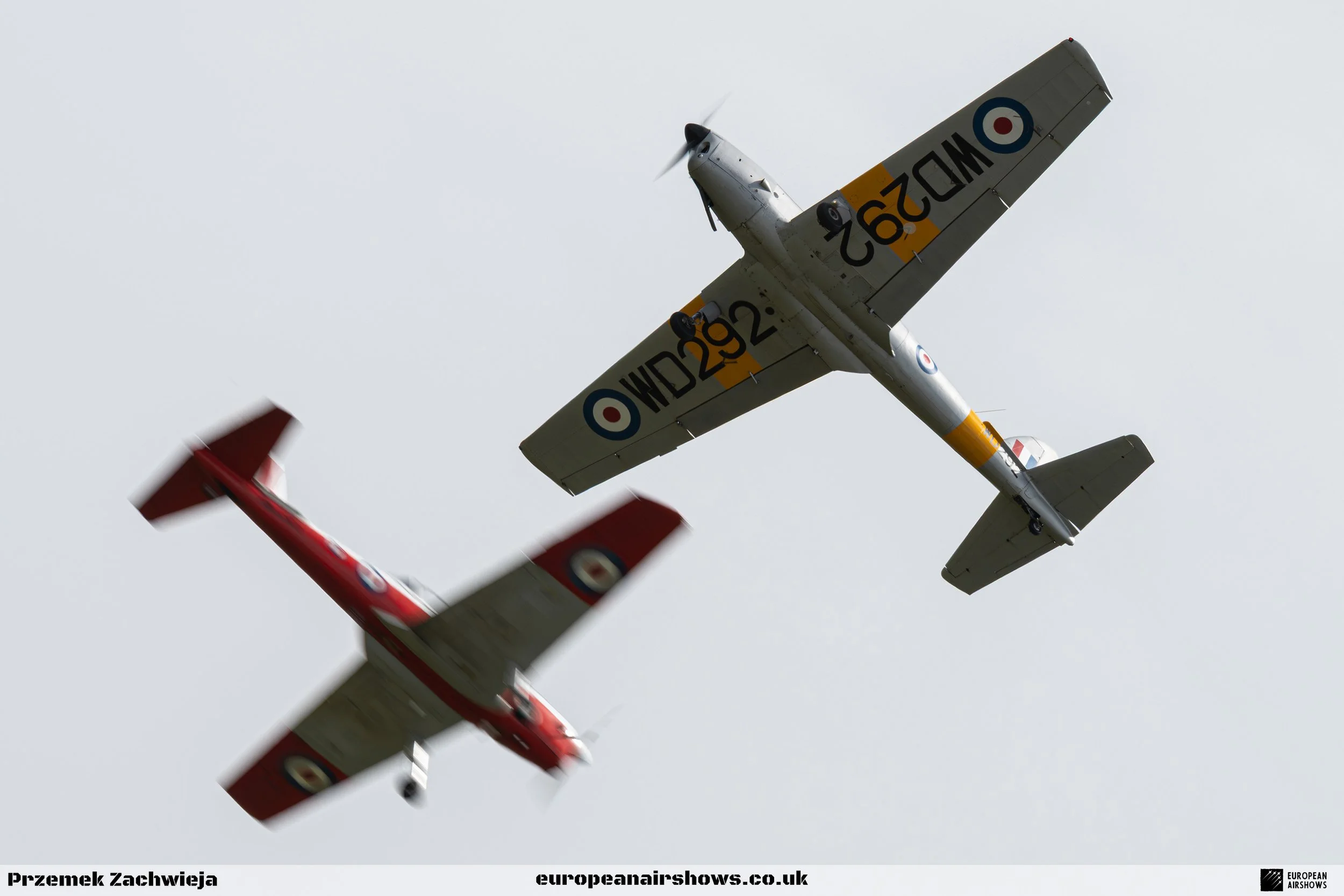
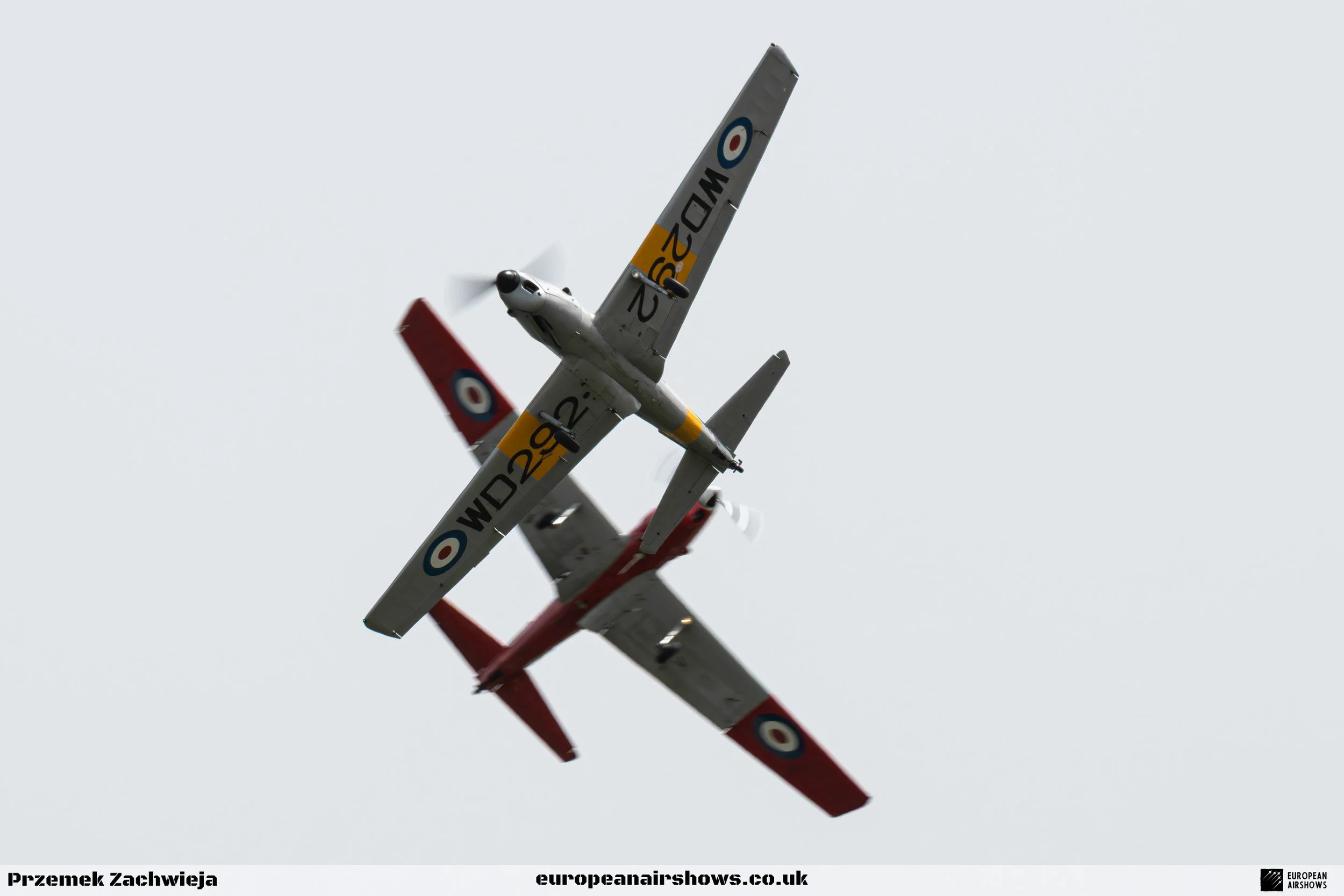
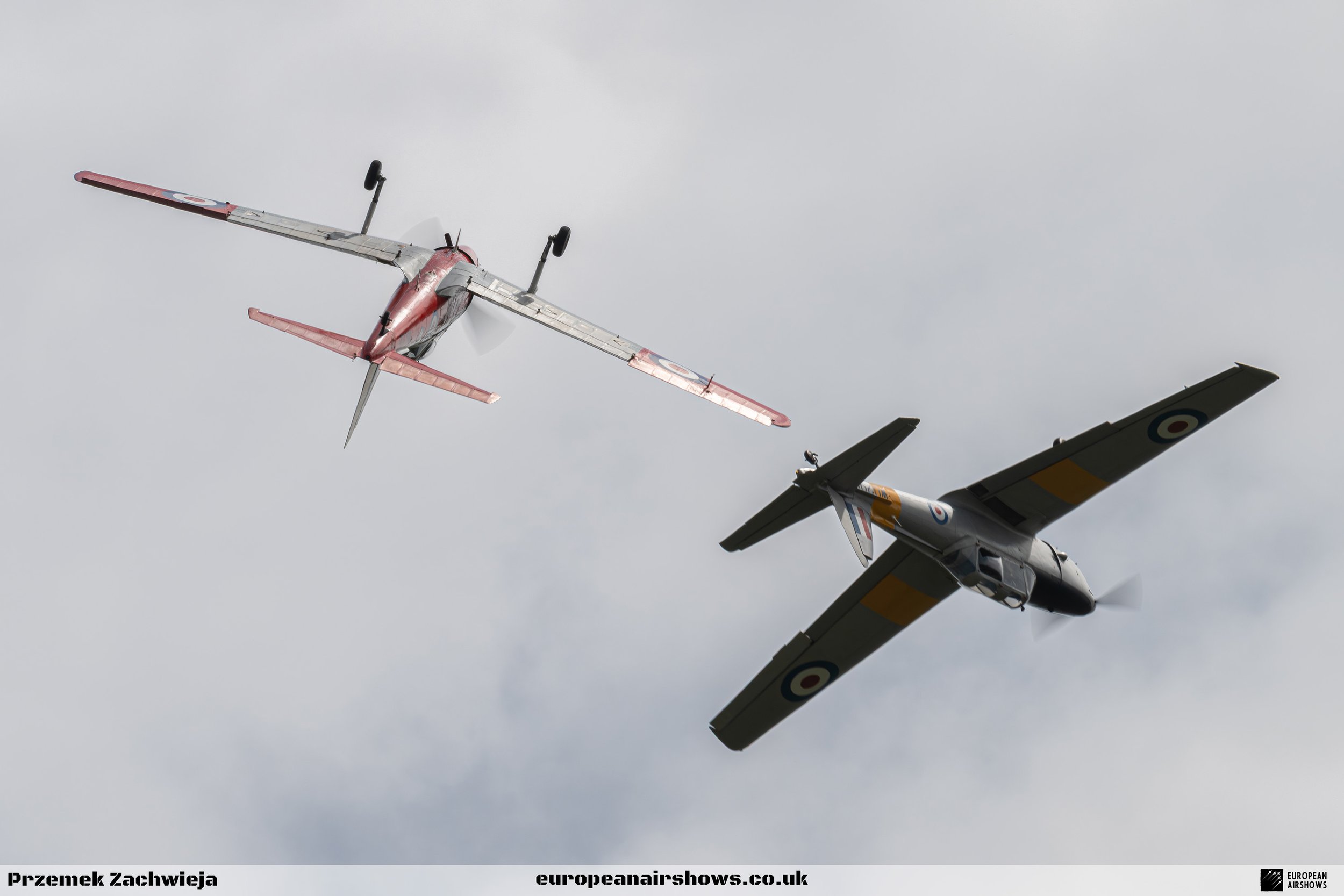
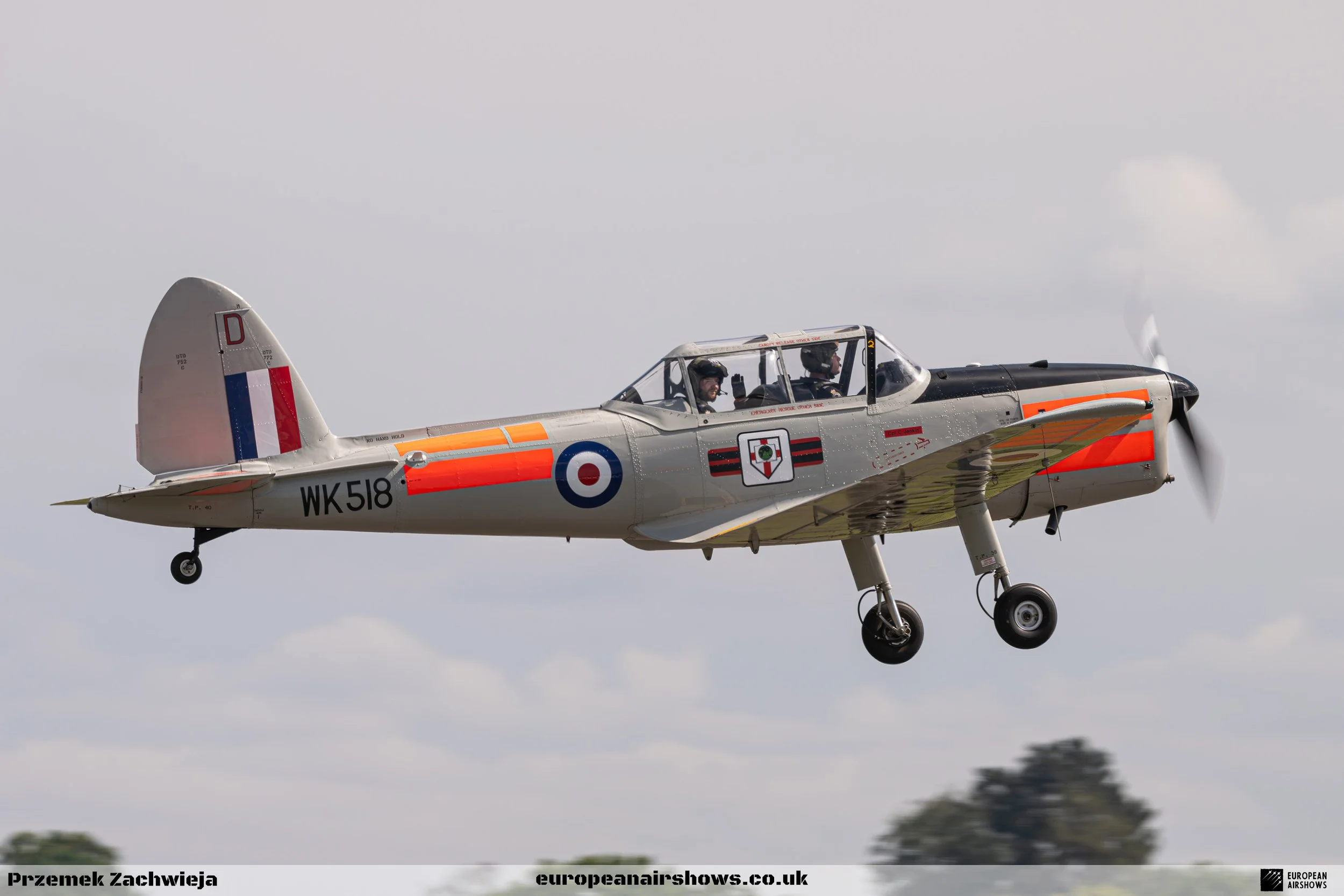
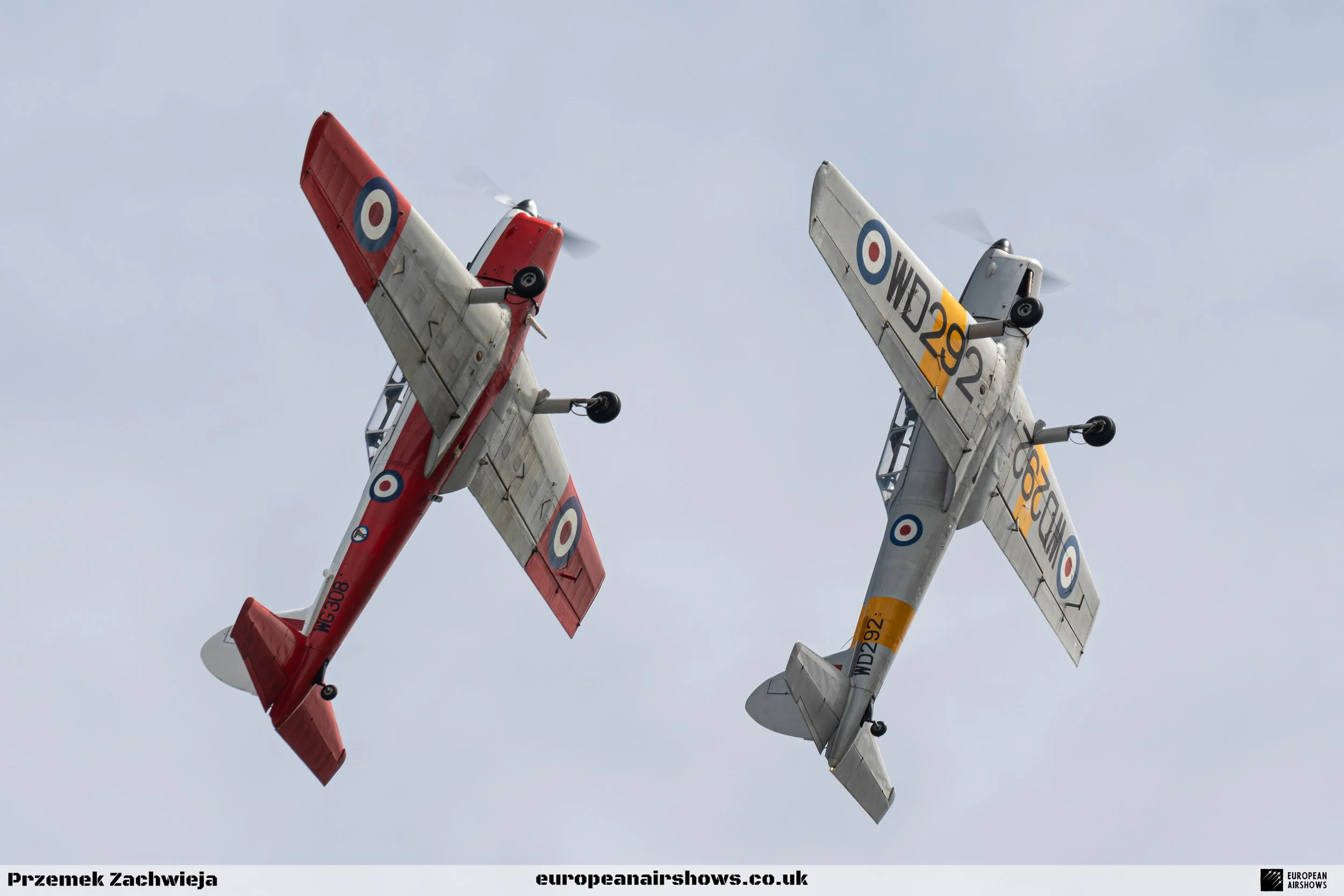
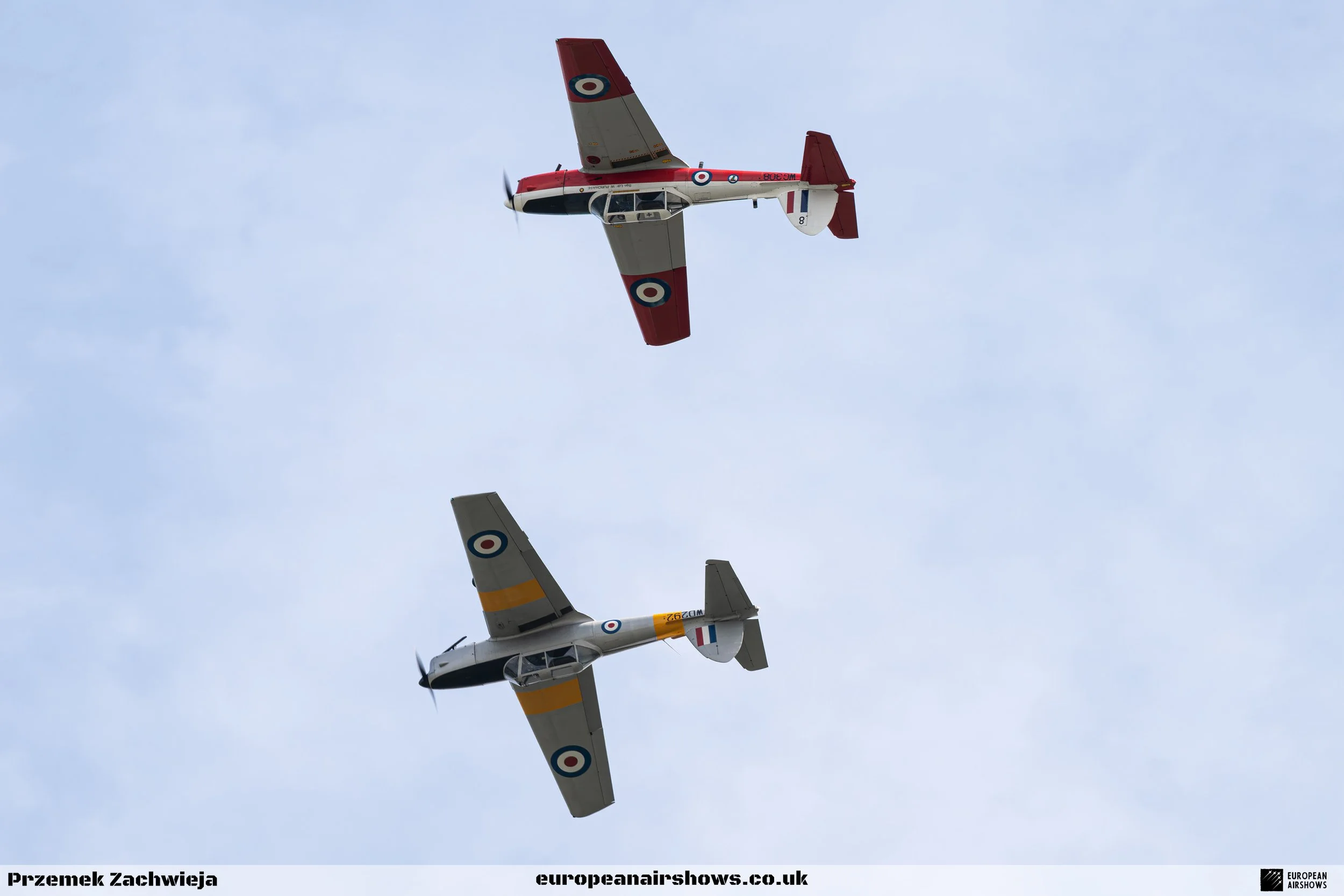
The Vintage Pair followed with a beautifully flown DHC-1 Chipmunk formation display. In a year marking 80 years of the Chipmunk, this was a perfect fit. The display was fully aerobatic, tidy and very watchable, showing exactly why two well-flown training aircraft can hold a crowd’s attention without needing speed or noise. It was one of those displays that enthusiasts appreciate because of how precise and honest it is.
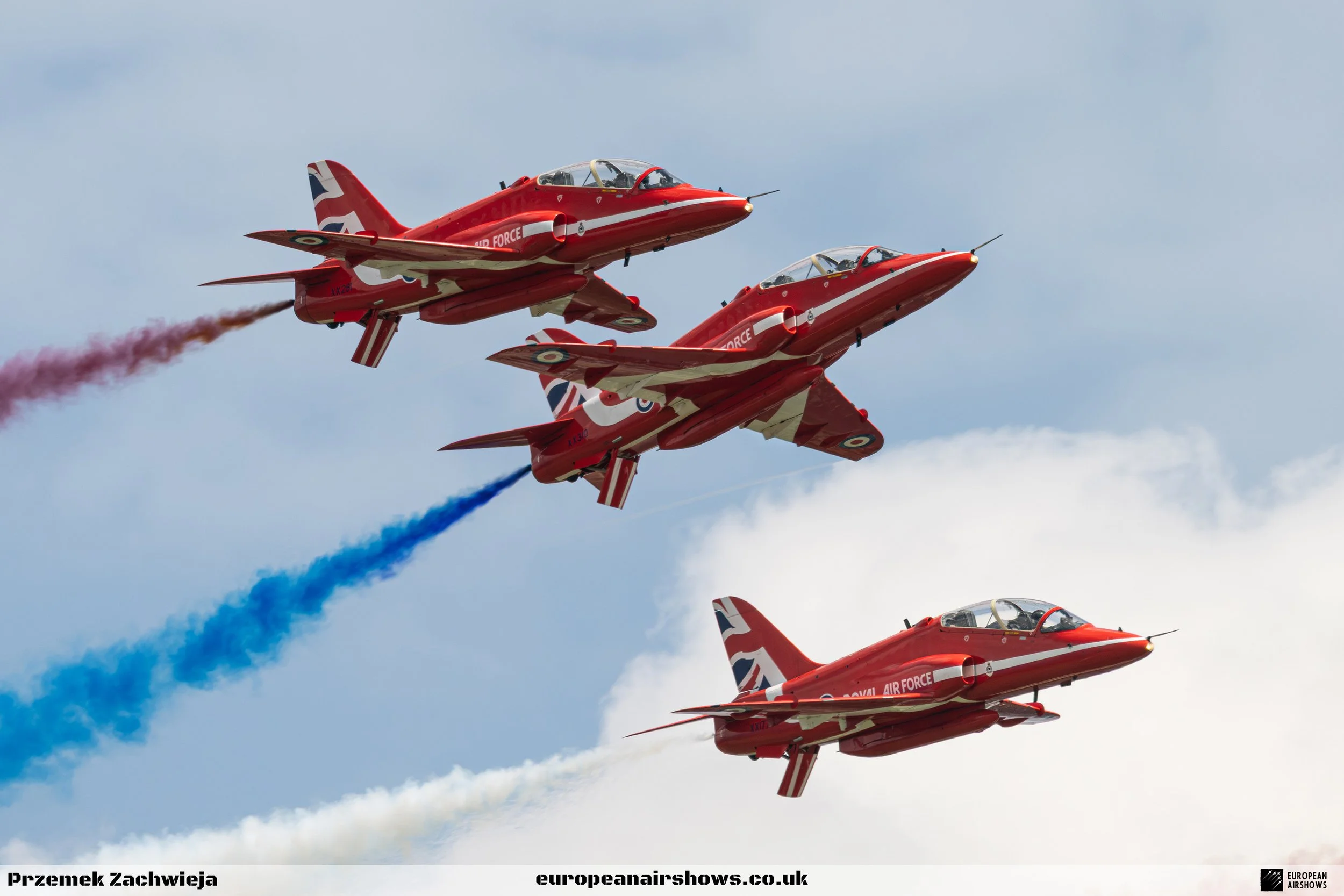
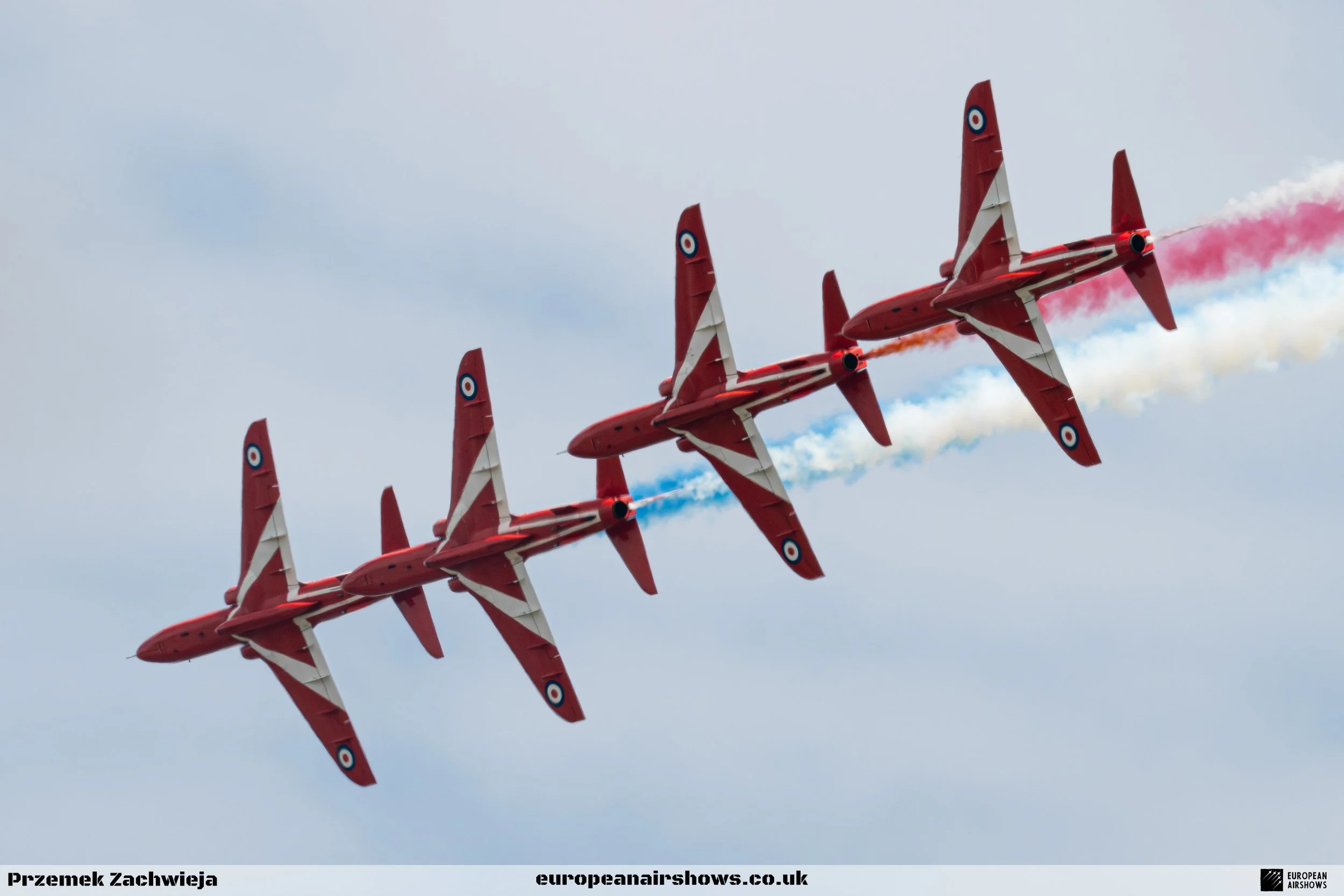
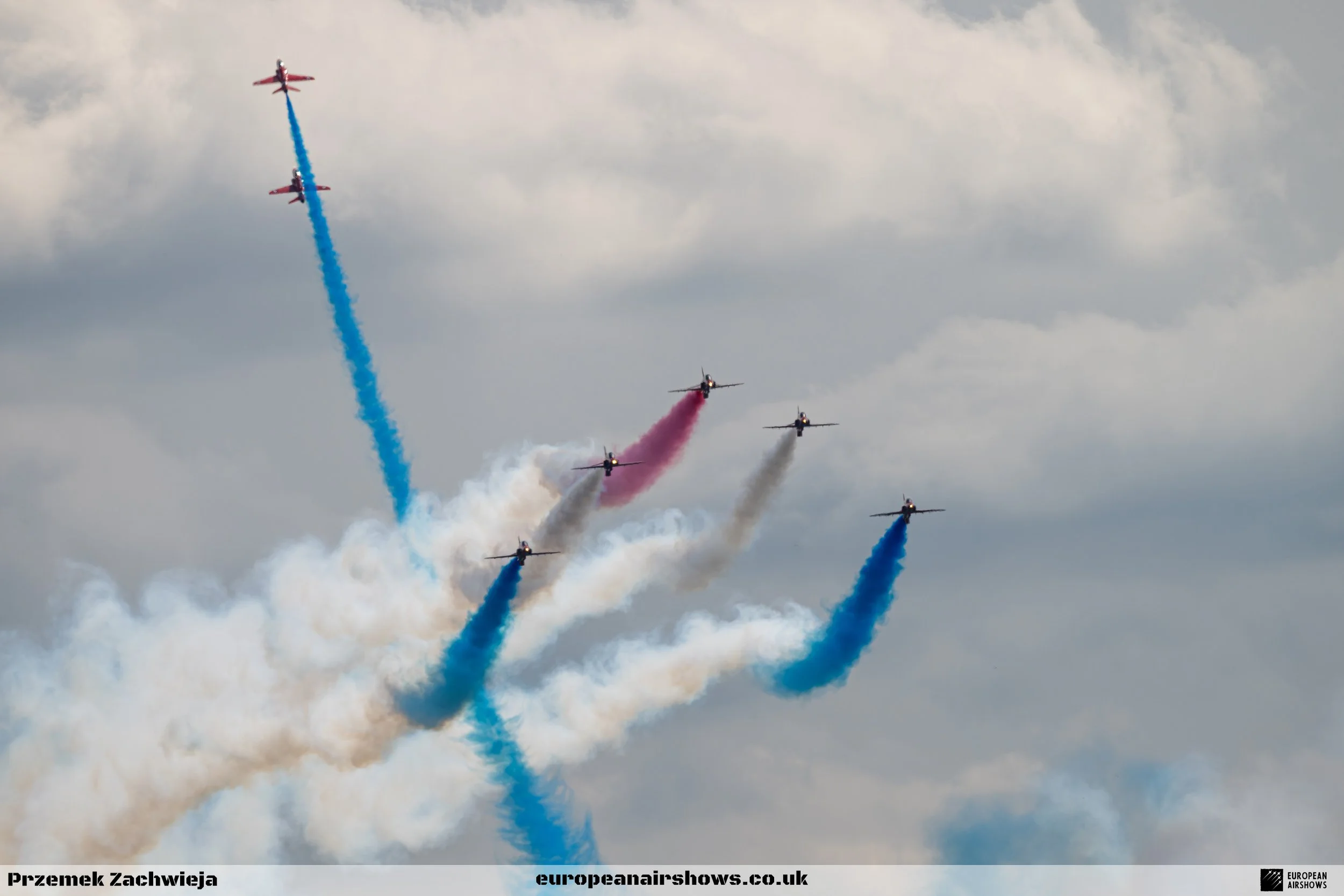
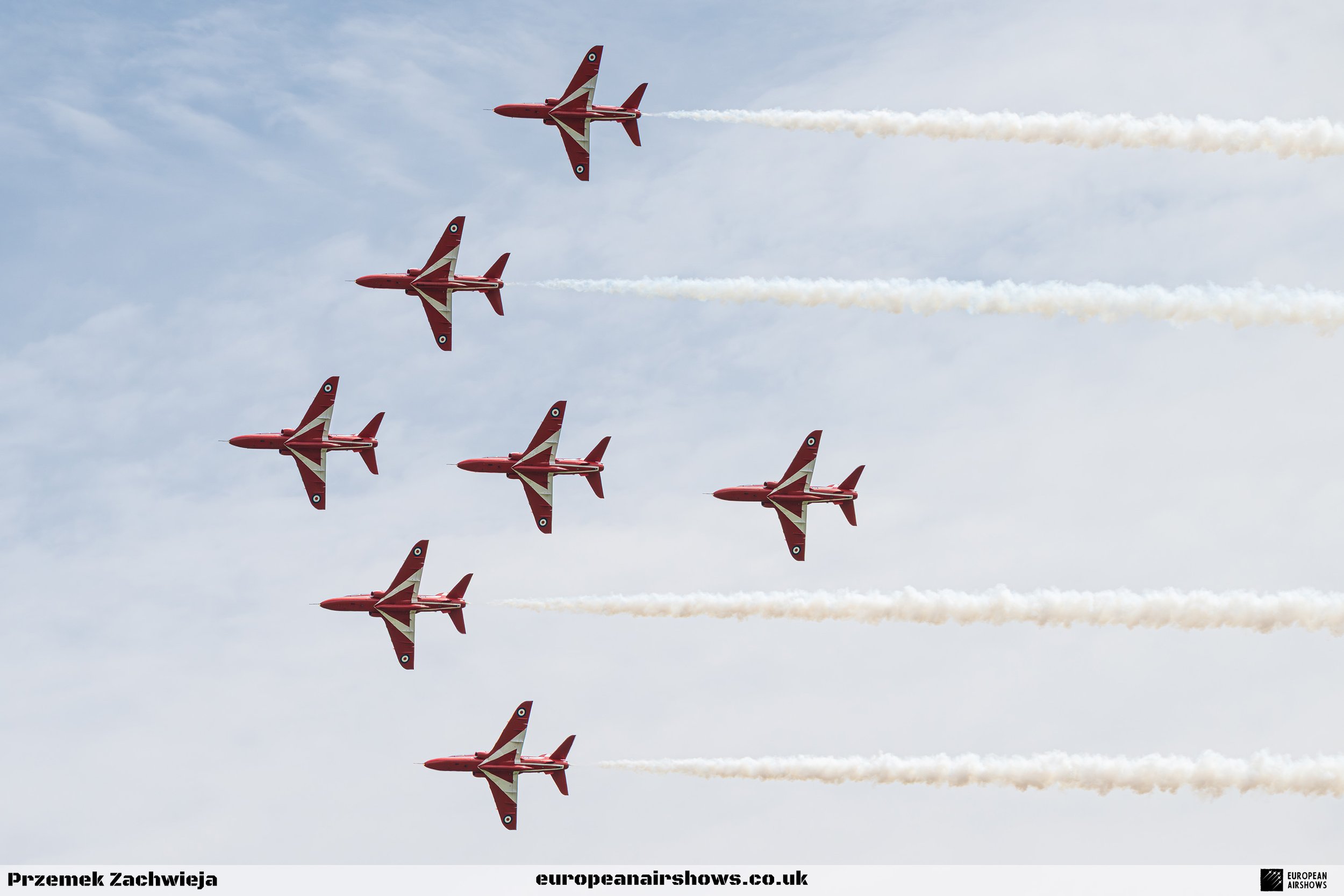
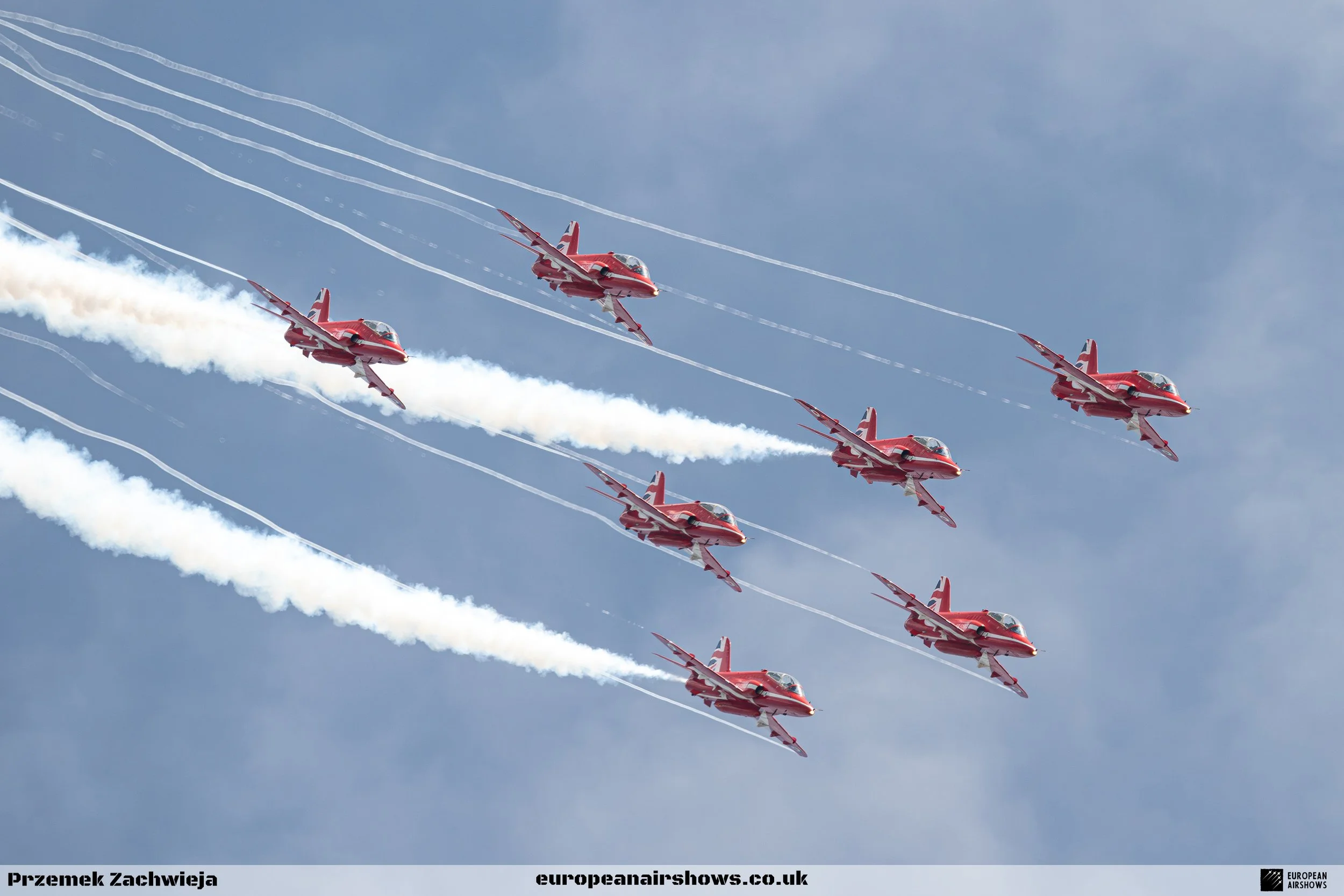
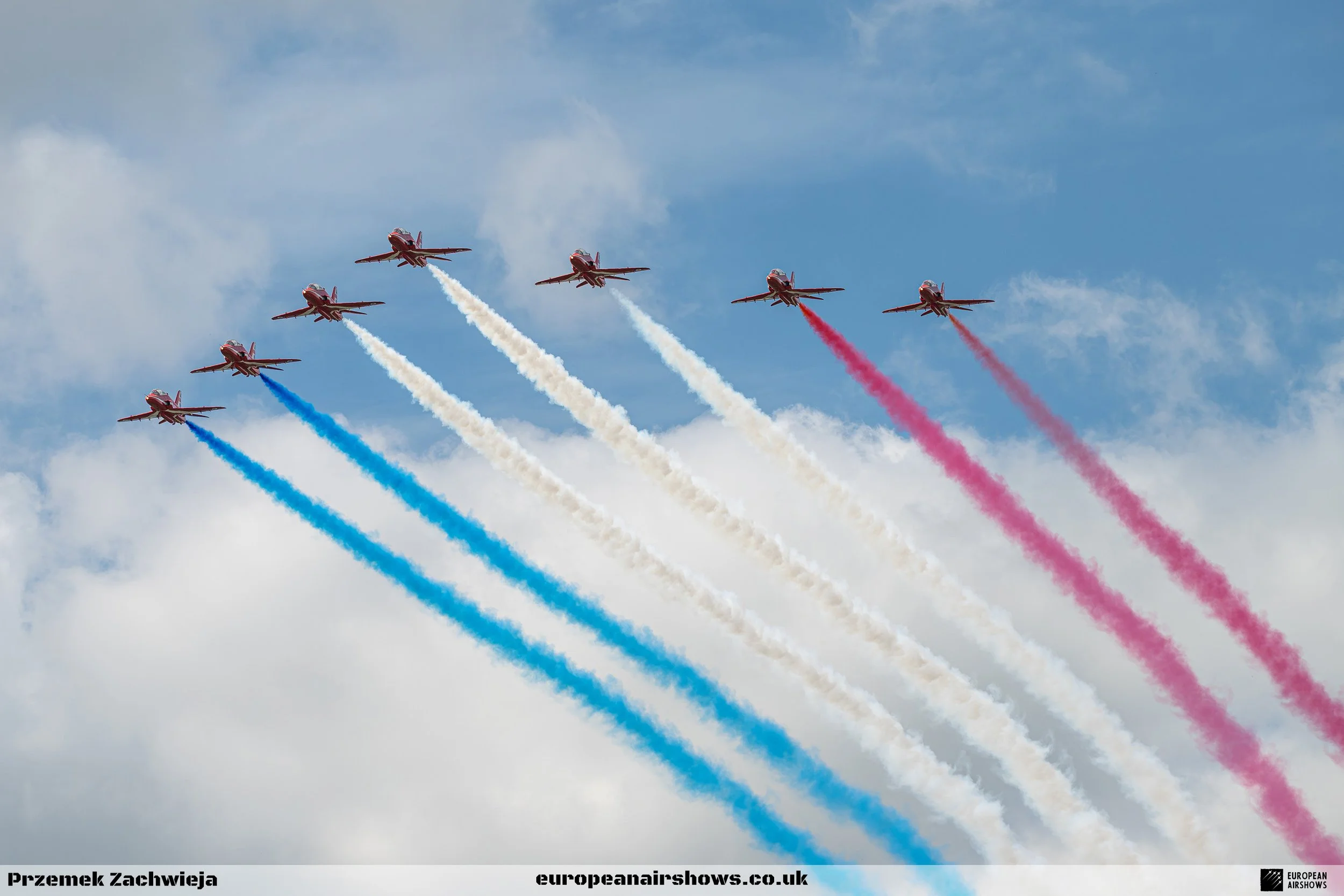
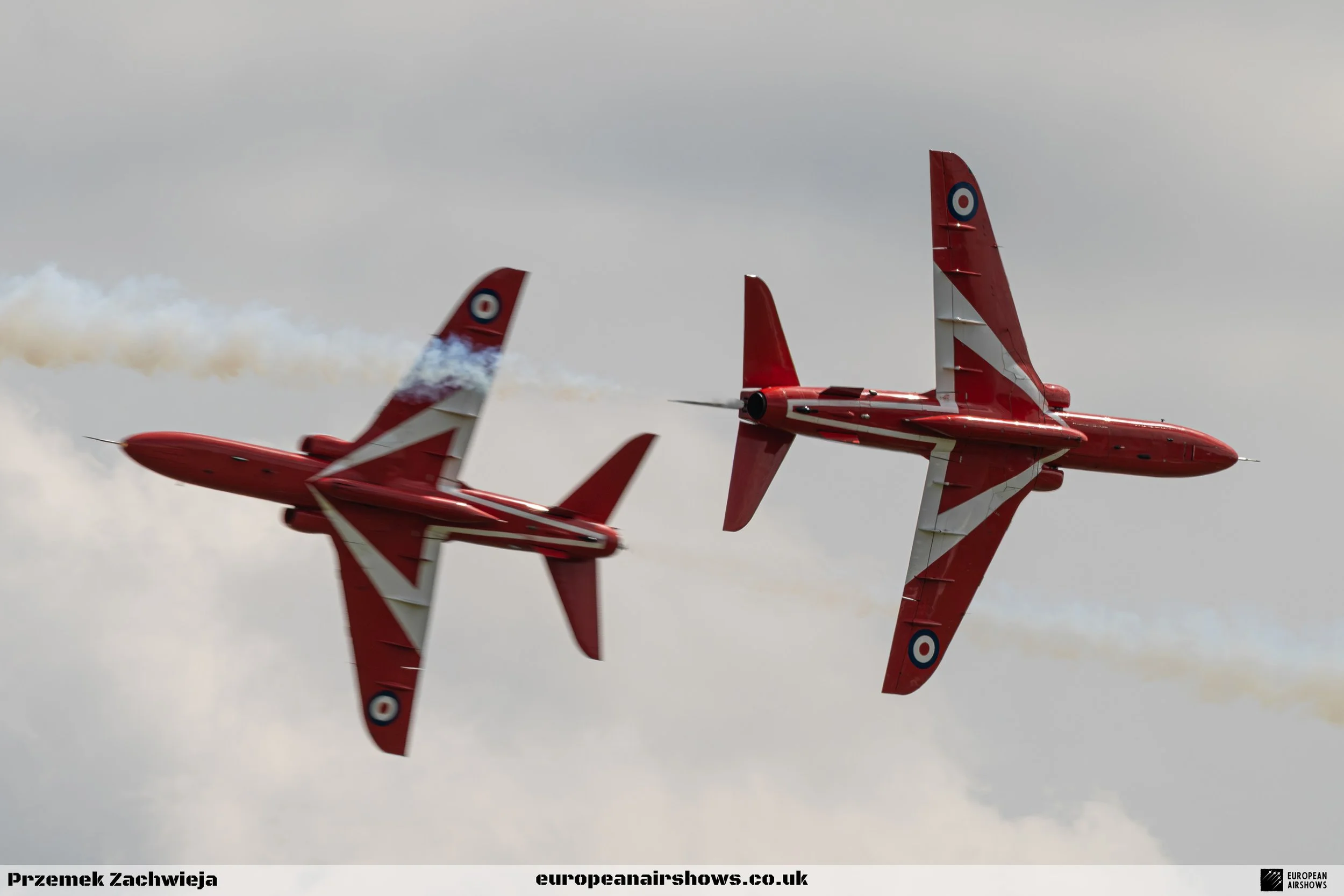
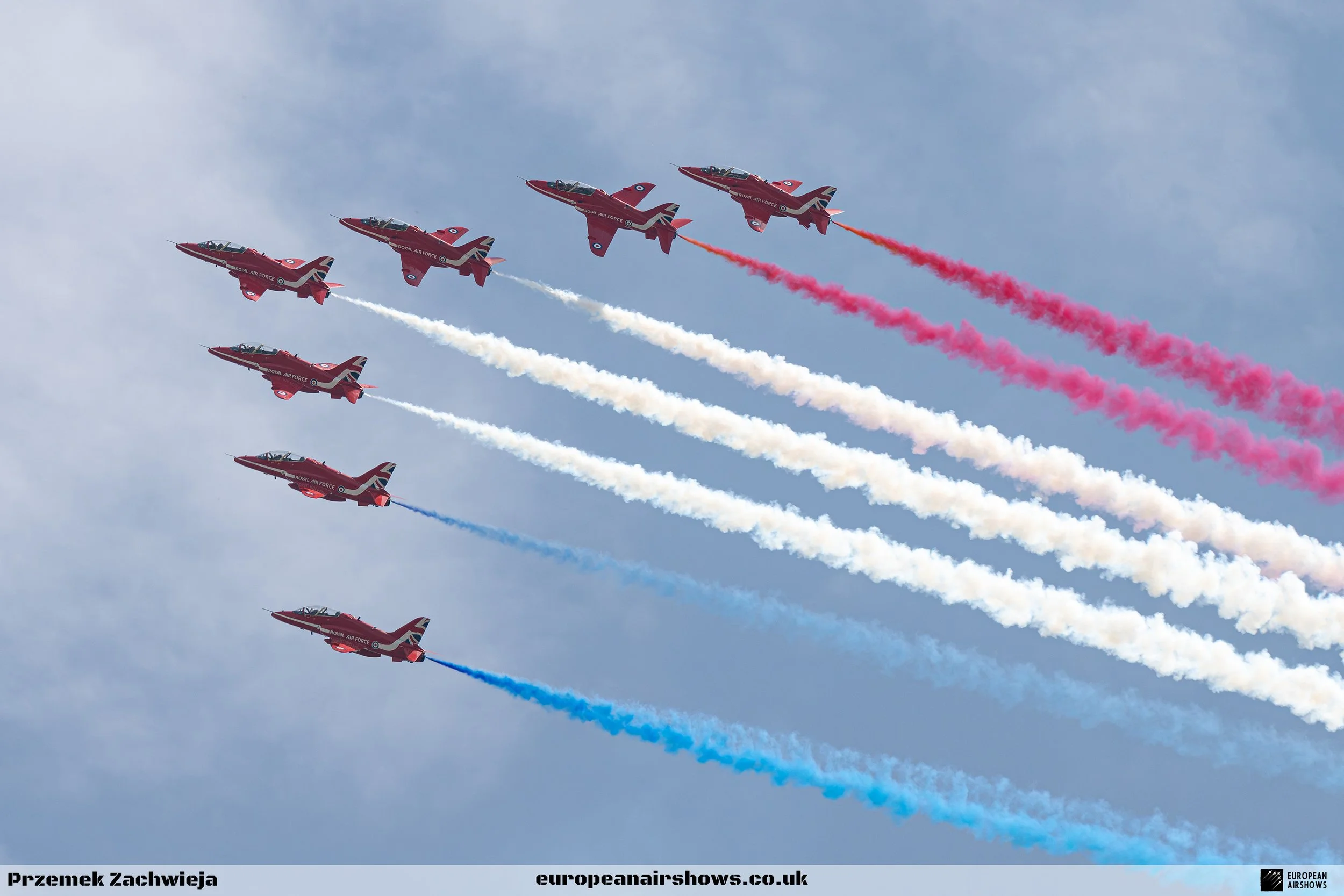
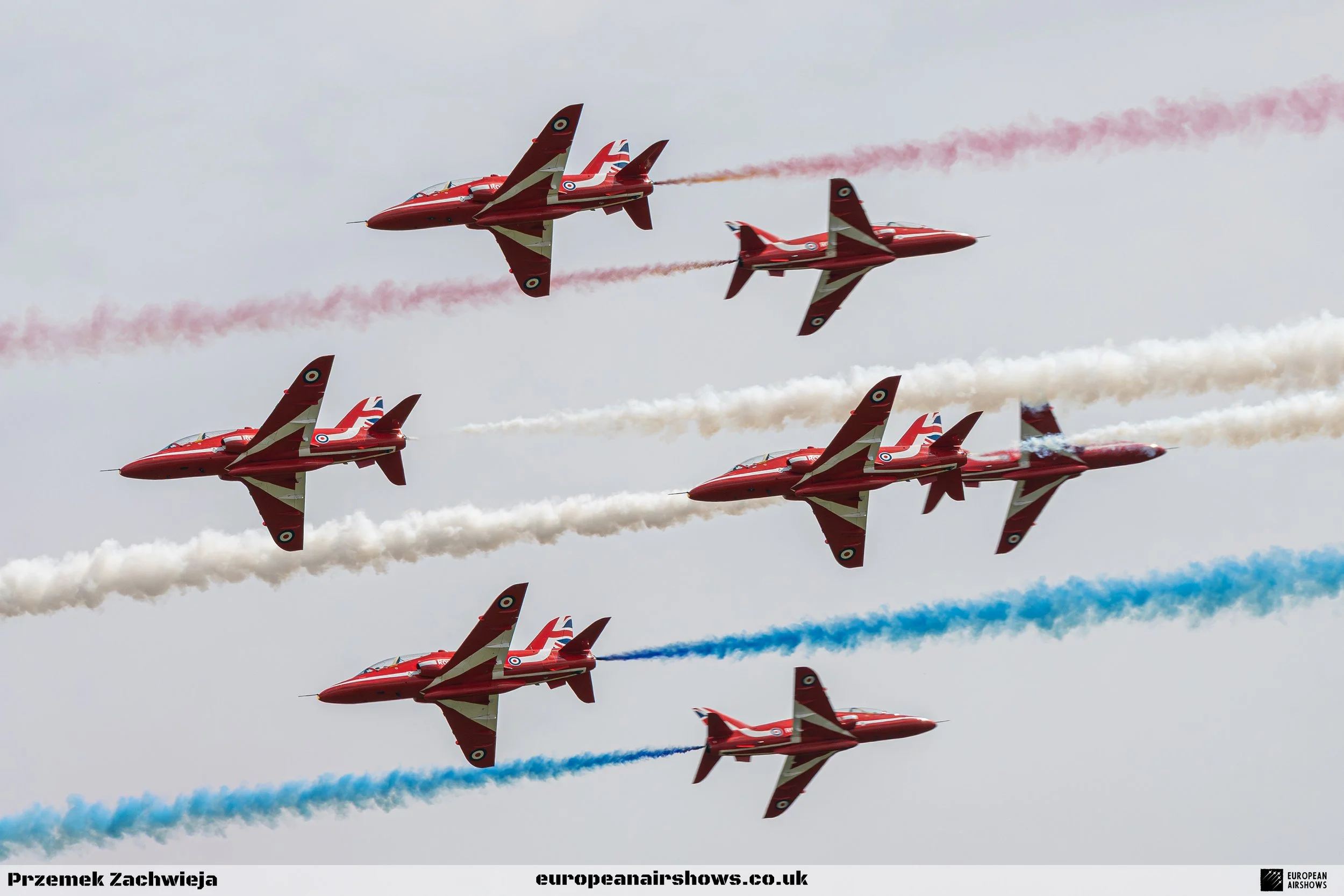
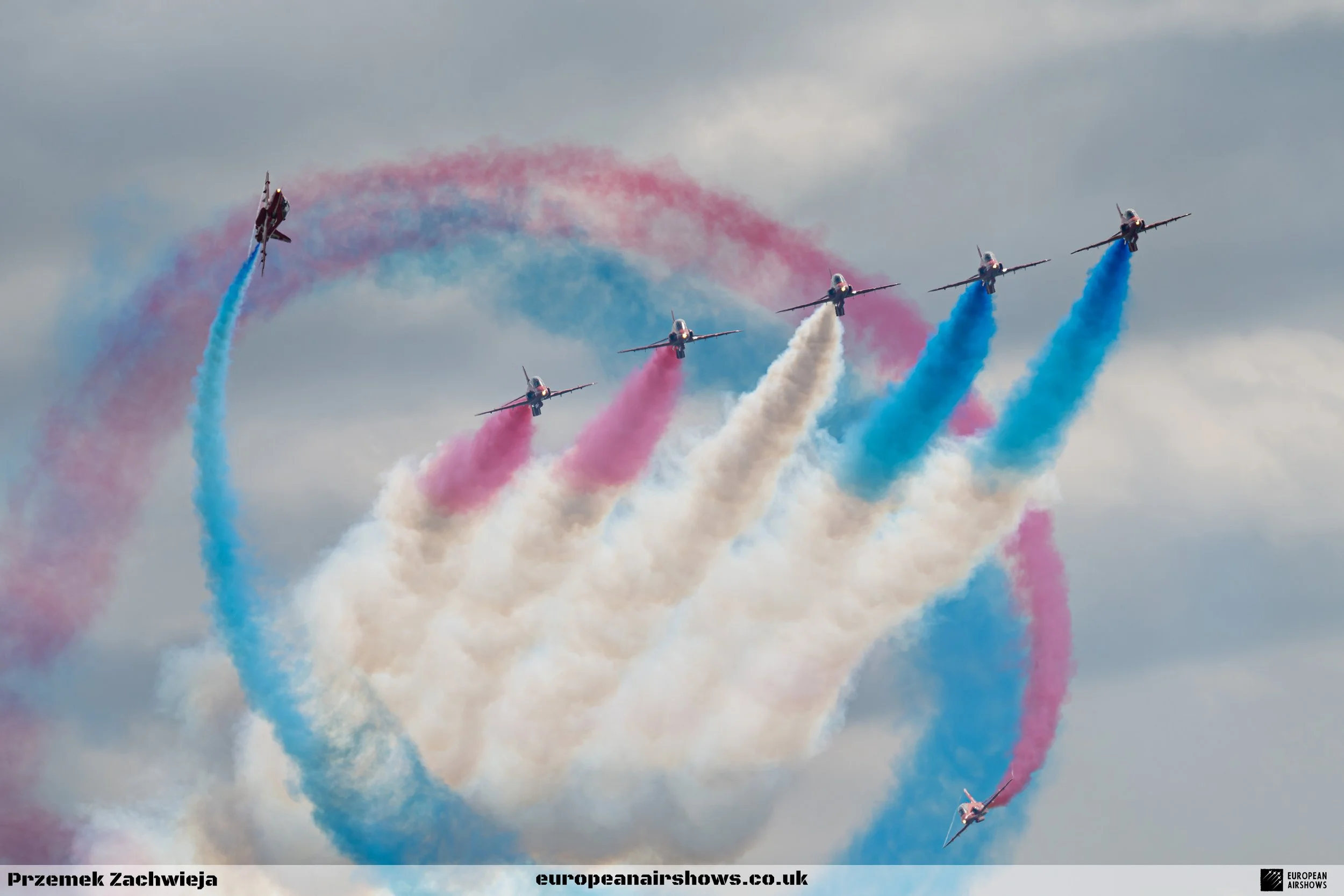
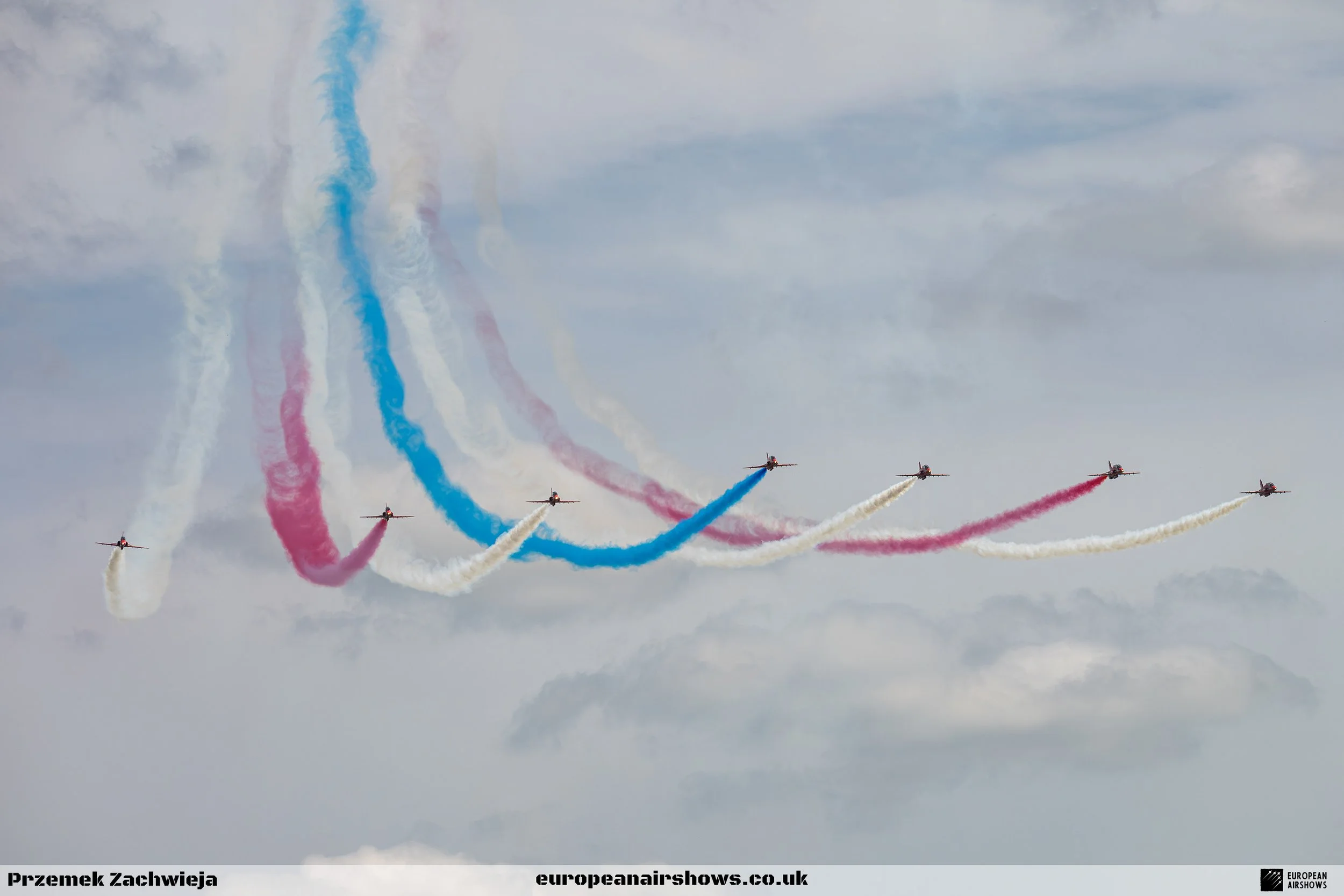
The Red Arrows arrived later in the day with their 2026 seven-ship routine. Earlier in the day, the team had arrived by Juno helicopters to meet the public, which was a nice touch and gave visitors a chance to connect with the RAF’s most recognisable display team away from the flying display itself. In the air, the seven Hawks gave the usual mixture of formation passes, smoke, breaks and opposition manoeuvres. The smaller team size is still noticeable compared with the old nine-ship display, but the Reds remain a major crowd draw and their appearance lifted the atmosphere across the showground.
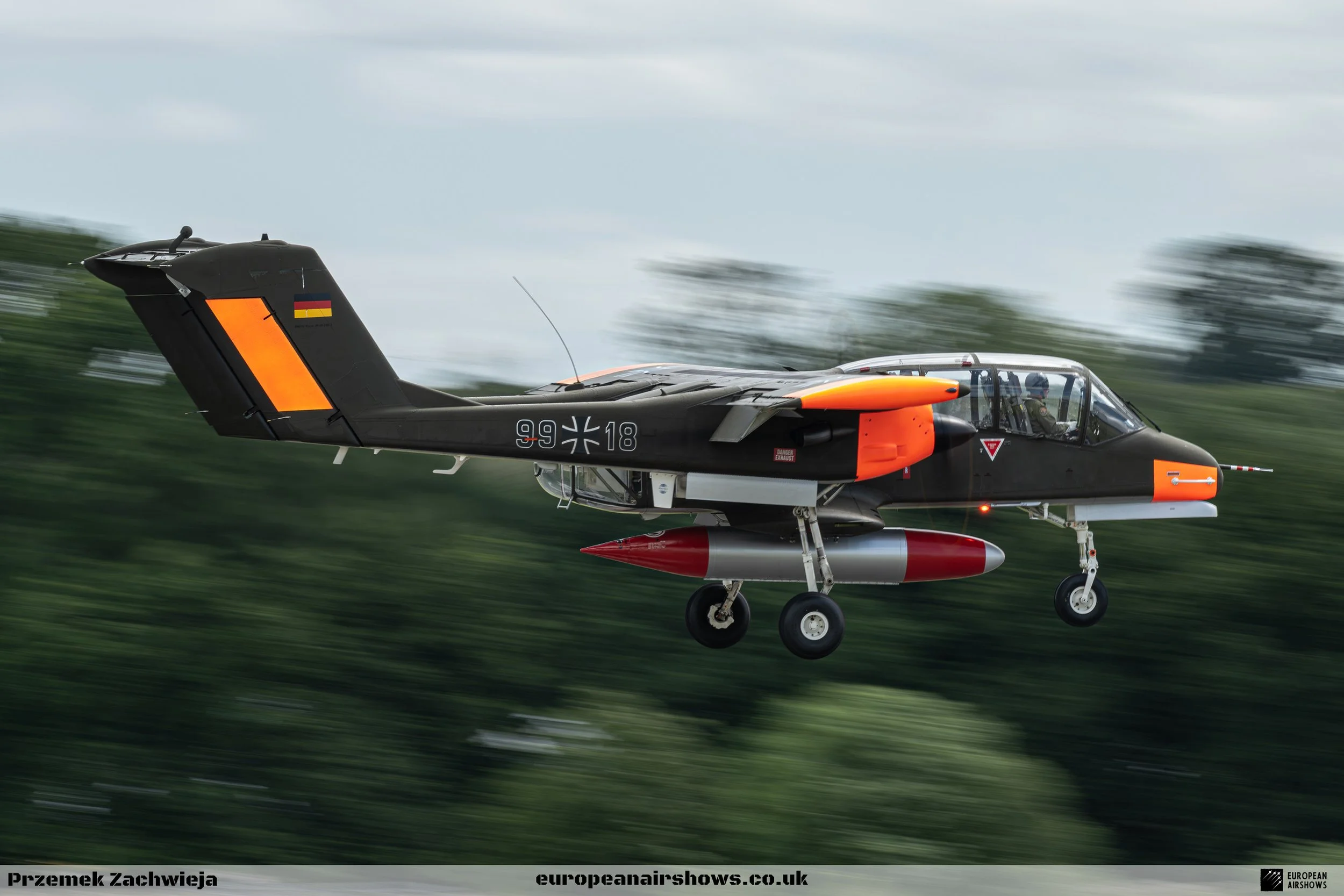
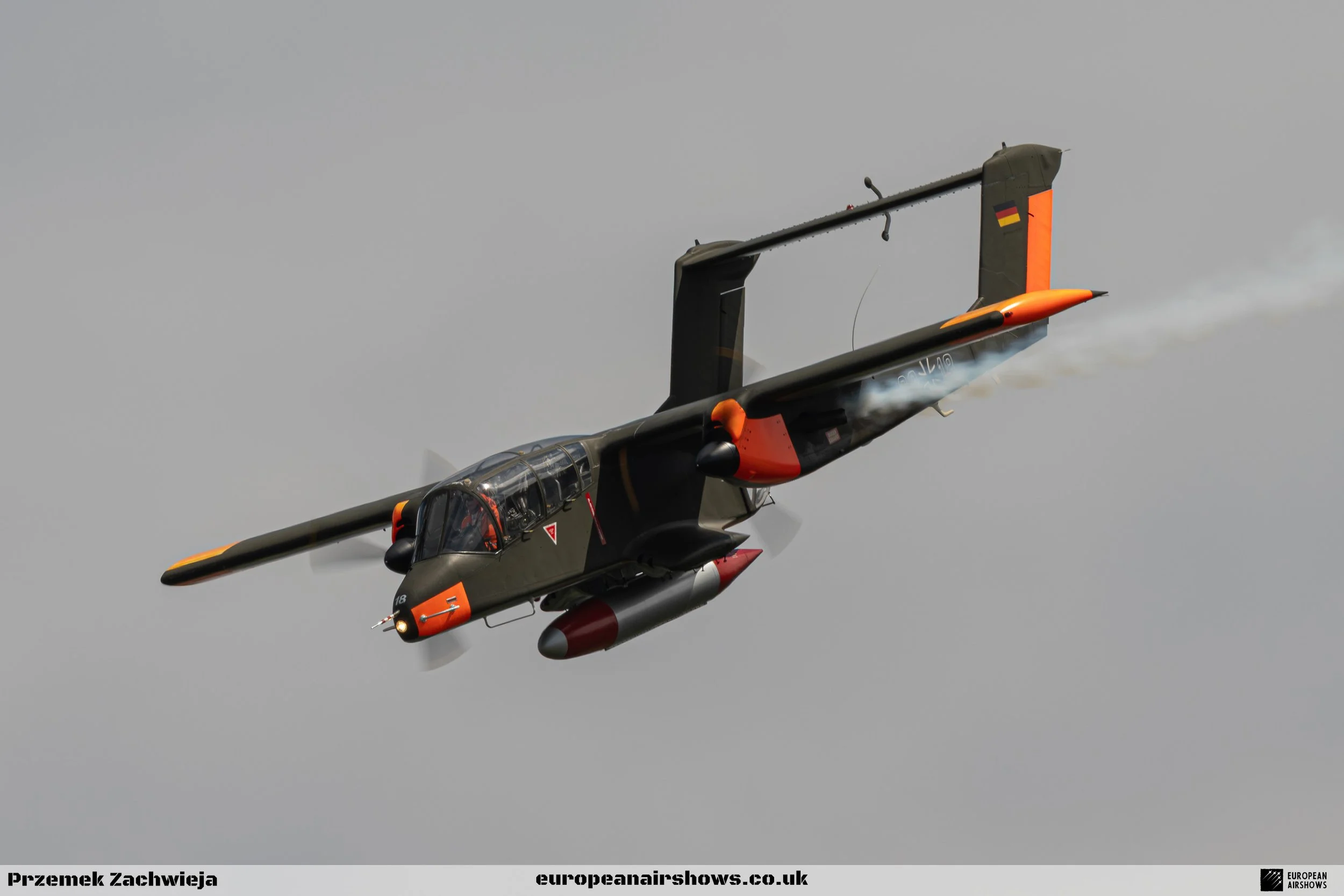
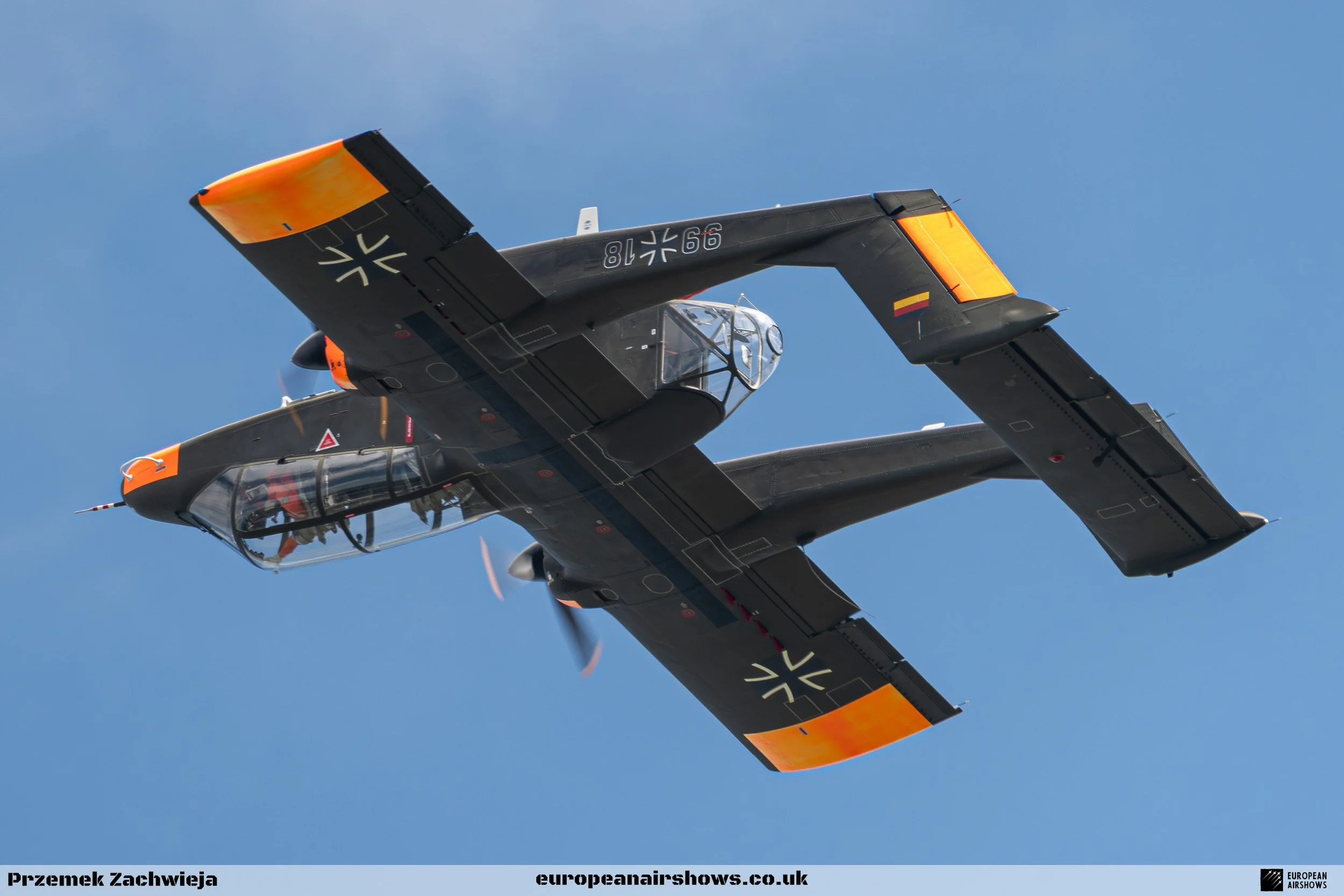
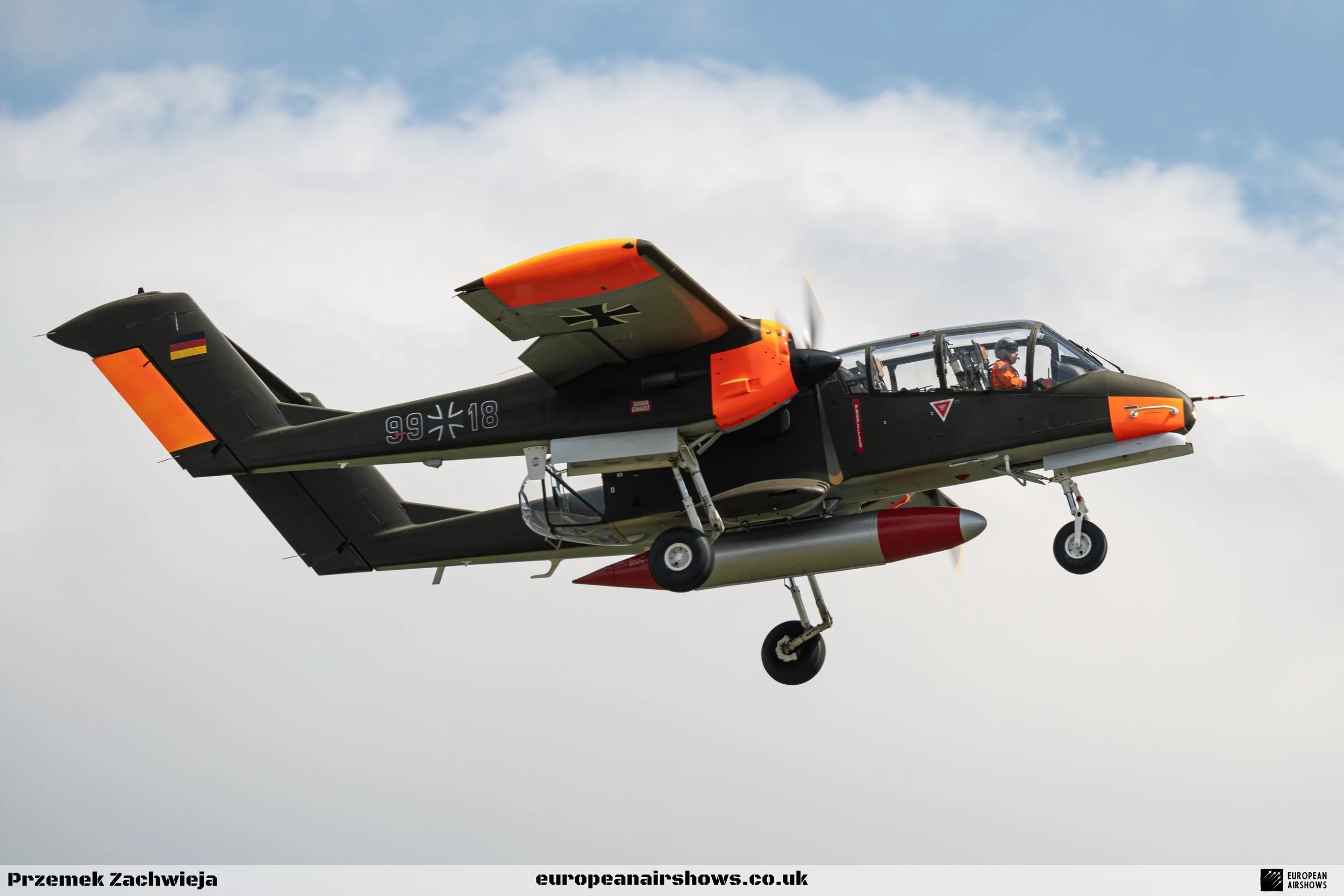
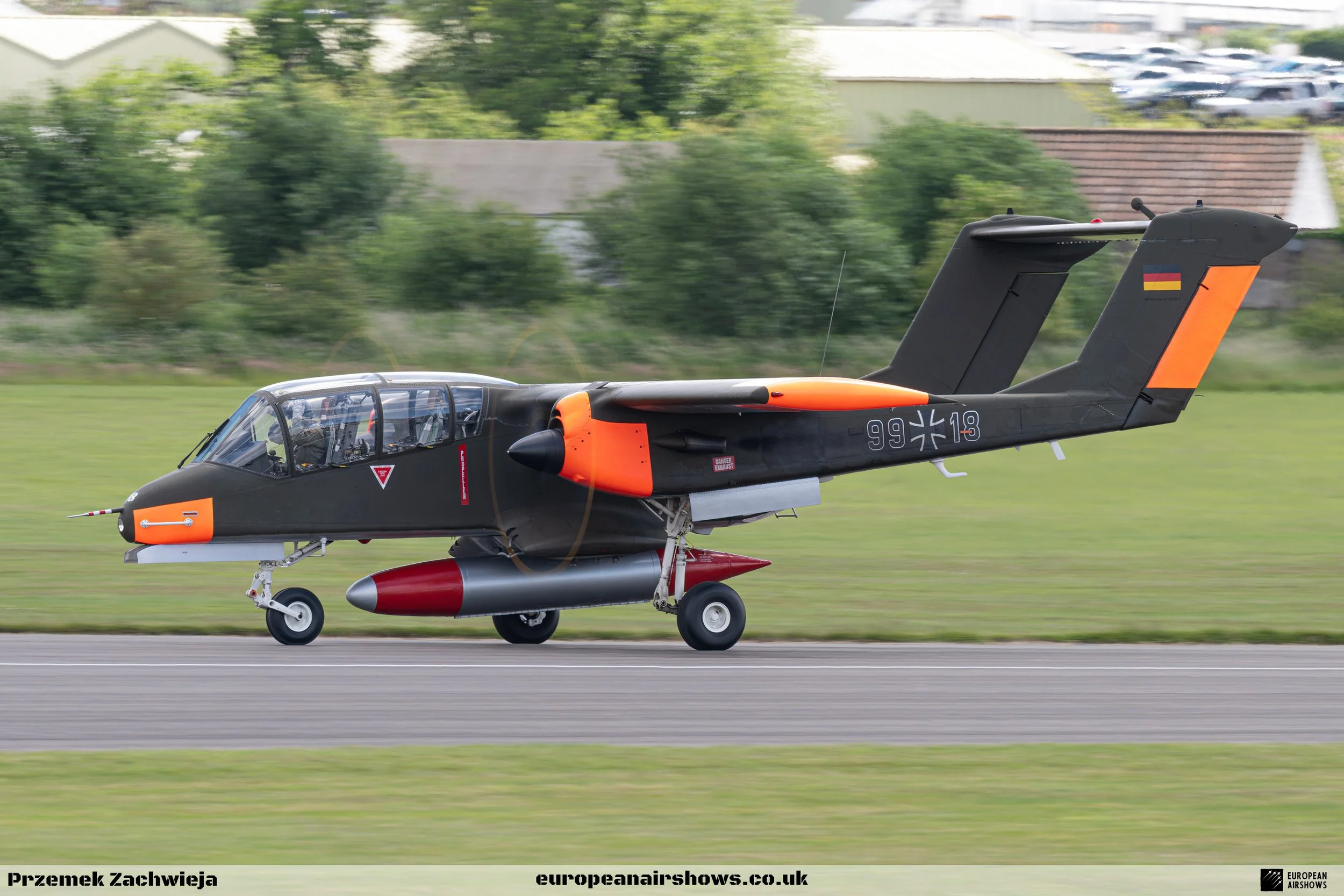
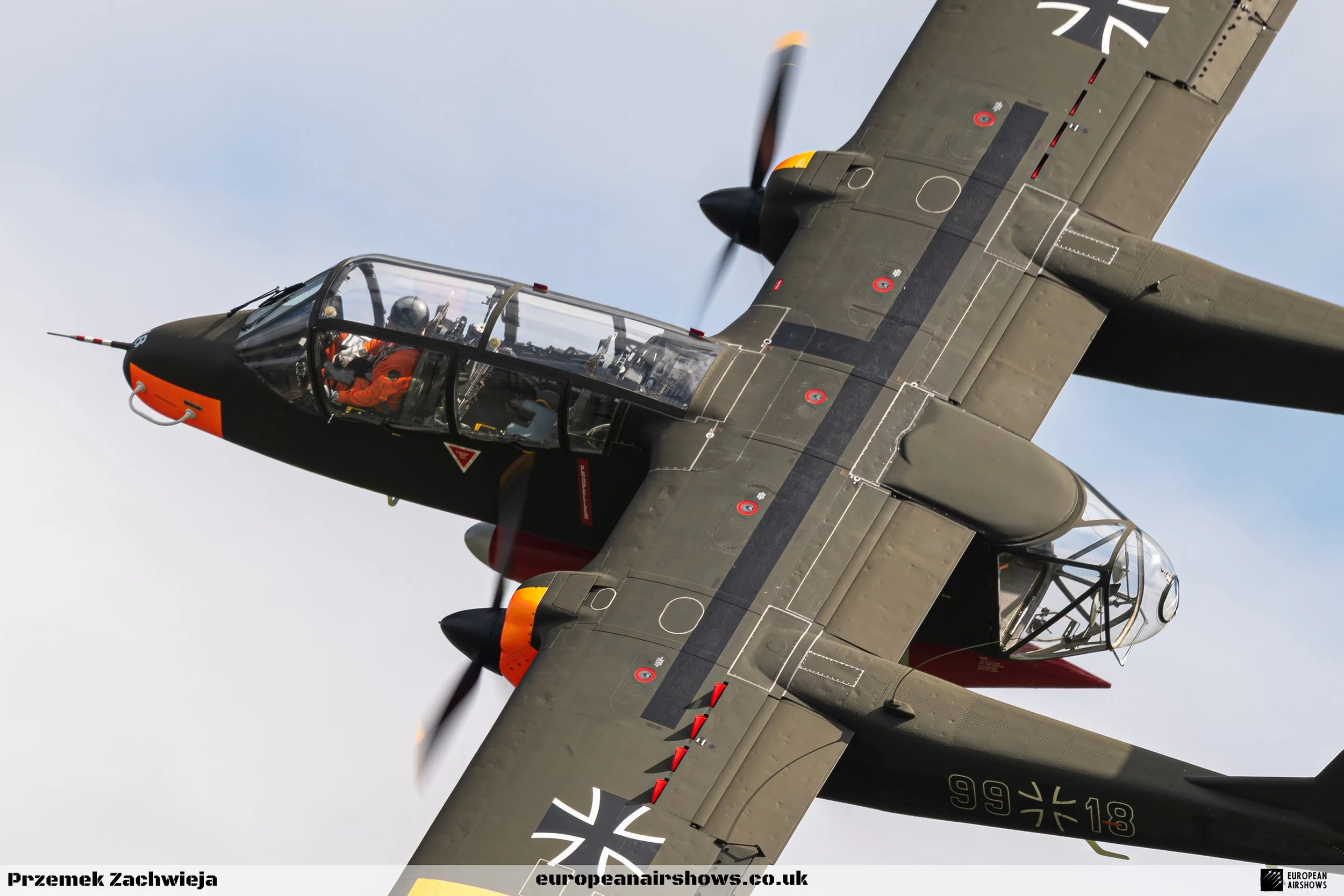
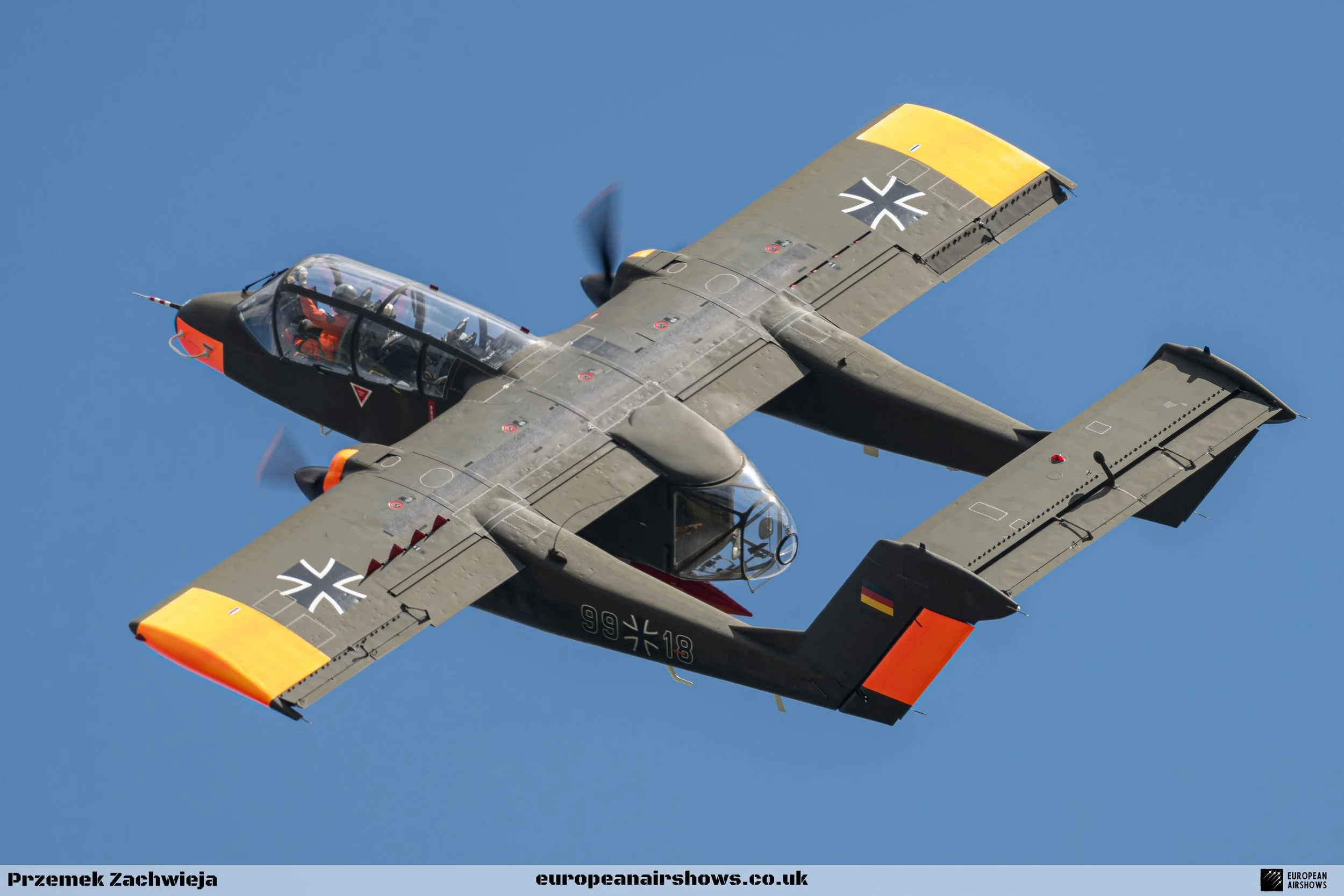
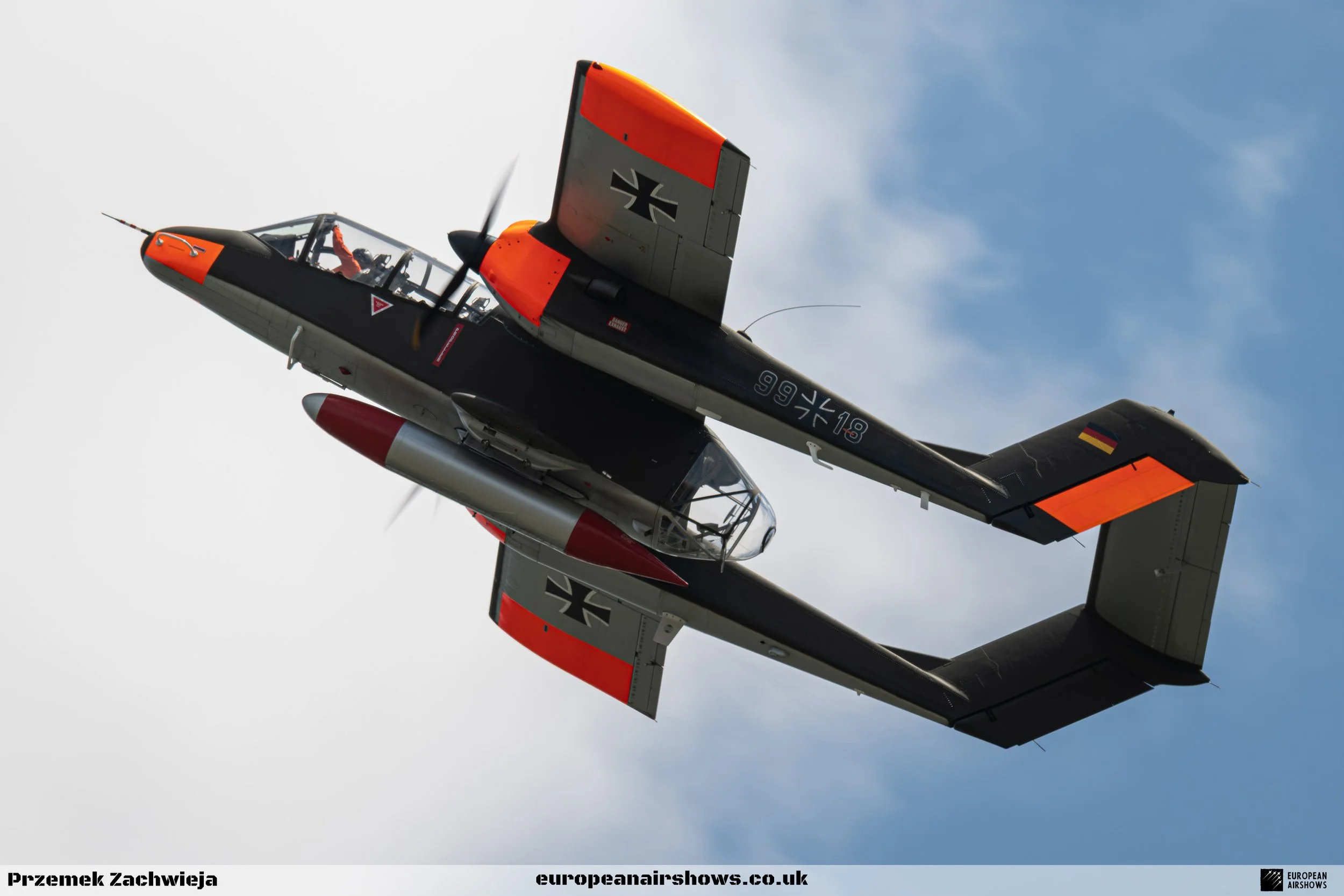
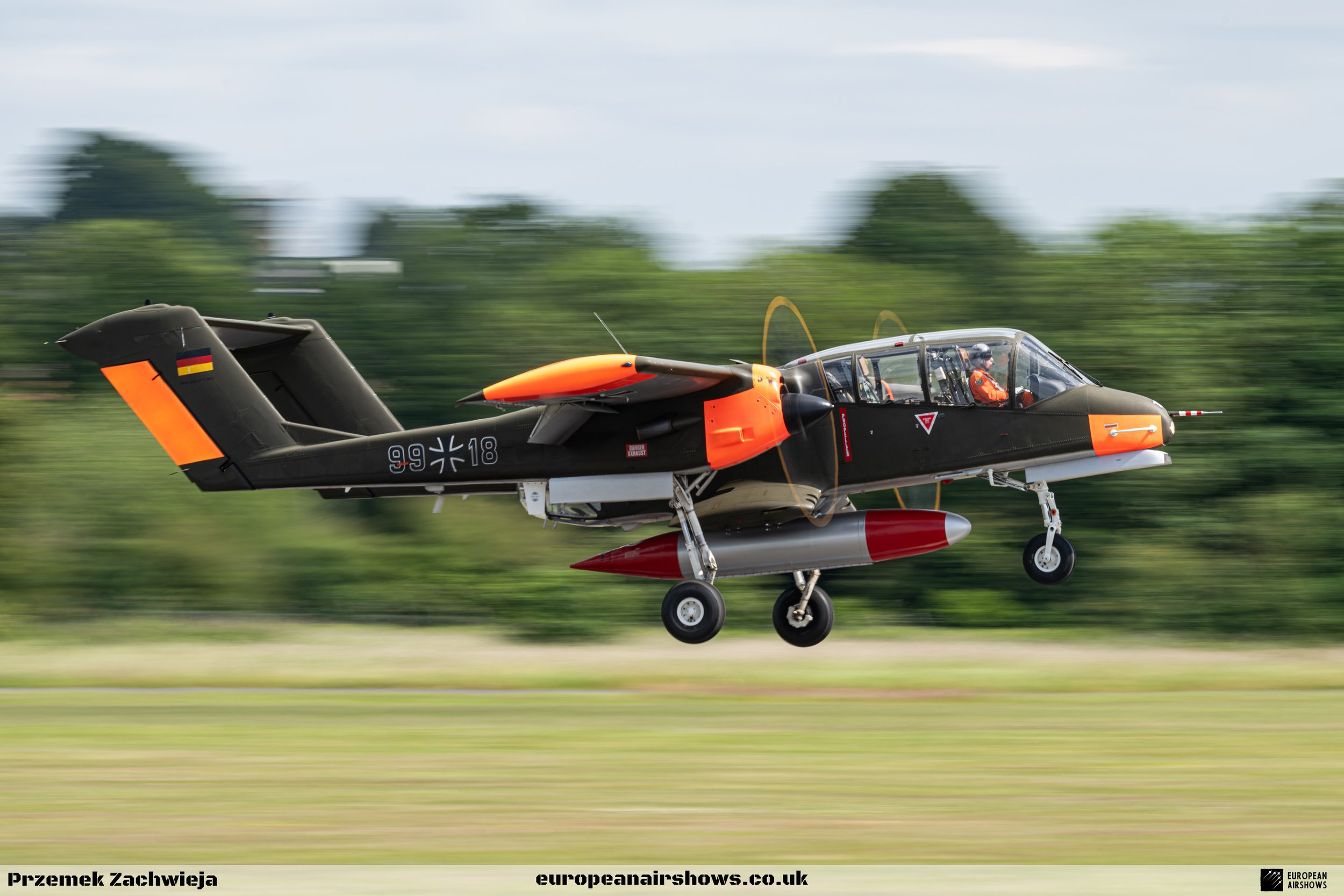
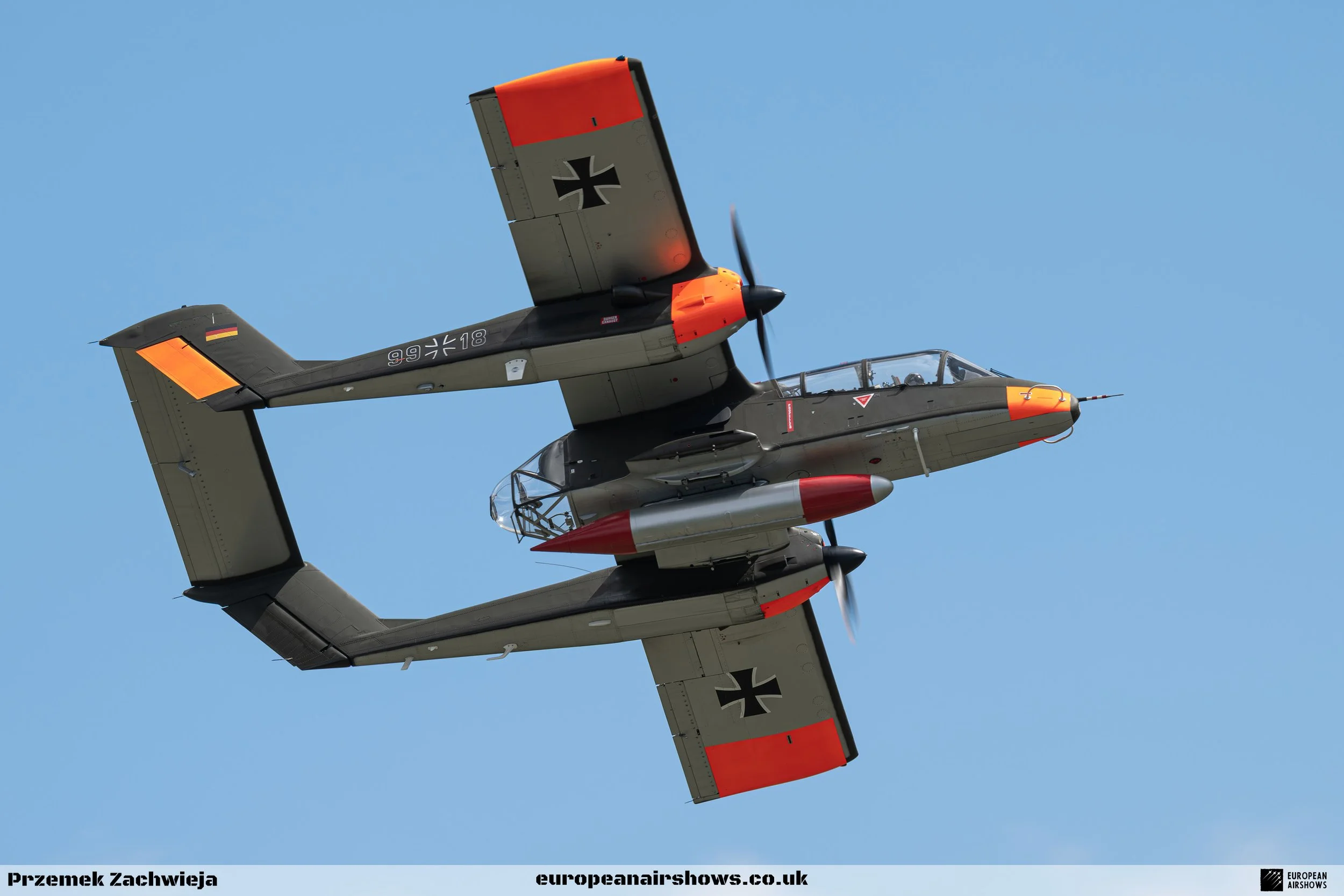
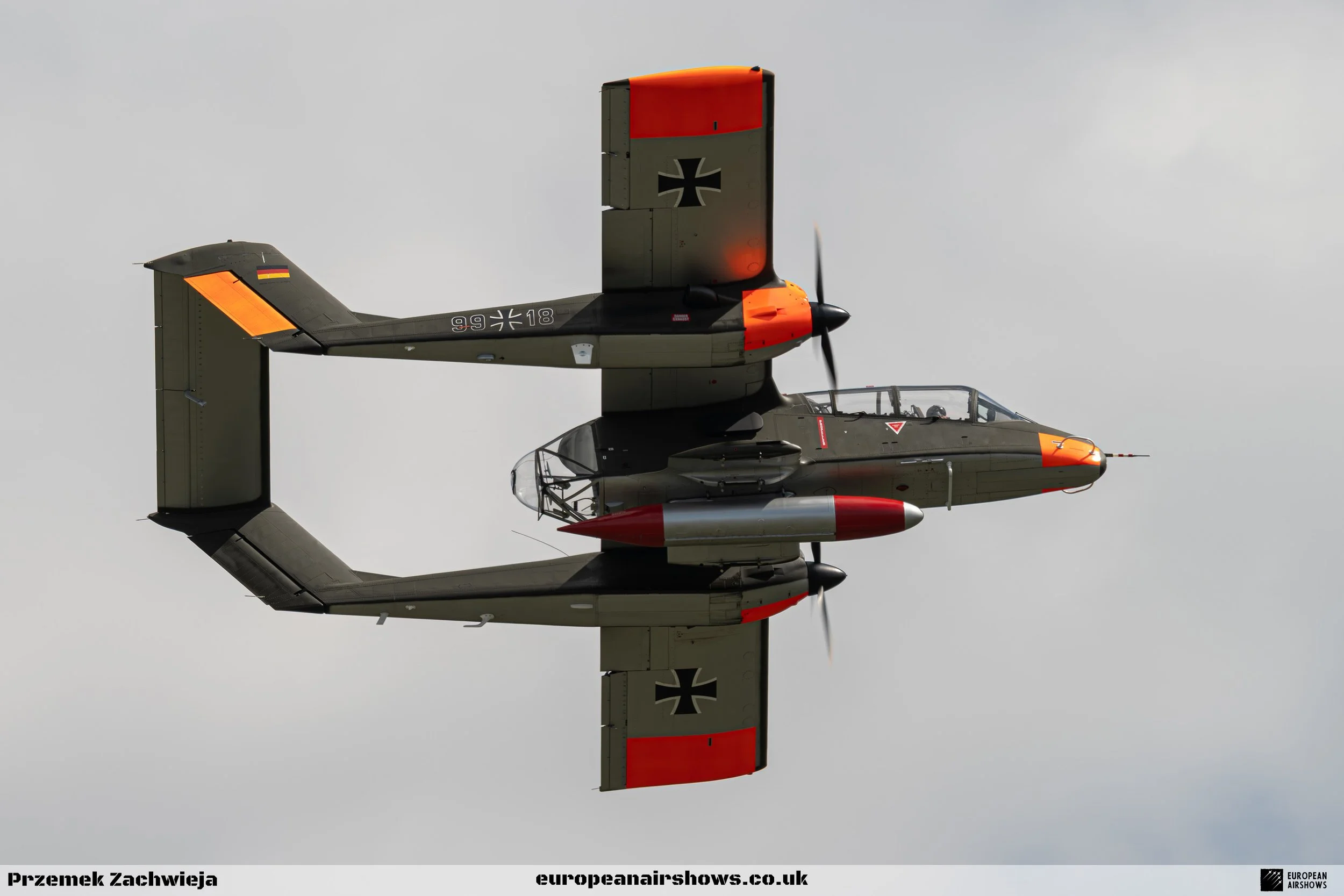
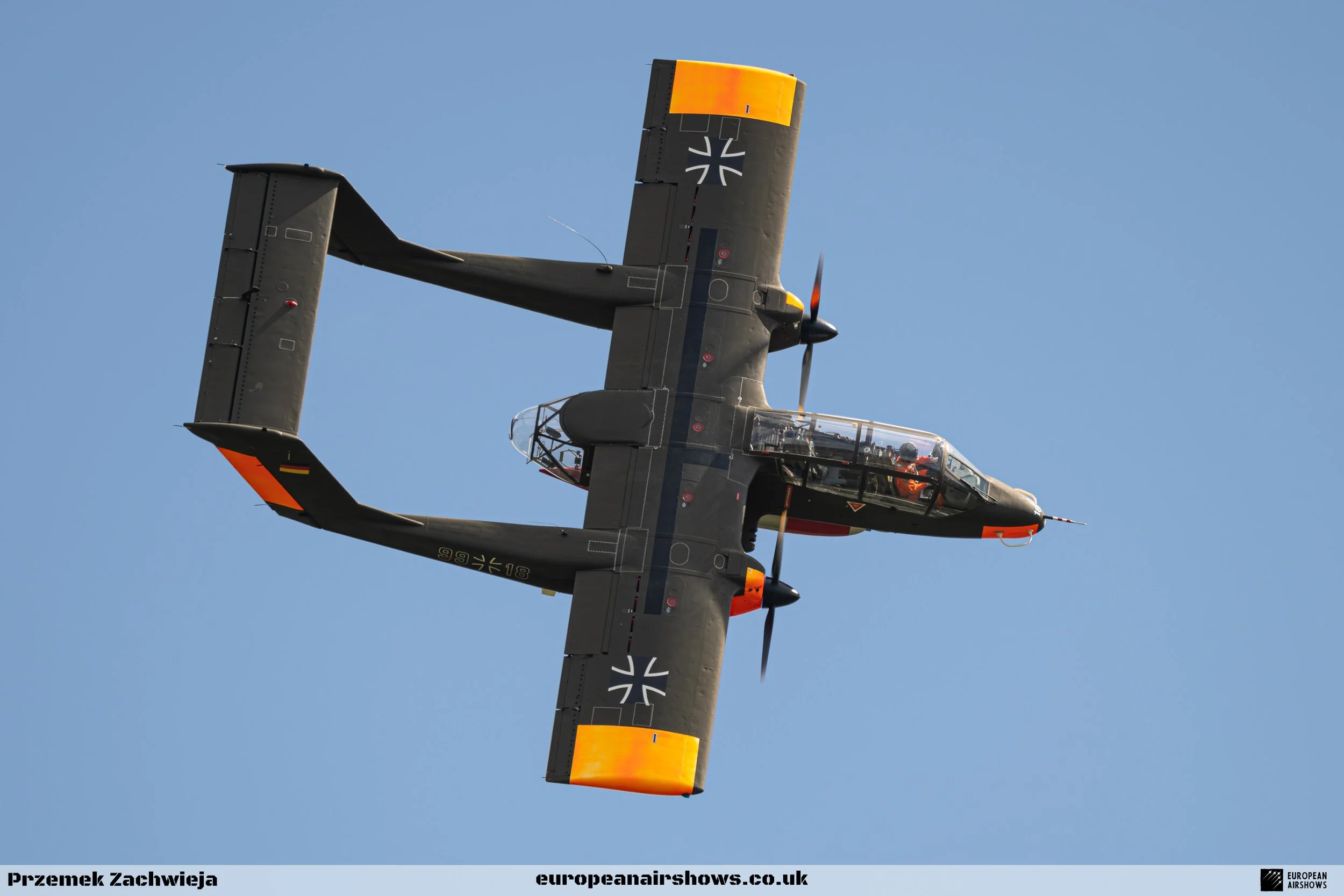
The North American Rockwell OV-10B Bronco from the Bronco Demo Team brought something very different to the programme. Twin-boom, twin-turboprop and instantly recognisable, the Bronco always stands out on a UK airshow line-up. Originally built for observation, forward air control and light attack roles, the type has a rugged, practical look that is very different from the polished warbirds and modern jets around it. Its display showed the aircraft well, with tight handling and plenty of character.
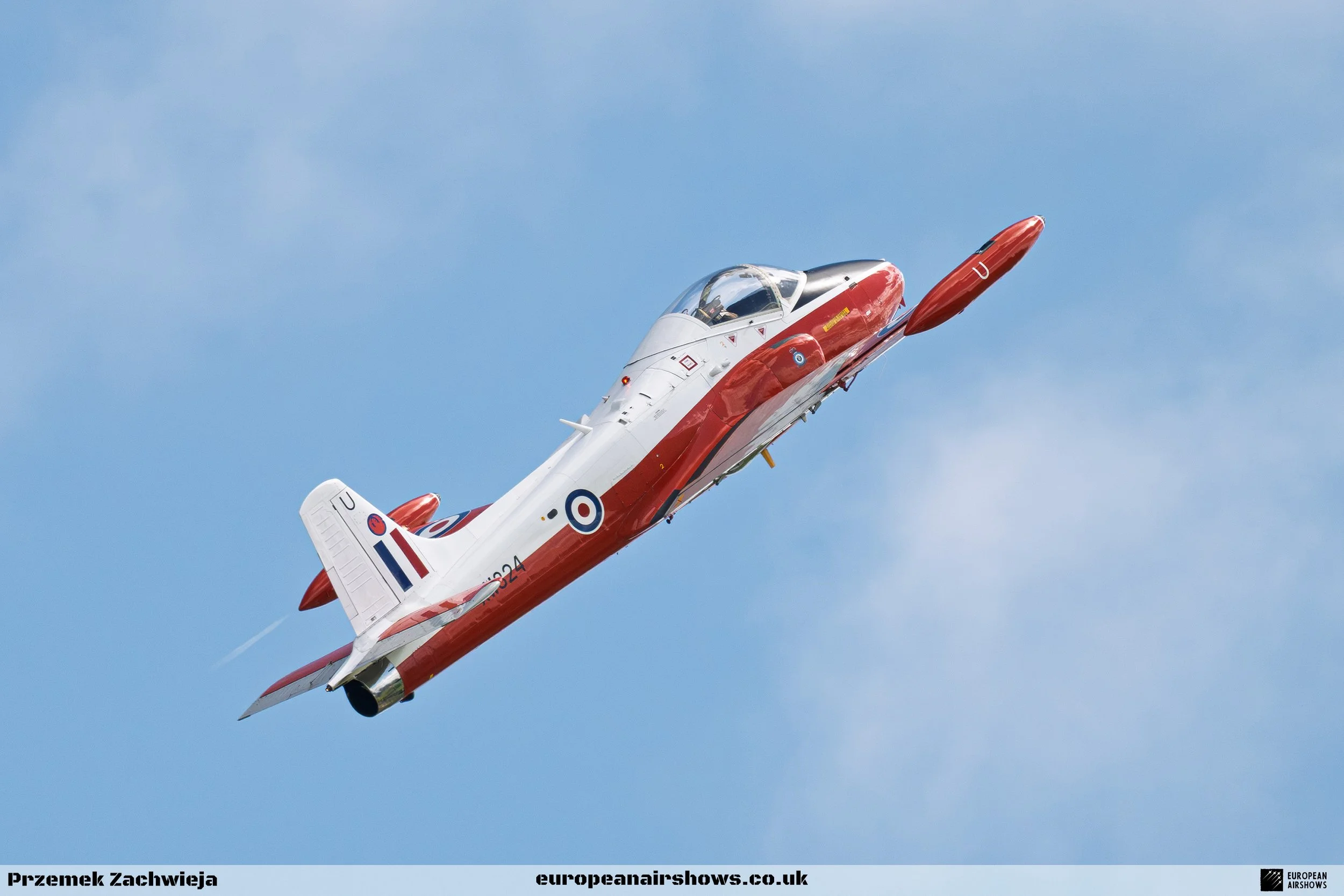
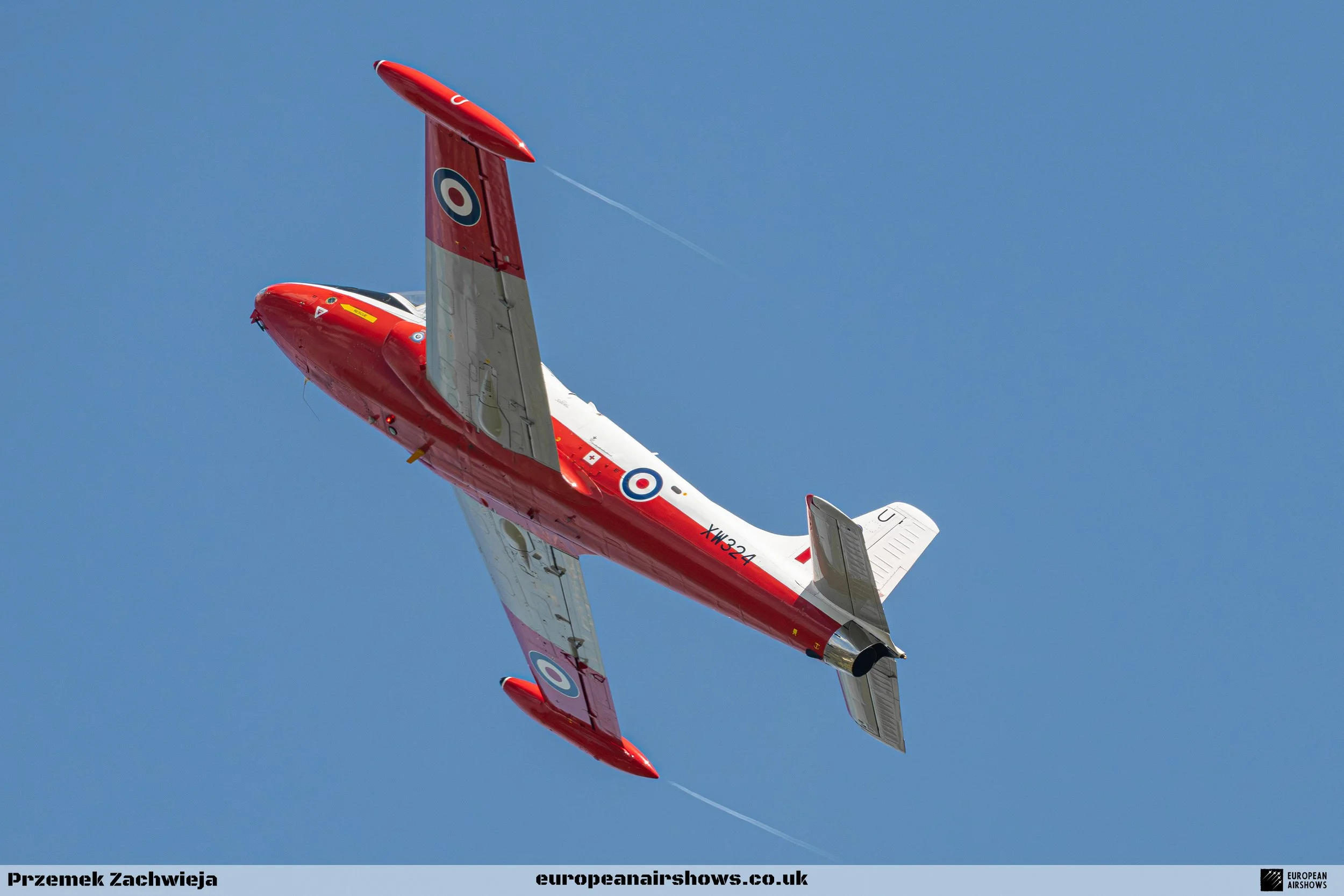
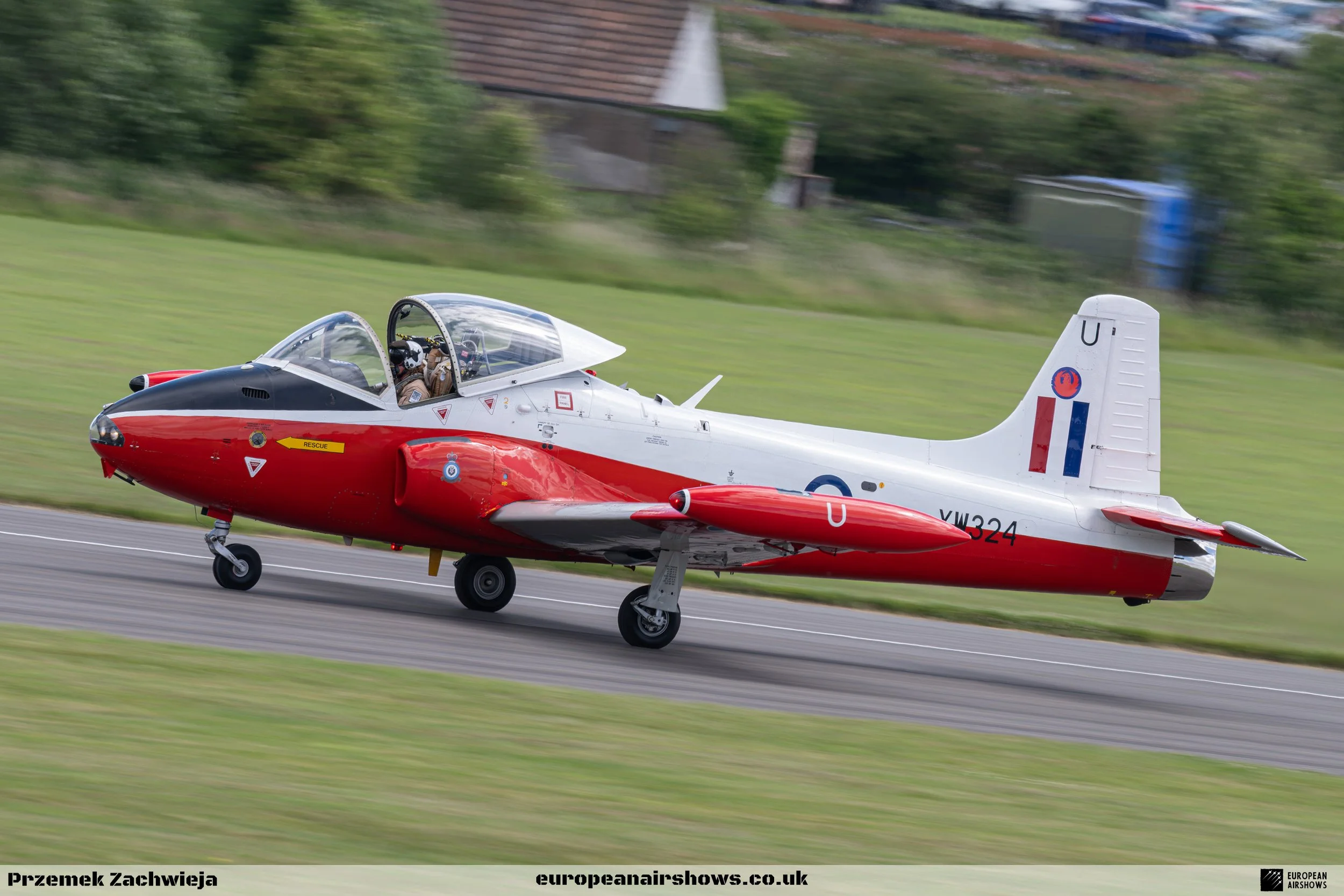
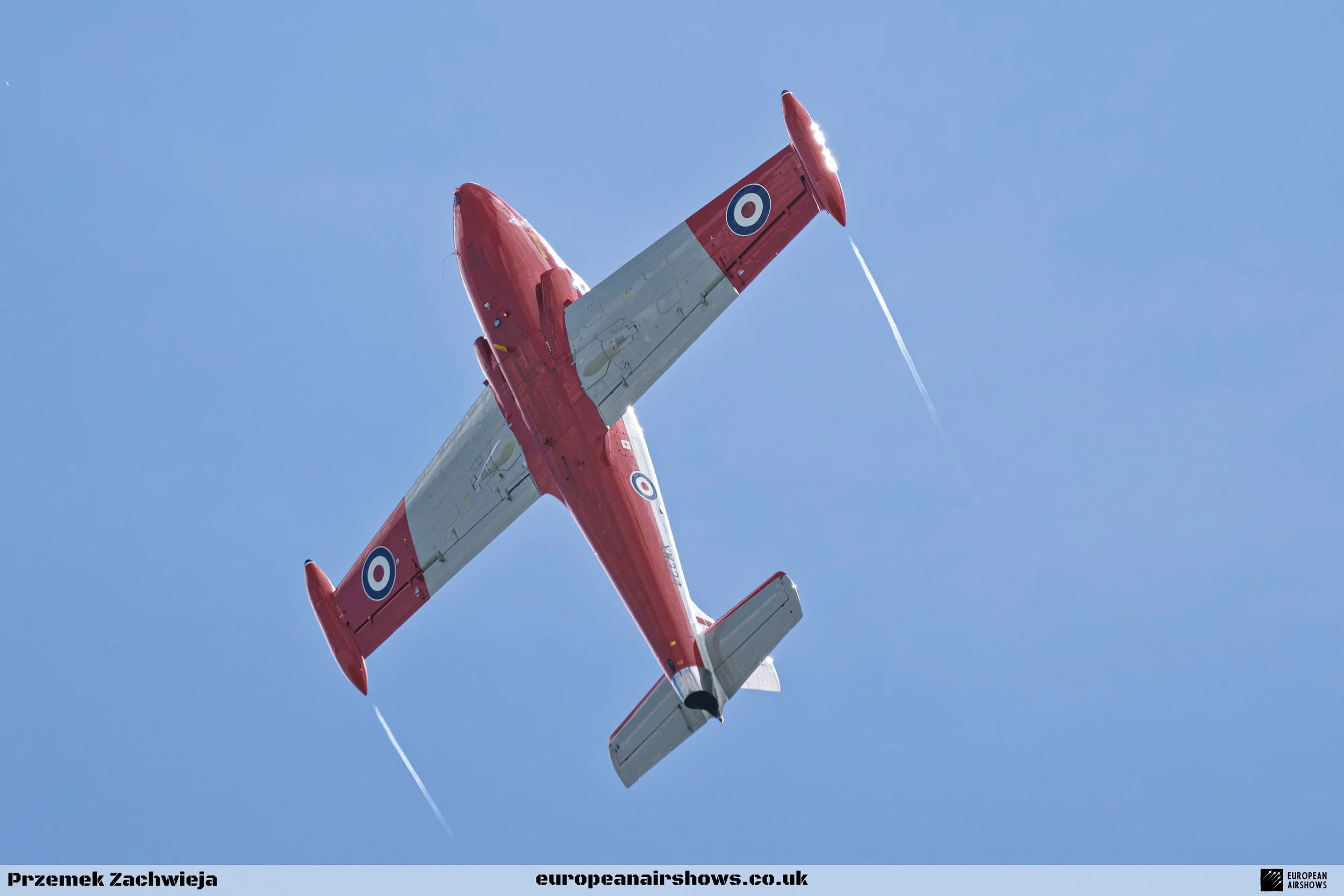
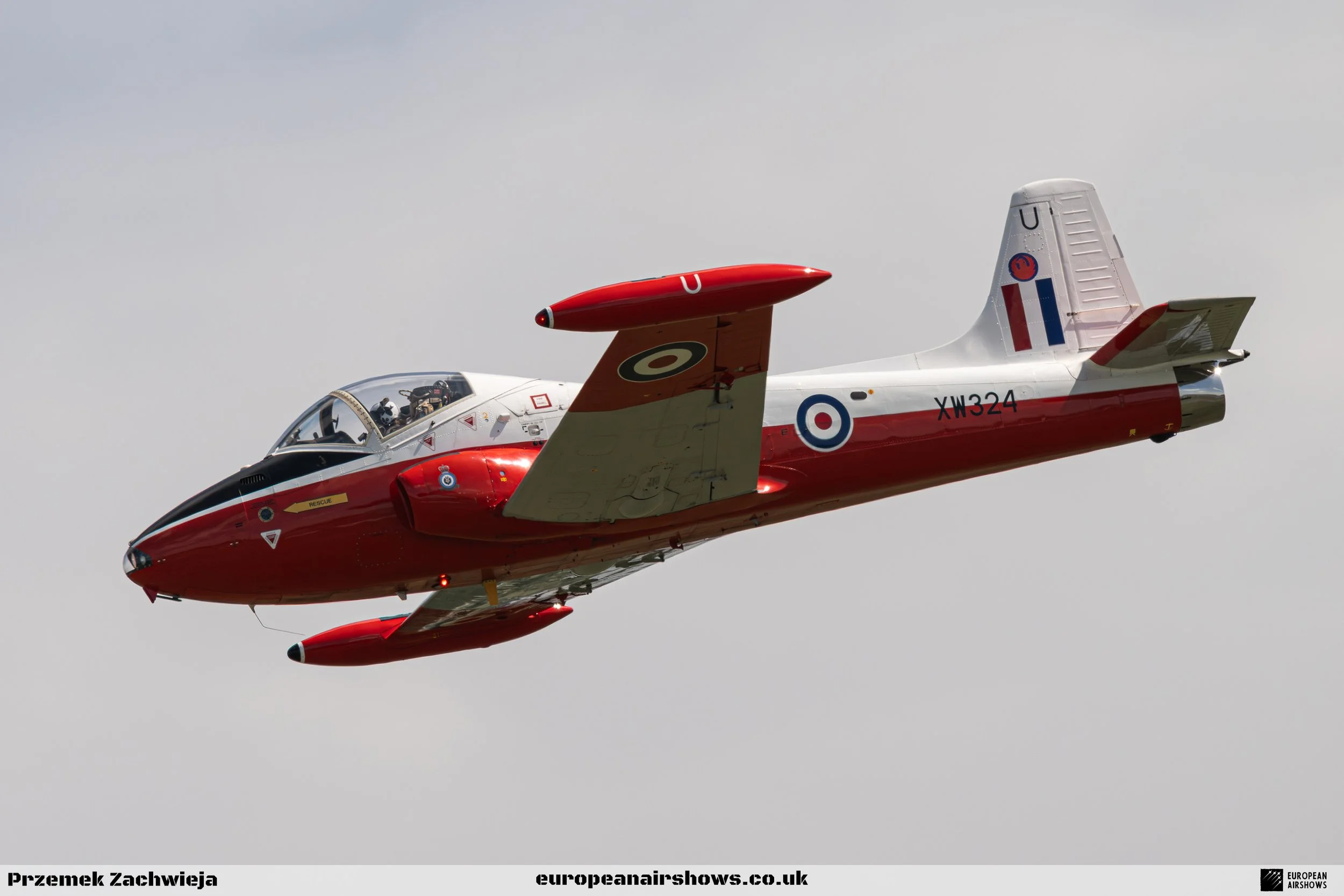
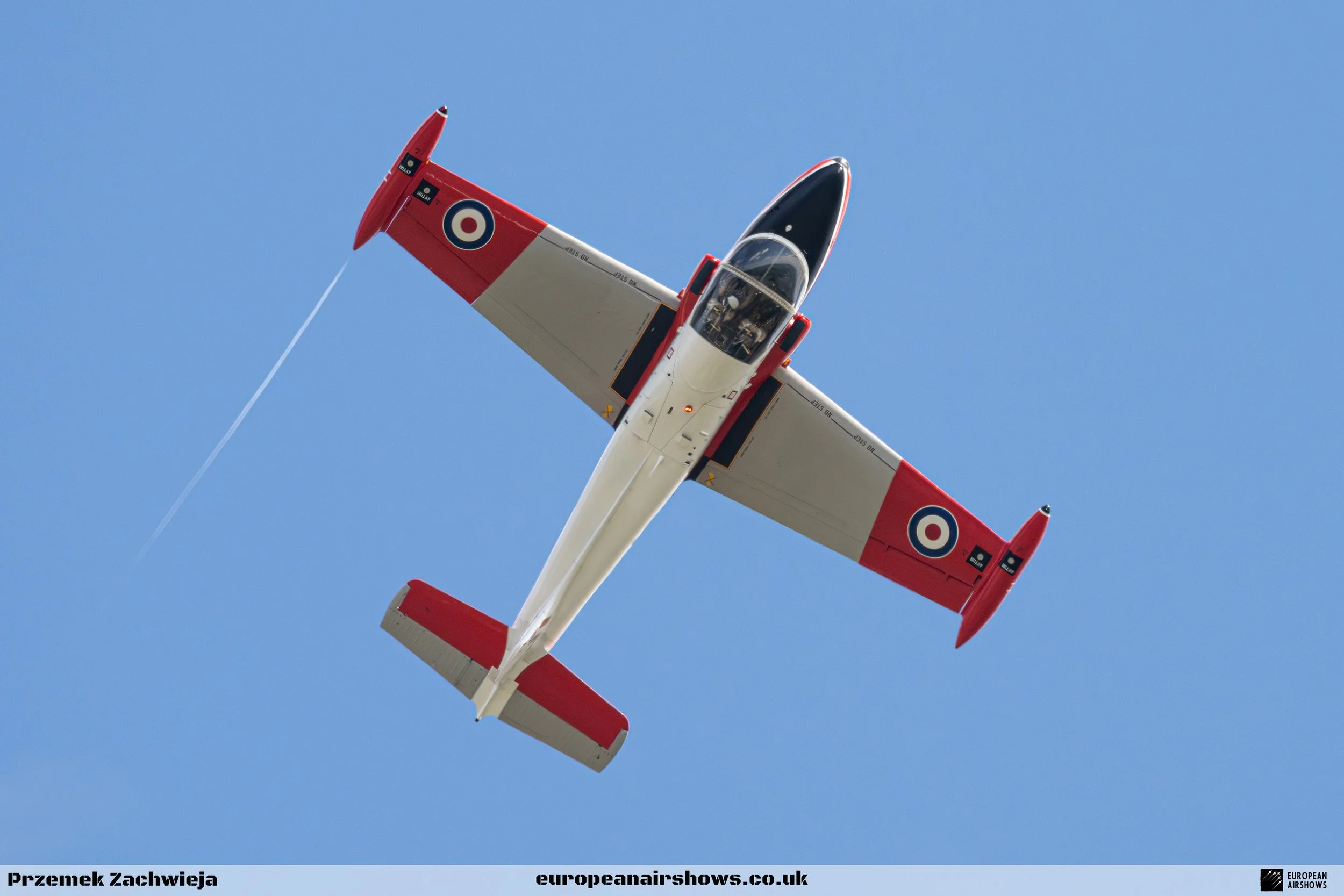
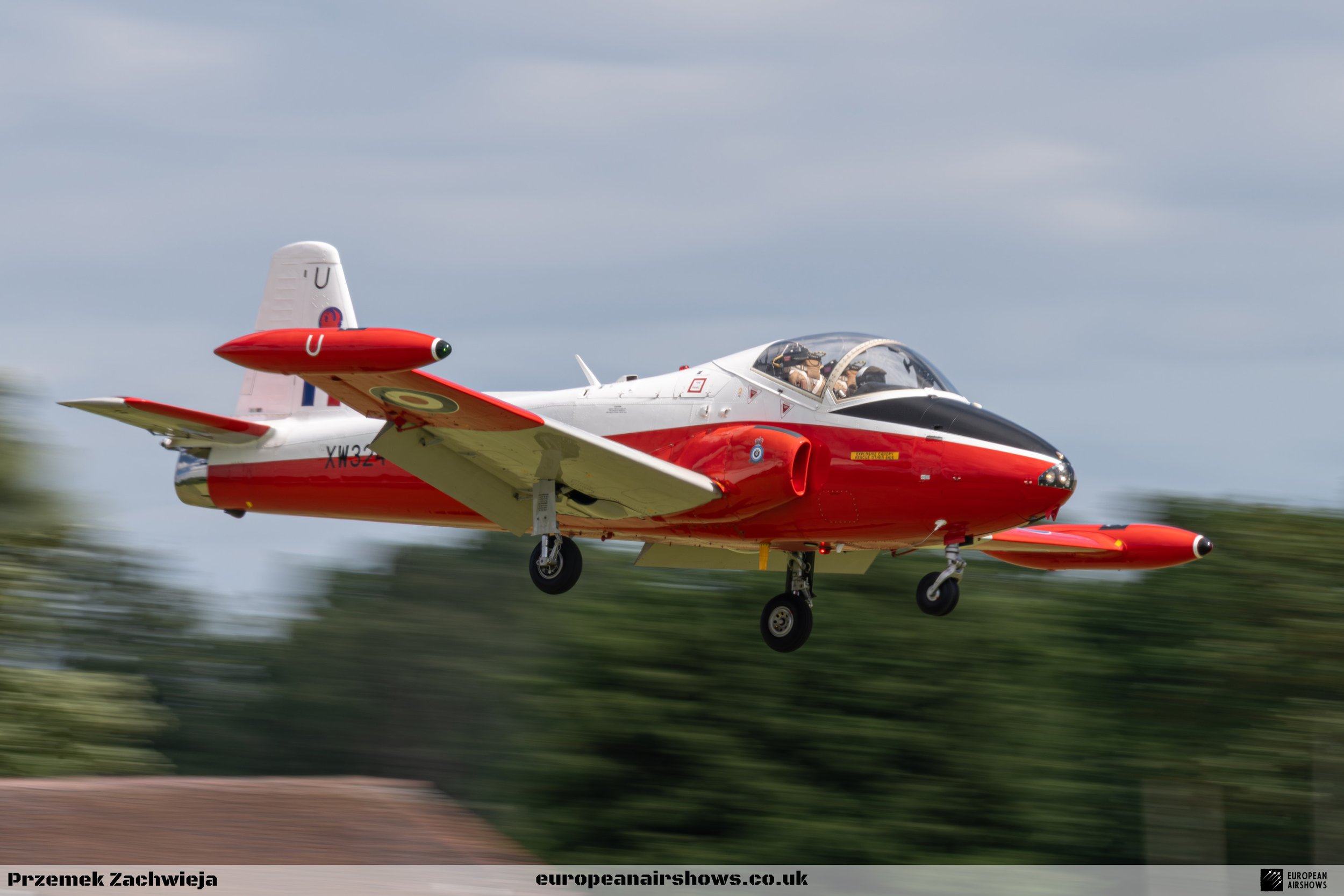
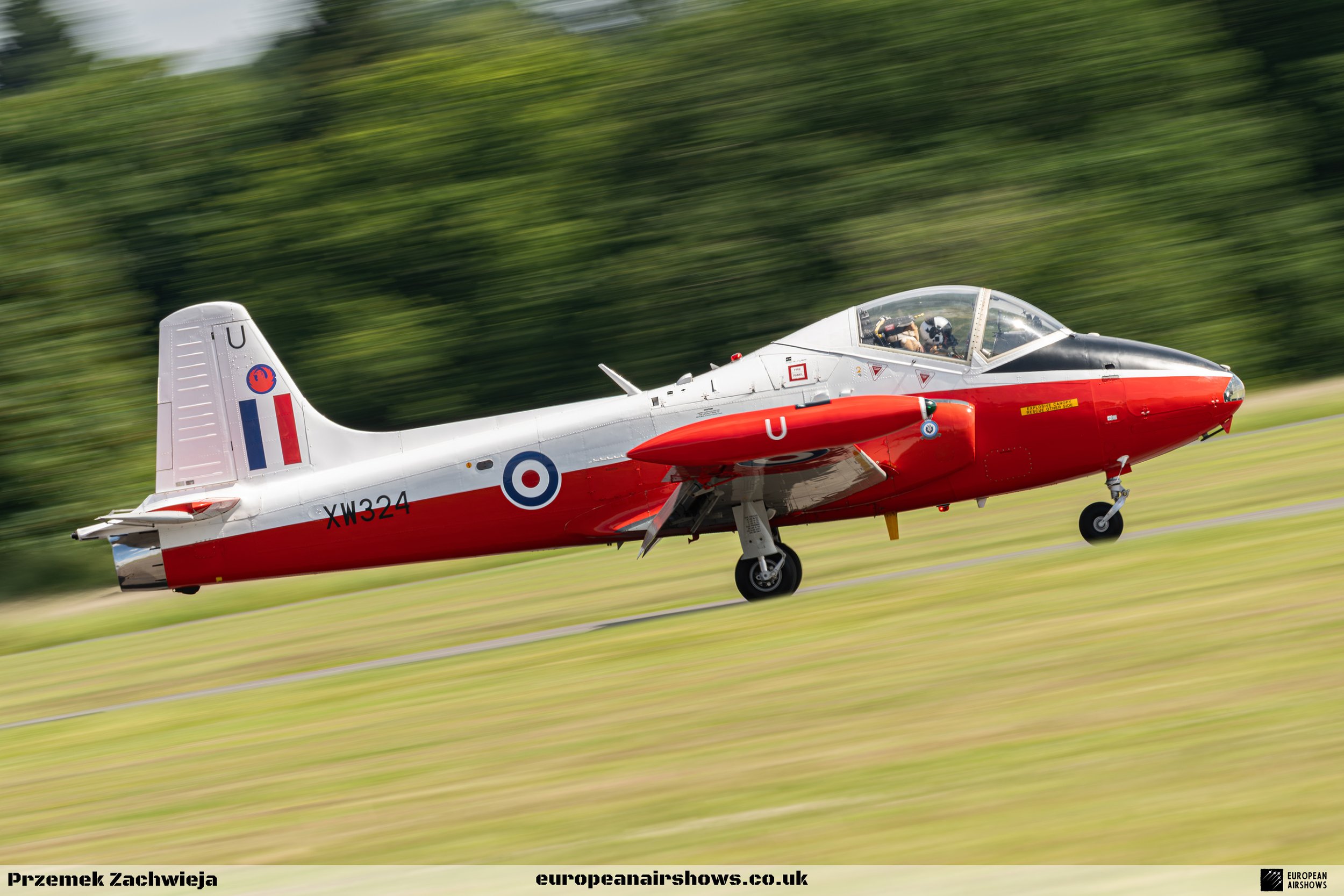
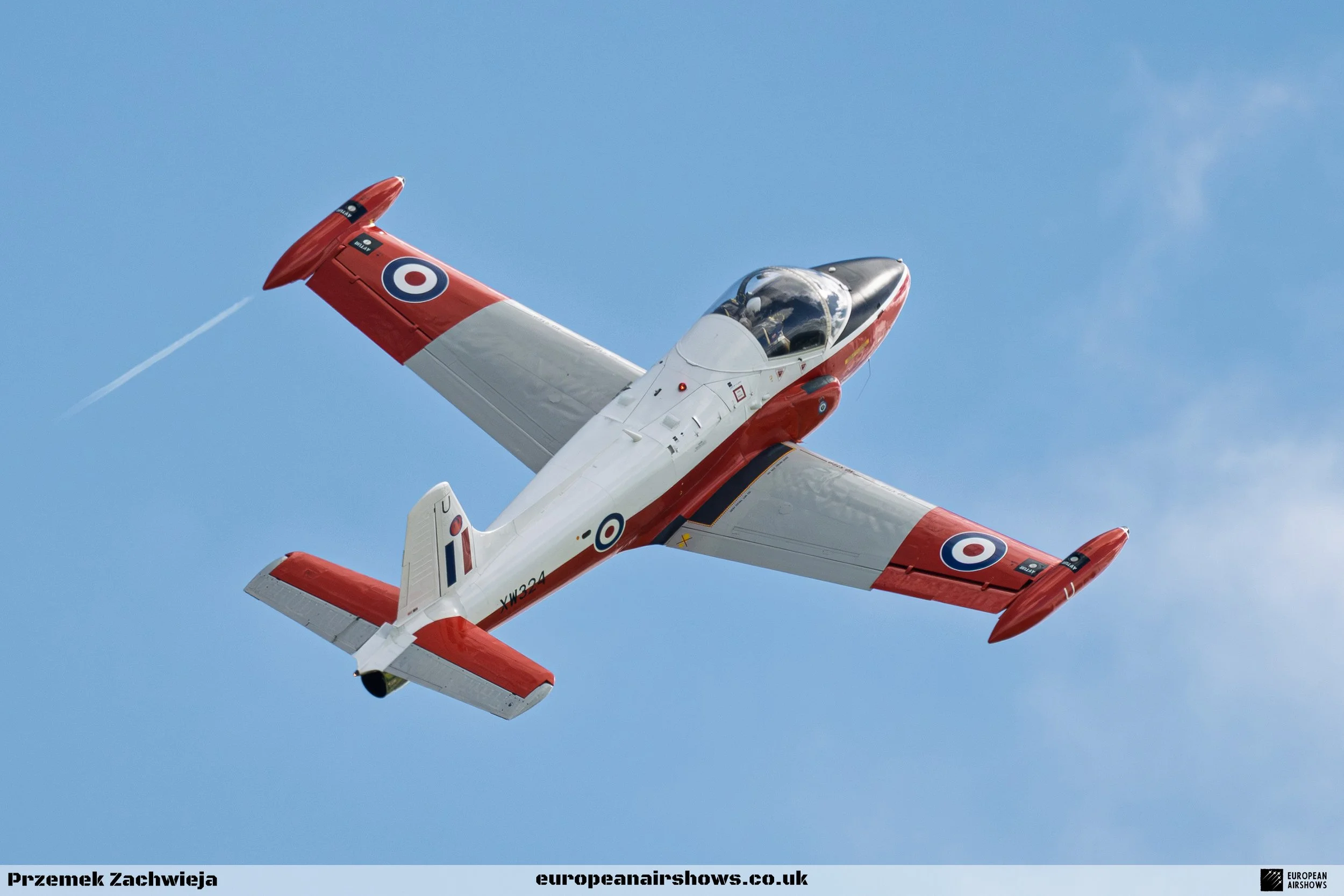
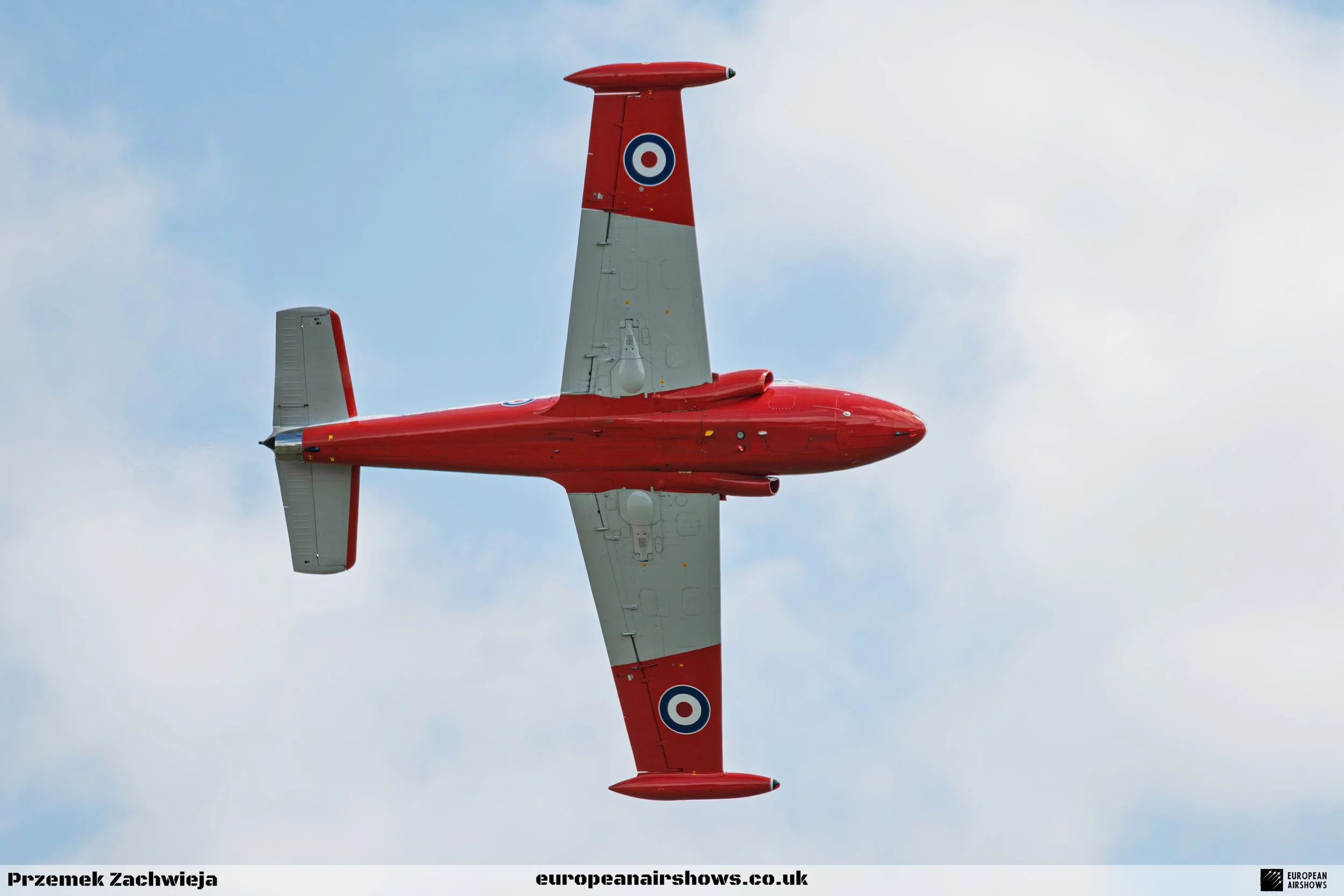
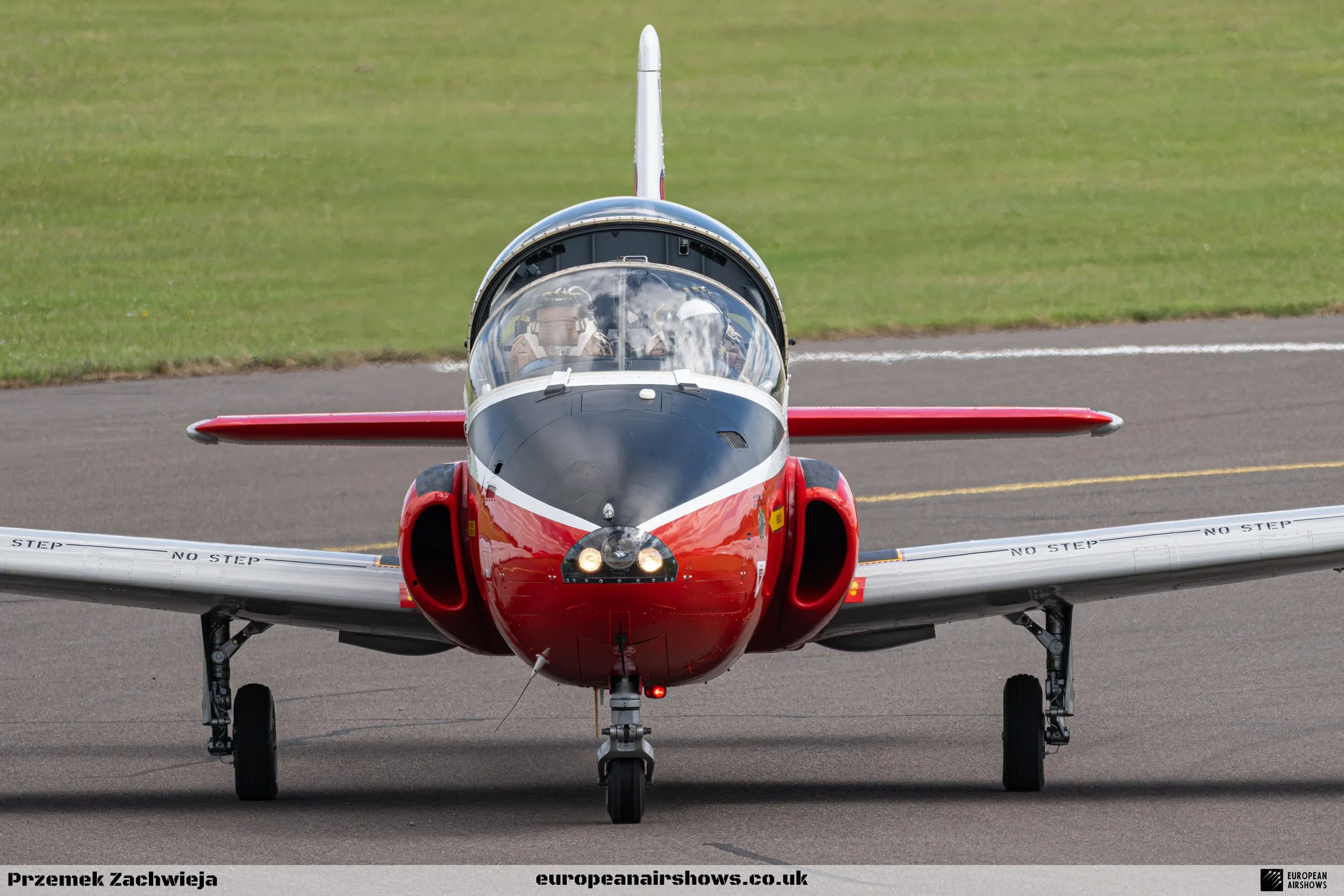
Classic RAF jet training was represented by the BAC Jet Provost T.5 from Viper Classic Aircraft. The Jet Provost may not have the noise or power of the modern fast jets, but it remains an important RAF training type and always sits naturally at Cosford. Its display was smooth, compact and nostalgic, providing a link between the piston trainers and the modern training/fast-jet world.
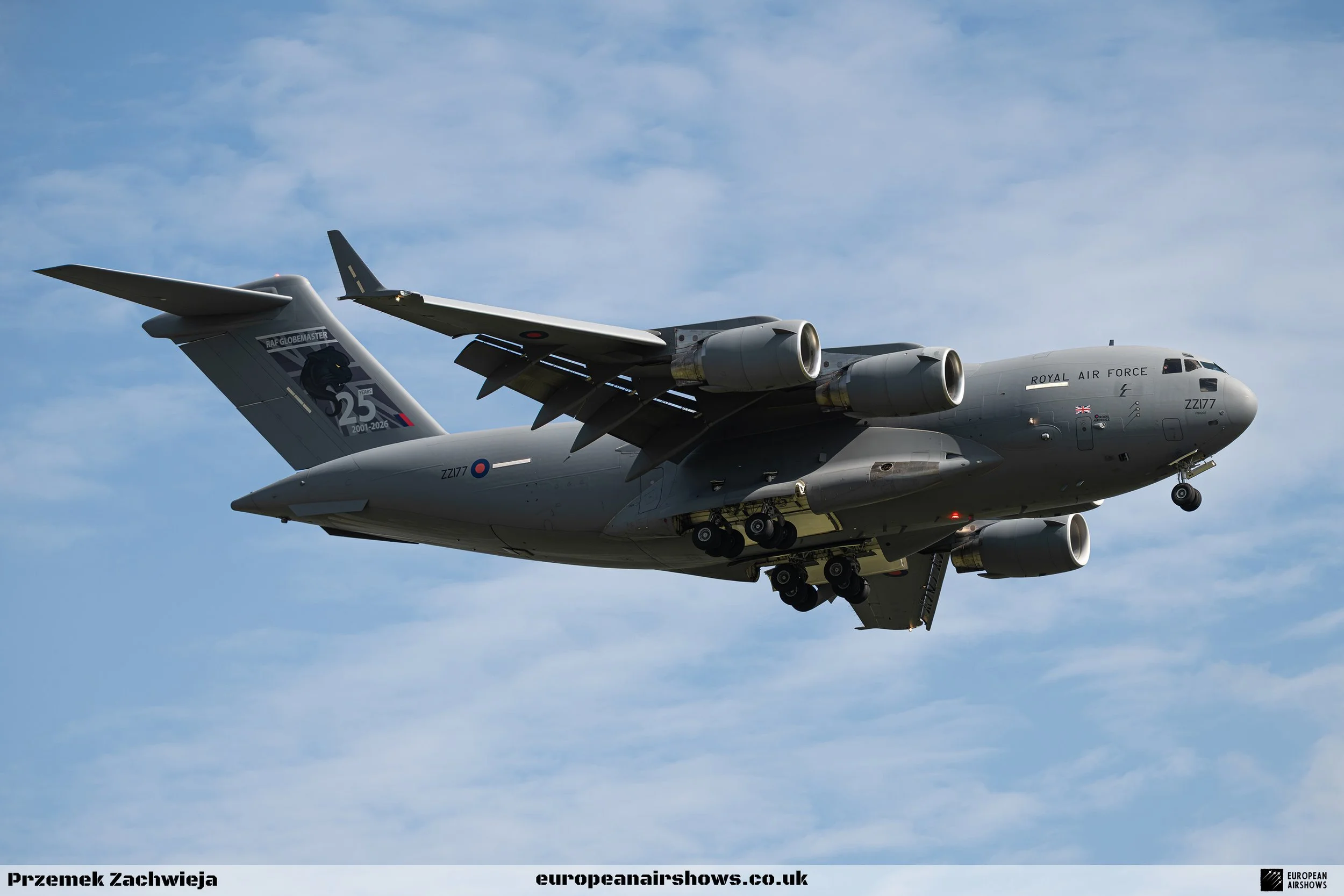
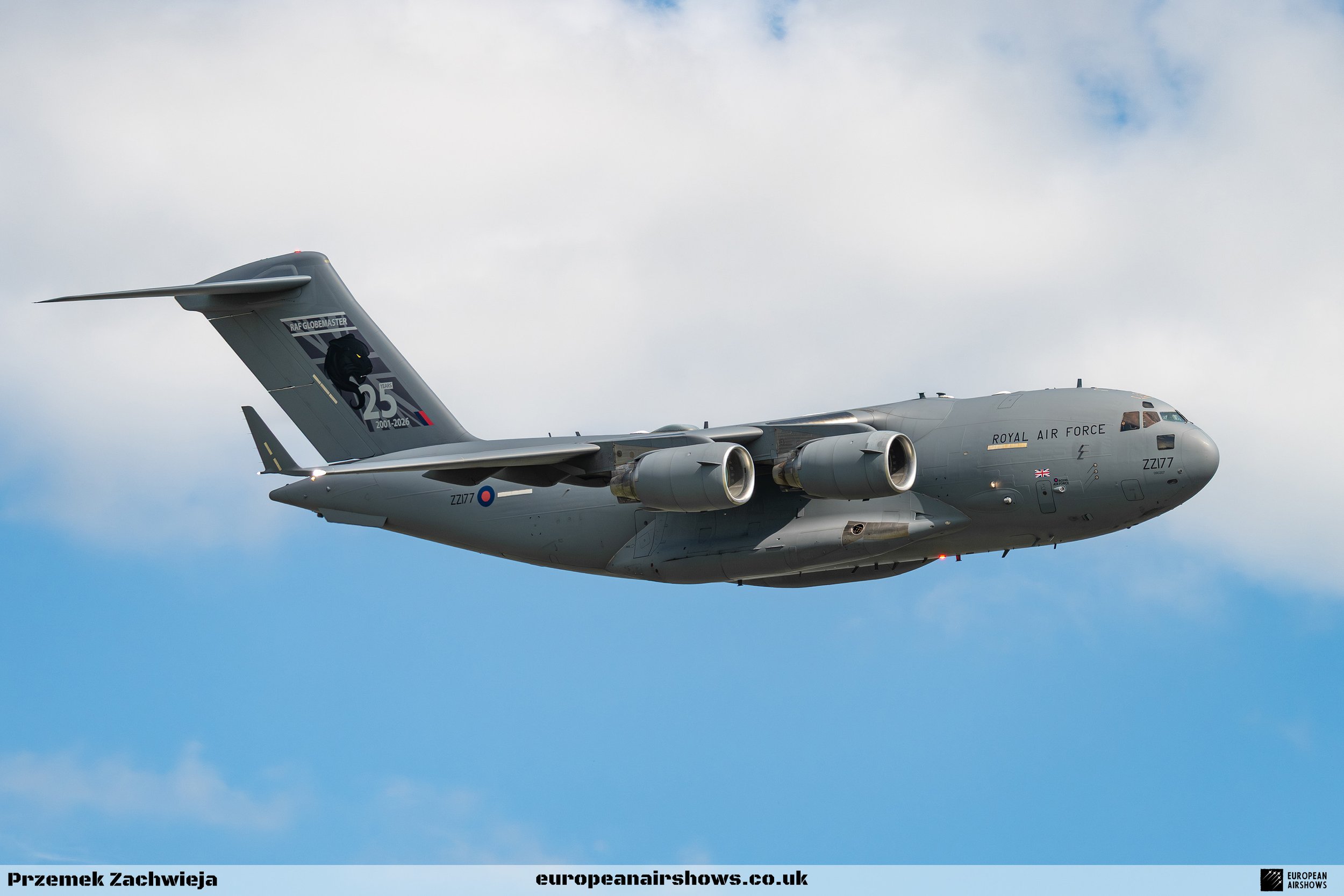
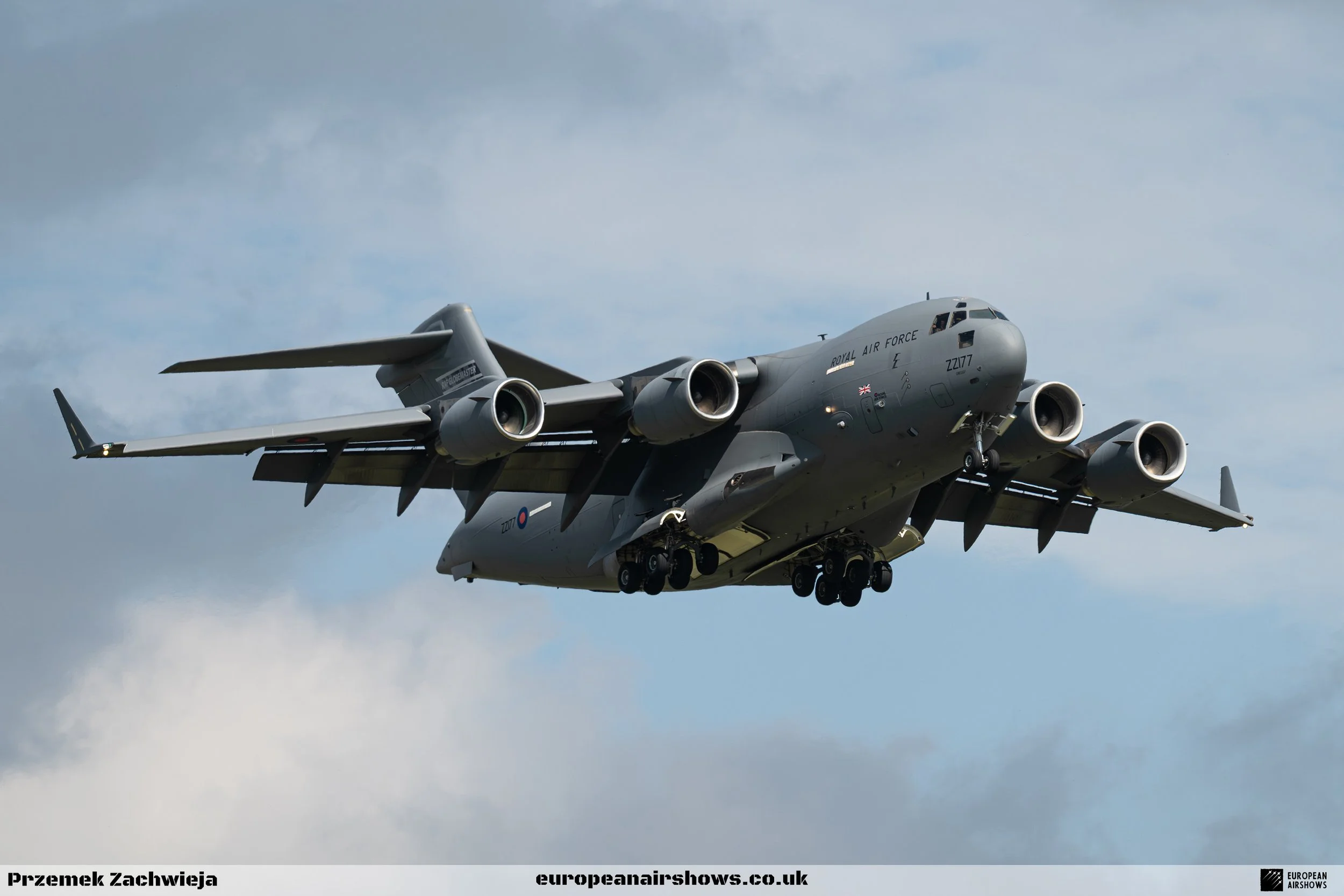
The RAF C-17A Globemaster III made two flypasts during the afternoon, wearing special tail markings to mark 25 years of the type in RAF service. The Globemaster is not an aircraft normally associated with airshow drama, but its size alone makes an impression. Its passes were a reminder of the RAF’s strategic transport capability and the huge role the type has played in military and humanitarian operations over the past quarter-century.
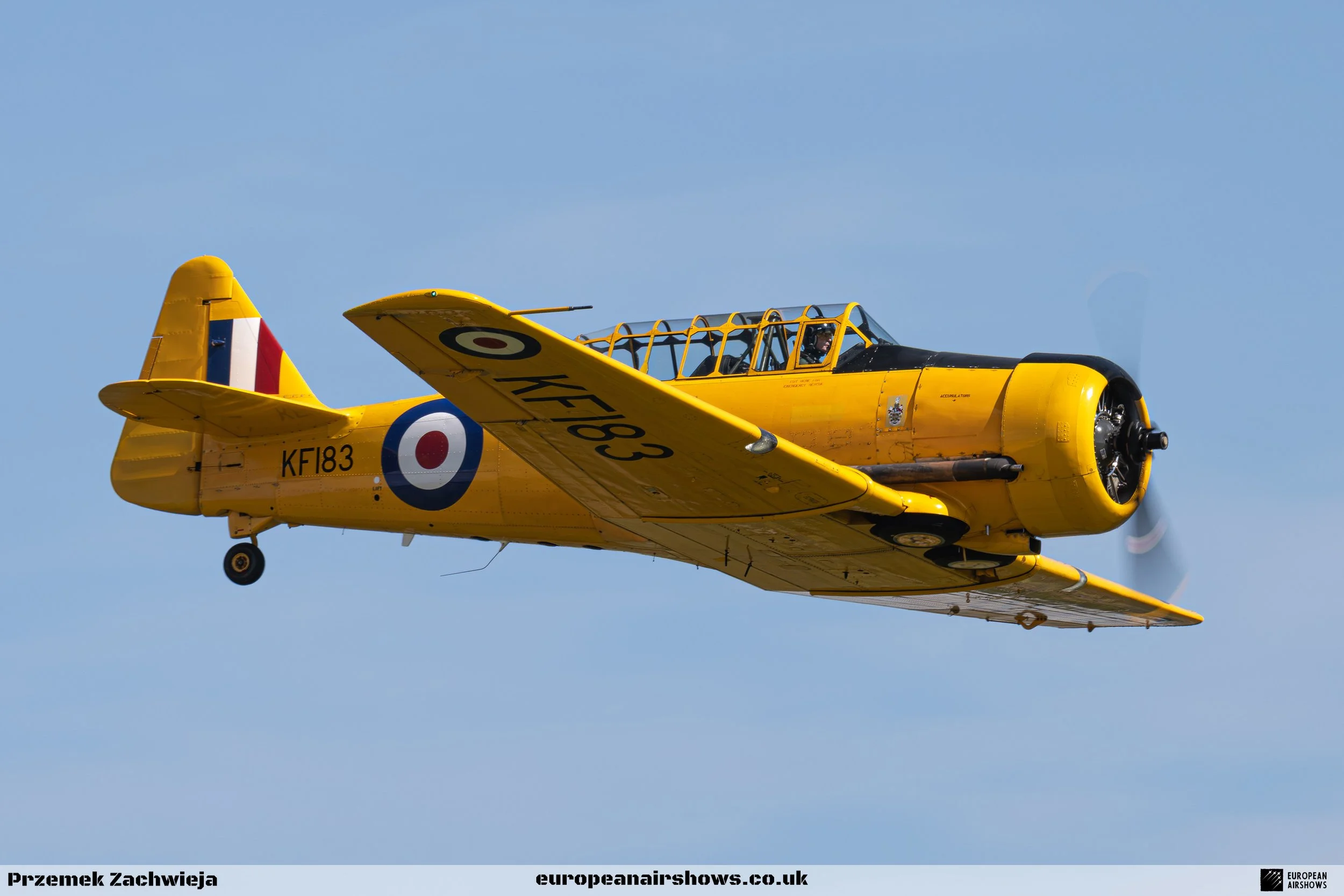
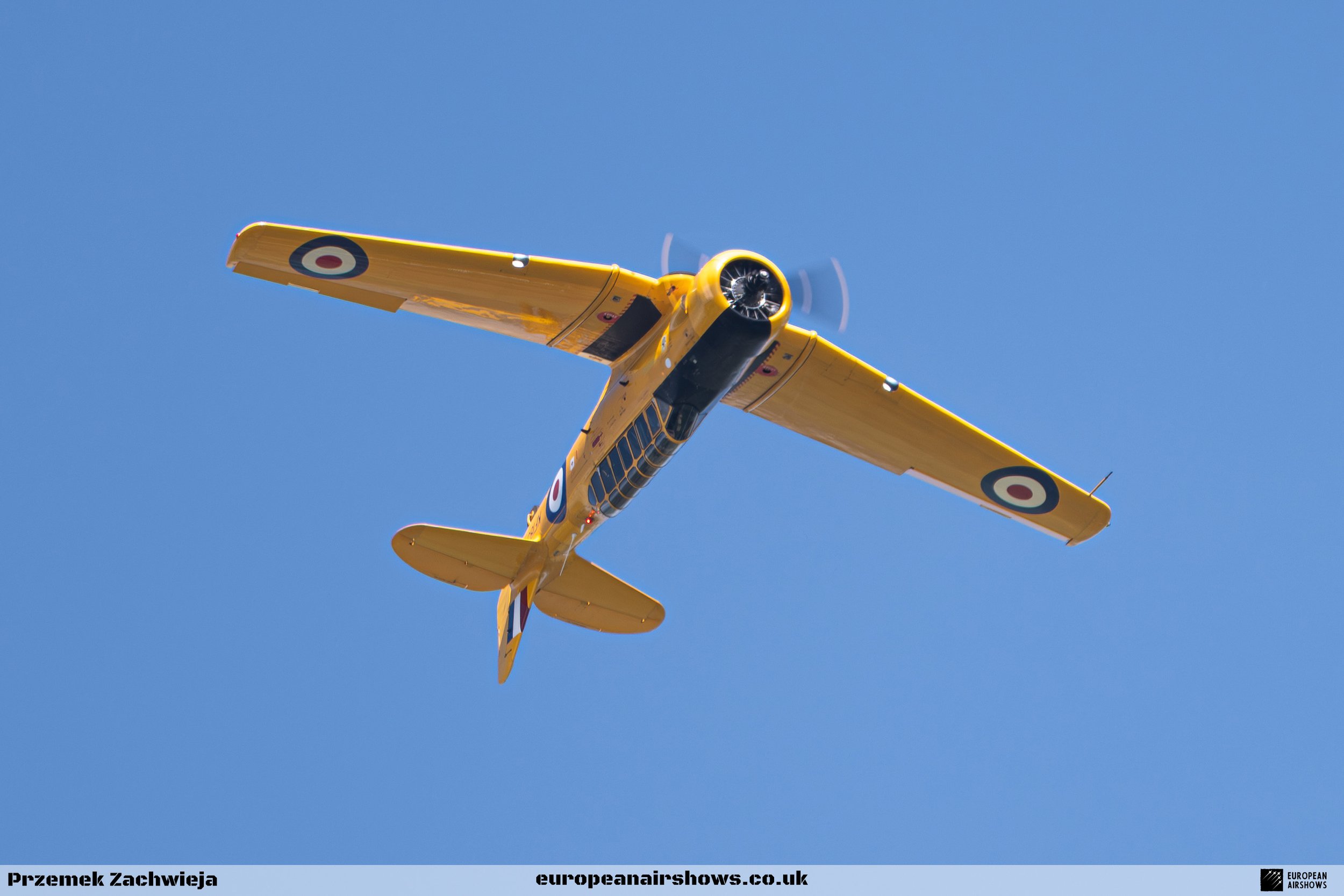
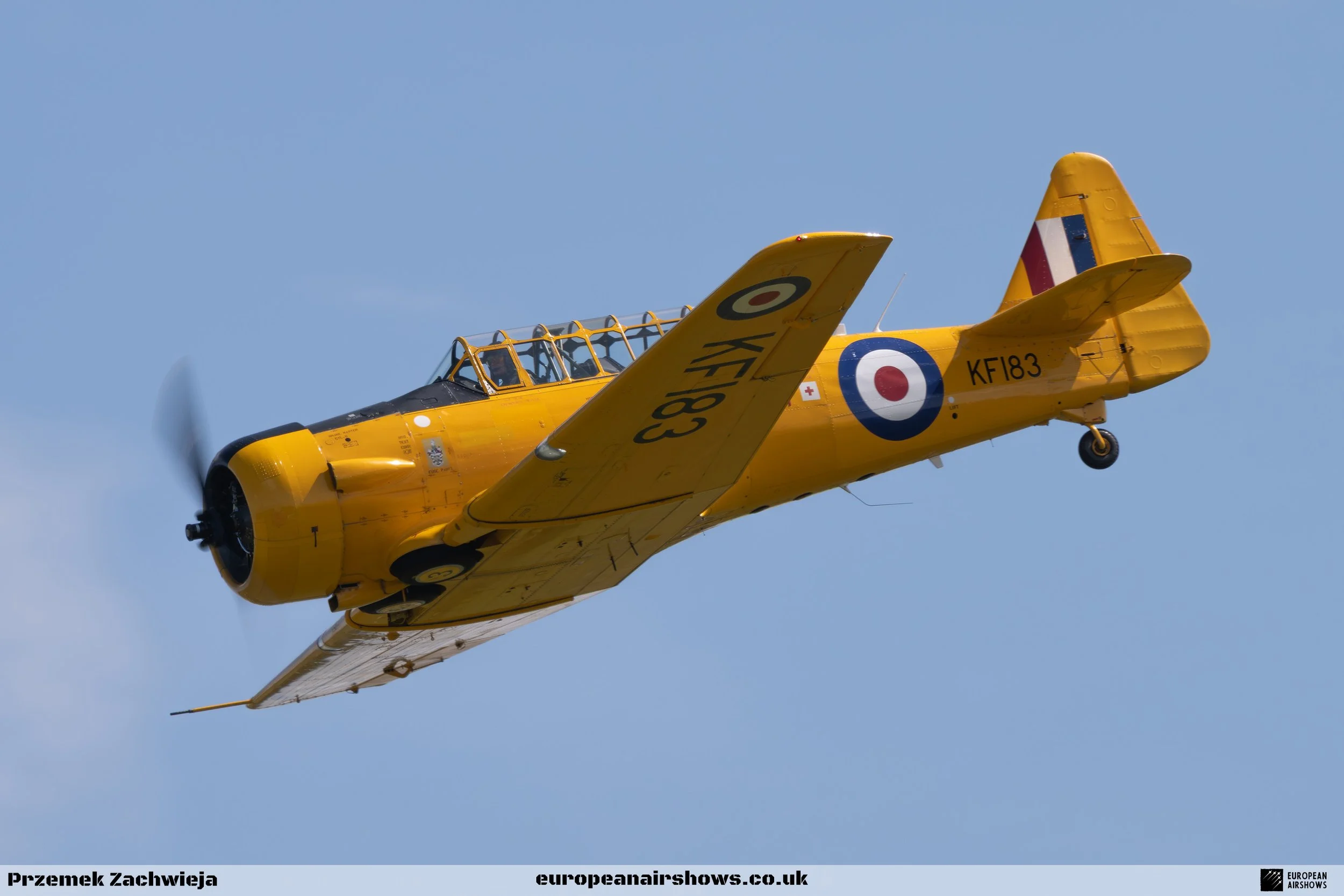
The Rolls-Royce Heritage Flight’s planned Spitfire PR.XIX was one of the late cancellations, but the team still supported the show with their Noorduyn Harvard IIB. That was actually a very interesting replacement. The Harvard is often used more as a training aircraft within the flight and is not as commonly seen as a standalone display item, so its appearance gave the programme something a little different. The radial engine note and classic trainer lines made it a very welcome addition.
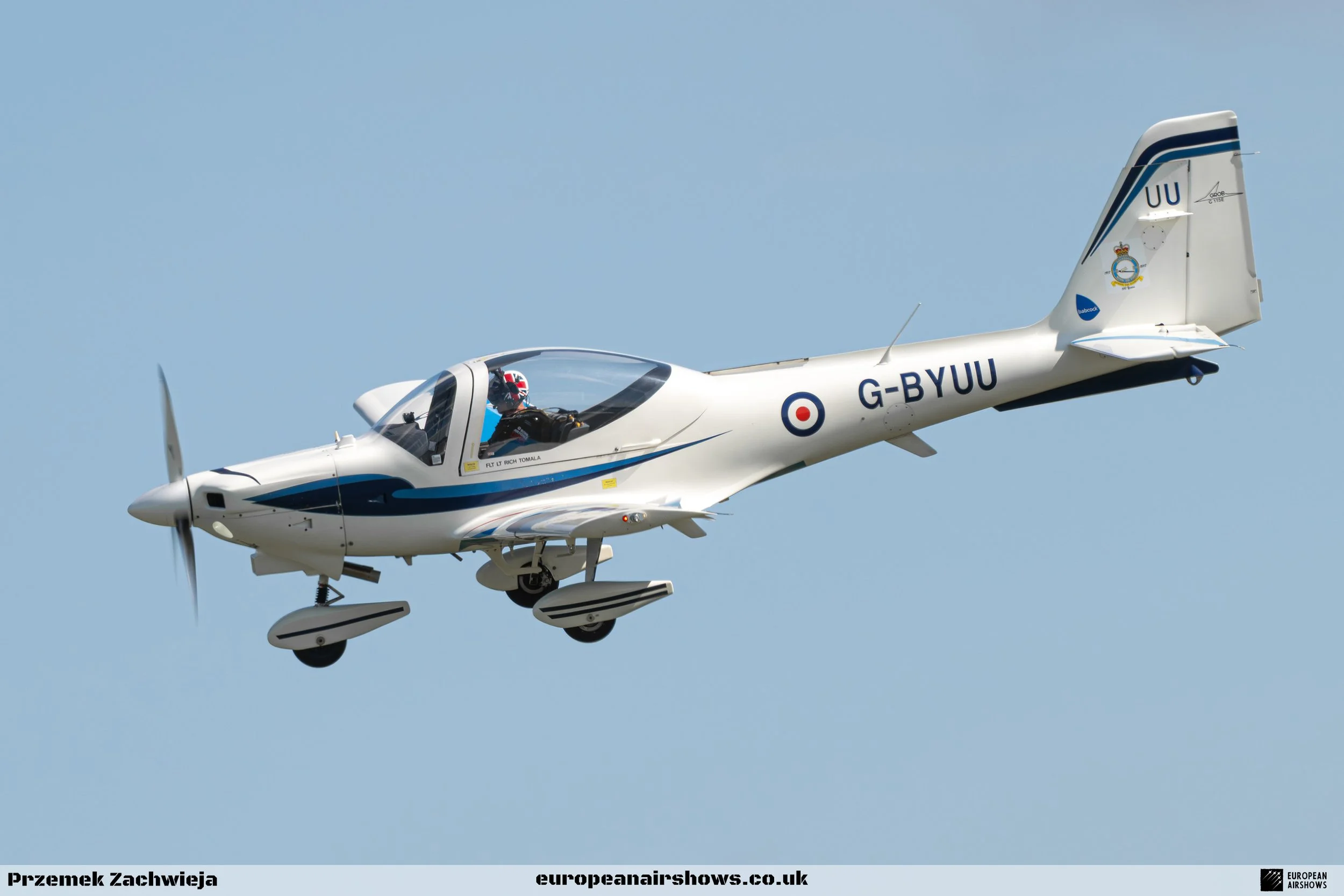
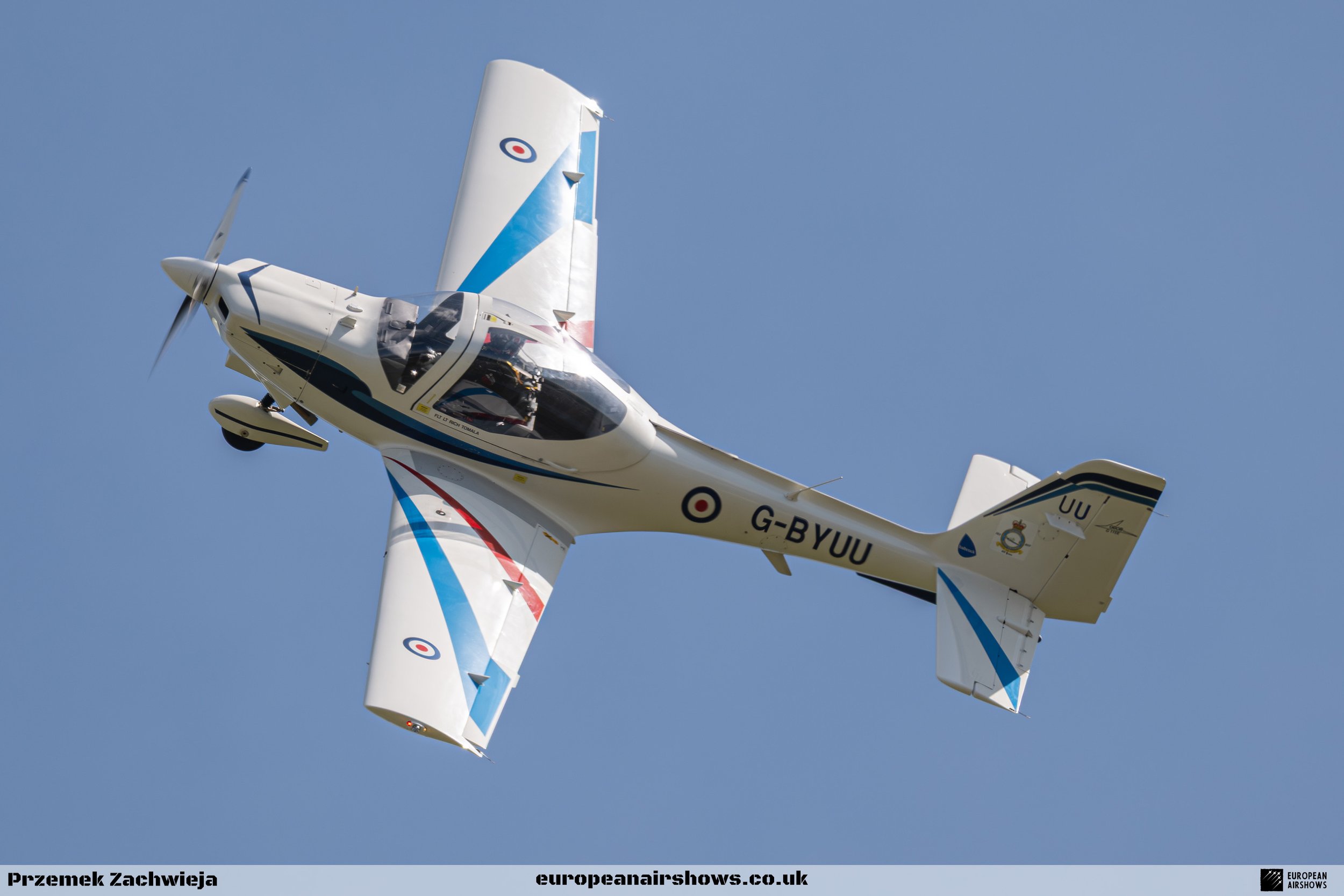
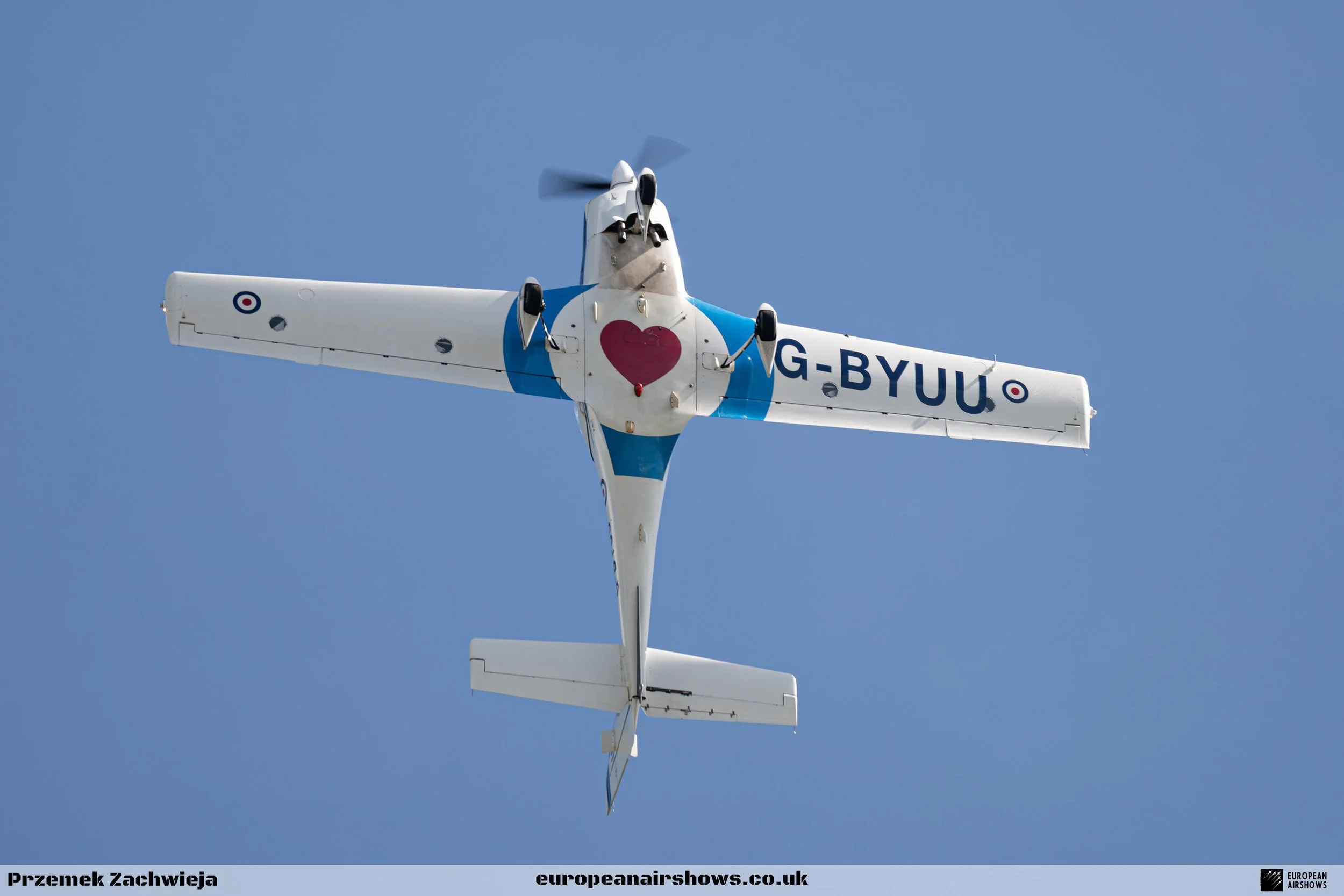
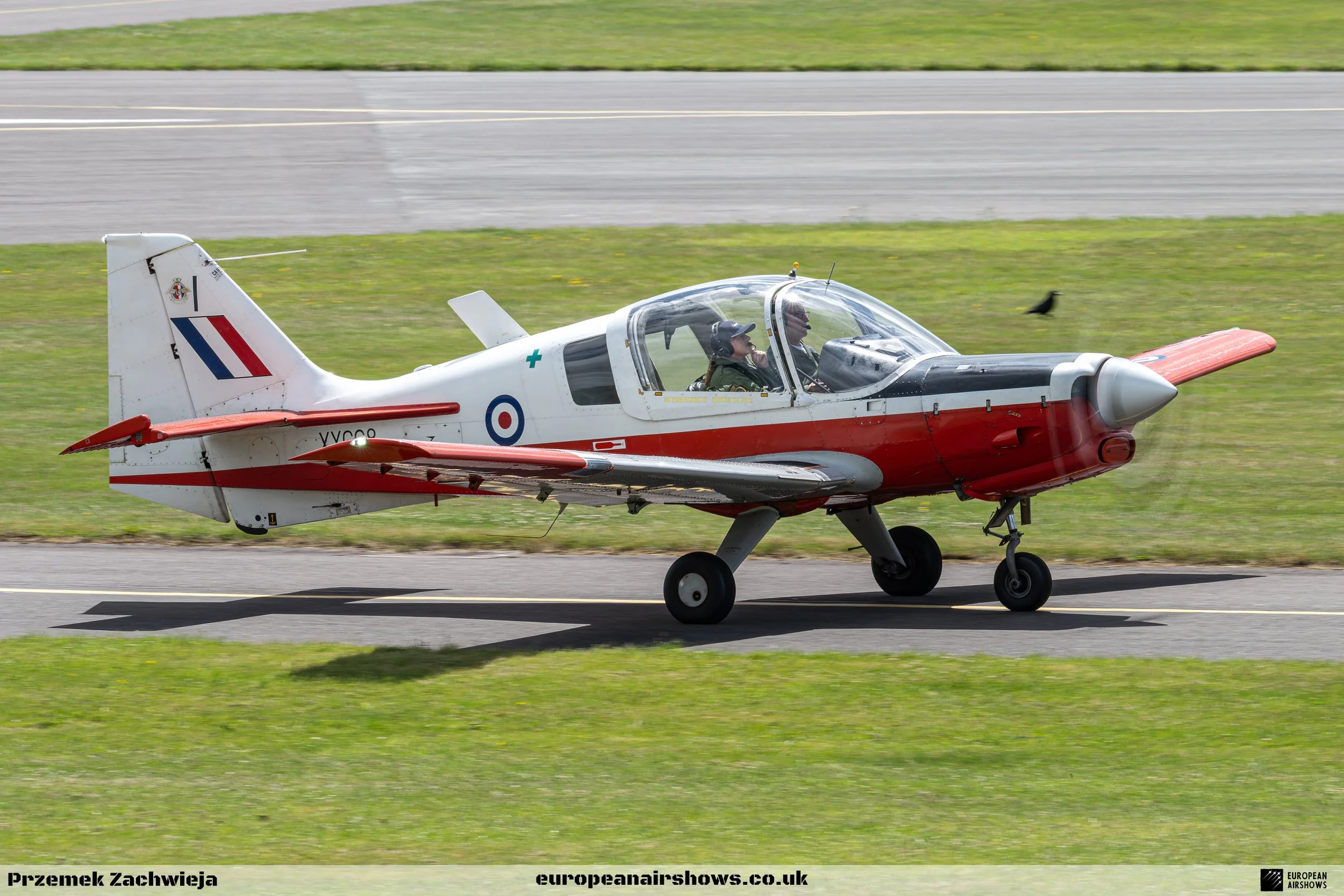
The RAF Tutor Display Team brought the flying programme back to RAF training basics. The Grob Tutor is small and quiet compared with almost everything else on the programme, but it remains a neat little aerobatic display. At Cosford, it also made sense thematically: before fast jets, helicopters and transport aircraft, there are the fundamentals of flying.
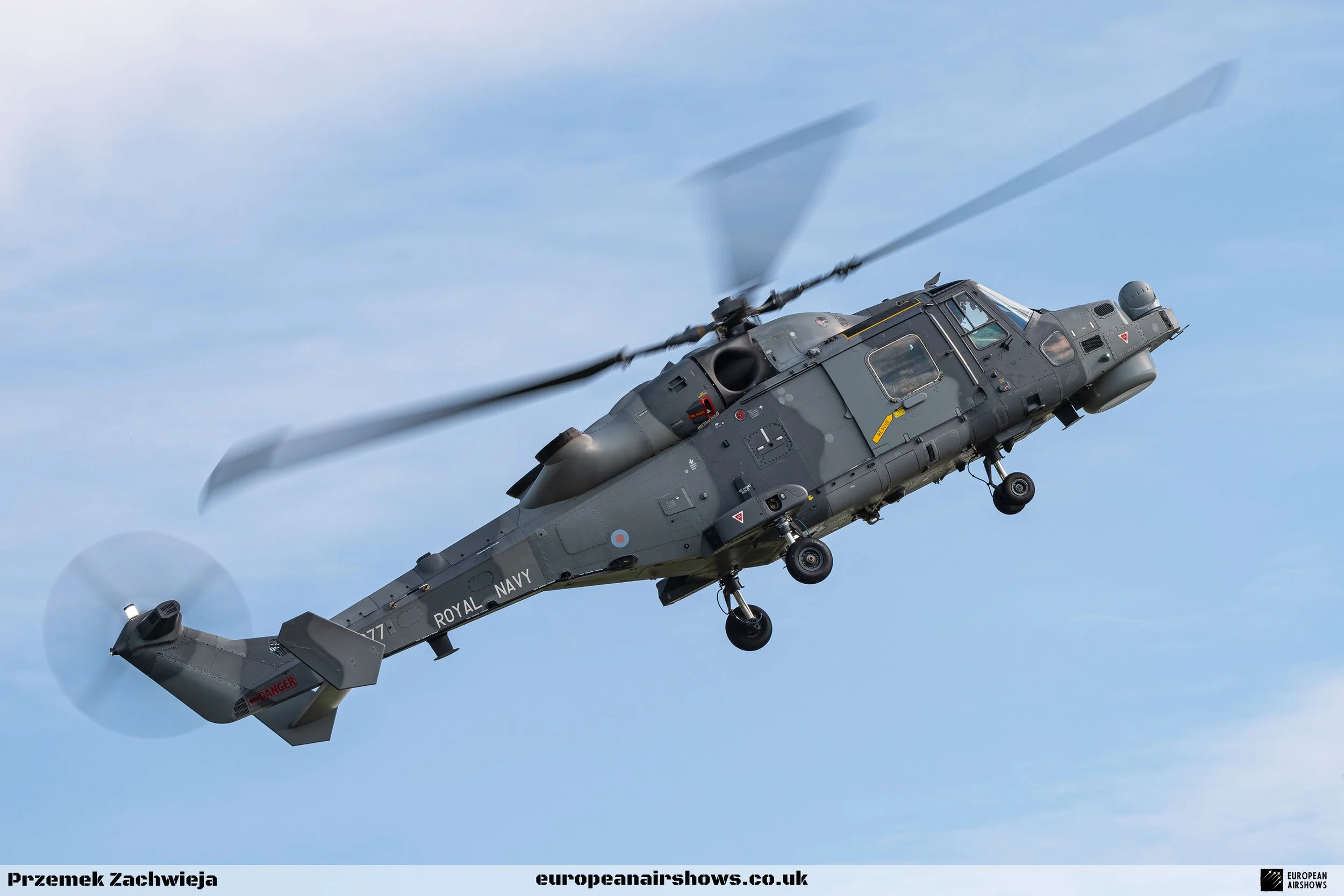
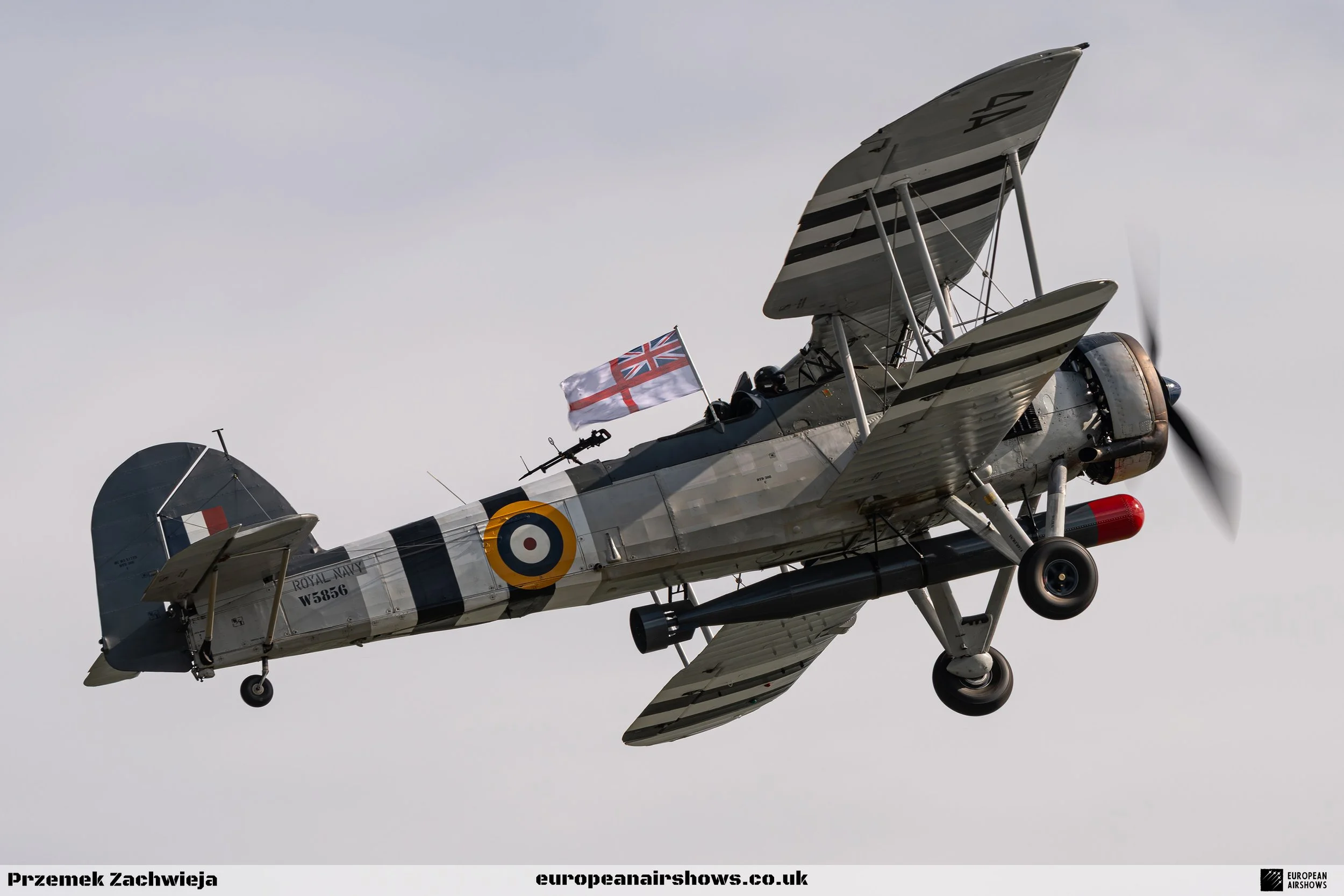
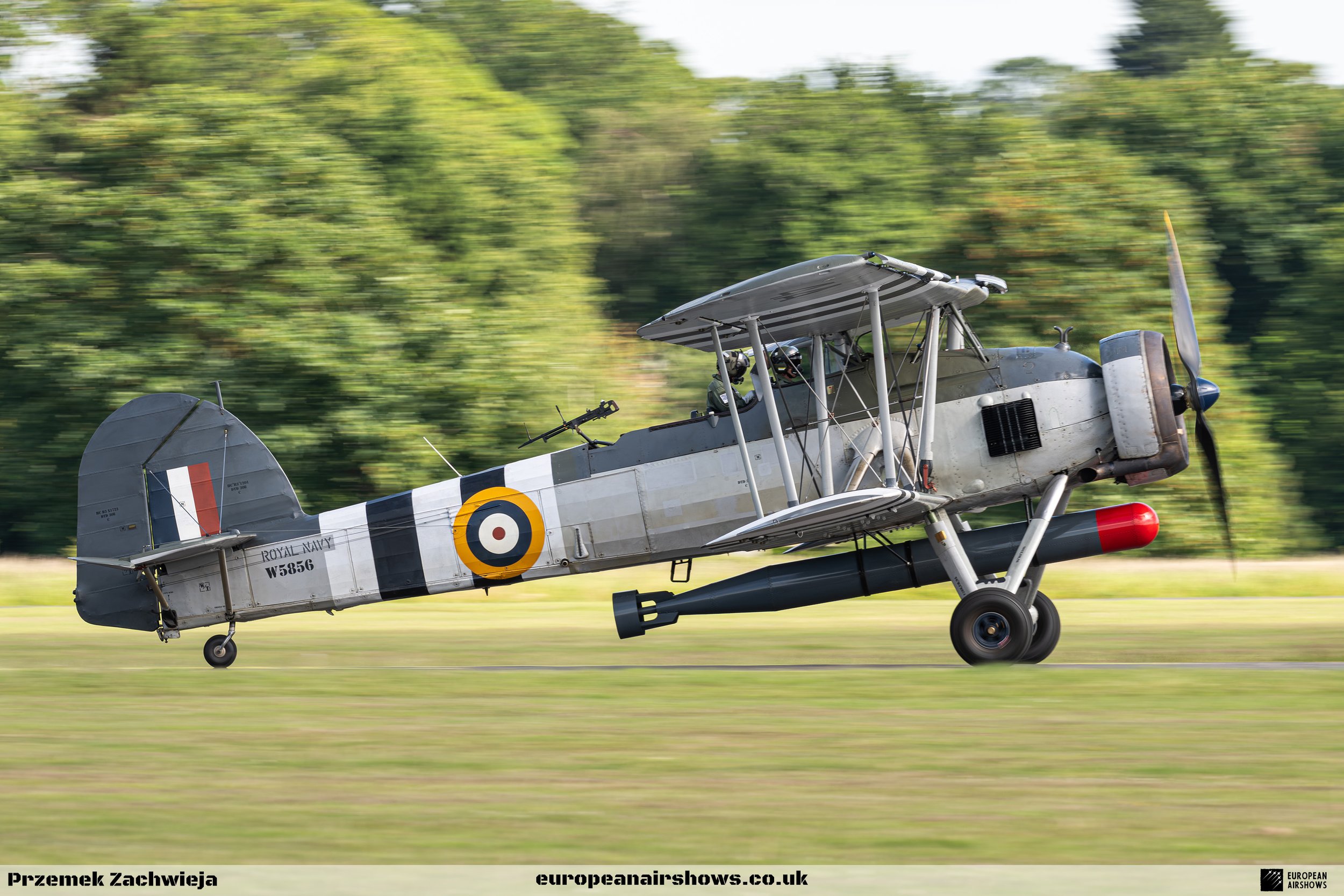
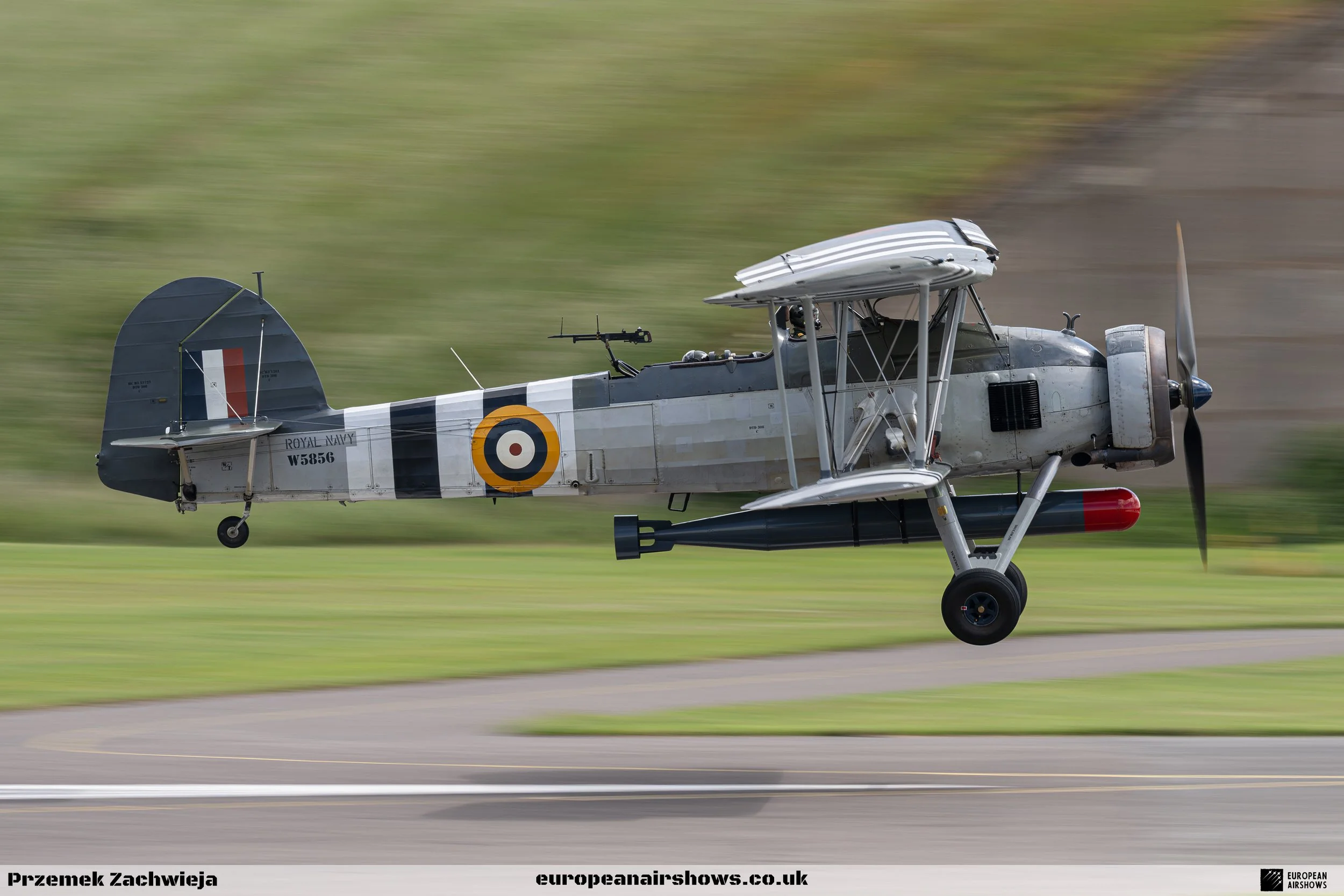
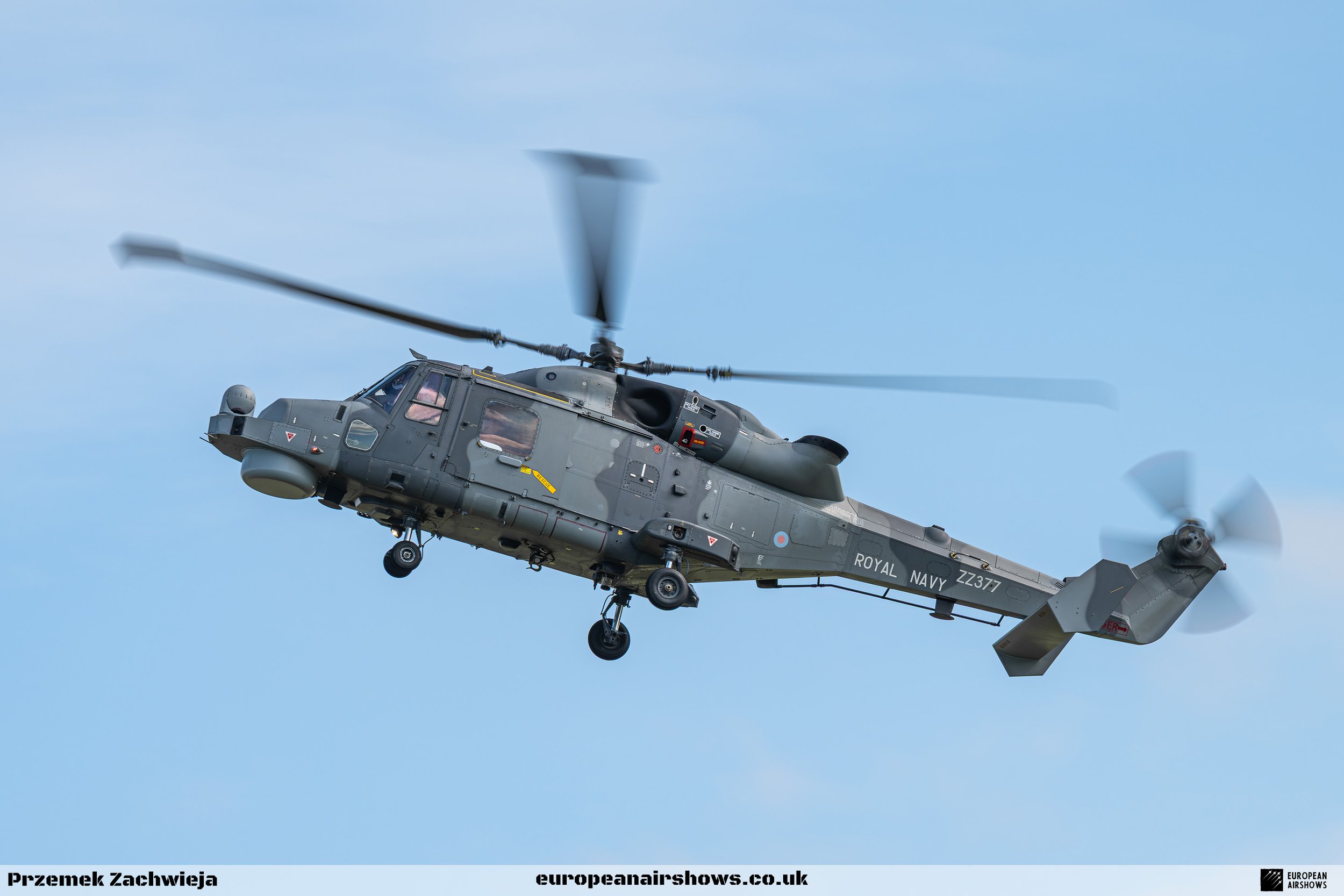
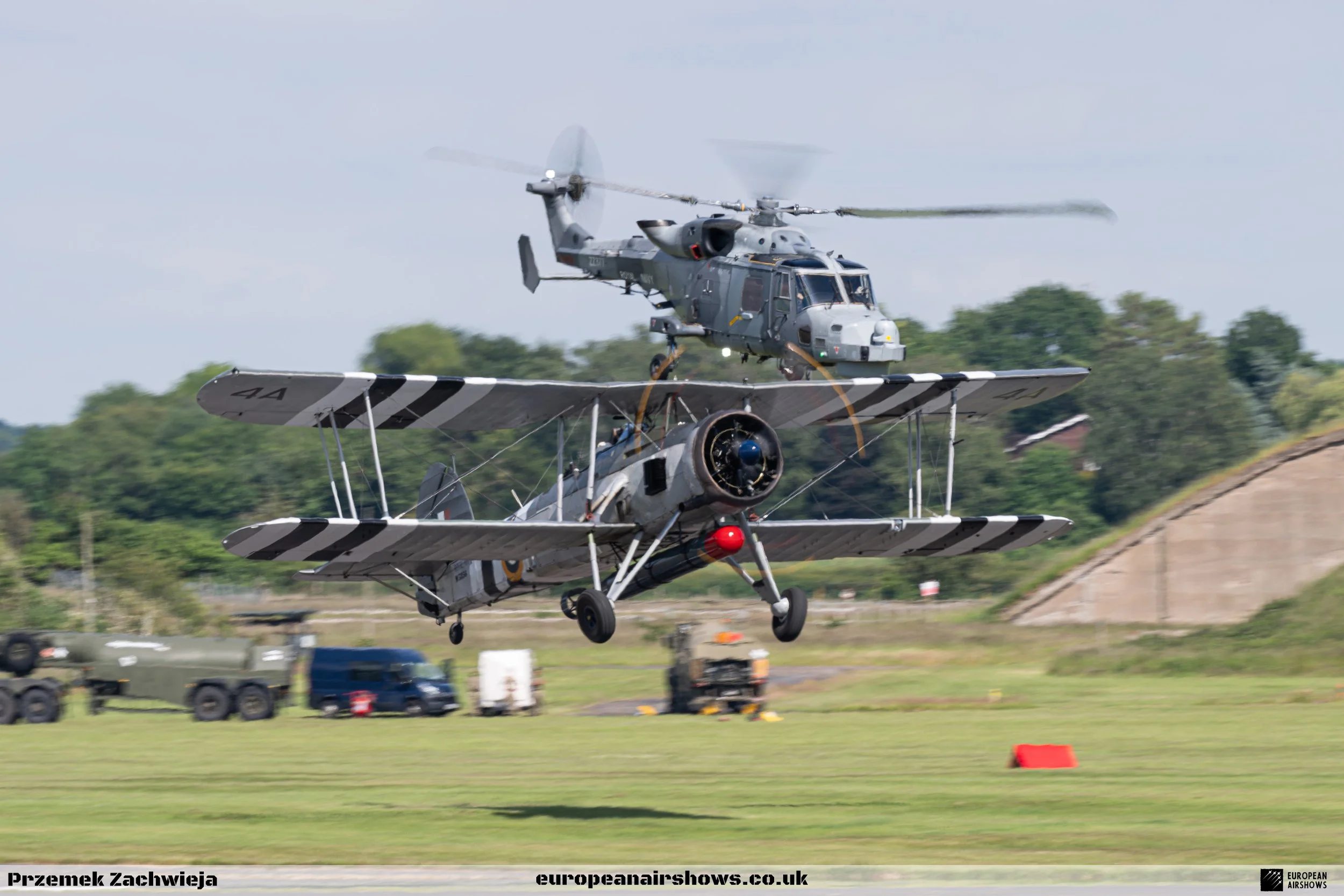
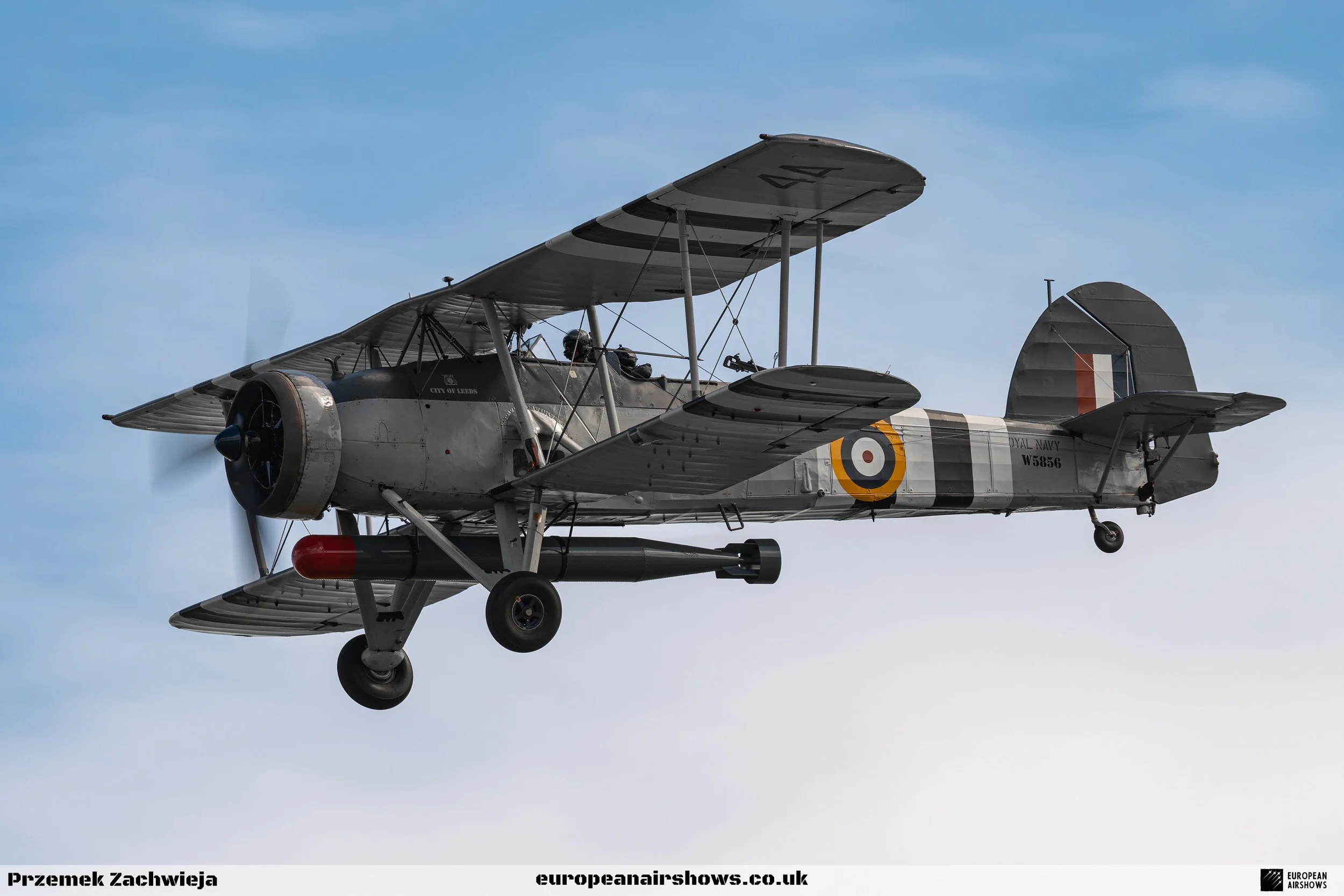
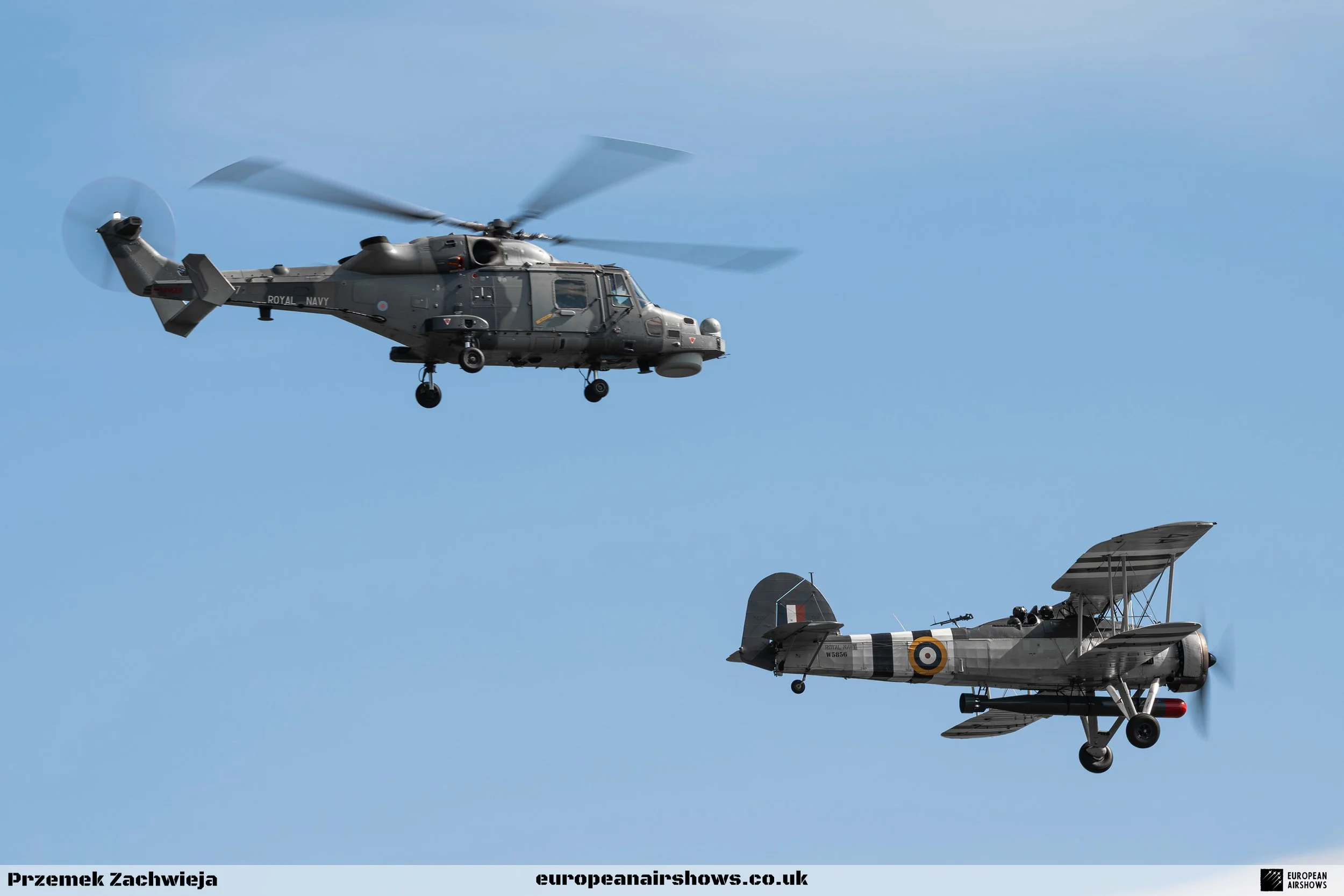
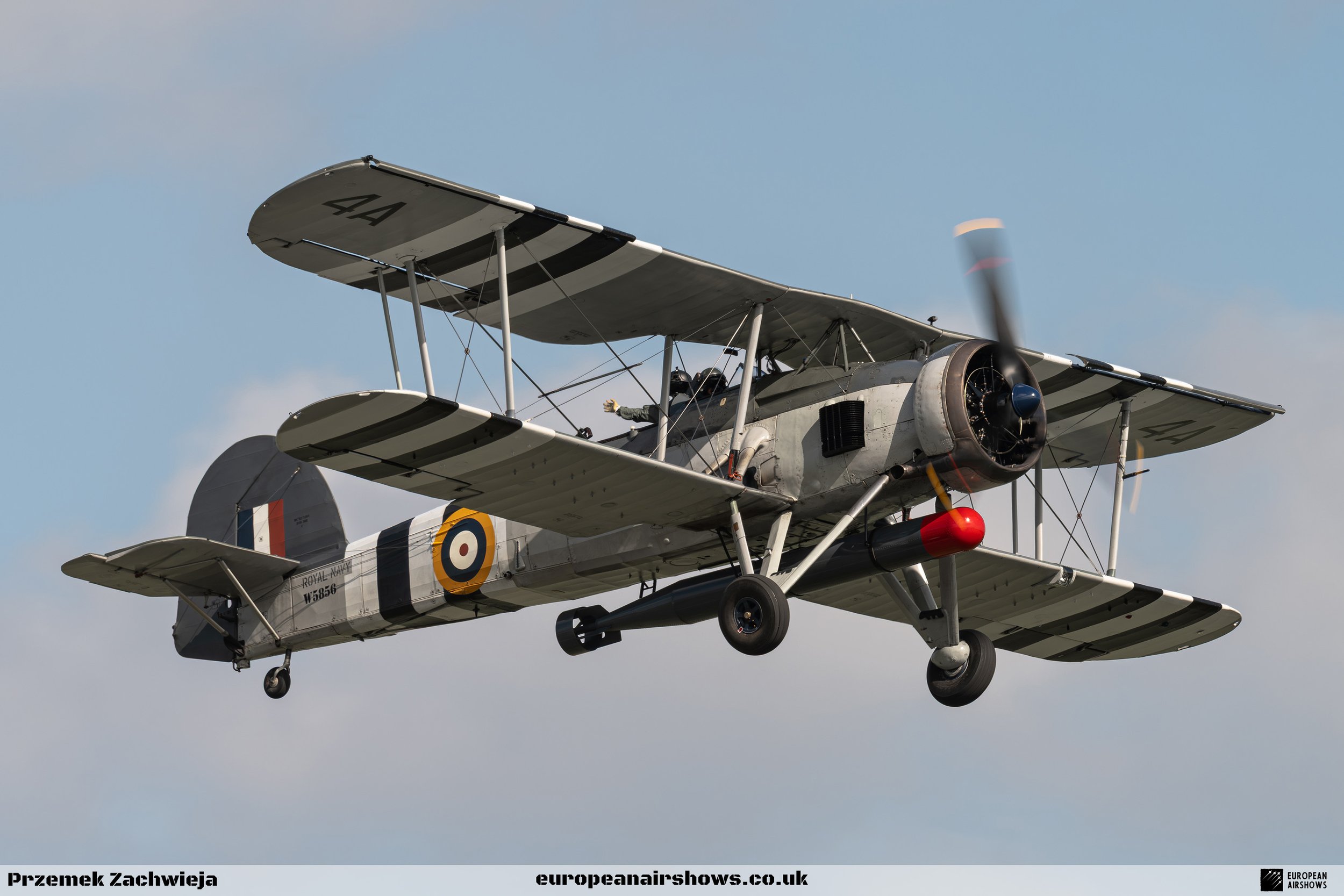
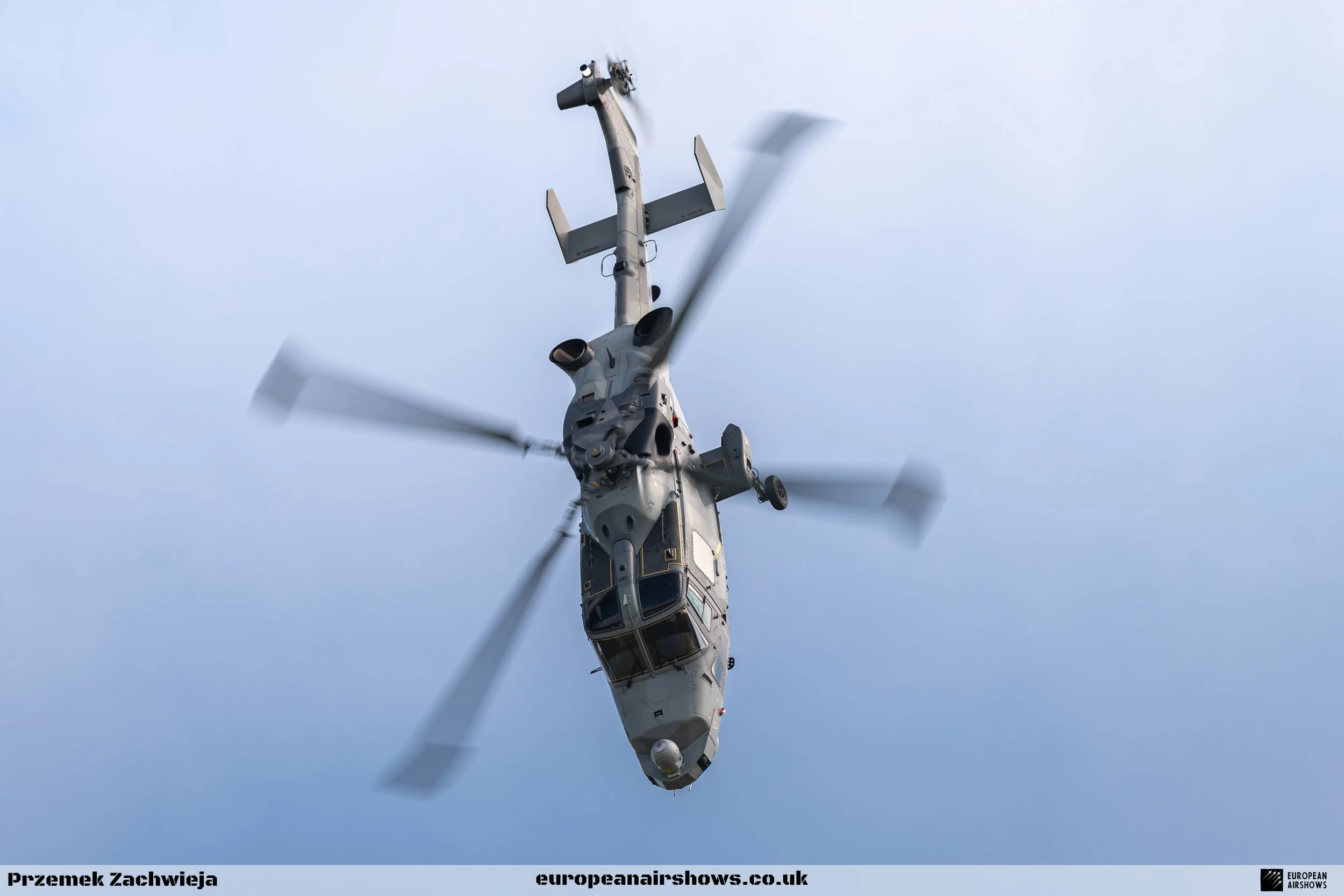
Naval aviation had a particularly moving presence in the later afternoon. The Fairey Swordfish Mk.I from Navy Wings flew with the Black Cats Display Team’s Leonardo Wildcat HMA.2 in a tribute to the Royal Navy Merlin crew lost earlier in June. It was a simple but powerful pairing: the slow, historic Swordfish representing naval aviation’s past, and the modern Wildcat showing its present. After the formation element, the Swordfish gave a gentle and characterful solo display, while the Black Cats solo Wildcat followed with a much sharper, more dynamic routine.
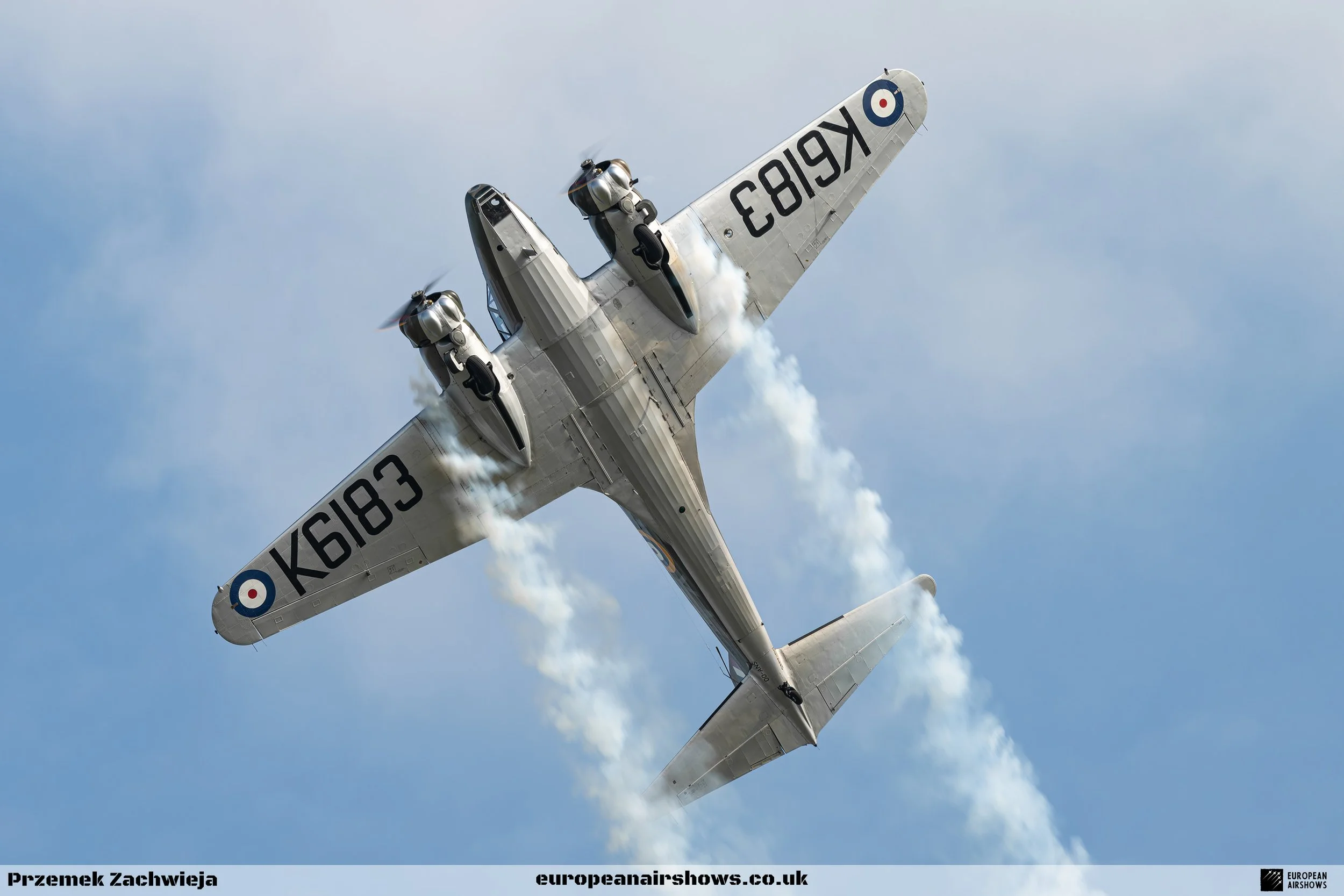
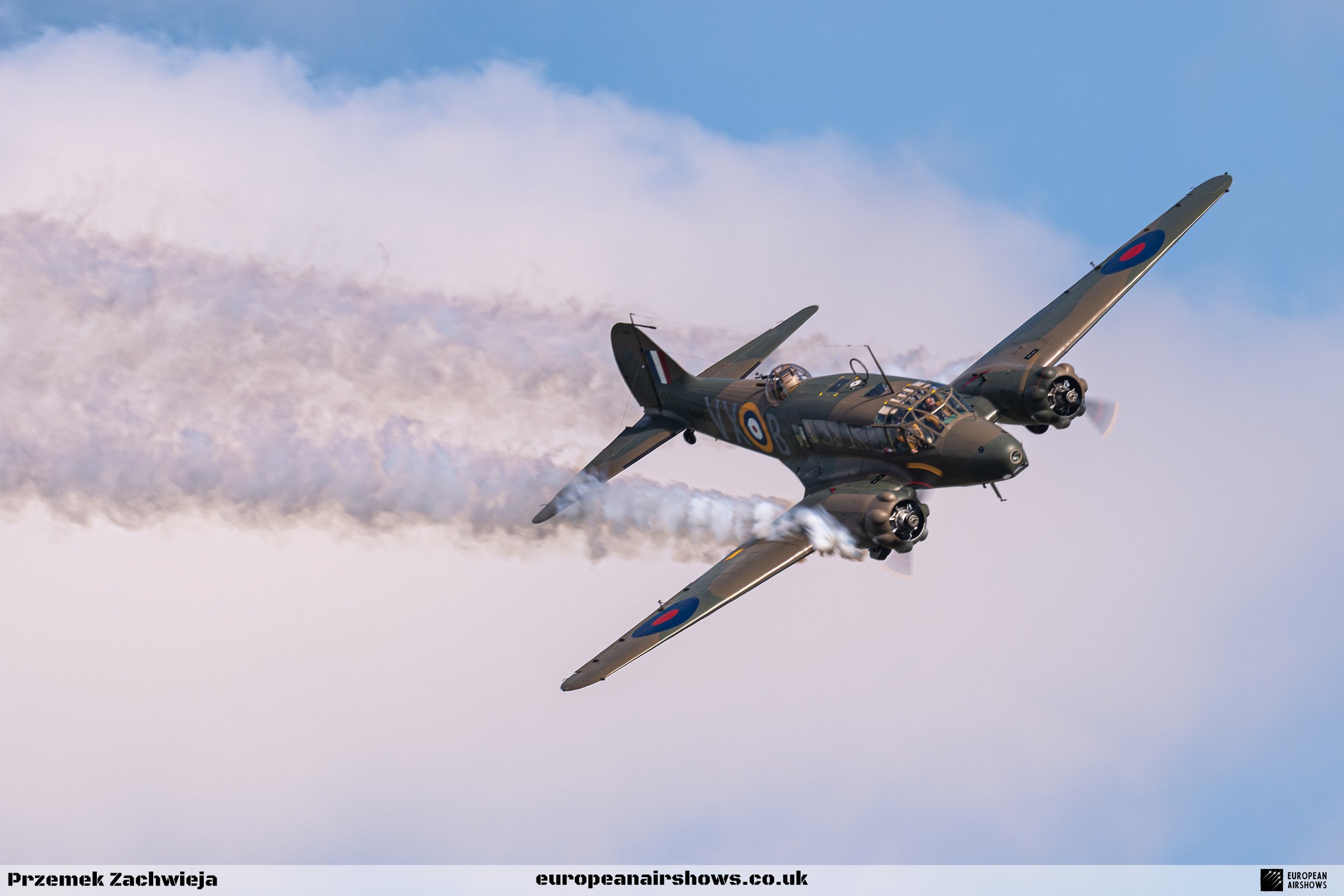
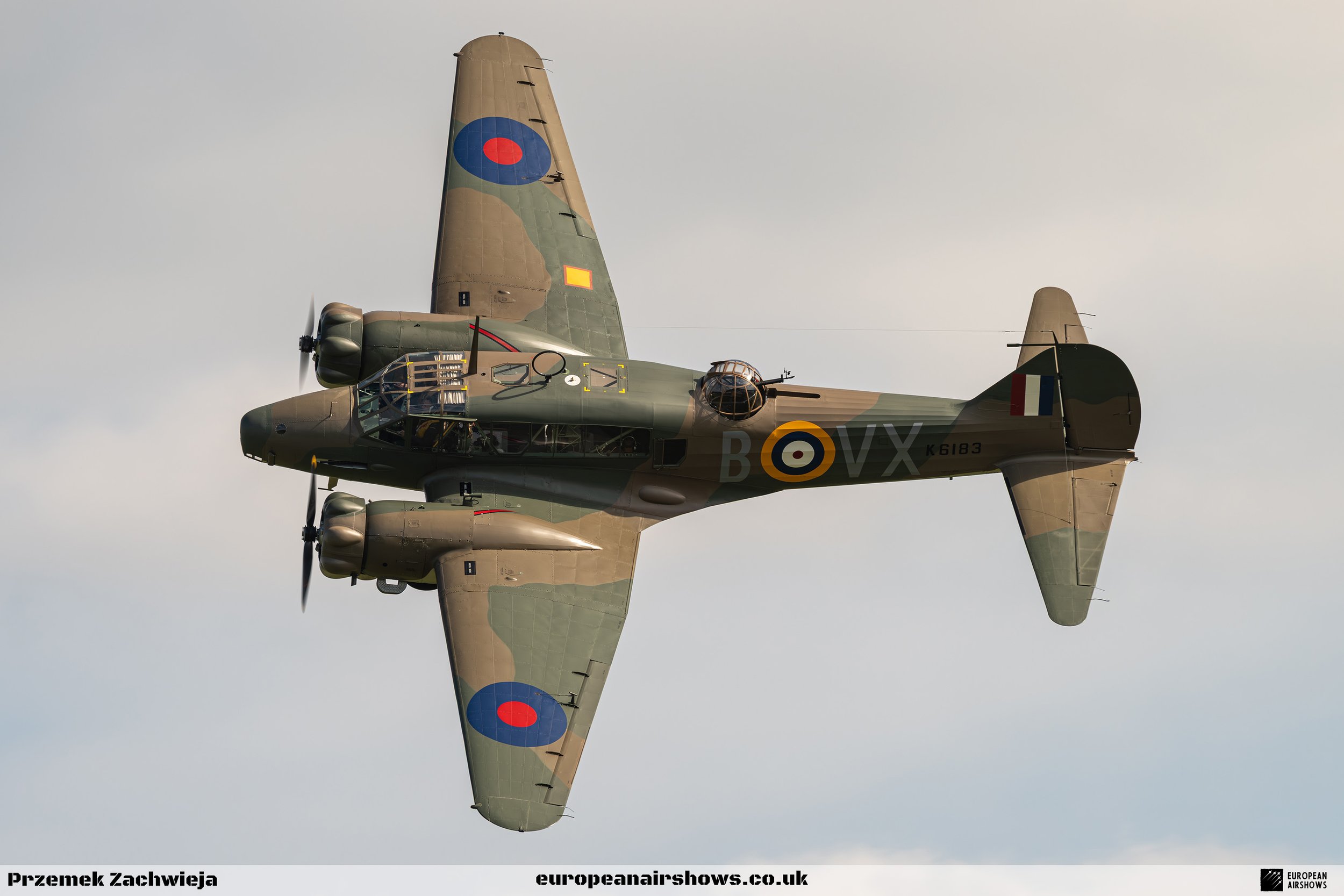
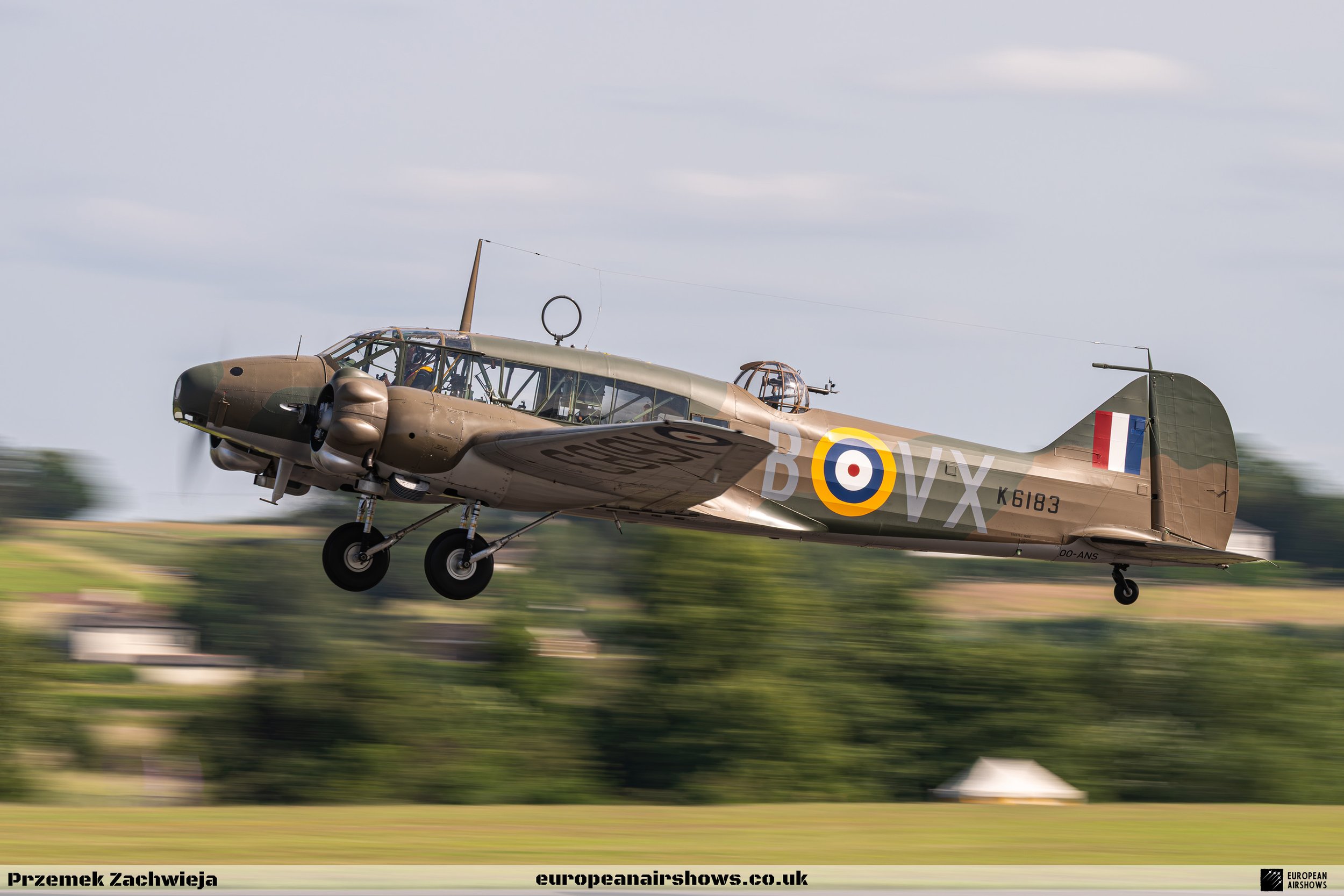
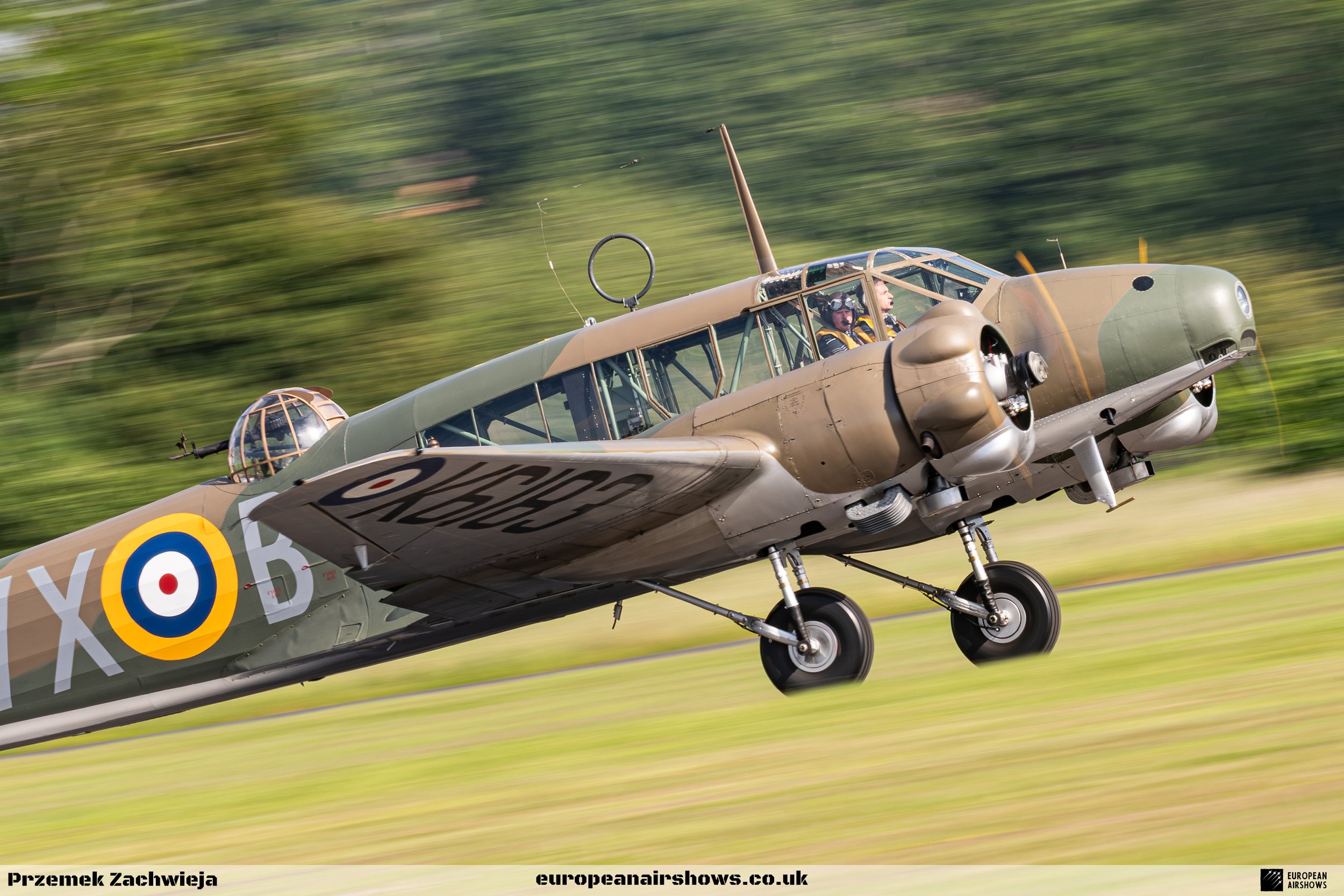
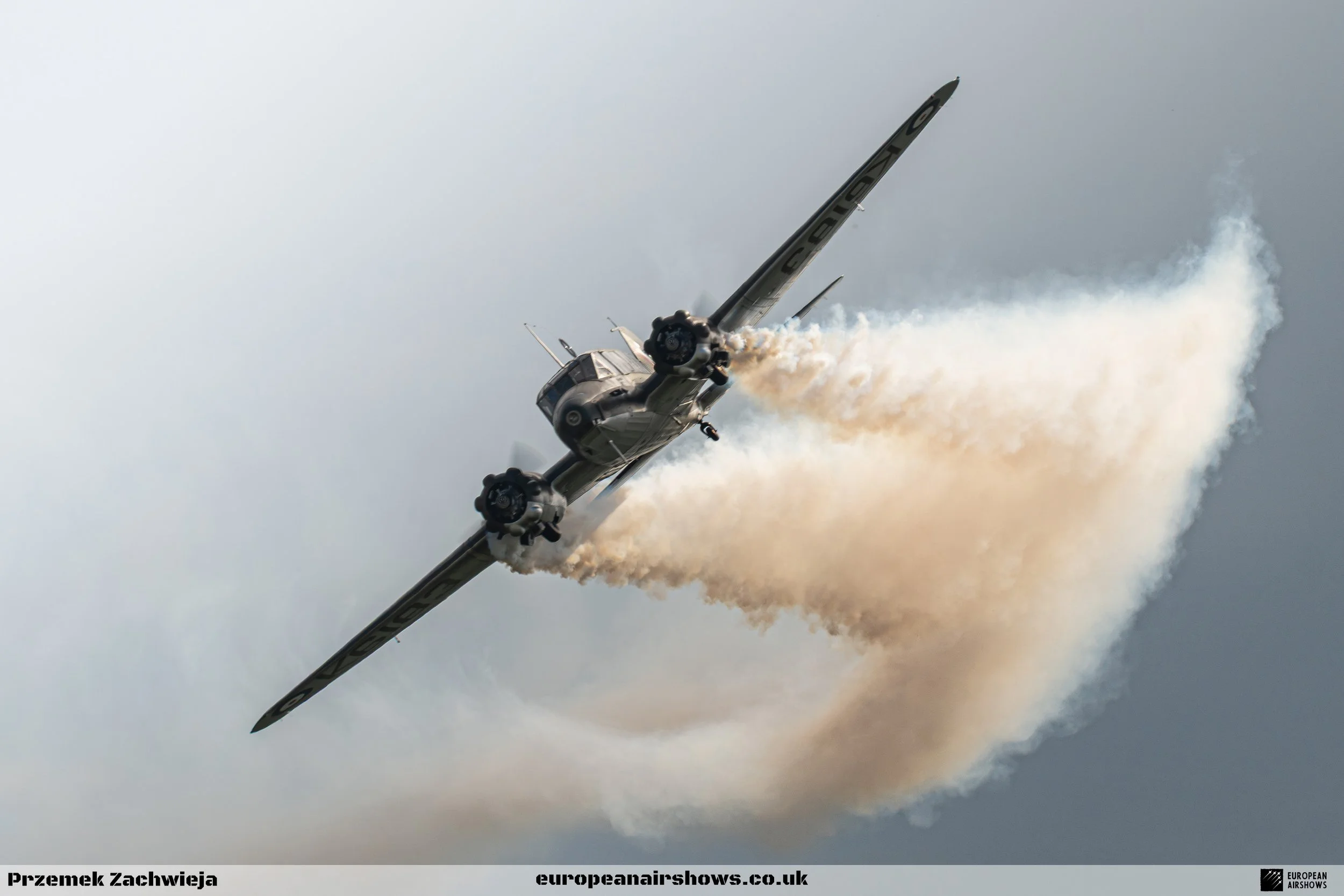
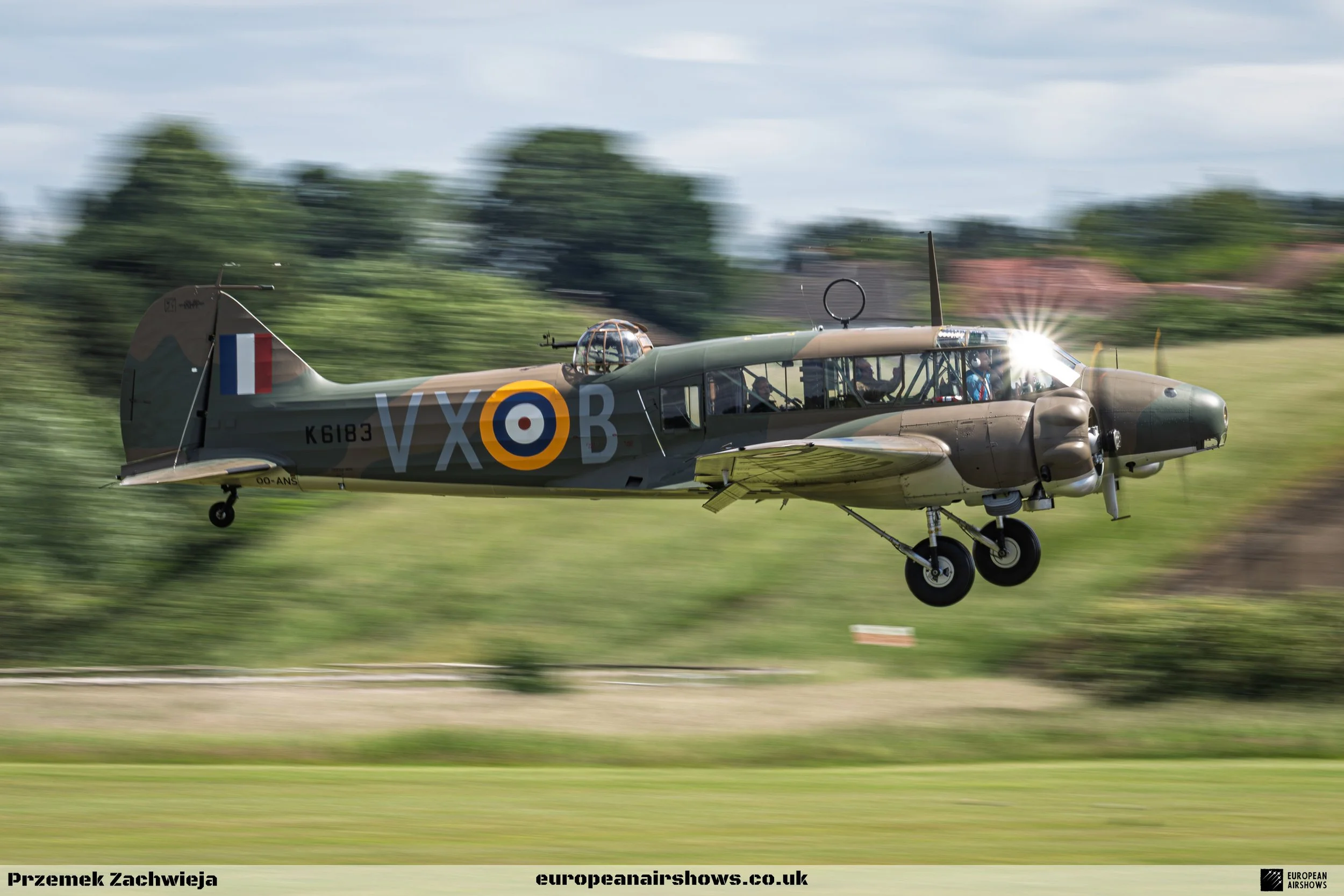
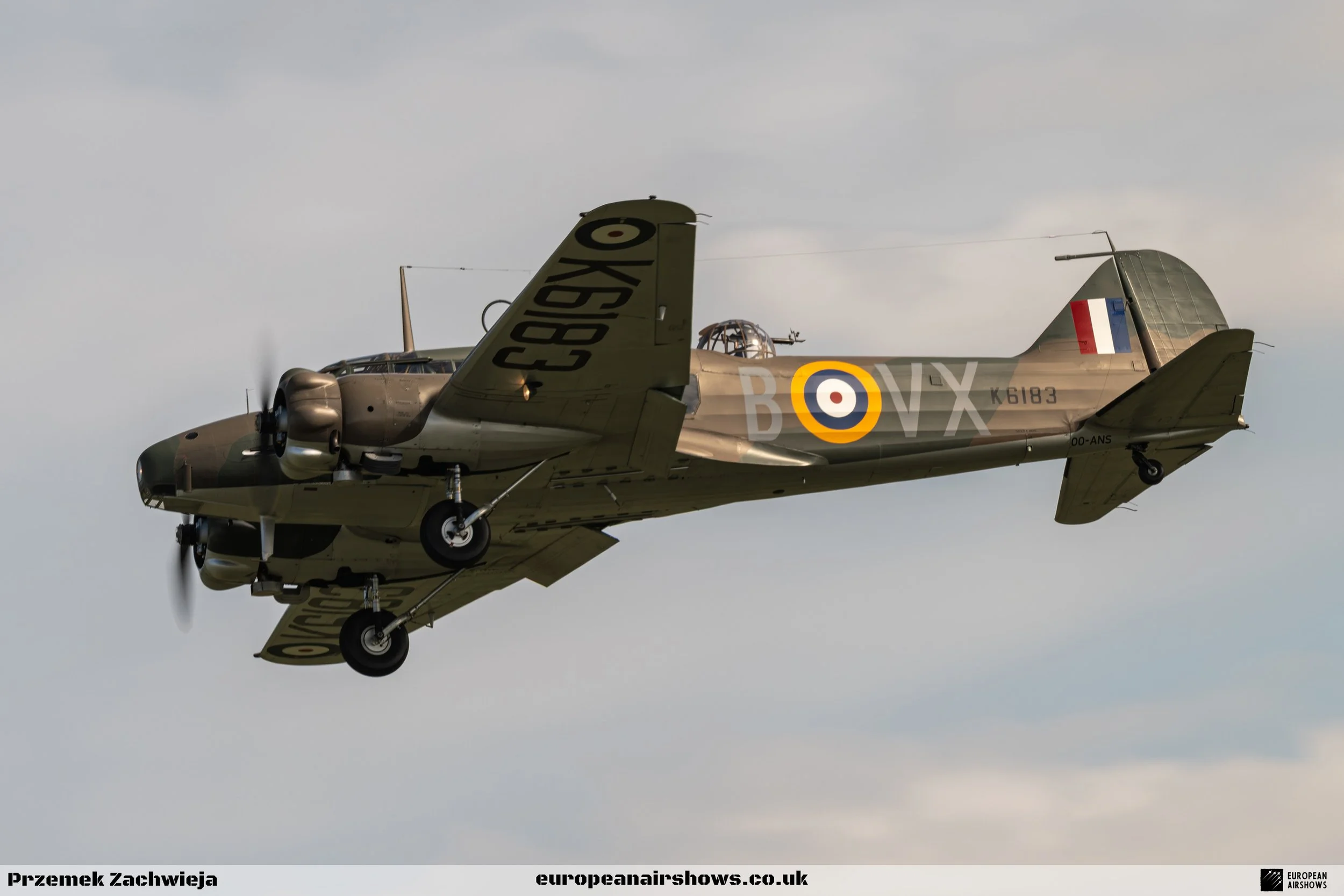
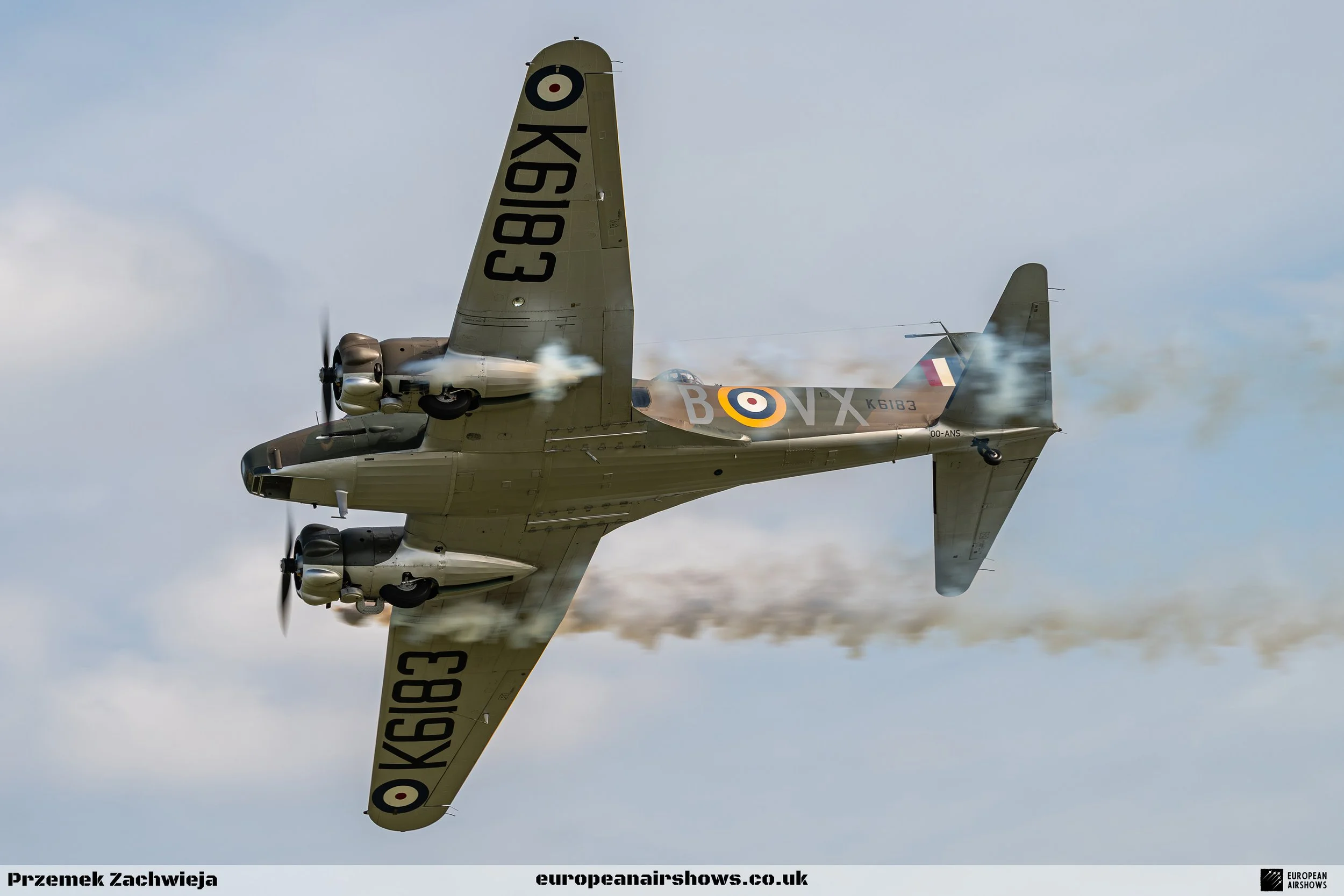
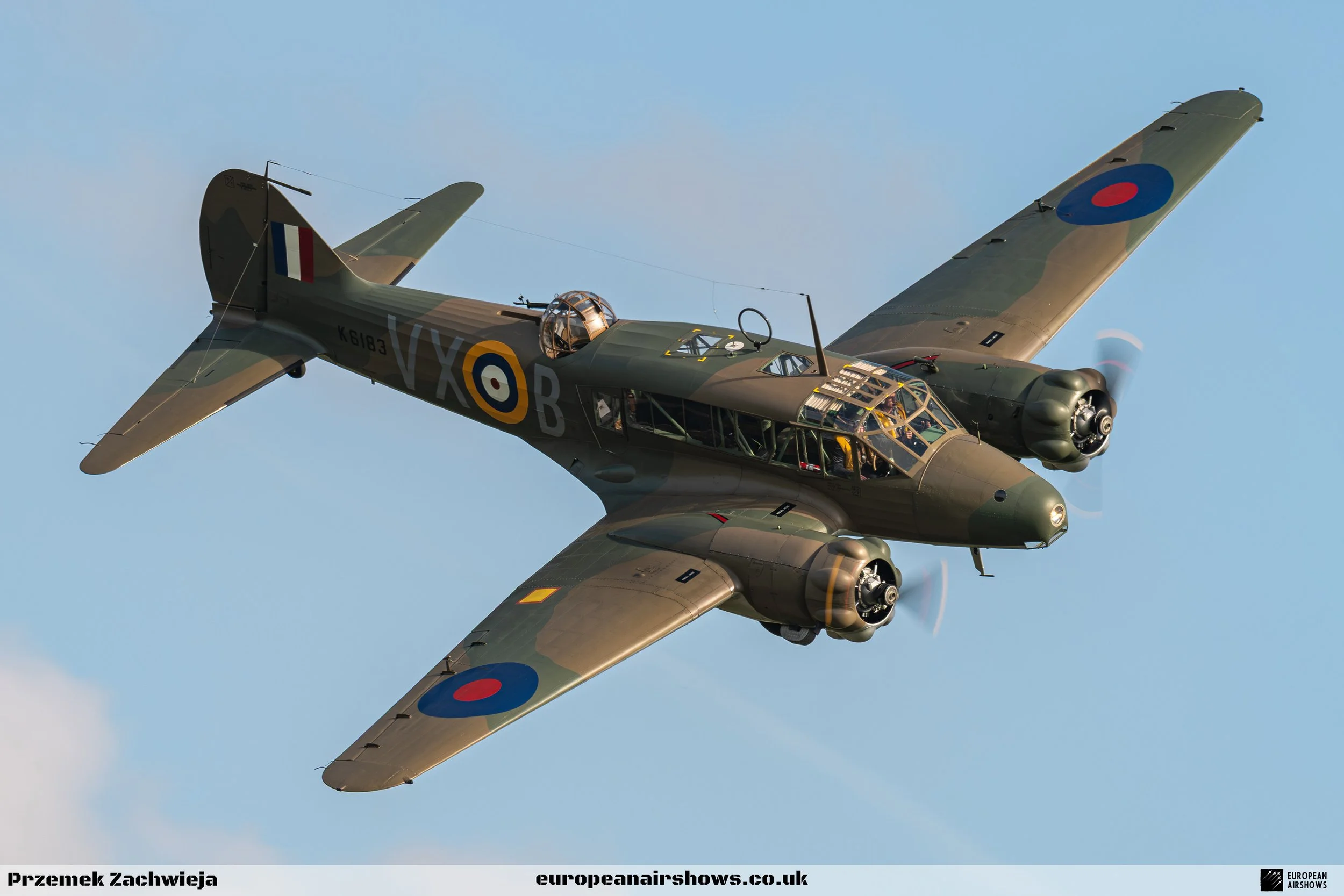
The Avro Anson Mk.I from RAF Station Czechoslovakia was one of the most beautifully flown historic displays of the day. As the world’s only airworthy Anson Mk.I, it is already a very special aircraft, but the way it was displayed made it even better. It was not rushed or overdone. The aircraft was allowed to breathe in the display area, with smooth passes and graceful turns showing its shape properly. It was one of the most elegant performances of the afternoon and a real treat for those who appreciate older RAF types.
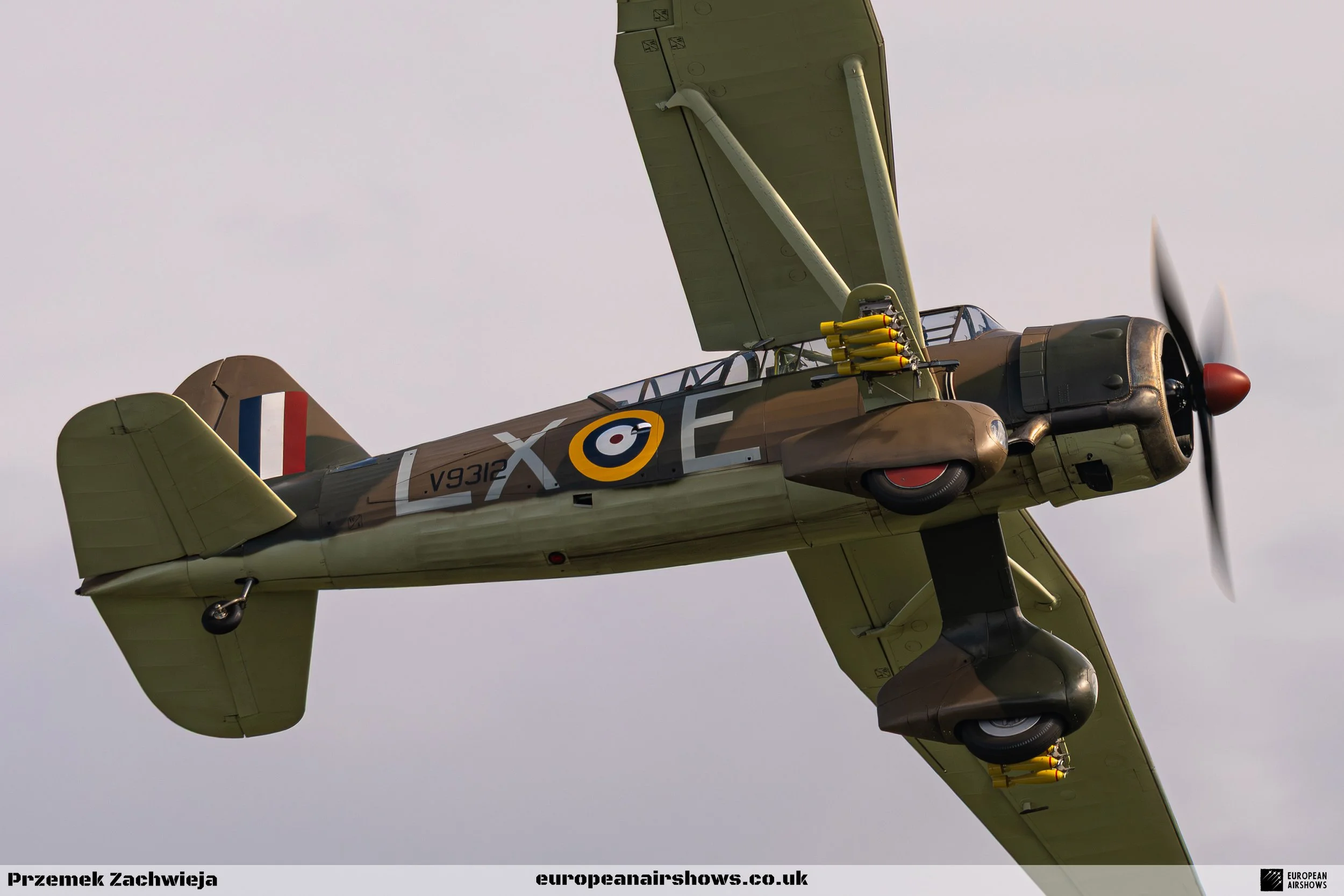
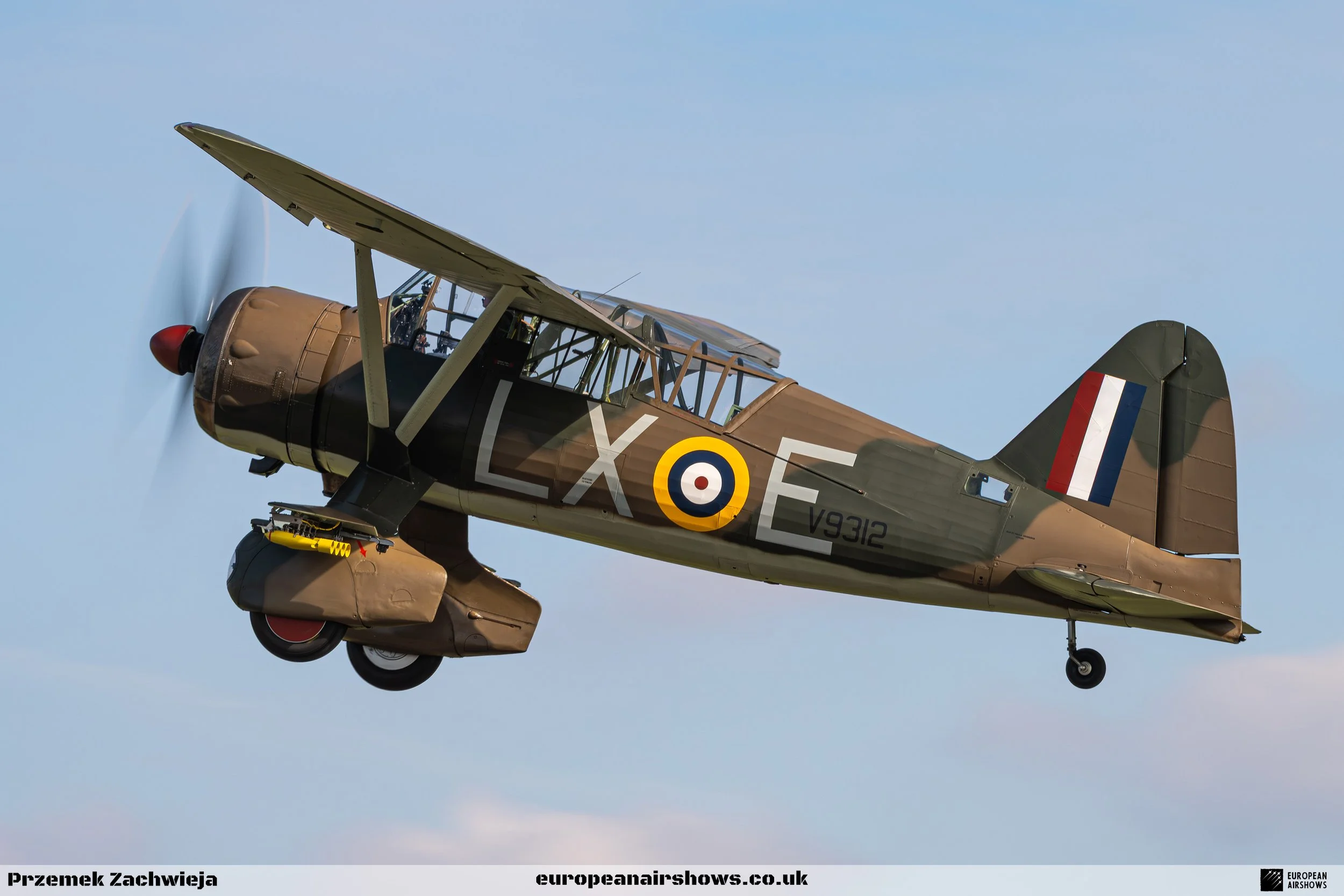
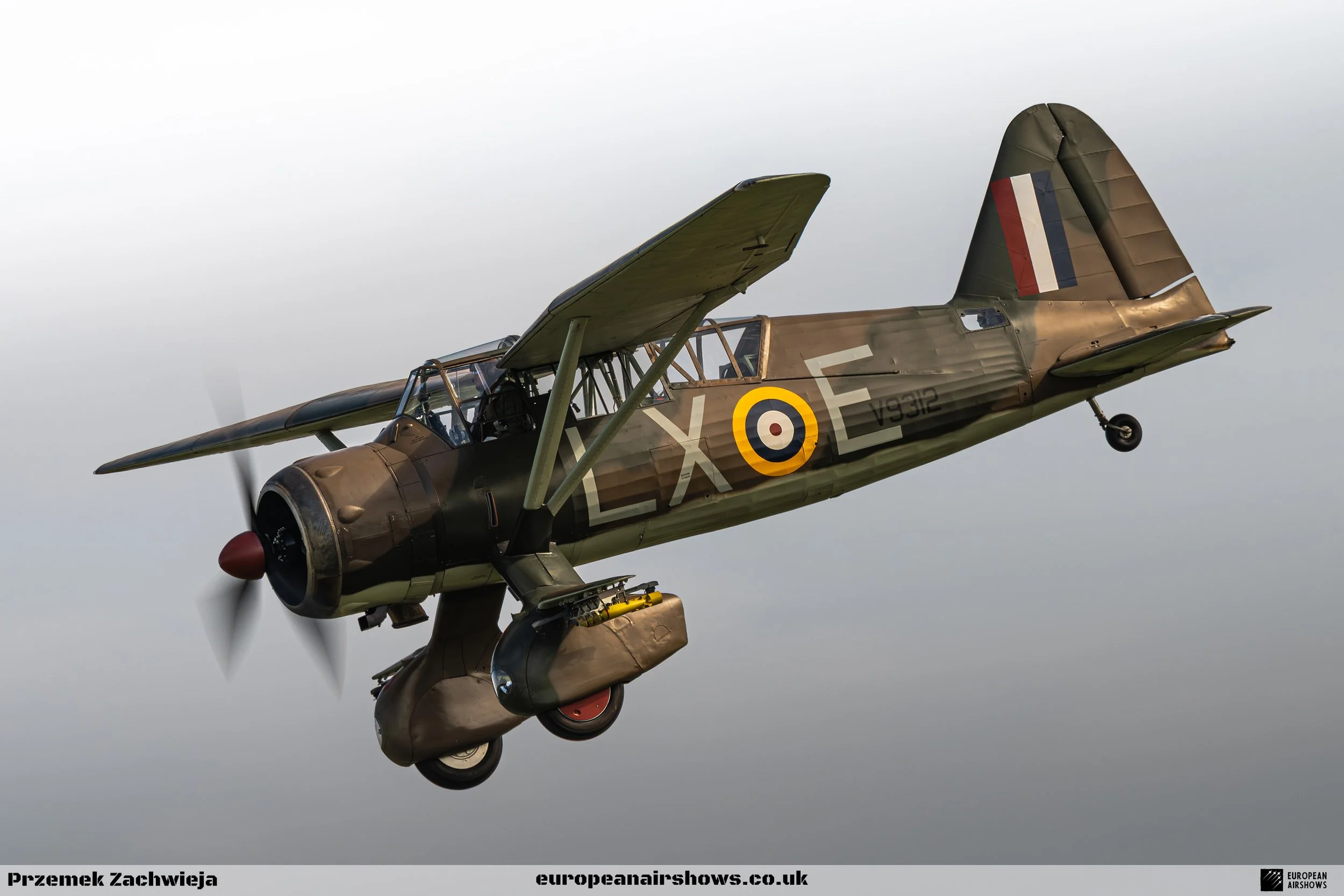
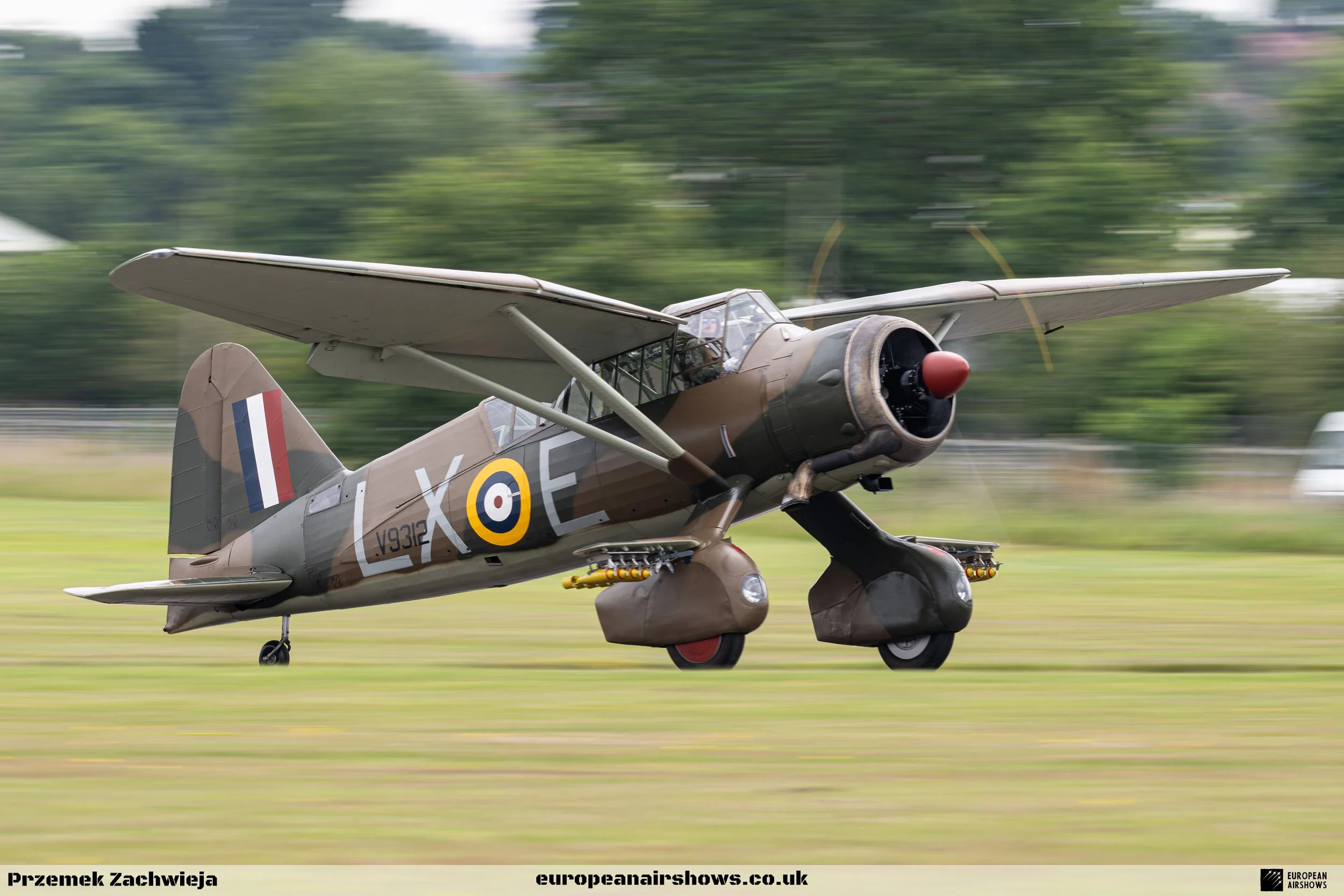
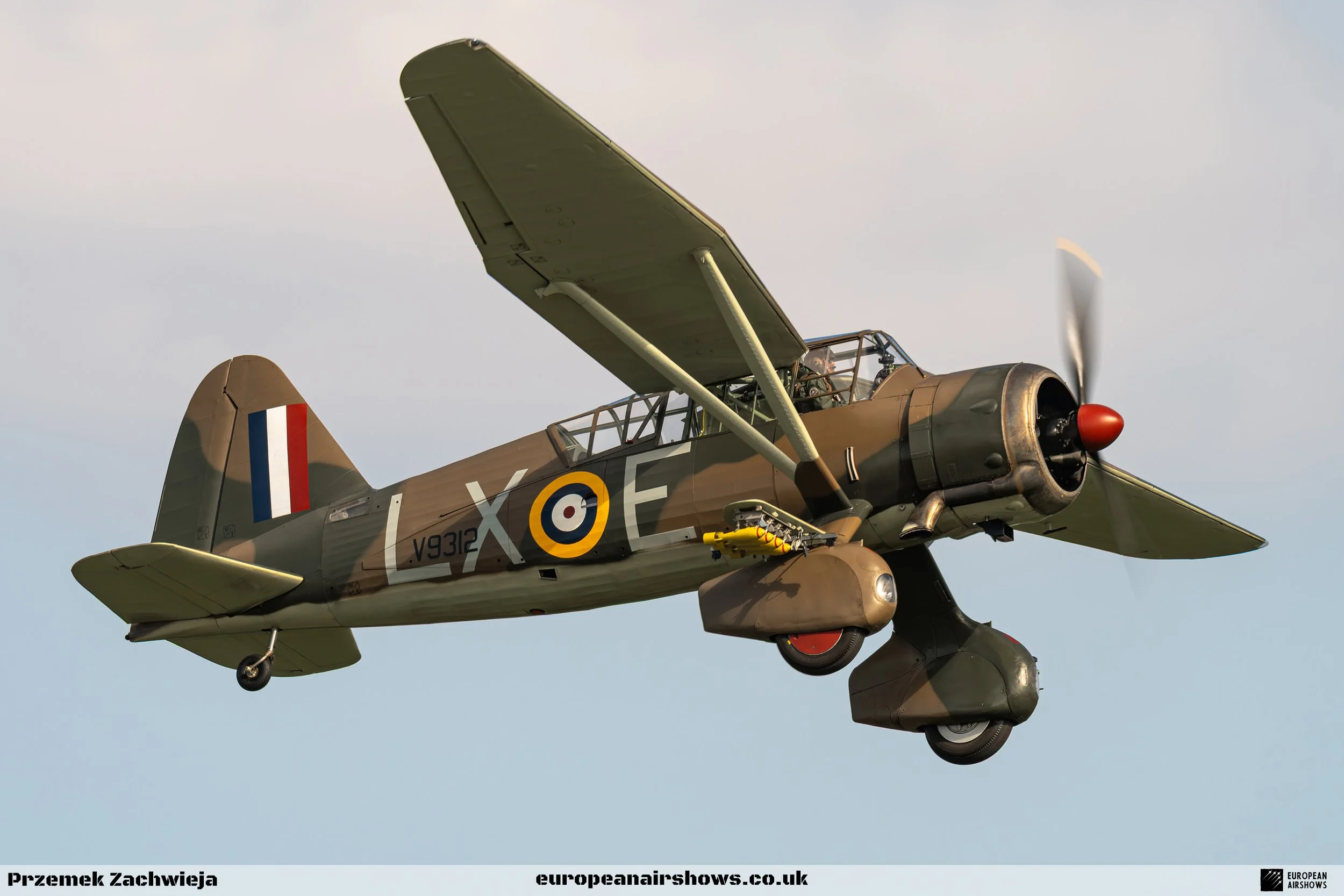
Two very late additions from The Aircraft Restoration Company helped fill gaps left by the cancellations and became highlights in their own right. The Westland Lysander Mk.IIIA gave the crowd a rare chance to see this distinctive special duties and liaison aircraft in a solo display. With its high wing, long undercarriage and unmistakable profile, it is one of those aircraft that looks unlike anything else in the sky.
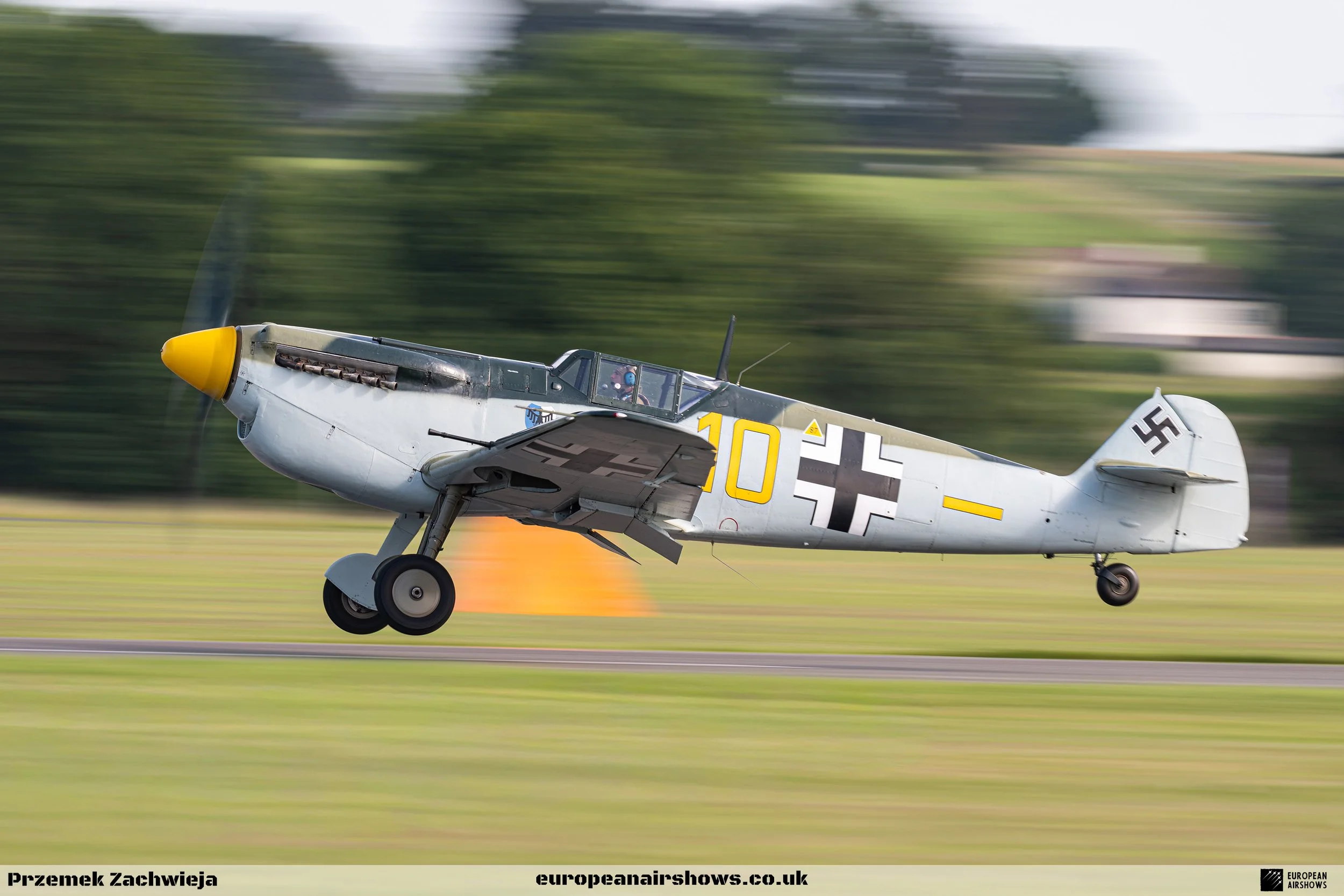
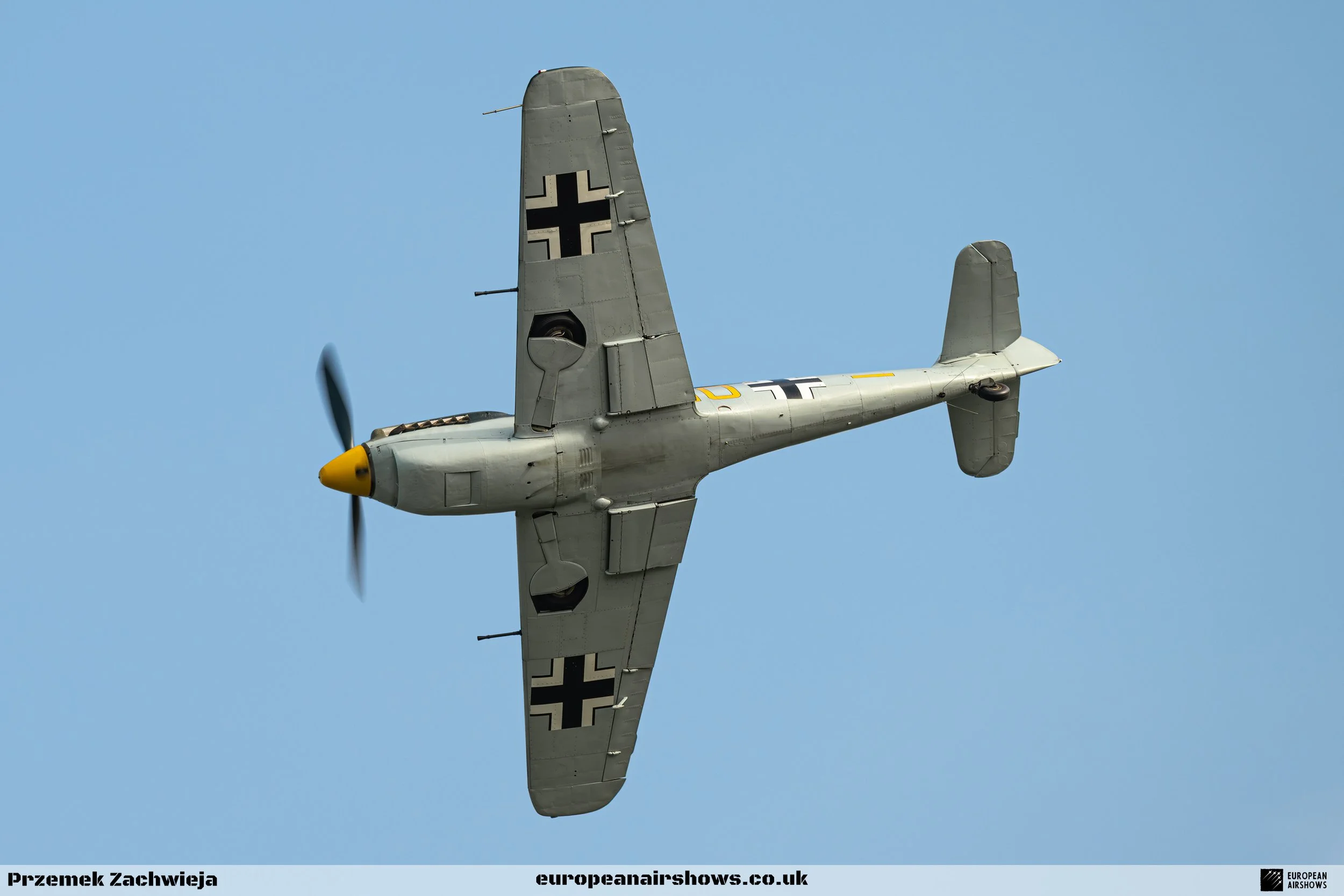
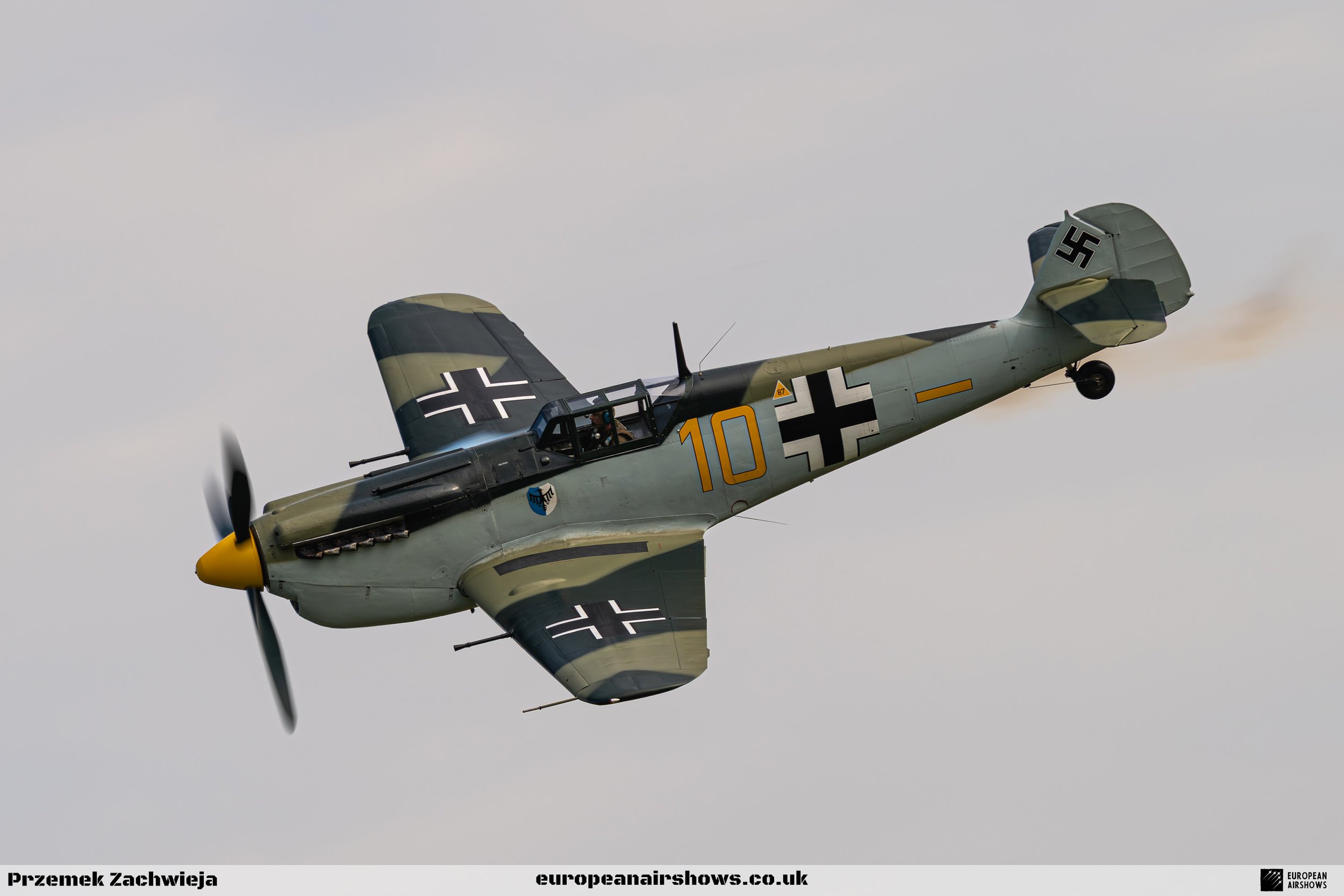
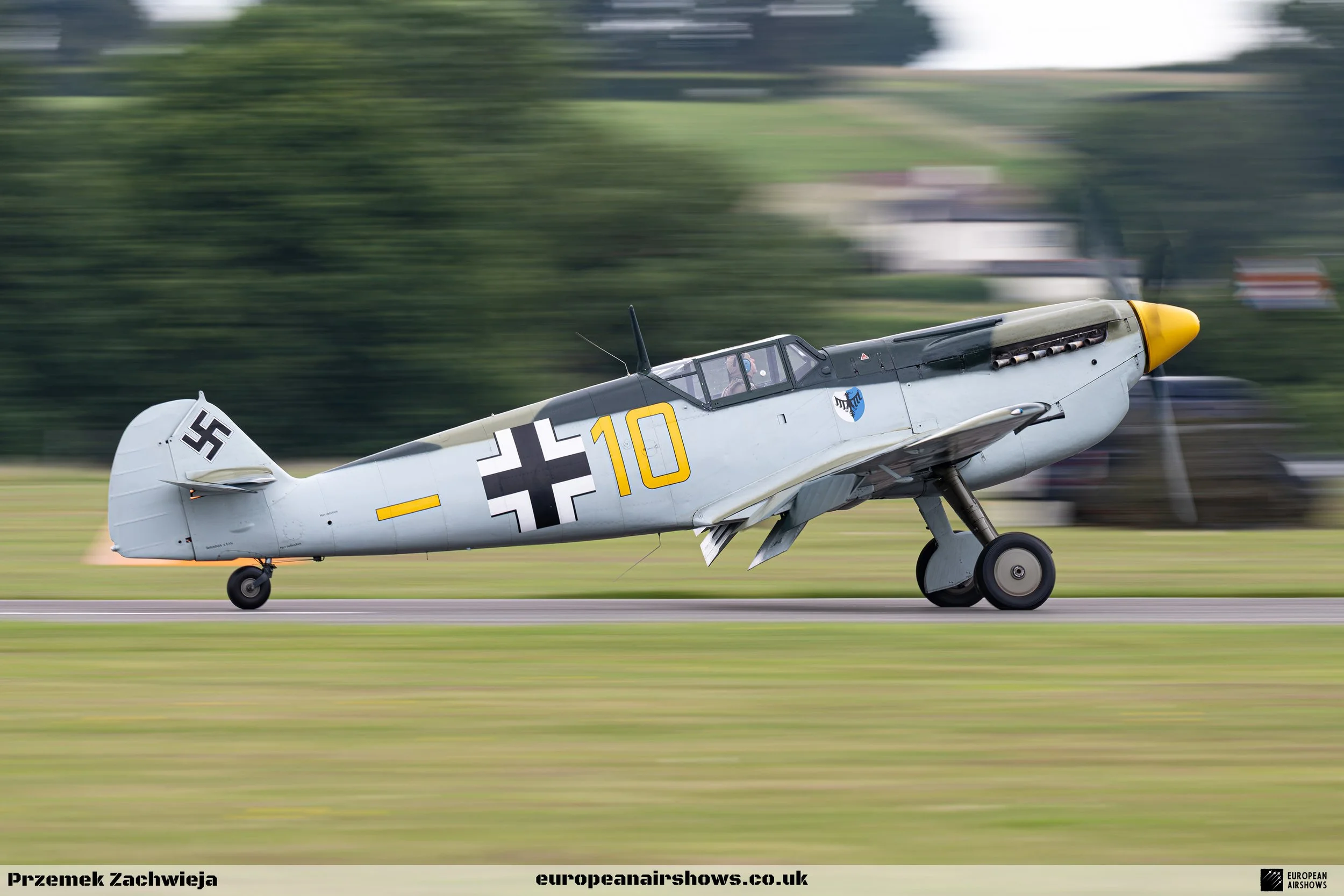
The Hispano HA-1112-M1L Buchón “Yellow 10” followed with a much more energetic solo display. Often seen in formations or film-related settings, the Buchón is not always given a full solo slot, so this was a welcome opportunity to see the aircraft properly worked in front of the crowd. Its Messerschmitt-derived lines and Merlin engine note made it a very atmospheric late-afternoon warbird display.
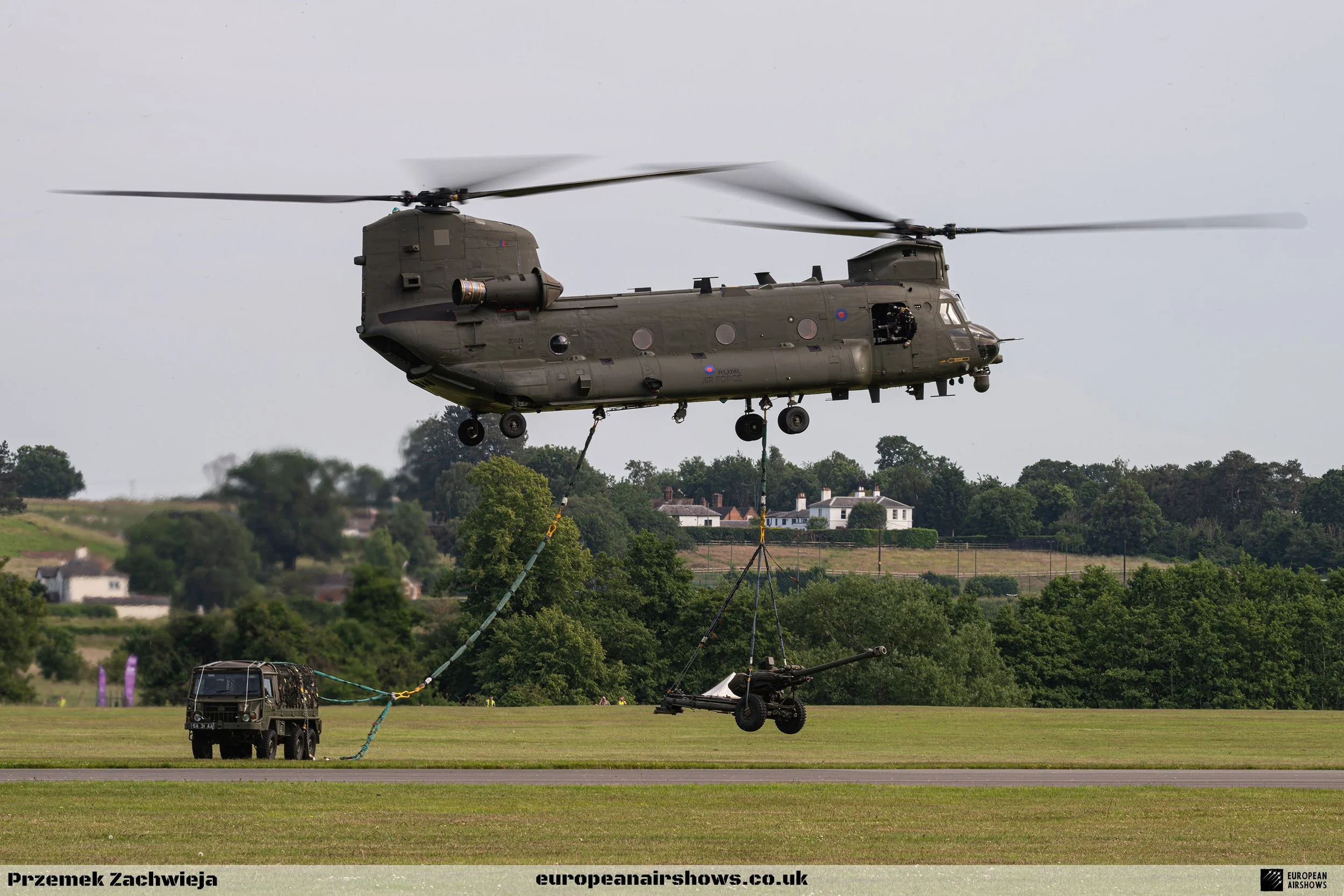
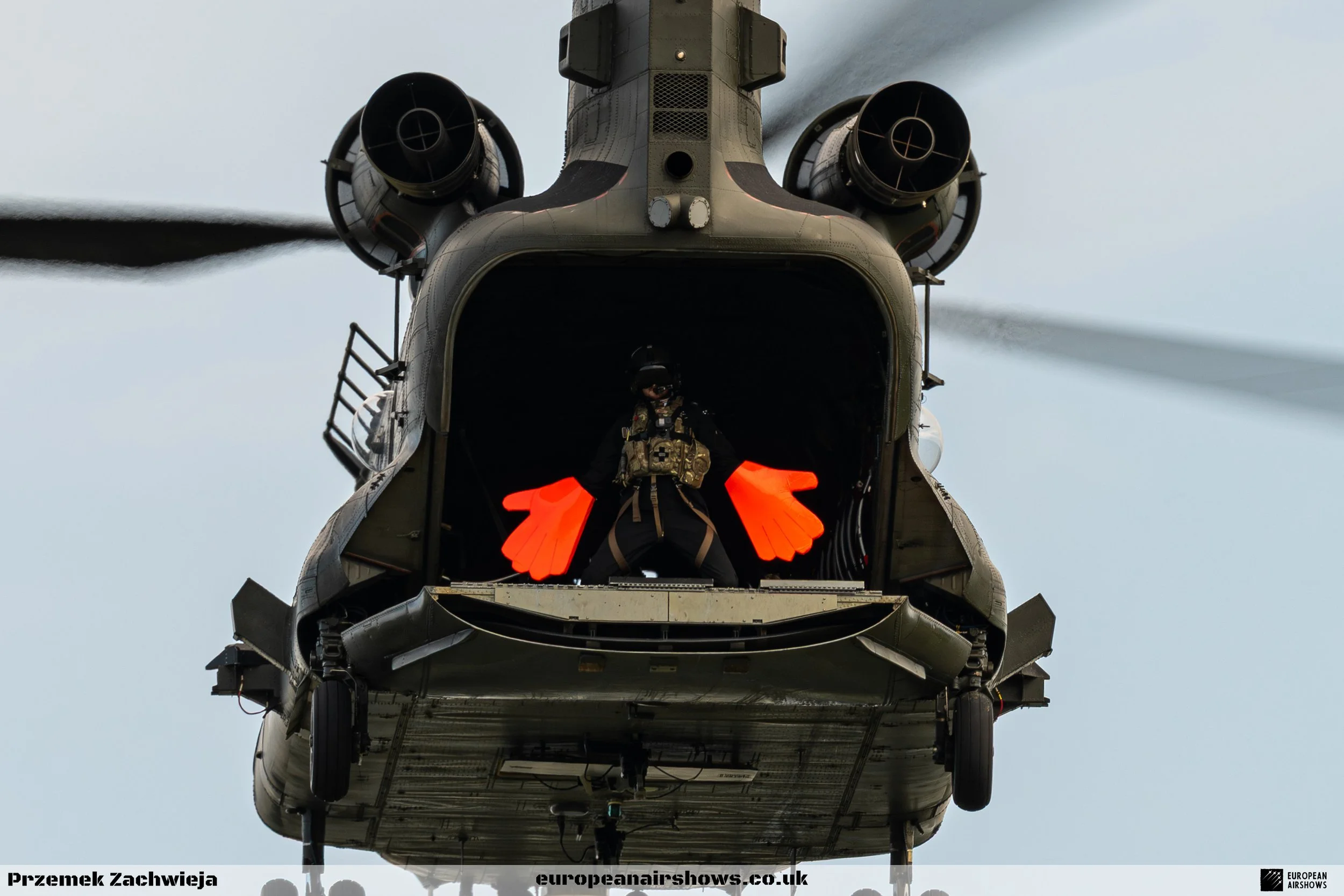
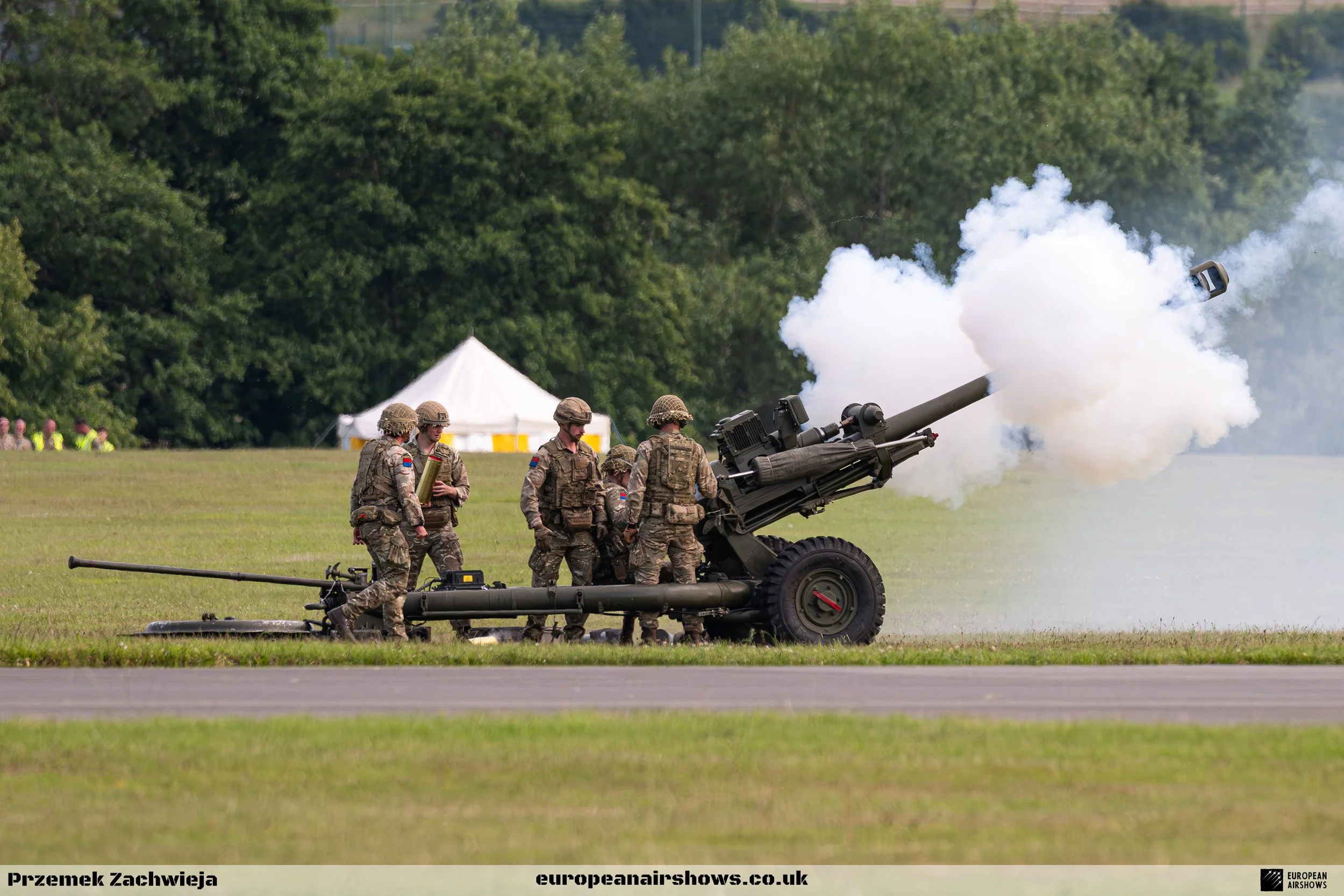
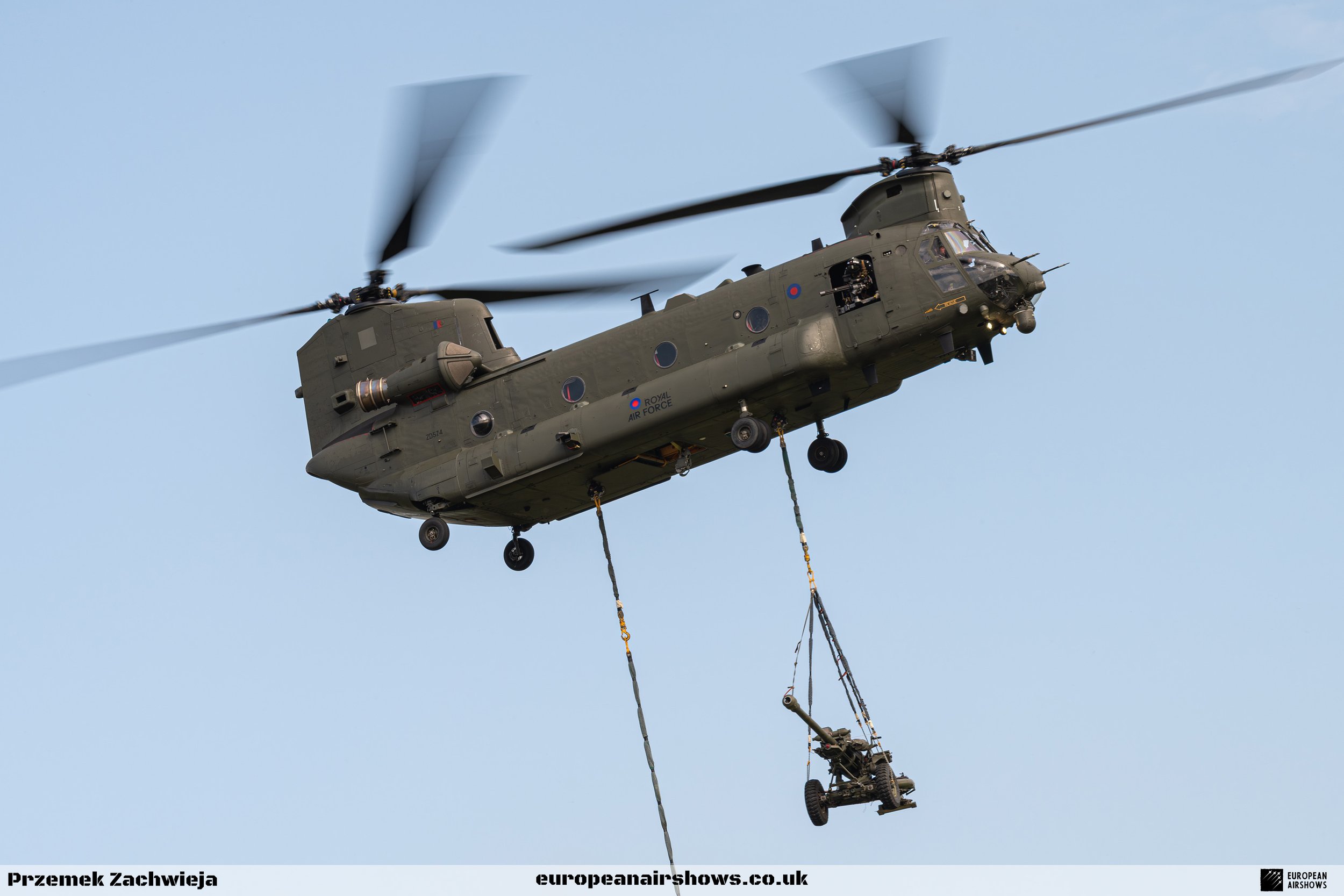
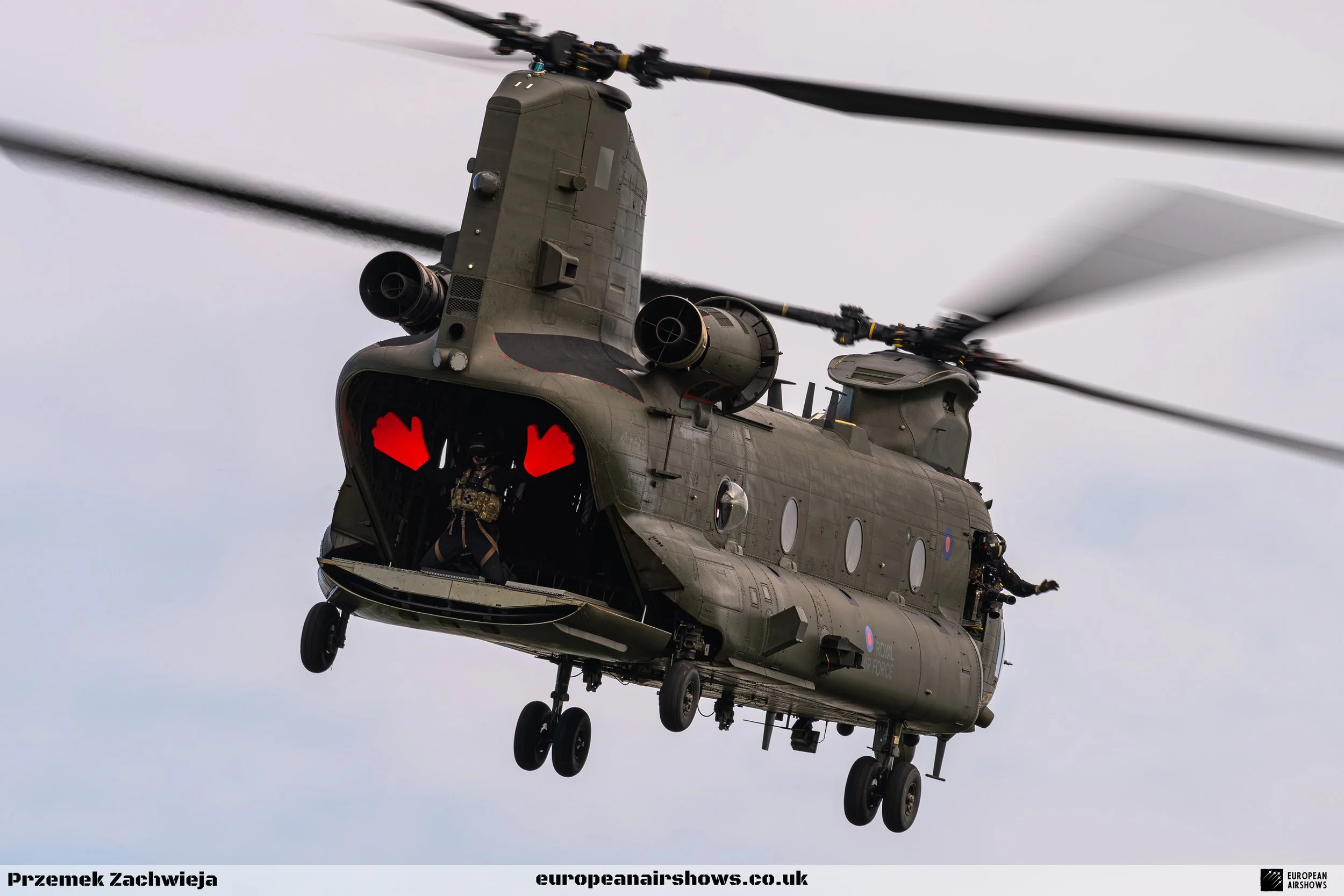
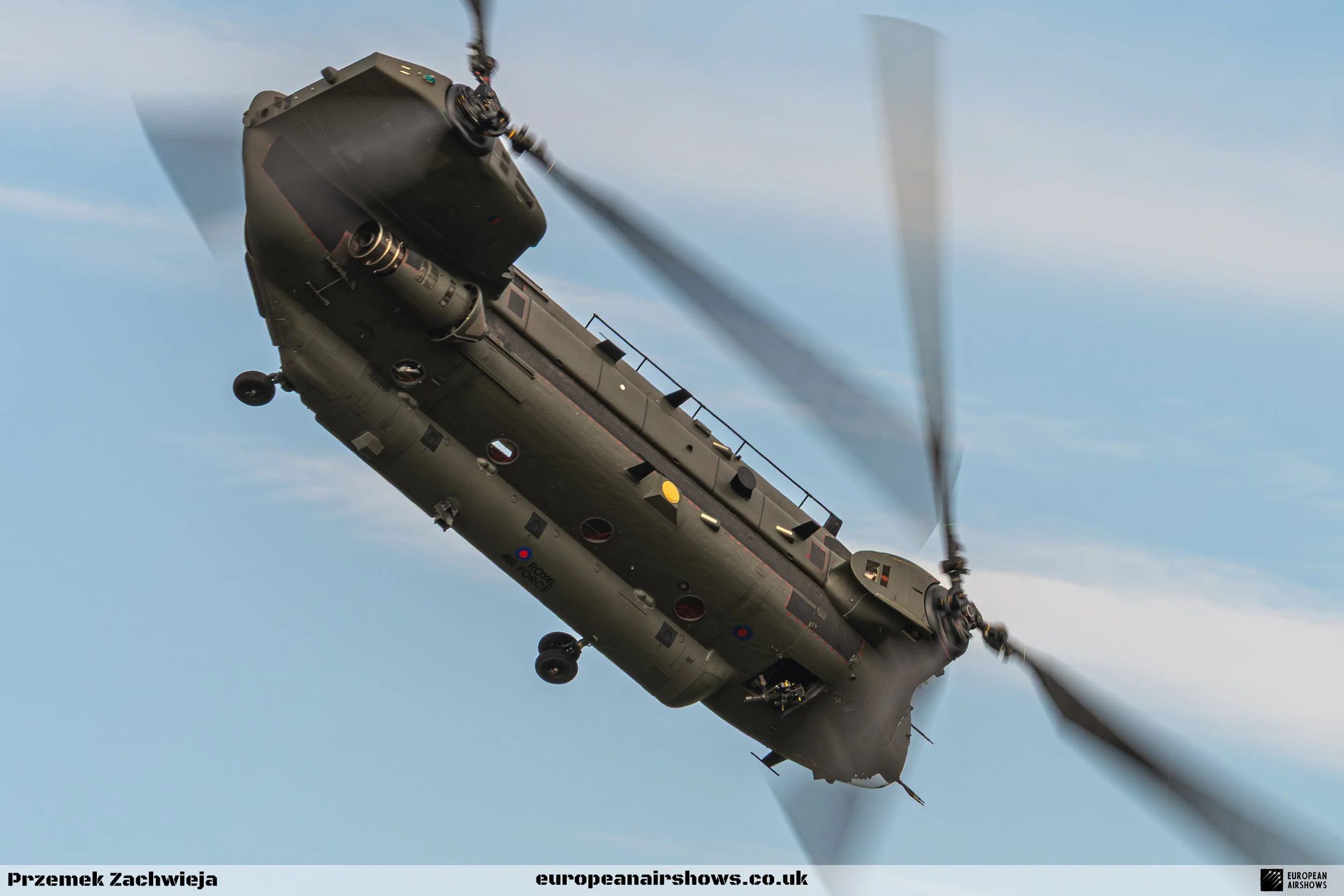
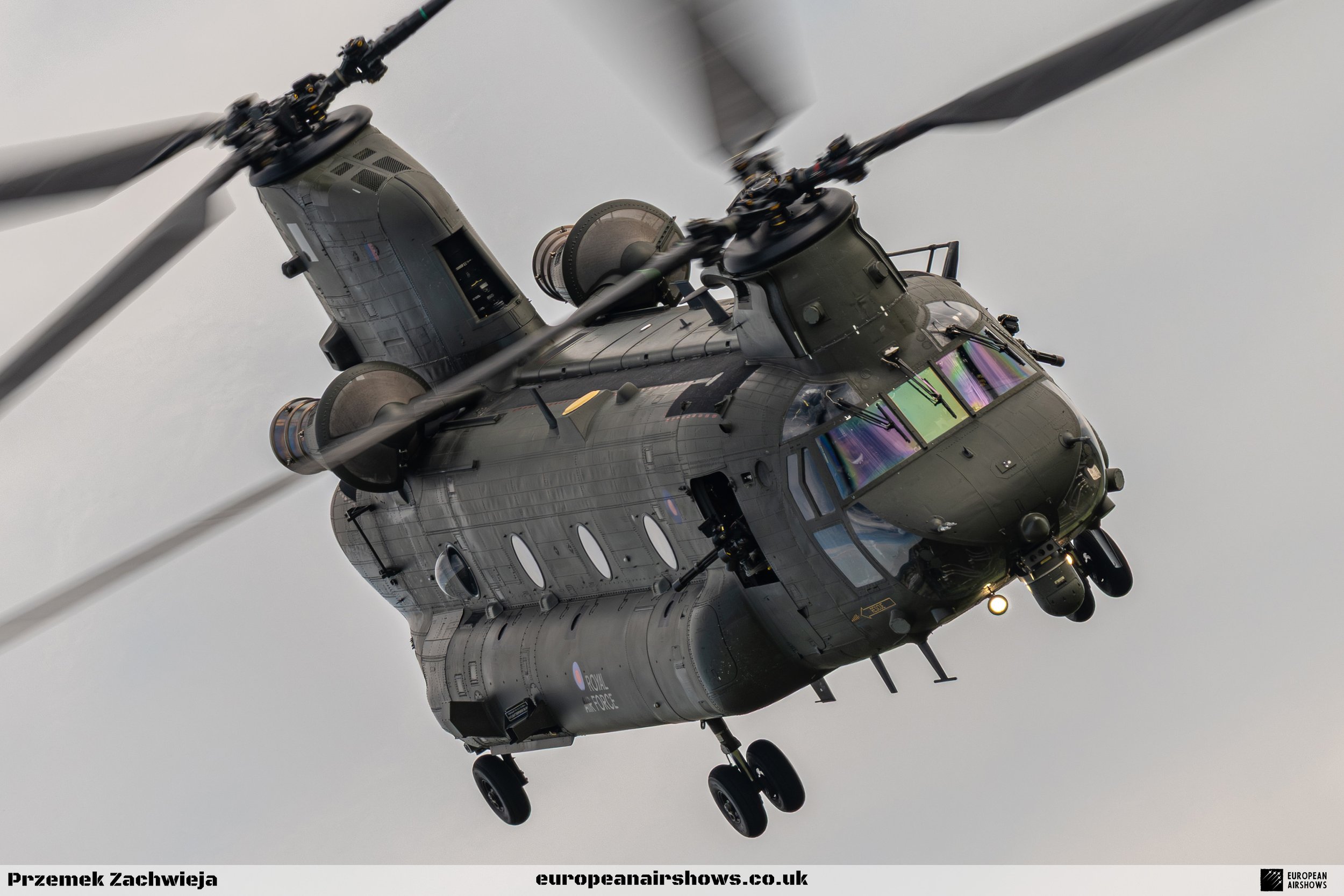
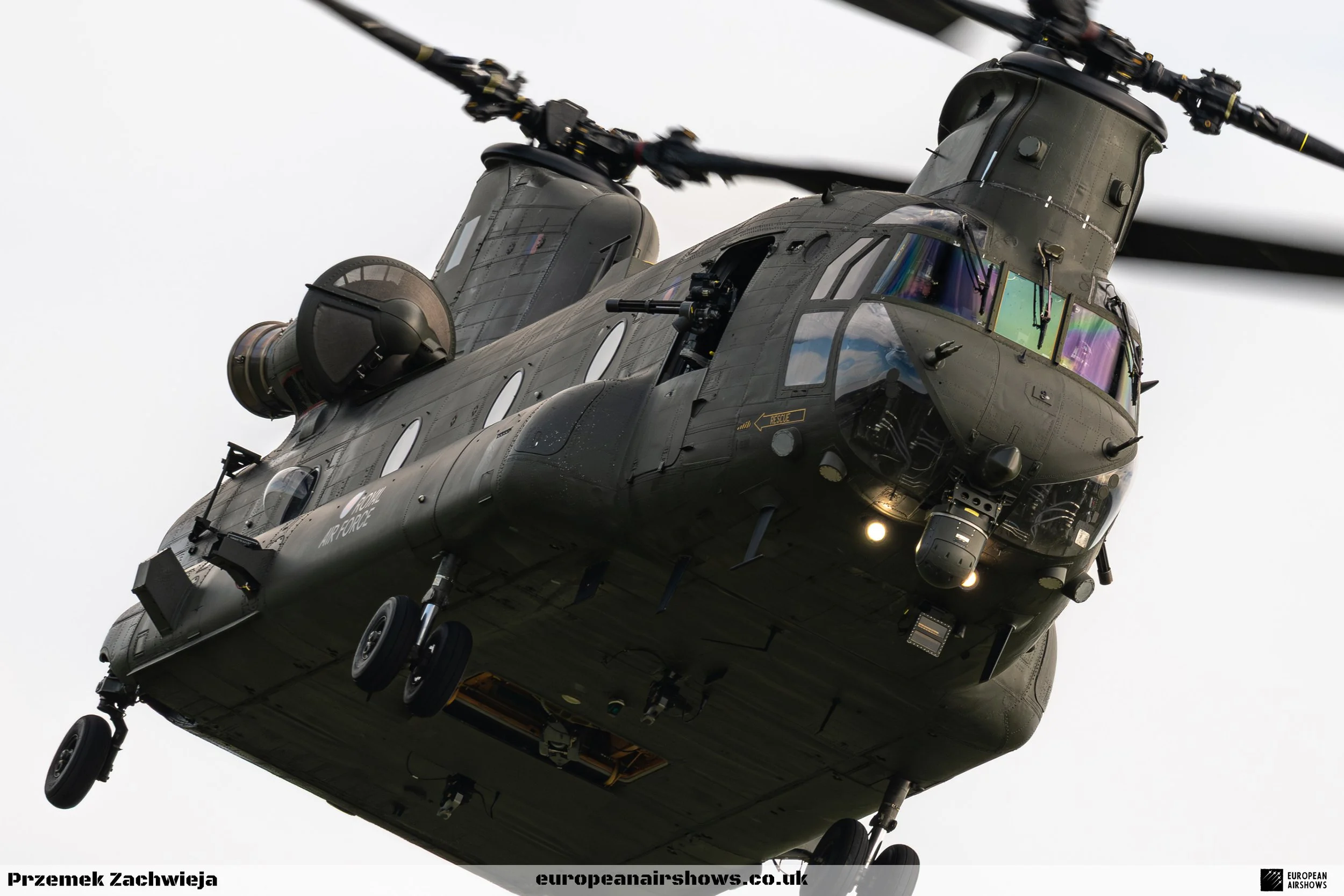
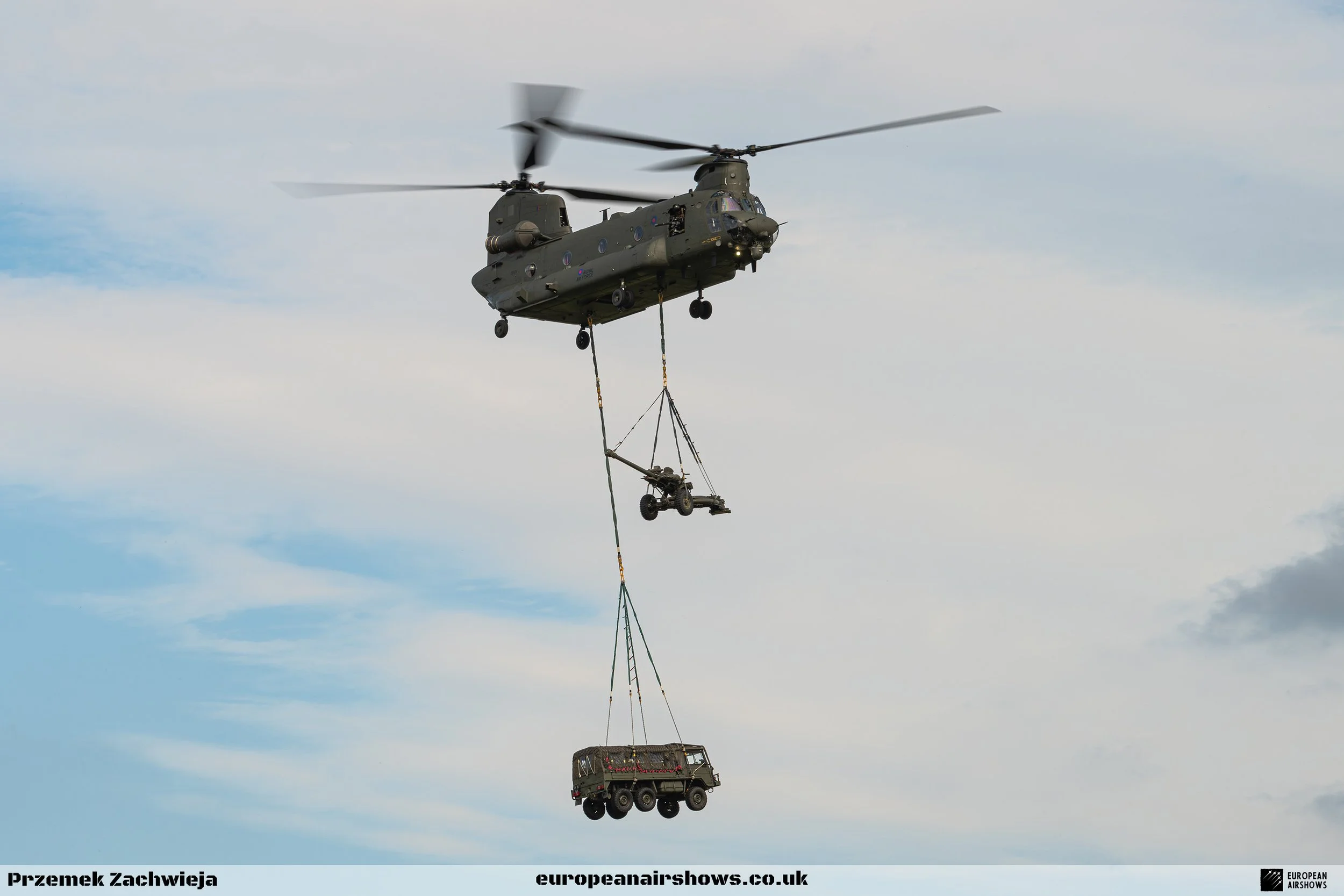
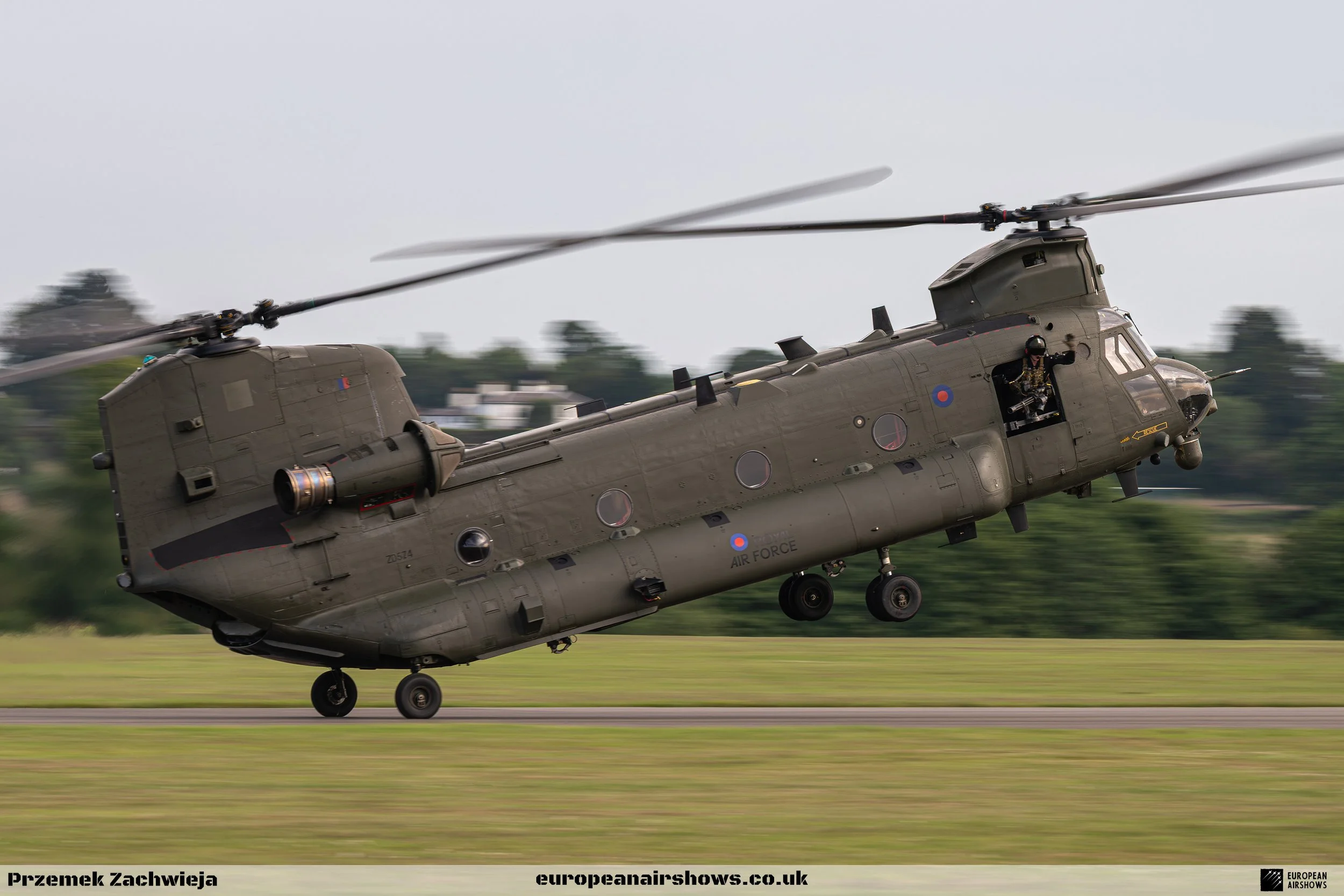
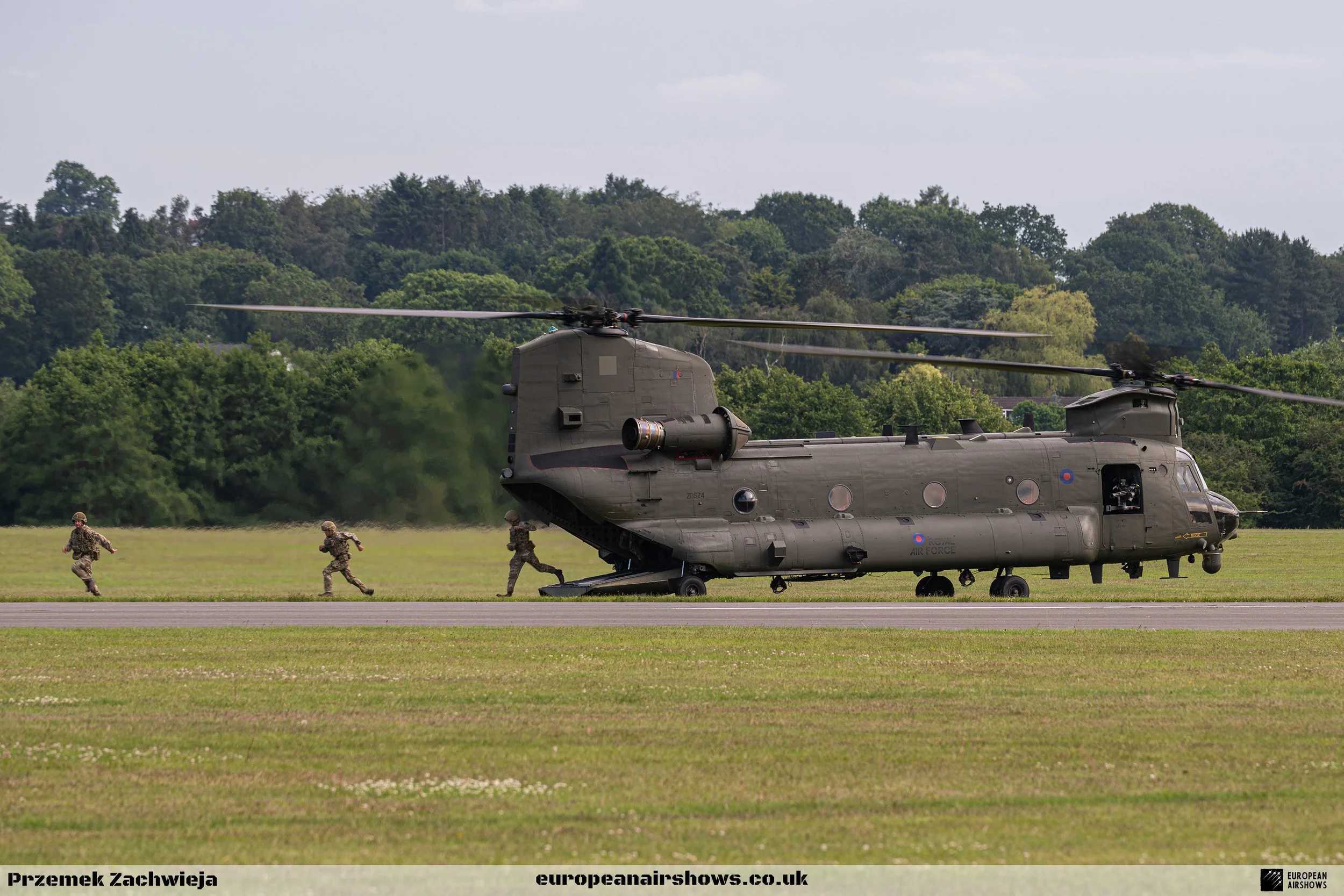
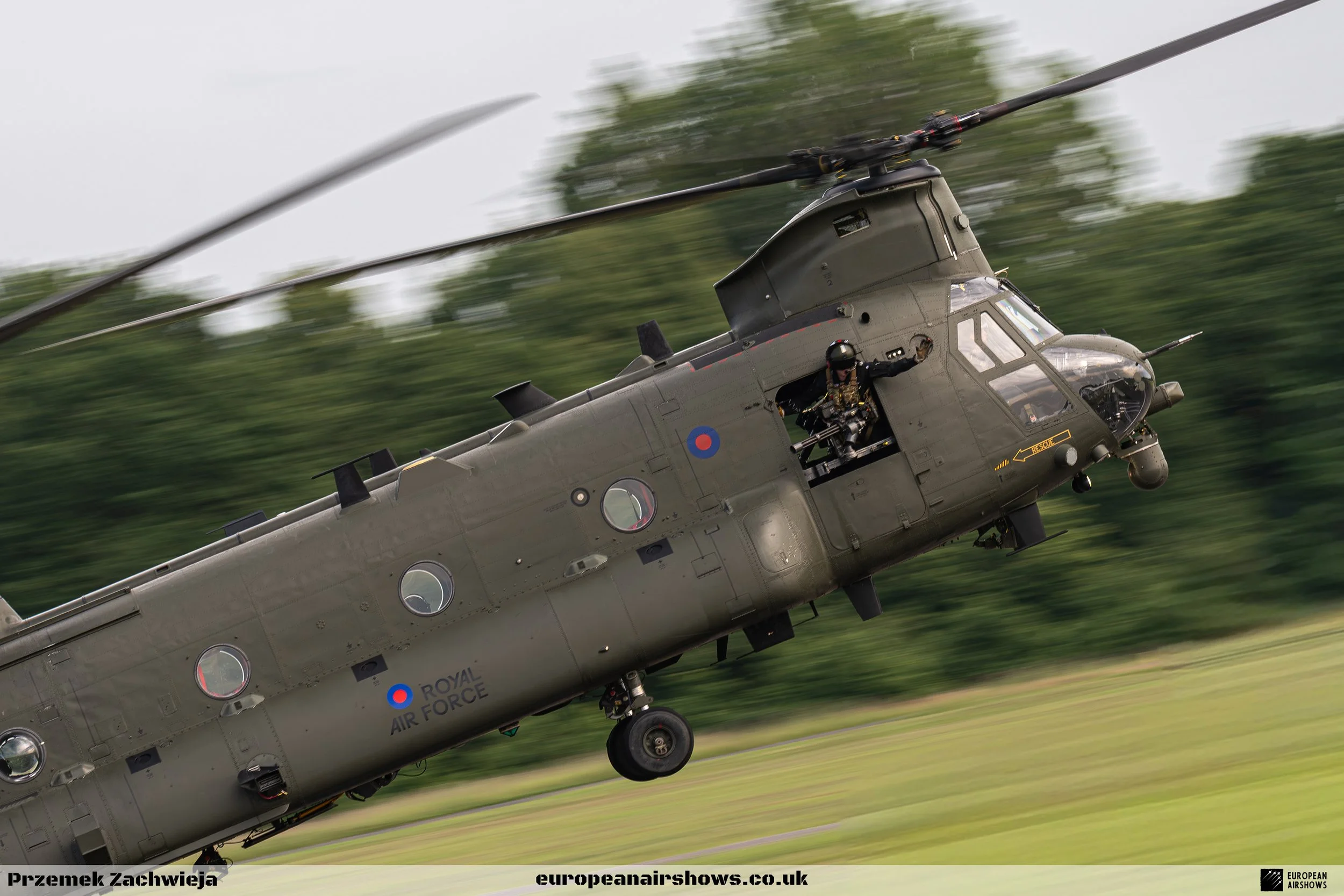
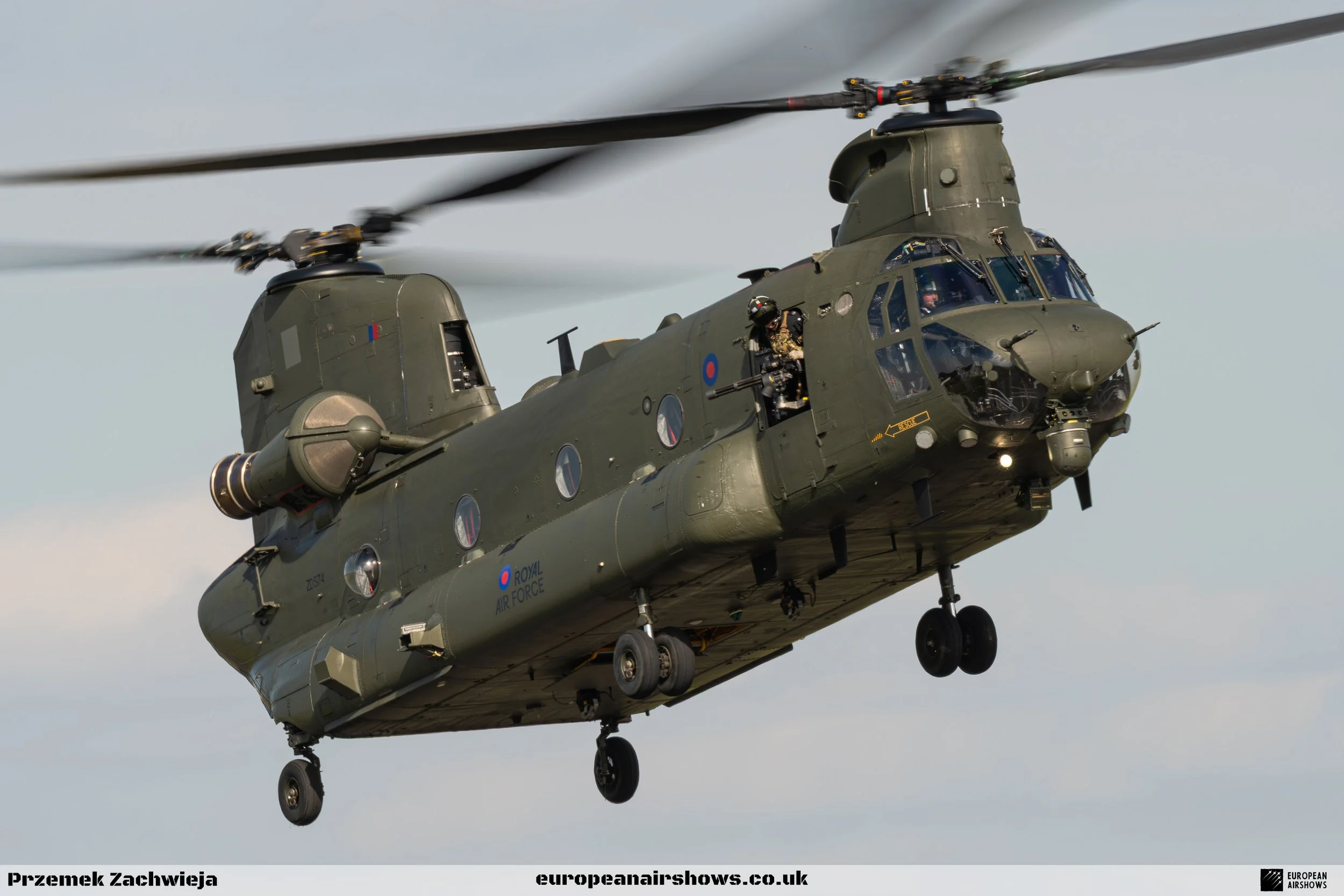
The RAF Chinook Role Demonstration brought the day towards a powerful close. This was one of the best military capability displays of the show, with the Chinook demonstrating exactly why it remains such an important RAF aircraft. The double underslung load was an impressive sight, with the helicopter carrying both a howitzer-style artillery load and a vehicle, before moving into the ground element of the demonstration. Troops, equipment, ramp work and blank firing gave the display a proper operational flavour. It was big, loud and very Cosford.
RAF Cosford Air Show 2026 could have been remembered for its cancellations. Losing the Flying Bulls, Sabre, Vampire, two Spitfires, one Mustang and the BBMF Dakota would damage almost any flying programme. Instead, Cosford will probably be remembered for how well it recovered.
The static display was one of the best and most Cosford-specific in recent years, especially with the huge number of Jaguars, RAF training airframes, museum aircraft, international visitors and Chipmunk anniversary gathering. The flying display was long, varied and well-paced, with strong RAF participation, an excellent Army Air Corps display, a superb Rafale, a rare B-17 operating from the airfield, quality warbirds, classic trainers, a moving naval tribute and a powerful Chinook finale.
It was not a perfect day for photography, and the foreign military flying element was limited compared with some past editions, but the overall package was very strong. More importantly, it felt like Cosford: a proper RAF day out, built around training, engineering, heritage, current capability and public engagement.
For a show that had so many late problems thrown at it, RAF Cosford Air Show 2026 turned into one of the most enjoyable UK military airshows of the year.
More airshow reviews
Read more reports, photography and first-hand coverage from airshows across Europe.