
Jesolo
Air Show
2026
Fursan Al Emarat's new L-15s, the Slovenian PC-9M, Italian F-35A and F-35B, First World War aircraft and the Frecce Tricolori headlined a 35-aircraft programme watched by more than 200,000 spectators.
Three and a half hours over the Adriatic brought seven Emirati Hongdu L-15s, the PC-9M Hudournik, historic SPAD XIII R and Caproni Ca.3, the Italian Air Force's RSV trio, two F-35 Lightning IIs and a familiar tricolour finale.
More than 200,000 people packed the Jesolo seafront on Saturday 12 September for the 28th edition of the Jesolo Air Show. Across three and a half hours, 35 aircraft covered almost every corner of the display spectrum: helicopters and operational demonstrations, historic aircraft, civilian formation teams, advanced trainers, frontline fighters and two national aerobatic teams.
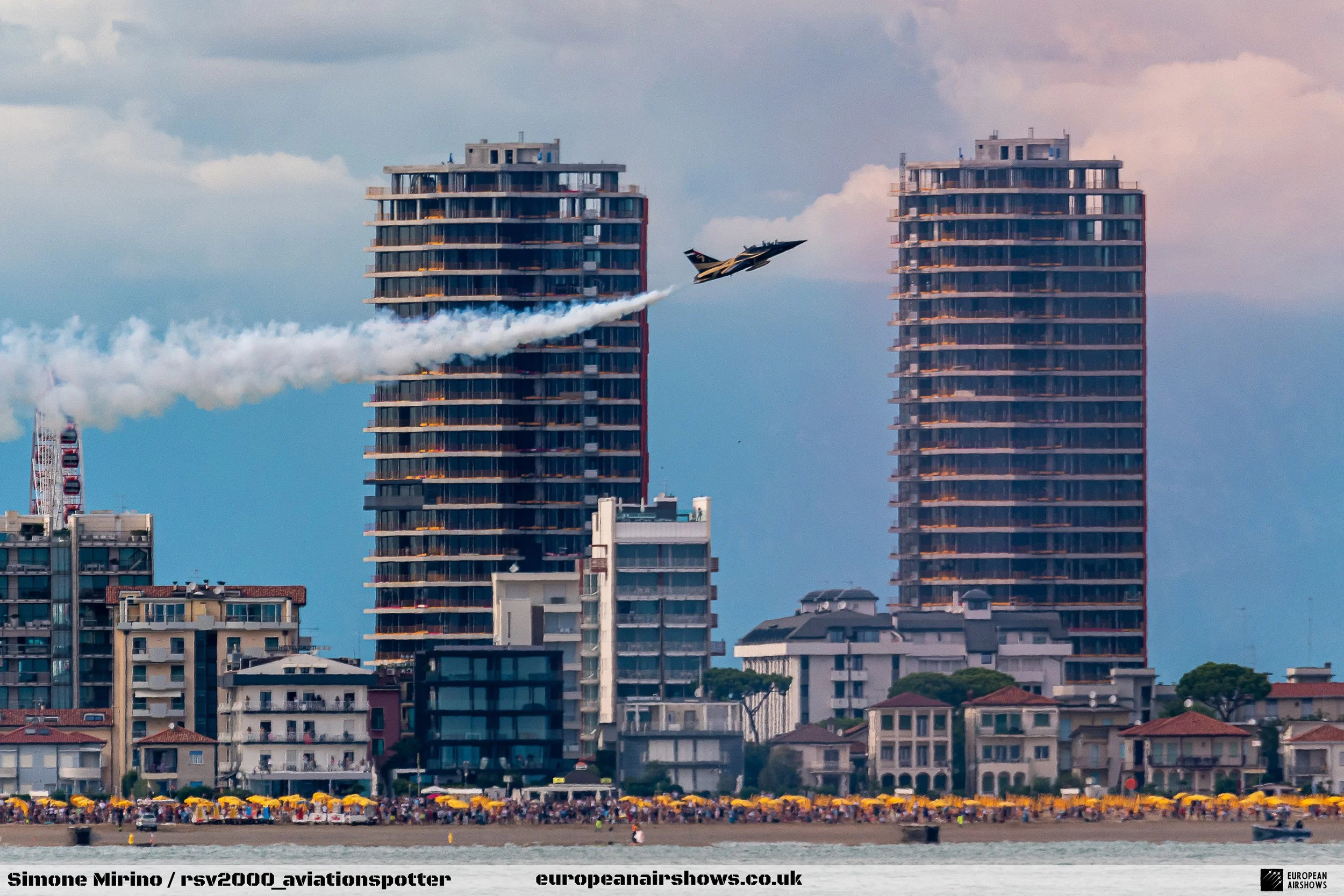
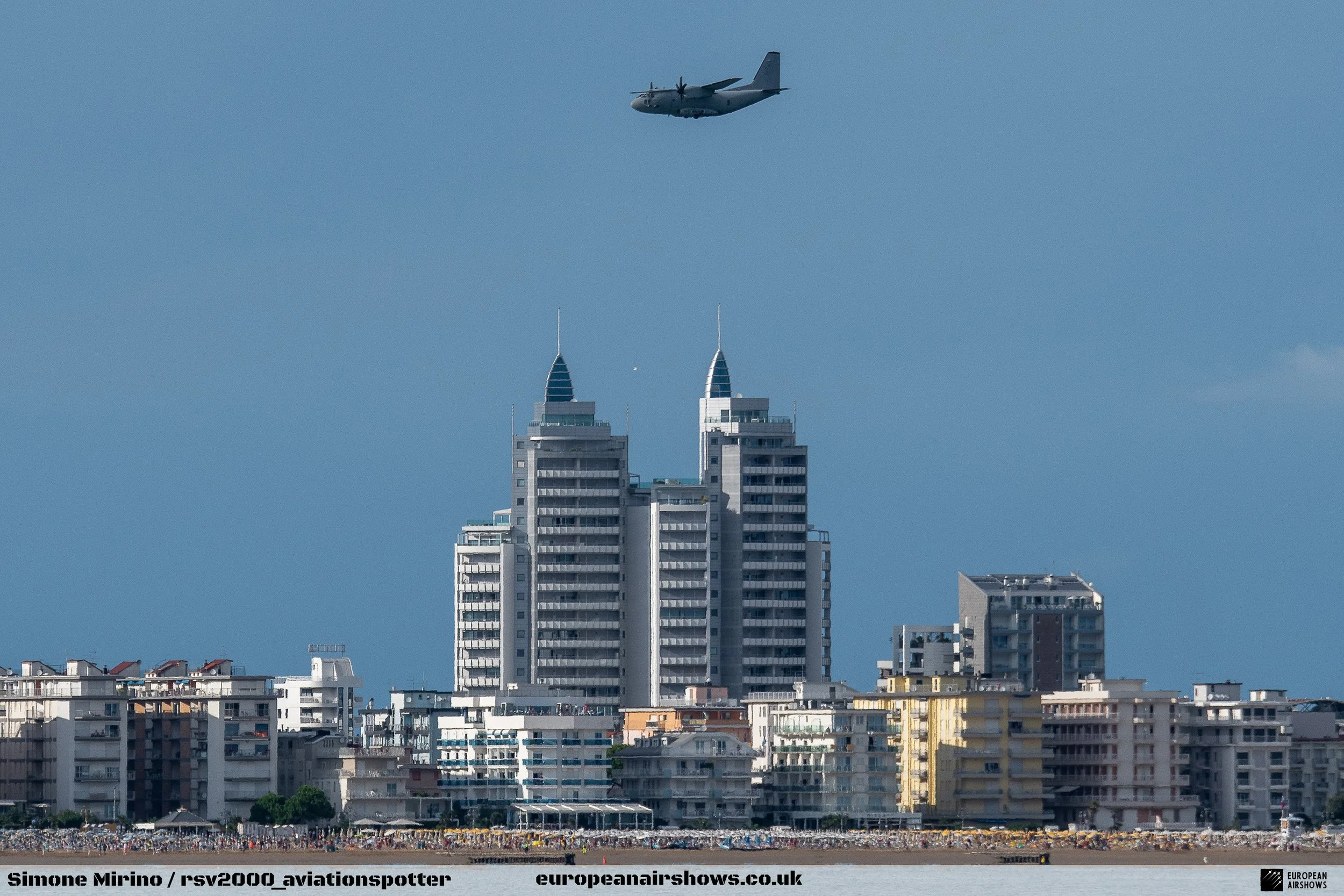
Jesolo has a scale that is difficult to appreciate until you are standing on the beach. The shoreline stretches for roughly 15 kilometres and becomes a natural grandstand, with show centre positioned opposite Piazza Brescia. Around 3,000 invited guests filled the dedicated grandstand area, while more than 160 journalists and photographers were accredited. Much of the later programme was also carried live on RAI 1.
The weather had caused some concern in the days before the event. Northern Italy had been affected by storms and Friday's rehearsal day remained cloudy, creating a few last-minute complications for visiting crews. The Hungarian Defence Forces' helicopter arrived only on Friday evening, while the Slovenian PC-9M missed the rehearsal. Saturday was a completely different story, with sunshine over the Adriatic and conditions that allowed the complete display to come together.
The setting is a major part of Jesolo's appeal. It is free to watch, the flying takes place directly over the sea and the crowd can spread for kilometres along the coast. That also means the event never feels like a conventional airfield show. There is no static park beside the runway and no need to spend a full day inside a fenced site. Jesolo is a seaside resort that happens, for one weekend each year, to place a very serious airshow in front of it.
The helicopters get things moving
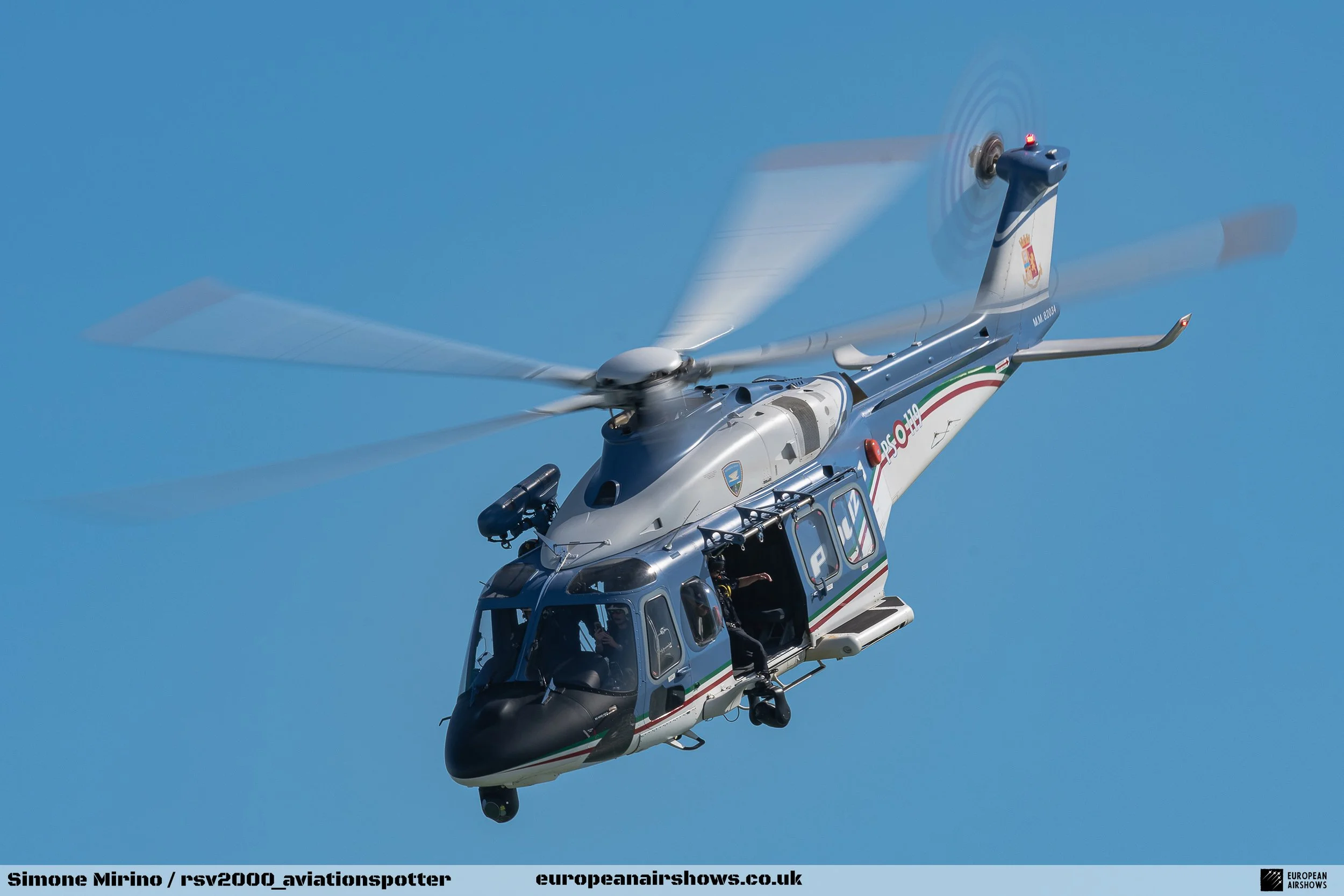
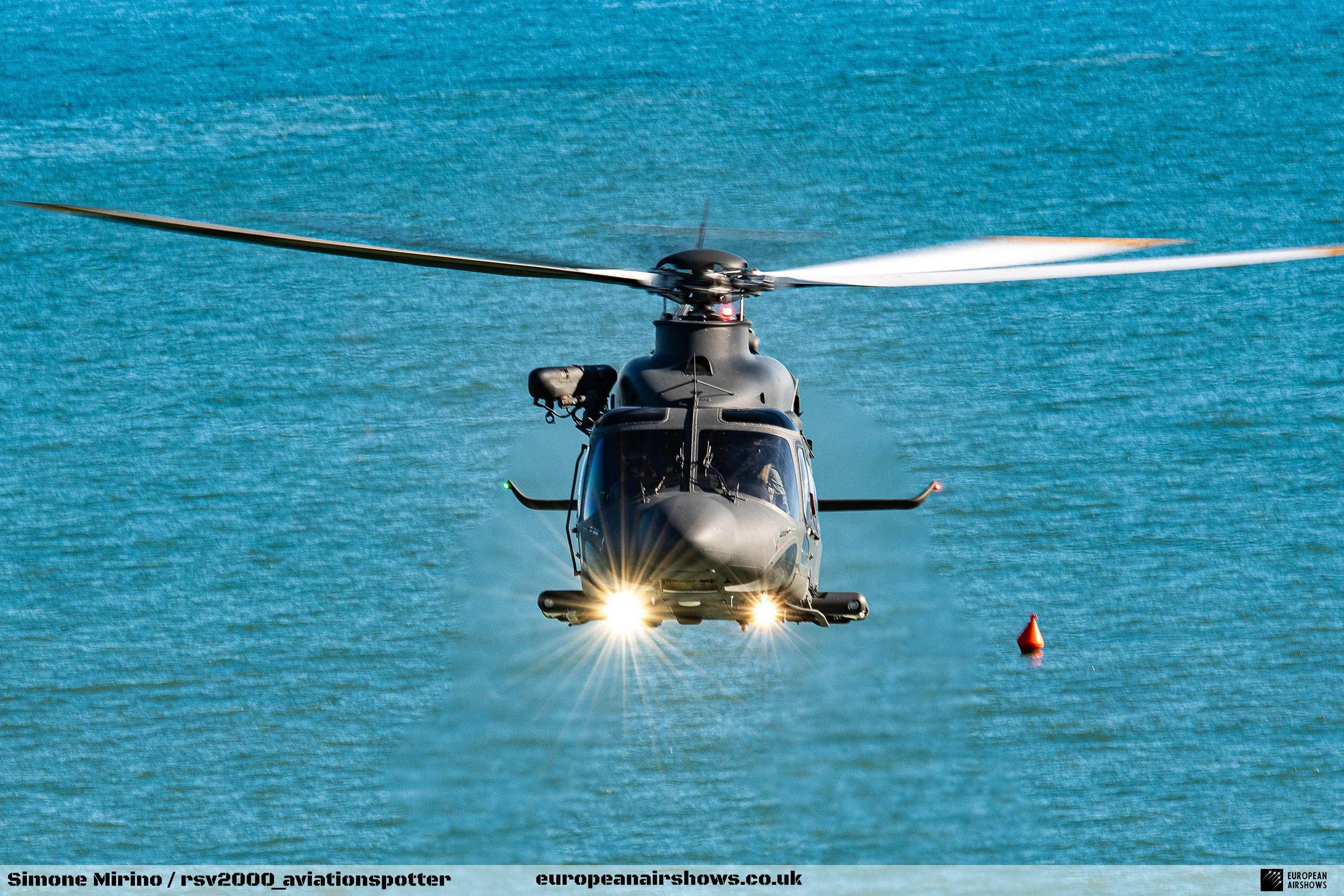
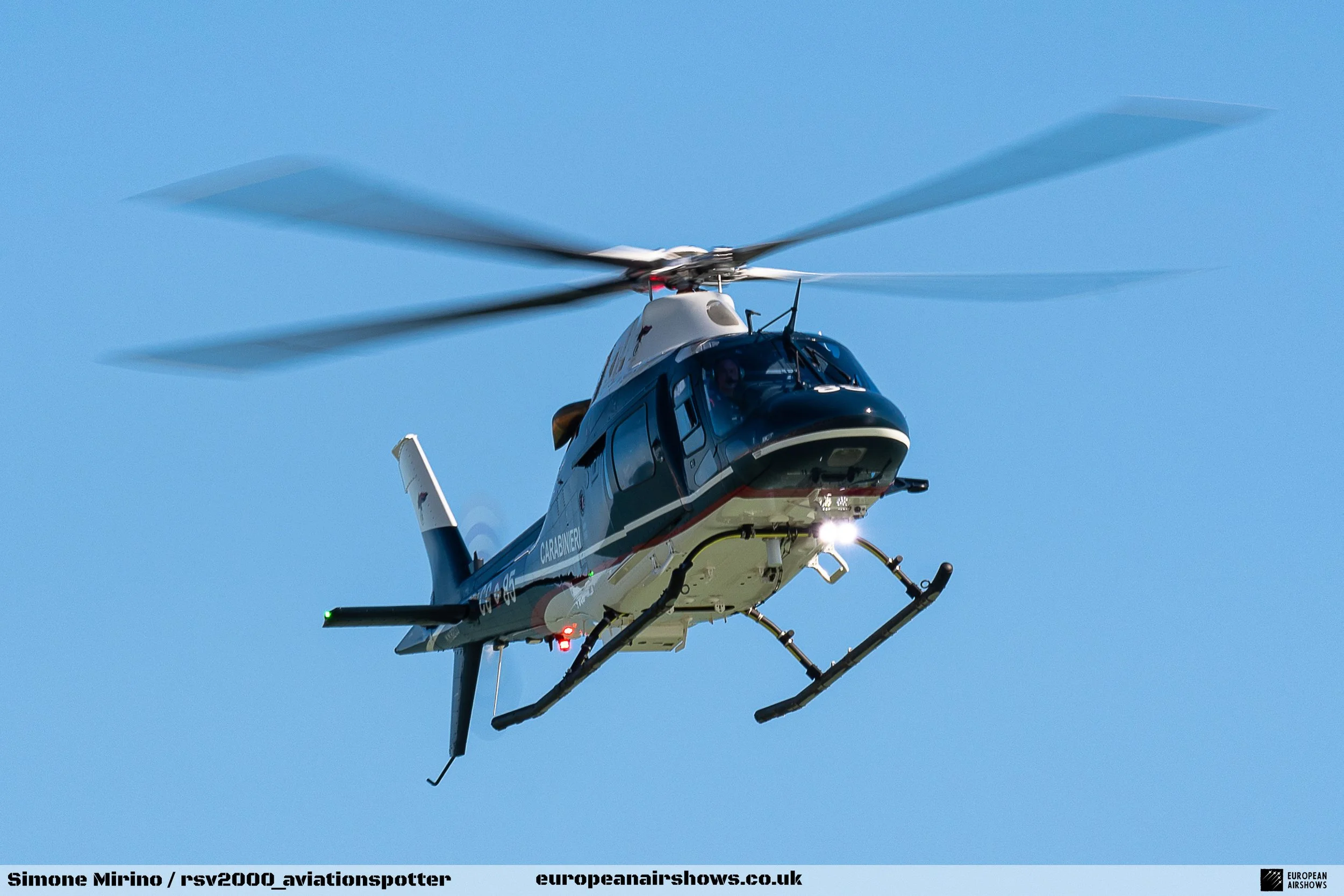
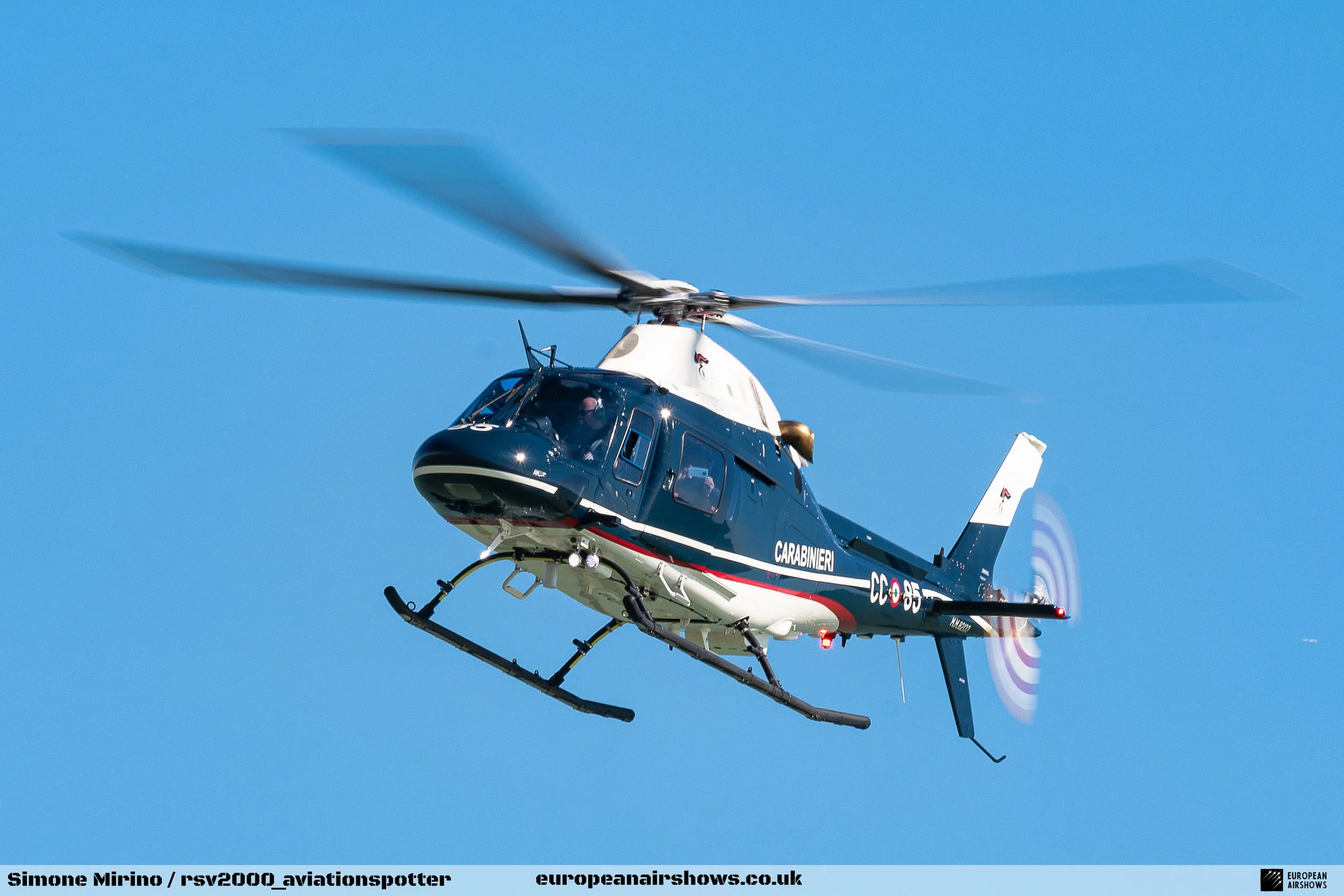
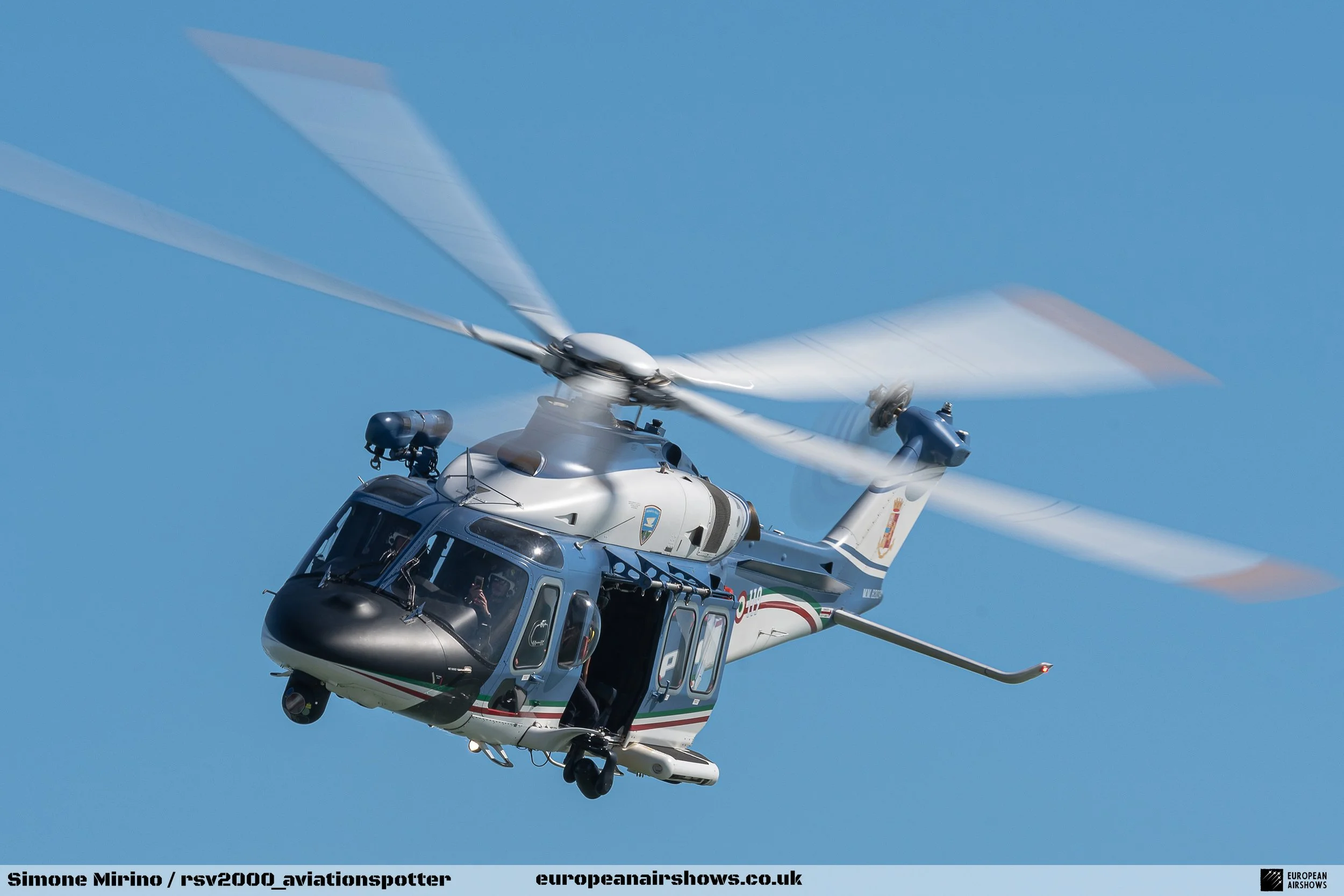
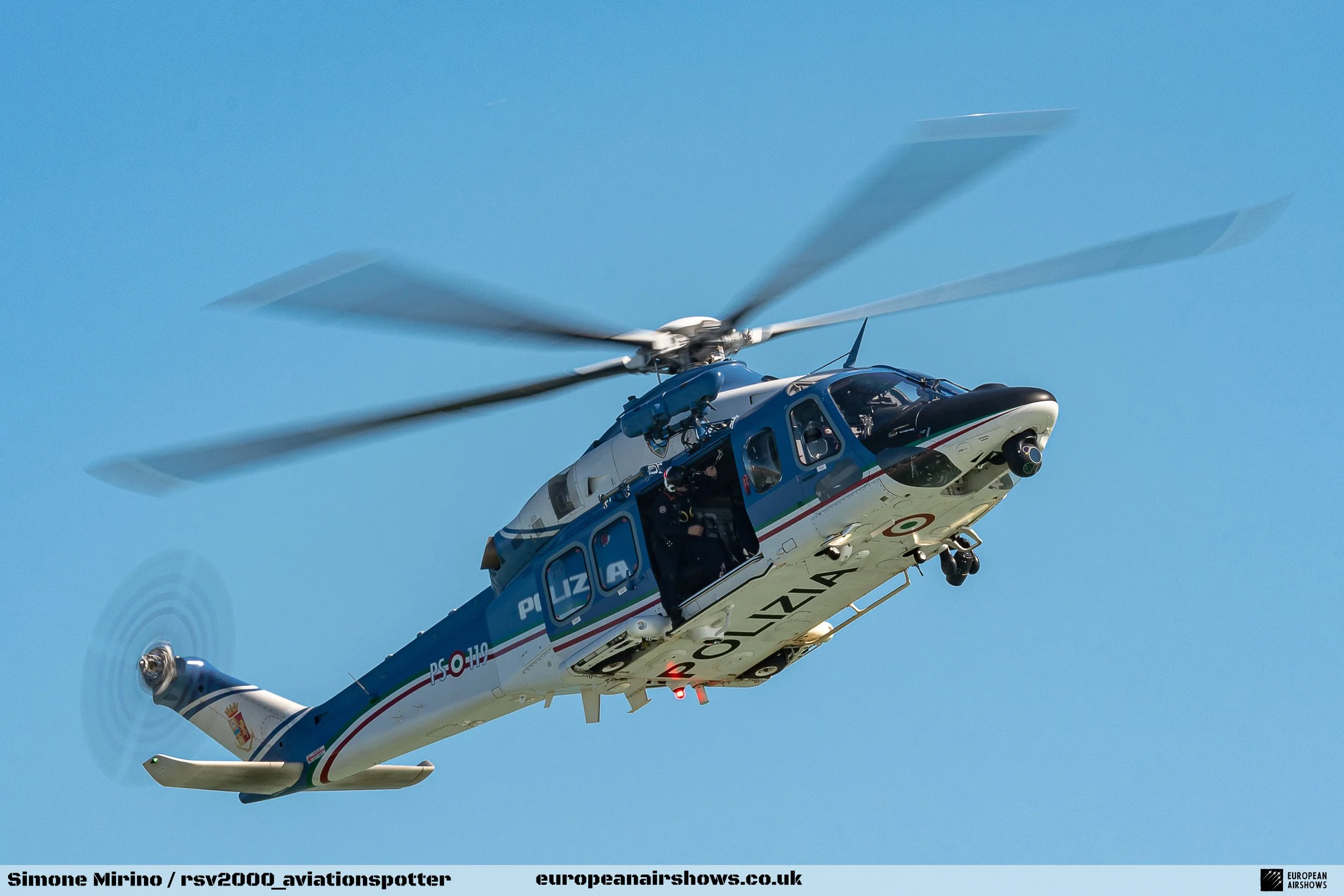
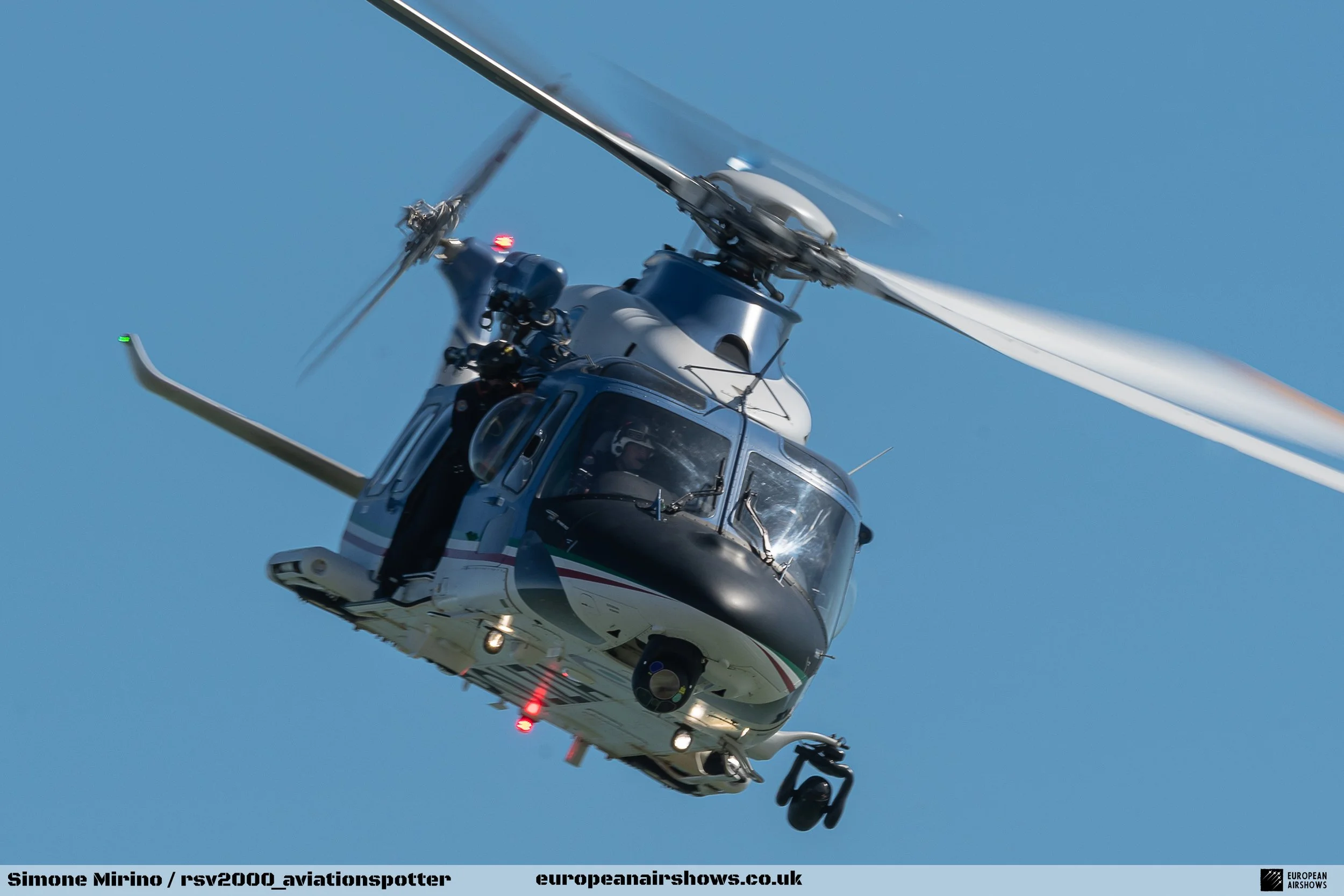
The opening part of the programme belonged to Italy's state services. The Leonardo RH-119A of the Carabinieri made the first passes along the beach, followed by the Polizia di Stato's Leonardo UH-139E from the 10th Reparto Volo at Venice.
Both were straightforward flypasts rather than elaborate displays, but they set the tone nicely. Jesolo has always made room for the aircraft people in north-eastern Italy are more likely to see at work than at an airshow, and that local connection matters. The RH-119A is the Carabinieri version of the AW119 family, while the much larger UH-139E belongs to the AW139 line that has become a familiar sight in Italian public-service aviation.
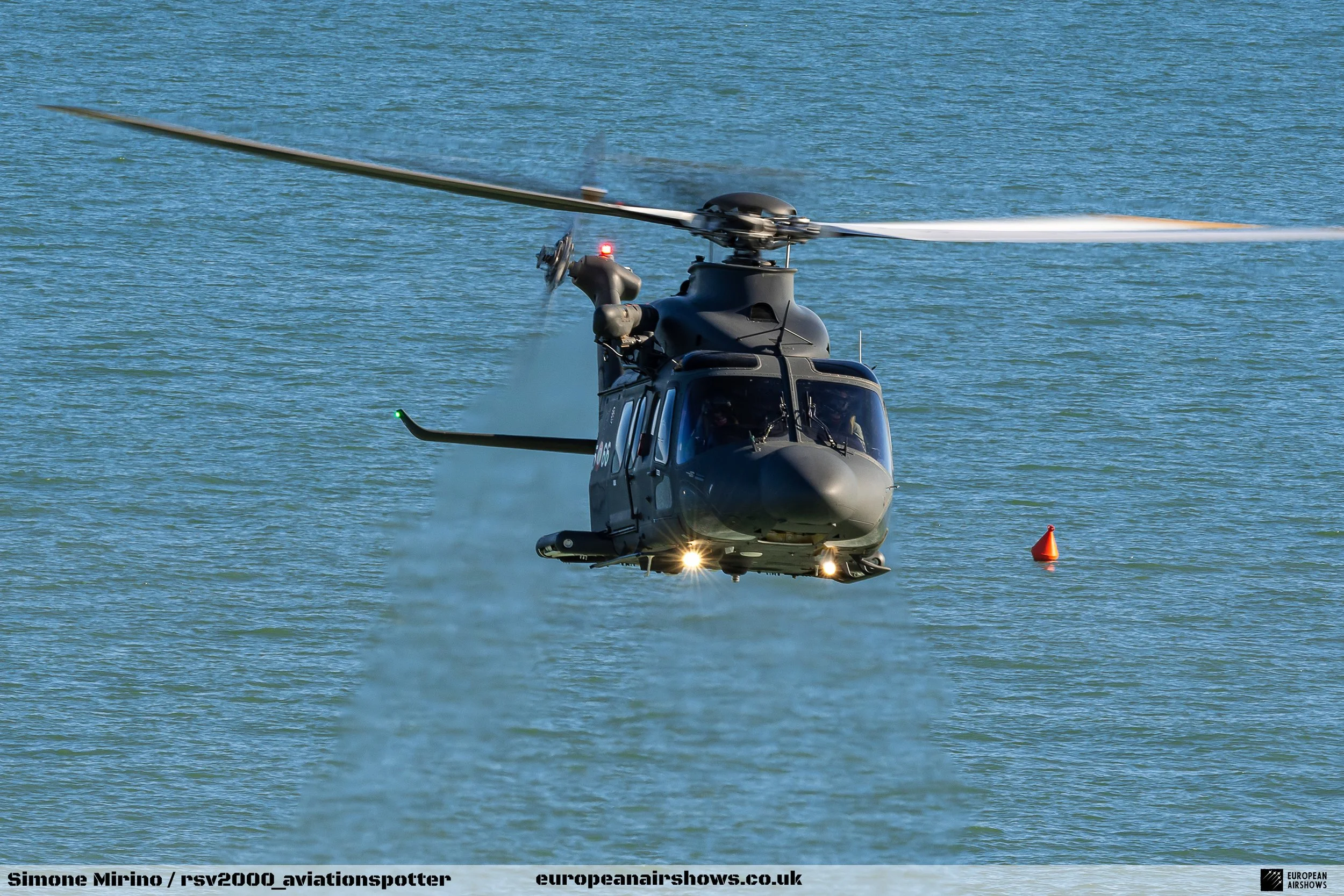
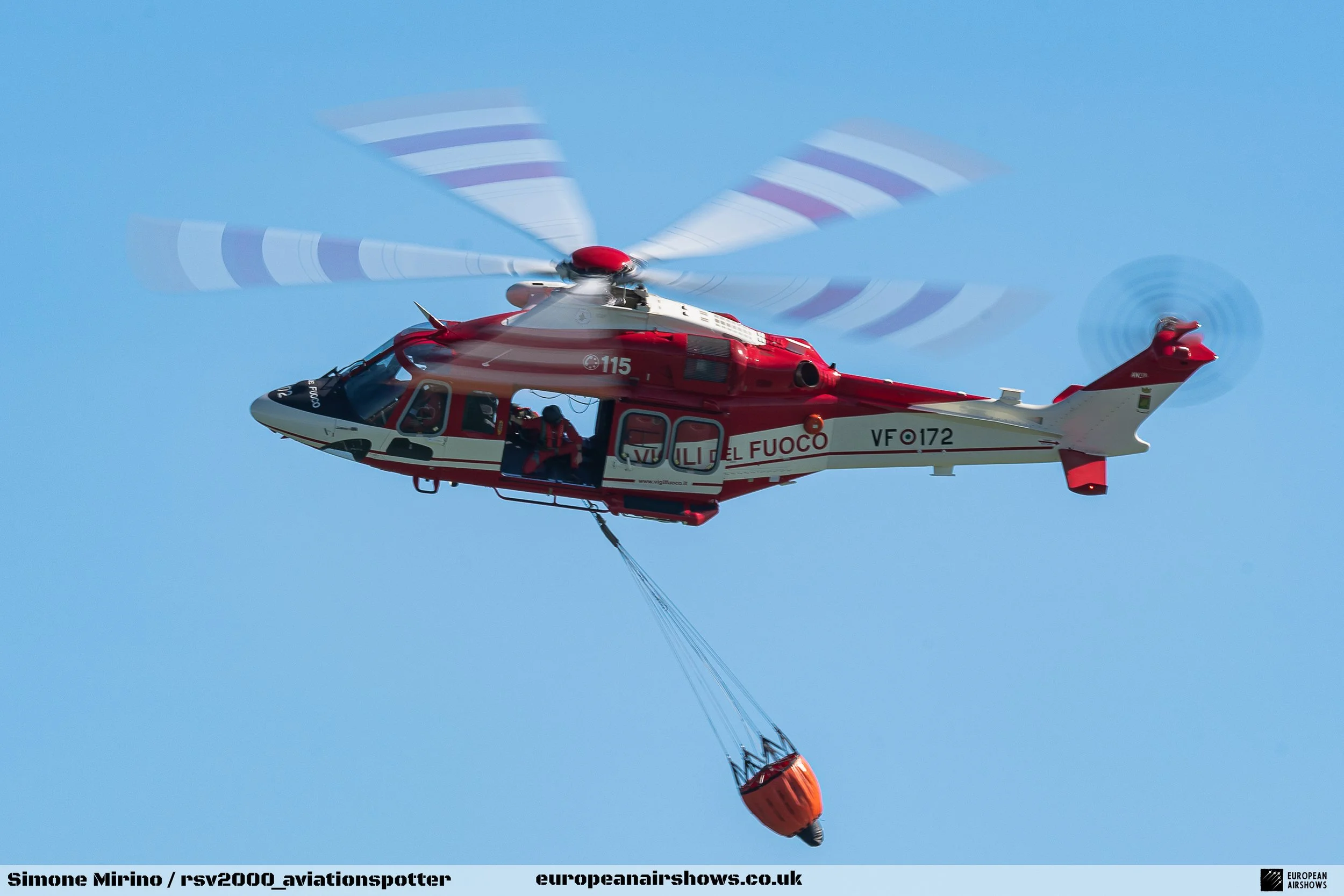
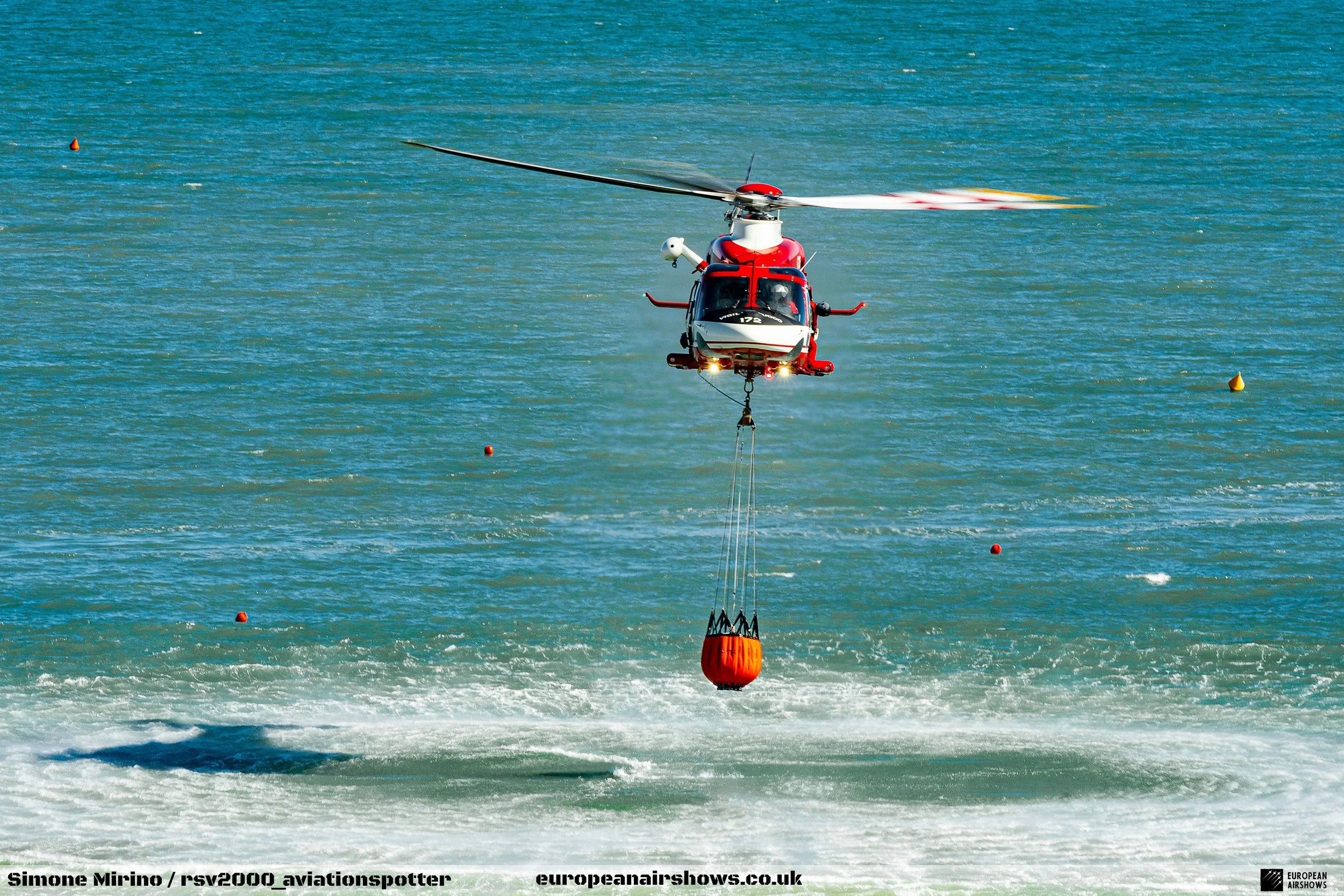
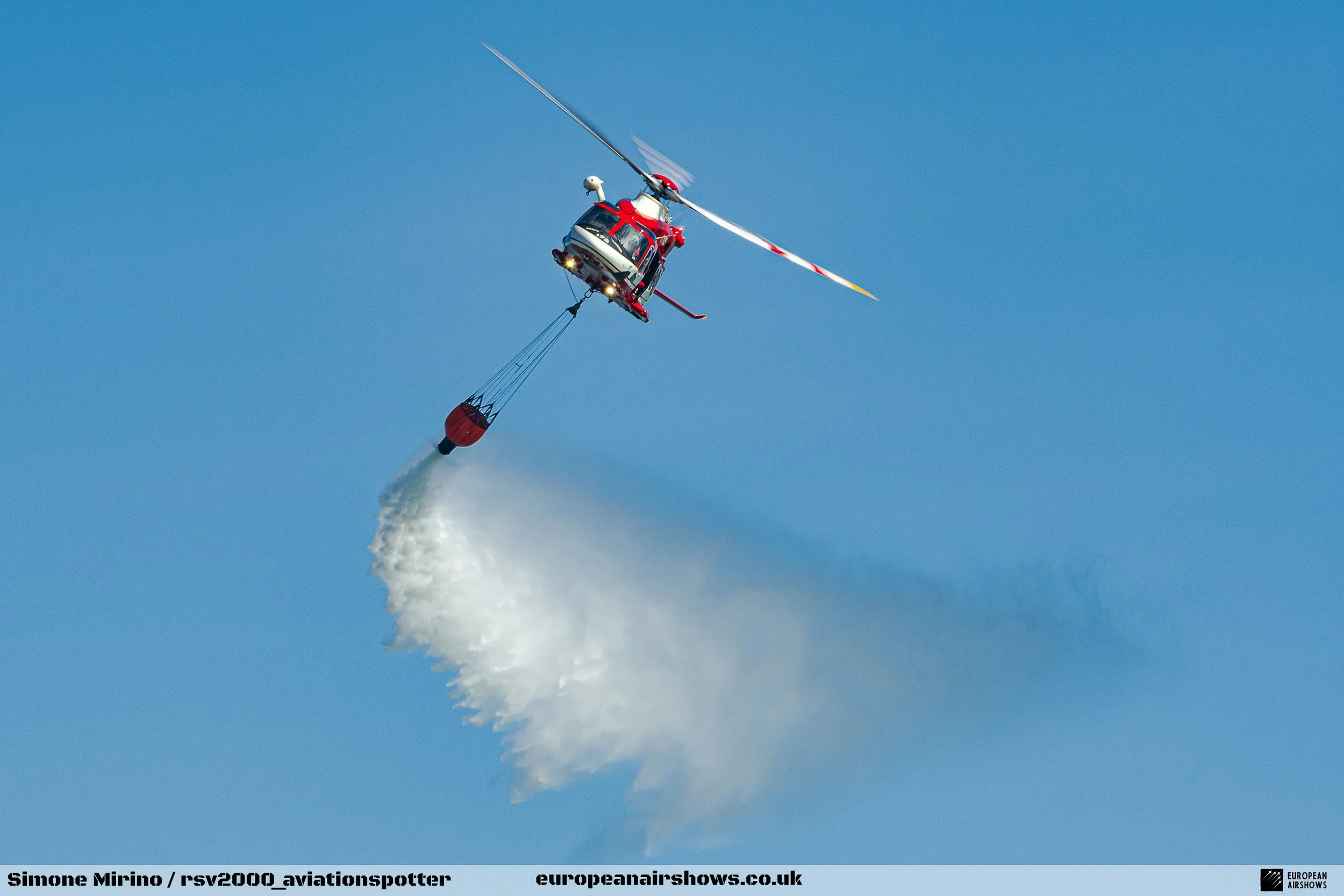
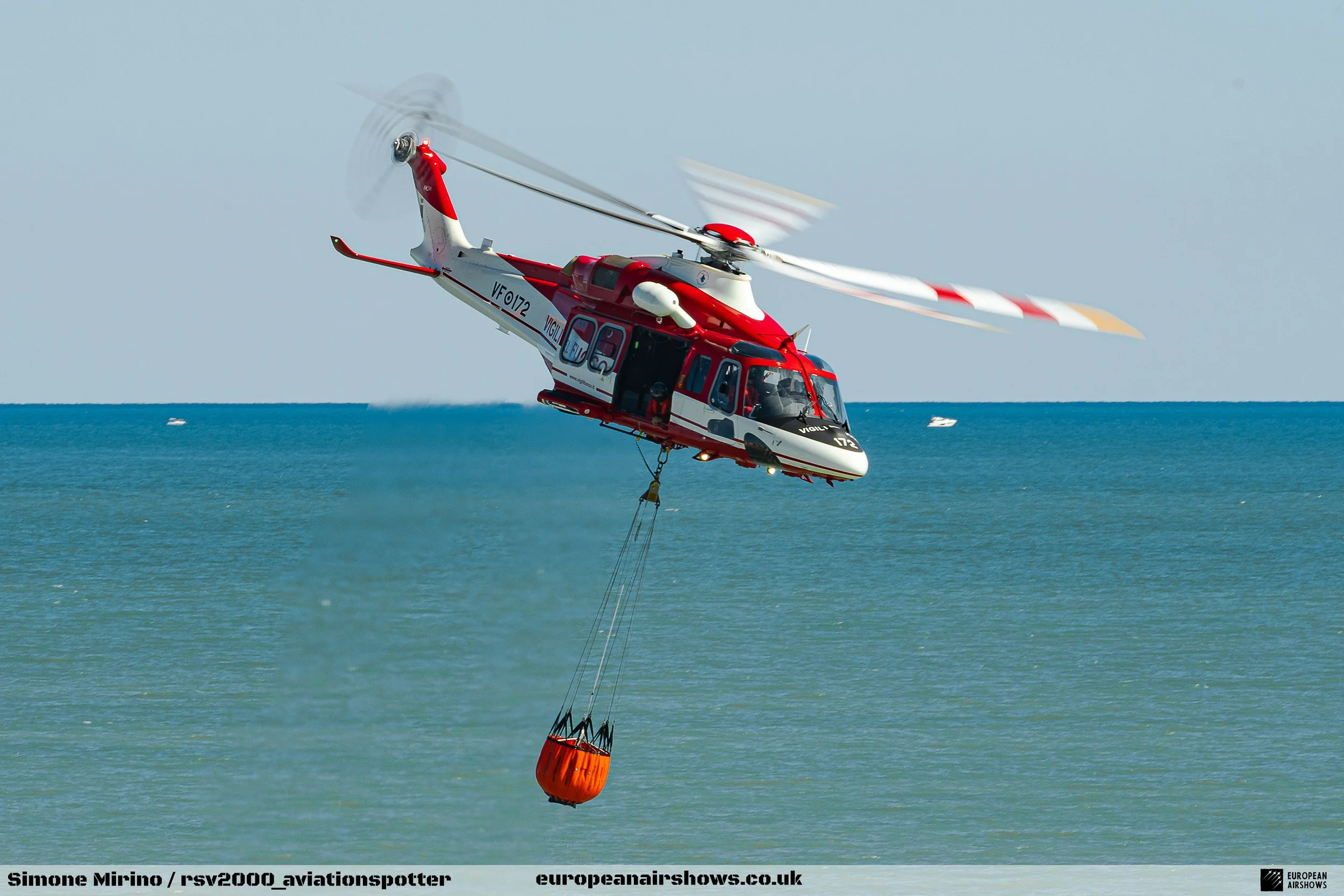
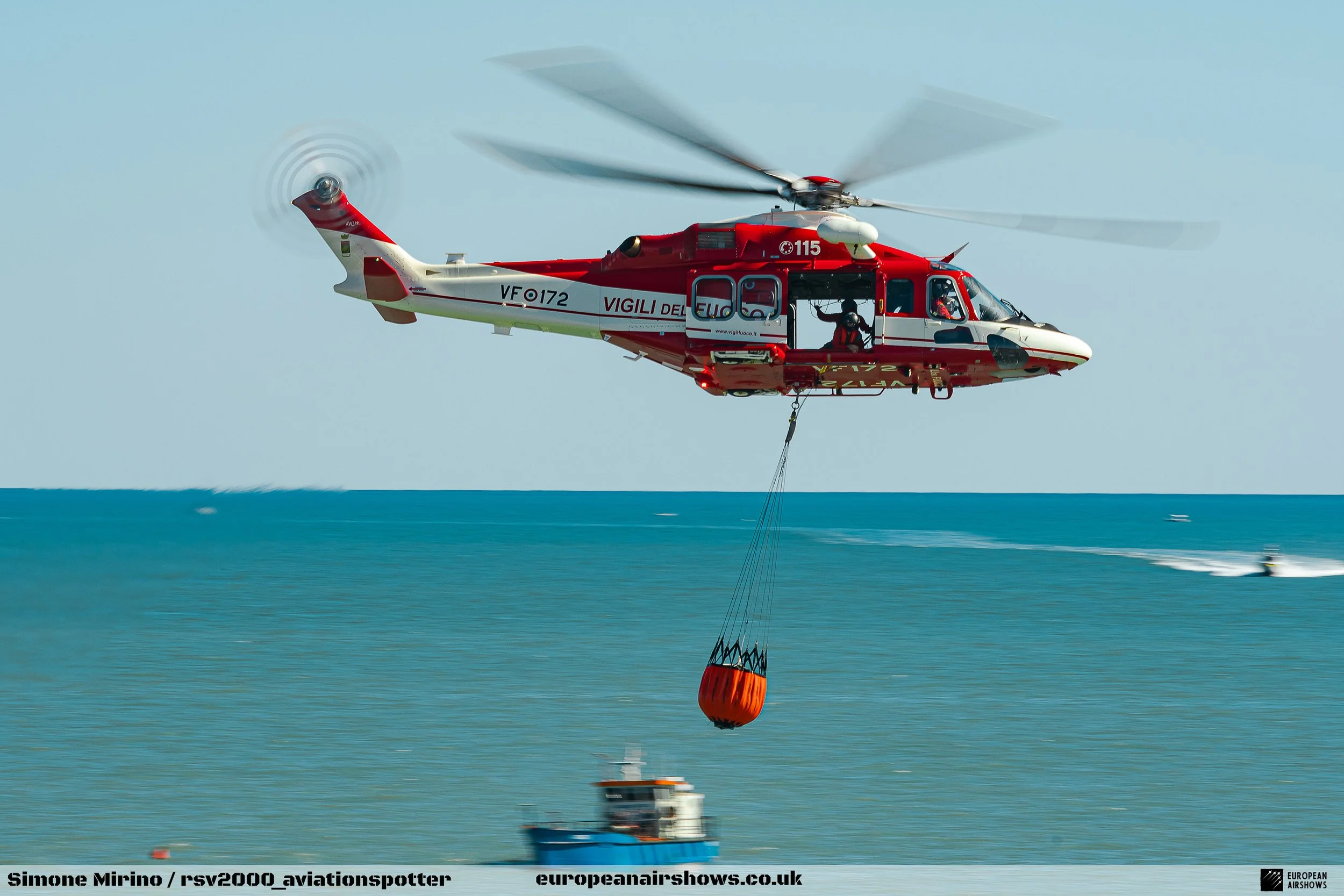
The Corpo Nazionale dei Vigili del Fuoco then gave the first proper operational demonstration of the afternoon with its Leonardo AW139. Carrying a firefighting bucket, the crew descended to the water, picked up a load from the Adriatic and followed it with successive drops. It was simple to understand from anywhere on the beach and looked particularly effective against the sea, where the spray and the aircraft's downwash became part of the display.
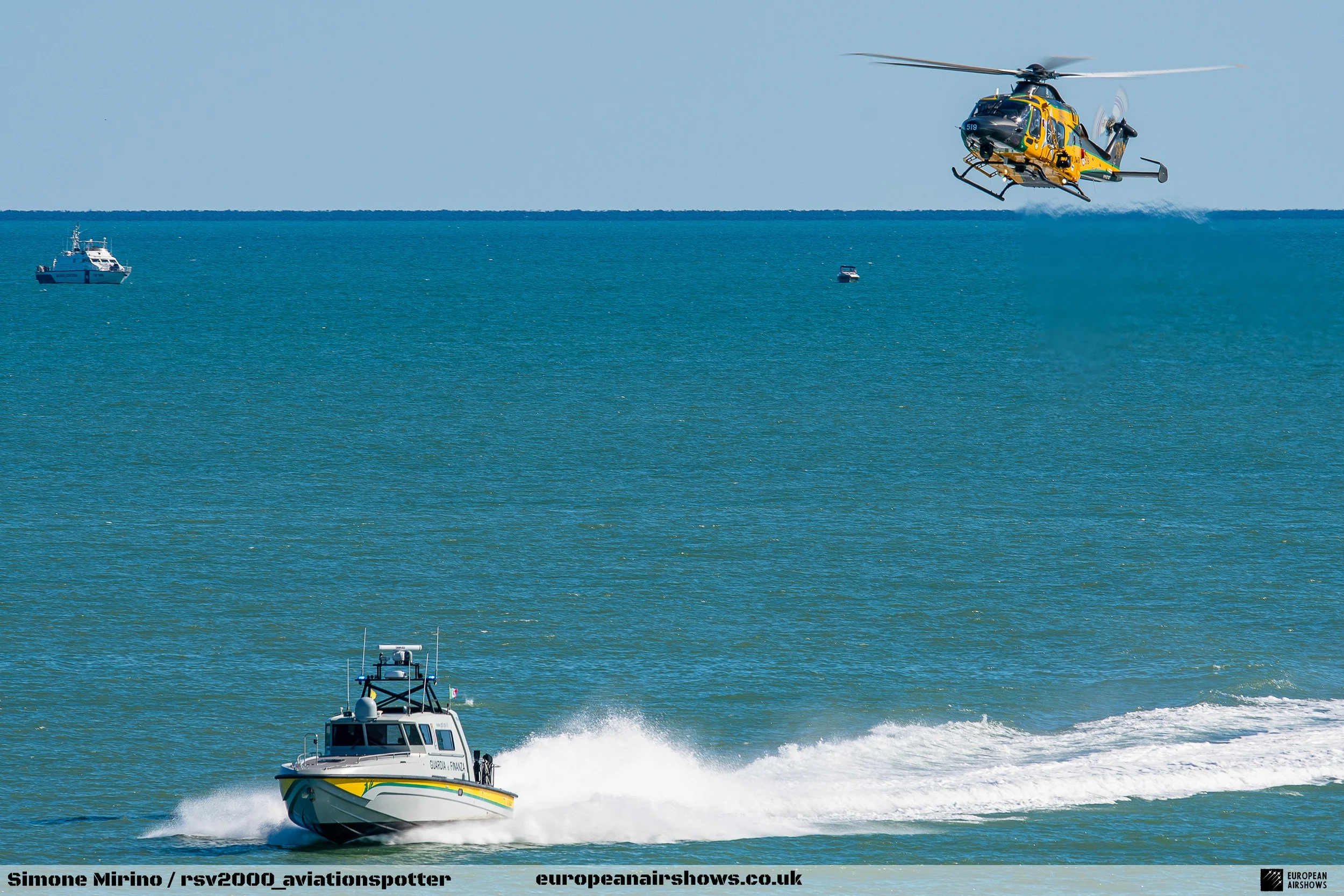
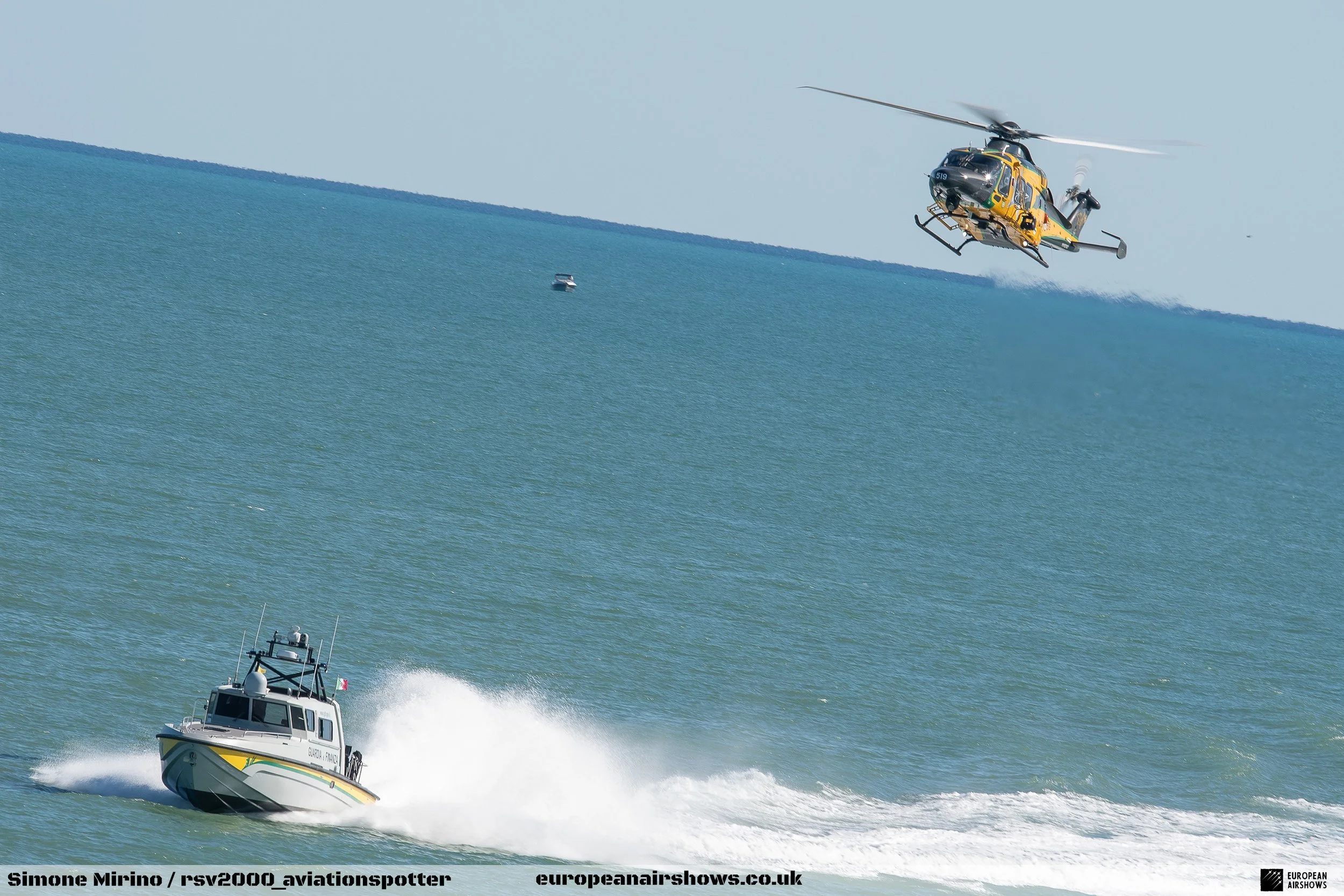
Later, the Guardia di Finanza brought its Leonardo MH-169A LUH into a simulated maritime interception with a patrol boat. The helicopter chased the vessel along the display area in a sequence based on the service's real air-sea policing work. It gave the crowd something more substantial than another series of passes and showed why rotary-wing participation works so well at a coastal show.
Hudournik wakes up the beach
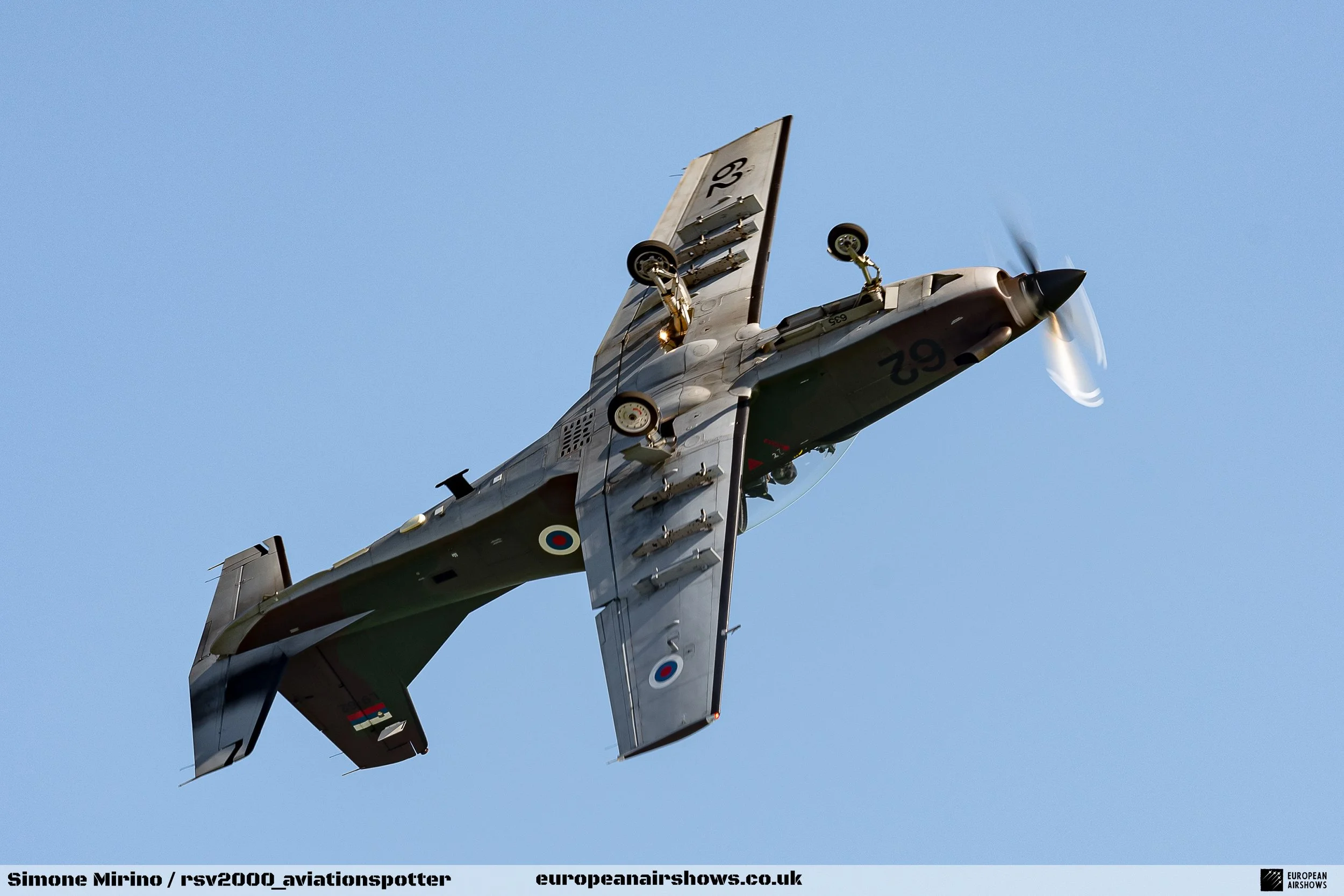
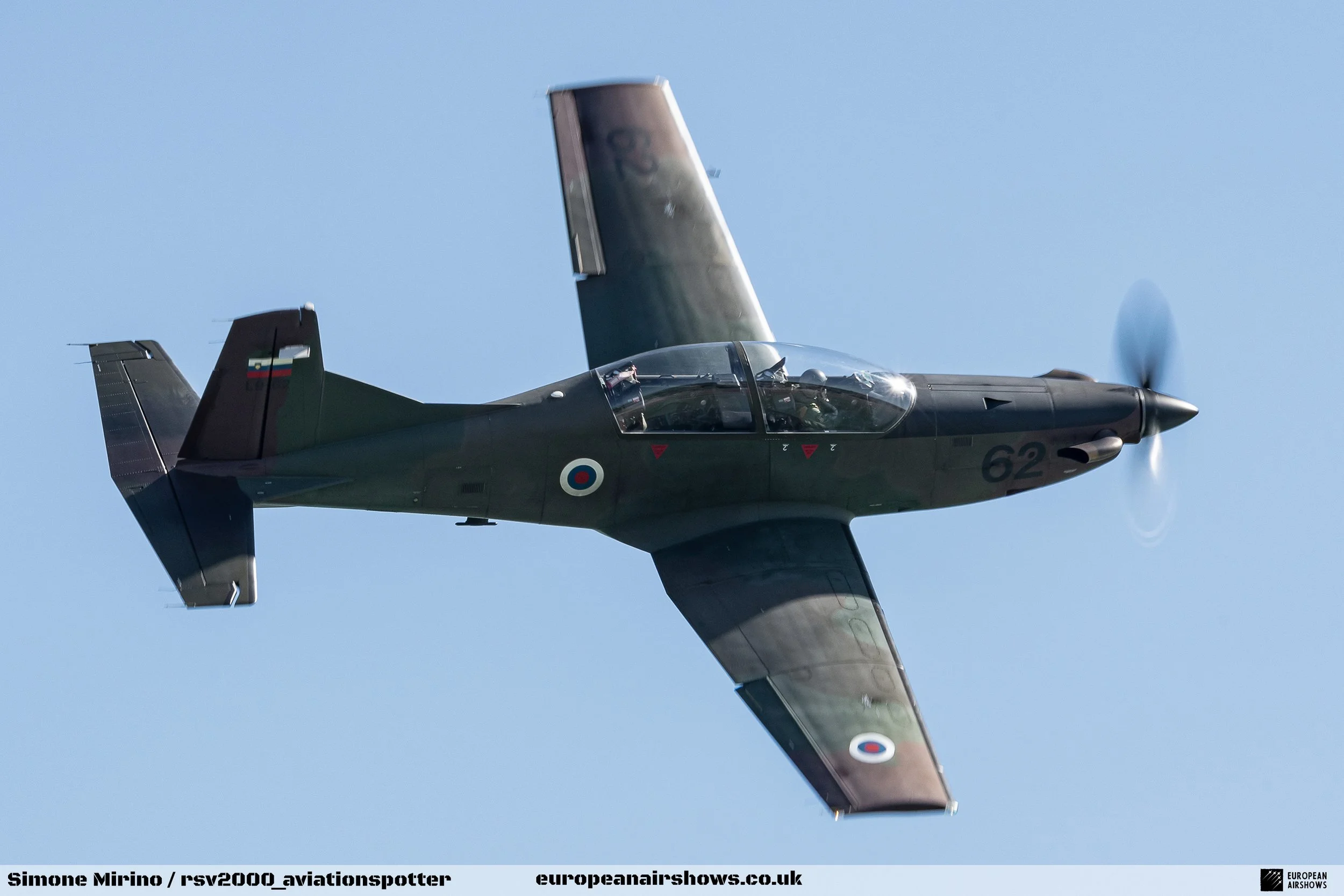
The first foreign solo of the afternoon came from the Slovenian Armed Forces and the Pilatus PC-9M Hudournik. Anyone expecting a gentle turboprop trainer display was quickly corrected.
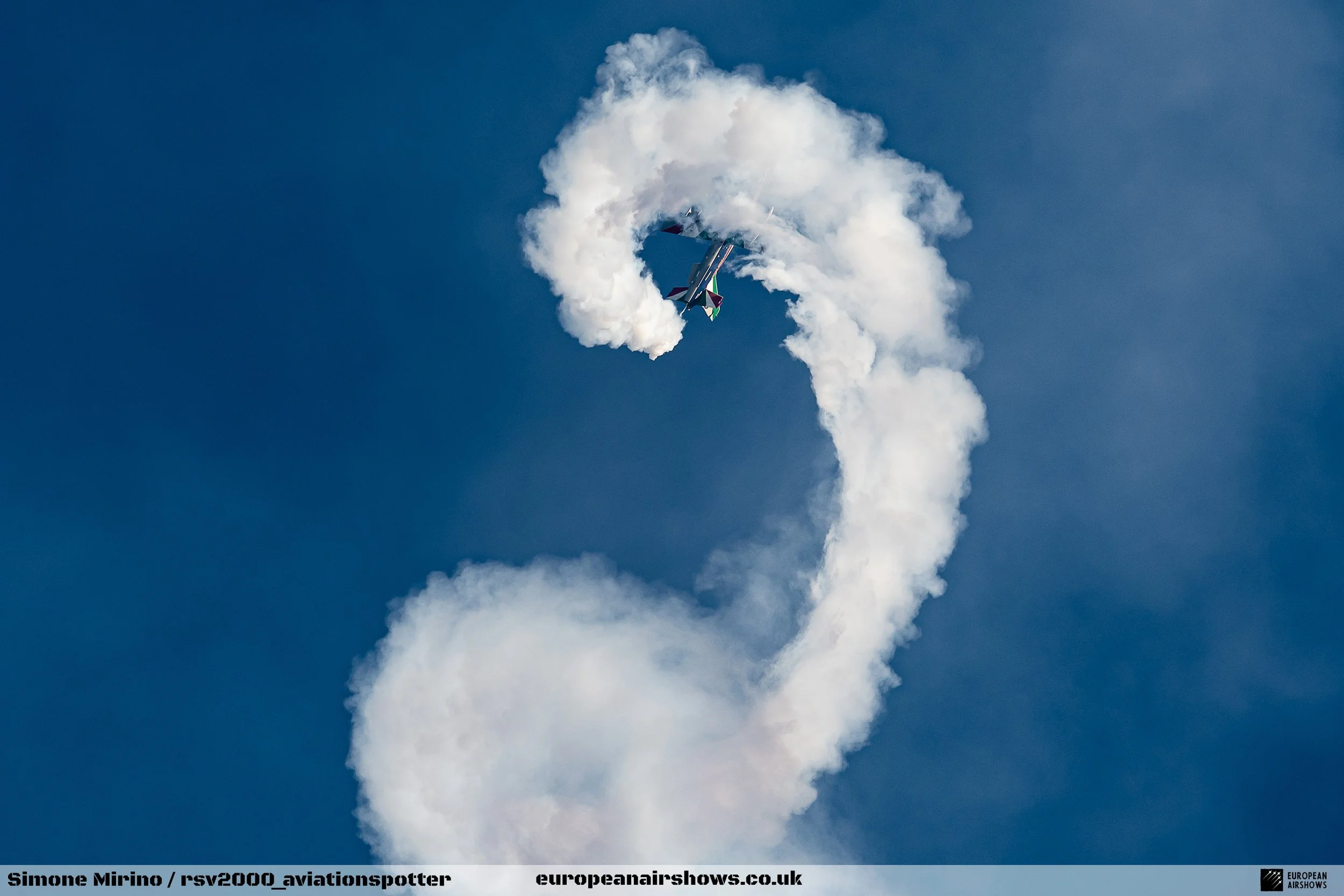
The PC-9M was worked hard from the moment it arrived. The routine rarely allowed the aircraft to settle into the same attitude for long, moving continuously through rolls, tight reversals and vertical figures. One of the most memorable moments was a looping figure carried through into an inverted finish, the sort of manoeuvre that makes a relatively small aircraft suddenly command the whole display line.
It was one of the pleasant surprises of the programme. Jesolo had plenty of faster and louder hardware still to come, but the Slovenian display proved that speed alone is not what holds a crowd. Good positioning and an aeroplane kept close to show centre can do just as much.
Fursan Al Emarat return after fourteen years
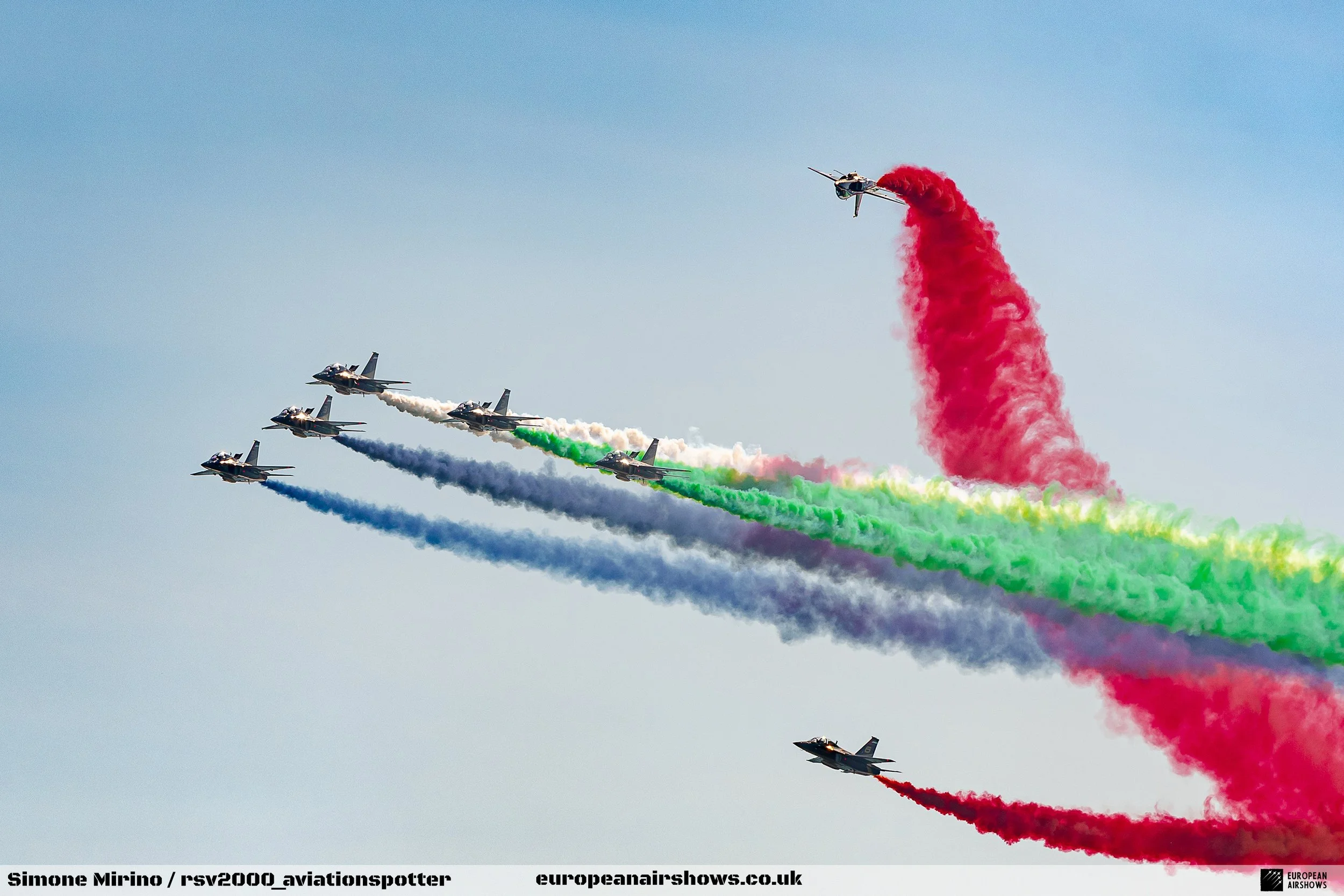
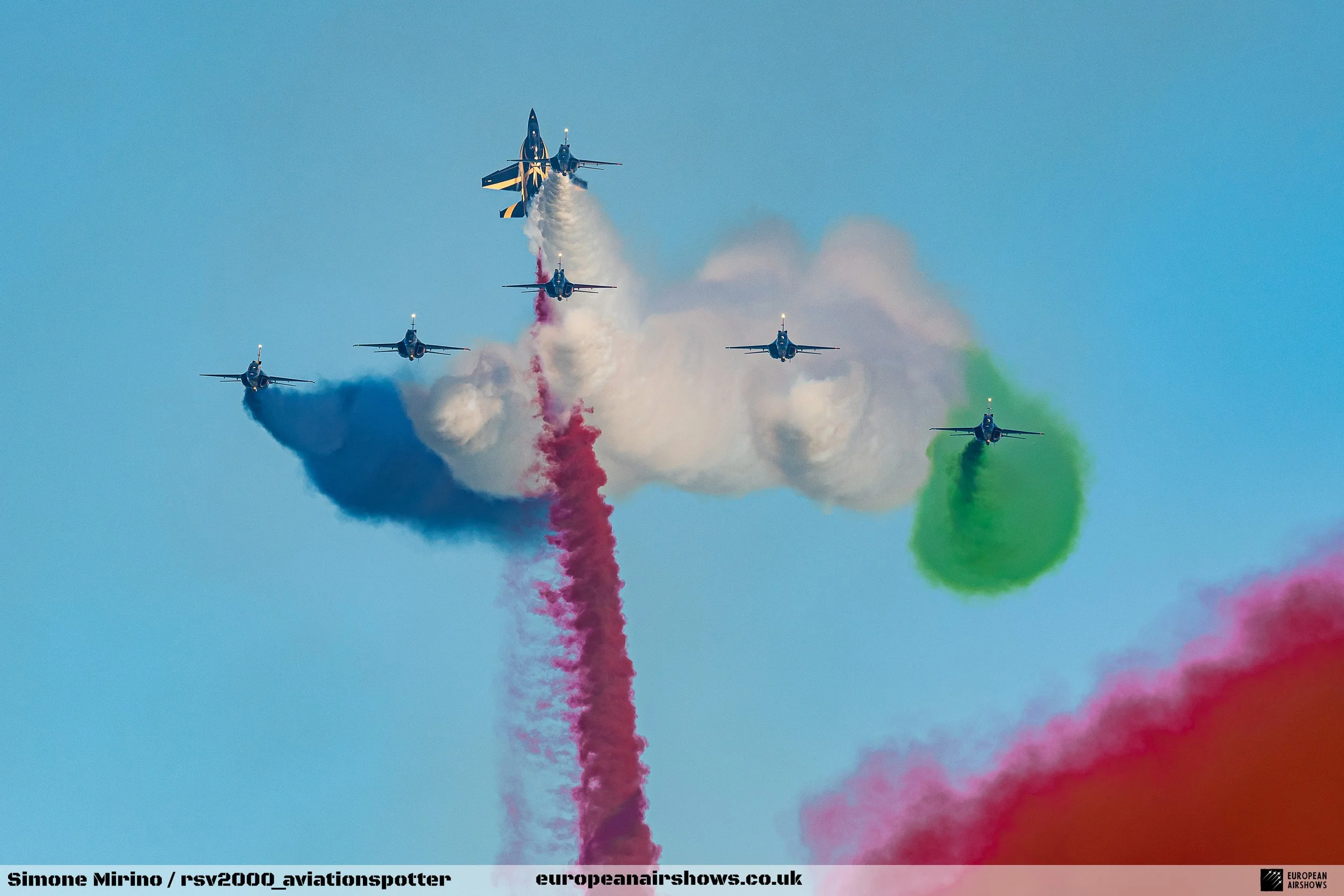
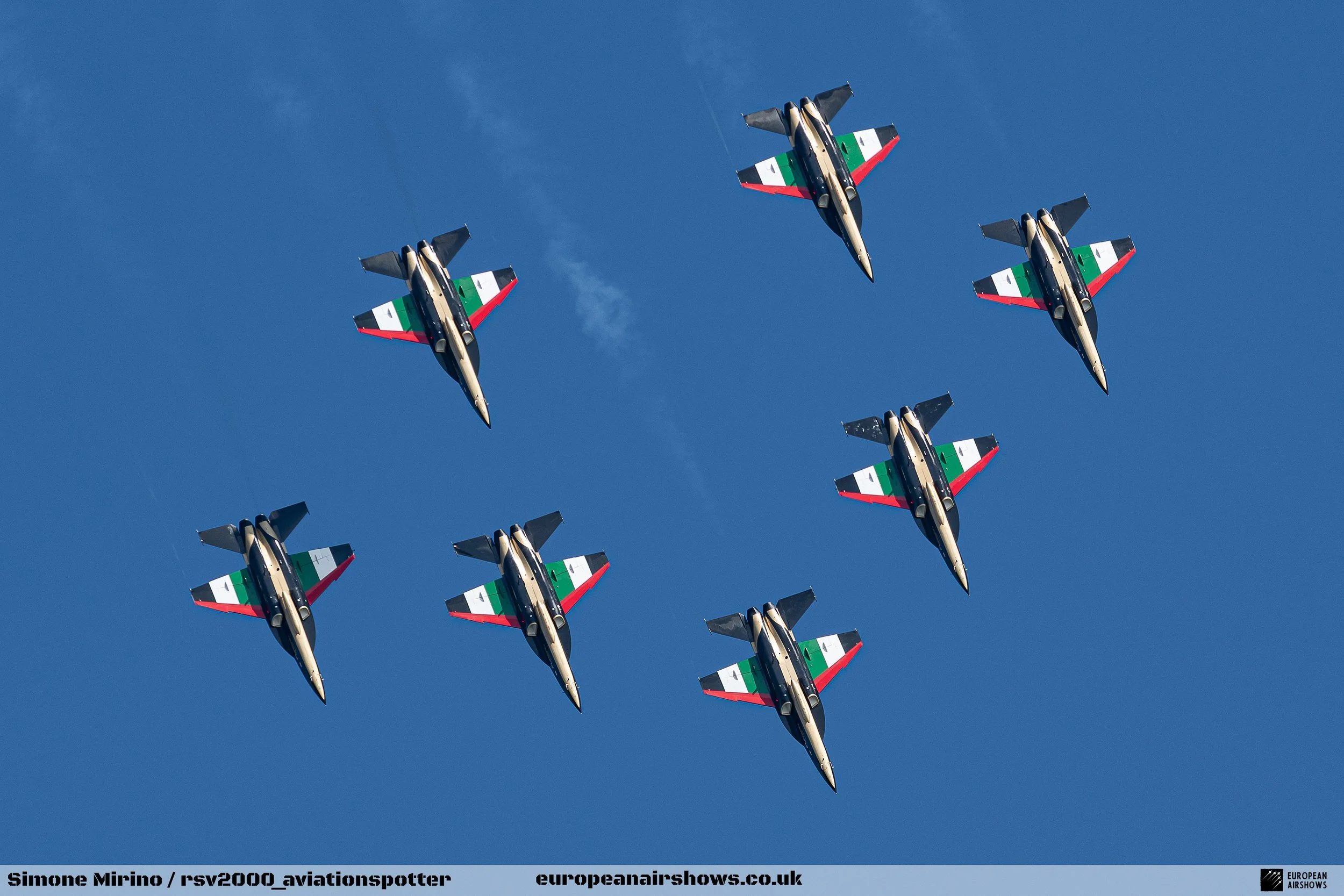
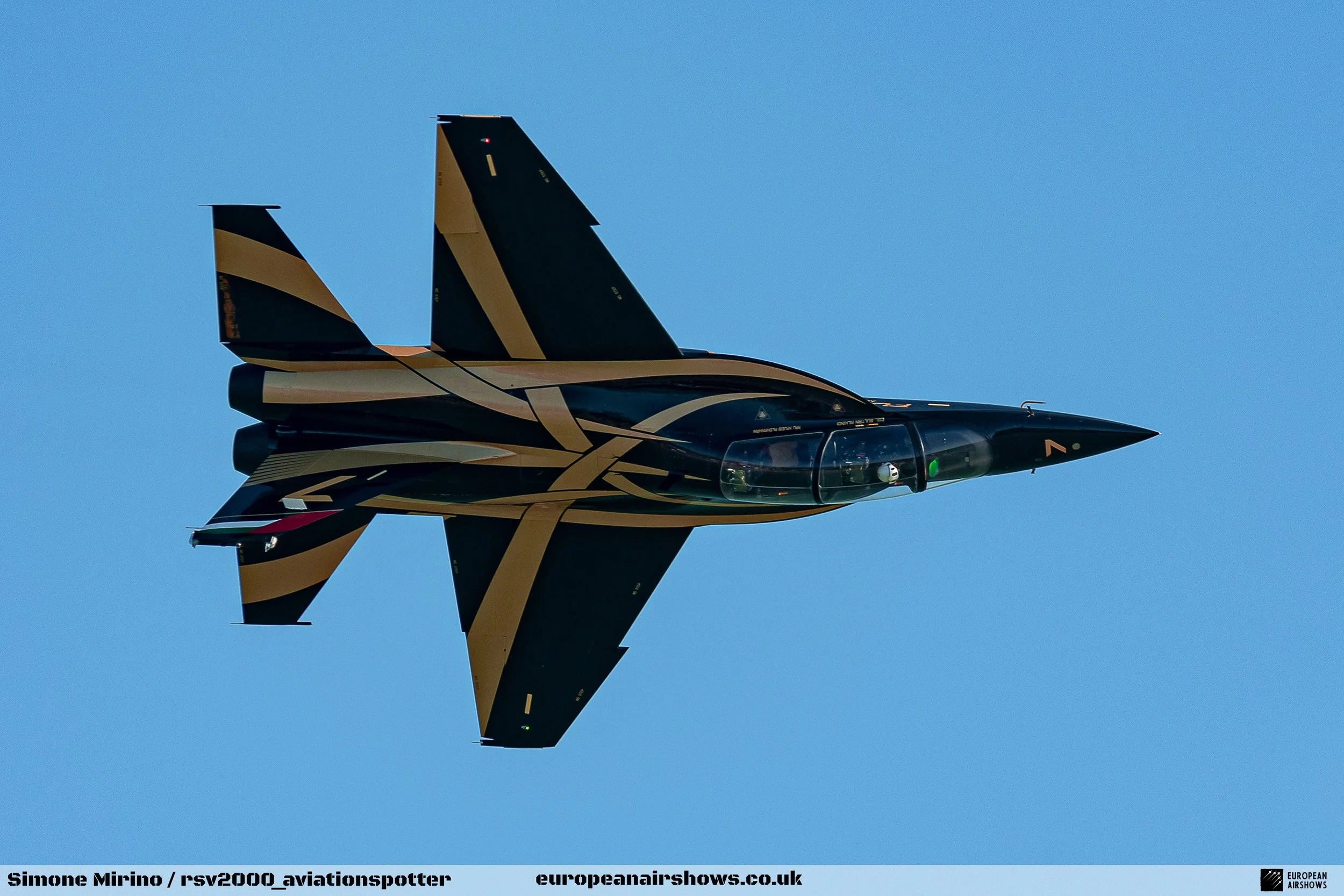
The biggest international attraction was the return of Fursan Al Emarat, the United Arab Emirates Air Force and Air Defence aerobatic team. Their previous Jesolo appearance had been in 2012. Fourteen years later they returned with a completely different aeroplane.
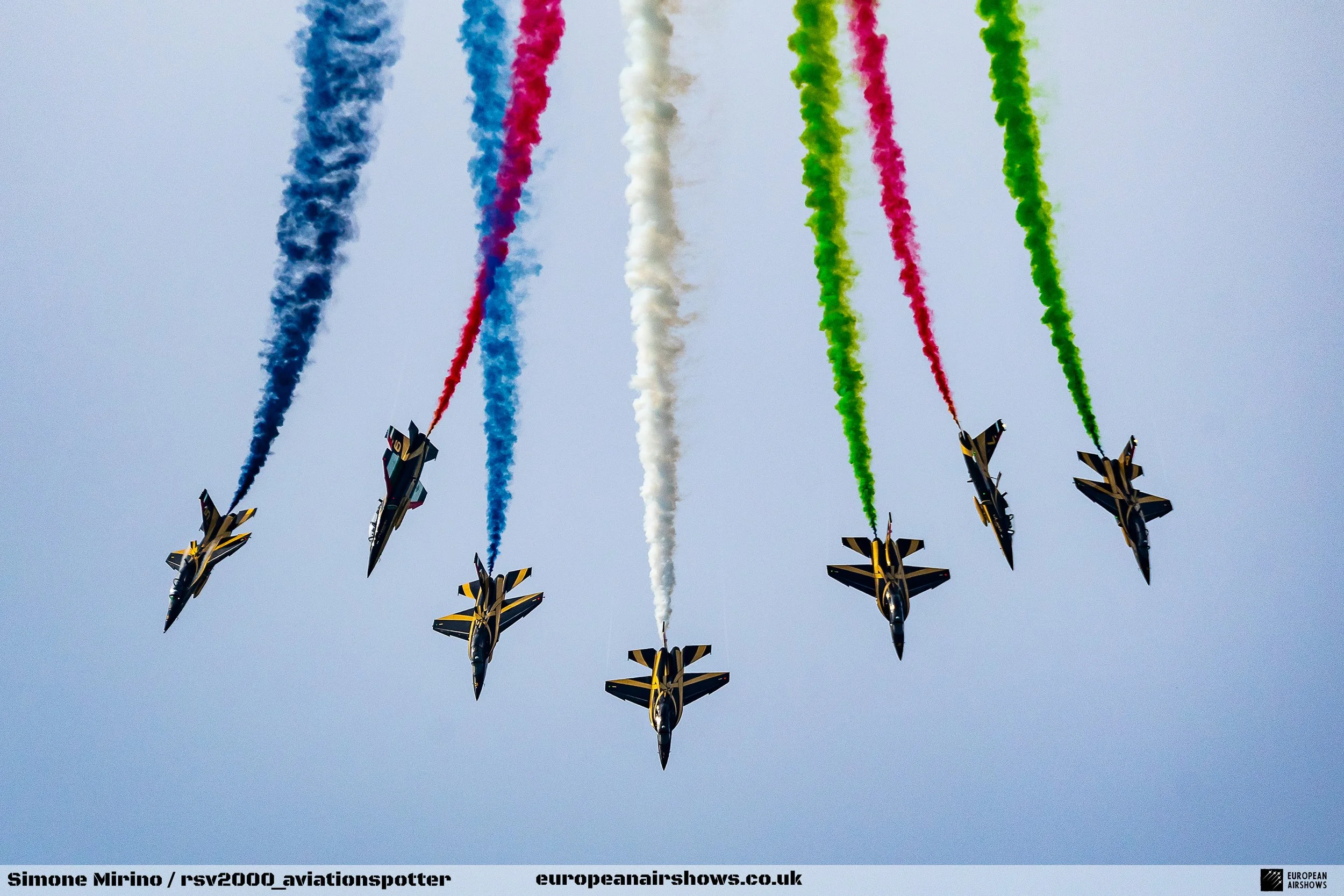
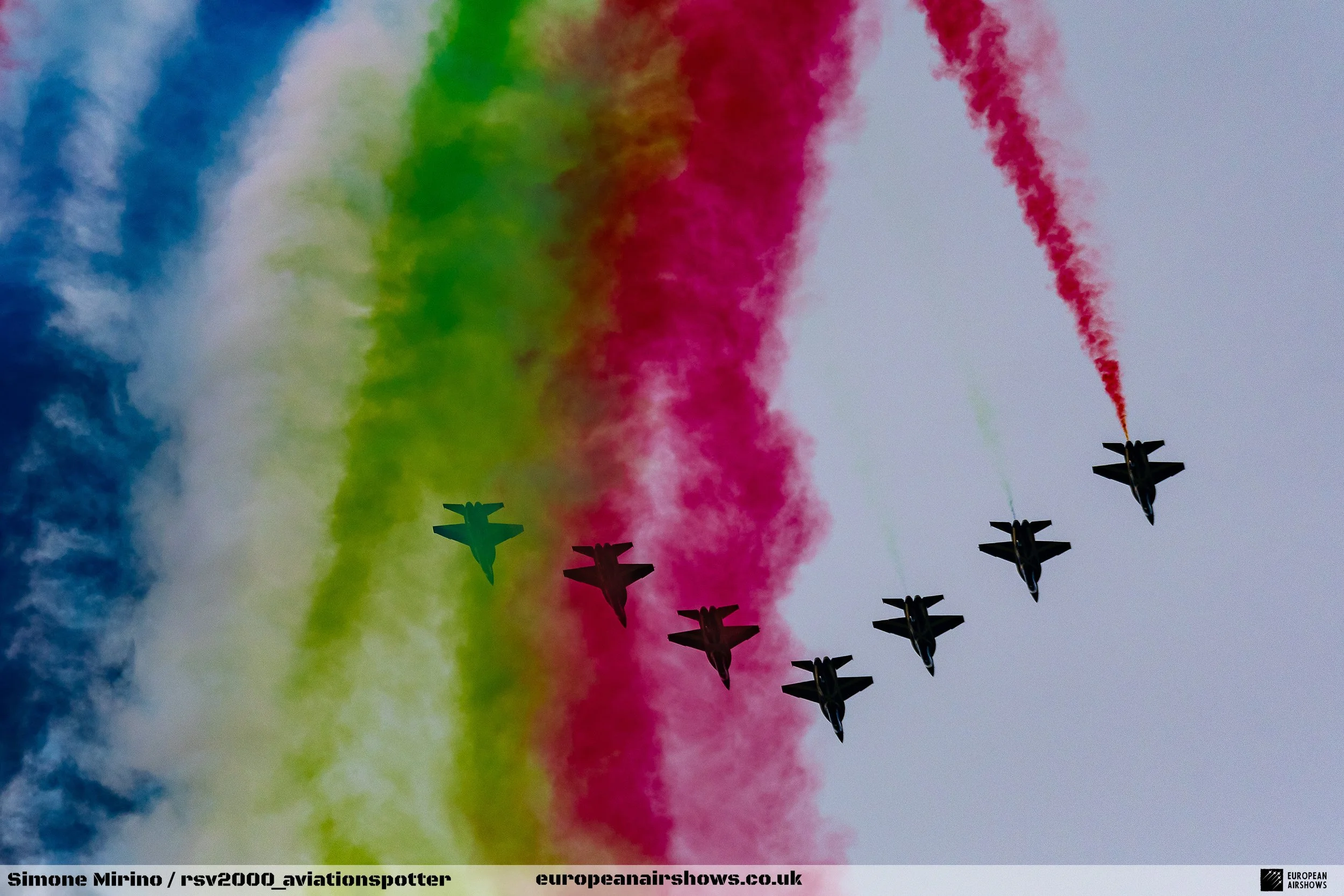
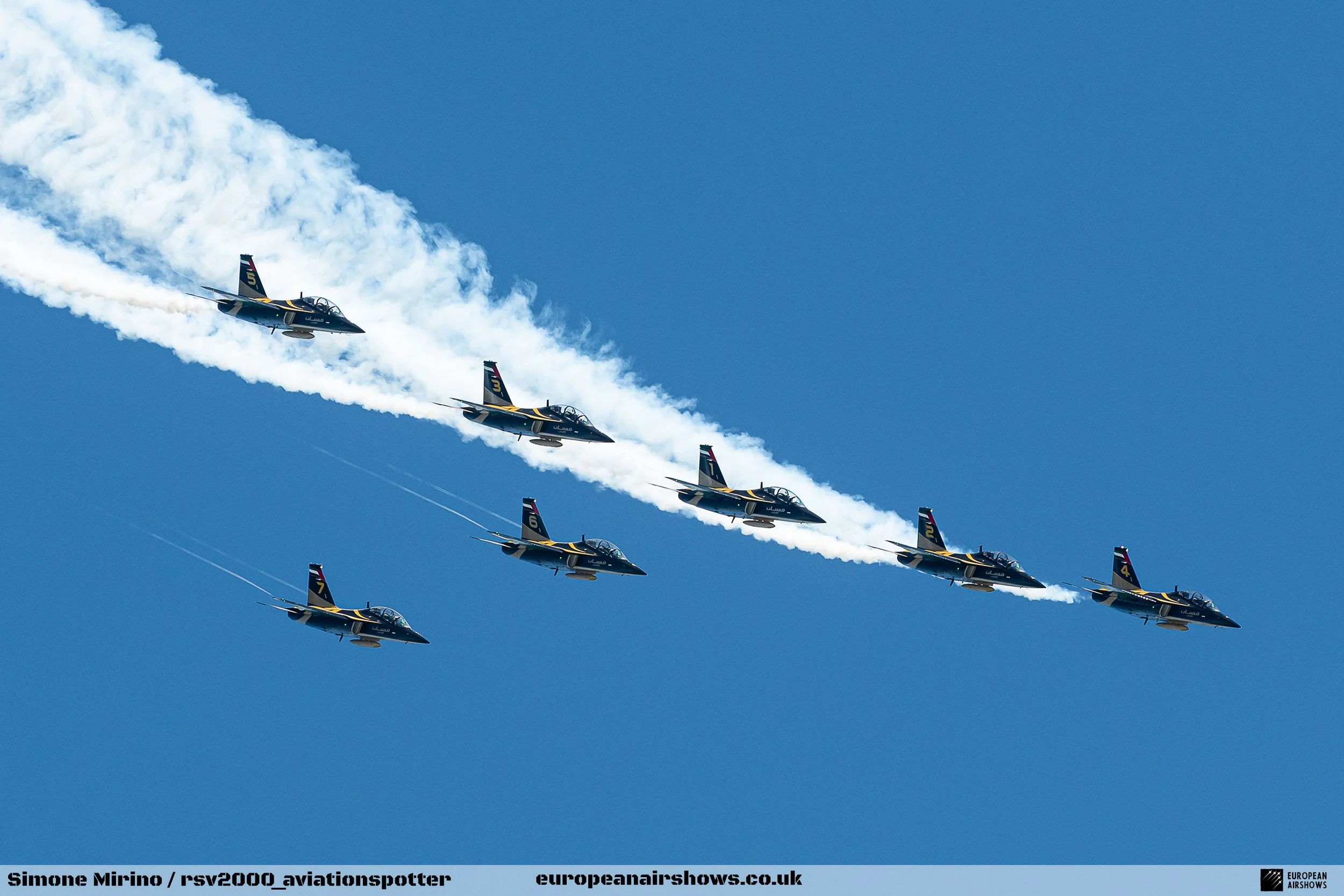
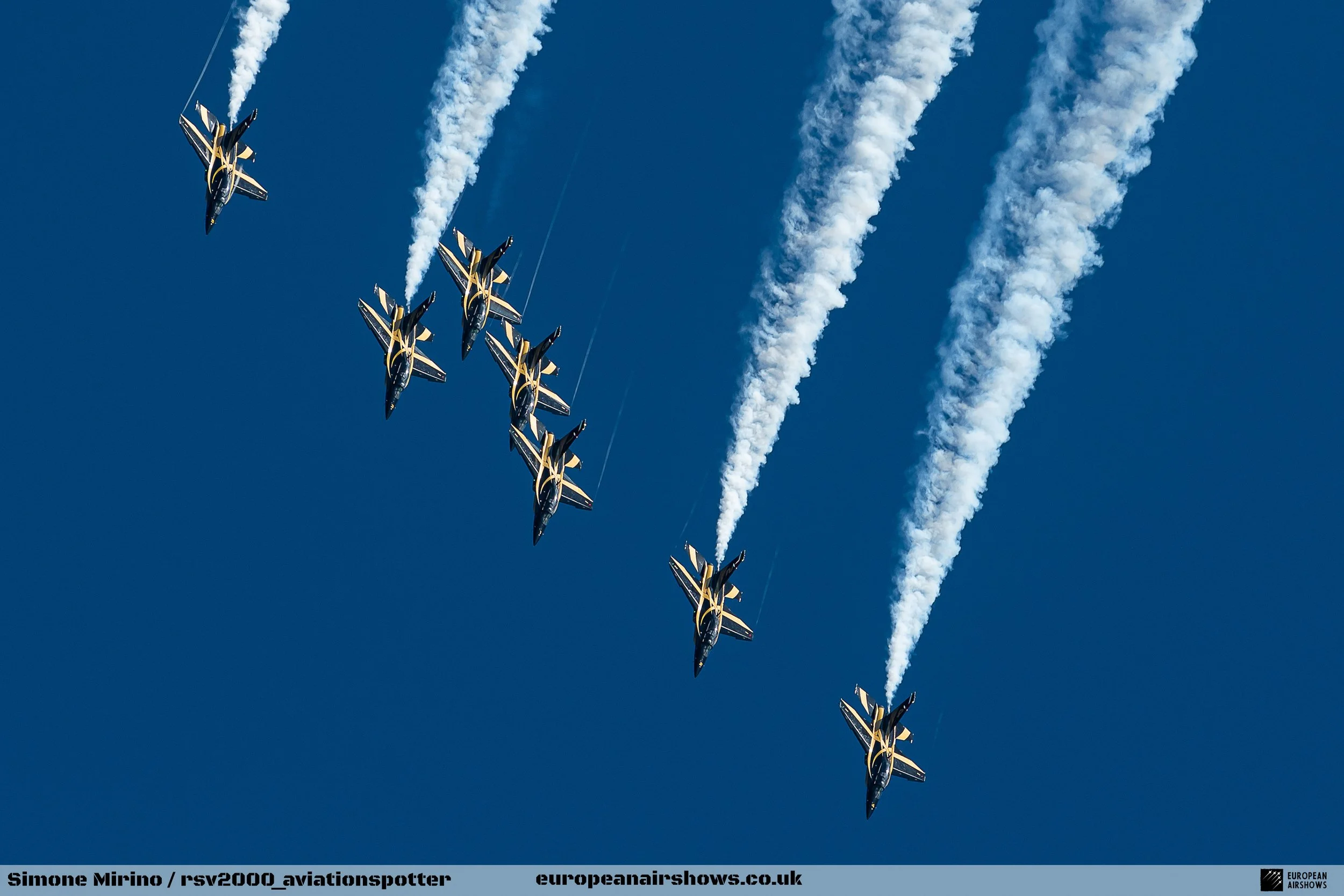
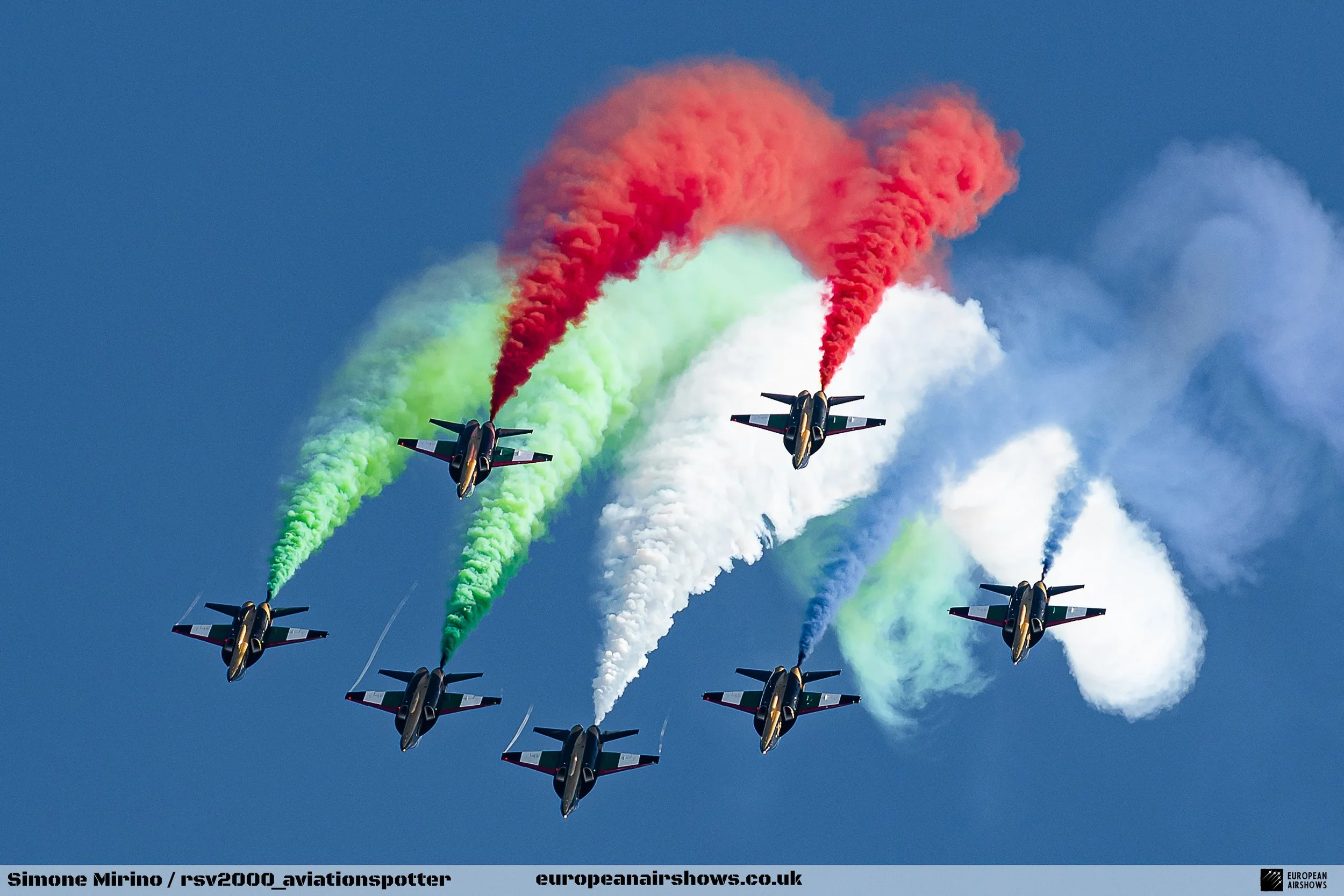
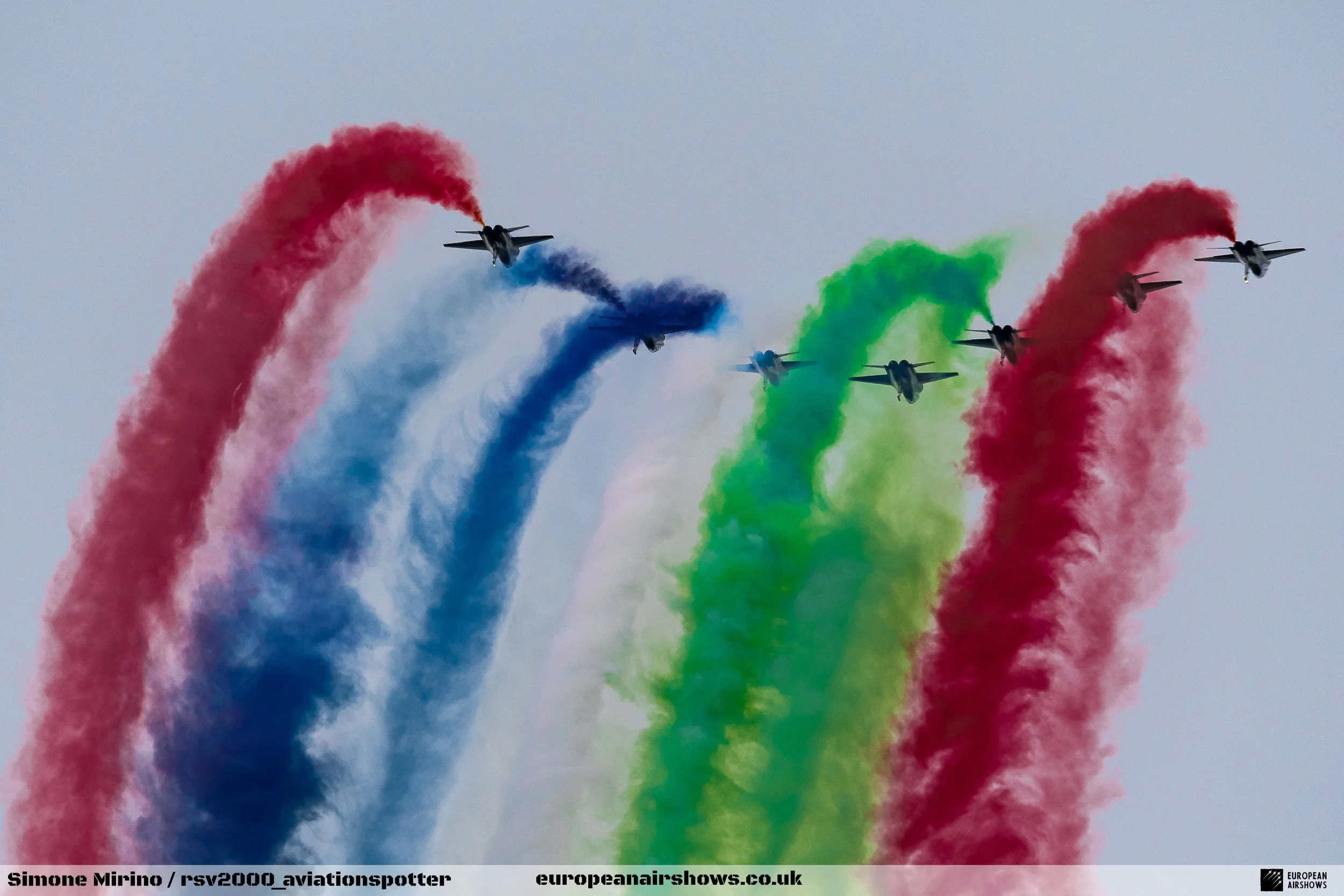
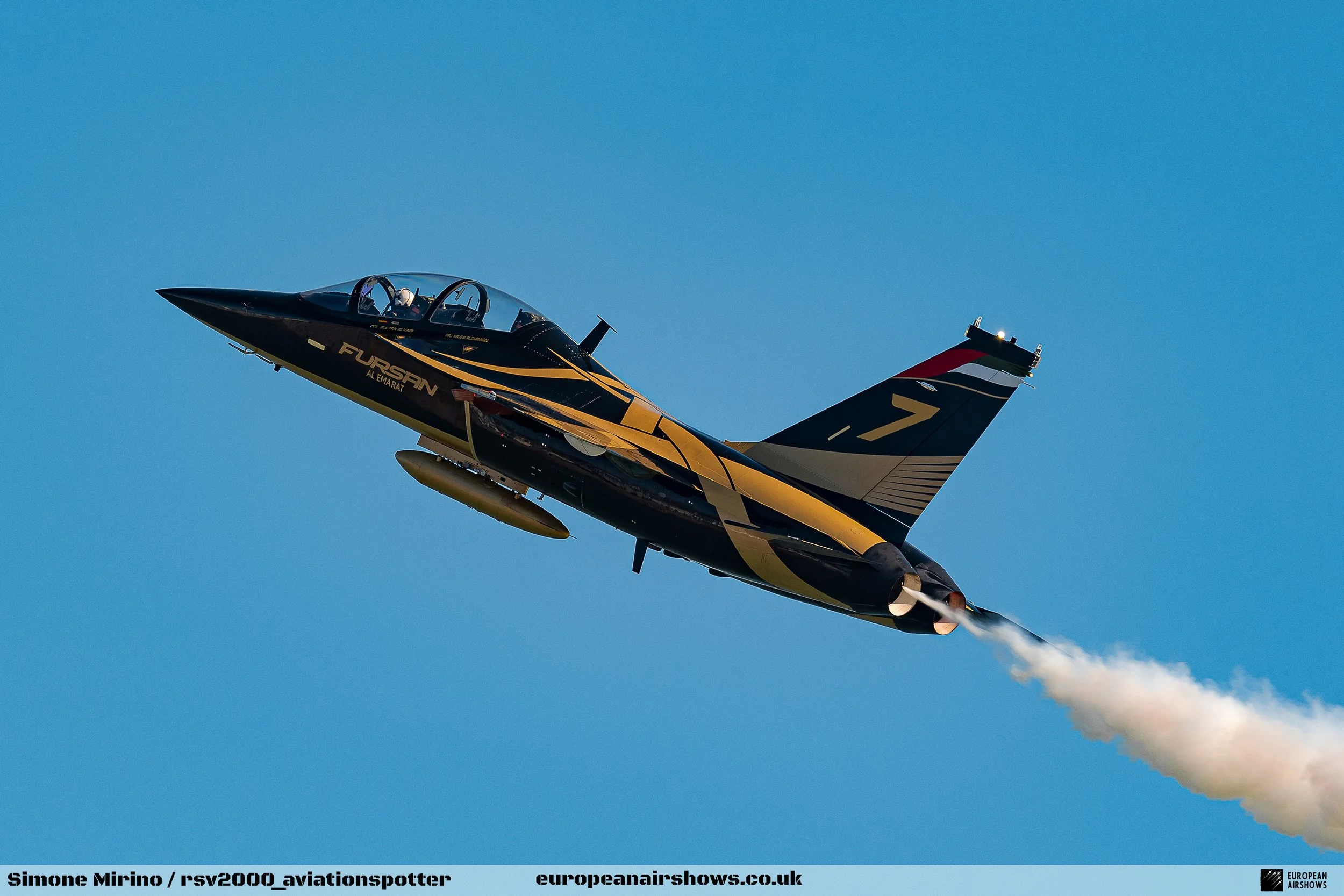
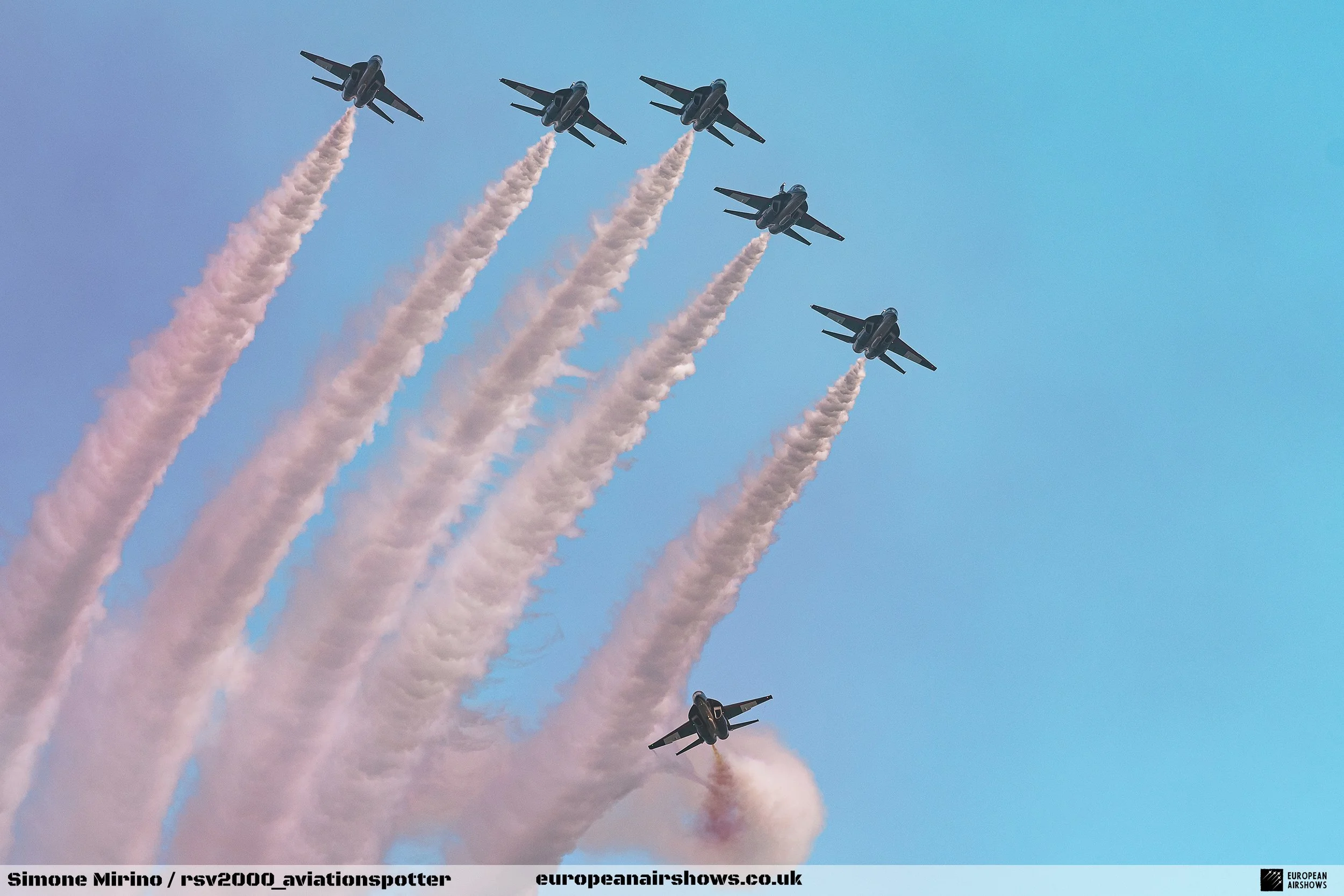
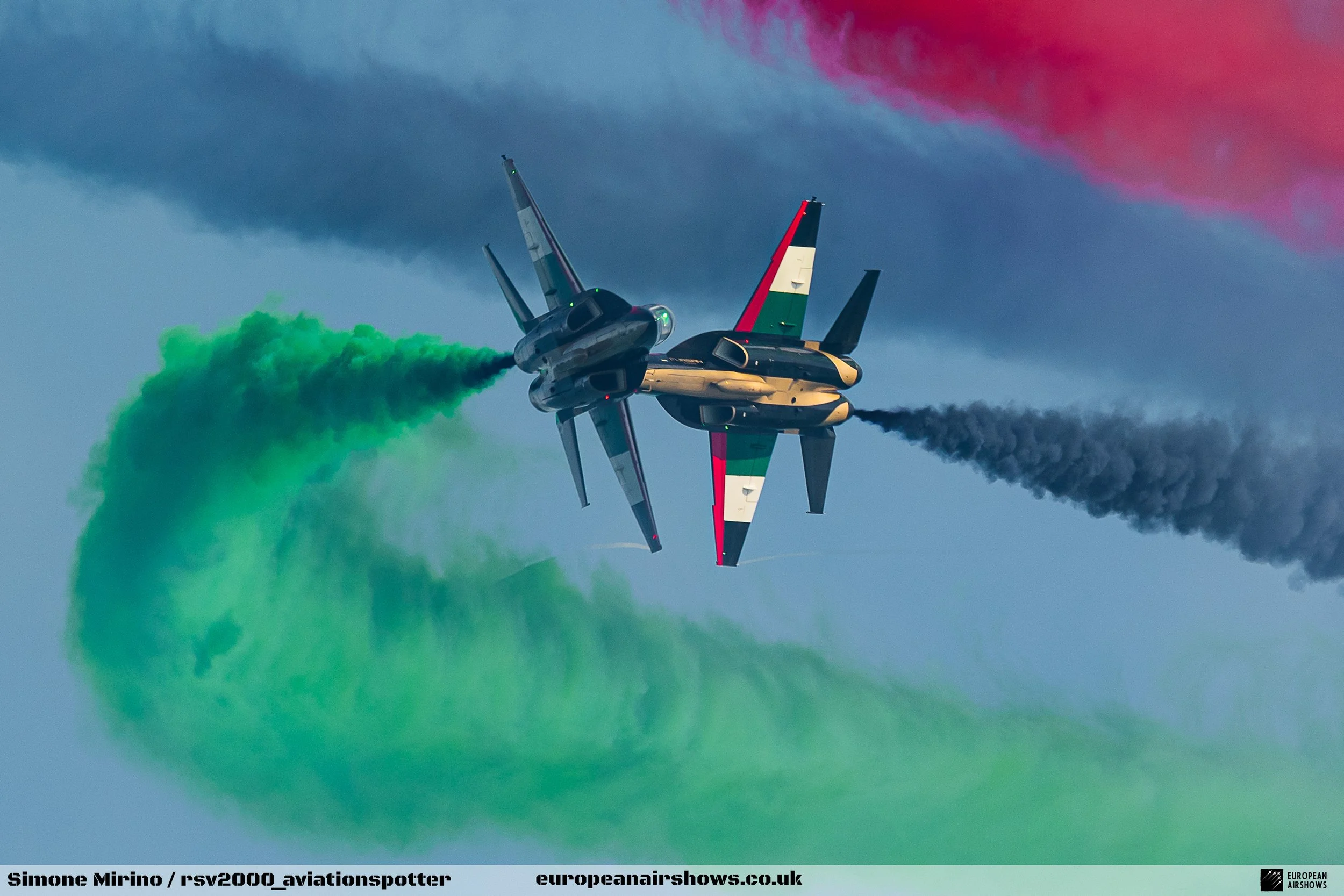
The familiar Aermacchi MB-339s have been replaced by the Chinese-built Hongdu L-15, a twin-engine advanced jet trainer. Seven aircraft appeared at Jesolo, one representing each of the seven emirates, wearing the team's striking black-and-gold colour scheme. Even before the formation arrived over the beach, the new aircraft announced themselves with a noticeably different, higher-pitched engine note.
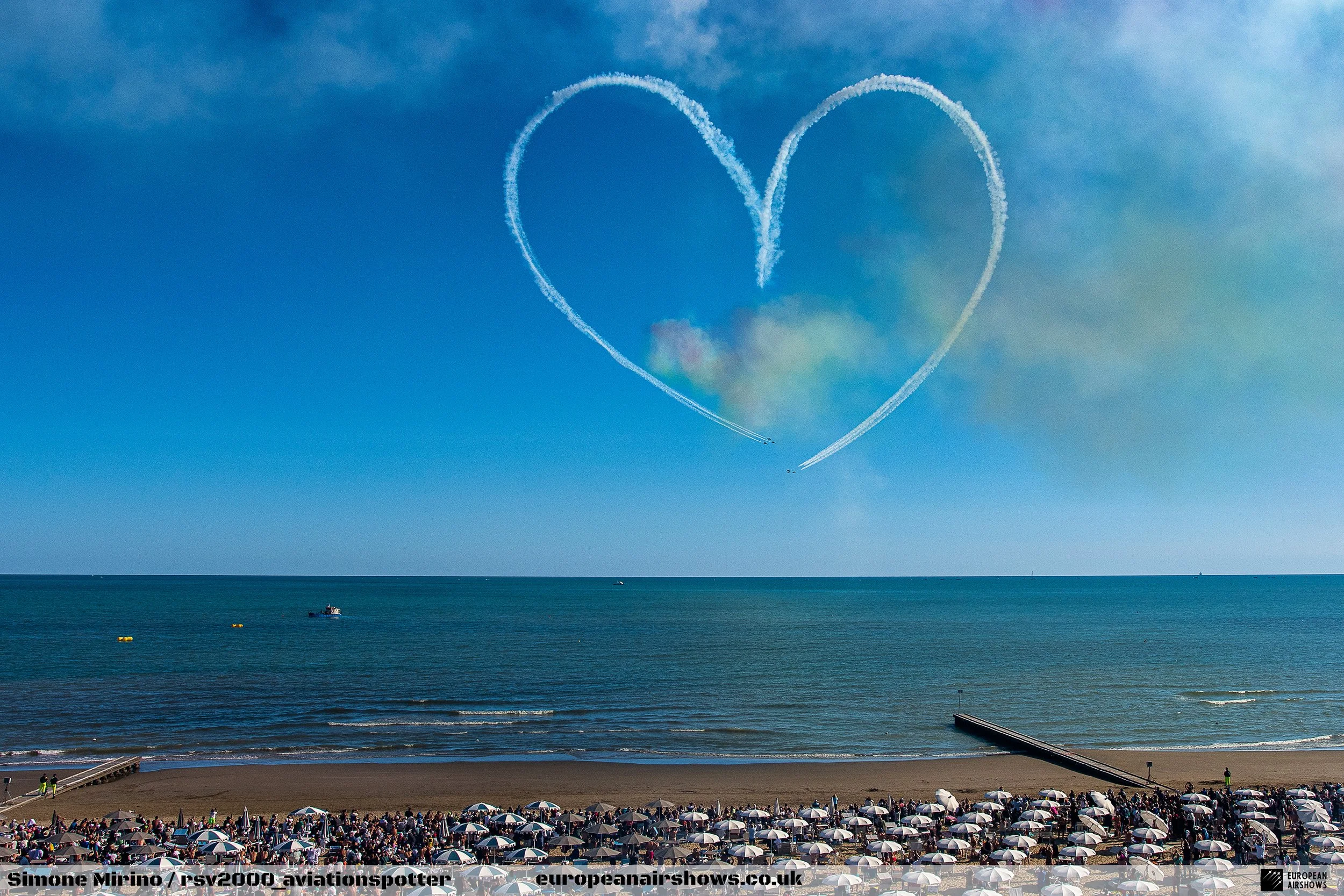
Fursan's display was built around close formation work rather than trying to turn the L-15 into a solo fighter. The formation shapes were held long enough to be appreciated from the beach, then broken apart for solo and opposition elements before coming back together. The heart, bomb burst and intertwined smoke figures gave the routine plenty of variety without losing the clean geometry that has always been central to the team.
There is still a strong Italian thread running through Fursan Al Emarat. The team's original pilots were trained with assistance from former Frecce Tricolori personnel, and that influence remains visible in the way the display is presented. The L-15 era is giving the Emirati team a more distinct identity of its own, however, and Jesolo was one of its early major European appearances with the new jets.
The reception told the story. The team received one of the warmest responses of the afternoon, and their public area on the ground remained busy afterwards. In a programme dominated by Italian participation, Fursan Al Emarat gave Jesolo exactly the kind of international centrepiece it needed.
WeFly! brings the display home
After seven jets and a sky full of smoke, the pace changed completely for the WeFly! Team. The three-ship civilian formation is based at Caposile, only a short distance inland from Jesolo, so this was about as local as the flying programme could get.
The team operates three Van's RV-7 aircraft, adapted so they can be flown using hand controls. Two of the three pilots have physical disabilities, but the point of the display is not to ask the crowd for sympathy. It is to demonstrate, very visibly, that disability does not remove the possibility of becoming an accomplished pilot.
That message would not carry far if the formation work were untidy. It was anything but. The RV-7s stayed compact, the manoeuvres were smoothly linked and the routine suited Jesolo's long seafront well. The team's wider work has even travelled beyond the atmosphere: Samantha Cristoforetti carried a WeFly! flag during the Futura mission, returning it after around 200 days in space.
The Hungarian H145M and an Italian rescue favourite
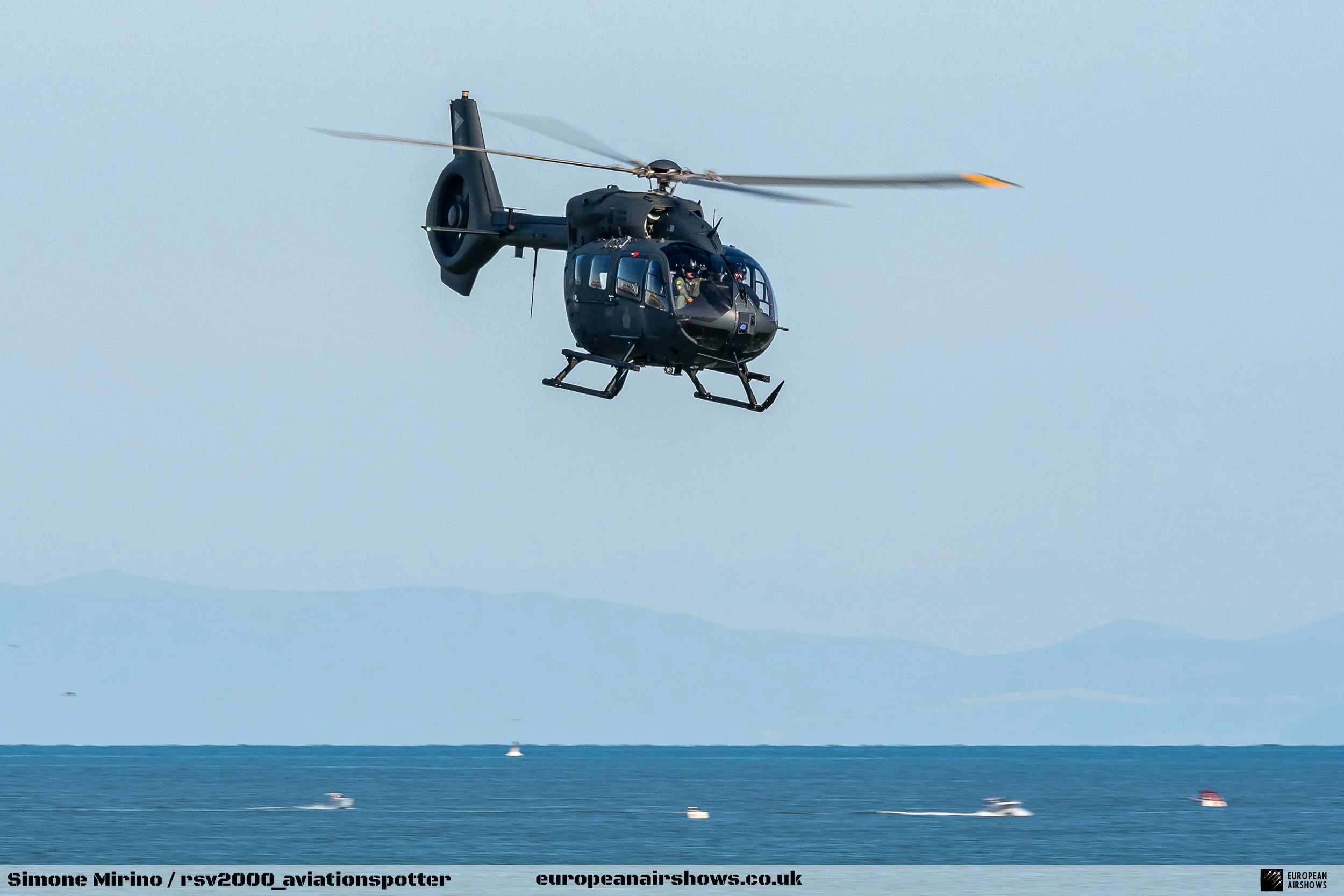
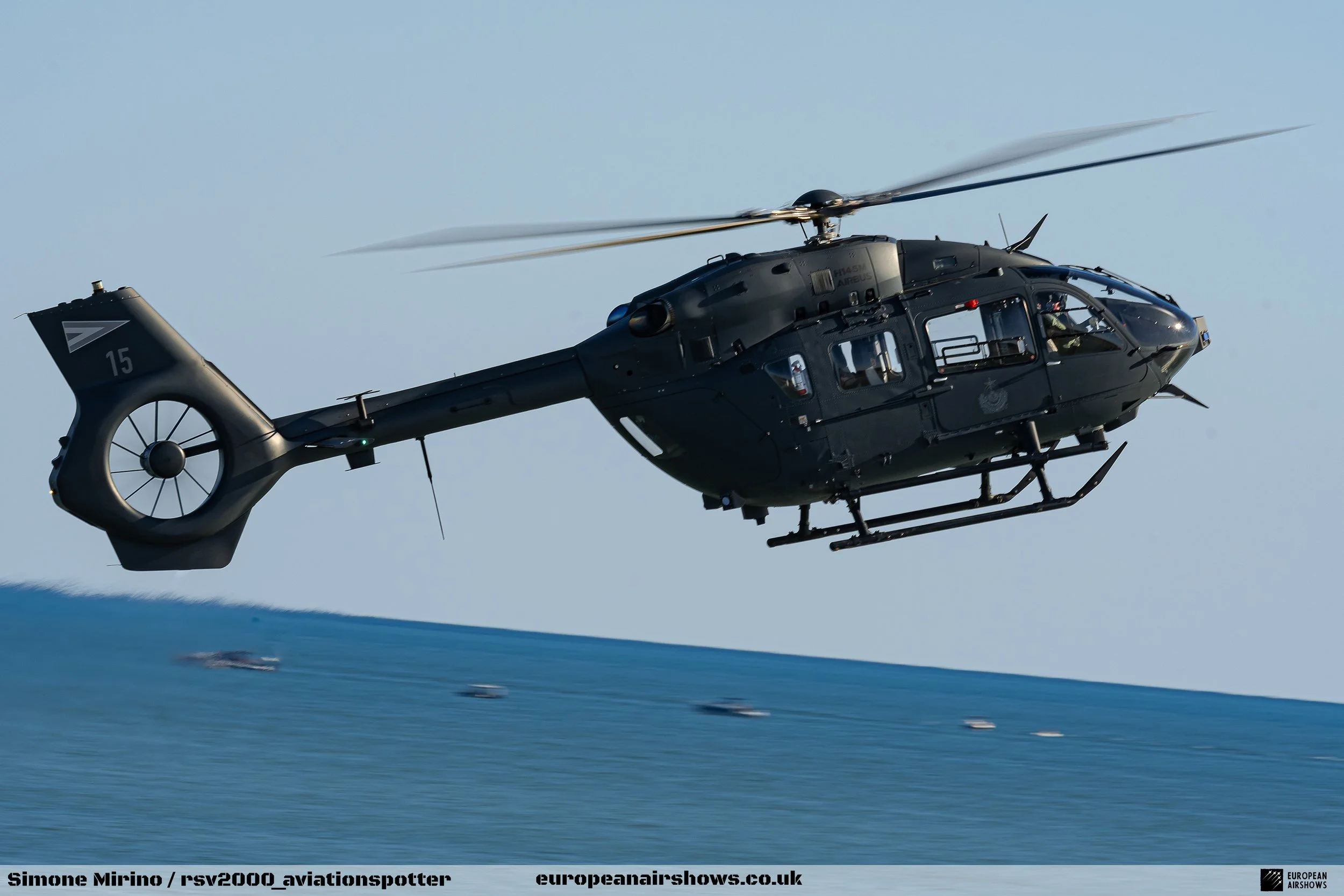
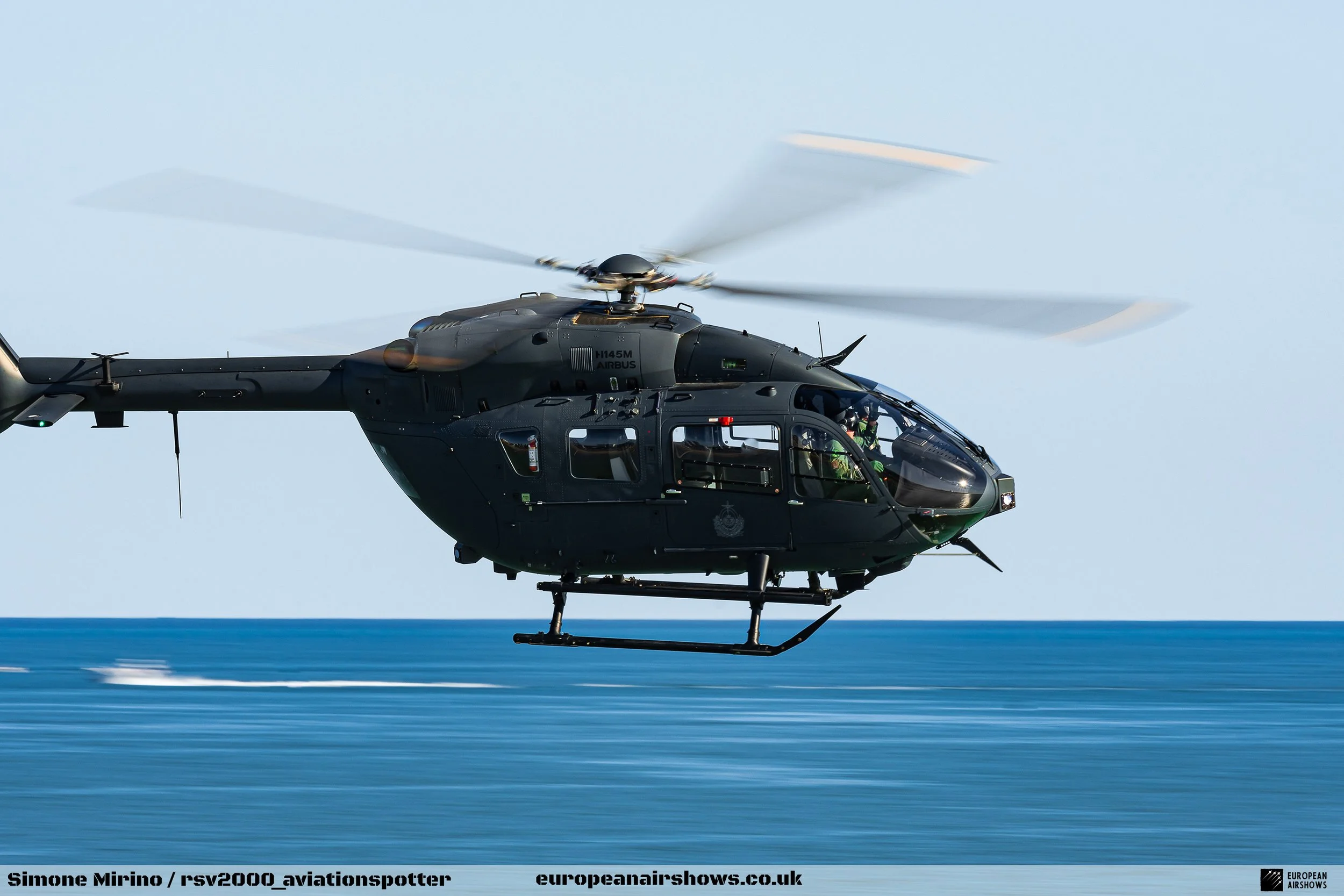
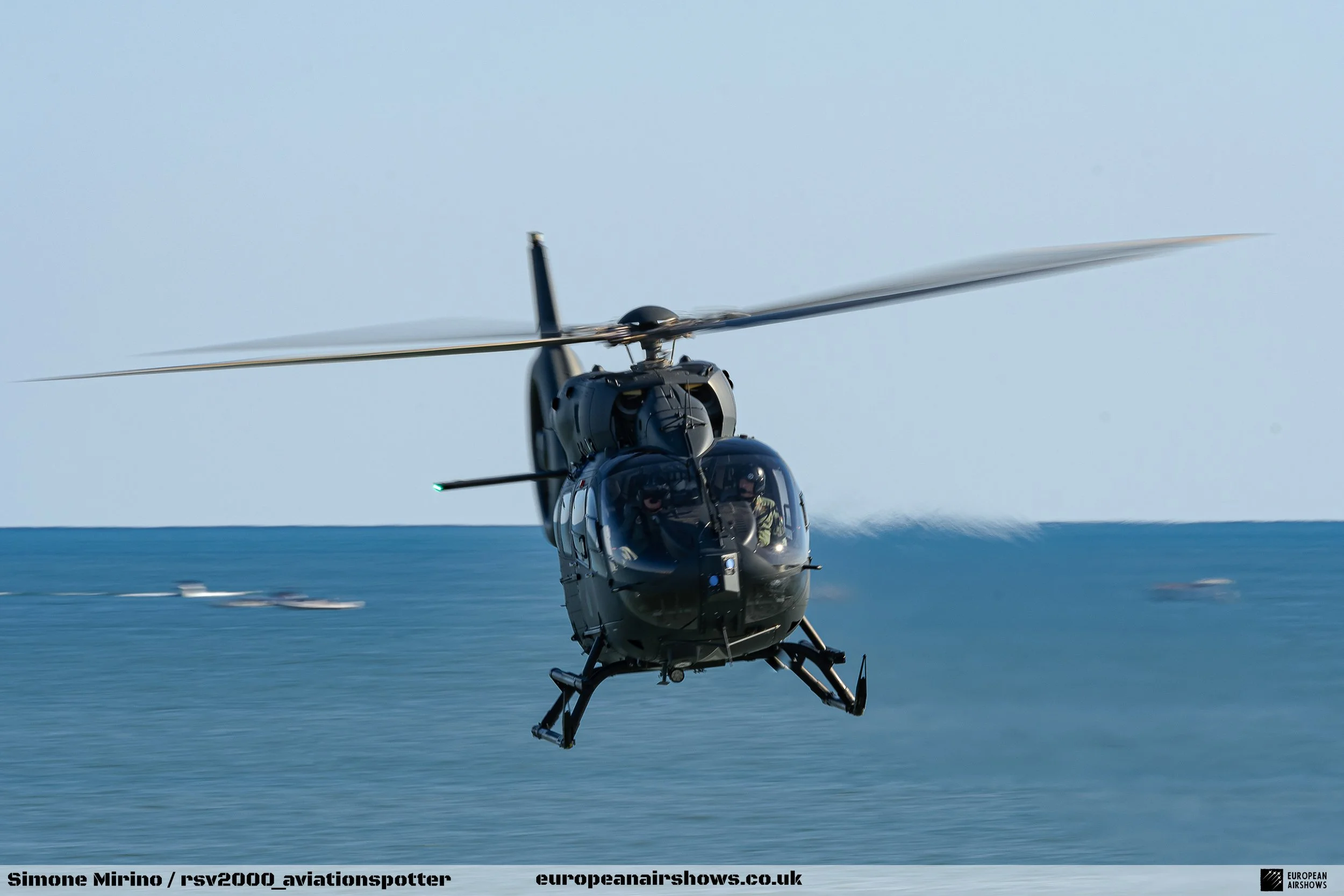
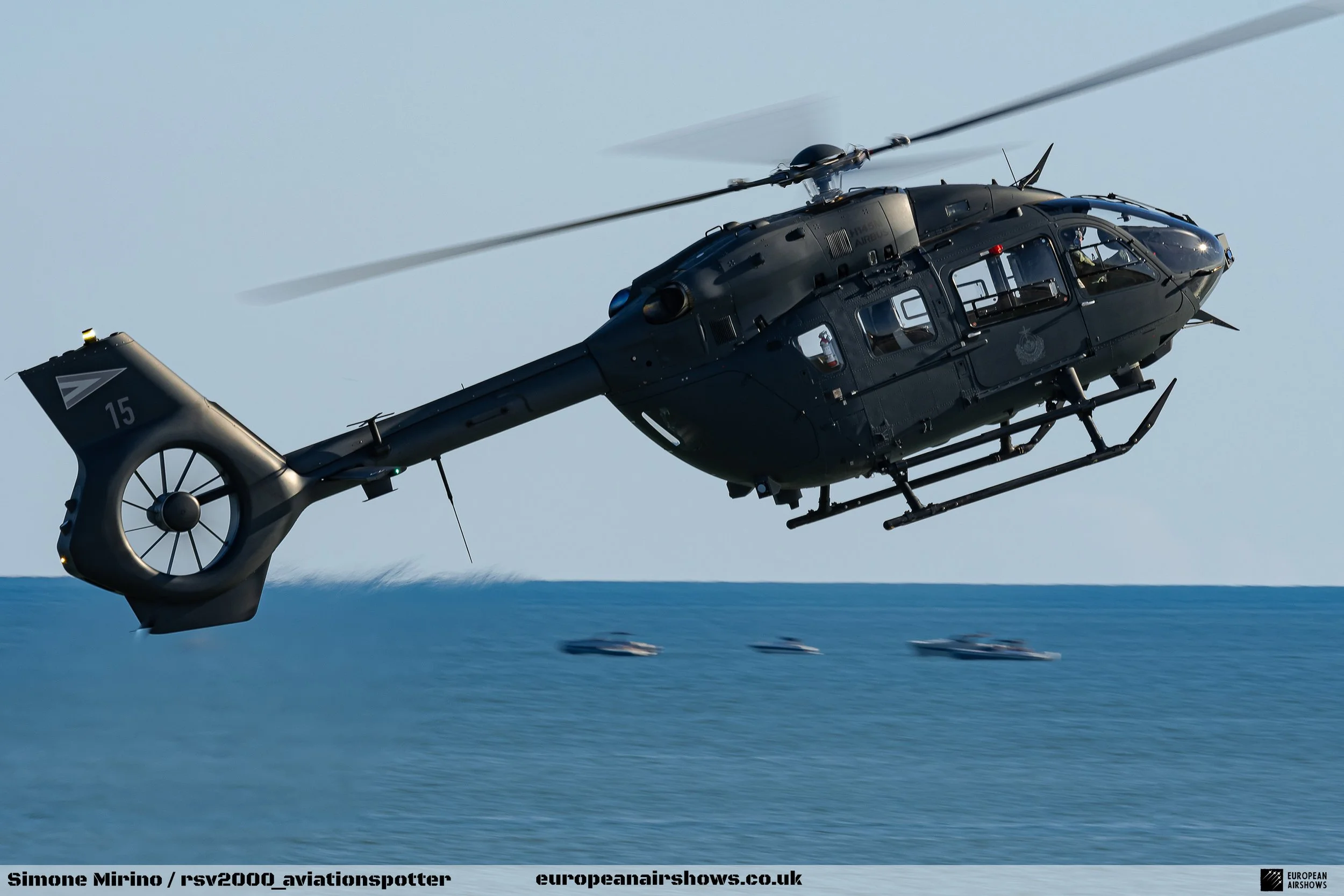
The Hungarian Defence Forces returned to Jesolo with the Airbus H145M, following the much larger H225M that had appeared at the 2025 show. The H145M is a very different machine: smaller, lighter and particularly agile, which makes it well suited to a solo handling display.
The crew used that agility well, keeping the helicopter active rather than allowing the routine to become a series of distant repositioning turns. Rapid changes of direction, steep attitudes and precise transitions made it one of those helicopter displays that is easy to underestimate on paper and much harder to ignore once it starts.
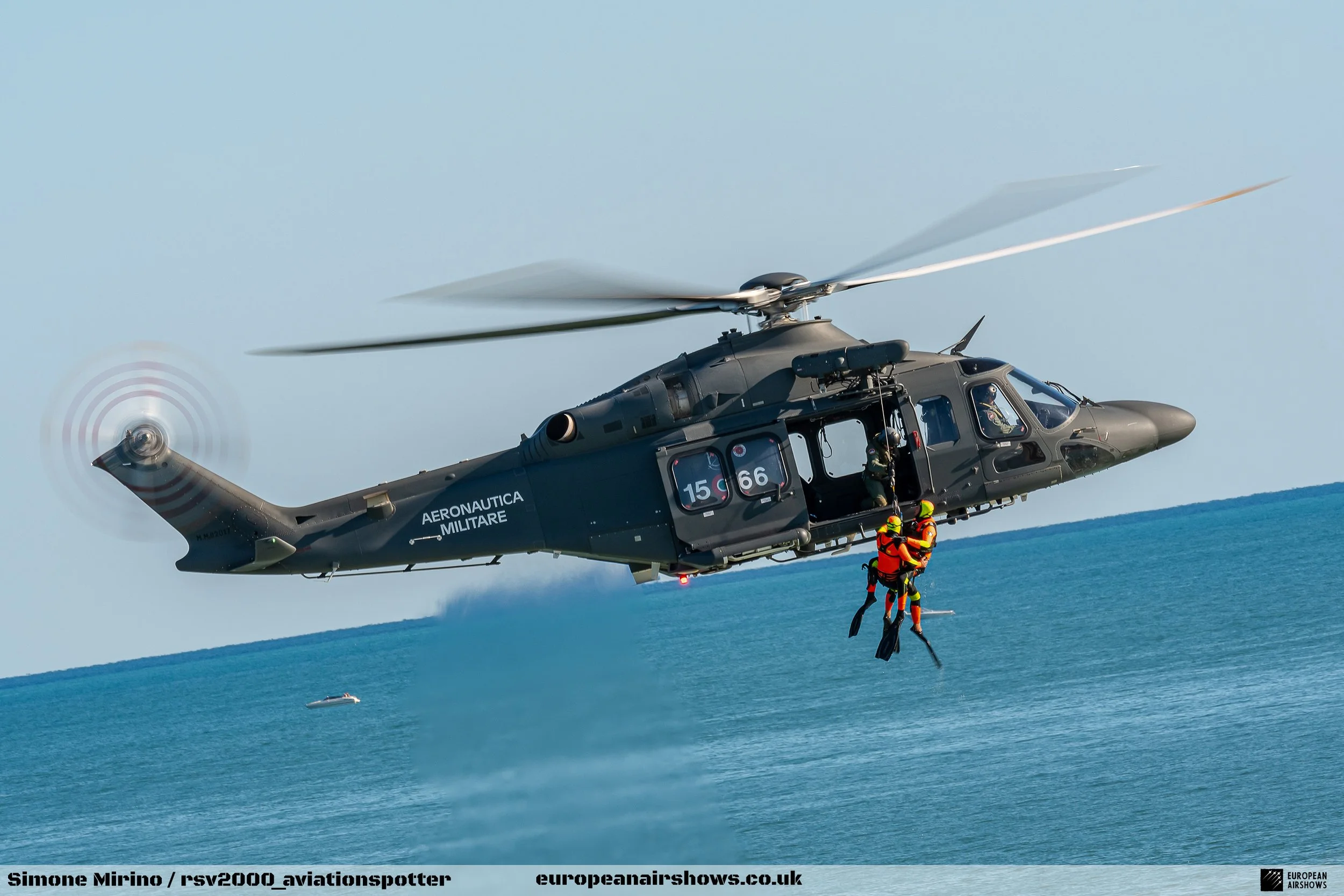
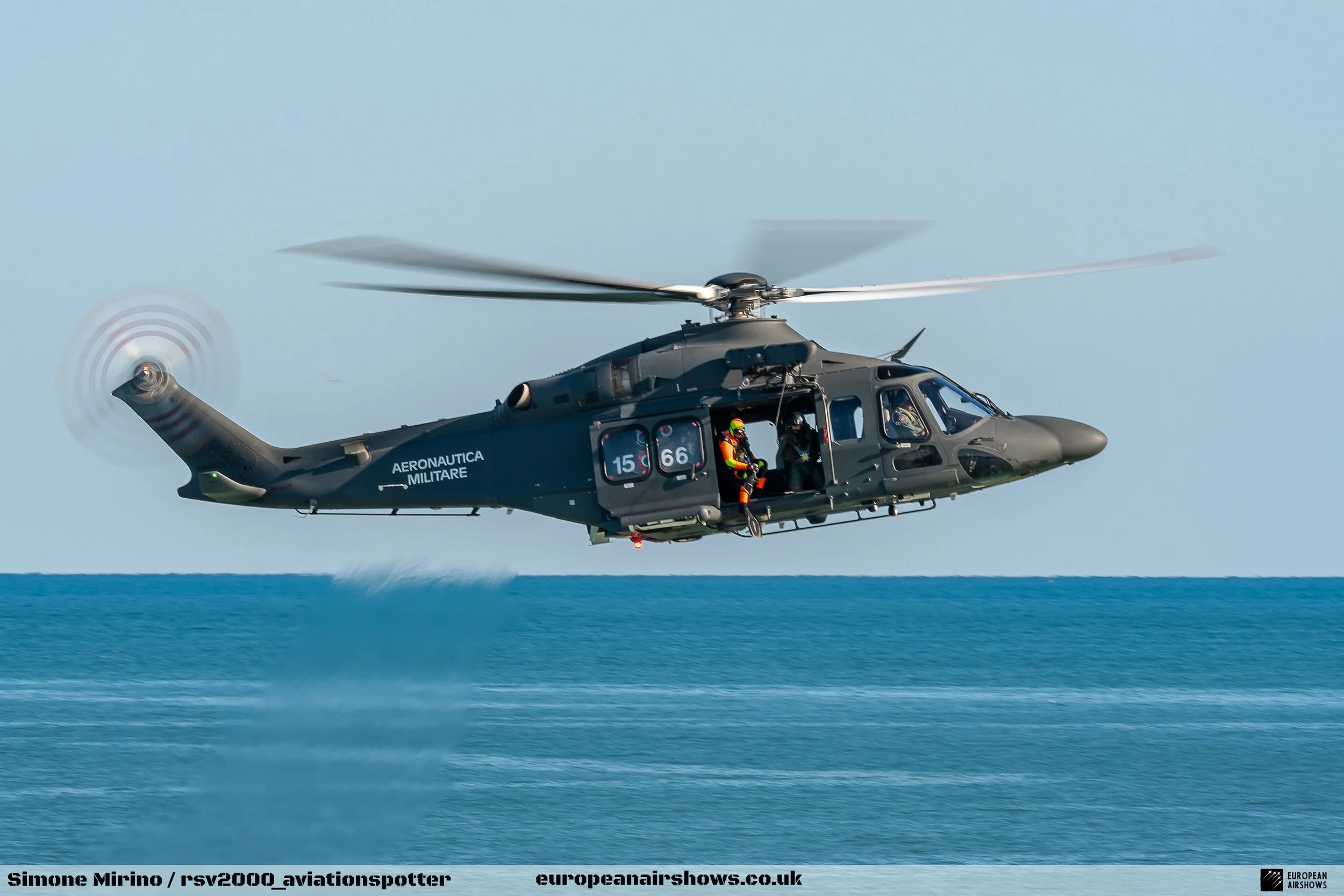
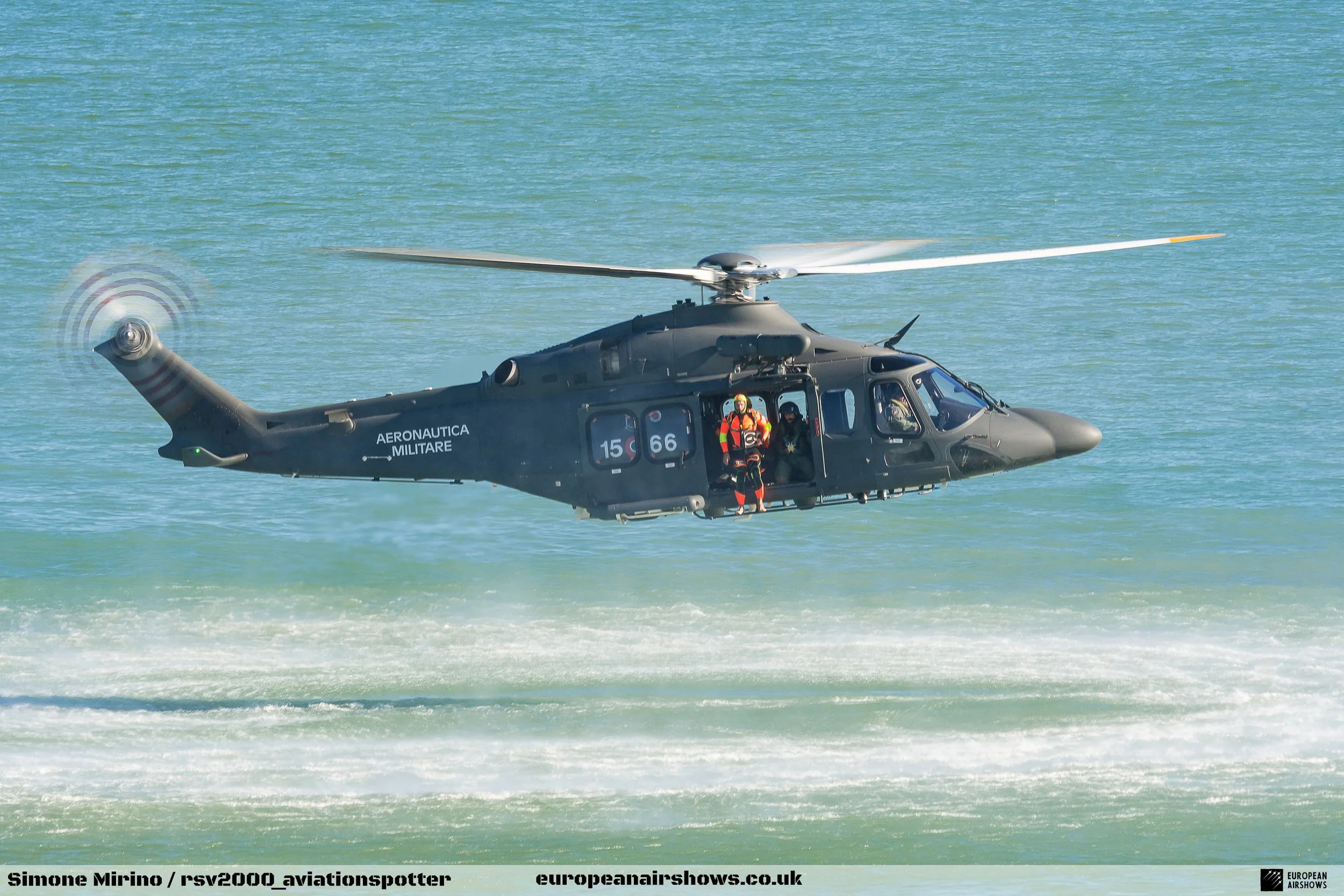
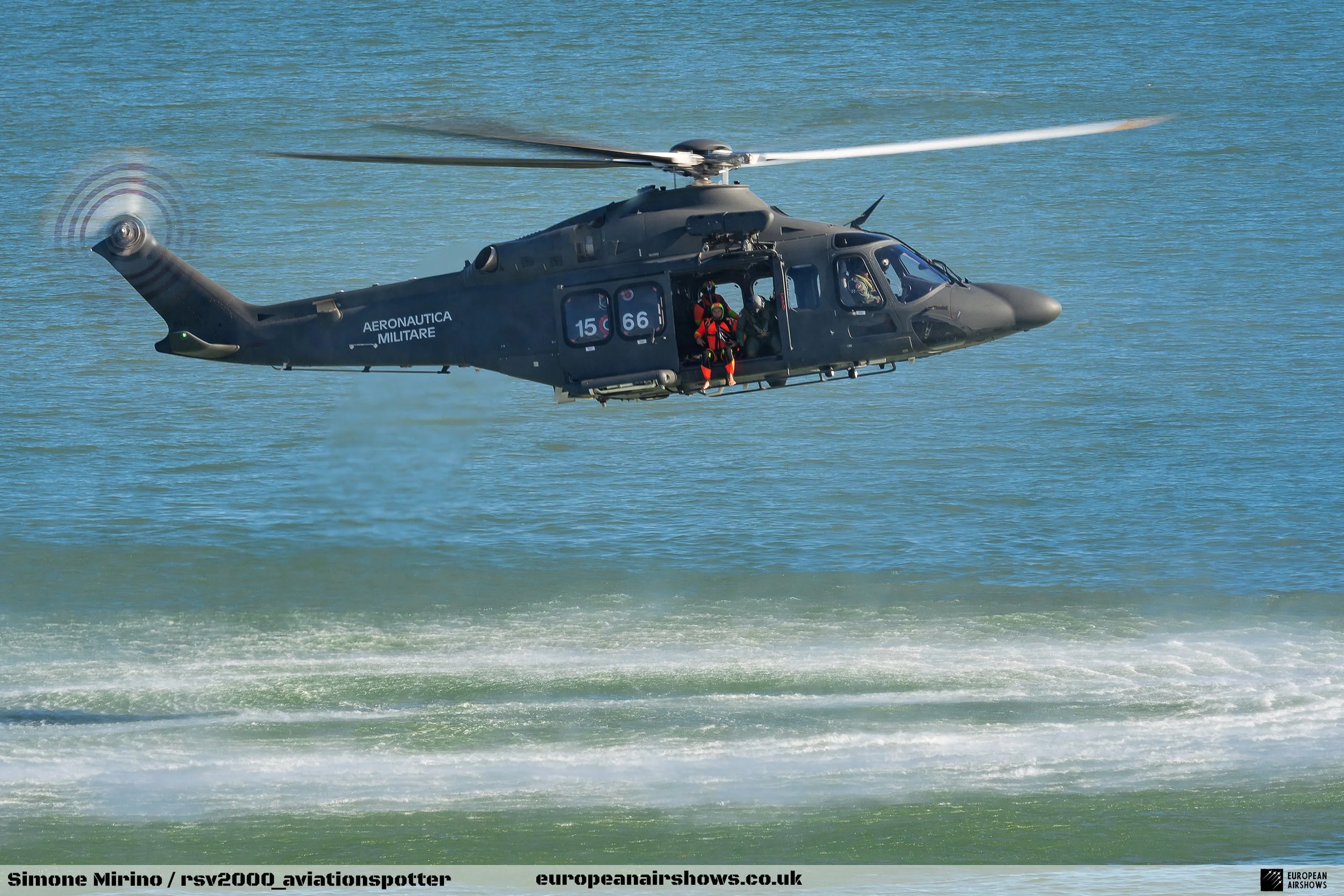
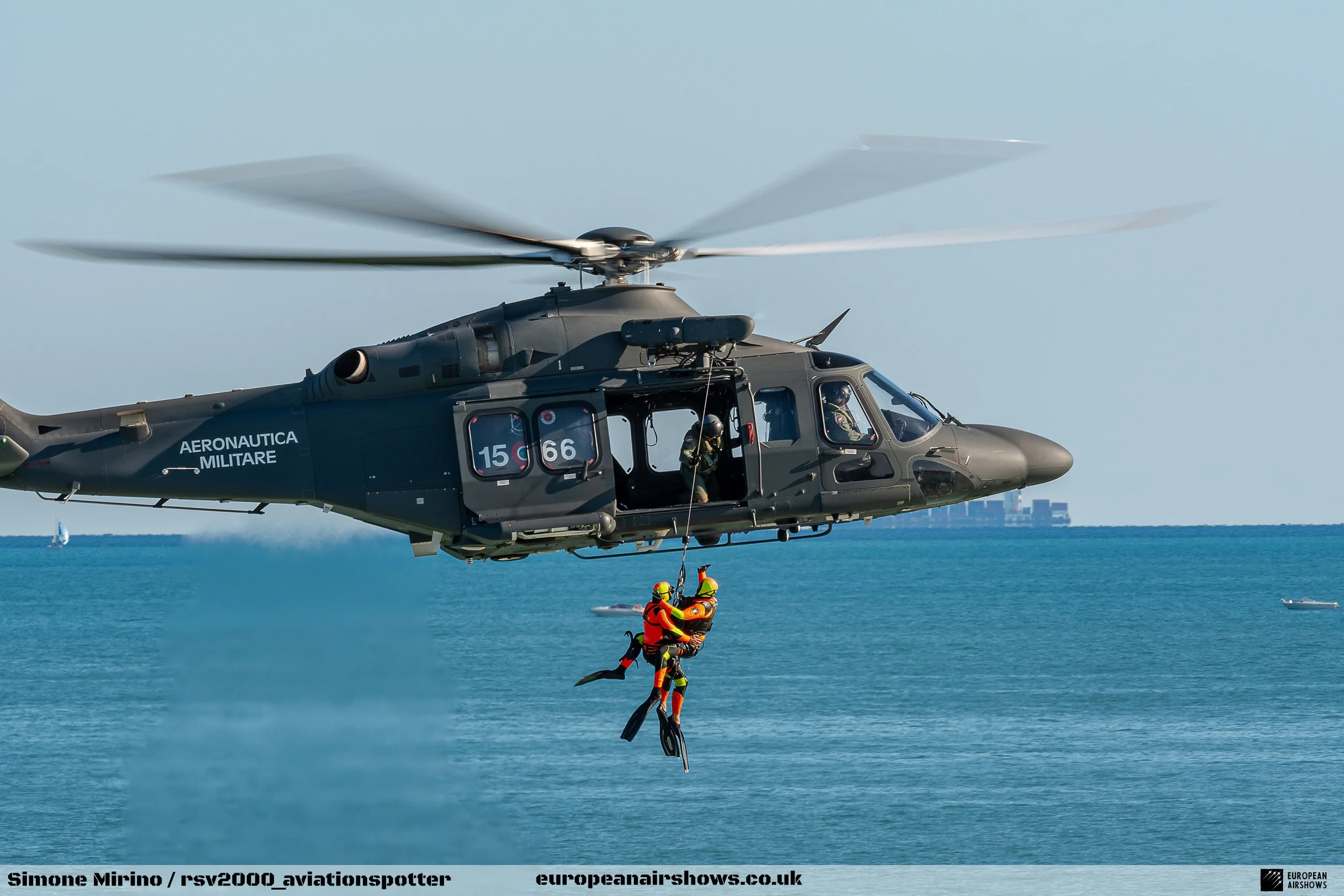
The Italian Air Force's 15° Stormo also contributed its familiar Leonardo HH.139B DemoSAR presentation. Search and rescue demonstrations have been part of Jesolo for years and the type fits the venue perfectly. With open water directly in front of the crowd, the HH.139B can show an operational role in the environment for which much of its rescue work is designed, rather than simply flying a generic helicopter routine.
A century of aviation in one pass
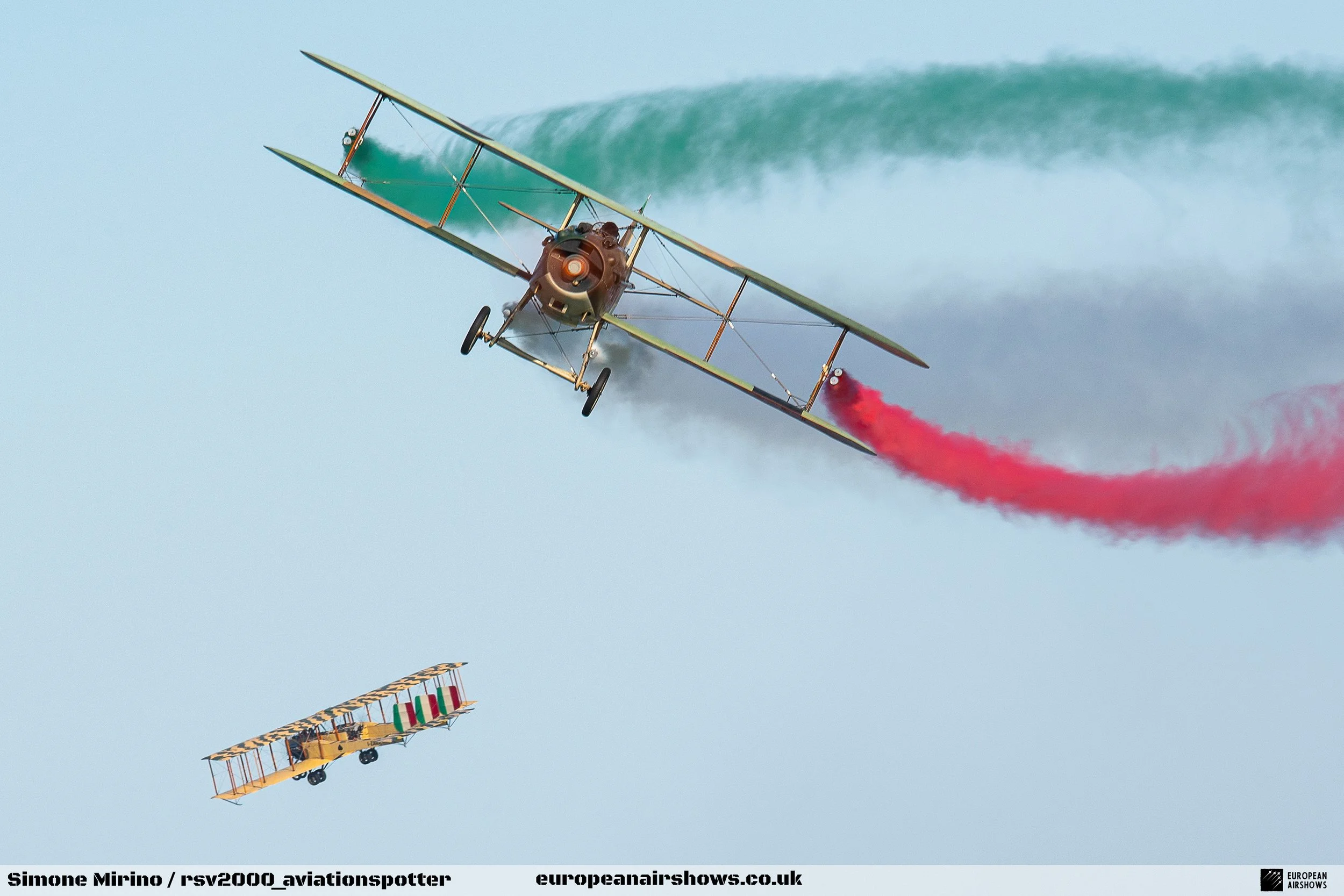
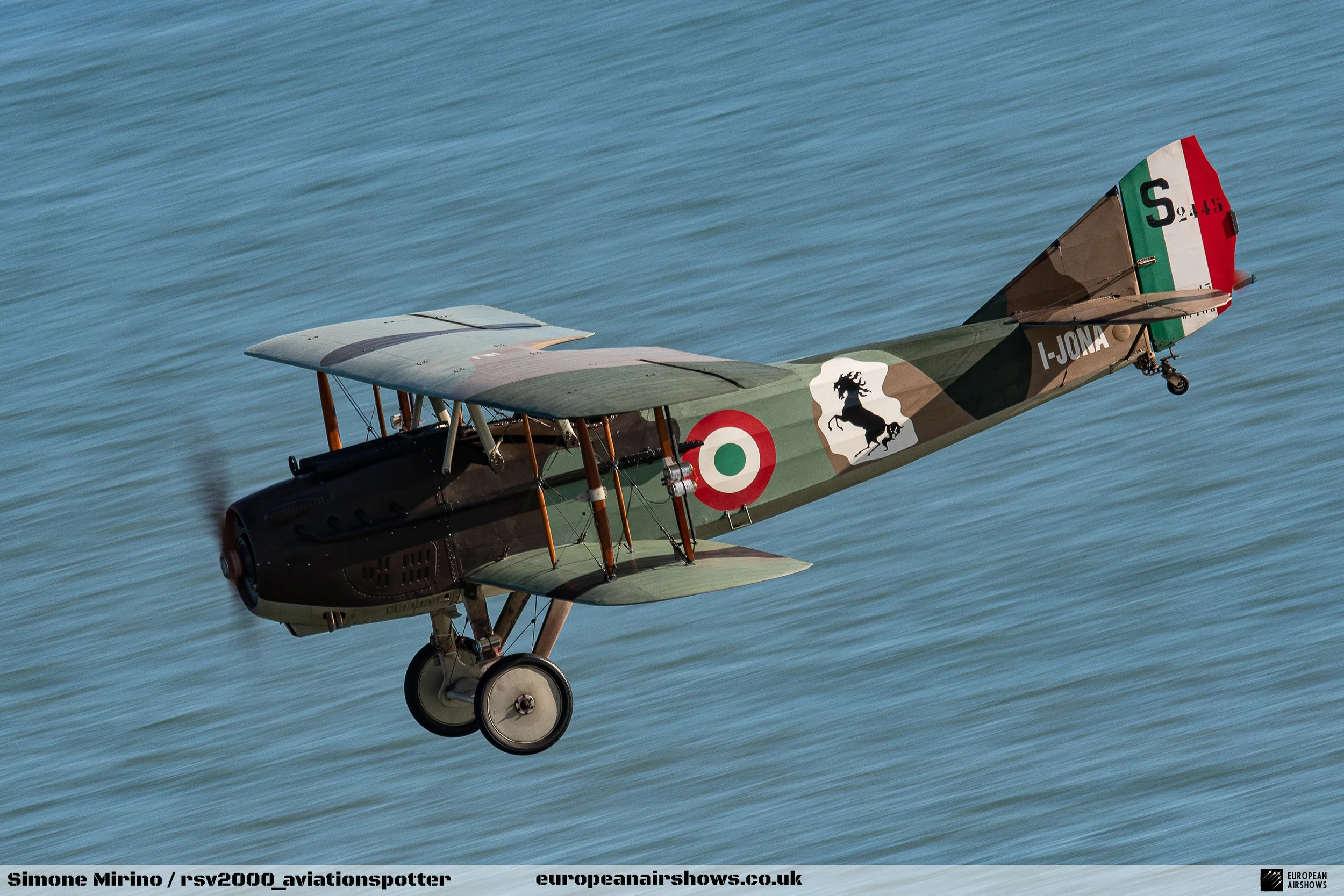
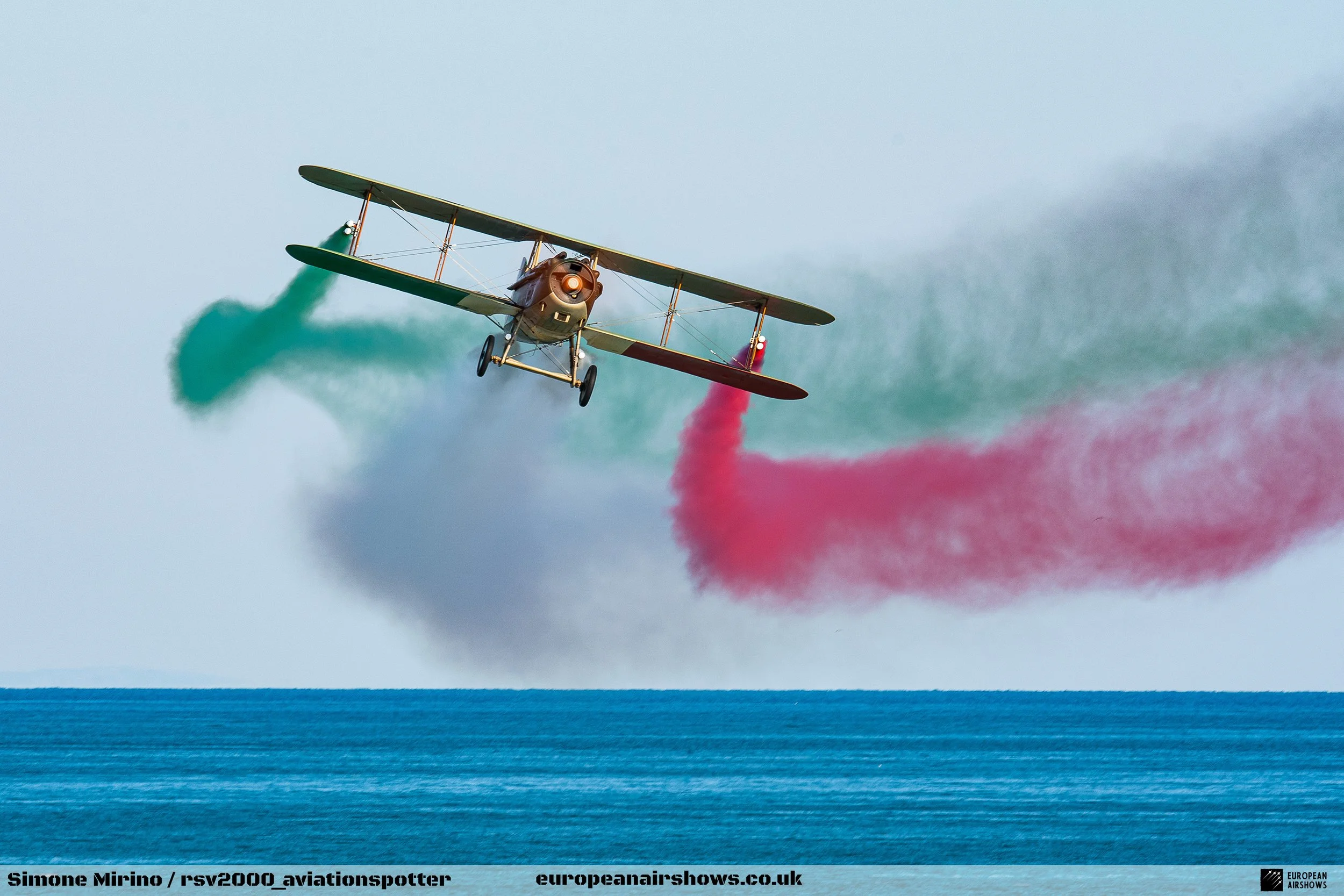
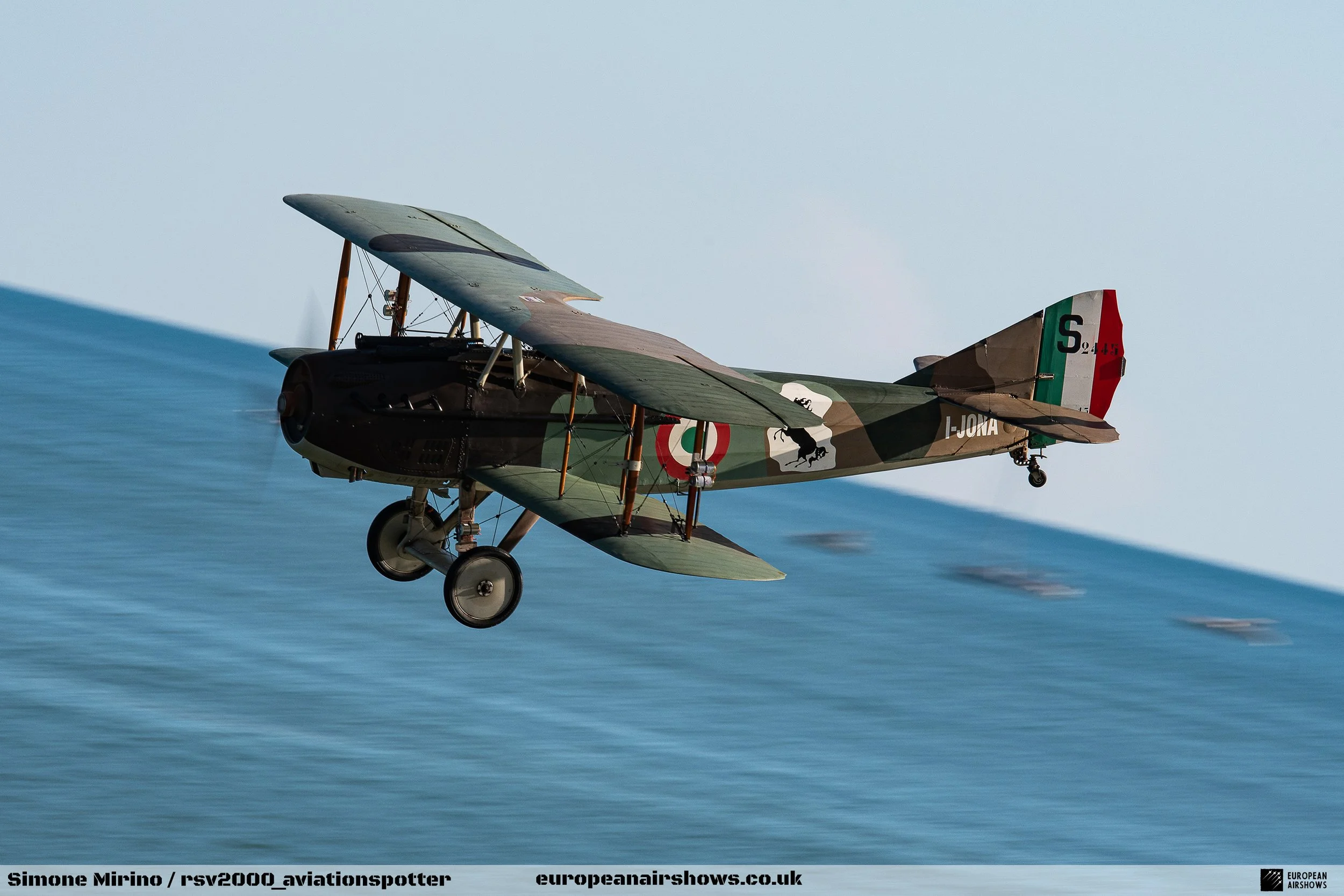
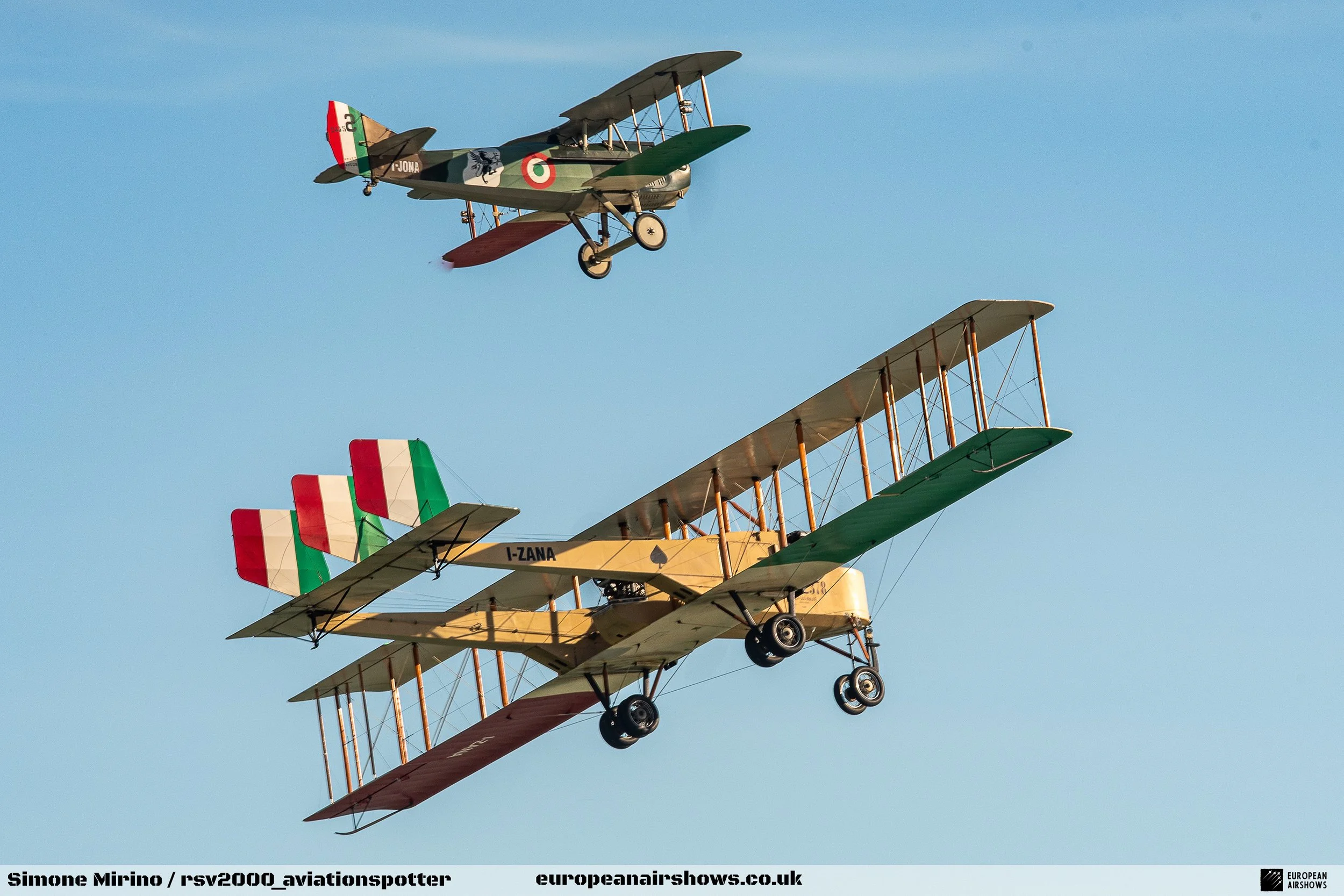
The Jonathan Collection then produced one of the most unusual pairings anywhere on the 2026 European airshow circuit. Its SPAD XIII R and Caproni Ca.3 replica arrived together, putting two First World War designs over a beach that would later see F-35s and the Frecce Tricolori.
The SPAD XIII represents one of the best-known Allied fighters of the First World War, associated in Italian service with aces such as Francesco Baracca. The Jonathan Collection example was constructed from detailed drawings and today provides a rare chance to see the type flying in Italy rather than preserved behind a museum barrier.
The Caproni is on another scale. The three-engined, twin-boom bomber was one of the earliest aircraft developed specifically for long-range bombing, and its broad structure and deliberate progress through the sky could hardly be further removed from the jets later in the programme. The Jonathan Collection's aircraft is a flying replica built using original documentation and measurements from surviving Caproni machines.
Seeing the pair together was more effective than displaying them separately. The difference in size was obvious, the combined engine note was unlike anything else in the show and, for several minutes, the programme stopped being about performance figures. It became a reminder of just how much aircraft design changed between 1916 and 2026.
Reparto Sperimentale Volo turns up the pace
From the First World War the programme jumped straight into the modern Italian Air Force, with the Reparto Sperimentale Volo bringing three aircraft from Pratica di Mare.
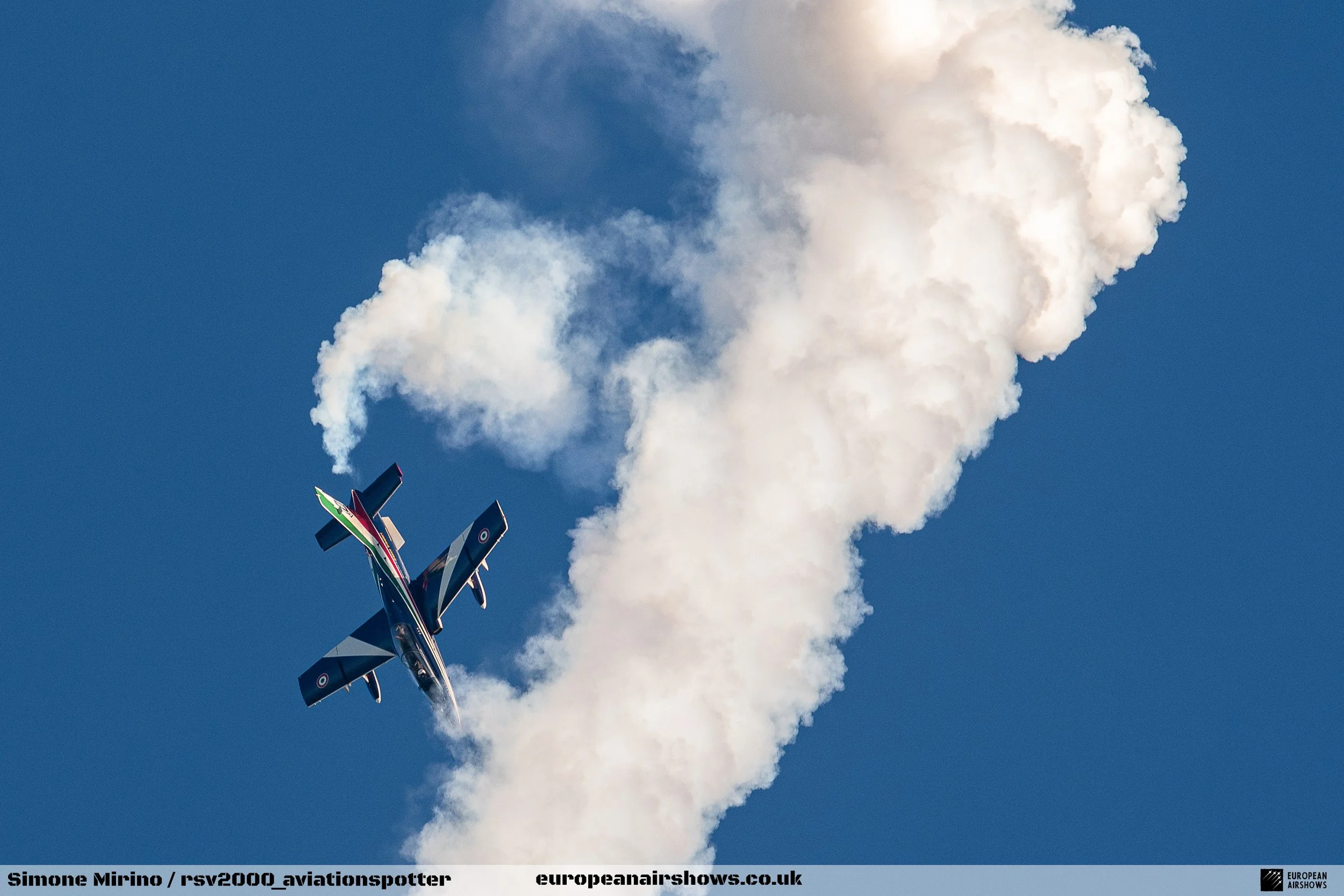
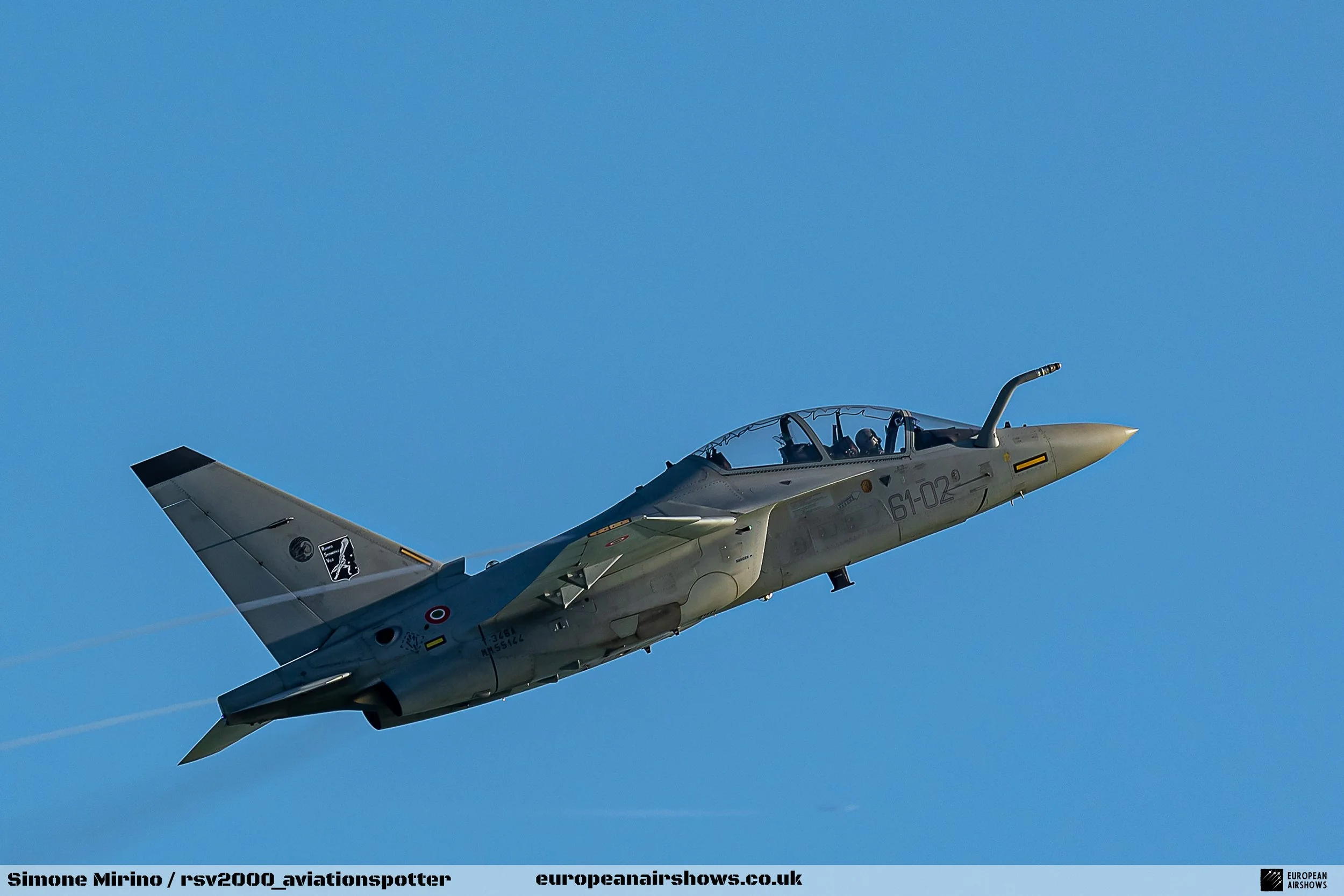
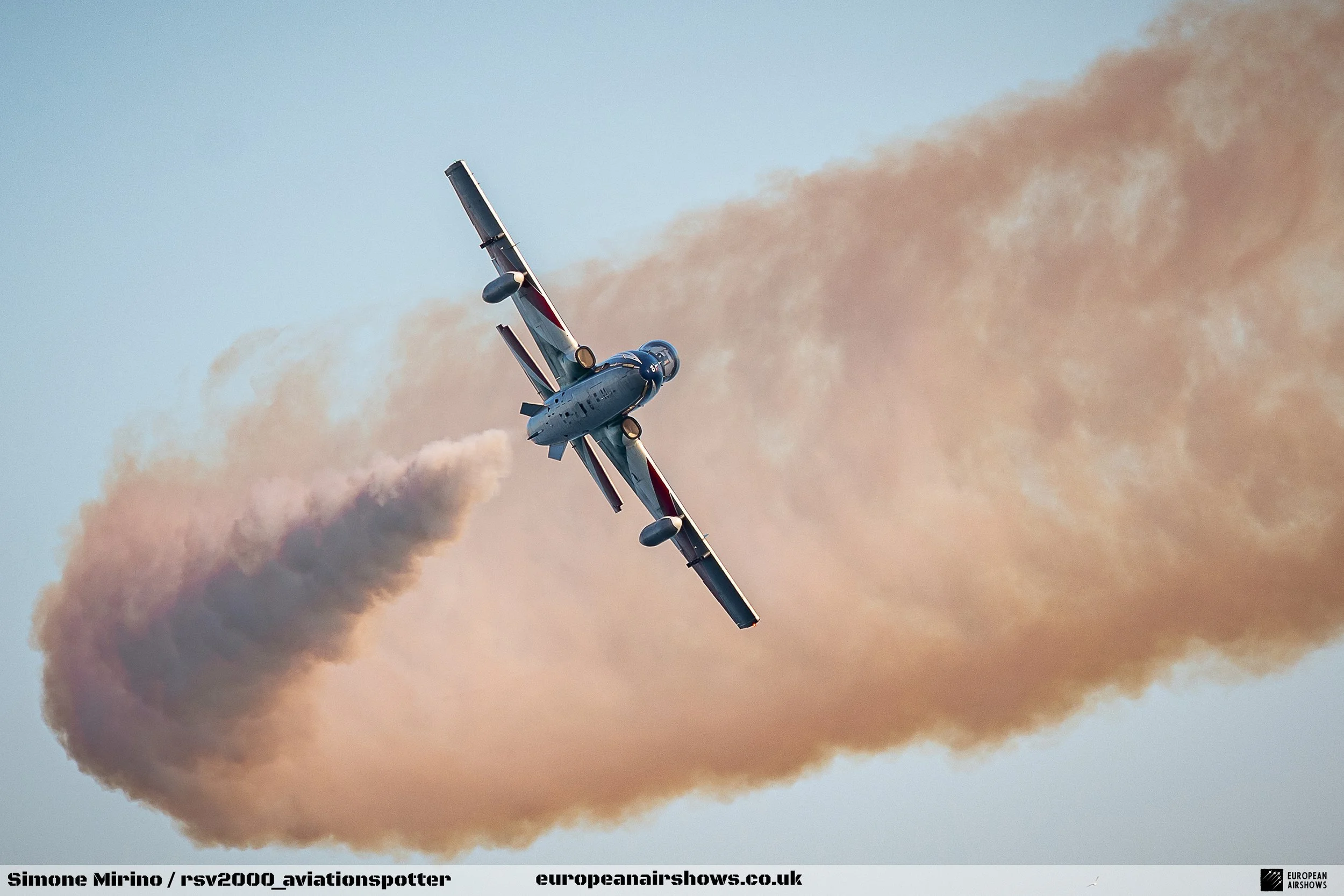
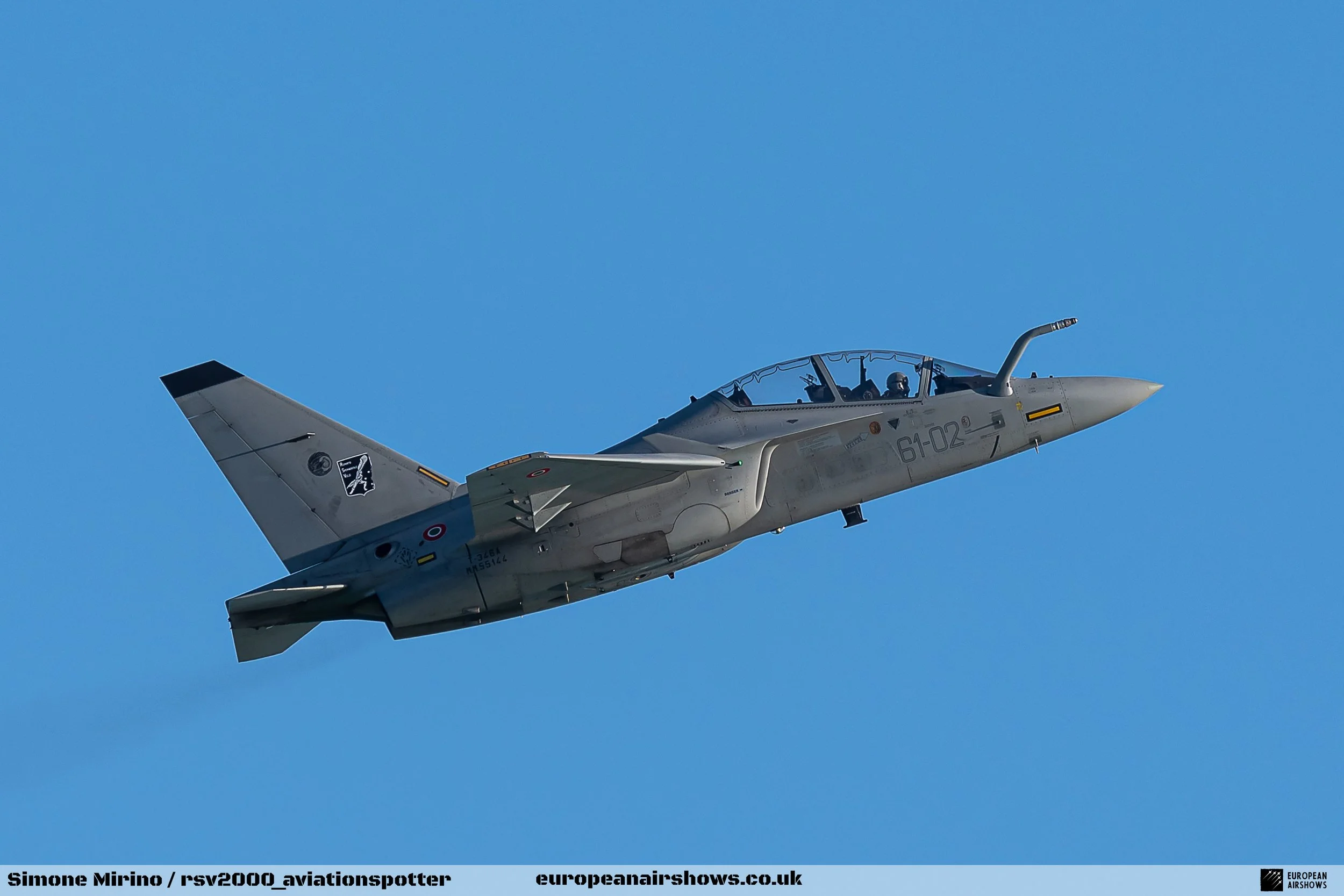
First came the Leonardo T-346A Master. The Italian Air Force uses the twin-engine advanced trainer to prepare pilots for fourth- and fifth-generation combat aircraft, but the display makes it clear that the Master is far more than a gentle training platform. Tight turns, rapid rolls and high angles of attack showed how much performance is available from an aircraft designed to reproduce the demands of a modern fighter syllabus.
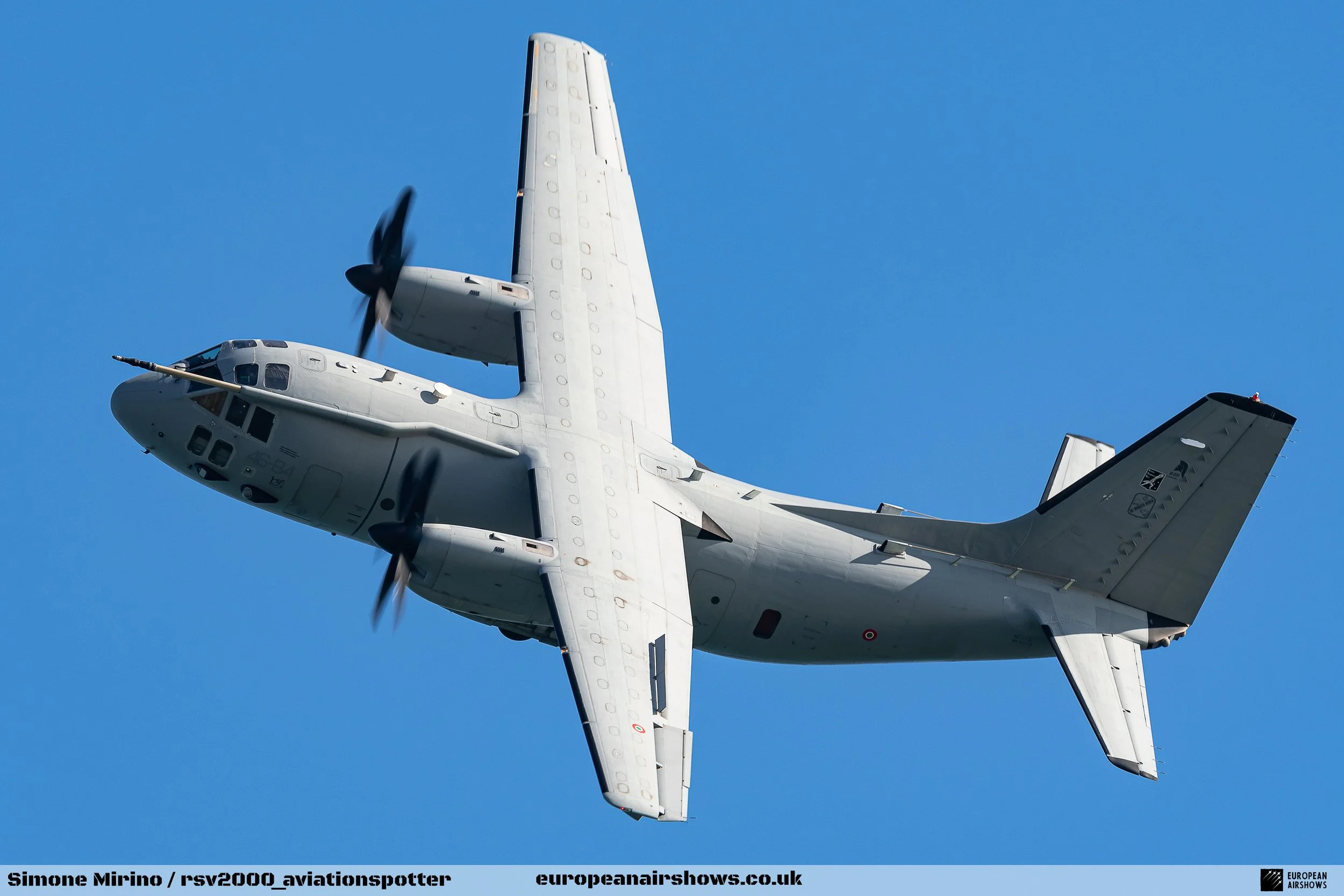
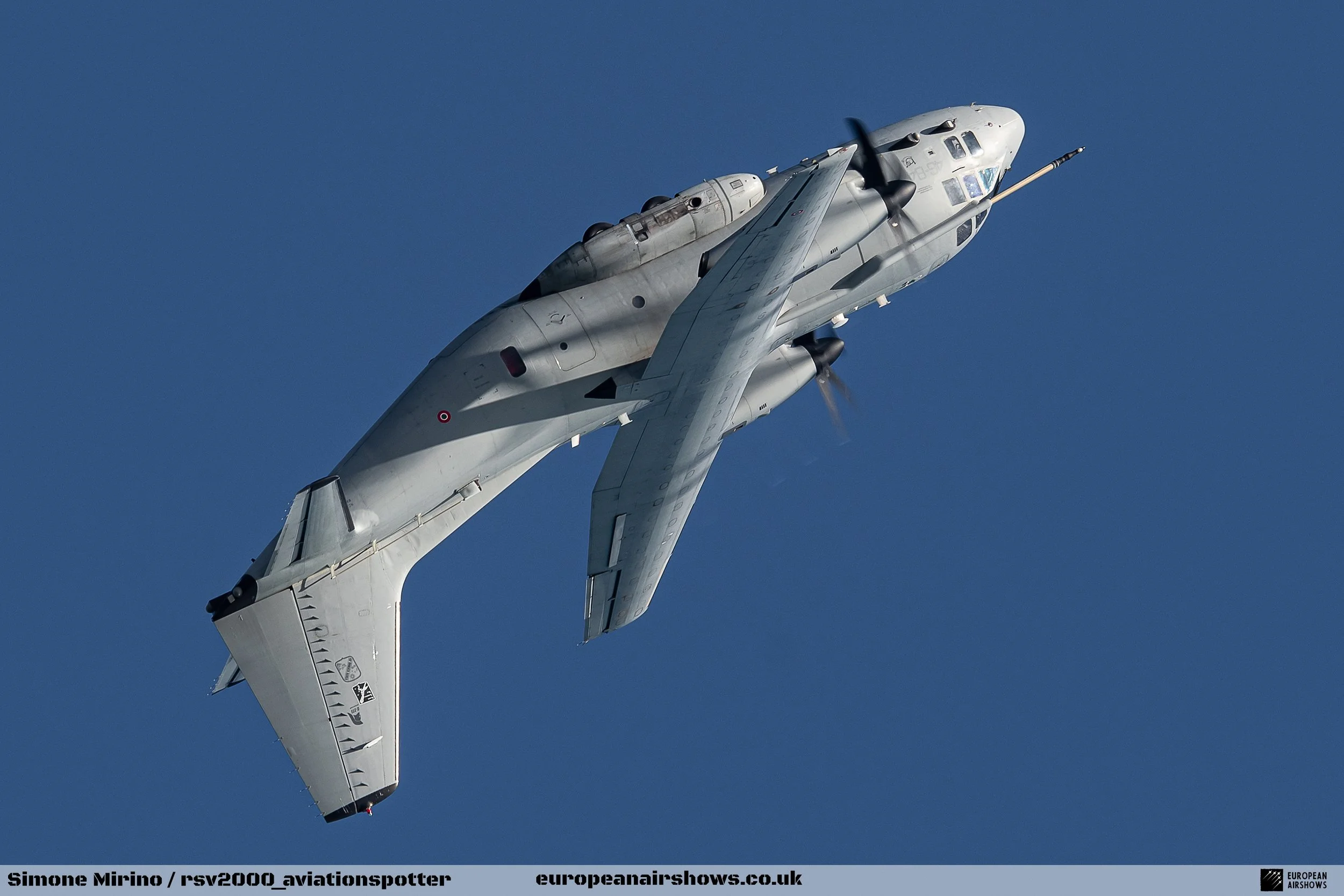
The Leonardo C-27J Spartan followed. Large transport aircraft performing aerobatics never look entirely sensible from the ground, which is precisely why the Spartan remains such an effective display aircraft. Rolls and looping figures from a twin-turboprop tactical transport still make the crowd look twice, even at an event where many spectators have seen the routine before.
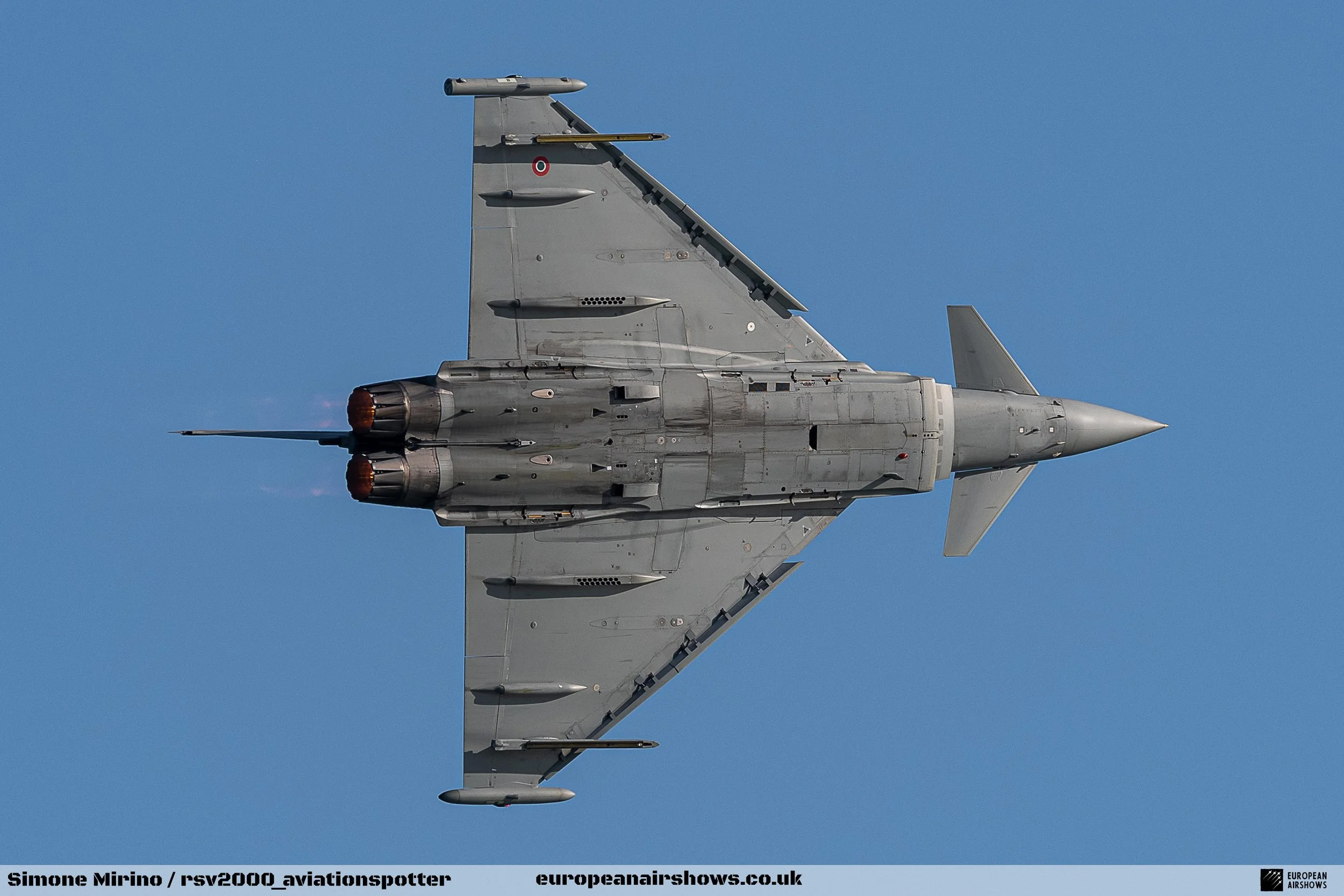
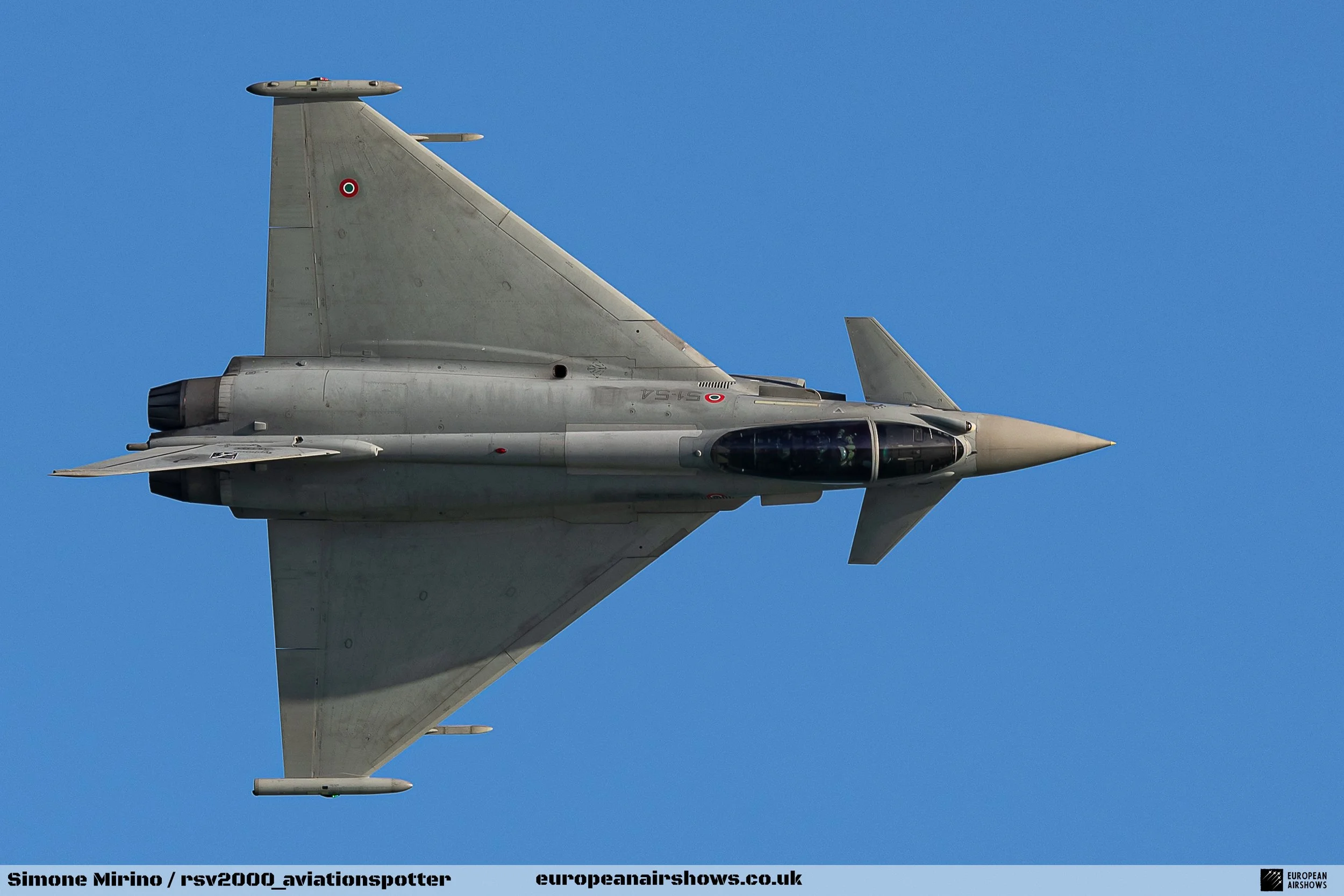
The RSV sequence then moved to the Eurofighter F-2000A Typhoon. With two EJ200 engines and considerably more noise available than anything that had appeared so far, the Typhoon changed the atmosphere immediately. High-g turns, rapid acceleration and a vertical element flown with the aircraft inverted gave the routine the aggressive edge expected from a front-line fighter. Friday's more humid air had produced particularly dramatic vapour over the wings, but Saturday's clearer conditions made the aircraft easier to follow from the beach.
Two F-35s and one very memorable hover
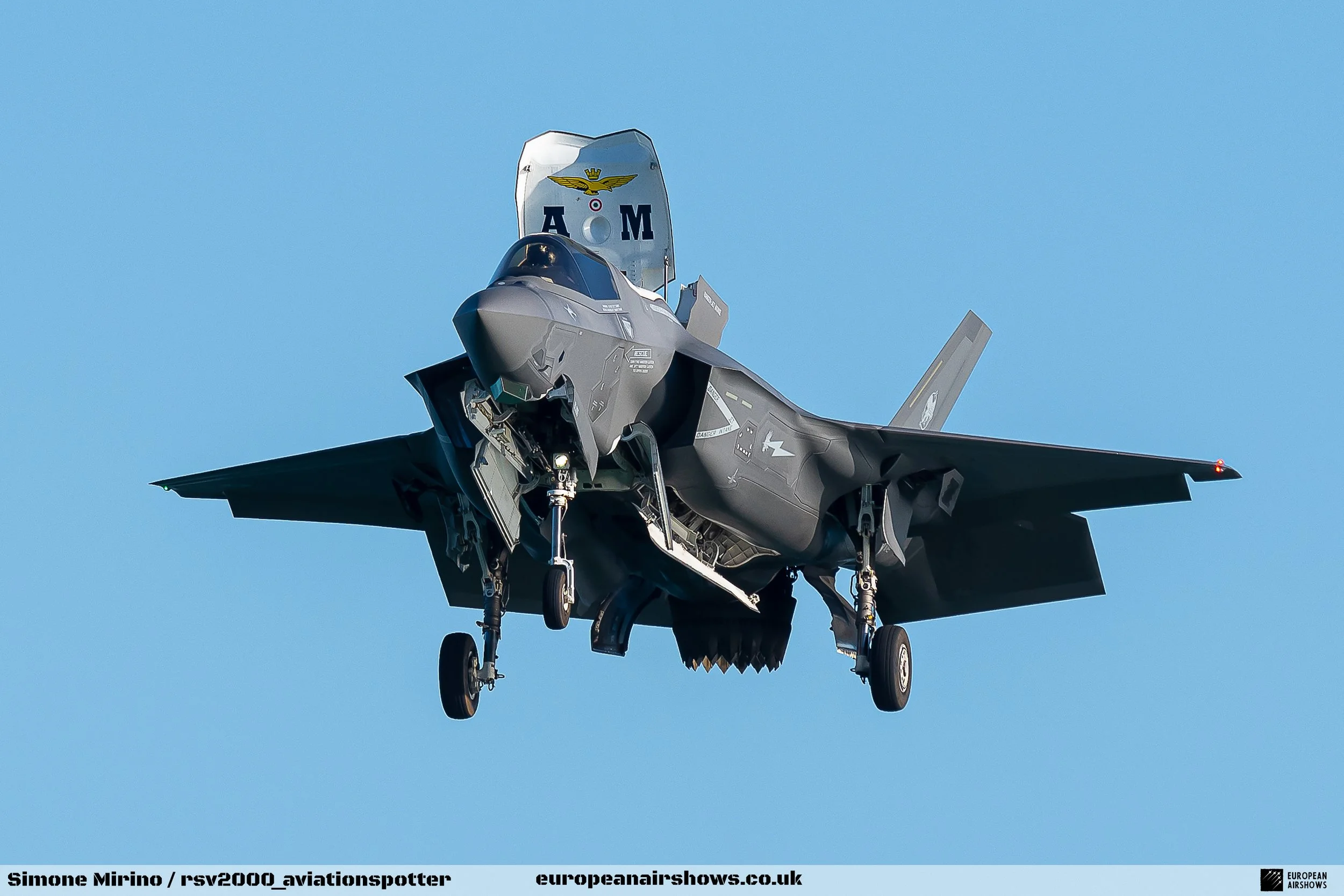
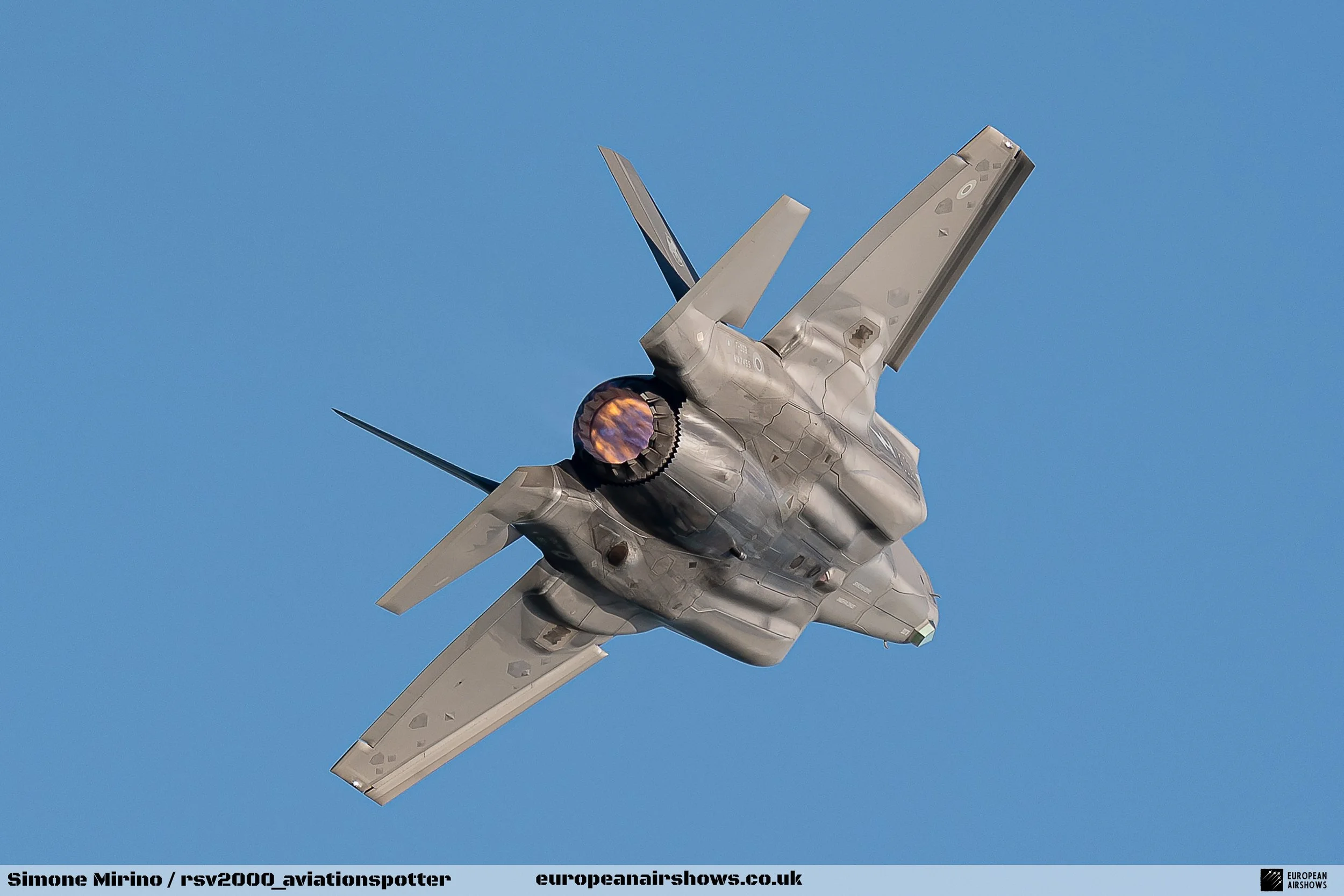
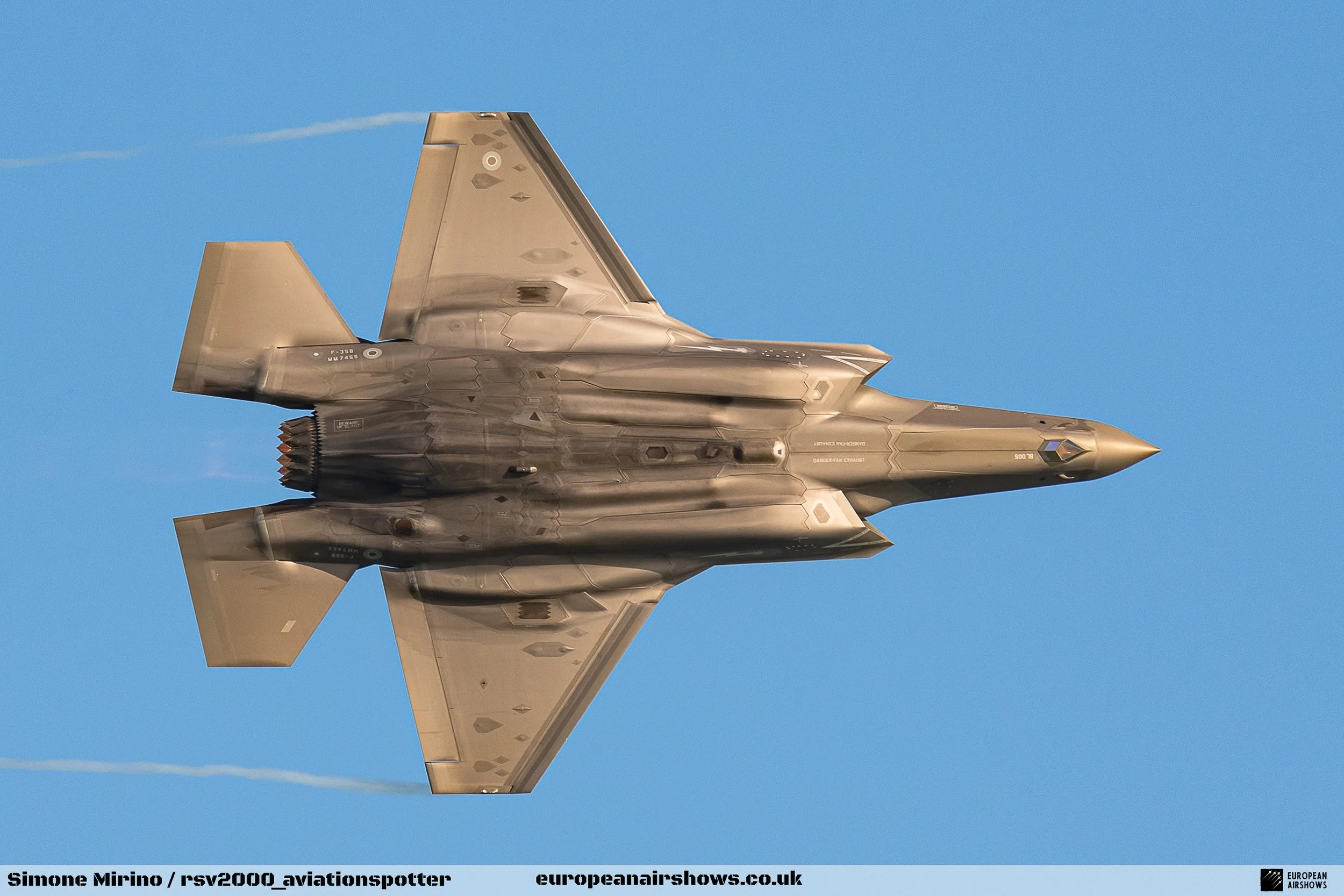
The Lockheed Martin F-35A Lightning II and Lockheed Martin F-35B Lightning II from the Italian Air Force's 32° Stormo were not presented as conventional solo displays. They did not need to be.
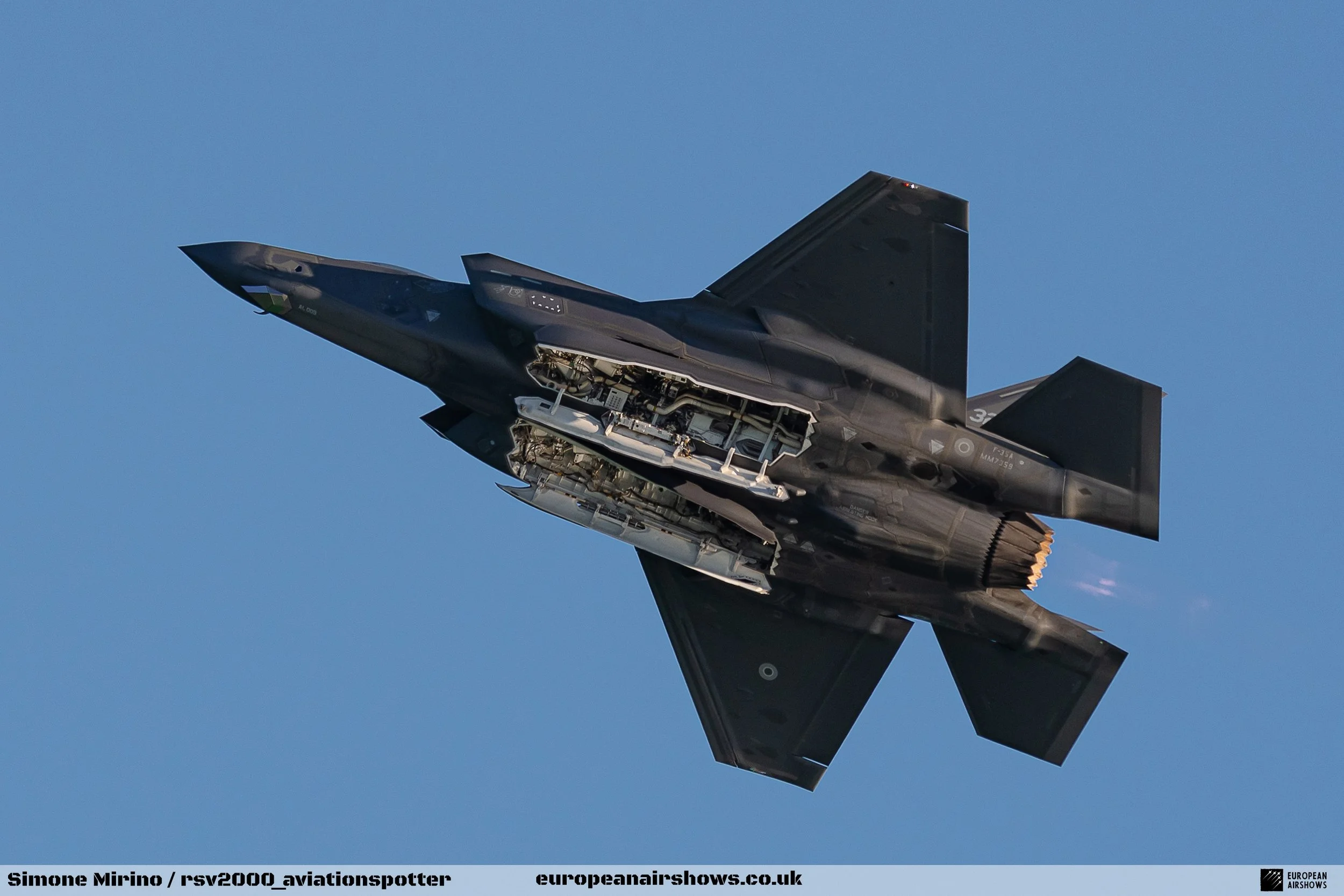
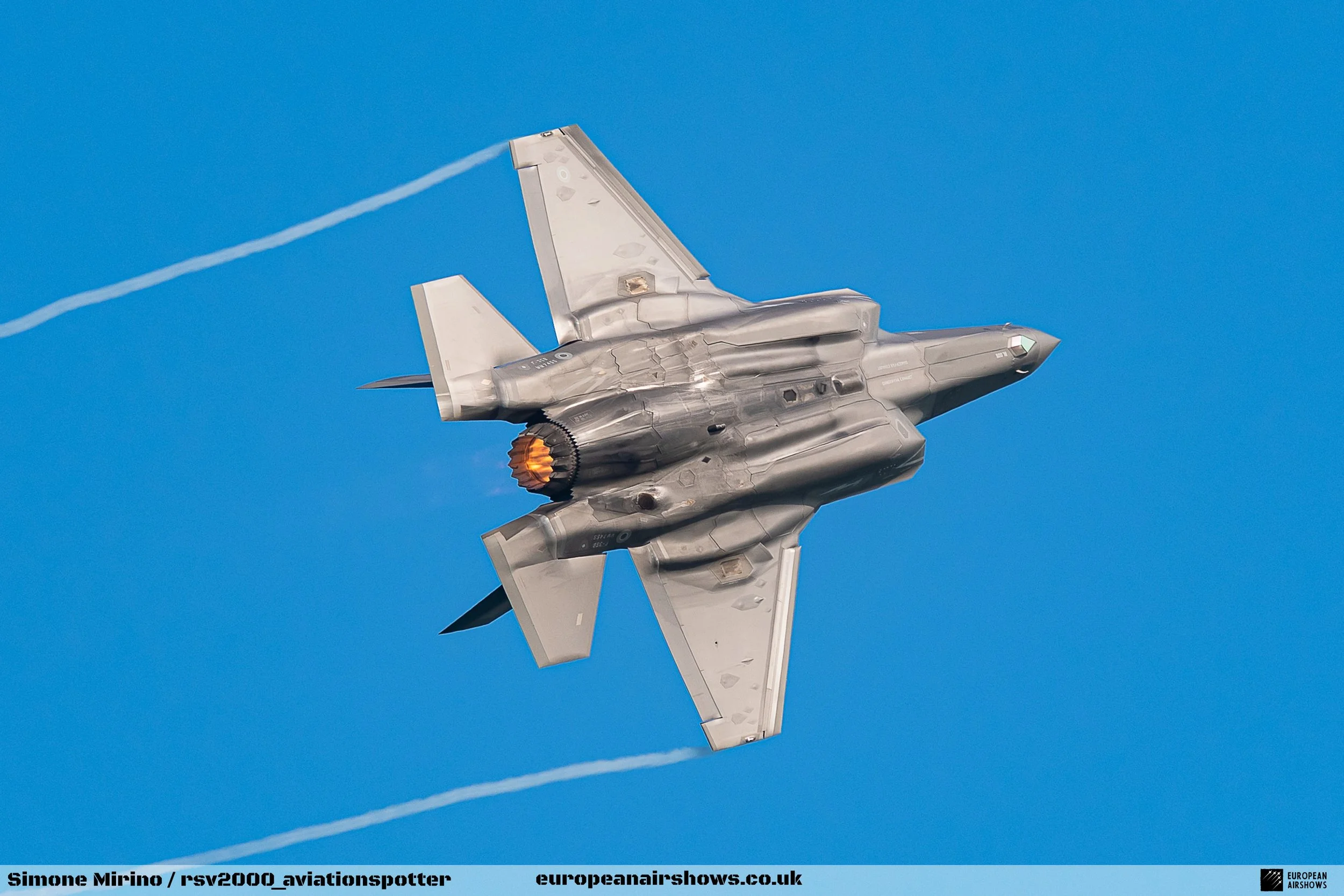
The pair arrived in close formation before splitting over show centre. One continued through while the other climbed away under power, afterburner visible as the two aircraft separated. Several subsequent passes gave the crowd different views of the airframes, including one with the internal weapons bay doors open.
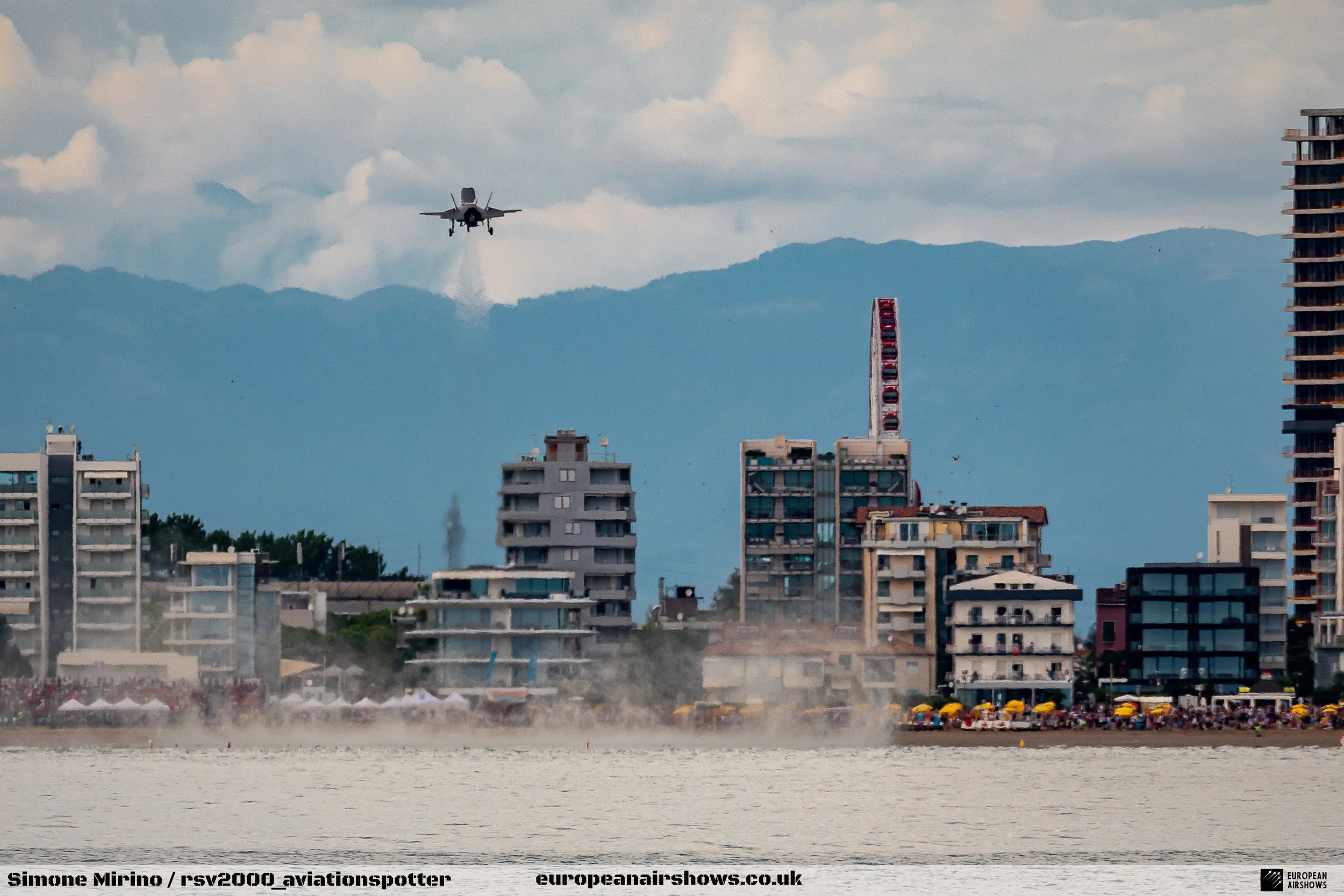
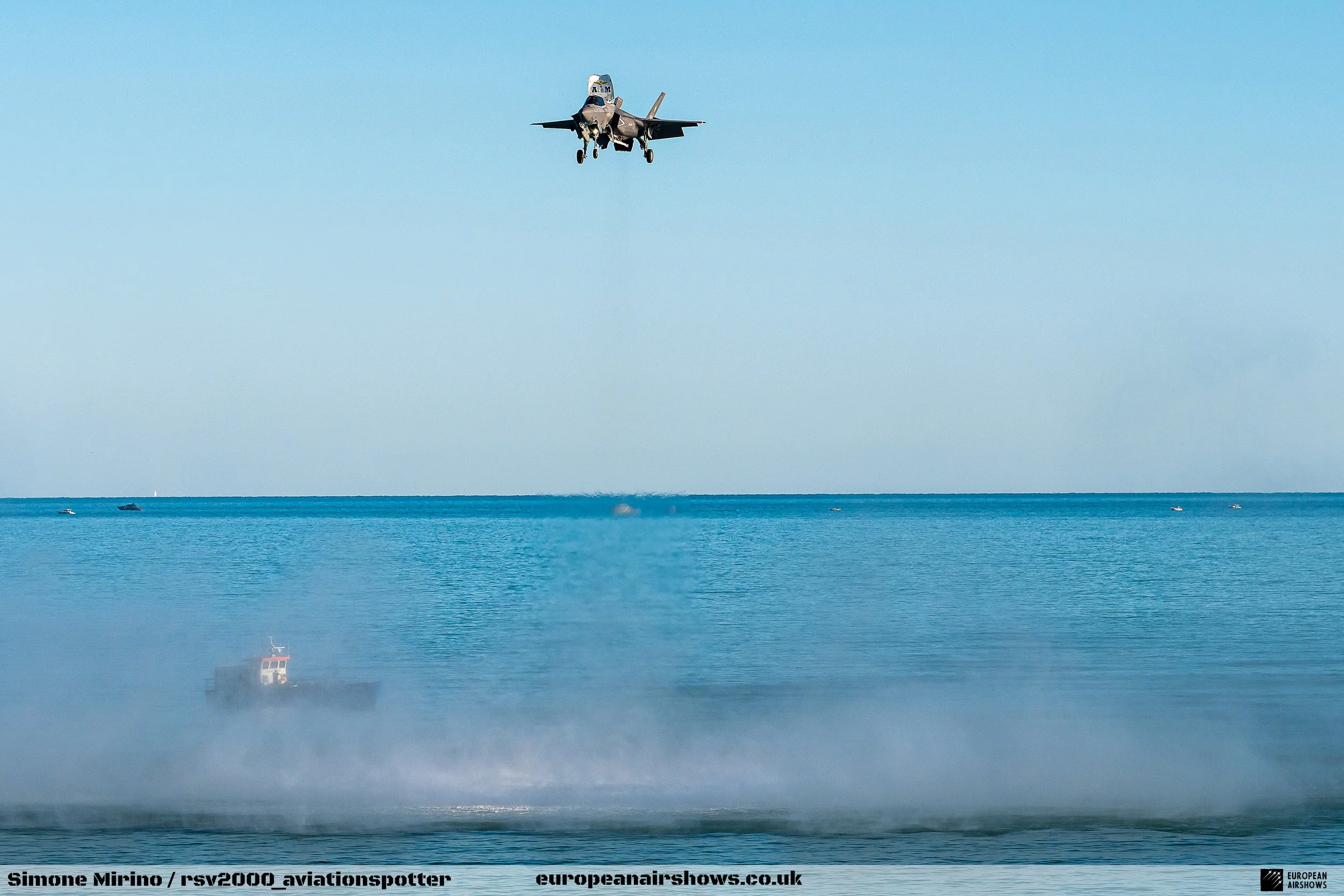
The centrepiece was the F-35B. Approaching slowly over the water, it transitioned into STOVL mode and settled into a hover in front of the crowd. The jet blast tore at the surface of the Adriatic, throwing spray outward beneath the aircraft while the F-35 sat almost motionless above it.
As the hover reached its conclusion, the F-35A crossed behind. It was a carefully staged moment rather than an aerobatic figure, but visually it was one of the strongest images of the afternoon: the conventional F-35A at speed behind an F-35B hanging over the sea.
For enthusiasts, the value was simply having both Italian Air Force variants presented together at close range. In a show already full of advanced aircraft, the F-35 sequence still felt like a step into another generation.
Andrea Pesenato is very much at home here
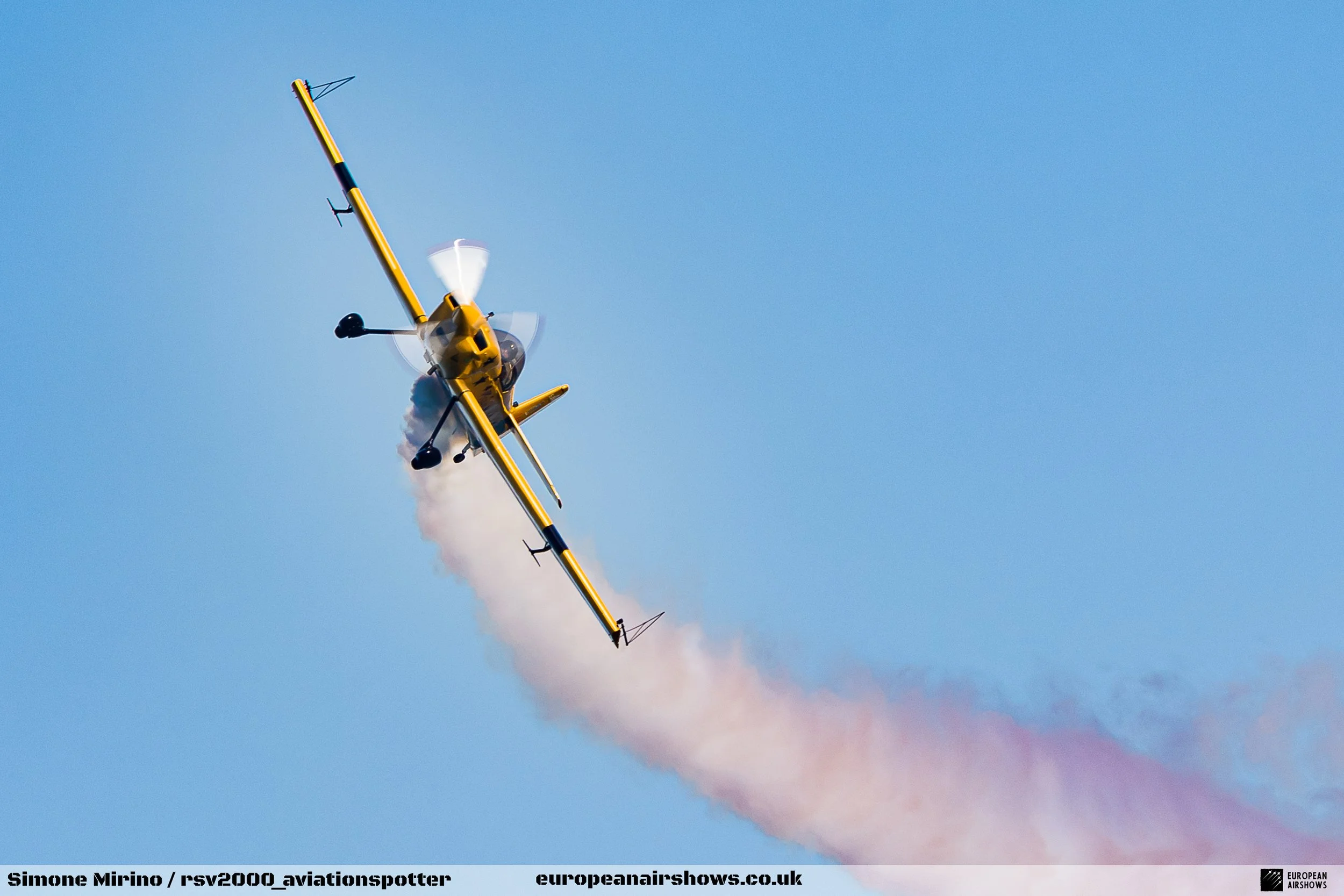
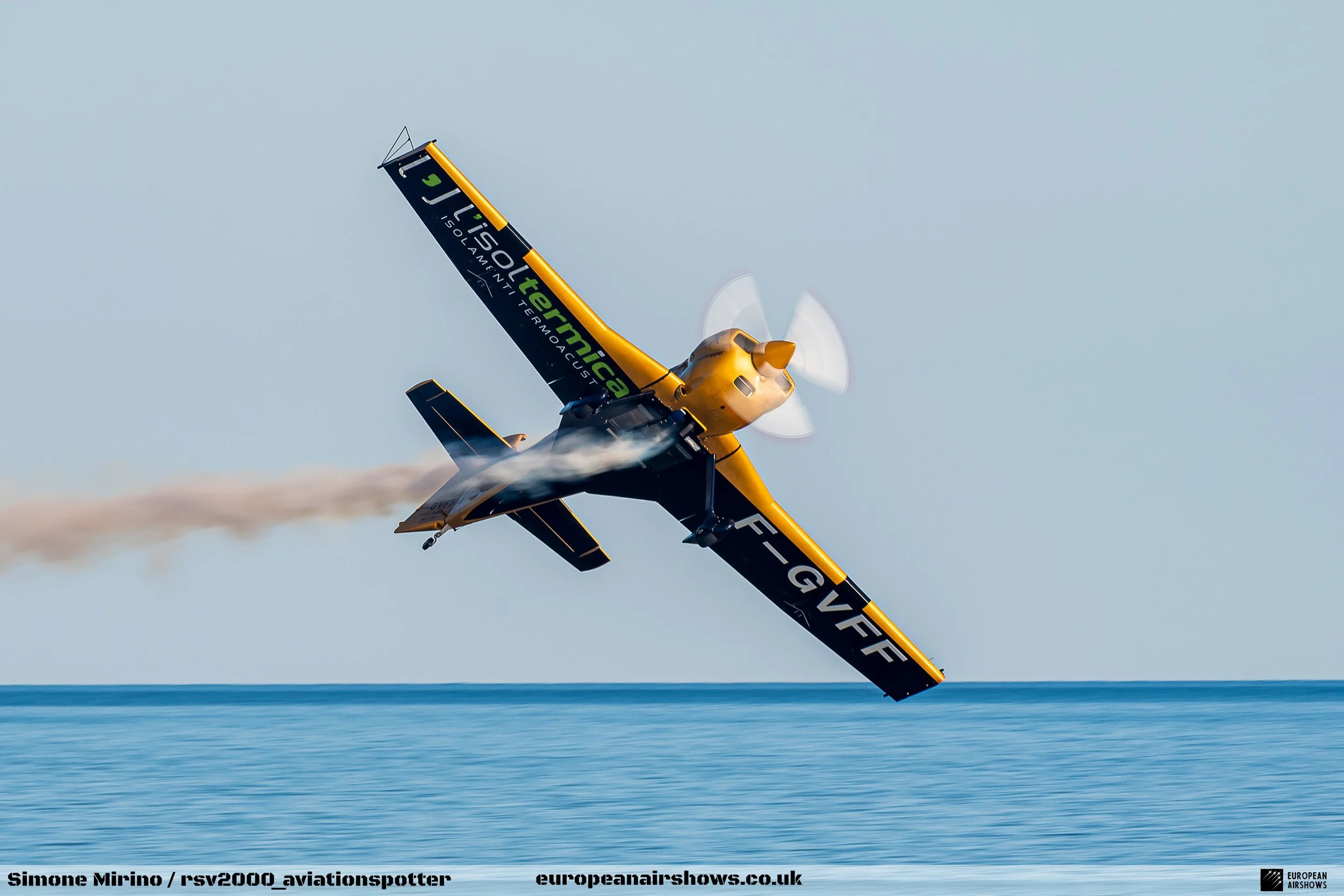
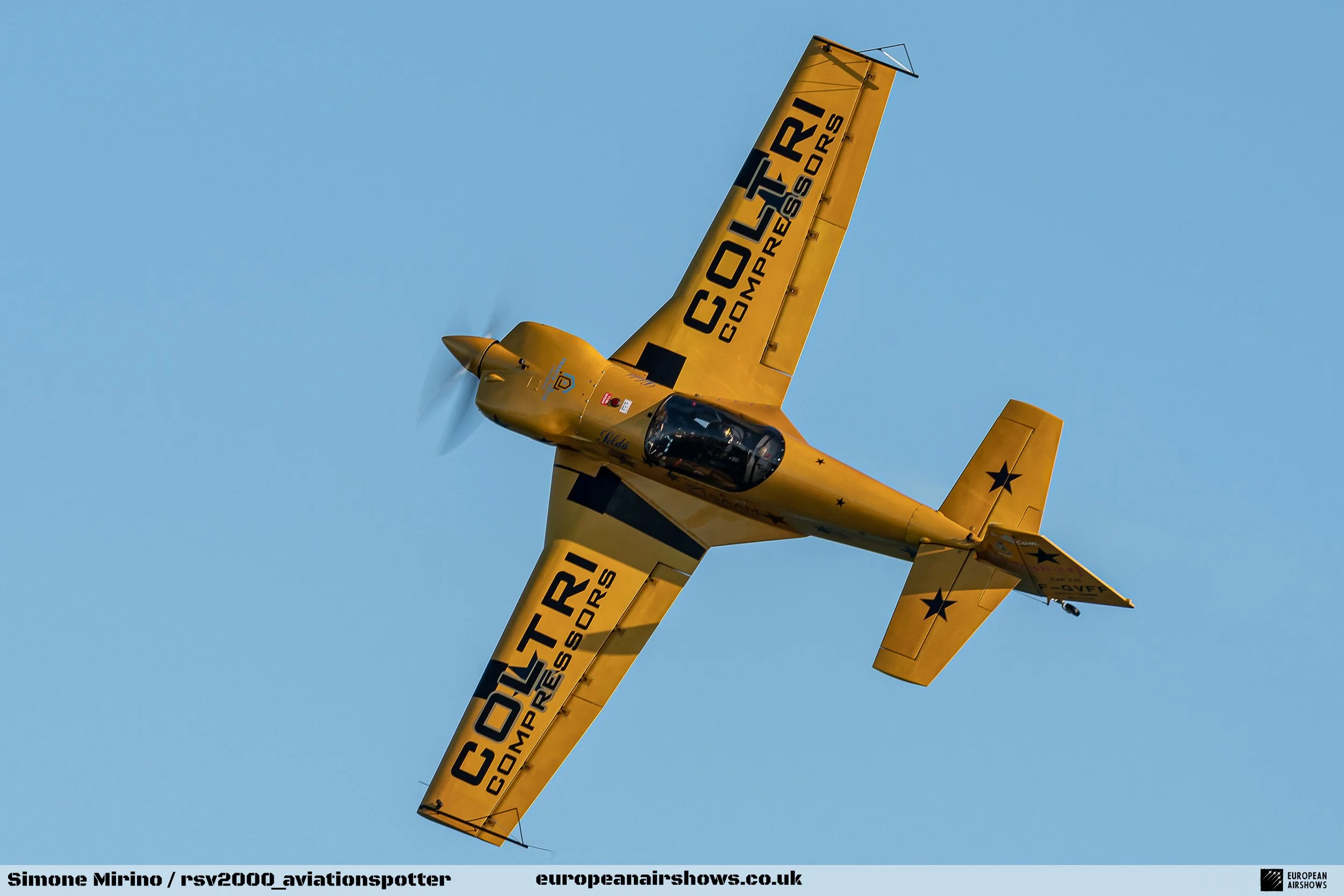
Andrea Pesenato and the Mudry CAP 231 have become part of the furniture at Jesolo, but familiarity has not made the routine any less entertaining.
Pesenato's display is presented as a complete performance rather than simply a sequence of figures. Music, commentary and flying are tied together while the CAP 231 snaps, tumbles and hangs close to show centre. The aeroplane is small enough to keep the entire routine directly in front of the crowd, making it a useful contrast after the much larger display boxes required by the fast jets.
That positioning is the key to why the act works so well at Jesolo. From the centre of the beach almost every control input is visible, and Pesenato wastes very little time travelling away from the audience. By the time he cleared the display line, the scene was set for the act everyone along the coast had been waiting for.
The Frecce Tricolori close Jesolo
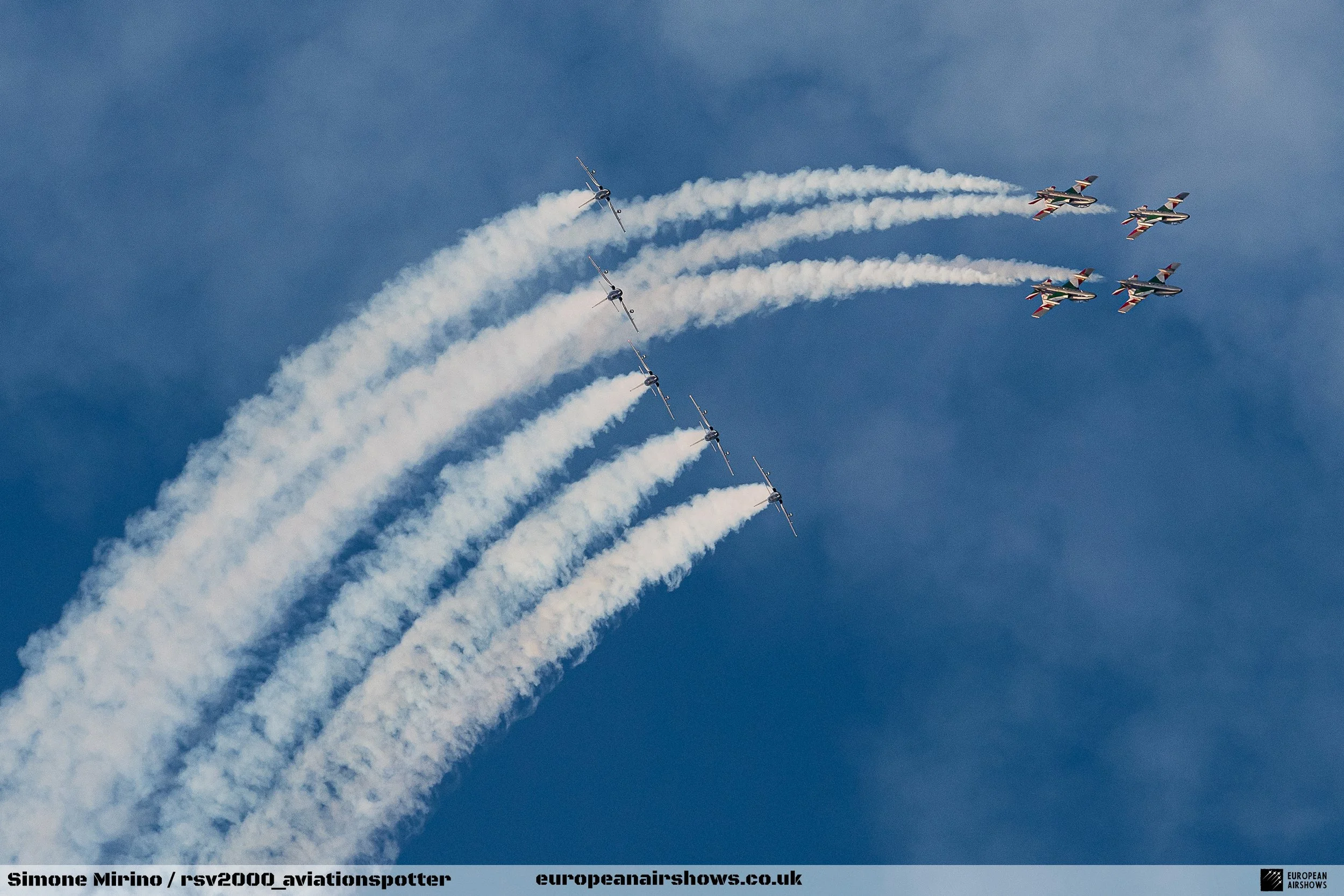
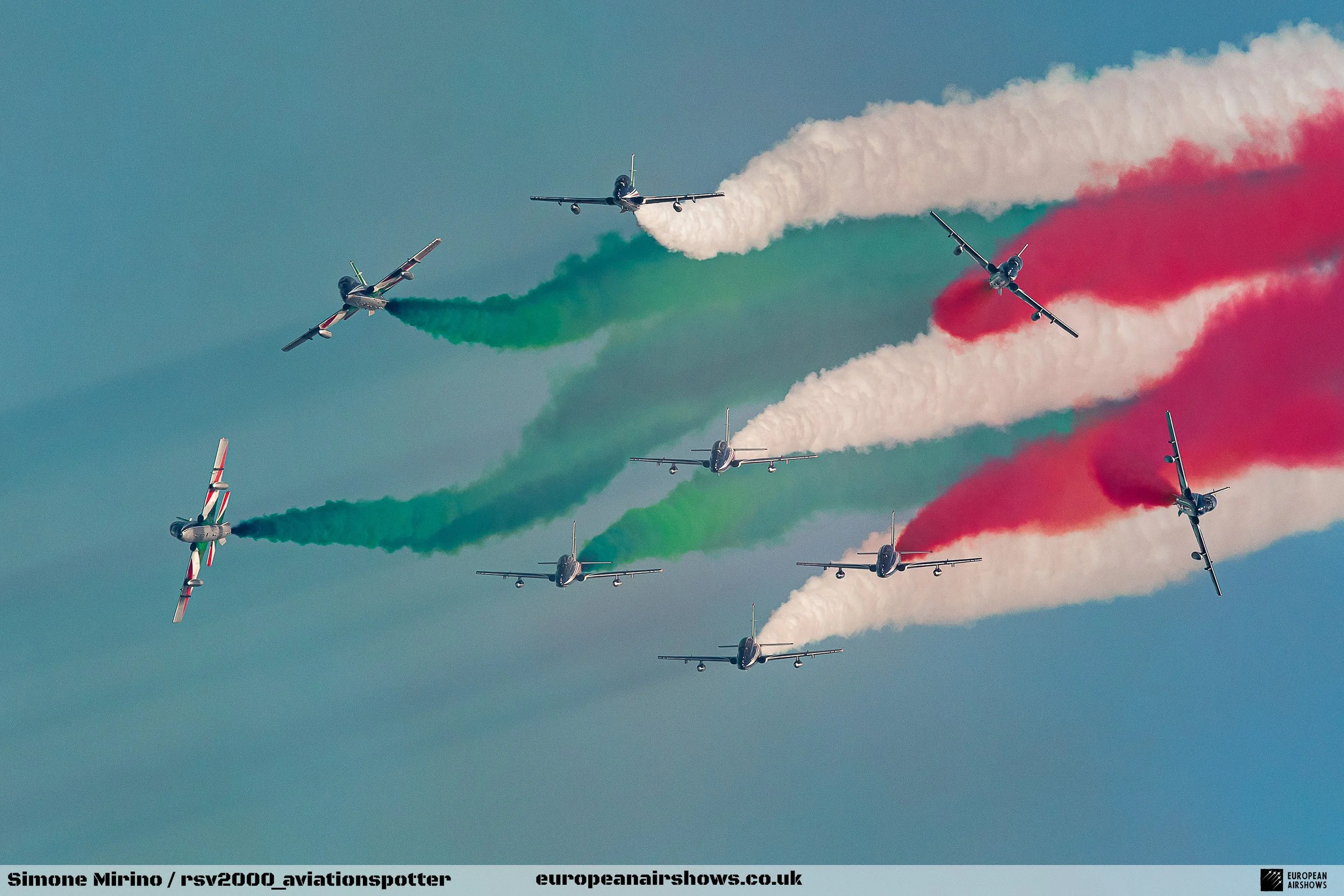
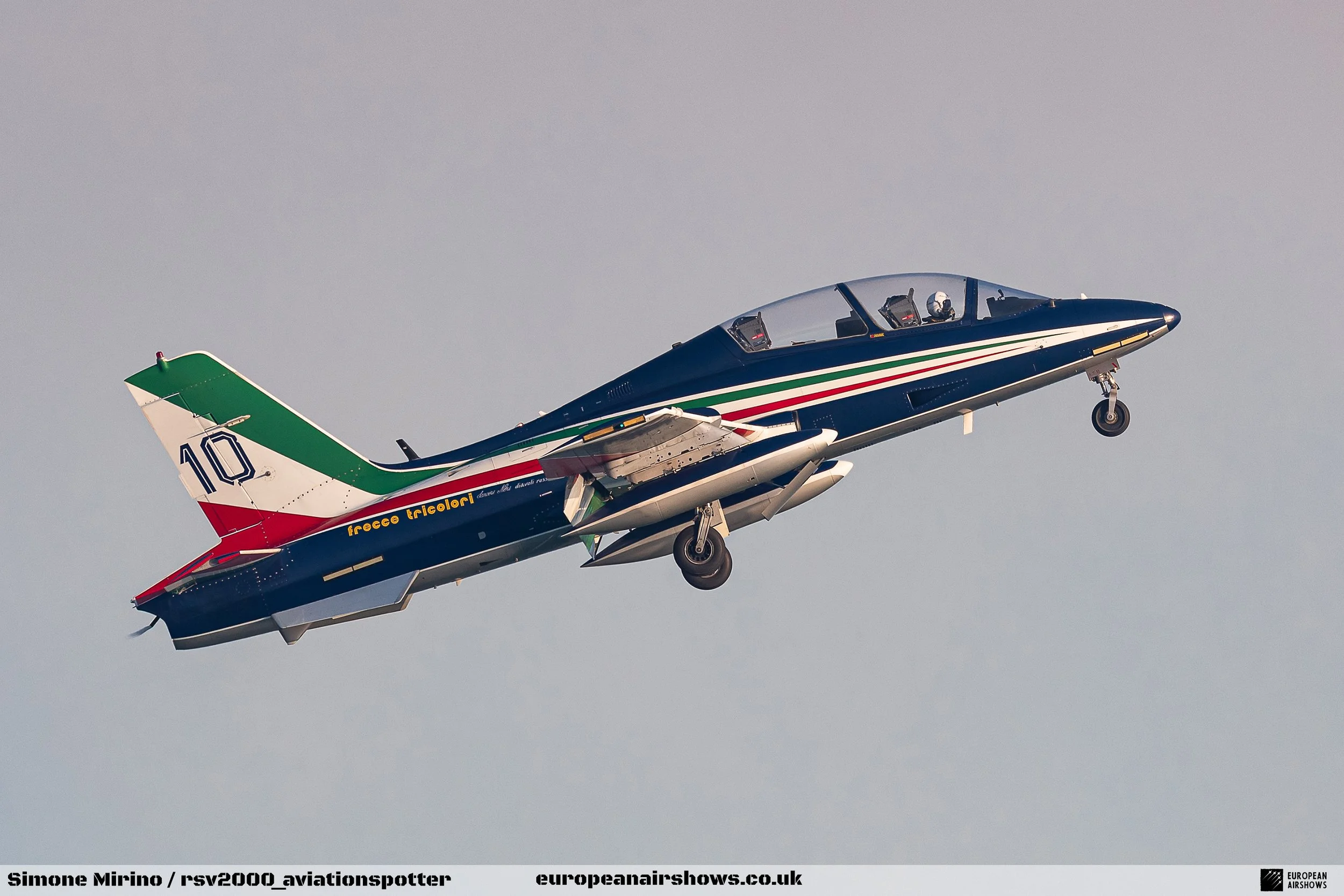
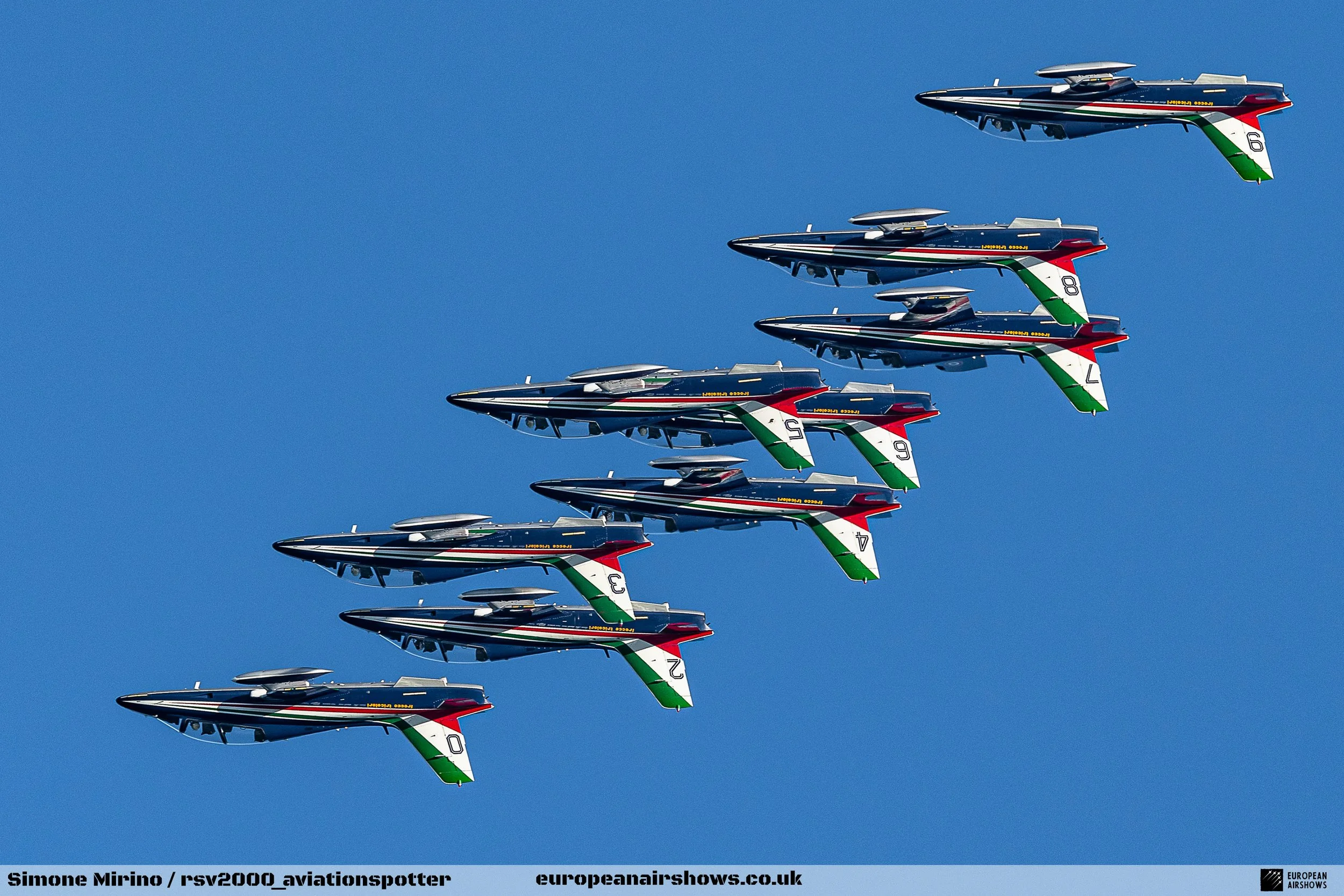
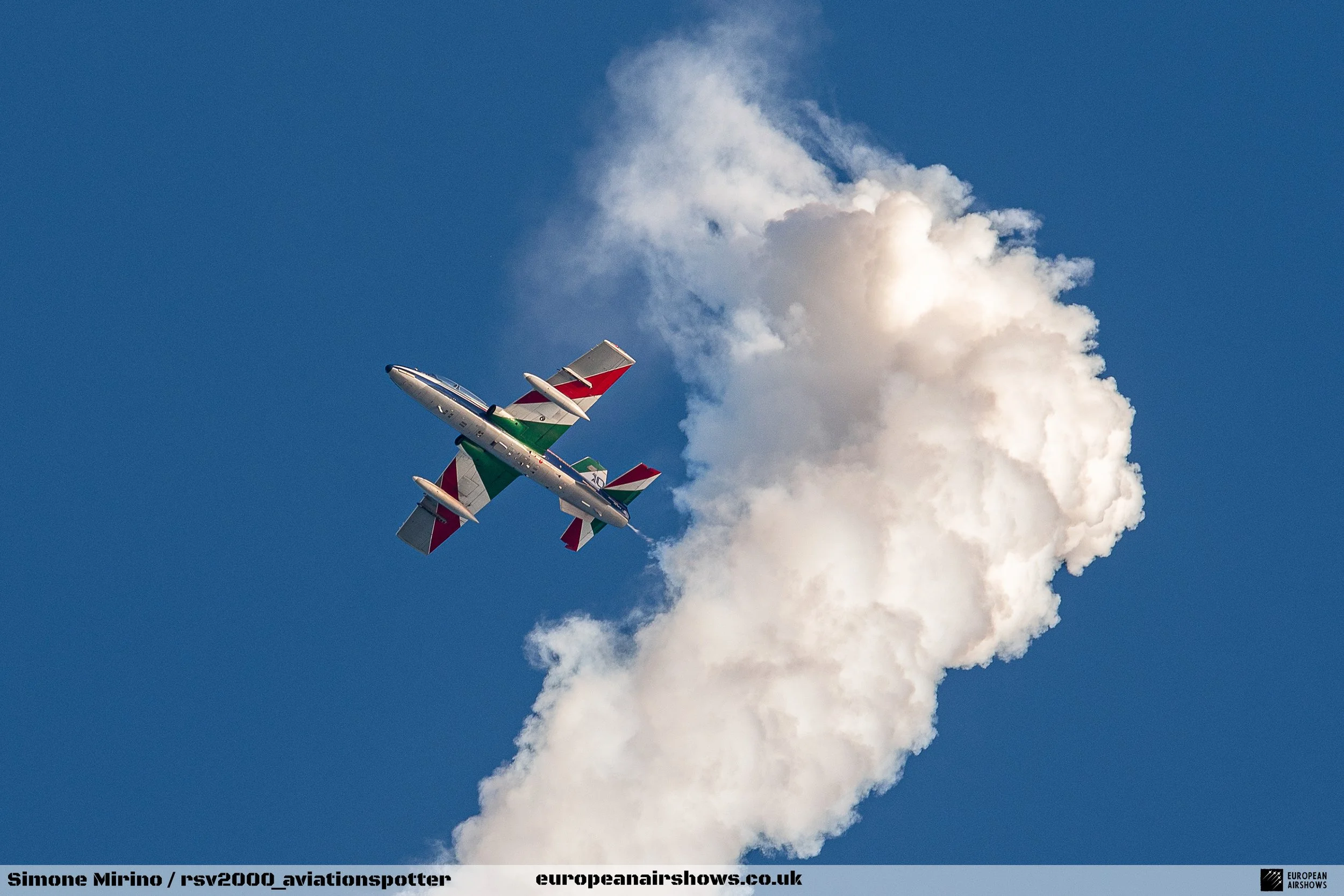
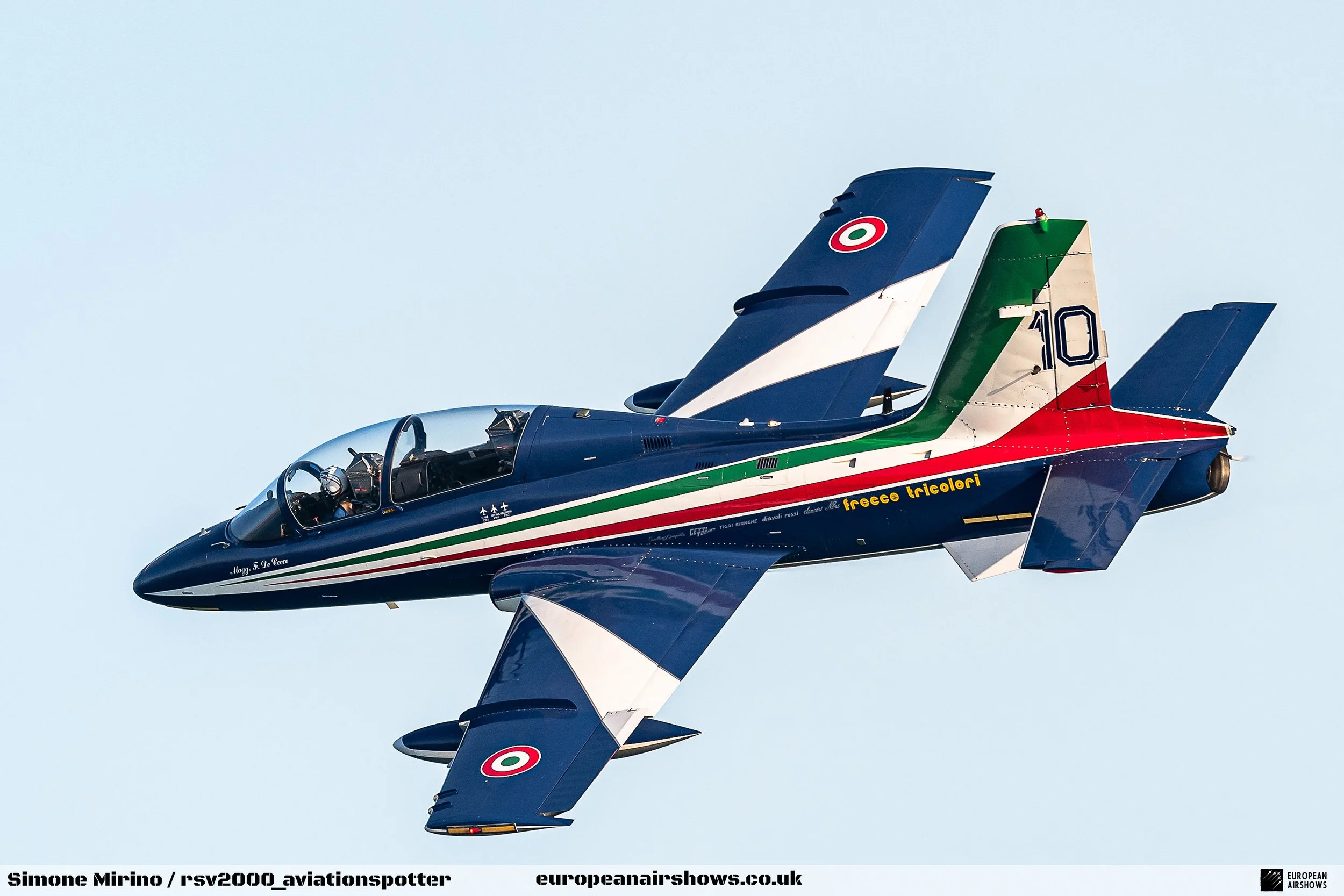
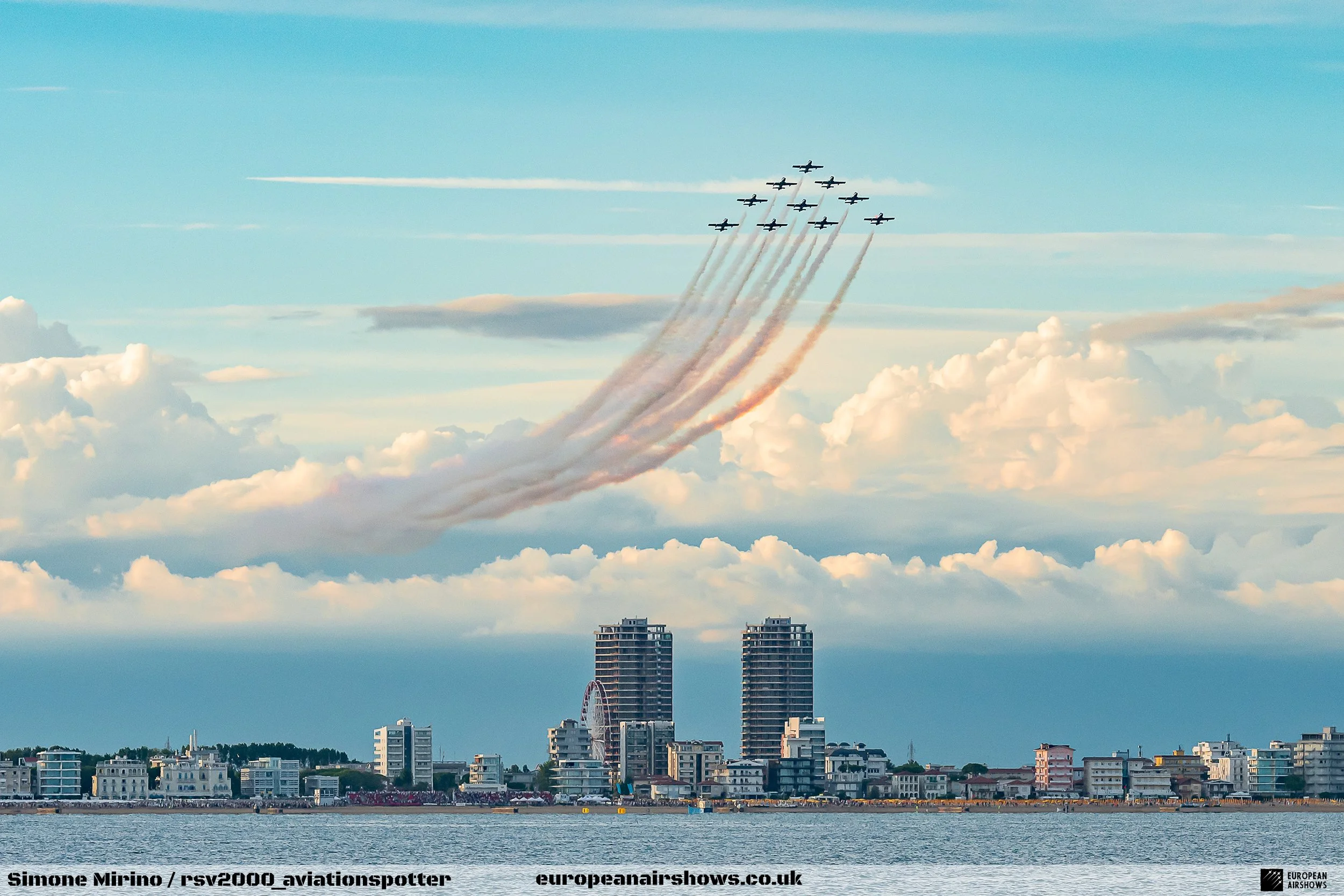
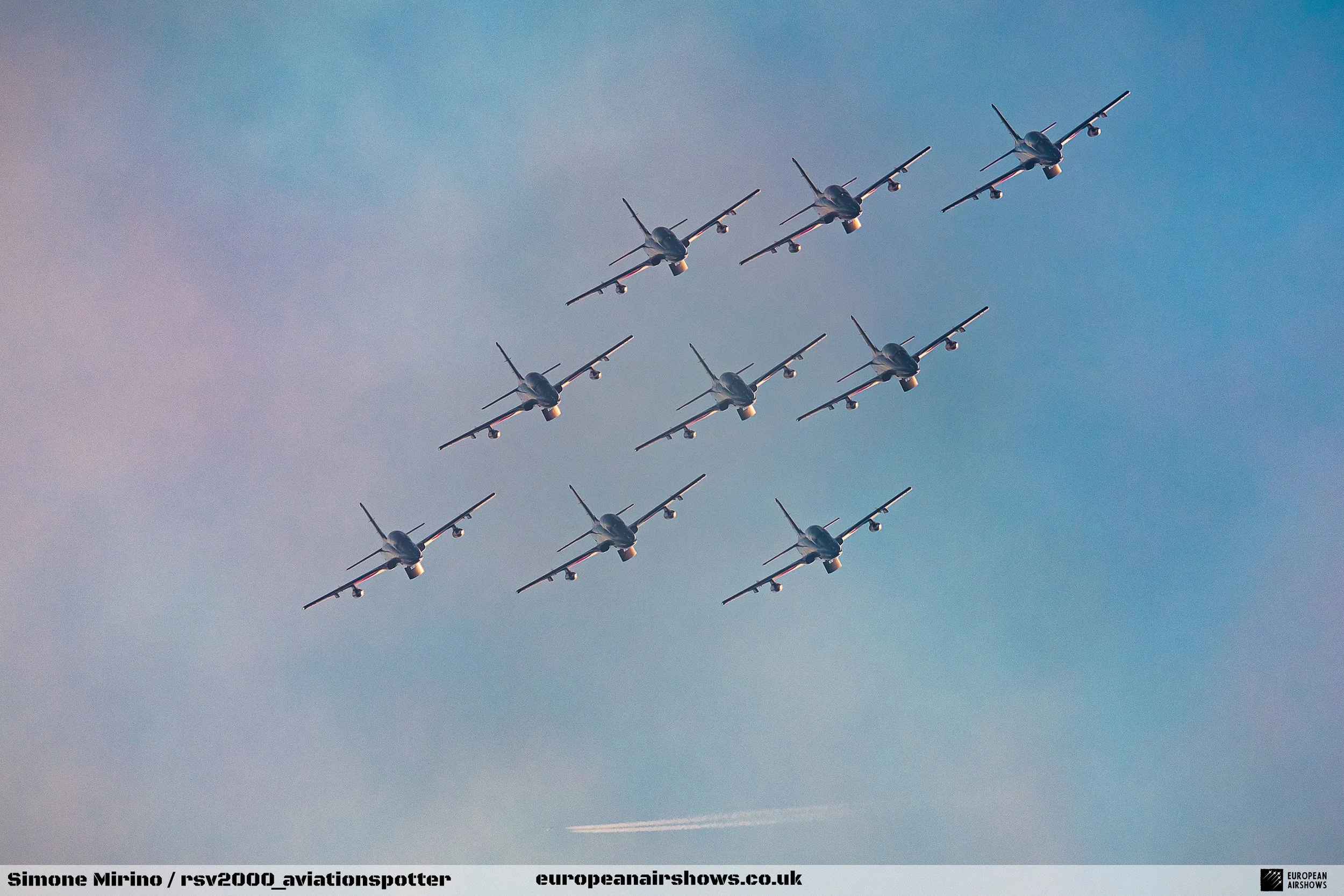
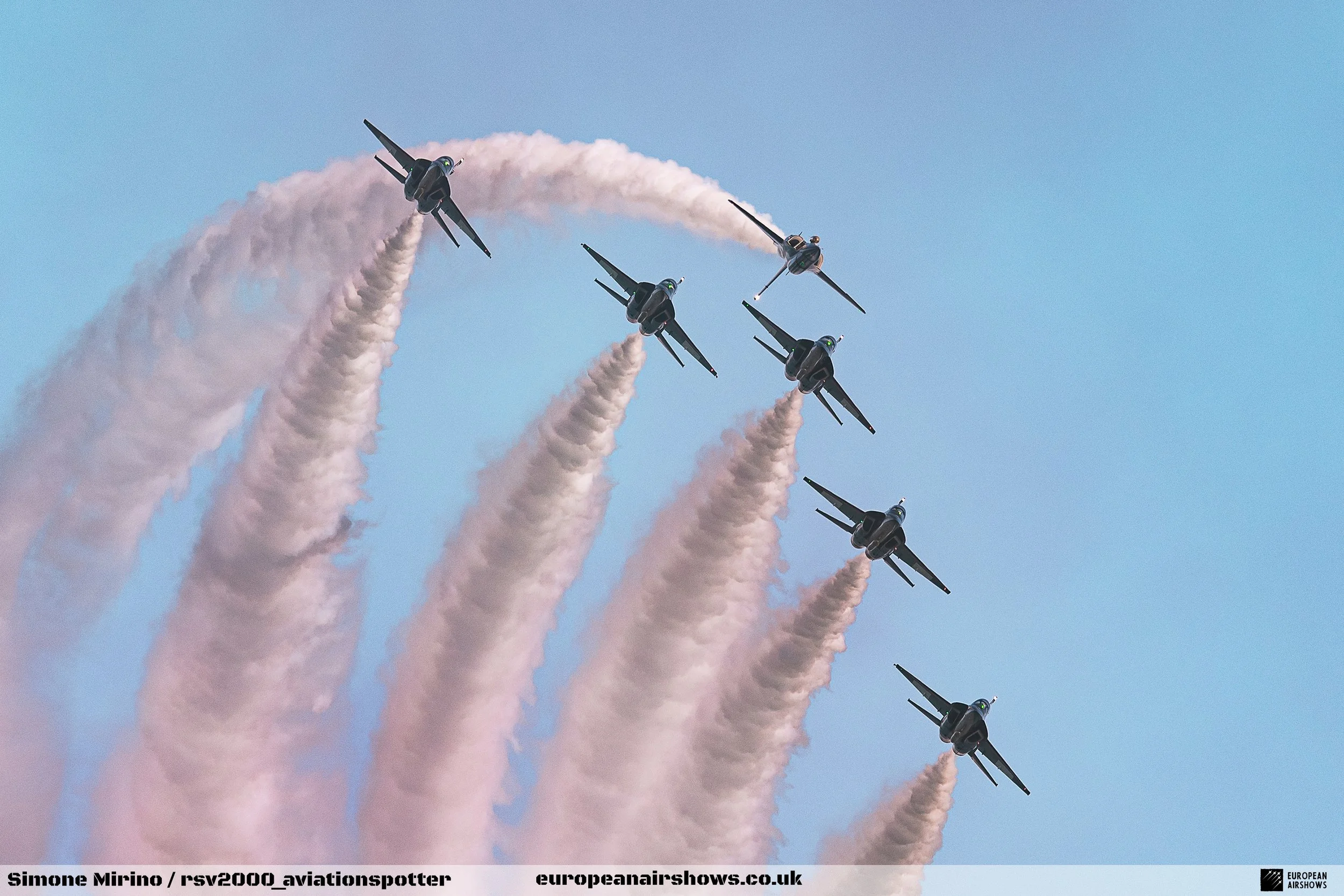
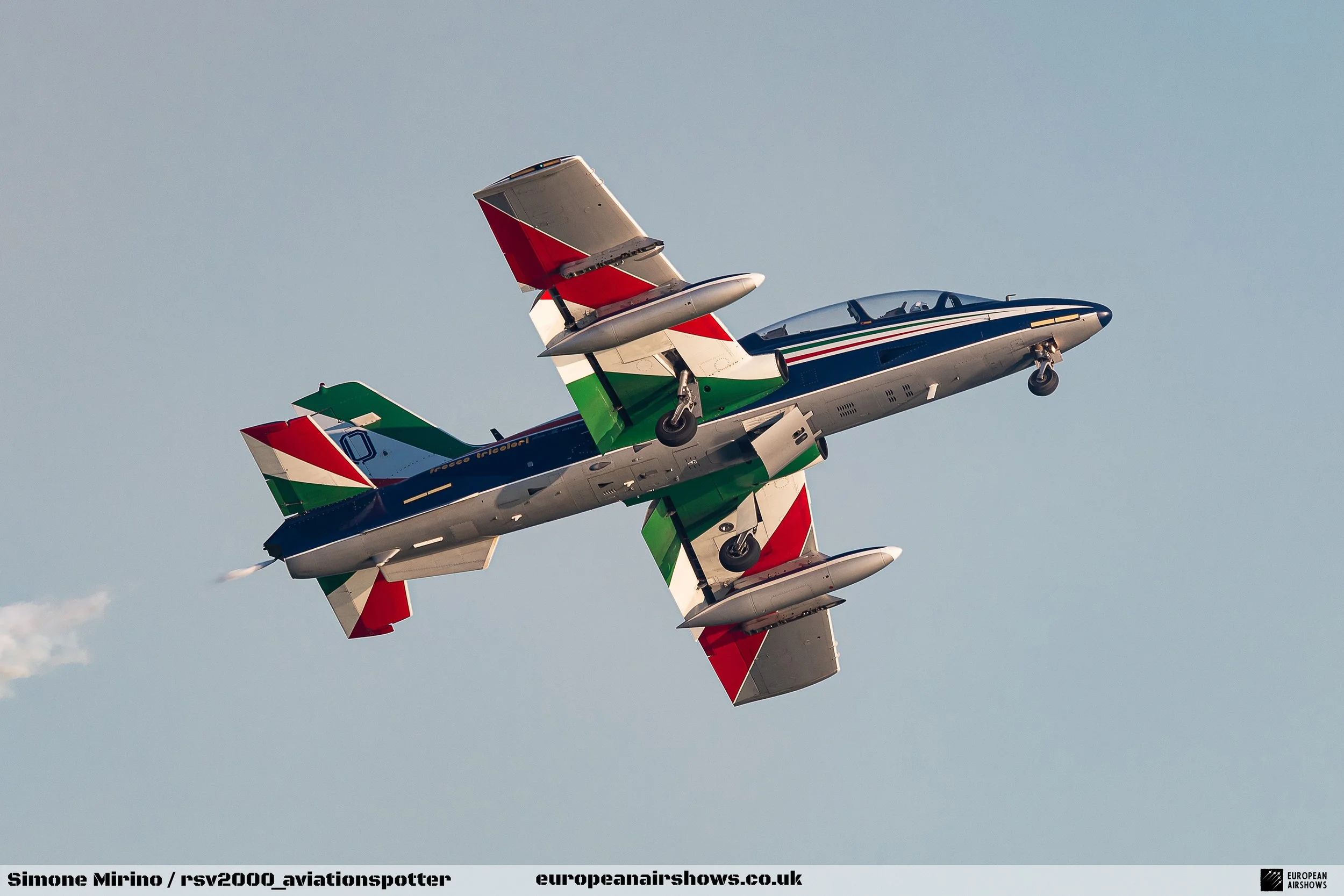
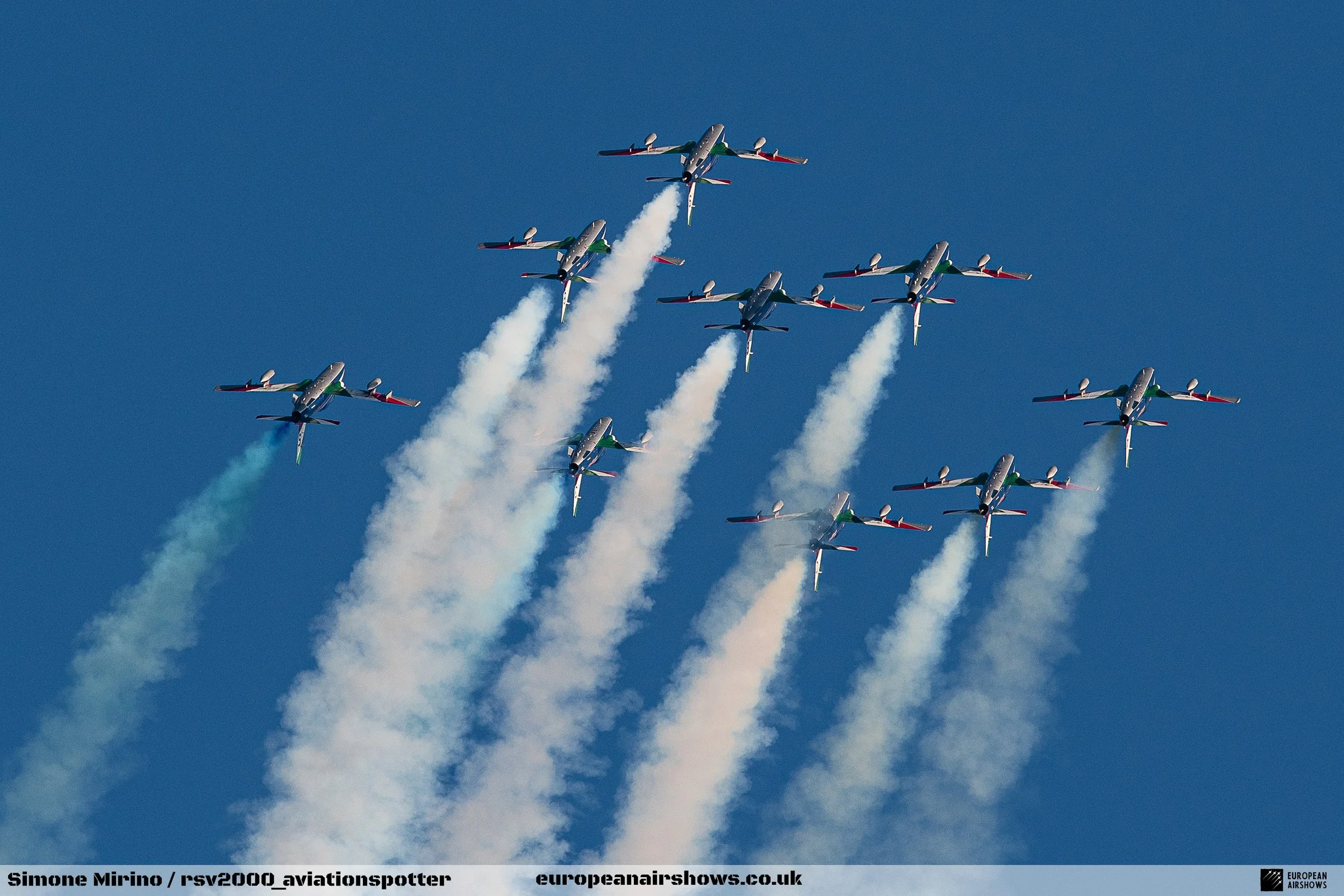
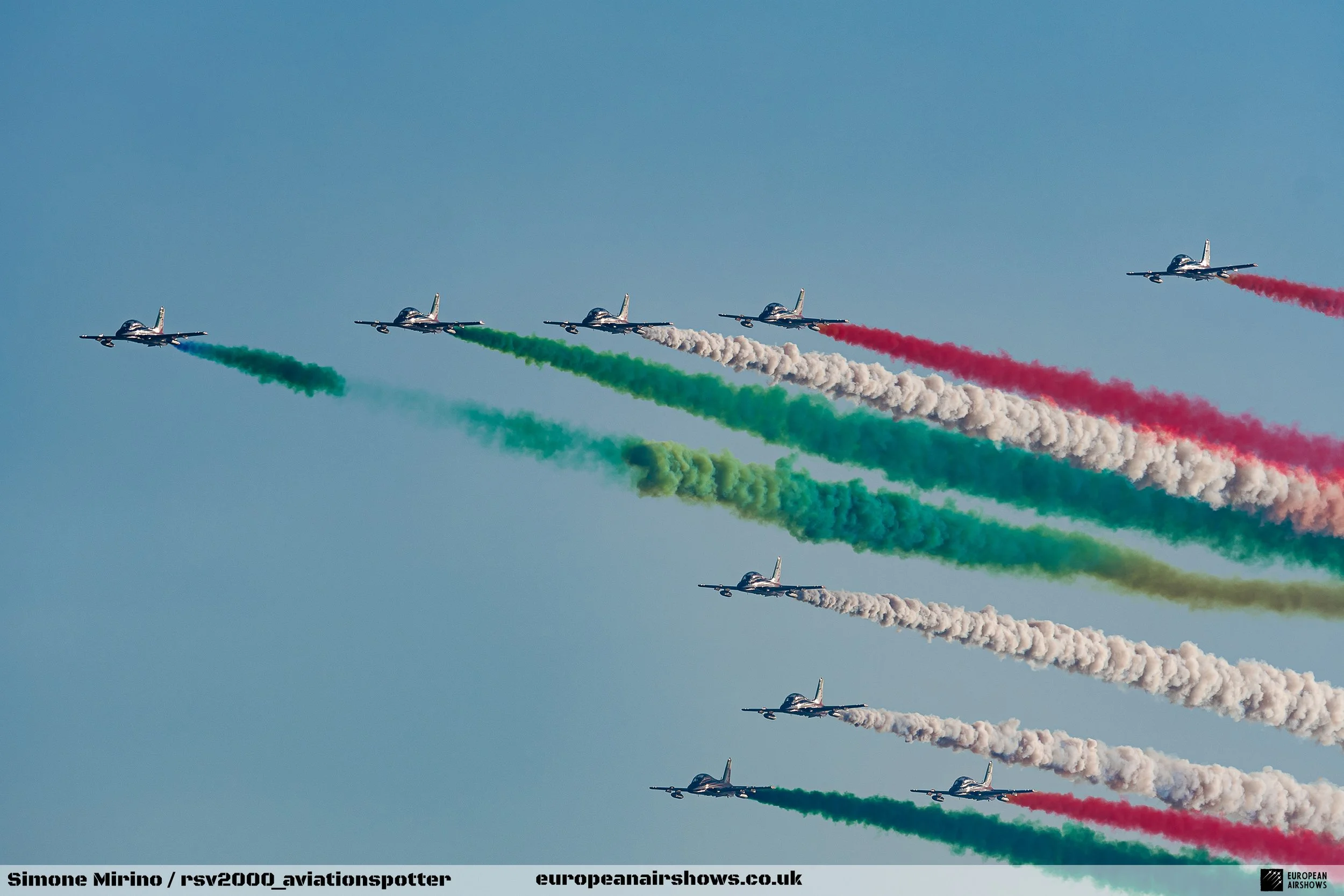
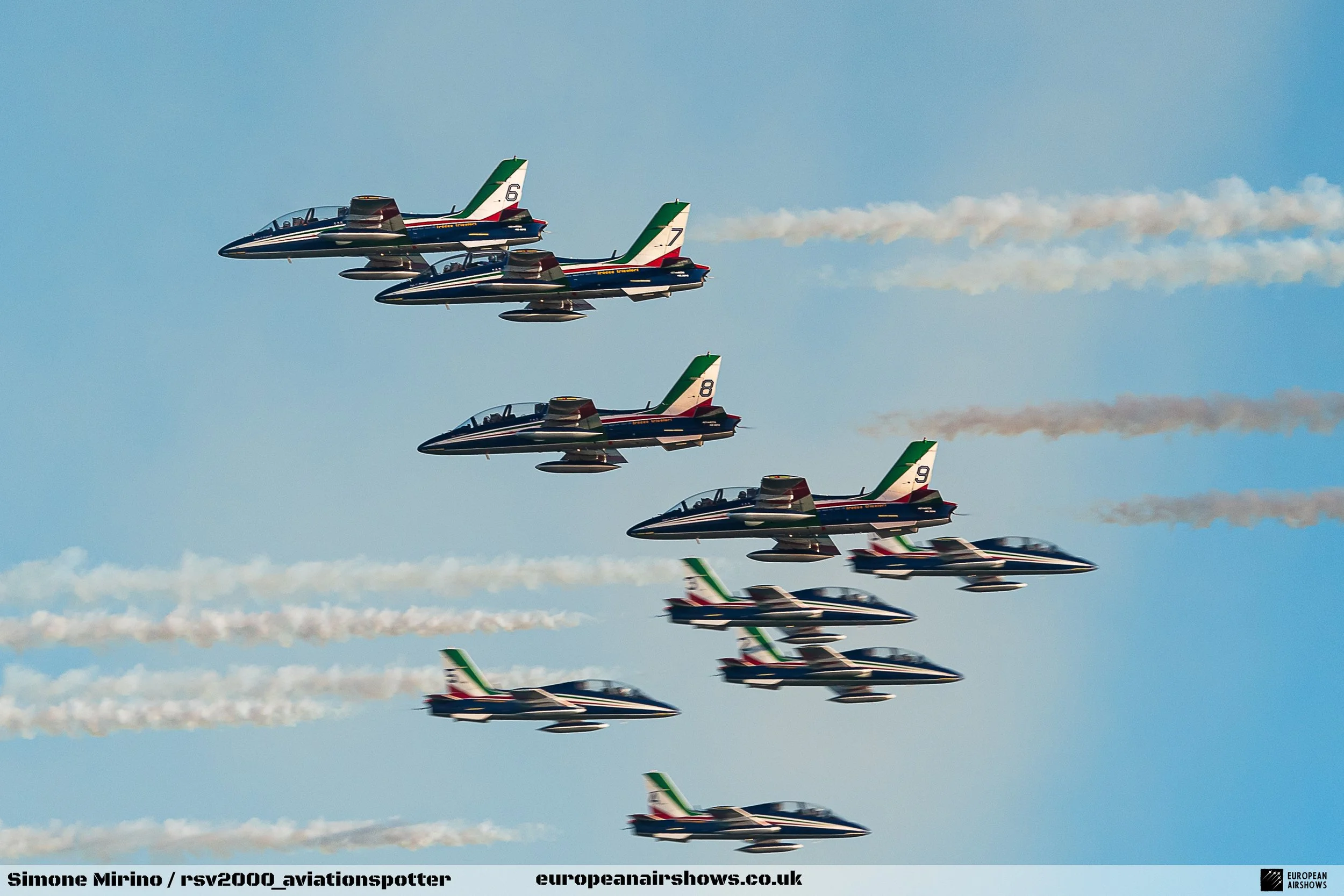
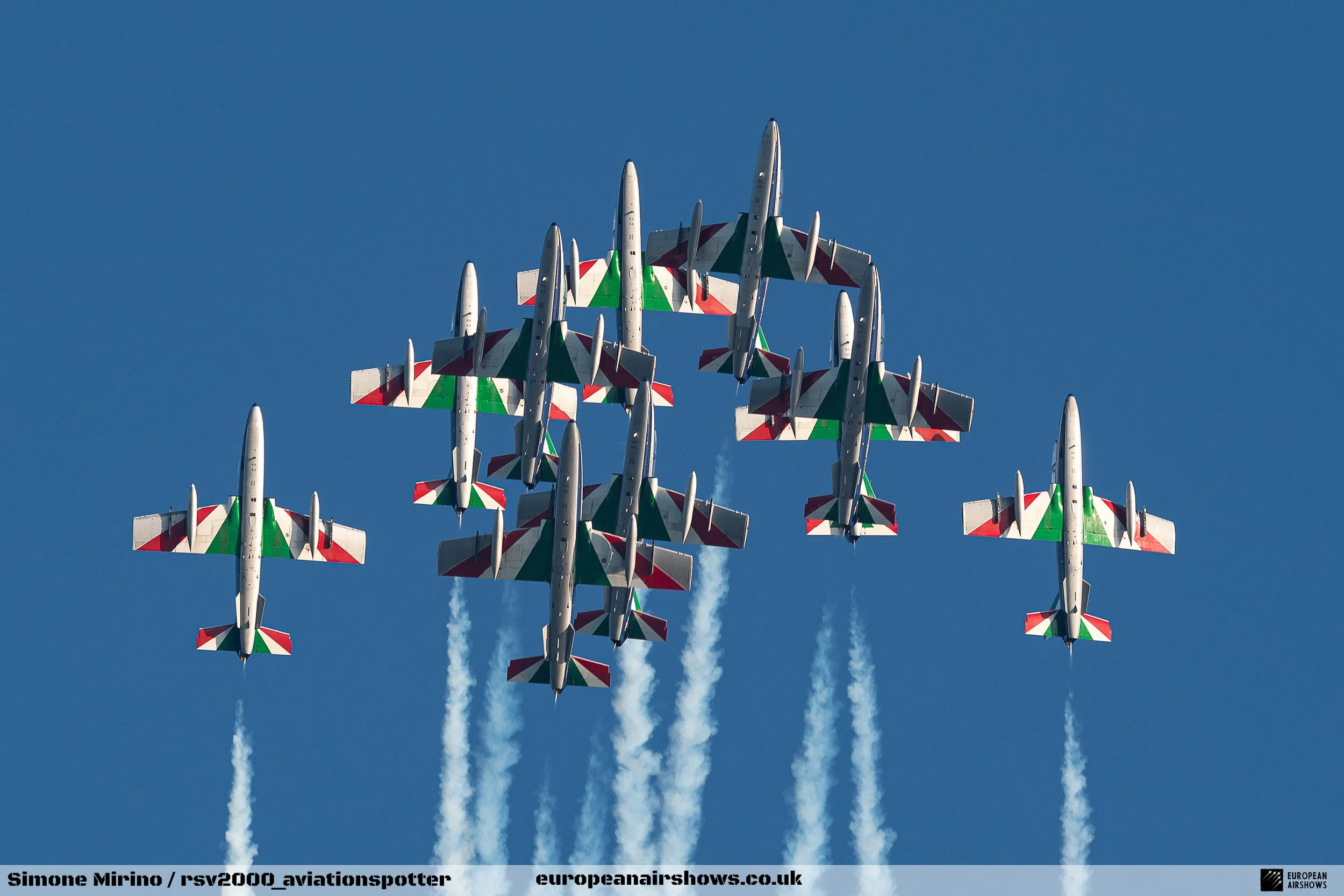
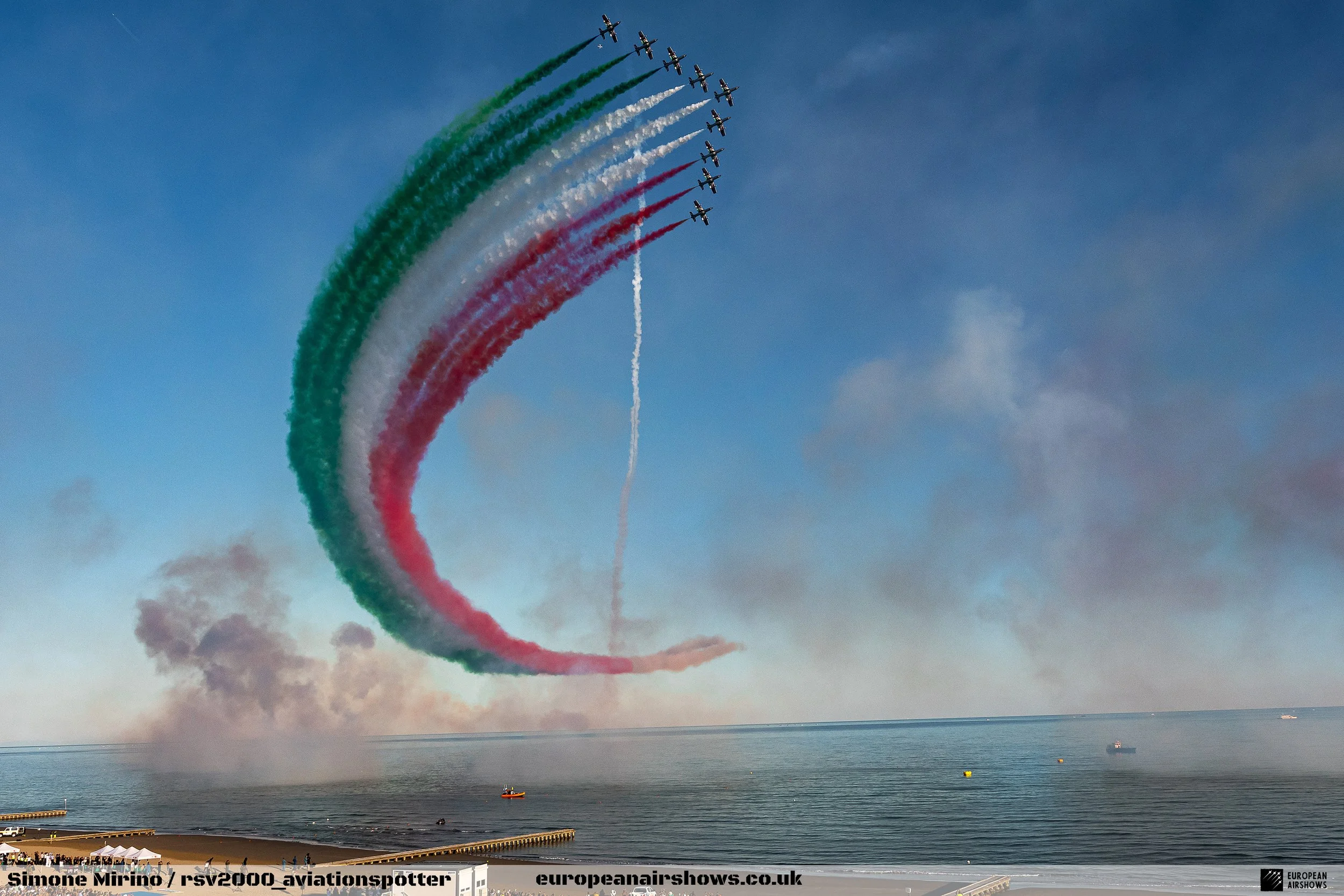
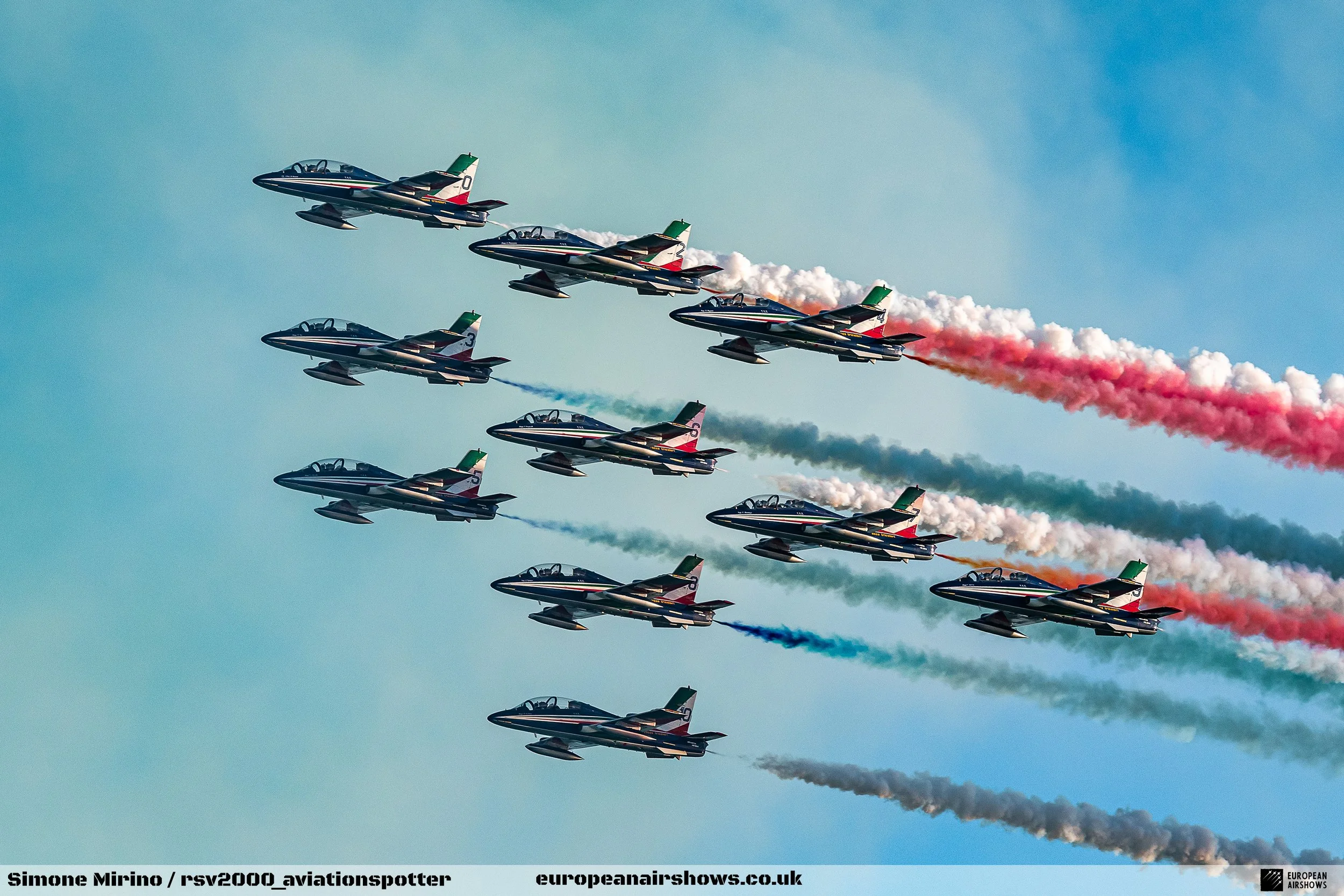
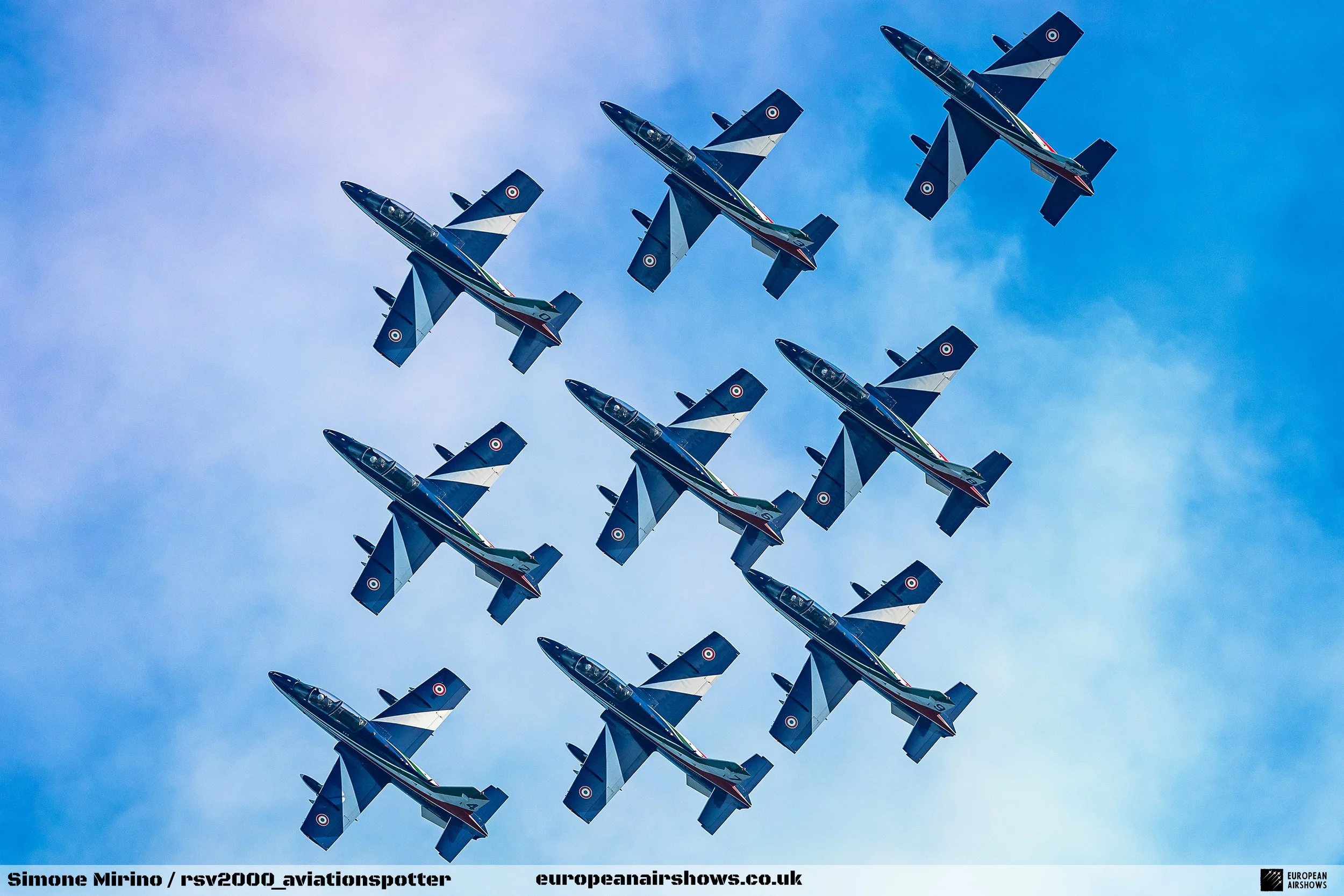
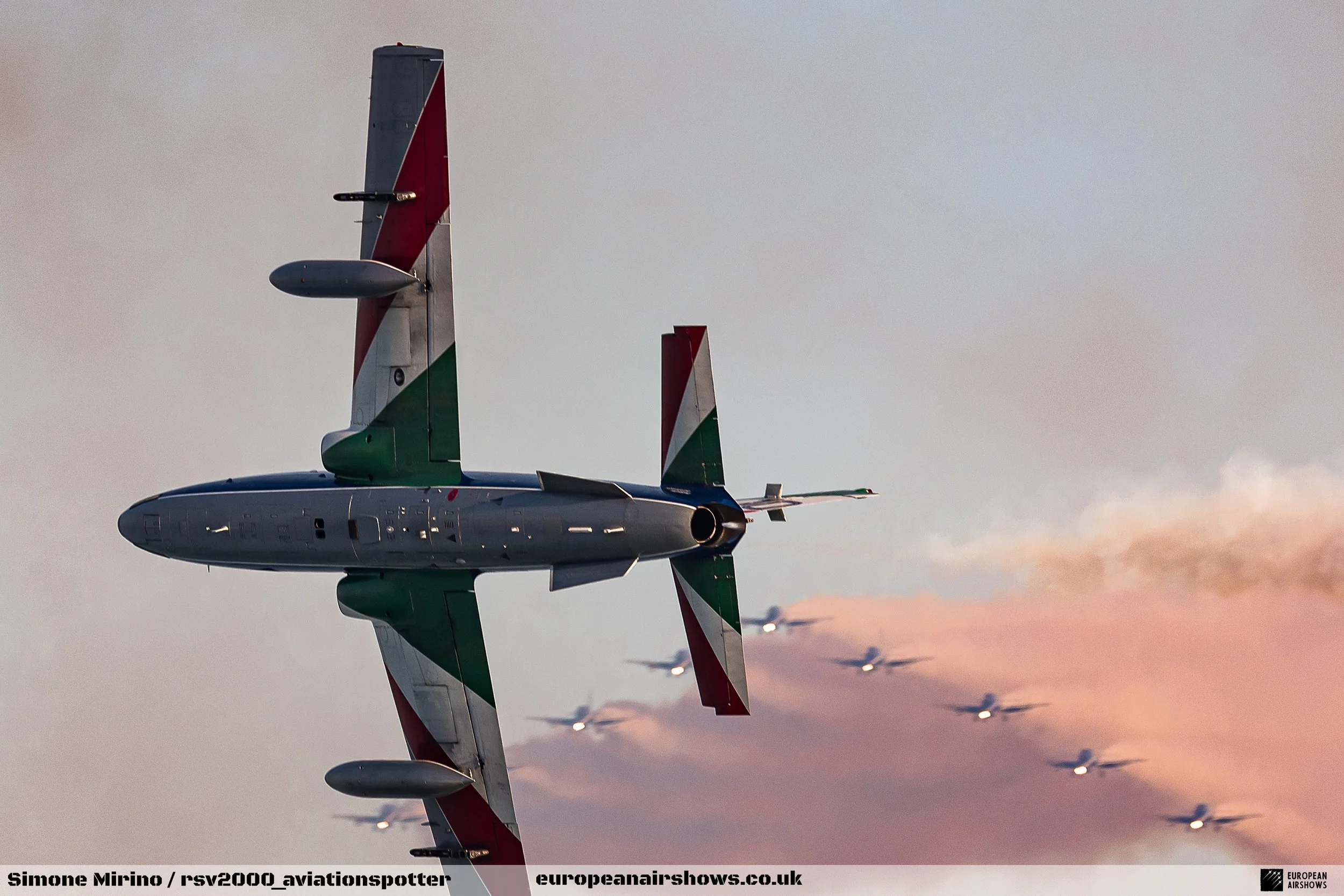
The finale could only belong to the Frecce Tricolori. Ten Aermacchi MB-339PAN aircraft came down from Istrana to close the programme, bringing the 28th Jesolo Air Show to the ending the crowd expected.
The 2026 formation includes Captain Tommaso Calogeri as the new Pony 8, while the long MB-339 era is now visibly moving toward its final years. The Italian Air Force has selected the T-346A as the team's future aircraft, with the transition targeted for the latter part of the decade. That gives every remaining season with the MB-339 a little more significance.
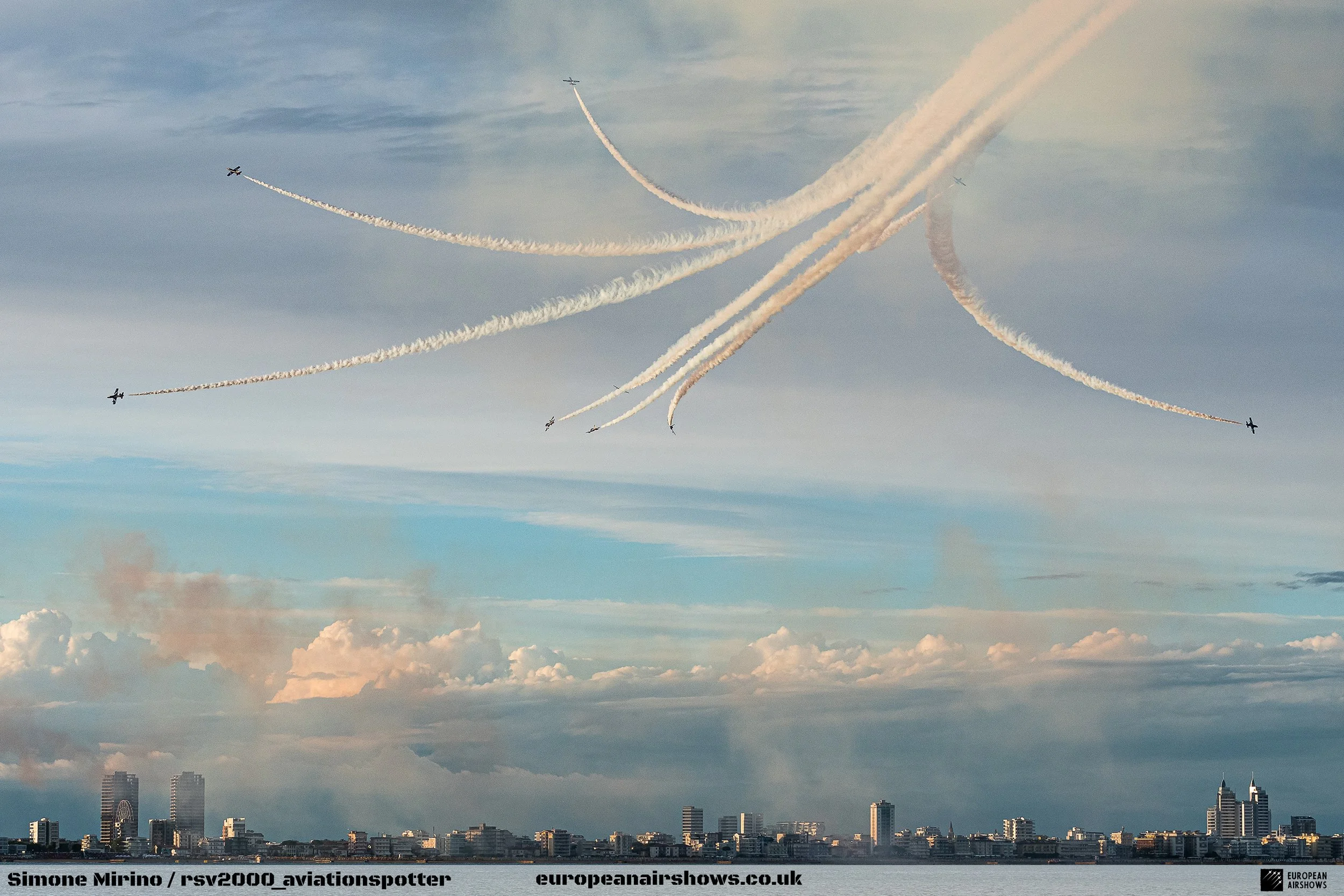
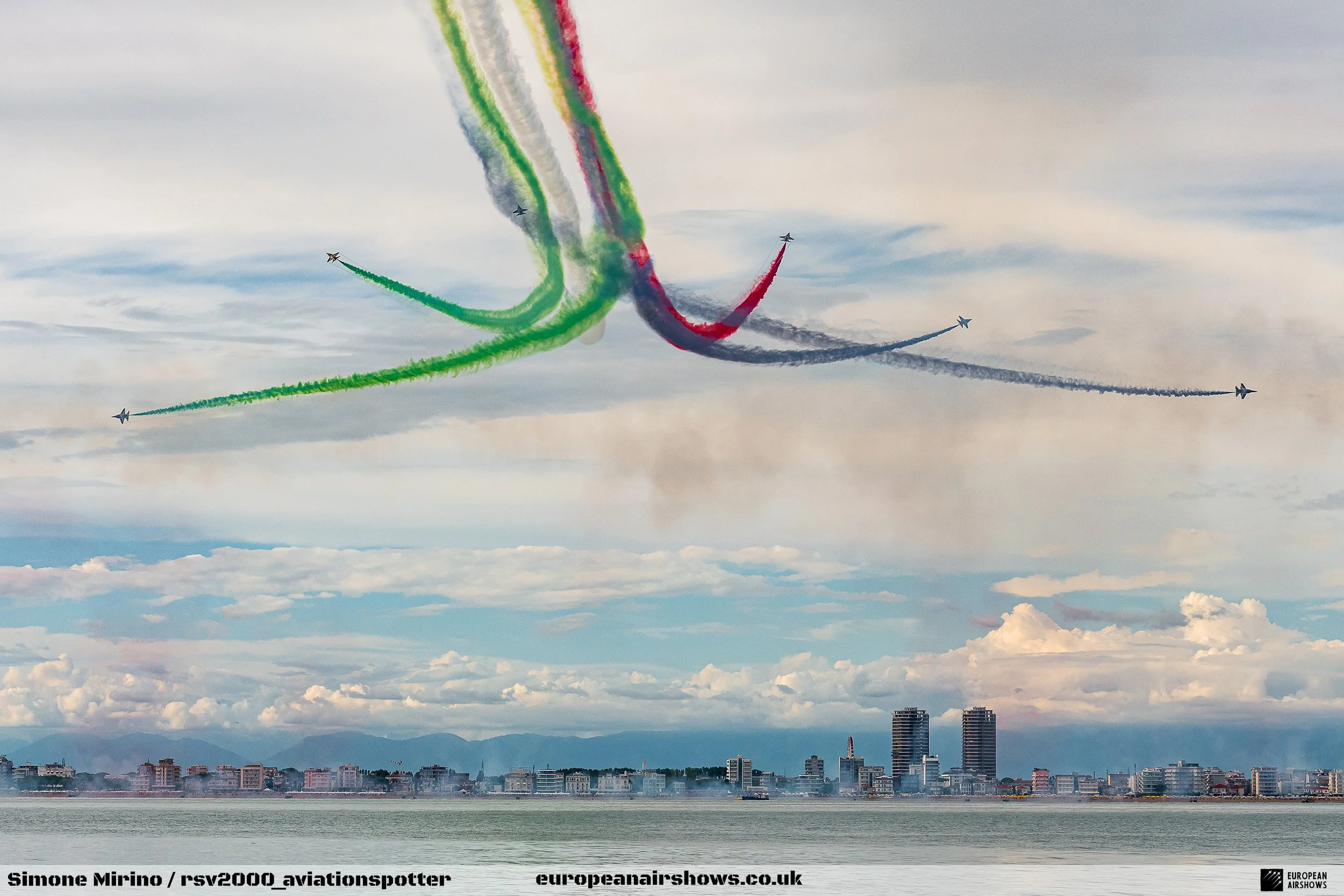
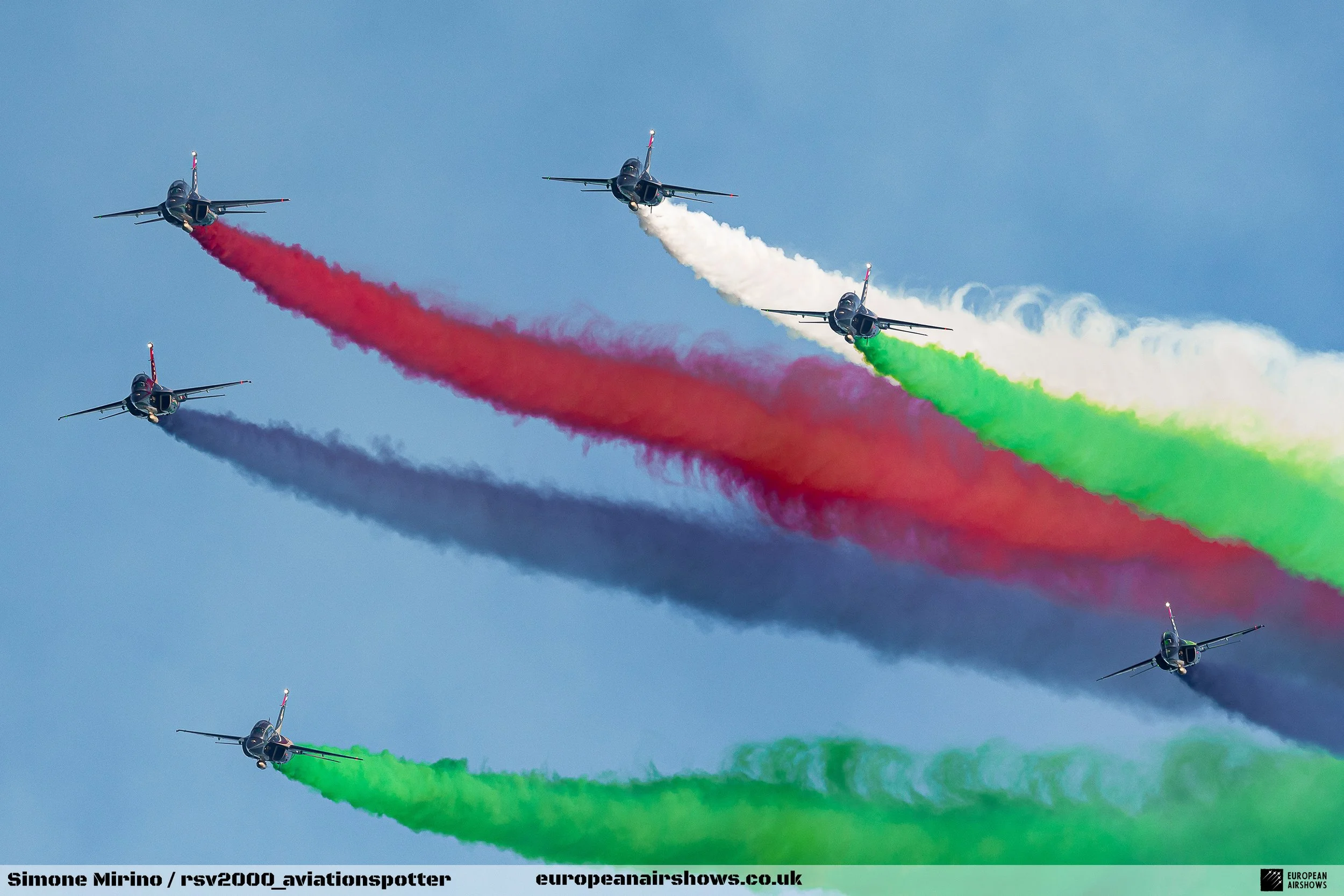
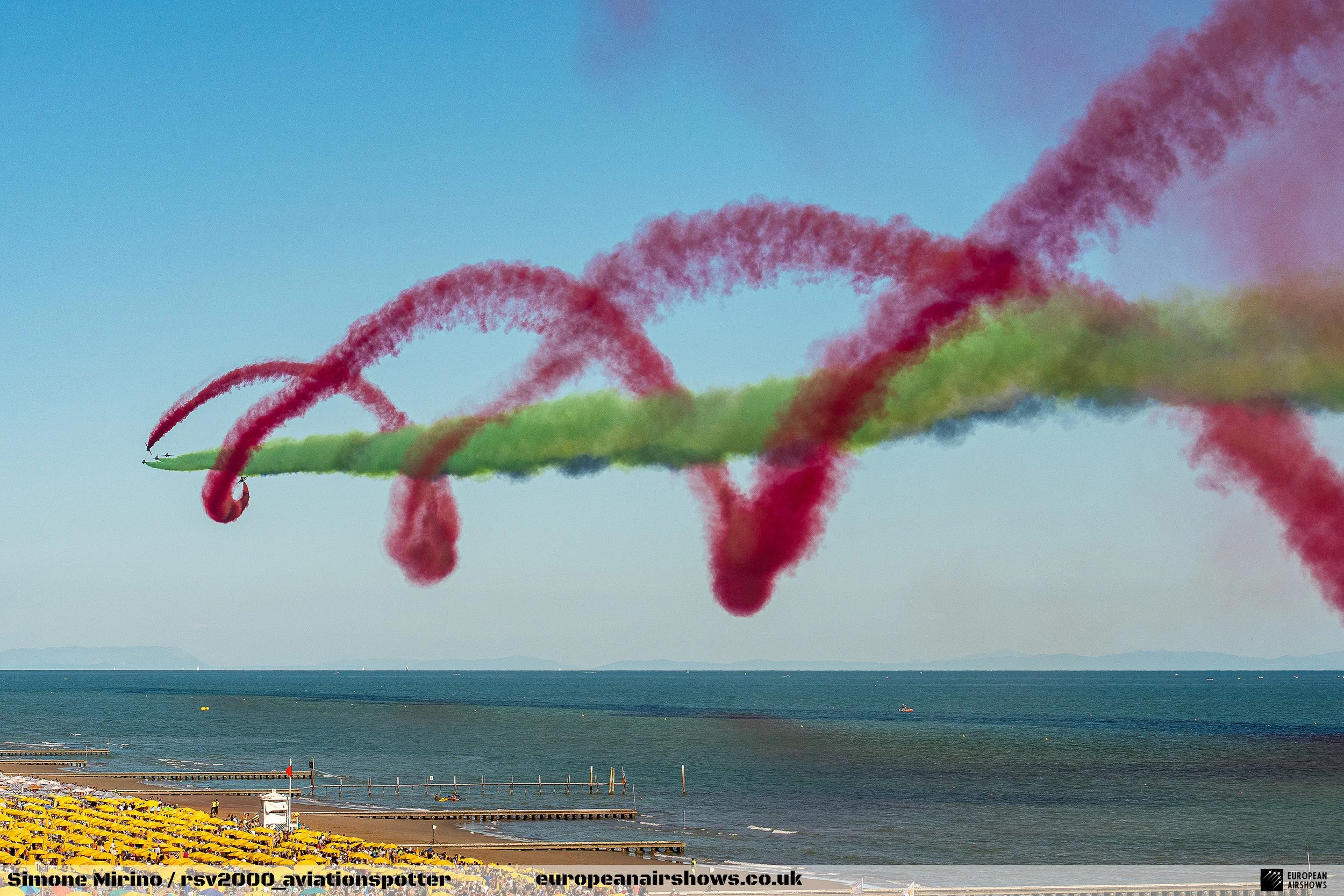
Jesolo is an ideal place to watch the team because the display can use the length of the shoreline. The formation elements travel far along the beach, while the coloured smoke remains visible well beyond show centre. From a distance the spectators effectively become part of the scenery, packed along the sand beneath the green, white and red trails.
The traditional Alona brought the display to its conclusion. The organisers measured the final tricolour at around five kilometres, spread across the sky to the sound of Luciano Pavarotti. It is familiar, unapologetically Italian and still capable of producing a response from a crowd of more than 200,000 people.
Verdict
The 28th Jesolo Air Show did what this event does best. It fitted a genuinely varied programme into a relatively compact afternoon and made it accessible to an enormous public without charging an admission fee.
The international contribution mattered. The Slovenian PC-9M was far better than its modest size suggested, the Hungarian H145M offered something rarely seen at larger jet-heavy shows and Fursan Al Emarat gave the programme a proper overseas headline act. The historic pairing from the Jonathan Collection was just as important, because a show containing two F-35s means more when the same crowd has watched a SPAD and a Caproni only a short time earlier.
The strongest section of the programme was arguably the run from the historic aircraft through the three RSV displays and into the F-35 pair. It compressed more than a century of aviation development into a remarkably short period of flying. Pesenato then reset the pace before the Frecce Tricolori delivered the expected finale.
Jesolo is not an all-day enthusiast show and does not try to be one. Its strength is the setting, the size of the crowd it can reach and the ability to combine military, civilian and historic aviation in a programme that works for people who may attend only one airshow all year. In 2026, with 35 aircraft and three and a half hours of flying over a packed Adriatic coast, that formula worked particularly well.
More airshow reviews
Read more reports, photography and first-hand coverage from airshows across Europe.