
Fly-In
Biel-Kappelen
2024
Swiss Air Force heritage filled Biel-Kappelen, with a Cougar display, classic trainers, liaison aircraft and an unexpectedly large crowd.
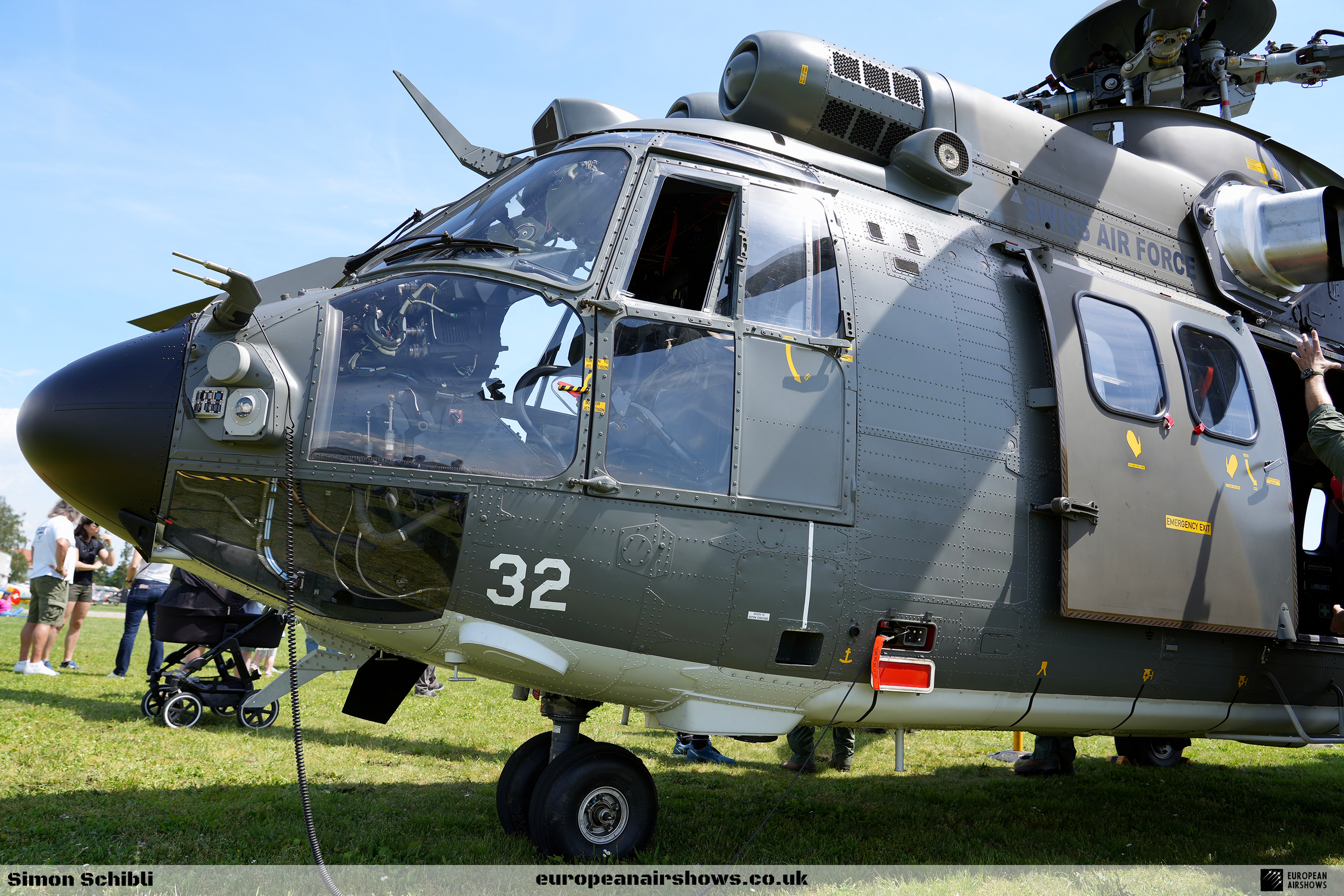
Former and current Swiss Air Force aircraft gathered at Biel-Kappelen in authentic service colours, led by the Swiss Air Force Super Puma Display Team and its Cougar, alongside historic trainers, liaison aircraft and vintage visitors.
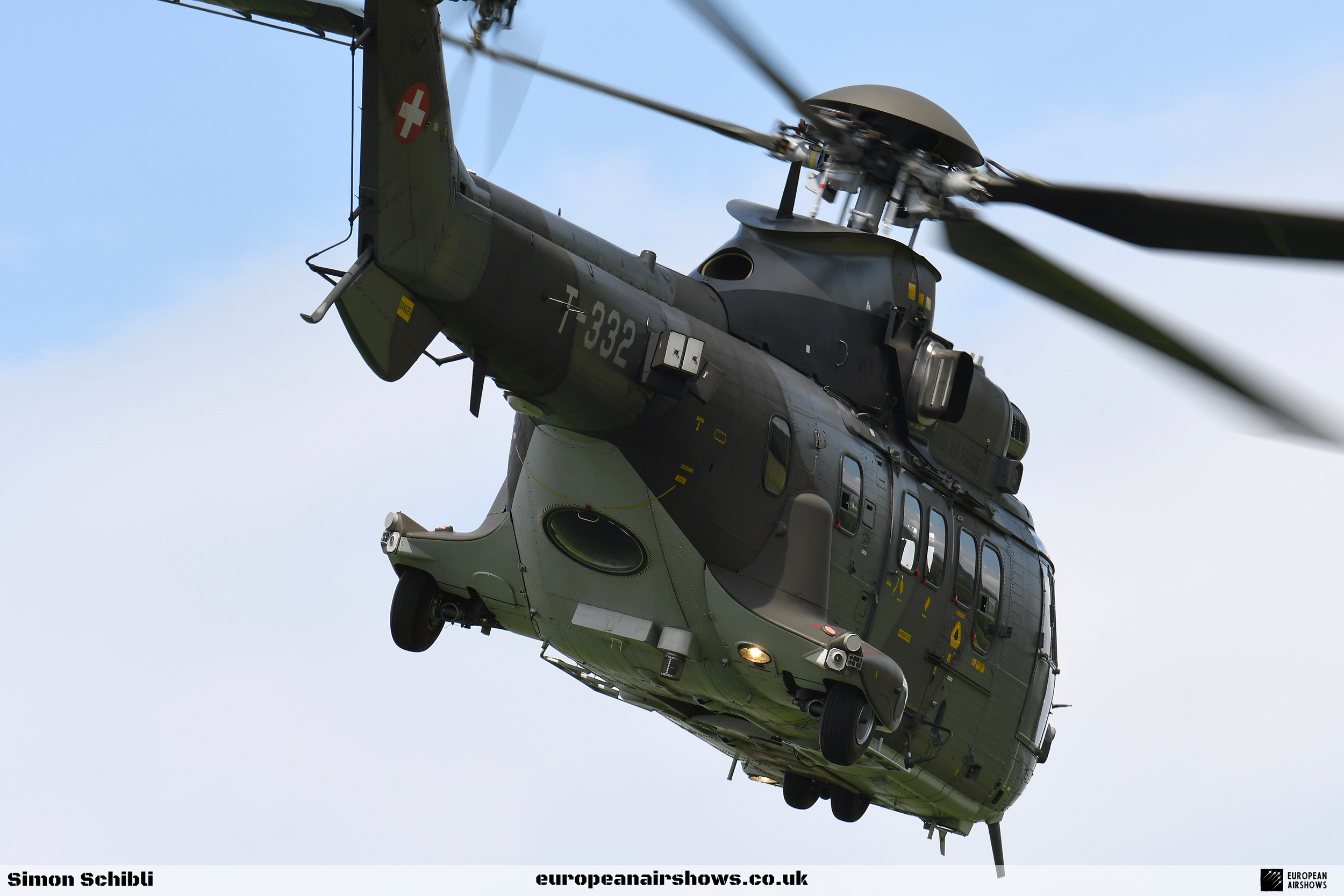
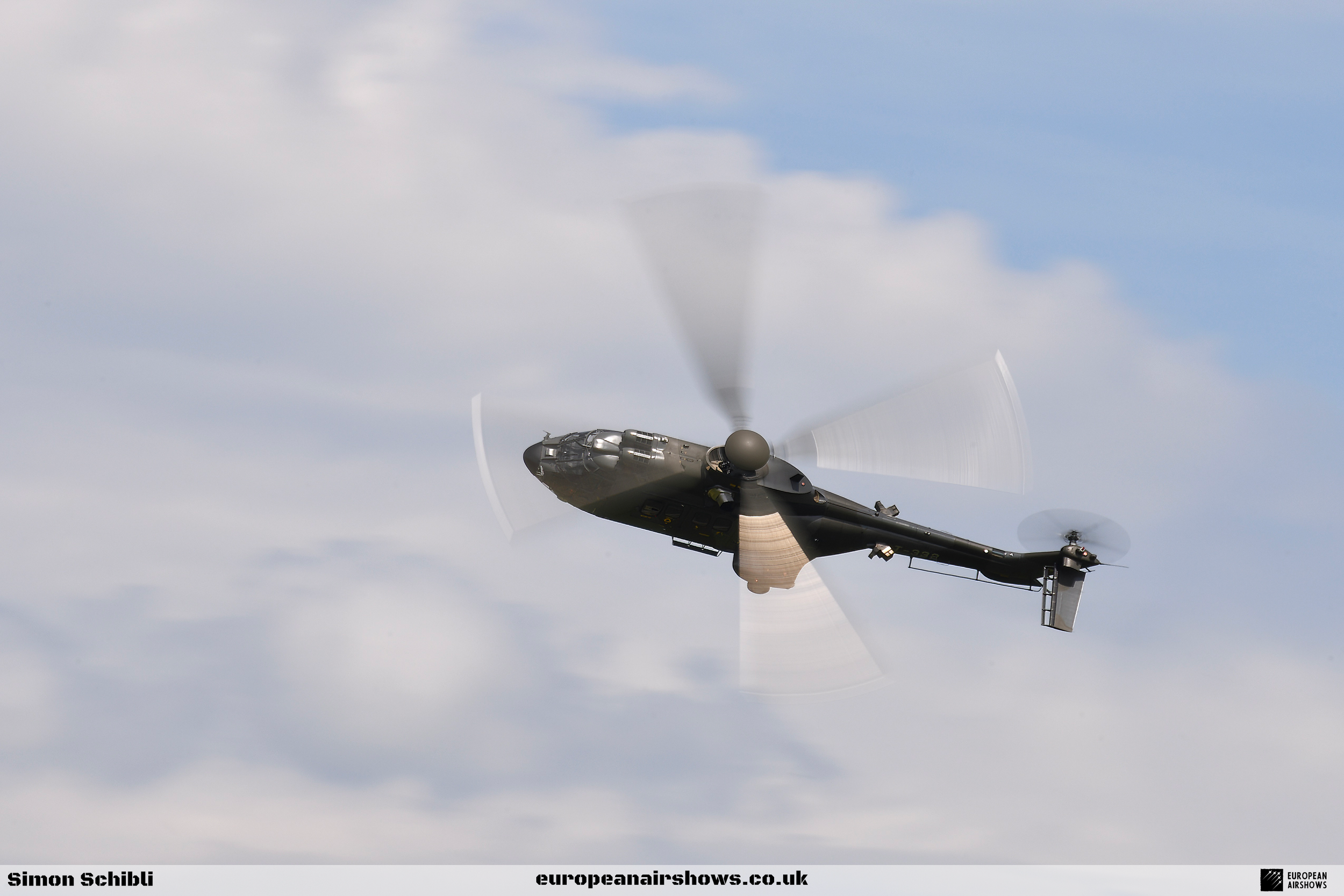
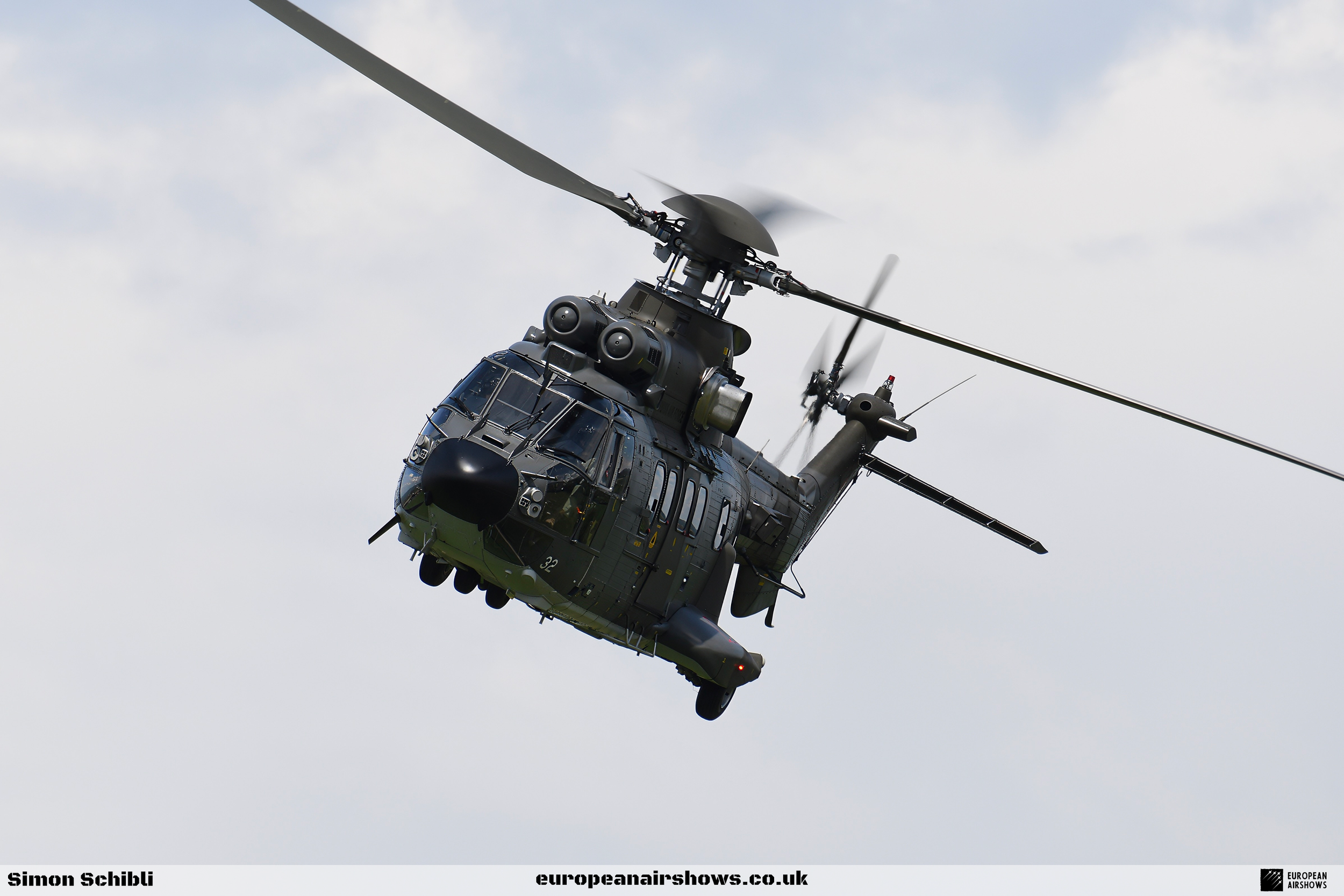
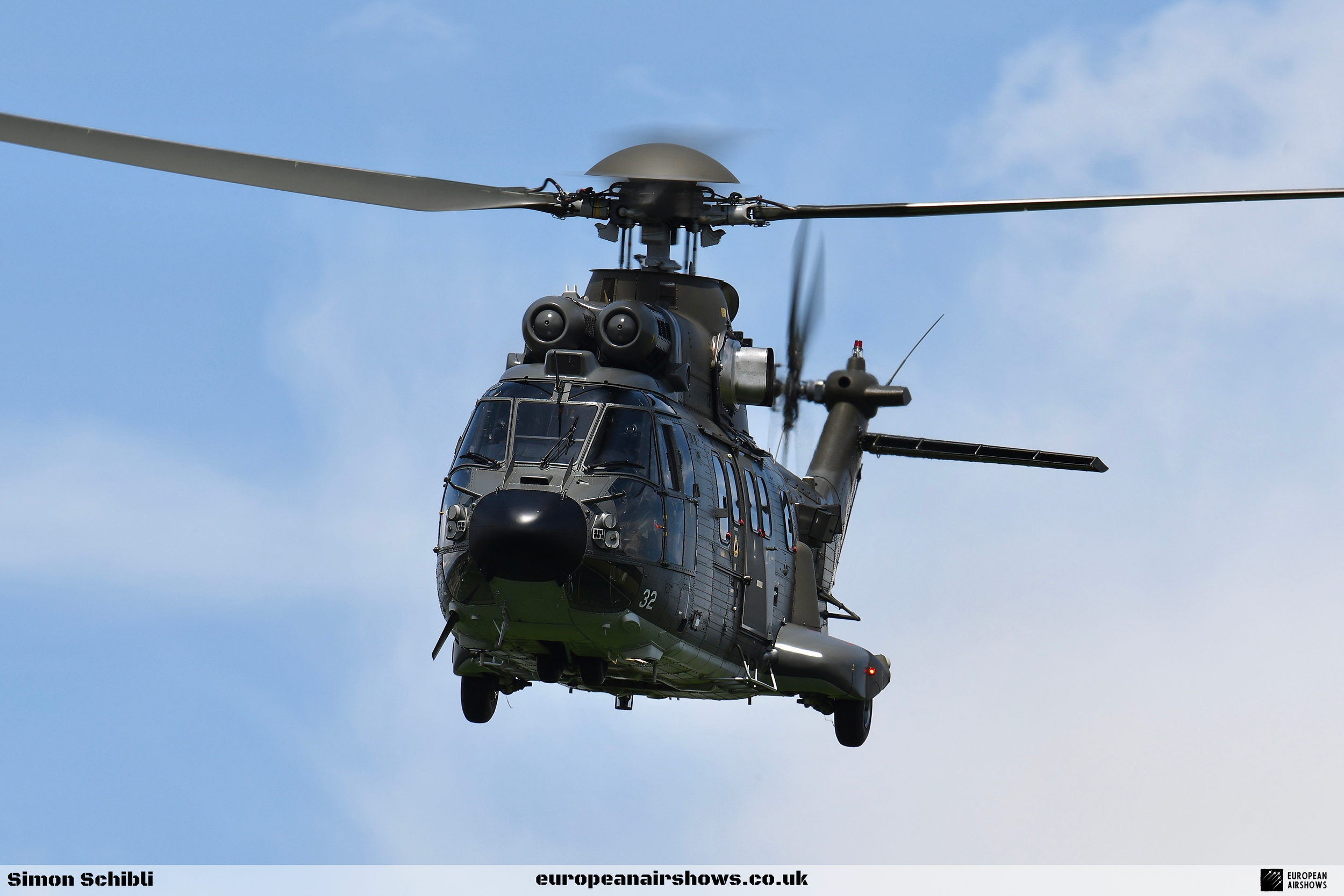
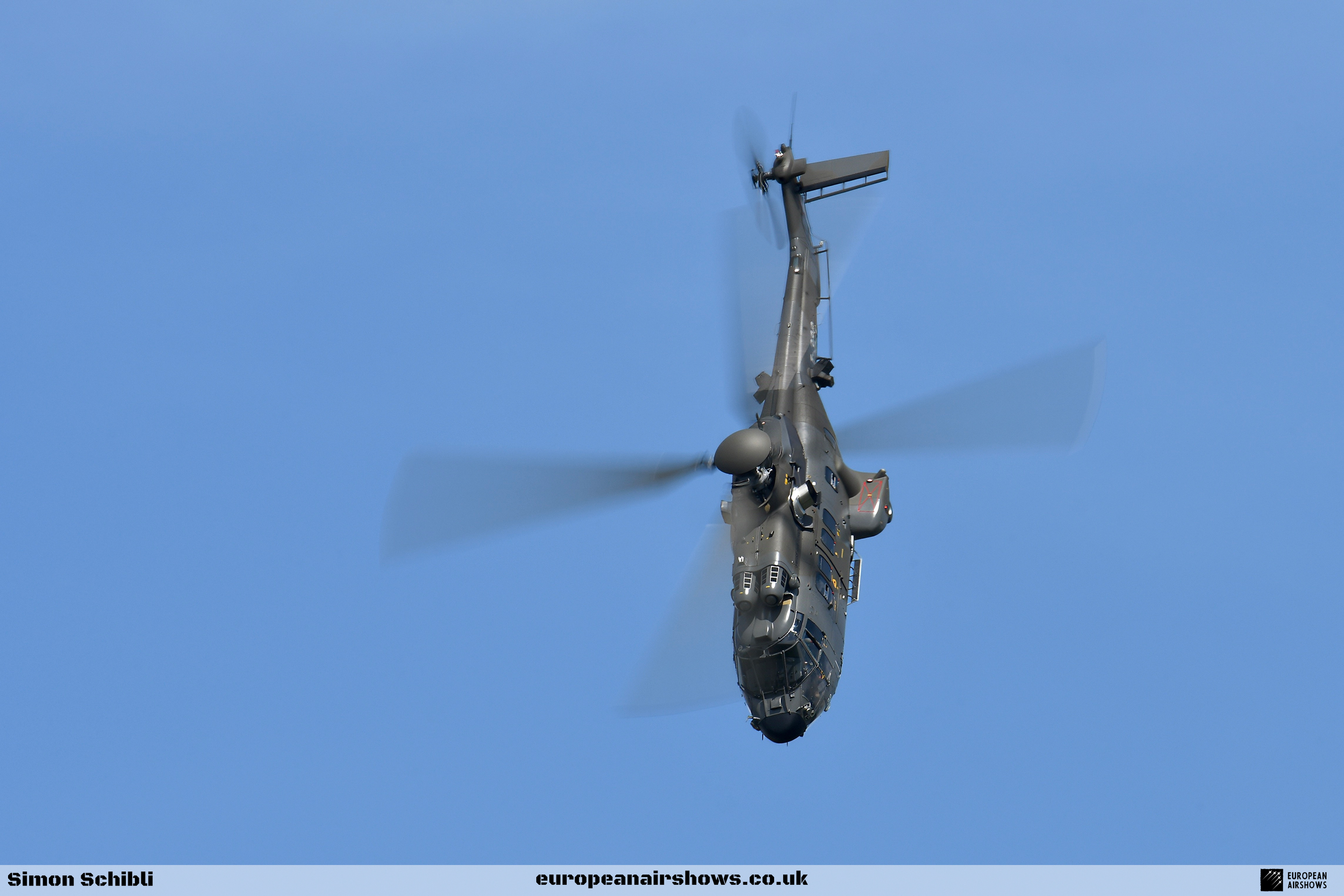
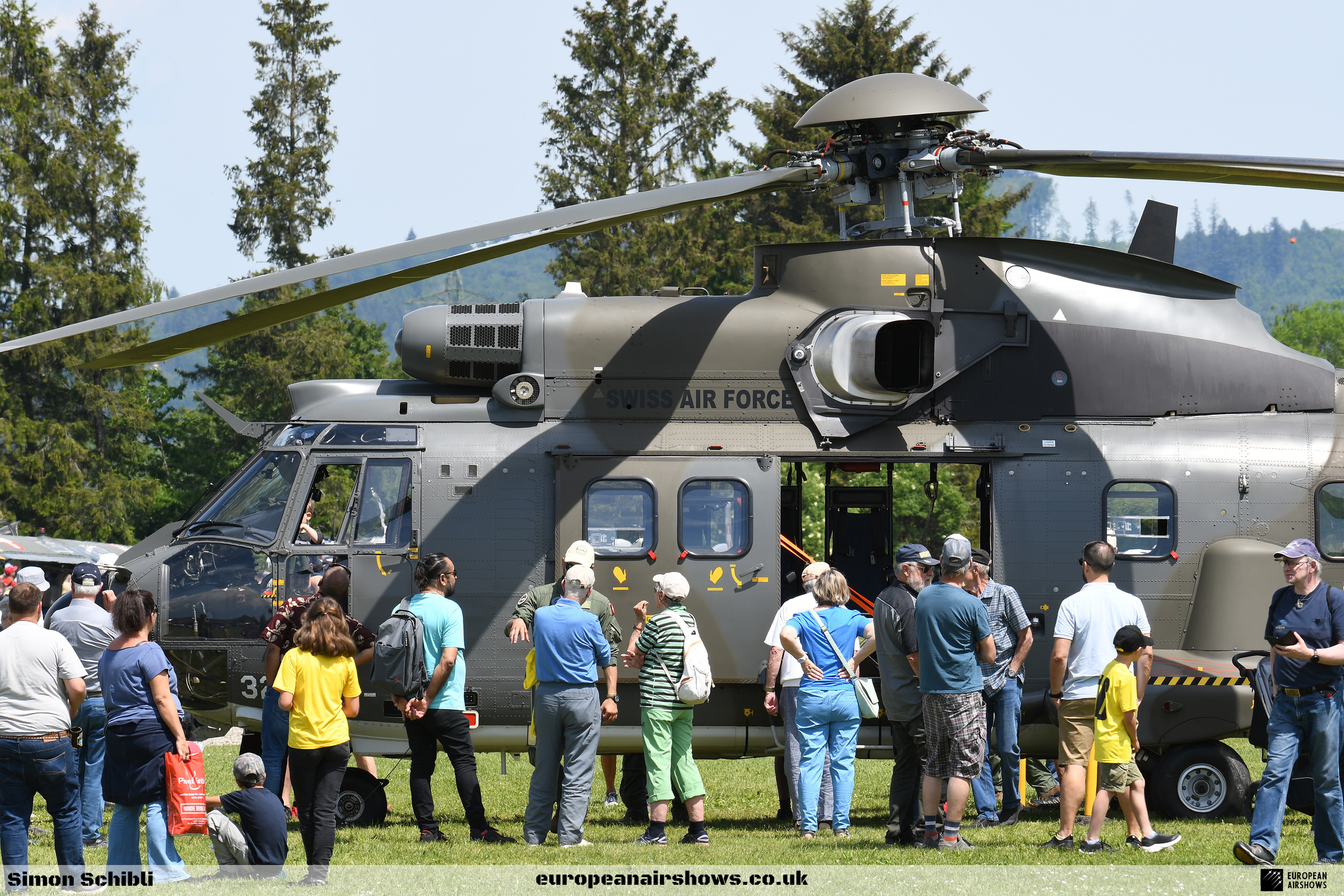
The Fly-In Biel-Kappelen, held on Sunday 12 May 2024, served as a gathering for former Swiss Air Force aircraft, showcasing an array of historic and iconic types. Among the highlights was a demonstration by the Swiss Air Force Super Puma Display Team, flying the Cougar helicopter.
The team is known for demonstrating the precision and capability of the Cougar. Used for missions including transport, search and rescue and special operations, the helicopter displayed its agility and power during the event.
Open any photograph to browse all 29 images. The viewer supports arrows, keyboard controls, swipe navigation and slideshow playback.
The event was originally intended to be a more intimate gathering, but it attracted a larger crowd than anticipated, underlining the continued public interest in aviation history and heritage.
Participating aircraft were required to have served, or still be serving, with the Swiss Air Force and to appear in their original colours. That gave the gathering a strong sense of authenticity and allowed visitors to see the aircraft much as they would have appeared during operational service.
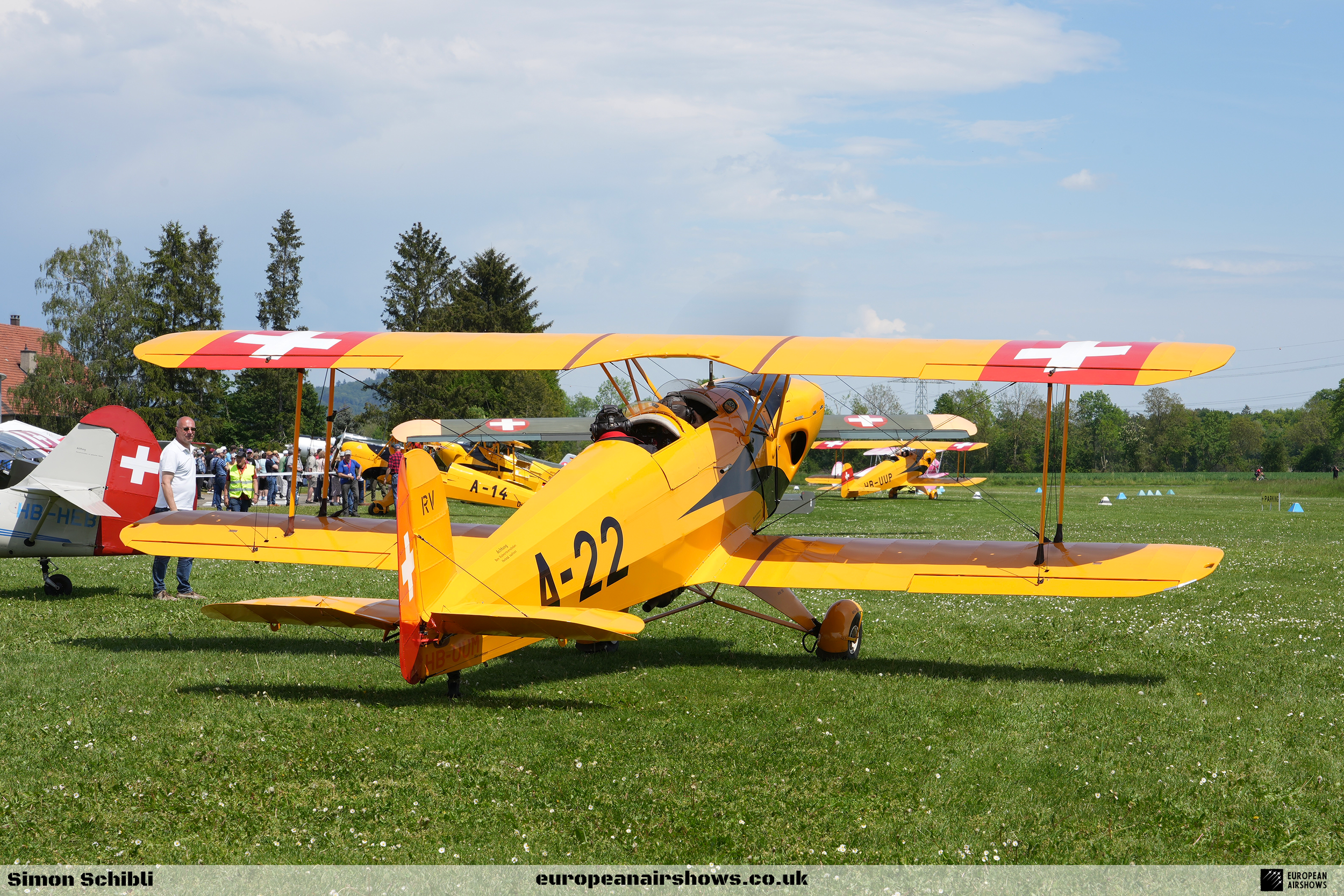
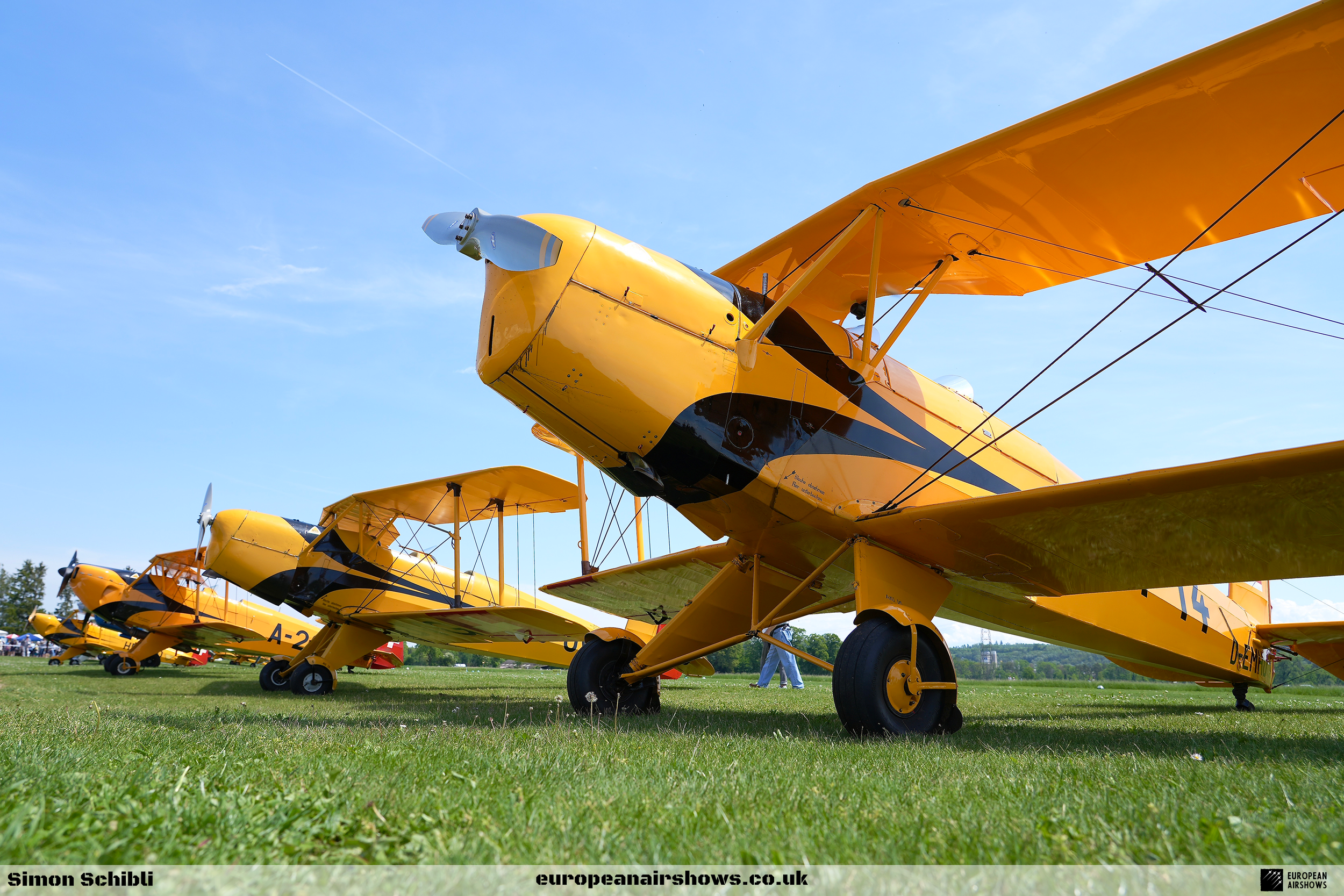
Among the aircraft present were Bücker Jungmanns, primary trainers originally designed in Germany during the 1930s. The Swiss Air Force used the Jungmann extensively for pilot training, with its biplane layout and excellent handling making it a favourite among trainee pilots.
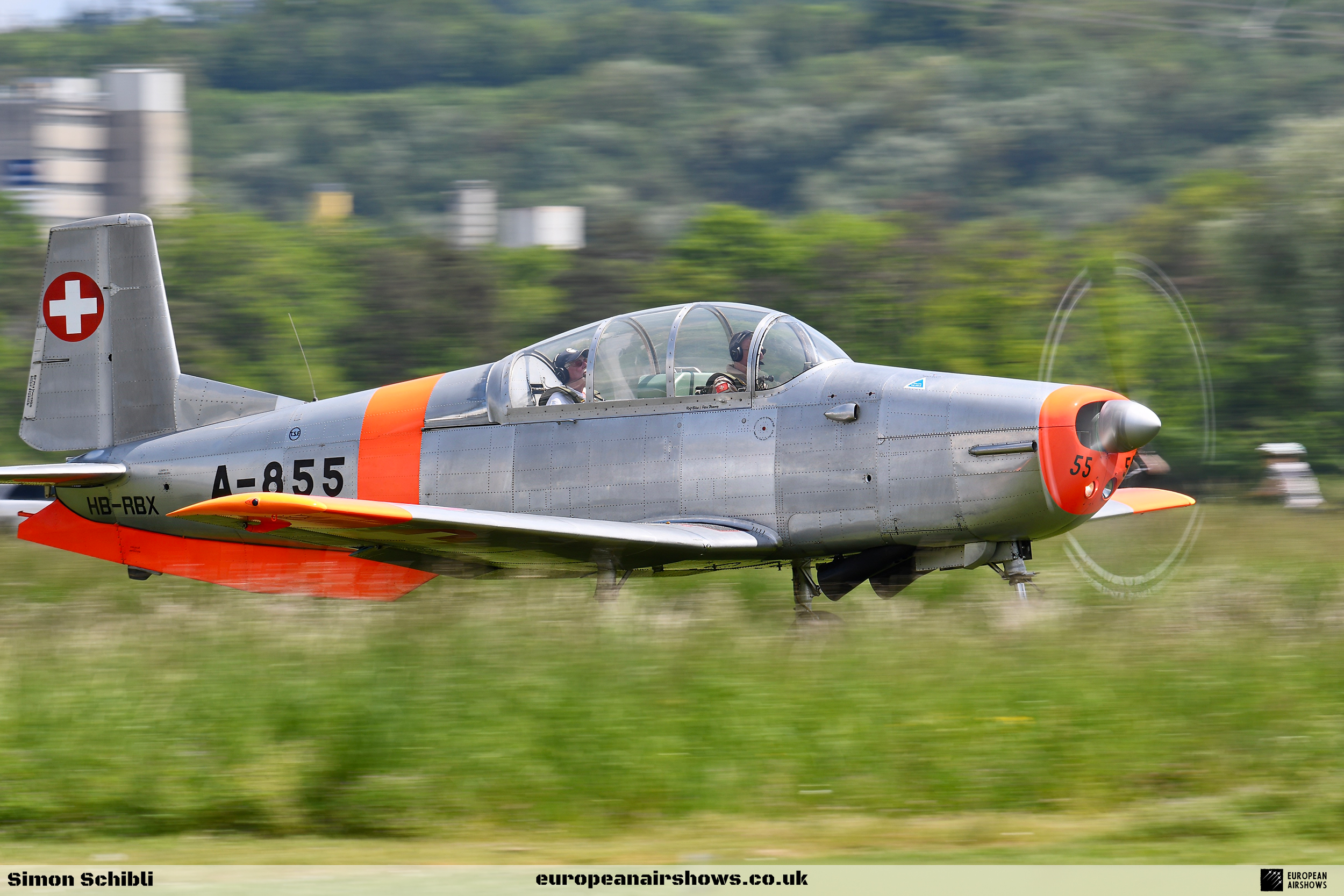
The event also featured the Swiss-built Pilatus P-2 and Pilatus P-3. The post-war P-2 and the more advanced P-3 both played important roles in training Swiss military pilots, with the P-3 particularly noted for its robust construction and versatility.
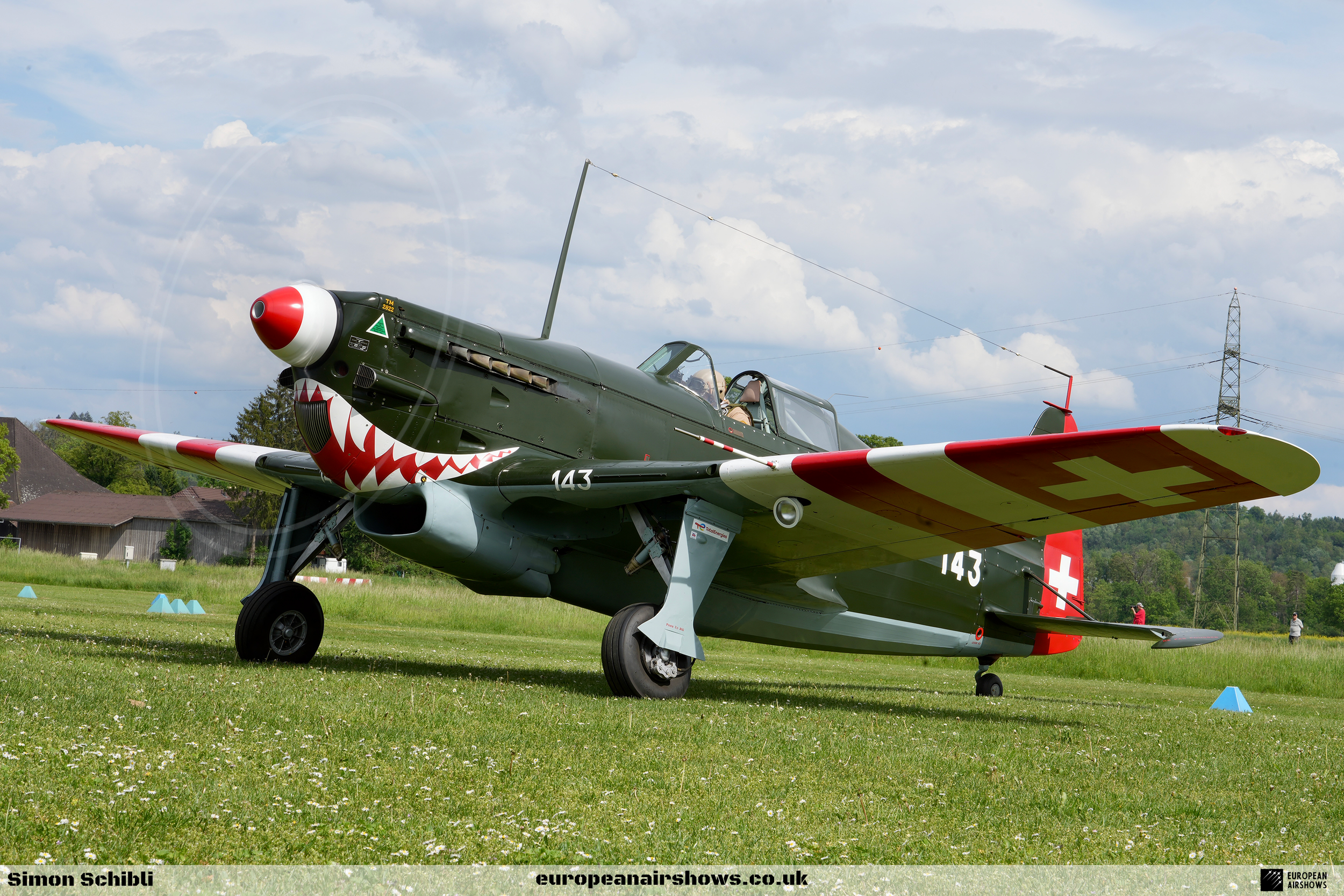
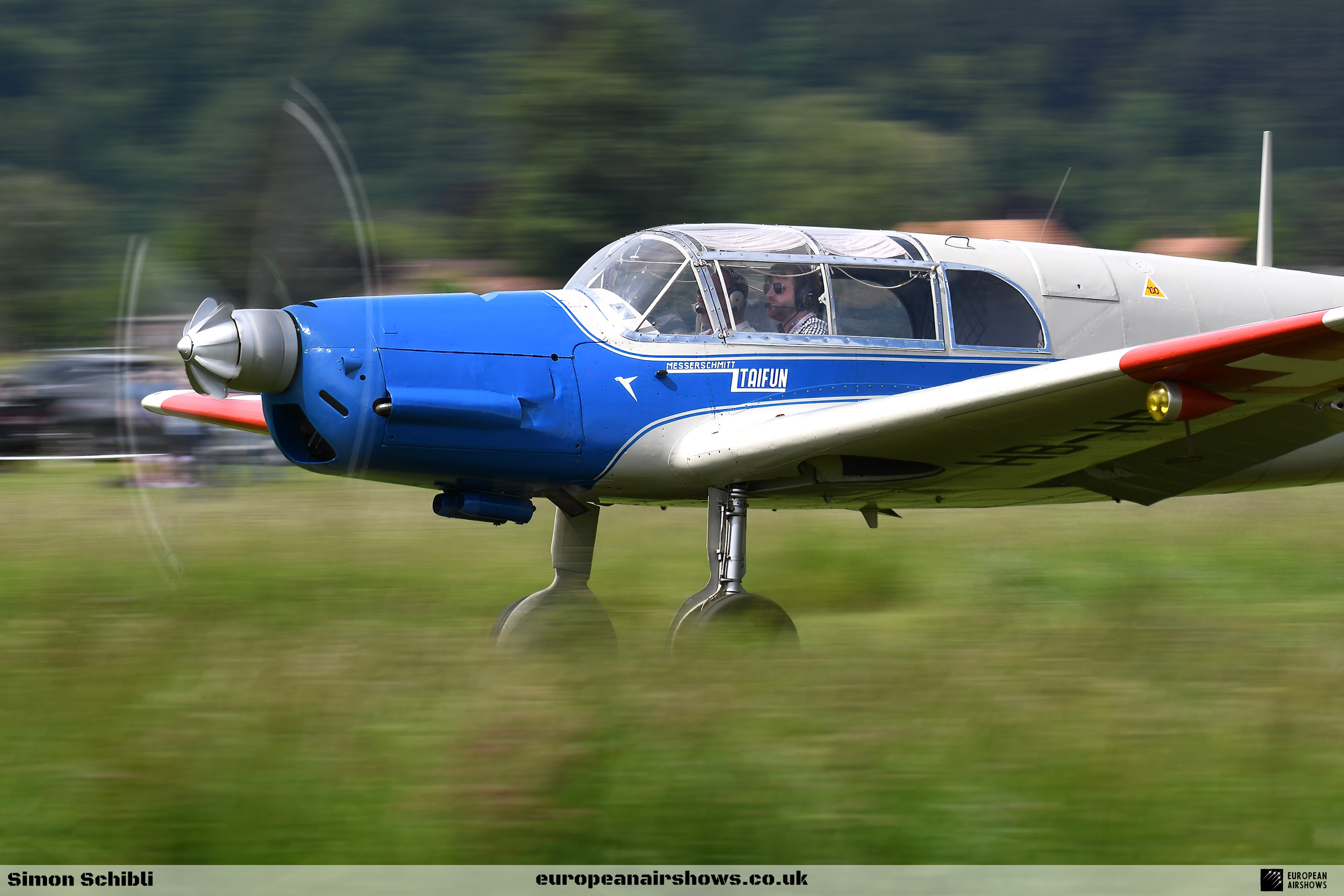
Other visiting aircraft included the Messerschmitt Bf 108, a light aircraft and liaison type used by the Swiss Air Force for duties including training and reconnaissance, and the Morane-Saulnier MS.406, one of Switzerland’s principal fighter types during the early years of the Second World War.
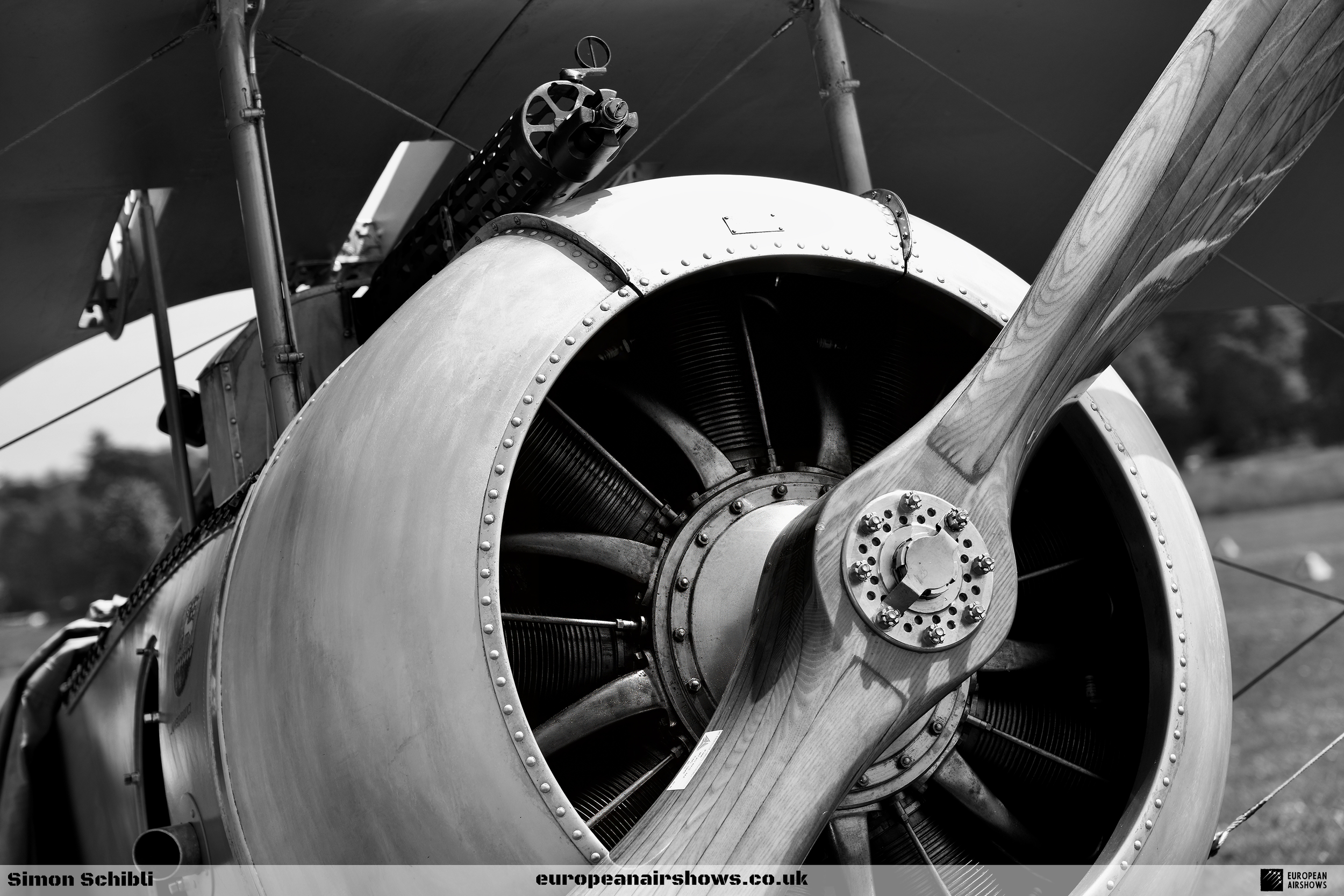
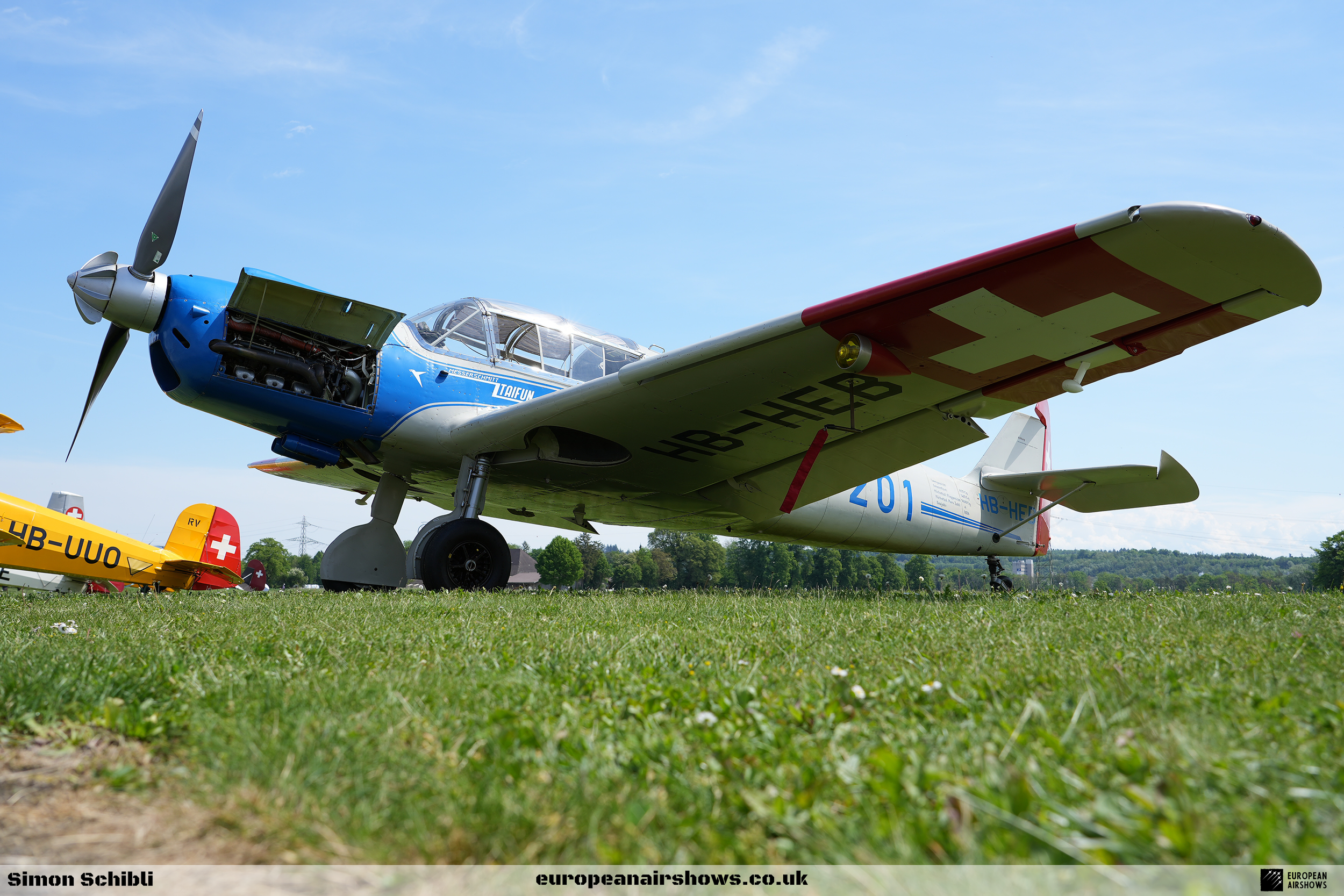
The Piper Super Cub, known for its excellent short take-off and landing performance, represented the liaison and observation side of Swiss military aviation. Its versatility and reliability made it a valuable aircraft in service.
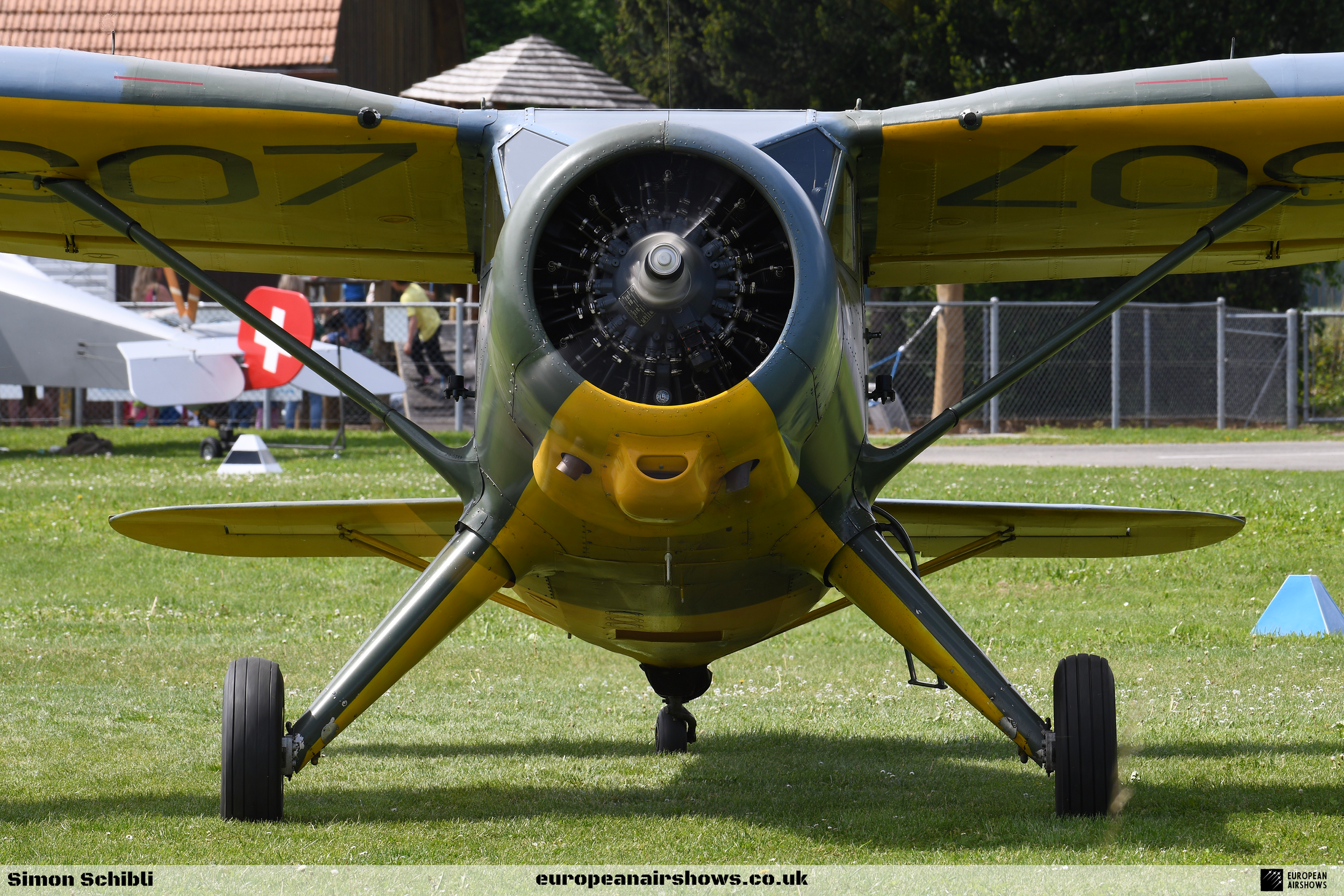
Also present was the Stinson L-5 Sentinel, an American-built liaison aircraft used extensively during the Second World War and later by the Swiss Air Force in a range of support roles. Its rugged construction and ability to operate from rough fields made it well suited to reconnaissance and transport work.
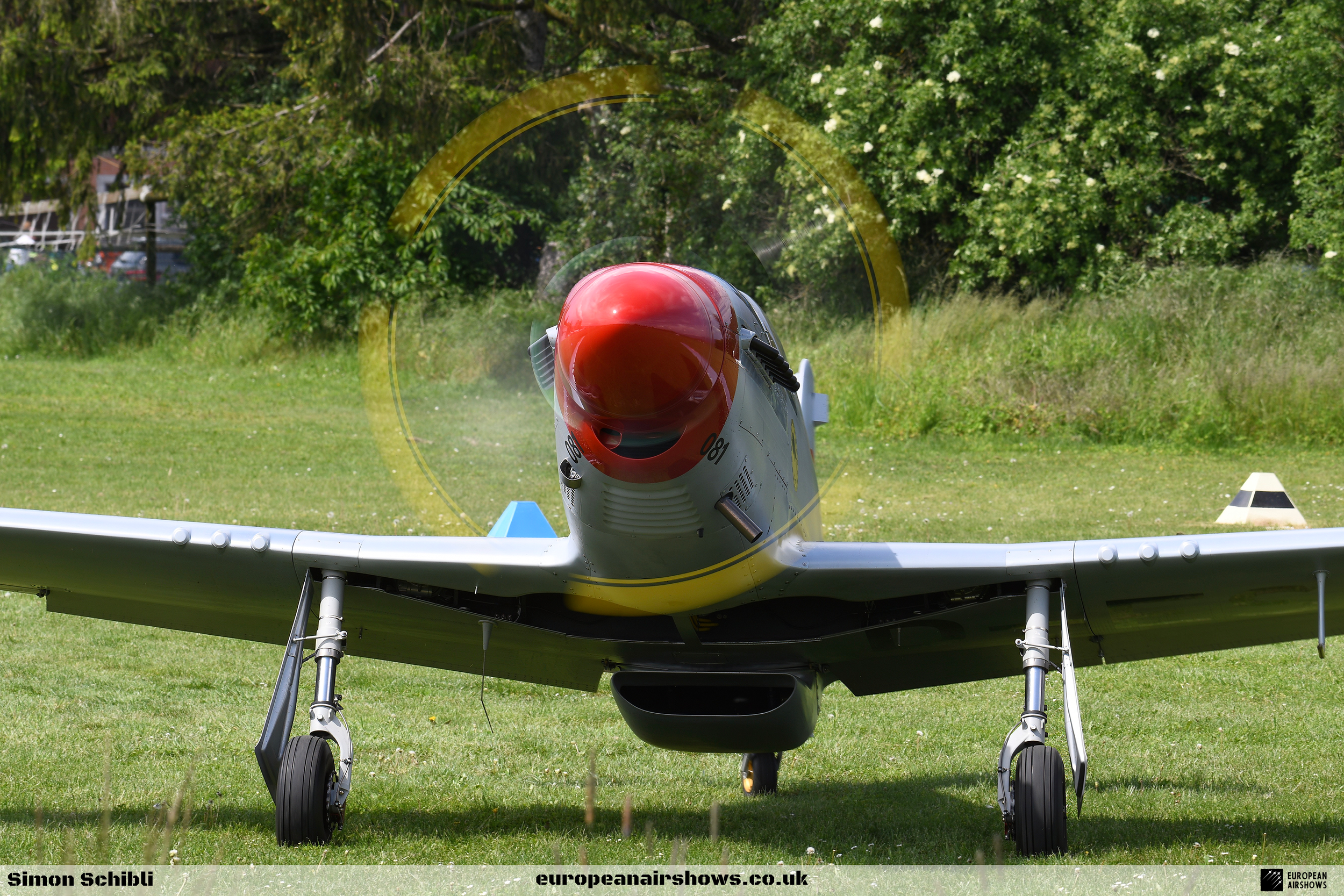
One of the more unusual participants was the SW51 Mustang, a modern replica inspired by the North American P-51 Mustang. It captures the appearance and spirit of the original while using modern materials and construction techniques.
The unmistakable Fieseler Fi 156 Storch also took part. Renowned for its remarkable short-field performance, the Storch served the Swiss Air Force in reconnaissance and liaison duties, where its ability to operate from very short and unprepared strips was especially useful in mountainous terrain.
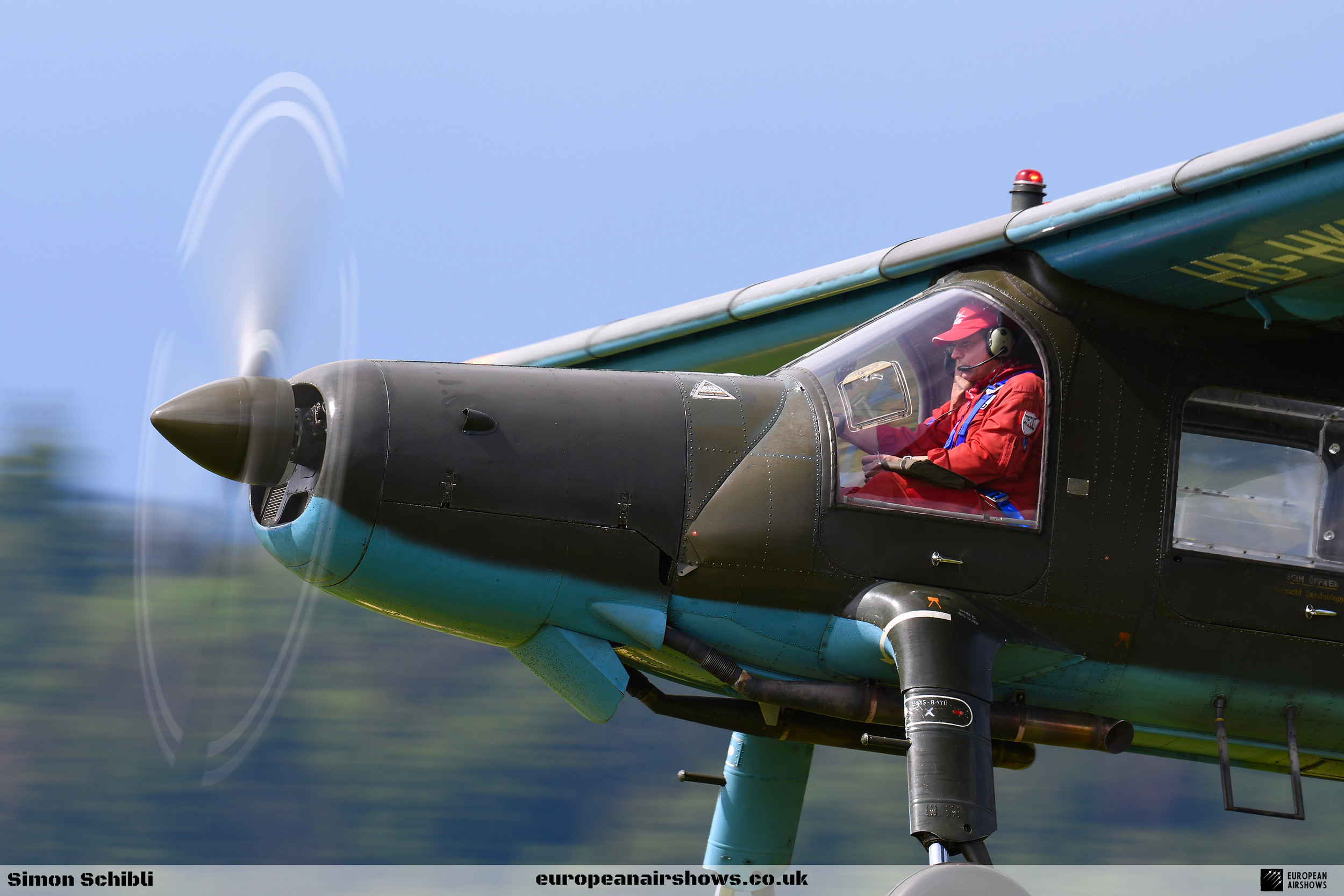
The Dornier Do 27 represented another capable light utility type used for transport, liaison and reconnaissance. Its robust design and performance in demanding conditions made it a versatile workhorse.
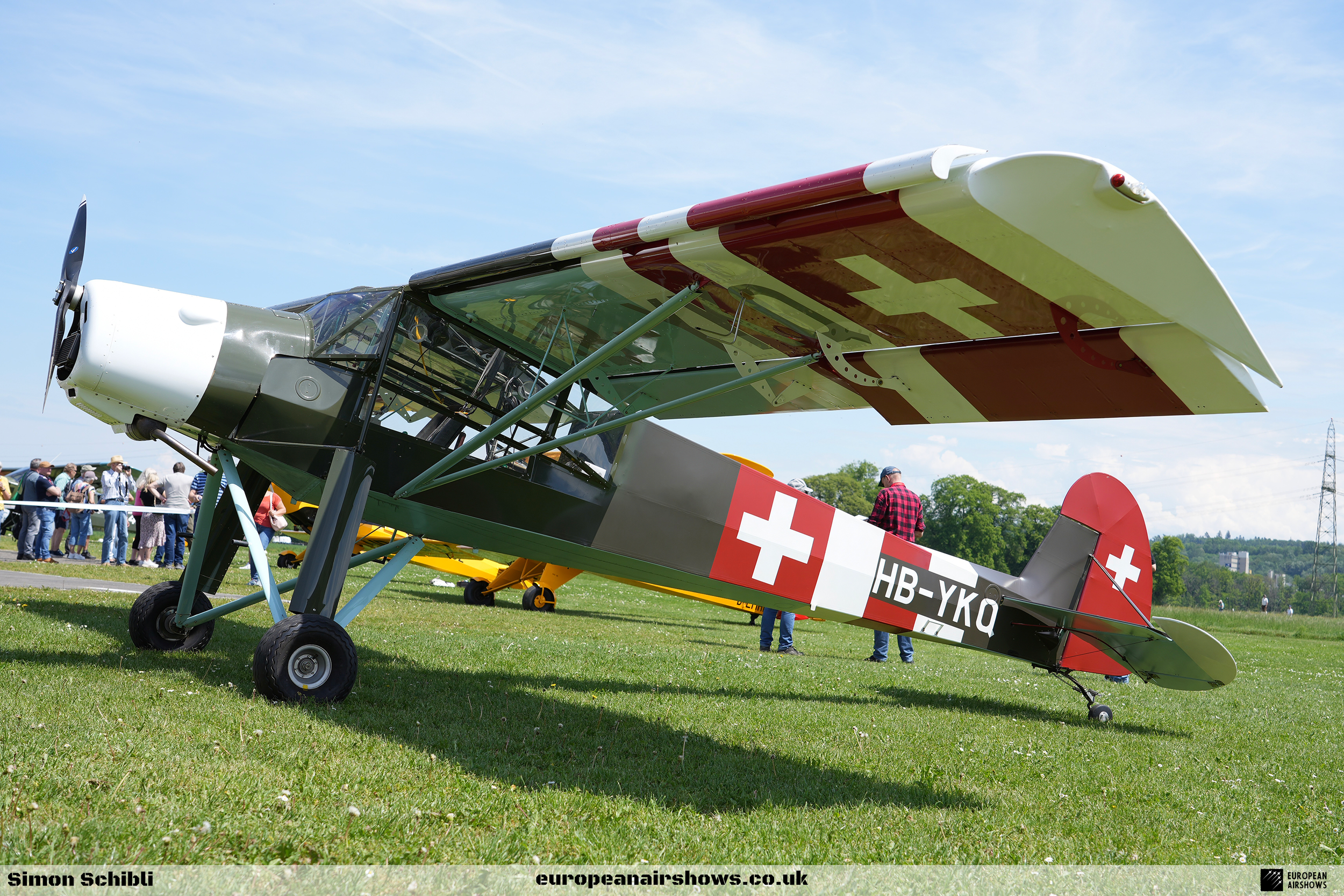
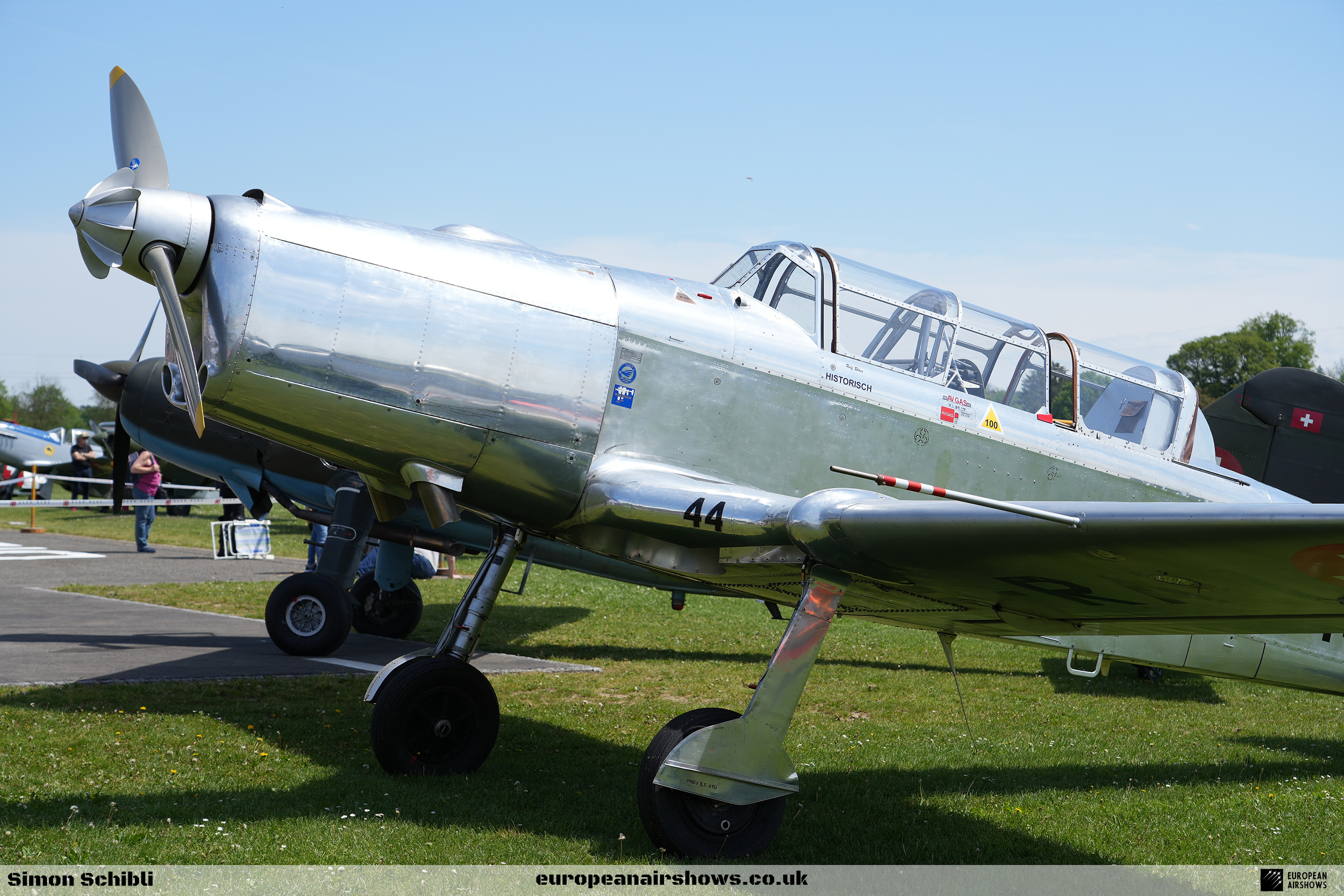
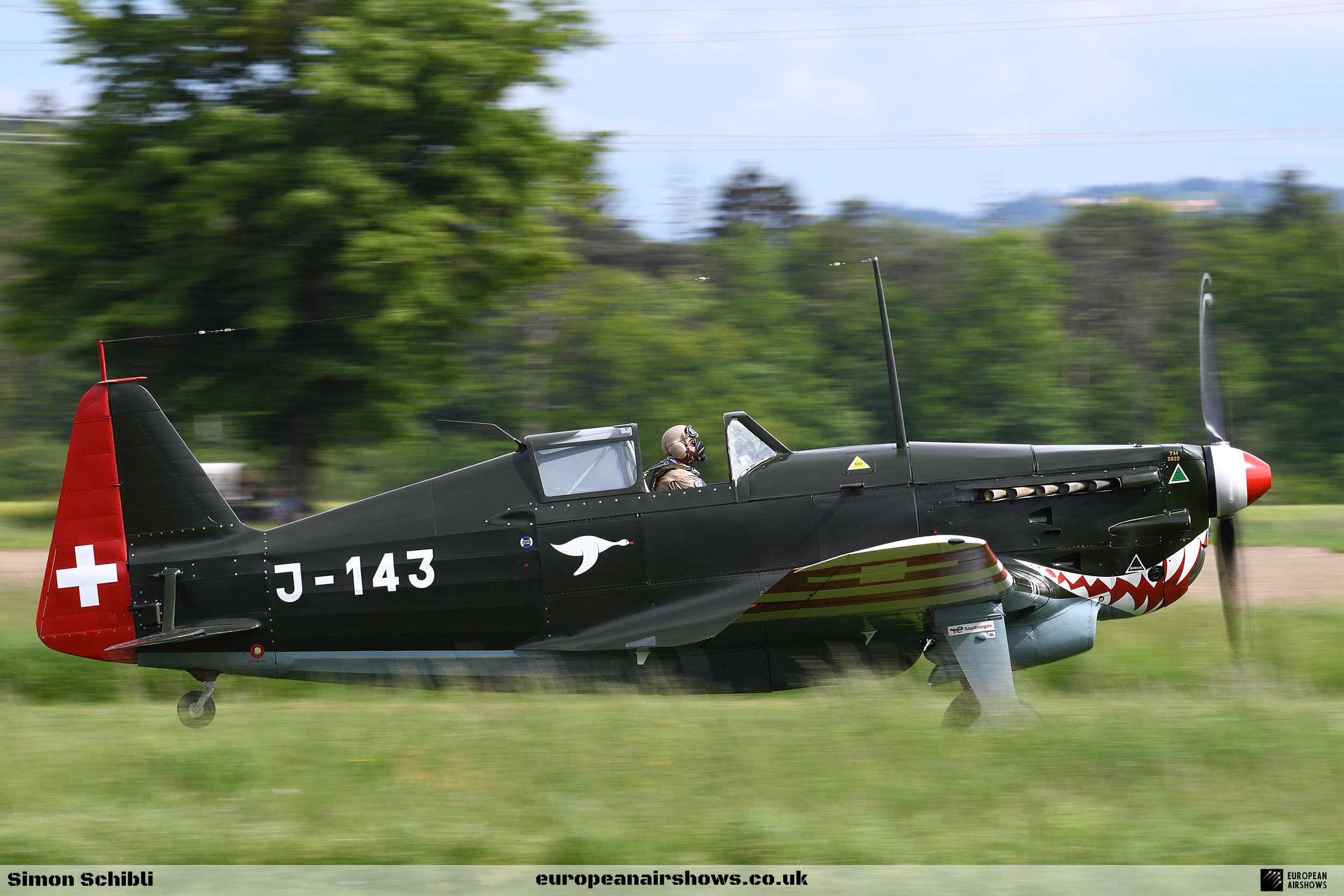
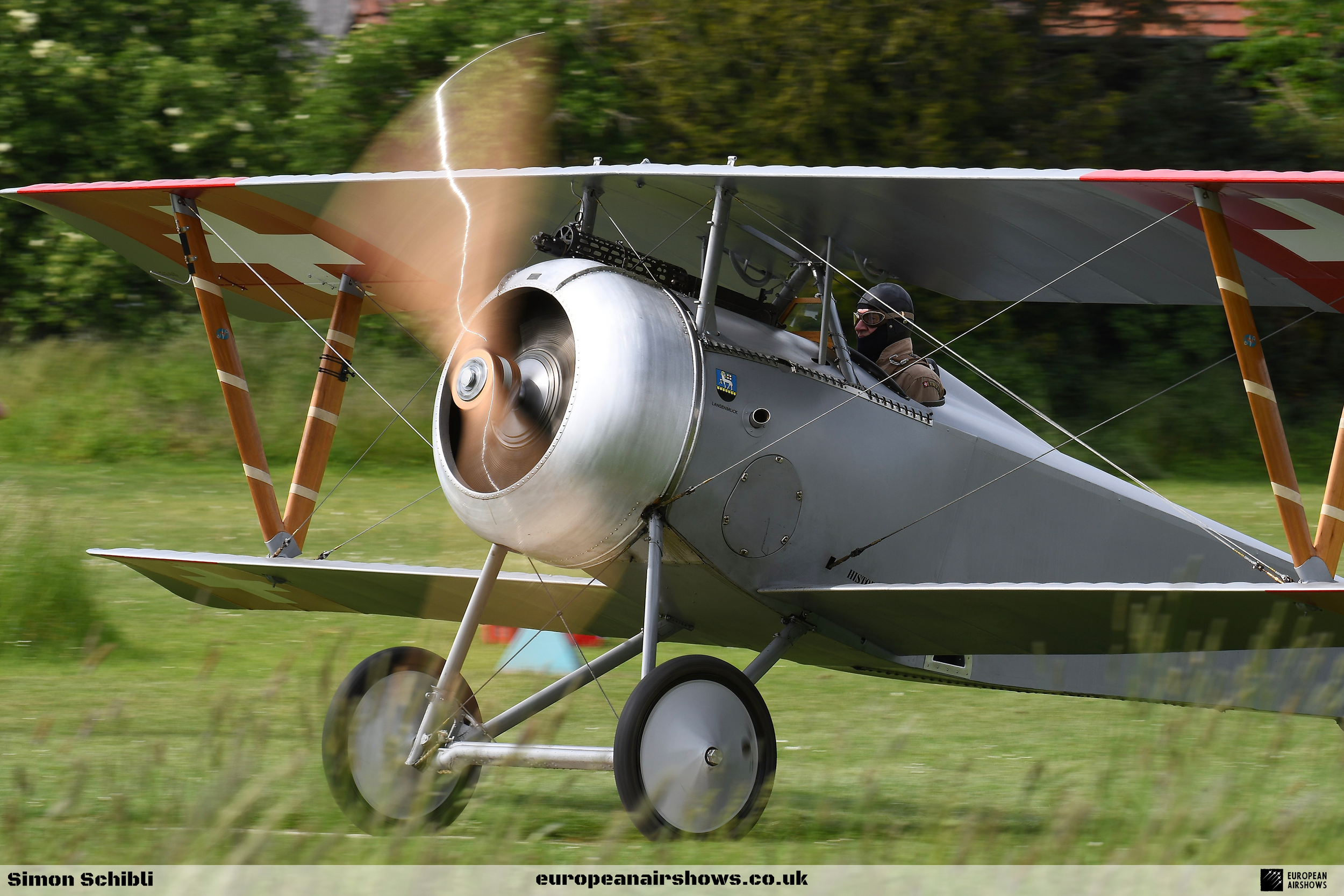
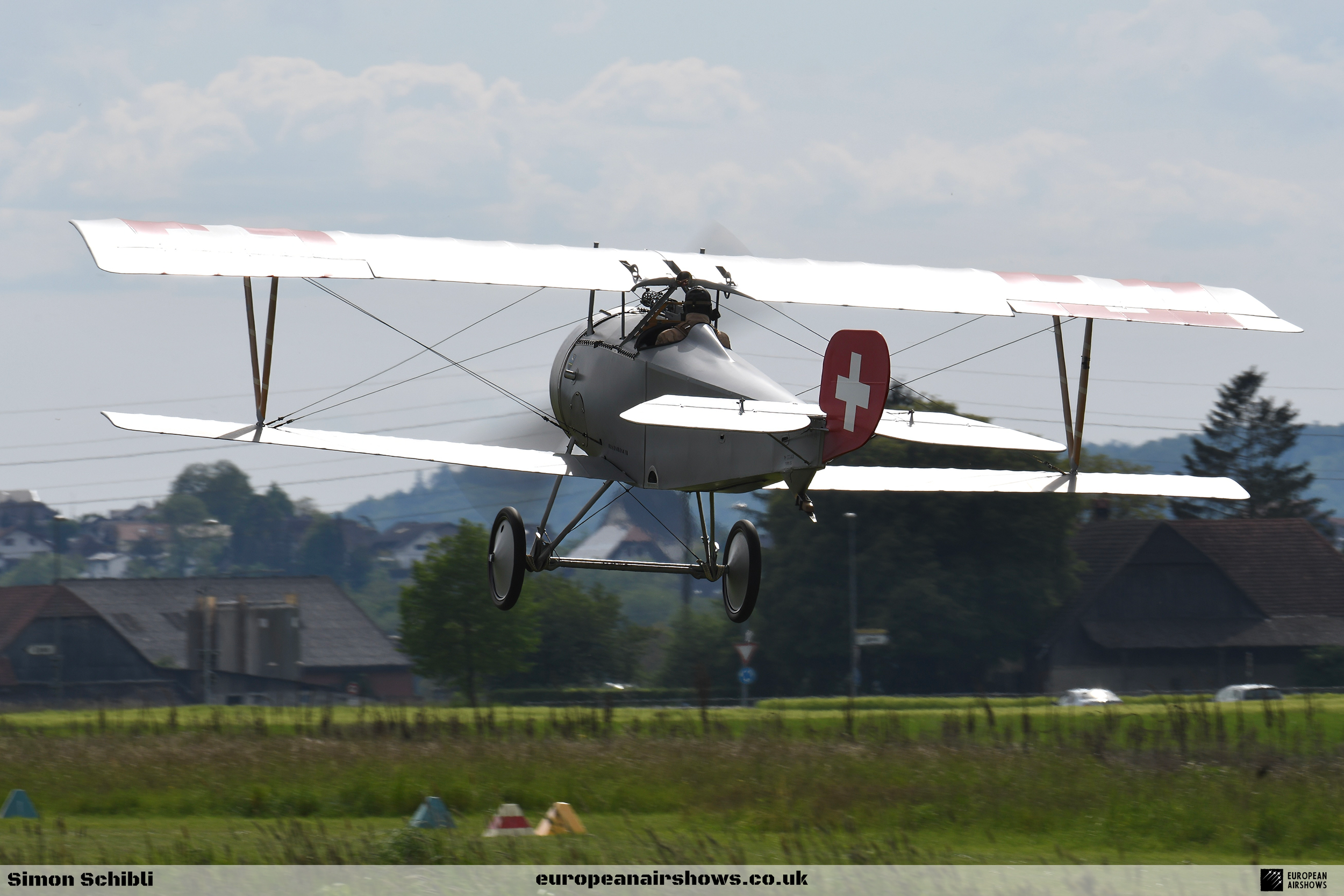
Adding further historical depth was the Nieuport 23, a French First World War biplane fighter. Switzerland operated examples of the type during the early twentieth century, and its appearance provided a rare connection to the formative years of military aviation.
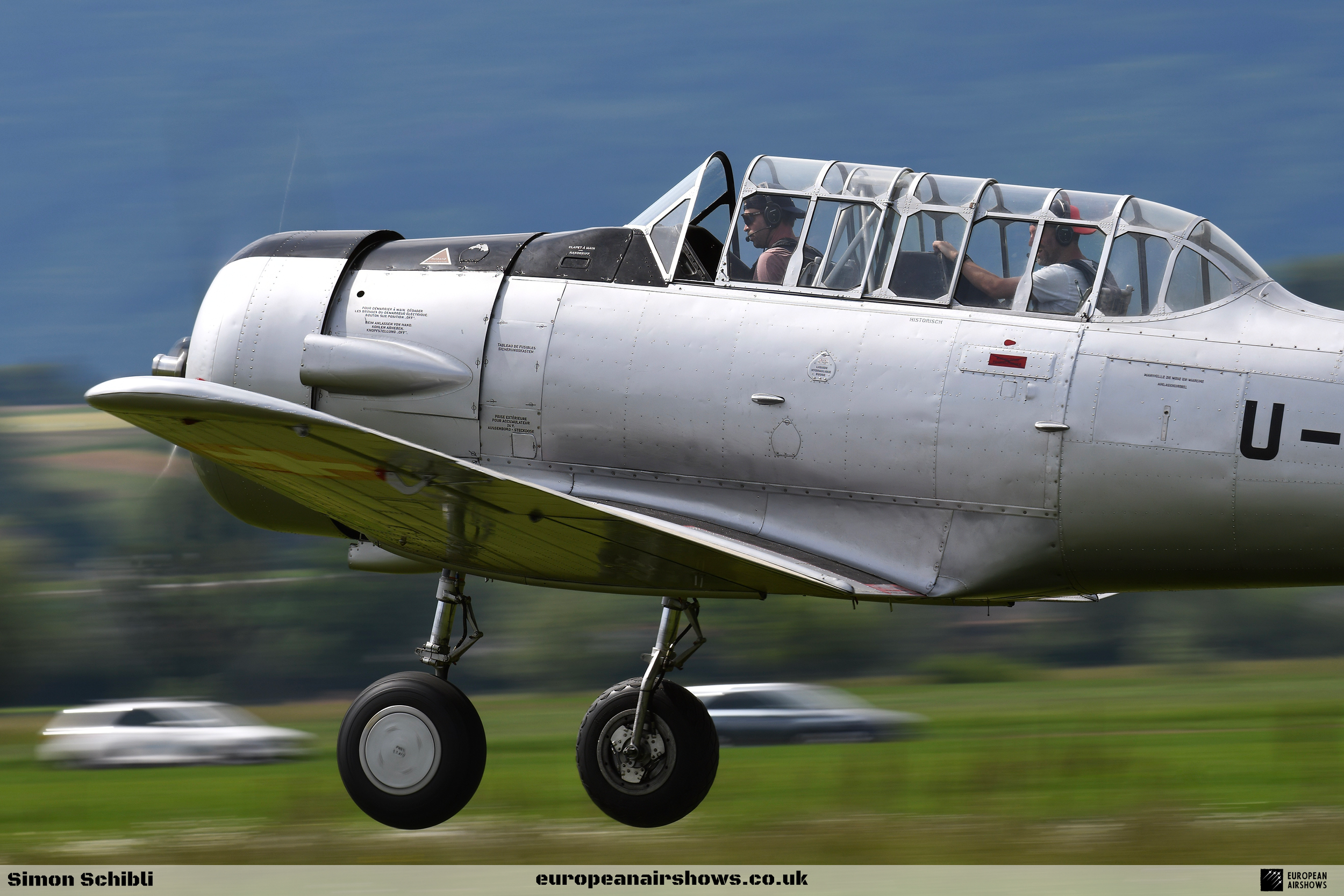
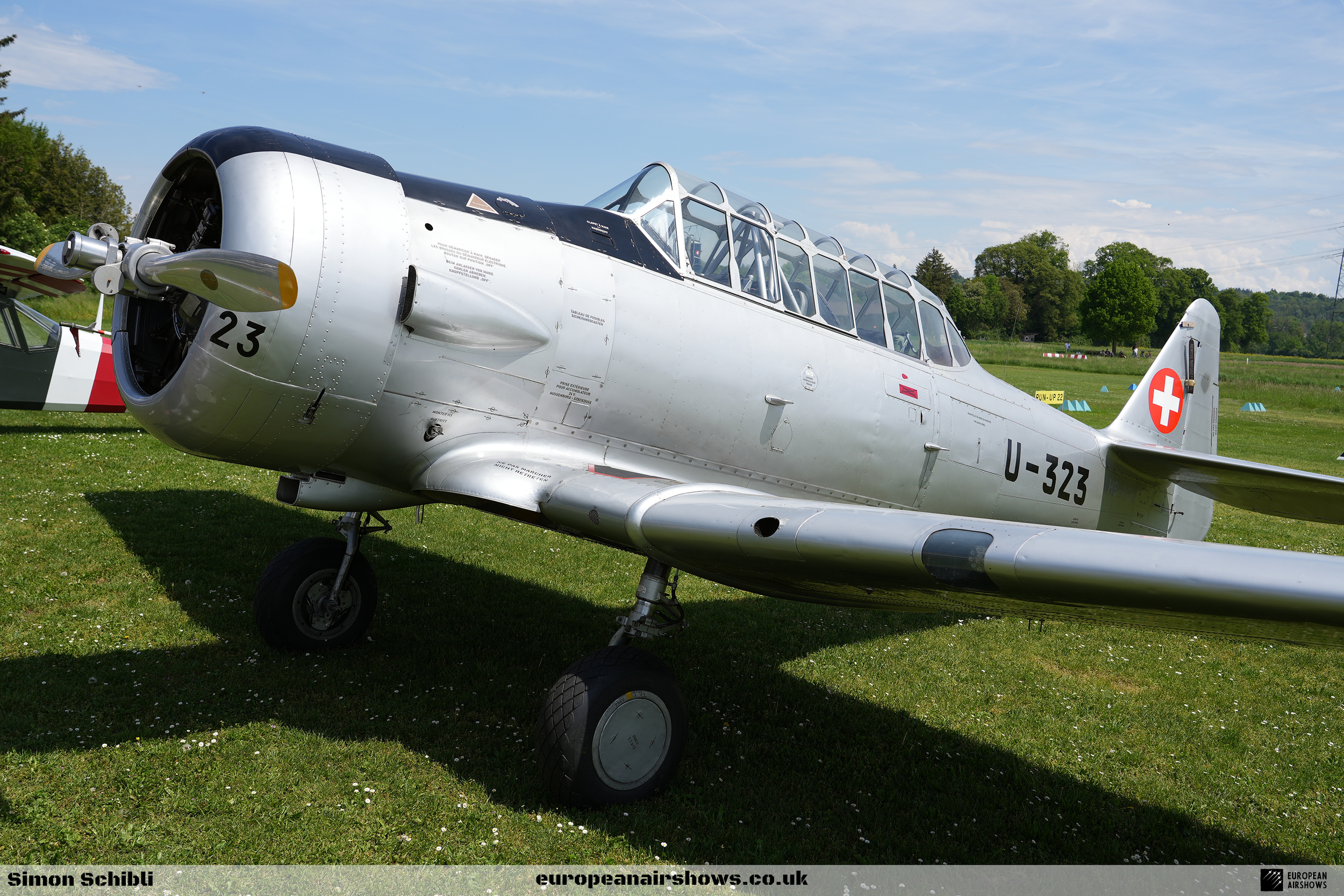
The North American Harvard IIb was another significant participant. Used extensively for advanced pilot training, the Harvard’s powerful engine and robust airframe made it an effective stepping stone for future fighter pilots.
Alongside the Swiss Air Force and former Swiss Air Force aircraft, several other visitors broadened the line-up. A Boeing Stearman, with its open cockpits, radial engine and classic biplane form, brought one of the most recognisable silhouettes from the early era of military flying training.
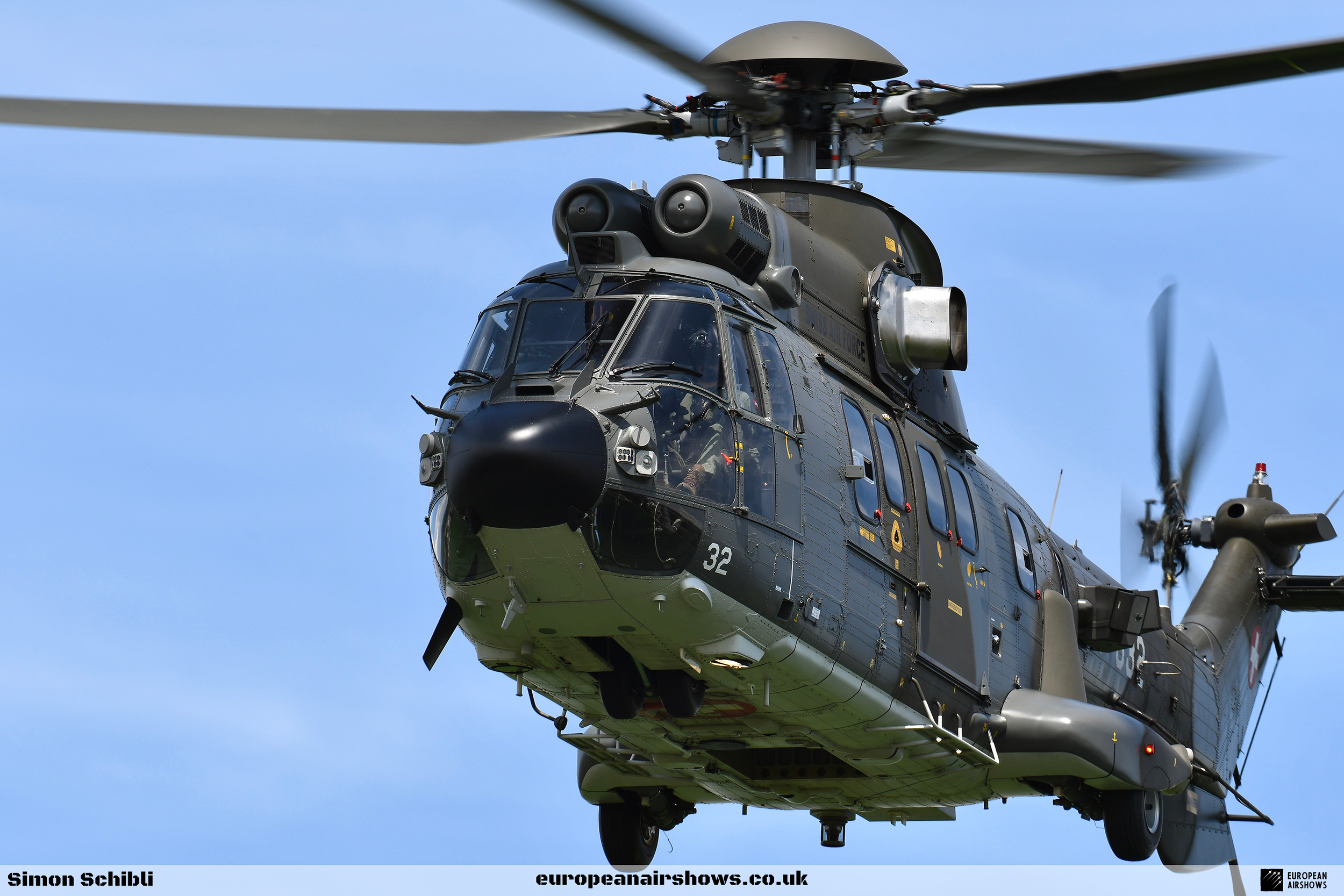
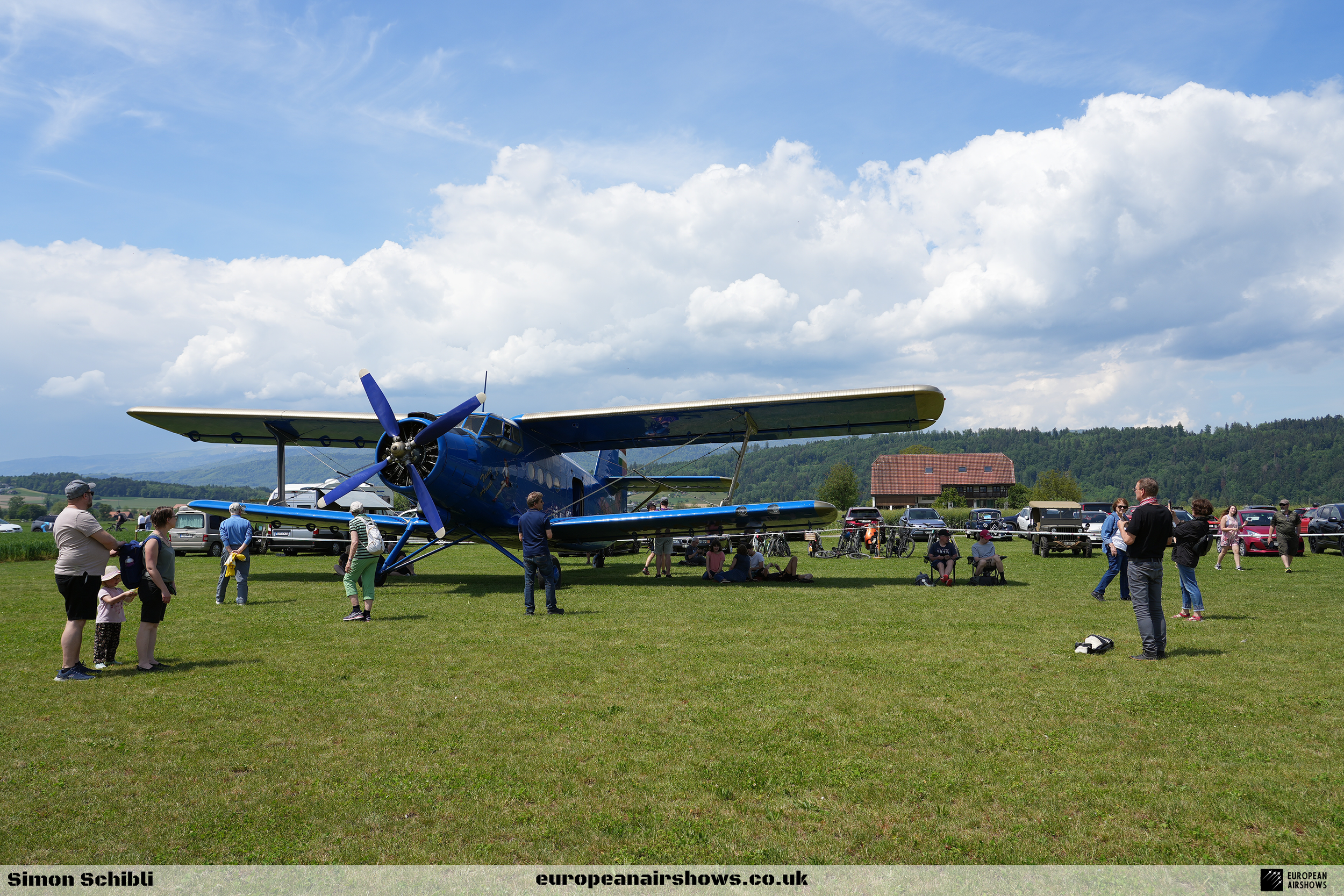
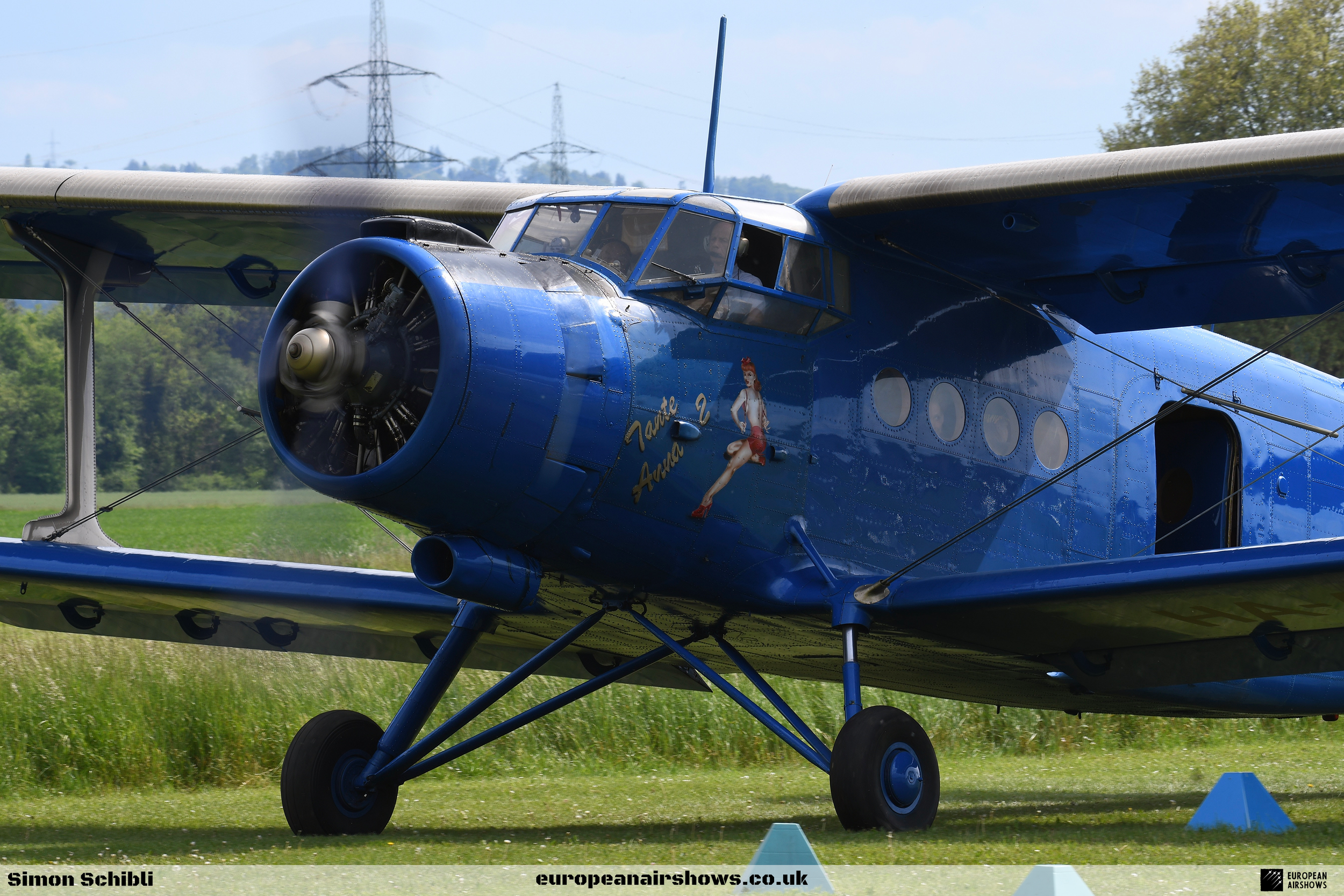
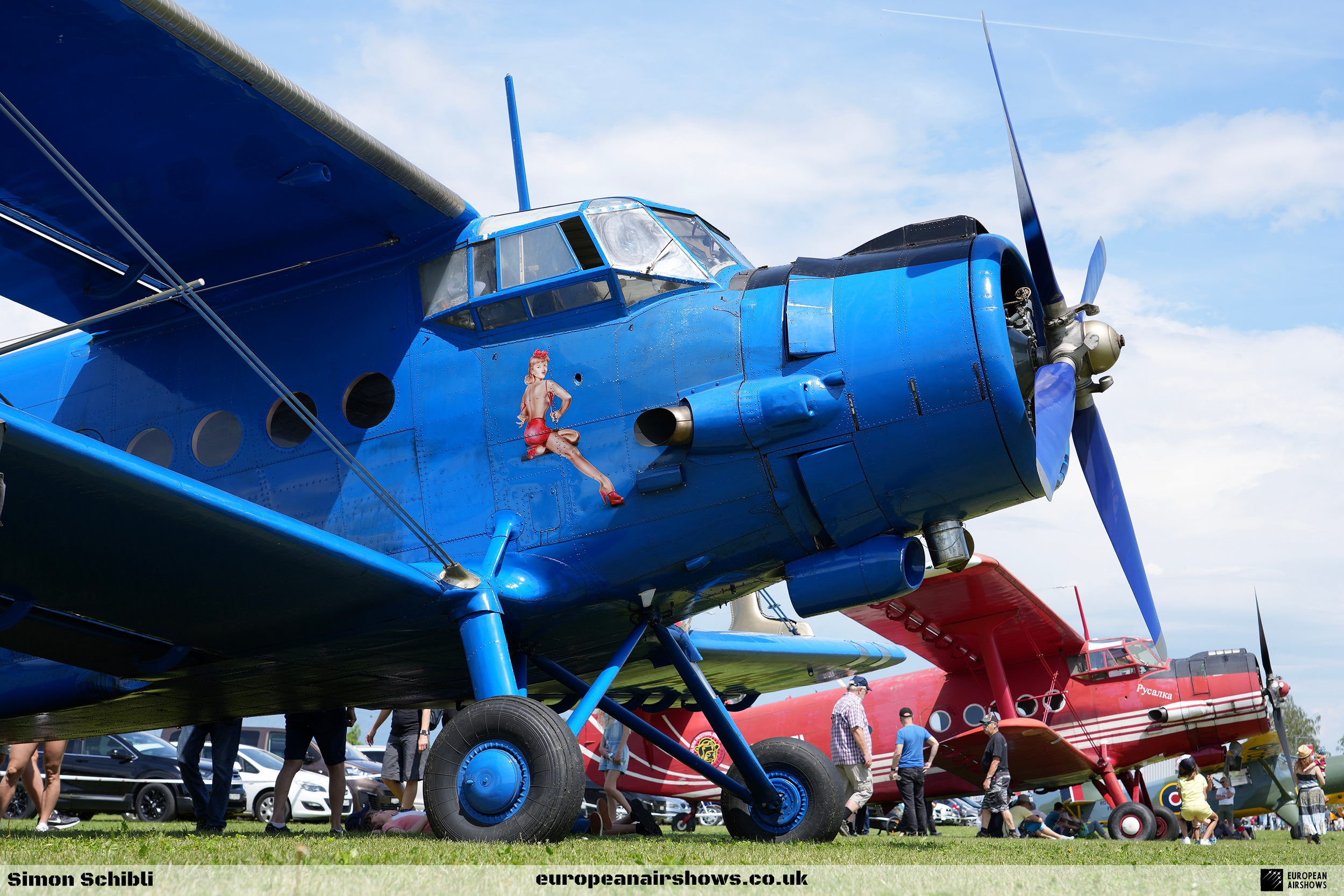
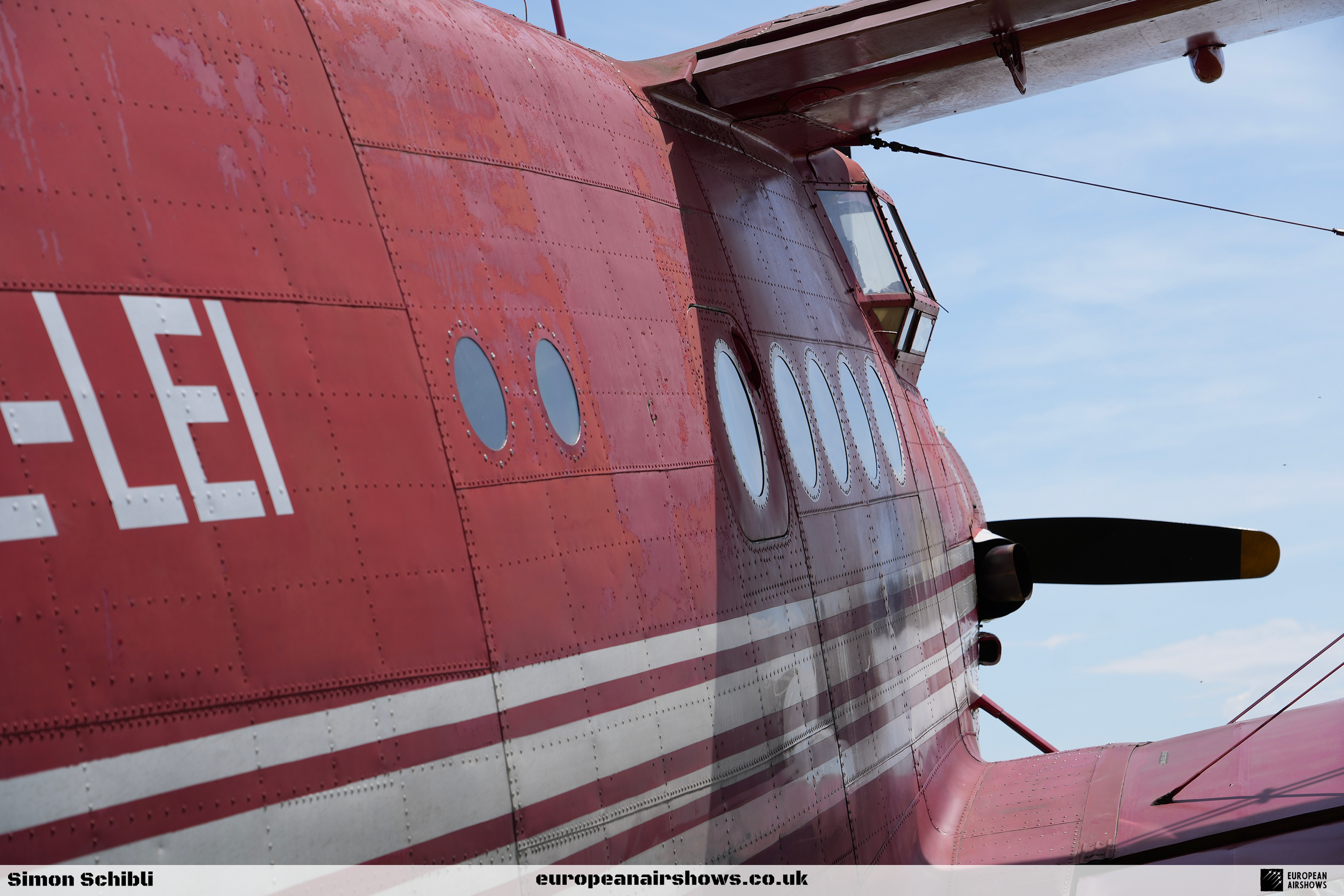
An Antonov An-2 added a very different piece of aviation history. Known for its remarkable short take-off and landing ability, the large single-engined biplane has served in roles ranging from agricultural work to passenger transport. Its radial engine, high wings and practical design made it one of the most distinctive visitors at Biel-Kappelen.
Completing the selection was the elegant Stinson Reliant. With its gull-wing design, refined lines and reputation for comfort, the Reliant recalled an era when private air travel combined utility with a considerable degree of style.
Overall, the Fly-In Biel-Kappelen offered visitors the chance to see a broad collection of historic aircraft in action. Despite the absence of some expected participants, including the Bücker Jungmeister, the event remained a strong celebration of the Swiss Air Force and its contribution to aviation history.
At a time when the aviation community continues to face event cancellations and the loss of long-standing traditions such as the Stanserhorn Flugparade, gatherings like Biel-Kappelen have become increasingly important. They give enthusiasts a place to meet, preserve Switzerland’s aviation heritage and keep the stories of these aircraft alive.
More airshow reviews
Read more reports, photography and first-hand coverage from airshows across Europe.