
Aviatická
pouť
2026
Forced away from Pardubice, Aviatická pouť found a promising new home at Hradec Králové, led by two German Typhoon displays, Flying Bulls warbirds and a Czech premiere for Catwalk.
Aviatická pouť’s move from Pardubice to Hradec Králové brought a rare double appearance by the German Air Force Eurofighter Typhoon, Flying Bulls warbirds, the Czech premiere of Scandinavian Airshow Catwalk / Skycats and a broad programme spanning Czech aviation history, aerobatics, helicopters and classic aircraft.
For many years, Aviatická pouť has been one of those airshows that felt inseparable from its home. Pardubice, Jan Kašpar, the historic Czech aviation story and that familiar late-May weekend all belonged together. The event had already been held there 33 times, growing from a tribute to one of Czech aviation’s great pioneers into a broad, family-friendly aviation festival mixing history, modern military aviation, aerobatics, re-enactments and plenty of Czech airshow character.
Then came the problem no organiser wants. With the Czech Air Force’s Gripens temporarily relocating to Pardubice while major reconstruction work takes place at Čáslav, the airfield was no longer available for the show. That left Aviatická pouť needing a new home at relatively short notice. The solution was Hradec Králové Airport, a site with plenty of airshow history of its own, best remembered by many enthusiasts as the former home of the Czech International Air Fest.
On paper, it made sense. Hradec Králové has space, history, good orientation for photography and experience with major public events. It has also, however, seen airshows come and go. CIAF eventually disappeared from the site, Legendy nebes failed to build into a lasting fixture, and there was a fair question hanging over the weekend: was Hradec Králové about to become a fresh start for Aviatická pouť, or simply another place where Czech airshows slowly fade away?
After two days at the new venue, the answer feels more positive than negative. Aviatická pouť survived the move. In many ways, it looked at home. It was not perfect, and there were several clear first-year problems, but the foundations are there for something very good.
The first impression of Hradec Králové was encouraging. It is a spacious, open airfield and, for photography, the location is very kind. On the Saturday especially, the weather was mostly sunny and the display line worked well, with the sun largely behind the crowd. Compared with many European airshow sites where spectators spend half the day shooting into harsh light, Hradec Králové immediately felt like a proper enthusiast-friendly venue.
The old CIAF feel was still there too. The big open apron, the long runway, the wide crowd line and the sense of scale all helped the show breathe. Aviatická pouť is not just a flying display; it is a full-day event with ground attractions, re-enactment areas, classic vehicles, children’s activities, club stands and static aircraft. Most of those traditional elements transferred successfully to the new site, particularly around the eastern end of the runway.
The city also deserves credit for supporting the move properly. The shuttle buses from the station and city centre made access much easier than it could have been, and the small touch of replacing the usual bus stop sound with the roar of a Spitfire was exactly the kind of thing airshow people notice and enjoy. It was a simple idea, but it gave the weekend a bit of personality before visitors had even reached the gate.
That said, the move was not seamless. Saturday showed some of the teething problems quite clearly. Food and drink provision was not strong enough for the crowd, and queues became frustratingly long. A new venue always brings unknowns, but this is one area that needs attention if the event is to grow at Hradec Králové. A large airshow crowd in hot weather needs quick access to water, shade and food. When those basics are stretched, it colours the whole day.
Traffic also caused issues, especially on Saturday morning, with congestion on the approaches to the airfield. That is not unusual for a first year at a new site, but the organisers and local authorities will have plenty to review. The potential is clearly there. The site itself works. The next step is making the visitor flow around it work better.
The flying programme was varied and generally good quality, though it did feel weaker than some previous Pardubice editions. That is not necessarily a criticism of the organisers. A move of this scale, arranged under pressure, was always going to affect the final shape of the show. The Czech airshow scene has also had a difficult few years, and the lack of regular Czech Air Force solo displays in 2026 was noticeable.
Still, Aviatická pouť retained its core identity. It was not a pure military show, not a warbird-only show, not a classic aircraft rally and not just an aerobatic afternoon. It remained a broad Czech aviation event built around variety: early aviation, historic trainers, warbirds, modern jets, helicopters, parachutists, formation teams, wingwalking and ground theatre.
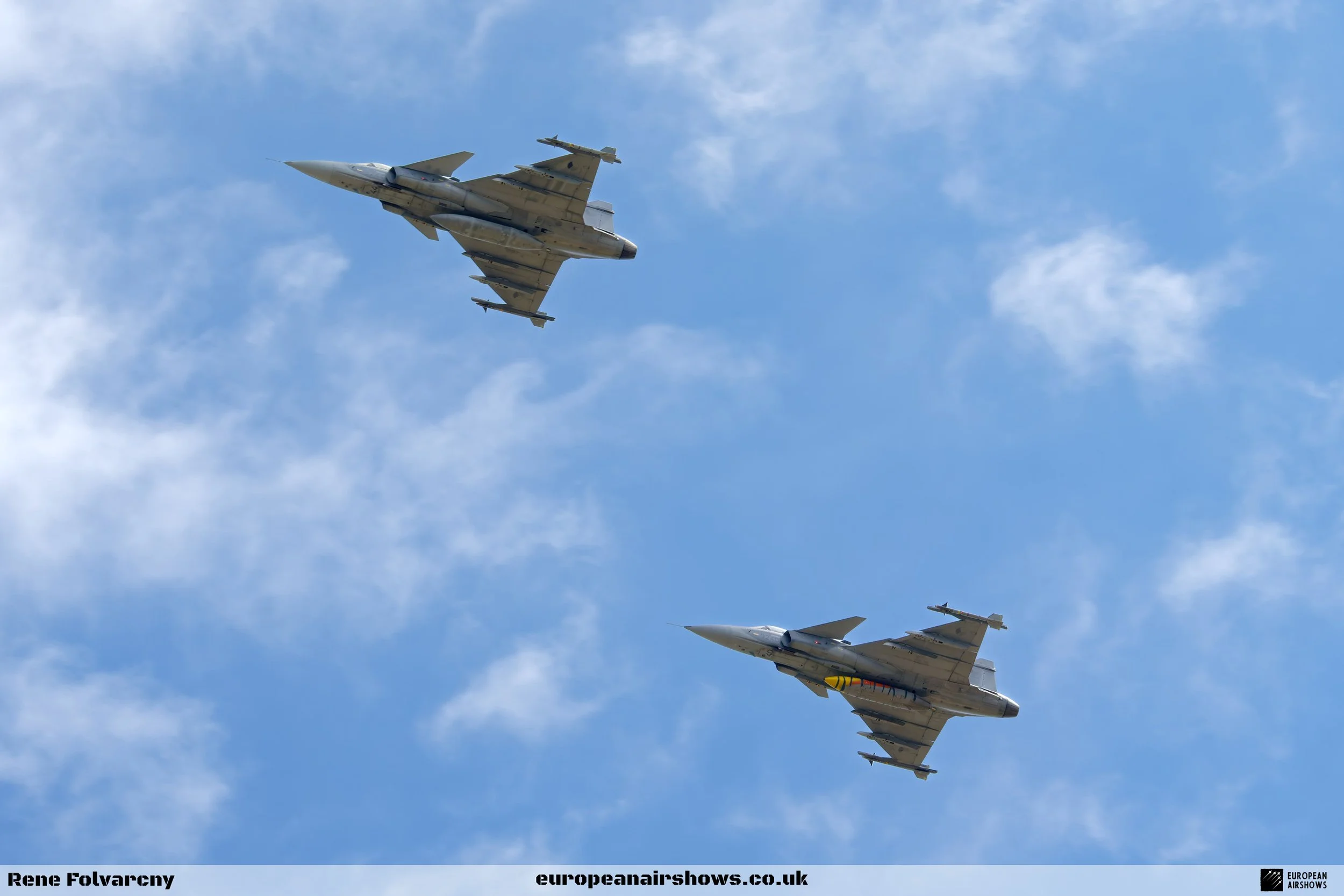
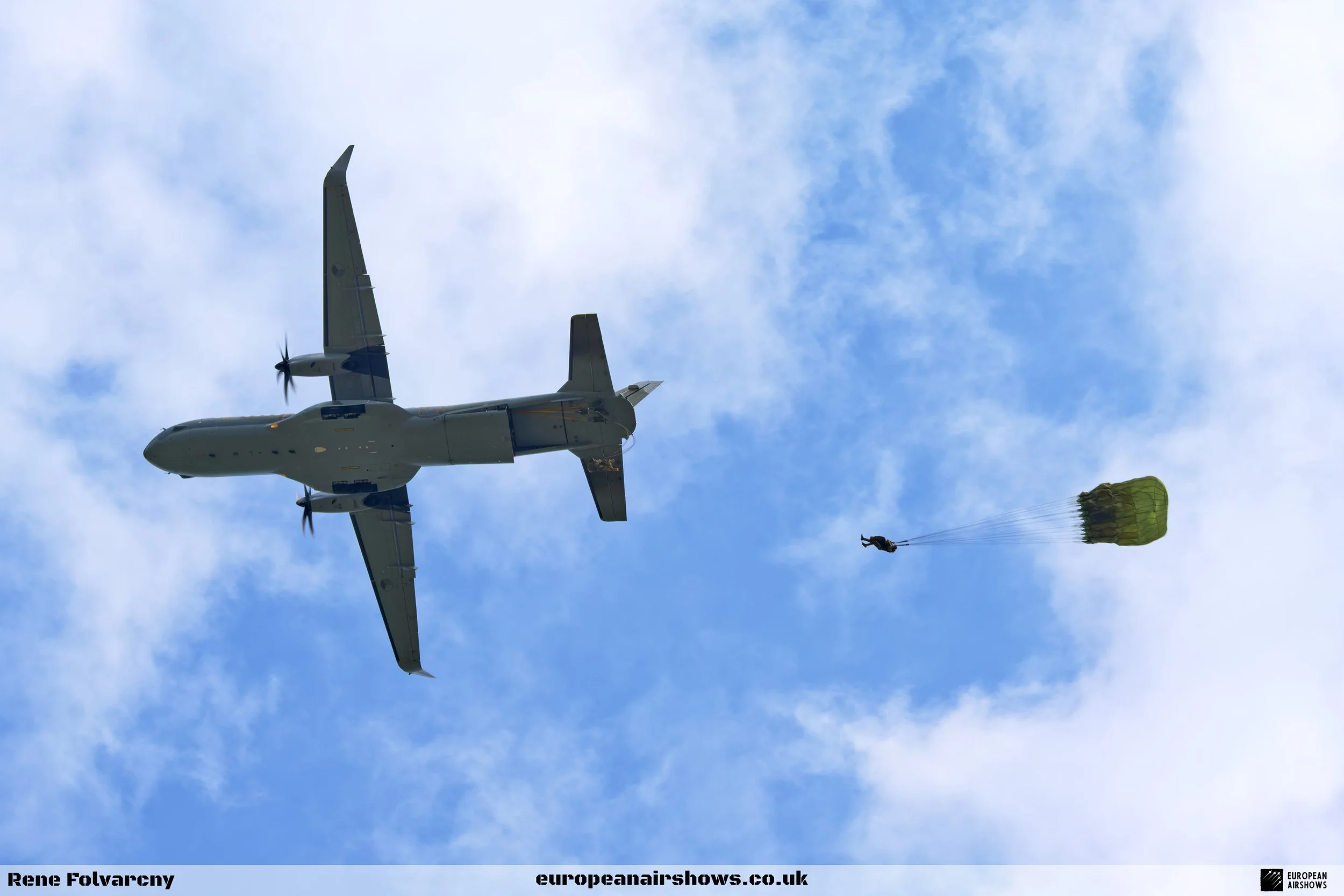
The planned opening with the Czech Air Force CASA C-295M parachute drop and JAS 39 Gripen flypast should have been a tidy start. Instead, it became the major disruption of Saturday. Wind caused several parachutists to drift away from the intended landing zone, with one ending up in trees outside the airfield and another in water. Thankfully the injuries were not serious, but the delay was significant and the programme never fully recovered its rhythm.
It was one of those airshow moments where the crowd goes from relaxed to concerned very quickly. The emergency response was handled properly, but from a spectator perspective the long pause at the start of the afternoon took momentum out of the day. It also meant that some later items were squeezed, reshuffled or lost completely.
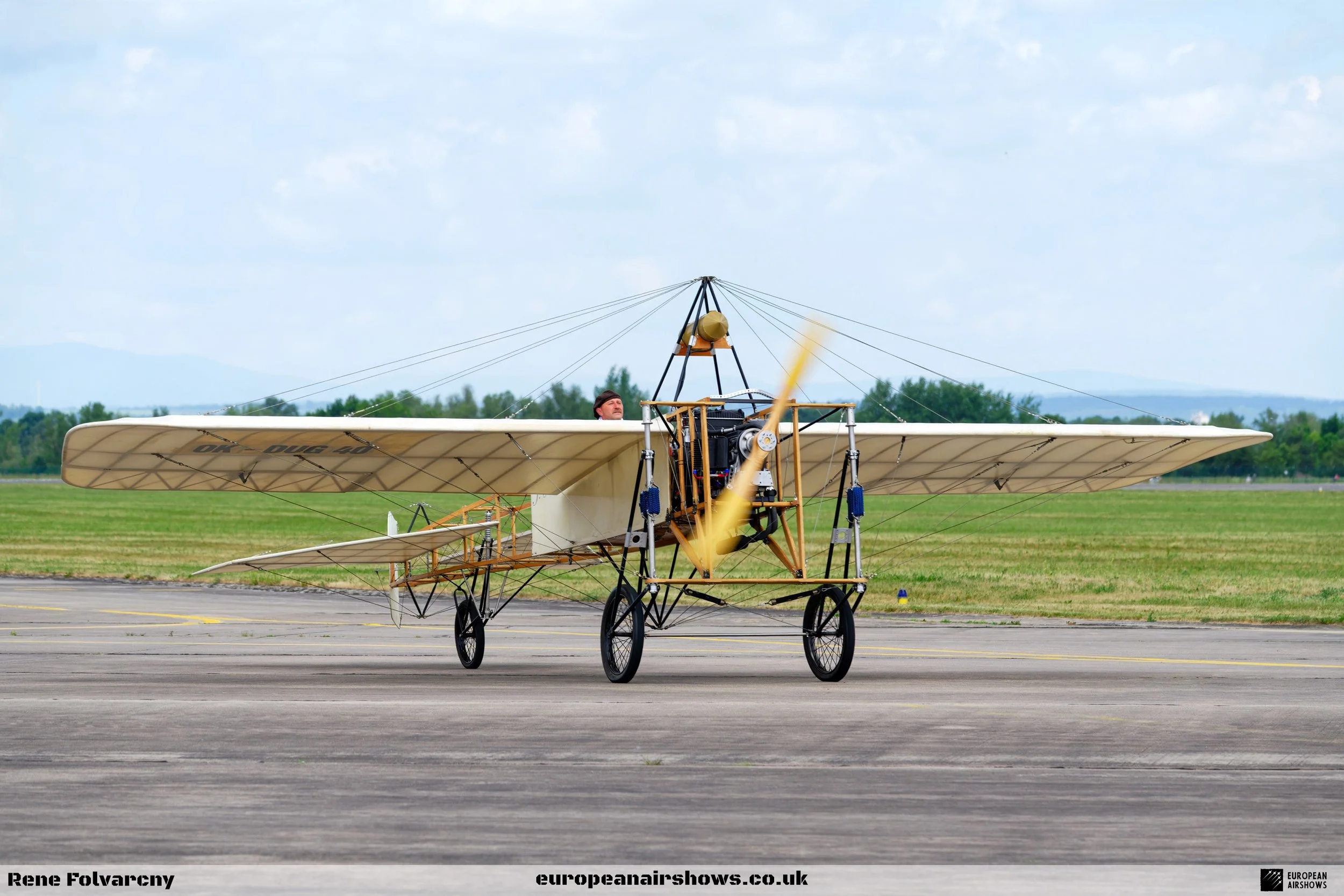
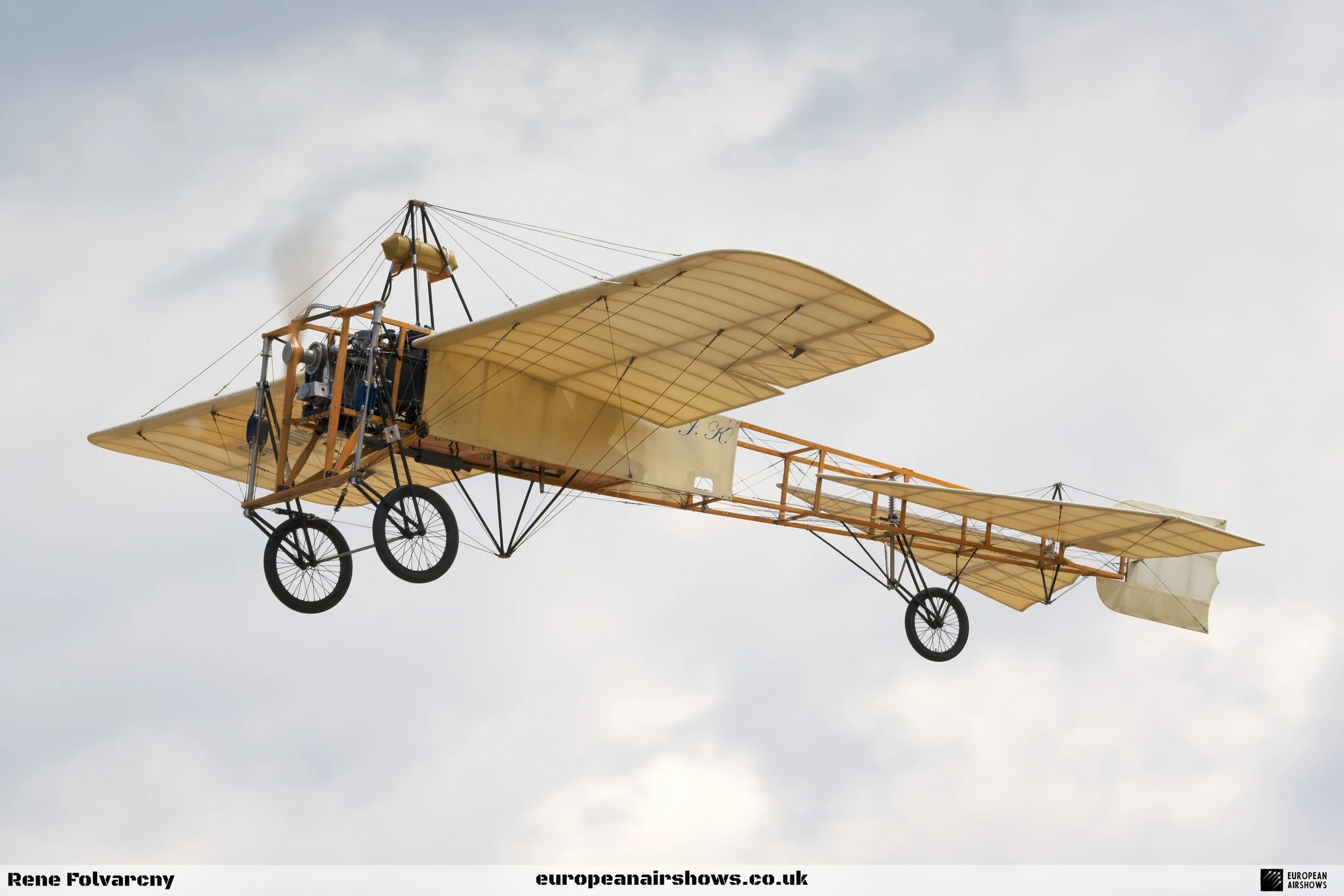
One of the most important pieces of Aviatická pouť’s identity is the link with Ing. Jan Kašpar, the Pardubice-born aviation pioneer whose 1911 flight from Pardubice to Prague remains a central part of Czech aviation history. Moving the show away from Pardubice could have weakened that connection, but the organisers were right to keep Kašpar at the heart of the programme.
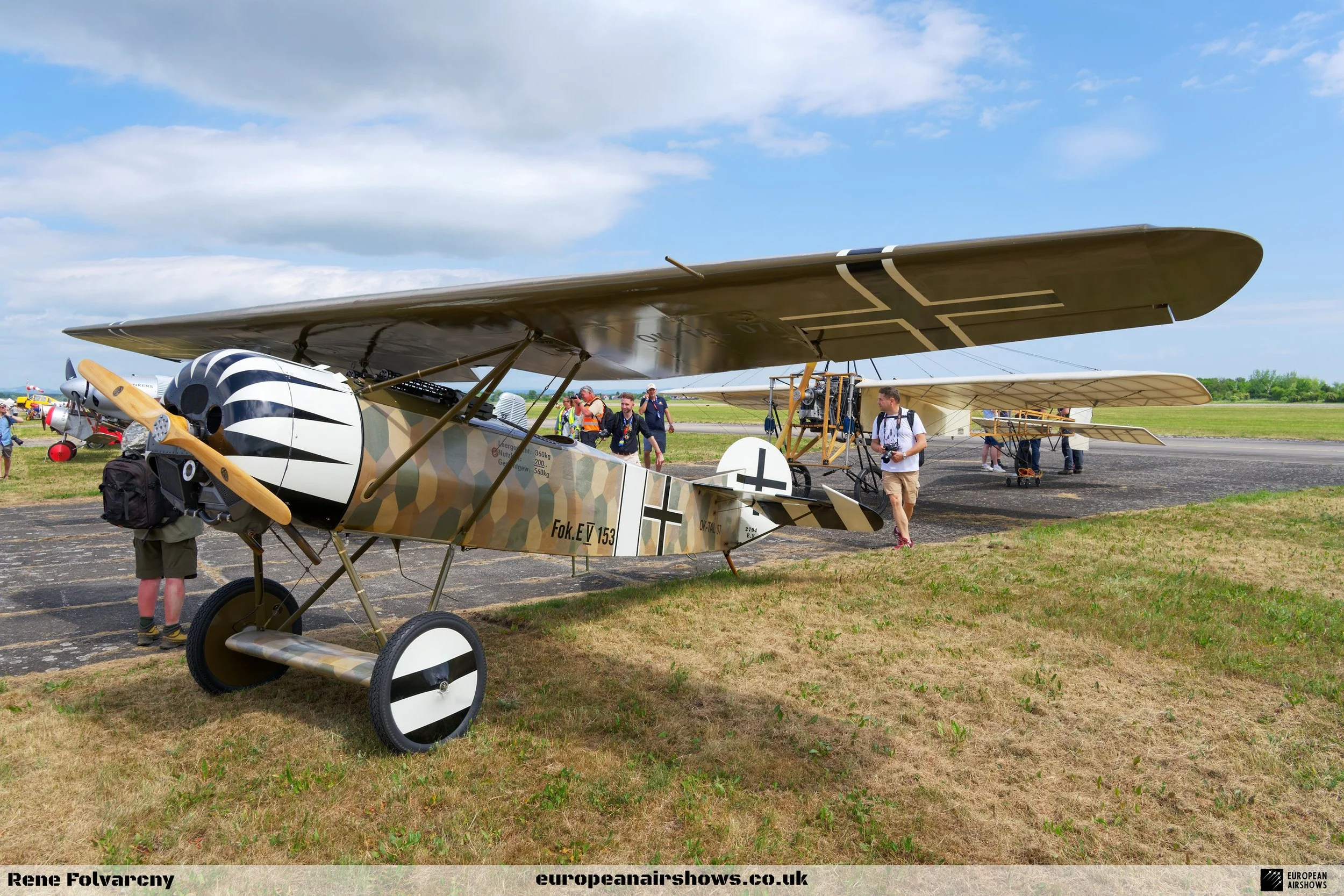
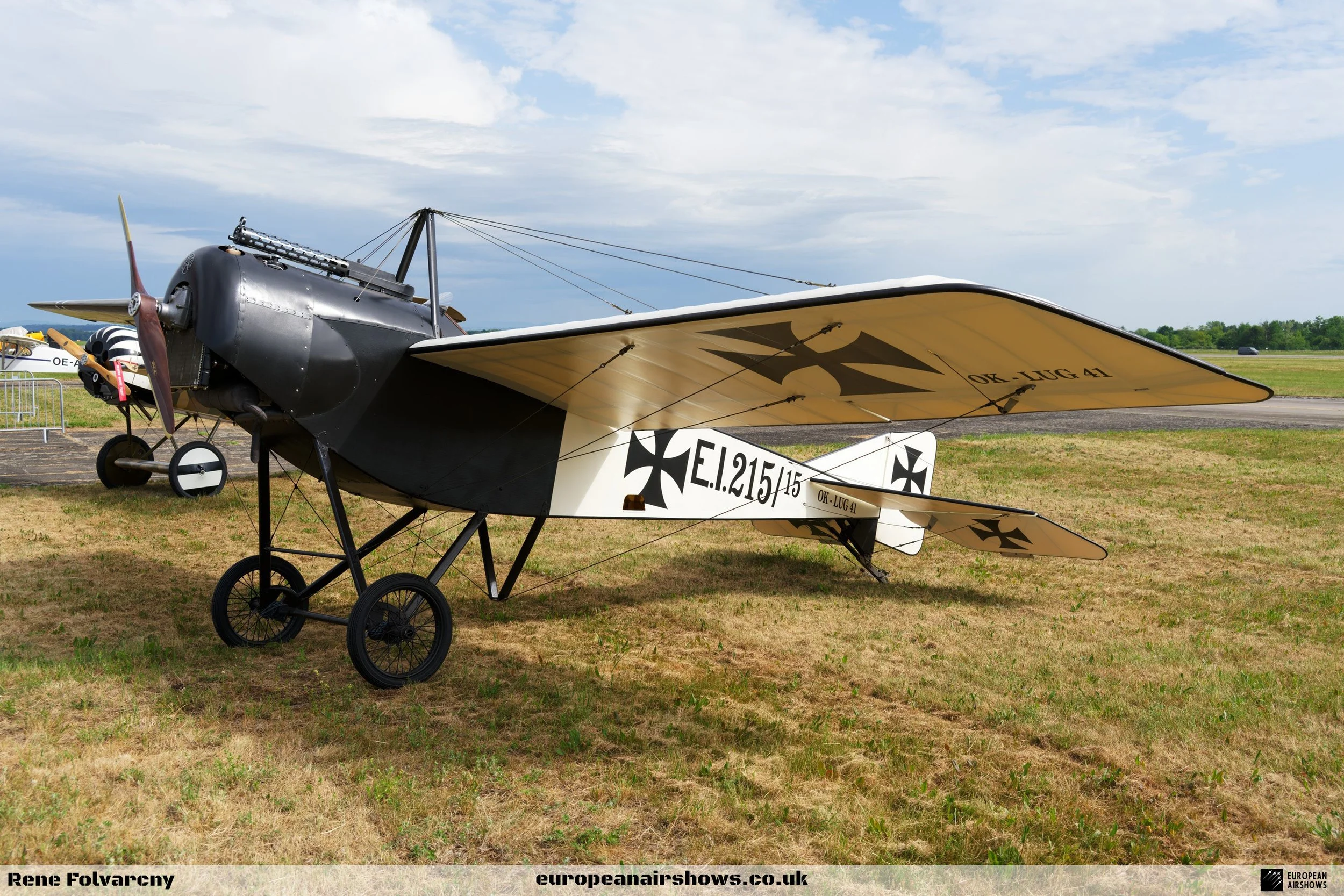
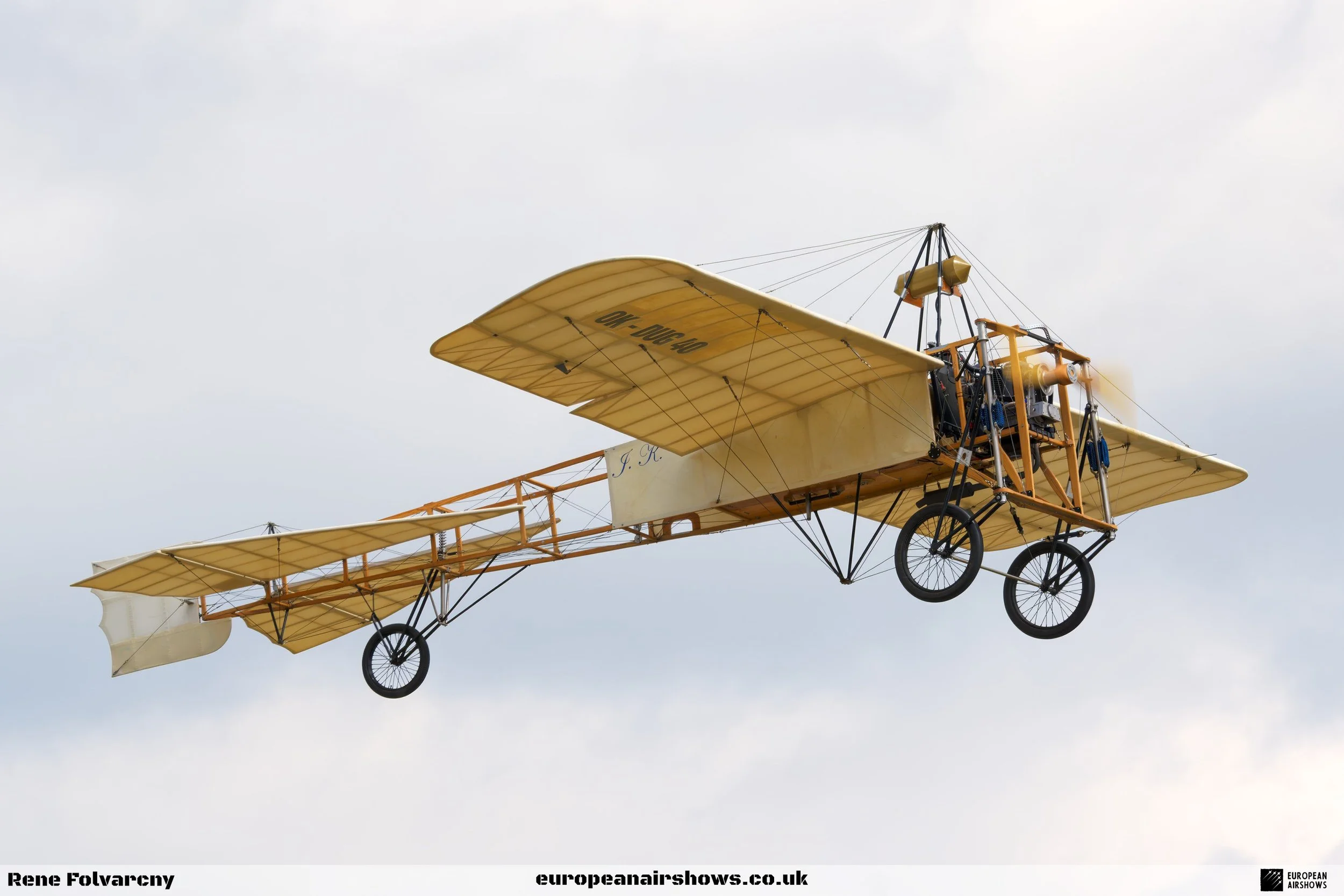
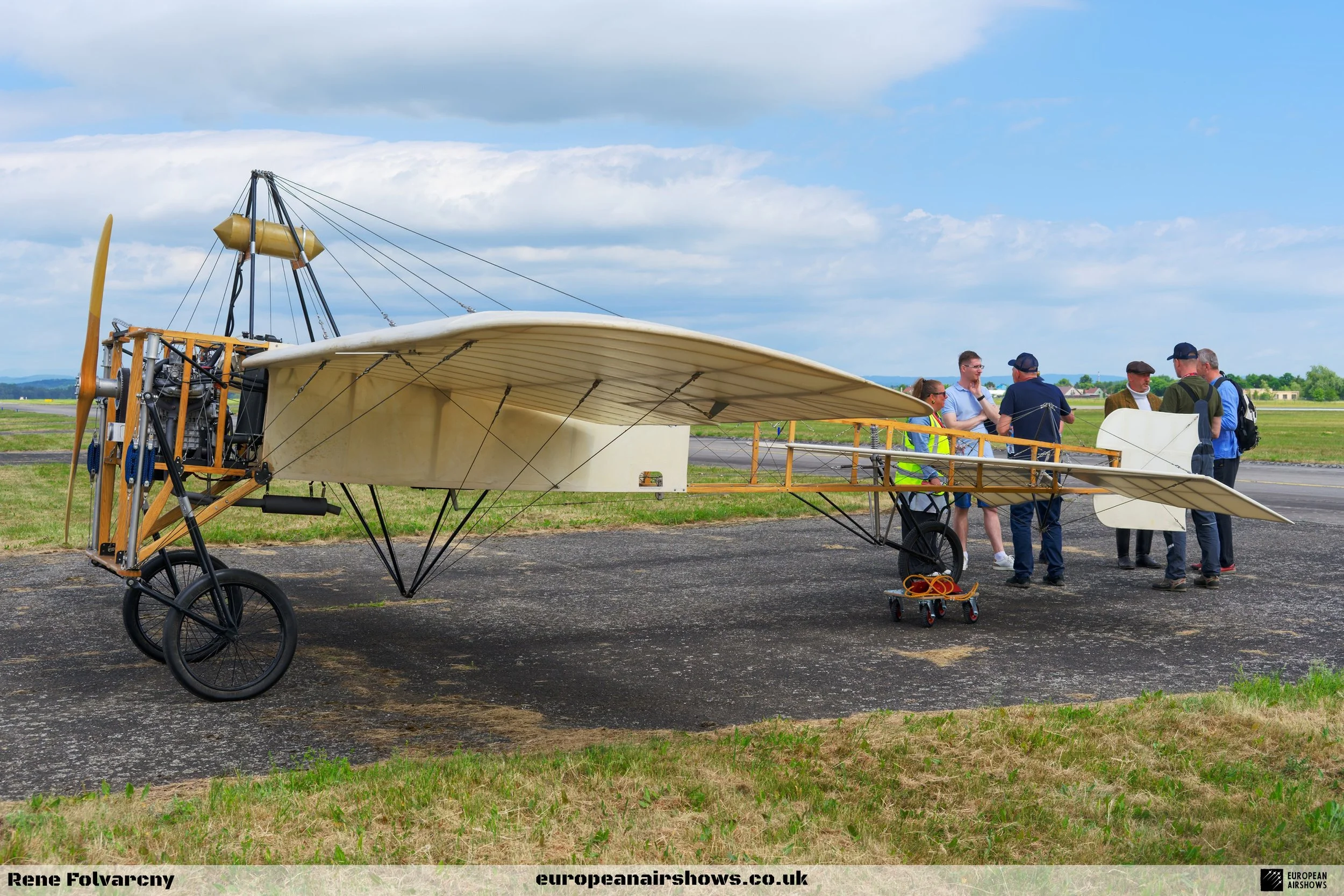
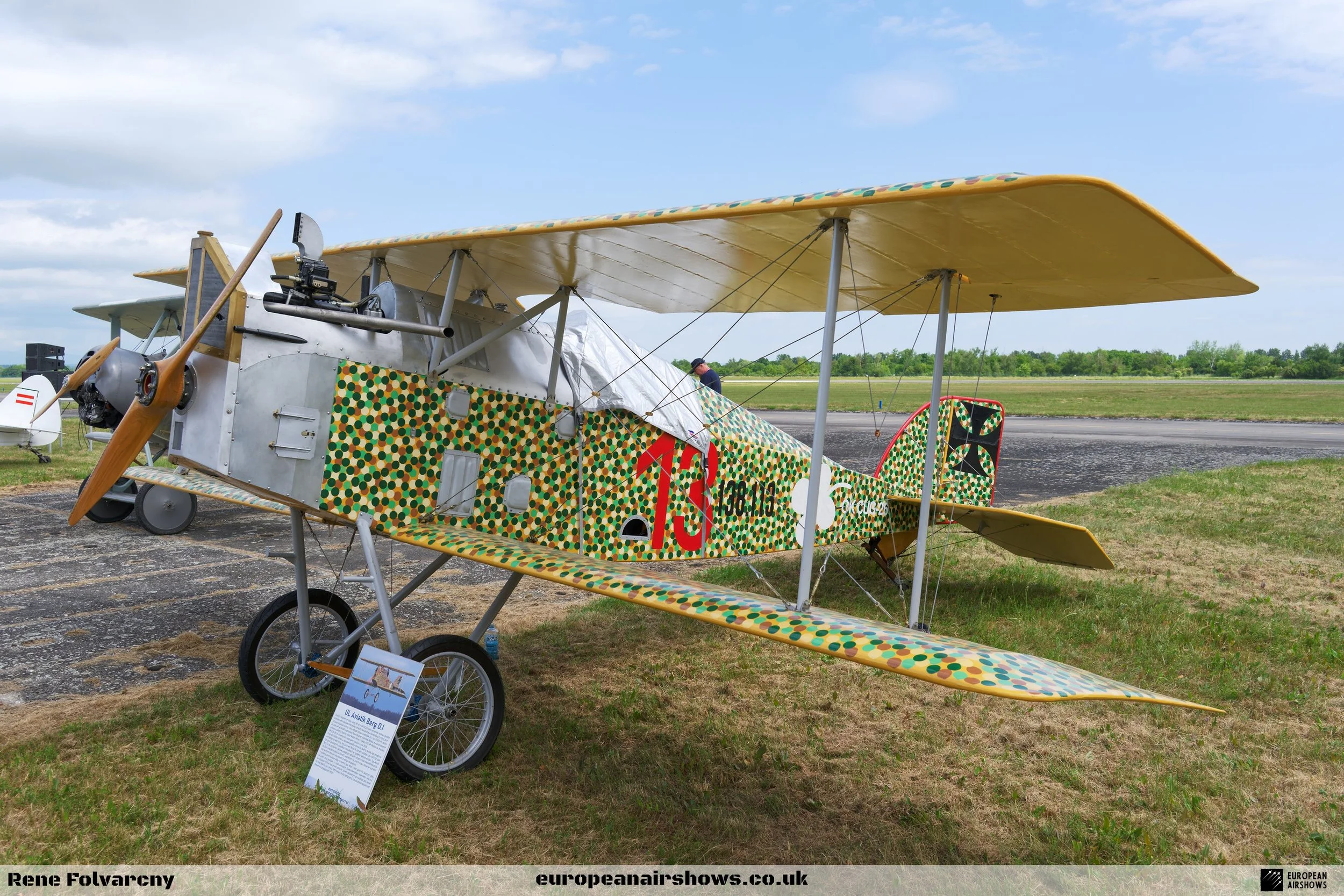
The Blériot JK replica scene was a reminder that Aviatická pouť has always been more than just noise and display smoke. It is a journey through aviation history, and that early aviation element matters. At Hradec Králové, it also gained a neat local link, as Kašpar himself gave an early public flying performance in the city in 1910.
These slower, historic scenes will never grab attention in the same way as a Typhoon in full reheat, but they give Aviatická pouť its own flavour. Plenty of shows can book a jet. Fewer can make a simple pioneer-era aircraft scene feel part of their own story.
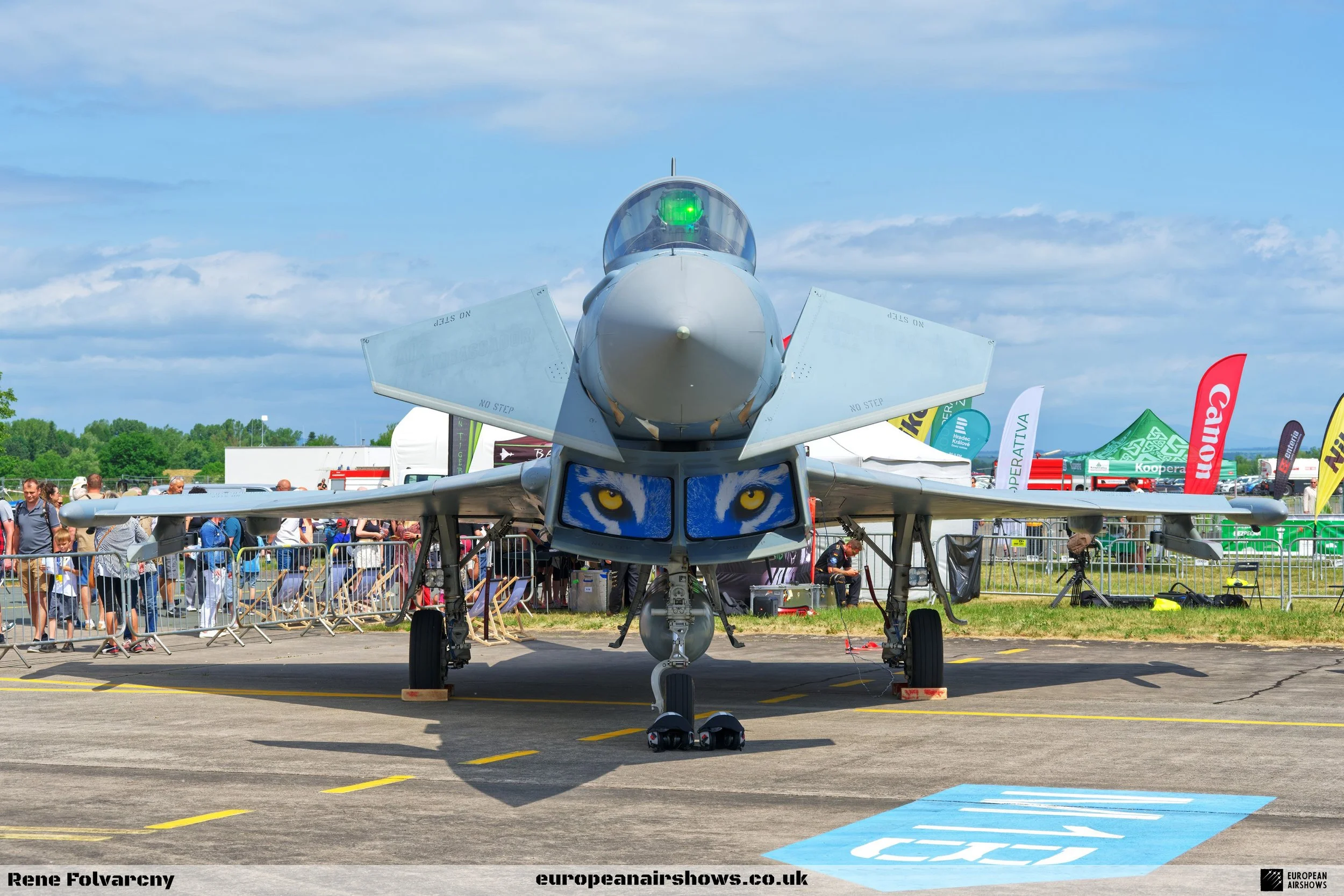
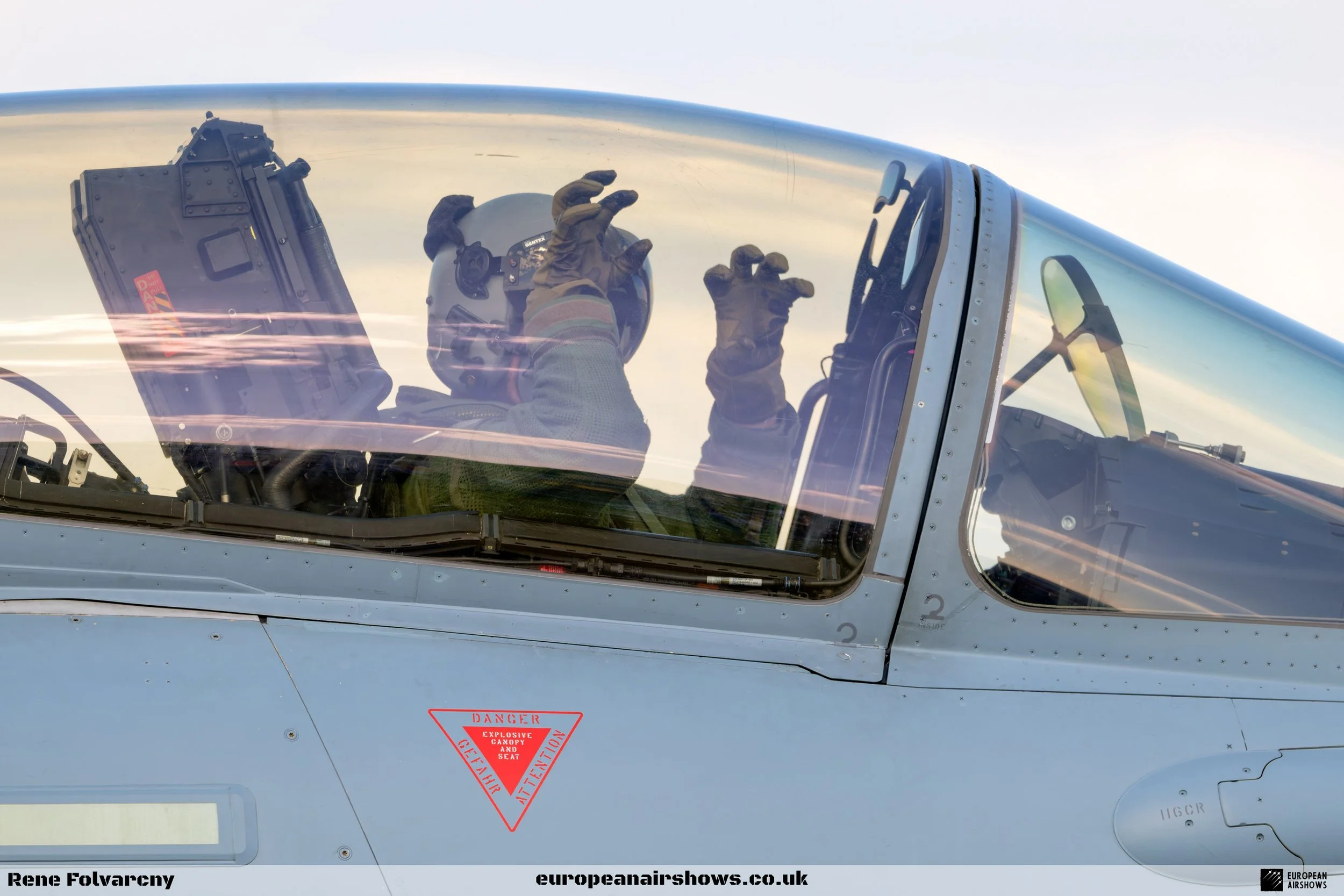
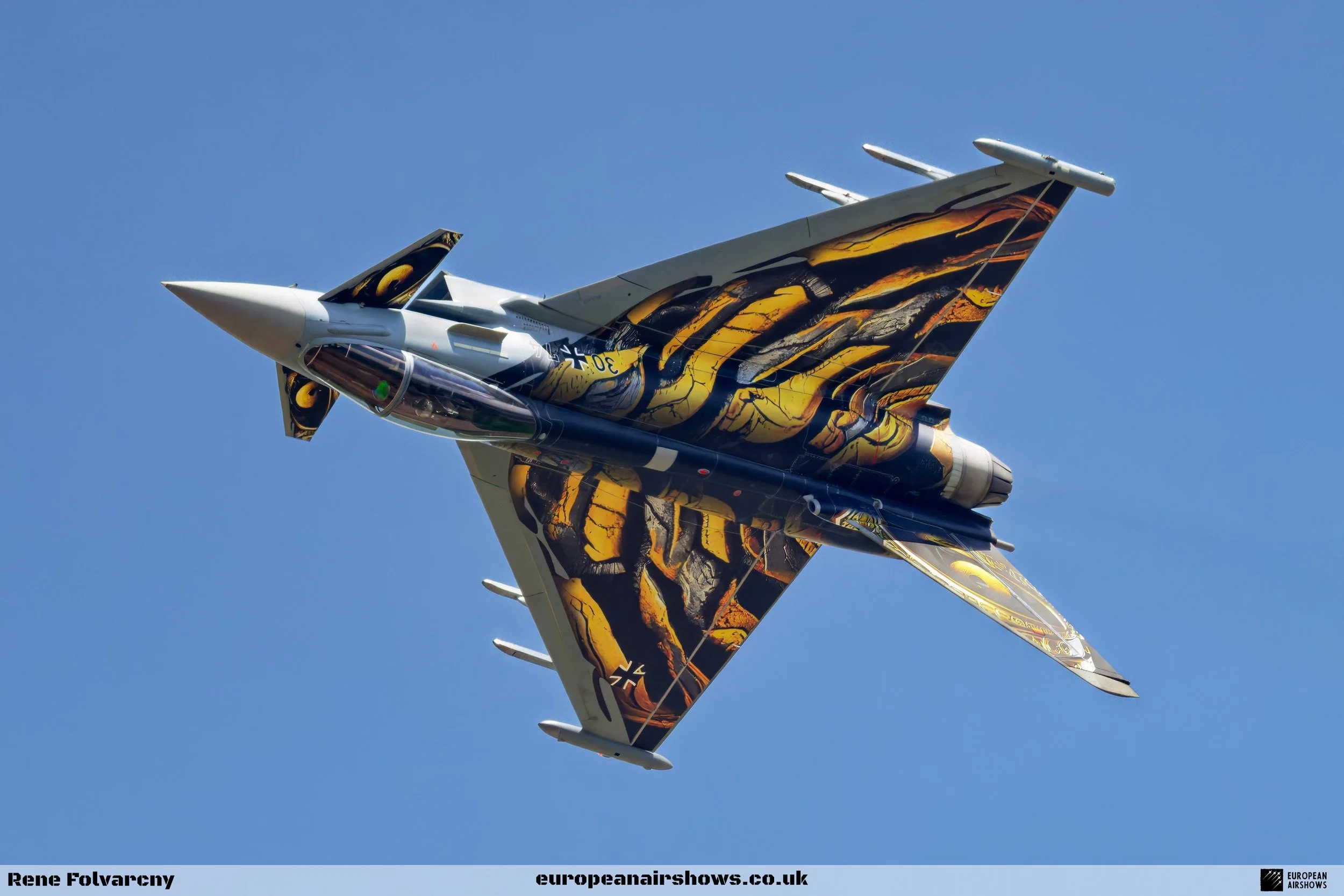
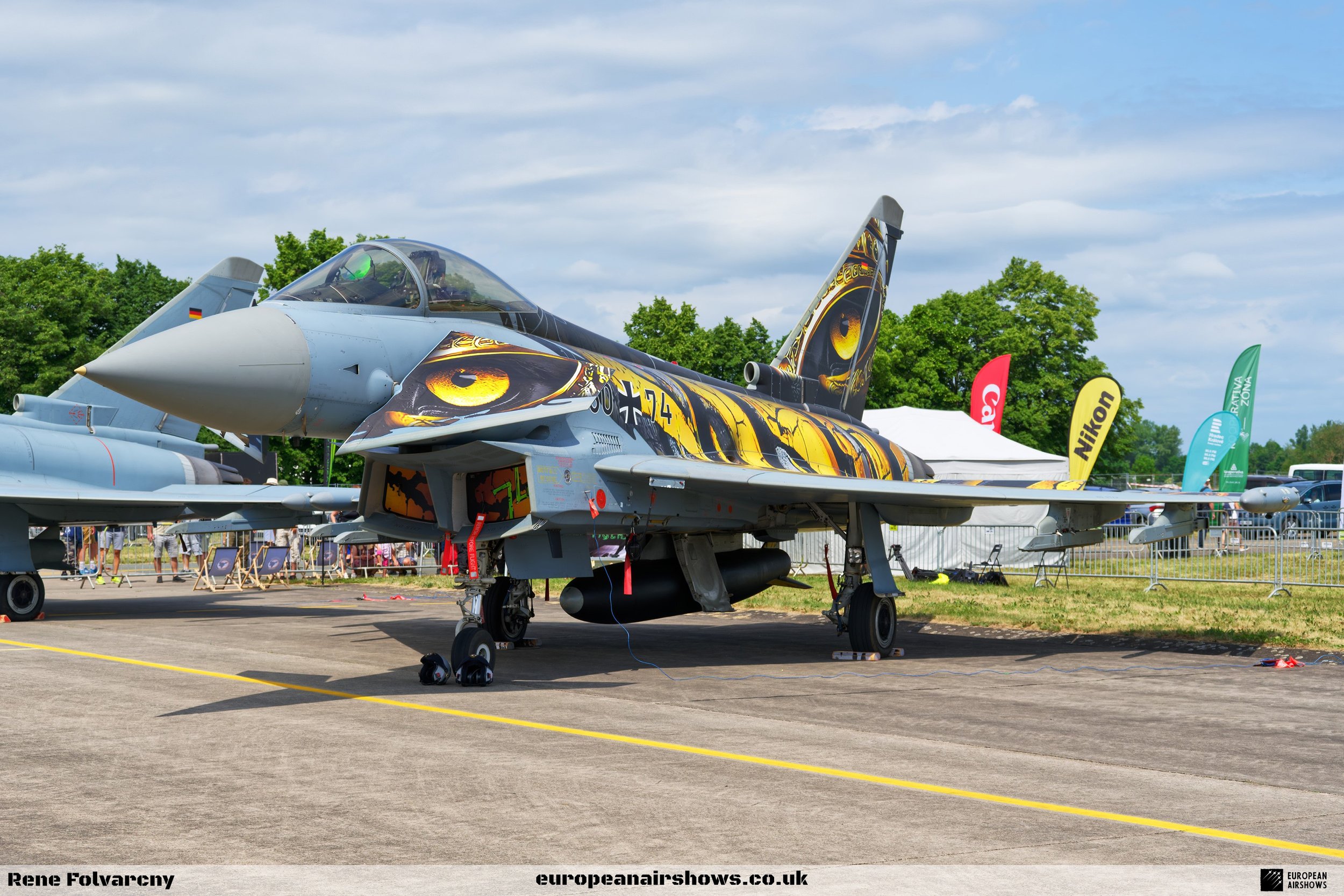
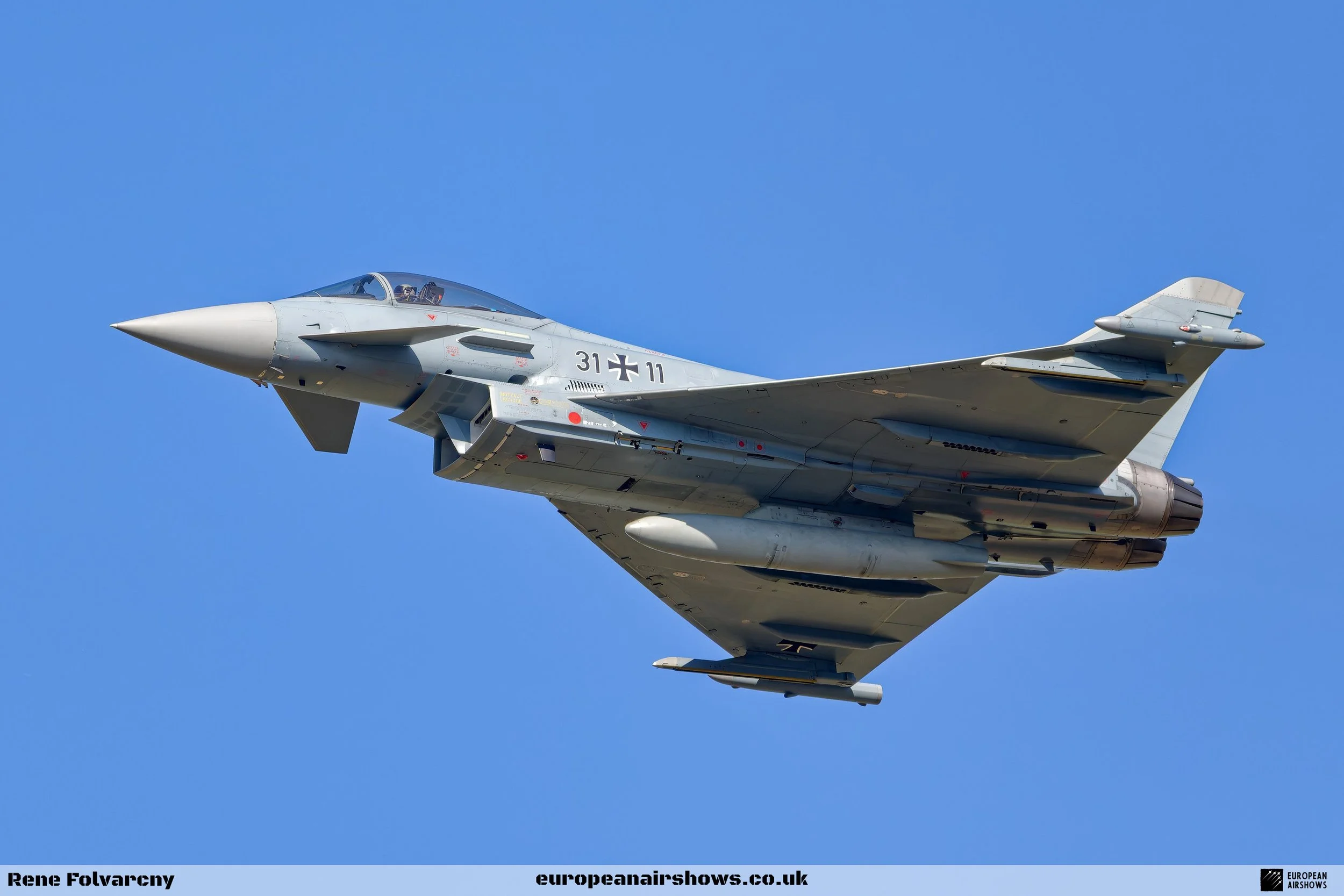
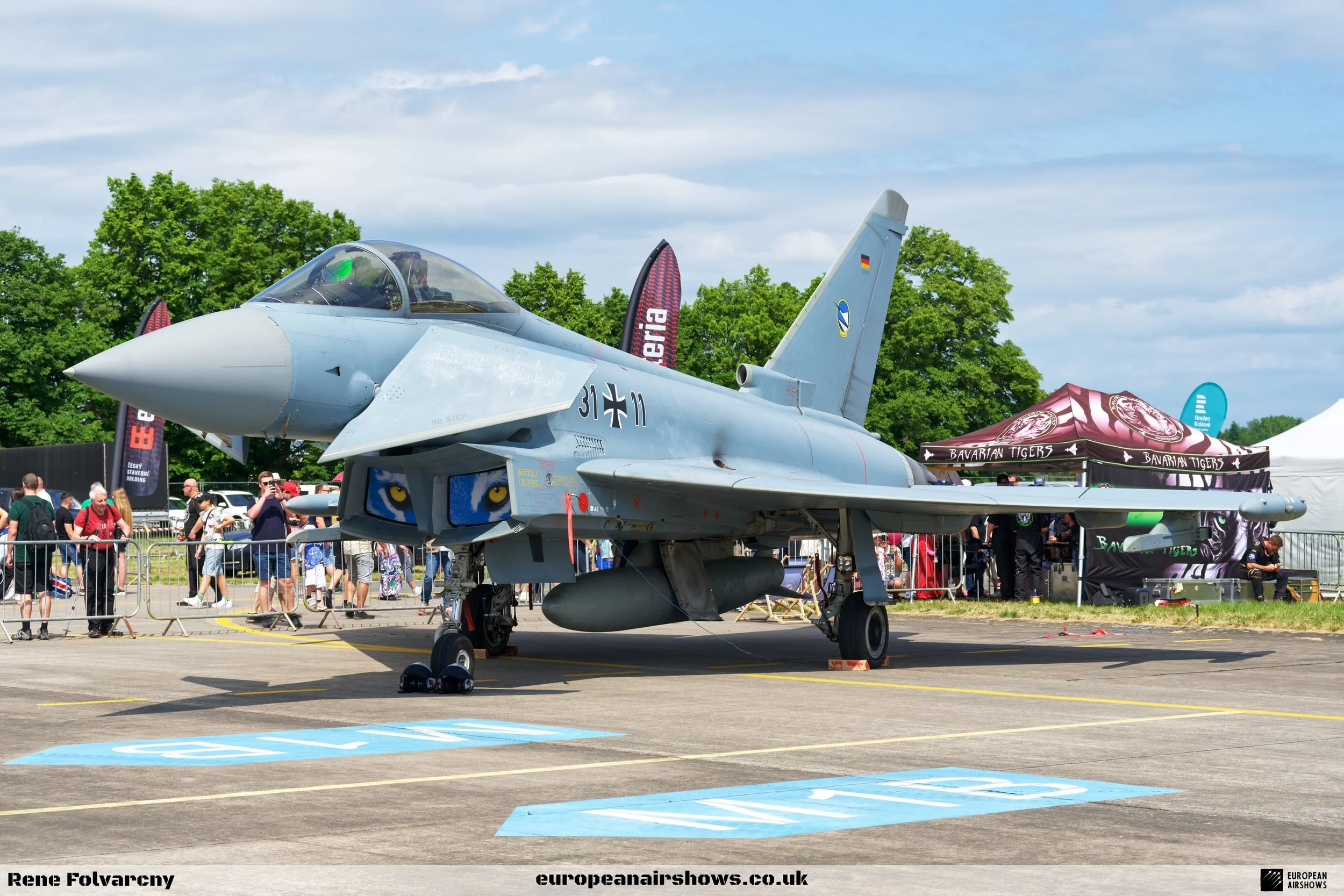
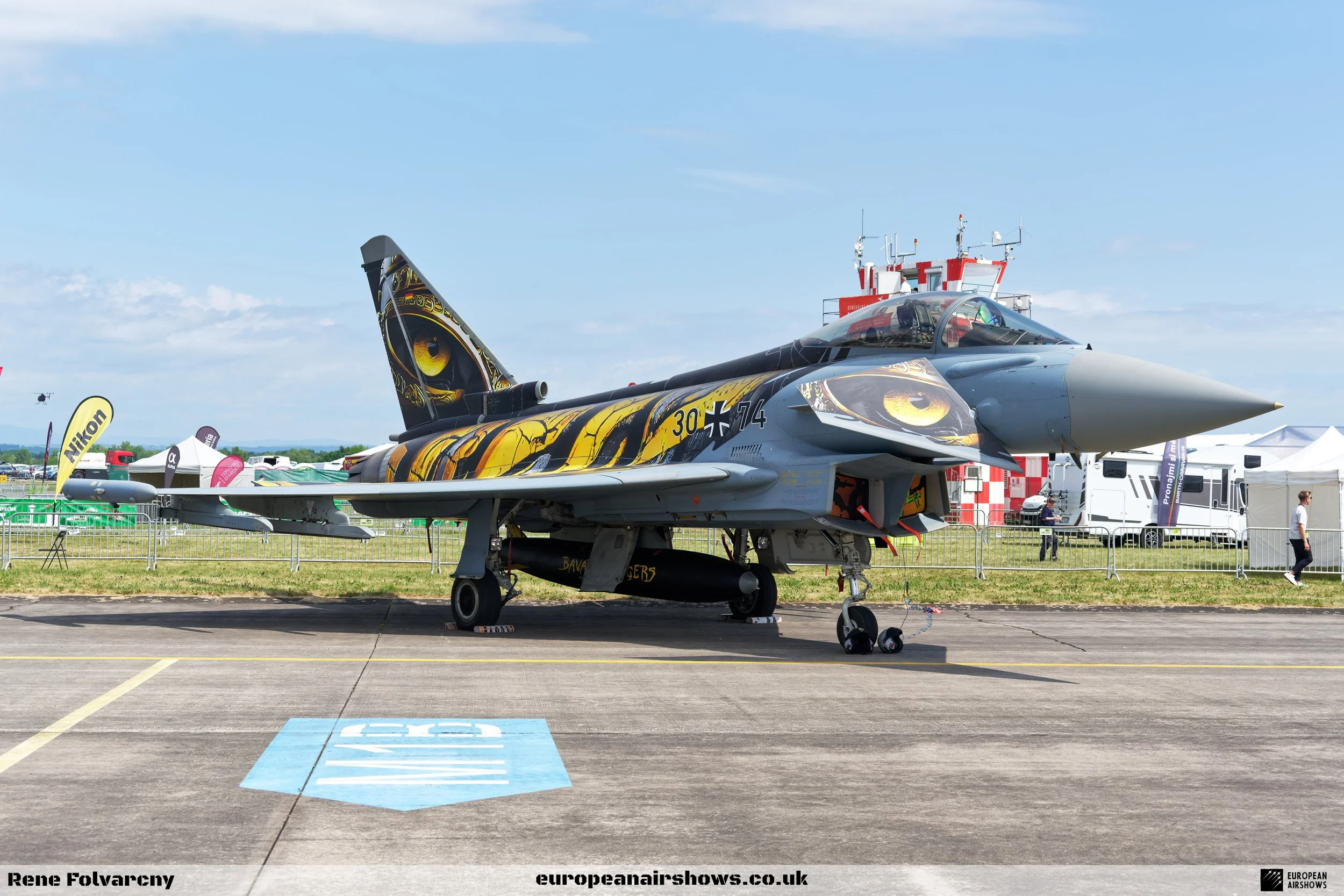
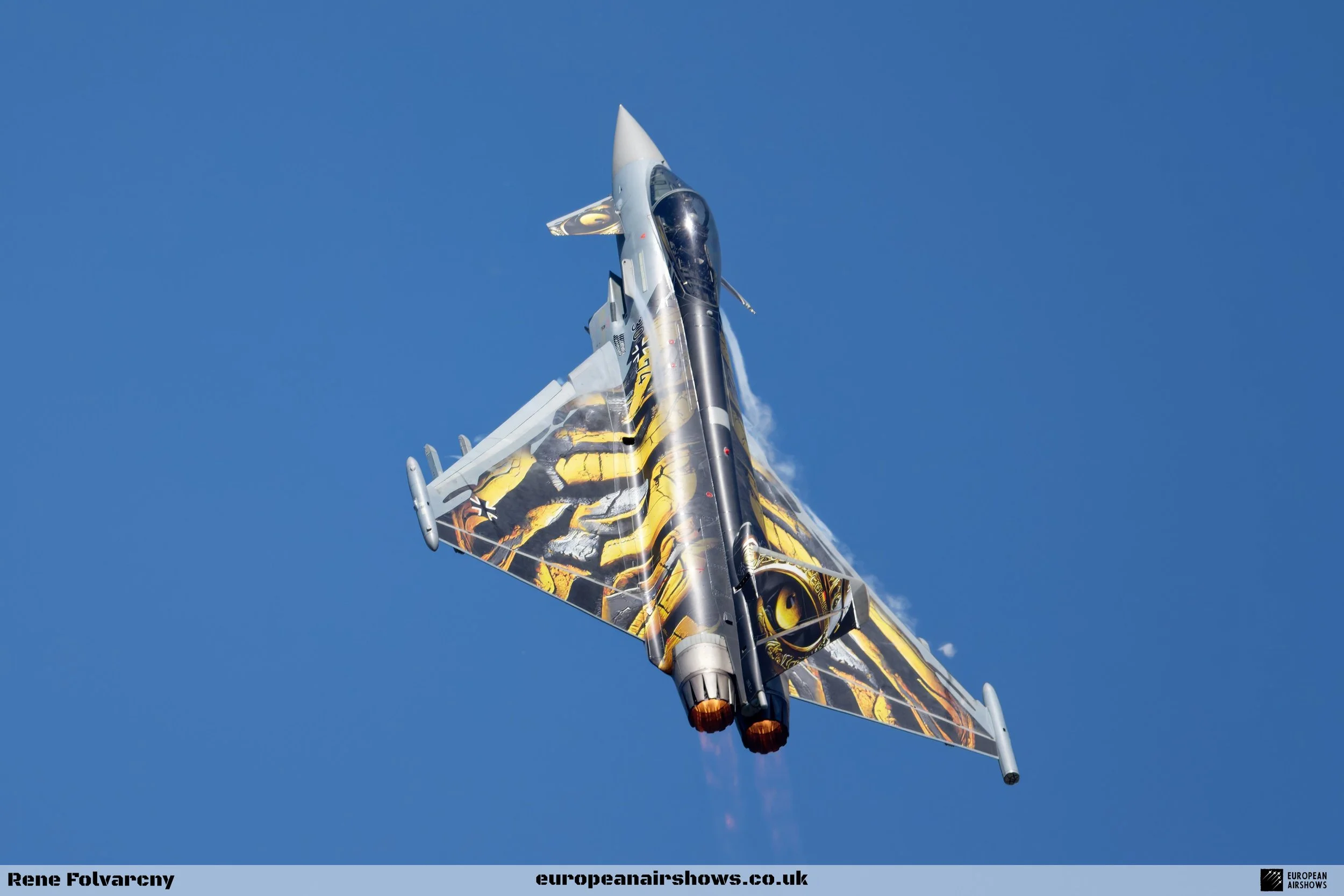
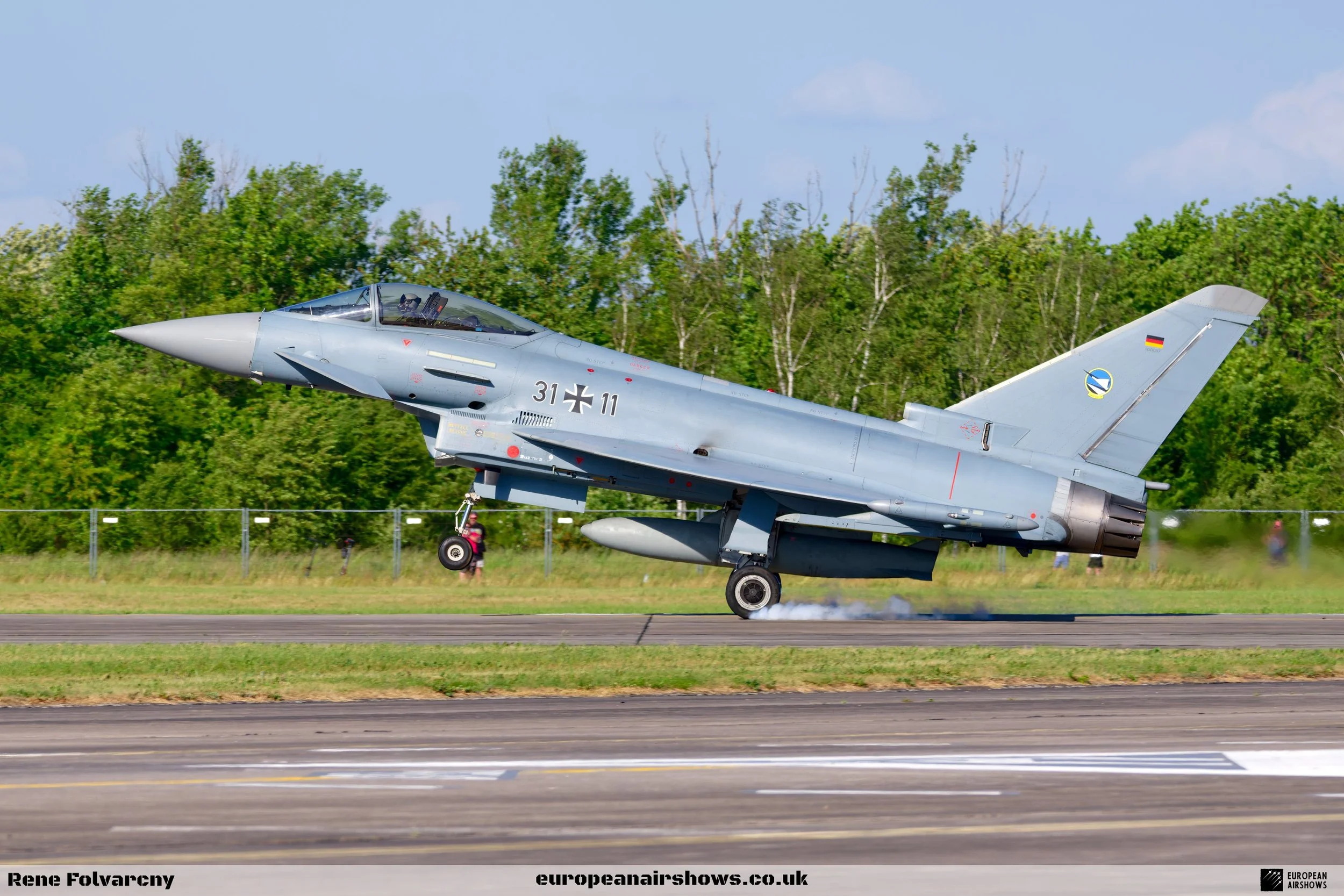
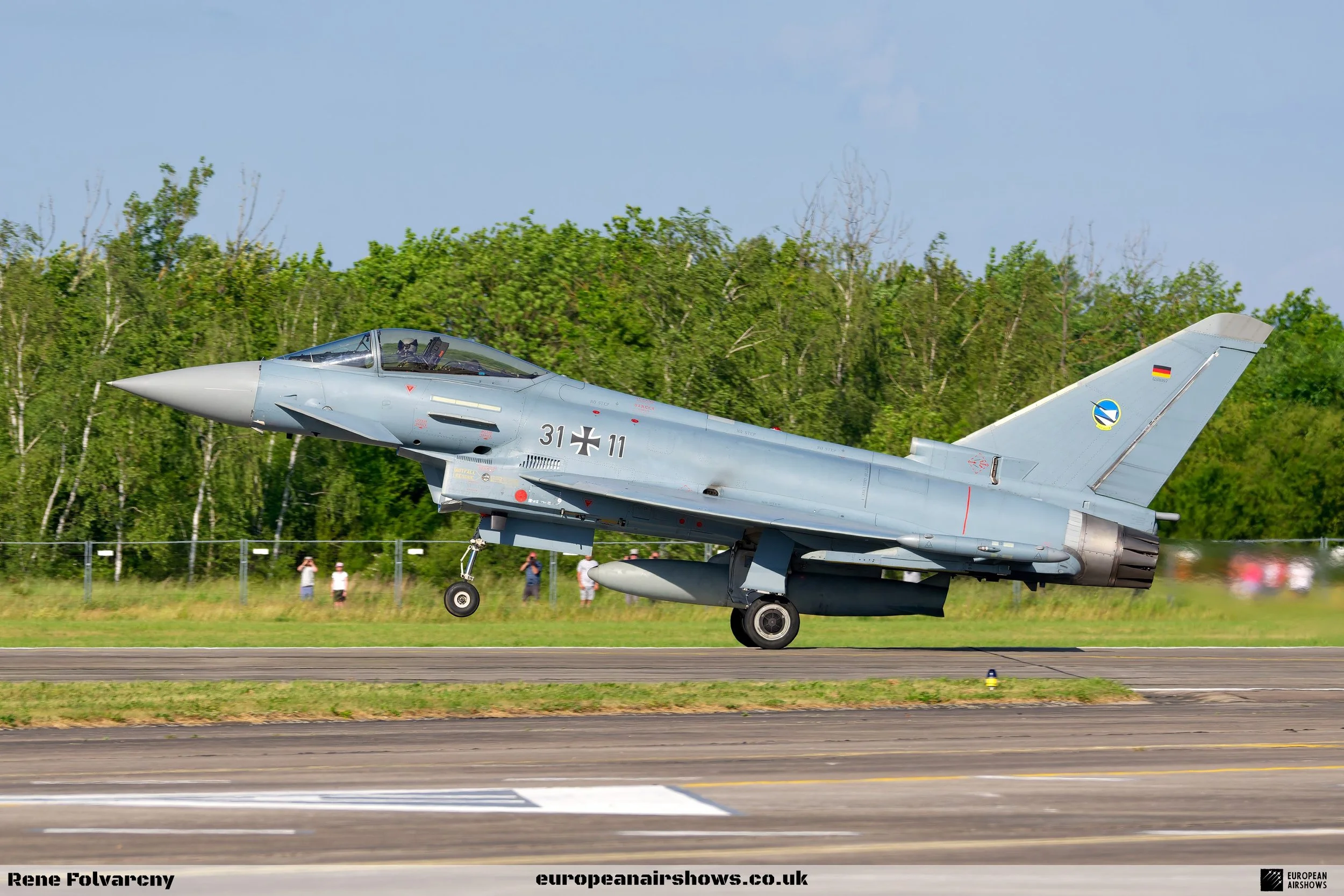
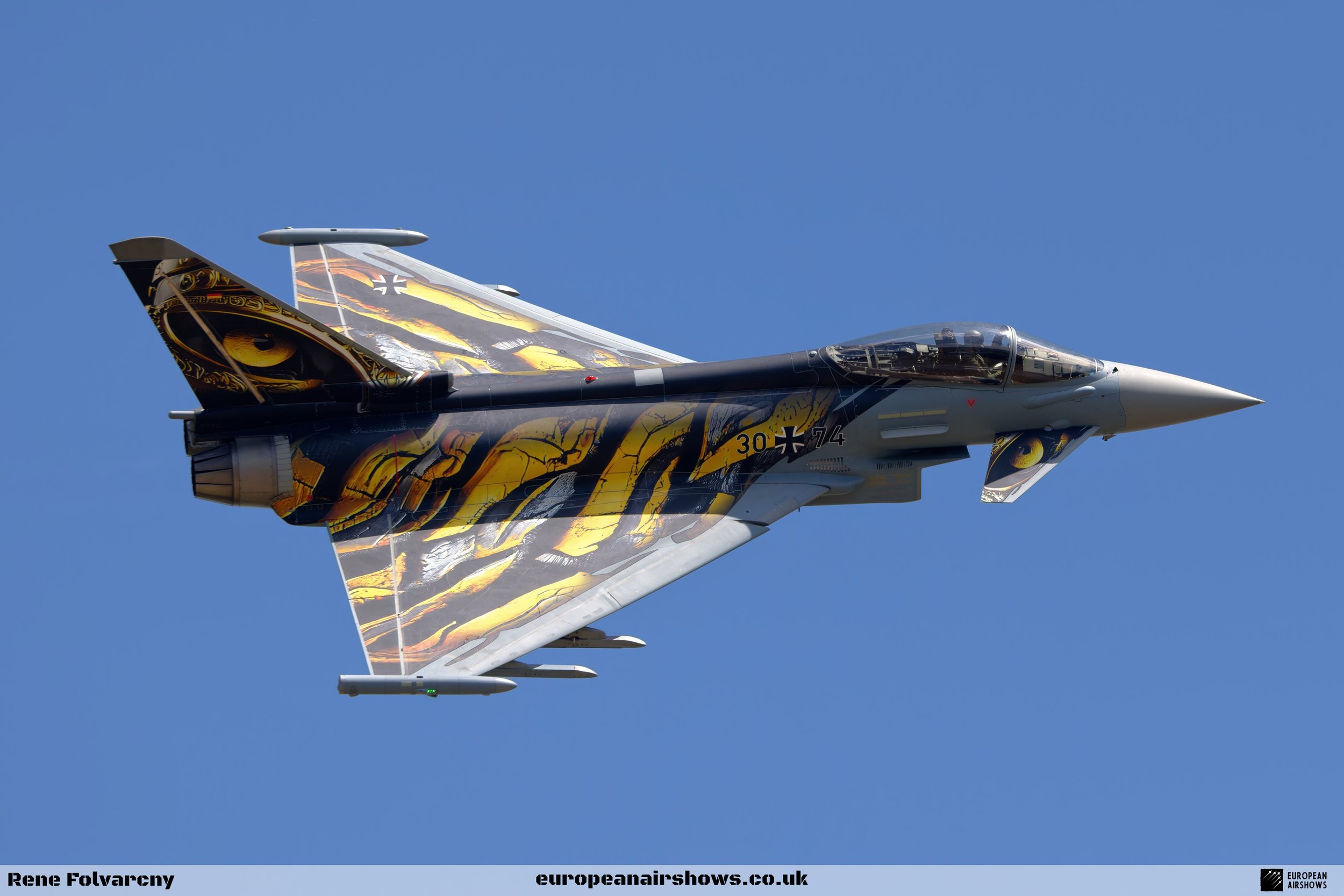
The loudest and most spectacular modern military contribution came from Germany, with the Eurofighter Typhoon from Taktisches Luftwaffengeschwader 74, the Bavarian Tigers, at Neuburg.
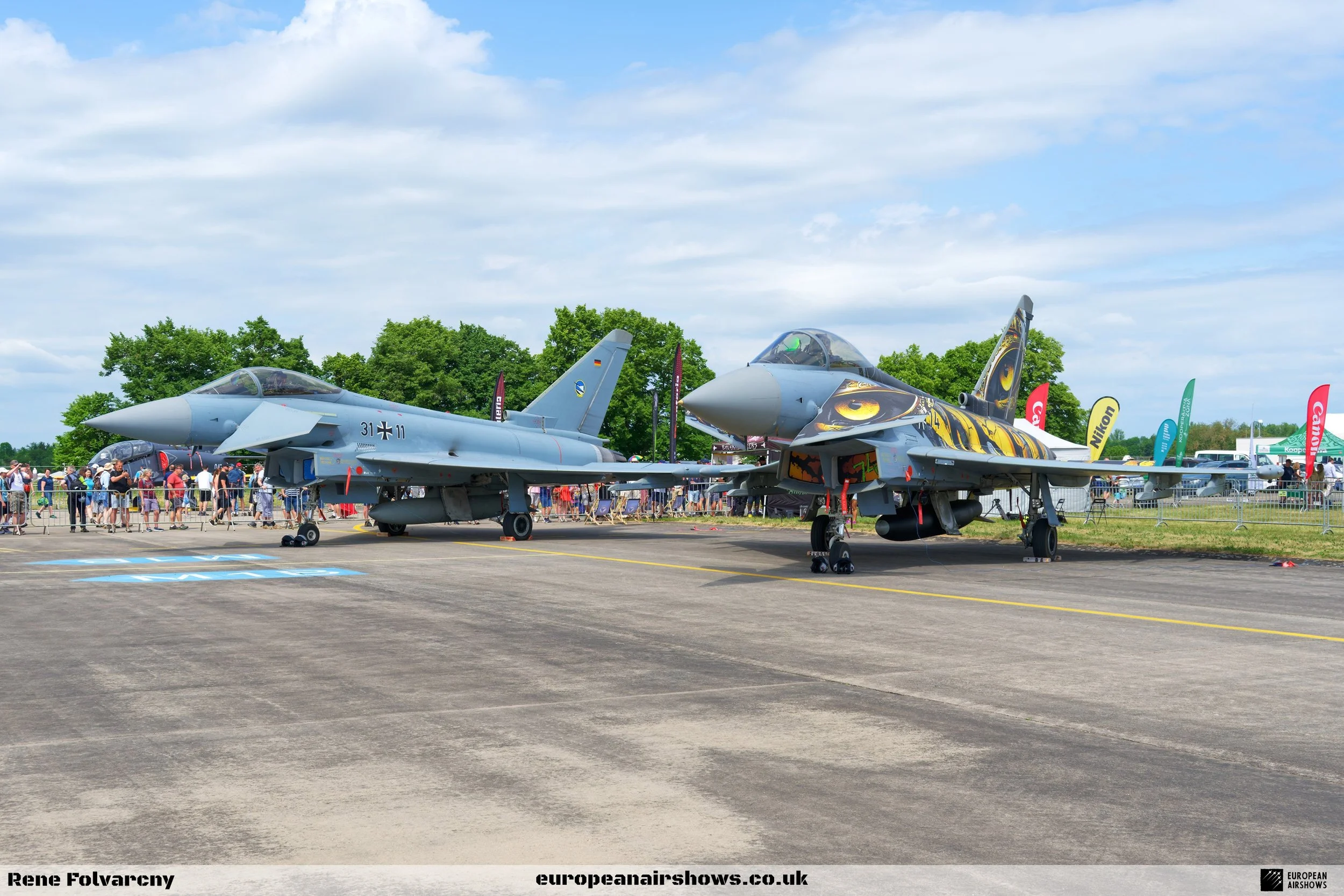
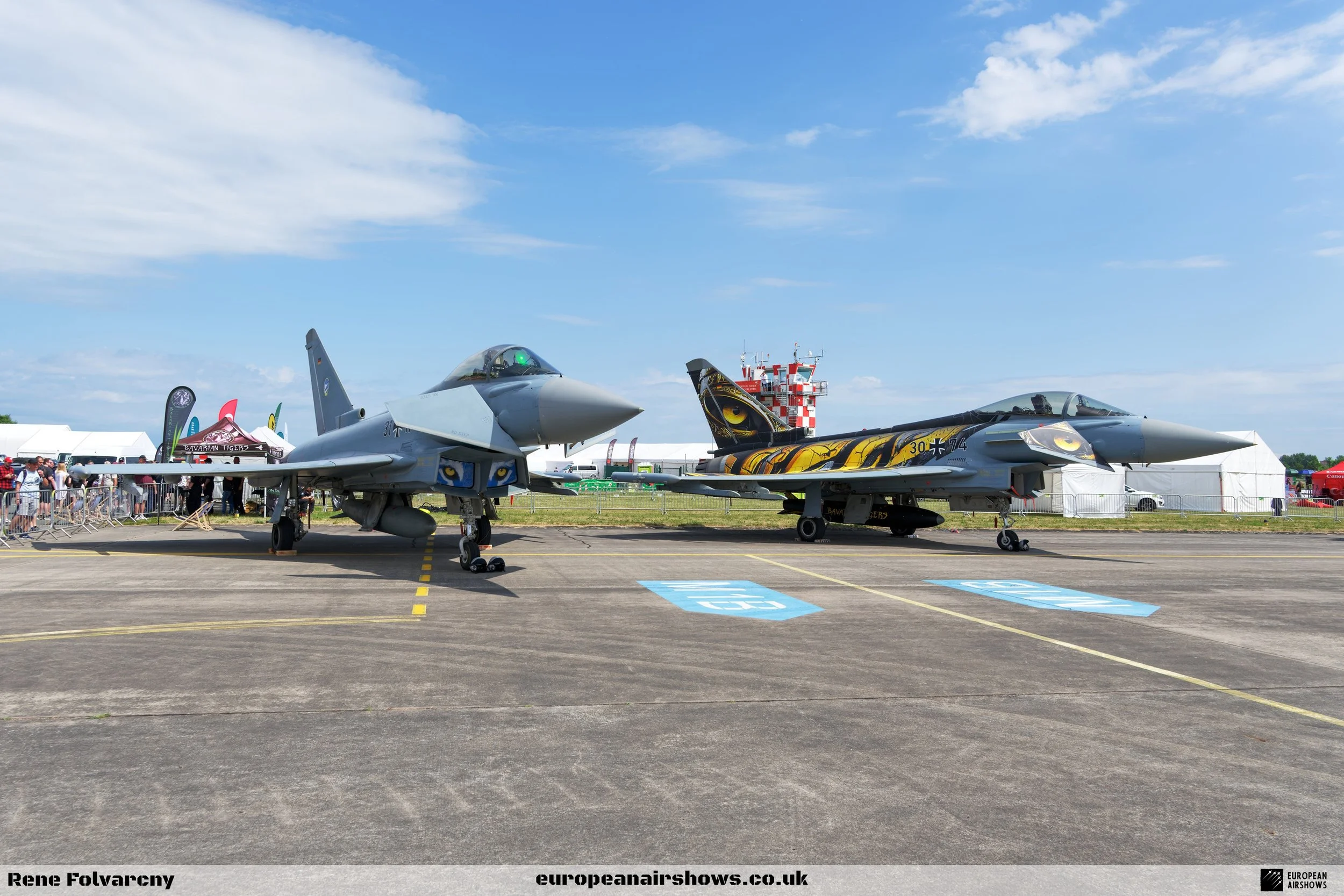
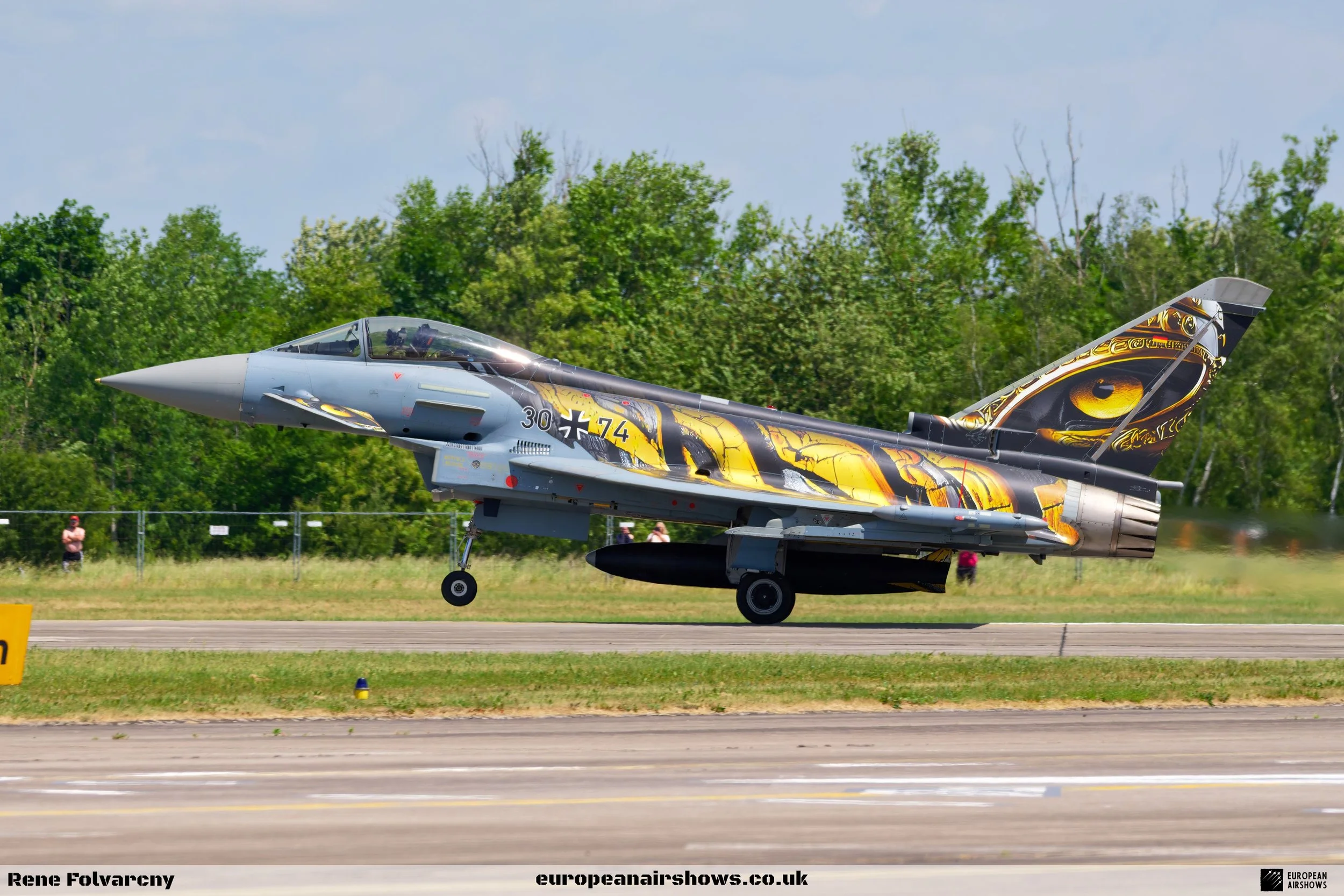
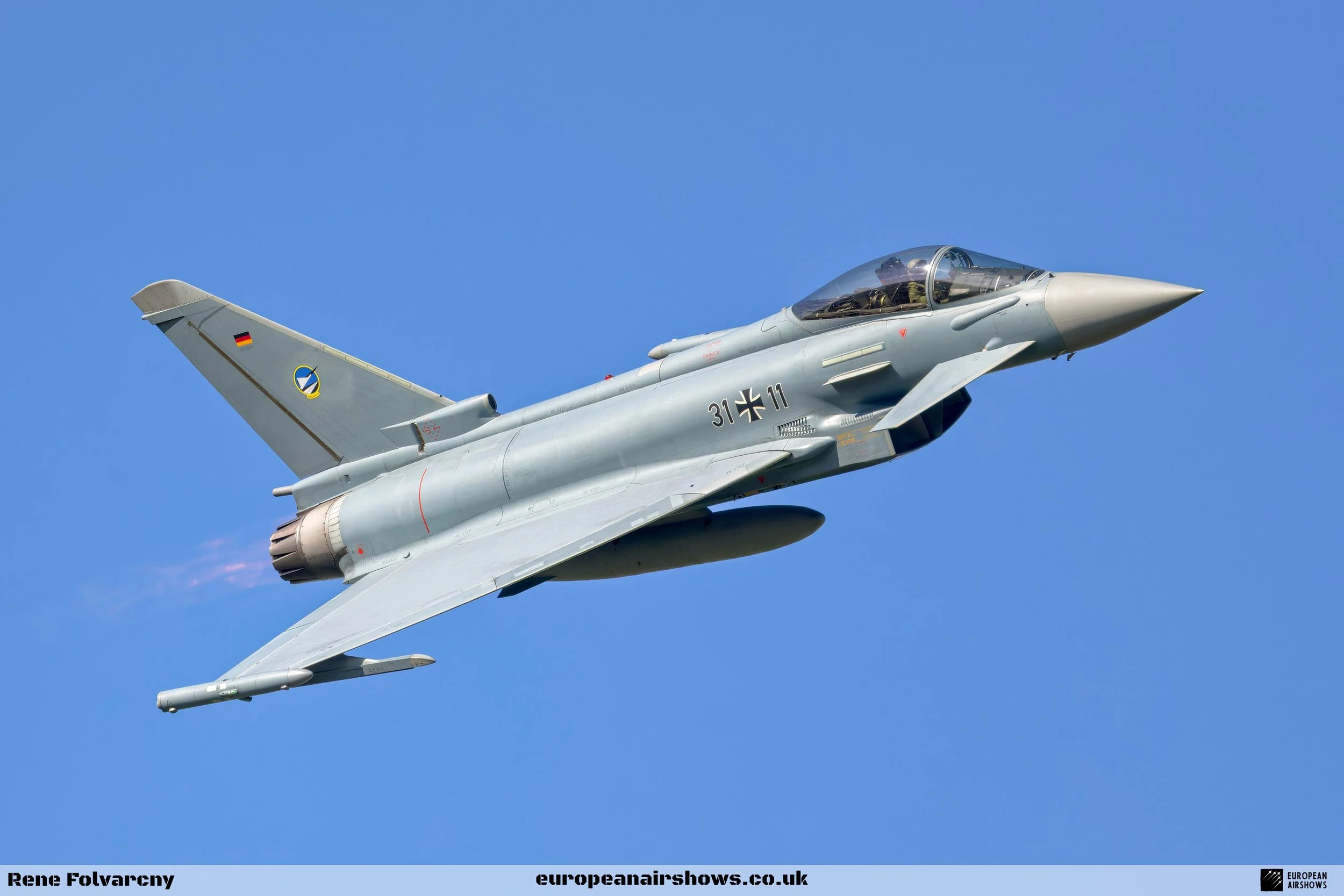
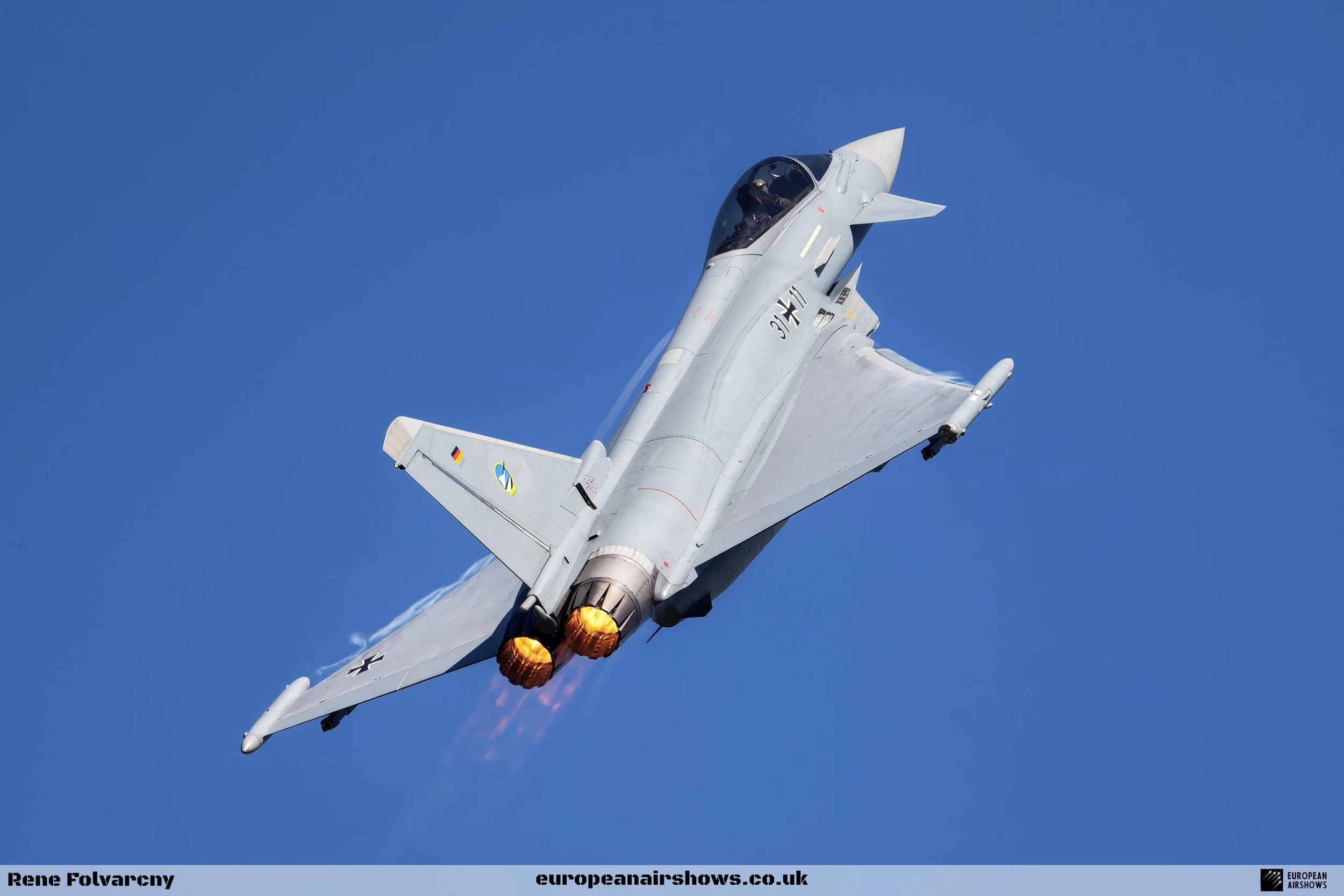
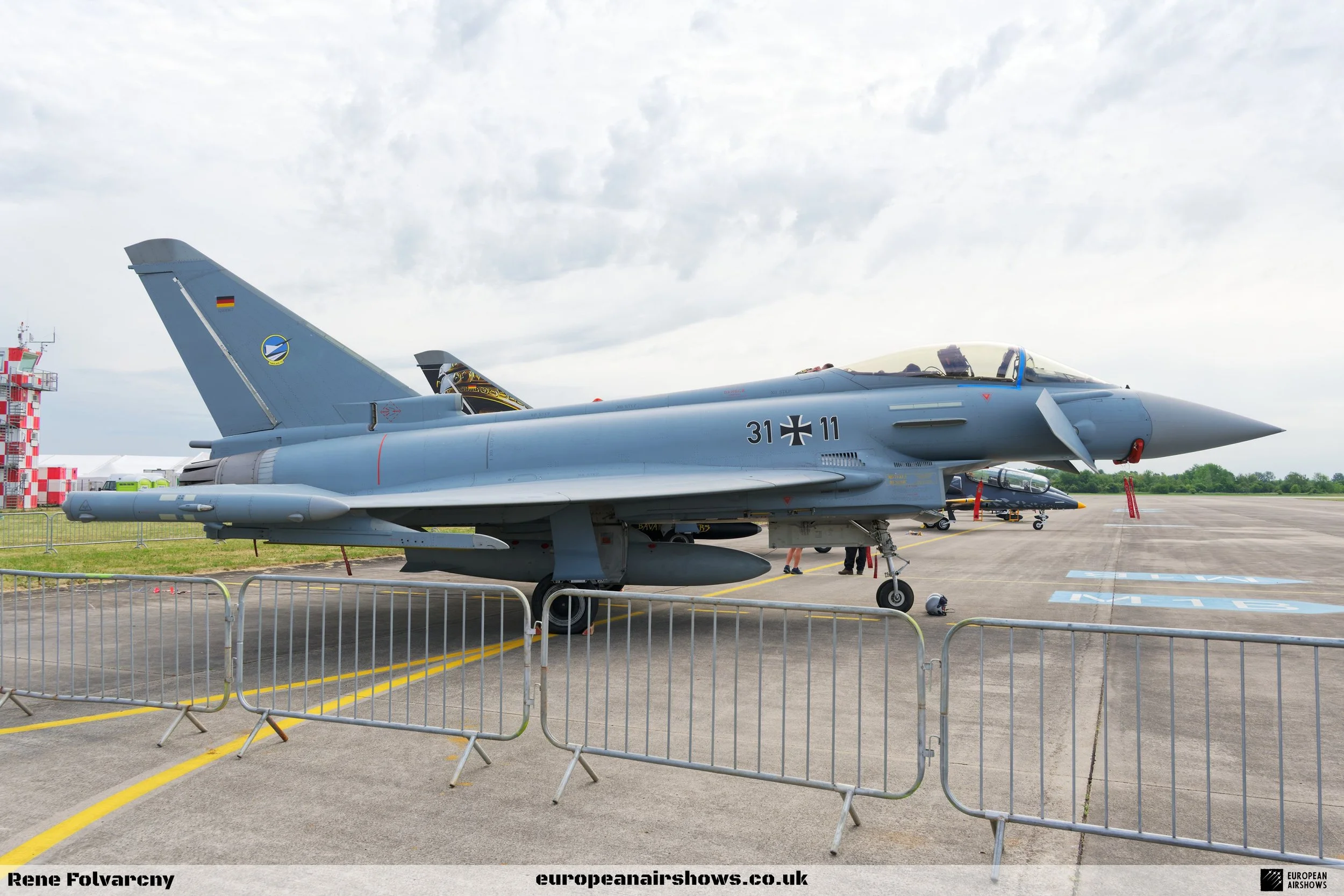
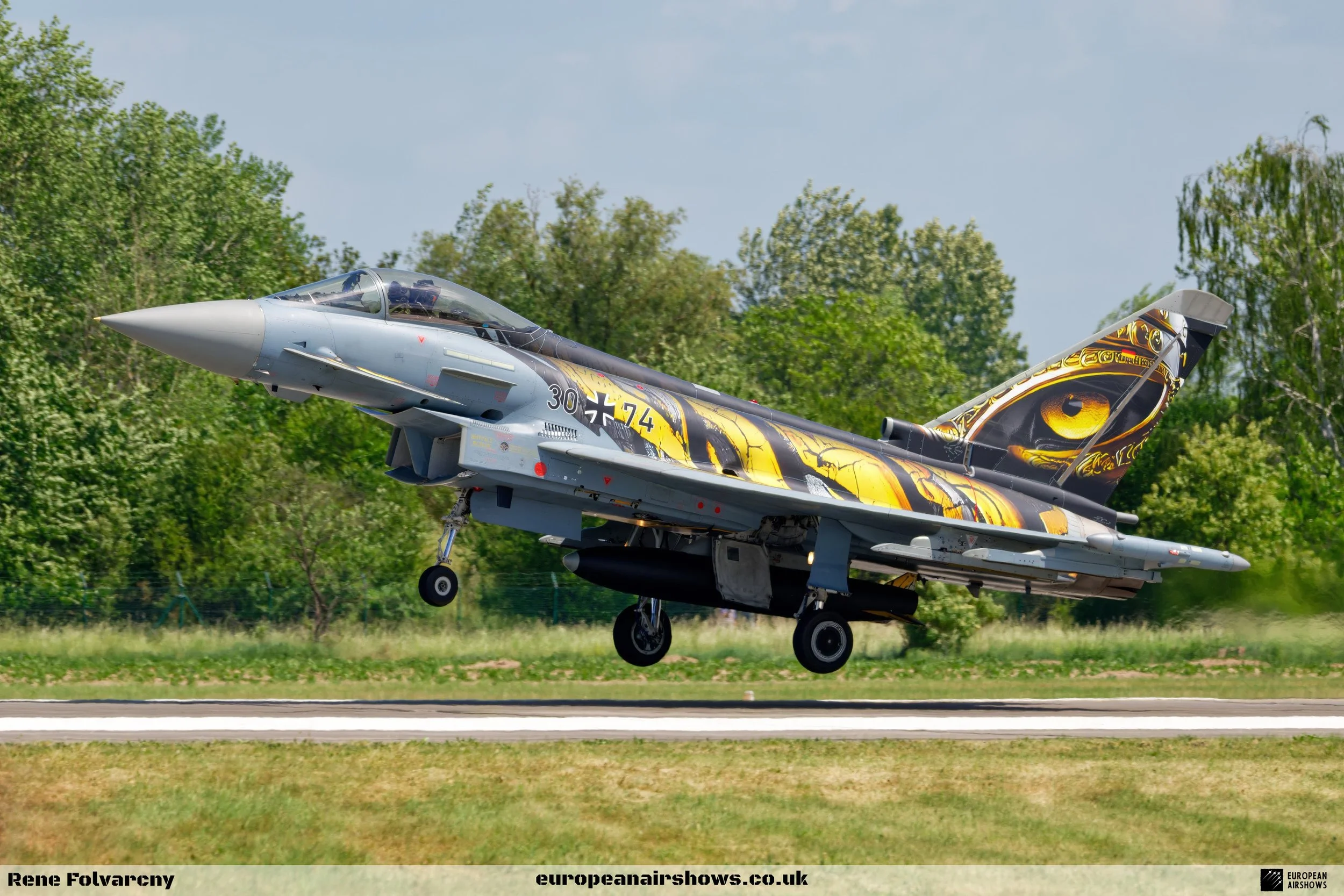
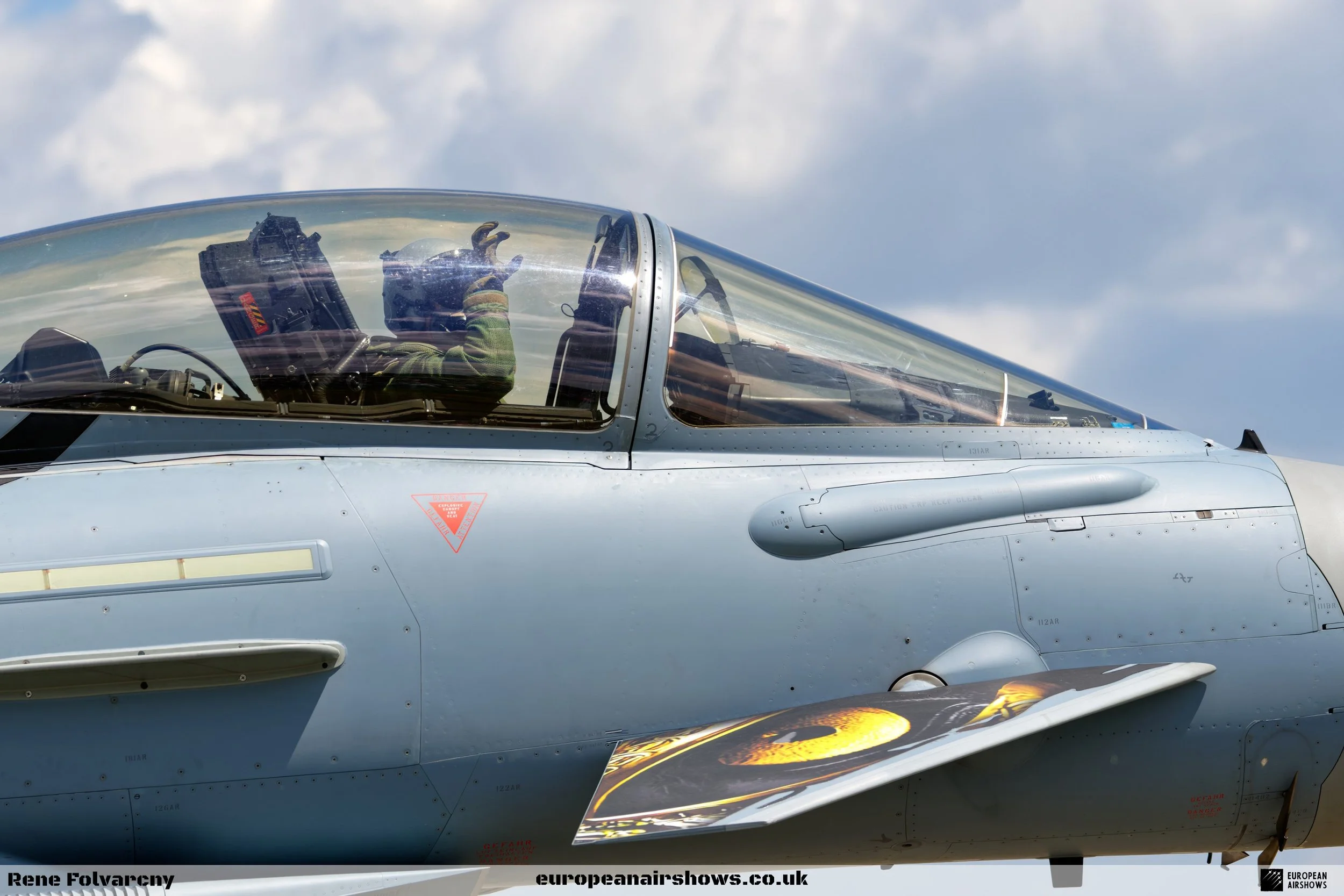
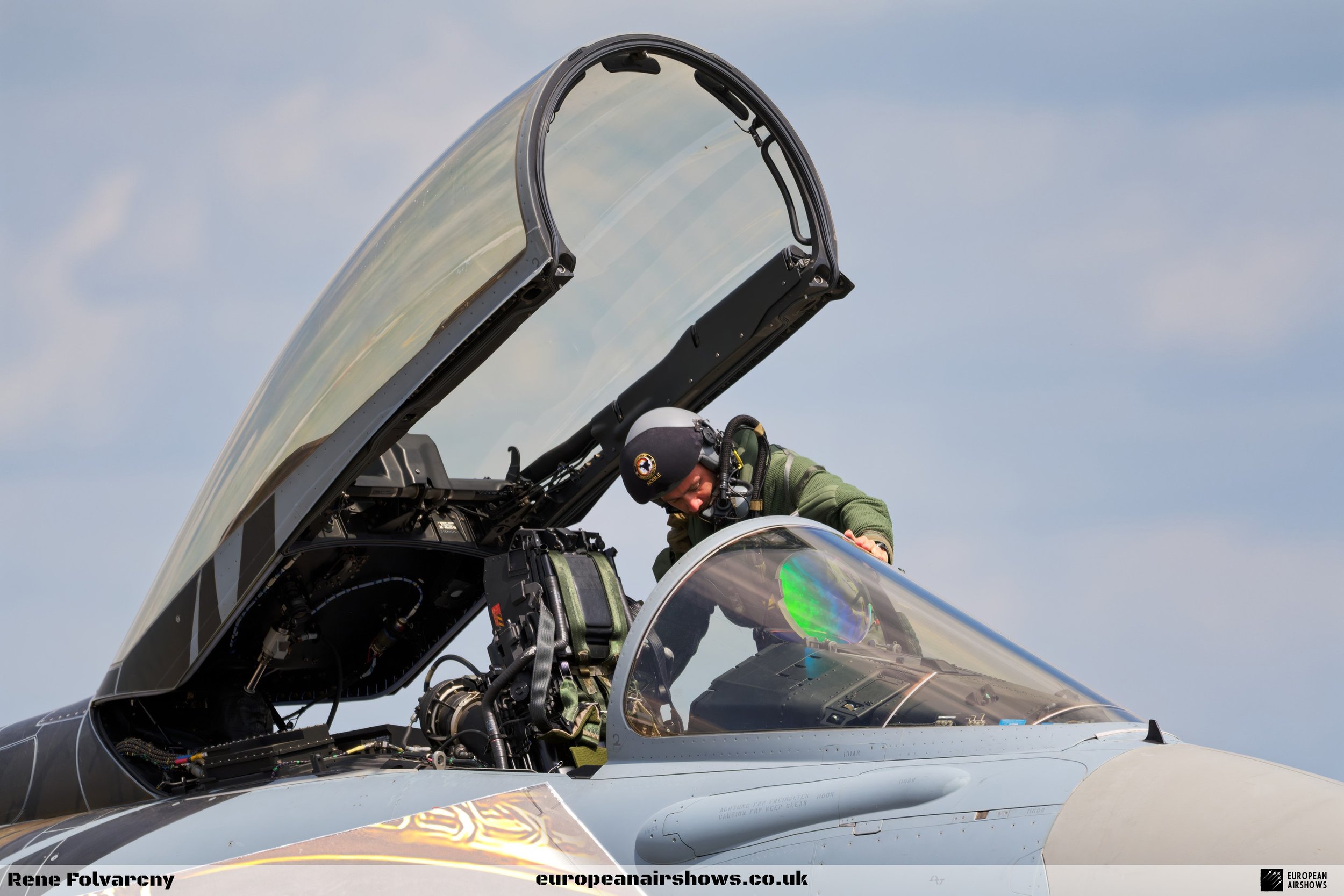
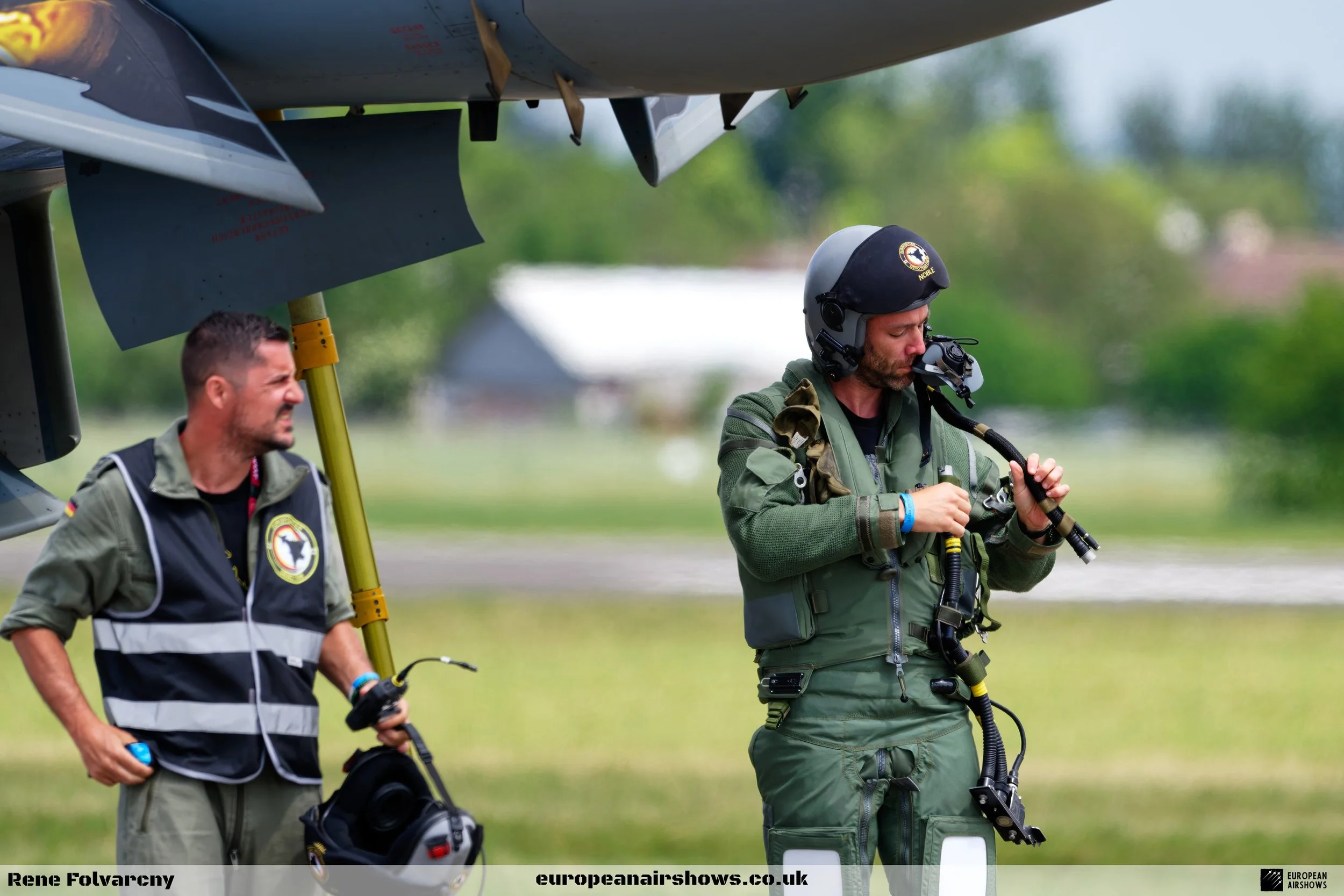
This was one of the big wins of the 2026 programme. The German Air Force Typhoon display has quickly become one of the more talked-about jet displays in Europe, and the Hradec Králové appearance felt especially strong because of the presence of two aircraft. The first display was flown in the striking tiger-marked jet, while later in the day a second, grey Typhoon also appeared, making for a rare double helping of German fast jet power.
Captain Alex “NOBLE” Stegmair gave the crowd exactly what they came for. The display is not a long, flowing routine in the old-school solo display sense; it is more a series of aggressive, high-energy demonstrations of what the aircraft can do. Fast entries, hard turns, steep climbs, reheat, noise and rapid repositioning are the order of the day. It suited Hradec Králové well, using the big open sky and giving the crowd a proper centrepiece.
The tiger jet naturally stole the cameras. Special schemes can sometimes look better on the ground than in the air, but the Bavarian Tigers’ “Castle Tiger” Typhoon looked superb under the Czech sky. For a show starting life at a new venue, that kind of headline act matters. It gives casual visitors something memorable, and it gives enthusiasts something genuinely worth travelling for.
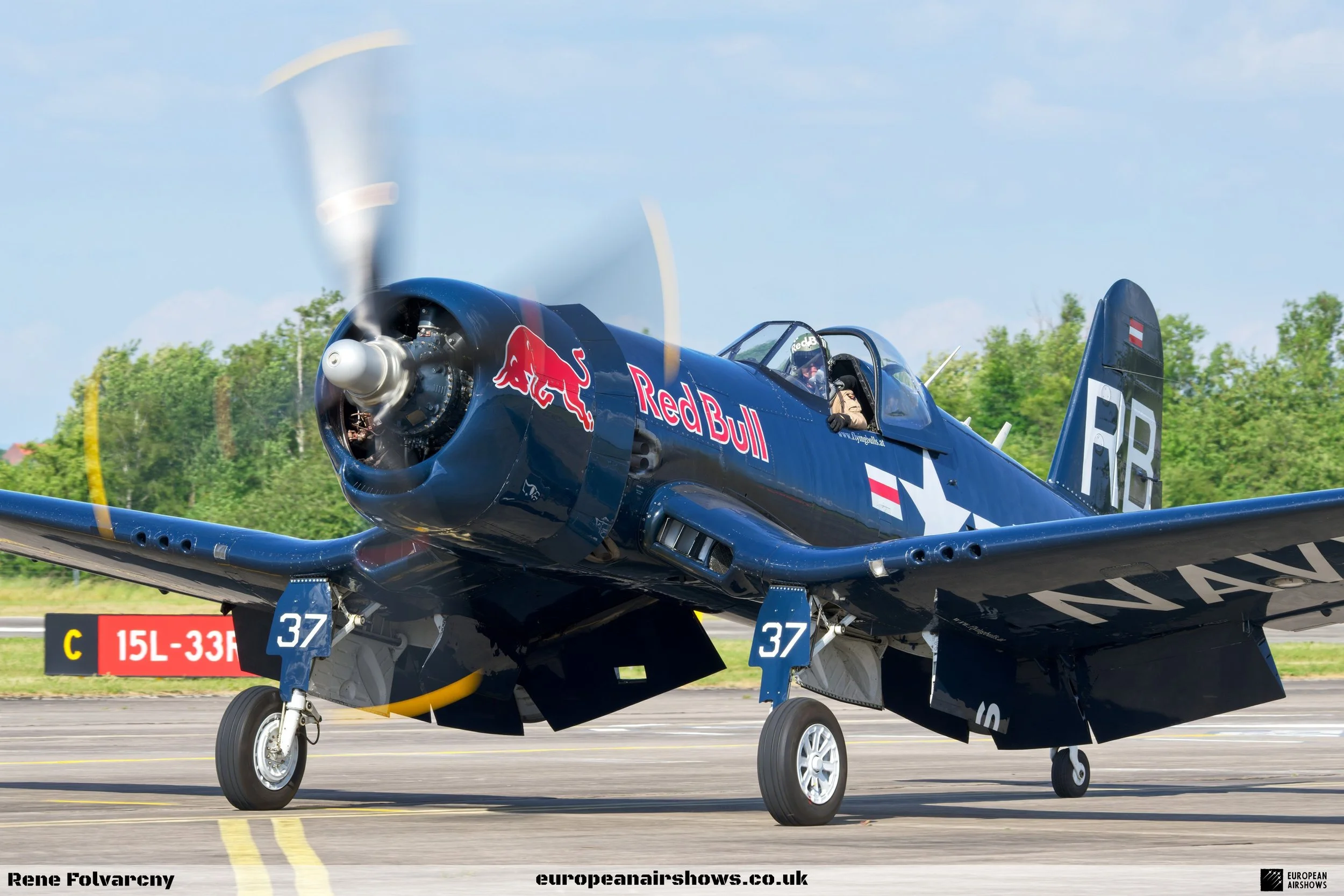
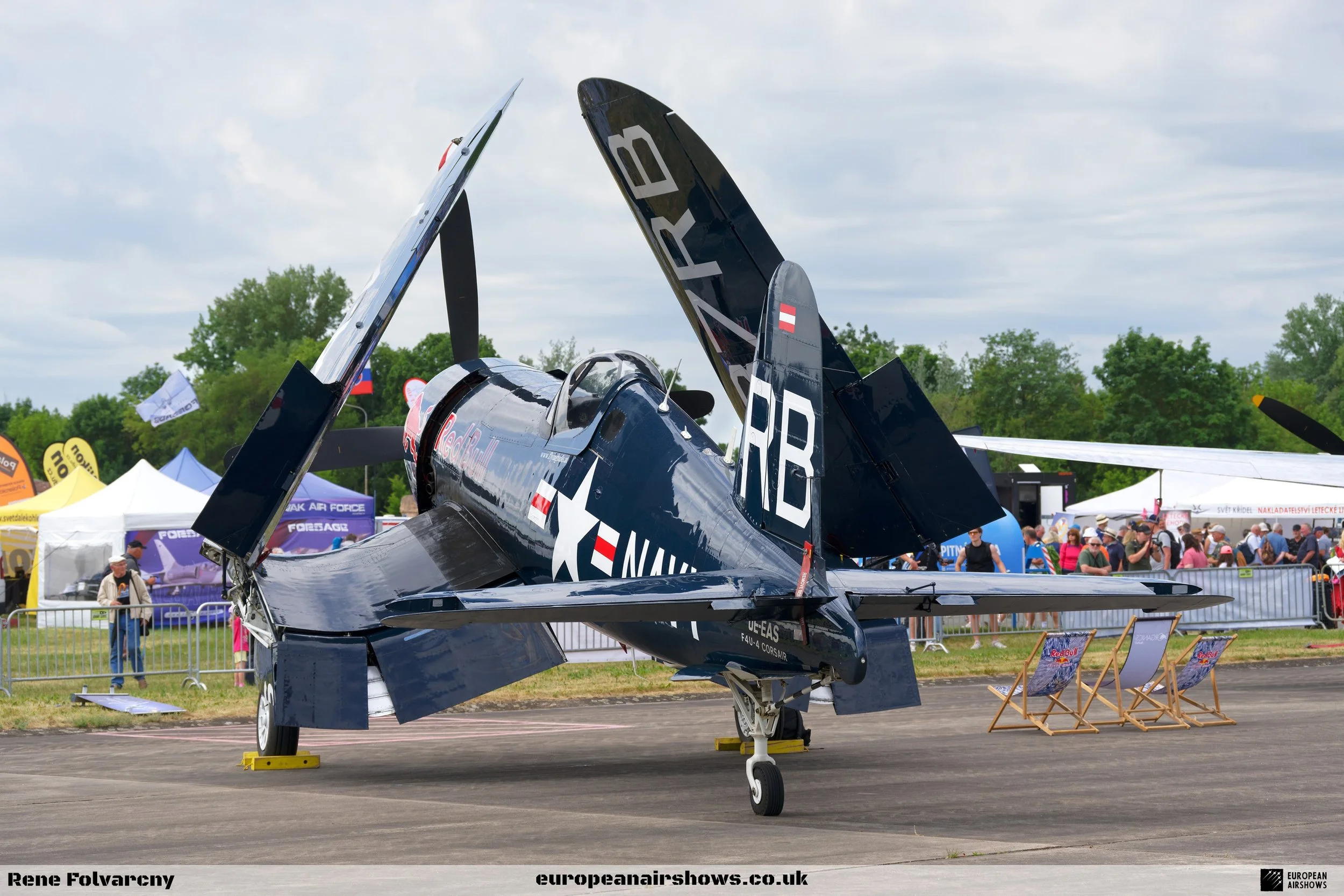
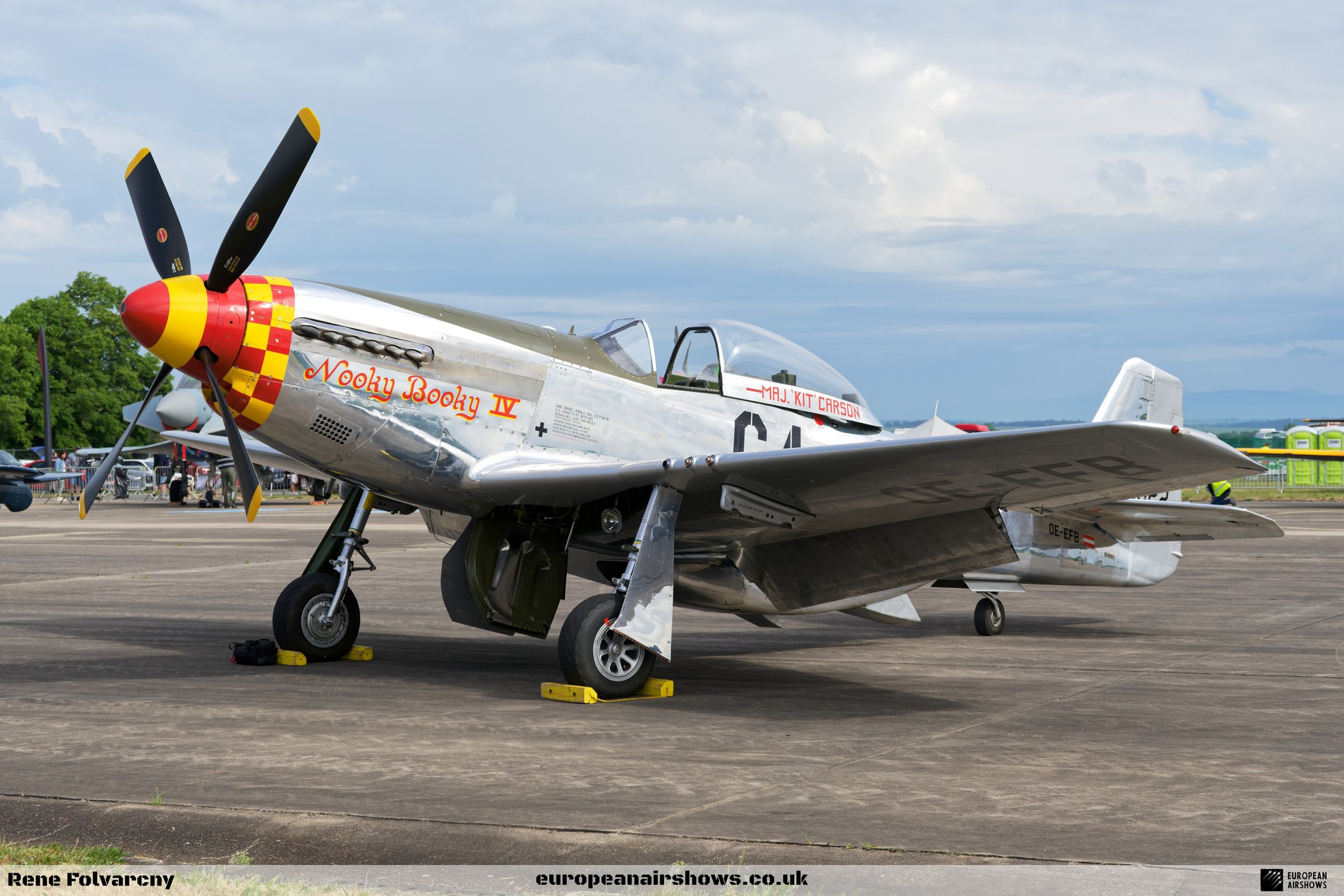
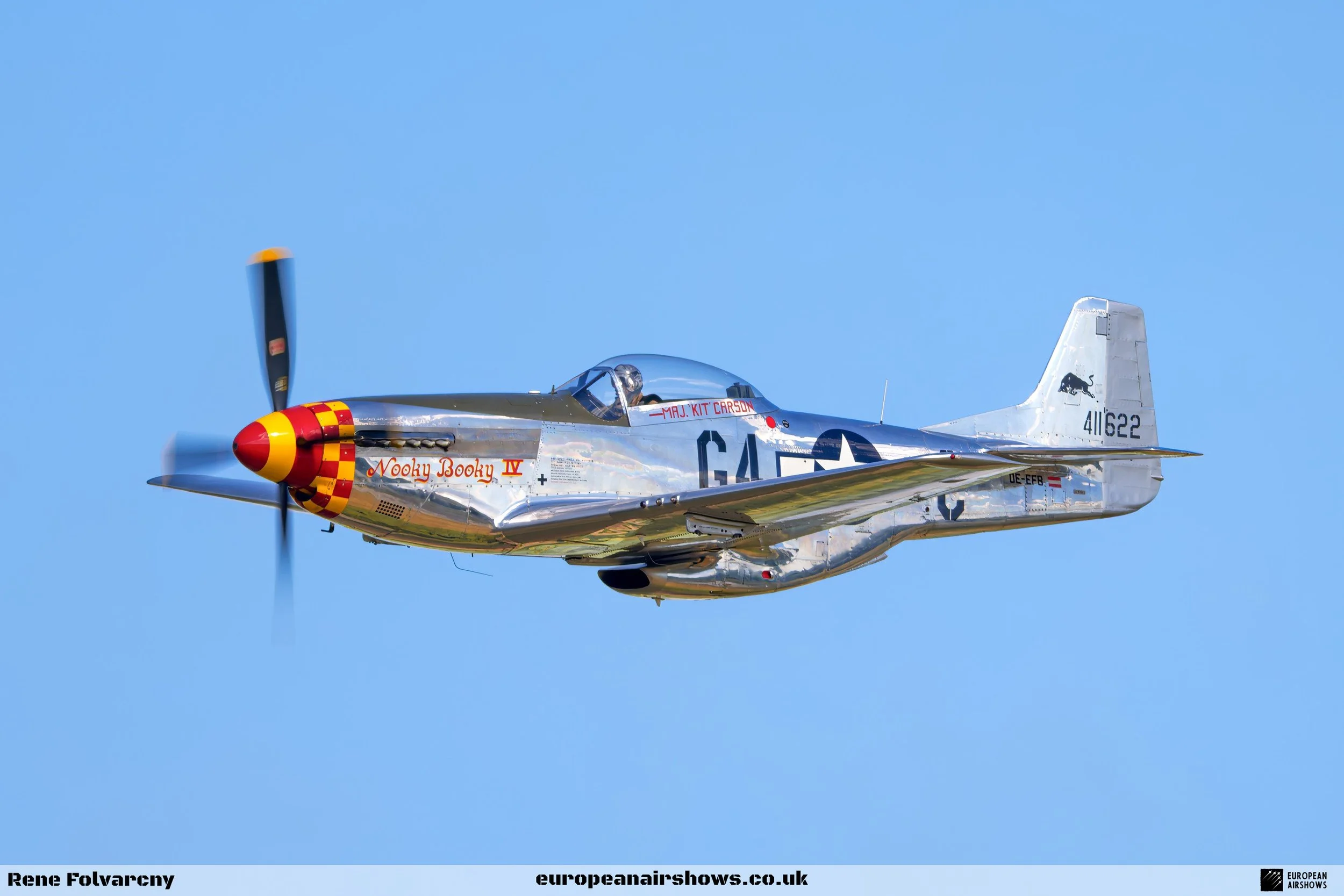
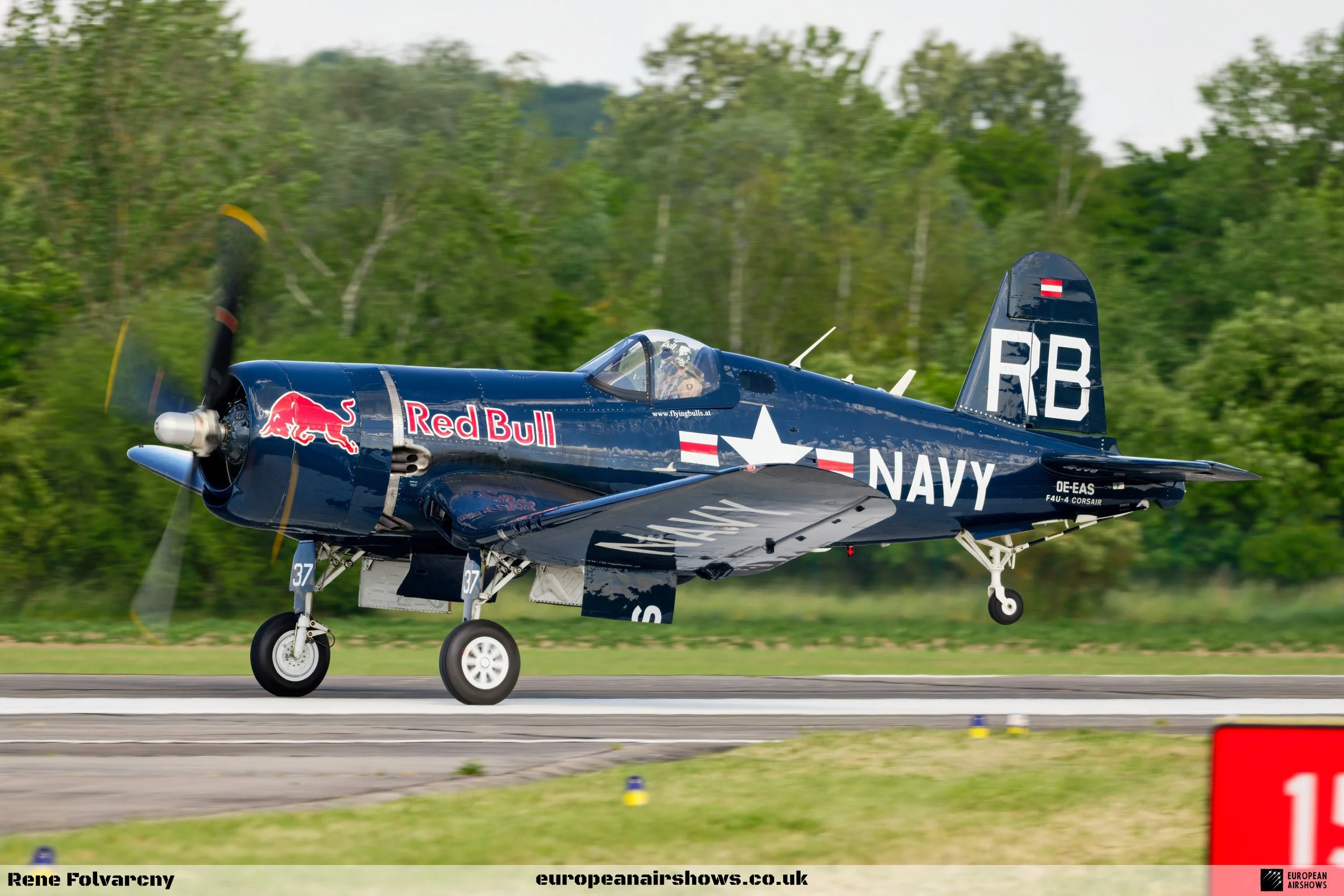
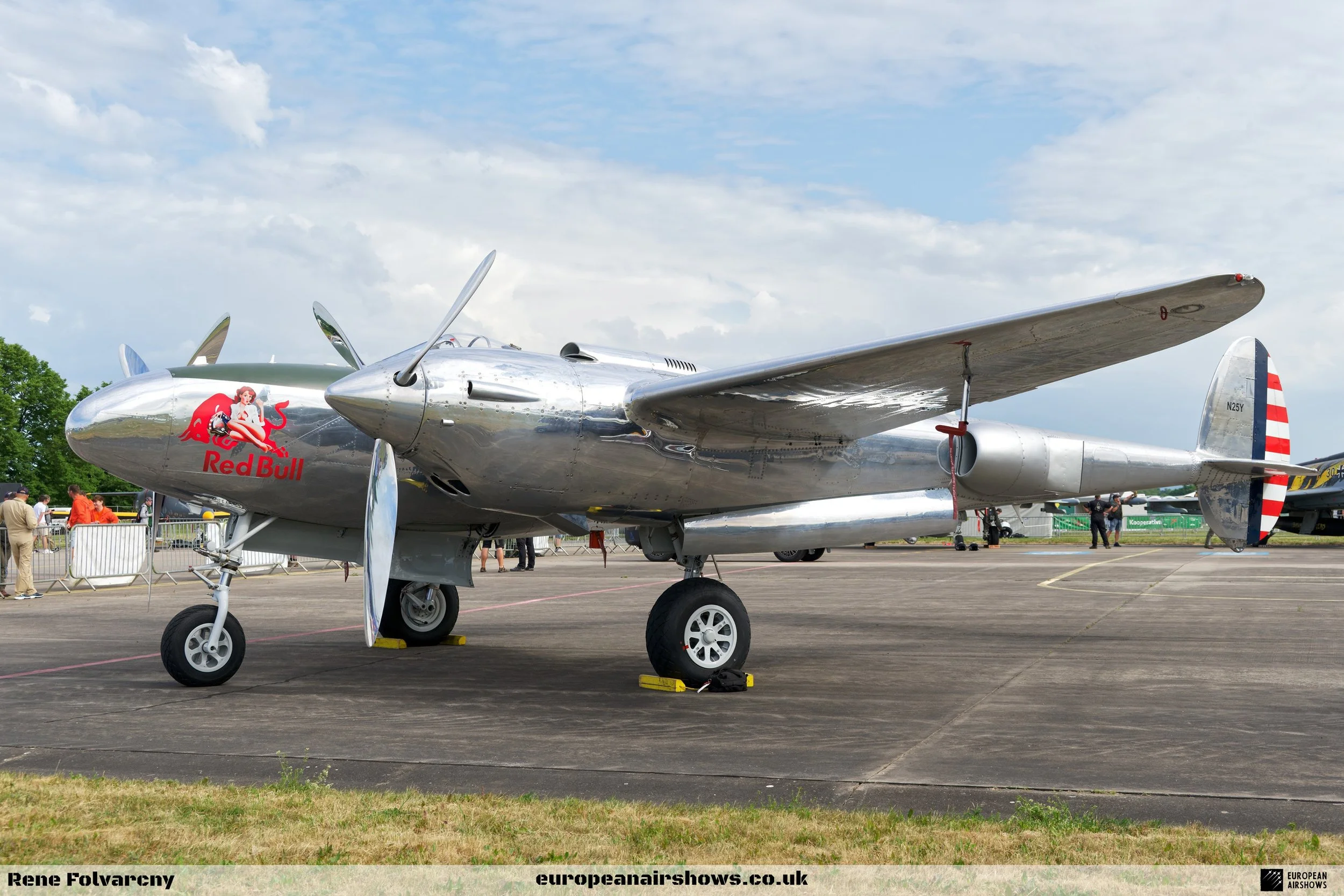
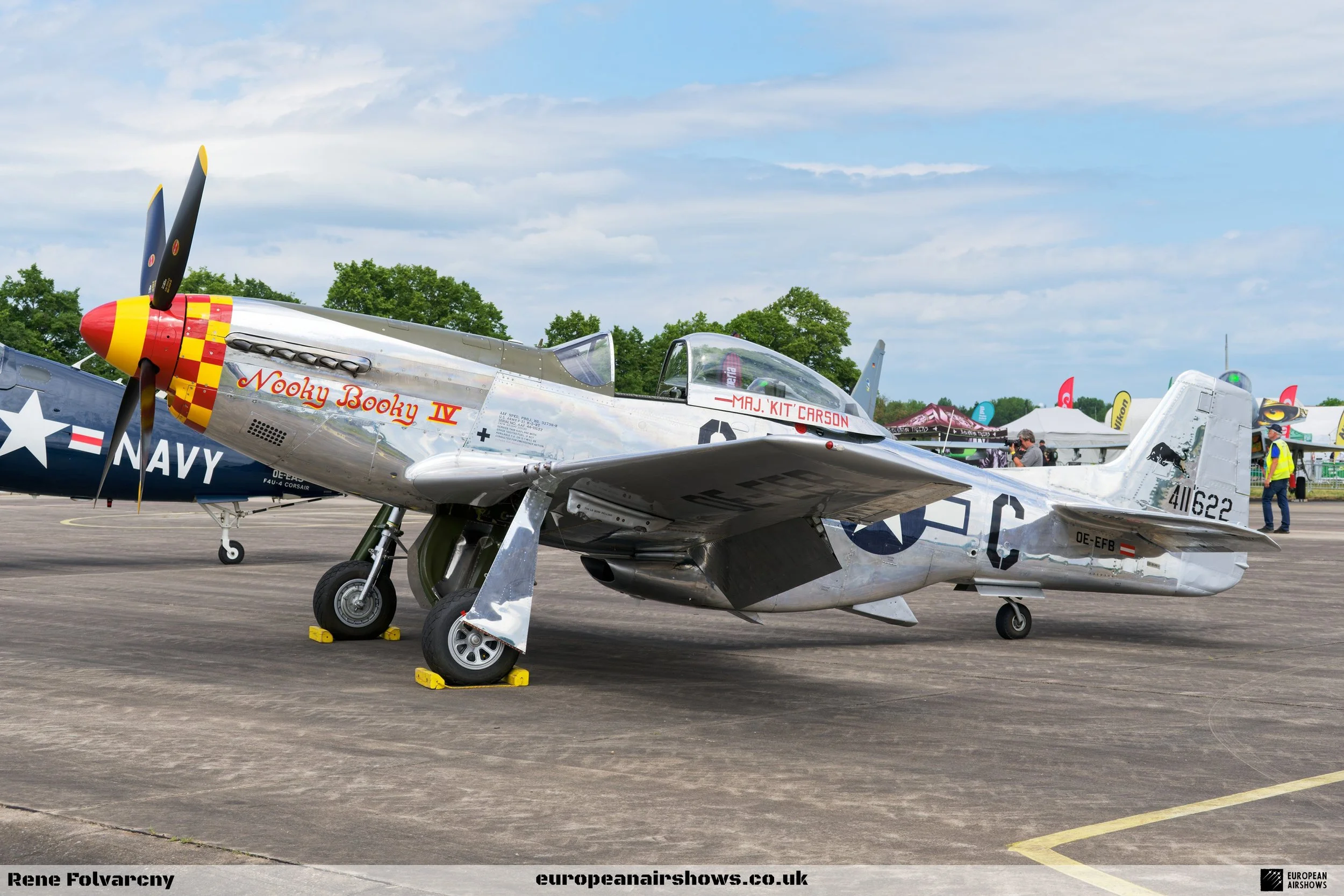
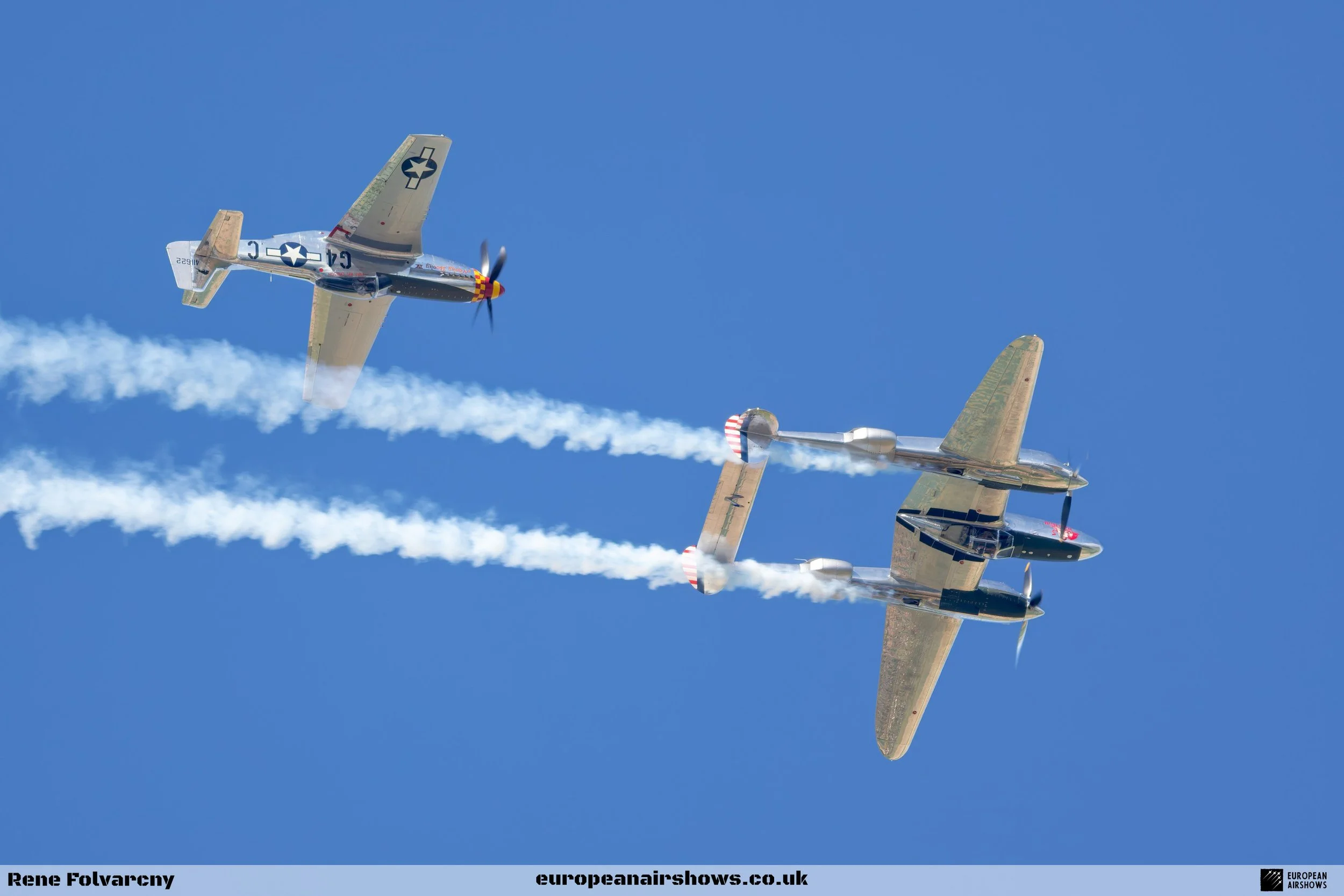
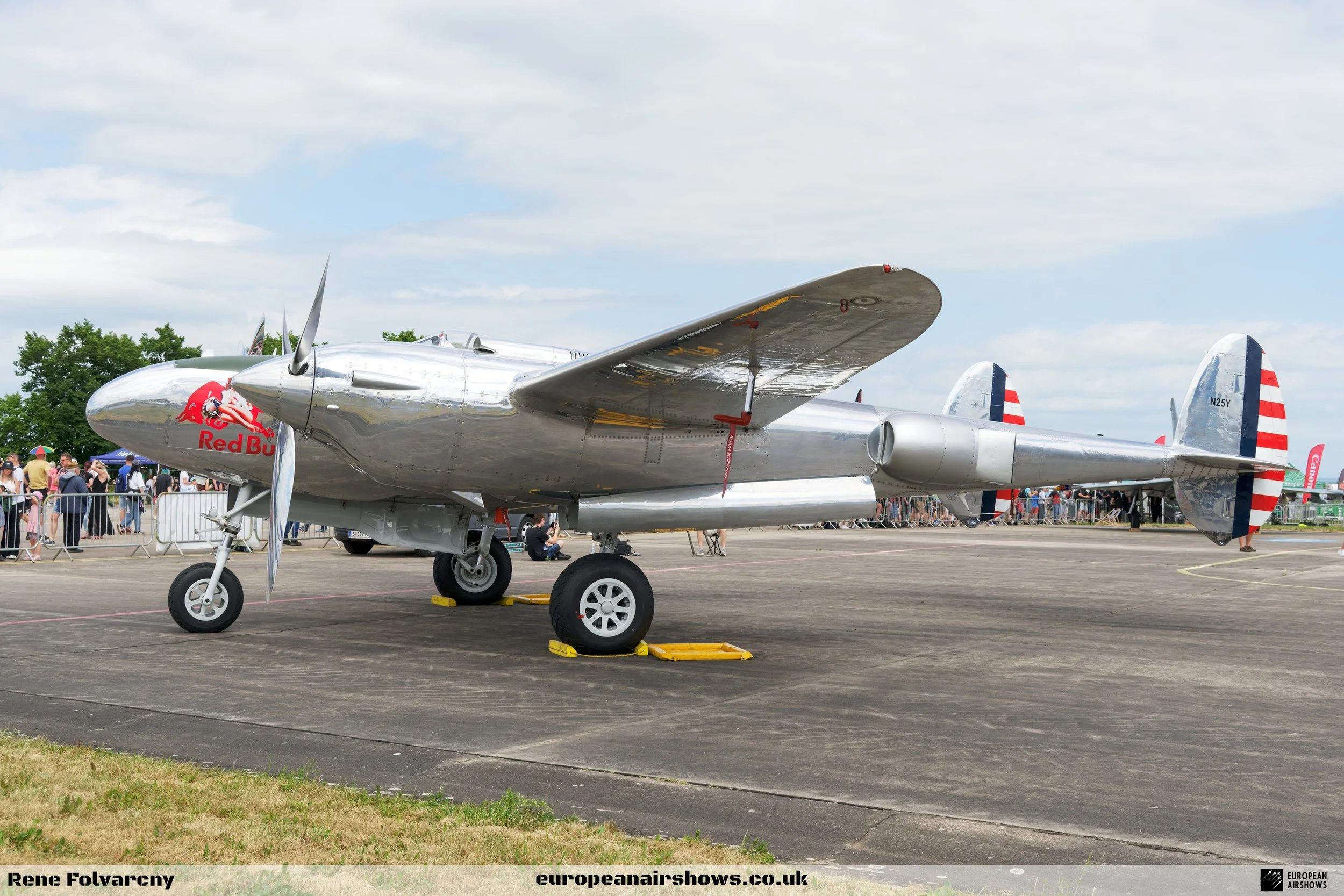
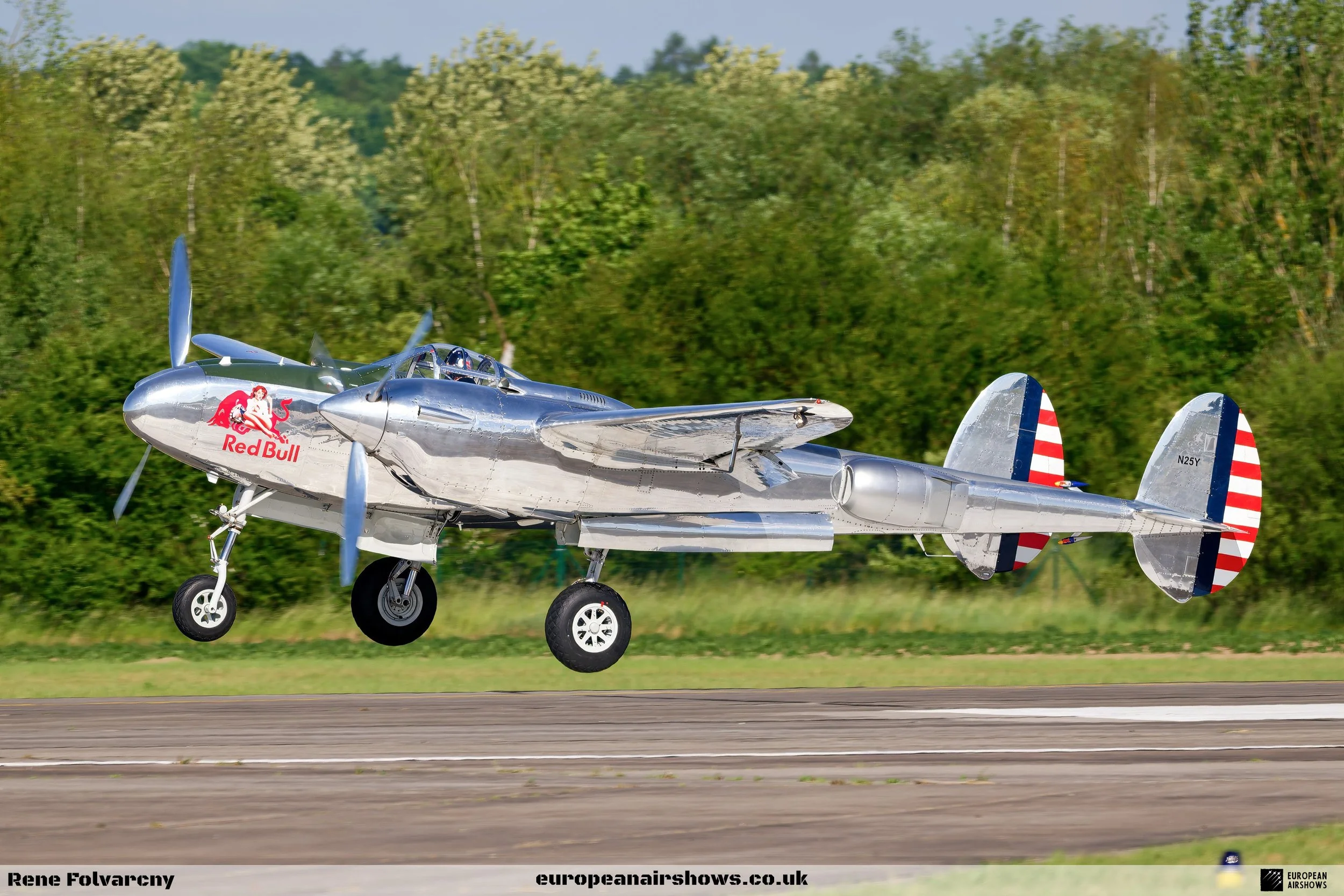
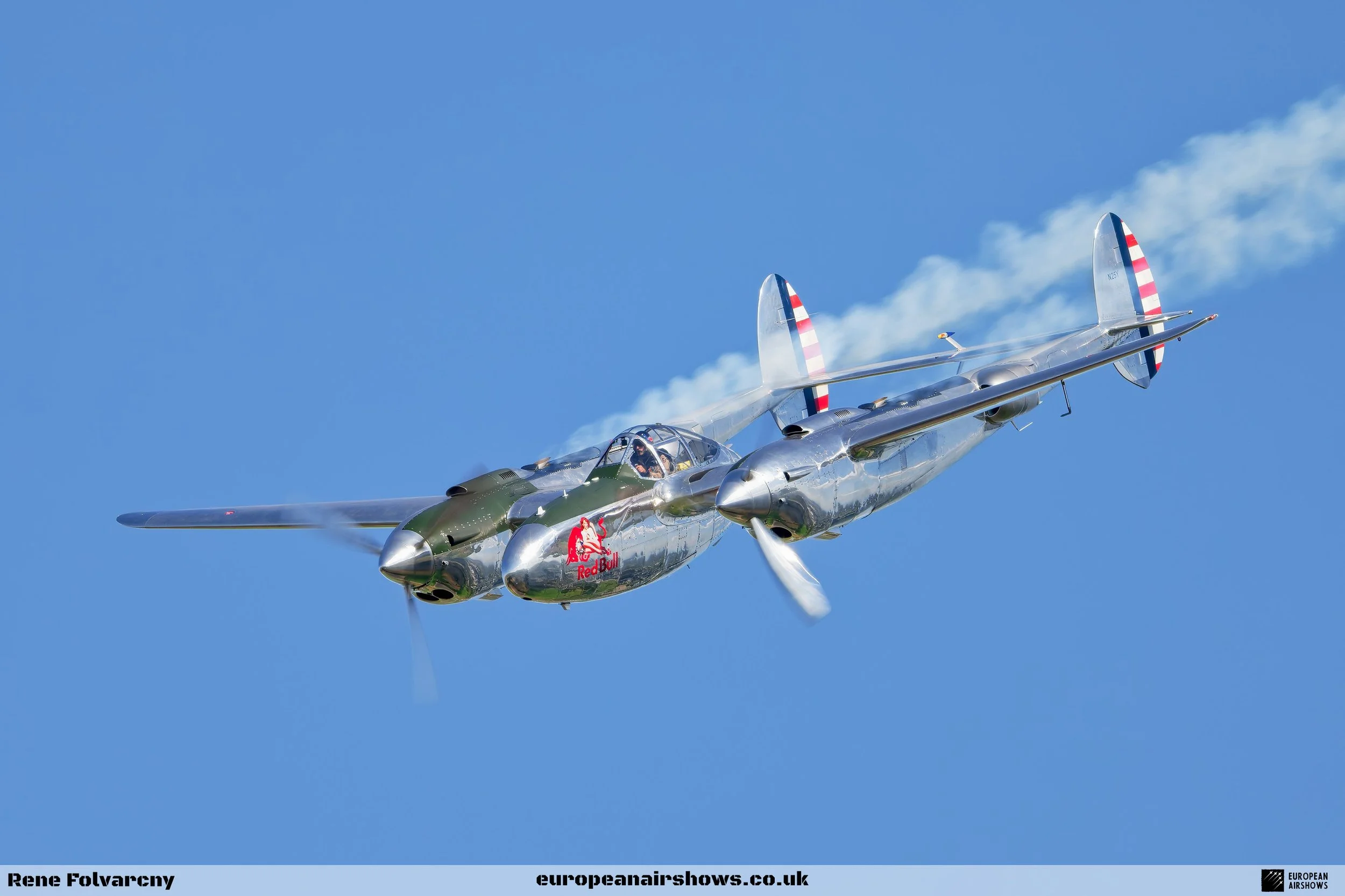
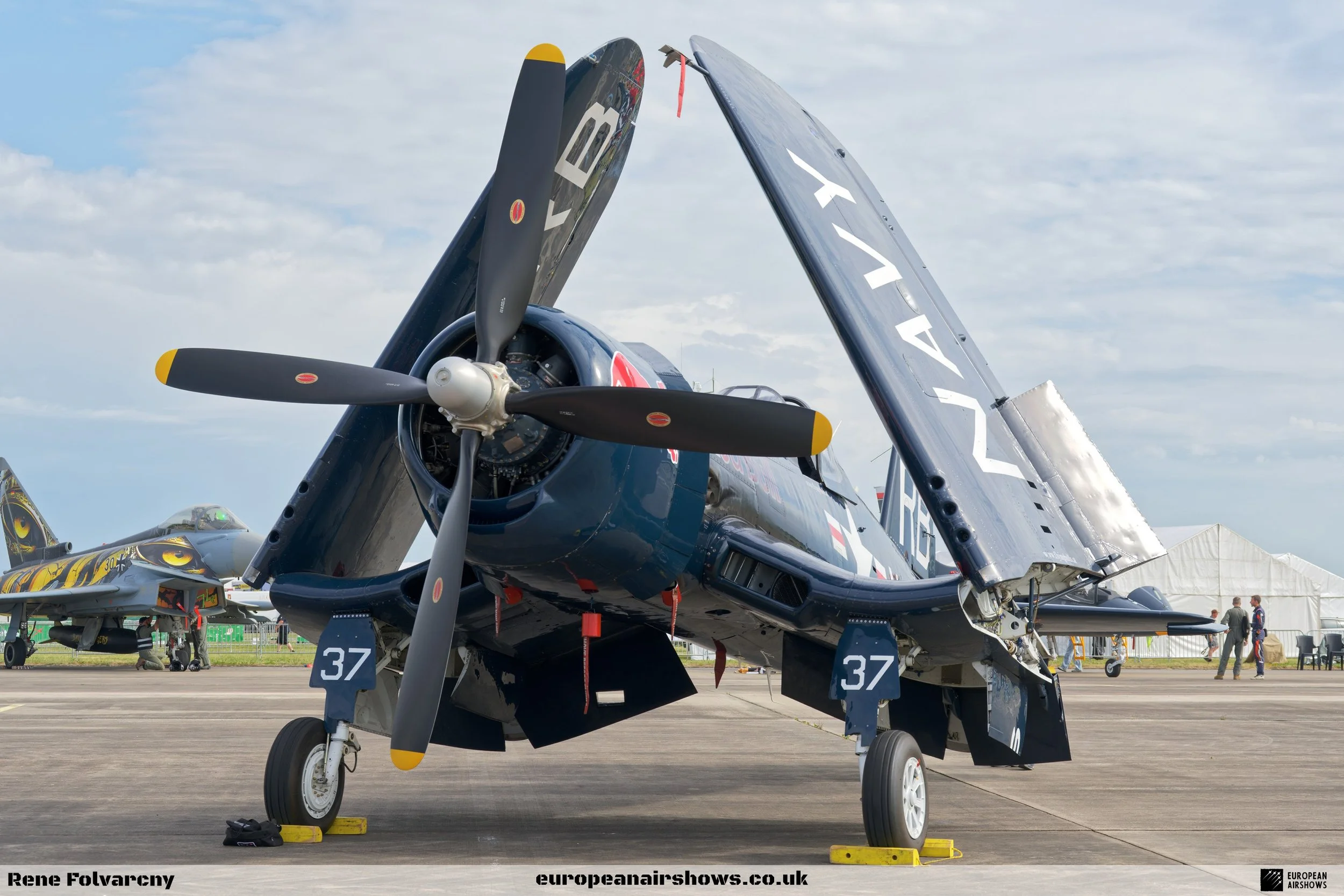
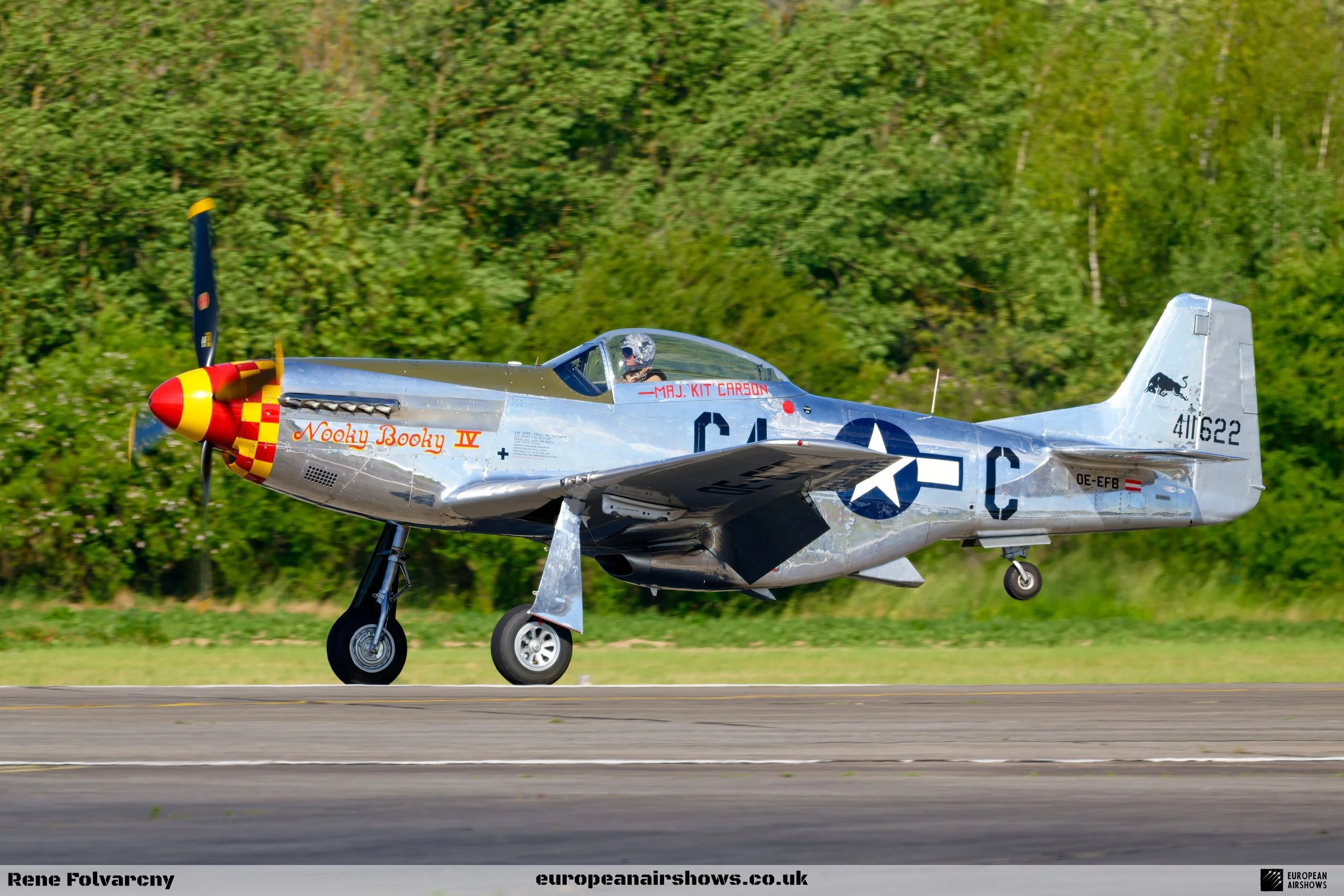
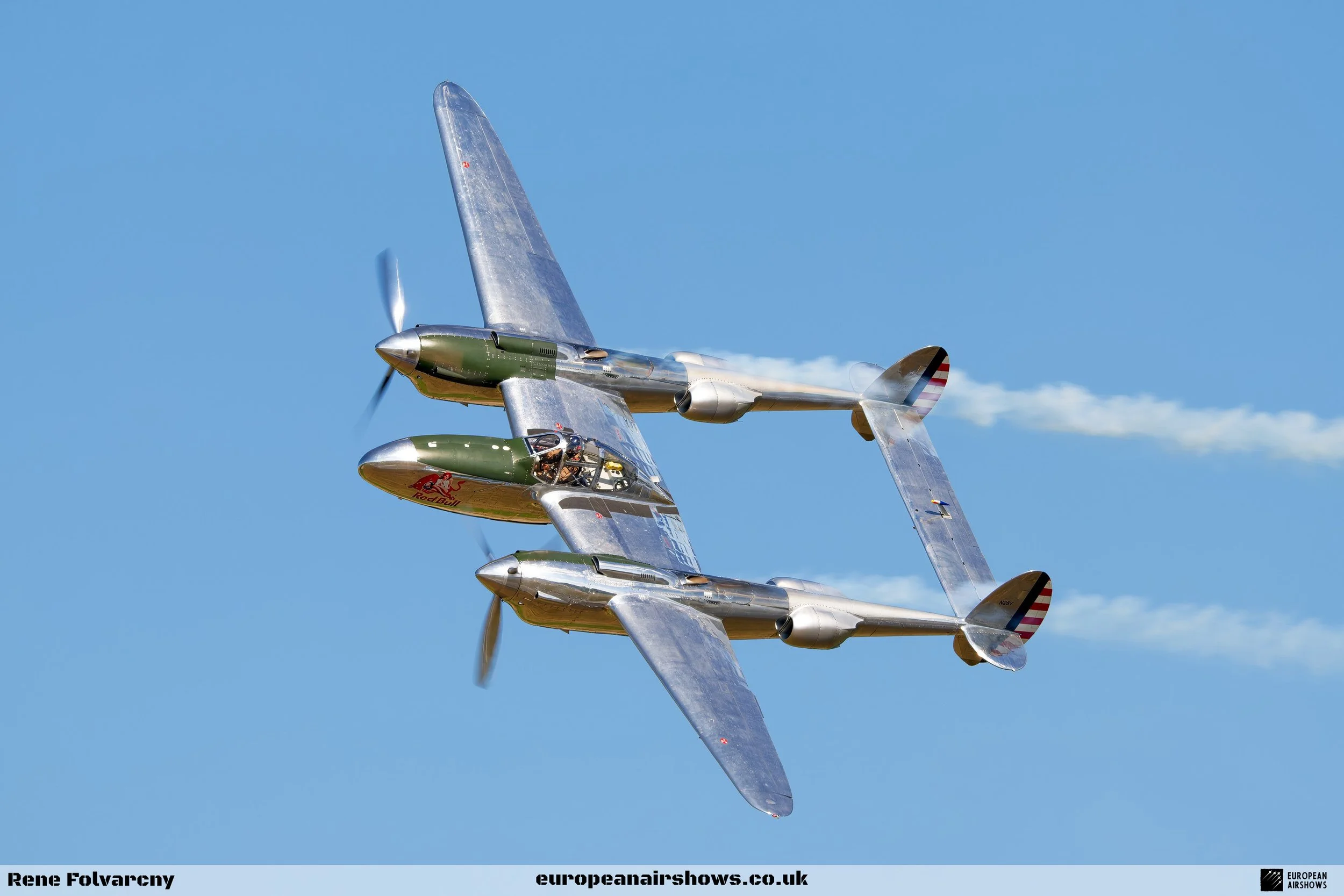
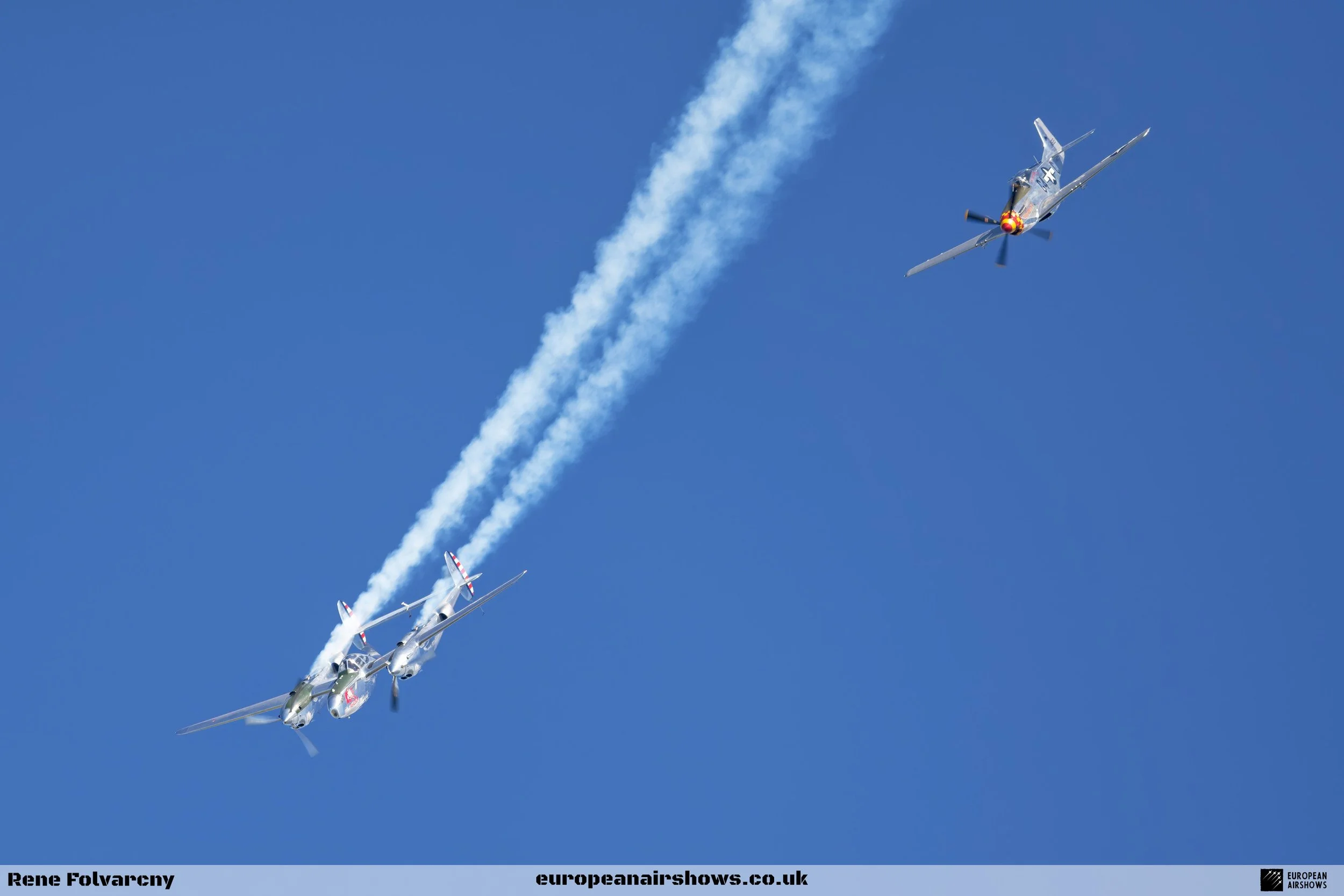
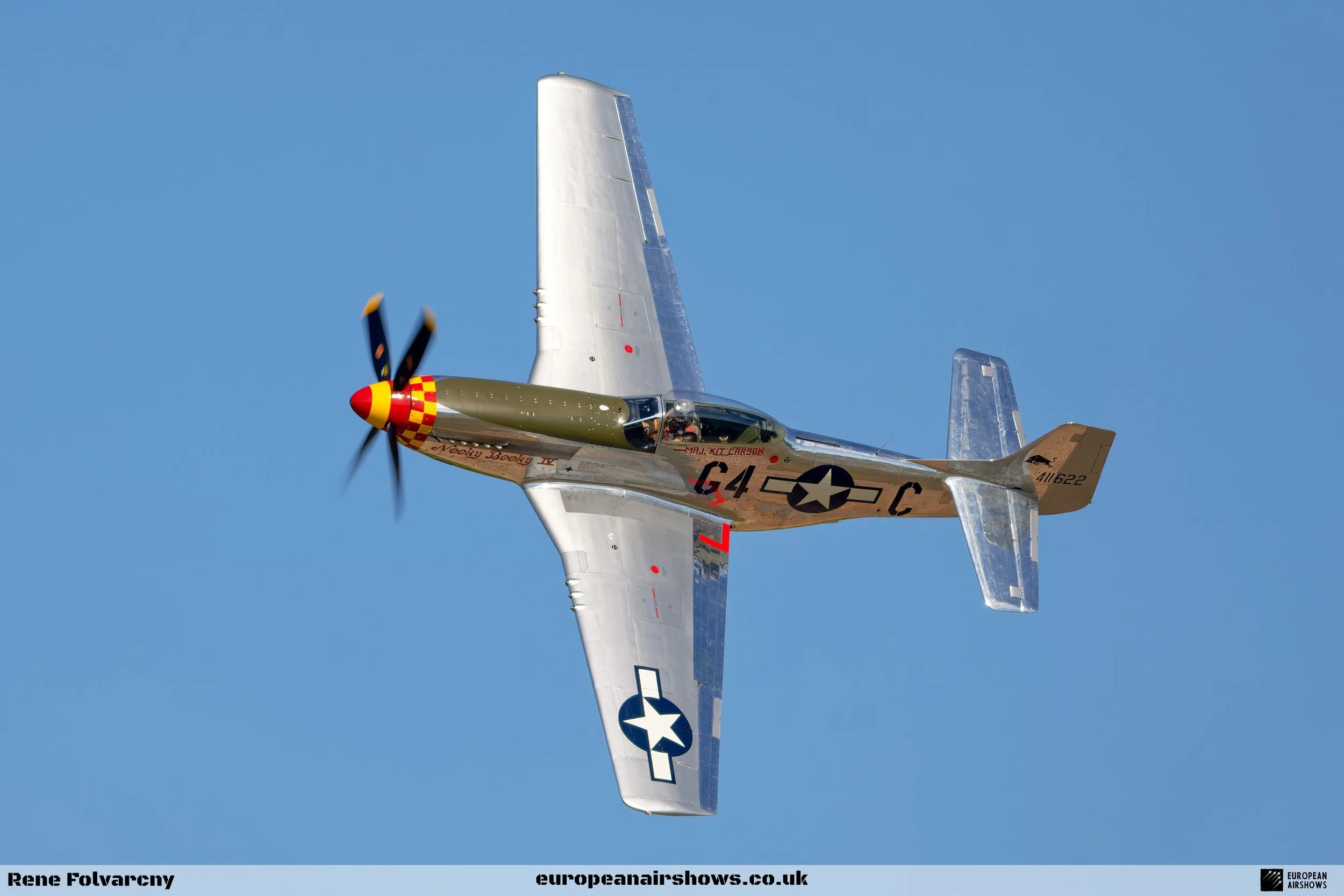
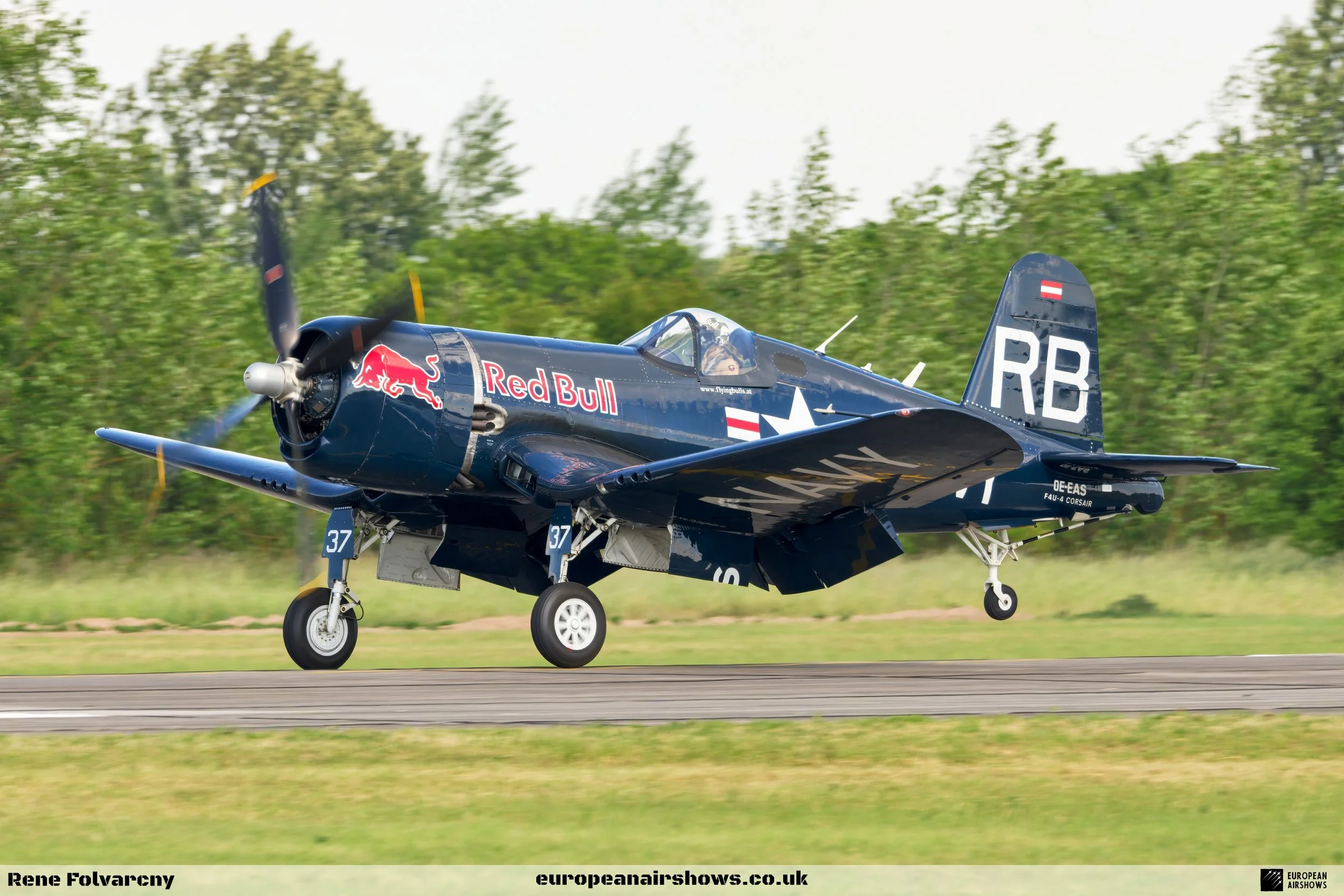
The Flying Bulls warbird element had the potential to be one of the highlights of the weekend. On the programme, the combination of Lockheed P-38 Lightning, North American P-51D Mustang “Nooky Booky IV” and Chance Vought F4U-4 Corsair was already mouth-watering. Added to that was the newly acquired Grumman F8F-2 Bearcat, recently arrived from the United States and one of the most exciting new additions to the Flying Bulls fleet.
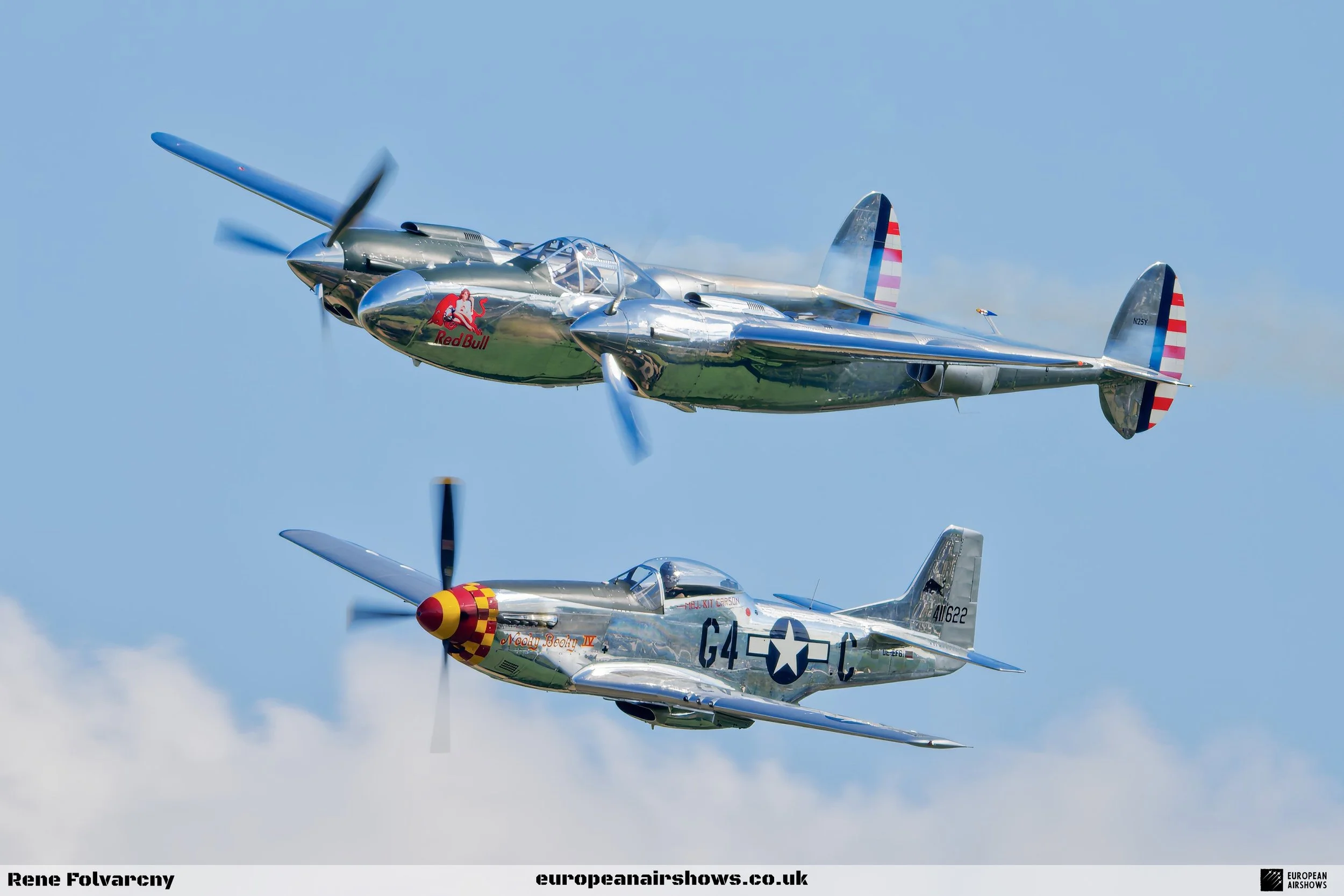
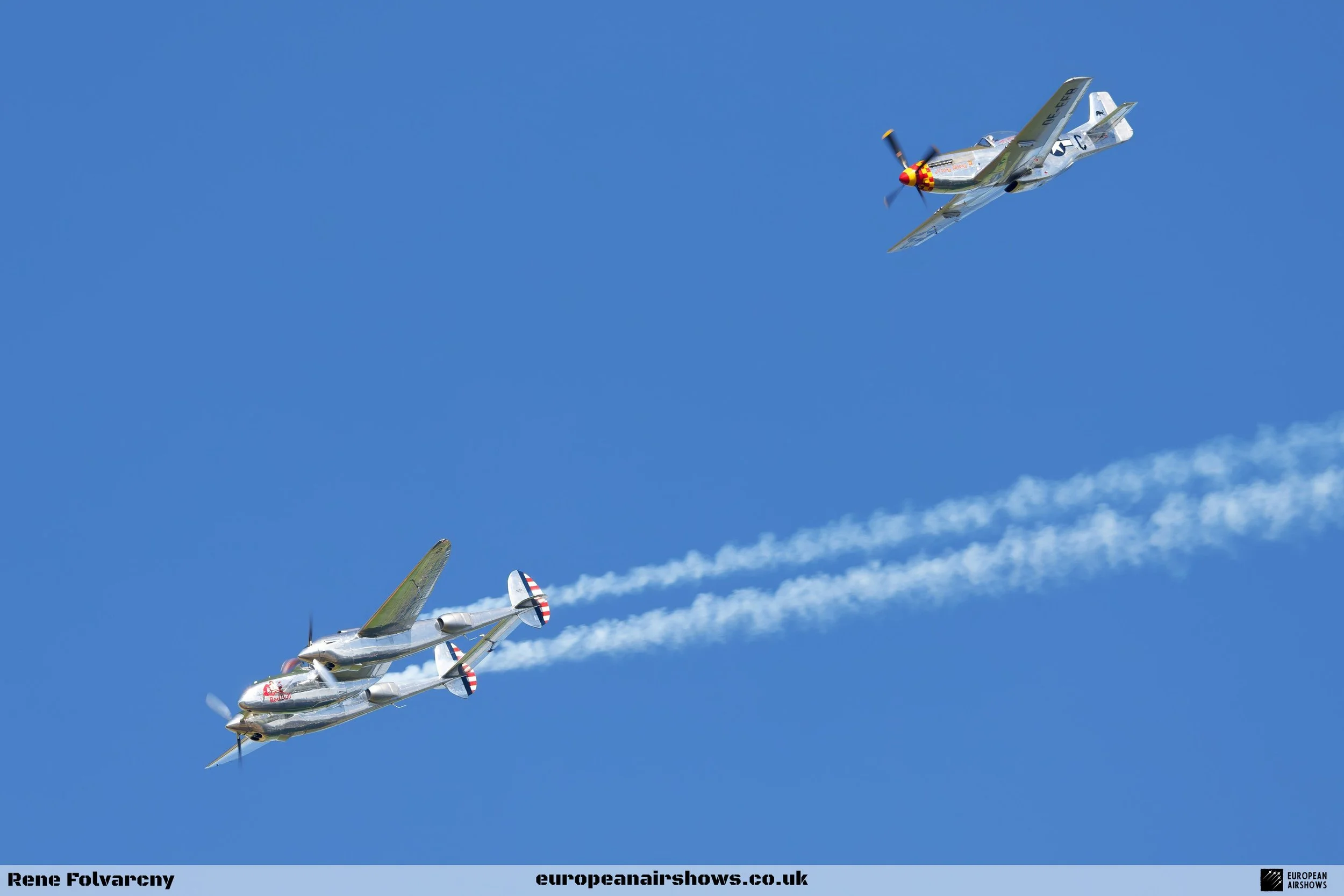
In reality, Saturday did not quite deliver the full picture. The Bearcat sadly did not appear due to technical issues, the Corsair took off and landed but did not perform a full display, and the P-38 Lightning was delayed by a minor mechanical issue with one of its engines. That meant the planned heavyweight warbird sequence was reduced to a two-ship with the Mustang instead.
That was a shame, because the P-38, Mustang, Corsair and Bearcat together would have been a proper Flying Bulls warbird moment. Even so, the Lightning and Mustang pairing still had presence. The polished P-38 remains one of the most distinctive aircraft on the European Airshow scene, and the Mustang continues to carry huge appeal, especially in Czech skies where “Nooky Booky IV” has a historical connection through wartime operations over the region.
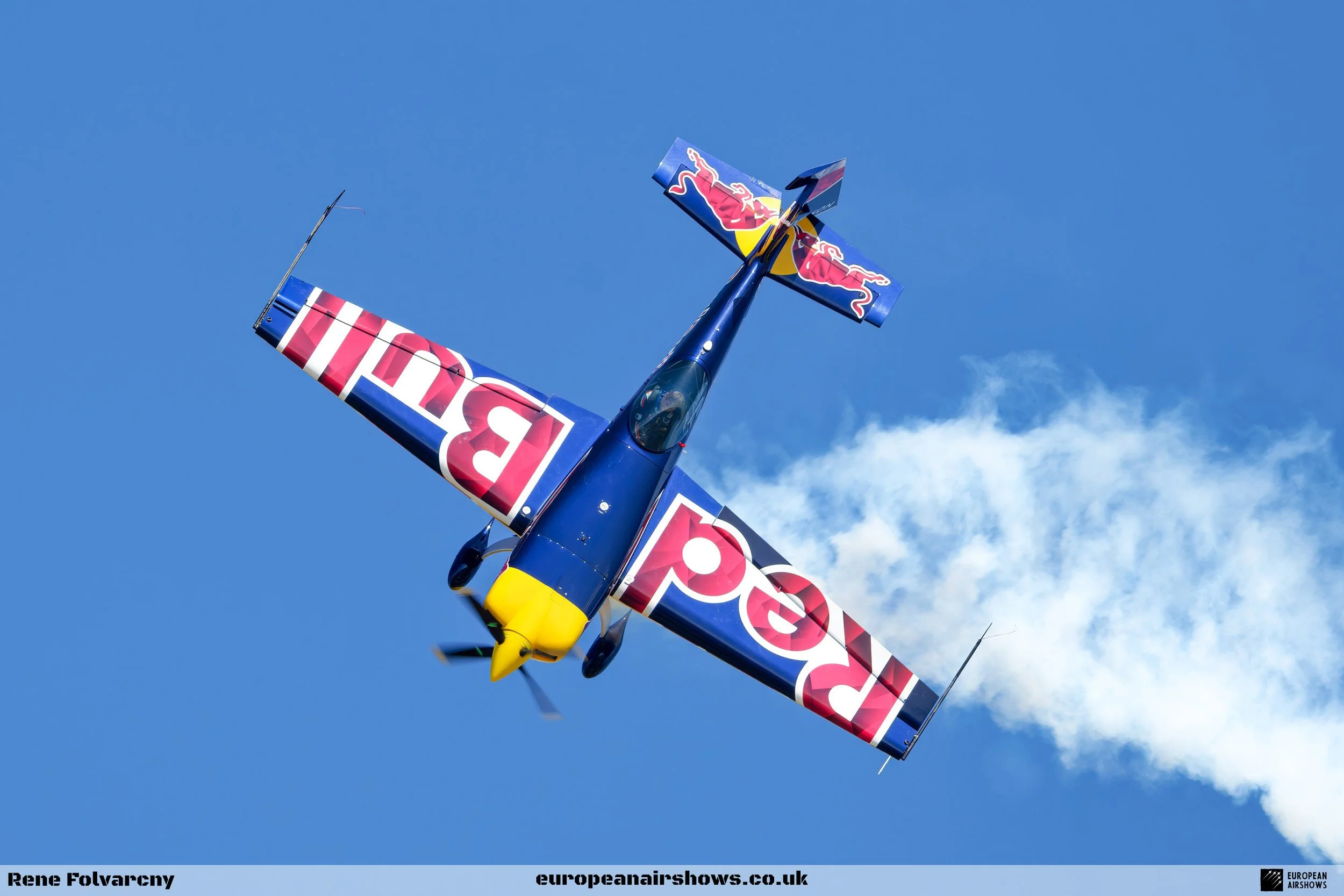
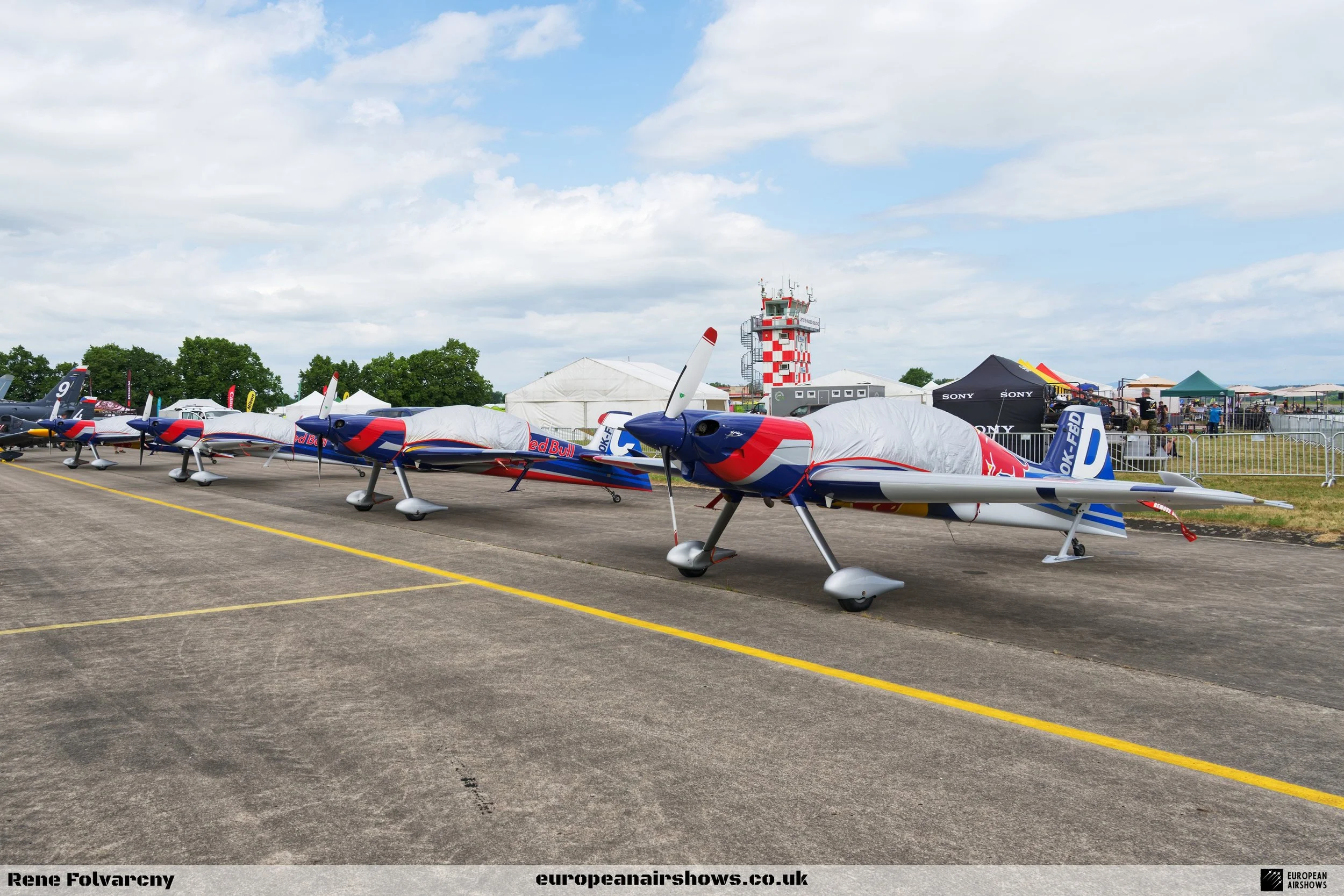
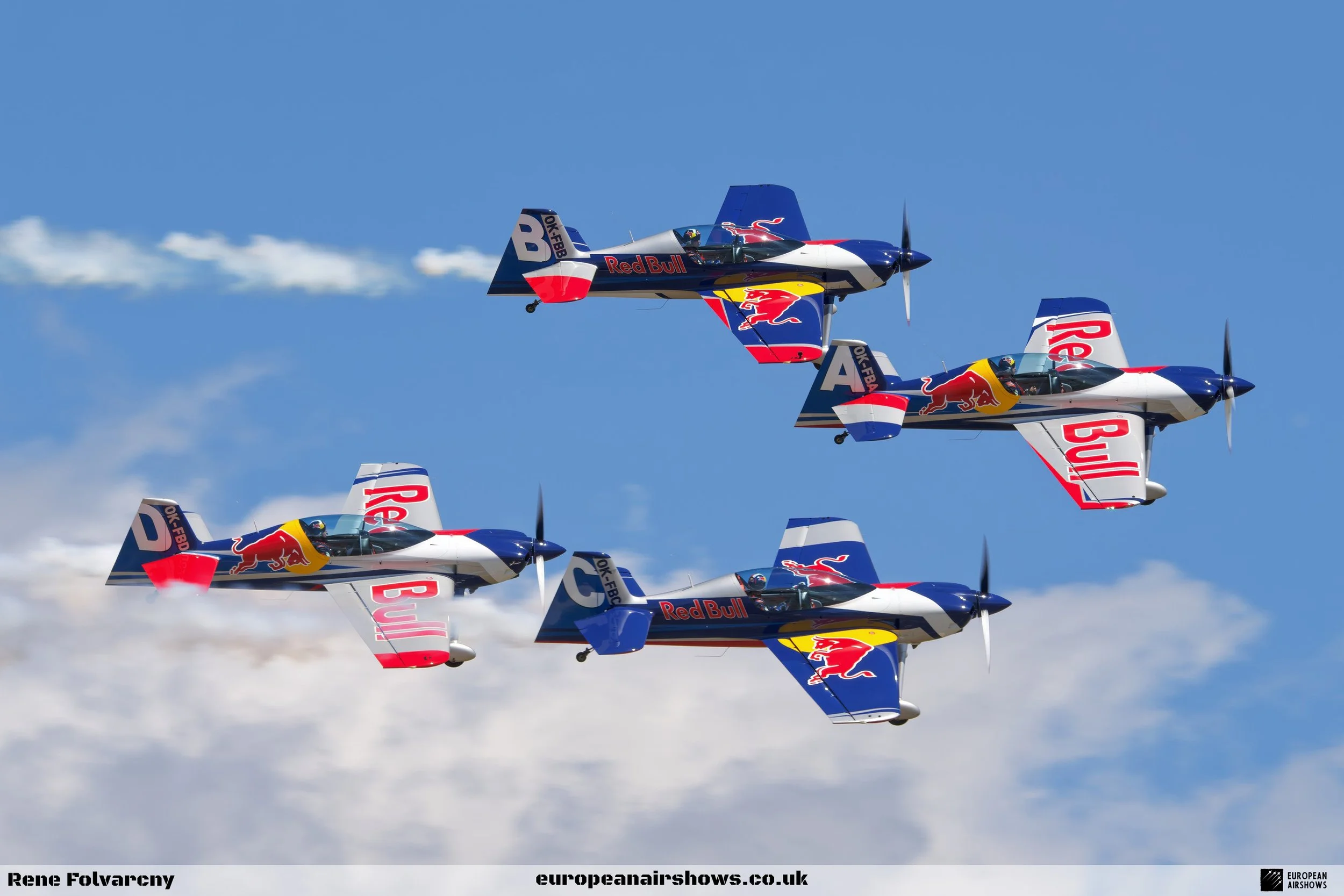
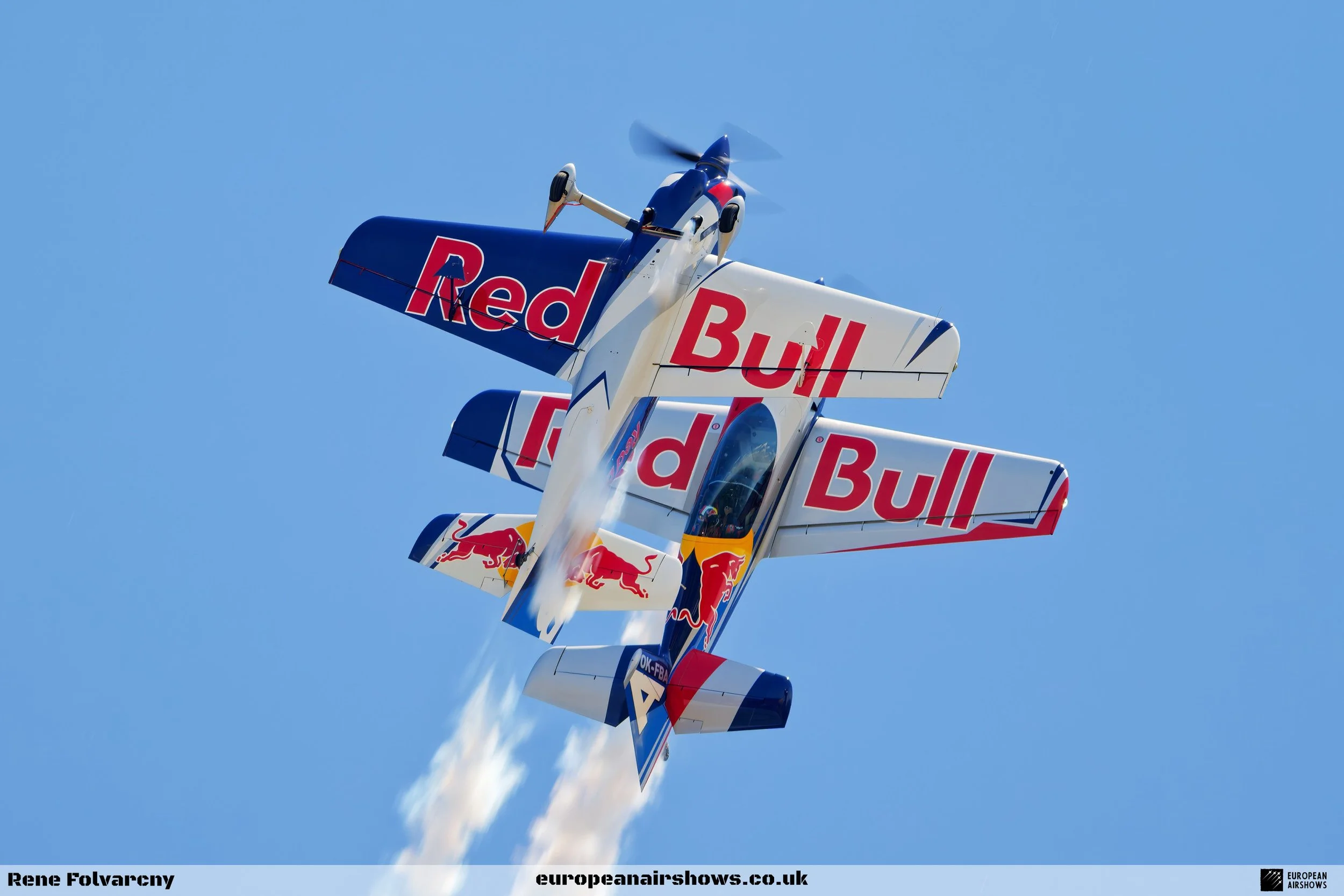
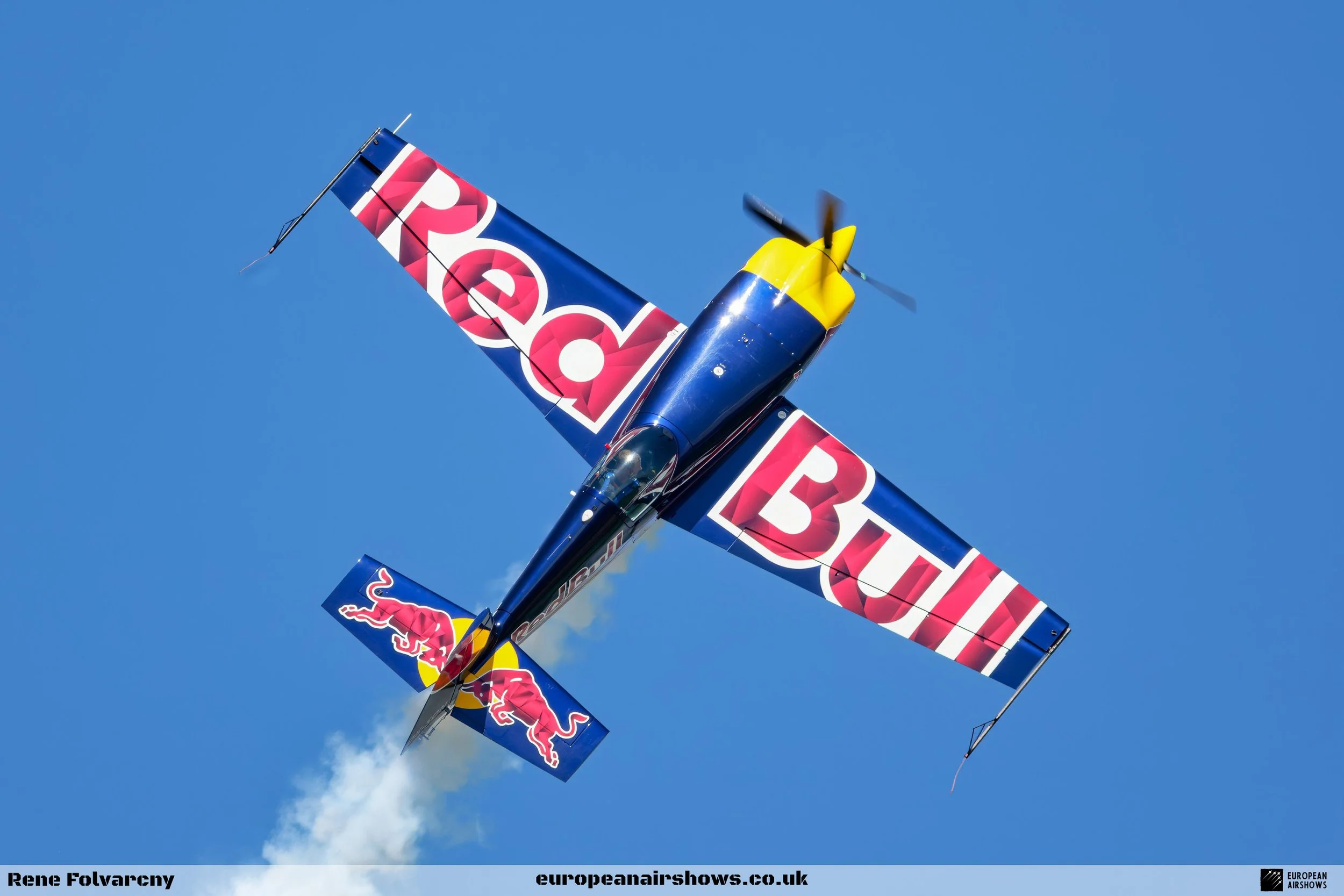
The Flying Bulls Aerobatic Team were more straightforwardly successful. Now flying their XtremeAir XA42 aircraft, the team brought a sharp, modern formation aerobatic routine to the afternoon, with the kind of precision and energy that has made them a familiar part of Aviatická pouť over the years. Seeing them at Hradec Králové helped the new venue feel less like a replacement and more like a continuation.
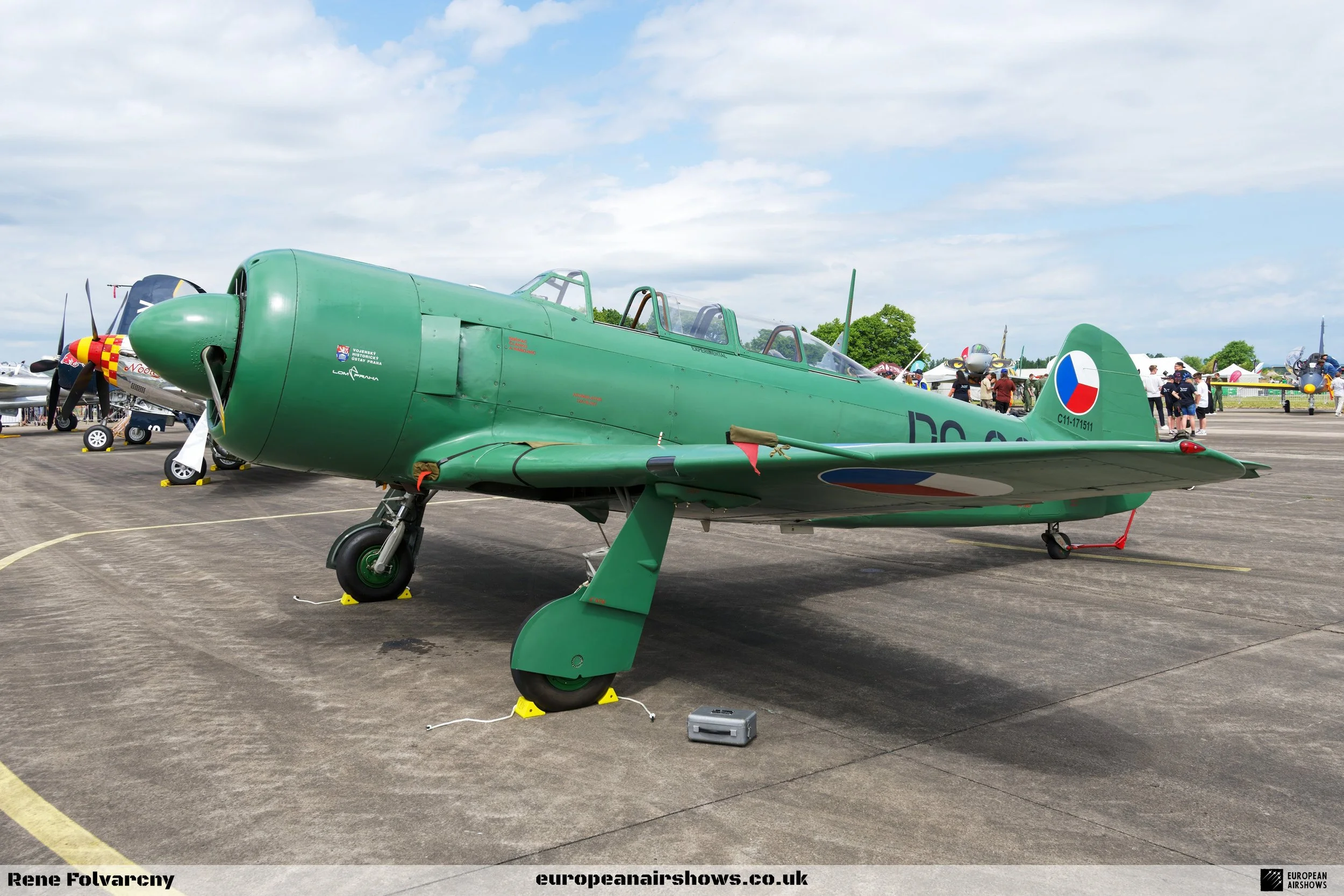
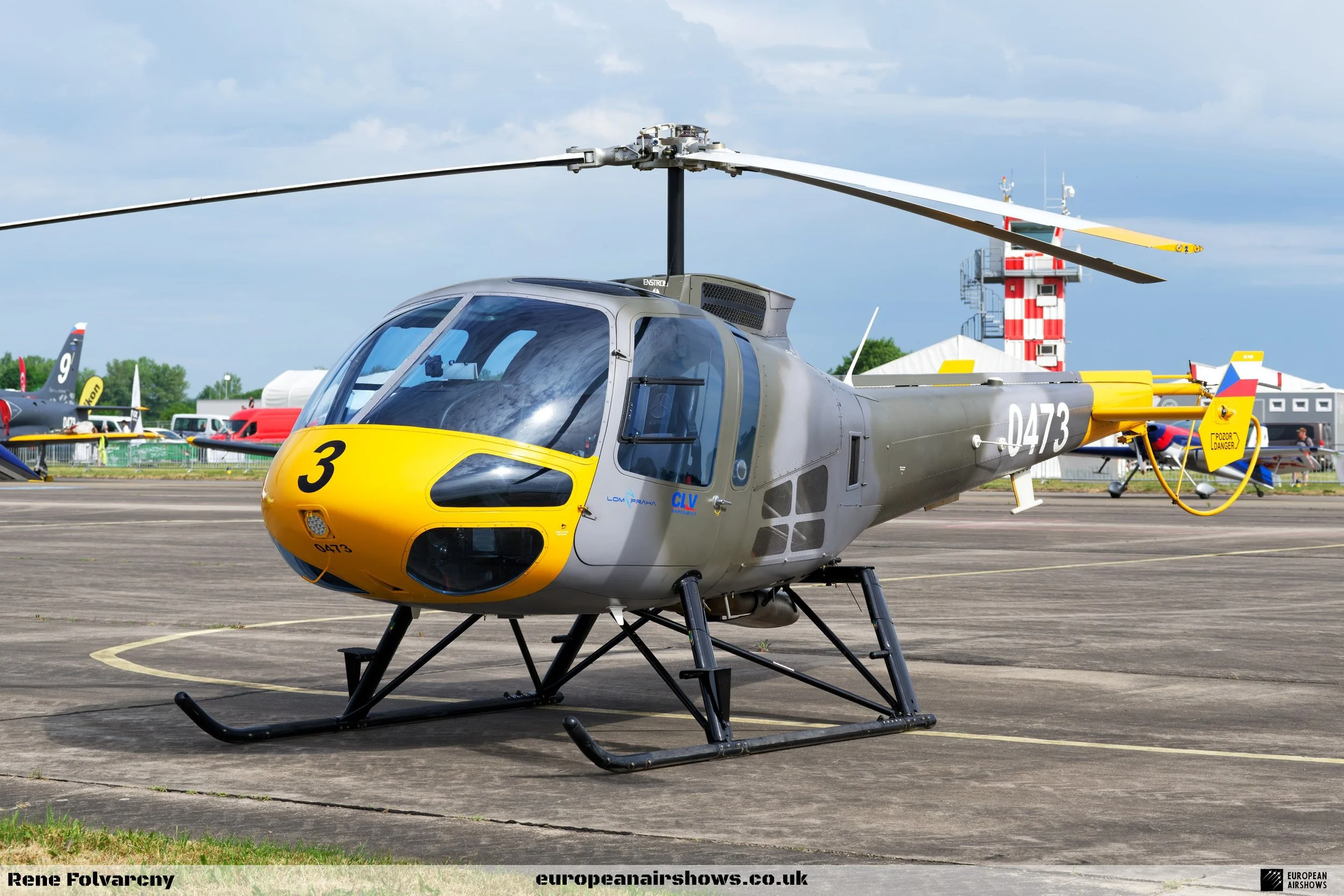
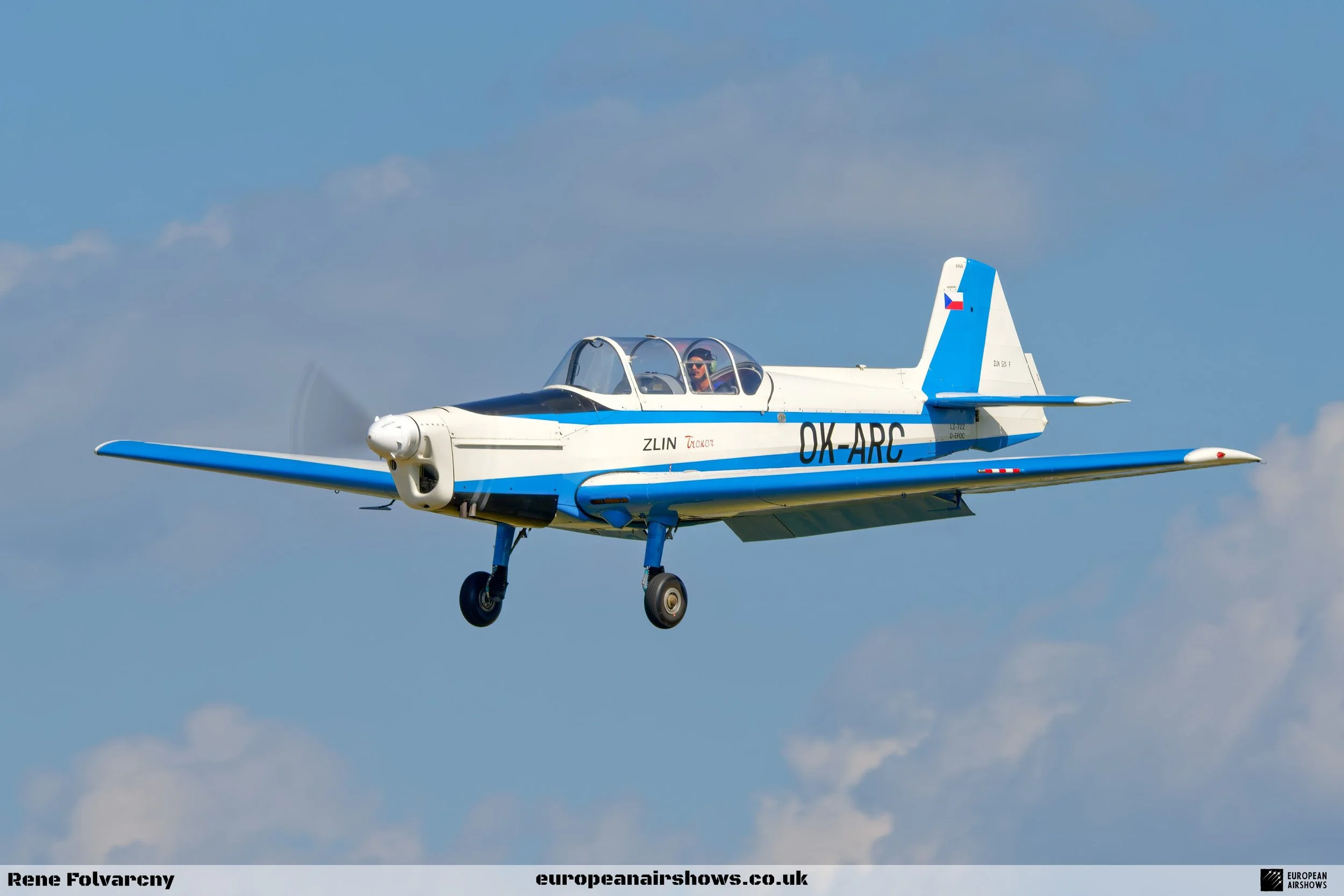
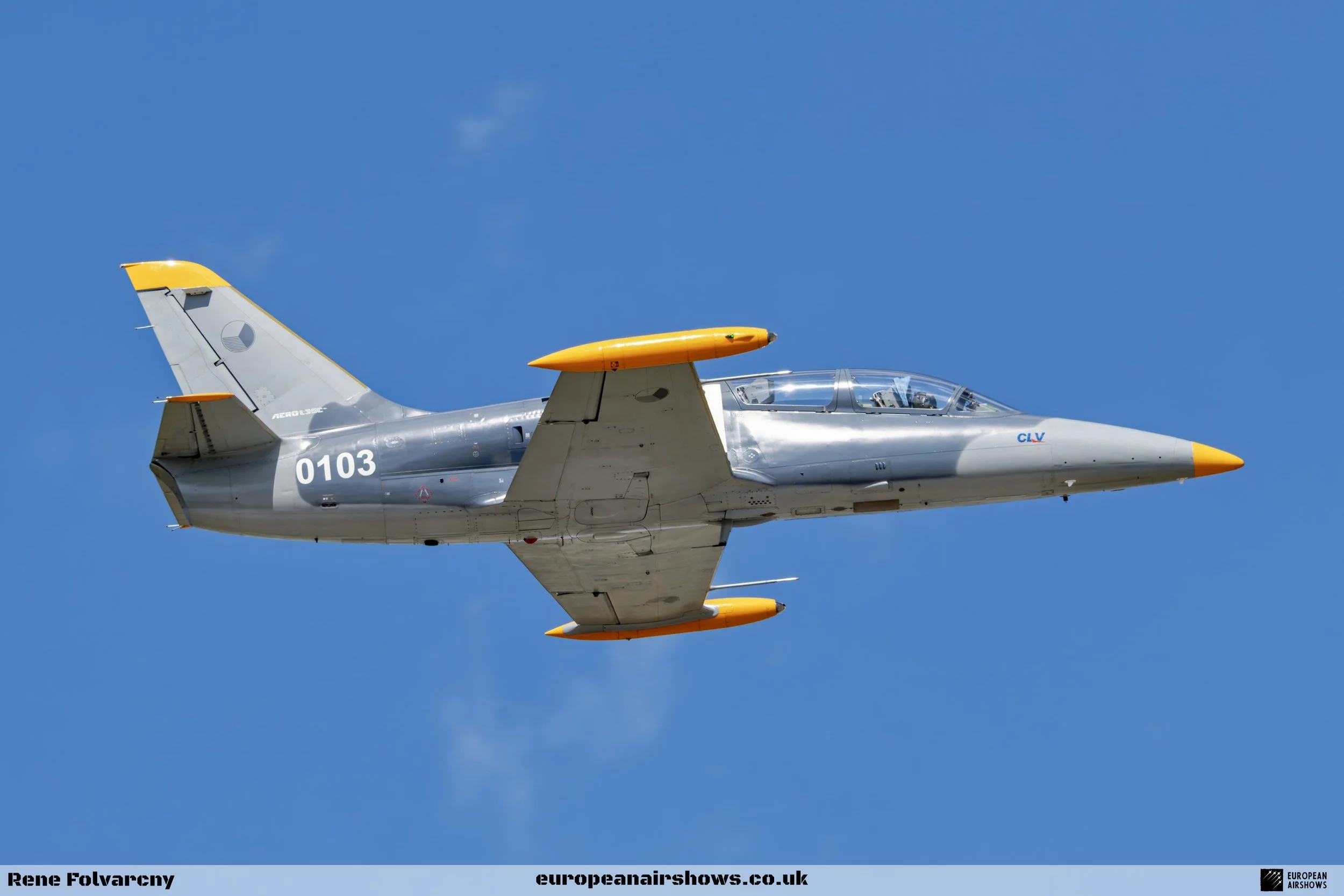
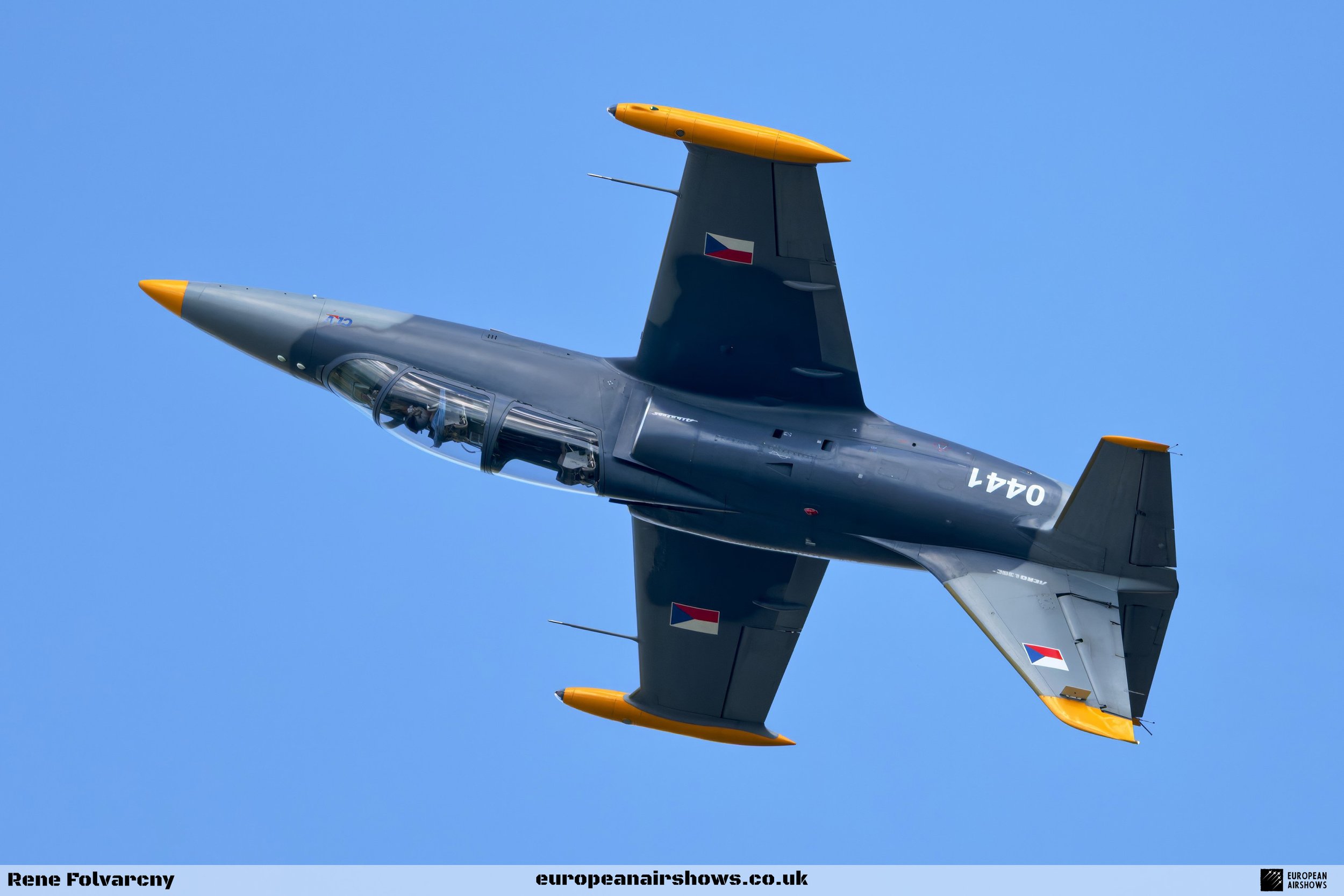
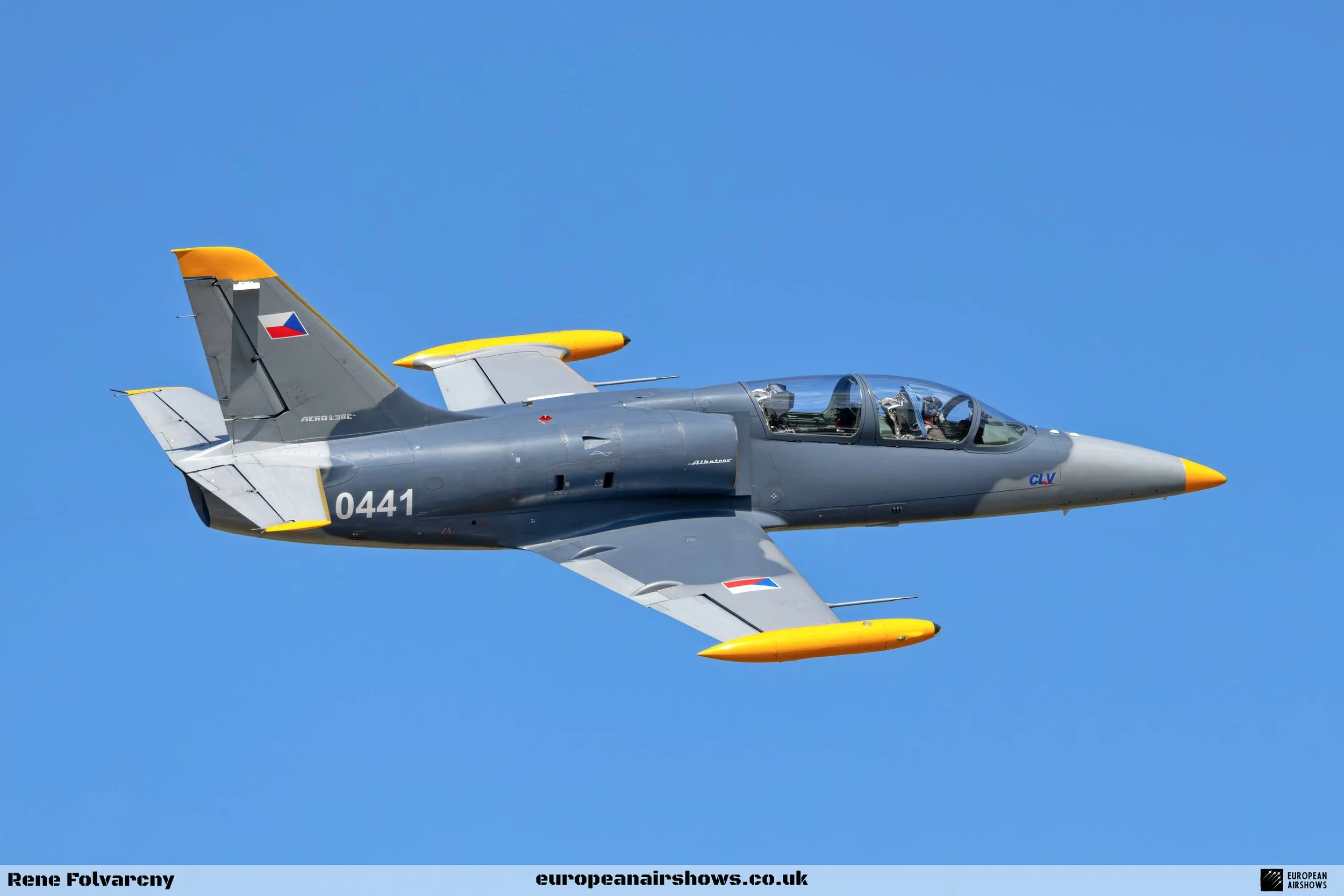
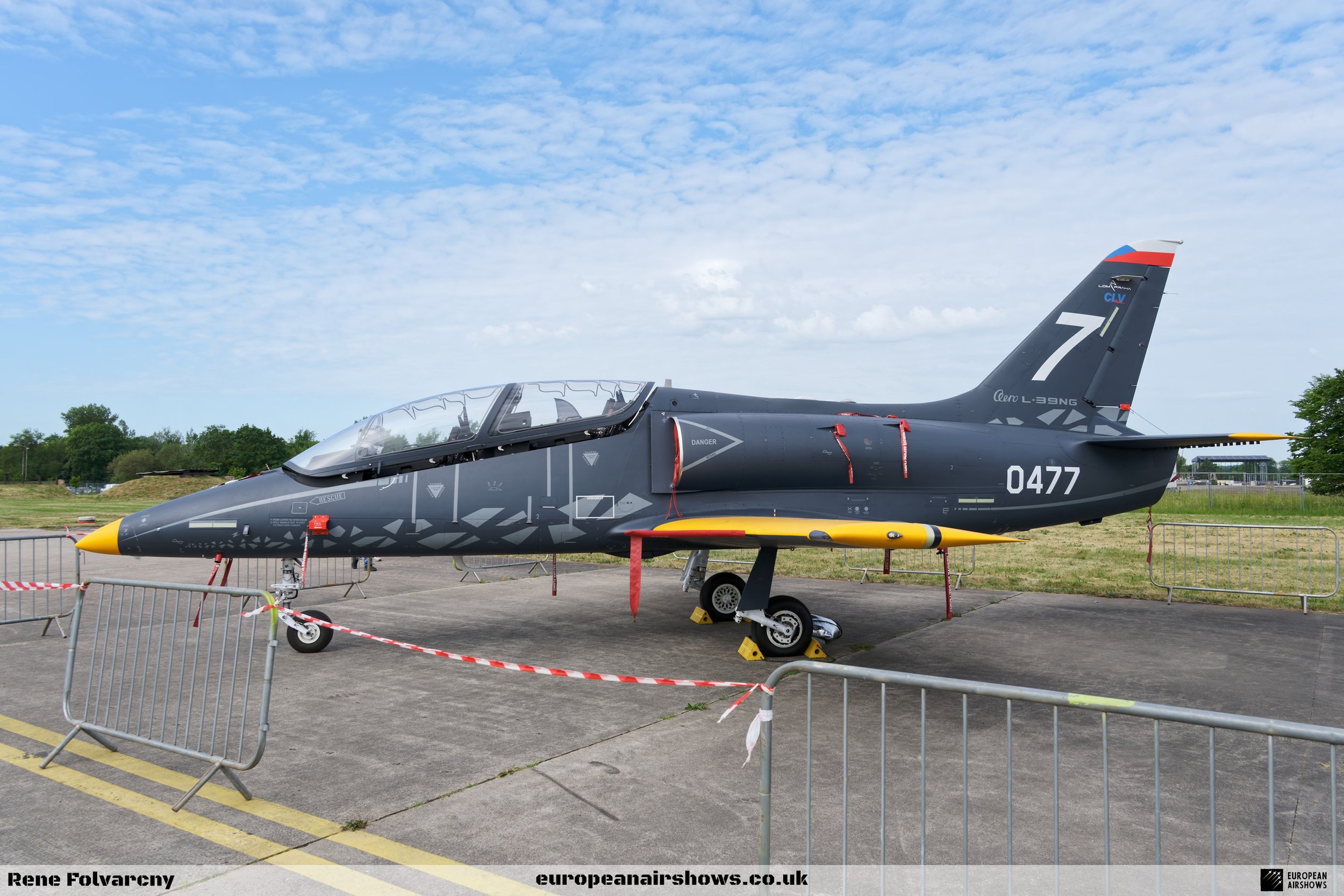
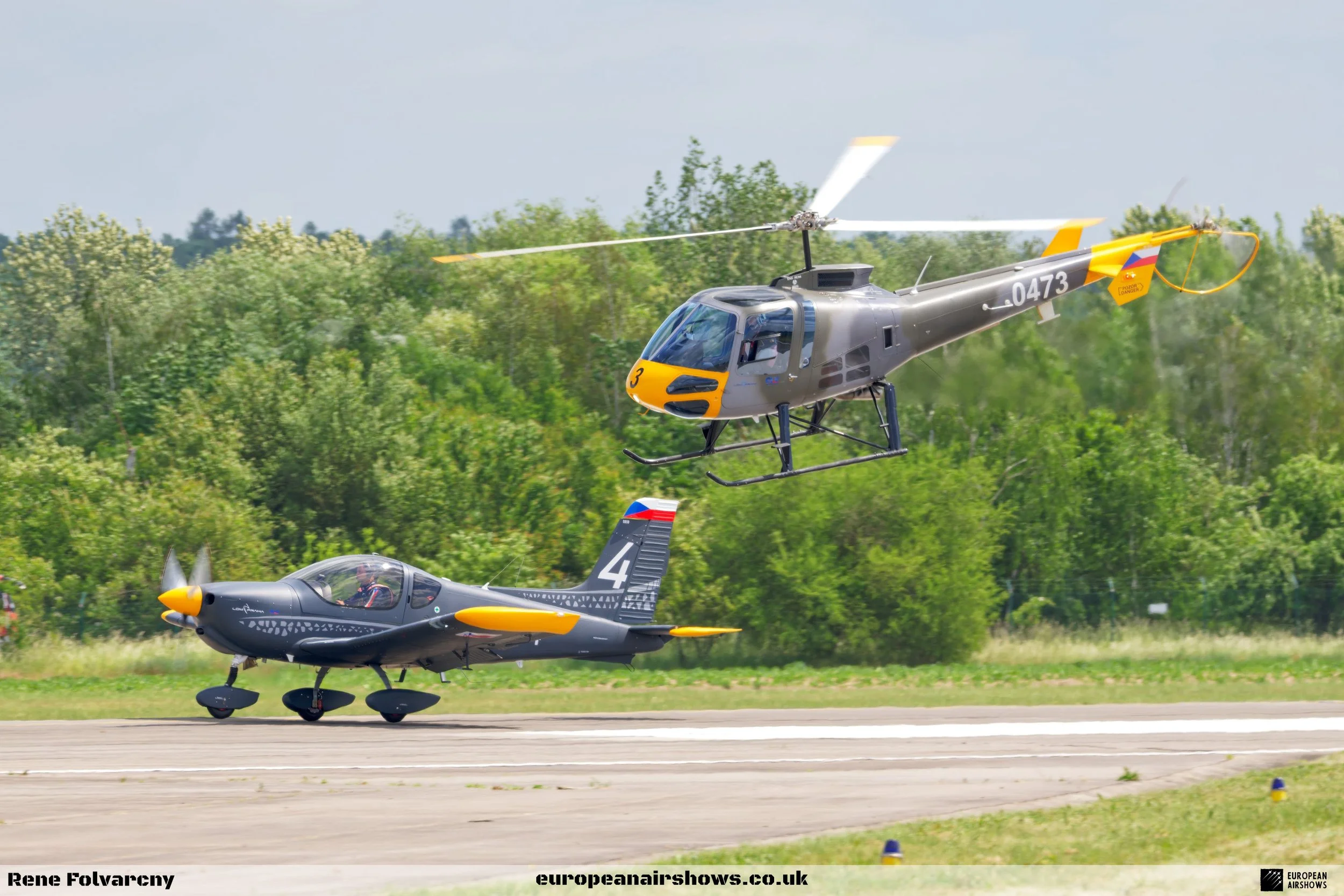
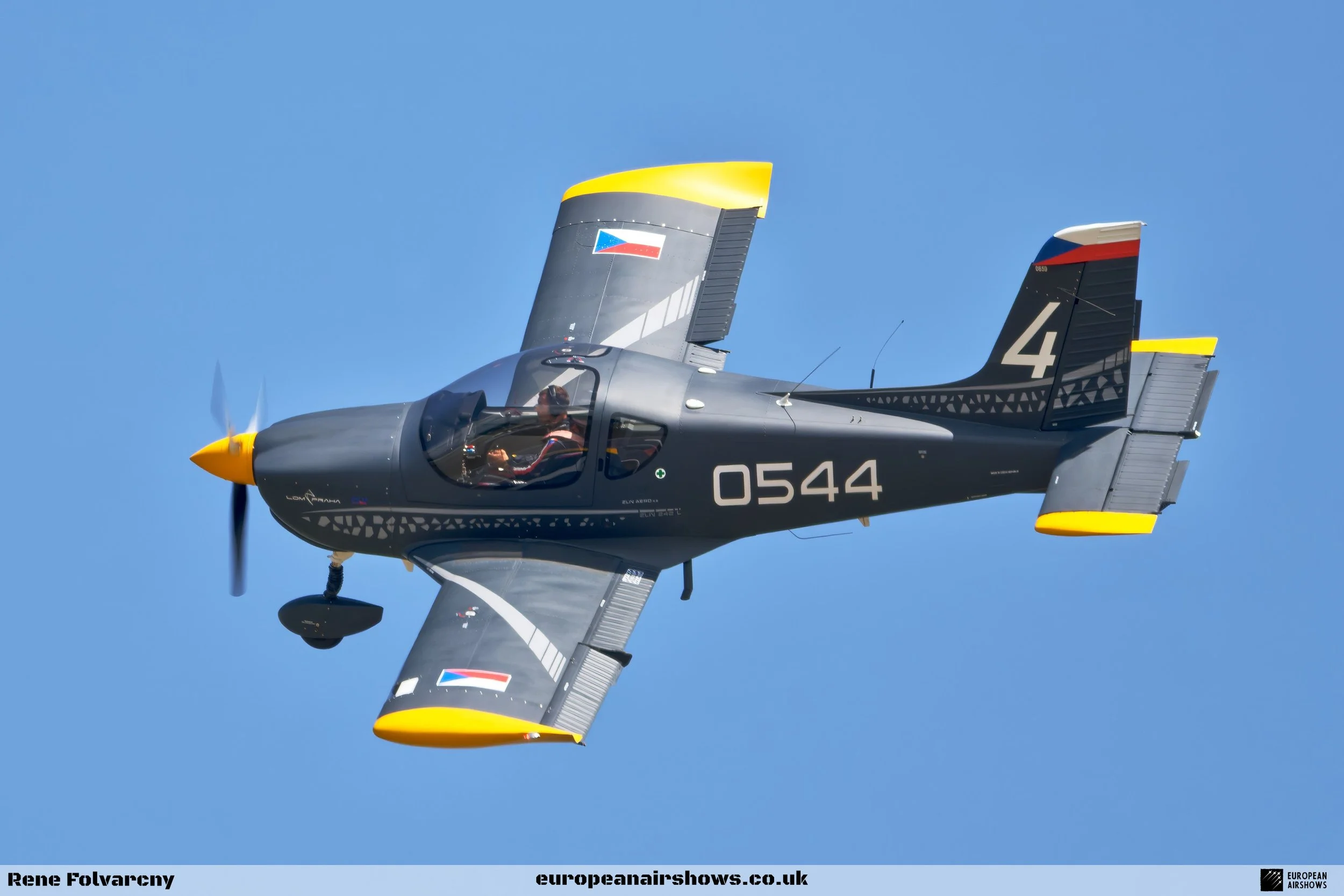
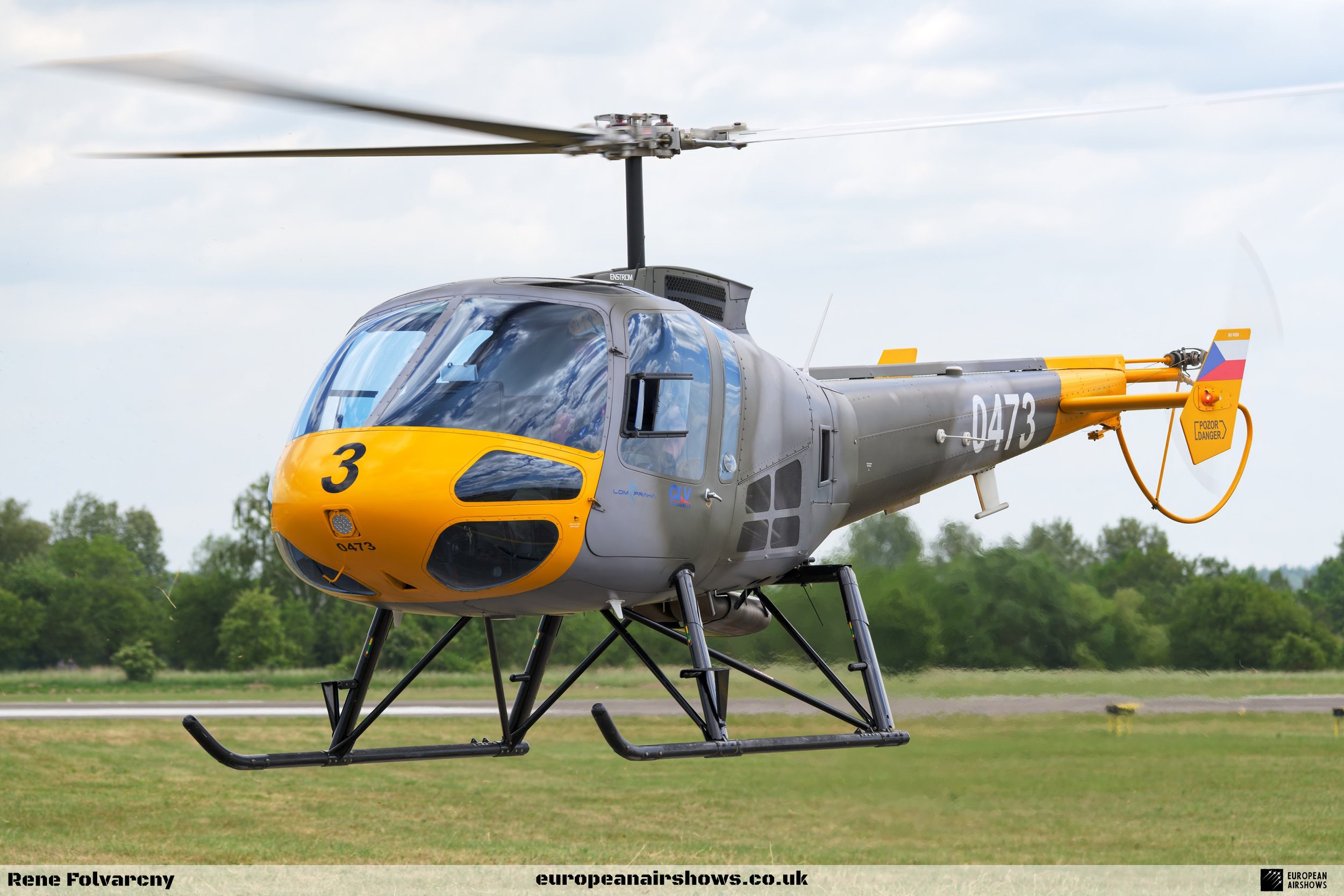
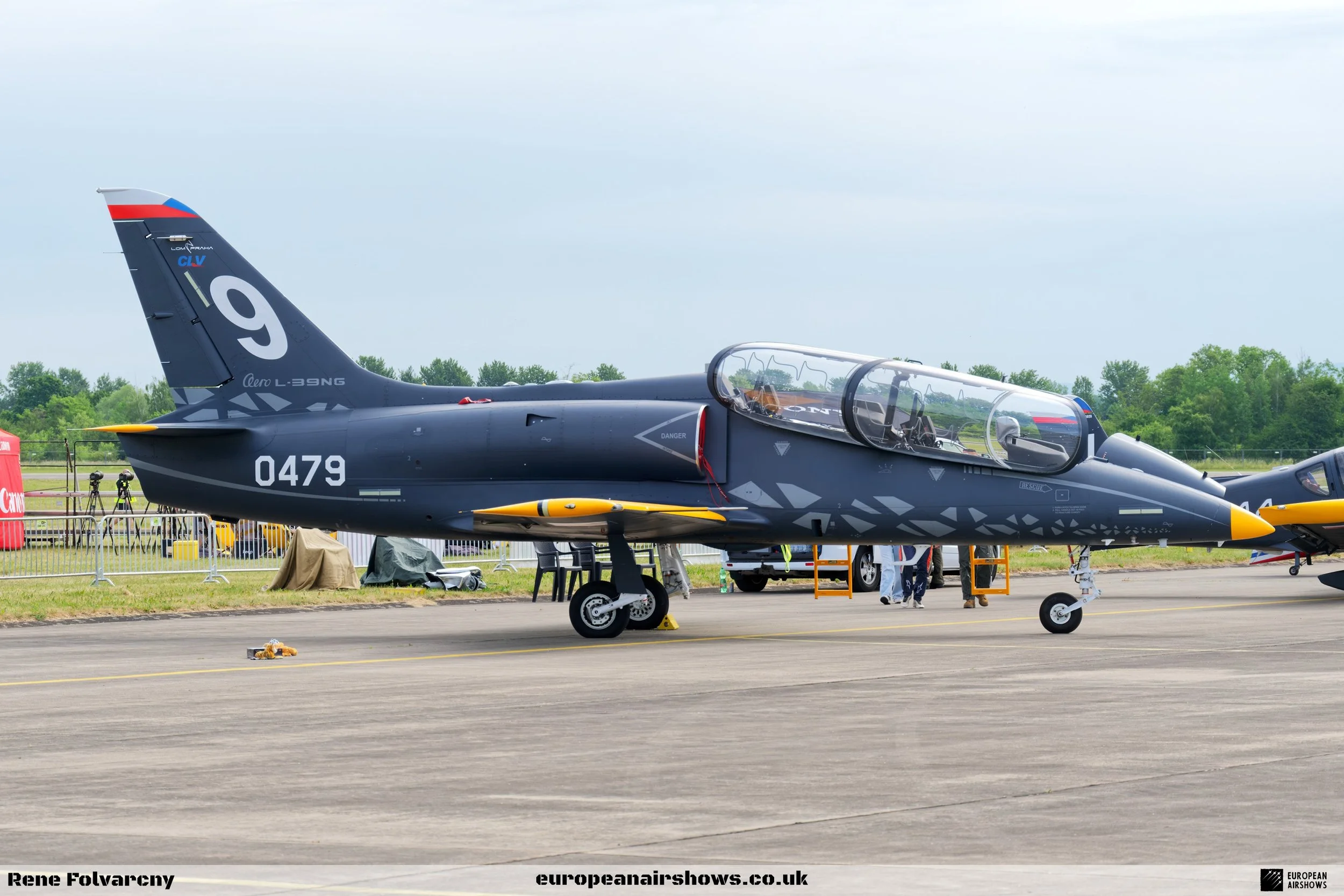
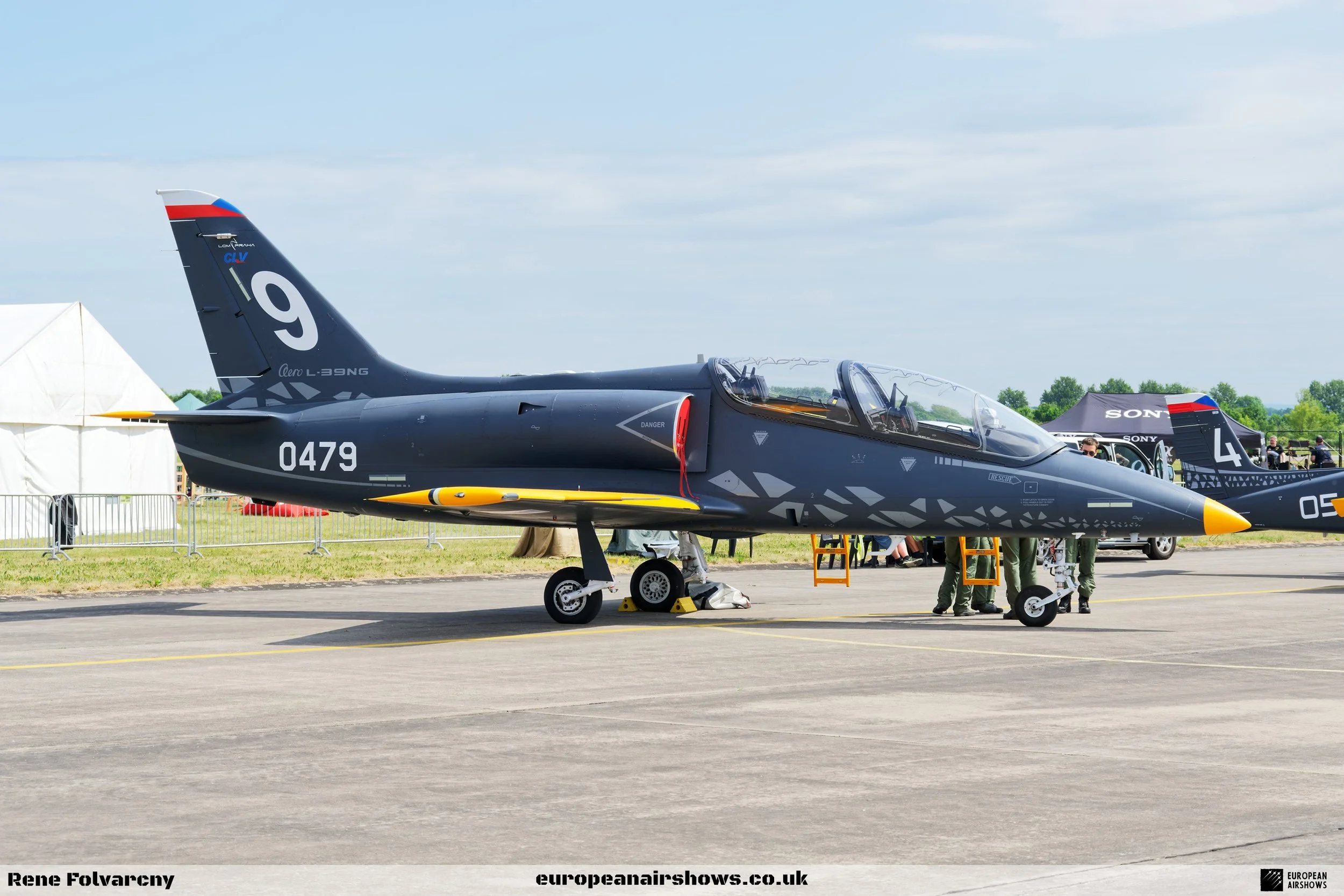
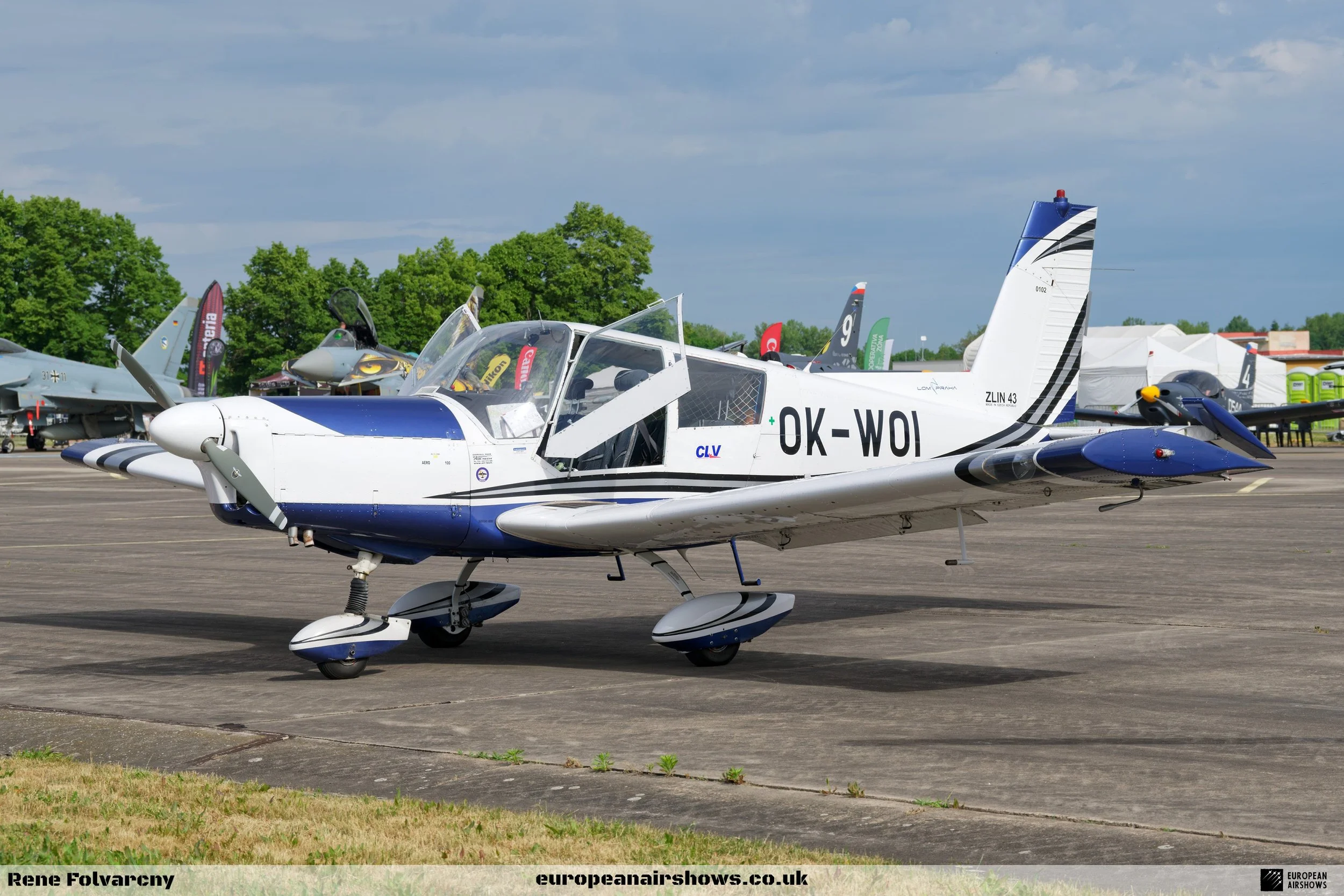
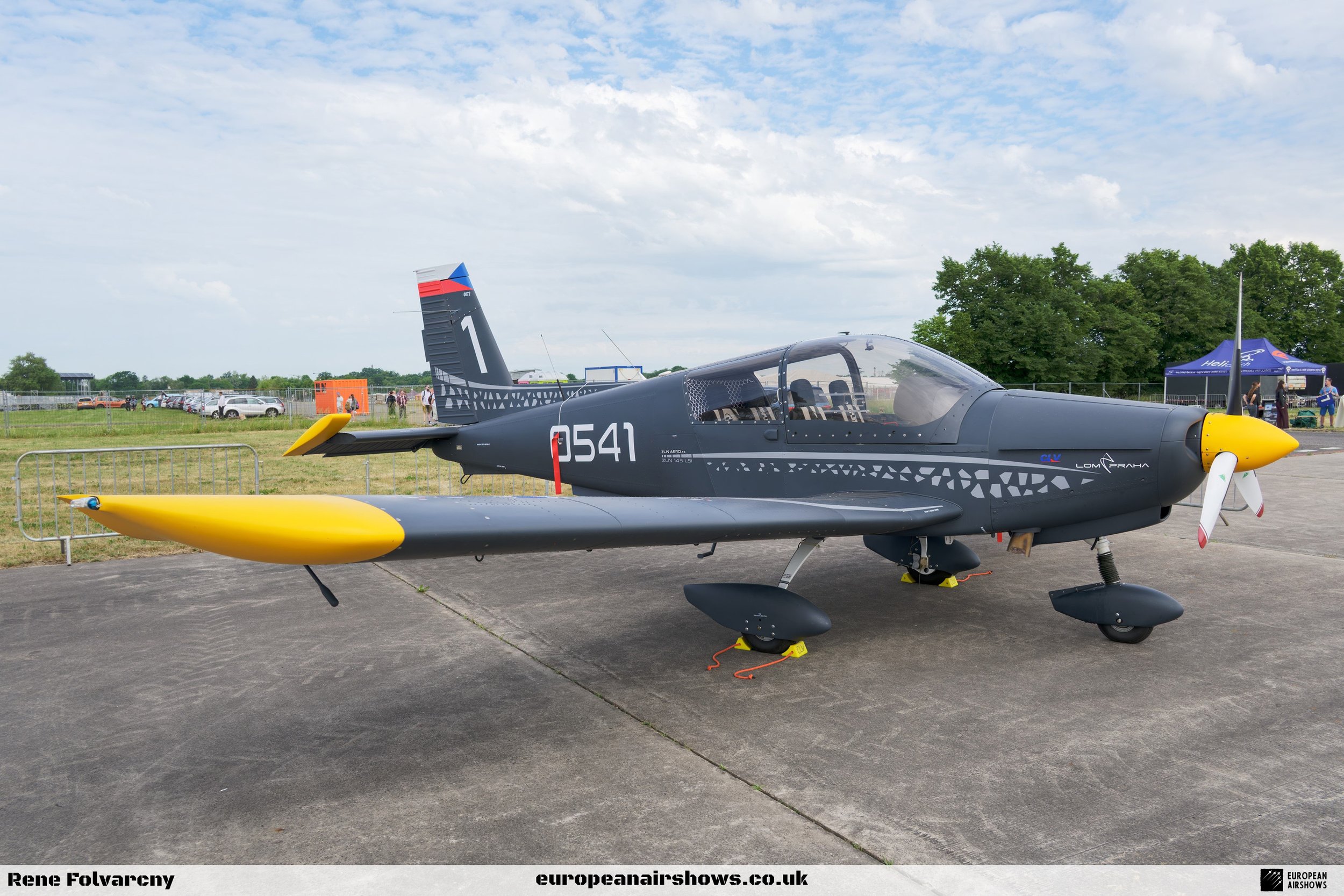
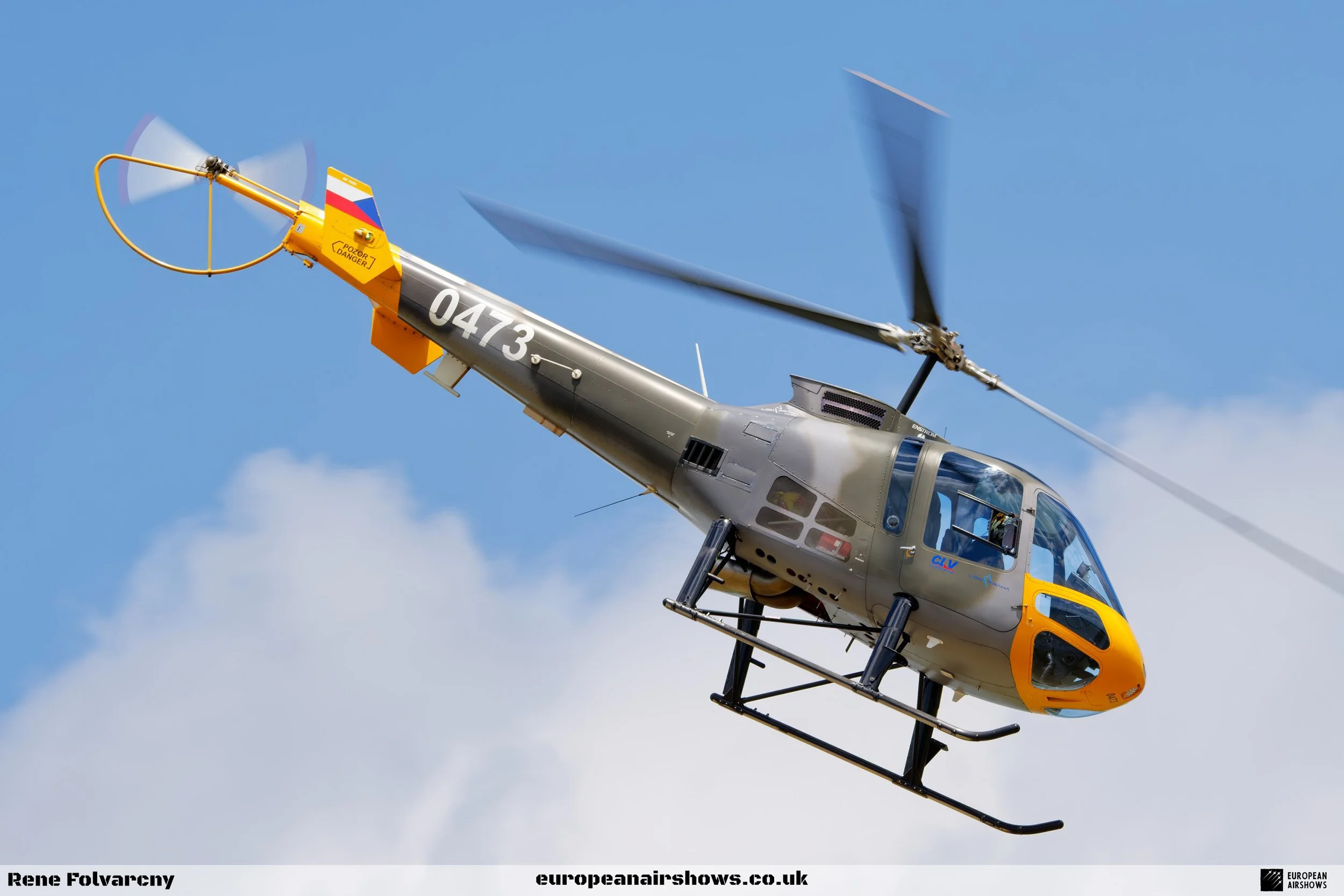
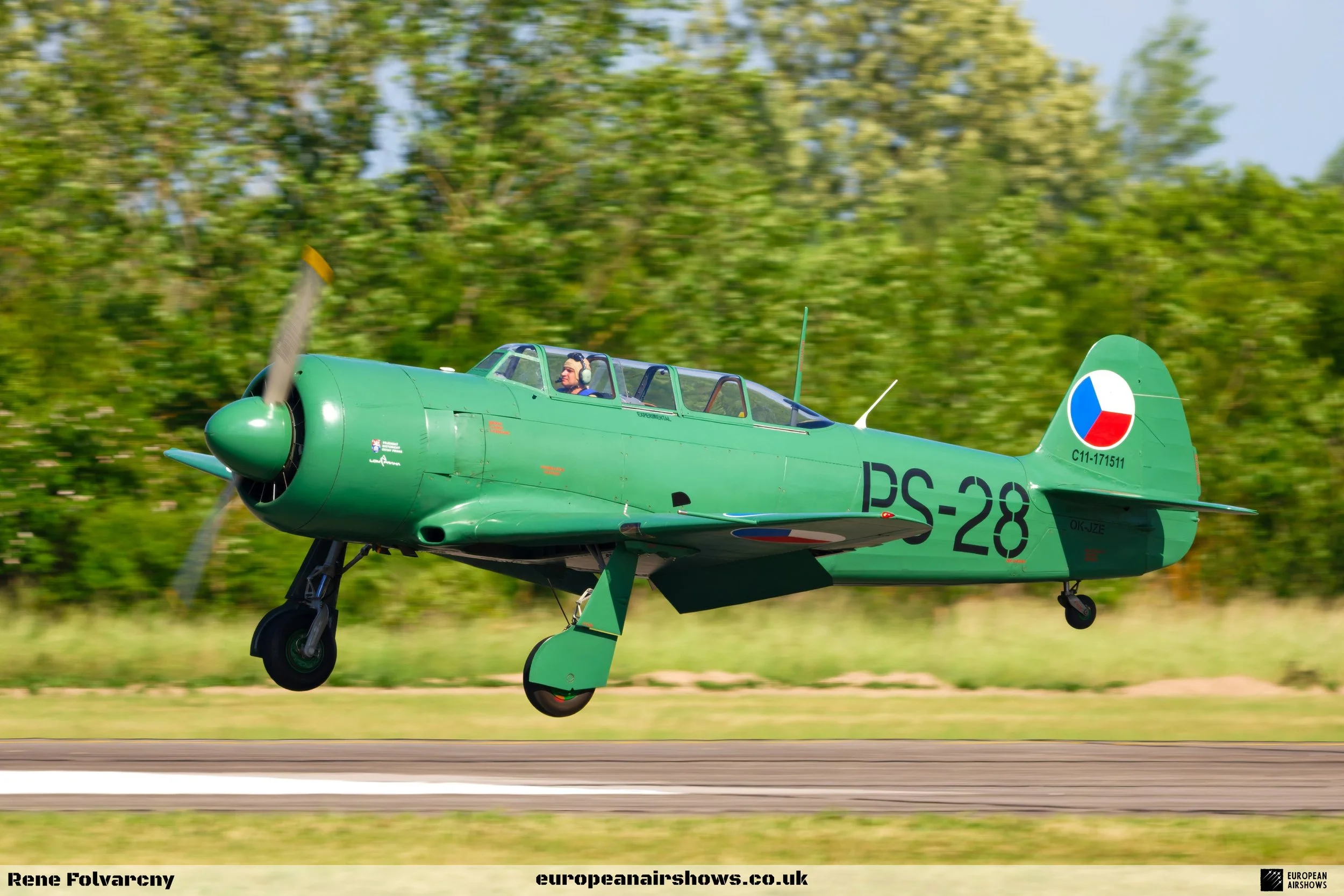
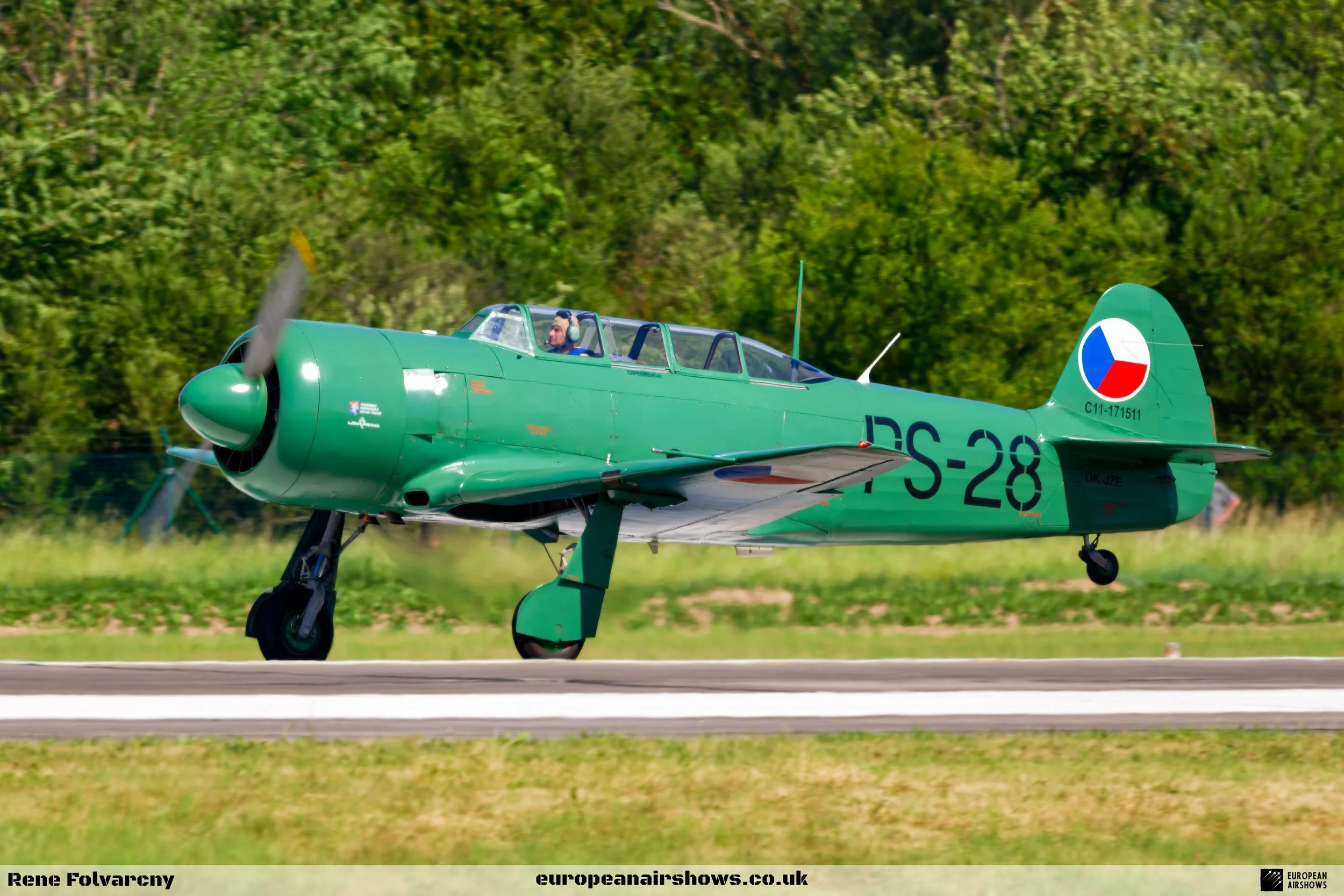
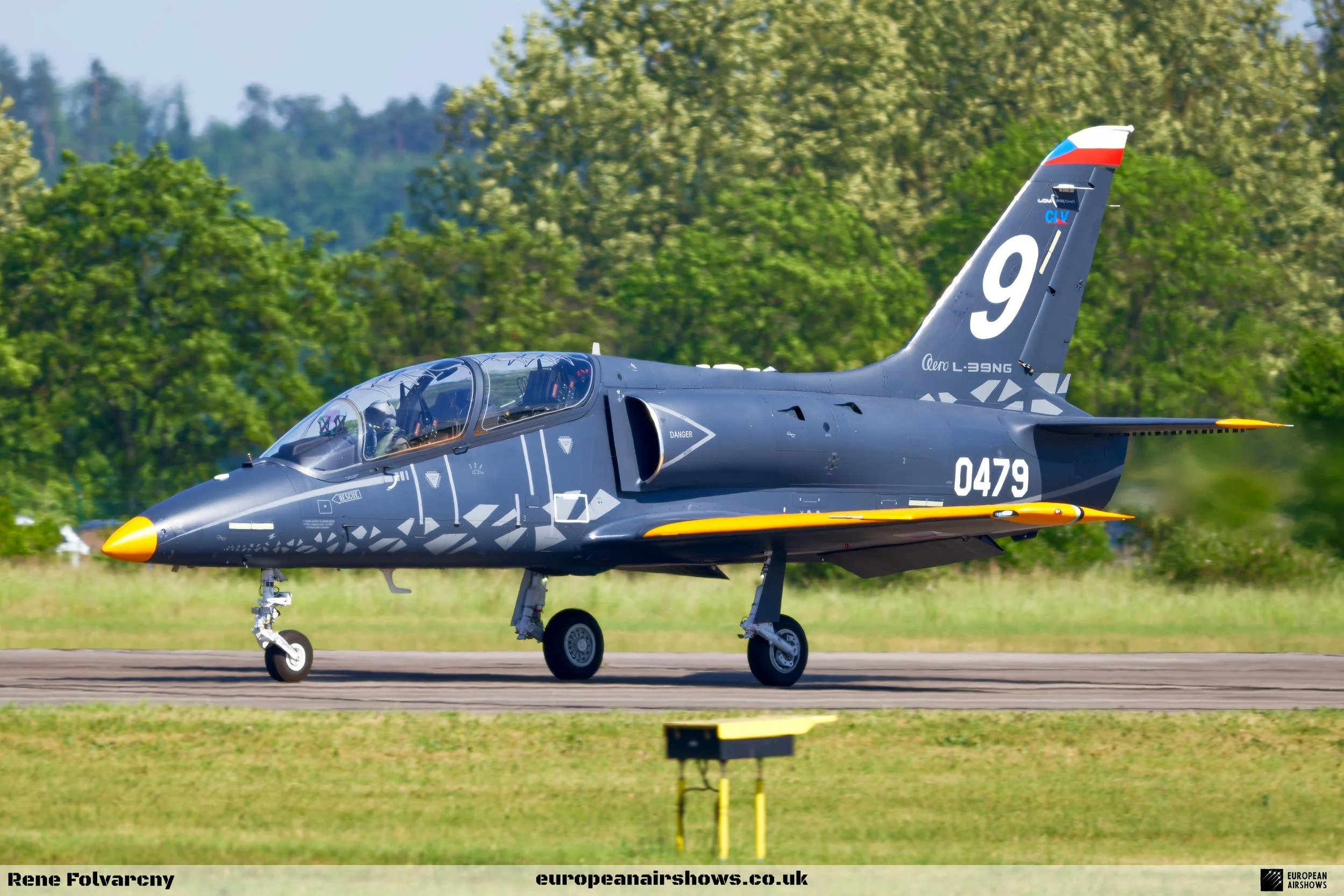
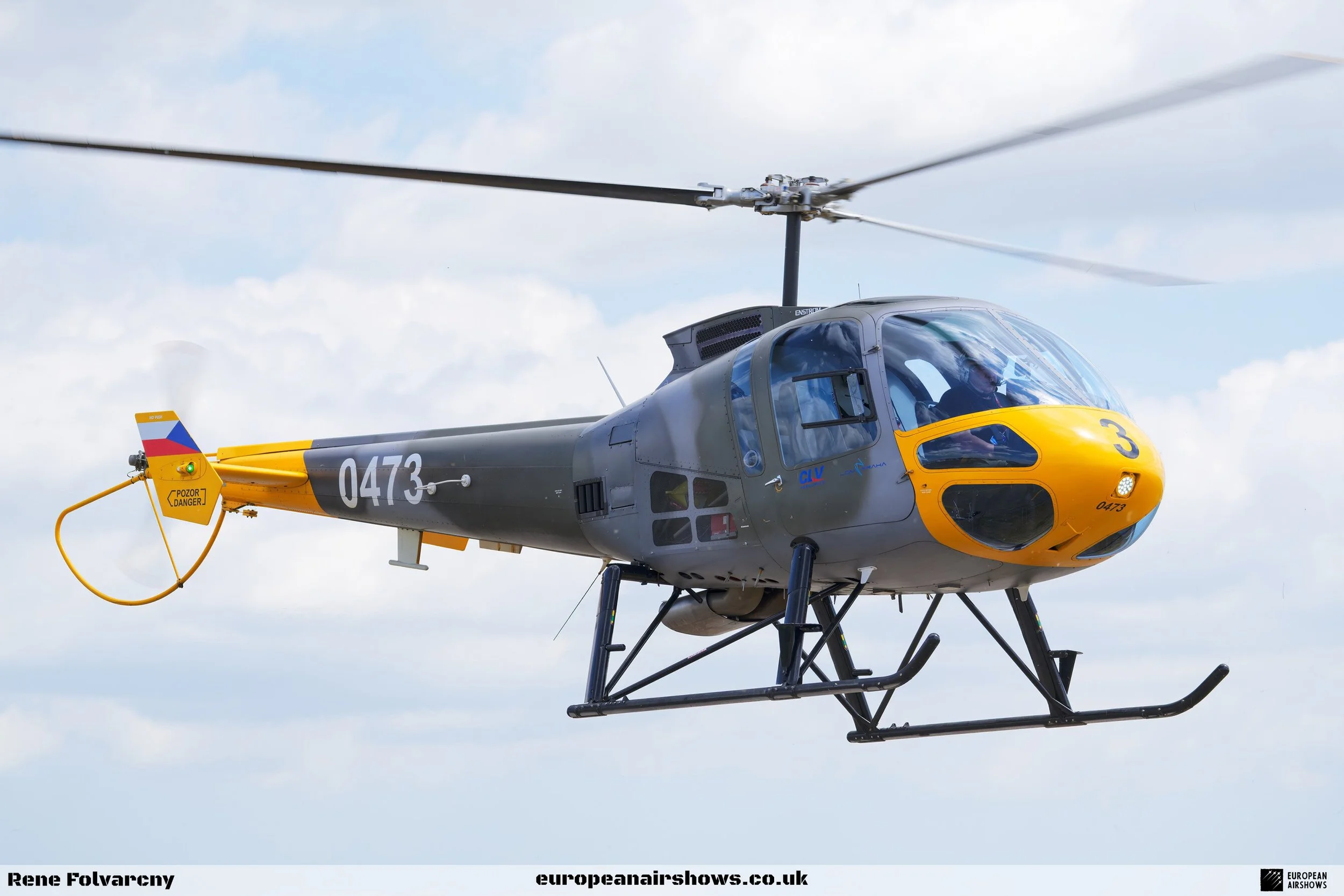
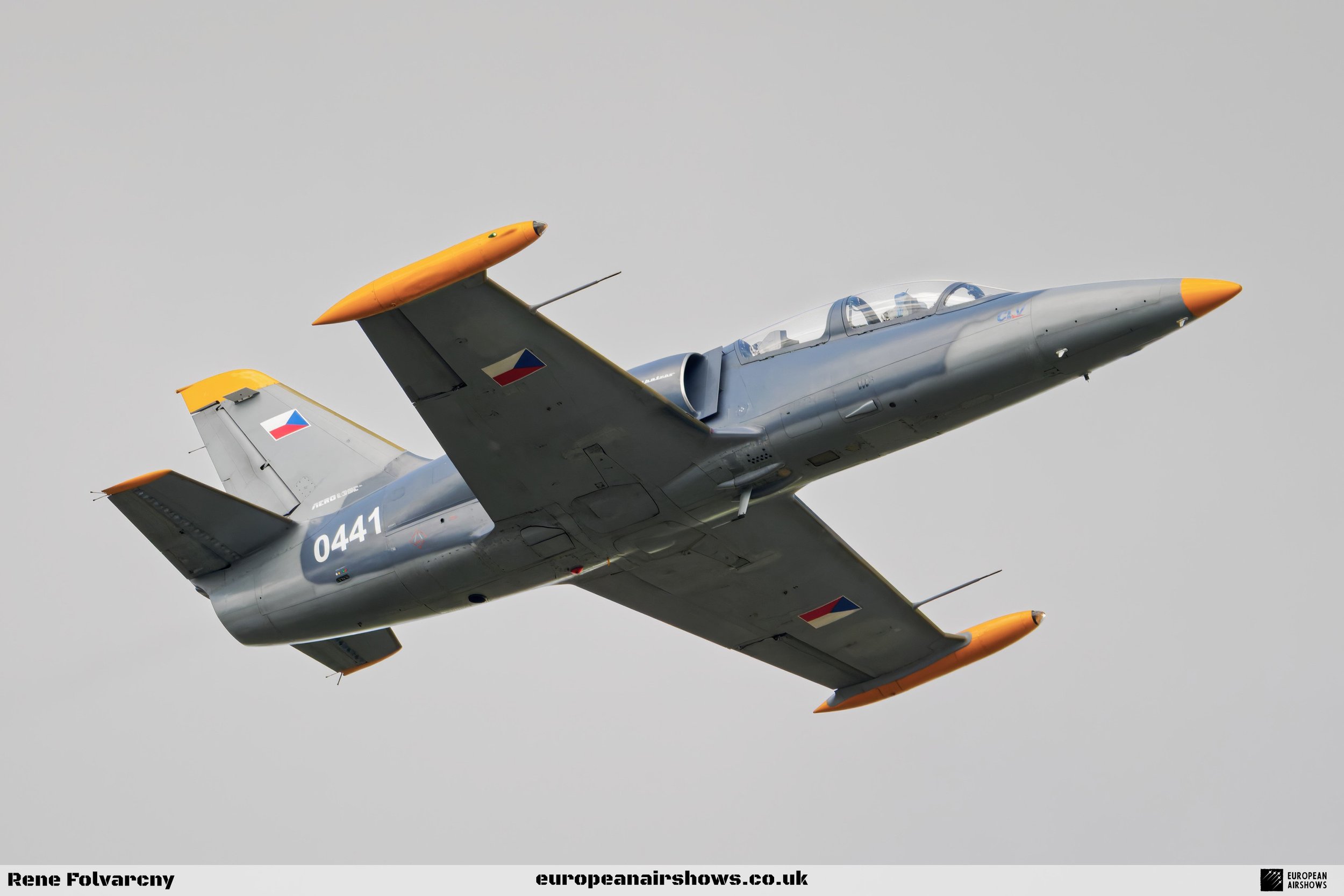
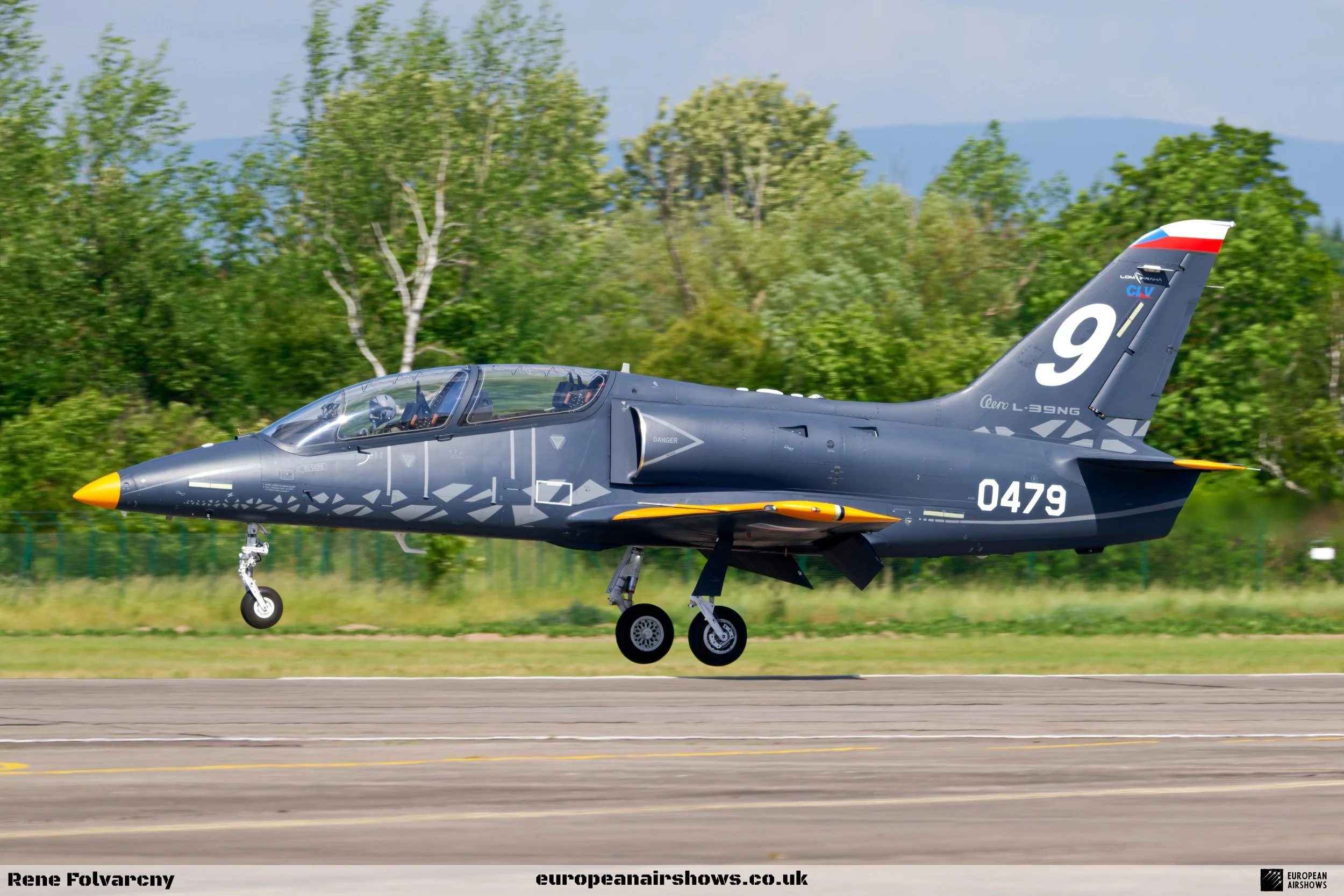
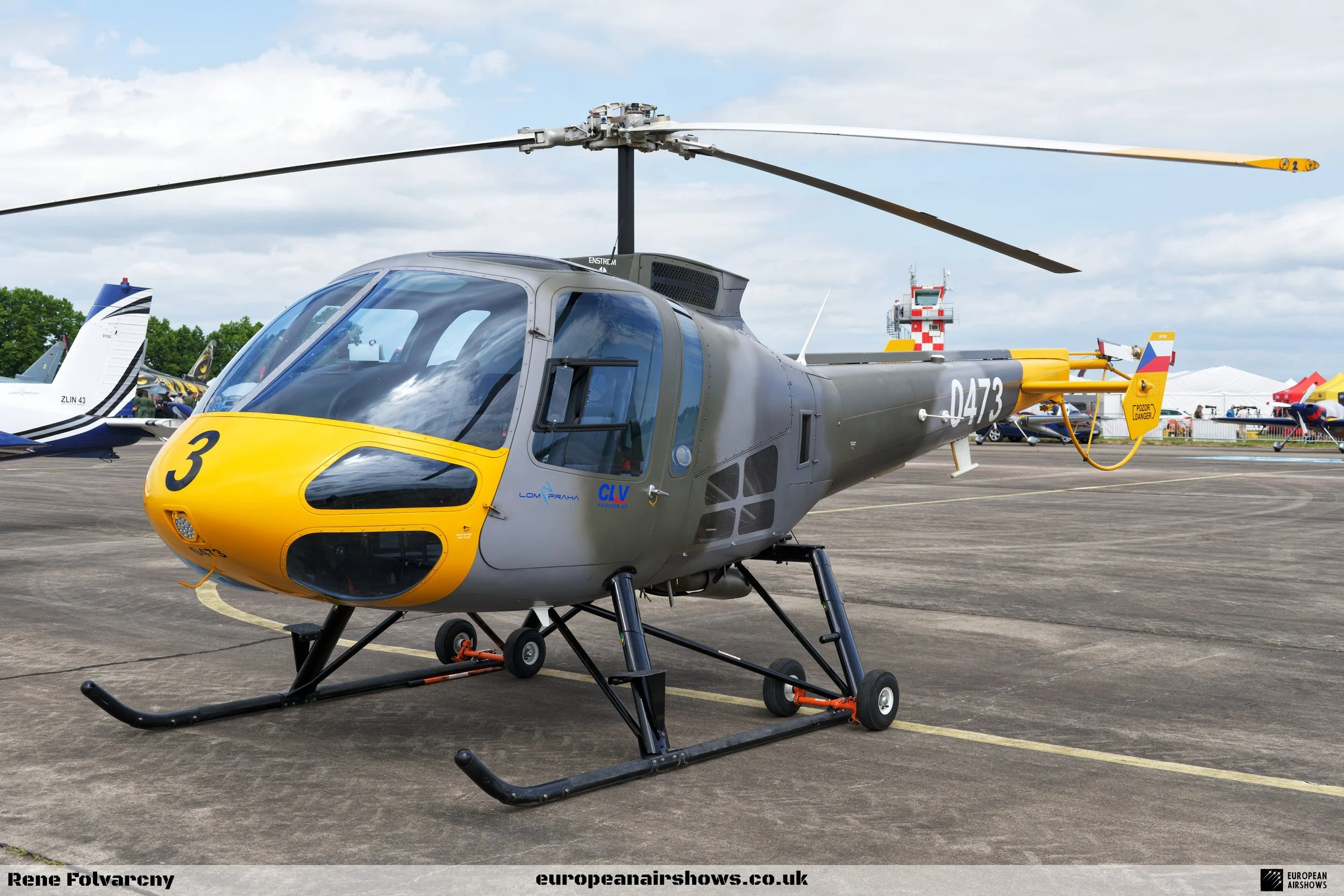
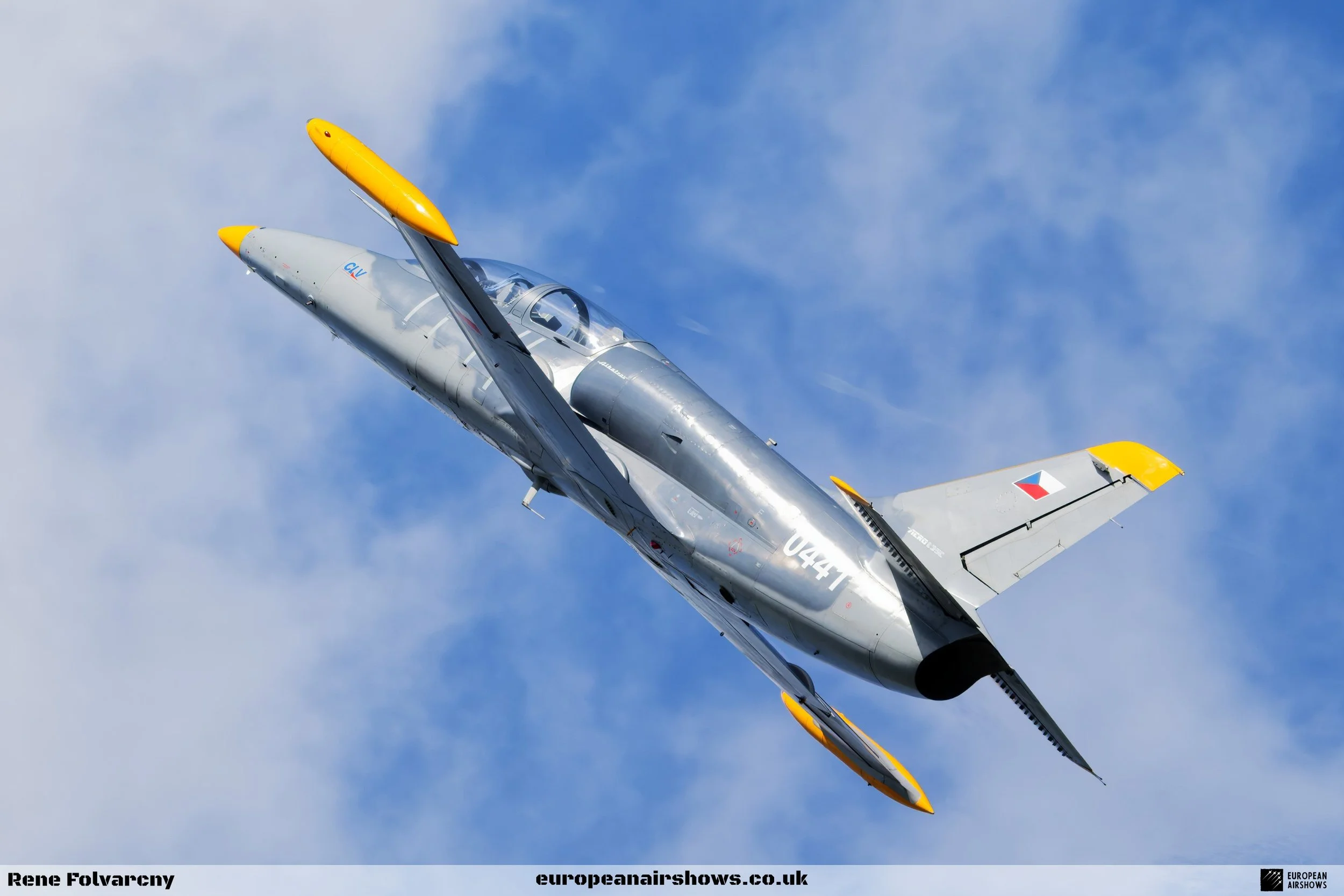
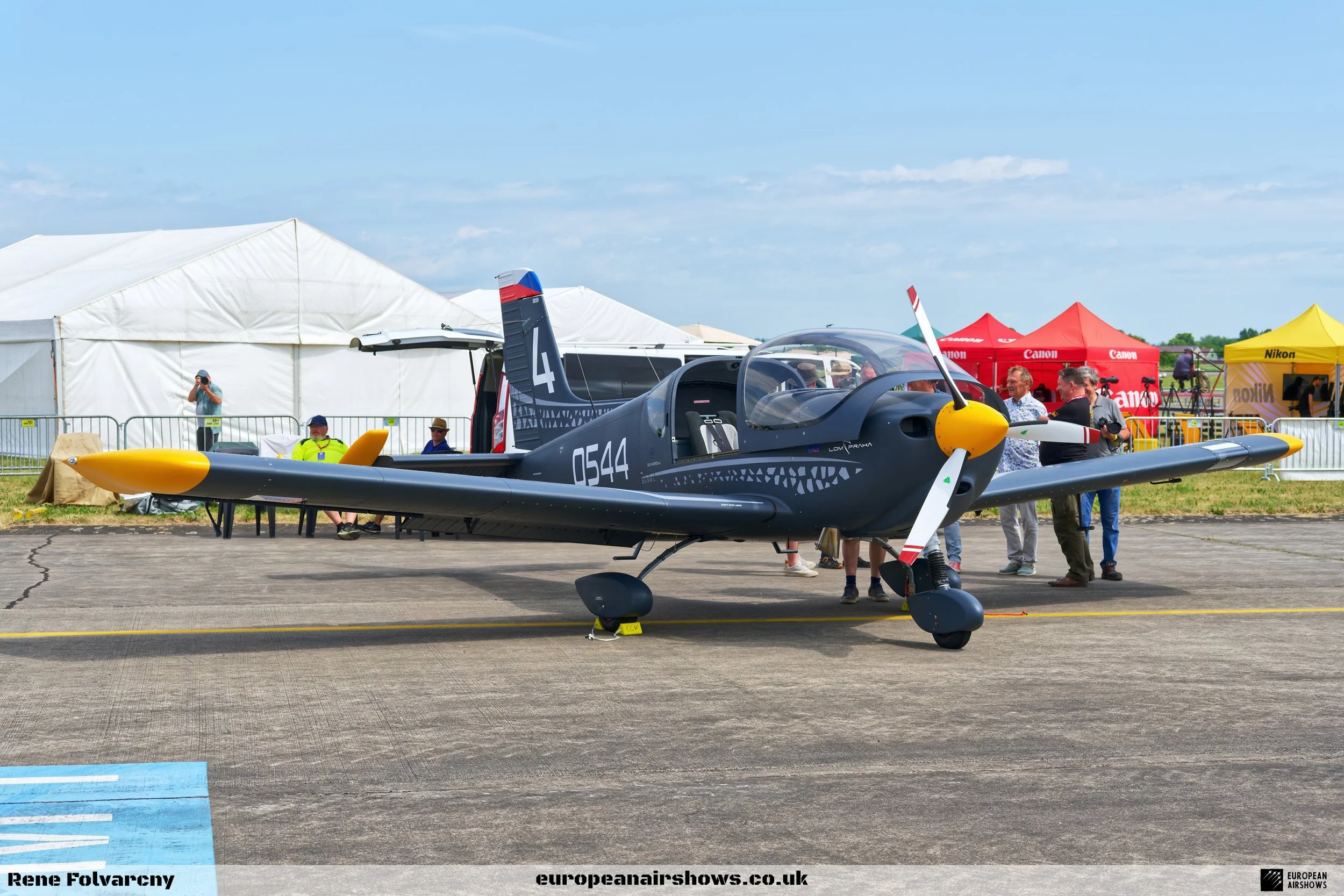
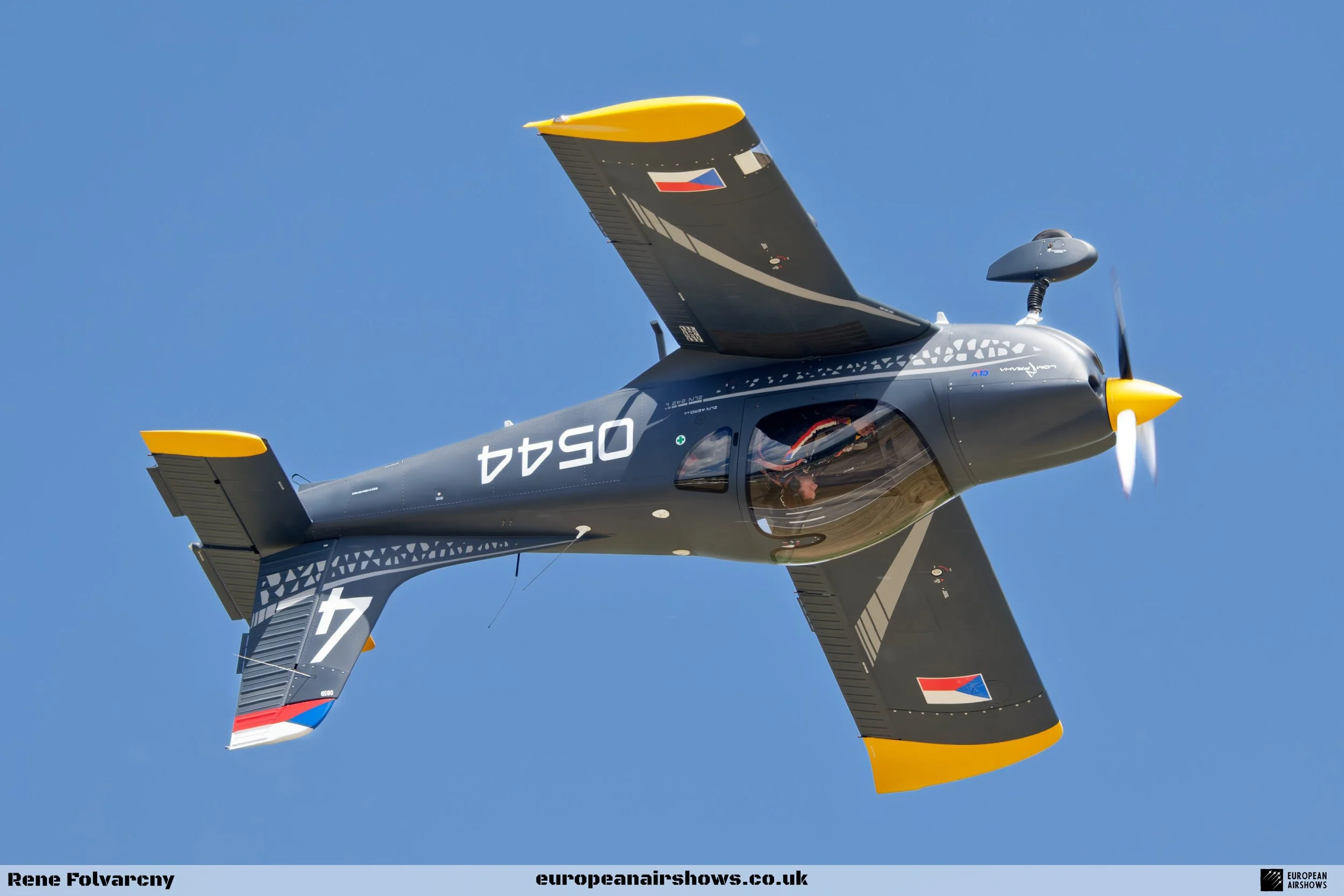
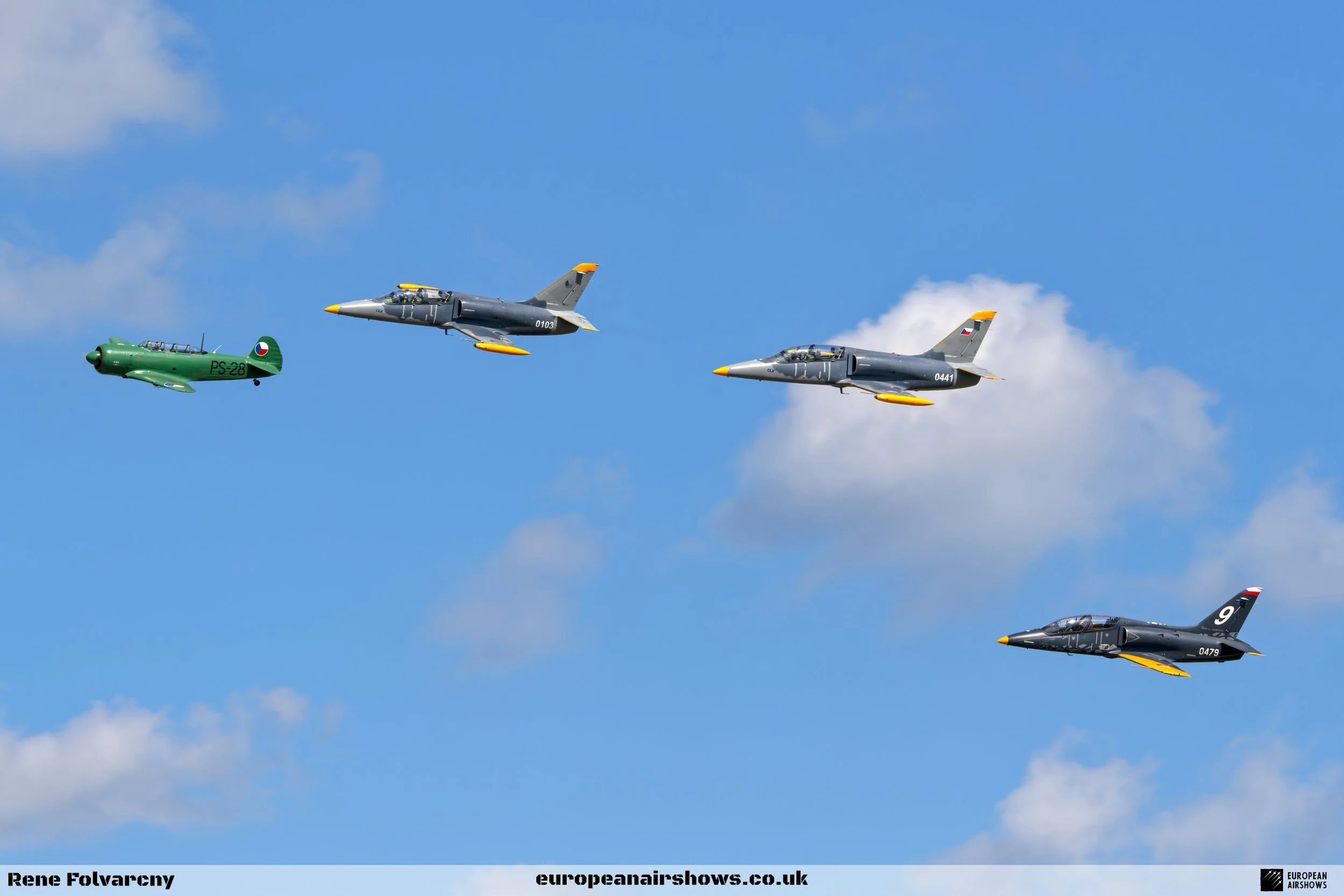
The Flight Training Centre at Pardubice, operated by LOM PRAHA, had one of the most interesting national contributions of the day. With Czech Air Force front-line solo displays absent, the CLV aircraft helped keep a Czech military training presence in the air.
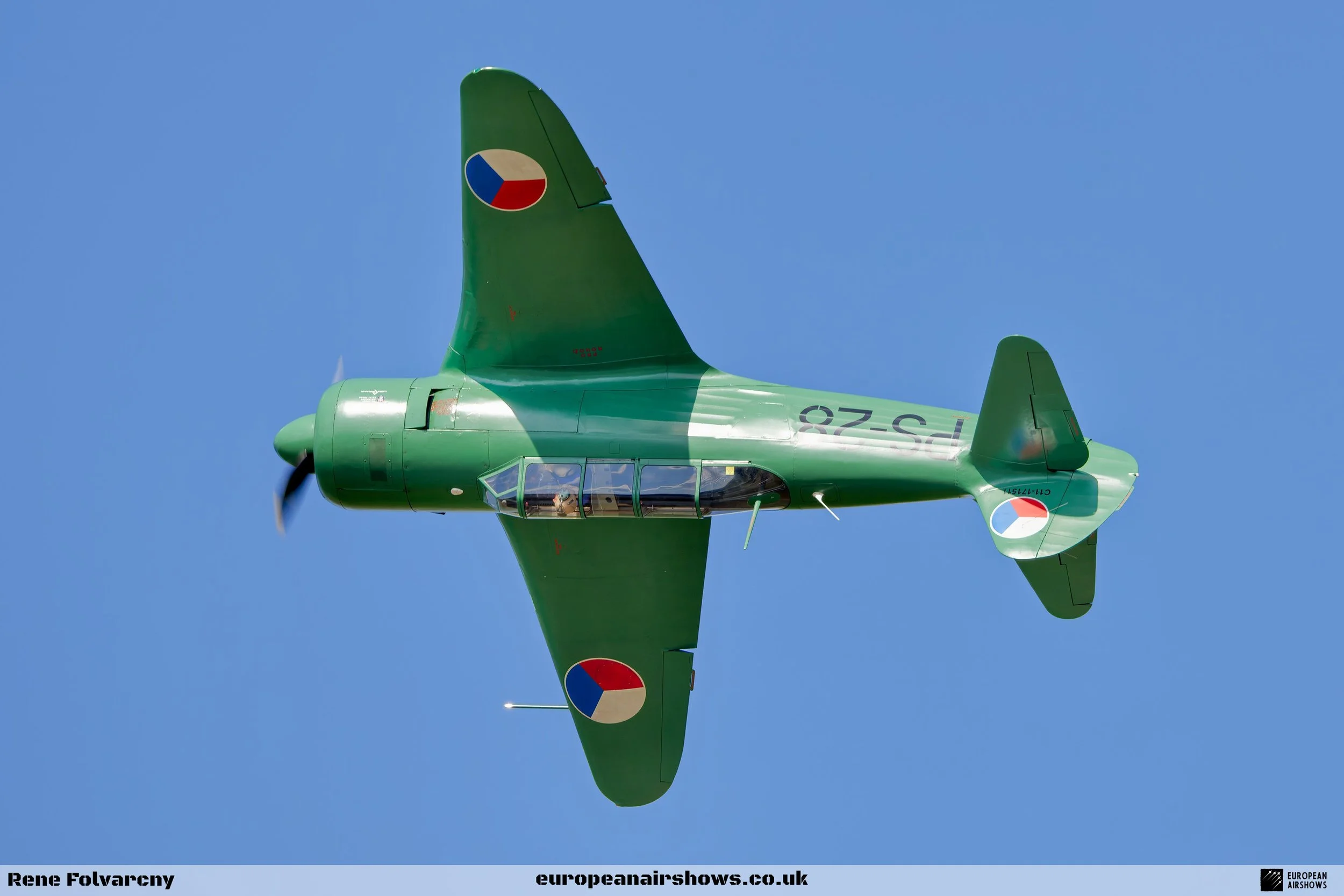
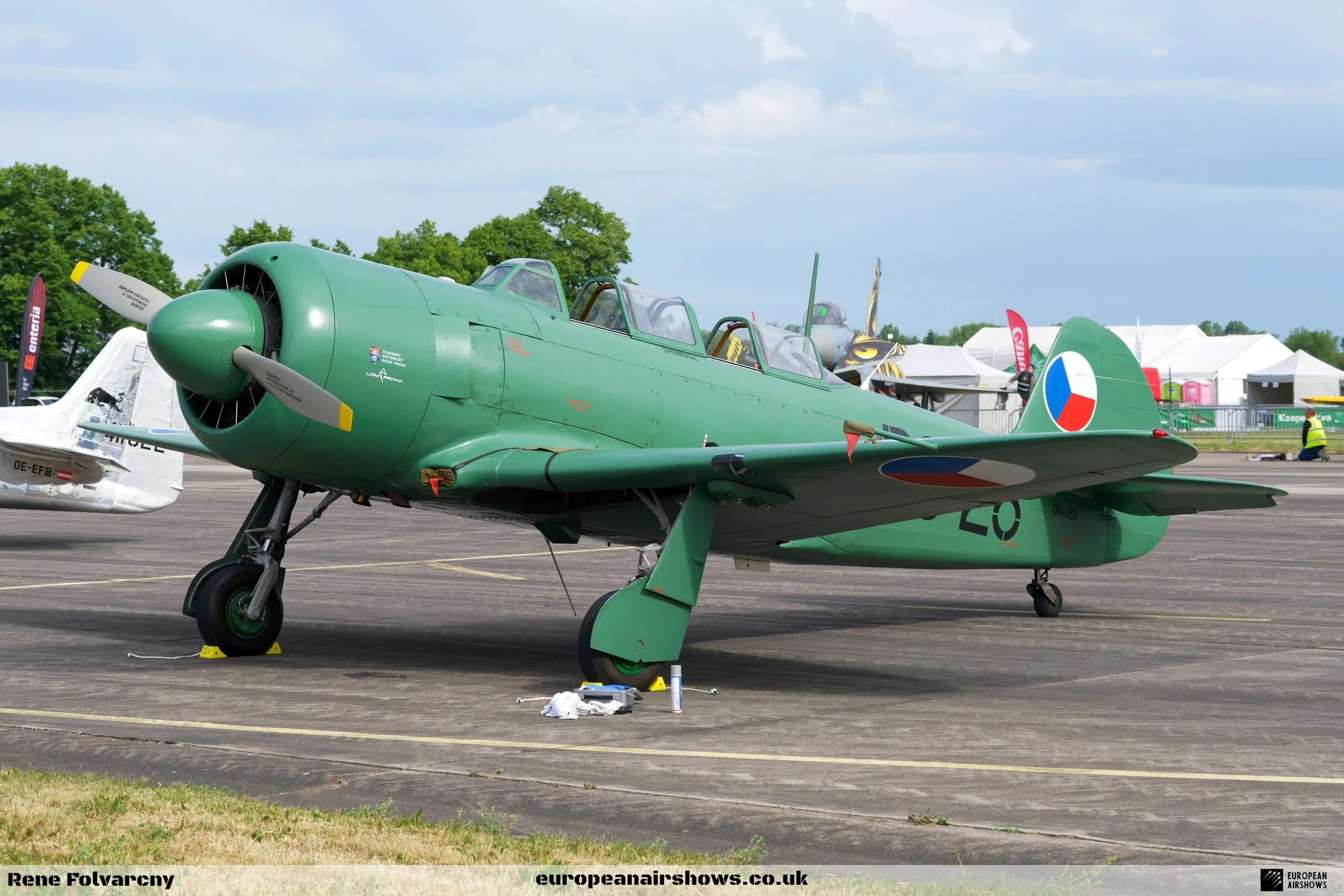
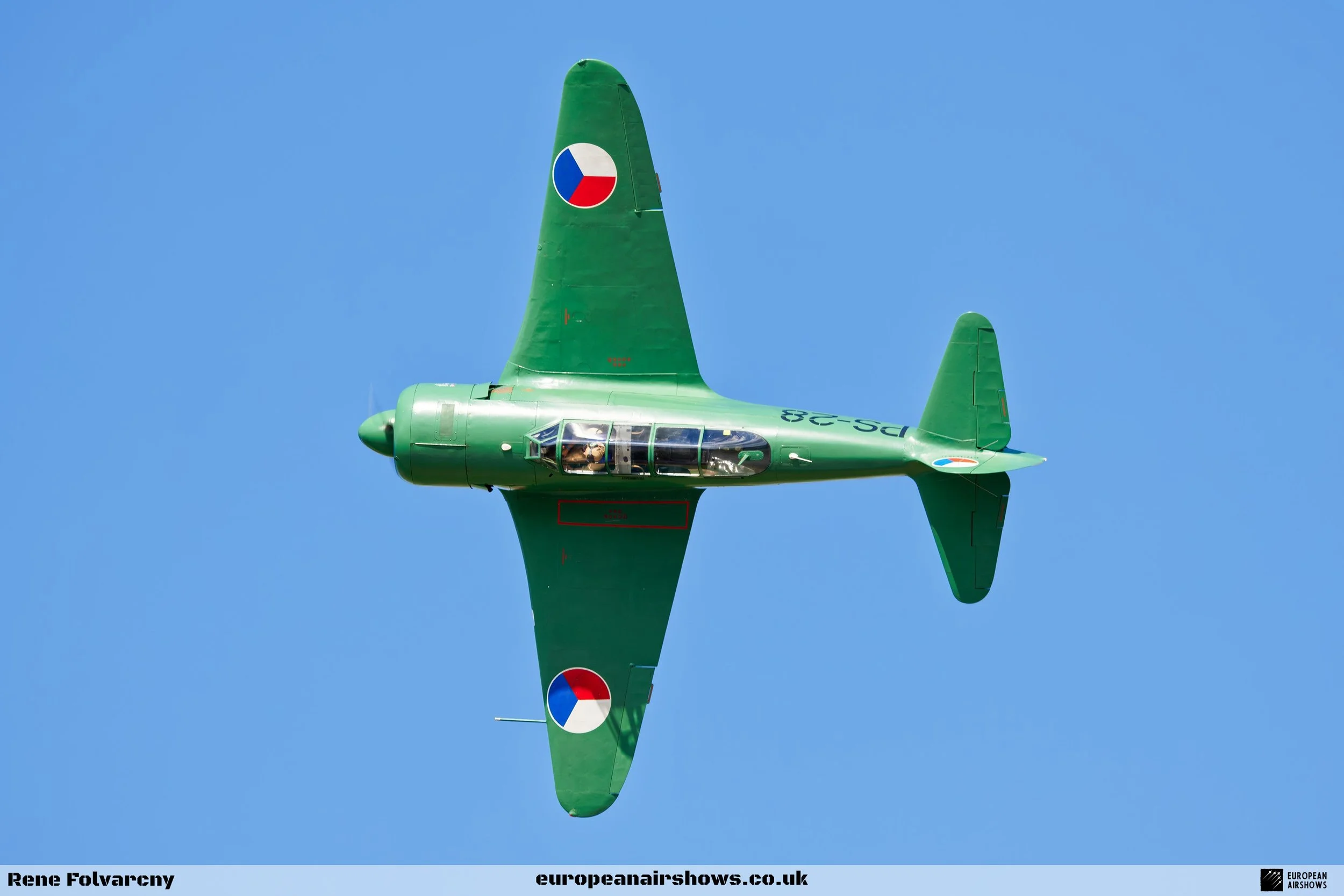
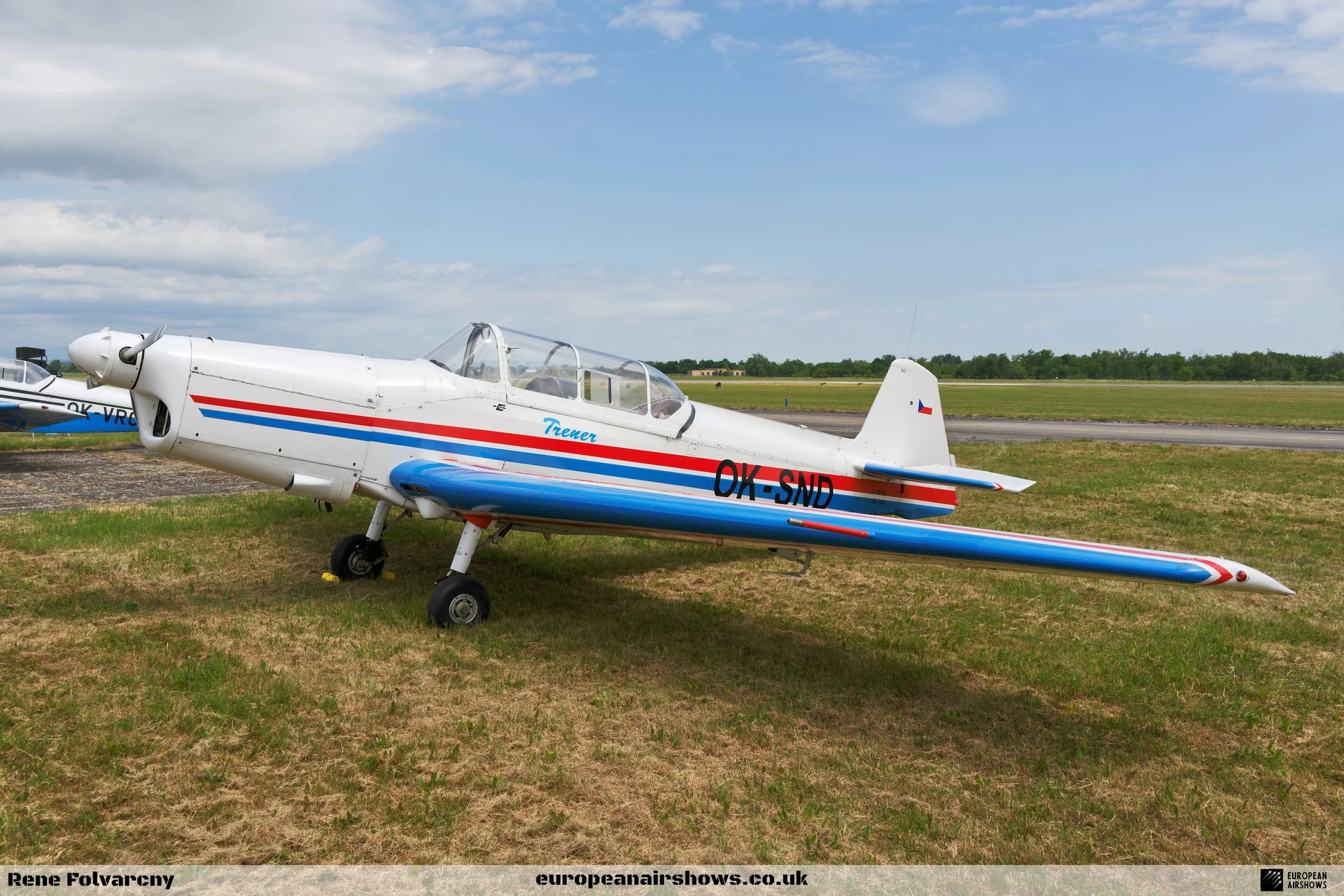
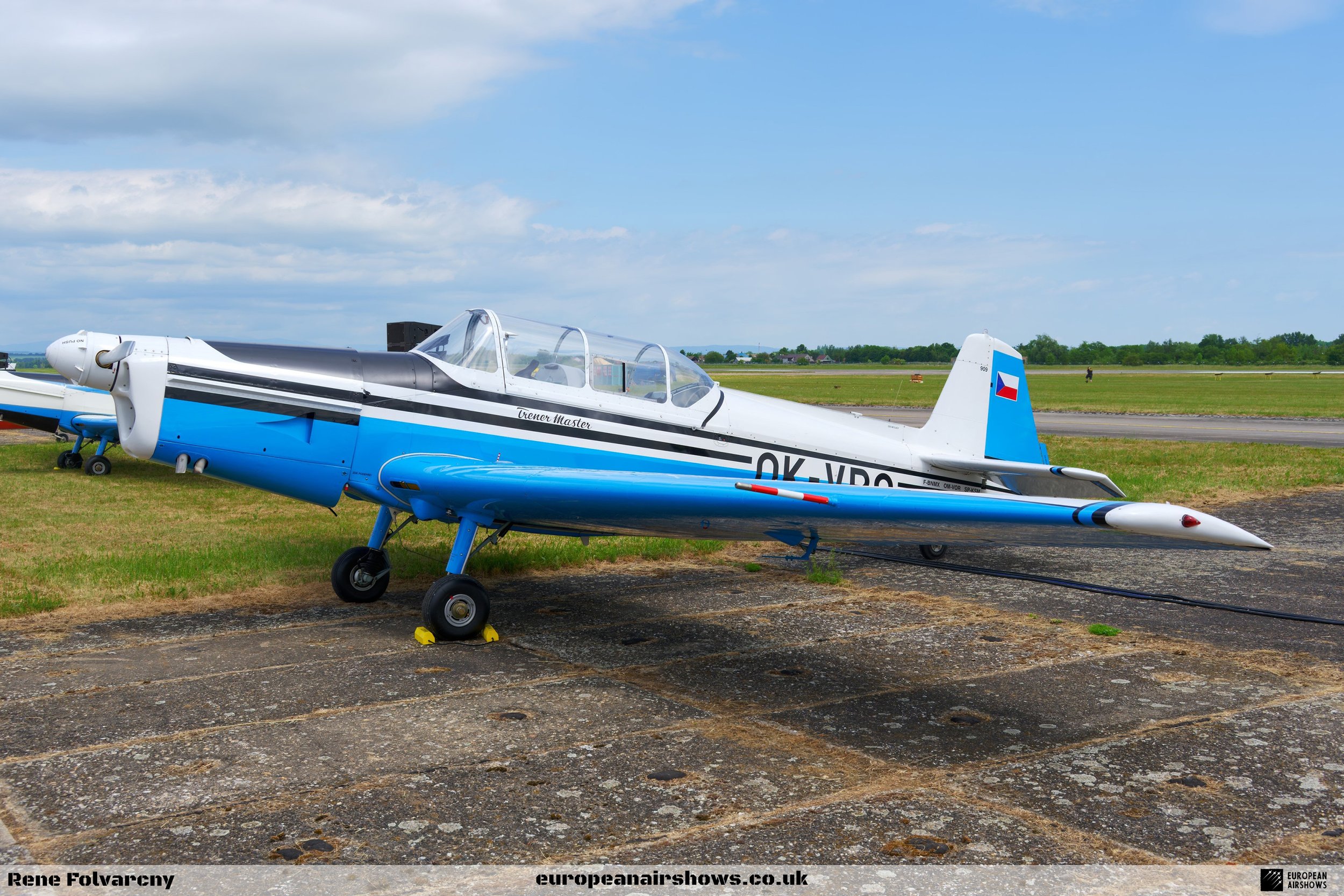
The mix of Aero L-39C Albatros, Aero L-39NG Skyfox, Let C-11 and Zlín Z-242 Zeus gave the programme a useful local spine. The L-39C is especially important in 2026, with the type approaching retirement from LOM PRAHA service. Seeing it alongside the newer L-39NG Skyfox gave the display a natural old-and-new feel.
The CLV sequence was not the loudest or most dramatic part of the show, but it was one of the more relevant. Aviatická pouť has always been good at showing the Czech aviation story rather than just importing spectacle, and this was a good example. The Let C-11 added classic Eastern Bloc training character, while the L-39NG brought the story up to the modern day.
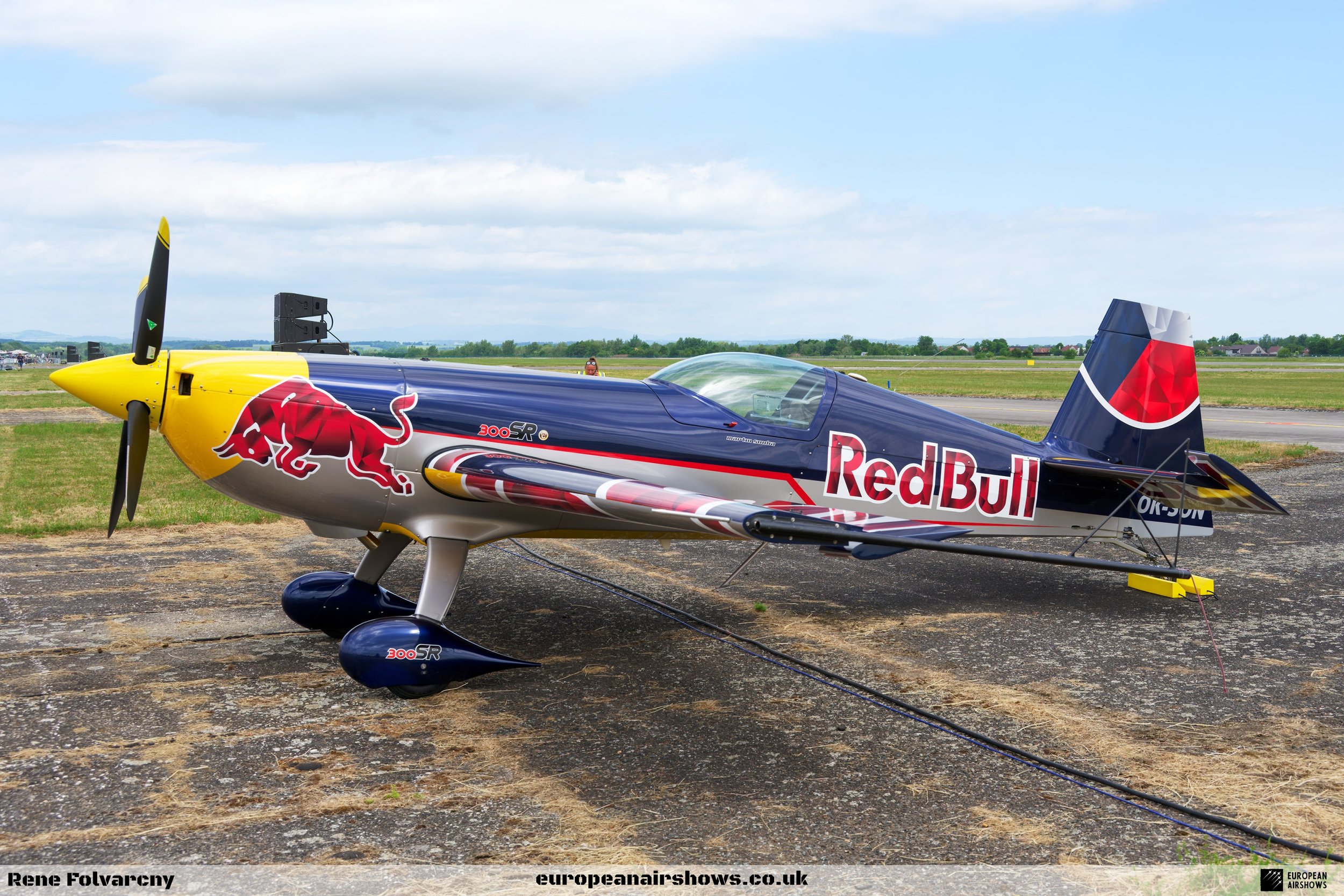
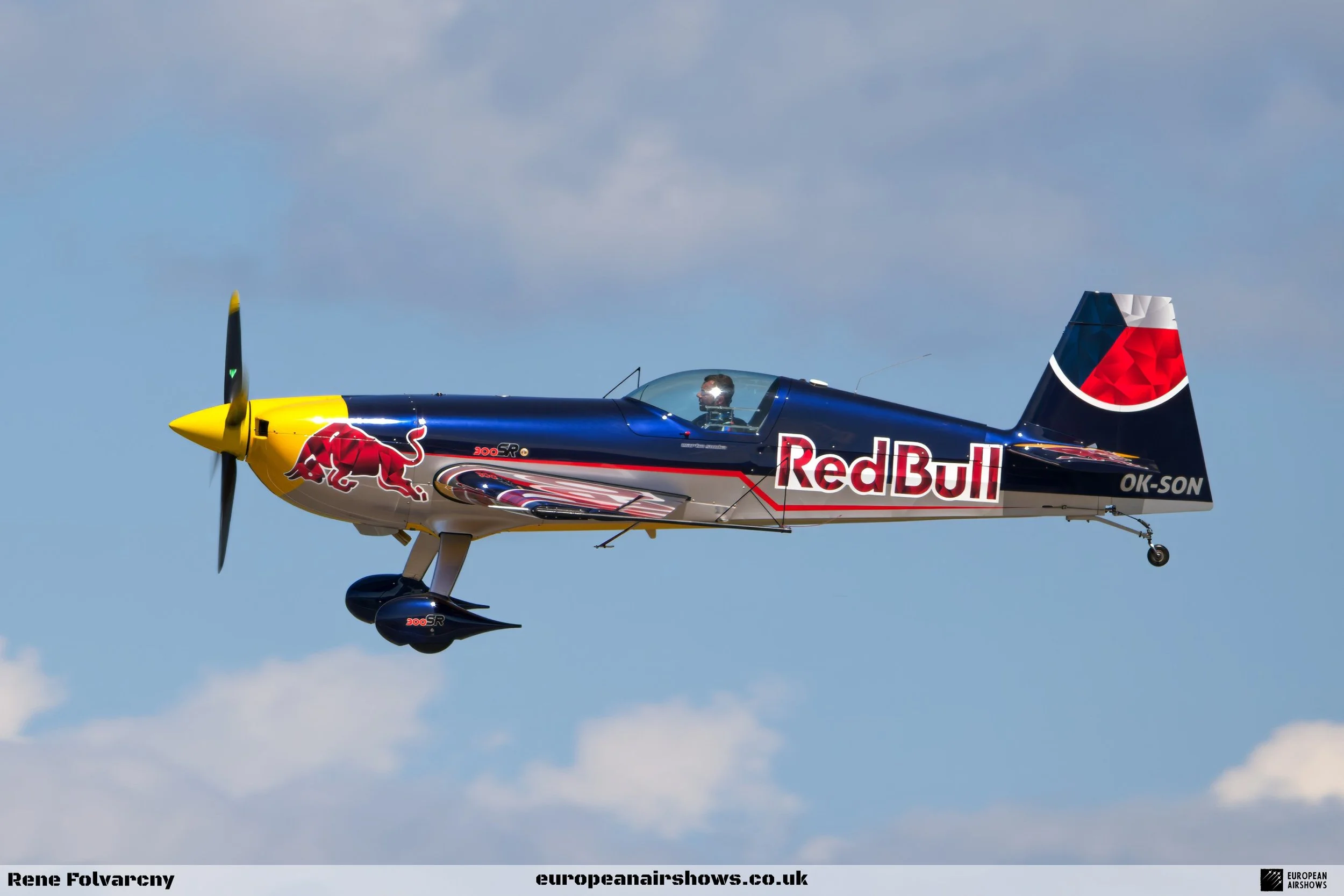
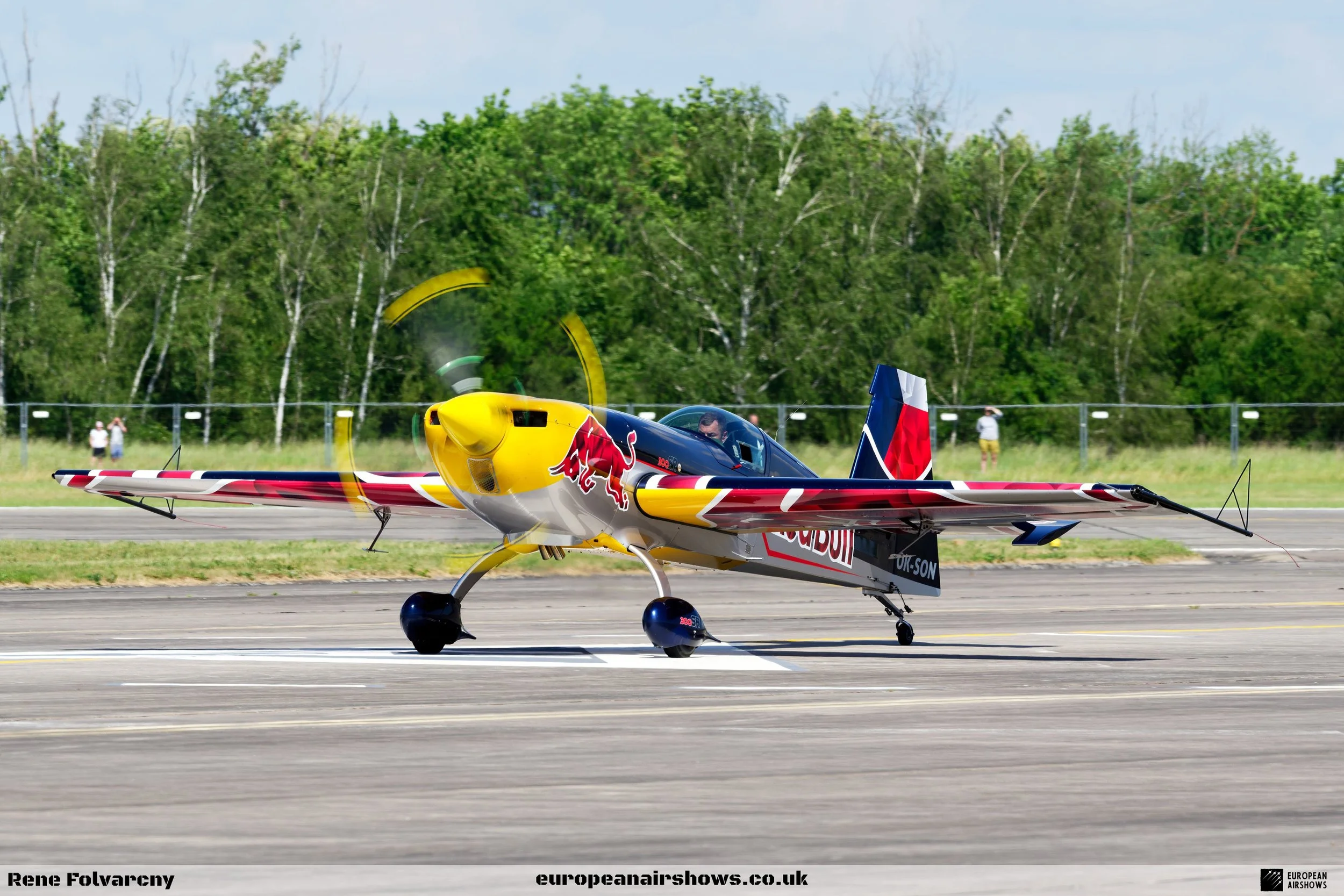
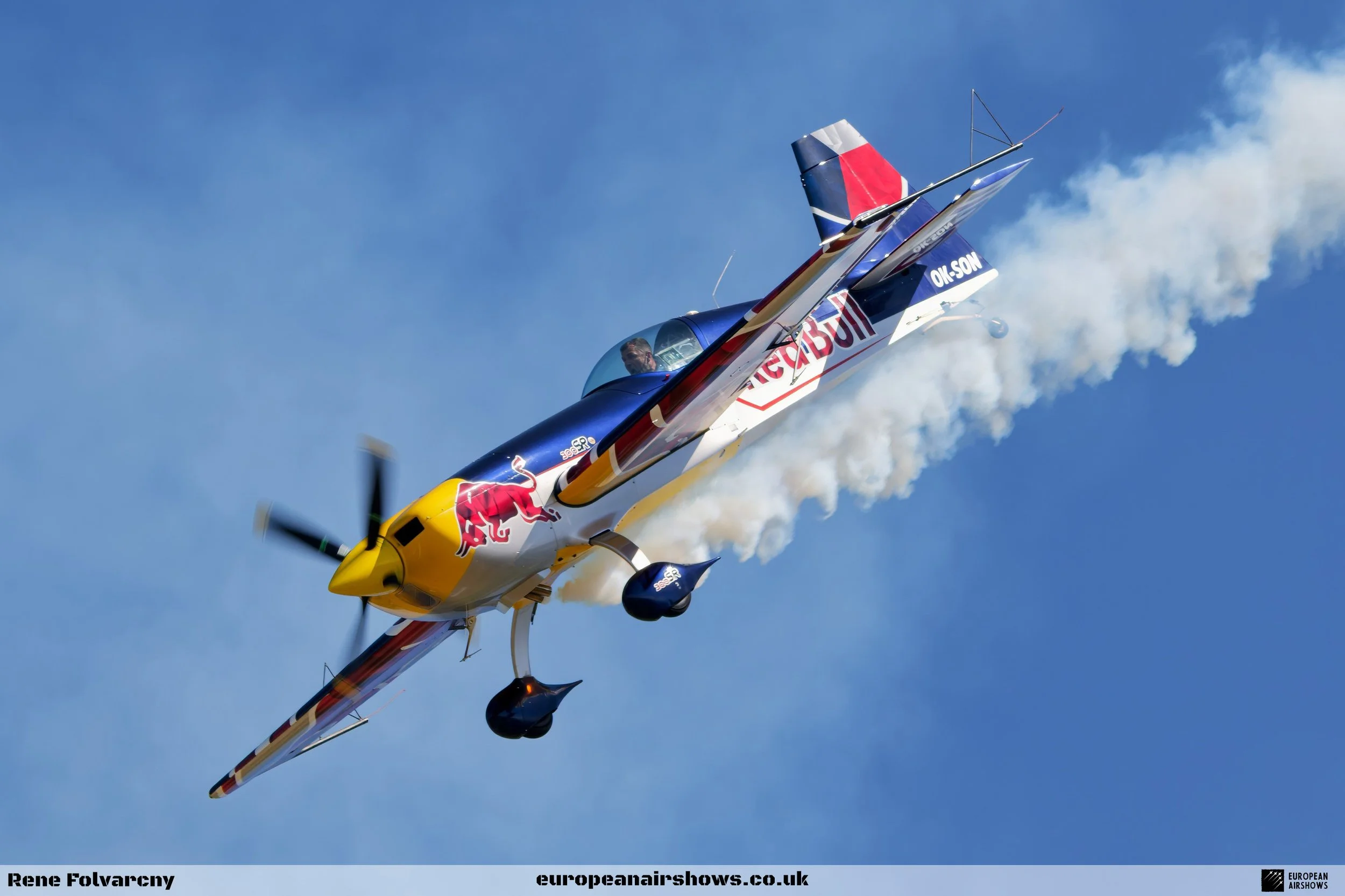
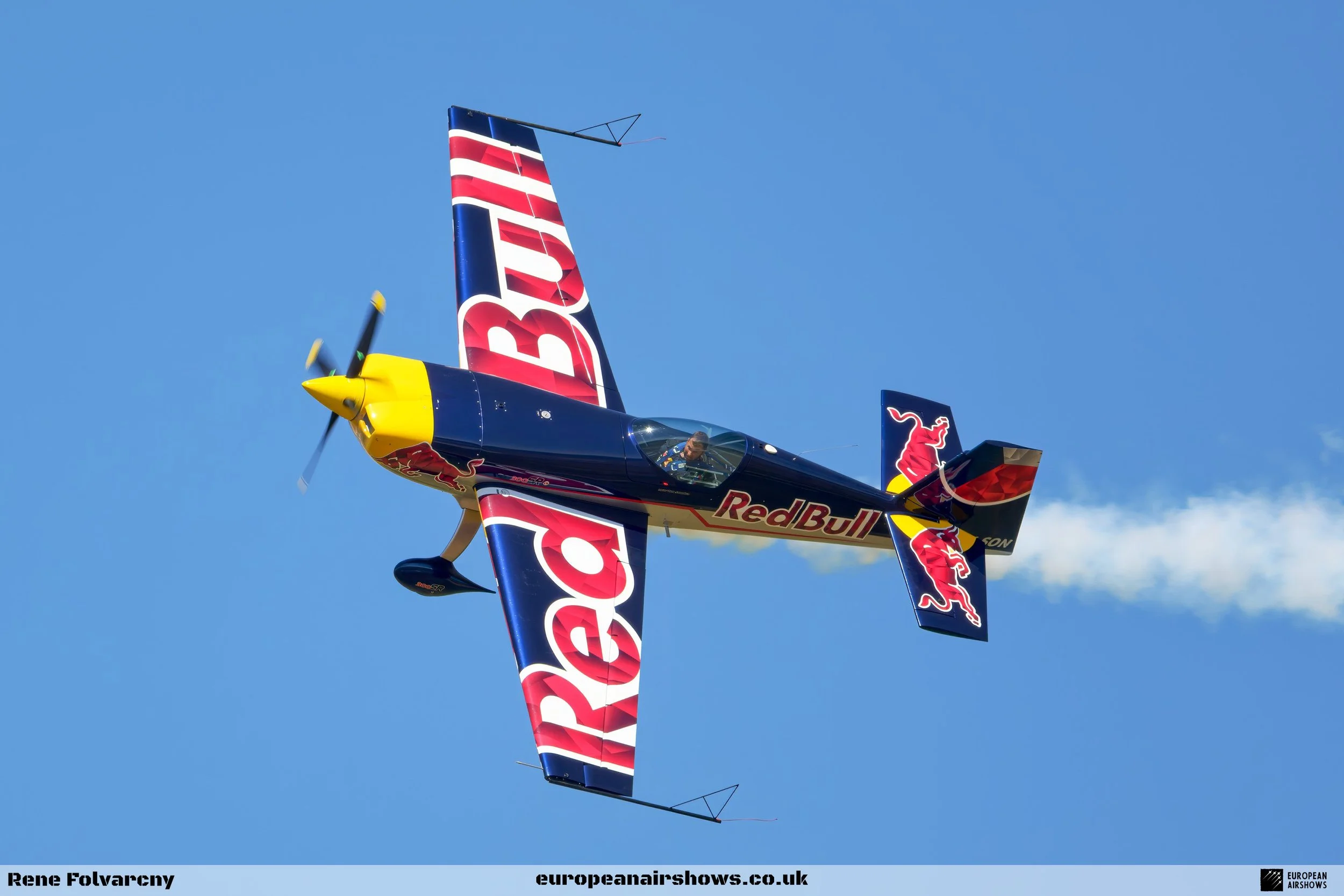
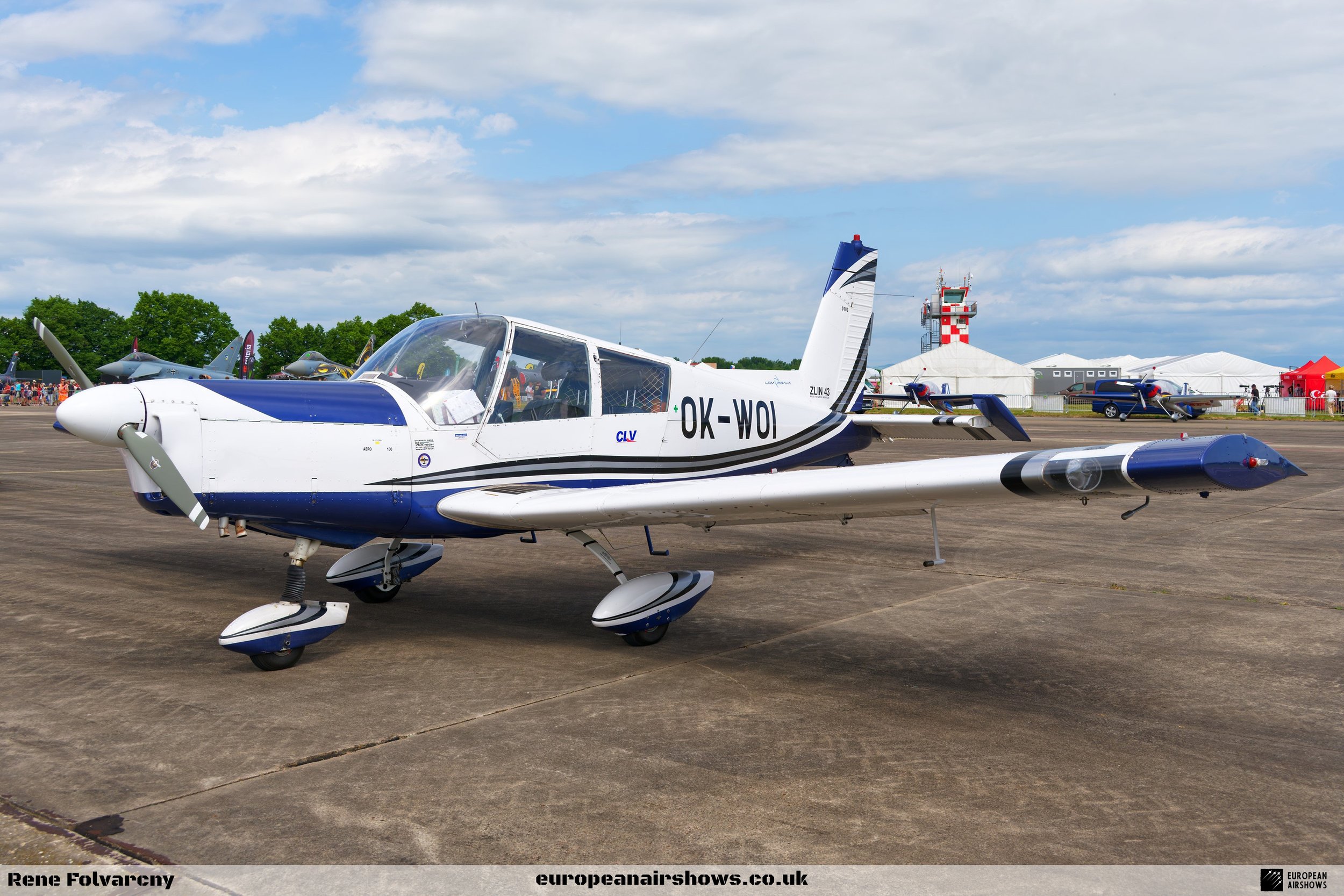
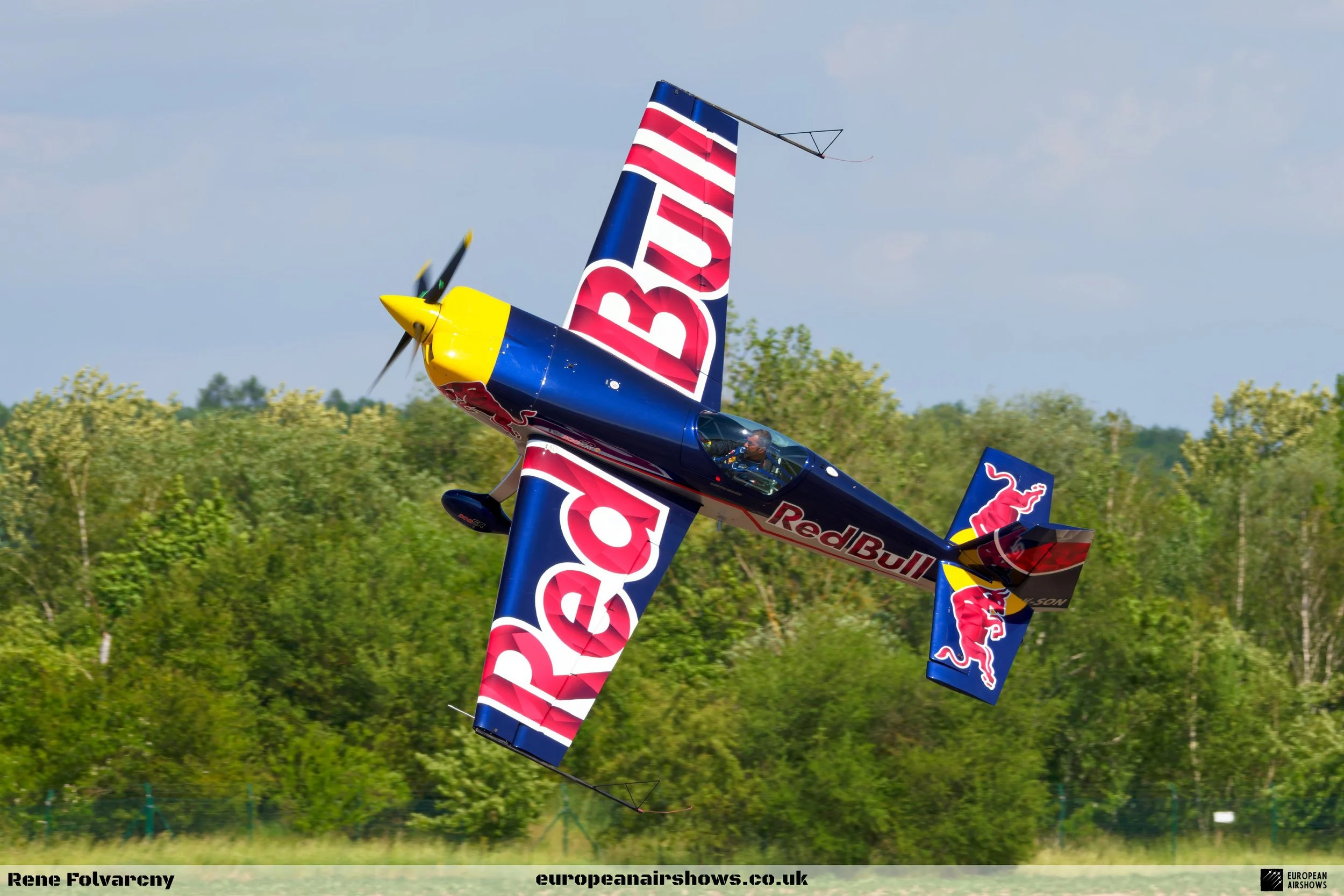
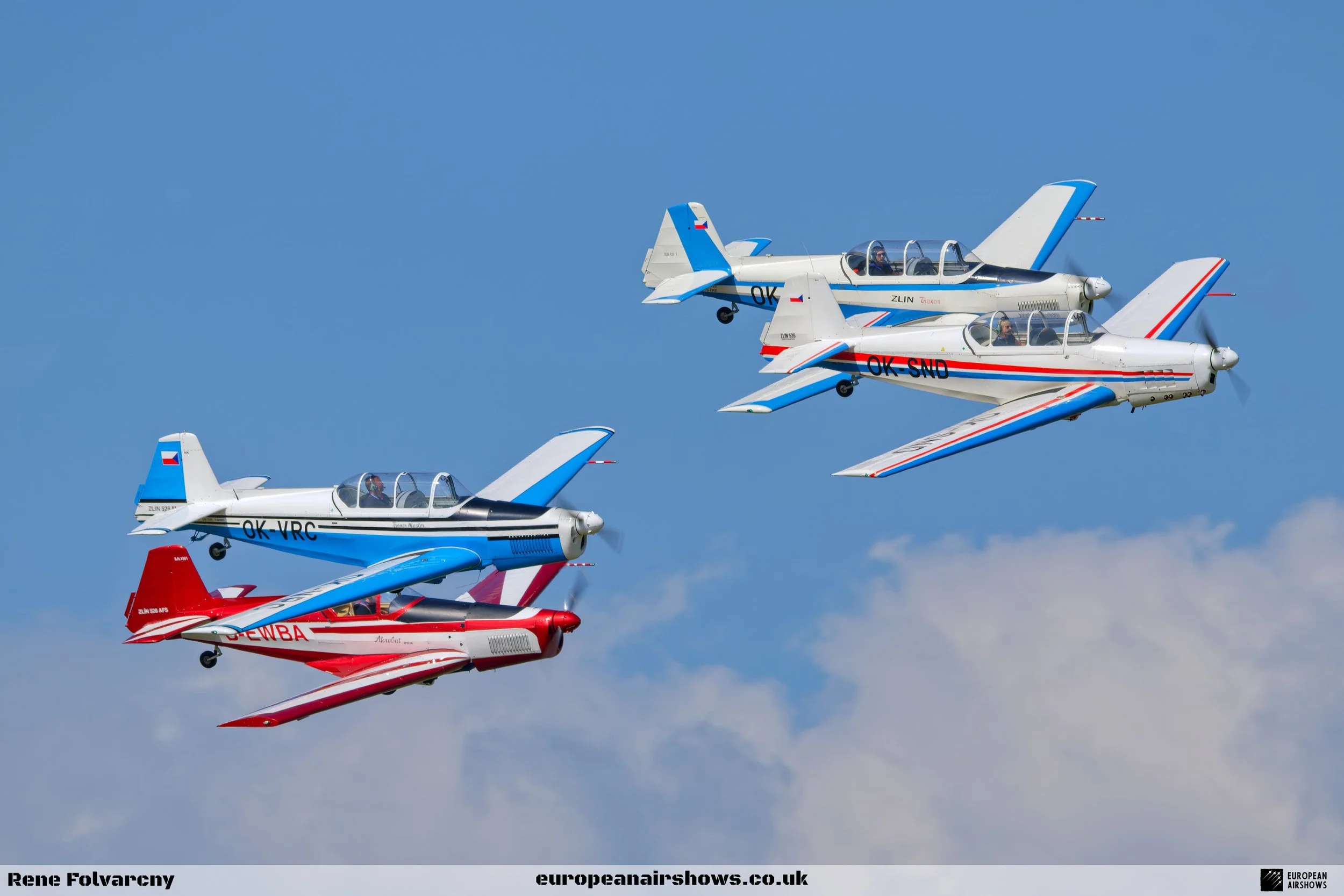
Martin Šonka also appeared in two different flavours. His Extra 300SR solo was the sharper, more aggressive unlimited aerobatic routine, full of precision and energy. His work in the Zlín Z-242 Zeus was naturally a different kind of display, calmer and more representative of a training aircraft, but useful in showing the new Czech training generation in front of the public.
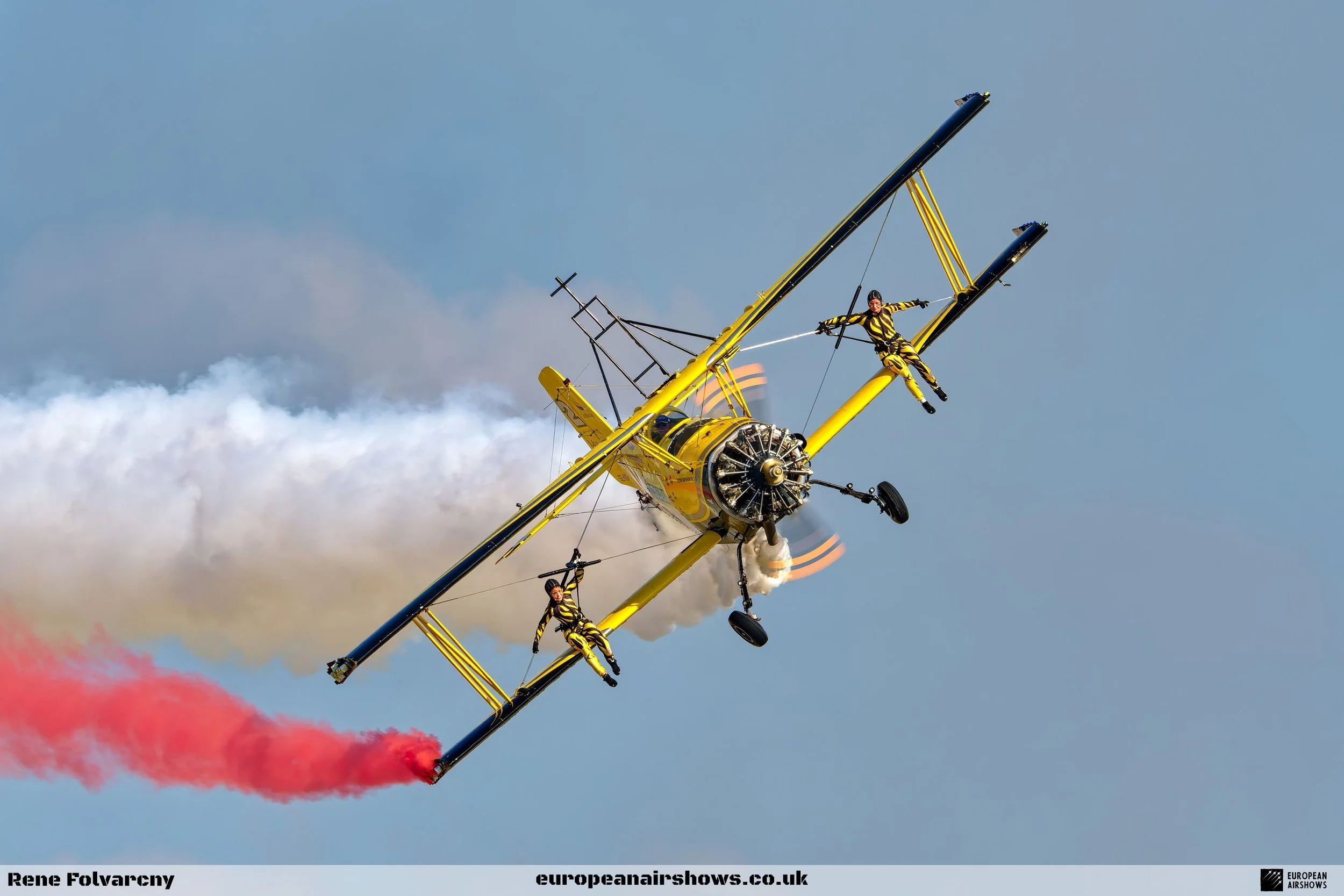
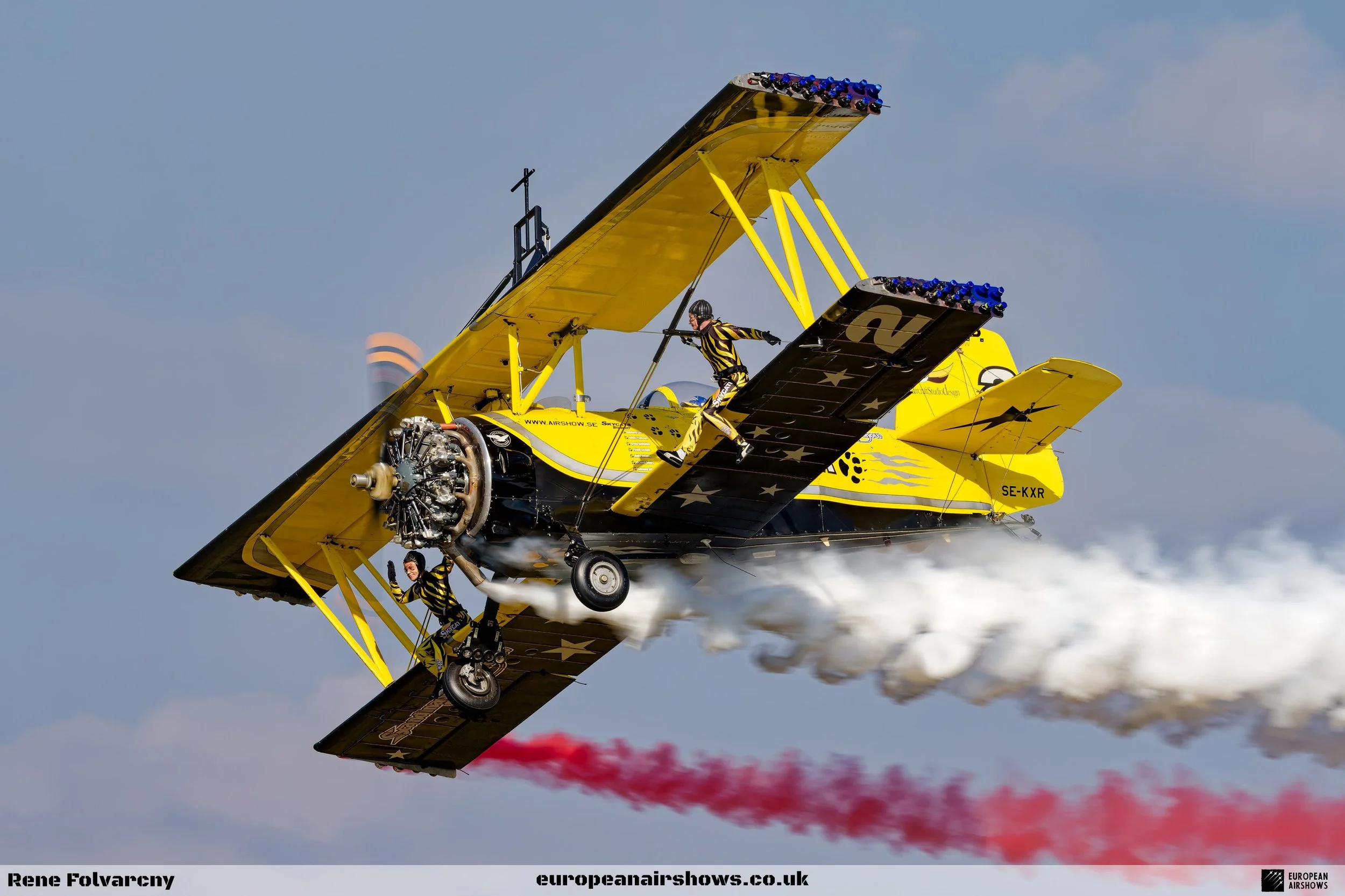
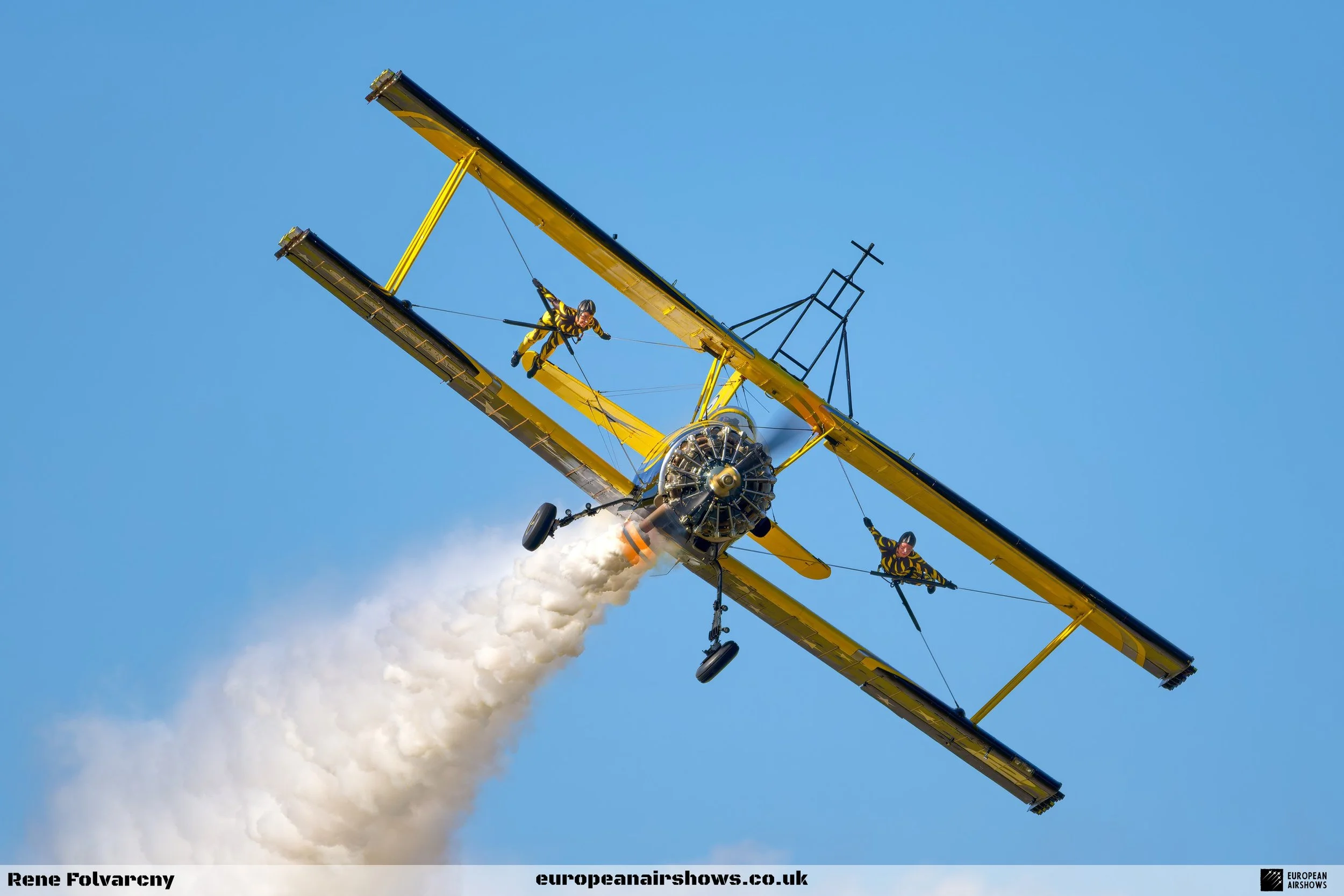
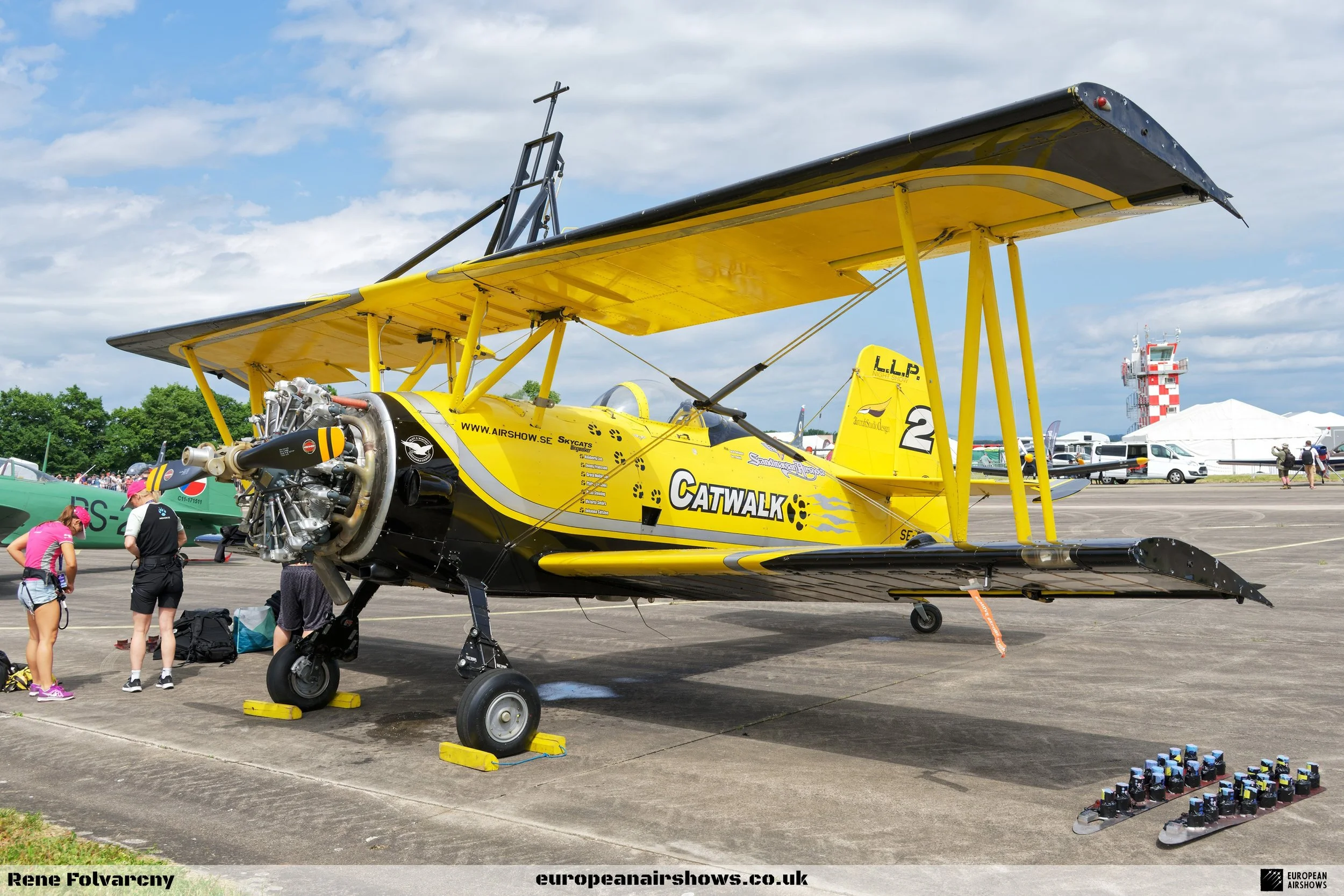
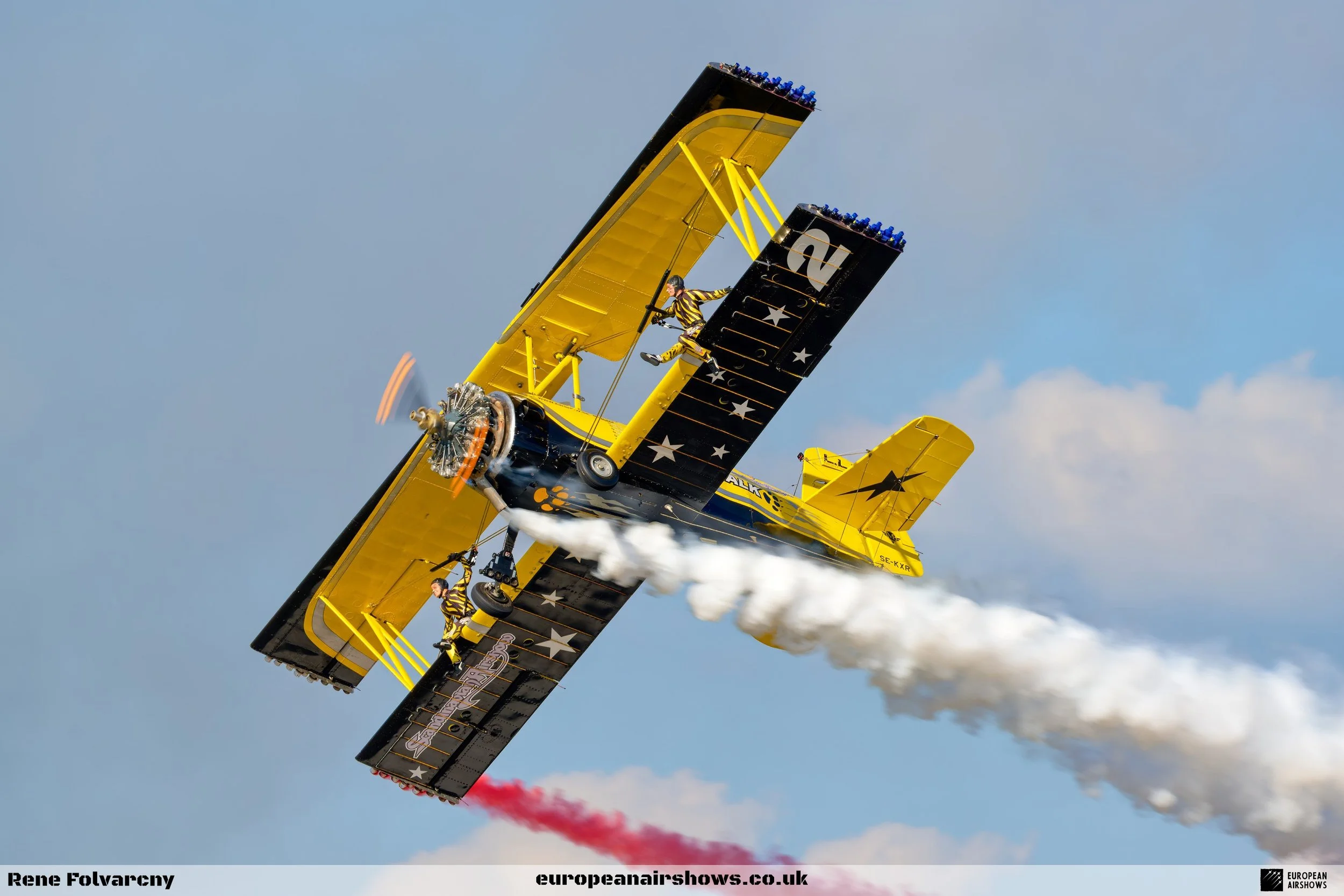
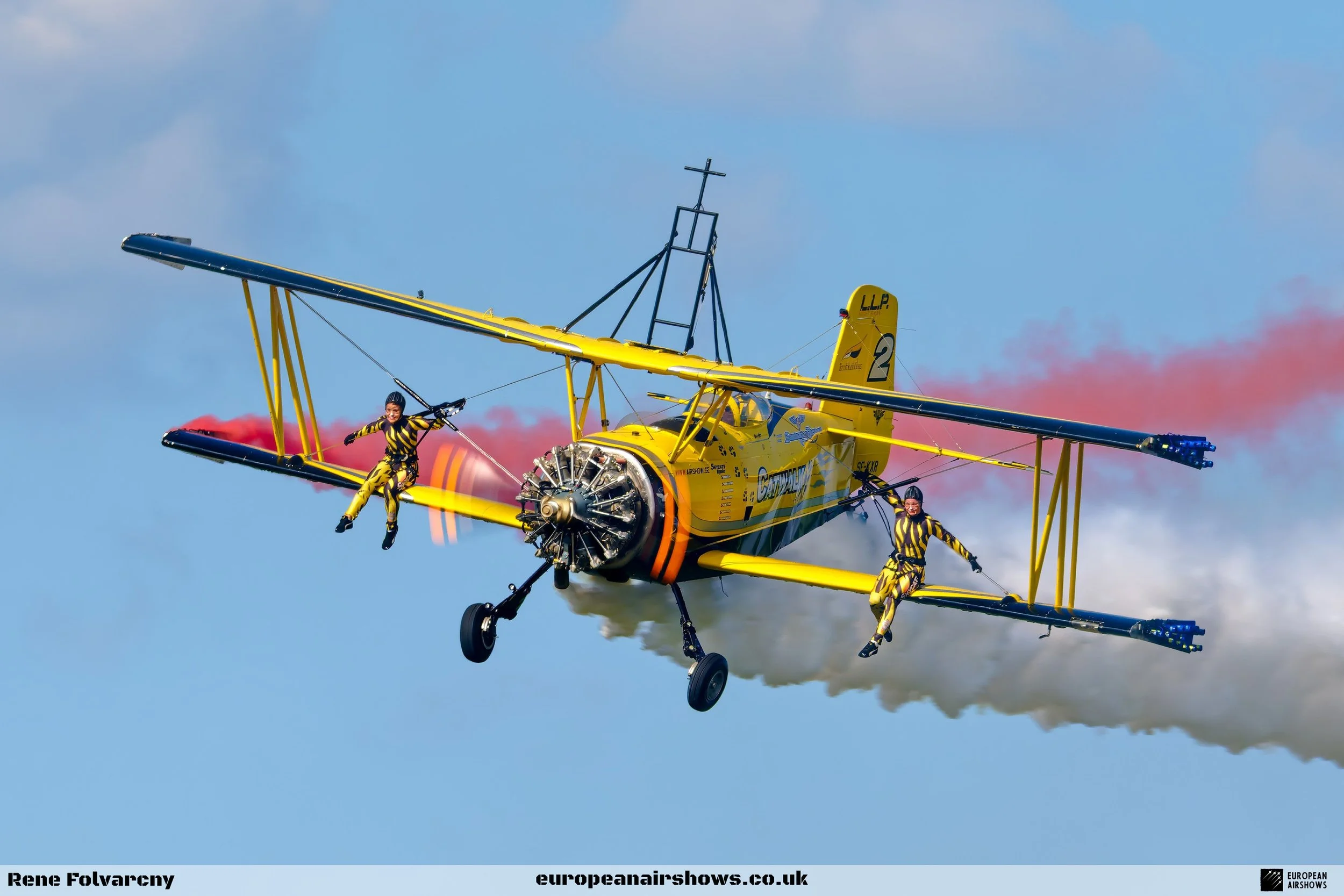
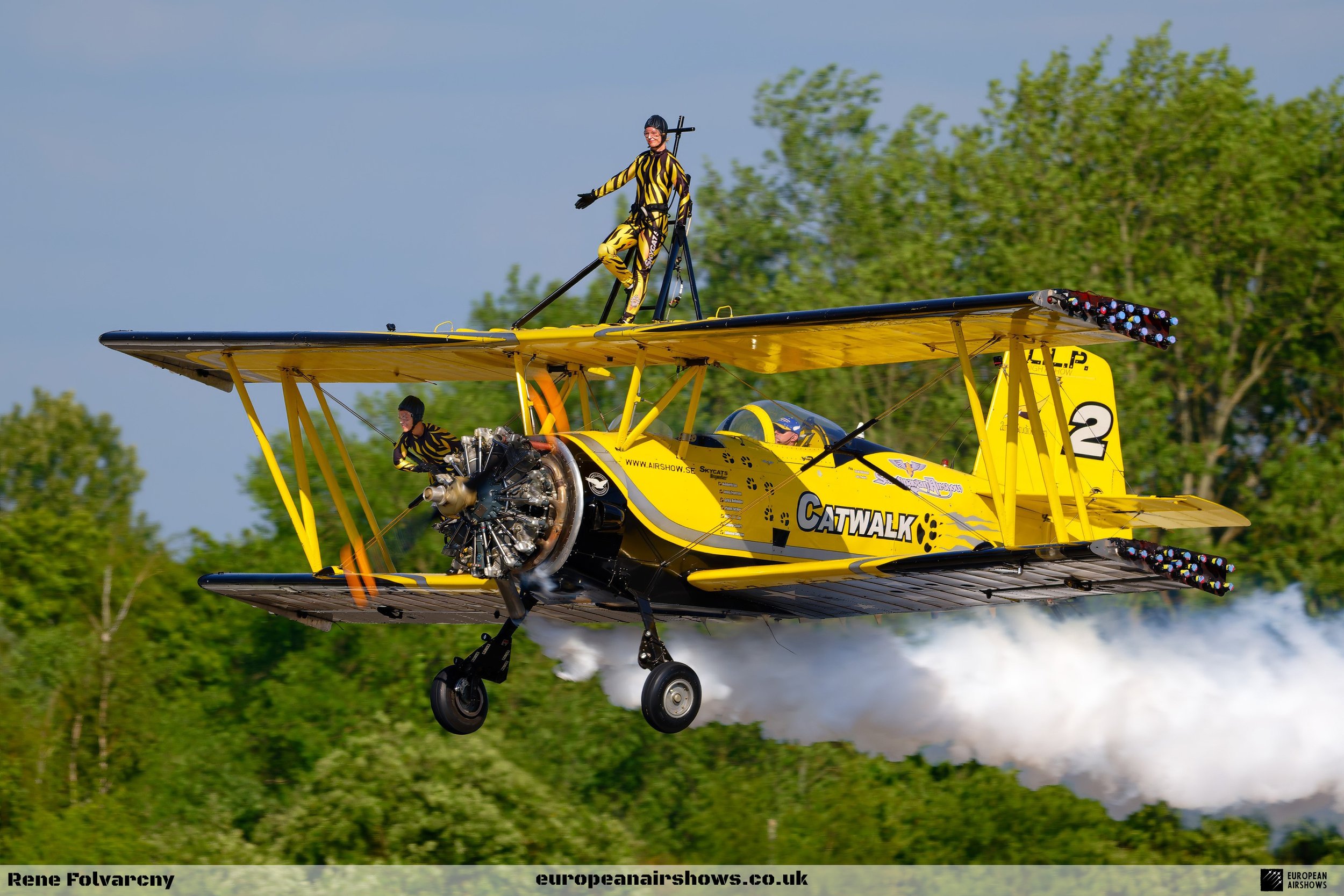
One of the most enjoyable additions to the programme was the Czech premiere of Scandinavian Airshow’s Catwalk / Skycats wingwalking display.
The bright yellow Grumman Ag Cat is already an eye-catching aircraft before anyone stands on it. Add two wingwalkers, smoke, tight turns and low-level showmanship, and it becomes one of those acts that cuts through to everyone in the crowd. Enthusiasts appreciate the flying; families and casual visitors understand it instantly.
It was also exactly the sort of act Aviatická pouť needed at Hradec Králové. The show has always mixed old and new, serious and theatrical, aviation heritage and pure entertainment. Catwalk fitted that balance perfectly. It brought colour, movement and spectacle without needing to be explained. You could feel the crowd paying attention when it arrived.
Among the non-jet acts, it was arguably one of the strongest crowd-pleasers of the weekend.
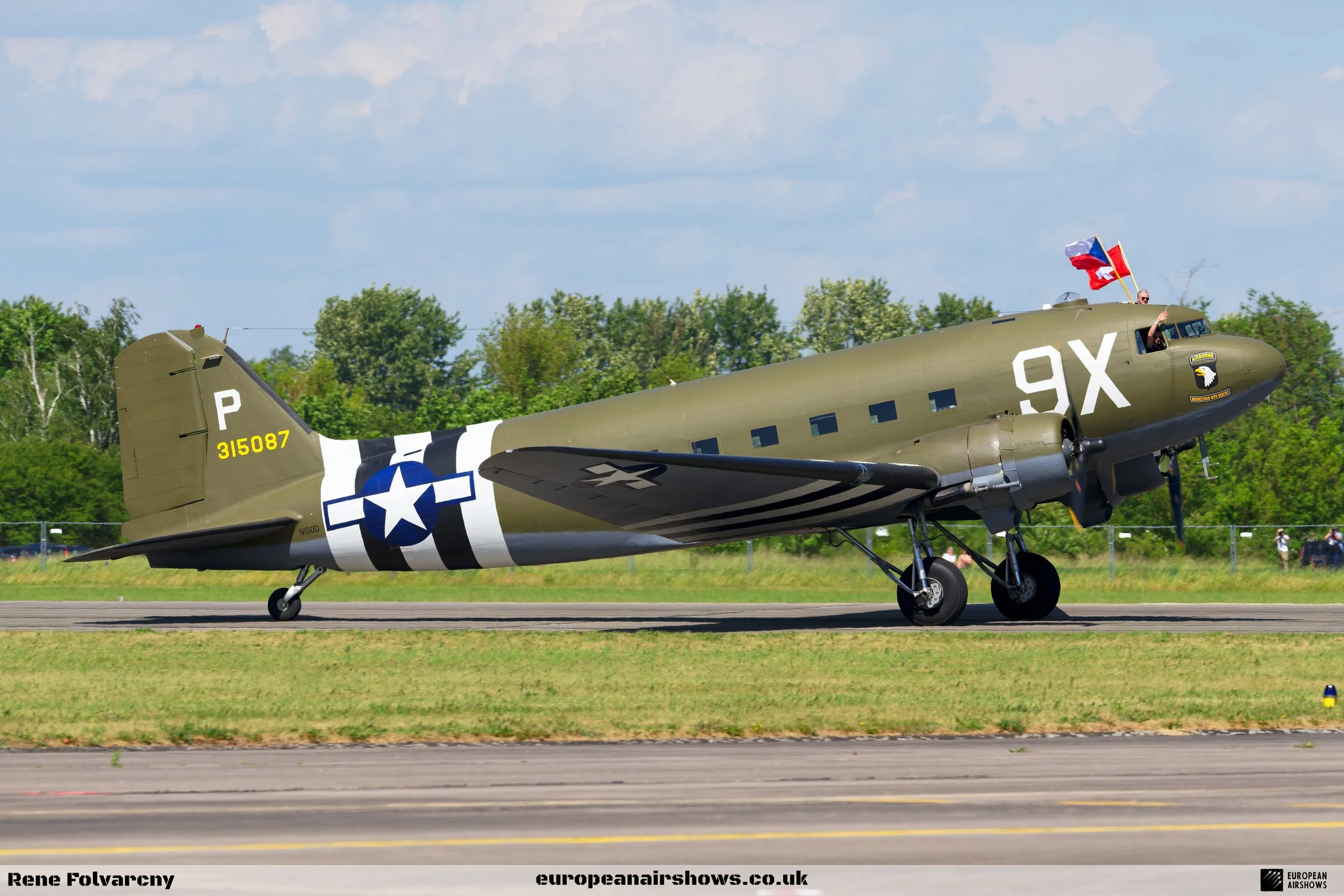
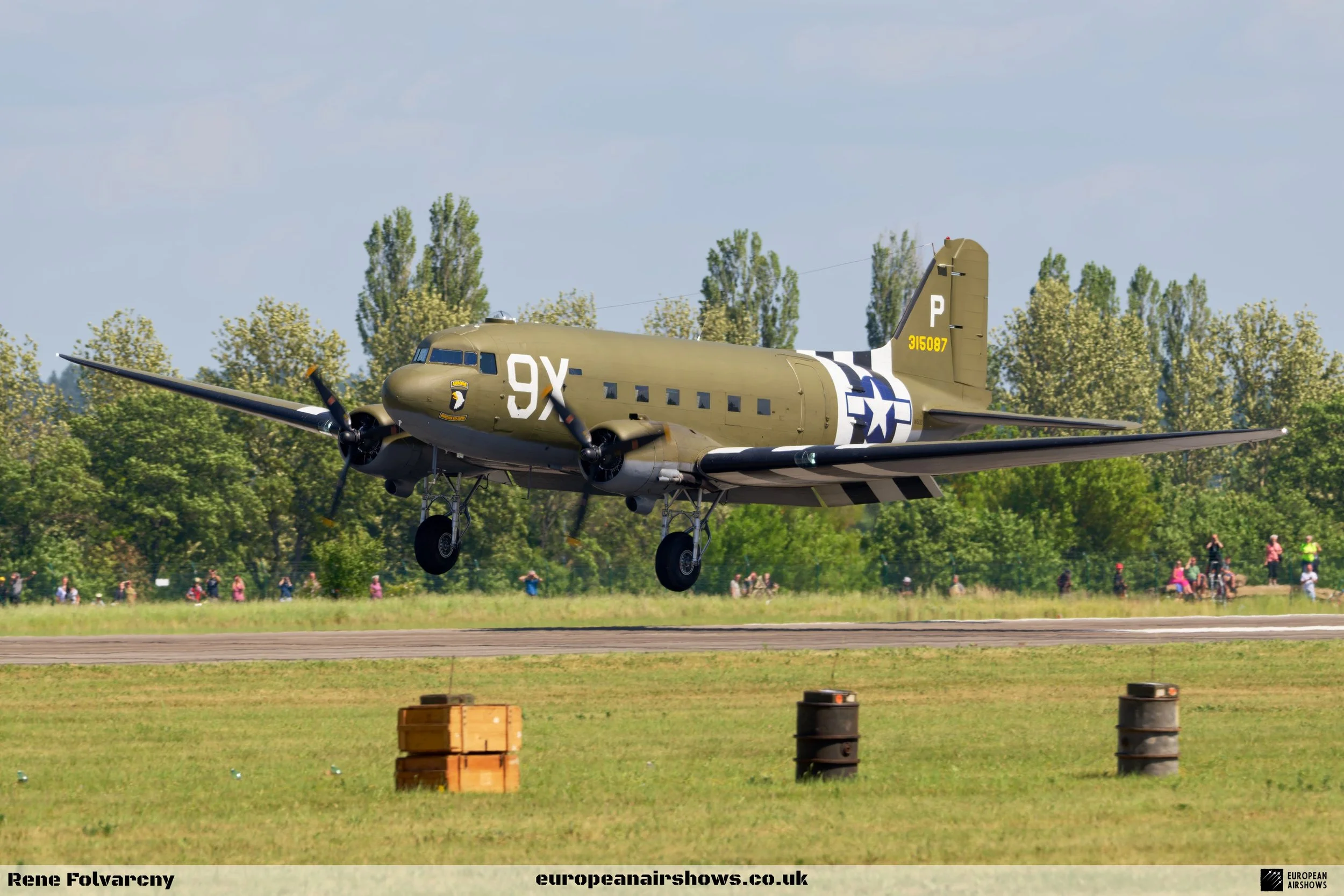
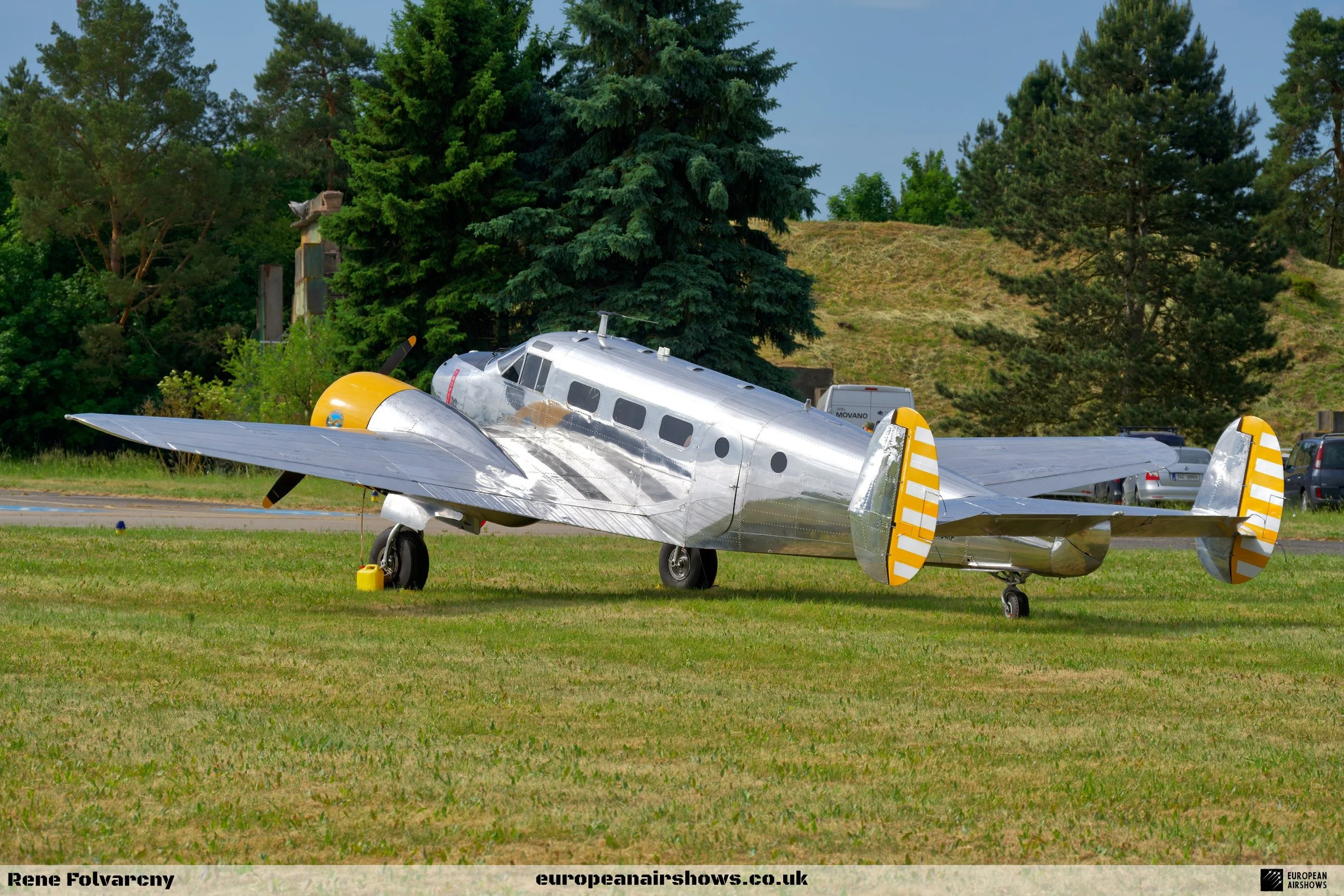
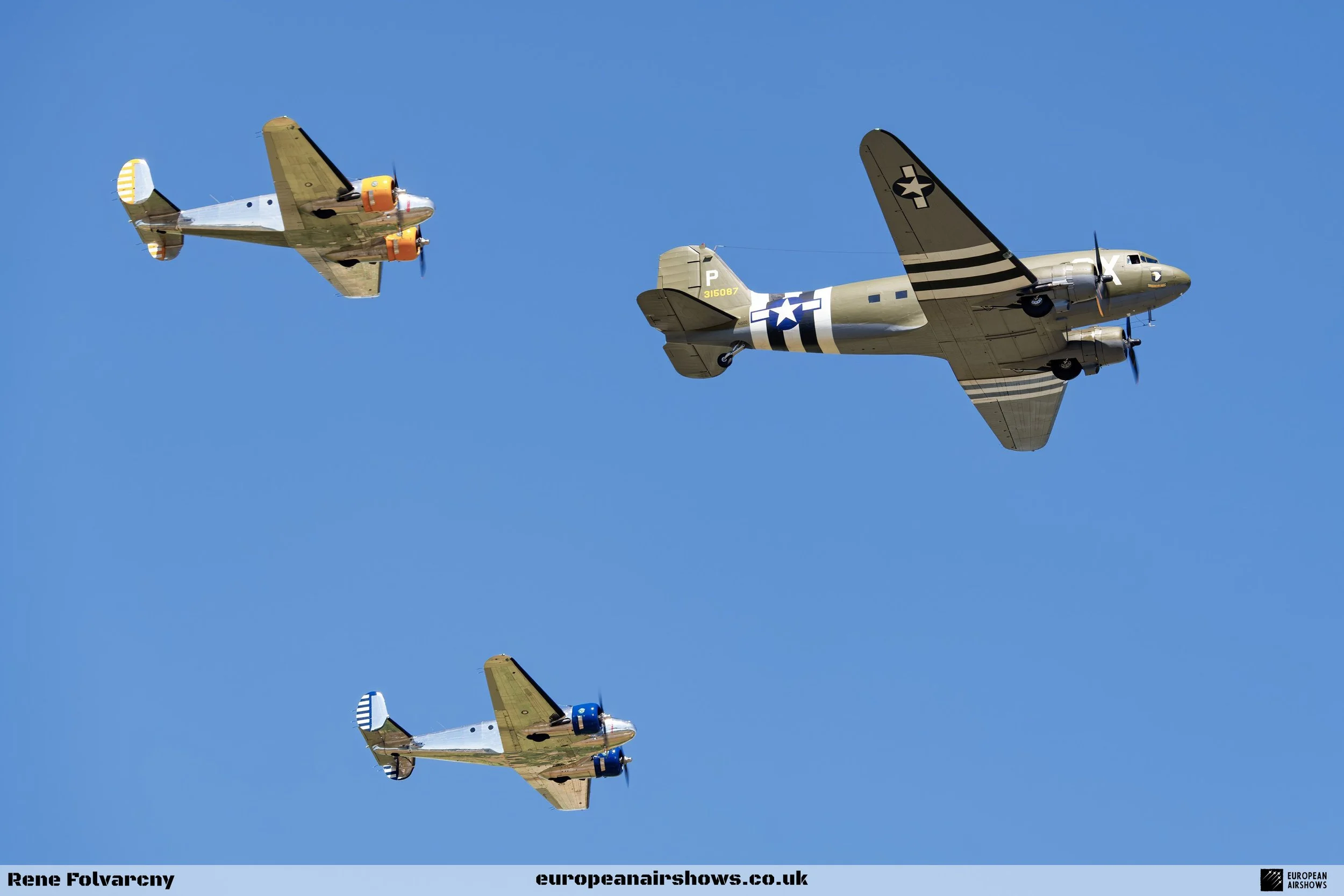
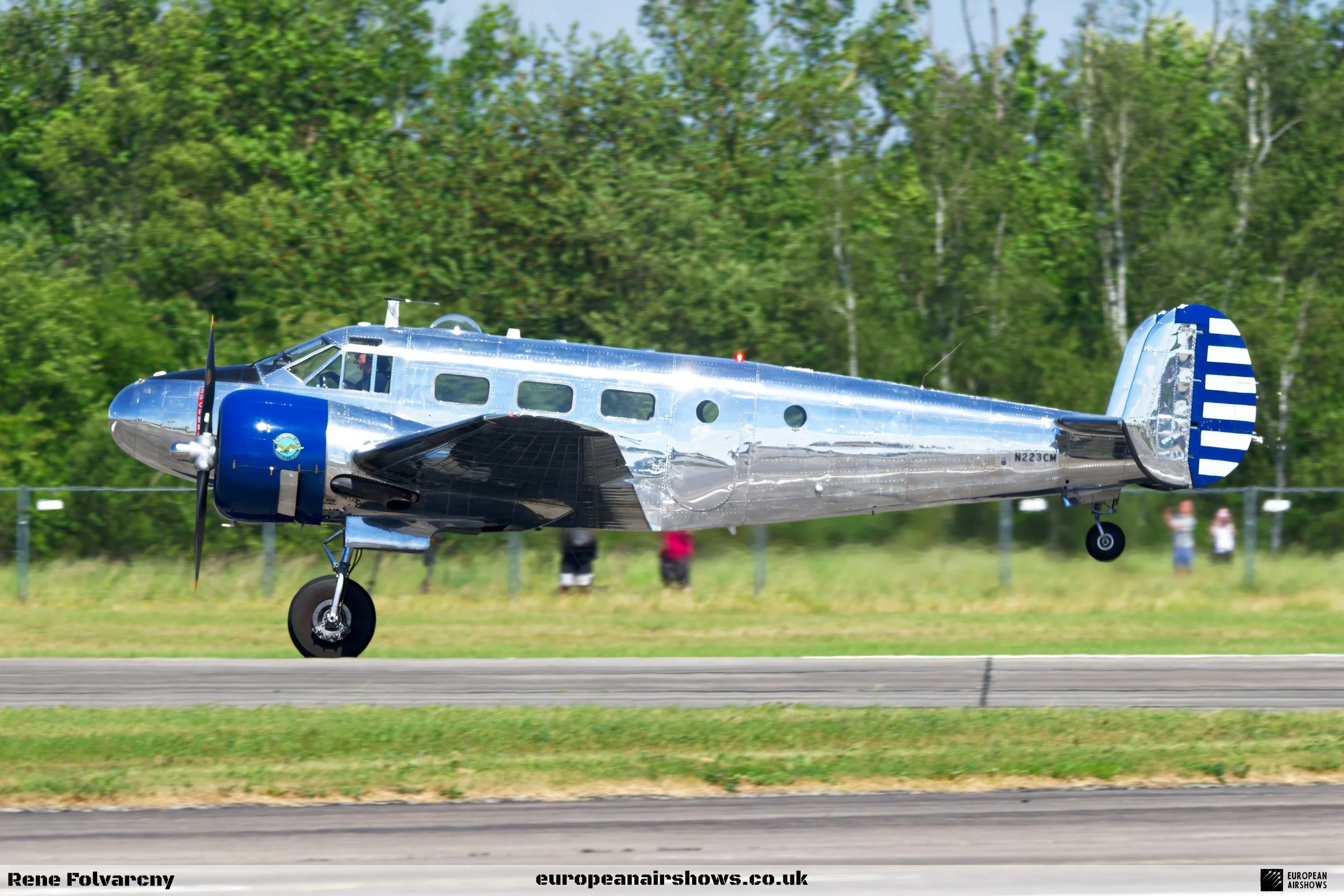
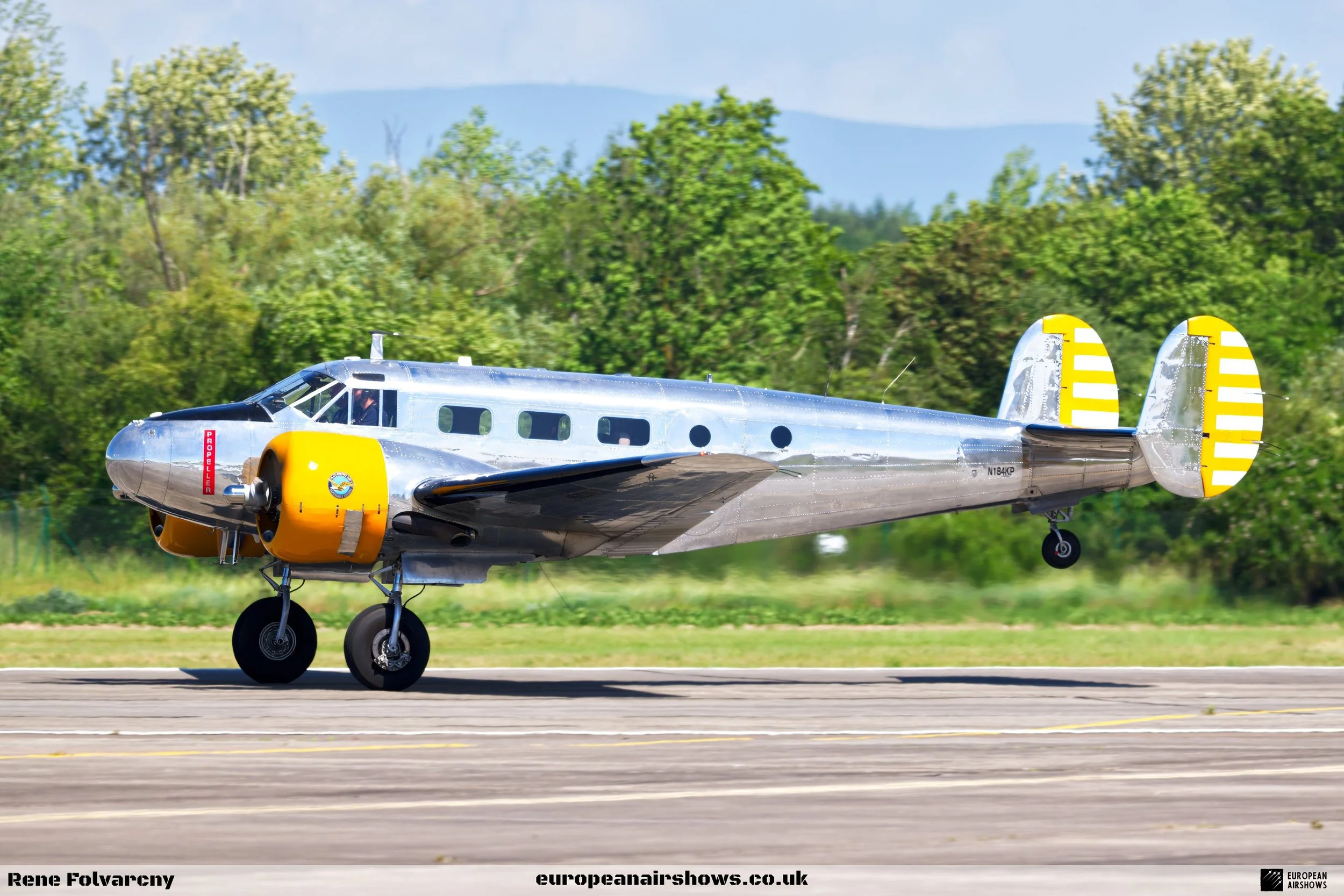
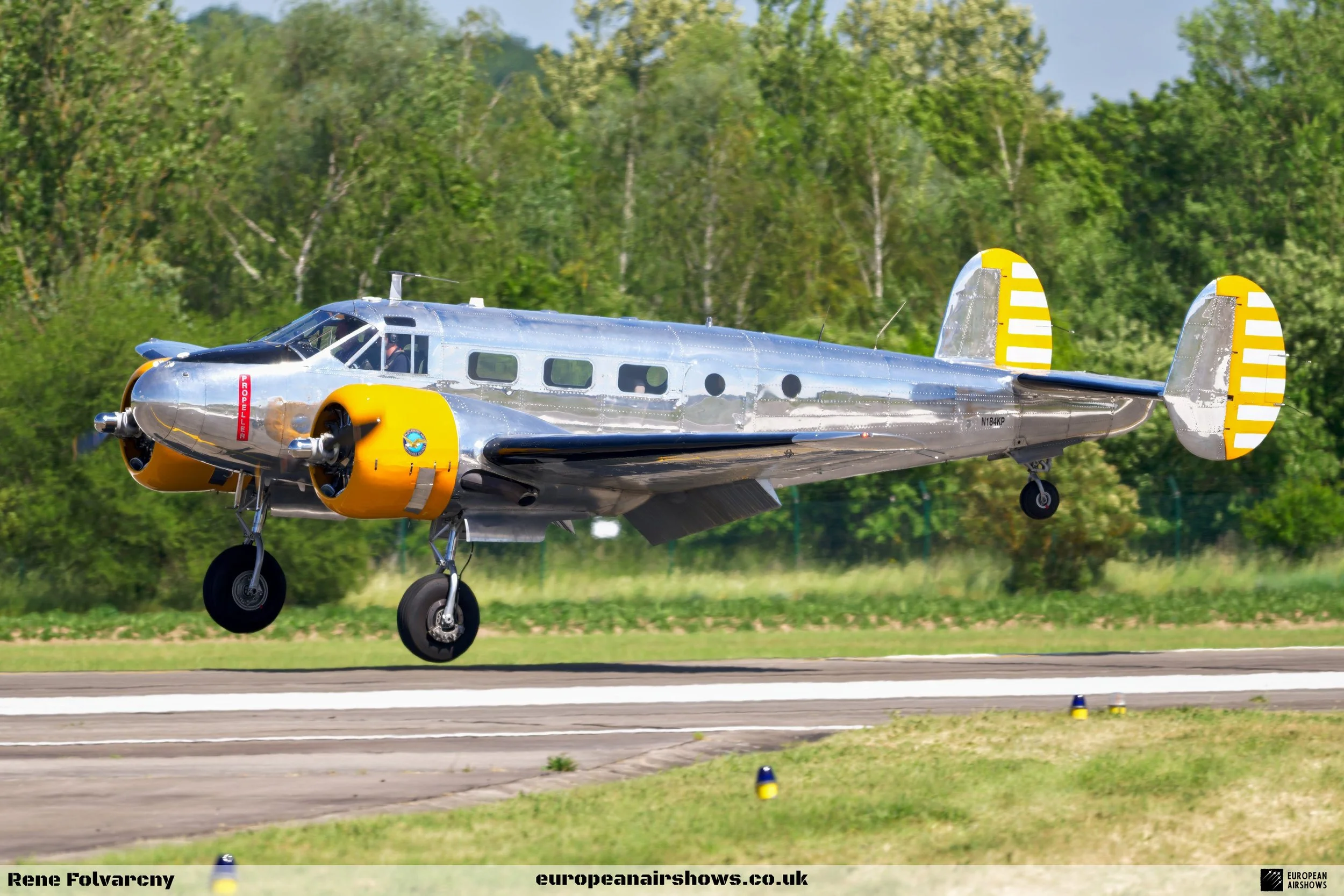
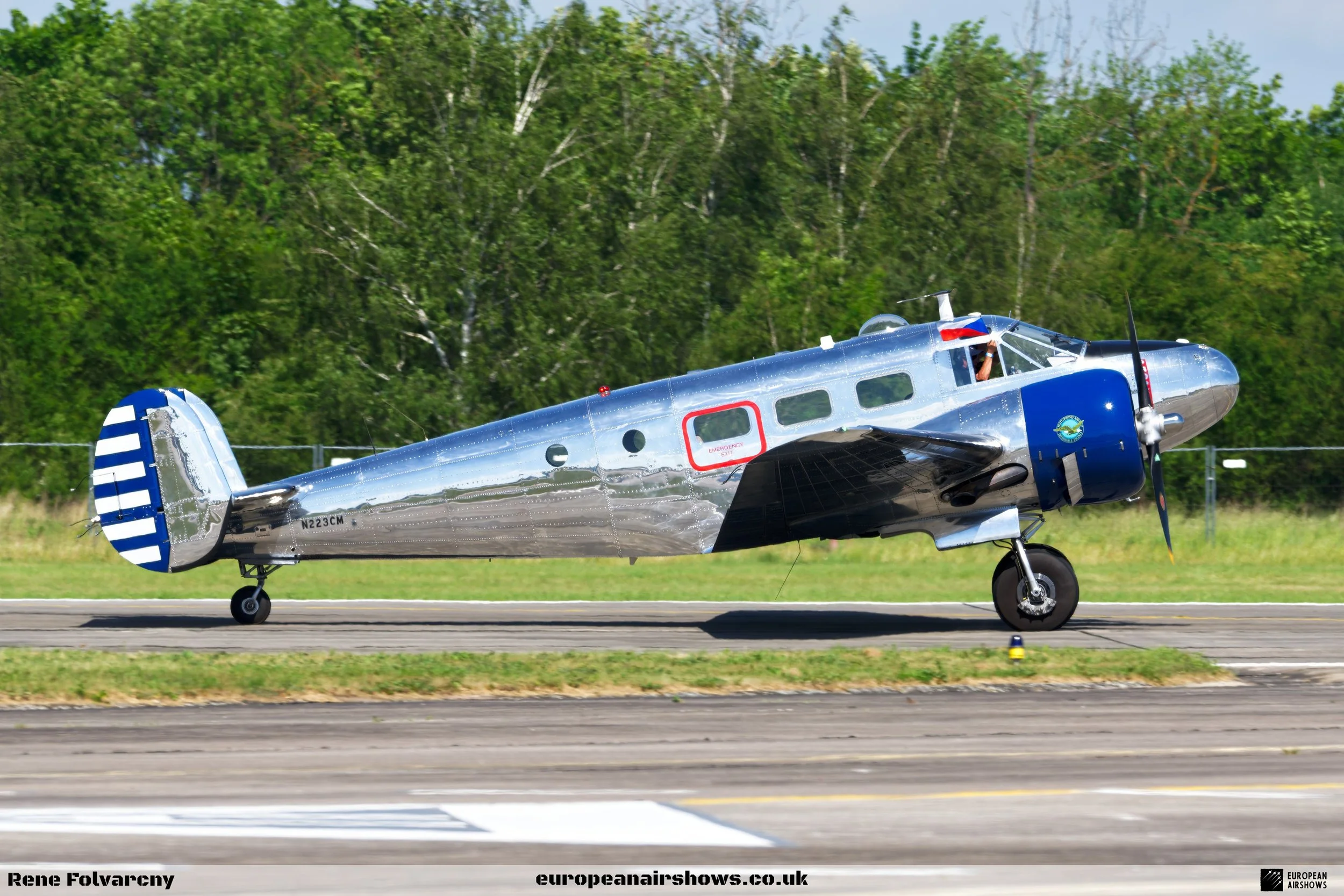
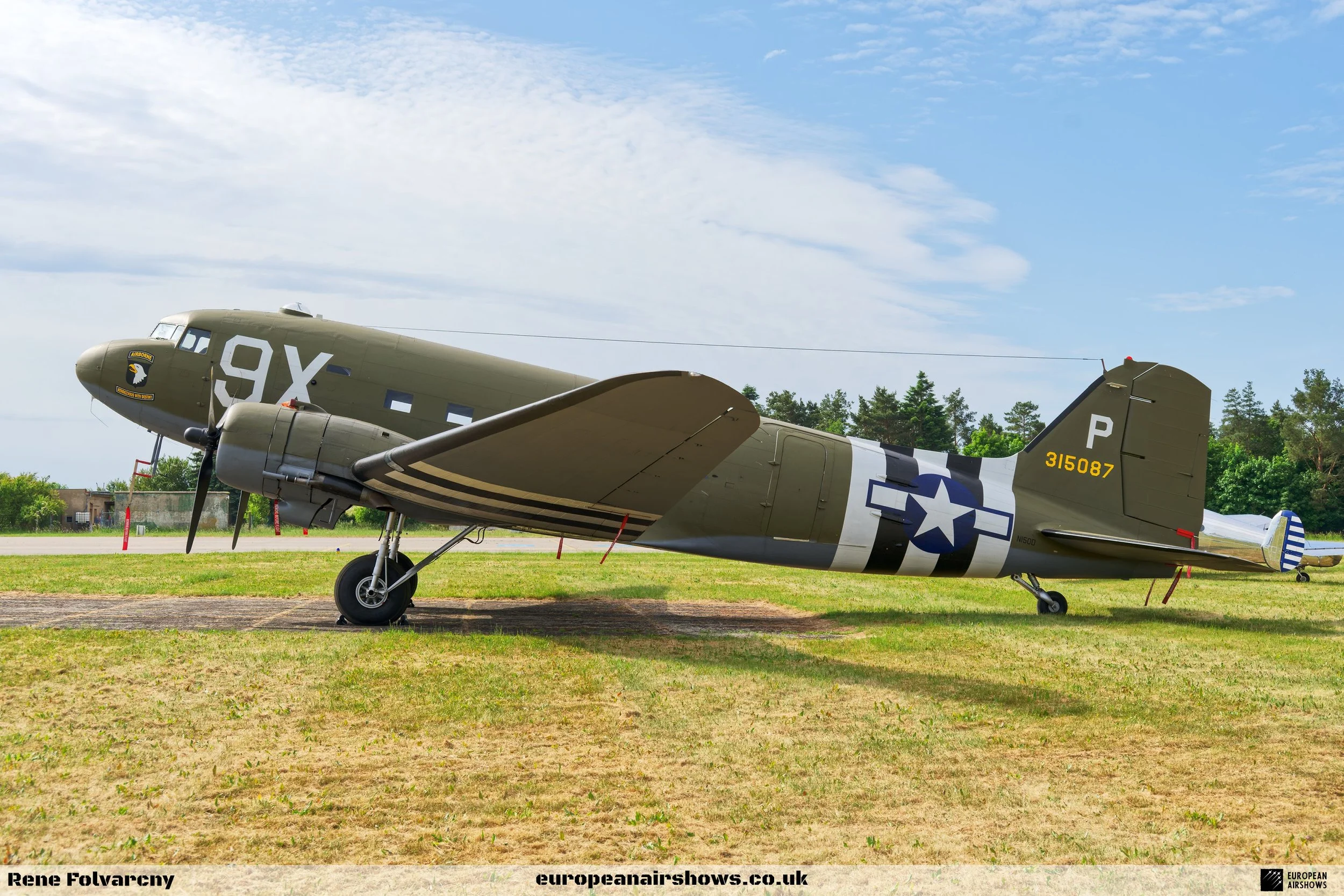
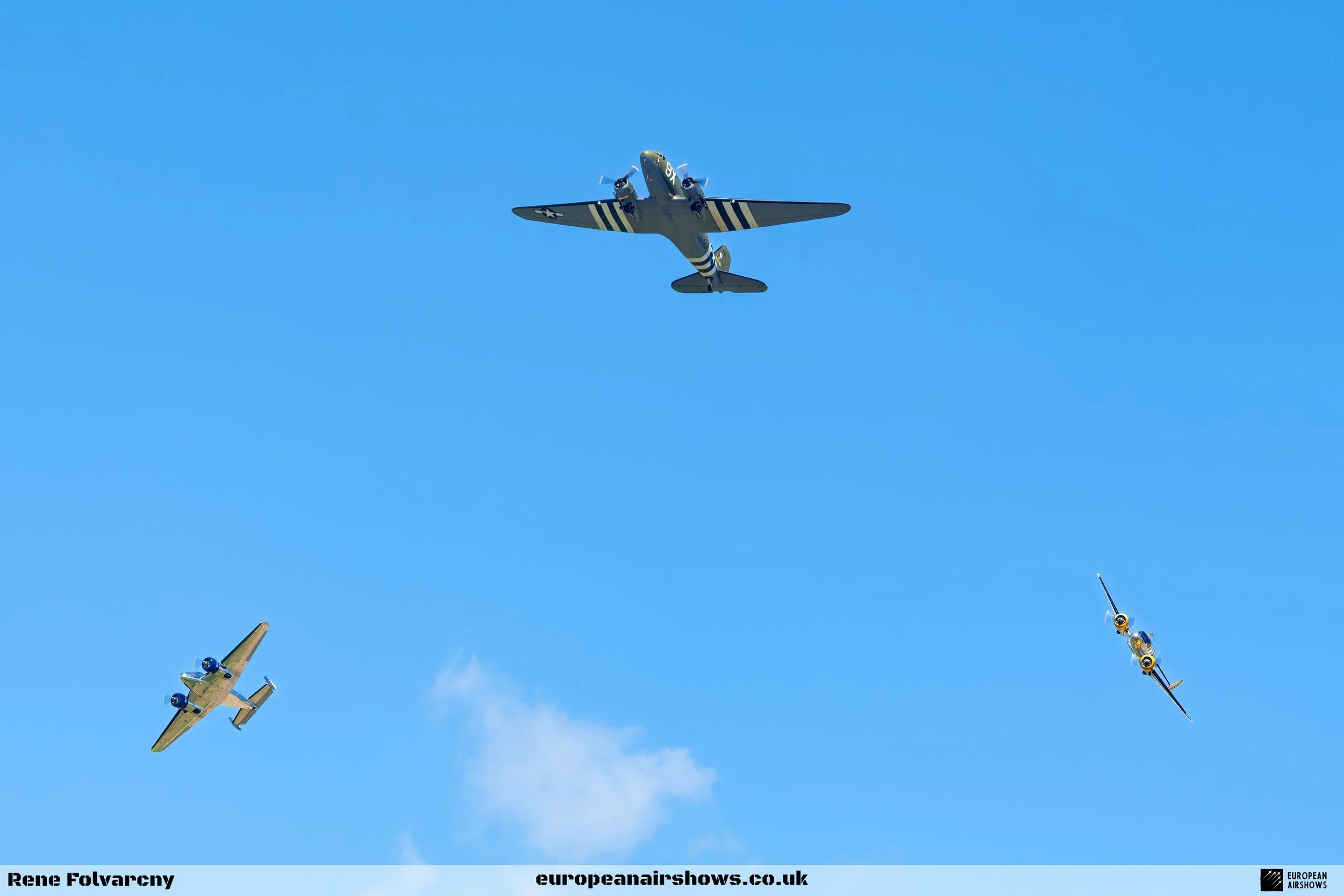
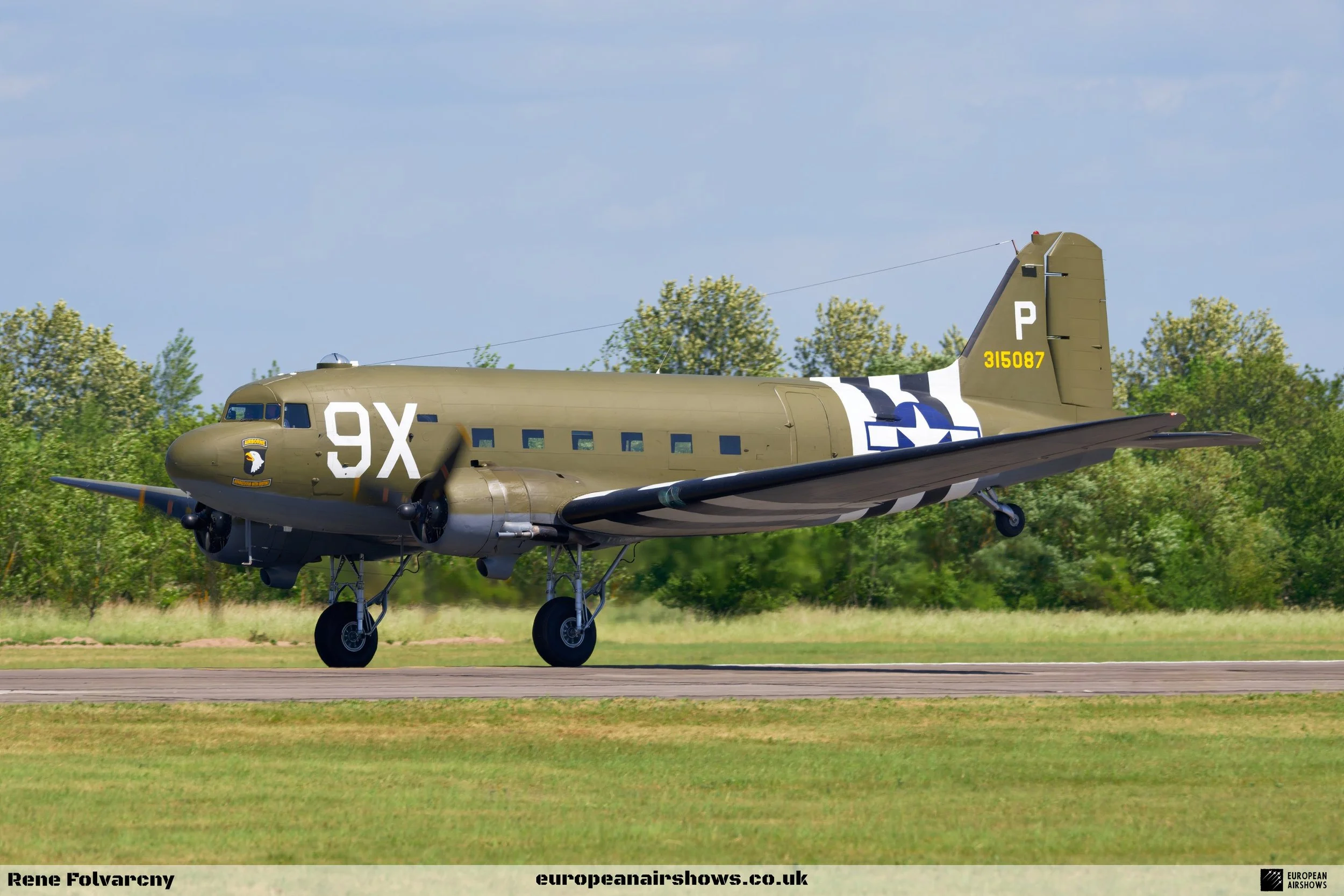
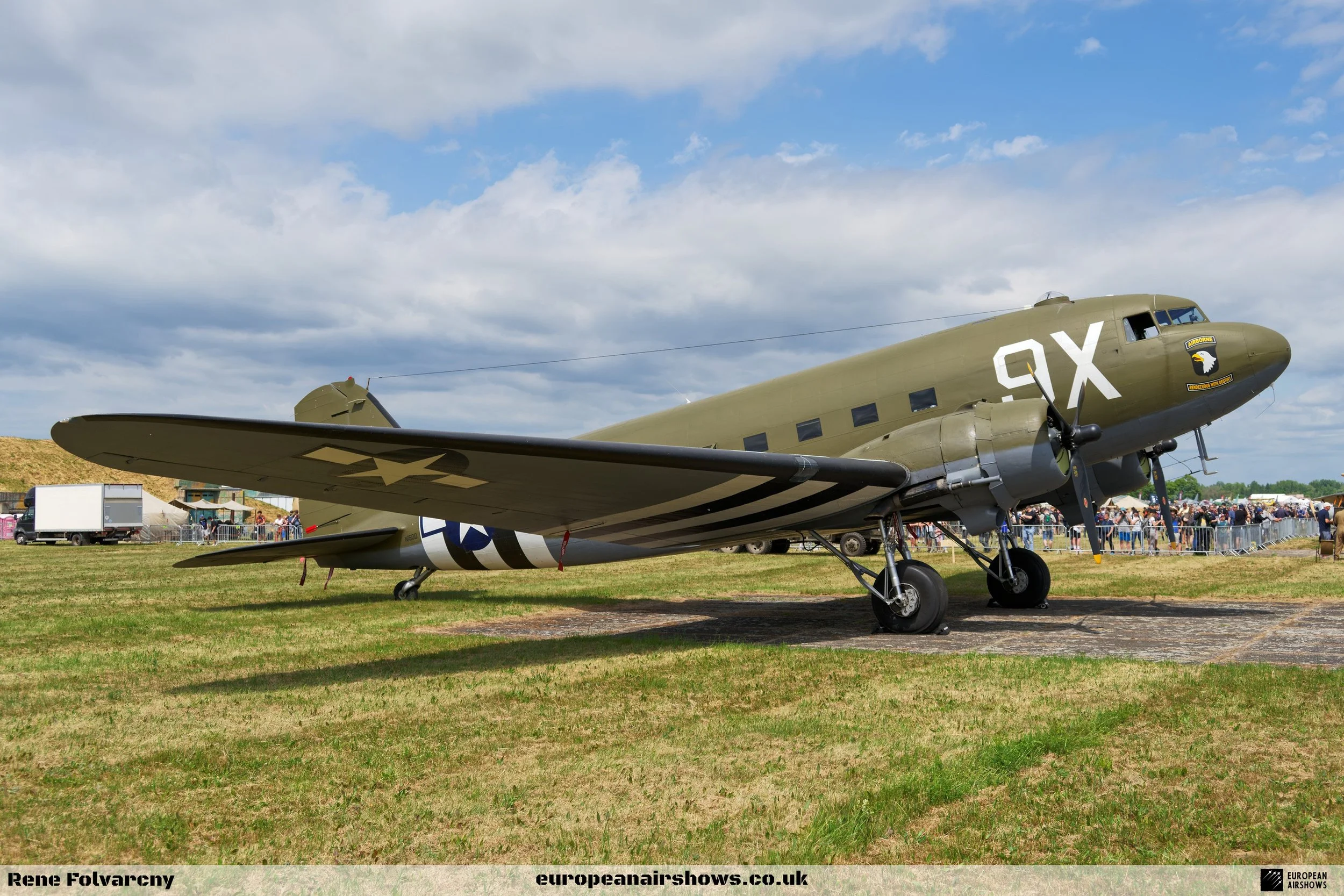
The Swiss Classic Formation brought another very welcome historic element, with the Douglas C-47 Skytrain / Dakota and Beechcraft Twin Beech aircraft providing a graceful contrast to the more aggressive parts of the programme.
This sort of formation display is easy to underrate because it is not loud or especially dramatic. But it adds depth. A C-47 in the air is always evocative, and the Twin Beeches gave the sequence a pleasing, period feel. At an event built around aviation history, it belonged.
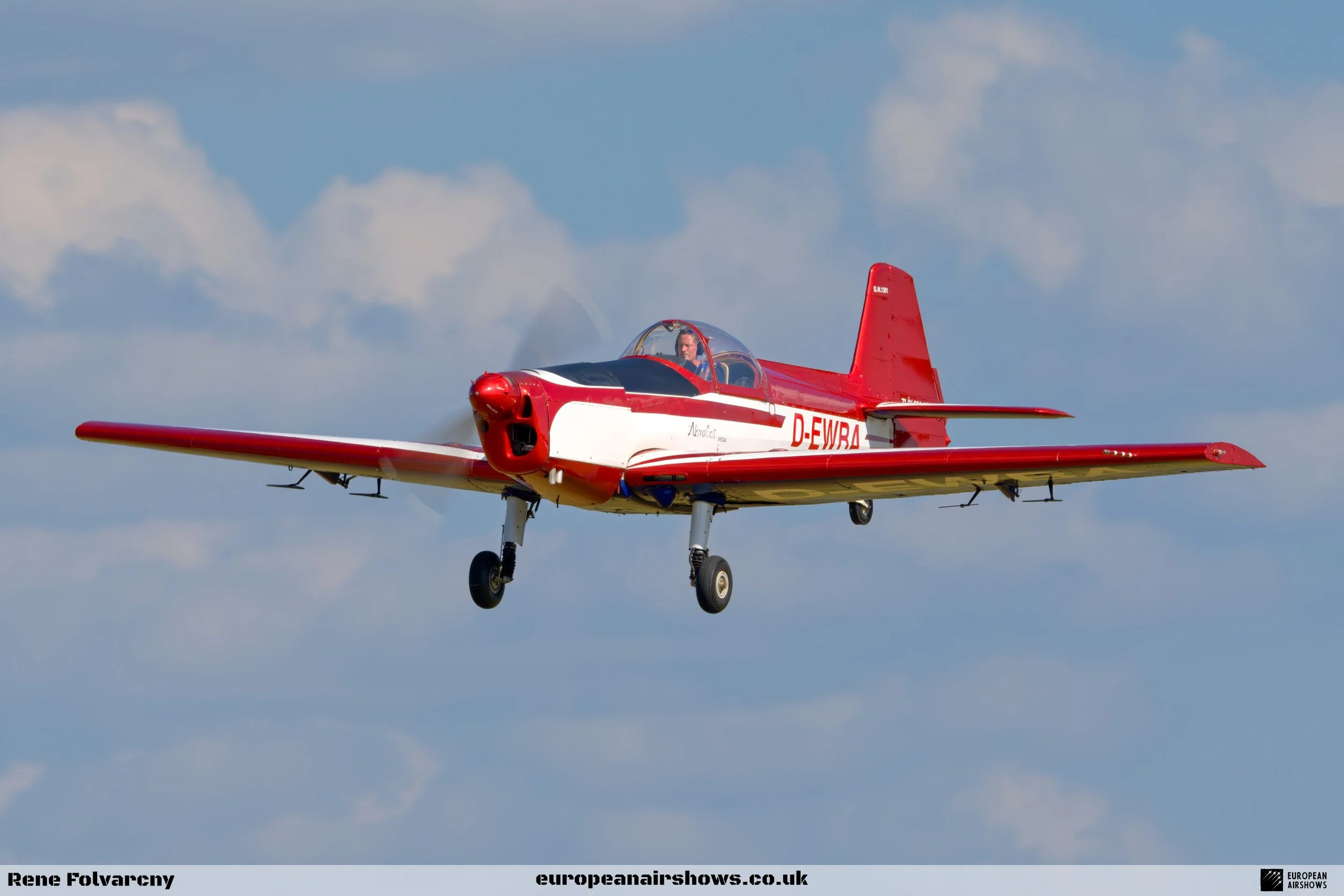
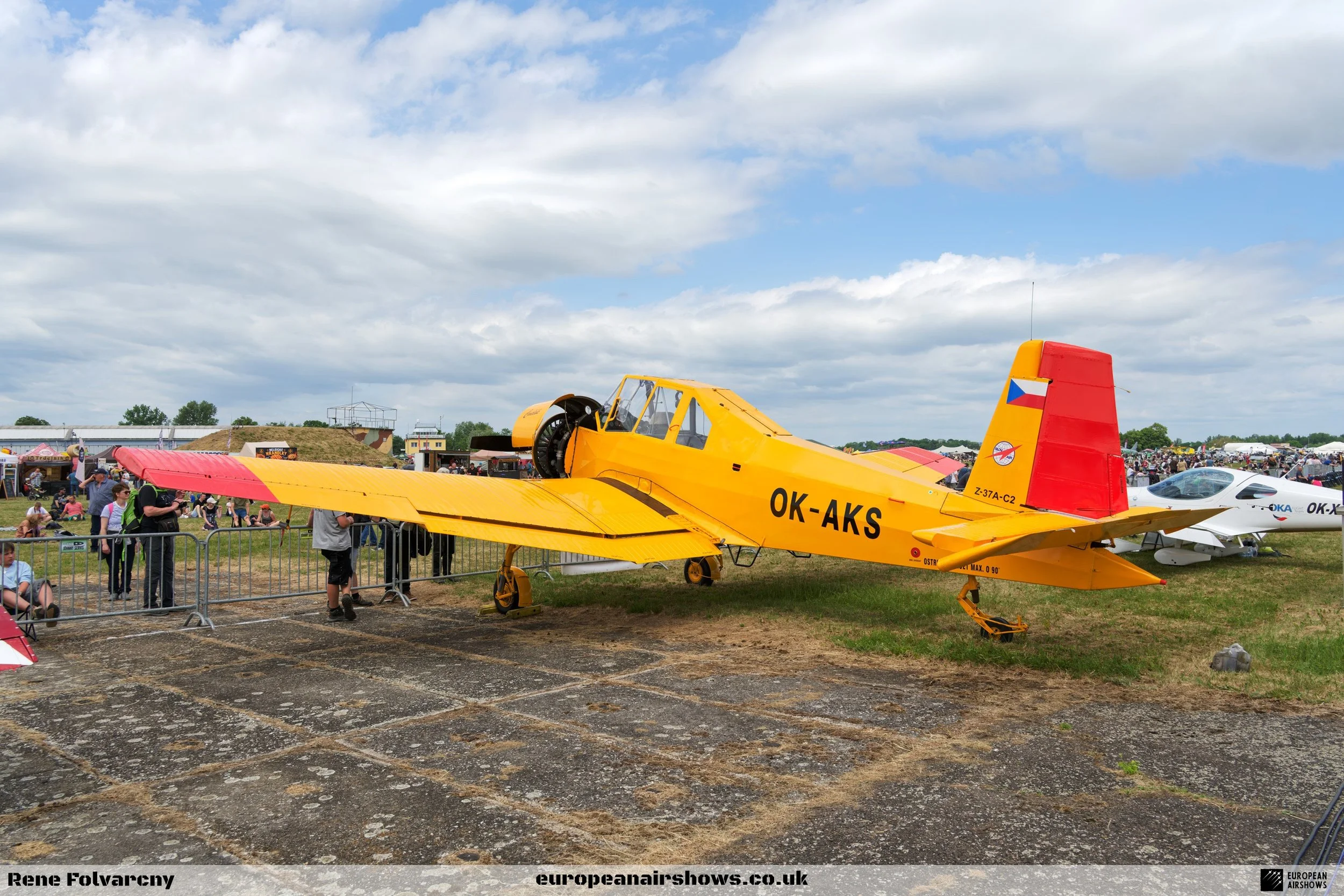
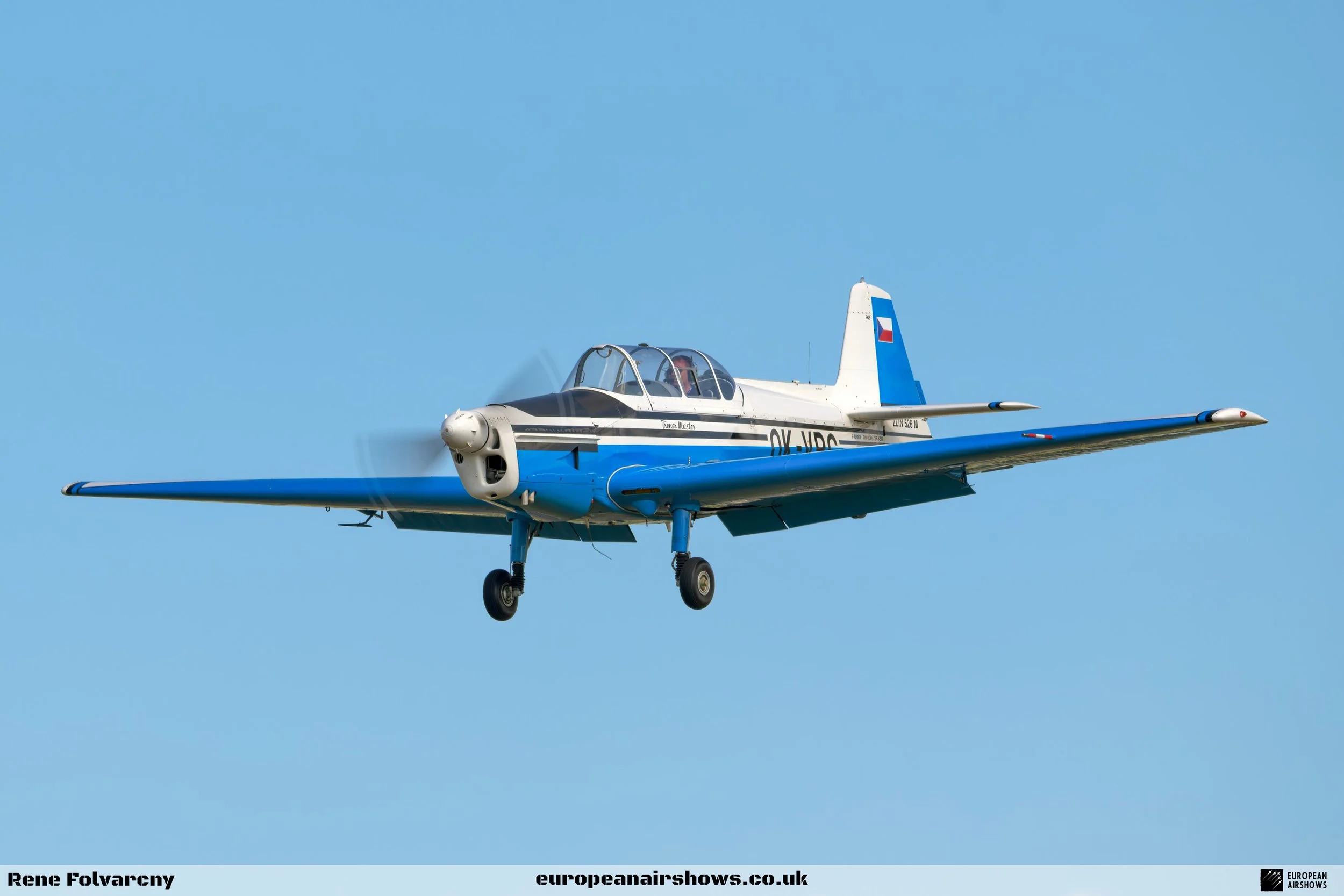
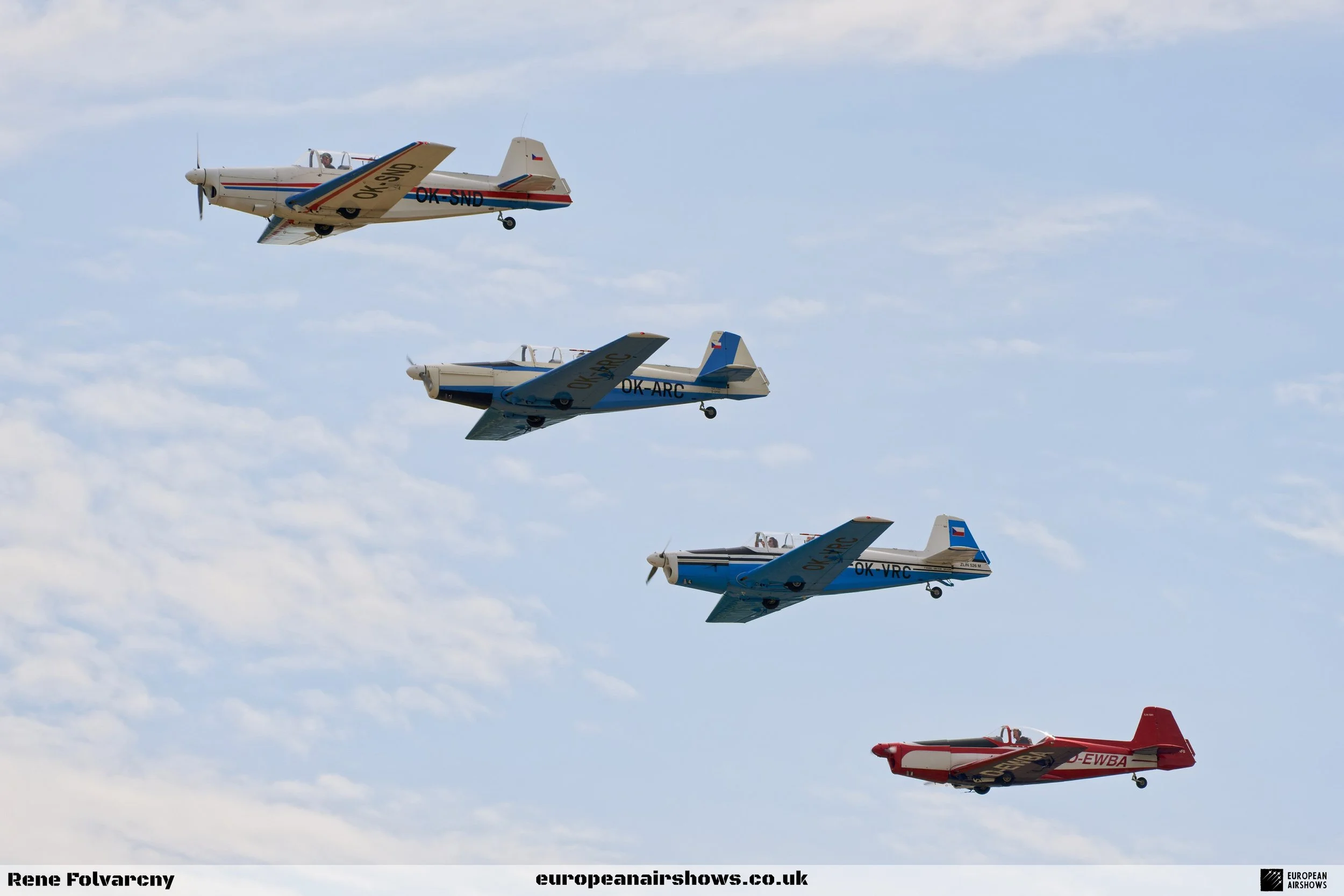
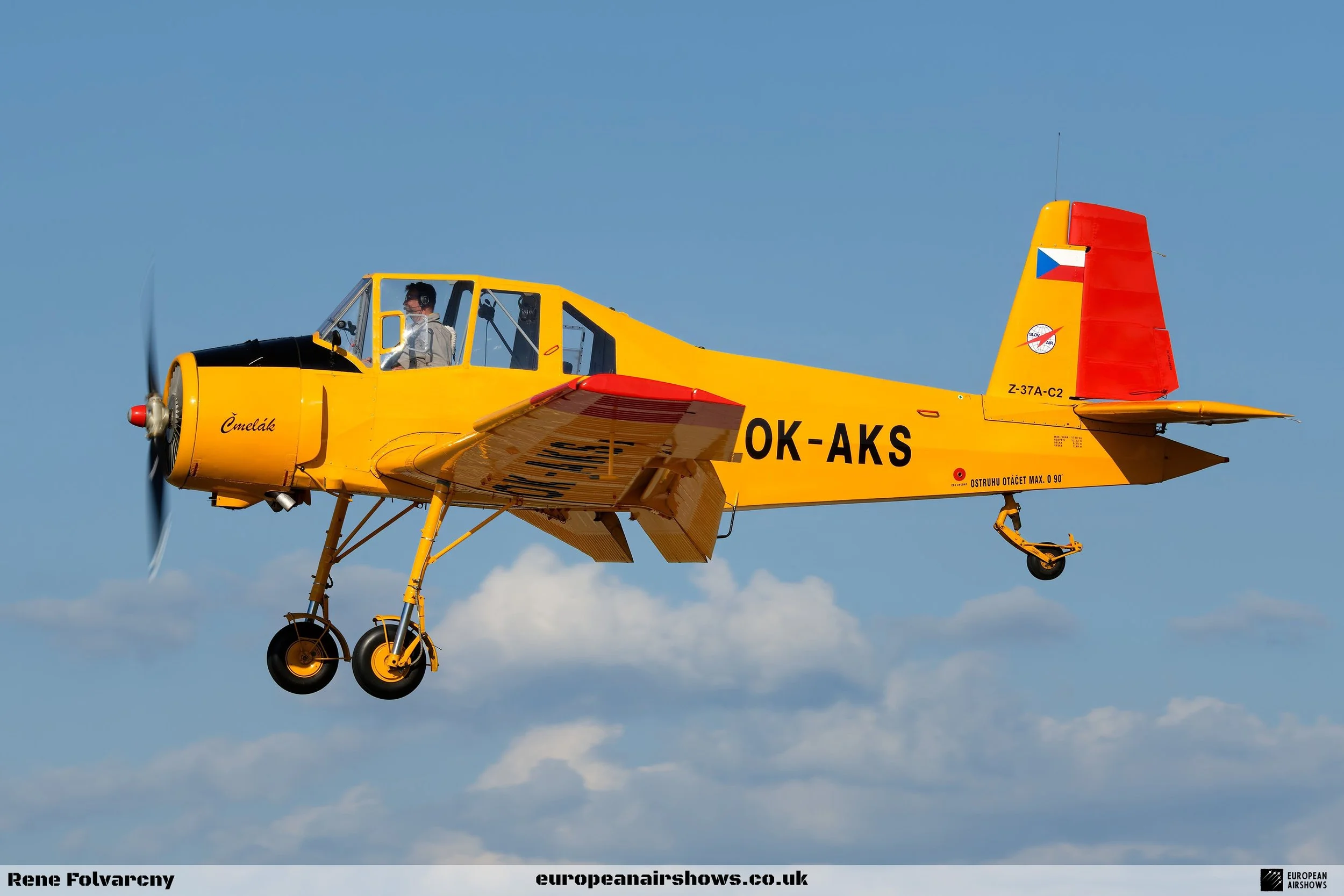
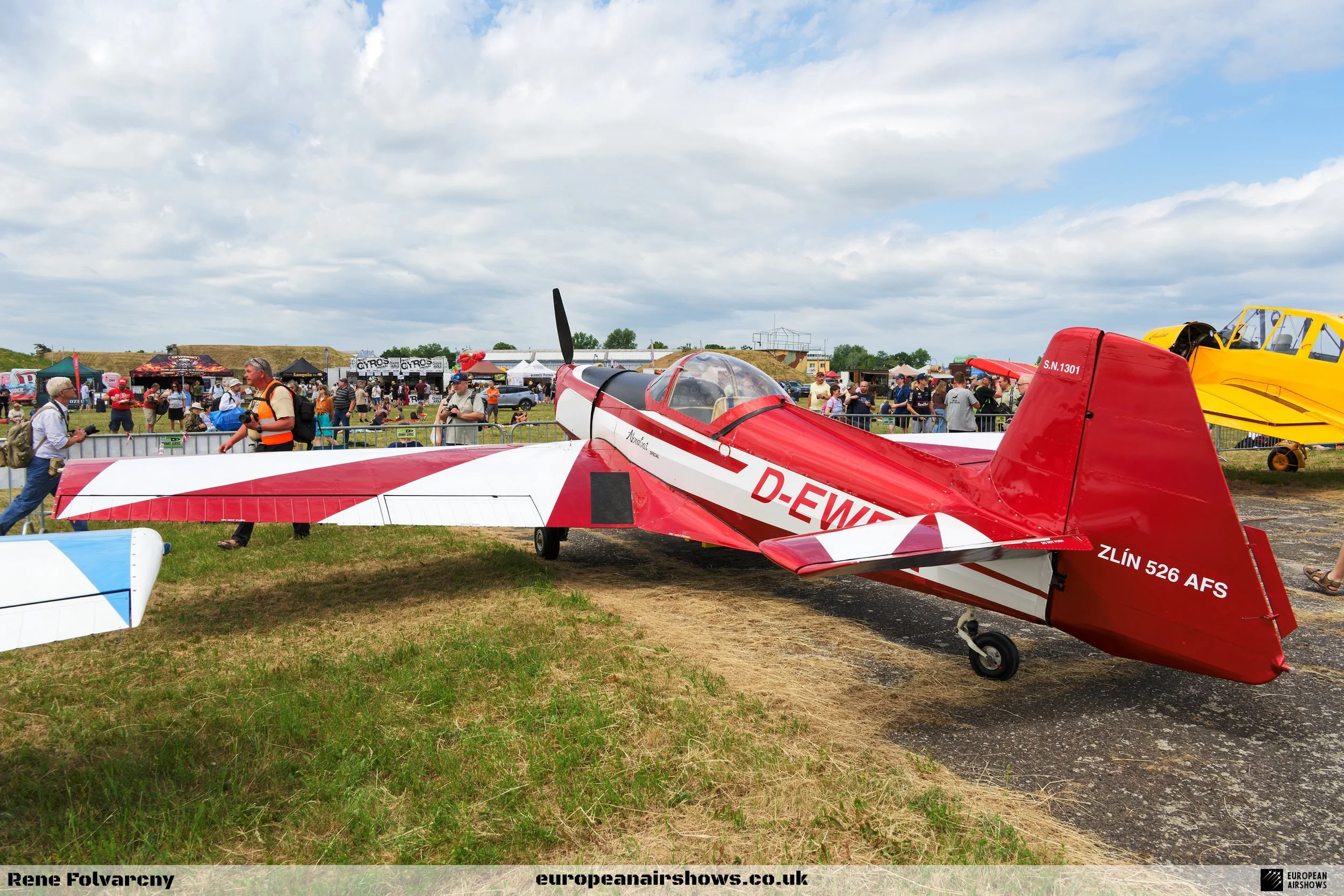
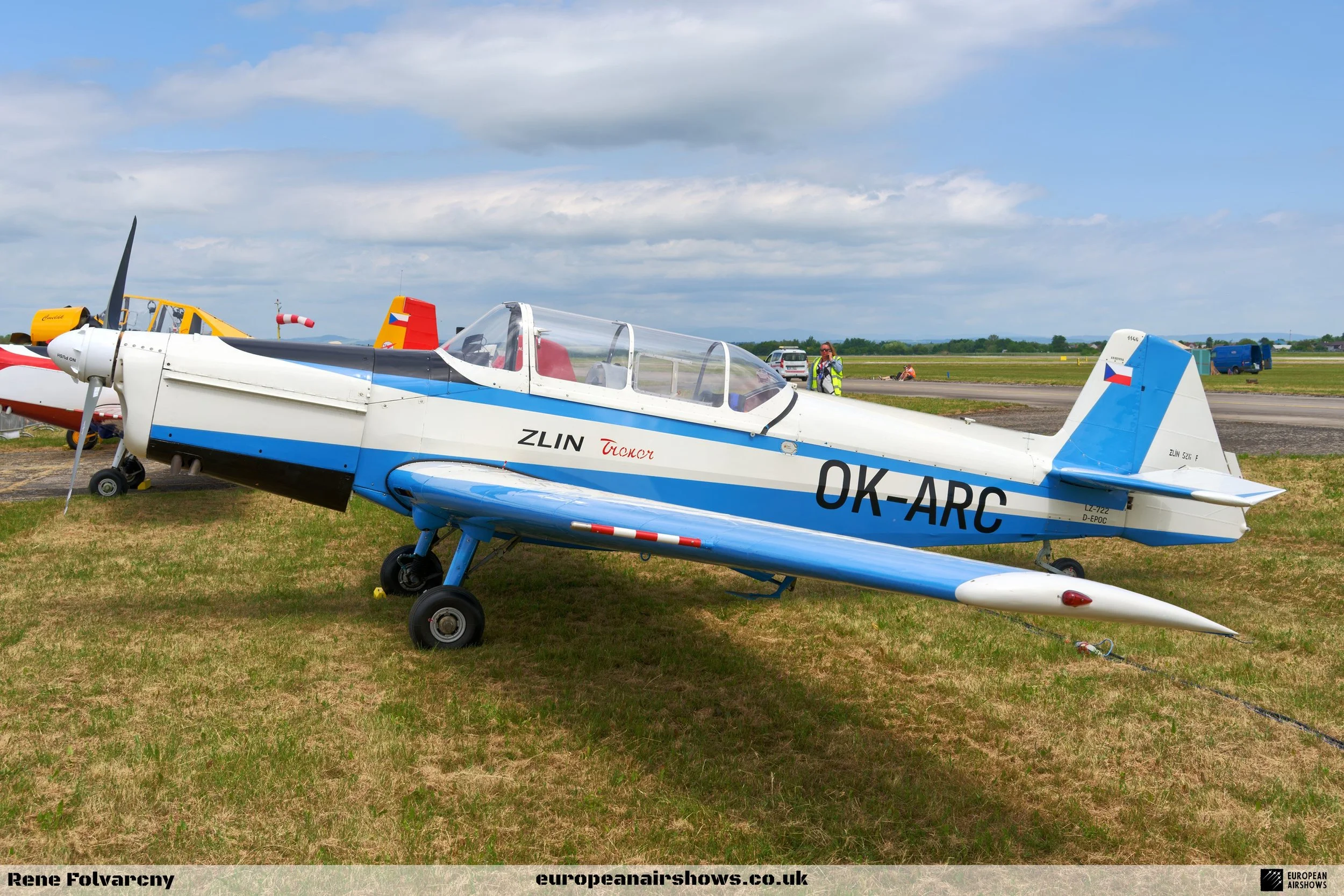
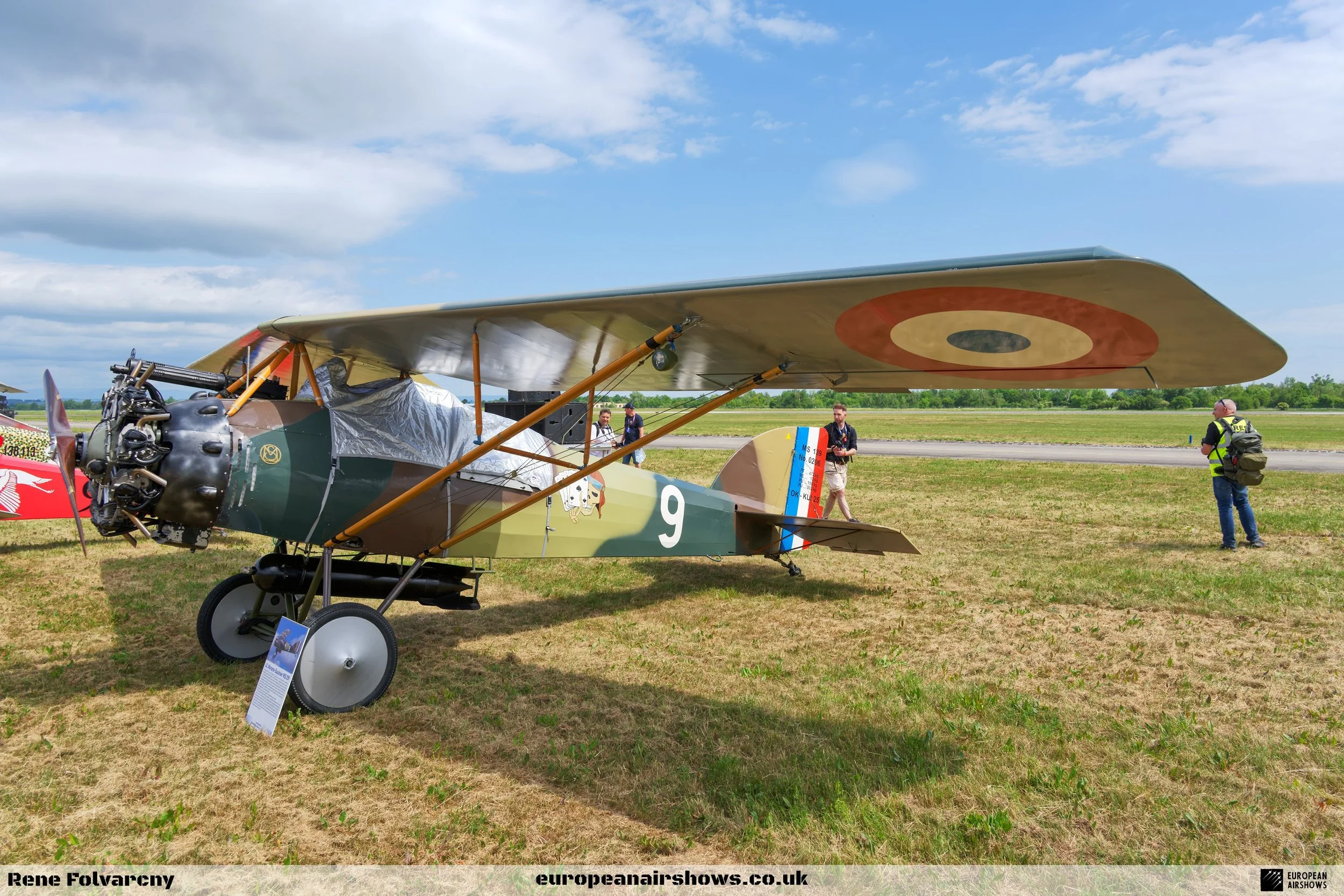
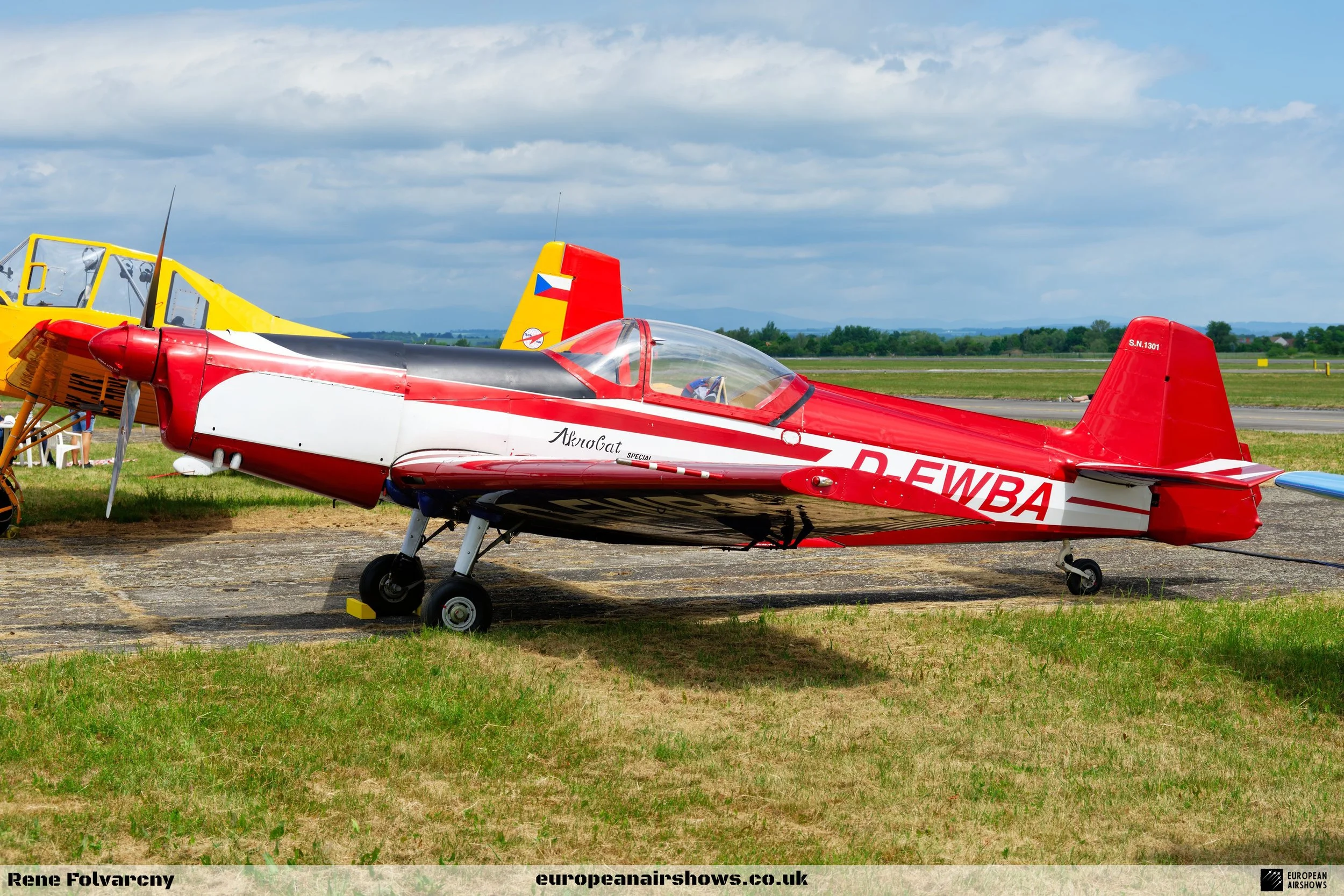
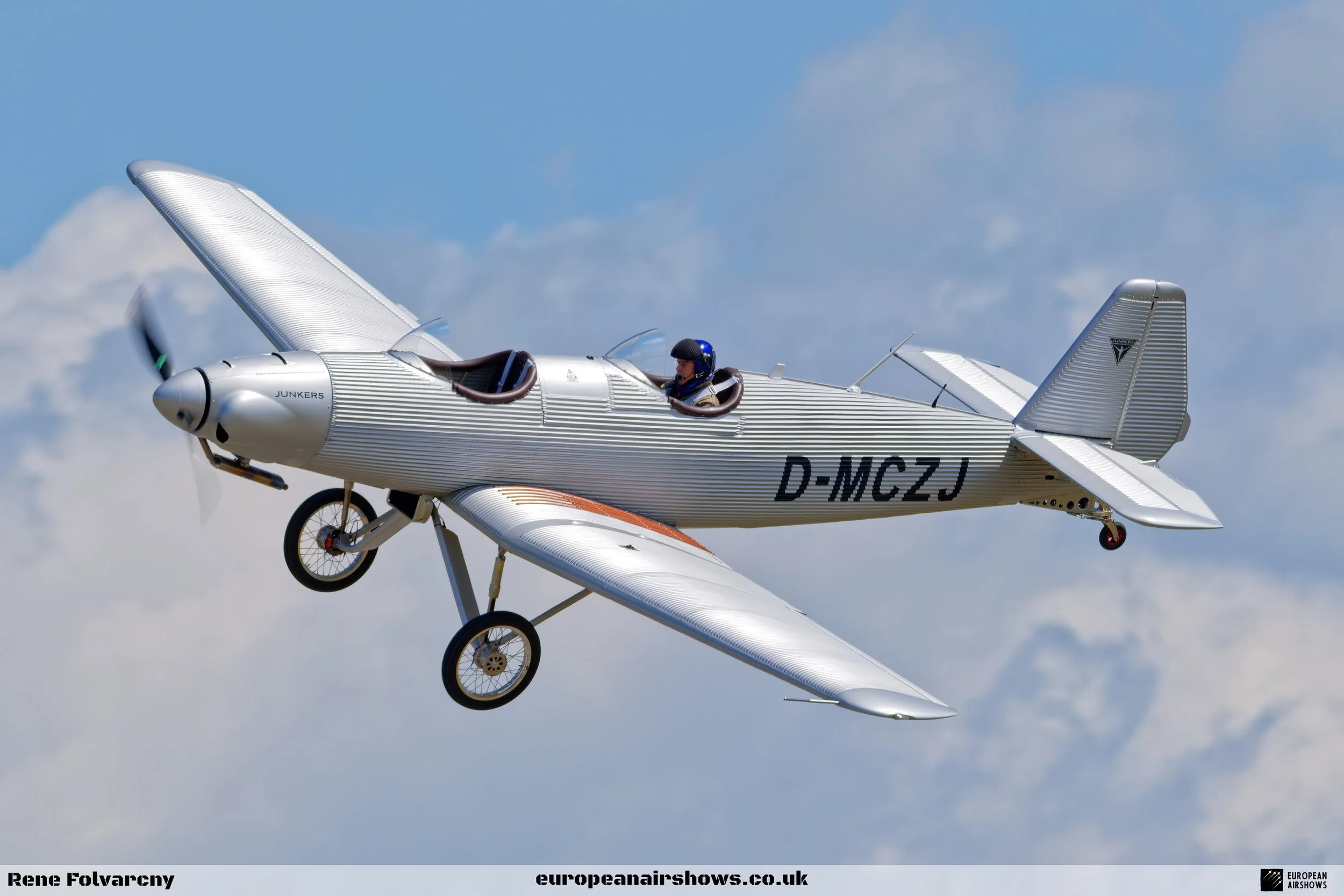
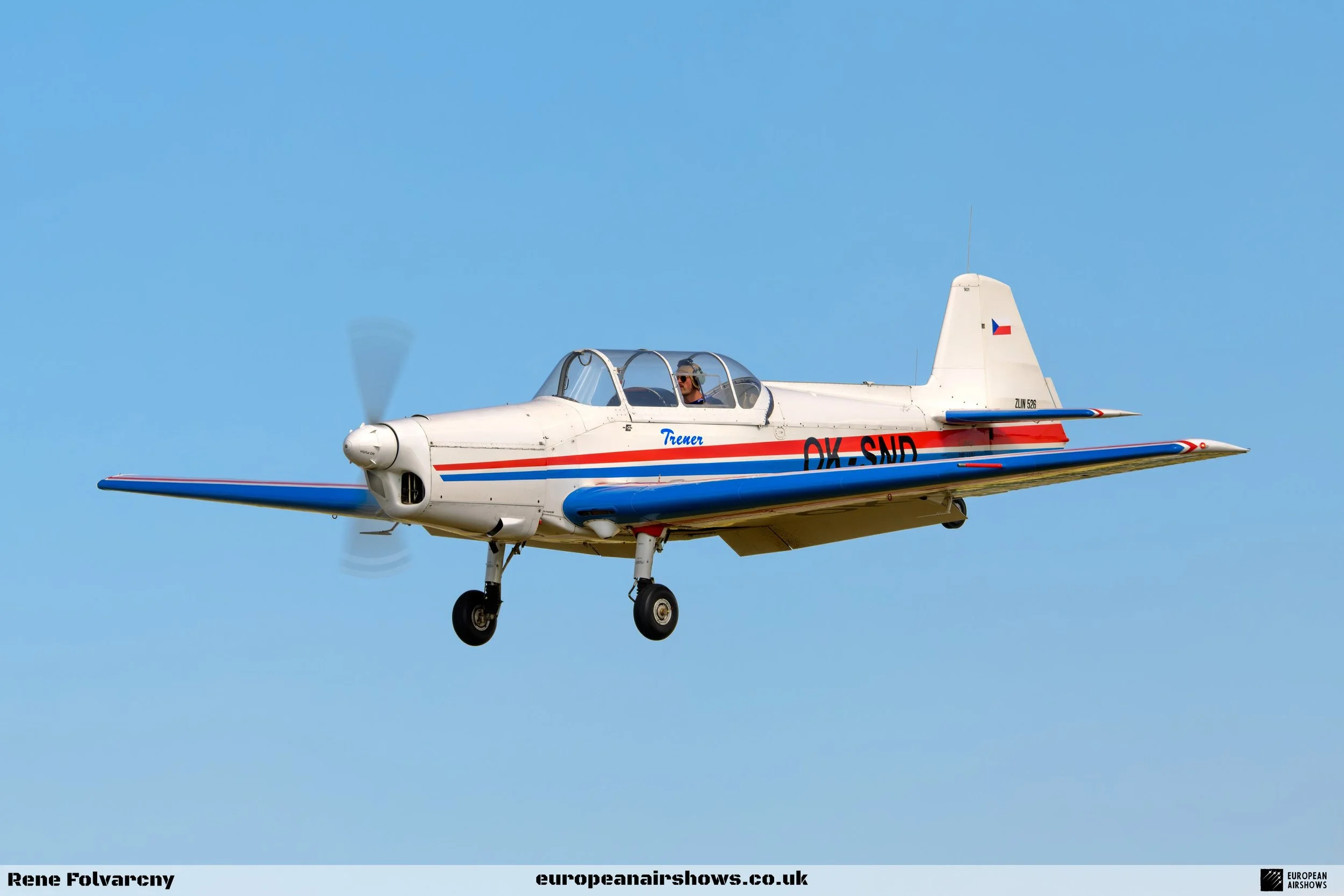
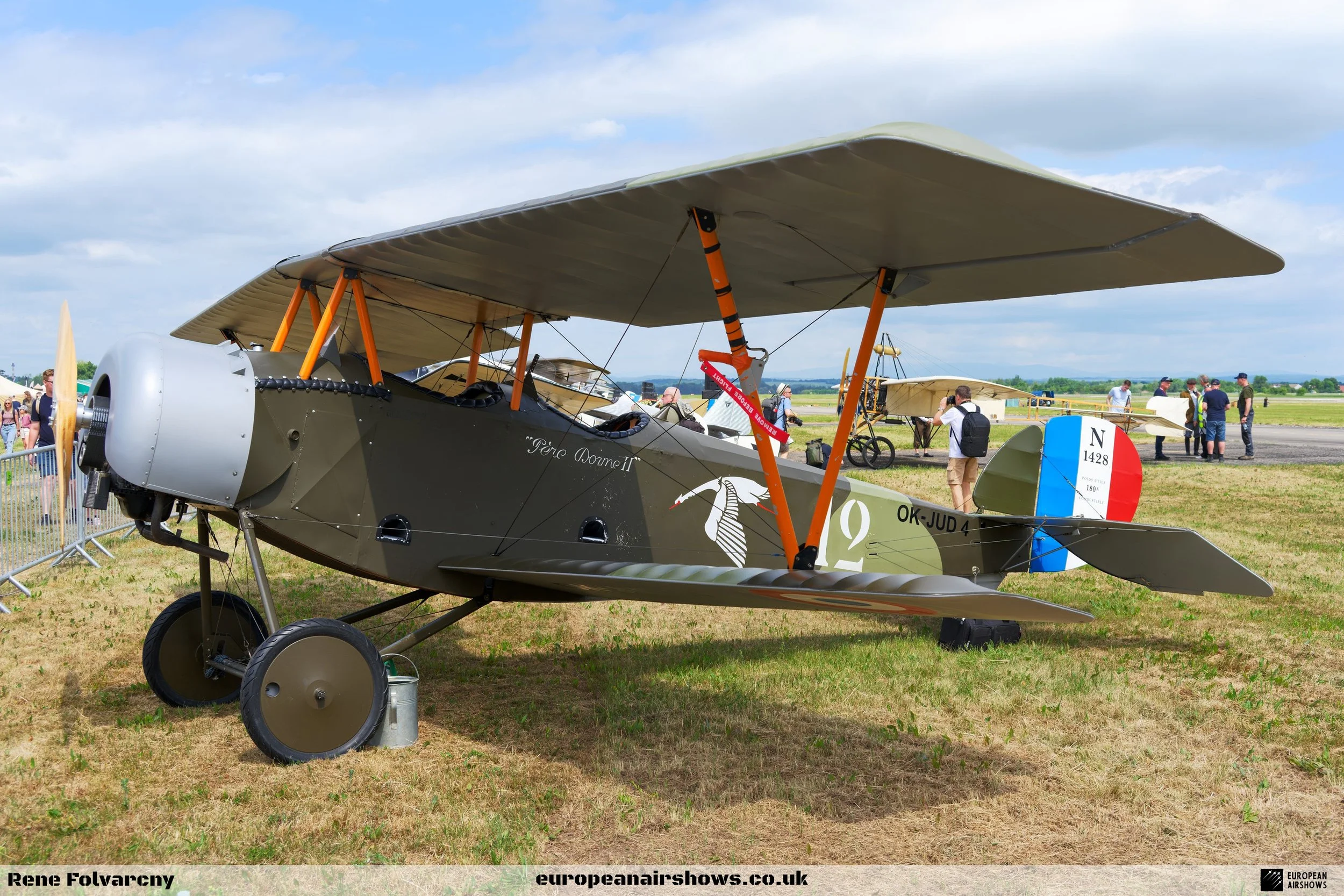
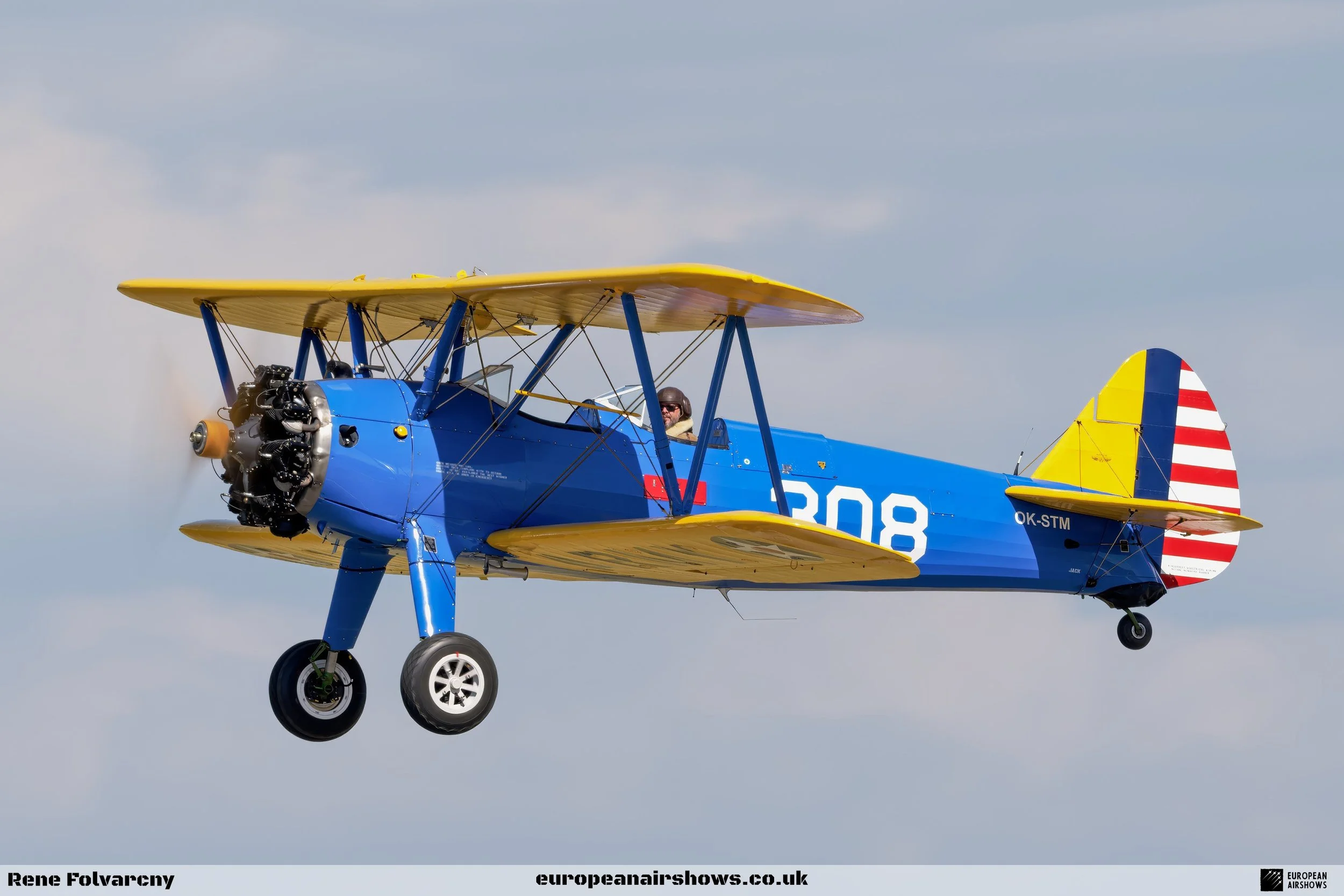
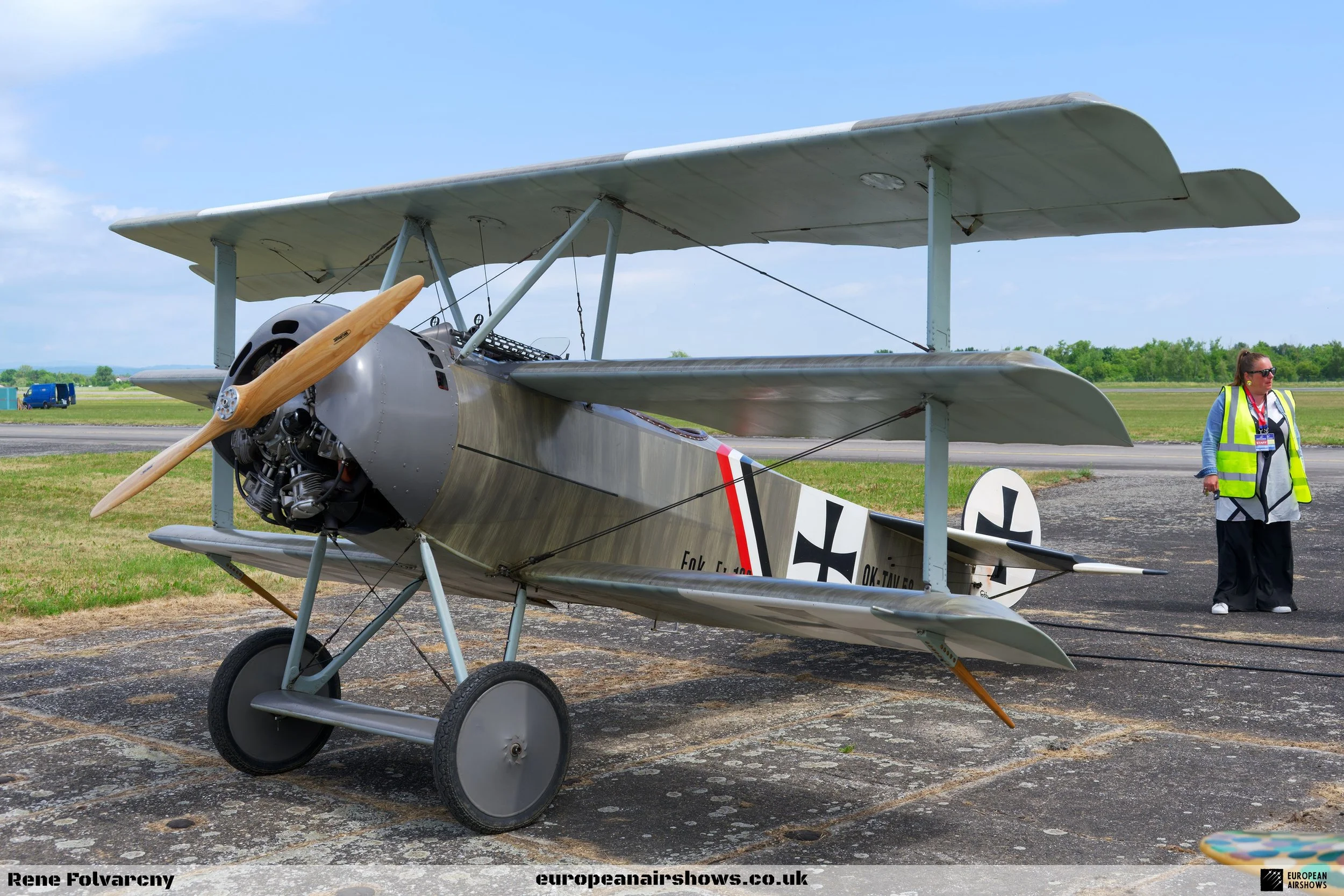
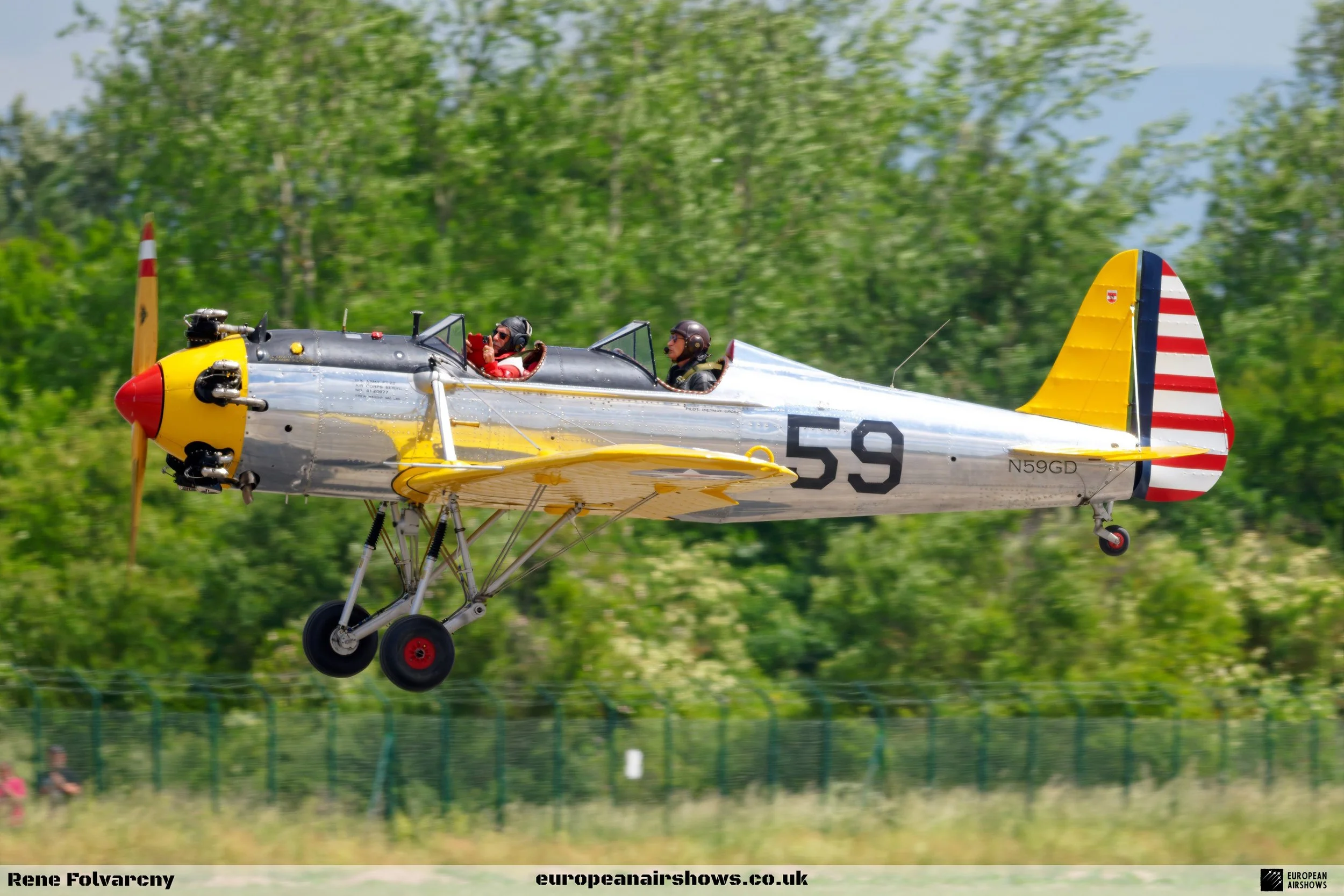
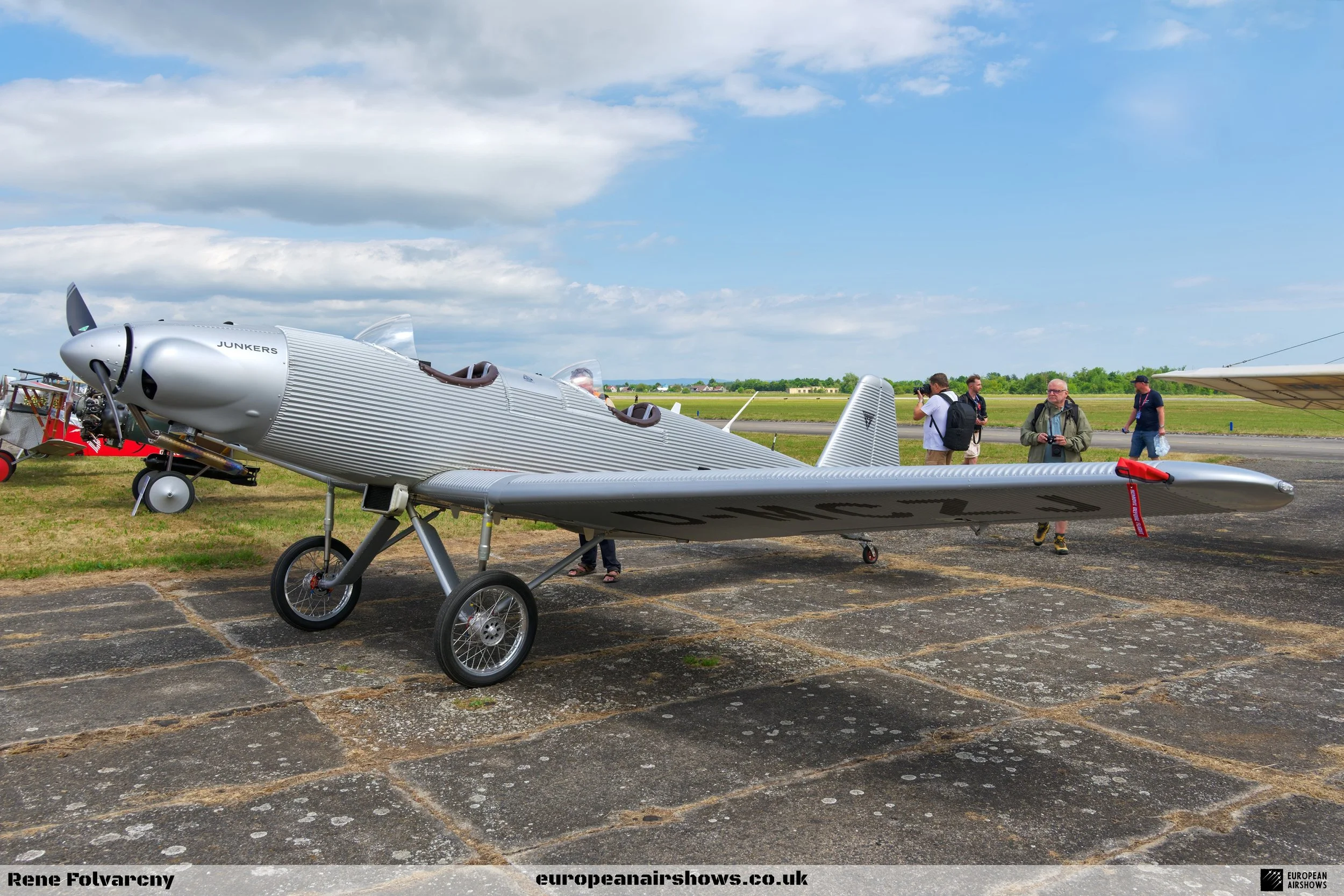
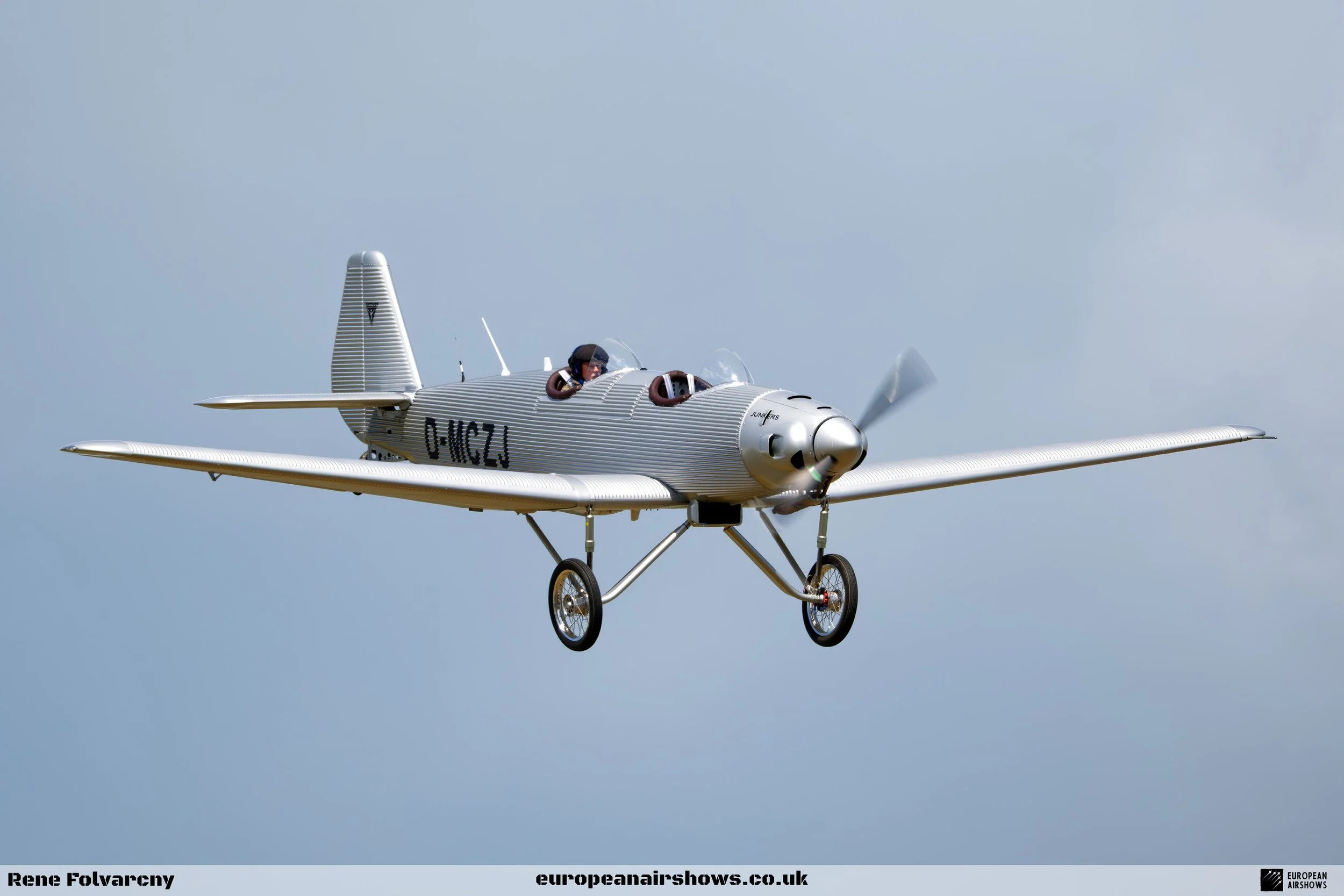
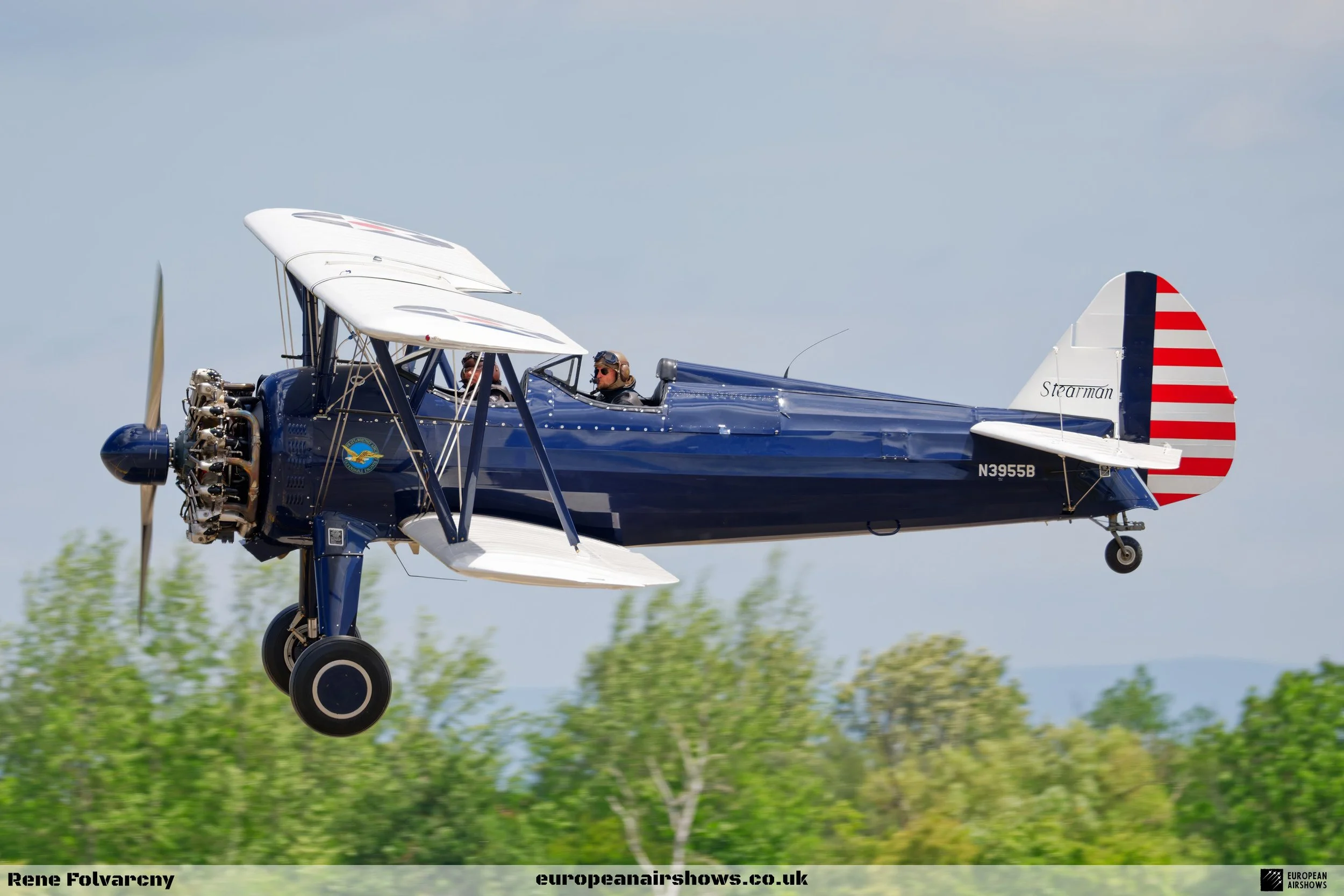
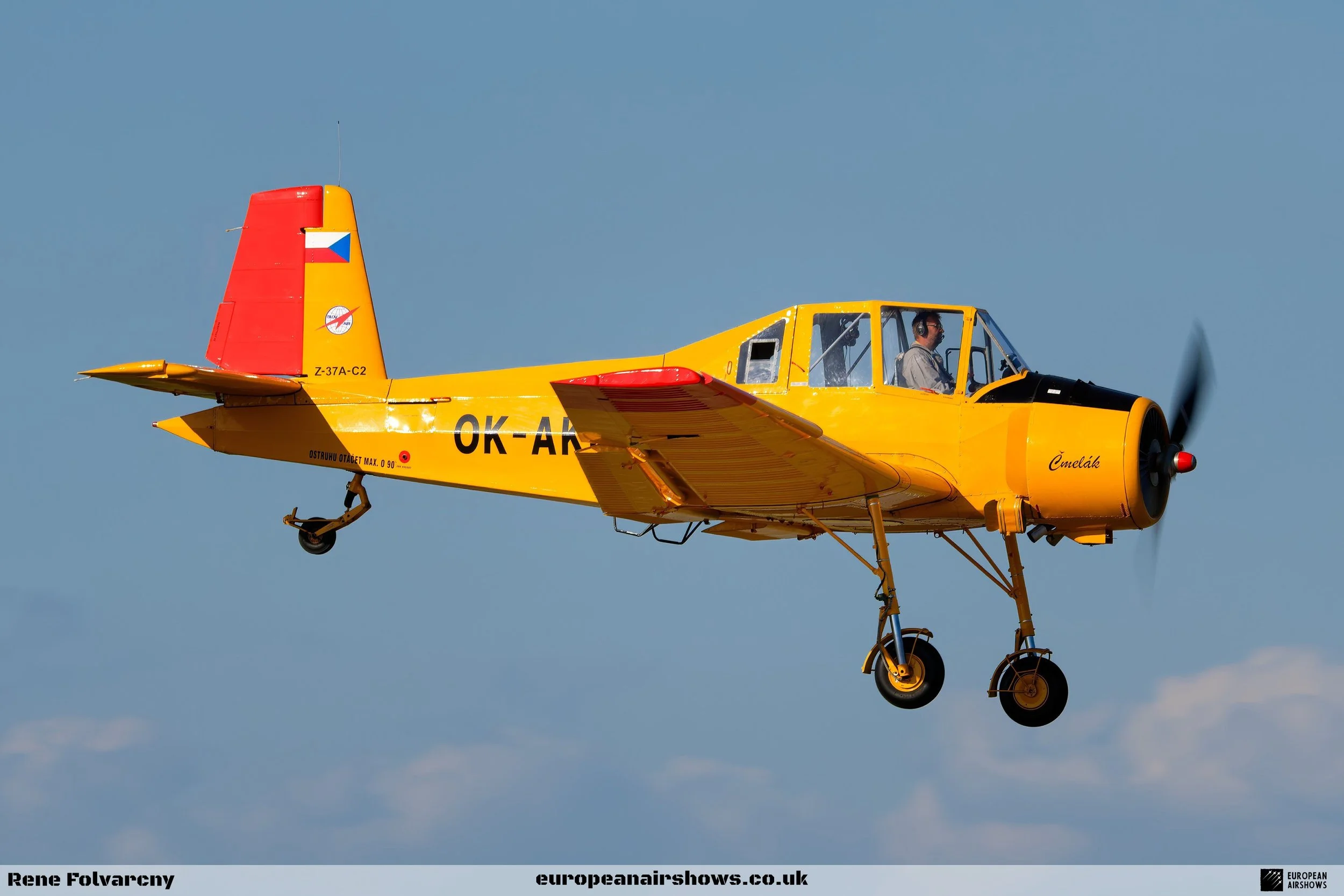
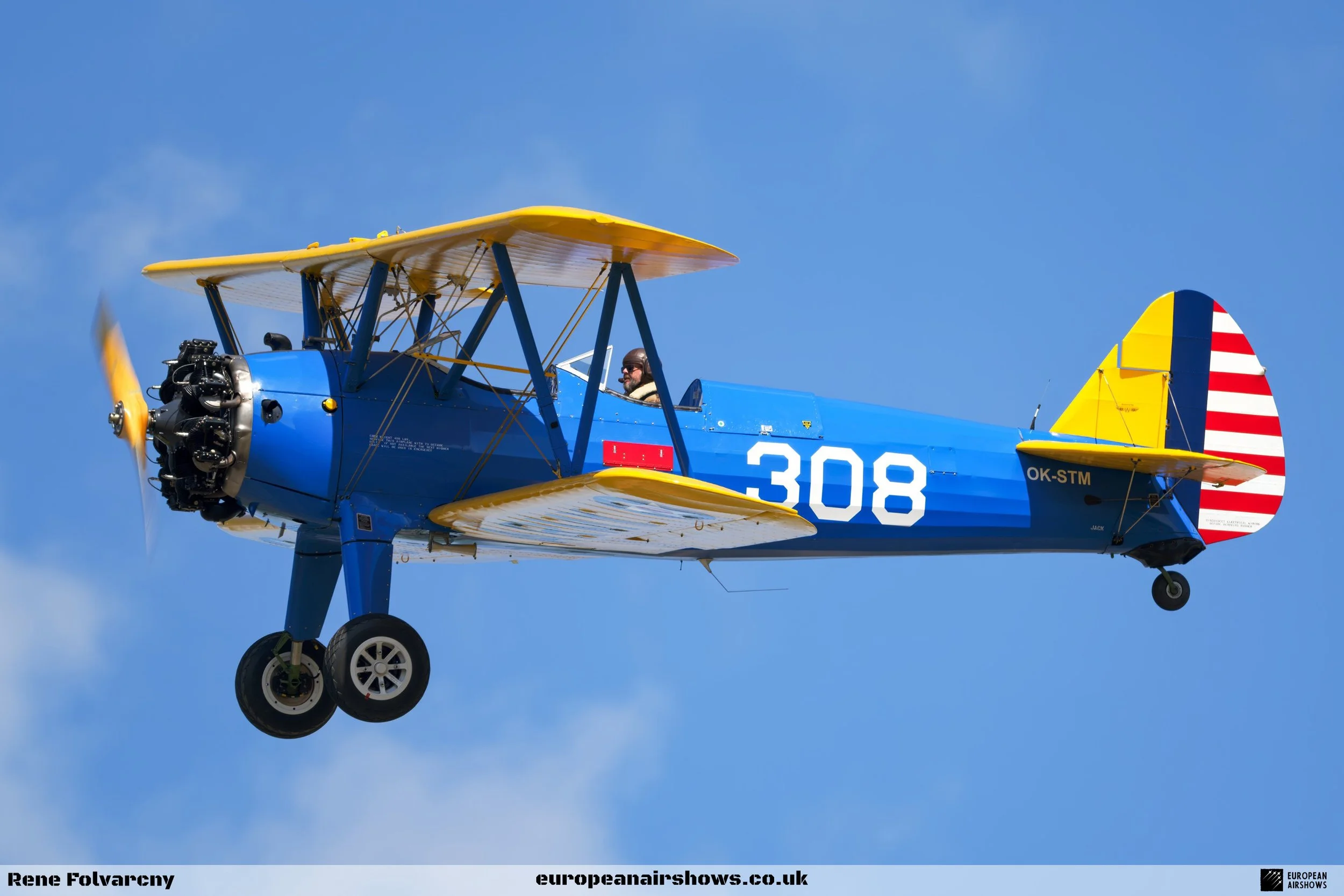
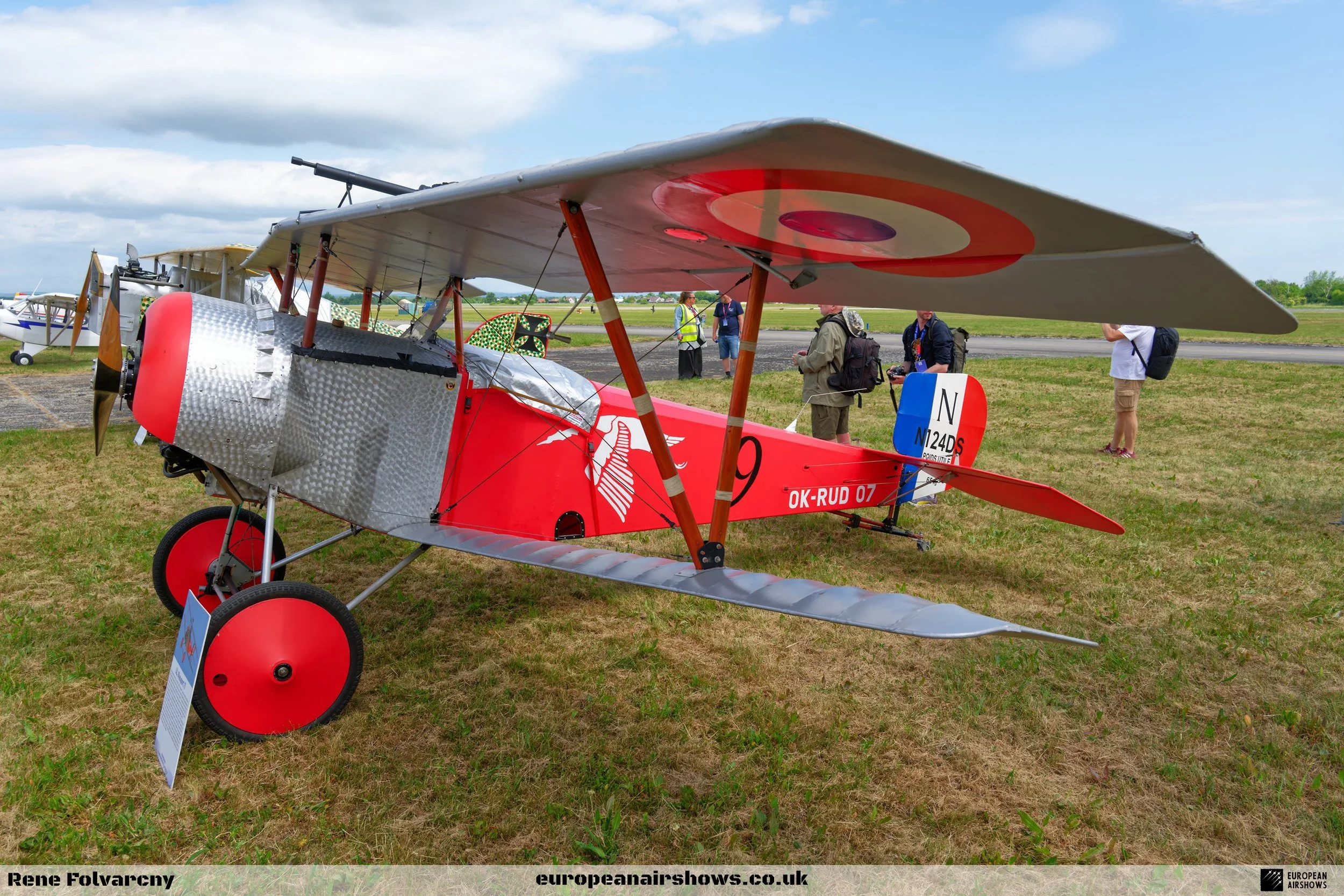
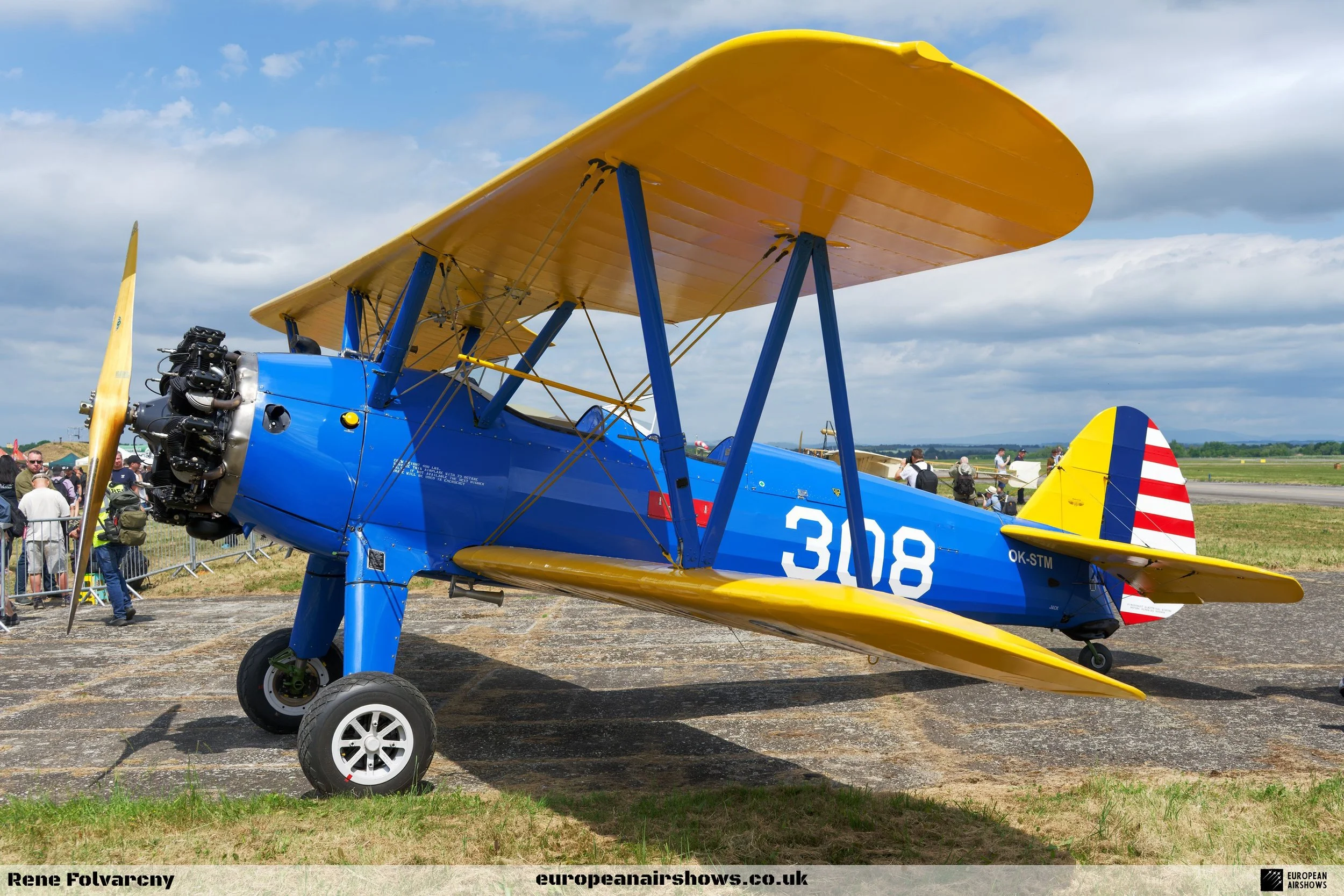
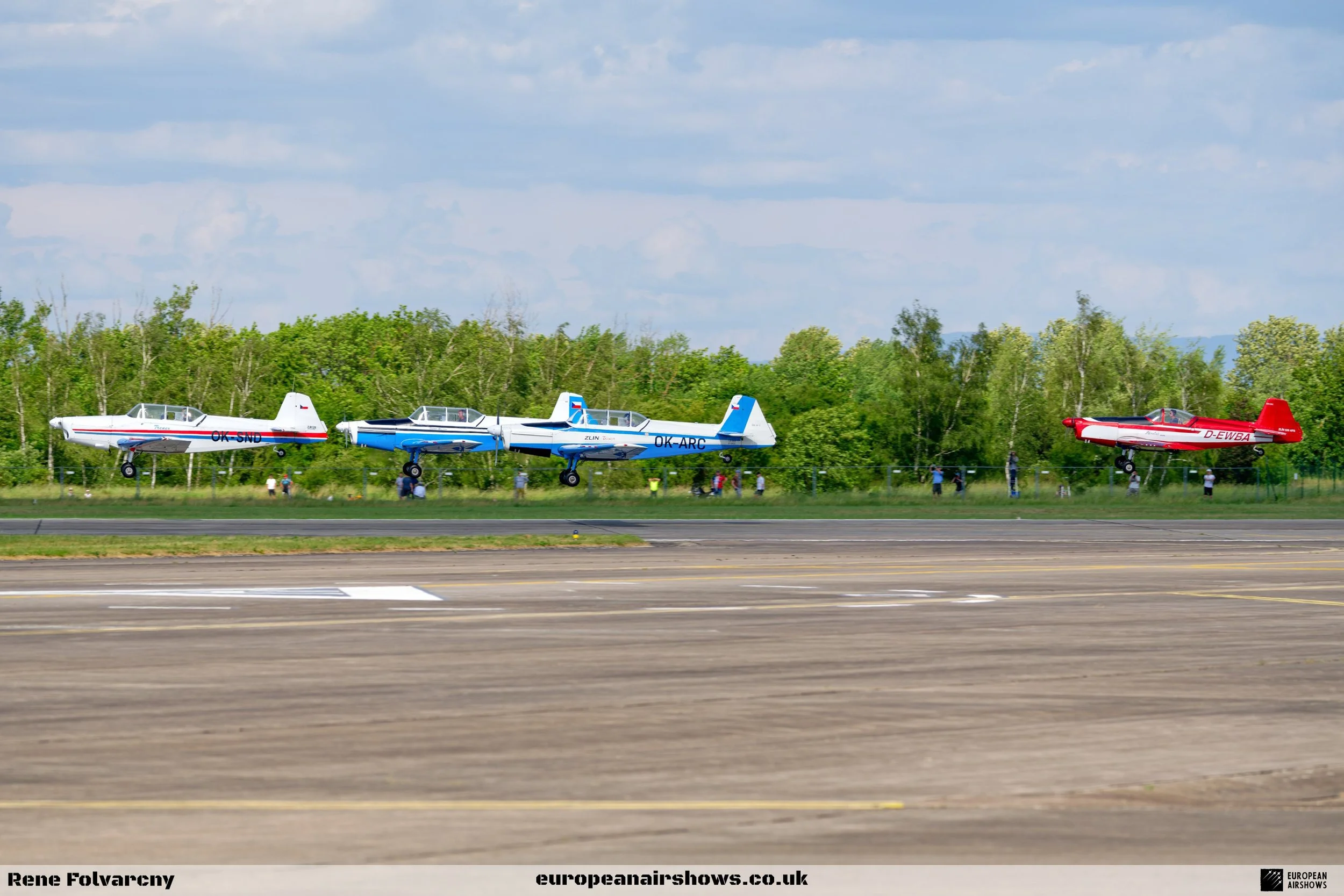
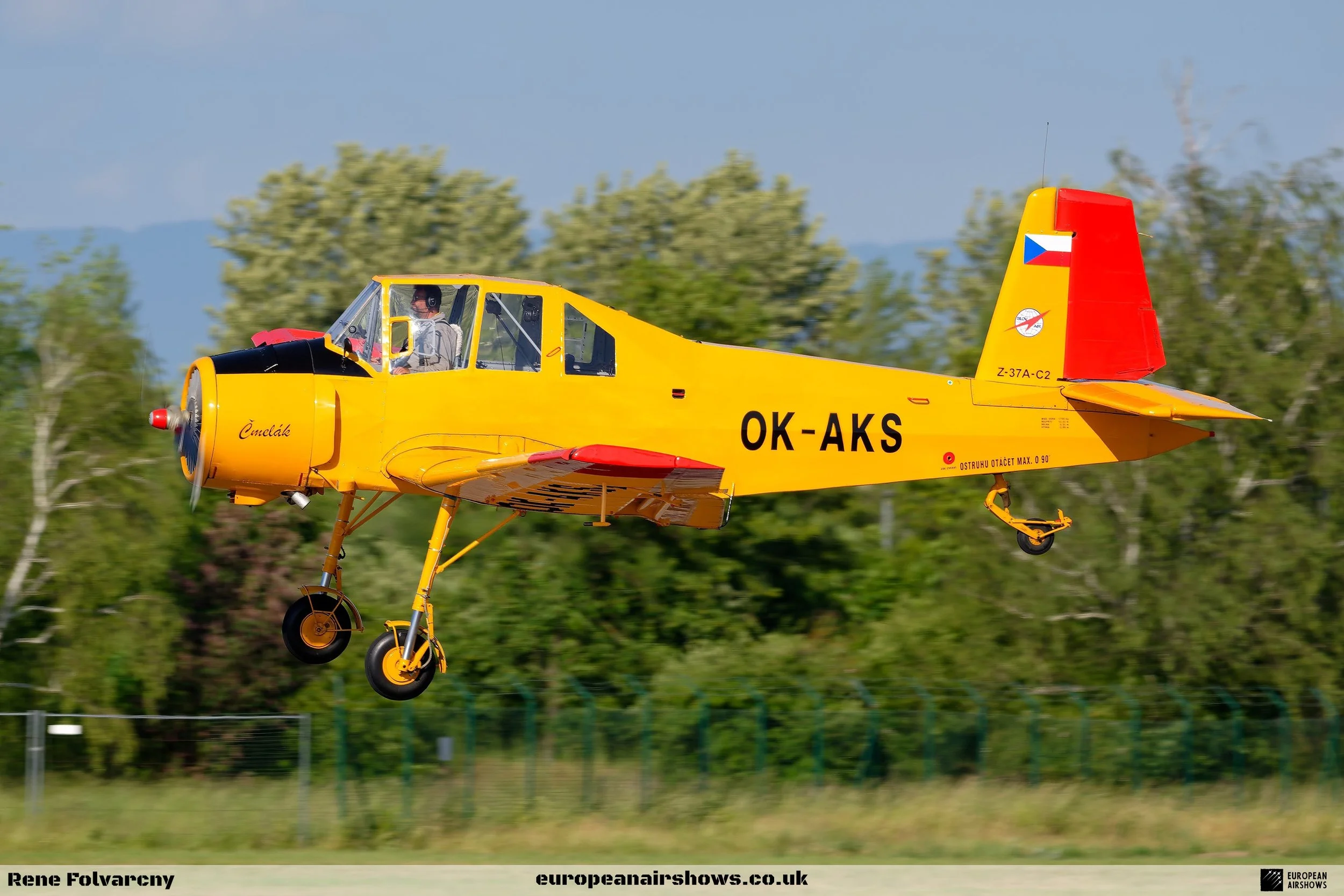
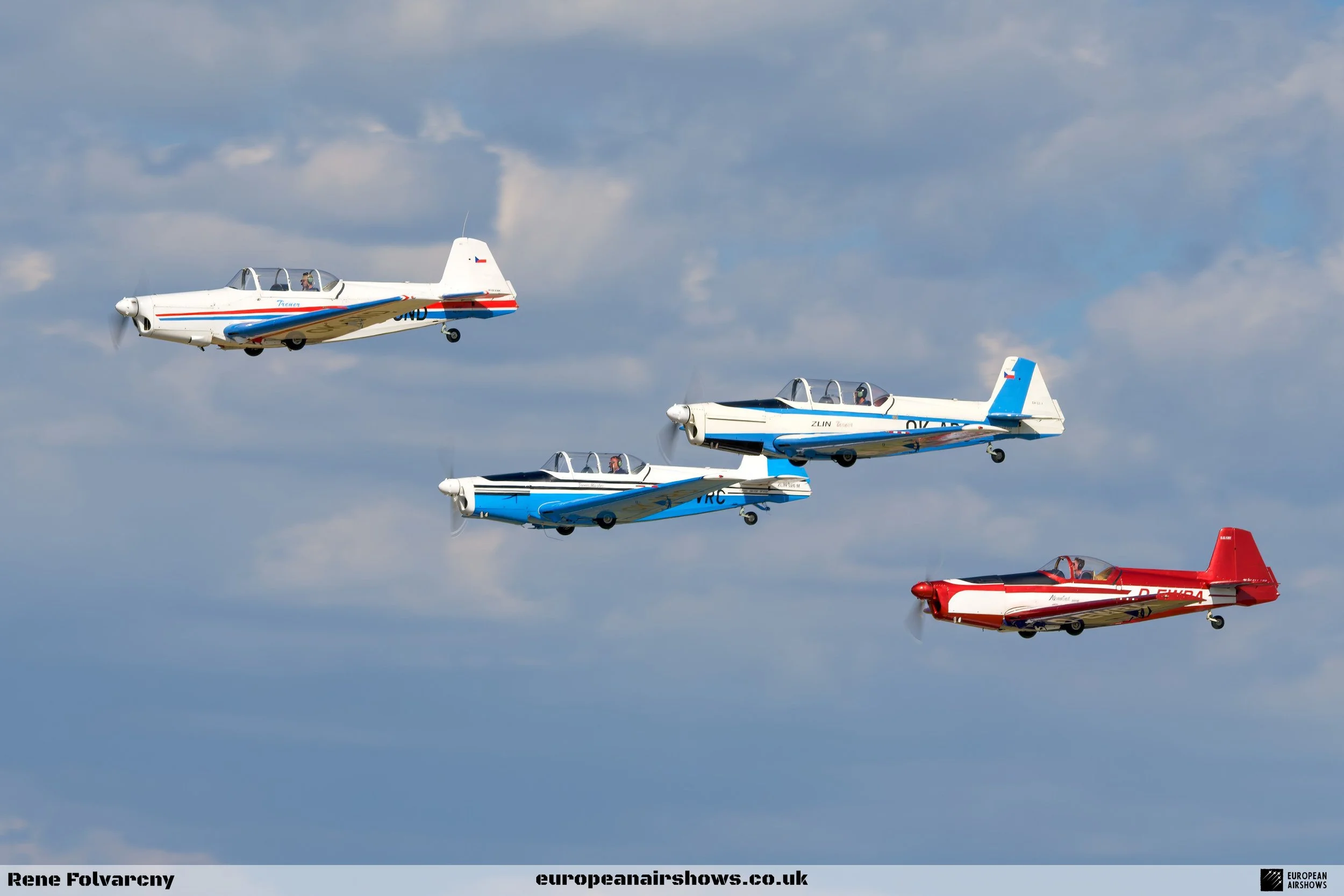
There was also plenty of smaller historic machinery across the programme: the Junkers A50 Junior, T-34 Mentor, Z-37A Čmelák, Boeing Stearman, Ryan PT-22 and the planned 1930s biplane group. The planned Bücker formation was cancelled for technical reasons, which was another small loss in a day already affected by delays and reshuffles.
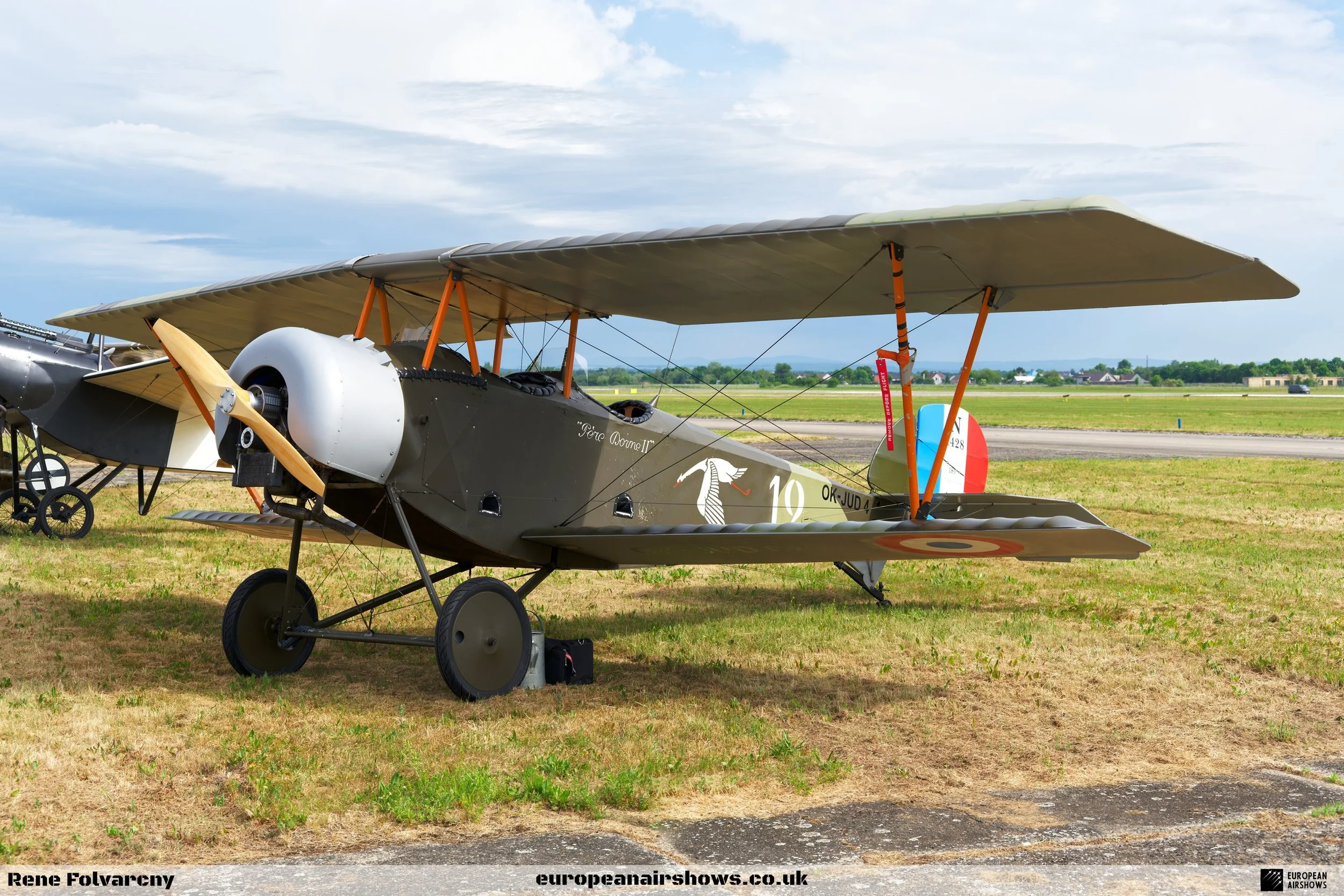
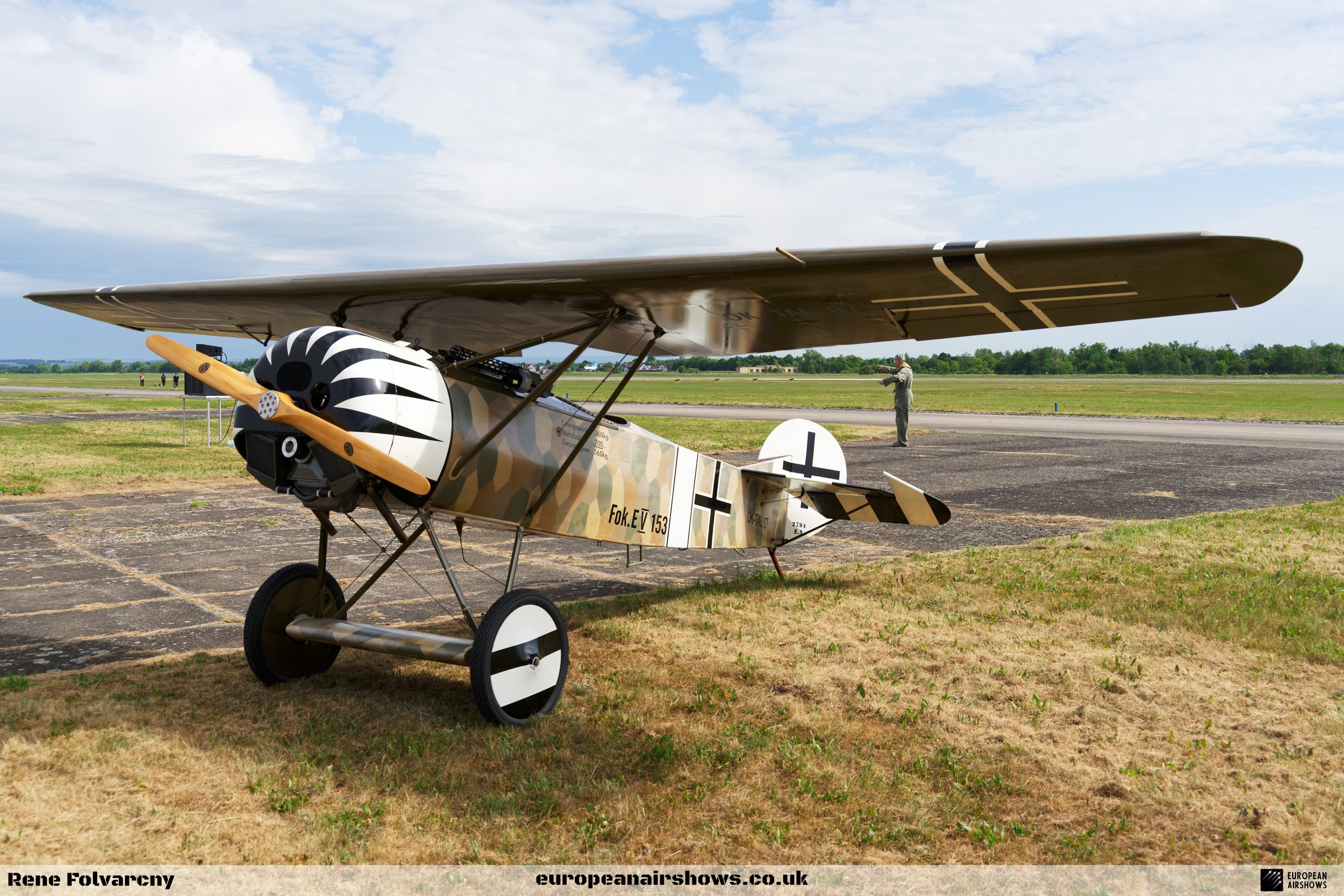
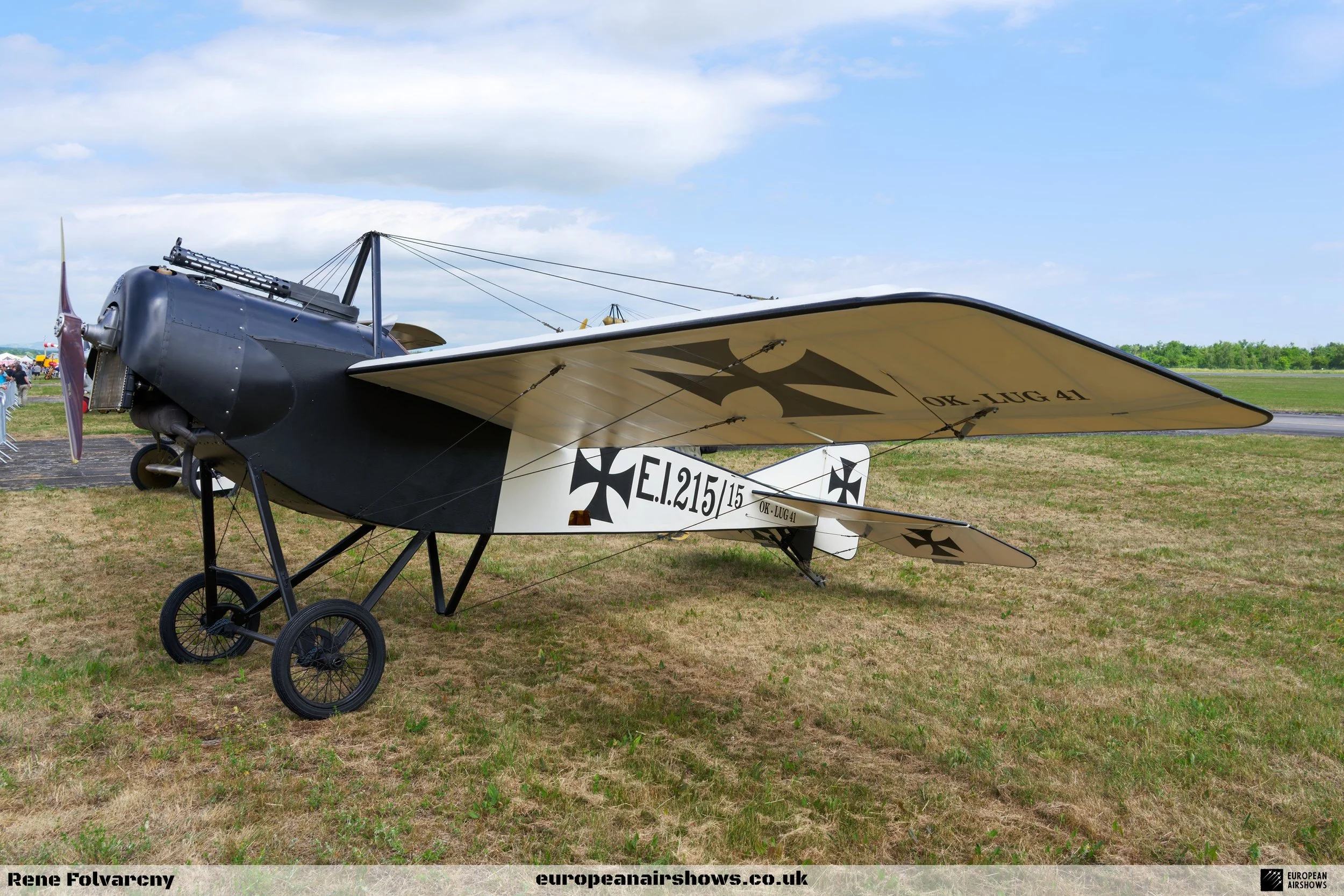
The World War One replica scene also appears to have been a casualty of the Saturday disruption. That was unfortunate, because the slow, characterful WWI sequences are very much part of Aviatická pouť’s identity. With the parachute incident pushing the day out of shape, it was perhaps inevitable that some of the more delicate timing would be lost.
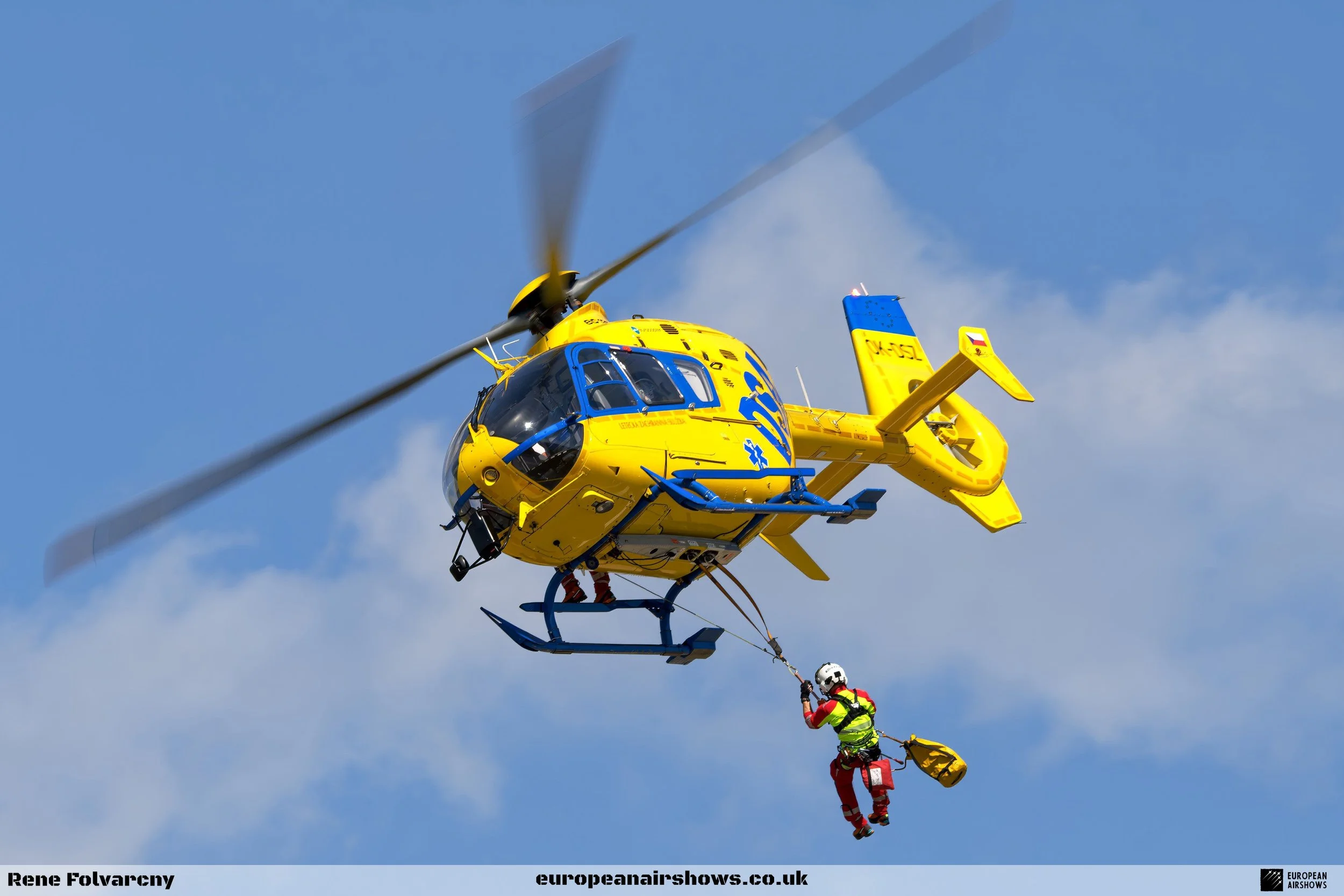
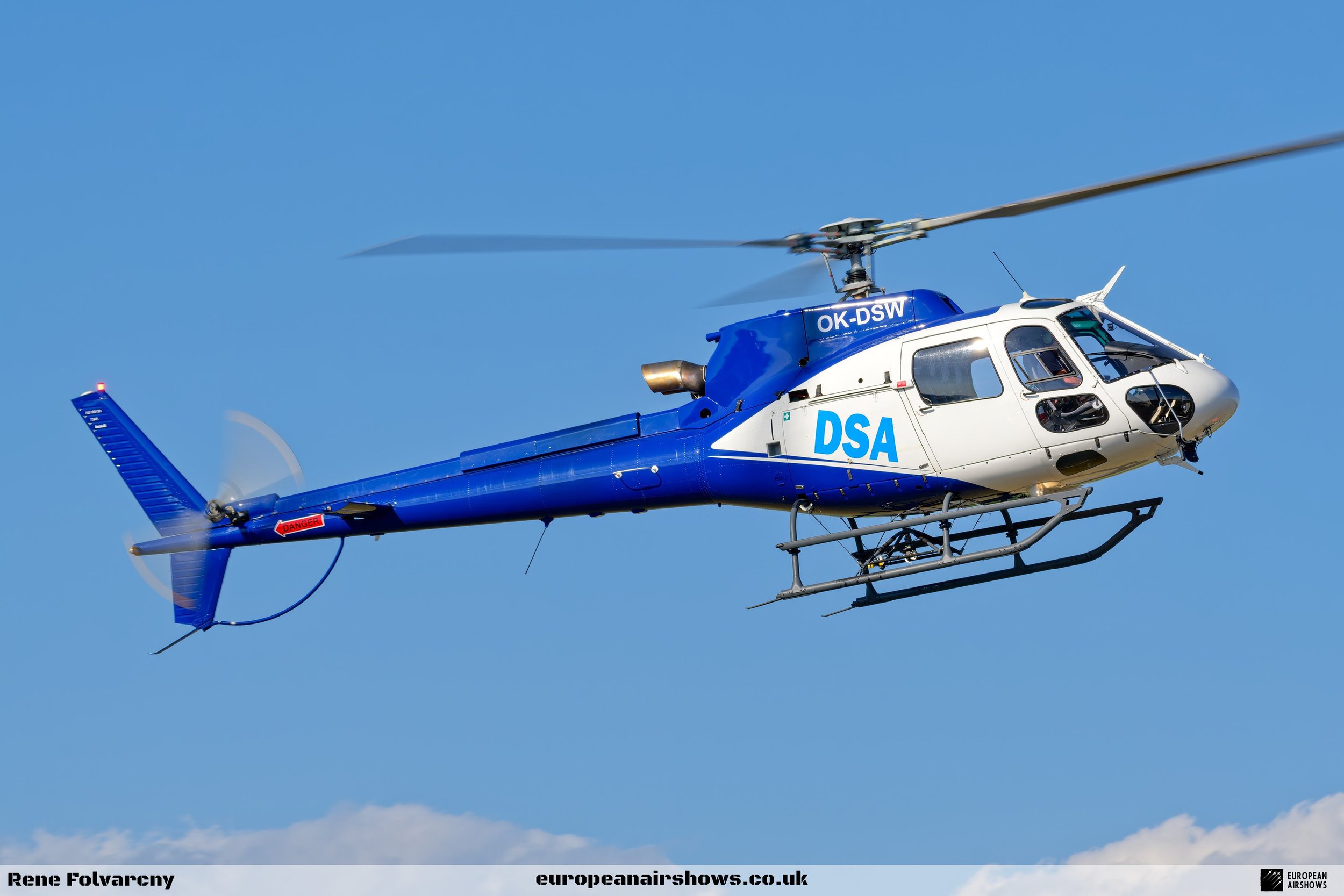
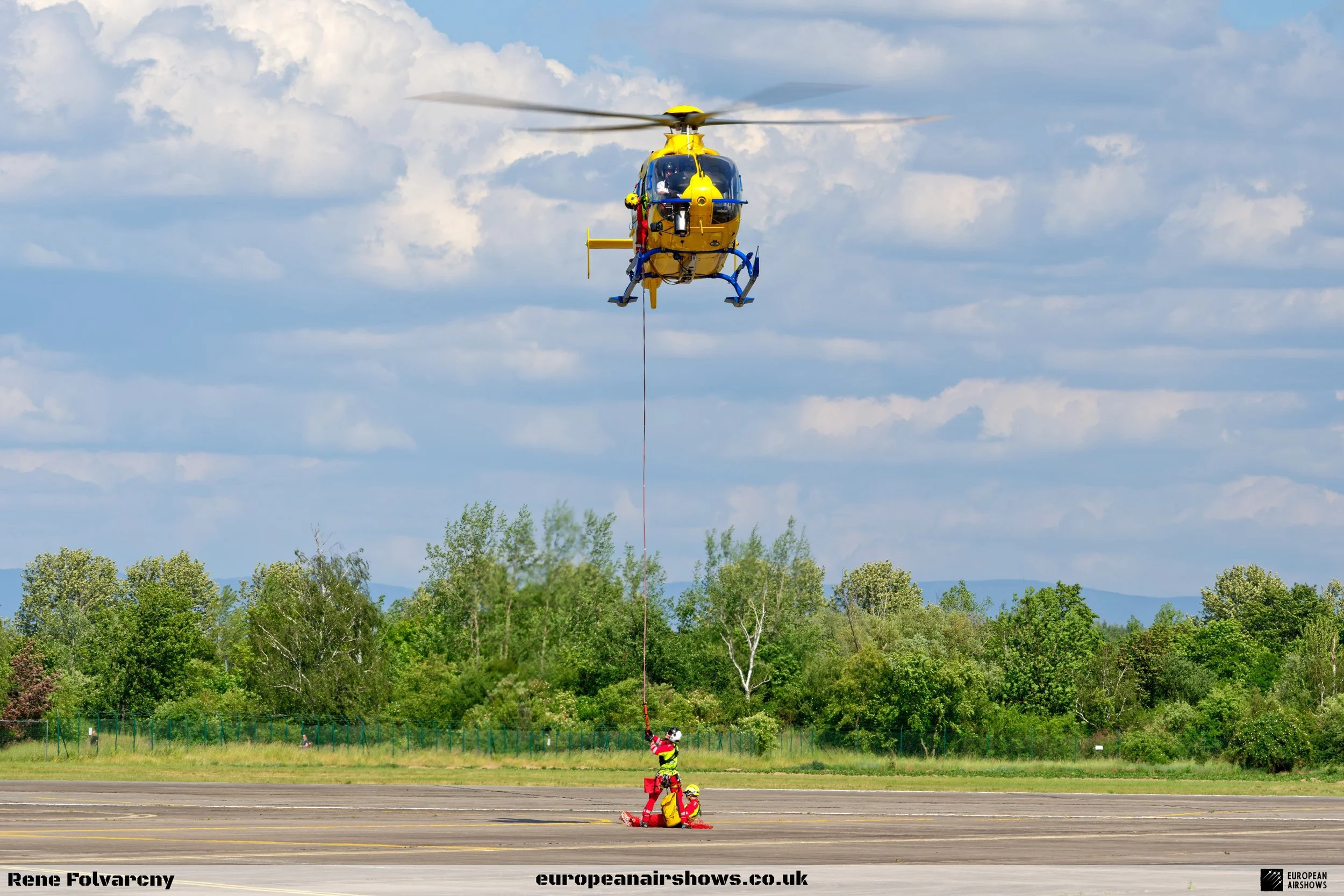
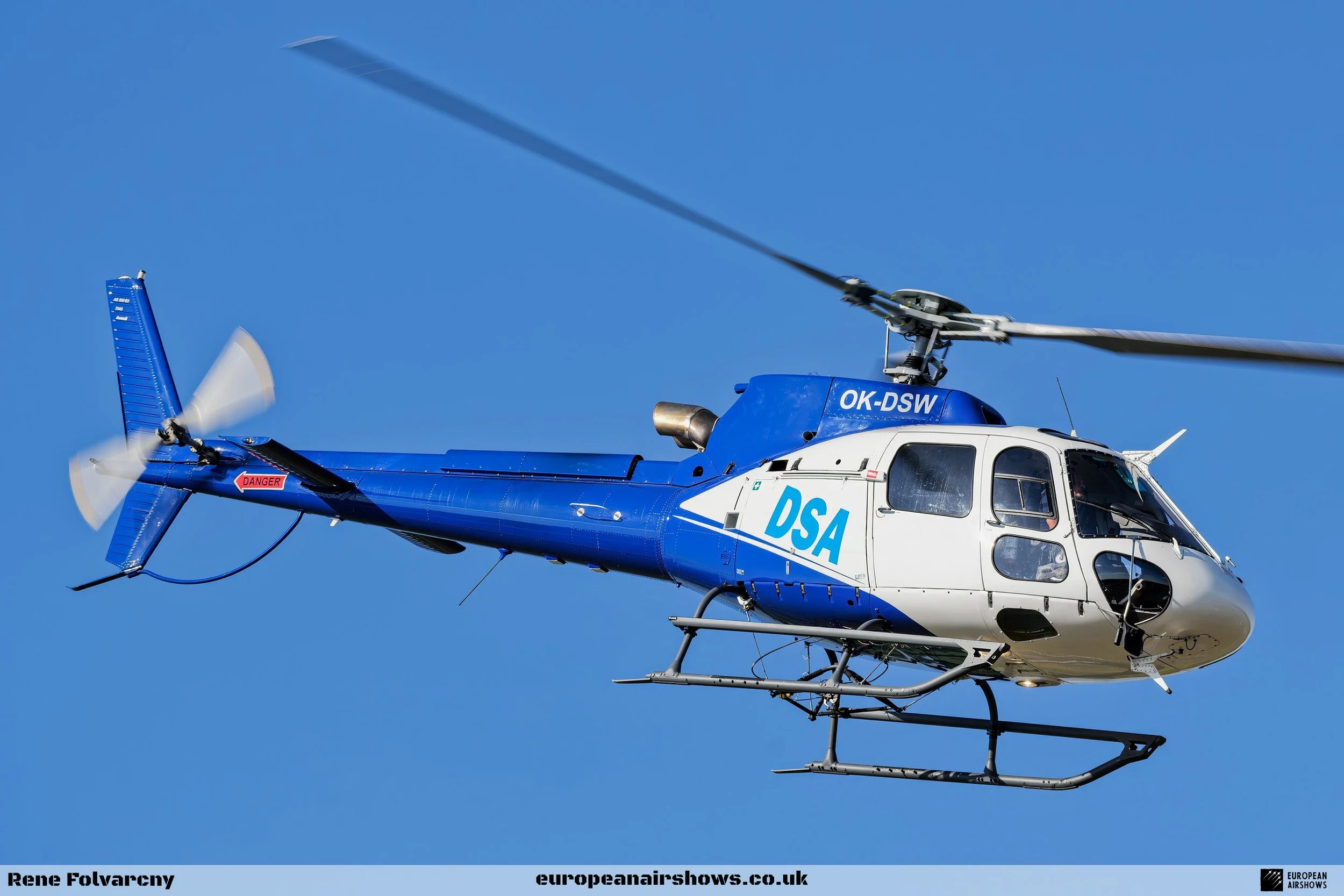
Hradec Králové-based DSA was represented through helicopter displays, including the Eurocopter EC135T2+ rescue helicopter and Airbus Helicopters AS350 B3 Écureuil fire-fighting style demonstration. In dry conditions, the helicopter water work felt especially relevant, not least because pyrotechnics also caused small grass fires during the weekend, quickly handled by the fire crews.
The Bell AH-1 Cobra was the big missing helicopter item. It had been planned as part of a Vietnam War scene but was cancelled entirely after technical issues. That was a real pity. The Cobra would have added a very different tone to the afternoon and given the re-enactment side of the show a stronger aerial element.
The ground demonstrations by Czech security forces were certainly energetic, though they felt slightly out of place within Aviatická pouť. There is clearly a trend at Central European events toward more tactical-style ground action, perhaps influenced by shows such as NATO Days at Ostrava, but here it was not always clear what it added. It filled time and created noise, but it did not feel as naturally connected to the show’s aviation heritage as the historic re-enactments or classic aircraft scenes.
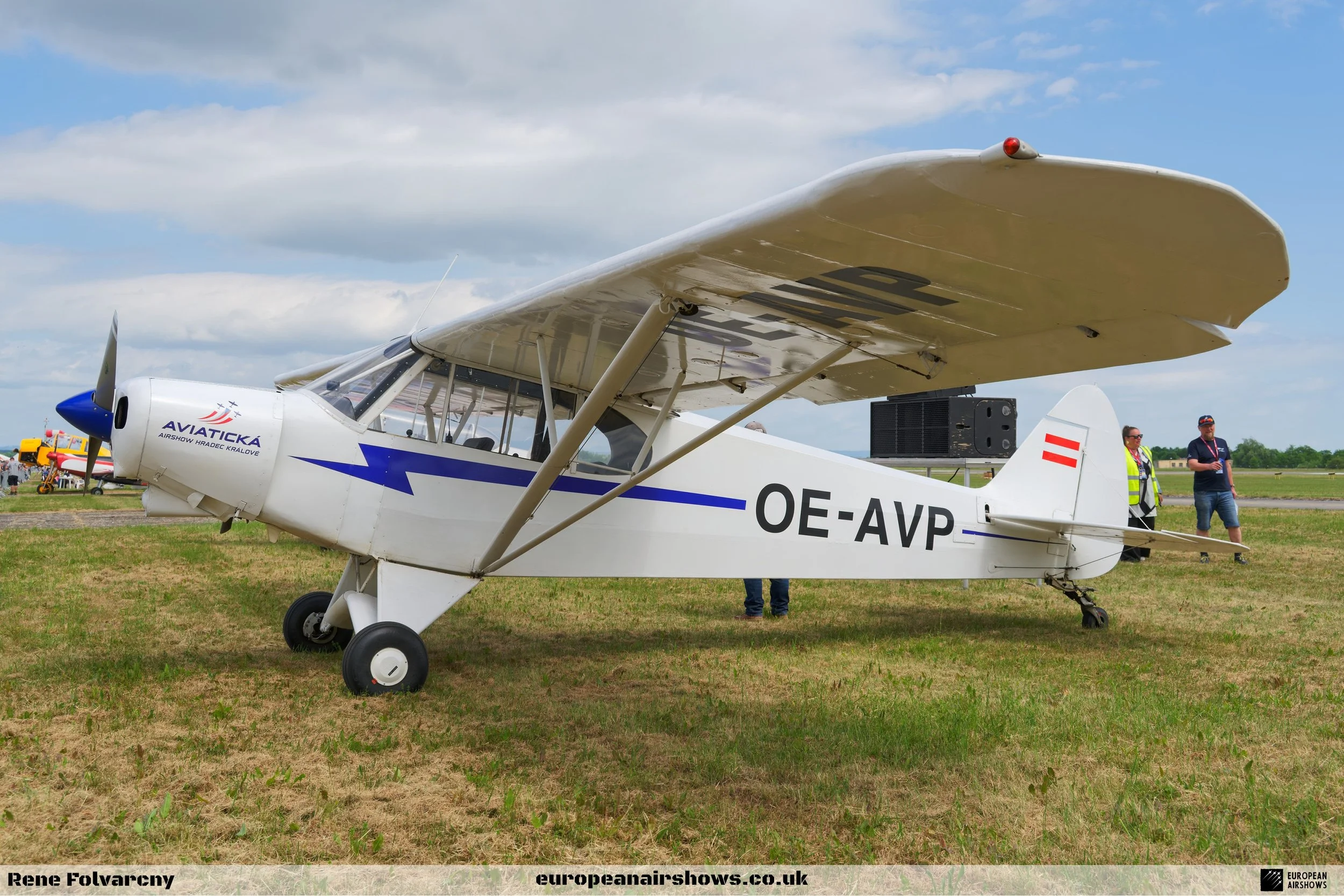
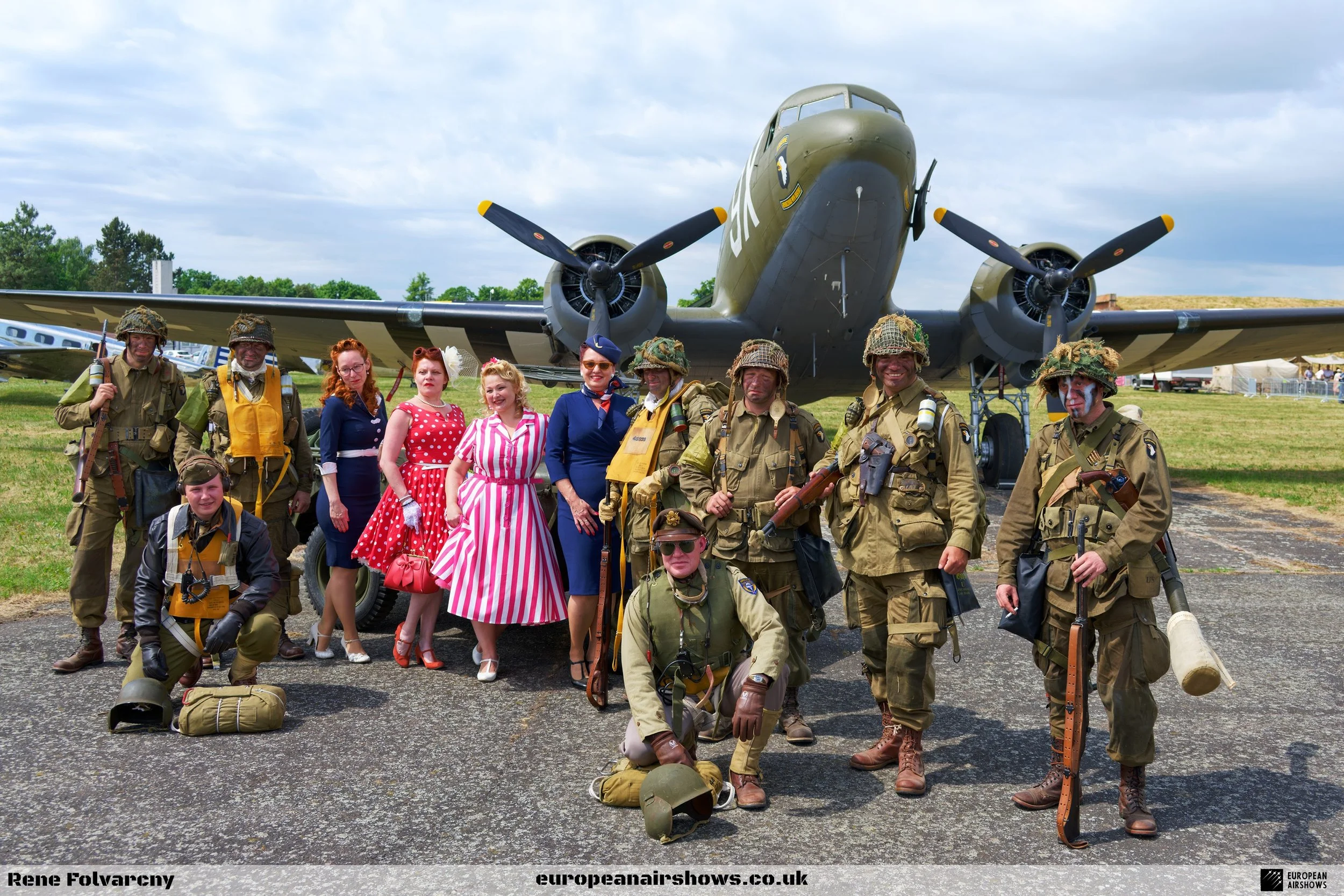
That said, the ground programme overall remained one of Aviatická pouť’s strengths. The car show, military history camps, RAF-themed exhibition, children’s zone, simulators, clubs and static aircraft helped make the event feel like a full day out rather than simply a five-hour flying display. Importantly, the static area also included many of the flying participants, giving visitors a chance to see the aircraft properly before or after their displays.
Saturday’s flying was good when it was happening, but the day never quite found a comfortable rhythm after the parachute incident.
Airshows can absorb small delays. They are part of the game. But when the disruption comes right at the start of the flying programme, it changes the feel of the whole day. The crowd becomes uncertain, the sequence tightens, and some acts inevitably feel rushed or shortened. Combined with the technical issue for the P-38, the non-display from the Corsair, the cancelled Bücker formation, the missing Cobra and the absent WWI scene, the Saturday programme felt more compromised than the published running order suggested.
That is why it is fair to say the flying was high quality but not always satisfying. The good acts were genuinely good. The Typhoon was excellent. Catwalk worked brilliantly. The Flying Bulls aerobatic team, Martin Šonka, CLV aircraft and Classic Formation all added value. But as a full programme, Saturday carried the marks of a difficult first year at a new venue.
The organisers should not be judged too harshly for every one of those issues. Weather, technical problems and parachute drift are not things you can simply plan away. But visitor facilities, food queues and crowd flow are areas that can and should be improved.
Yes — with caveats.
Aviatická pouť at Hradec Králové did not feel like a show dying. It felt like a show being forced into a new chapter before it was fully ready, then making a decent job of it anyway.
The venue has real advantages. The light is good, the space is generous, the city support was visible and the airfield has enough aviation history to carry an event of this scale. The crowd came, the programme had several strong highlights, and the event kept enough of its Pardubice-era soul to still feel like Aviatická pouť rather than a completely new airshow wearing an old name.
But it also needs refinement. More food and drink provision, better queue management, smoother arrival planning and a stronger flying programme would all help. If the show is going to remain at Hradec Králové for several years, the 2026 edition should be treated as the learning year.
The important thing is that the core worked. Hradec Králové did not swallow Aviatická pouť. It gave it room.
For enthusiasts, the 2026 edition will be remembered for the rare double German Typhoon appearance, NOBLE’s aggressive display, the Czech premiere of Scandinavian Catwalk, the Flying Bulls warbirds that almost delivered the full dream formation, and a programme that mixed Czech history with modern aviation spectacle. It will also be remembered for the parachute incident, the queues and a few frustrating cancellations.
That is probably a fair summary of the whole weekend: promising, imperfect, sometimes disrupted, but alive.
And for an airshow forced out of its traditional home at short notice, alive is a very good place to start.
More airshow reviews
Read more reports, photography and first-hand coverage from airshows across Europe.