
Headcorn Rebrands: From Battle of Britain to International Airshow
For more than a decade, Headcorn Aerodrome has been best known to airshow fans as the home of the Battle of Britain Airshow—a grass-strip gathering where Spitfires, Hurricanes and Buchóns evoked the summer of 1940 against the Kent countryside. It was a show built on heritage, intimacy and the raw sound of Merlins overhead.
Now, organisers are charting a new course. In 2026, the event relaunches as the Headcorn International Airshow, a broader festival that promises civilian aerobatics, modern classics and a refreshed ground show—while keeping the warbird DNA that made Headcorn beloved. It marks the aerodrome’s most ambitious project yet, and a bold attempt to secure its place on the modern air display calendar.
Hawker Hurricanes lined up on the grass
A wartime airfield with layers of history
The modern airfield at Headcorn—today designated EGKH—was known during the Second World War as RAF Lashenden, a name chosen deliberately to mislead enemy intelligence. From 1943, it became home to Canadian squadrons flying Spitfire IXb, led at one stage by the famed Wing Commander Johnnie Johnson. Later, USAAF units flew from the site as Allied air power built momentum for the liberation of Europe.
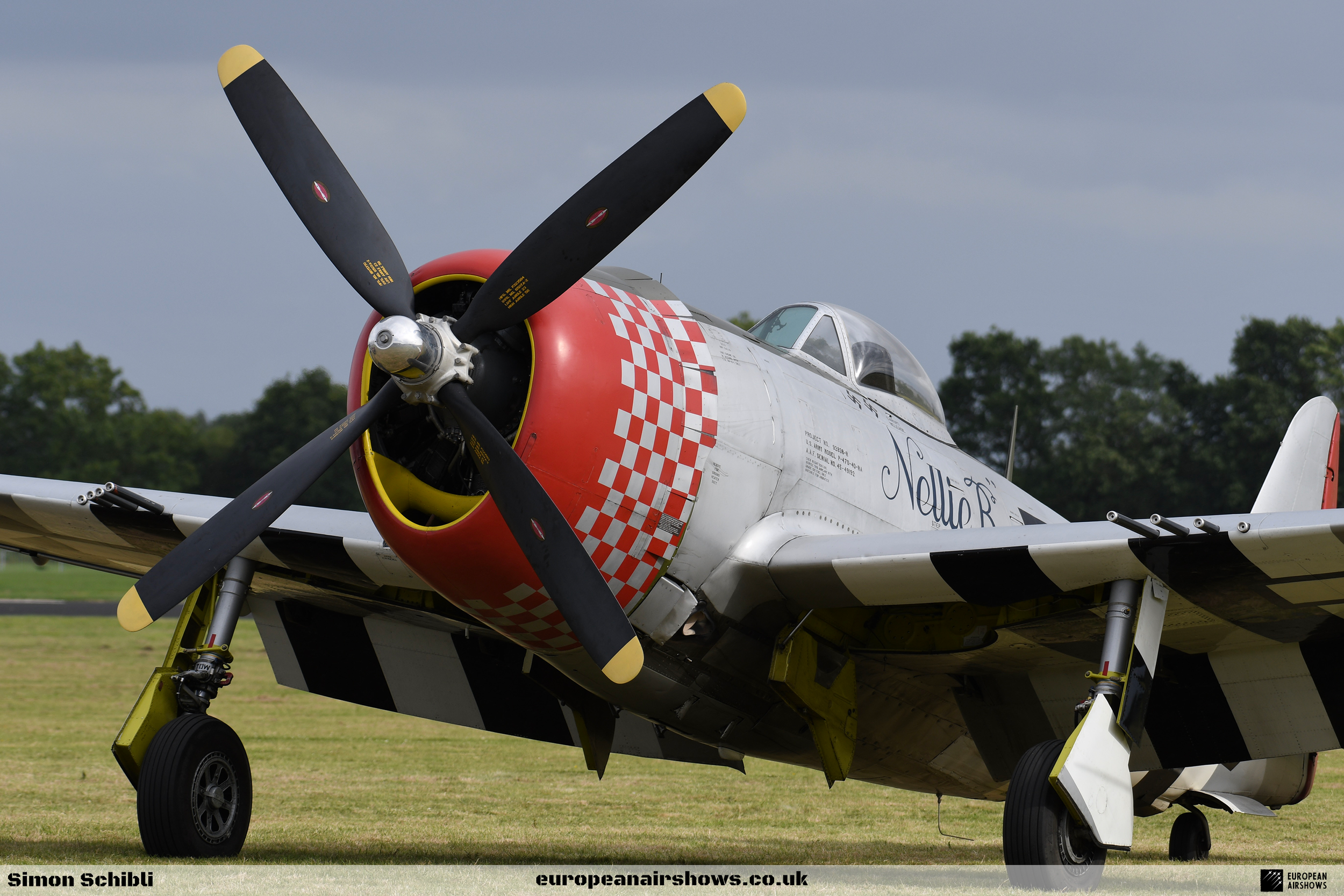
Adding to the complexity is the presence of a second site, sometimes referred to as RAF Headcorn, located at Egerton just a couple of miles away. That Advanced Landing Ground saw service with the 362nd Fighter Group and their P-47 Thunderbolts. The twin histories of Lashenden and Egerton are often confused, but together they anchor Headcorn in the story of 1940s Kent as a forward operating base for the fight across the Channel.
The Battle of Britain Airshow years
In the post-war decades Headcorn reverted to farmland before reopening for civil flying in the 1960s, eventually evolving into a busy GA hub and parachute centre. From the early 2010s, it became synonymous with the Battle of Britain Airshow, often organised with Aero Legends.
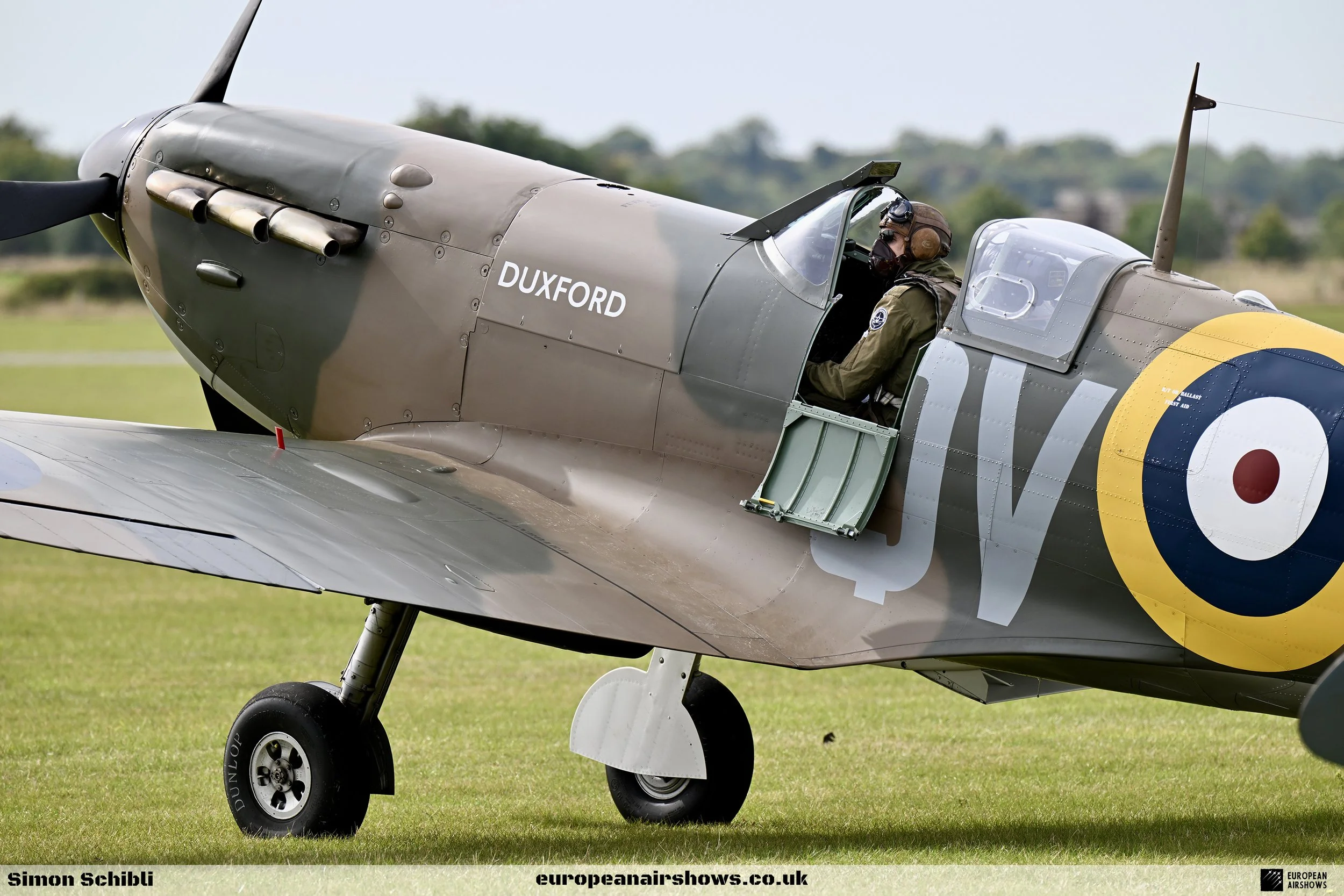
That event quickly established itself as one of the UK’s premier heritage shows. Crowds were treated to mass Spitfire and Hurricane flypasts, dogfight sequences with Spanish-built Buchóns, paratroop drops from Dakotas, and visits by the Battle of Britain Memorial Flight. On some years, the Red Arrows added a splash of colour to the Kent skies. The airfield’s intimacy—just a grass runway and a hedge between crowd and aircraft—gave Headcorn a reputation as one of the best places to feel close to the action.
Yet, despite the highlights, the show sometimes faced criticism for repetition, with line-ups relying heavily on the same heritage acts year after year. Information was not always released early, and the static displays remained modest compared with larger venues. For enthusiasts, the formula worked; but for growth, a broader approach was needed.

A new identity: The Headcorn International Airshow
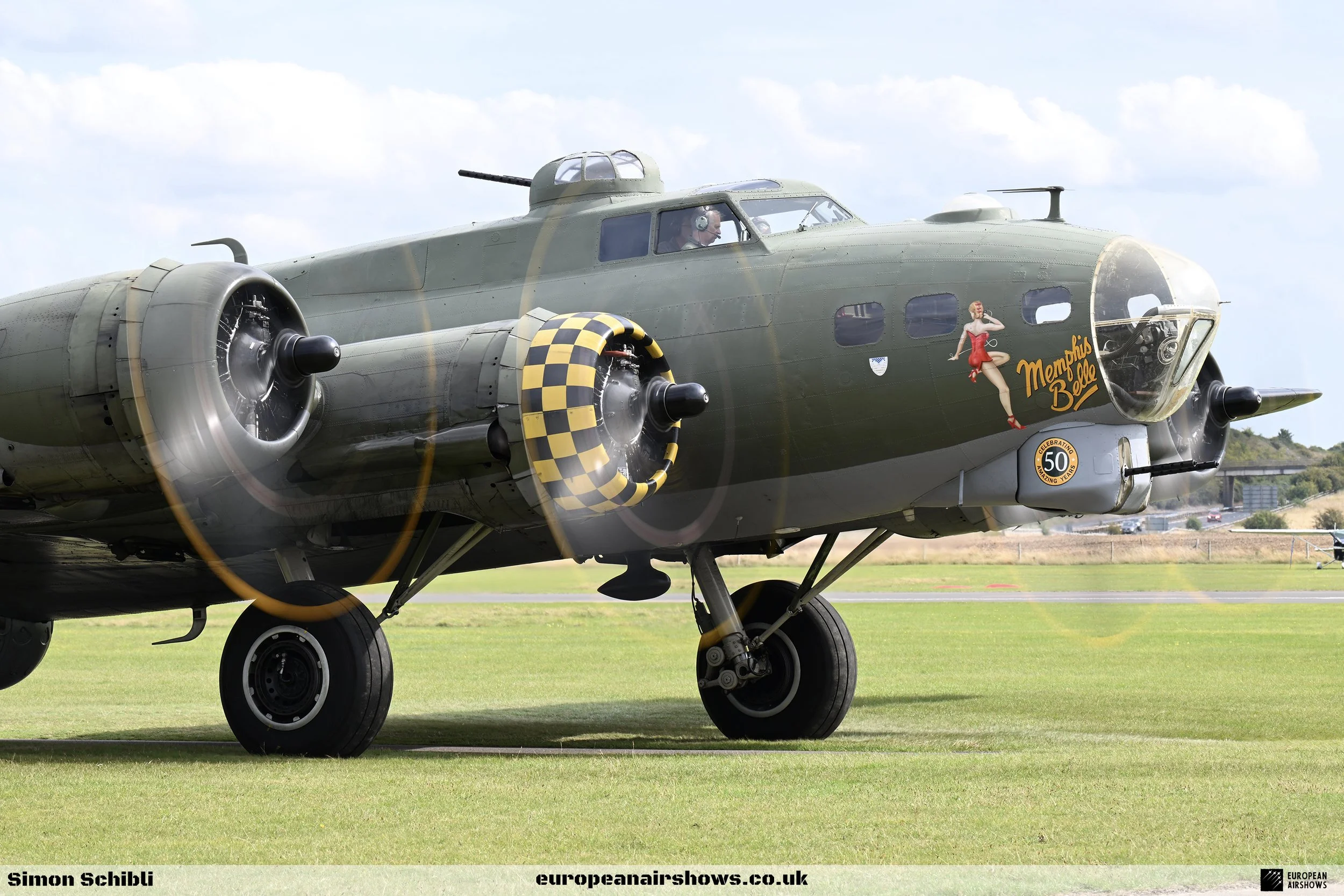
The announcement of the Headcorn International Airshow represents not just a change of name but a strategic pivot. Organisers say the new event will retain the warbird core but expand to include a diverse mix of civilian aerobatics, classic aircraft beyond the WWII era, and a more substantial ground show. The language used—“breathing new life and freshness into a much-loved, classic WWII airfield”—suggests an ambition to balance nostalgia with variety.
This is not a break with the past but a re-framing of it. Expect to see Spitfires and Hurricanes still flying in formation over the Weald, but alongside them, the possibility of modern aerobatic teams, international civilian acts, and perhaps even classic jets. The ground programme is also being redesigned to feel less like a re-enactment village and more like a festival, with exhibitions, vendors, and interactive displays.
Why the change matters
For the organisers, the rebrand is also an opportunity to reset expectations and address past challenges. Already, they have clarified a ticketing error that saw outdated Battle of Britain links still showing online—an early sign that communication is being taken more seriously. Regular updates have been promised throughout 2025 and into the 2026 build-up, aiming for greater transparency in how the line-up and schedule take shape.
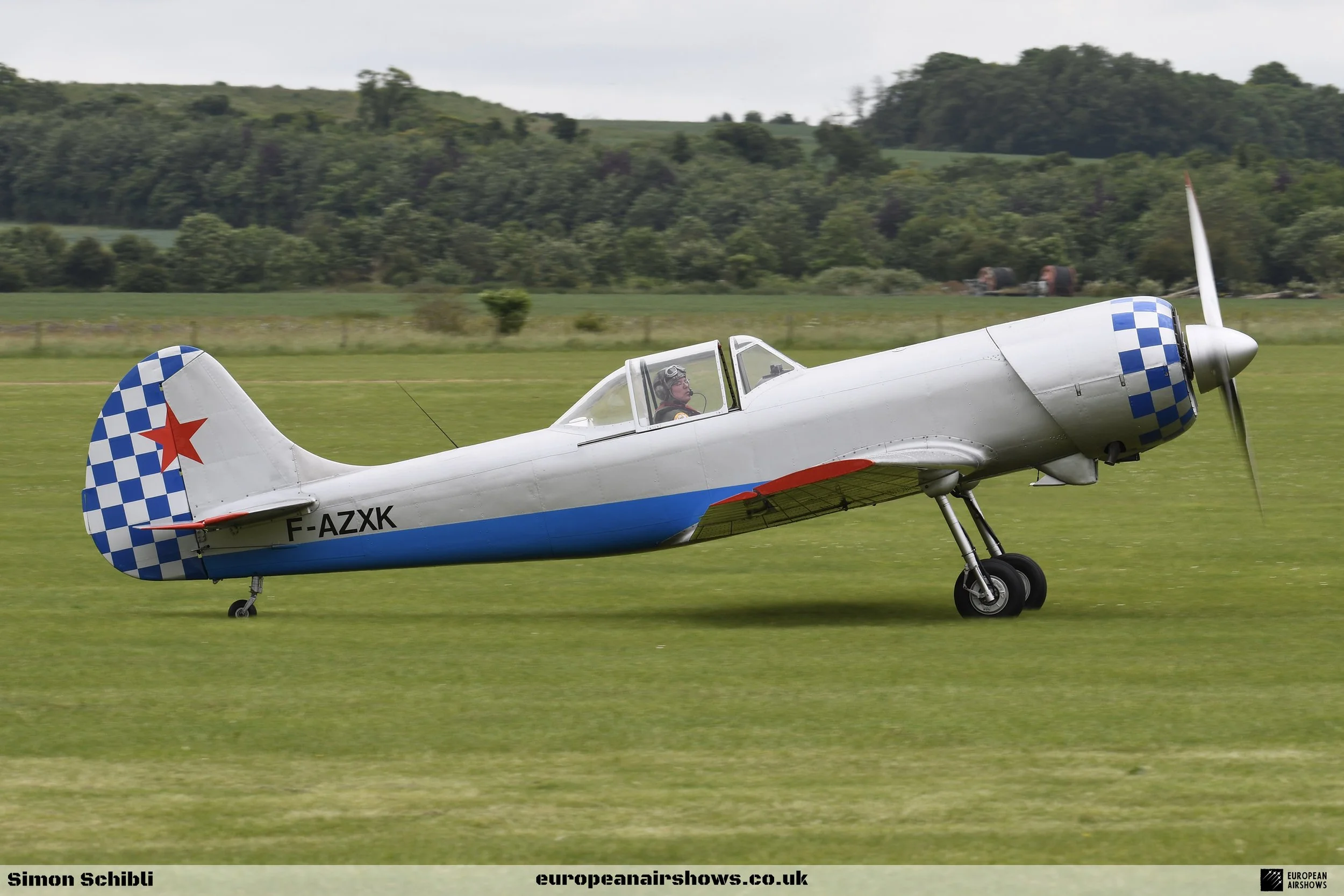
For Headcorn itself, the change recognises both its strengths and limitations. The grass runway and compact crowdline create the close-up views photographers love, but they also limit the size and weight of potential visiting aircraft. This makes the choice of acts crucial: carefully selected aerobatic performers, lighter vintage types, and warbirds can shine here in a way that would be swallowed up at a venue like RIAT.


Continuity through heritage
None of this diminishes the history of the site. On the contrary, the Lashenden Air Warfare Museum, located on the airfield, continues to preserve artefacts and stories from the wartime years, including a V-1 flying bomb and exhibits on the Canadian and American units based locally. That living link ensures that no matter how international and diverse the new airshow becomes, the audience will never be far from the reason Headcorn exists.
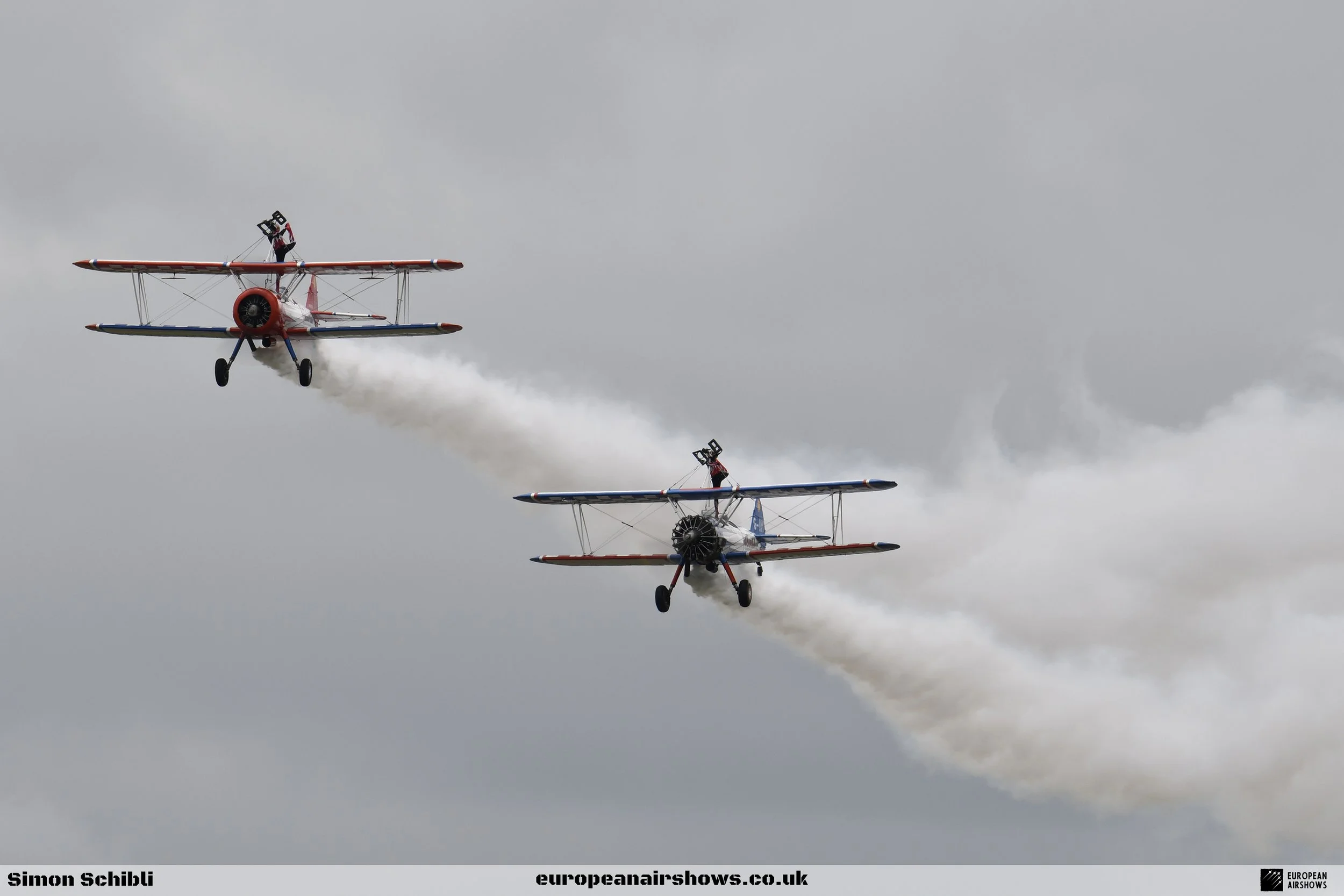
The aerodrome also remains a living part of UK aviation culture beyond airshows. It is a base for general aviation, parachuting, and warbird operations, and over the years has nurtured flying clubs and even hosted the Tiger Club, which itself has been synonymous with aerobatics and display flying since the 1950s. The new airshow identity acknowledges that broader heritage.
Looking ahead to 2026
The first Headcorn International Airshow is scheduled for 27–28 June 2026, maintaining the traditional early-summer slot. Tickets will go on sale once the new system is live, and announcements of acts are expected throughout the coming year. What remains constant is the promise of an intimate, close-quarters experience in a landscape steeped in history, with the added excitement of a more diverse line-up.
For long-time visitors, there will still be the familiar sounds of Merlins and Griffons over the Kent countryside. For newcomers, the promise is of a livelier, broader spectacle—one that honours Headcorn’s wartime legacy while giving it fresh relevance in the 21st-century airshow scene. If successful, it could see Headcorn evolve from a specialist heritage show into one of the most distinctive fixtures on the British air display calendar.
