
Europe’s elite teams converge on Rivolto for Frecce Tricolori’s 65th
On 6–7 September 2025, Rivolto Air Base will become the epicentre of European display flying as the Italian Air Force marks the 65th season of its Pattuglia Acrobatica Nazionale, the Frecce Tricolori. Two full show days, open to registered visitors, will mix front-line Italian fast jets, rare historic flyers, and a roll-call of international aerobatic teams seldom seen together at one venue.
The occasion is more than a birthday party. It is a curated snapshot of the continent’s aerial culture: from the Frecce’s tricolour ribbons to the hush of a World War One bomber replica passing overhead, from fifth-generation stealth to analogue classics, threaded by a programme designed to run with the crisp tempo of a national celebration.
Frecce Tricolori / Rivolto Airshow 2021
The Frecce Tricolori, flying ten MB-339A/PANs from their home base, will anchor proceedings with their full-length sequence and trademark closing heart. Rivolto is where the team’s story has been written since 1961; anniversaries here carry an extra charge because the crowd watches the team at home, on the runway where their winter training flows into the summer season. The Italian Air Force’s official event hub underlines the two-day format and the requirement to pre-register, a nod to the sheer draw of the occasion and the logistics of moving tens of thousands through Friuli Venezia Giulia’s most famous airfield.
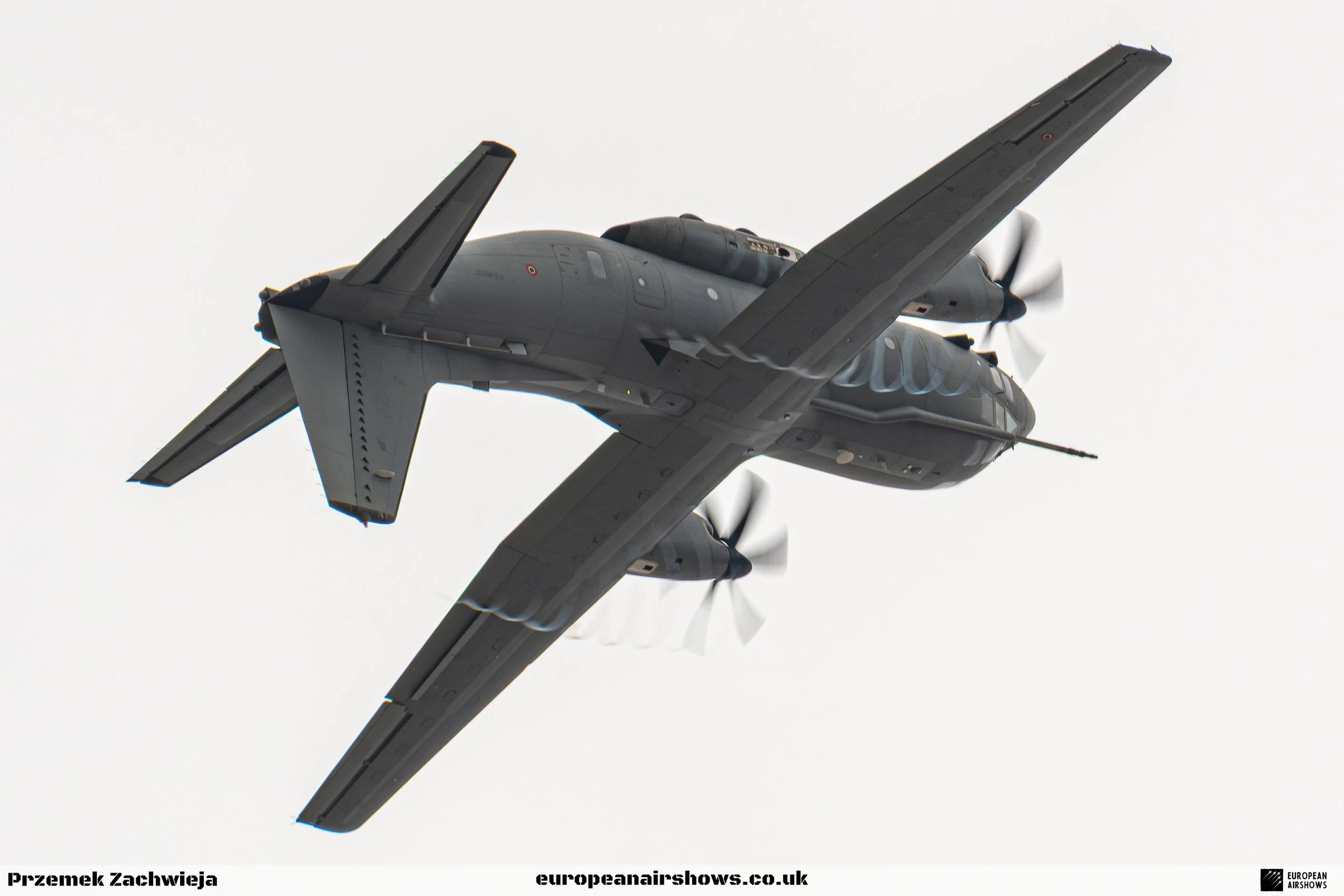
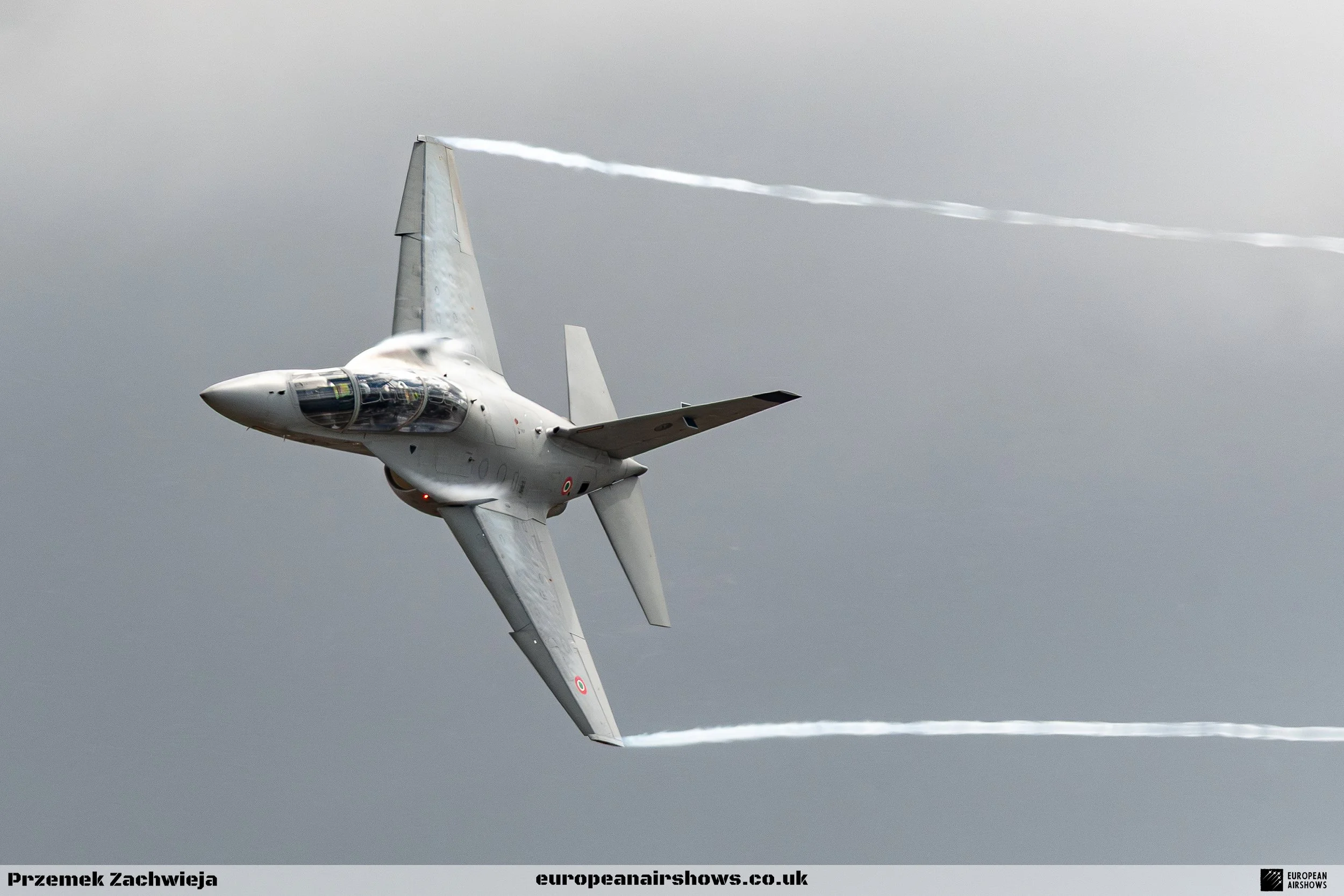
Italy will field the broadest slice of its air power and flight-test expertise. The Reparto Sperimentale Volo (RSV) is bringing the Eurofighter F-2000A, the T-346A Master and the C-27J Spartan—three displays that have become calling cards of Italian showmanship. The Typhoon’s routine leans on aggressive pitch rates and sustained energy in the vertical; the Master shows off trainer agility with high-alpha precision; and the Spartan, improbably, is flown like a big fighter, with towering wingovers, loops and rolls that rewrite what the public expects from a tactical airlifter. Recent seasons have showcased exactly these traits, with the RSV crews refining the choreography year by year.
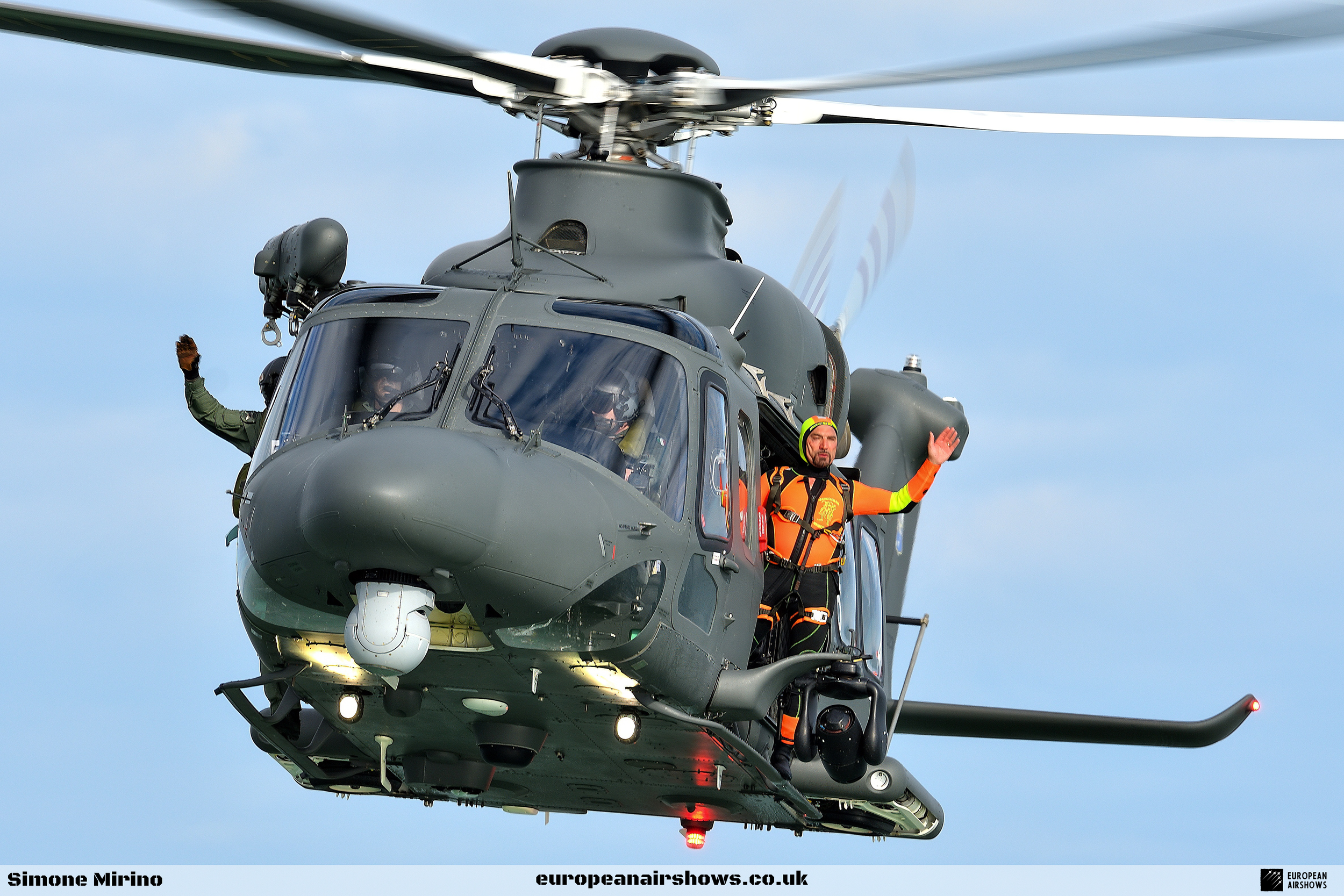
Front-line assets add modern bite. Expect the Italian Air Force’s F-35A and short-take-off/vertical-landing F-35B to feature in the flying, a timely moment given the service’s expansion of B-model operations with the reactivation of 101° Gruppo this summer. When the Lightning II appears at Italian shows, it typically alternates slow-speed, high-alpha work with sweeping, high-energy passes that frame the jet’s stealthy lines. A search-and-rescue vignette by the HH-139B of 15° Stormo will provide one of the weekend’s most relatable set-pieces, compressing a complex mission into a few minutes of precision hoisting and cue-to-cue coordination.



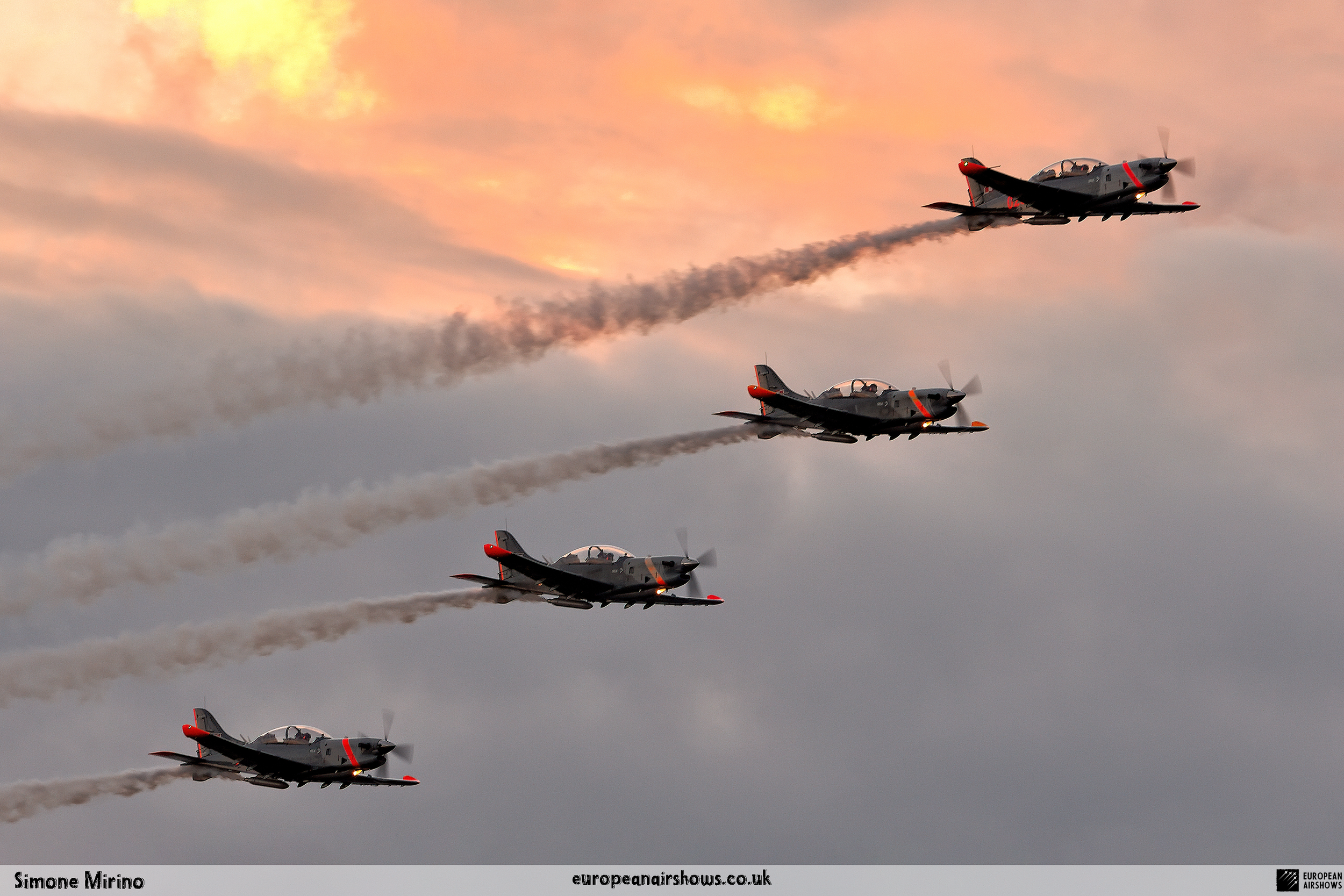
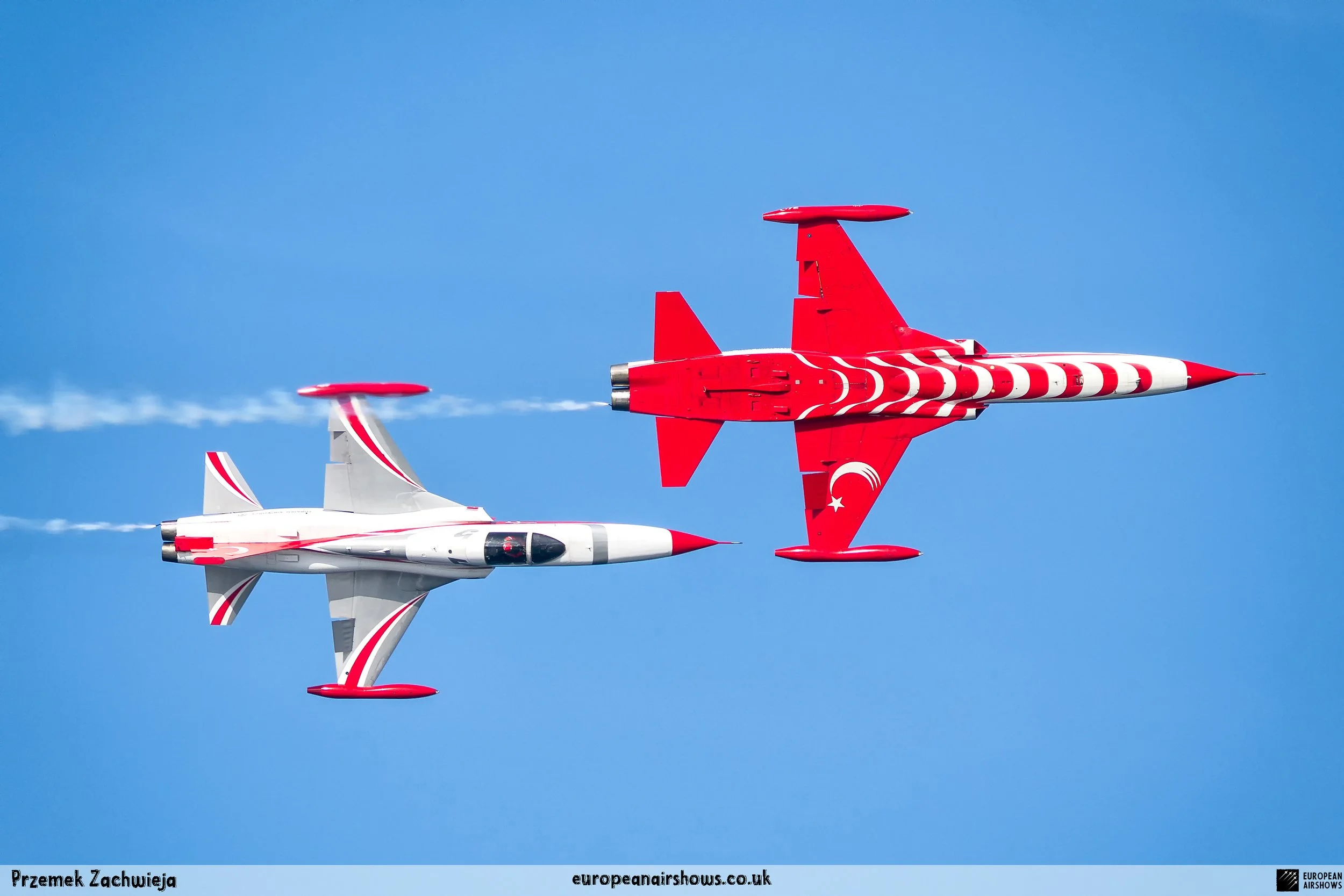
The international cast reads like a who’s who of European formation aerobatics. France’s Patrouille de France will bring eight Alpha Jets and a routine built around the type’s superb roll rate, interleaving “ruban” formation sequences with “synchro” opposition moves and a constant ribbon of tricolore smoke. Switzerland’s Patrouille Suisse arrive with six F-5E Tiger IIs, their diamond work and mirror passes presenting the rare sight—and sound—of classic supersonic fighters used as display platforms in 2025. From Konya, Türkiye’s Turkish Stars fly the NF-5, one of the very few supersonic team mounts on the circuit and a formation with a deep pedigree across the region’s biggest airshows. Finland’s Midnight Hawks, the Air Force’s official display team, bring four BAe Hawk Mk.51s; close-in diamond geometry is their calling card, and 2025 has seen fresh faces in the cockpit and a stated plan for one international appearance—Italy—making Rivolto an especially notable stop. Poland’s Team Orlik will showcase the turboprop PZL-130 in a six-ship pattern the unit has honed since its 1998 debut, while Croatia’s Krila Oluje, flown by instructor pilots on PC-9Ms, continue to impress with rolling formations and neat crossovers. Latvia’s Baltic Bees add civilian jet glamour in L-39C Albatros aircraft, their blue-and-yellow scheme as much a signature as their synchronised rolls.
Solo fast-jet noise will come from Spain’s EF-18M Hornet demonstration, a compact, high-energy profile centred on minimum-radius turns, rapid pitch-pulls, and high-alpha passes. Originally, many enthusiasts had hoped to see Spain’s national aerobatic team, Patrulla Águila, at Rivolto; however, the Águilas closed their final season on the CASA C-101 jet in June and are now transitioning to the PC-21 trainer. With the team unavailable during this conversion, the Spanish Air & Space Force chose to mark the anniversary instead by sending its official Hornet solo display—a welcome substitution that ensures Spain remains represented in the flying programme.
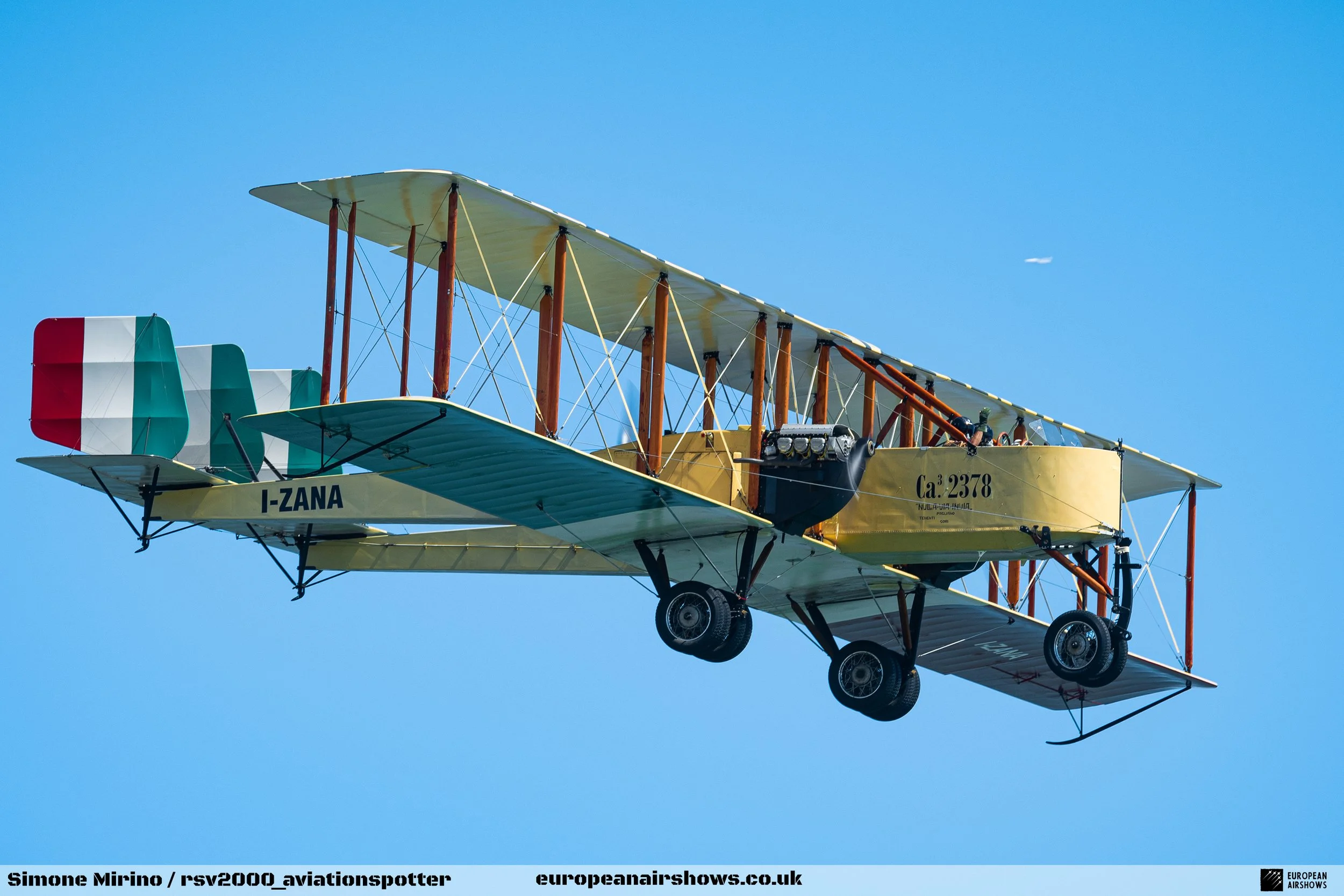
Rivolto’s promise to blend past and future is made literal by two headline heritage acts. First is the FIAT G.91R in Frecce Tricolori markings, freshly restored to airworthy condition for Italy’s centenary of military aviation and—crucially—the only flying example of the type in the world. Watching the “Gina” arc across its home country’s skies again is an emotive moment for Italian enthusiasts, not least because the PAN flew a dedicated G.91 “PAN” variant in the 1960s. Second is the Jonathan Collection’s Caproni Ca.3 bomber, a faithful reproduction of Italy’s pioneering Great War tri-motor and the only airworthy World War One bomber anywhere; the same collection also fields a SPAD S.XIII replica, linking the show to the nation’s earliest aerial heritage.



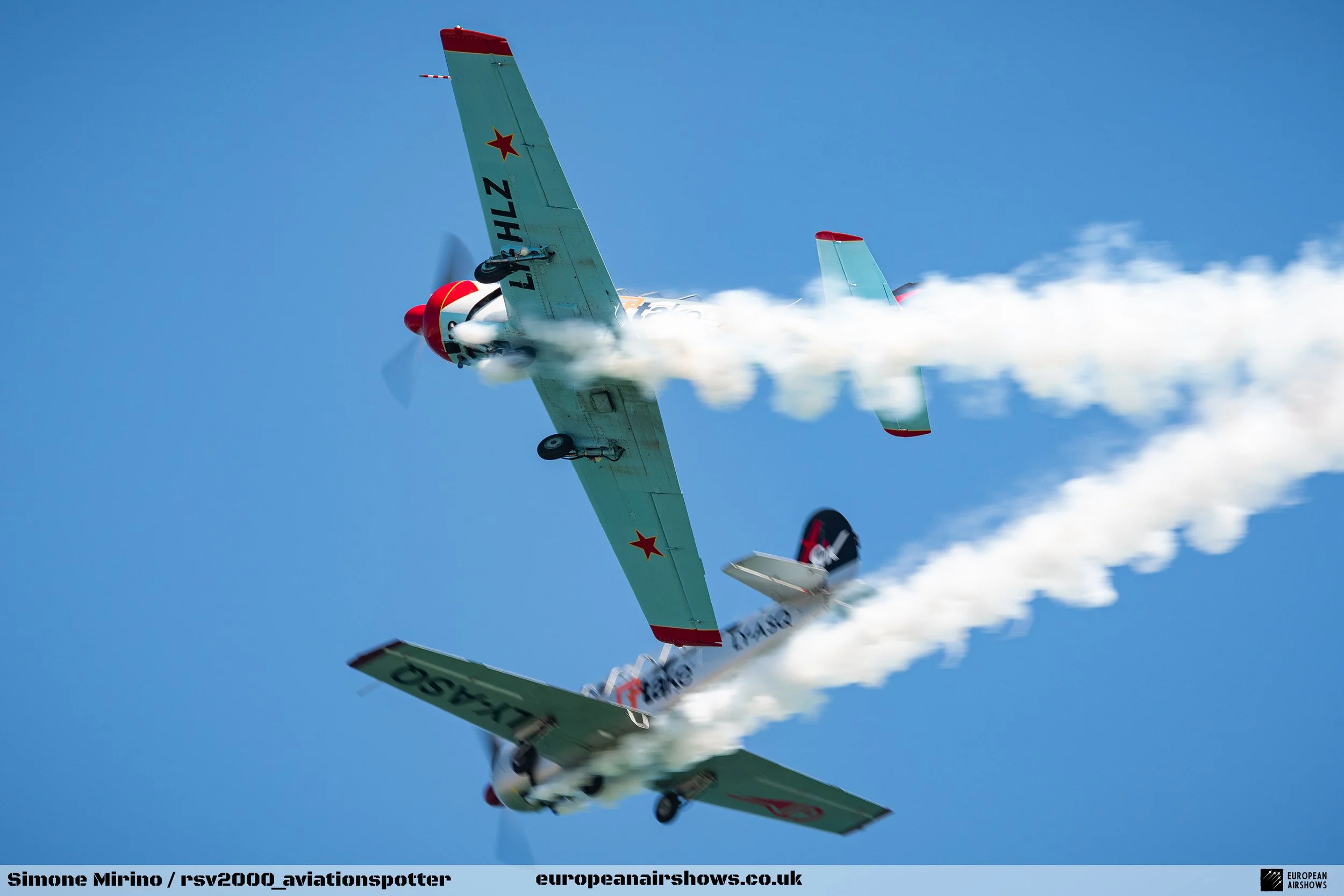
The running order leans into variety. A Yugoslav-designed Soko G-2 Galeb adds Cold War texture with a two-seat jet trainer profile rarely seen in Western Europe; the type first flew in 1961 and became the region’s first mass-produced indigenous jet—a context that helps explain why its appearances always draw long lenses to the fence. Civil formation colour comes from Yakitalia and its Yak-52s, the radial hum and smoke trails providing a tonal reset between high-decibel performers. Italy’s inclusive WeFly! Team, flying three Van’s RV-7s and featuring two disabled pilots among the trio, remains one of the circuit’s most quietly inspiring stories, marrying tight formation work to a message of access and perseverance.
Austrian-based Flying Bulls energy will be felt across the weekend with a display by the North American T-28B, the BO-105’s helicopter aerobatics, and the sleek AH-1F Cobra—augmented in some sequences by a Zivko Edge 540. The Edge is due to be flown by Italian aerobatic star Dario Costa, whose Guinness-certified “Tunnel Pass” remains one of the most audacious aviation stunts of the century: 1,730 metres inside two road tunnels at an average 245 km/h, completed in forty-three seconds. Expect Costa’s Edge 540 to give Rivolto a dash of modern unlimited-style aerobatics between the military set-pieces.
Beyond the fence line, Rivolto is preparing one of the densest static parks the Aeronautica Militare has staged. The published list spans the jet-age story of Italian display flying: F-84F in Diavoli Rossi and Getti Tonanti markings; F-86E in Cavallino Rampante, Lanceri Neri and F-86 PAN schemes; G-91 and G-91 PAN; MB-339 PAN (listed as T-339 PAN); and the team’s future with a T-346 “PAN” in full livery. Operational hardware will be out in force—Eurofighter Typhoon, PA-200 Tornado, AMX (now retired), C-27J and HH-101—alongside a de Havilland Vampire and trainer types T-345 and T-260. Ground-based air defence even gets its spotlight with the SPADA battery on show. It is a line-up that doubles as an outdoor museum, but with the immediacy of ramp smells and the chance to chat with crews.



What sets this anniversary apart is the concentration of top-tier teams and the narrative coherence of the programme. Italy’s own RSV precision, the Frecce’s orchestral timing, and the muscular punctuation of F-35 flypasts create the spine; around it, the PAF’s polished cadence, the Swiss Tigers’ crisp geometry, the Turkish Stars’ swaggering NF-5 formations and the Scandinavian cool of the Midnight Hawks fill the middle with contrasting textures. Threaded between heritage sequences—the lone airworthy G.91 and the one-of-a-kind Ca.3—remind the crowd that Italian aviation has always been both technical and romantic. And because it’s Rivolto, the show is plugged directly into the Frecce’s culture: training hangars in the distance, the team’s maintenance rhythm palpable, and a crowd that knows exactly when to hold its breath before the piercing split that opens the “Bomba”.
For visitors, the official Aeronautica Militare portal is the authority on access and timings; registration is mandatory and free, and the site consolidates practical details, maps and updates as the weekend approaches. If you needed a single European show this year that captures the state of the art—and heart—of air displays, Rivolto’s 65th is it.
For more information on the Frecce Tricolori’s 65th anniversary airshow, click here.
