
Festa al Cel – Spain’s Airshow by the Sea Enters a New Era
There are airshows with long histories, and then there is Festa al Cel.
For more than three decades, this Catalan festival has evolved from a modest local celebration into the most established and recognisable airshow in Spain. It has shifted cities, weathered political and logistical challenges, survived a pandemic pause, and returned each time with renewed ambition. In 2026, it does something even bolder: it reimagines how an airshow can be experienced.
This is not simply another edition. It is a statement of intent.
From Model Aircraft to National Institution
Festa al Cel began in 1991, not with supersonic fighters, but with scale model aircraft. The initiative came from the Royal Barcelona-Sabadell Aeroclub’s radio-control section. Public enthusiasm was immediate and overwhelming. Within a year, full-scale aircraft joined the programme, thanks to collaboration with the Barcelona-Sabadell Aeroclub.
By 1992, the event had formal institutional backing from Barcelona City Council and had become an official air festival. Over time, the Spanish Air Force, Navy and Army became regular participants. International civilian teams followed. Industry presence expanded. What began as a festive curiosity matured into a national aviation showcase.
The 2006 season marked a peak moment. Barcelona hosted the Red Bull Air Race in April and Festa al Cel in September. Aviation dominated the skyline and headlines that year, drawing massive crowds along the seafront. In 2009, the Red Bull Air Race returned again under the Festa al Cel banner, reinforcing the festival’s standing on the European circuit.
Challenges came too. Airspace restrictions linked to Barcelona–El Prat Airport forced cancellation in 2013. The show relocated first to Mataró, then ultimately to Lleida-Alguaire Airport in 2017, adopting a more operational airport format. After 2019, the COVID-19 pandemic halted the event entirely.
In 2025, the festival returned to the coast, this time in Salou. The wide, south-facing beaches of the Costa Dorada offered excellent light conditions, strong sightlines and the maritime atmosphere that had always defined the event’s identity. Entry remained free, preserving the festival’s founding principle: aviation should be accessible to everyone.
2026: A Confident Step Forward
The 2026 edition builds on the successful return of Festa al Cel to the coast, refining the format while keeping the focus where it belongs: on the aircraft and the people who operate them.
Across three days, the programme combines training activity, a dedicated sunset display and a full daytime airshow. The structure allows visitors to experience the event in different ways, from watching crews rehearse and fine-tune their routines to seeing the main display unfold at full intensity over the Mediterranean.
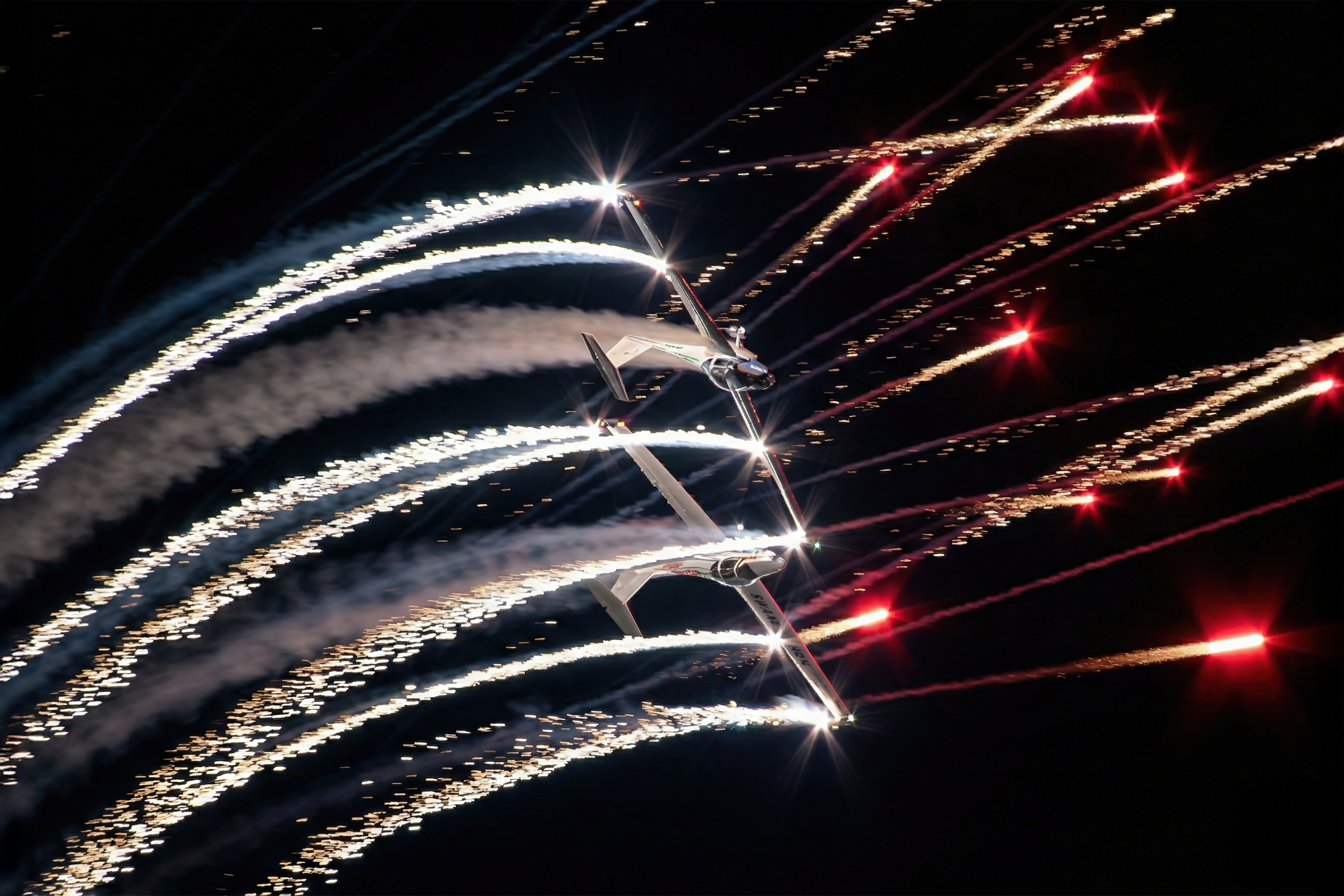
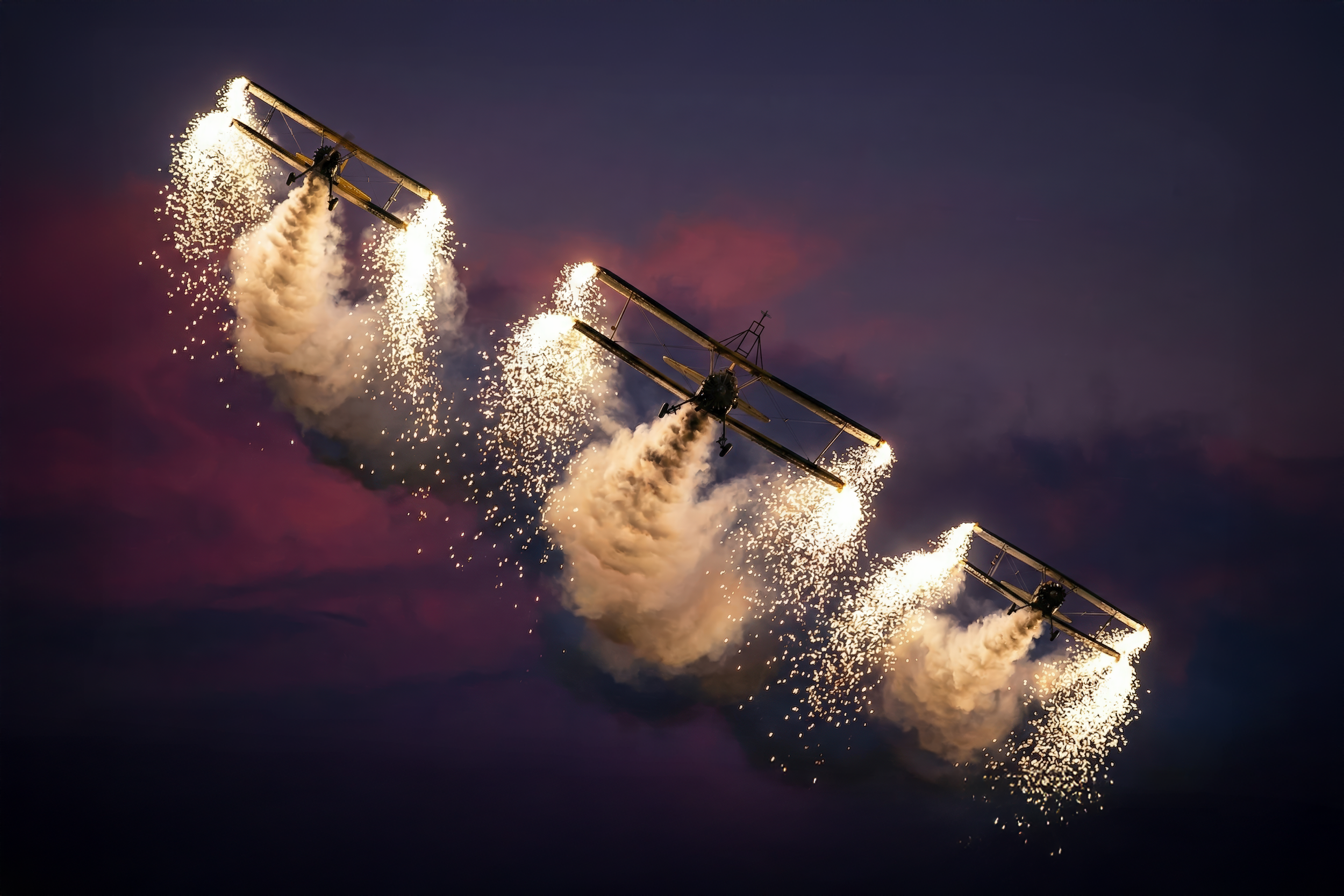
The Sunset Airshow remains one of the defining elements of the Salou era. Aerobatic aircraft equipped with lighting systems, smoke and integrated pyrotechnics perform against the changing colours of the evening sky, creating a very different atmosphere from the traditional daytime display. It is not a replacement for the main show, but a complement to it.
What sets this edition apart is not a radical reinvention of the airshow model, but the confidence of its execution. Festa al Cel knows what it is: Spain’s most established public aviation festival, now anchored once again by the sea. The emphasis is on variety, operational credibility and accessibility, delivered across a format that works for both dedicated enthusiasts and families discovering aviation for the first time.
Spanish Military Aviation at Full Strength
The confirmed military participation underlines why Festa al Cel remains Spain’s flagship public aviation event.
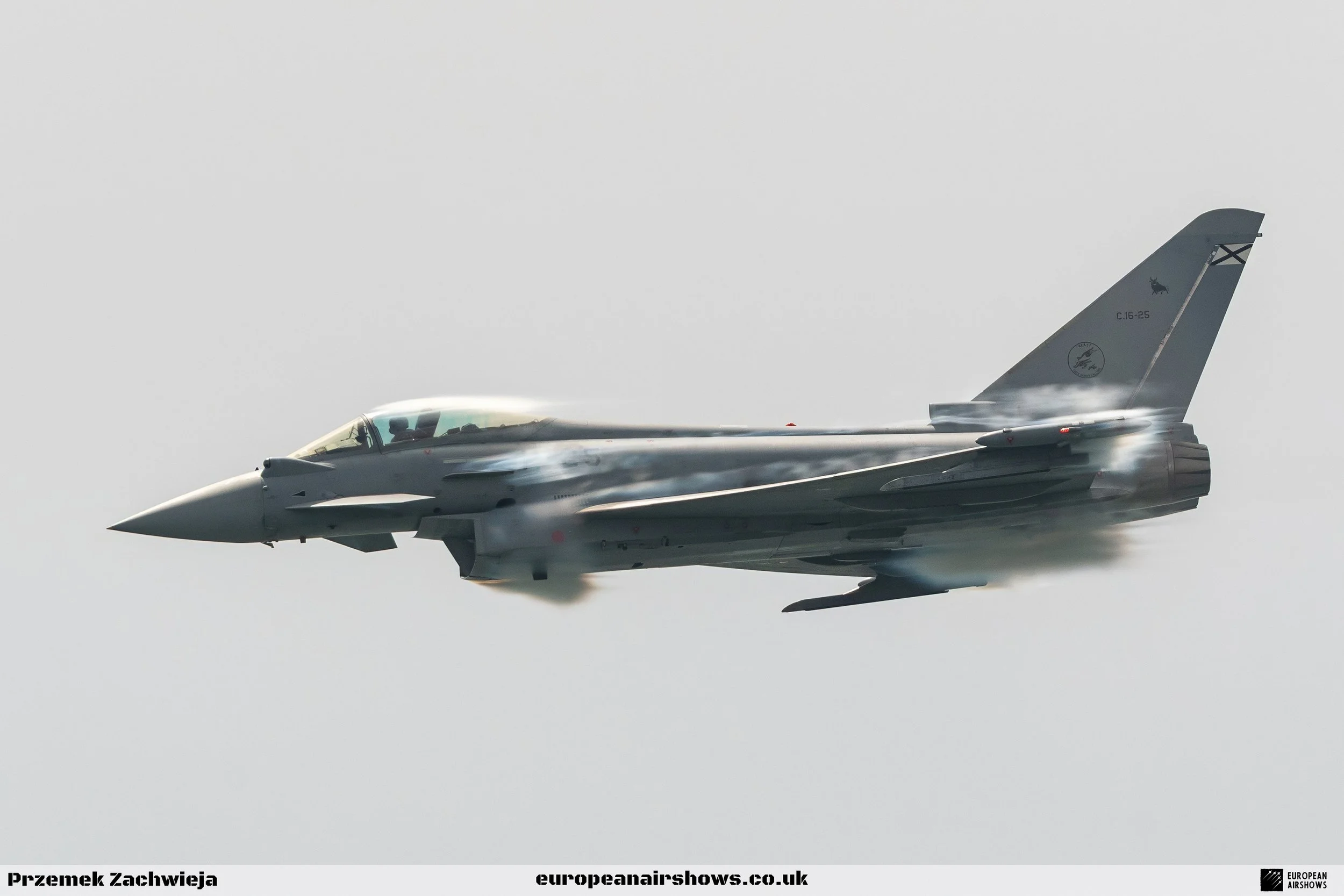
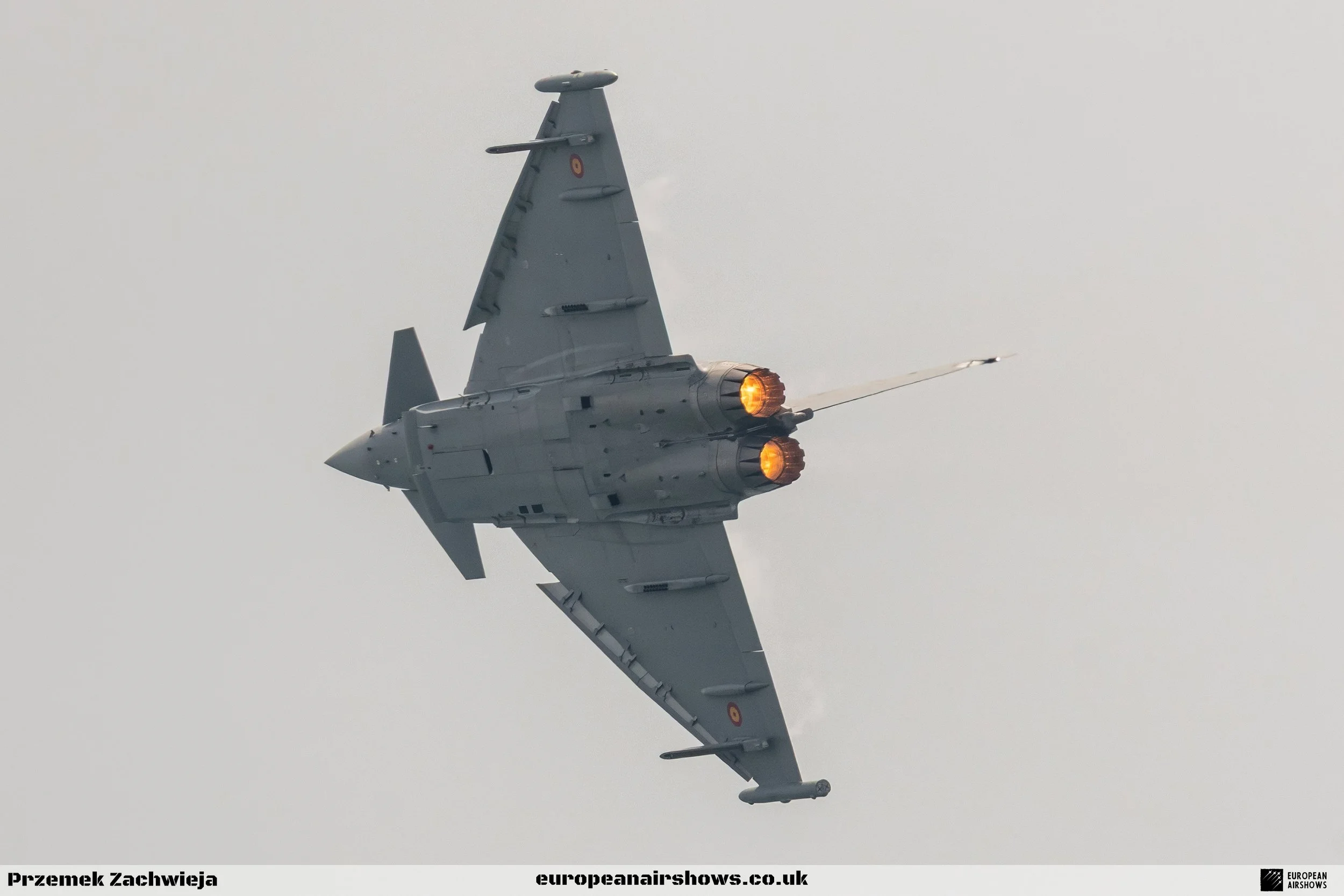
At the sharp end is the Eurofighter Typhoon solo display of the Spanish Air and Space Force. Spain operates the Typhoon from Morón and Albacete, with roles spanning quick reaction alert duties and NATO air policing missions. The solo demonstration highlights the aircraft’s high thrust-to-weight ratio, delta-canard agility and sustained high-energy manoeuvring that define fourth-generation-plus fighter performance.
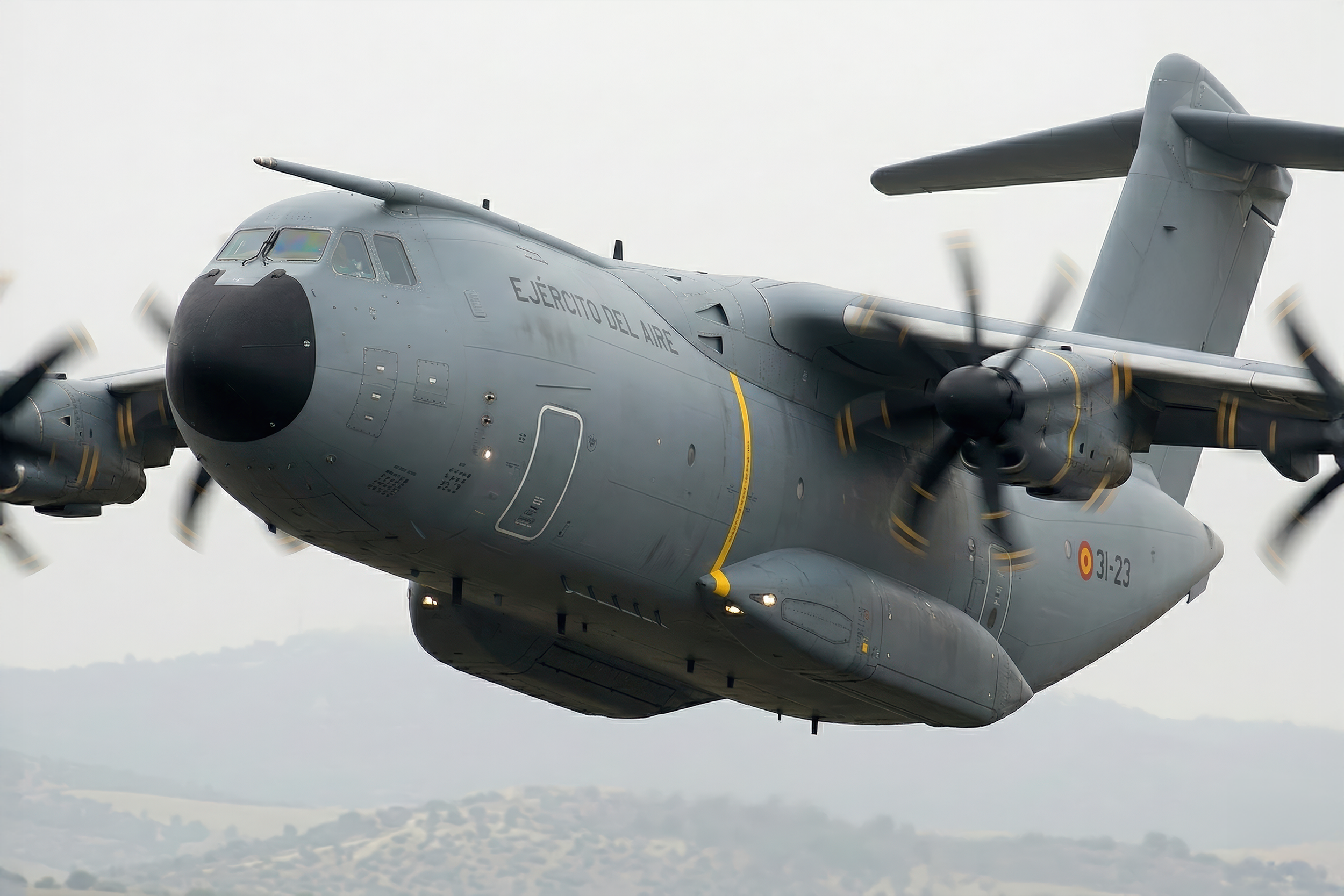
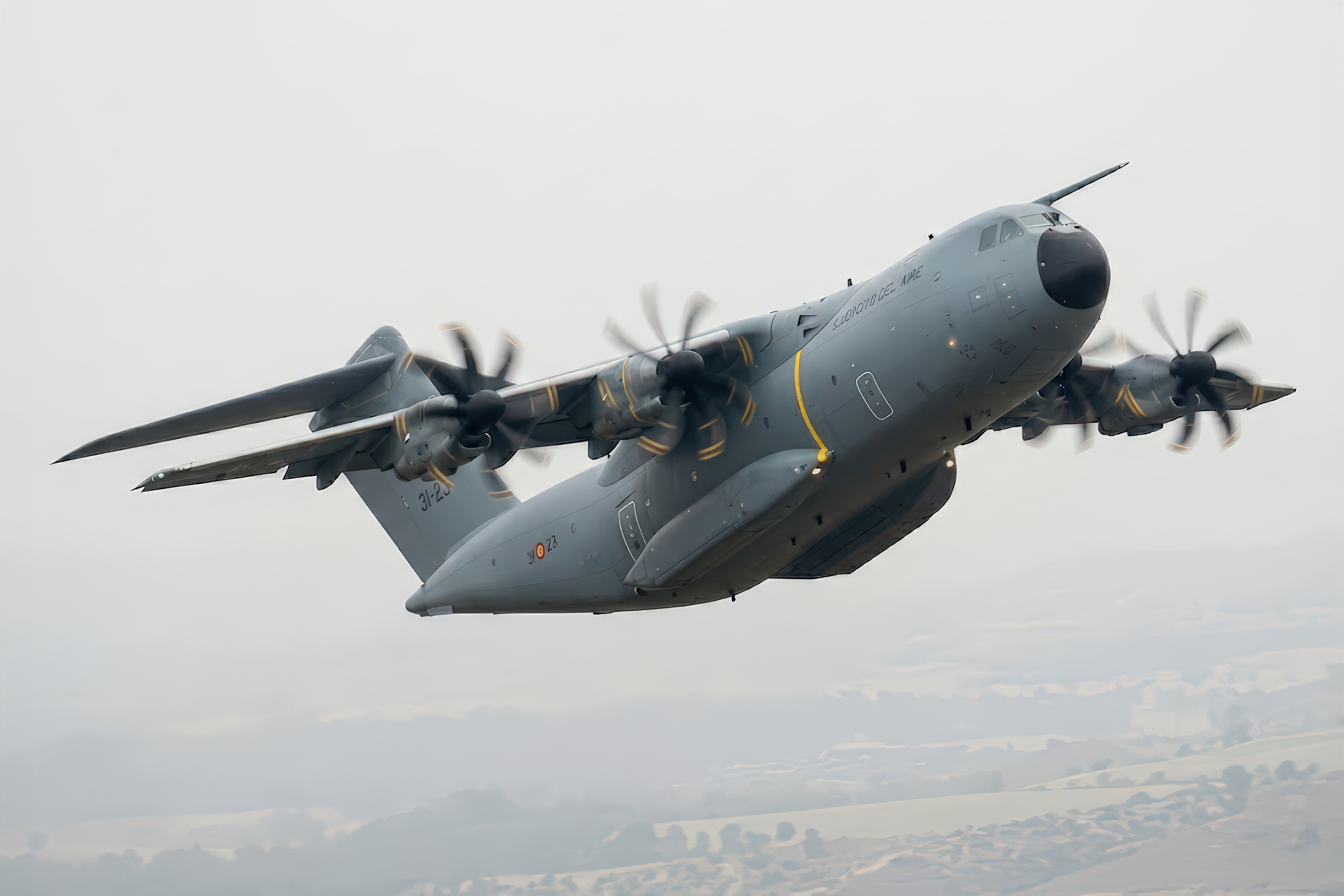
Strategic airlift is represented by the Airbus A400M Atlas, flown by Wing 31 from Zaragoza. Spain is both operator and industrial partner in the A400M programme. The display typically demonstrates steep tactical approaches, tight turns and low-speed handling that contrast sharply with the aircraft’s 37-metre wingspan and 141-tonne maximum take-off weight.
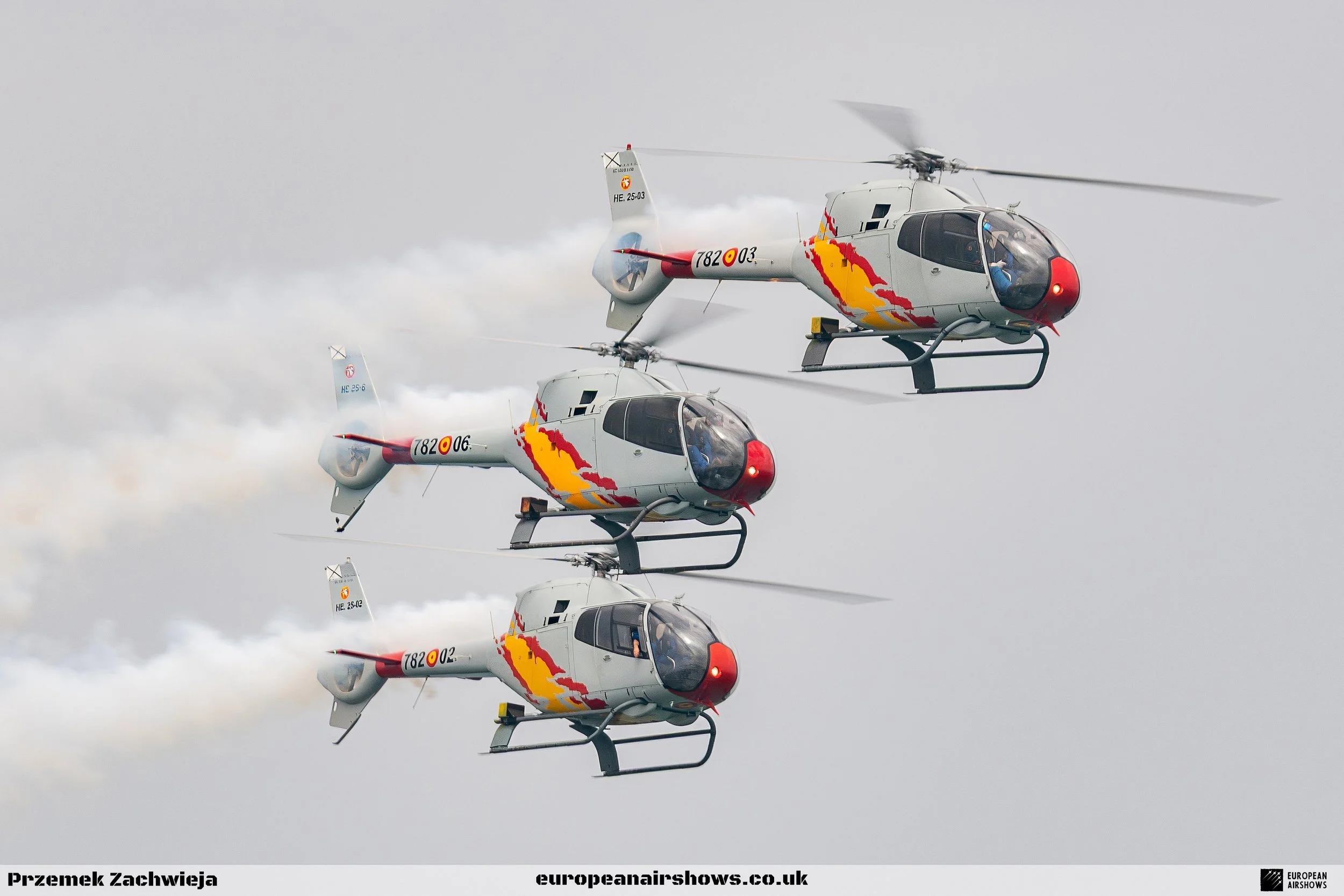
Patrulla ASPA represents the Spanish Air and Space Force’s helicopter display capability. Based at Armilla and flying the Eurocopter EC120 Colibri, the team demonstrates close-formation precision, coordinated manoeuvring and the agility of light rotary-wing aircraft. Unlike jet aerobatic teams, ASPA’s display focuses on tight helicopter formation work, disciplined spacing and controlled dynamic transitions, reflecting the training standards of Spain’s military helicopter units.
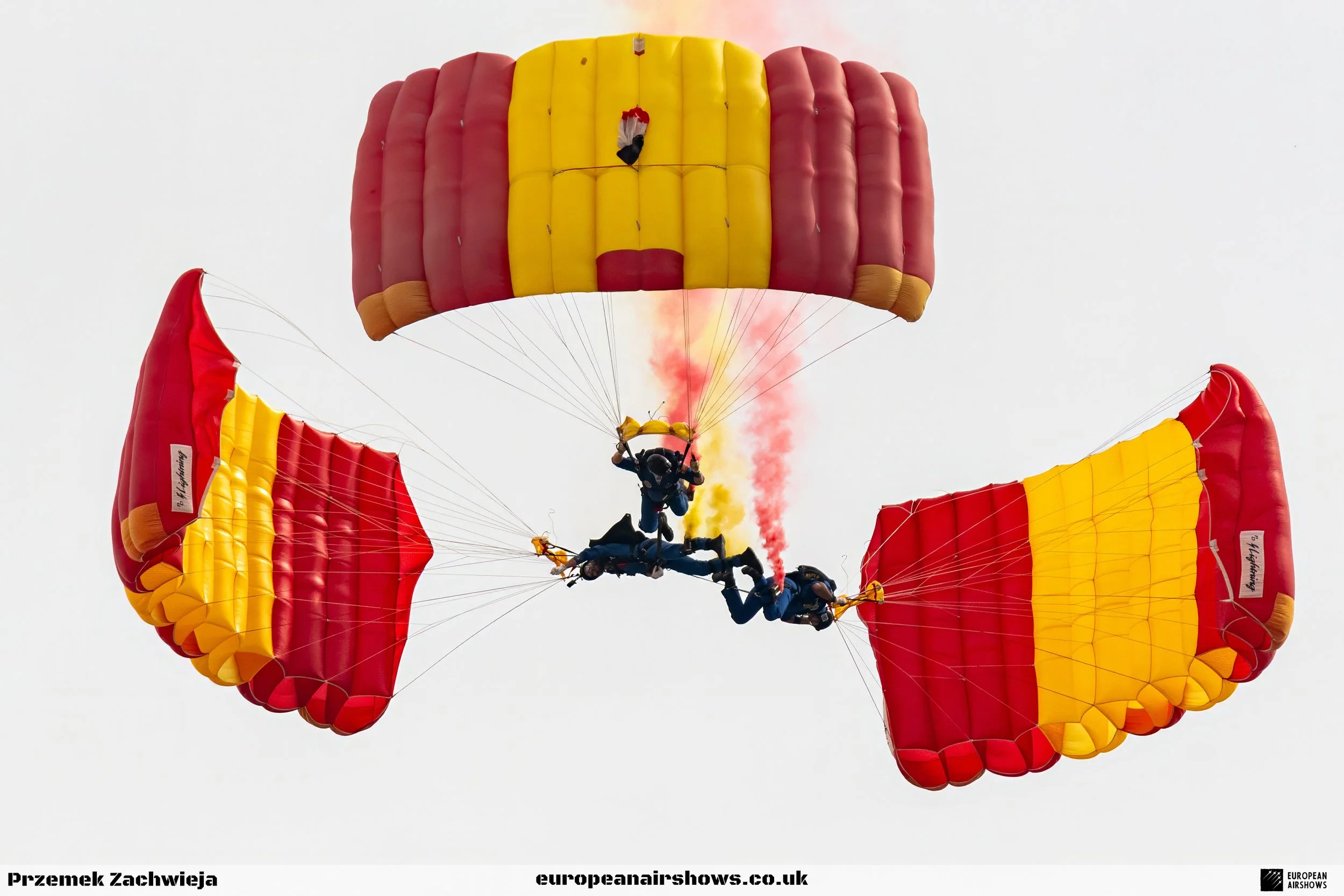
Patrulla Acrobática de Paracaidismo del Ejército del Aire y del Espacio, known as PAPEA, the Spanish Air and Space Force parachute team, adds vertical drama and symbolic presence. The team will freefall with coloured smoke and Spanish flags before landing directly on the beach.
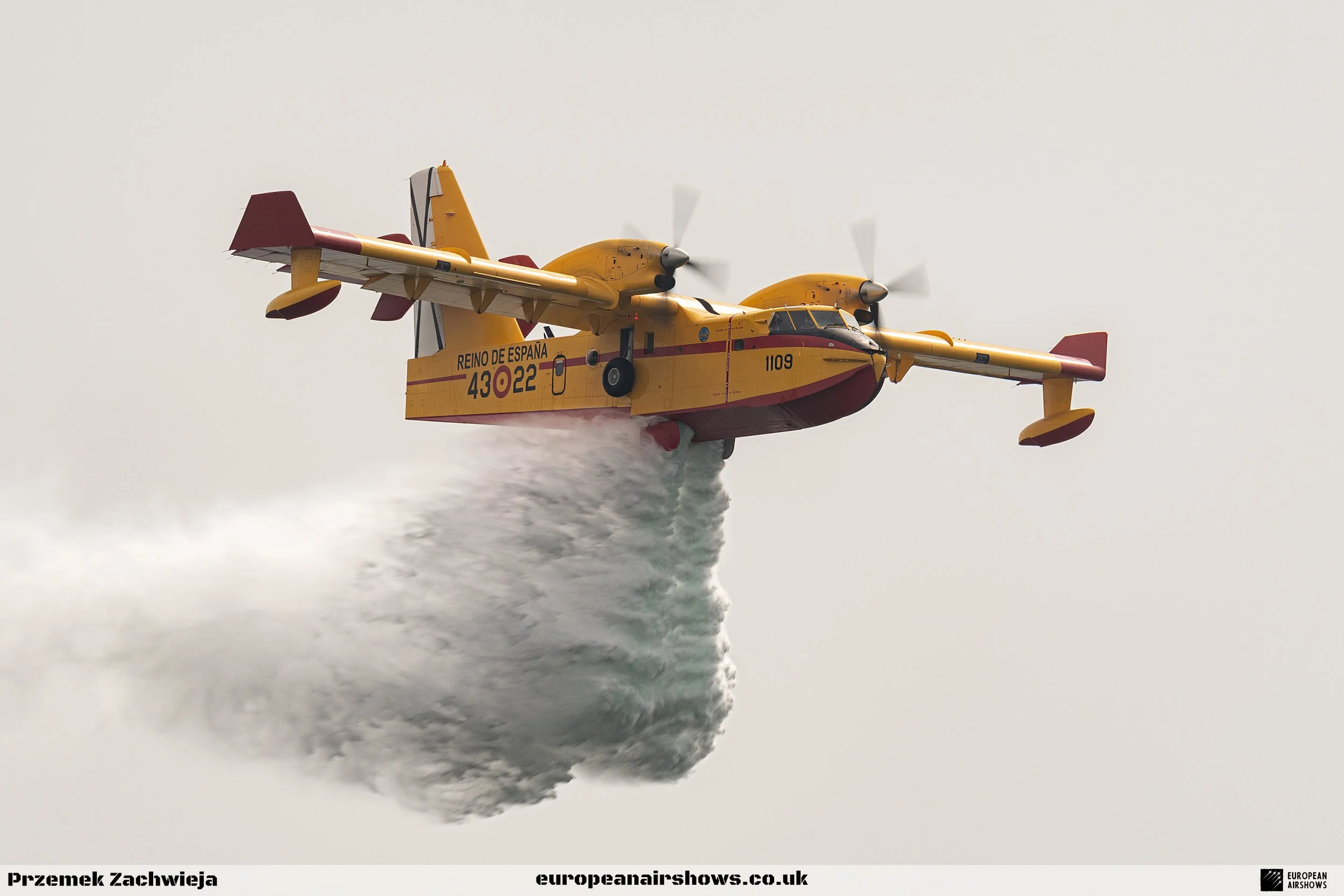
The Canadair CL-415T represents another dimension of Spanish aerial capability. Operated for wildfire suppression, the amphibious water bomber is a familiar sight during Mediterranean fire seasons. Demonstration routines typically include simulated scoops and water drops, underlining the aircraft’s operational relevance.
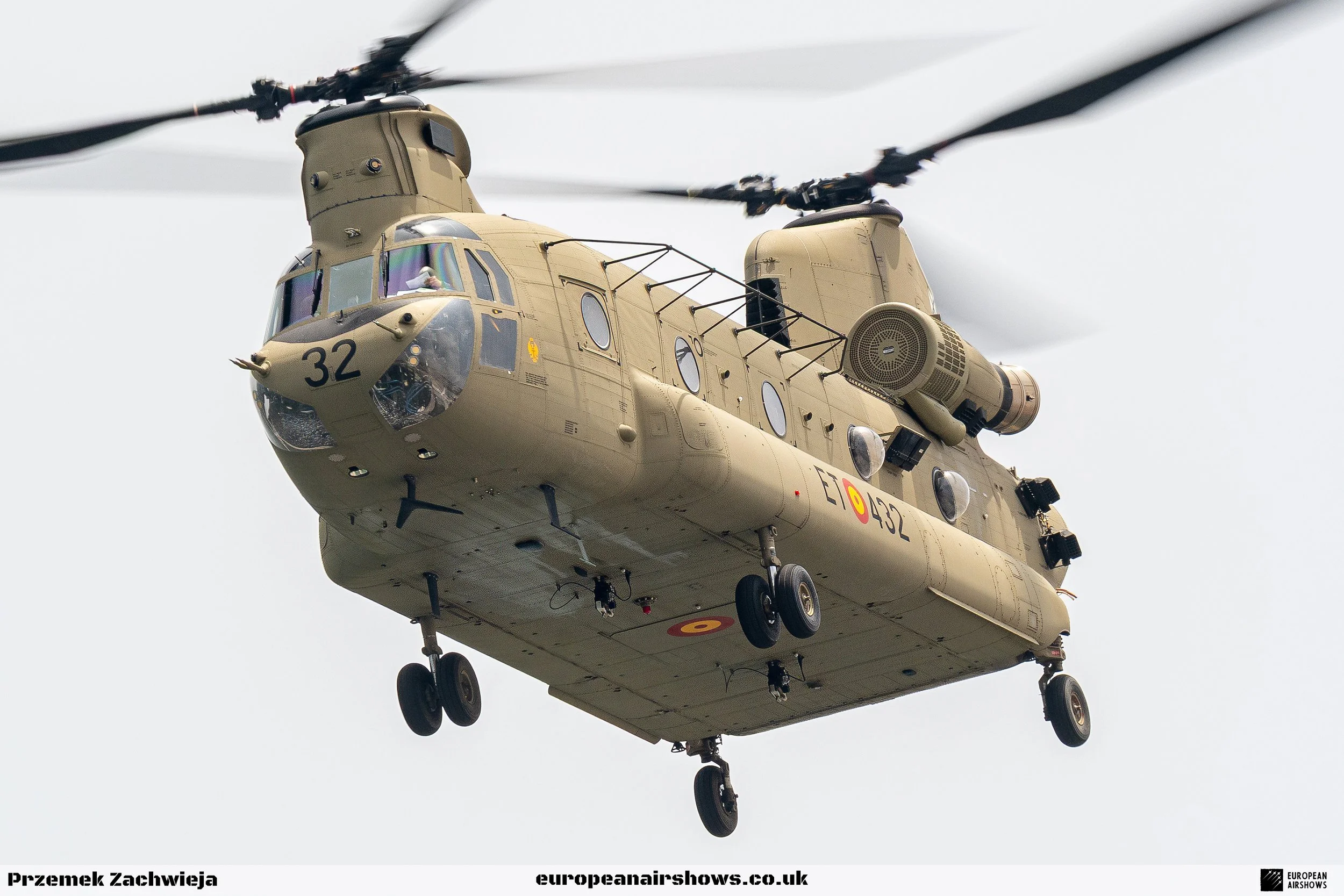
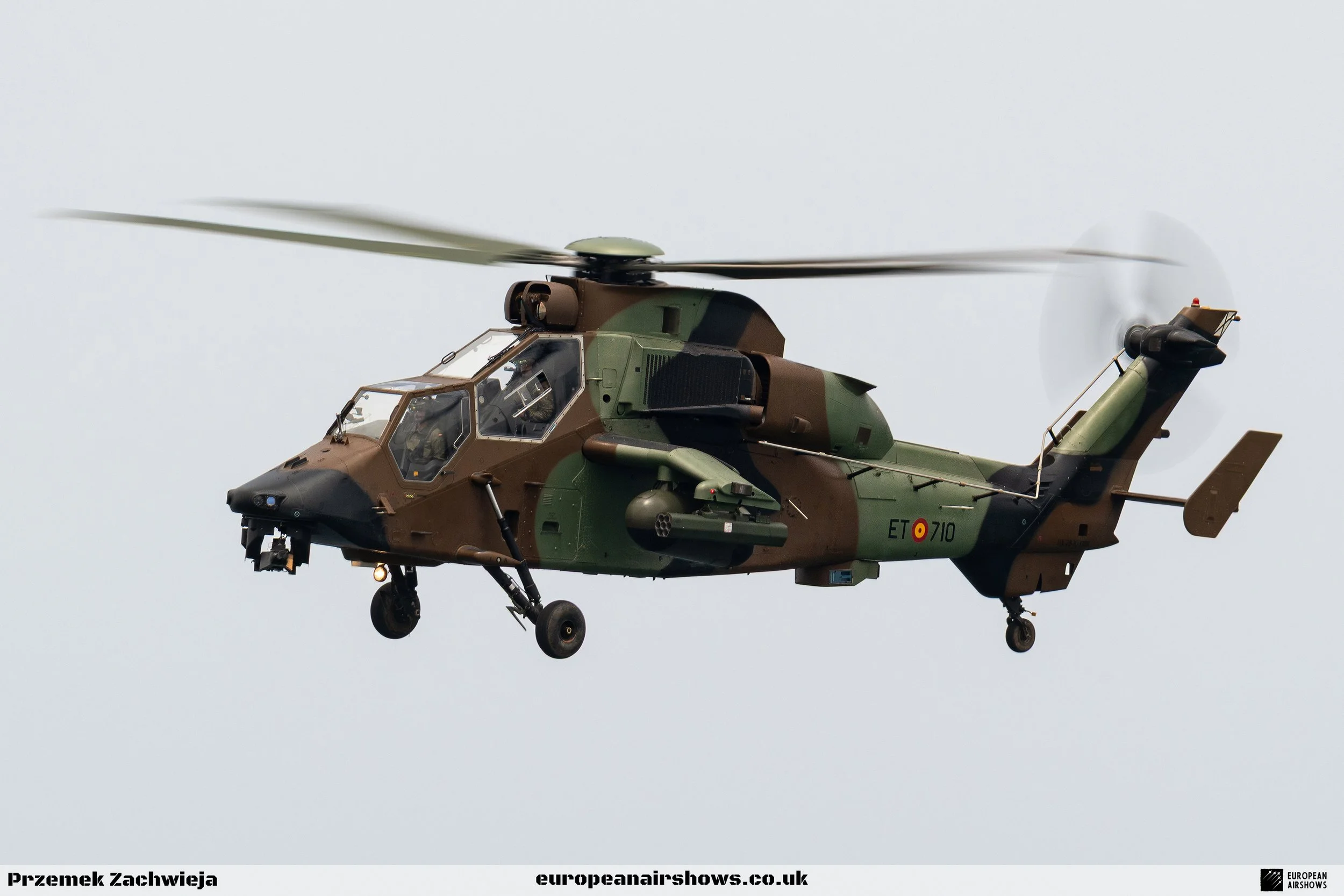
From the Spanish Army’s Airmobile Forces comes the Eurocopter Tiger and the Boeing CH-47 Chinook. The Tiger demonstrates the agility of a modern attack helicopter, equipped with advanced targeting systems and anti-armour capability. The Chinook, by contrast, highlights heavy-lift power and tactical versatility, sometimes hovering low over the water to simulate the deployment of troops and small craft directly from its rear ramp.
Together, this military lineup forms a cross-section of Spain’s contemporary air power, from tactical transport to air superiority and rotary-wing operations.
Civil and International Depth
Civil participation is equally diverse.
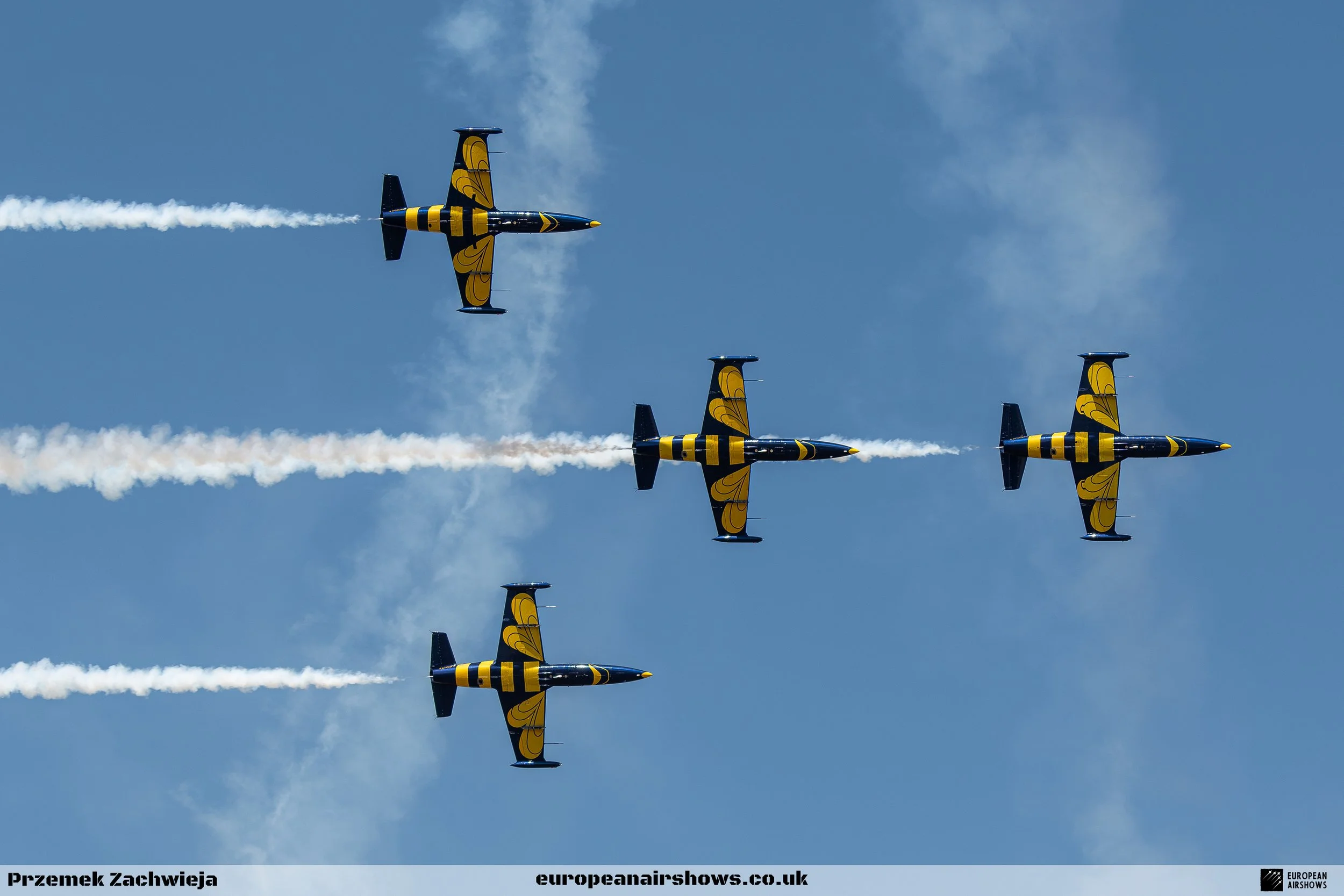
The Baltic Bees Jet Team, flying four L-39C Albatros jets, bring Baltic precision to the Mediterranean coast. The Czech-designed L-39 remains one of the most widespread jet trainers in the world, and in formation it offers clean, symmetrical aerobatics well suited to seaside viewing.
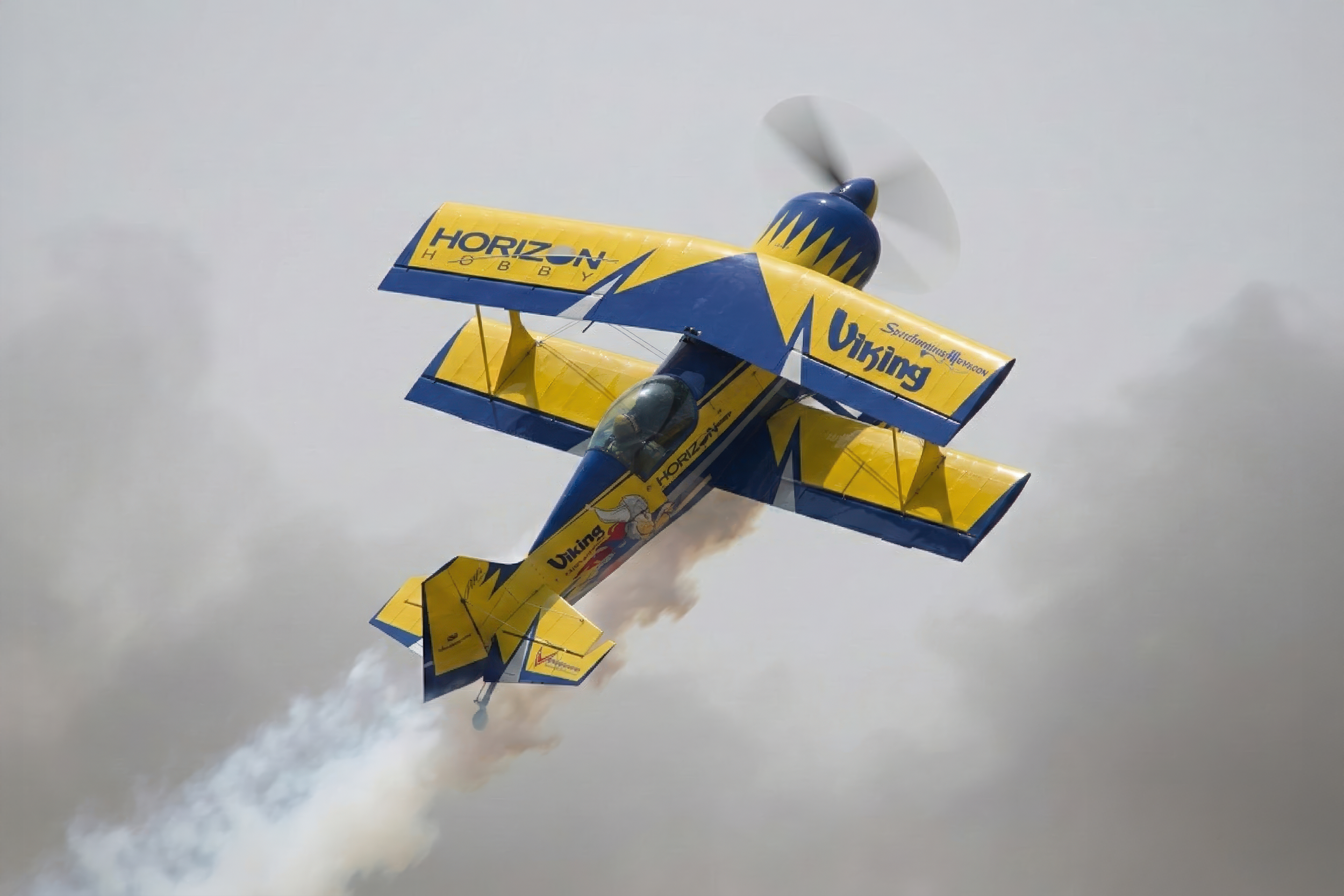
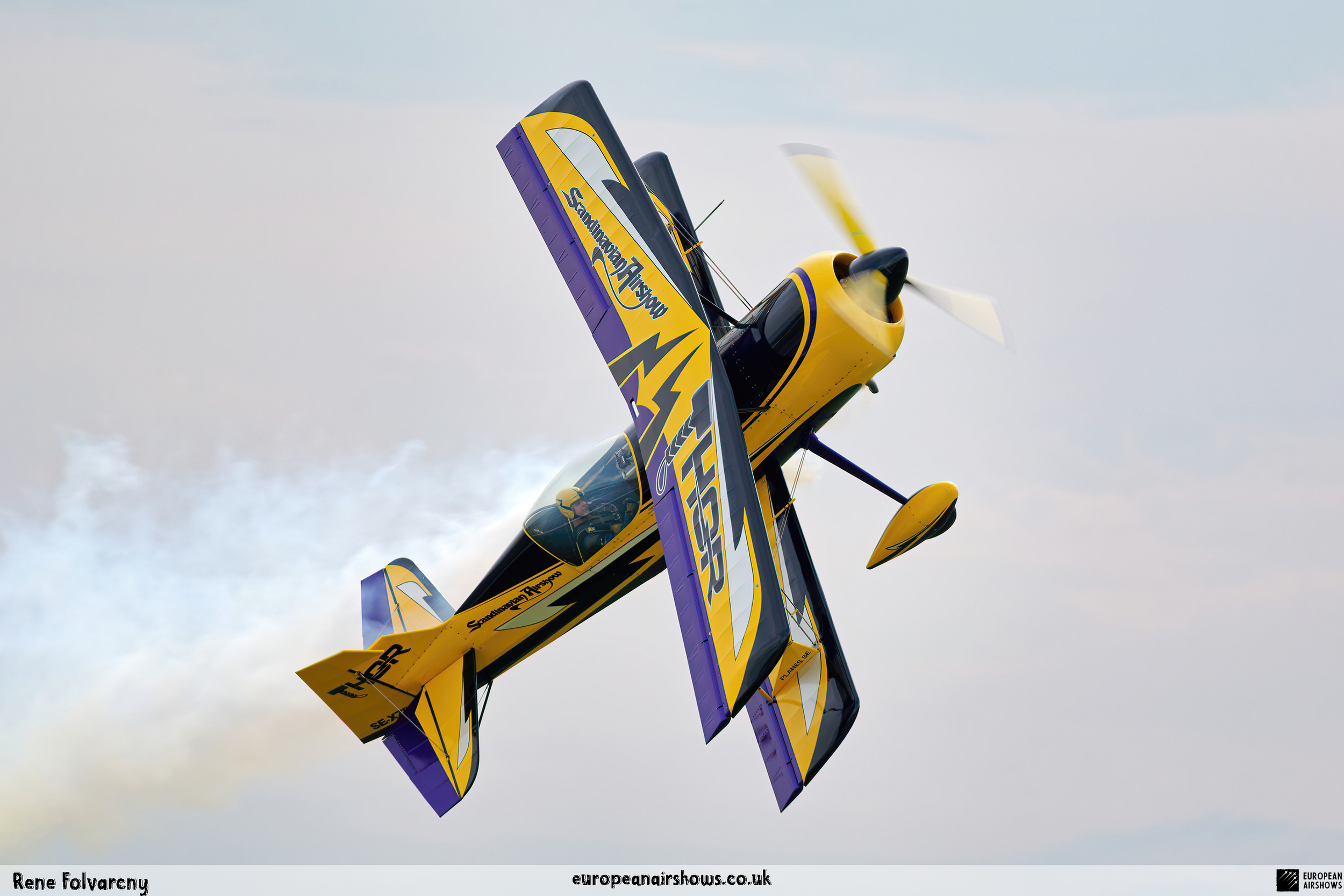
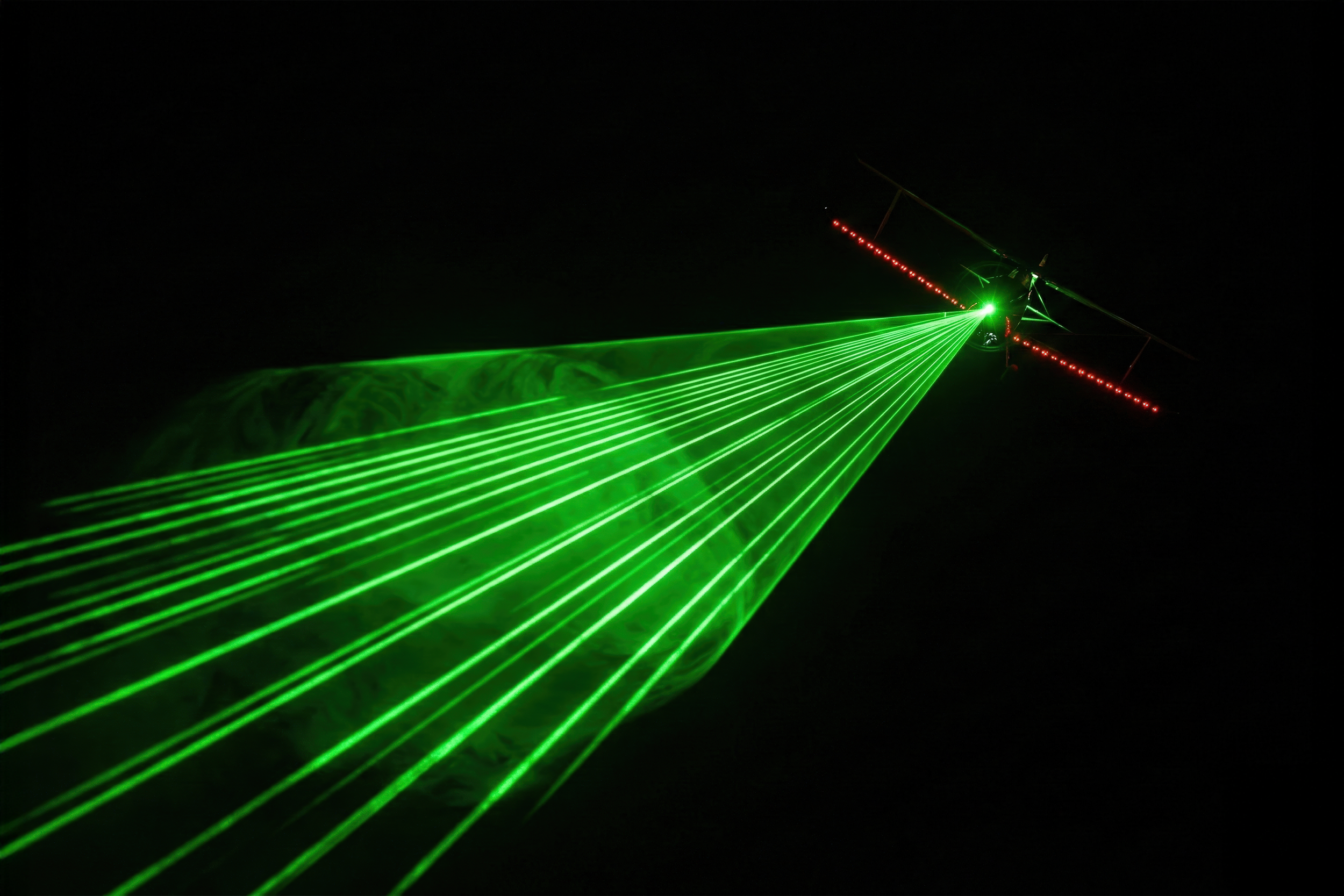
From Sweden, Scandinavian Airshow arrives with a four-aircraft aerobatic package combining formation flying, wingwalking and evening effects. At the centre are the Pitts Model 12S biplanes THOR and VIKING, custom-built high-performance aerobatic aircraft powered by 430 hp Vedeneyev M-14P radial engines. With empty weights around 650 kg and Vne speeds of approximately 402 km/h, they are capable of advanced gyroscopic manoeuvres including high-alpha knife-edge passes, inverted micro loops and sustained prop-hang sequences.
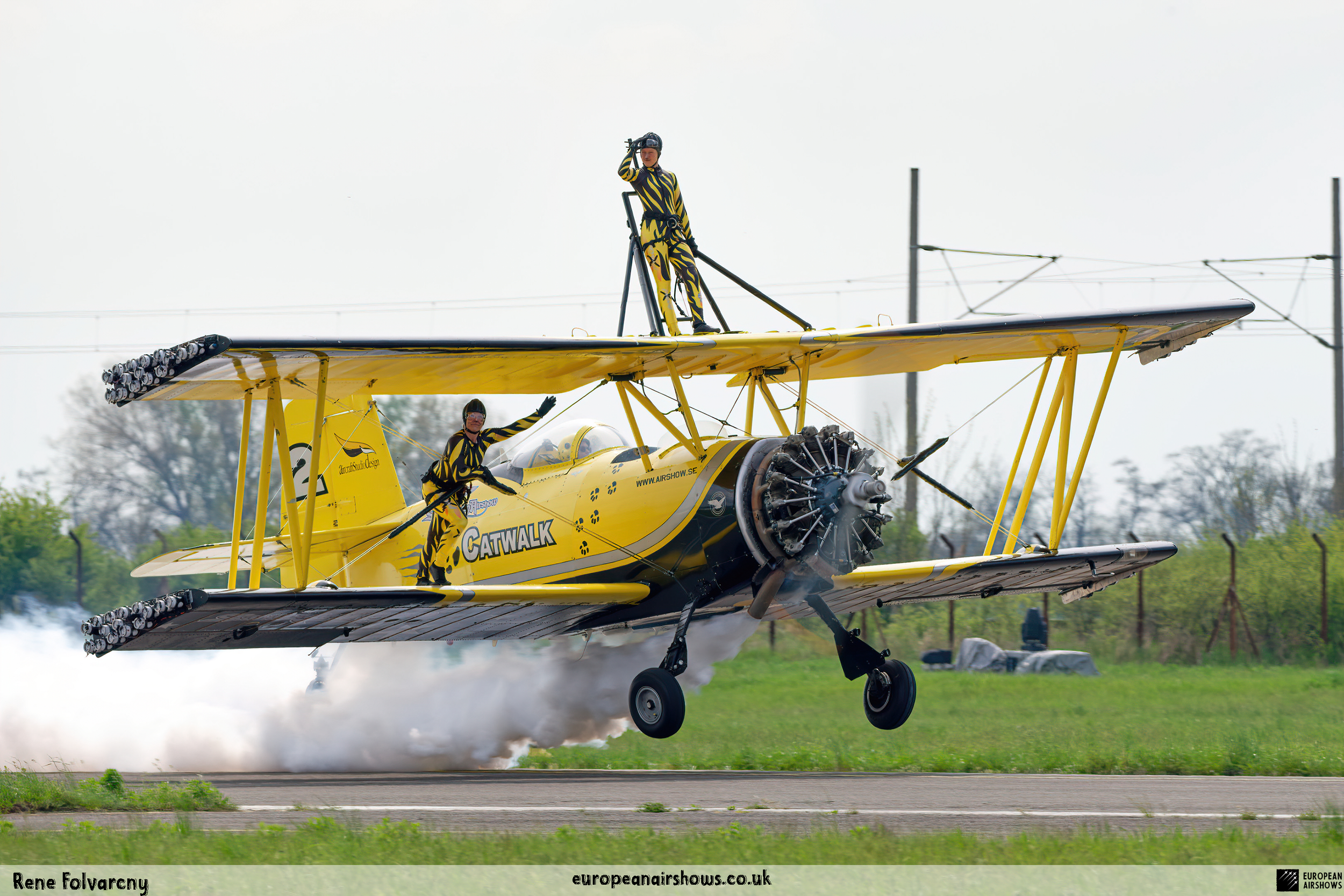
They are joined by a Pitts S-2B Special “WASP”, offering classic two-seat aerobatics with structural limits of +6/-3 g, and the Grumman G-164A Ag-Cat “Catwalk”, originally built in Savannah in 1973 and later converted for wingwalking operations. In Salou, the Ag-Cat will host a daytime wingwalking display and form part of the team’s Ragnarök formation sequence with the other three biplanes. For the evening programme, lighting, smoke and integrated pyrotechnic effects and lasers expand the display into a fully choreographed sunset performance.
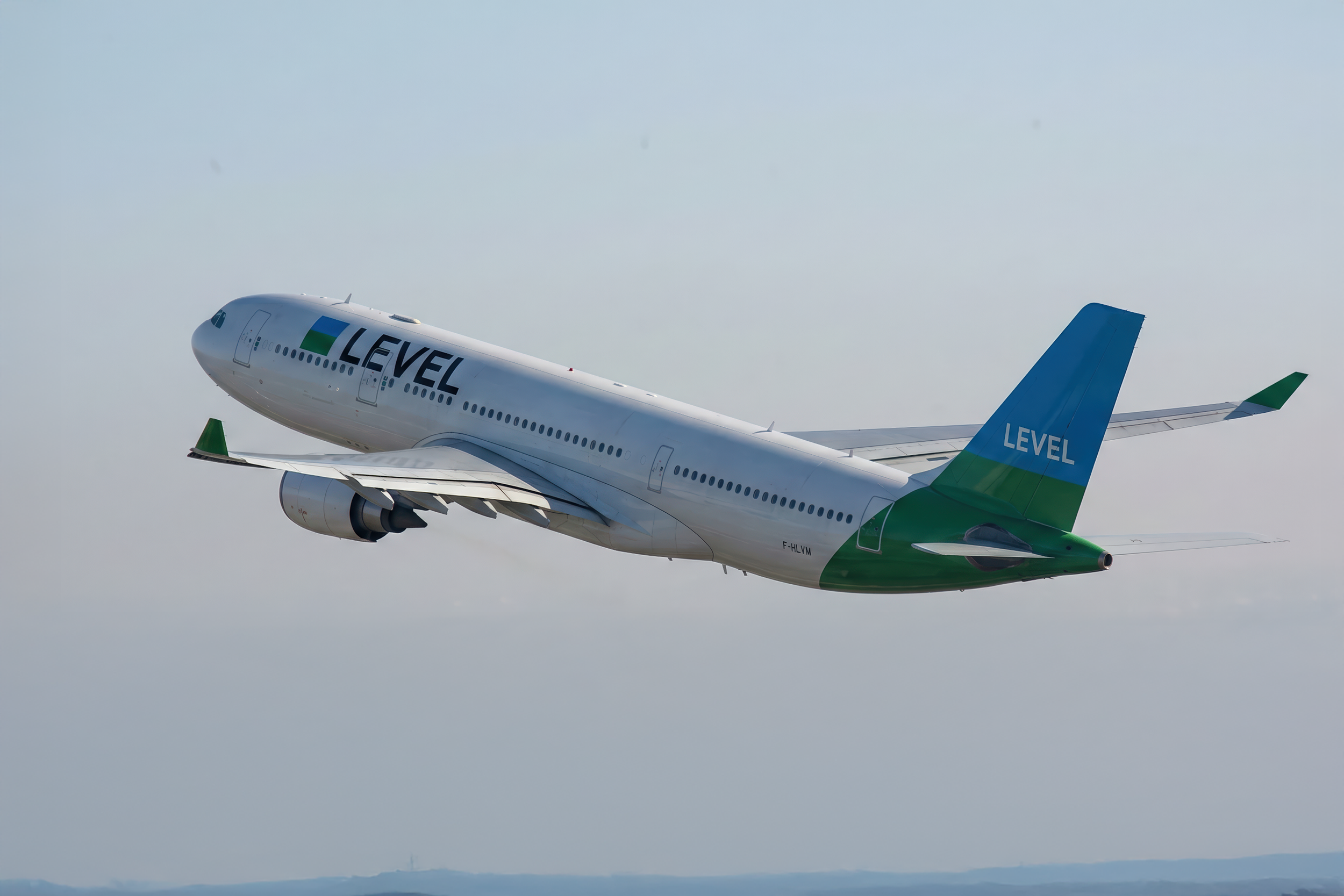
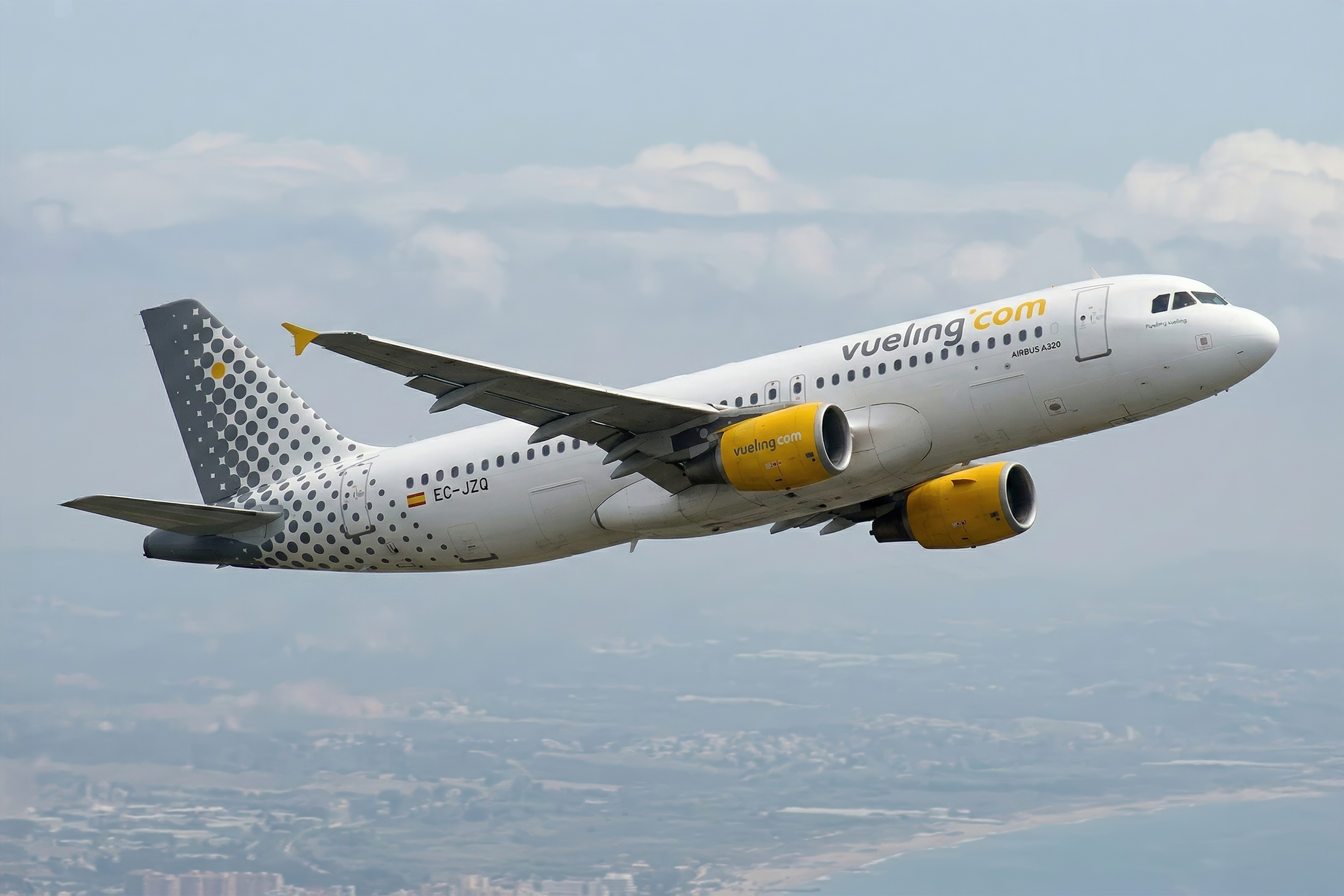
Spanish commercial aviation is represented by demonstration flypasts from Vueling with an Airbus A320 and LEVEL with an Airbus A330. Both operators plan the use of Sustainable Aviation Fuel blends for the event, a symbolic but relevant gesture in a festival increasingly conscious of environmental scrutiny.
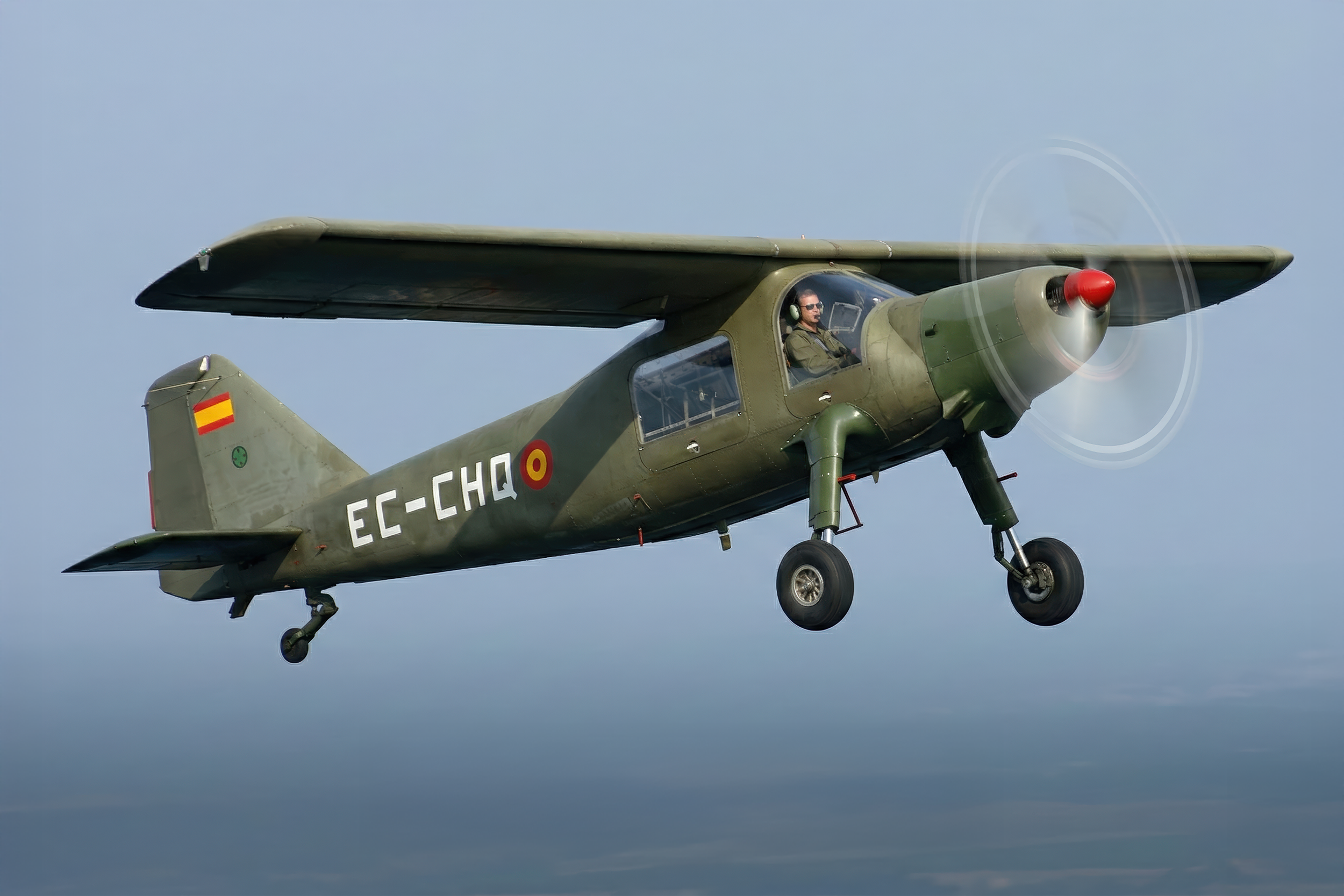
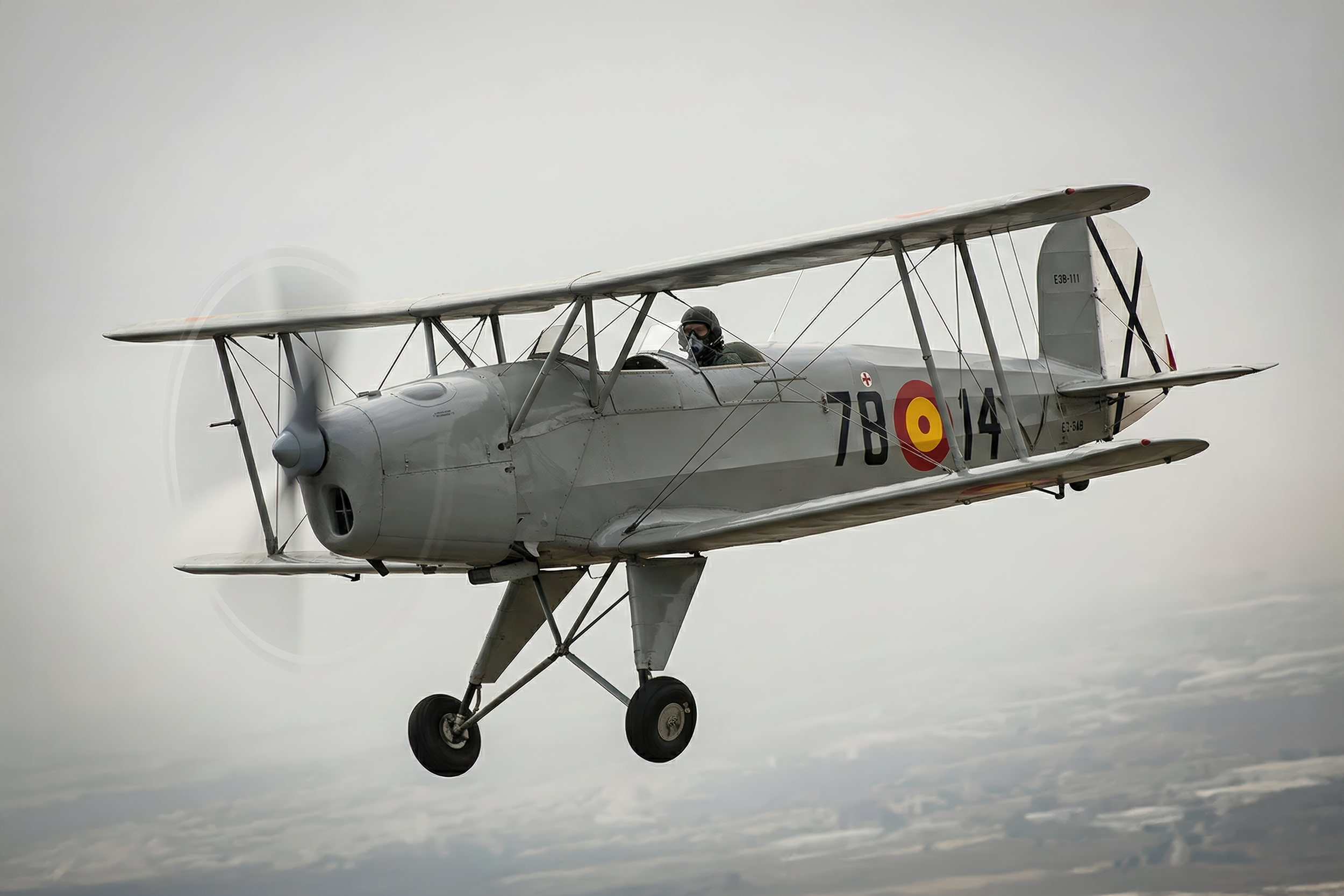
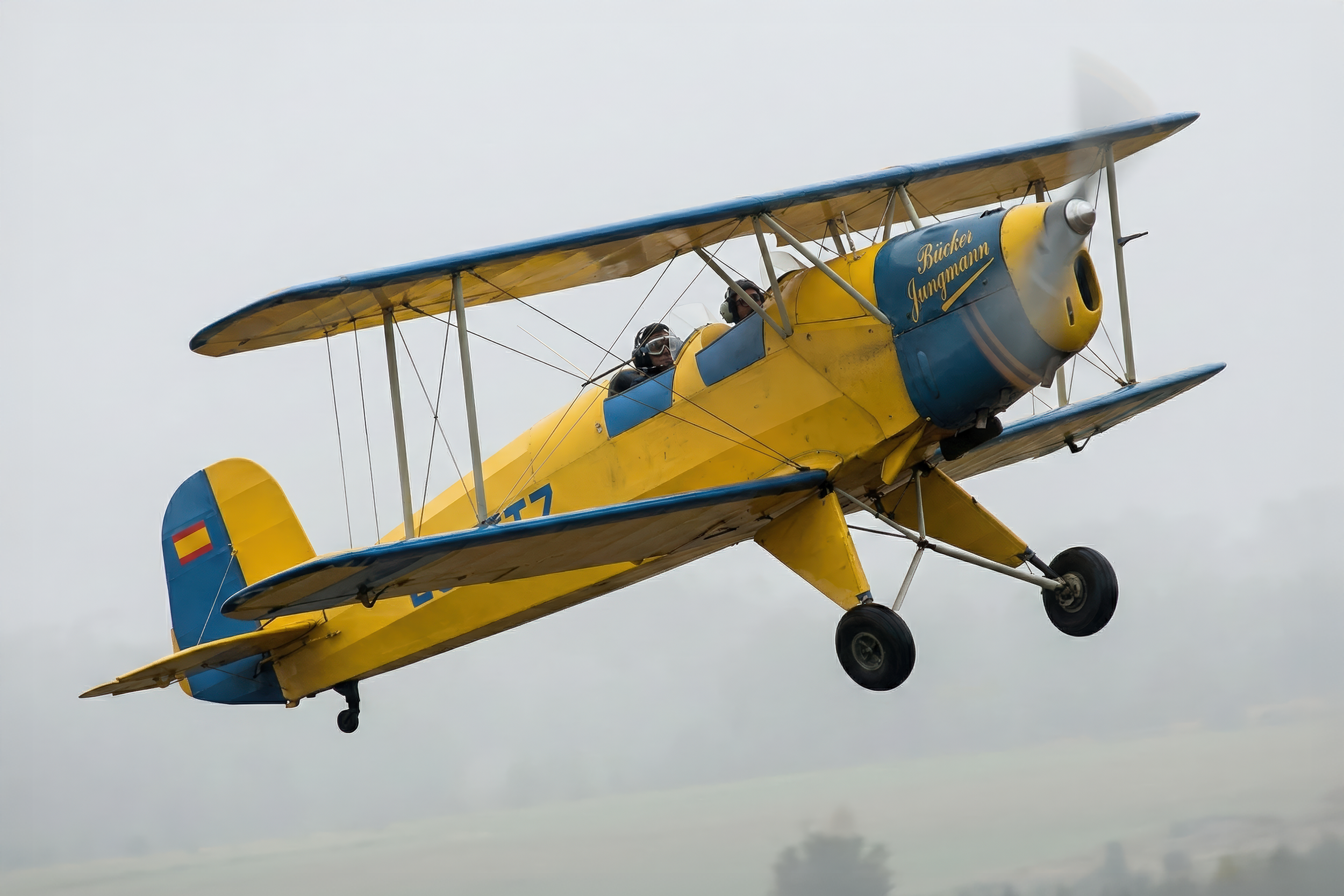
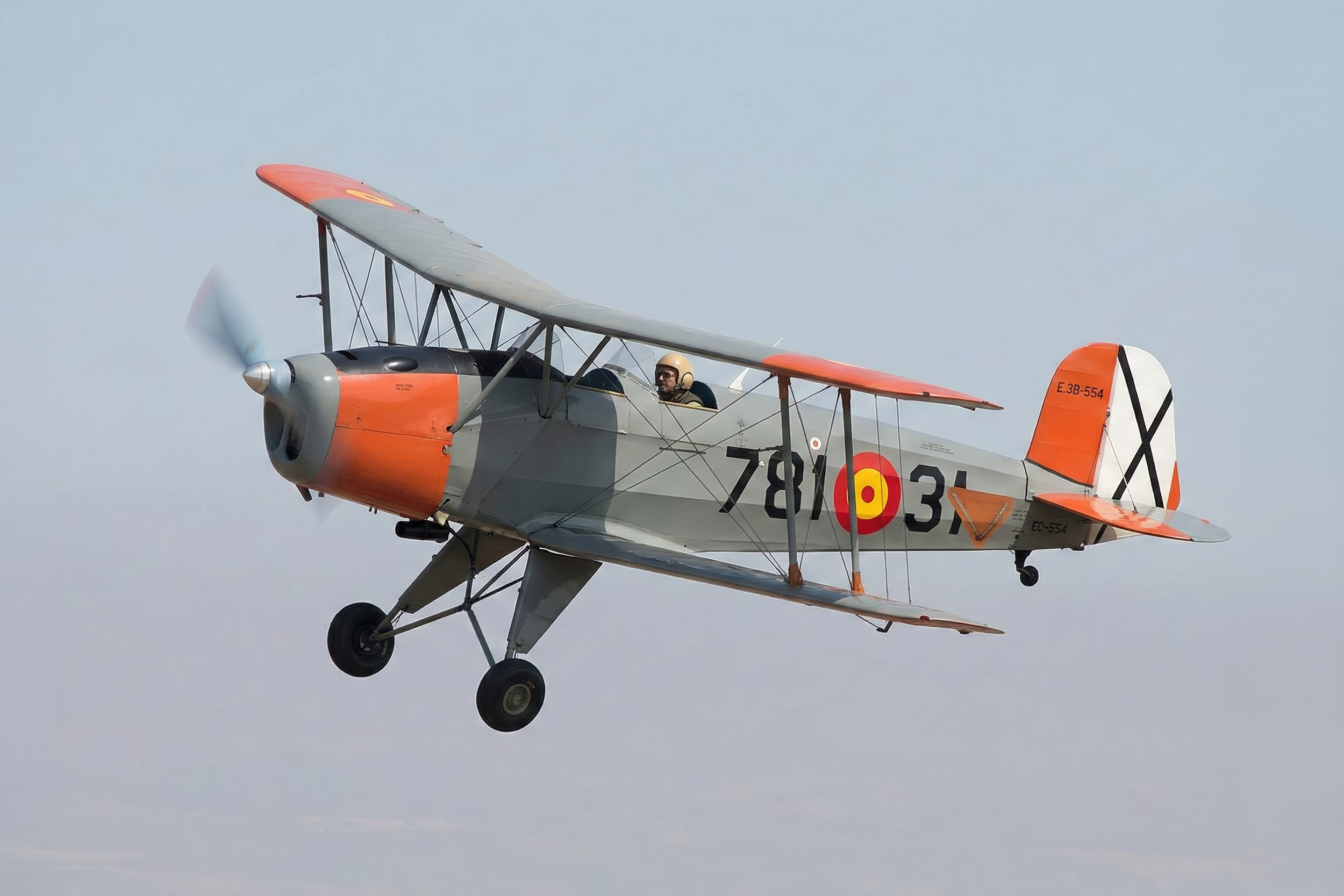
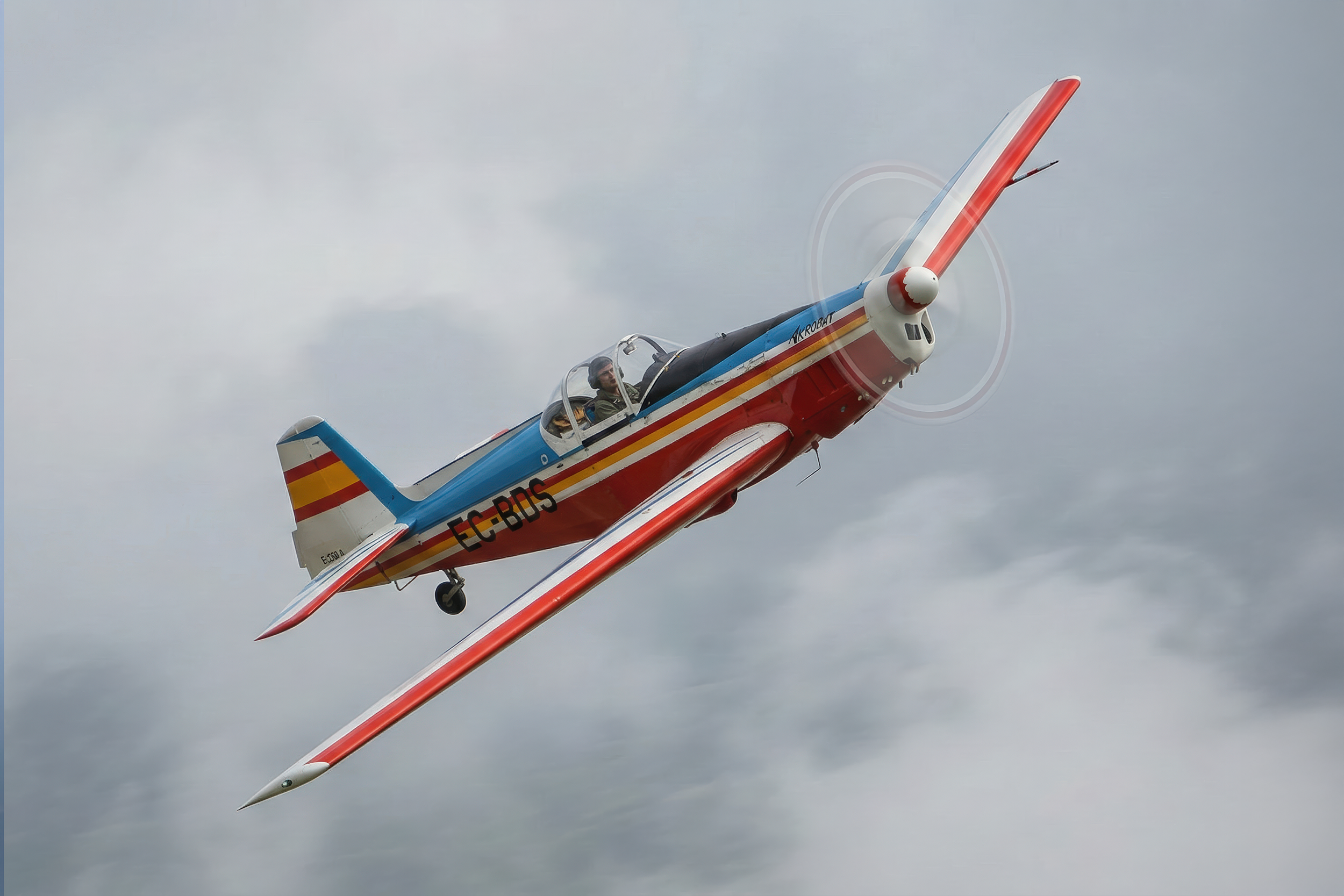
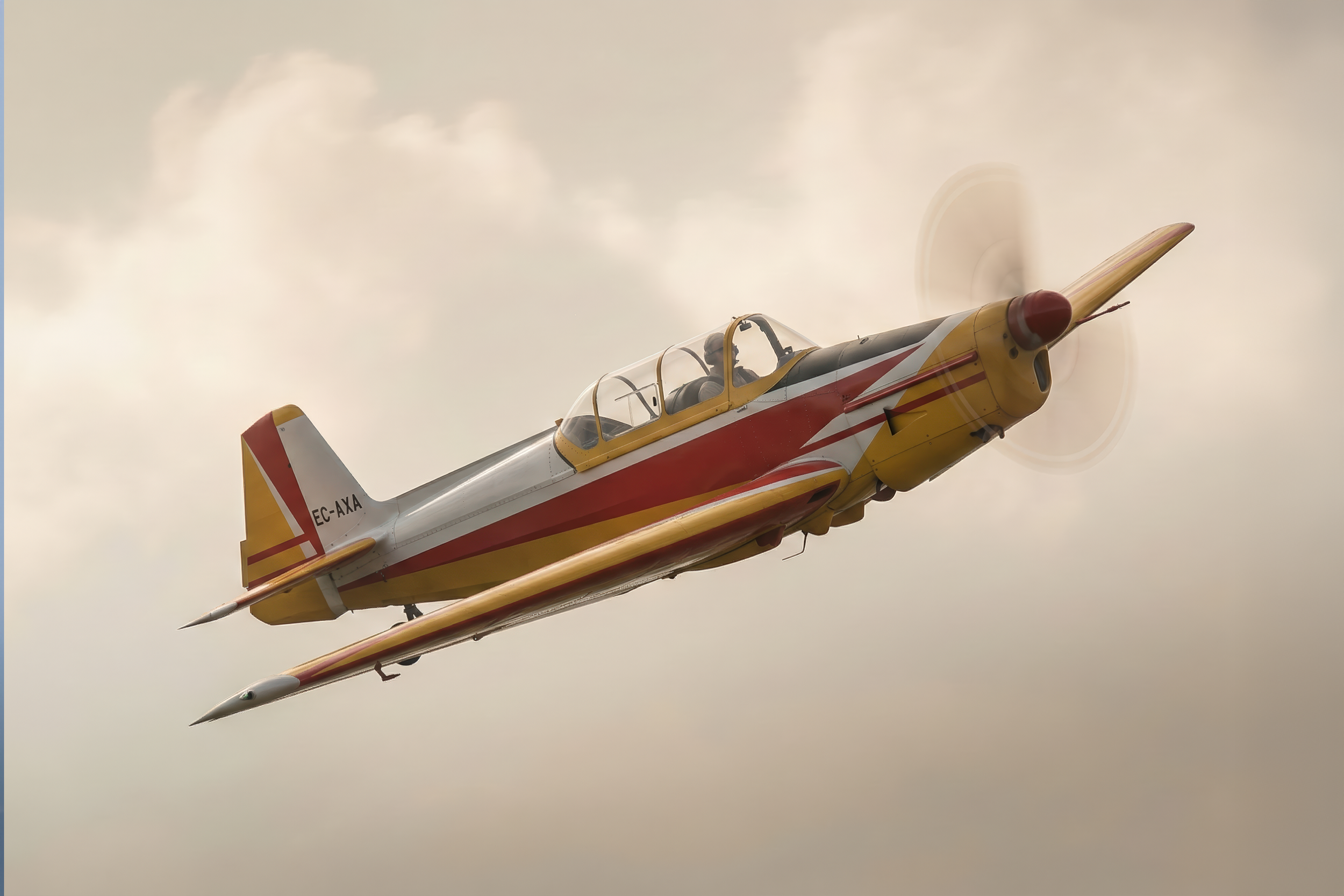
Historic aviation arrives via the Fundació Parc Aeronàutic de Catalunya, bringing a varied post-war European line-up including the Dornier Do-27 utility aircraft, the Zlín Z-526 Akrobat and Zlín Z-326 Trener Master aerobatic trainers, and several Bücker Jungmann biplanes. The foundation operates three different Jungmann examples, preserving Spain’s connection to the type, which was licence-built domestically as the CASA 1.131. Together, these aircraft bridge military training heritage and civilian aerobatic development in the decades before the jet age took over.
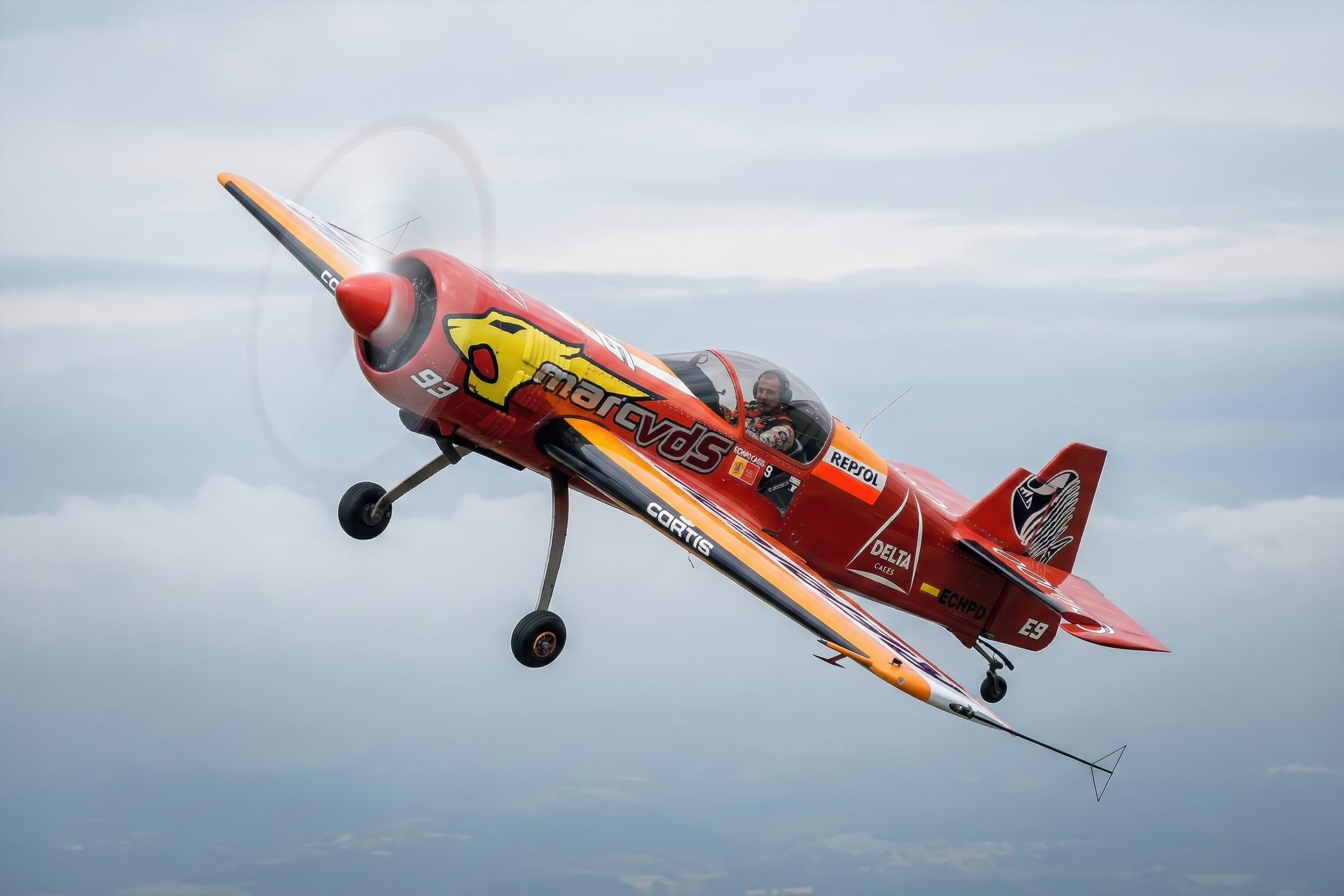
The Cástor Fantoba, flying a Sukhoi Su-26M, brings world-class unlimited aerobatics to the programme. The Su-26 series is renowned for its composite structure, symmetrical wing and exceptional roll rate, making it a staple of top-tier competition.
Night performance capability comes from Aerosparx, whose Grob 109B motor gliders integrate LED lighting and pyrotechnics into choreographed dusk routines.
Even the ground presence reinforces the event’s educational aim. Spanish Air and Space Force simulators for the AVIOCAR and A400M provide interactive engagement on Salou beach.
Format and Atmosphere
Festa al Cel unfolds across three distinct days, each with its own character. On 18 September, training flights provide a closer look at the preparation behind the spectacle, as crews rehearse display sequences and conduct technical checks over the coastline. For enthusiasts, it is often one of the most interesting moments of the weekend.
The Sunset Airshow on 19 September shifts the tone entirely. As daylight fades, LED-equipped aircraft, coloured smoke and integrated pyrotechnics transform the Mediterranean skyline into a moving stage, offering a visual contrast to the traditional daytime format.
The main air display on 20 September returns to a classic late-morning to early-afternoon programme, with the full line-up performing along the Salou beachfront.
Historically, attendance across previous editions has exceeded 300,000 spectators. Salou’s long, south-facing promenade allows visitors to spread naturally along the coast rather than gathering in enclosed areas, maintaining clear sightlines and reducing crowd density. Entry remains free, preserving the festival’s open-access ethos.
From an operational perspective, the event complies with Spain’s Royal Decree 1919/2009, which regulates civil aerial demonstrations. Established safety procedures, coordinated airspace management and strict drone prohibitions ensure that safety remains the overriding priority throughout the weekend.
Why 2026 Matters
Festa al Cel 2026 is significant for a simple reason. It brings together a breadth of Spanish aviation rarely seen in one place, and it does so in a setting that defines the character of the event.
Within a single weekend, spectators will see frontline combat aircraft, strategic airlift, army helicopters, firefighting assets, historic trainers and commercial airliners sharing the same display axis over the Mediterranean. Few European seaside airshows combine that range, particularly with free public access along an open beachfront.
The confirmed military participation alone offers a cross-section of Spain’s current operational capability, from air defence and heavy transport to rotary-wing deployment and aerial firefighting. Alongside it, civilian and historic operators provide context, showing where Spanish aviation has come from and how it continues to evolve. Additional performers may yet be announced, further strengthening the programme as the event approaches.
Salou’s coastal geography plays its part. The south-facing beaches provide clean light and long sightlines, while the open promenade allows the crowd to disperse naturally rather than concentrate in confined enclosures. The result is scale without sacrificing visibility.
After relocation, interruption and reinvention over the past decade, 2026 feels less like experimentation and more like consolidation. Festa al Cel has found a setting that works and a format that supports its ambition. What matters now is delivery.
If executed as planned, this edition will reaffirm why the festival remains Spain’s benchmark for large-scale public air displays.
