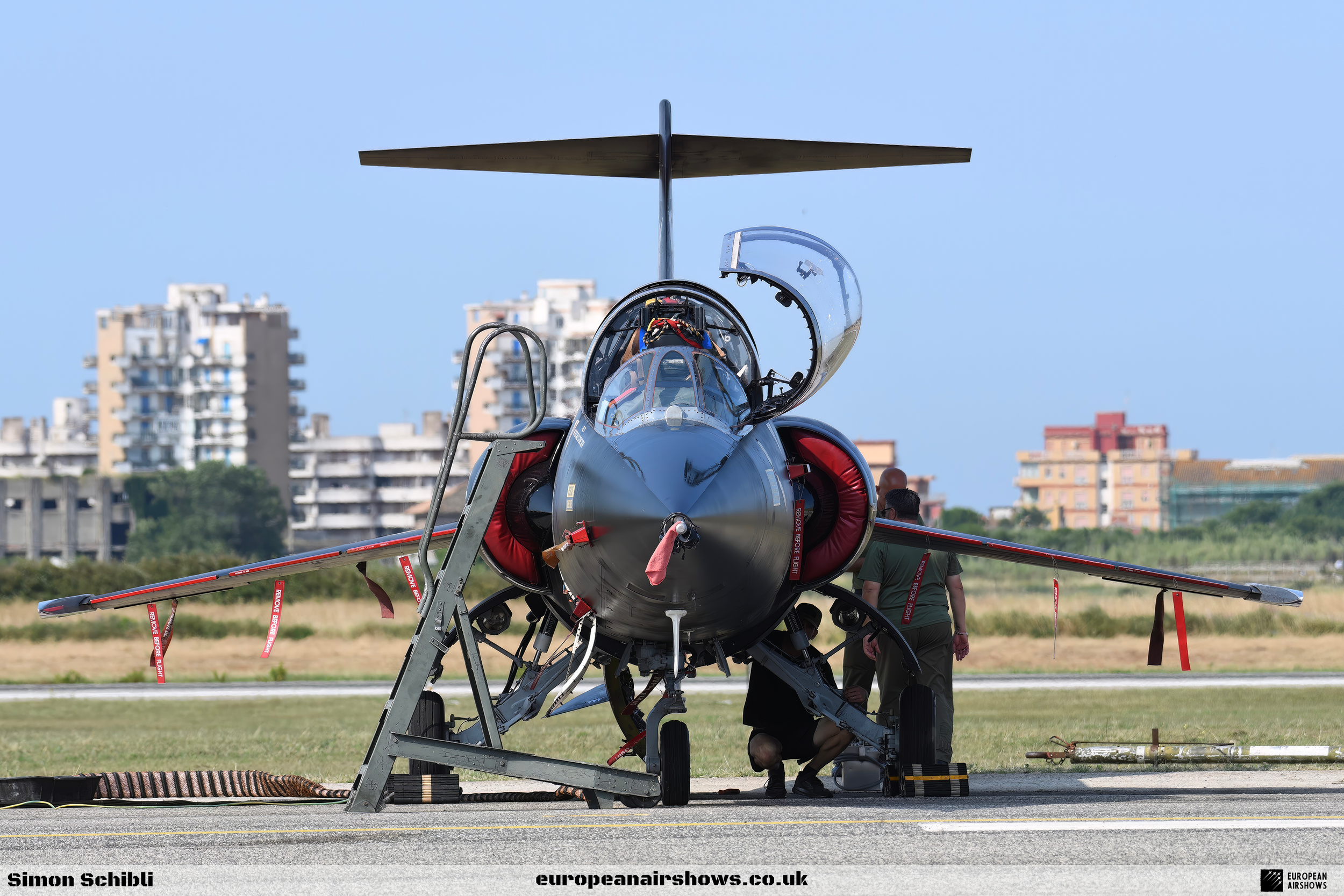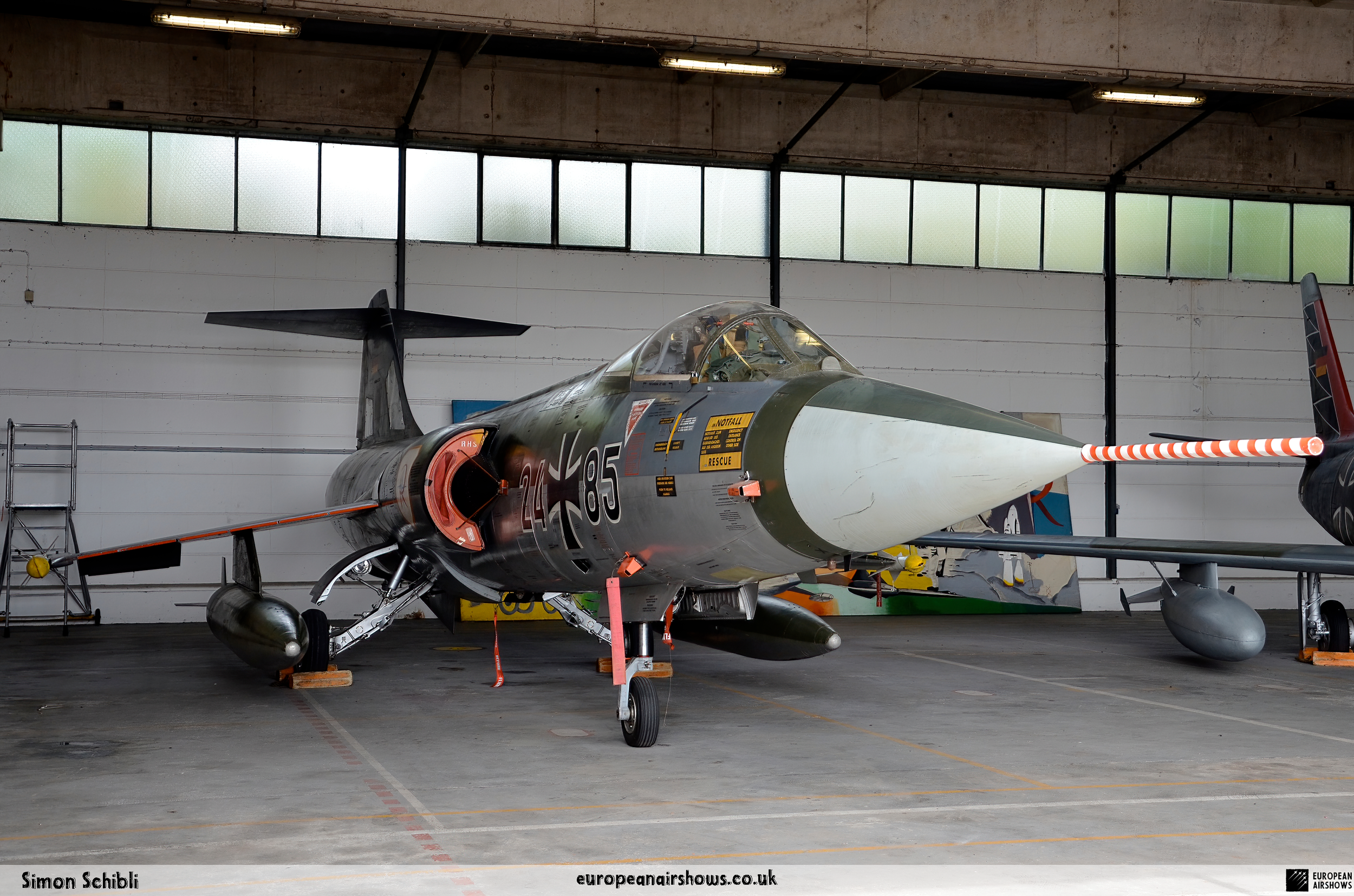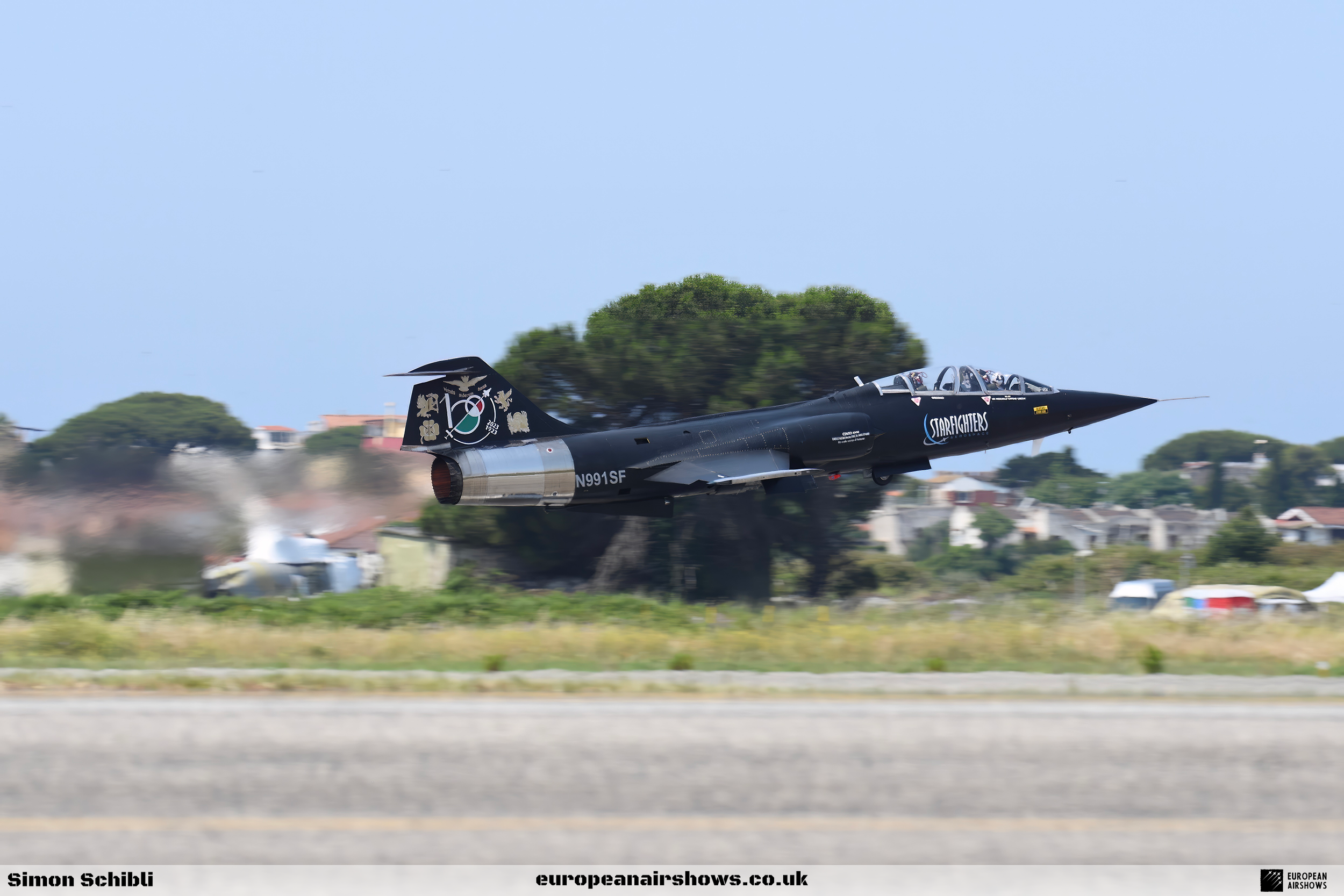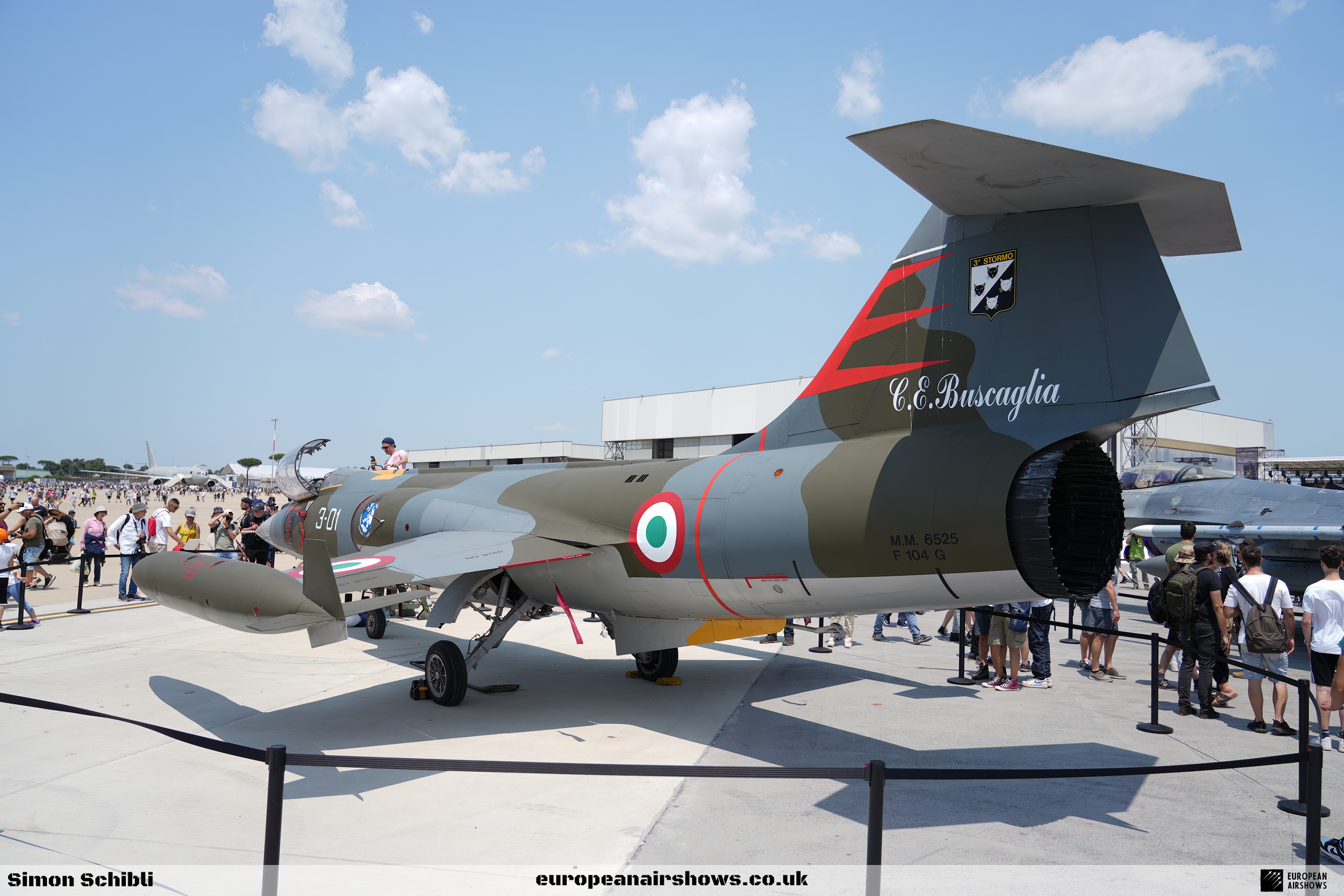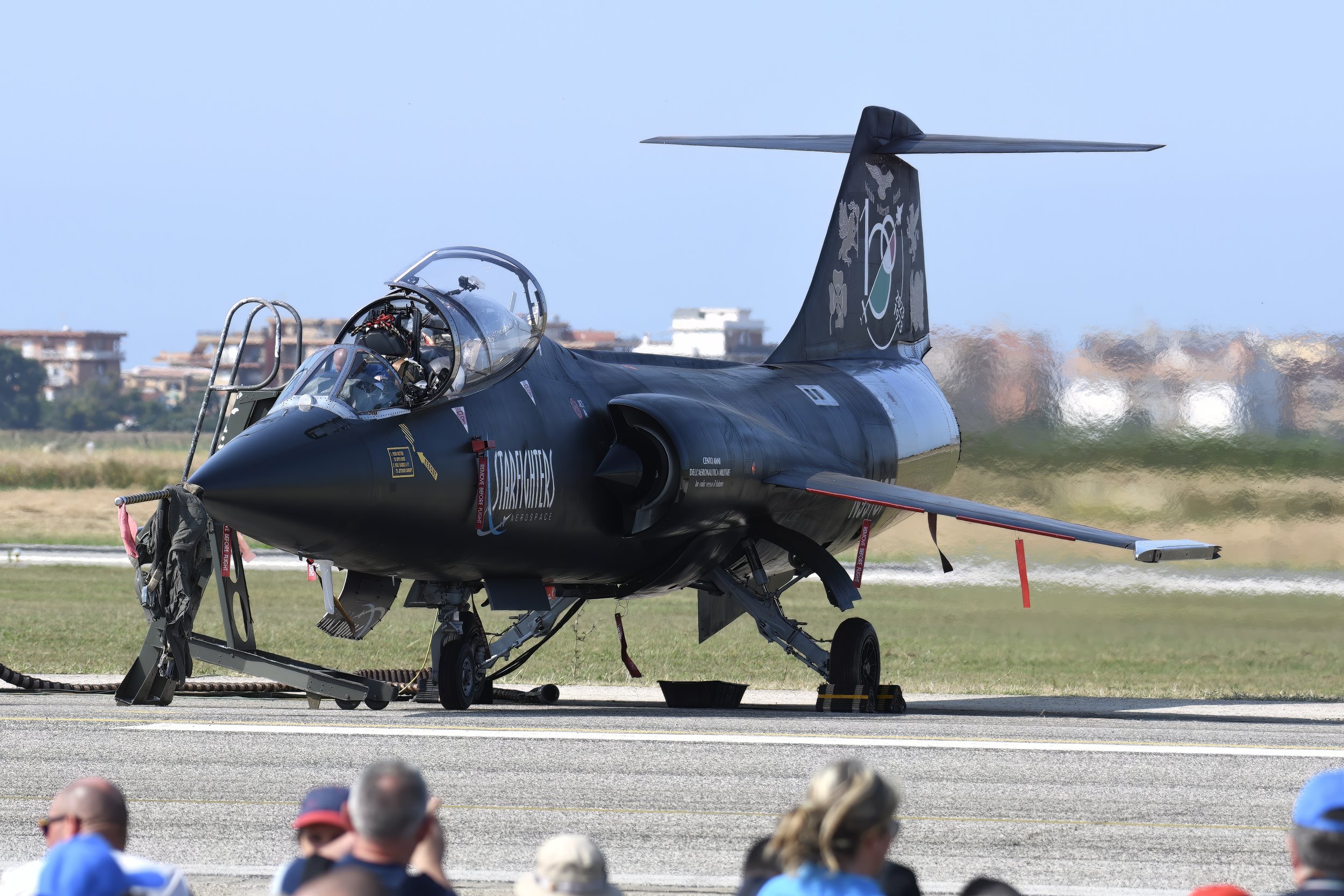
Lockheed F-104 Starfighter
Kelly Johnson’s razor-winged interceptor that set world records, served across NATO and Asia, and flew operationally until 2004
Conceived at Lockheed’s Skunk Works by Clarence “Kelly” Johnson after debriefing Korean War pilots, the F-104 Starfighter was the distilled answer to a simple brief: climb fast, fly very high, and go very, very fast. On 4 March 1954 the XF-104 made its maiden flight at Edwards AFB, ushering in a new era of thin, razor-edged wings and blistering performance that would make it the first production aircraft to hold the world airspeed, altitude, and time-to-climb records simultaneously in 1958–59.
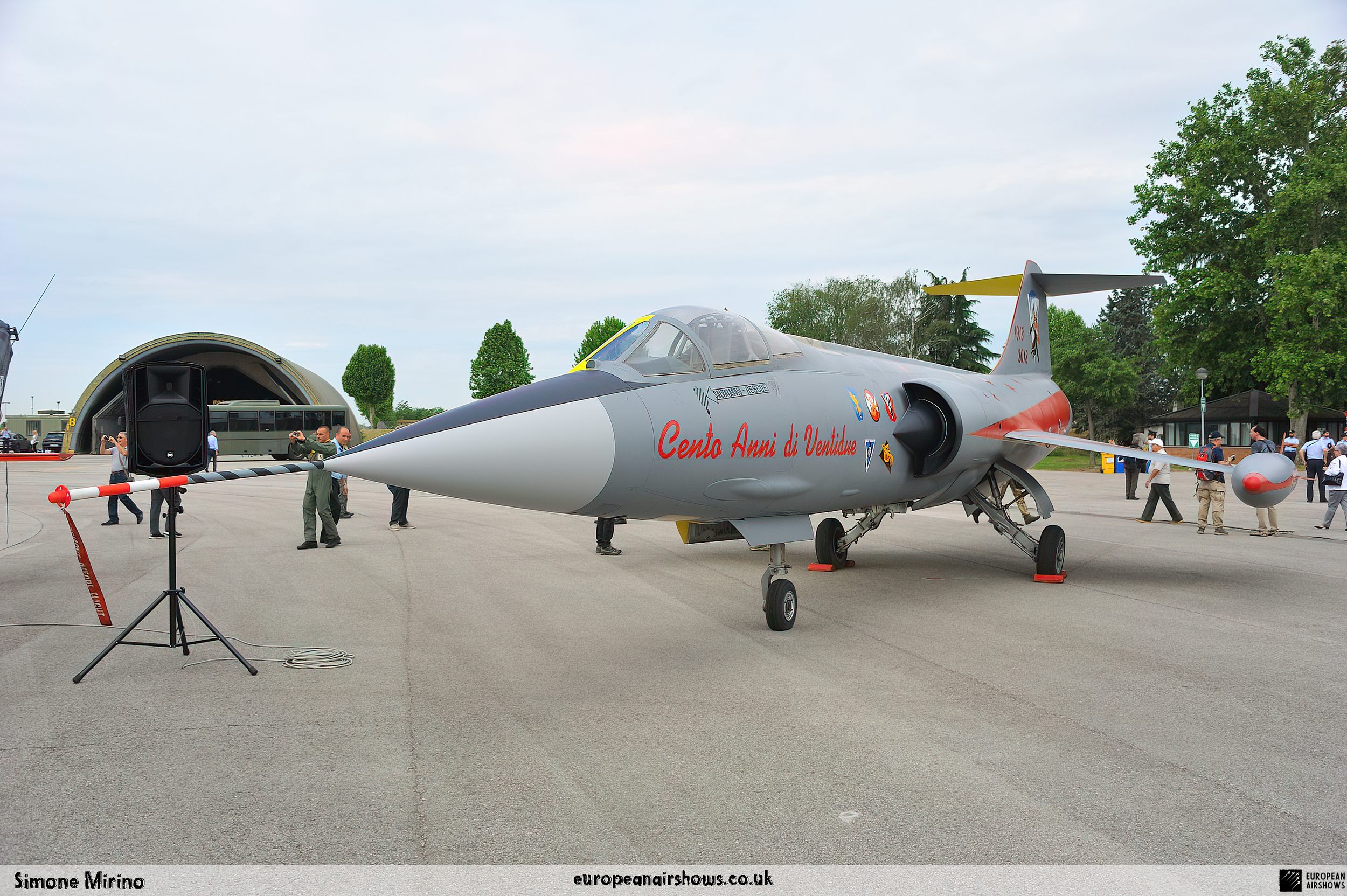
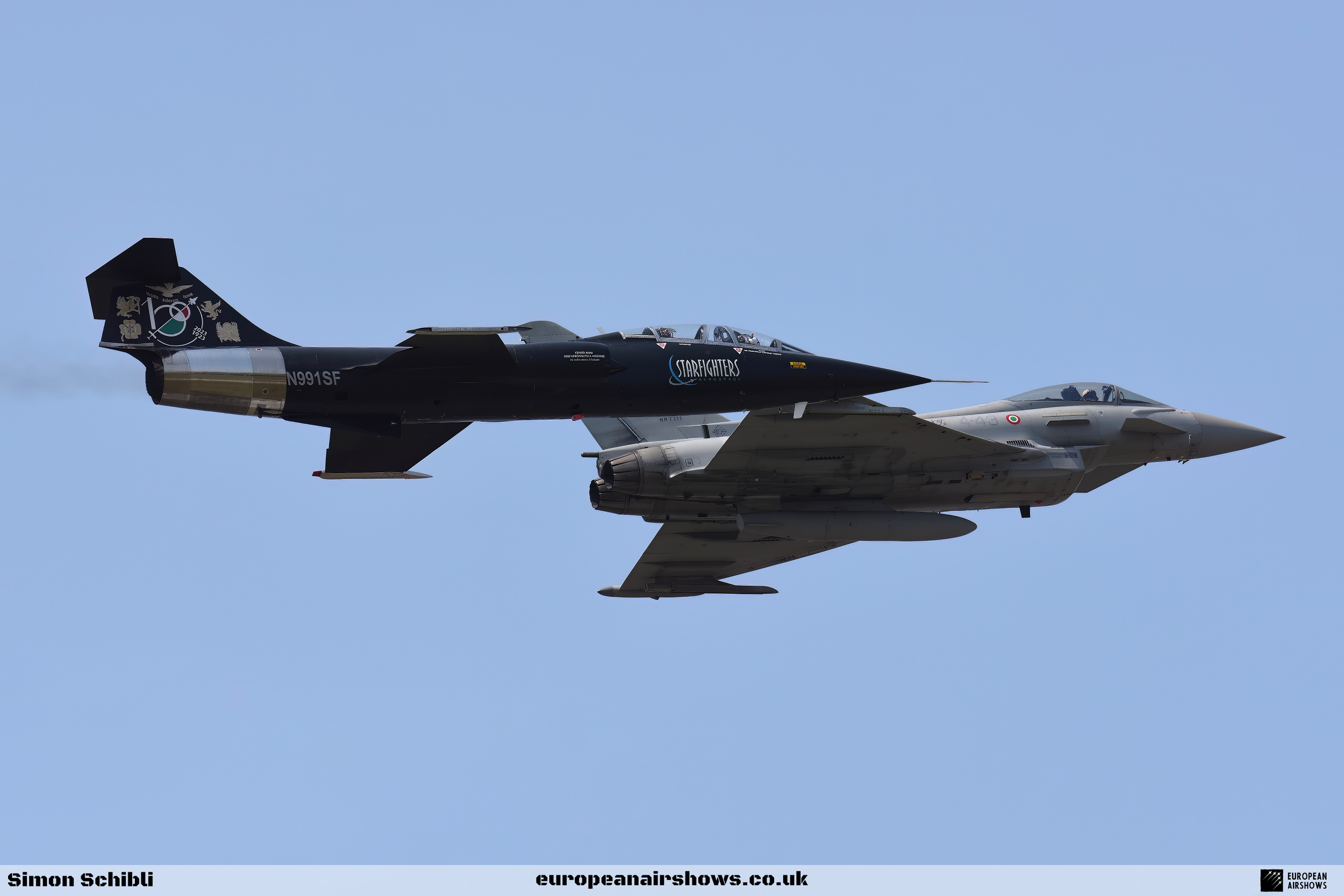
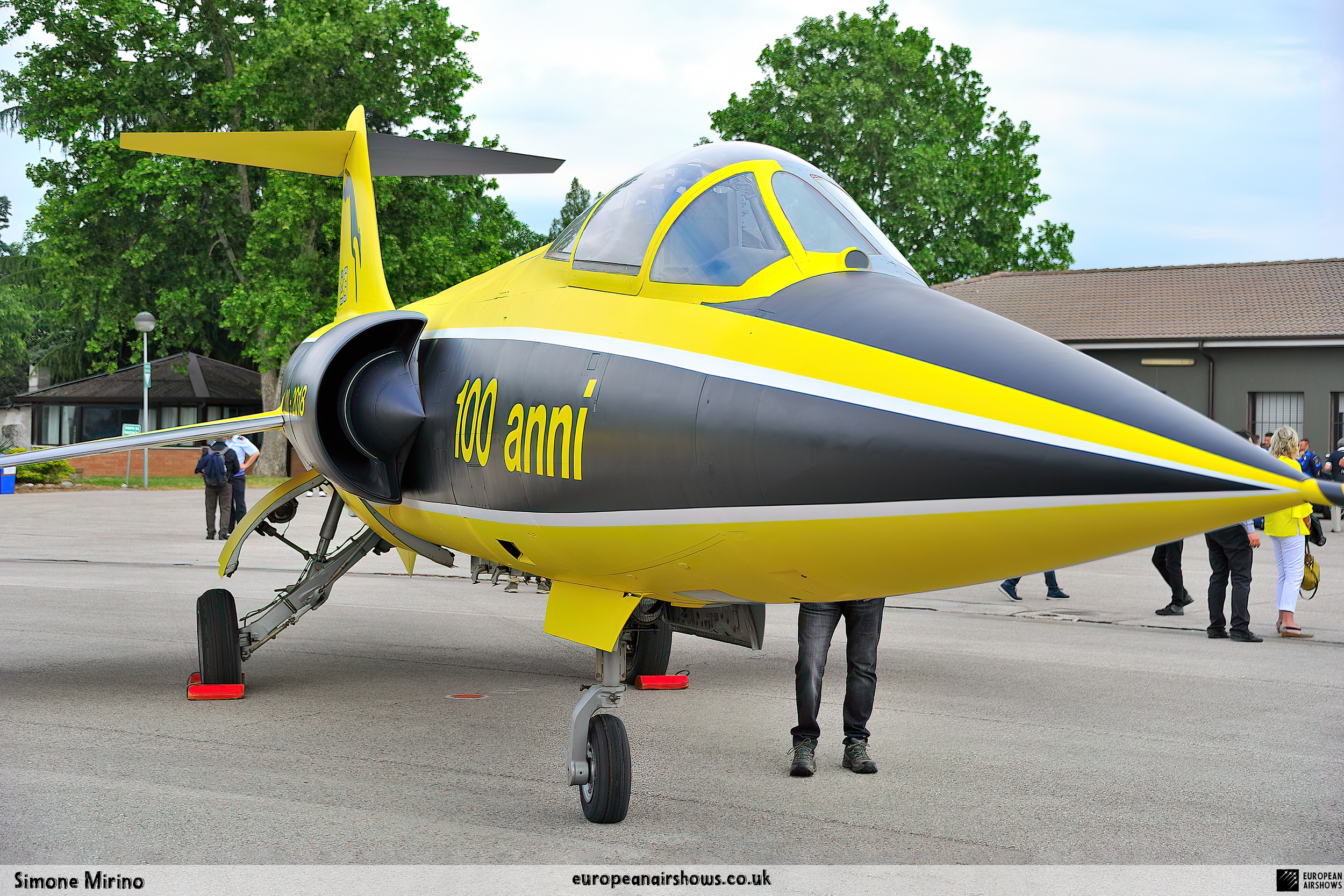
The Starfighter entered USAF service in 1958 and, through extensive licence-production and upgrades, equipped many NATO and allied air arms as the F-104G and later F-104S. Its record-setting performance was offset by demanding handling and high landing speeds, contributing to a difficult safety record in some fleets. Yet it remained in frontline European service into the 1990s, with Italy retiring the last military F-104s in 2004.
Operationally the type saw combat in Southeast Asia, over the Taiwan Strait (1967), and in the Indo-Pakistani wars (1965/1971). From interceptor to strike and reconnaissance, the Starfighter’s long career traced the arc of early Cold War jet air power.
Operational Chronicle
Key development milestones, deployments, records and service highlights
USAF Requirement & Skunk Works Concept
A December 1952 USAF requirement for a lightweight, high-performance day fighter catalysed Kelly Johnson’s team to propose the minimal-wing, J79-powered interceptor that became the Starfighter.
Maiden Flight
The prototype XF-104 flew on 4 March 1954 from Edwards AFB with Tony LeVier at the controls. Early flights proved the concept while revealing hydraulic and landing-gear teething issues typical of cutting-edge designs.
YF-104A with J79
The lengthened YF-104A, fitted with the new GE J79 and ventral fin, first flew in February 1956, reaching sustained Mach 2 and maturing systems for production.
Enters Service
The first production F-104A was delivered in January 1958; the 83rd FIS became the first operational unit the following month, employing the Starfighter as an interim high-speed interceptor.
World Records
In May 1958 the F-104 set altitude (91,243 ft) and speed (2,259.5 km/h) records; in December 1959 it raised the altitude mark to 103,395 ft, becoming the first aircraft to hold all three major records at once.
NATO “One-Oh-Four” Era
The licence-built F-104G equipped Germany, the Netherlands, Belgium, Norway, Denmark, and others as a multi-role strike/interceptor under NATO’snuclear-strike and QRA frameworks.
Vietnam War Deployment
USAF F-104C units deployed to Southeast Asia (1965–67) for MiGCAP, BARCAP and strike escort during Rolling Thunder, flying over 5,000 sorties.
Indo-Pakistani War
Pakistan’s F-104As saw intensive combat against the IAF, claiming the PAF’s first AAM kill while also sustaining losses in close-in engagements.
Taiwan Strait Air Battles
ROCAF F-104Gs engaged PLAAF J-6/MiG-19 fighters near Kinmen on 13 January 1967, with both sides claiming victories; one ROCAF Starfighter was lost.
Indo-Pakistani War
F-104s again fought over the subcontinent in 1971 in both air-to-air and strike roles, facing MiG-21s, Hunters and SAM/AAA threats.
Last Frontline Retirement
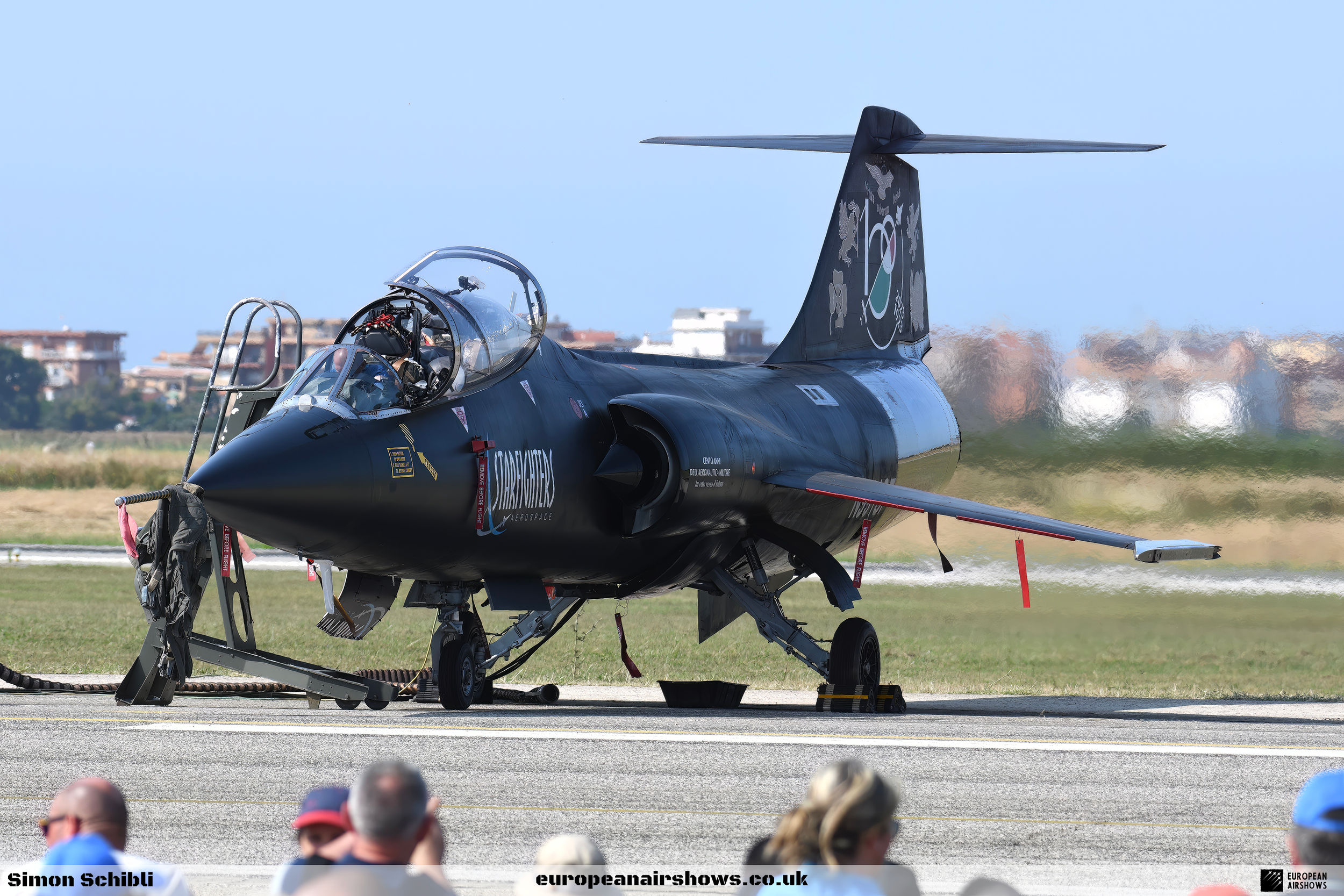
Italy retired the final military Starfighters in October 2004 after 42 years of national service; several aircraft continue flying in private hands for research and heritage.
Combat Operations
Where the Starfighter went to war
USAF F-104Cs flew MiGCAP/BARCAP and escort for strike and reconnaissance aircraft, logging over 5,000 sorties. Missions included EC-121/EB/recce cover and SAM-threat environments.
PAF F-104As conducted interception and strike missions, claiming early missile victories but suffering losses when drawn into low-speed dogfights.
ROCAF F-104Gs tangling with PLAAF J-6s marked one of the last classic jet-age duels over the Strait; two J-6s were claimed with one Starfighter lost.
Starfighters flew interceptions, strike, and radar-site attacks, meeting IAF MiG-21s and Hunters amid dense SAM/AAA defences; several F-104s were lost.
F-104G/S fleets in Germany, the Netherlands, Belgium and Italy stood QRA, strike and reconnaissance duties for decades, later transitioning to upgraded F-104S in Italy.
Altitude, speed and climb records cemented the F-104’s reputation; in the 21st century, civilian Starfighters have supported flight-test and aerospace research roles.
Service Record
Headline dates and figures from the Starfighter’s career
Technical Specifications
Essential details and characteristics of the Lockheed F-104 Starfighter
Development Story
From minimalist concept to record-setting interceptor
Origins and Requirements
In late 1952 the USAF sought a lightweight, high-performance day fighter. Kelly Johnson’s Skunk Works responded with a radical approach: wafer-thin, small-area wings set well aft, a T-tail and side intakes feeding the emerging GE J79. The result promised unmatched climb and speed at the expense of low-speed handling and turn performance.
Prototypes, Testing and the J79
The XF-104 first flew on 4 March 1954. Pre-production YF-104A aircraft introduced the J79, ventral fin and boundary-layer control to tame approach speeds. By 1958 the F-104A entered service as an interim interceptor while the Century Series matured.
Records and NATO Expansion
In 1958–59 Starfighters captured world altitude, speed and time-to-climb records, showcasing the design’s strengths. The licence-built F-104G became a NATO standard for strike/reconnaissance and QRA, with thousands produced across European lines; Italy’s upgraded F-104S extended frontline service into the 21st century.
Operational Reality
In combat the Starfighter’s acceleration and climb were assets for escort and point-defence, but tight, low-speed manoeuvring exposed its limitations. Accident rates varied by operator and mission profile; high-tempo, low-level all-weather roles and early systems issues contributed to losses in some fleets. Even so, experienced units achieved long, effective service lives.
Enduring Legacy
A Cold War icon of speed and climb
The Lockheed F-104 Starfighter remains one of the most recognisable jets ever built — a minimalist, high-performance interceptor that set world records, served widely with NATO and allies, and fought from Vietnam to the Taiwan Strait and the subcontinent. From its first flight on 4 March 1954 to Italy’s farewell in 2004, the “One-Oh-Four” defined a generation of Cold War air power, its strengths and compromises alike shaping pilot training, tactics and technology for decades.